Category: Blog

  • 11th June 2017 – RSPB Minsmere, Suffolk

    11th June 2017 – RSPB Minsmere, Suffolk

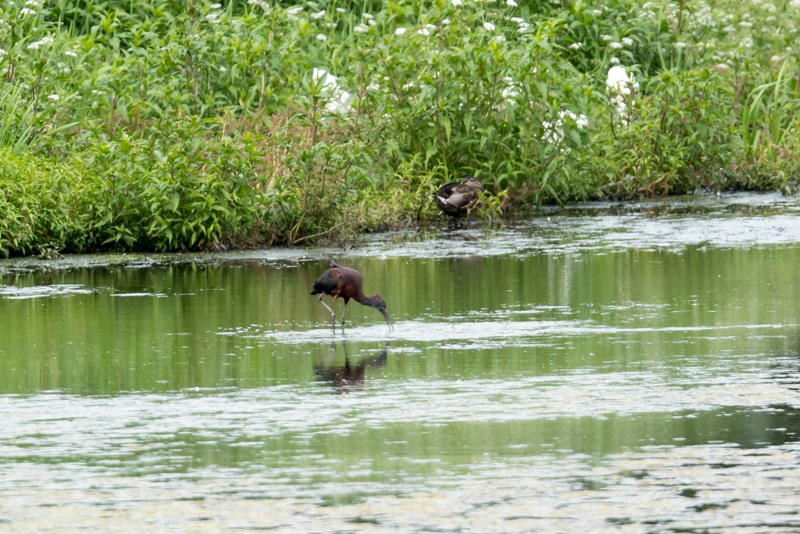
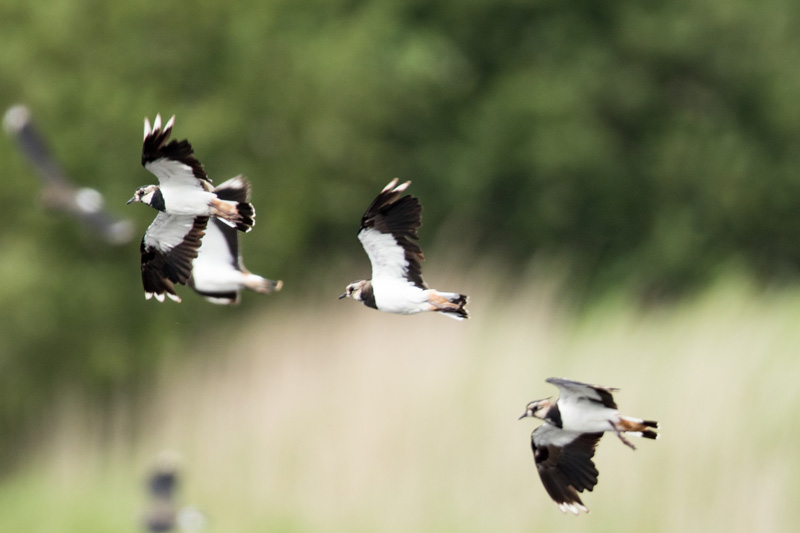
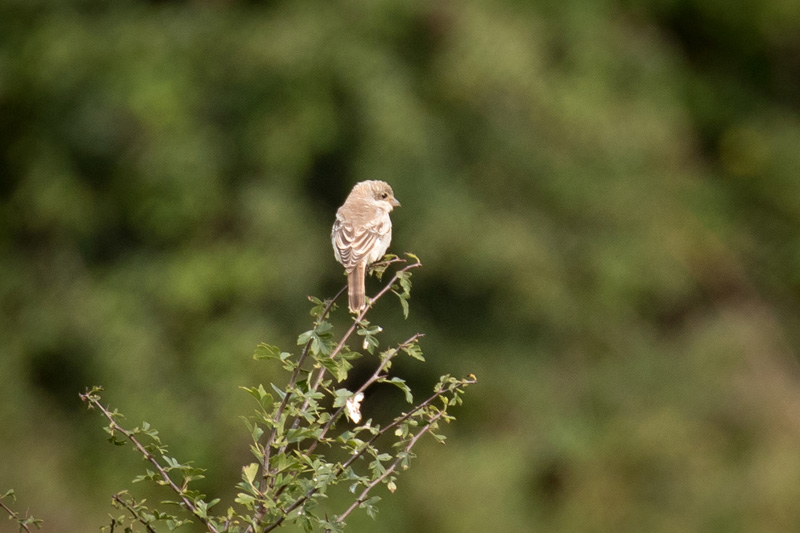
    So lovely to be back at RSPB Minsmere in Suffolk on the east coast of England even though we only had time for a brief evening walk out along the North Wall to the East hide.

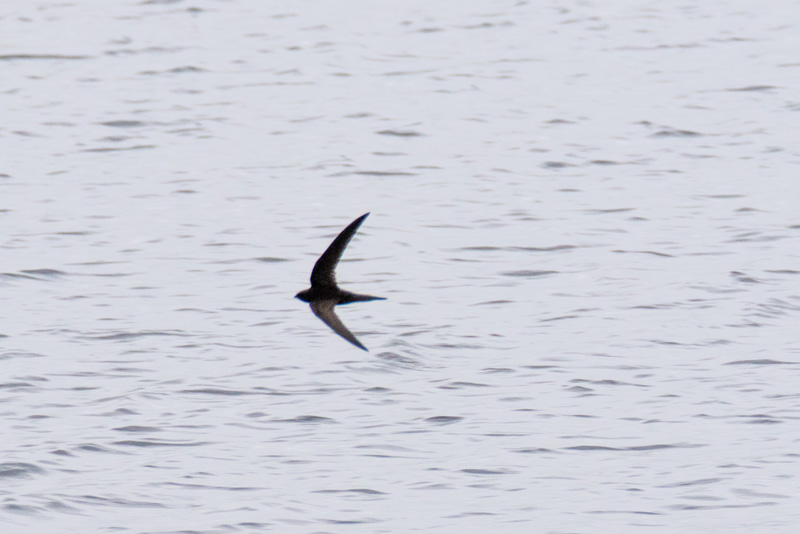
    We were very sad to see that the sand martins had abandoned their cliff nests near to the entrance but we were not too disappointed as apparently they had moved to the nearby Dunwich Cliffs and we still saw hundreds of them them dashing across the reed beds enjoying their late evening feed.

    MT1D2959The abandoned sand martin nests

    MT1D2751Sand martin

    We saw two types of tern (I hazard a guess at common tern and sandwich tern),

    MT1D2720

    MT1D2946

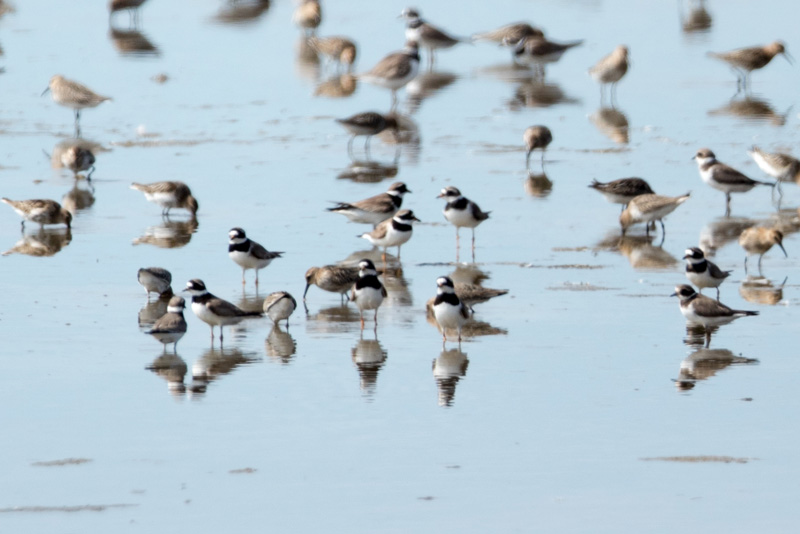
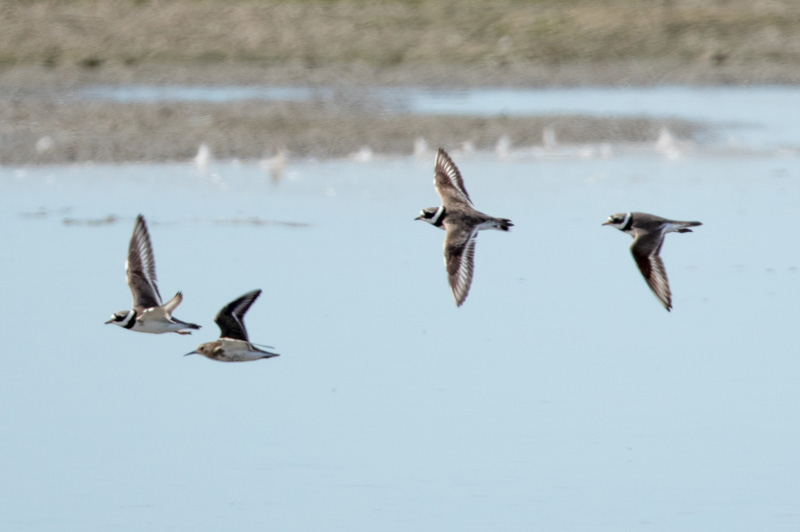
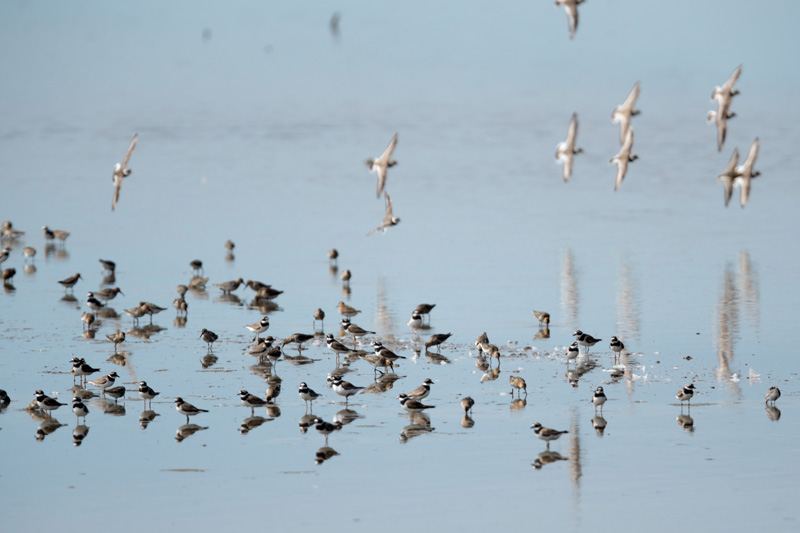
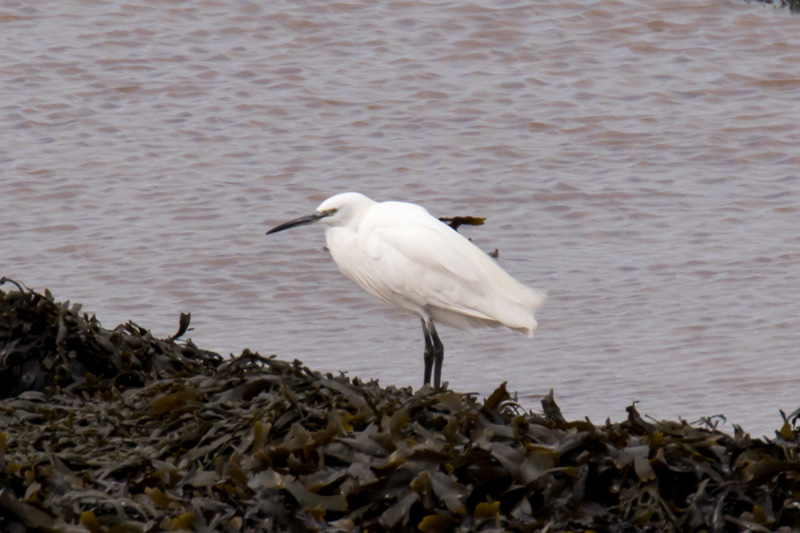
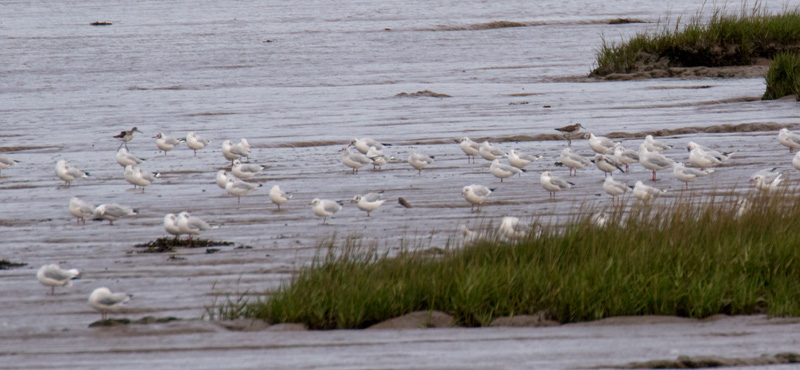
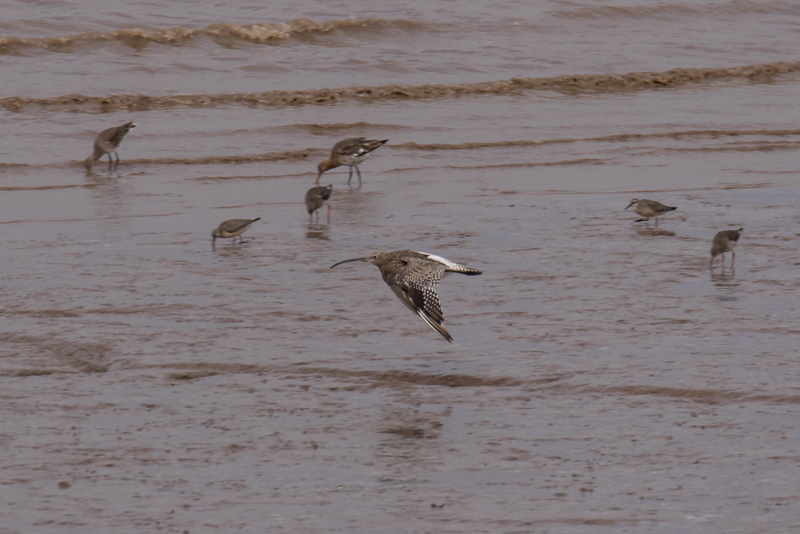
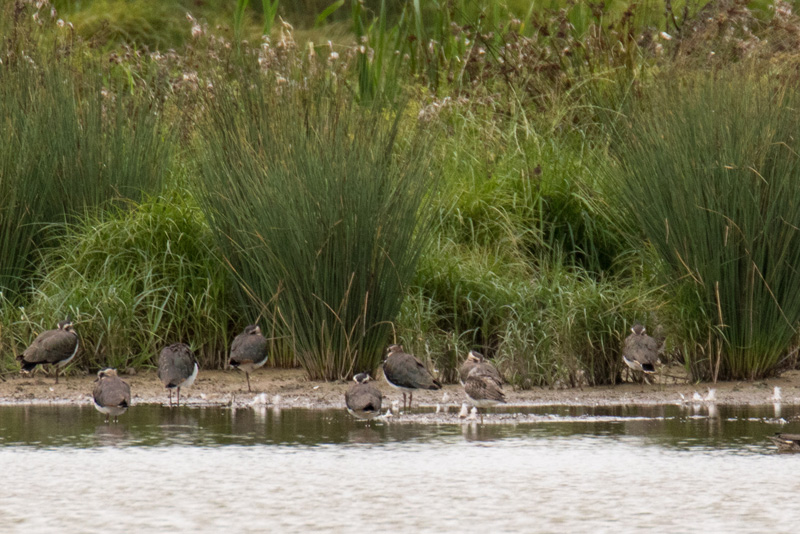
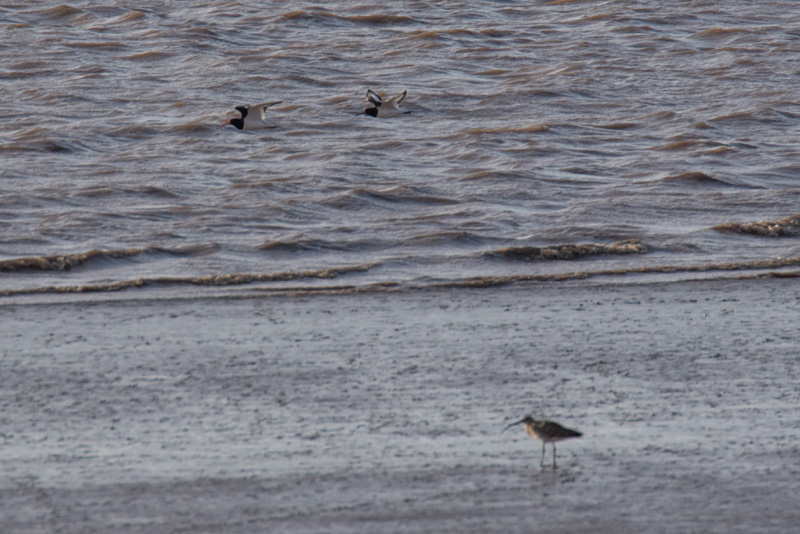
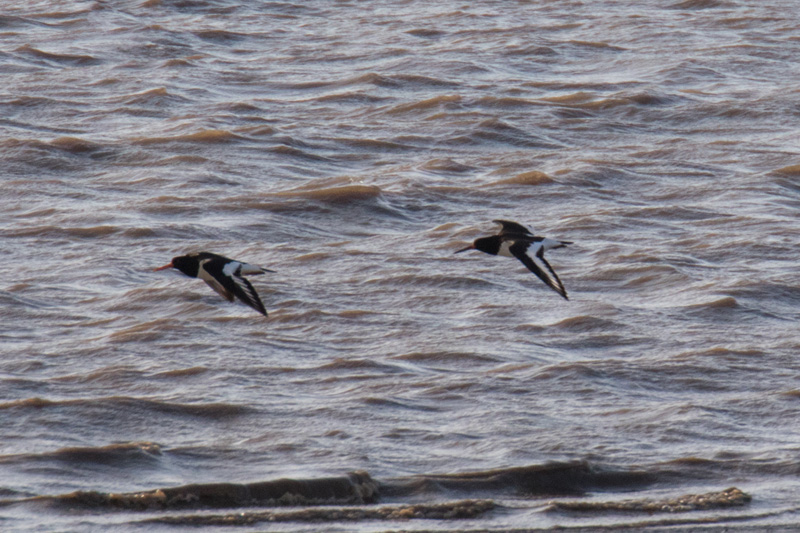
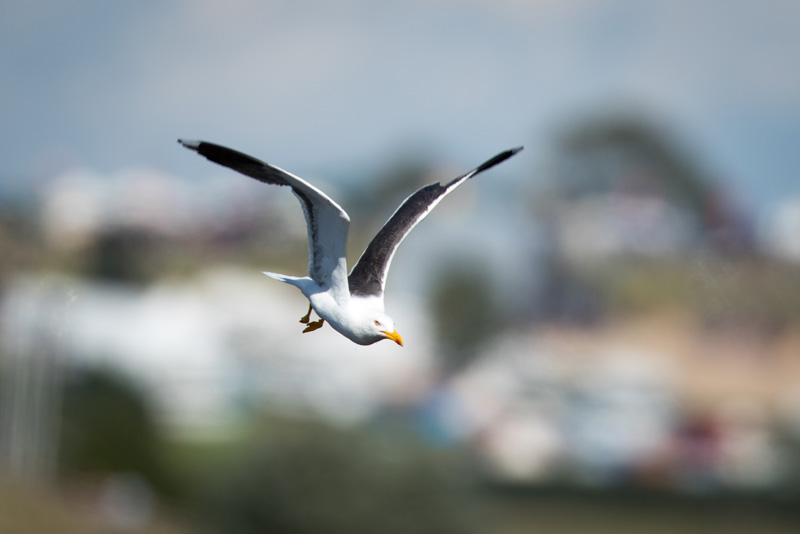
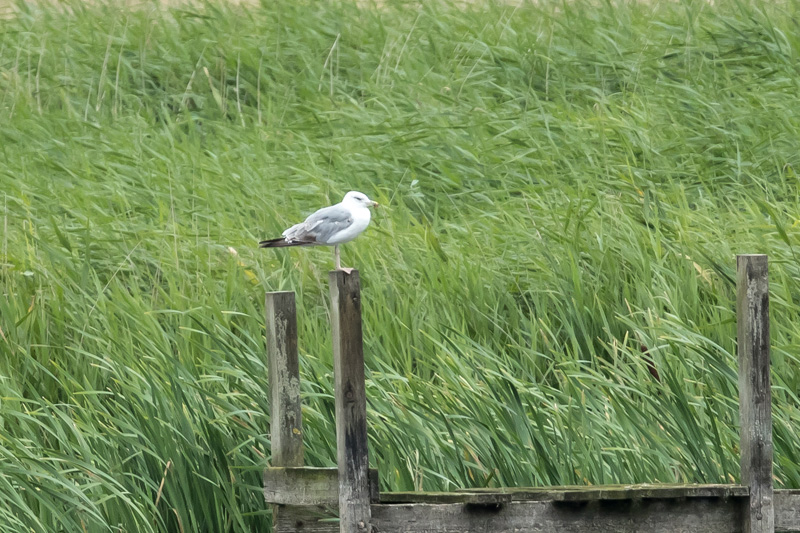
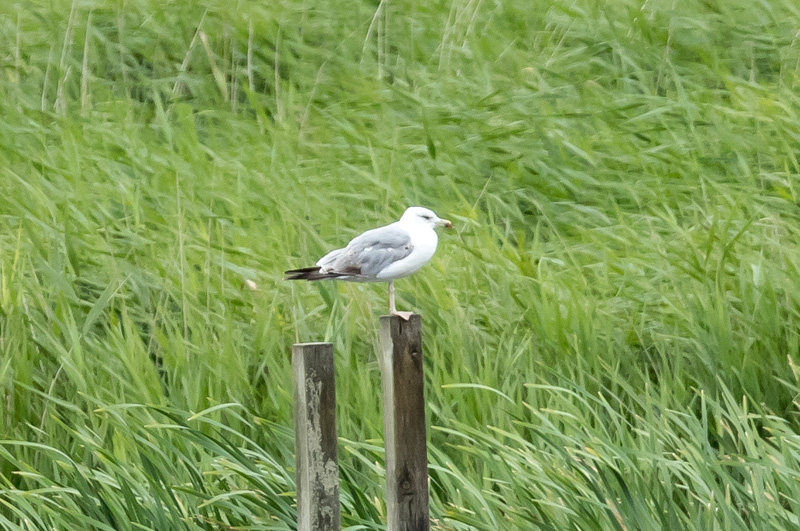
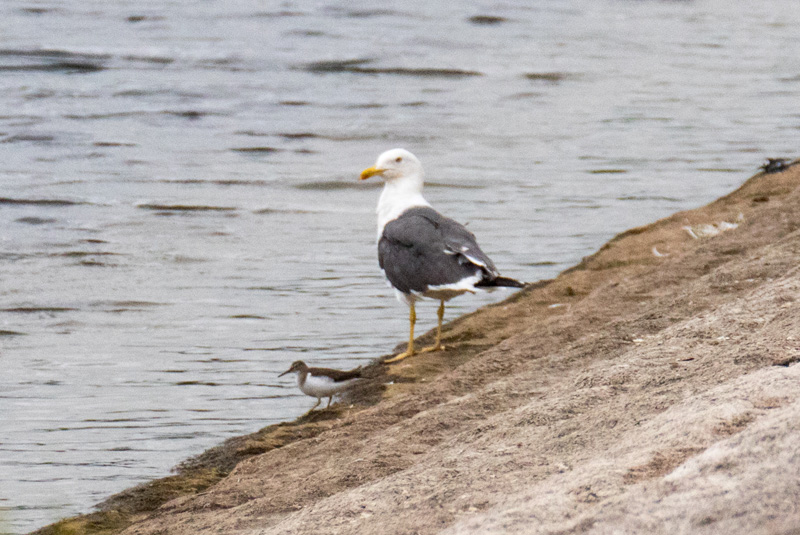
    thousands of  black-headed gulls, and other gulls including a mediterranean gull. There were lots of waders on the scrape (and an incredible din); however, it was quite difficult to see clearly how many there were as we were facing straight in to the sun but we could certainly make out avocets (one of our favourite birds).

    MT1D2908

    MT1D2902

    On the way back we could hear bearded tits and Cetti’s warblers and saw male and female pheasants. Not a raptor in sight though, but it was a good start to our week.

    Click below for gallery of photos.


  • 28th May 2017 – Lower Woods Nature Reserve

    28th May 2017 – Lower Woods Nature Reserve

    There wasn’t much bird activity on a Sunday afternoon walk through Lower Woods Nature Reserve near Wickwar until right at the end when a Kestrel was conserving its energy by watching carefully for prey from the telegraph wires.

    DSCF2196


  • 12th -24th May – trip to Inner Hebrides

    12th -24th May – trip to Inner Hebrides

    A couple of years ago we had stayed on Skye on our way to the Outer Hebrides and thought that it would be fun to explore Skye and its near neighbour the island of Mull.

    The trip was a great success with magnificent landscapes and (in the end) plenty of wildlife to see and photograph.

    Here I have displayed some of the wildlife we saw but I have made a blog of our trip (see index) where (for our benefit mainly) there is a brief description of our itinerary and some photographs of some of the magnificent scenery and the wildlife.

    The highlights were the white-tailed eagles (sea eagles), the divers (such as great northern divers, red-throated divers, red breasted-merganser, eider duck),  oystercatchers, hooded crows, siskins, wheatears and a twite.

    I have tried to provide links to the craft centres and different venues we visited but need to work more on this. Amendments and additions will come soon.

    FP5A1291Female white-tailed eagle

    FP5A1275Female white-tailed eagle

    FP5A1303Male white-tailed eagle

    MT1D2130Male eider duck

    MT1D1774Buzzard

    DSCF7567Male and female eider duck with accompanying gull

    MT1D1681Hooded crows

    MT1D1078Wheatear

    MT1D1569Twite

    MT1D1443Siskin

    MT1D1693Great northern diver

    MT1D2561A dipper in flight

    Itinerary

    Days 1 & 2 – Friday 12th/ Saturday 13th May

    Day 3 – Sunday 14th May

    Day 4 – Monday 15th May

    Day 5 – Tuesday 16th May

    Day 6 – Wednesday 17th May

    Day 7 – Thursday 18th May

    Day 8 – Friday 19th May

    Day 9 – Saturday 20th May

    Day 10 – Sunday 21st May

    Day 11 – Monday 22nd May

    Days 12 & 13 – Tuesday 23rd/ Wednesday 24th May

  • 9th May 2017 – Severn Estuary

    9th May 2017 – Severn Estuary

    A morning’s birding on the Severn Estuary: I started at Aust Warth but could only see a whitethroat so I moved on to the Pilning wetland in the hope of seeing the reported  black-winged stilt.

    MT1D0631Whitethroat

    Other birders reported that it had been showing well at the front of the ponds but it had now moved to the back. I was able to locate it by going down the lane leading off the main path (where I heard a cuckoo) but it was still quite some way off. The one benefit was that I was now out of the cold wind; unfortunately the light was not good.

    MT1D0870Black-winged stilt

    There were also lapwings (6), pied wagtails (3), little ringed plovers (6), and a greenshank not too far off. On the way back I saw 3 male reed buntings and another whitethroat.

    MT1D0812Lapwing

    MT1D0807Greenshank

    MT1D0736Pied wagtails

    MT1D0704

    MT1D0811Little-ringed plover

    MT1D0881Reed bunting

    I counted a dozen swallows too.

    A flock of 9 yellow wagtails were reported but I didn’t see them. There were shelduck and tufted duck on the wetlands and more shelduck (6) on the warth and on the estuary.

    On the way home I stopped at Aust again and had a very good view of a kestrel.

    Click below for gallery of photos from this morning.

  • 8th May 2017 – Stoke Park

    8th May 2017 – Stoke Park

    Just a small window of opportunity this morning to get some fresh air and enjoy nature and I was well rewarded in the hour and a half on my walk around Duchess Pond in Stoke Park, Bristol. Quite chilly to start but it soon warmed up especially with so much activity.

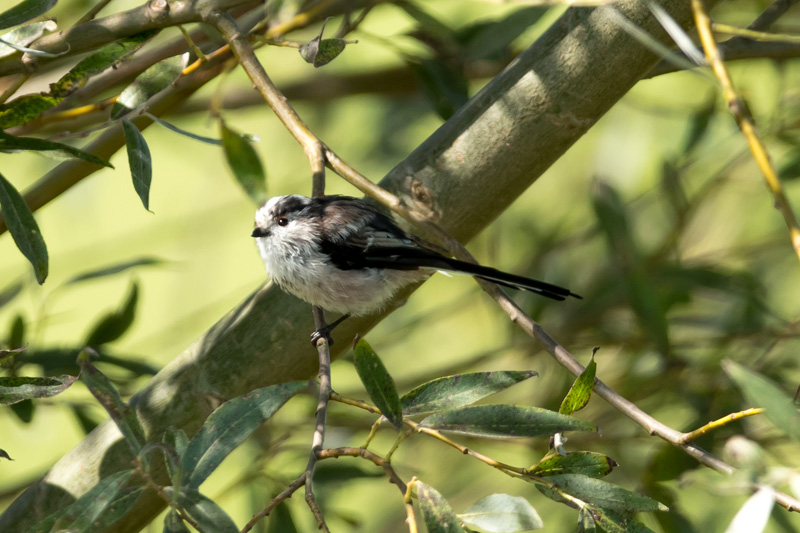
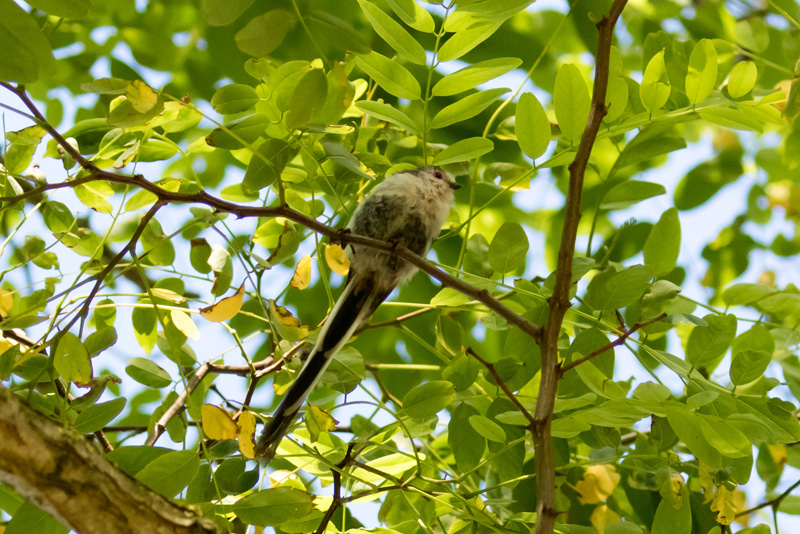
    I saw 4 chiffchaffs and a wood warbler (probably feeding some young), a long-tailed tit, a reed bunting, a whitethroat, a wren, 6 swifts flying around (but not coming close to the pond), a heron and a cormorant fishing quite successfully, 4 Canada geese and a good number of mallards (but only one duckling on view). On the small pond there were 2 coots and a moorhen and in the meadows behind masses of crows and jackdaws.

    There were white butterflies and a tortoiseshell butterfly and a fisherman who had caught an eel. As well as the beautiful hawthorn blossom there were yellow and purple irises around the pond.

    MT1D0395ChiffChaff 

    MT1D0394
    Wren

    MT1D0398
    Long-tailed tit

    MT1D0453Reed Bunting

    MT1D0487
    Whitethroat

    MT1D0567Wood warbler (I think)

    MT1D0554Cormorant swallowing a fish

    MT1D0521Grey Heron grabbing a fish before the cormorant eats them all

    MT1D0508A bee making the most of the yellow irises.

    MT1D0564The only duckling to be seen

    MT1D0602A distant swift

    MT1D0600Moorhen

    MT1D0590One of the two coots on the small pond

    Click below for my gallery of photos from this morning

  • 6th May 2017 – Lower Woods Nature Reserve

    6th May 2017 – Lower Woods Nature Reserve

    More flora than fauna on our walk through Lower Woods Nature Reserve (http://www.gloucestershirewildlifetrust.co.uk/reserves/lower-woods). We could hear chiffchaff and other warblers but could only see robins and blackbirds. It was a gloomy day but the bluebells and wild garlic looked magnificent. A beautiful walk.

    MT1D0352

    MT1D0327

    MT1D0156

    MT1D0165

  • 4th May 2017 – Stoke Park, Bristol

    4th May 2017 – Stoke Park, Bristol

    Just a brief walk around Stoke Park on a gloomy, chilly morning: the highlight was a Grey Heron which caught half a dozen fish in quick time. I also saw a Robin, a Whitethroat (?), a Long-tailed Tit, a Blackbird, a Cormorant and 2 House Martins.

    FP5A0992

    FP5A0978

  • 28th April 2017 -Severn Estuary and then Eastville Park

    28th April 2017 -Severn Estuary and then Eastville Park

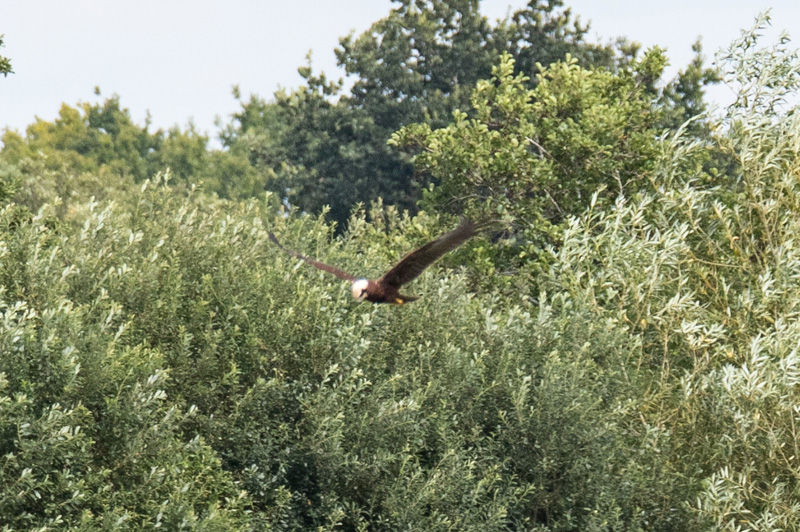
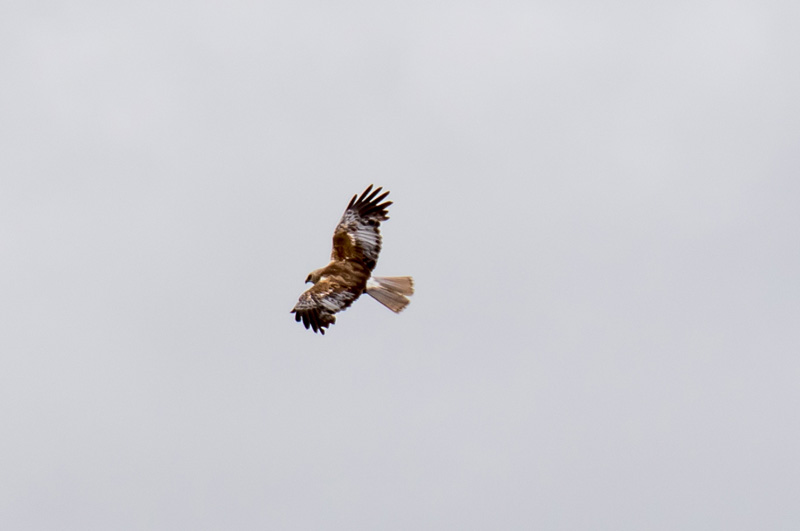
    Reports of a Short-eared Owl took me to Aust on the Severn Estuary. No luck with the SEO but sight of a female Marsh Harrier as I arrived and then close-ups of a pair of Kestrels. A Reed Bunting then took the same perch once the Kestrels vacated it.

    MT1D8856-3

    MT1D8995

    MT1D9031

    I then went back to New Passage. 8 Shelduck on the estuary and on the Warth, 2 Canada Geese and a Pied or possibly White Wagtail. No Little Ringed Plovers on the flash but then I spotted 2 at the back of the wetlands. There were also broods of ducklings and 2 Coots with chicks.

    MT1D9124

    MT1D9257

    2 Little Egret flew in and 4 Lapwing displayed around them.

    MT1D9165

    On returning home I then had a quick walk around Eastville Park. It’s so sad to see the resident Grey Heron struggling with some sort of netting around its bill. Hopefully help will come tomorrow. Good to see a Grey Wagtail too but no sign of Kingfishers for ages.

    DSCF7353DSCF7360DSCF7366DSCF7342DSCF7345

    Click to see the 2 galleries of photos:

  • 26th April 2017 – Somerset Levels

    26th April 2017 – Somerset Levels

    Another marvellous day out on the Somerset Levels: this time with Allan Chard, another birder from my local patch in Bristol. He took me for my first visit to RSPB Greylake, where I was hoping to see Sedge or Reed Warblers.

    There were glimpses of Lapwig, Little Egret and Sand Martin before all the excitement started. I’m afraid my hearing let me down as Allan announced something of interest and starting shooting away and, whilst I was looking for Warblers at the top of the reeds, he was taking great shots of a stoat on the path in front of us. Before I had worked out what was going on the stoat was almost standing on our toes and my feeble efforts to get a shot were all out of focus. But I was not disappointed as within seconds, on seeing two other photographers snapping away, we soon realised that there was a Sparrowhawk on the far side of a pool and I got some good shots (which were a first for me).

    551A2195.1
    This is the sort of photo you get if you have your wits about you – courtesy of Allan Chard

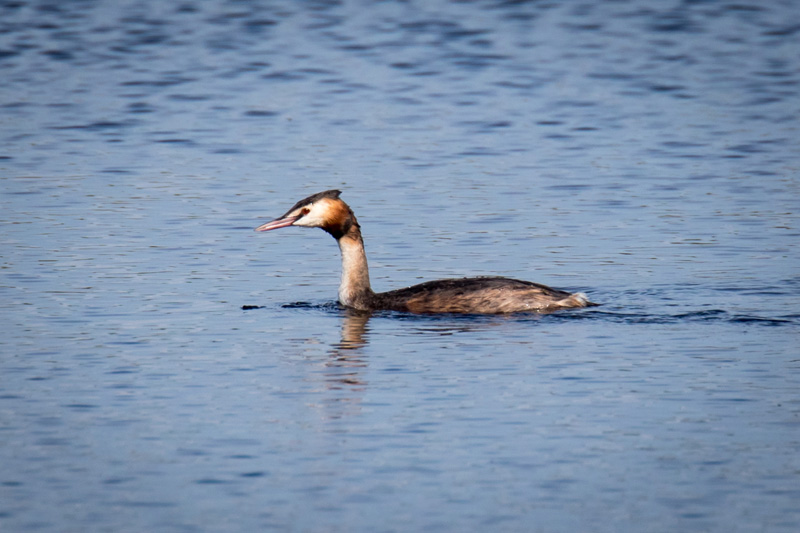
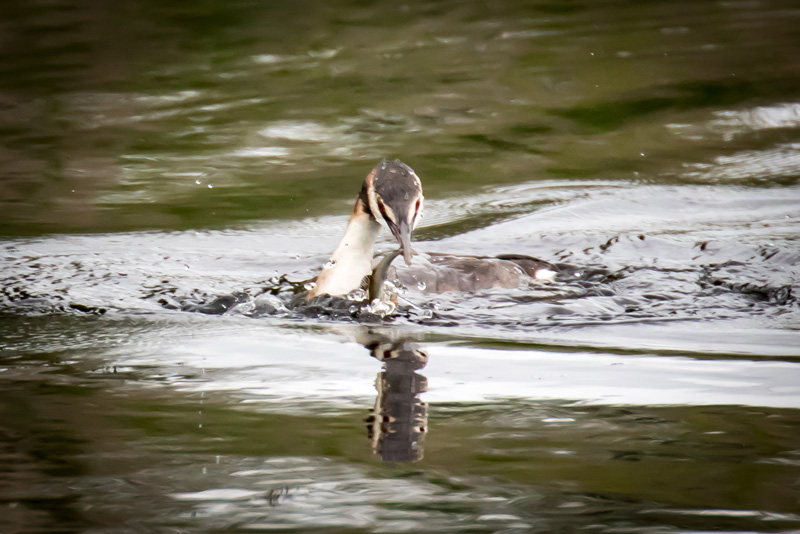
    After Greylake we went on to RSPB Ham Wall. The highlights here were Great White Egrets, a brief glimpse of Marsh Harriers, Glossy Ibis, a Great Crested Grebe chick, Shovelers and Pochard.

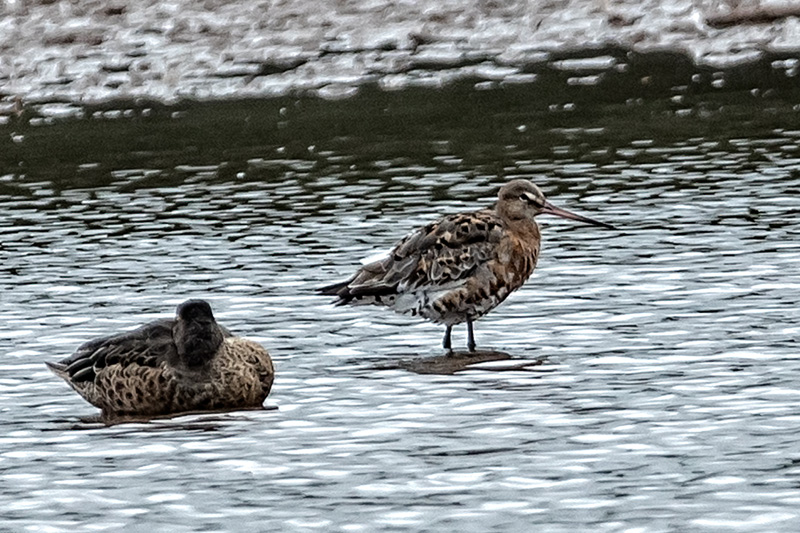
    After a quick bite to eat (thanks Allan for sharing your lunch) we crossed the road to Shapwick Heath.  Here we had good views of Hobbies, Cattle Egret (11 in all), Little Egret,  Great White Egret,  Black-tailed Godwits, Greylag Geese and goslings, House Martins, a Buzzard and amazingly close views of a Marsh Harrier. Plenty of butterflies around too.

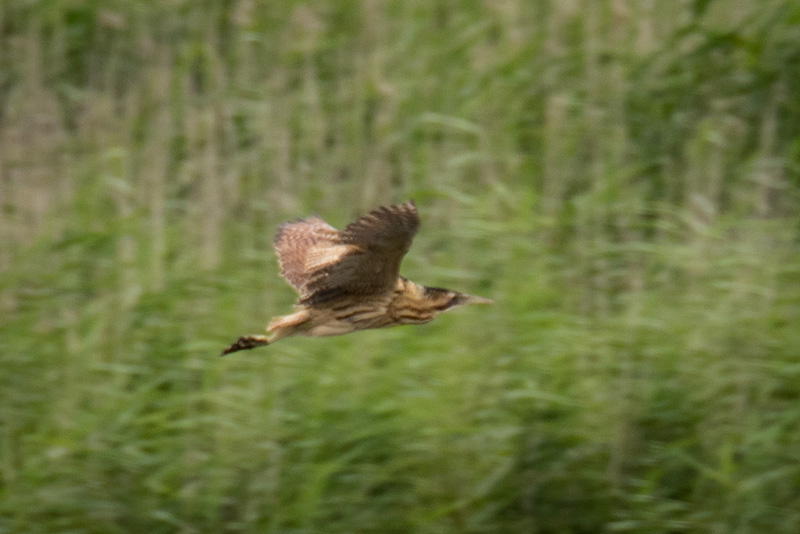
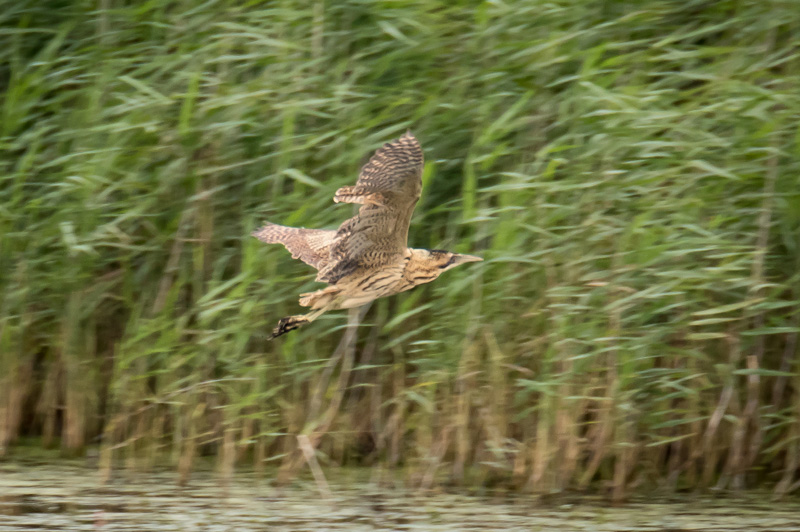
    It was quite cold but bright throughout the day and, although I have probably forgotten many of the species we saw, we had a fantastic day’s birding. And as well as Bitterns booming we heard our first Cuckoos,

    MT1D8476

    MT1D8496

    MT1D8518

    MT1D8525

    MT1D8532

    MT1D8537

    MT1D8540

    MT1D8583

    MT1D8584

    MT1D8623

    MT1D8658

    FP5A0635

    FP5A0637

    FP5A0674

    FP5A0690

    FP5A0728

    FP5A0736

    FP5A0465

    FP5A0471

    FP5A0773

    FP5A0511

    FP5A0513

    FP5A0817

    FP5A0852

    FP5A0866

    FP5A0881

    FP5A0897

    3 galleries of today’s photos

  • 24th April 2017 – Northwick Warth

    24th April 2017 – Northwick Warth

    I suppose it was clutching at straws trying to photograph birds in such dismal light but hey ho!

    Not only was it very gloomy on the Severn Estuary but it was very cold too, especially  after the lovely warm weather we have had recently.

    A couple of local birders suggested I might need a very large flash but were nonetheless helpful in pinpointing some Little Ringed Plovers and Wheatears. In the end I only managed to locate one of each species. The LRP was a first for me.

    MT1D8247

    MT1D8310

    MT1D8337

    I love seeing the Northern Wheatears: Brett Westwood and Stephen Moss in their very enjoyable book “Wonderland” describe them as “… crispness personified, natty dressers without a feather out of place. Soft grey, buff and peach tints contrast with dark wings and glaring white rumps, from which they get their English name: wheatear is a garbled version of a much older name meaning ‘white arse’”.

    Migration is an amazing phenomenon but even more so when you consider (again taken from “Wonderland”) “many Wheatears breeding in northern climes leave their wintering grounds south of the Sahara, cross the desert and head through Europe to the British Iles before flying across the North Atlantic via Iceland to Greenland and beyond. On the way back in September, fattened by Arctic insects and with a following wind, they can migrate from Greenland across the ocean to south-west Europe in a thirty hour non-stop journey of 2,400 miles.”

    I saw a distant Buzzard and a Little Egret made a brief appearance on the flash before deciding too that it was much too cold. The Sand Martins on the wetlands gave a good display but really it was much too dark for me to photograph – but it doesn’t stop you trying.

    I also met a couple from Yorkshire who were “down” (to use their words) continuing with large sections of the British Coastal Path; this morning they had come from Portishead and were about to cross the Old Severn Bridge into Wales to catch a bus back to Bristol so that they could join up with some friends tomorrow to walk some of the Mendips. The husband was keen to talk “cameras” and before he had had his say his wife was already 800 yards ahead, clearly having suffered similar jargon-riddled conversations before.

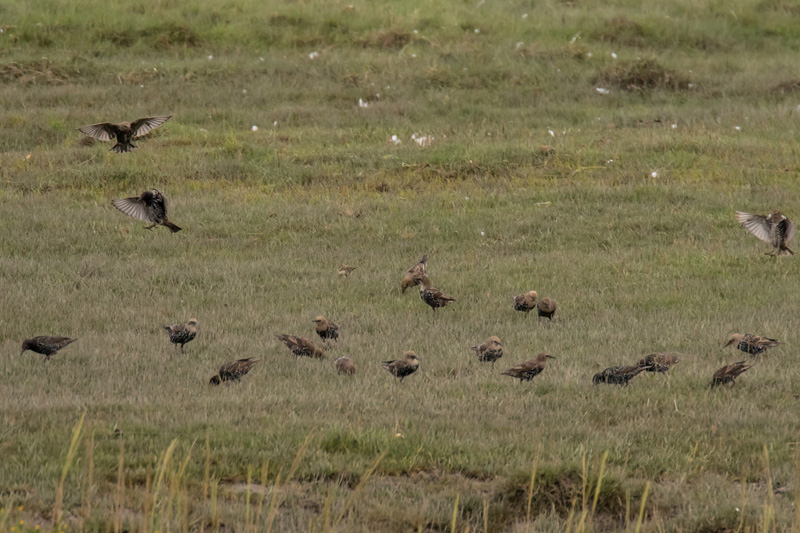
    As well as the large number of Sand Martins (50+) there were large flocks of Starlings (50+) and 4 Pied Wagtail and small numbers of House Sparrows in the lanes.

    MT1D8179

    FP5A0446

    MT1D8280

    MT1D8431

  • 22nd April 2017 – Stoke Park

    22nd April 2017 – Stoke Park

    An explosion of blossom and ducklings at Duchess Pond in Stoke Park.

    FP5A0186

    These are the first ducklings I have seen this year. There were 3 Mallards with 11, 10 and 3 ducklings. Does it mean the third one has already lost many of her brood?

    FP5A0230Full steam ahead

    FP5A0228A proud mum

    FP5A0271Dad seems to have done all his work

    FP5A0264I believe this is a St Mark’s fly – so named as it comes out about St Mark’s day (the 25th April) – also known as black gnats , hawthorn bugs, love bugs.

    FP5A0210

    FP5A0255Only 1 Moorhen and 1 Coot on the pond … and a flyover Magpie …

    FP5A0212

    FP5A0343All sorts of life feeling the warmth of the sun

    FP5A0209A Speckled Wood butterfly

    FP5A0198Just so cute 

    Click below for all the photos from a short trip around the pond

  • 19th April 2017 – Eastville Park

    19th April 2017 – Eastville Park

    Blossom in Eastvillle Park

    FP5A0119.jpg
    It may have been a gloomy evening in Eastville Park but this horse chestnut flower was fully open on the 19th April

    The Times in its “Weather Eye” on 20th April writes: “a great green wave is sweeping northwards through the country with leaves bursting open on trees in the great spectacular of springtime.”

    It goes on to say that:

    “Spring’s arrival now moves up the country at 1.9mph, rising from an average of 1.2mph between 1891 and 1947”

    “The big, creamy white horse chestnut flowers standing proud like candelabras now come into bloom on April 29 on average, compared with May 6 between 1891 and 1947. Hawthorn is bursting into its snowy white blossom on April 29 compared with May 11.”

    DSCF7041

    FP5A9864

    FP5A9985Blossom in Eastville Park on 4th April 2017

    How lucky we are that the blossom has arrived even earlier this year in Eastville Park

    It’s a fascinating article in The Times and well worth a read:

    https://www.thetimes.co.uk/article/the-spring-wave-speeds-up-jm5t2qtgp?shareToken=57a83a981d46d3441301c6b14137b002

    Not much bird life this evening. There are always Herring Gulls waiting for the ducklings to arrive (have they already taken the Moorhen chick reported in Steve Poulsom’s photo as I could only see a solitary Moorhen?) , and you can generally count on a Grey Heron. This evening as well as the Canada Geese there was also a Greylag Goose, plenty of Blue and Great Tits and a Wren (I think) in the gloom. I can’t  help hoping too that the single Mute Swan will soon find a mate.

    FP5A0147

    A Greylag Goose has joined the Canada Geese