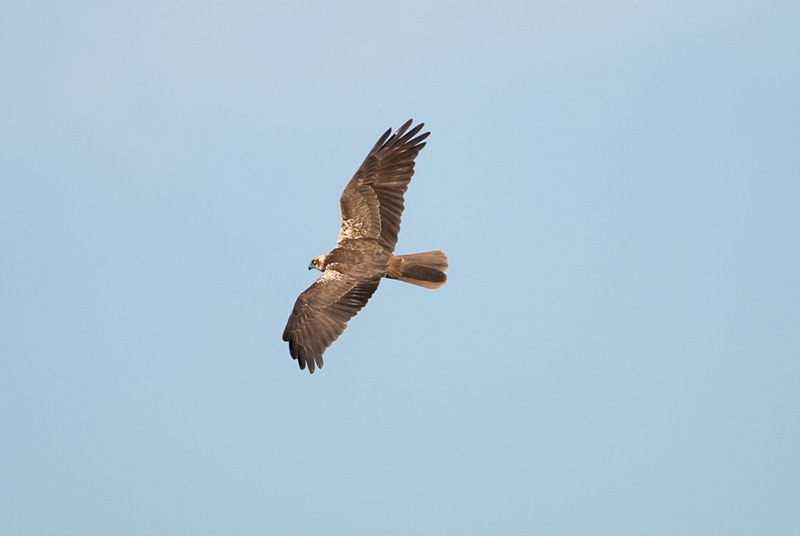
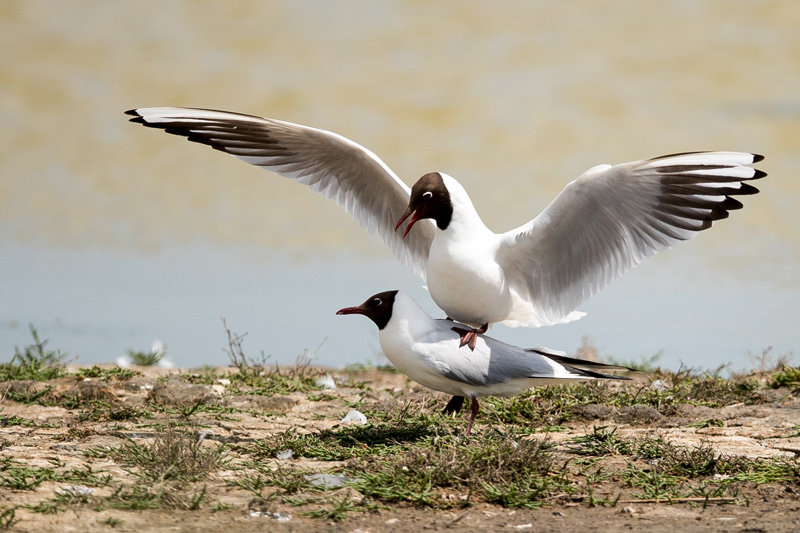
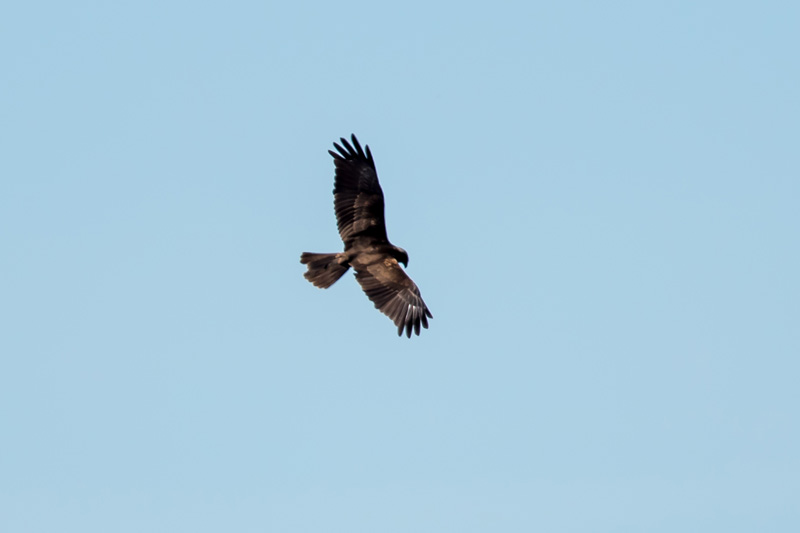
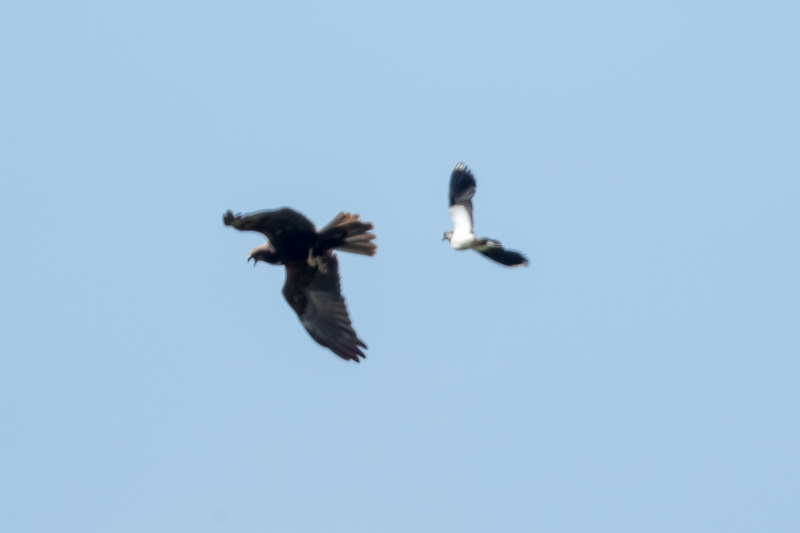
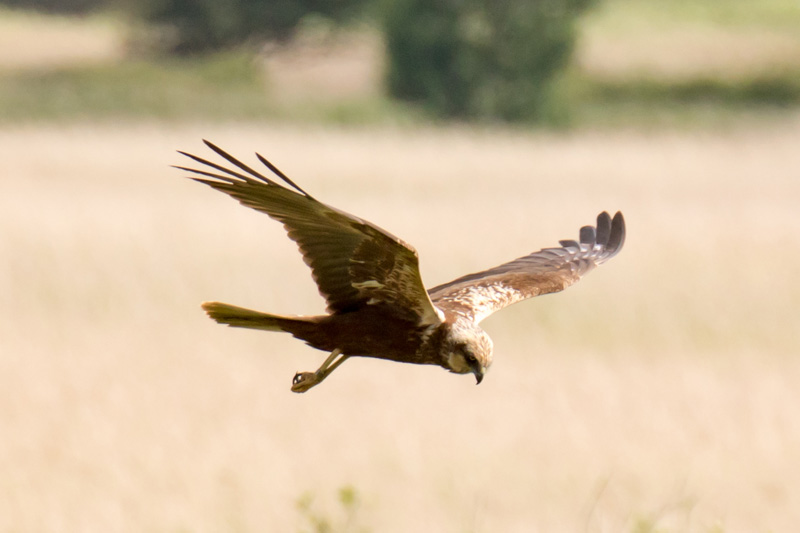
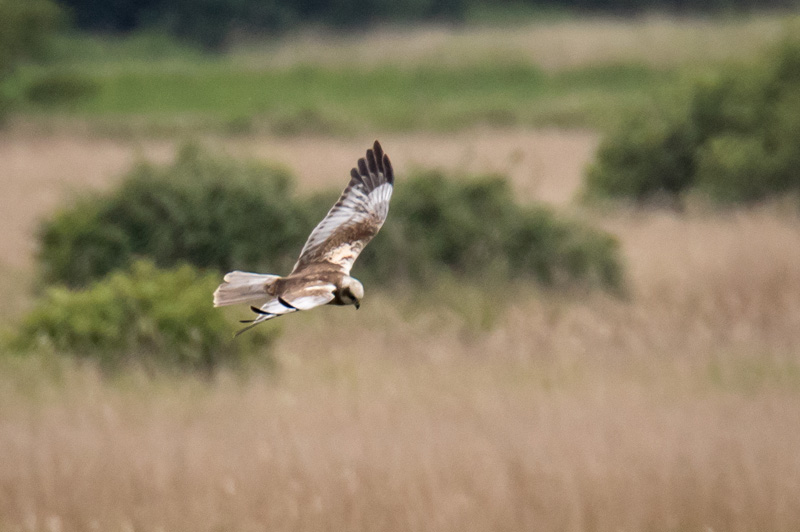
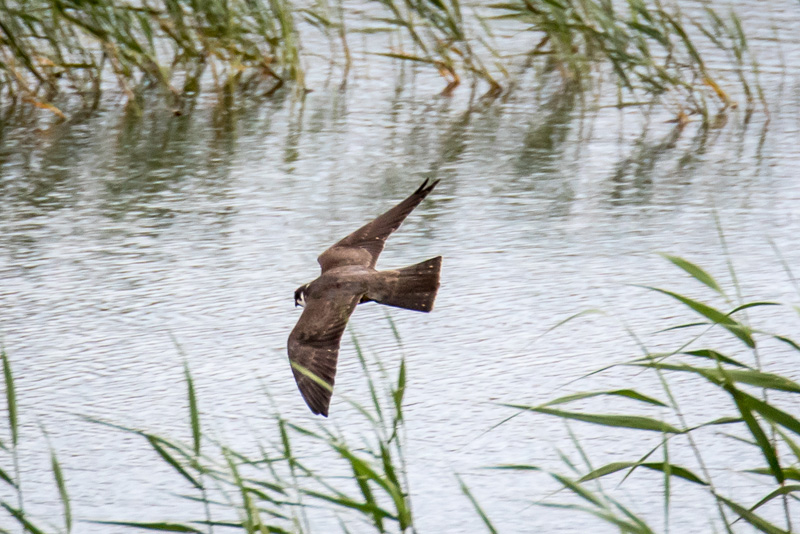
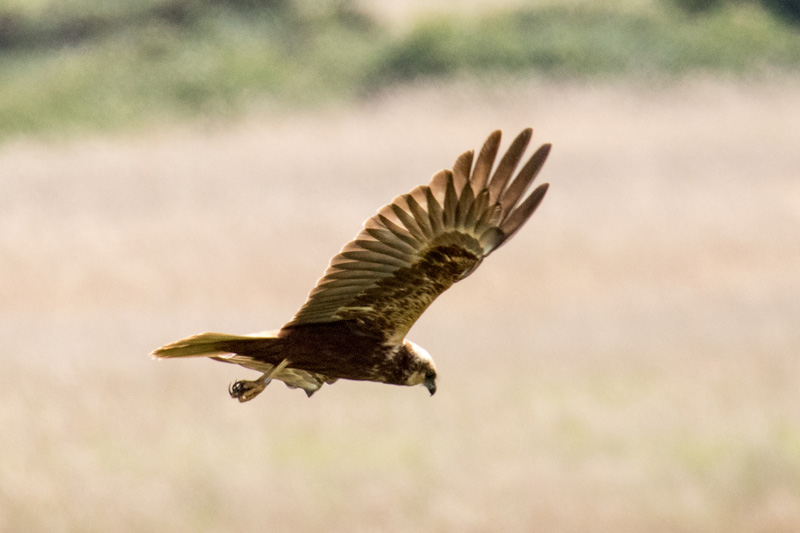
Having a day off from bird watching today as we were visiting Southwold and then going to the Aldeburgh festival this evening, but couldn’t resist popping in to the Hen Reedbeds on the way to Southwold for a bout of raptor watching.
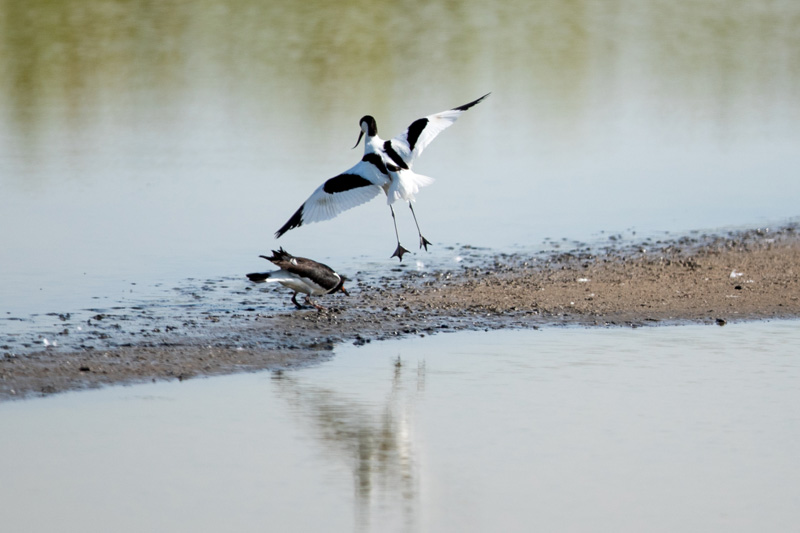
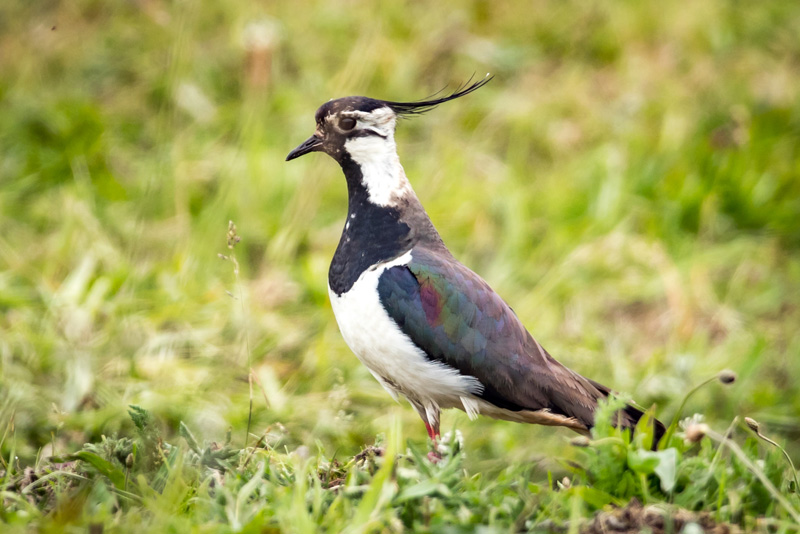
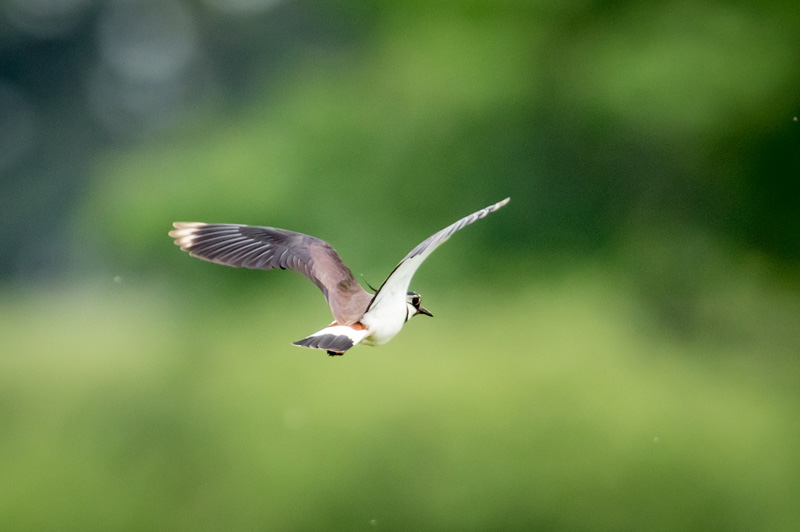
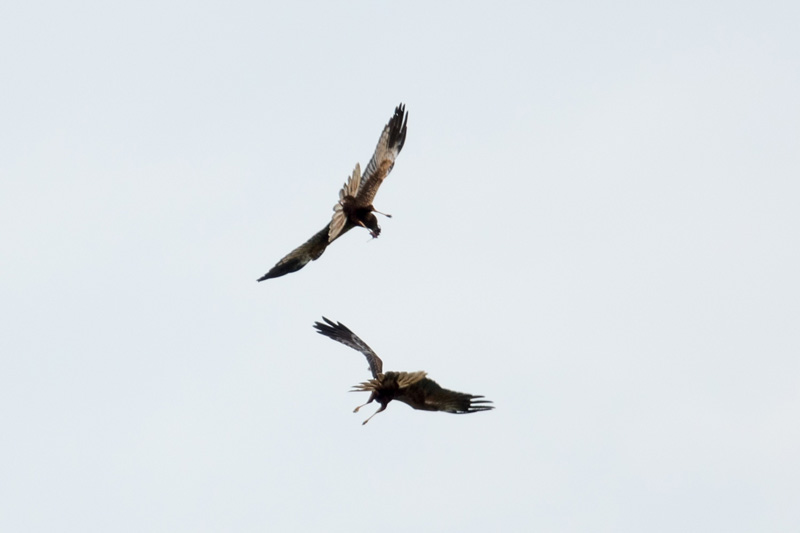
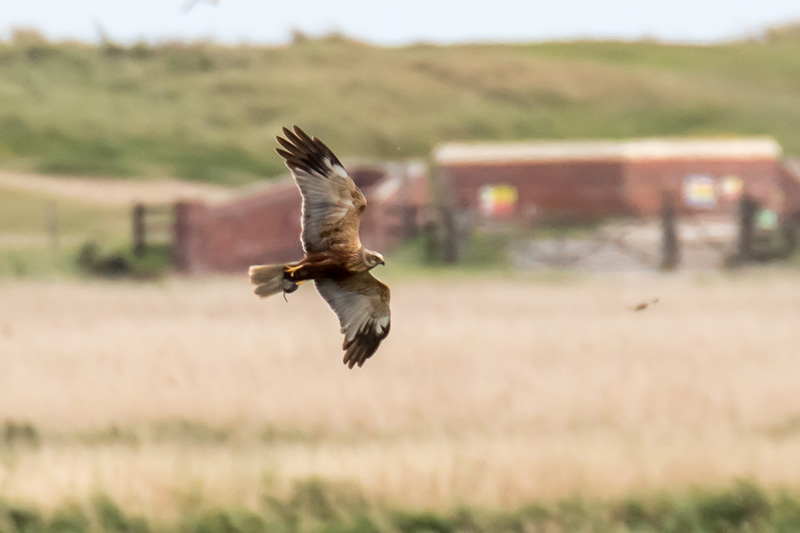
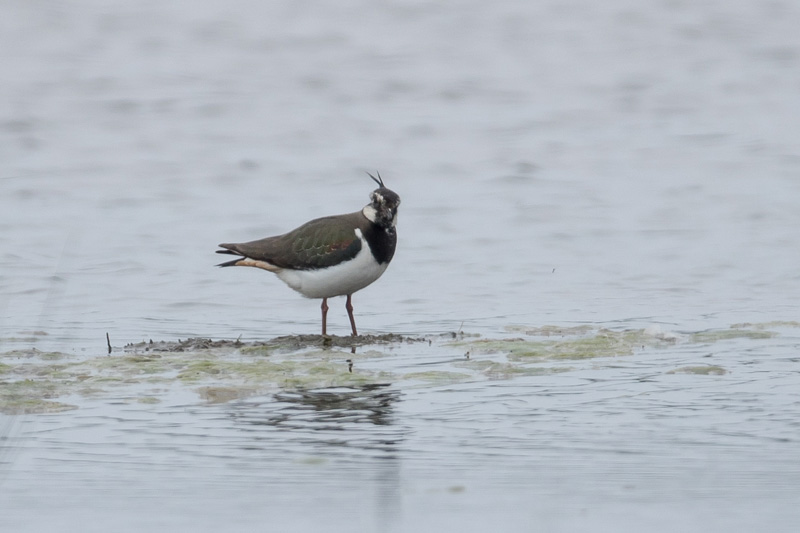
The marsh harrier didn’t disappoint although it was a bit bothered by a lapwing.
We meant to pop in to Hen Reedbeds Wildlife Reserve just north of Walberswick which is where we are staying in Suffolk, for a quick visit but ended up spending most of the day there. Hen Reedbeds, a fairly new wildlife reserve, is a mix of wetland habitats, including reedbeds, fens, dykes and pools (see Wikipedia article) in the Blyth Valley.
As soon as we arrived we spotted a marsh harrier across the reed beds, then the first lapwing of our visit. Although the weather at the beginning of the day was most promising, by the time of our visit it was very grey and not ideal for photography. However, it was a pleasant walk (although quite chilly) and lots of wildlife to see as we made our way around various well-maintained and well-appointed viewing platforms and hides.
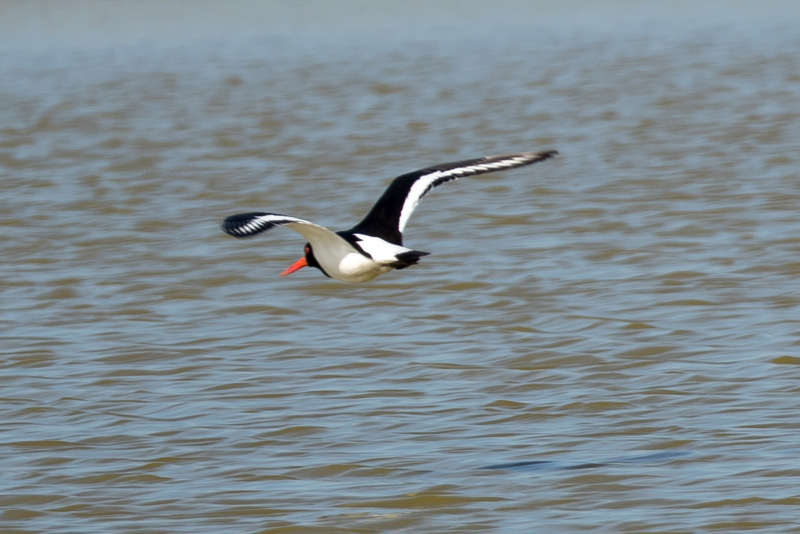
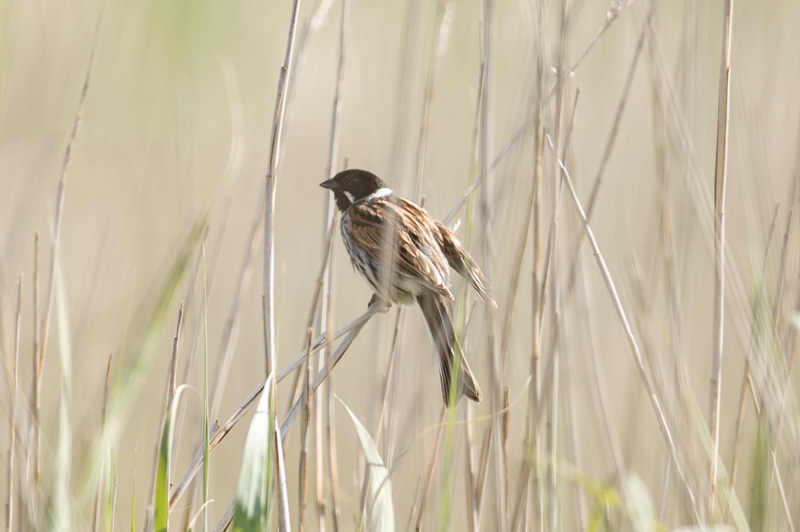
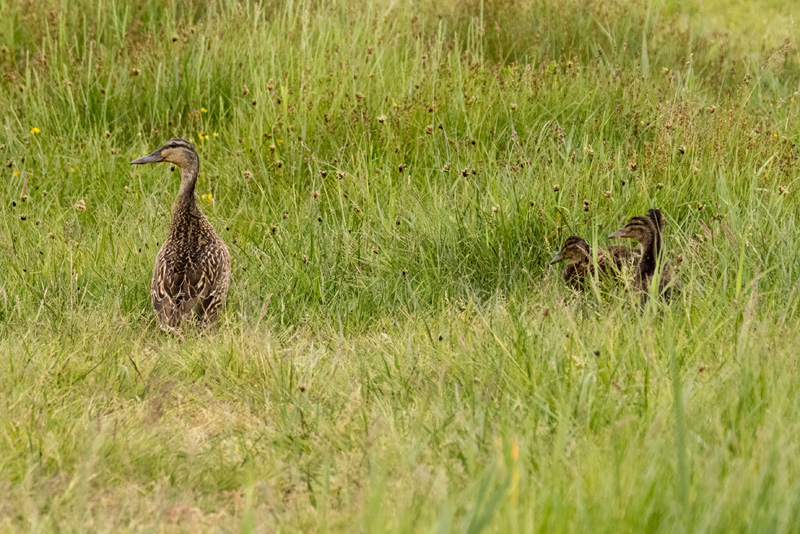
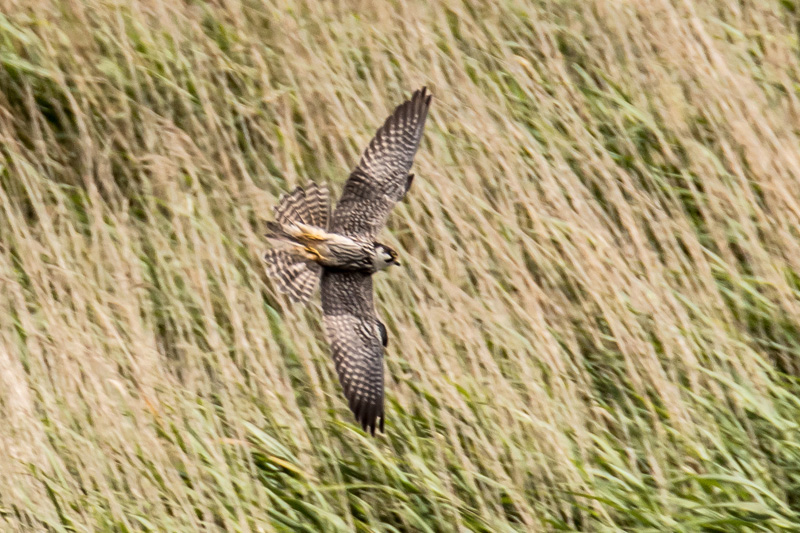
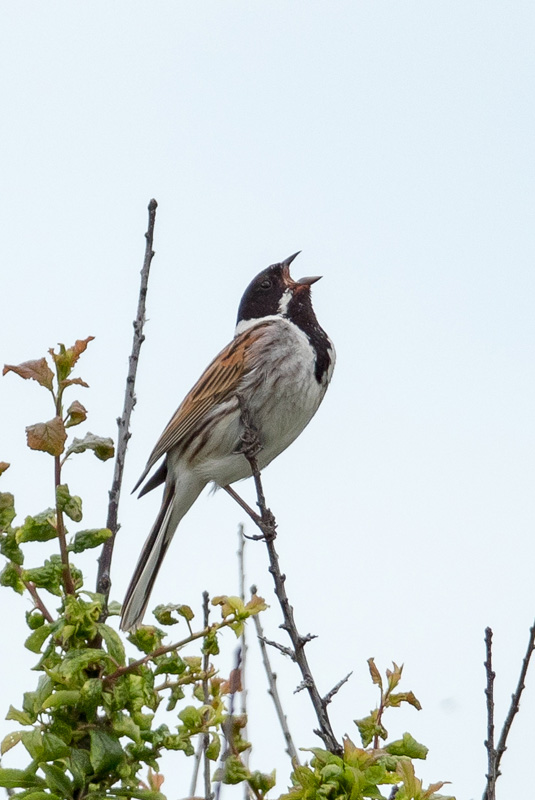
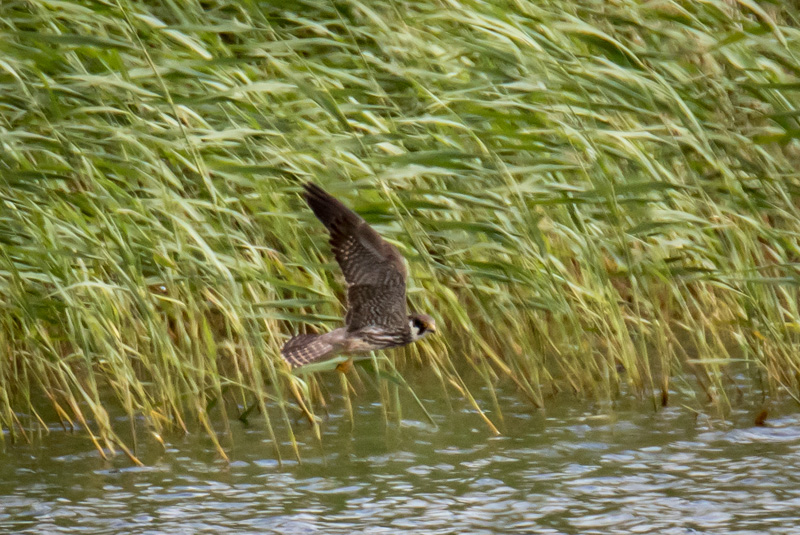
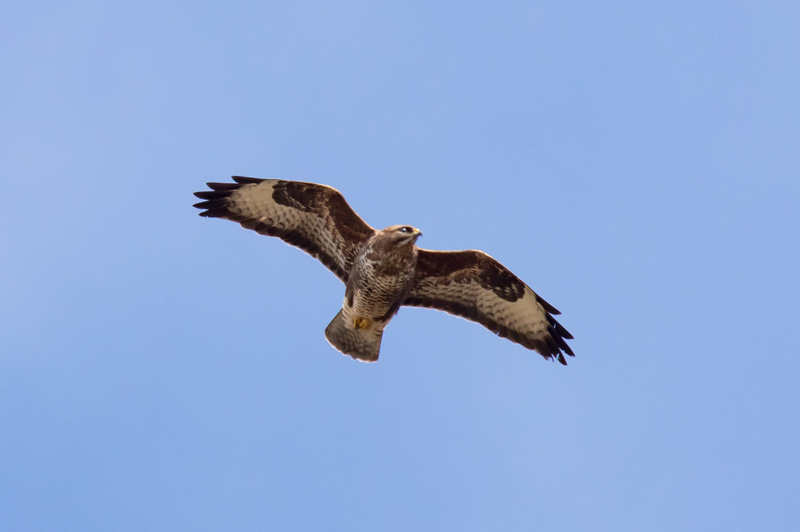
The highlights were gadwall, especially a female with its chicks, oystercatchers, shelduck, a grey heron and several little egrets, a hobby, a buzzard, several marsh harriers, a lapwing, lots of small birds (reed warblers, sedge warblers and reed buntings) and even more bees and butterflies.
With the varied wild flowers, insects and birds the Hen Reedbeds offered the best of Britain’s countryside.
There were even some flyover aircraft for entertainment.
Click on the photos below for a gallery of photographs from today
Another amazing day at RSPB Minsmere. A slow start, but boy did it soon get exciting.
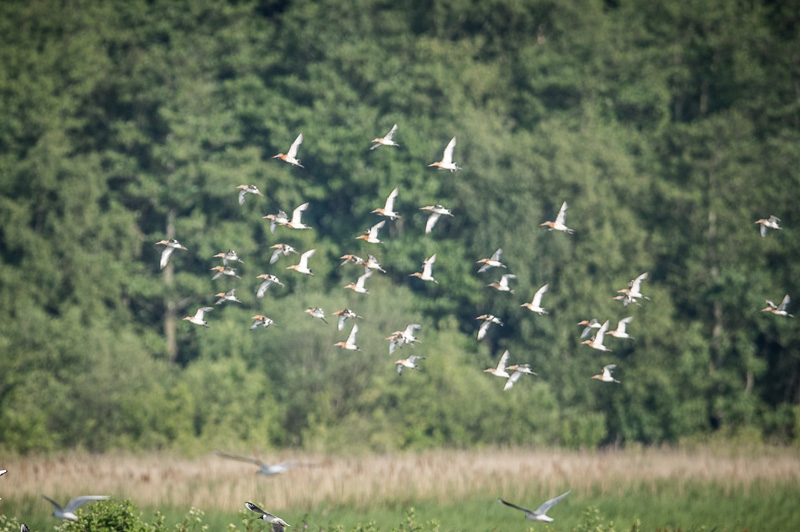
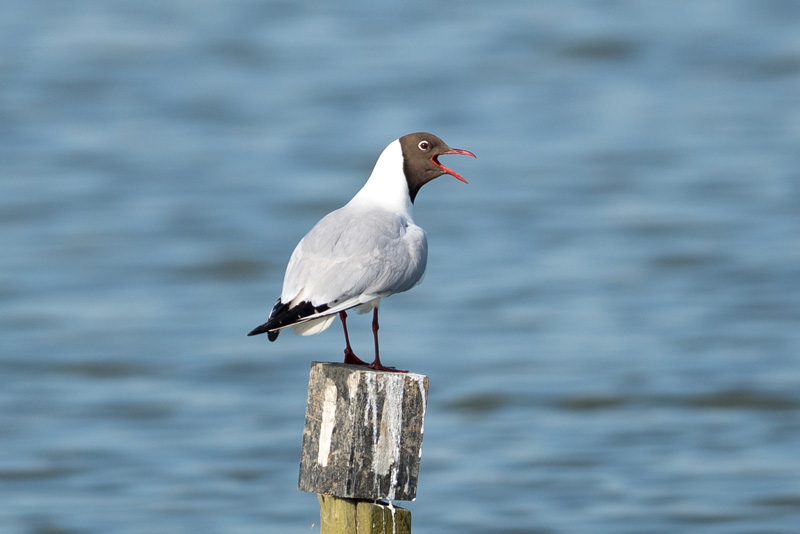
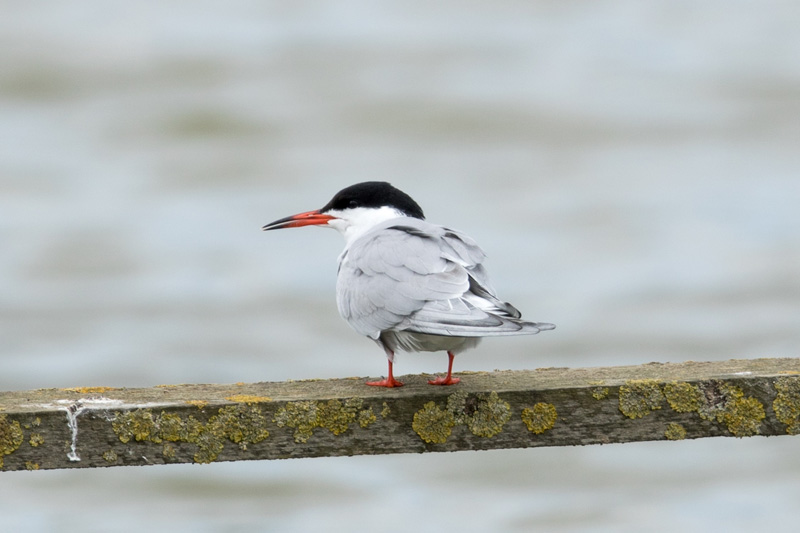
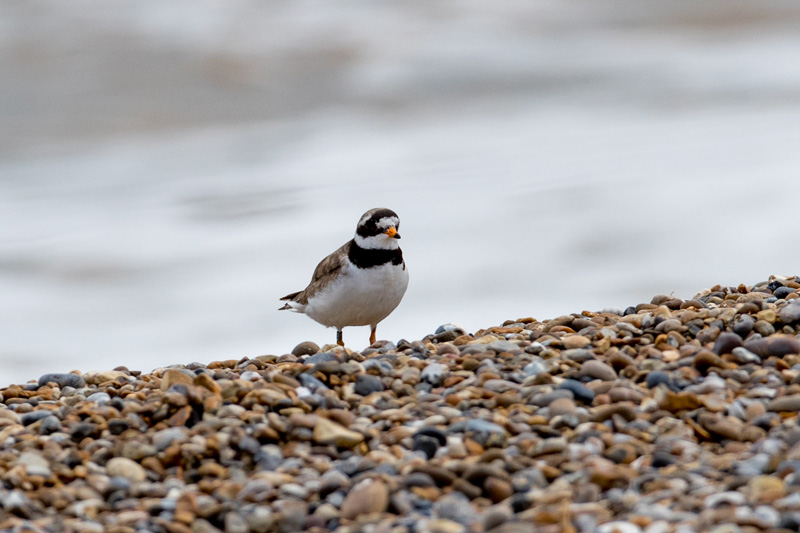
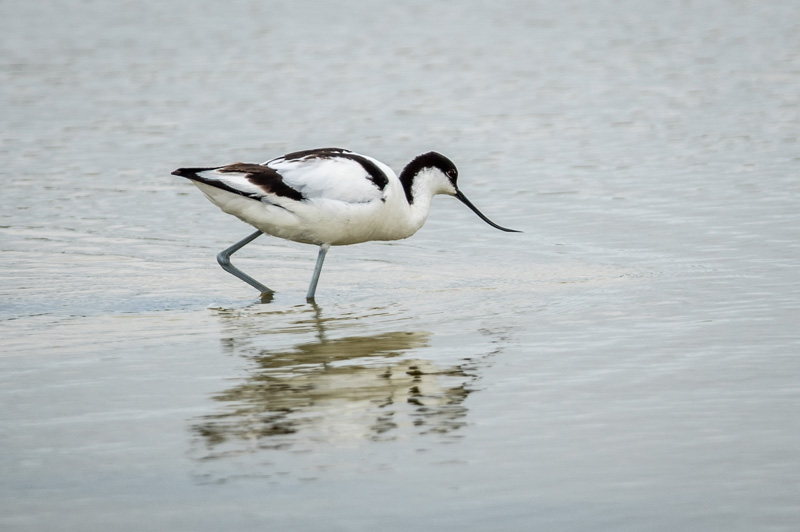
On the scrape there was a festival of gulls with great black-backed, lesser black-backed, herring, black-headed, Mediterranean, Caspian, yellow-legged and kittiwakes (thanks are due to local RSPB volunteer for help with ID and this article from Bird Guides.) We also saw black-tailed godwits, redshank, Canada geese, oystercatchers, avocets, shelduck, common terns as well as ringed plovers on the beach.
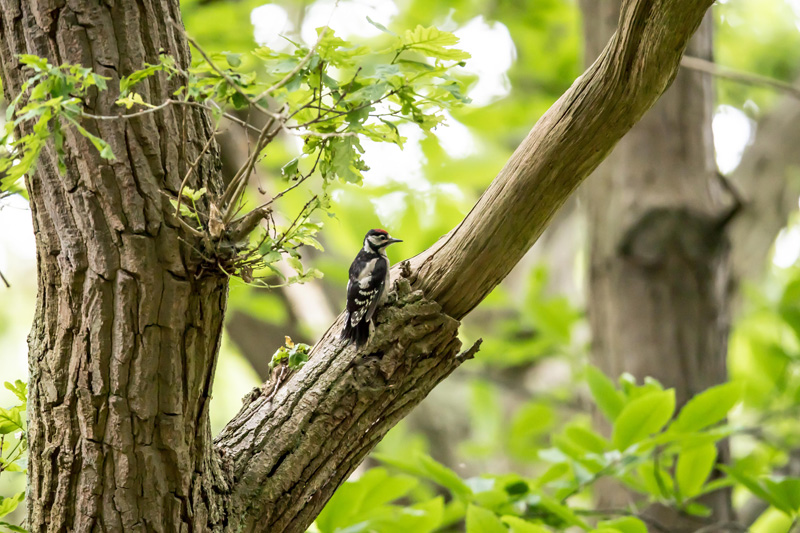
Before reaching the Bittern hide we also saw grey heron, greylag geese, great crested grebe, mute swans, little egret, coots, moorhens, sand martins, swallows, a reed bunting and great spotted woodpecker with young.
However, the main spectacle of the day was a display of marsh harriers and hobbies right in front of us at the Bittern hide.
Before the day was over we even saw Cetti’s warblers (but I was not quick enough to grab a photo).
Click below for a gallery of a selection of my photos from today.
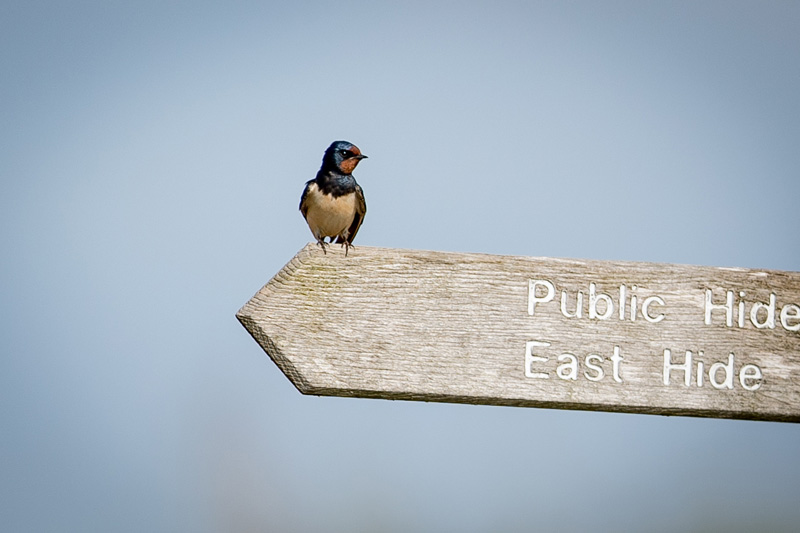
So lovely to be back at RSPB Minsmere in Suffolk on the east coast of England even though we only had time for a brief evening walk out along the North Wall to the East hide.
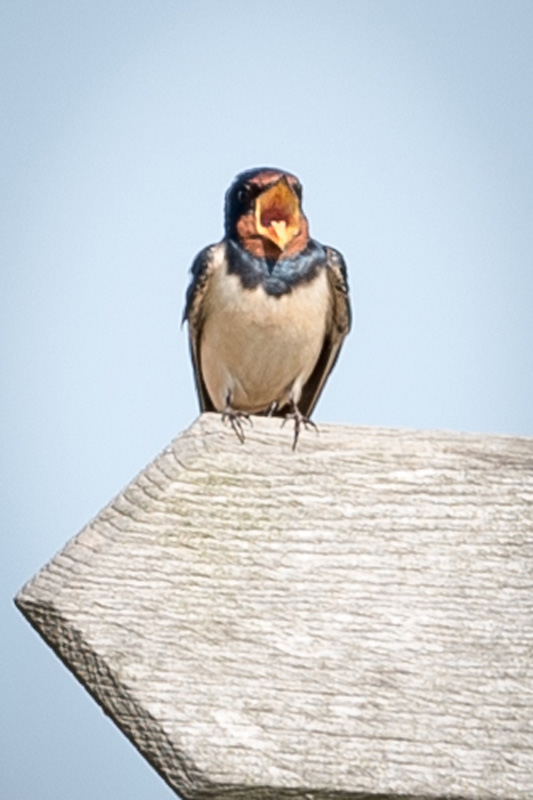
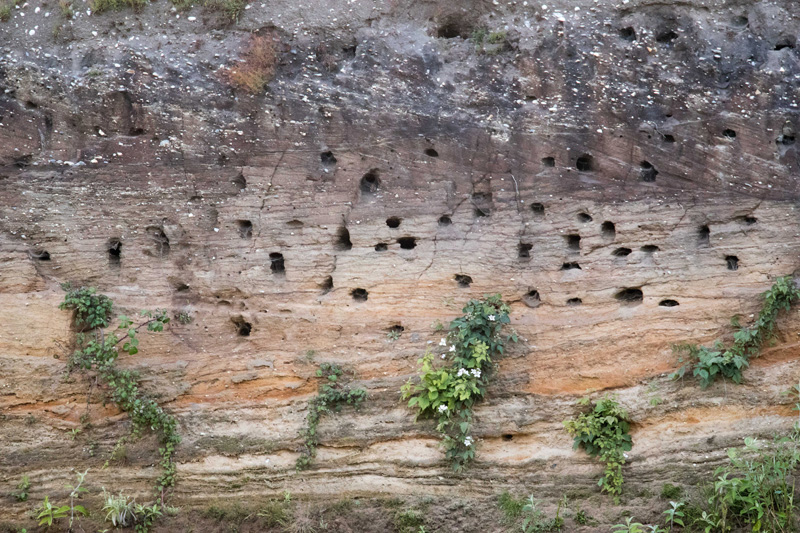
We were very sad to see that the sand martins had abandoned their cliff nests near to the entrance but we were not too disappointed as apparently they had moved to the nearby Dunwich Cliffs and we still saw hundreds of them them dashing across the reed beds enjoying their late evening feed.
The abandoned sand martin nests
Sand martin
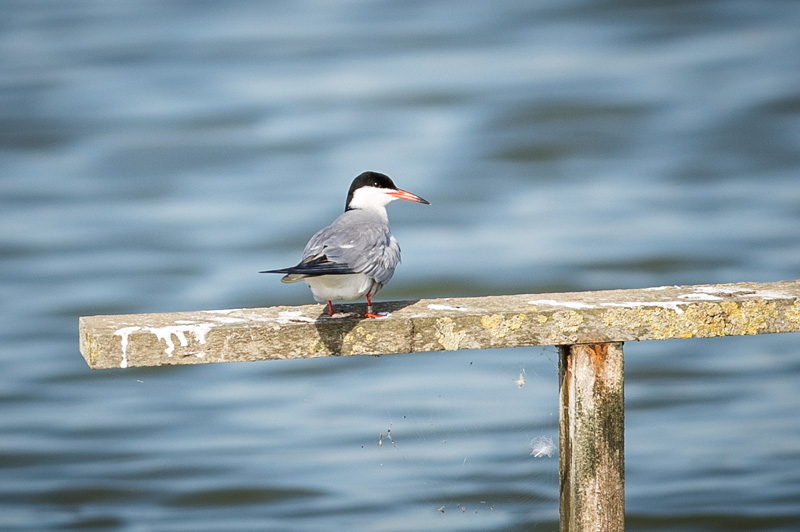
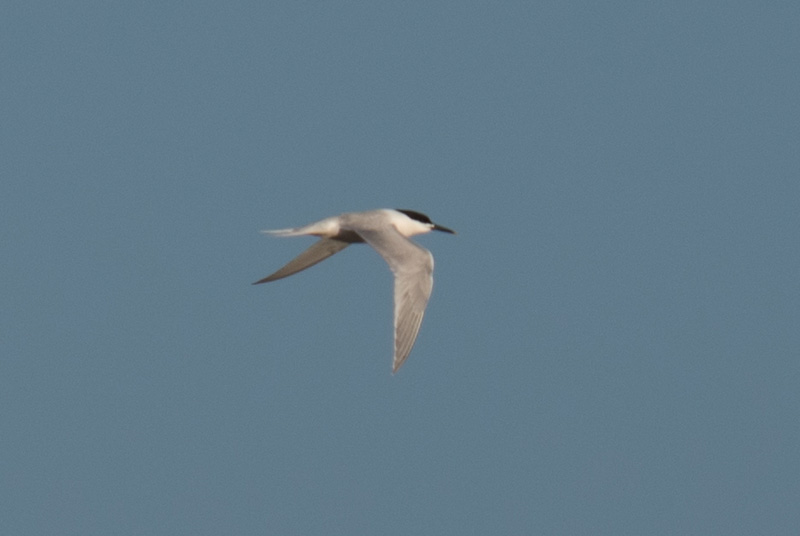
We saw two types of tern (I hazard a guess at common tern and sandwich tern),
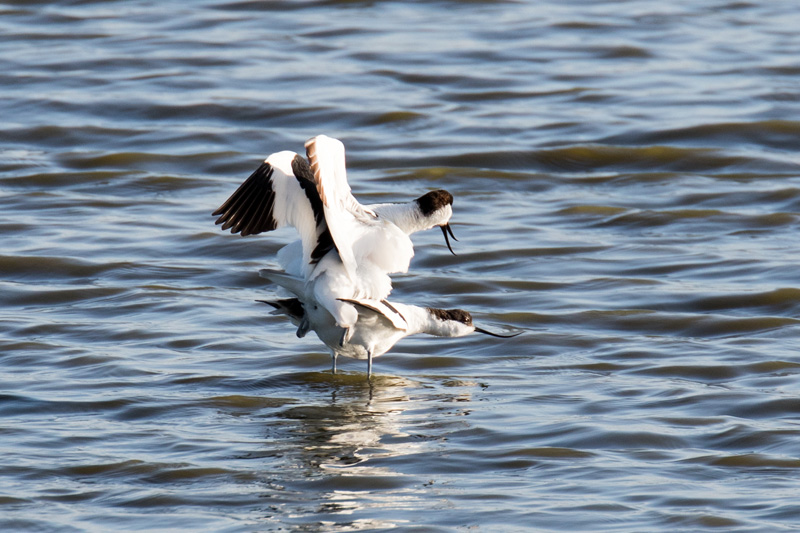
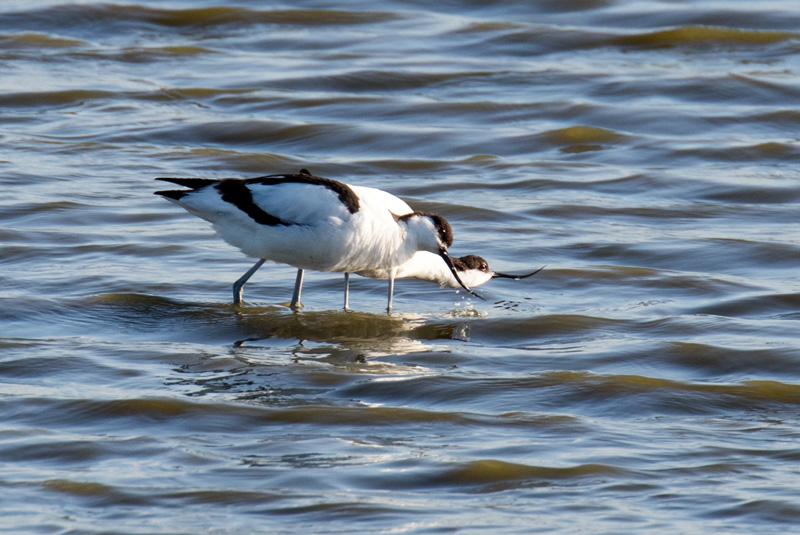
thousands of black-headed gulls, and other gulls including a mediterranean gull. There were lots of waders on the scrape (and an incredible din); however, it was quite difficult to see clearly how many there were as we were facing straight in to the sun but we could certainly make out avocets (one of our favourite birds).
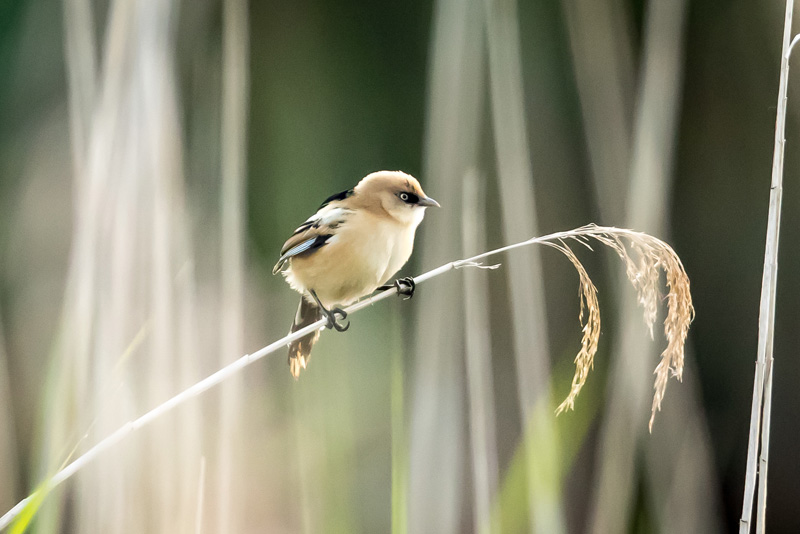
On the way back we could hear bearded tits and Cetti’s warblers and saw male and female pheasants. Not a raptor in sight though, but it was a good start to our week.
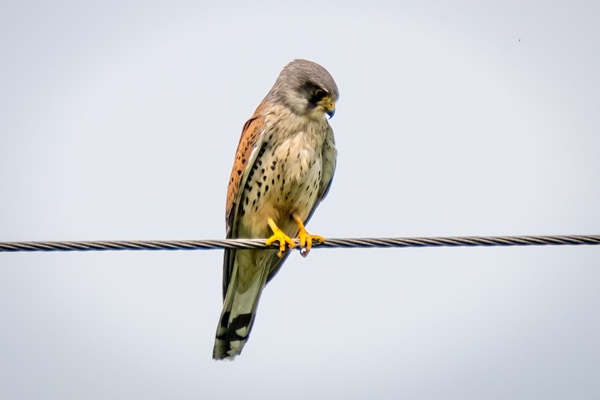
There wasn’t much bird activity on a Sunday afternoon walk through Lower Woods Nature Reserve near Wickwar until right at the end when a Kestrel was conserving its energy by watching carefully for prey from the telegraph wires.
A couple of years ago we had stayed on Skye on our way to the Outer Hebrides and thought that it would be fun to explore Skye and its near neighbour the island of Mull.
The trip was a great success with magnificent landscapes and (in the end) plenty of wildlife to see and photograph.
Here I have displayed some of the wildlife we saw but I have made a blog of our trip (see index) where (for our benefit mainly) there is a brief description of our itinerary and some photographs of some of the magnificent scenery and the wildlife.
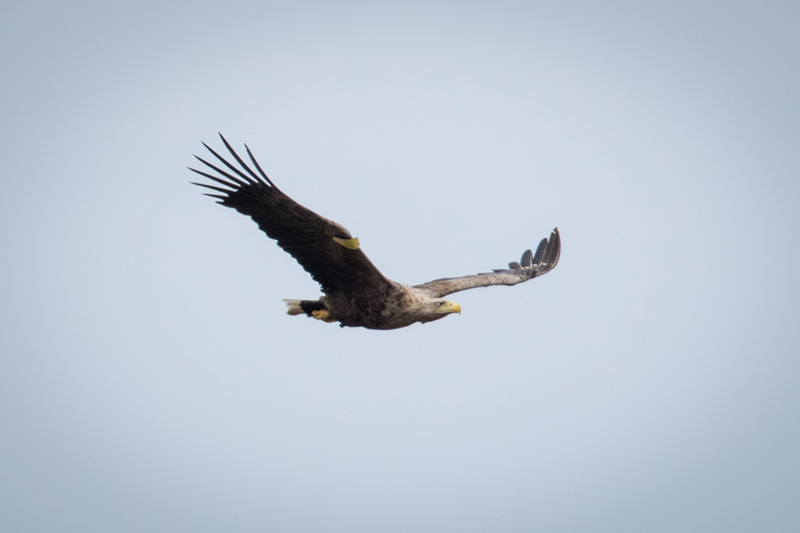
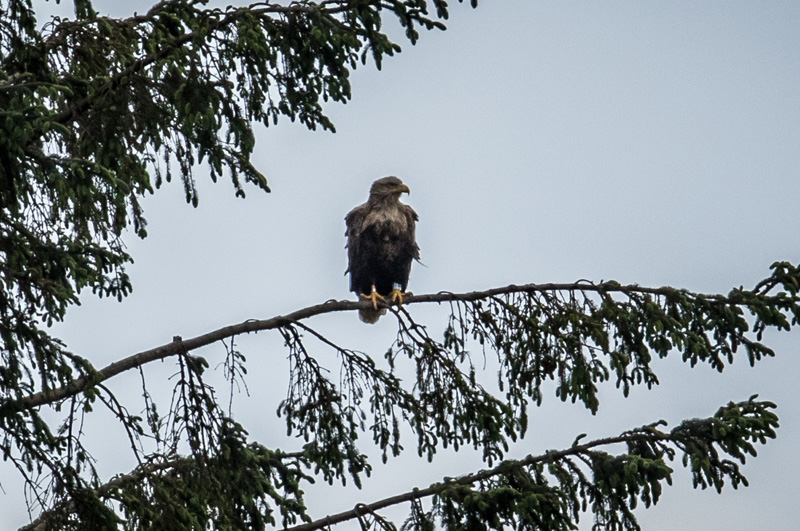
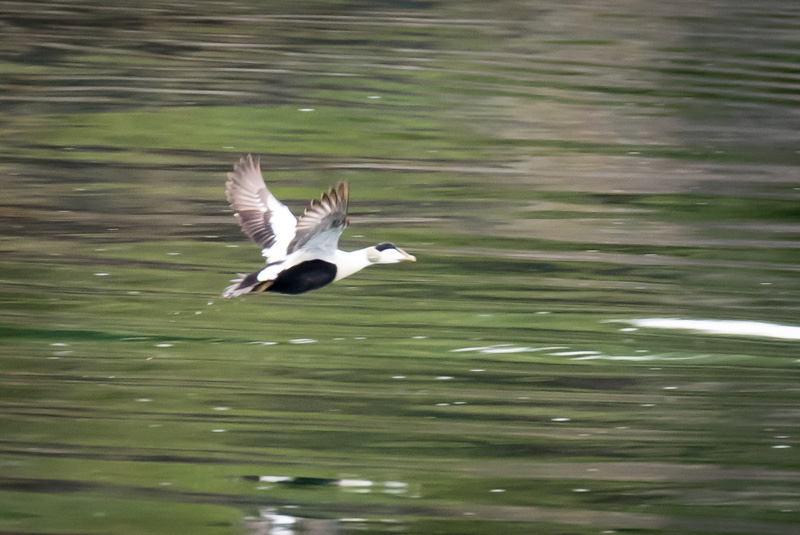
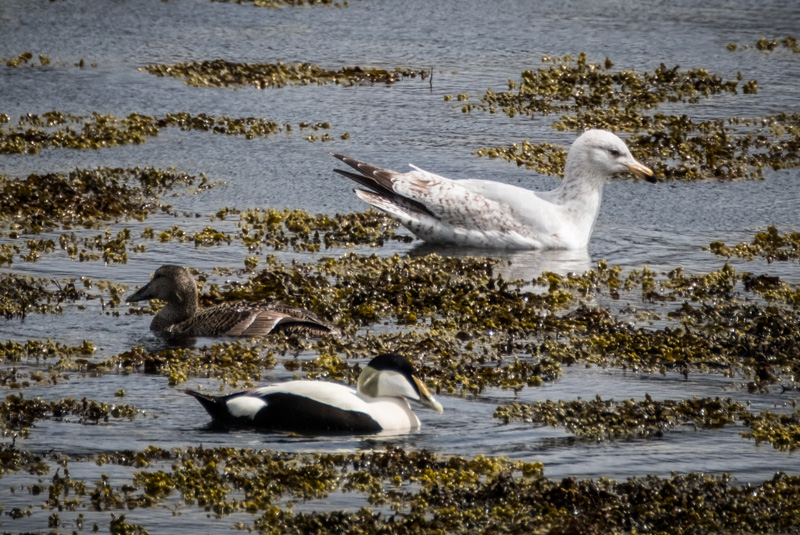
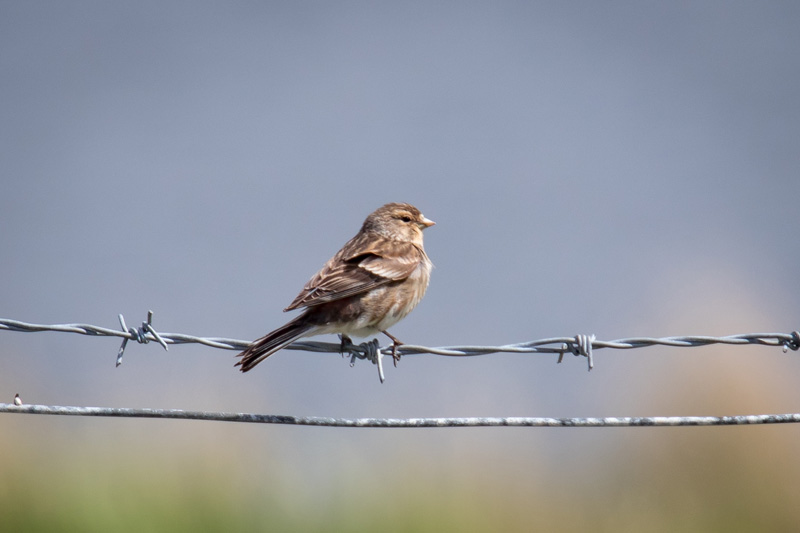
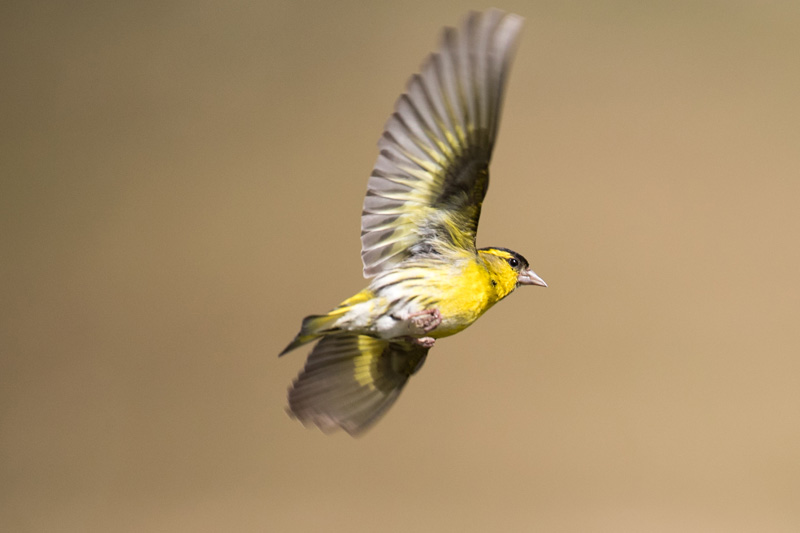
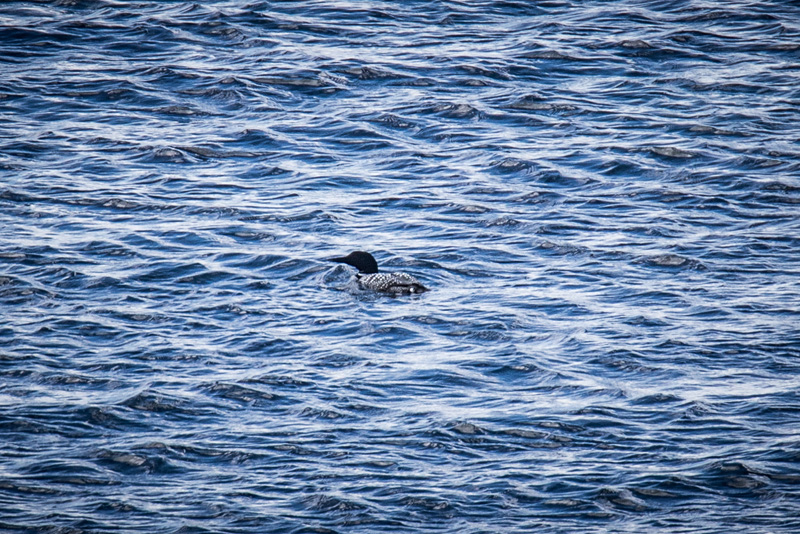
The highlights were the white-tailed eagles (sea eagles), the divers (such as great northern divers, red-throated divers, red breasted-merganser, eider duck), oystercatchers, hooded crows, siskins, wheatears and a twite.
I have tried to provide links to the craft centres and different venues we visited but need to work more on this. Amendments and additions will come soon.
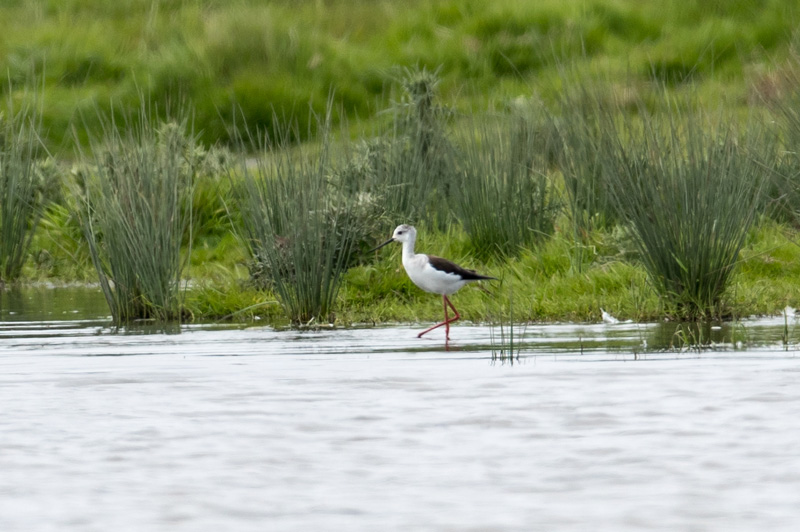
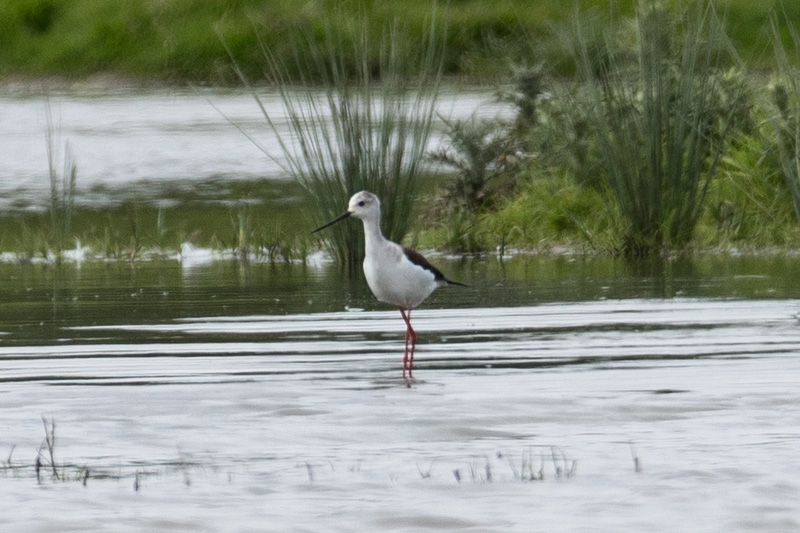
A morning’s birding on the Severn Estuary: I started at Aust Warth but could only see a whitethroat so I moved on to the Pilning wetland in the hope of seeing the reported black-winged stilt.
Whitethroat
Other birders reported that it had been showing well at the front of the ponds but it had now moved to the back. I was able to locate it by going down the lane leading off the main path (where I heard a cuckoo) but it was still quite some way off. The one benefit was that I was now out of the cold wind; unfortunately the light was not good.
Black-winged stilt
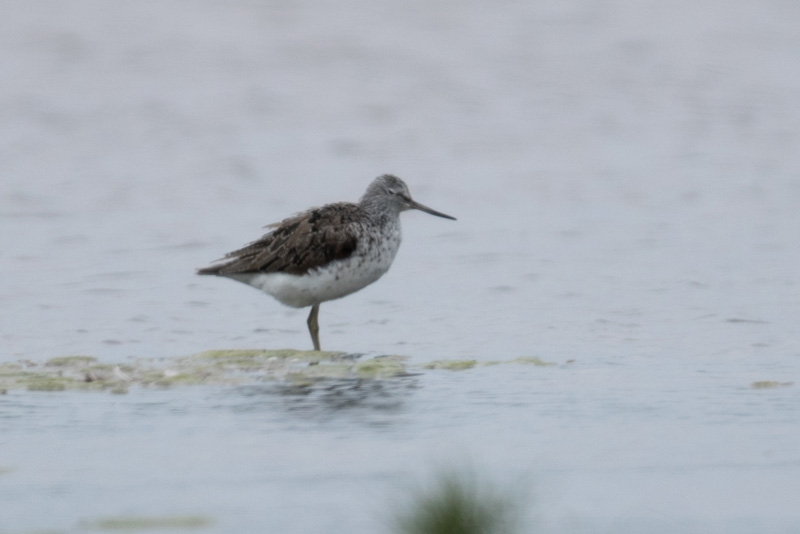
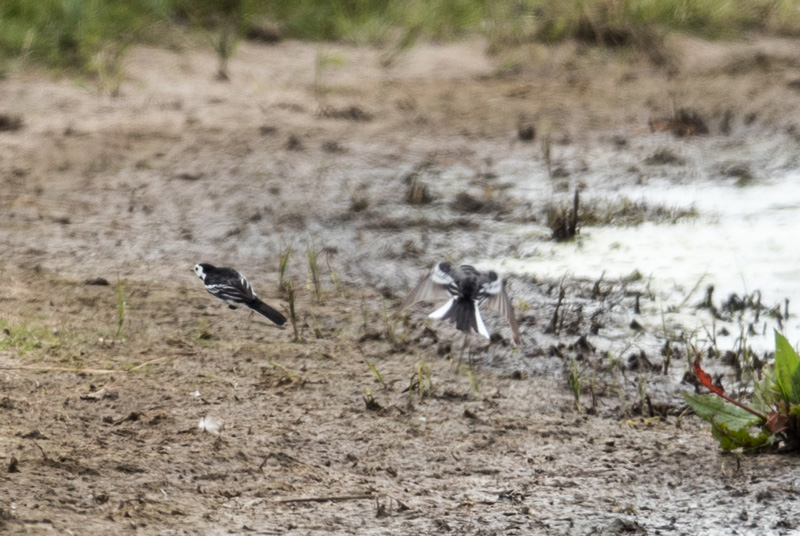
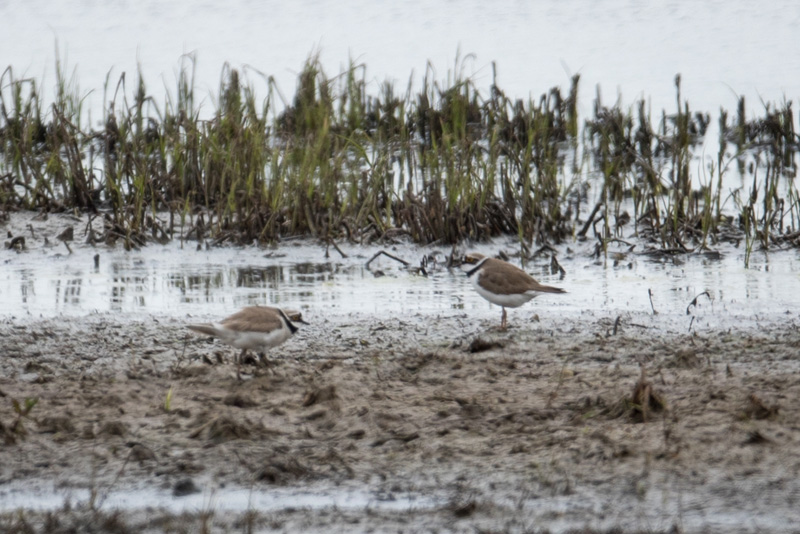
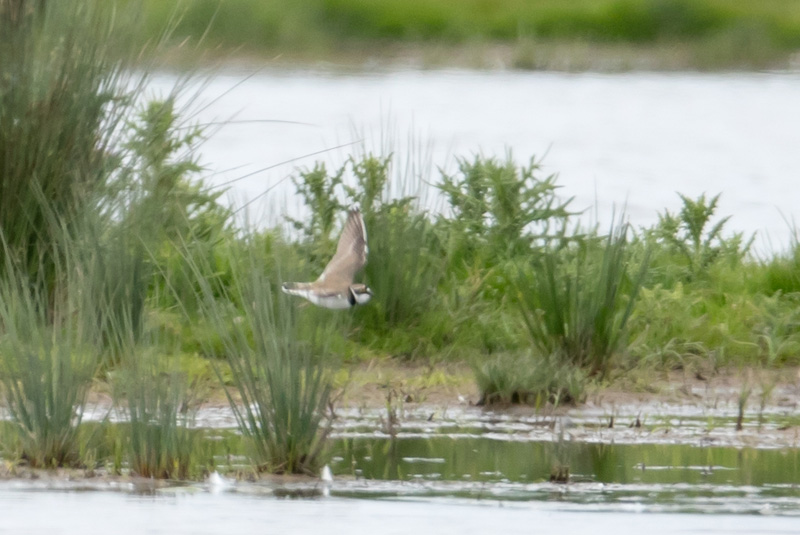
There were also lapwings (6), pied wagtails (3), little ringed plovers (6), and a greenshank not too far off. On the way back I saw 3 male reed buntings and another whitethroat.
Lapwing
Greenshank
Pied wagtails
Little-ringed plover
Reed bunting
I counted a dozen swallows too.
A flock of 9 yellow wagtails were reported but I didn’t see them. There were shelduck and tufted duck on the wetlands and more shelduck (6) on the warth and on the estuary.
On the way home I stopped at Aust again and had a very good view of a kestrel.
Click below for gallery of photos from this morning.
Just a small window of opportunity this morning to get some fresh air and enjoy nature and I was well rewarded in the hour and a half on my walk around Duchess Pond in Stoke Park, Bristol. Quite chilly to start but it soon warmed up especially with so much activity.
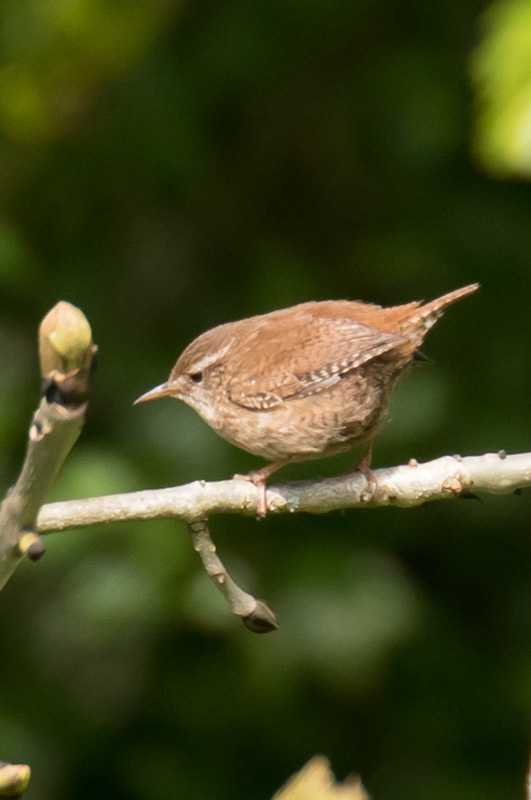
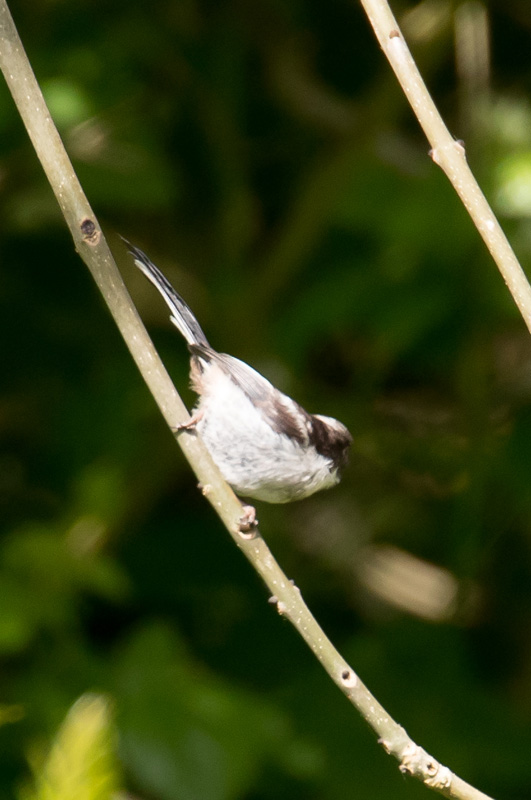
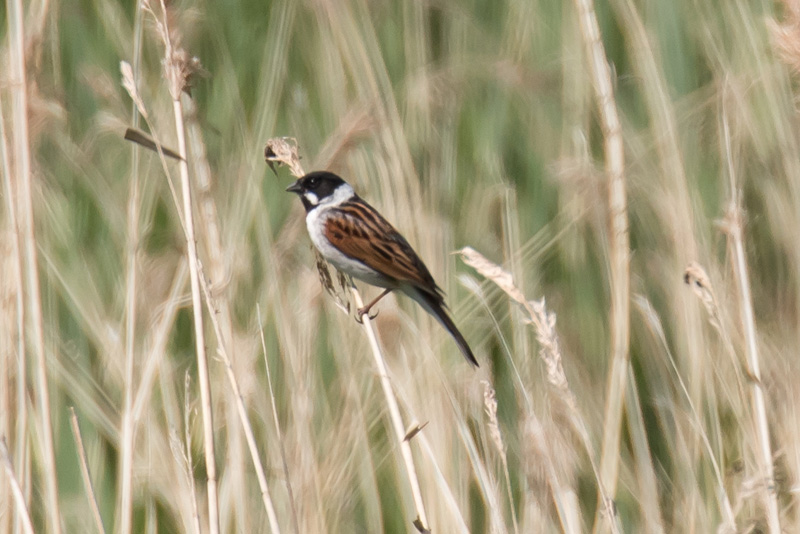
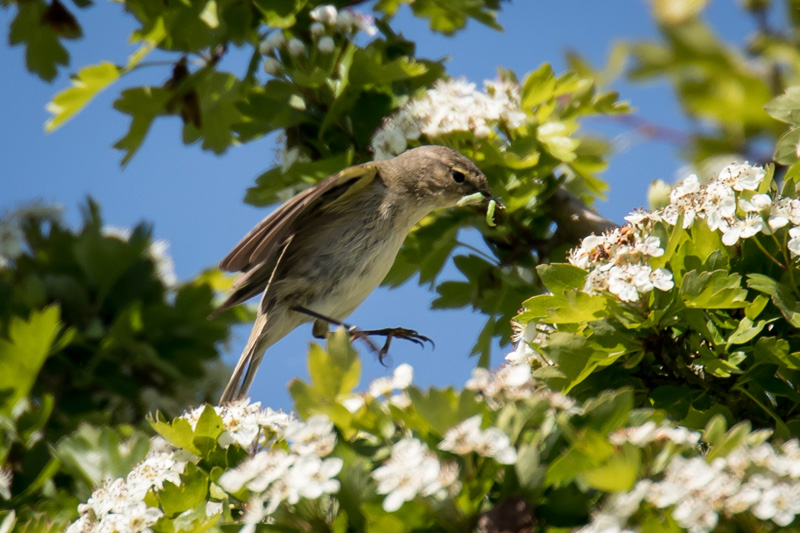
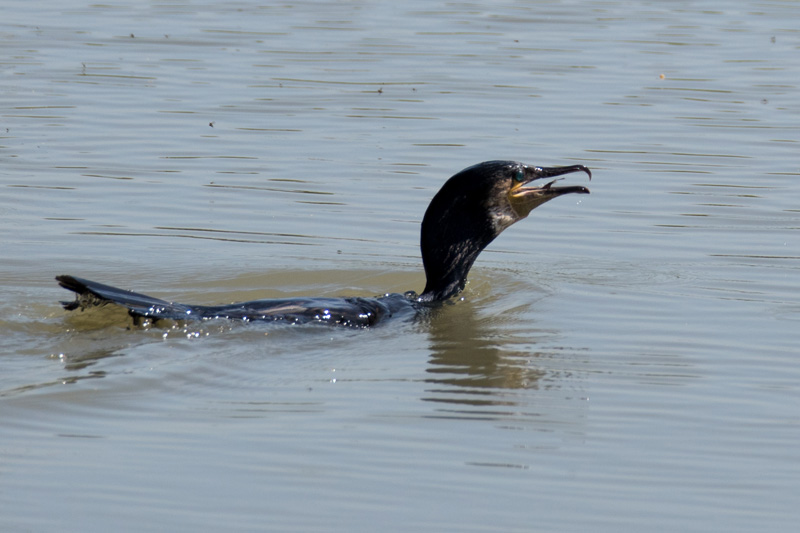
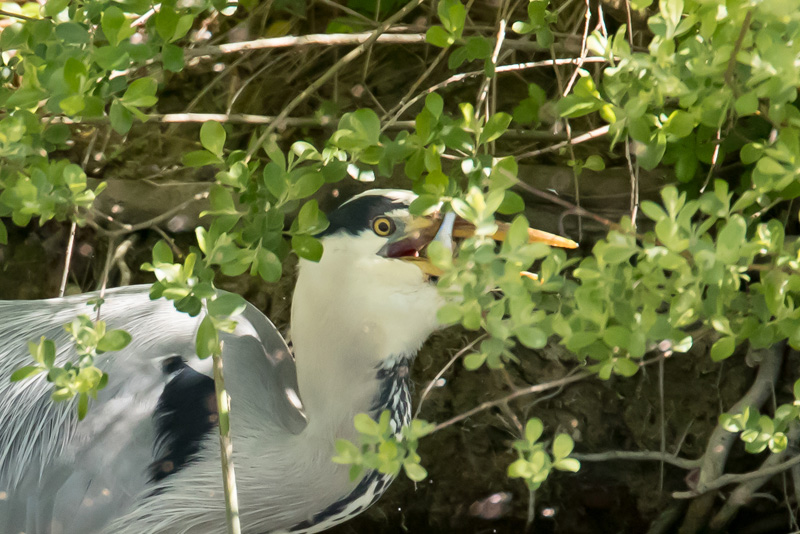
I saw 4 chiffchaffs and a wood warbler (probably feeding some young), a long-tailed tit, a reed bunting, a whitethroat, a wren, 6 swifts flying around (but not coming close to the pond), a heron and a cormorant fishing quite successfully, 4 Canada geese and a good number of mallards (but only one duckling on view). On the small pond there were 2 coots and a moorhen and in the meadows behind masses of crows and jackdaws.
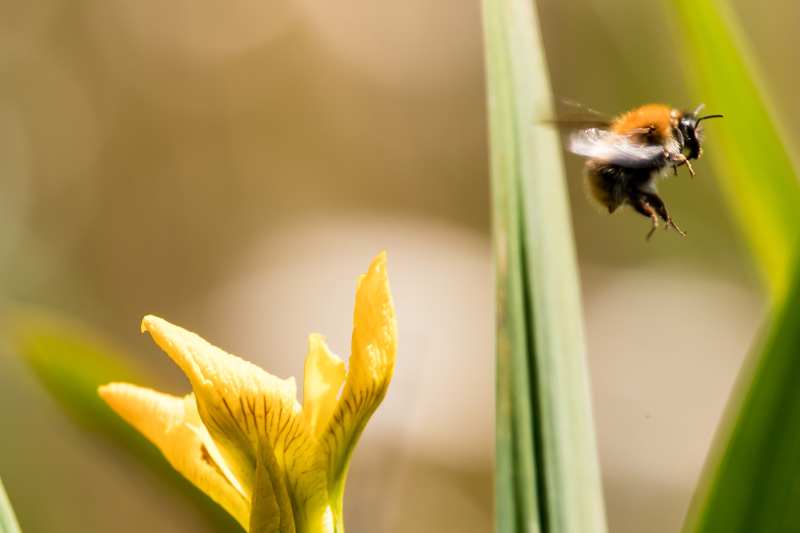
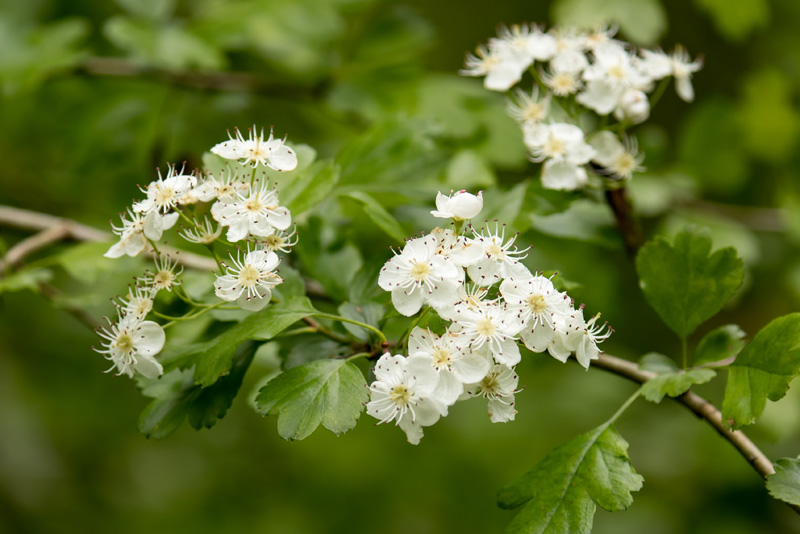
There were white butterflies and a tortoiseshell butterfly and a fisherman who had caught an eel. As well as the beautiful hawthorn blossom there were yellow and purple irises around the pond.
ChiffChaff
Wren
Long-tailed tit
Reed Bunting
Whitethroat
Wood warbler (I think)
Cormorant swallowing a fish
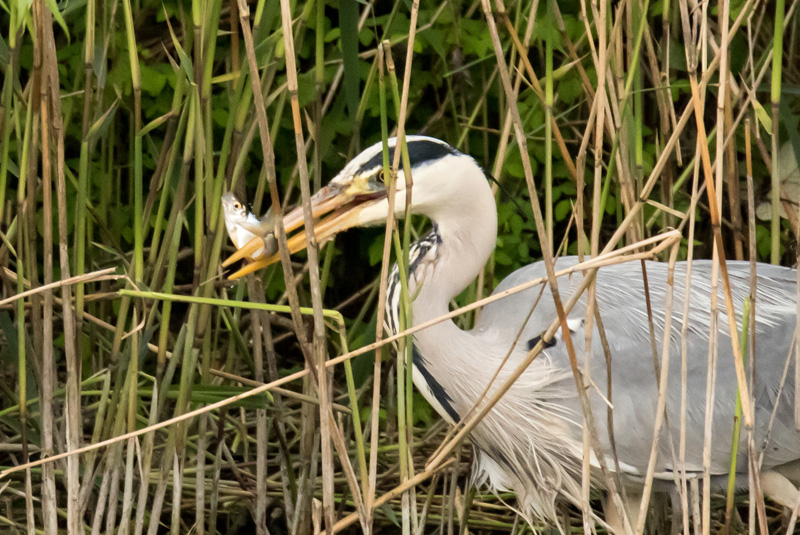
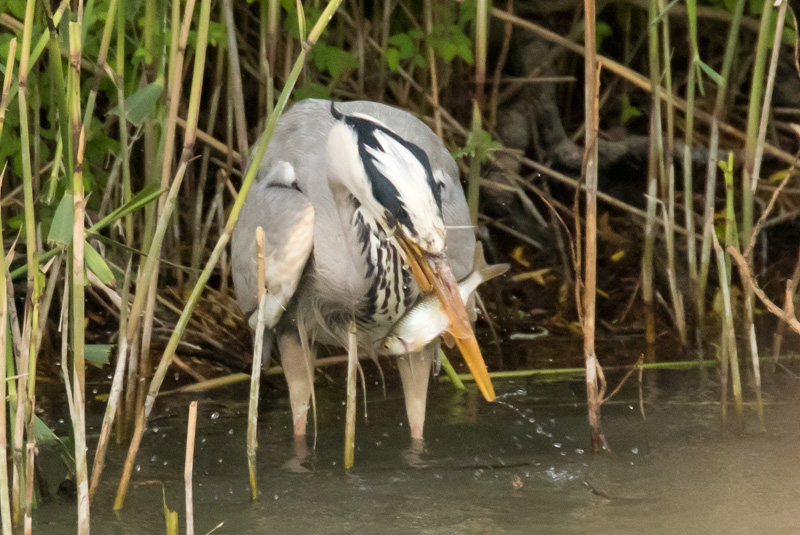
Grey Heron grabbing a fish before the cormorant eats them all
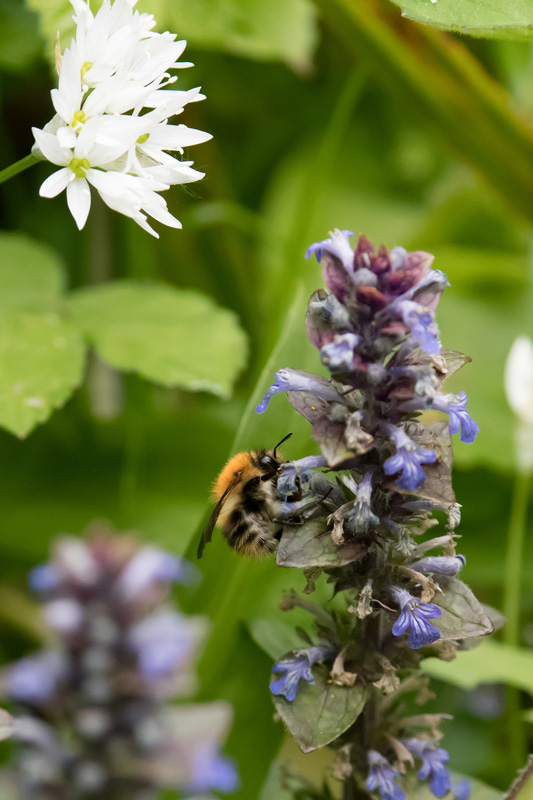
A bee making the most of the yellow irises.
The only duckling to be seen
A distant swift
Moorhen
One of the two coots on the small pond
Click below for my gallery of photos from this morning
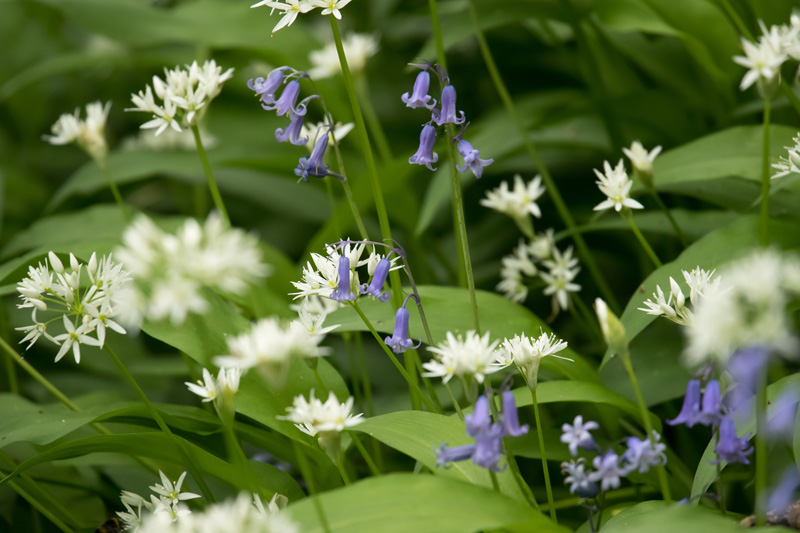
More flora than fauna on our walk through Lower Woods Nature Reserve (http://www.gloucestershirewildlifetrust.co.uk/reserves/lower-woods). We could hear chiffchaff and other warblers but could only see robins and blackbirds. It was a gloomy day but the bluebells and wild garlic looked magnificent. A beautiful walk.
Just a brief walk around Stoke Park on a gloomy, chilly morning: the highlight was a Grey Heron which caught half a dozen fish in quick time. I also saw a Robin, a Whitethroat (?), a Long-tailed Tit, a Blackbird, a Cormorant and 2 House Martins.
Reports of a Short-eared Owl took me to Aust on the Severn Estuary. No luck with the SEO but sight of a female Marsh Harrier as I arrived and then close-ups of a pair of Kestrels. A Reed Bunting then took the same perch once the Kestrels vacated it.
I then went back to New Passage. 8 Shelduck on the estuary and on the Warth, 2 Canada Geese and a Pied or possibly White Wagtail. No Little Ringed Plovers on the flash but then I spotted 2 at the back of the wetlands. There were also broods of ducklings and 2 Coots with chicks.
2 Little Egret flew in and 4 Lapwing displayed around them.
On returning home I then had a quick walk around Eastville Park. It’s so sad to see the resident Grey Heron struggling with some sort of netting around its bill. Hopefully help will come tomorrow. Good to see a Grey Wagtail too but no sign of Kingfishers for ages.
Another marvellous day out on the Somerset Levels: this time with Allan Chard, another birder from my local patch in Bristol. He took me for my first visit to RSPB Greylake, where I was hoping to see Sedge or Reed Warblers.
There were glimpses of Lapwig, Little Egret and Sand Martin before all the excitement started. I’m afraid my hearing let me down as Allan announced something of interest and starting shooting away and, whilst I was looking for Warblers at the top of the reeds, he was taking great shots of a stoat on the path in front of us. Before I had worked out what was going on the stoat was almost standing on our toes and my feeble efforts to get a shot were all out of focus. But I was not disappointed as within seconds, on seeing two other photographers snapping away, we soon realised that there was a Sparrowhawk on the far side of a pool and I got some good shots (which were a first for me).
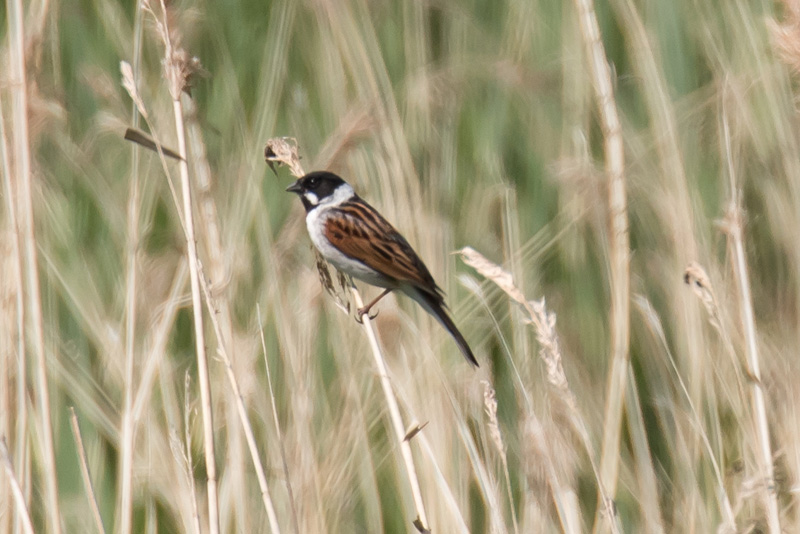
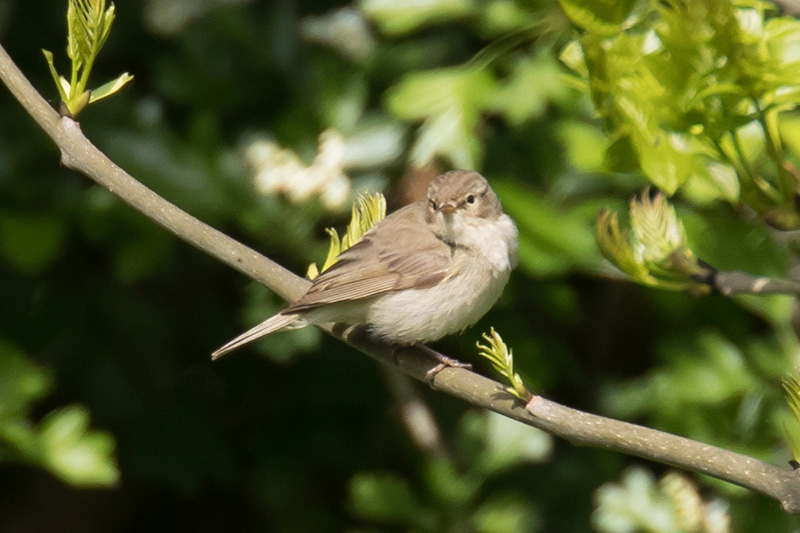
This is the sort of photo you get if you have your wits about you – courtesy of Allan Chard
After Greylake we went on to RSPB Ham Wall. The highlights here were Great White Egrets, a brief glimpse of Marsh Harriers, Glossy Ibis, a Great Crested Grebe chick, Shovelers and Pochard.
After a quick bite to eat (thanks Allan for sharing your lunch) we crossed the road to Shapwick Heath. Here we had good views of Hobbies, Cattle Egret (11 in all), Little Egret, Great White Egret, Black-tailed Godwits, Greylag Geese and goslings, House Martins, a Buzzard and amazingly close views of a Marsh Harrier. Plenty of butterflies around too.
It was quite cold but bright throughout the day and, although I have probably forgotten many of the species we saw, we had a fantastic day’s birding. And as well as Bitterns booming we heard our first Cuckoos,