Category: Blog

  • 21st May 2018 – Stoke Park and Eastville Park Bristol

    21st May 2018 – Stoke Park and Eastville Park Bristol

    Another lovely walk in Stoke Park and then down in to Eastville Park, this time through the eyes of a different camera and lens (Fuji X Pro 2 and 55 -200 mm lens).

    DSCF0833

    DSCF1050

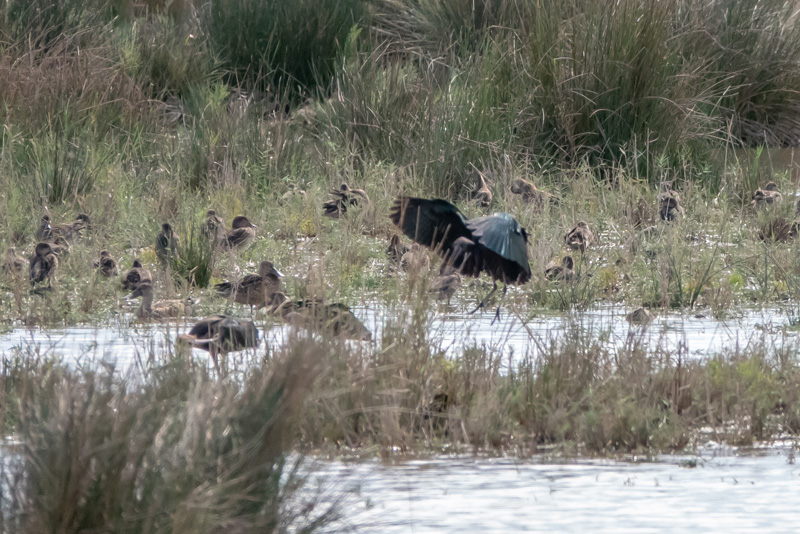
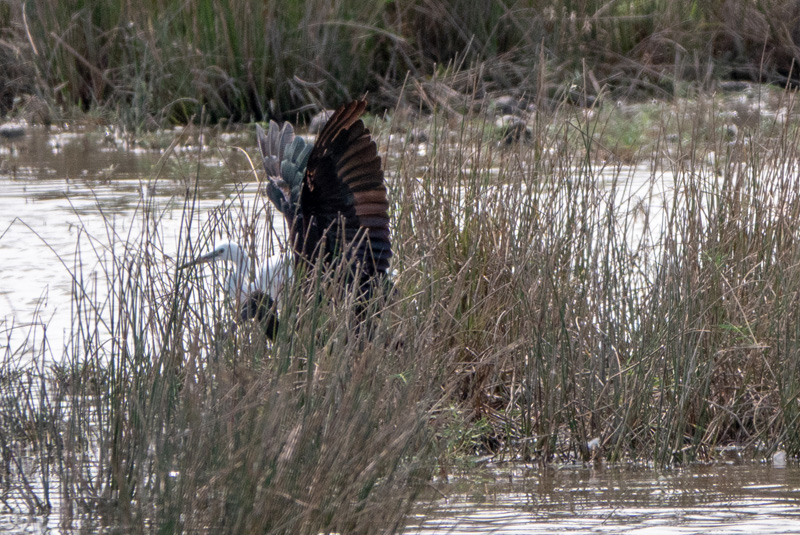
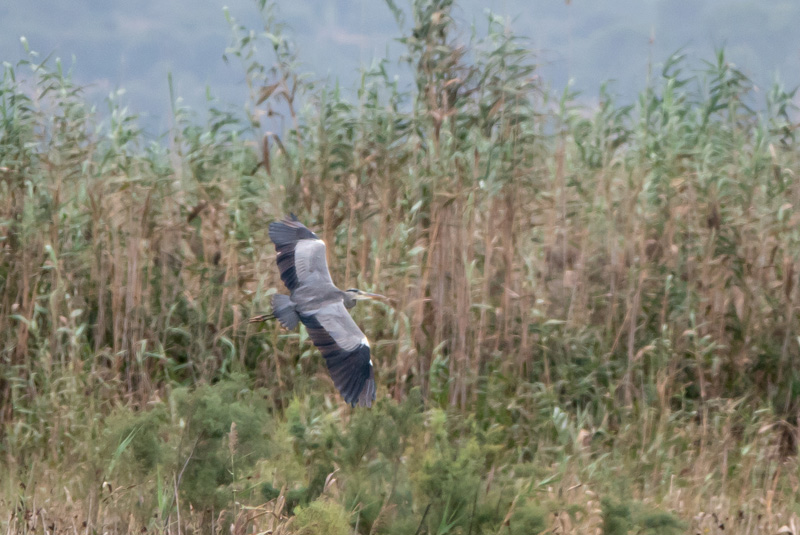
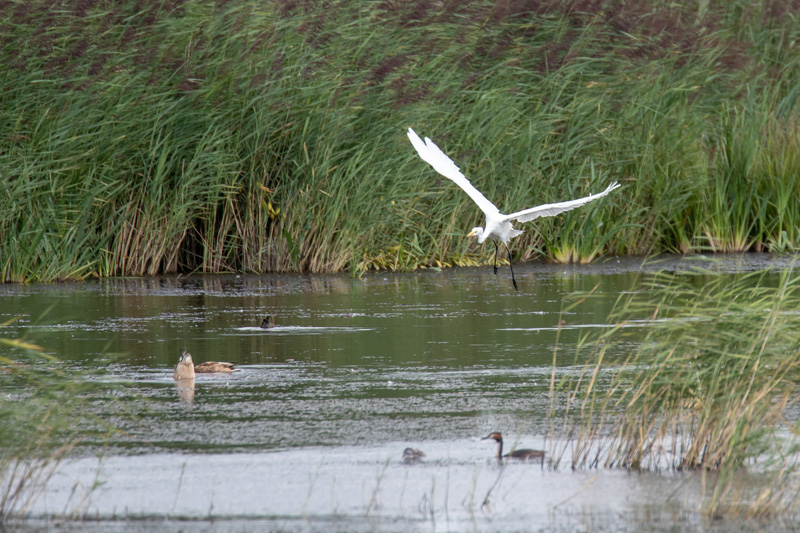
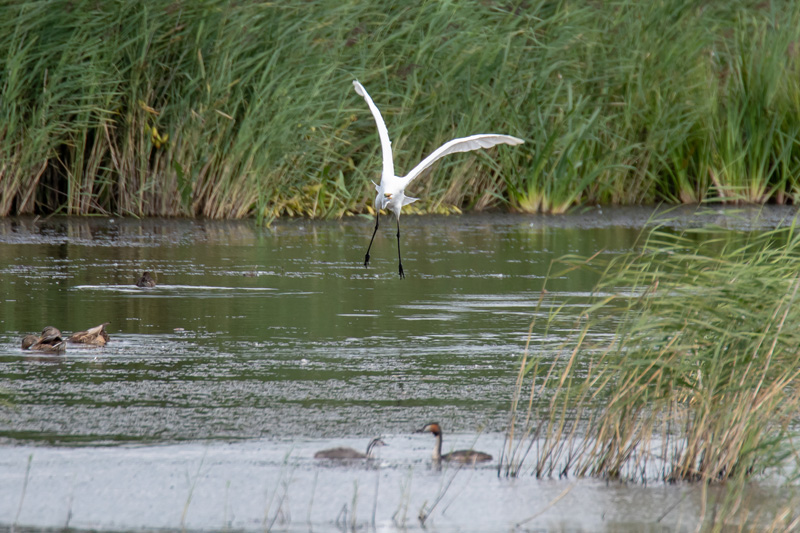
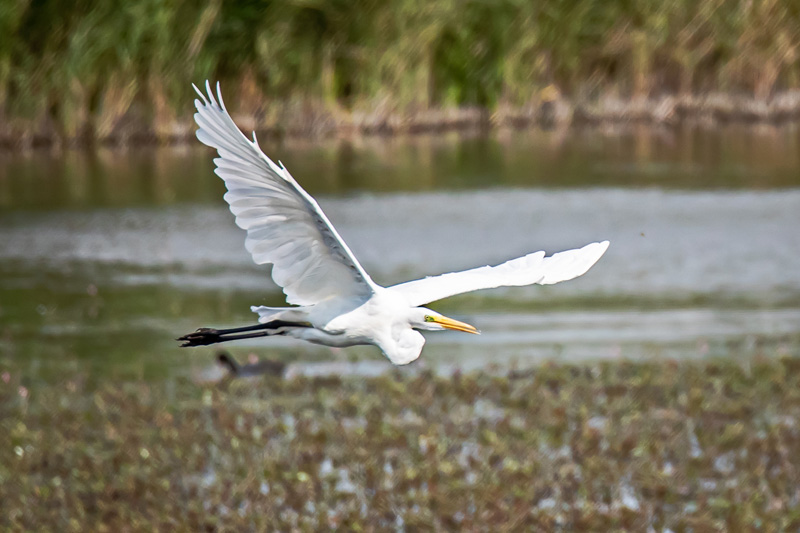
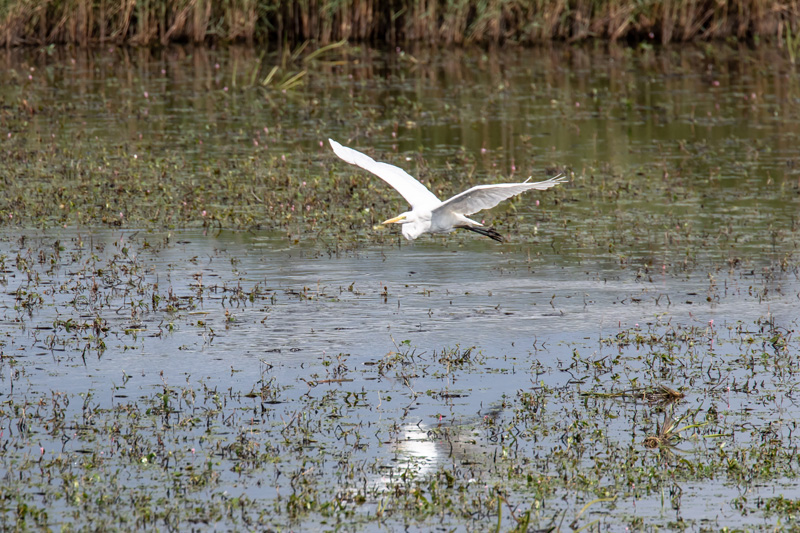
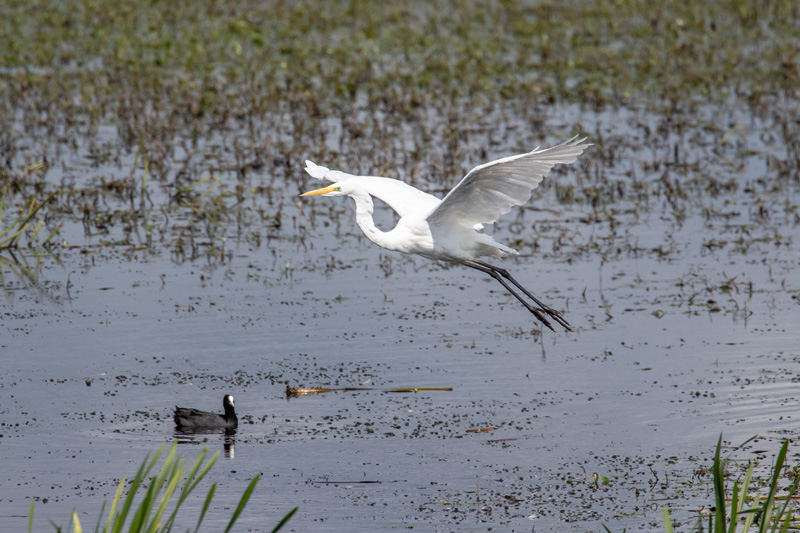
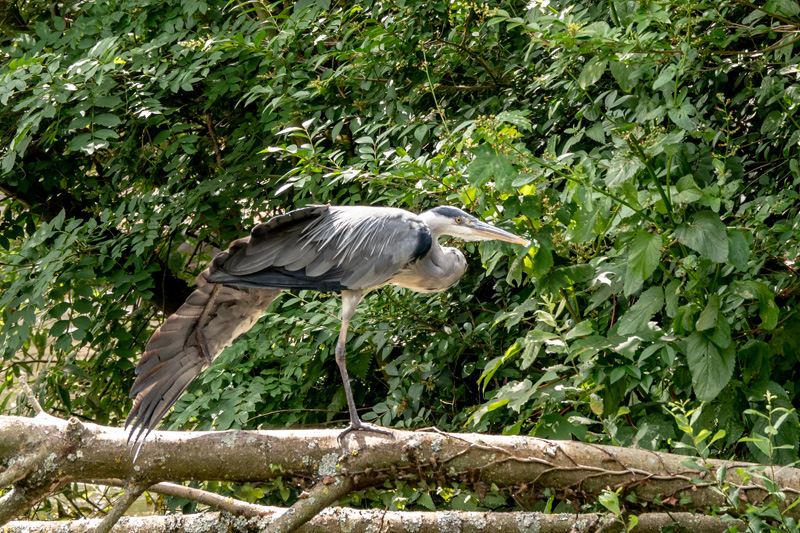
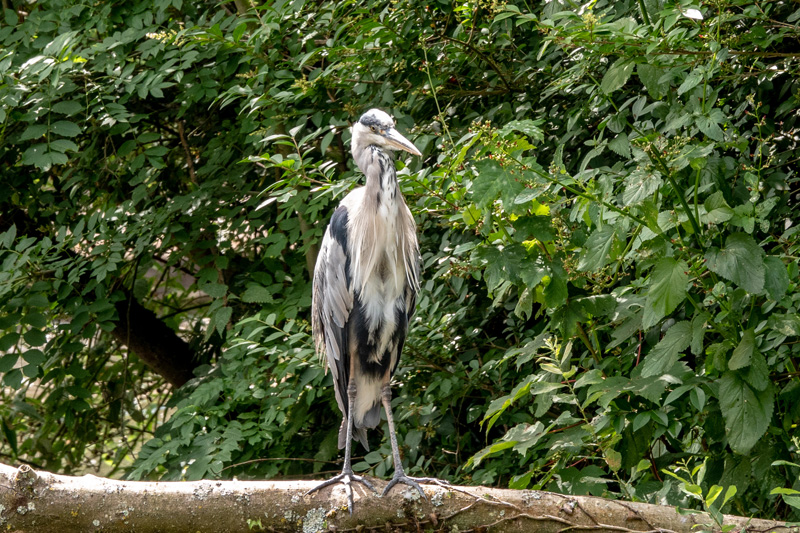
    I had good views of a grey heron in flight at Duchess Pond in Stoke Park and common swifts swooping across the lake. Plenty of ducklings and chicks en route. Eastville Park was so quiet and peaceful; I can’t start to imagine what the wildlife will make of this weekend’s pop festival.

    DSCF0841

    DSCF0852Grey heron

    DSCF0903Common swift

    DSCF0910Female mallard and ducklings

    DSCF0935Yellow flag iris

    DSCF0931

    DSCF0989I think this could be water mint …

    DSCF0993… and this water horsetail

    DSCF0939Not so sure about spiders

    I enjoyed seeing more insects and especially damsel flies although I was not lucky (not very good) with butterflies. The trees with lots of blossom and seeds are looking particularly magnificent and water lilies are appearing on the ponds.

    DSCF1259Beautiful demoiselle in Eastville Park

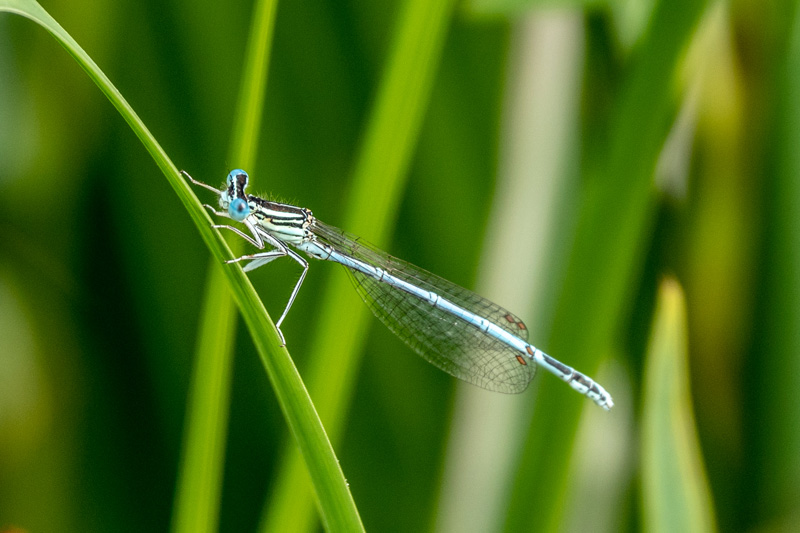
    DSCF1251Large Red Damselfly on the River Frome

    DSCF1216

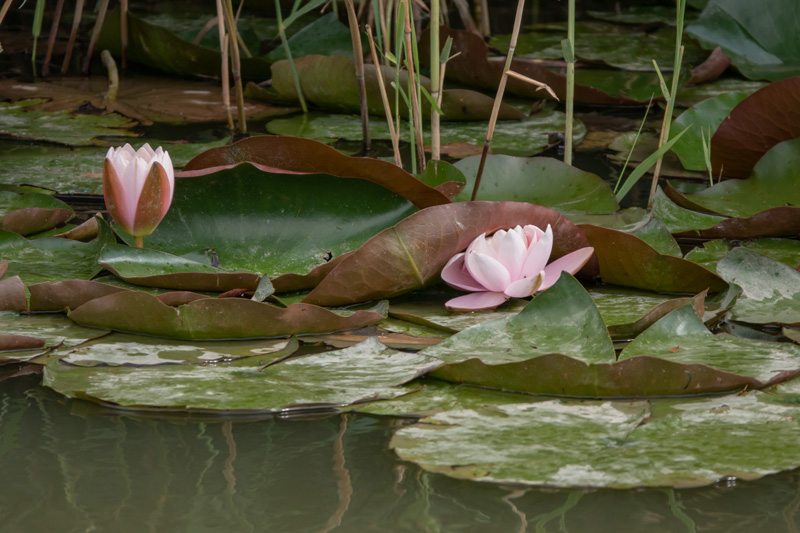
    DSCF1222Yellow water lilies

    DSCF1132

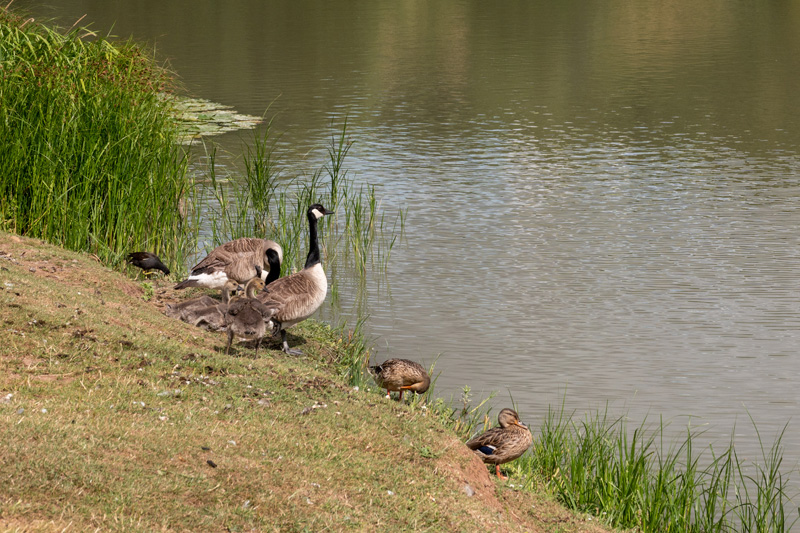
    DSCF1200Canada geese on Eastville Park

    DSCF1106

    DSCF1169Corvids everywhere

    DSCF1138The muscovy duck in Eastville Park may be pretty ugly but it has got a beautiful plumage

    DSCF1135Common comfrey in Eastville Park

    DSCF1127

    DSCF1125This stunning tree on the edge of Purdown must be some sort of willow


    Click below for gallery of photos from this morning:


  • 14th May 2018 – Stoke Park and Eastville Park Bristol

    14th May 2018 – Stoke Park and Eastville Park Bristol

    The countryside in Britain is exceptionally beautiful at the moment and so too are the parks close to home in urban Bristol.On an exceptionally sunny day I went out for a walk from home in the hope of doing some bird photography but soon realised that I had the wrong camera/lens as it was the trees and the landscapes which I needed to be photographing. I tried to make do.

    MT1D5593The path in to Stoke Park from Stapleton

    MT1D5603Moorhen with chicks on the small pond next to Duchess Pond

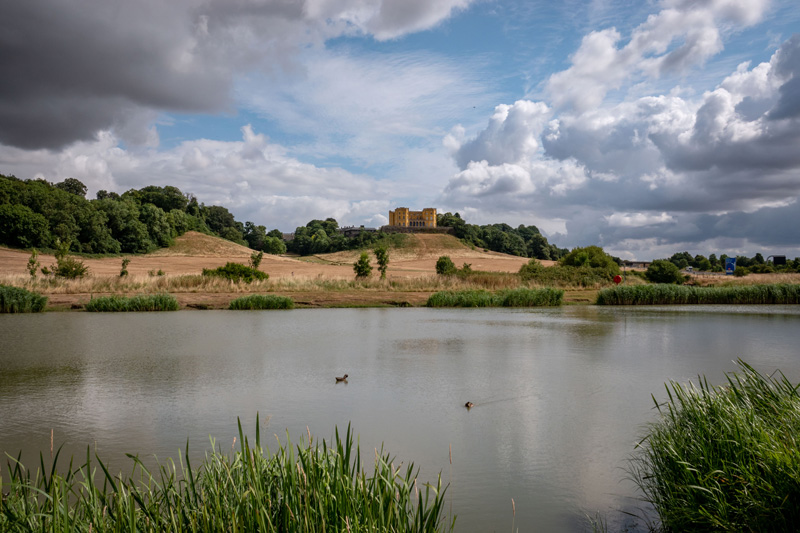
    MT1D5623The small pond and then Duchess Pond with views of the restorative work being done in the background

    MT1D5631A grey heron on the flooded part of Stoke Park (hard to imagine today that we have had so much rain)

    MT1D5636This grey heron was clearly more nervous than the ones in Eastville Park and flew off in the direction of Filton imagining itself to be Concorde

    MT1D5625All the blossom was looking amazing

    MT1D5658Buttercups are now at their best

    MT1D5673Dandelions have had their day

    MT1D5648… or have they?

    MT1D5655Red Clover standing out amongst the greens and yellows

    MT1D5654The Dower House which dominates this part of the city looking better for being shrouded with trees

    MT1D5664A view from the top of Stoke Park with the houses (including ours) hidden by the trees

    MT1D5667A glorious place for a stroll so close to the city

    MT1D5693

    MT1D5702

    MT1D5697… or to fly your kite

    MT1D5729… or to see the verdant suburb below

    MT1D5690

    MT1D5681Wide open spaces just to stroll right next to a housing estate

    MT1D5662Lots of butterflies (here a small copper) everywhere

    MT1D5733My lens certainly couldn’t do justice to the trees of Eastville Park justice.

    MT1D5740And really I was too close for these Canada geese with chicks

    MT1D5736… or at least that’s what these two protective parents felt.

    MT1D5756A duckling living perilously on its own

    MT1D5770A more tolerant grey heron here in Eastville Park


    MT1D5776Volunteers have done wonders controlling these along the River Frome

    MT1D5778Still lots of ramsons to be seen

    MT1D5779You don’t want to get confused with these type of plants – probably cow parsley but could be poison hemlock

    MT1D5782The best of them all: the candles of the horse chestnut

    MT1D5786Beech tree

    MT1D5784Herb Robert (but I think this is Red Campion?) was the most observed species in the recent first global City Nature Challenge (see link below)

    Perhaps it’s not so surprising that Bristol and Bath were best in Europe for first global City Nature Challenge

    http://www.bnhc.org.uk/bristol-bath-best-europe-first-global-city-nature-challenge/

    Click below for gallery of photos from my walk today:

  • 10th May 2018 – Menorca

    10th May 2018 – Menorca

    Another lovely 12 k walk through the Mediterranean scrubland from our hotel to the tiny port at Cala Alcafar and back.

    DSC07013
    DSC07016
    DSC07022
    DSC07026

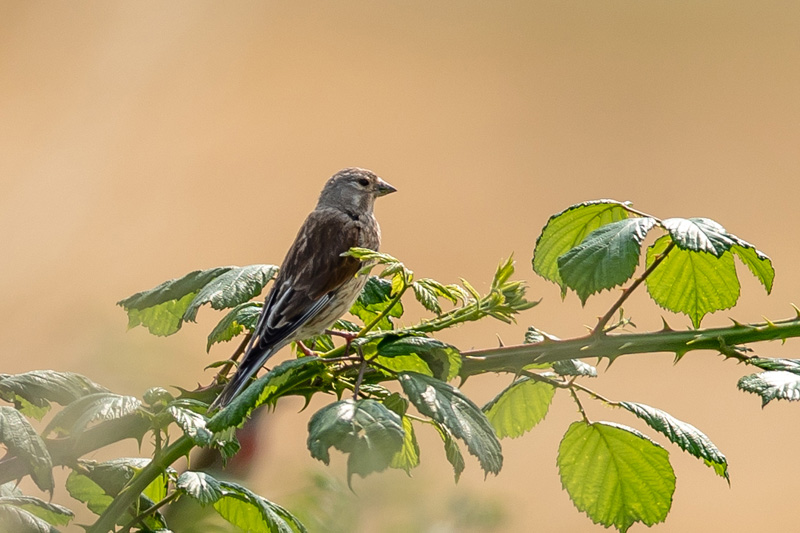
    We saw very few birds (just a couple of gulls, a few swallows and 2 swifts) until we were within 20 metres of our hotel when, magically, a flock of bee eaters appeared on the wire in the next field. As I was photographing them a linnet also appeared on the wire. As soon as I turned round we saw a Thekla’s lark on another wire and it took to the air and flew very much like a sky lark.

    DSC07037

    DSC07118About the sum of the birds we had seen until the very last moment.

    DSC07045

    DSC07126Our path through the Mediterranean scrubland

    DSC07096
    DSC07057

    DSC07198Not many birds on our walk but plenty of wildlife

    DSC07373
    DSC07377
    DSC07402
    DSC07405
    DSC07413
    DSC07430

    DSC07444I had been hoping all week to see bee eaters

    DSC07341Linnet

    DSC07450

    DSC07464Thekla’s lark

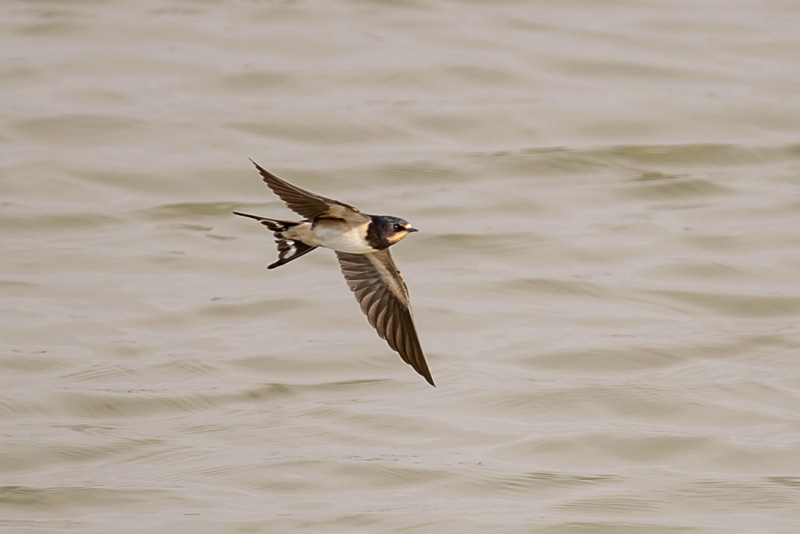
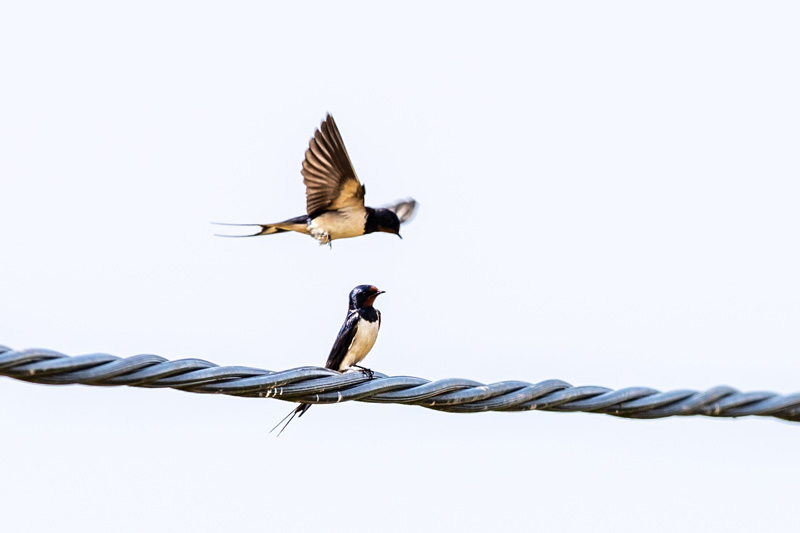
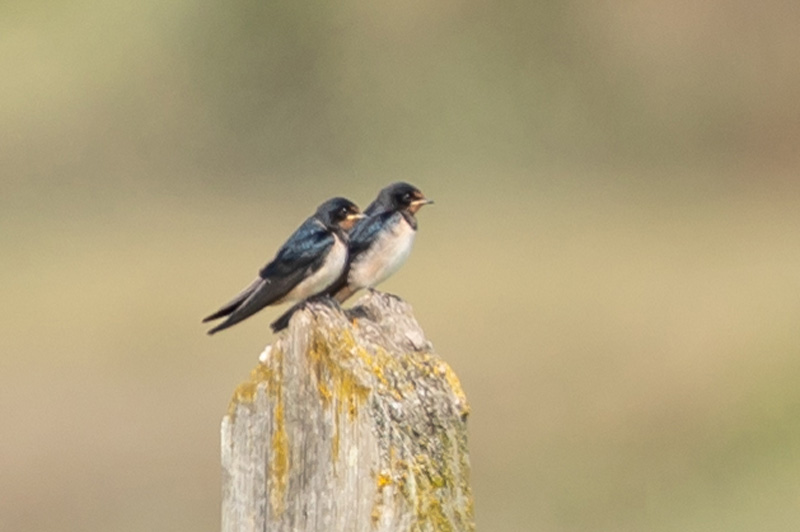
    Encouraged by seeing the bee eaters I also took a couple of photos of the swallows nesting in the hotel reception.

    DSC07498

    Wonderful!

    Click below for gallery of photos from today (including lots of lichen as I hadn’t seen many birds!)

  • 9th May 2018 – Menorca

    9th May 2018 – Menorca

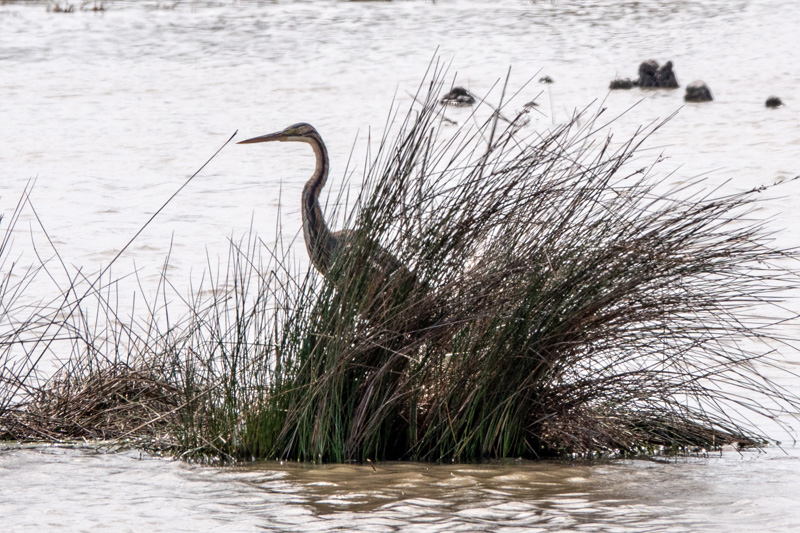
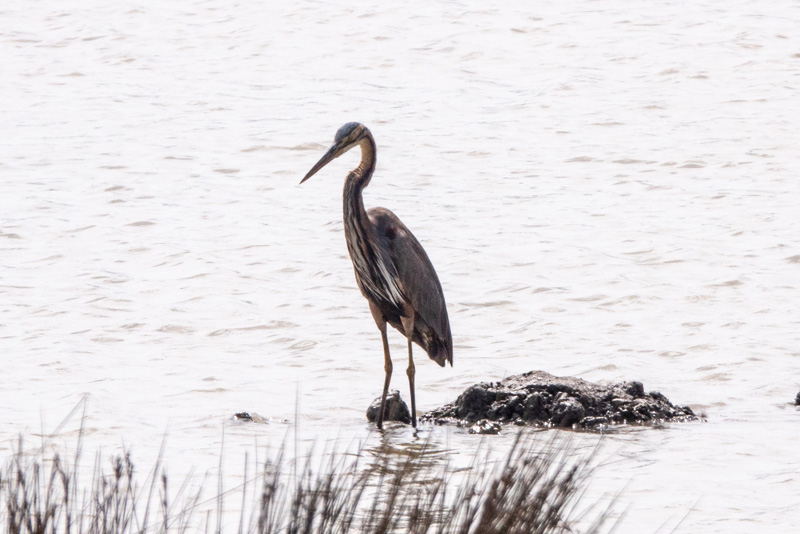
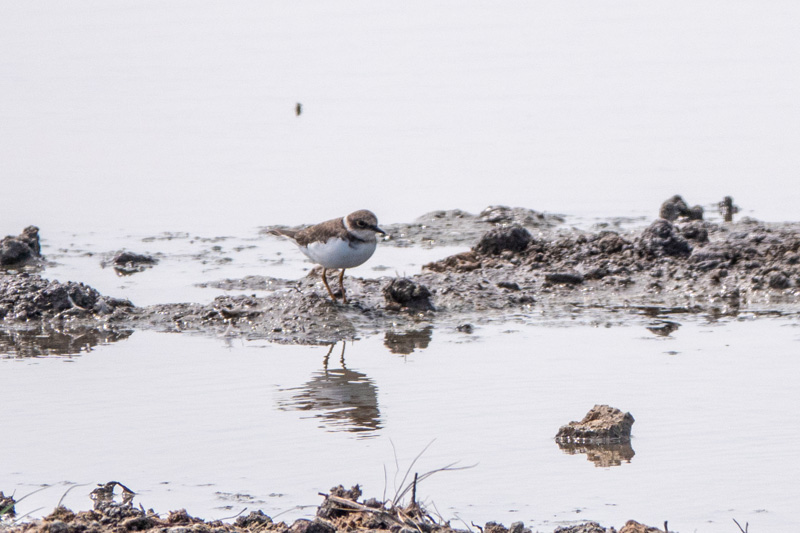
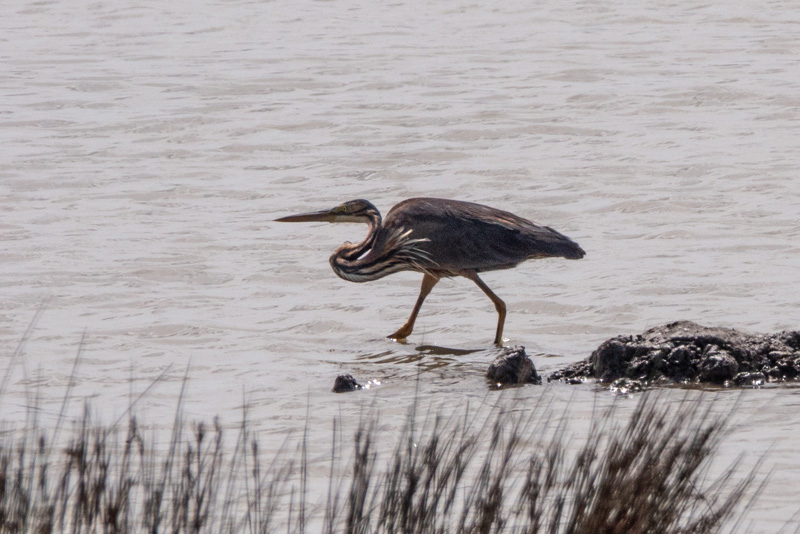
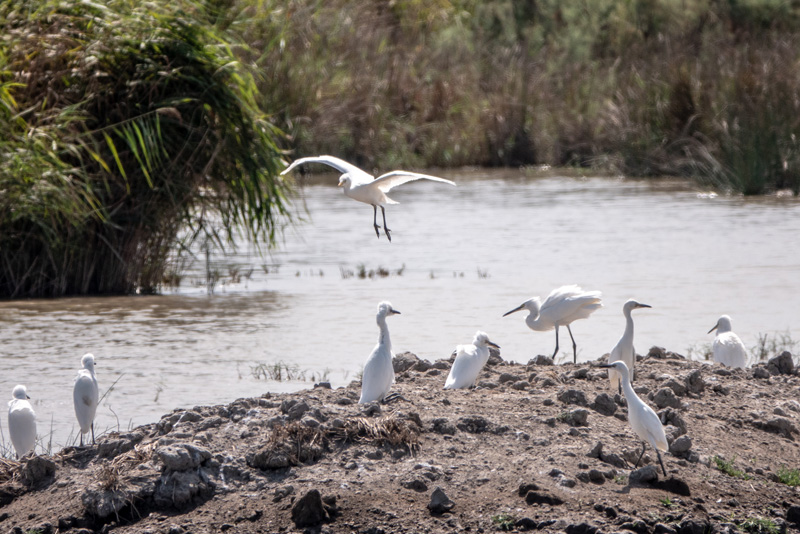
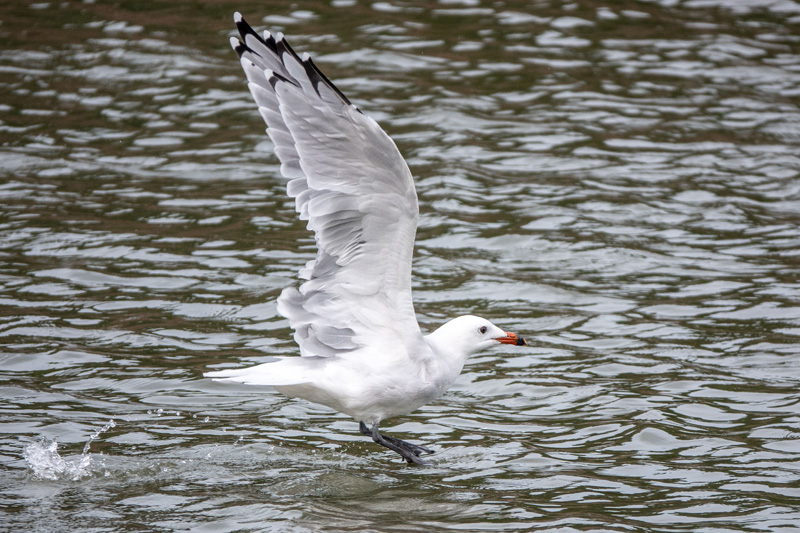
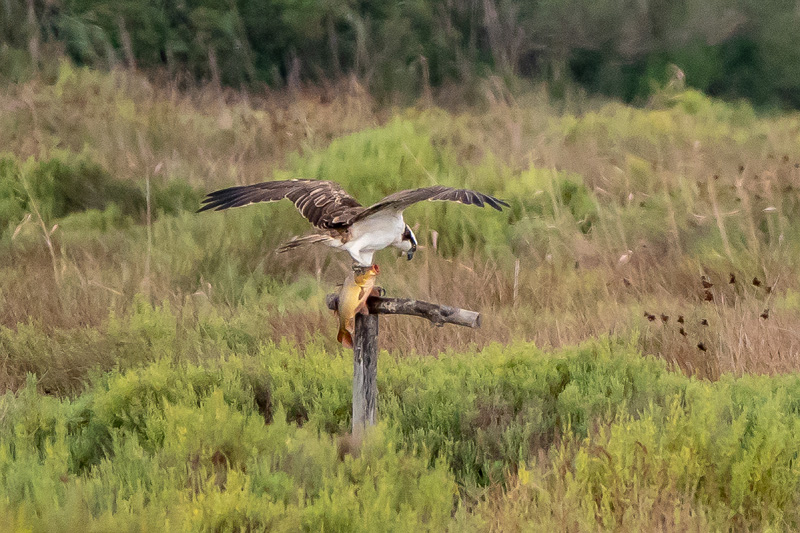
    S’Albufera des Grau in the north-east of the island was declared a National Nature Park in 1995 and covers around 5,100 hectares. There is a good visitors centre and a circuit of paths with many viewing points and hides. However, a telescope would be desirable as you are some way back from the lake and the dismal weather did not help photography. The main bird life at this time of the year are coots but we did see little grebe, great crested grebe, little egrets, one redshank and a purple heron (first for me). There were also yellow-legged gulls with their chicks and some Audouin gulls. We kept our eyes peeled for osprey but had no luck; however, I did spot a hobby flying over the lake.

    DSC06646Hobby

    DSC06506Little grebe

    DSC06507Great crested grebe

    DSC06534Yellow legged gull

    DSC06542Yellow legged gull and chicks

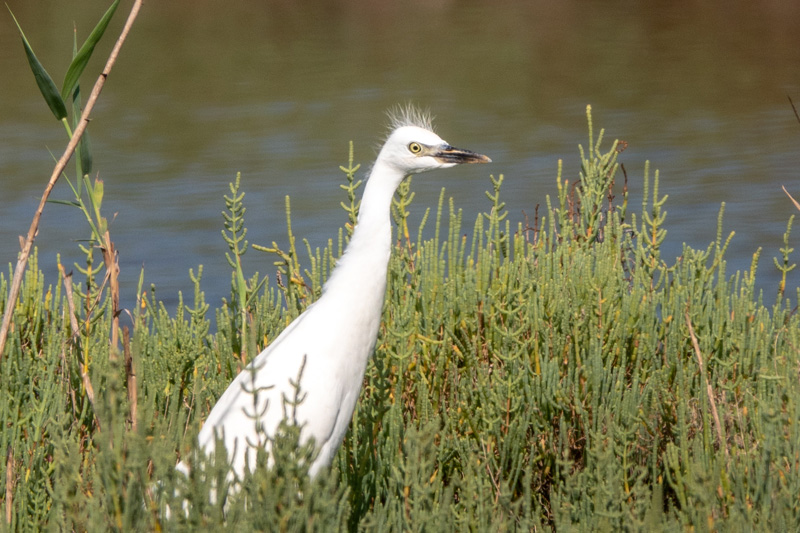
    DSC06581Little egret

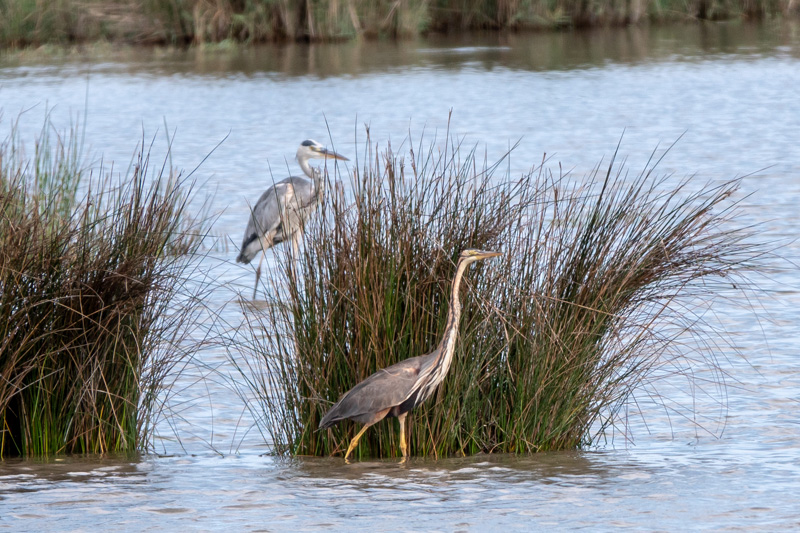
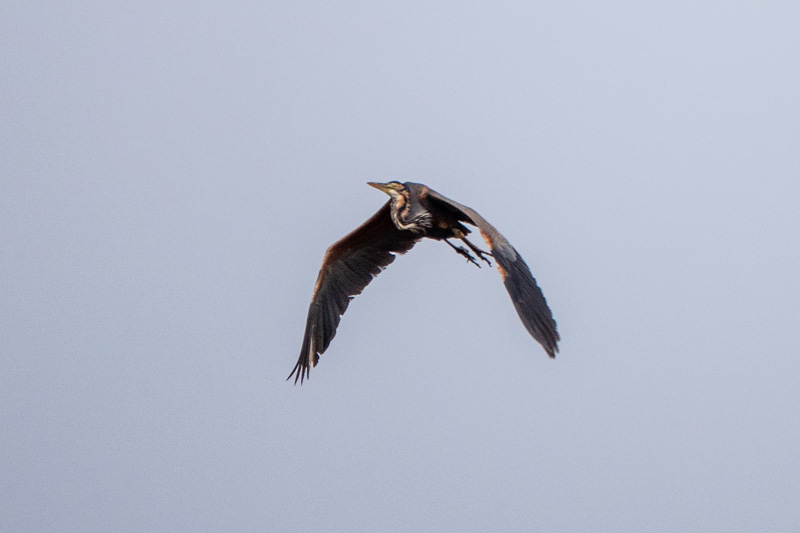
    DSC06591Purple heron

    DSC06605Purple heron

    DSC06612Purple heron

    DSC06622Great crested grebe

    DSC06738Great crested grebe

    DSC06759Great tit (and not a bird feeder in sight)

    DSC06842The port of Es Grau with sea front restaurants

    DSC06844Audouin gull

    DSC06848

    Back at the hotel the sun shone briefly and I took a few photos of swallows, butterflies and a green lizard.

    DSC06886Typical Menorcan gate made of old olive wood

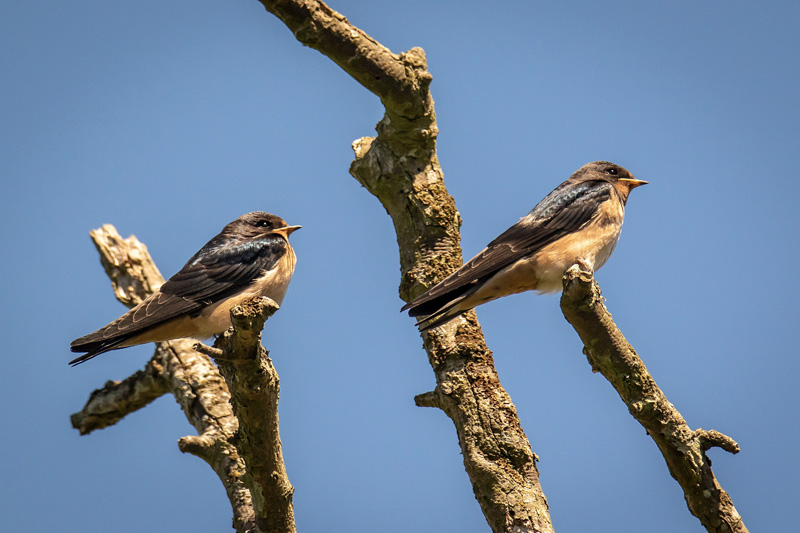
    DSC06899Barn swallows

    DSC06938

    DSC06981

    DSC06990

    DSC06996


  • 8th May 2018 – Menorca

    8th May 2018 – Menorca

    Oh to be a botanist! We have moved to the southeast coast of the island of Menorca and, although we saw many of the plants we had seen on our last few walks, we saw a greater diversity of plants today as we walked through farmland and then through the garrigue-like land down to the coast. On the long distance coastal path of Cami Cavalls it was noticeable that the plants were often different on the sea-side of the path even though the path was only a couple of metres wide. And what a spectacle too!

    A few of my favourites:

    DSC06415
    DSC06390
    DSC06384
    DSC06371
    DSC06353
    DSC06337
    DSC06298
    DSC06282
    DSC06279
    DSC06241
    DSC06237
    DSC06158

    As for bird life we heard lots of warblers but only had very fleeting views. At the coast we saw a solitary redshank, a couple of Audouin’s gulls, a couple of cormorants, a pair of linnets (clearly nest building) and then right at the end of our walk a Thekla’s lark and a couple of barn swallows outside the hotel’s reception.

    DSC06194Redshank with crab

    DSC06198Audouin’s gull
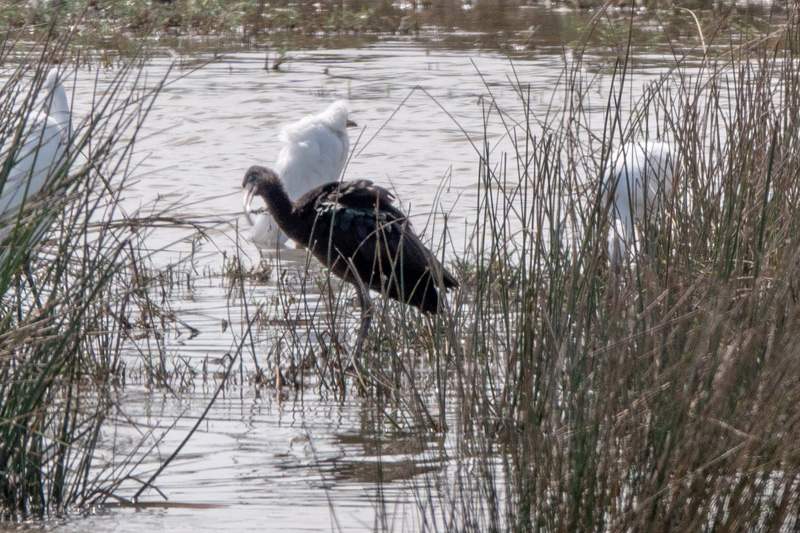
    DSC06208Female linnet

    DSC06215Male linnet

    DSC06427Thekla’s lark

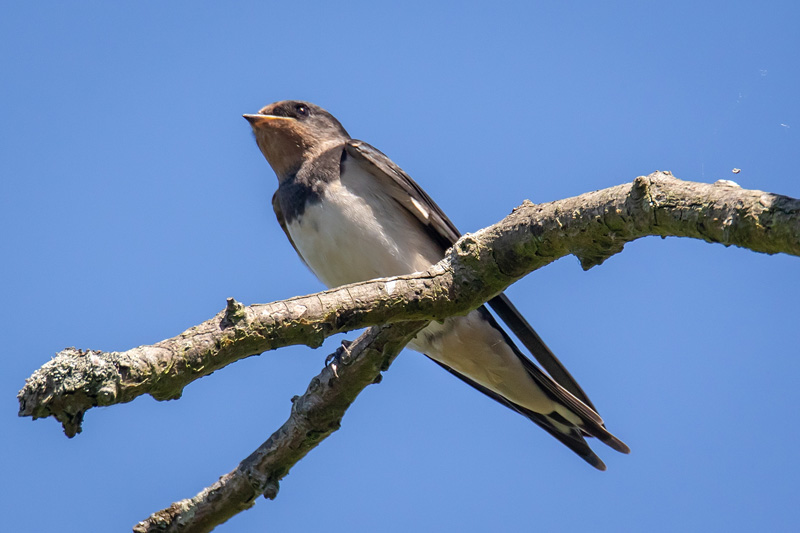
    DSC06497Swallows

    Plenty of butterflies about but I only managed to photograph this one:

    DSC06395

    Click below for gallery of today’s photos:

  • 7th May 2018 – Menorca

    7th May 2018 – Menorca

    After a coffee in the pretty port of Fornells on the north coast of the island we made our way towards the Cavalleria peninsula.

    DSC05749The port of Fornells

    The wild flowers in the hedgerows along the narrow roads were stunning but, although we were often close enough to touch them, it was not sensible to stop to take photos. There were, however, plenty of opportunities to take photos of the flora and the fauna as we walked the long distance path (Cami Cavalls) along the fabulous section of the coastline from the sandy bay of Cavalleria to within sight of the golden beaches of Binimel-lá.

    DSC05759

    DSC05763A sample of the hedgerows

    DSC05761

    Some of the amazing views of the beaches and coastline on our walk:

    DSC05797

    DSC05802

    DSC05827

    DSC06003

    DSC06092

    The best of the bird life:

    DSC05789

    DSC06104

    DSC06118Audouin’s gull
    DSC05835

    DSC05837Richard’s pipit

    DSC05878Cormorant

    DSC05923

    DSC05969

    DSC05975Peregrine

    DSC06030Red kite

    DSC06048Linnet

    Some of the flora:

    DSC05829

    DSC05796

    DSC05884

    DSC05889

    DSC06000

    DSC06013

    DSC06054

    DSC06095

    DSC06101

    DSC06125

    Not sure if this constitutes a nature photo – locals taking mud baths at the beginning of our walk.

    DSC05778


  • 6th May 2018 – Menorca

    6th May 2018 – Menorca

    Menorca has the only resident population of Egyptian vultures in Europe (around 100 pairs) and so it would have been disappointing not to see them. We walked along the gorge from Santa Galdana on the south coast with wild flowers adorning the route to a backdrop of dramatic limestone cliffs and birdsong all around. We had sightings of booted eagle and black kites on our way and were well rewarded with good views of Egyptian vultures at the end of the gorge.

    DSC05305
    DSC05287
    DSC05293
    DSC05321

    DSC05359Egyptian vultures

    DSC05049Booted eagle

    DSC05628Black kite

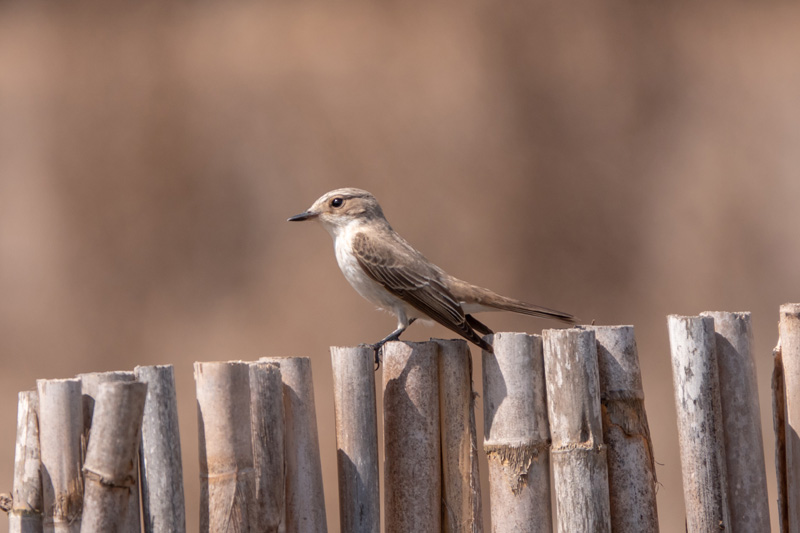
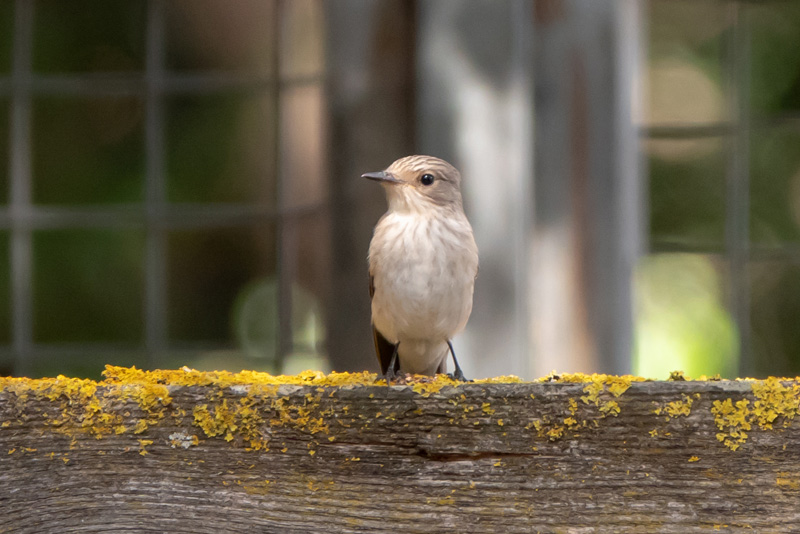
    On the return journey we also saw a kestrel, more views of booted eagles and kites and even a pair of little egrets. The most stunning aspect of this walk was the birdsong; we had no difficulty in recognising Cetti’s warbler but were grateful to some birders who pointed out nightingales and Siberian chiffchaff. The nightingales were everywhere and filled the valley with their birdsong. Not that we saw them; most of the small birds were quite elusive except for house sparrows nesting in the cliffs and spotted flycatchers.

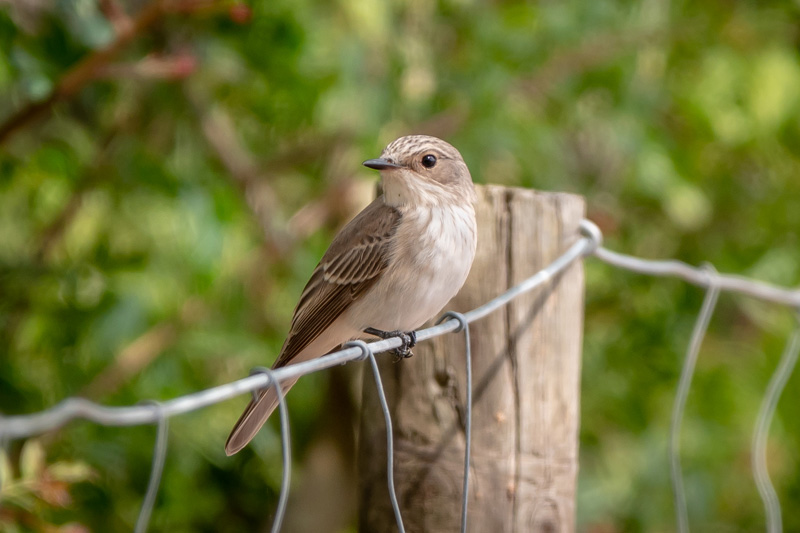
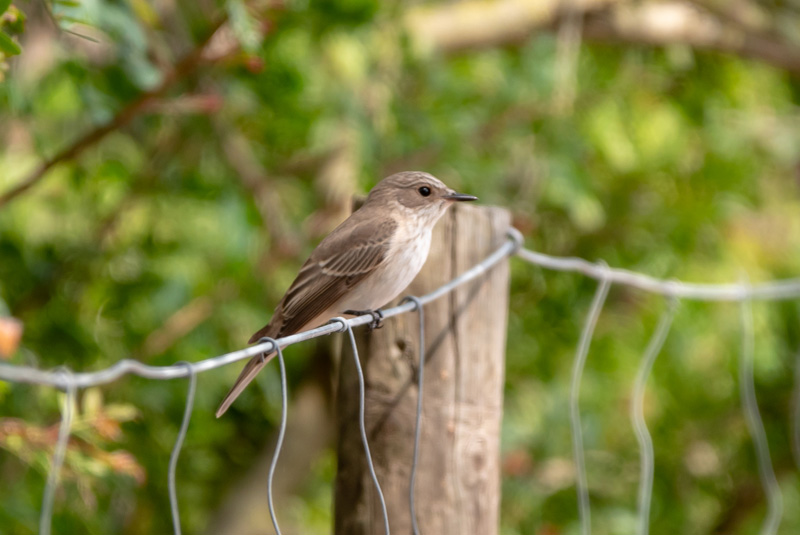
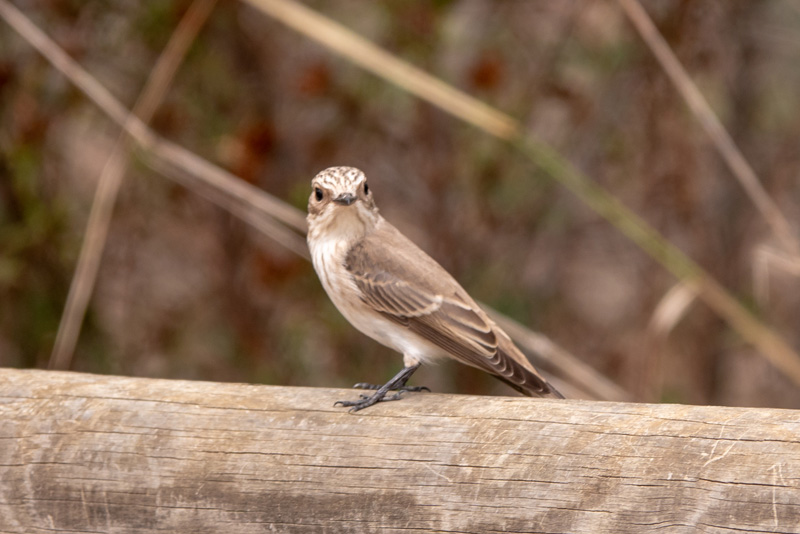
    DSC05453Spotted flycatcher

    DSC05409Kestrel

    DSC05554Little egret

    There has been a lot of rain in Menorca recently and the meadows are quite lush and the wildflowers amazing. We regularly saw three types of butterfly (wall, brimstone and a blue one), dragonflies, and an amazing grasshopper the size of a locust.

    DSC05394Lush meadows

    DSC05611
    DSC05608

    DSC05026Amazing wildflowers

    DSC05036
    DSC05063
    DSC05591
    DSC05484
    DSC05105
    DSC05468
    DSC05105
    DSC05498

    The end of the walk brought us right in to the resort of Cala Galdena on the long distance walk of Cami Cavalls part of which we had walked the previous day.

    DSC05701The Cami Cavalls (long distance footpath) follows the coast of Menorca.

    DSC05707Cala Galdana

    DSC05712Cala Galdana

    Views of Cala Macarella on the Cami Cavalls long distance route on Saturday 5th May

    DSC04931
    DSC04937
    DSC04943
    DSC04949
    DSC04954
    DSC04955
    DSC04991
    DSC04999
  • 30th April 2018 – Stoke Park and Eastville Park

    30th April 2018 – Stoke Park and Eastville Park

    Another bitterly cold day but not too bad for a walk through the woods, especially as I soon warmed up climbing the hill in to the woods in Stoke Park.

    There was a grey heron on the flooded fields at the bottom of the hill.

    FP5A6702Grey heron

    In the woods I saw a great spotted woodpecker, a jay, and three blue tits.

    FP5A6720Blue tit

    It was interesting to see the work they have been doing in the park; removing the brambles and planting new trees. The work has been quite controversial amongst locals but to me it seems as though it’s going to be much better.

    FP5A6703

    FP5A6736

    However, the wood carvings in the wood are a big hit.

    FP5A6714

    I followed the ridge along Purdown and had good views of Stapleton Church and Colston’s School (where I had spent all my working life and reflected that this month 50 years ago I had turned up for interview).

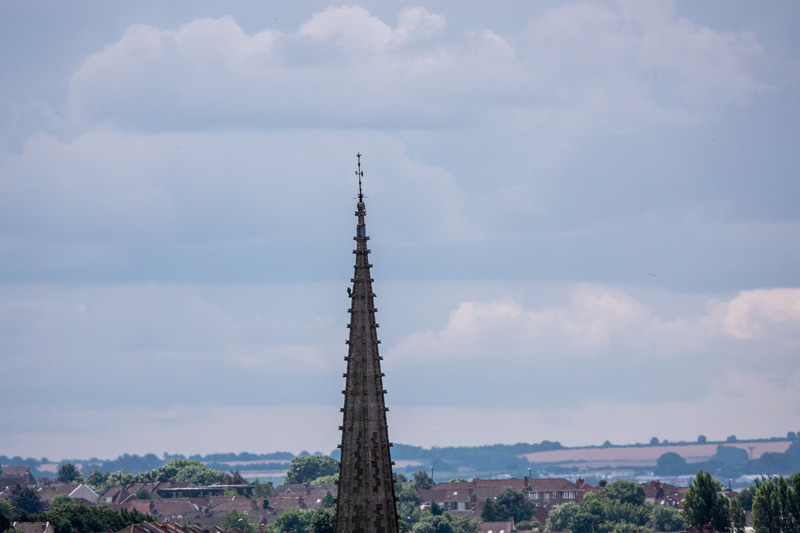
    FP5A6731Holy Trinity Church, Stapleton where peregrines can be regularly seen

    FP5A6749Colston’s School

    FP5A6741Most people were clearly at work by now

    I dropped down to Eastville Park and saw three robins and two wrens early on.

    FP5A6746

    There was no sign of the usuals (kingfisher, dipper, and grey wagtail) which was rather disappointing. However, I saw 2 coal tits singing very loudly and a tree creeper, which was a real bonus.

    FP5A6767

    The Canada geese had taken the perching spot of the grey heron on the lake and seemed to be showing a very strange way of showing affection. The mute swans were much more placid.

    FP5A6760

    FP5A6758

    Bluebells and ramsons were evident in both parks.

    FP5A6711

    FP5A6763

    A 5.2 mile walk  on a Monday morning was certainly better than being at work.


  • 29th April 2018 – WWT Slimbridge

    29th April 2018 – WWT Slimbridge

    I remember going to Slimbridge when I was a child and not being terribly impressed; how we change as we get old! Now I always enjoy a trip here and love the duality of it: the serious birdwatching opportunities from the excellent hides and the close-up opportunities of seeing wildfowl from all around the world in the pens. I also love seeing how much children enjoy being there.

    We had less than two hours on a very cold morning but had lots to see and it was lots of fun. The best from the hides were common cranes looking to prepare a nest, avocets everywhere, my first sight of ducklings this year and some coot (or cute) chicks.

    DSC04332

    DSC04340Common crane

    DSC04426

    DSC04361

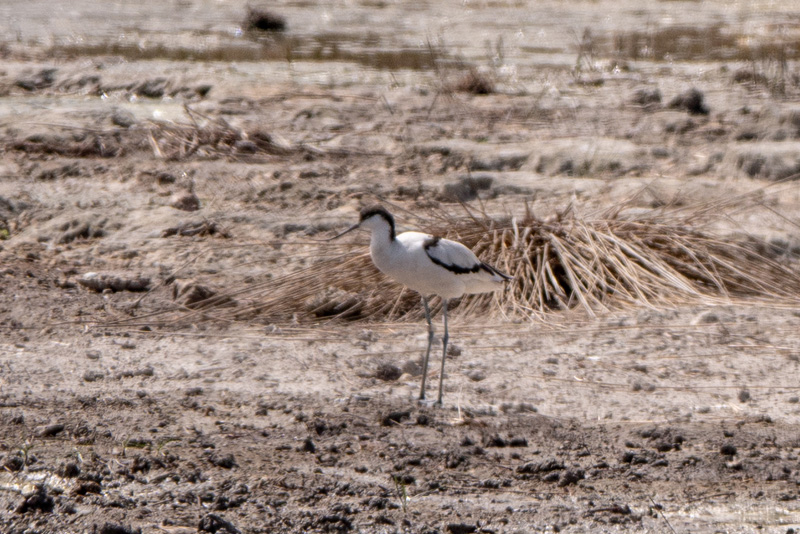
    DSC04444Avocets

    DSC04388First ducklings of the year

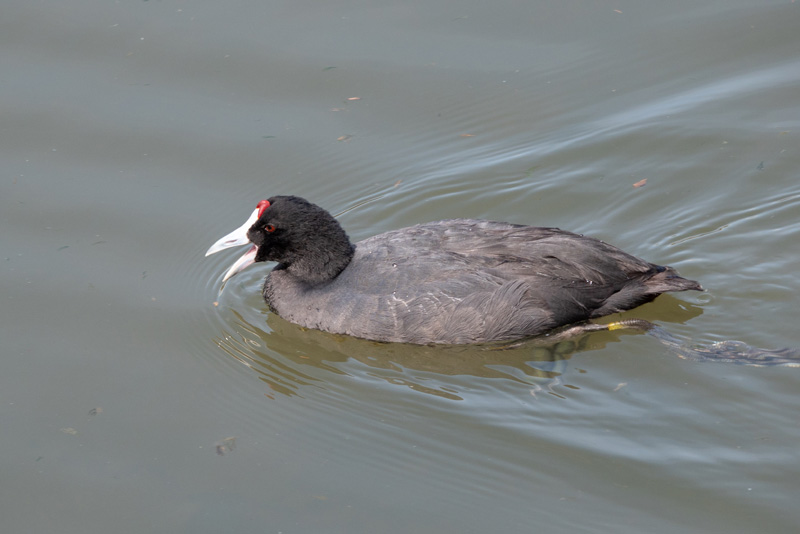
    DSC04406Coot chicks

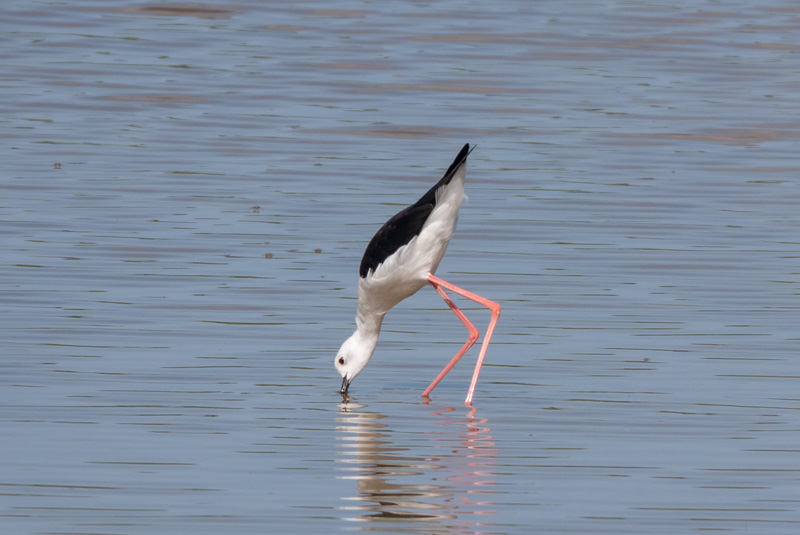
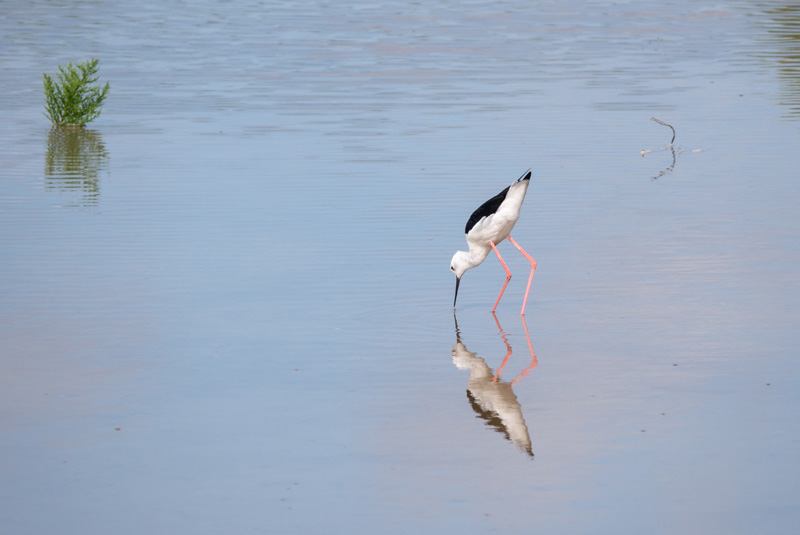
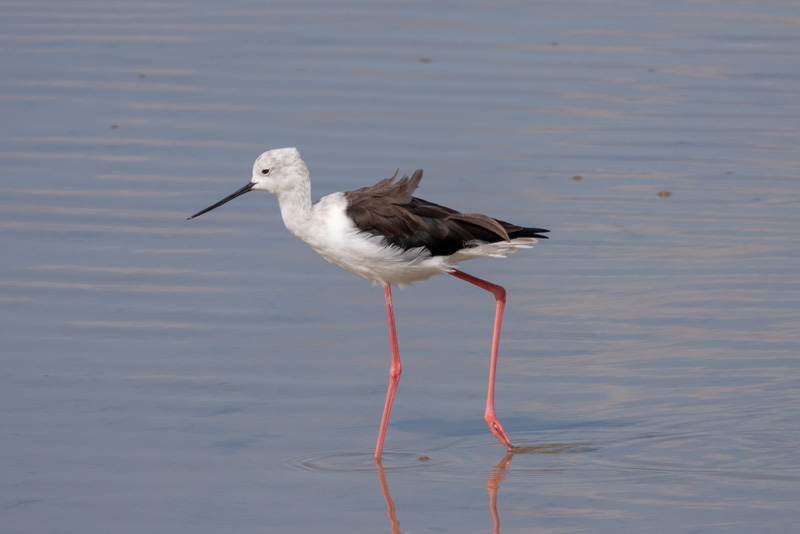
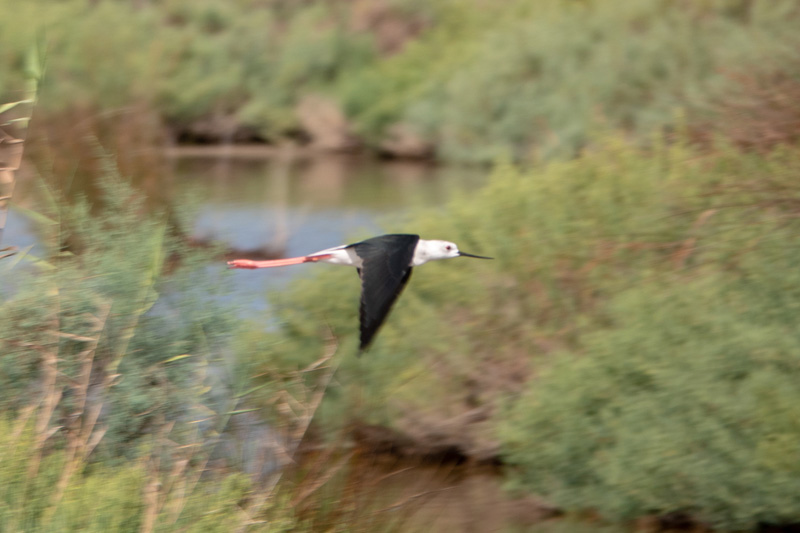
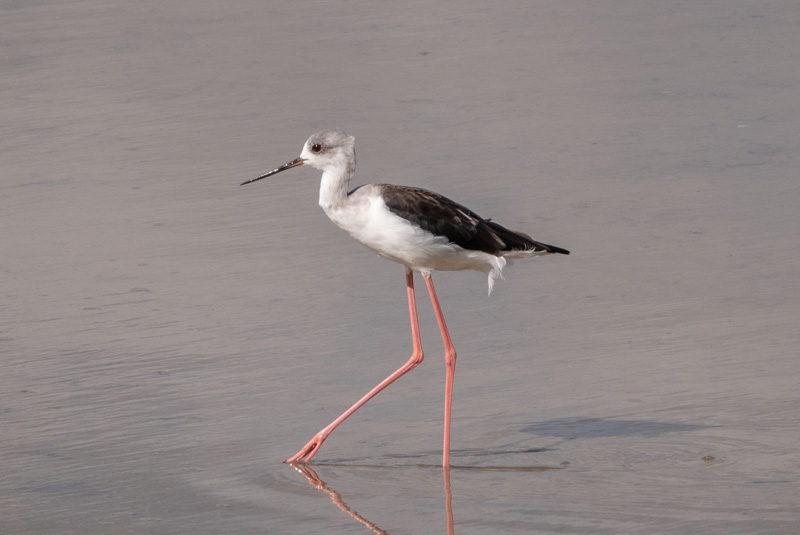
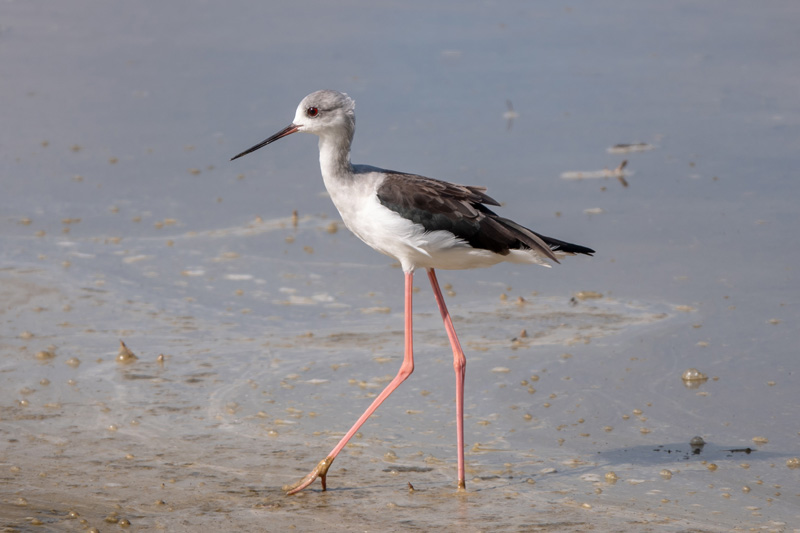
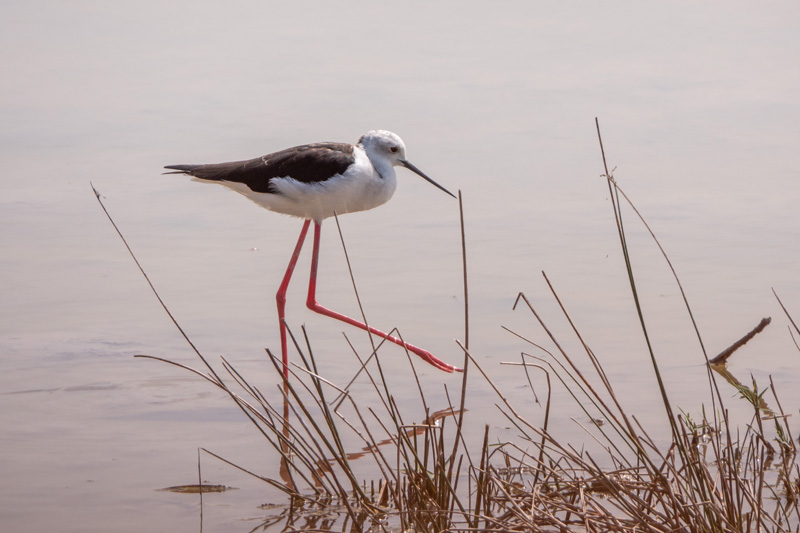
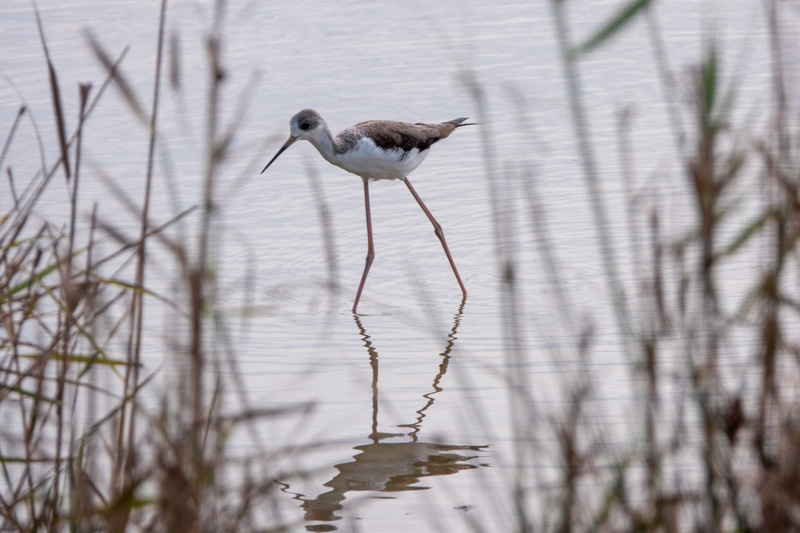
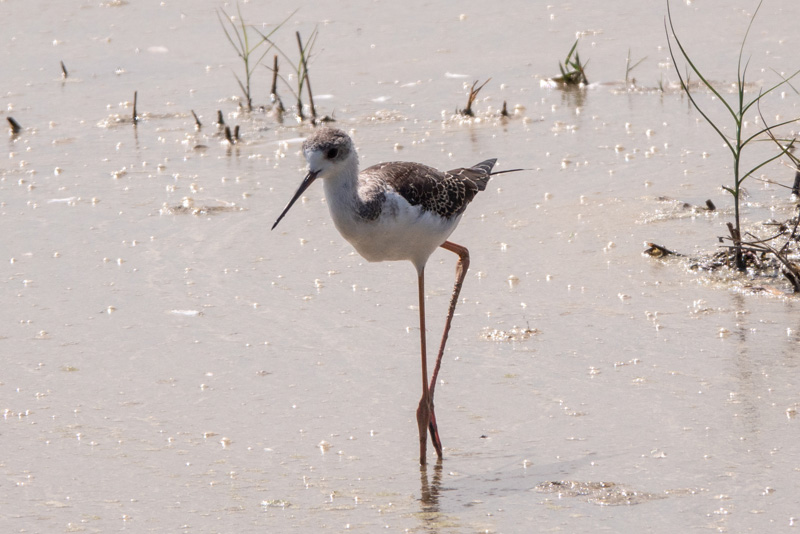
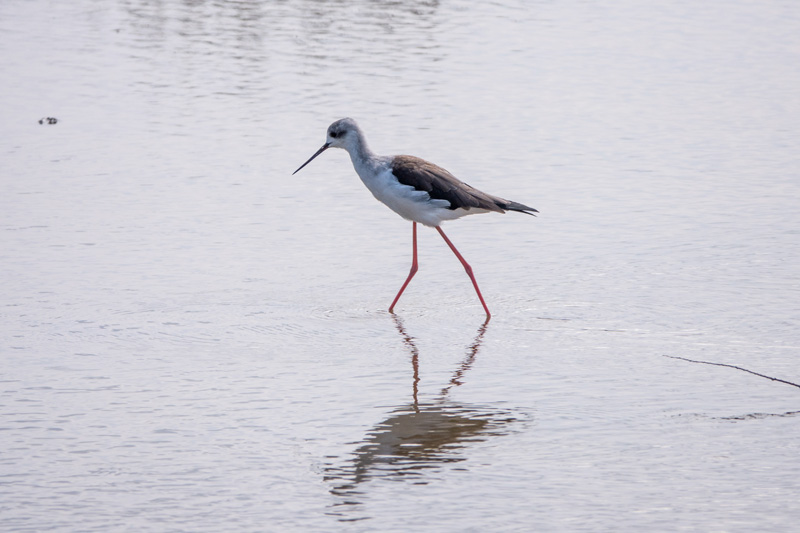
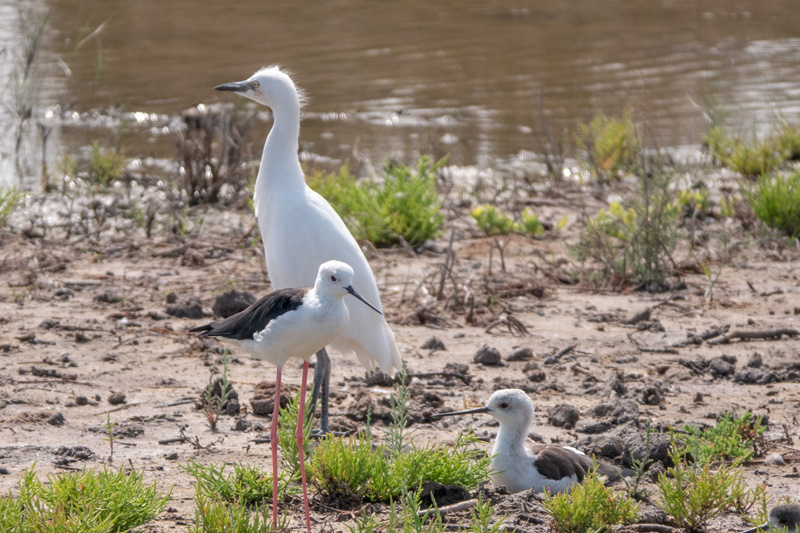
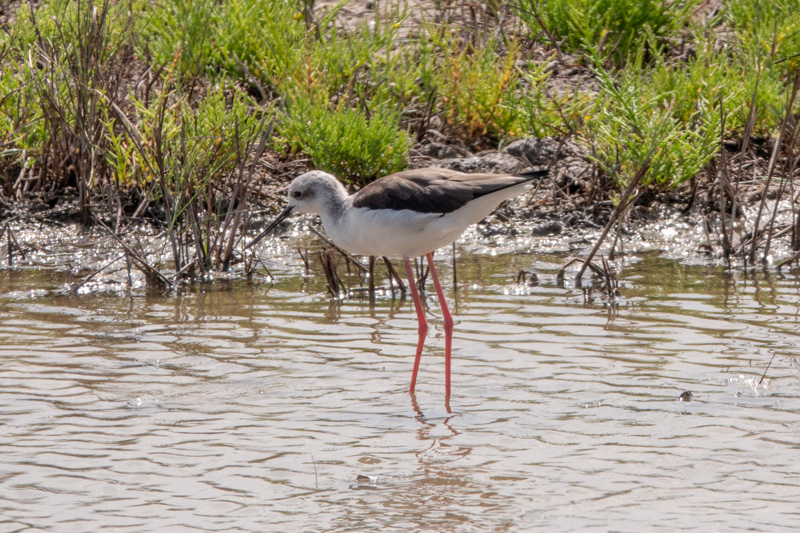
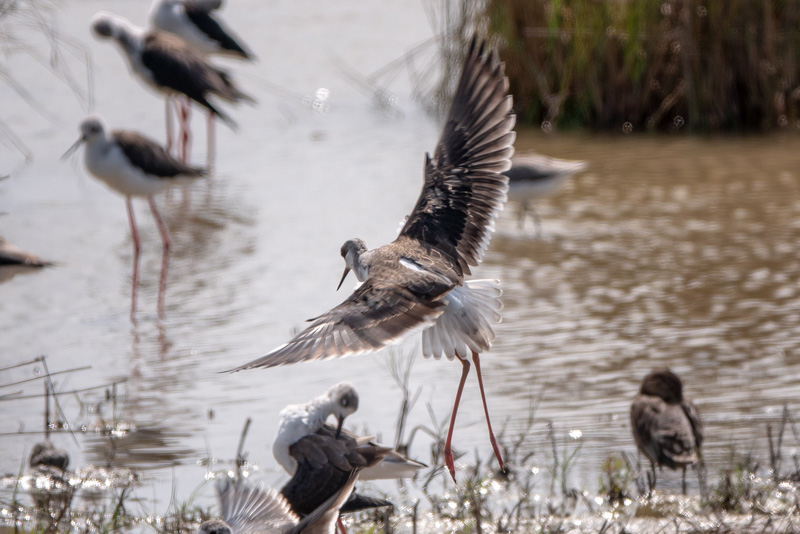
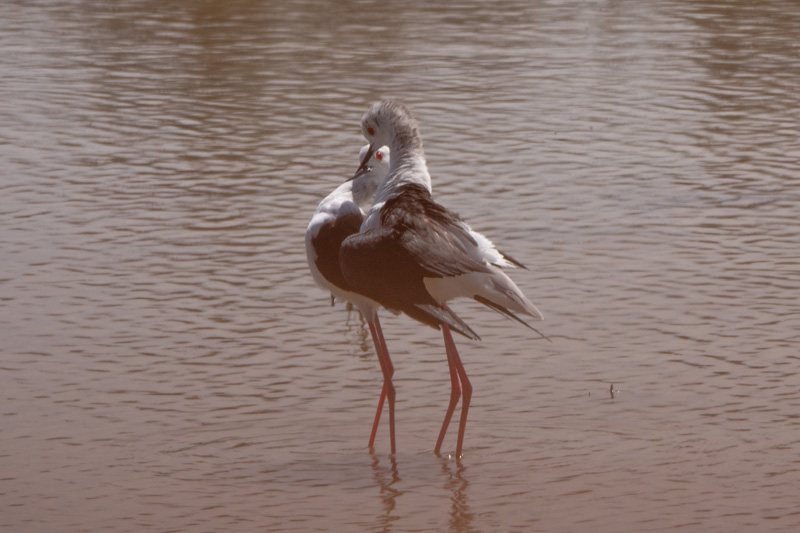
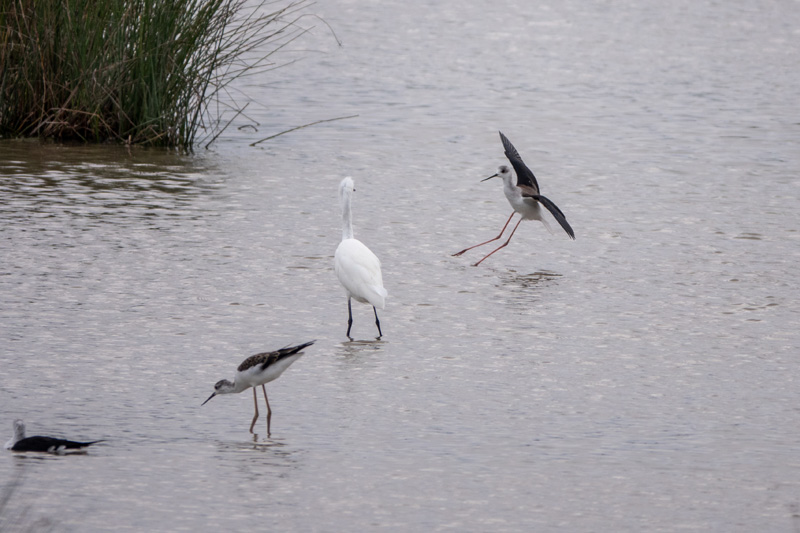
    In the pens, despite the cold, the black-winged stilts were showing that spring is on the way.

    DSC04556

    DSC04563

    DSC04566Black-winged stilts

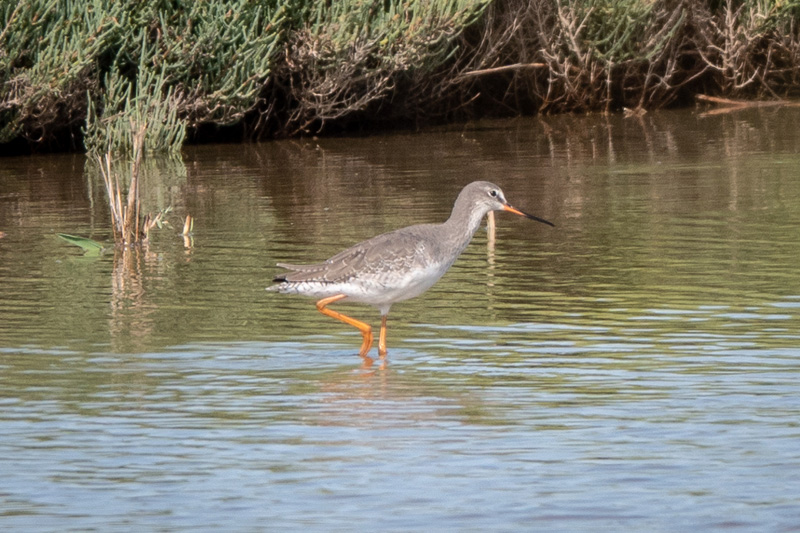
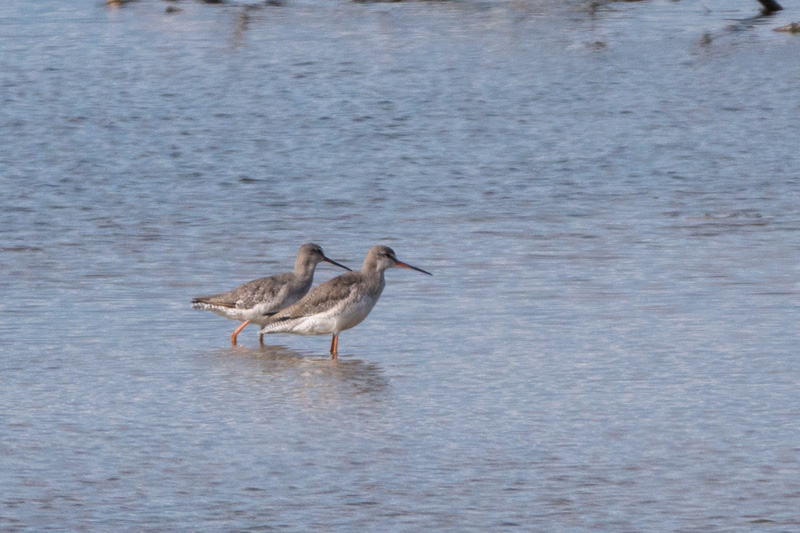
    DSC04584Redshank

    DSC04648Knot

    DSC04552Knot

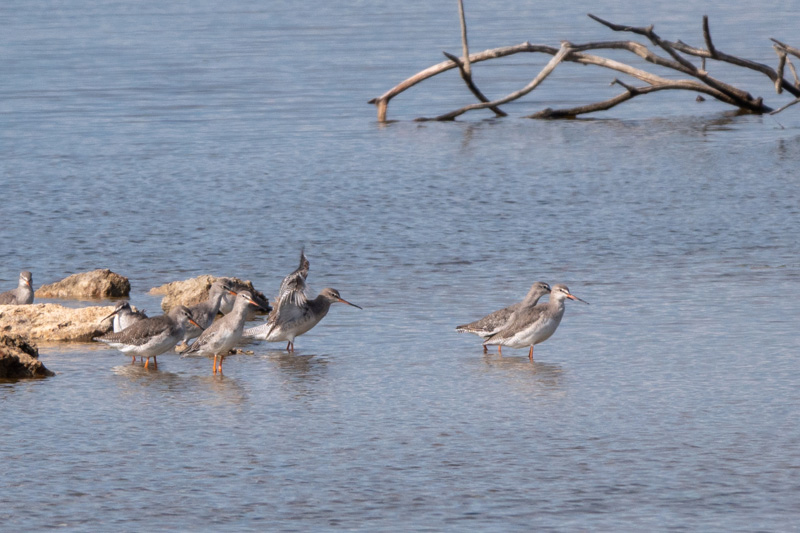
    DSC04626Great close-up views of waders: redshank, knot and avocets

    There are still Bewick swans to be seen.

    DSC04525

    DSC04526

    And some of my favourites:

    DSC04702Goldeneye

    DSC04708Eider

    DSC04738Female smew

    DSC04742Male smew

    DSC04789Pochard

    And lots of fun for children:

    DSC04504

    DSC04513

    DSC04515

    DSC04533

    Click below for gallery of today’s photos:

  • 27th April 2018 – Stoke Park, Bristol

    27th April 2018 – Stoke Park, Bristol

    It rained all day and mid afternoon I made a decision to go for a walk anyway. I was so lucky as it soon stopped raining and I had a really pleasant walk up through the woods at the top of Stoke Park.

    At first, near Duchess Pond, there was a noisy song thrush calling to another one.

    DSCF3018Song thrush calling

    I saw two swallows flashing across Duchess Pond and as I moved across to the flooded area they followed me.

    DSCF3148

    The area to the side of Duchess Pond is really quite flooded at the moment and I saw a few mallard swimming in the field (so to speak). There was cuckoo flower everywhere – on a sunny day I would have hoped to see some orange tip butterflies.

    DSCF3049

    In the woods at the top of the park the bluebells looked wonderful even on such a gloomy day and I was also pleased to see the ramson in blossom.

    DSCF3093

    DSCF3110

    There was even some forget-me-knots in the wood.

    DSCF3118

    I saw (and heard) two chiffchaff and then had a distant view of a great spotted woodpecker. As I progressed through the wood I saw the woodpecker again.

    DSCF3128

    All through the wood I heard lots of robins but only saw four.

    DSCF3212

    DSCF3224


    DSCF3216I’m not sure about this plant but could be habernia peramoena.

    DSCF3114There were also lots of these (anemones I think) in the bluebell woods but difficult to tell as they had their heads down due to the rain.


    Click below for gallery of photos from this afternoon.

  • 22nd April 2018 – Chew Valley Lake

    22nd April 2018 – Chew Valley Lake

    We spent the day at Chew Valley, renewing our birdwatching passes and visiting Villice Bay and Herriots Bridge.

    We did consider trying to get a bite to eat at the Lakeside Café but, even though we did find one free parking slot, we baulked at the thought of competing with the hundreds of visitors (mainly there for the fish and chips). In comparison, we were the only customers at the new outdoor coffee kiosk next to Woodford Lodge.

    At Villice we saw great crested grebe, tufted ducks, coots and barnacle geese, a passerine I couldn’t make out, a pair of mallards making their way through the undergrowth going about what mallards do at this time of year and a grey heron. However, the best was the orange-tip and peacock butterflies and the flowers in the meadow en route to the hide.

    FP5A6535Male orange-tip

    FP5A6540Peacock butterfly

    FP5A6549Geranium molle, the Dove’s-foot Crane’s-bill or Dovesfoot Geranium

    FP5A6551Cardamine pratensis (cuckooflower, lady’s smock or milkmaids)

    FP5A6552

    FP5A6556Anacamptis morio, the green-winged orchid or green-veined orchid

    FP5A6576Bluebells (hyacinthoides non-scripta)

    FP5A6581Great crested grebe

    FP5A6651Prunella vulgaris (known as common self-heal, heal-all, woundwort, heart-of-the-earth, carpenter’s herb, brownwort and blue curls)

    FP5A6668

    FP5A6678Barnacle goose

    FP5A6686Primula veris (cowslip, common cowslip, cowslip primrose). In French it is commonly known as cuckoo.

    FP5A6690Mallards

    FP5A6692Grey heron

    At Herriots there were lovely displays of  male behaviour from the mute swans and the Canada geese. On the other hand, two more barnacle geese were behaving quite serenely.  There was a distant buzzard, some splendid great black-backed gulls (and other gulls too), more tufted duck, a few shelduck and shovelers and I heard a cuckoo (my first of the year).

    MT1D5434Great back-backed gulls

    MT1D5470Tufted duck

    MT1D5490Canada geese

    MT1D5516Barnacle goose

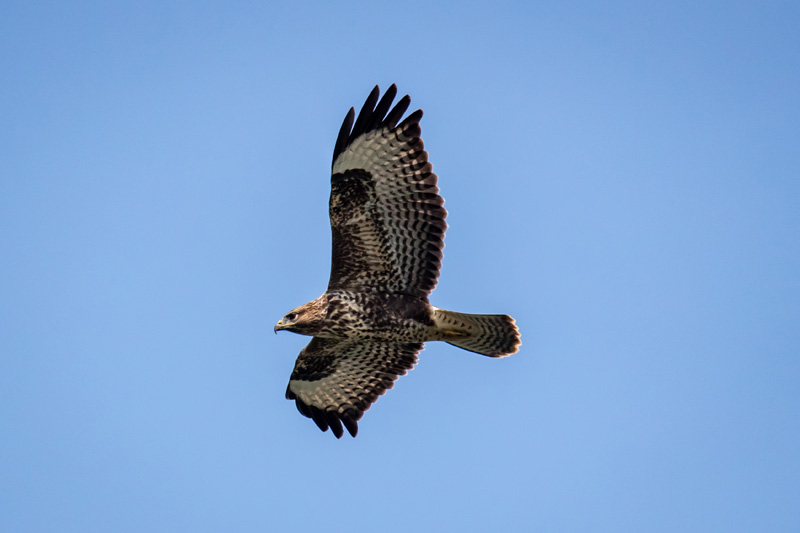
    MT1D5523Buzzard

    MT1D5563Mute swan

    MT1D5574Canada geese

    MT1D5579Shelduck

    MT1D5586-2Tufted duck

    Click below for gallery of photos from today at Chew plus a goldfinch in the garden before we left:

  • 21st April 2018 – Lower Woods, Gloucestershire

    21st April 2018 – Lower Woods, Gloucestershire

    Lower Woods between Wickwar and Hawkesbury Upton off Inglestone Common in Gloucestershire is one of the largest ancient woodlands in the south-west of England and covers three square kilometres. The reserve has 23 woods and coppices whose boundaries have remained unchanged for several centuries. This is normally an excellent time to visit the woods to see the bluebells. However, the views would have benefited from some sunshine and the paths, which were still very muddy, could certainly have done with some drying out. Neil, the very helpful wood warden, advised us that walking boots and not wellies would be okay – fake news (I think he was confused by his excitement of seeing a beautiful old Landrover arrive as the same time as us).

    We only covered 8 kilometres but our boots were so clogged up that the inclines seemed much more arduous than on our previous visits and we were quite weary at the end and glad to get back. Its my view that the woods are prettier when the bluebells are just dying back and the ransoms (which were about to flower) are in full bloom. Tempting to go back in a few weeks but I fear we are bound to get more rain and have to cope with even more muddy paths.

    DSC04246Neil was confused by his excitement of seeing this old Landrover – he had three Landrovers of his own in the yard.
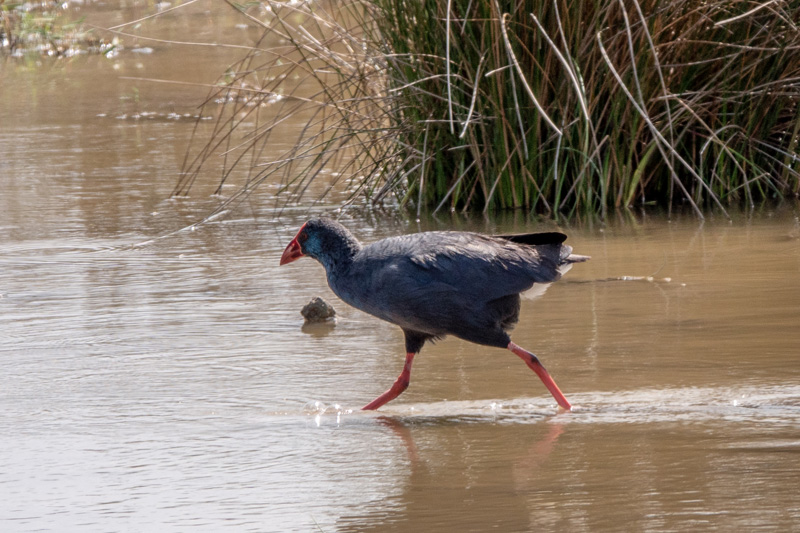
    DSC04320Walking boot terrain – I think not especially when it started raining

    DSC04287The bluebells would have looked better with sunlight filtering through
    DSC04281

    DSC04286Wood anemones, violets, primroses and lesser celendine complemented the bluebells.

    DSC04296The ramsons were so close to blooming

    DSC04285The dandelions are certainly at their best at the moment

    Click below for gallery of photos from today