
Another bitterly cold day but not too bad for a walk through the woods, especially as I soon warmed up climbing the hill in to the woods in Stoke Park.
There was a grey heron on the flooded fields at the bottom of the hill.
 Grey heron
In the woods I saw a great spotted woodpecker, a jay, and three blue tits.
 Blue tit
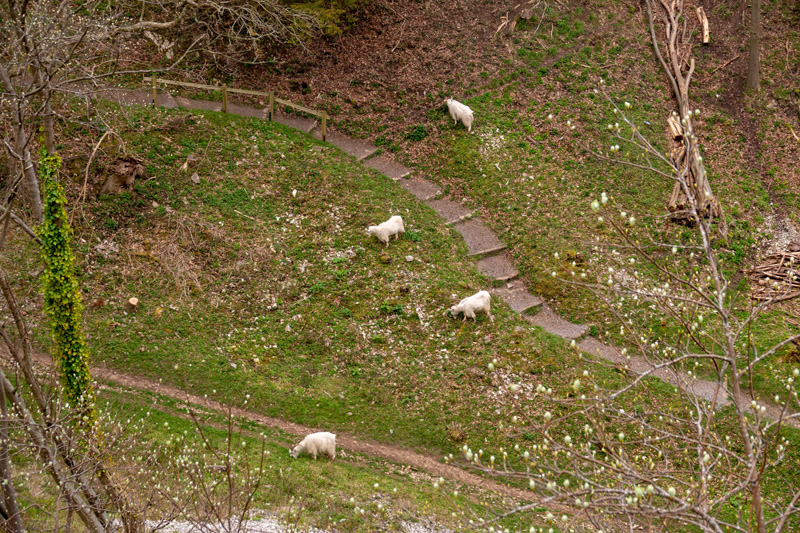
It was interesting to see the work they have been doing in the park; removing the brambles and planting new trees. The work has been quite controversial amongst locals but to me it seems as though it’s going to be much better.

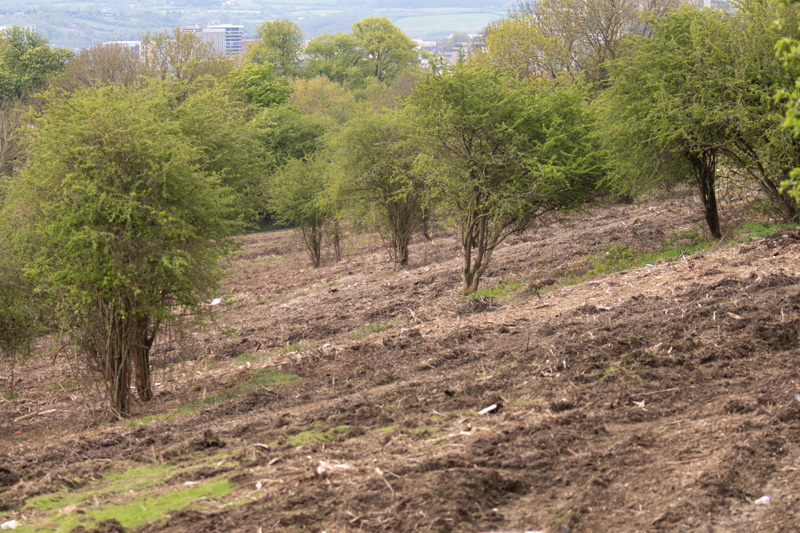
However, the wood carvings in the wood are a big hit.

I followed the ridge along Purdown and had good views of Stapleton Church and Colston’s School (where I had spent all my working life and reflected that this month 50 years ago I had turned up for interview).
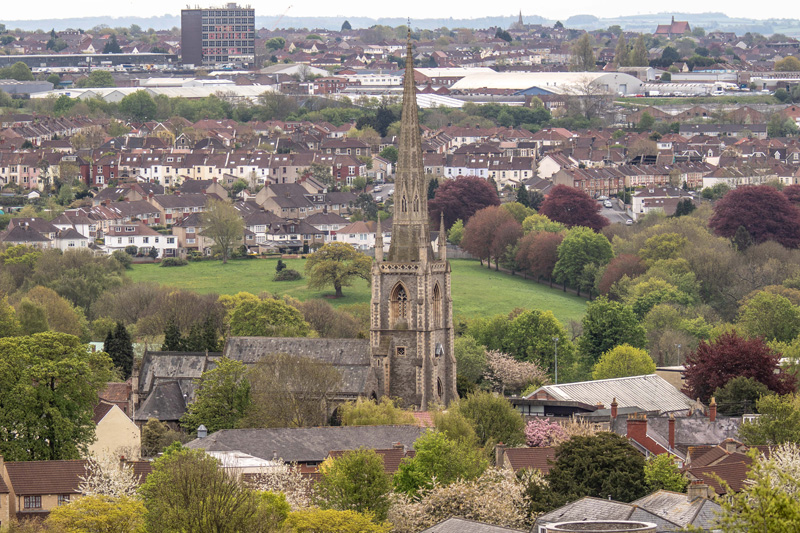 Holy Trinity Church, Stapleton where peregrines can be regularly seen
 Colston’s School
 Most people were clearly at work by now
I dropped down to Eastville Park and saw three robins and two wrens early on.
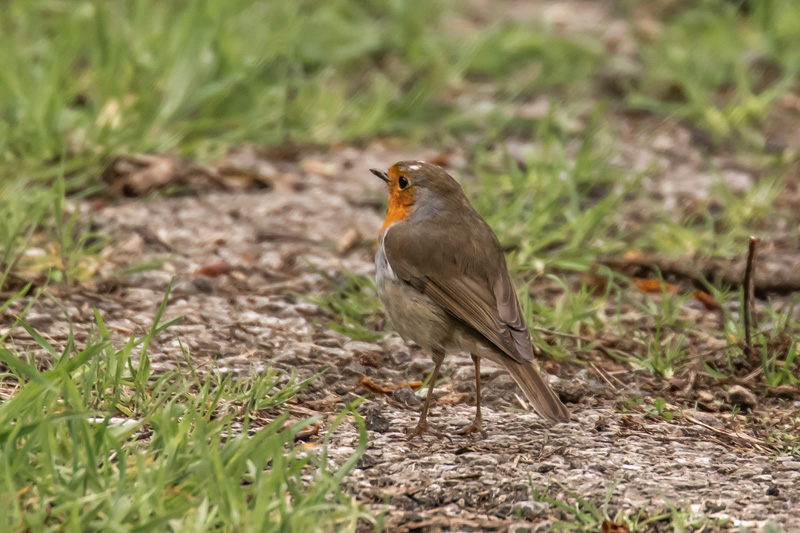
There was no sign of the usuals (kingfisher, dipper, and grey wagtail) which was rather disappointing. However, I saw 2 coal tits singing very loudly and a tree creeper, which was a real bonus.

The Canada geese had taken the perching spot of the grey heron on the lake and seemed to be showing a very strange way of showing affection. The mute swans were much more placid.


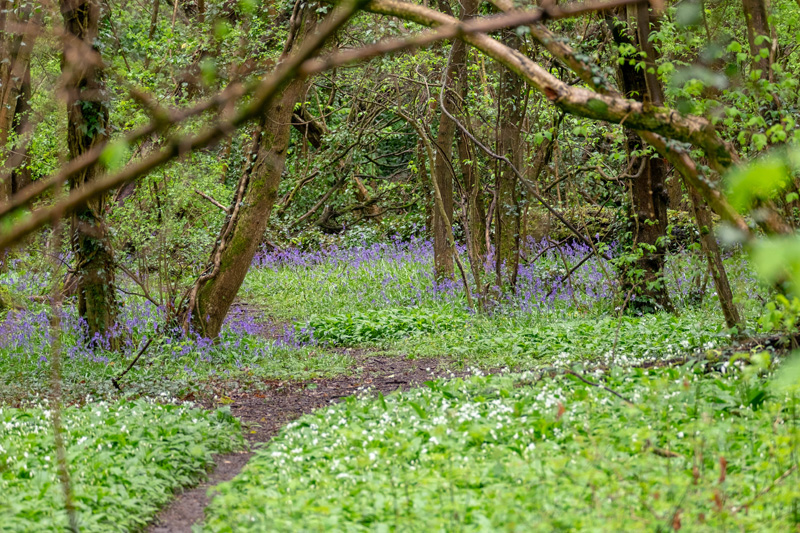
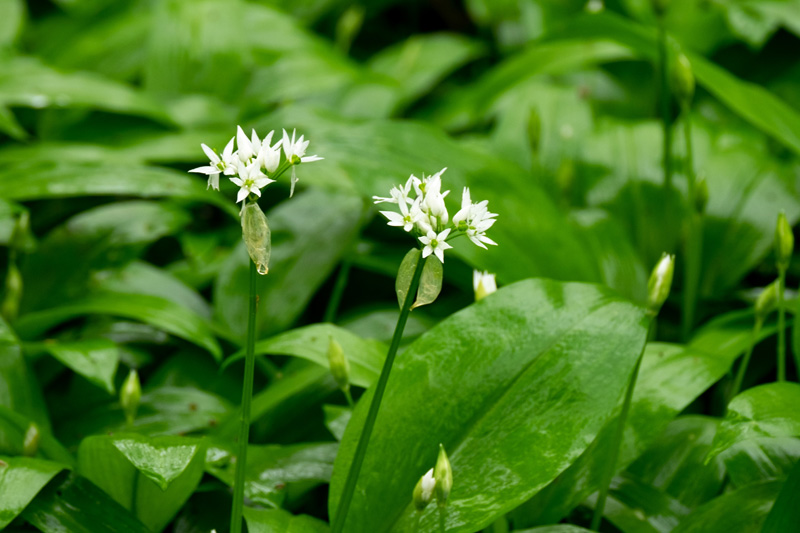
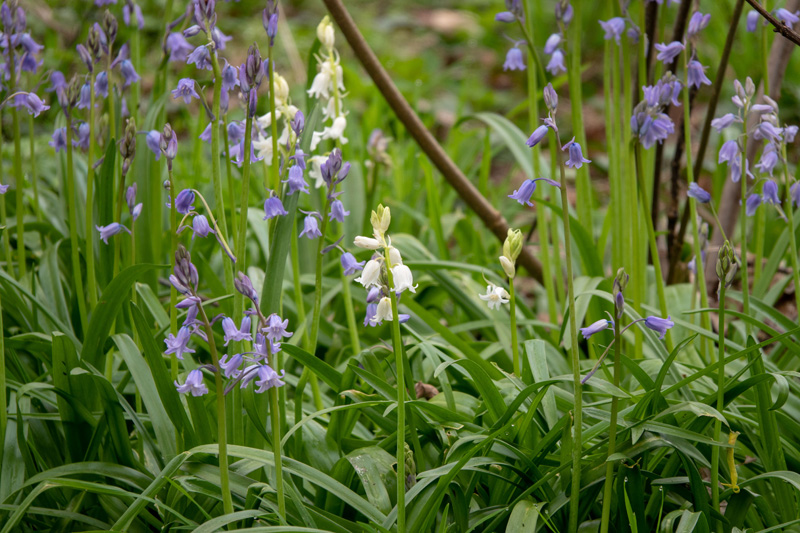
Bluebells and ramsons were evident in both parks.

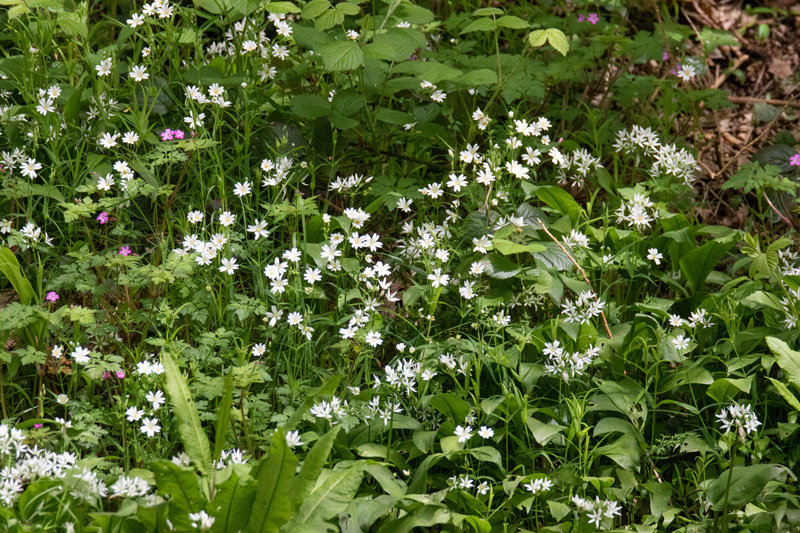
A 5.2 mile walk on a Monday morning was certainly better than being at work.


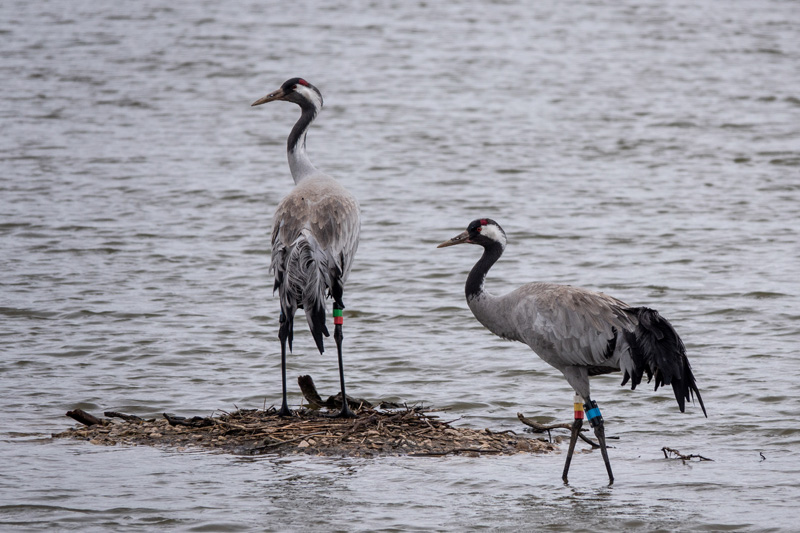
 Common crane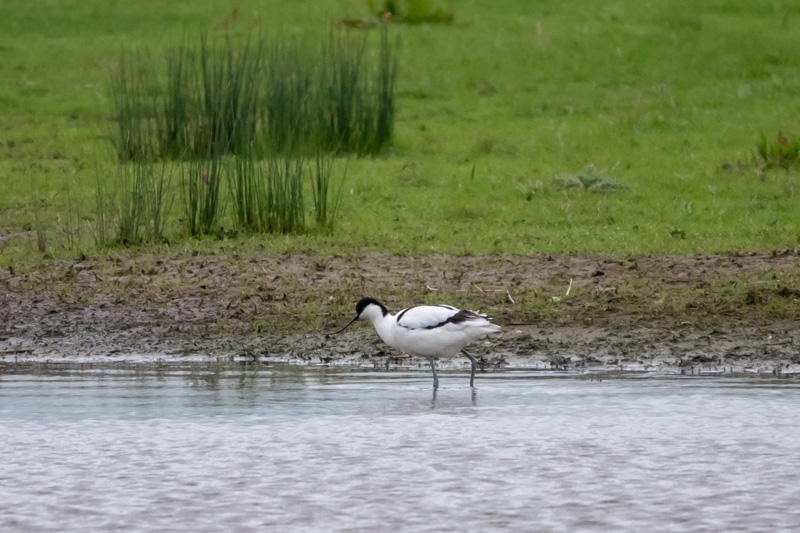
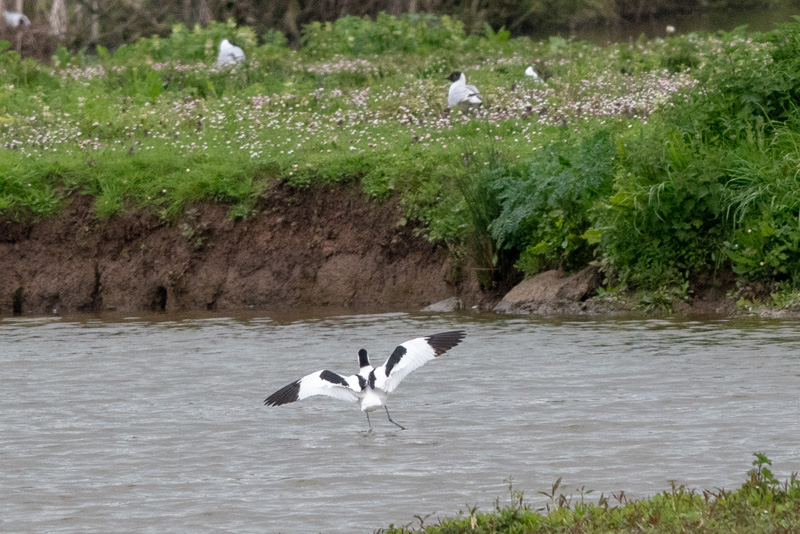
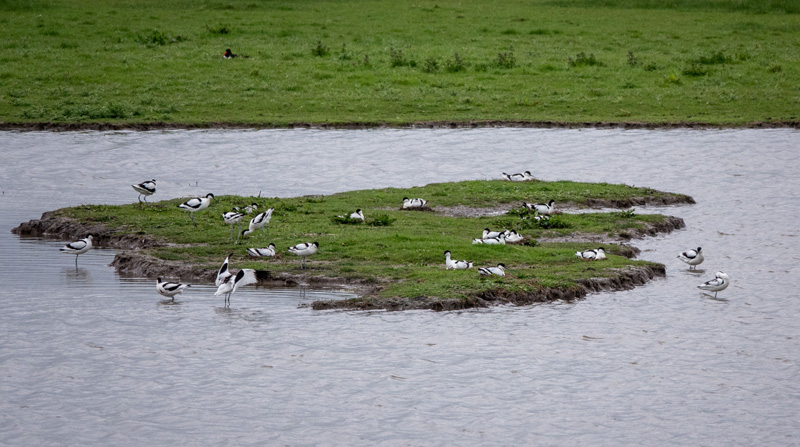 Avocets
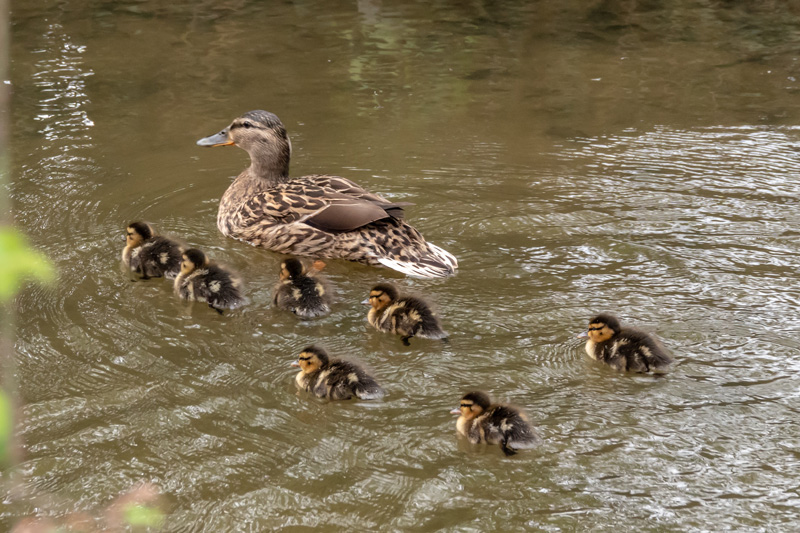 First ducklings of the year
 Coot chicks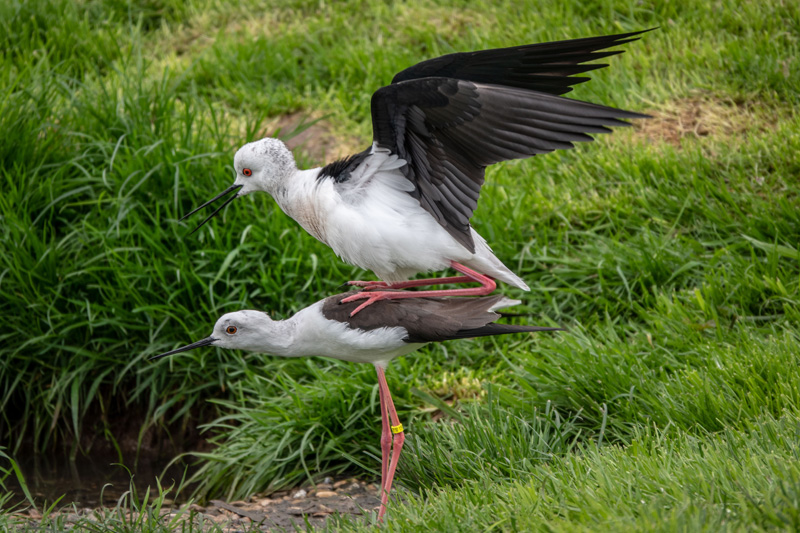
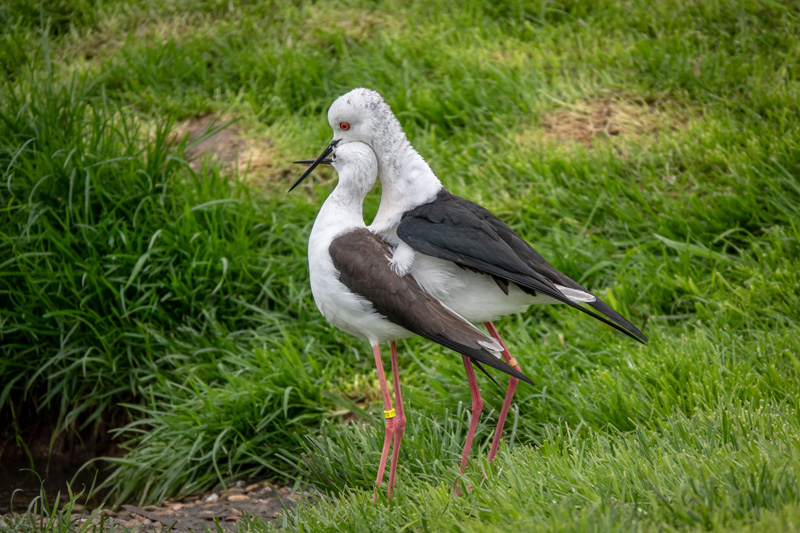
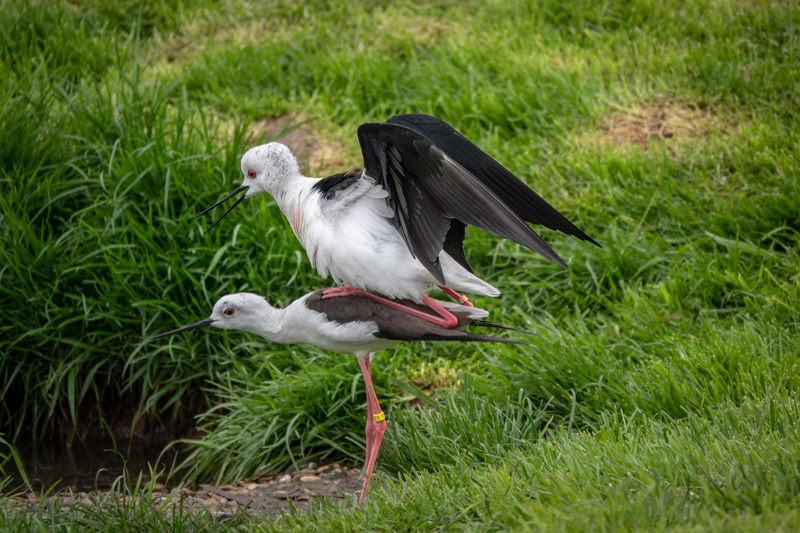
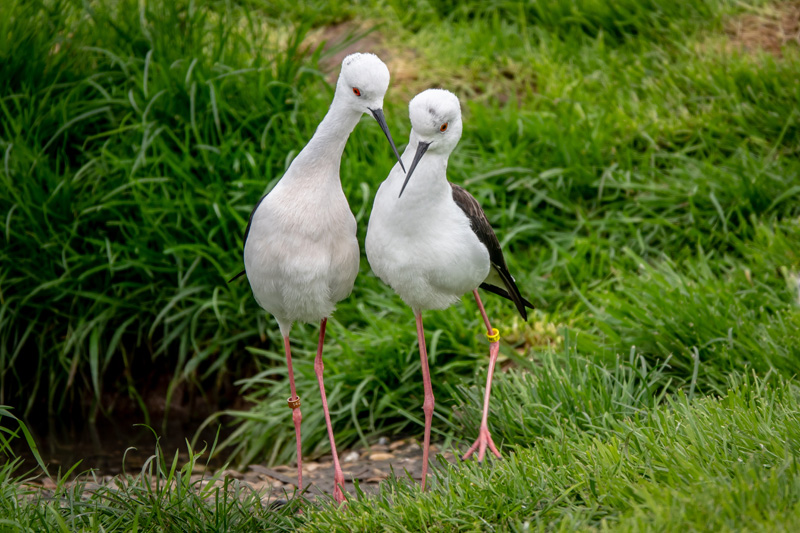 Black-winged stilts
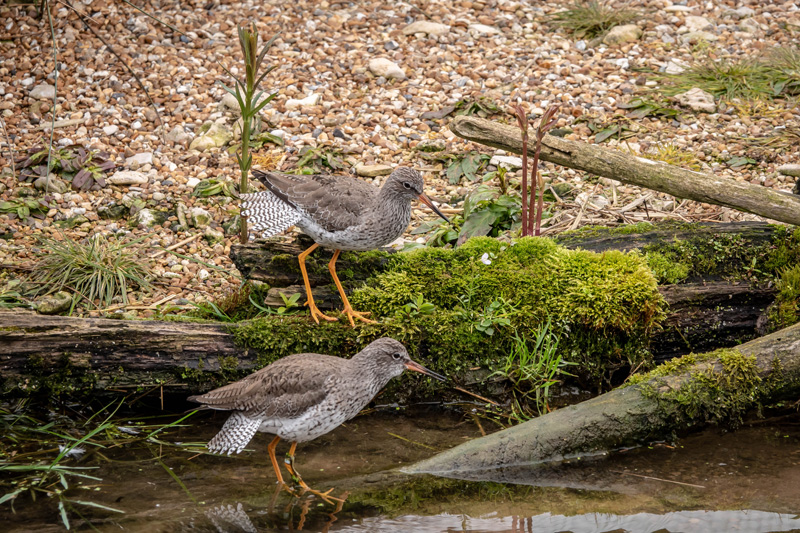 Redshank
 Knot
Knot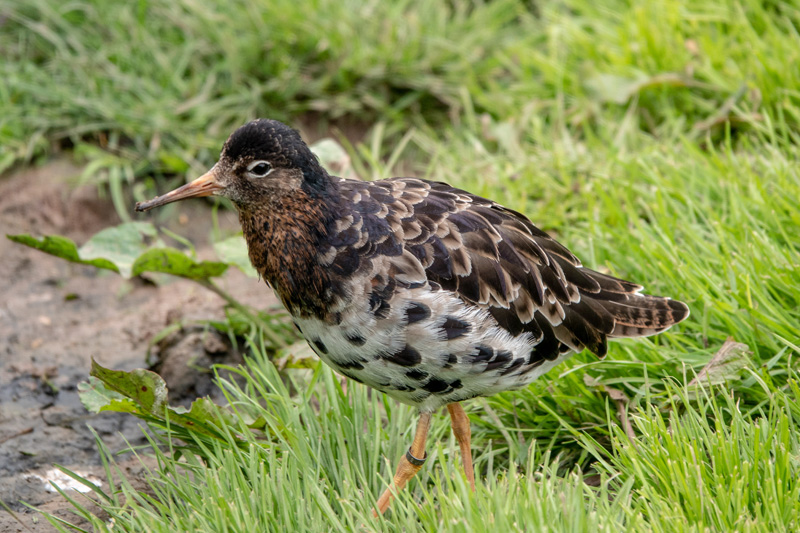 Knot
Knot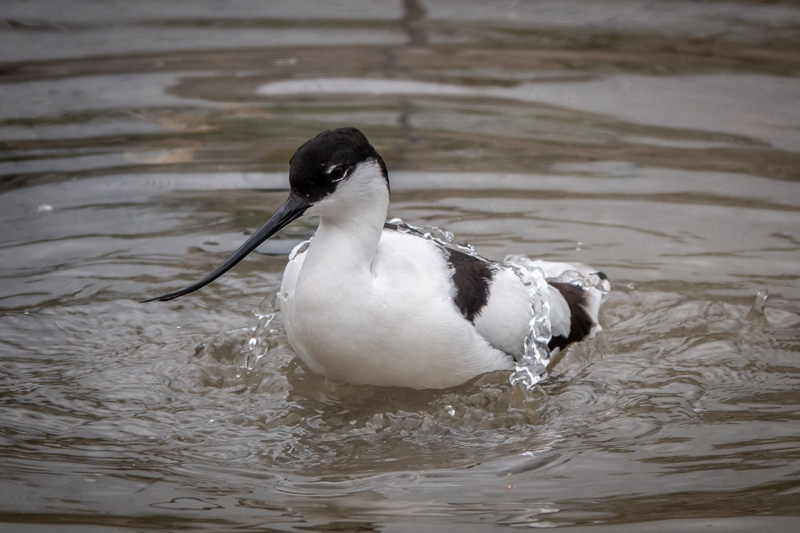 Great close-up views of waders: redshank, knot and avocets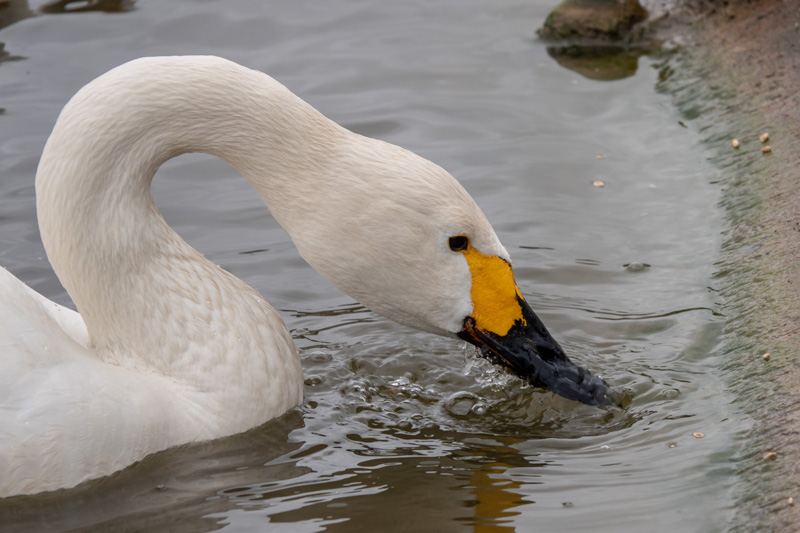

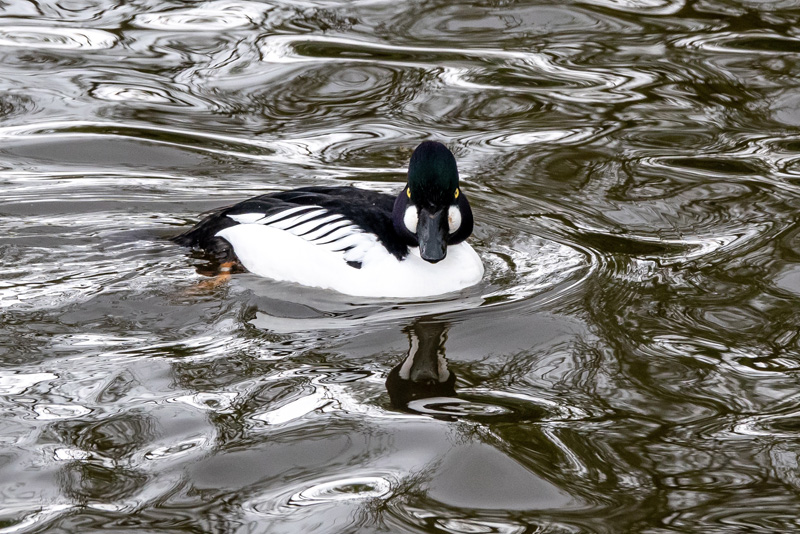 Goldeneye
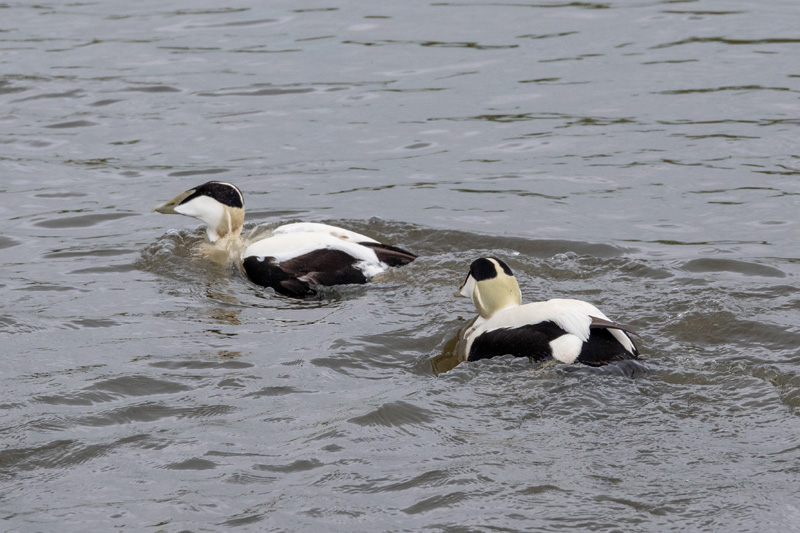 Eider
Eider Female smew
 Male smew
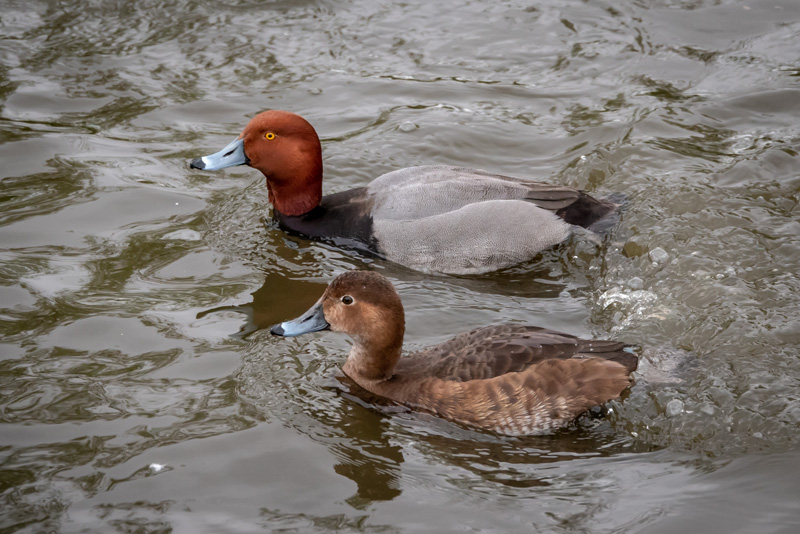 Pochard




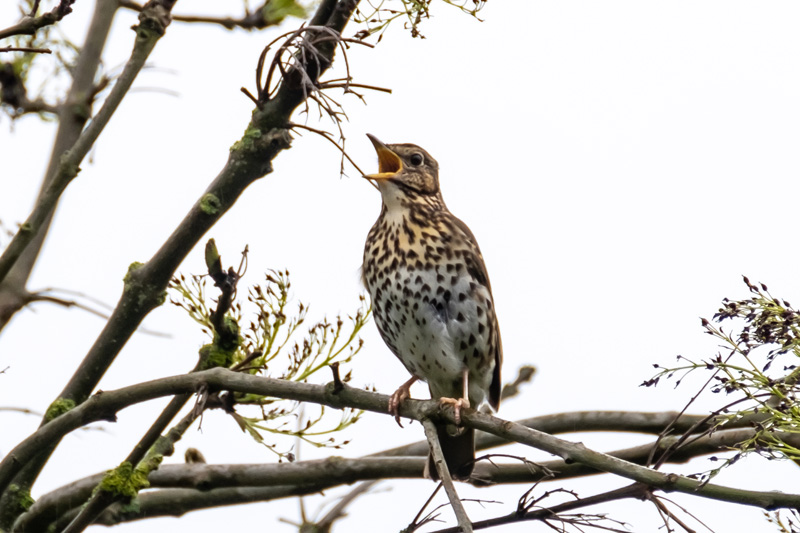 Song thrush calling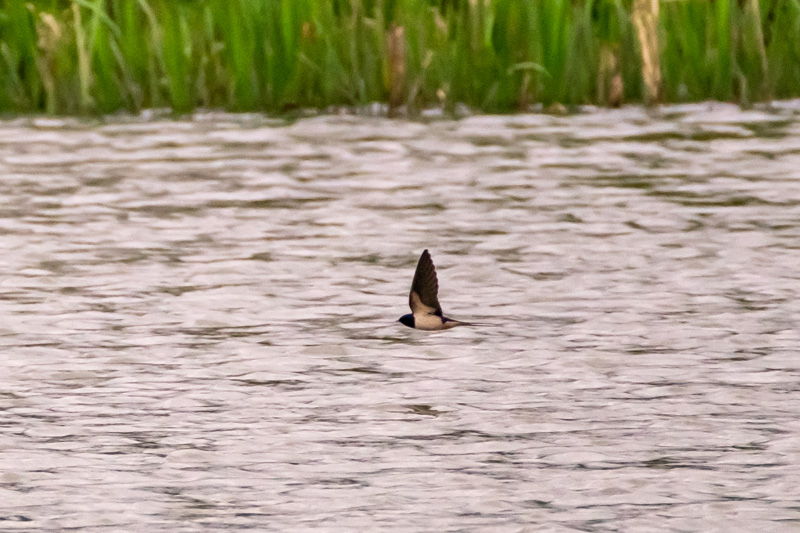
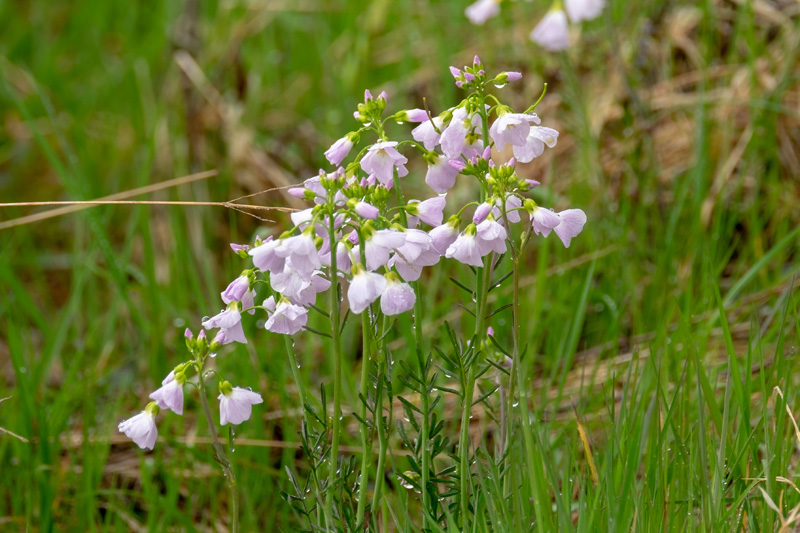


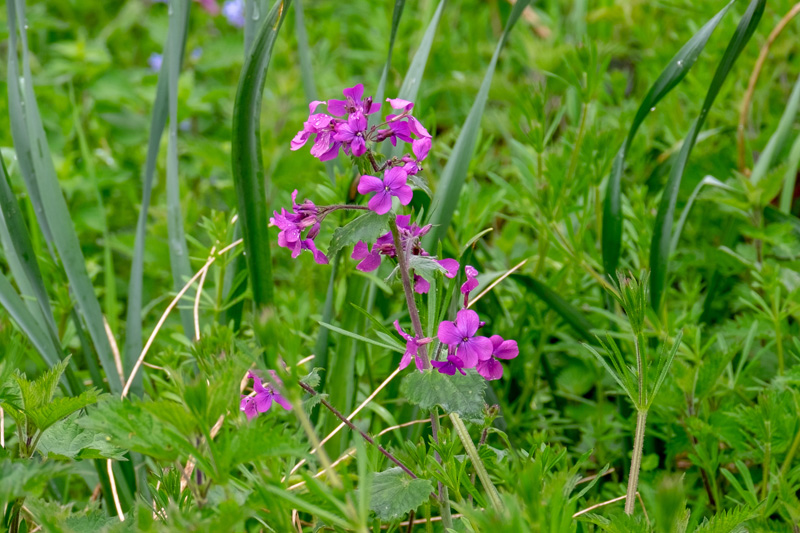 I’m not sure about this plant but could be habernia peramoena.
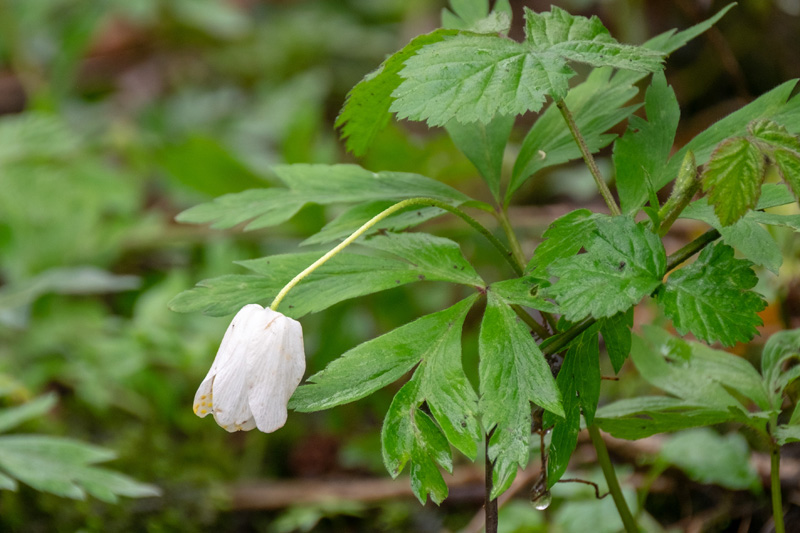 There were also lots of these (anemones I think) in the bluebell woods but difficult to tell as they had their heads down due to the rain.


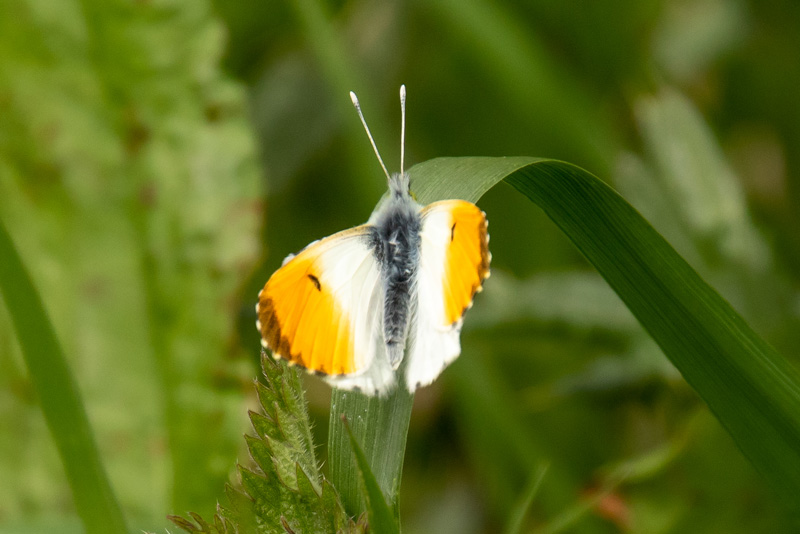 Male orange-tip
 Peacock butterfly
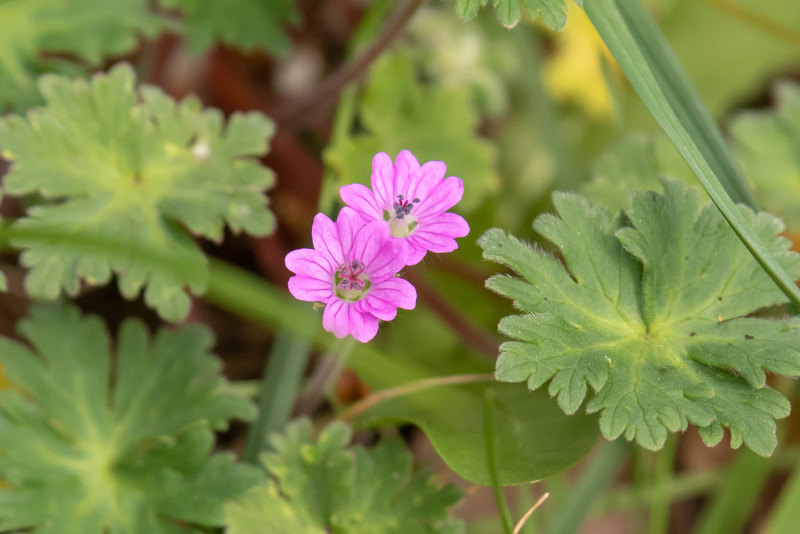 Geranium molle, the Dove’s-foot Crane’s-bill or Dovesfoot Geranium
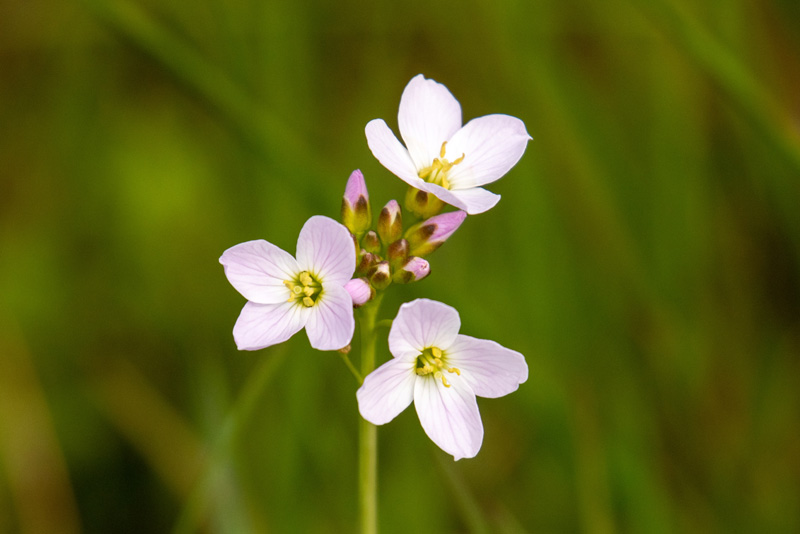 Cardamine pratensis (cuckooflower, lady’s smock or milkmaids)
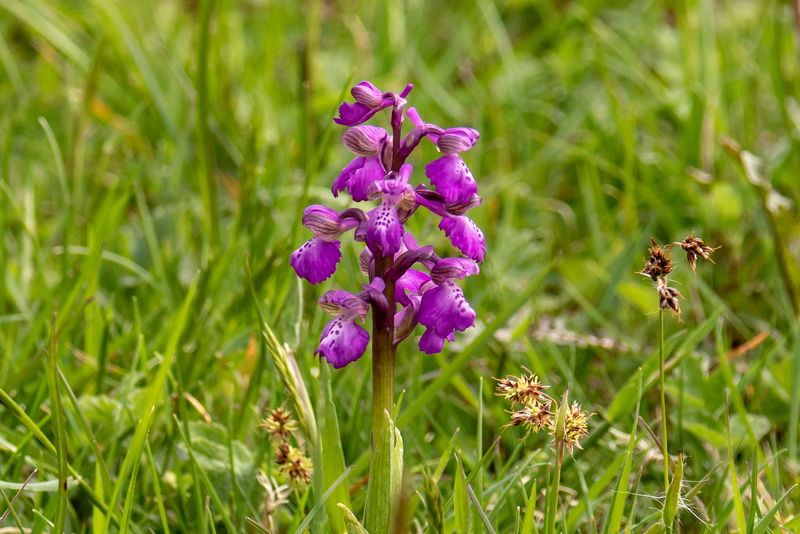
 Anacamptis morio, the green-winged orchid or green-veined orchid
 Bluebells (hyacinthoides non-scripta)
 Great crested grebe
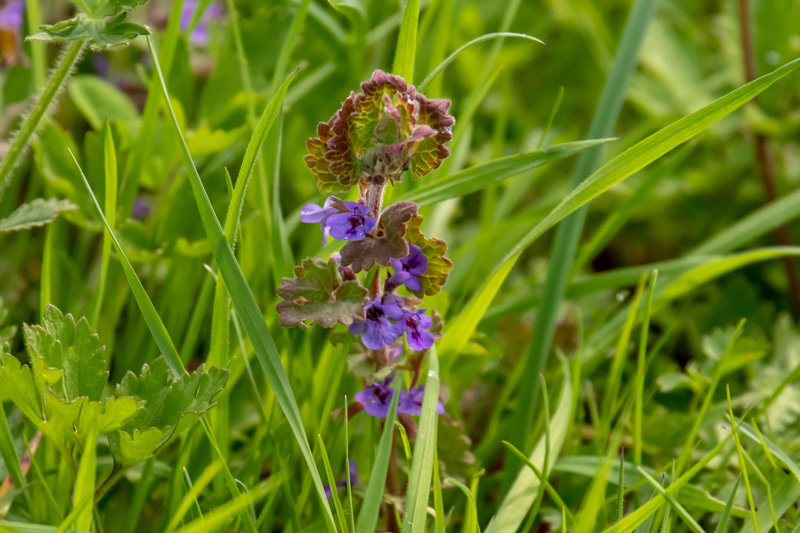 Prunella vulgaris (known as common self-heal, heal-all, woundwort, heart-of-the-earth, carpenter’s herb, brownwort and blue curls)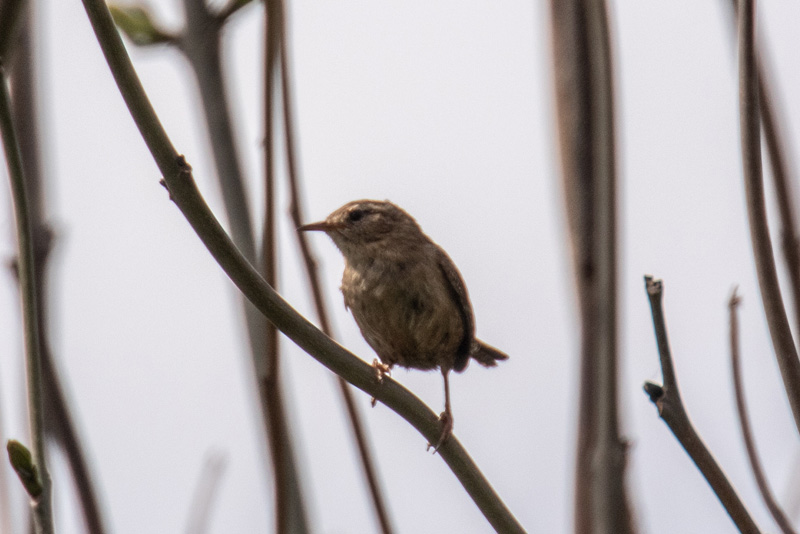
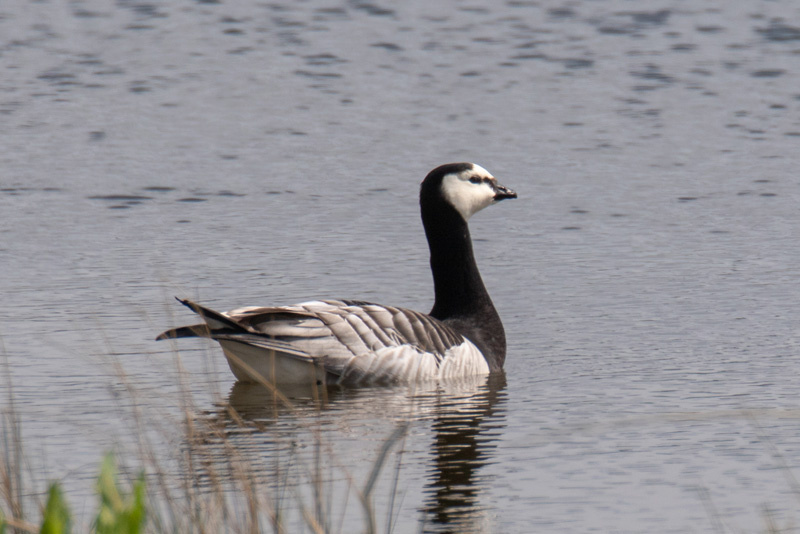 Barnacle goose
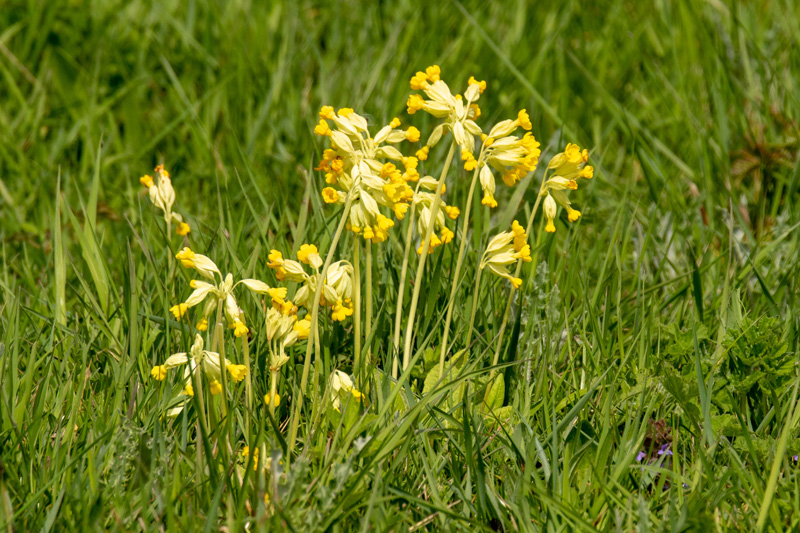 Primula veris (cowslip, common cowslip, cowslip primrose). In French it is commonly known as cuckoo.
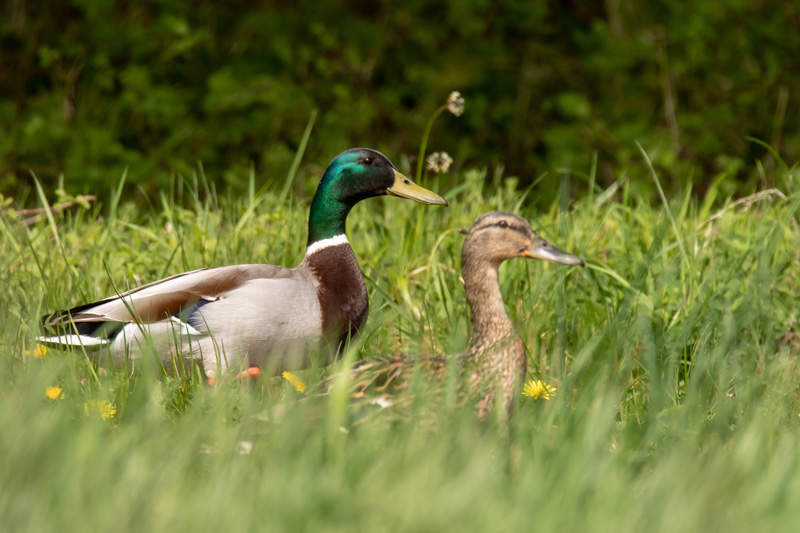 Mallards
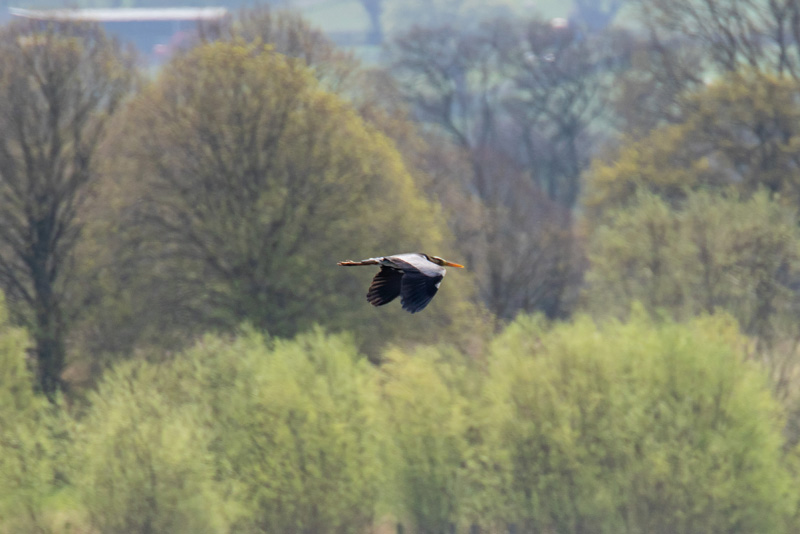 Grey heron
 Great back-backed gulls
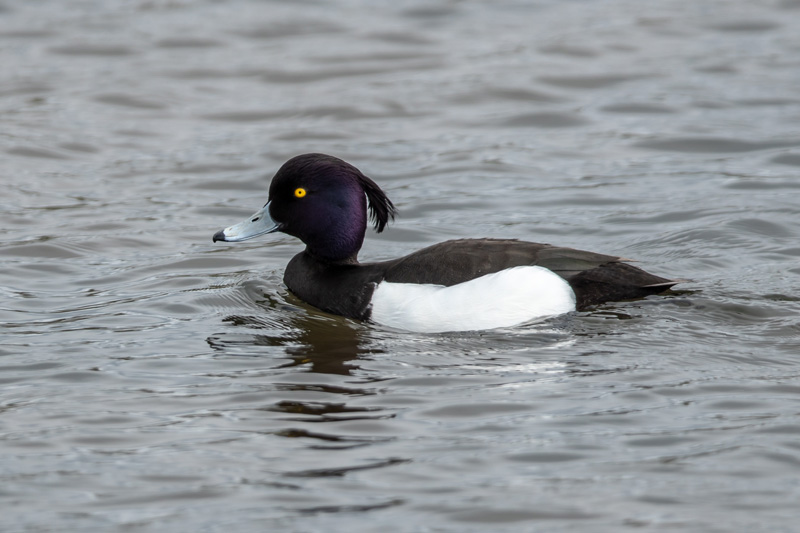 Tufted duck
 Canada geese
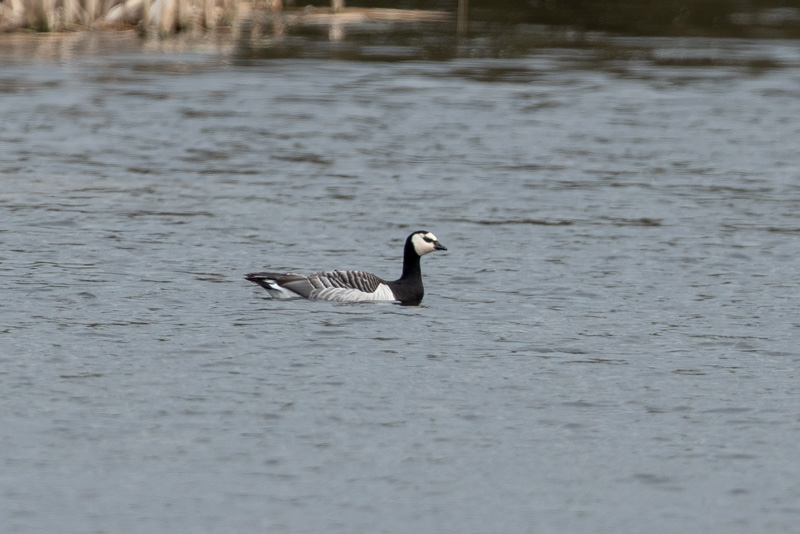 Barnacle goose
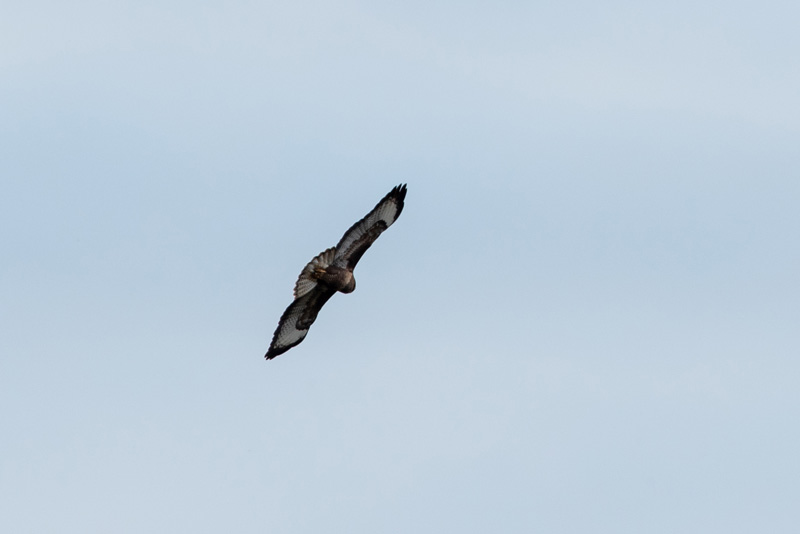 Buzzard
 Mute swan
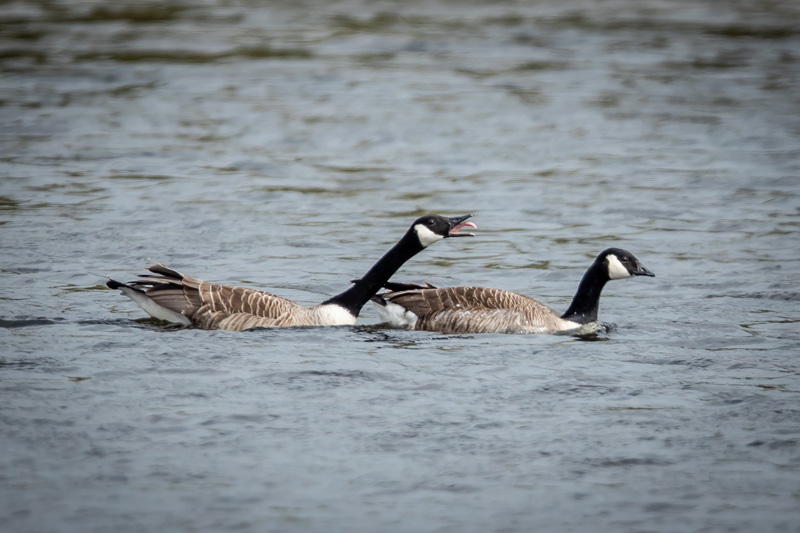 Canada geese
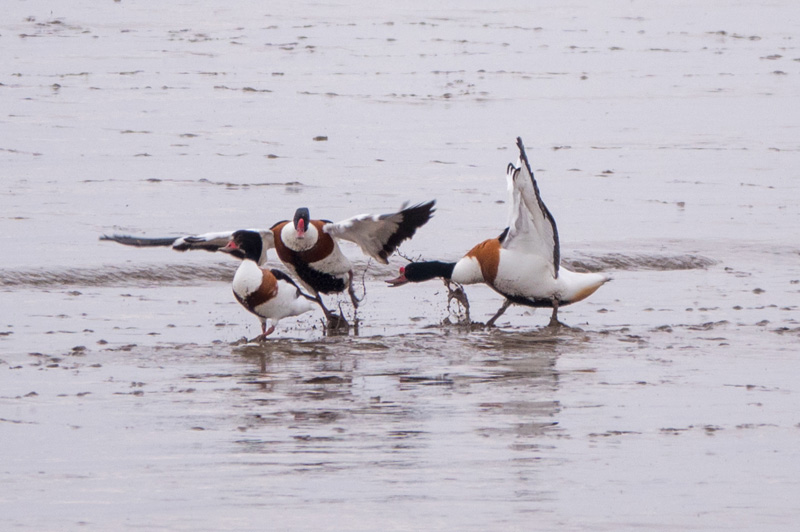
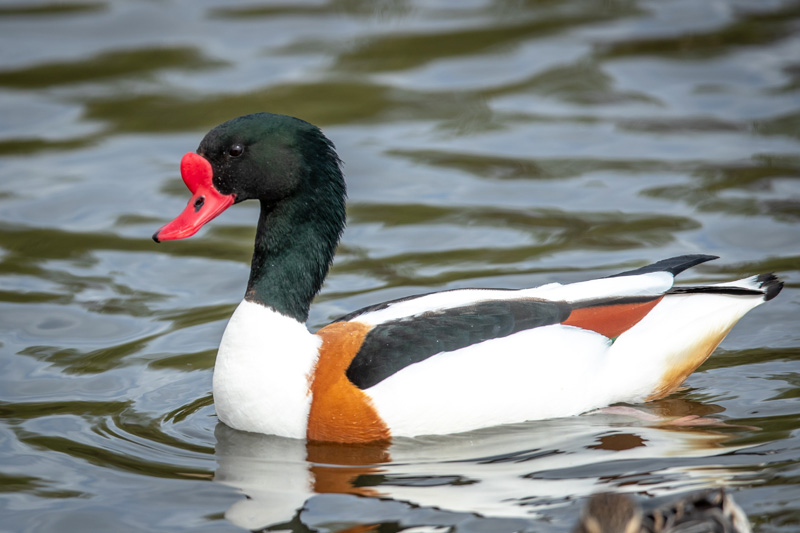 Shelduck
 Tufted duck


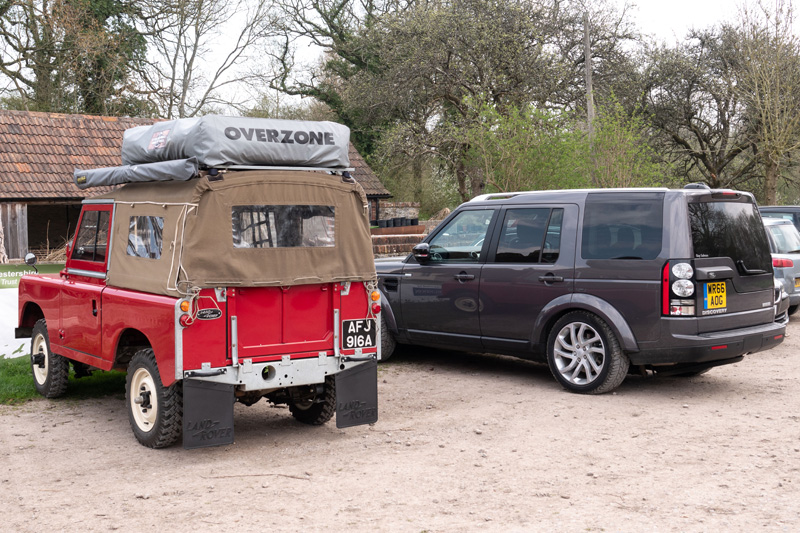 Neil was confused by his excitement of seeing this old Landrover – he had three Landrovers of his own in the yard.
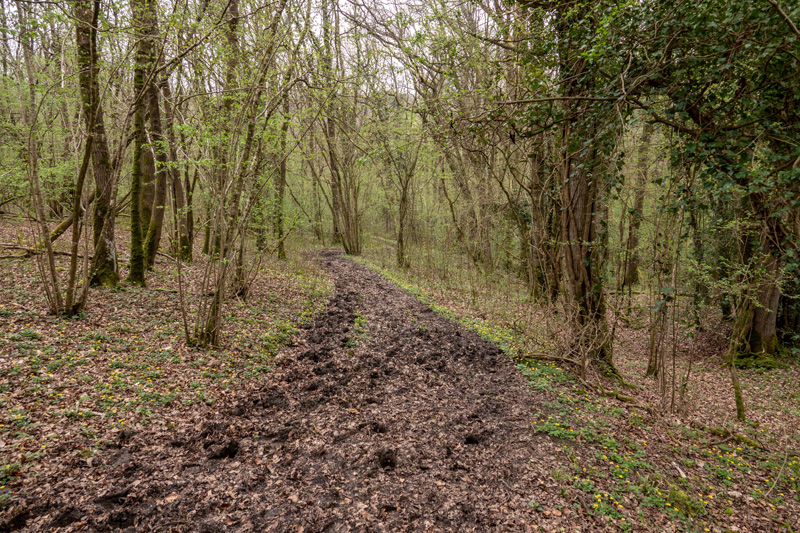 Walking boot terrain – I think not especially when it started raining
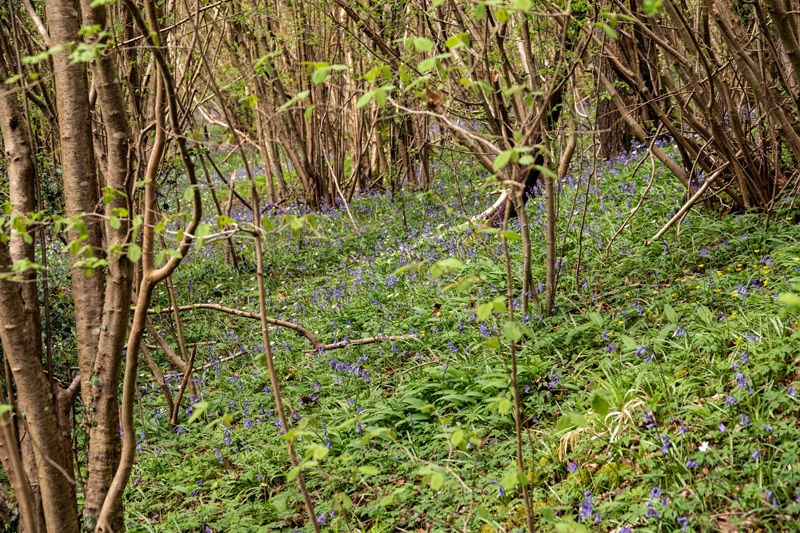 The bluebells would have looked better with sunlight filtering through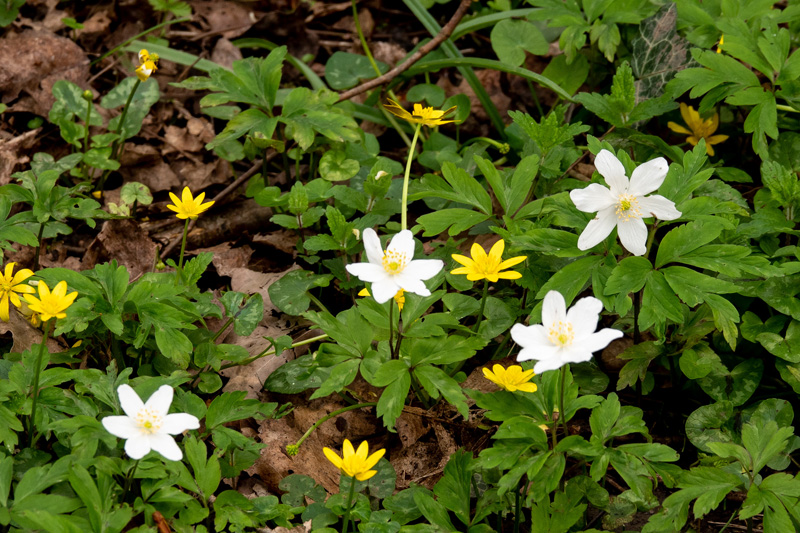
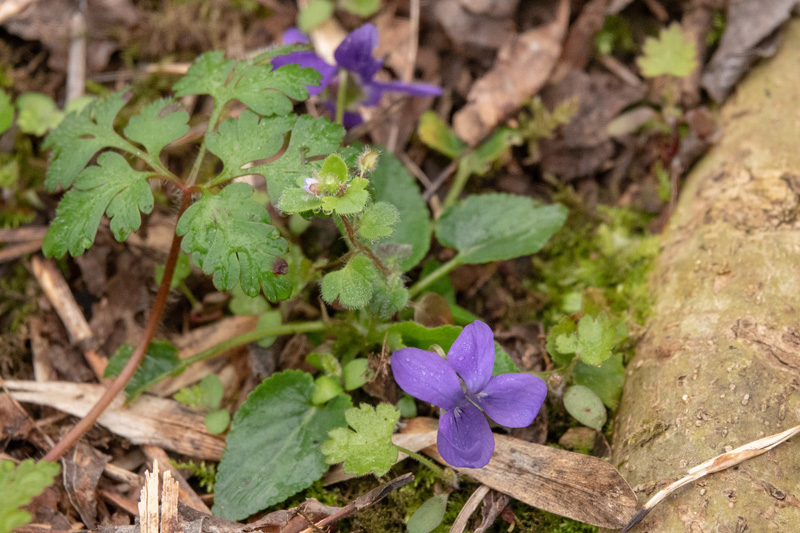
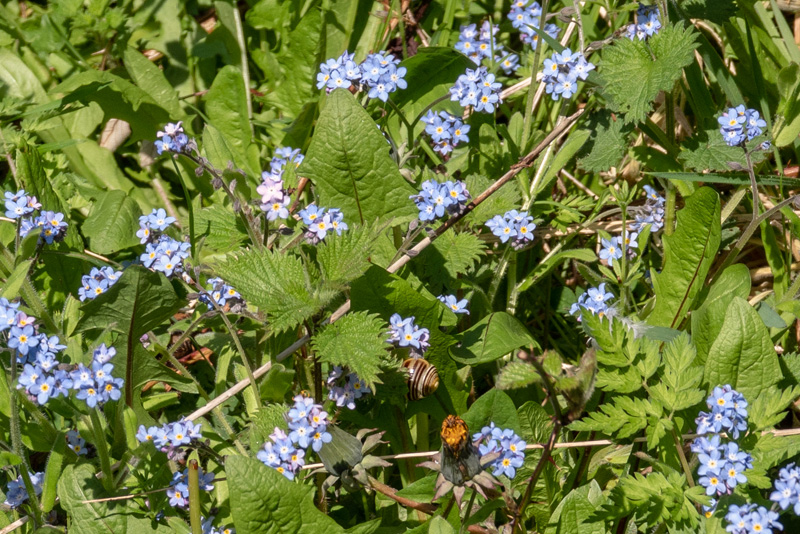
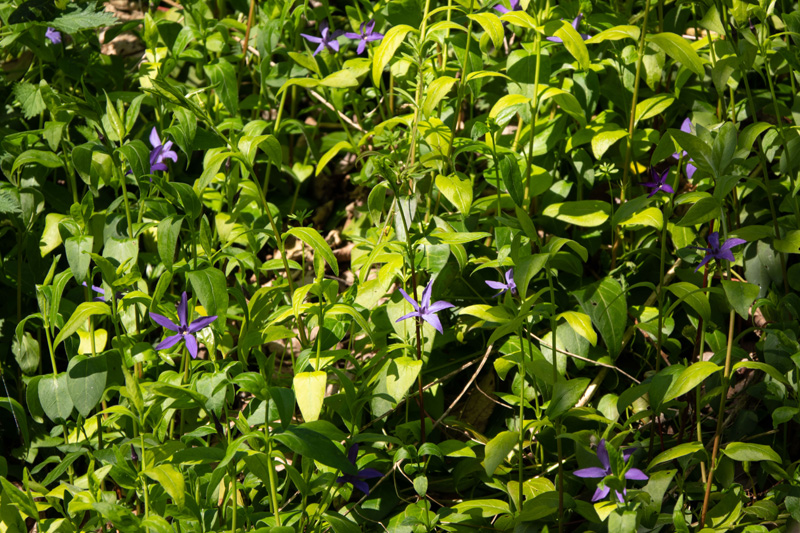
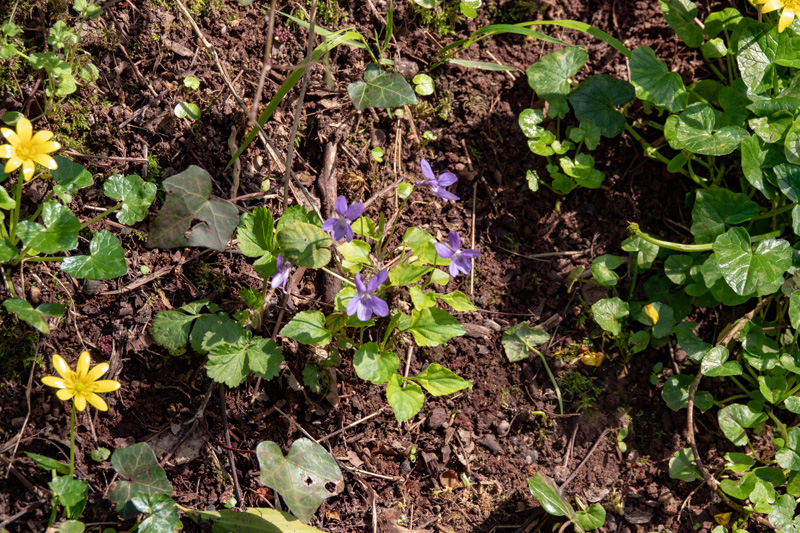
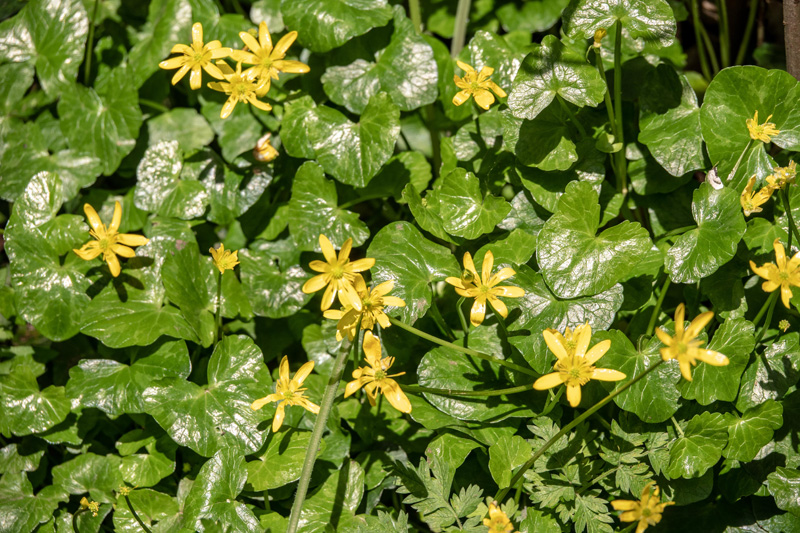
 Wood anemones, violets, primroses and lesser celendine complemented the bluebells.
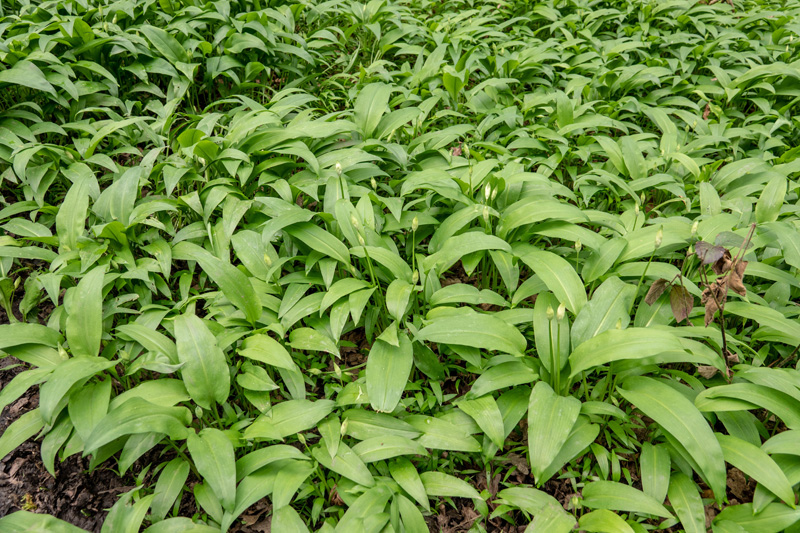 The ramsons were so close to blooming
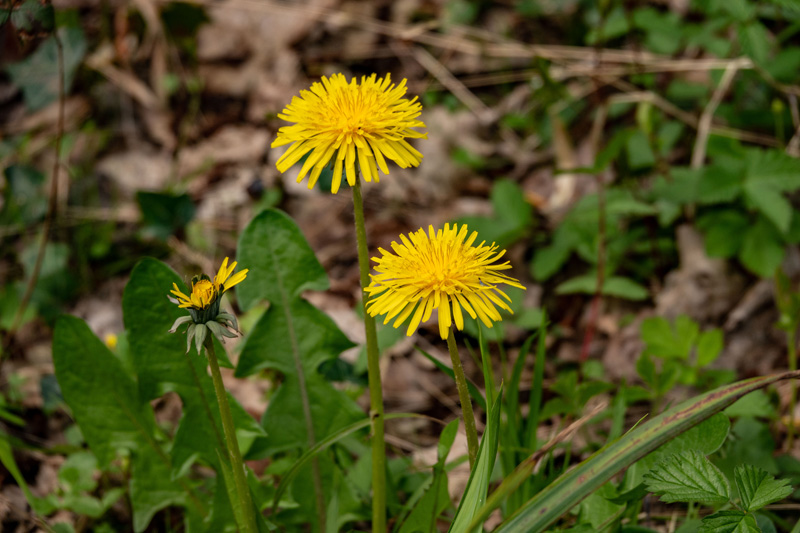 The dandelions are certainly at their best at the moment


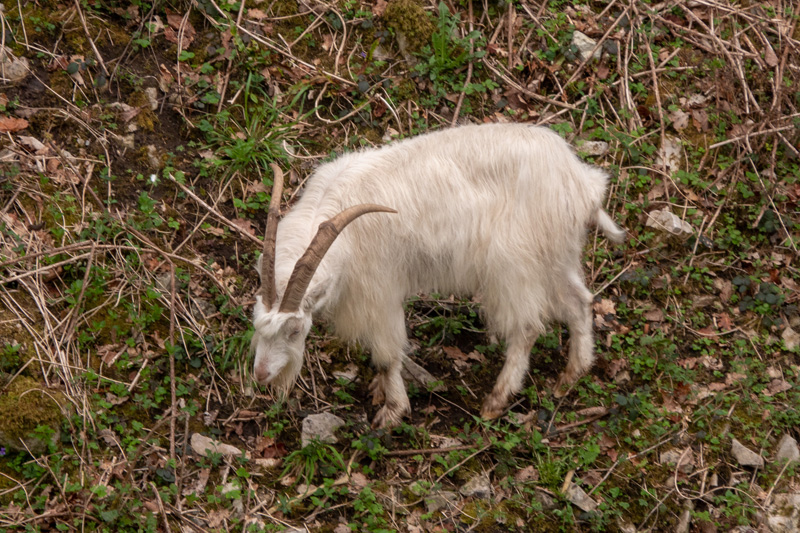


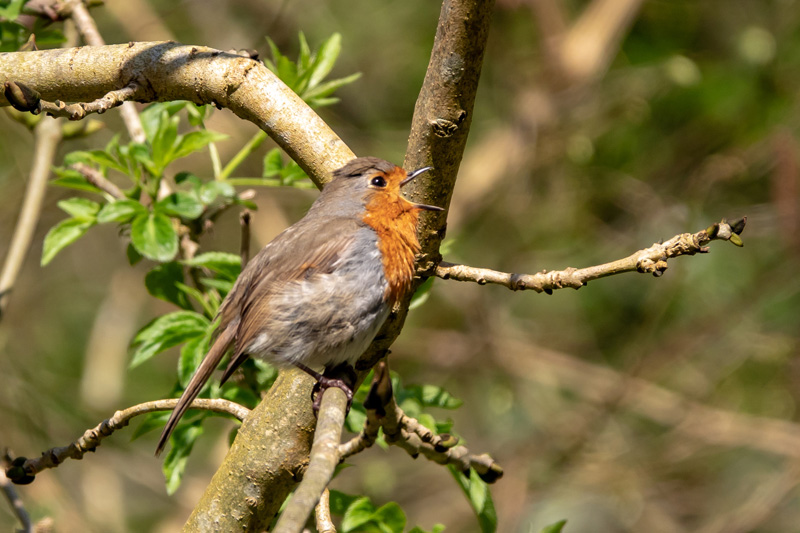
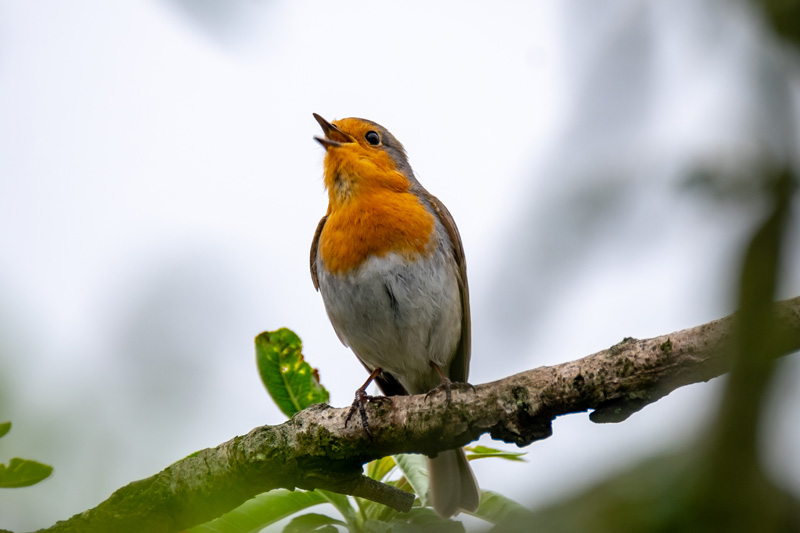
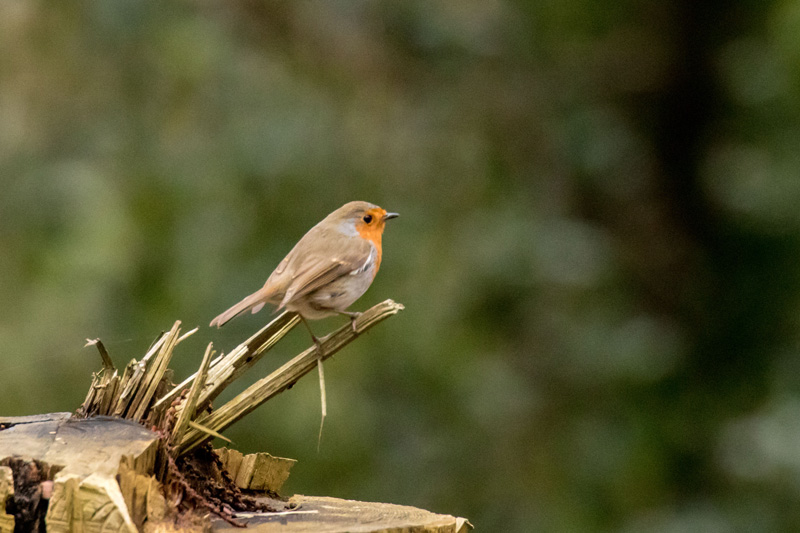
 Robin proclaiming his territory
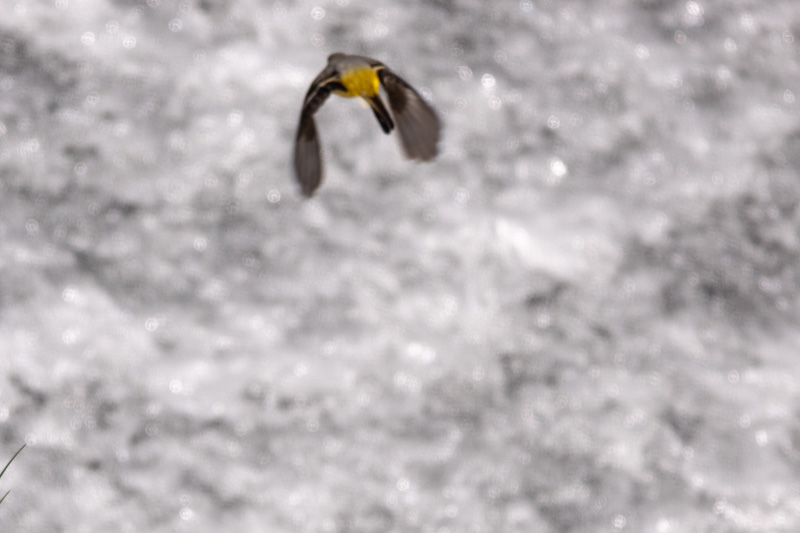 Grey wagtail which was very shy of my camera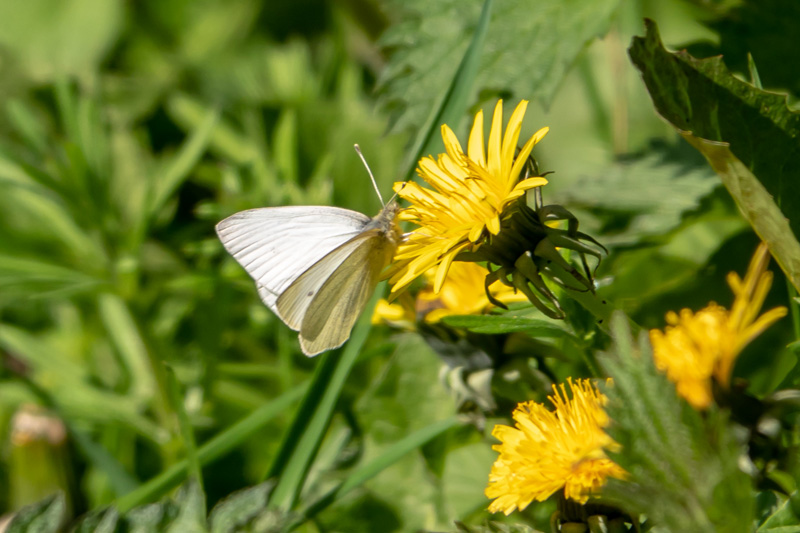
 Proper English bluebells
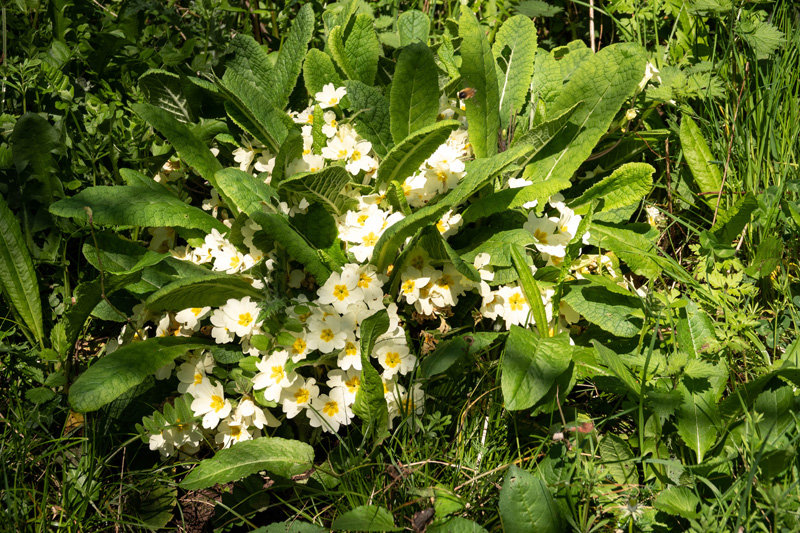 Primroses




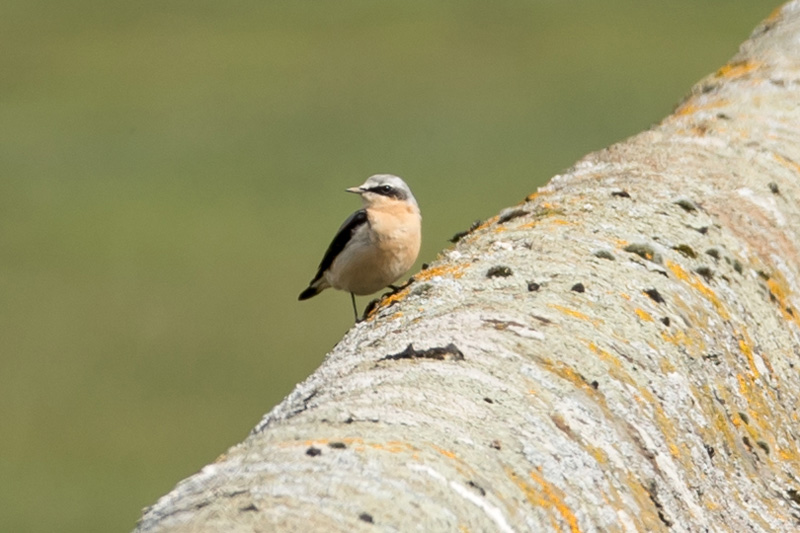
 Shelduck
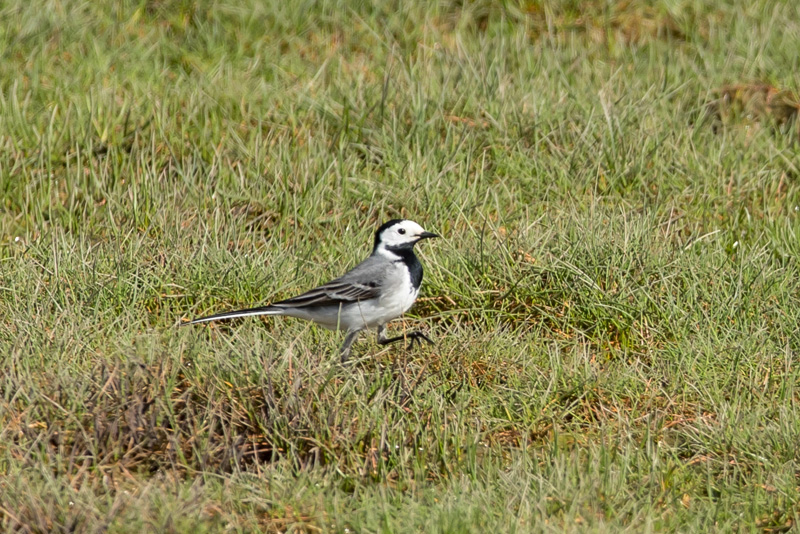 White or pied wagtail?
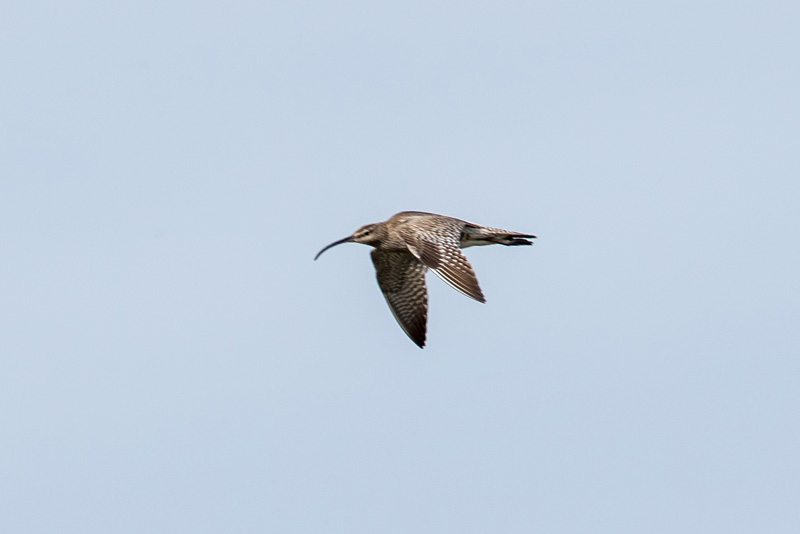 Whimbrel
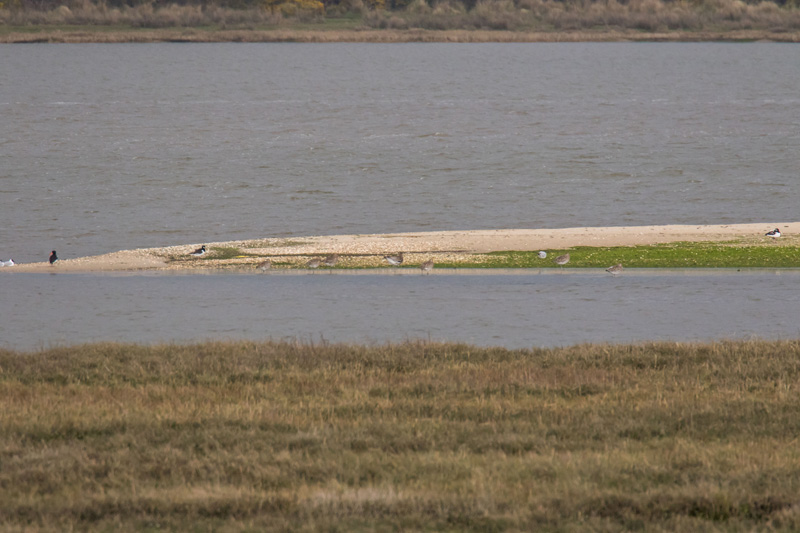
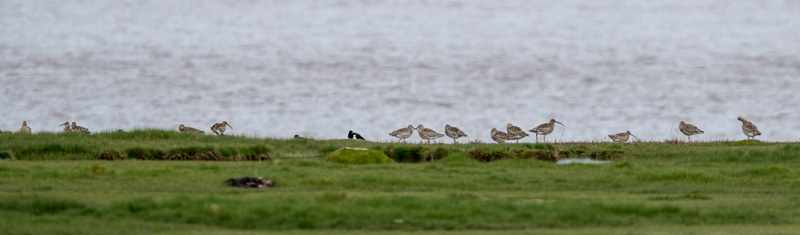 Curlew and oystercatchers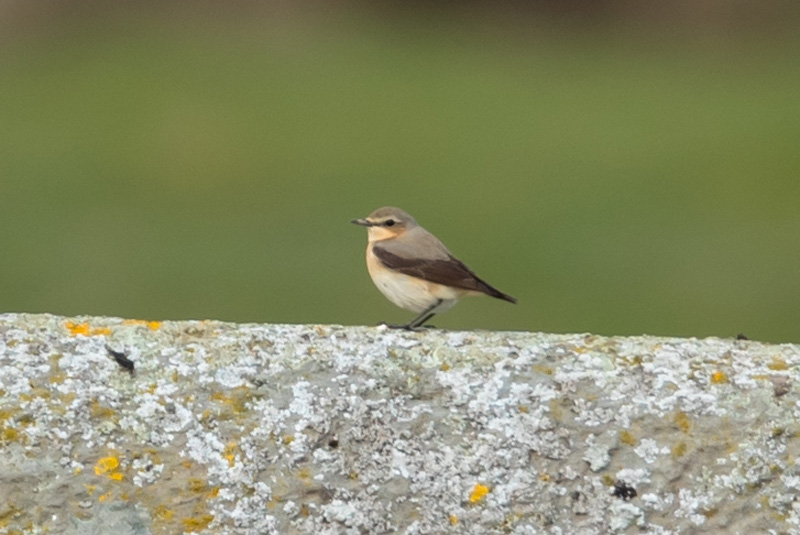


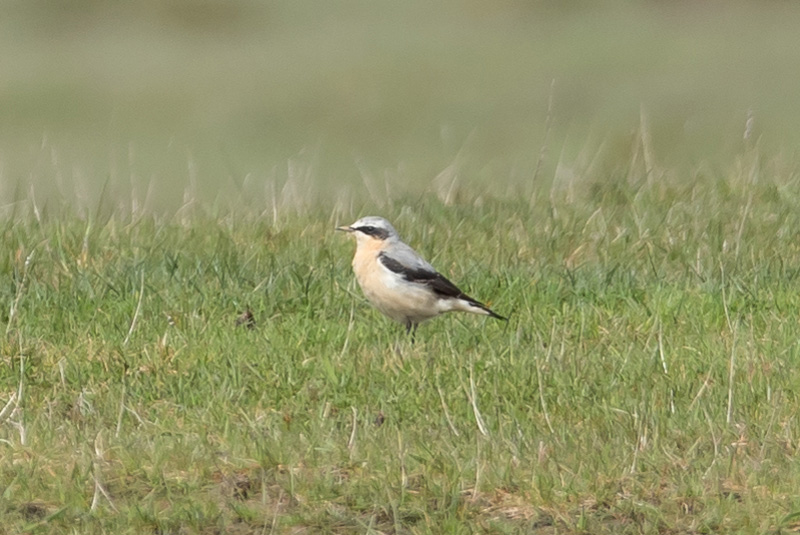 Wheater
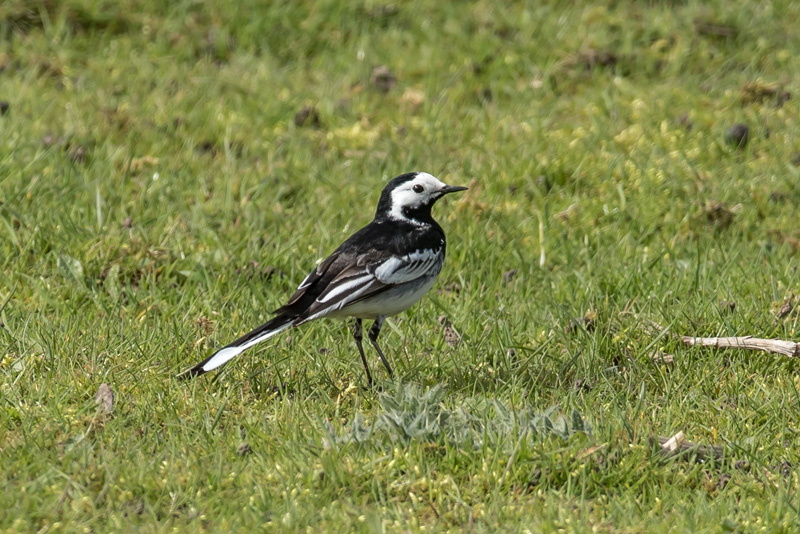 White or pied wagtail?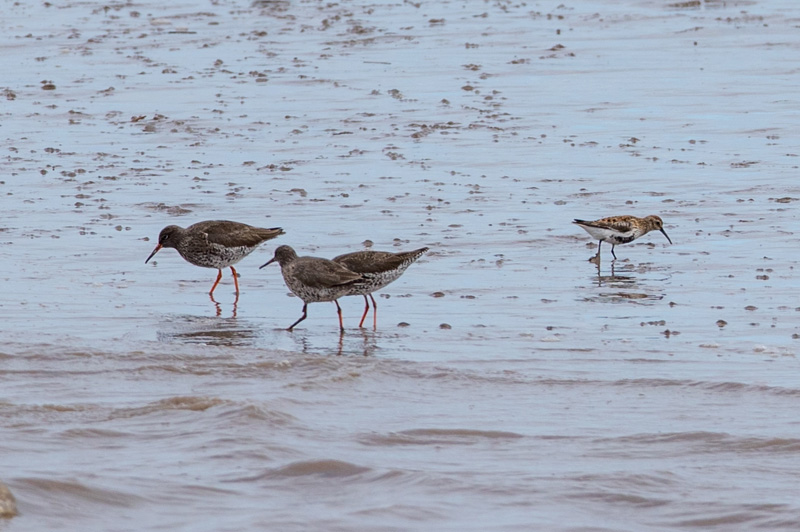
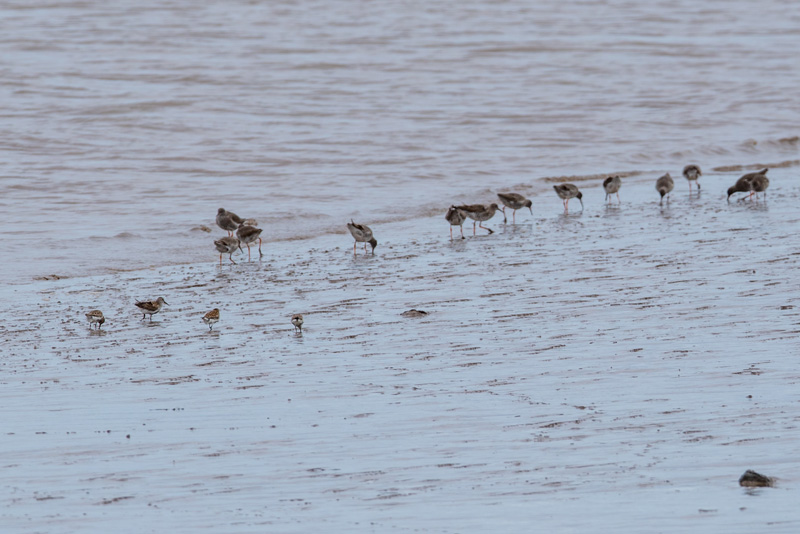 Redshank and dunlin


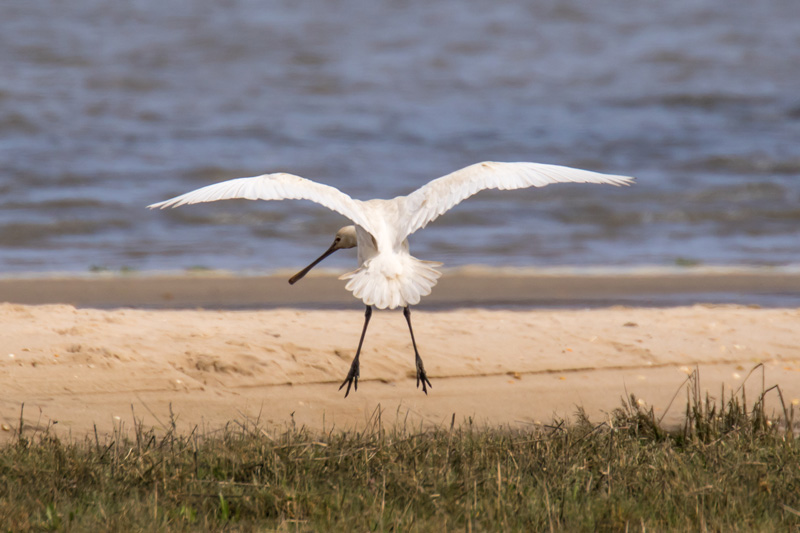

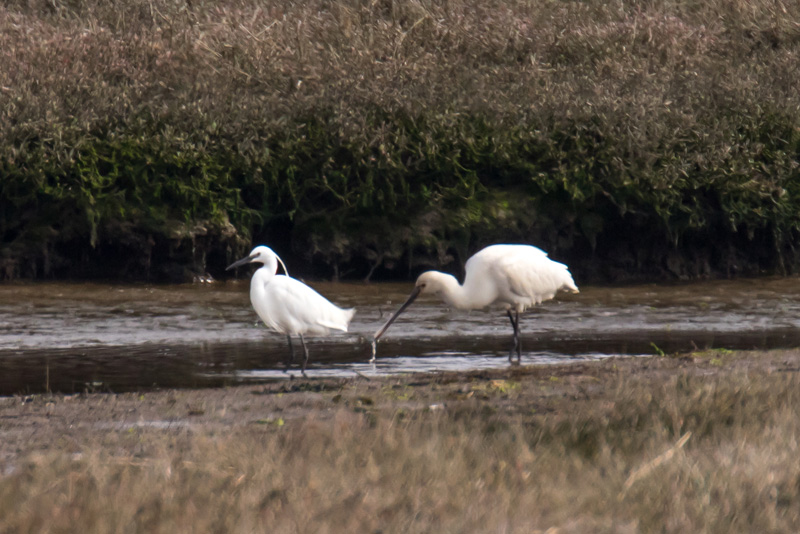
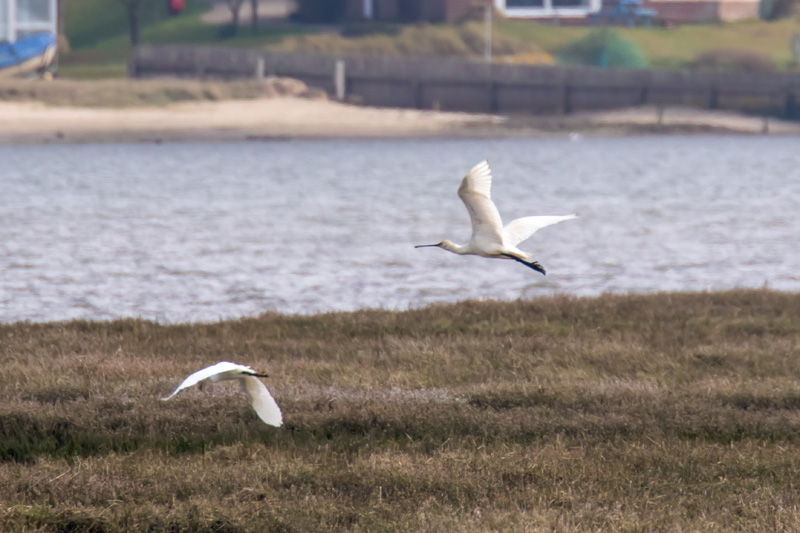
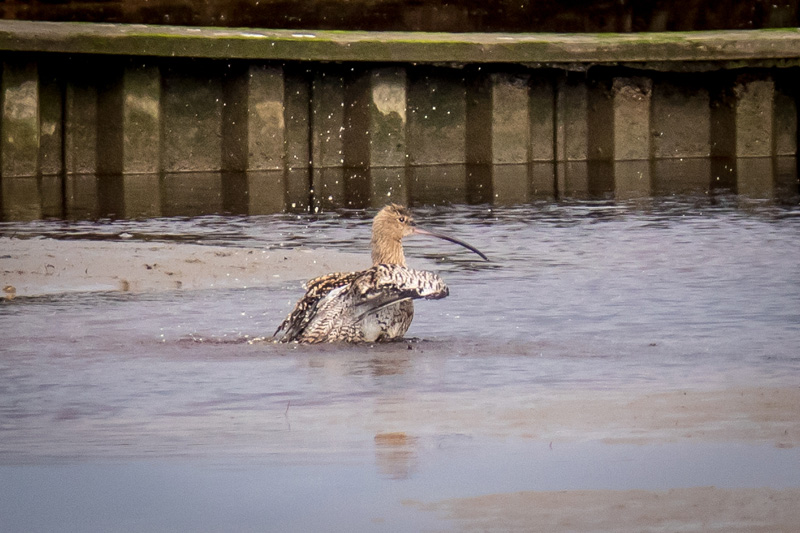
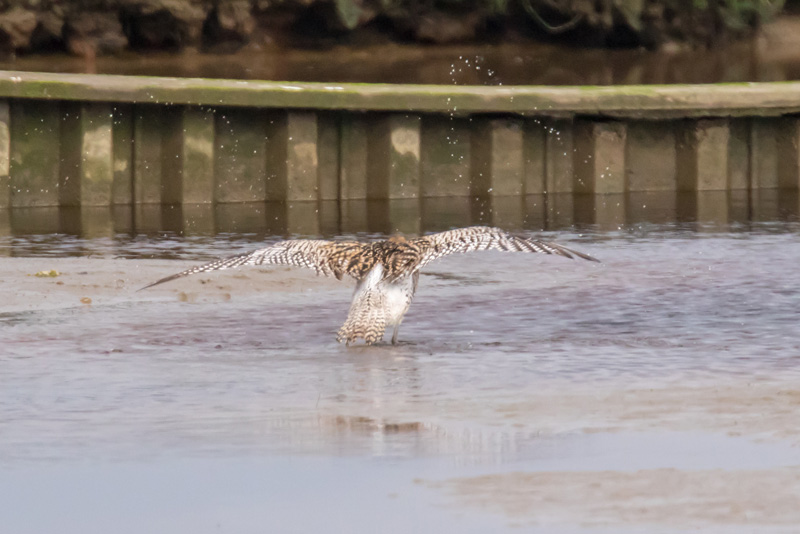
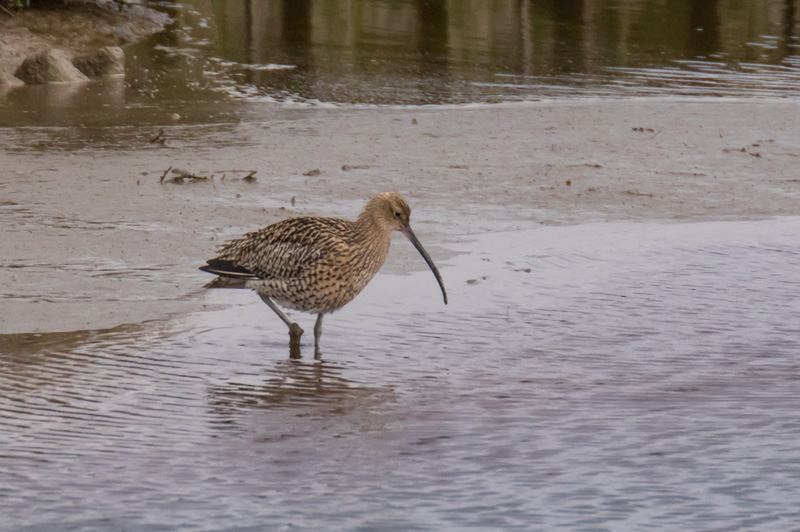
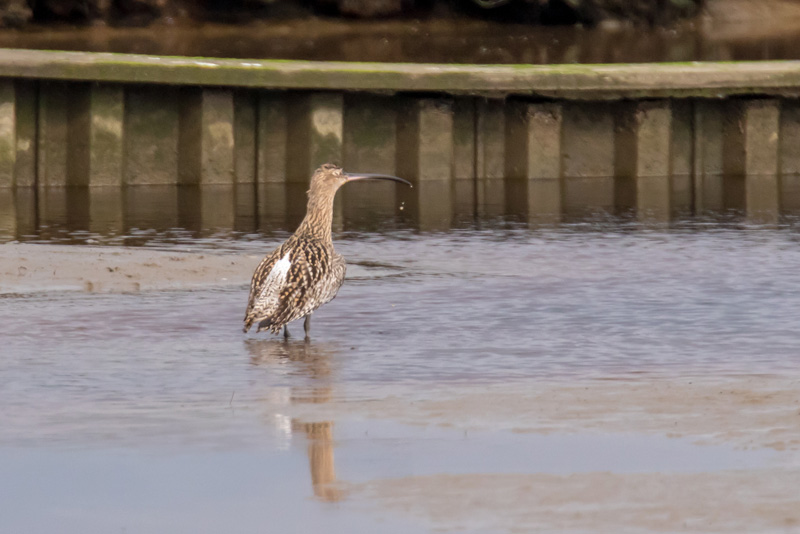




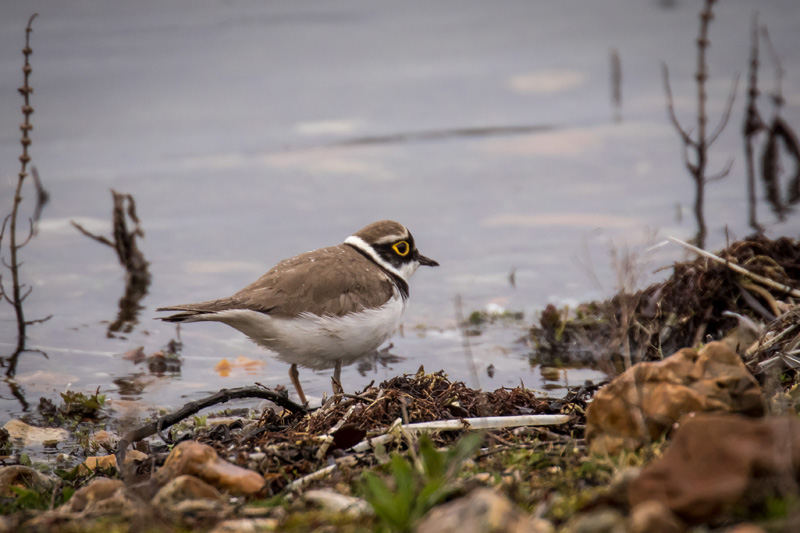

 Little ringed plover
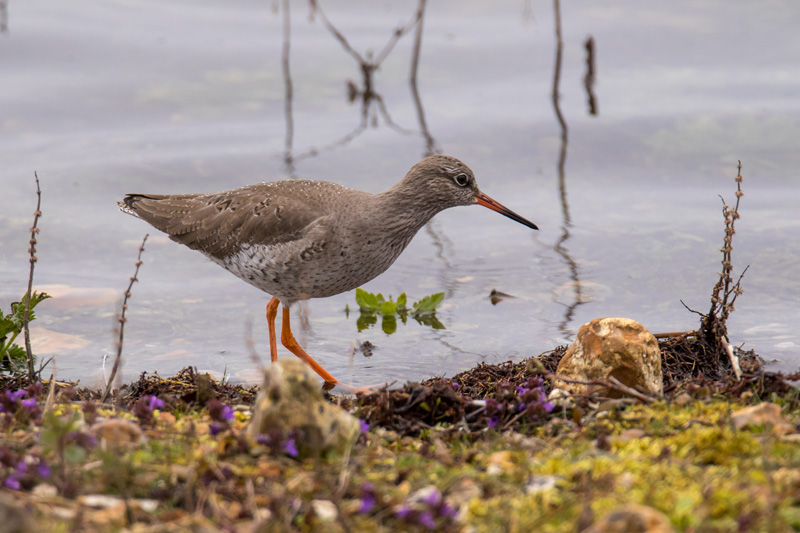 Redshank
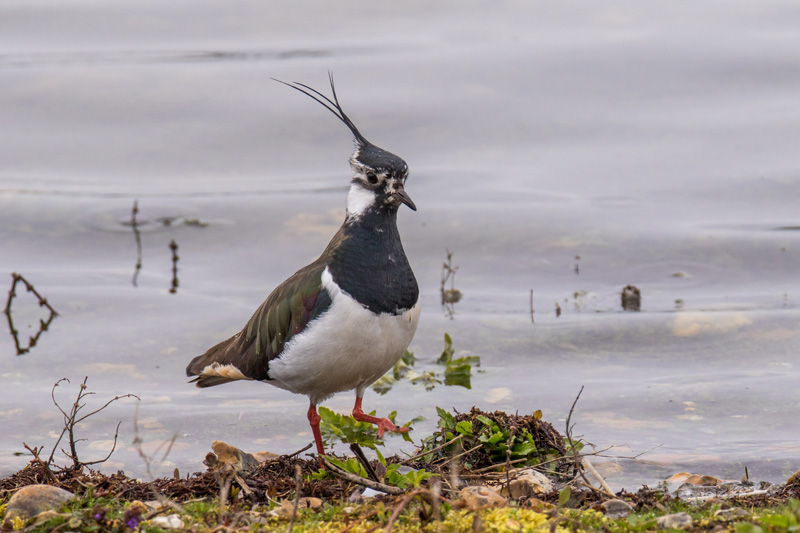 Lapwing
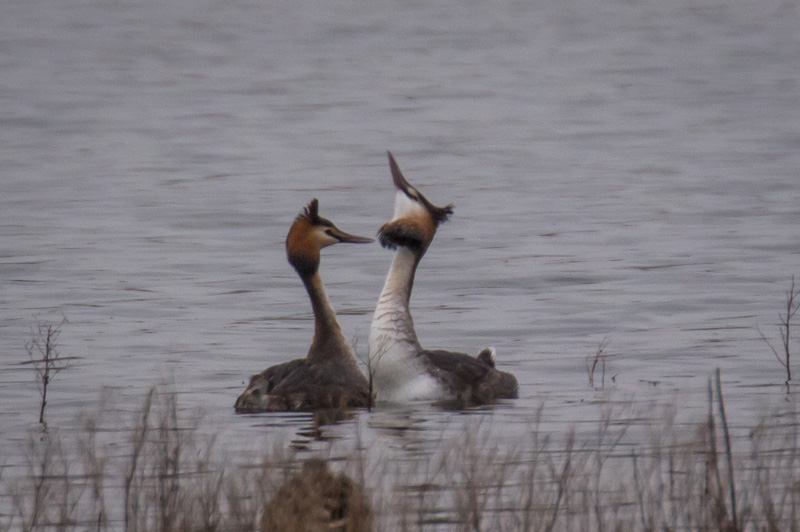 Great crested grebe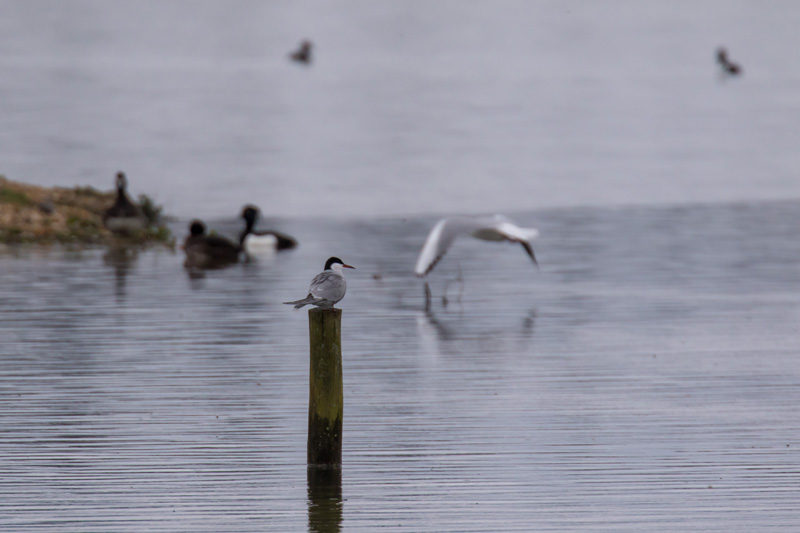
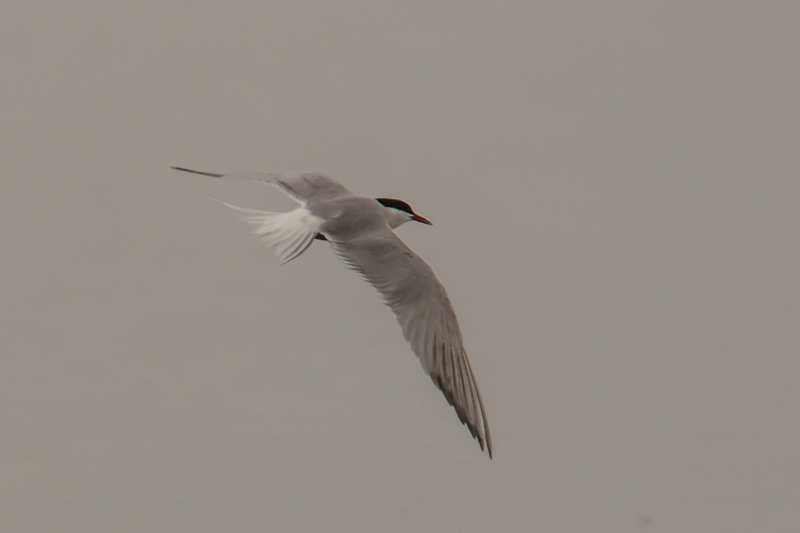 Common tern
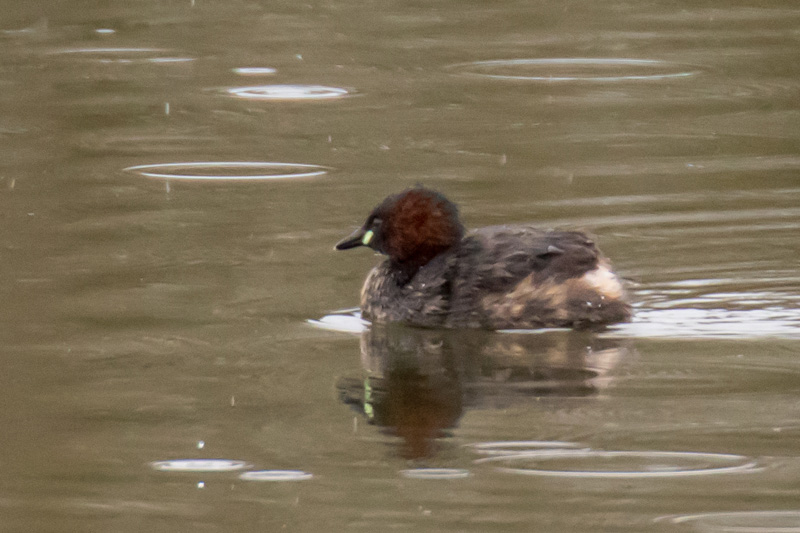 Little grebe
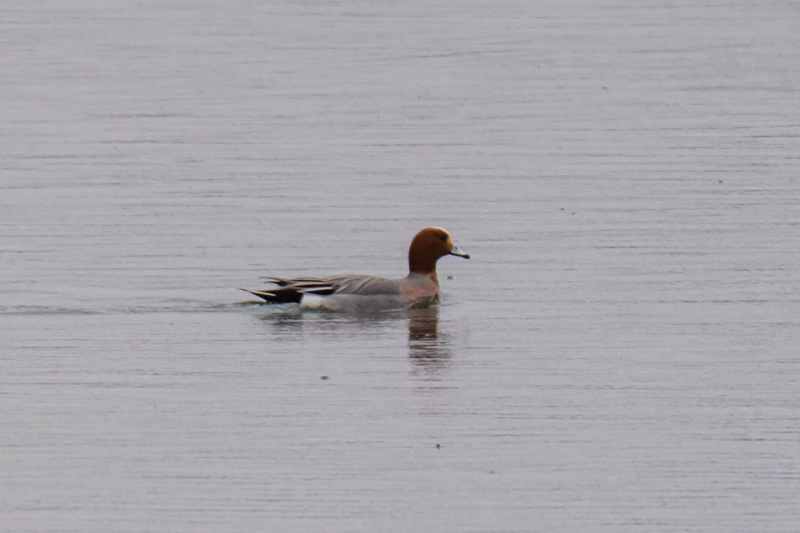 Wigeon
 Garganey in the middle
 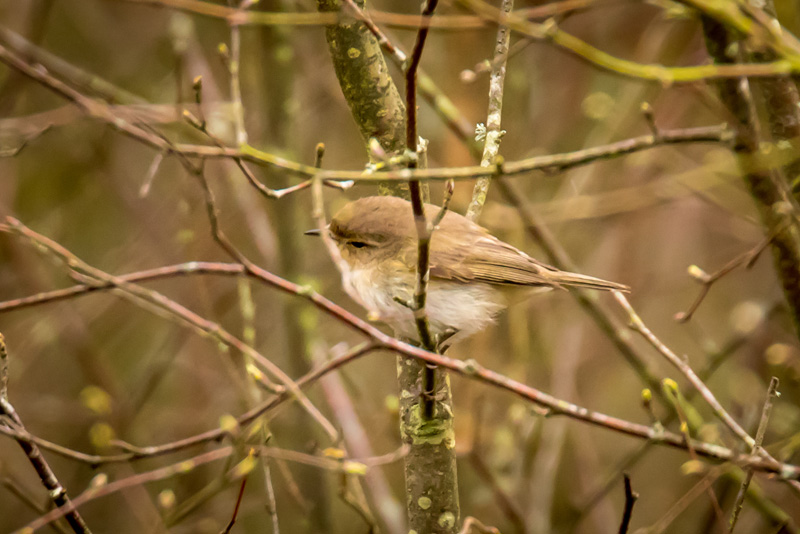 Not sure about this little chap but probably a chiffchaff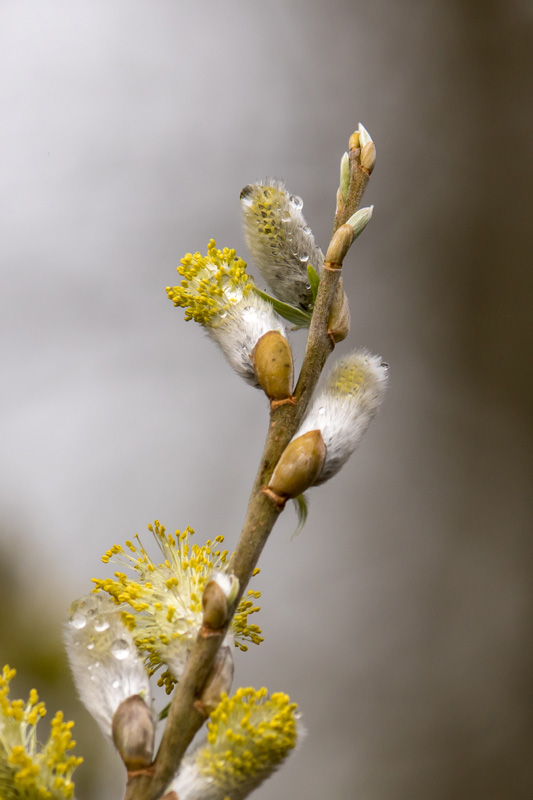


 Little egret
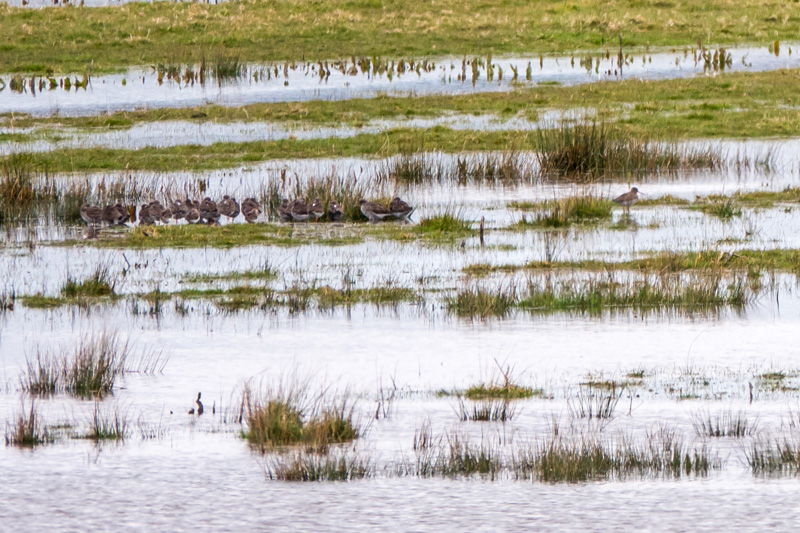 Redshank huddled together with one standing apart
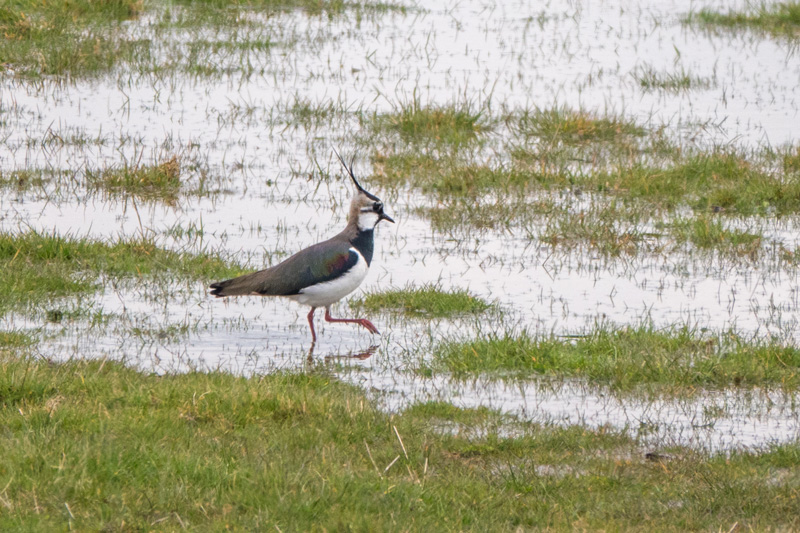 Lapwing
 Little egret in flight
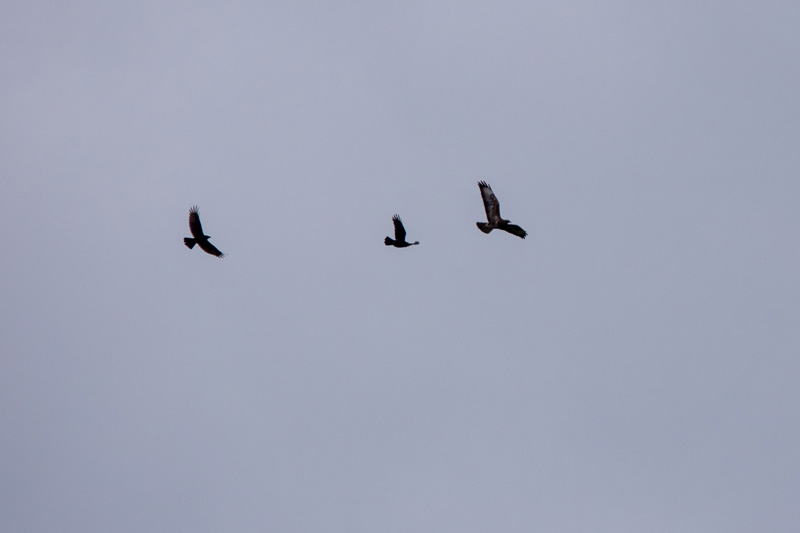 Buzzard being mobbed by crows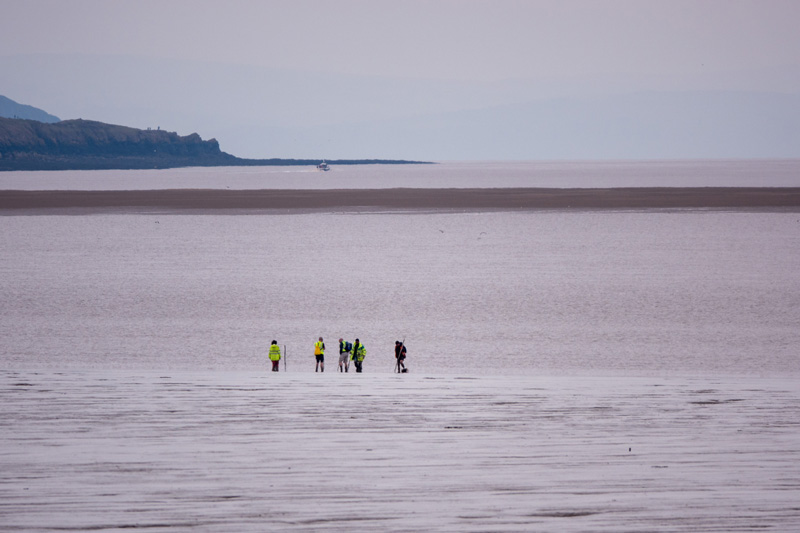
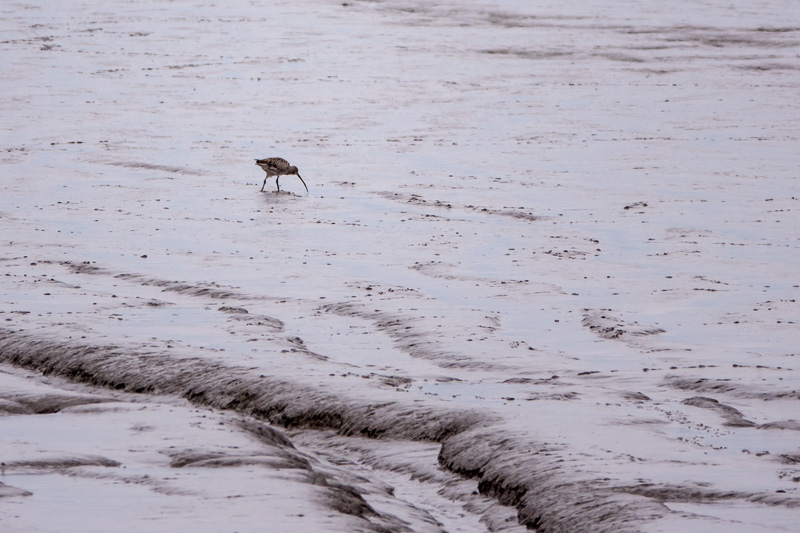 Curlew
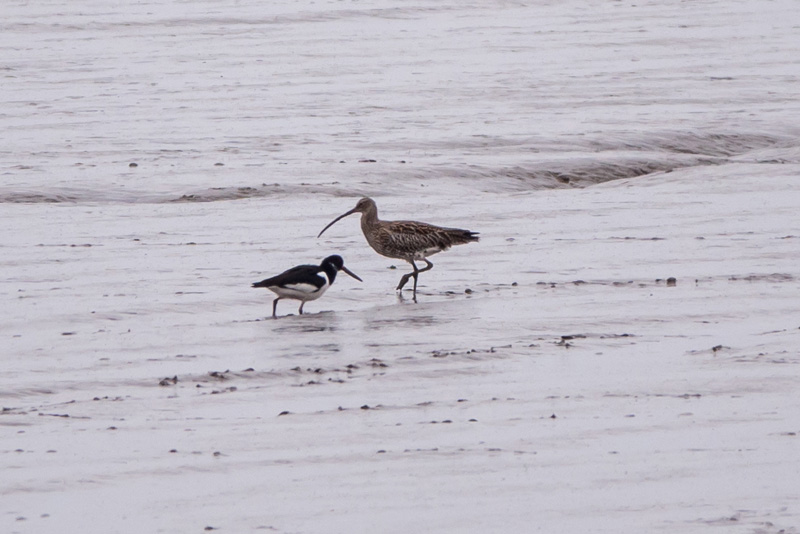 Curlew and oystercatcher


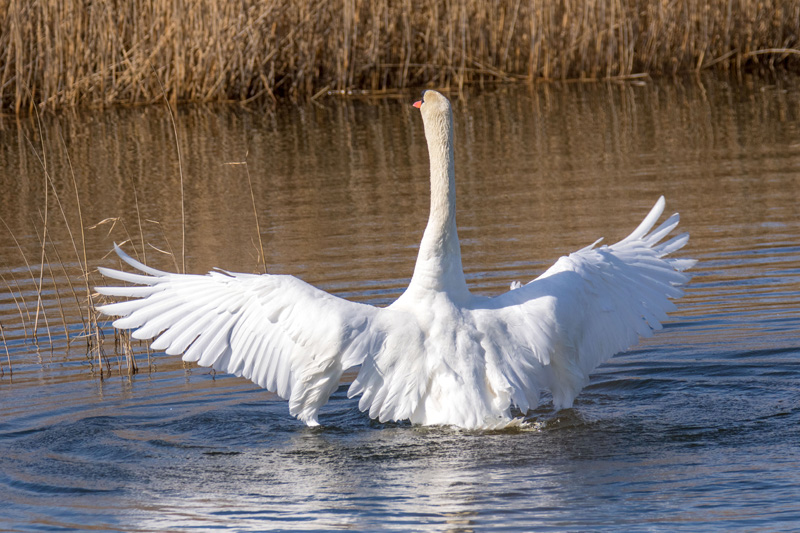
 Bath time for the mute swan
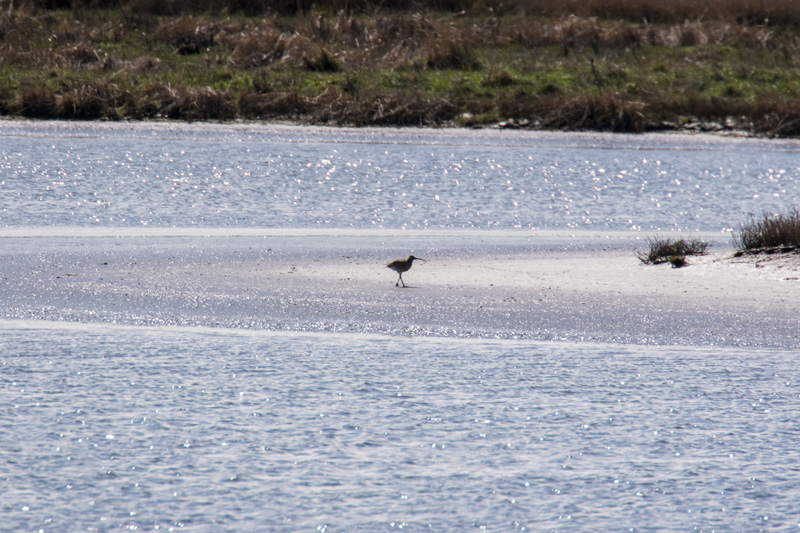 Distant view of curlew
 Wigeon orchestrating his mates
 Wigeon
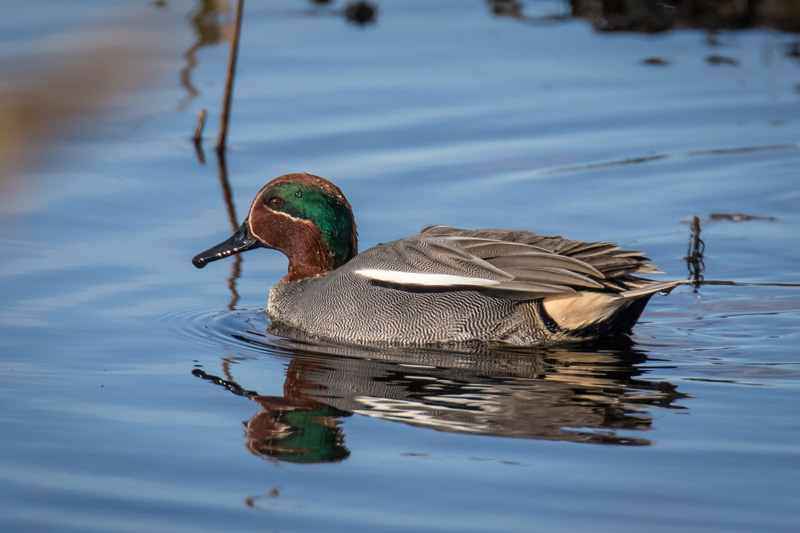 Teal
Teal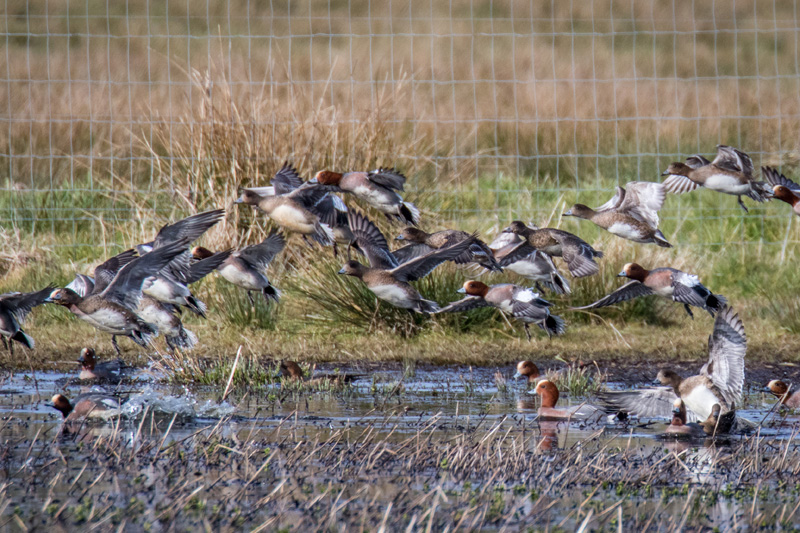 Reinforcements of wigeon – safety in numbers
 Shoveler
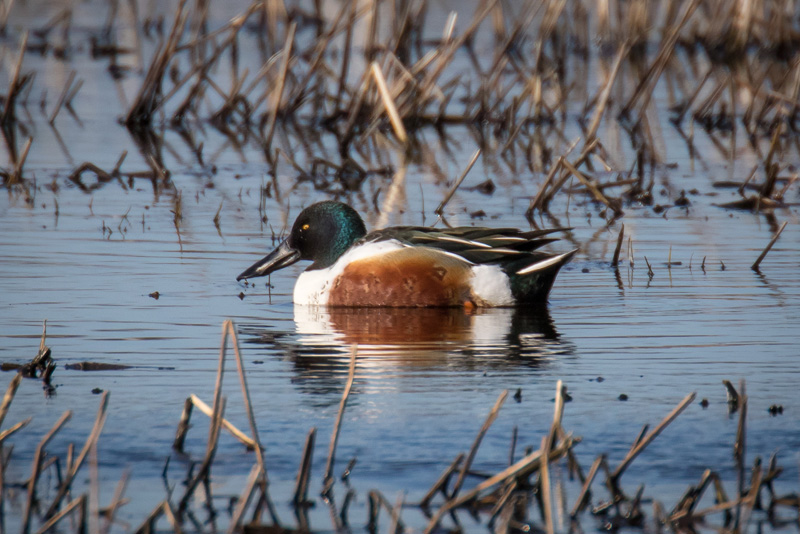 Shoveler
 Wigeon
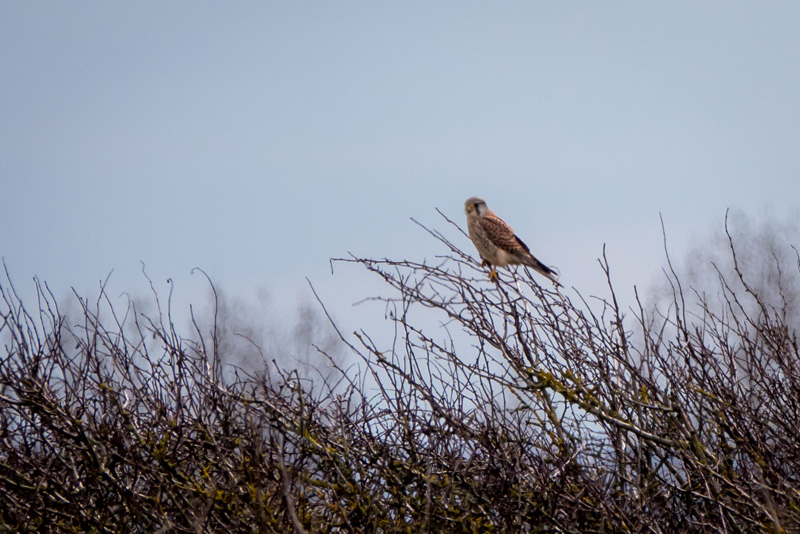
 Kestrel
 Kestrel
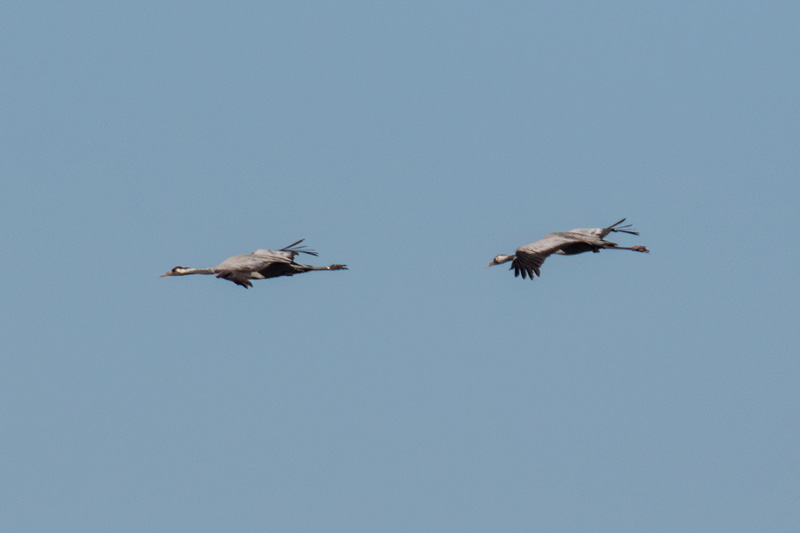
 Common crane
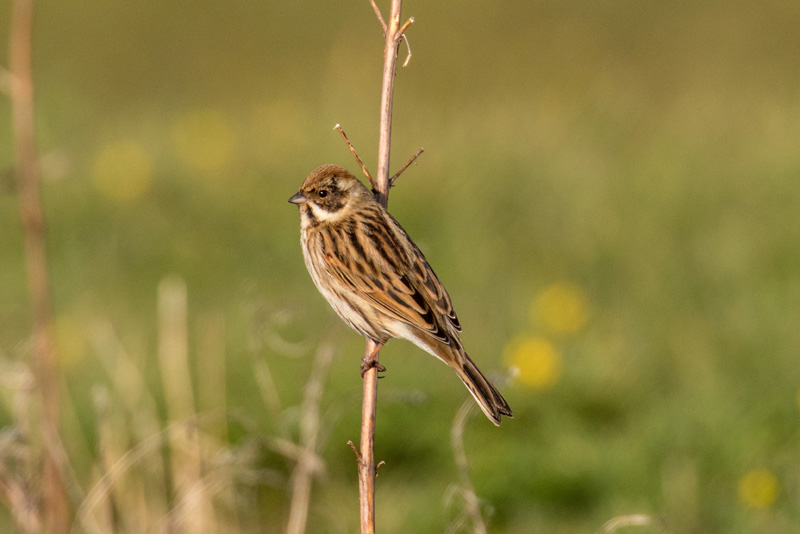 Female reed bunting
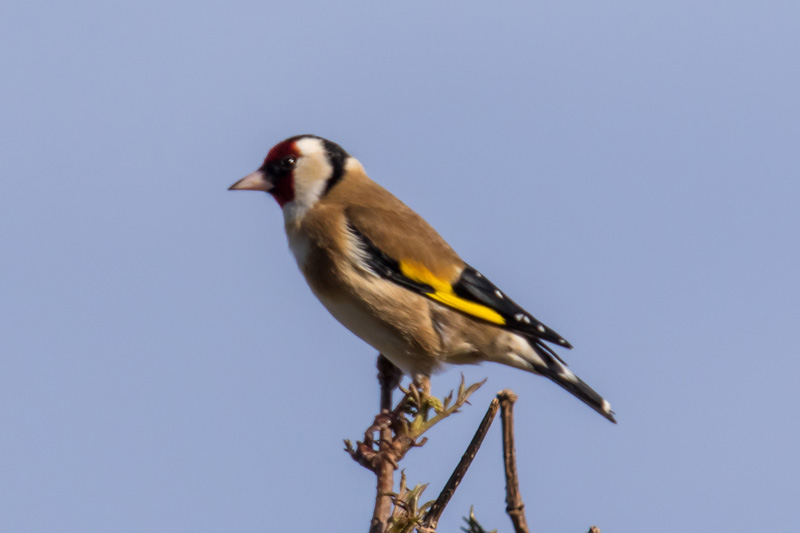 Goldfinch
 Chaffinch
 Blue tit
 Male reed bunting
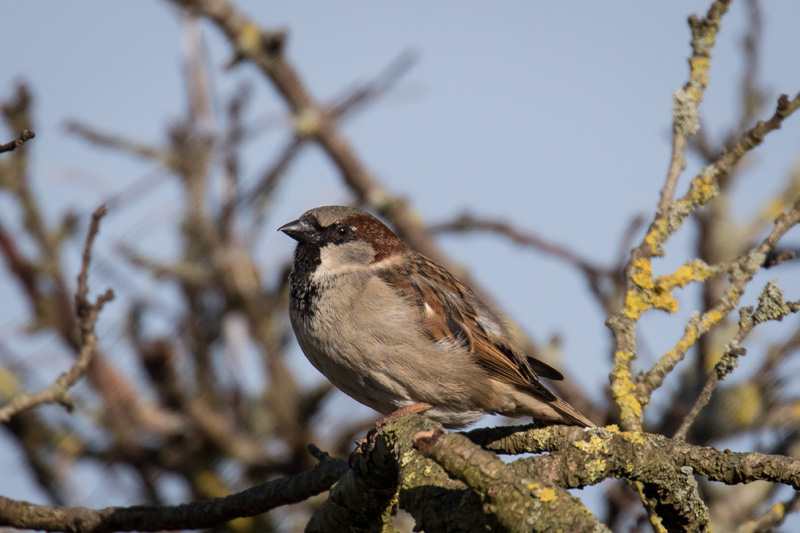 House sparrow
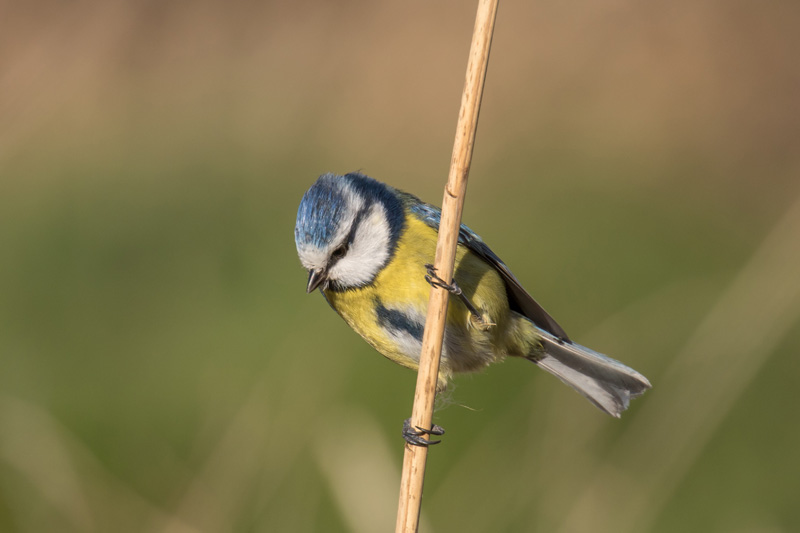 Blue tit
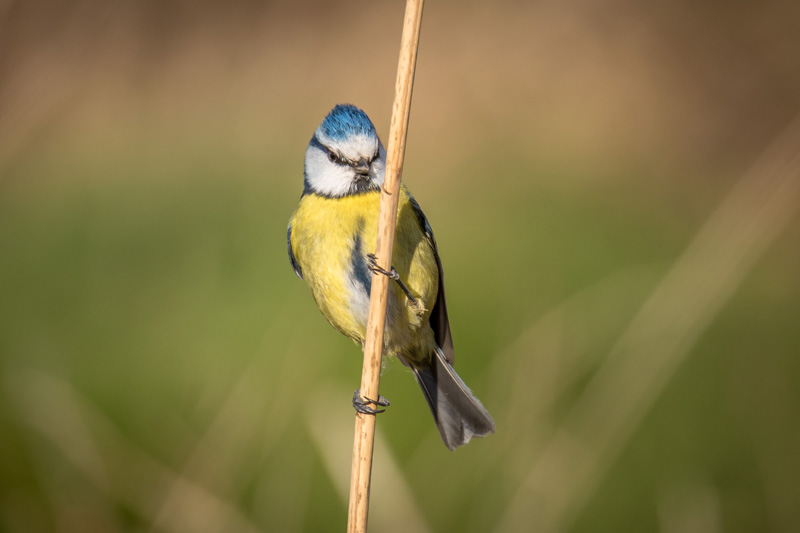 Blue tit


 Martin's Bird Blog & Nature Photos