We love going to RSPB Minsmere (surely the Mecca for birders in the UK) as early as we can and at 7 a.m. on a lovely sunny day it was as magical as ever.
We were pleased to see the sand martins back and watched them for a while but I was quite frustrated trying to photograph them.
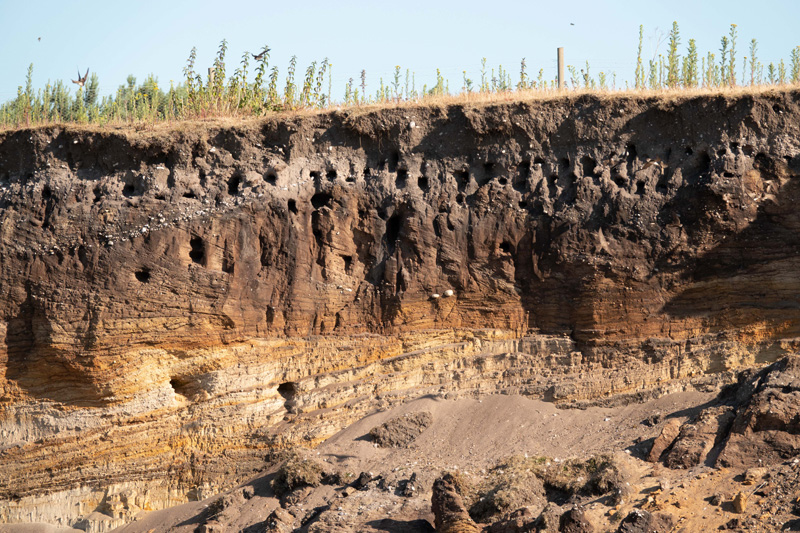

 Sand martins
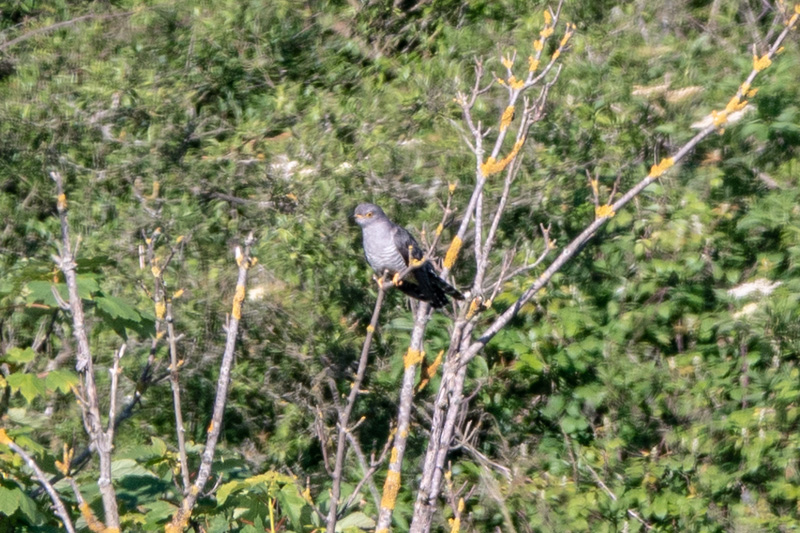
We headed out on the north bank and were greeted by the call of a cuckoo. I was very pleased to track it down and, although it was quite a long way off, I was even more pleased to get a photo (a first for me).
 Cuckoo
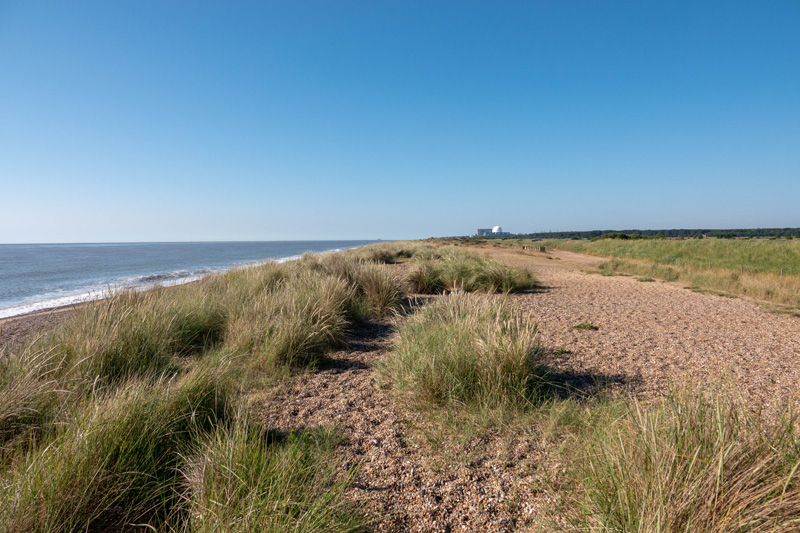
We spent a little while on the beach as it was just so beautiful and then went to the East Scrape.

What a cacophony at the East Scrape and what spectacular action. My favourite birds were the black-tailed godwits, the terns, the mediterranean gulls and the kittiwakes.
 Common tern
 Kittiwake
 Black-tailed godwits
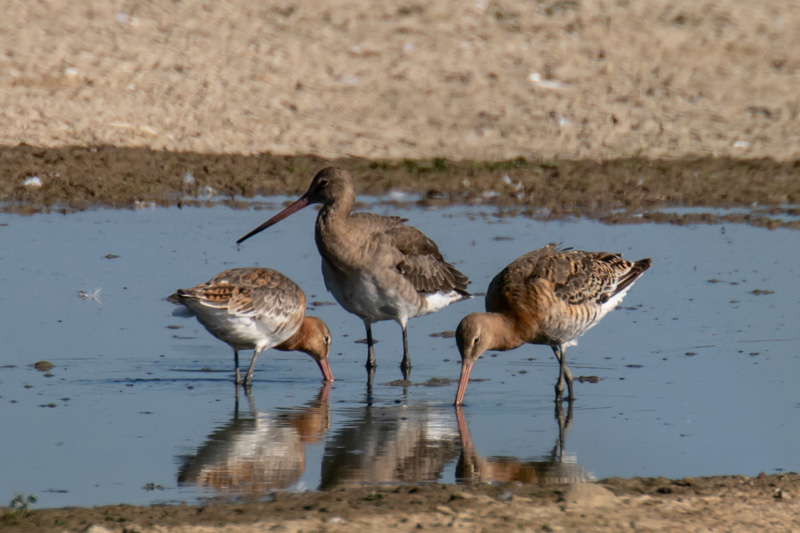 Black-tailed godwits
 Black-tailed godwits
 Sandwich tern
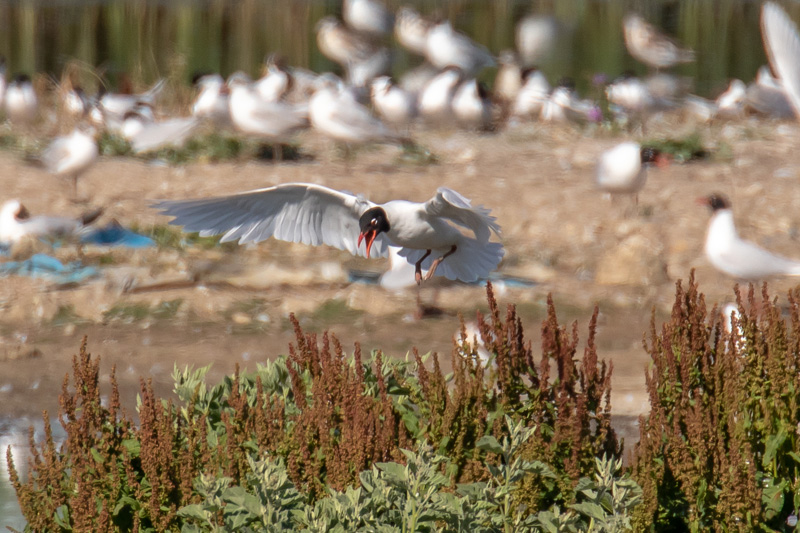 Mediterranean gull
 Redshank
We didn’t stay long but continued round past the south hides to get back to the reception and café for some breakfast which was well deserved. En route we had a very good view of a whitethroat having his breakfast.
 Whitethroat
Fully replenished we went to the Bittern Hide and eventually on to Island Mere.
We had good views of bittern, marsh harriers and a few grey herons and plenty of other birds, insects and fish.
 Bittern
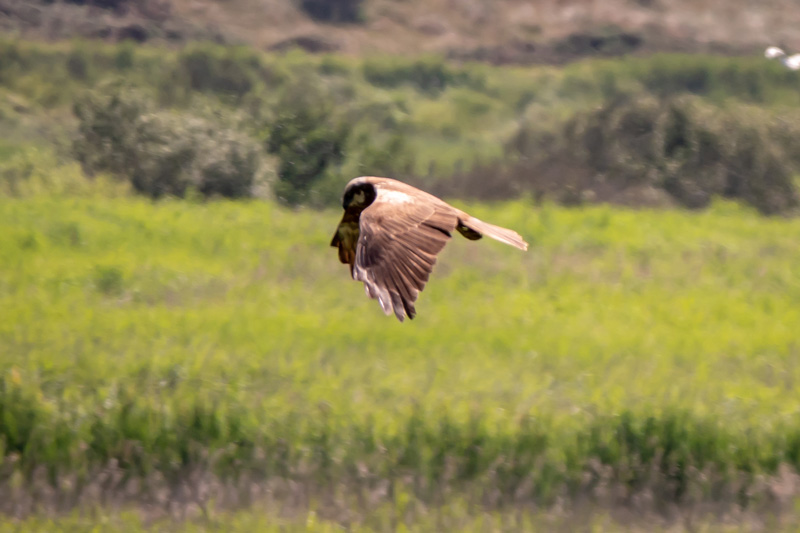 Marsh harrier
 Whitethroat
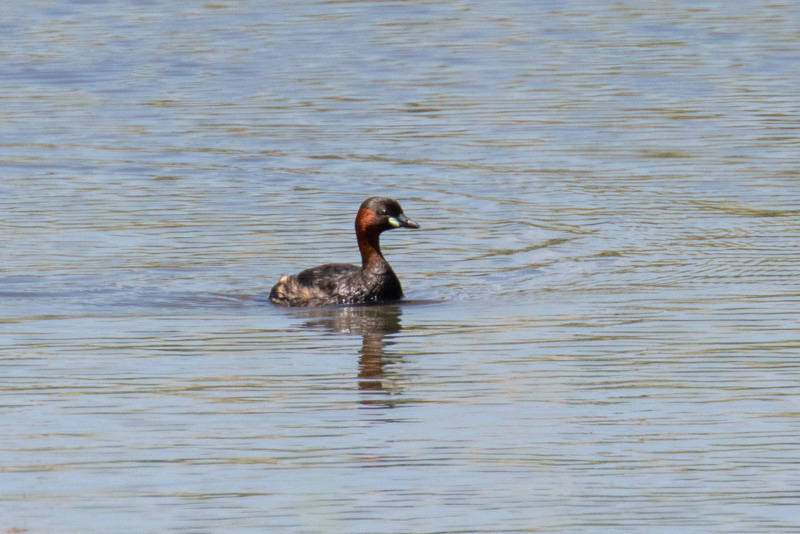 Little grebe
 Four-spotted chaser
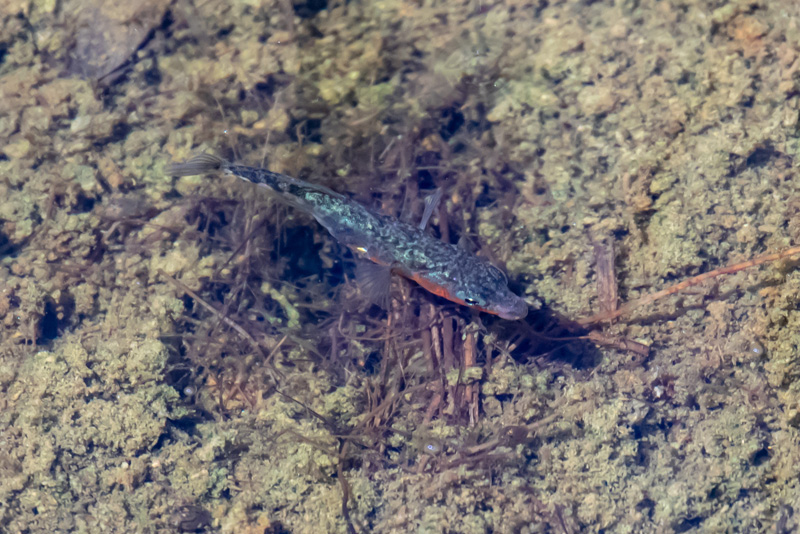
 Damselfly
We finished at 1 pm as we were quite exhausted and knowing that we would return later in the week.
On our return to our holiday property we were delighted (and amused) to be greeted by a partridge and 8 tiny chicks in the garden.
 Red-legged partridge and chicks
Click below for a gallery of photos from today:



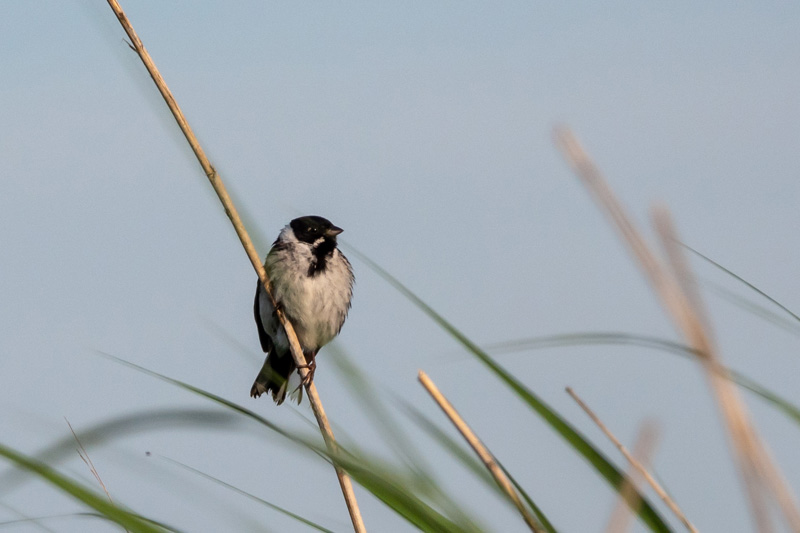 Reed bunting
 Sedge warbler
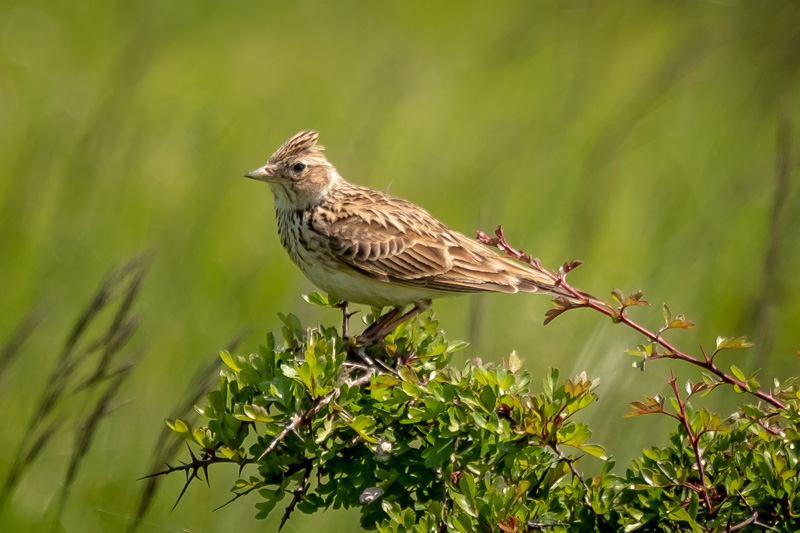
 Skylark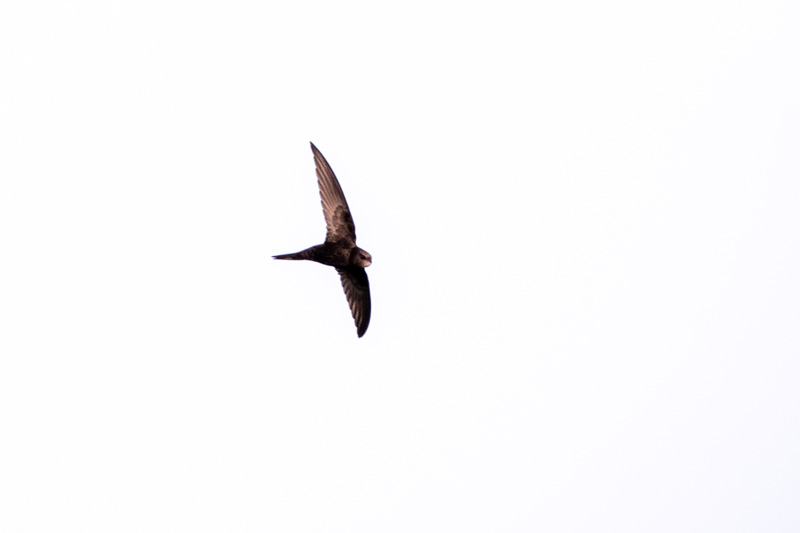
 Pied wagtail (or is it a white wagtail?)
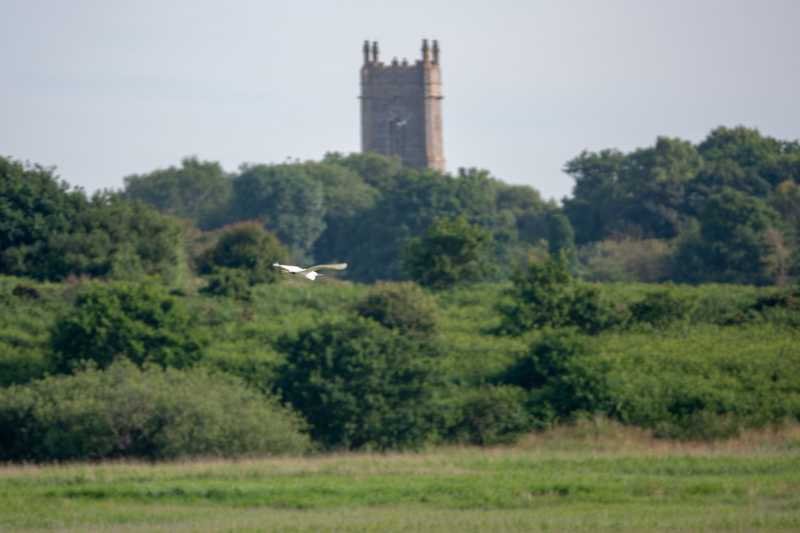 Little egret
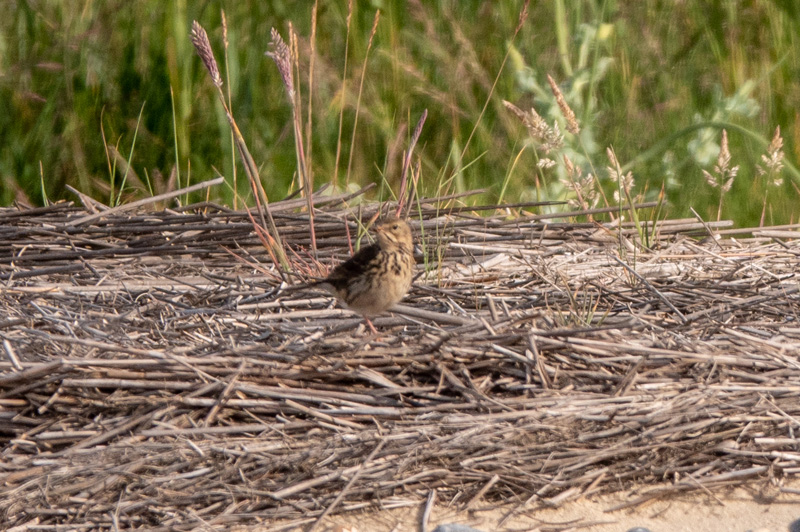 A meadow pipit (?) believing it was a ringed plover.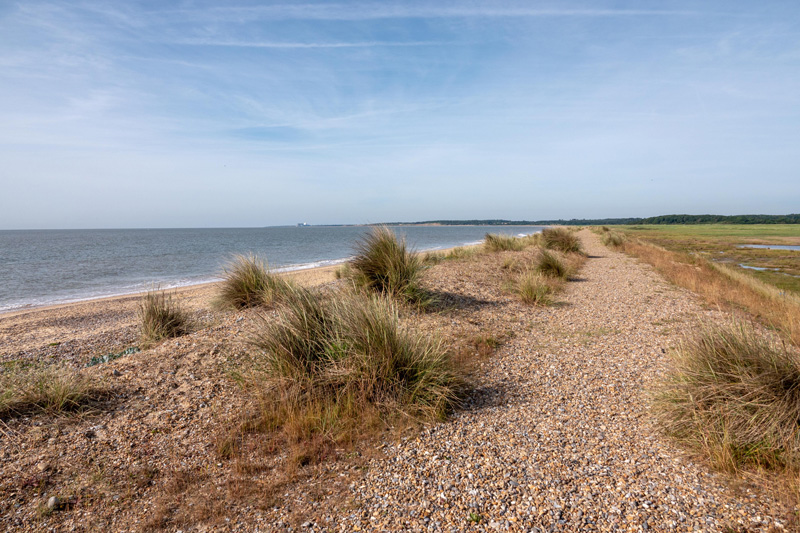
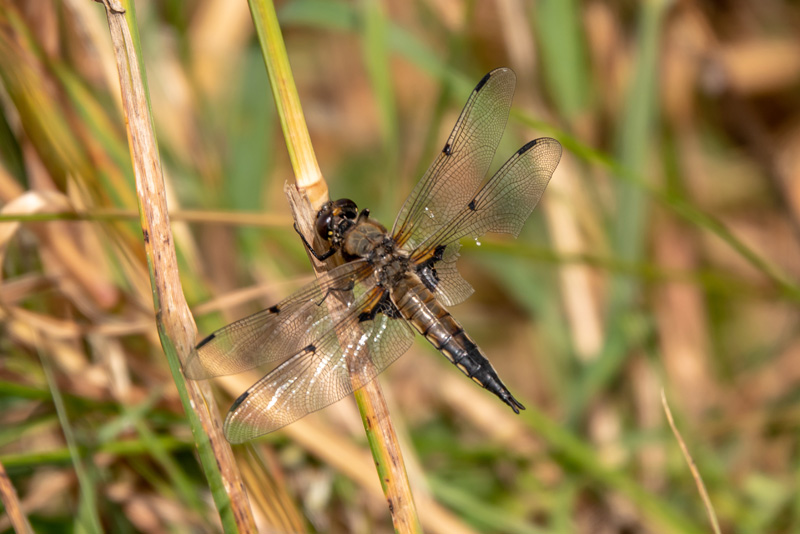 Four spotted chaser


 Norfolk hawker
 Four spot chaser
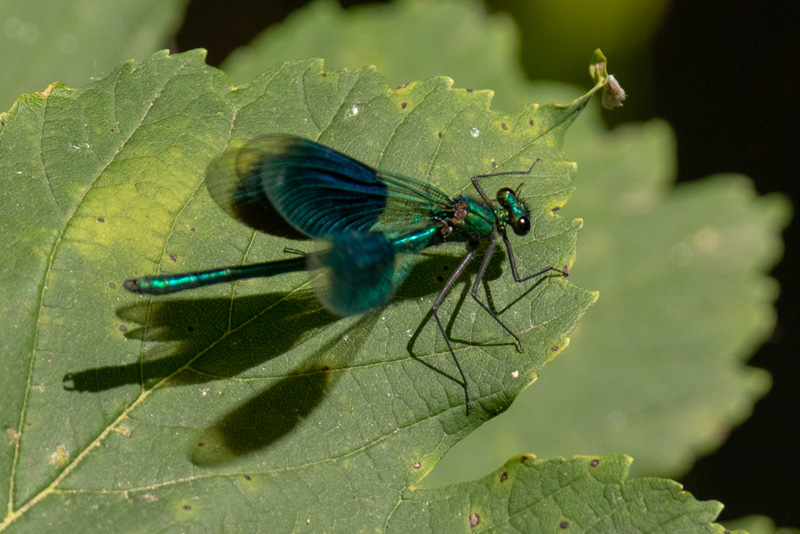
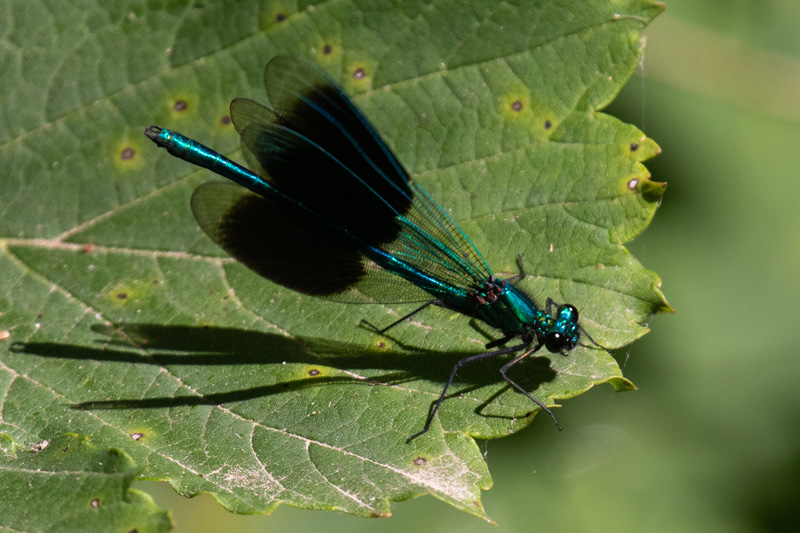
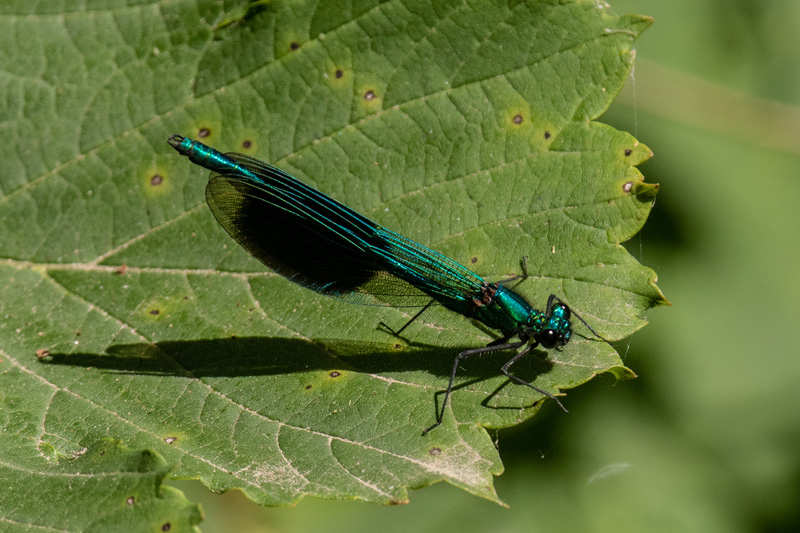
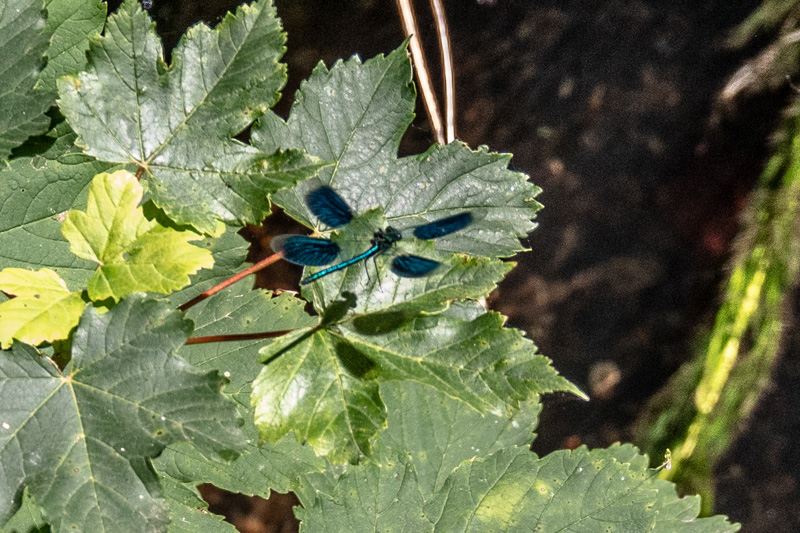
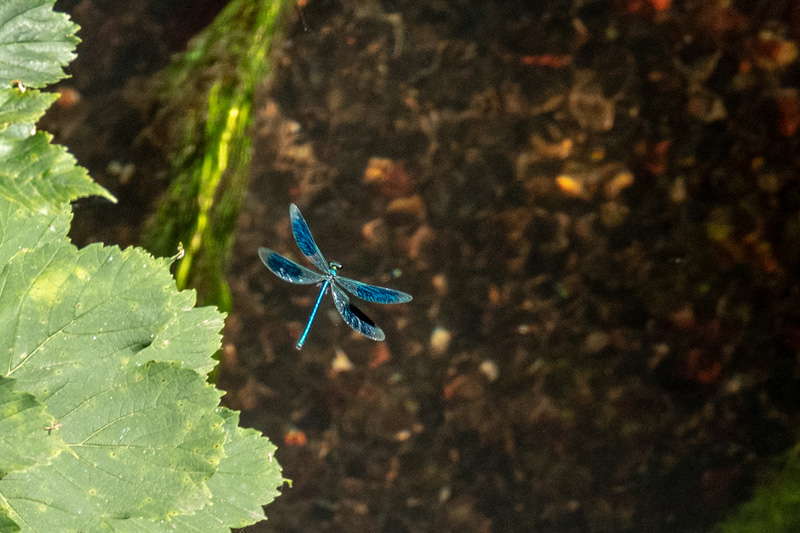
 Beautiful demoiselle
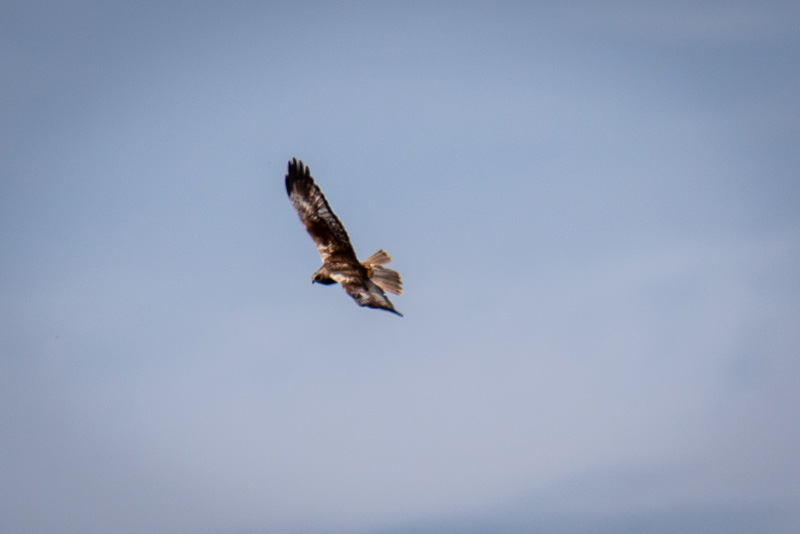 Marsh harrier
 Lapwing
 Black-headed gulls, chicks and eggs





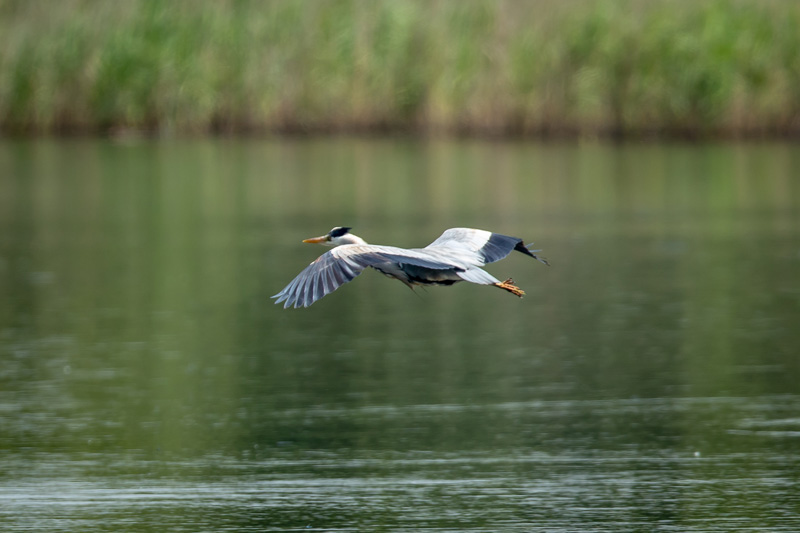
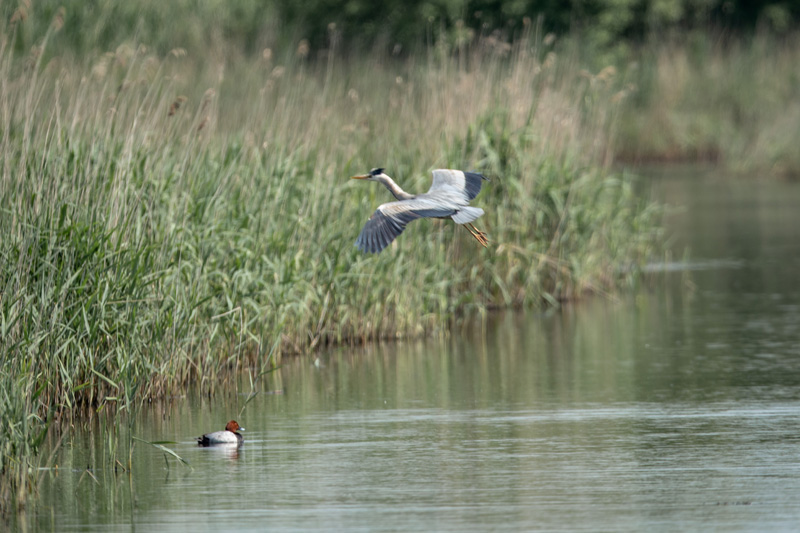
 Grey heron
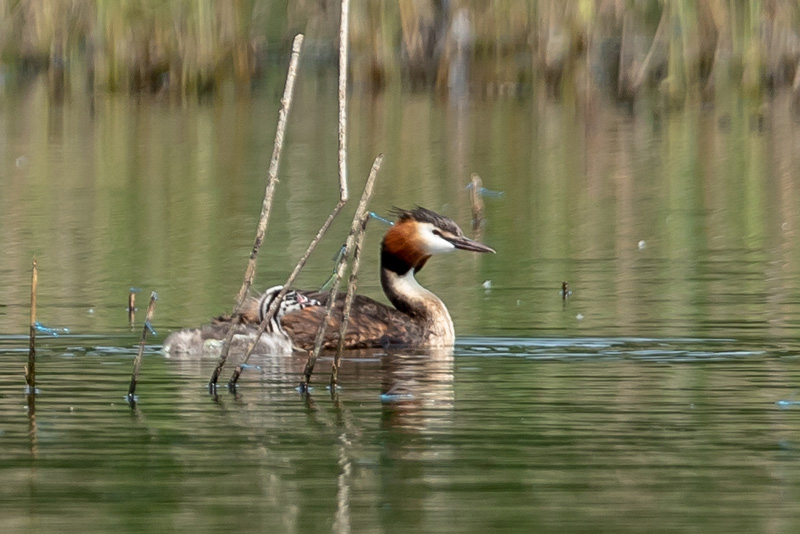
 Great crested grebe
 Cormorant



 Grey partridge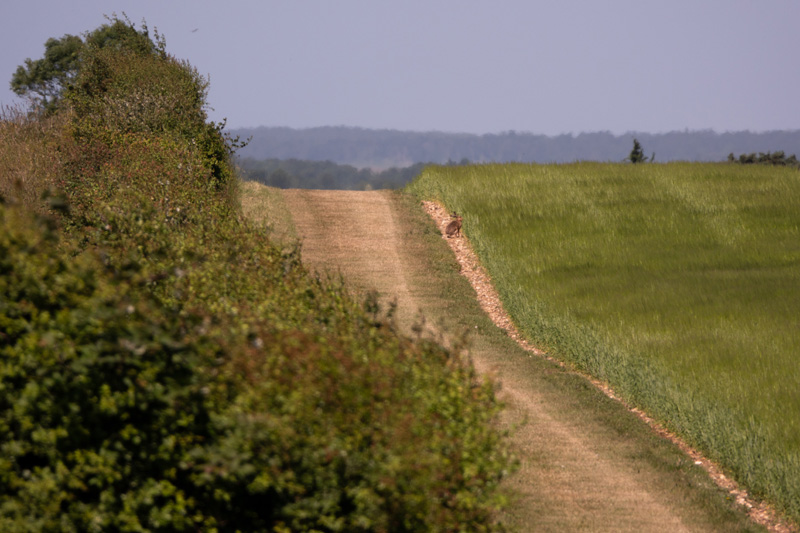
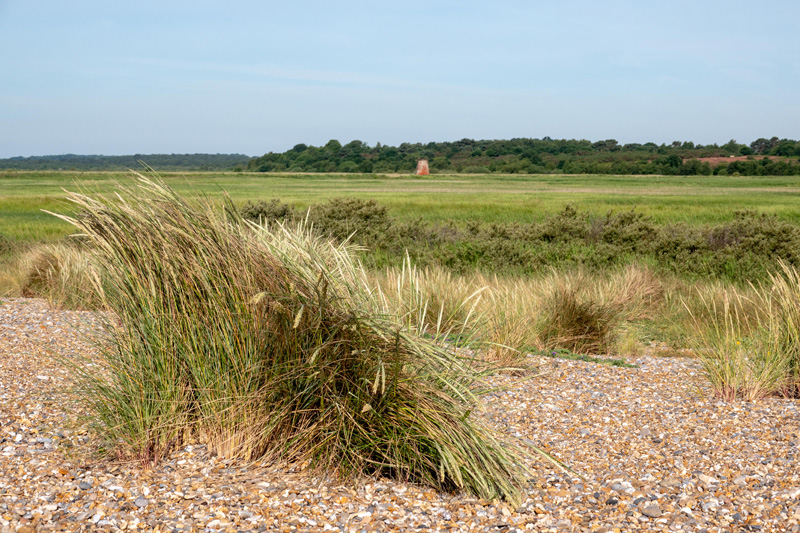
 The windmill at Cley Next The Sea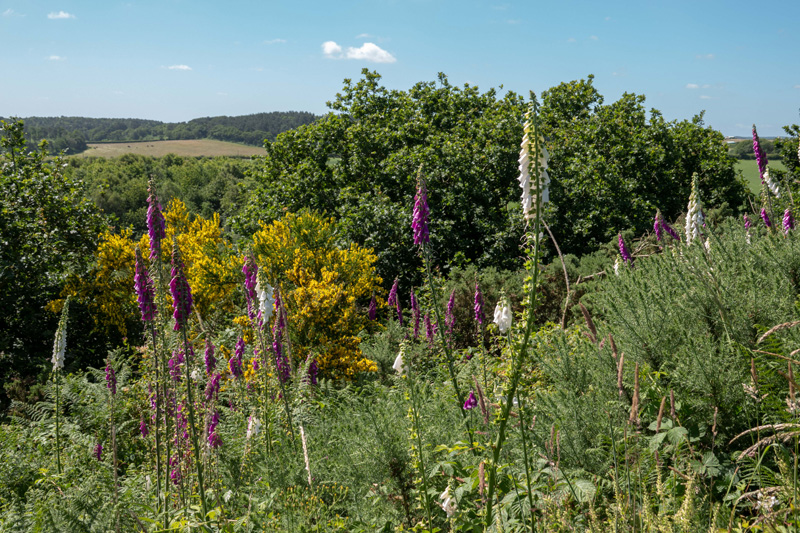
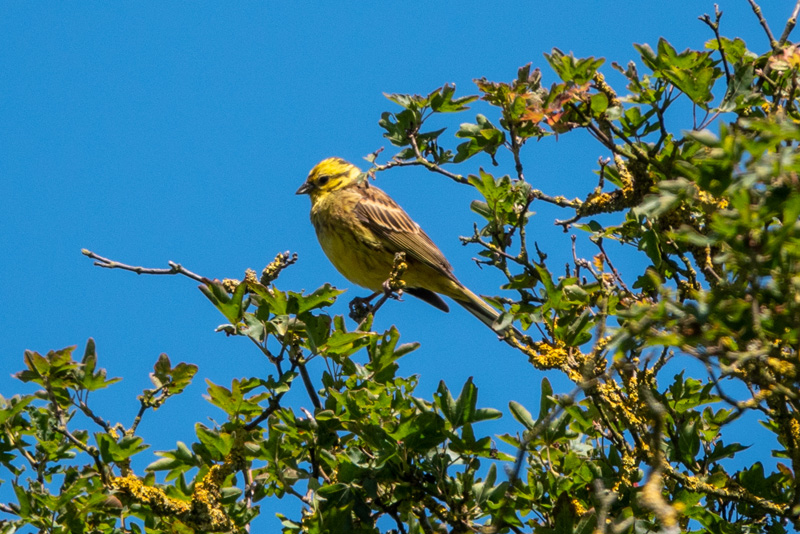
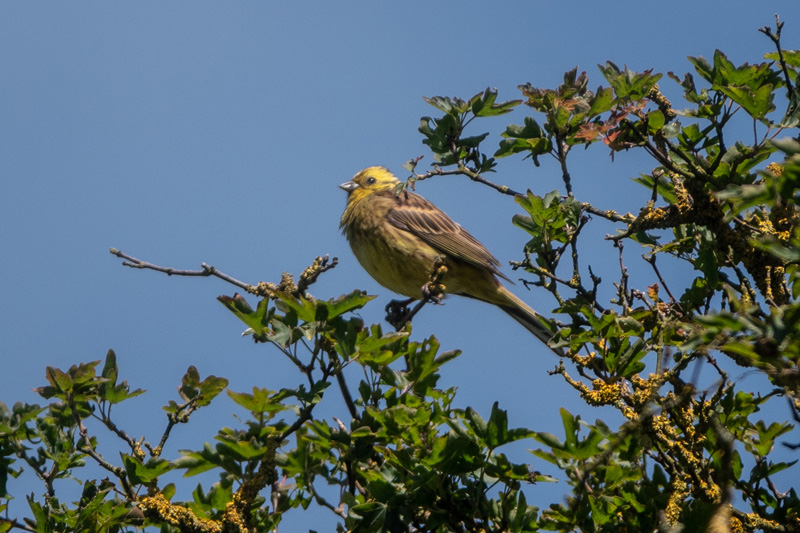
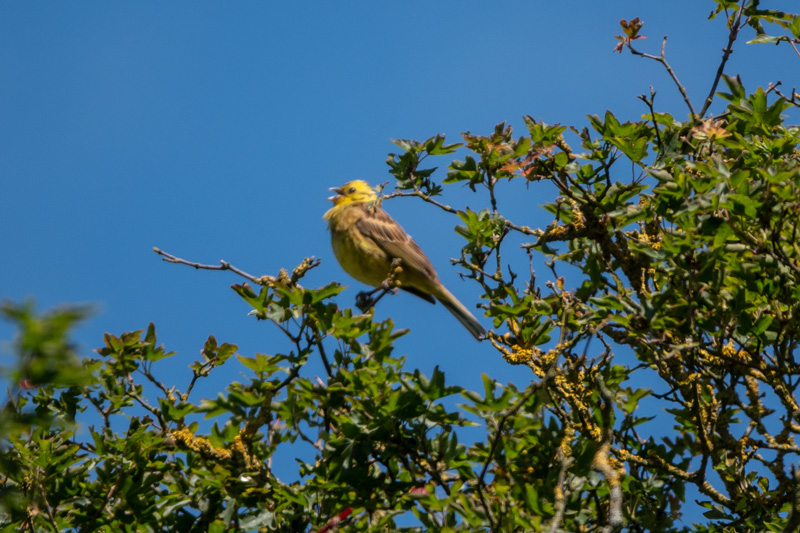 Yellowhammer
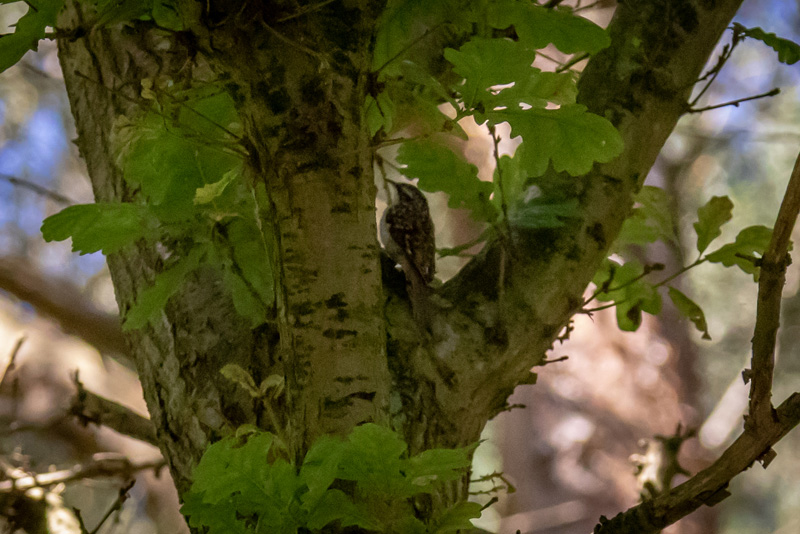 A tree creeper doing its best to hide

 Beech leaves

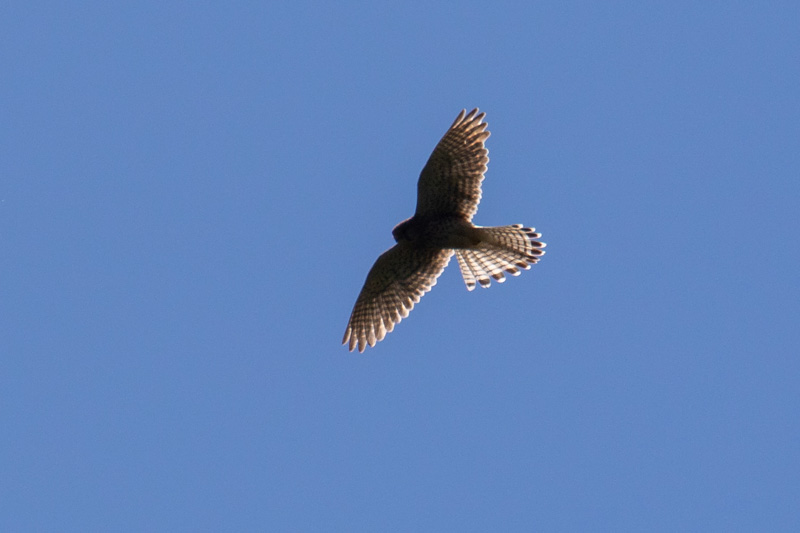 Kestrel
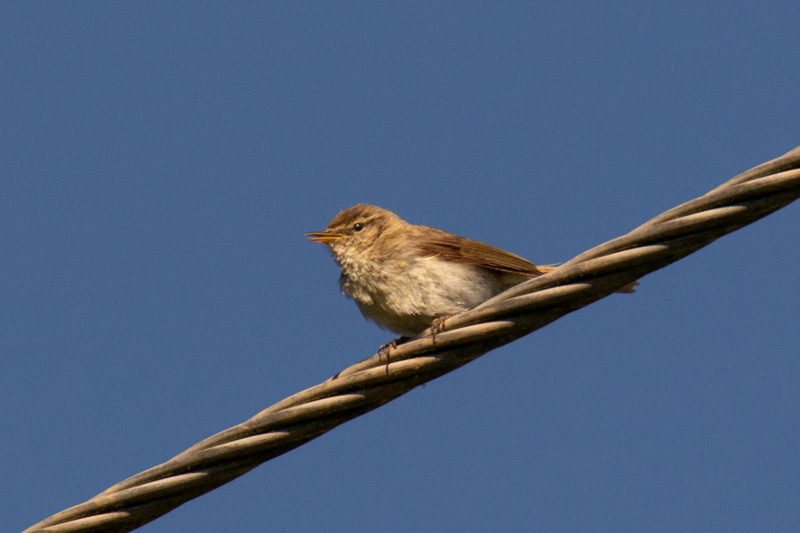 Chiffchaff
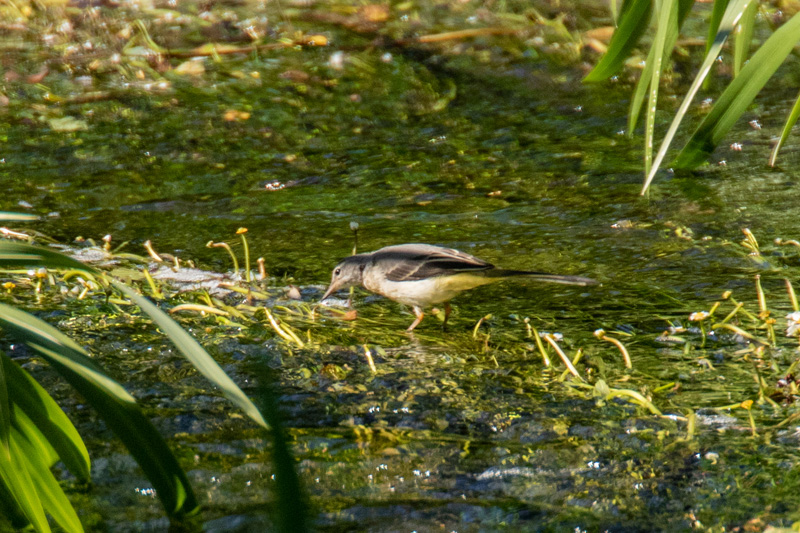 Grey wagtail
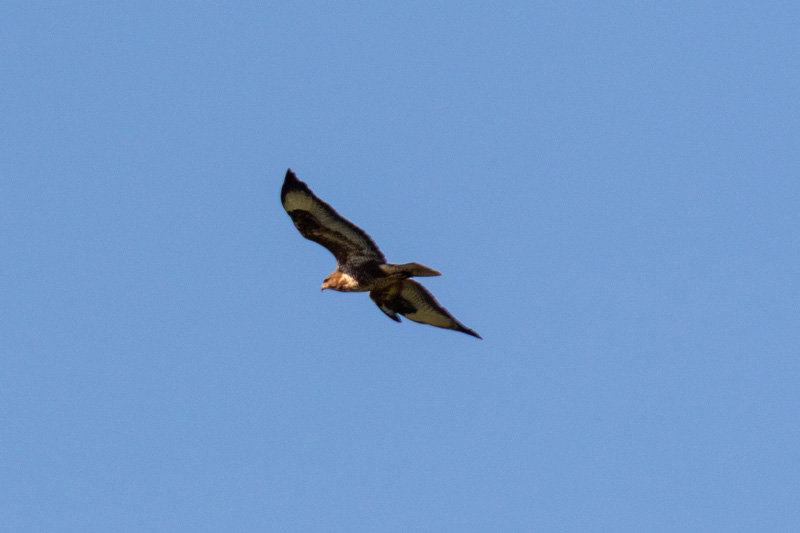 Buzzard
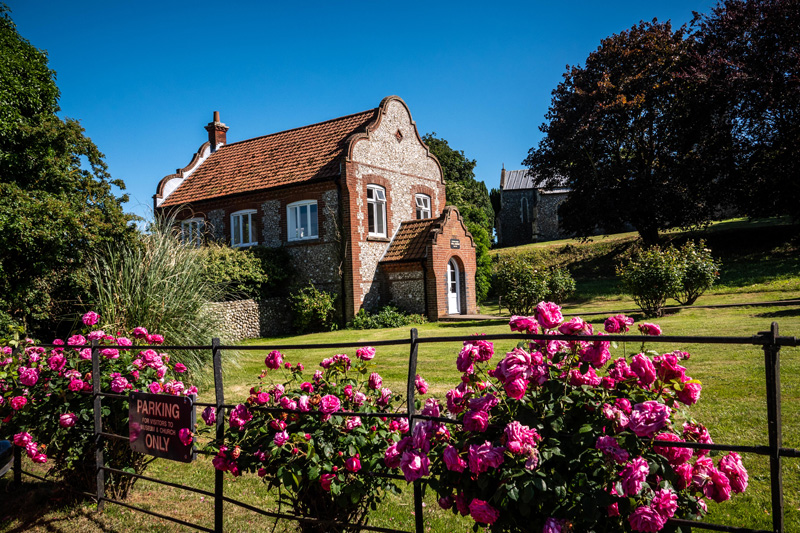 Shell museum at Glandford


 Blickling Hall
 The only wildlife photo at the Blickling Estate
 The Blickling Estate
 Little tern at Cley beach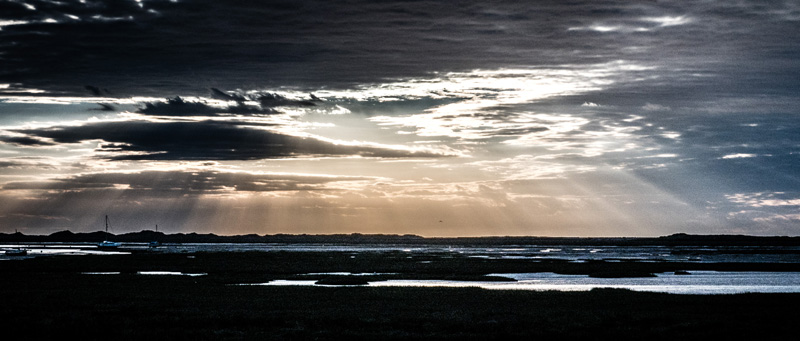
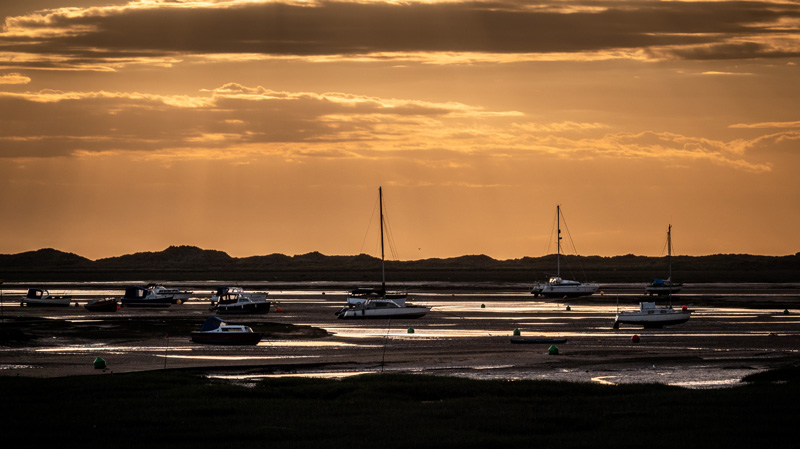
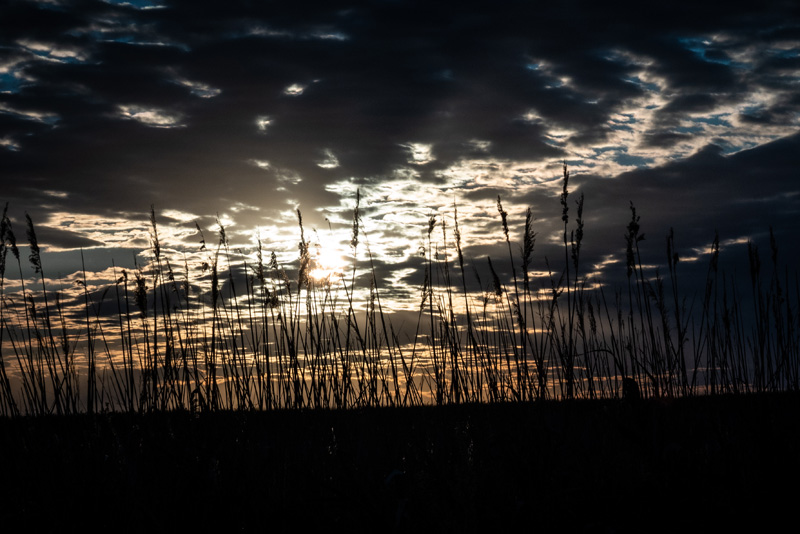
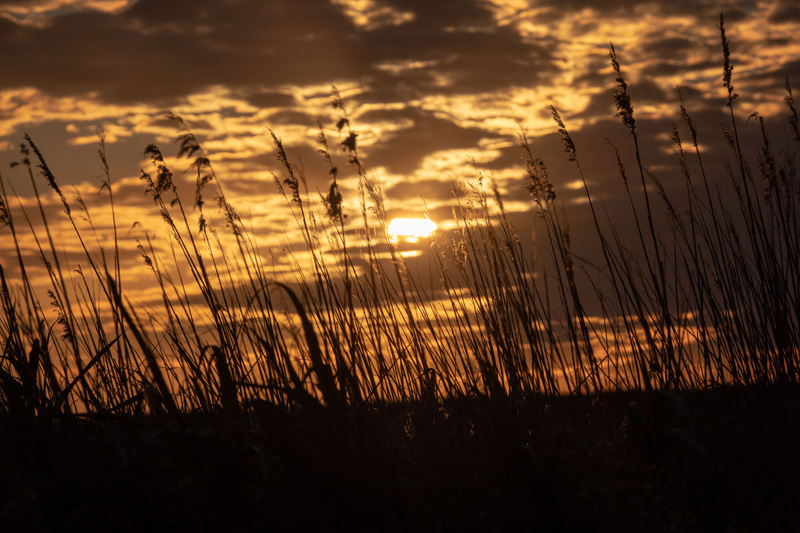
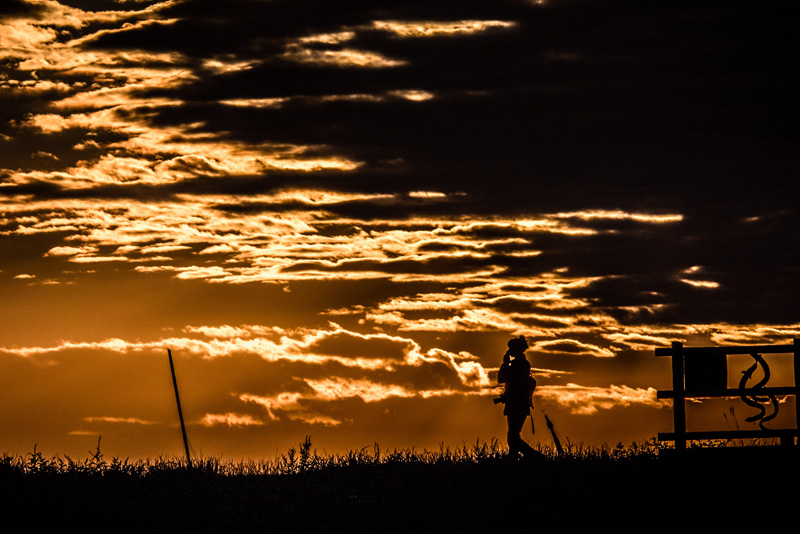
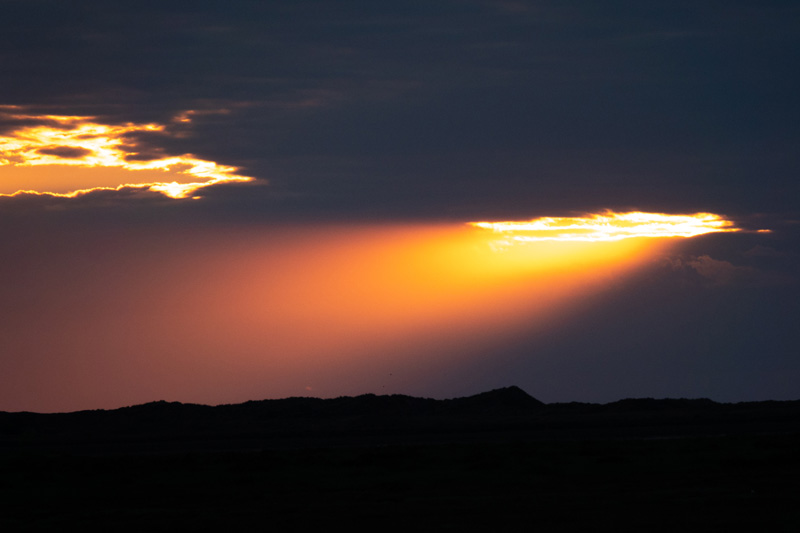 Dramatic skies at Blakeney
 Wood pigeon in the setting sun
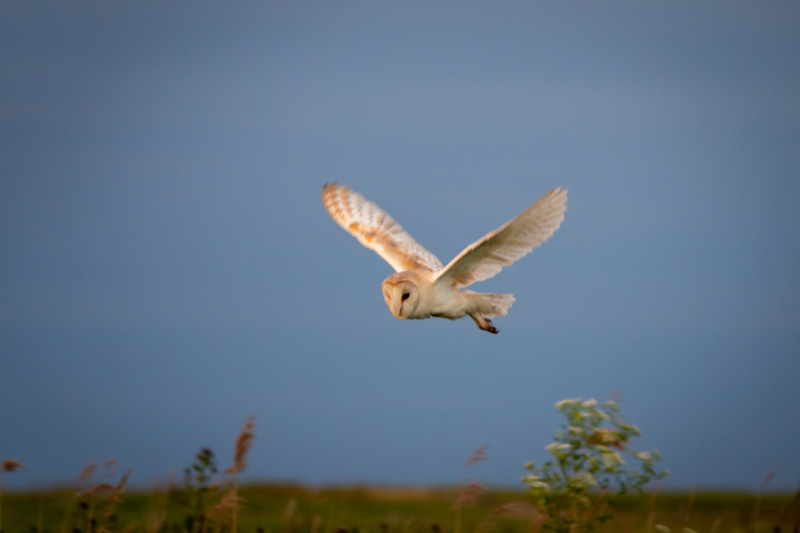
 Barn owl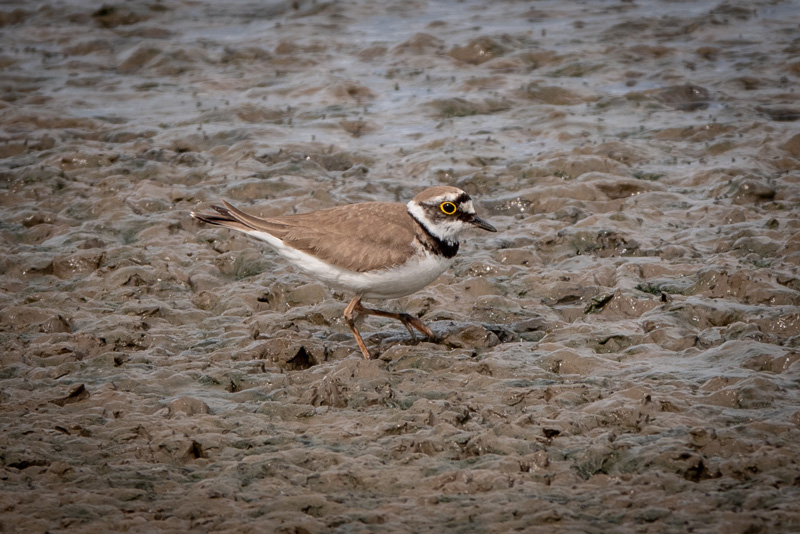
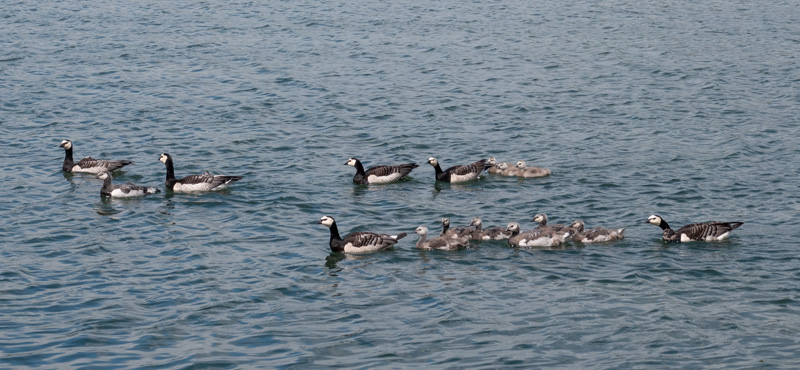 Barnacle geese and goslings
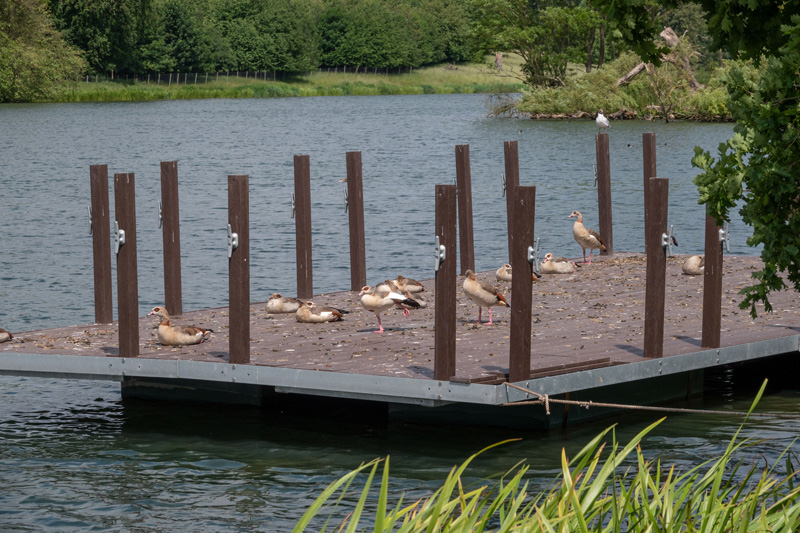 Egyptian geese
 Swallow
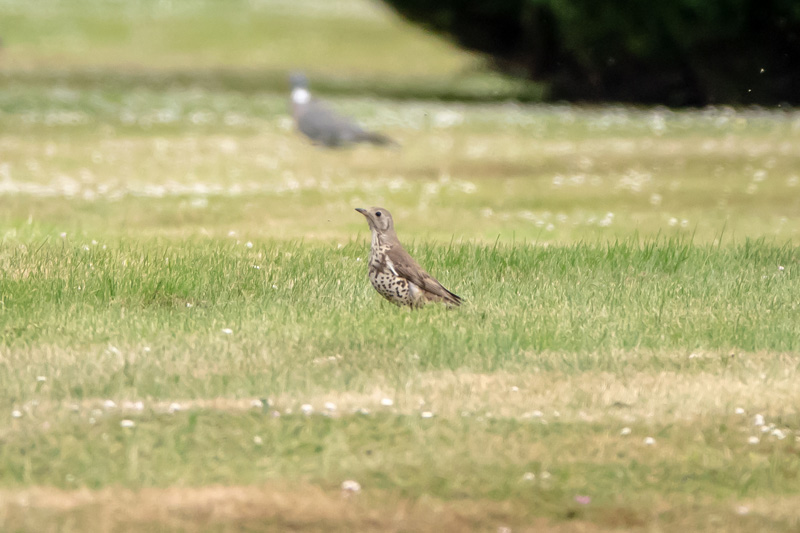 Mistle thrush
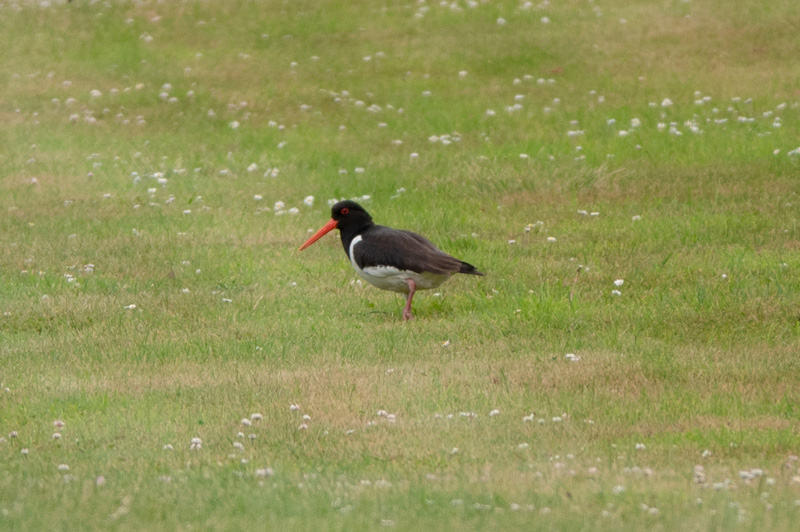 Oystercatcher on the lawn
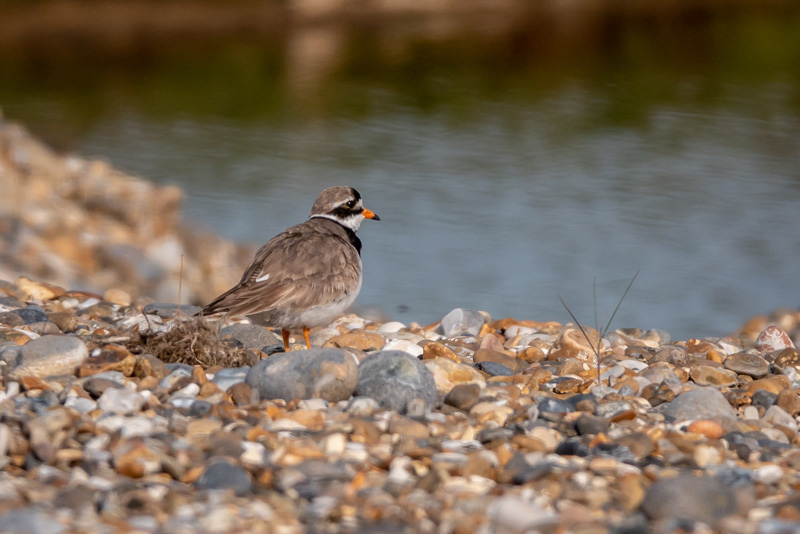
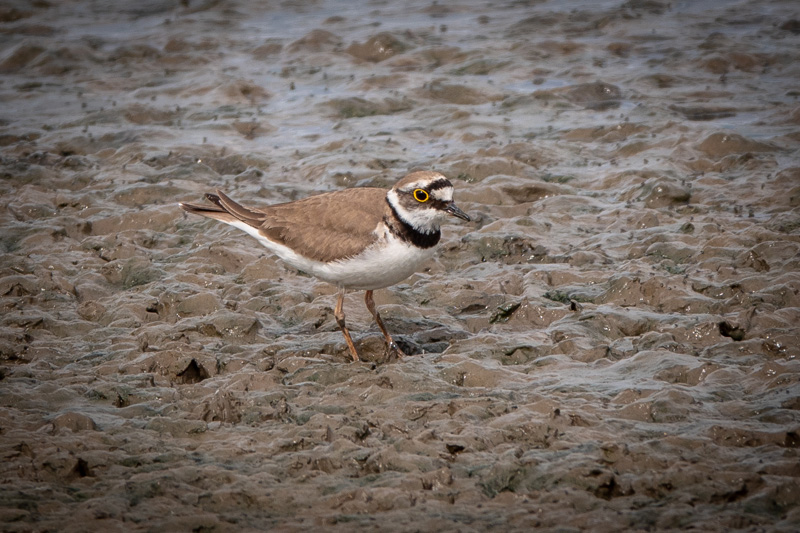 Little ringed plover
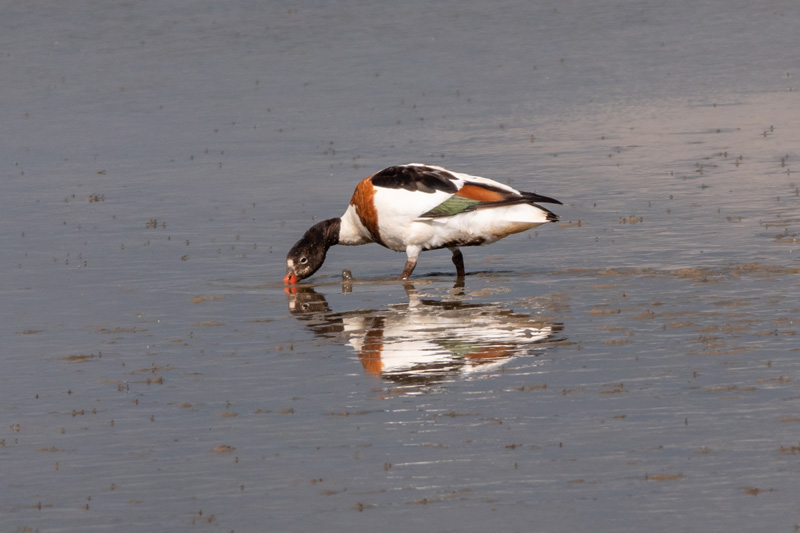 Shelduck
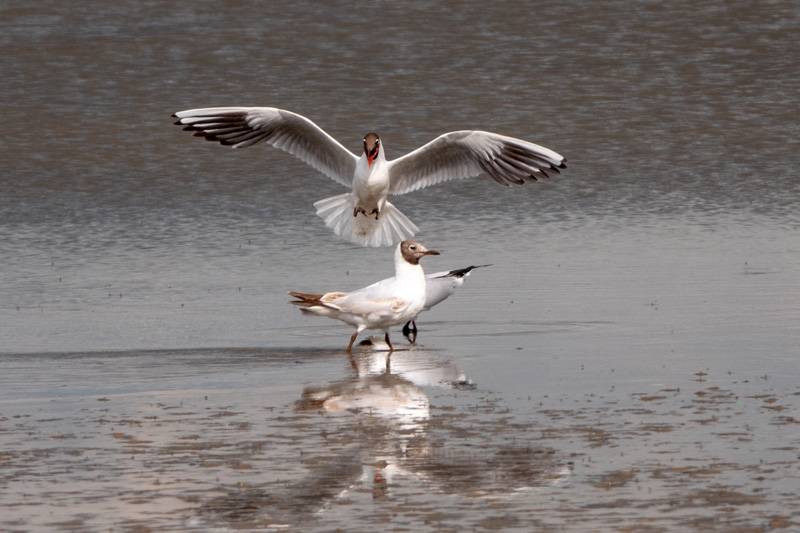 Black-headed gulls
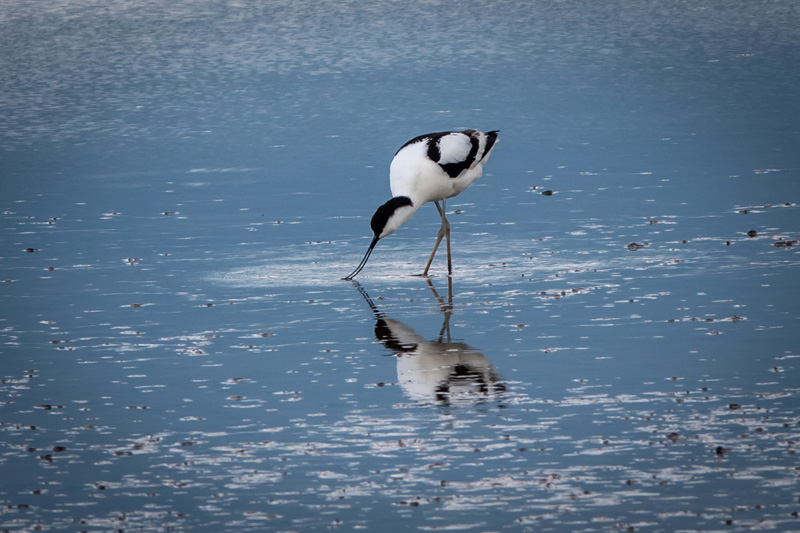 Avocet
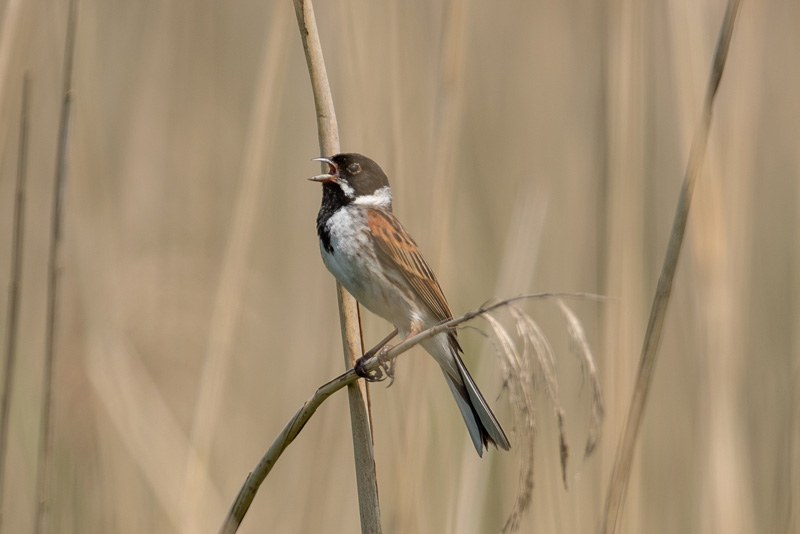
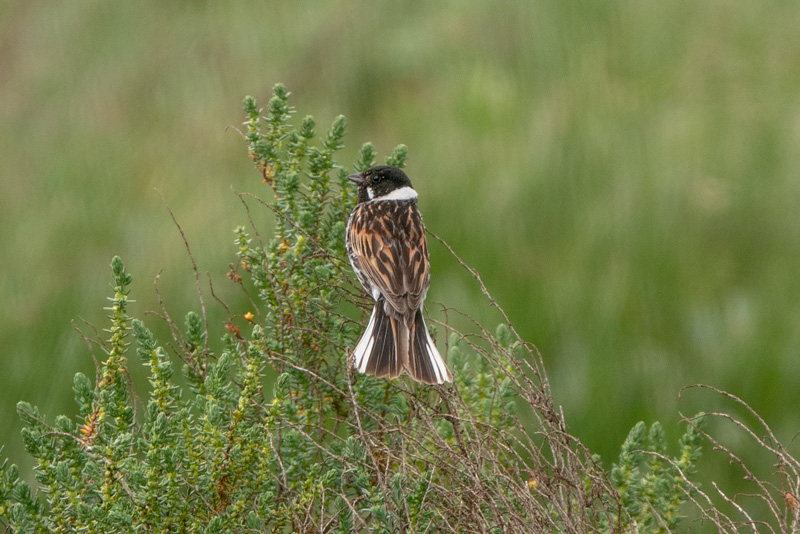 Reed bunting


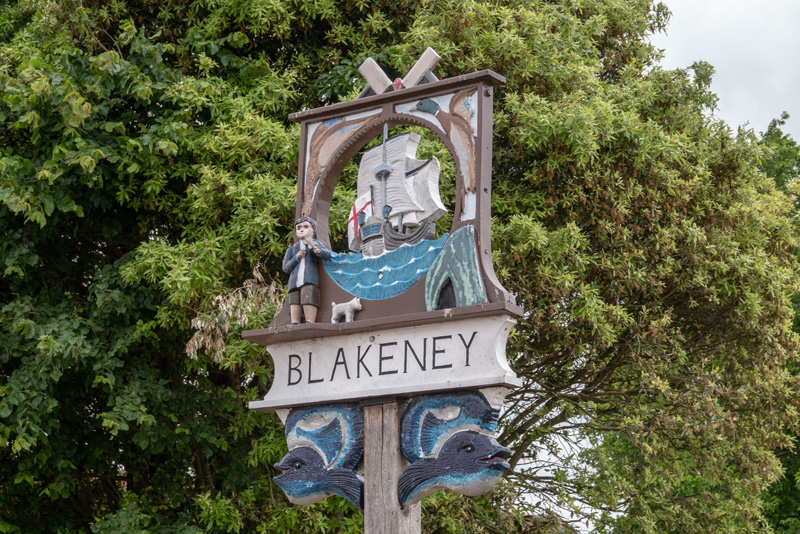
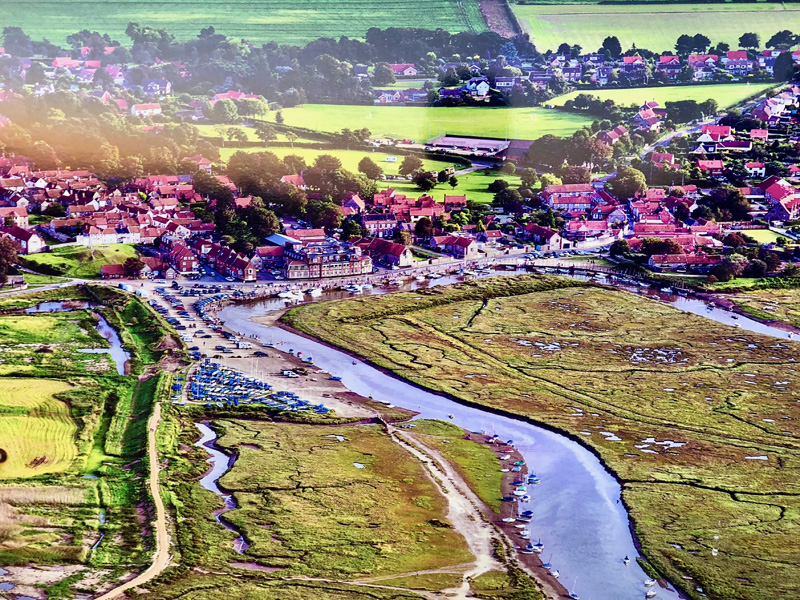 Blakeney
 This must be the same redshank I saw two days ago in the same spot
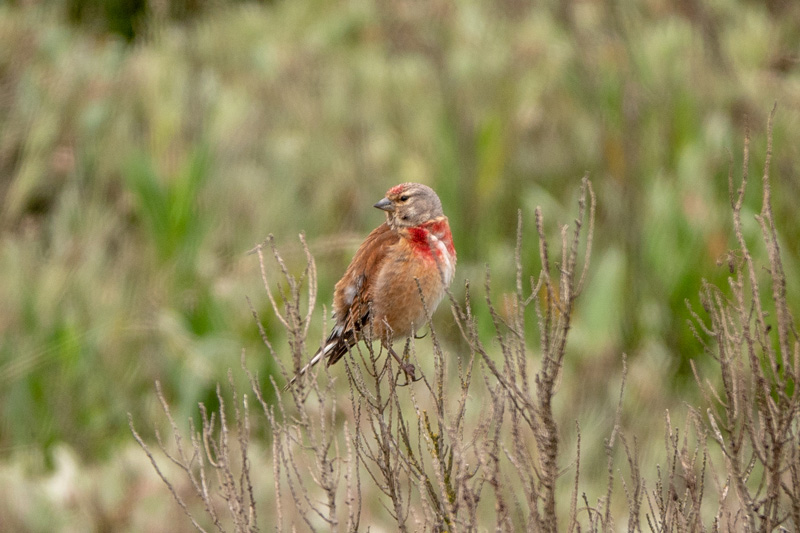
 Linnet

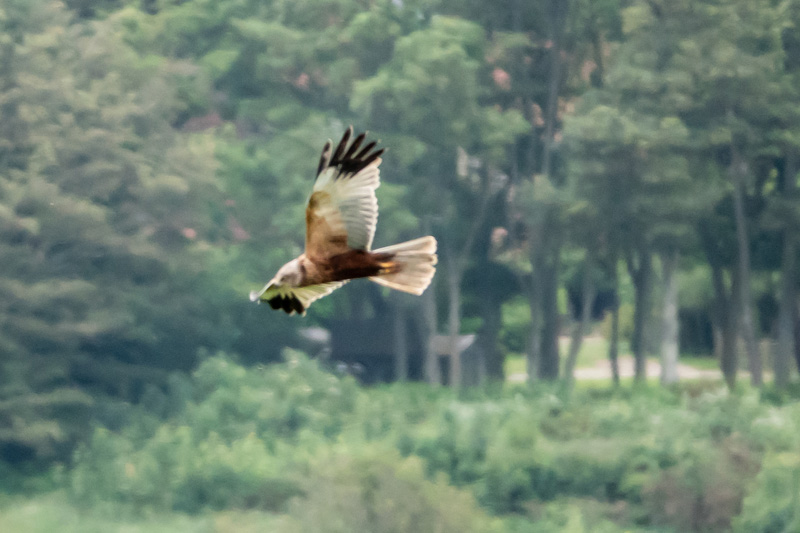 Marsh harrier
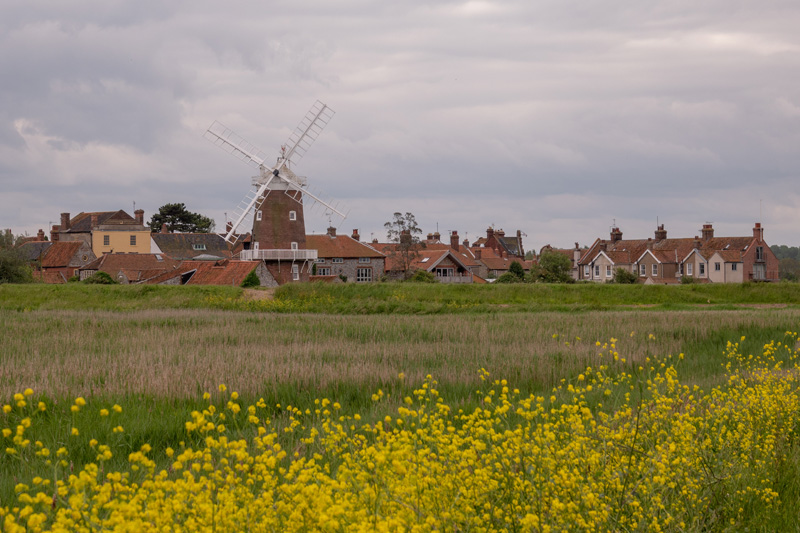 Cley Next The Sea
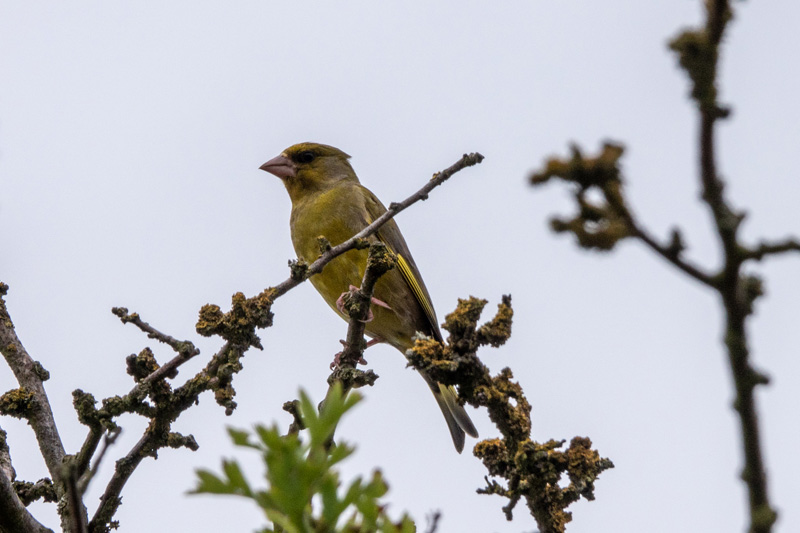 Greenfinch
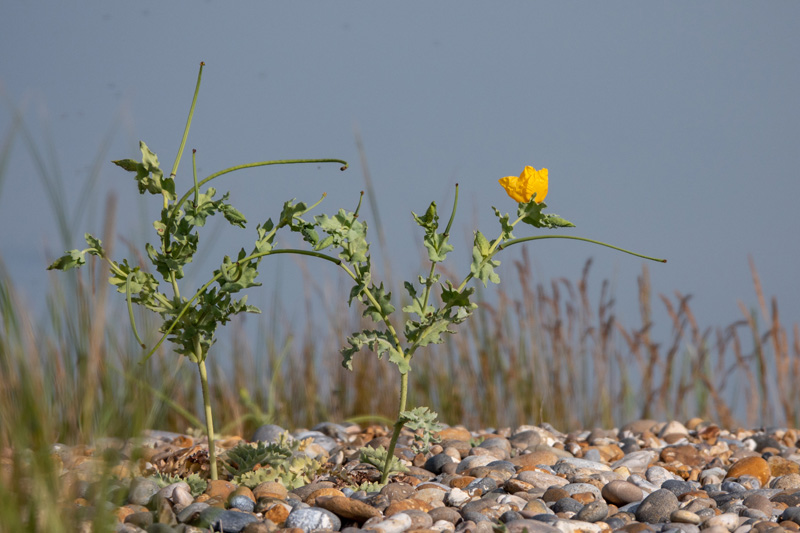
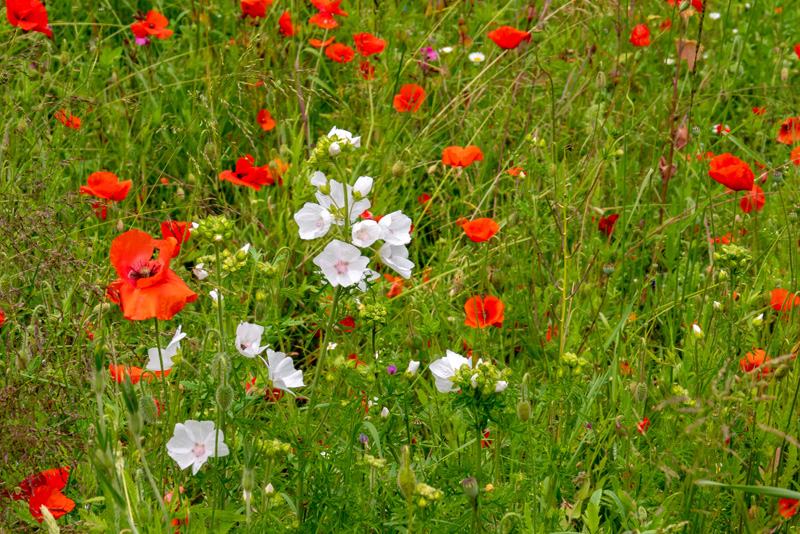 Wild flowers at Wiverton Hall
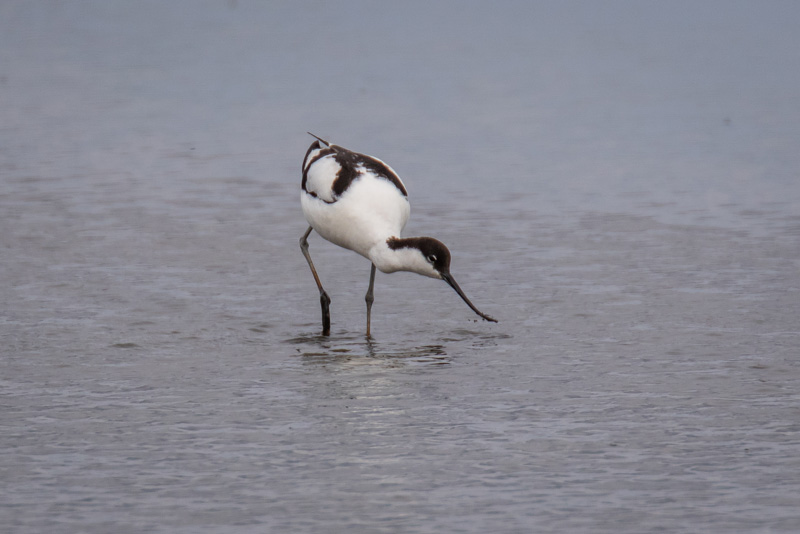 Avocet
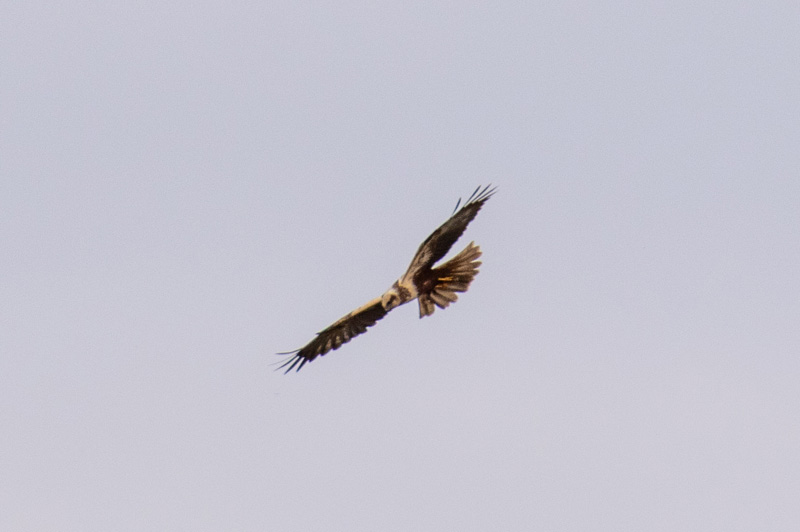 Marsh harrier
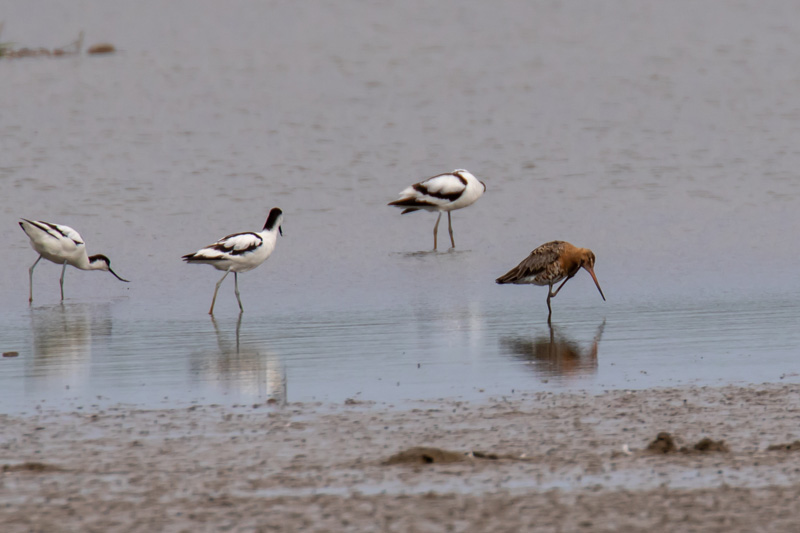 Black-tailed godwit and avocets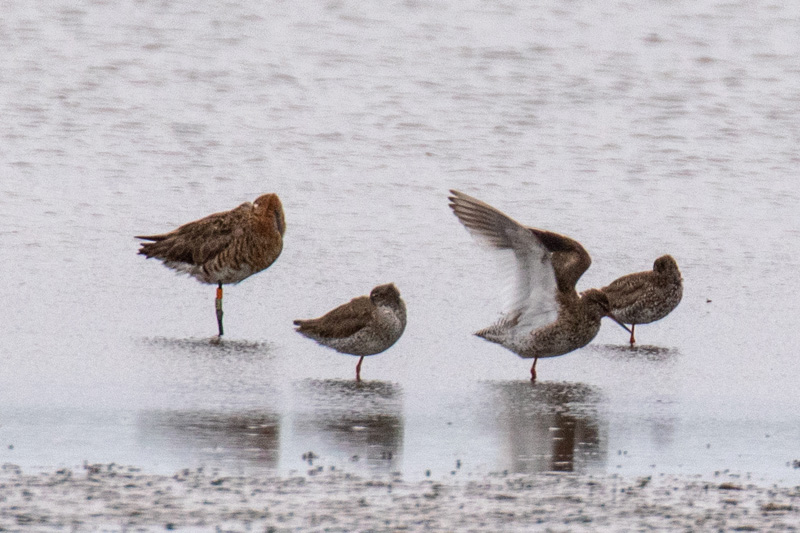
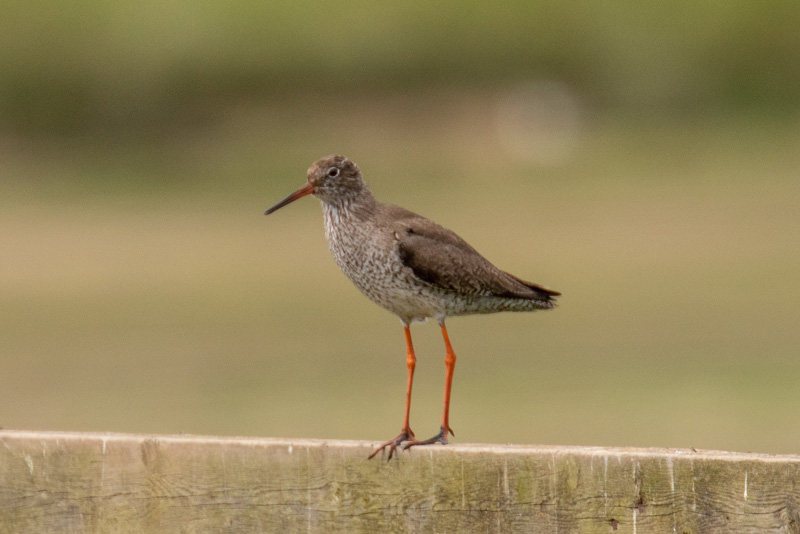 Redshank
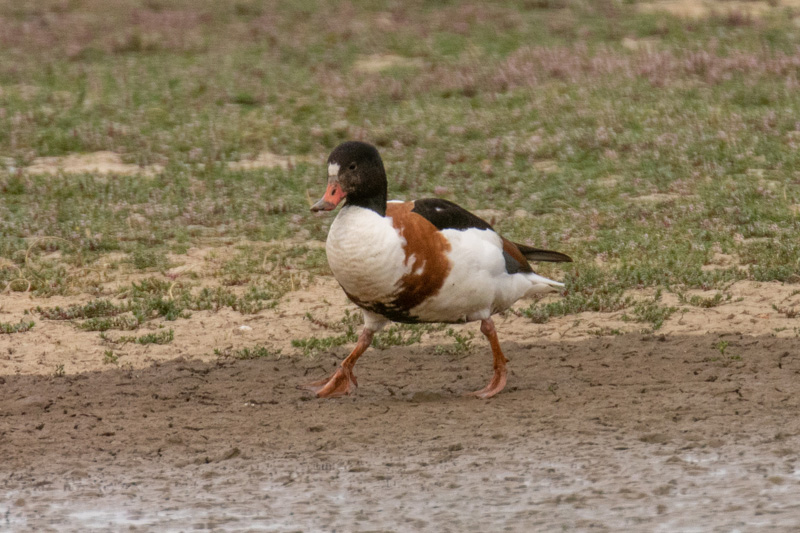 Shelduck


 A very warm welcome to the reserve by a robin
 Tawny owl and (big) chick
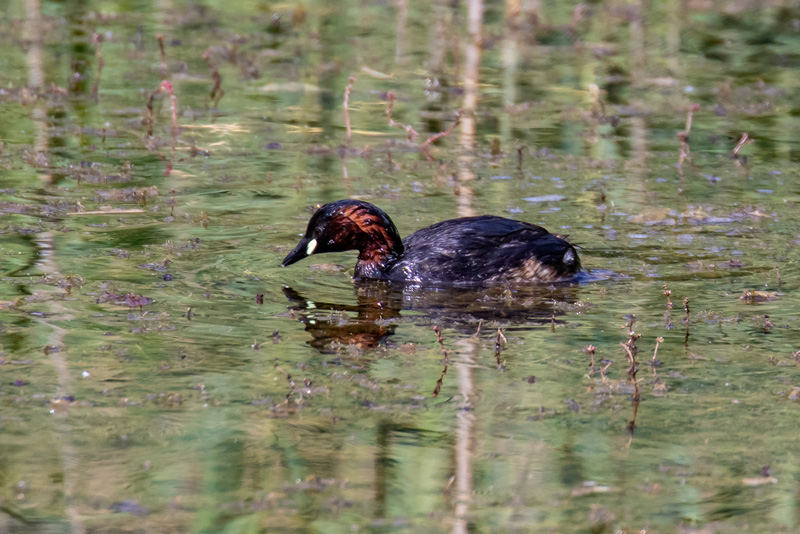 Little grebe
 Damselflies and chasers
 Marsh harrier
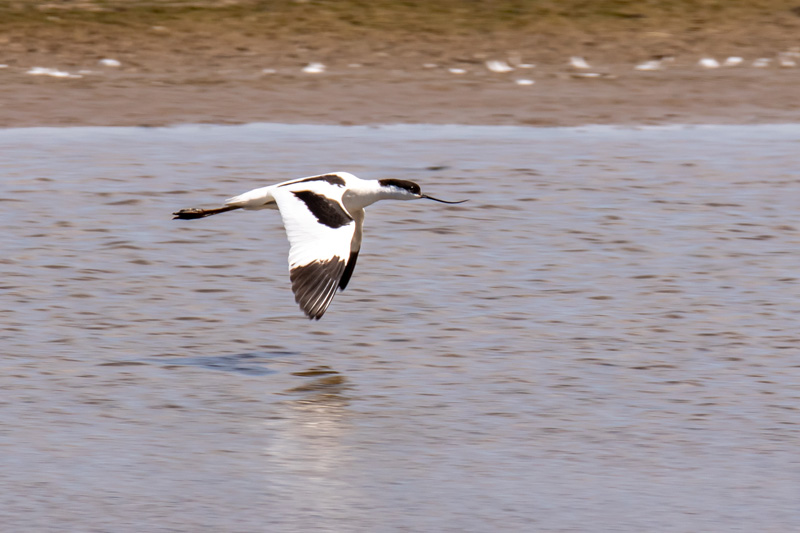 Avocet
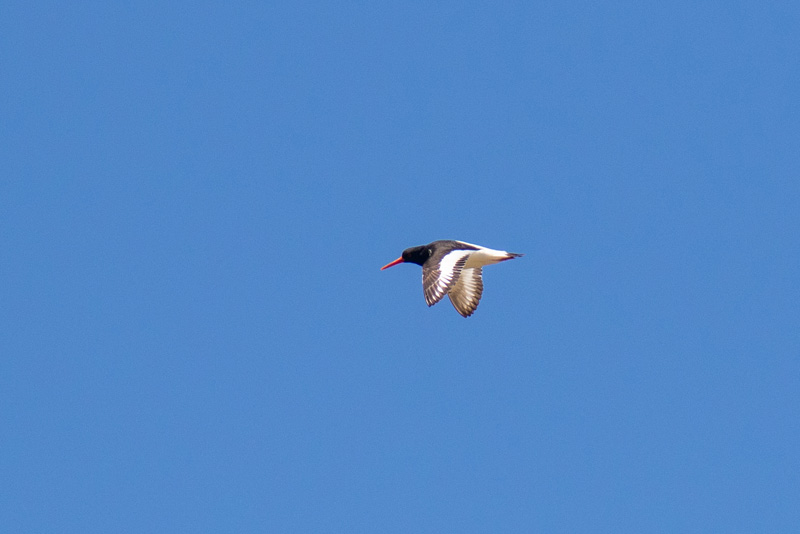 Oystercatcher
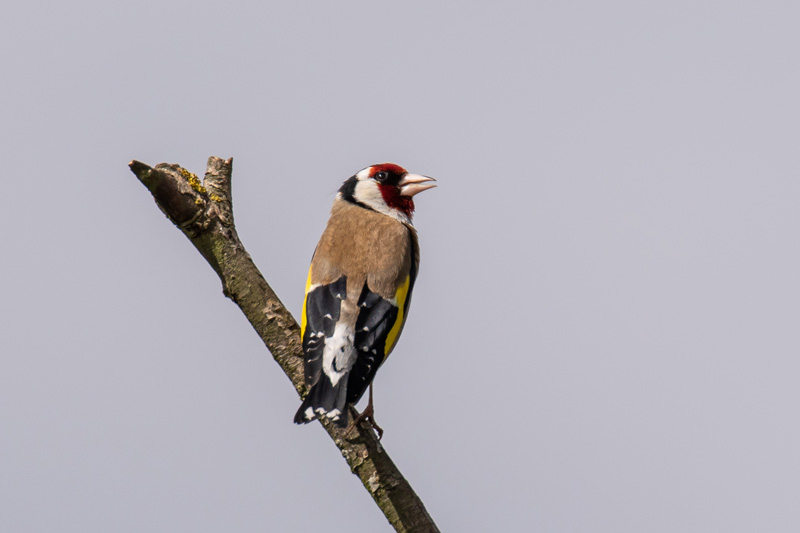 Goldfinch
 Reed bunting
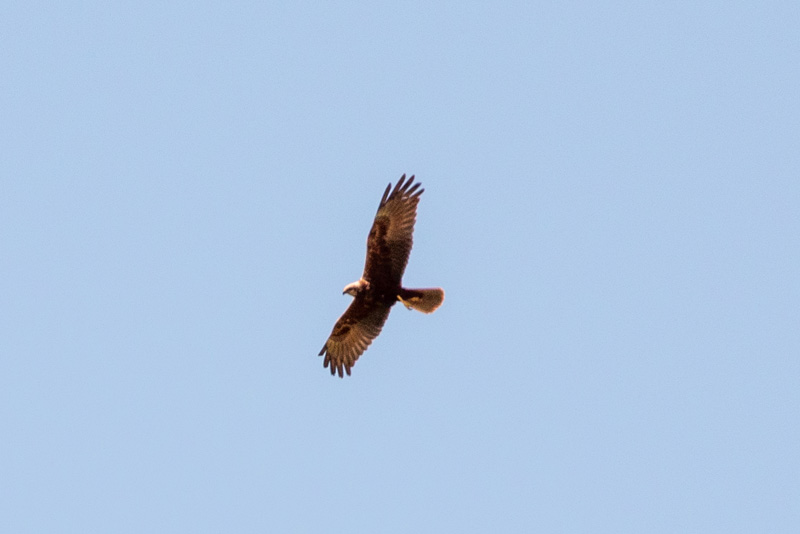 Buzzard
 Greylag goose
 Canada goose
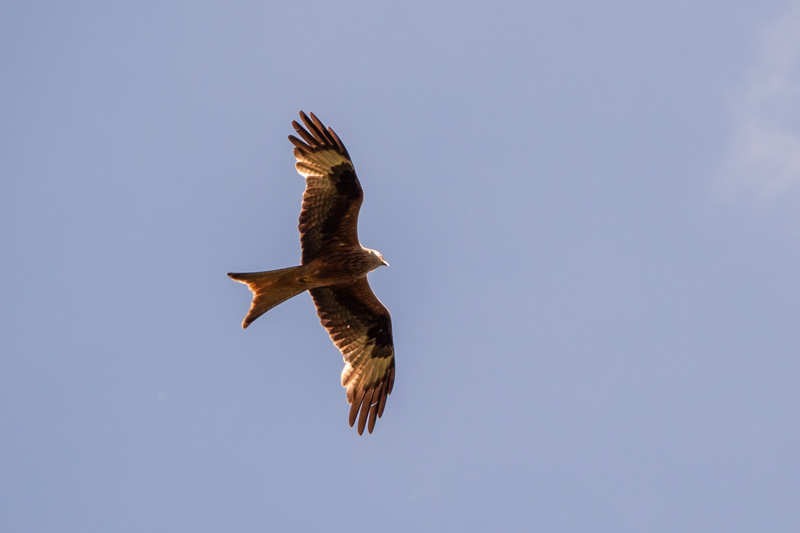 Red kite
 Mute swan seeing off a greylag goose
 Mute swan trumpeting its success
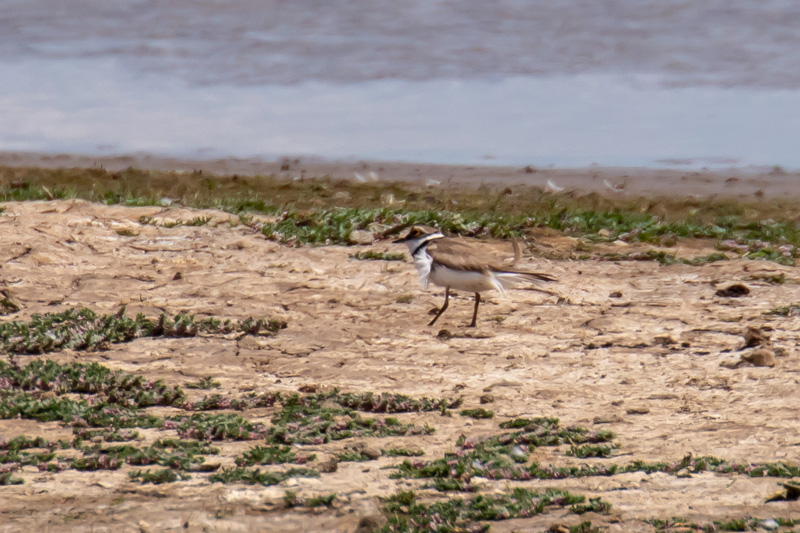 Little ringed plover
 A scruffy lapwing
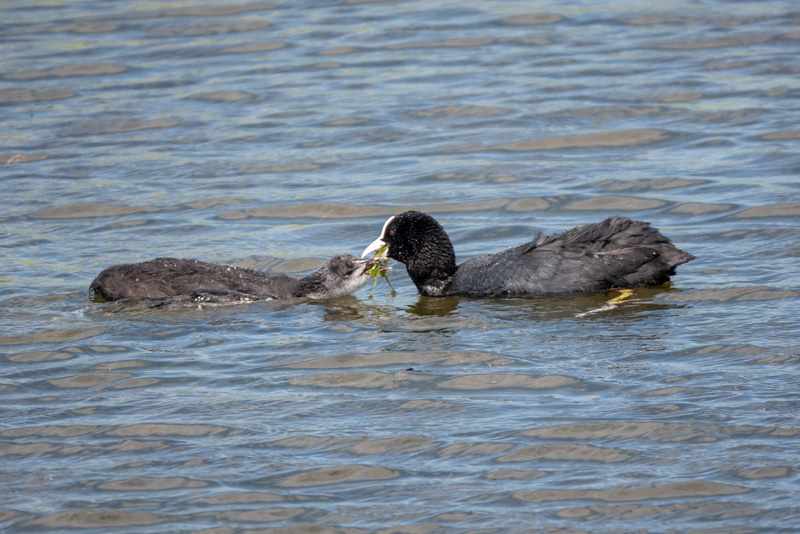 Coot and chick
 Tut tut, coots fighting in front of the kids
 One of the two species of tern today
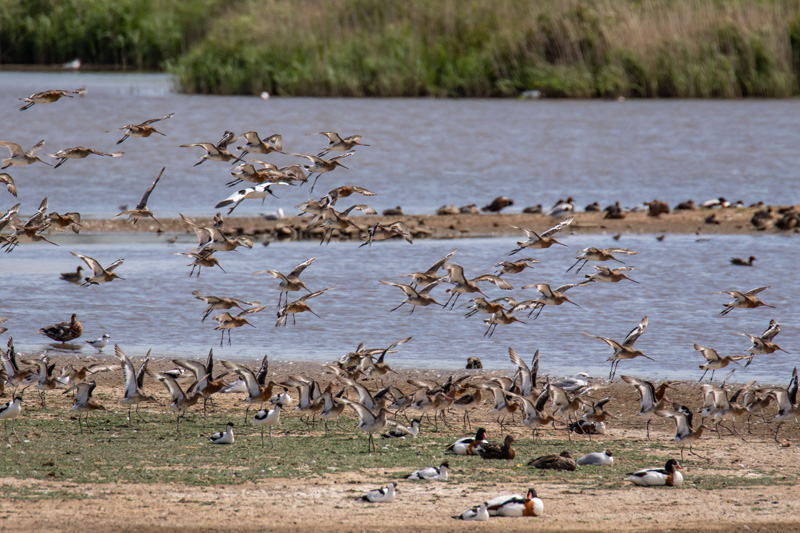 What caused this chaos?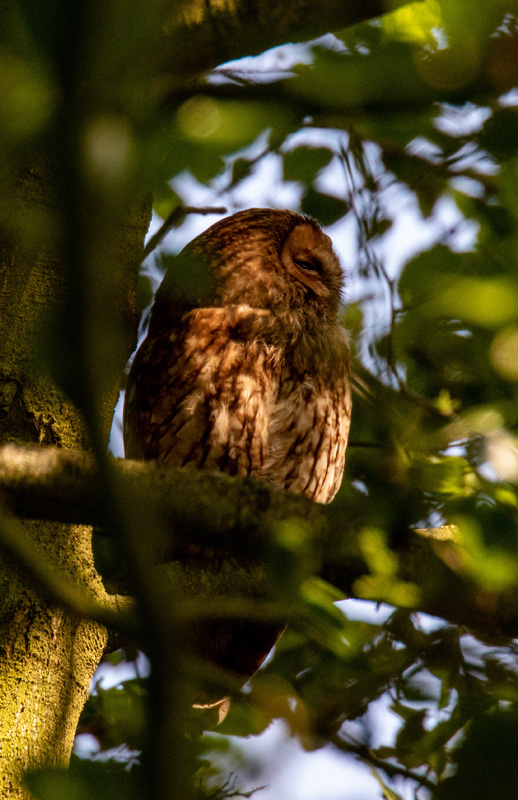


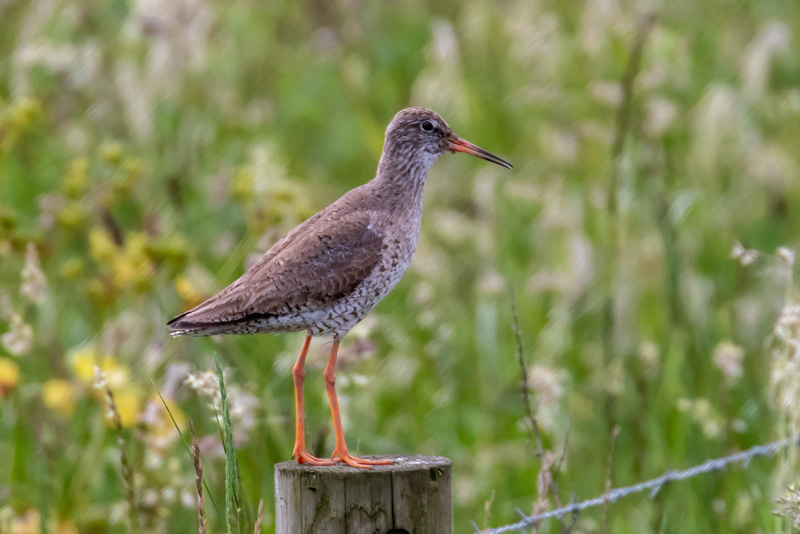 Redshank
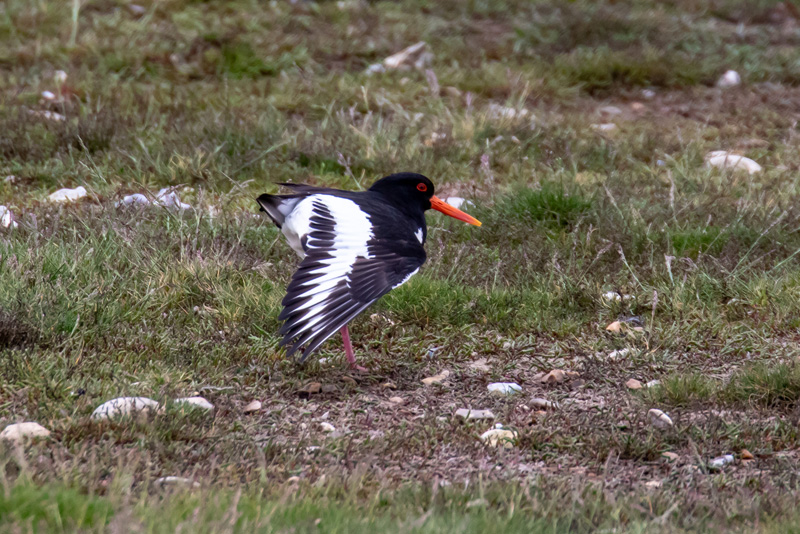 Oystercatcher
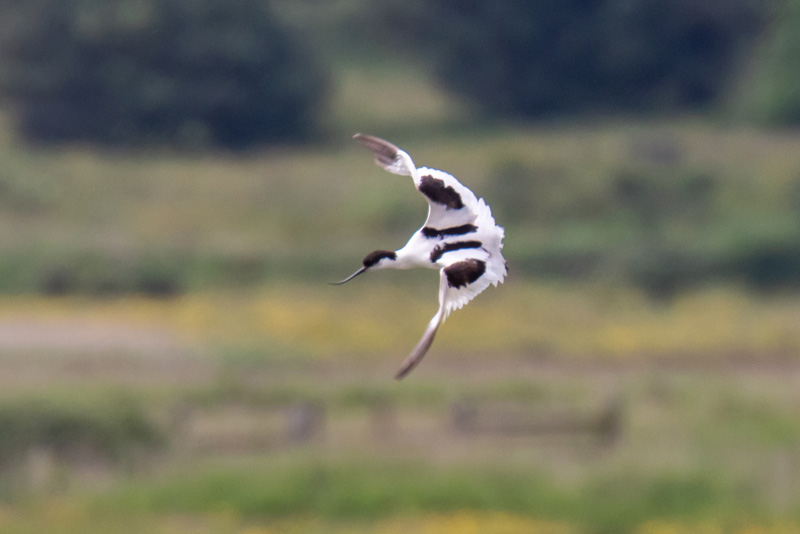 Avocet
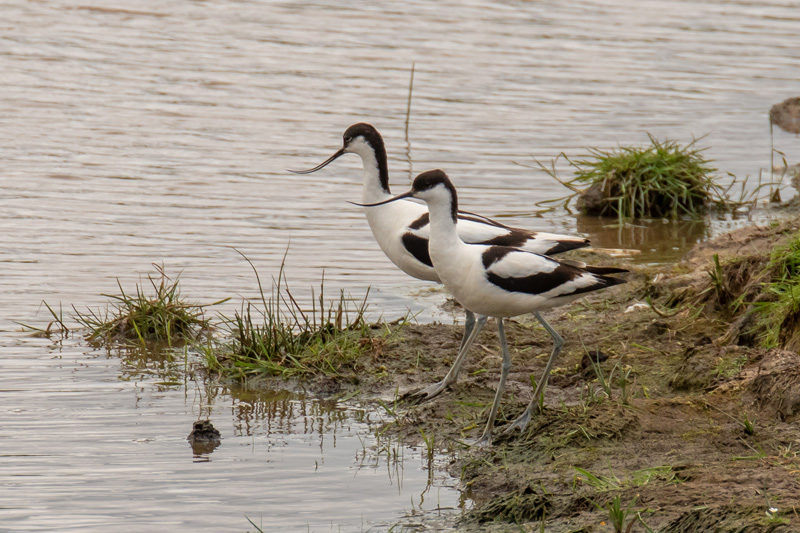 Avocet
 Avocet chicks
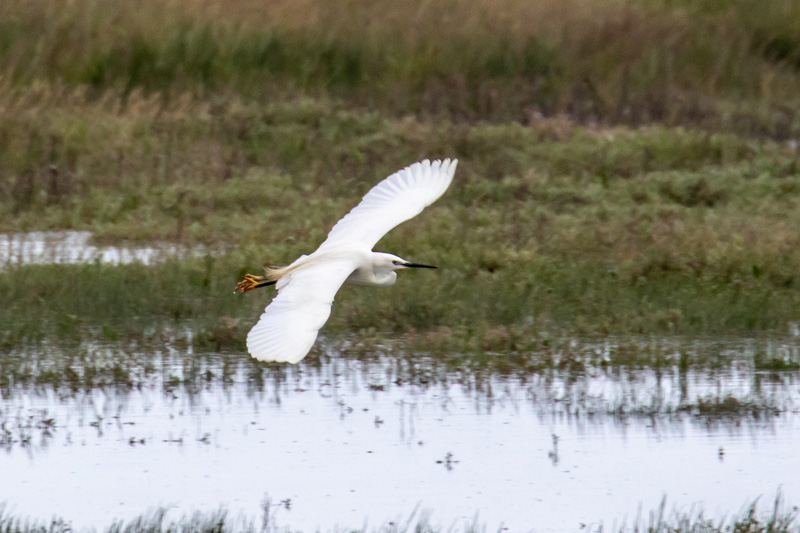 Little egret
 Redshank and chicks
 Little ringed plover
 Little ringed plover chick
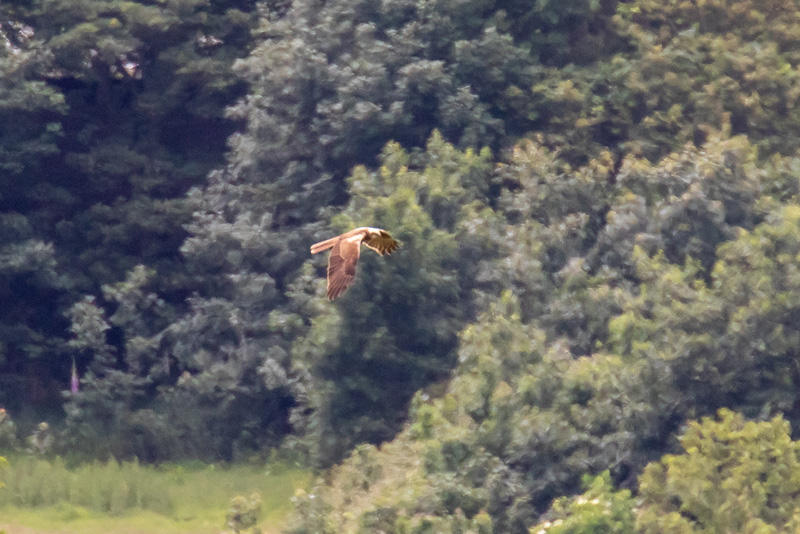 Marsh harrier
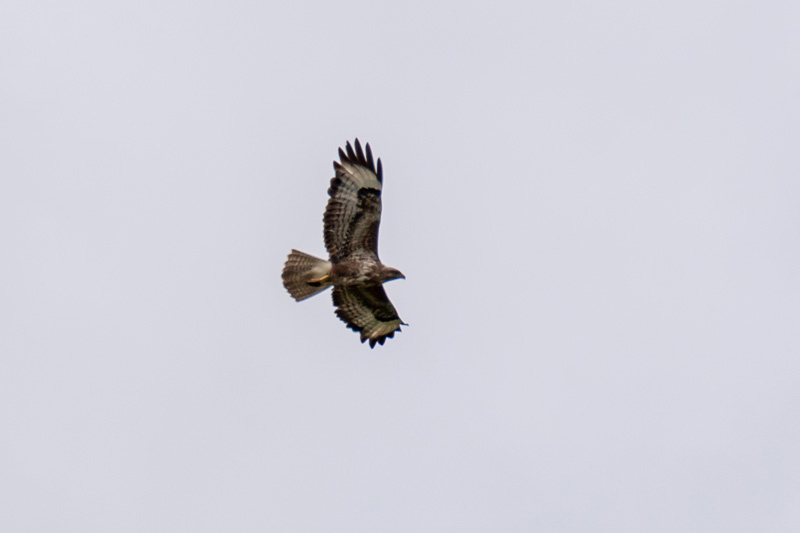 Buzzard
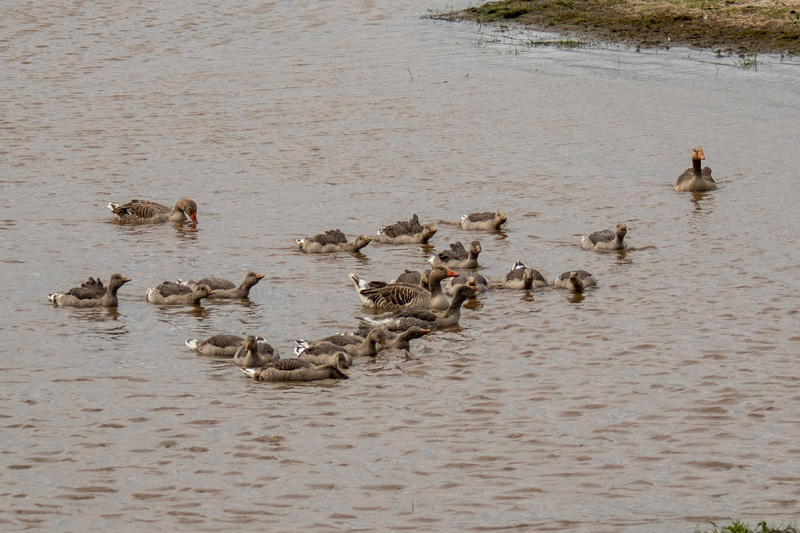 Greylag geese and a crèche of goslings
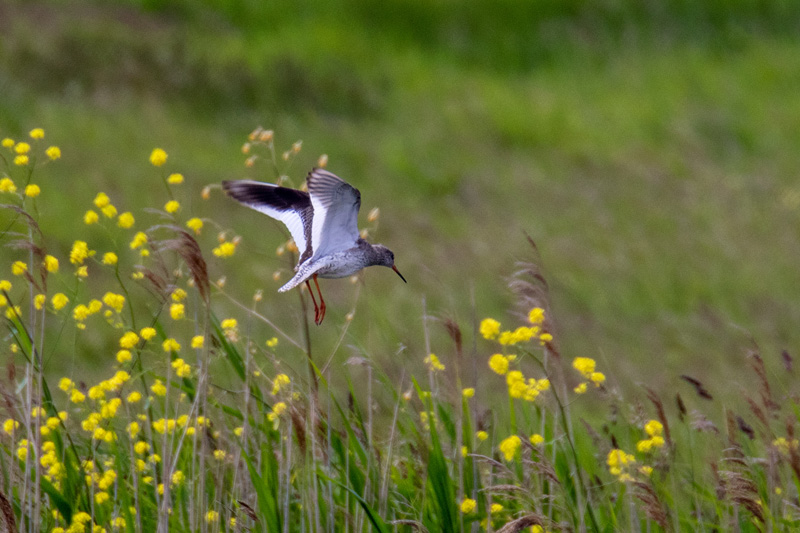 Redshank
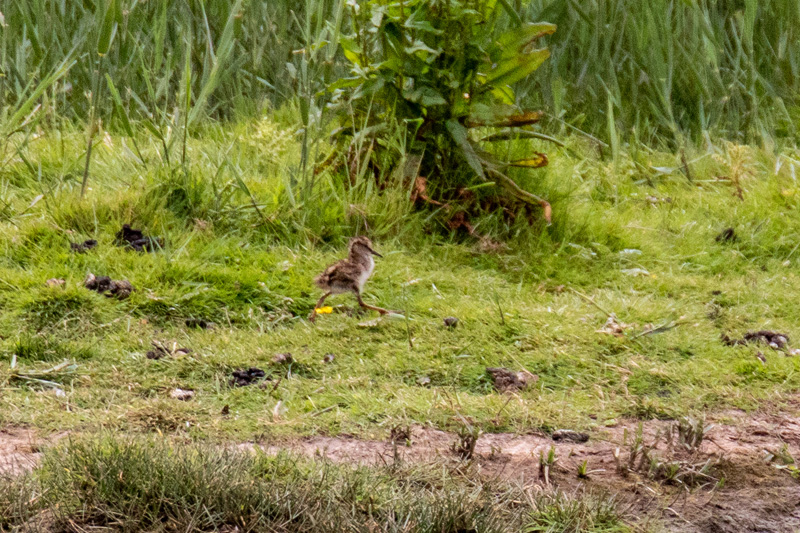 Redshank chick
 Black-headed gull
 Reed bunting
 A more mature avocet chick
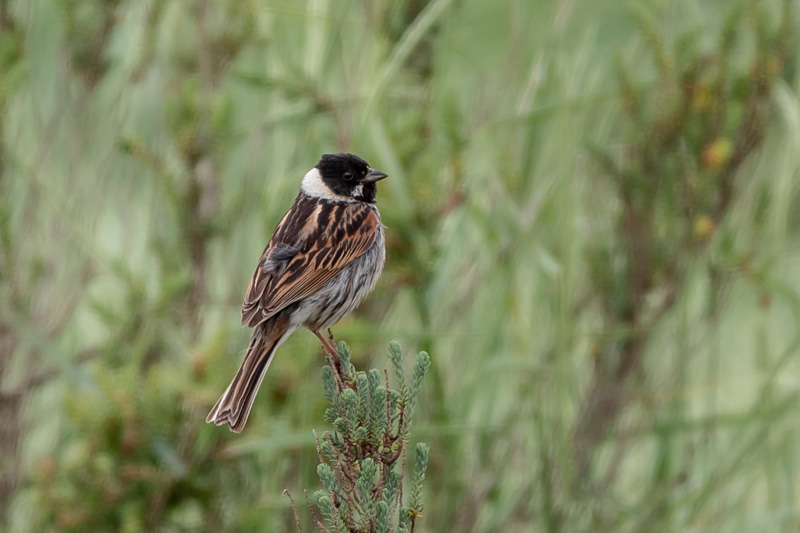 Reed Bunting
 Black-headed gull
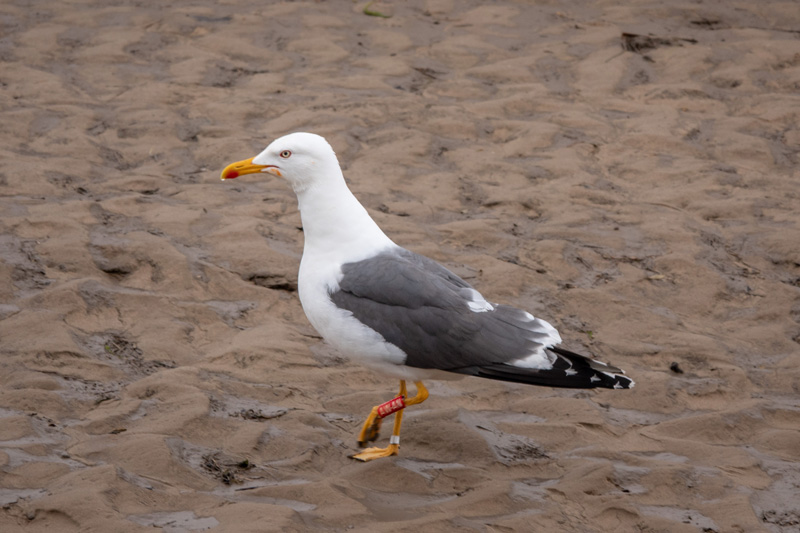 Lesser black-backed gull
 Herring gull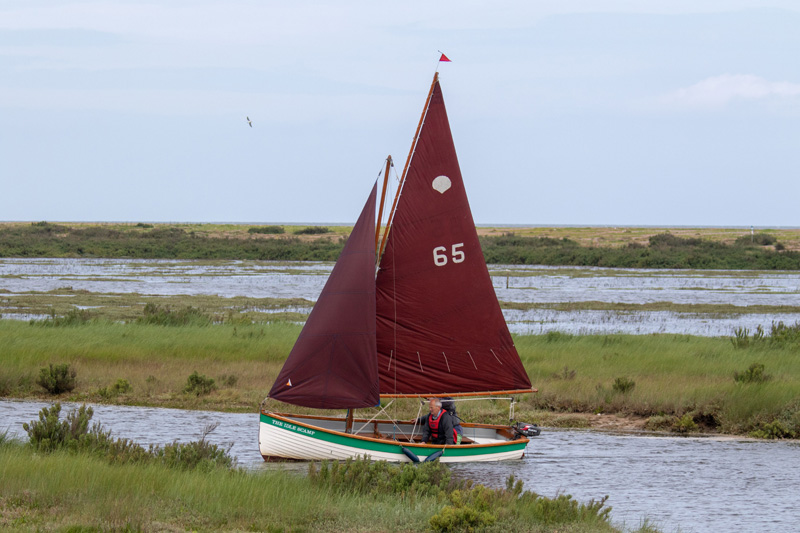


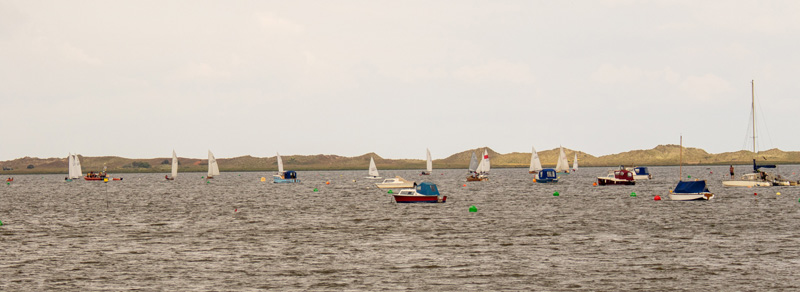


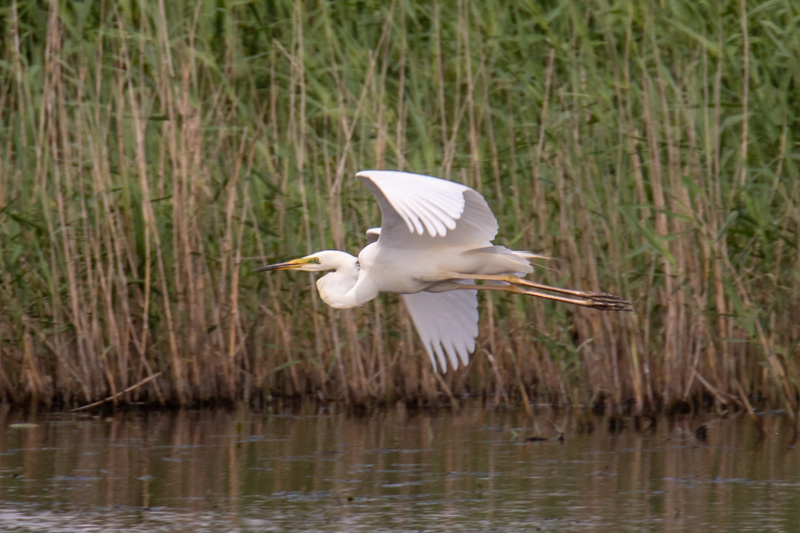 Great white egret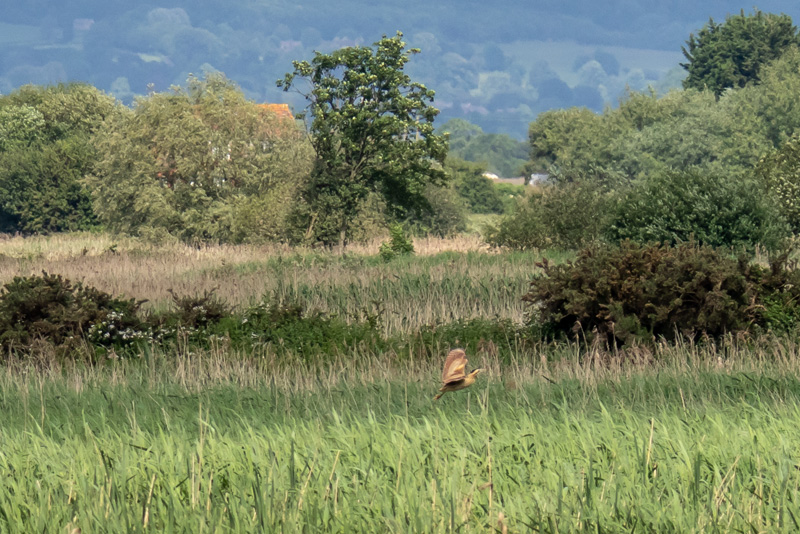
 Bittern
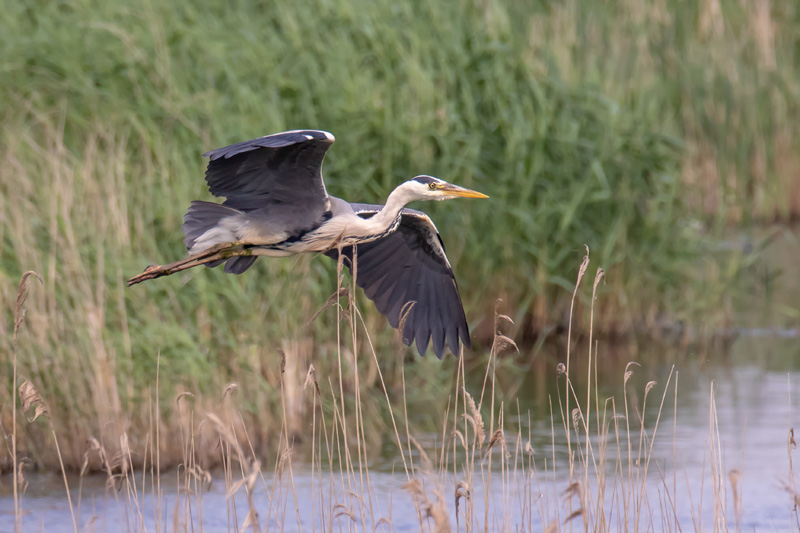 Grey heron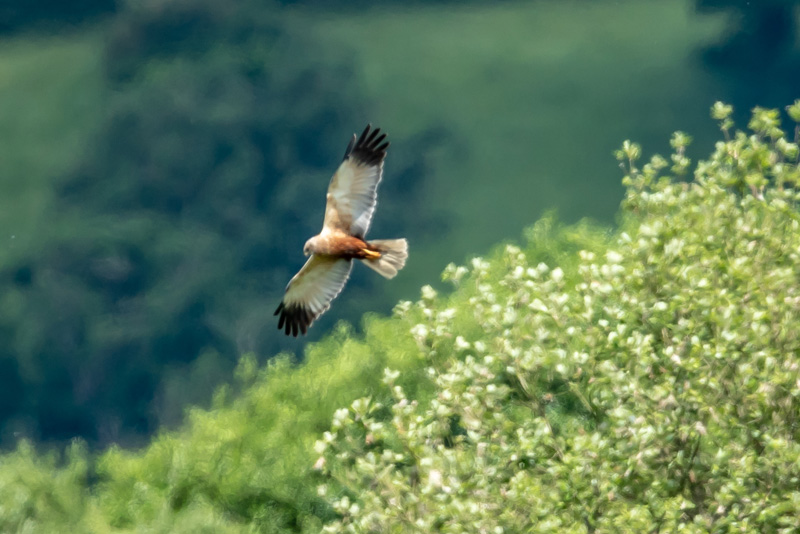
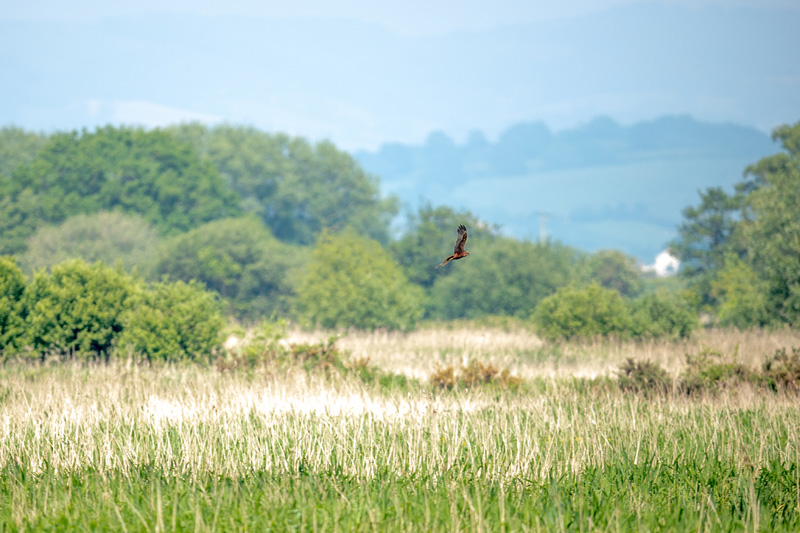
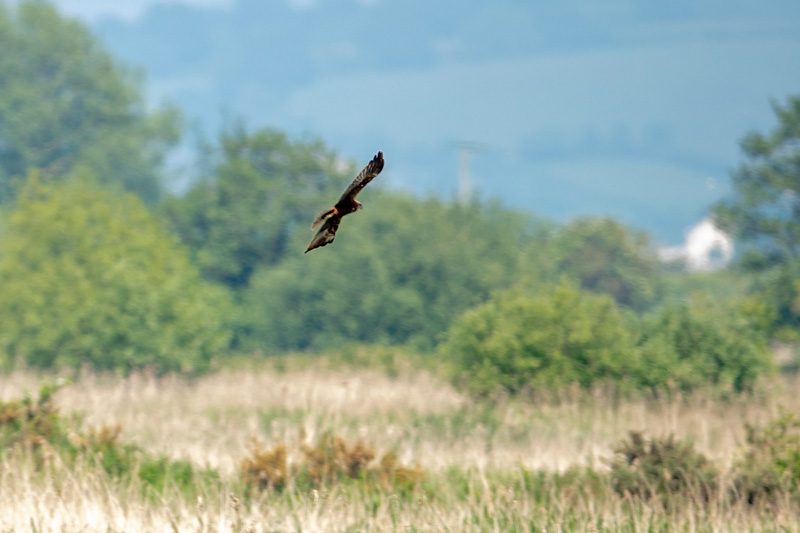
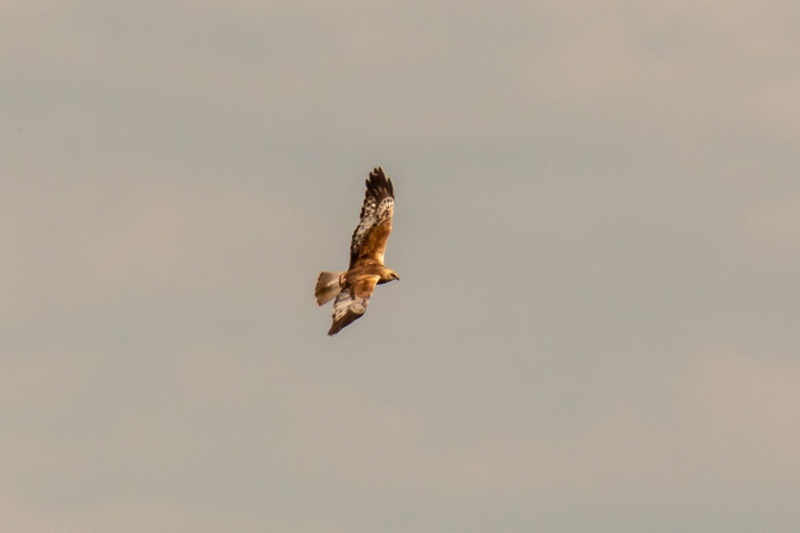 Marsh harrier
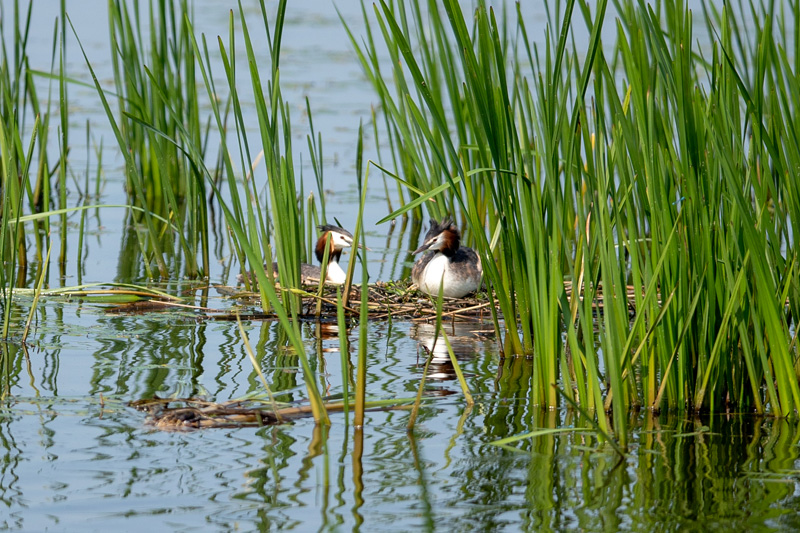
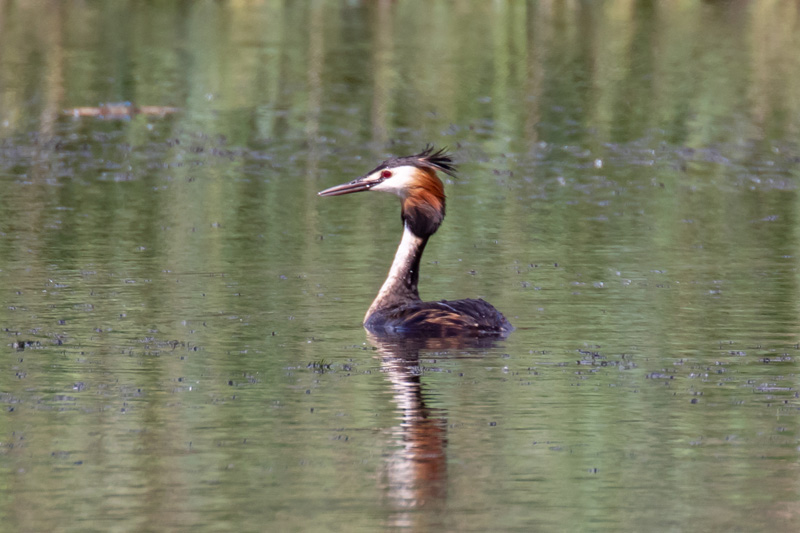 Great crested grebe
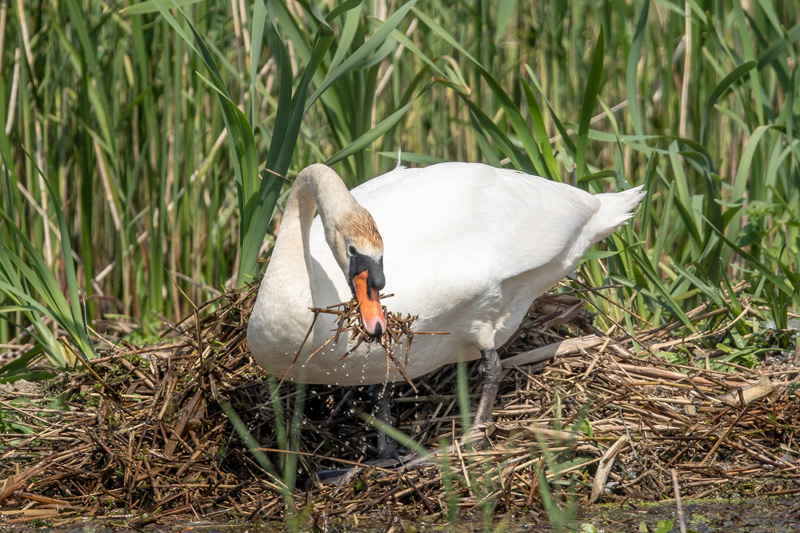
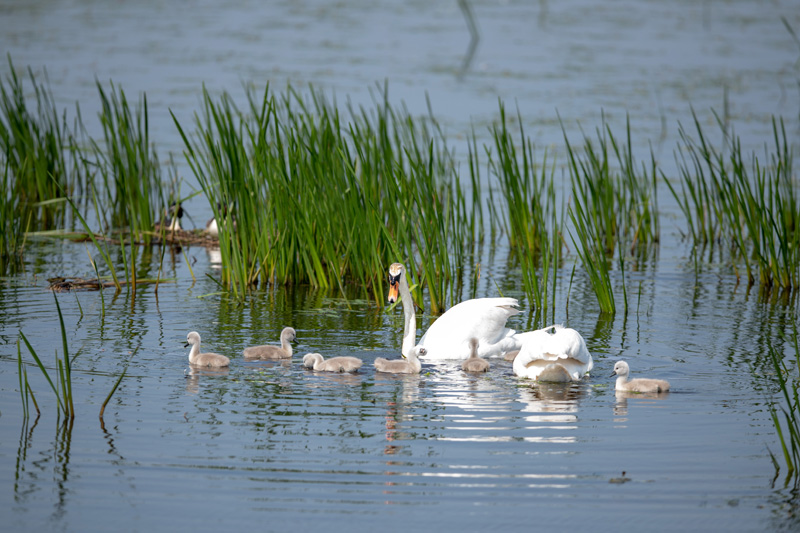
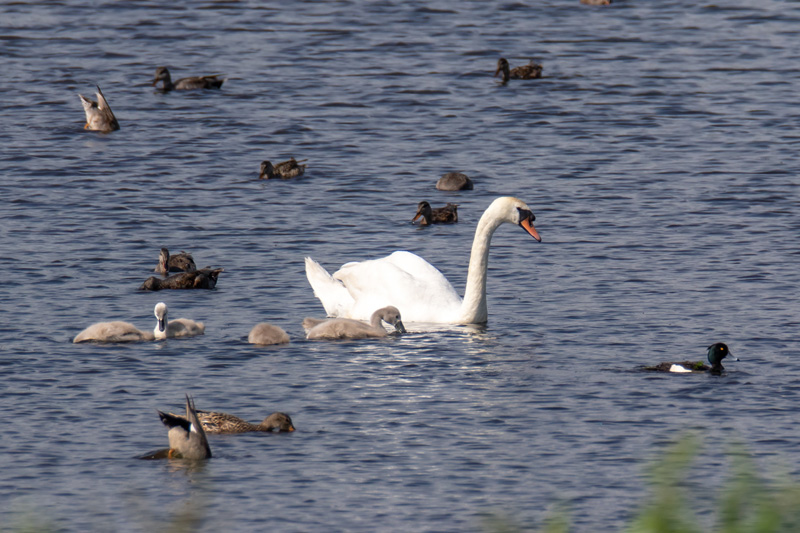 Mute swan and cygnets
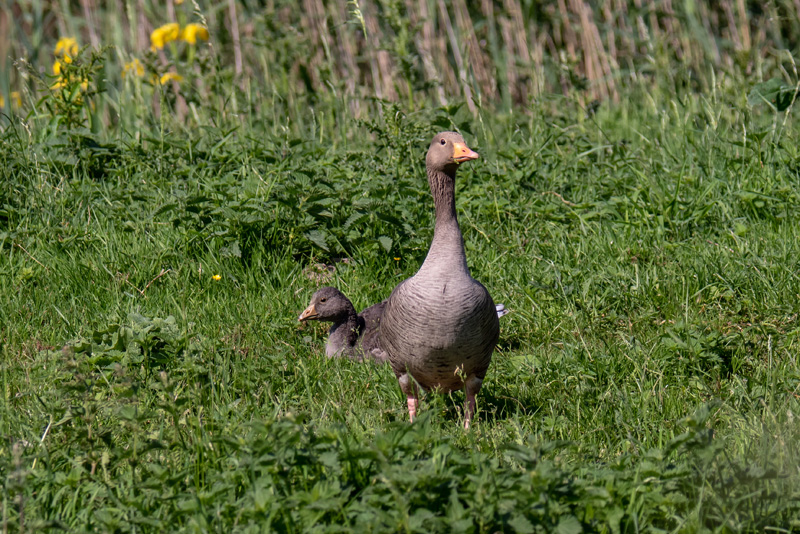 Greylag goose and gosling
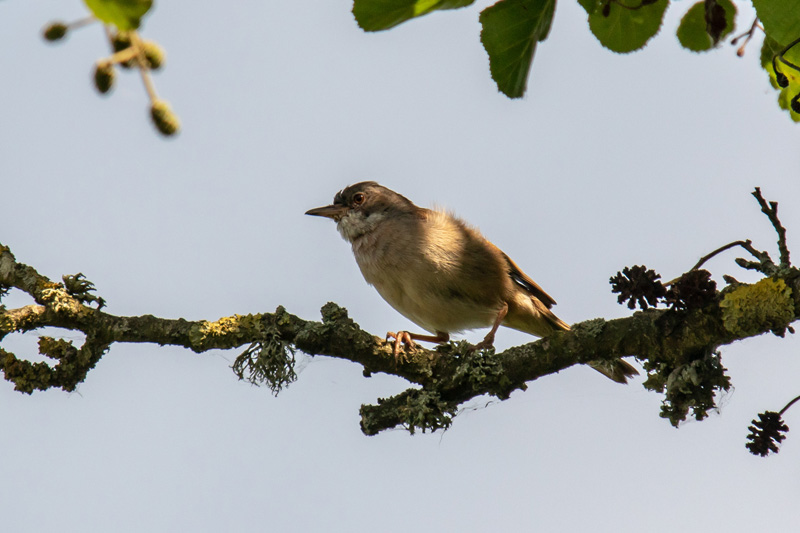 Whitethroat
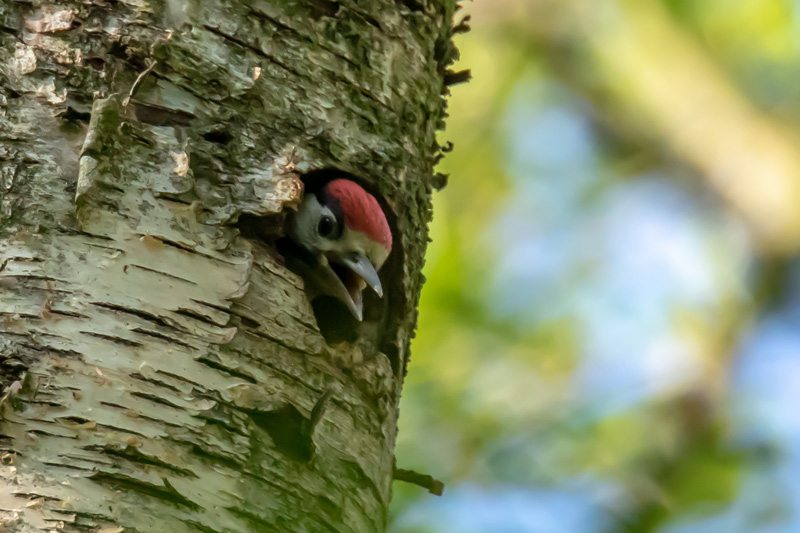 Great spotted woodpecker
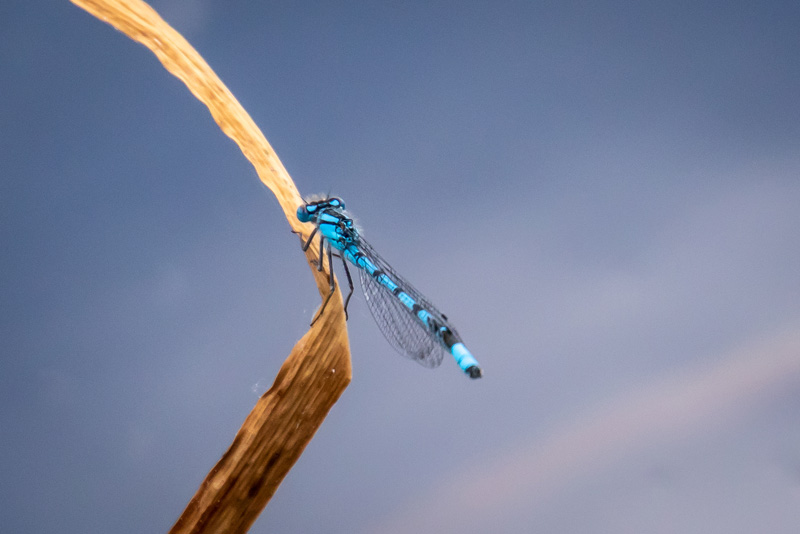
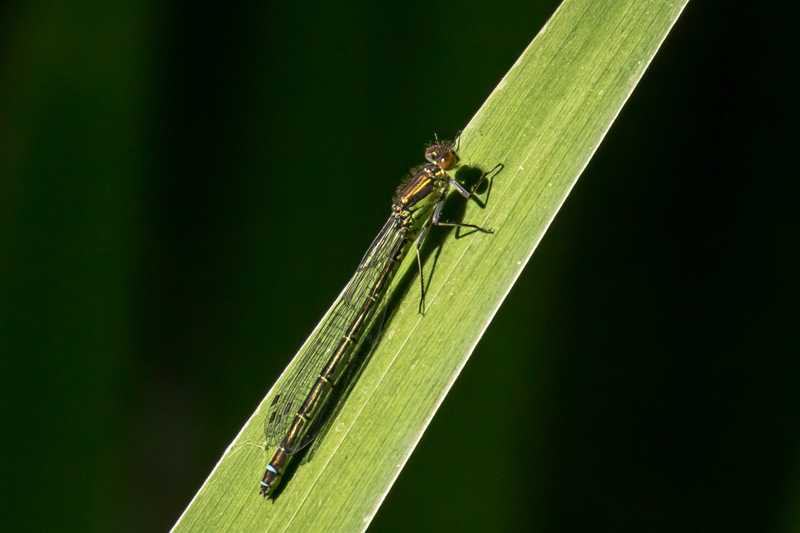



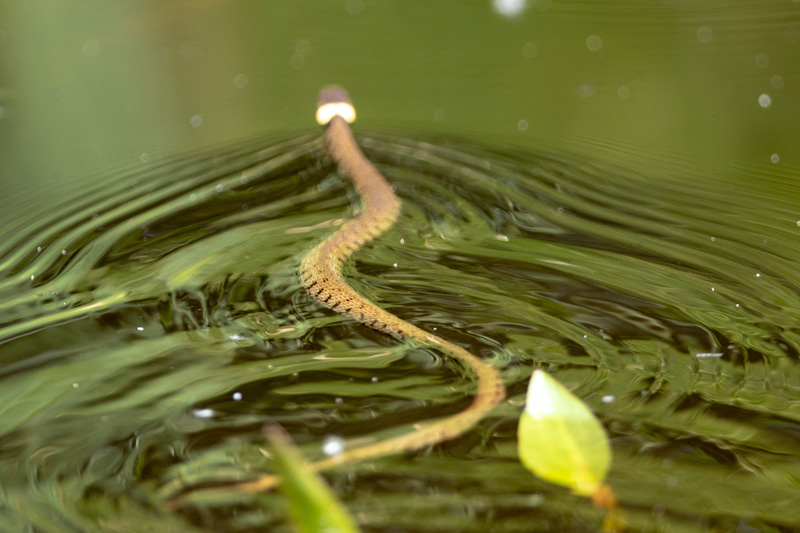 Four-spotted chaser and a grass snake in the pond near the car park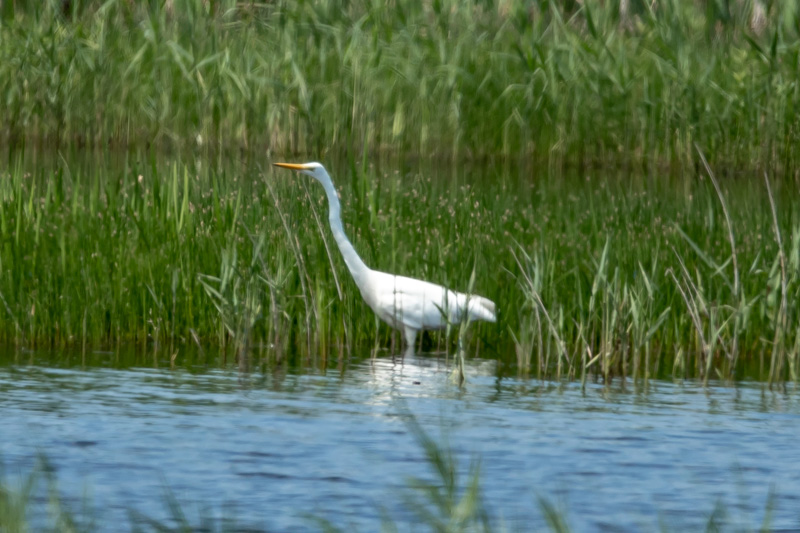
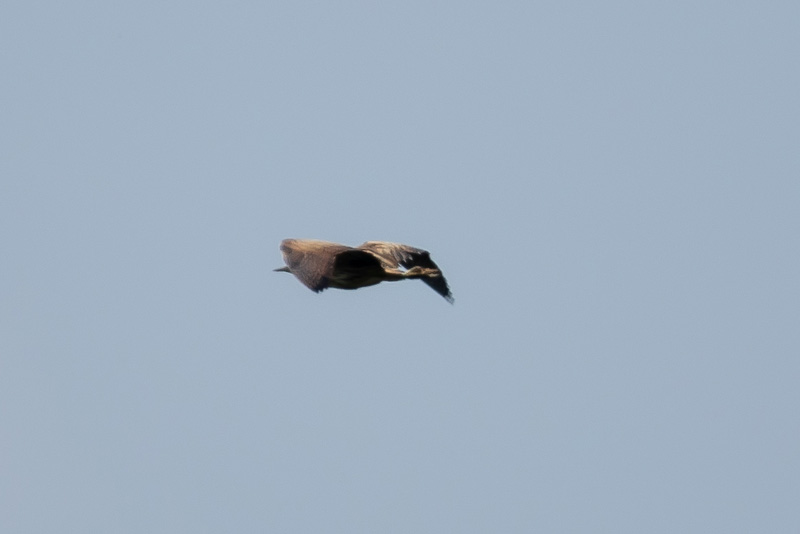 Bittern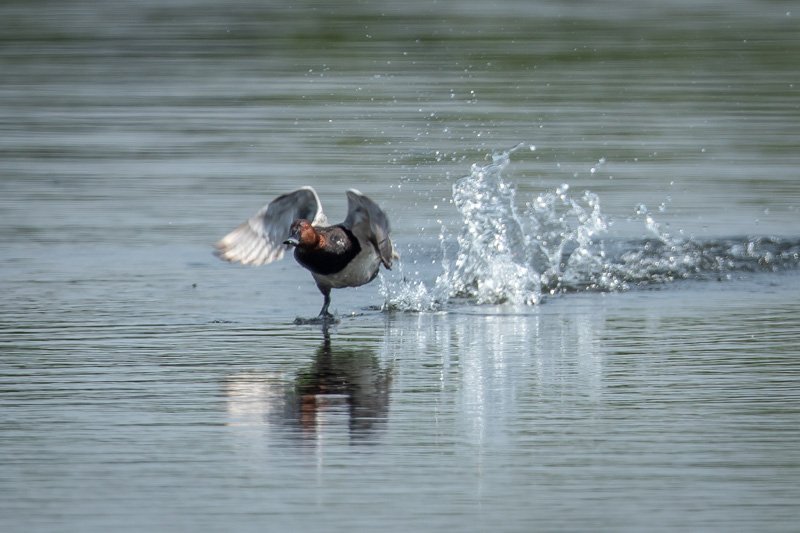
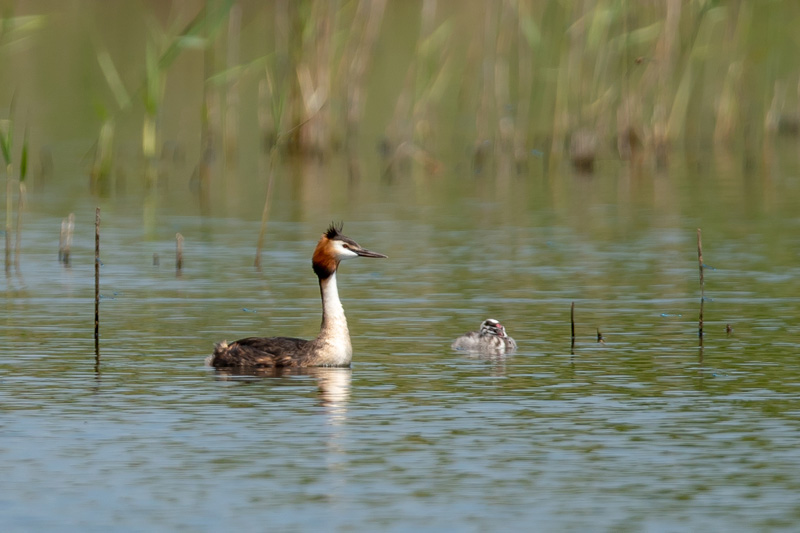
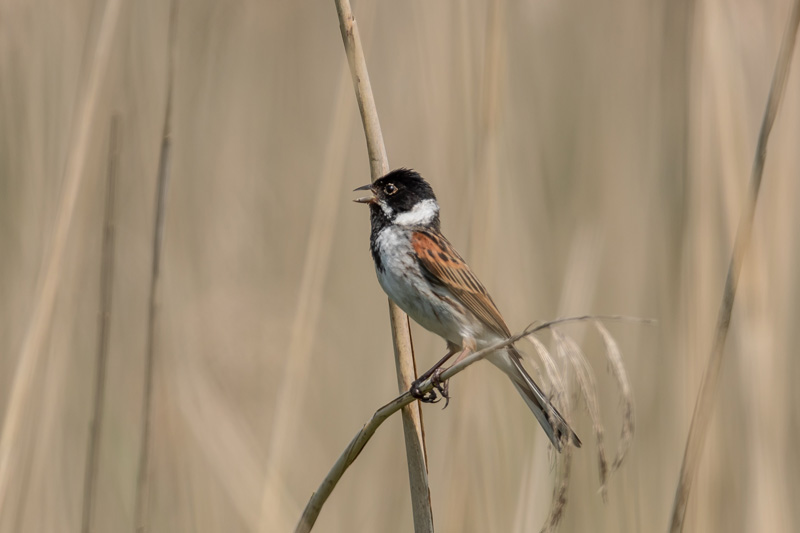 Male reed bunting
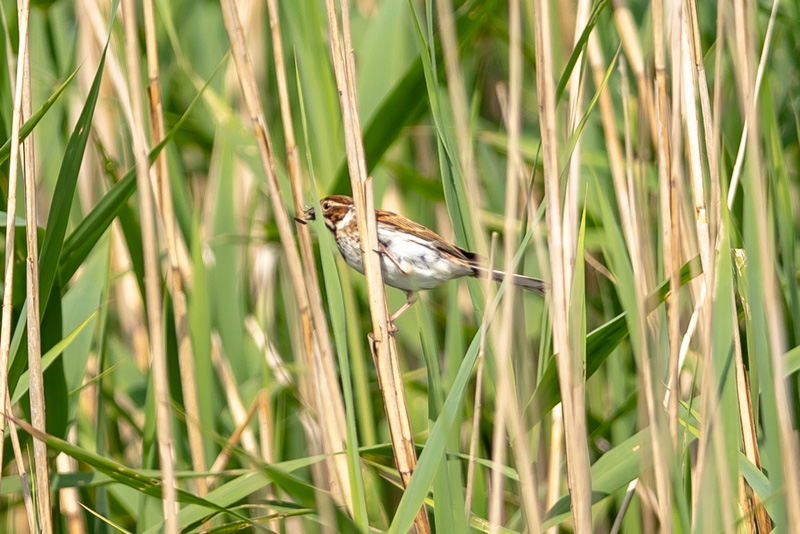 Female reed bunting
 There were common blue damselflies everywhere.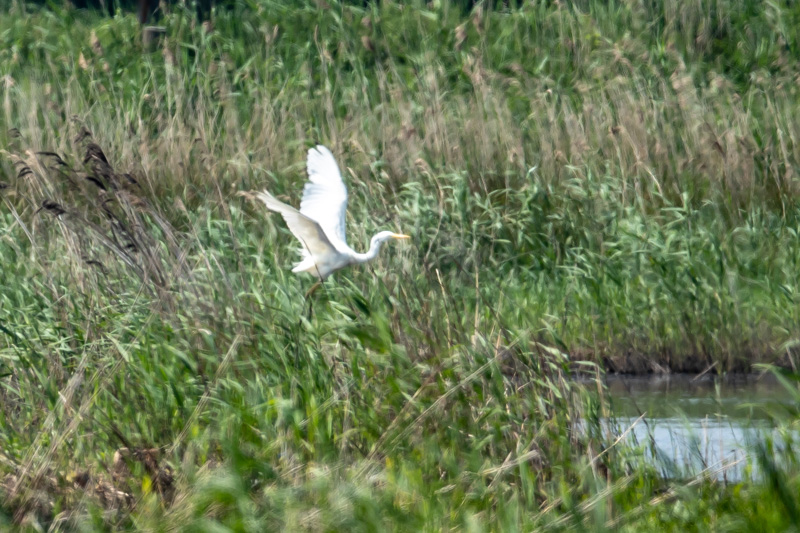





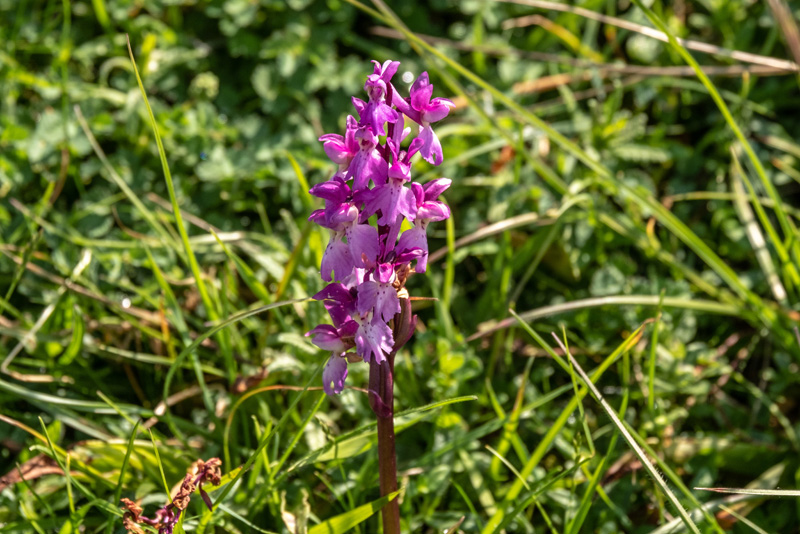 Early purple orchid
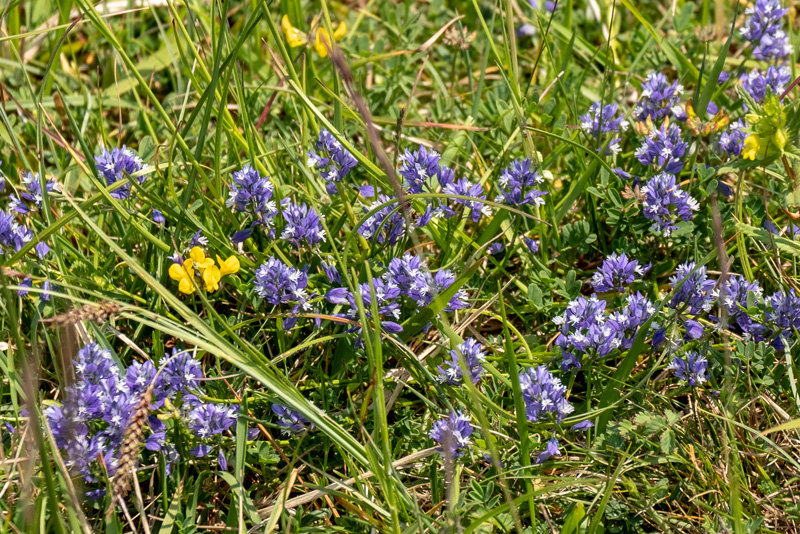 Polygala
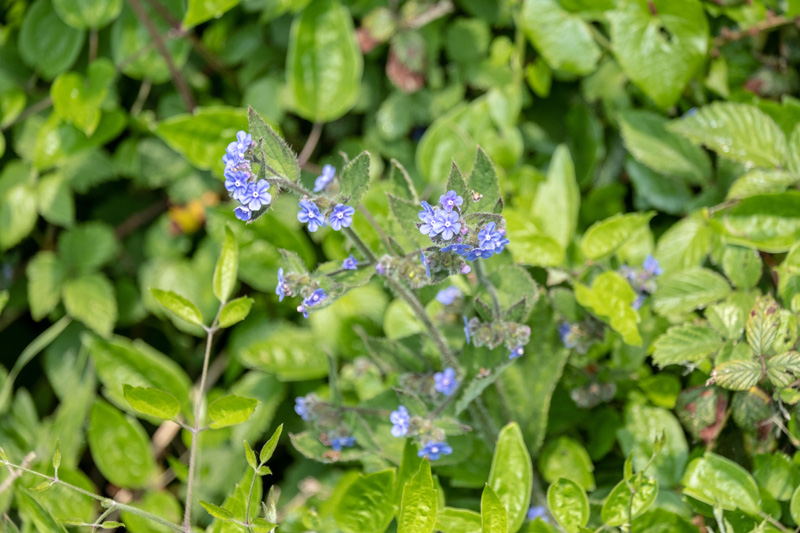 Green alkanet
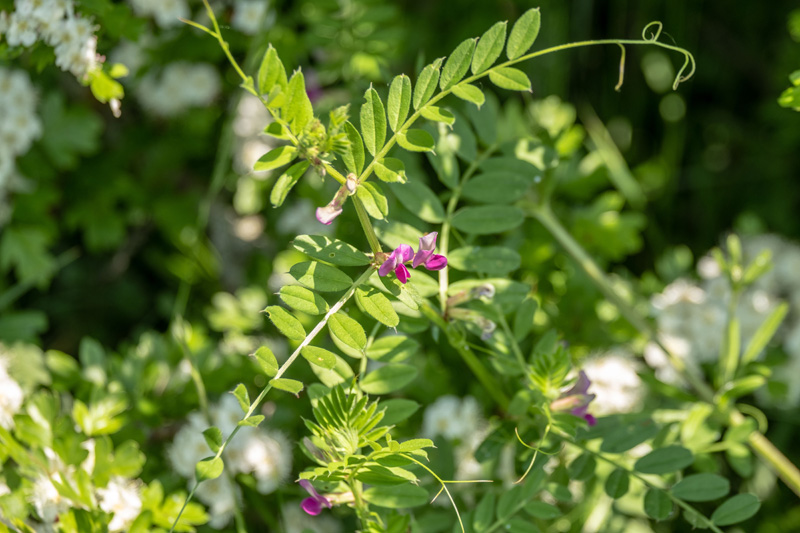 Common Vetch
 Germander speedwell
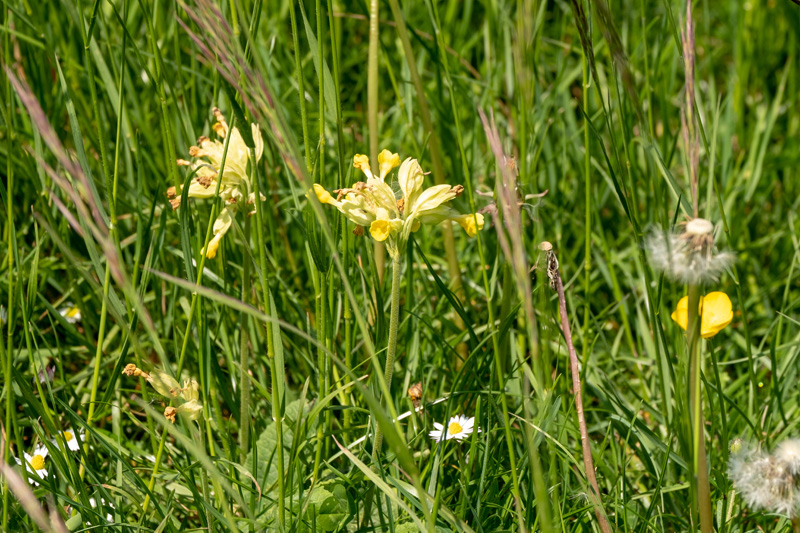 Cowslip
 Speedwell
 Red clover
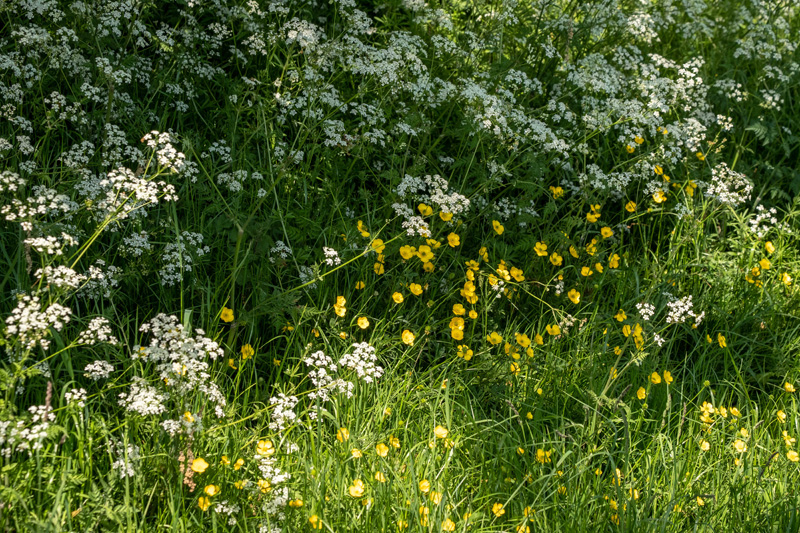 Meadow buttercups and cow parsley
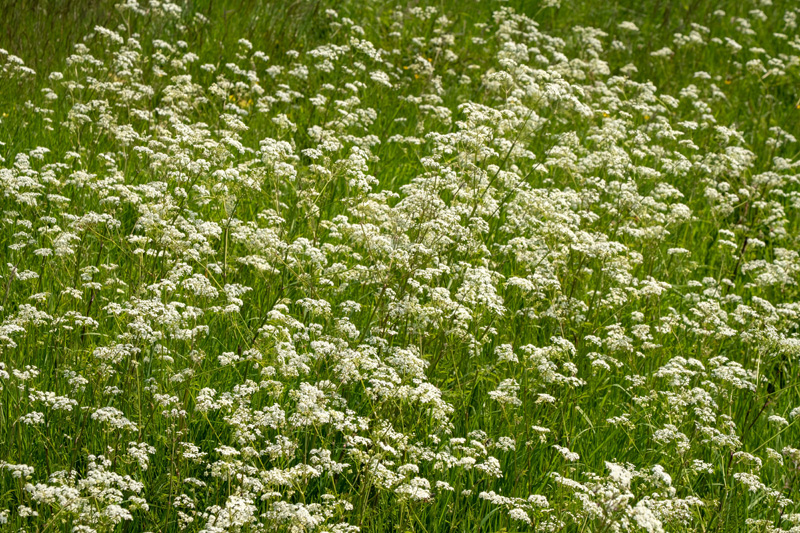 Cow parsley
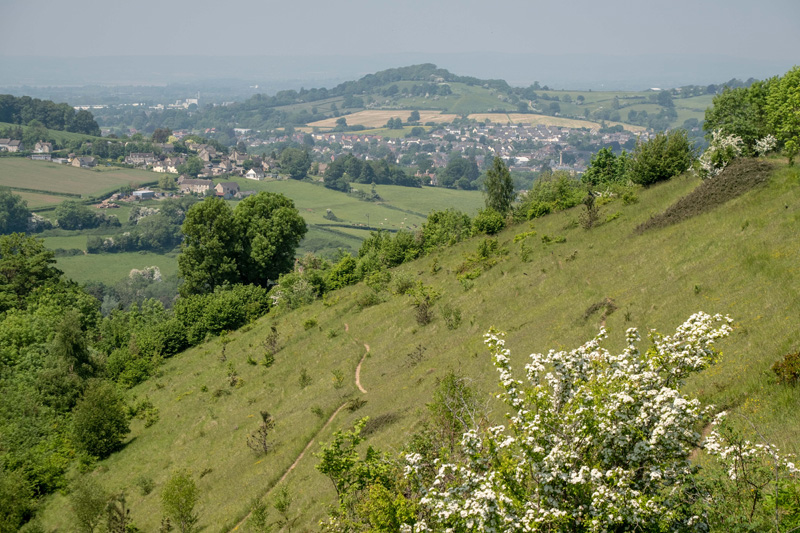
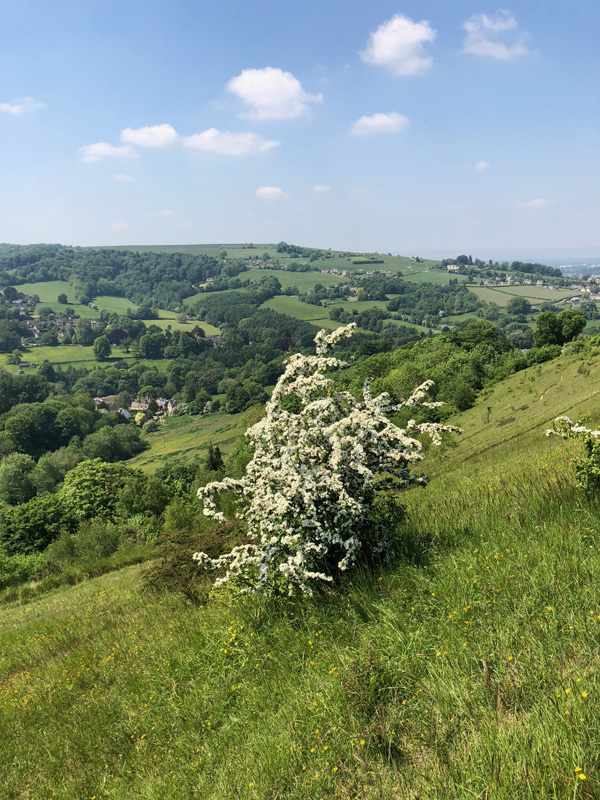
 Common hawthorn still at its best


 Skylarks everywhere


