Not really a birding day today: we had a trip to Southwold and then a walk down to the pub for lunch and back along the River Blythe. Sorry about all the boats but I’m sure the river comes under the category of “nature”.

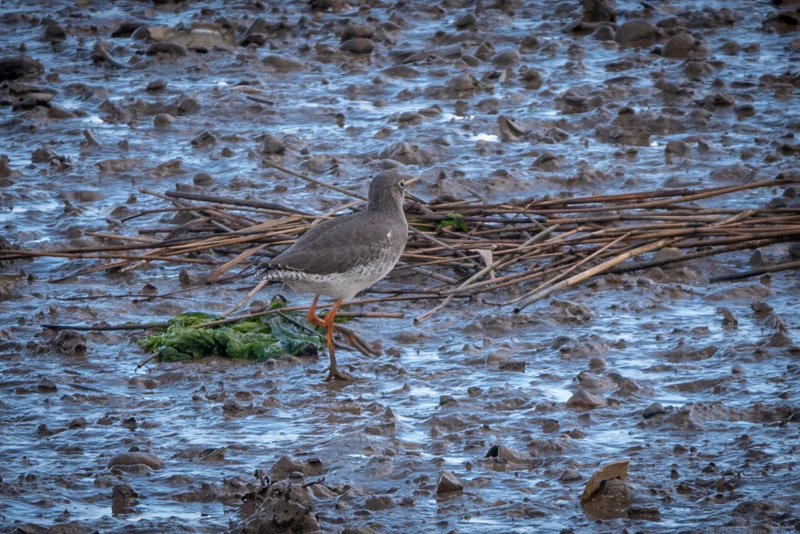 We haven’t seen many redshank this week
 My close up photos always make little egrets look quite large
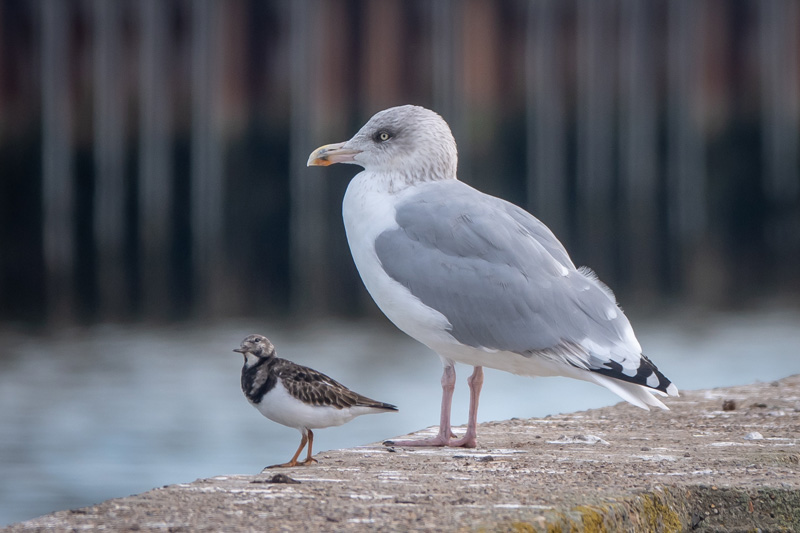
 The gull gives it some perspective
 As it does with the gull and the turnstone

 The ferry is very busy with the closure of the foot bridge further along
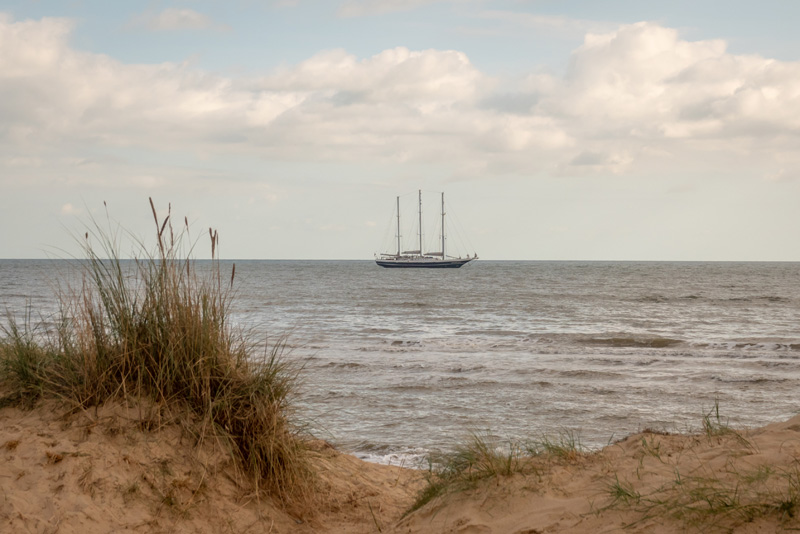 A visiting ship through the sand dunes on Walberswick beach
 Male house sparrow
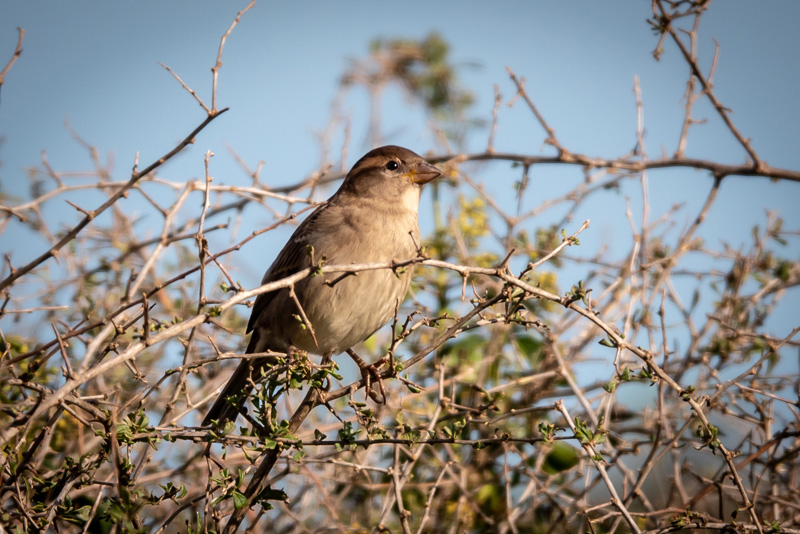 Female house sparrow
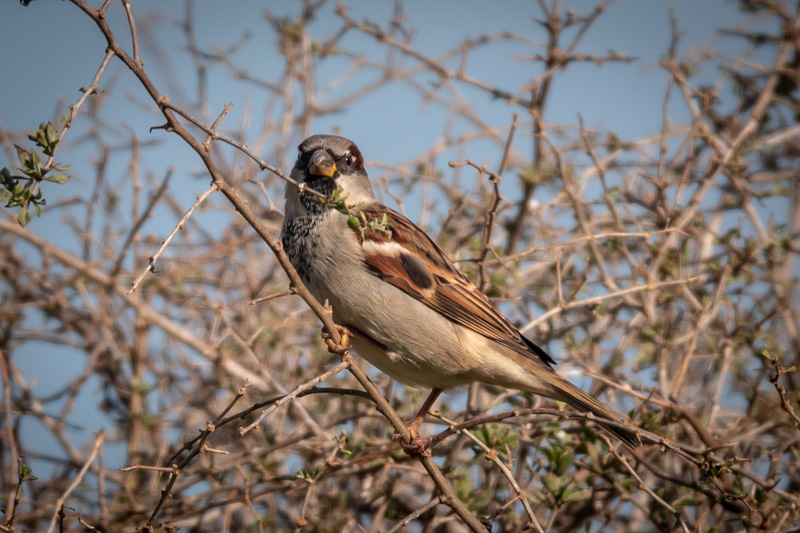 Male house sparrow


 Starlings scarpering
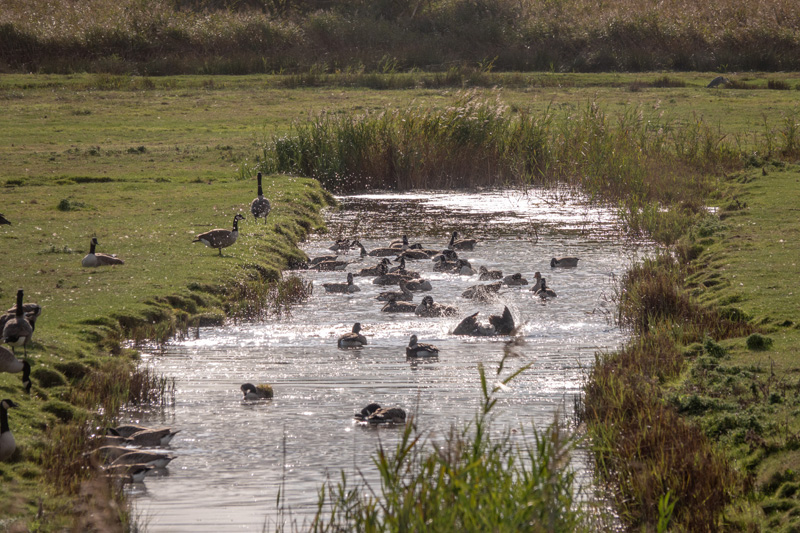 Bath time
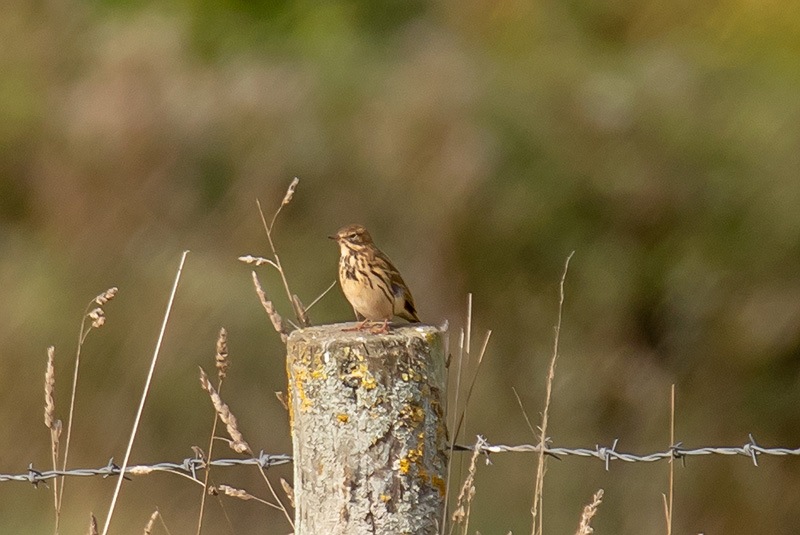
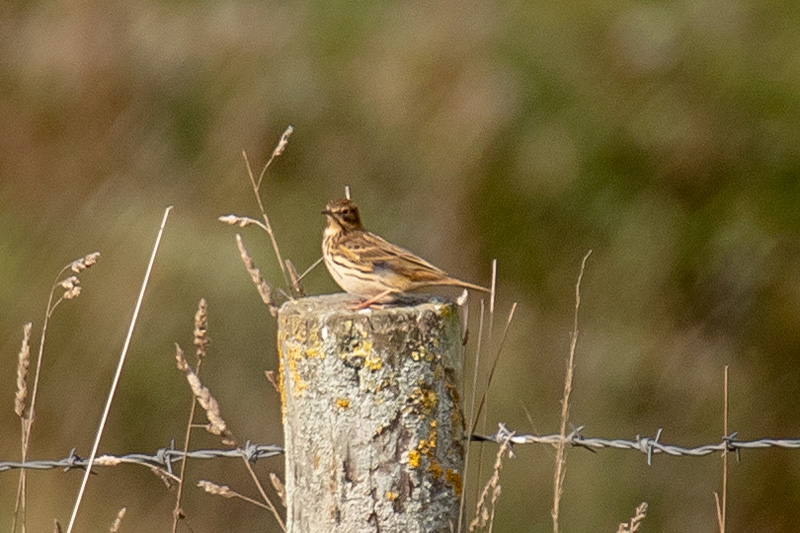
 Meadow pipit
 Maybe the same redshank


 Honeysuckle and blackberries
 These flowers are very popular in local gardens
Click below for gallery of today’s photos:


 A common sight in the countryside of East Anglia at this time of the year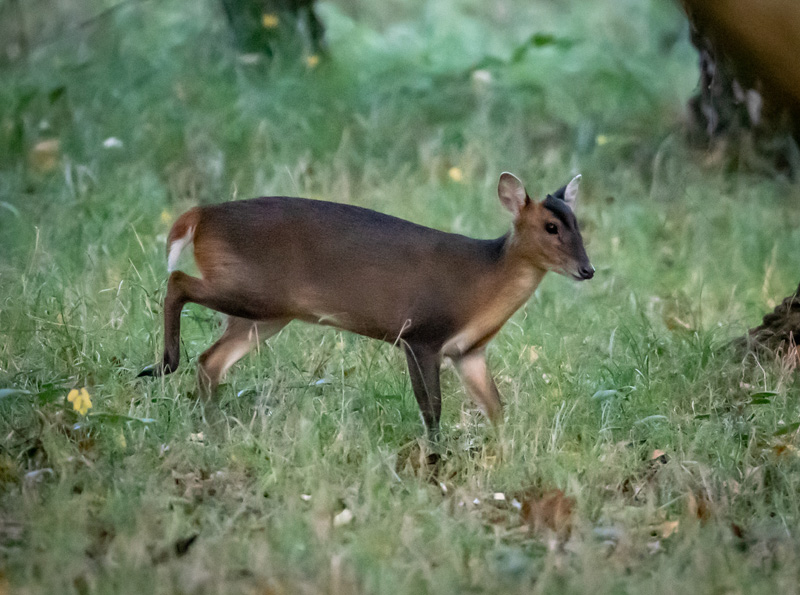
 Muntjac deer

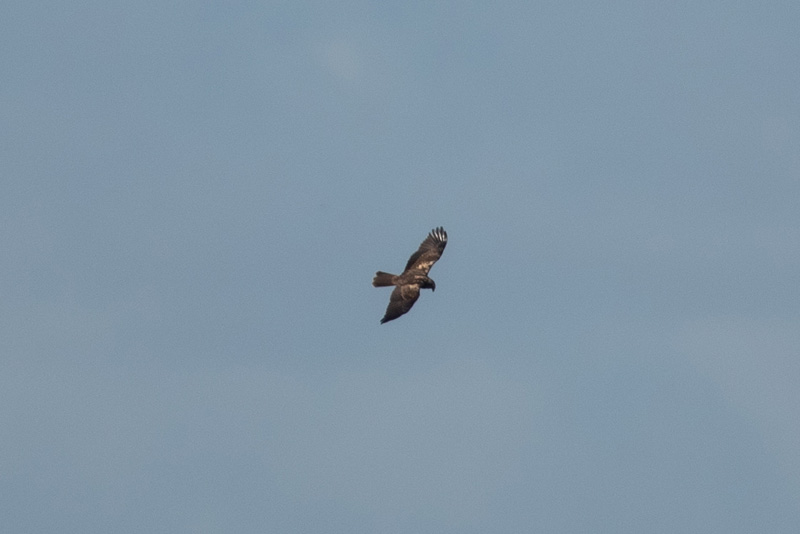

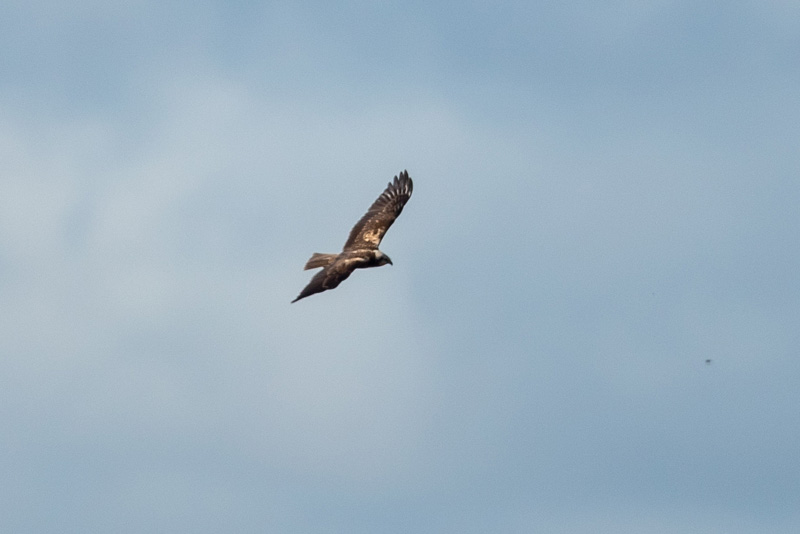
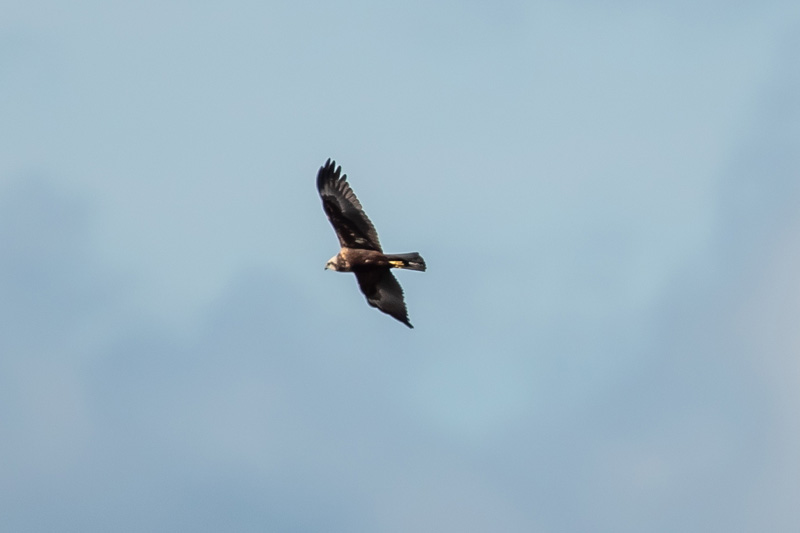
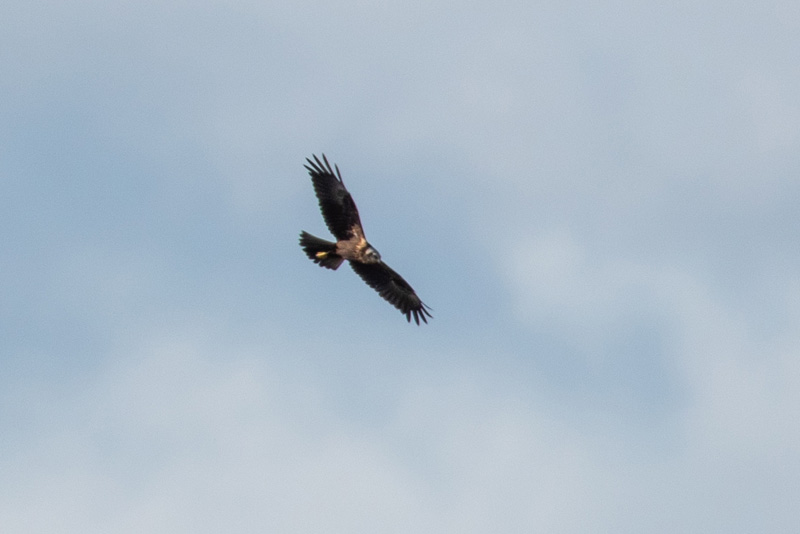
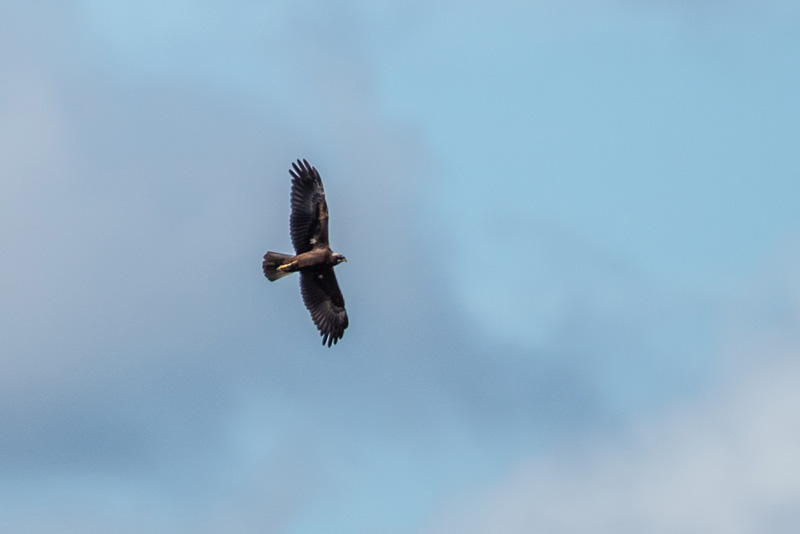 Marsh harriers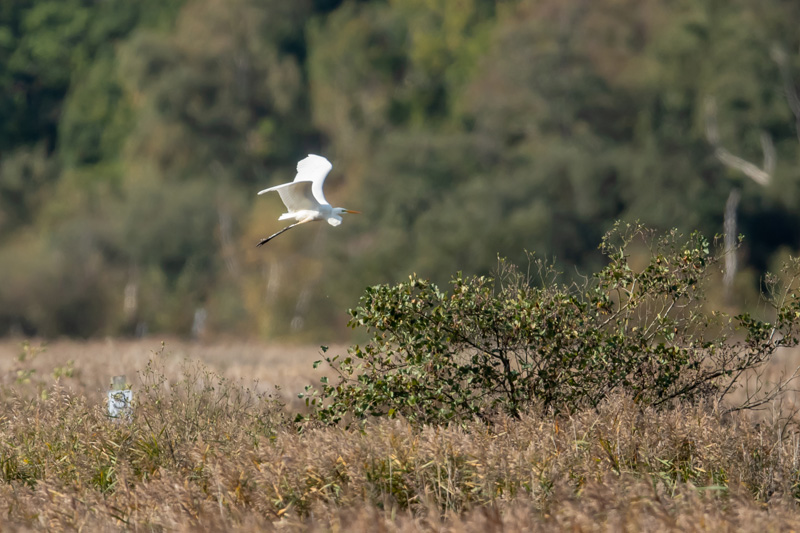
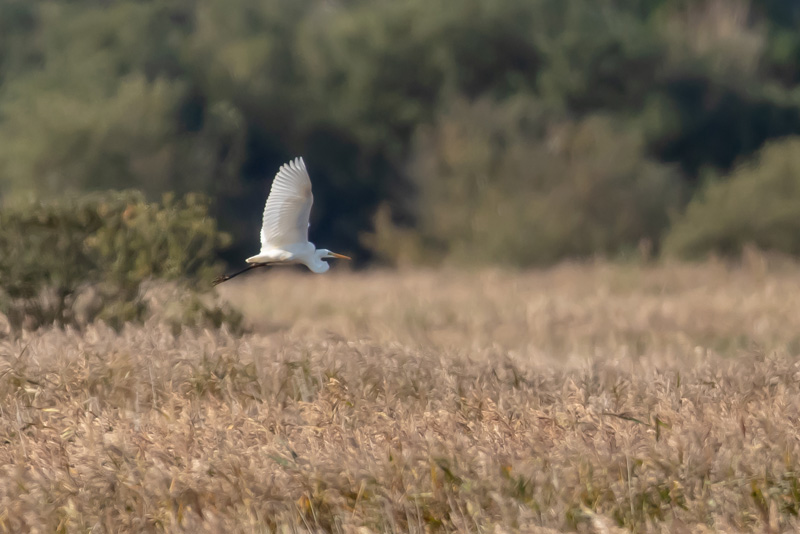
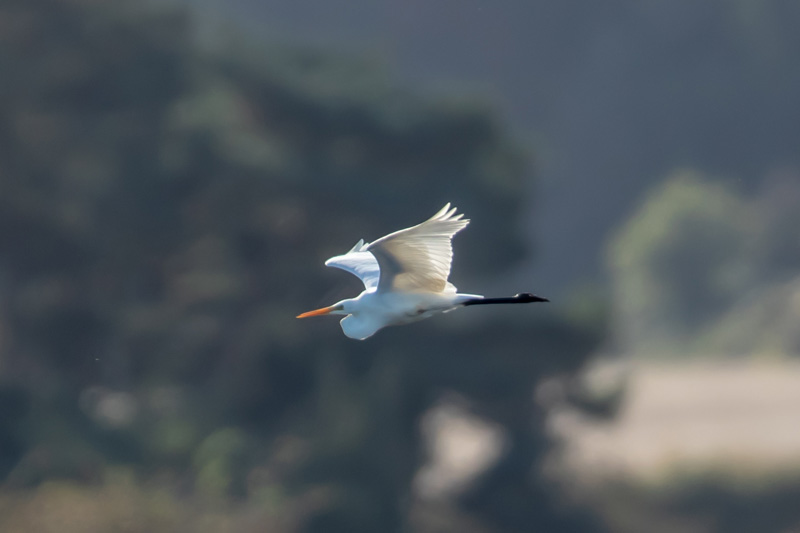 Great white egrets
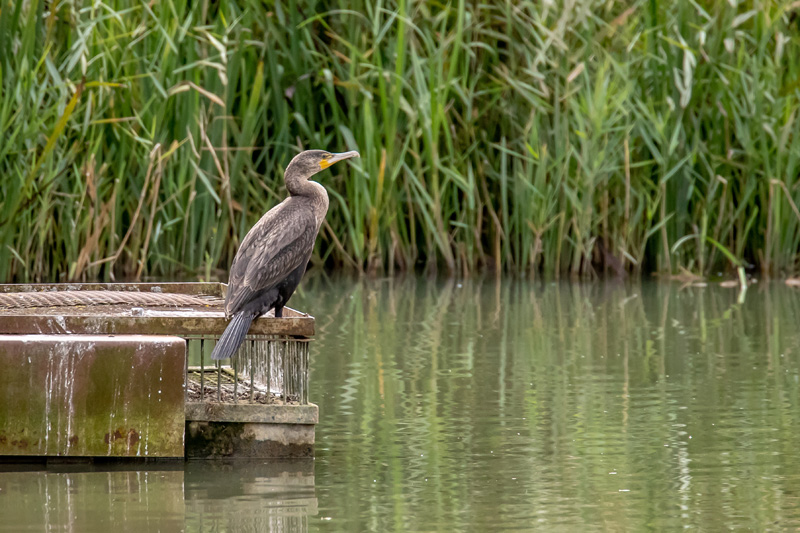
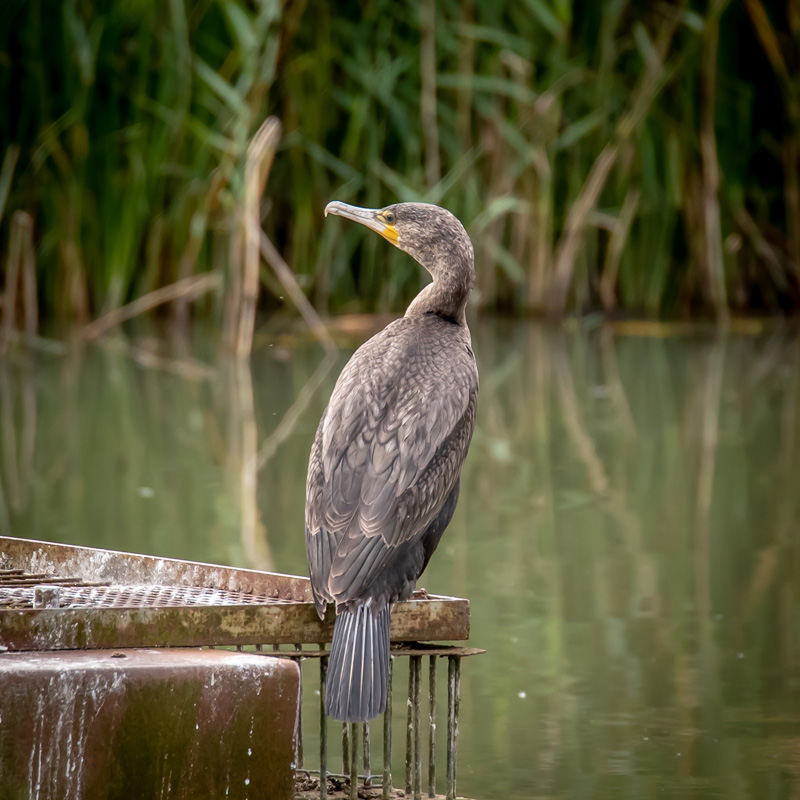
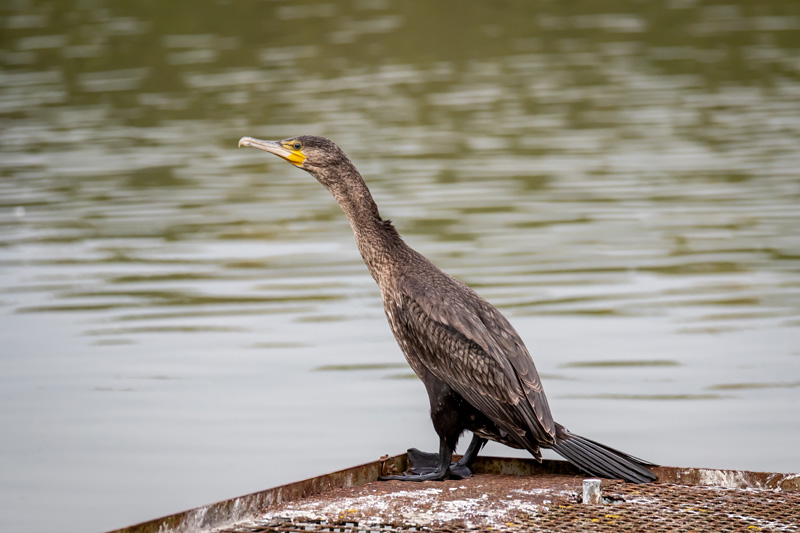
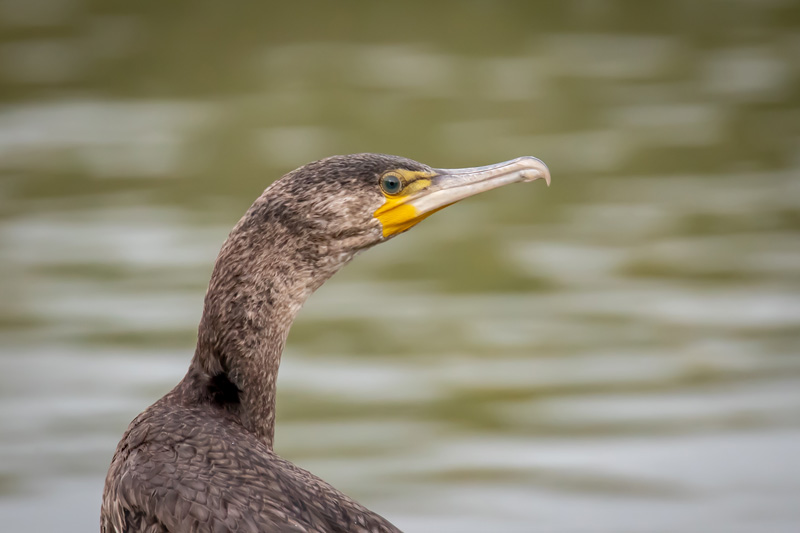
 Cormorant
 Grey heron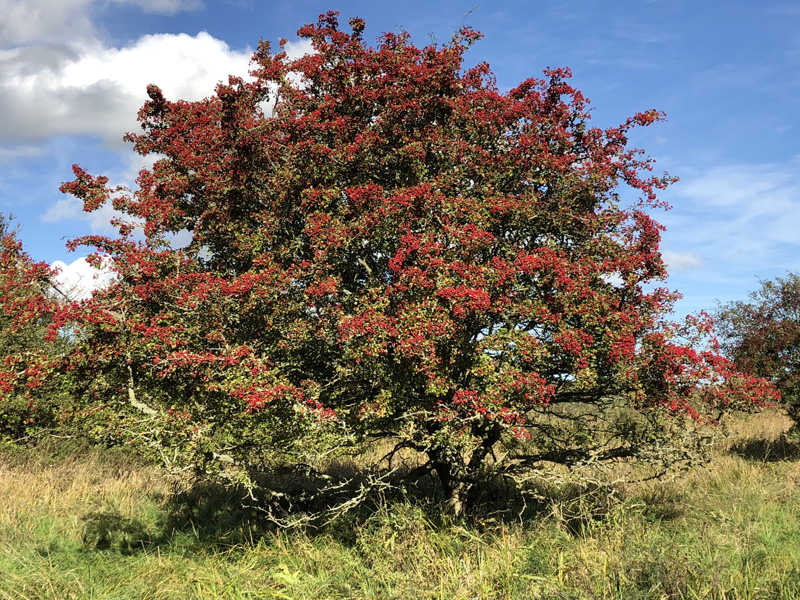
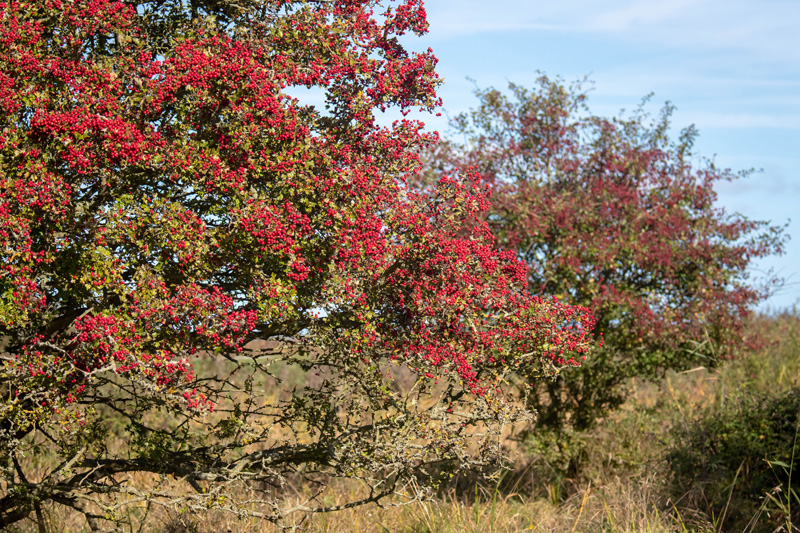
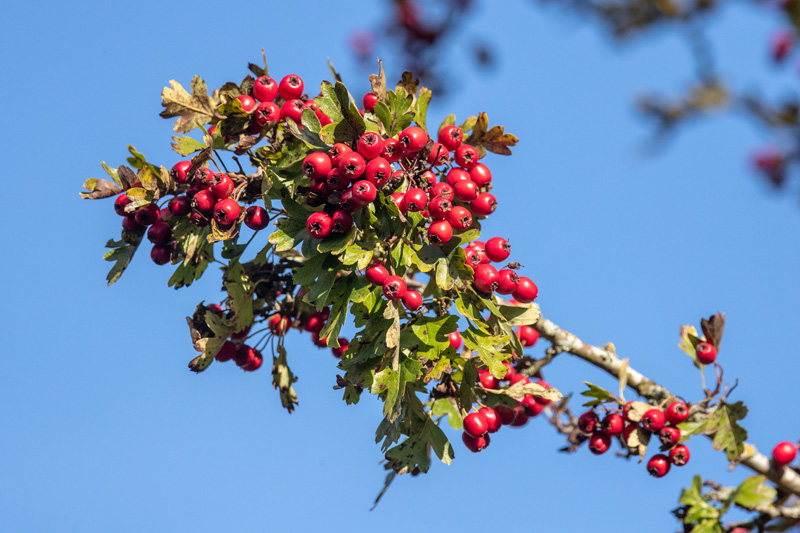
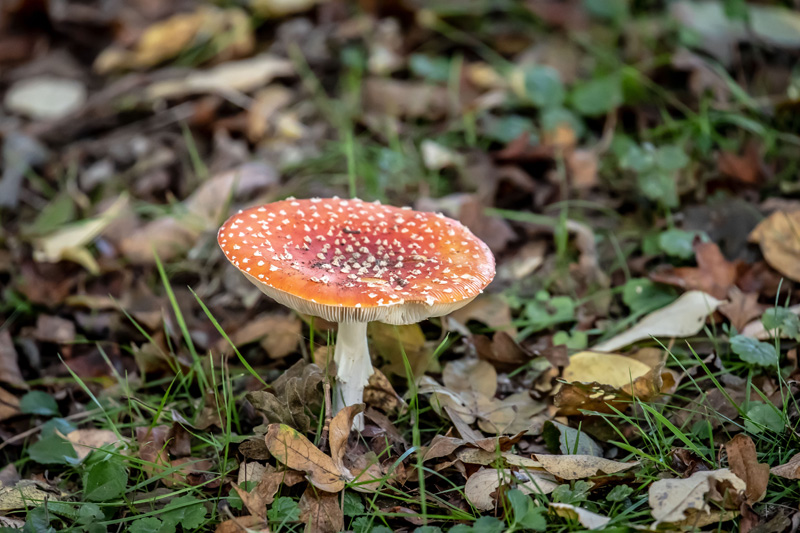
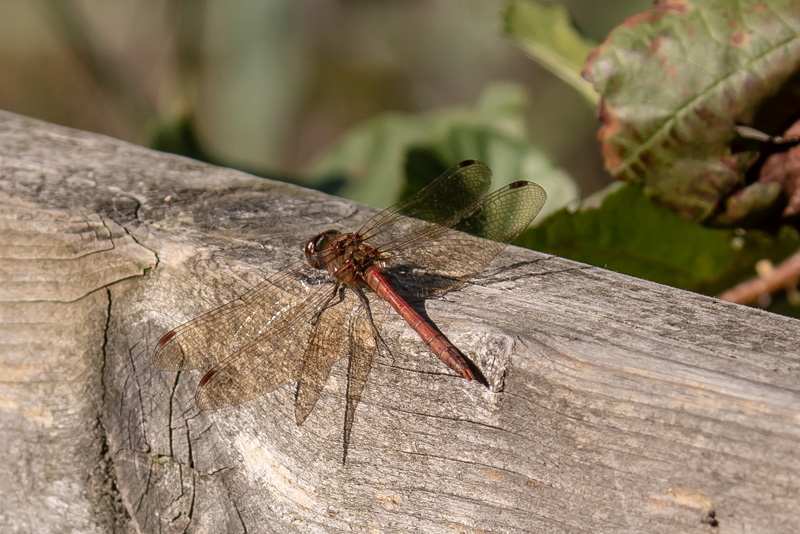 Not much bird life but plenty to please the eye
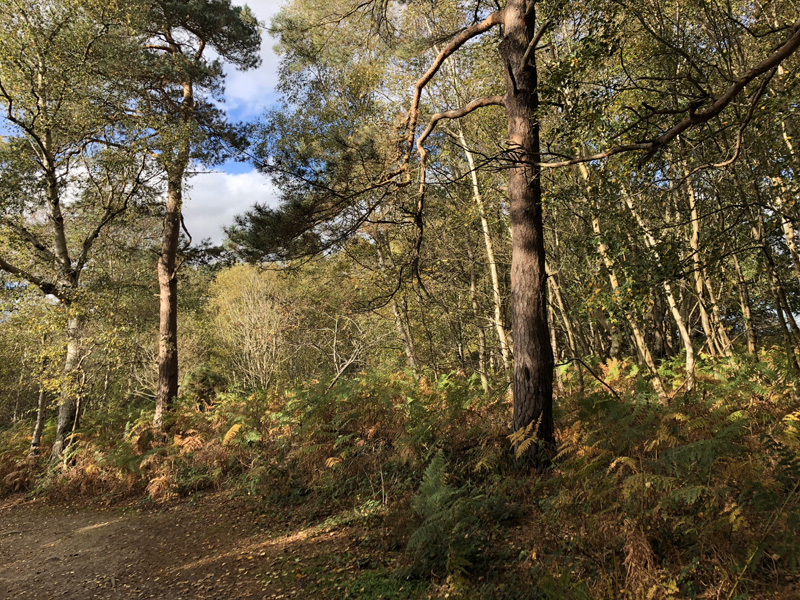 The woods at RSPB Minsmere
 Westleton Heath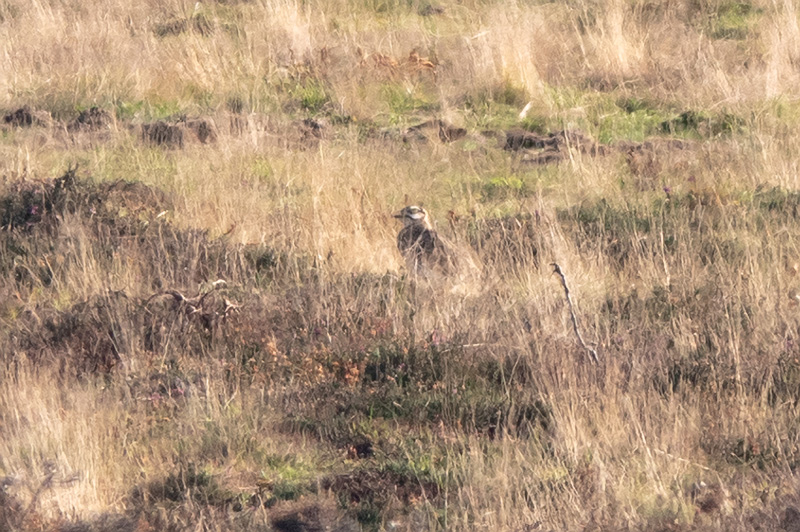

 The very secretive stone curlew
 Red deer which attract lots of visitors to Westleton Heath to see the stags rutting at this time of the year.
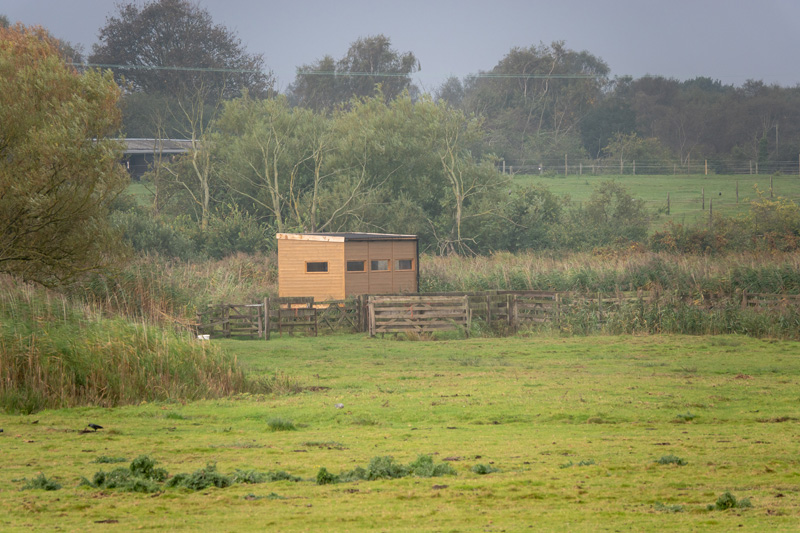 The new bird hide taken (from the ferry to Southwold) earlier in the week
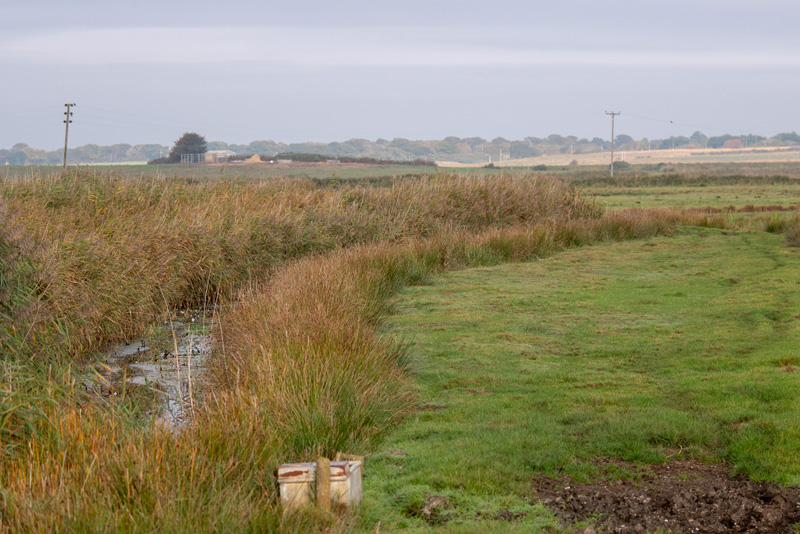 View westwards from the hide
 View from the hide towards the River Blythe with Southwold in the background
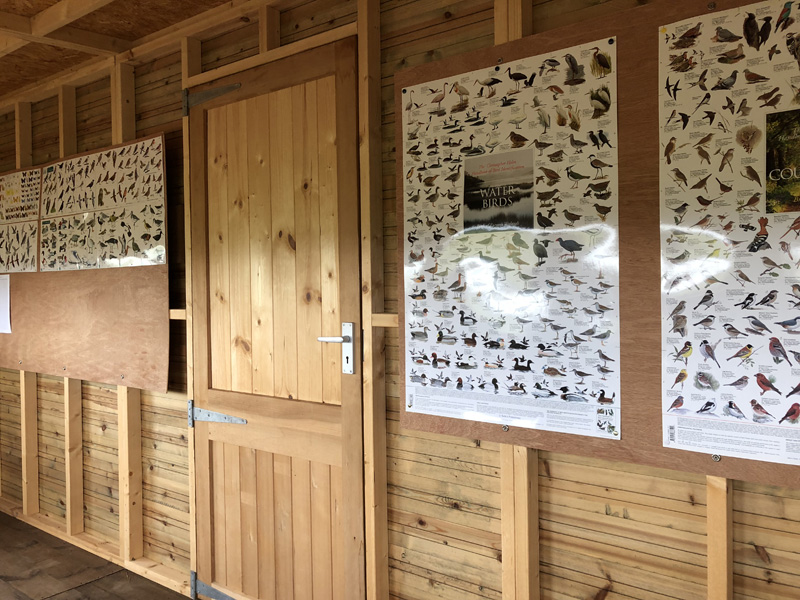 The hide is comfortable, bright and well equipped.
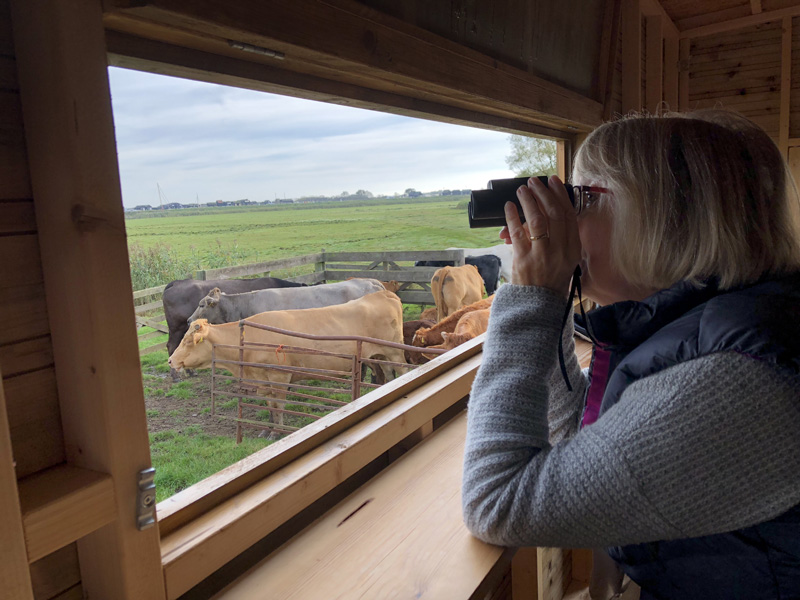 Definitely a bucolic scene from the hide today
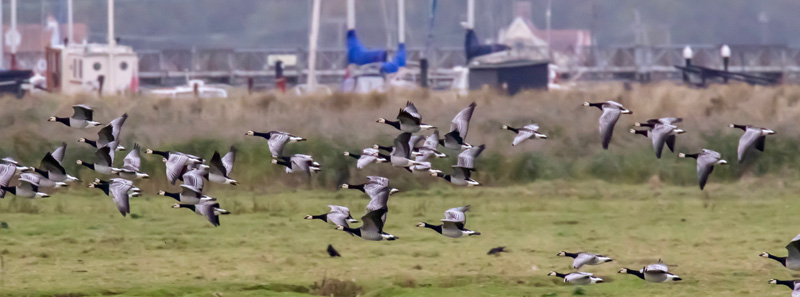 Large flocks of geese (seen earlier this week) are regular visitors.
 Looking back towards Southwold



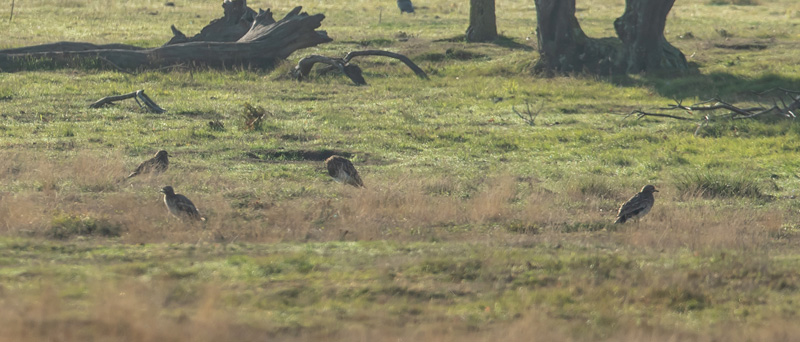
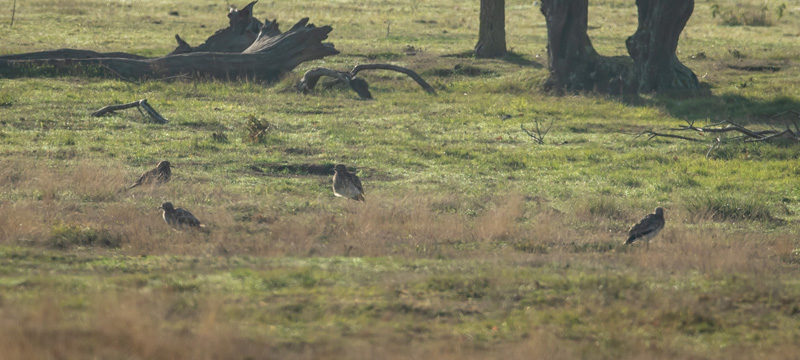

 Stone curlews in to the sun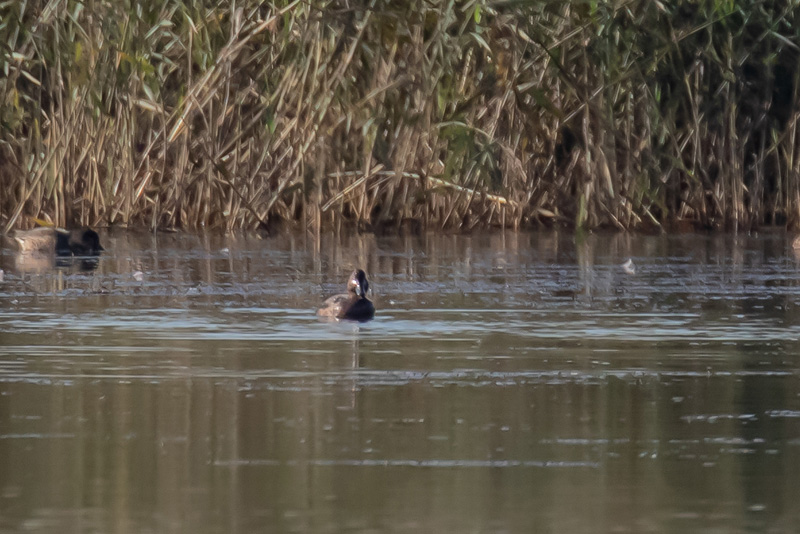

 The ferruginous duck when it wasn’t diving
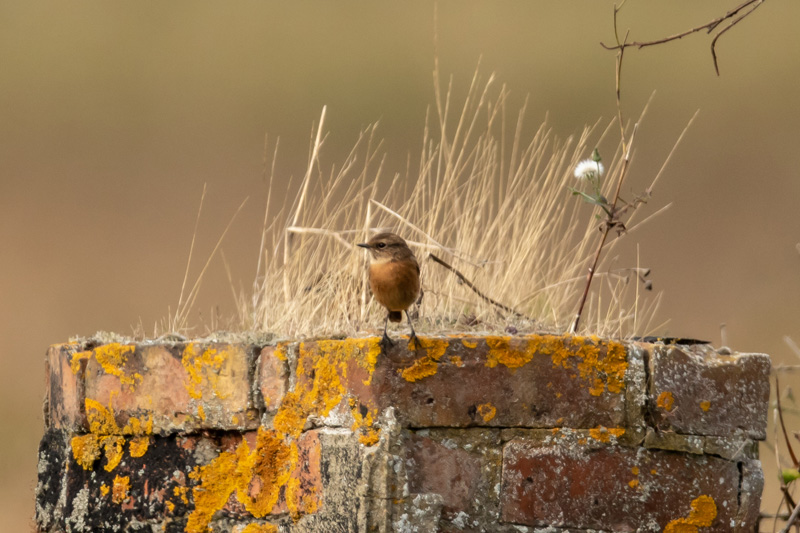
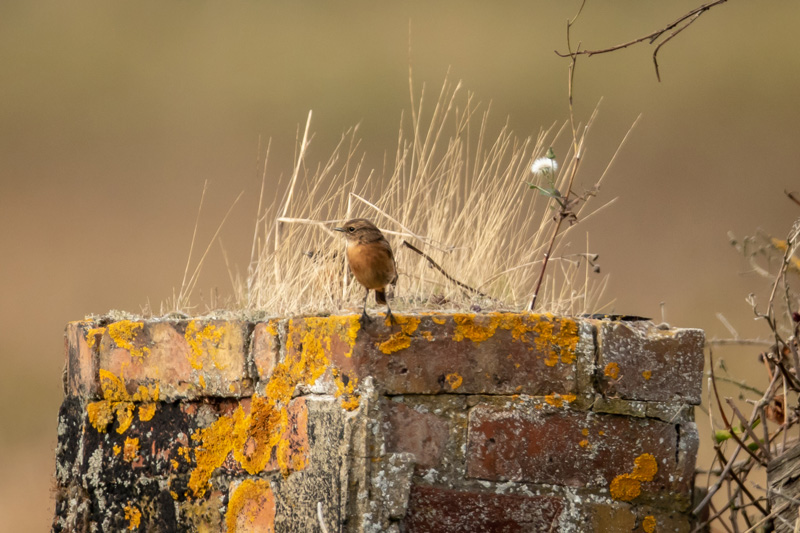
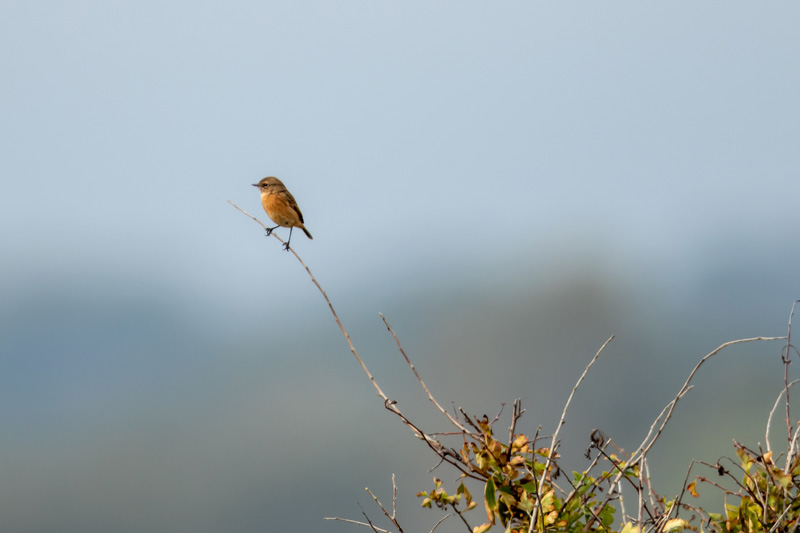
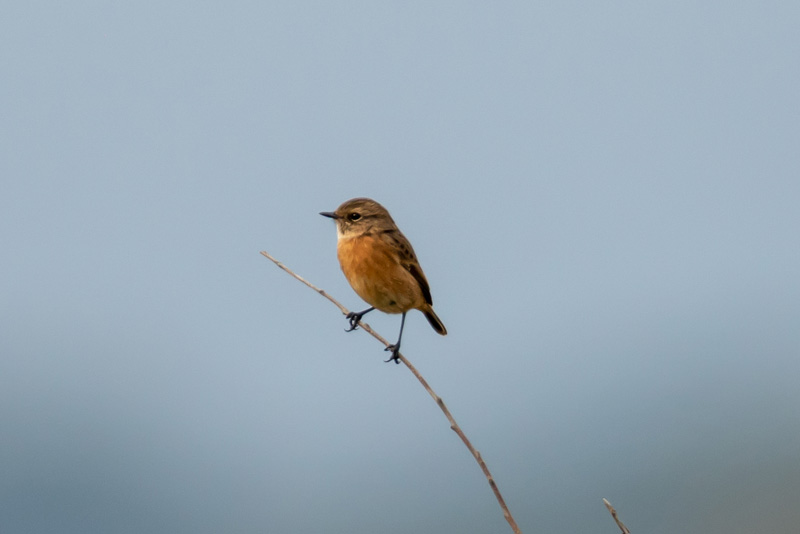
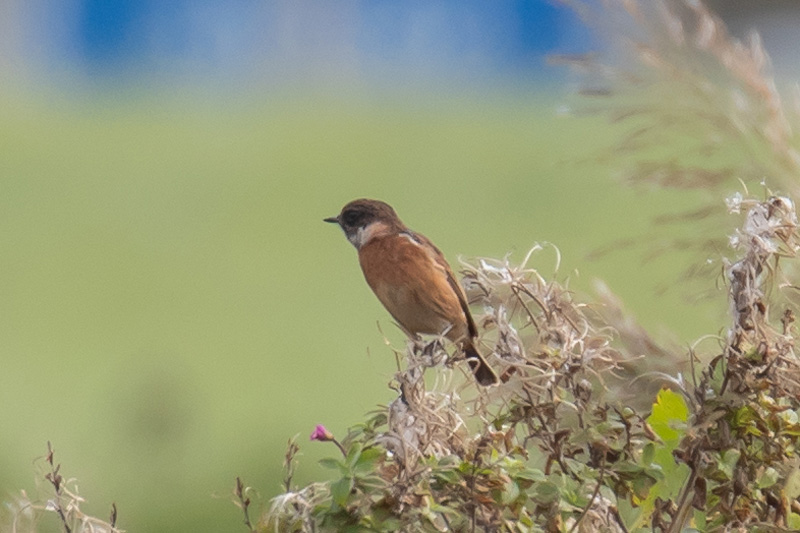
 A rear view of a stonechat
 The stonechat makes its exit
 Brent geese chased by cormorants
 Brent geese
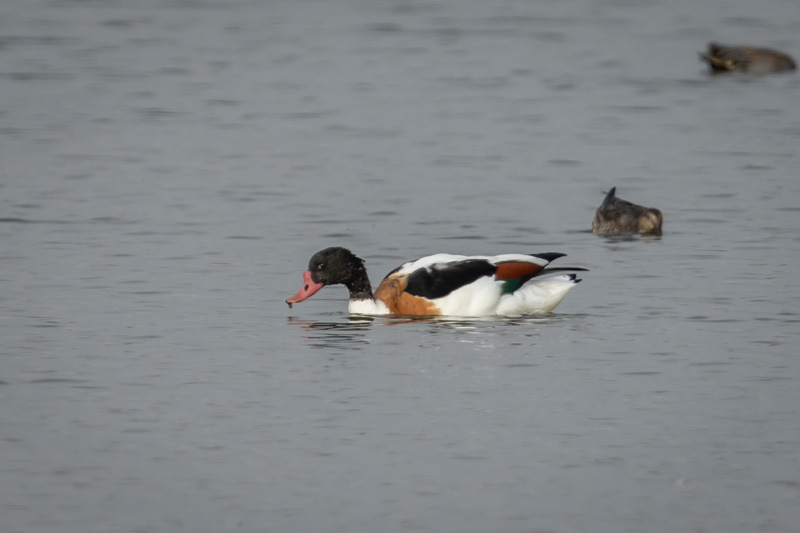
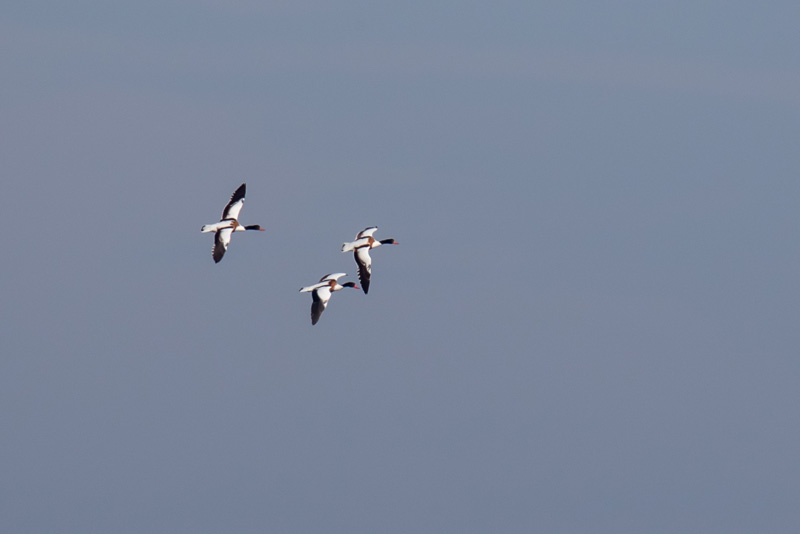 Shelduck
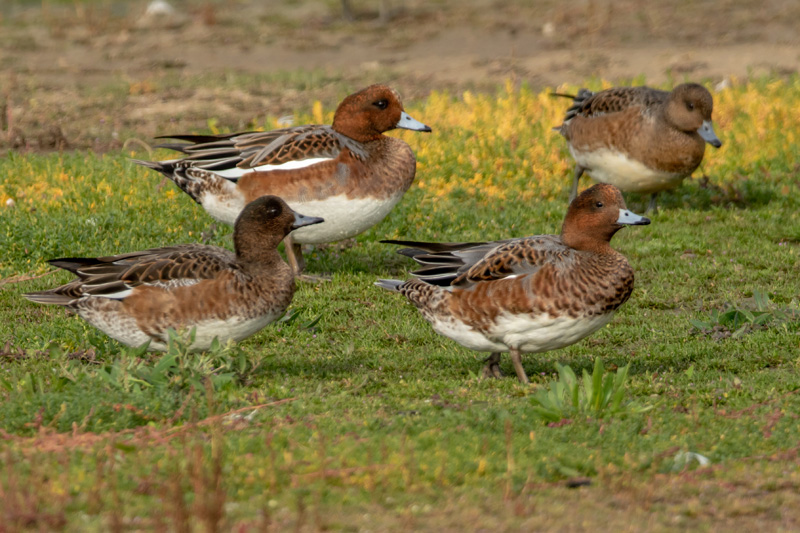
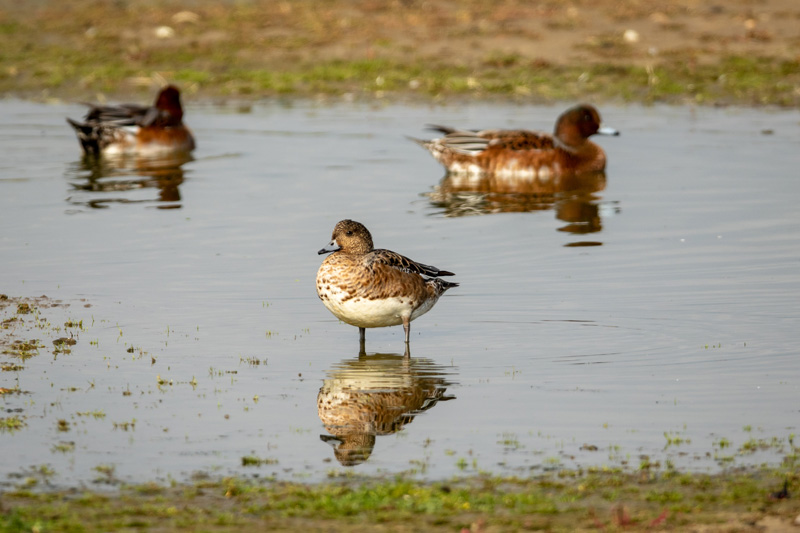
 Wigeon
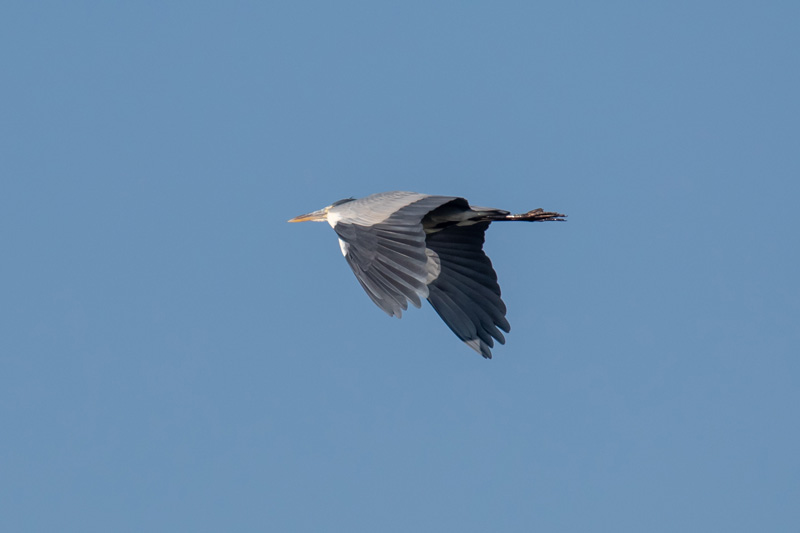 Grey heron
 Our view of the stone curlews in the afternoon sun!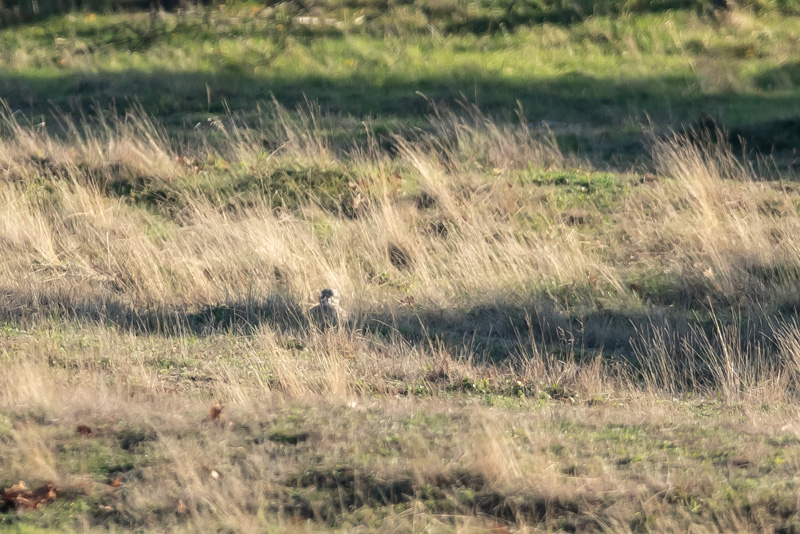
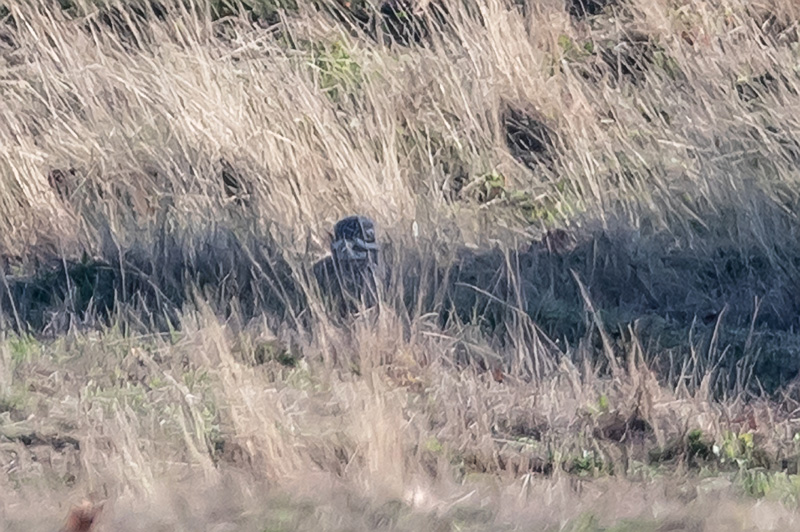


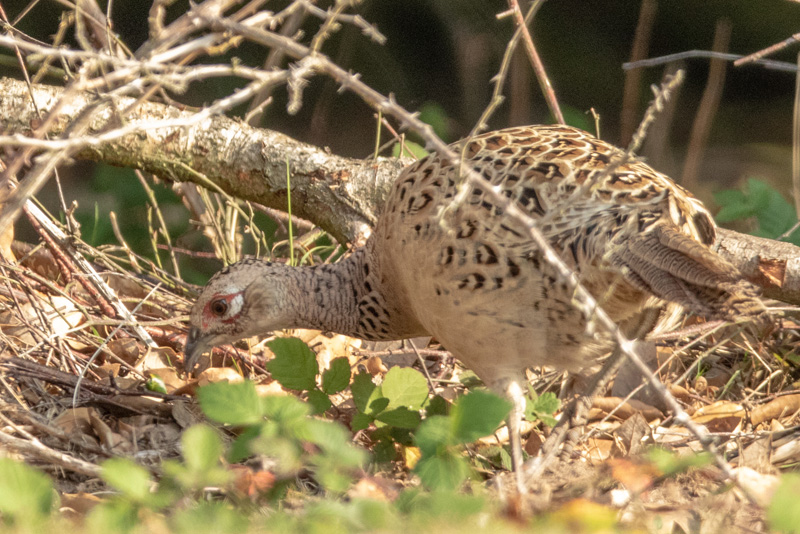 Female pheasant
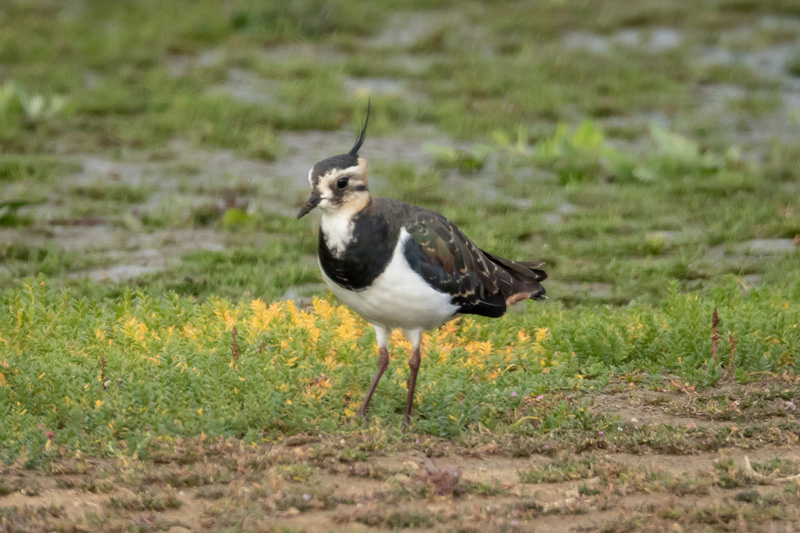
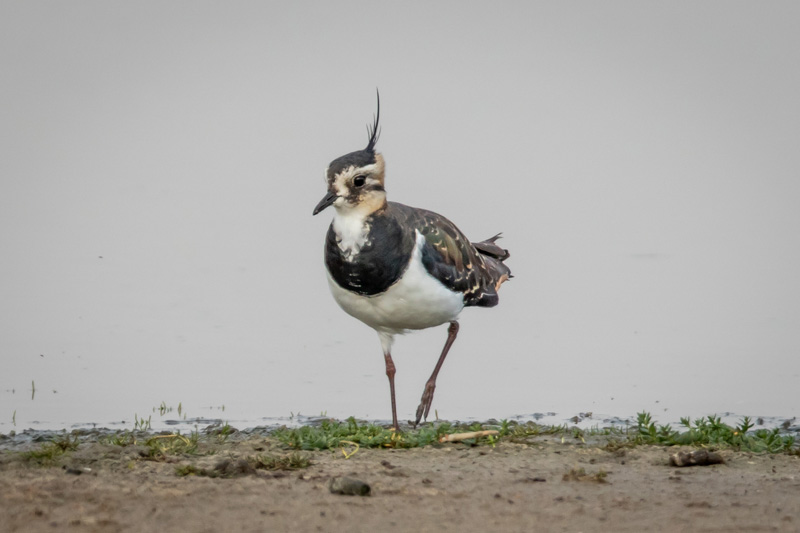 Lapwing
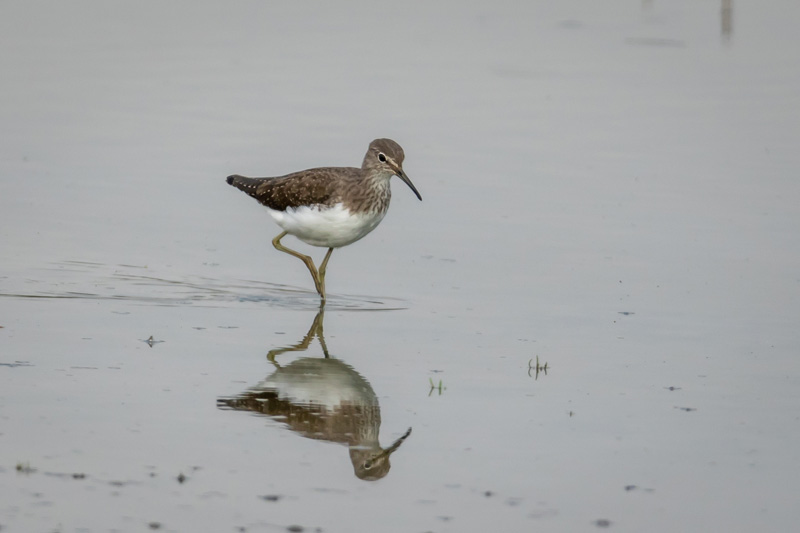
 Green sandpiper
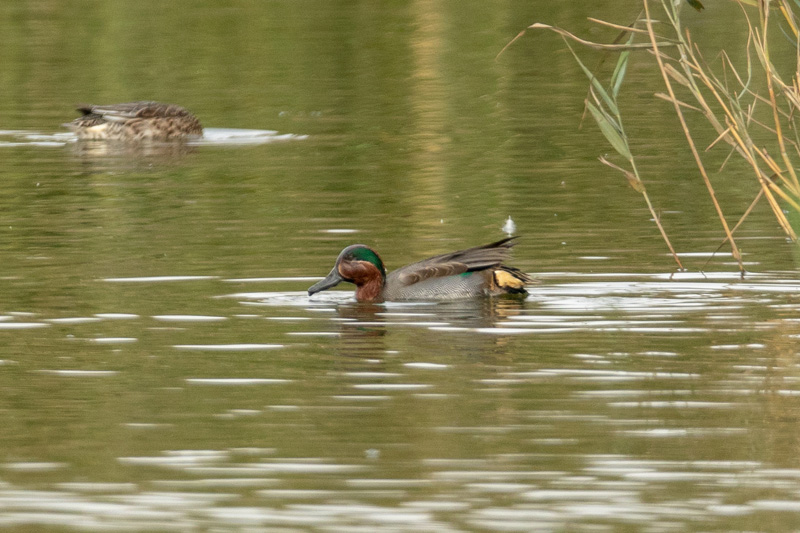 Teal
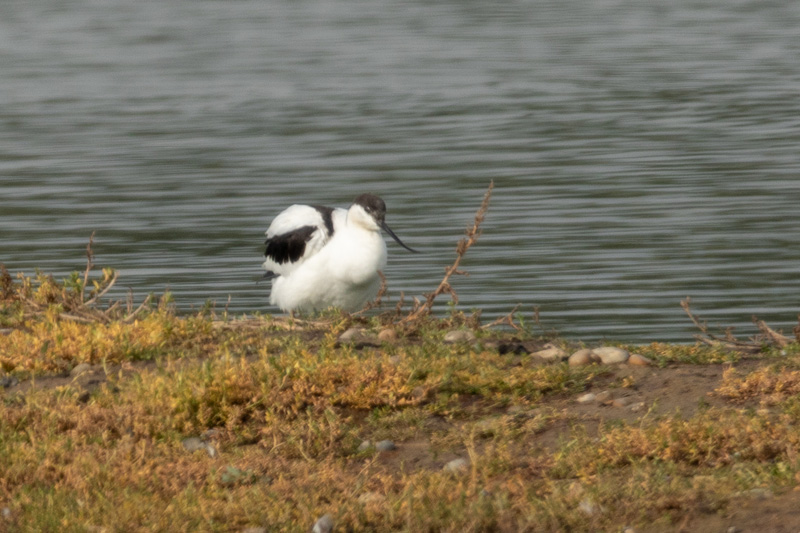
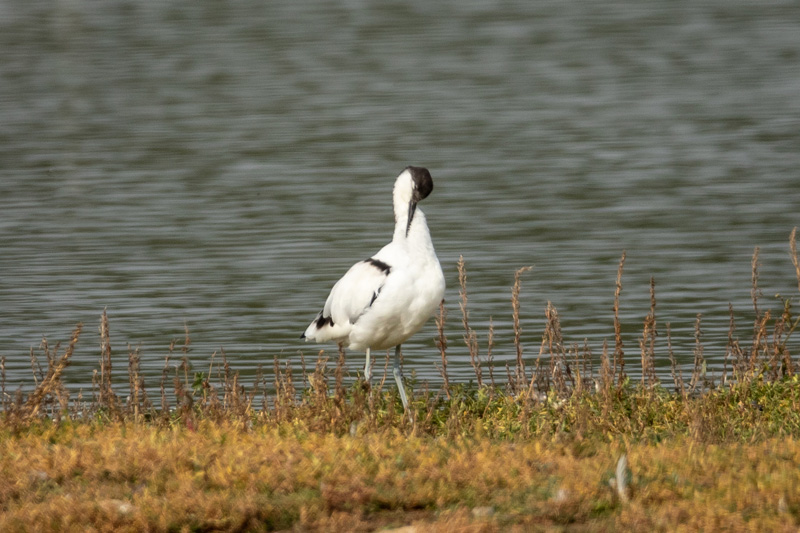
Teal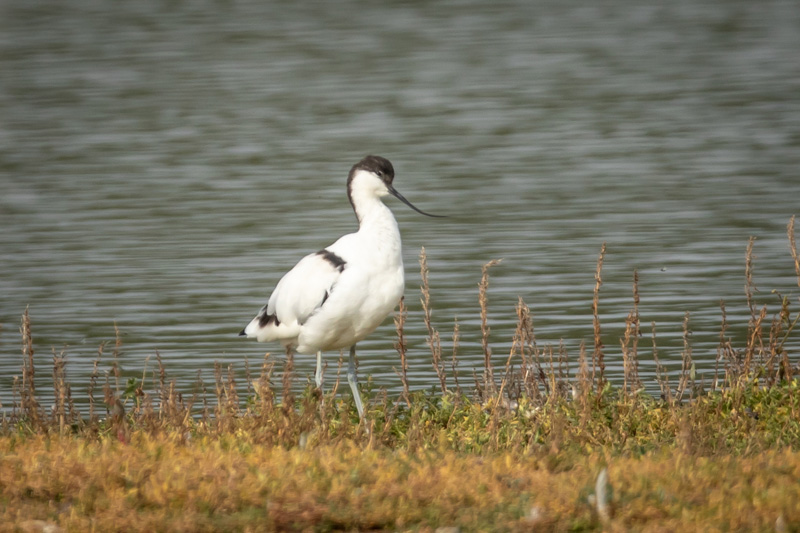 Avocet
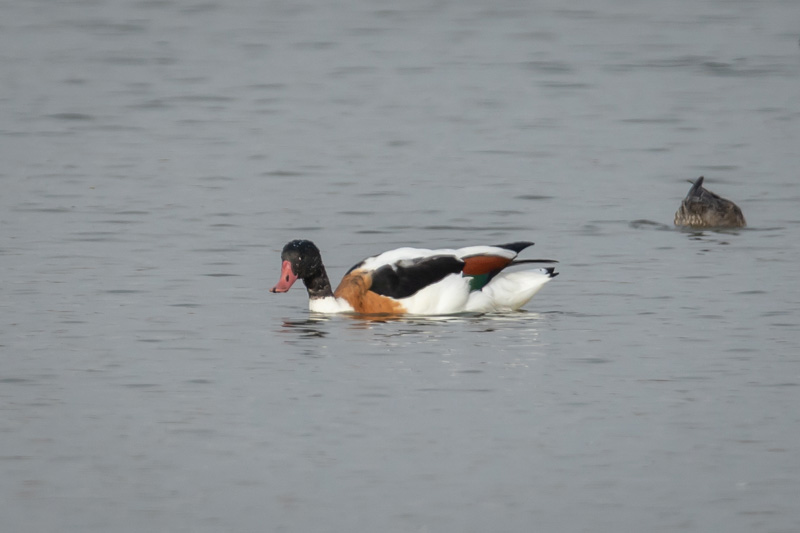 Shelduck
 Wigeon
 Black-tailed godwit
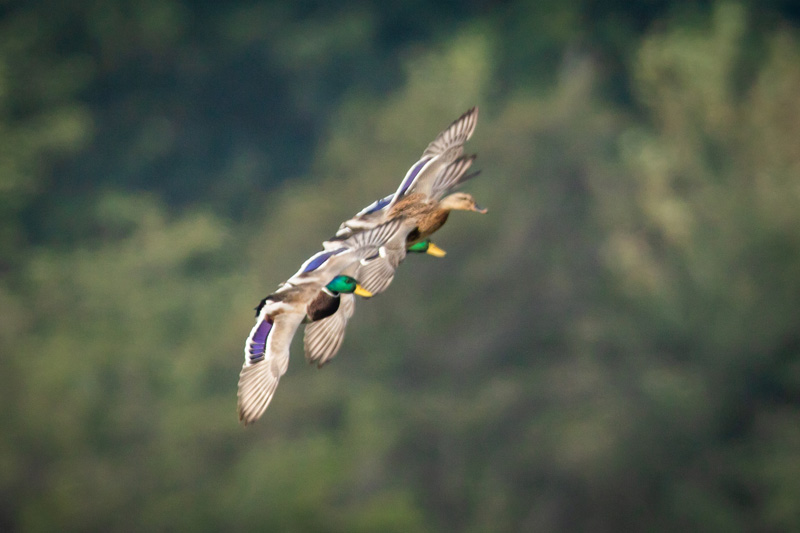 Mallards in flight
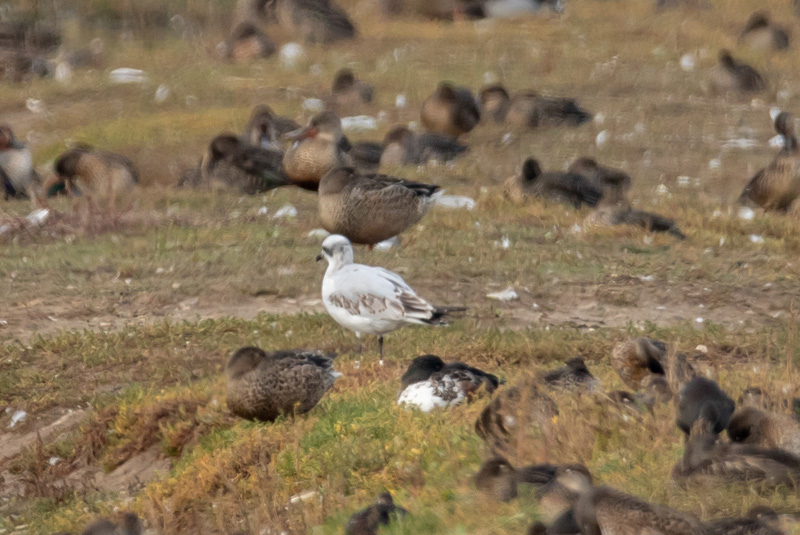 First winter Mediterranean Gull (which have been breeding at Minsmere)
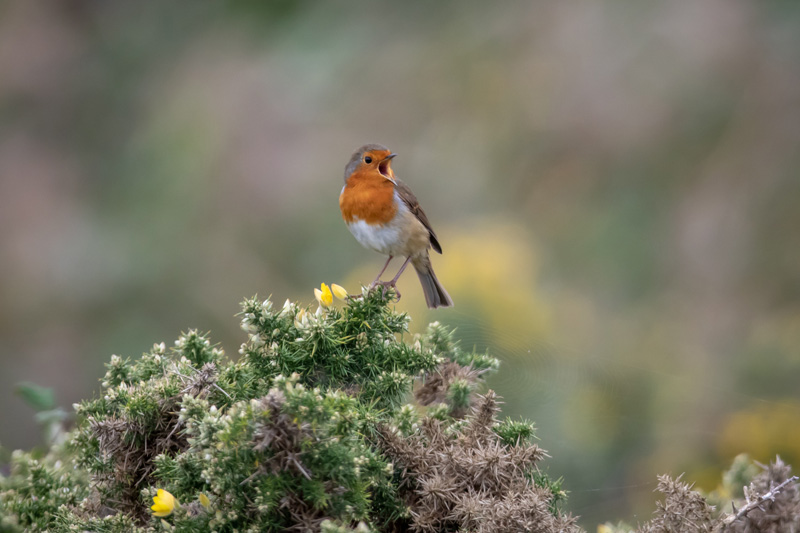 Robin establishing its territory
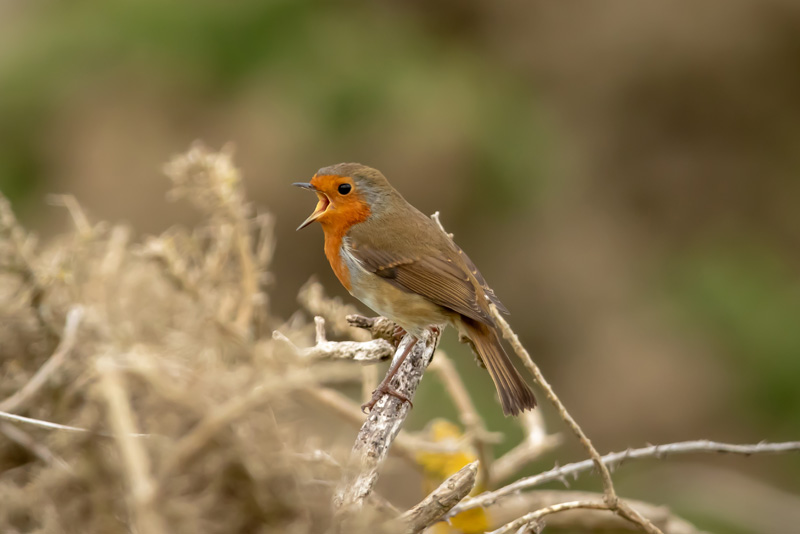 Robin
Robin Brent geese
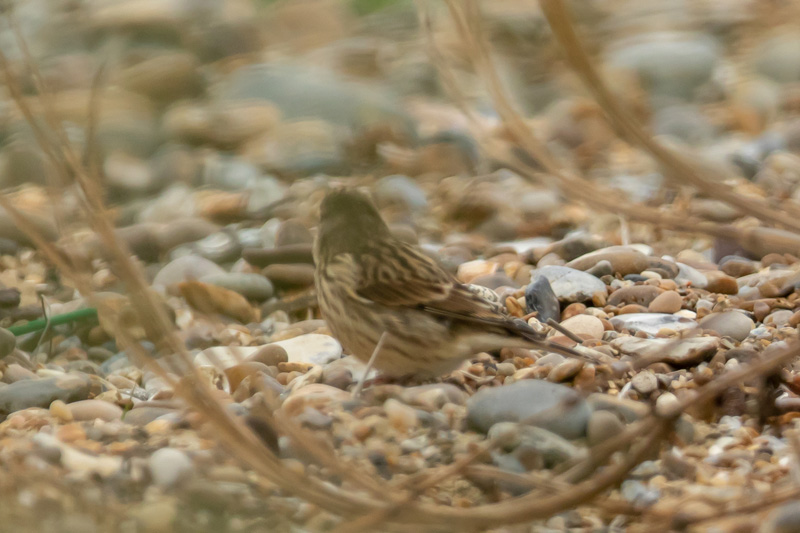
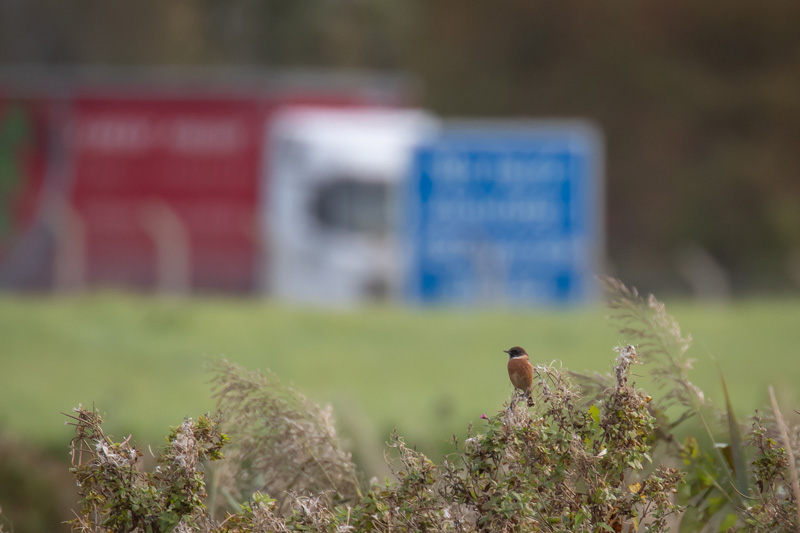
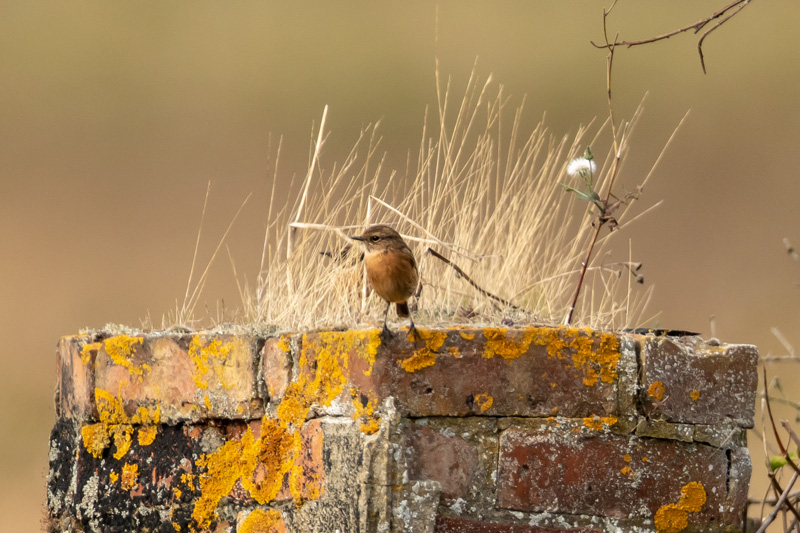 Stonechat
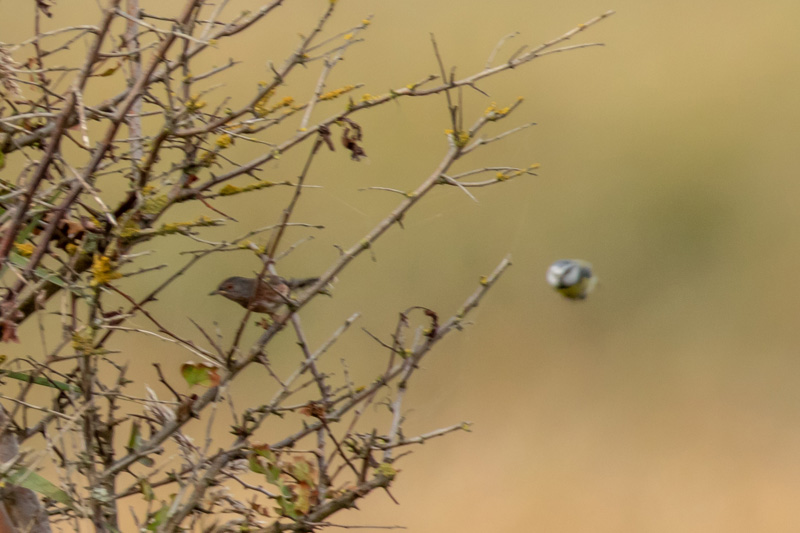 Blue tit in flight and a Dartford warbler in the bush
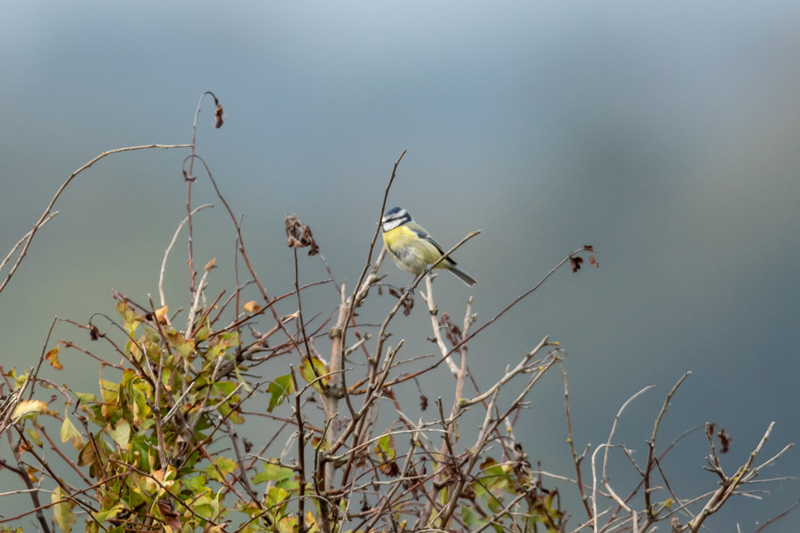 Blue tit
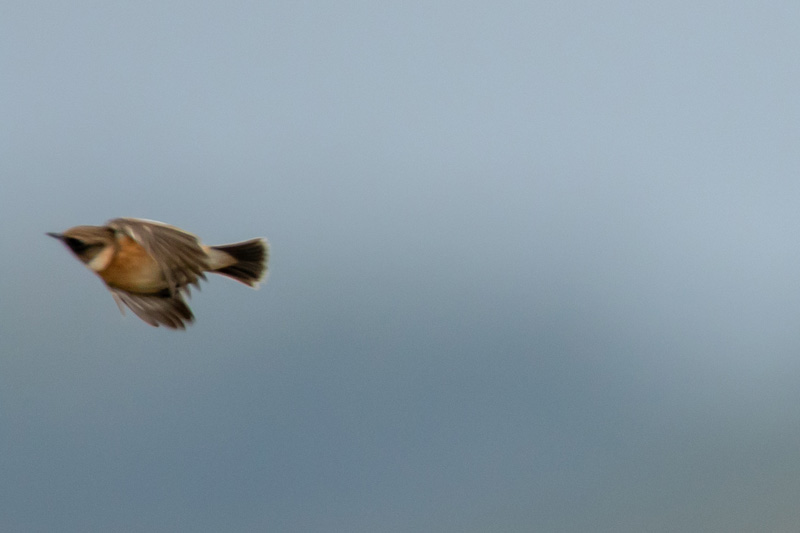 I nearly missed this stonechat in flight
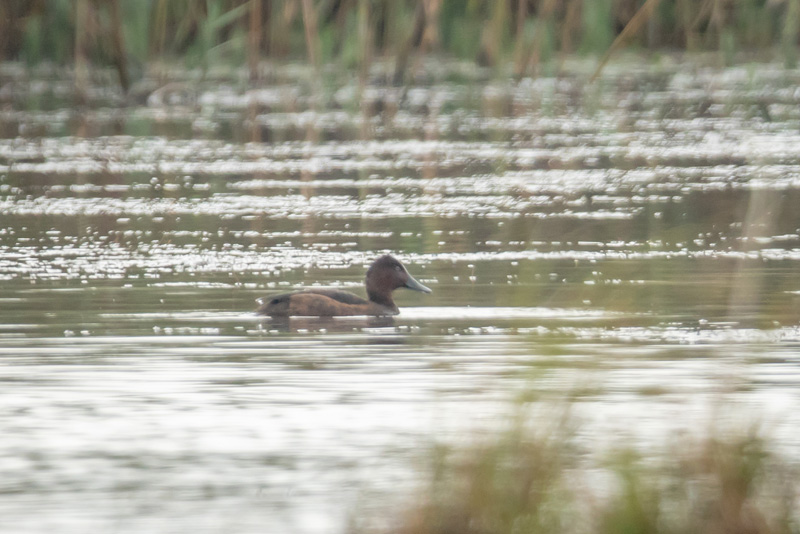
 Ferruginous duck (a first for me)
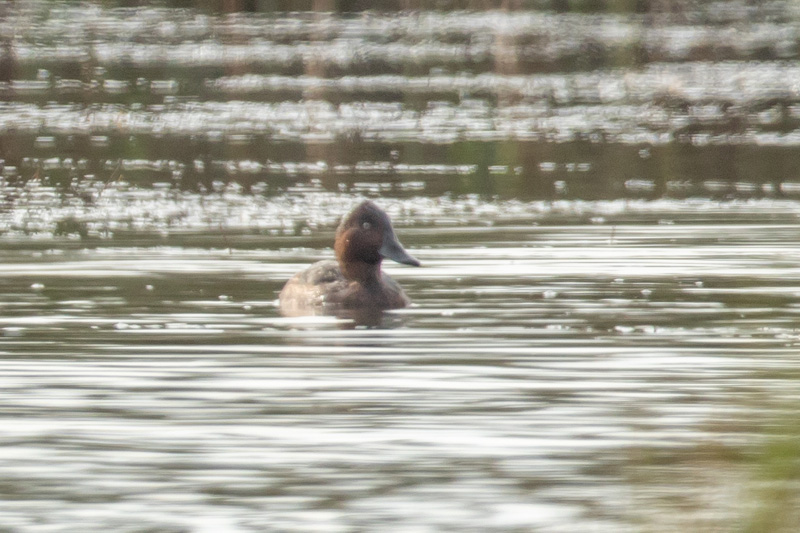 Ferruginous duck
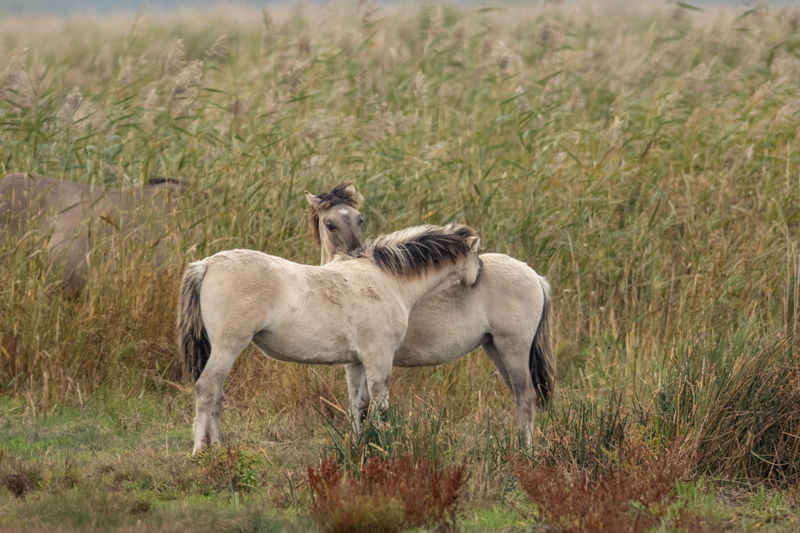
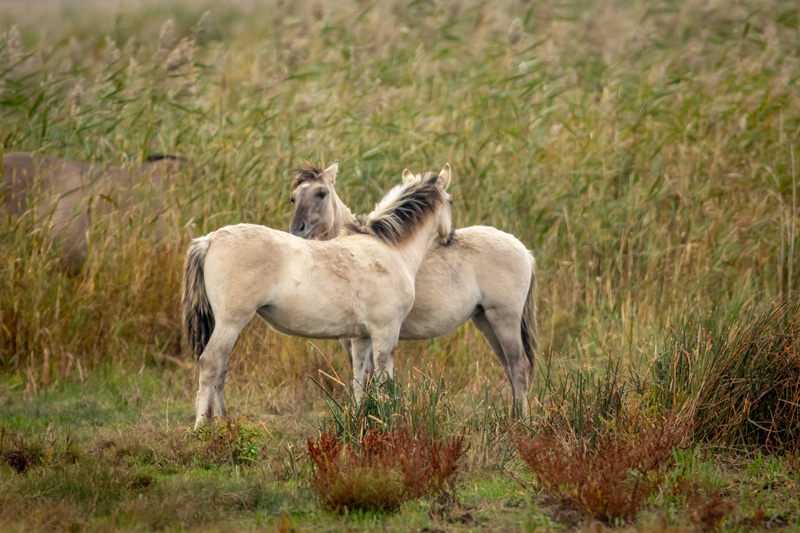 Konic ponies
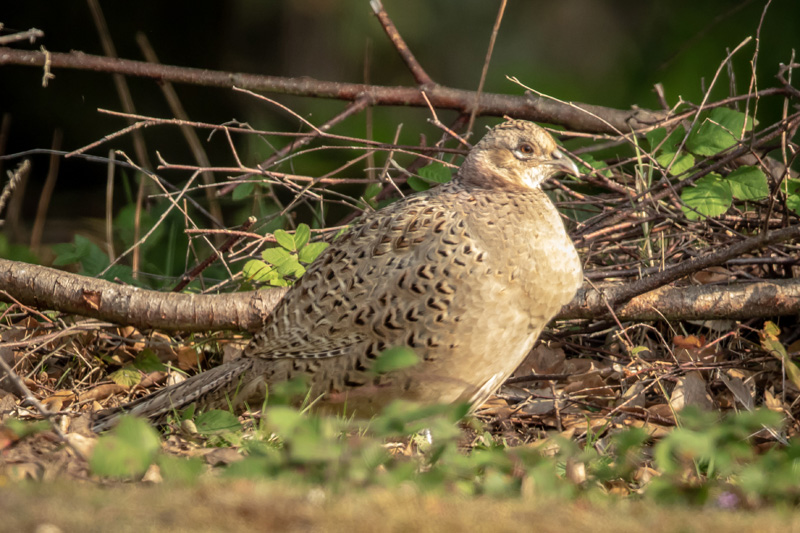



















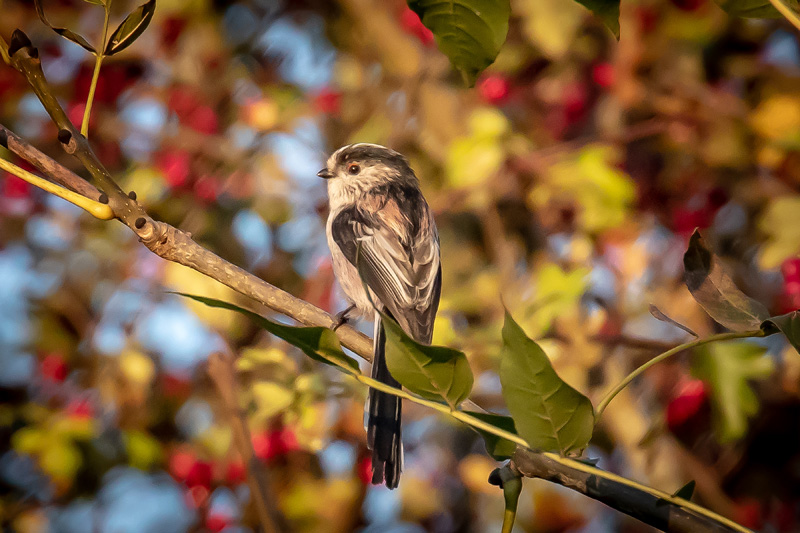
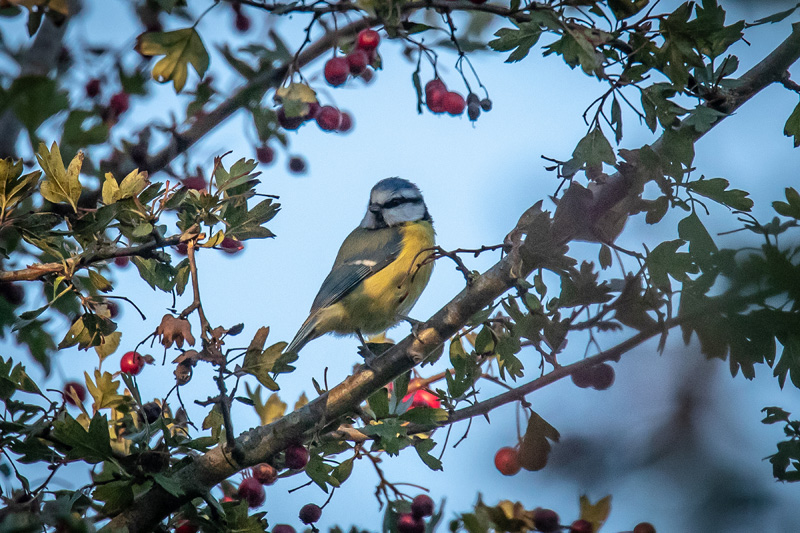 Blue tit
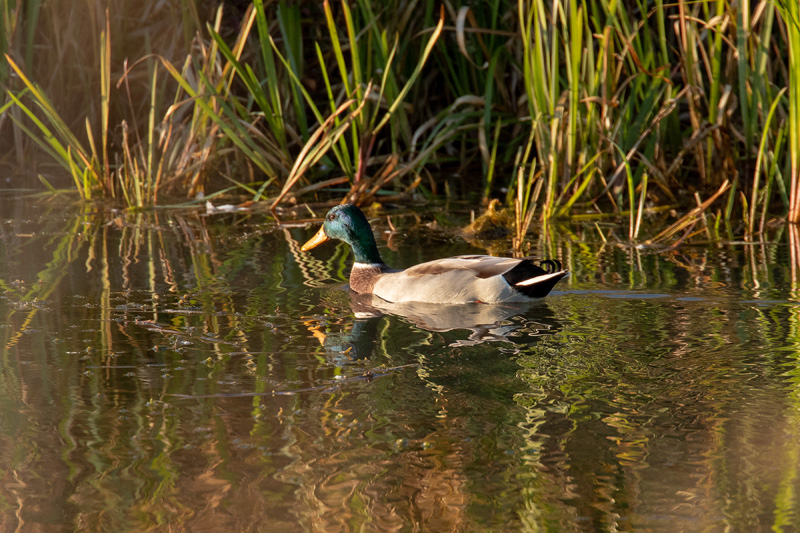 Mallard
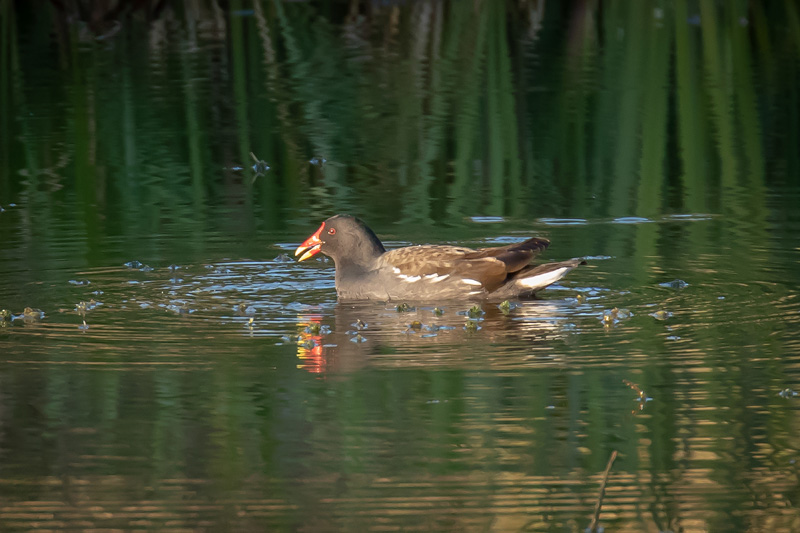 Moorhen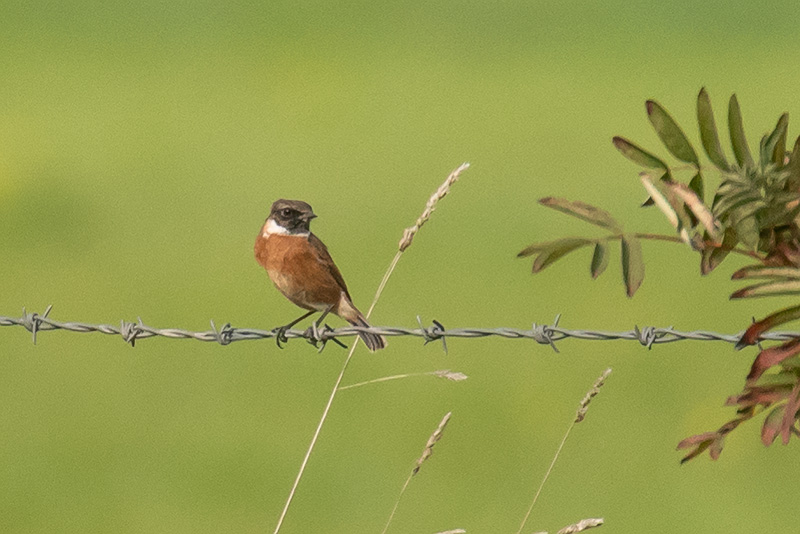




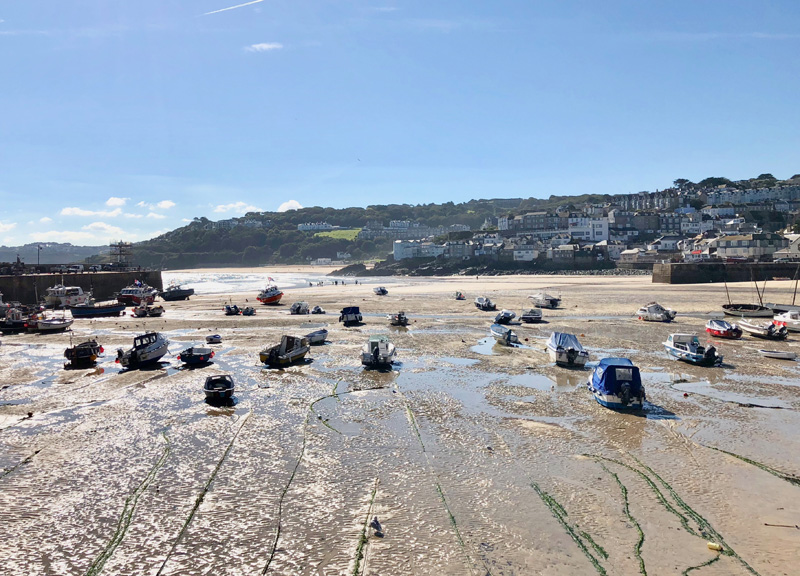
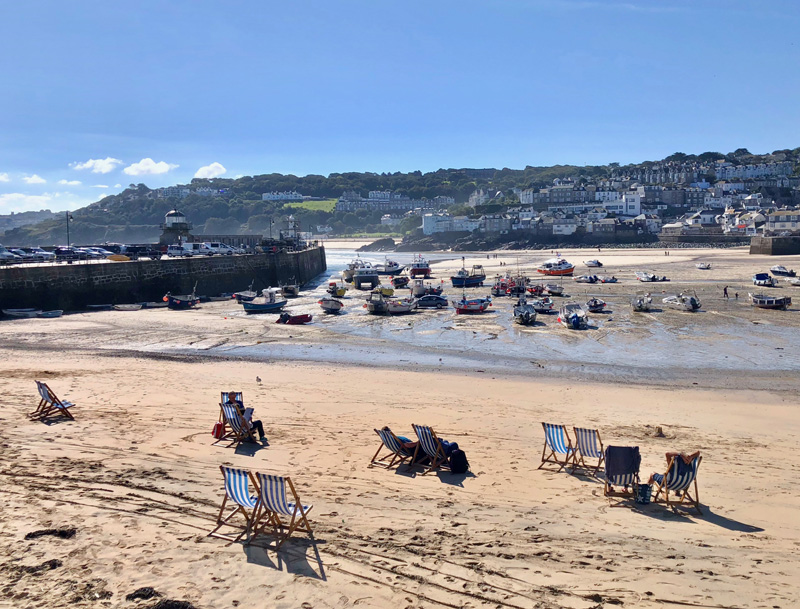
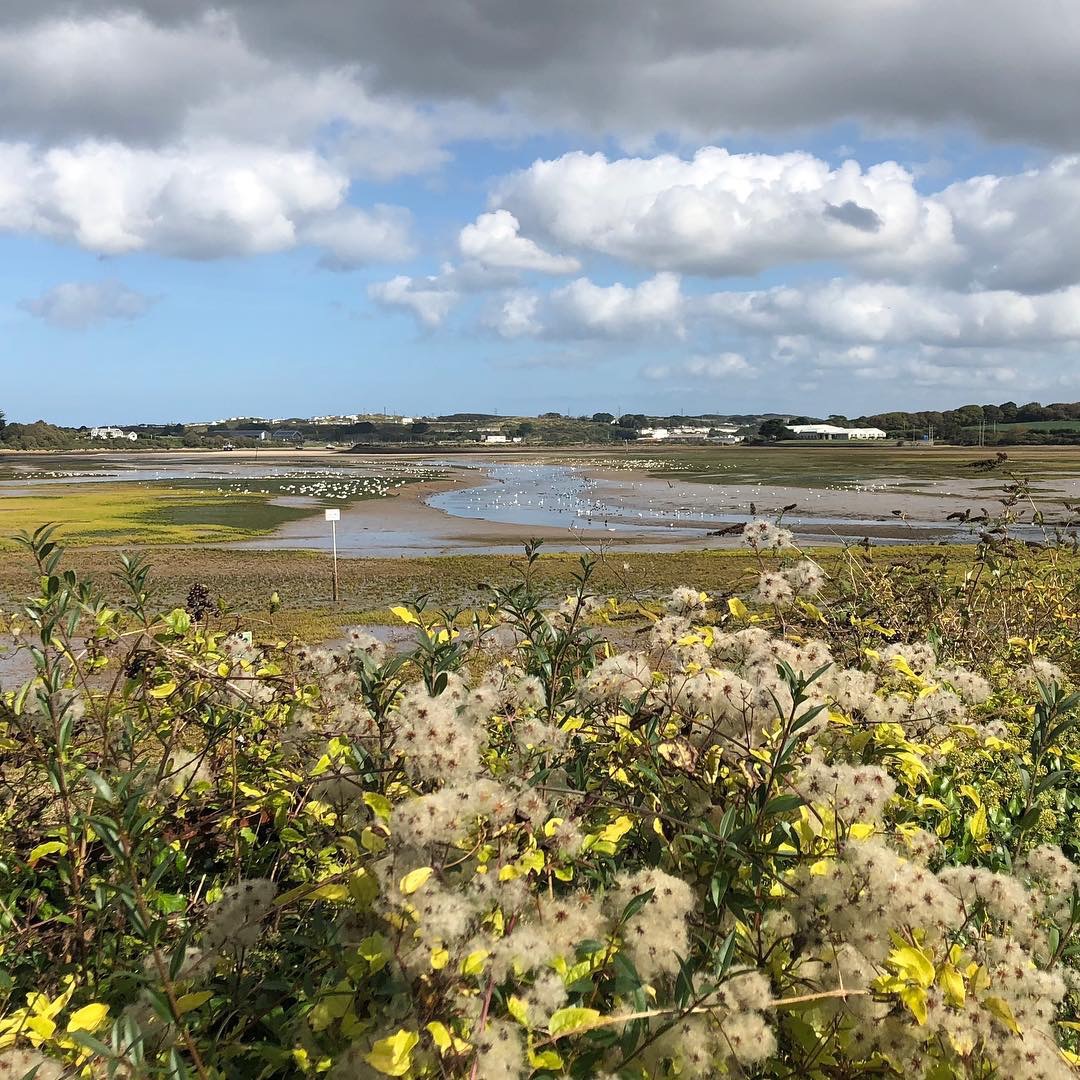 The Hayle Estuary from beside the Old Quay Inn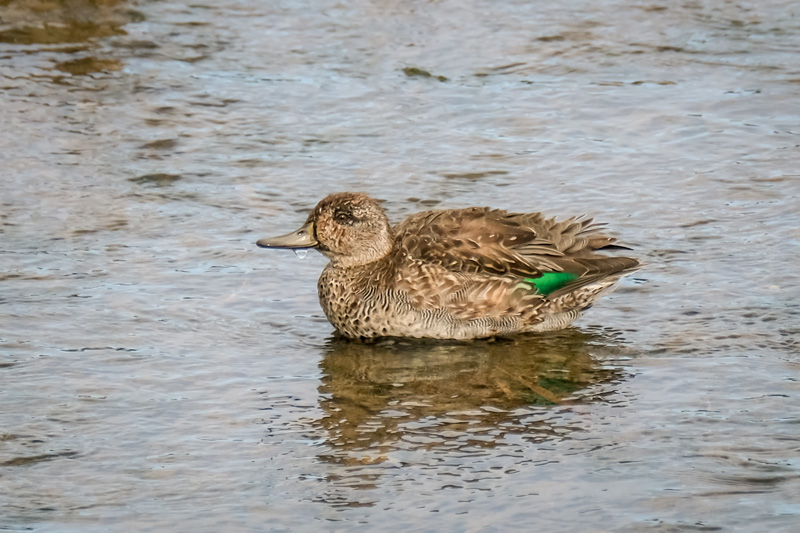
 Teal
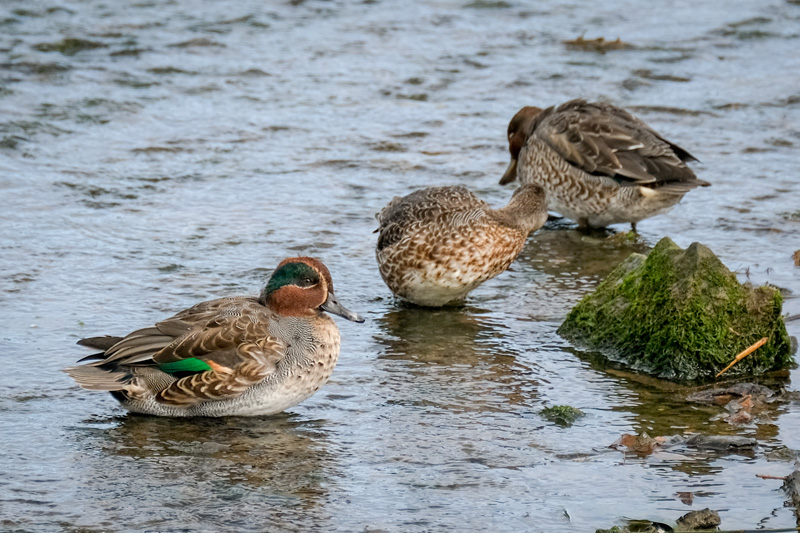
Teal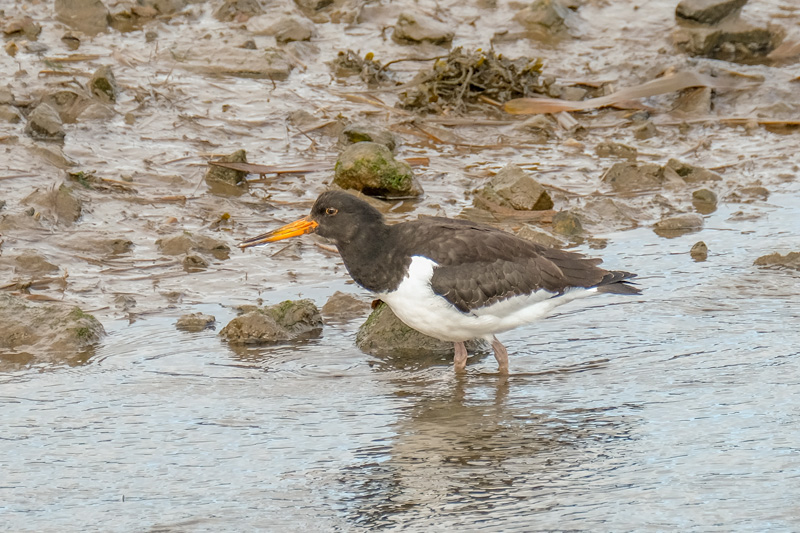 Oystercatcher
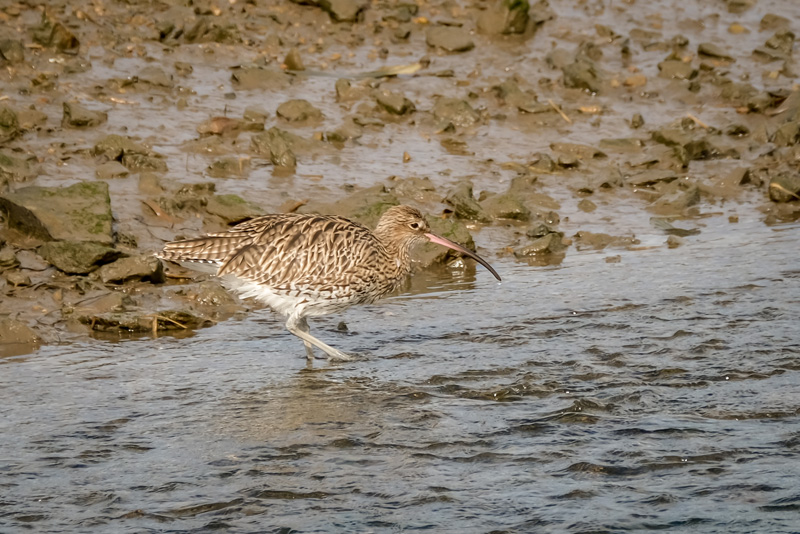
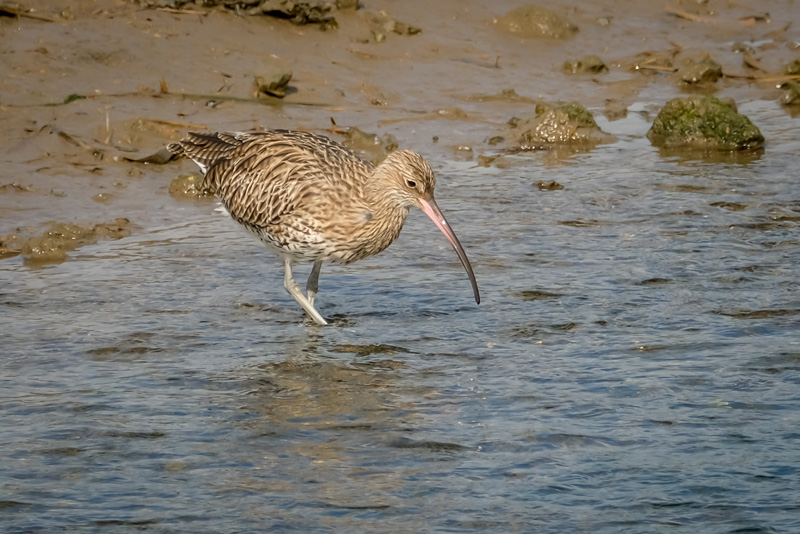 Curlew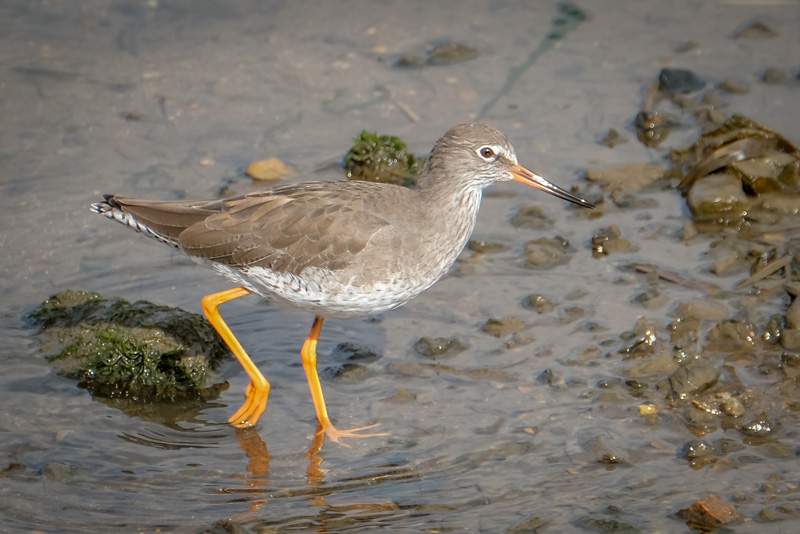
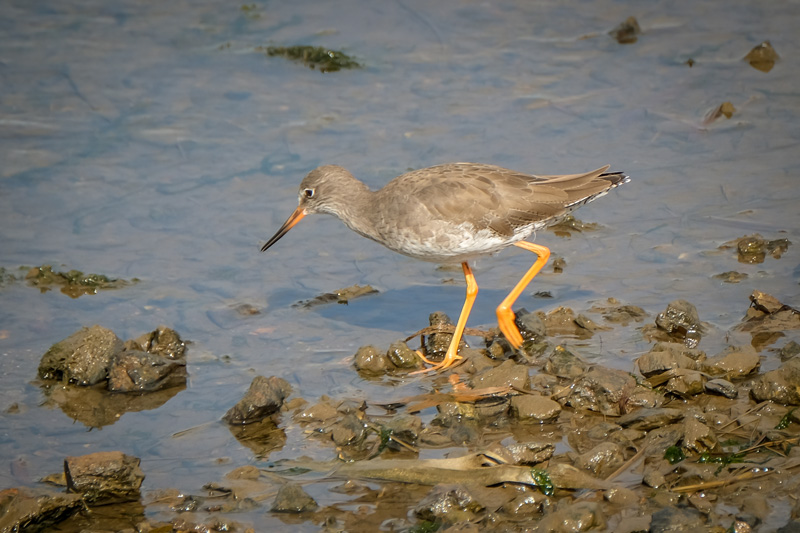 Common redshank
 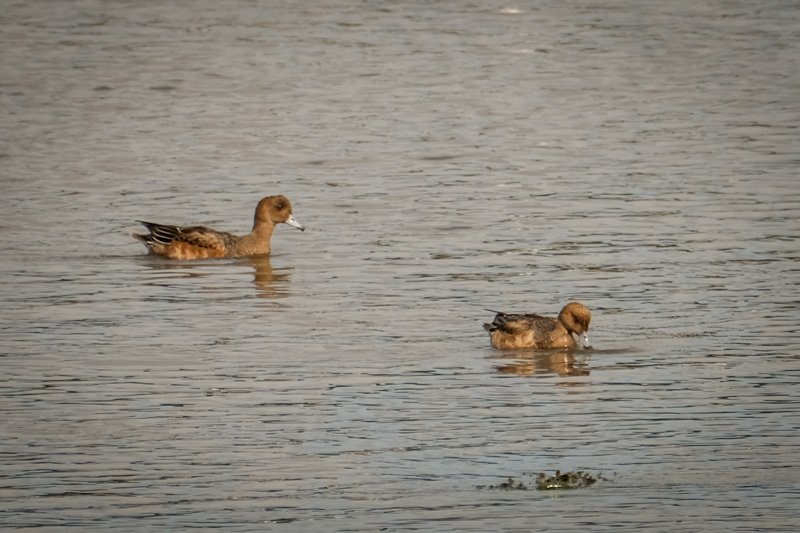 Wigeon
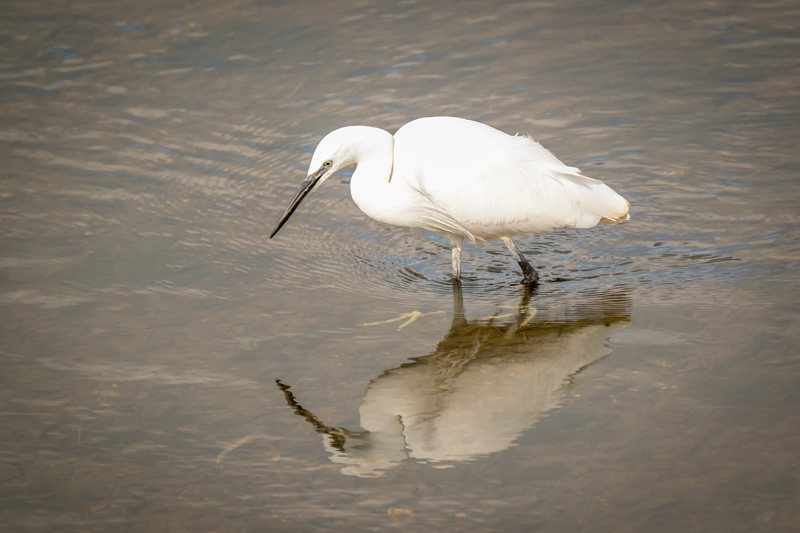 Little egret
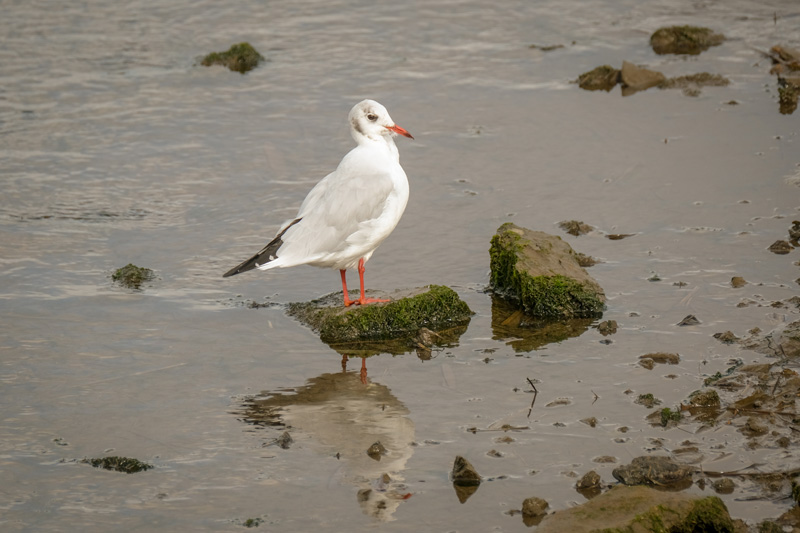 Black-headed gull
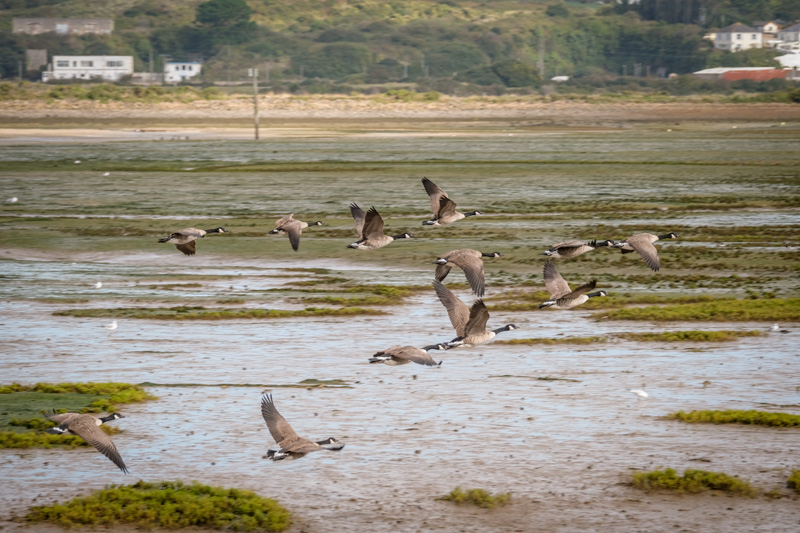 Canada geese in flight
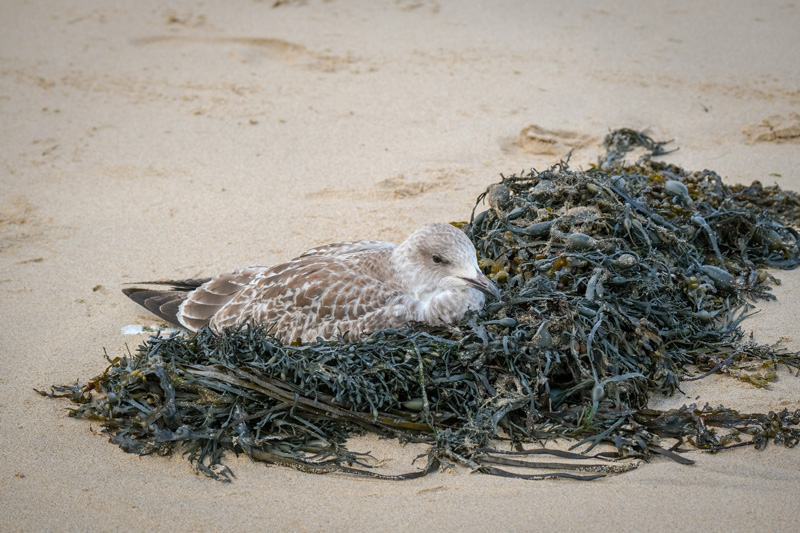 Immature gull
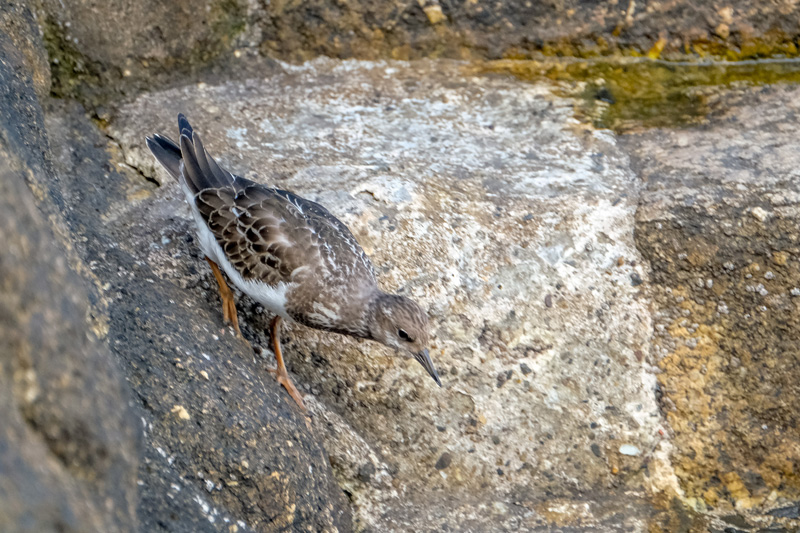 Turnstone


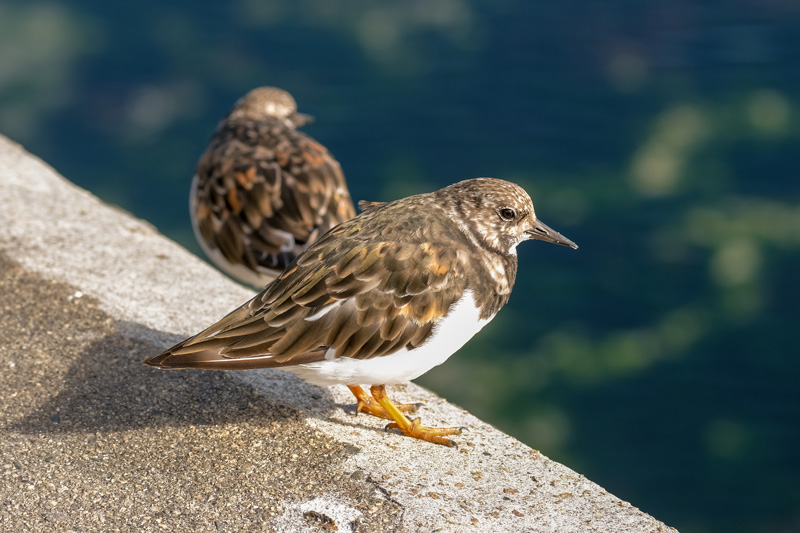 Turnstone
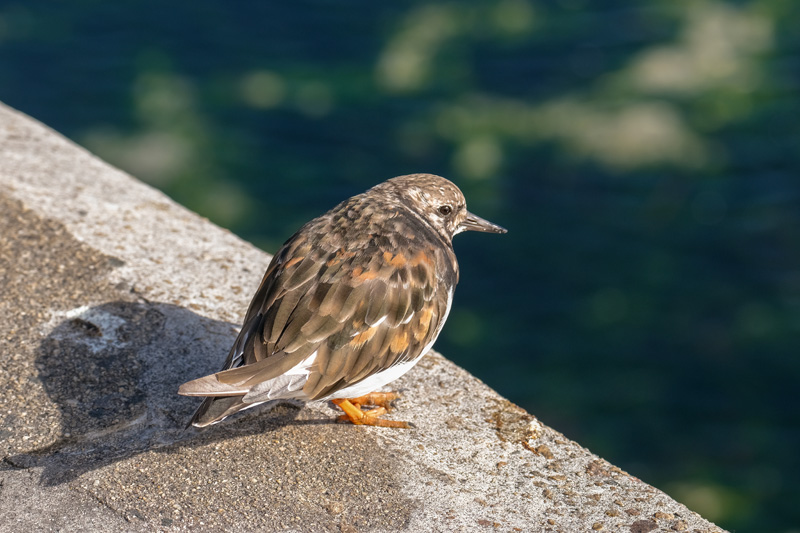 Turnstone
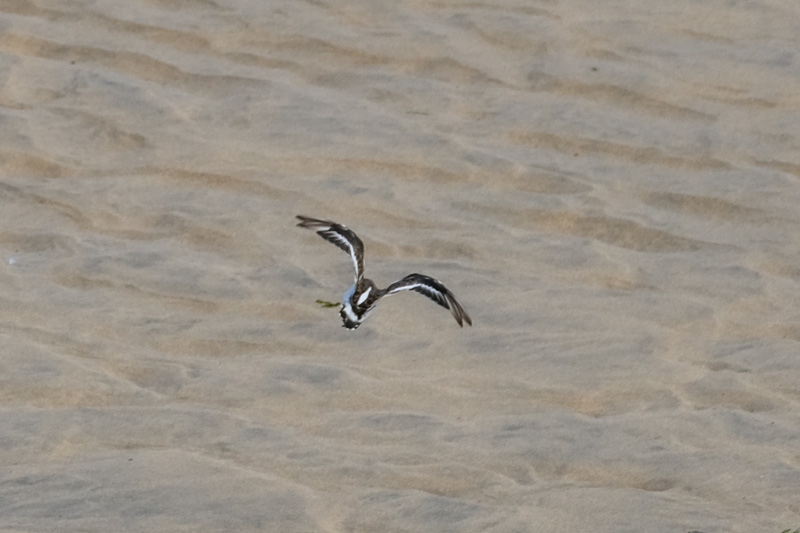 Turnstone
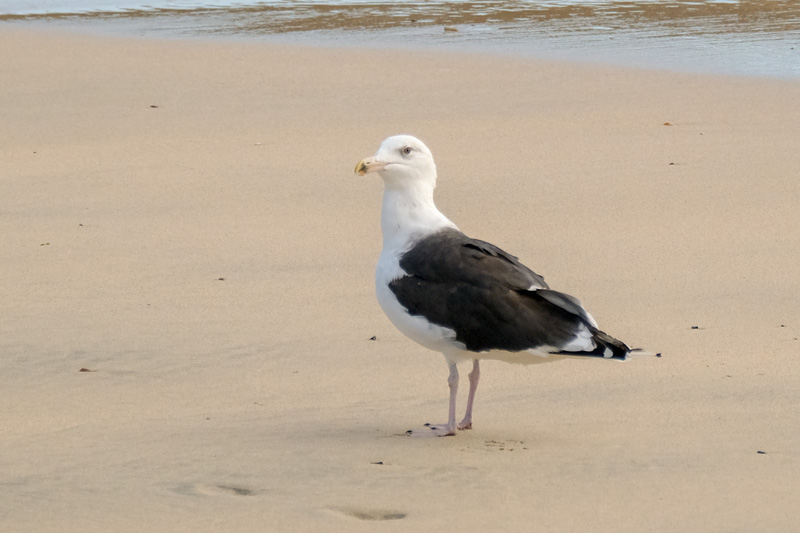 Great black-backed gull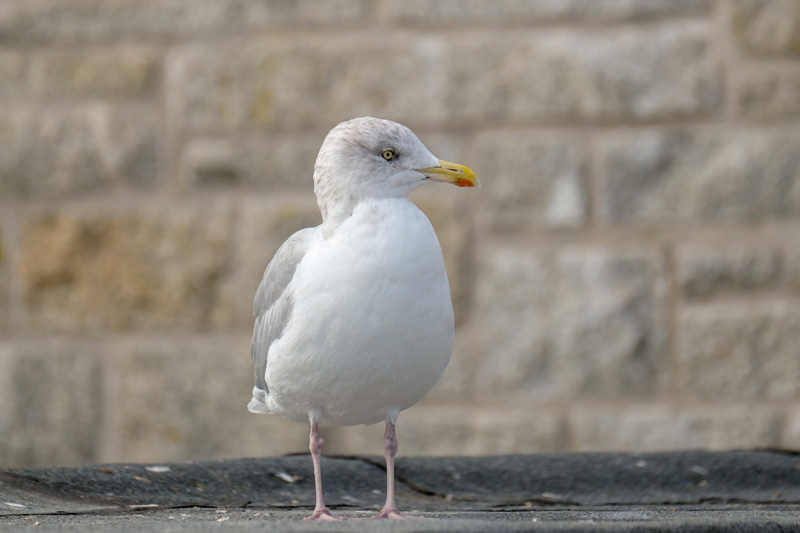
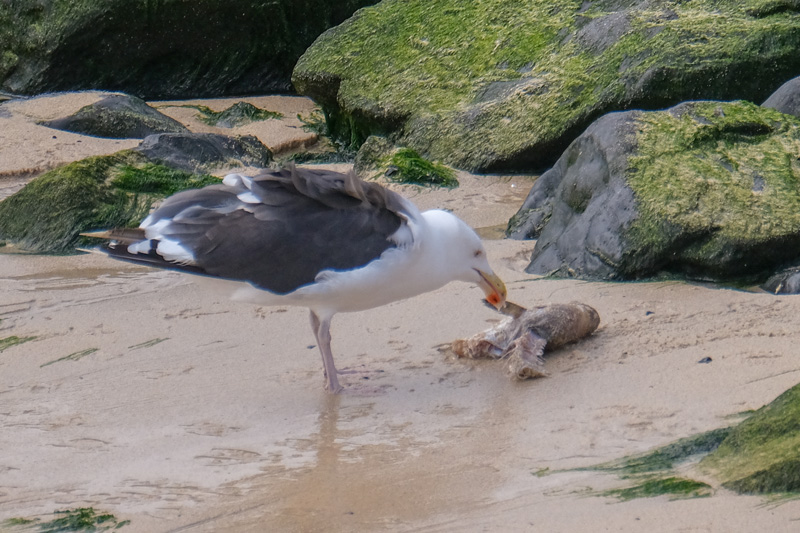 Great black-backed gull
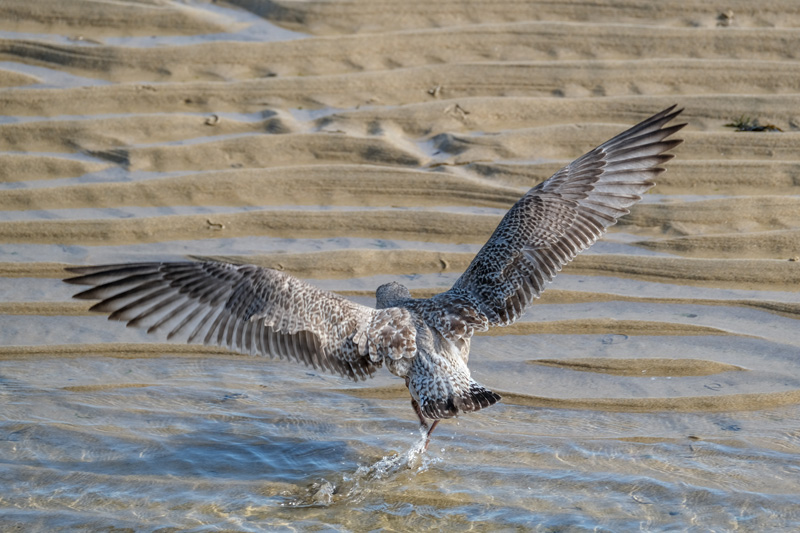 Immature gull
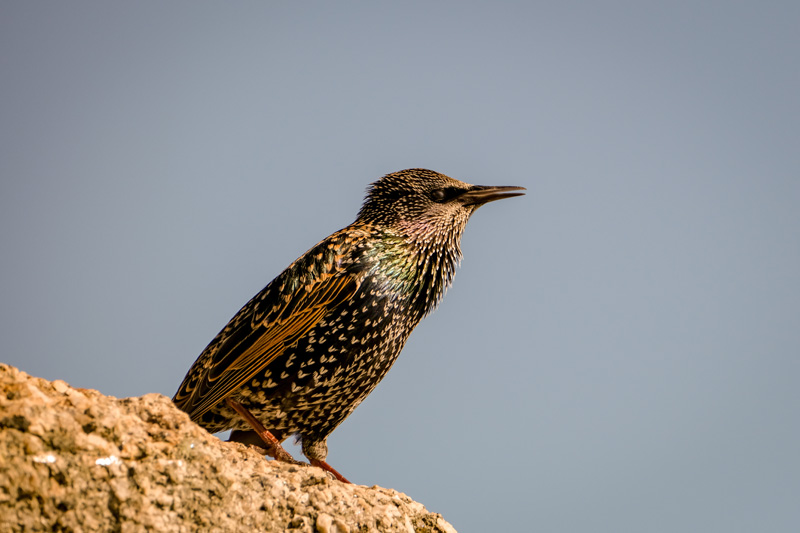
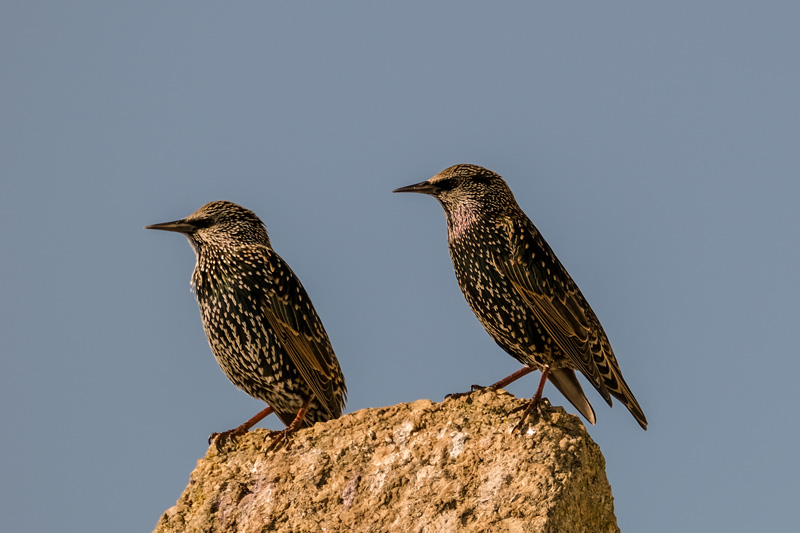 Starlings



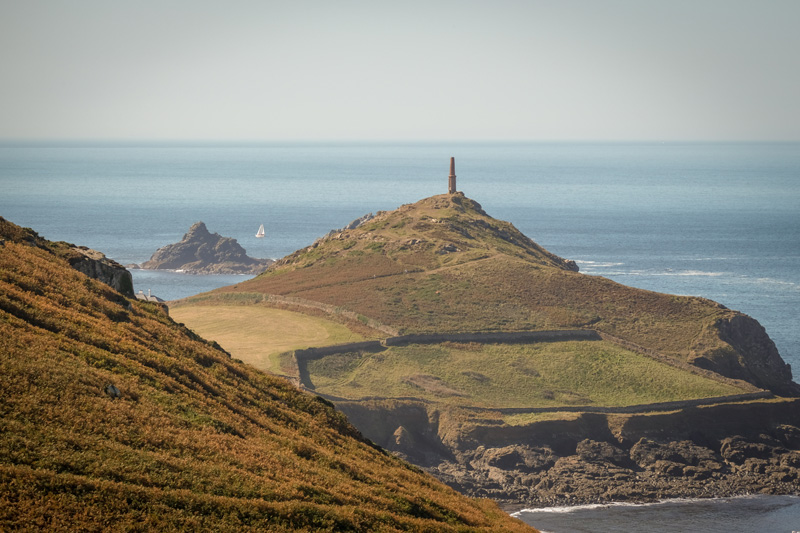 Cape Cornwall – the chimney stack dates back to 1894, when Cape Cornwall Mine was in operation, extracting tin and copper from out under the sea. Now, the site is part of the Tin Coast and Cornish Mining World Heritage Site.
 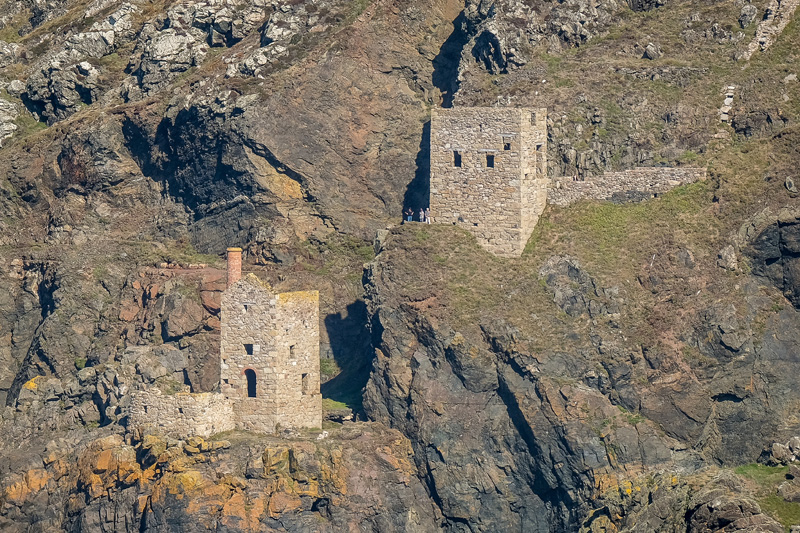 Relics of Cornwall’s tin mining industry
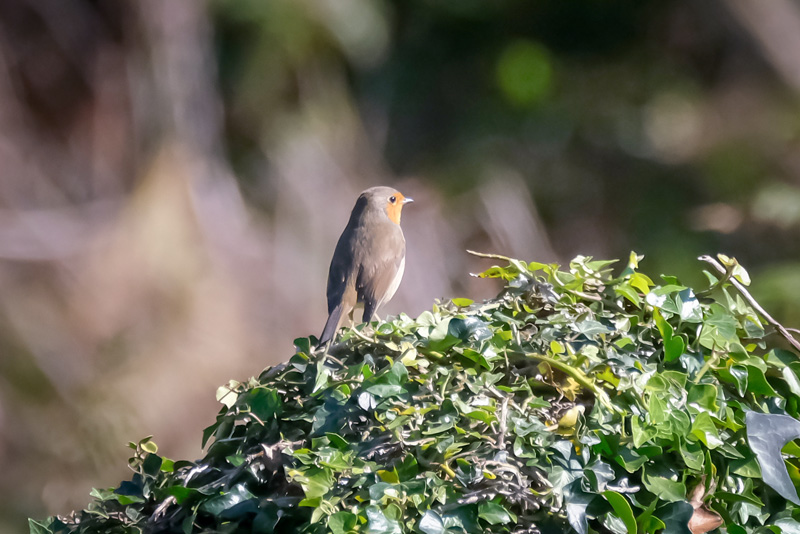 Robin
Robin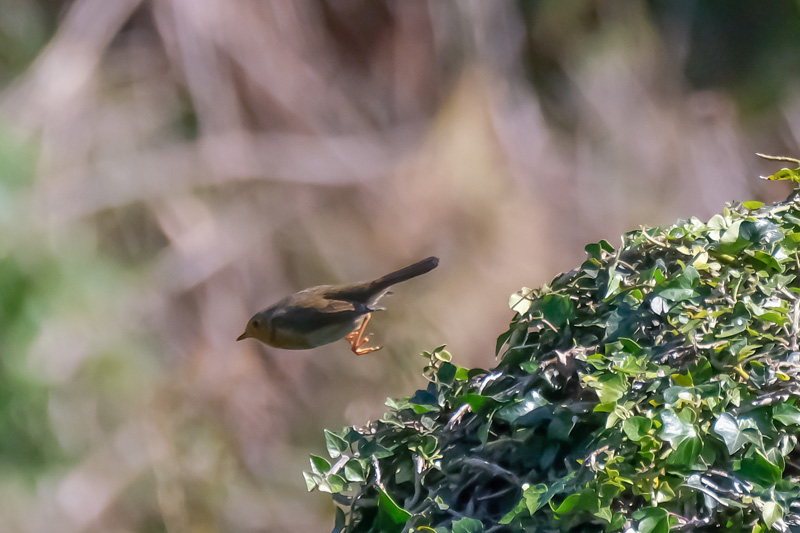 Robin
Robin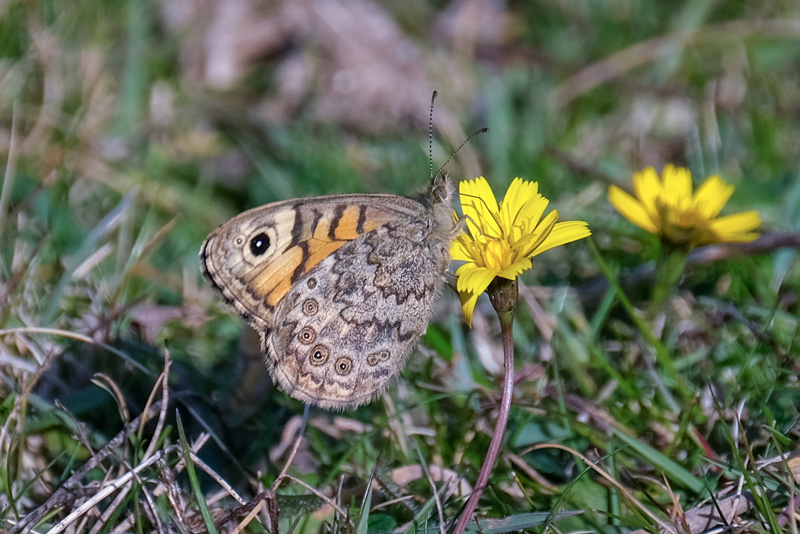
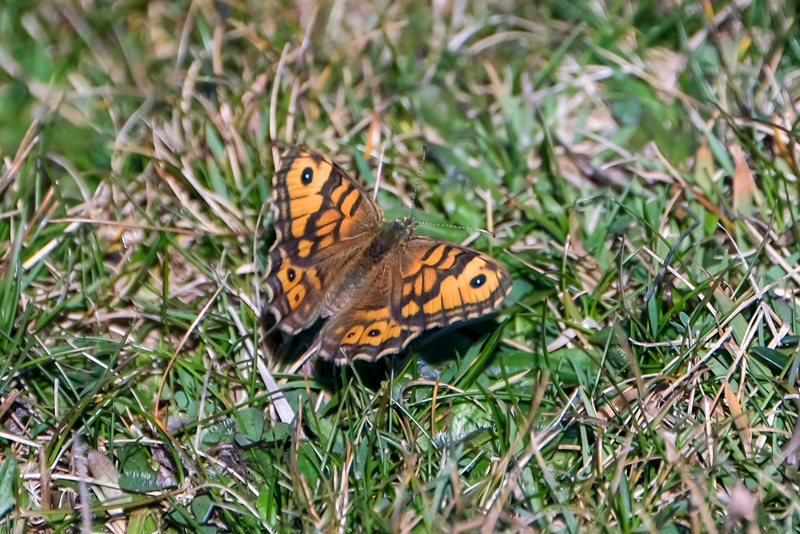 Wall
Wall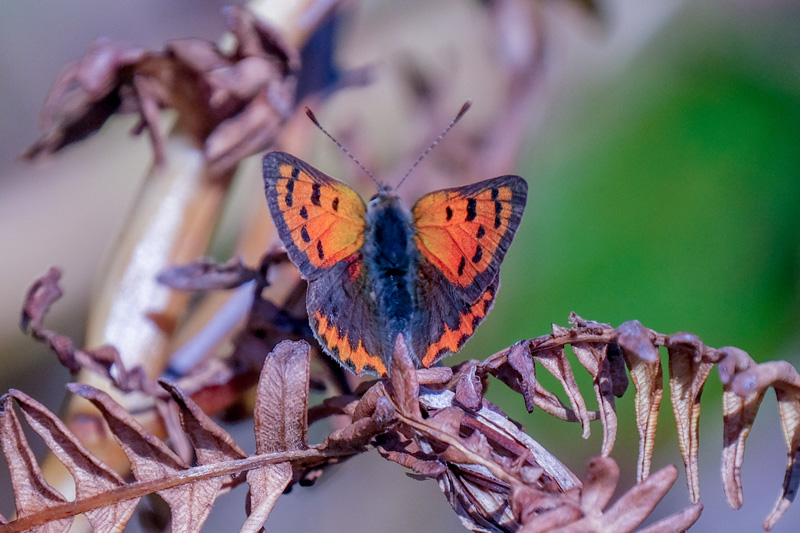 Small Copper
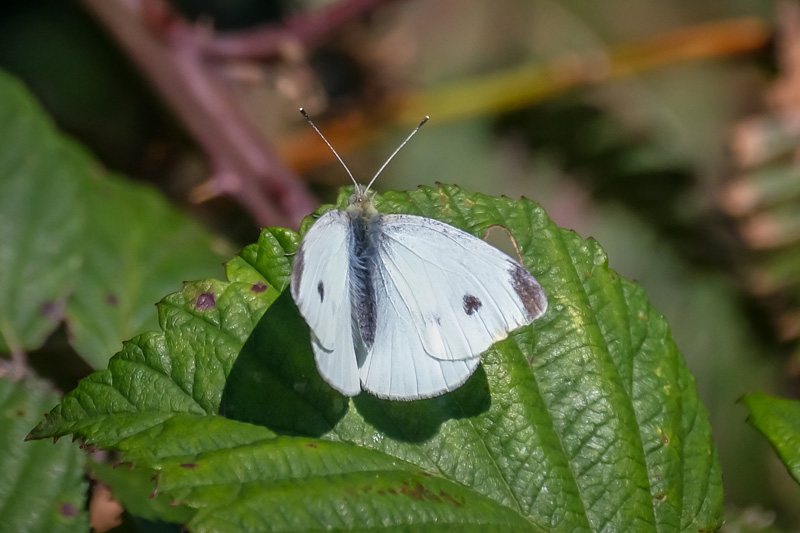 Small White
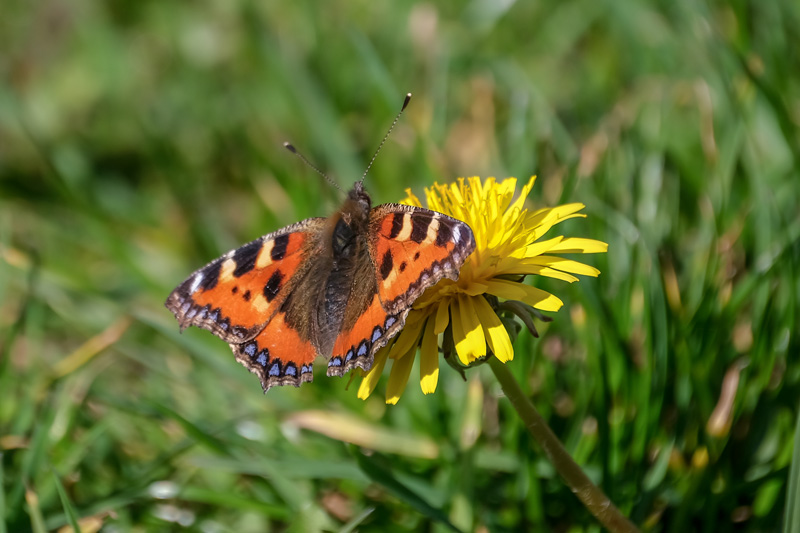 Small tortoiseshell
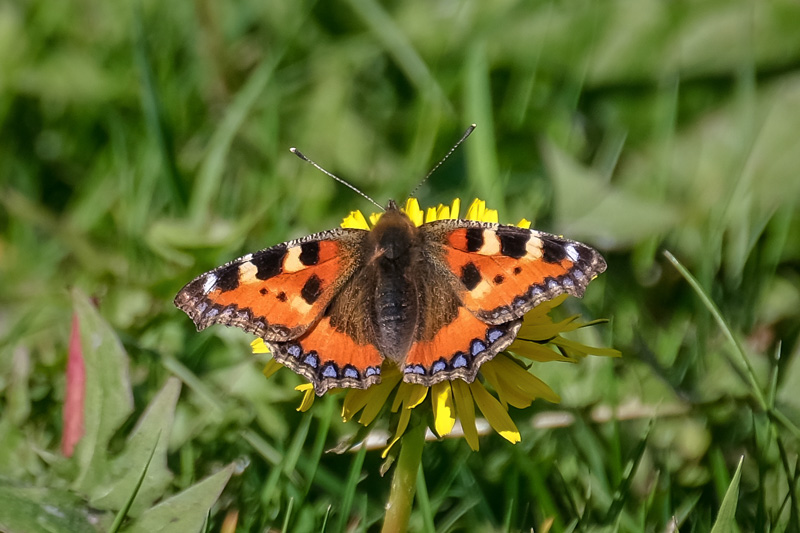 Small Tortoiseshell
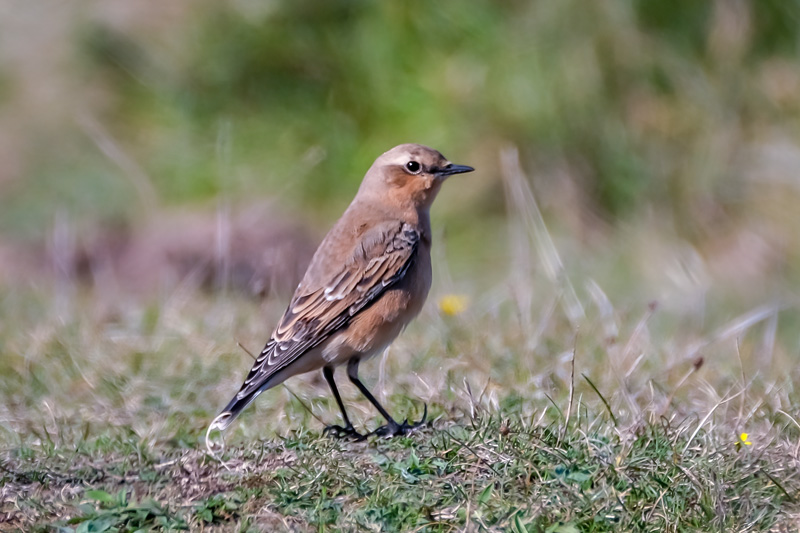
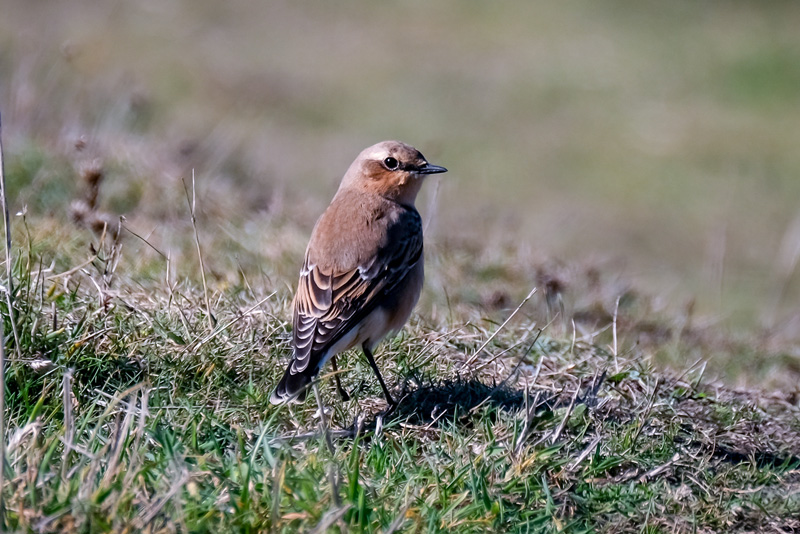 Wheatear
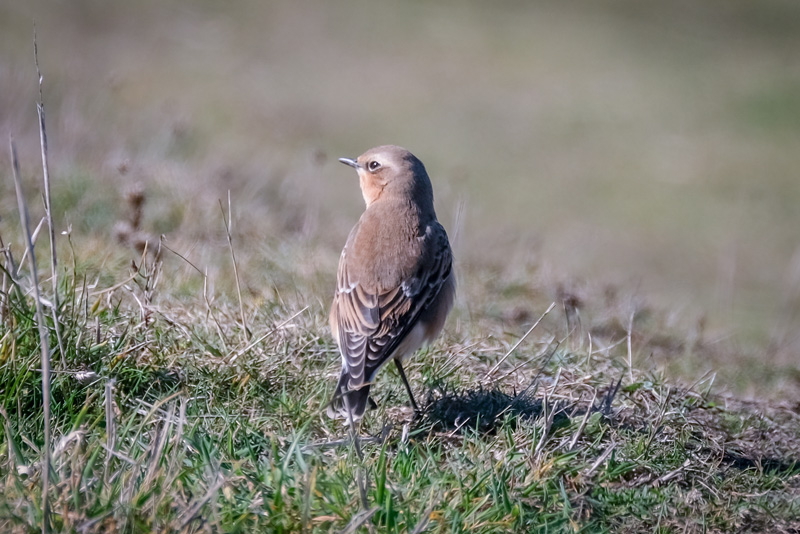 Wheatear
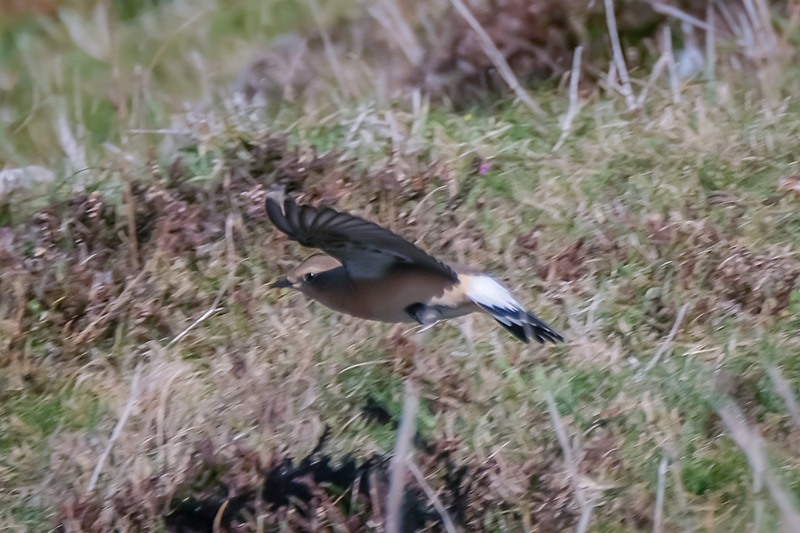 Wheatear showing its white rump
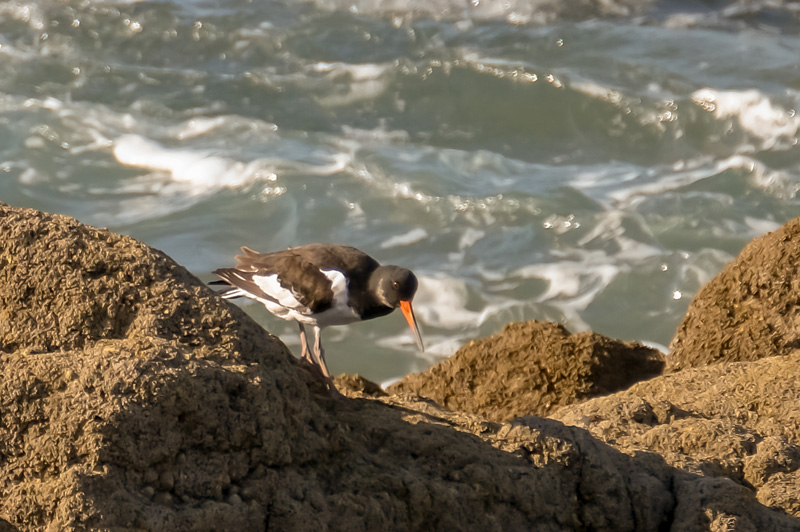 Oystercatcher
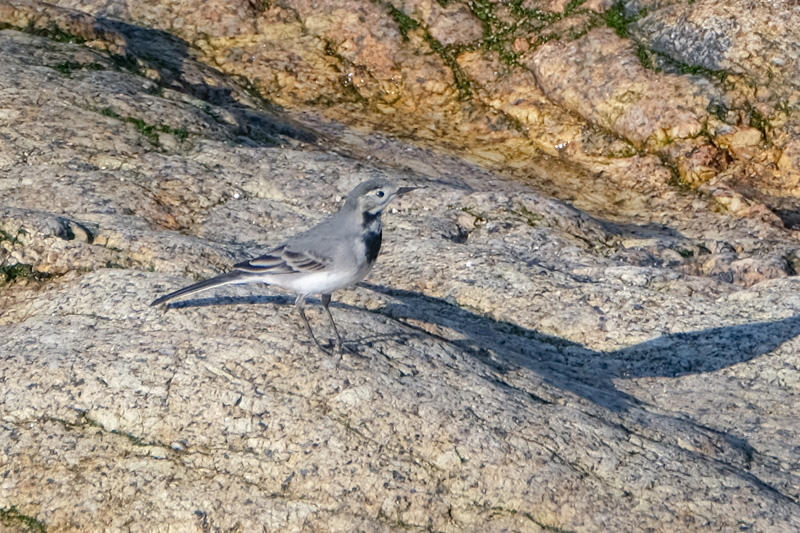 Pied wagtail
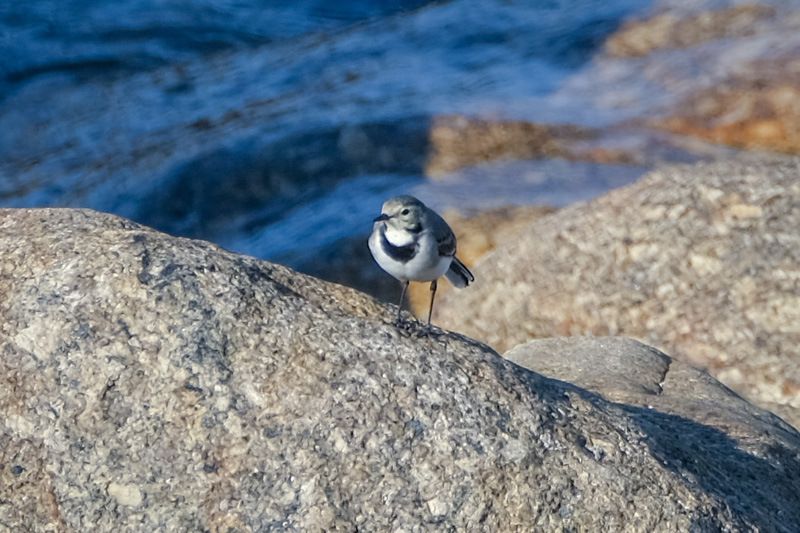 Pied wagtail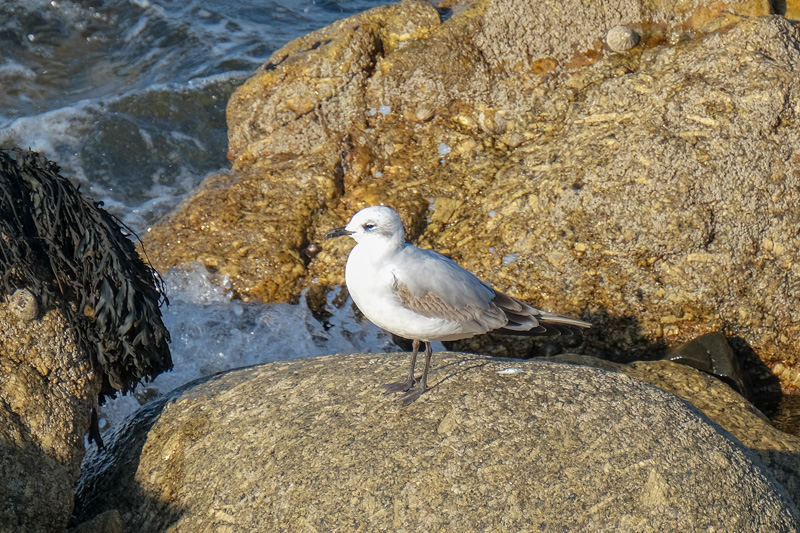
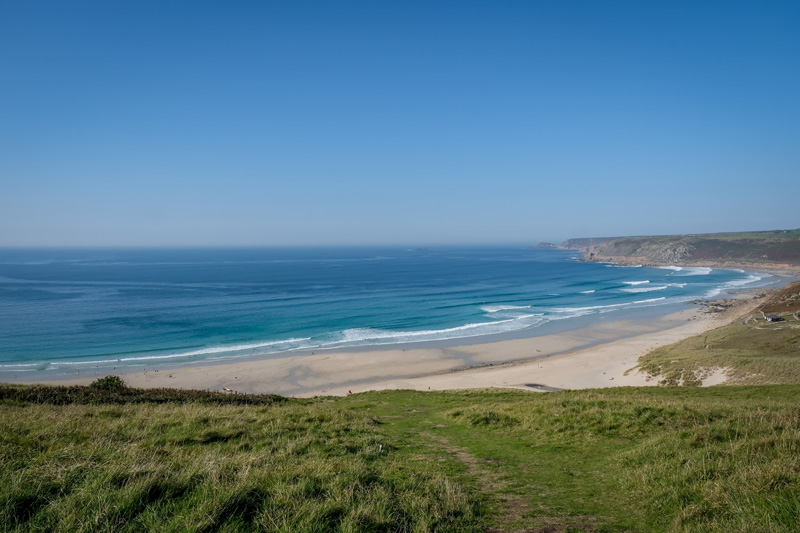 Sennen Cove
 Hayle Estuary
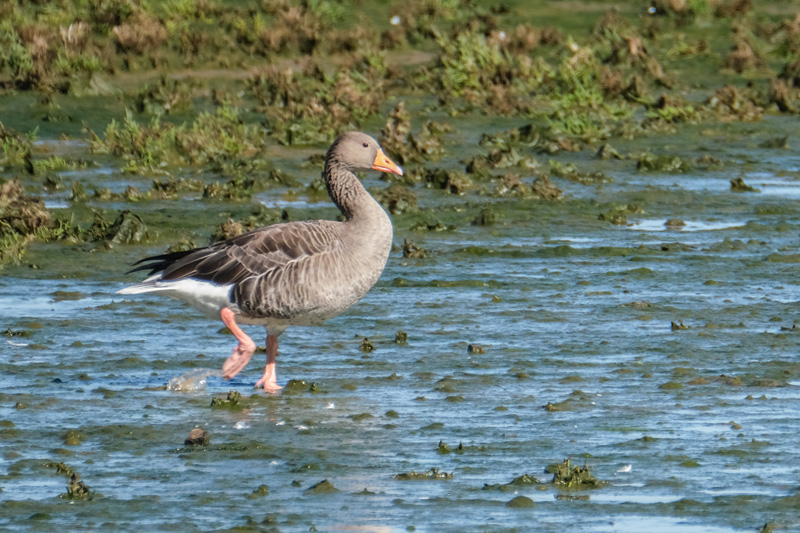 Greylag goose
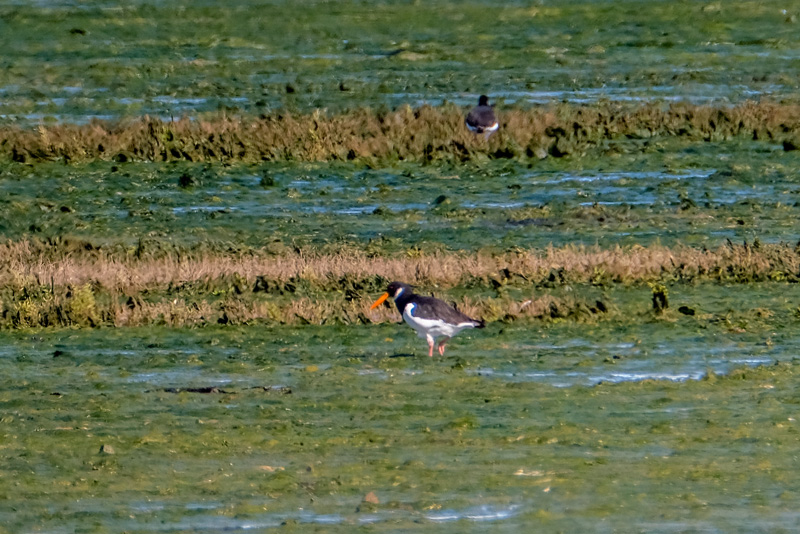 Oystercatcher
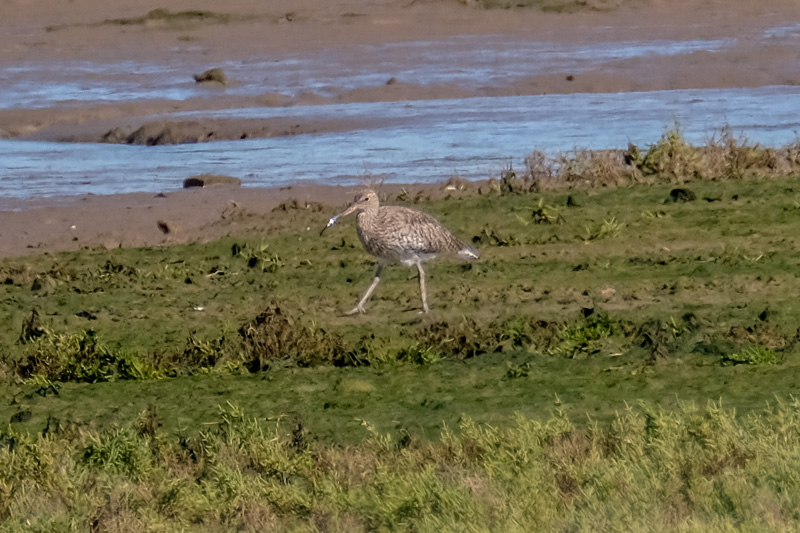 Curlew
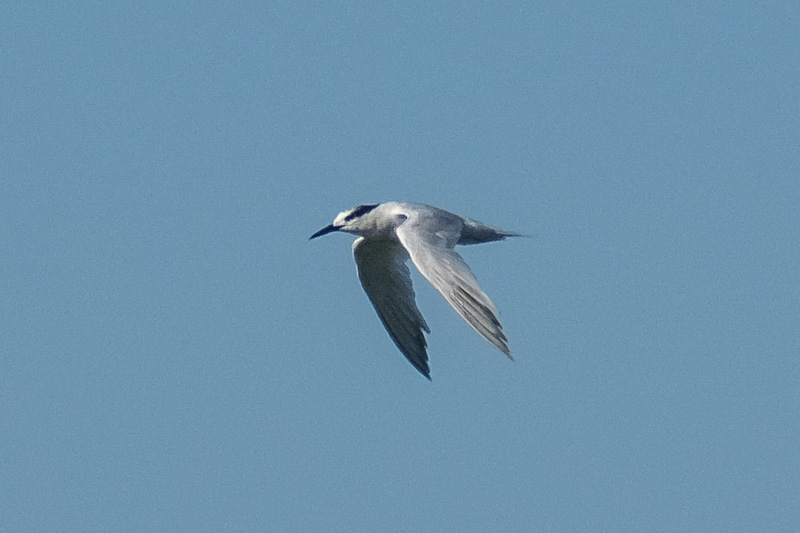 Sandwich tern
 Rock pipit
 Little egret


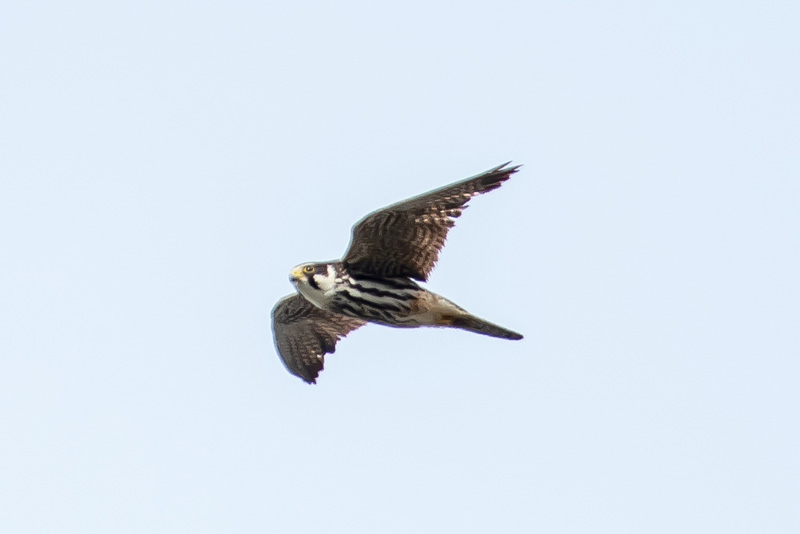
 Great white egret on the lake from Herriotts Bridge
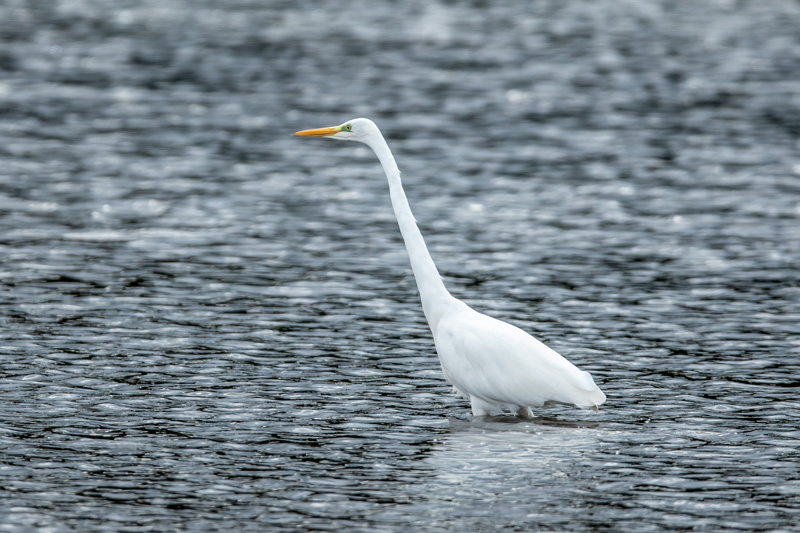 Great white egret on the other side of the road
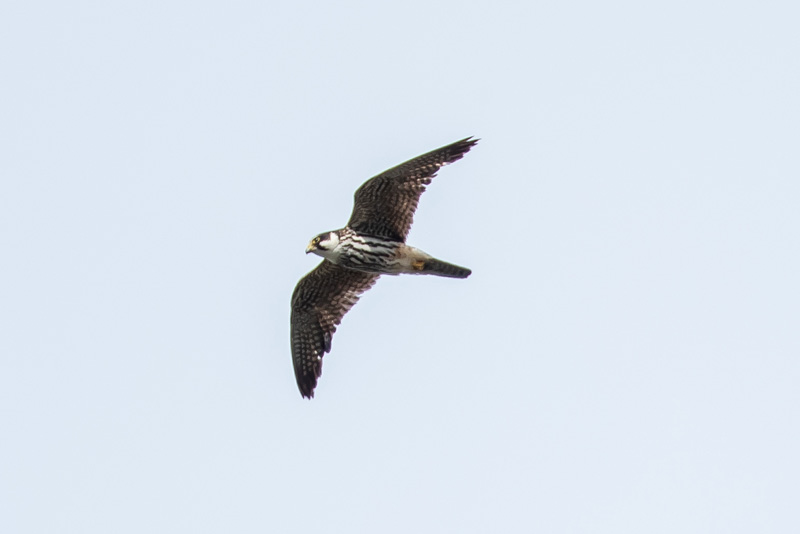 Hobby at Herriotts Bridge
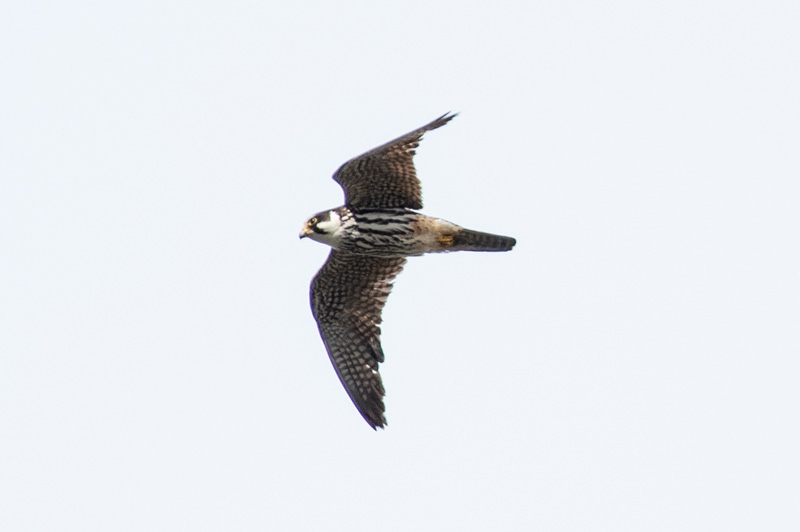 Hobby at Herriotts Bridge
 Peregrine at Herons Green
 Peregrine at Herons Green
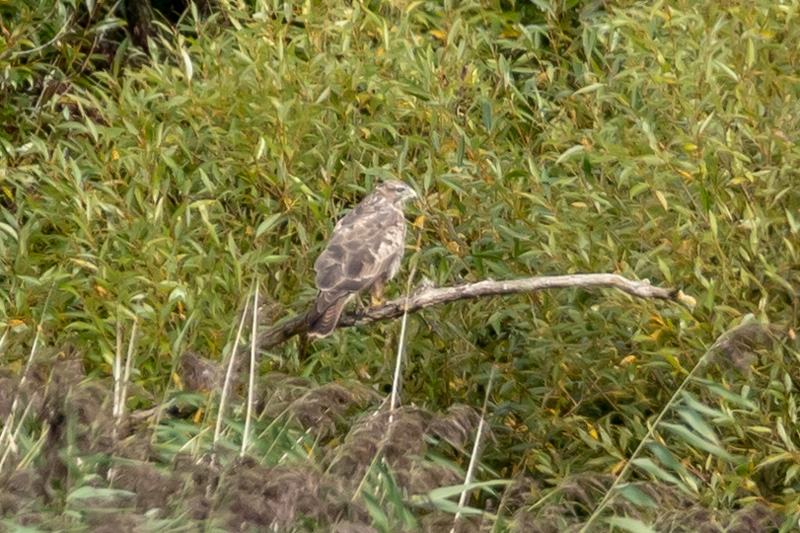 Buzzard at Heron’s Green
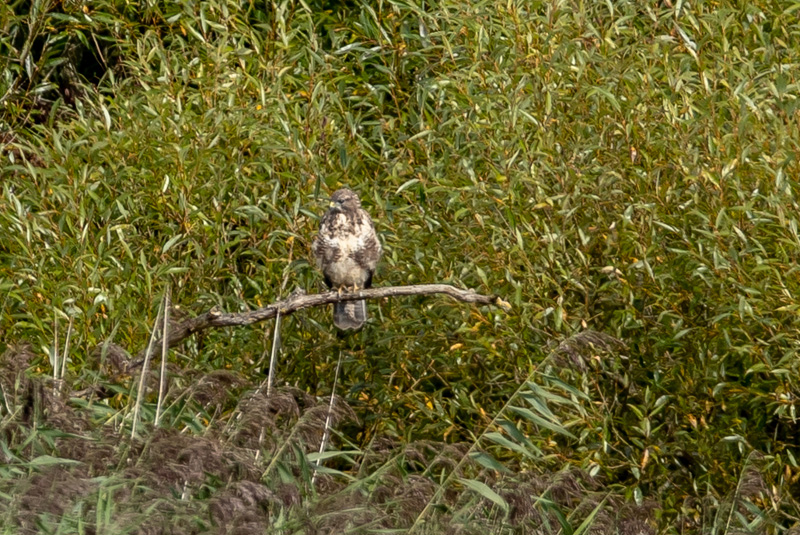 Buzzard at Heron’s Green
 Immature black-headed gulls having a drink at Herons Green


