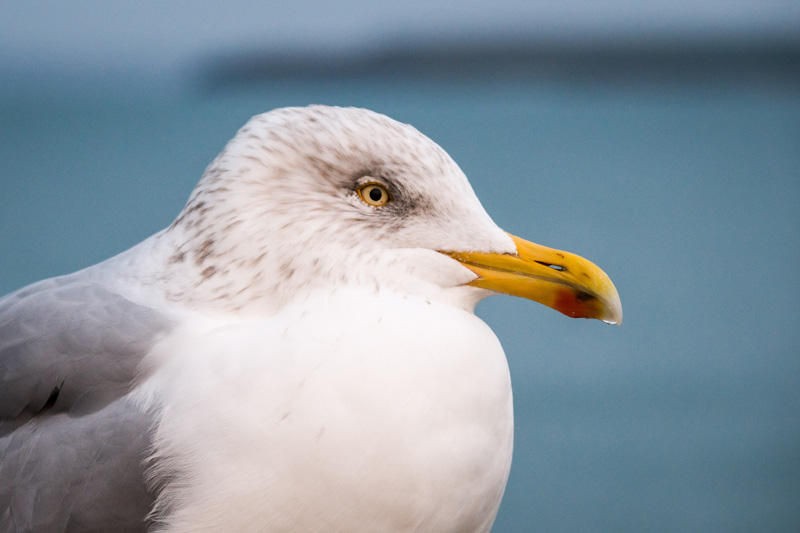
Having had a nature free day yesterday (more out of necessity than choice as it was even really too cold to enjoy pottering around the shops and cafés in Southwold) today we chose to have a walk around Walberswick National Nature Reserve. Fortunately the biting cold wind of the day before had subsided and, although the dismal light was not good for photography, it was not too unpleasant for walking.
The first part of the walk took us along the Sandlings Walk (long distance route from Ipswich to Southwold which explores what remains of the once extensive Sandlings Heath). There were great tits, blue tits, chaffinches, blackbirds, robins and wrens and a single buzzard. On the heath land to our right there were lots of crows and sometimes small flocks of starlings. To our left there were extensive silver birch woods. We passed Westwood Lodge, an interesting large 16th century manor house with a huge turret which was still sporting a very large fully-lit Christmas tree .
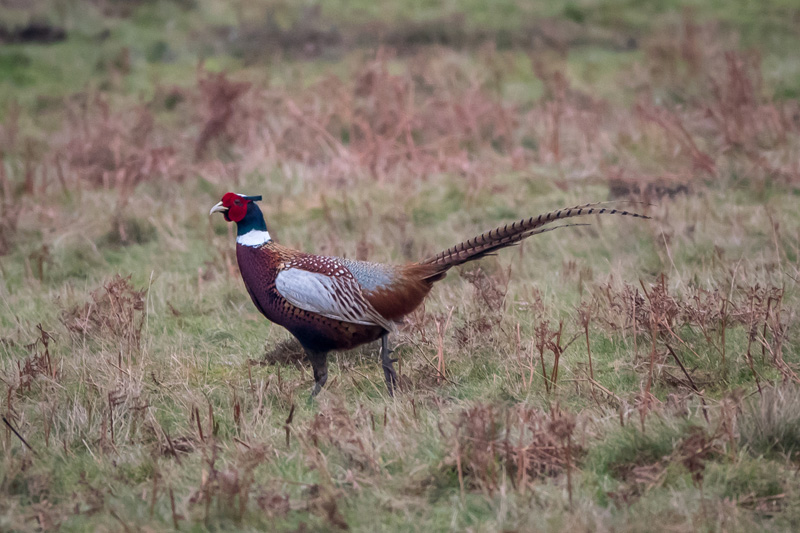 A pheasant more worried about the distant shots than our prescence
 A robin breaking cover
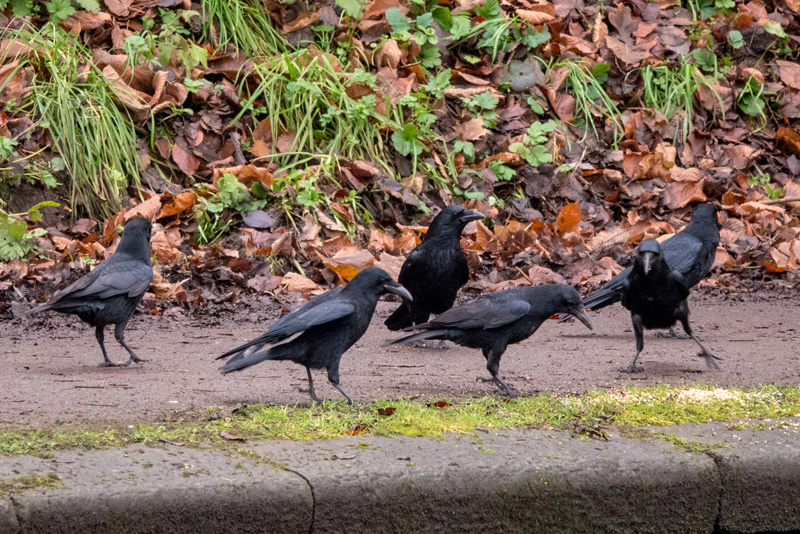
 Crows on the heath land
 Not much bird life here
At the furthest point from our base in Walberswick we had a choice of taking a return route through Dunwich Forest or a route through the reedbeds of Westwood Marshes. We chose the latter in the hope of seeing some wildfowl but the reeds were so tall that all we saw were a pair of marsh harriers, a grey heron and a mute swan flying in the distance, although we did hear the pinging of bearded tits, several Cetti’s warblers and occasionally a cacophony of wild fowl from behind the reeds.
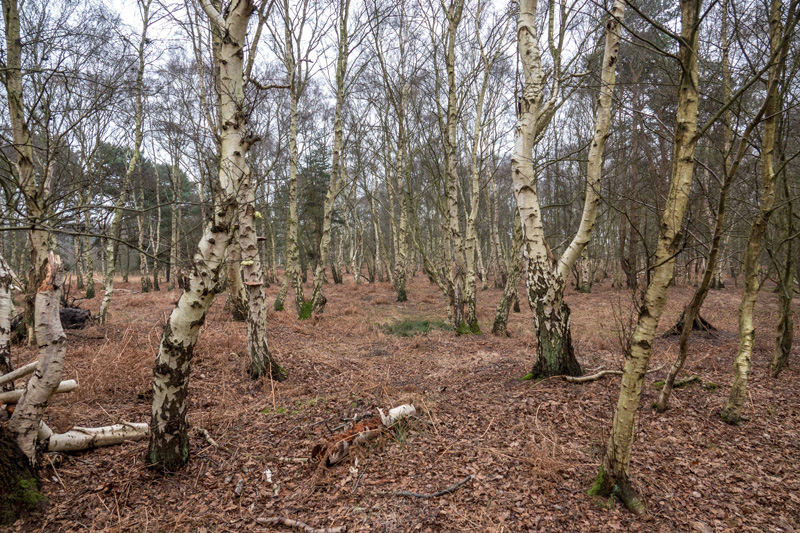 The silver birches would have benefited from a ray of sunshine or two
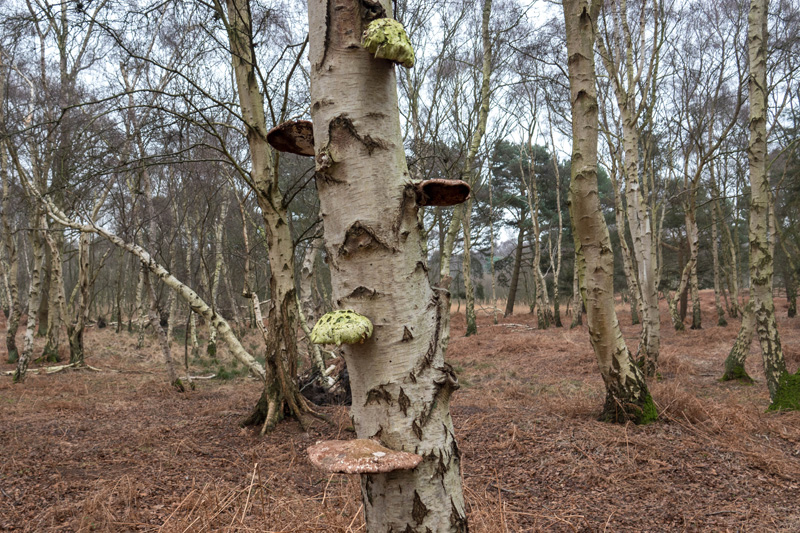
 Plenty of interesting fungi to see
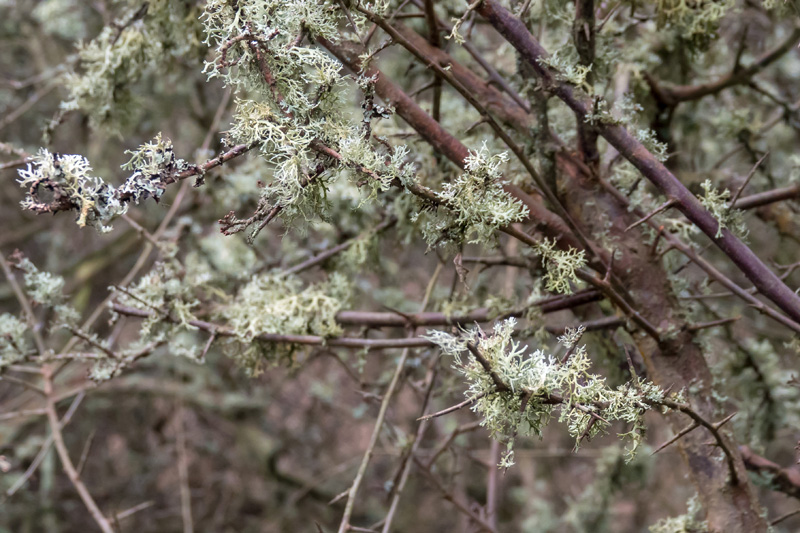
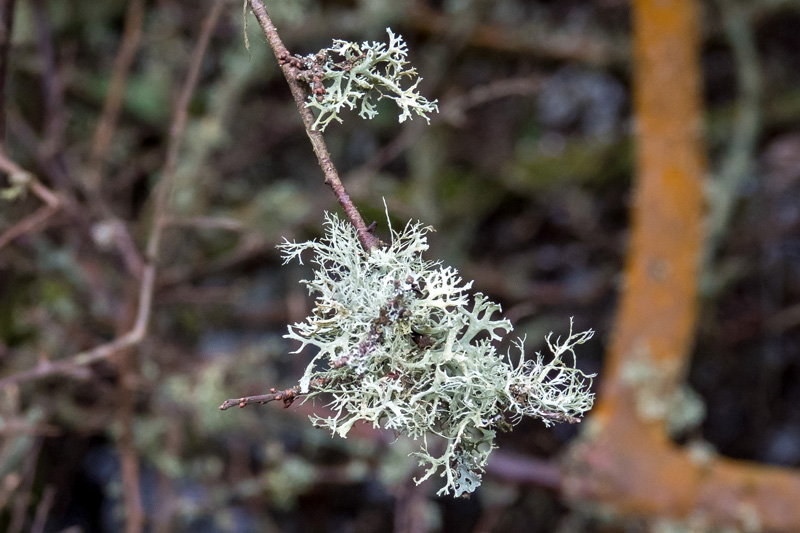 … and lichen
The beginning of this section of the walk was interesting and testing. Our guidebook told us that “the footpath takes you through an area of wet woodland with willow and alder trees and then through dryer birch and oak woodland before emerging in to the reedbed”. The footpath through the “wet” section was elevated and well maintained and quite easy, but the “dry” section was often a quagmire and at times almost unpassable.
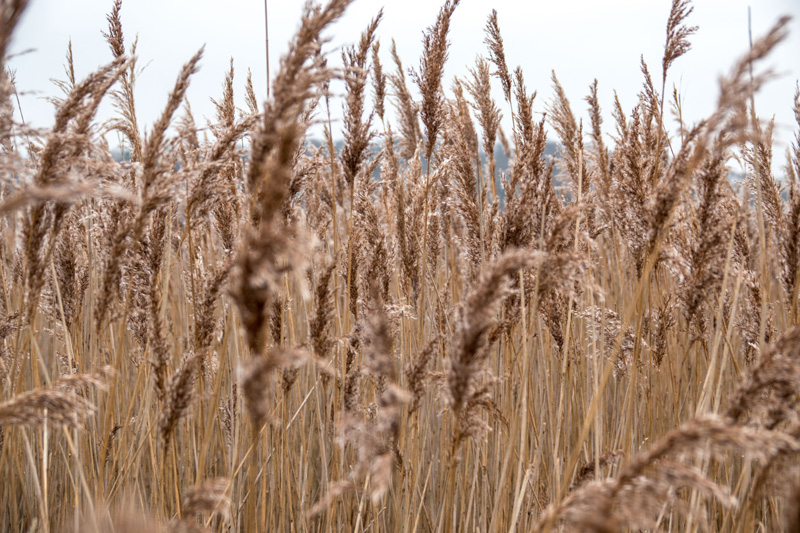 Not much chance seeing the wild fowl in the marshes behind the reeds although we occasionally heard the pinging of bearded tits and the easily recognizable sound of Cetti’s warblers

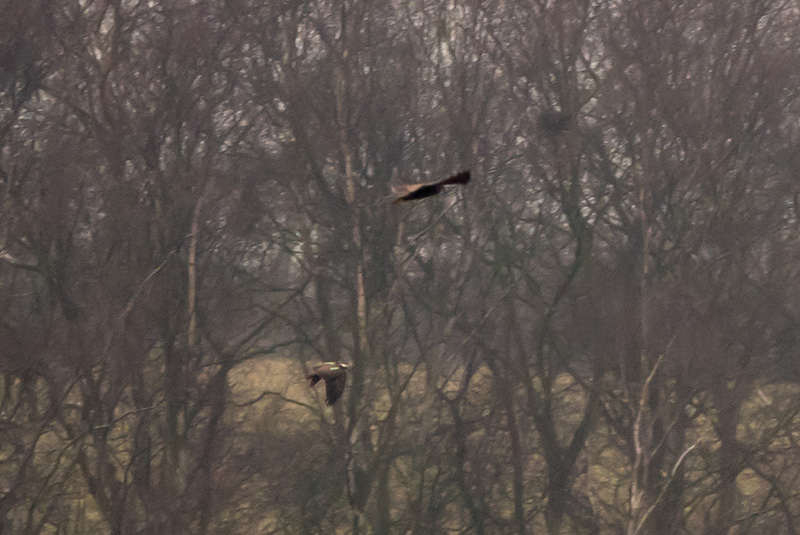 We could just make out tags on the distant marsh harriers
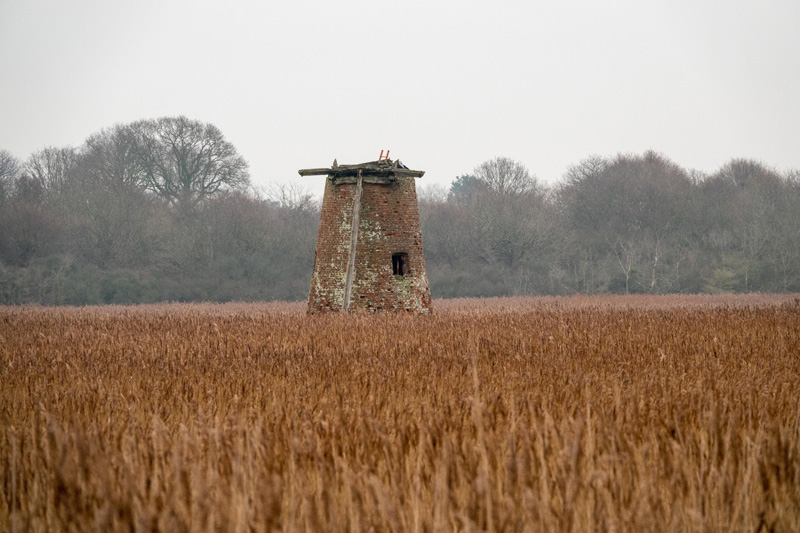 The welcome sight of the ruins of the wind pump which told us “home” was not much further
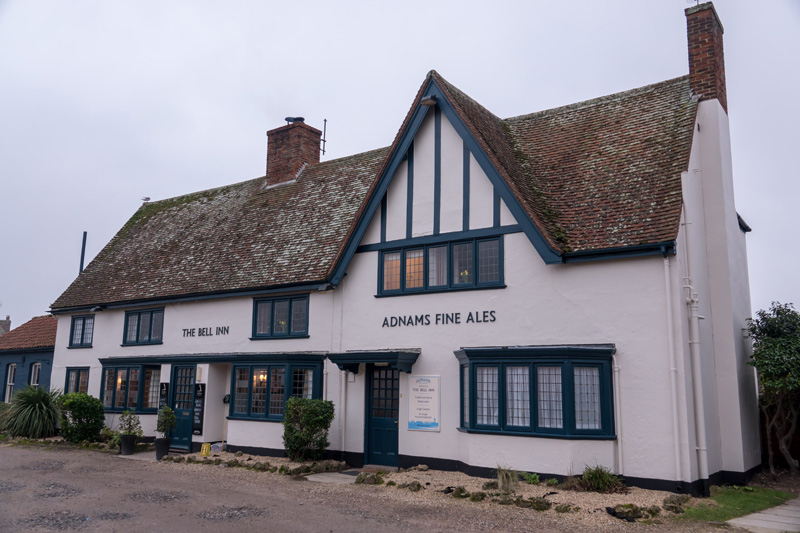
We missed out the shingle section at the end of the walk as we didn’t want to be subjected to the coastal winds and we could see a quicker route to the Bell Inn which, by that stage, was a more attractive option
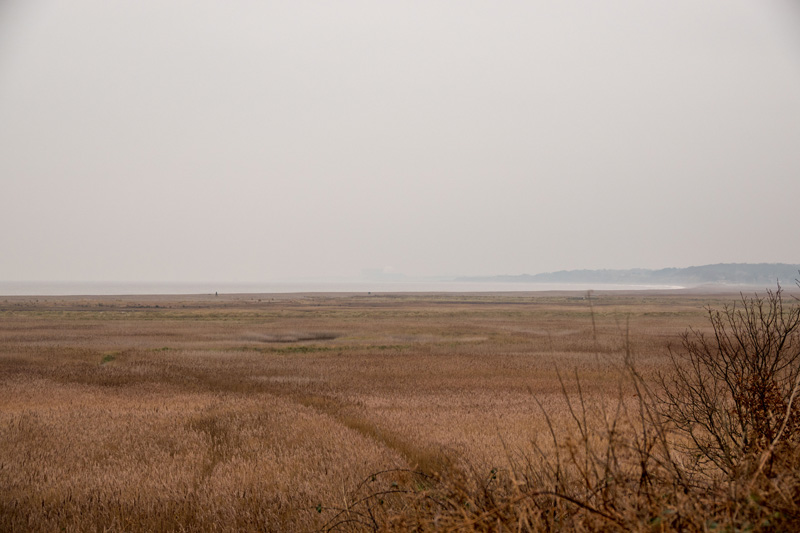 Dunwich Bay in the distance
By the time we arrived home we had covered 10 miles and would have been feeling virtuous except that any good it had done us had probably been wrecked by the pint and the ploughman’s in the pub.
 This view from near the visitors’ centre showed the East Scrape in the distance fully flooded.
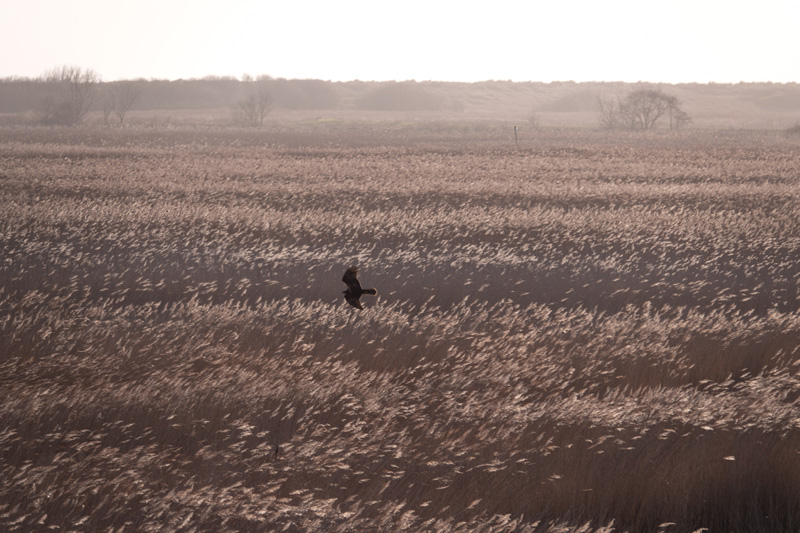
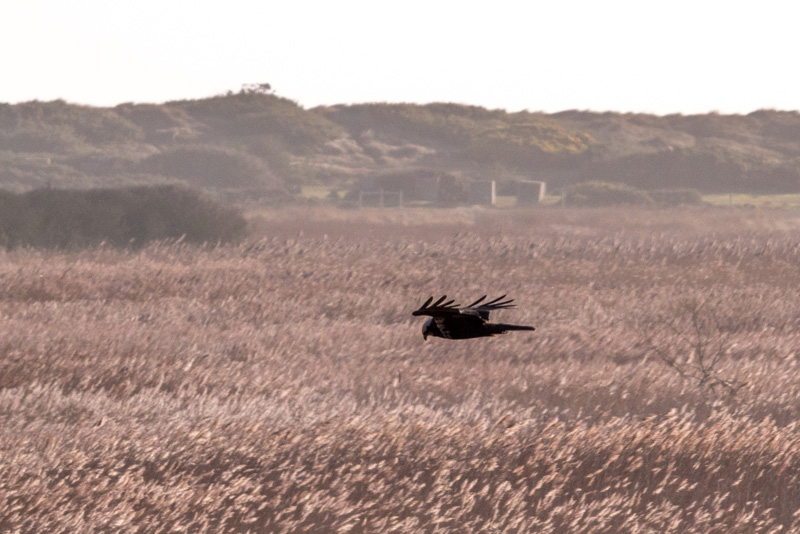
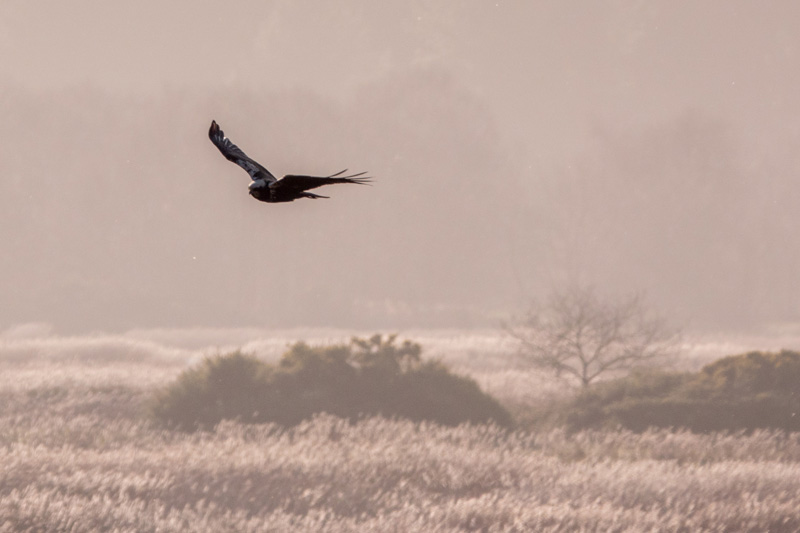
 Marsh harrier from the Bittern Hide.
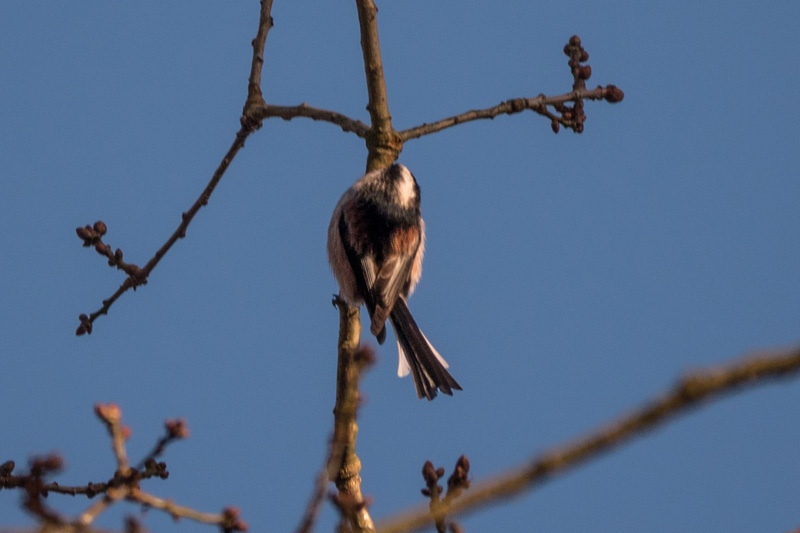 Long-tailed tit.
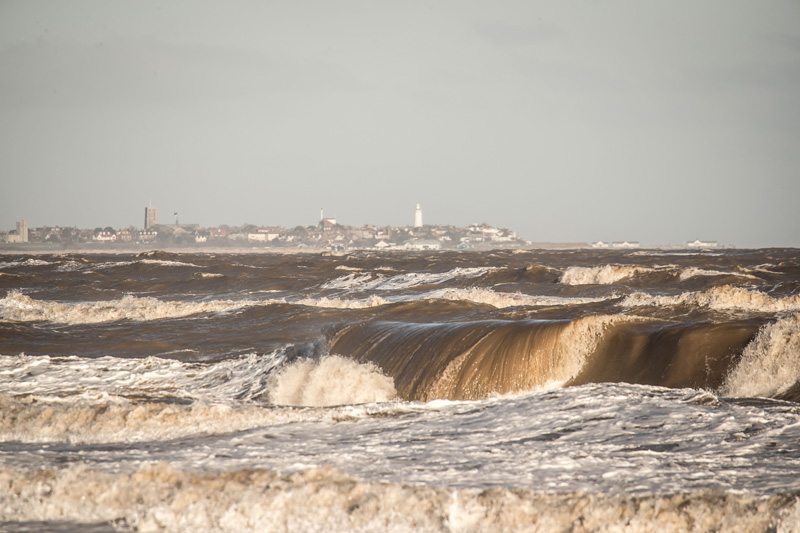 In the bright sunshine Southwold lighthouse and pier can be seen across the heavy seas of Dunwich Bay

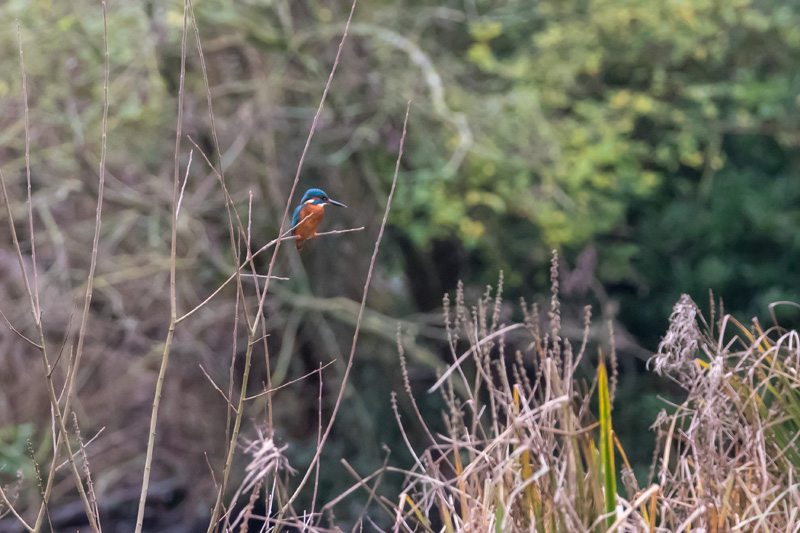
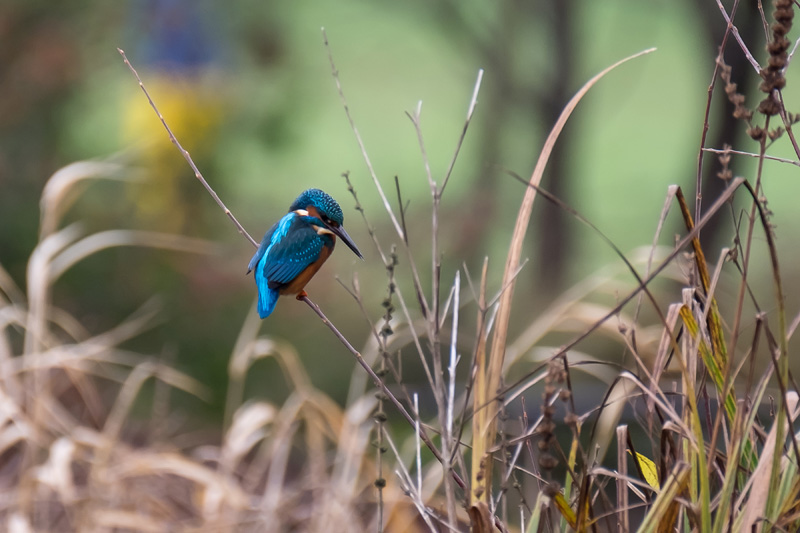
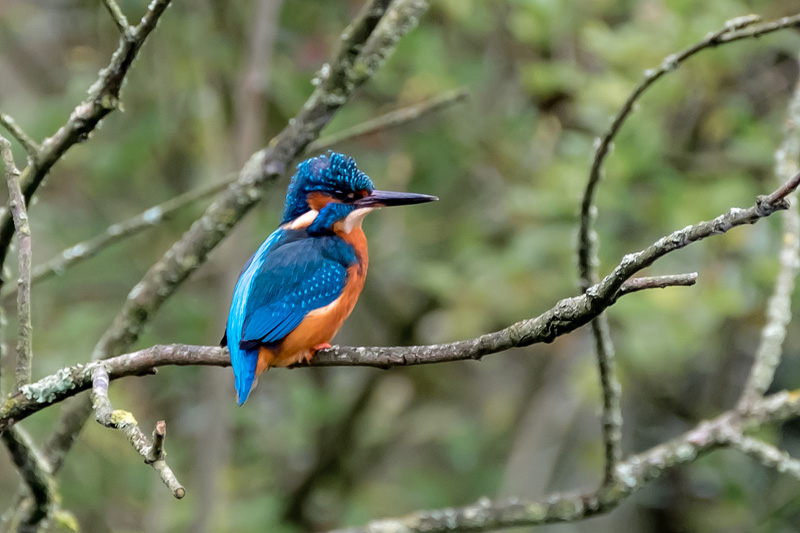
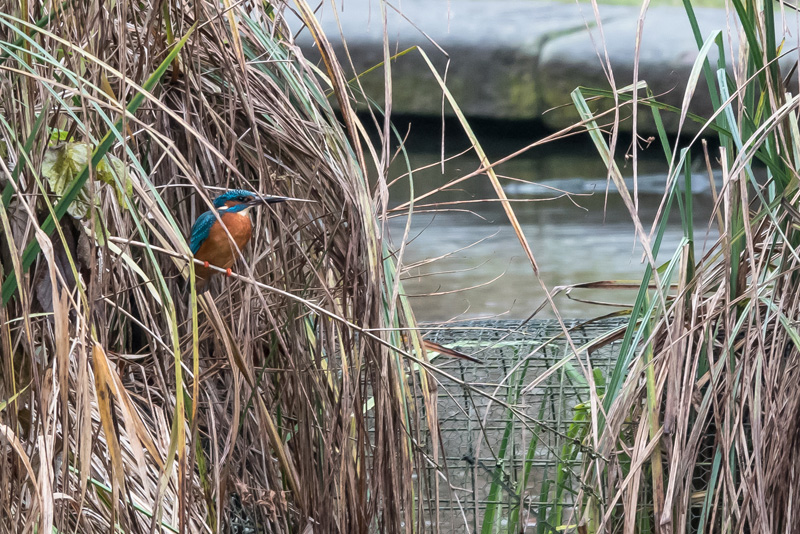
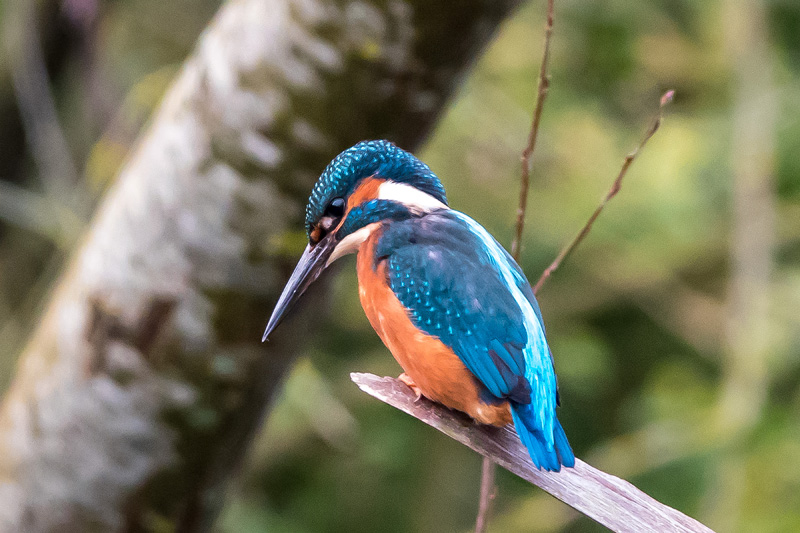
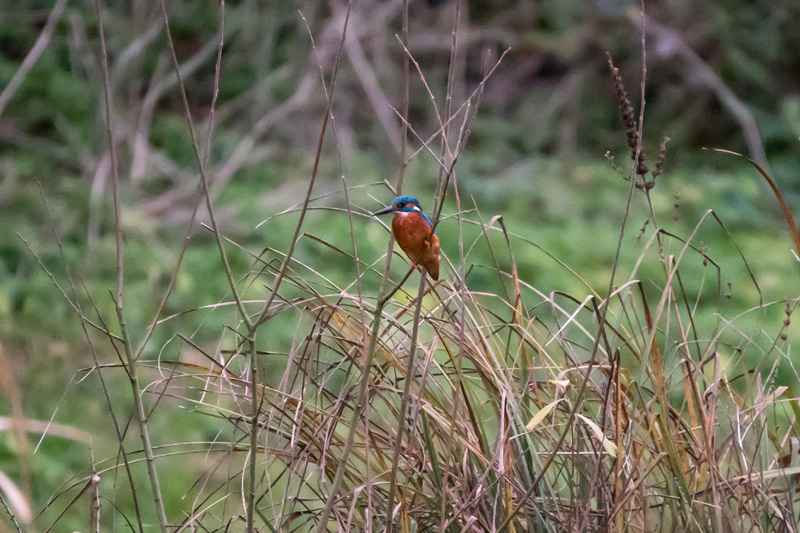
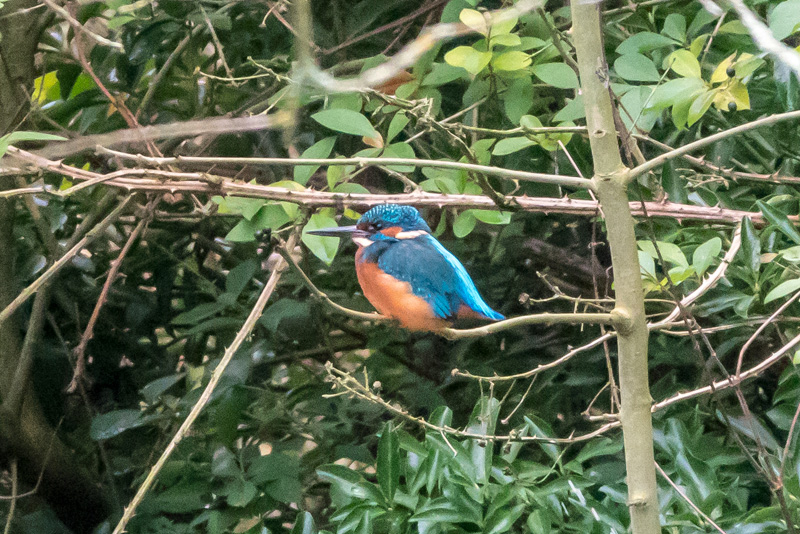
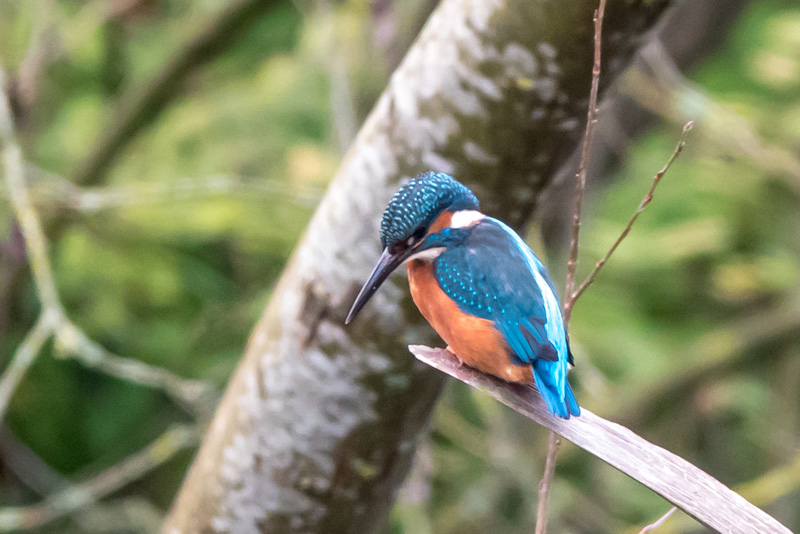
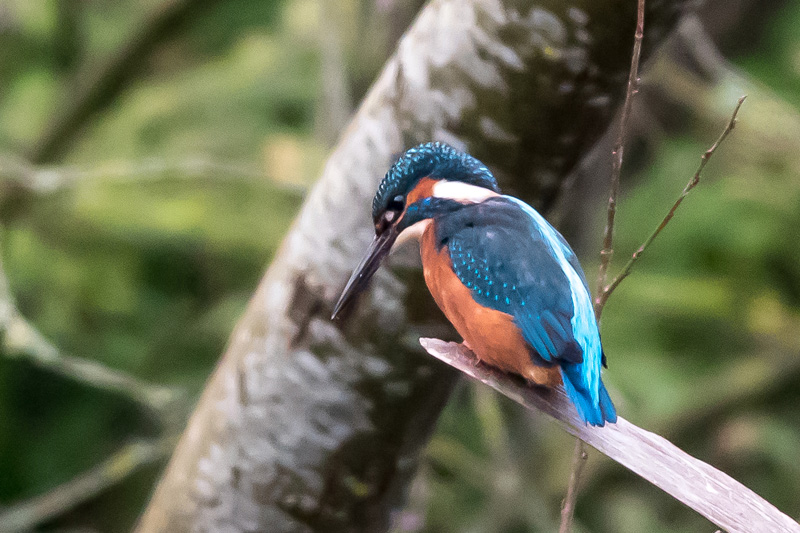
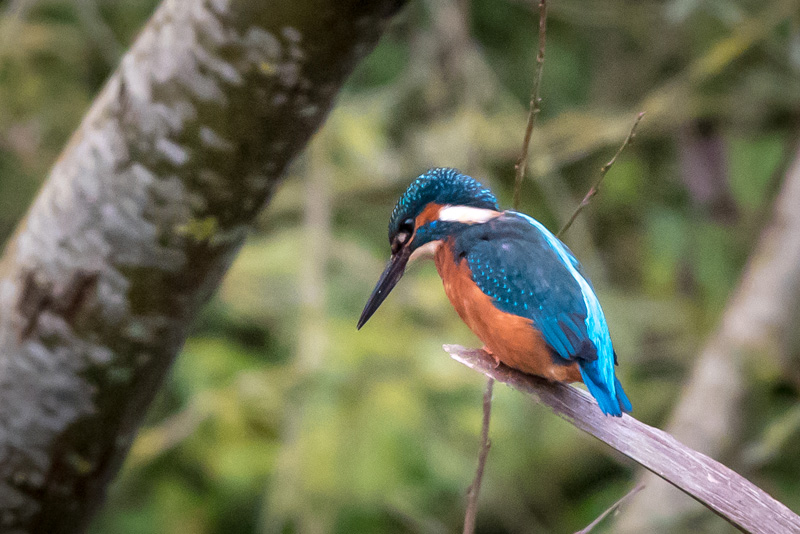
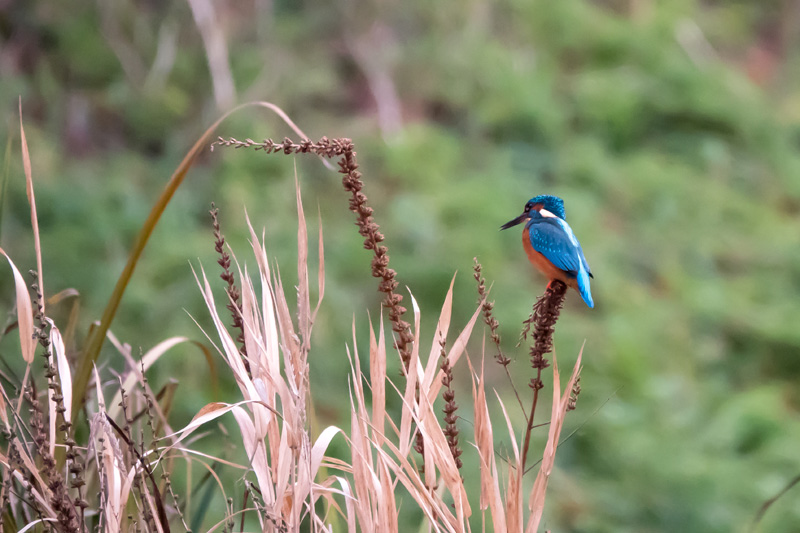
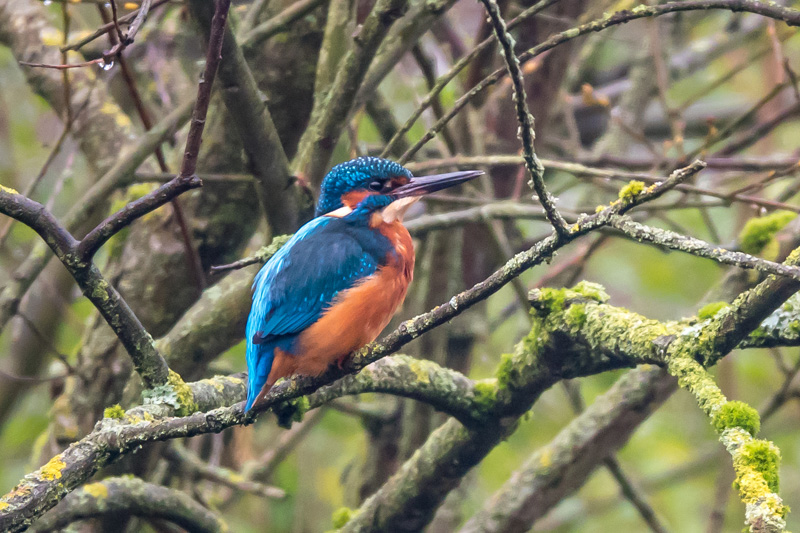
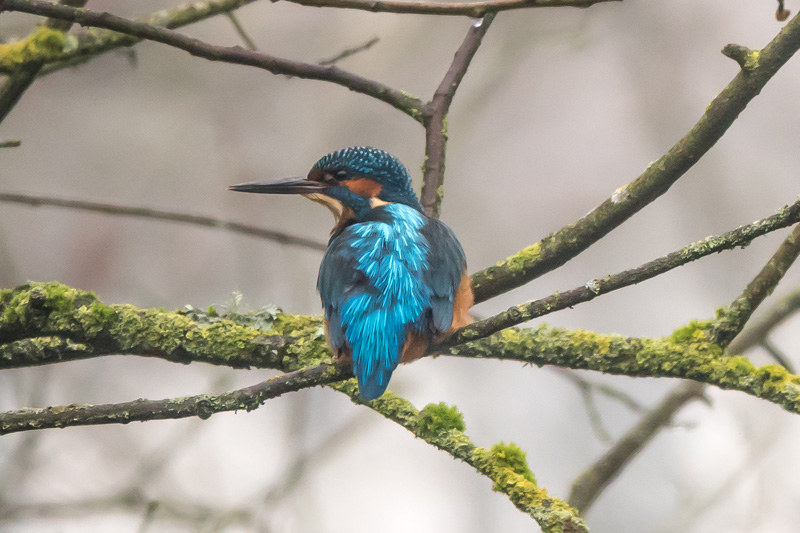
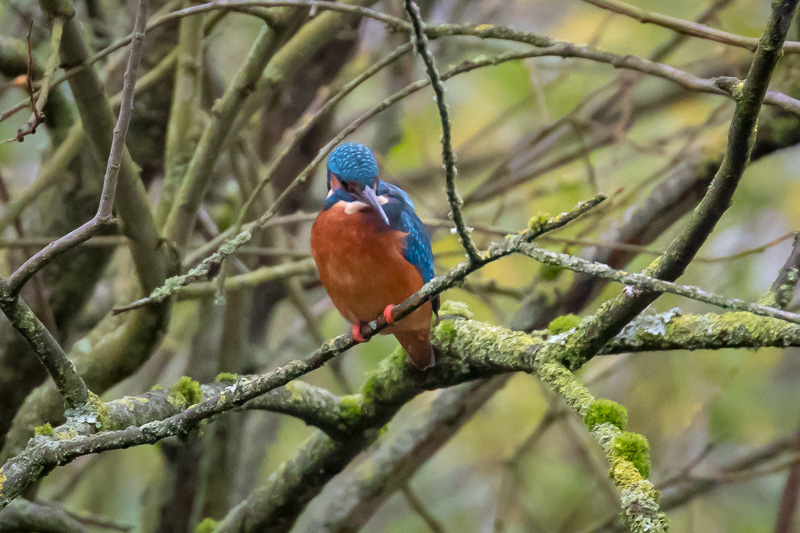 One of the two male kingfishers at the lake today


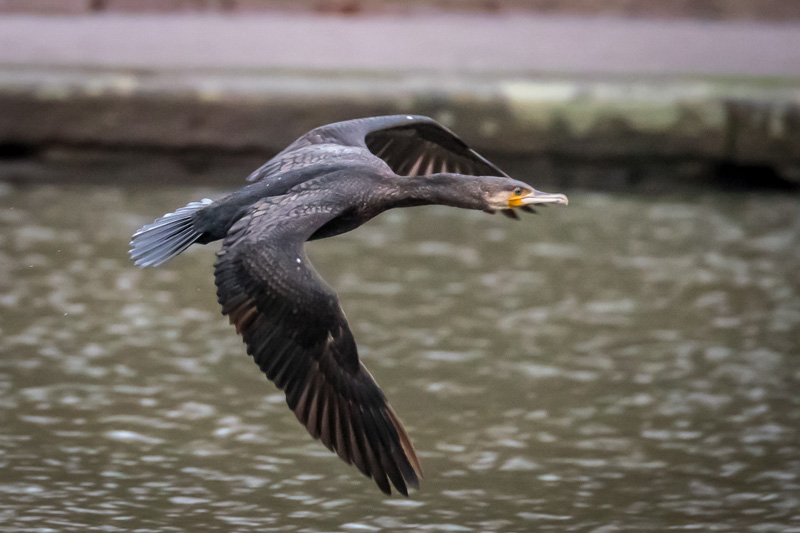 One of six cormorants at the lake

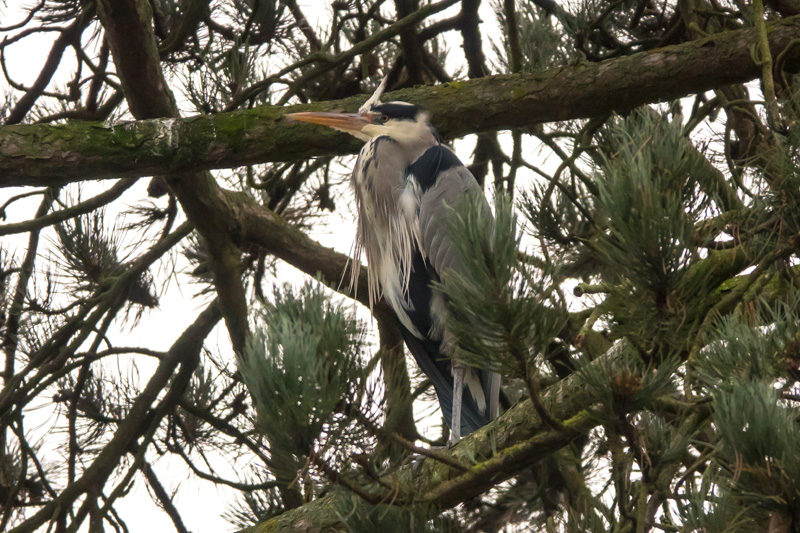
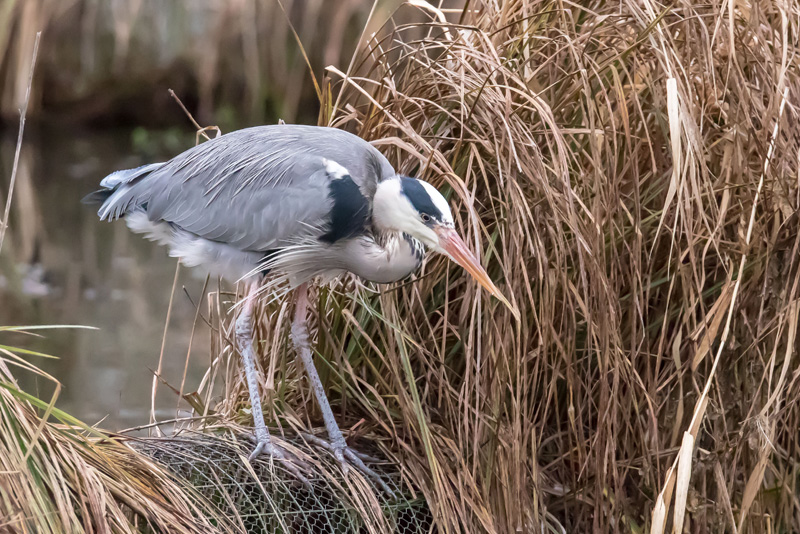 The grey heron spent an awful lot of time looking but never took the plunge.
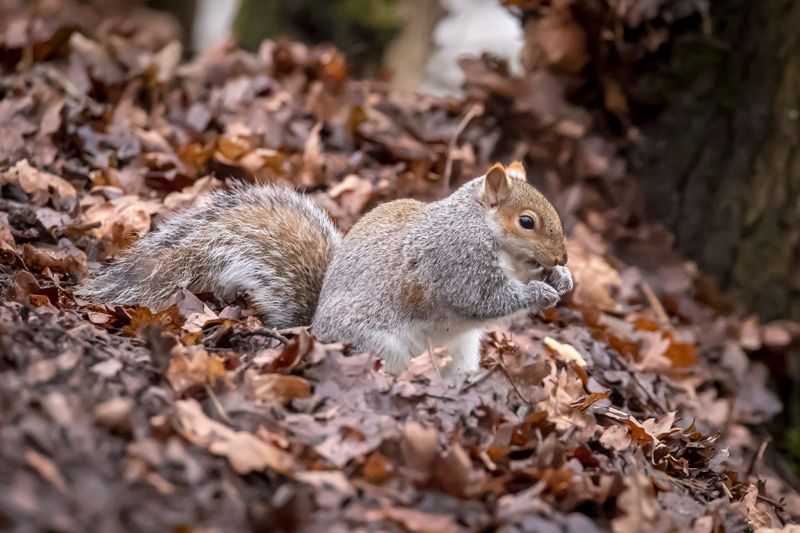 Thought this photo of a squirrel might be the best nature photo of the day at one stage.


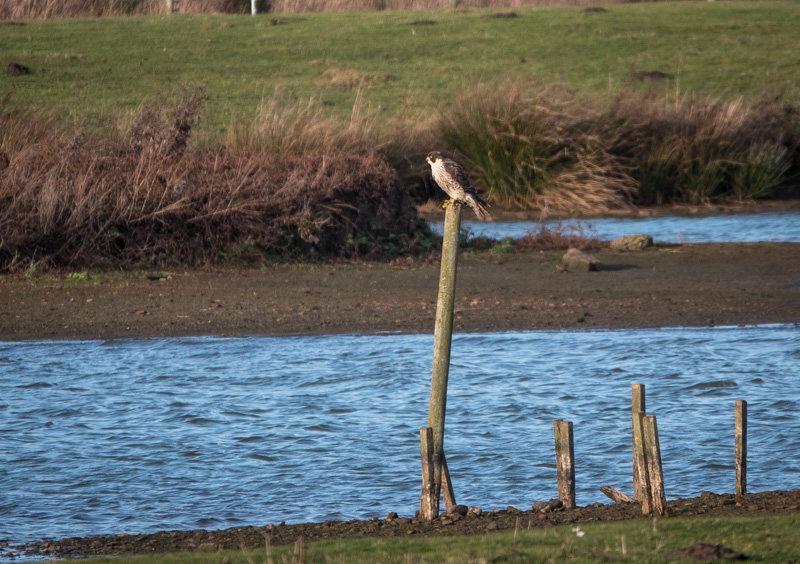
 Peregrine
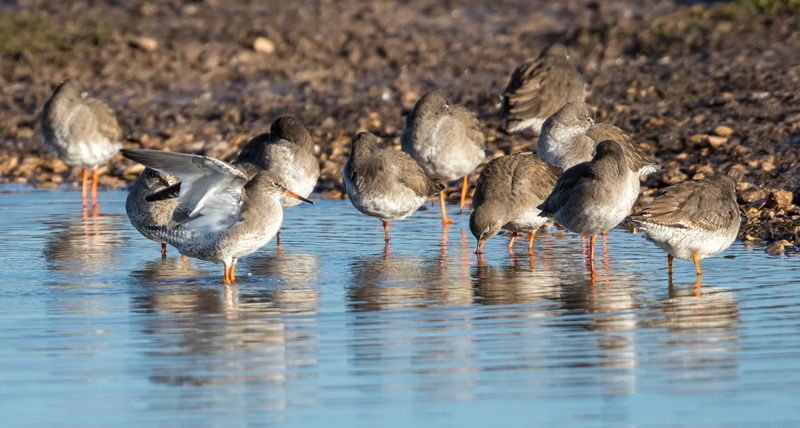
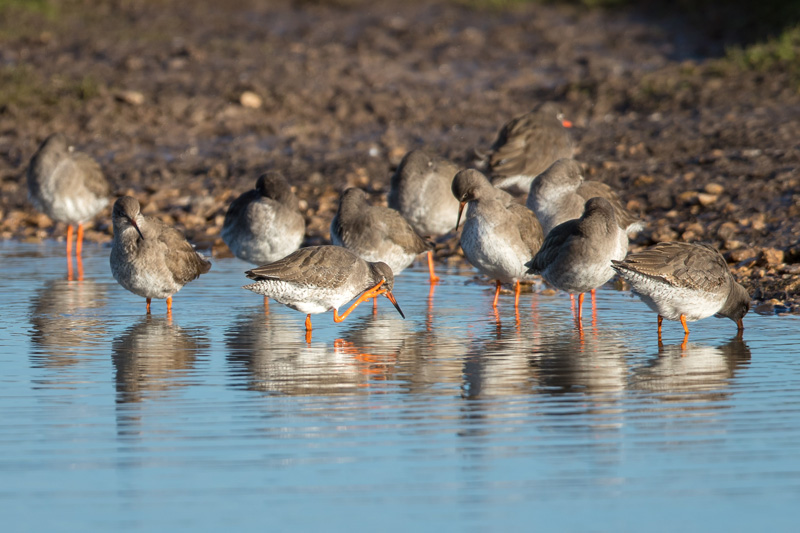
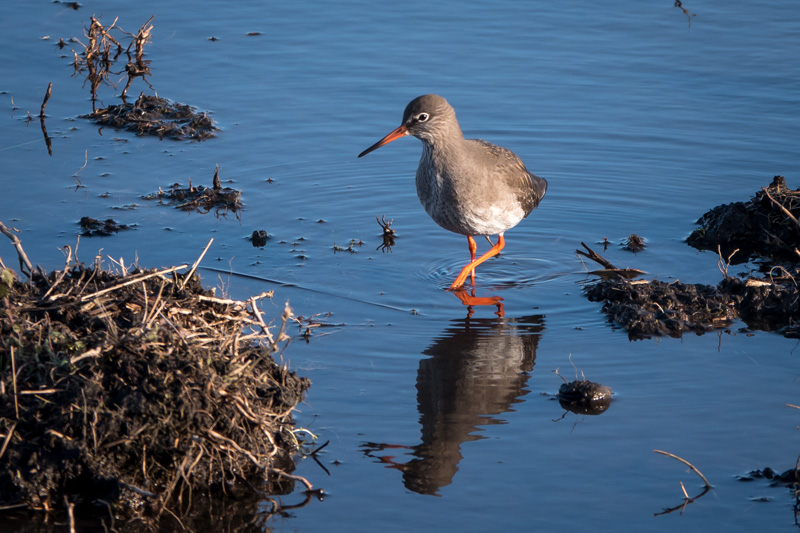 Redshank
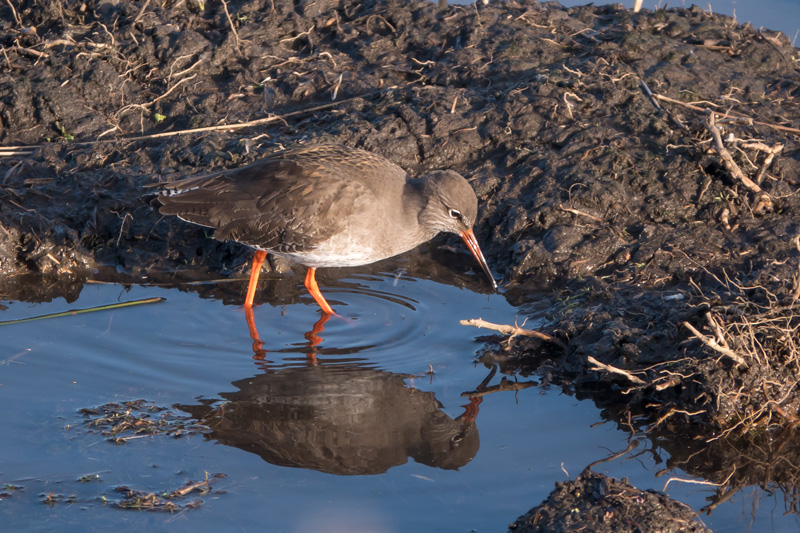 Redshank
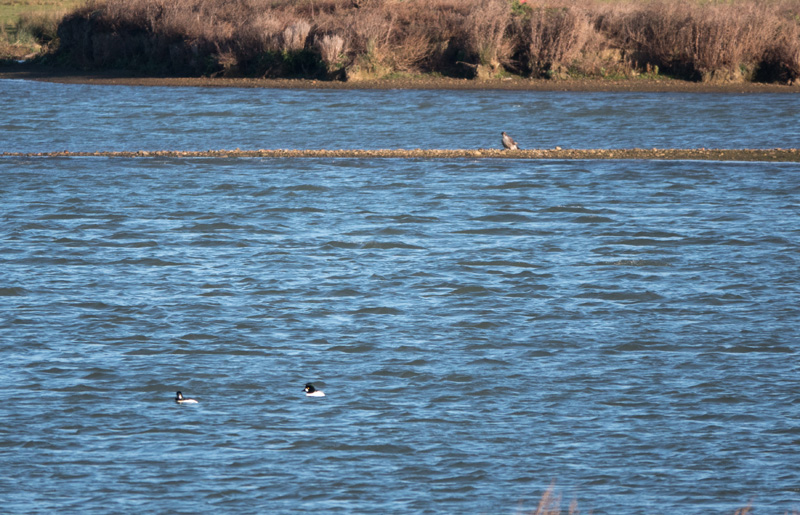 Goldeneye ducks with peregrine keeping a beady eye
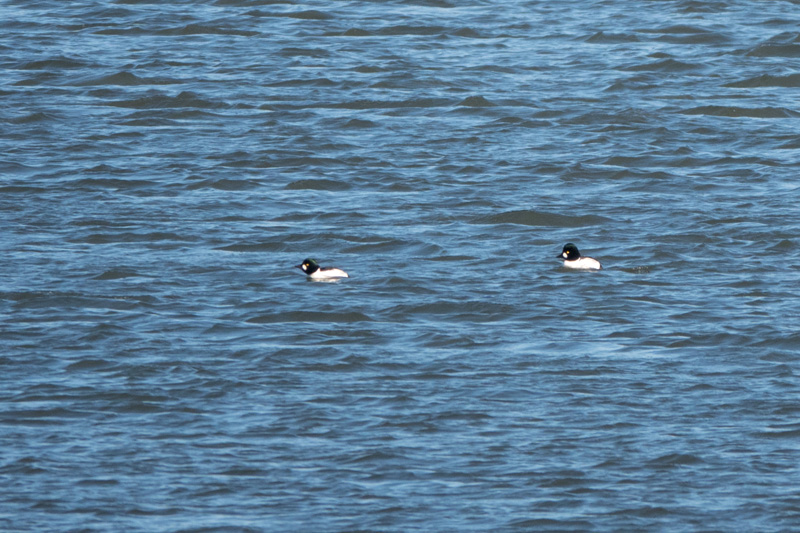 Goldeneye ducks
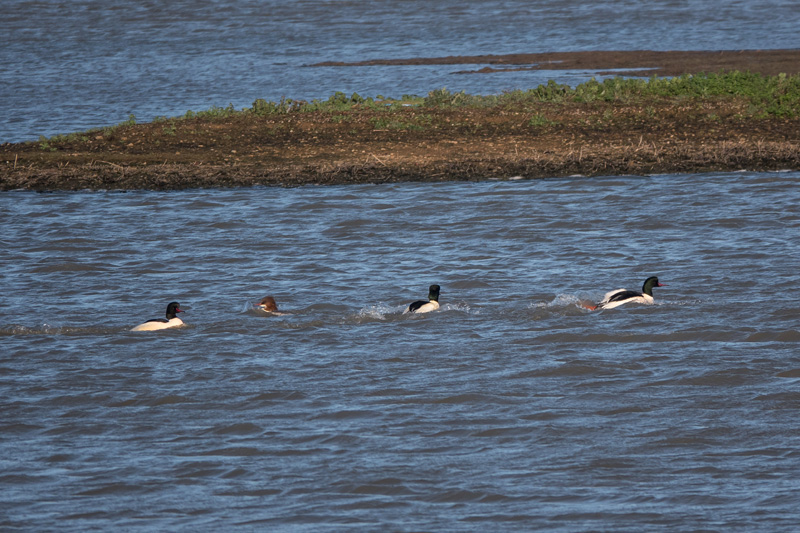 Goosanders
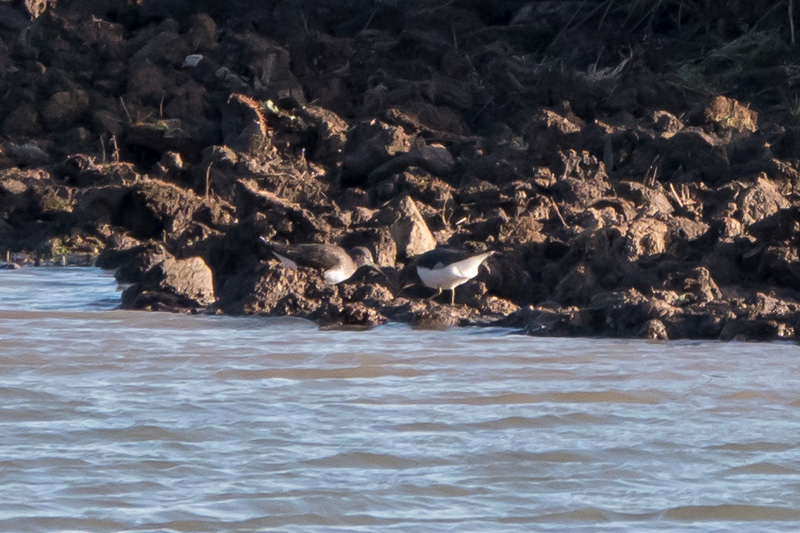 A pair of green sandpipers
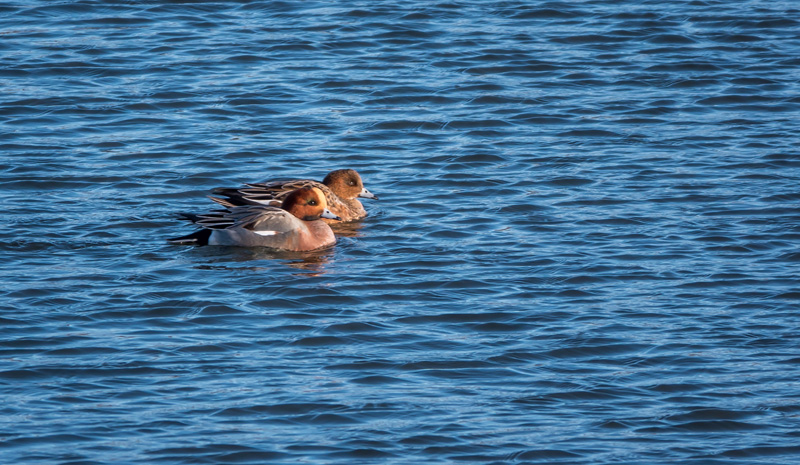 Wigeon
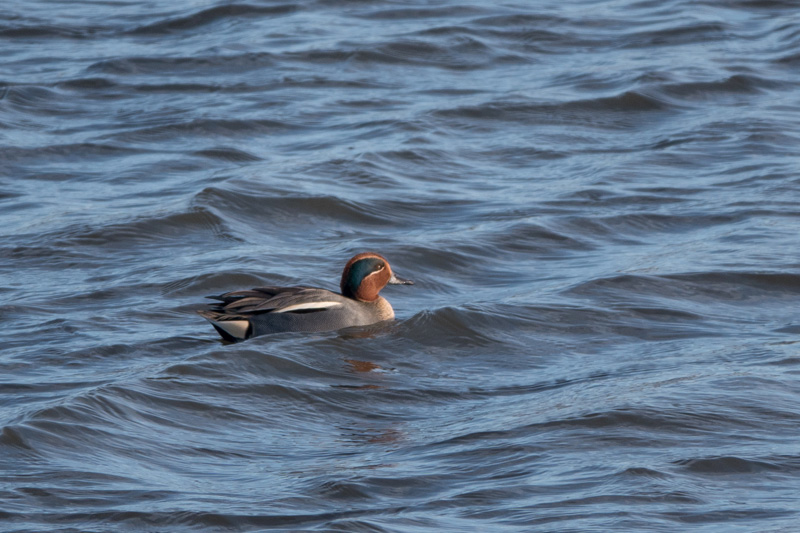 Teal
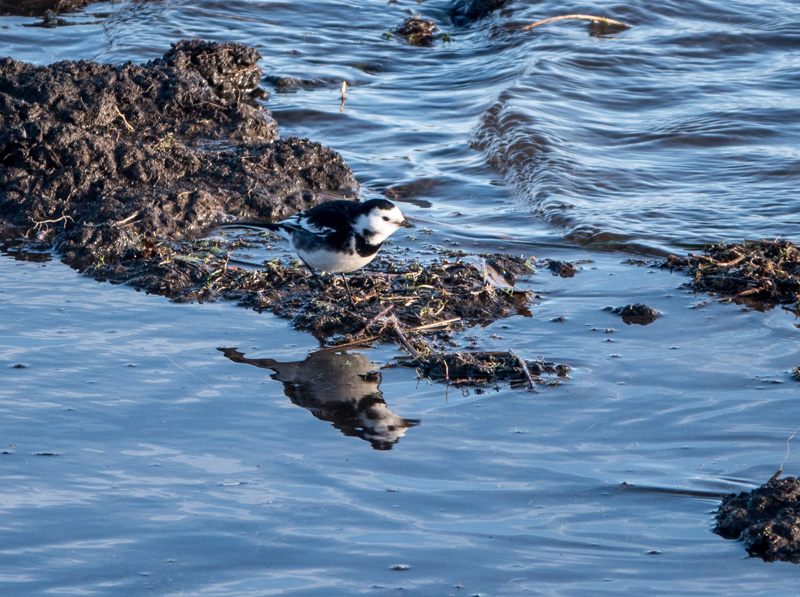 Pied wagtail
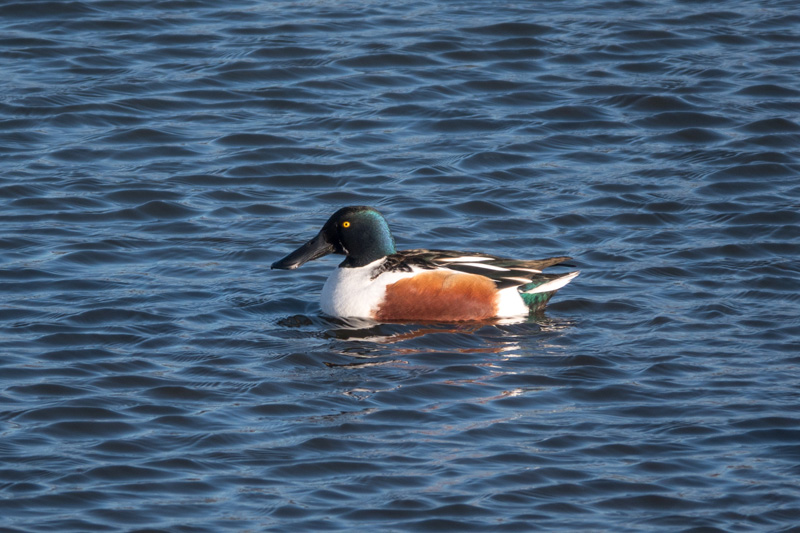 Shoveler
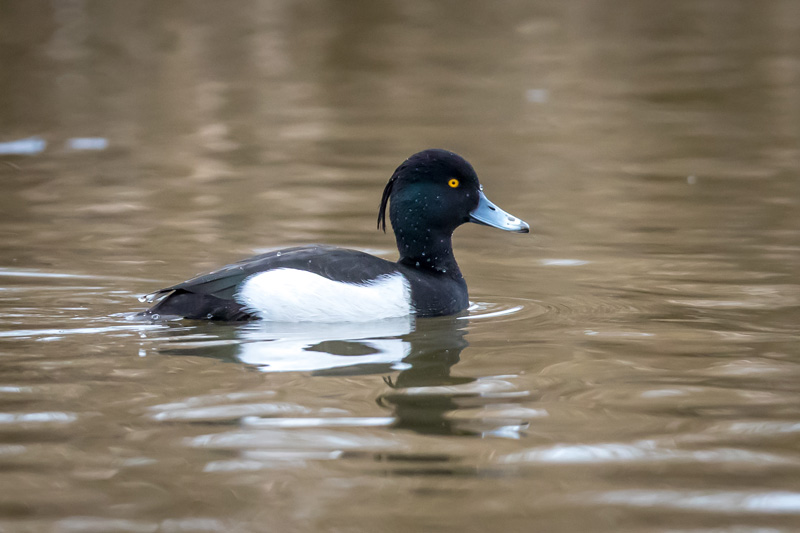
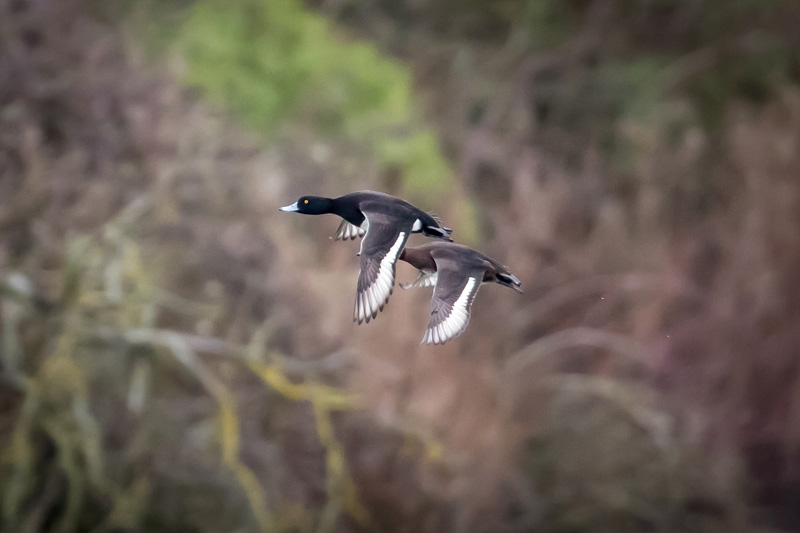
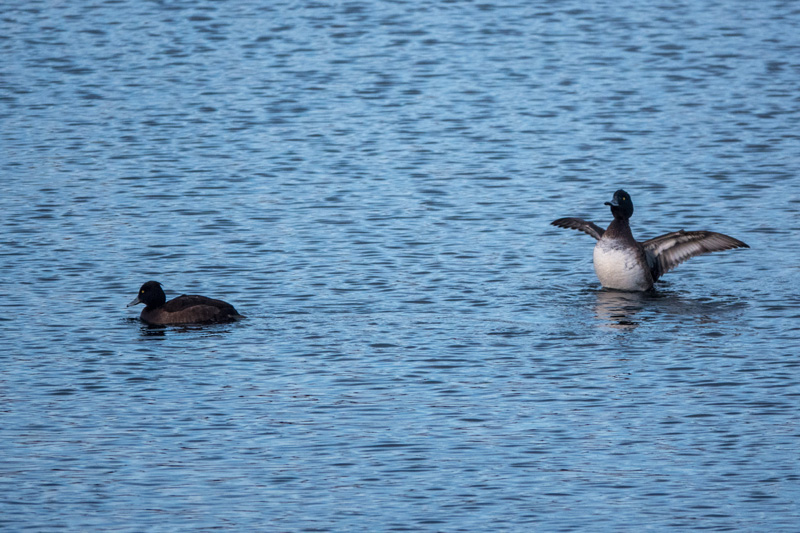 Tufted ducks
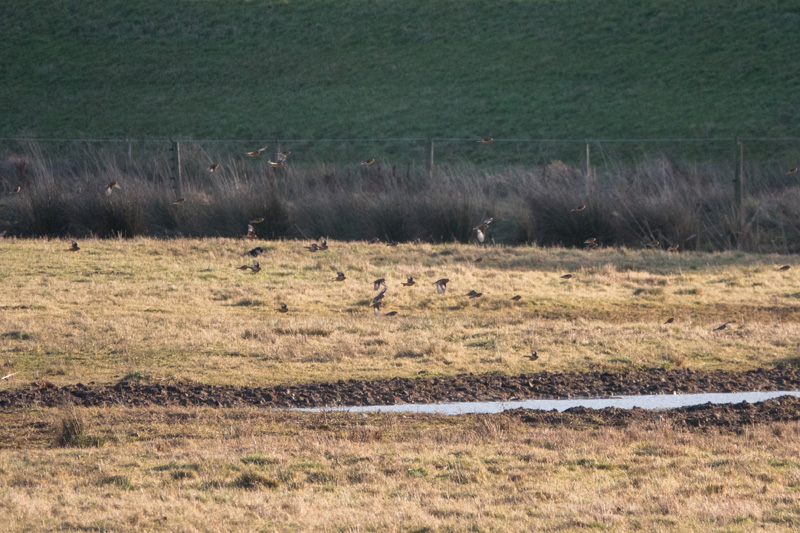 I couldn’t make out these distant birds and others that flew up regularly even further back but I think golden plovers.


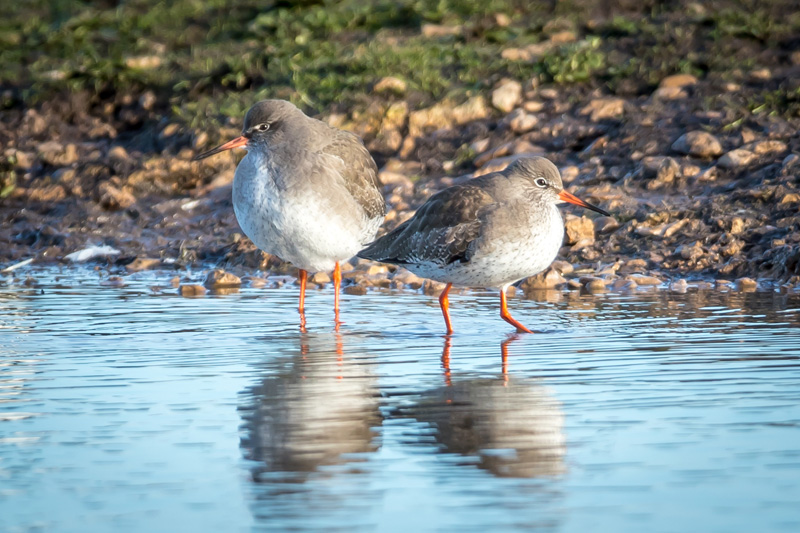
 Common redshank
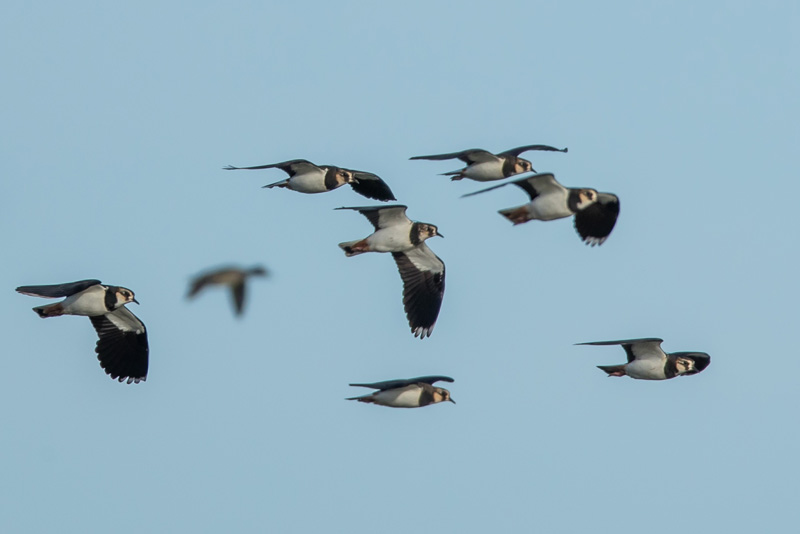
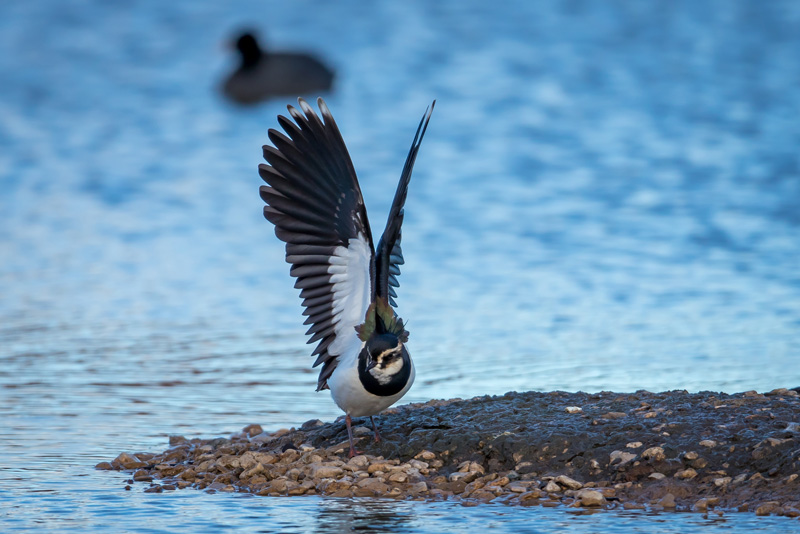
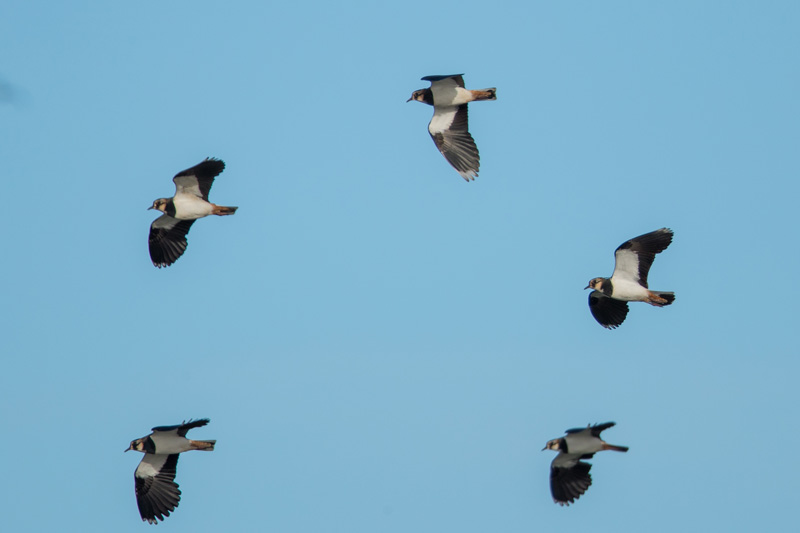
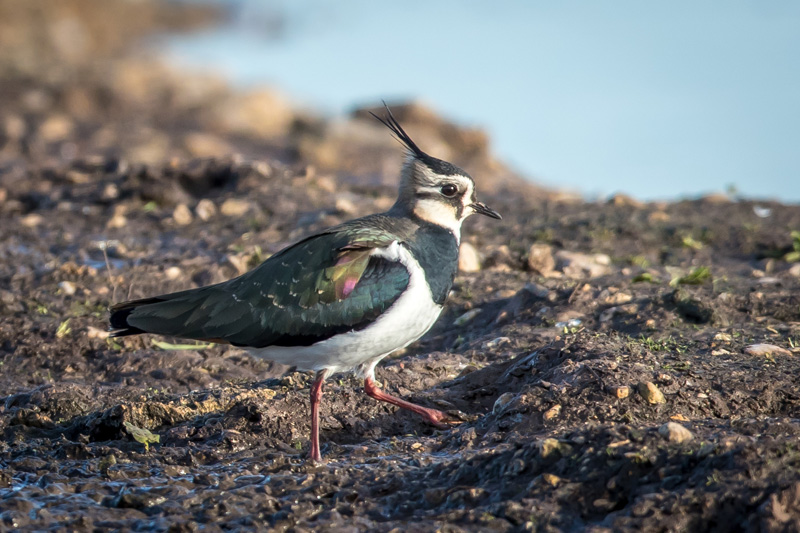 Lapwings
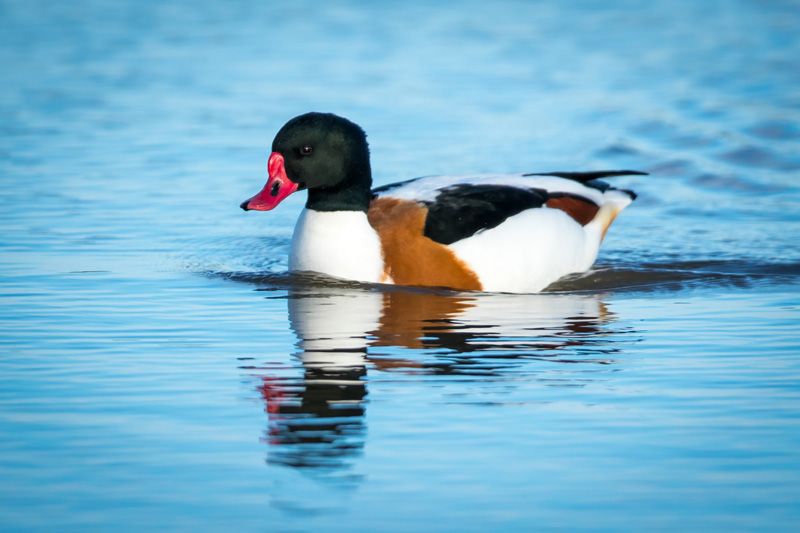
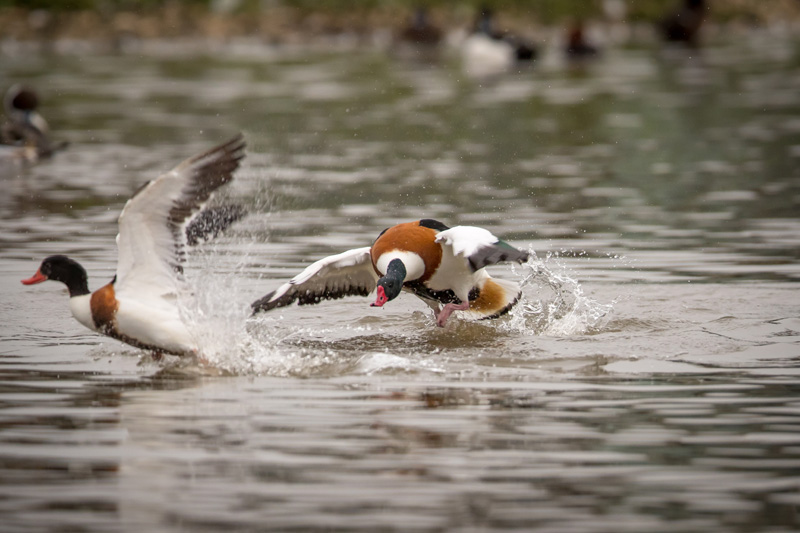
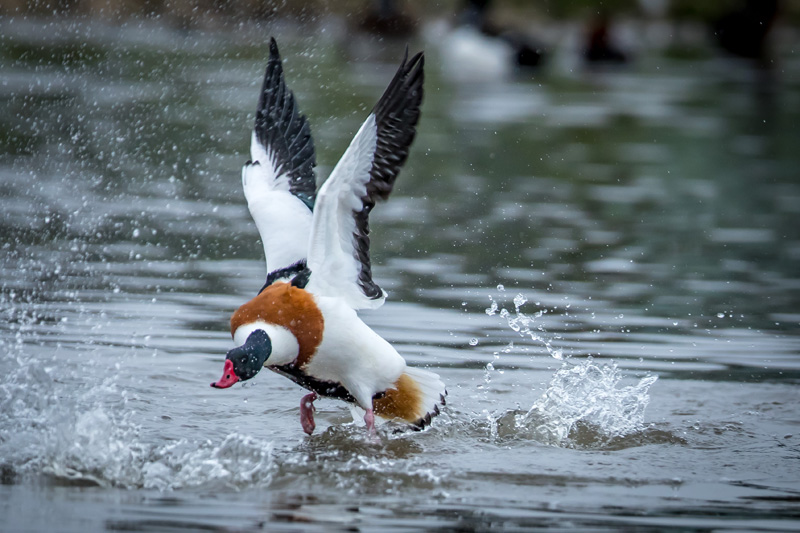
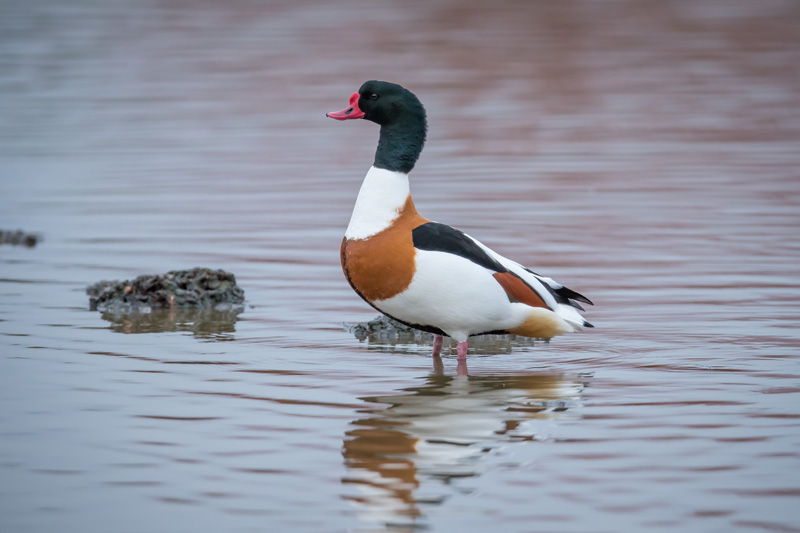
 Shelduck
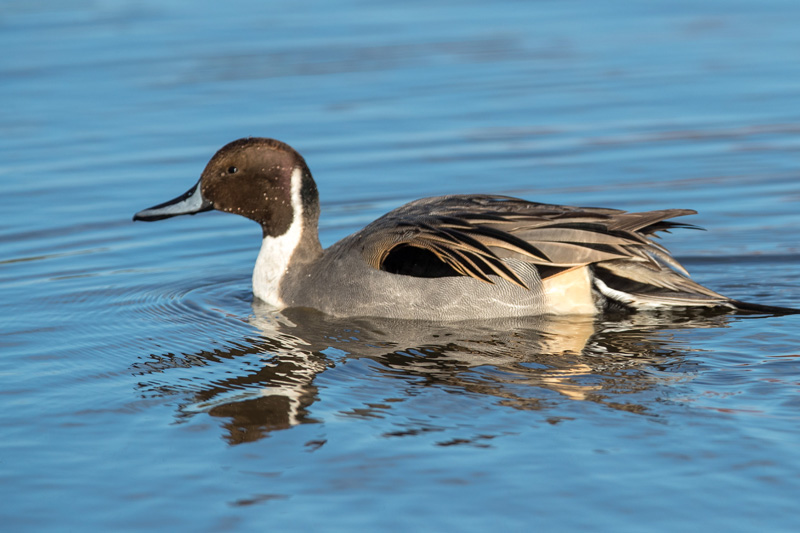


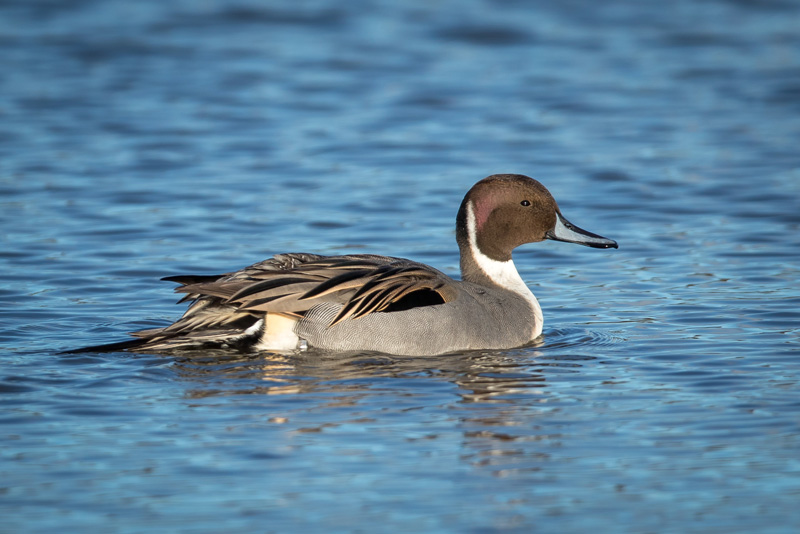
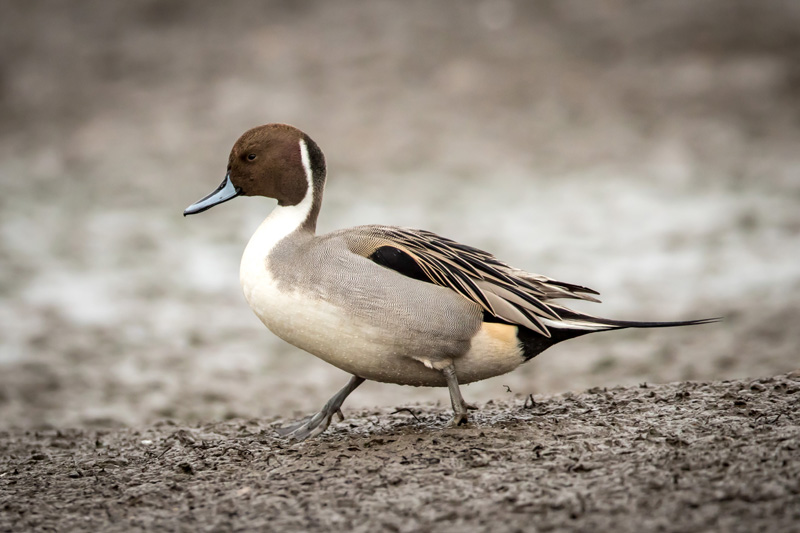
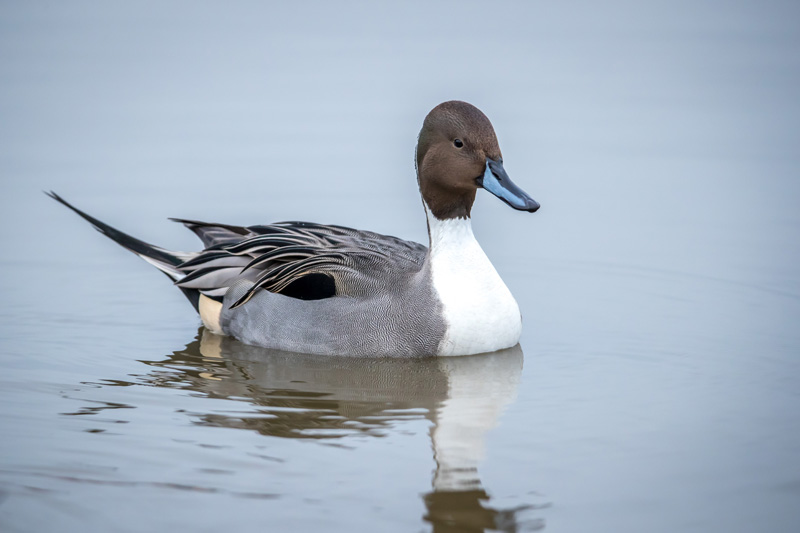
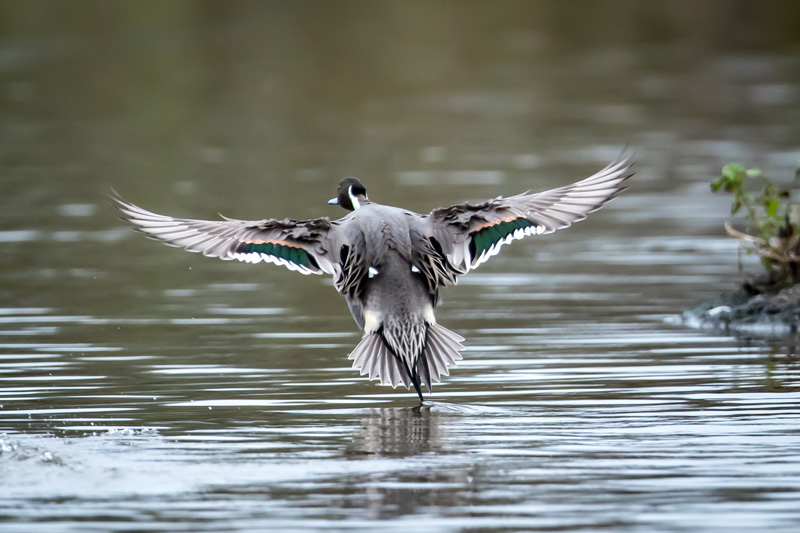
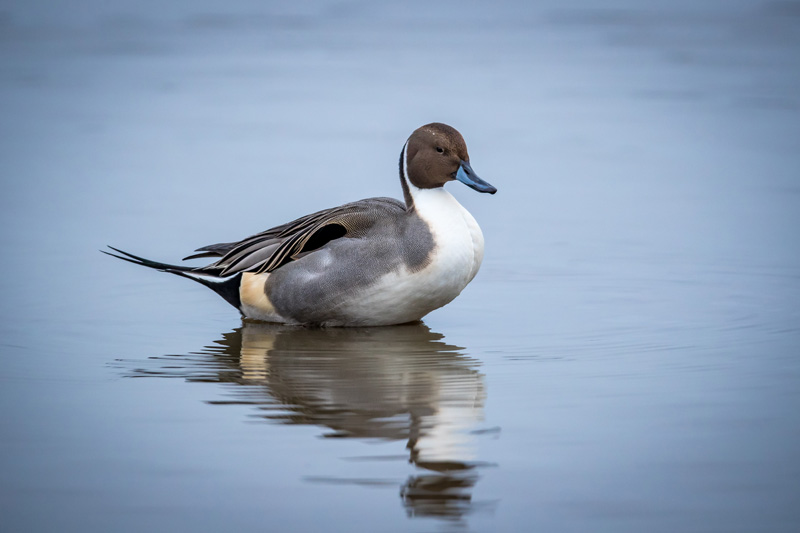 Pintails

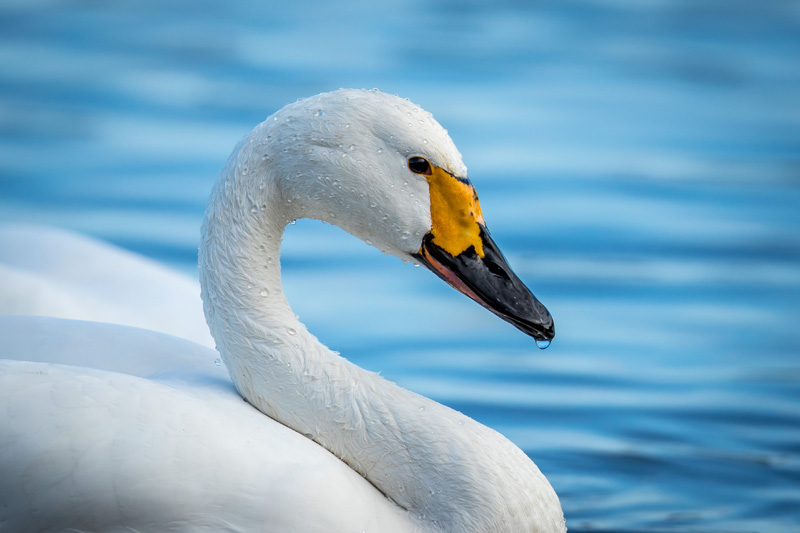
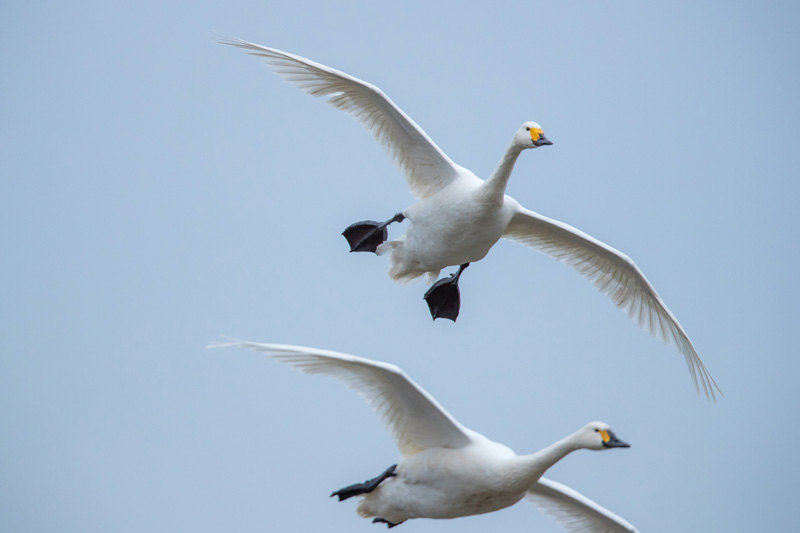
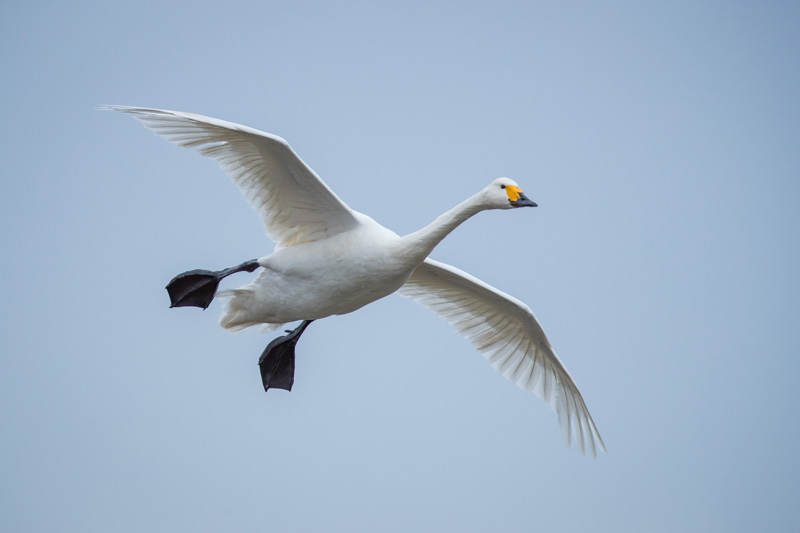

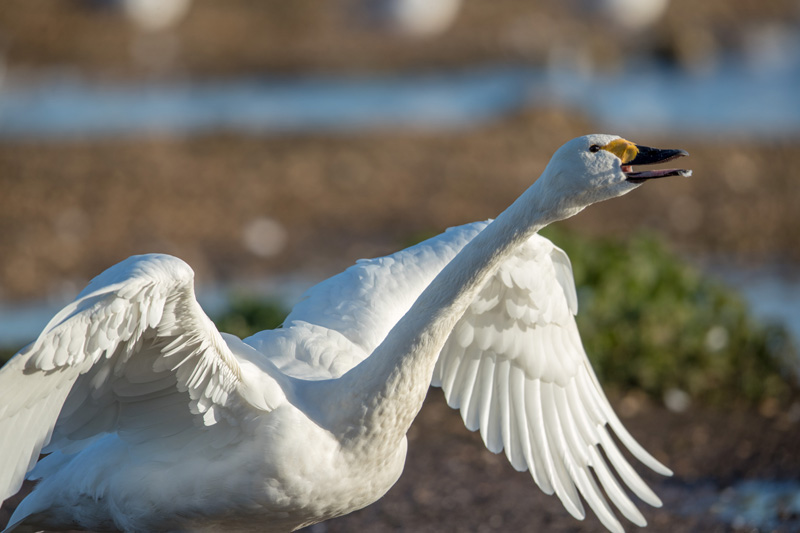
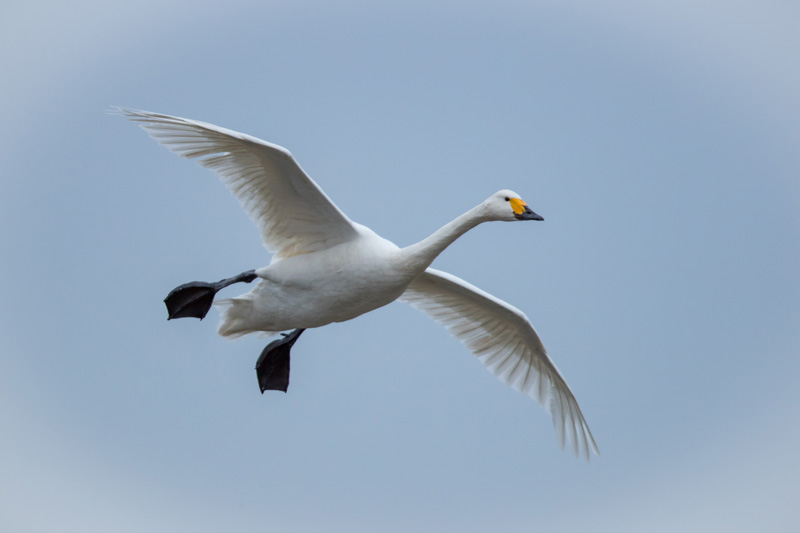
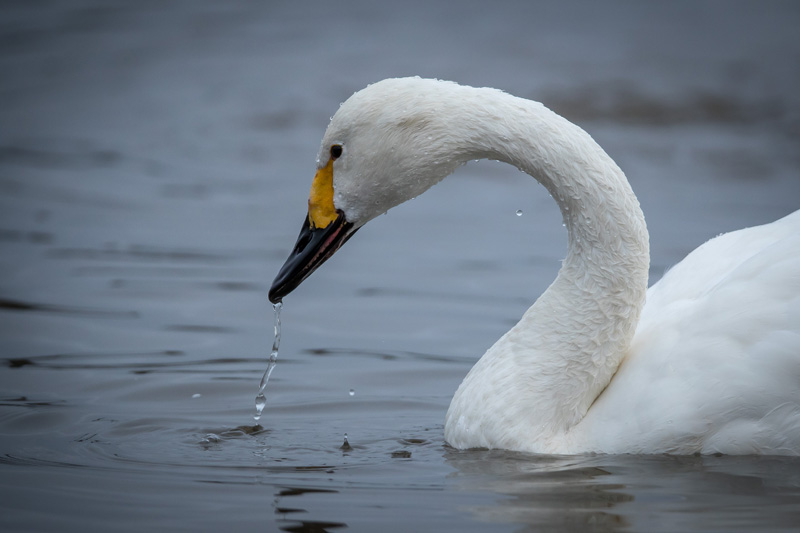
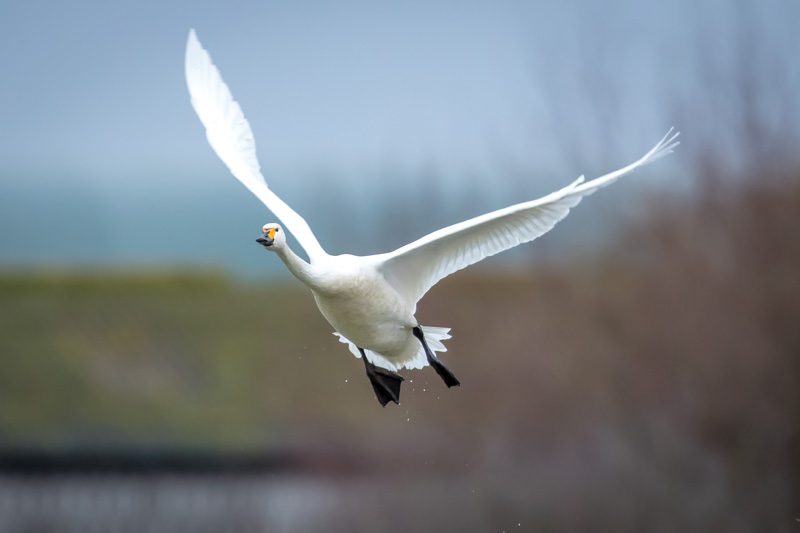
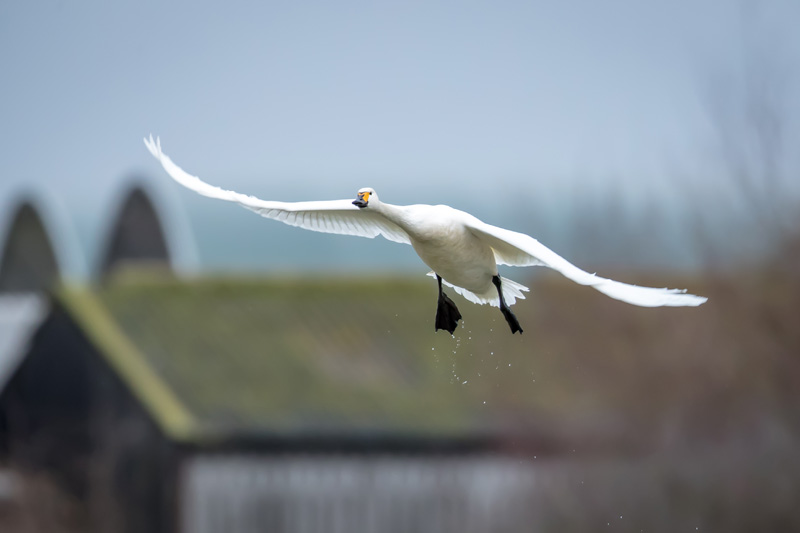
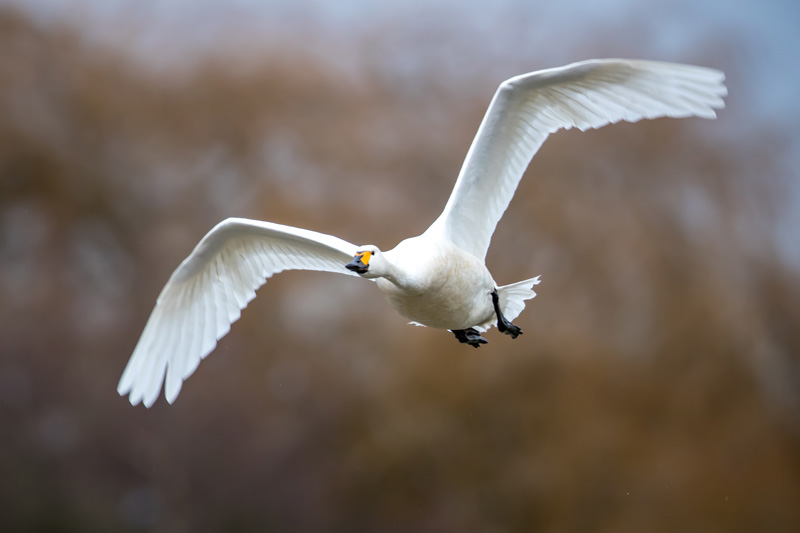
 Bewick swans

 Shovelers
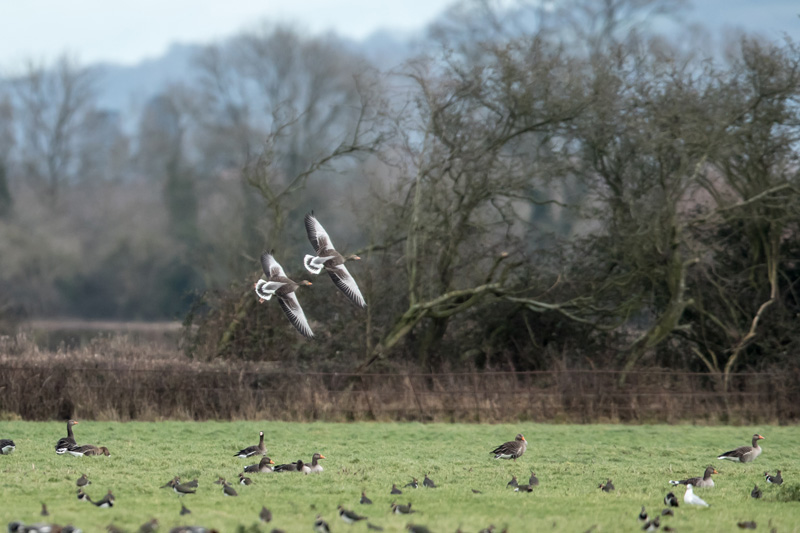
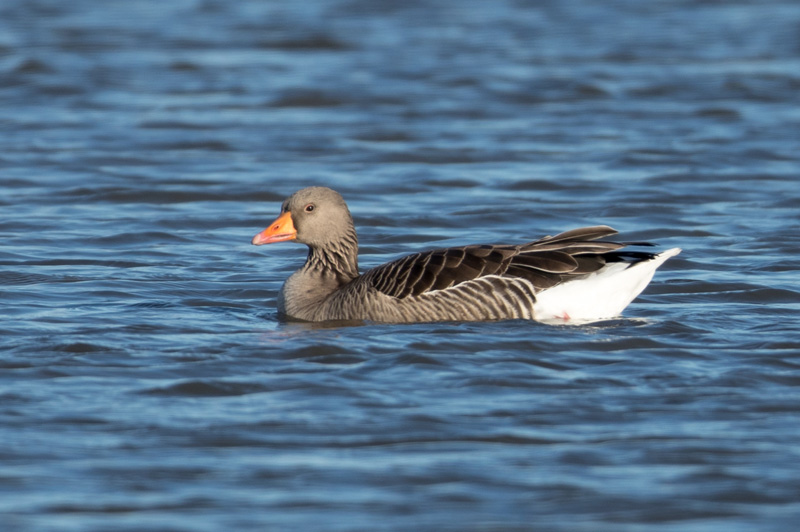 Greylag Goose
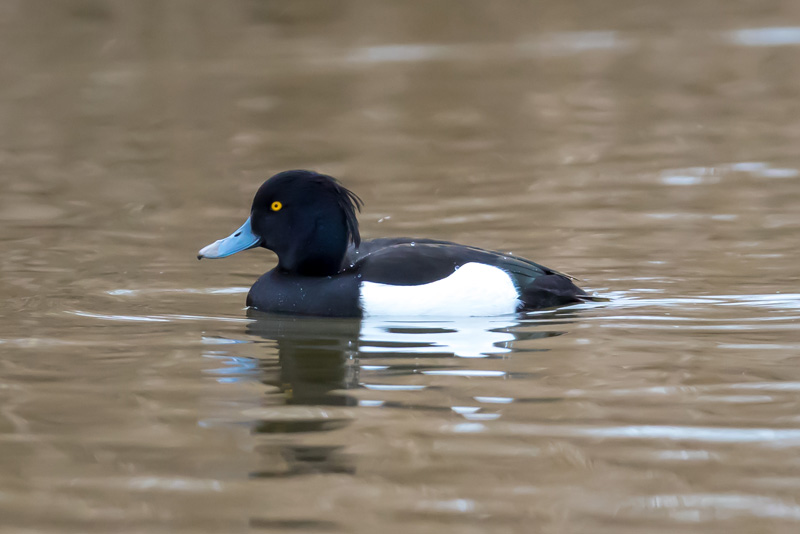


 Tufted ducks
 Gadwall
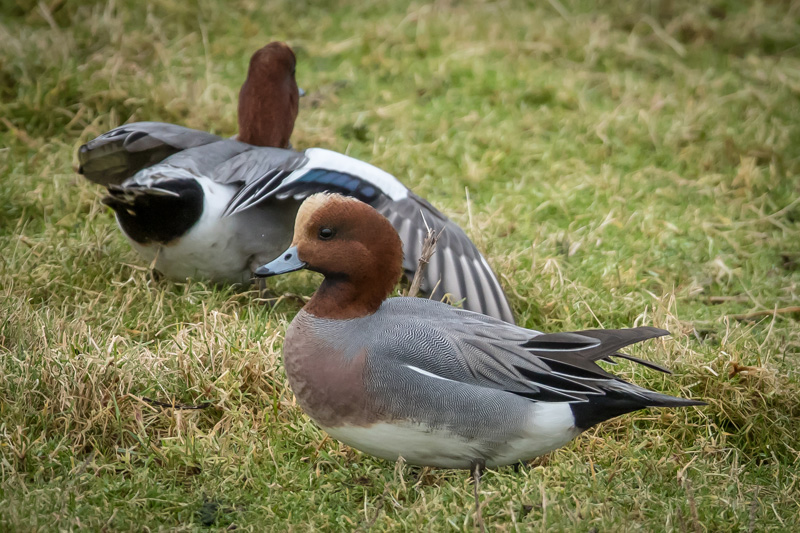
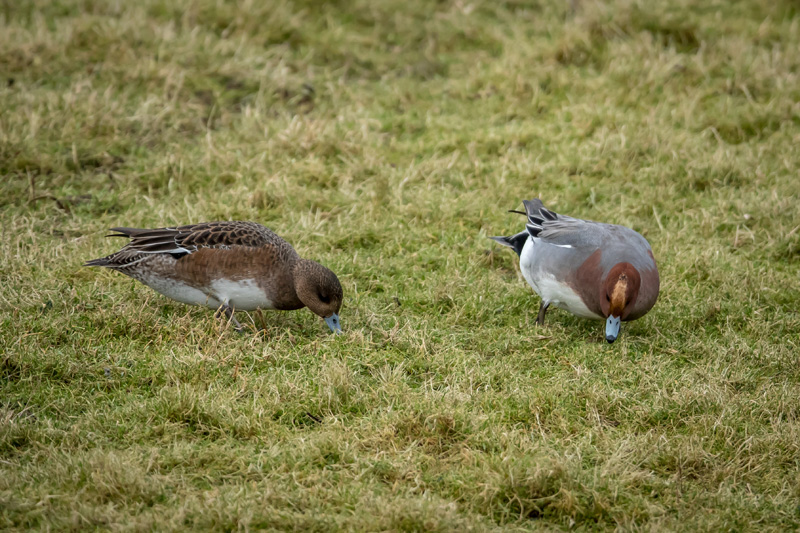 Wigeon
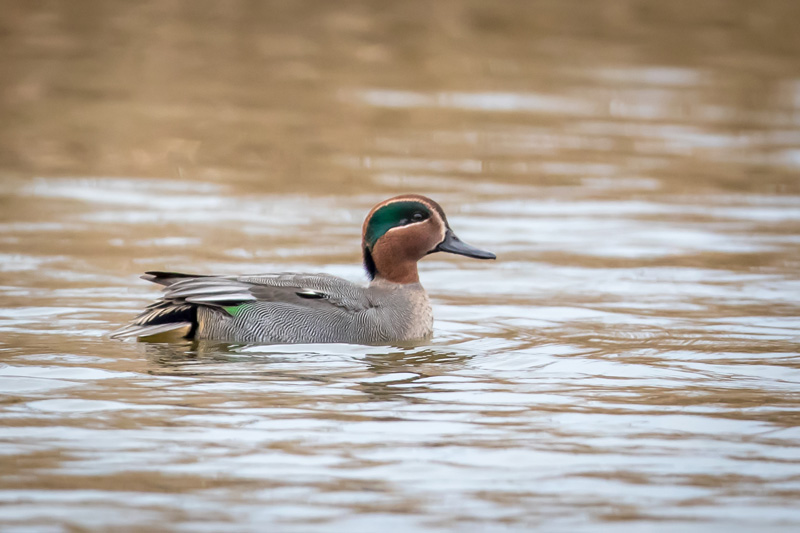
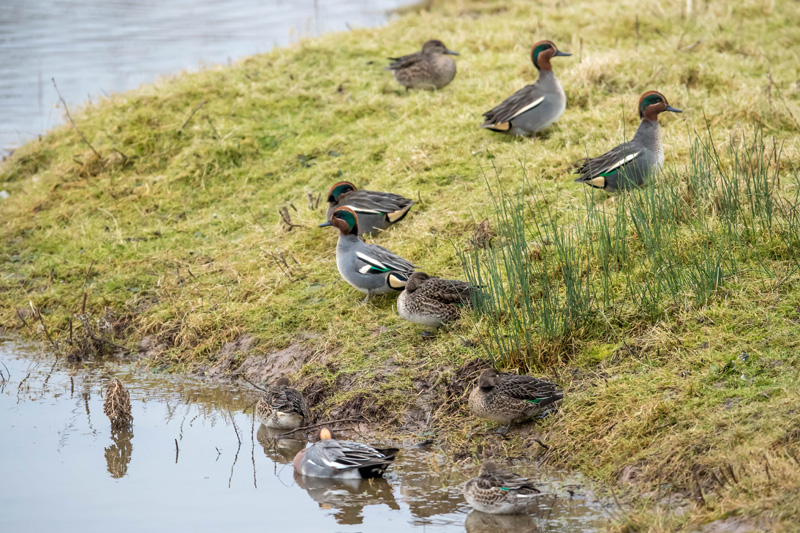
 Teal

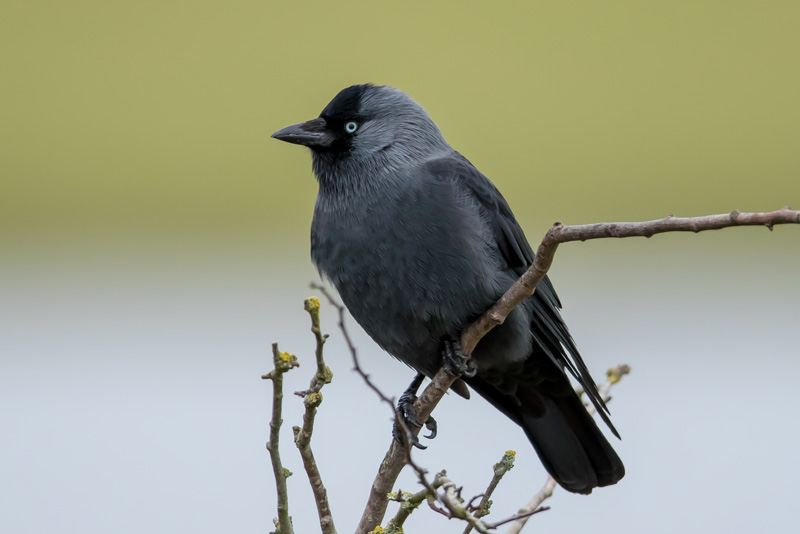 Jackdaw
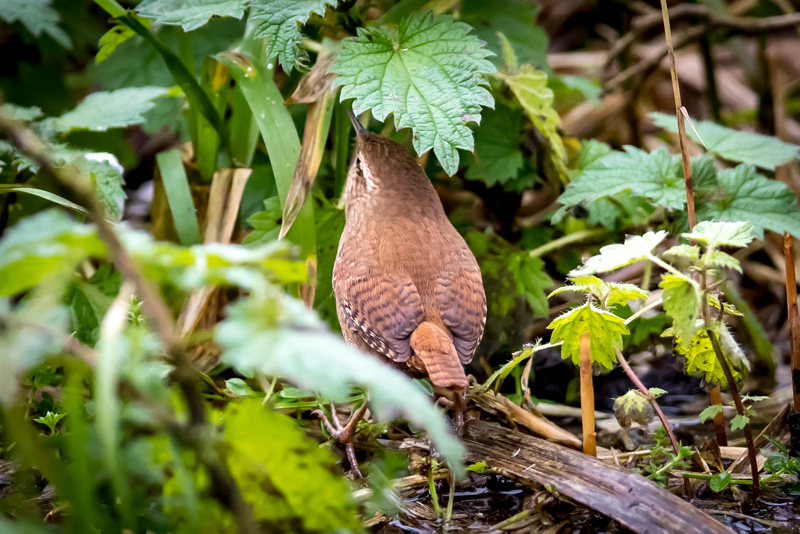
 Wren
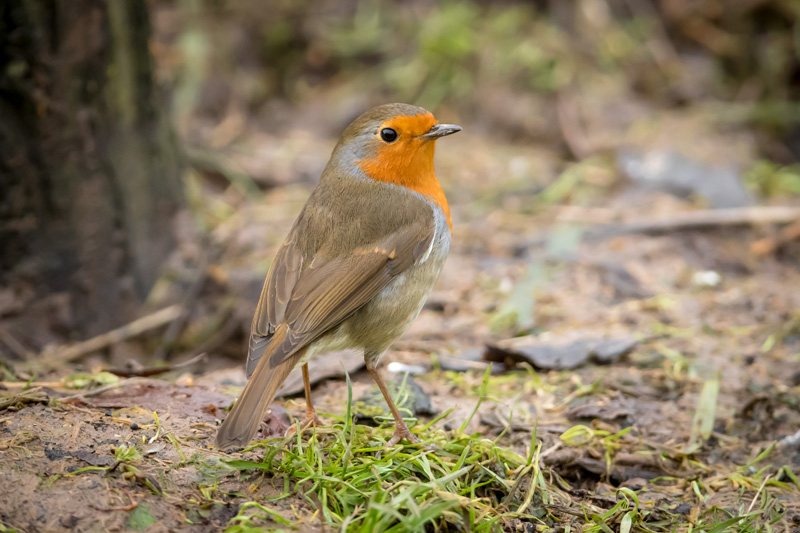
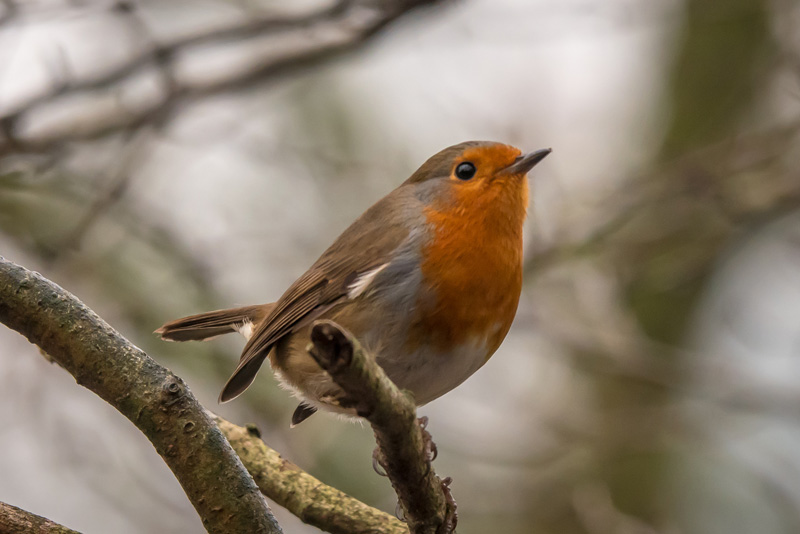
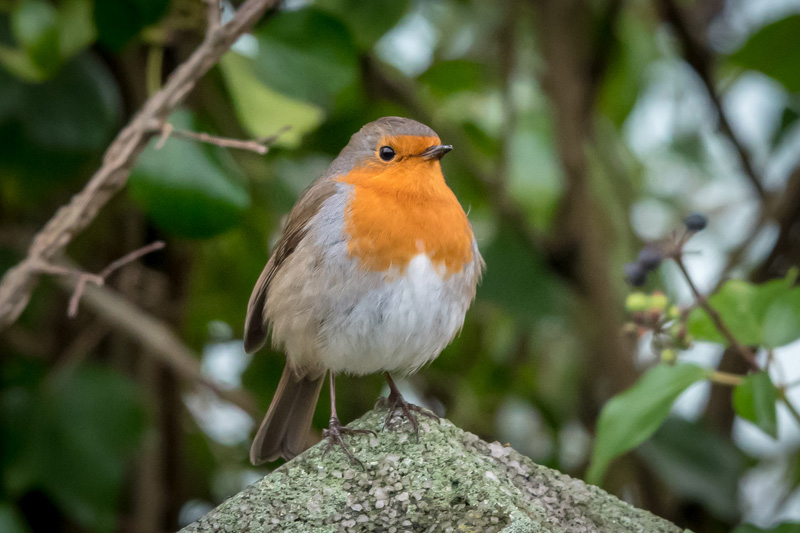
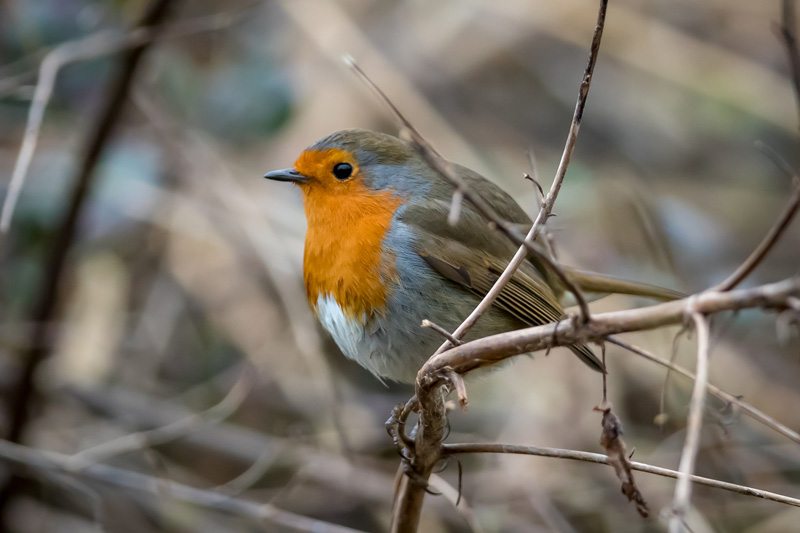 Robin

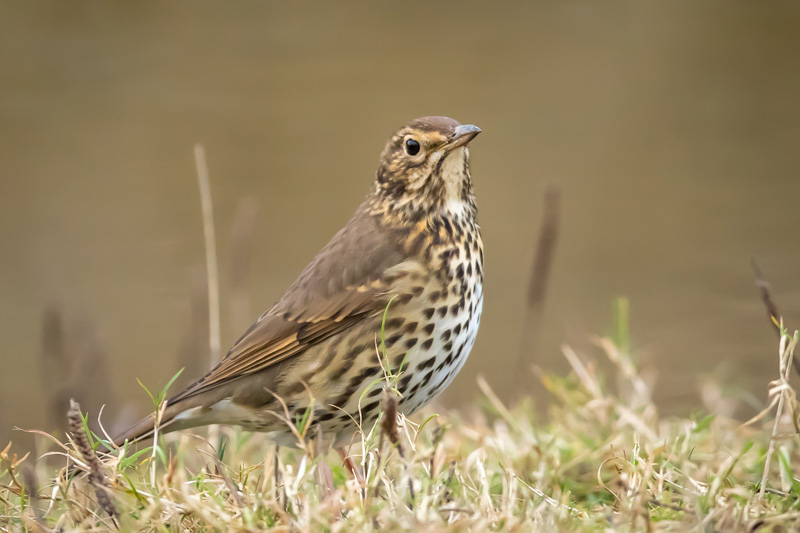
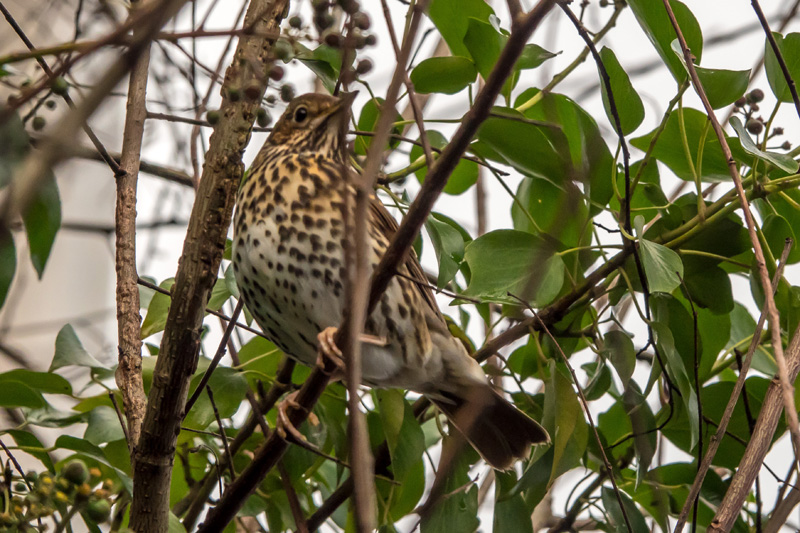
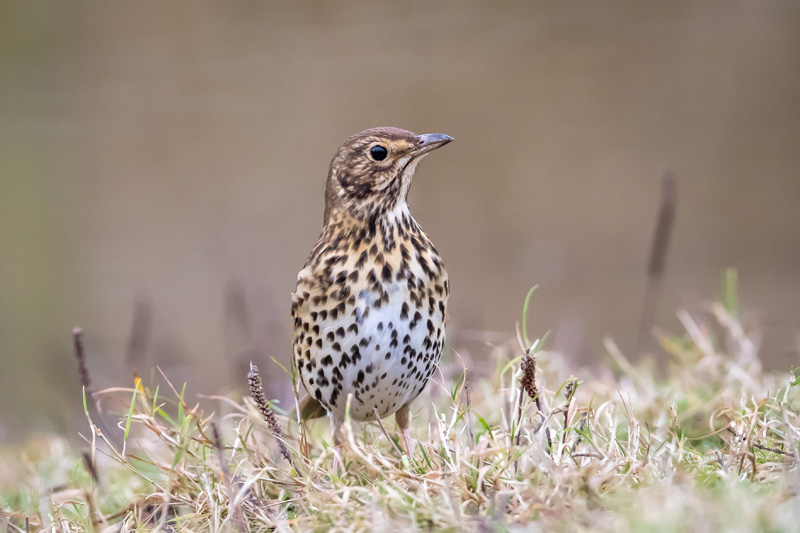 Song thrush
 Blackbird
 Blue tit
 House sparrow
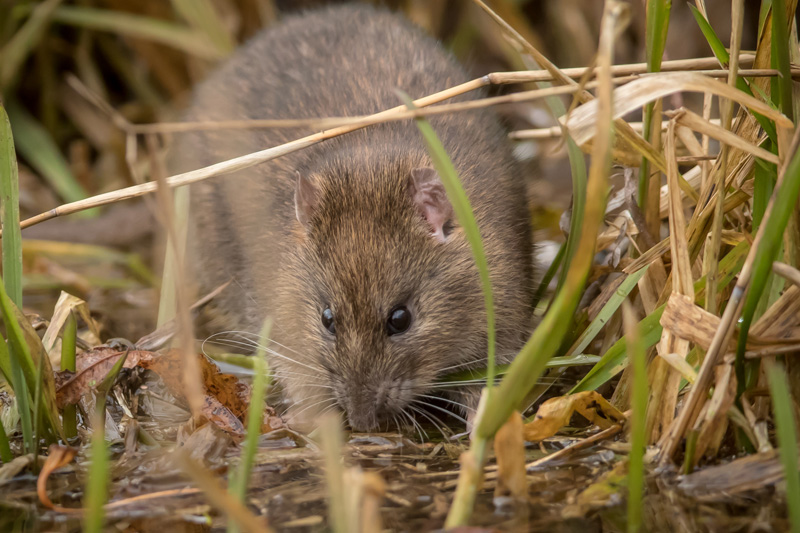
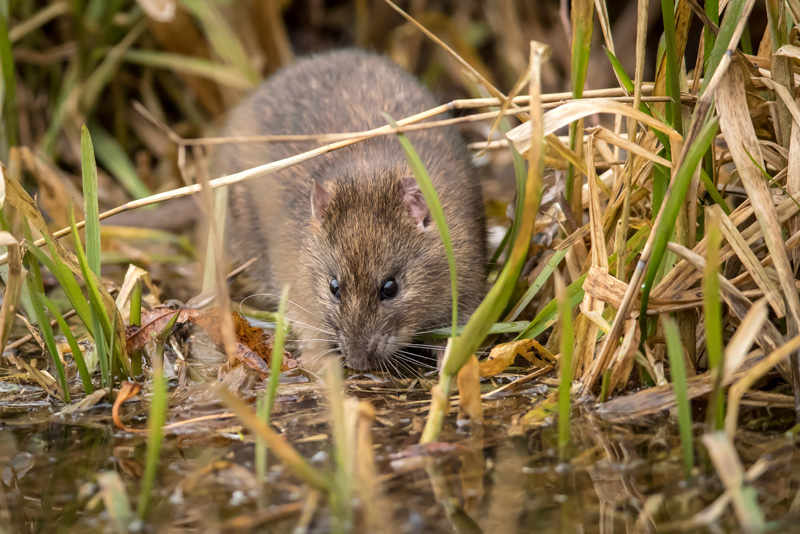 Rat














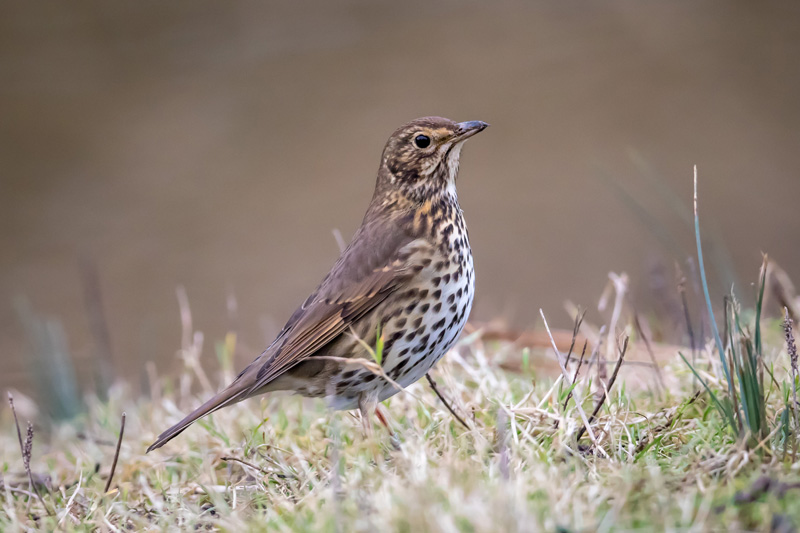

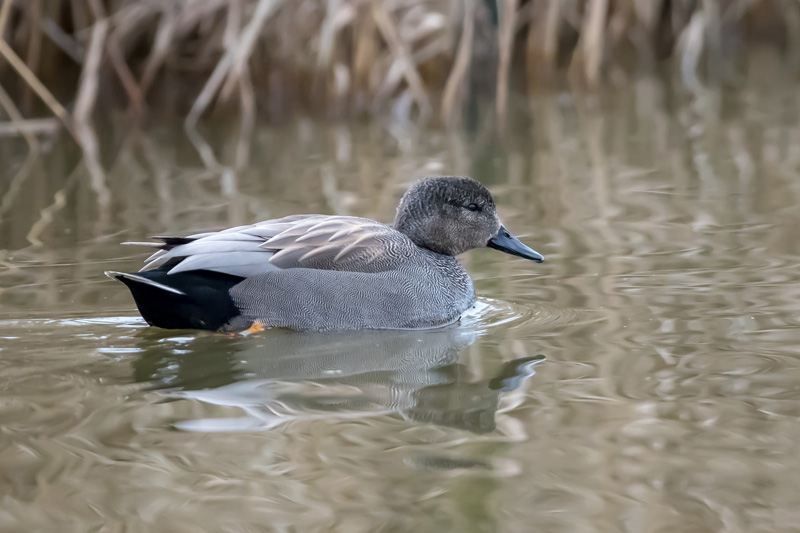

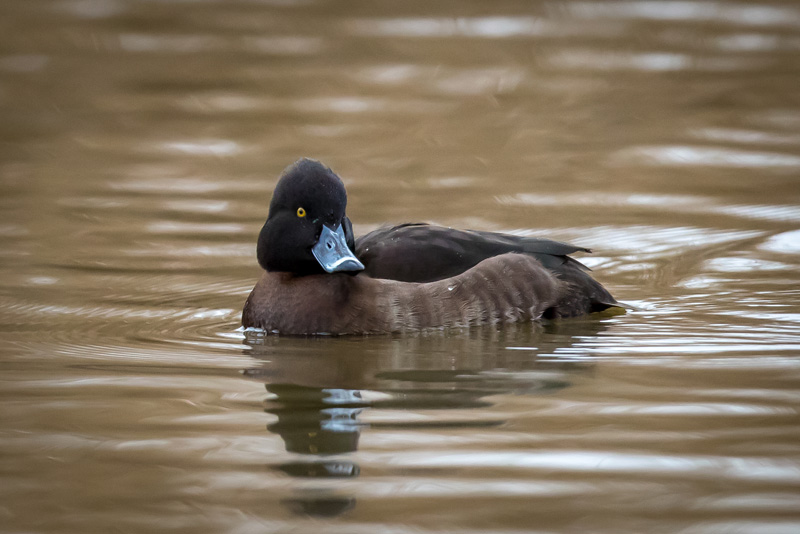
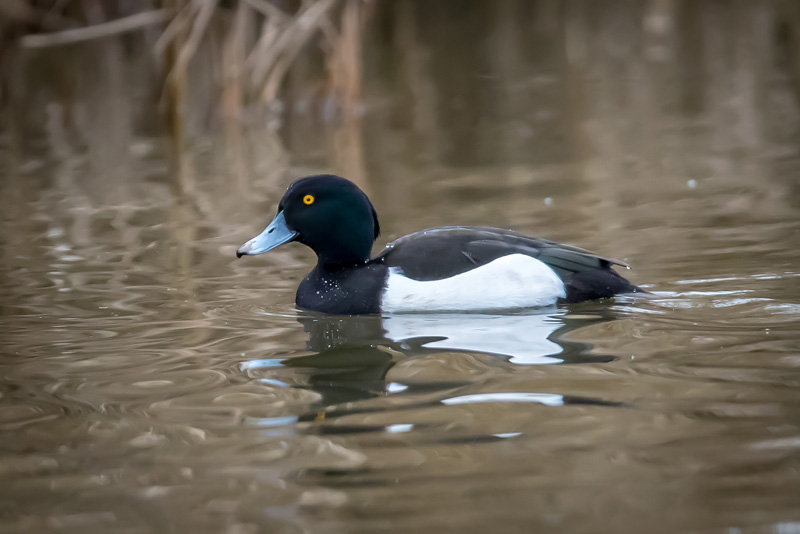






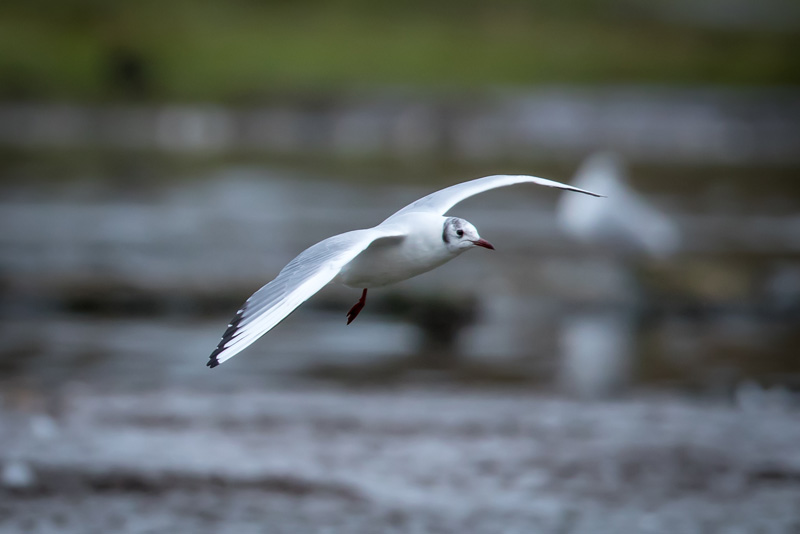
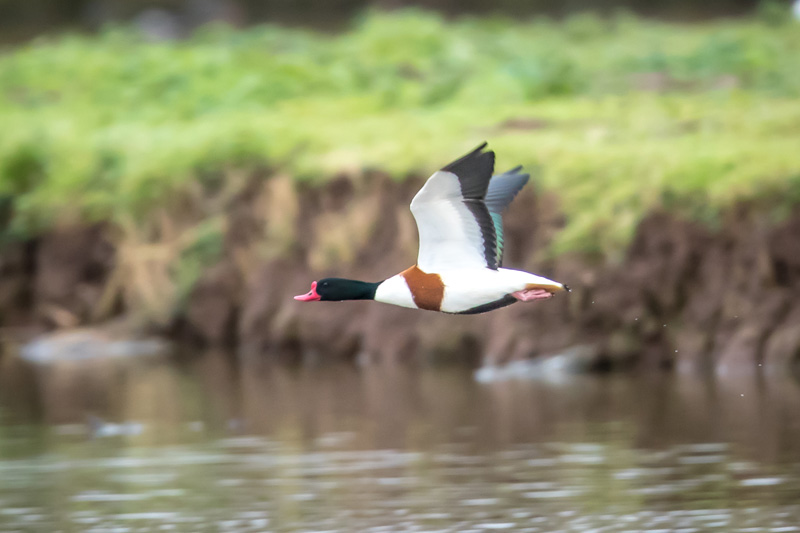
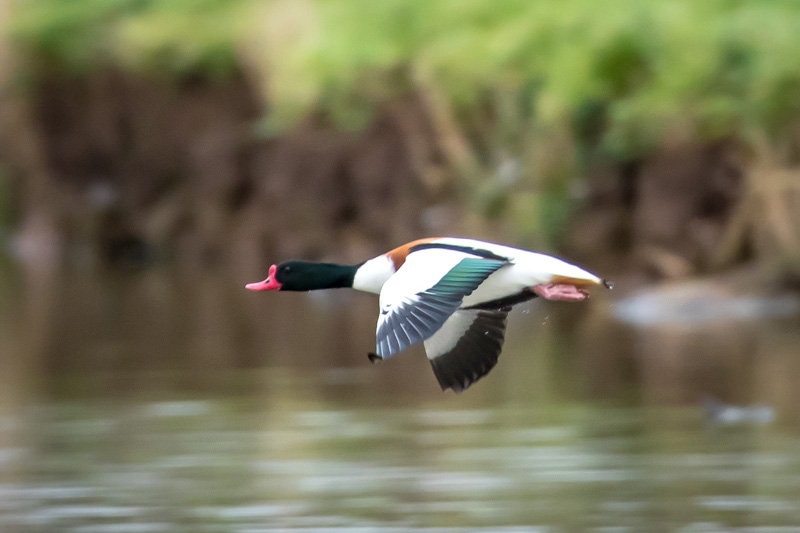
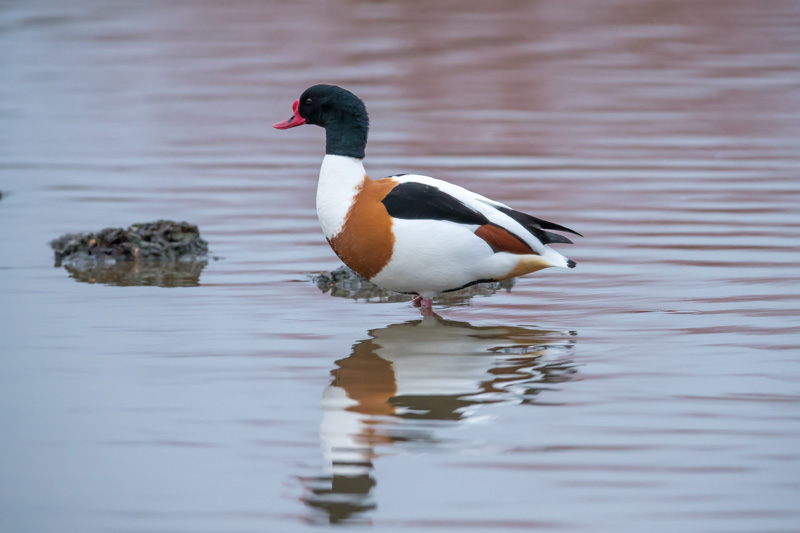




 Gadwall
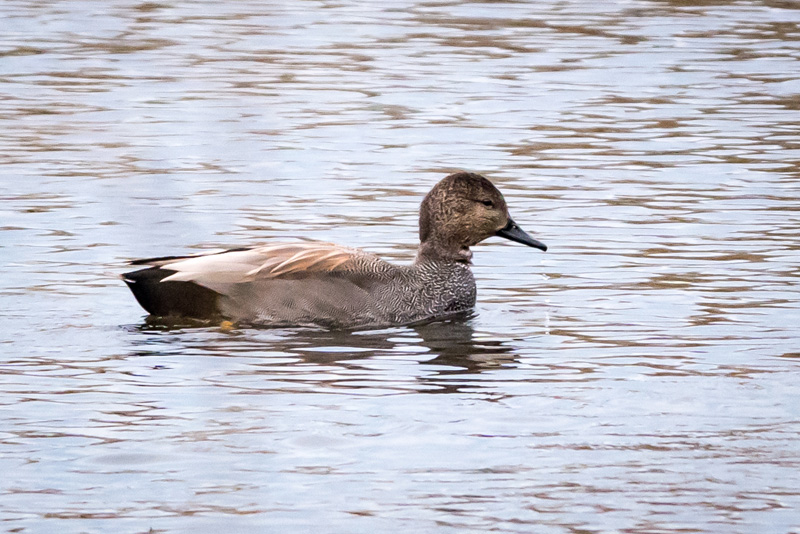 Gadwall
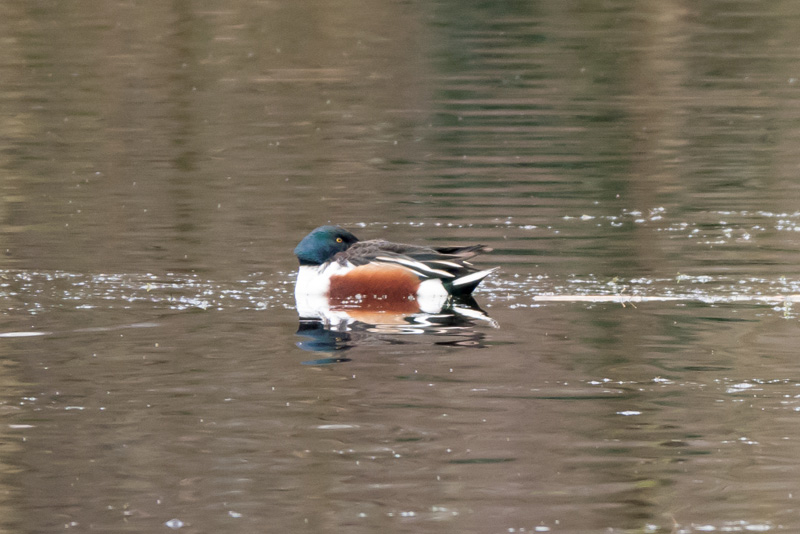 Shoveler
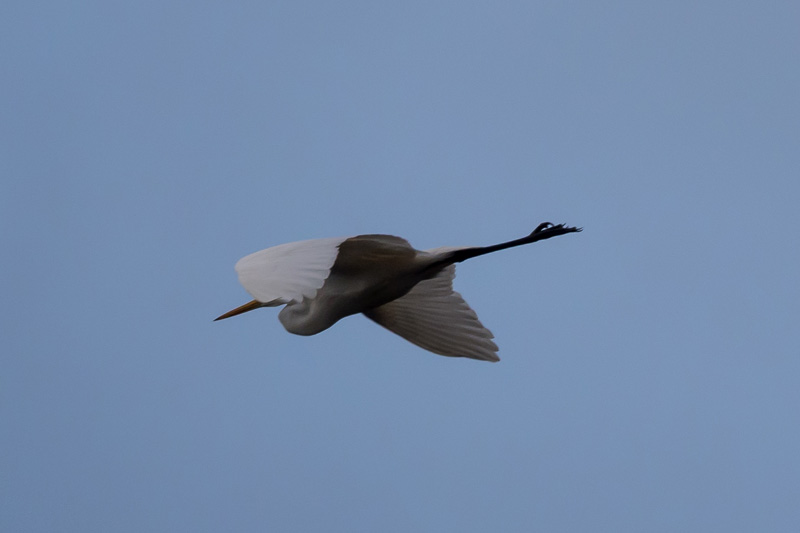 Great white egret (flying right to left – just in case you can’ tell)
 Lapwings
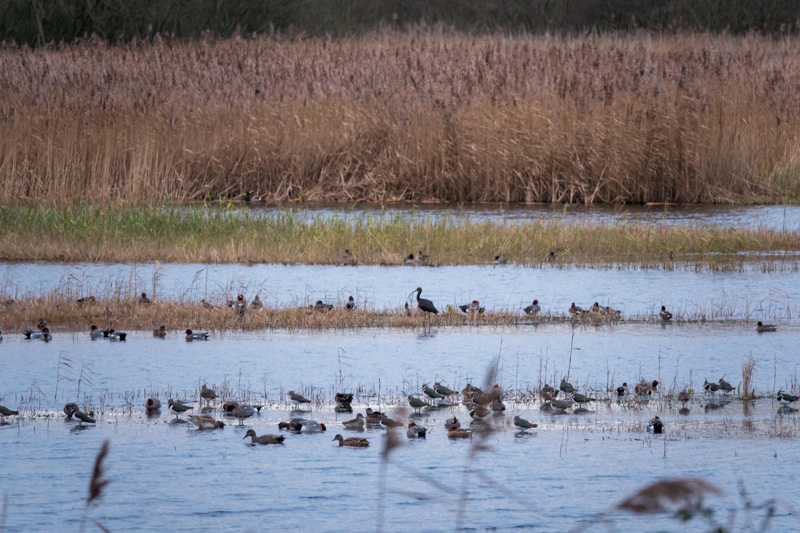 Glossy ibis among the lapwings
 Glossy ibis among the wigeon
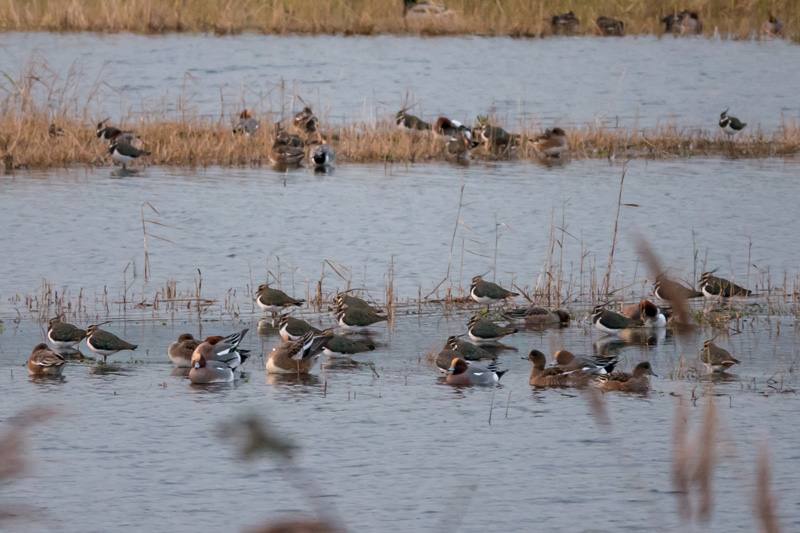 Mainly lapwings and wigeon
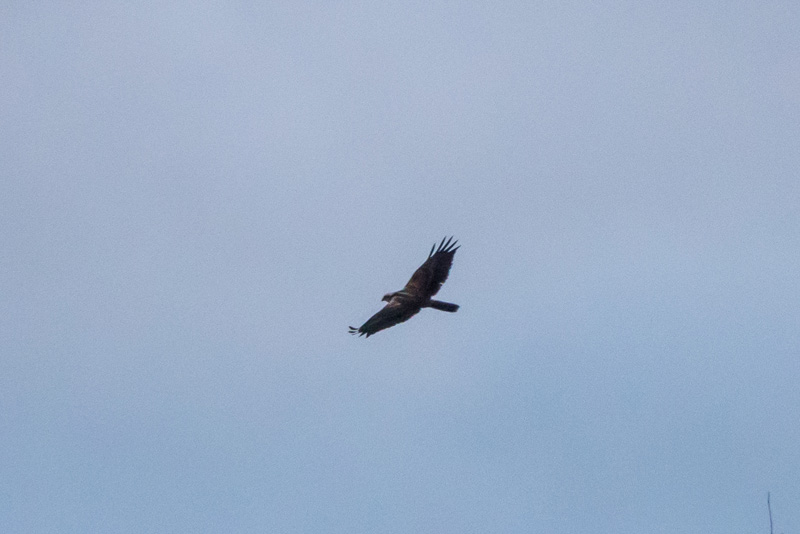 Marsh harrier
 Great white egret
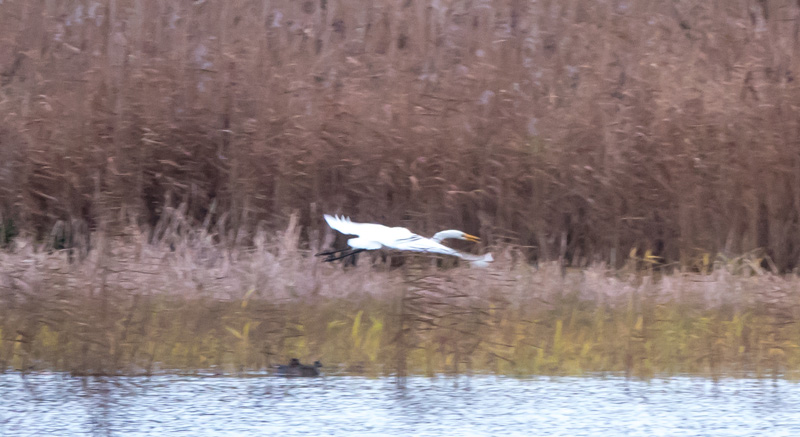 Great white egret
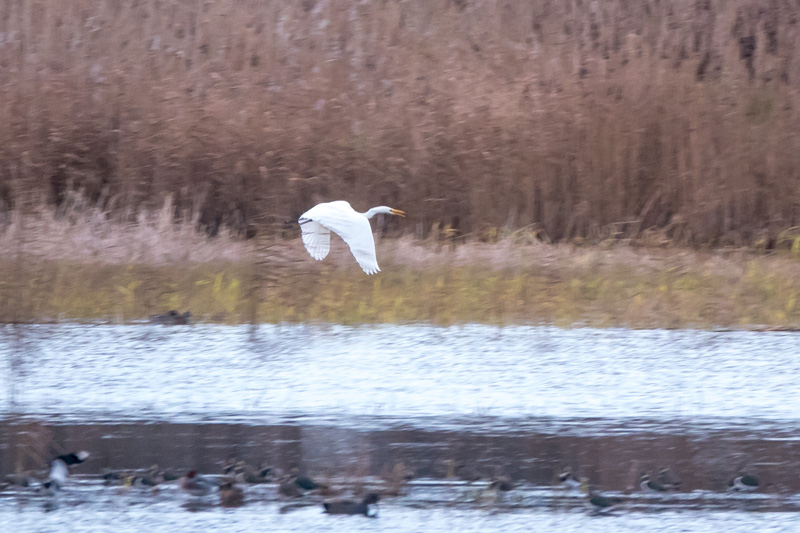 Great white egret
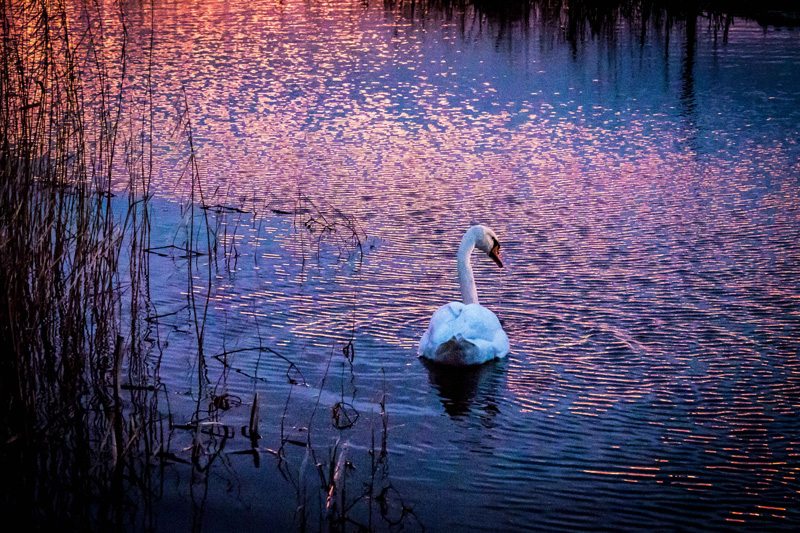
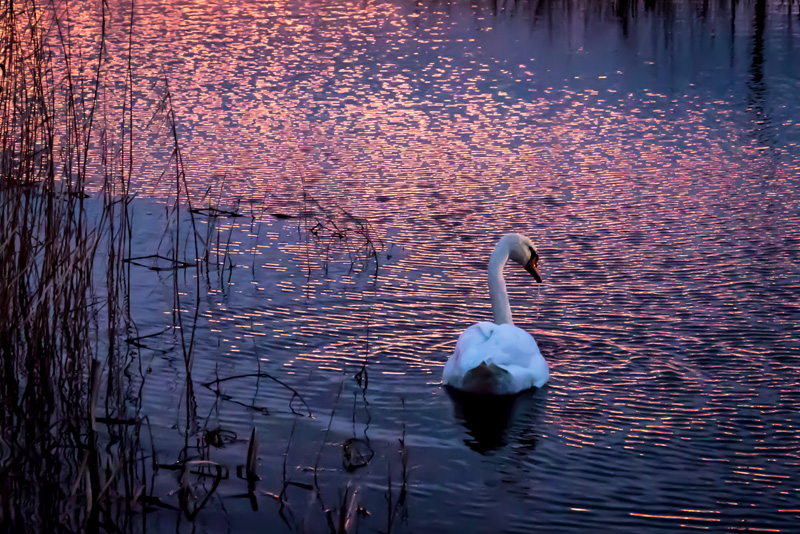
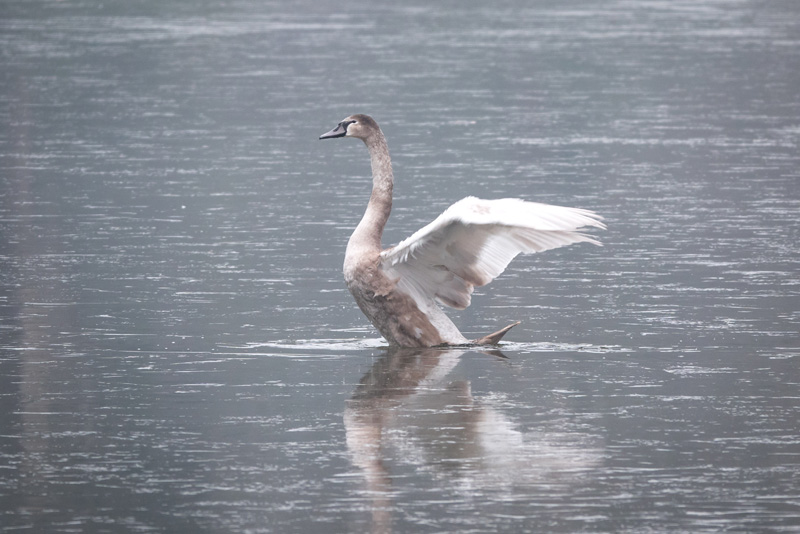
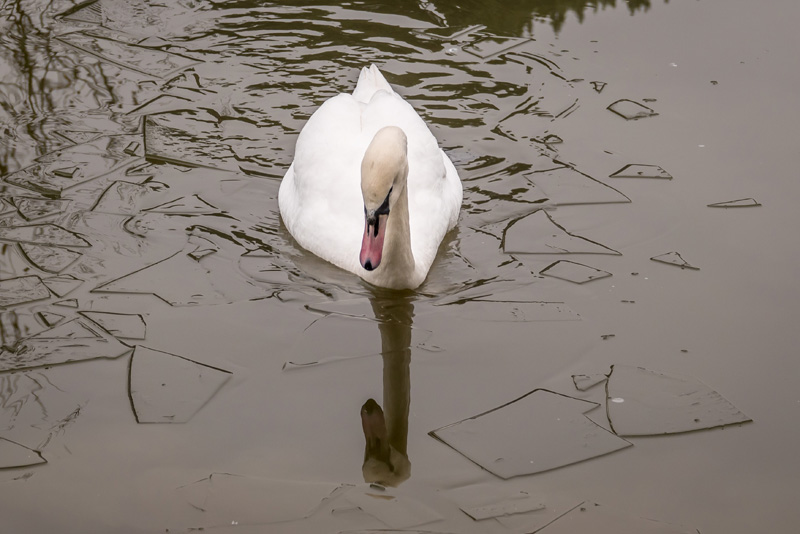
 Mute swan

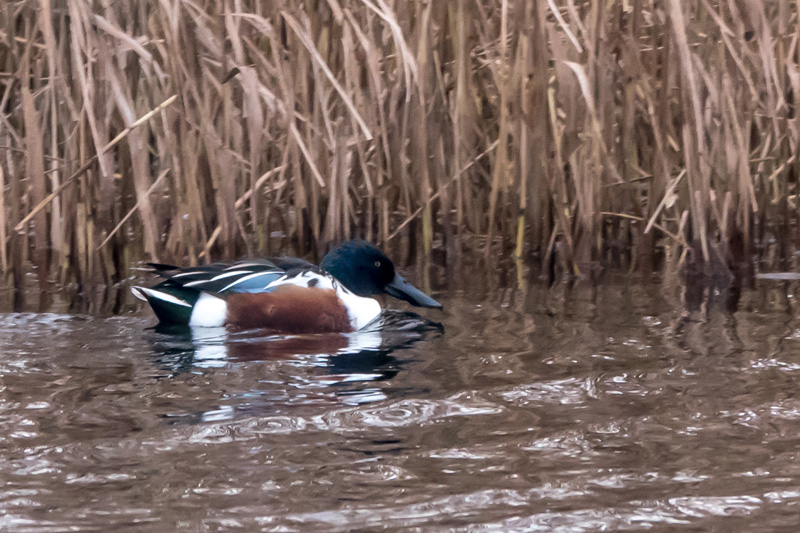 Shoveler
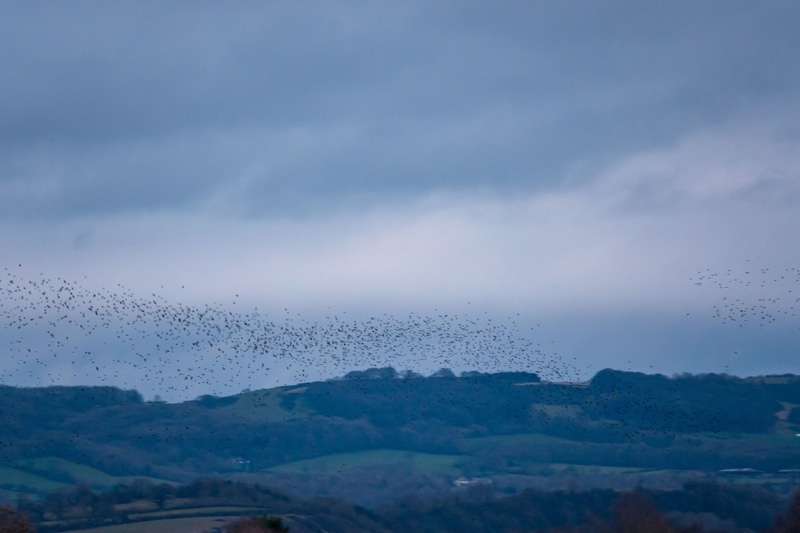
 Starlings making their way to join up with the massive roost
 Difficult to make out the starlings against the hills in the background
 Mute swan
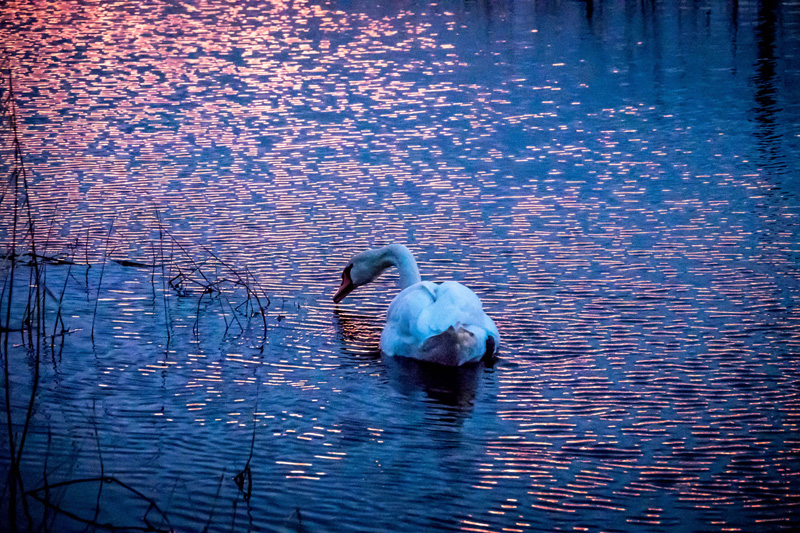 Mute swan





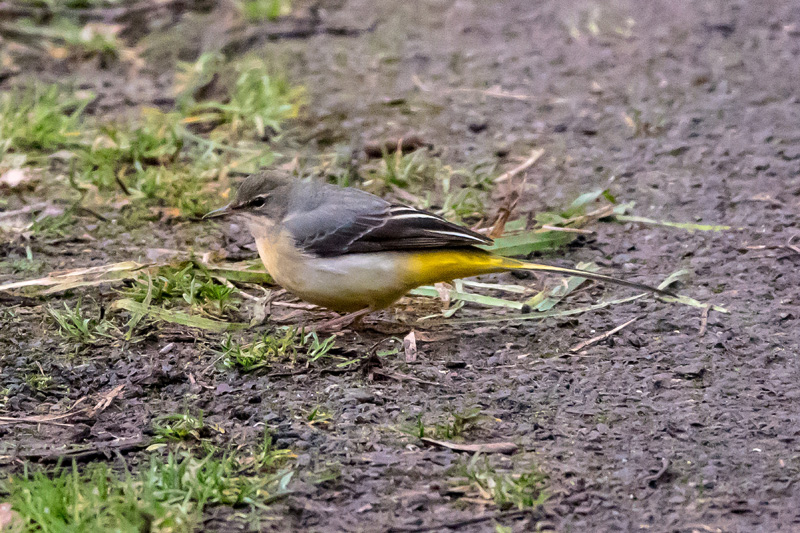





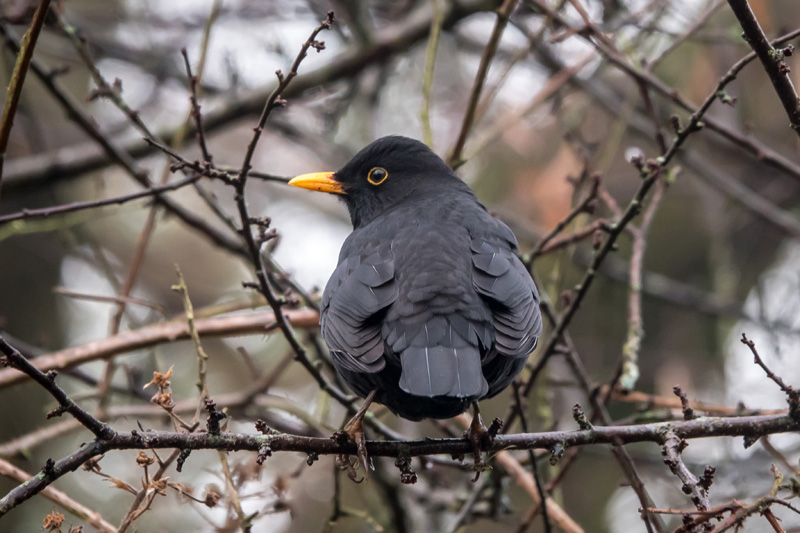



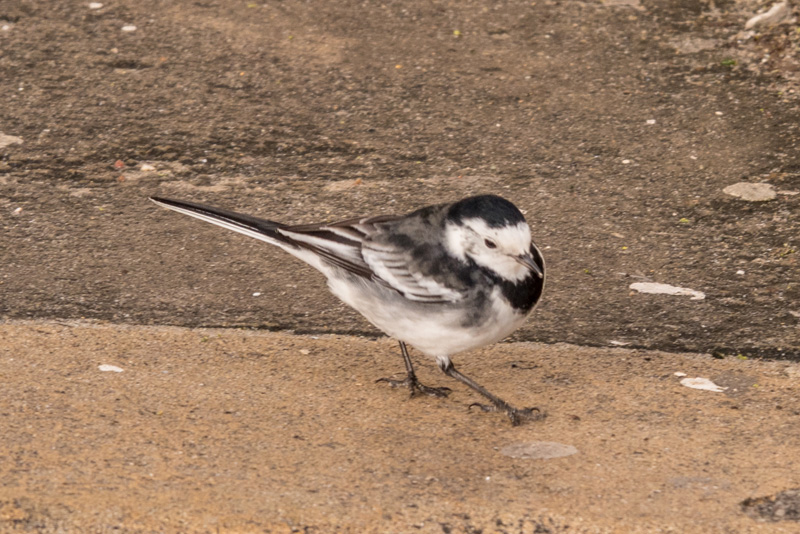
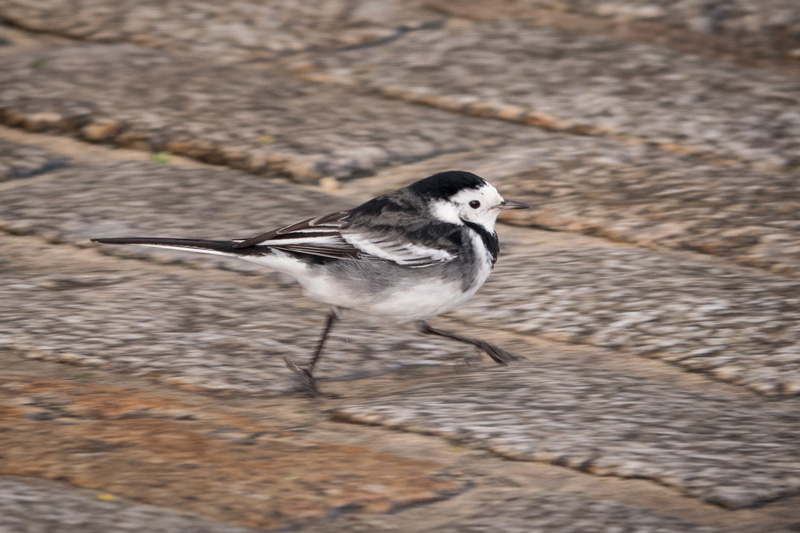 Pied wagtail
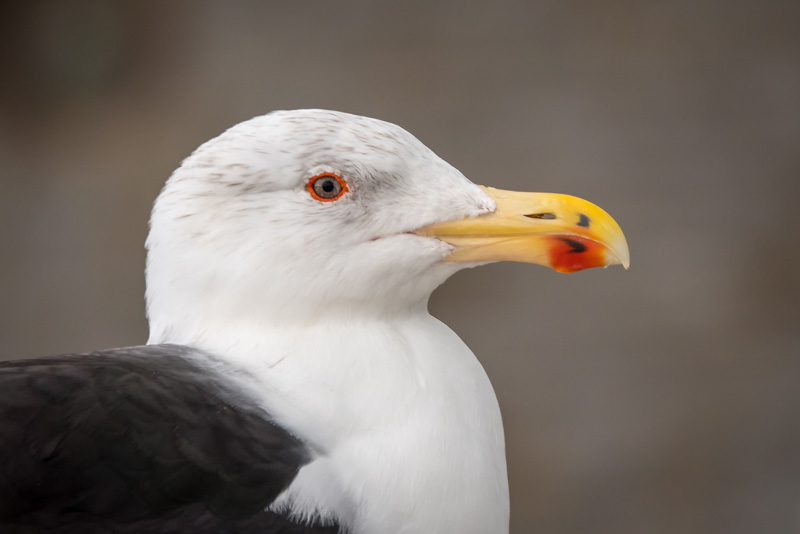 Great black-backed gull
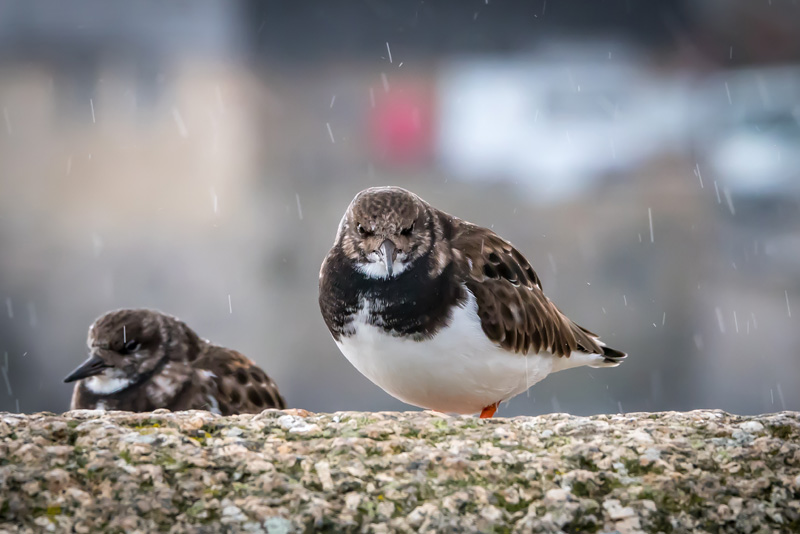
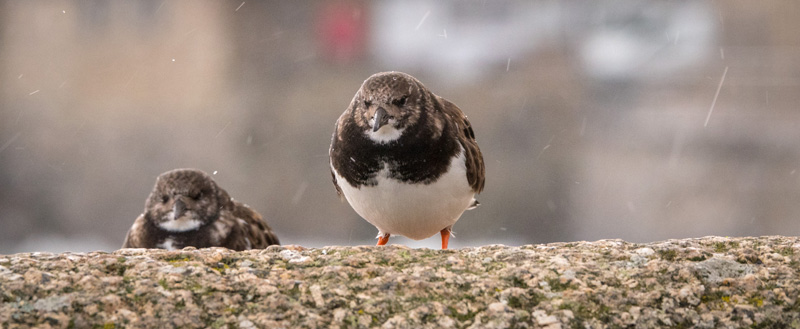
 Turnstone


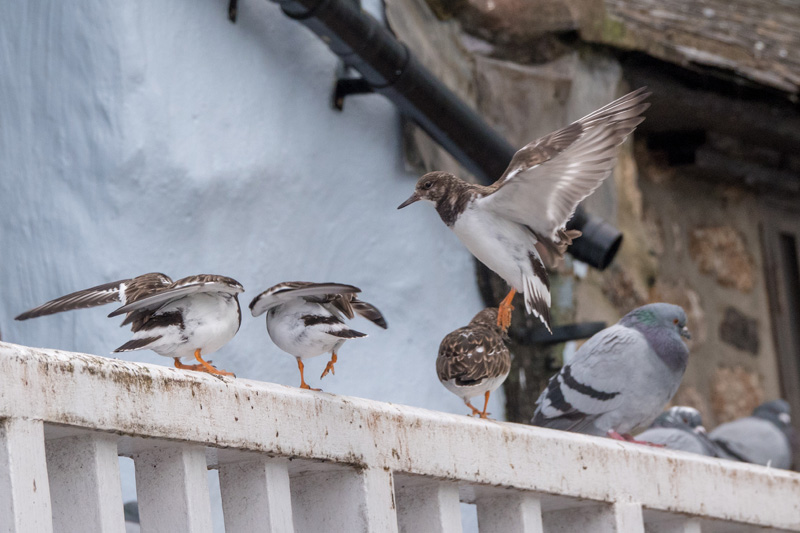
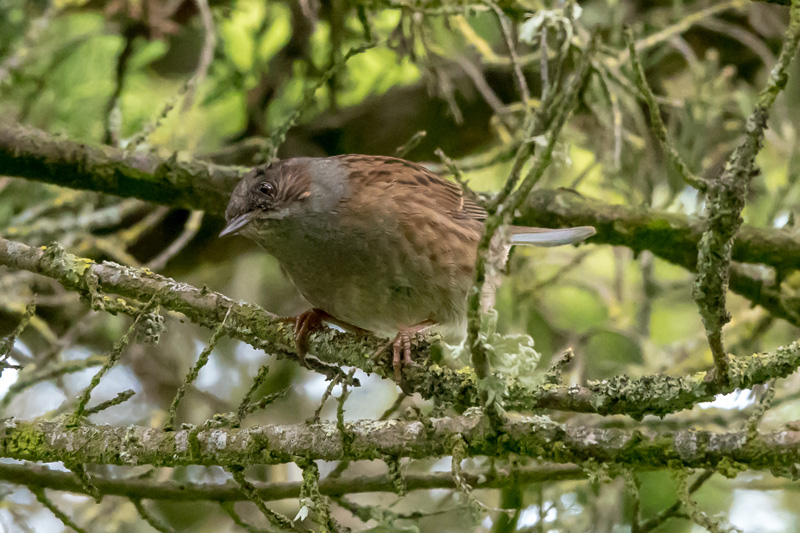

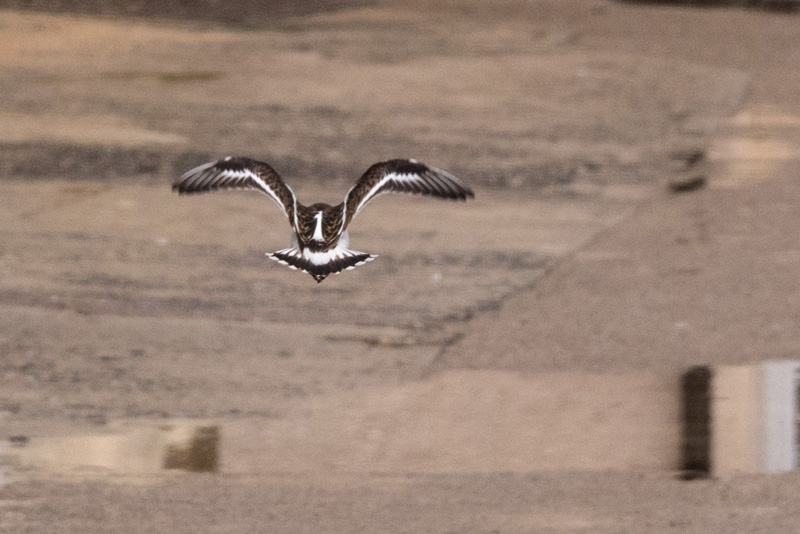
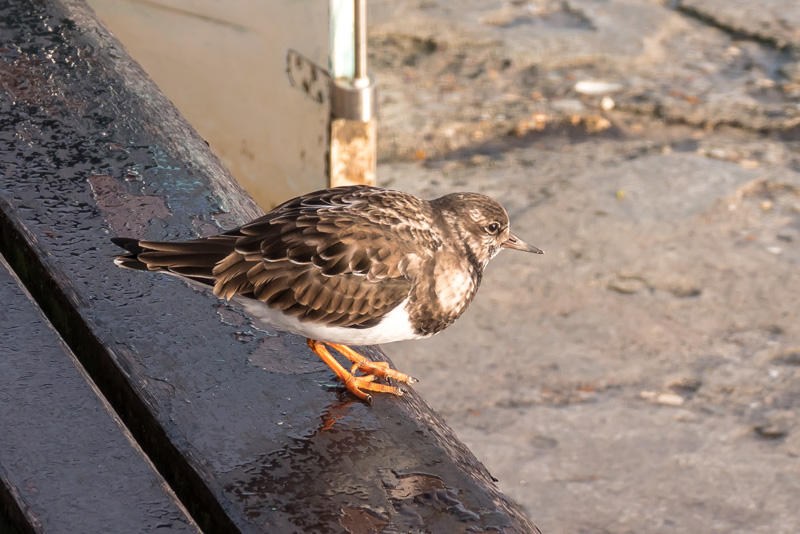


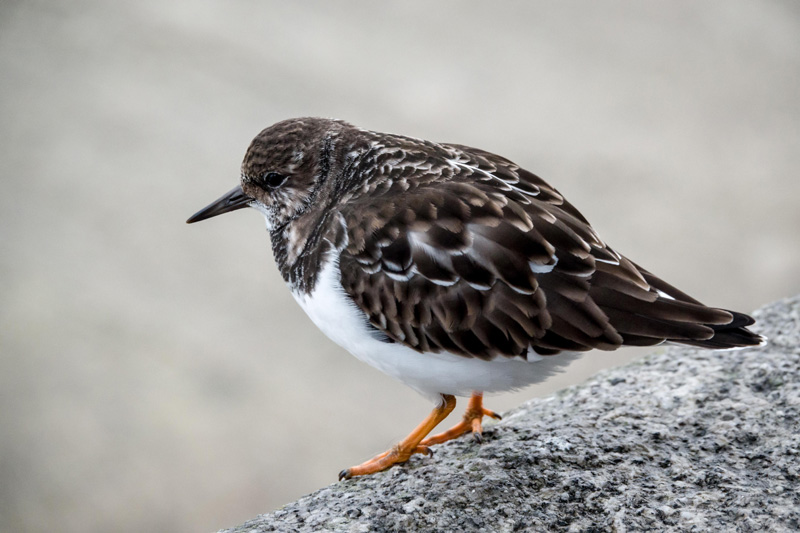
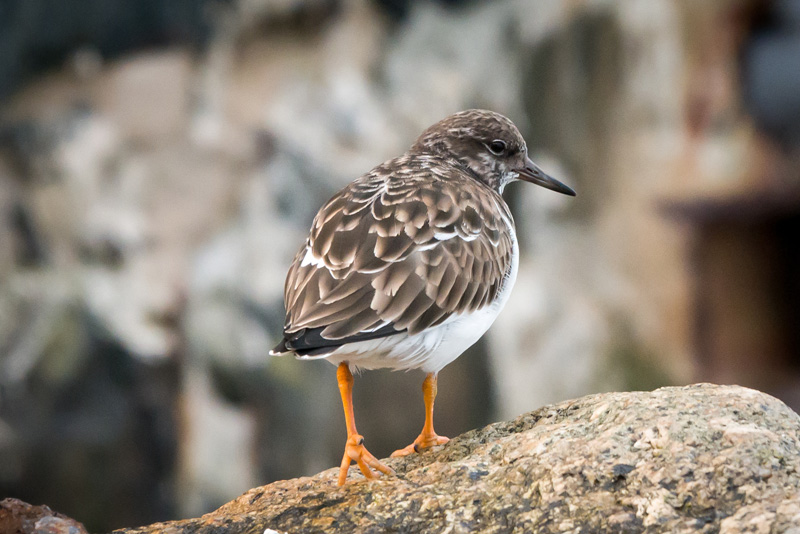 Turnstone
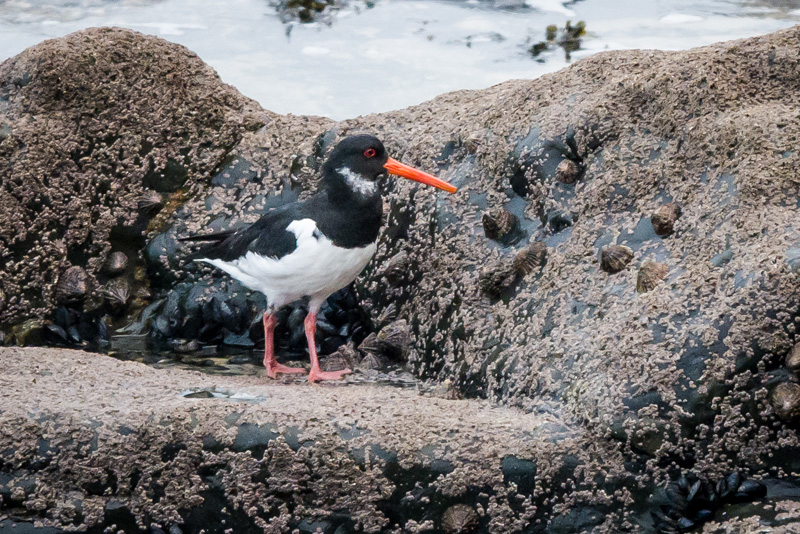 Oystercatcher
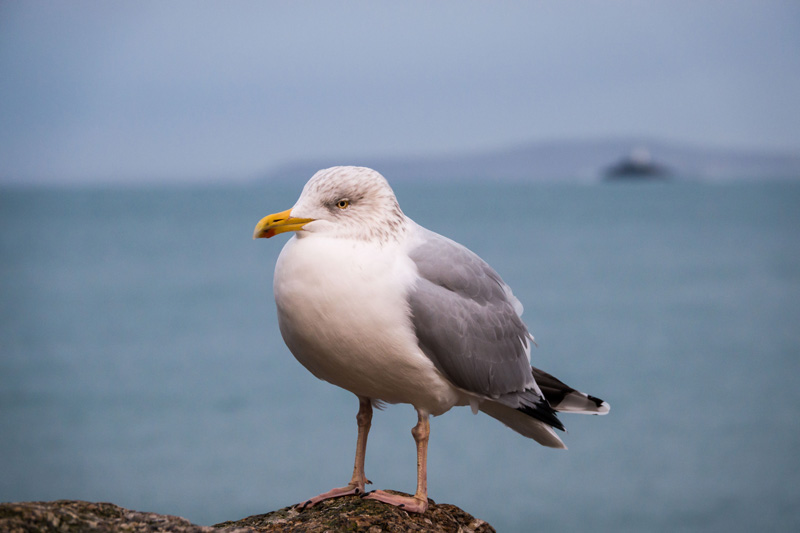 Herring gull