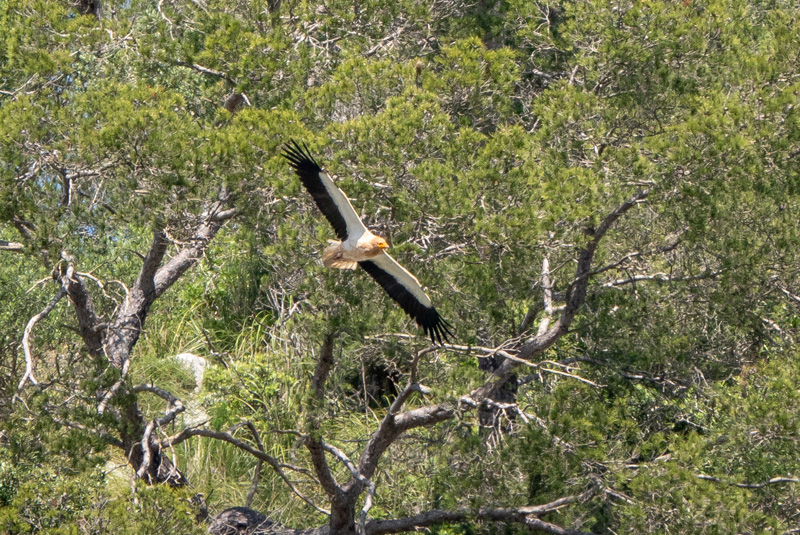
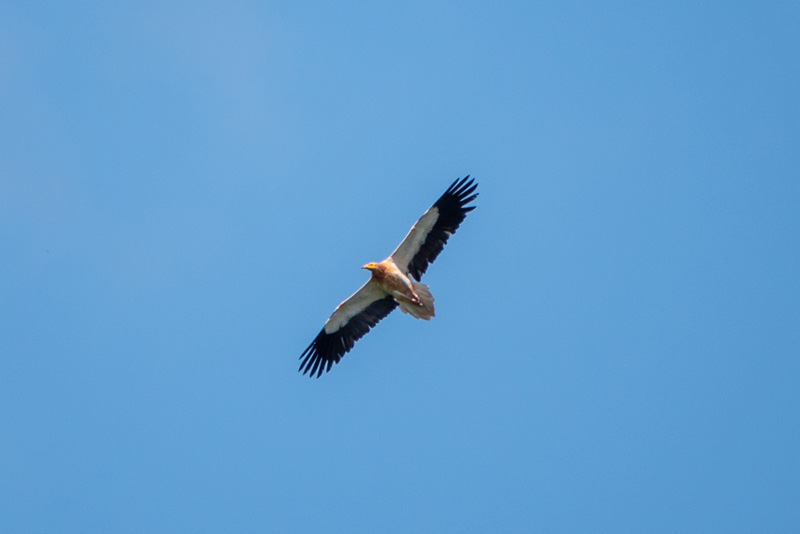
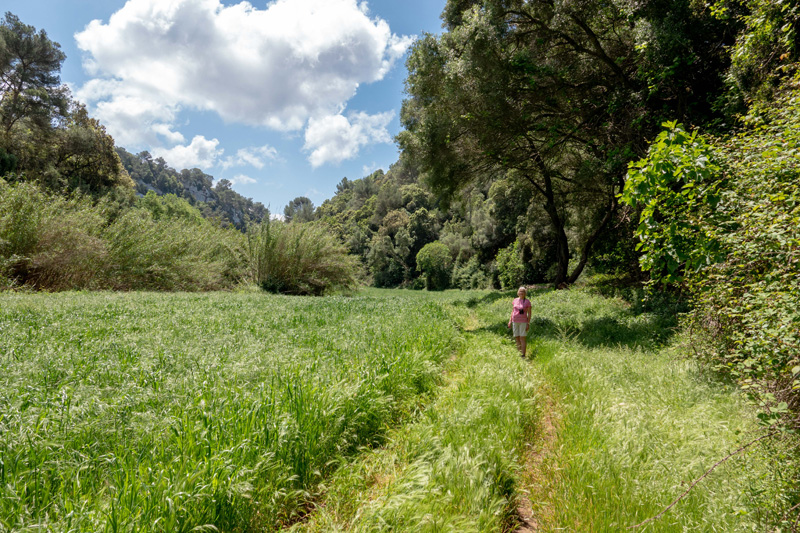
Menorca has the only resident population of Egyptian vultures in Europe (around 100 pairs) and so it would have been disappointing not to see them. We walked along the gorge from Santa Galdana on the south coast with wild flowers adorning the route to a backdrop of dramatic limestone cliffs and birdsong all around. We had sightings of booted eagle and black kites on our way and were well rewarded with good views of Egyptian vultures at the end of the gorge.
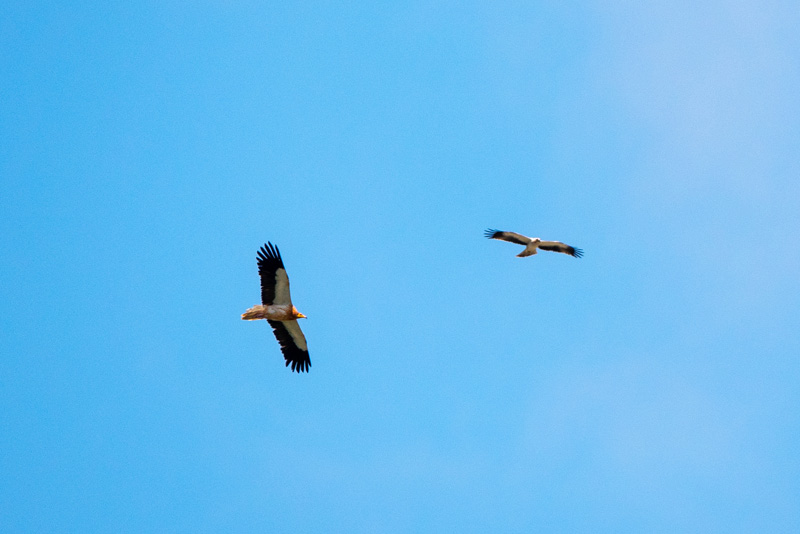
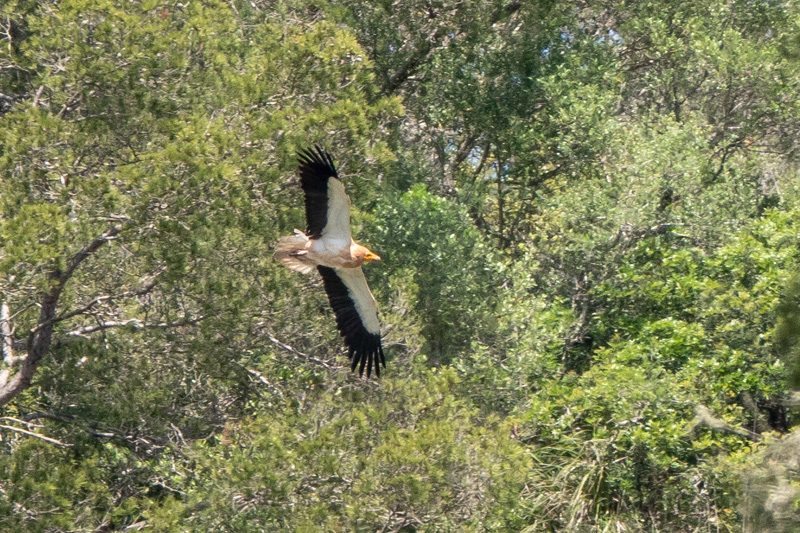
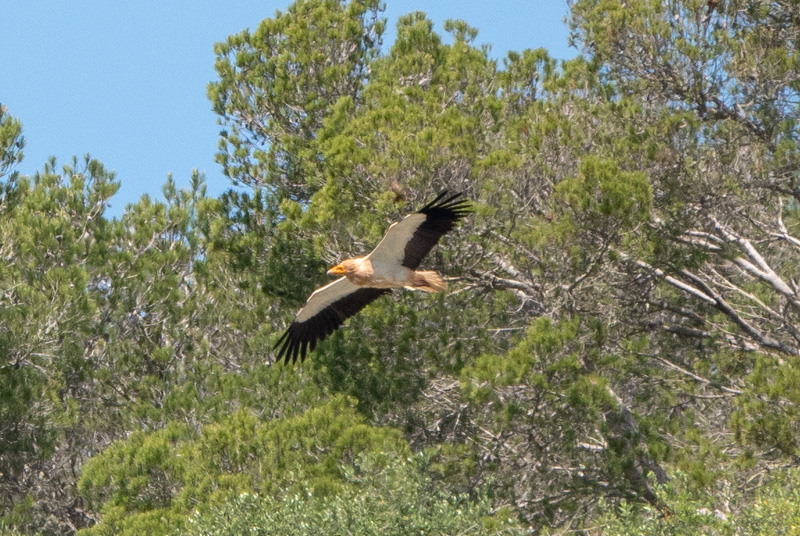
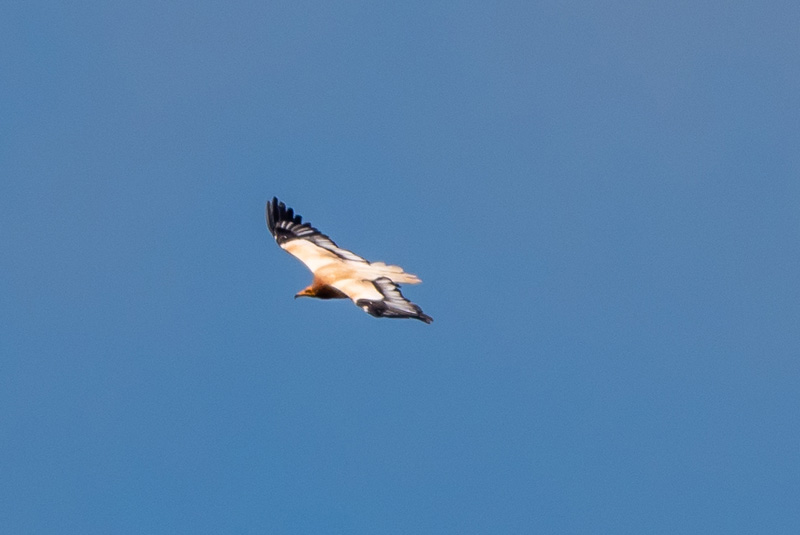
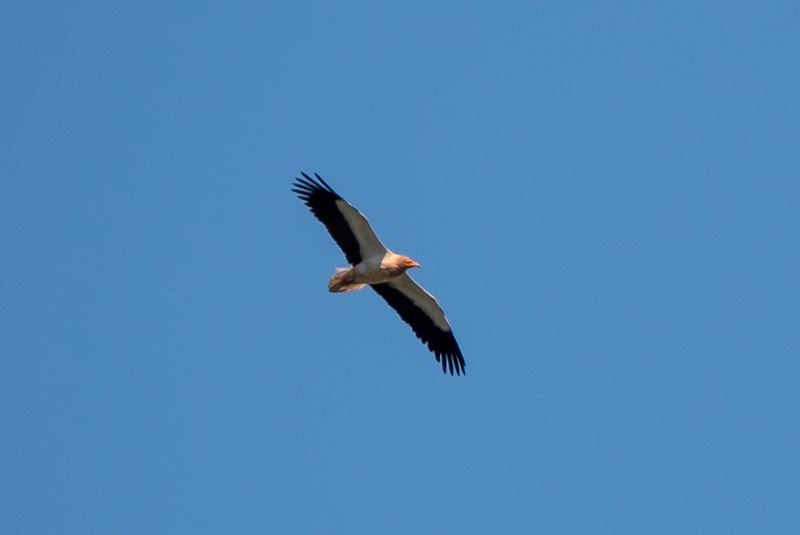 Egyptian vultures
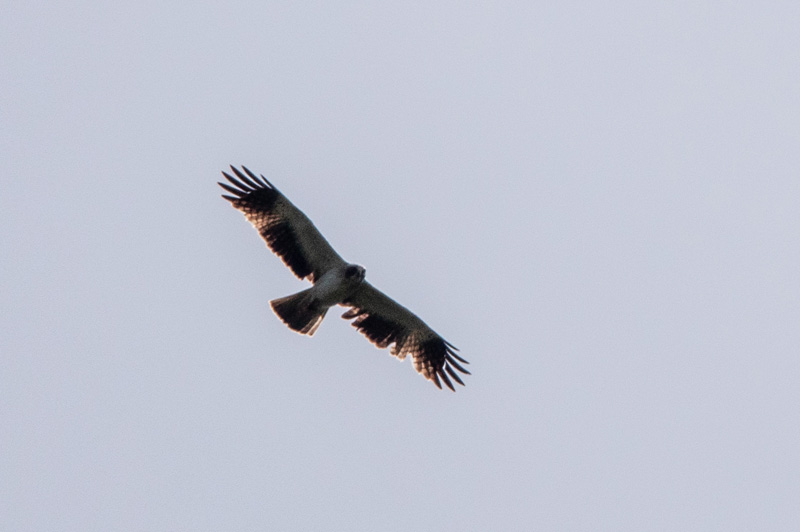 Booted eagle
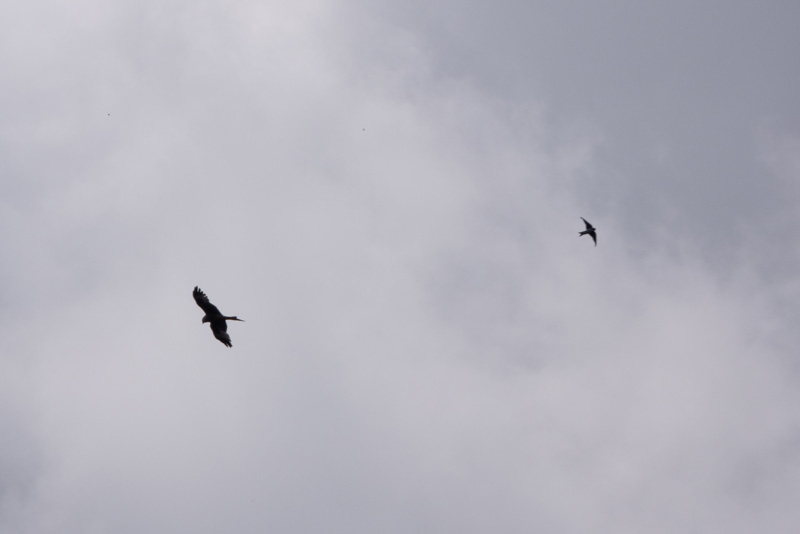
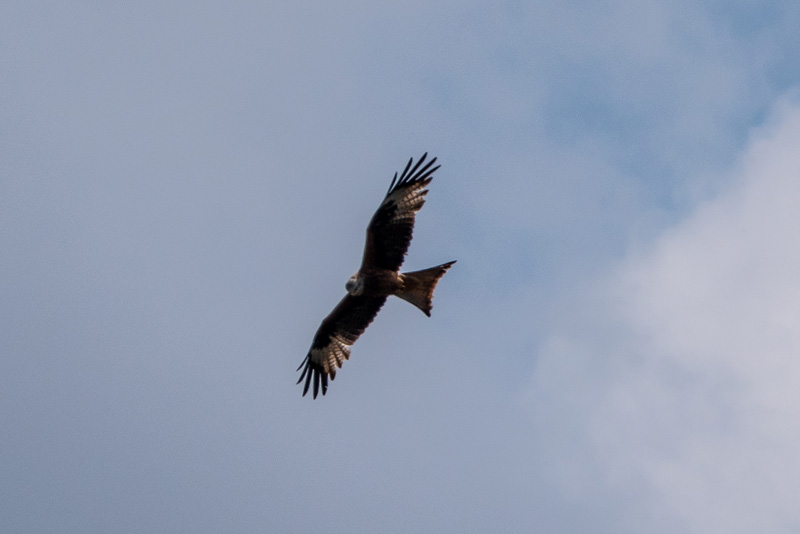 Black kite
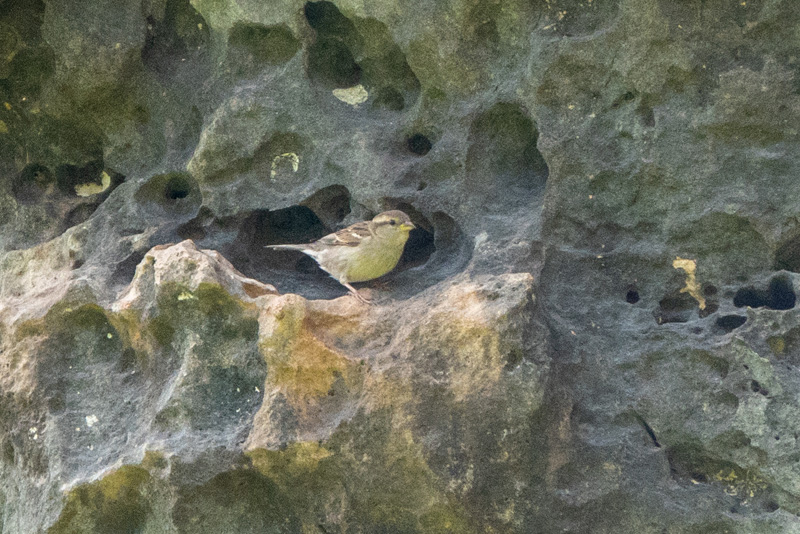
On the return journey we also saw a kestrel, more views of booted eagles and kites and even a pair of little egrets. The most stunning aspect of this walk was the birdsong; we had no difficulty in recognising Cetti’s warbler but were grateful to some birders who pointed out nightingales and Siberian chiffchaff. The nightingales were everywhere and filled the valley with their birdsong. Not that we saw them; most of the small birds were quite elusive except for house sparrows nesting in the cliffs and spotted flycatchers.
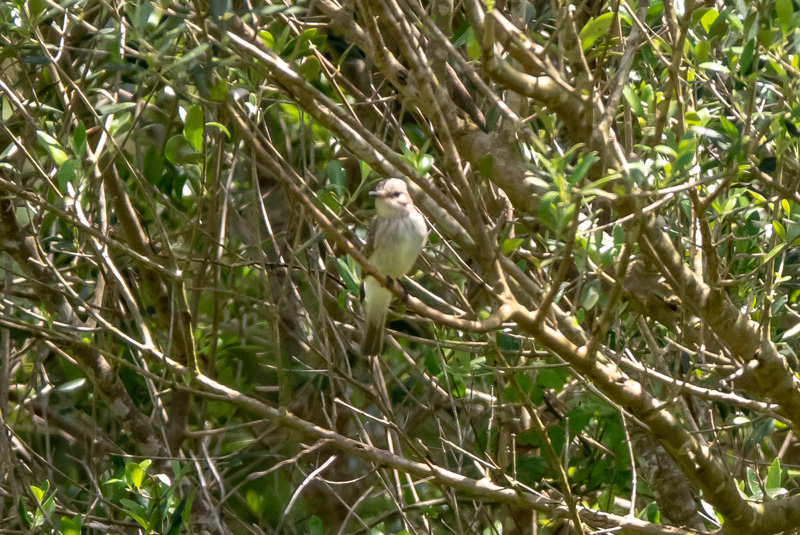
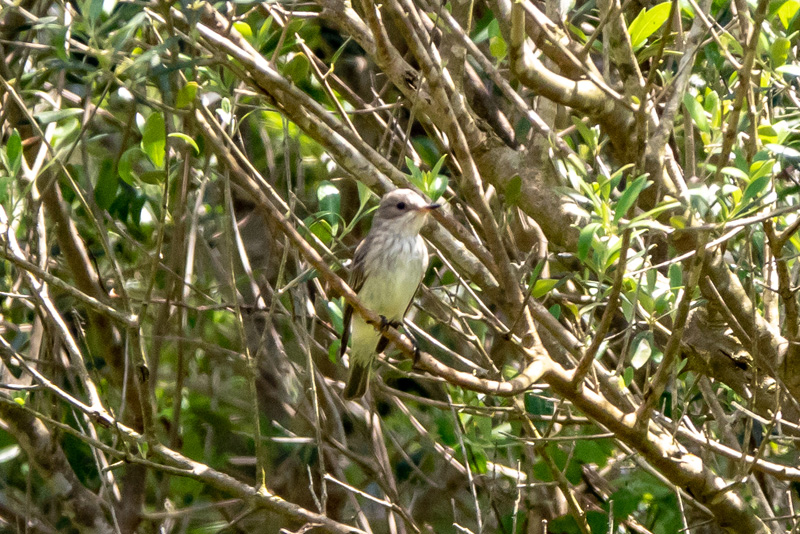 Spotted flycatcher
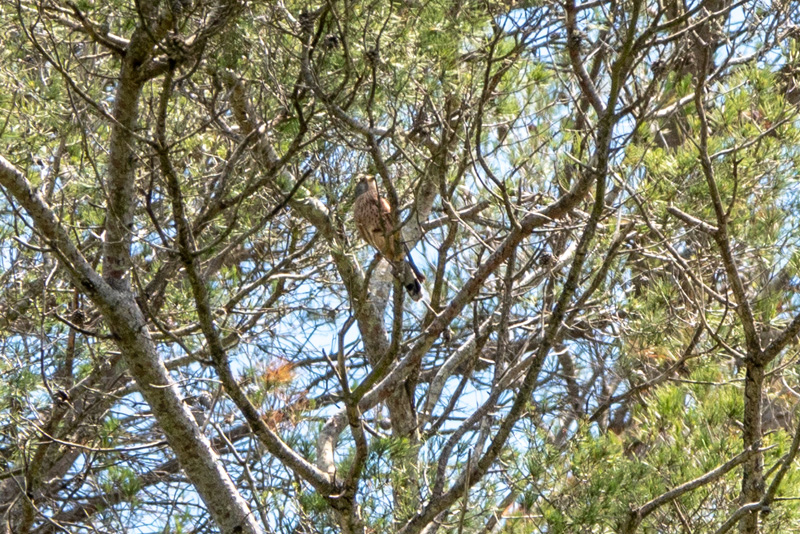
 Kestrel
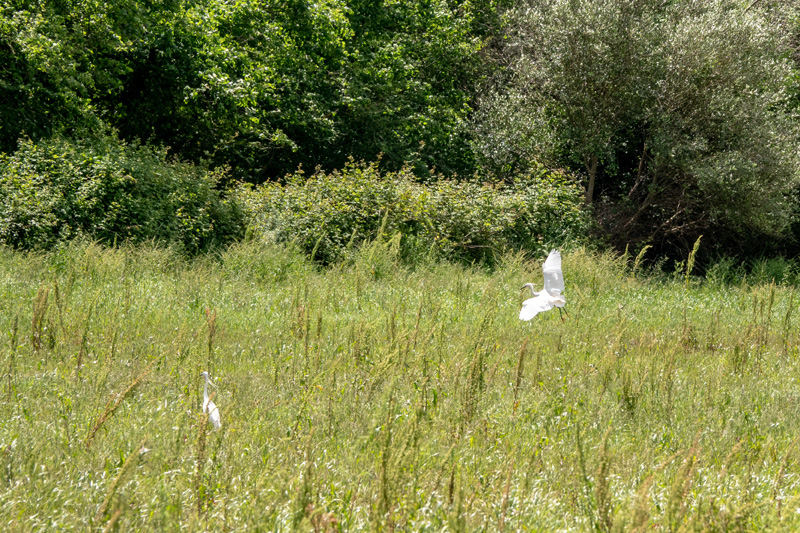 Little egret
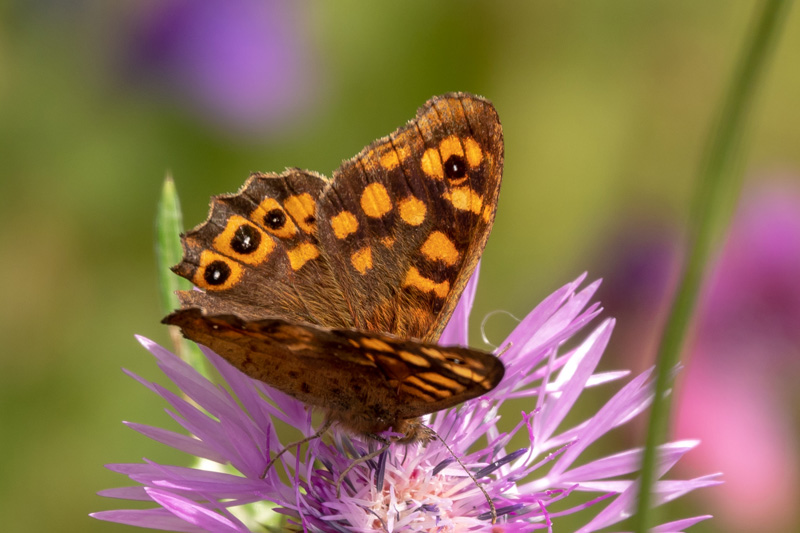
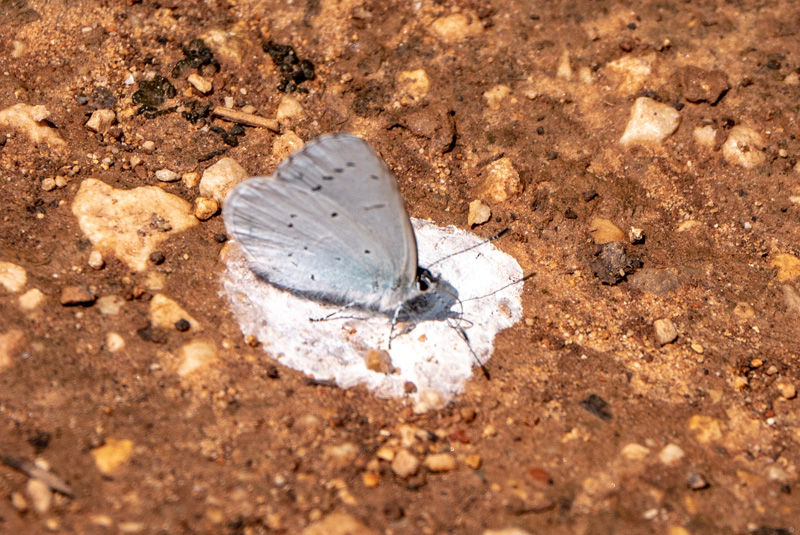
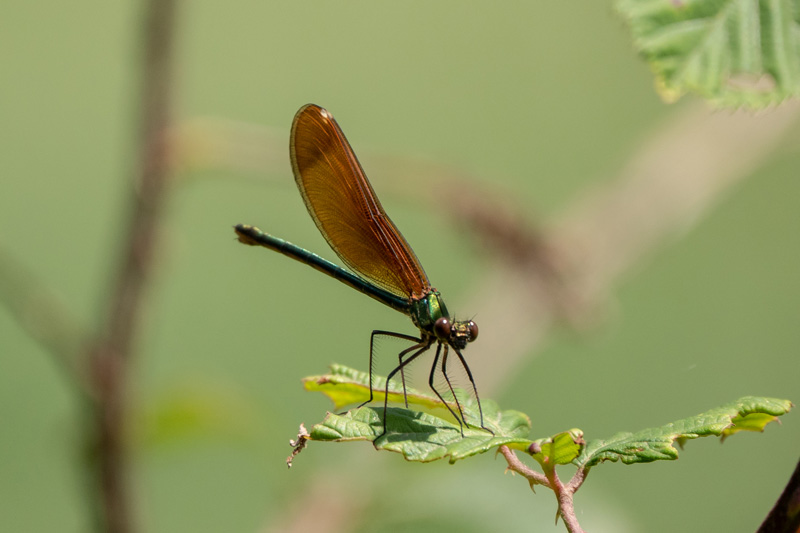
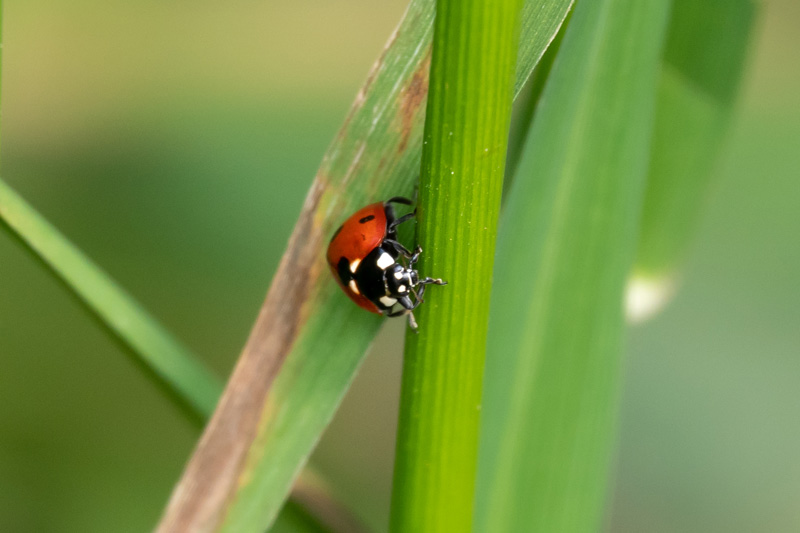
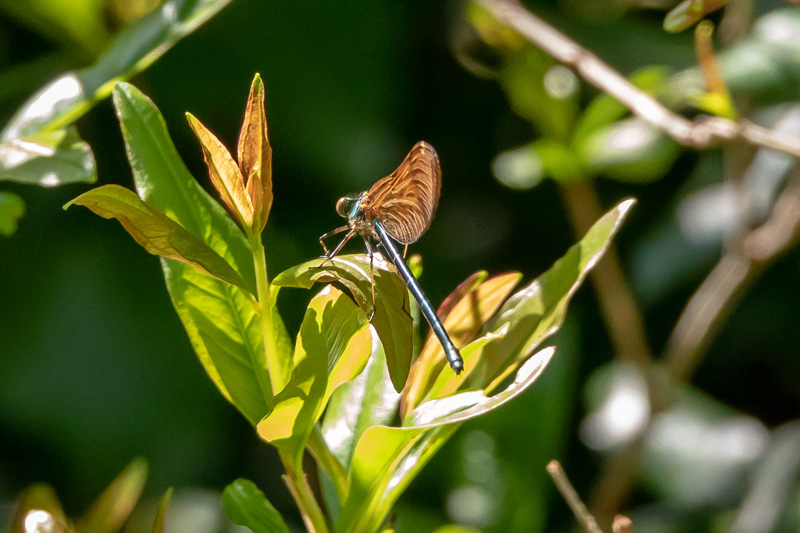
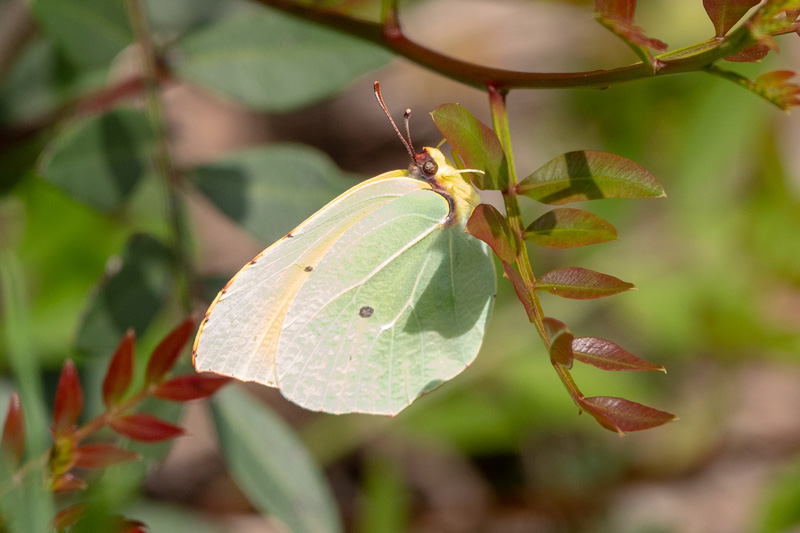
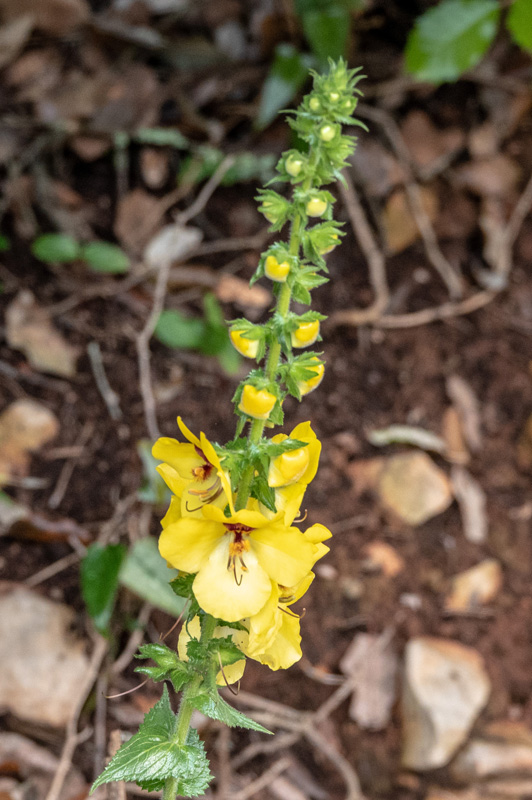
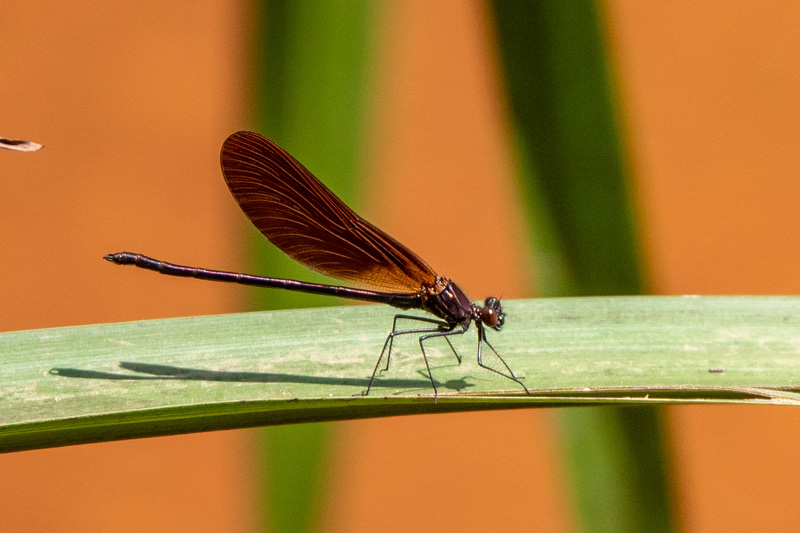
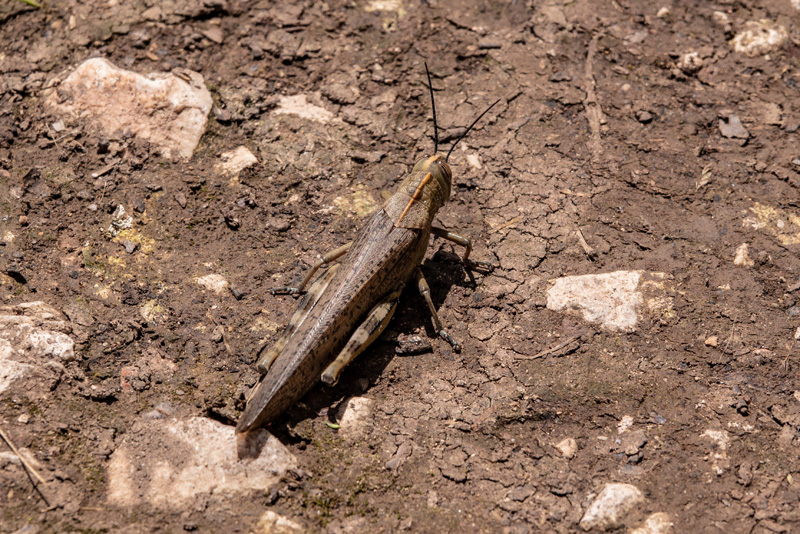
There has been a lot of rain in Menorca recently and the meadows are quite lush and the wildflowers amazing. We regularly saw three types of butterfly (wall, brimstone and a blue one), dragonflies, and an amazing grasshopper the size of a locust.
 Lush meadows
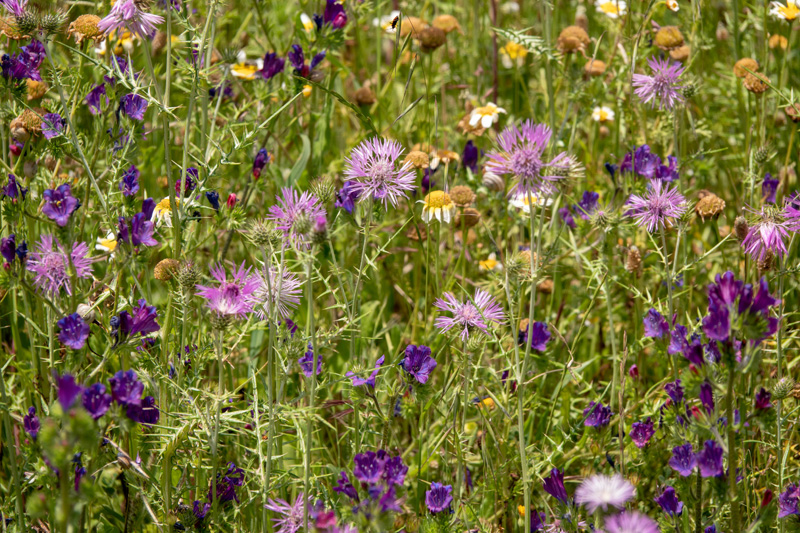

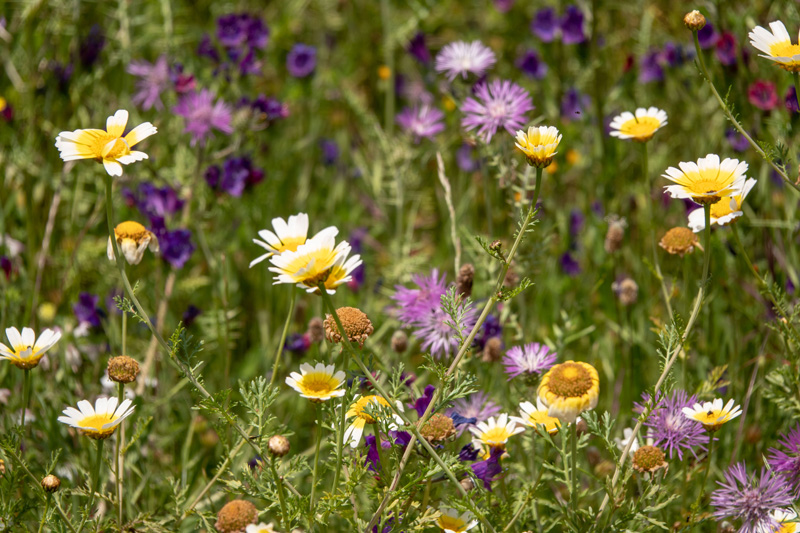
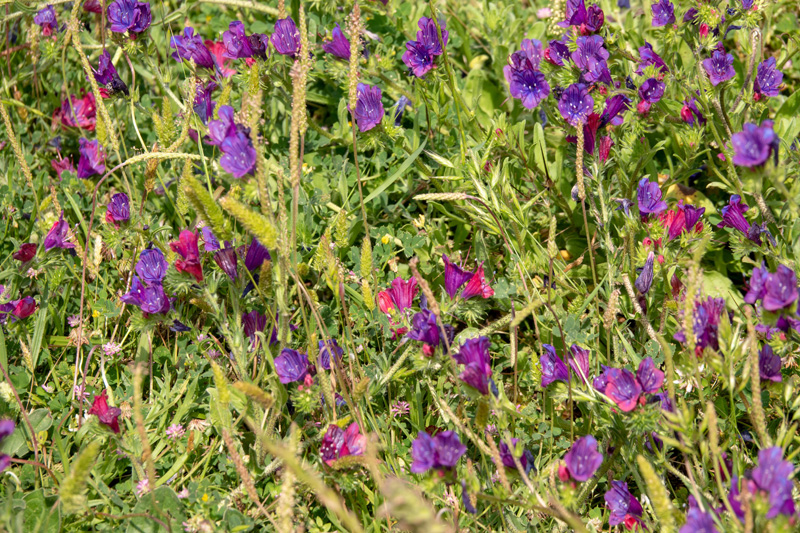 Amazing wildflowers


The end of the walk brought us right in to the resort of Cala Galdena on the long distance walk of Cami Cavalls part of which we had walked the previous day.
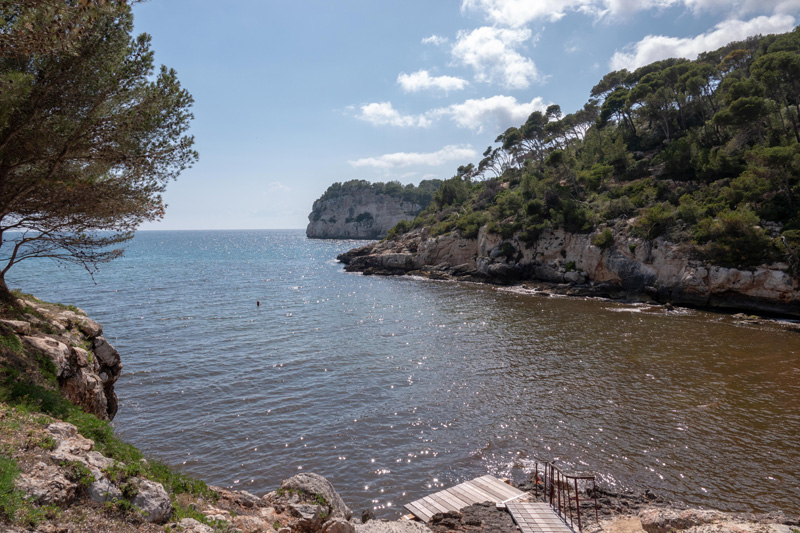 The Cami Cavalls (long distance footpath) follows the coast of Menorca.
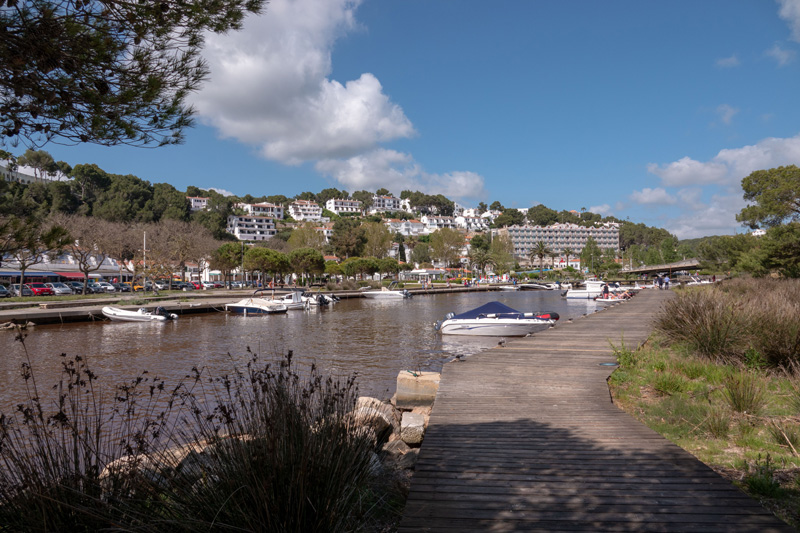 Cala Galdana
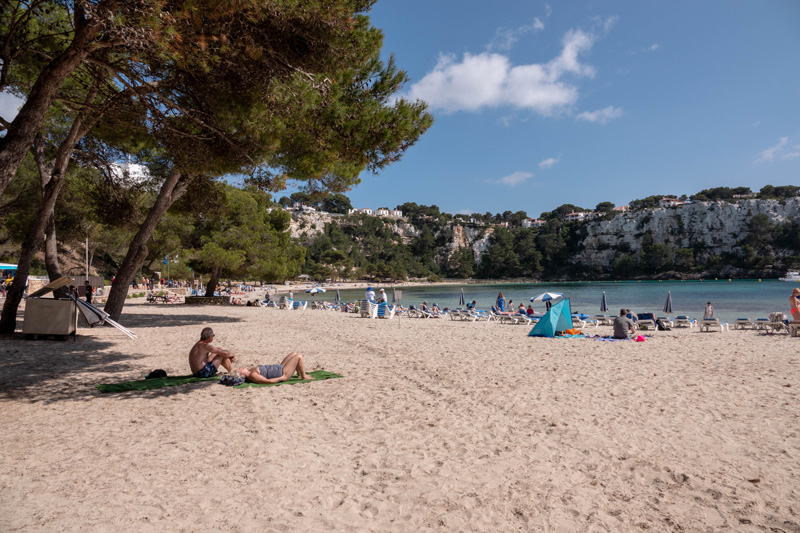 Cala Galdana
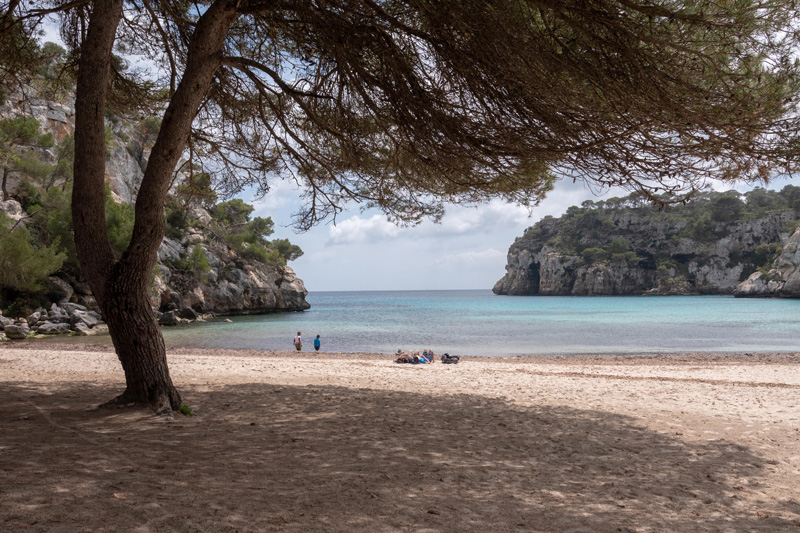
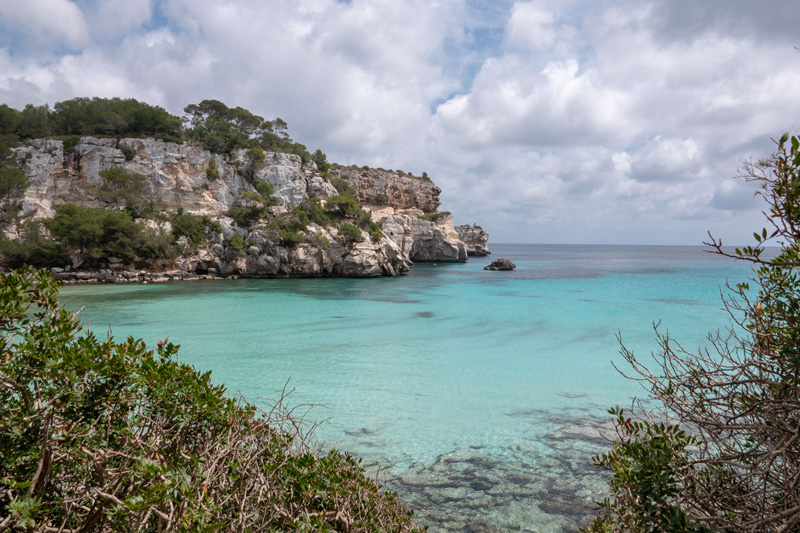
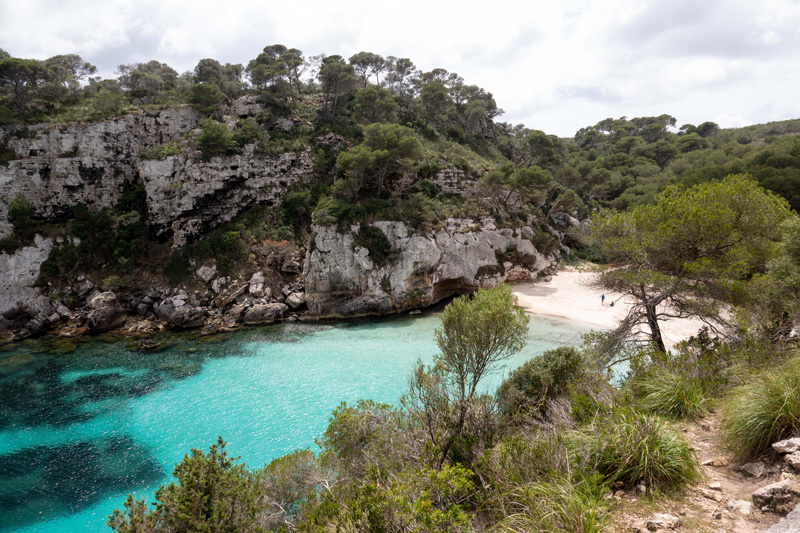
Views of Cala Macarella on the Cami Cavalls long distance route on Saturday 5th May













 Grey heron
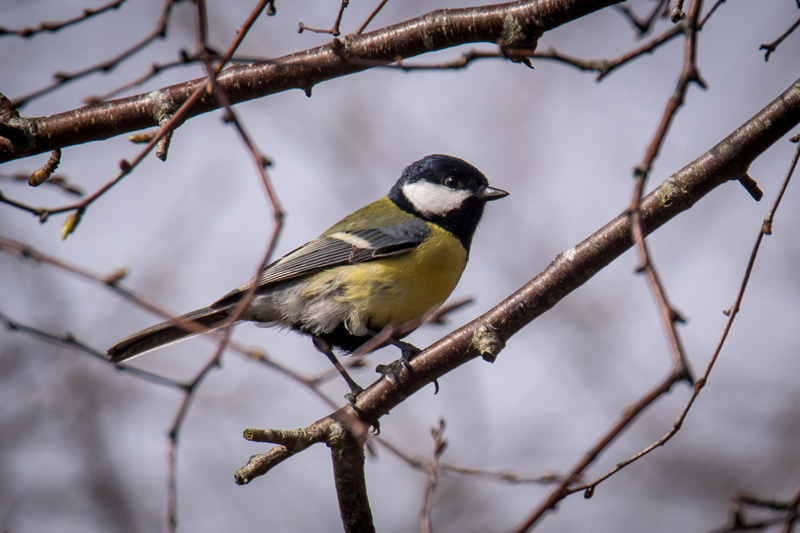
 Blue tit

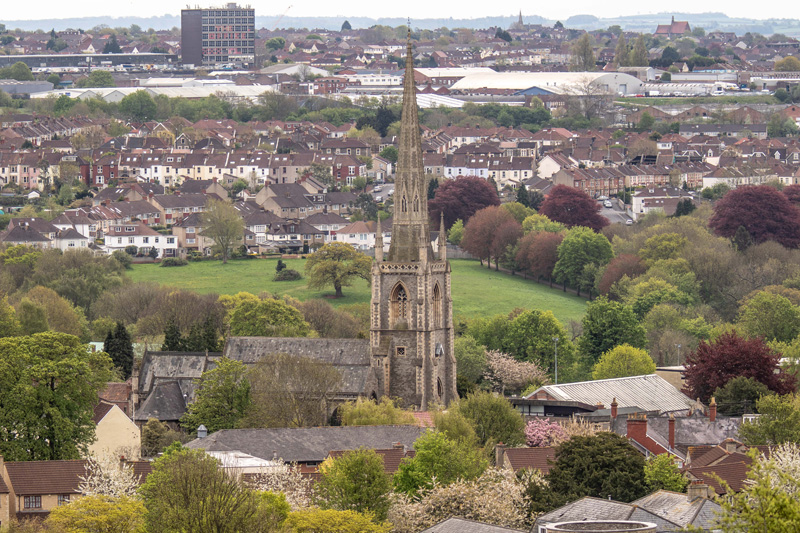 Holy Trinity Church, Stapleton where peregrines can be regularly seen
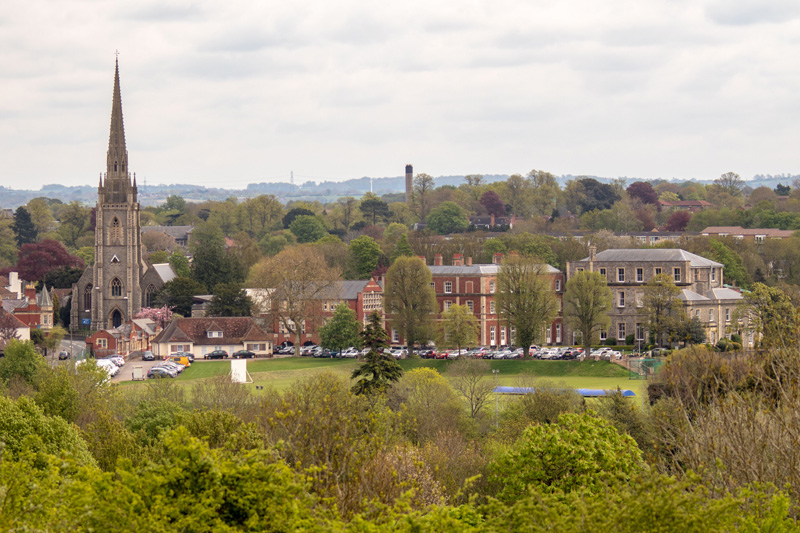 Colston’s School
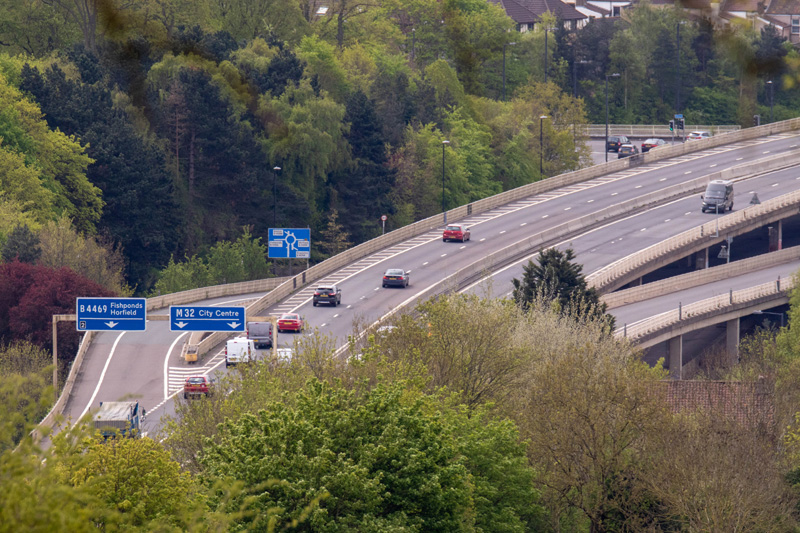 Most people were clearly at work by now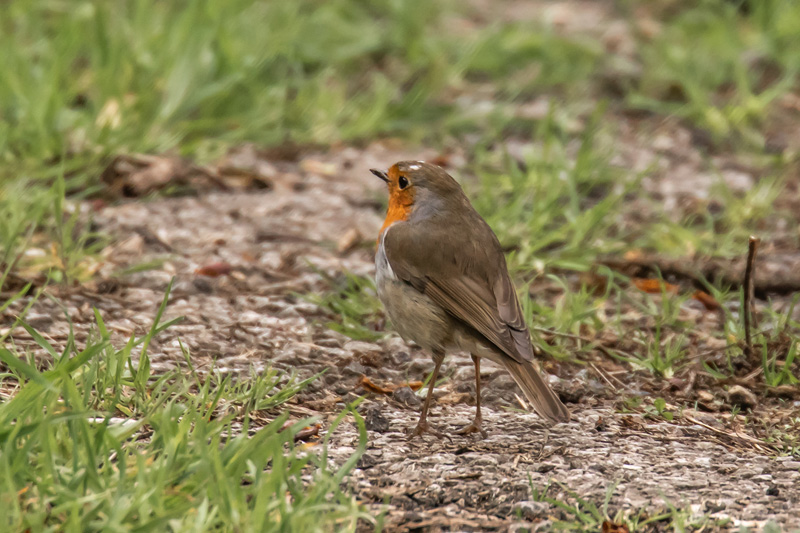
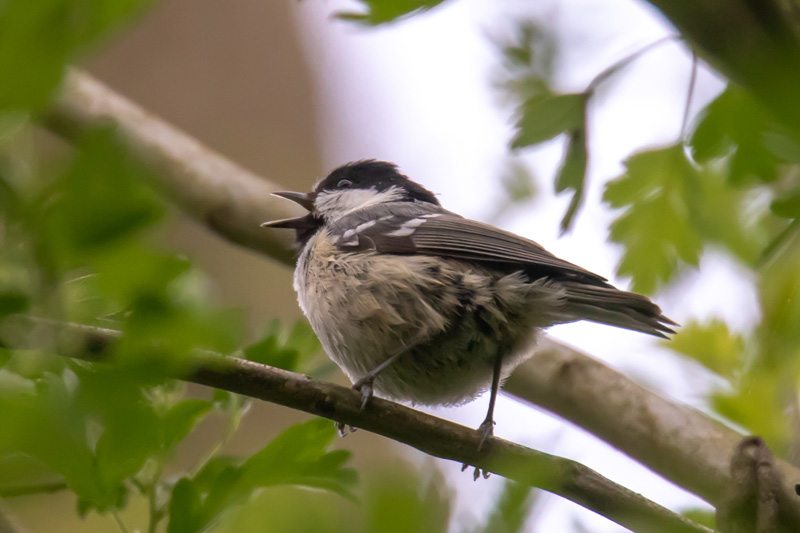

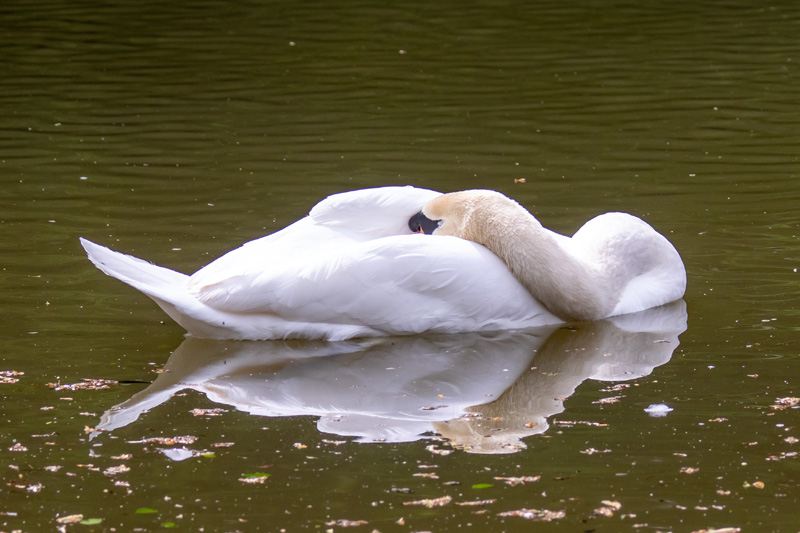
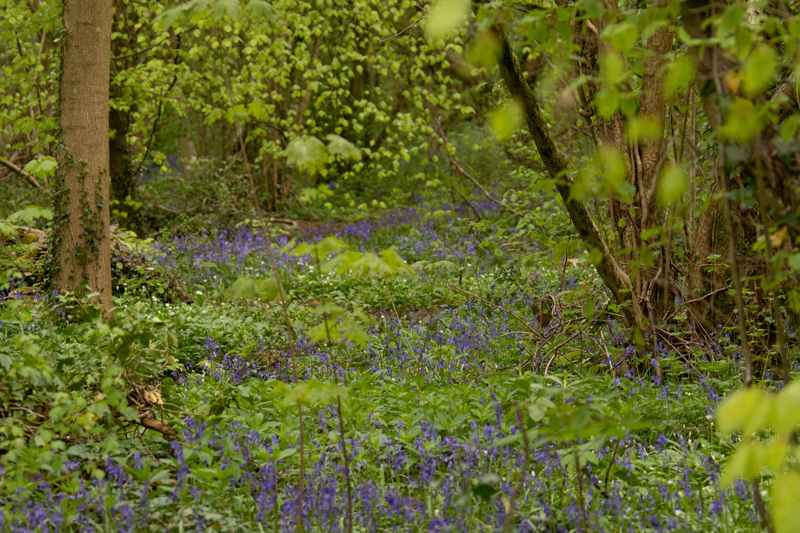
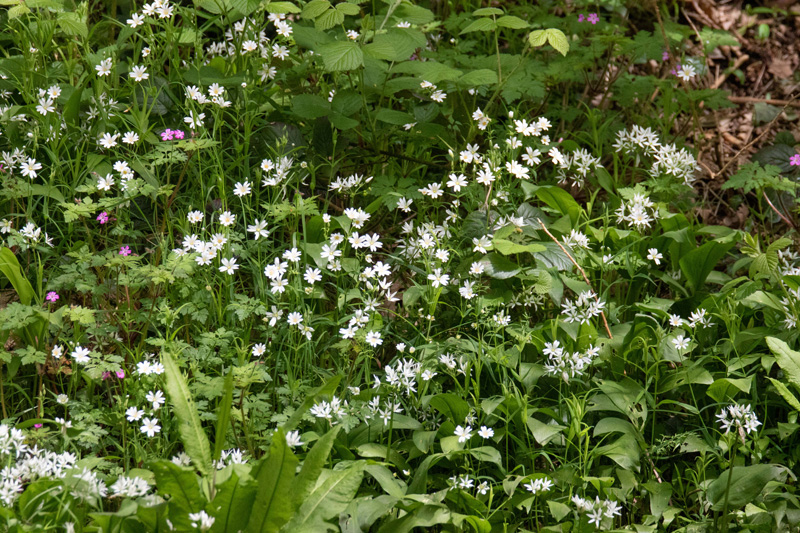


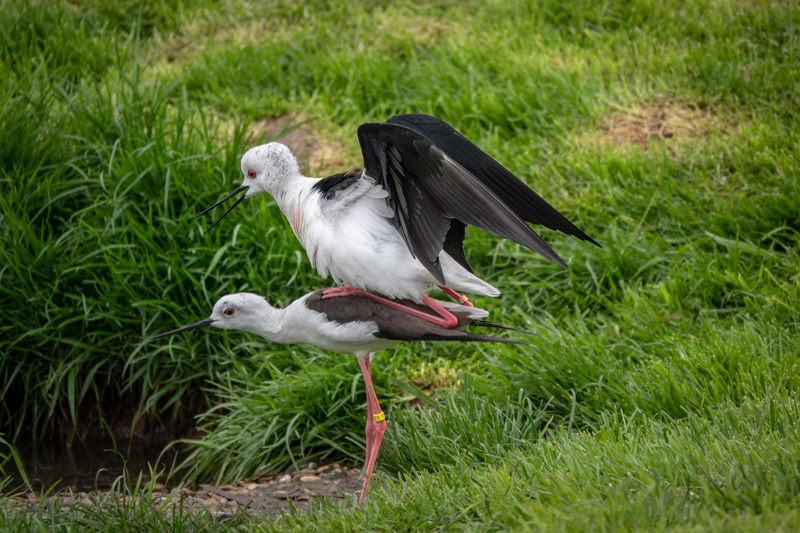
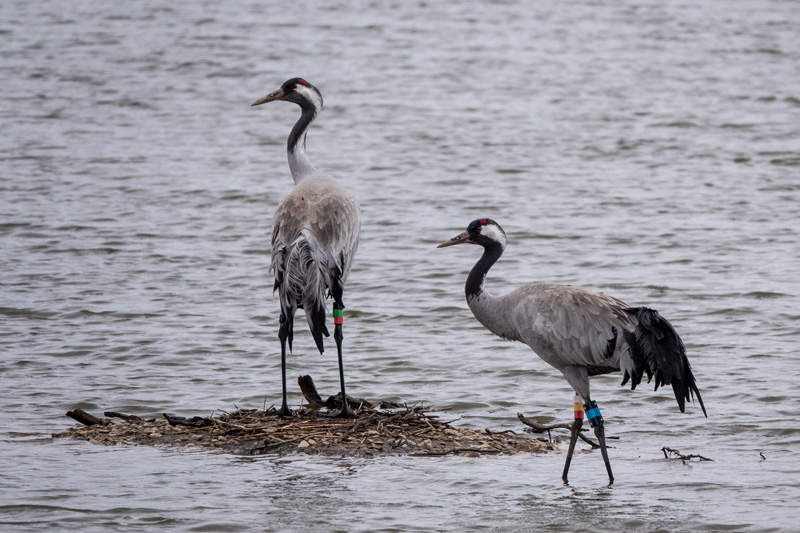
 Common crane

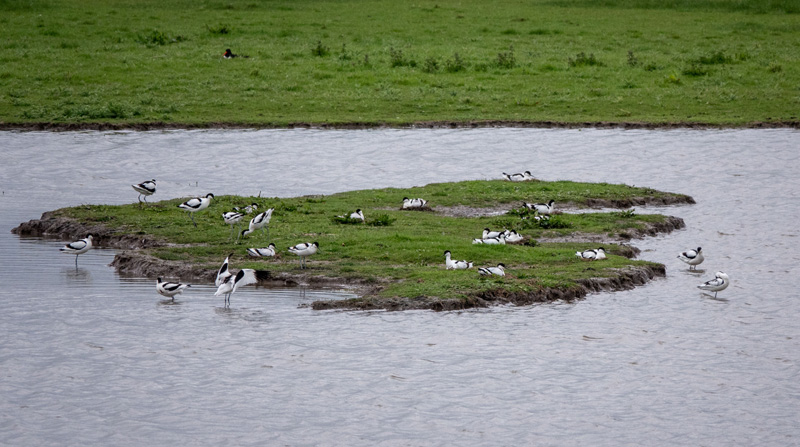 Avocets
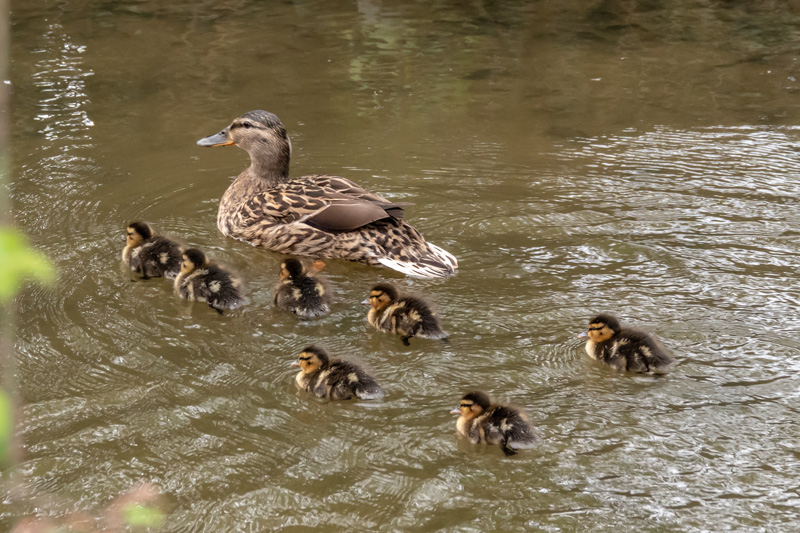 First ducklings of the year
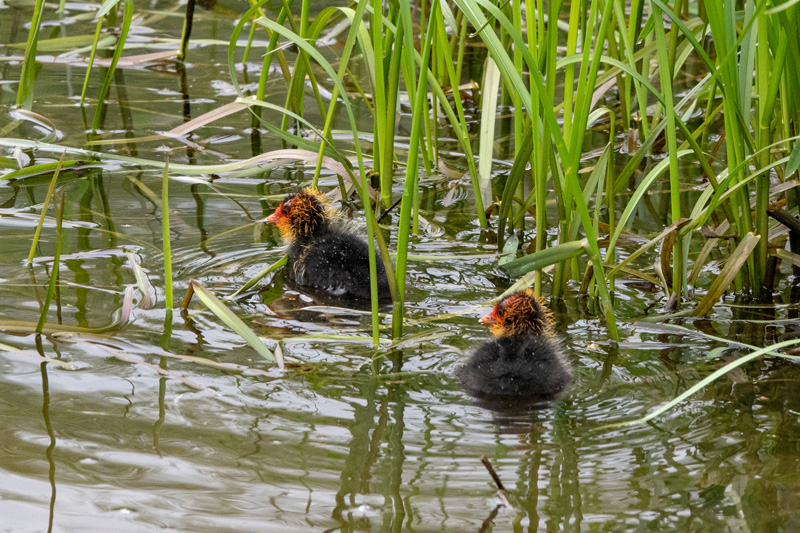 Coot chicks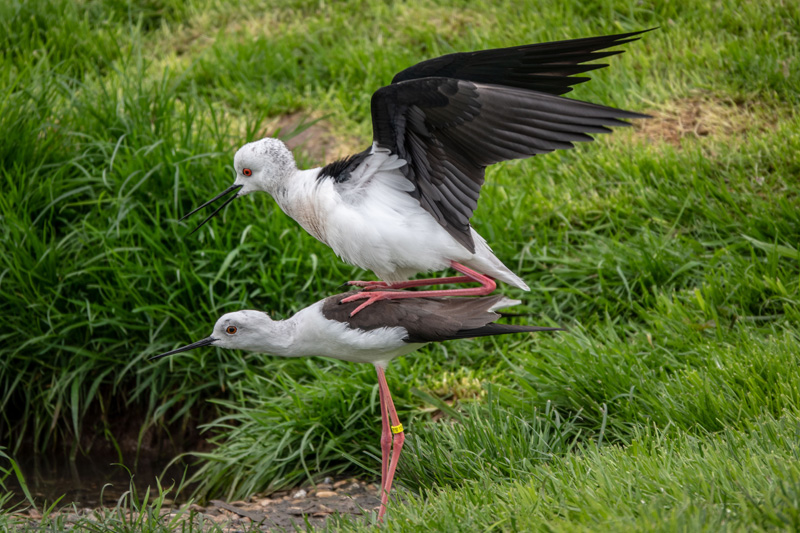
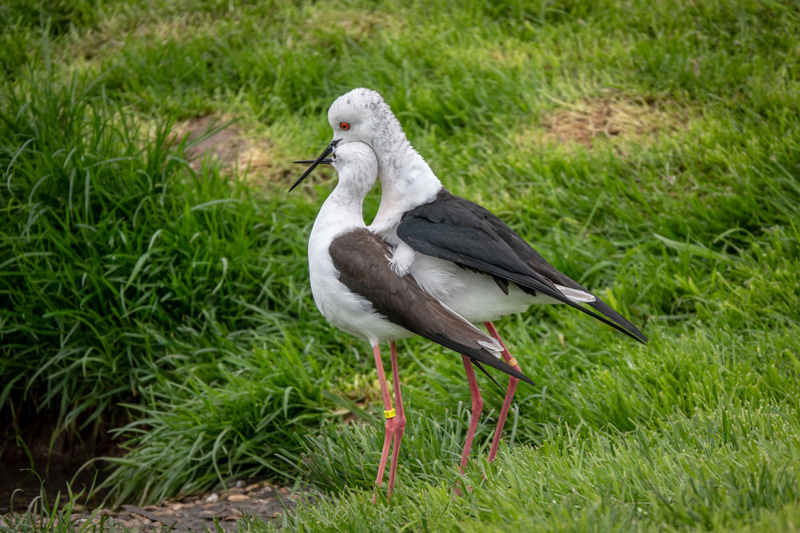
 Black-winged stilts
 Redshank
 Knot
Knot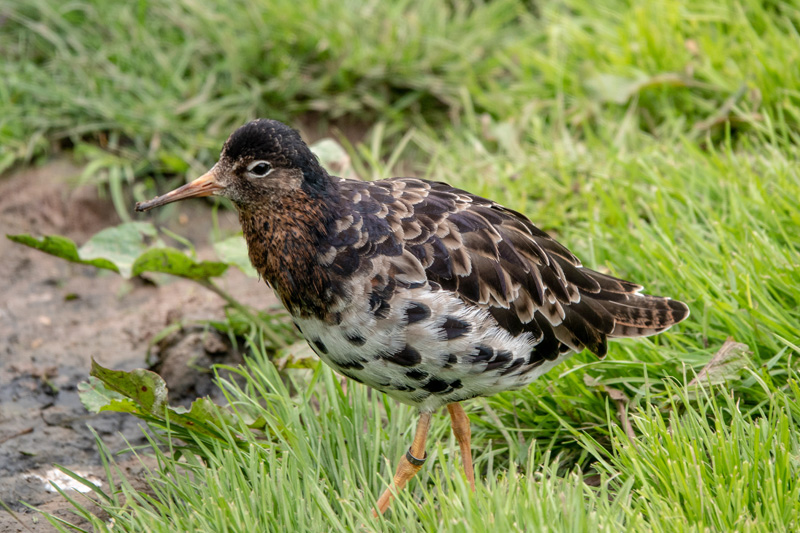 Knot
Knot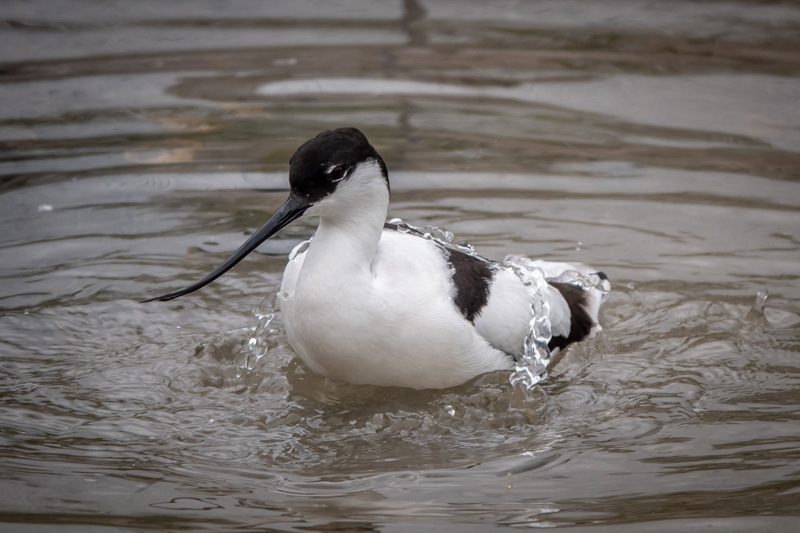 Great close-up views of waders: redshank, knot and avocets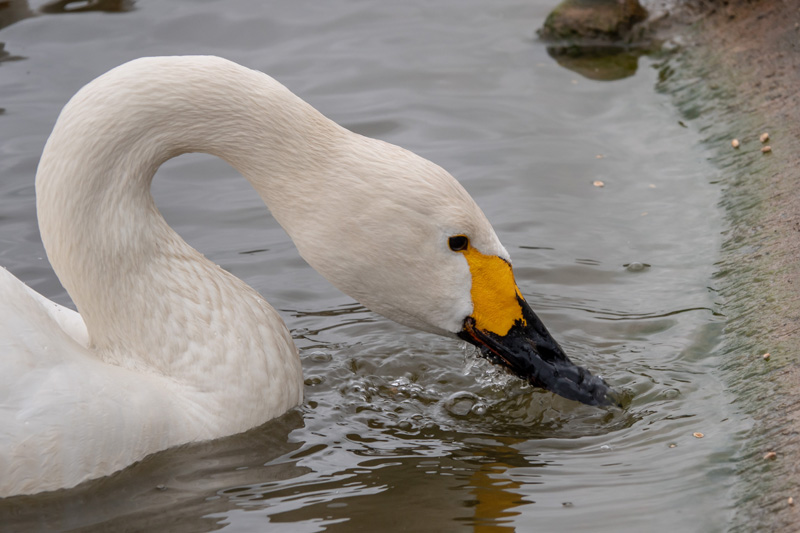
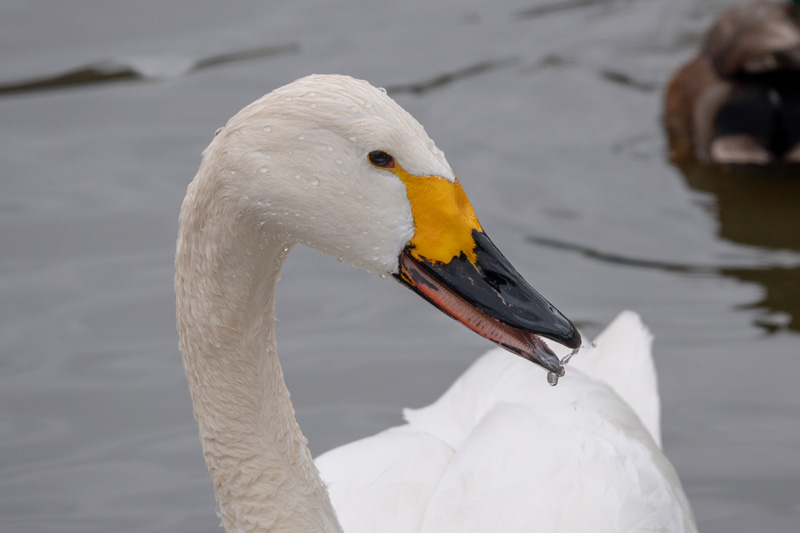
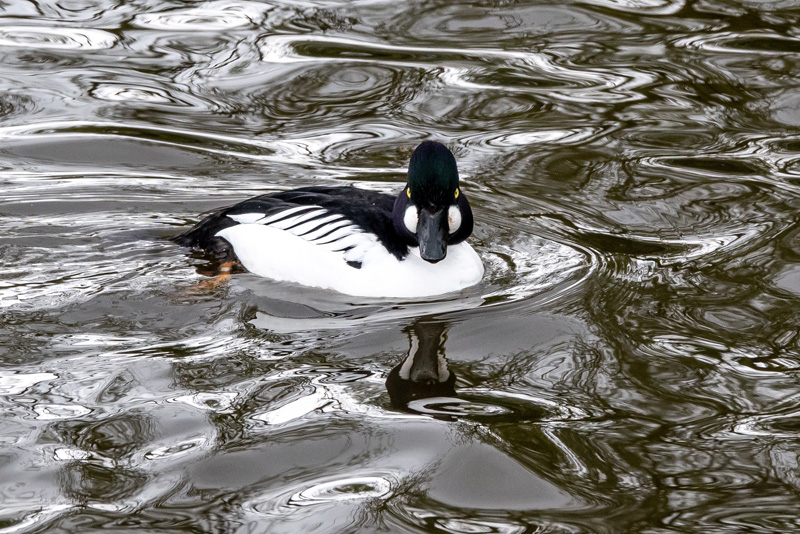 Goldeneye
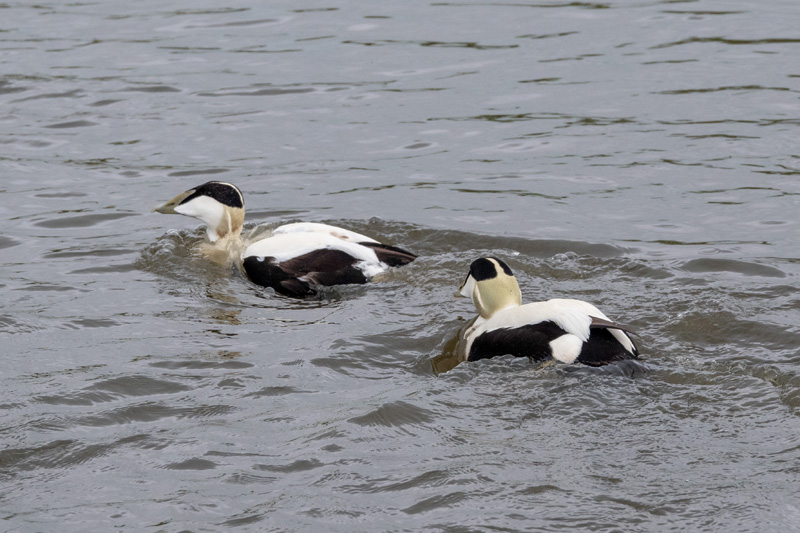 Eider
Eider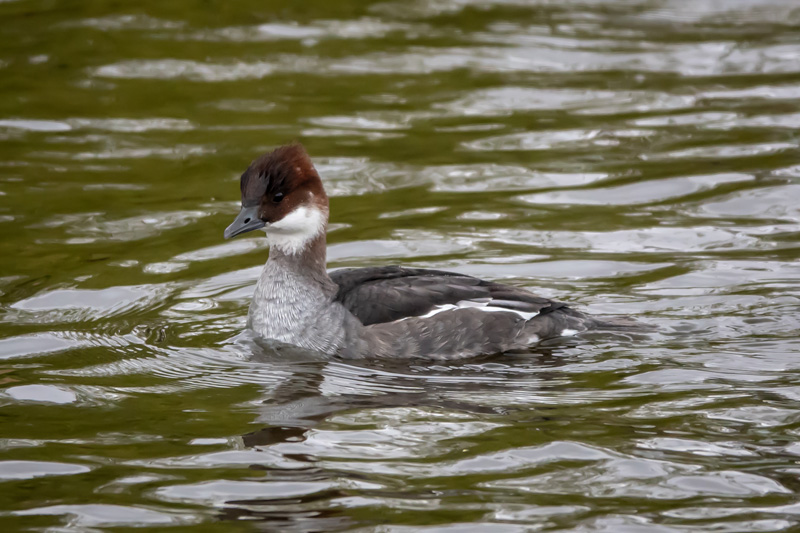 Female smew
 Male smew
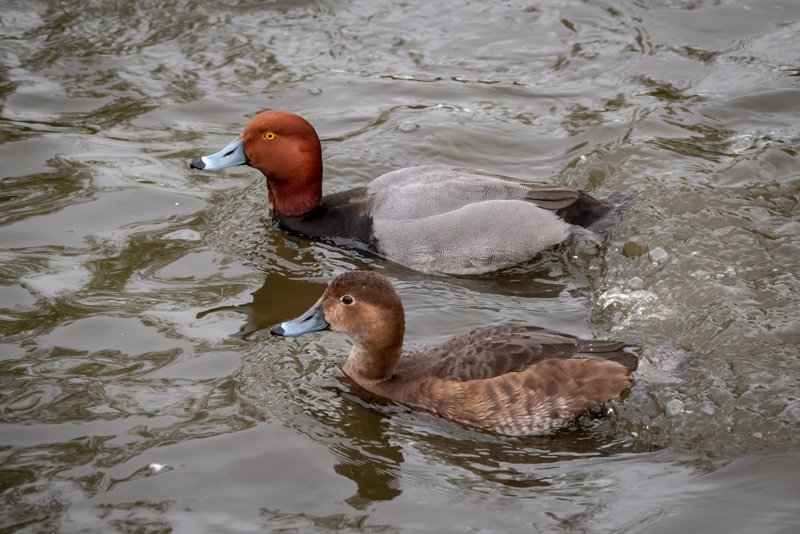 Pochard


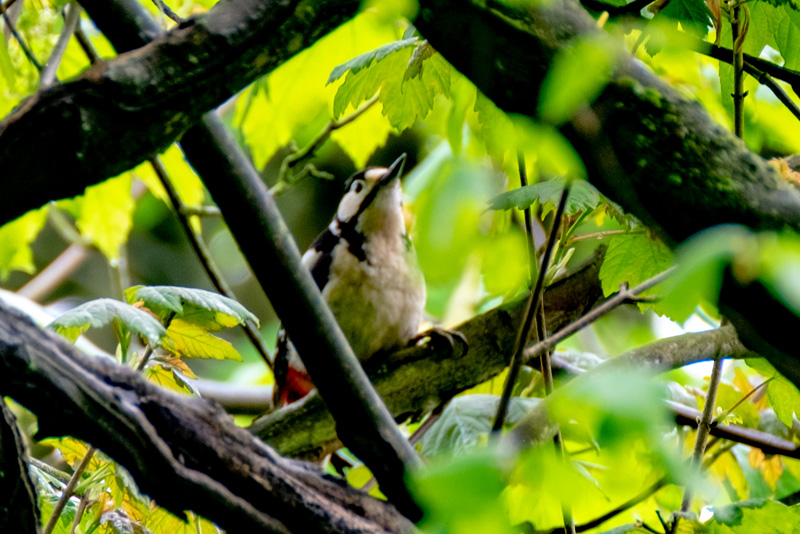
 Song thrush calling


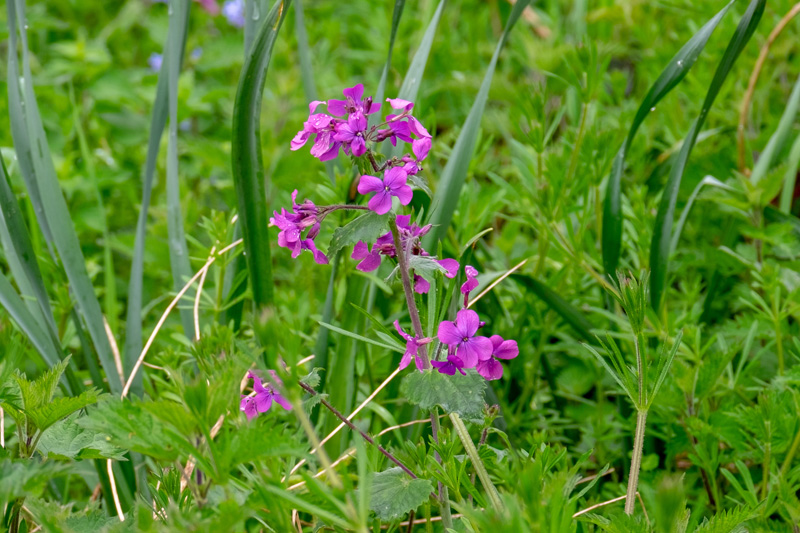 I’m not sure about this plant but could be habernia peramoena.
 There were also lots of these (anemones I think) in the bluebell woods but difficult to tell as they had their heads down due to the rain.


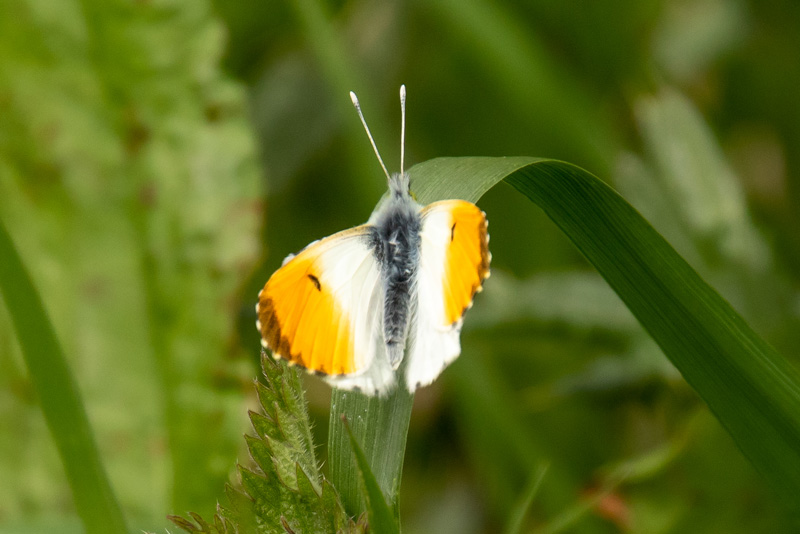 Male orange-tip
 Peacock butterfly
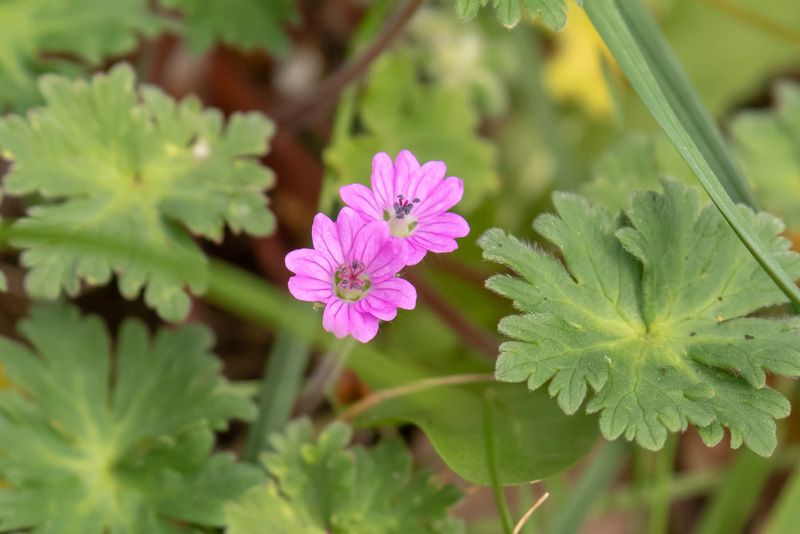 Geranium molle, the Dove’s-foot Crane’s-bill or Dovesfoot Geranium
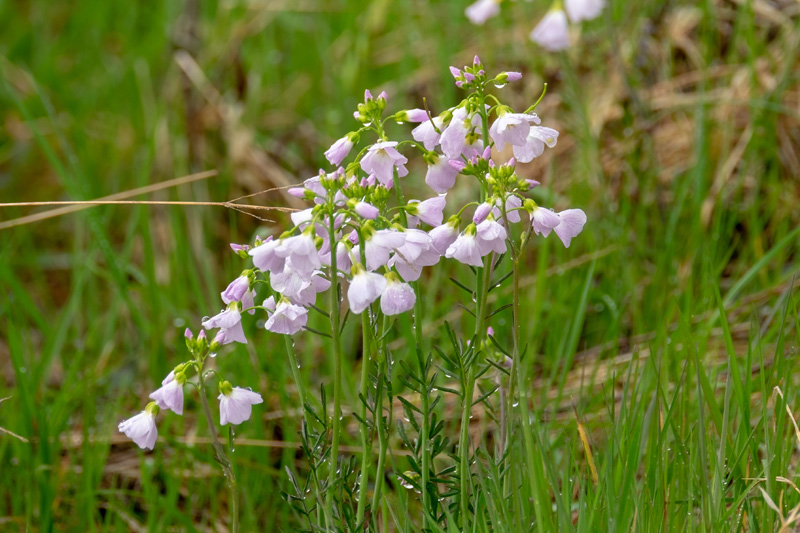
 Cardamine pratensis (cuckooflower, lady’s smock or milkmaids)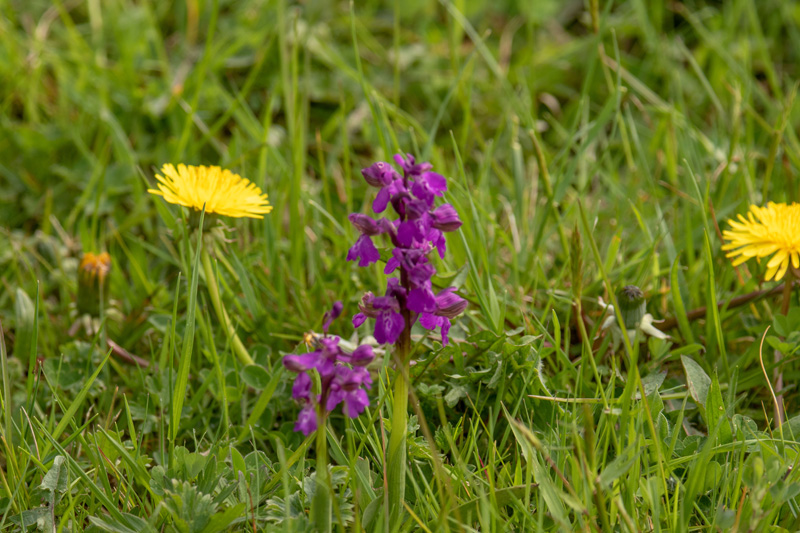
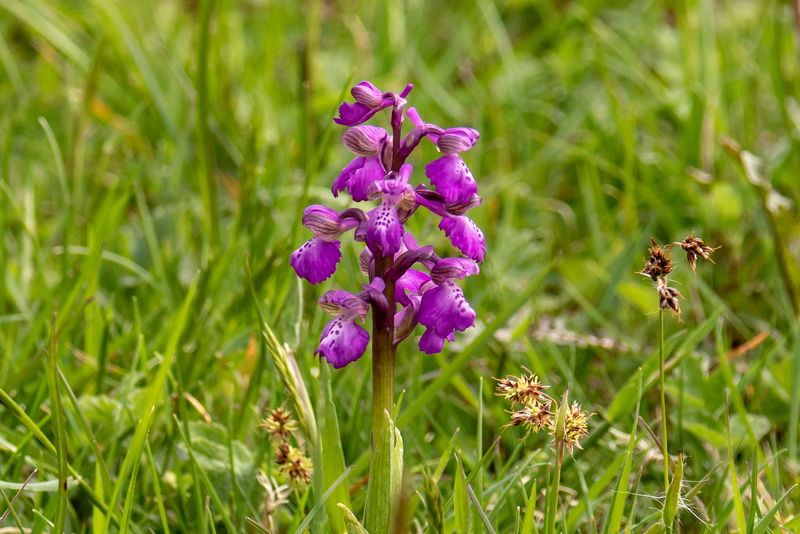
 Anacamptis morio, the green-winged orchid or green-veined orchid
 Bluebells (hyacinthoides non-scripta)
 Great crested grebe
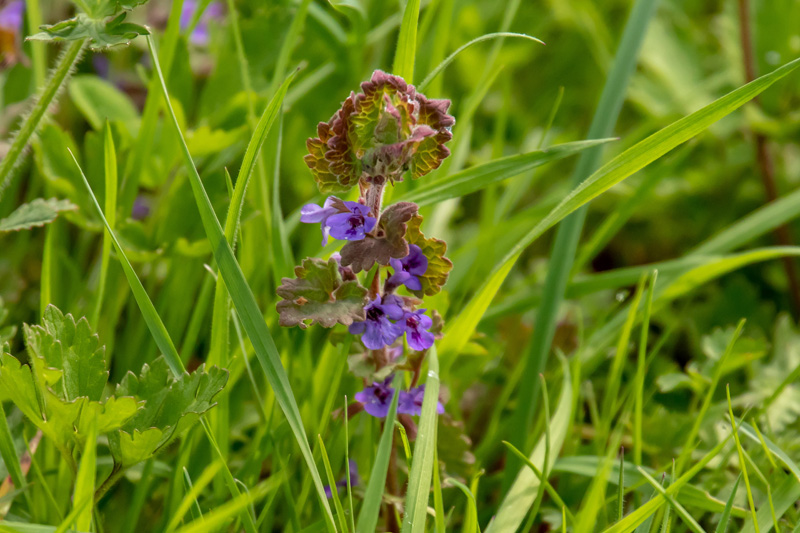 Prunella vulgaris (known as common self-heal, heal-all, woundwort, heart-of-the-earth, carpenter’s herb, brownwort and blue curls)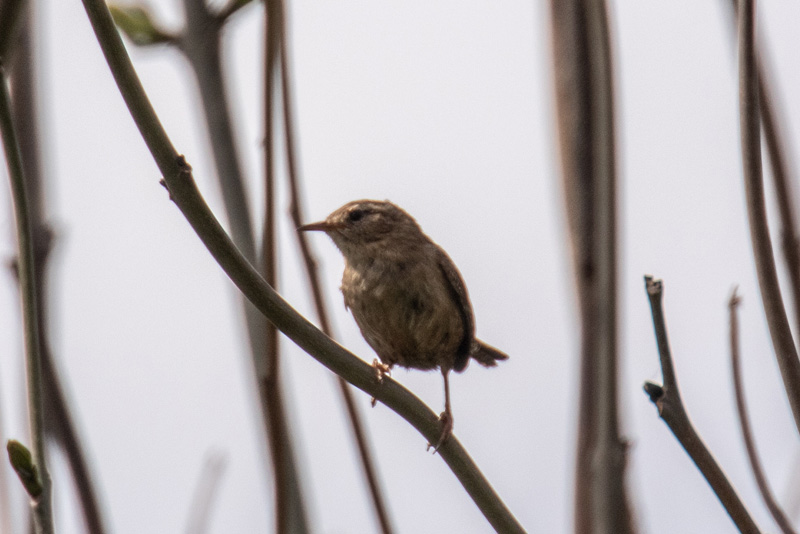
 Barnacle goose
 Primula veris (cowslip, common cowslip, cowslip primrose). In French it is commonly known as cuckoo.
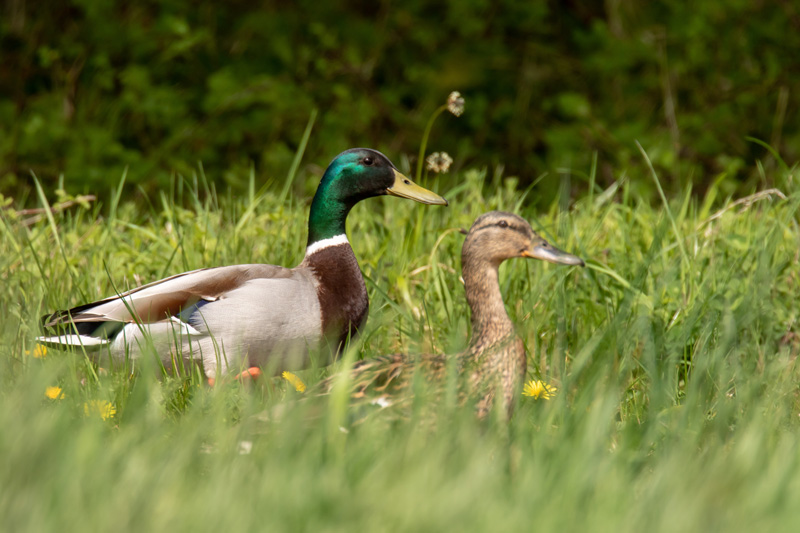 Mallards
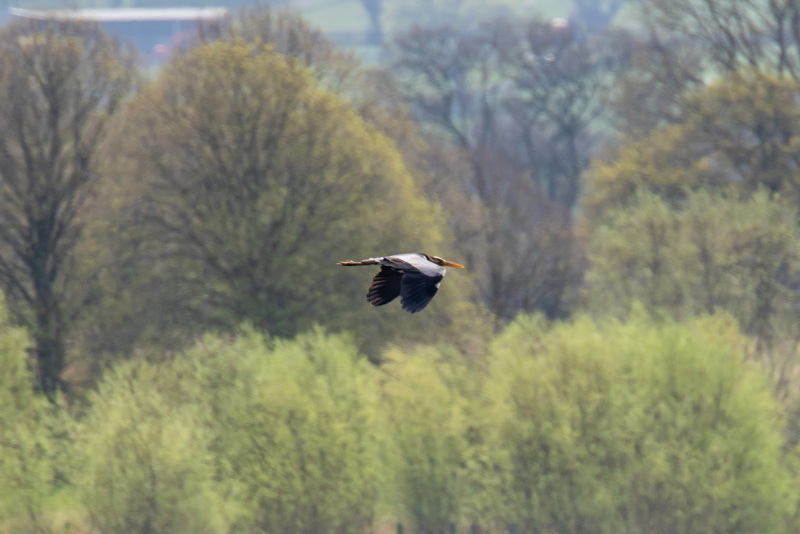 Grey heron
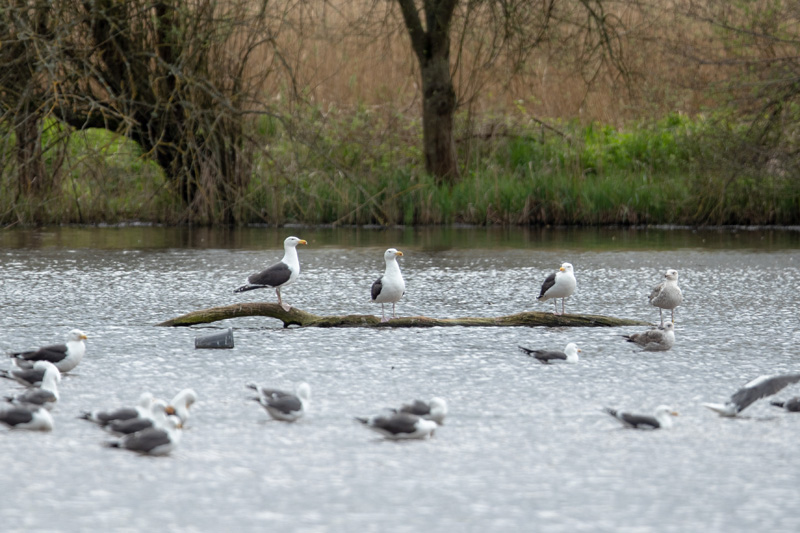 Great back-backed gulls
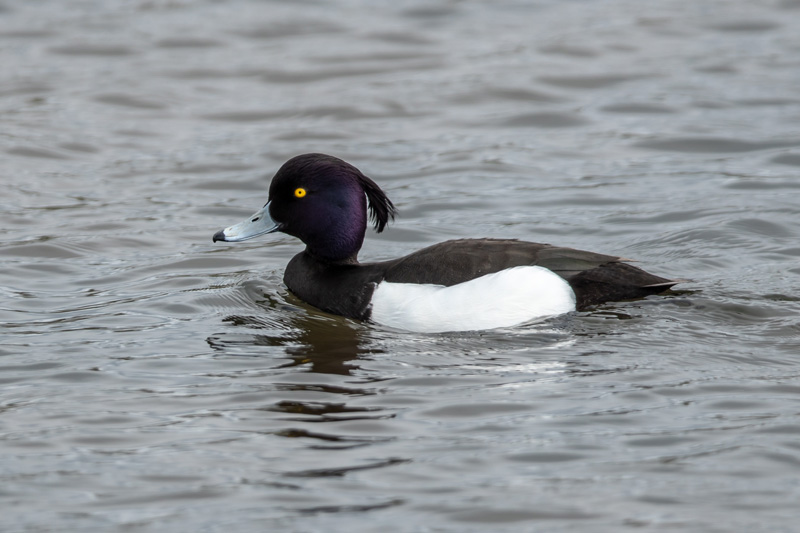 Tufted duck
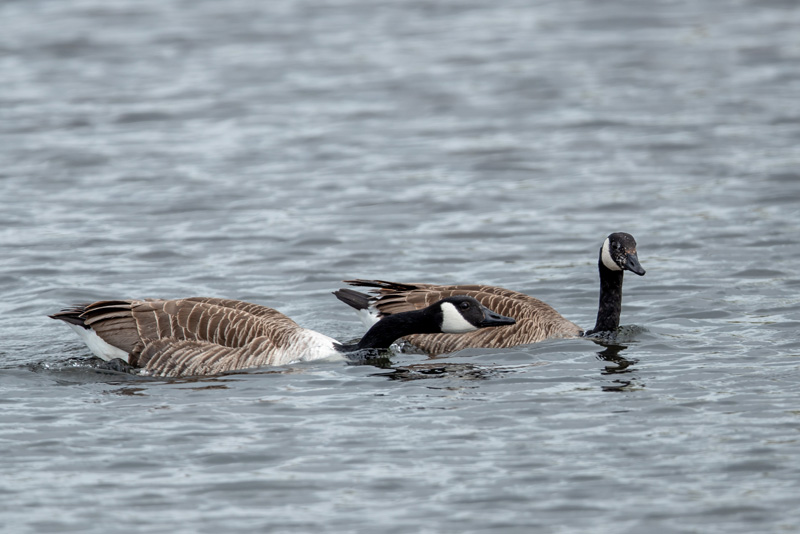 Canada geese
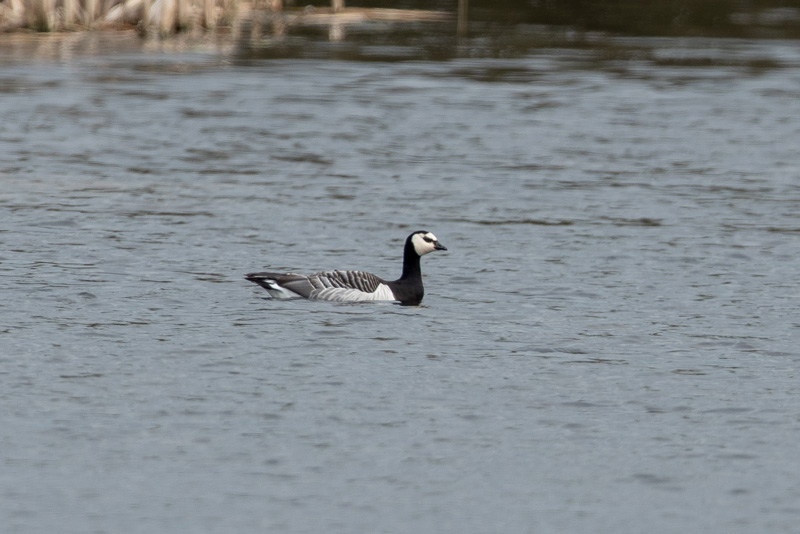 Barnacle goose
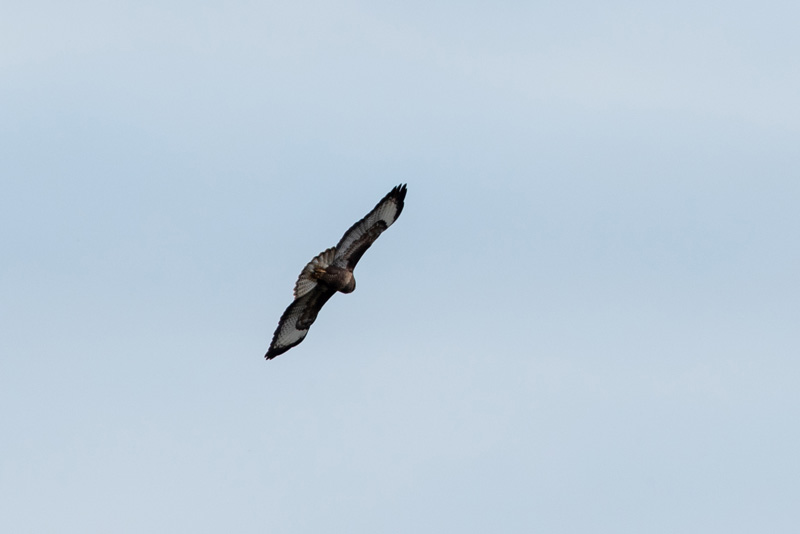 Buzzard
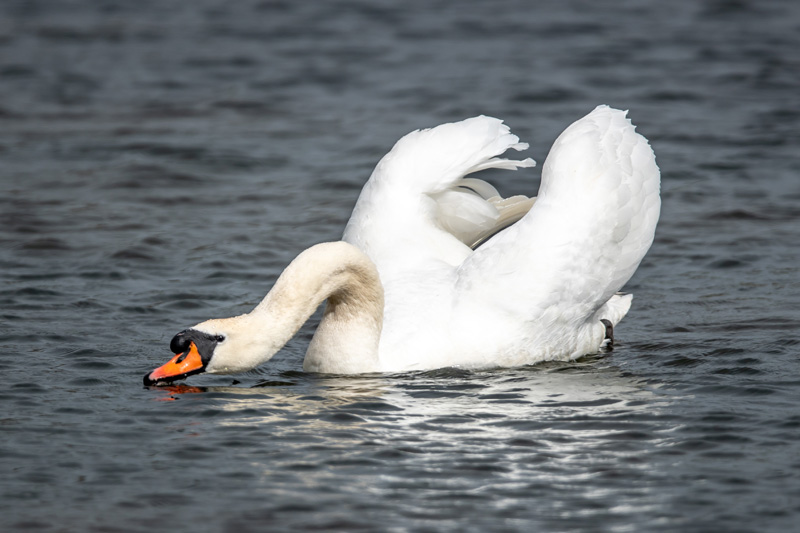 Mute swan
 Canada geese
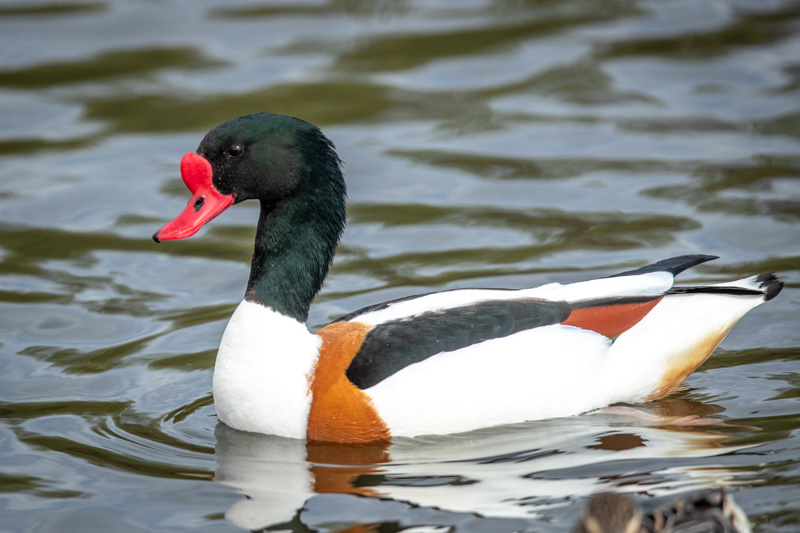 Shelduck
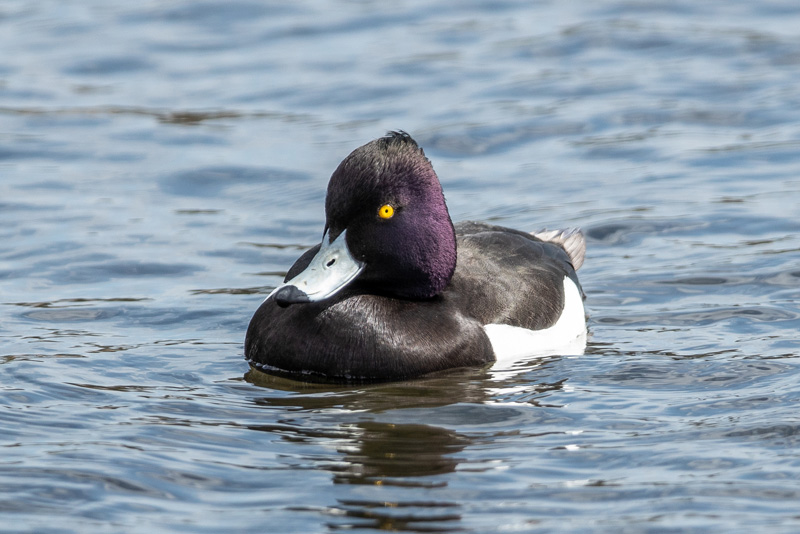 Tufted duck


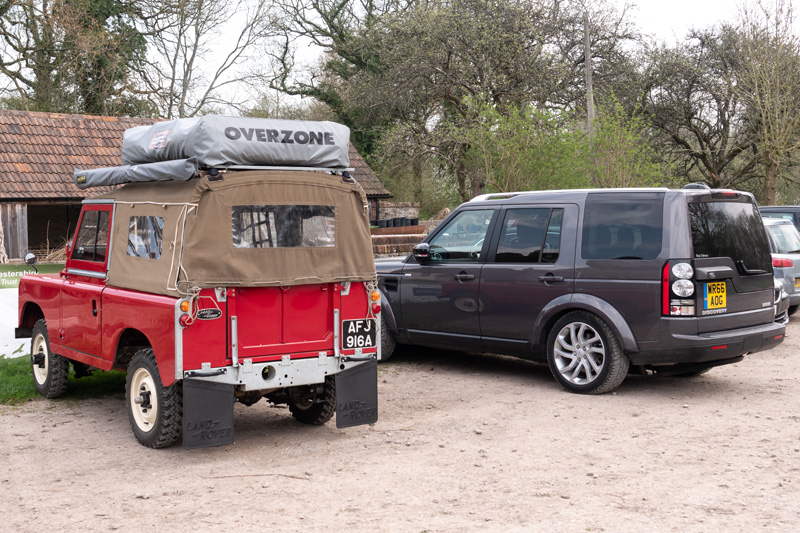 Neil was confused by his excitement of seeing this old Landrover – he had three Landrovers of his own in the yard.
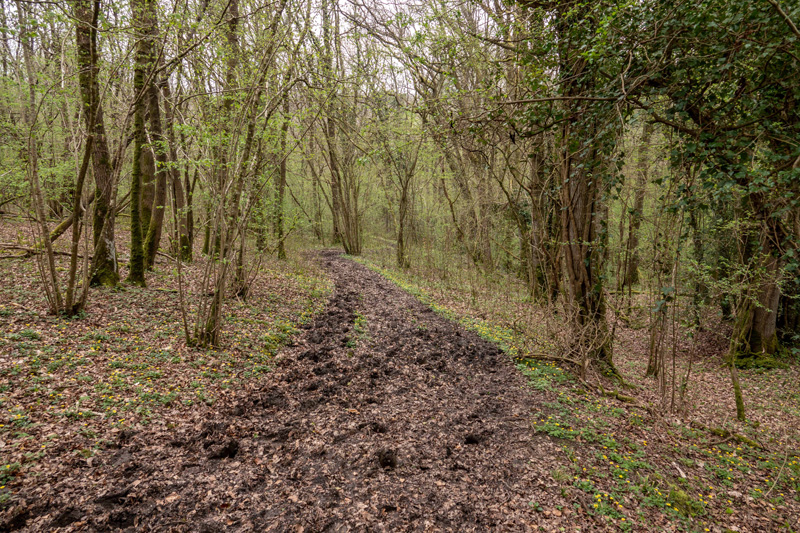 Walking boot terrain – I think not especially when it started raining
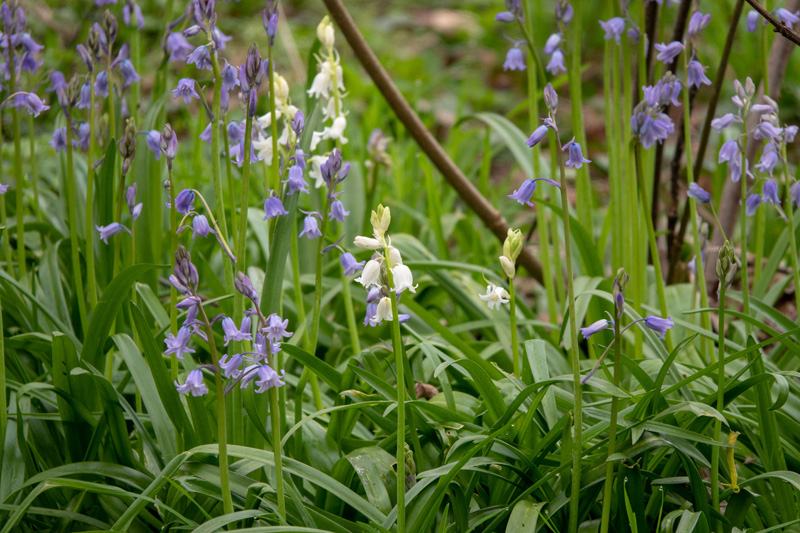
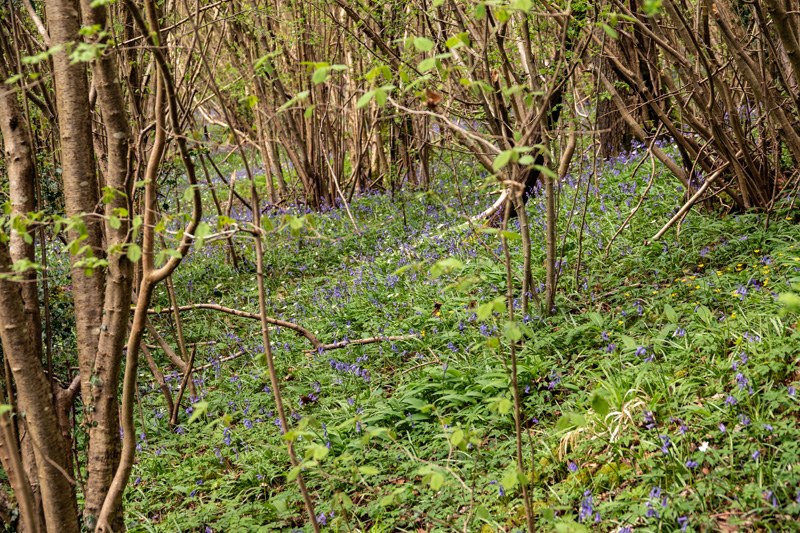 The bluebells would have looked better with sunlight filtering through
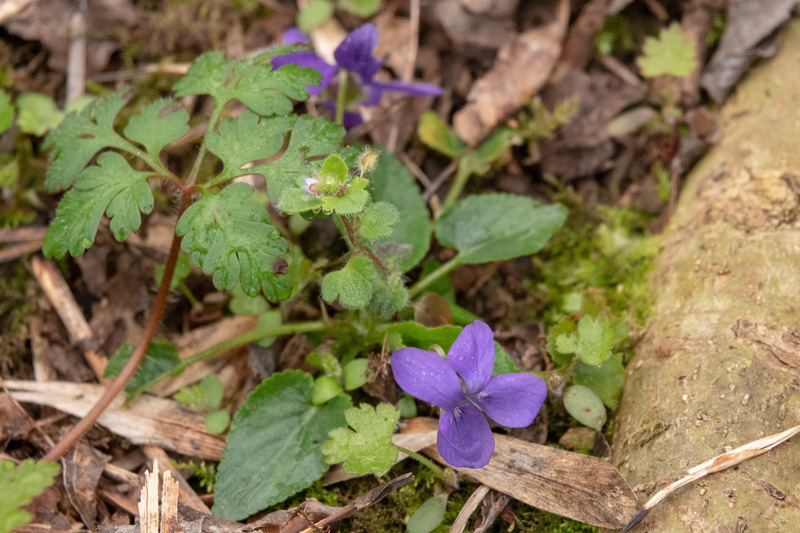
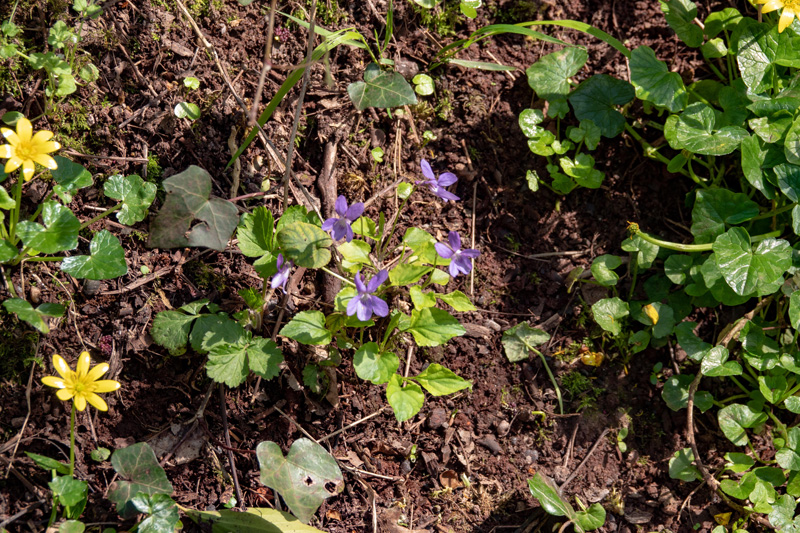
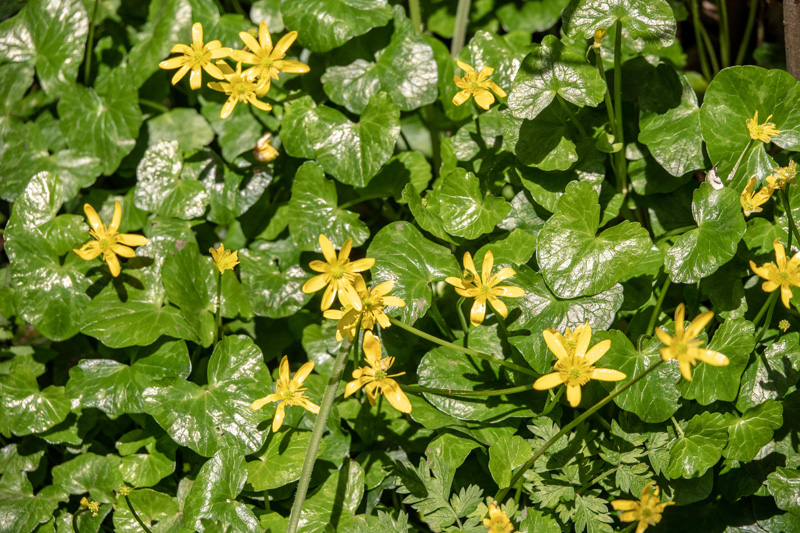
 Wood anemones, violets, primroses and lesser celendine complemented the bluebells.
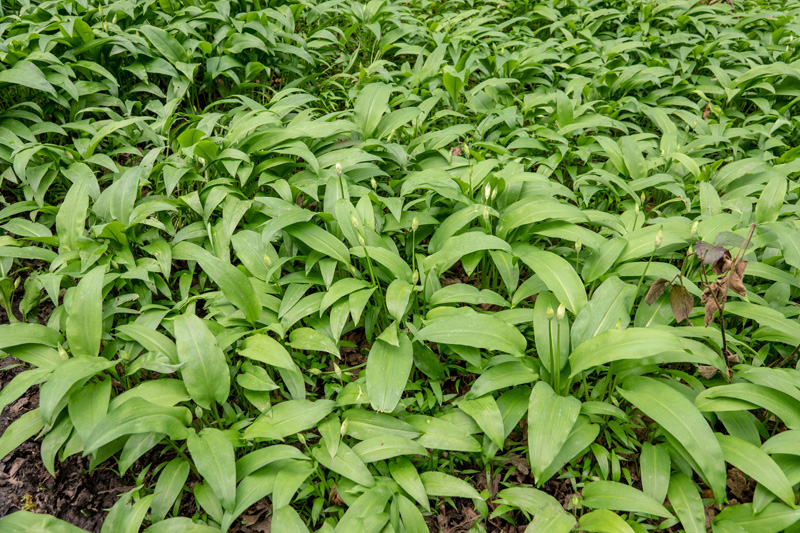 The ramsons were so close to blooming
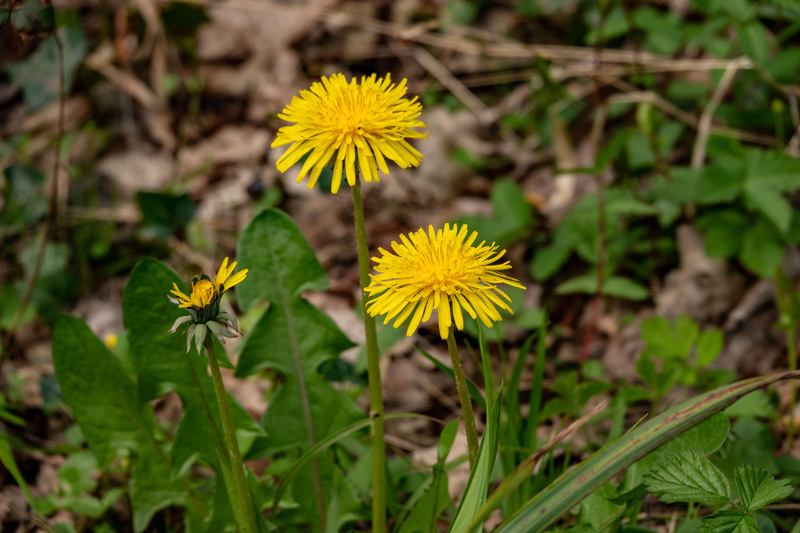 The dandelions are certainly at their best at the moment


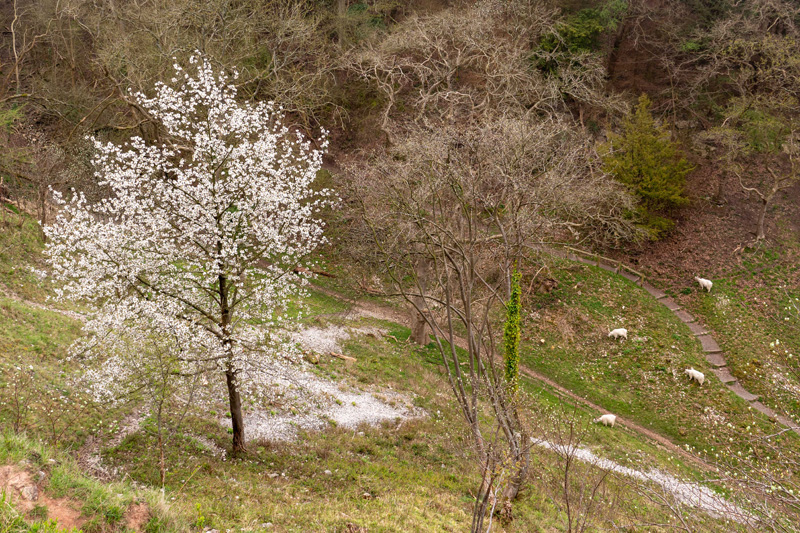
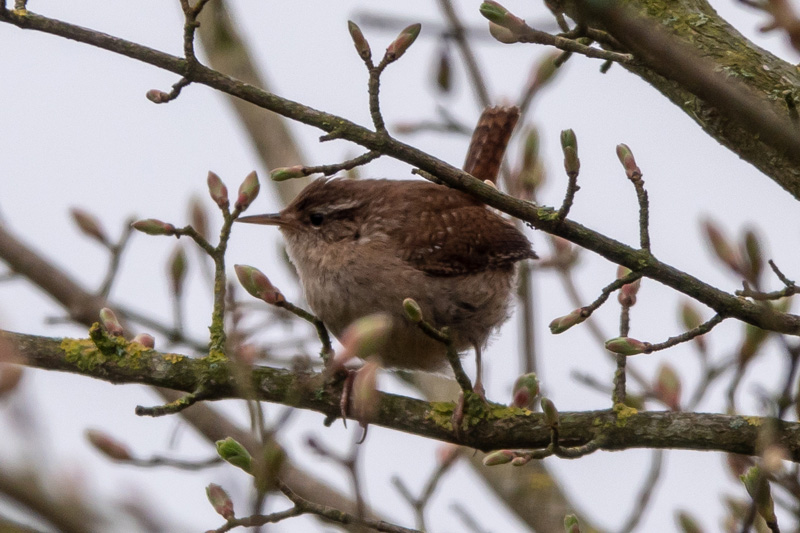
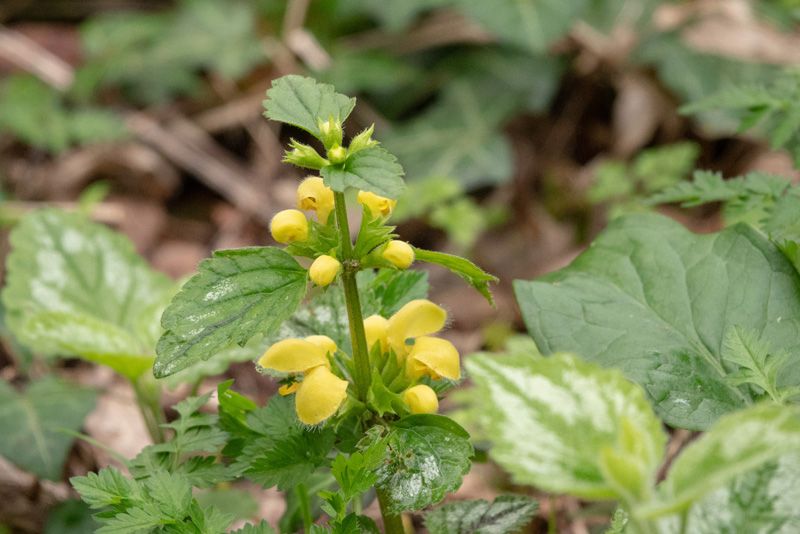
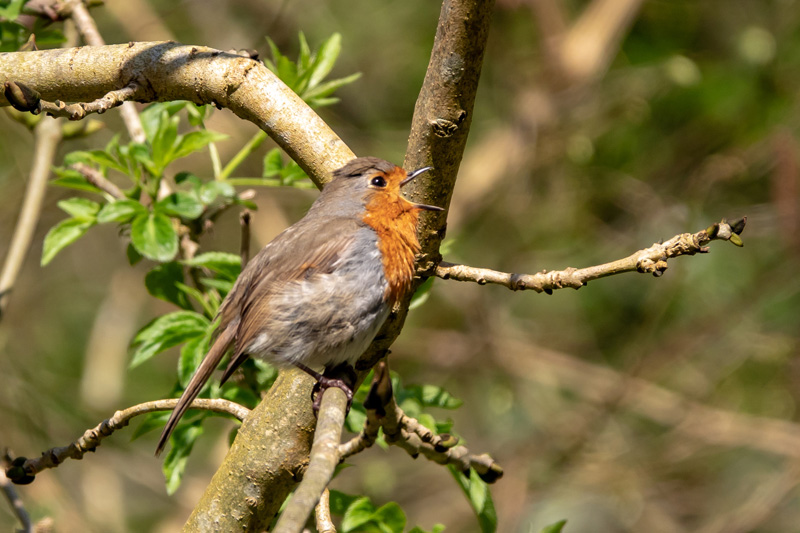
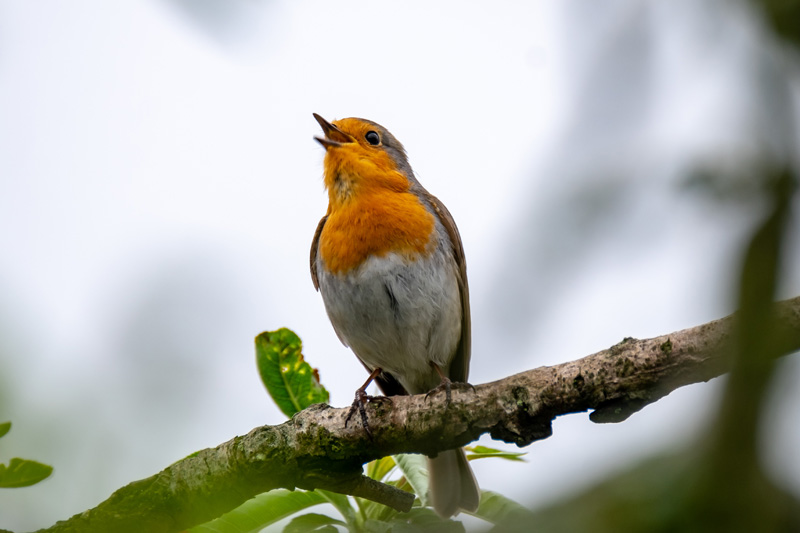
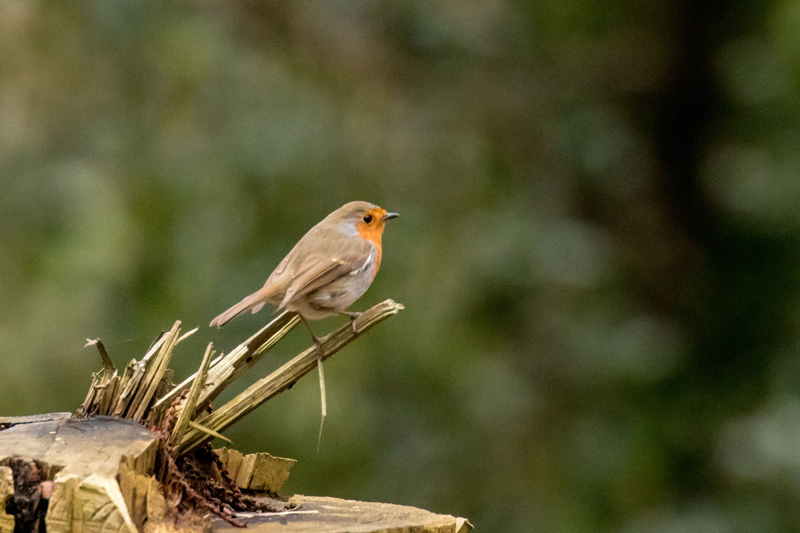
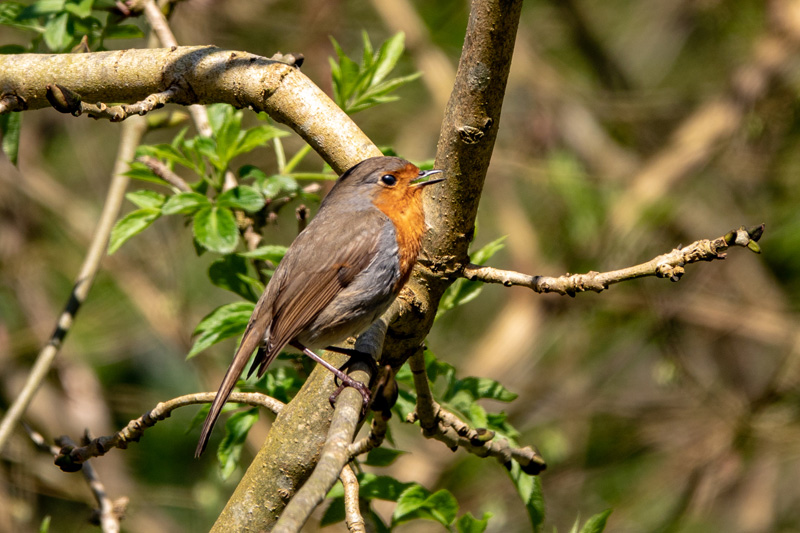 Robin proclaiming his territory
 Grey wagtail which was very shy of my camera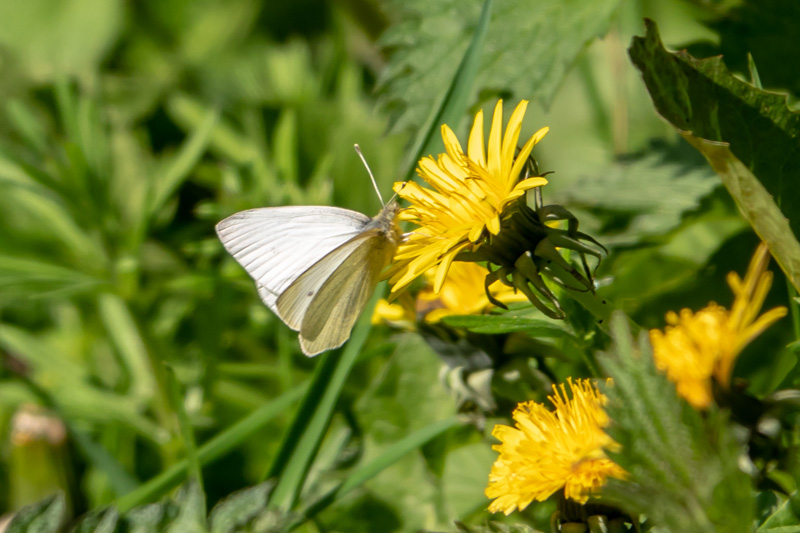
 Proper English bluebells
 Primroses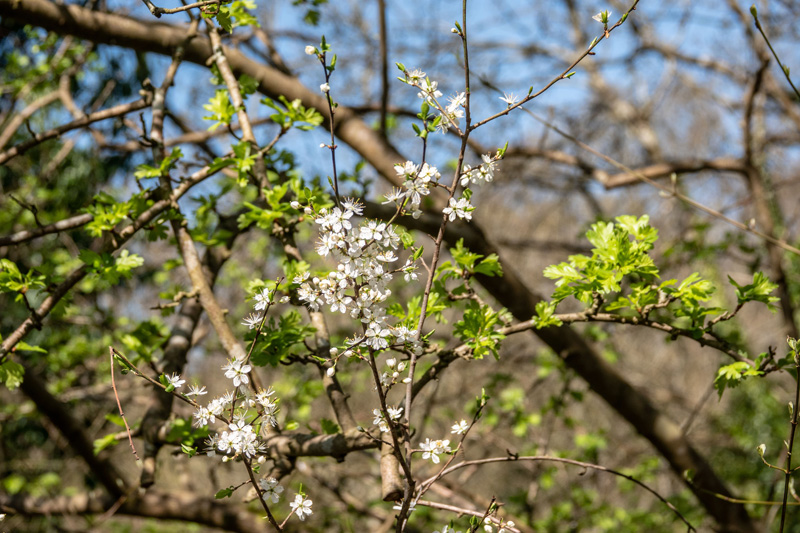




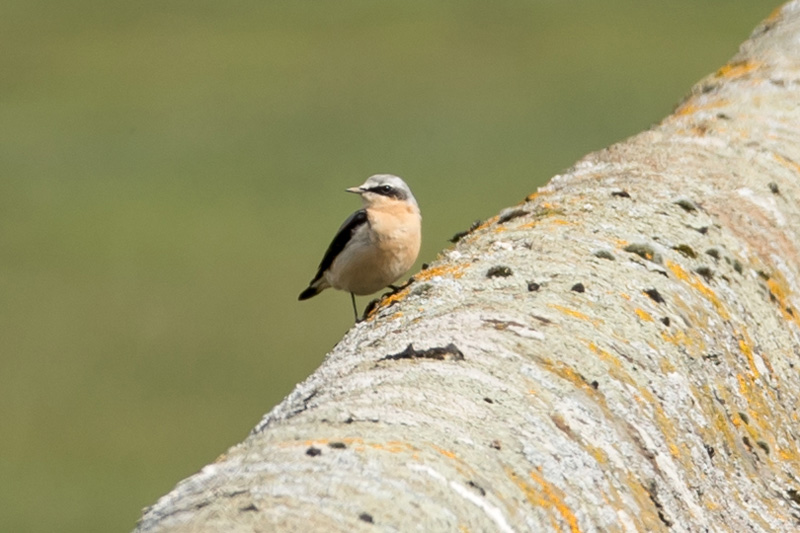
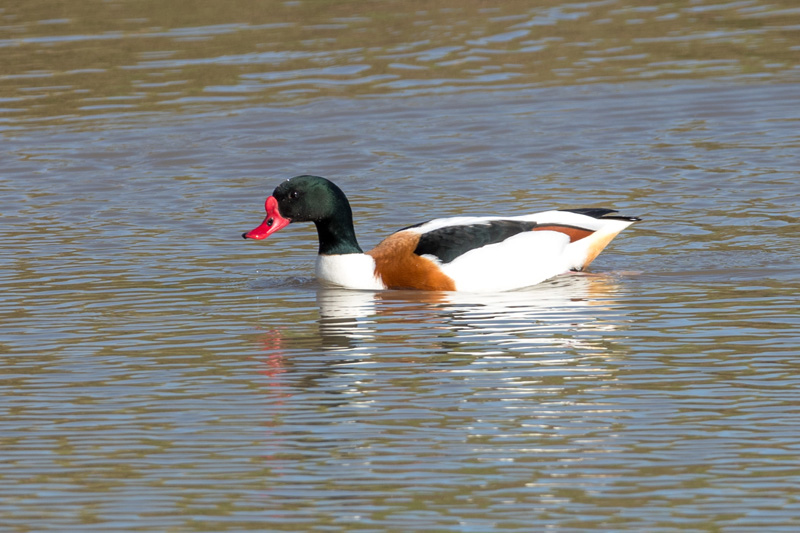 Shelduck
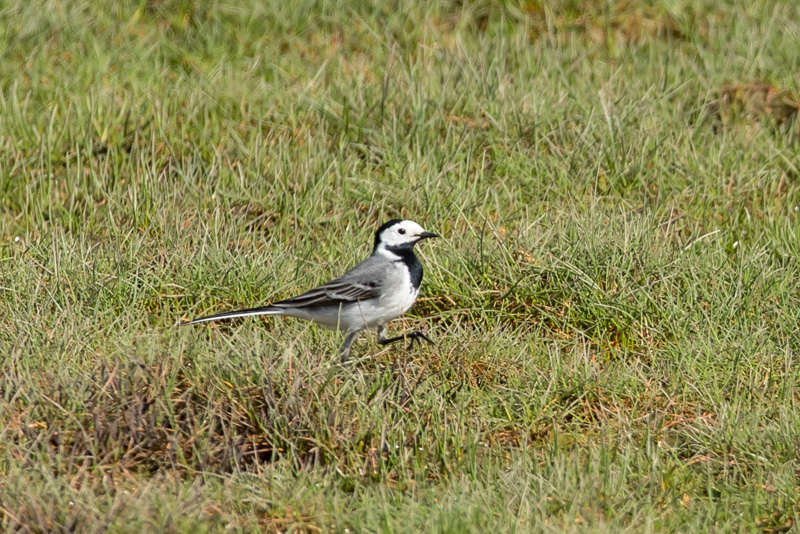 White or pied wagtail?
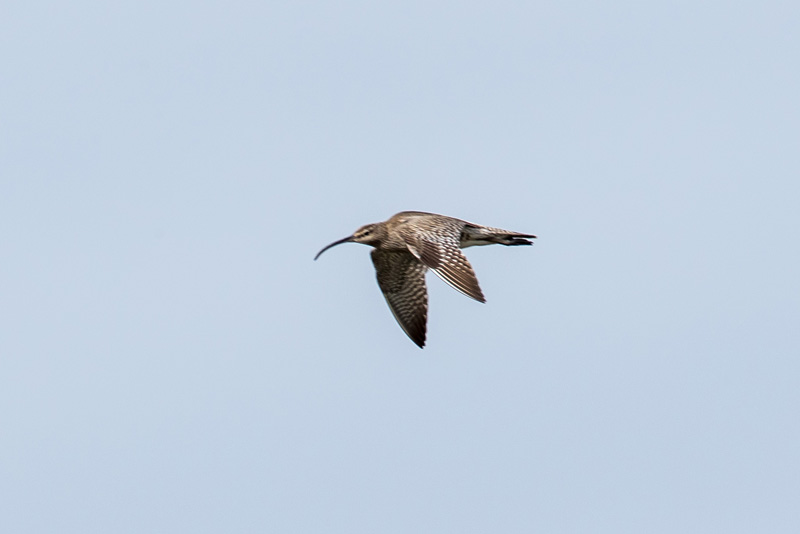 Whimbrel
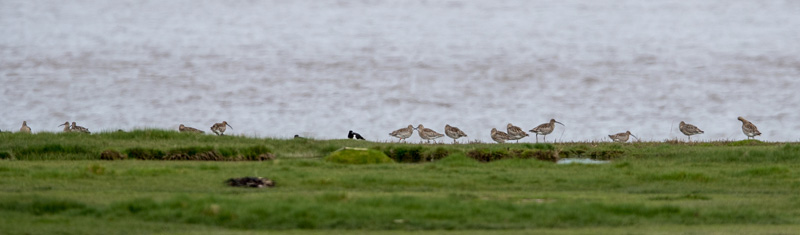 Curlew and oystercatchers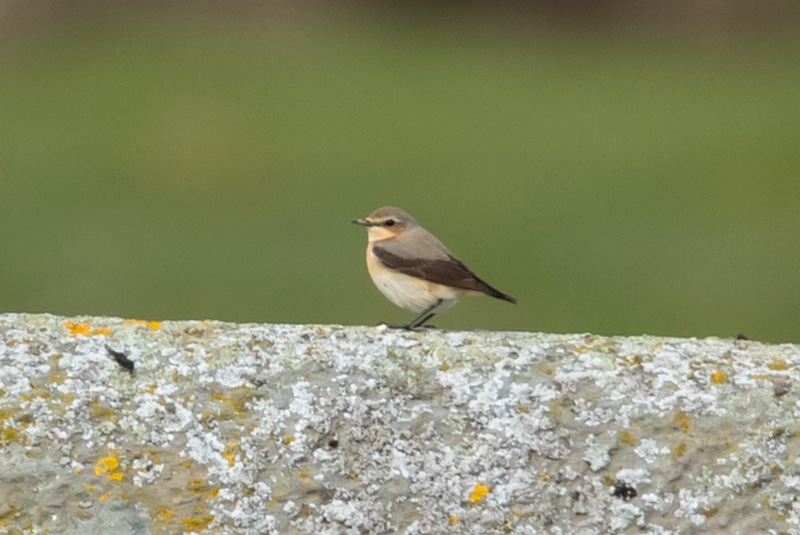

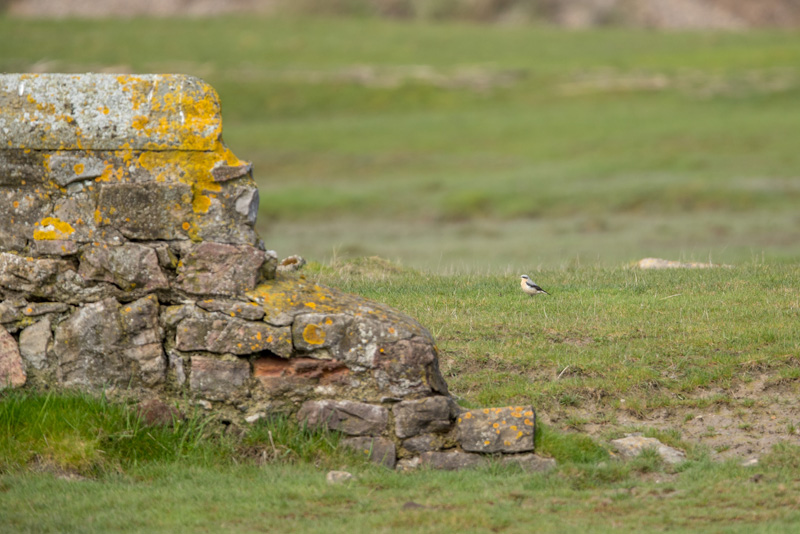
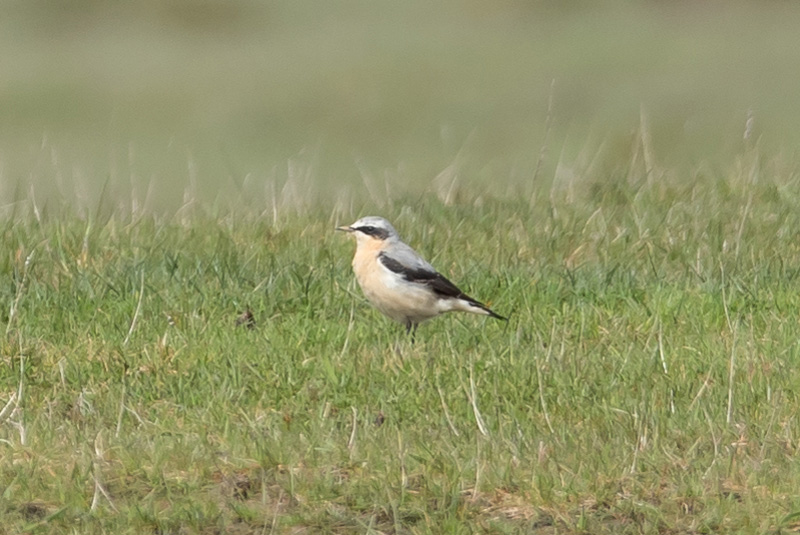 Wheater
 White or pied wagtail?
 Redshank and dunlin


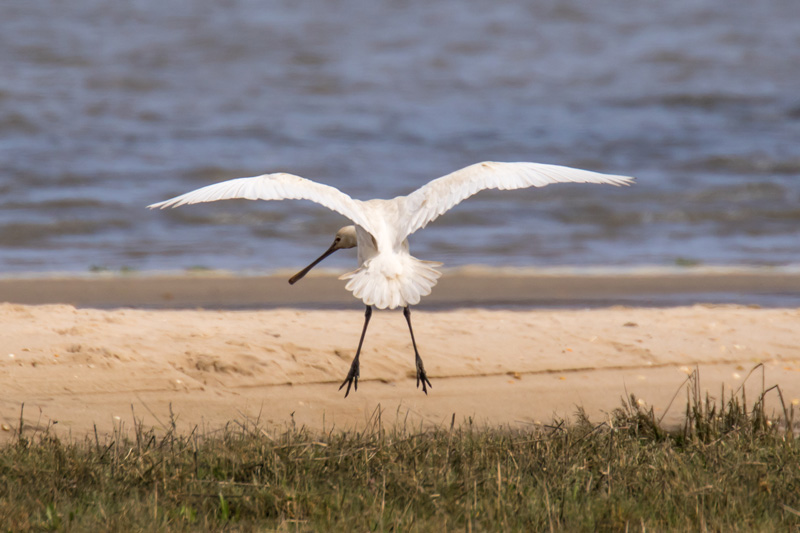
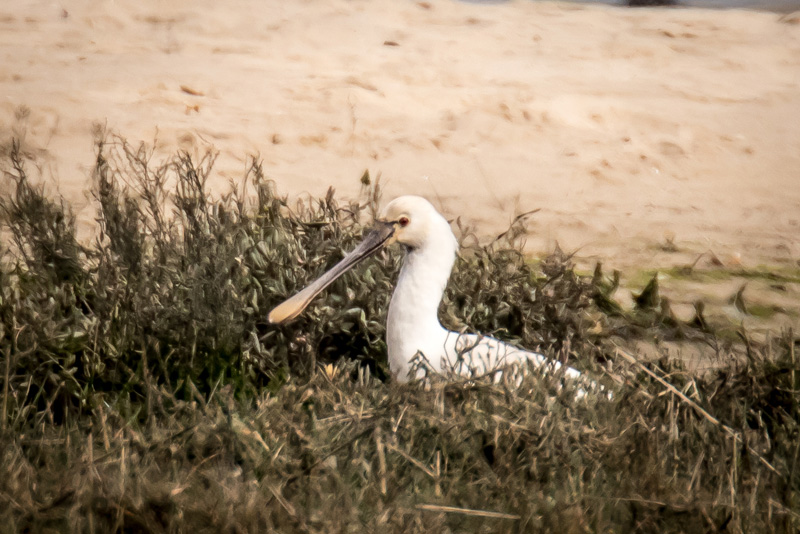
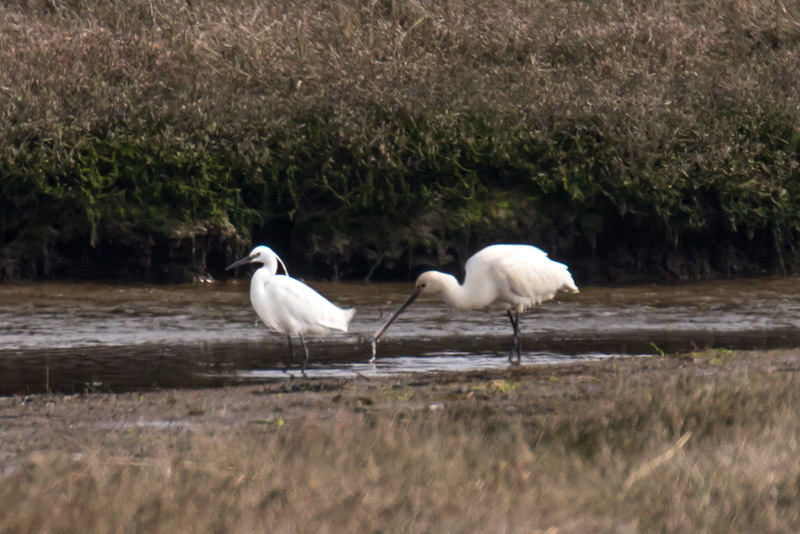






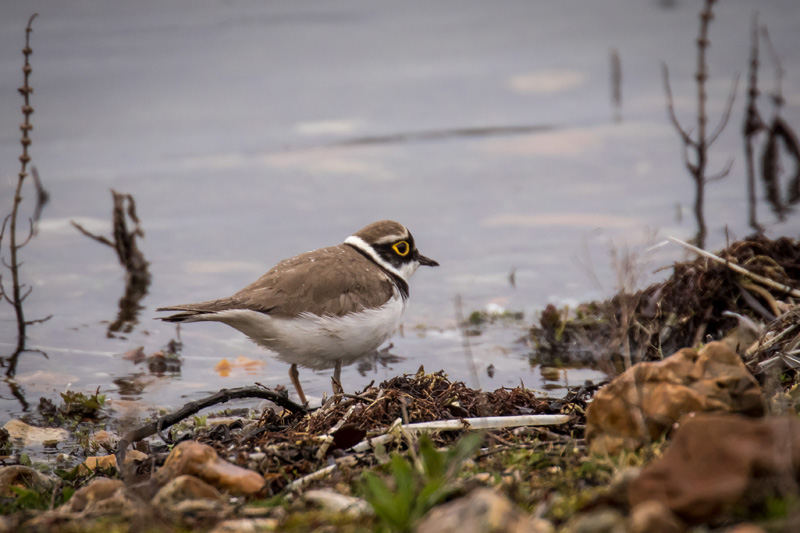
 Little ringed plover
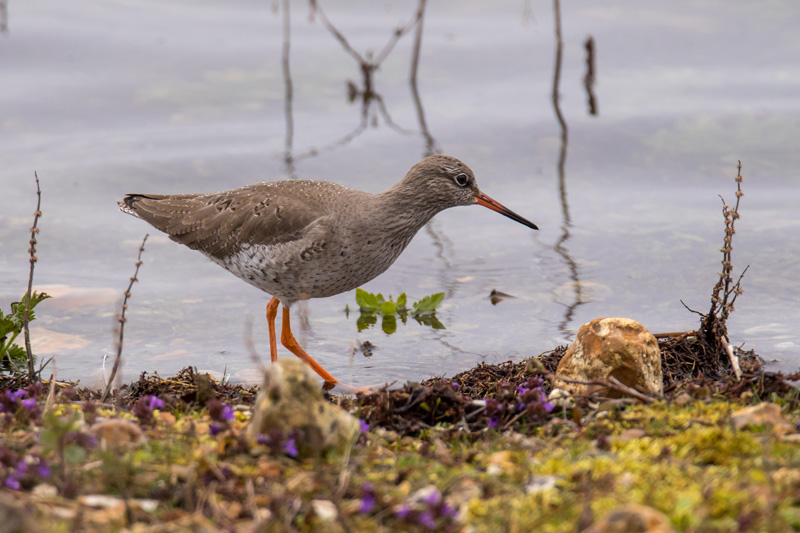 Redshank
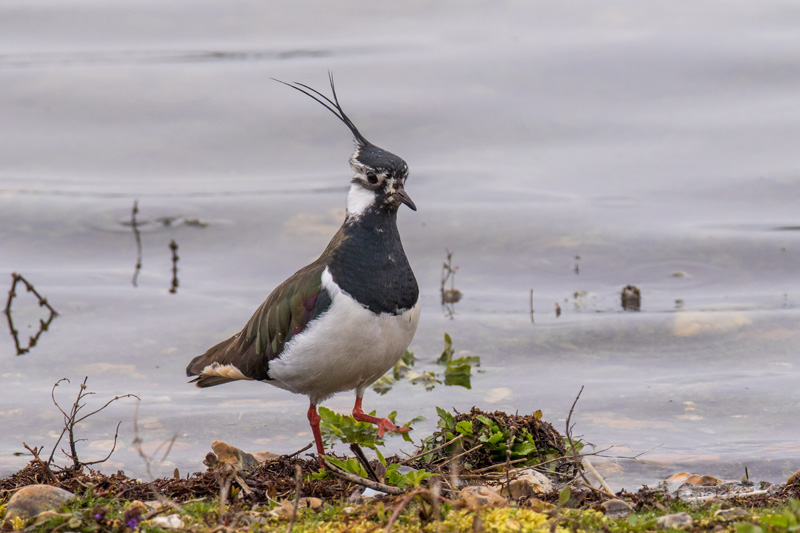 Lapwing
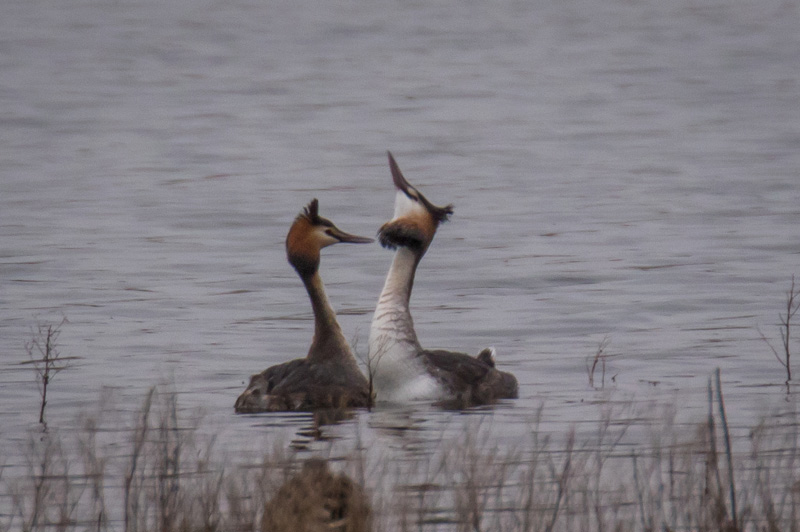 Great crested grebe
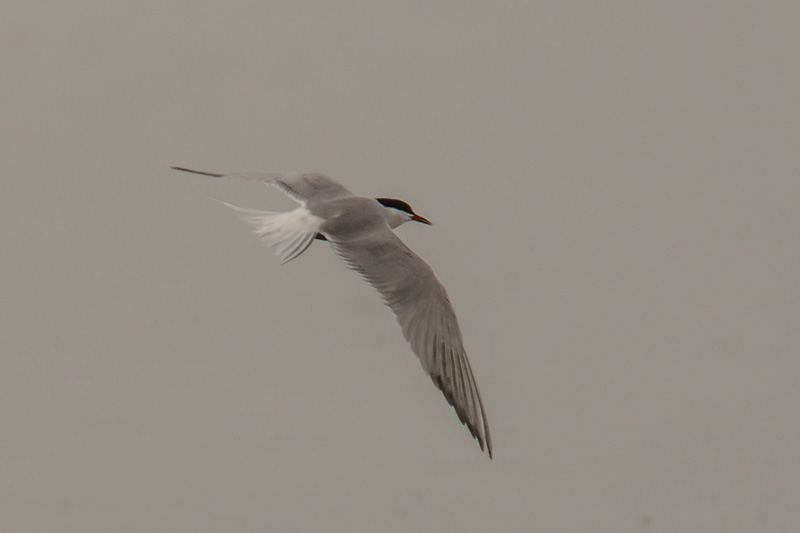 Common tern
 Little grebe
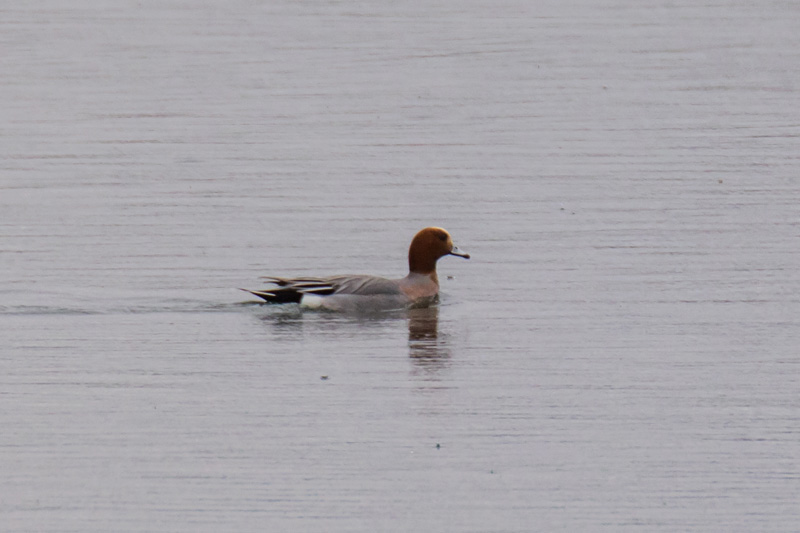 Wigeon
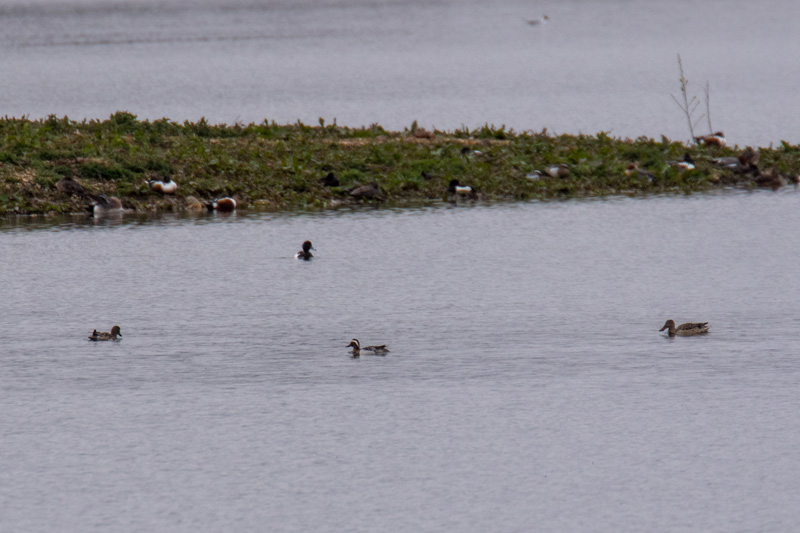 Garganey in the middle
  Not sure about this little chap but probably a chiffchaff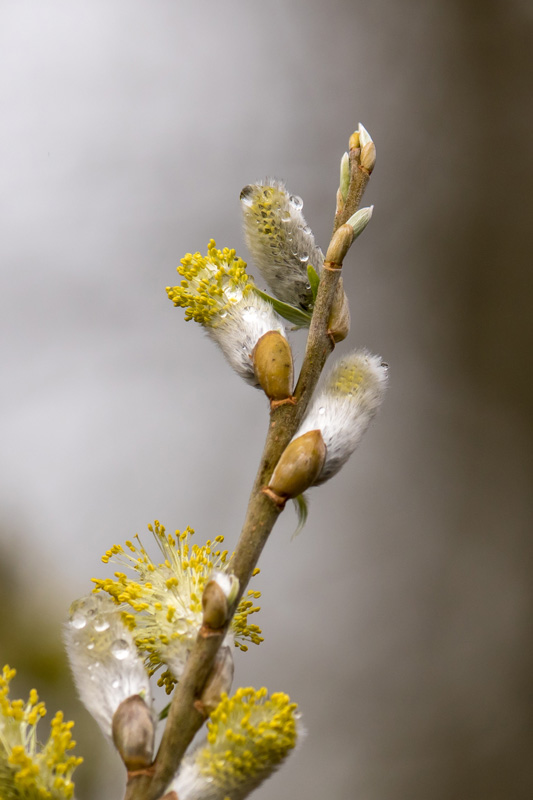


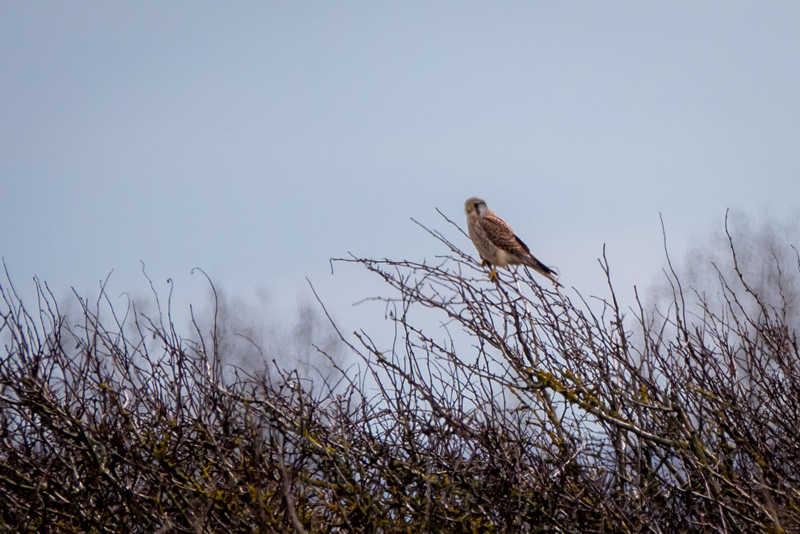
 Little egret
 Redshank huddled together with one standing apart
 Lapwing
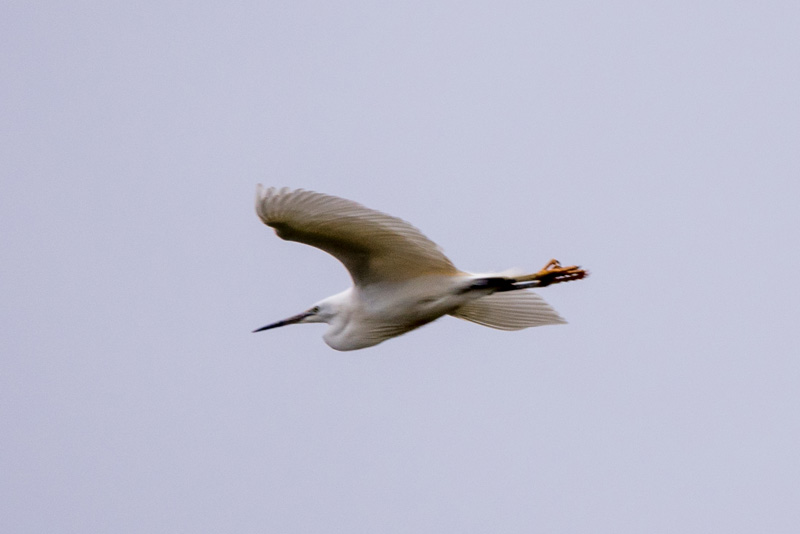 Little egret in flight
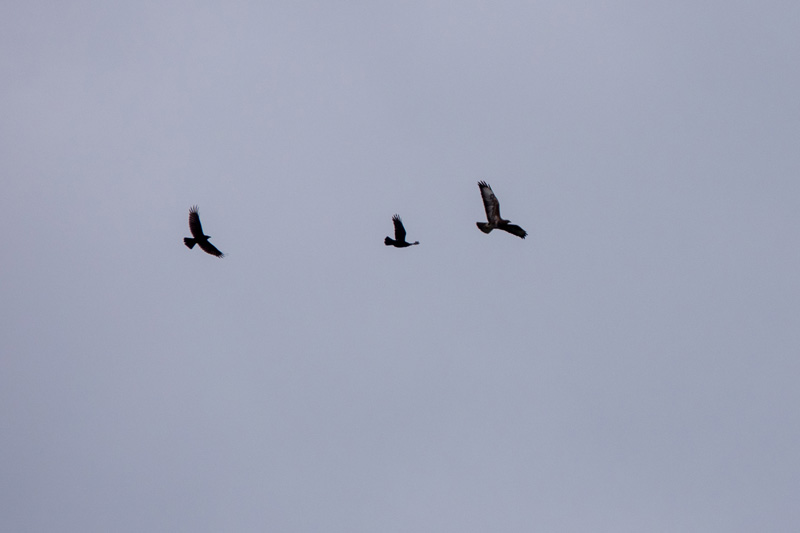 Buzzard being mobbed by crows
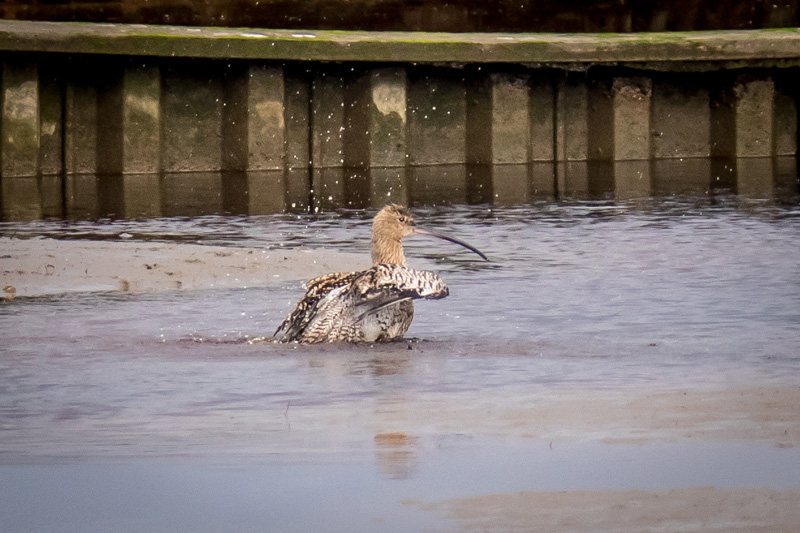
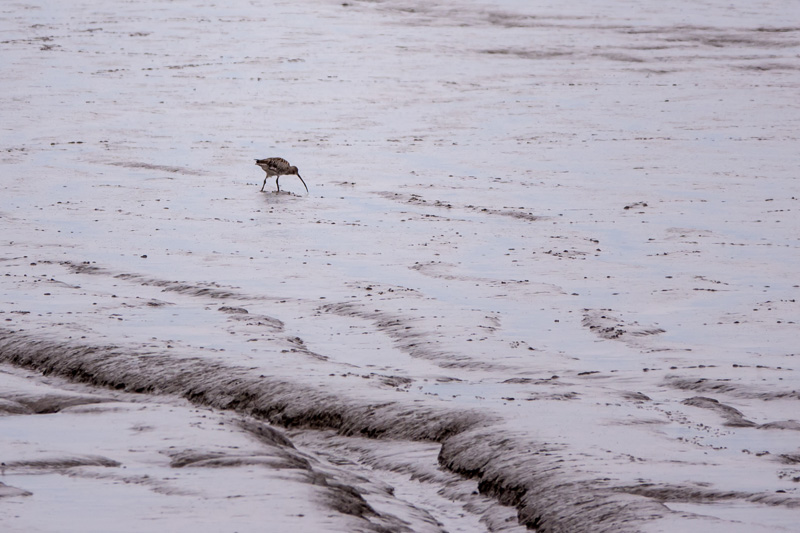 Curlew
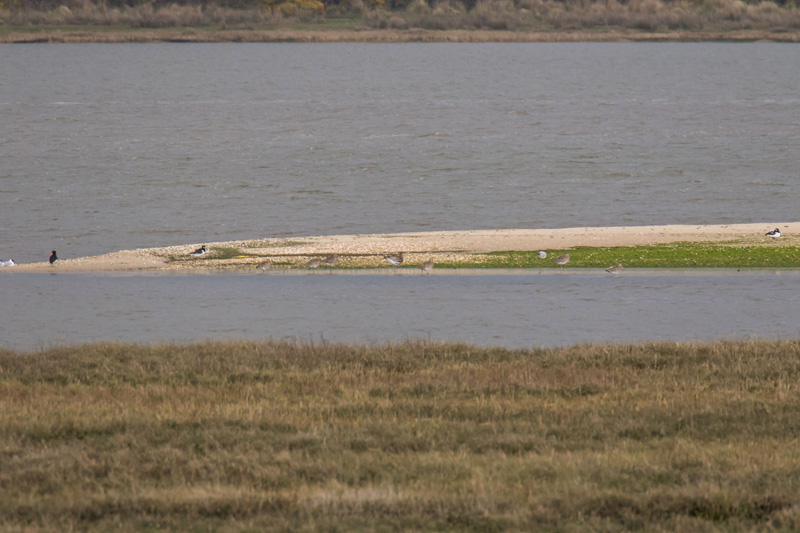
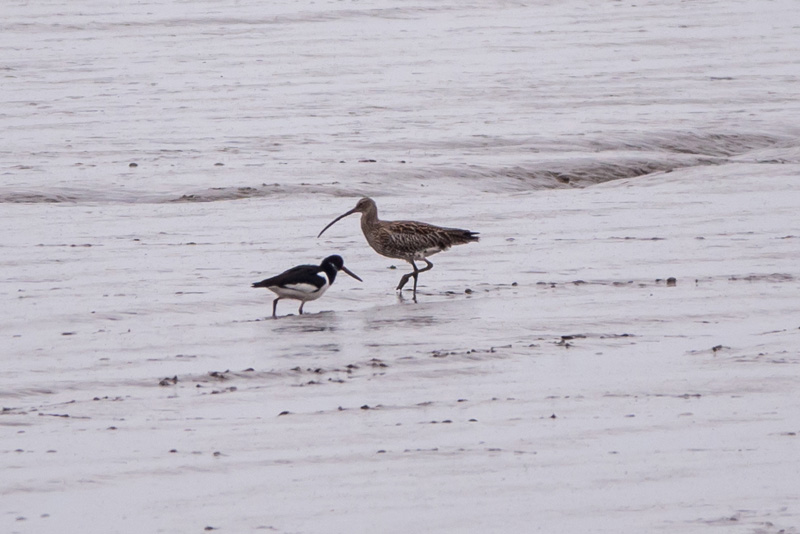 Curlew and oystercatcher


 Martin's Bird Blog & Nature Photos