The countryside in Britain is exceptionally beautiful at the moment and so too are the parks close to home in urban Bristol.On an exceptionally sunny day I went out for a walk from home in the hope of doing some bird photography but soon realised that I had the wrong camera/lens as it was the trees and the landscapes which I needed to be photographing. I tried to make do.
 The path in to Stoke Park from Stapleton
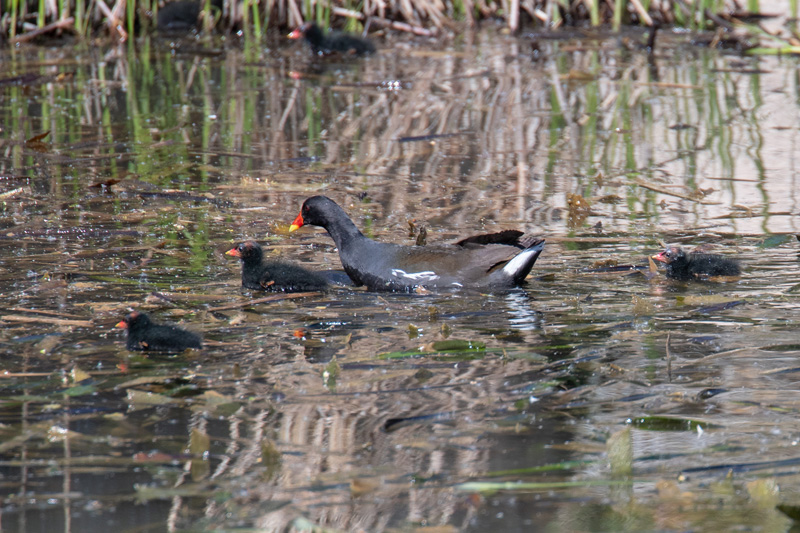 Moorhen with chicks on the small pond next to Duchess Pond
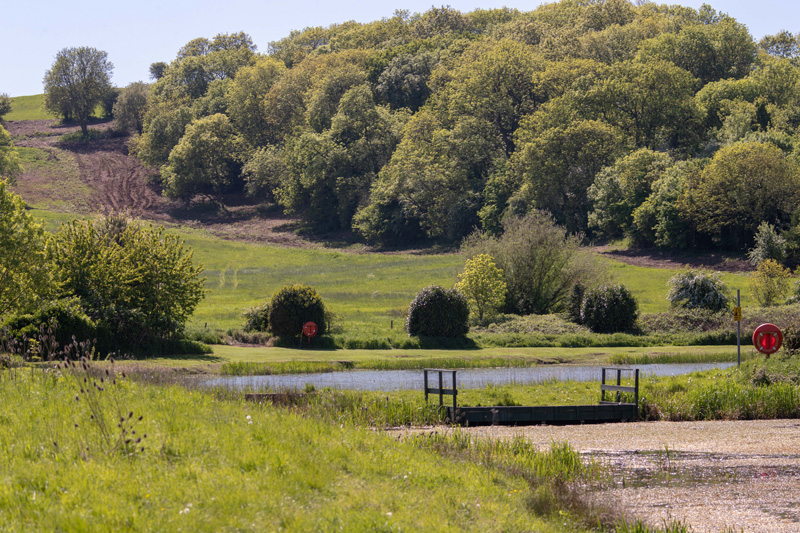 The small pond and then Duchess Pond with views of the restorative work being done in the background
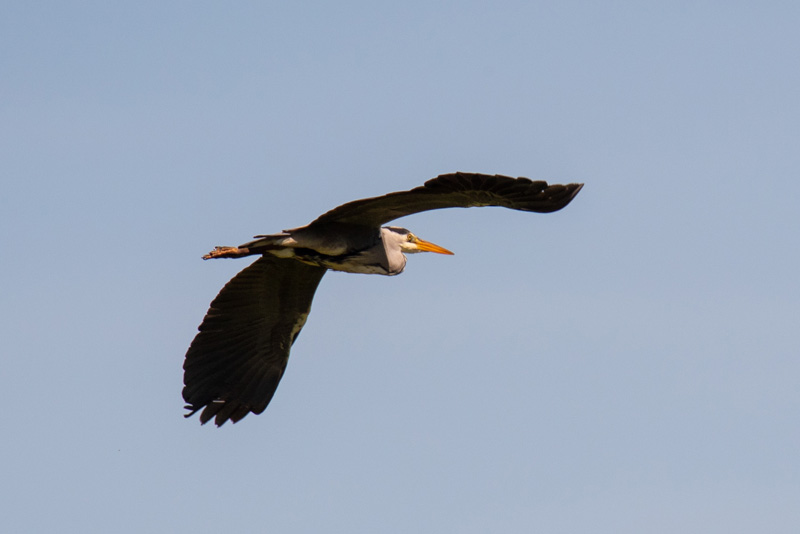
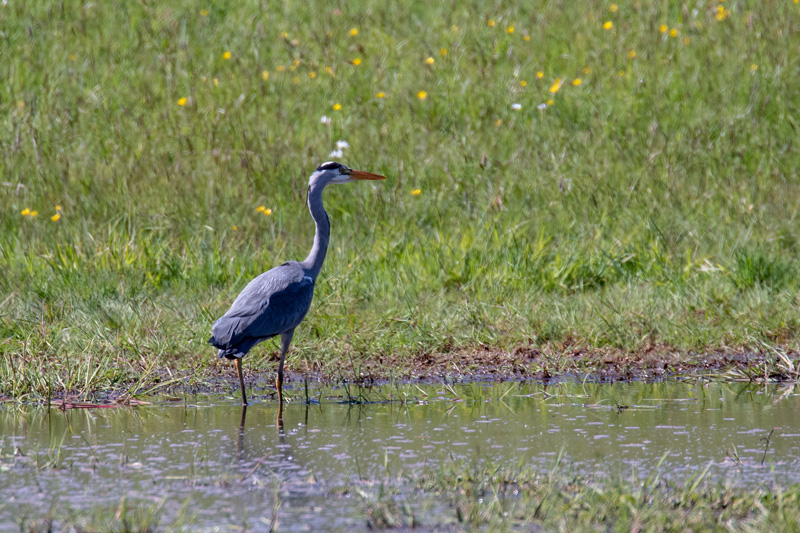 A grey heron on the flooded part of Stoke Park (hard to imagine today that we have had so much rain)
 This grey heron was clearly more nervous than the ones in Eastville Park and flew off in the direction of Filton imagining itself to be Concorde
 All the blossom was looking amazing
 Buttercups are now at their best
 Dandelions have had their day
 … or have they?
 Red Clover standing out amongst the greens and yellows
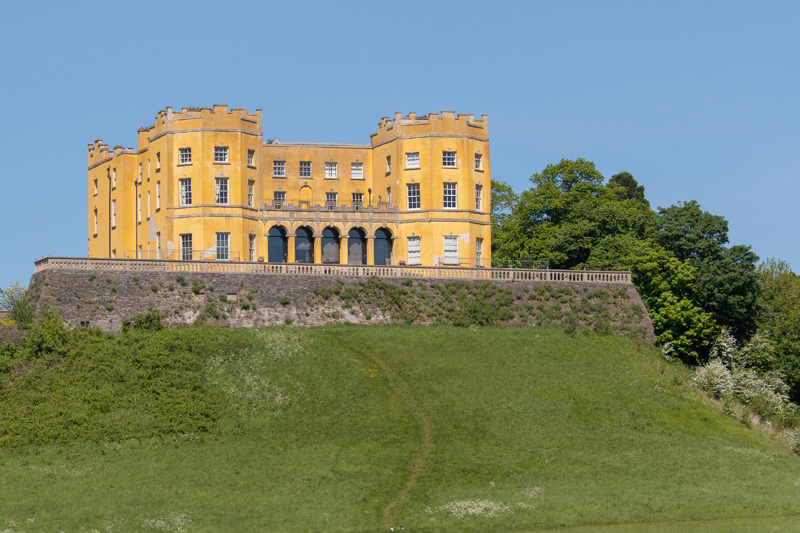 The Dower House which dominates this part of the city looking better for being shrouded with trees
 A view from the top of Stoke Park with the houses (including ours) hidden by the trees
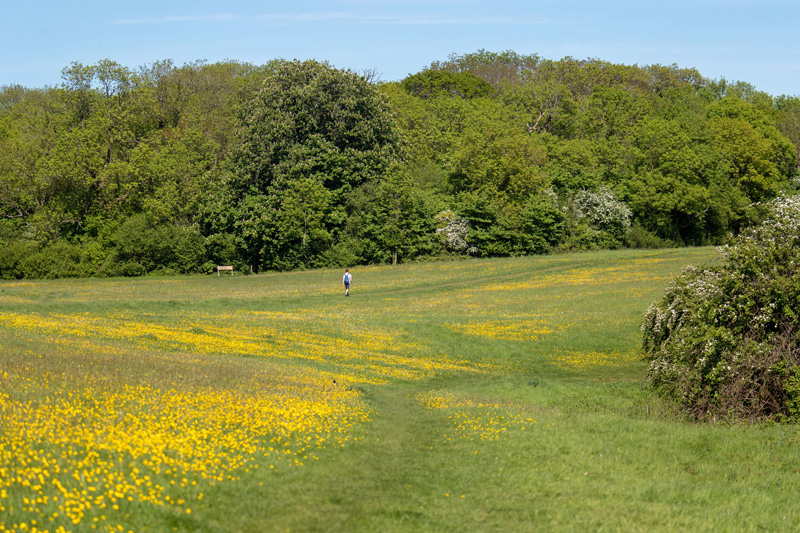 A glorious place for a stroll so close to the city

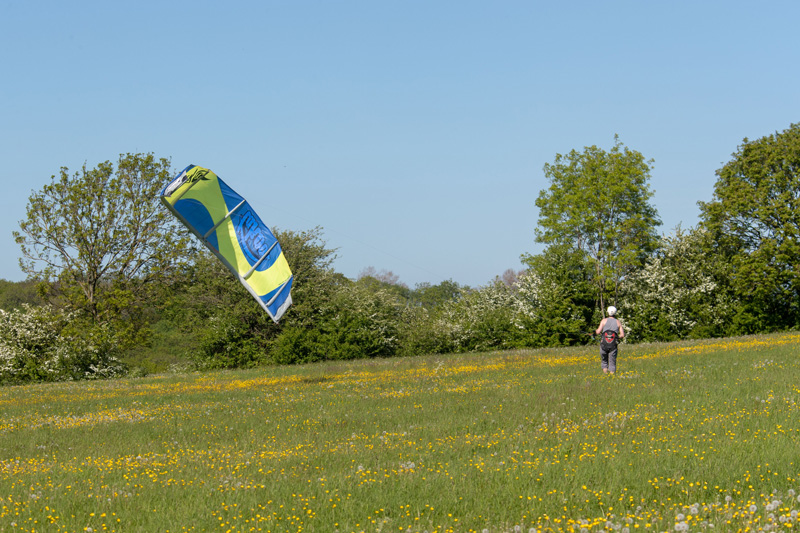
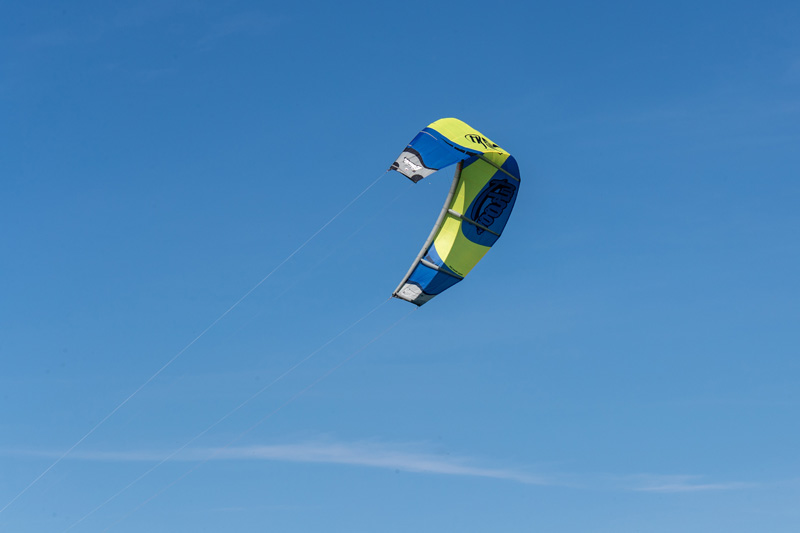 … or to fly your kite
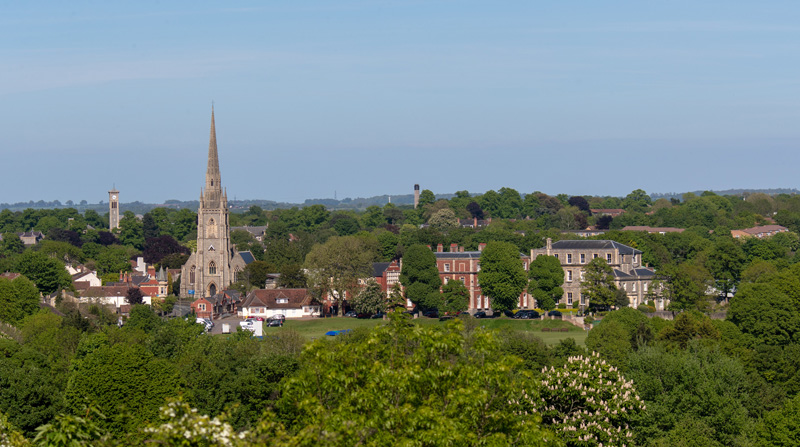 … or to see the verdant suburb below

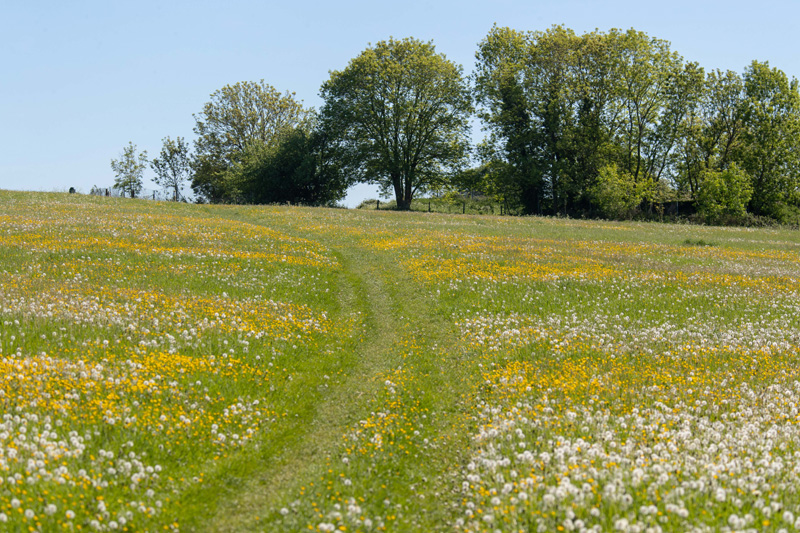 Wide open spaces just to stroll right next to a housing estate
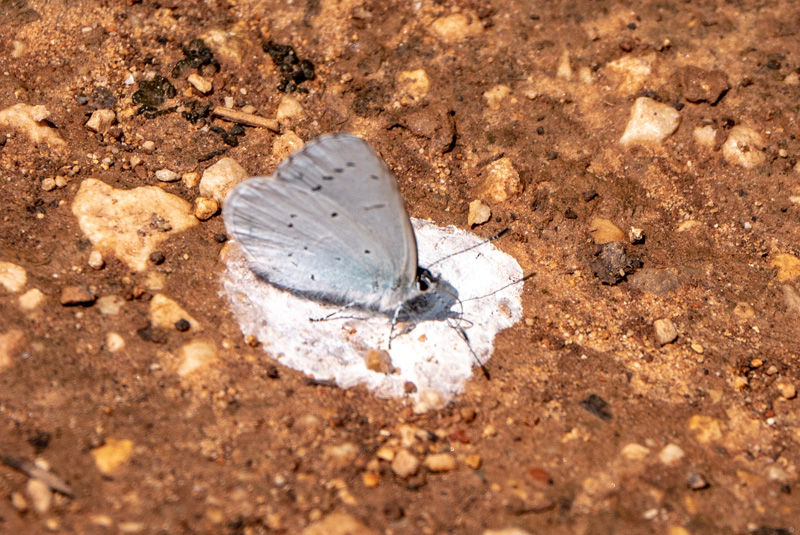
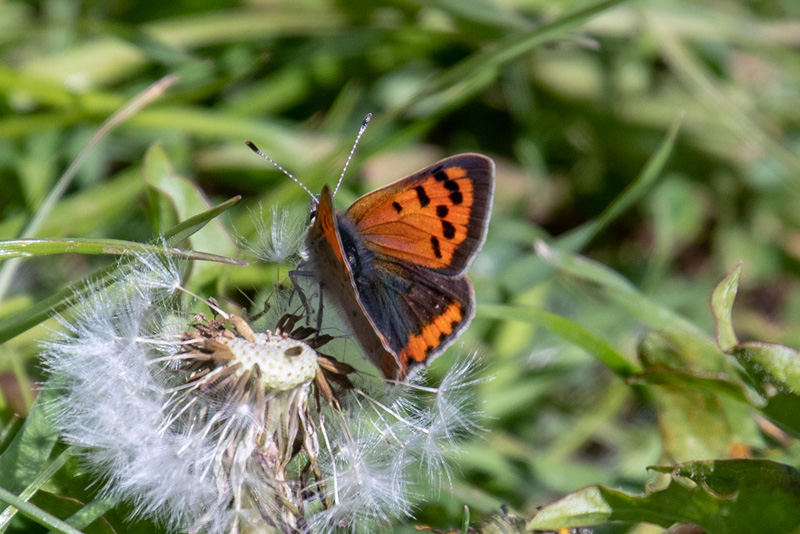 Lots of butterflies (here a small copper) everywhere
 My lens certainly couldn’t do justice to the trees of Eastville Park justice.
 And really I was too close for these Canada geese with chicks
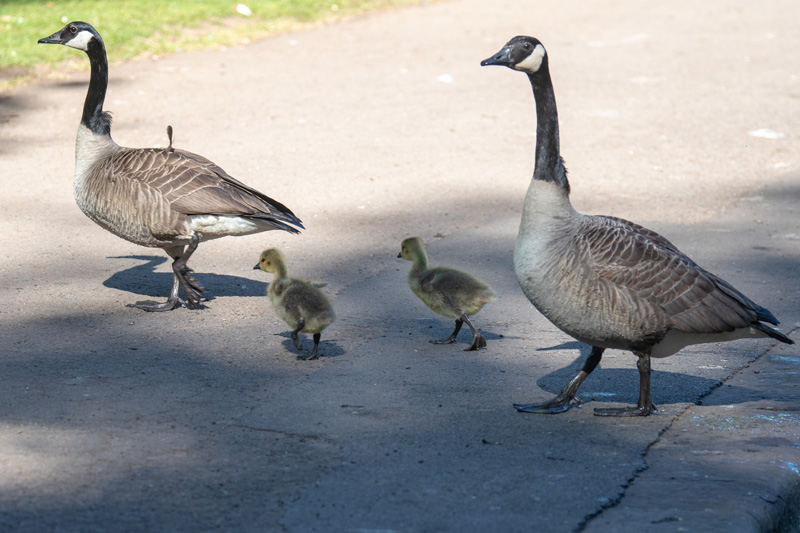 … or at least that’s what these two protective parents felt.
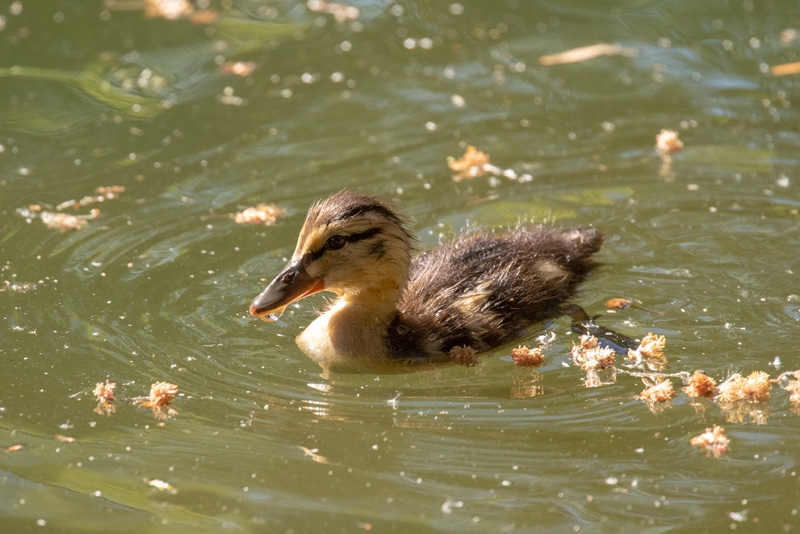 A duckling living perilously on its own
 A more tolerant grey heron here in Eastville Park
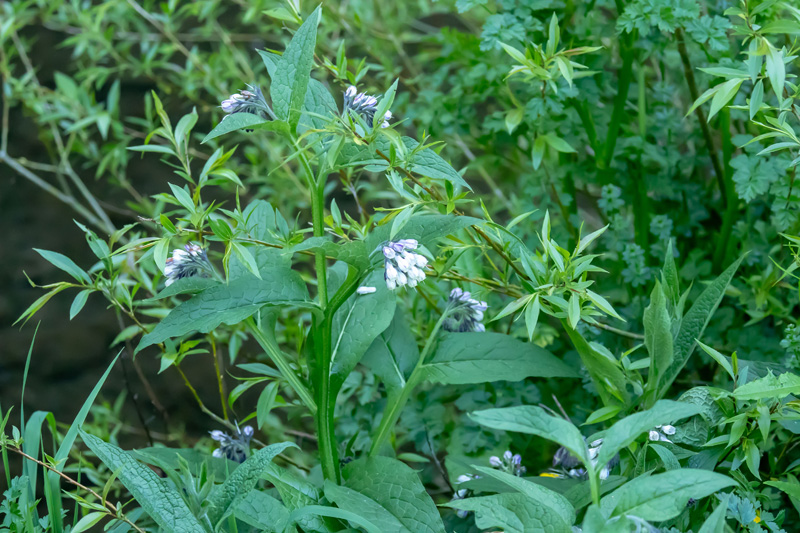 Volunteers have done wonders controlling these along the River Frome
 Still lots of ramsons to be seen
 You don’t want to get confused with these type of plants – probably cow parsley but could be poison hemlock
 The best of them all: the candles of the horse chestnut
 Beech tree
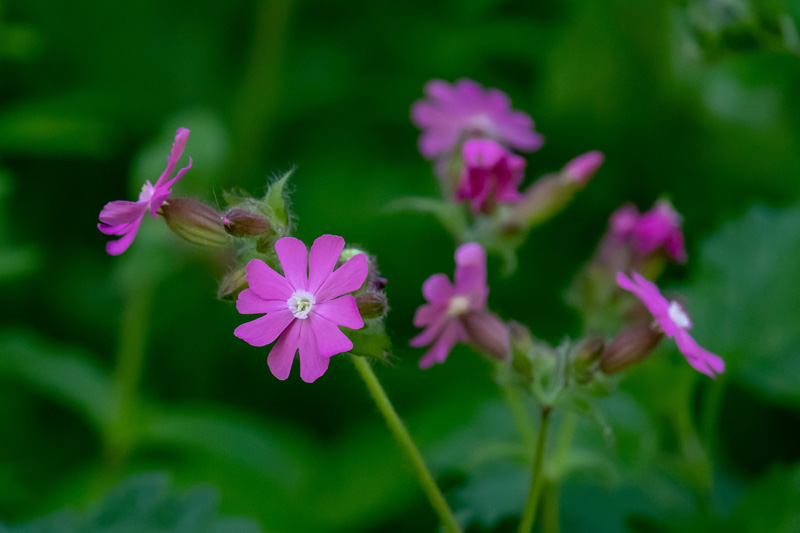 Herb Robert (but I think this is Red Campion?) was the most observed species in the recent first global City Nature Challenge (see link below)
Perhaps it’s not so surprising that Bristol and Bath were best in Europe for first global City Nature Challenge
http://www.bnhc.org.uk/bristol-bath-best-europe-first-global-city-nature-challenge/
Click below for gallery of photos from my walk today:


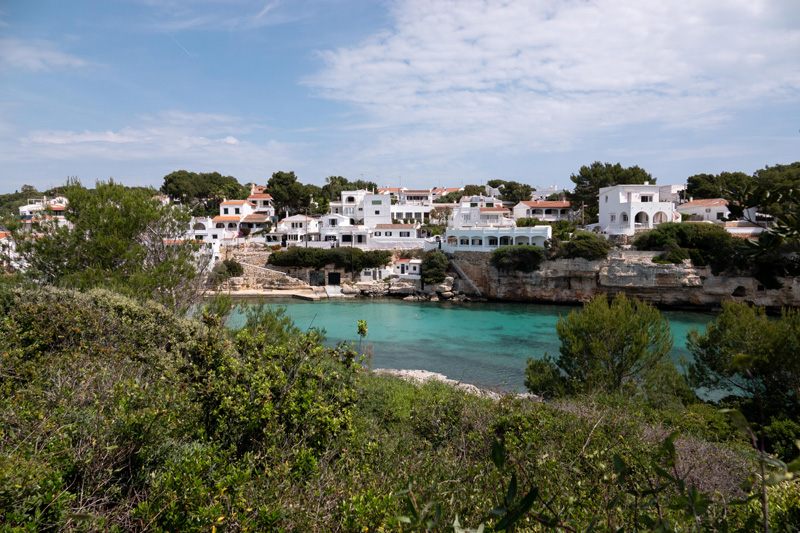


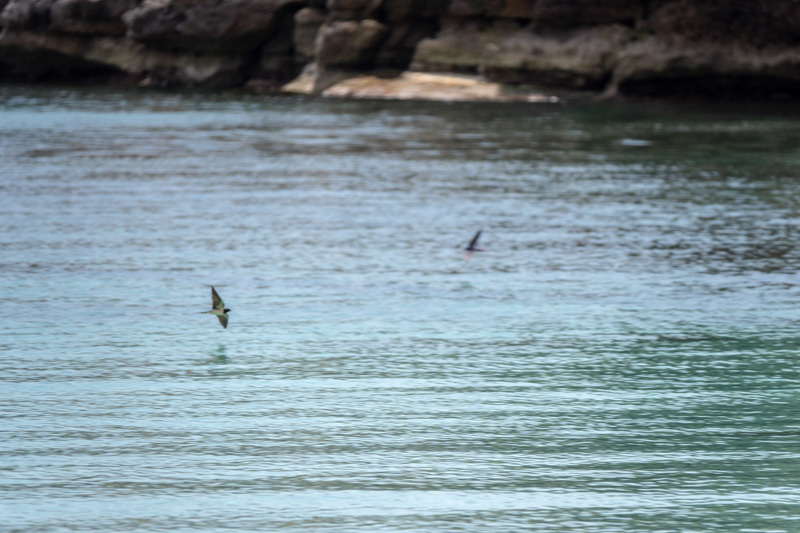
 About the sum of the birds we had seen until the very last moment.
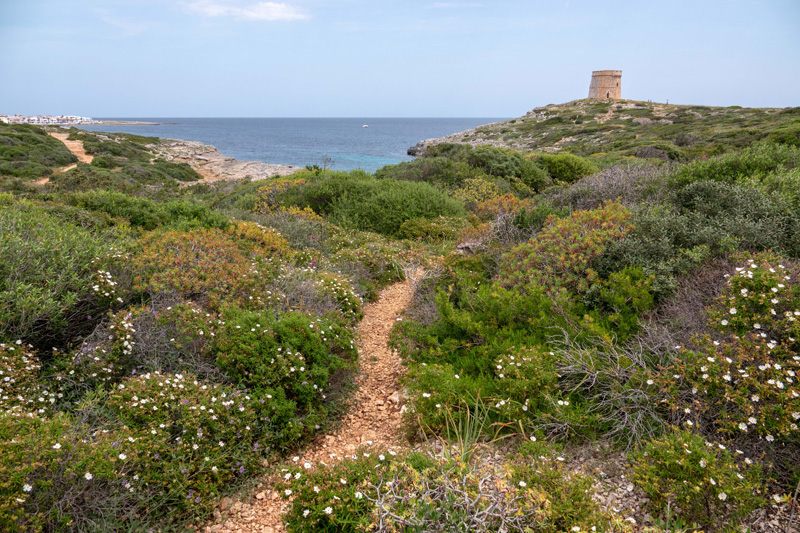
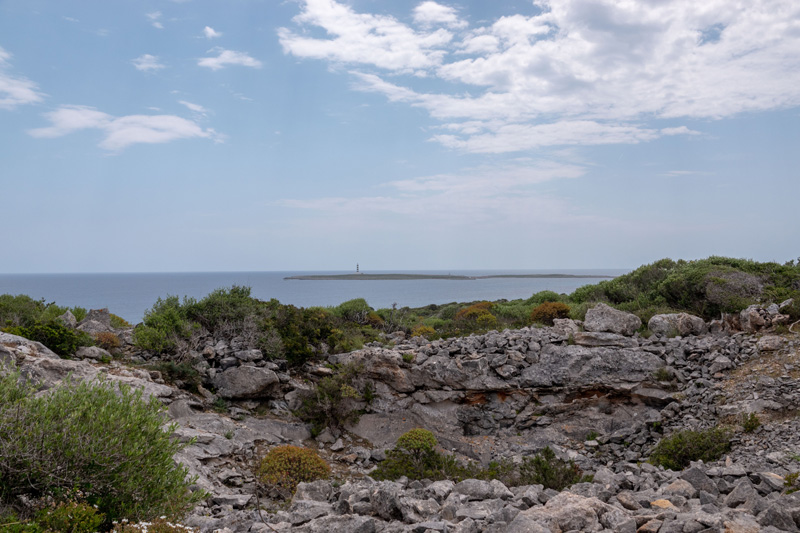
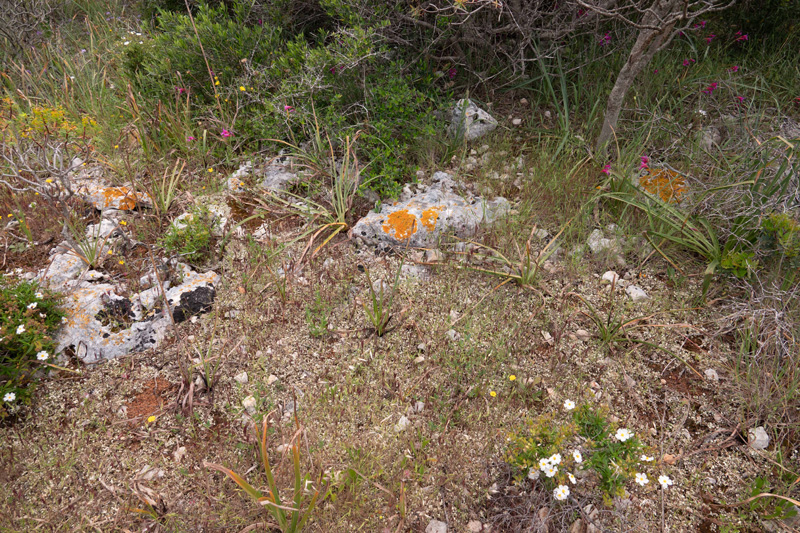
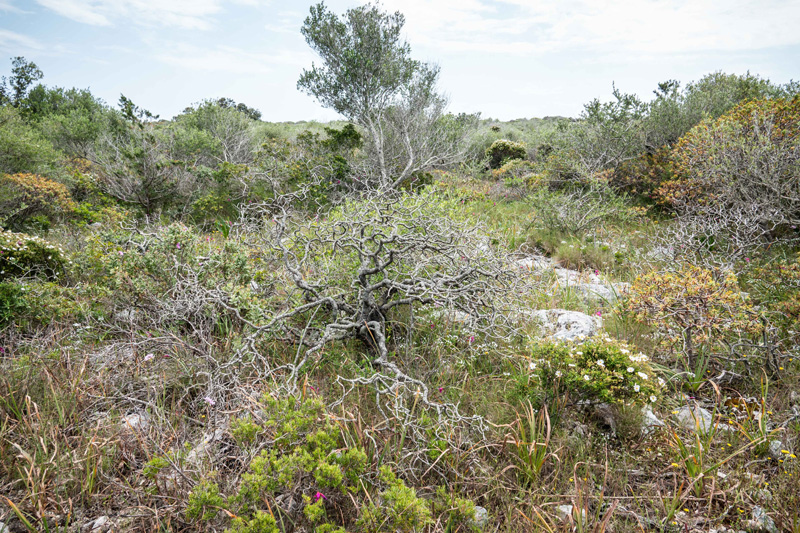
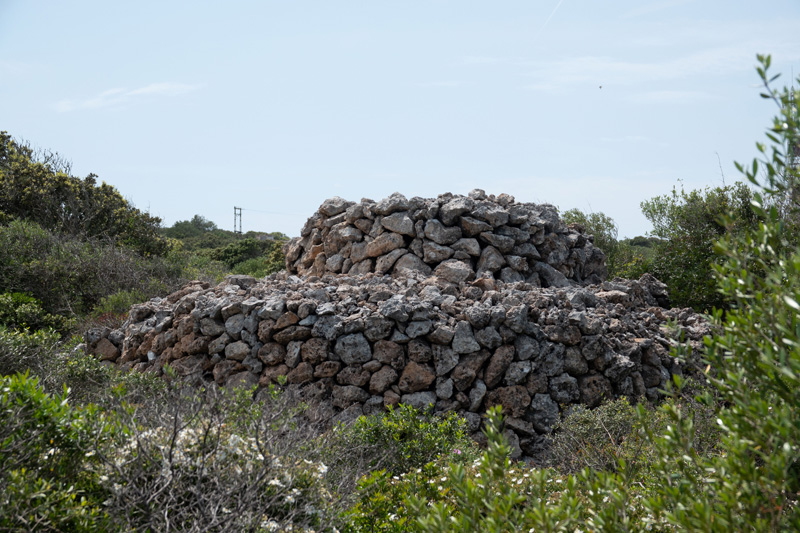
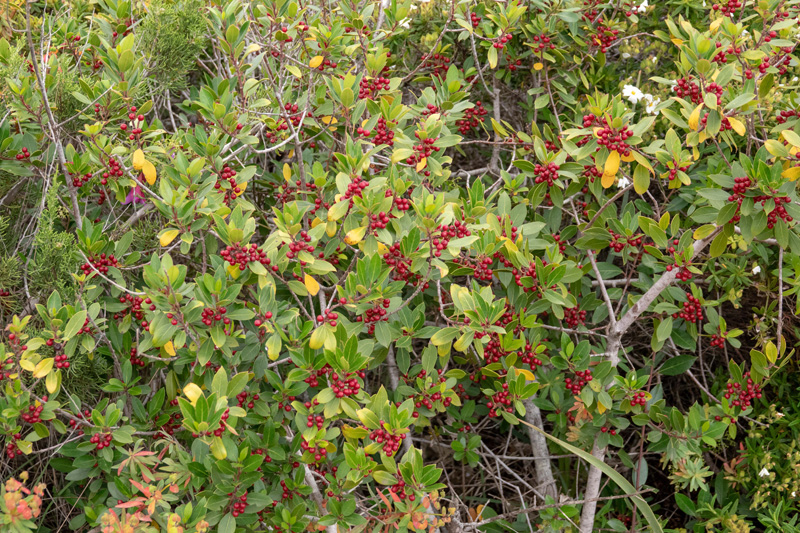
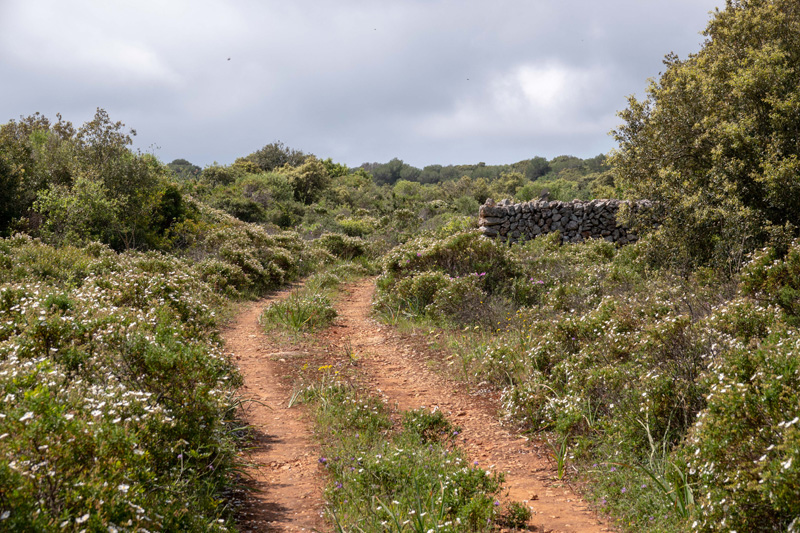
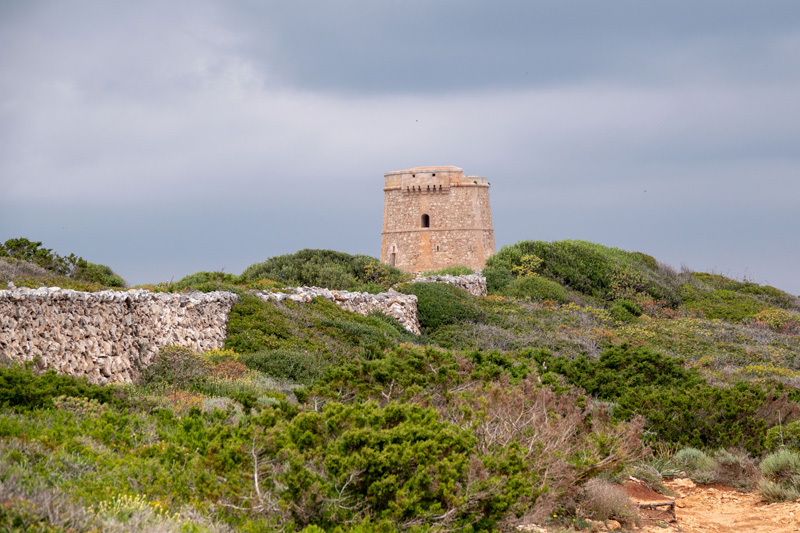
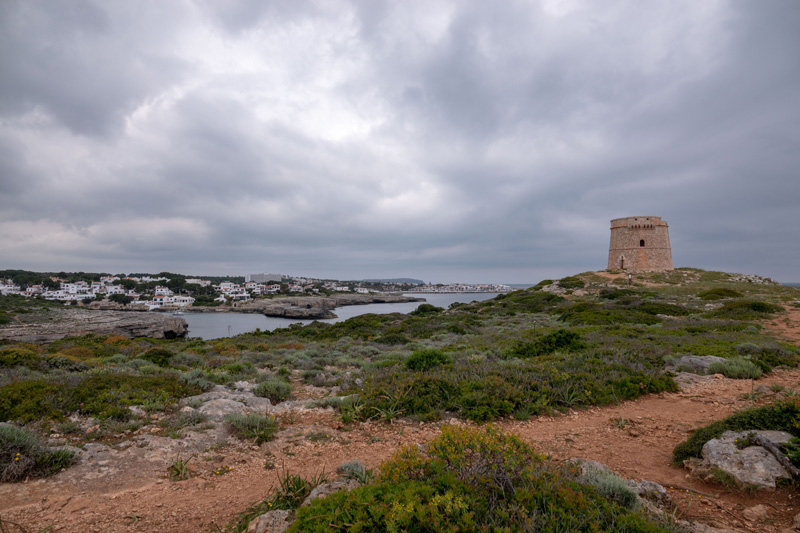
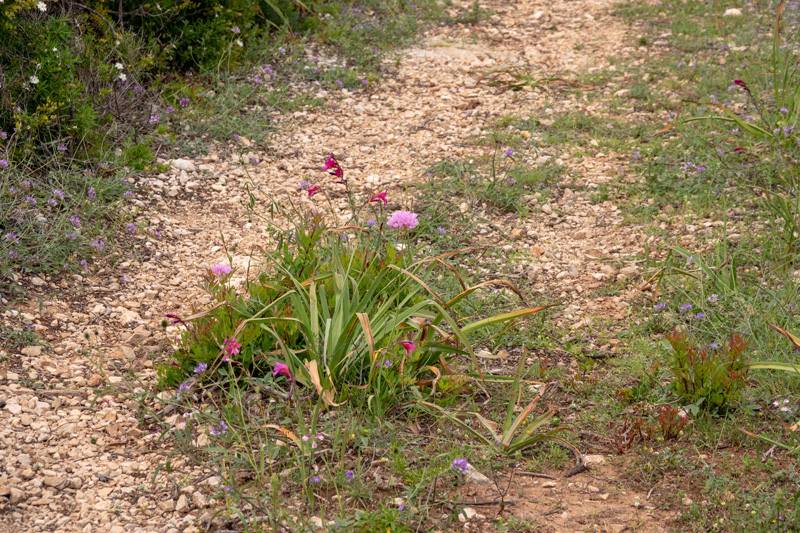
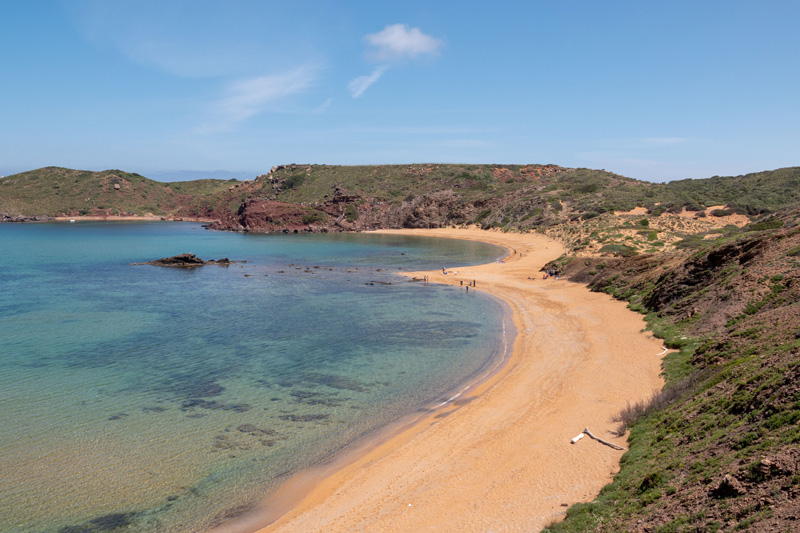
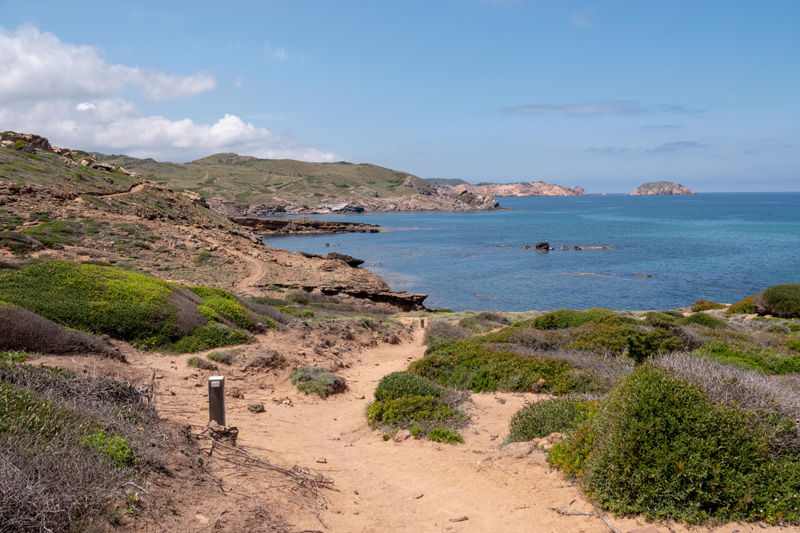
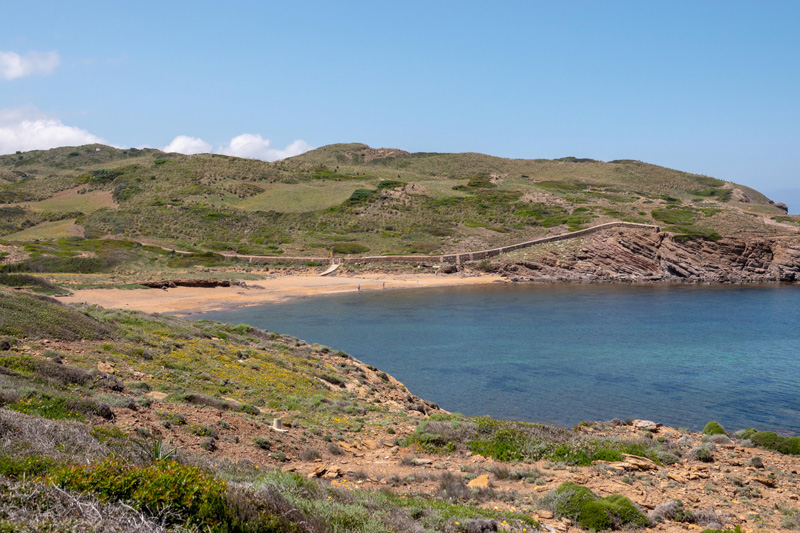
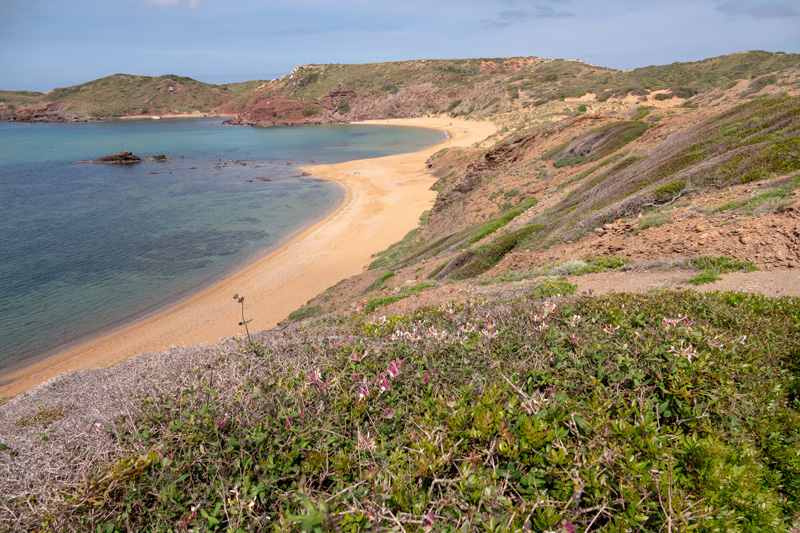
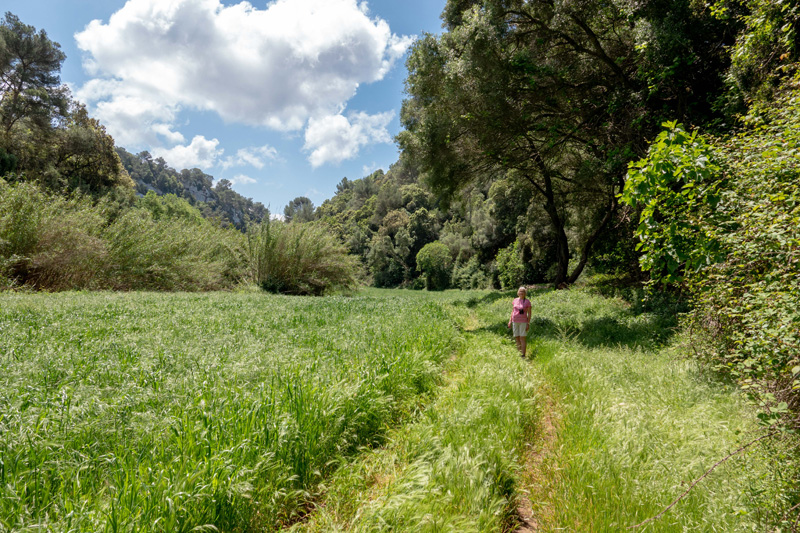
 Our path through the Mediterranean scrubland

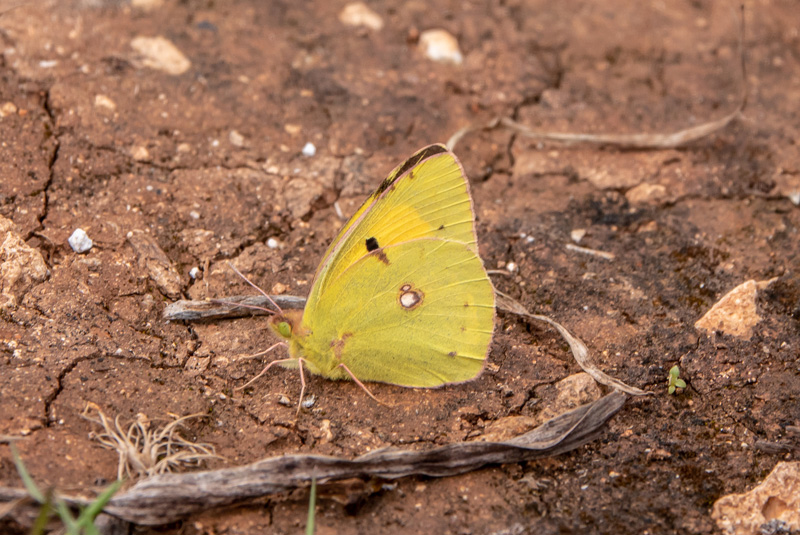
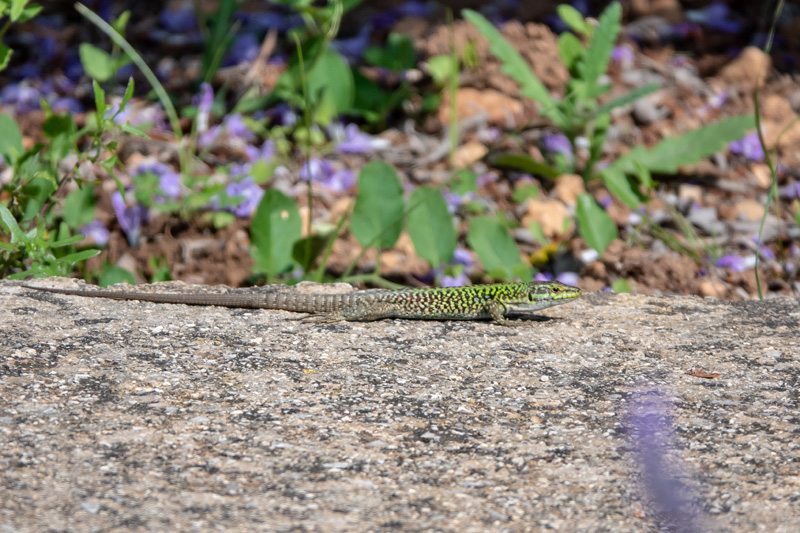
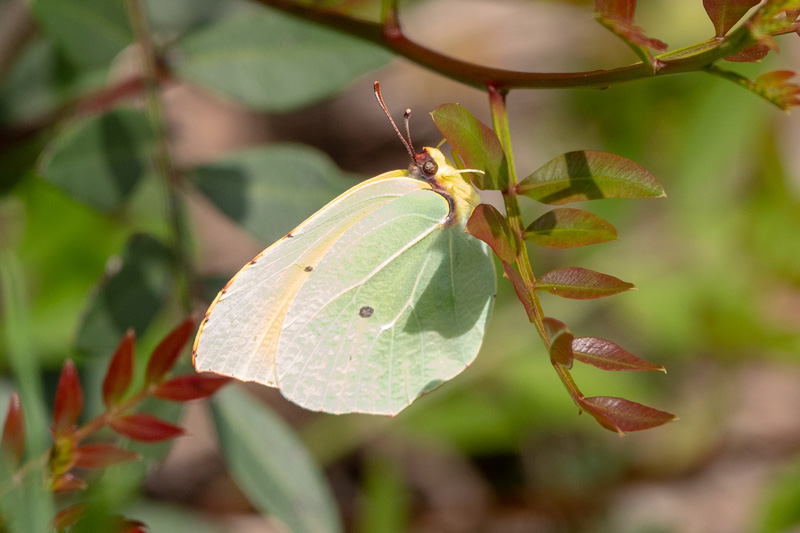
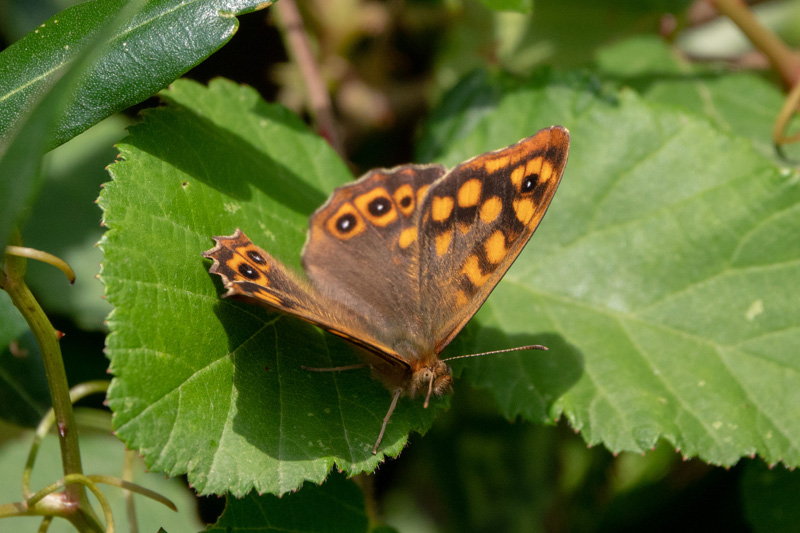 Not many birds on our walk but plenty of wildlife
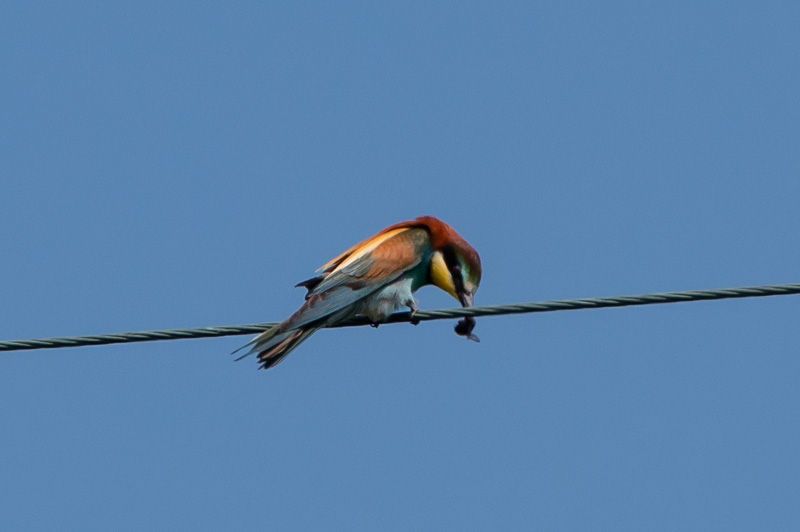

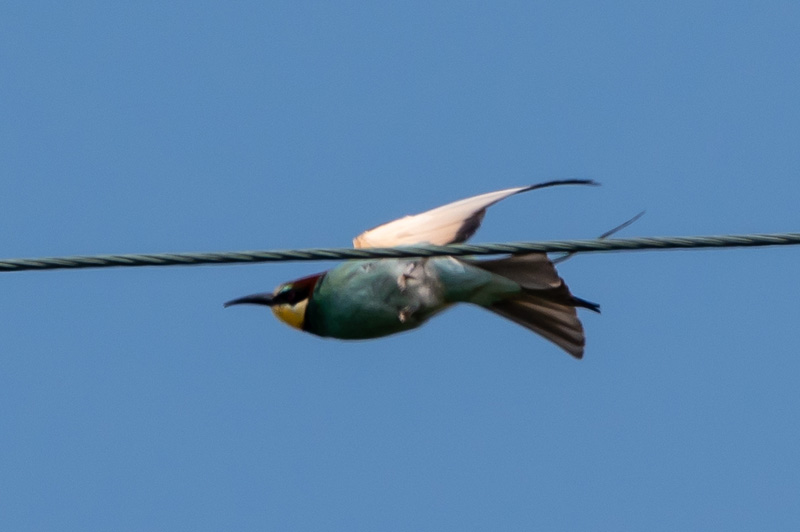

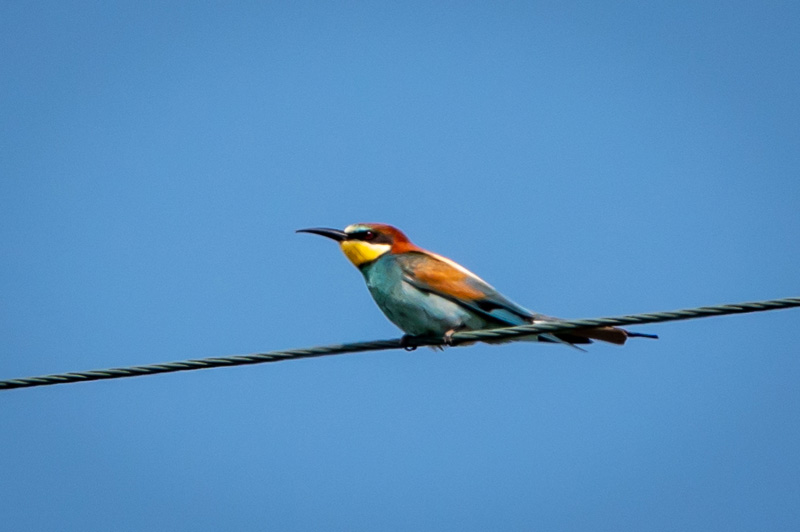
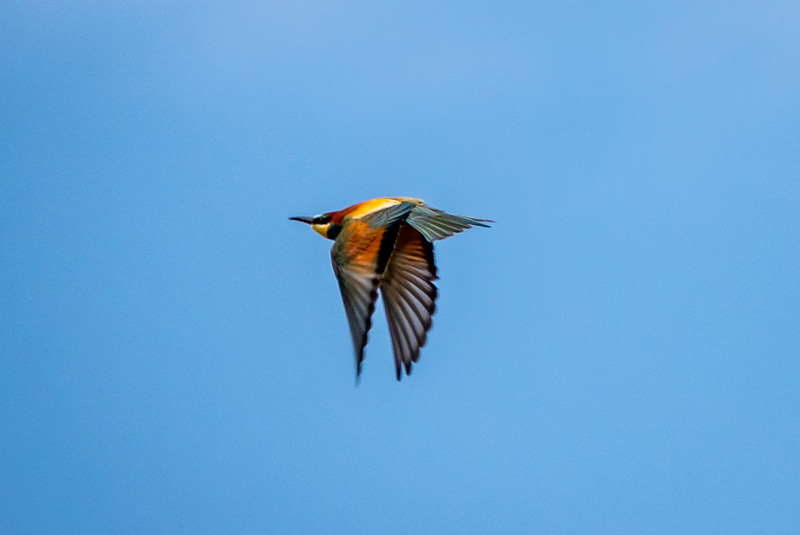
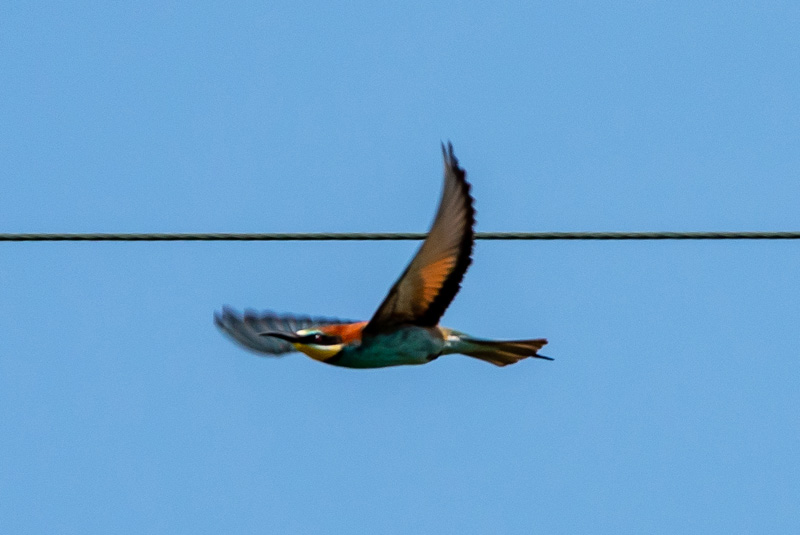
 I had been hoping all week to see bee eaters
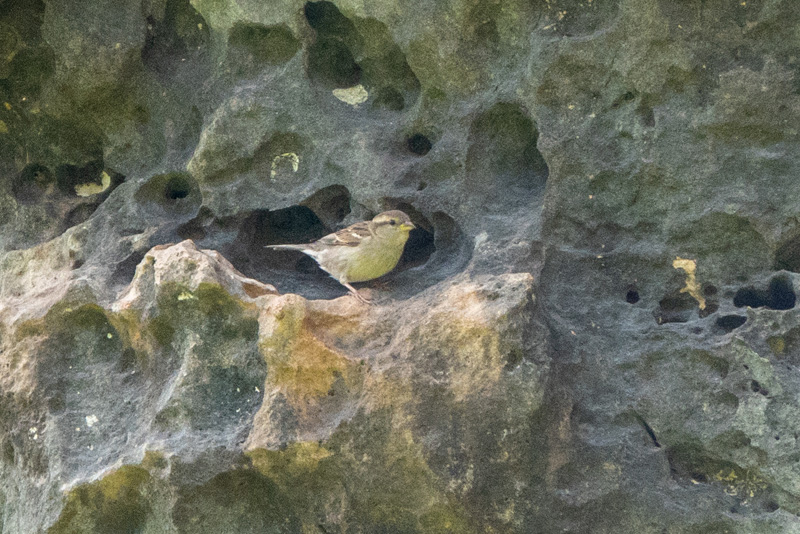
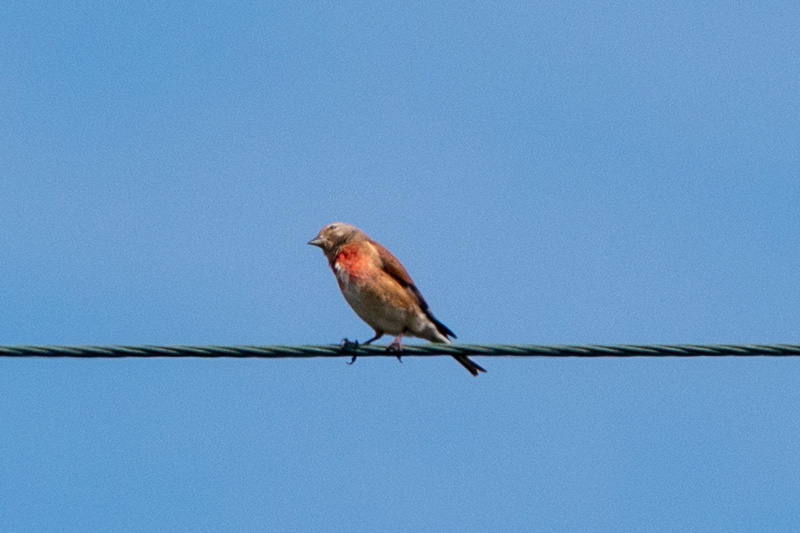 Linnet
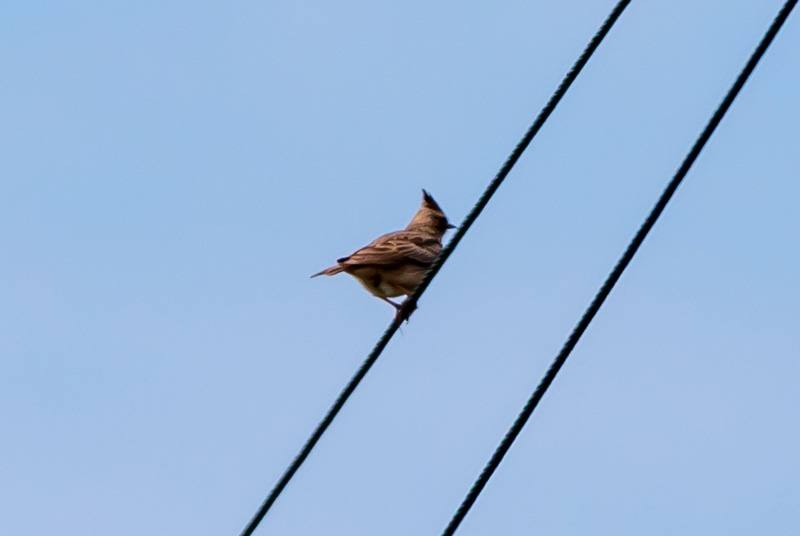
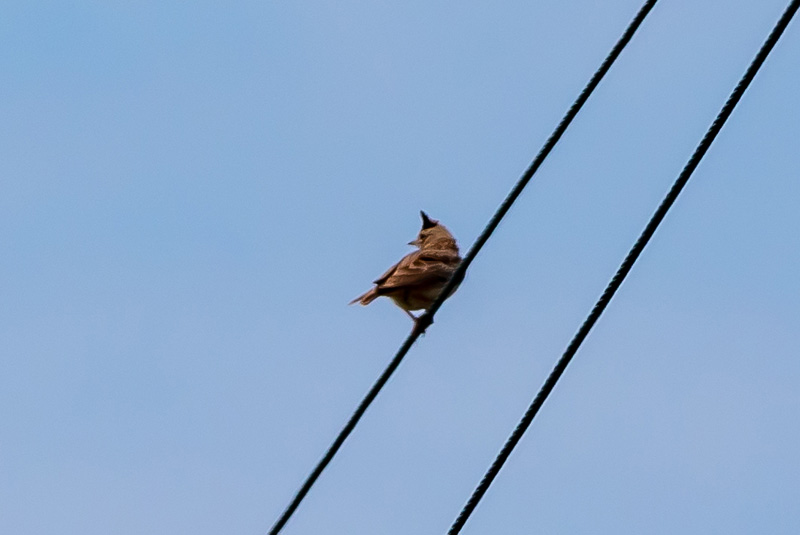
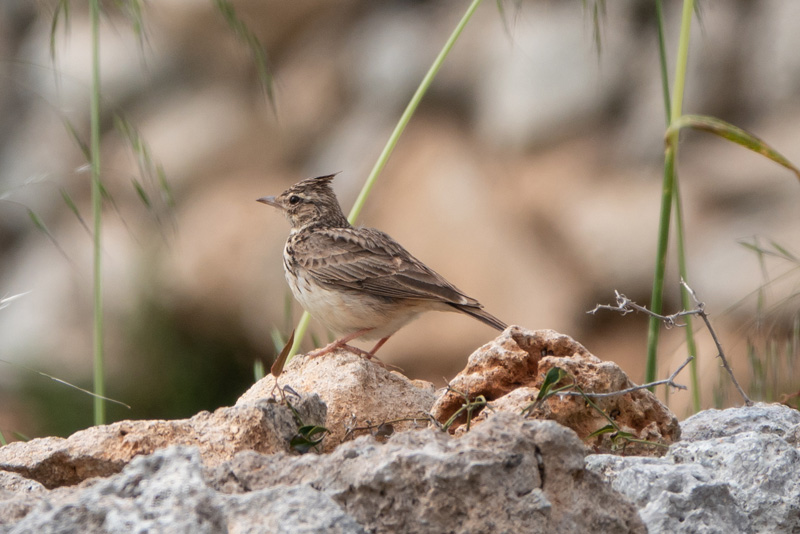
 Thekla’s lark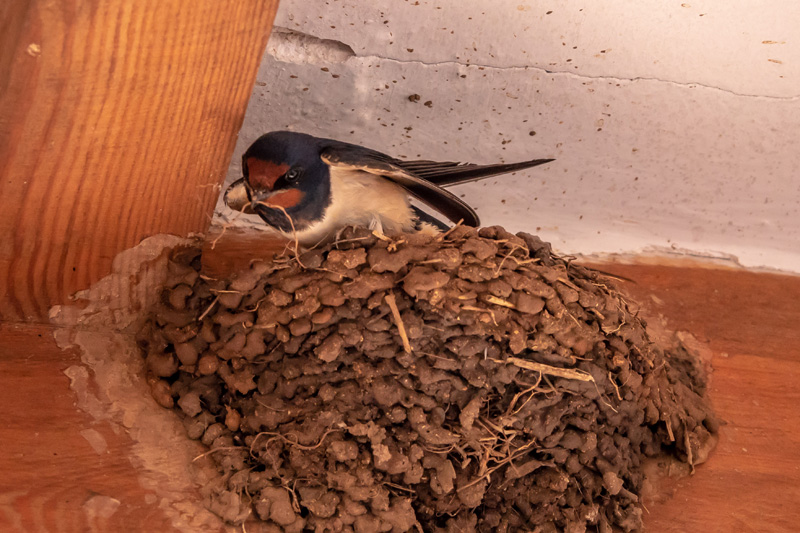







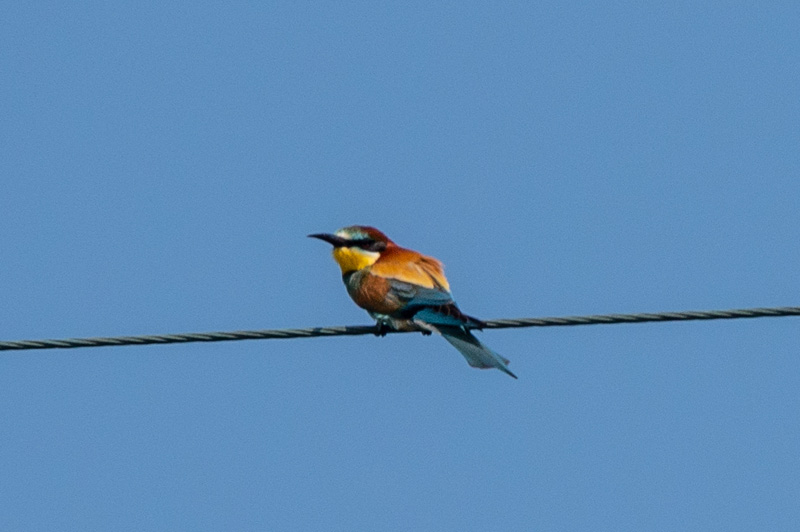
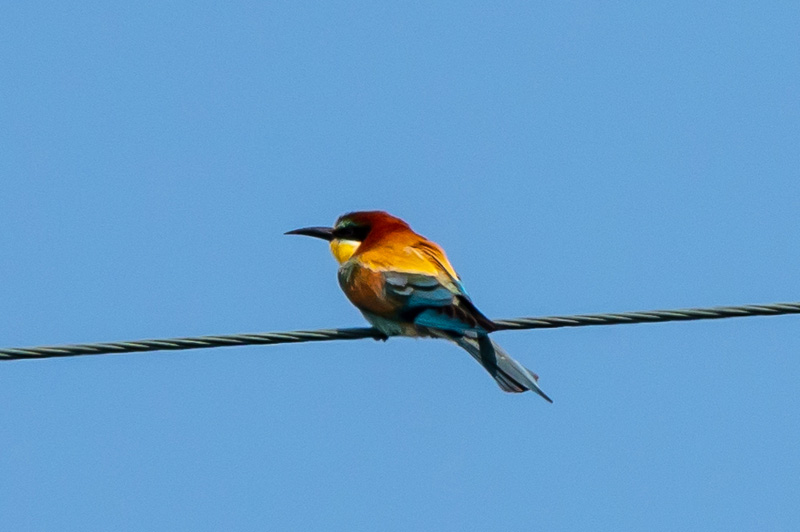

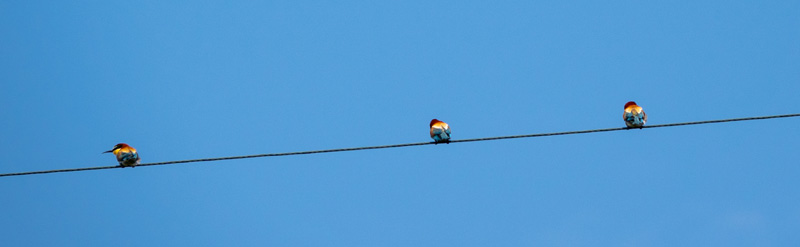


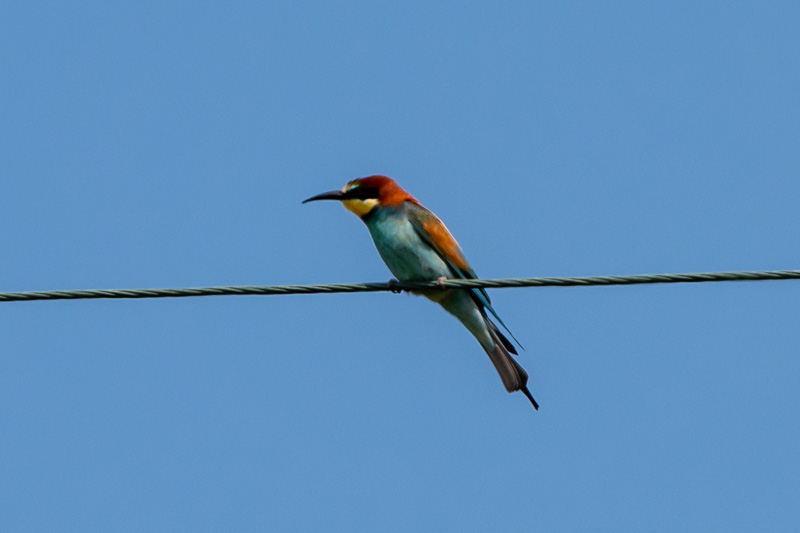


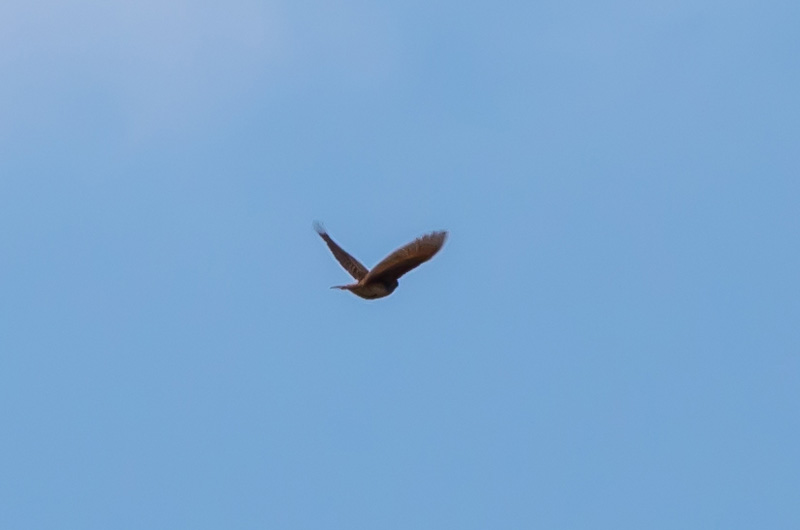

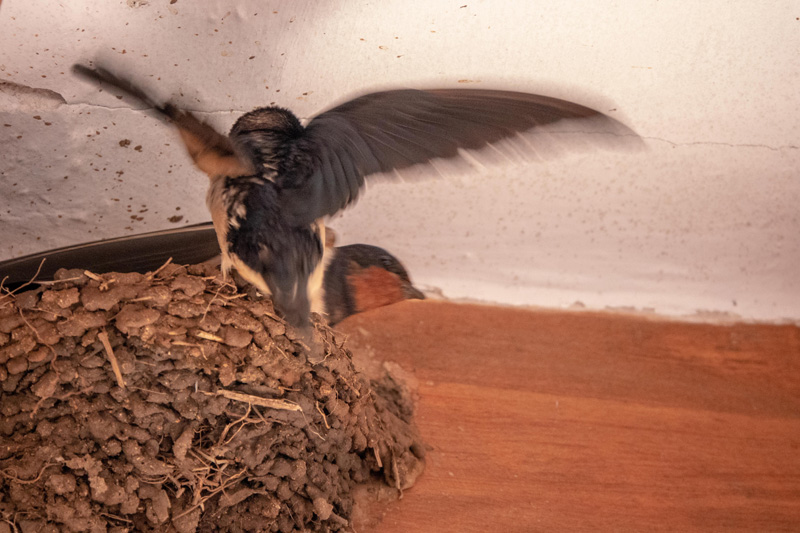

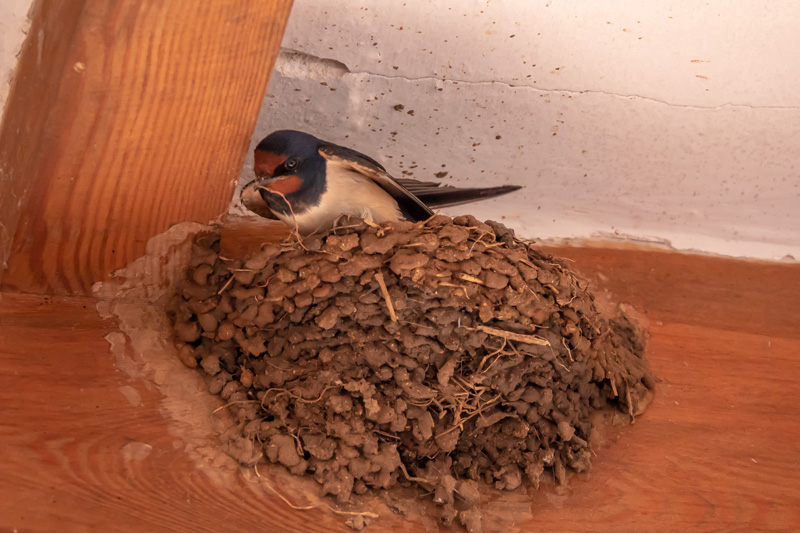


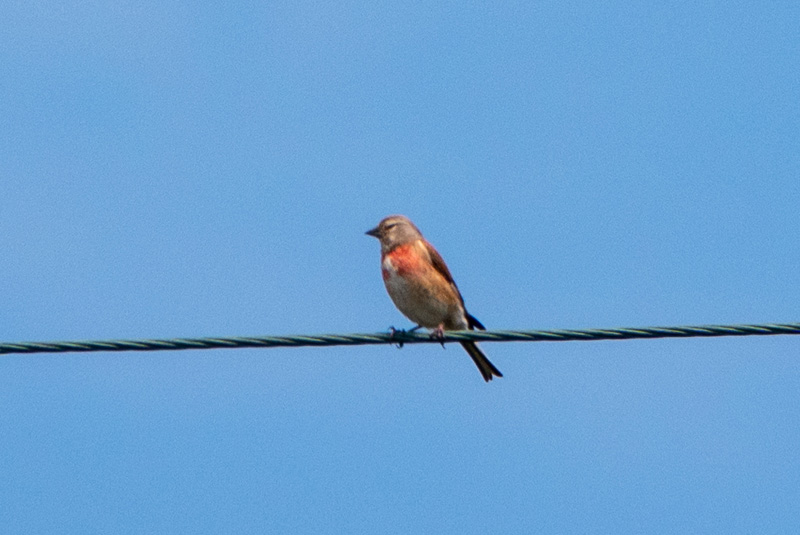


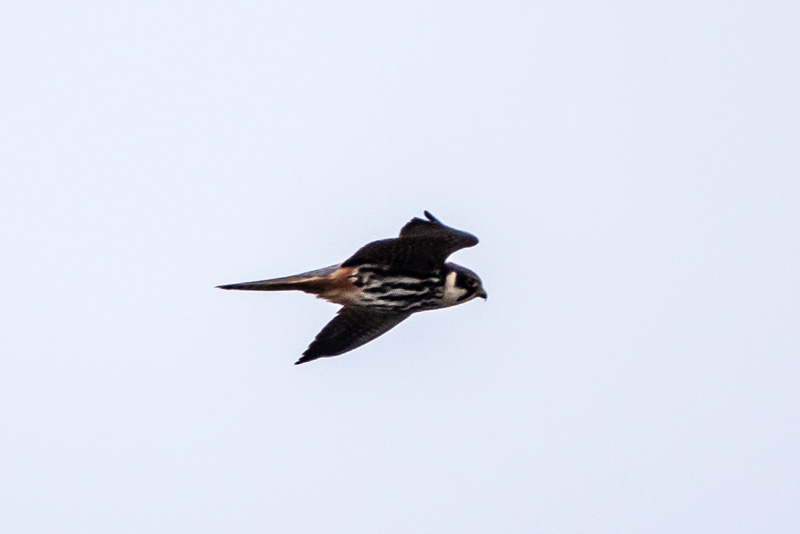 Hobby
Hobby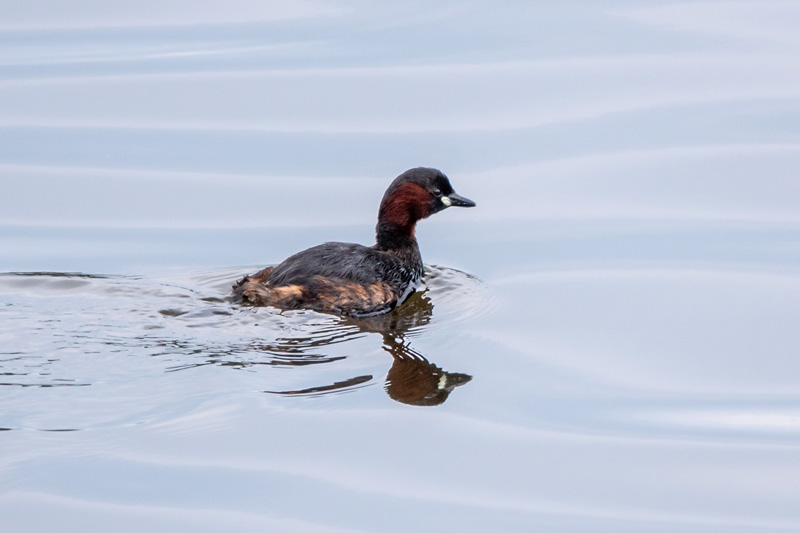 Little grebe
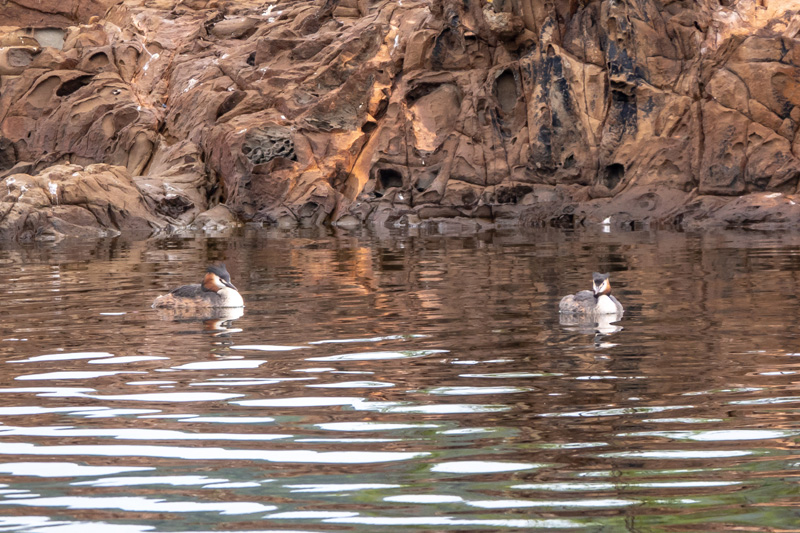 Great crested grebe
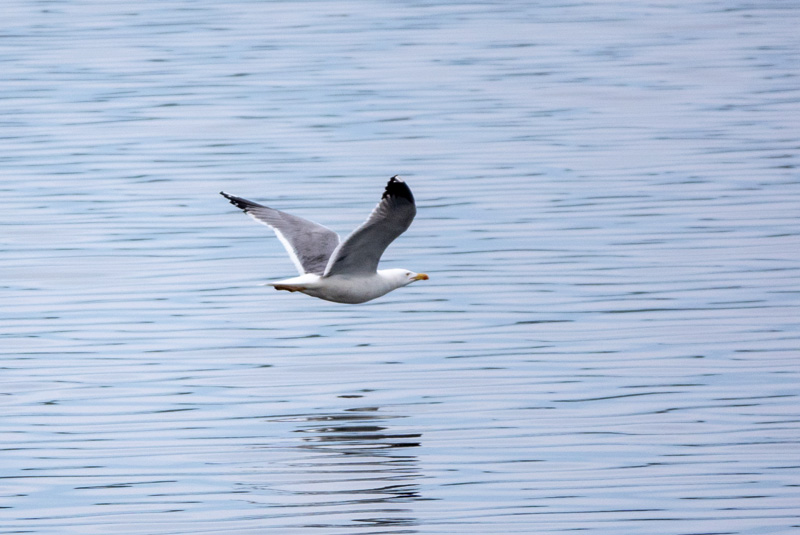 Yellow legged gull
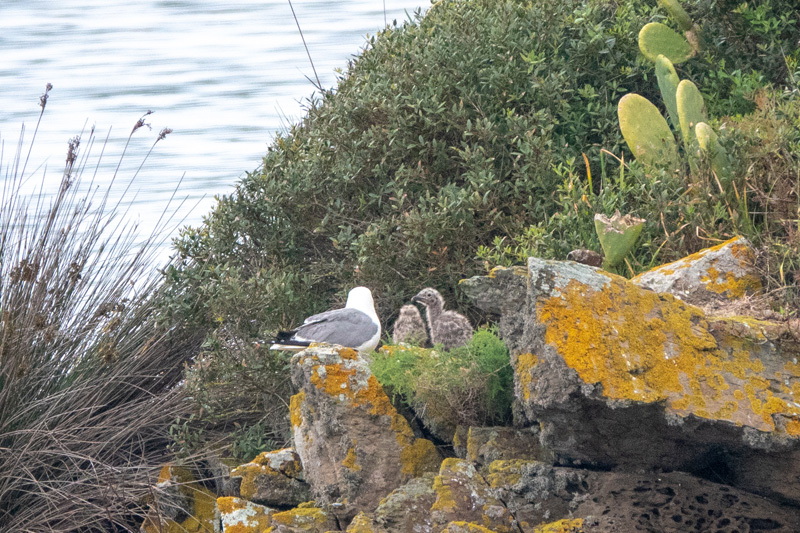 Yellow legged gull and chicks
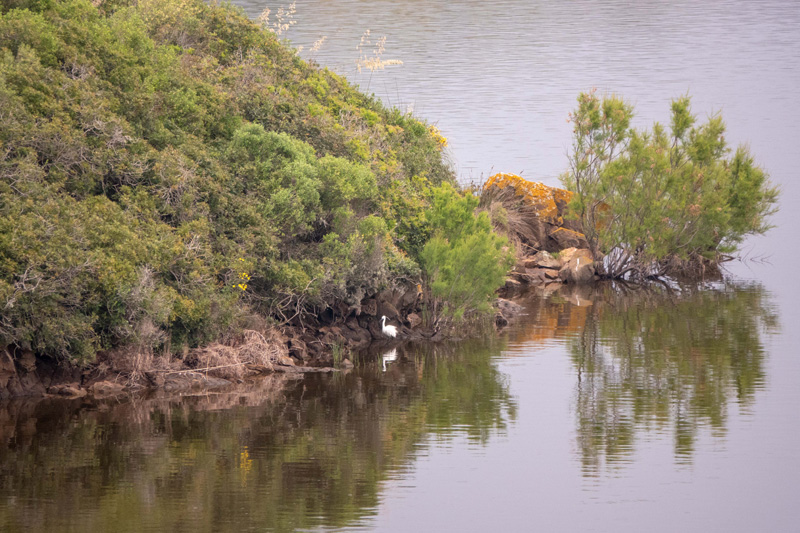 Little egret
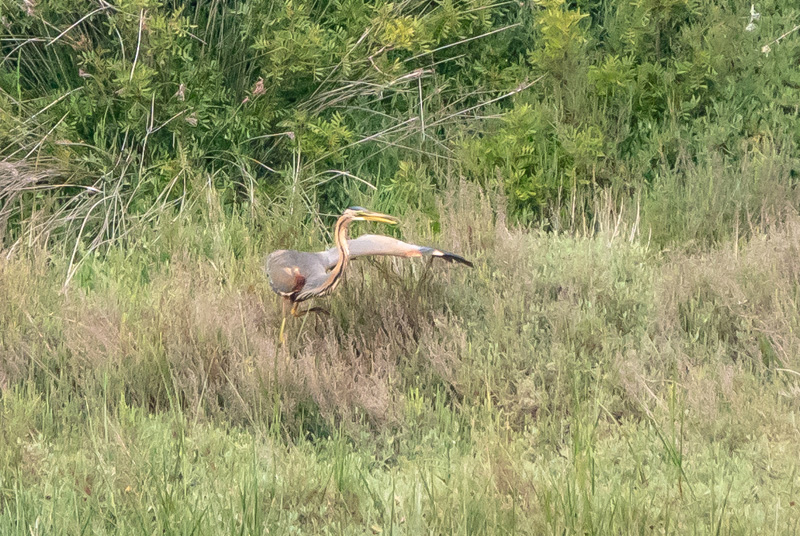
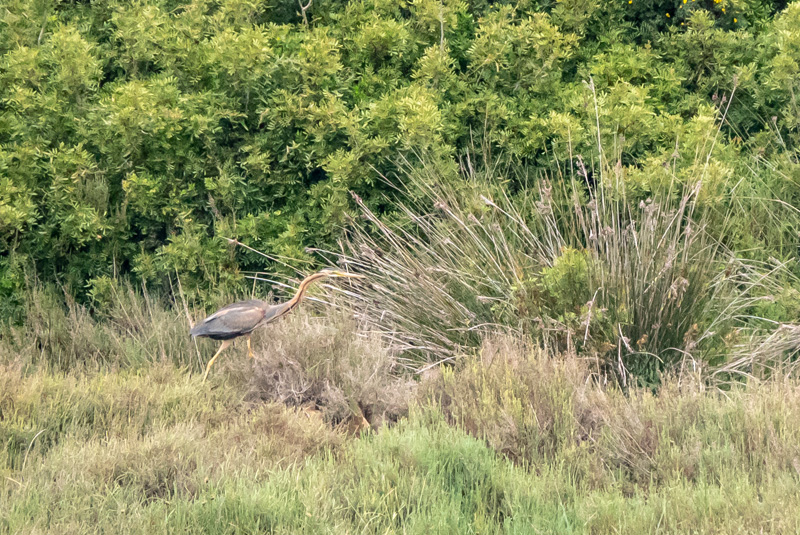 Purple heron
 Purple heron
 Purple heron
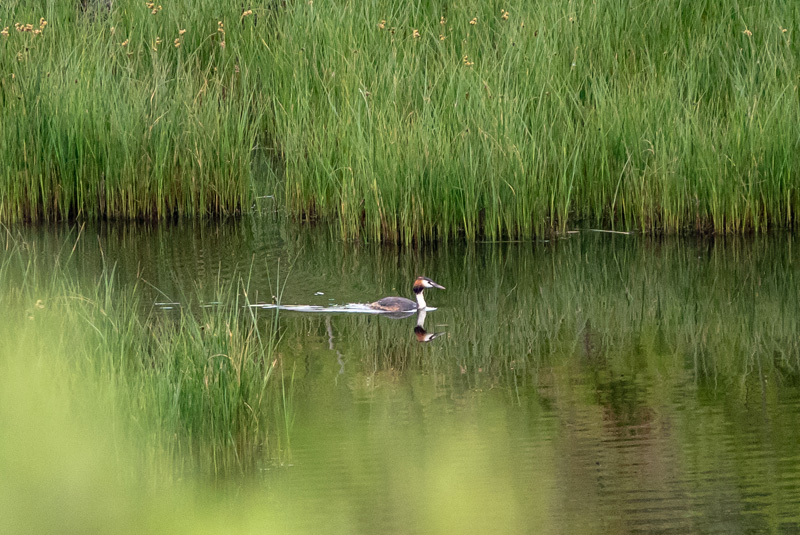 Great crested grebe
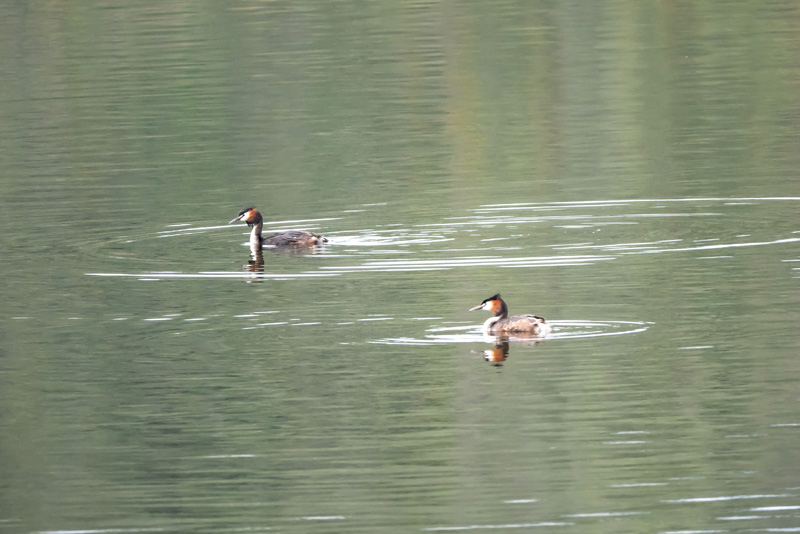 Great crested grebe
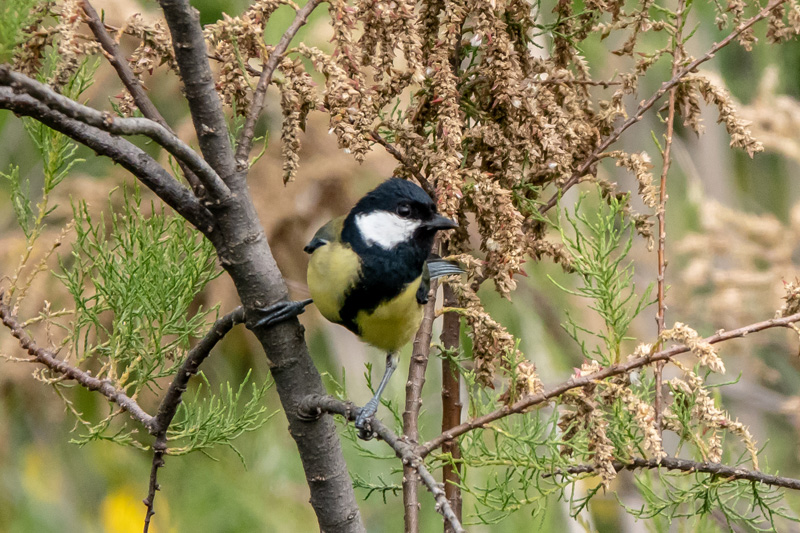 Great tit (and not a bird feeder in sight)
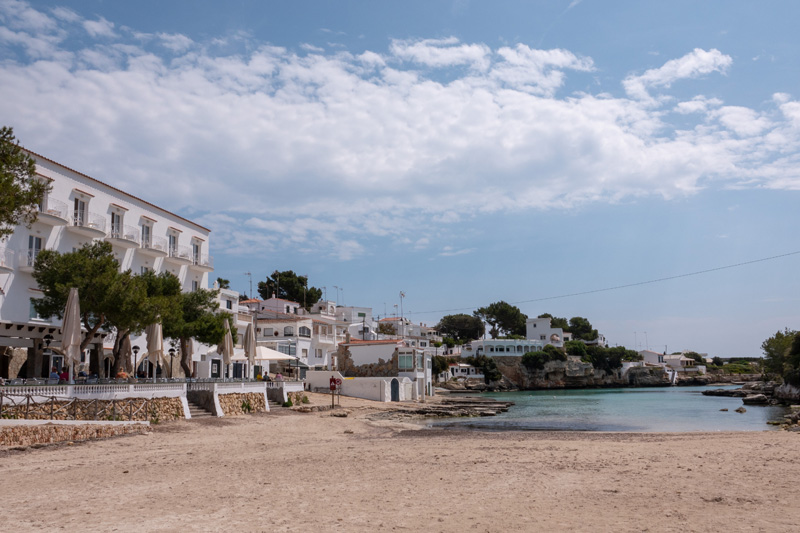
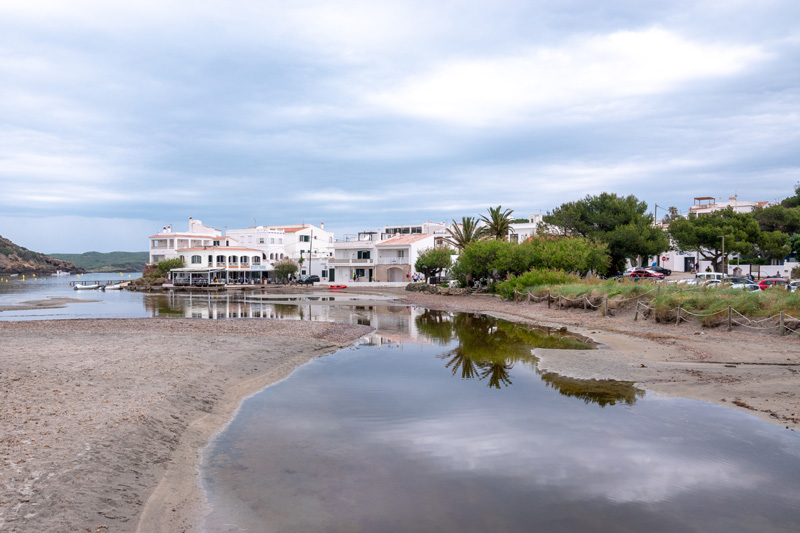 The port of Es Grau with sea front restaurants
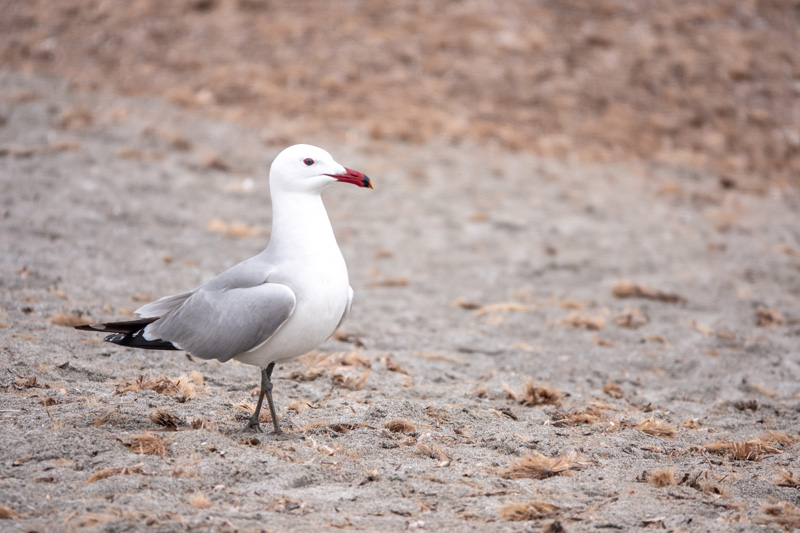 Audouin gull
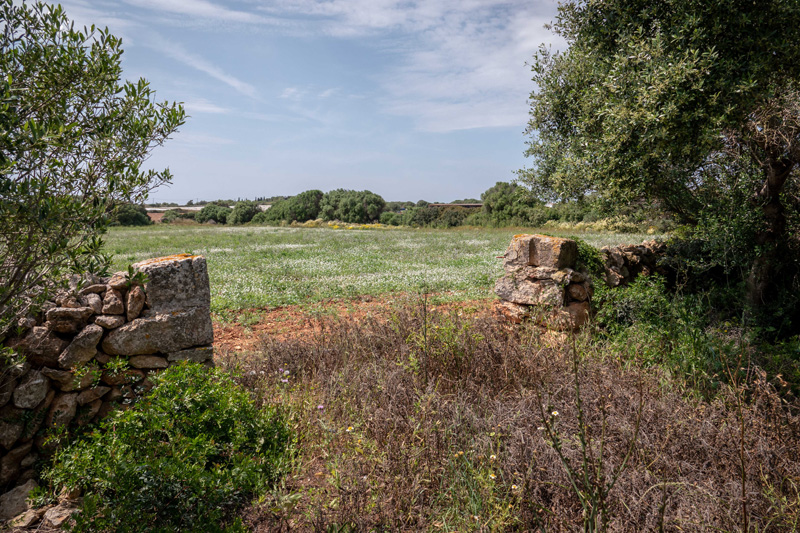
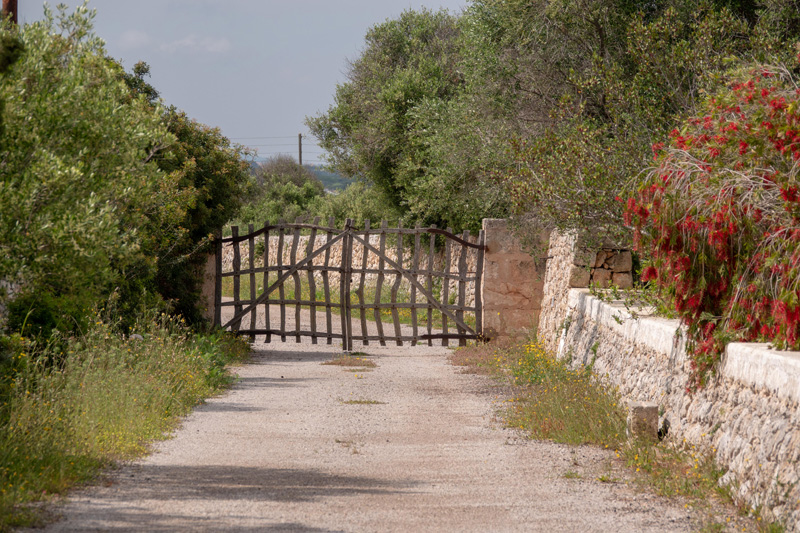 Typical Menorcan gate made of old olive wood
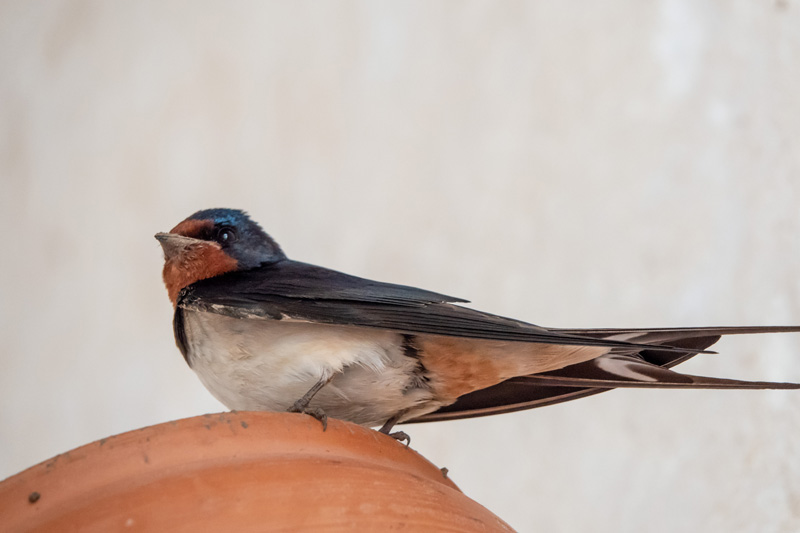
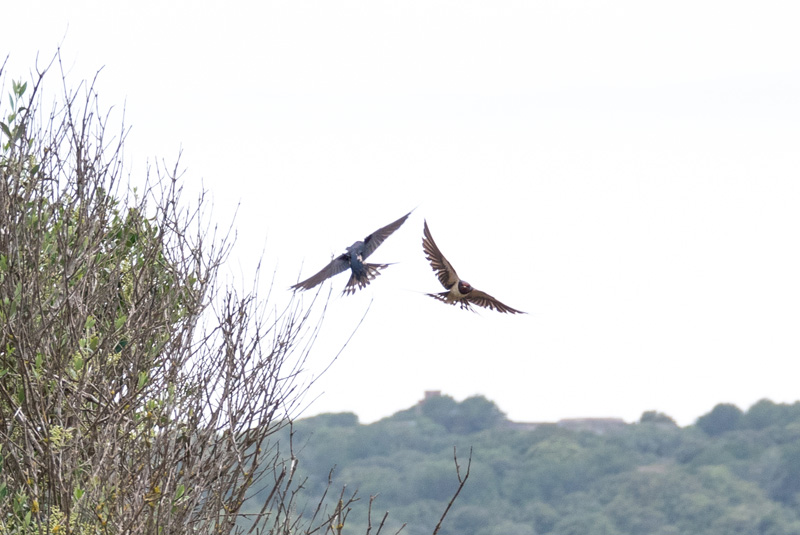 Barn swallows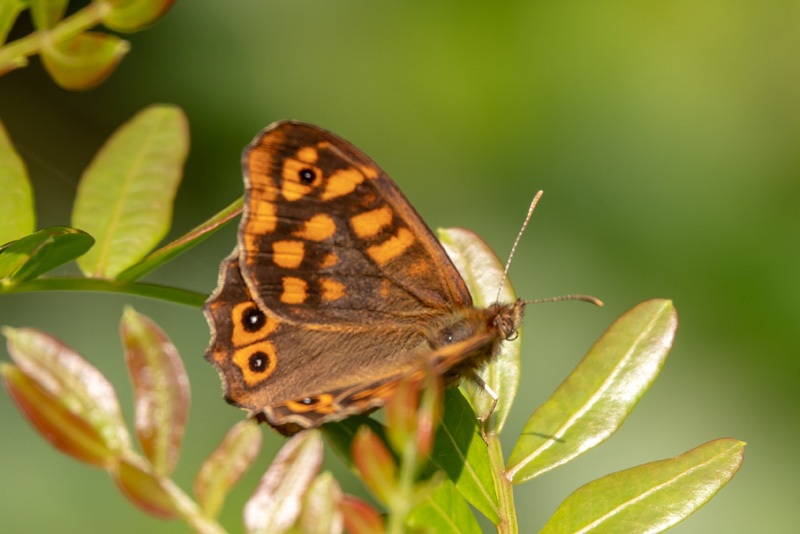
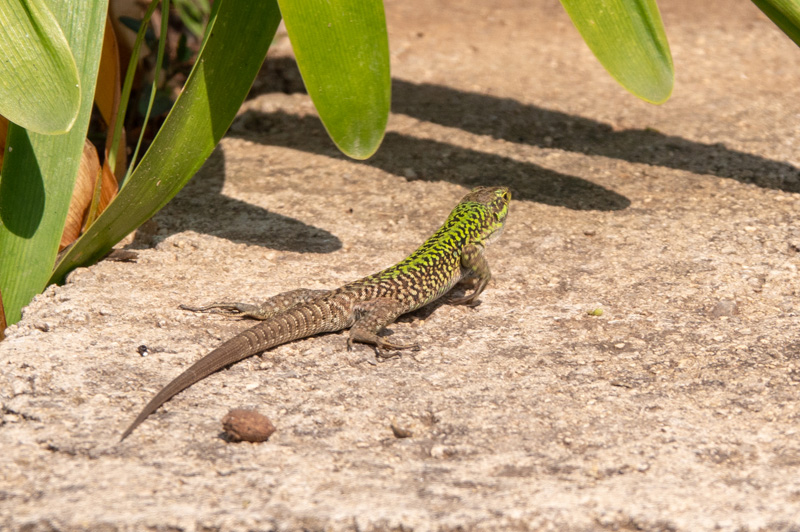
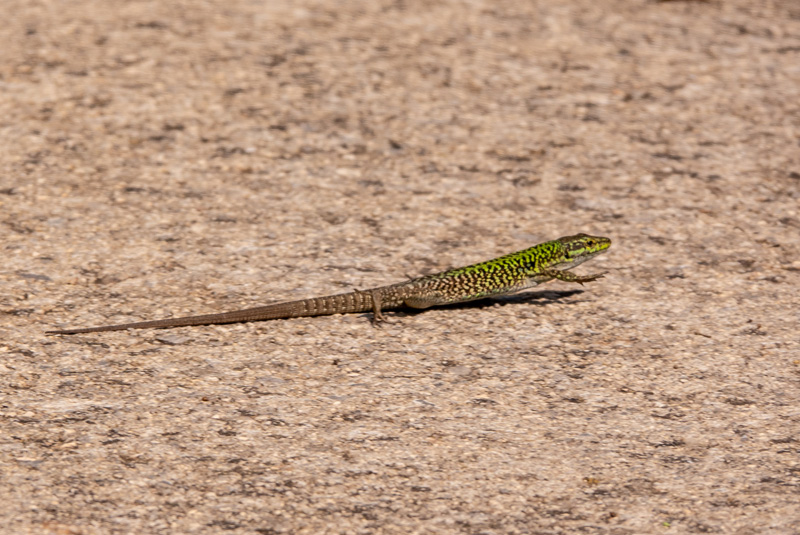


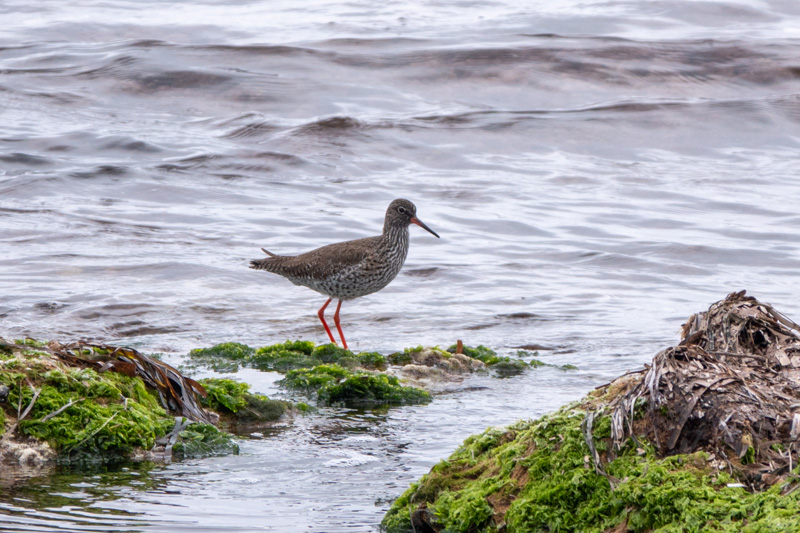
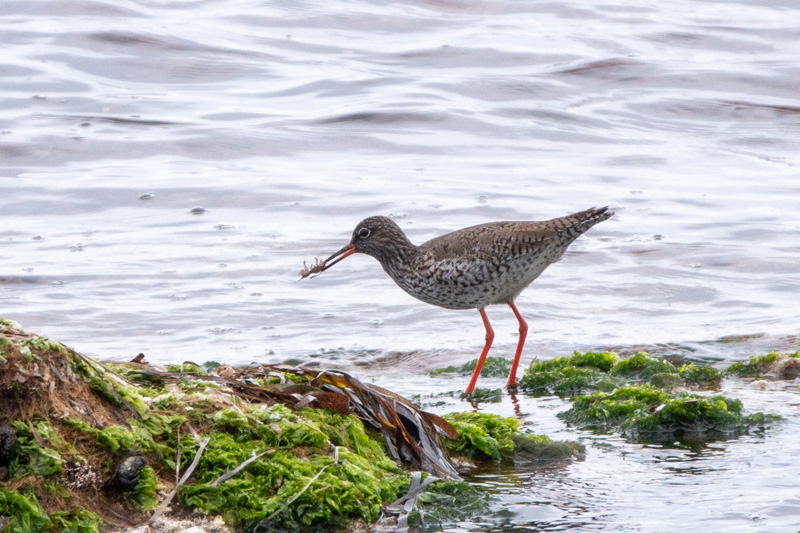
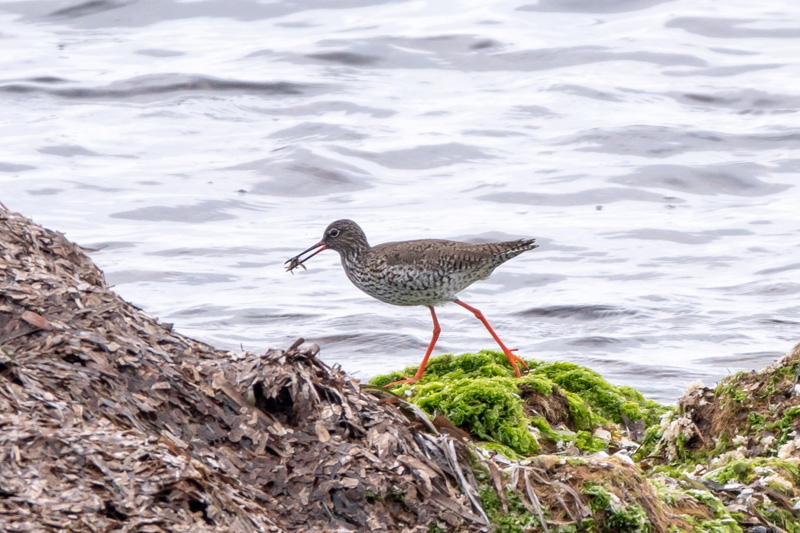 Redshank with crab
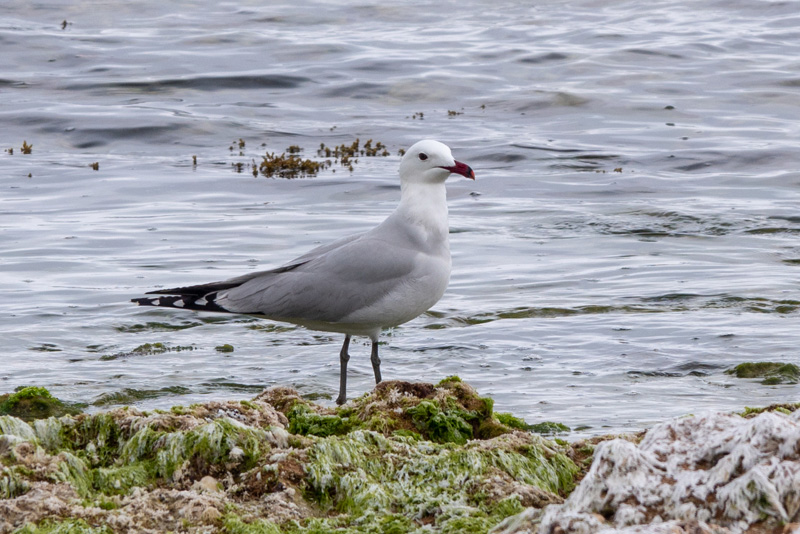 Audouin’s gull
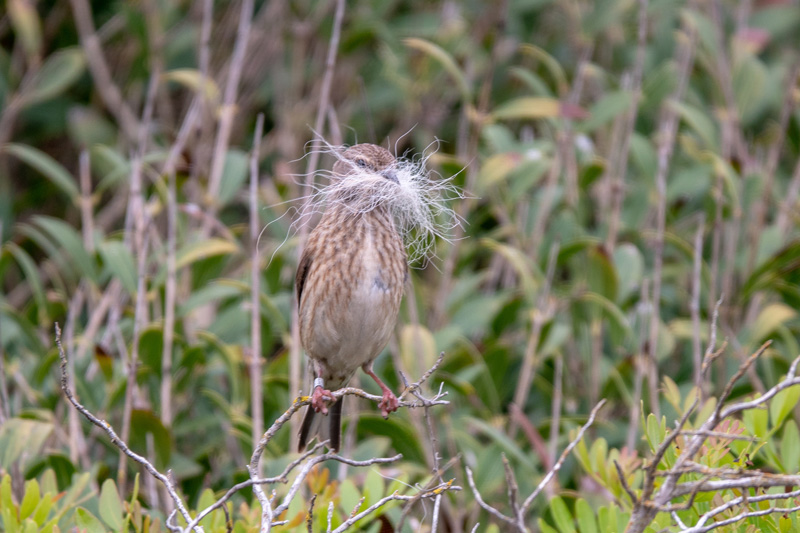
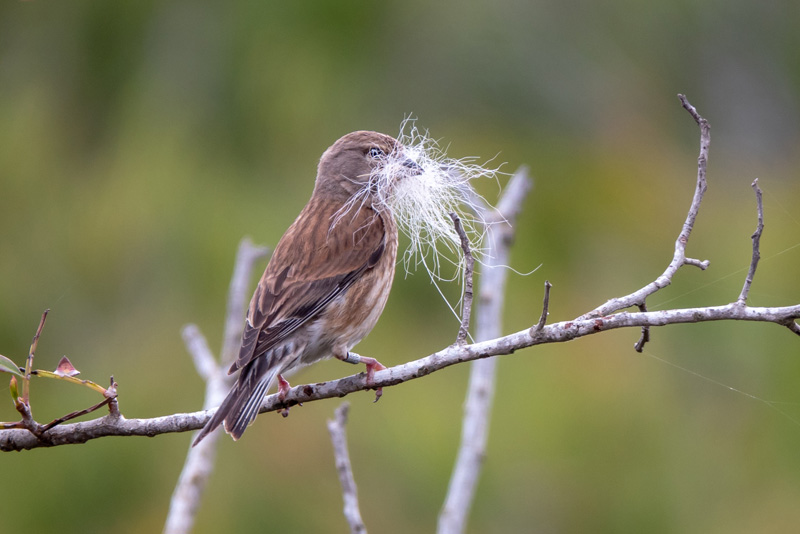 Female linnet
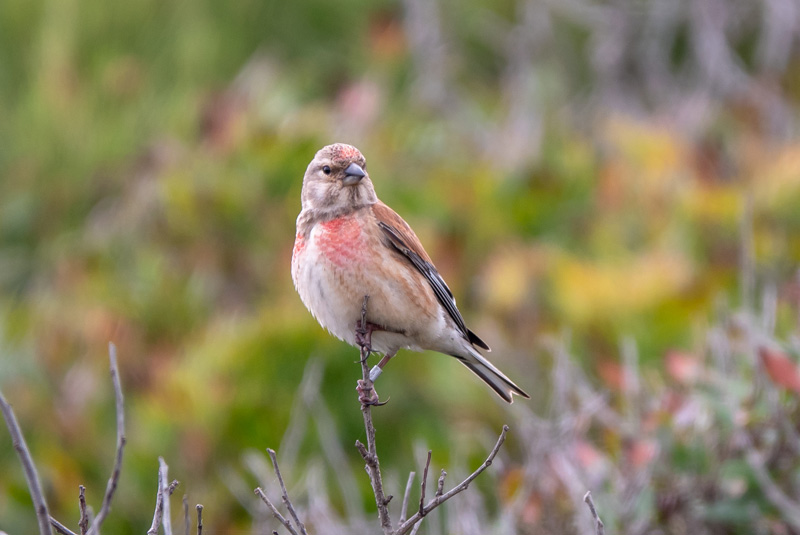
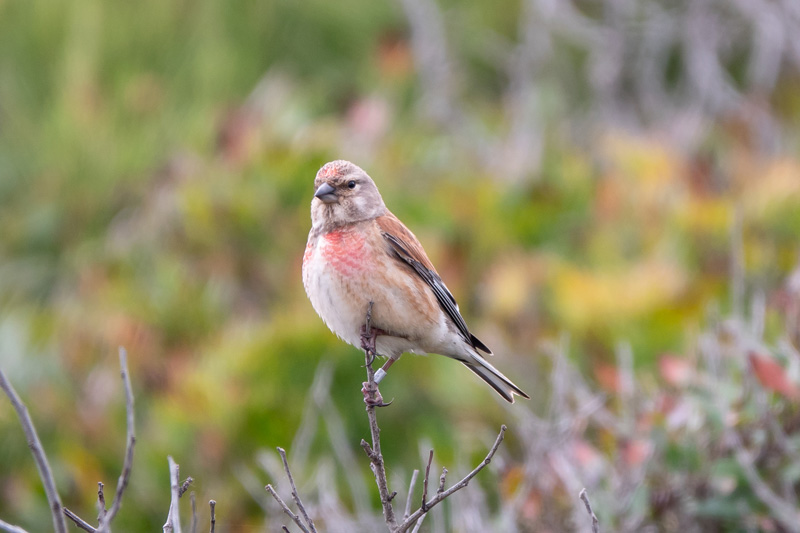
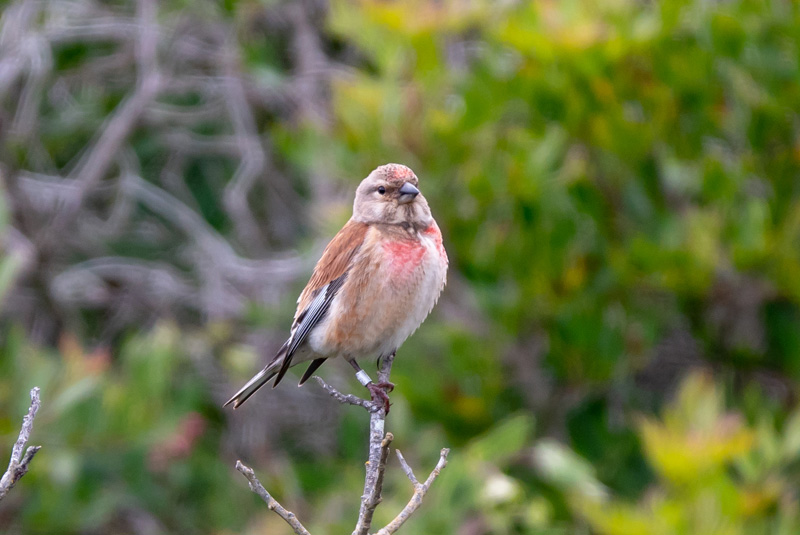 Male linnet
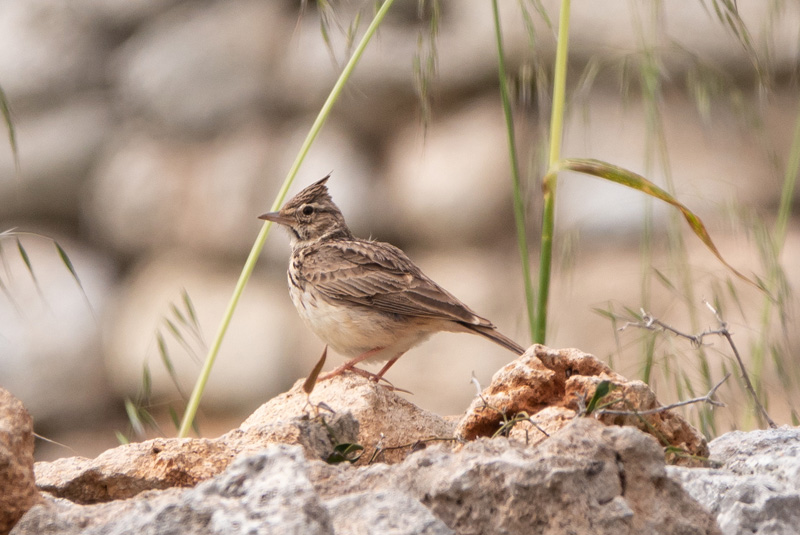 Thekla’s lark
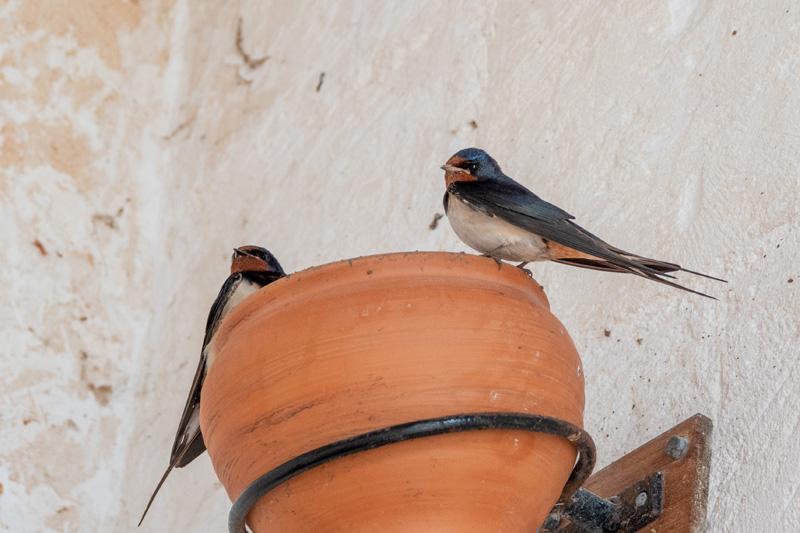 Swallows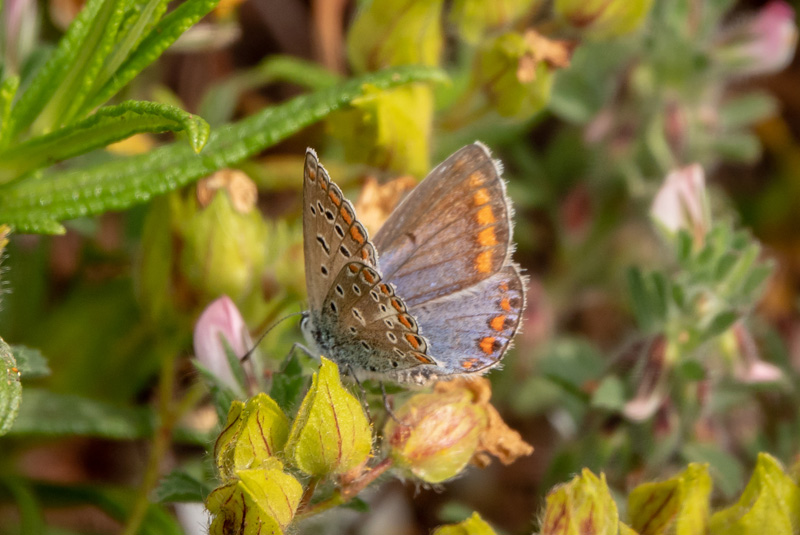
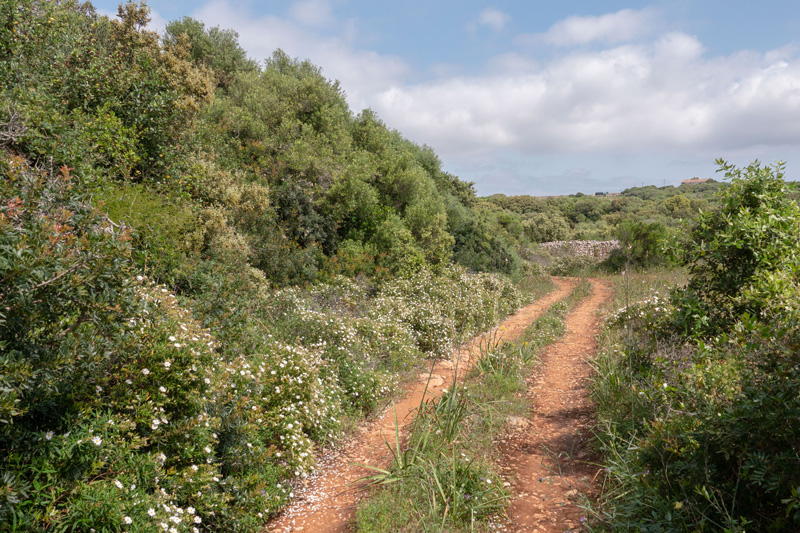



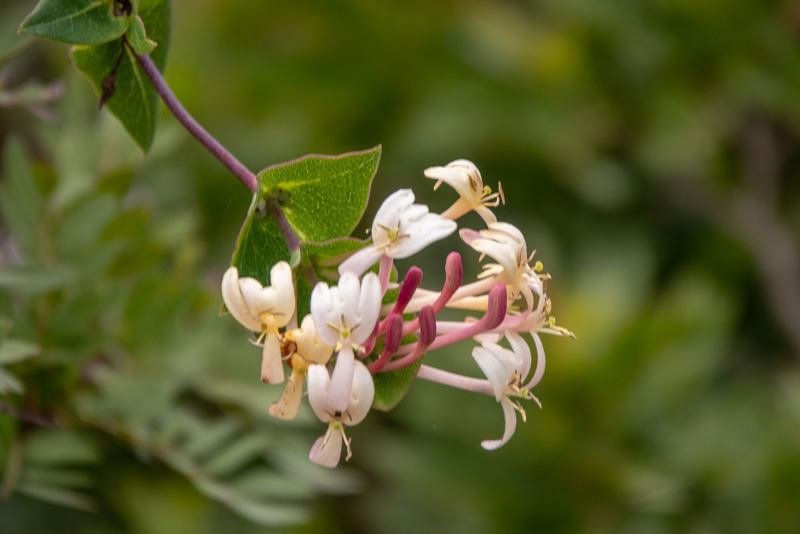
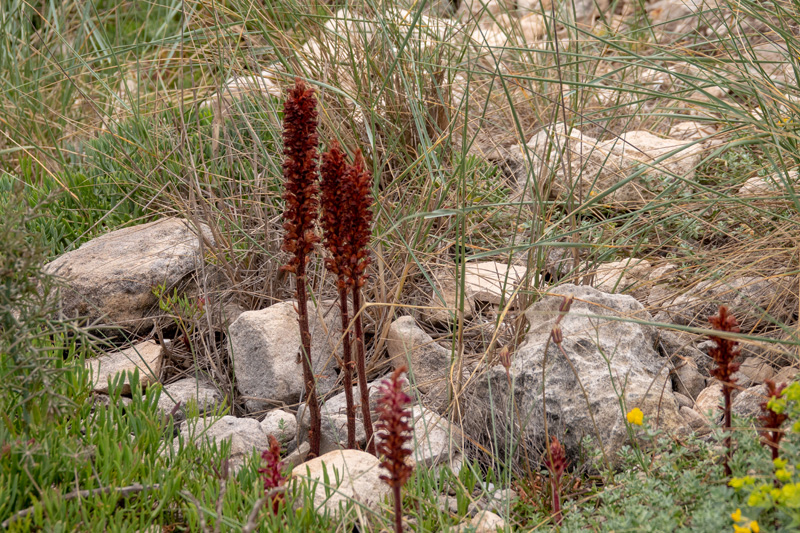
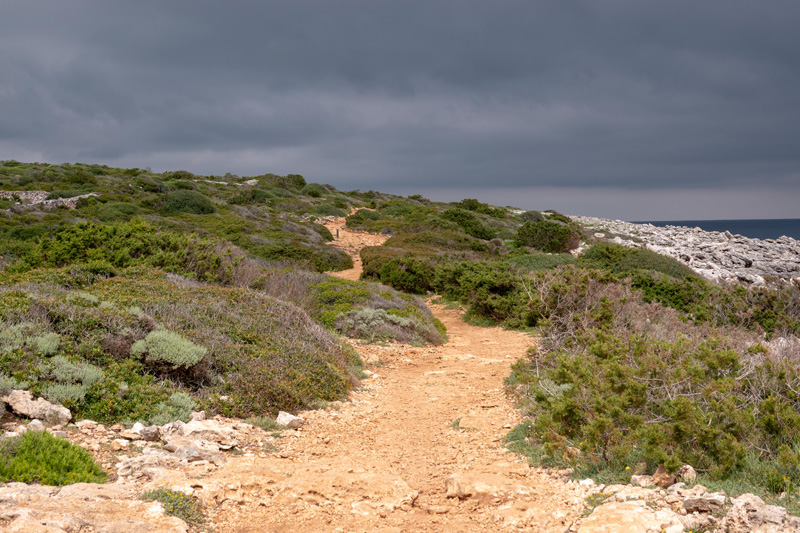

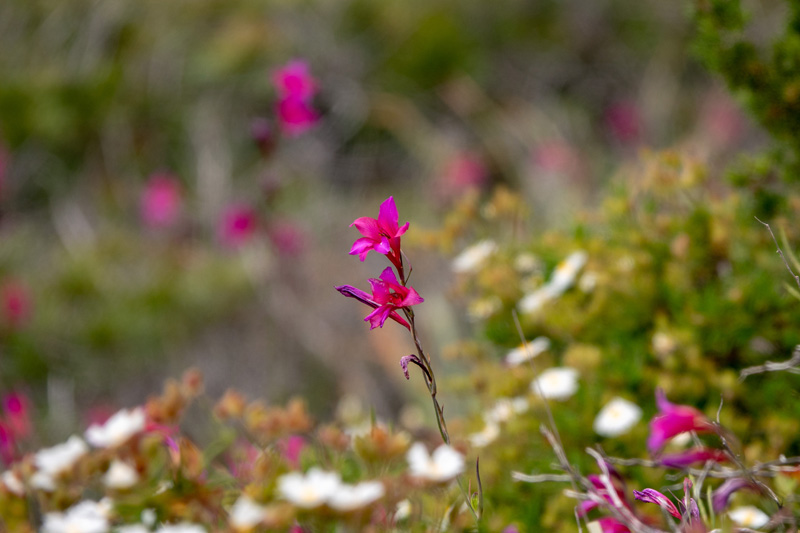
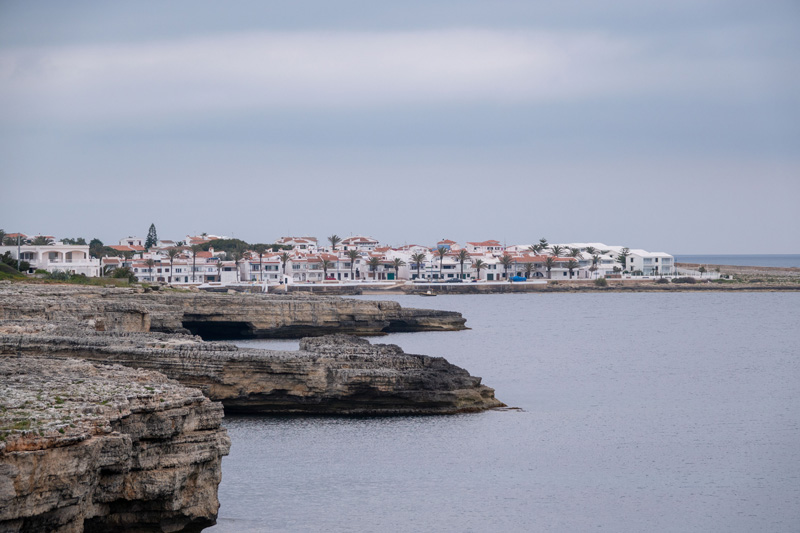
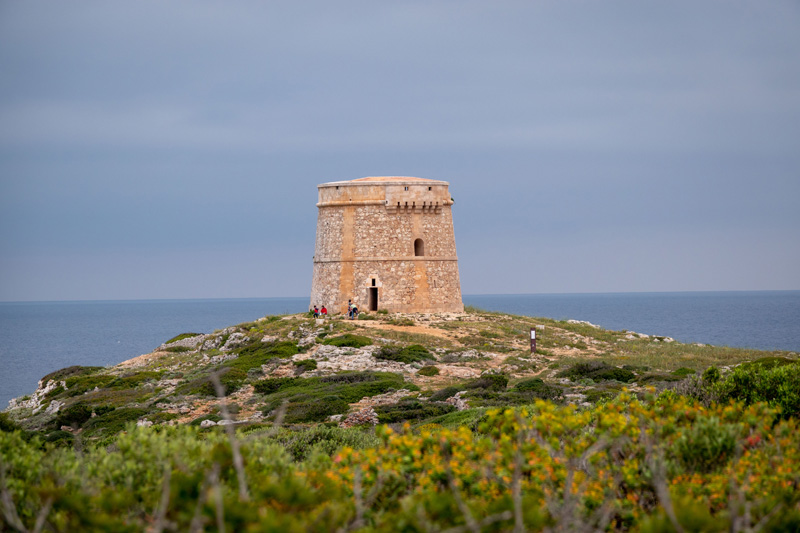
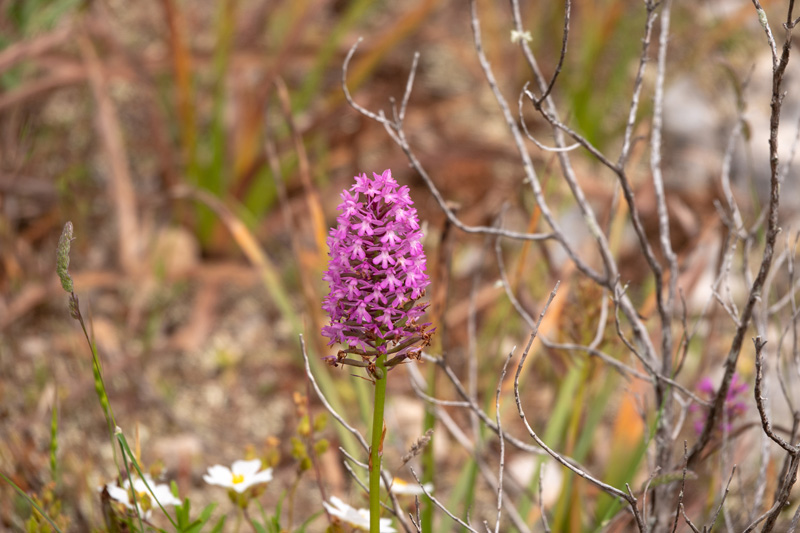


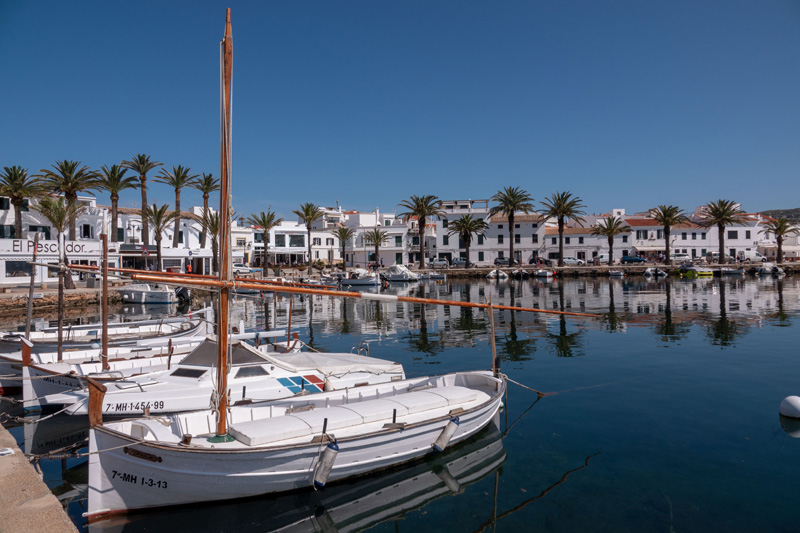 The port of Fornells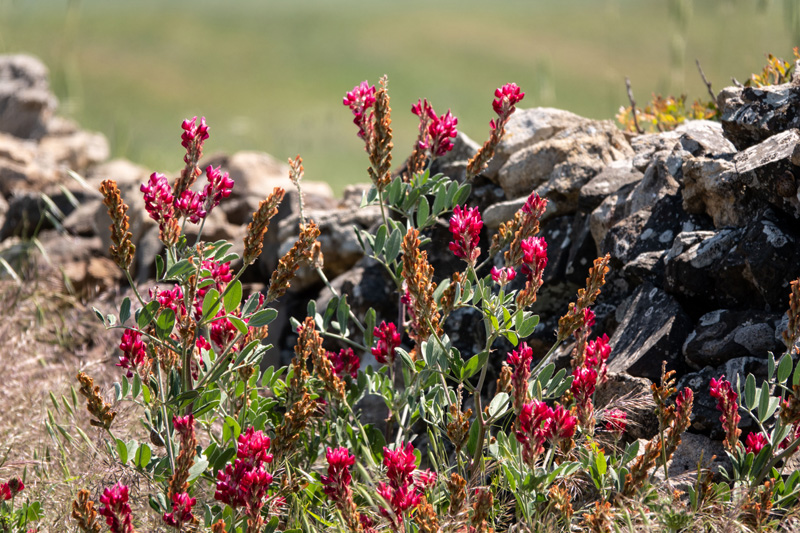
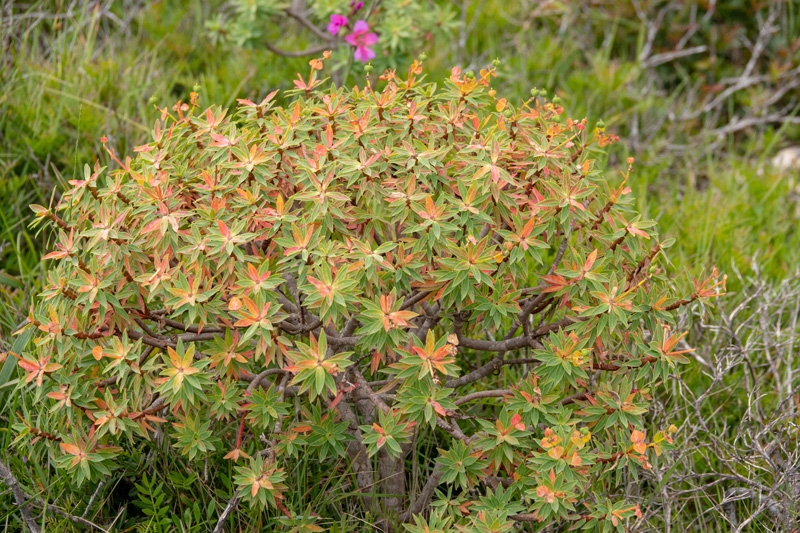
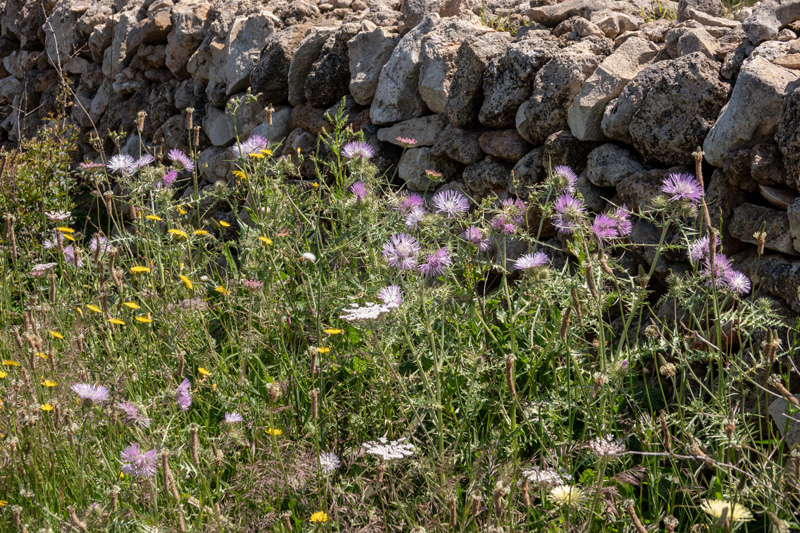 A sample of the hedgerows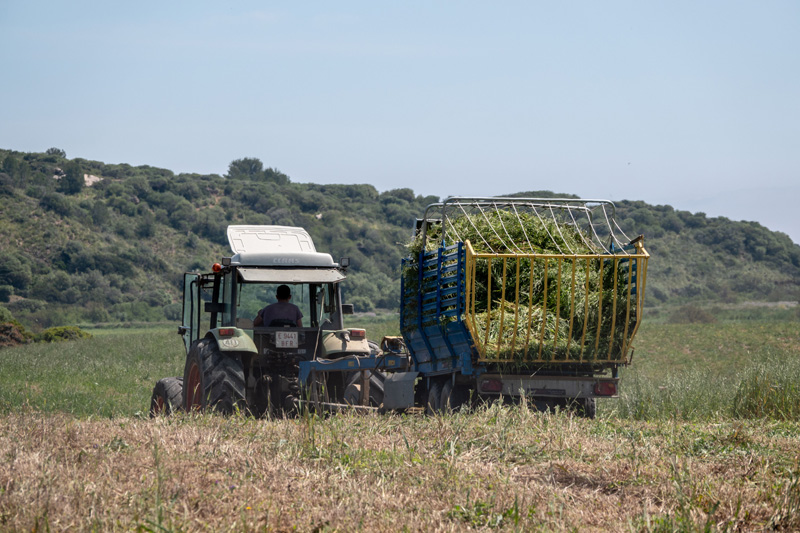

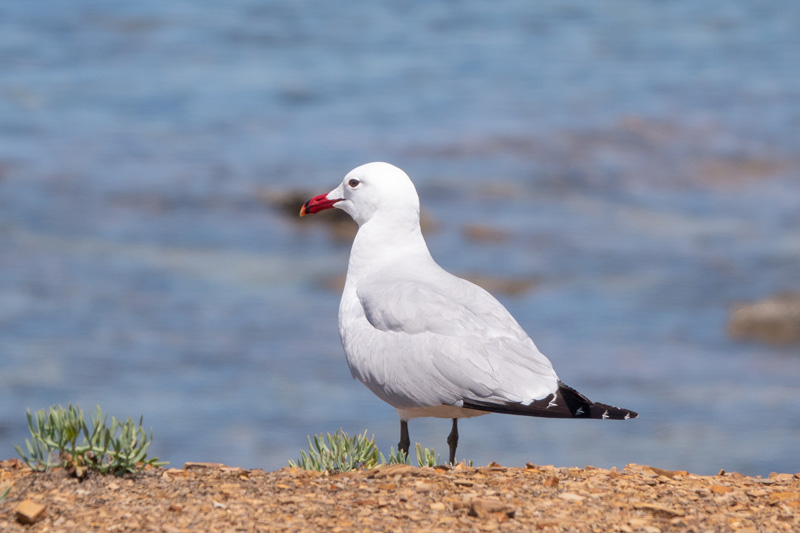
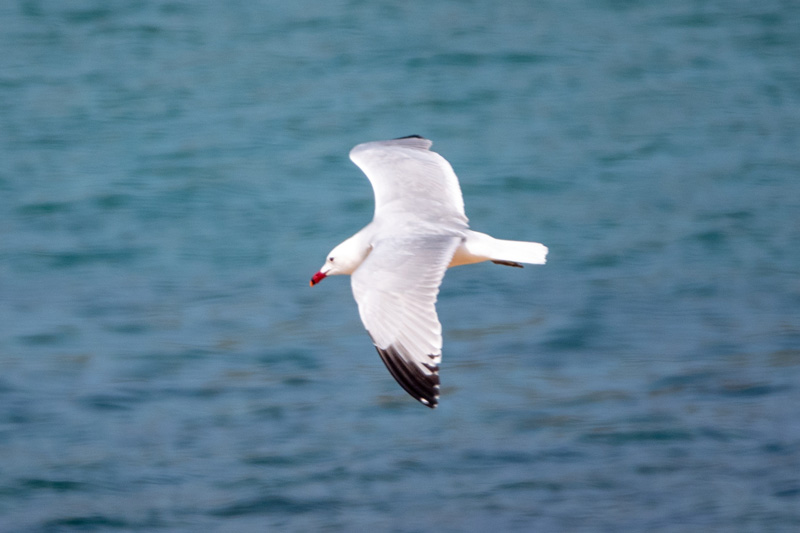
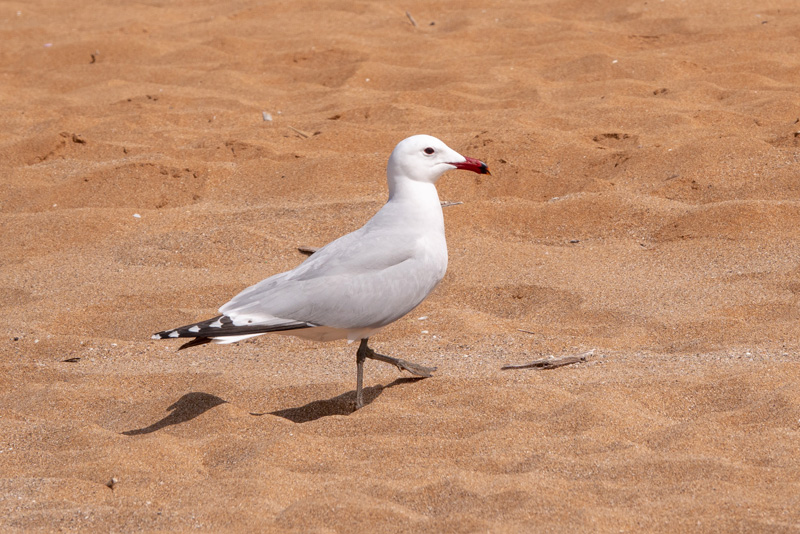 Audouin’s gull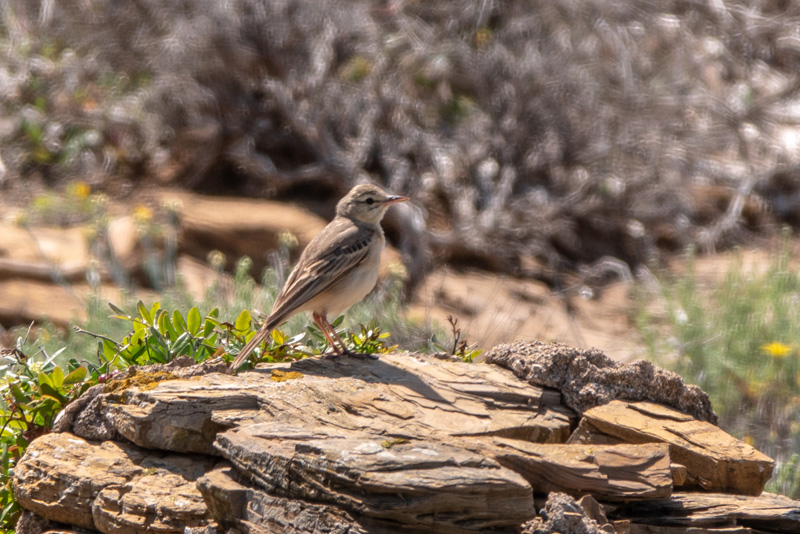
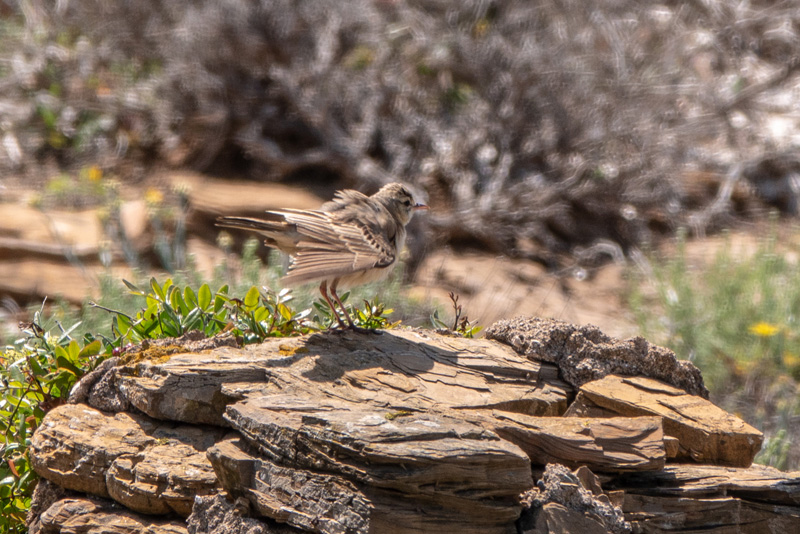 Richard’s pipit
 Cormorant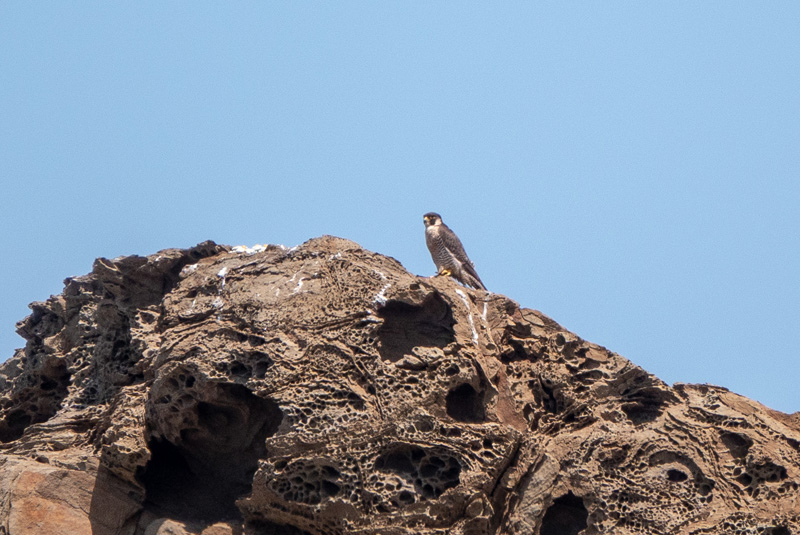
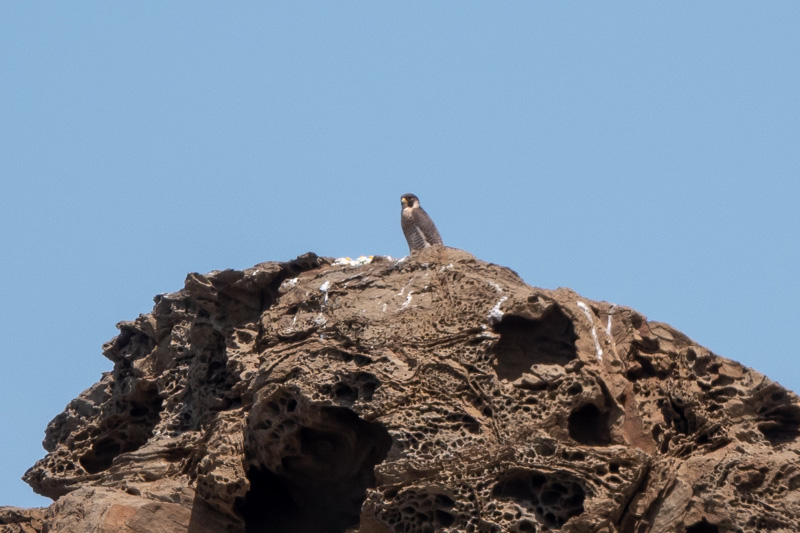
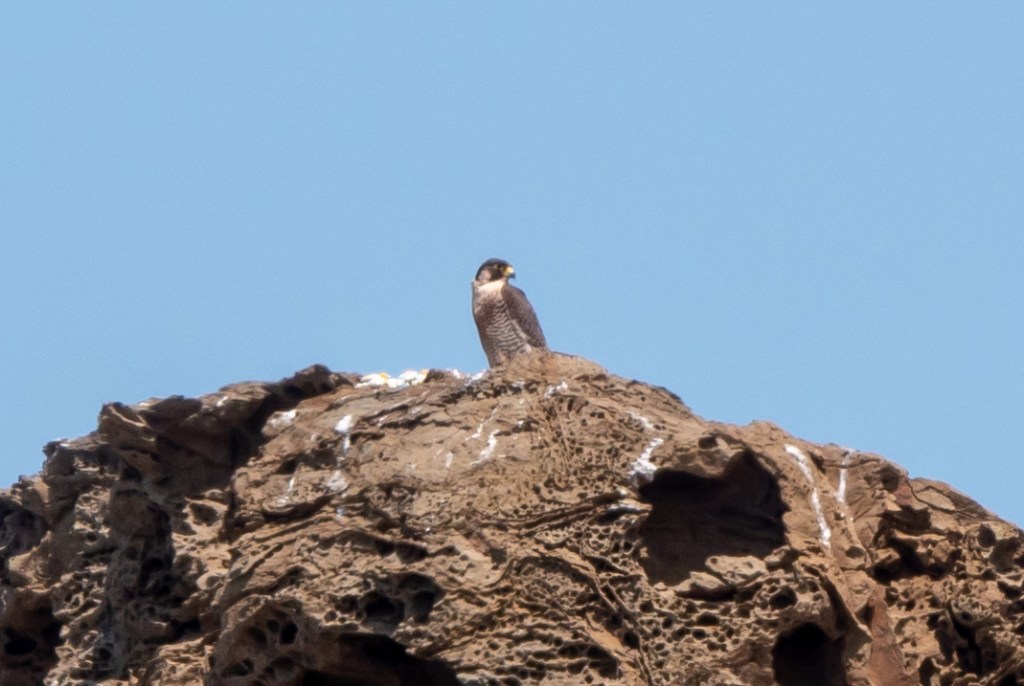
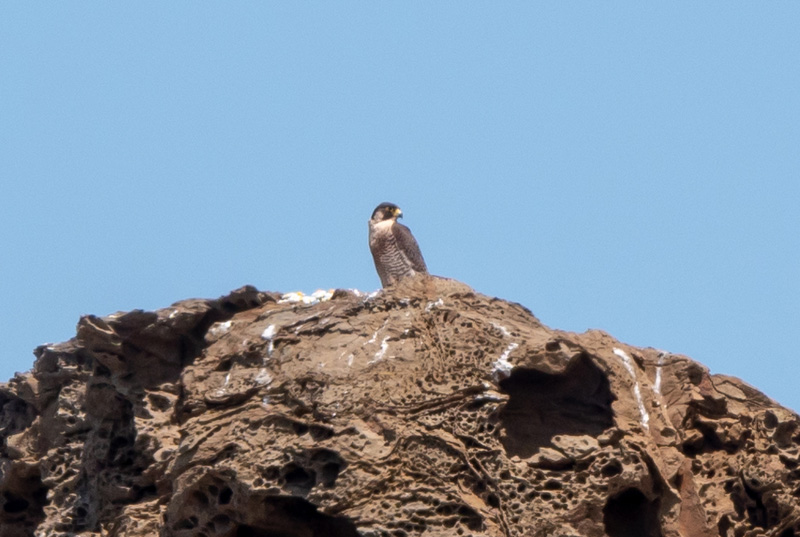 Peregrine
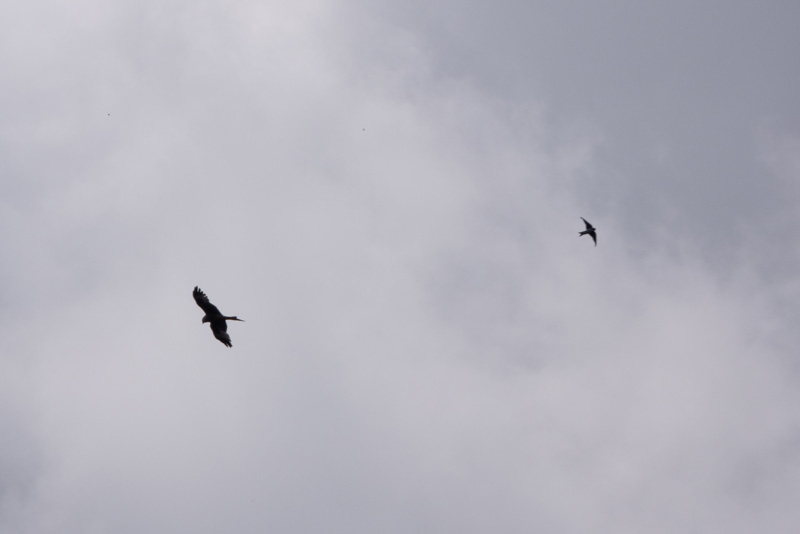
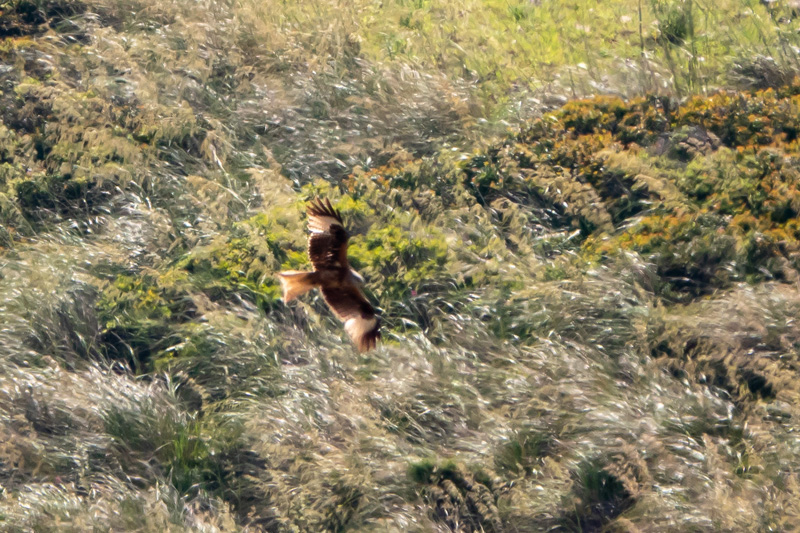 Red kite
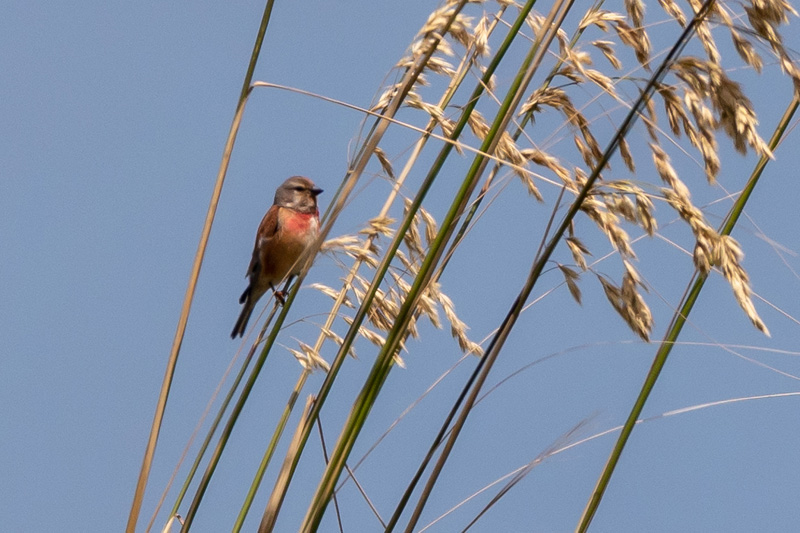 Linnet


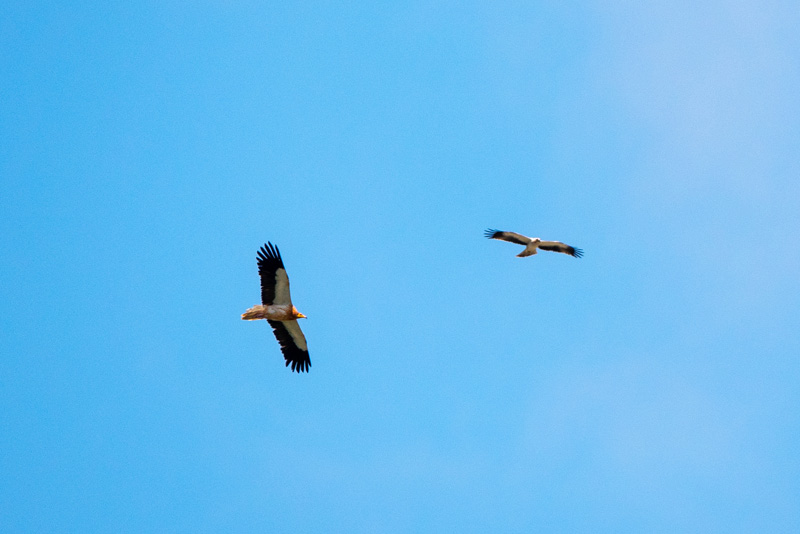
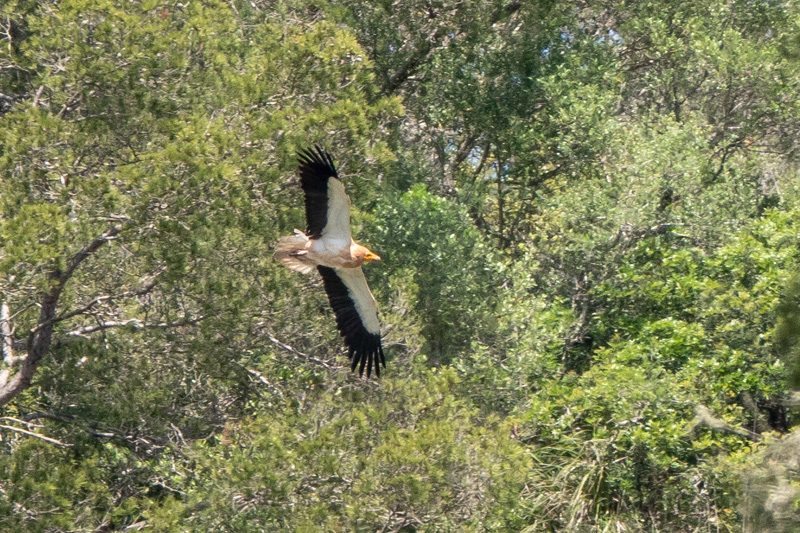
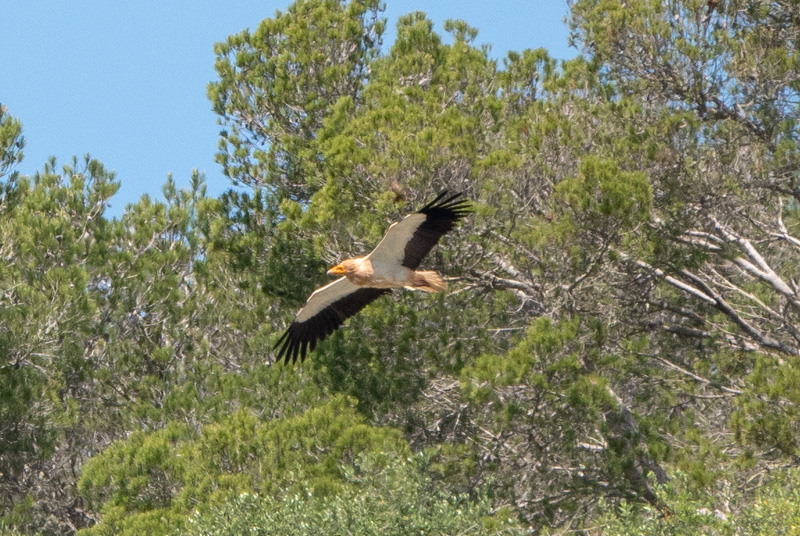
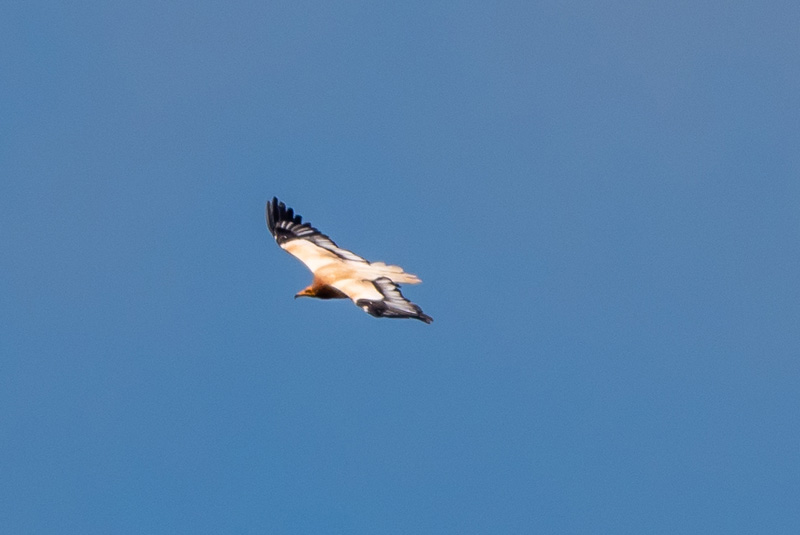
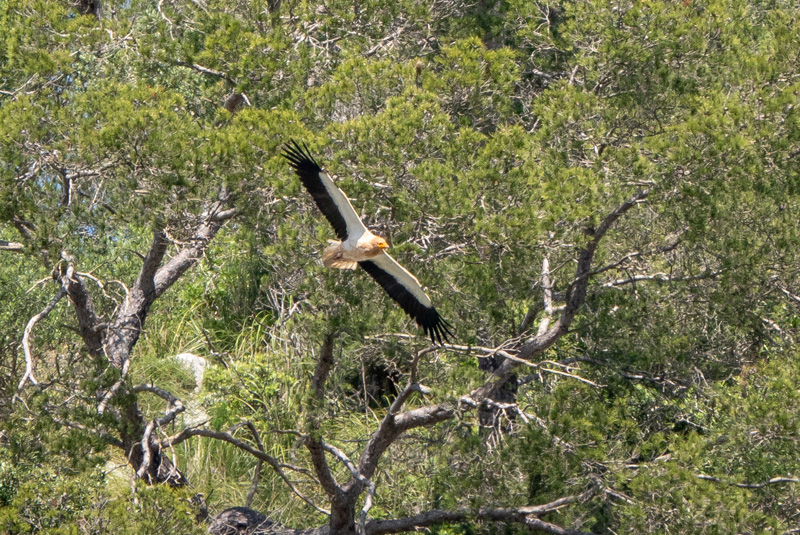
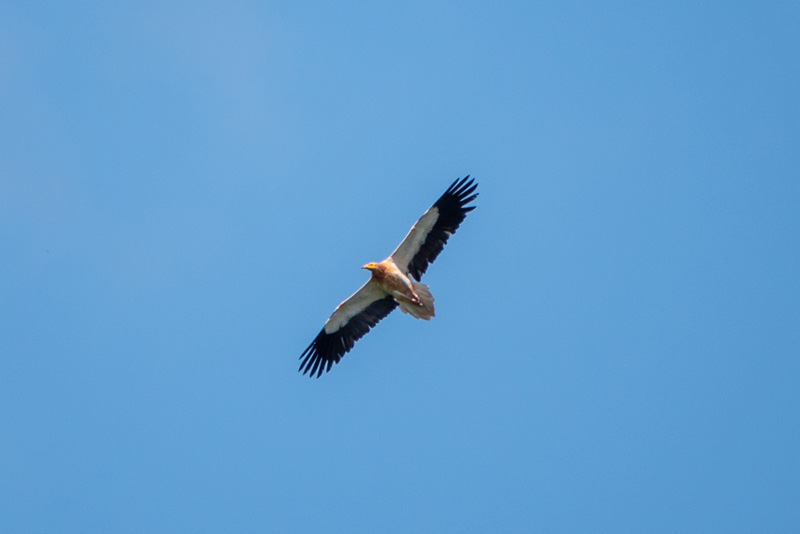
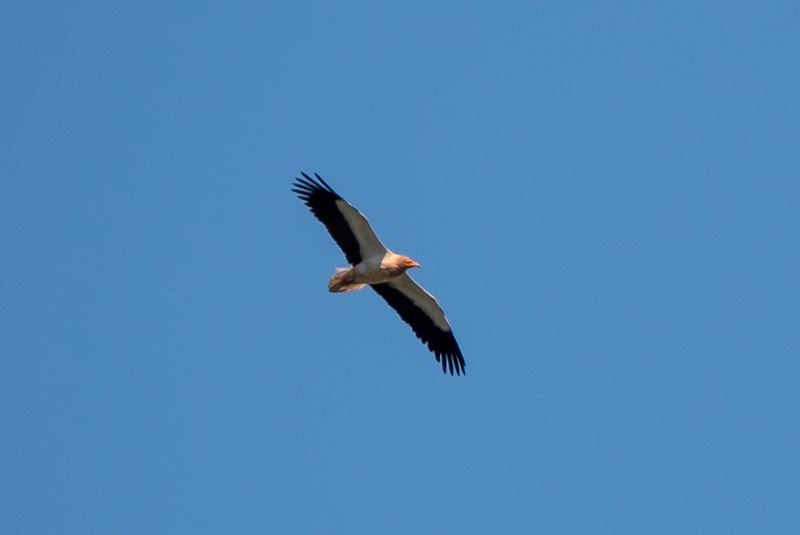 Egyptian vultures
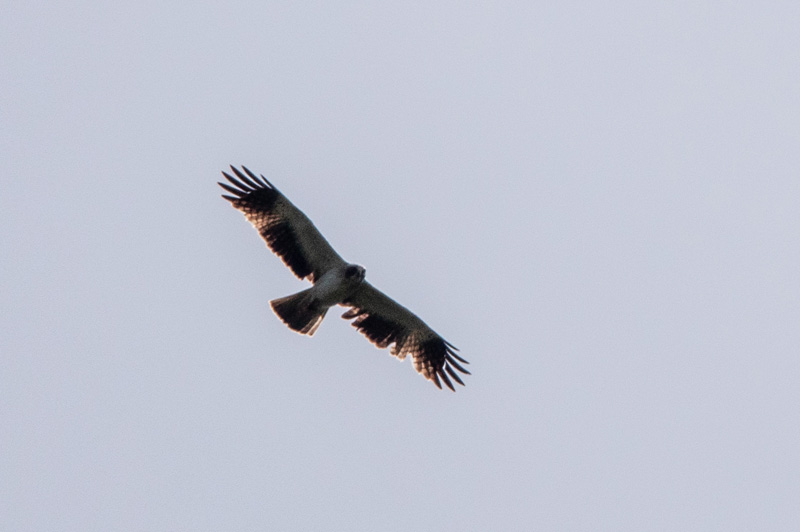 Booted eagle
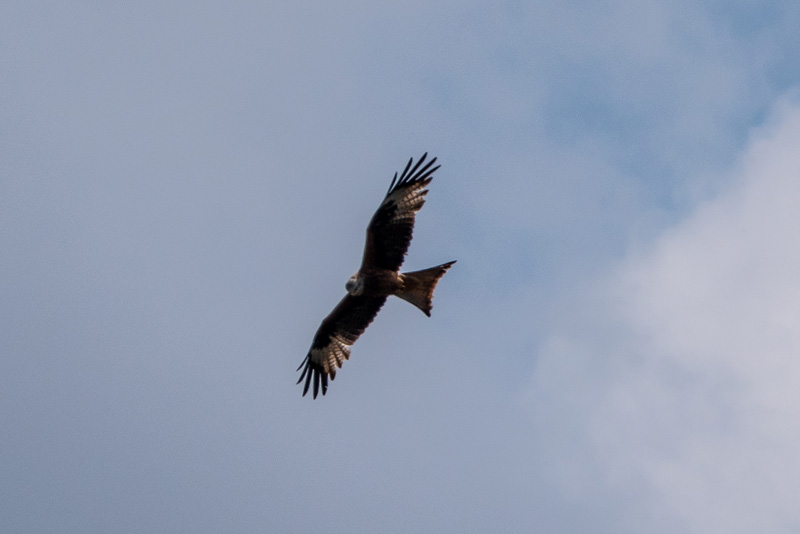 Black kite
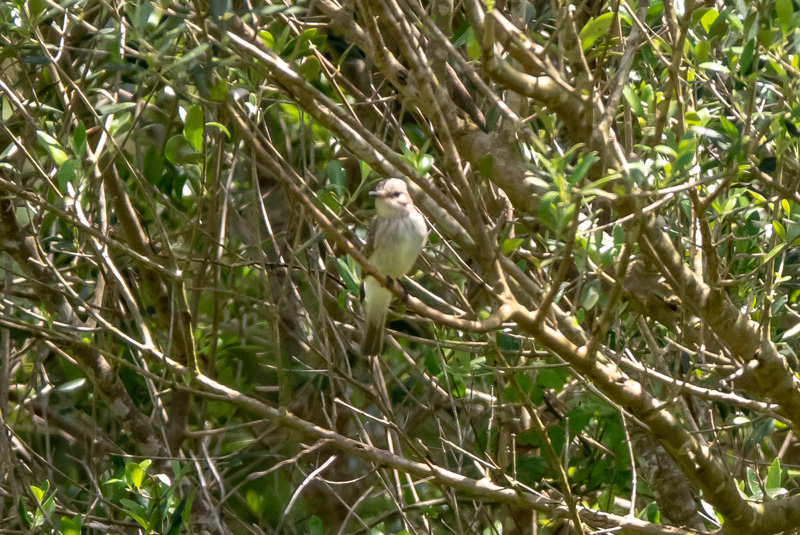
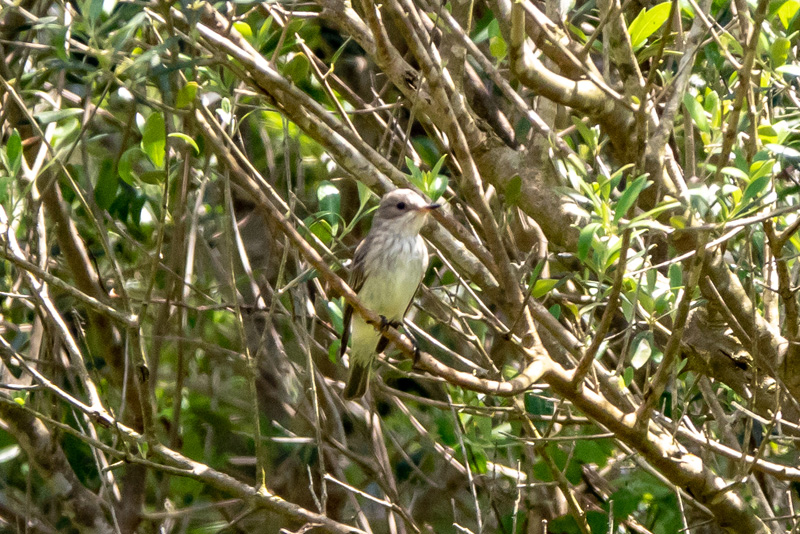 Spotted flycatcher
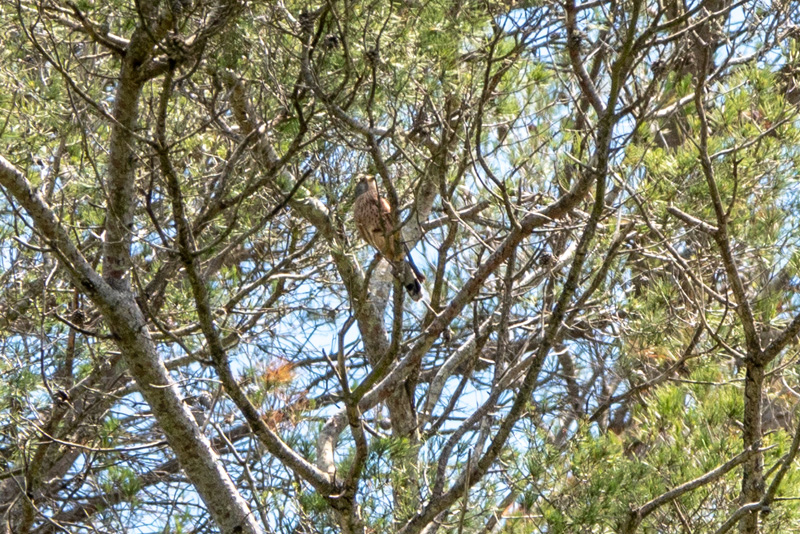
 Kestrel
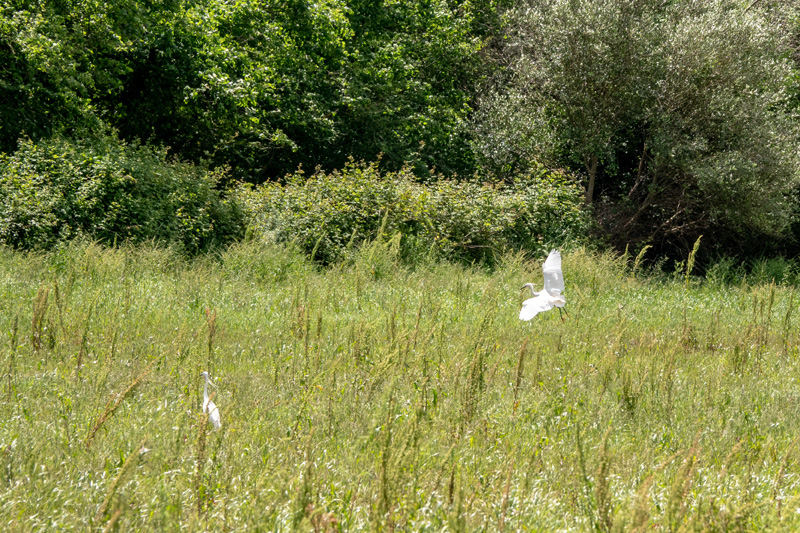 Little egret
 Lush meadows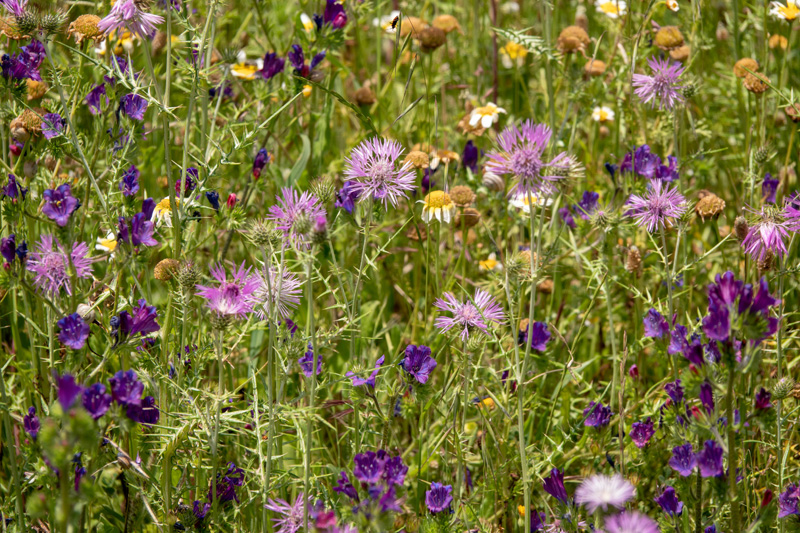

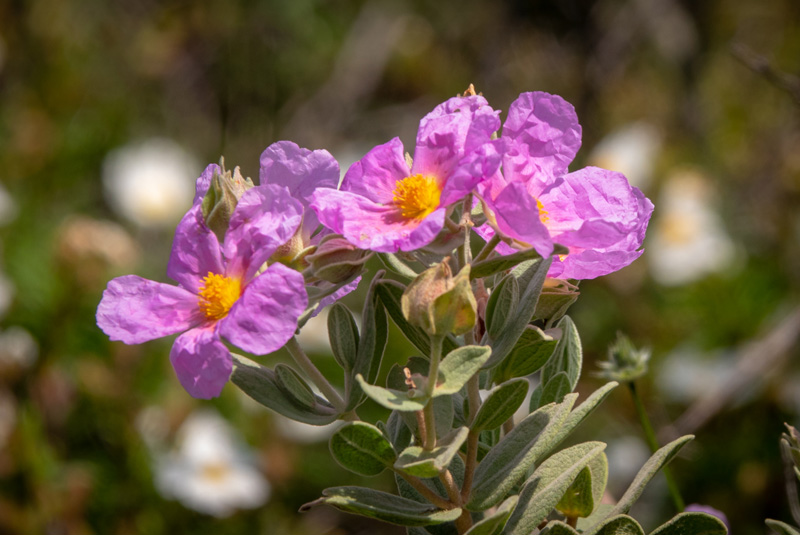
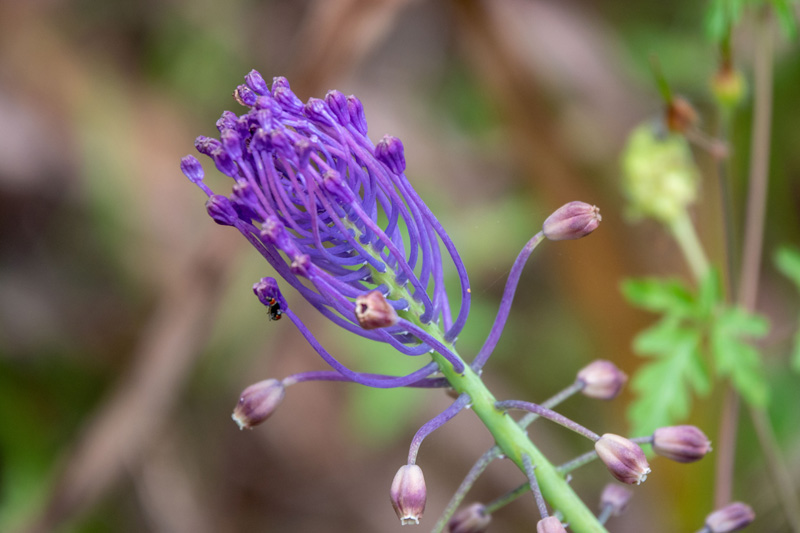
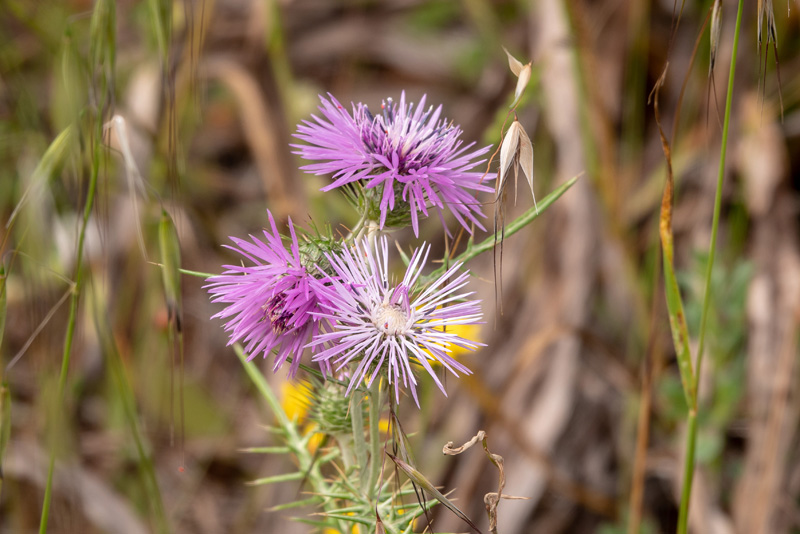
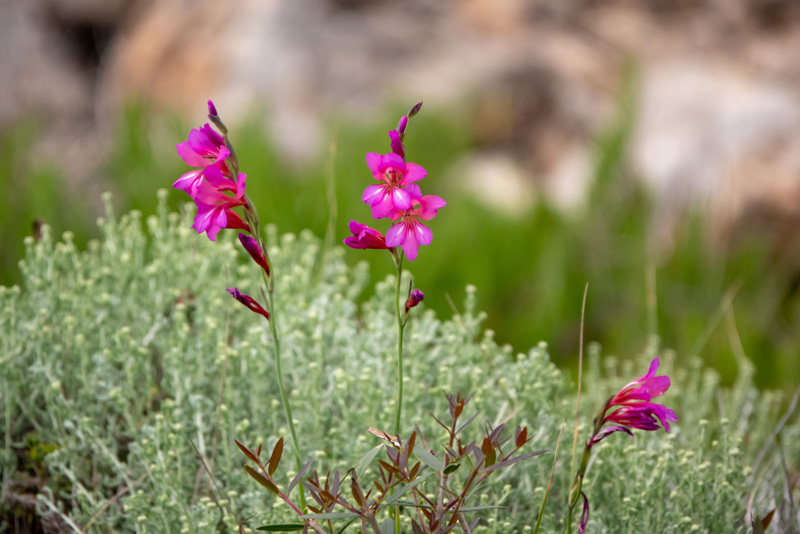
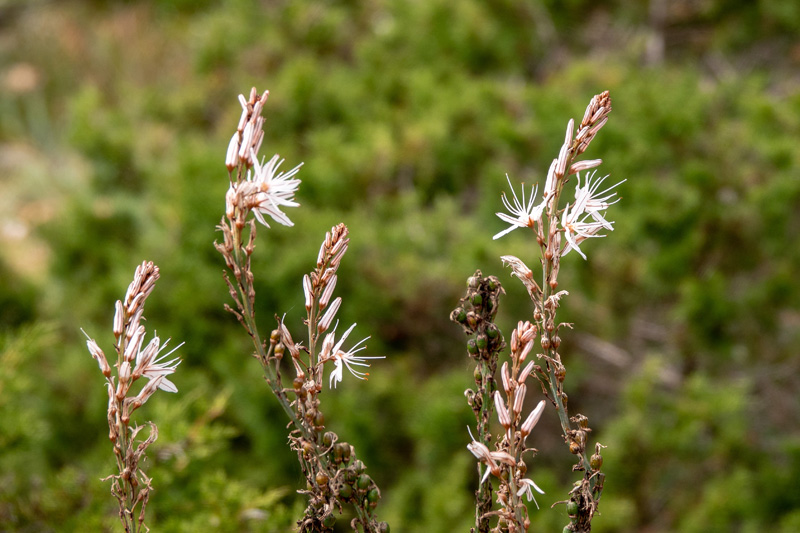
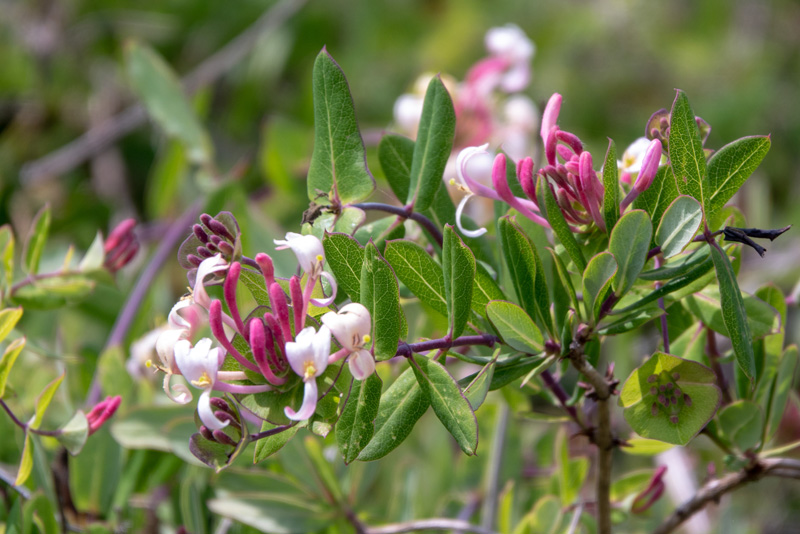
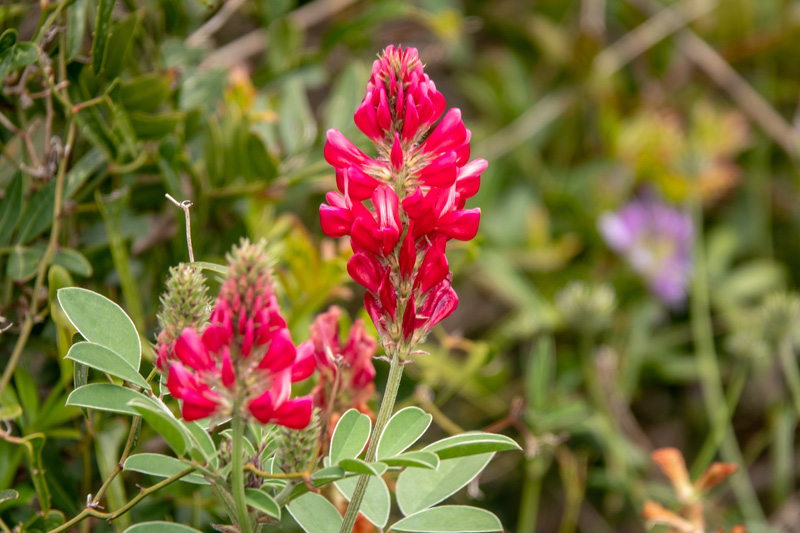
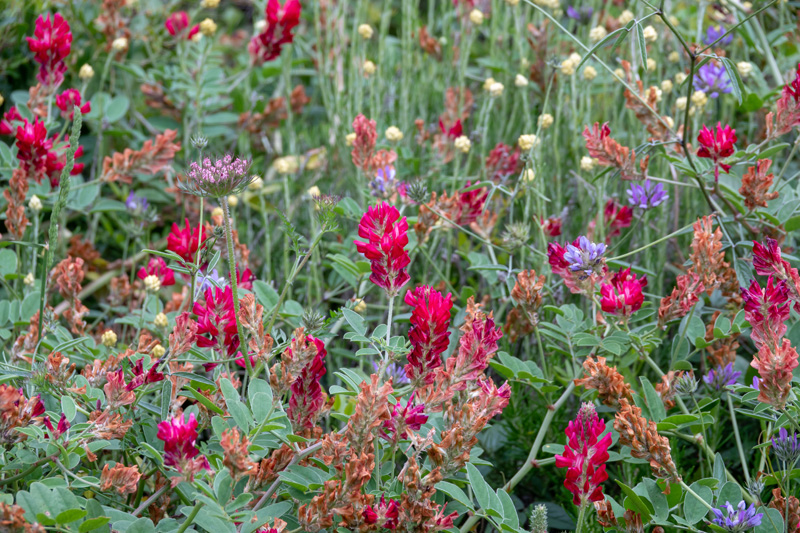
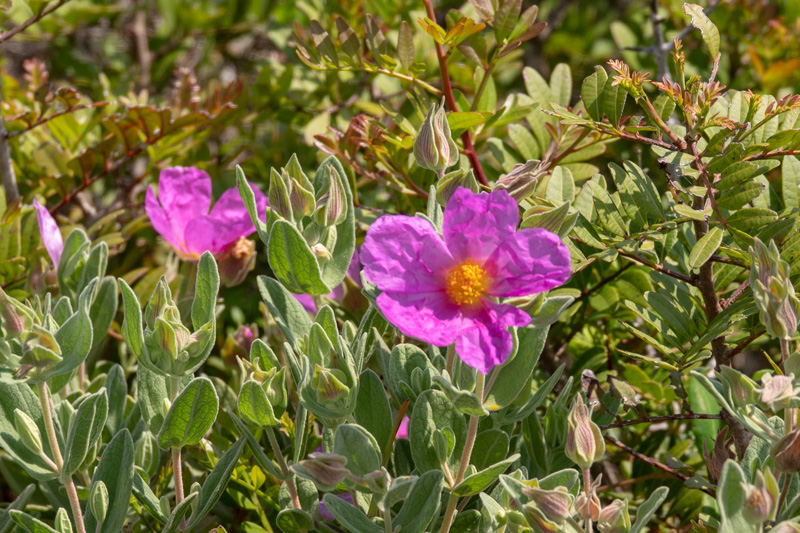
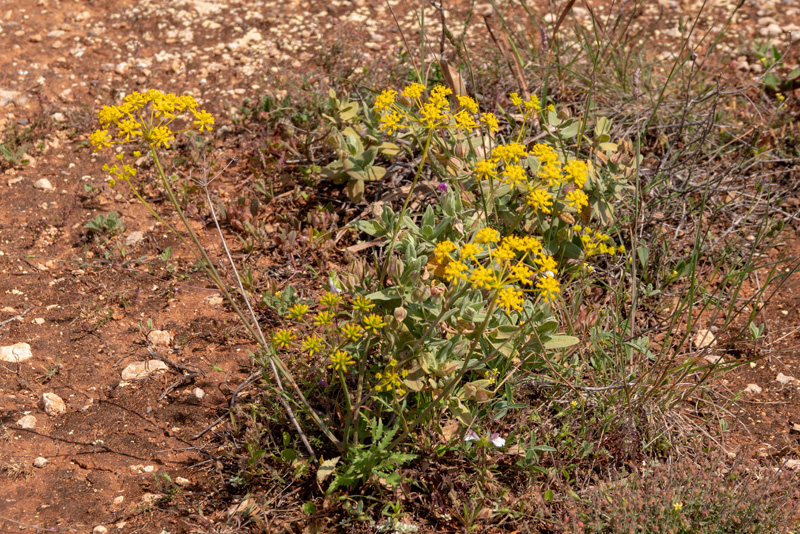
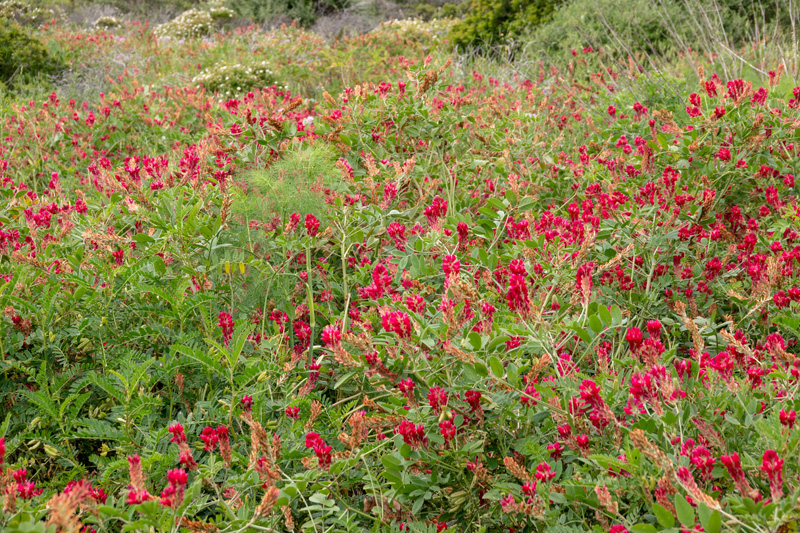
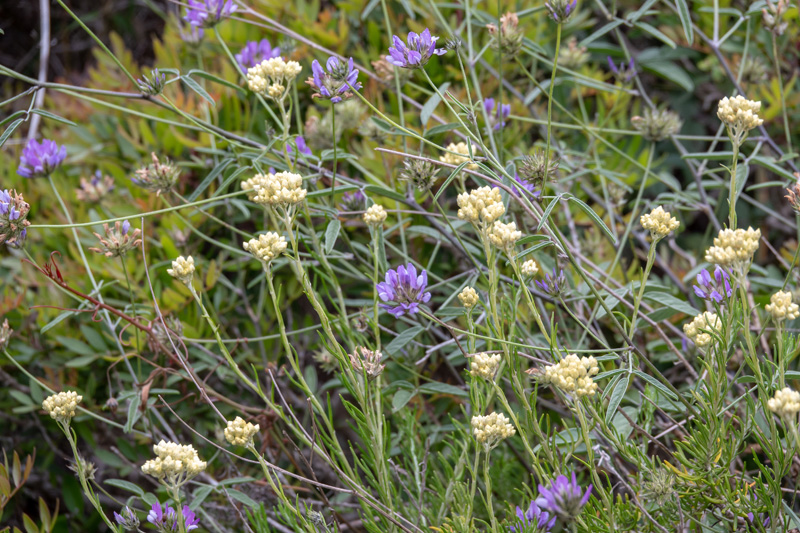
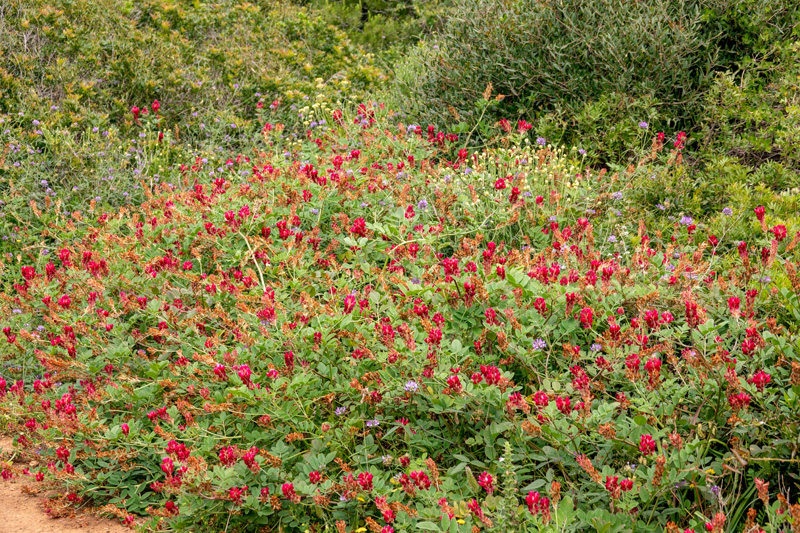
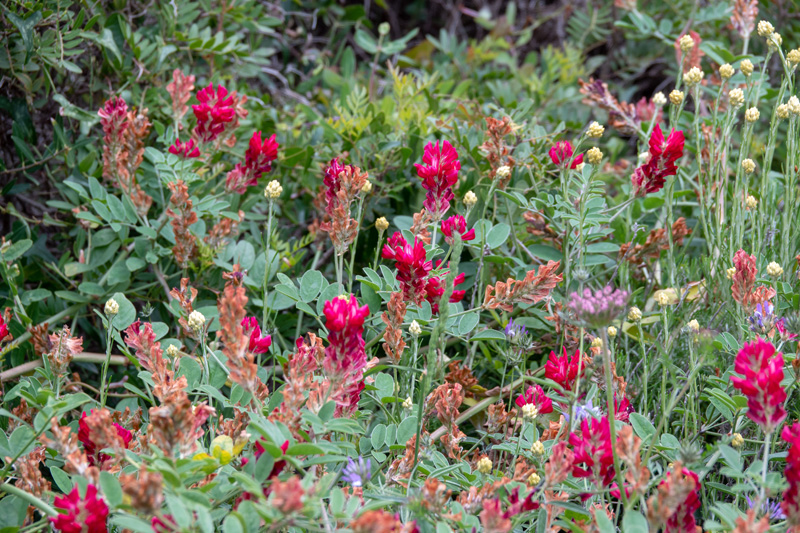
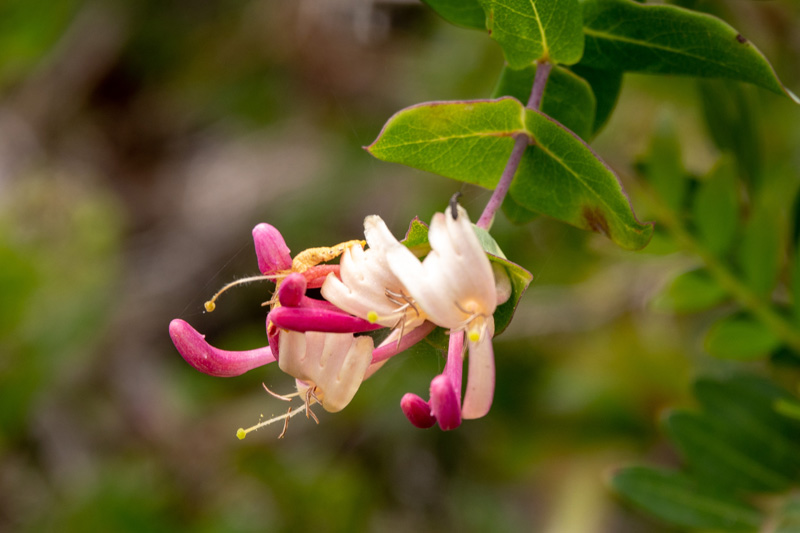
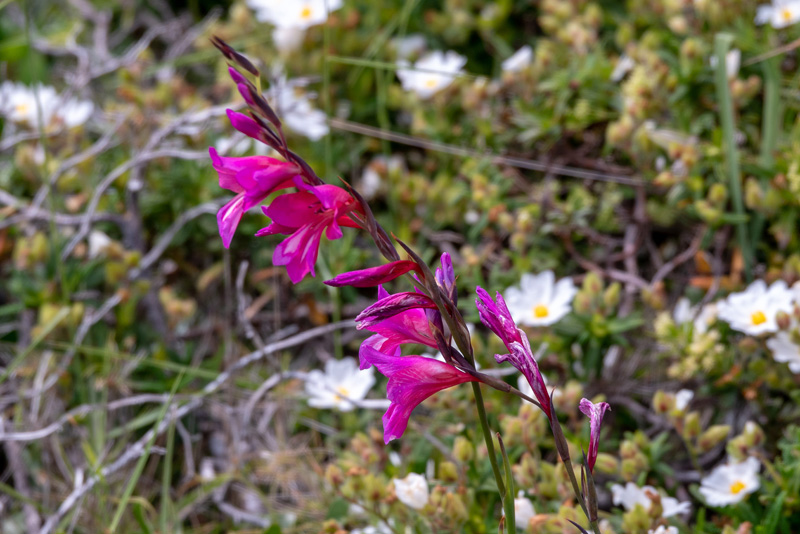
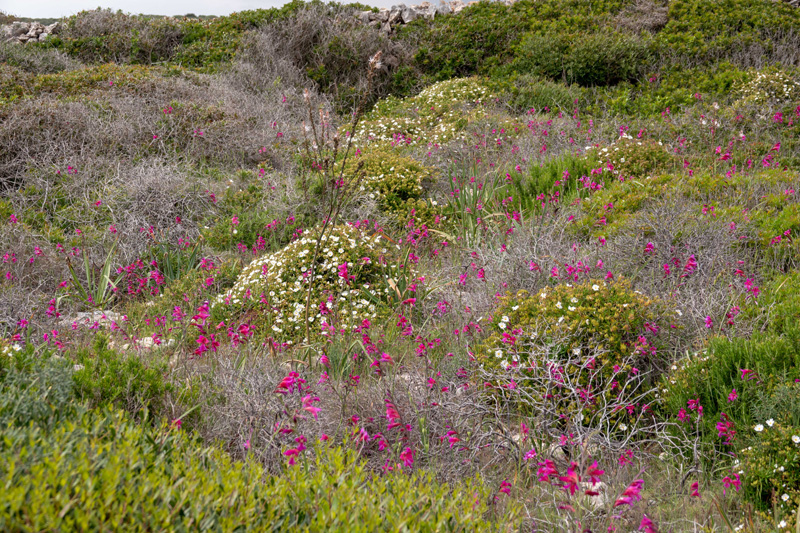
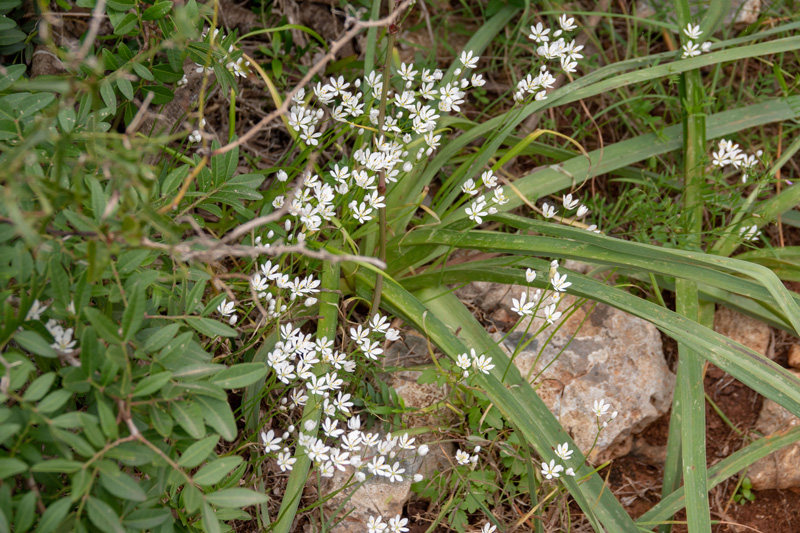
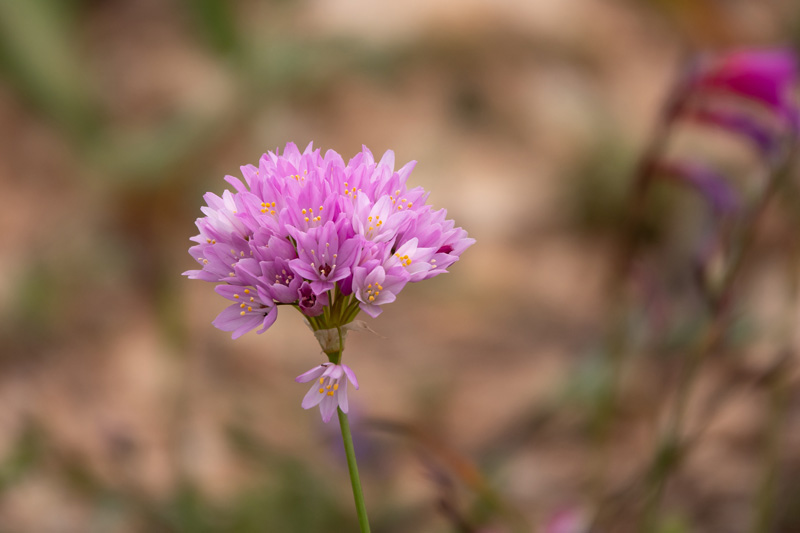
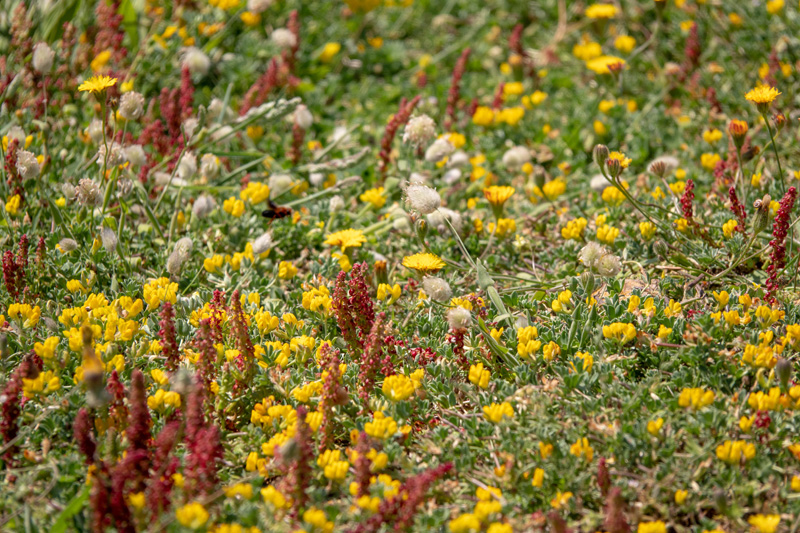
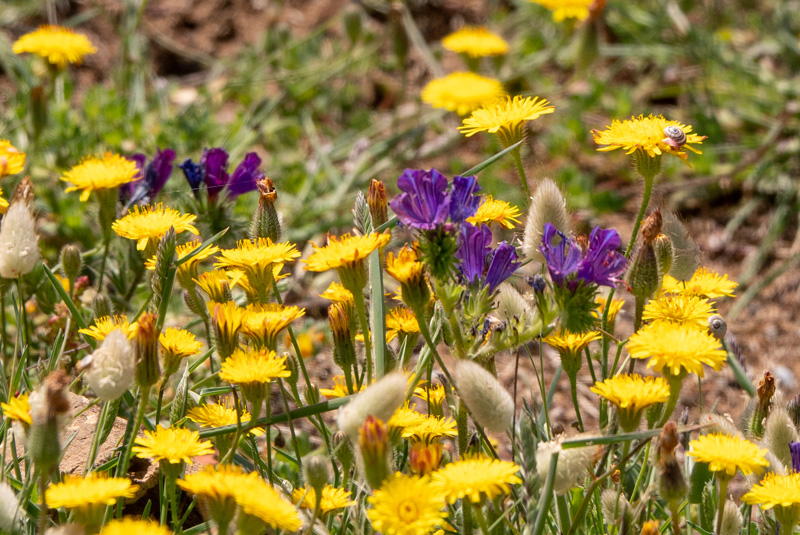
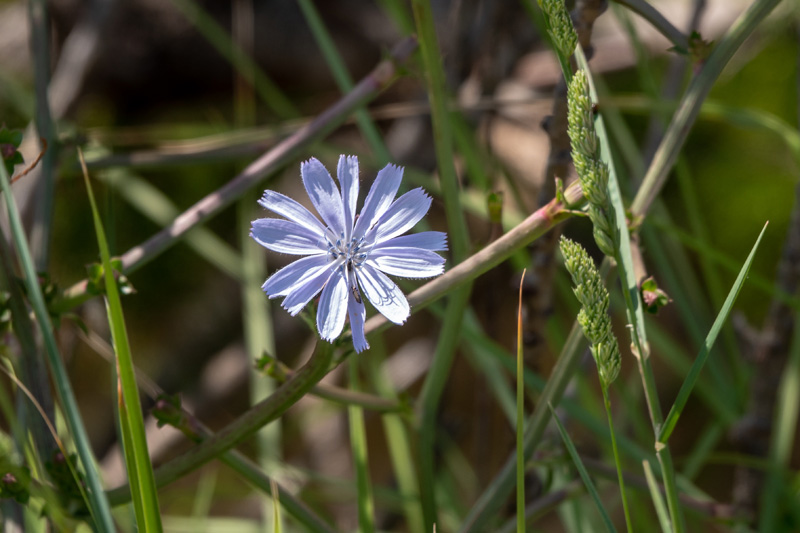
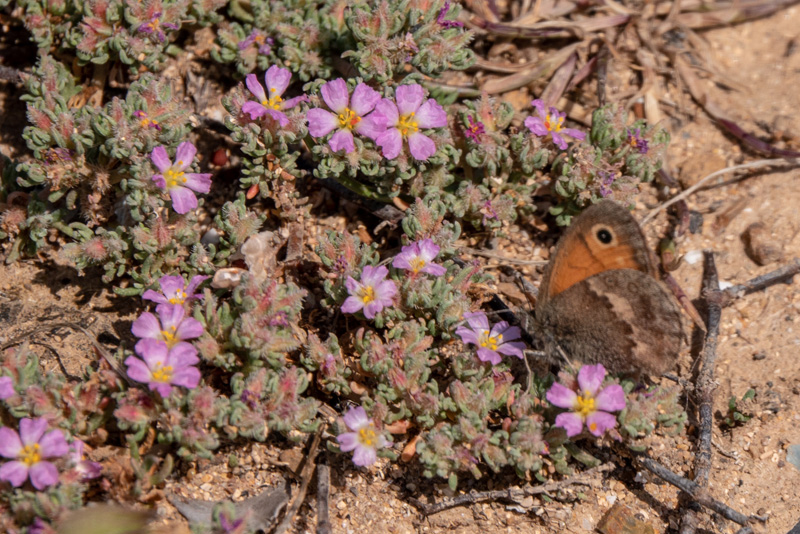
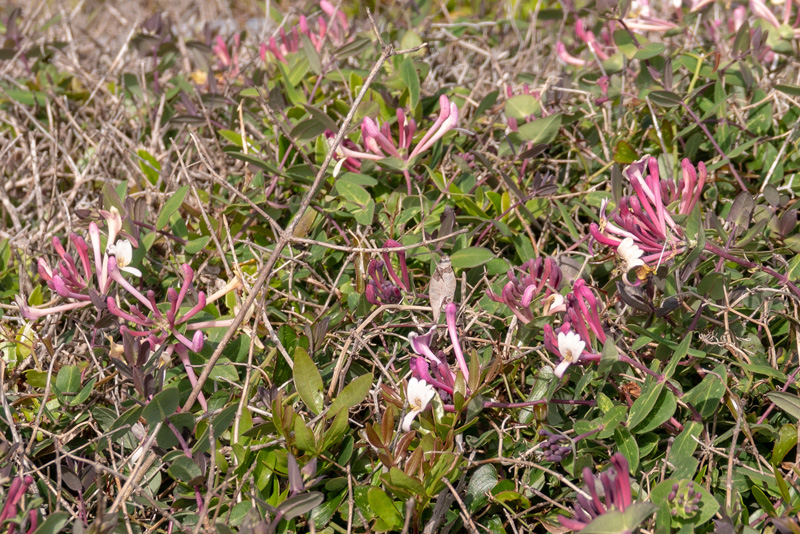
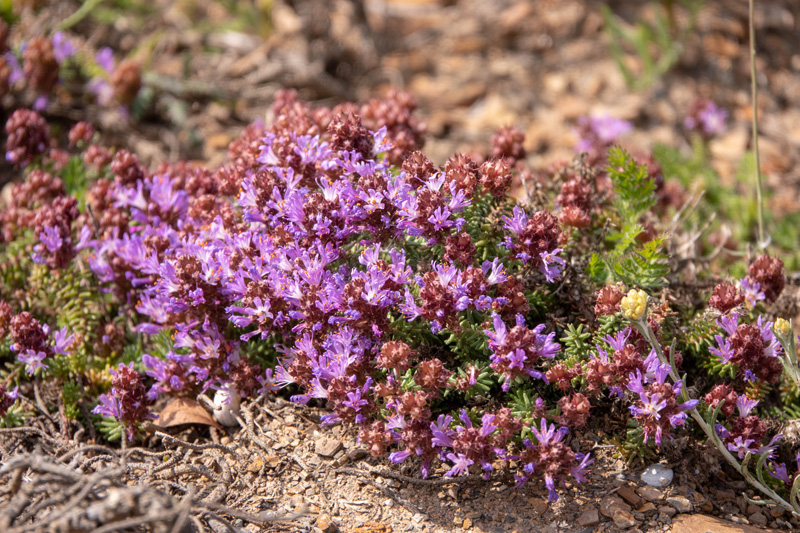
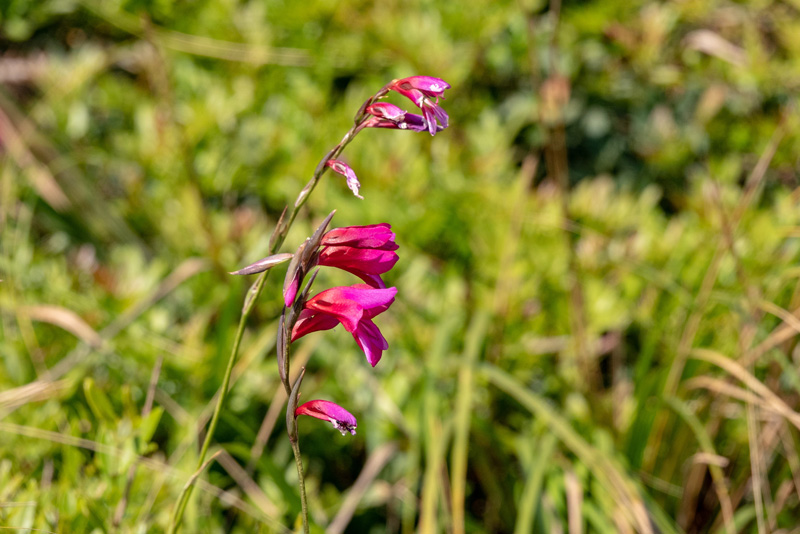
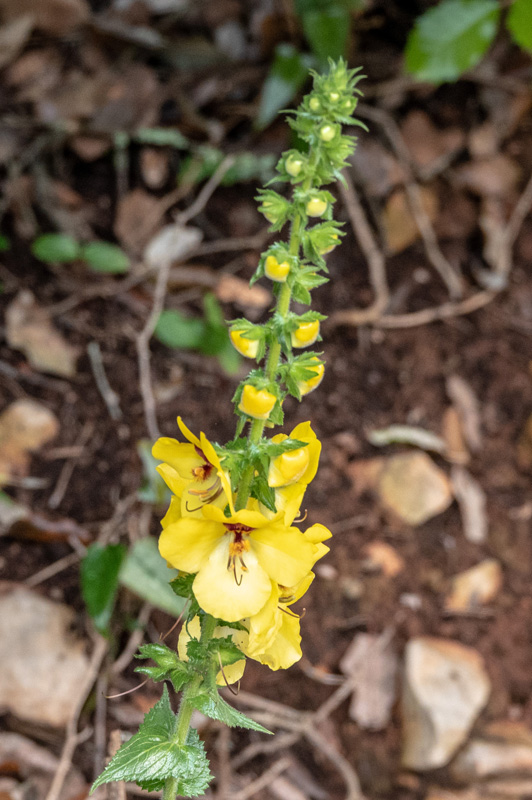
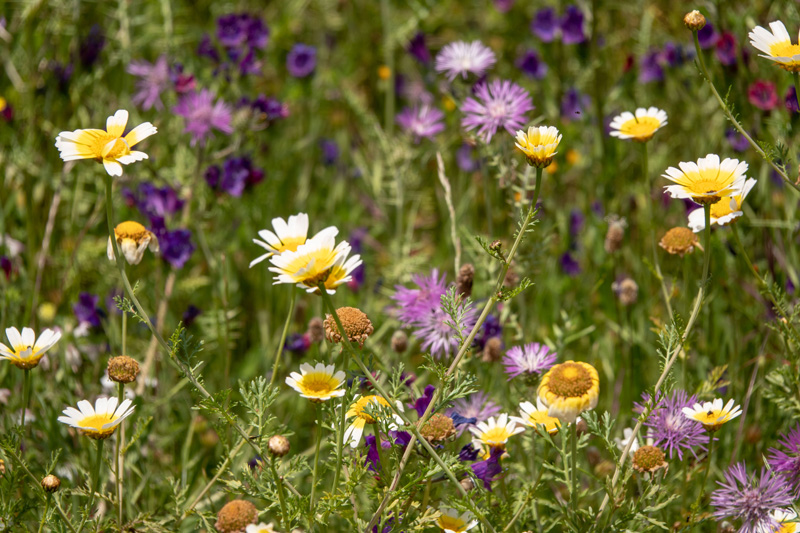
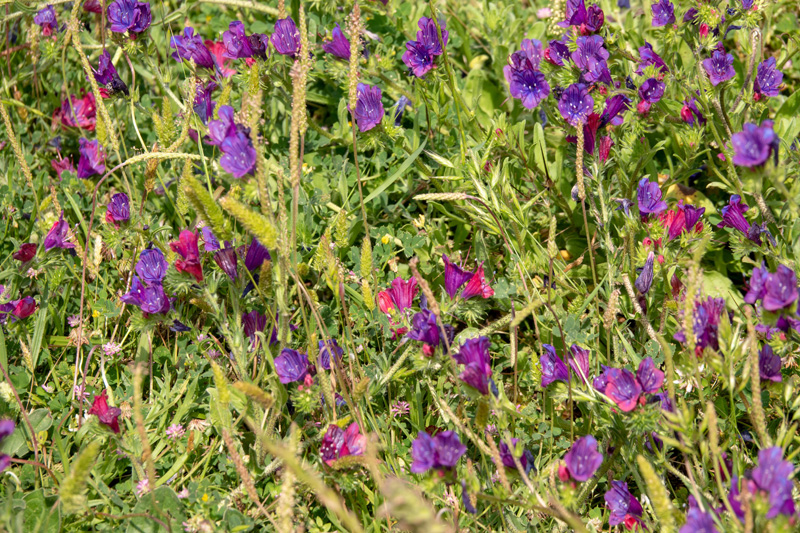 Amazing wildflowers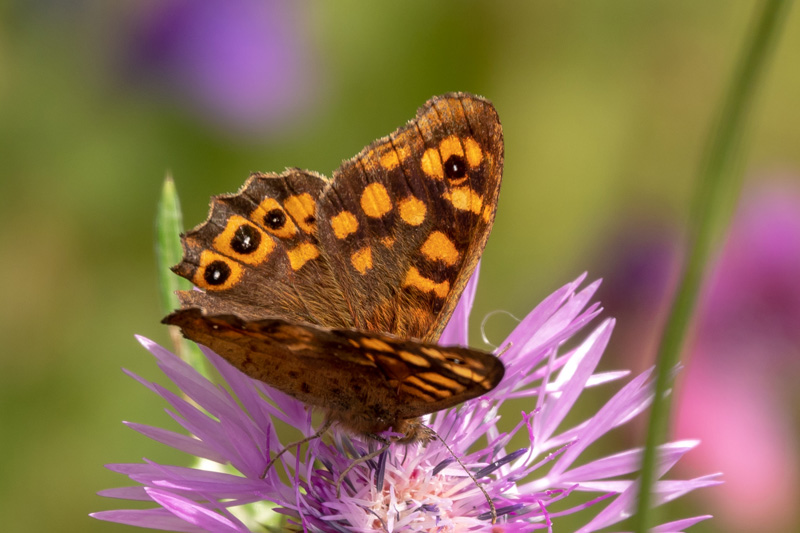


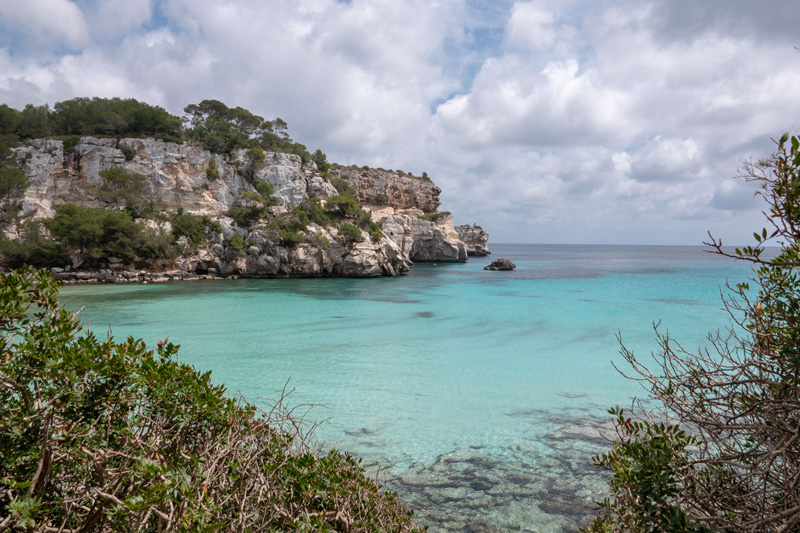
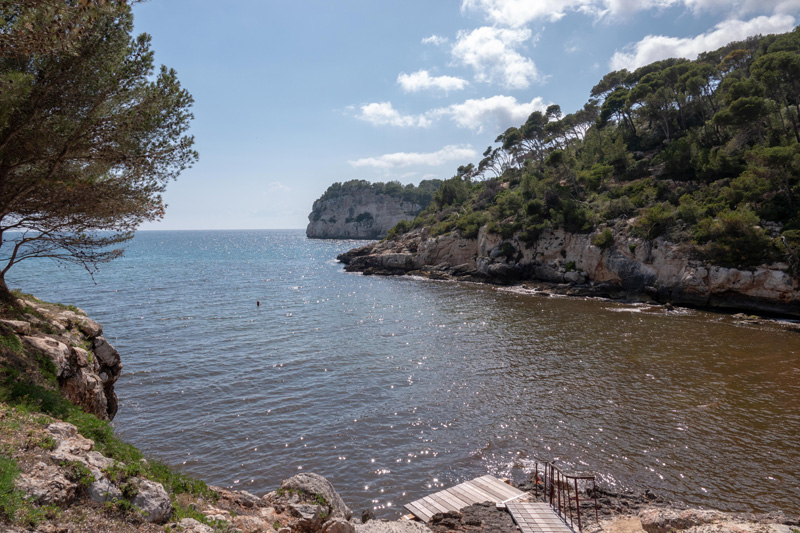 The Cami Cavalls (long distance footpath) follows the coast of Menorca.
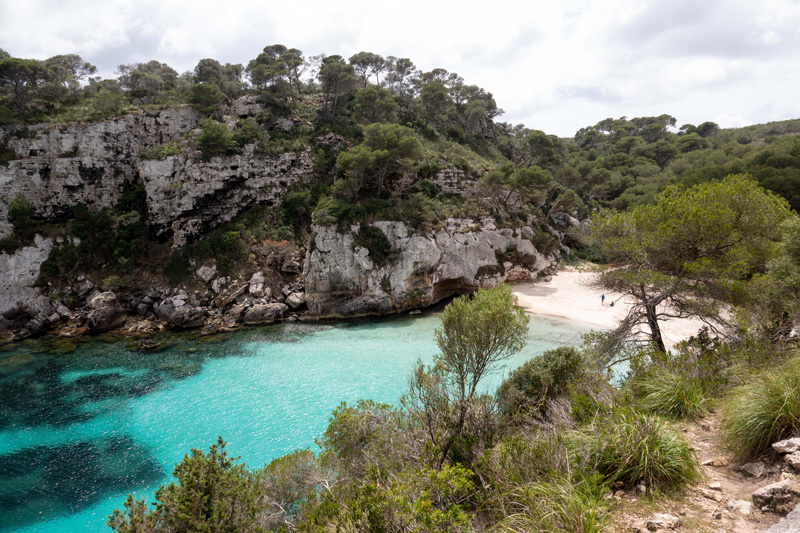
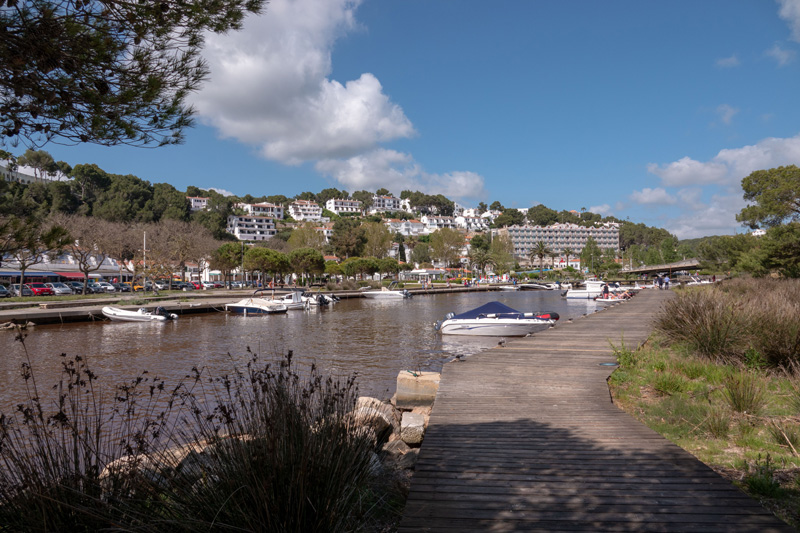 Cala Galdana
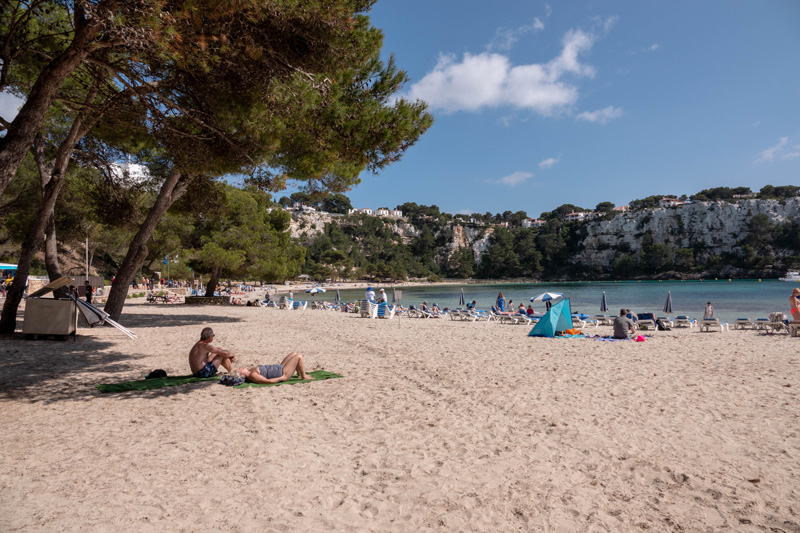 Cala Galdana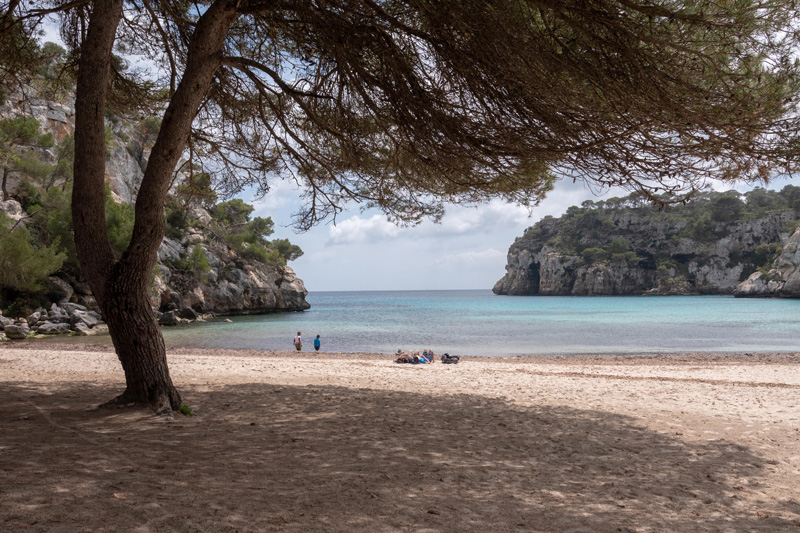












 Grey heron
 Blue tit

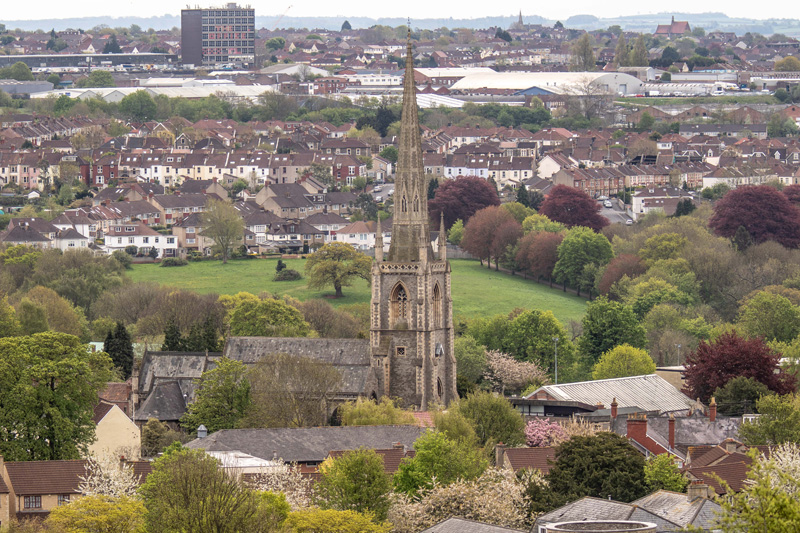 Holy Trinity Church, Stapleton where peregrines can be regularly seen
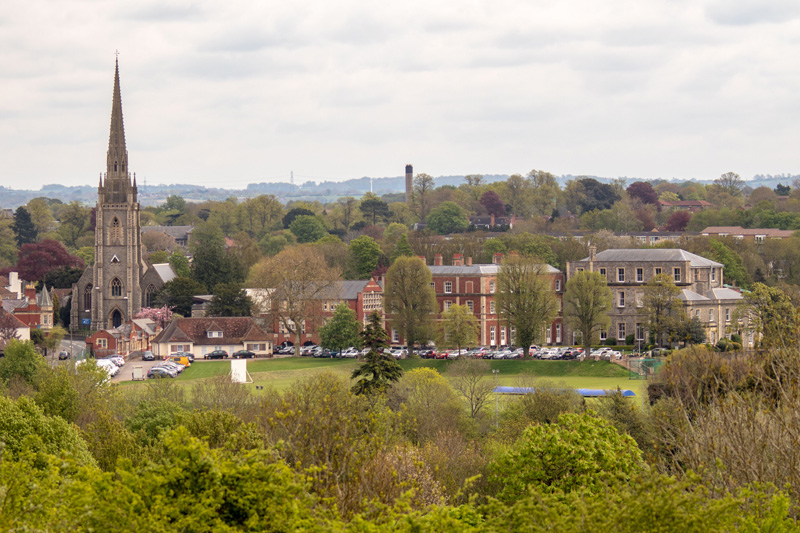 Colston’s School
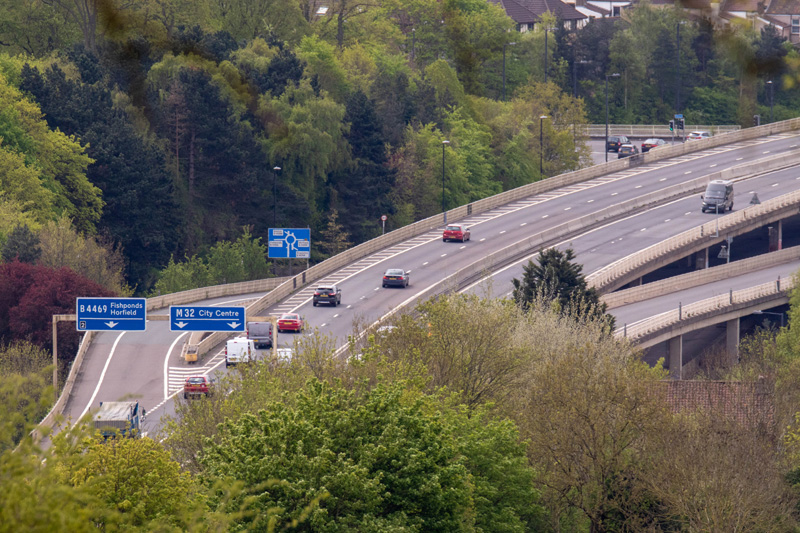 Most people were clearly at work by now



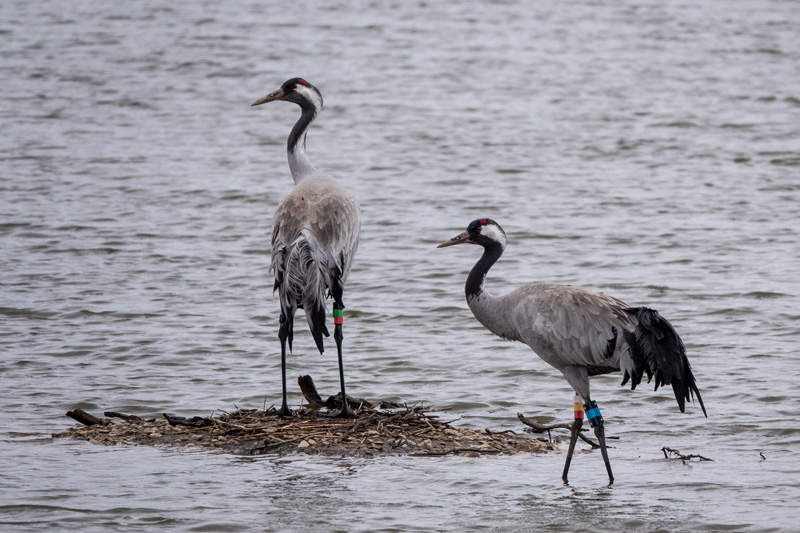
 Common crane

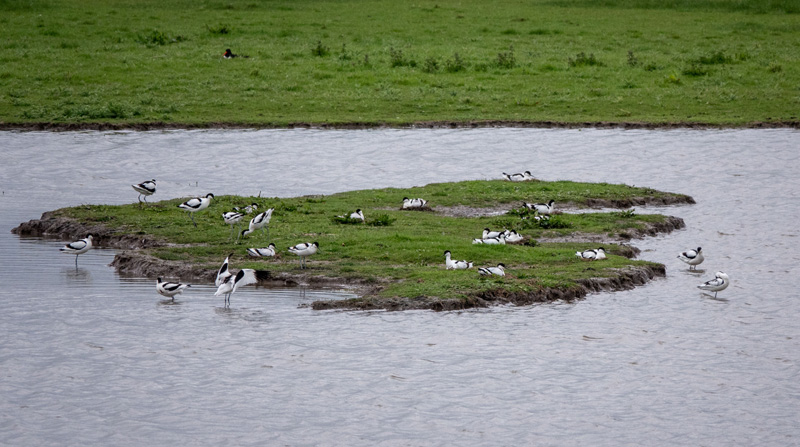 Avocets
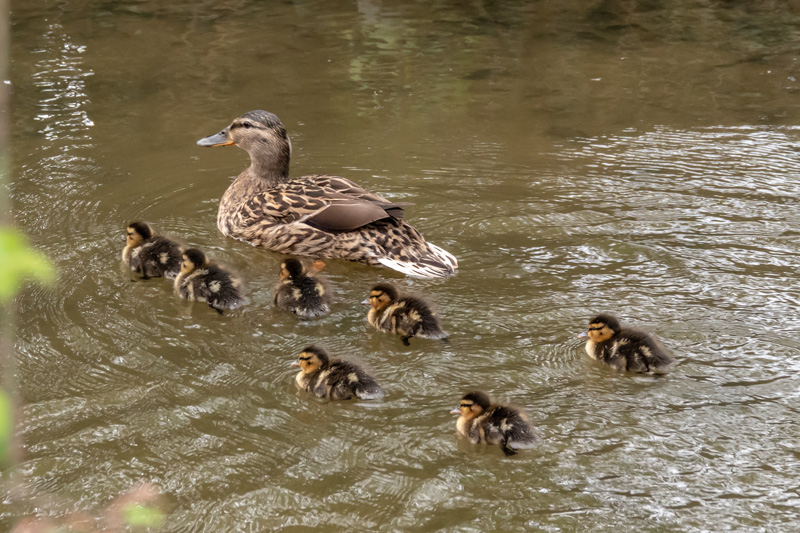 First ducklings of the year
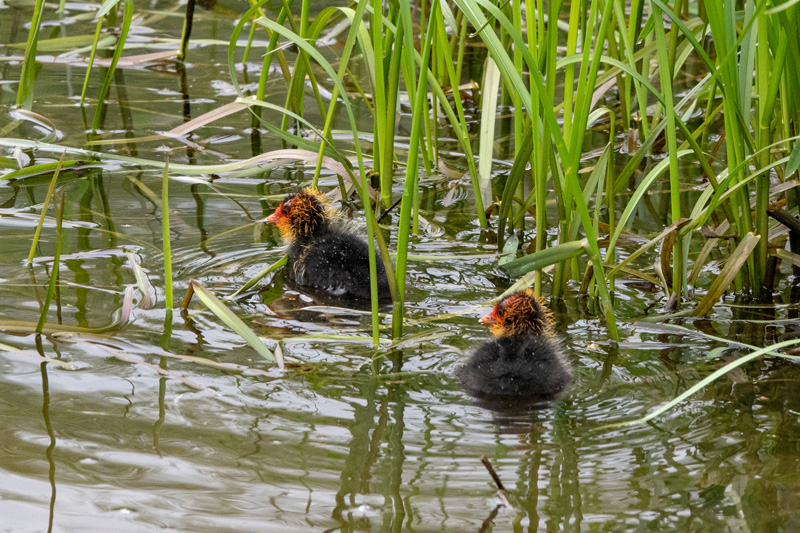 Coot chicks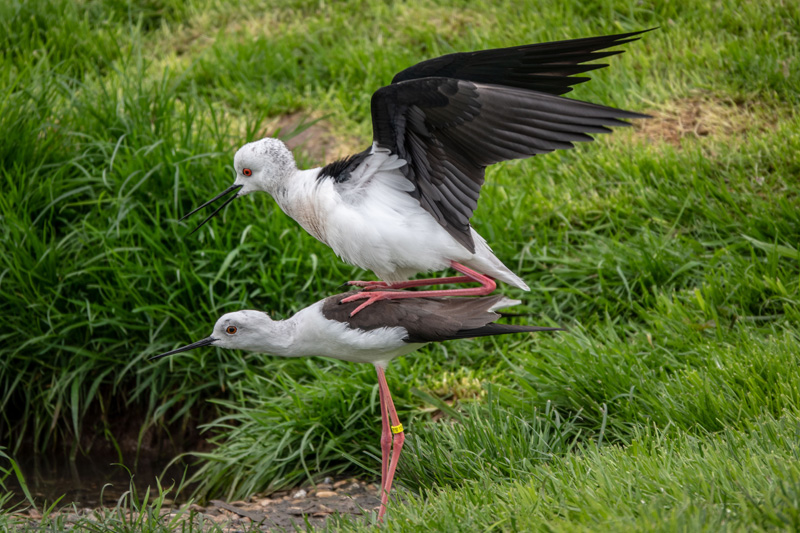
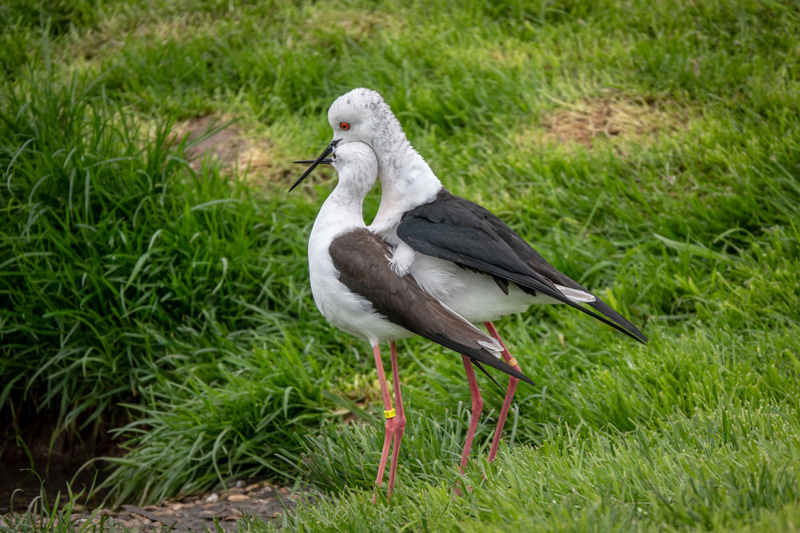
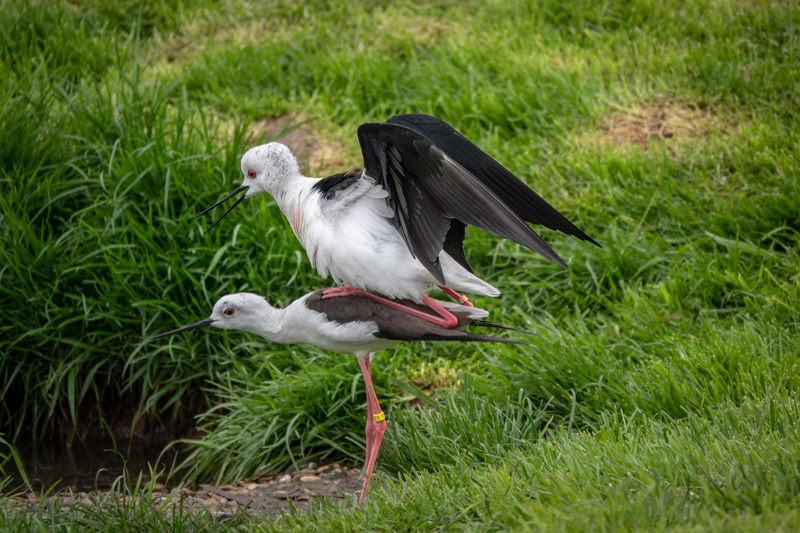
 Black-winged stilts
 Redshank
 Knot
Knot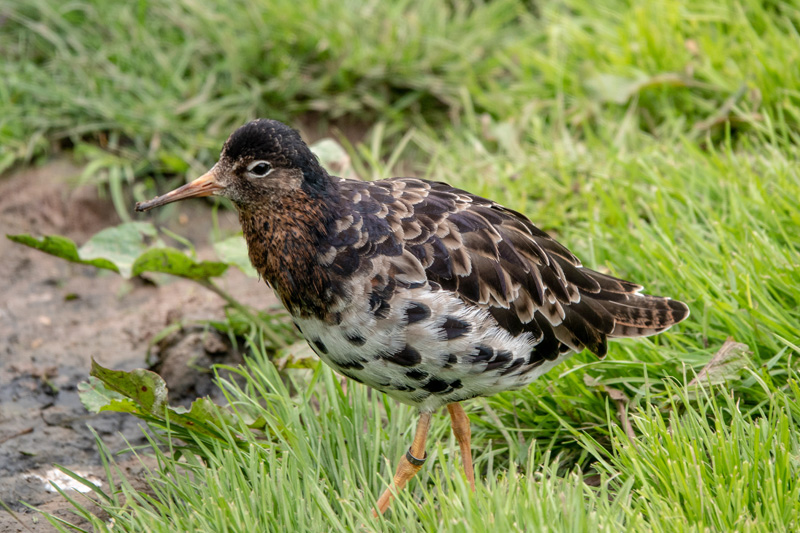 Knot
Knot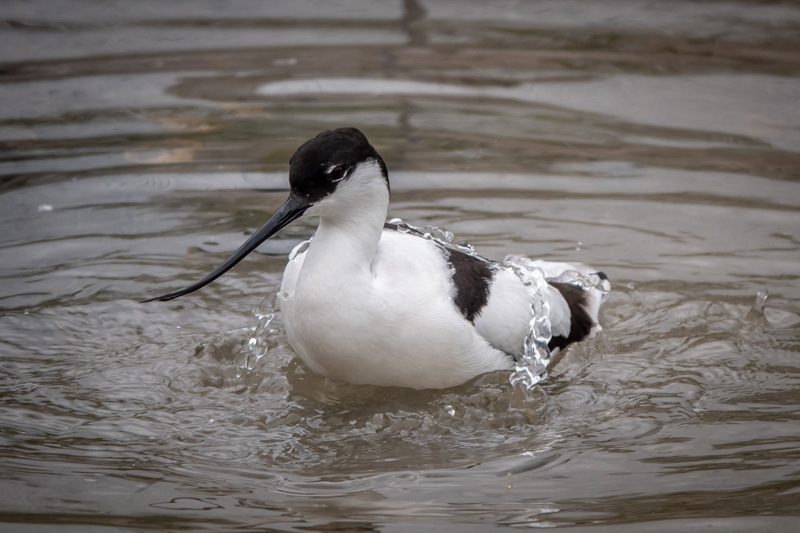 Great close-up views of waders: redshank, knot and avocets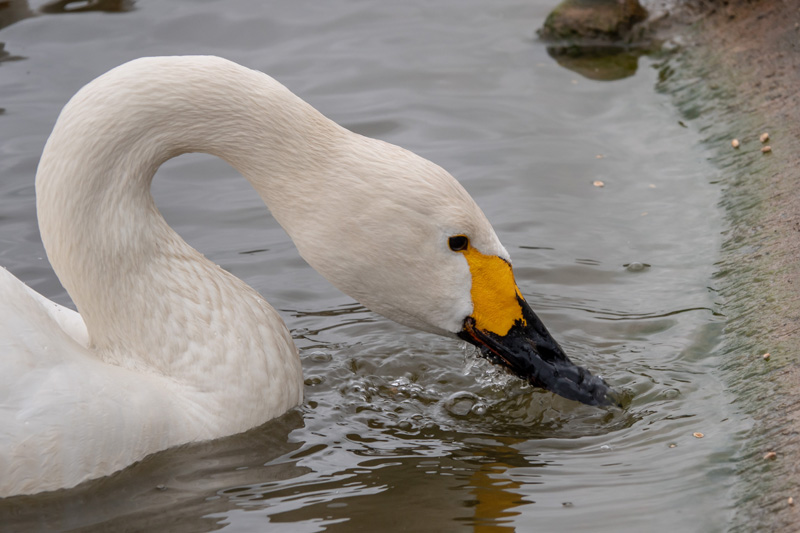
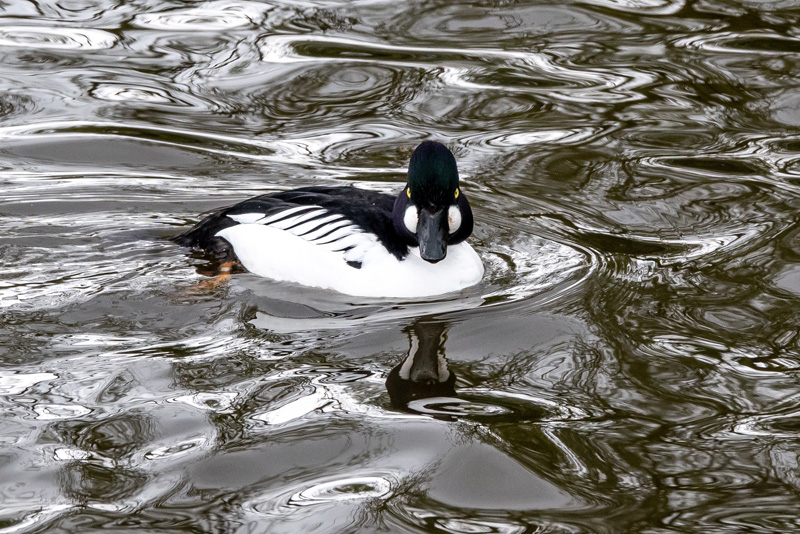 Goldeneye
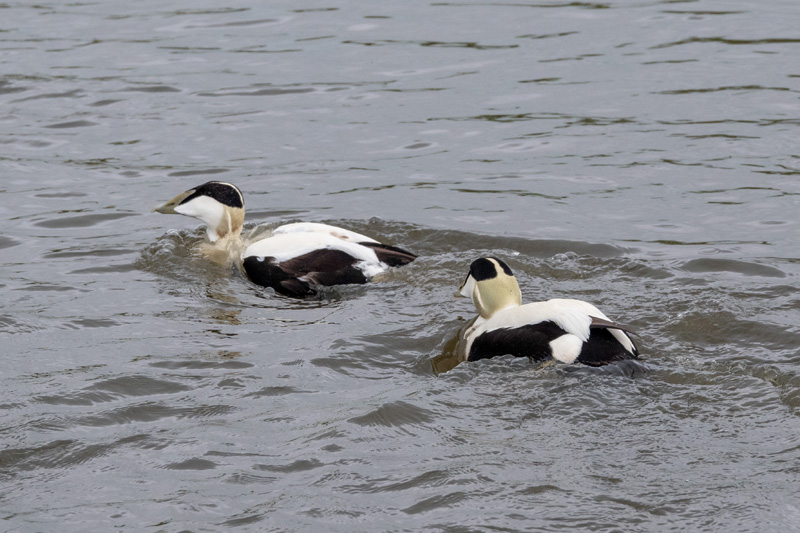 Eider
Eider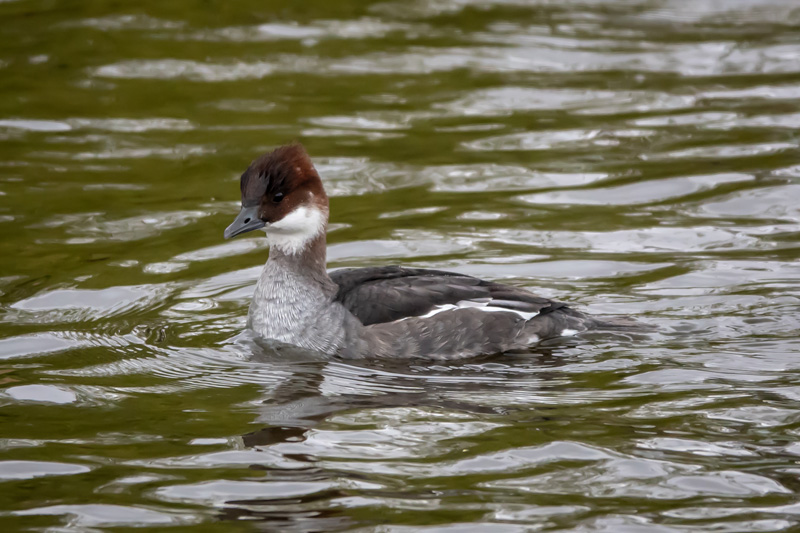 Female smew
 Male smew
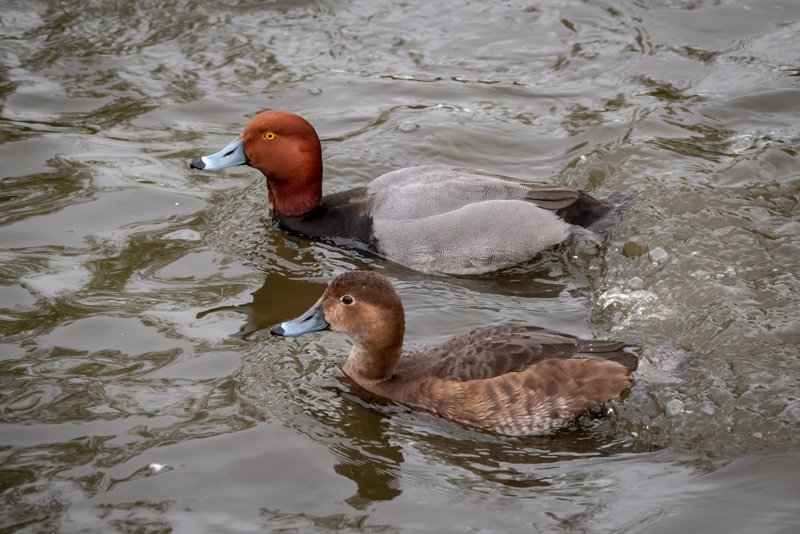 Pochard
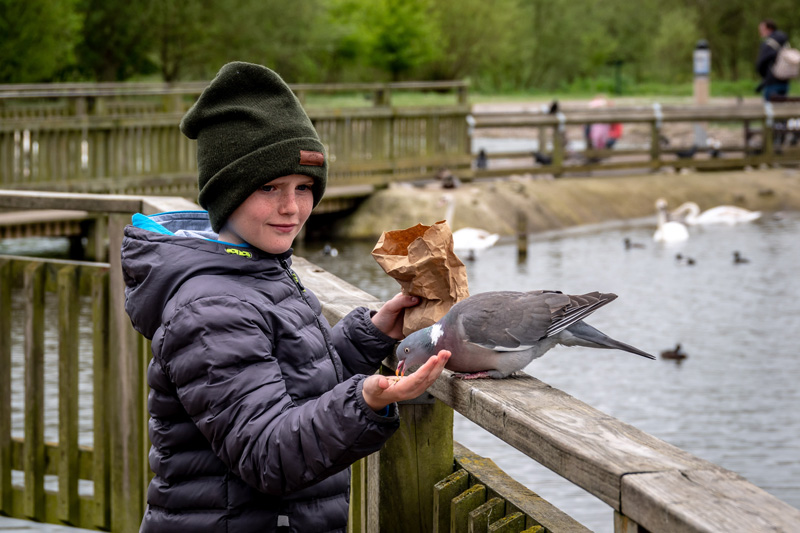


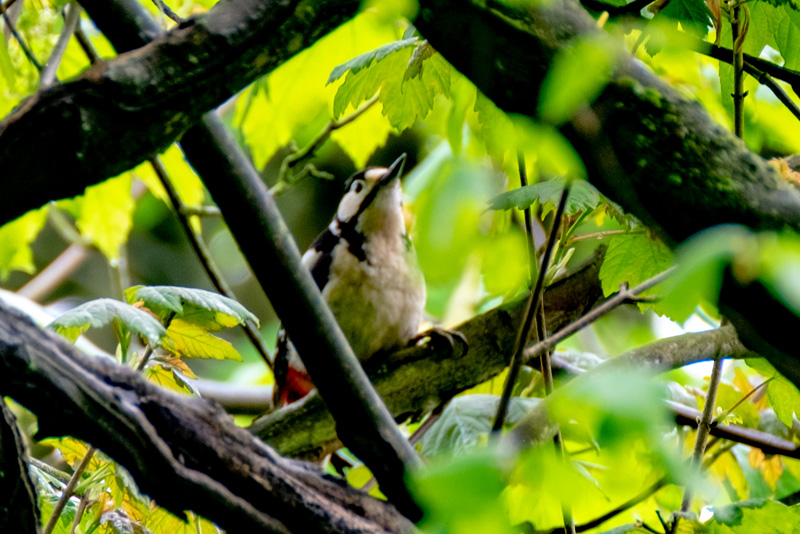
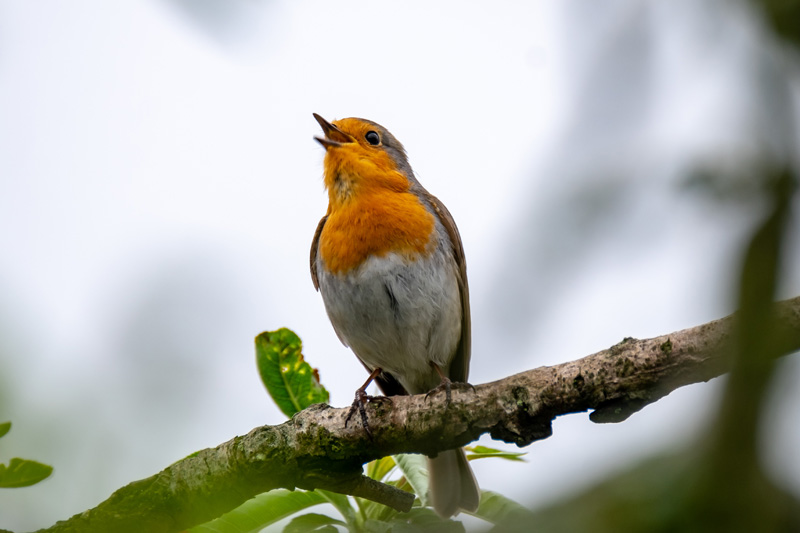
 Song thrush calling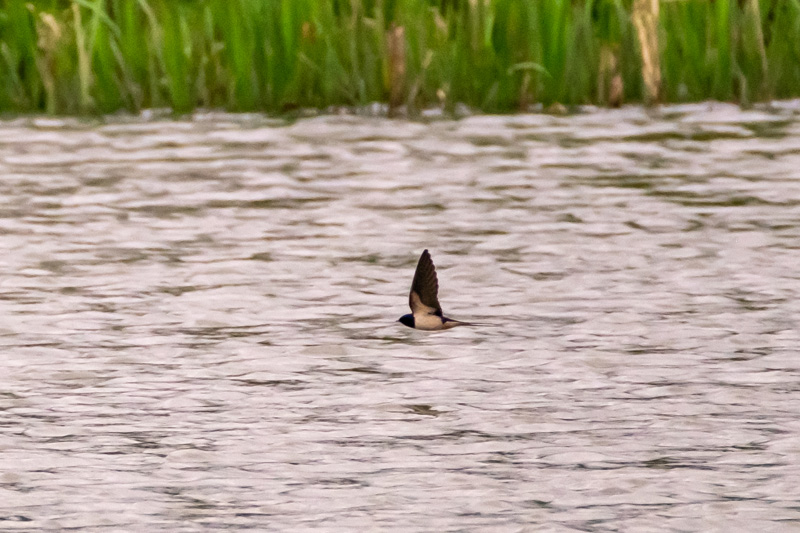


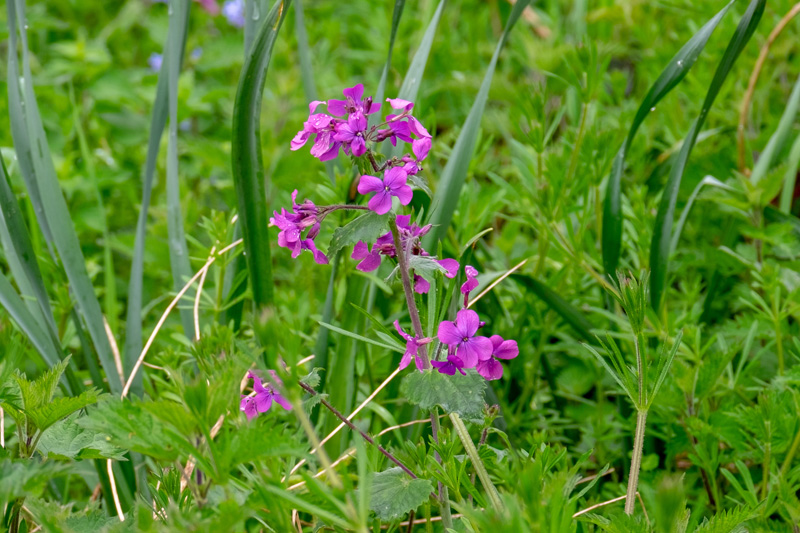 I’m not sure about this plant but could be habernia peramoena.
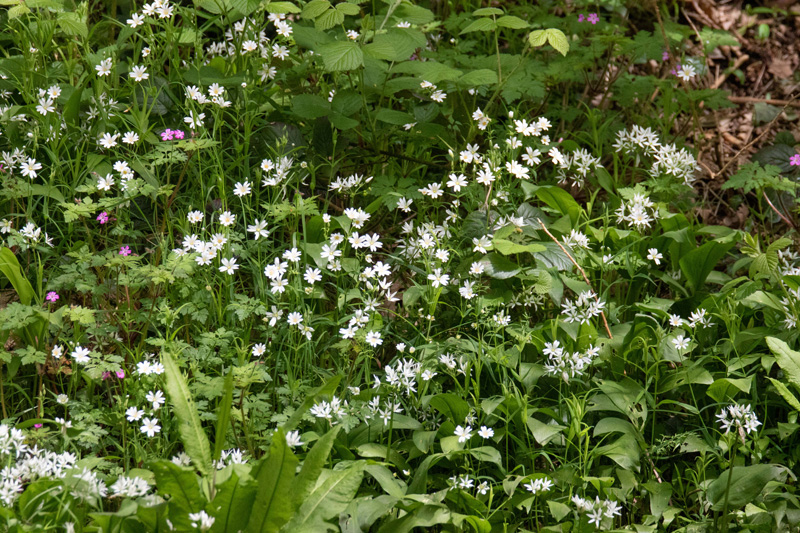
 There were also lots of these (anemones I think) in the bluebell woods but difficult to tell as they had their heads down due to the rain.


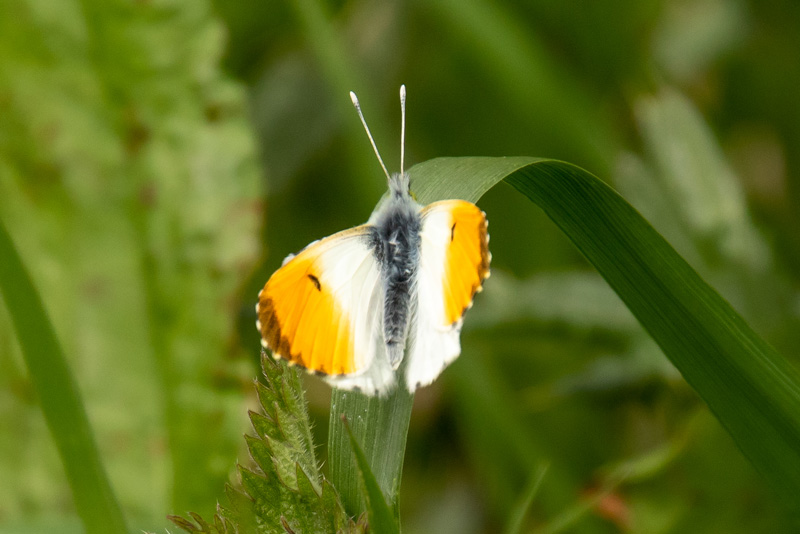 Male orange-tip
 Peacock butterfly
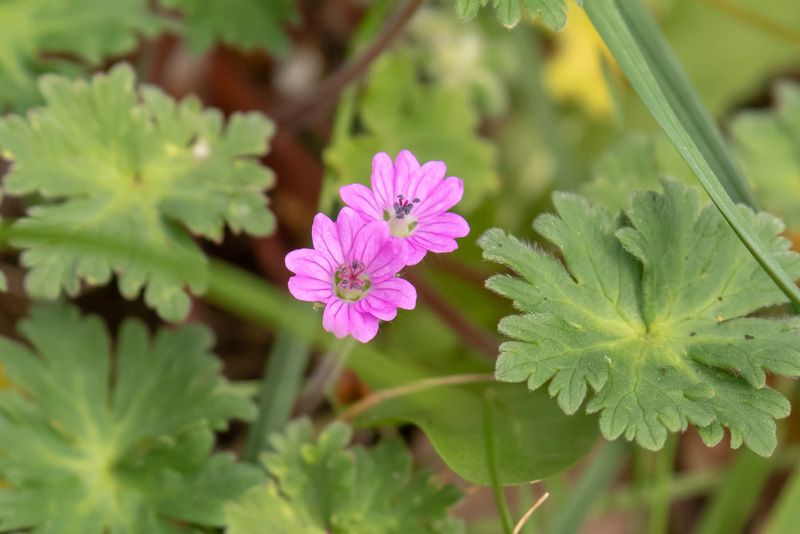 Geranium molle, the Dove’s-foot Crane’s-bill or Dovesfoot Geranium
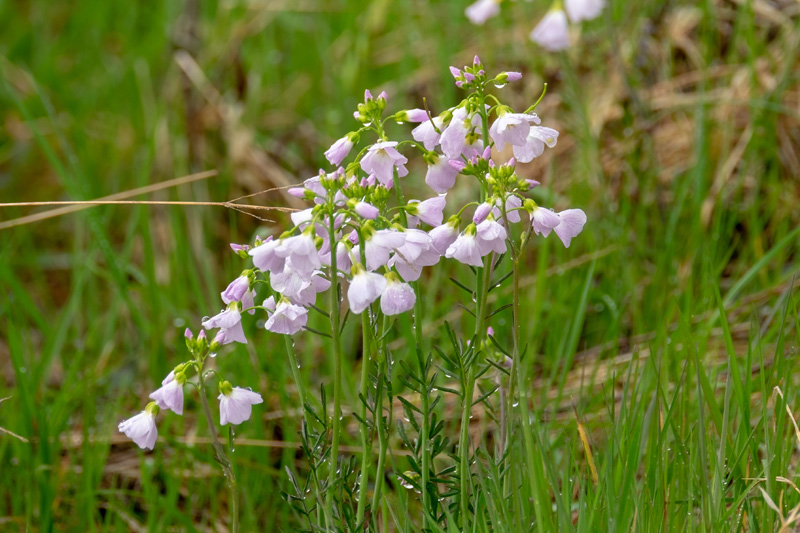
 Cardamine pratensis (cuckooflower, lady’s smock or milkmaids)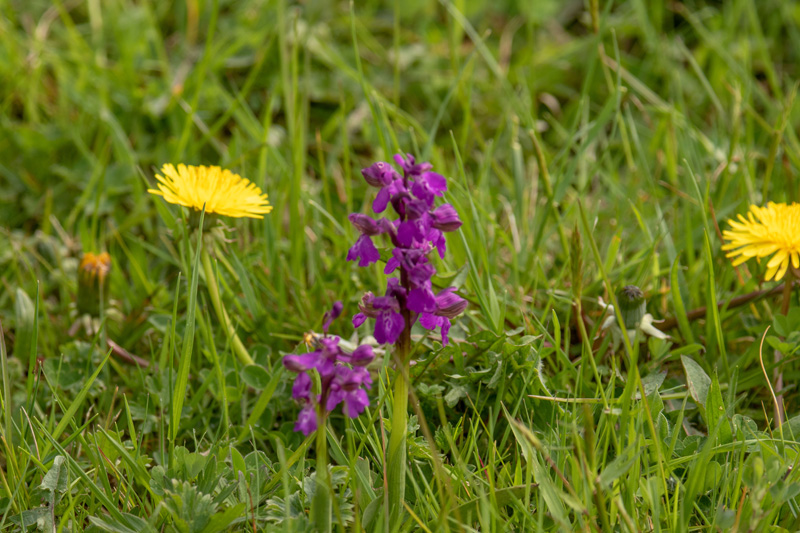
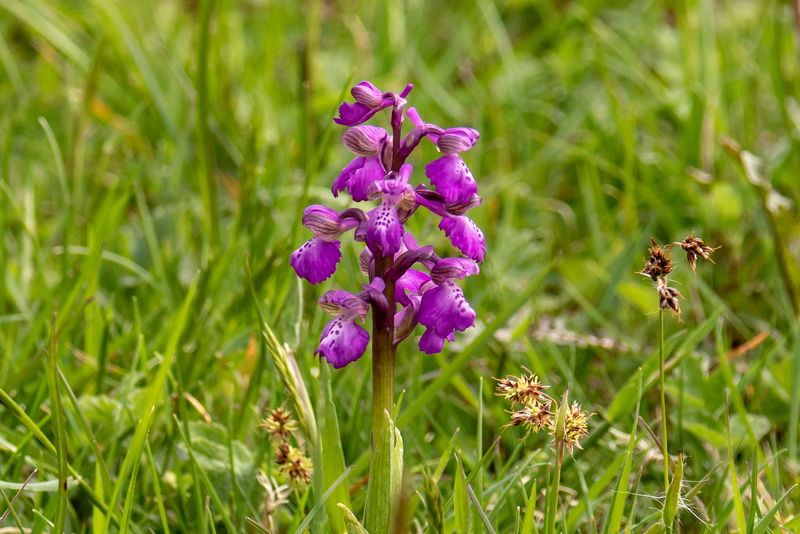
 Anacamptis morio, the green-winged orchid or green-veined orchid
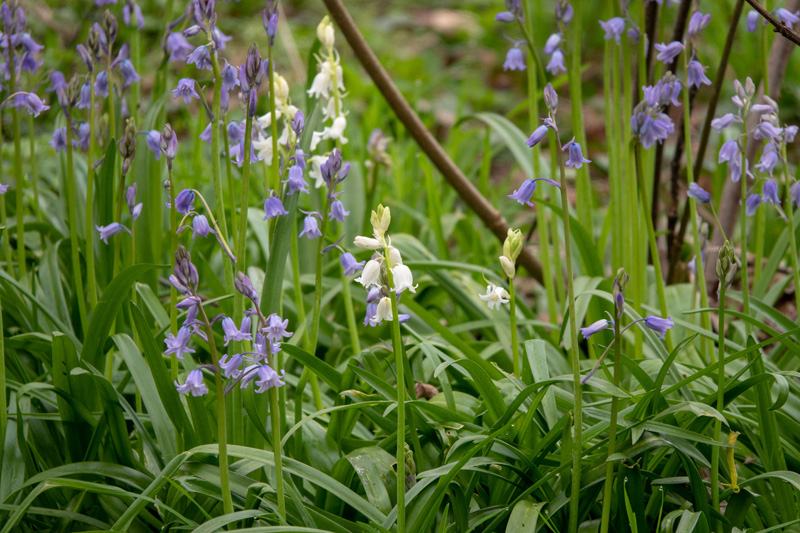
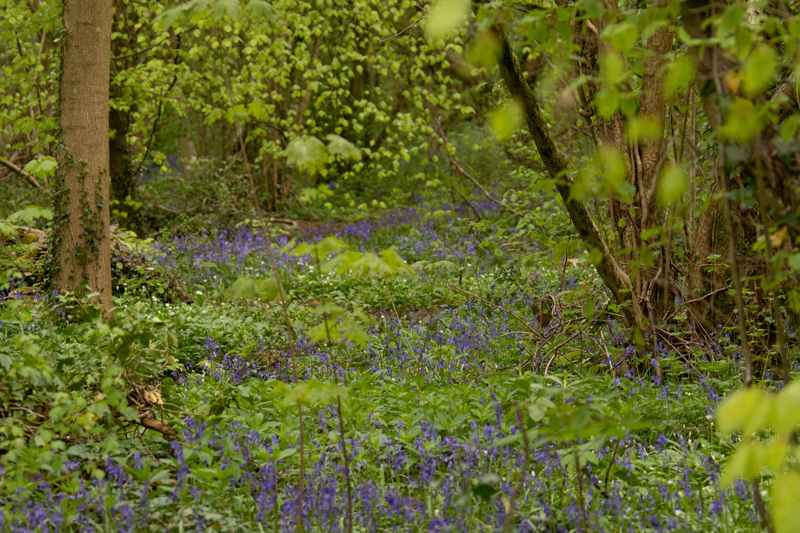
 Bluebells (hyacinthoides non-scripta)
 Great crested grebe
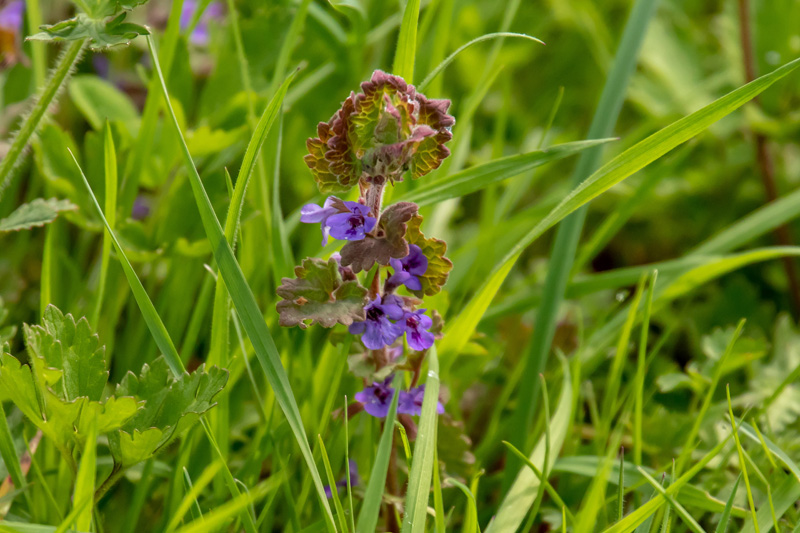 Prunella vulgaris (known as common self-heal, heal-all, woundwort, heart-of-the-earth, carpenter’s herb, brownwort and blue curls)
 Barnacle goose
 Primula veris (cowslip, common cowslip, cowslip primrose). In French it is commonly known as cuckoo.
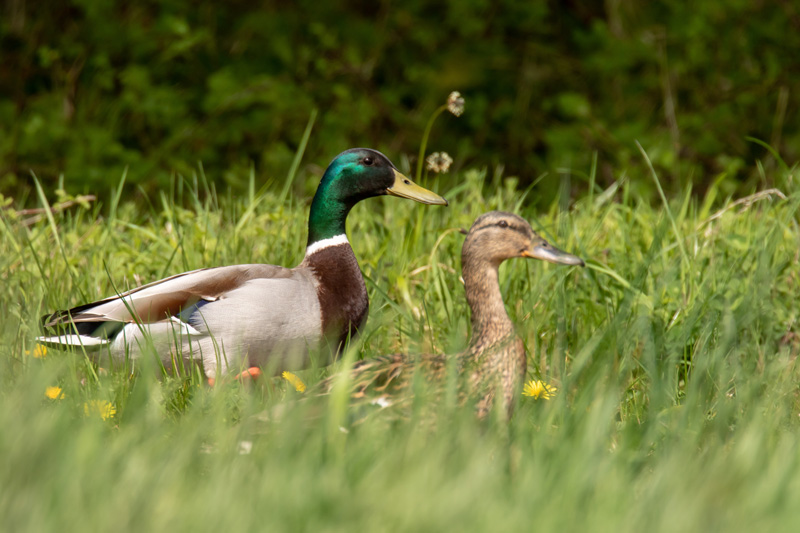 Mallards
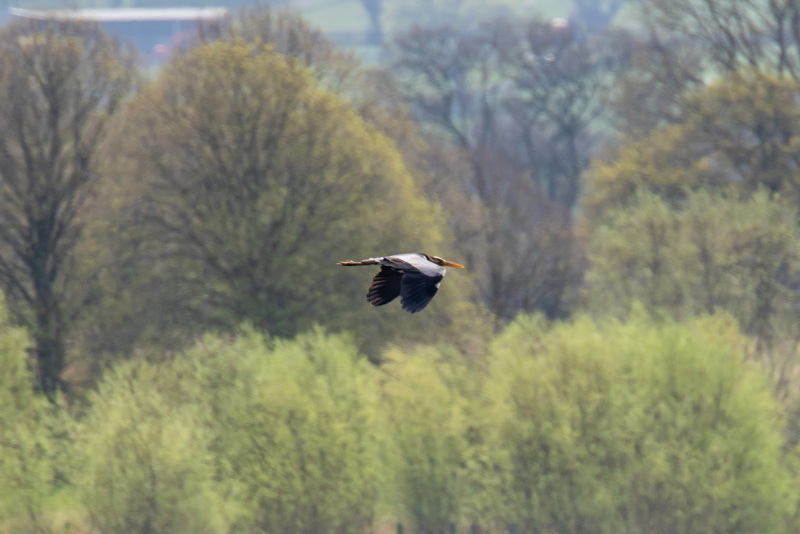 Grey heron
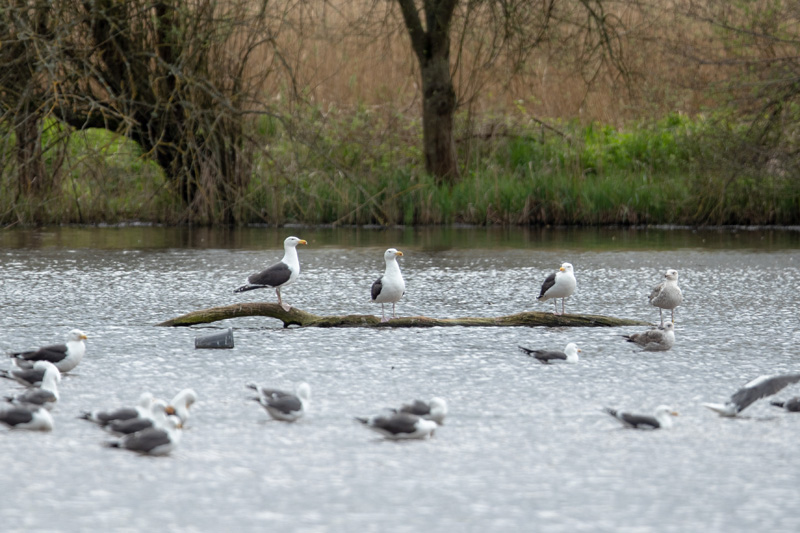 Great back-backed gulls
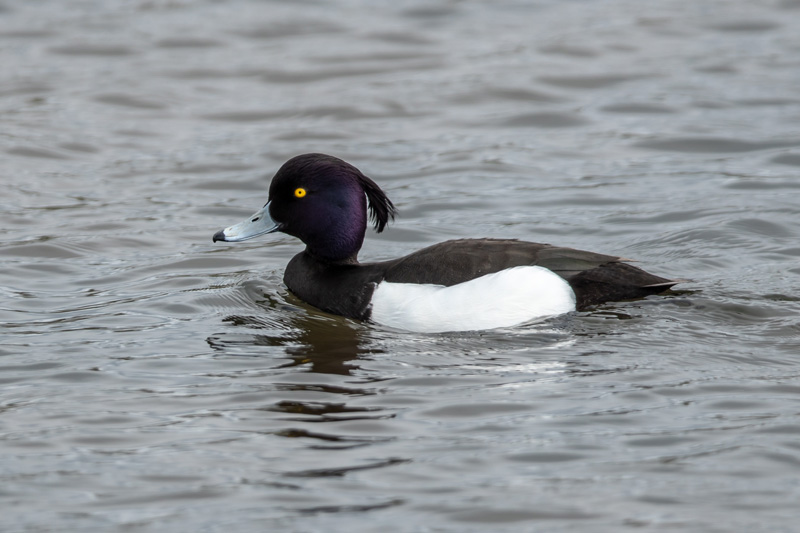 Tufted duck
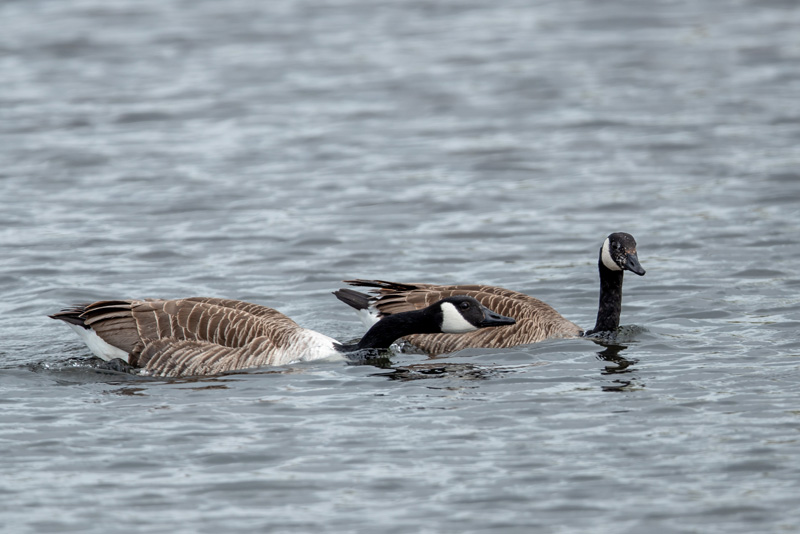 Canada geese
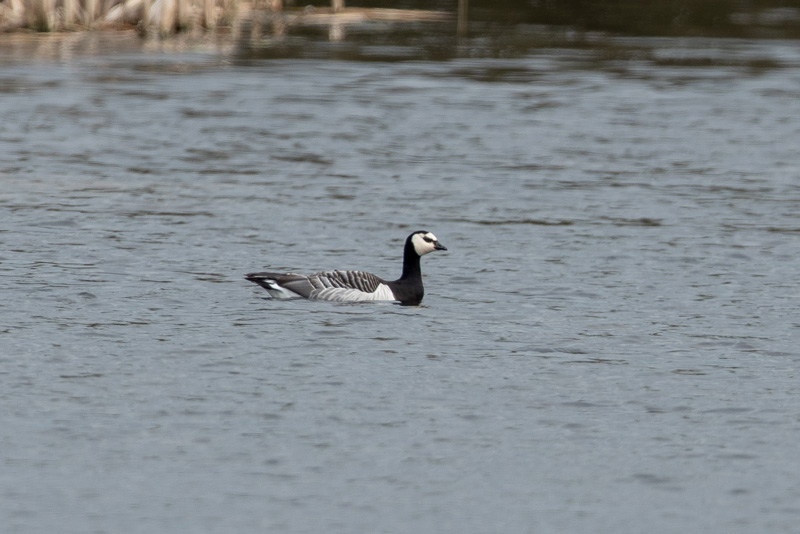 Barnacle goose
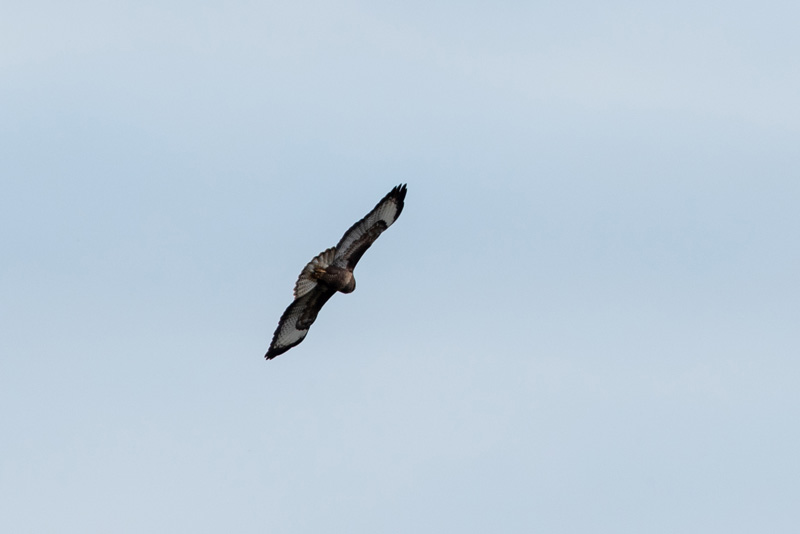 Buzzard
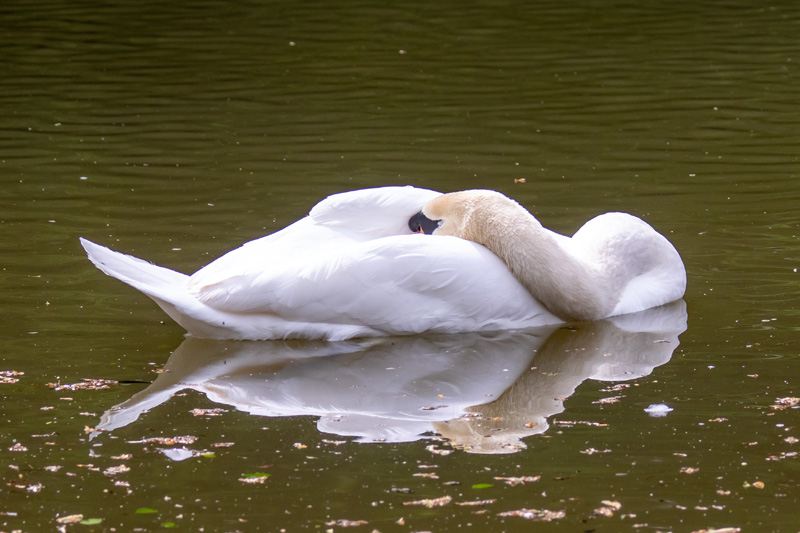
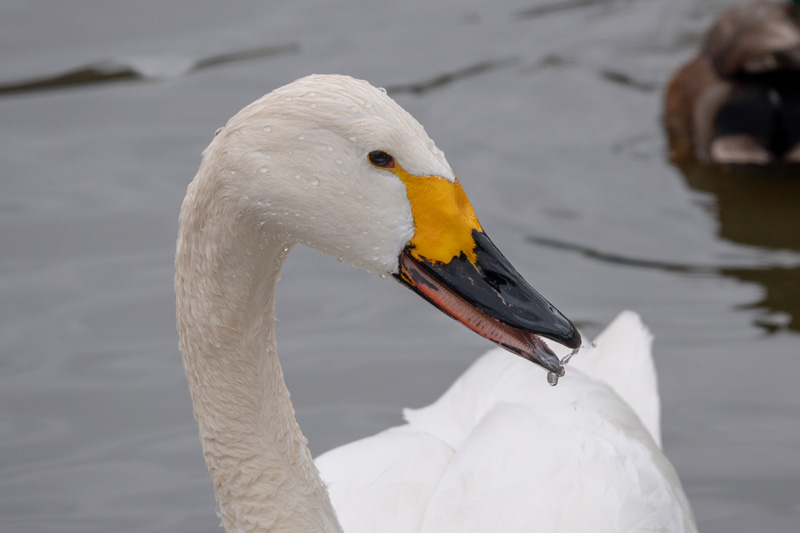
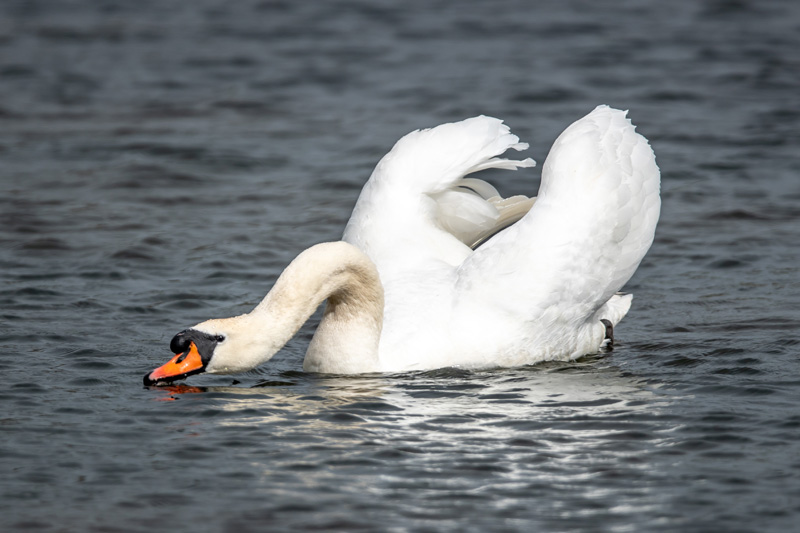 Mute swan
 Canada geese
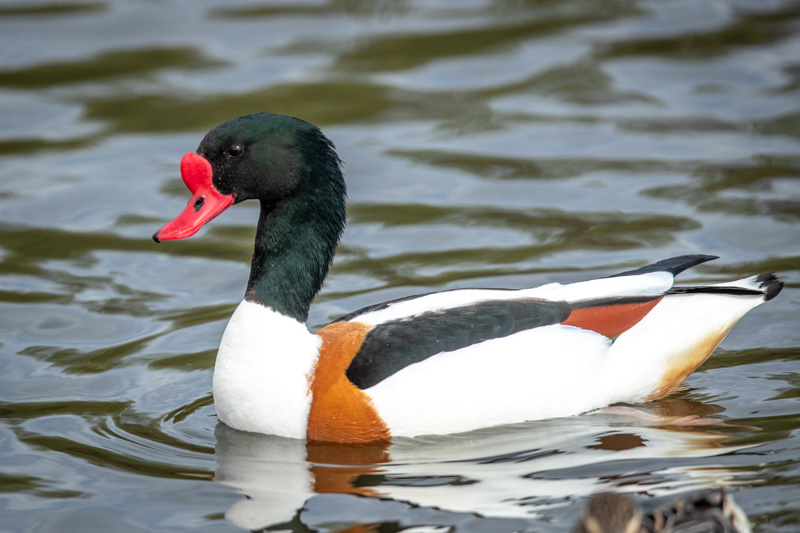 Shelduck
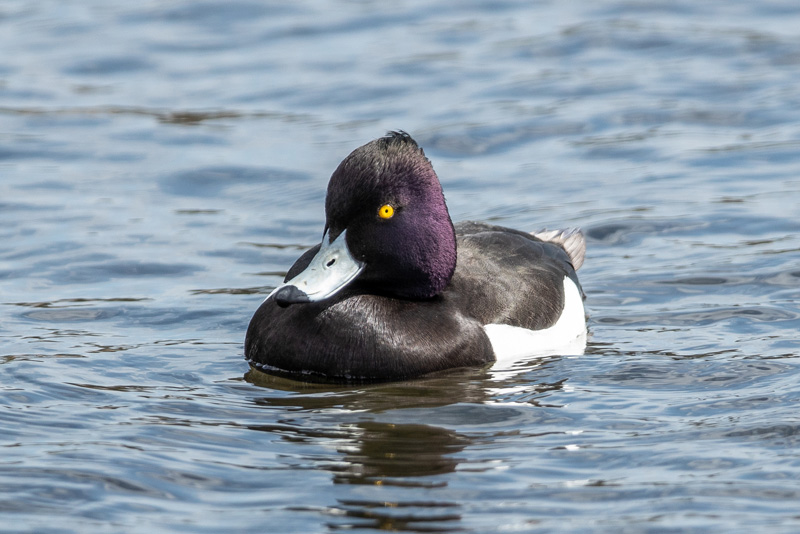 Tufted duck


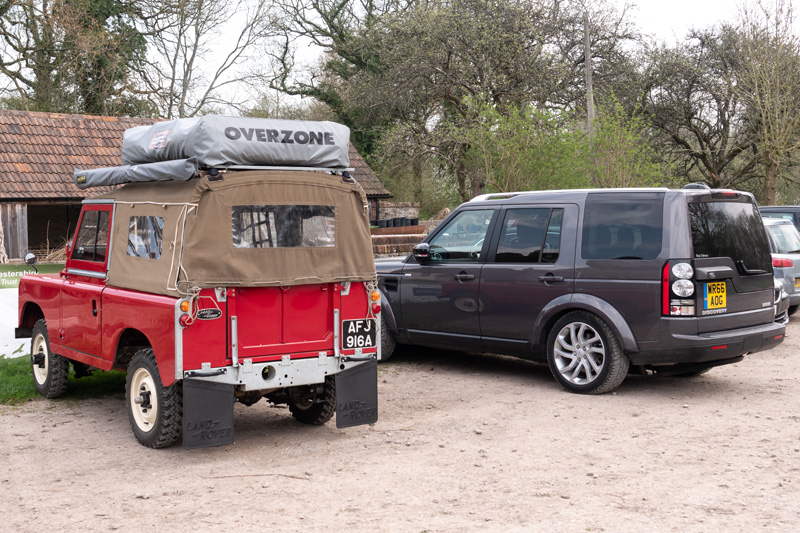 Neil was confused by his excitement of seeing this old Landrover – he had three Landrovers of his own in the yard.
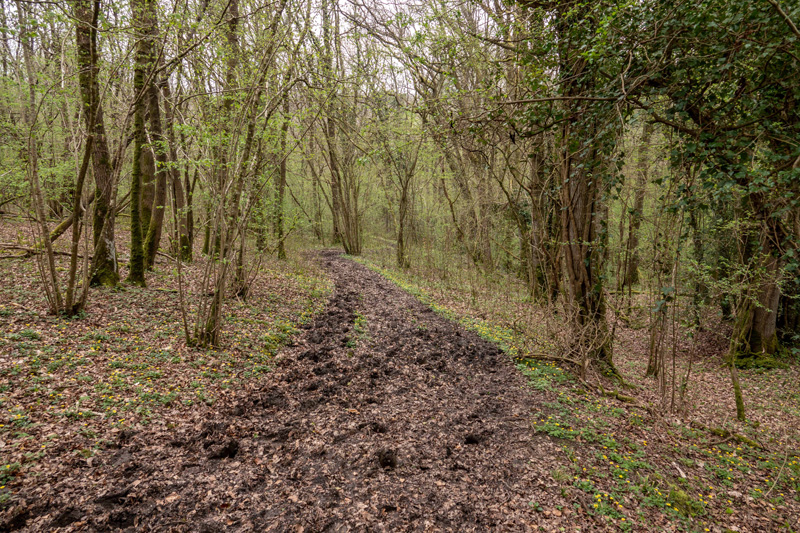 Walking boot terrain – I think not especially when it started raining
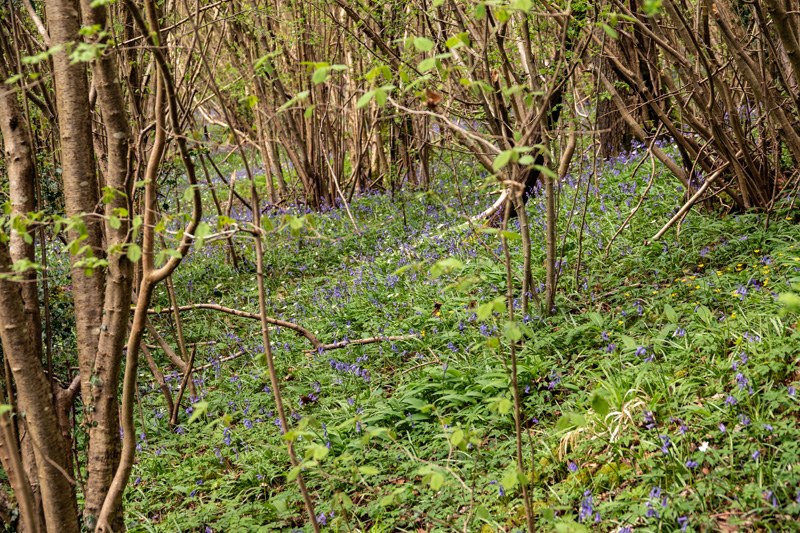 The bluebells would have looked better with sunlight filtering through
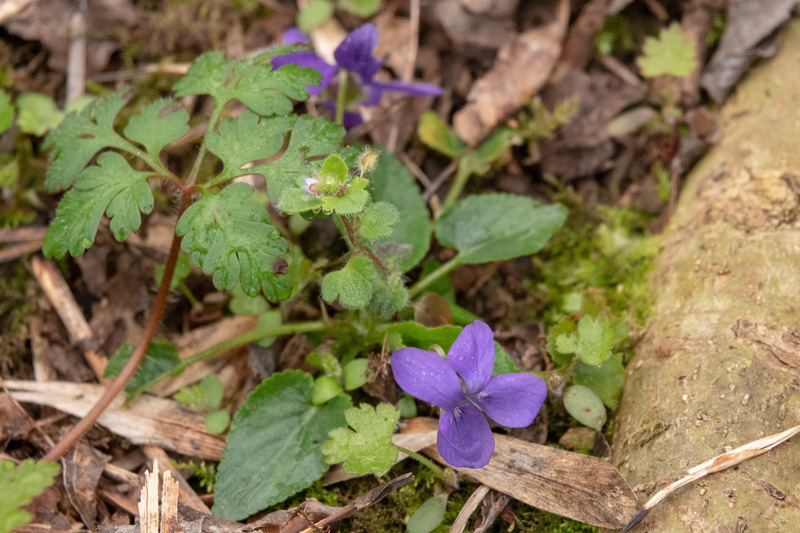
 Wood anemones, violets, primroses and lesser celendine complemented the bluebells.
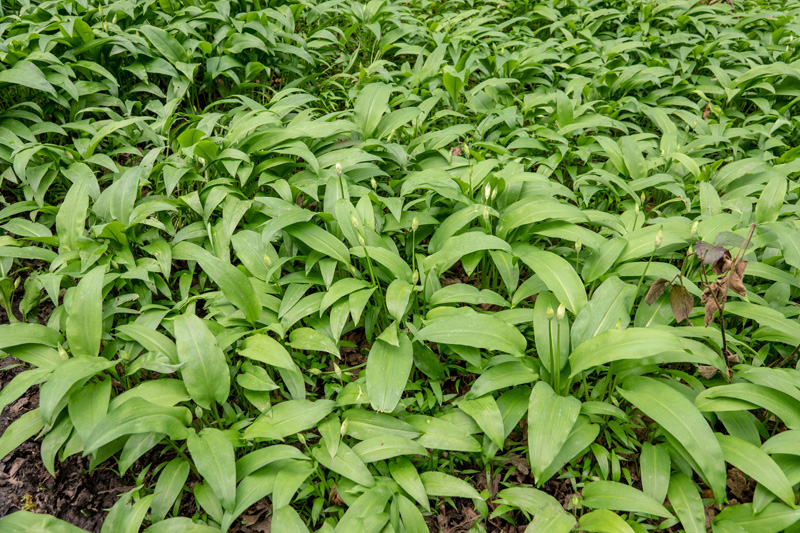 The ramsons were so close to blooming
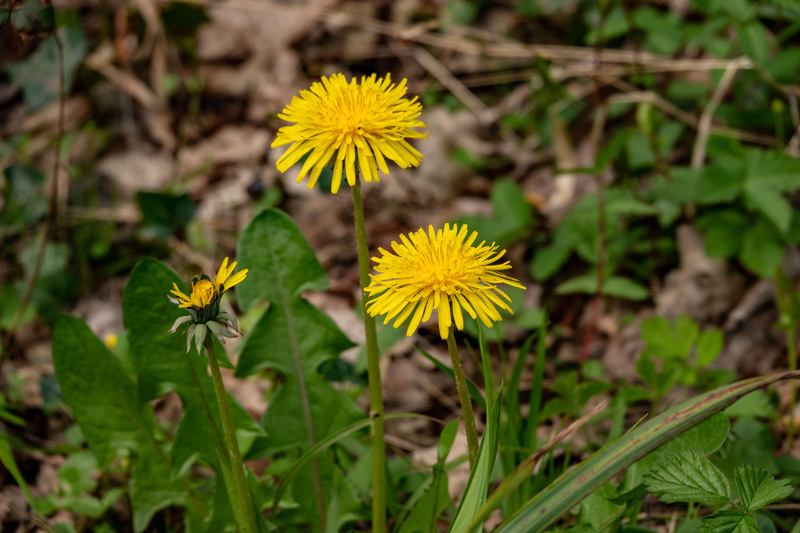 The dandelions are certainly at their best at the moment