Category: Blog

  • 17th February 2018 – Stoke Park and Eastville Park

    17th February 2018 – Stoke Park and Eastville Park

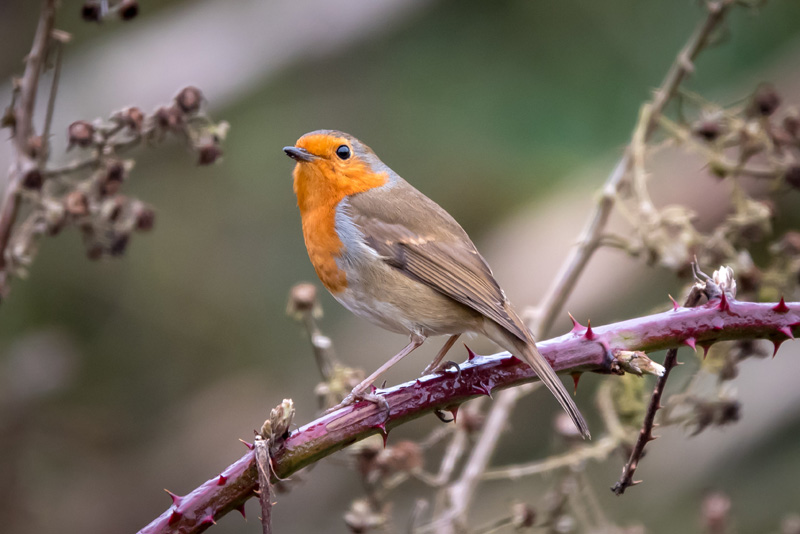
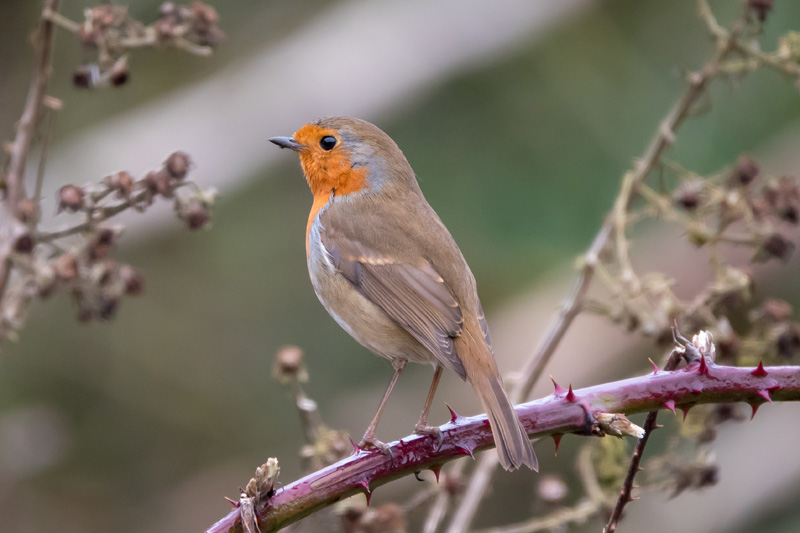
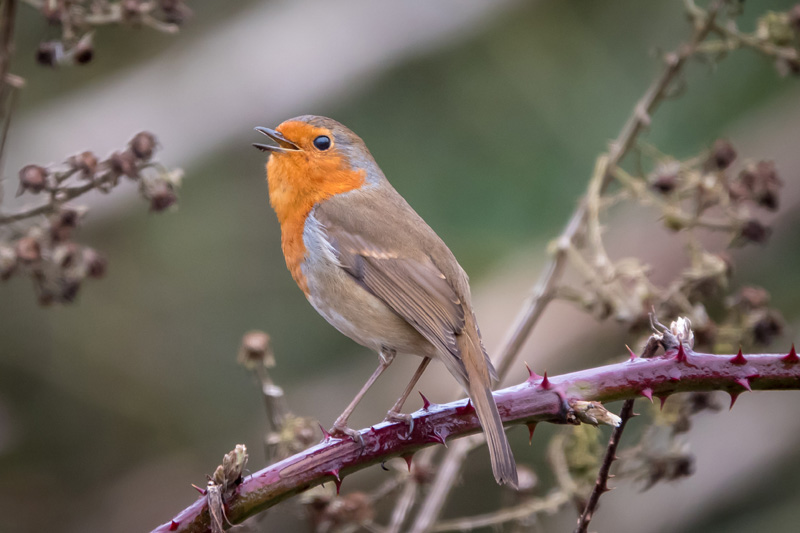
    Circumstances and dismal weather have limited my sorties recently and so I enjoyed my walk through Stoke Park and Eastville Park this morning, especially as the weather was  milder and the birds are beginning to sing (although most of the noise seemed to come from robins which were just about everywhere).

    In Stoke Park the first bird I heard (and then saw) was a song thrush.

    DSCF0427

    Next, in the (very) wet area next to Duchess Pond there was a male stonechat but no sign of the female. The crows even seemed quite cheery.

    DSCF0445

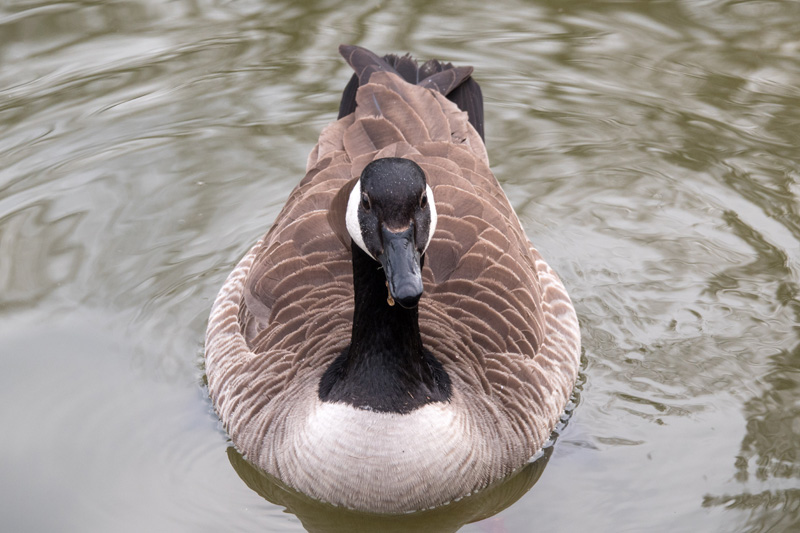
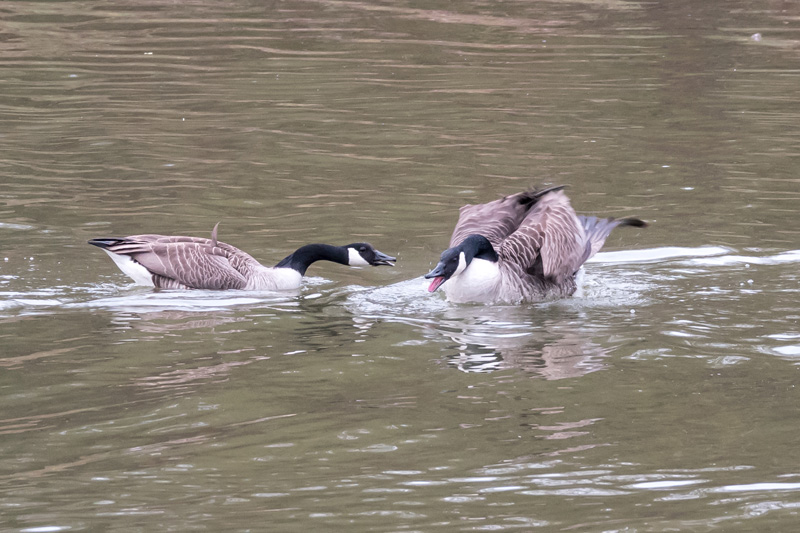
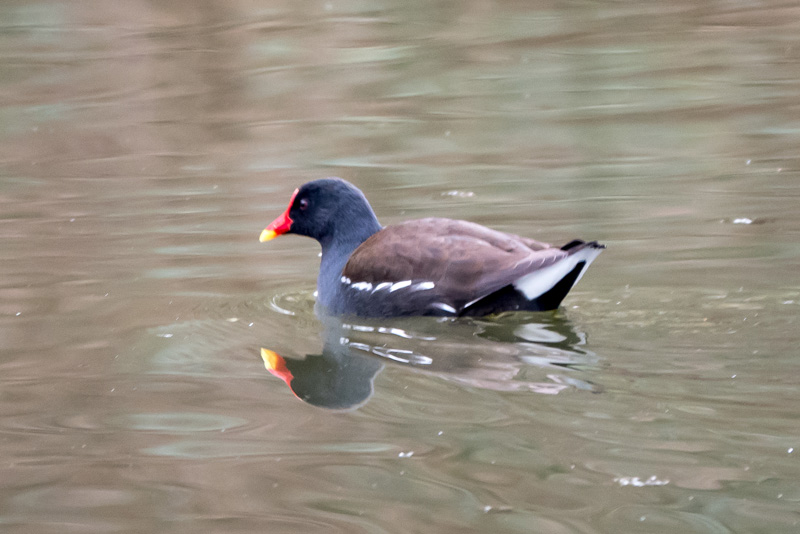
    There were a couple of Canada geese on Duchess Pond, a few mallards and even more moorhens.

    DSCF0469

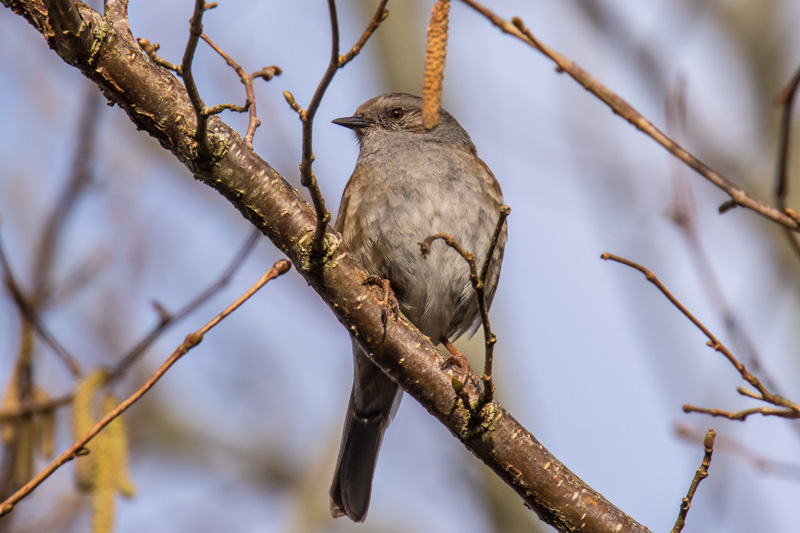
    Before leaving Stoke Park a dunnock appeared and had plenty to say for itself.

    DSCF0480

    In Eastville Park there were even more robins (I counted 10 different robins on my walk) and half a dozen long=tailed tits.

    DSCF0509

    DSCF0529

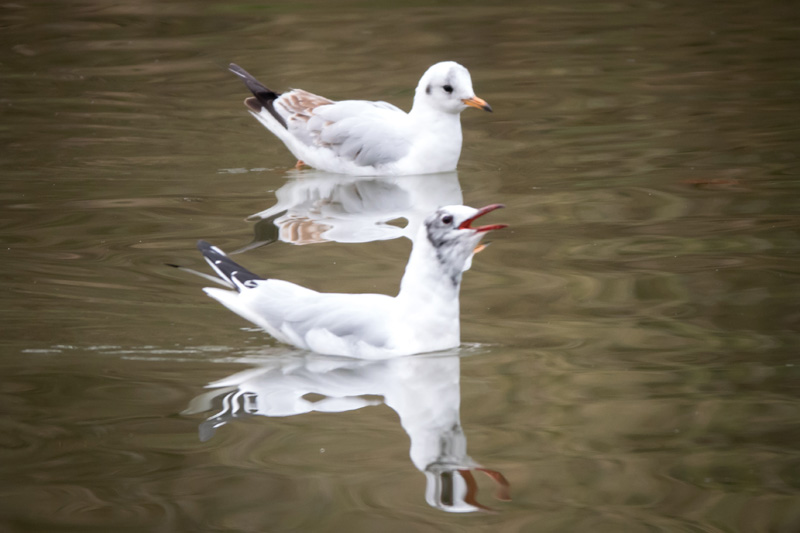
    I was disappointed not to see a kingfisher at the lake but I think I was just unlucky as there were several reports of one. There was a cormorant fishing and it was interesting to see that some of the black-headed gulls are now getting proper black heads.

    DSCF0537

    DSCF0538

    DSCF0585Some of the heads of the black-headed gulls are quite black now

    DSCF0604

    DSCF0535The blackbirds were outnumbered by the robins this morning

    The pigeons and wood pigeons were enjoying the sun too.

    DSCF0573

    DSCF0576

    DSCF0600

    I spent a while watching a juvenile grey heron trying to fish but it didn’t seem to have the knack and was looking rather disheveled.

    DSCF0630

    DSCF0652

    Near the weir I had very good views of a grey wagtail and then, just before I left the park, I saw the flash of a kingfisher fly along the River Frome.

    DSCF0708

    DSCF0733

    When I arrived home I was beaming like the red breast of the robin.

    DSCF0797A robin and holly – it could be Christmas!

    DSCF0692A squirrel enjoying its stash of nuts.

    DSCF0696More encouraging signs that winter is moving on – snowdrops next to the River Frome.

    DSCF0704A blue tit also making lots of noise.


  • 4th February 2018 – Siston Brook, Willsbridge

    4th February 2018 – Siston Brook, Willsbridge

    I saw a tweet (from Rojobus) about dippers (or the lack of them) in Siston Brook, Willsbridge and realised that the brook led to St. Anne’s Church (now famous for hawfinches and ring-necked parakeets) and thought I would have another go at seeing hawfinches. We had no luck but really enjoyed the stroll up from Willsbridge Mill (with its pleasant café) to St Anne’s Church.

    DSC07236

    We were treated to snowdrops, crocuses, catkins, a fleeting glimpse of a dipper and several views of a kingfisher. There were reports of ring-necked parakeets but none of hawfinches.

    MT1D2653The ring-necked parakeet which I had seen at St Anne’s Church on the 29th January.

    DSC07239

    DSC07274The trees are beginning to show signs of life

    DSC07241Catkins

    DSC07243The beautiful willow below St Anne’s Church

    DSC07280

    DSC07290

    DSC07282Crocuses and snowdrops

    St Anne’s Church is a real delight (with its Commonwealth War Memorial graves) and beautiful yew trees.

    DSC07244

    DSC07245

    DSC07256

    DSC07246

    The walk back was brightened by a cheery robin singing its heart out.

    DSC07267

    DSC07266A cheery robin singing near to Siston Brook

    Click below for gallery of photos from this morning:


  • 1st February 2018 – Northwick Warth, Severn Estuary

    1st February 2018 – Northwick Warth, Severn Estuary

    I was the only person at Northwick Warth this morning and it wasn’t really surprising as it was bitterly cold. However, there was plenty of bird action to maintain my interest and encourage me to stay.

    There were large flocks of wigeon, dunlin and redshank and 3 oystercatchers on the water’s edge, 50+ curlew and 40+ shelduck on the warth (warth is an old or dialect word for a river bank or a flat meadow beside a river or estuary especially along the Severn estuary).

    MT1D2783Redshank

    MT1D2800Redshank and dunlin

    MT1D2819Dunlin in flight

    MT1D2827Redshank

    MT1D29132 redshank and a dunlin

    MT1D2928A wigeon escaped the flock

    MT1D2939Mixed flock of wigeon and dunlin

    MT1D3141Oystercatchers join the dunlin and redshank

    MT1D32002 curlew in flight

    MT1D3210Oystercatcher and a dunlin

    MT1D3261Wigeon

    MT1D3337Redshank in flight

    MT1D3382Dunlin in flight

    MT1D3443Curlew flying with dunlin

    MT1D3469Flock of dunlin

    MT1D3483Dunlin

    MT1D3506Mixed flocks

    And a few others before driving home:

    MT1D3522Starling

    MT1D3527Robin

    MT1D3530House sparrow (male)

    MT1D3541House sparrow (female)

    Click below for gallery of photos from this morning:

  • 23rd January 2018 – Eastville Park

    23rd January 2018 – Eastville Park

    Eastville Park in the rain in winter is more about fungi and lichen but this afternoon I saw the first celandine of the year and the yellow theme was maintained when a grey wagtail came close and brightened up a miserable afternoon. Through the gloom the catkins also looked quite a picture.

    MT1D2522

    MT1D2625

    MT1D2628

    MT1D2523

    MT1D2544MT1D2550MT1D2549MT1D2548MT1D2547Grey wagtail

    You would think it would be all about ducks on a day like today (and there were quite a few)  but there were plenty of other things to see and (try and) photograph.

    MT1D2554Black-headed gull

    MT1D2562Mute swan

    MT1D2566Canada goose

    MT1D2570Moorhen

    MT1D2571Herring gull

    MT1D2572Herring gull

    MT1D2576Blackbird

    MT1D2577Long-tailed tit

    MT1D2581Long-tailed tit

    MT1D2589Grey heron

    MT1D2598Moorhen

    MT1D2609Cormorant

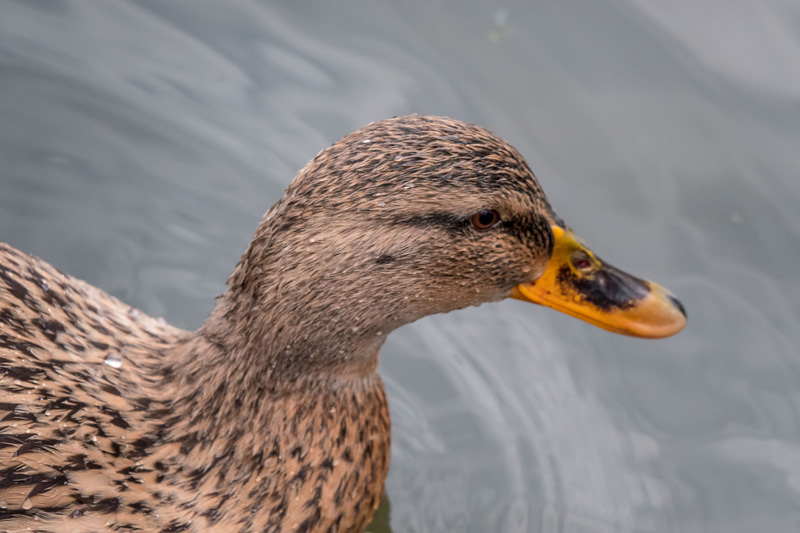
    MT1D2614Female mallard – the special one

    The rain was quite persistent and I was quite glad to get home.


  • 22nd January 2018 – Stoke Park

    22nd January 2018 – Stoke Park

    After relentless rain yesterday it was not surprising that it was very wet in the park today. I saw three goldfinch as soon as I arrived in the park and then a male and a female stonechat.

    On the lake there were a dozen mallards, 2 moorhens and a grey heron which flew from one side of the lake to another, giving me good opportunities for photos of birds in flight.

    There were only three black-headed gulls but plenty of crows and a single blackbird.

    A very pleasant hour spent on a dull afternoon.

    MT1D2398One of three goldfinch which didn’t really want to show themselves

    MT1D2408

    MT1D2416Male stonechat on 2 different perches

    MT1D2468Mallard in flight

    MT1D2476Pair of mallards in flight

    Grey heron flying from one side of Duchess Pond to another:

    MT1D2425

    MT1D2432

    MT1D2435

    MT1D2448

    MT1D2488

    MT1D2490

    MT1D2491

    MT1D2494

    MT1D2498

    MT1D2464

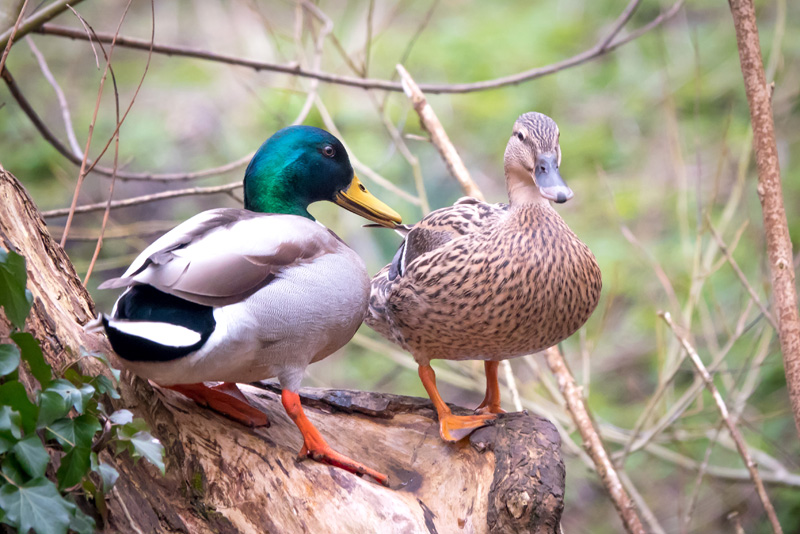
    MT1D2482Mallards looking very handsome

    Black birds

    MT1D2511Crow

    MT1D2517Blackbird


  • 19th January 2018 – North Somerset

    19th January 2018 – North Somerset

    Just a chance for a few photos whilst on a visit to Midsomer Quilting at Chilcompton in North Somerset.

    Collared doves, robins, pied wagtail and meadow pipit,

    DSC06981Unusual to get 2 robins together?

    DSC06994

    DSC07005

    DSC07012Collared doves in a barn

    DSC07018Meadow pipit

    DSC07038Pied wagtail

    DSC06987Bucolic scene in North Somerset

    DSC06998First snowdrops of the year

    DSC06975Rainbow over Chew Valley Lake on our journey to Chilcompton

    IMG_1042

    Winter Levels – The Somerset Levels as seen through the eyes of quilter Judy Hayward on a frosty morning

    IMG_1041


  • 16th January 2018 – Stoke Park & Eastville Park

    16th January 2018 – Stoke Park & Eastville Park

    It was good to be back on my home patch and get some good views of our local birds.

    I started in Stoke Park and was instantly treated to two stonechats in the boggy section.

    MT1D2217

    MT1D2218

    MT1D2221Stonechat

    Even more to my surprise was a common snipe that jumped up out of the bog and flew over to Duchess Pond (too fast for me to react).

    On the pond I could only see a grey heron.

    MT1D2229.jpg

    In Eastville Park there was no sign of a kingfisher but the black-headed gulls were doing a good job diving for fish in the lake.

    MT1D2248

    MT1D2244

    MT1D2256

    The mallards are starting to look good again with their new plumage.

    MT1D2263

    However, they are not as good at posing as the robins.

    MT1D2286

    MT1D2288

    MT1D2295

    On the way home I went up the small stream that feeds in to the River Frome and was well rewarded with views of a dipper and a yellow wagtail.

    MT1D2303


    MT1D2314

    MT1D2343

    MT1D2369

    MT1D2370

    MT1D2388

    A crow with a large mouthful of bread and a magpie caught my eye before the rain started and I scurried home.

    MT1D2393

    MT1D2394

  • 12th January 2018 – Suffolk Coast

    12th January 2018 – Suffolk Coast

    After a week of murky and, at times, bitterly cold weather in Suffolk, today we were blessed with a gloriously sunny day which warmed our spirits (which certainly weren’t  at all low anyway) and allowed a chance of some decent photographs.

    We spent the morning at RSPB Minsmere and then in the afternoon we moved on to the Blyth Estuary at Blythburgh and saw a great variety of birds.

    Off the coast at Minsmere (more like a mill pond today) we had good views of red-throated divers and on the reserve the best was a male stonechat and some dunlin which were being given a hard time by the lapwing.

    On the Blyth Estuary there were thousands of birds and in particular we had good views of avocet, redshank, shelduck, oystercatcher, curlew, whimbrel, pintail, lapwing and huge flocks of gulls. It felt really warm standing in the sun watching them and was particularly interesting seeing their plumages in the beautiful sunshine as they regularly took to the air.

    MT1D1509Red-throated divers

    MT1D1554Common snipe taken in to the sun

    MT1D1571Gadwall

    MT1D1606Pied wagtail

    MT1D1659Male stonechat

    MT1D1657Redshank and greylag goose ignoring each other

    MT1D1774Dunlin

    MT1D1772A (charmless) goldfinch amongst the gadwall

    MT1D1779A lapwing photo bombing a dunlin and teal

    MT1D1783Lapwing chasing off dunlin

    MT1D1786Dunlin in flight

    MT1D1605Tufted ducks comimg to the party

    MT1D1755Teal

    MT1D1732Dunlin between two (out of focus) shovelers

    MT1D1685Pheasant wondering who is following him

    MT1D1686Greylag geese

    MT1D1803Long-tailed tit in the woods

    MT1D1816A colony of avocets

    MT1D1841Avocet feeding with its swiping action

    MT1D1831Shelduck

    MT1D1984Oystercatcher

    MT1D2031Redshank

    MT1D2071Avocet in flight

    MT1D2162A mixed flock with a whimbrel centre stage

    MT1D2173A deceit of lapwings

    MT1D2184Avocet

    MT1D2163Cormorant, avocet, shelduck, curlew, lapwing, oystercatcher, pintail, wigeon, redshank, black-tailed godwit, dunlin, gulls and probably even more

    Click below for gallery of photos from today:


  • 11th January 2018 – Walberswick

    11th January 2018 – Walberswick

    Not really worth a blog today as it has been too rainy and foggy to take any nature photos. However, after lunch at The Crown at Westleton there appeared a smudge of blue in the sky and so we stopped off at the quay in Walberswick and I couldn’t resist a few snaps of some herring gulls and a redshank.

    DSC06956

    DSC06957

    DSC06963

    DSC06948

    DSC06973

  • 10th January 2018 – Suffolk

    10th January 2018 – Suffolk

    Well, we have been out in the fresh air for most of today; I think it’s the longest I’ve been outdoors on such a gloomy day. Fortunately, it’s been much milder and must have reached 6 degrees centigrade at some point. However, it has certainly not been a day for photographs (even with modern digital equipment).

    We were a little frustrated in the morning as we tried to reach Benacre Broads National Nature Reserve but all the signs seemed to warn us off saying that the paths were private and part of a conservation area. Other signs warned of the danger of coastal erosion so we were well and truly stymied. Nonetheless we enjoyed our walk and even visited  St Andrew’s Church at Covehithe built in the ruins of the old church and which was where the P. D. James mystery, Death in Holy Orders, was set and a television episode was filmed at the church ruins.

    DSC06946St Andrew’s Church at Covehithe – built in the ruins of the old church

    On our way back we stopped off at the Blyth Estuary near Blythburgh and managed to see plenty of waders and gulls. Even in the gloom, with everything looking black and white, we could make out shelduck, curlew, redshank, dunlin, black-tailed godwits. lapwings, avocets and a huge flock of (mainly) black-headed gulls.

    MT1D1286The view across the Blyth Estuary towards Soutwold

    MT1D1262Shelduck, redshank and dunlin

    MT1D1319Silhouette of a redshank in flight

    MT1D1294Black-tailed godwits

    MT1D1308

    MT1D1325Curlew

    MT1D1284Avocet

    We then moved on to RSPB Minsmere but, other than seeing common snipe from two of the hides, there was nothing of interest (at least we could see nothing of interest) and settled for a cup of tea and a piece of cake.

    MT1D1431Common snipe from the North Hide

    MT1D1427Pied wagtail

    MT1D1454Common snipe from the Wildlife Lookout

    MT1D1449The only thing we saw from the Bittern Hide – a raptor on post D


  • 9th January 2018 – Walberswick National Nature Reserve

    9th January 2018 – Walberswick National Nature Reserve

    Having had a nature free day yesterday (more out of necessity than choice as it was  even really too cold to enjoy pottering around the shops and cafés in Southwold) today we chose to have a walk around Walberswick National Nature Reserve. Fortunately the biting cold wind of the day before had subsided and, although the dismal light was not good for photography, it was not too unpleasant for walking.

    The first part of the walk took us along the Sandlings Walk (long distance route from Ipswich to Southwold which explores what remains of the once extensive Sandlings Heath). There were great tits, blue tits, chaffinches, blackbirds, robins and wrens and a single buzzard. On the heath land to our right there were lots of crows and sometimes small flocks of starlings. To our left there were extensive silver birch woods. We passed Westwood Lodge, an interesting large 16th century manor house with a huge turret which was still sporting a very large fully-lit Christmas tree .

    DSC06890A pheasant more worried about the distant shots than our prescence

    DSC06880A robin breaking cover

    DSC06883Crows on the heath land

    DSC06885Not much bird life here

    At the furthest point from our base in Walberswick we had a choice of taking a return route through Dunwich Forest or a route through the reedbeds of Westwood Marshes. We chose the latter in the hope of seeing some wildfowl but the reeds were so tall that all we saw were a pair of marsh harriers, a grey heron and a mute swan flying in the distance, although we did hear the pinging of bearded tits,  several Cetti’s warblers and occasionally a cacophony of wild fowl from behind the reeds.

    DSC06898The silver birches would have benefited from a ray of sunshine or two

    DSC06899

    DSC06901Plenty of interesting fungi to see

    DSC06905

    DSC06907… and lichen

    The beginning of this section of the walk was interesting and testing. Our guidebook told  us that “the footpath takes you through an area of wet woodland with willow and alder trees and then through dryer birch and oak woodland before emerging in to the reedbed”. The footpath through the “wet” section was elevated and well maintained and quite easy, but the “dry” section was often a quagmire and at times almost unpassable.

    DSC06915Not much chance seeing the wild fowl in the marshes behind the reeds although we occasionally heard the pinging of bearded tits and the easily recognizable sound of Cetti’s warblers

    DSC06925

    DSC06926We could just make out  tags on the distant marsh harriers

    DSC06931The welcome sight of the ruins of the wind pump which told us “home” was not much further

    We missed out the shingle section at the end of the walk as we didn’t want to be subjected to the coastal winds and we could see a quicker route to the Bell Inn which, by that stage, was a more attractive option

    DSC06938Dunwich Bay in the distance

    By the time we arrived home we had covered 10 miles and would have been feeling virtuous except that any good it had done us had probably been wrecked by the pint and the ploughman’s in the pub.

    DSC06941


  • 7th January 2018 – RSPB Minsmere

    7th January 2018 – RSPB Minsmere

    We went to RSPB Minsmere on a bright but bitterly cold day full of optimism. This time last year, although a dull dreary day, we had seen many species of birds and had had good views of lots of waders. This year, on arrival, we were told that many of the hides were inaccessible due to flooding and that the East Scrape was no longer a scrape but part of a larger lake caused by the rains and a series of high tides which prevented the area from draining.

    MT1D1019This view from near the visitors’ centre showed the East Scrape in the distance fully flooded.

    We were told that the Wildlife Lookout was accessible but when we reached the path we discovered that at least wellies were necessary if not waders. We went on to the Bittern Hide. As soon as we arrived there was plenty of action with cormorants, mute swans and marsh harriers in flight. But it was not a pleasant experience as the sunshine was so bright that it was painful to sit there alone watch the birds.

    DSC06837

    DSC06840

    DSC06849Marsh harrier from the Bittern Hide.

    We reckoned that the same would apply at Island Mere and so we made our way back to the visitors’ centre for a coffee. Through the woods there were great tits and long-tailed tits.

    DSC06871Long-tailed tit.

    After a warming coffee we decided to brave the cold winds of the North Wall and head towards the sea. There was nothing to see en route and only a few lesser black-backed gulls on the coast. It was, however, much too cold to hang around. We did find that we could get to the hide on the East Scrape by skirting the flooded path but the rewards were not great with only very distant waders (mainly lapwing) at the back of the East (formerly) Scrape and 3 dunlin.

    MT1D1084In the bright sunshine Southwold lighthouse and pier can be seen across the heavy seas of Dunwich Bay

    The heavy seas reminded me of the storms of 1286 and of the mid 14th Century which washed away the town of Dunwich which are mentioned in the book I am reading by Rosamund Richardson “Waiting for the Albino Duck – how birds can change your life” and which, if the cold weather persists this week, I shall get a good chance to read.

    It really was much too cold to hang around so we scurried back to base to catch up with some sports action; however, this brought me no solace as Arsenal  put in a disgraceful performance to get evicted from the FA Cup in the 3rd Round. At least Wendy could feel some satisfaction as their victors were Nottingham Forest (although she was decent enough to hide her glee).