Category: Blog

  • 5th August 2020 – Teifi Marshes near Cardigan, Wales

    5th August 2020 – Teifi Marshes near Cardigan, Wales

    This slideshow requires JavaScript.

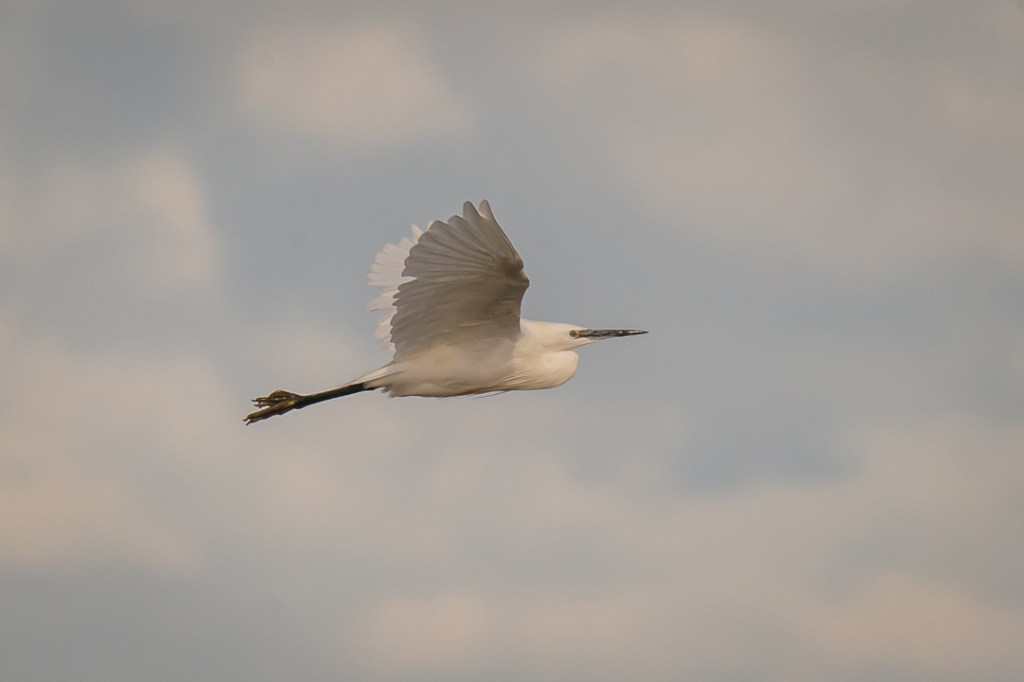
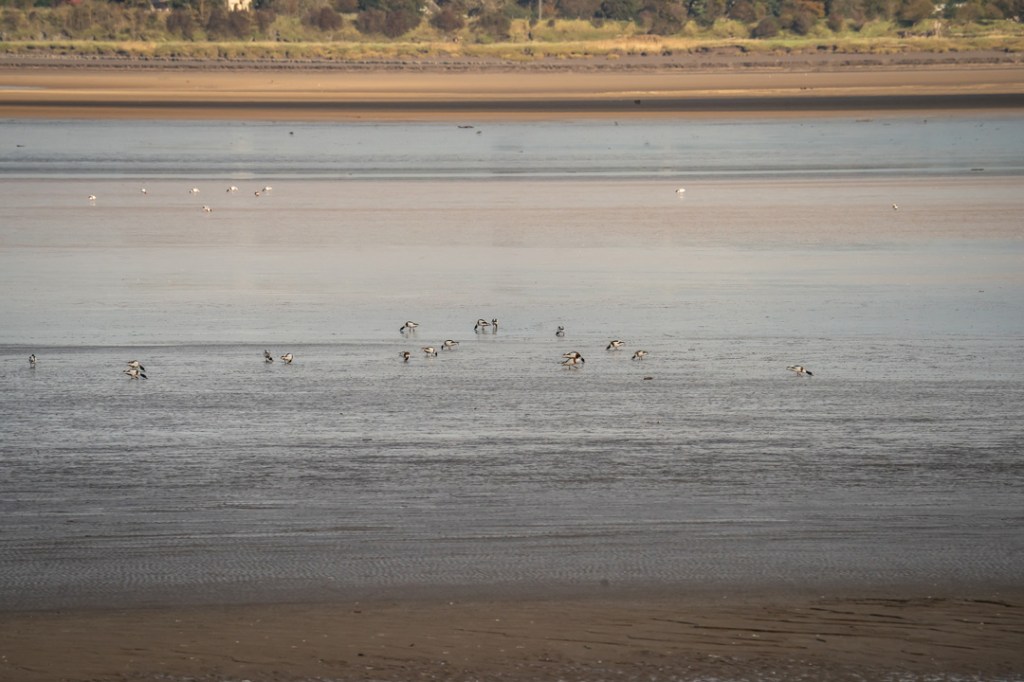
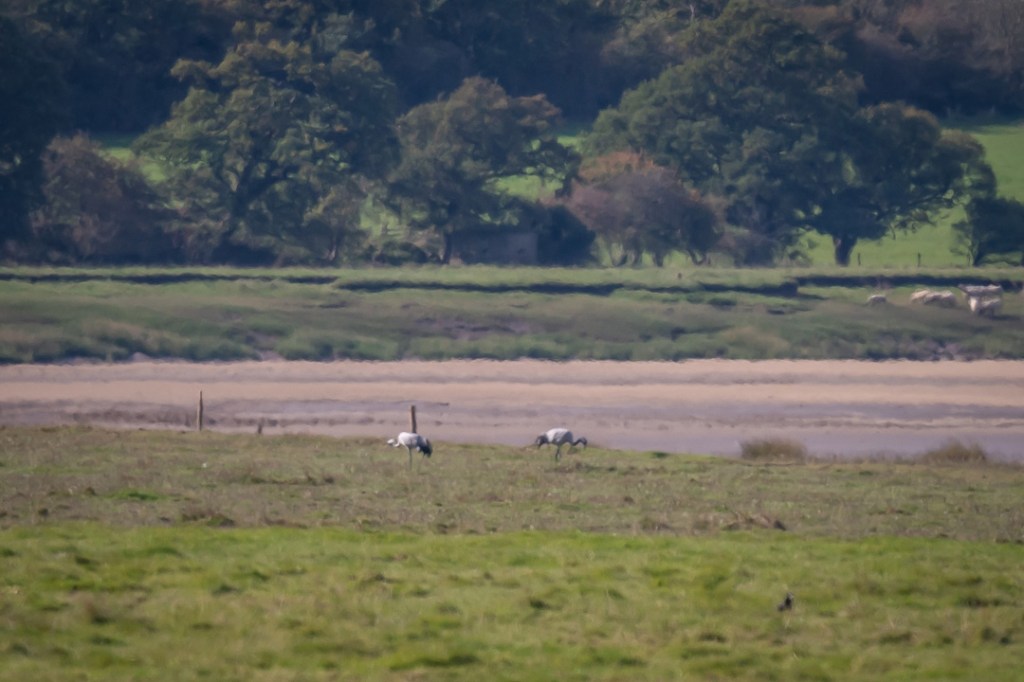
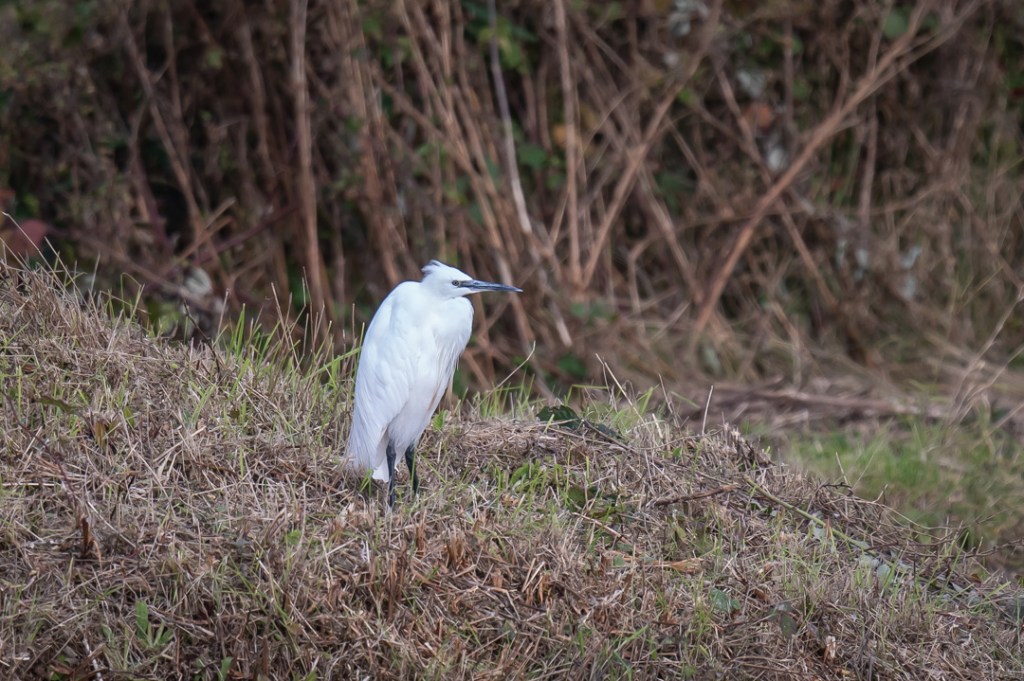
    The Teifi Marshes are about 30 miles from where we are staying in Ceredigion but they are actually in Pembrokeshire near Cardigan.  They are designated as a Special Area of Conservation (SAC).  We had visited them before and, as the weather didn’t look too promising, we thought this would make a good day out.

    On our journey there the weather actually looked encouraging but the moment we arrived it started to rain and didn’t let up until we were back in our cottage late in the afternoon.

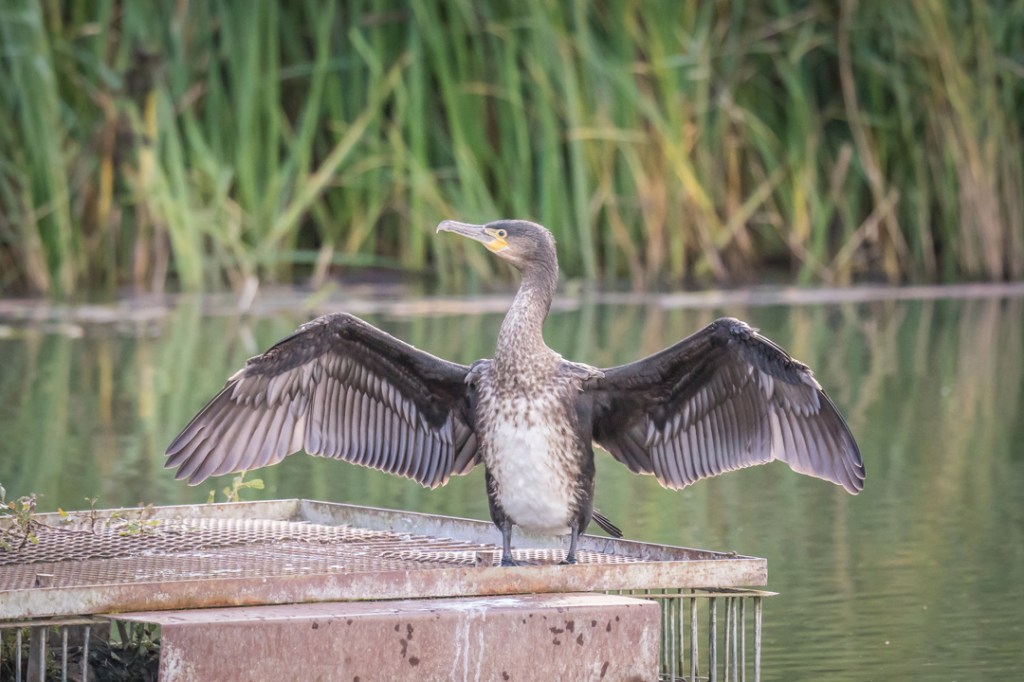
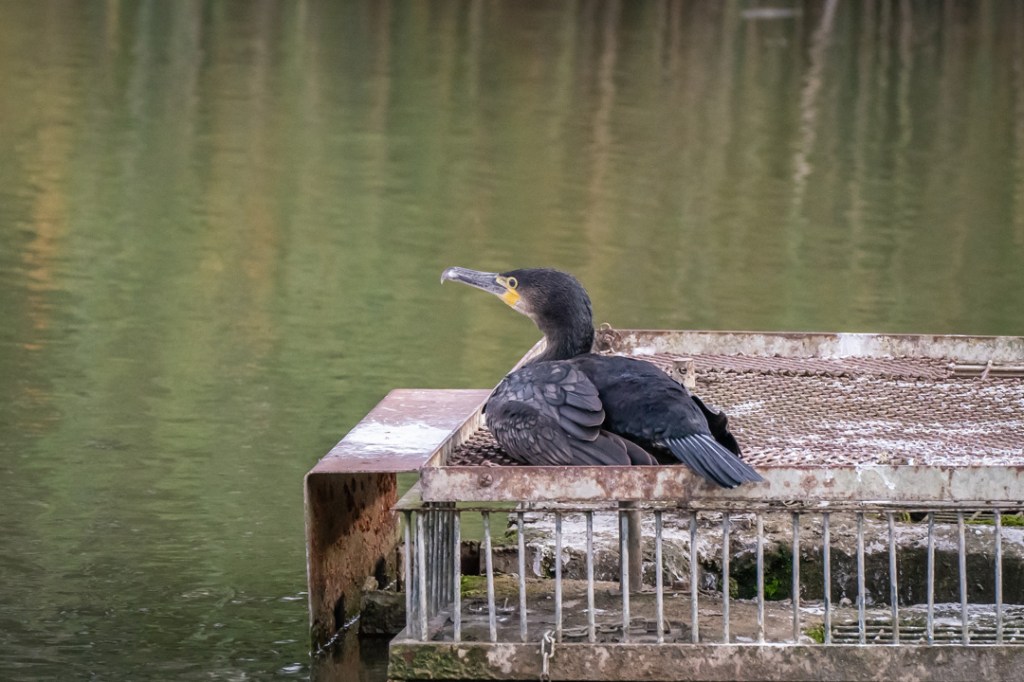
    We made our way down to the river edge where we saw a number of birds. In the distance we could see some goosanders diving and, on an island in the river, there were Canada geese, greylag geese, cormorants and gulls. I was very reluctant to take out my camera as the rain was quite heavy but needs must …

    DSC09445-2

    DSC09442Goosander

    DSC09457A mixture of Canada and Greylag geese and other birds

    DSC09474This dunnock was happy to shelter from the rain right next to us

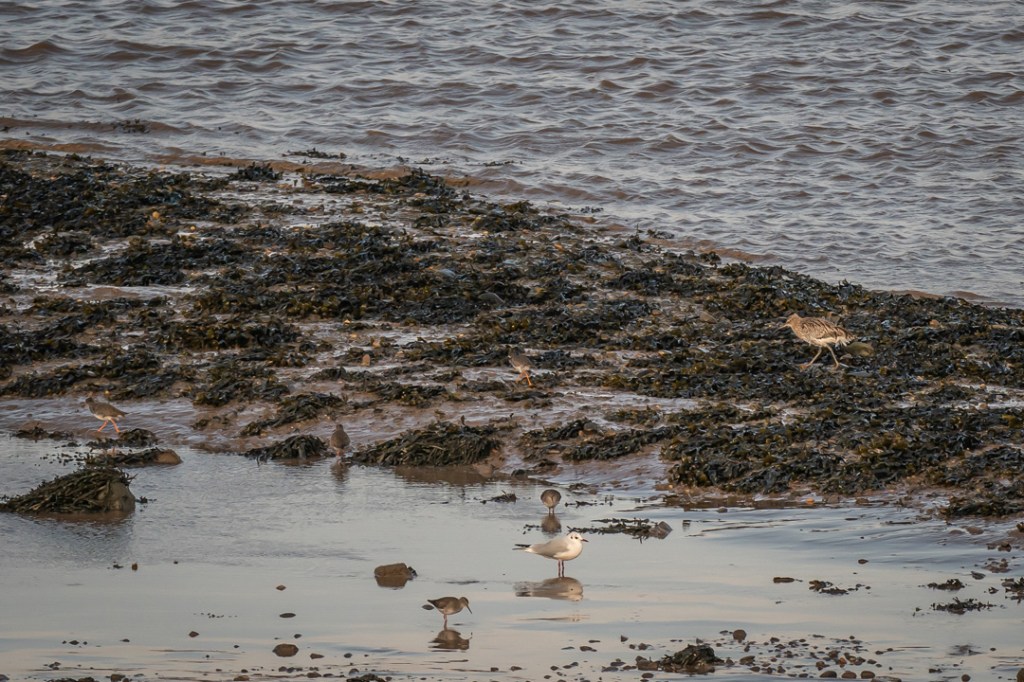
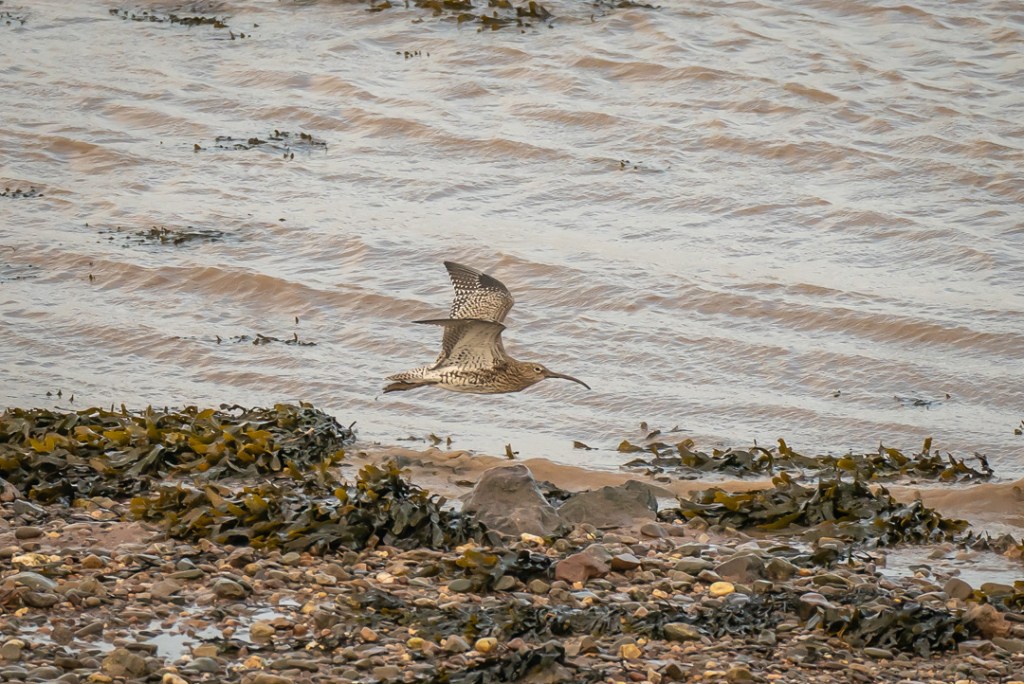
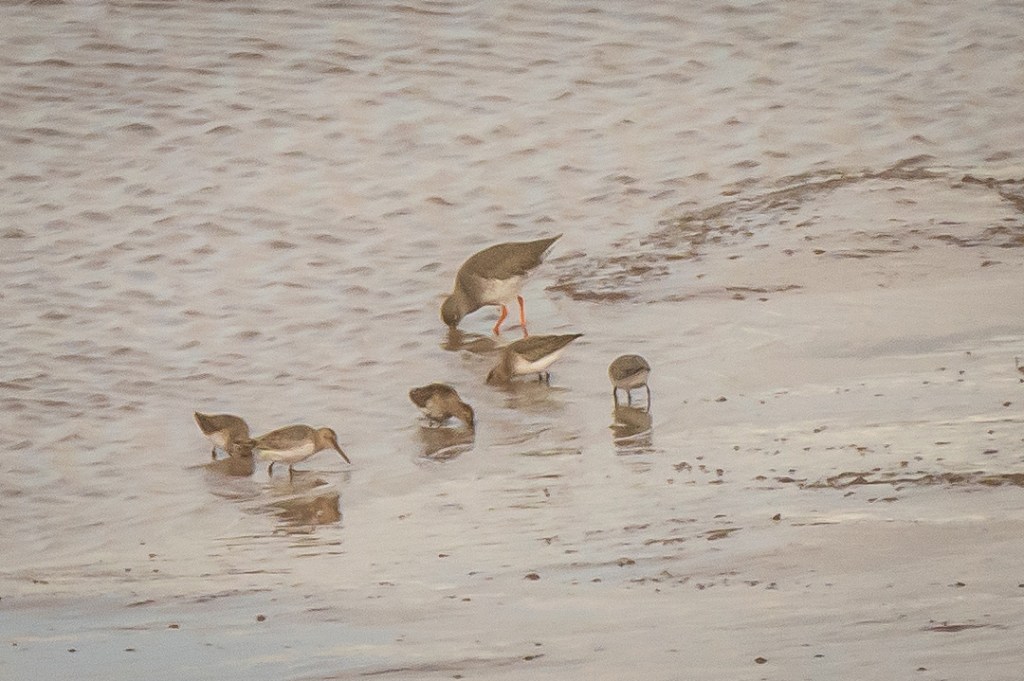
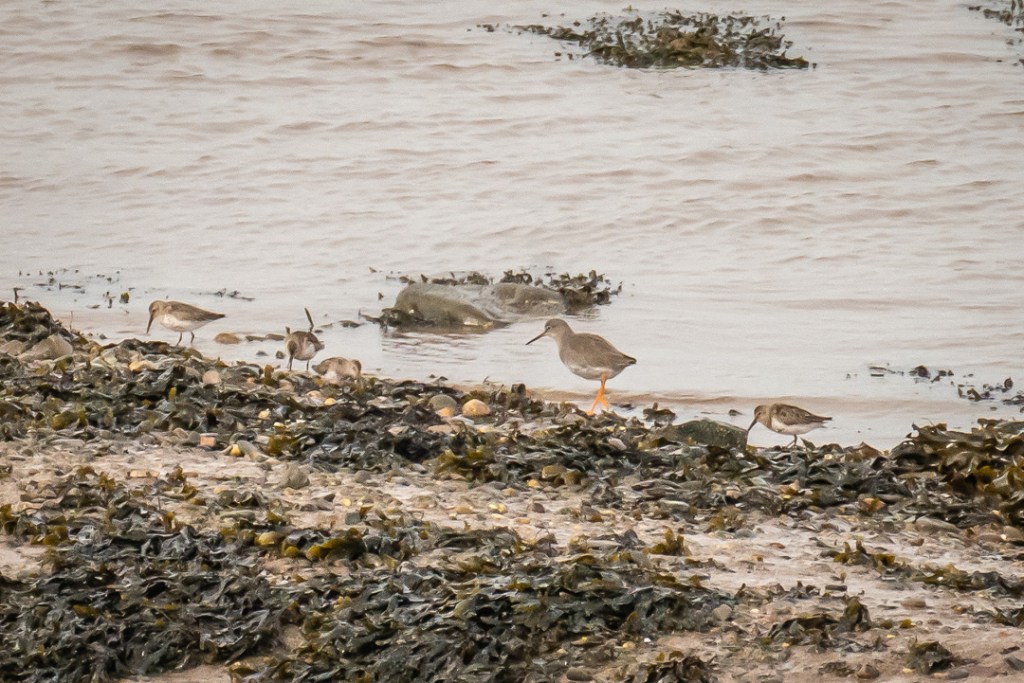
    On the marshes we took refuge in a bird hide and were particulary pleased to see in the gloom (and the mud) a couple of curlew.

    DSC09586The view from the hide

    DSC09686

    DSC09544-2

    DSC09661

    DSC09640

    DSC09599

    A little further on there was another hide from where we had seen (online) a video of a kingfisher. There were a number of branches suitably positioned for kingfishers but  at first we saw nothing. In fact all we could see were a couple of mallards. We were about to leave when suddenly the mallards stood erect and looked very attentive.

    DSC09725

    Then the show began:

    The Teifi and some of its tributaries are designated as an SAC because of their habitats and the species which live in them, some of which are threatened or endangered both in the UK context and on a European scale.

    The website says:

    “Another reason for the special designation of the Teifi is the Otter (Lutra lutra) population, and there is much anecdotal evidence to suggest that Otters breed within Teifi Marshes Nature Reserve.

    Verification of the presence of Otters is always difficult, because they are extremely shy and keep well out of our way. Often the only evidence is their paw prints in the muddy parts of the river banks and their droppinghs (spraints) left on riverside rocks.”

    Little did we know that we were going to be treated to such a wonderful display.

    DSC09728-2

    DSC09733

    DSC09746

    DSC09755

    DSC09793-2

    DSC09795

    DSC09822

    DSC09845-2

    DSC09845

    DSC09868

    DSC09911

    The otter flushed out what I thought at first was a curlew, but with its shorter bill I think it may be a whimbril. (On reflection probably a curlew).

    DSC00003

    DSC00005

    DSC00006

    Soaked we may have been, very excited we definitely were.


  • 4th August 2020 – Clywedog Reservoir

    4th August 2020 – Clywedog Reservoir

    This slideshow requires JavaScript.

    The weather was not so kind to us today. We drove north from our base near Aberaeron in search of adventure, but for most of the day there was drizzle or low cloud.  Our fill of nature was the landscapes which we saw. Bear in mind I only took photos when it was dry enough to venture out!

    We stopped at RSPB Ynis Hir but we hadn’t done our homework and the reserve was closed because of the coronavirus pandemic.

    We  had a sneak view of the Dyfi Estuary where all we could see was a small flock of Canada Geese.

    DSC09262Canada Geese on the Dyfi Estuary

    DSC09257

    DSC09259The delicious Welsh lamb kebabs we had for our evening meal could well have come from these salt marshes

    DSC09264-2It would have been a bonus to photograph a train on the bridge

    We then made our way via Machynlleth, the ancient capital of Wales in the heart of the UNESCO Dyfi biosphere, to the Clywedog  Reservoir  – lovely views but not many birds, certainly not ospreys which we had seen reported here – mainly house martins, sand Martins and pied wagtails.

    DSC09324-2

    DSC09311

    DSC09309-2

    DSC09388-2The ubiquitous rosebay willowherb – “fireweed”

    DSC09432Harebells

    DSC09397Common foxglove

    DSC03128The Clywedog reservoir

    We returned home via Devil’s Bridge but not stopping as again it was very busy with tourists.

    DSC09438

    DSC09441Cardigan Bay had a very different mood to it this evening

  • 2nd August 2020 – Ceredigion, Wales

    2nd August 2020 – Ceredigion, Wales

    This slideshow requires JavaScript.

    Only a few years ago I couldn’t imagine I would be visiting a raised bog in Mid Wales during the summer  holidays. These are different times and there’s no doubt about it my tastes have changed.

    We visited Cors Caron National Nature Reserve in the hope of seeing some birds. We saw few birds and I photographed even less. In fact all I managed was a red kite just as we were entering the reserve.

    DSC08512

    According to Wikipedia Cors Caron

    “is a raised bog in Ceredigion, Wales. Cors is the Welsh word for “bog”: the site is also known as Tregaron Bog, being near the small town of Tregaron. Cors Caron covers an area of approximately 862 acres (349 ha). Cors Caron represents the most intact surviving example of a raised bog landscape in the United Kingdom. About 44 different species groups inhabit the area including various land and aquatic plants, fish, insects, crustaceans, lichen, fungi, terrestrial mammals and birds.”

    We very much enjoyed the walk but, apart from the red kite, the best thing was the wonderful views across the bog of the lovely Ceredigion countryside.

    DSC08540

    DSC08549

    DSC08564

    DSC08571

    DSC08574

    DSC08577

    DSC08578

    DSC08581

    DSC08635

    DSC08680

    DSC08682

    After this we made our way, via the famous tourist attraction of Devil’s Bridge (not stopping), to the red kite feeding station at Bwlch Nant Yr Arian. I had read that they were varying the normal feeding time of  3 pm to avoid large crowds but I hedged my bets and arrived for 3 pm, reckoning that no one would have told the red kites about Covid_19. As it turned out we were very pleased with the number of kites that turned up.

    The one red kite I had seen at Cors Caron seemed rather pitiful after all this.

    DSC08800

    DSC08801

    DSC08802

    DSC08803

    DSC08804

    DSC08809

    DSC08818

    DSC08859

    DSC08870

    DSC08892

    DSC08936

    DSC08964-2

    DSC09027

    DSC09043

    DSC09054-2

    DSC09076

    DSC09090


  • 1st August 2020 – Aberaeron, Wales

    1st August 2020 – Aberaeron, Wales

    This slideshow requires JavaScript.

    We are staying in a cottage in Ceredigion, 4 miles outside Aberaeron on the west coast of Wales. We had a slow start as it was pouring with rain first thing. By the time we arrived in Aberaeron it had stopped raining but it was still very gloomy (all this after one of the hottest days of the summer).

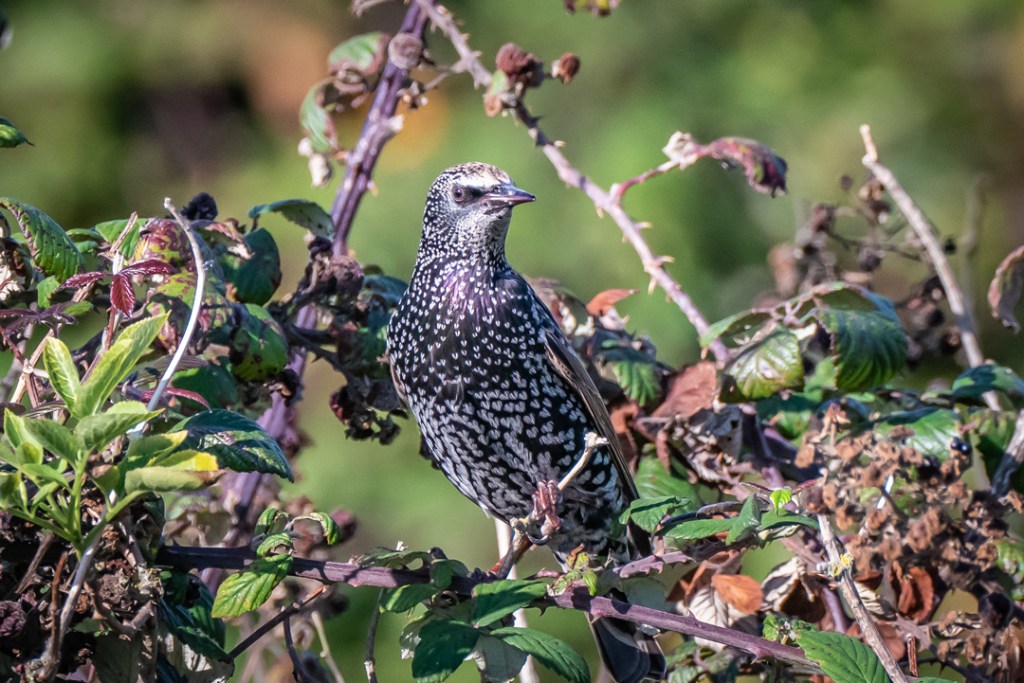
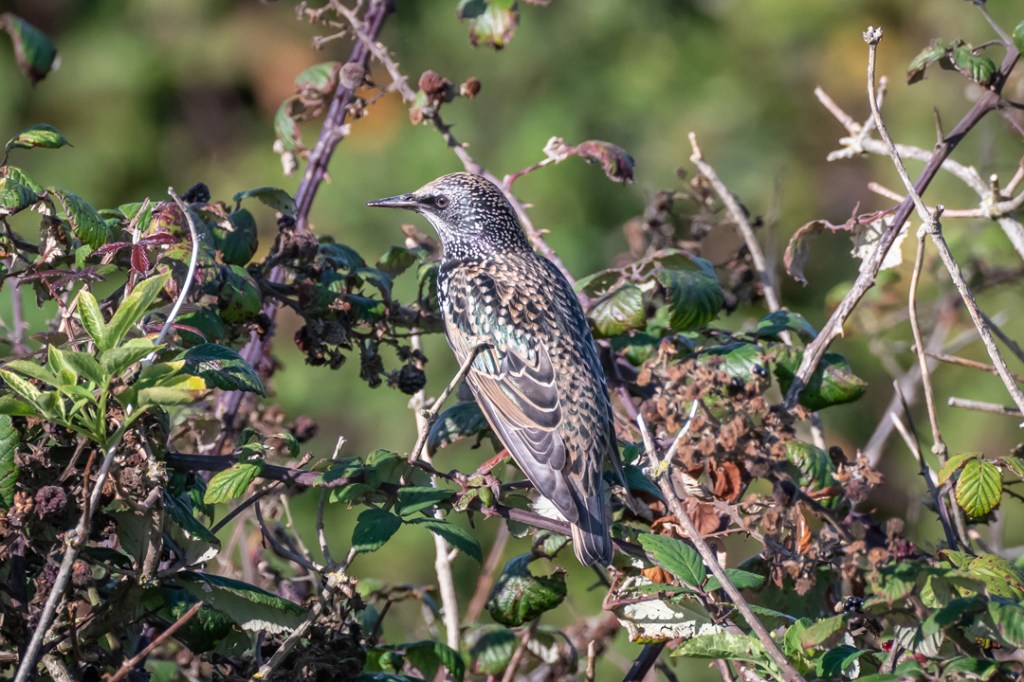
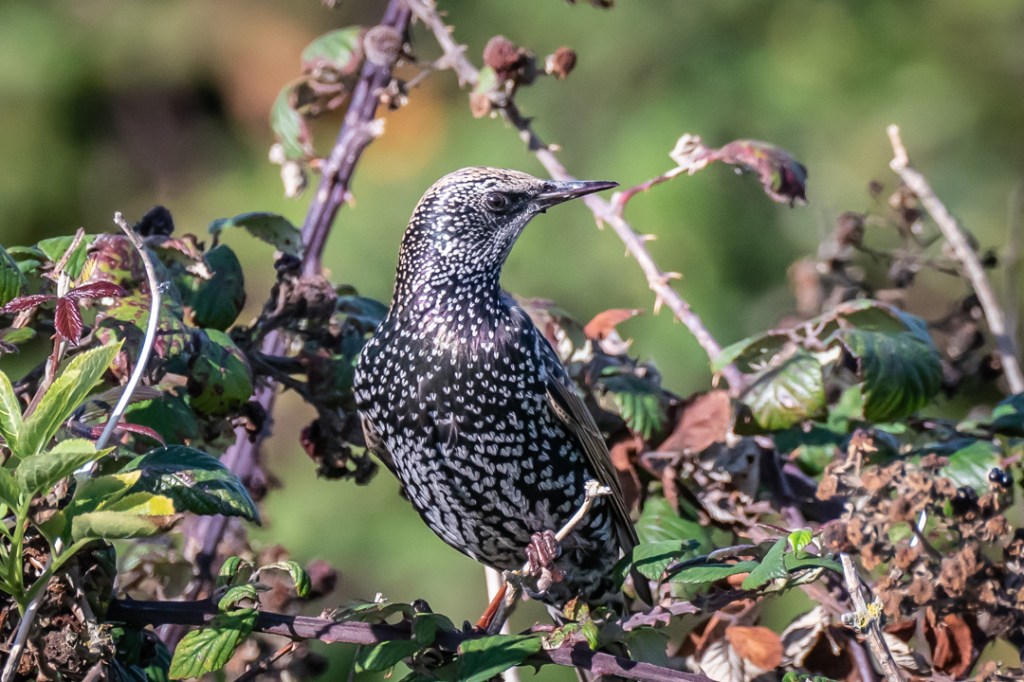
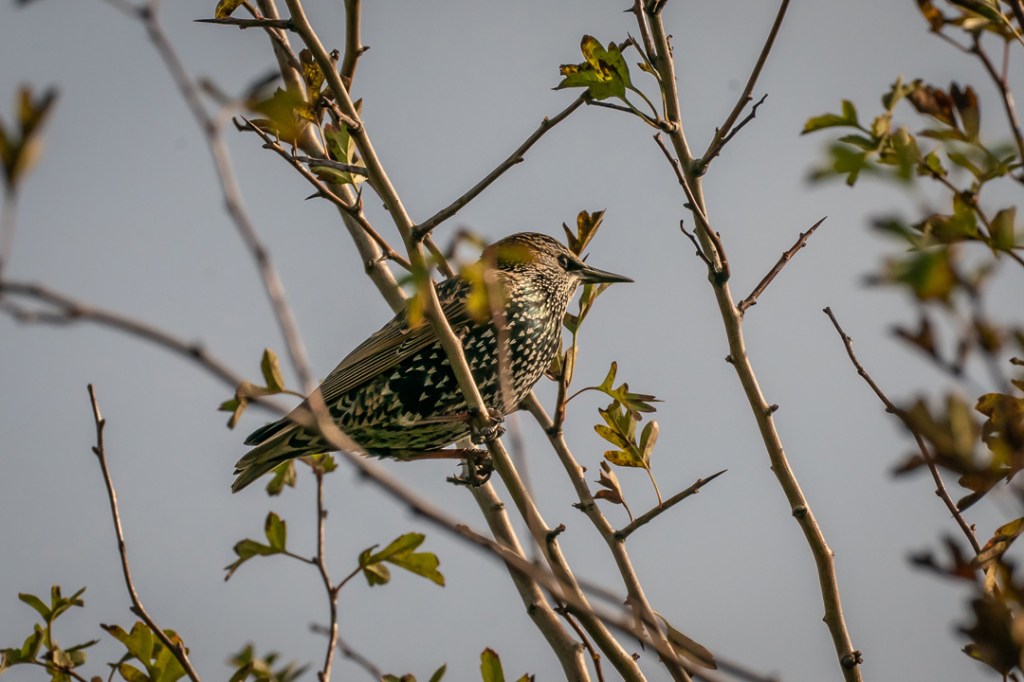
    We wandered around the harbour and, as it was low tide, we saw a number of birds feeding off the insects and worms in the mud. There were lots of House Martins (how do they stay so clean in all that mud?), rock pipits, starlings, house sparrows and, as well as a variety of gulls, a little egret.

    DSC02599House Martins

    DSC02715Rock pipit

    DSC02774Starlings

    DSC02788Starling

    DSC02834House sparrows

    DSC02862

    DSC02891Little egret

    DSC02903Herring gull

    On the way home we stopped off at the National Trust property of Llanerchaeron, a 200 year old Georgian villa designed by the architect John Nash which is set in the wooded Aaron valley. We visited the walled gardens, the lake and the farm but are saving the woodland walk for later in the week.

    DSC03001

    DSC02921

    DSC02925

    DSC02933

    DSC02949

    DSC02970

    DSC02972

    On returning to the cottage I could hear a buzzard screeching nearby and was rewarded when it made an appearance in the beautiful landscaped gardens of the cottage.

    DSC08460

    DSC08459

    DSC08457

    DSC08455

    DSC08454

    DSC08452Common buzzard

    The last bird I saw before disappearing indoors to watch the FA Cup Final was a robin. The red breast proved a good omen as my favourite team Arsenal triumphed in their famous red strip.

    DSC08468

    DSC03004

  • 29th July 2020 – WWT Slimbridge

    29th July 2020 – WWT Slimbridge

    This slideshow requires JavaScript.

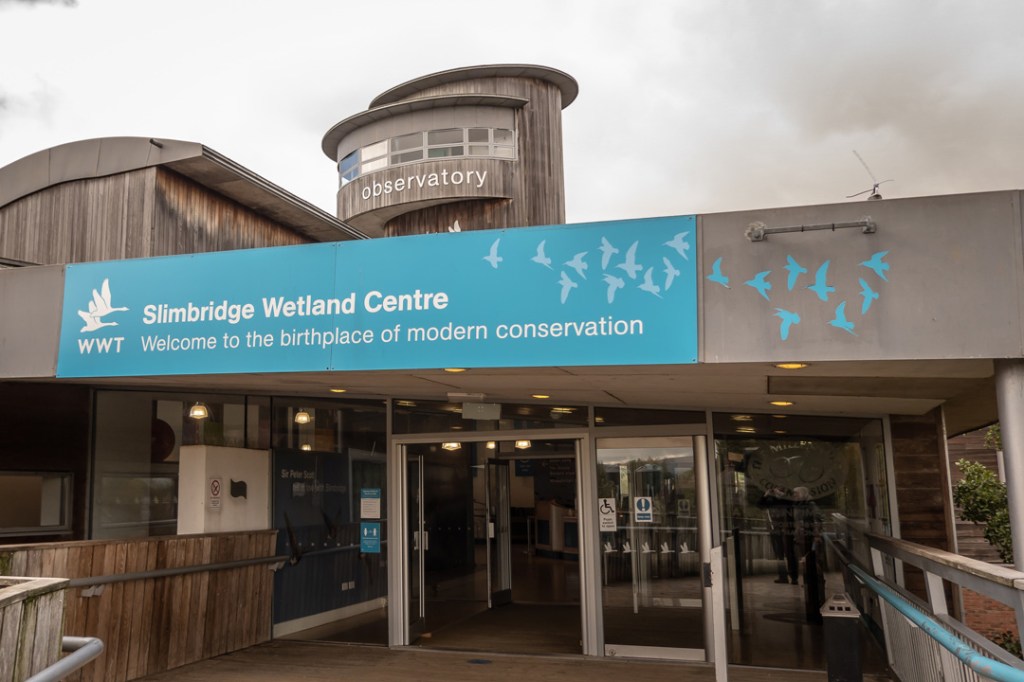
    This was our first visit to WWT Slimbridge since the lock down. Even though we have  memberships to the Wetland Centre we had to book tickets online, as numbers of visitors are restricted. We foolishly arrived at a time when most families manage to get their children organised and out of the house and had to queue (with two metre gaps) for half an hour. Looking at the length of the queue when we arrived I had anticipated longer and so the wait was not too painful.

    As soon as we were in the Centre we made our way to the hides along the estuary walk, leaving all the crowds behind. There were restrictions on the number of people who could go in to the hides but this was never a problem as there were very few people wishing to visit these hides.

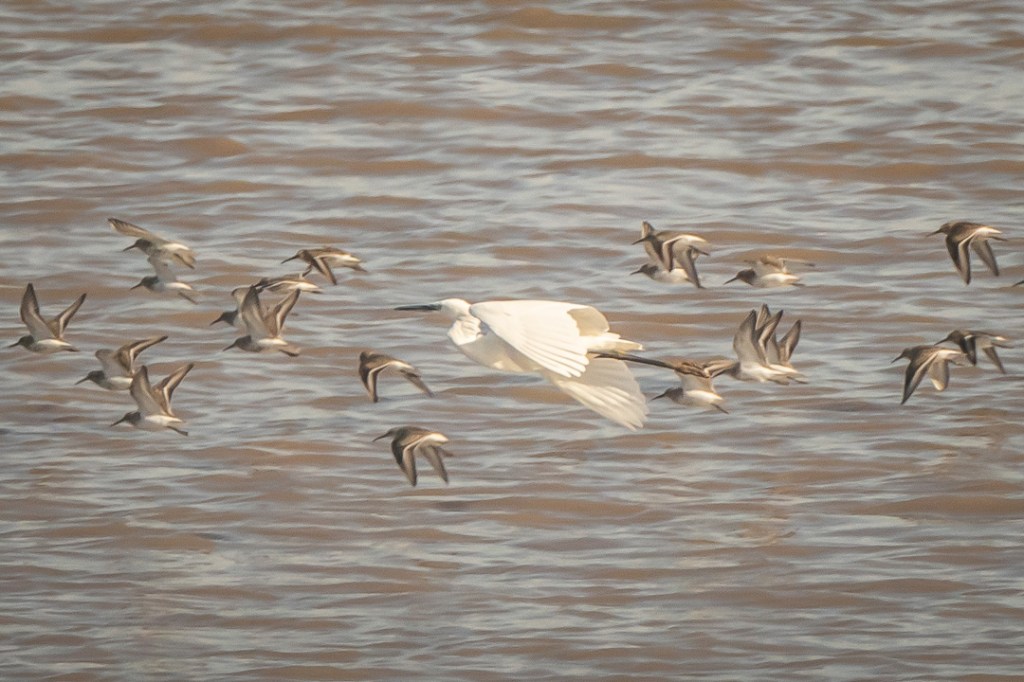
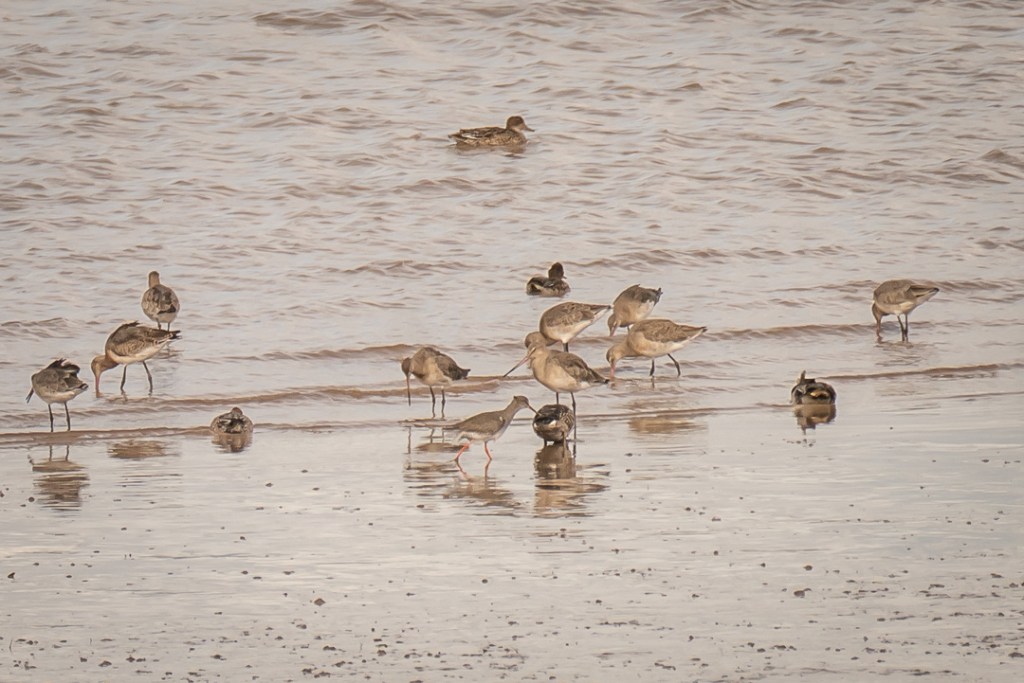
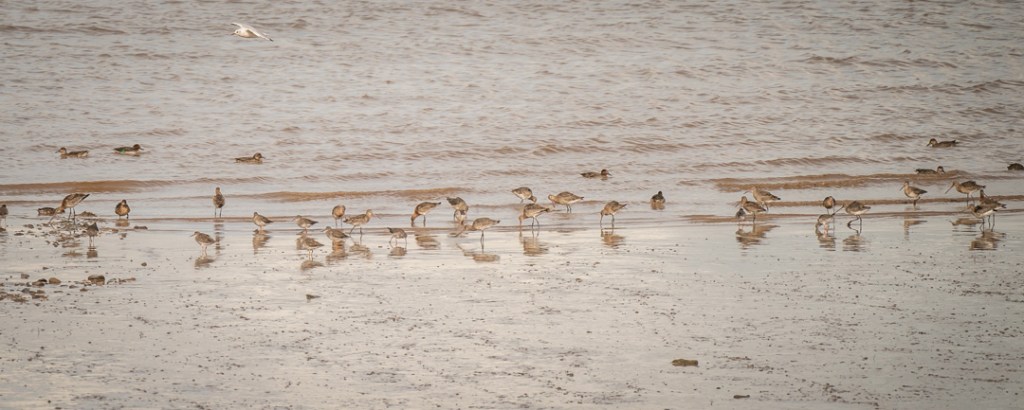
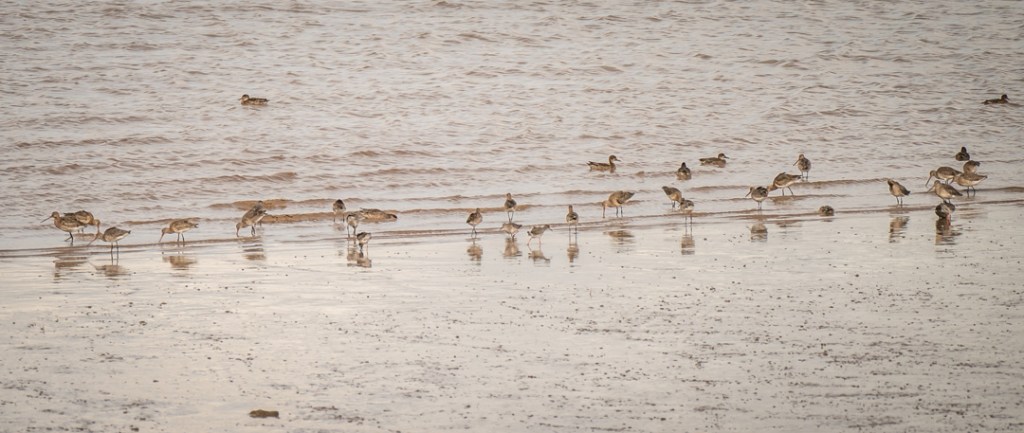
    I had seen reports of spotted redshank but we could not see any. There were lots of black-tailed godwits and a few greenshank. I also discovered, when editing my photos, that there were dunlin too.

    DSC08017Goldfinch regularly appeared in front of the hide

    DSC07927Black tailed godwit in flight

    DSC07900Dunlin tucked in among the black tailed godwits (centre right)

    DSC07901A lapwing and a greenshank

    DSC08272-2Black tailed godwit

    DSC08361-2Redshank

    DSC08302Lapwing

    DSC08289Something spooked a large flock of greylag geese (but most of them flew between me and the sun).

    DSC08217Black tailed godwit in flight

    DSC08083Grey heron in flight

    DSC08093Barn swallow

    DSC08366

    DSC08387Black tailed godwits and reflections

    From the new estuary hide we could see nothing except common crane. A few years ago these would have been a major rarity but nowadays they are often here.

    DSC08123

    DSC08126

    DSC08129-2Common crane on holiday from the Somerset Levels

    It was quite warm in the sun but the sunny periods were infrequent and we both felt quite chilly at times; so we avoided the crowds and restricted our visit to just a couple of hours. Just as well with the number of photos I took in that time.


  • 25th July 2020 – Pembrokeshire, Wales

    25th July 2020 – Pembrokeshire, Wales

    This slideshow requires JavaScript.

    I think it would be appropriate to refer to this blog as accidental bird watching in Pembrokeshire. We have spent the last week on holiday on the coast of West Wales where our main focus has been to entertain two youngsters.

    Whilst walking coastal paths, spending a lot of time on beaches and exploring estuaries I couldn’t resist taking a few nature photos. I was especially pleased to see a family of choughs which, in the UK, are best seen in Cornwall and Pembrokeshire.

    On the estuary by our holiday cottage we saw redshank, a common sandpiper,  little egrets and a buzzard.

    DSC07807Redshank

    DSC07106Common sandpiper

    DSC07274Little egret

    DSC07061

    DSC07087Buzzard

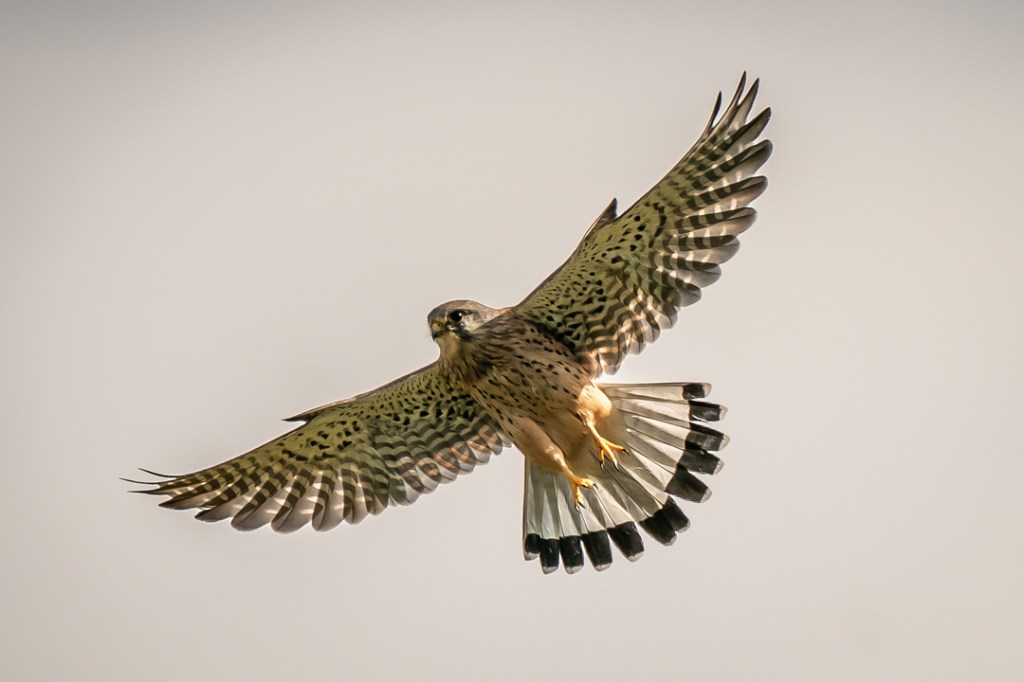
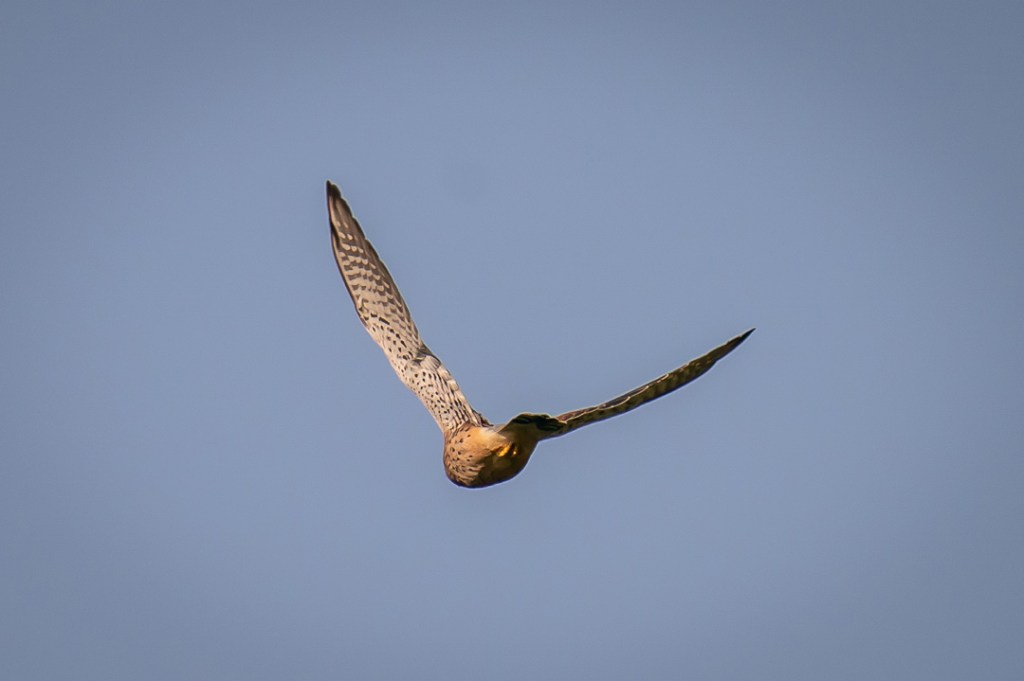
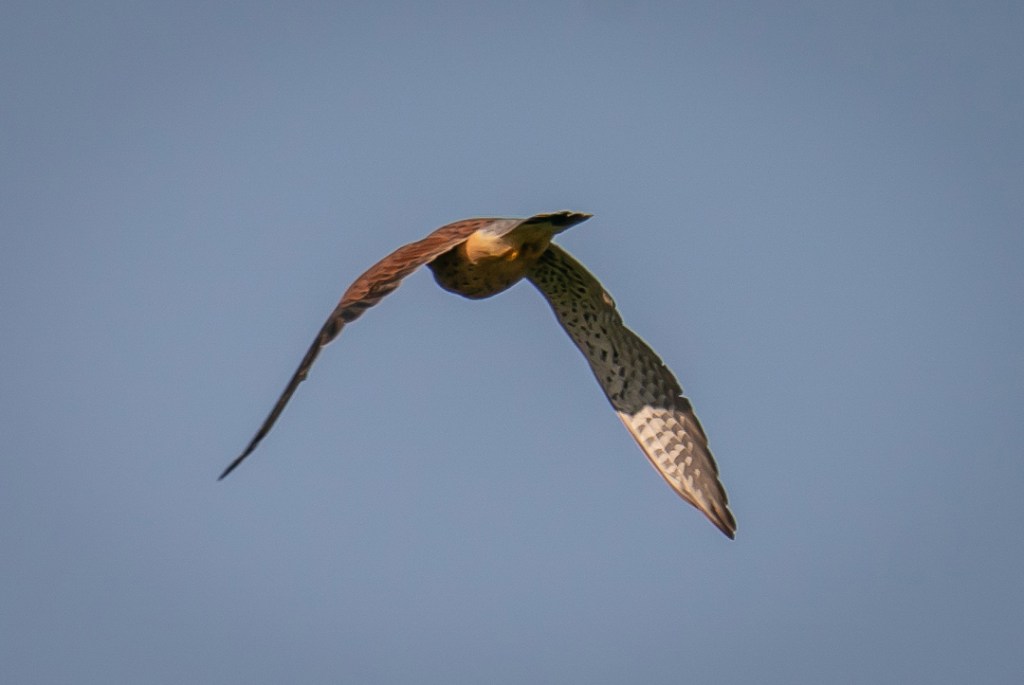
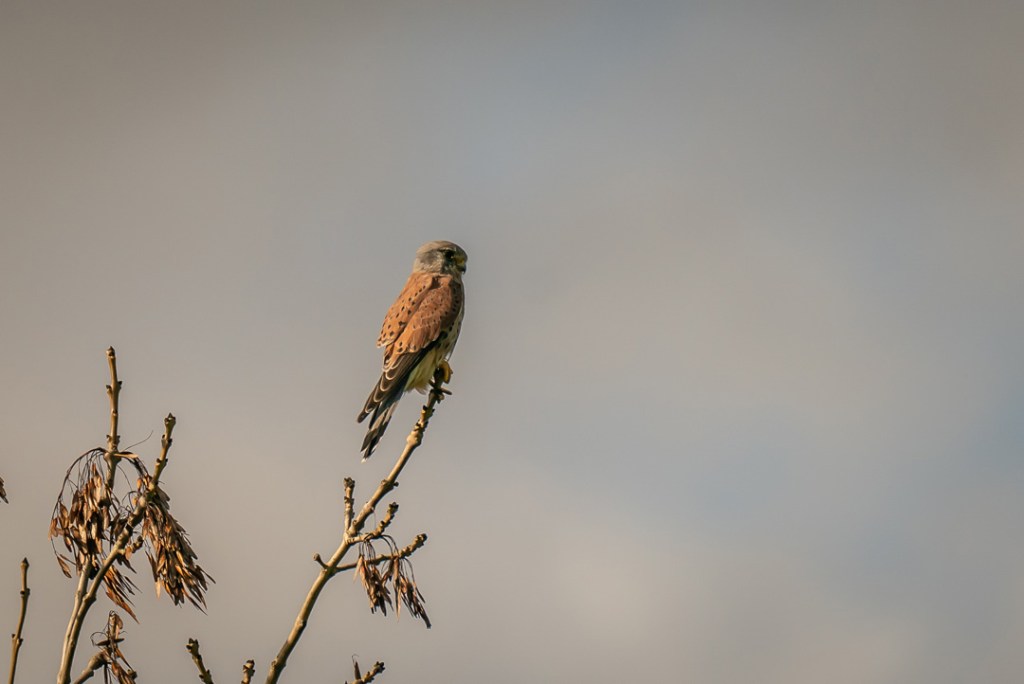
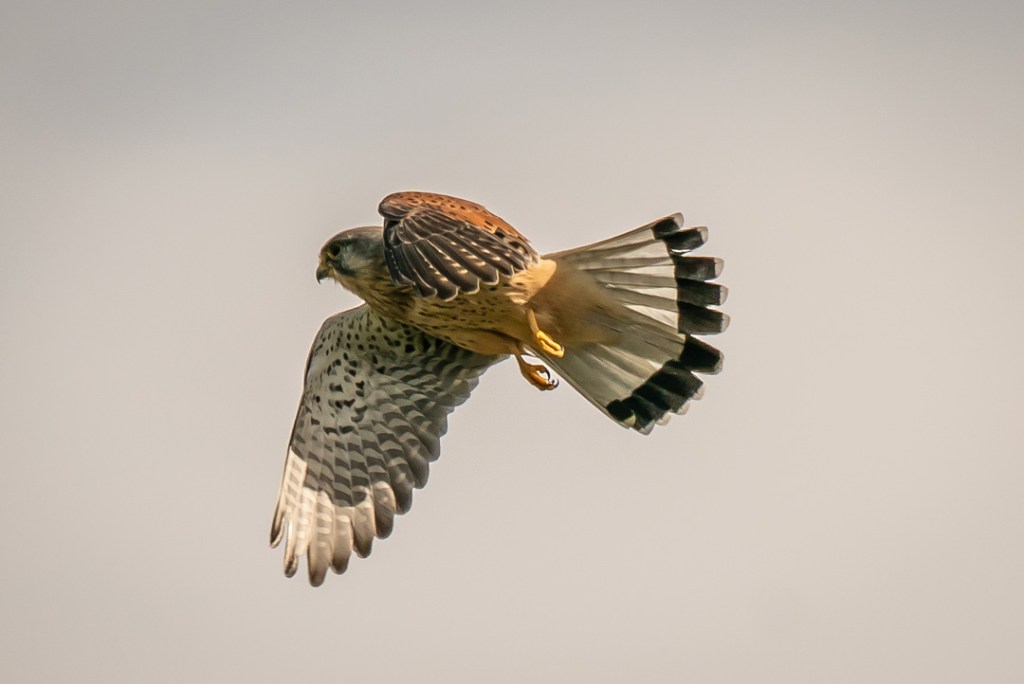
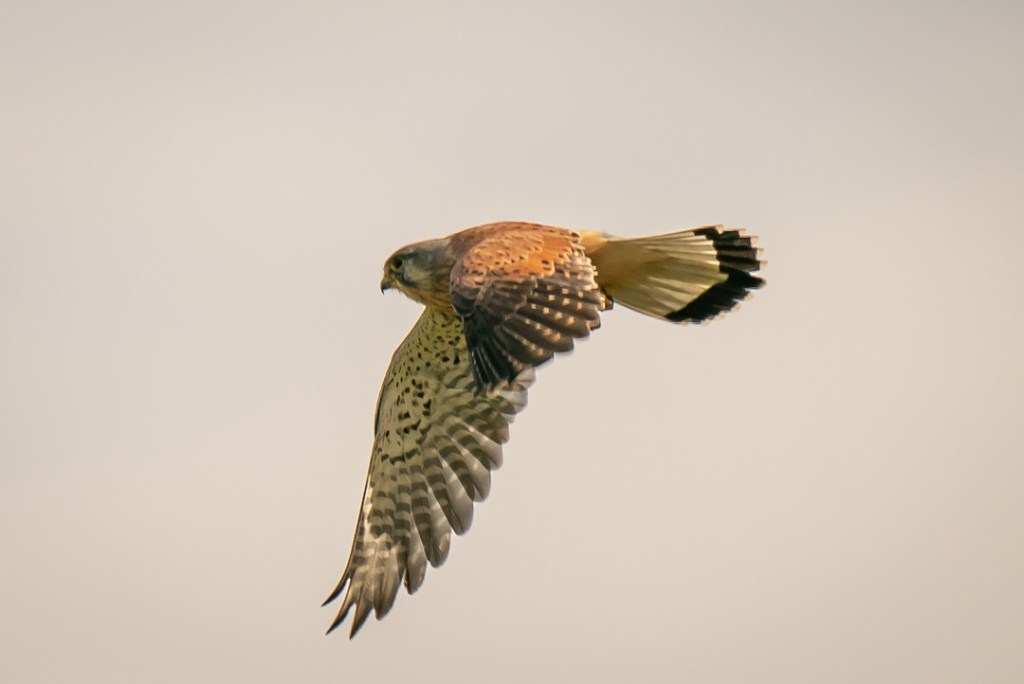
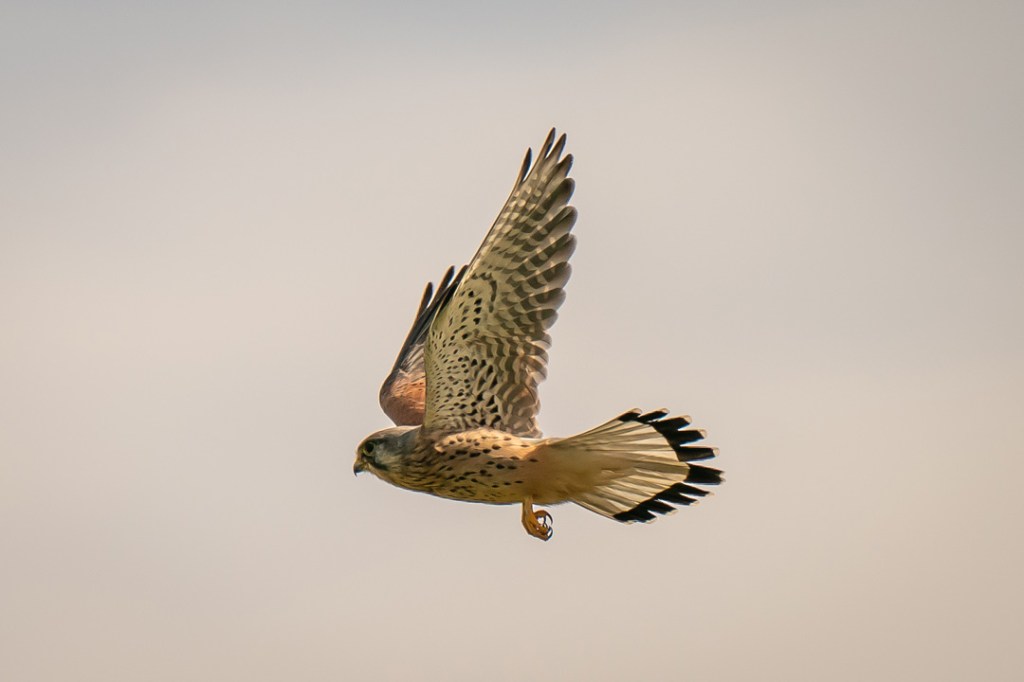
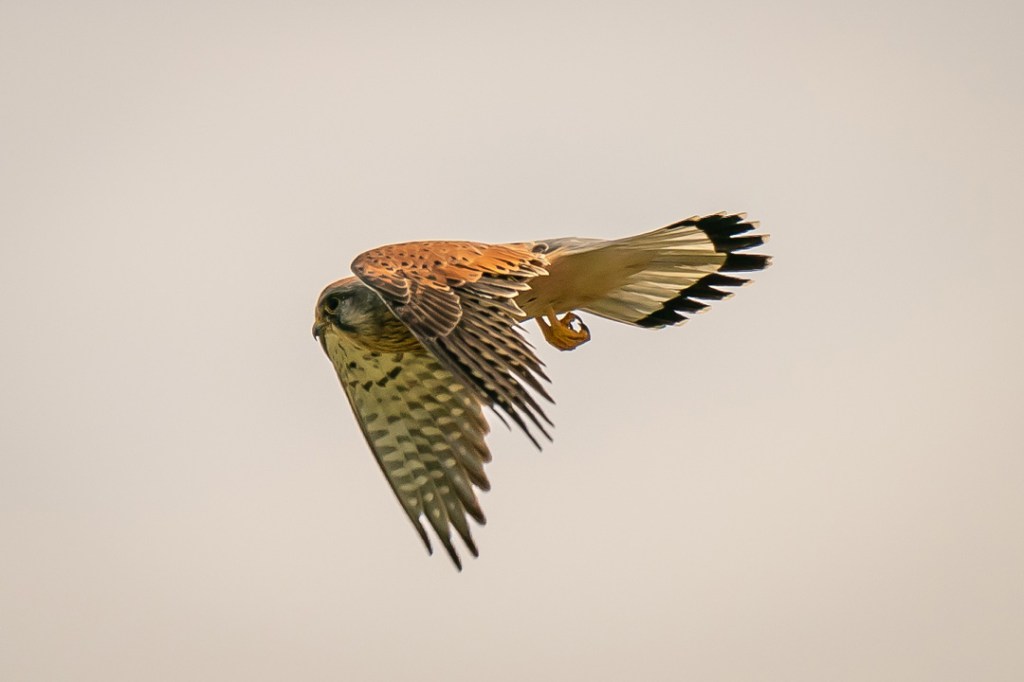
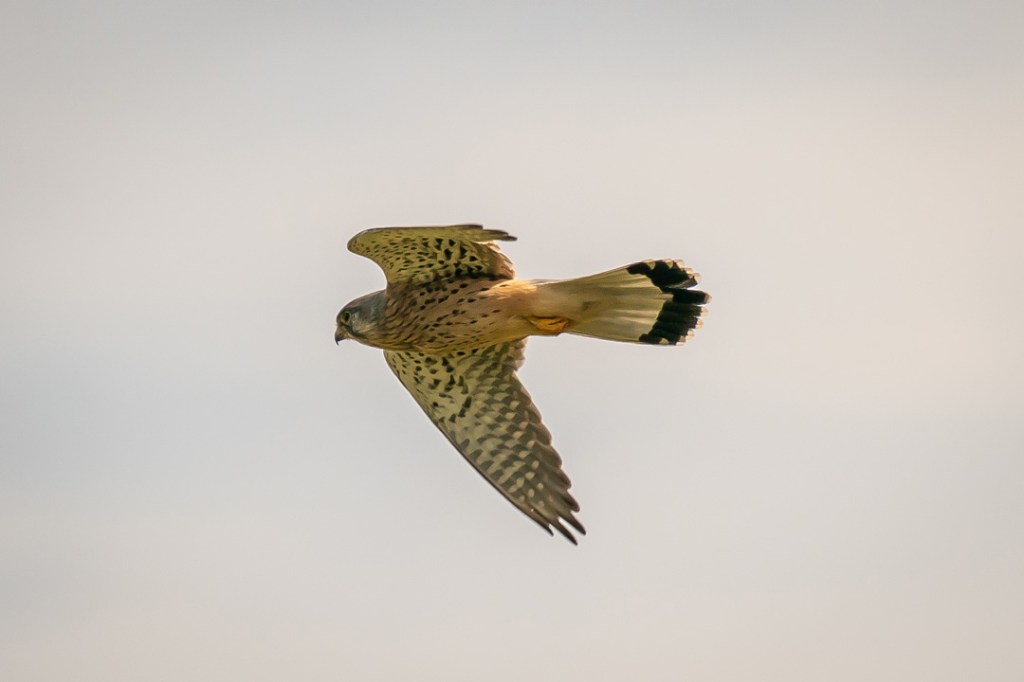
    Along the coastal path, with good views of the nearby islands including the island of Skomer, famous for its puffins but currently closed due to the Covid-19 pandemic, we saw the choughs and two kestrels with chicks.

    DSC02092

    DSC02086

    DSC01853

    DSC01877

    DSC01888

    DSC02070Chough

    DSC01906

    DSC01938

    DSC02009Kestrel

    In the car park at Carew Castle a thrush and a robin posed nicely for me.

    DSC07397Carew Castle

    DSC07405Thrush

    DSC07400Robin

    At Martin Haven a seal seemed as curious about us as we were about it.

    DSC01432

    DSC01435

    Everywhere there were barn swallows.

    DSC01483

    DSC01753

    DSC01757

    DSC01770Barn swallows

    … and house sparrows.

    DSC02095House sparrow

    My last photo I’m not too sure about but think it could be a sedge warbler.

    DSC01825


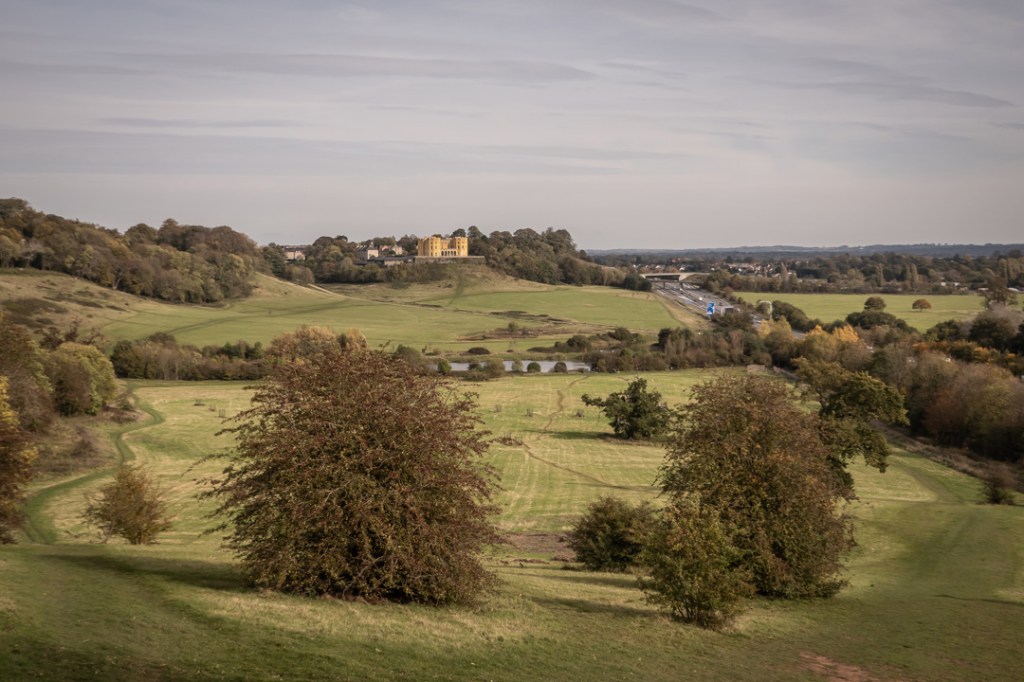
  • 23rd June 2020 – Stoke Park Estate, Bristol

    23rd June 2020 – Stoke Park Estate, Bristol

    This slideshow requires JavaScript.

    It was very hot at Duchess Pond this afternoon. There were lots of dragonflies and damselflies on the small pond and a few swallows and lots of swifts swooping down for a drink on the main pond.

    DSC05125

    DSC05150

    DSC05152

    DSC05175

    DSC05192

    DSC05195

    DSC05234

    DSC05252

    DSC05254

    DSC05383

    DSC05457

    DSC05465

    DSC05469

    DSC05496

    DSC05521

    DSC05613

    DSC05614

    DSC05670

    DSC05644

  • 20th June 2020 – Frampton on Severn

    20th June 2020 – Frampton on Severn

    This slideshow requires JavaScript.

    DSC01293

    Not Frampton on Severn again? I’m afraid so. It’s easy access for us, being north of Bristol, and gives us a great opportunity to see rural Britain in all it’s glory with an easy walk and very few people around. It poured with rain on our arrival and so we had our coffee before our walk and then luckily dodged the showers.
    DSC00726Swallows on the village green

    DSC00829Great crested grebe on the lake

    DSC00858

    DSC00896Blue-tailed Damselfly 

    DSC00898

    DSC00969

    DSC01249

    DSC01202 A variety of dragonflies and damselflies – I’m working on their identifications!

    DSC00975Greylag goose

    DSC01120

    DSC01278Barnacle geese

    DSC00935Black-headed gull

    DSC01318-2And Ted on someone’s lawn

    DSC01259Marsh orchid

    Lots of lovely rural scenes:

    DSC00815

    DSC00879

    DSC01025

    DSC01027

    DSC01298

    And some amazing properties and gardens:

    DSC00795

    DSC00803

    DSC00845

    DSC01301

    DSC01304

    DSC01309

    DSC01311

    DSC01317


  • 16th June 2020 – at home in Bristol

    16th June 2020 – at home in Bristol

    Welcome to our garden Robin.

    This slideshow requires JavaScript.

  • 15th June 2020 – Frampton on Severn

    15th June 2020 – Frampton on Severn

    This slideshow requires JavaScript.

    After a weekend at home we felt the need to venture further afield. But after days of inactivity we couldn’t decide where; so we settled on one of our current favourites, Frampton on Severn.

    Although it is 10 miles south of Gloucester it is easy for us, living on the north side of Bristol, to get to.
    It’s a really quaint village with a variety of easy walks.

    The village web site has this to say about it:

    “Frampton on Severn lies about 10 miles south of Gloucester on the eastern side of the River Severn.
    According to an entry in the Domesday Book dated 1086 the Manor of Frampton was held by Drew son of Pons, granted to him by William the Conqueror as a reward for his services. The Manor is reputed to be the birth place of “ Fair Rosamund” who was the mistress of Henry II.
    The Green is said to be the longest village green in England, and is about 22 acres in size. Cricket is played on The Green outside the Bell Inn, one of the two Pubs on The Green, the other being The Three Horseshoes at the opposite end of The Green.
    The area around The Green has been designated a Conservation Area, the range of Architecture spanning several centuries ranges from “ Cruck Cottages” to impressive Tudor and Georgian houses.
    The present population of the village is about 1200, this compares with the population record in the Domesday Book of 27. Most of the working population commute to Gloucester, Cheltenham and further afield to Bristol, Swindon and London. However there is a small Industrial Estate within the Village.
    The Parish Church of St Mary the Virgin is situated about half a mile from the Southern end of the Green, and can be approached along “ The Narles “ a long avenue of Horse chestnut trees. The Building was first consecrated in 1315 A.D. although some of the Church dates back to the 12th century. The Congregational Church built in 1776 is located just off the centre of The Green and is a very active church.
    For Nature and Wildlife lovers Frampton is magnificent, much of the area east of The Green is designated as a Site of Special Scientific Interest, and there is an abundance of Flora and Fauna. Due to a policy by the Landowner of farming this area without the use of fertilisers and herbicides the natural habitats have flourished to the benefit of all. The Gloucester – Sharpness Canal with views over the River Severn and the old Gravel workings are linked by a series if public footpaths.
    As you will see Frampton on Severn has a very active Community with a Community Centre open 7 days per week as well as many clubs and societies operating within the village.”

    We parked on the village green and found the lane which leads to the lake behind Frampton Court. It was a flat and easy walk with occasional good views of the lake.

    DSC00776The entrance to Frampton Court from the village green

    DSC04319The view of Frampton Court from the lake

    DSC00766

    DSC00767The lake tucked behind Frampton Court

    On the lake we could see Canada Geese, Greylag Geese and a fair number of Barnacle Geese. There were also Great Crested Grebe (very distant) and even a Common Tern (although my photo was well out of focus).

    DSC04325

    DSC04352Greylag Geese

    DSC04340

    DSC04343Barnacle Geese

    DSC04375Great Crested Grebe

    DSC04364Common Tern (I think)

    There were damselflies (and other interesting insects) on our walk.

    DSC00769The walk through the woods circuiting the lake

    DSC04402

    DSC04416Green-veined White

    DSC04429

    DSC04435

    DSC04437

    DSC04445Meadow Brown

    A sample of the insects on our walk

    At the end of the walk we also spent some time watching the dragonflies on one of the very attractive ponds along the village green.

    DSC04453

    DSC04457

    DSC04465

    DSC04468

    DSC04474

    DSC04500

    DSC04506

    DSC04517

    DSC04526Pond life on the village green

    All it really needed to make this a perfect visit was for the pub to be open!

    Nonetheless a dose of nature and some gentle exercise did us the power of good.


  • 14th June 2020 – at home in Bristol

    14th June 2020 – at home in Bristol


    This slideshow requires JavaScript.

    Having a break from dodging people and baking bread – a lazy weekend in the garden watching the birds and the bees when it’s not raining (in fact, even when it is raining!).

    DSC03737

    DSC03773

    DSC03813

    DSC03823

    DSC03841

    DSC03845

    DSC03883

    DSC03891

    DSC03893

    DSC03899

    DSC03915

    DSC03928

    DSC03937

    DSC03943

    DSC03957

    DSC03977

    DSC03987

    DSC04032

    DSC04050

    DSC04227

  • 11th June 2020 – Stoke Park Estate, Bristol

    11th June 2020 – Stoke Park Estate, Bristol

    This slideshow requires JavaScript.

    A robin and a tiger moth visited me in my garden whilst I was tidying the garden (I could hardly call it gardening!)

    We took a walk in the rain to Stoke Park. We stretched our legs, the grey heron stretched its wings and caught a fish or two.

    DSC03361

    DSC03509

    DSC03389

    DSC03497

    DSC03559

    DSC03637

    DSC03649

    DSC03653

    DSC03656