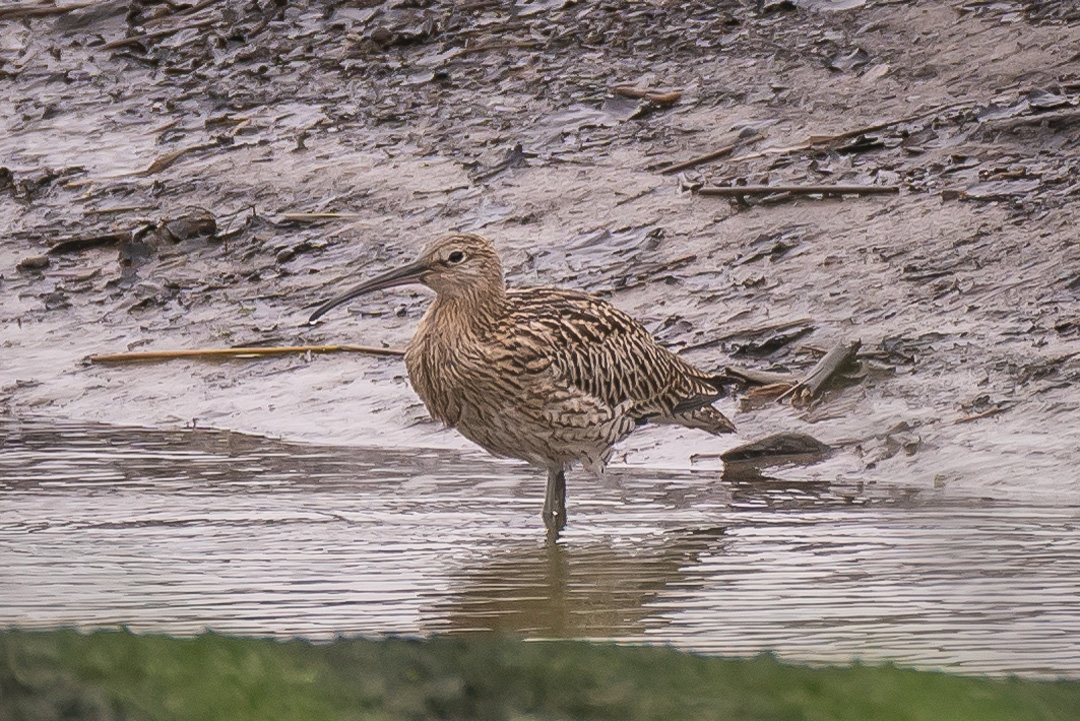
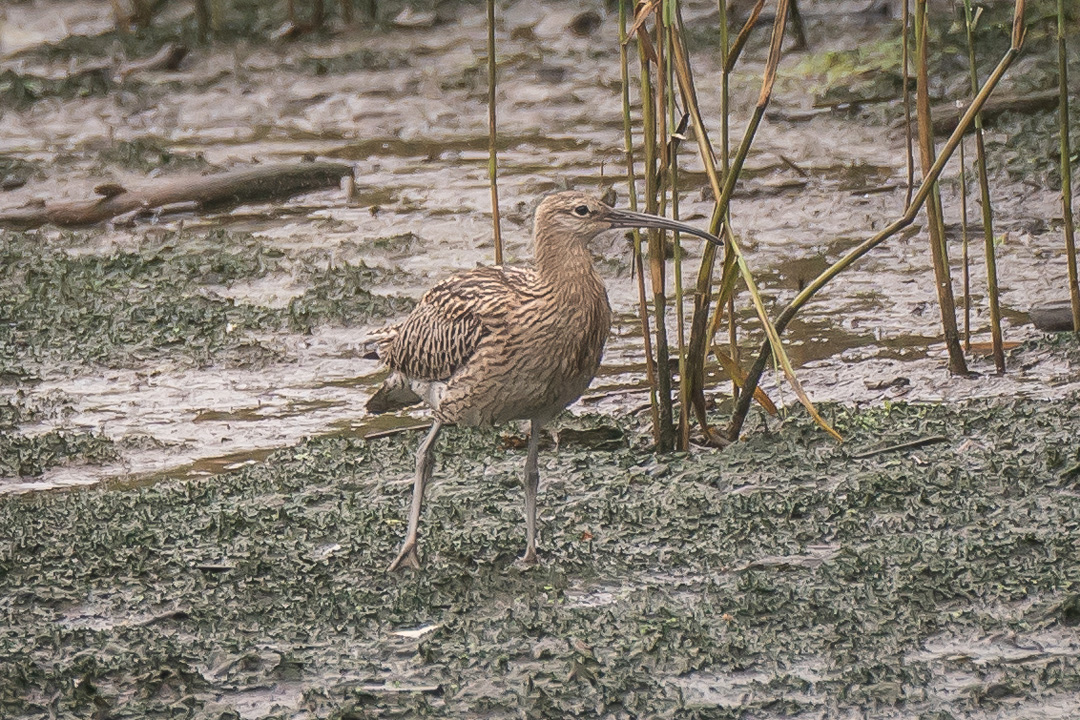
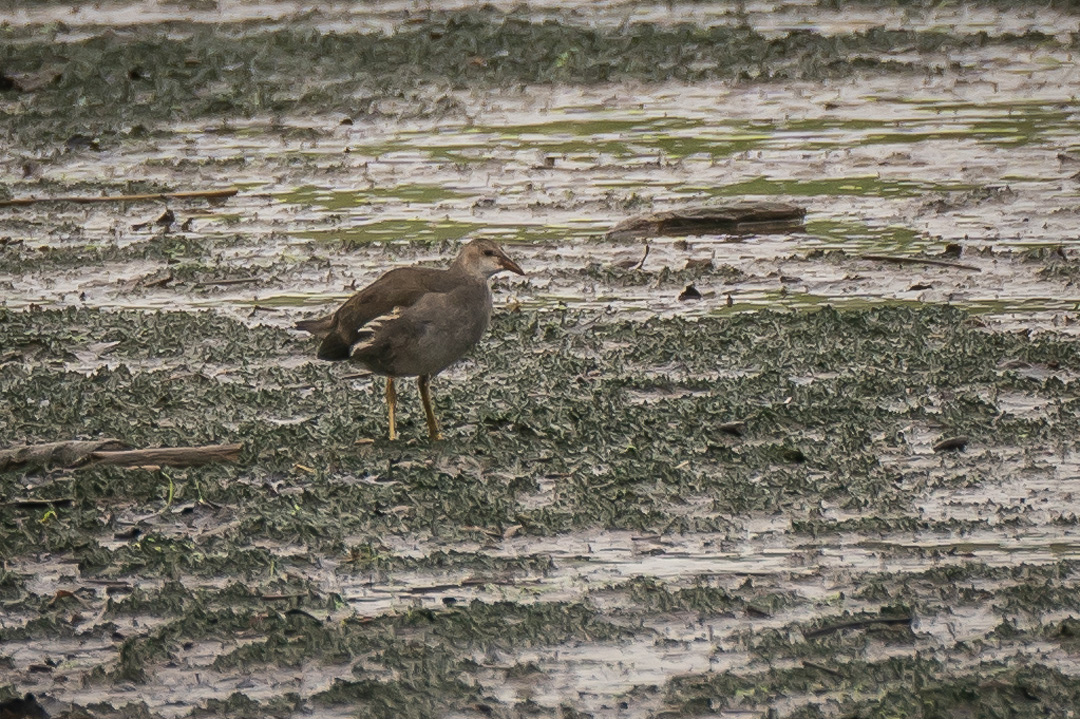
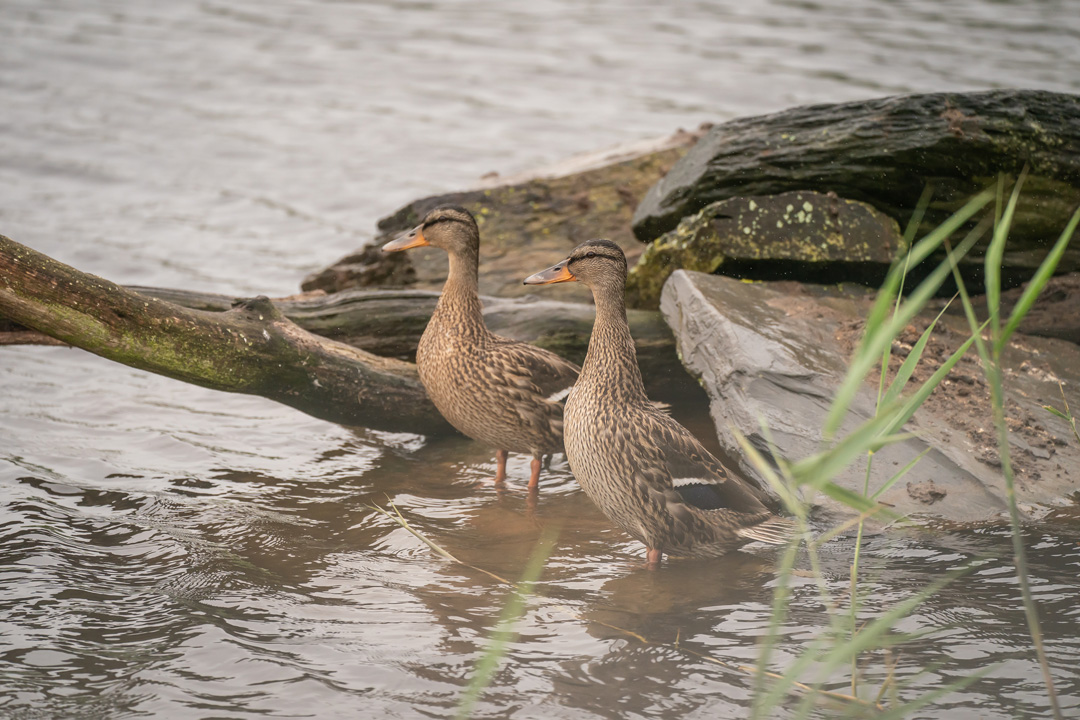
Category: Blog

  • 9th June 2010 – Stoke Park Estate, Bristol

    9th June 2010 – Stoke Park Estate, Bristol

    This slideshow requires JavaScript.

    It was tempting to hang around Duchess Pond looking for dragonflies but a walk was needed and we made our way to the top of Purdown to extend ourselves.

    DSC03097

    DSC03104

    DSC03117

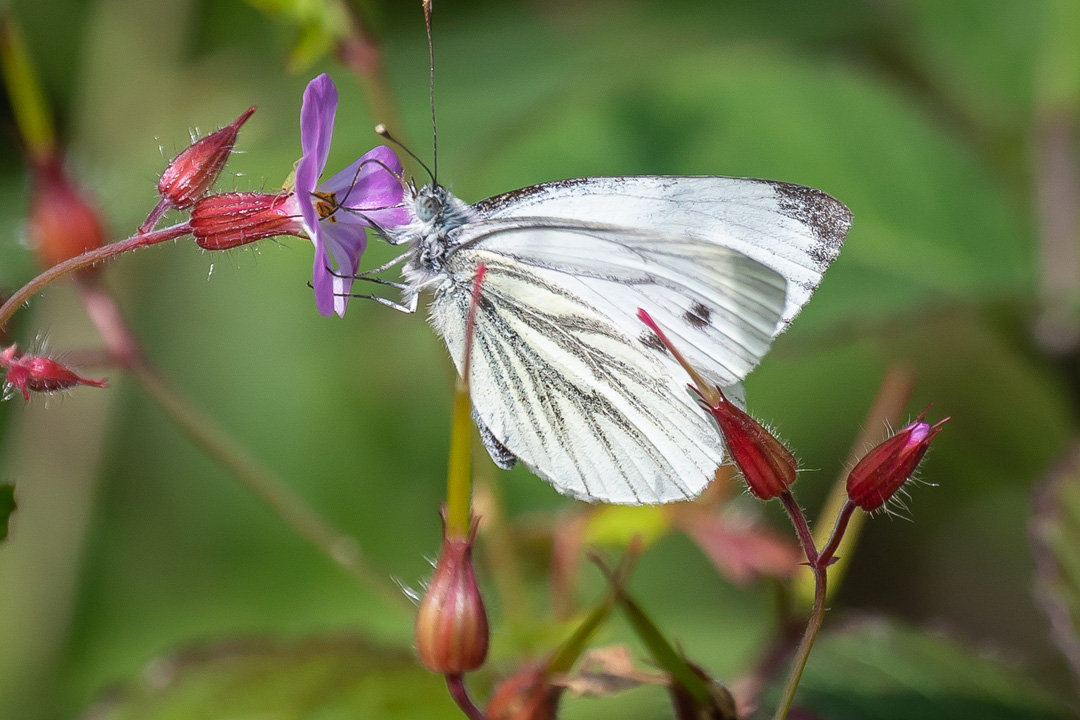
    It was well worthwhile; the wildflowers were spectacular, particularly the oxeye daisies and we saw a few more birds and butterflies.

    DSC03273

    DSC03289

    DSC03132Meadow Brown

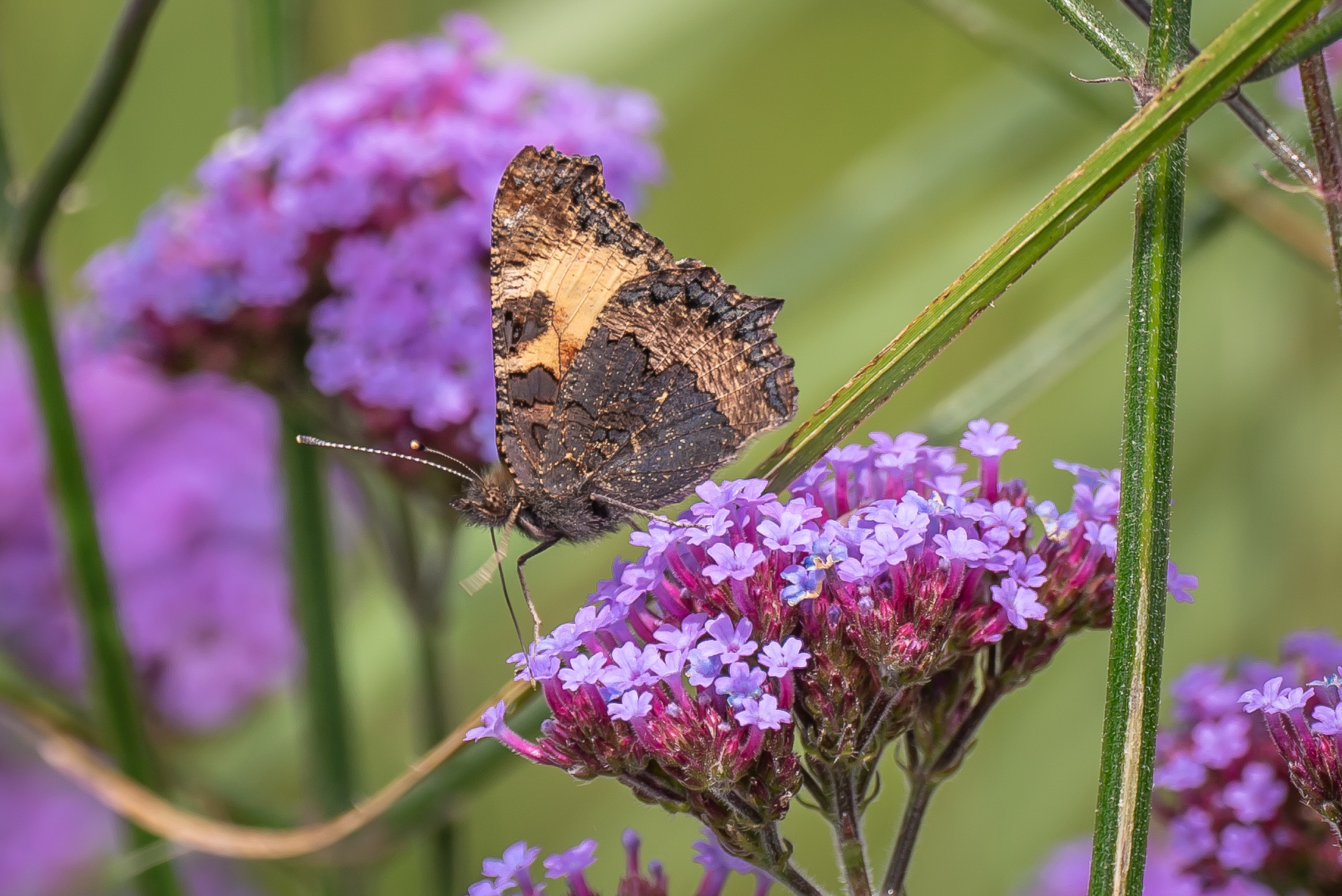
    DSC03247Small Tortoiseshell

    DSC03286Marbled White

    DSC03269Chaffinch

    DSC03280

    DSC03281

    DSC03282

    And just before the end of our walk a family of whitethroats:

    DSC03307

    DSC03308

    DSC03311

    DSC03317

    DSC03322

    DSC03324

    DSC03331


  • 8th June 2020 – Stoke Park Estate, Bristol

    8th June 2020 – Stoke Park Estate, Bristol

    This slideshow requires JavaScript.

    We missed the best of the weather by going for a walk to Stoke Park in the afternoon. When we arrived the “dragons” did not seem to be awake but then the sun came out and there was life.

    DSC02714

    DSC02323

    DSC02383

    The Canada Goose goslings are still surviving and are so much bigger; certainly much bigger than the wren we saw. Three magpies squabbled

    DSC02413

    DSC02500

    DSC02532

    DSC02453

    DSC02457

    DSC02469

    I took on the challenge of trying to photograph the dragonflies and ignored other birds. Wendy was surprisingly  patient with me.

    DSC02739

    DSC02758

    DSC02765

    DSC02798

    DSC02823

    DSC02895

    DSC02967Emperor dragonfly

    We also had a pleasant chat with some other birders and saw some butterflies and moths. IDs will have to wait for another day.

    DSC02666Burnet companion moth ?

    DSC02679Tyria tiger moth

    DSC02691

    DSC02694Meadow brown butterfly

    DSC02717


  • 7th June 2020 – Rodborough Common, Gloucestershire

    7th June 2020 – Rodborough Common, Gloucestershire

    This slideshow requires JavaScript.

    Rodborough Common on the edge of The Cotwolds is famous for its wildlife. The National Trust website page has this to say about it:

    More than a hundred species of grasses and wildflowers have been recorded, including rare orchids and over 30 species of butterfly, including one of the largest populations of the rare Duke of Burgundy butterfly in the country.”

    We weren’t so lucky with butterflies on our morning walk but we enjoyed the spectacular views down towards the Severn Estuary (where we had been a few days before) and loved hearing and seeing an abundance of skylarks.

    DSC00242Skylark trying to distract a magpie (and probably us) away from its nesting area

    DSC00392Skylark

    DSC00251

    DSC00400

    DSC00402

    DSC00406

    DSC00494A welcome coffee before heading home

    On our way home we stopped off at Frampton on Severn, wandered around the village green and found a few insects in the village pond.

    DSC00539Wishful thinking

    DSC00570The Wool Barn

    DSC00575

    DSC00597Damselfly

    DSC00634Tiger moths

    DSC00678


  • 5th June 2020 – Framilode, Gloucestershire

    5th June 2020 – Framilode, Gloucestershire

    This slideshow requires JavaScript.

    Following the advice of a friend we ventured a little further north of Bristol (further north than our last few excursions to Oldbury Power Station on the Severn Estuary) to Framilode. Framilode is a vllage on the River Severn and we walked a section of the Severn Way towards Arlingham Warth.

    DSC00448The River Severn at Framilode

    As promised we saw very few people and the terrain was very flat. The only handicap was the blustery weather which at least blew the cobwebs away.

    DSC00161You might get a sense of the wind from the meadow

    DSC00034

    DSC00013A very bucolic scene maybe but perhaps the sheep could have benefited from its coat a few days more?

    DSC00122The ancient Forest of Dean on the far bank of the River Severn

    We didn’t see much in the way of bird life – just some house martins, a wren with some fledglings, a few shelduck on the River Severn and a couple of black-headed gulls. I also saw my first Small Tortoiseshell butterfly of the year.

    DSC00097This poor Small Tortoiseshell could hardly open its wings in the wind

    After our walk we drove to Arlingham. We passed the Red Lion on the way to look at the church. There seemed to be a barrel of beer on tap on the forecourt – was this a pilgrim’s way? No, it was simply a barrel of water for dogs.

    DSC00480The Red Lion at Arlingham

    We can’t wait to go back to do the walk near the Old Passage at Arlingham and visit The  Seafood Restaurant, set at the end of the pennisula on a great ox-bow bend, with some other friends which we have been promising ourselves for some time.

    On returning home our friendly robin came to greet us in the garden. He normally stays close to the ground but today the fat balls were too much of a temptation.

    DSC00498


    Post script

    I wonder if The Seafood Restaurant will be reopening after the lockdown (see photo below with “For Sale” sign)?

    DSC00592

    Such wonderful views from Old Passage.

    DSC00561

    DSC00502

    DSC00559

    DSC00571


  • 4th June 2020 – Stoke Park Estate, Bristol

    4th June 2020 – Stoke Park Estate, Bristol

    This slideshow requires JavaScript.

    I nearly didn’t bother to write a blog about our walk across to Stoke Park on Thursday as, after the eruption of dragonflies on our last visit, what we saw seemed fairly mundane. However, looking at my photos again (and following some encouraging comments from visitors to my blog) I thought that there was merit in sharing the photos, especially of the greenfinch and the chiffchaff.

    Of course after the abundance of dragonflies on the previous visit I was disappointed not to see any today. It wasn’t really surprising though as it was dull, windy and cold. It wasn’t surprising either that we didn’t see many other birds because we didn’t hang about.

    DSC02103Moorhen

    DSC02107Coot (I was surprised how grey the coots have become)

    DSC02105

    DSC02113

    DSC02139Greenfinch

    DSC02165

    DSC02168A different greenfinch

    DSC02176Canada geese goslings hunkered down

    DSC02181Chiffchaff

    DSC02197Chiffchaff

    DSC02209Chiffchaff

    DSC02203Chiffchaff

    DSC02219

    DSC02228

    DSC02229All the water lilies need now is a bit of sunshine


  • 2nd June 2020 – Stoke Park Estate, Bristol

    2nd June 2020 – Stoke Park Estate, Bristol

    This slideshow requires JavaScript.

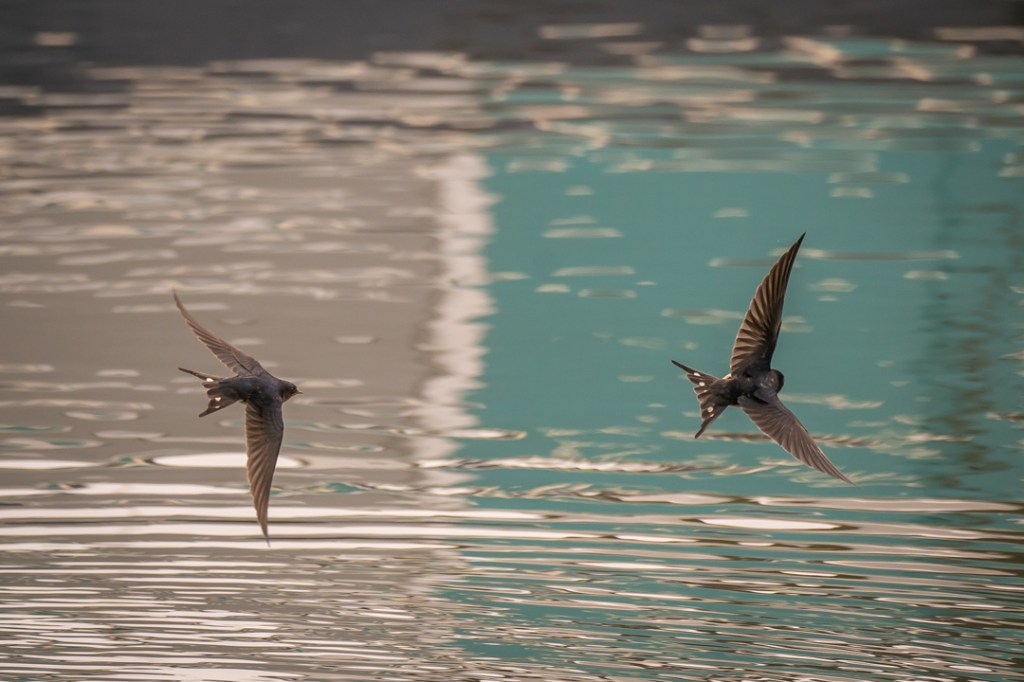
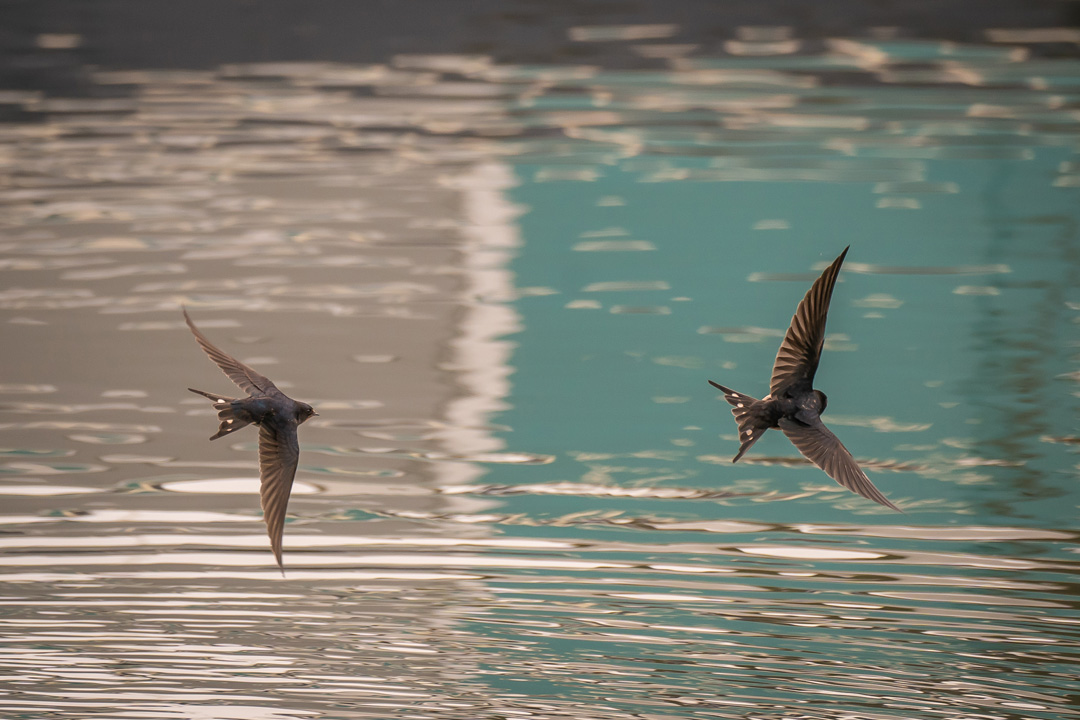
    It seemed very hot (much hotter than the 24 °C recorded) when we took an afternoon walk around Duchess Pond on Stoke Park Estate. Even though we don’t see many birds at the moment it is comforting that we can now identify an increasing number of birds by their calls and their song. Around the lake we could pick out with confidence whitethroat, chiffchaff, goldfinch and greenfinch. The birds that we could see clearly were swifts as half a dozen soared above and occasionally swooped down to the lake for a drink. The goslings are growing rapidly and are being protected by very attentive parents.

    DSC01903

    DSC01917

    DSC01947

    DSC01926

    DSC01812

    DSC01825

    DSC01955Swifts

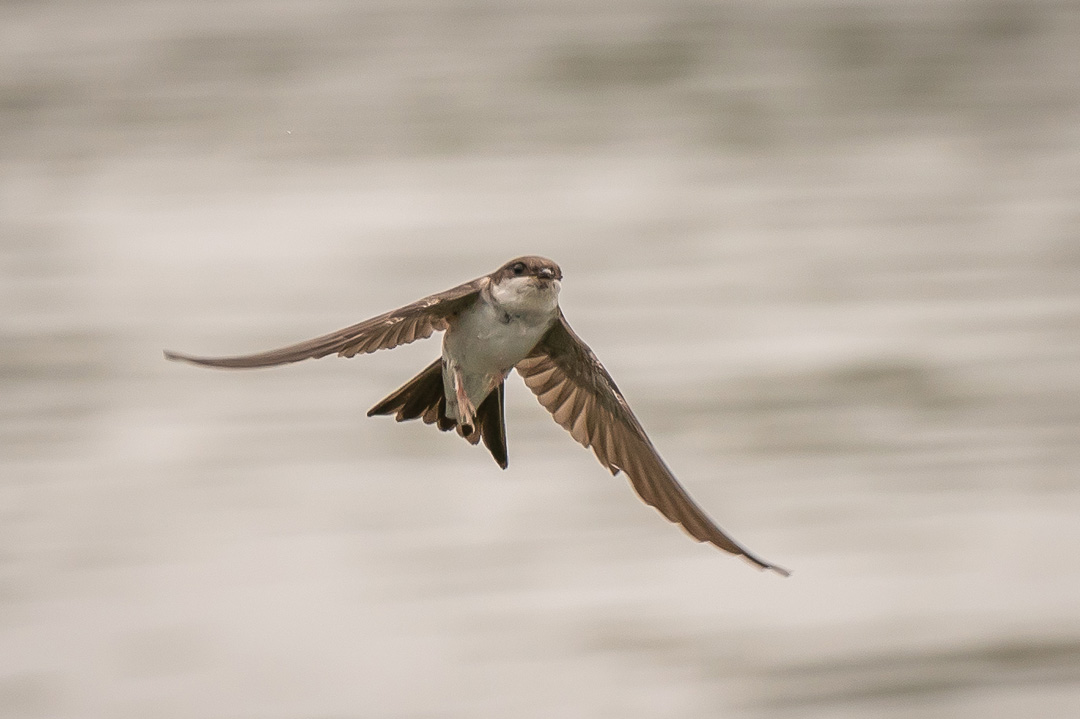
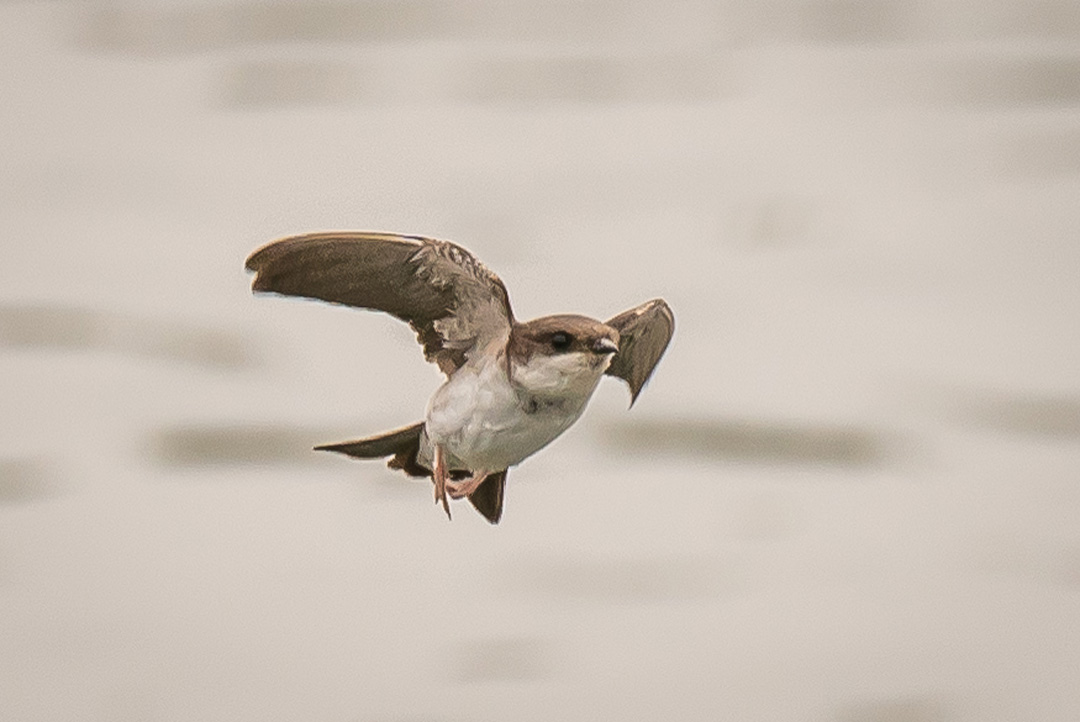
    The main point of interest at the moment is the increasing number of dragonflies and damselflies. I must say that Wendy was very patient as I attempted to photograph these and the swallows. I am now (with the help of Larry Sweetland) beginning to ID a few of them. Just wait until I get in to butterflies!

    DSC02044Emperor Dragonfly

    DSC02017Black-tailed Skimmer

    DSC01881Blue-tailed Damselfly

    DSC01722Small Red-eyed Damselflies (by all accounts these are just coming out and will soon be more numerous than the Red-eyed Damselflies)

    DSC01865White-legged Damselfly

    DSC01648Azure Damselfly

    DSC01893Scarce Chaser

    The water lilies are now beginning to bloom and I look forward to seeing the coots and moorhens scamper across them.

    DSC01872

    DSC02004

    There were lots of youngsters sitting around the lake enjoying the sunshine and there was very little evidence of anti-social behaviour except for a few on bicycles and a motorised scooter.

    DSC02015

    I’m not sure the fishermen will be pleased with people swimming in the lake but I find this less of a problem than the people who leave all the litter and other detritus after their visit to the park.


  • 31st May 2020 – Chew Valley, North Somerset

    31st May 2020 – Chew Valley, North Somerset

    This slideshow requires JavaScript.

    We needed a change of scene and drove south of Bristol to Chew Valley. It was wonderful to go along the lanes I had cycled when I was a boy growing up in this area and seeing the countryside in all its glory. However, I did feel a bit guilty spoiling the fun for cyclists and ramblers as we disturbed the peace of these quiet lanes.

    DSC01202

    DSC01196Chew Valley lake

    There are two ideal spots to view the birds on the lake. Unfortunately they are just where there are stretches of straight road where cars and motorbikes roar along at ridiculous (and no doubt illegal) speeds. It does seem rather incongruous that the two areas that draw a large number of people (and consequently ice cream vans) that vehicles can travel at such unsafe speeds. However, on this occasion, as bird hides and lakeside are forbidden to us, we did stop there to see the wildlife.

    DSC00839You can just make out a  greenshank if you look hard enough

    DSC00837The solitary oystercatcher

    Herriot’s Bridge, to the east of the lake, was teeming with birds. A friendly bird watcher (I find they are either very obliging or grumpy and secretive) pointed out a distant greenshank. As I was stretching my telephoto lens to its maximum capability I also saw a solitary oystercatcher. Much easier to see were the grey herons and great white egrets even though they were quite far off.

    DSC01210

    DSC01209

    DSC01261Grey heron

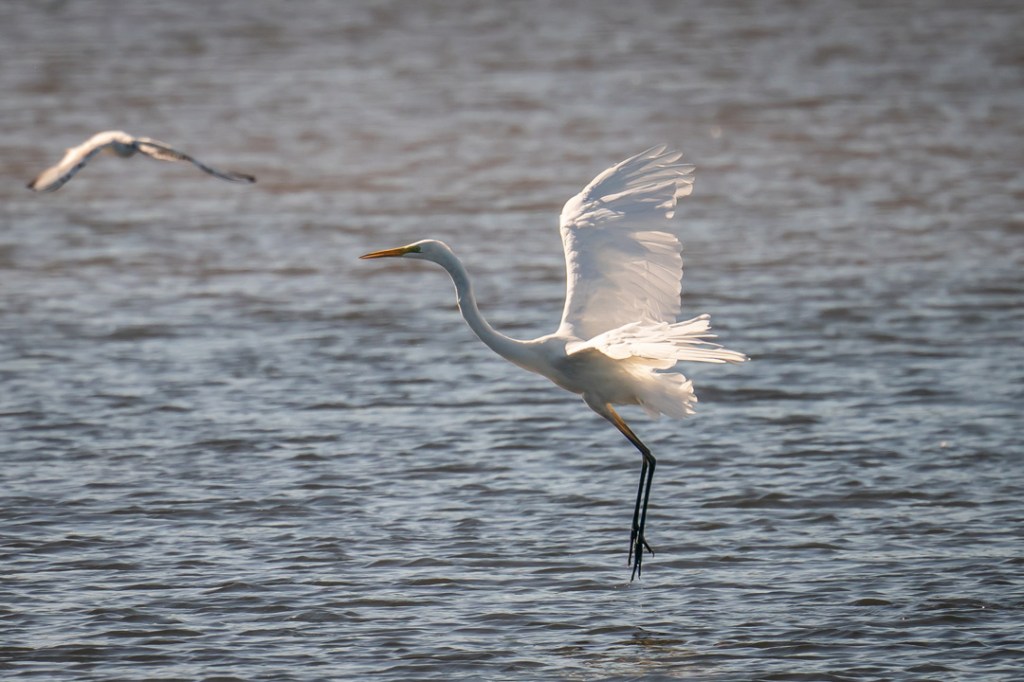
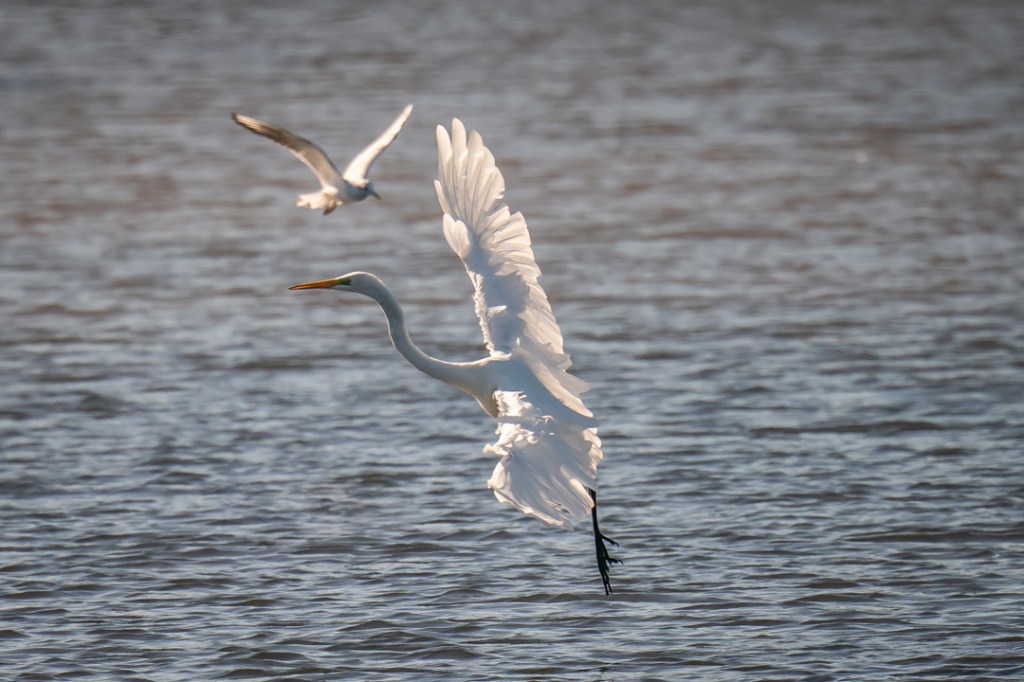
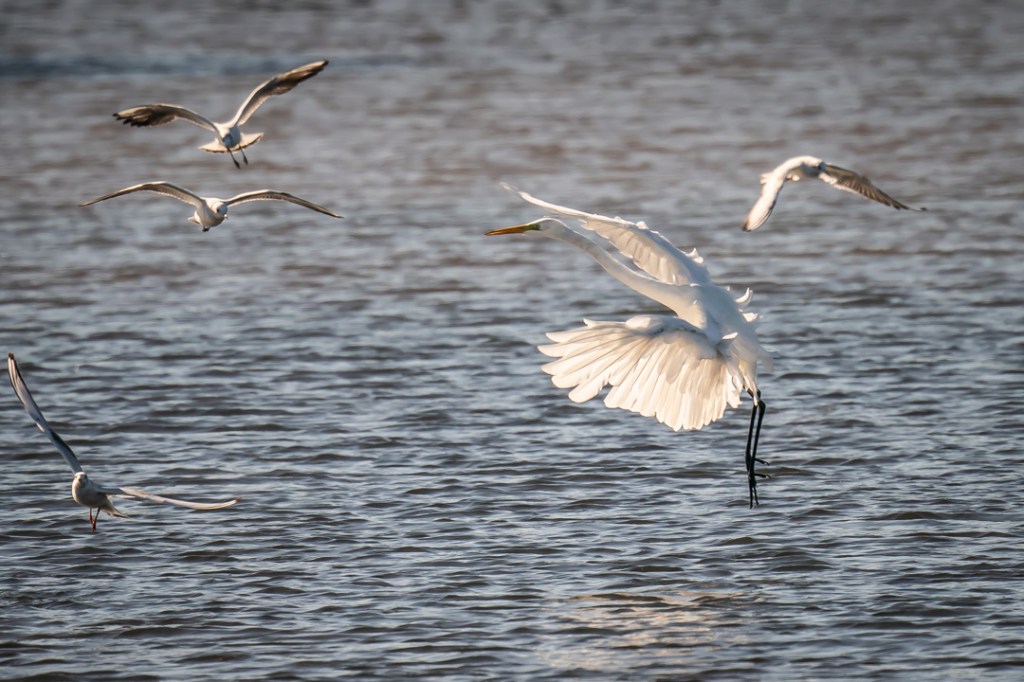
    However, eventually one great white egret flew much closer and gave me a glorious opportunity to photograph it in flight.

    DSC01336

    DSC01340

    DSC01347

    DSC01350

    DSC01351

    DSC01357

    DSC01363

    One of the frustrations of the lock-down has not being able to see these wonderful (and once very rare) birds which now seem to be here permanently. Even more frustrating has been not being able to see great crested grebes and their young which we look forward to every year.  We were delighted when we were treated to a family of great crested grebes as they came out of the reeds and made off to the lake. We were rather anxious when one chick got separated and was agitated by a group of Canada geese but it safely circumnavigated them.

    DSC00969

    DSC01015

    DSC01053Great crested grebe

    DSC00884Canada geese and goslings

    DSC00893A very agressive swan splits the family

    On Herons’ Green there wasn’t as much to see except for pied wagtails with their young catching damselflies.

    DSC01100Juvenile pied wagtail devouring damselfly

    DSC01131Pied wagtail feeding its young a damselfly

    DSC01064

    DSC01075

    The trip certainly lifted our spirits.

  • 30th May 2020 – Stoke Park Estate, Bristol

    30th May 2020 – Stoke Park Estate, Bristol

    This slideshow requires JavaScript.

    An early morning walk started with a close view of a roe deer next to the motorway before we reached Stoke Park.

    On the small pond there was a squabble between coots and moorhens – the coots seemed to be the aggressors but in their defence they did have chicks to protect.

    DSC09510

    We saw whitethroats and wrens in the swampy area.

    DSC09563The silhouette of a wren

    Around the lake the Canada geese goslings are getting bigger very quickly but there were so many fishermen who had been camping overnight that we did not loiter especially as some were off to the bushes to relieve themselves. Sadly there were many signs of toilet paper around and about: I cannot blame the fishermen for all of this nor for the vast amount of litter that we saw in the park this morning but they clearly are culpable of some of the detritus.

    DSC09655

    DSC09526Just a few examples of the large amount of detritus left in the park

    A buzzard overhead was soon joined by a corvid which mobbed it.

    DSC09663

    DSC09695

    DSC09730

    We could hear green finches and goldfinches but I only managed to take lots of out-of-focus photos. I did manage one or two successful shots of long-tailed tits but I didn’t even get the two swifts that we saw in my viewfinder. Clearly too early in the morning for me.

    DSC09951

    DSC09941

    DSC09912

    DSC09924

    DSC09980


  • 24th May 2020 – self-isolating in Bristol

    24th May 2020 – self-isolating in Bristol

    This slideshow requires JavaScript.

    Lots of excitement this morning with Coal Tit fledglings in the garden.

    DSC09970

    DSC09955

    DSC09954

    DSC09952

    DSC09947

    DSC00184

    DSC00151

    DSC00139

    DSC00101

    DSC00036


  • 24th May 2020 – Stoke Park Estate, Bristol

    24th May 2020 – Stoke Park Estate, Bristol

    This slideshow requires JavaScript.

    It was probably the news of a common mynah at Duchess Pond that got us out of bed for an early morning walk around Stoke Park and the thought that we could avoid the crowds.

    We soon saw the common mynah who seemed to have adopted one of the many local fishermen who clearly had slept around the pond overnight.

    DSC09555Common Myna looking for the fisherman’s scraps

    DSC09681Fisherman’s friend

    DSC09657

    There were a few other birds too including swifts, greenfinches, goldfinches, whitethroats, blue tits and a thrush.

    DSC09701

    DSC09688

    DSC09684

    DSC09700

    DSC09508

    DSC09520

    DSC09809

    DSC09843

    DSC09877

    DSC09913

    DSC09920

    DSC09924

    DSC09931

    Other than the fishermen there were only a couple of other birders and one self-obsessed runner who almost brushed past us (and giving us no time to get out of his way) even though there are acres of land to avoid people.. Instead of going home full of the joys of spring I must admit to going home very angry.

    Footnote: Even though the swifts flew here from thousands of miles away I can’t help thinking the common mynah came here by plane or on a boat.


  • 21st May 2020 – self-isolating in Bristol

    21st May 2020 – self-isolating in Bristol

    My day started well when I managed to photograph a Coal Tit on the bird feeder. It didn’t seem too worried about me standing quite close by.

    DSC08979

    DSC09022Coal tit on the garden bird feeder

    Later in the day we had another visitor – a robin who couldn’t make up his mind whether to come in to the garden or not.

    DSC09441

    DSC09438

    DSC09446Clearly the seeds fallen from the bird feeders were too much to resist

    There are lots of bees coming in to the garden at the moment. I need to get to grips with identifying these.

    DSC09049

    DSC09061

    DSC09075

    DSC09131

    DSC09133

    DSC09212

    DSC09259

    DSC09283

    DSC09362

    DSC09382

    DSC09390

    DSC09393

    DSC09405


  • 21st May 2020 – Oldbury-on-Severn

    21st May 2020 – Oldbury-on-Severn

    We drove out in the country to find an isolated spot for a walk. We chose an area close to Oldbury Power Station, a decommissioned power station close to Oldbury-on-Severn on the south bank of the Severn Estuary.

    Around the power station there are three lagoons in various states of disuse. These lagoons were large settling tanks, used during the dredging process for the tidal reservoir on the River Severn. The fine Severn silt was settled from the water, before it was discharged back to the river.

    To the north of the power station we followed the nature trail which circumvents the two lagoons which are now completely overgrown. It was marvellous to be out in the country and, although we didn’t see many birds, we could hear loads (but not cuckoos which have been reported recently) and it was an amazing feeling to be out roaming through the meadows and woods and along the nature trail.

    DSC08553The nature trail around the lagoons to the north of the power station

    DSC08511Wonderful views across the Severn Estuary (but disappointingly no waders)

    DSC08377Azure Damselfly at the beginning of our walk

    DSC08761The meadow at the beginning of the walk

    DSC08396

    DSC08403Woods early on the walk

    DSC08404Marsh orchid

    DSC08424Common dogwood

    DSC08635

    DSC08745

    DSC08457We could see and hear goldfinches around this pond

    DSC08515The overgrown lagoon

    DSC08519Views south towards the two Severn Bridges

    DSC08536

    DSC08543Beautiful meadows

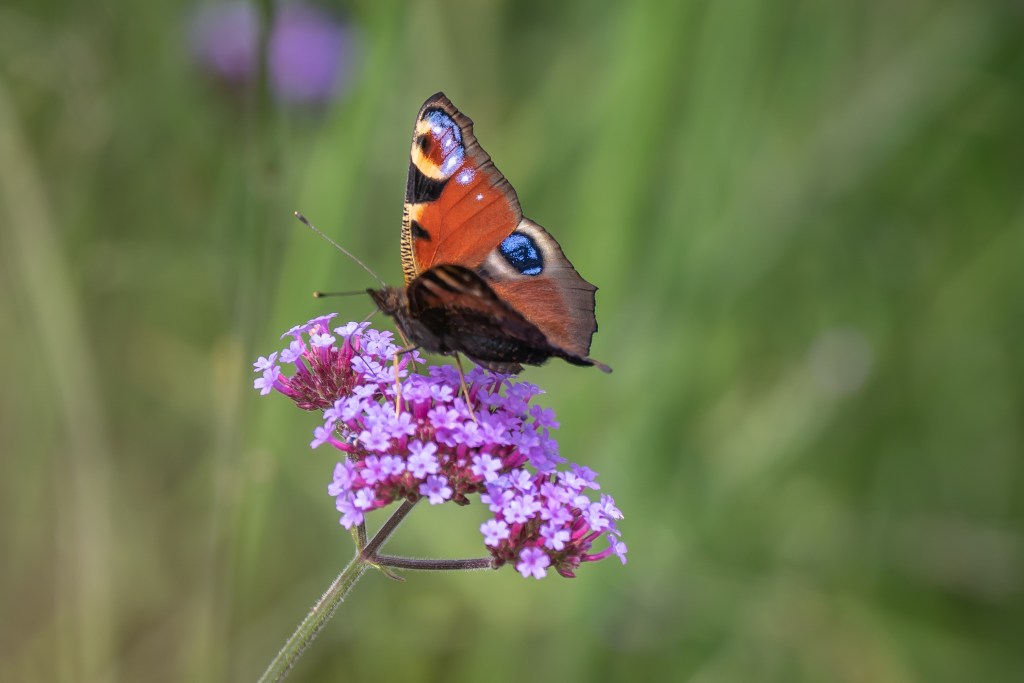
    DSC08712A very tired peacock butterfly

    DSC08036A comma butterfly

    DSC08205

    DSC08271The star of our walk – a very cheerful chiffchaff

    We had a quick look at the pond to the south of the power station before heading home.

    DSC08822

    DSC08809Moorhen

    DSC08850Moorhen with chick