Category: Blog

  • 10th June 2022 – Coquet Island, Northumberland

    10th June 2022 – Coquet Island, Northumberland

    The RSPB says that “Coquet Island, situated off the Northumberland coast, is a vibrant seabird sanctuary, which is home to the UK’s only roseate tern breeding colony. It is also an important site for nesting puffins and common, Sandwich and Arctic terns.”

    On our last full day in Northumberland we had a walk along the beach in the morning at Warkworth from where we could see Coquet Island in one direction and Alnmouth, where we have been staying this week, in the other direction. In the afternoon we took the hour long boat trip from Amble harbour around Coquet Island and enjoyed seeing puffins, guillemots, razorbills and various terns, including the rare roseate tern.

    Alnmouth from Warkworth beach

    The view from Amble harbour with Warkworth Castle in the background

    You are not allowed to land on the island but we enjoyed this short trip which gave me my last photographic opportunity of the holiday.

    Puffin

    Sandwich tern

    You can just make out a roseate tern on the box in the centre of the image and one flying to its left.

    Razorbill

    Guillemot

    Eider duck

    Female eider duck

    Puffin in the water

    Coquet Island

    Slideshow of today’s photos:

  • 9th June 2022 – Long Nanny tern colony, Northumberland

    9th June 2022 – Long Nanny tern colony, Northumberland

    The tern colony of little terns and Arctic terns at Long Nanny on the Northumberland coast are guarded 24/7 by rangers of the National Trust each summer.

    24 hour protection for the terns

    “They have had mixed results in recent years and fared particularly badly during COVID lockdown when the rangers were unable to be there to protect them. The Arctic tern, which has the longest migration of any bird in the world, started breeding at Long Nanny in 1980 and has returned every year from Antarctica to nest. The little tern is one of the UK’s smallest seabirds, weighing roughly the same as a tennis ball. They feed mostly on sand eels and young herring and tend to lay between one and three camouflaged eggs on the beach. The little tern has been in serious decline since the 1980s, with fewer than 2,000 breeding pairs now left in the UK.” (National Trust website)

    Arctic tern

    Arctic tern

    Arctic tern

    Terns disturbed by a kestrel

    Rangers counting little terns on the beach

    In the last couple of years they have been joined by a summering American Black Tern – Britain’s first record of an adult in summer plumage.

    American black tern

    American black tern

    We reached Long Nanny by walking behind the dunes at Newton Links. The display of spring flowers was beautiful and we enjoyed good views of sky larks, linnets, stonechats, reed buntings and even avocets and oystercatchers on the river.

    Spring flowers on Newton Links

    Spring flowers

    Sky lark

    Linnets

    Reed bunting

    Avocets and oystercatchers on the river

    We returned along the beach enjoying the best of the Northumberland coast.

    The deserted beach

    Access to the beach

    Low Newton by the sea where we had lunch at the Ship Inn

    Dunstanburgh Castle

  • 7th June 2022 – Farne Islands

    7th June 2022 – Farne Islands

    Our trip to the Farne Islands started from Seahouses harbour on the Northumberland coast. We were a little apprehensive as it was a gloomy morning and the sea swell was quite significant. However, the trip was quite amazing. We had fabulous views of seabirds and seals around the islands and, despite the boat’s skipper warning us that a landing might not be possible, we did manage to land on Staple Island for an hour long stay. The experience of seeing the birds, who did not seem at all perturbed by our presence, so close up was stunning.

    A gloomy start to our day

    Gannets on our trip out to the islands

    Grey seals basking (unfortunately not in the sun)

    Razorbill

    Huge colony of guillemots on Staple Island

    The main attraction – puffins

    Puffin up close

    Puffins on their burrows

    Puffin posing

    Puffin in flight

    Shag

    Puffin with sand eels

    Fulmars

    Kittiwakes

    Guillemots with chick

    Guillemot with sand eel

    Guillemot on egg

    Shag with chicks

    The lighthouse on Inner Farne

    Sandwich tern on the journey back to Seahouses

    The experience, as fabulous as it was, was very different from our previous views of puffins which were on Skomer Island off the Pembrokeshire Coast of Wales. Here on the Farne Islands we were closer up to many more seabirds, but on Skomer we were able to explore the island more and enjoy the spectacular views. (See – A taste of Skomer)

    In the afternoon the sun came out and we had a very pleasant early evening stroll along the coast at Boulmer where we saw stonechats, meadow pipits, oystercatchers and sanderling.

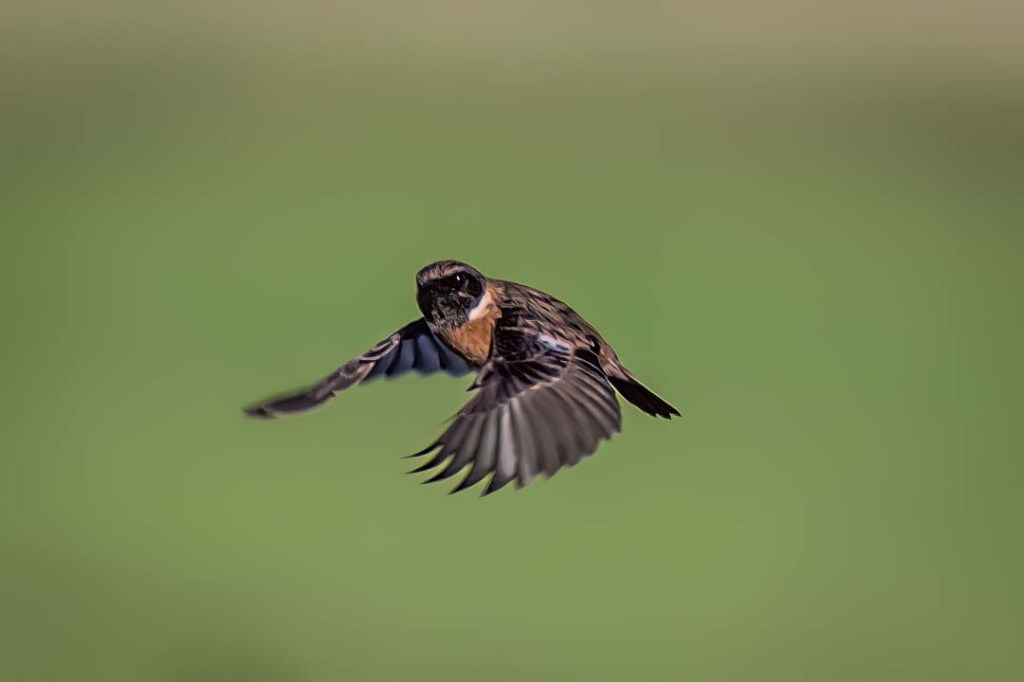
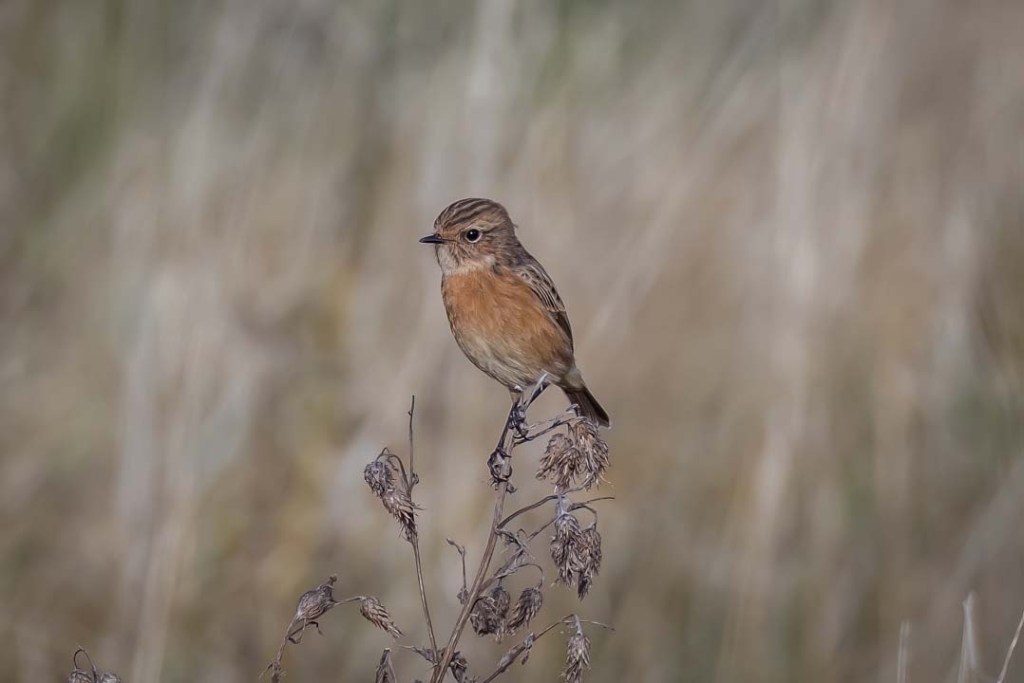
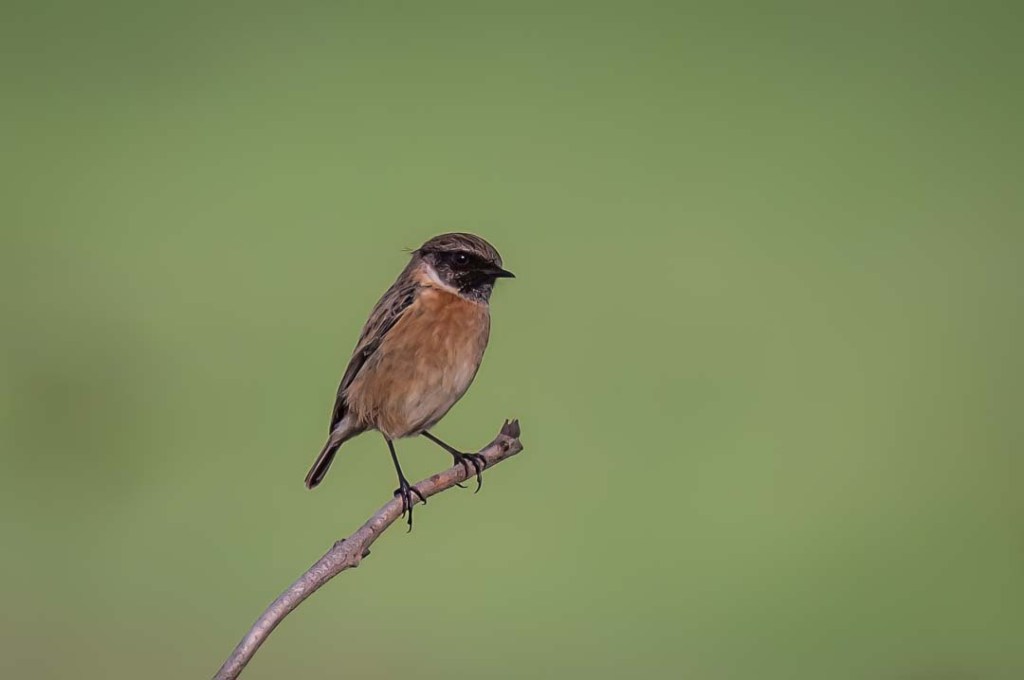
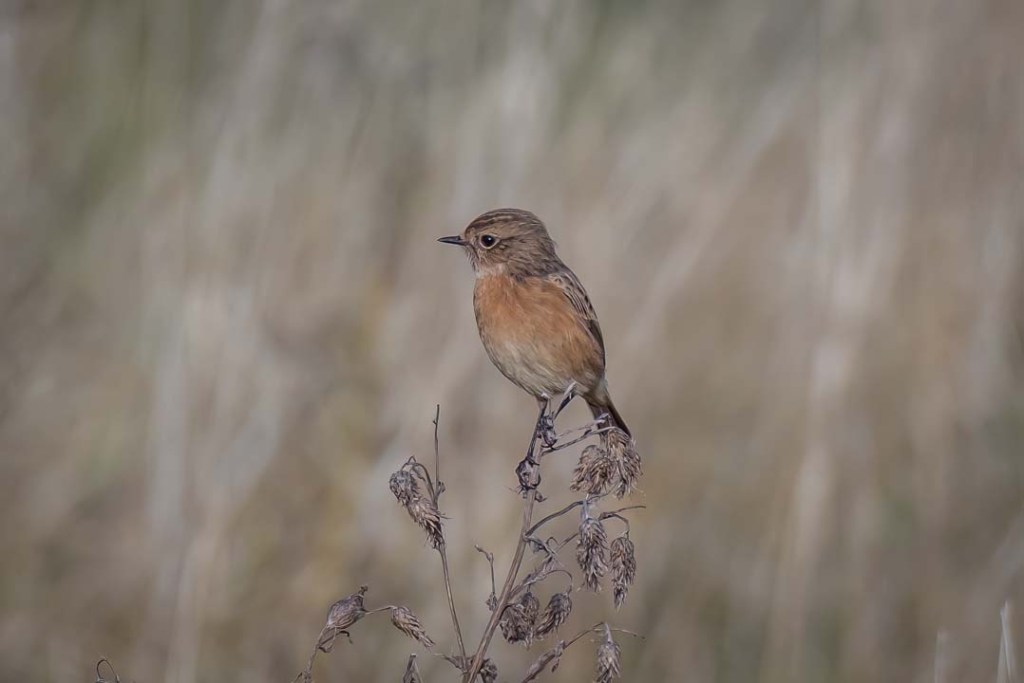
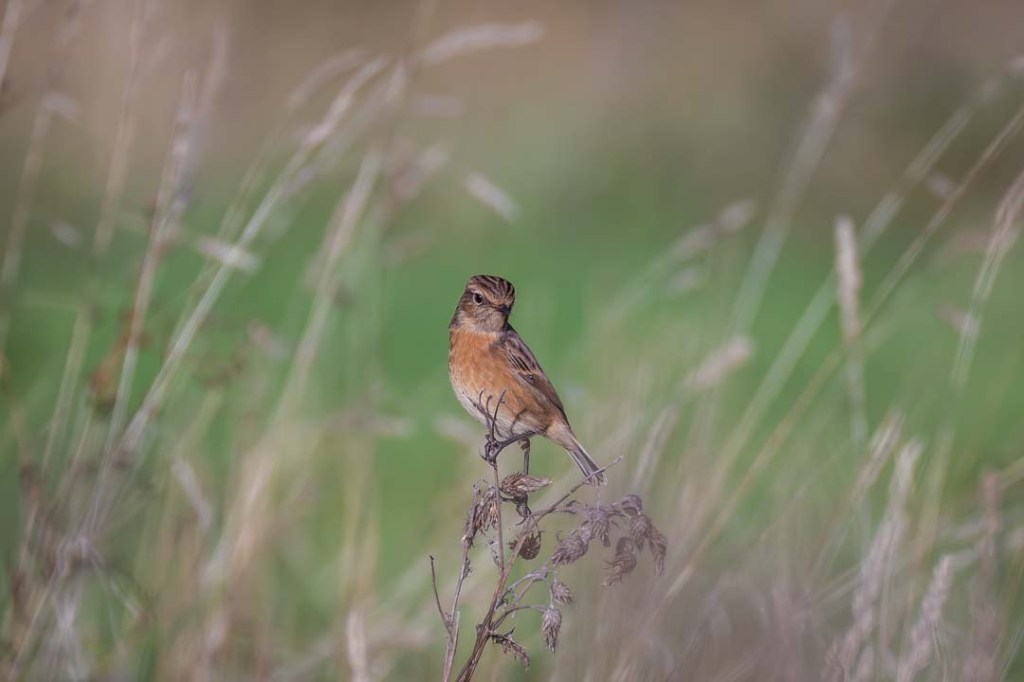
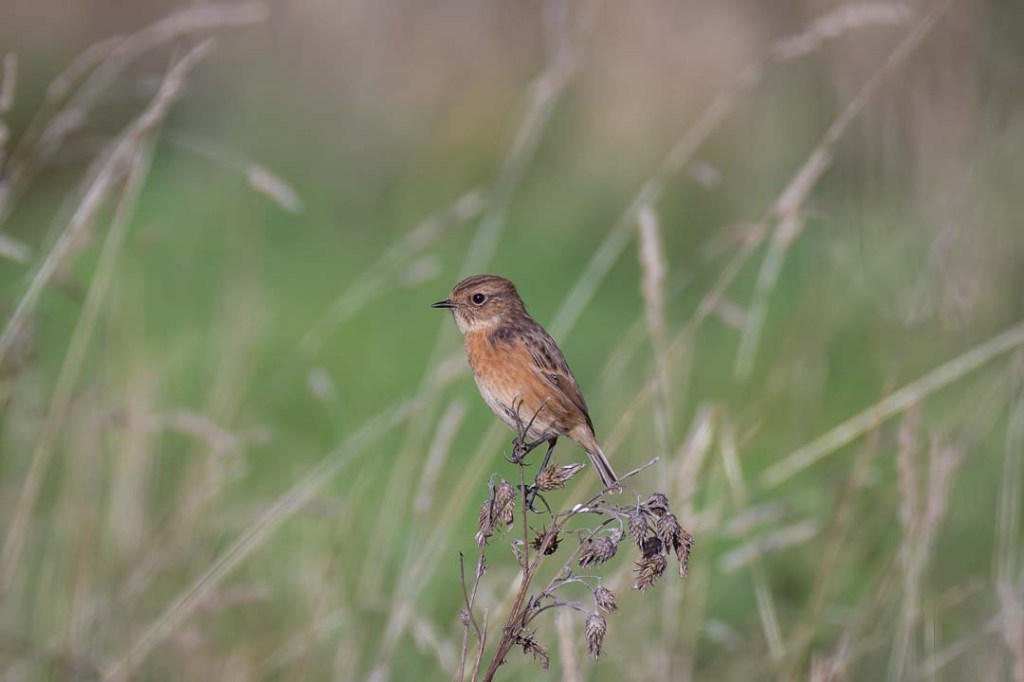
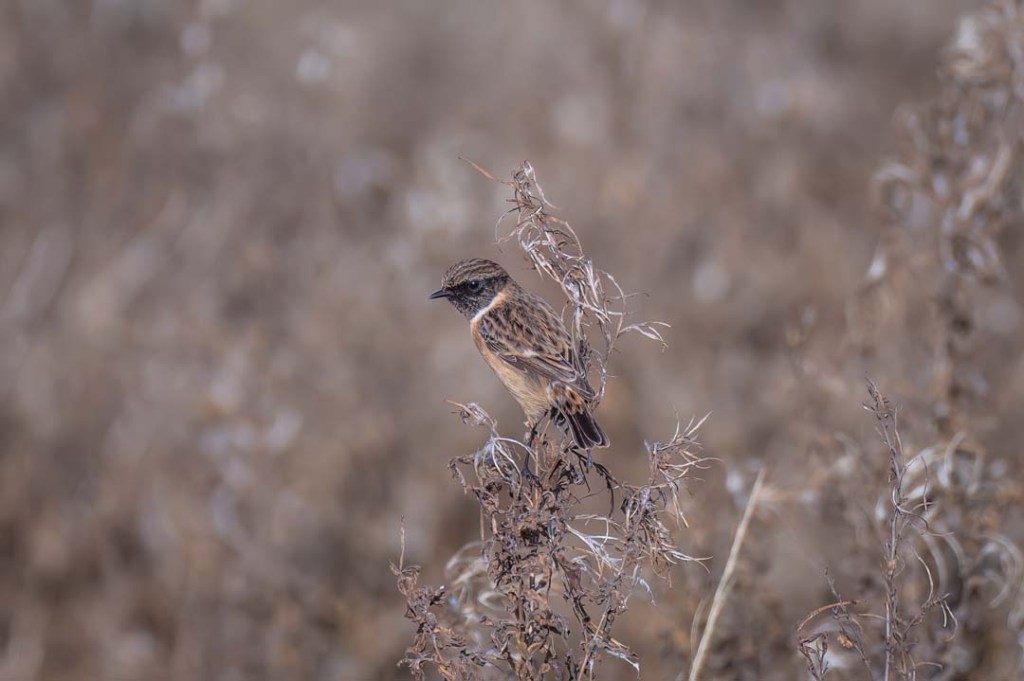
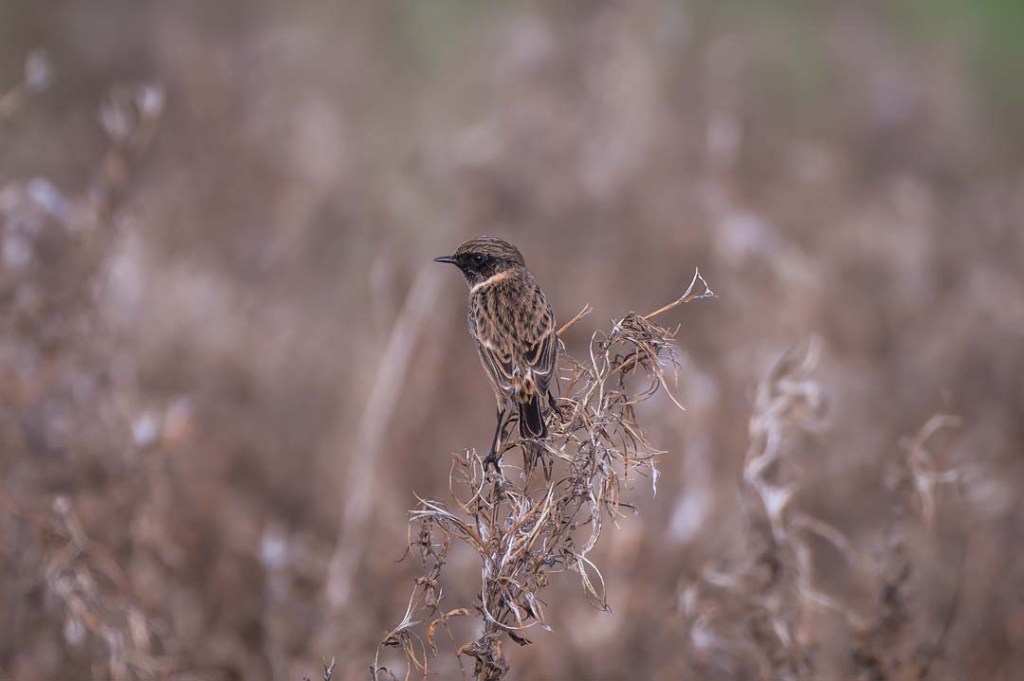
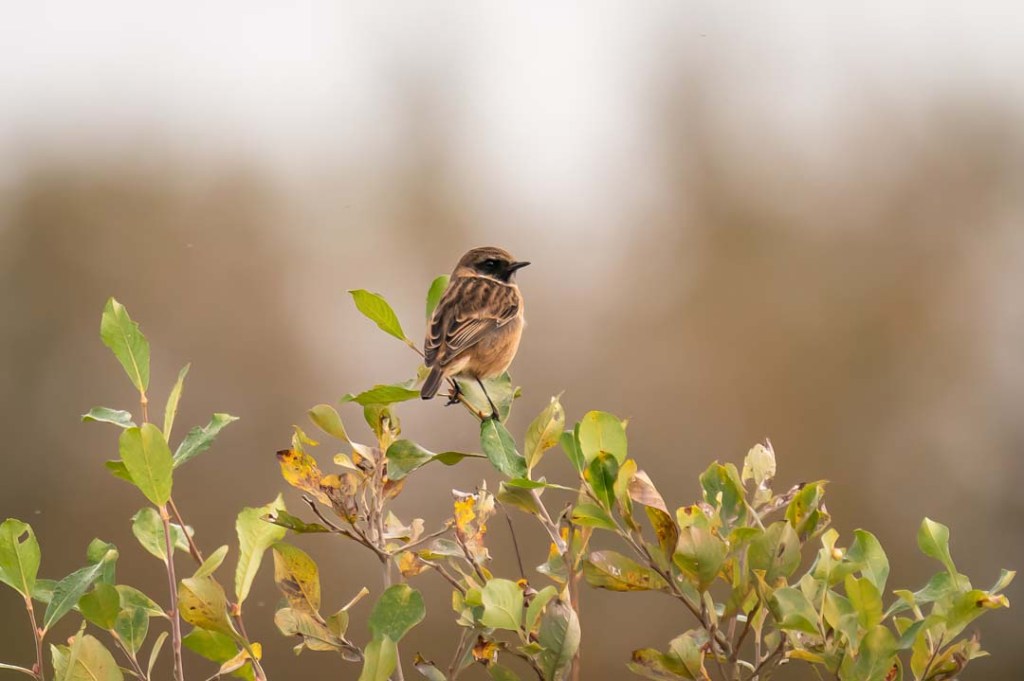
    Stonechat

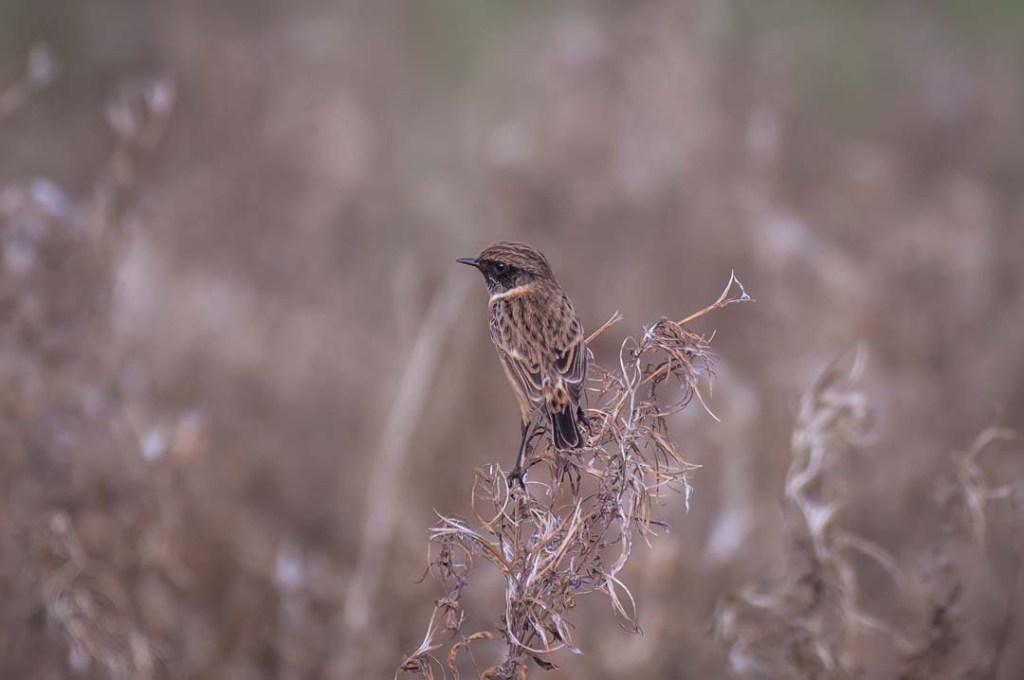
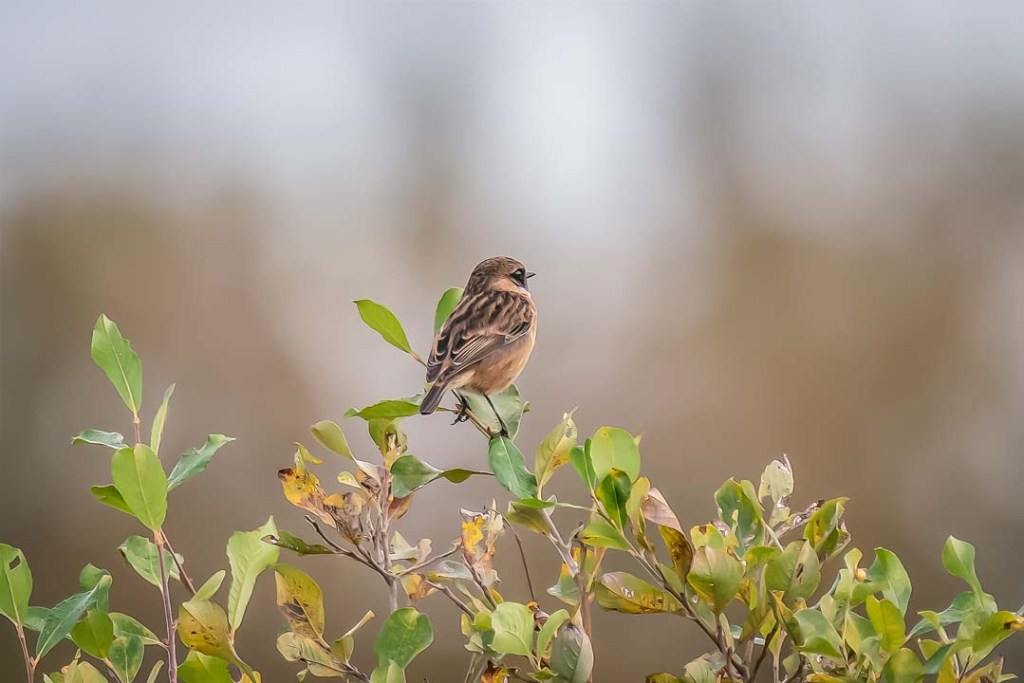
    Stonechat

    Oystercatchers

    The coast at Boulmer

    Meadow pipit

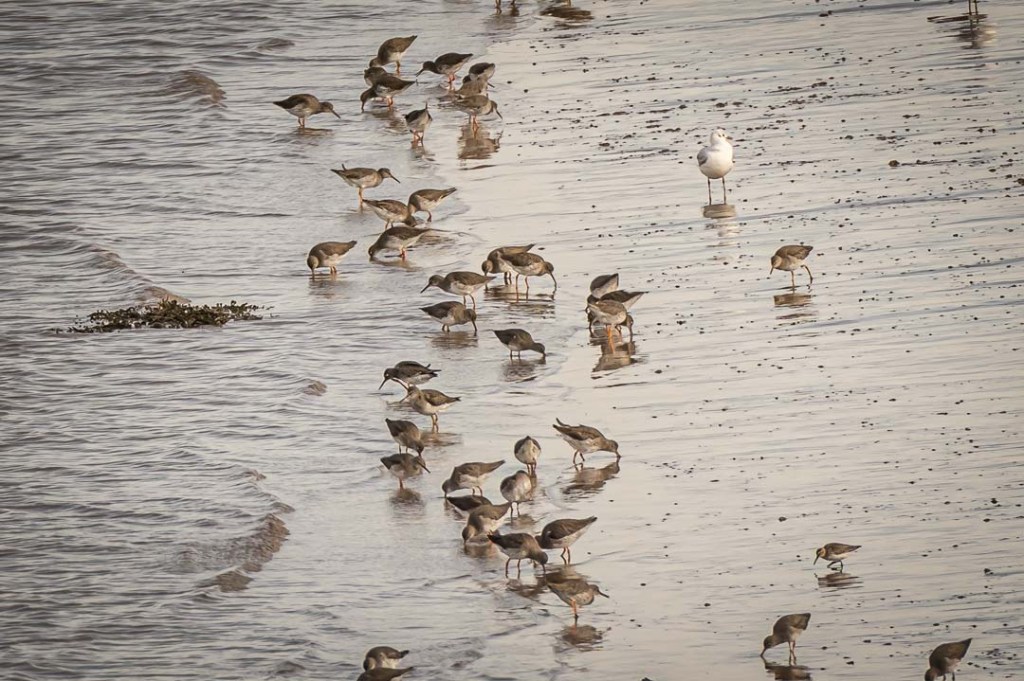
    Sanderling

    Sanderling in flight

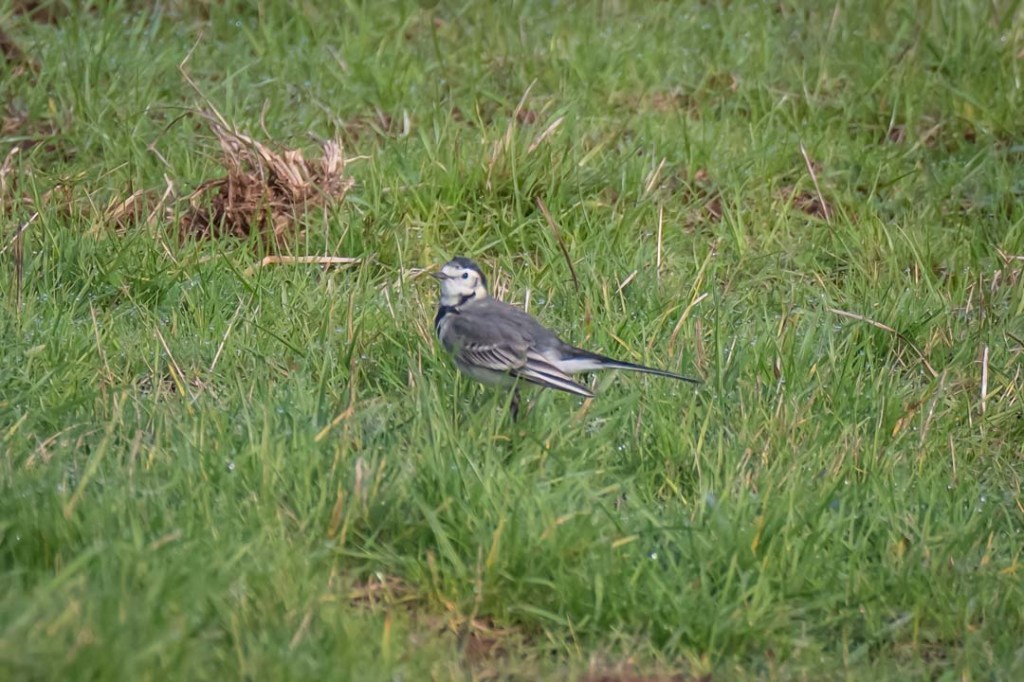
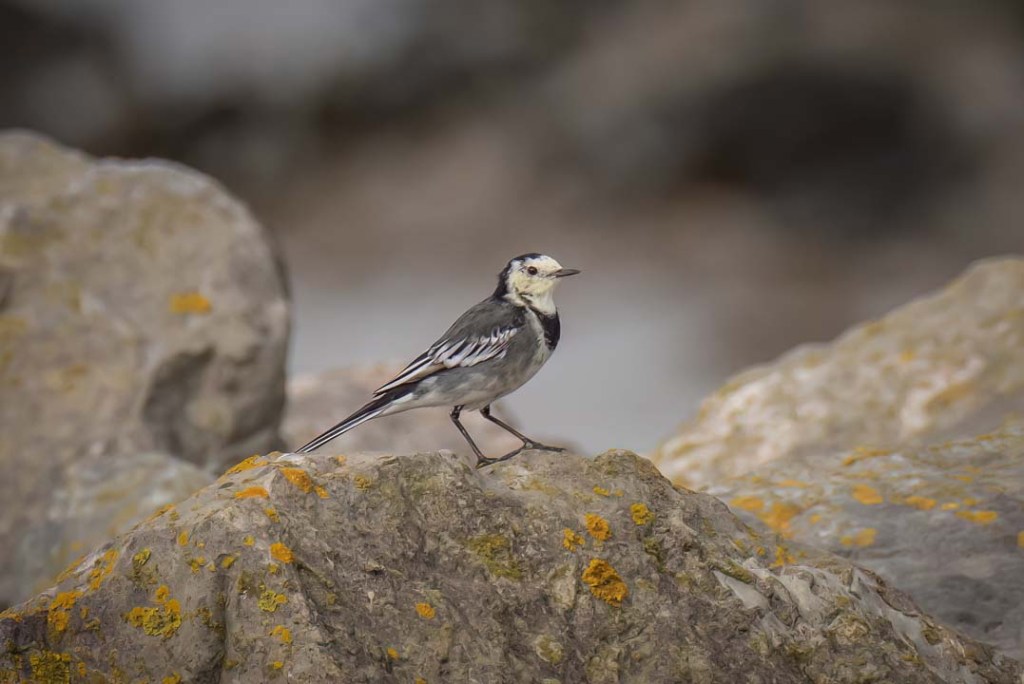
    Pied wagtail

    Spring flowers along the coastal path


    Farne Islands breeding bird report for 2021

  • 5th June 2022 – Northumberland

    5th June 2022 – Northumberland

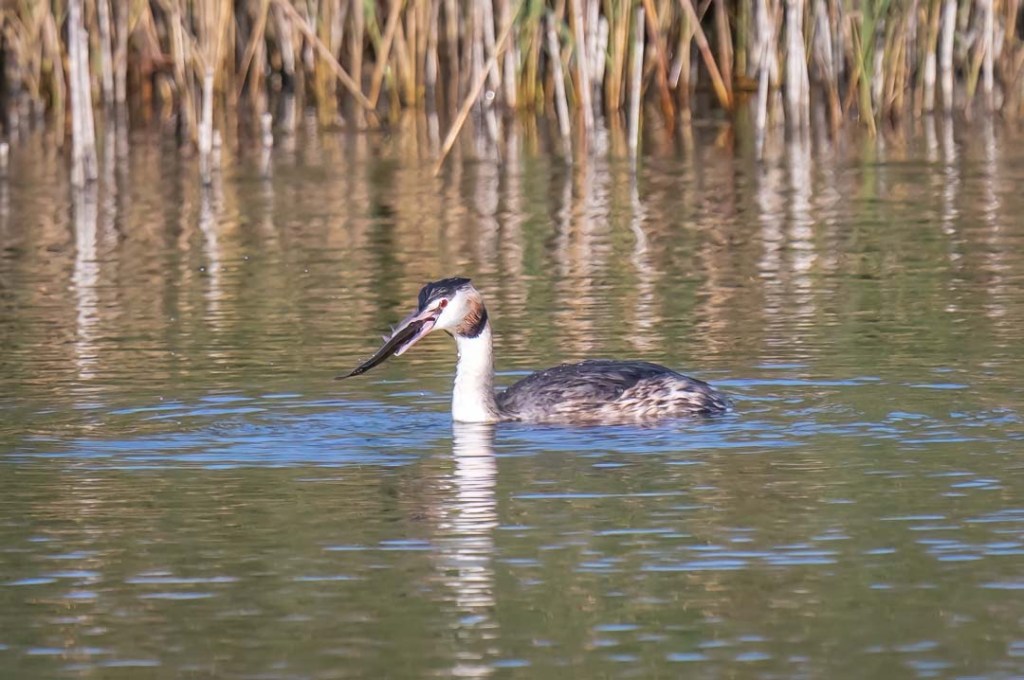
    Heading north for a holiday in Northumberland we made a brief stop (for nostalgic reasons) at Attenborough Nature Reserve in Long Eaton to break the journey and to grab a cup of tea. This was my first attempt at photos for quite some time and, for lack of practice (and probably senility), I really did mess things up. However, I managed to rescue a few shots to give a flavour of this lovely reserve in the centre of England. A pair of common terns were the main feature but close to the centre we also saw Egyptian geese, a great crested grebe and a reed bunting.

    Further north (by now into Northumberland) we stopped at Hauxley Wildlife Discovery Centre and Reserve where we saw more terns (common and sandwich) and many other birds that I do not see locally in Bristol such as tree sparrows and bullfinches. We also saw a beautiful red squirrel on a feeder.


    The BBC were filming “Spring Watch’” at Hauxley for the following week and it was lovely to meet the charming Megan McCubbin in the first hide we visited.

    Our first sortie from Alnmouth (where we are staying for the week) was to Cresswell Pond, to the south, where we had heard reports of spoonbills.
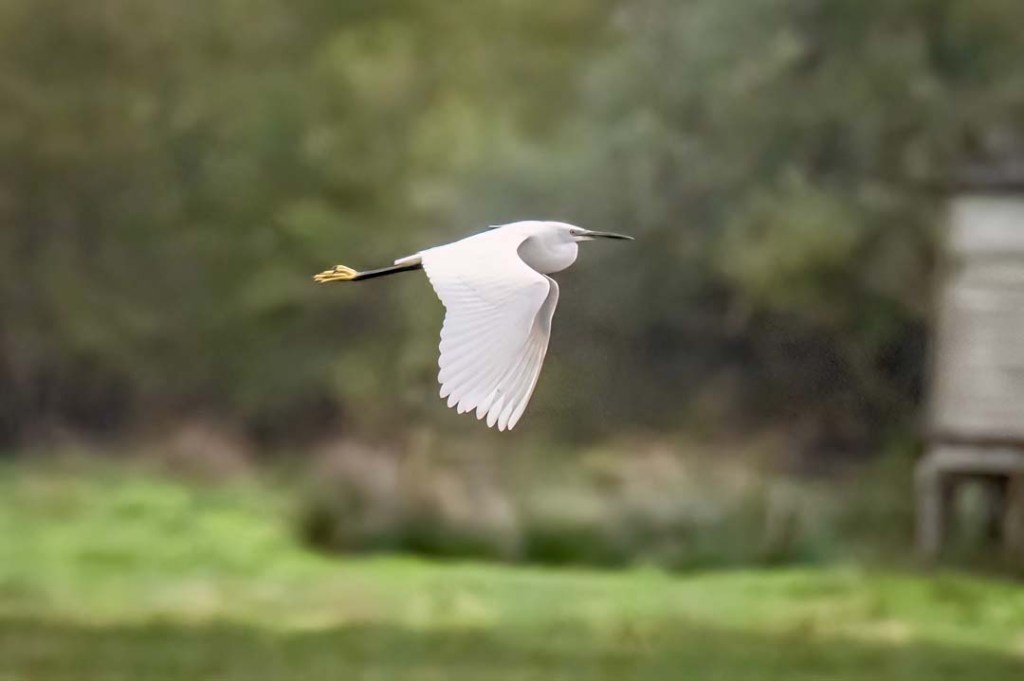
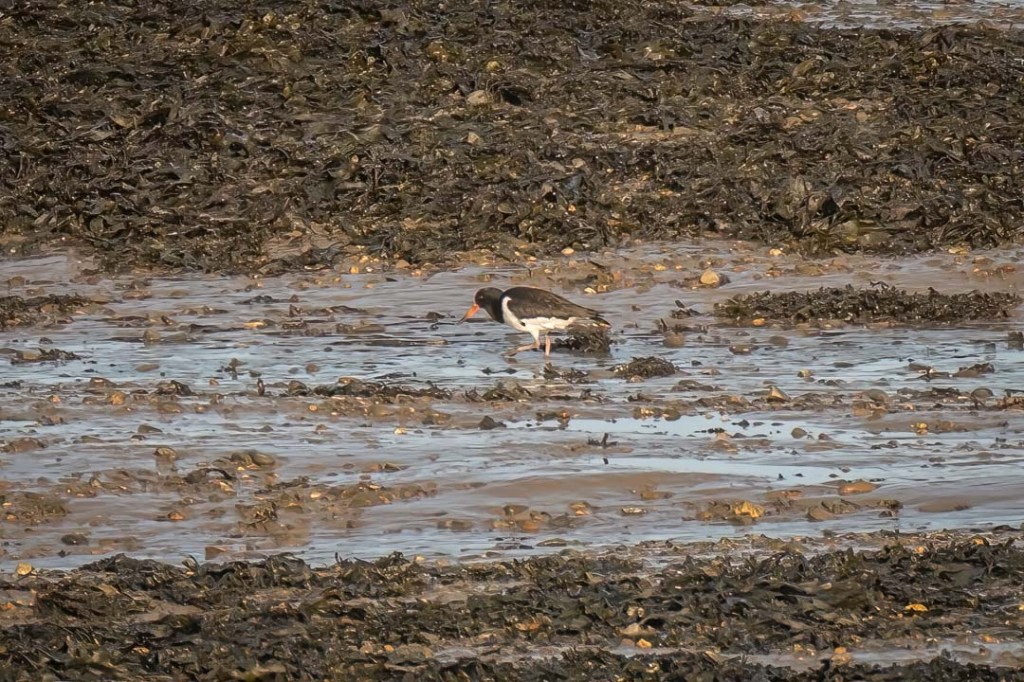
    On arrival we could see two spoonbills in the distance. The light was poor and I thought my chances of photographing them would be very limited but just when I was about to give up they flew across the water and landed nearby. Quite a treat. On the way back we stopped at Amble Harbour and saw mergansers, eider ducks and an indeterminate diver.

    Quite a promising start to the week.

  • 3rd May 2022 – Chew Valley Lake, North Somerset

    3rd May 2022 – Chew Valley Lake, North Somerset

    I spent the day at Chew Valley Lake which, even though I am now out of my surgical boot, is currently my go-to place for birding as I don’t have to walk any great distance. At least I have ventured out of my garden!

    The local birders I met all said that it was a very quiet time at the lake, suggesting that poor weather over the Iberian Peninsula had held up migrants. I did see some house martins but no other hirundines.

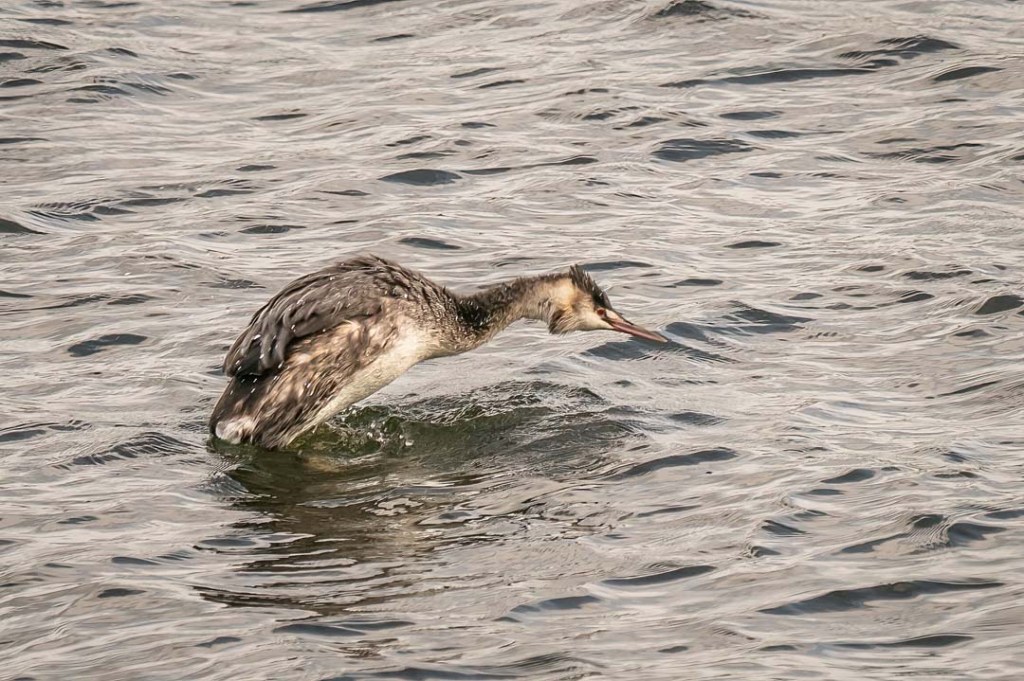
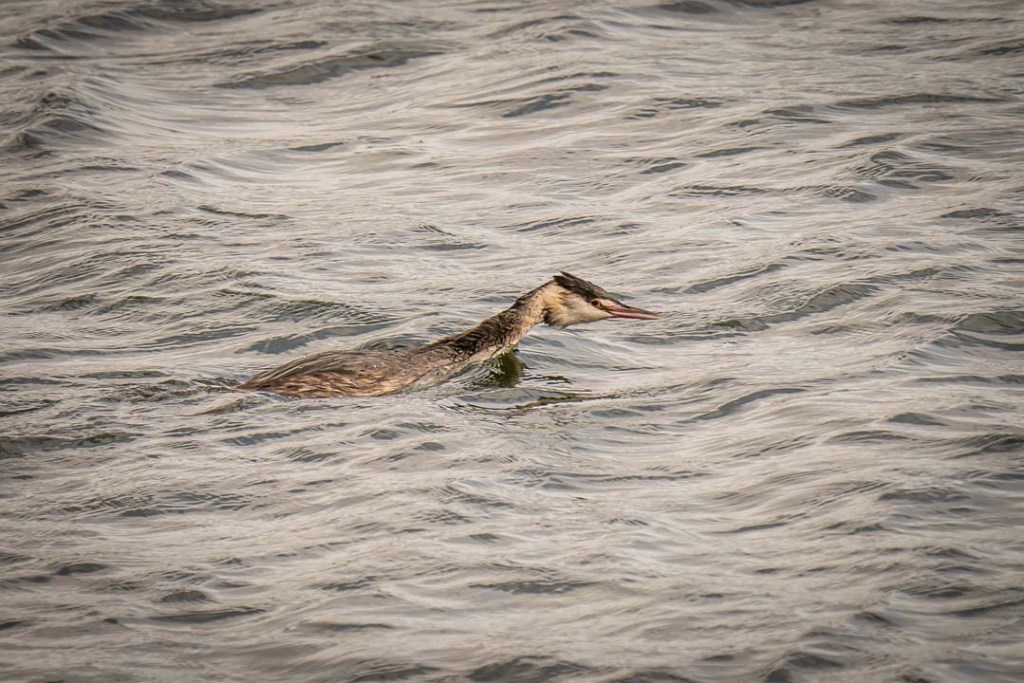
    In fact, there wasn’t a great variety of birds around but I was so pleased to see a pair of great crested grebes perform the beautiful, highly ritualised moves of their courtship dance, including the weed ceremony.

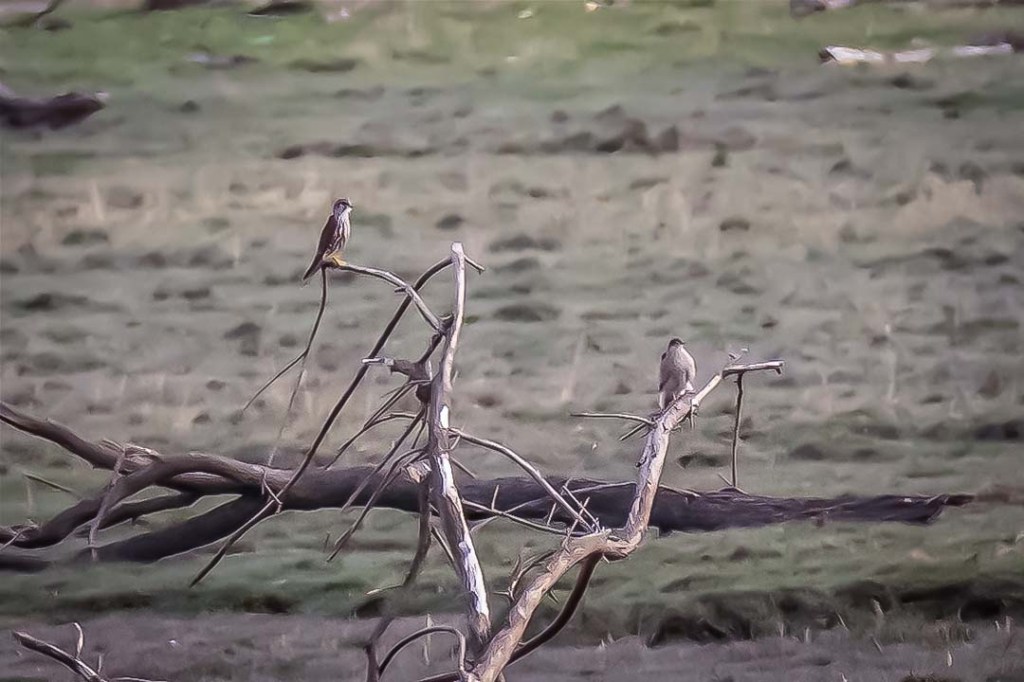
    Other highlights were 3 hobbies and a male gadwall.

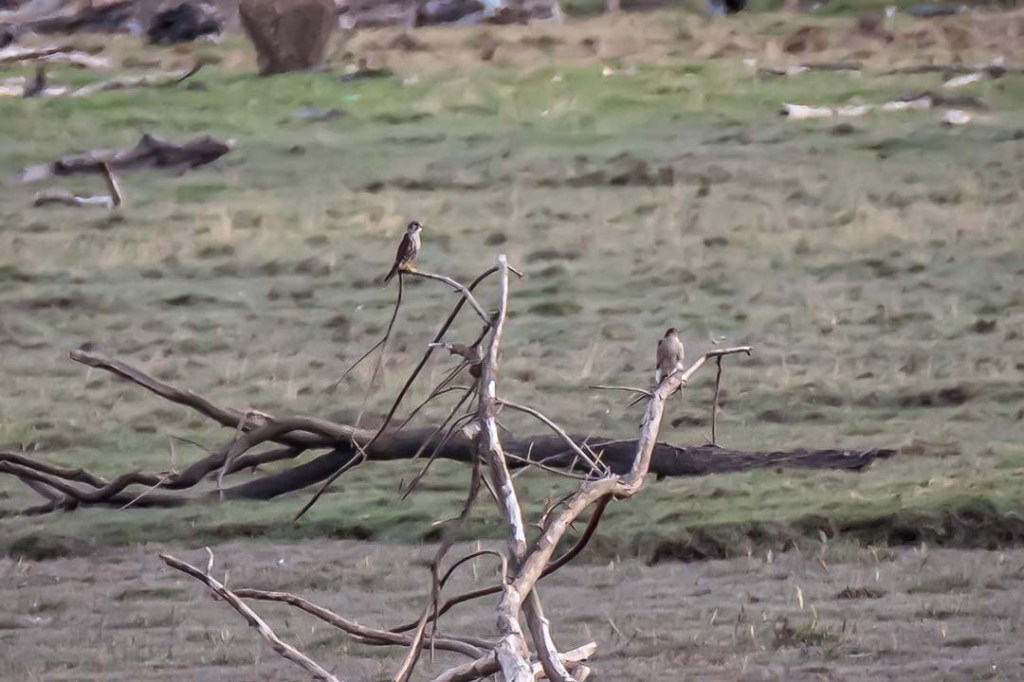
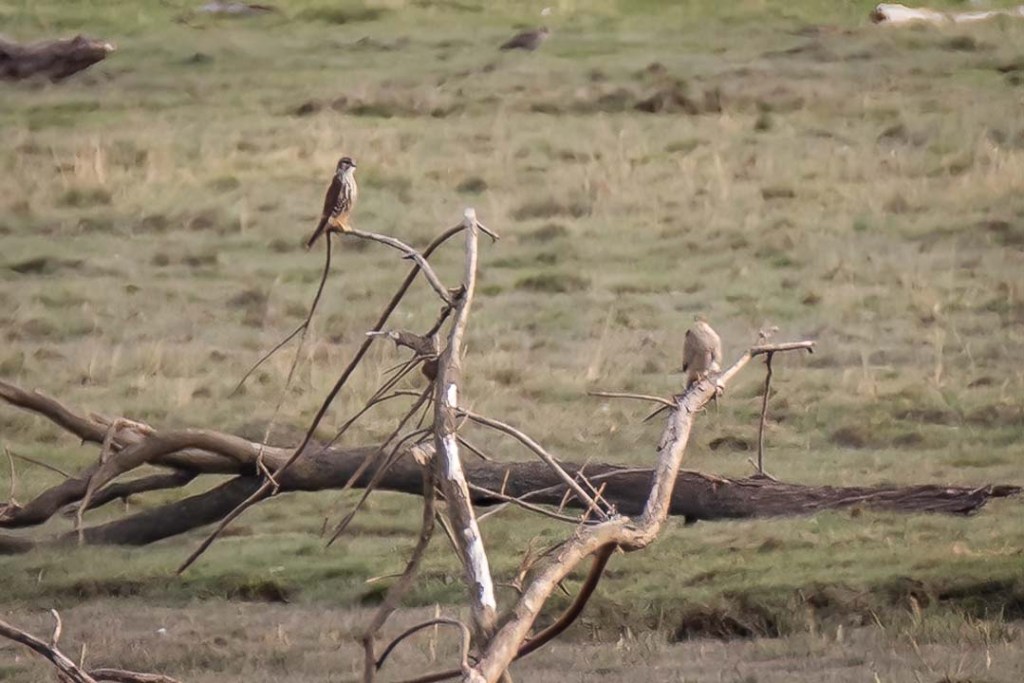
    Hobby

    Gadwall

    Slideshow of photos from today

  • 24th April 2022 – Bristol

    24th April 2022 – Bristol

    A little time with nature in the garden. It can only lift the spirits.

  • 5th April 2022 – Chew Valley, North Somerset

    5th April 2022 – Chew Valley, North Somerset

    Having recovered from COVID it’s been good to get out and about these last few days. My Achilles’ tendon injury still limits how far I can walk but I’ve taken the opportunity to see bird activity around Chew Valley and Blagdon lakes without venturing too far from my car.

    The most attractive birds have been the great crested grebes which are in breeding plumage; however, I have been disappointed not see their courting displays.

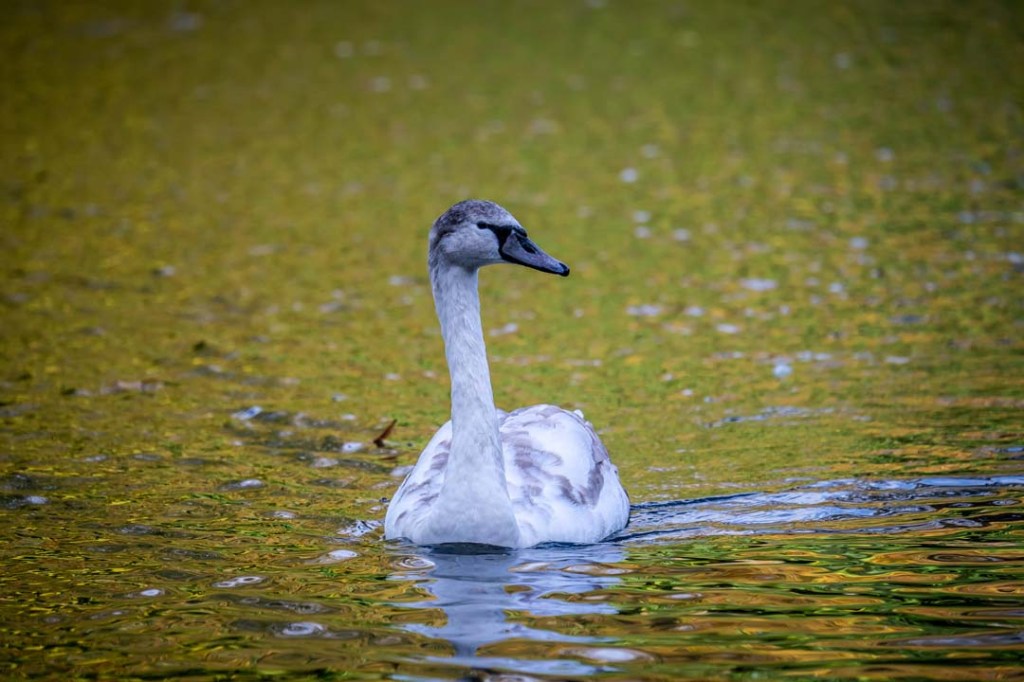
    There are always plenty of mute swans which still amaze me in flight.

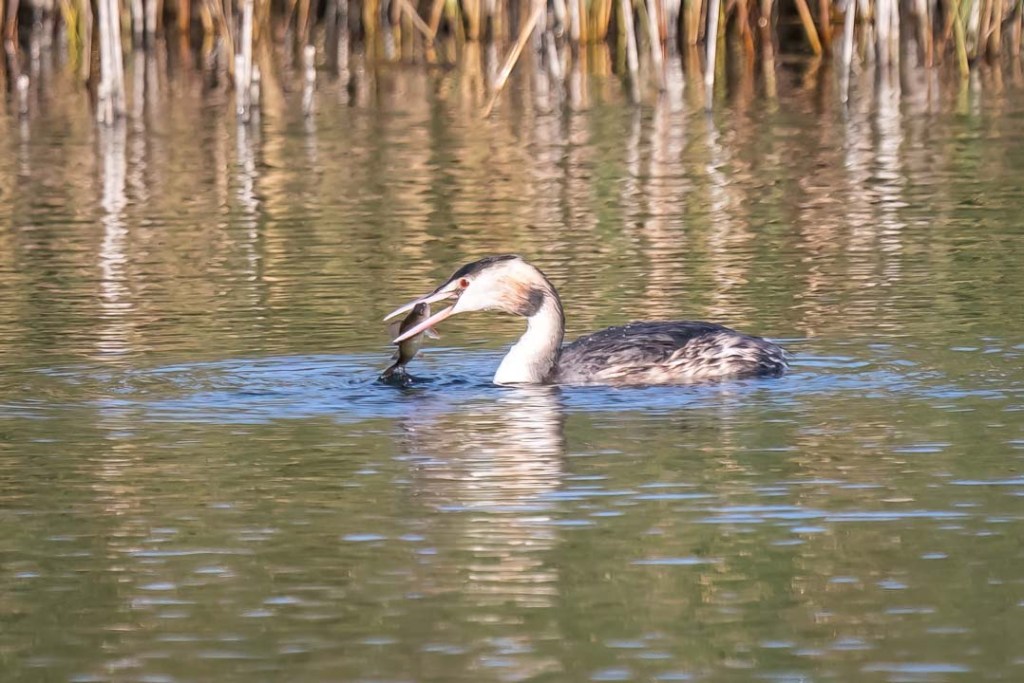
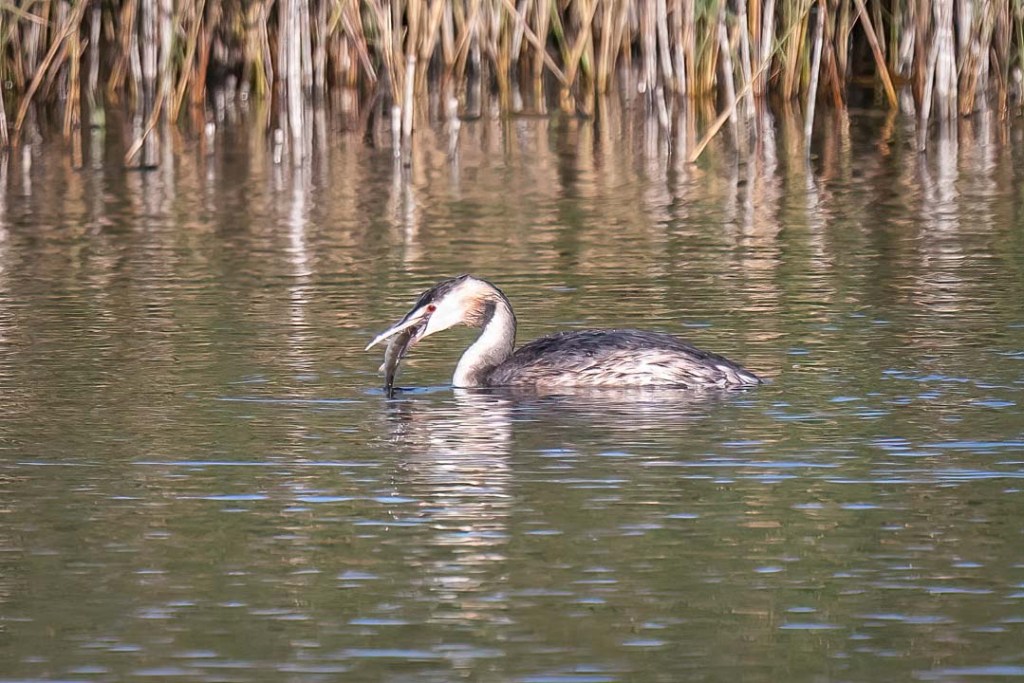
    Great crested grebe

    Great crested grebe

    Red-legged partridge

    How do these huge birds manage to fly (and so gracefully)?

    Mute swan

    Peregrine falcon quite far out in Chew Valley lake

    Pheasant on the walkway at Stratford hide Chew Valley lake

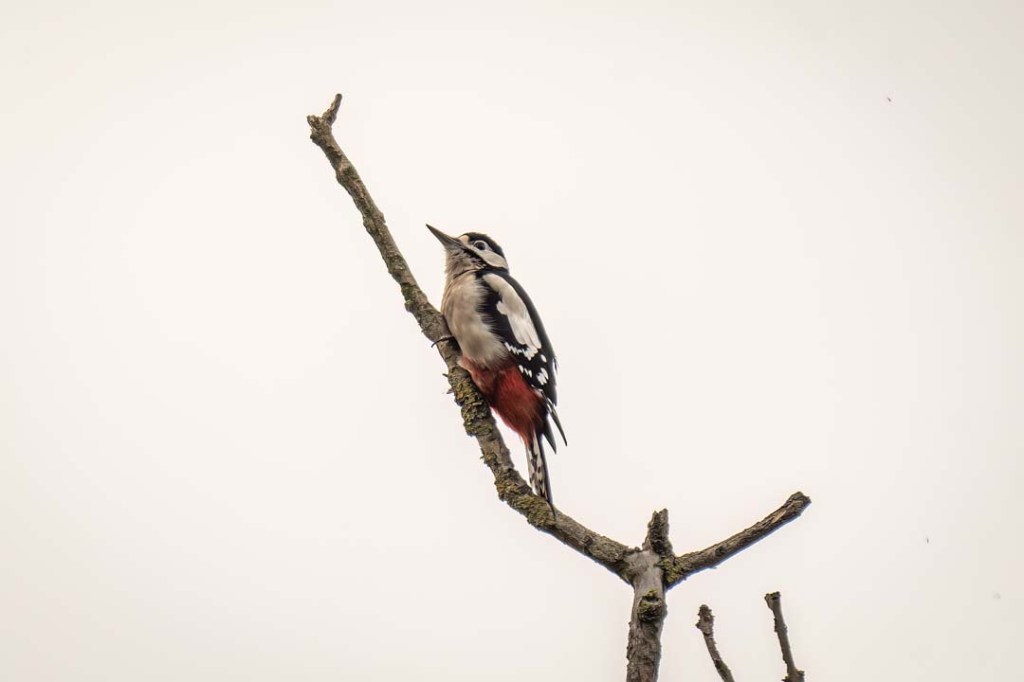
    A pair of great spotted woodpeckers could be heard drilling regularly near Stratford hide

    Great tits are also very vocal

    Chaffinch

    I was very pleased to see St Andrew’s Church in Blagdon flying the Ukrainian flag – I was confirmed in this church many many years ago

  • 21st March 2022 – Bristol

    21st March 2022 – Bristol

    When you’ve been confined to a surgical boot with a torn Achilles’ tendon for 3 months and then you get COVID you have to be thankful that the weather brightens up and that you have a garden to enjoy some of the joys of spring. But then again you have to be thankful it’s a tiny garden.

    Goldfinch
    Long-tailed tit
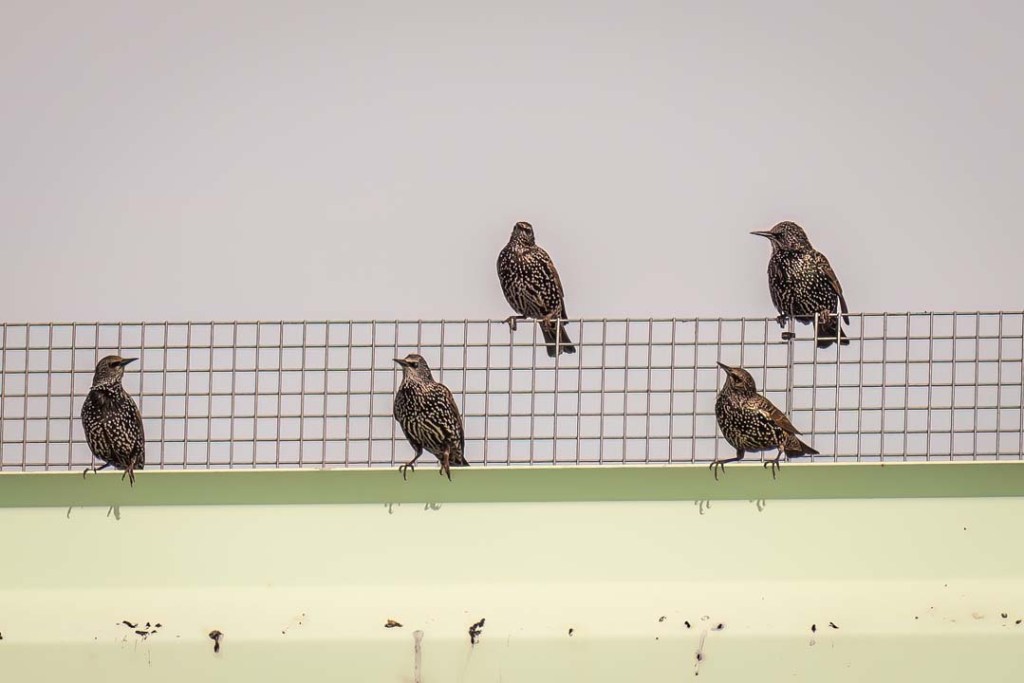
    Starling
    Jackdaw
    Chaffinch
    Woodpigeon
    Blue tit
    Greenfinch
    Great tit
    Blackcap
    House sparrow

    Slideshow of some of the birds and bees in my garden in the last few days:

  • 8th March 2022 – Chew Valley Lake, North Somerset

    8th March 2022 – Chew Valley Lake, North Somerset

    It is well known that time spent in nature is connected to cognitive and mental health benefits, as well as improvements in mood and emotional well-being. Well how I needed a day like today, bird watching in the Chew Valley just south of Bristol!

    To some extent the frustration at not being able to get out and about because of my Achilles’ tendon rupture has got to me; but more than anything seeing the atrocities in Ukraine, and the suffering of the poor people there who have done nothing to have such horror inflicted upon them, has affected me considerably.

    I wasn’t able to completely forget their plight but I did have a pleasant day without any news broadcasts and without even looking at my phone.

    I spent most of the day on my own but I did spend a little while talking to Keith Vinicombe, the author of a local natural history book of this area which I bought before Christmas and which I have thoroughly enjoyed. Keith was in the company of John Rosetti (who compiled and edited the book) and I was very pleased to meet them and congratulate them on their splendid work. I particularly enjoyed the book because I was brought up in this area and, as well as a fantastic reference of the birds of Chew Valley, it relates the history of the lake which was constructed when I was a boy growing up here.

    As for the birds I didn’t see as many as I have in recent visits but for much of the day there was good light and I enjoyed my time taking photographs.

    I started my day at the Stratford hide

    The great crested grebes are looking magnificent

    The view from Herriots Bridge

    Great crested grebe from Herriots Bridge

    A good lunch here

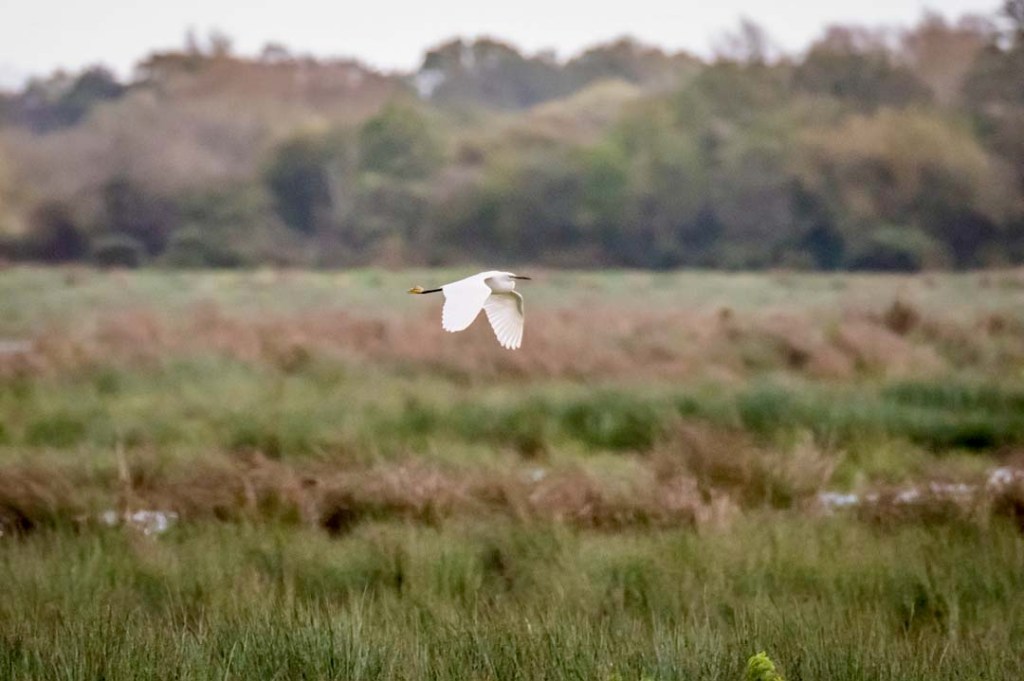
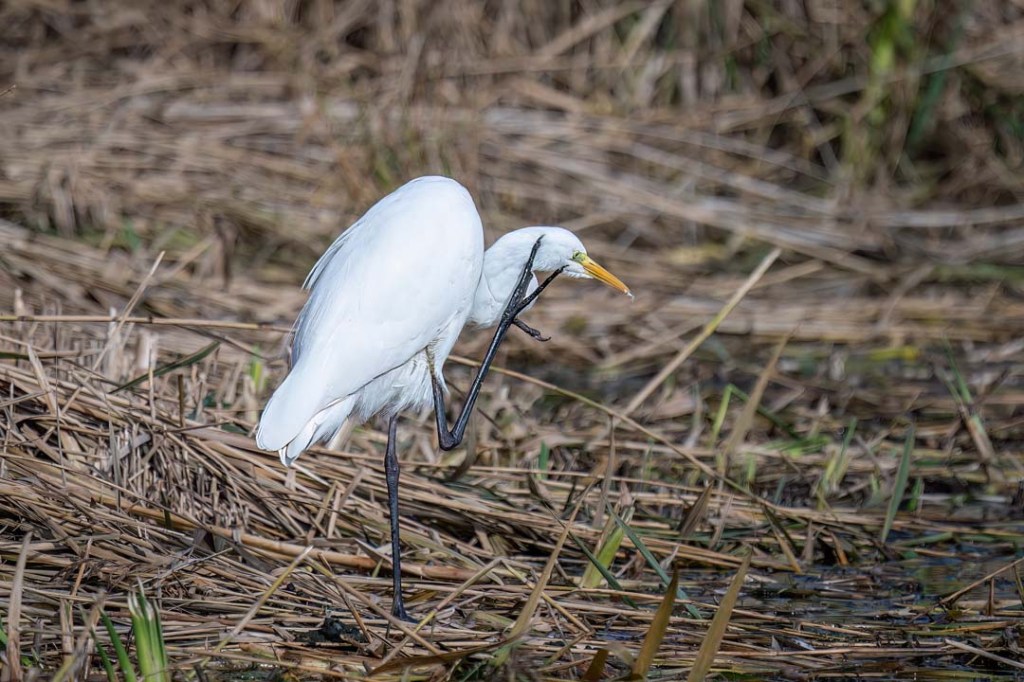
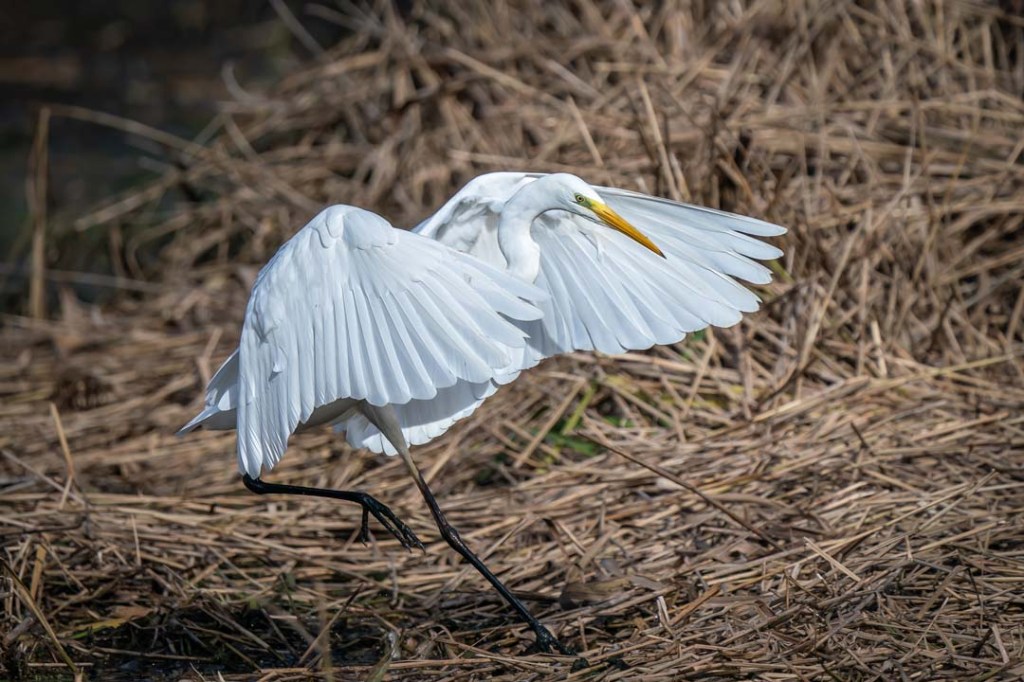
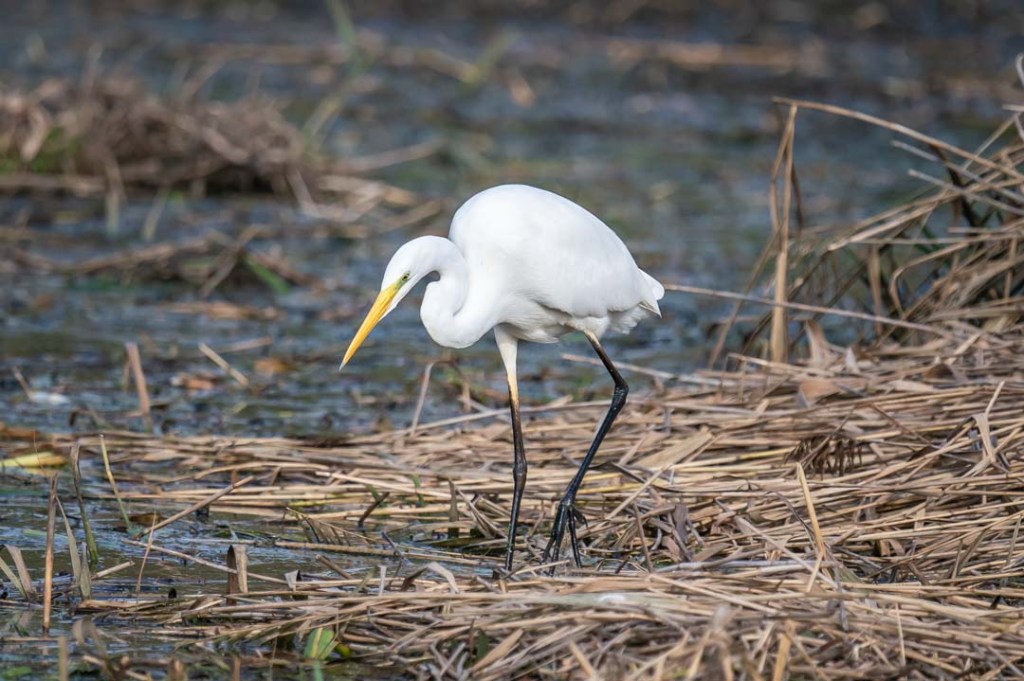
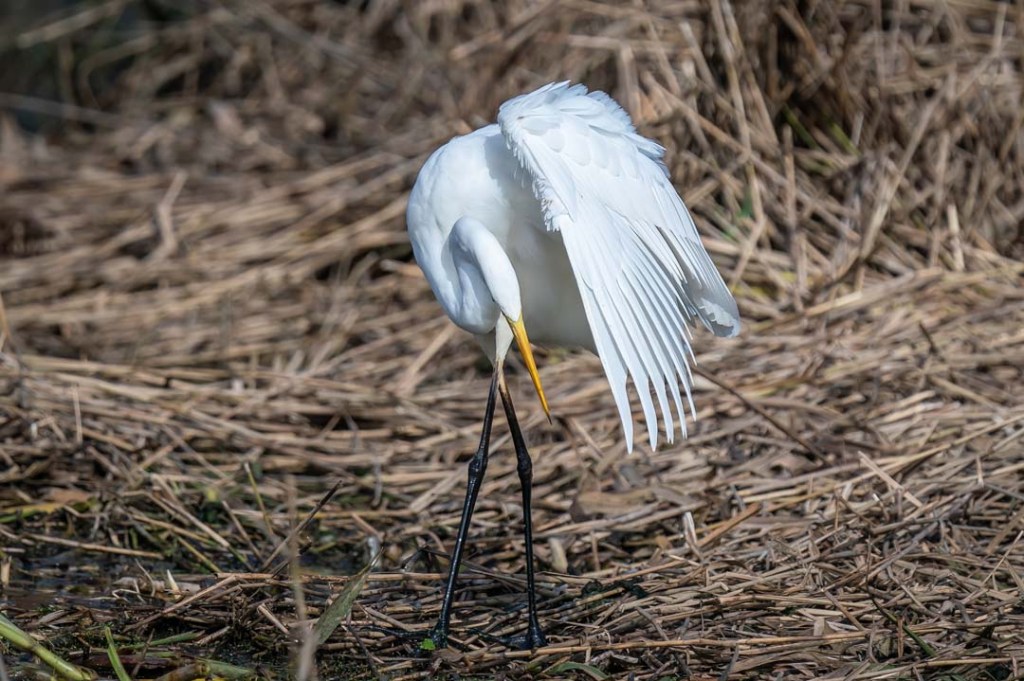
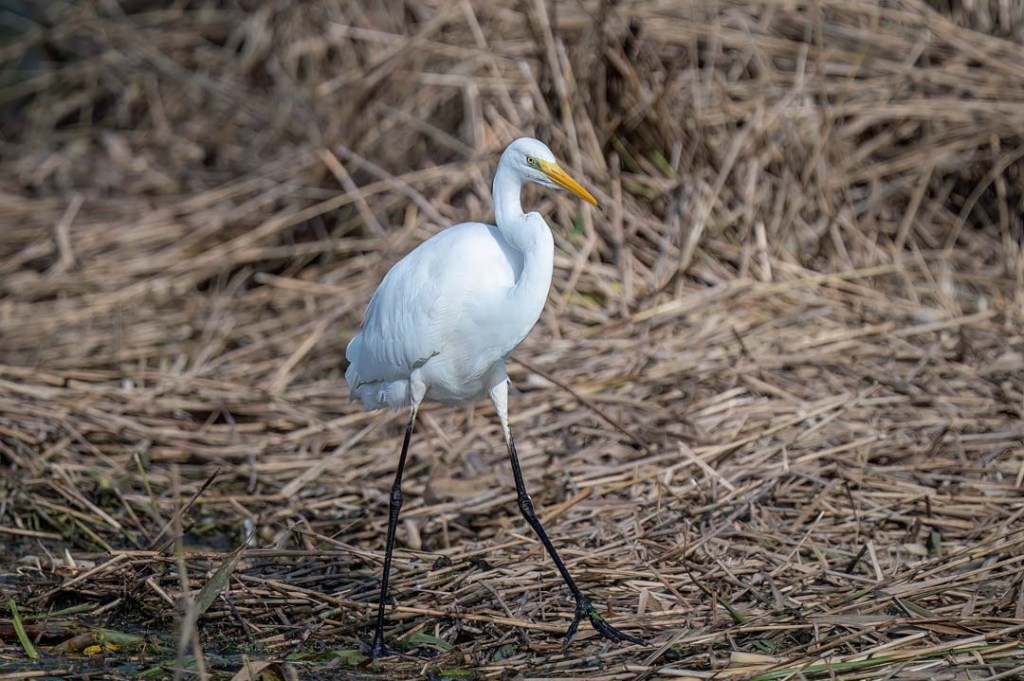
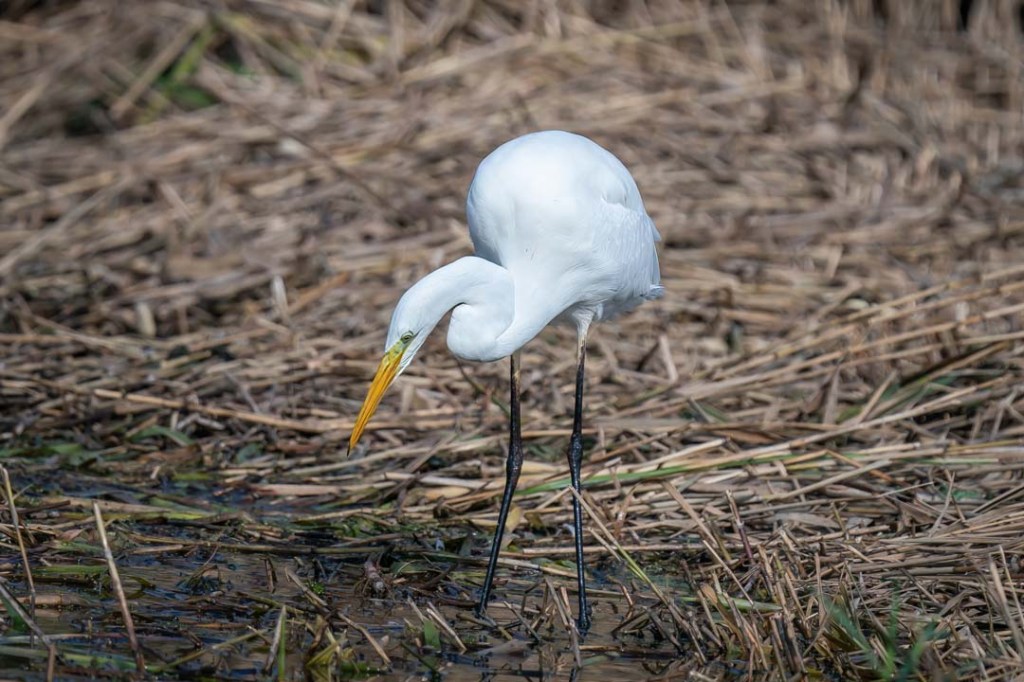
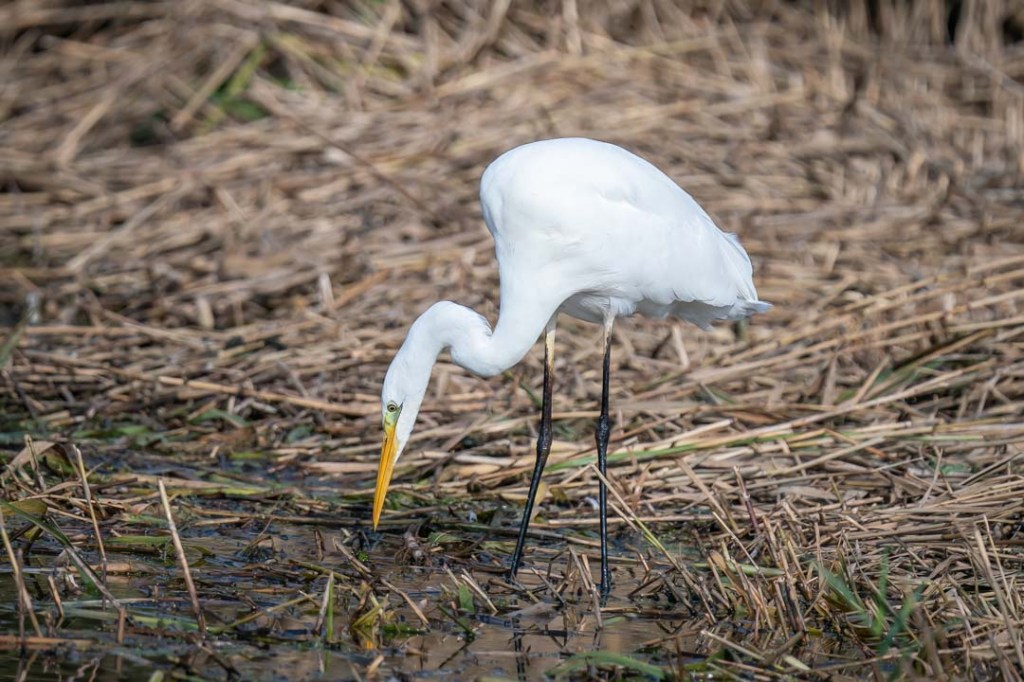
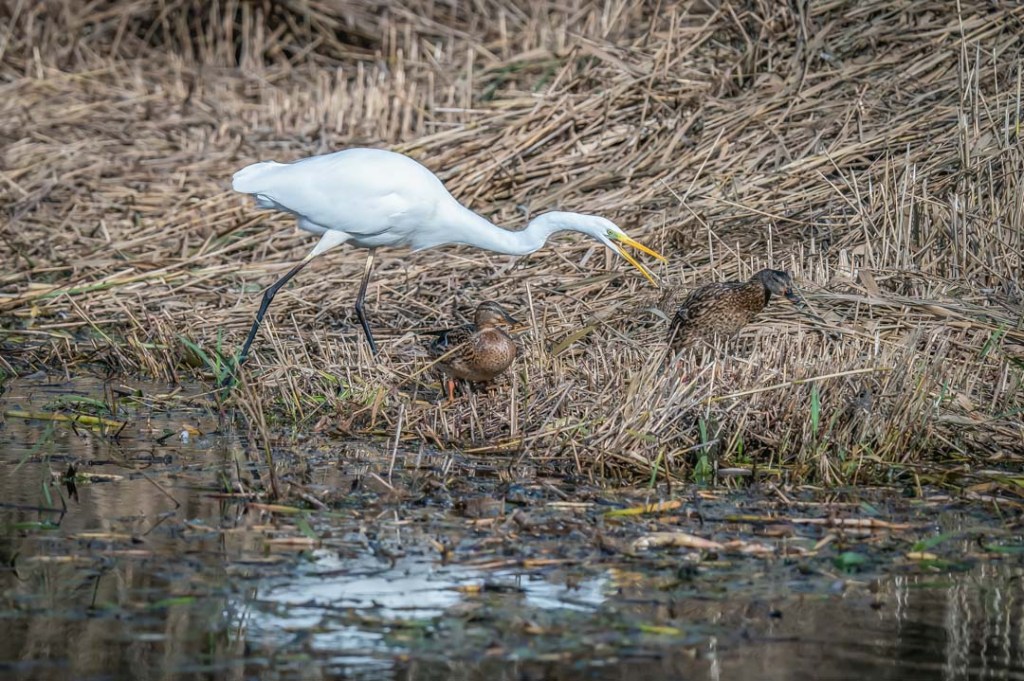
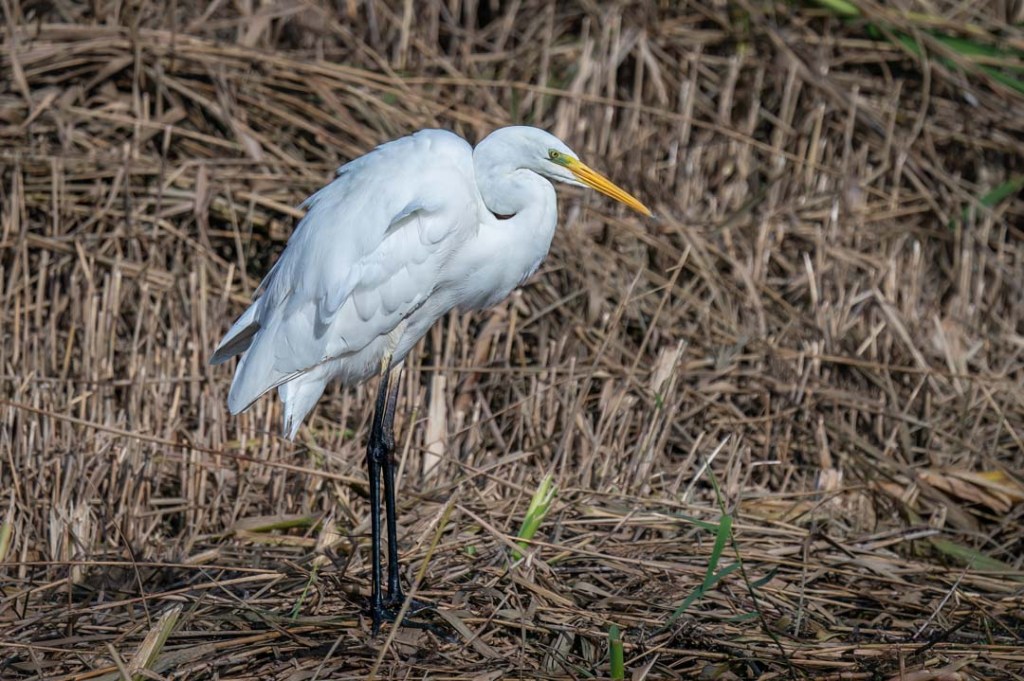
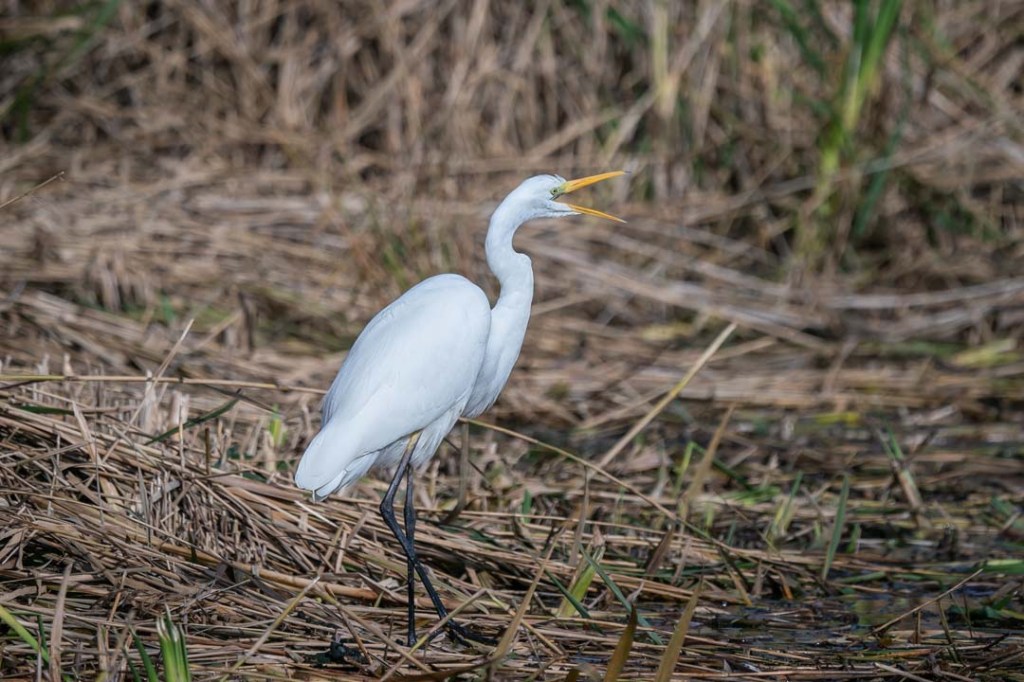
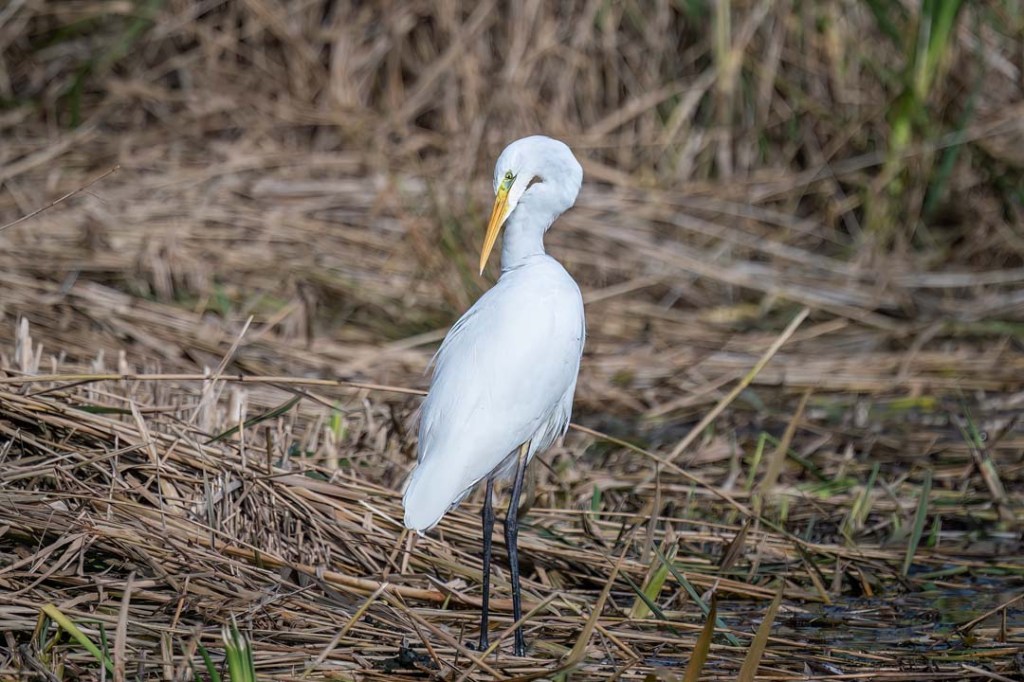
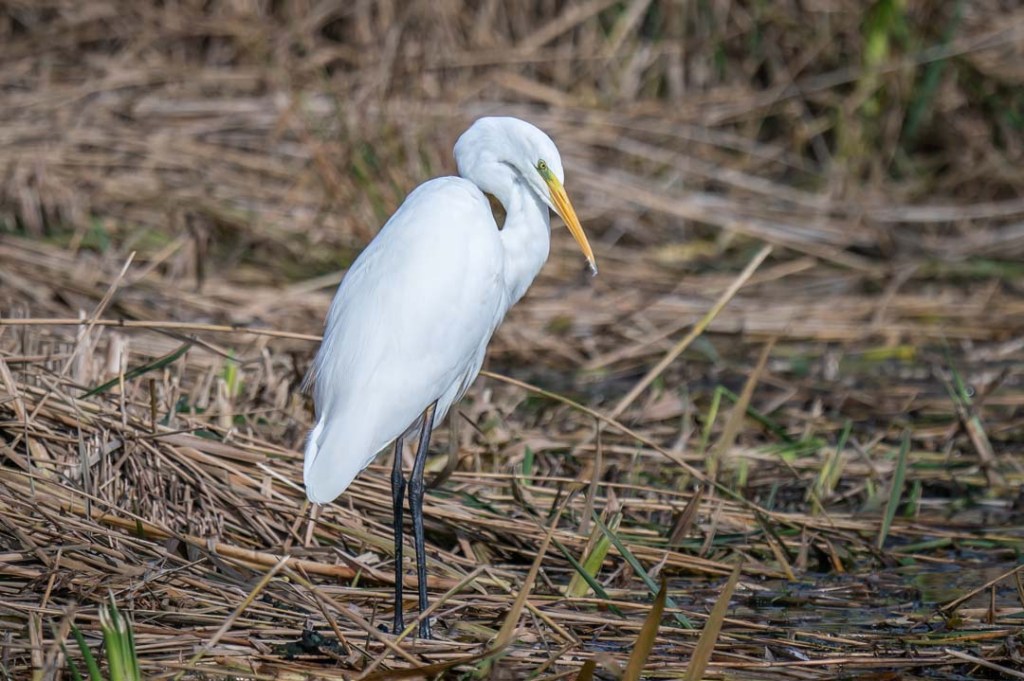
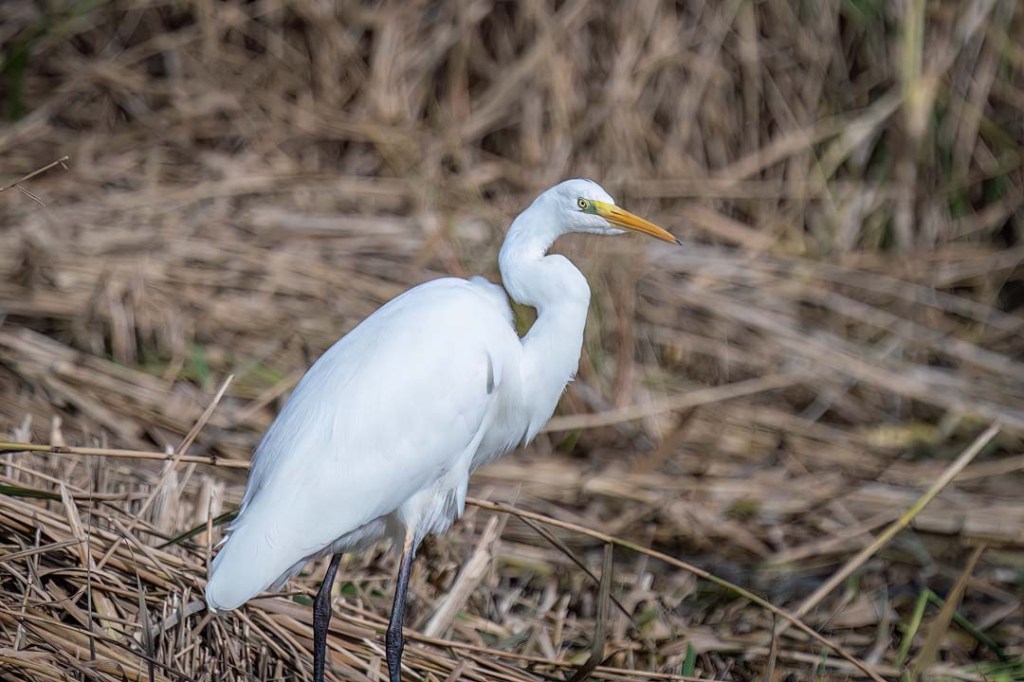
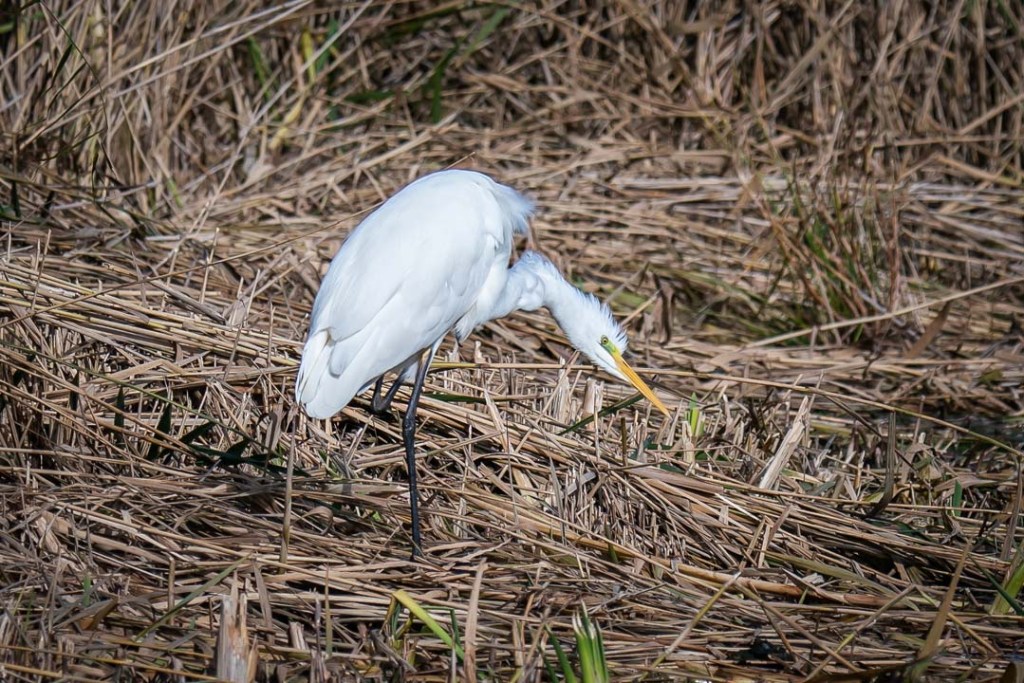
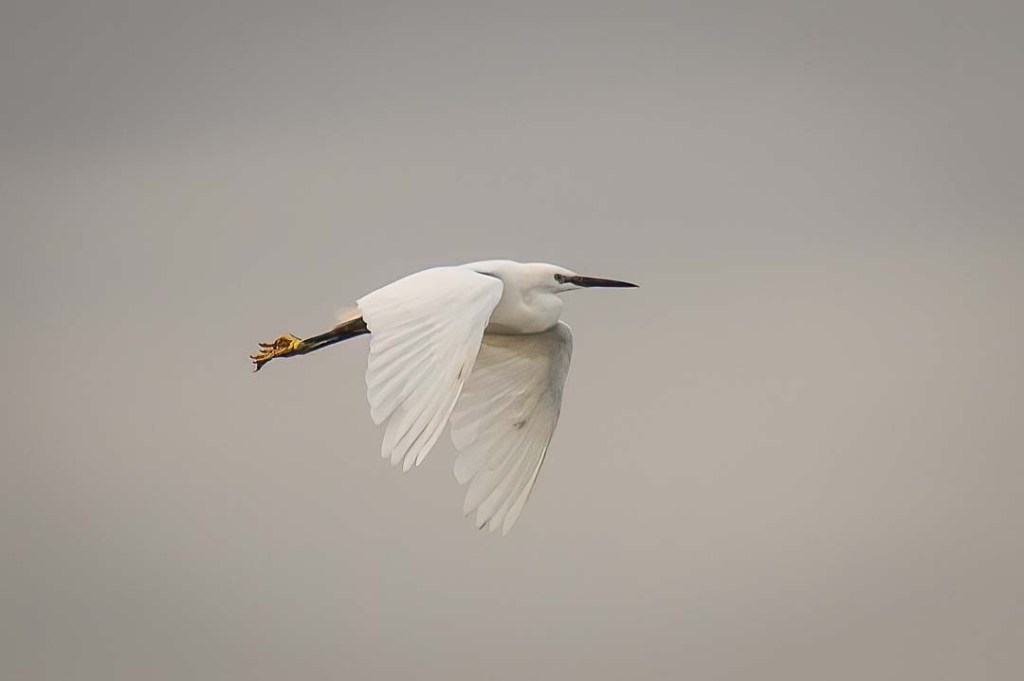
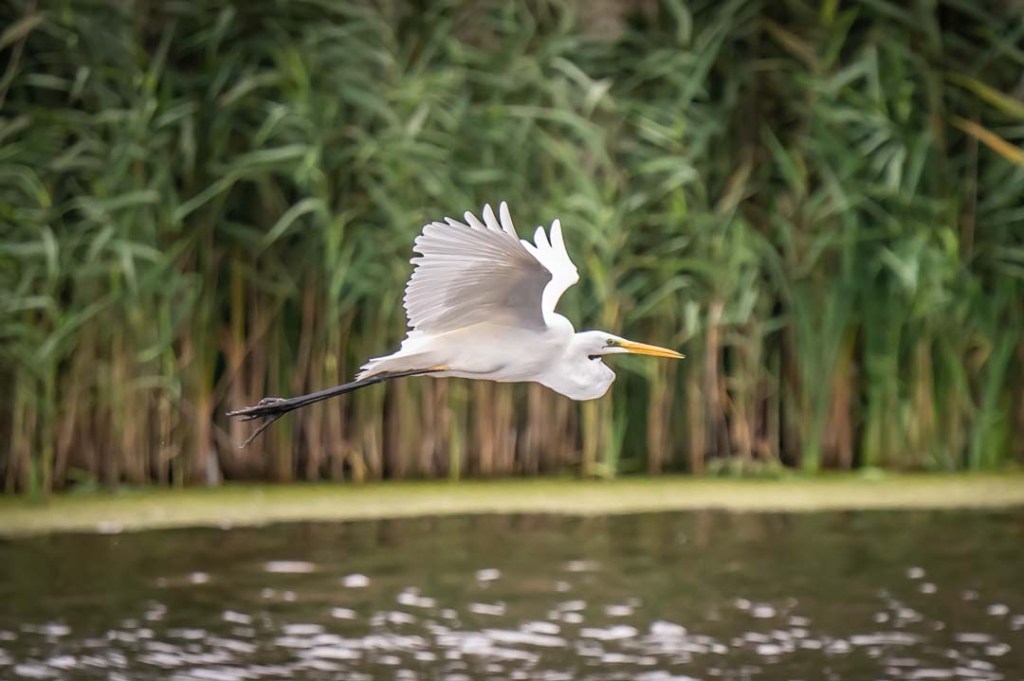
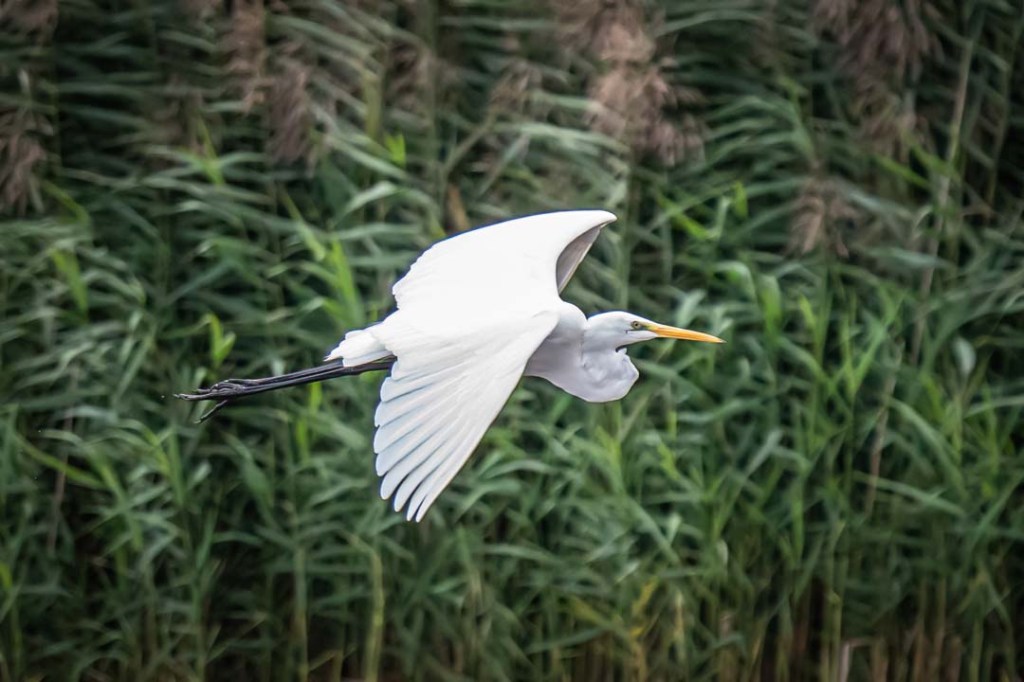
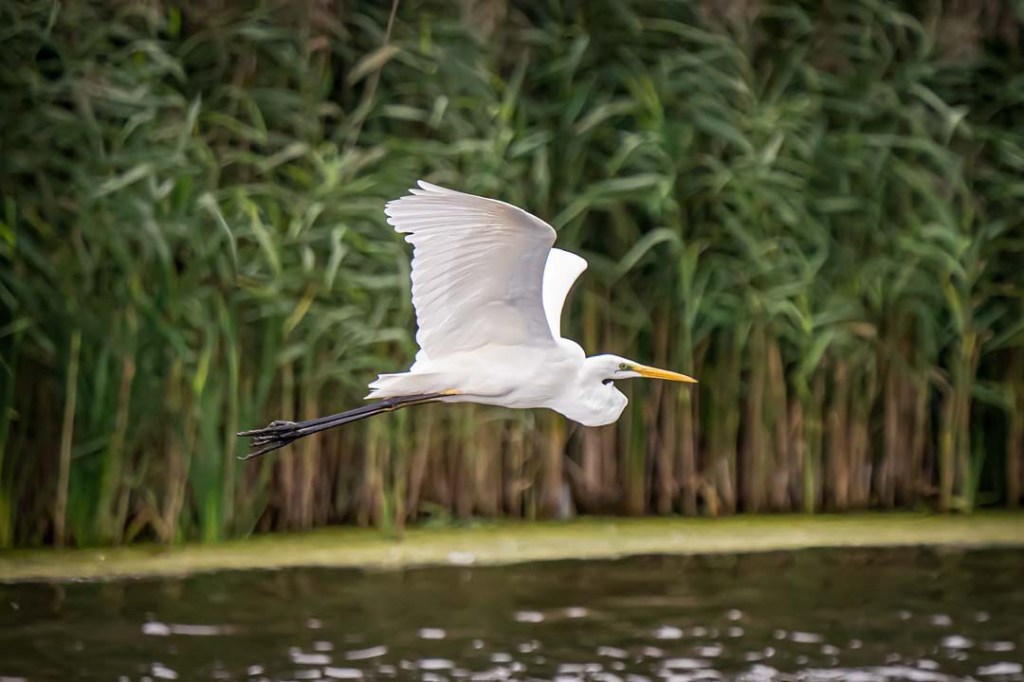
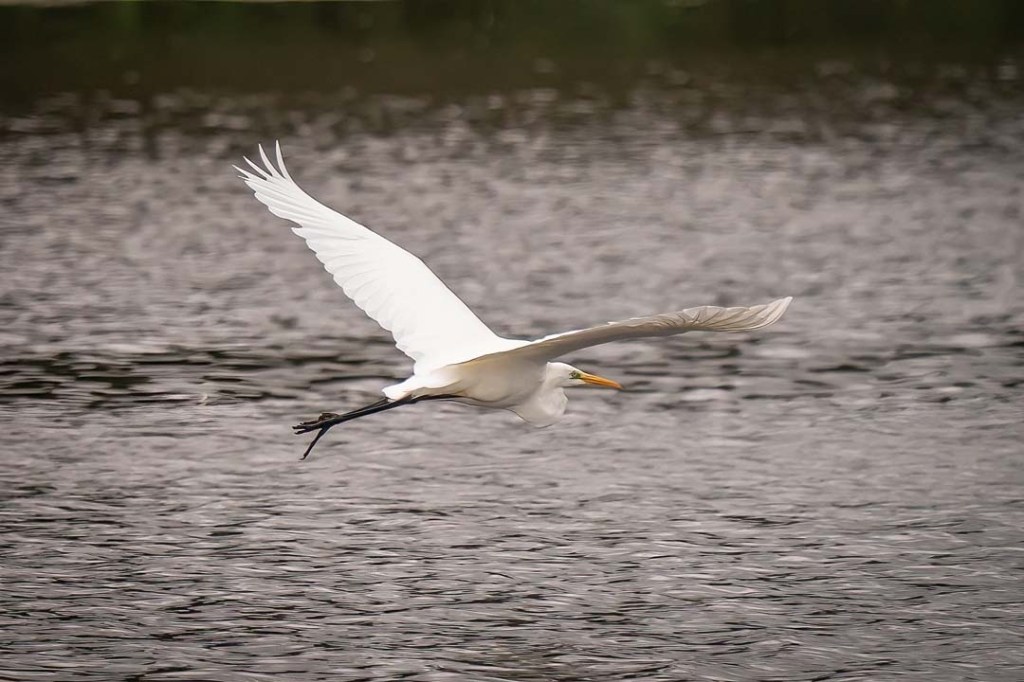
    Great white egret on Herriots Pool

    Great white egret

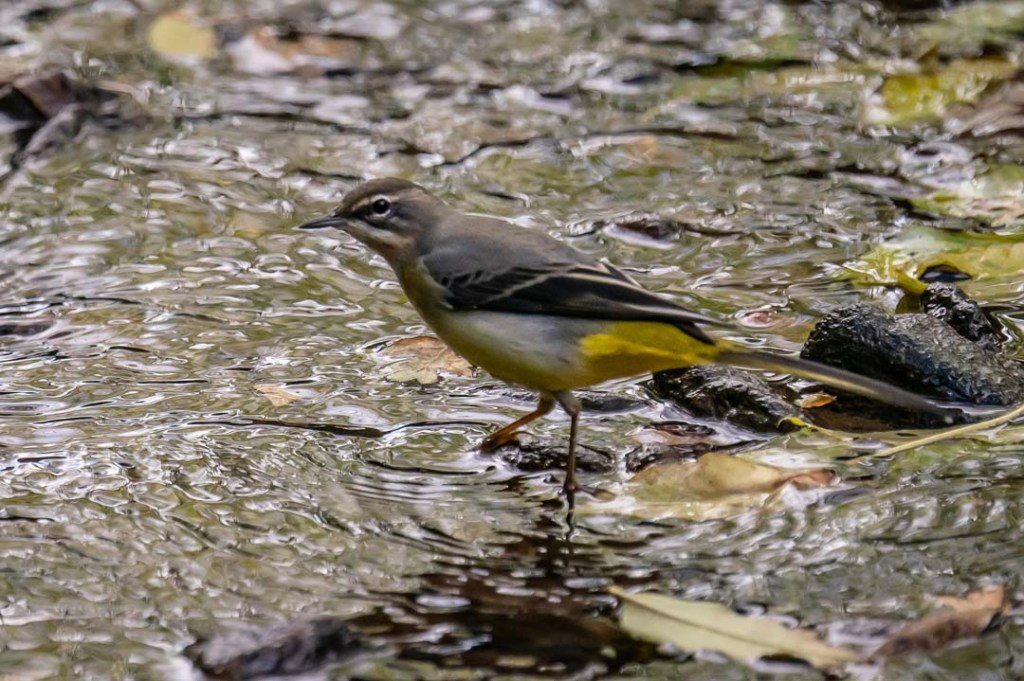
    Grey wagtail on Herriots Pool

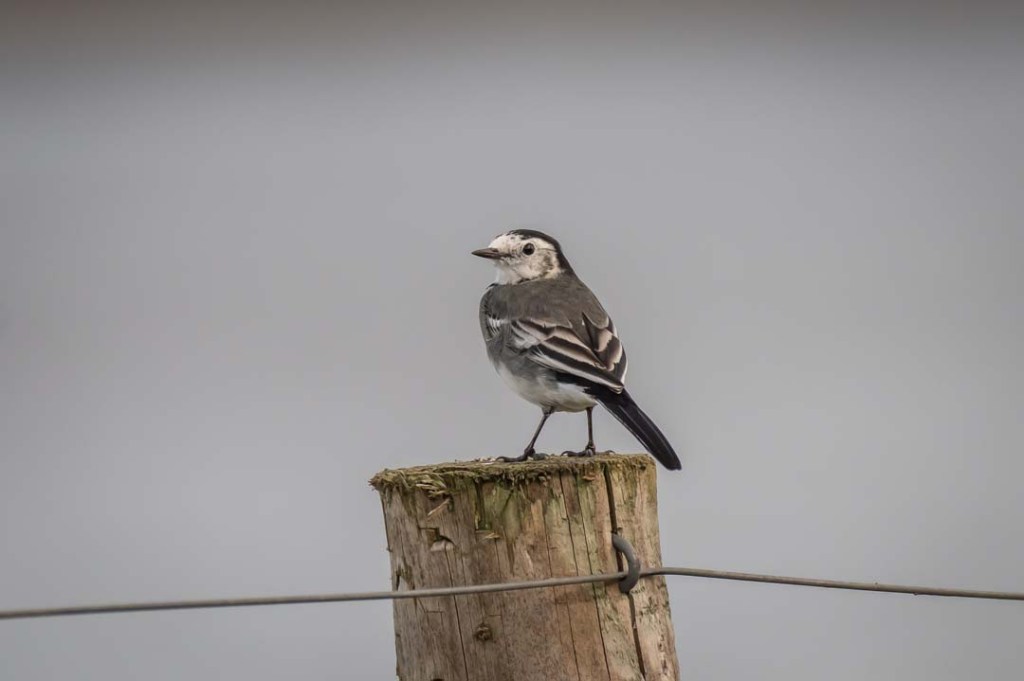
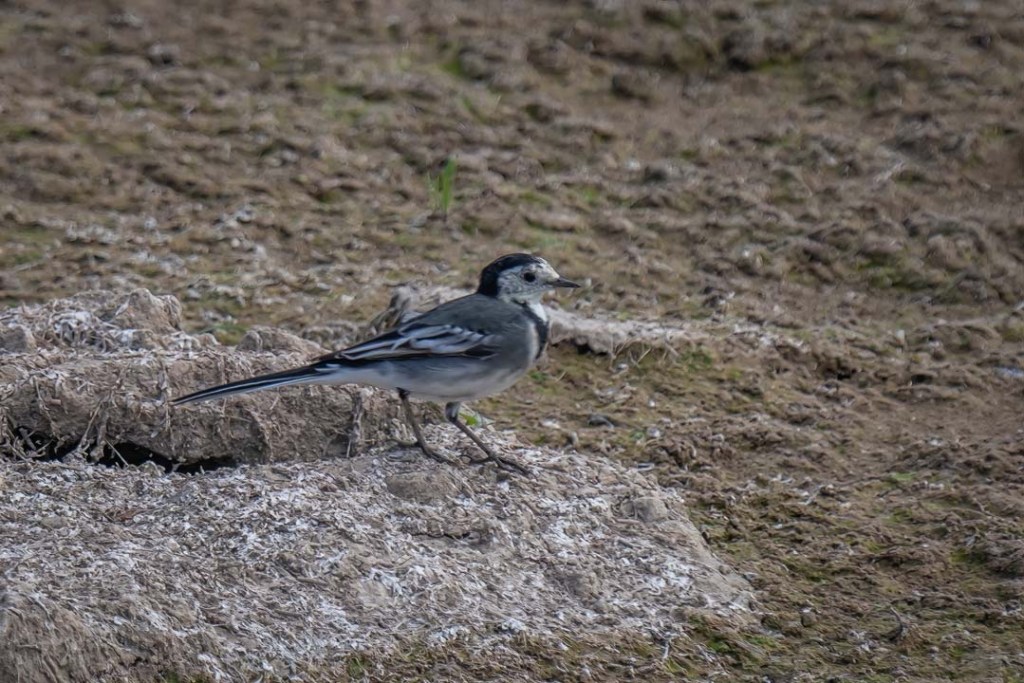
    Pied wagtail at the dam

    Pied wagtail

    A good selection of gulls on Herriots Pool

    There were plenty of opportunities to see mute swans in flight from Herriots Bridge

    Mute swan

    John Rosetti pointed out a kingfisher to me – I had great difficulty in seeing it. Can you see why? If you look very carefully you can just see its back.

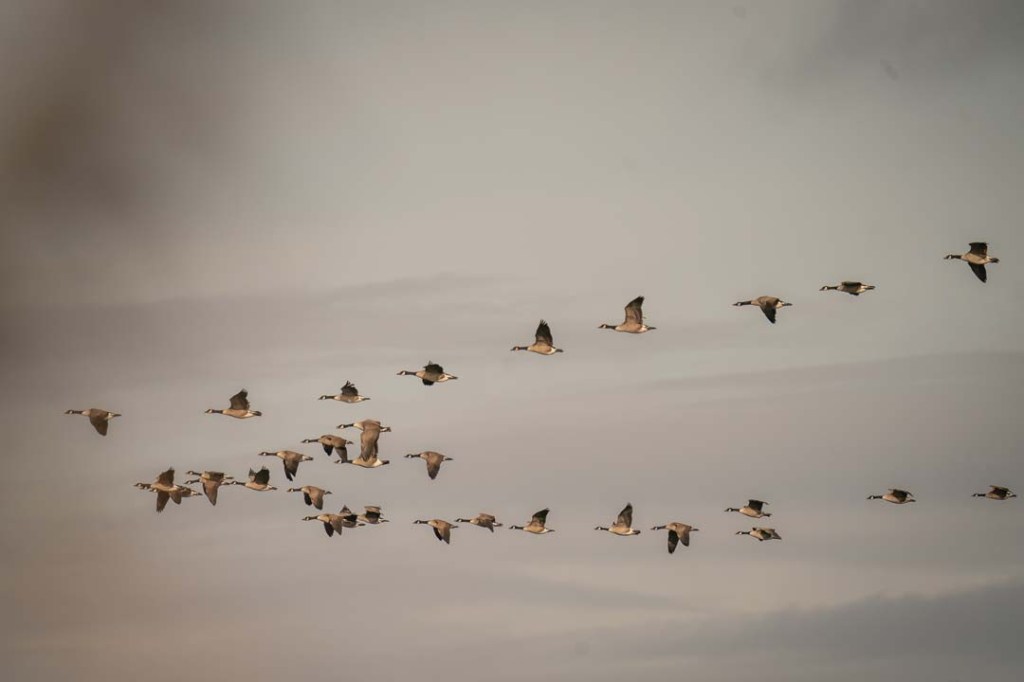
    Canada goose at Herriots Pool

    Why do people not like gulls?

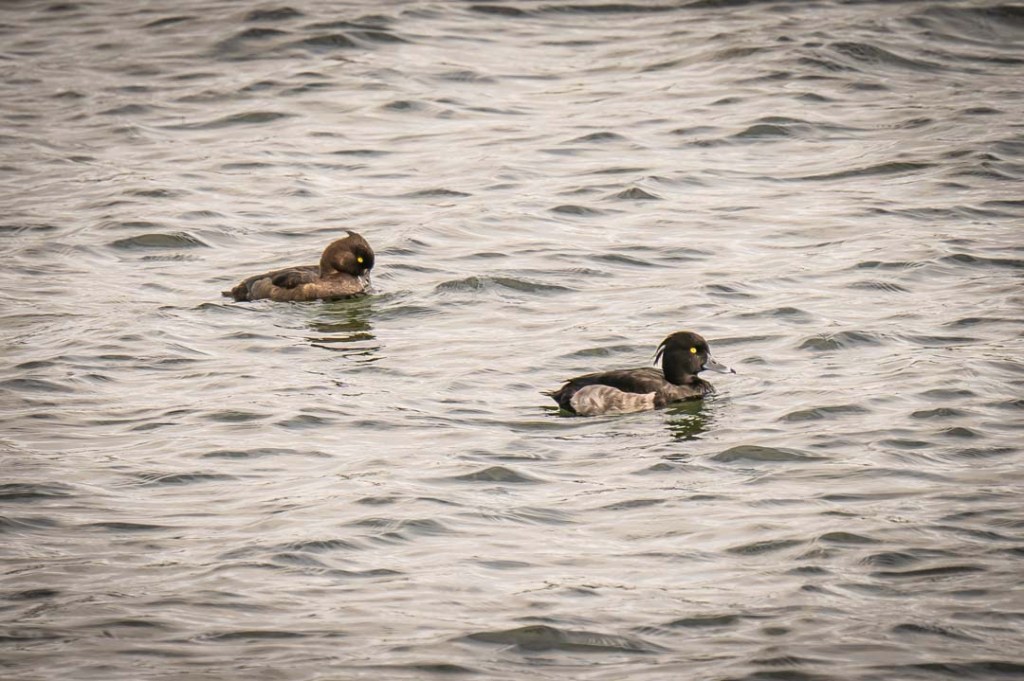
    Tufted duck at Herons Green

    Tufted ducks everywhere
    on the water

    .. and in the air

    Childhood memories came back with daffodils and primroses along the verges

    .. and snowdrops

    .. and my first celandine of the year

    Slideshow of my photos from today:

  • 7th February 2022 – Chew Valley Lake, North Somerset

    7th February 2022 – Chew Valley Lake, North Somerset

    Another very mild day for February. We spent the morning at Chew Valley Lake where, as well as a good cup of coffee at Woodford Lodge, we were able to see birds on the lake from the road and from a hide (Stratford) to which I could drive.

    The view from the Stratford hide
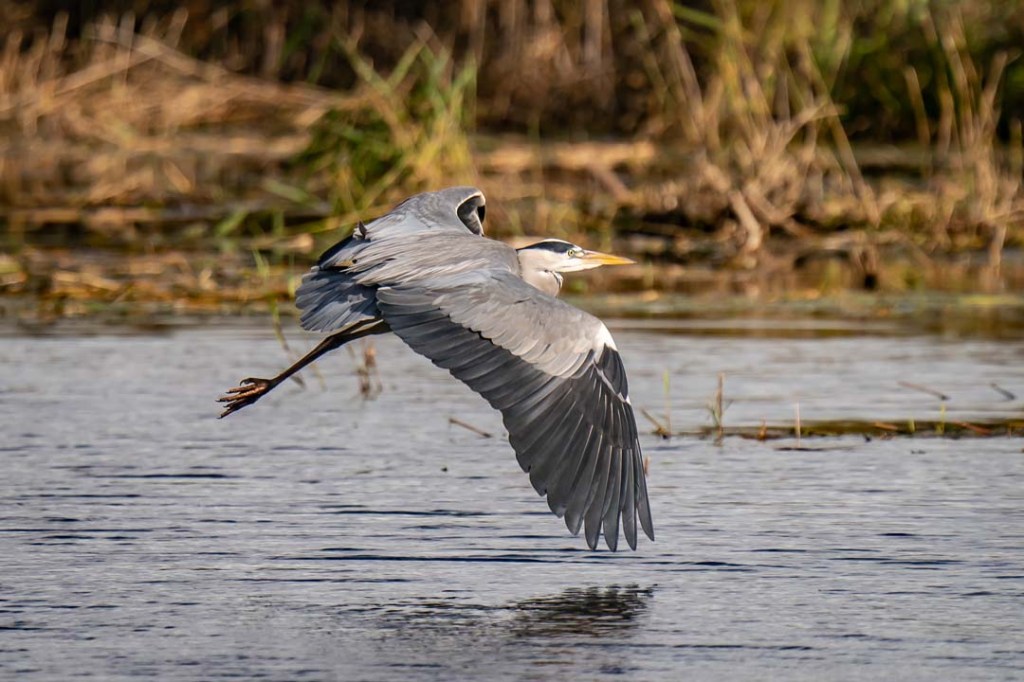
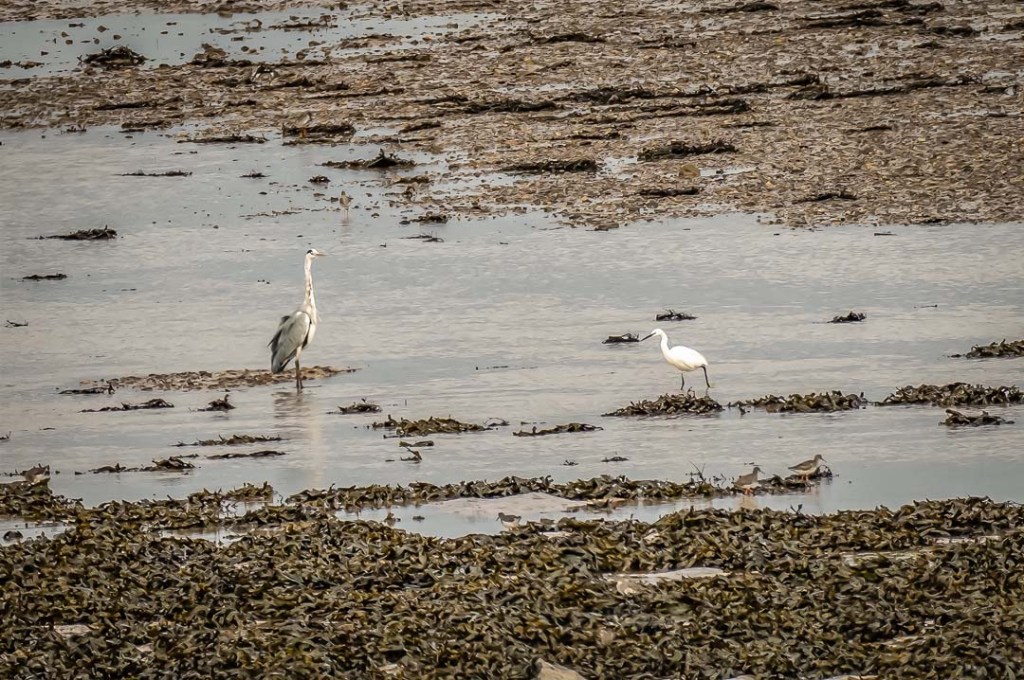
    The view from Herriots Bridge with great white egret, a grey heron and cormorants on the far bank

    The sun shone briefly to give us some nice views of the lake. Most of the wildfowl were in the middle of the lake but we could make out large flocks of tufted ducks, pochard and lapwings.

    Canada geese and lapwings from the Stratford hide. I think the carcass may well have been a Canada goose by the size of it.
    Pochard at the back with tufted ducks in front of this large flock of wildfowl

    There was also one small group of tufted ducks which were combined with goldeneye.

    Lapwings in flight
    Tufted ducks
    A male goldeneye on the left at the back with females in front and mixed in with the tufted ducks

    Slideshow of this morning’s photos:

  • 4th February 2022 – WWT Slimbridge

    4th February 2022 – WWT Slimbridge

    I have to concede that the injury to my Achilles’ tendon (which is now booted 24/7) is causing me great frustration, especially as I have been unable to get out and savour the joys of nature on which I have become more and more reliant.

    In January and the beginning of February, in this part of the country, we have had a number of sunny and relatively mild days . Thankfully, yesterday I managed to enjoy one of them at one of the UK’s finest wetland centres, WWT Slimbridge. I only managed to get to the first two hides but I saw enough there to alleviate my frustrations.

    This week it was World Wetlands Day, “which is celebrated annually on 2 February and aims to raise global awareness about the vital role of wetlands for people and planet. A call to take action for wetlands is the focus of this years’ campaign. It’s an appeal to invest financial, human and political capital to save the world’s wetlands from disappearing and to restore those we have degraded. 2 February 2022 is the first year that World Wetlands Day will be observed as a United Nations international day” – (extract from the linked website which is well worth having a look at.)

    The wetlands teeming with wildfowl and waders

    The first bird we saw on the Rushy lake was an avocet, the iconic emblem of the RSPB. In fact this was the only one we saw on our visit.

    Avocet

    From this first hide you get really good close-ups of the birds and is generally a good place to get photos of birds in flight or on the water.

    Lapwing
    Common teal
    Shelduck
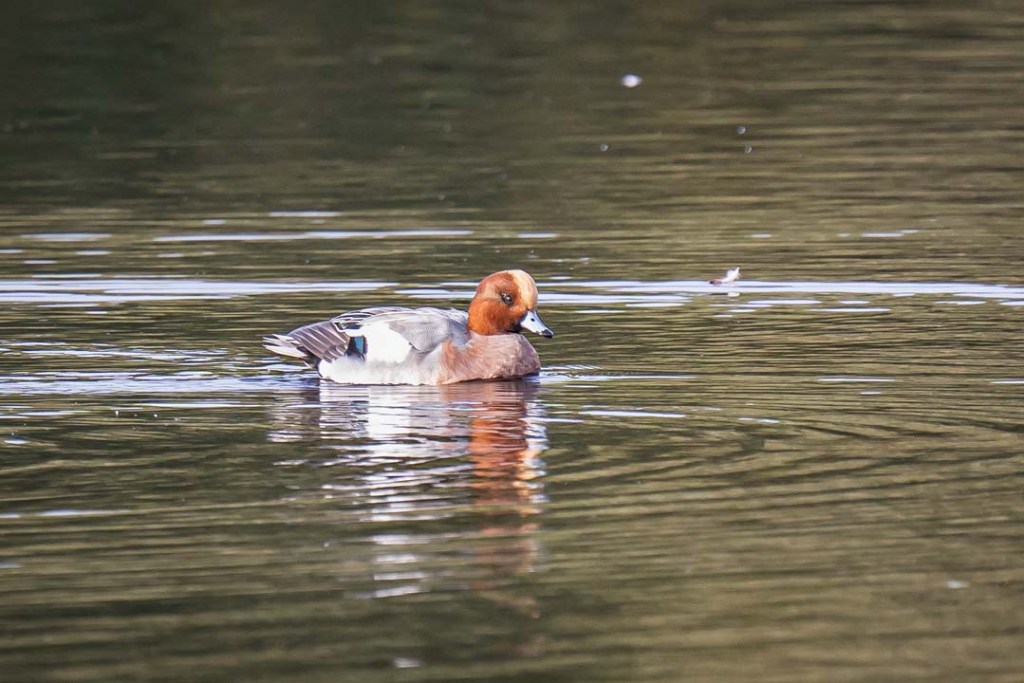
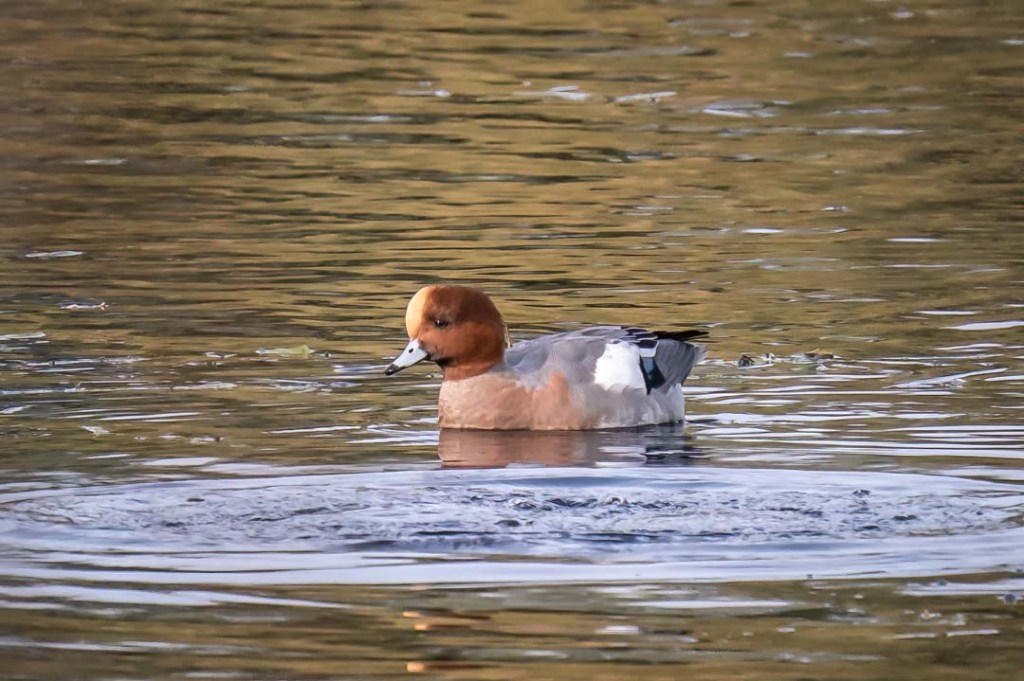
    Wigeon
    Bewick swan
    Mute swan

    From the next hide you have good views over the wetlands which are pretty spectacular when all the birds are feeding but amazing when something spooks them and the large flocks take to the air.

    Golden plover
    Wigeon taking to the air with lapwing in the foreground and a common crane behind
    Mixed flock
    Mainly wigeon in the middle of the image
    Swans, shelduck, two common cranes and greylag geese at the back
    Mainly golden plover in the air
    Northern pintail – definitely one of my favourites
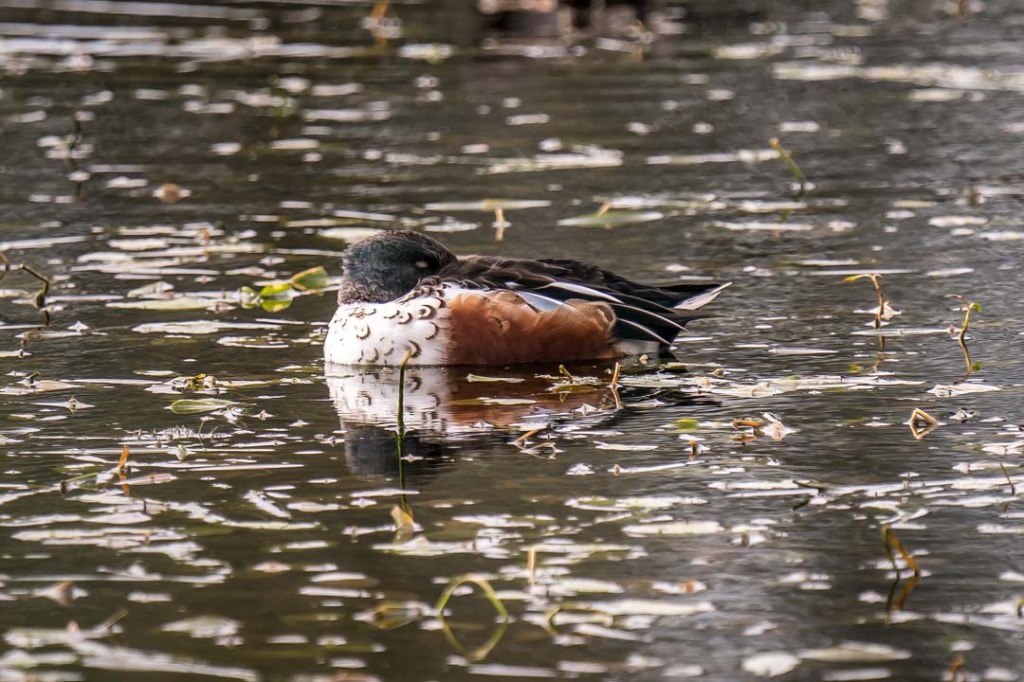
    I just couldn’t get this northern shoveler to face me

    The first signs of spring were most evident too.

  • 18th January 2022 – Chew Valley, North Somerset

    18th January 2022 – Chew Valley, North Somerset

    Sitting in a damp, cold hide in the middle of January is not quite my idea of heaven but it was certainly better than sitting on the sofa at home. “Nature is good for your mental health” I have read so often of late and I would certainly concur from my experience today.

    Snipe on ice
    A wisp (the collective noun, I gather) of 5 snipe

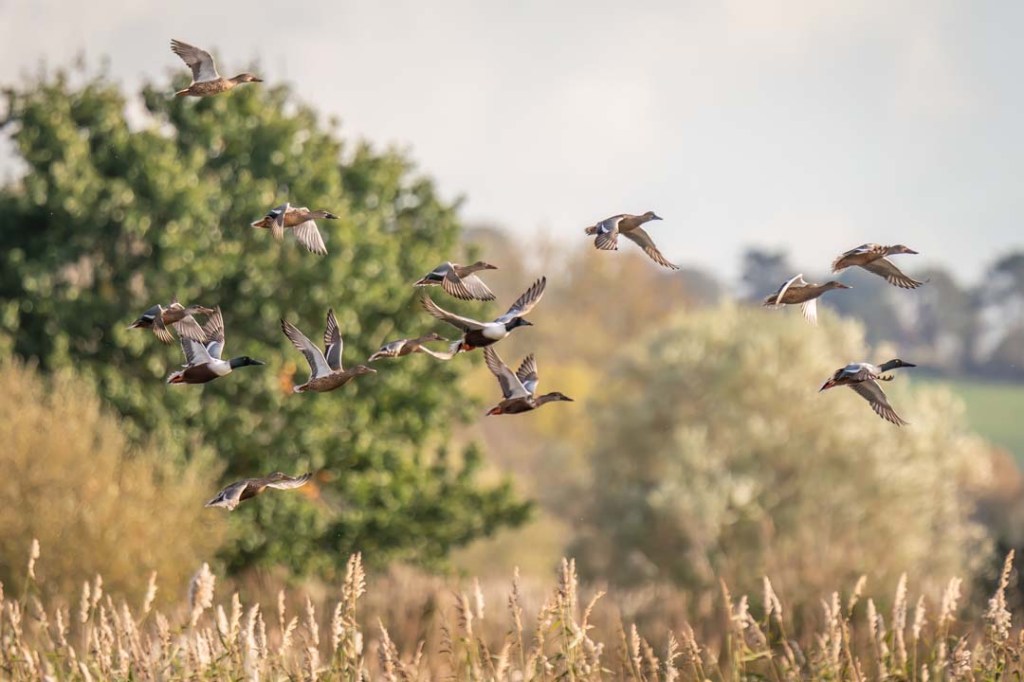
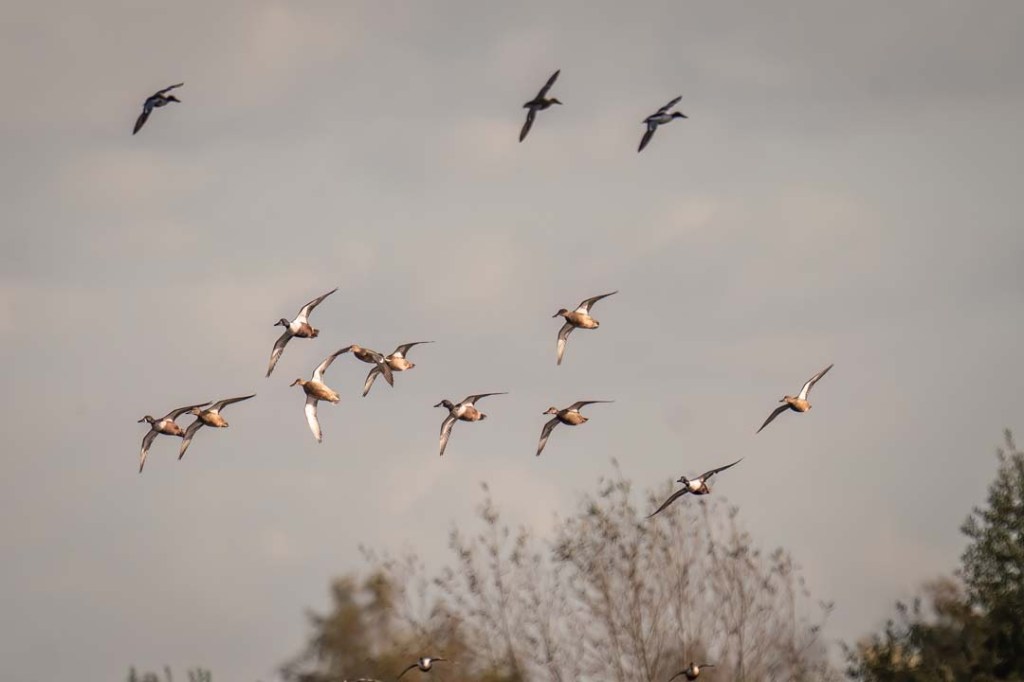
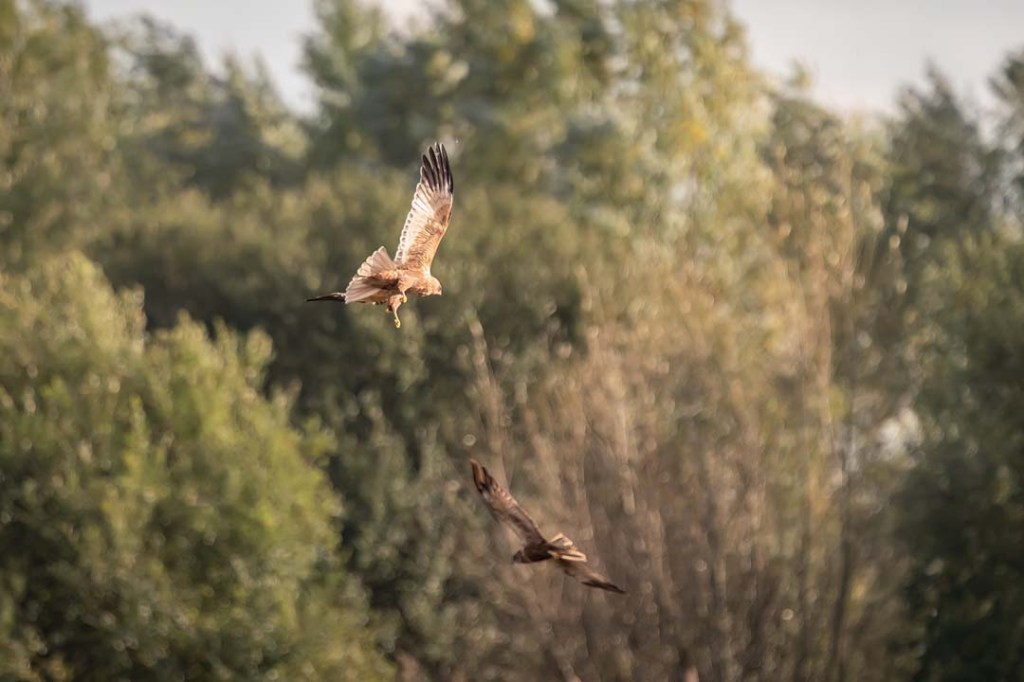
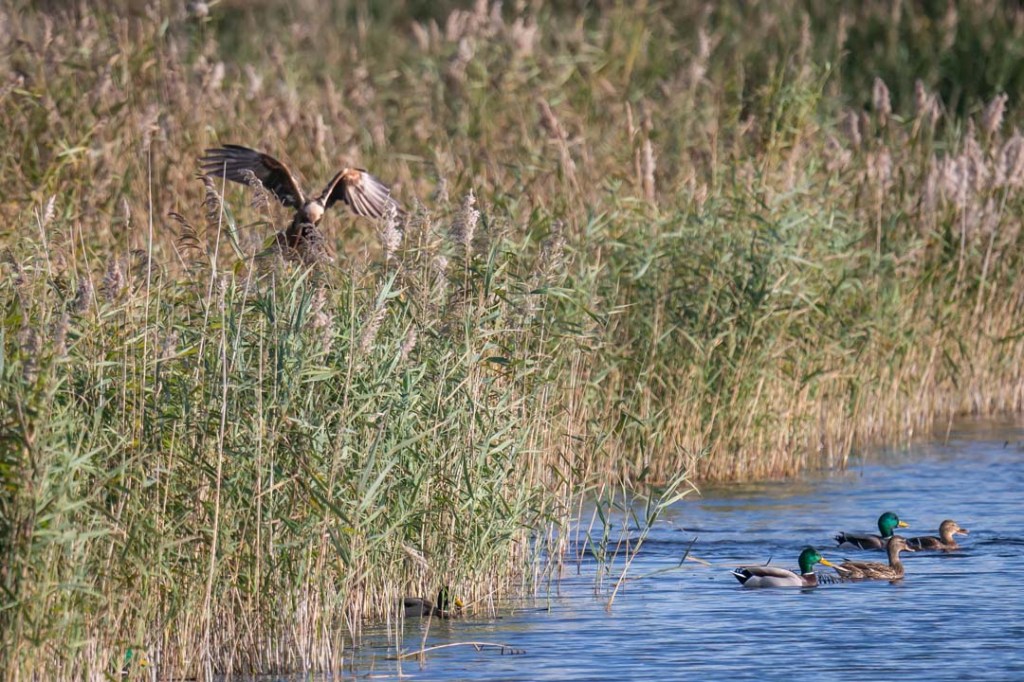
    It was not a day for great photos but the snipe in front of the Stratford hide at Chew Valley lake were more obliging than usual; and the sight of a flock of teal being spooked by a peregrine at close quarters and a marsh harrier overhead were a blessing for me (but maybe not for the teal). Golden eyes are very cute too.

    I wonder how many snipe were hiding in the reeds?
    Goldeneye
    Teal chased by a peregrine
    Peregrine
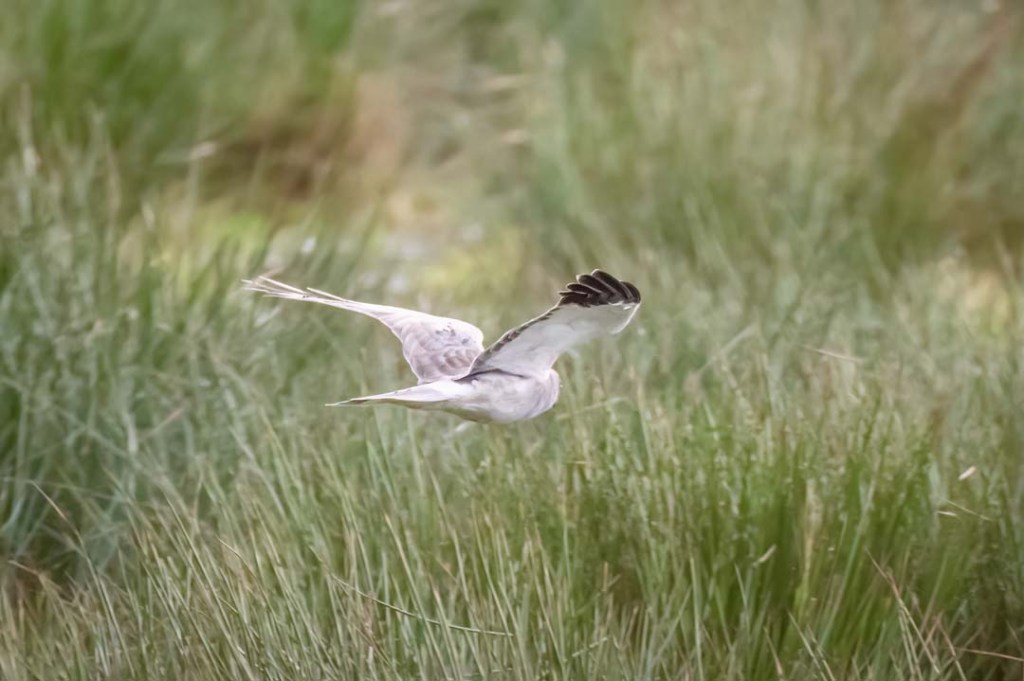
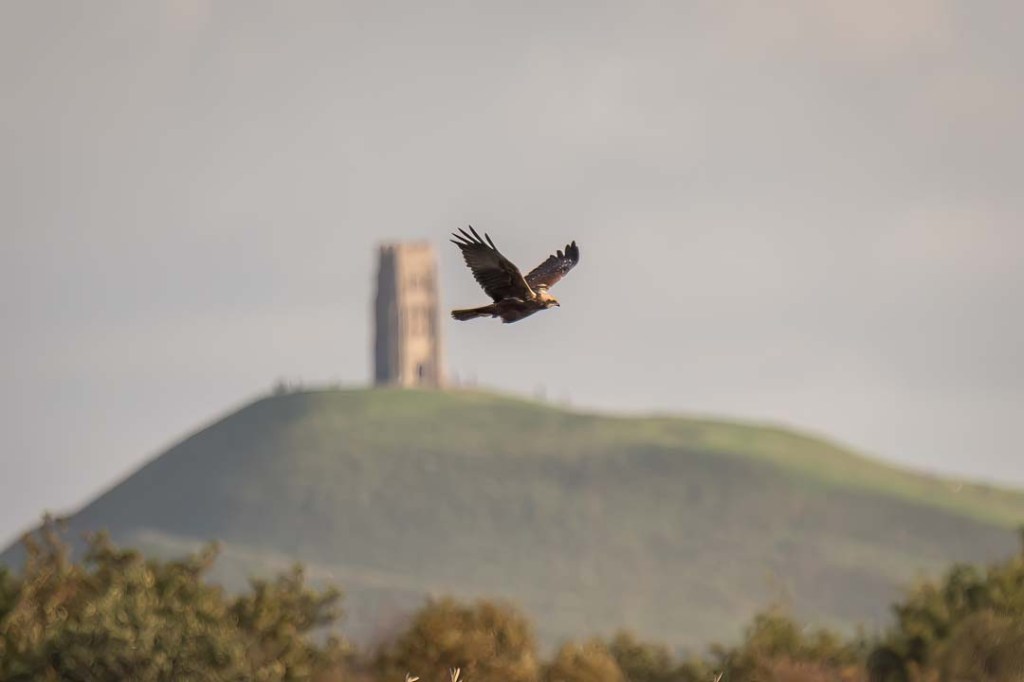
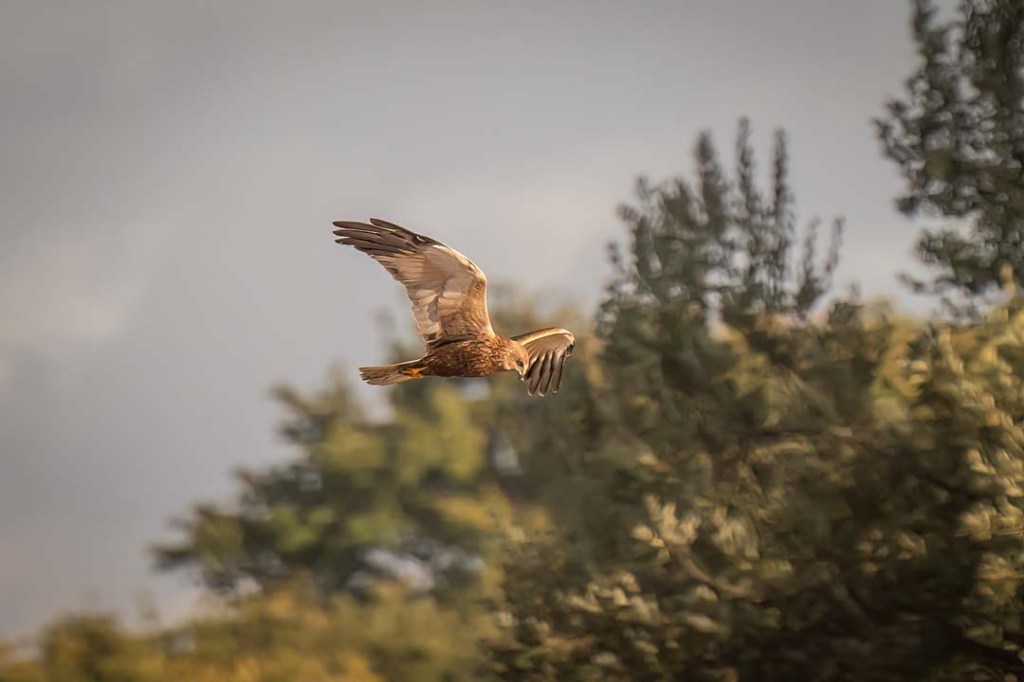
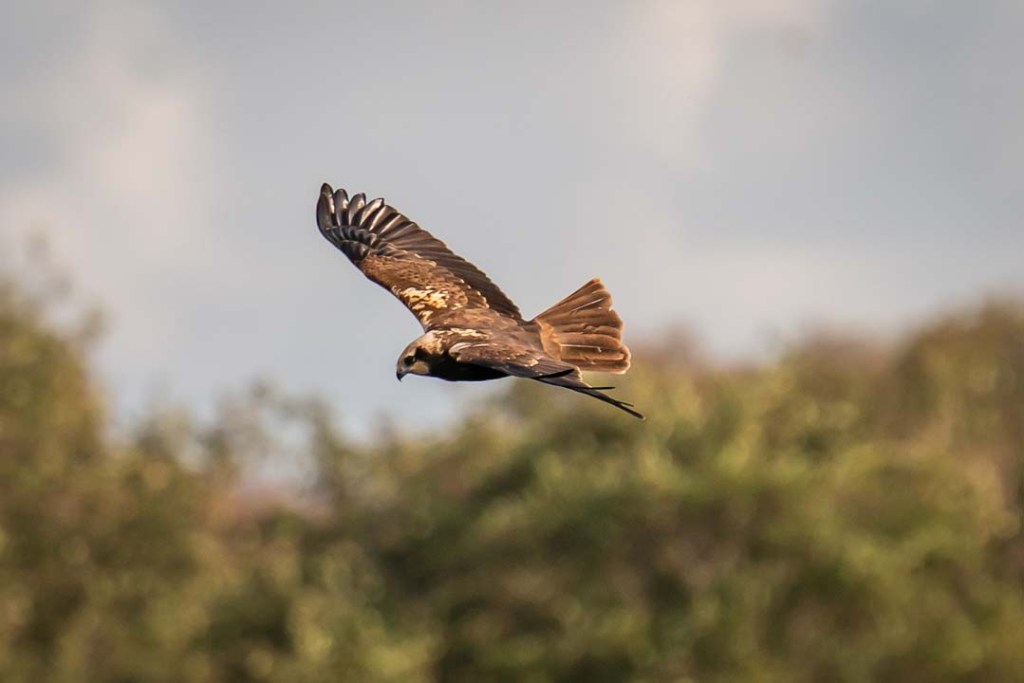
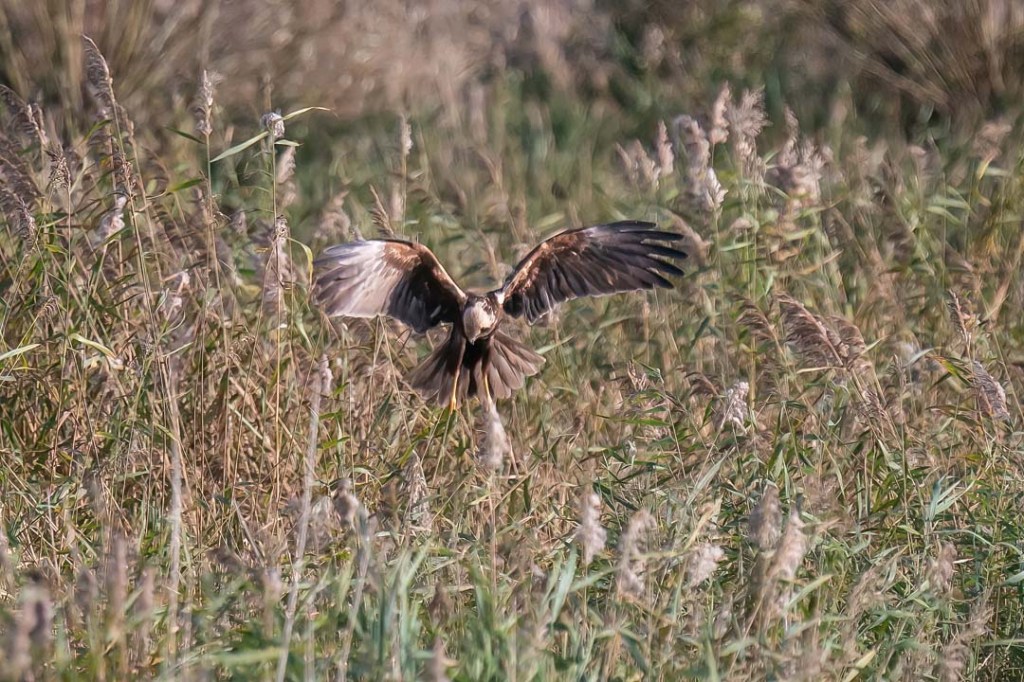
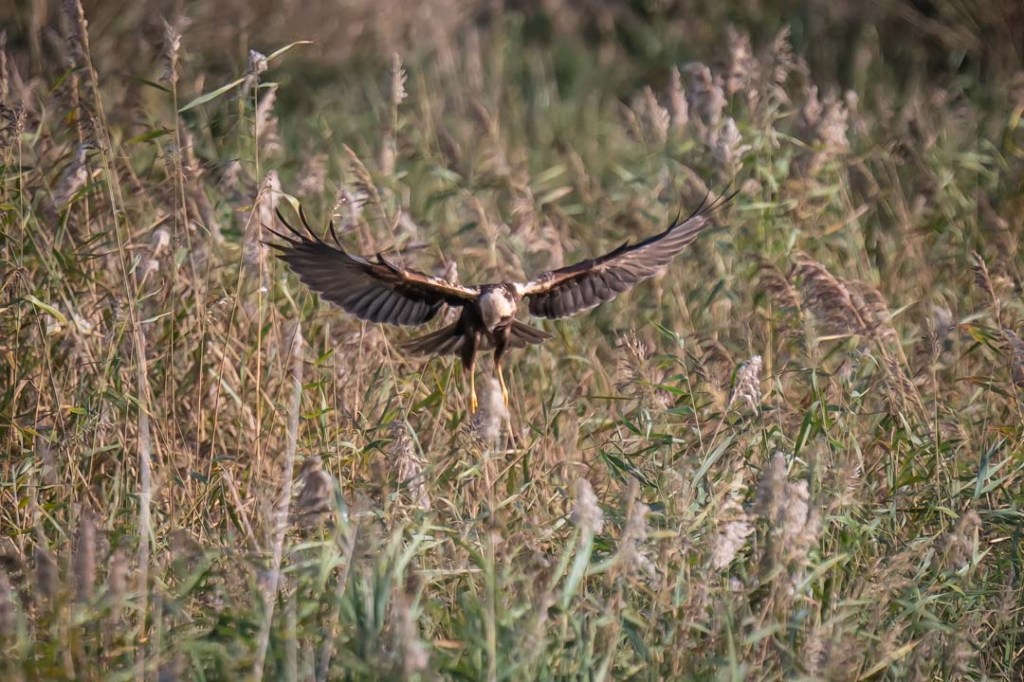
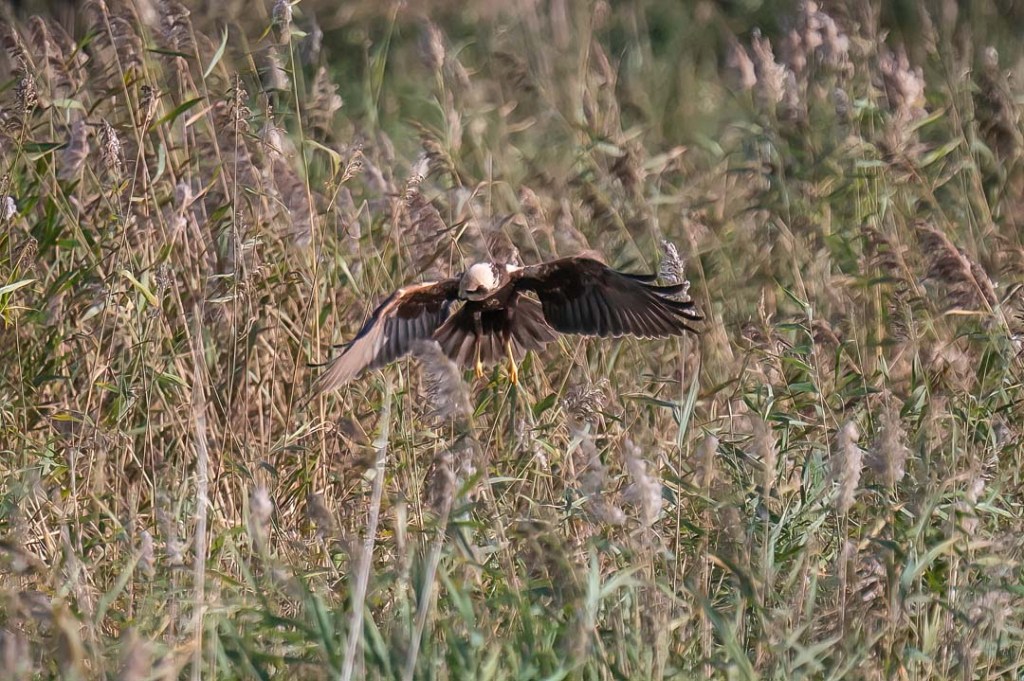
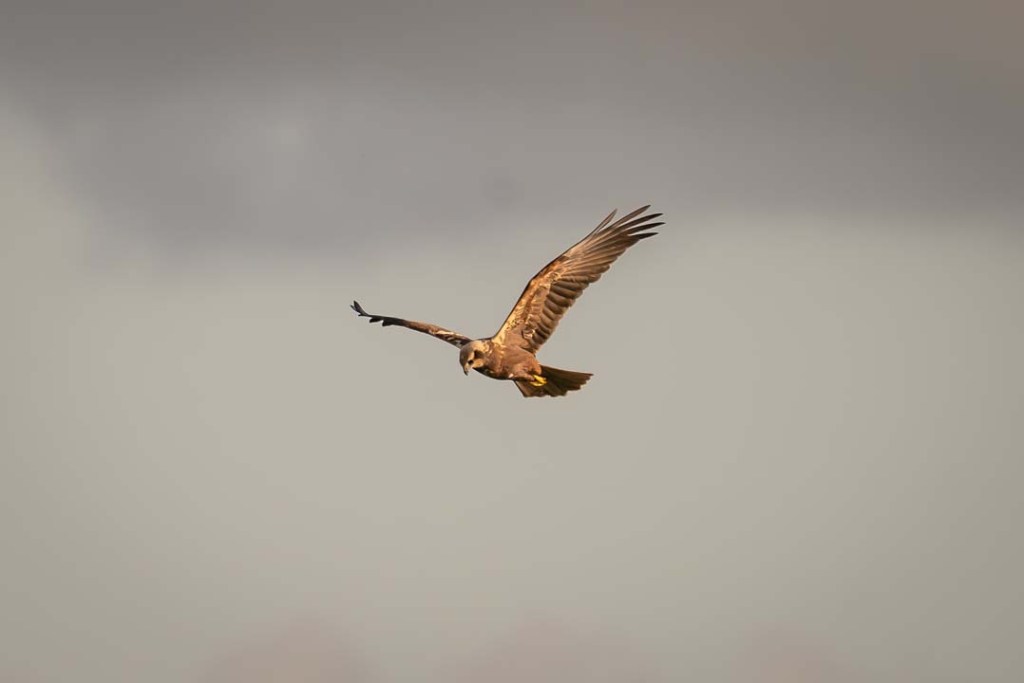
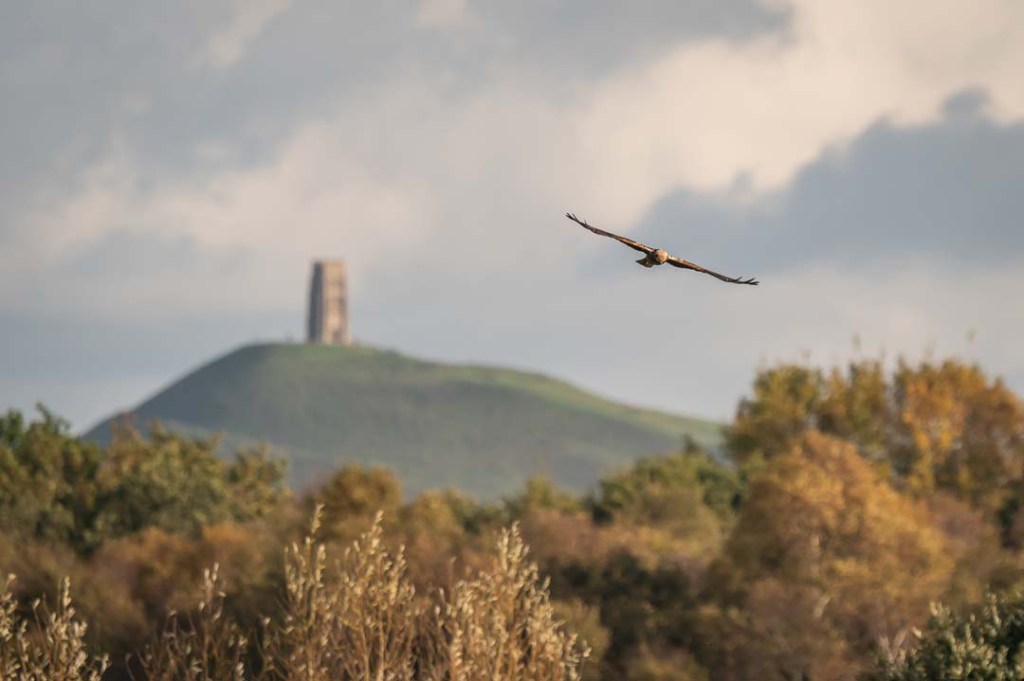
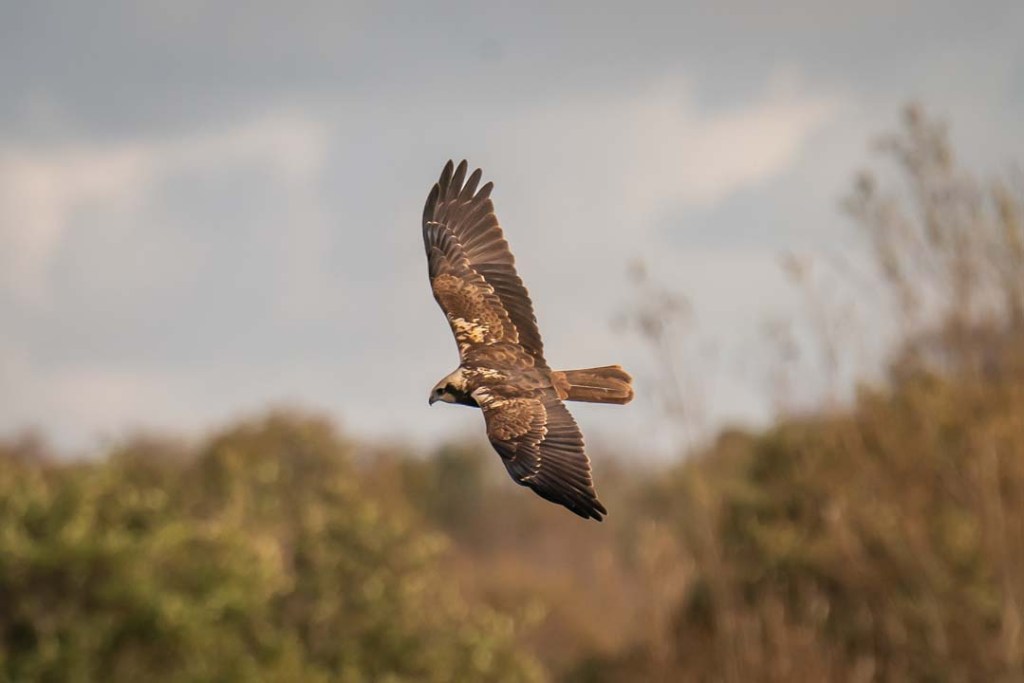
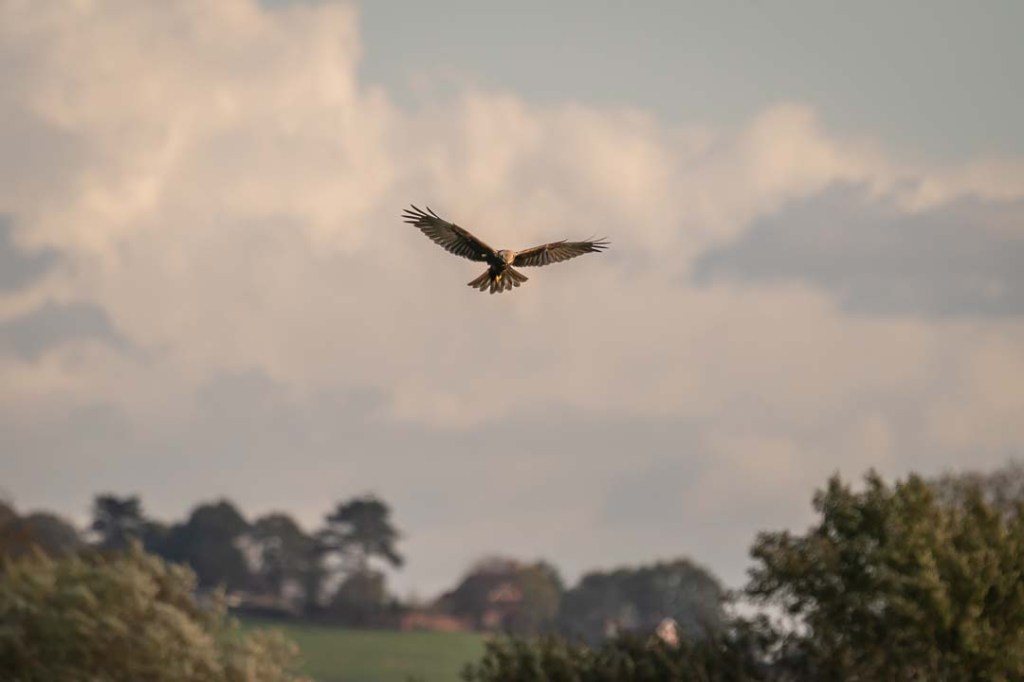
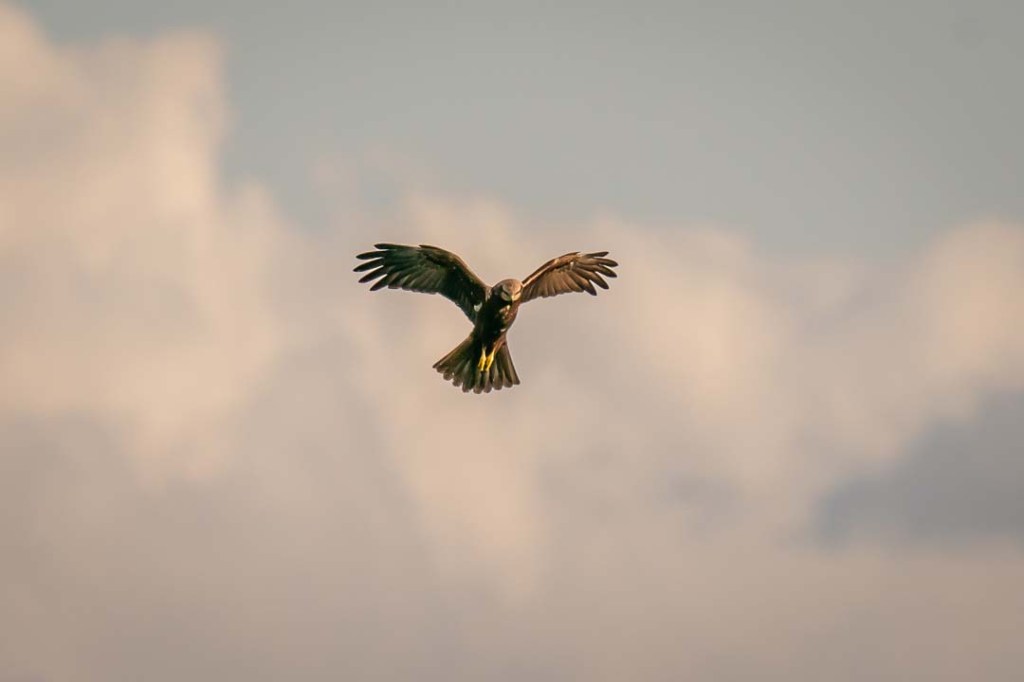
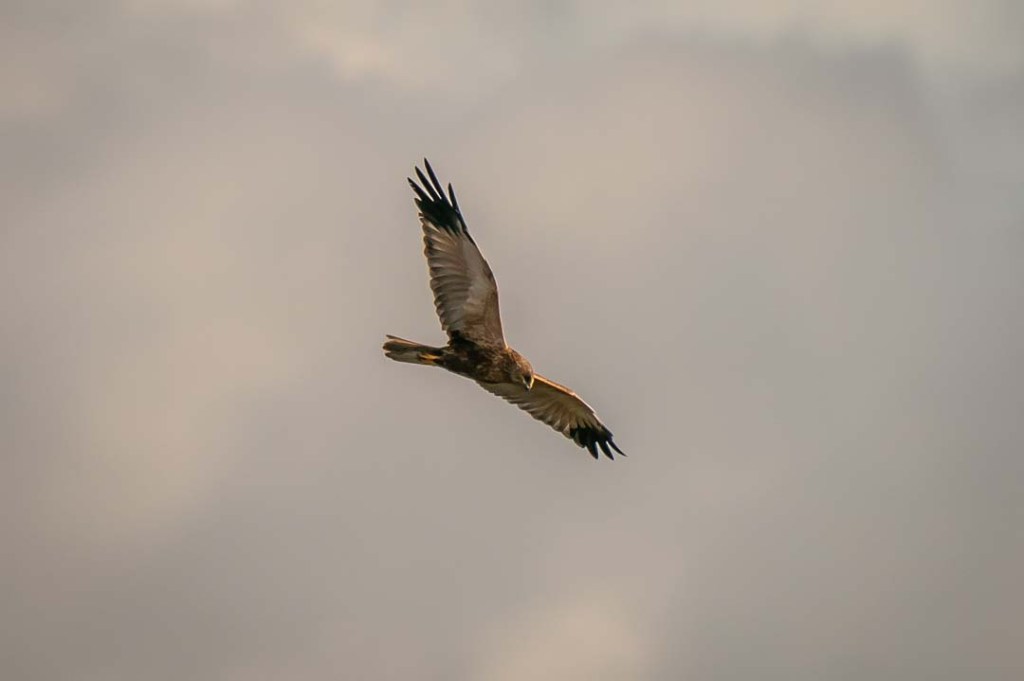
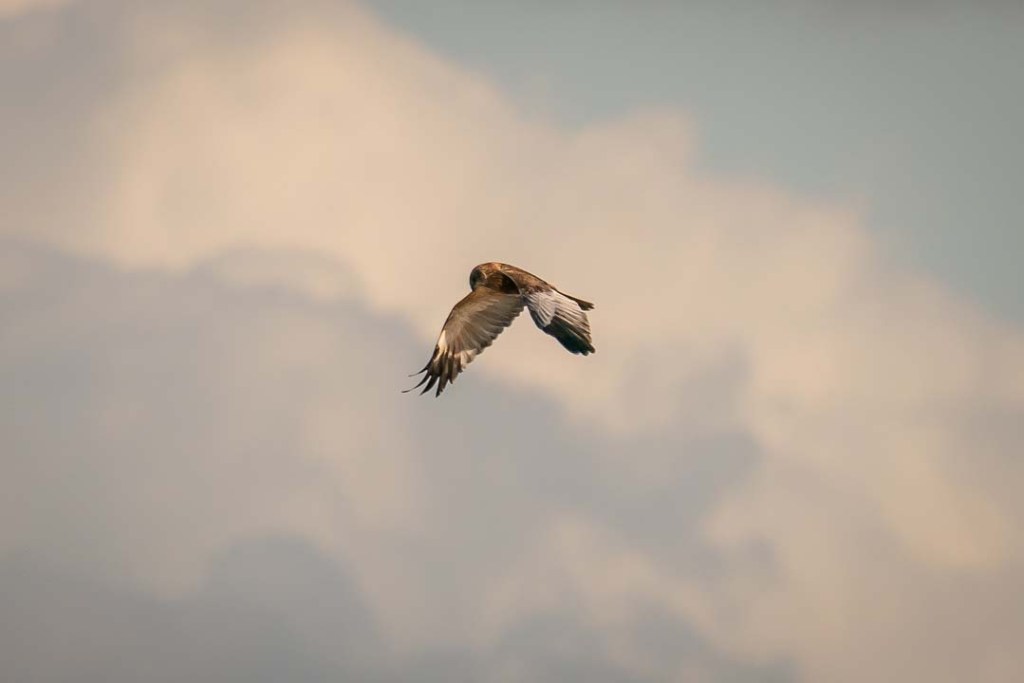
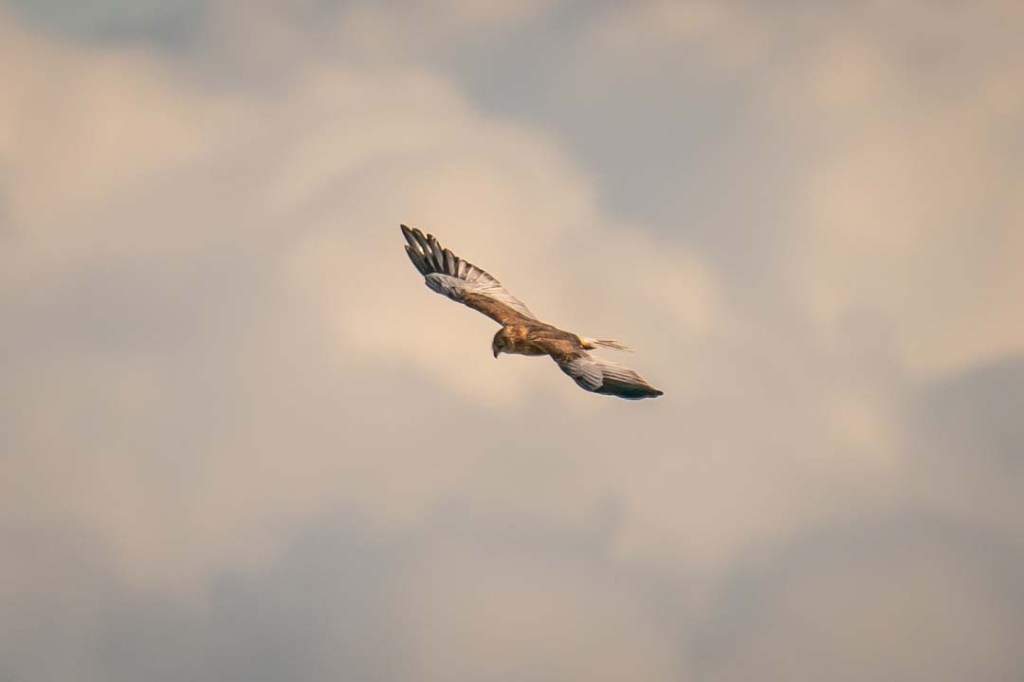
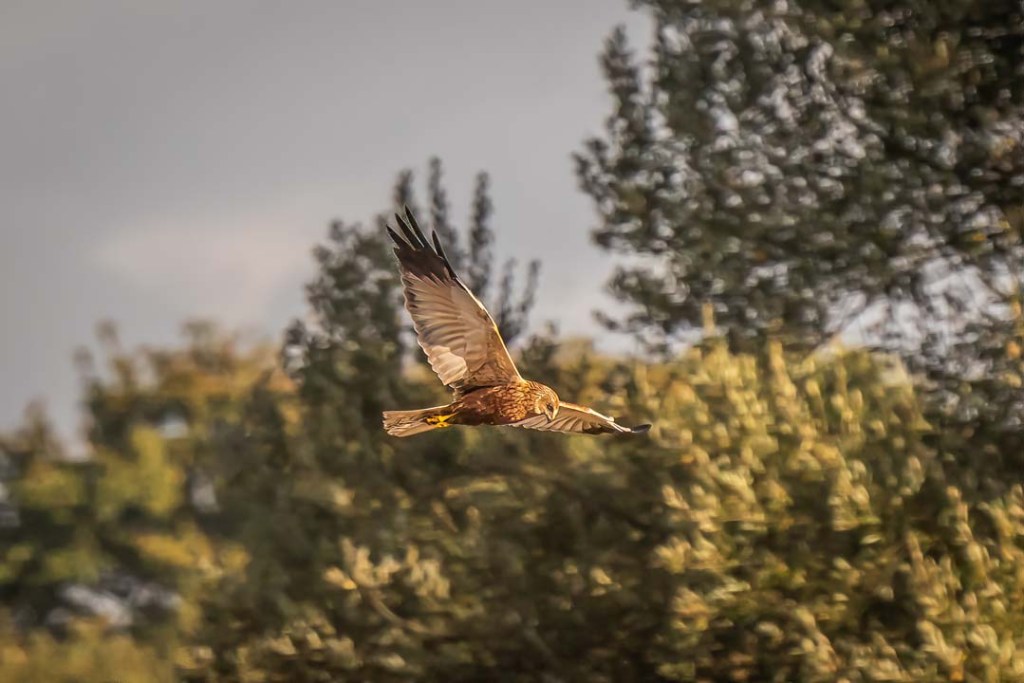
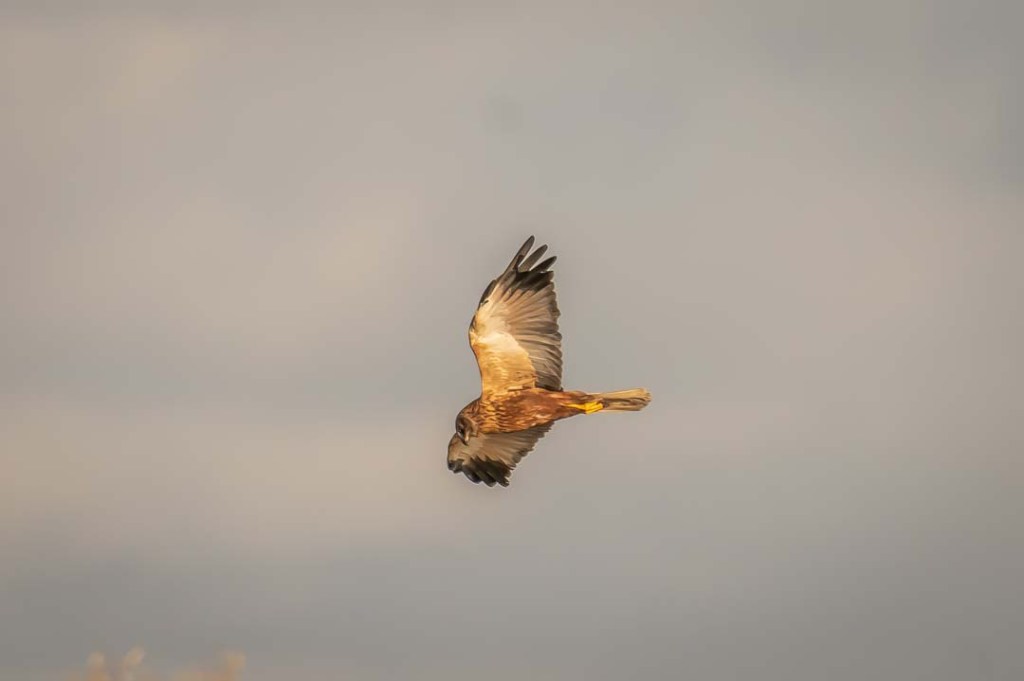
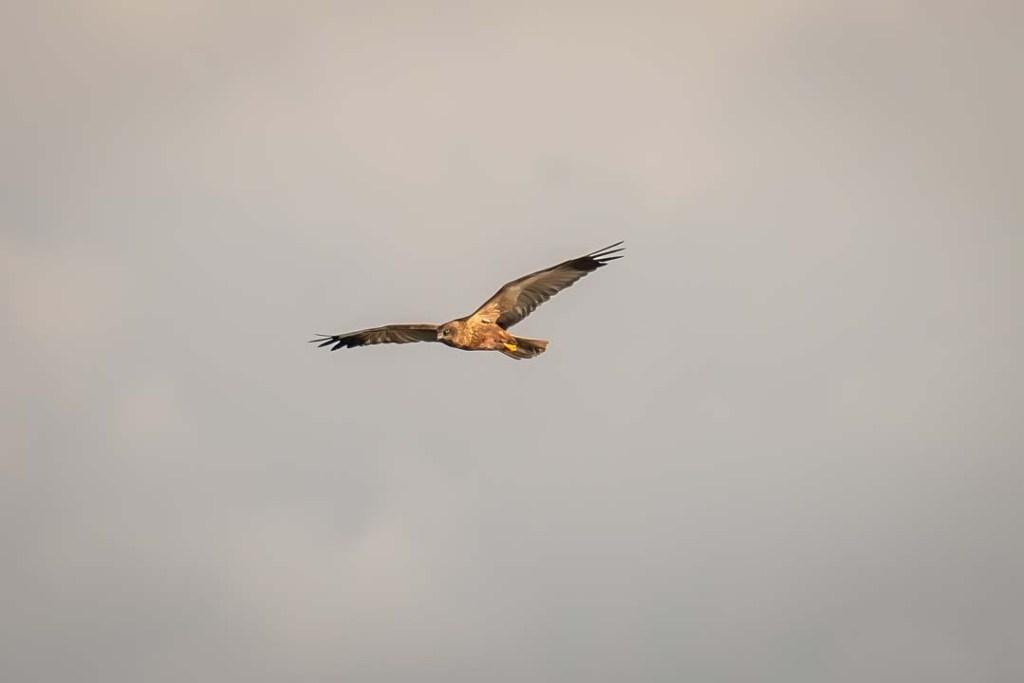
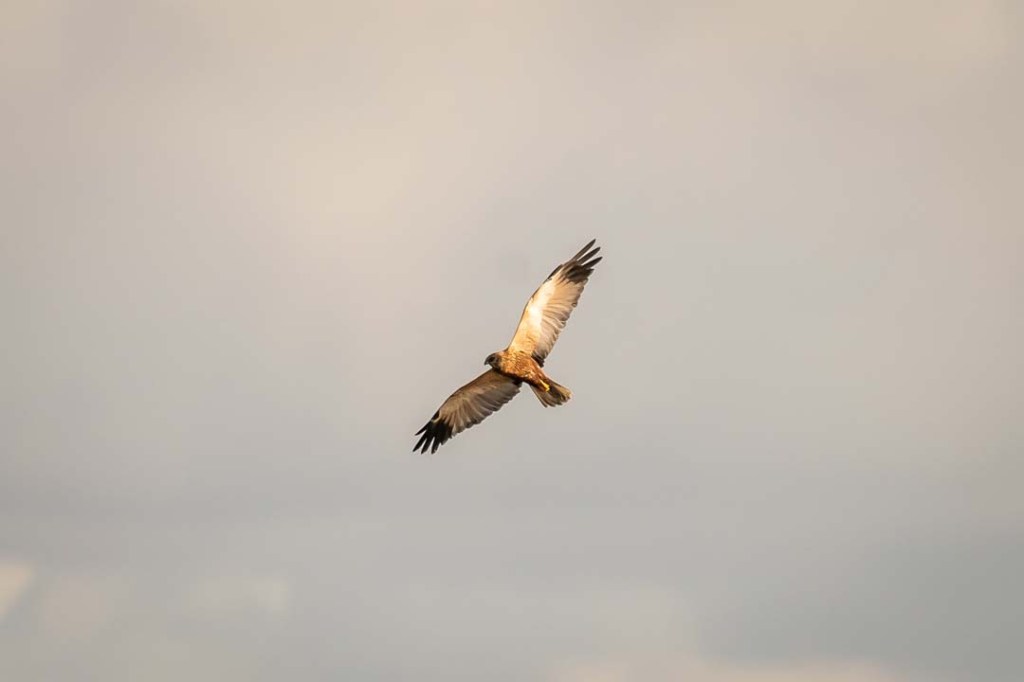
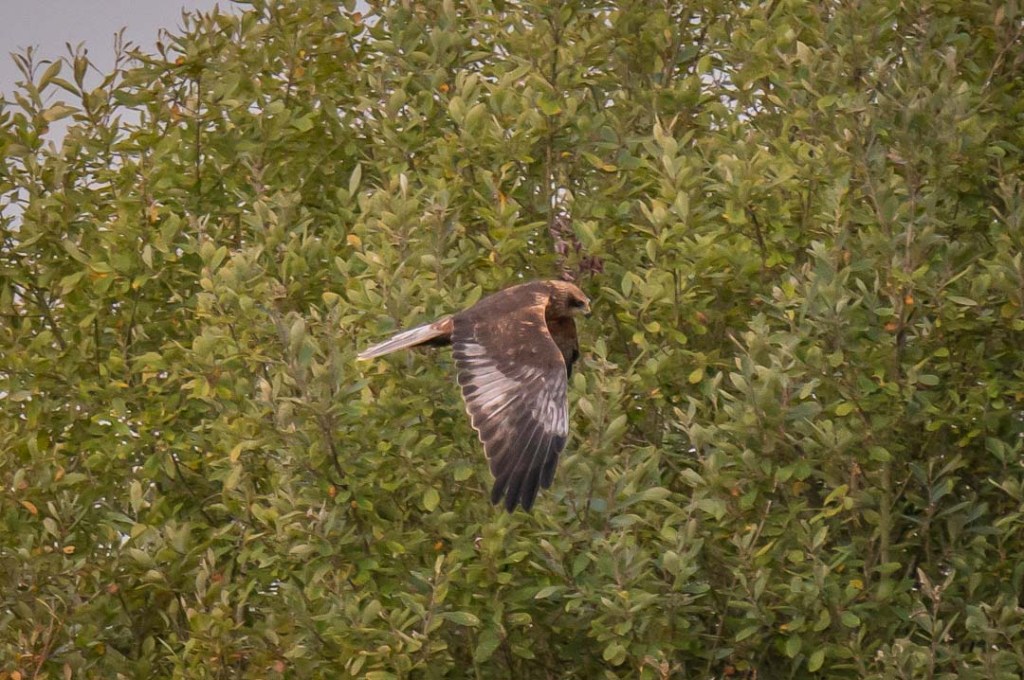
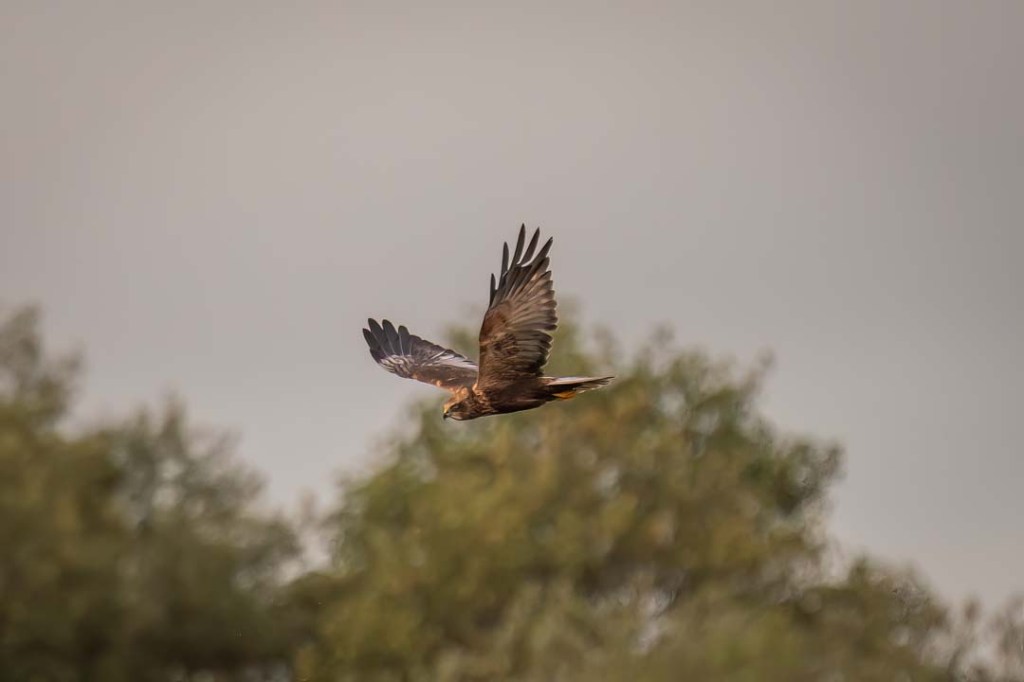
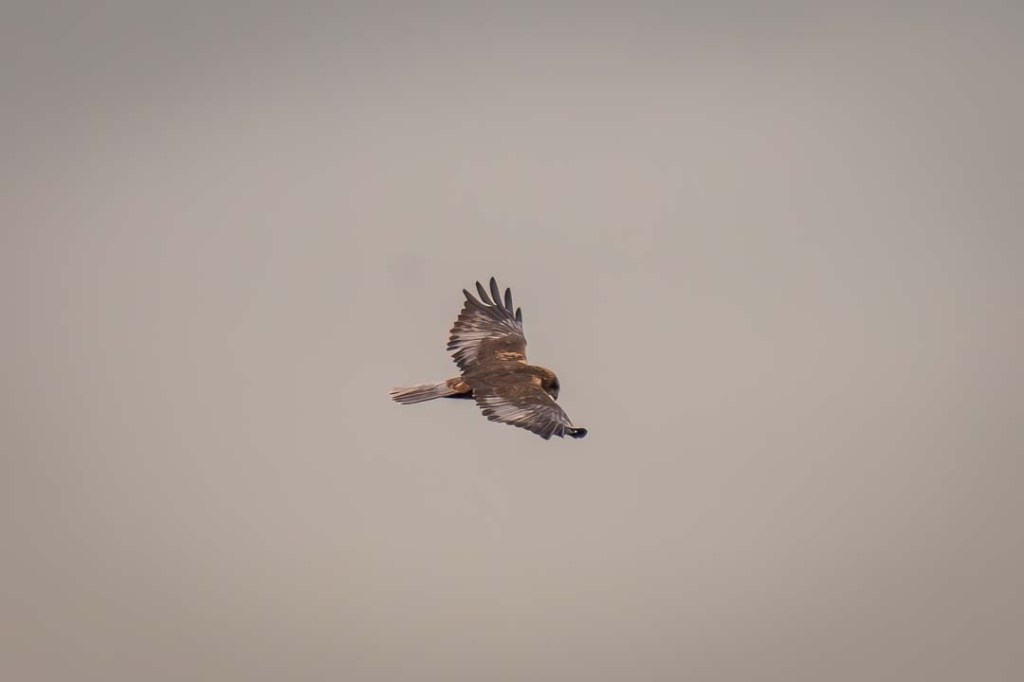
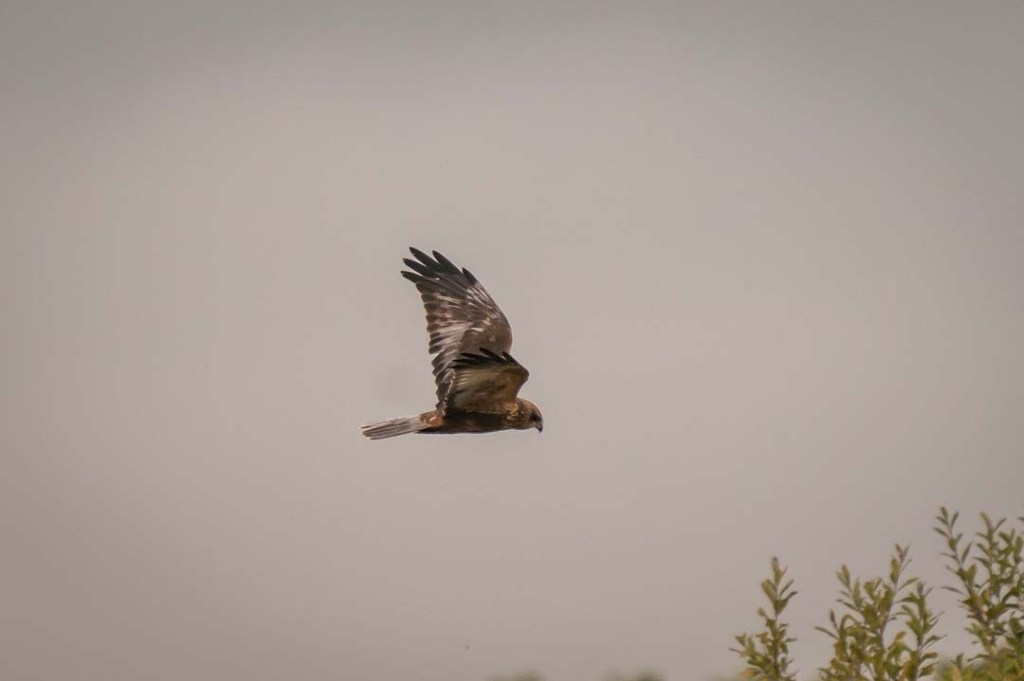
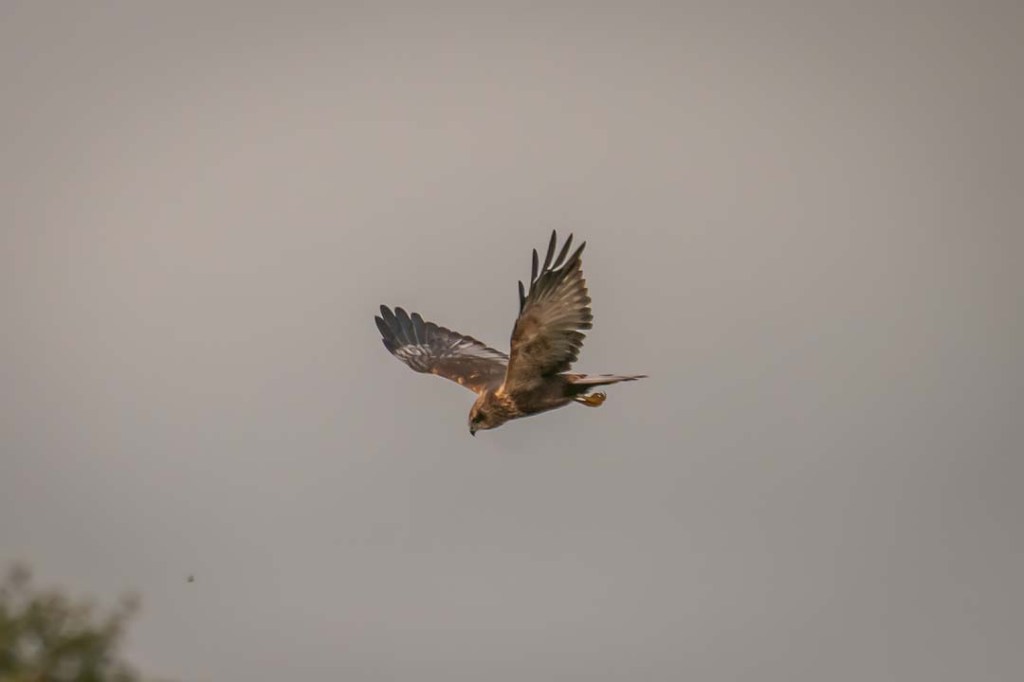
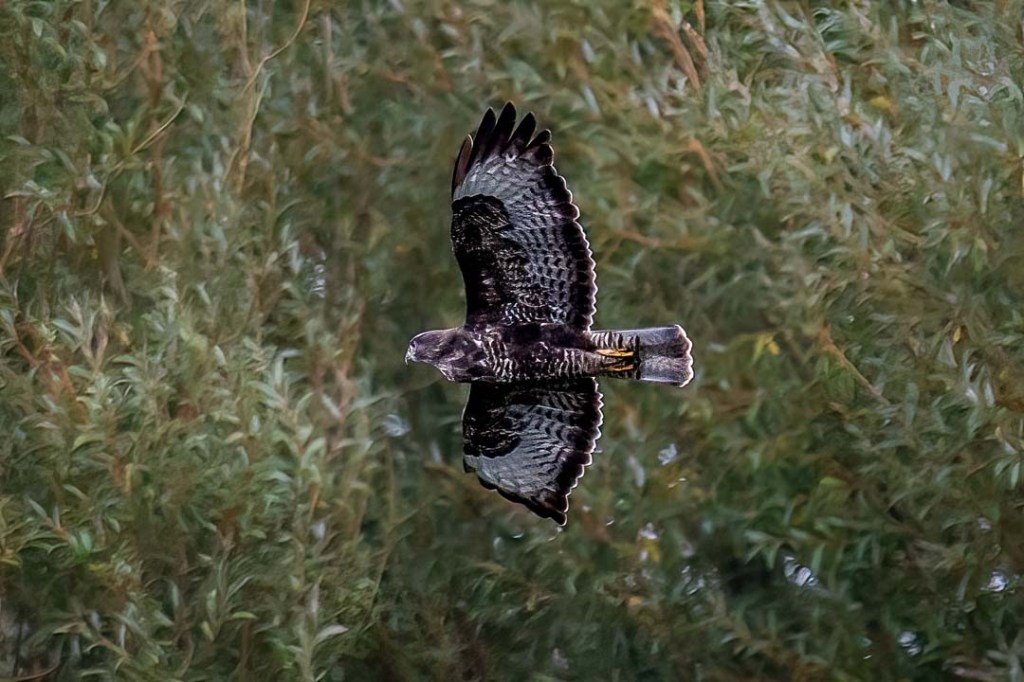
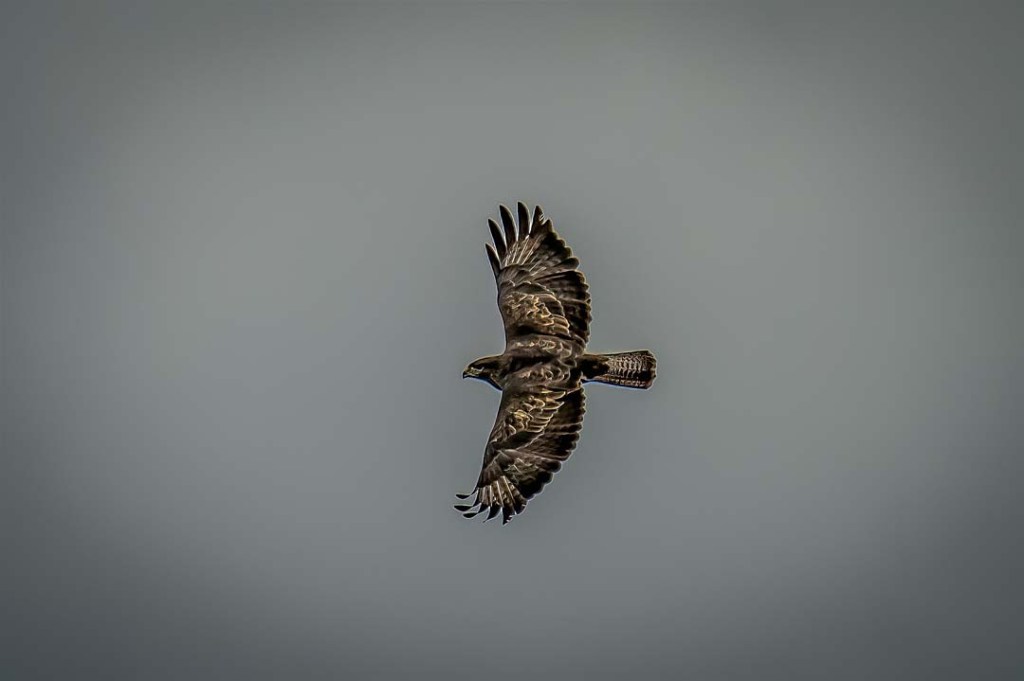
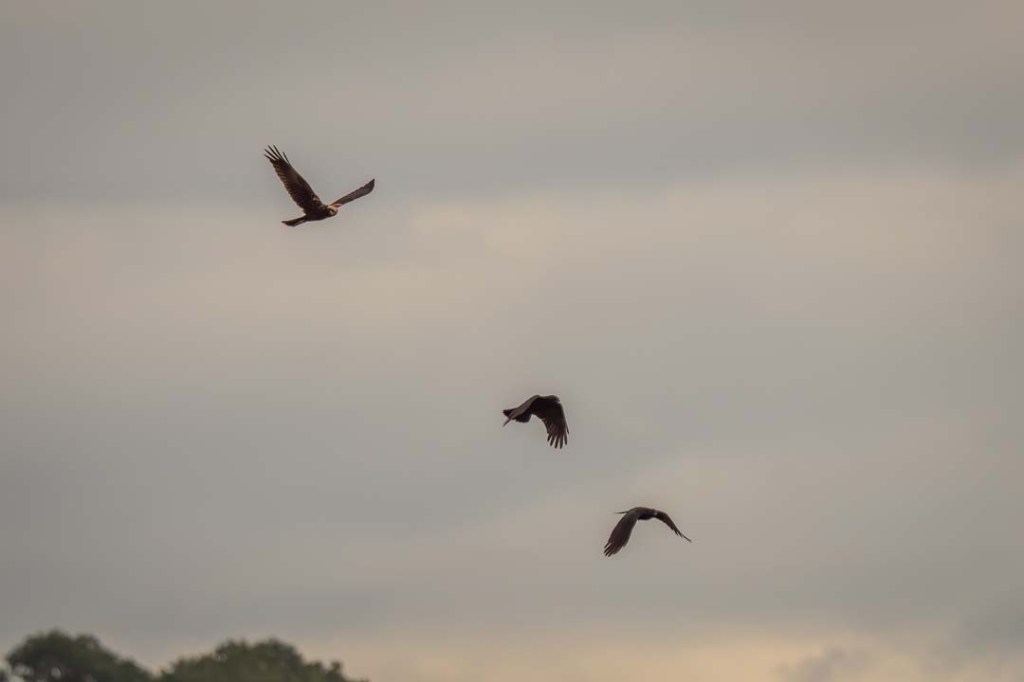
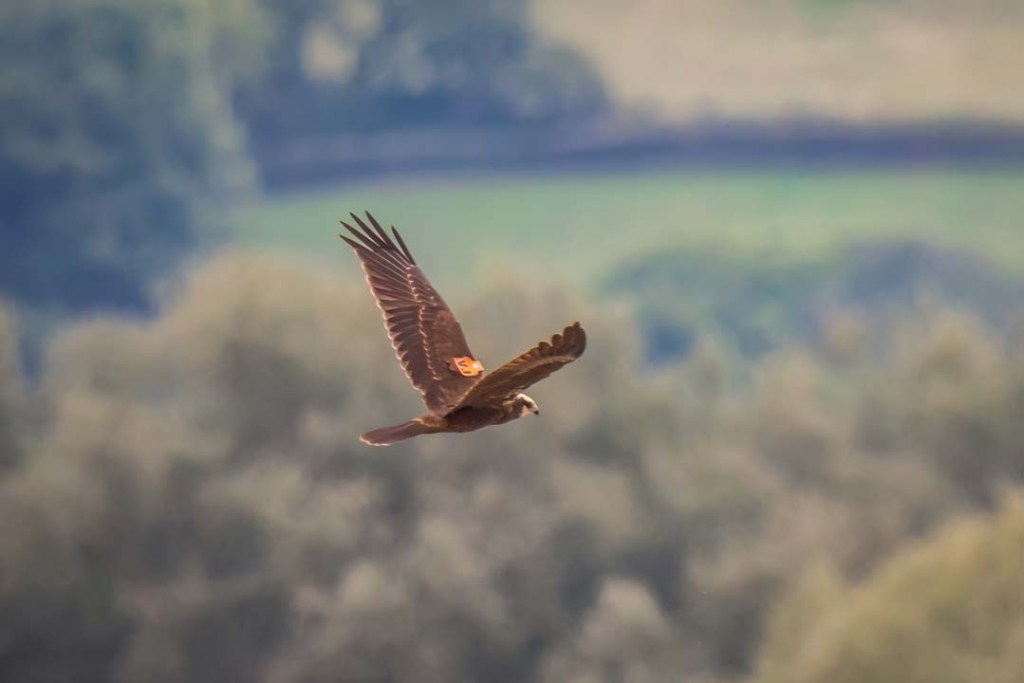
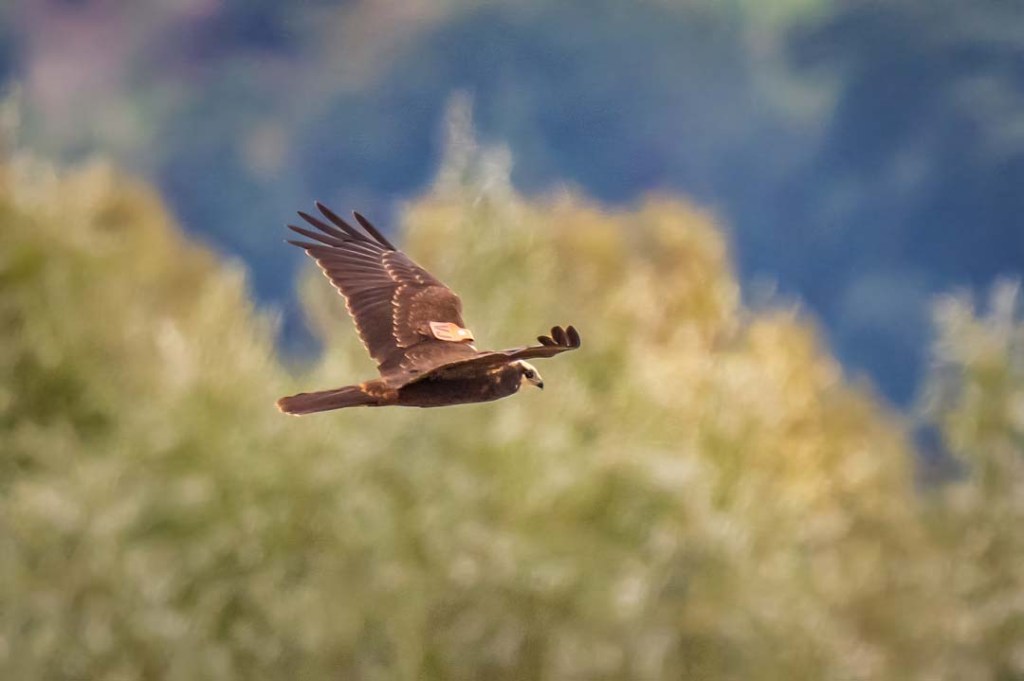
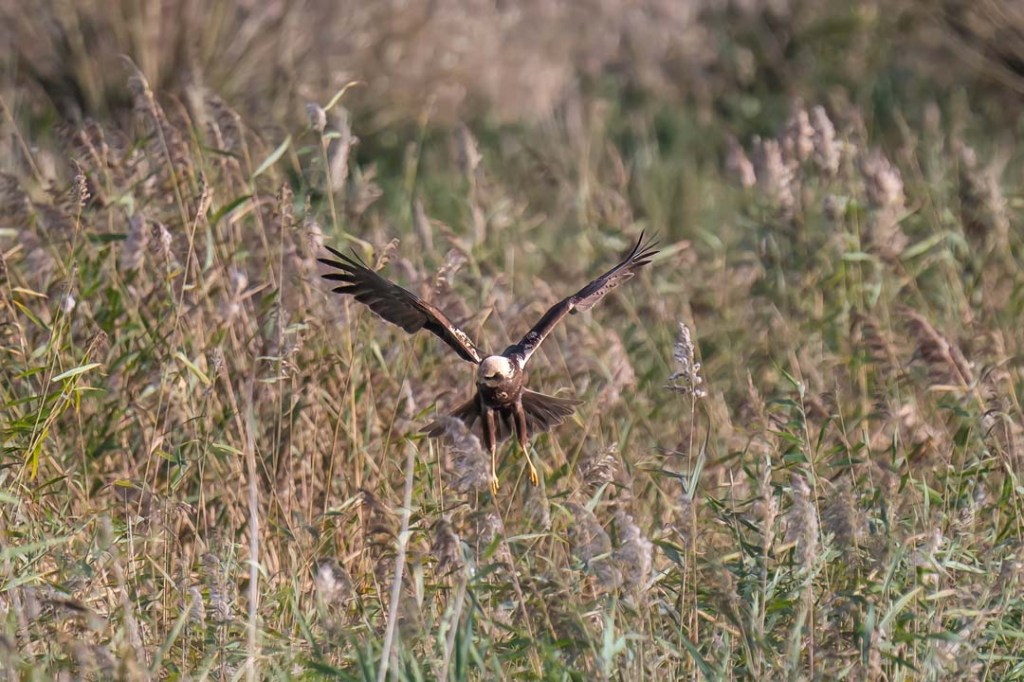
    Marsh harrier

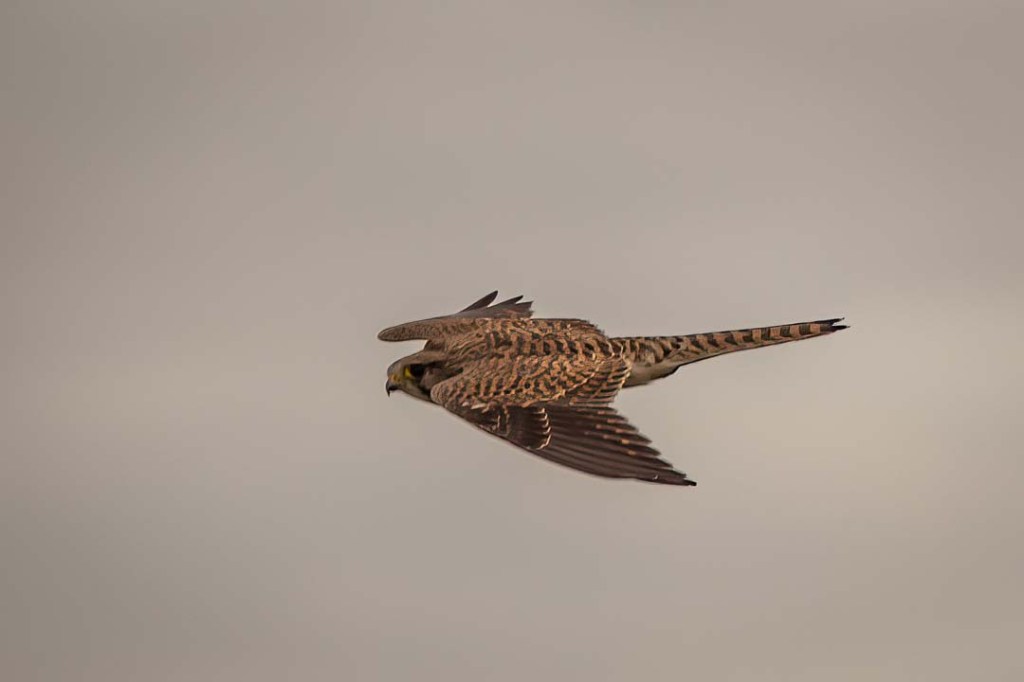
    A pheasant at Blagdon Lake (which was teaming with ducks) on the way back was the most colourful of the day and a kestrel near Banwell was a bonus.

    Pheasant at Blagdon Lake
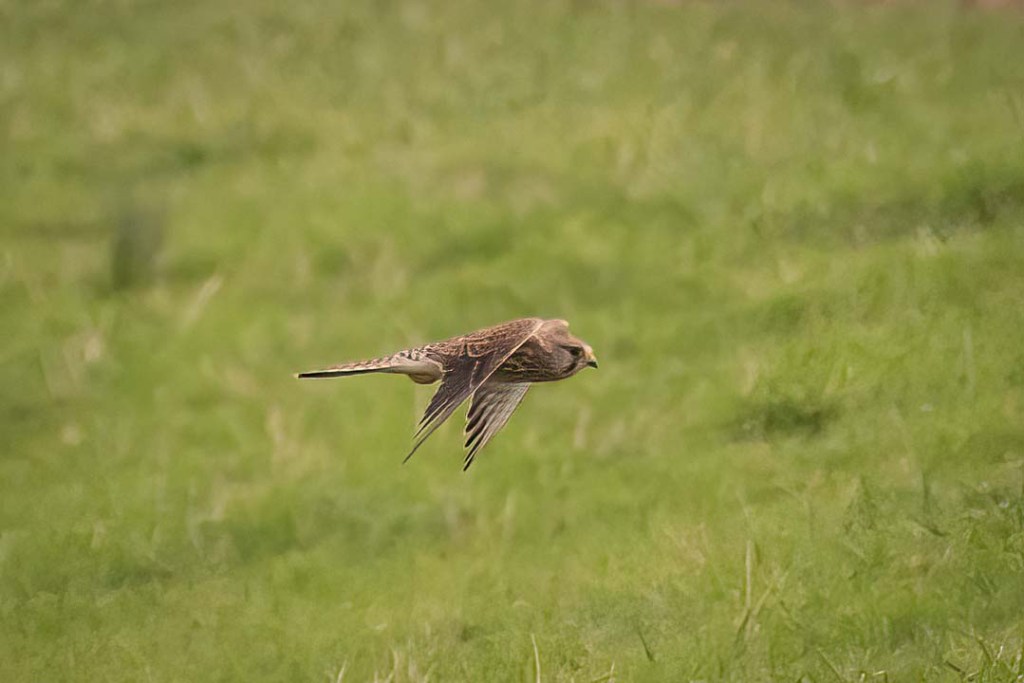
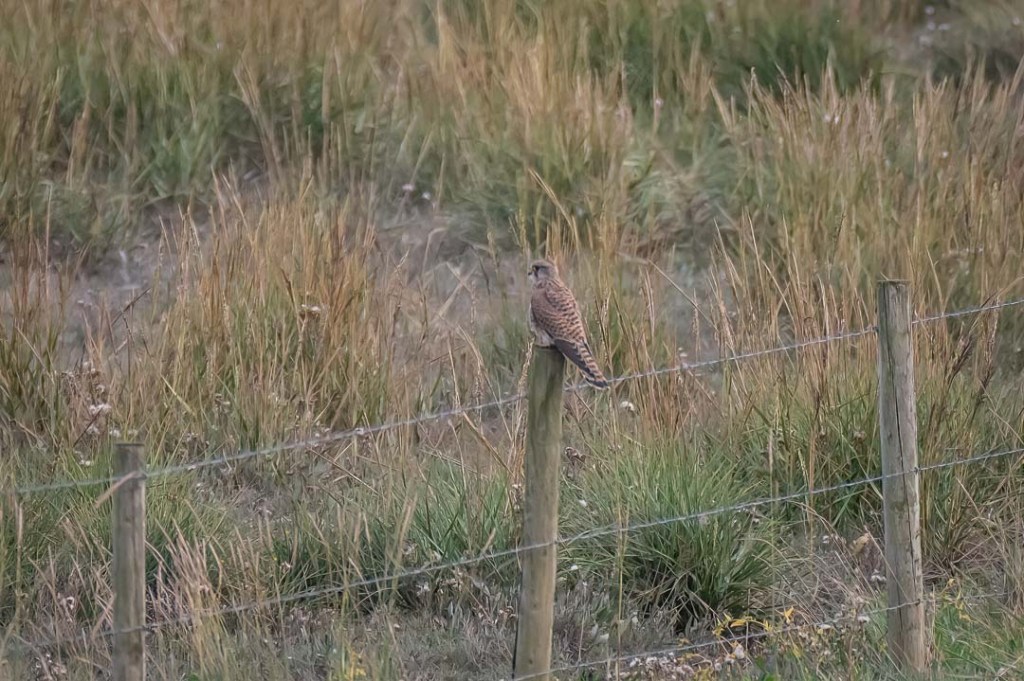
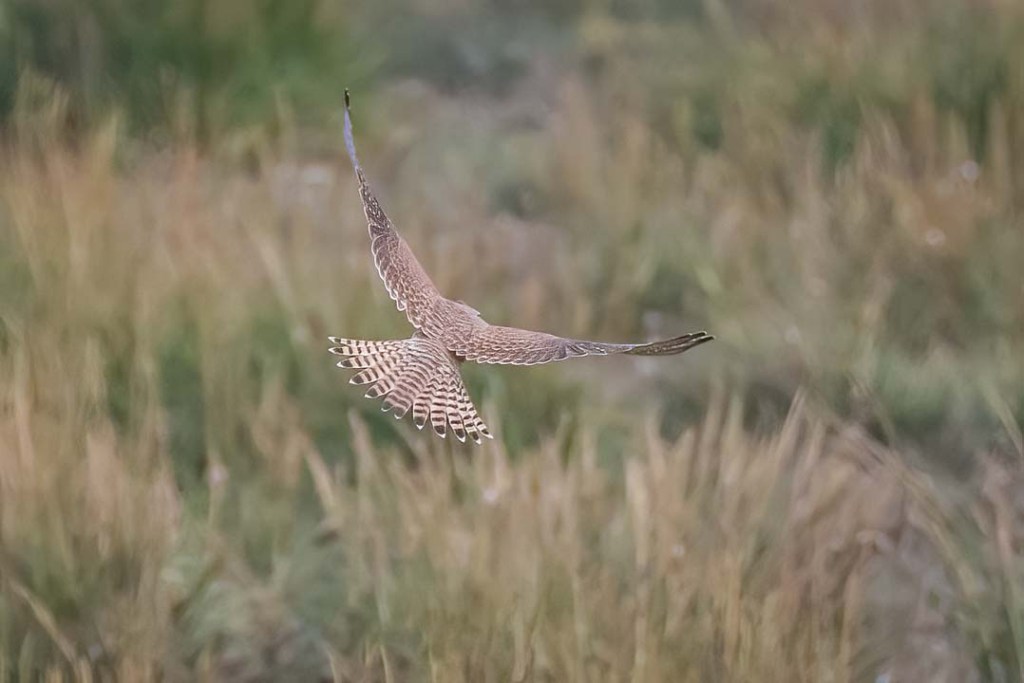
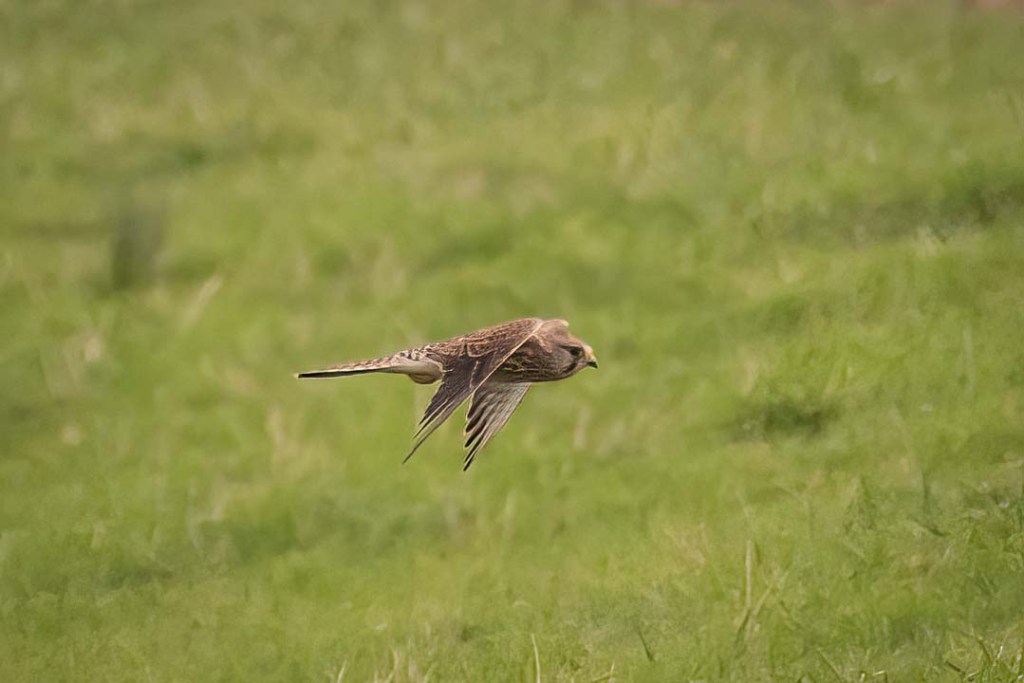
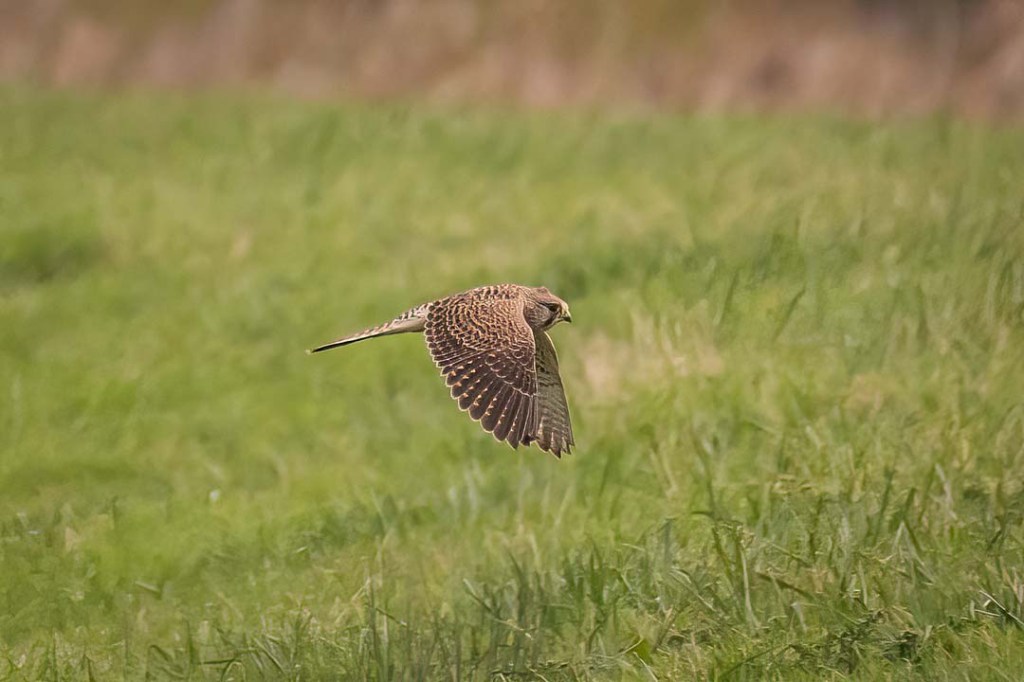
    Kestrel near Banwell