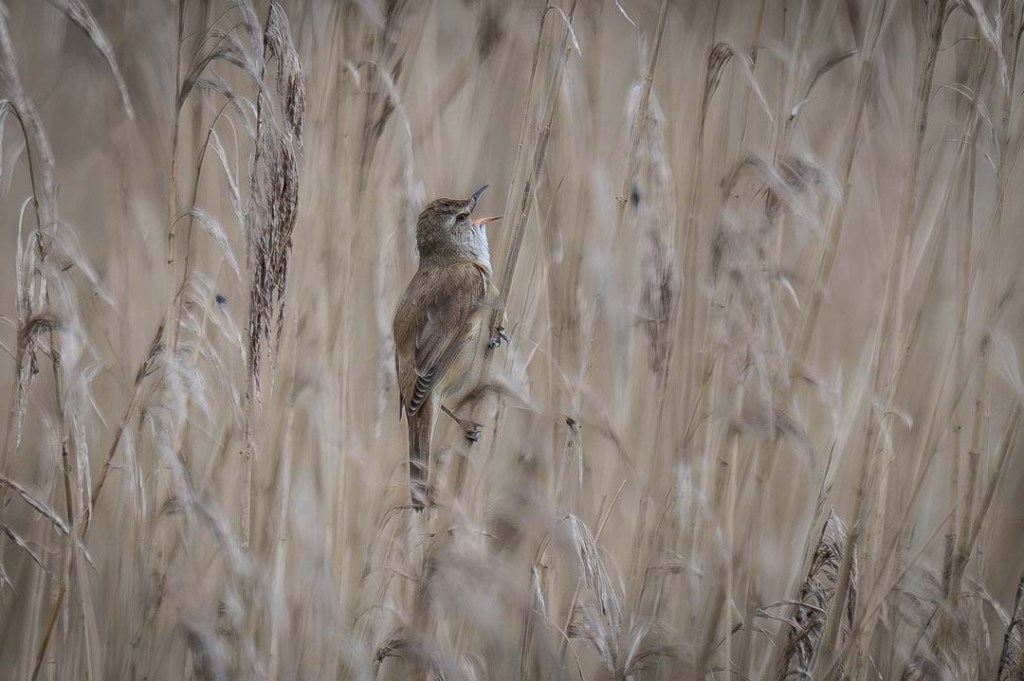
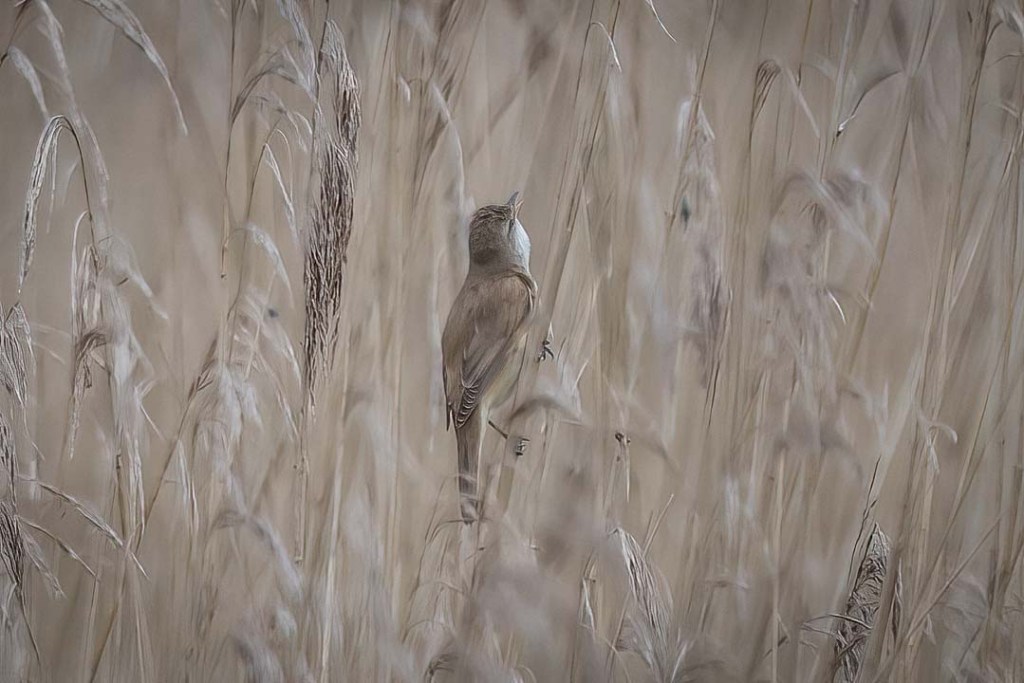
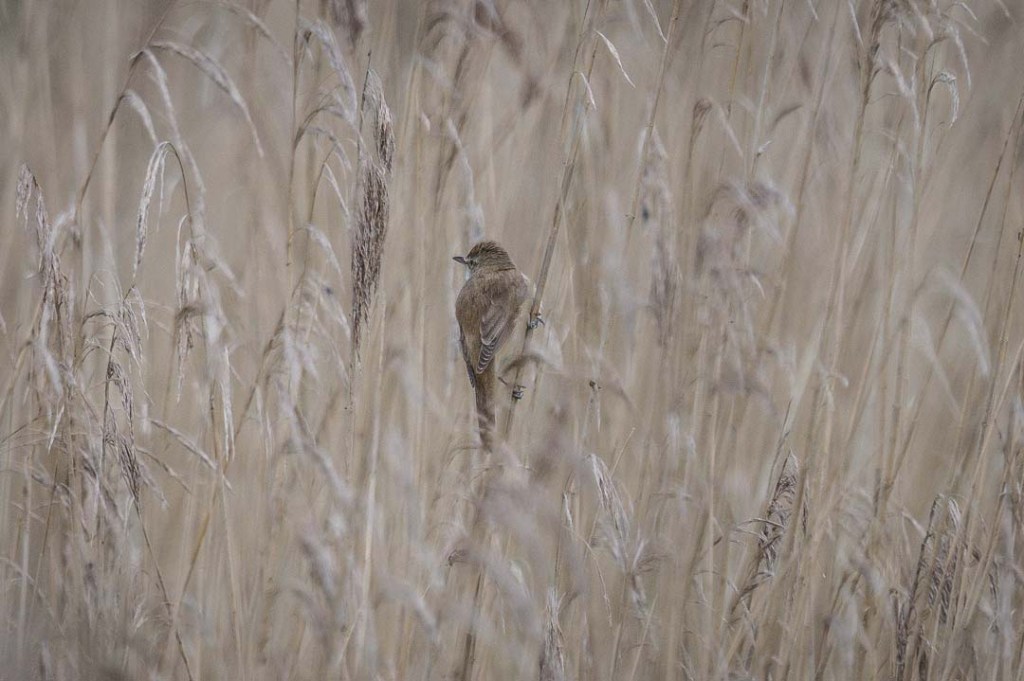
I was very pleased to spot the Great Reed Warbler which has been resident at Ham Wall for the last few weeks. I thought I might have difficulty in finding it but its very loud song (and some helpful birders) helped me find it easily.
The Great Reed Warbler is a rare passage migrant in the UK and so it has generated quite a bit of interest. It’s a hulking warbler that resembles the Eurasian Reed-Warbler in coloration but is far larger with a proportionately more massive head, heavy bill with a dark tip, and a broad, pale eyebrow.
Great Reed WarblerGreat Reed WarblerGreat Reed Warbler
It had rained all the way down on my journey to Ham Wall but fortunately I didn’t have to wait long before I could get out and about to explore the reserve. There were a few showers but I managed to stay dry before setting off back early afternoon on another wet journey home.
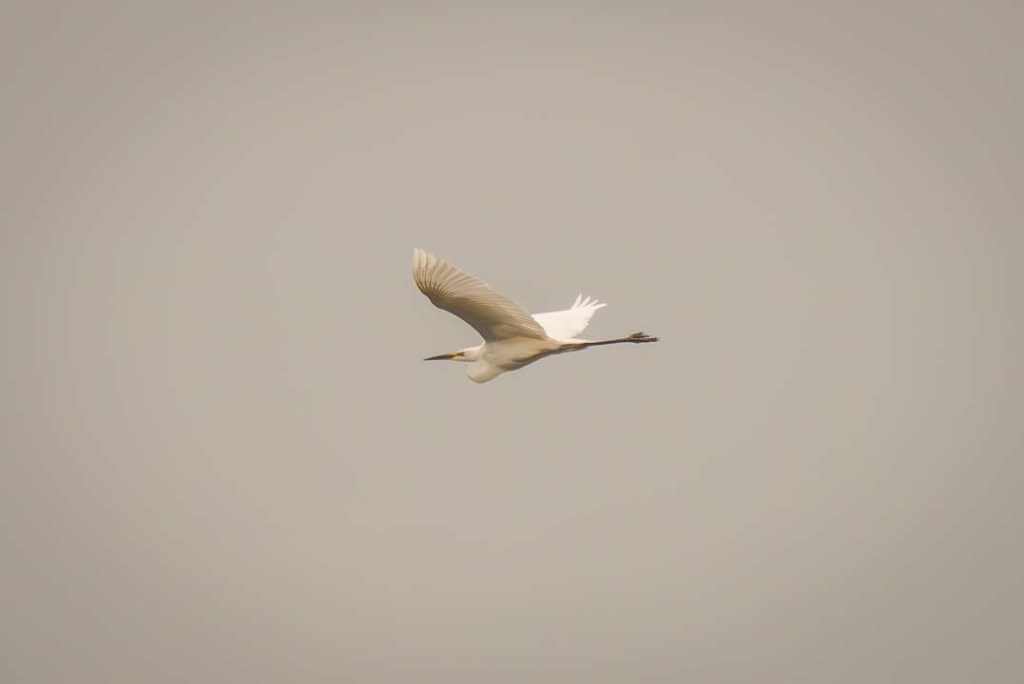
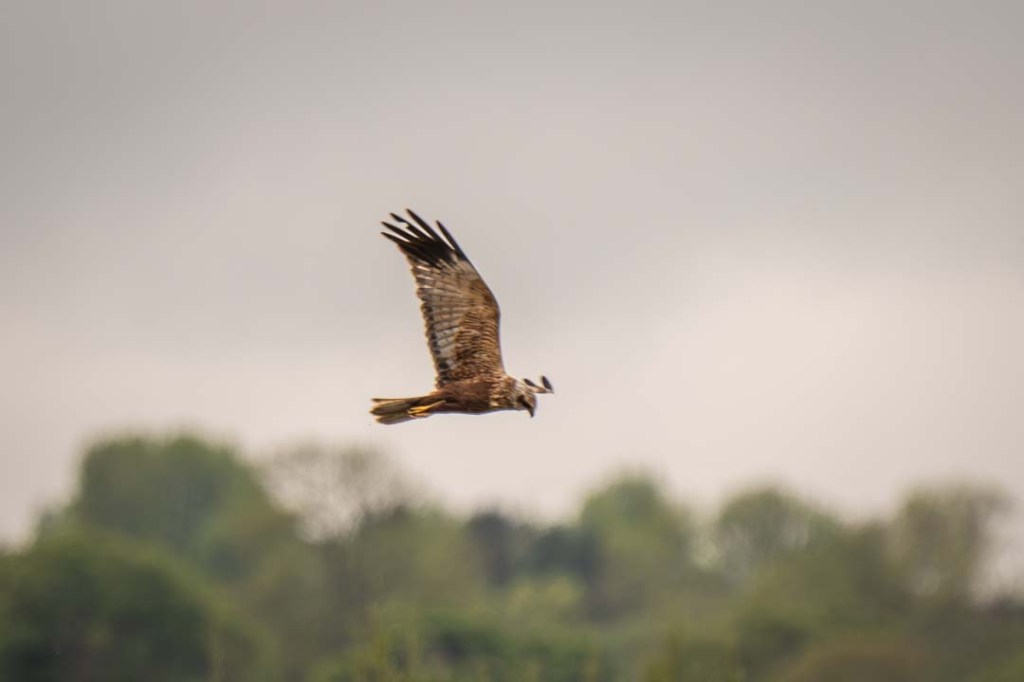
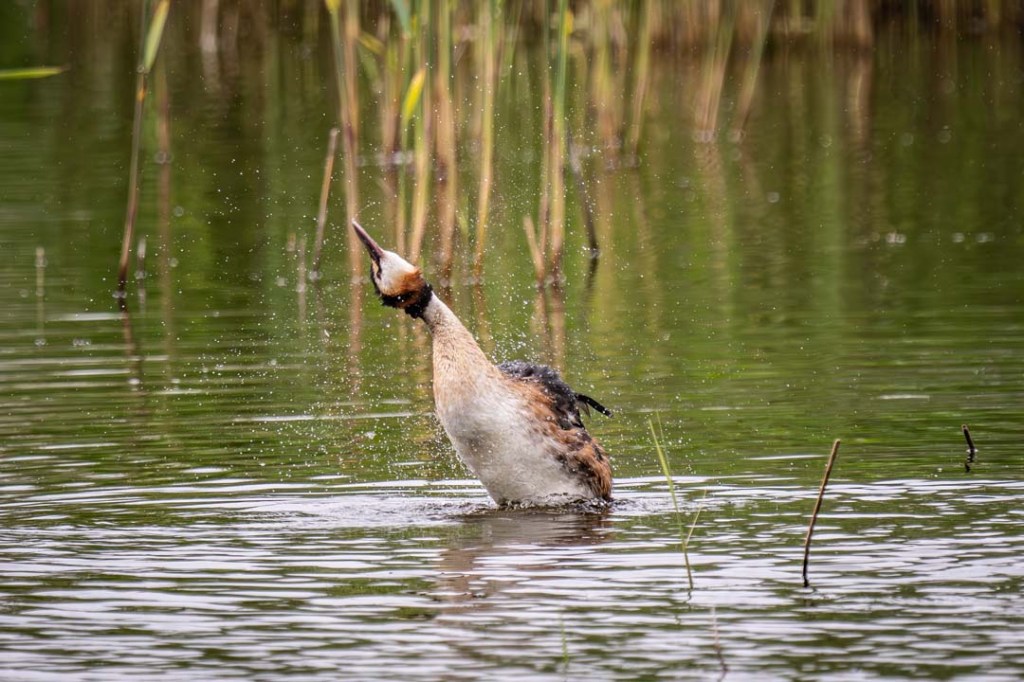
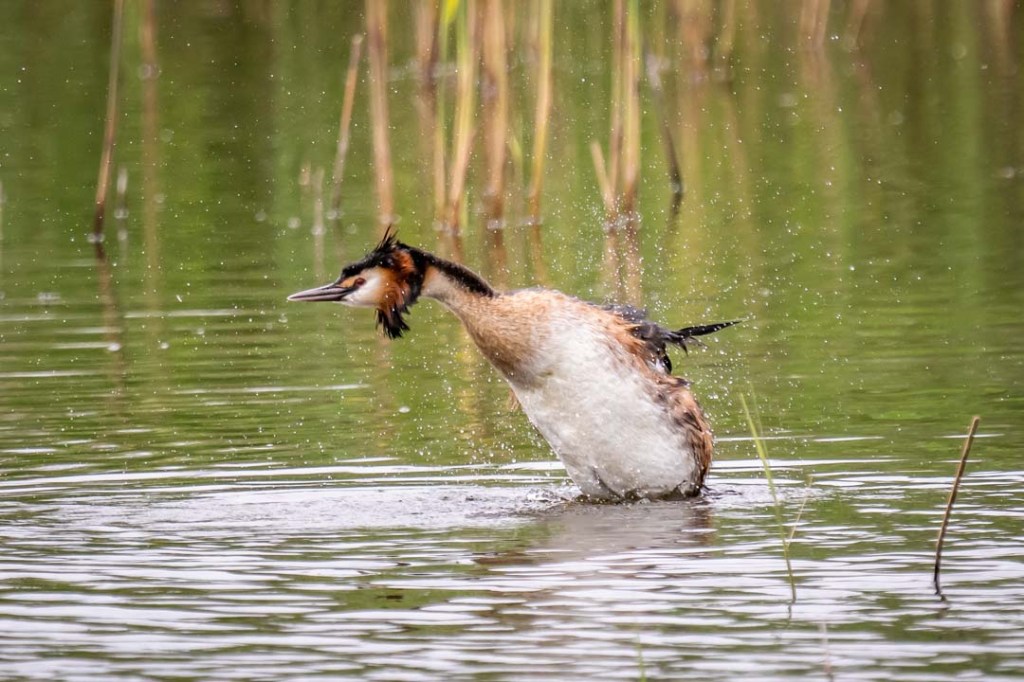
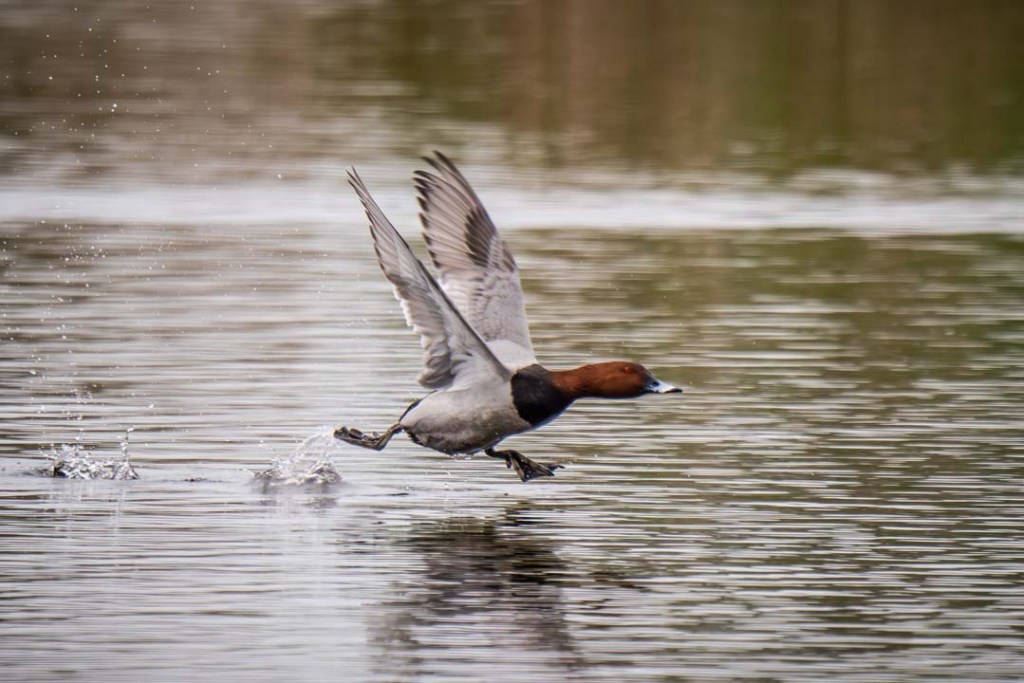
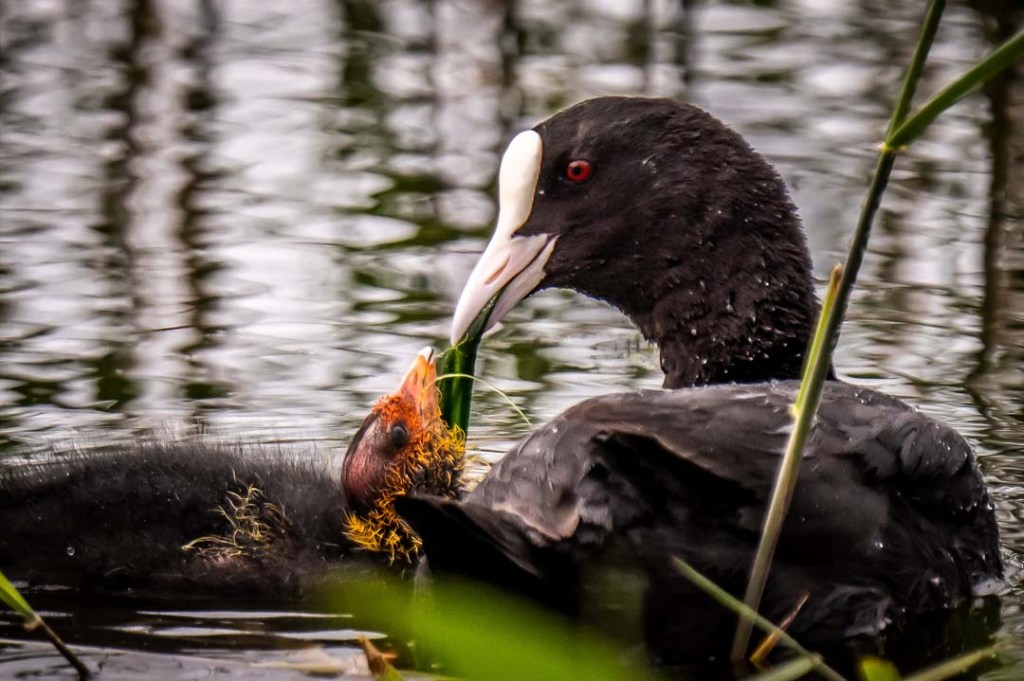
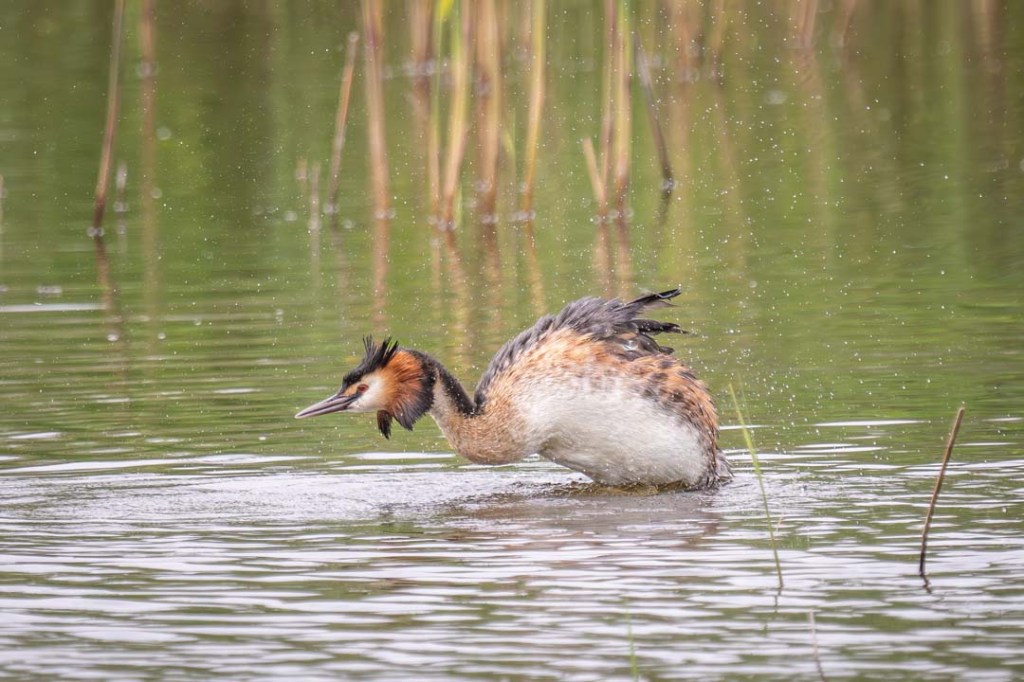
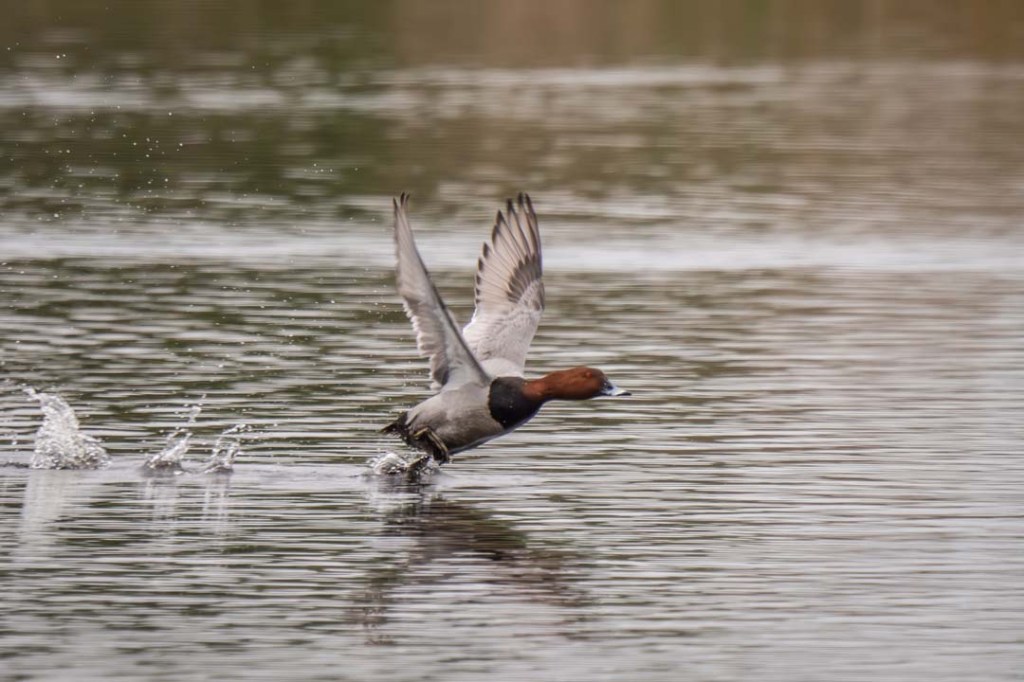
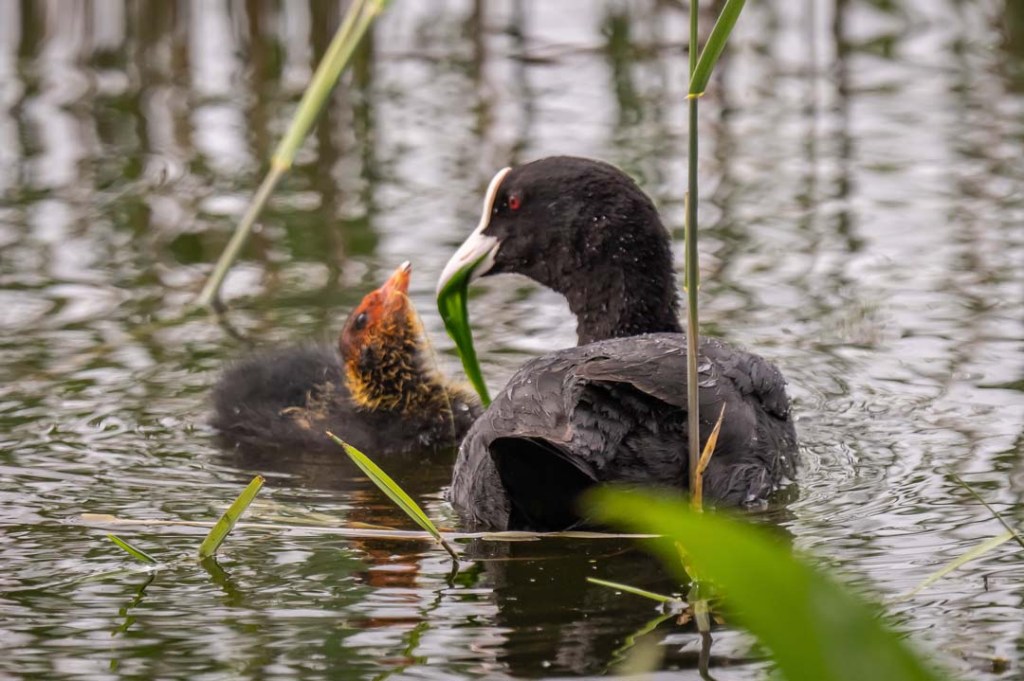
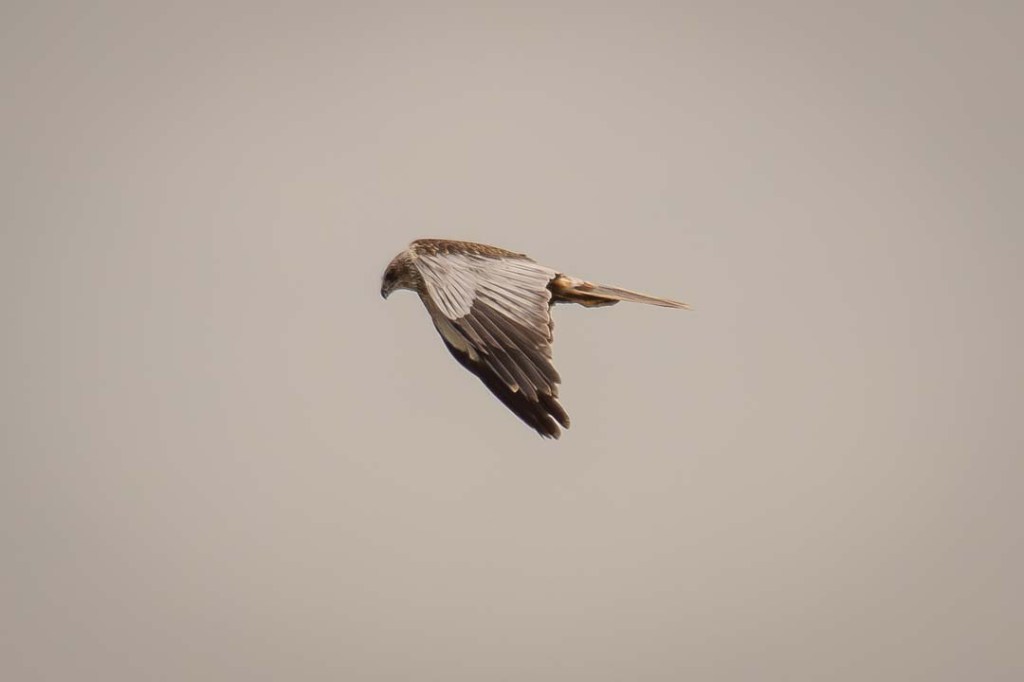
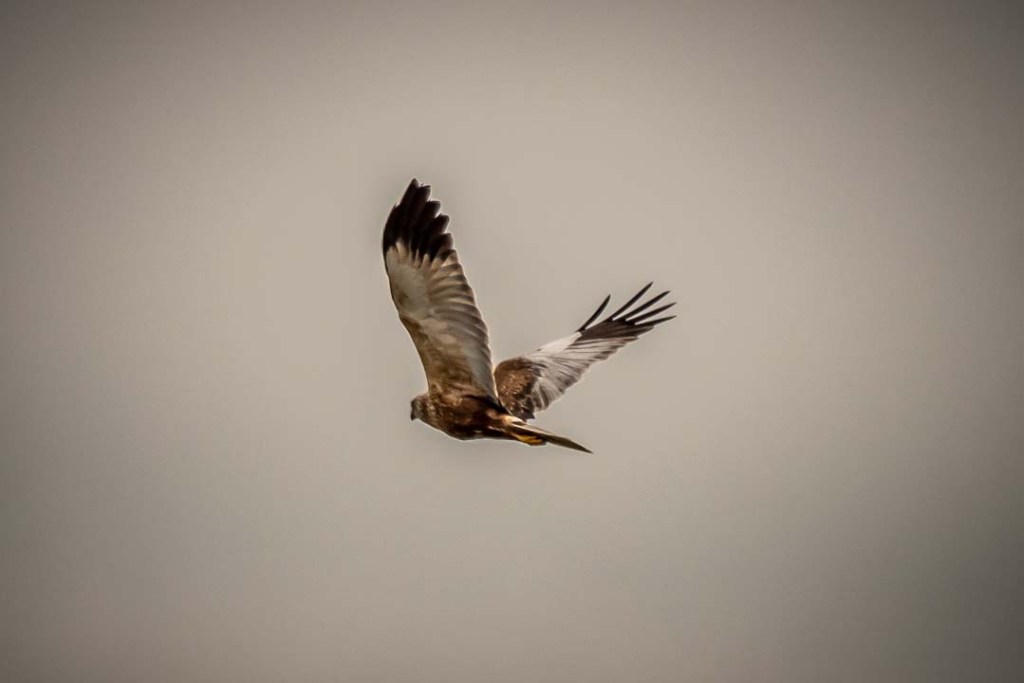
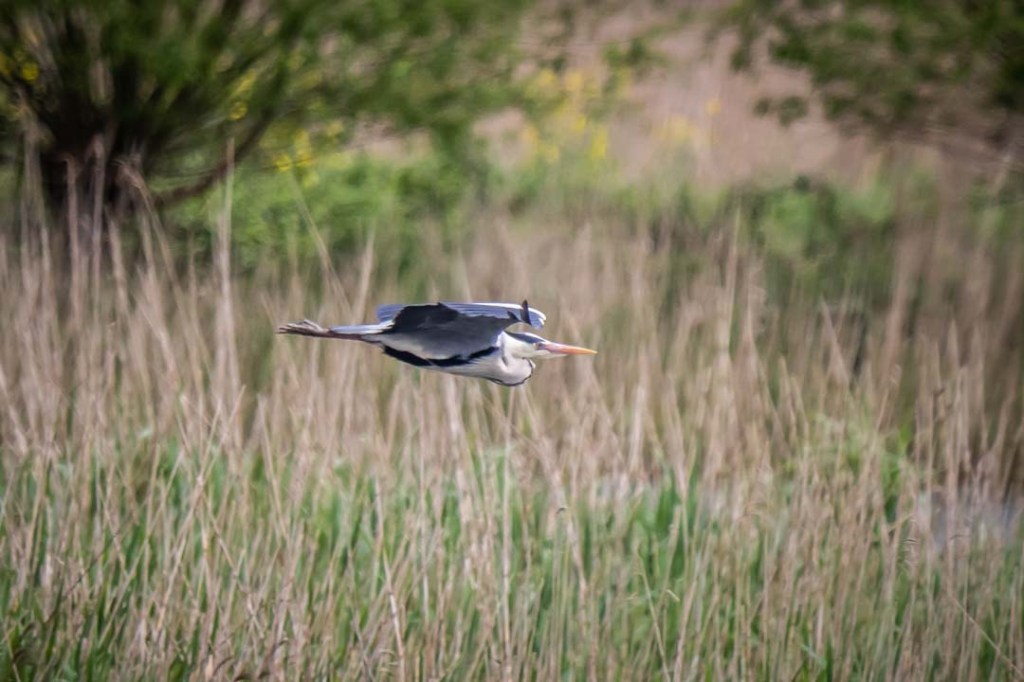
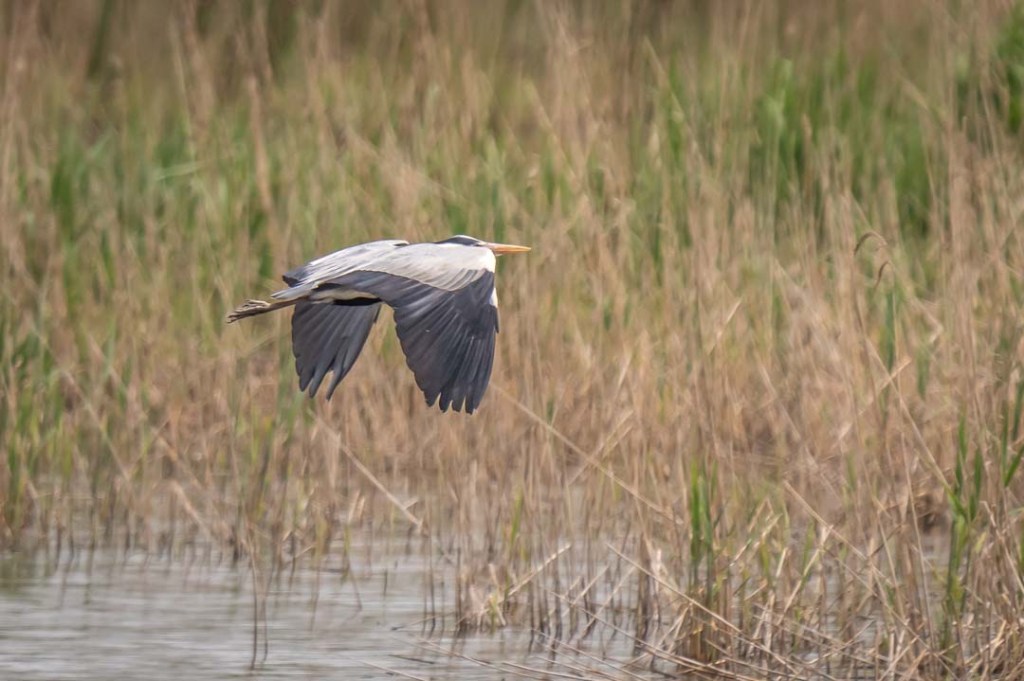
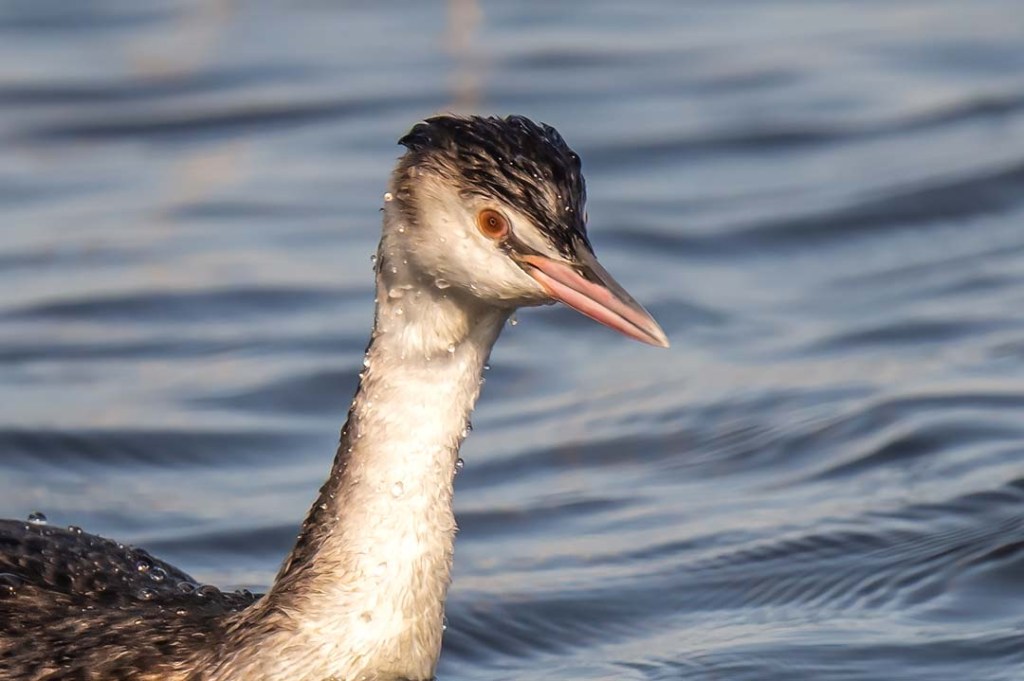
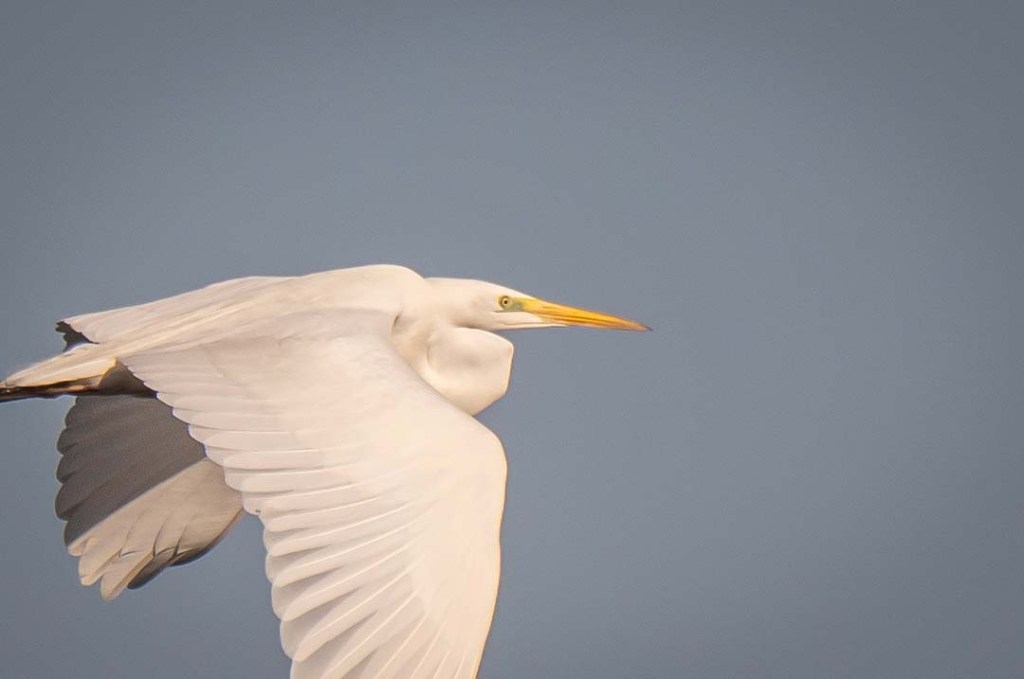
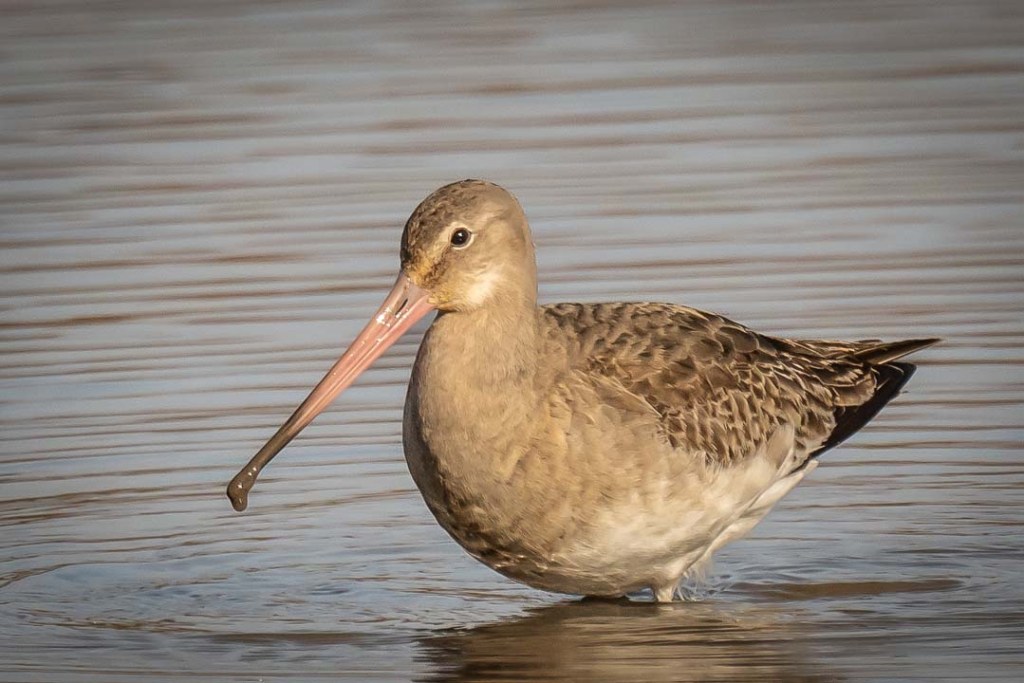
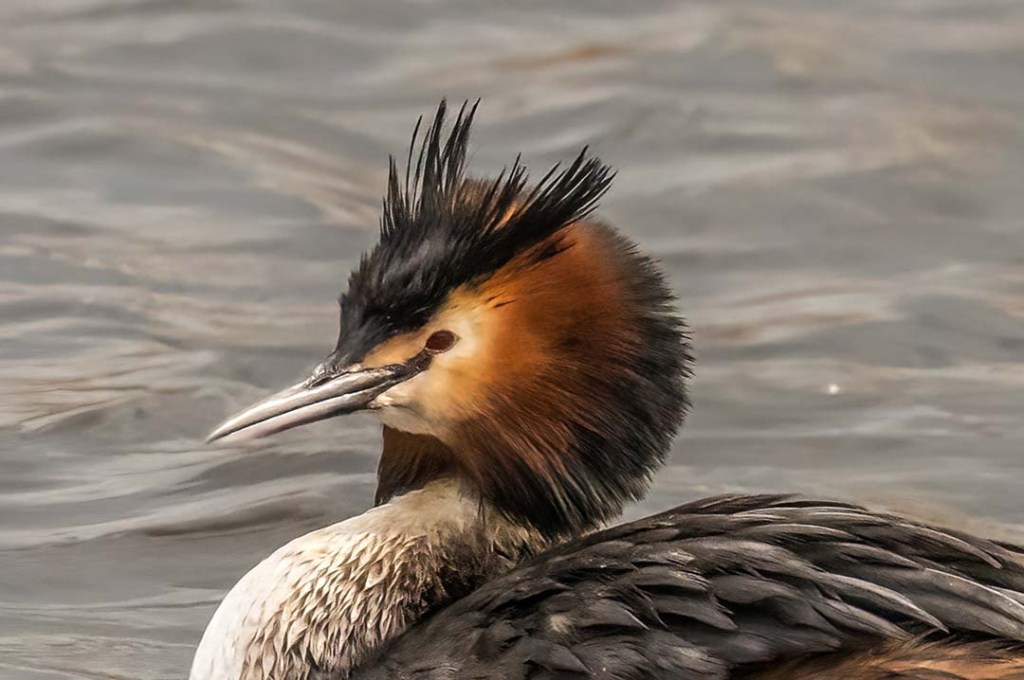
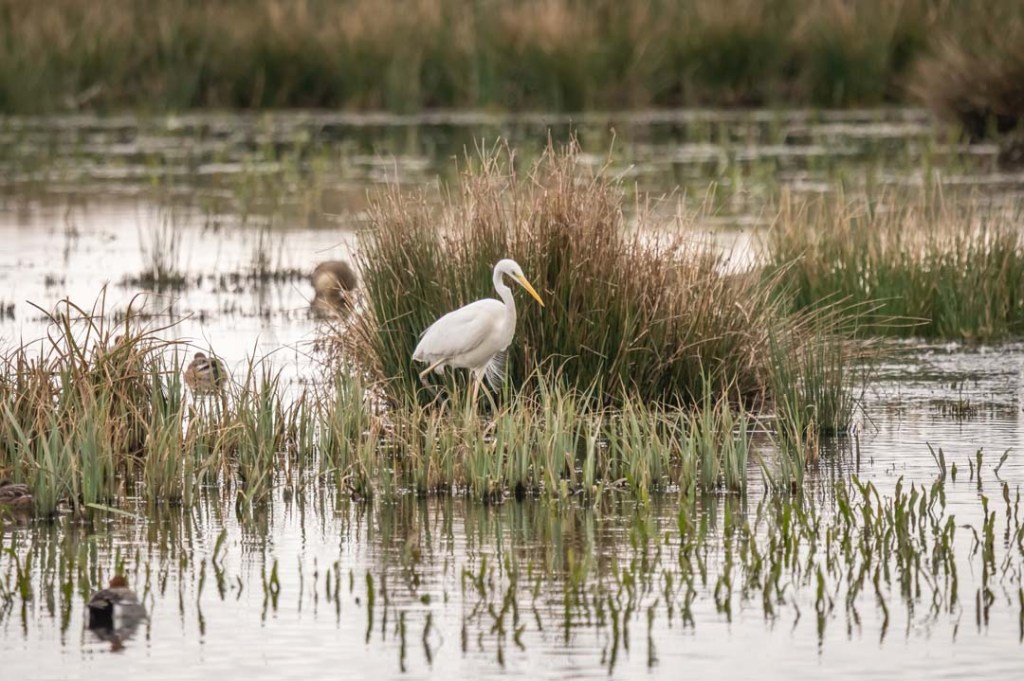
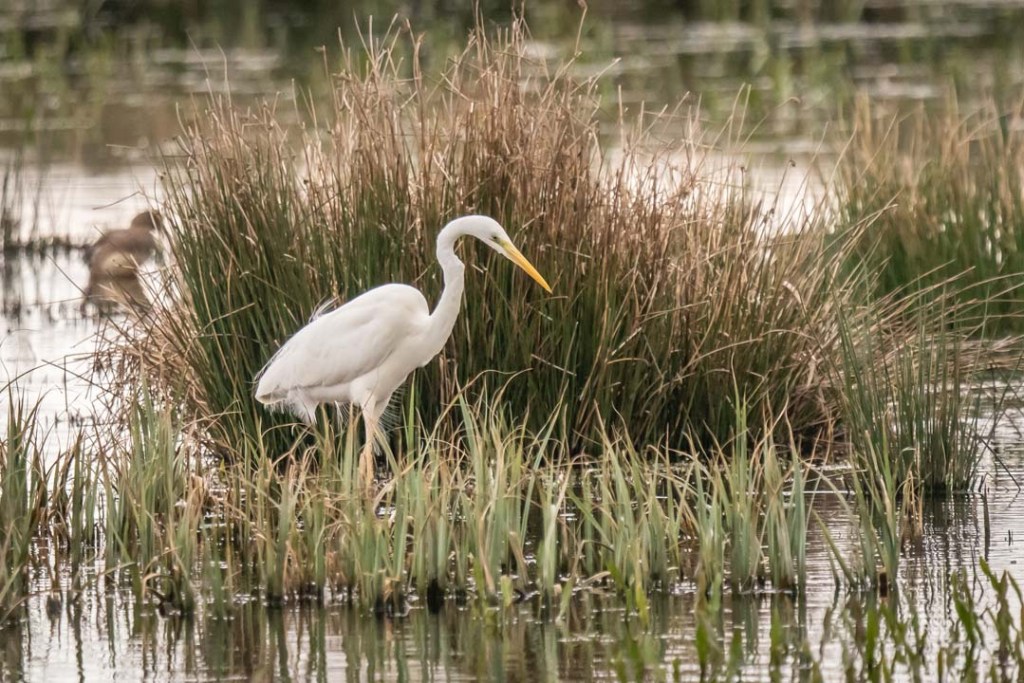
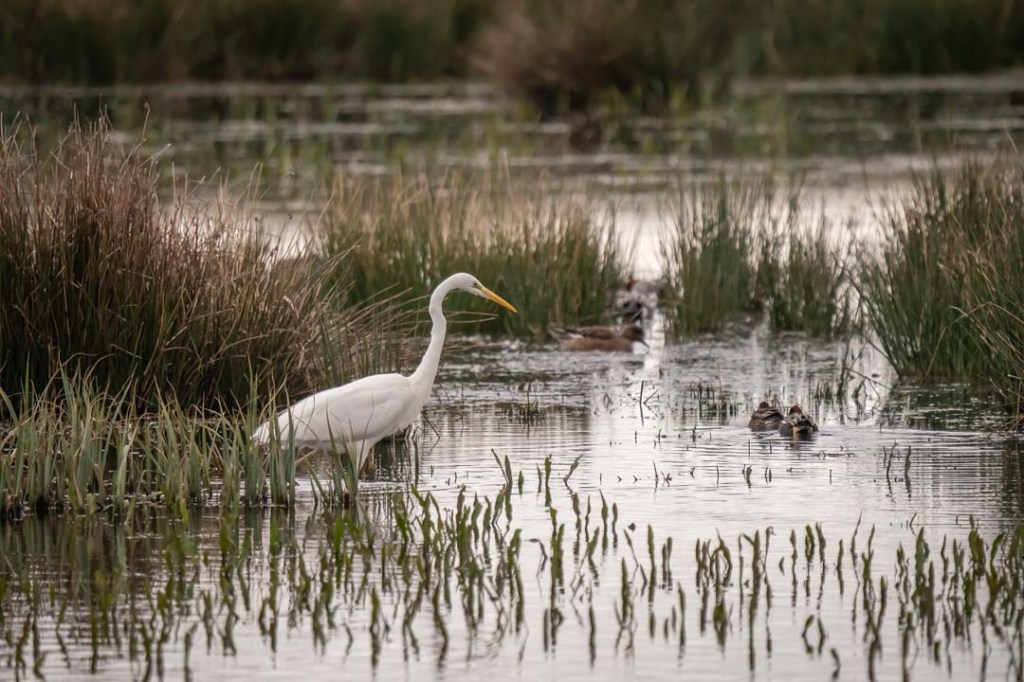
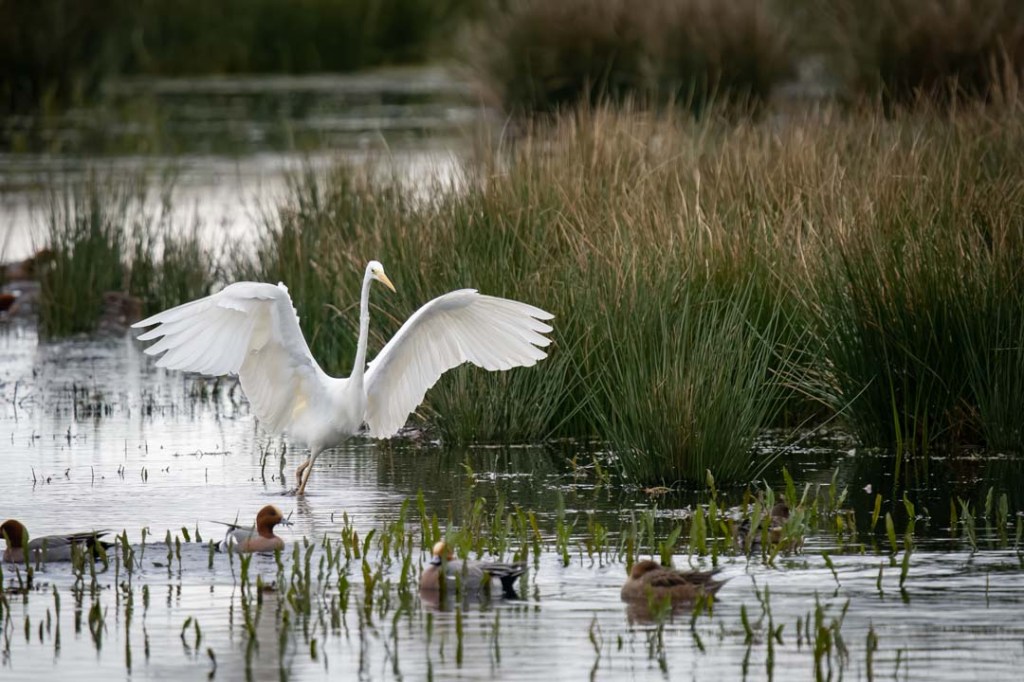
The highlight was clearly the great reed warbler but there was plenty to enjoy with bitterns booming (and a quick glimpse of one in flight), marsh harriers, a hobby, great white egrets and grey herons, great crested grebes, pochards, gadwall, coots with chick and a decent sized flock of black-tailed godwits.
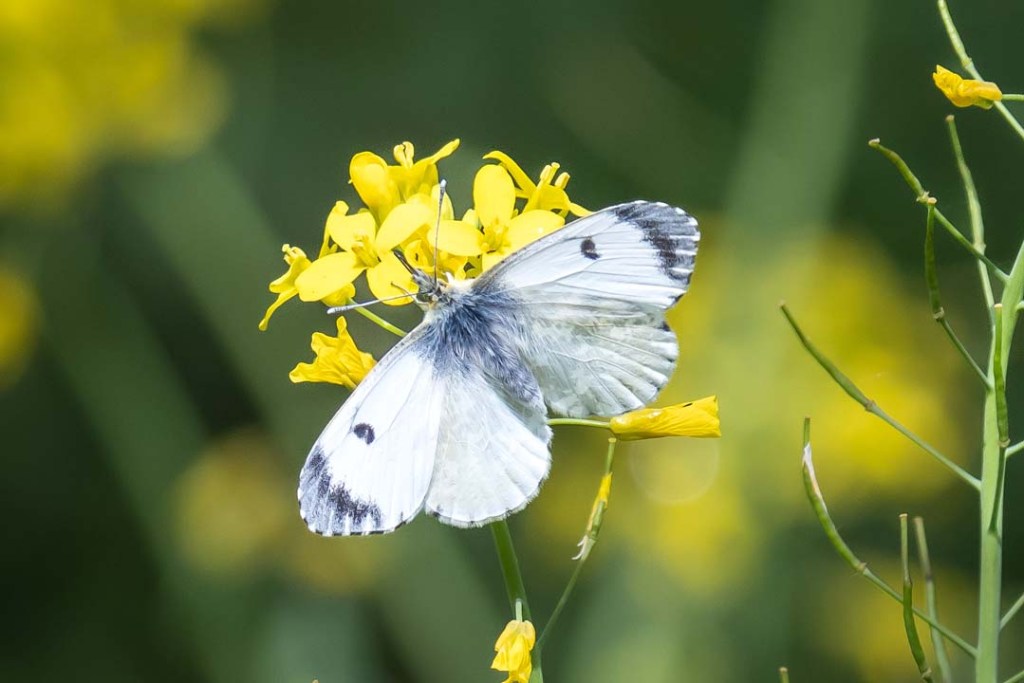
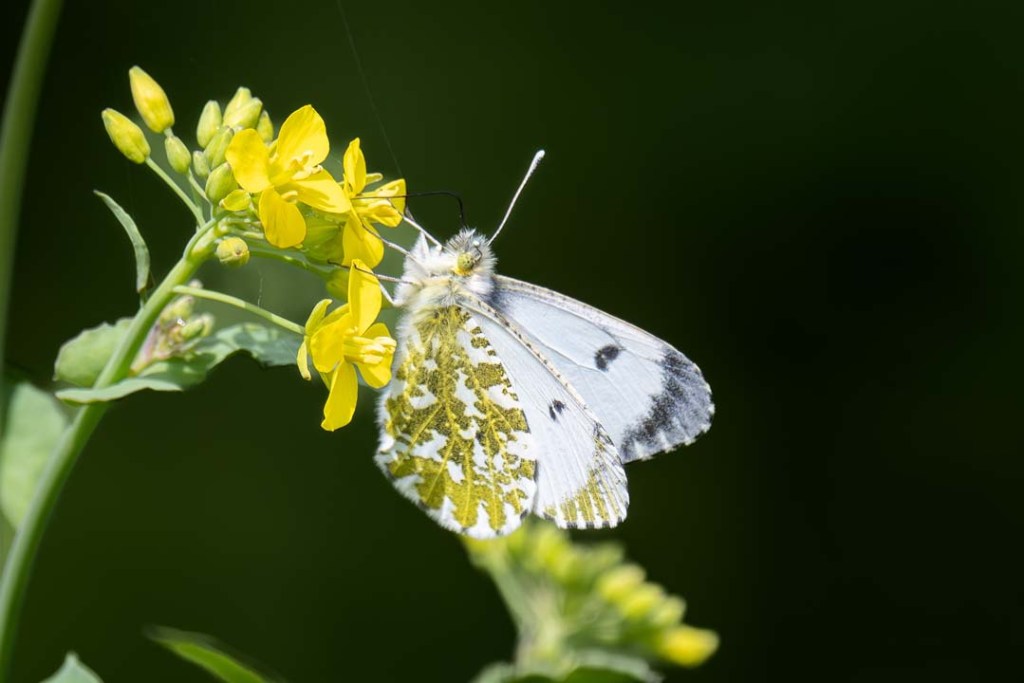
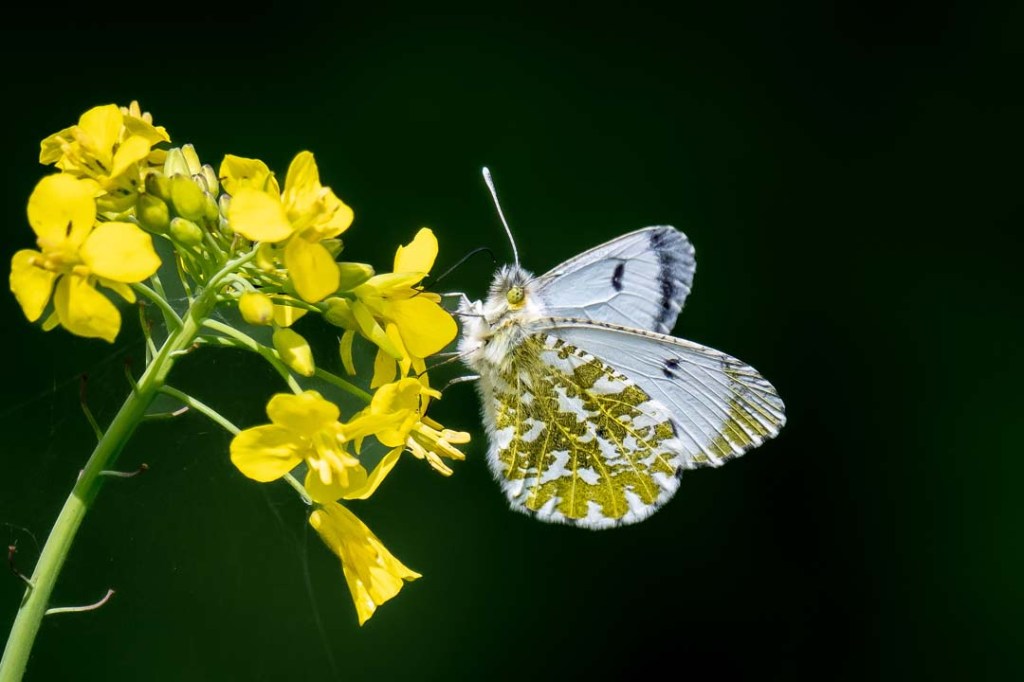
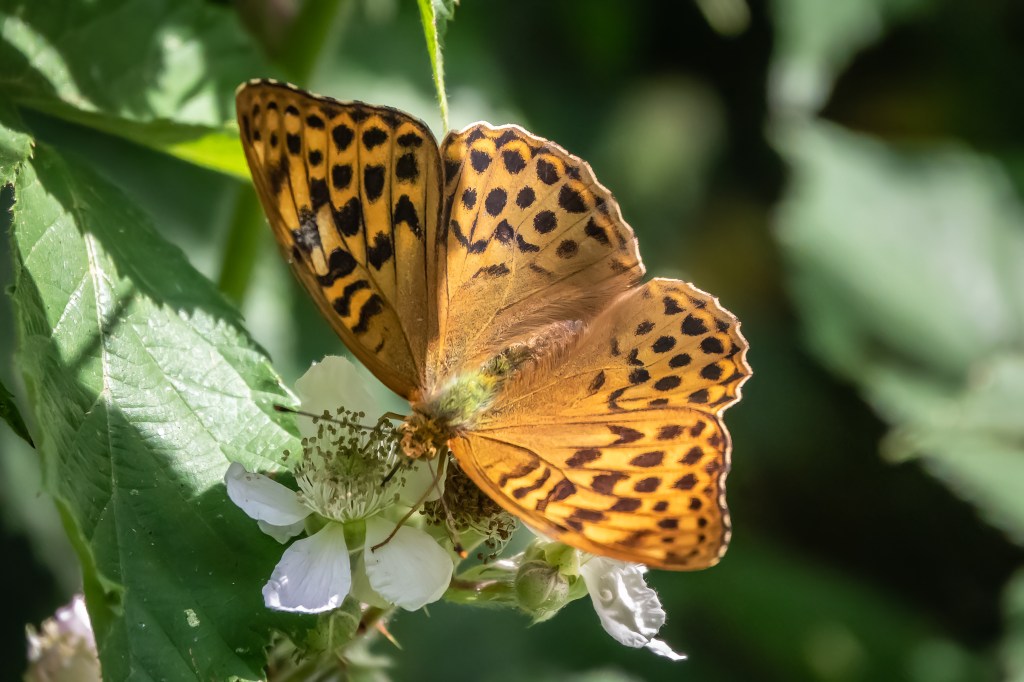
Great white egretMarsh harrierGrey heronGreat crested grebeGreat crested grebeGadwallPochardCoot with chickBlack-tailed godwitsOrange-tip butterfly
The last few days we have been making the most of the opportunity to savour spring in the countryside as the weather forecast is not very encouraging.
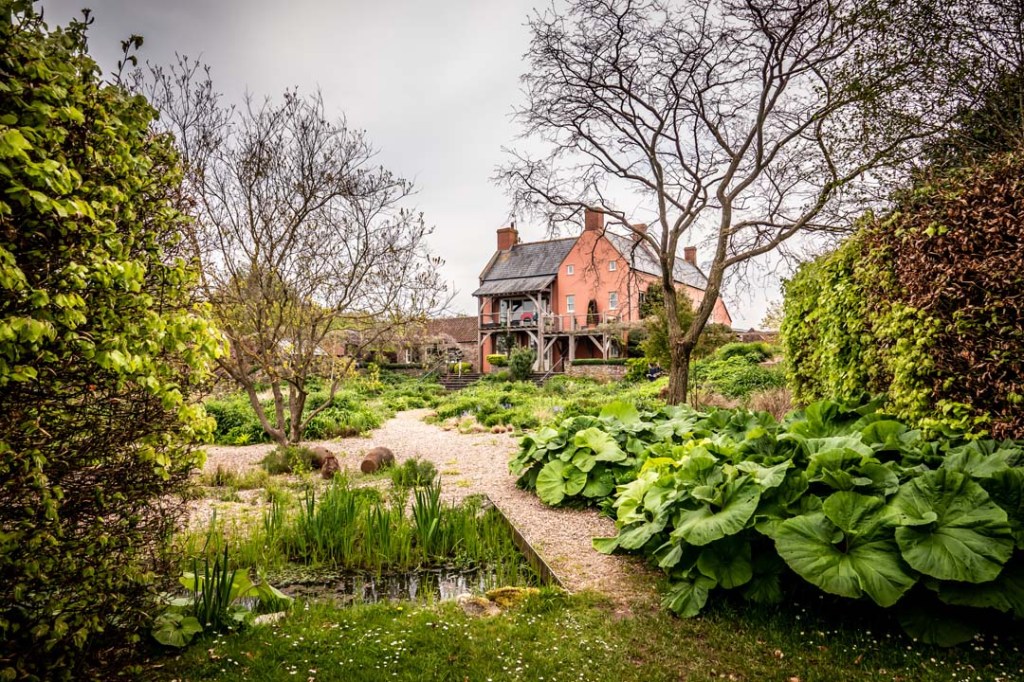
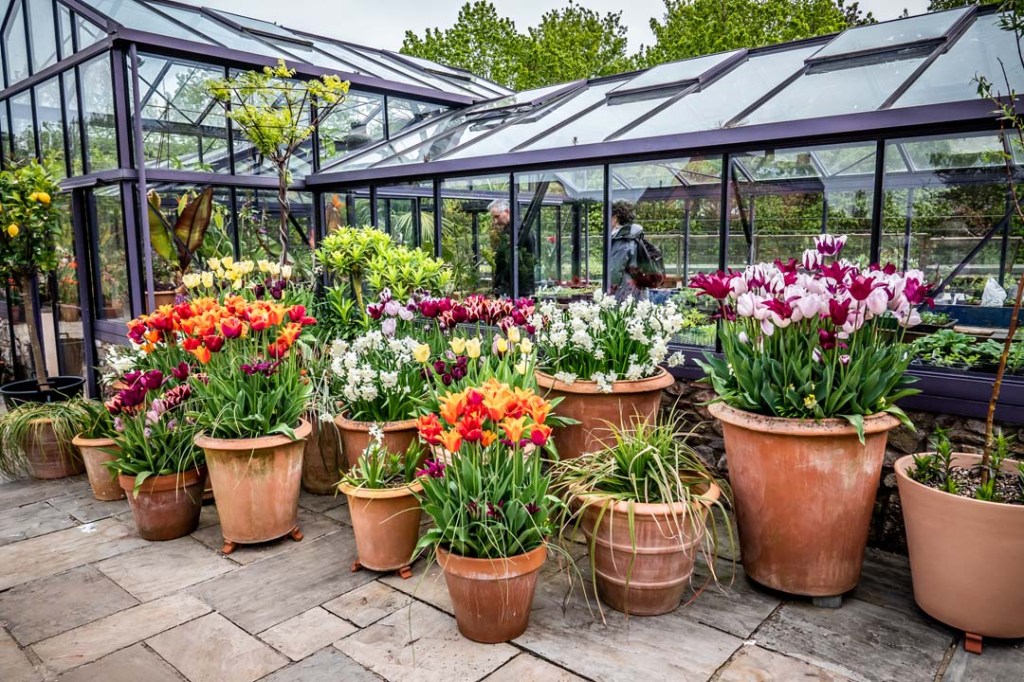
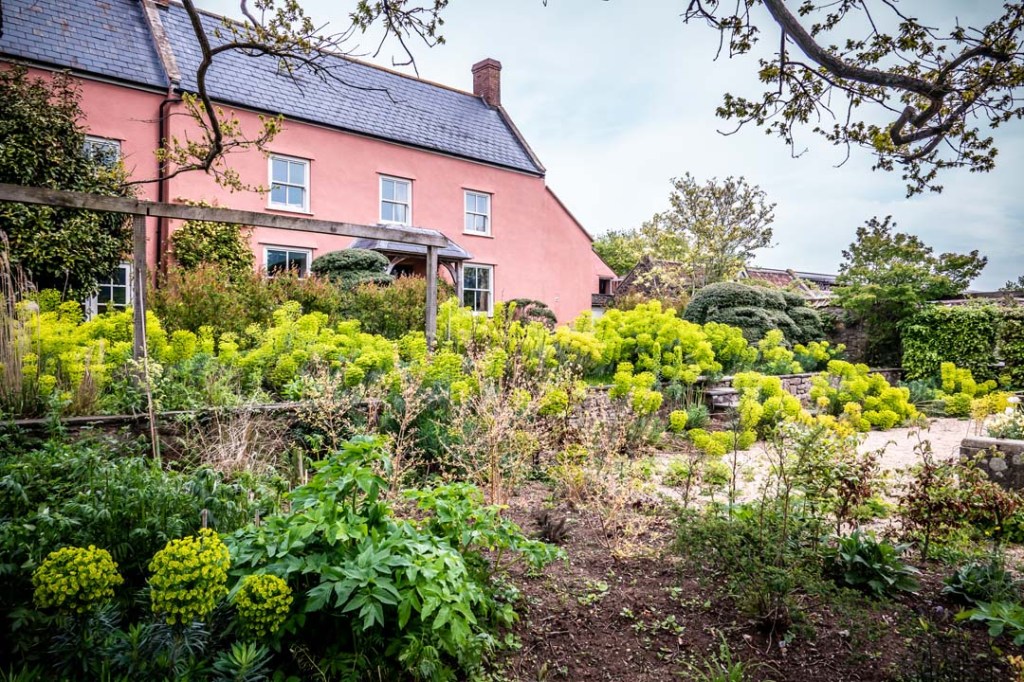
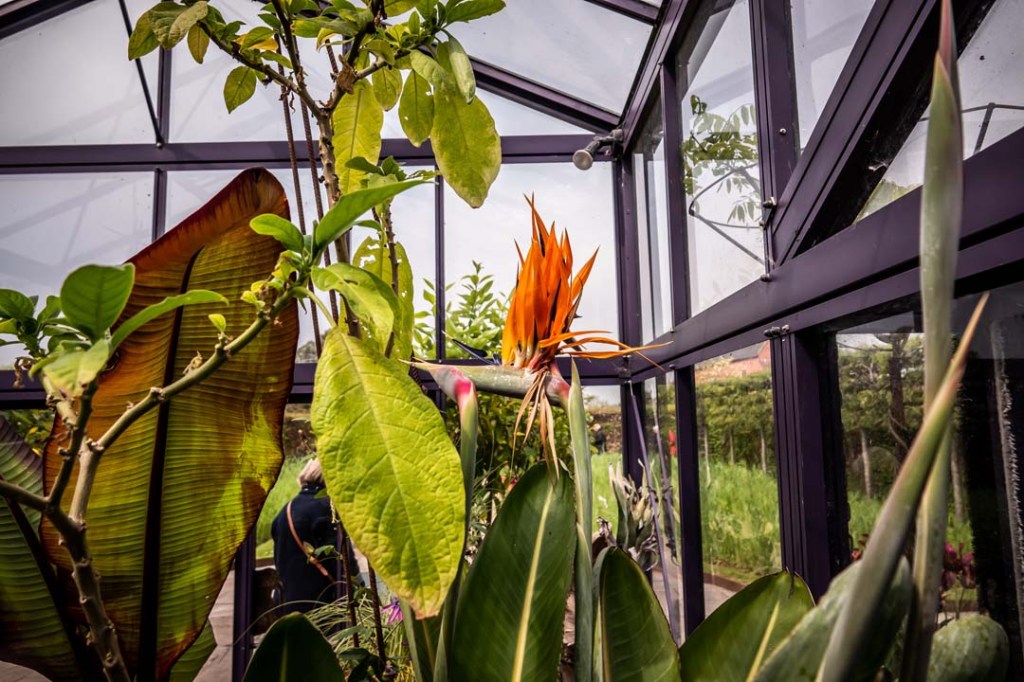
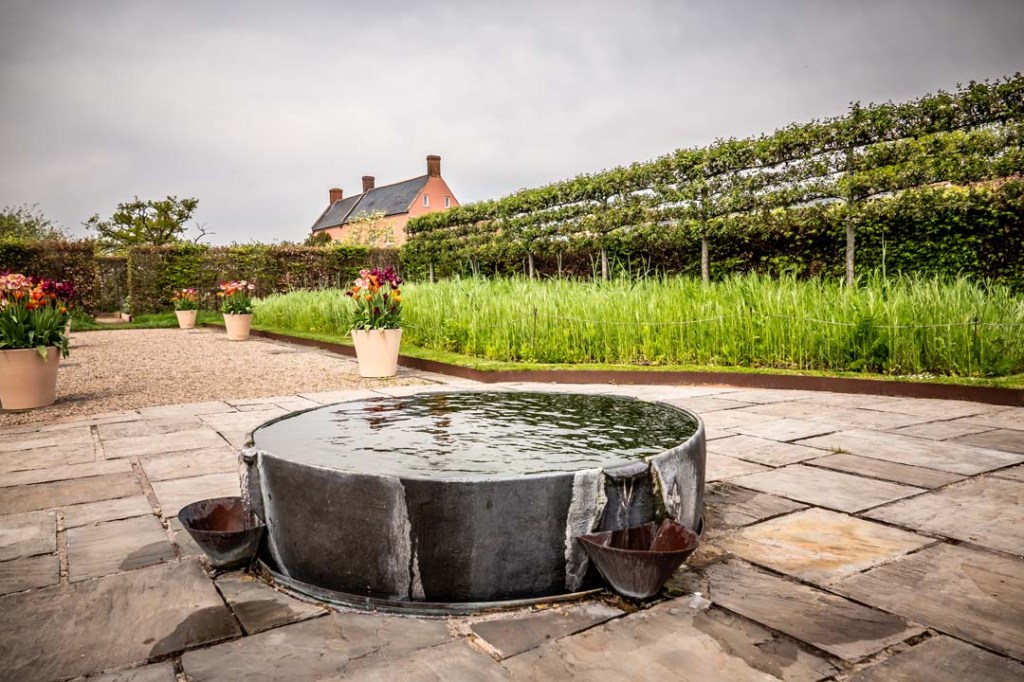
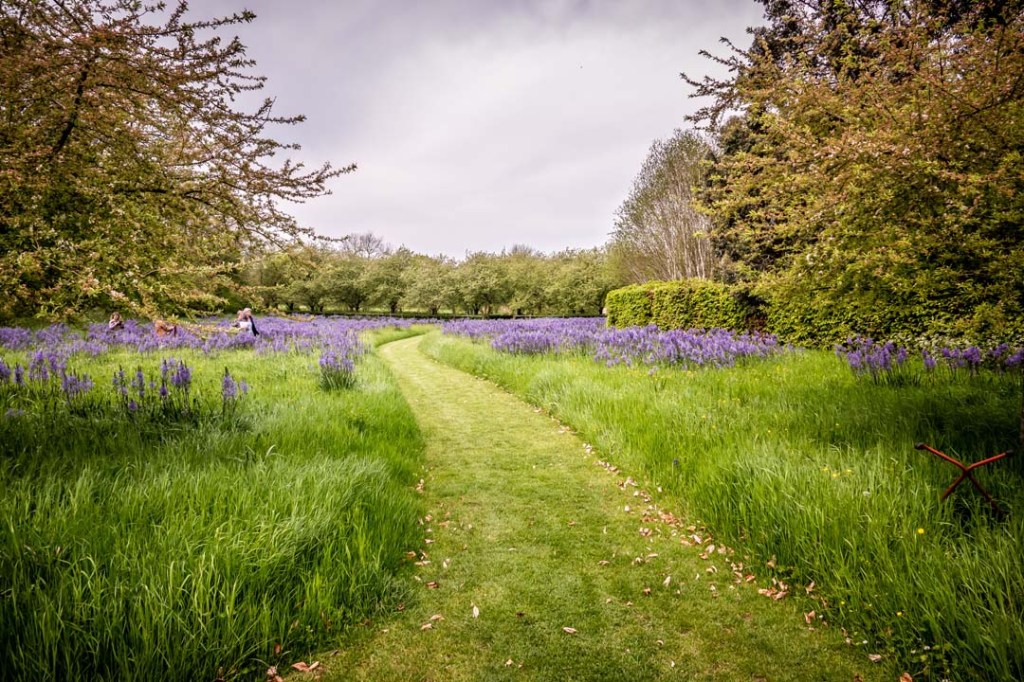
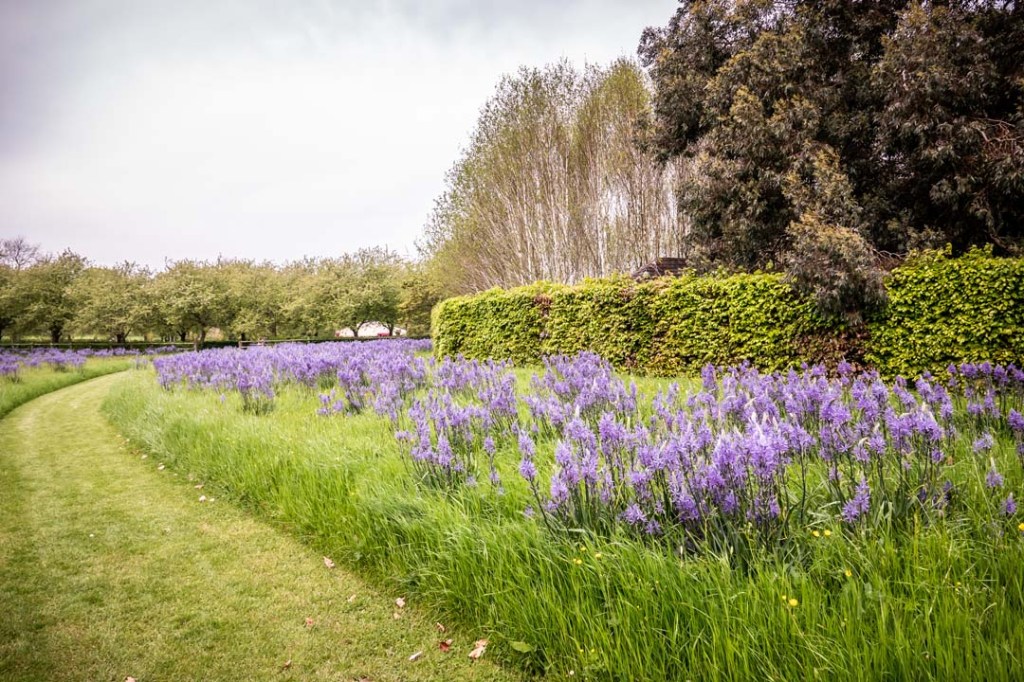
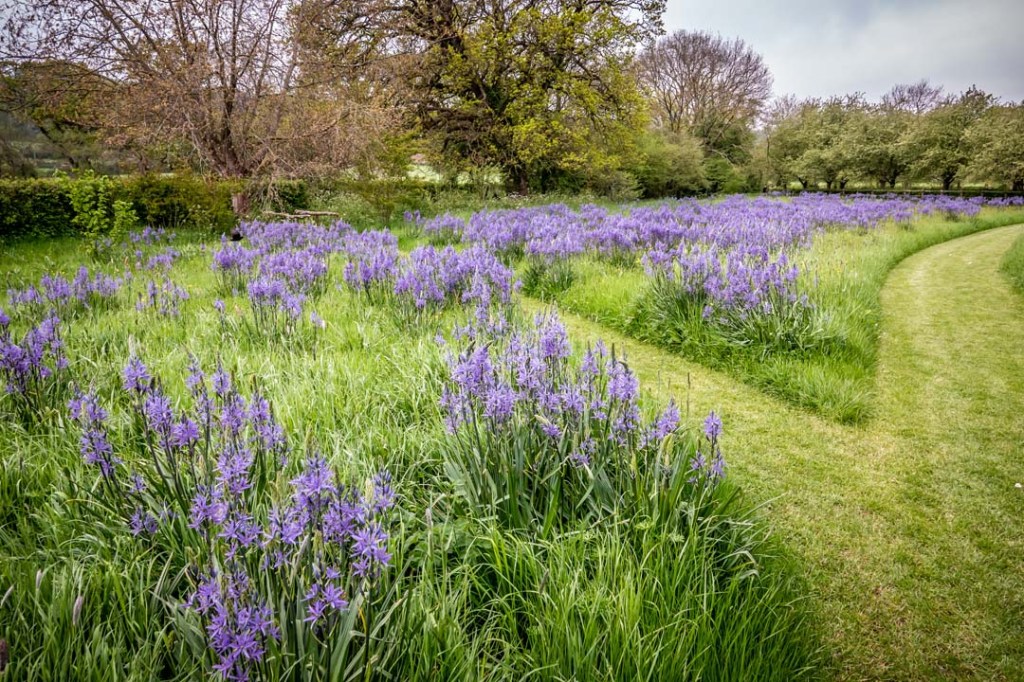
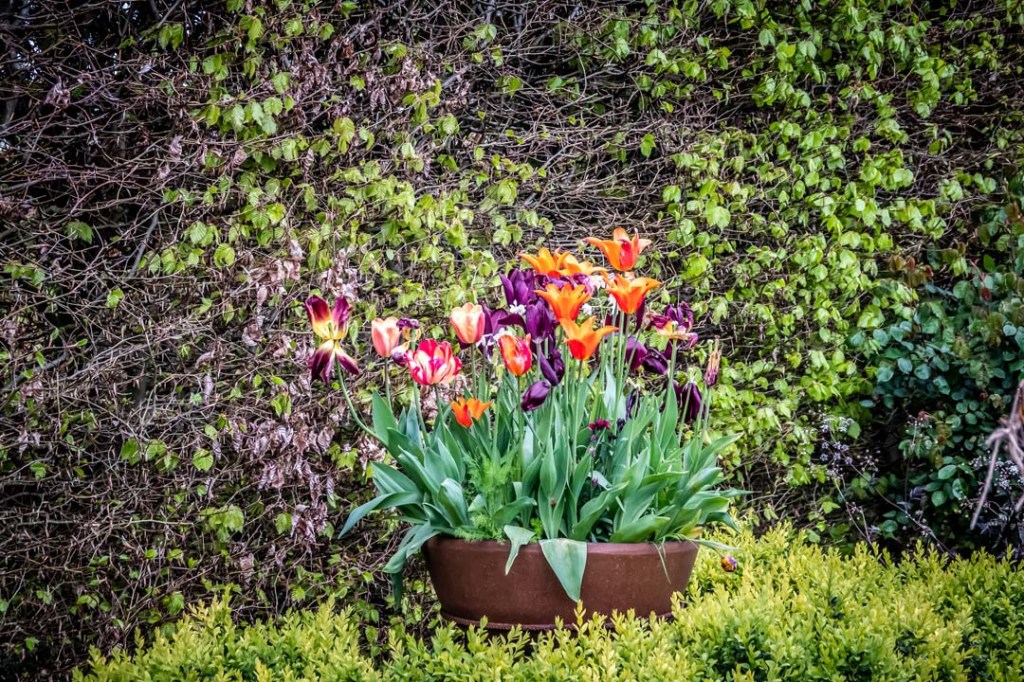
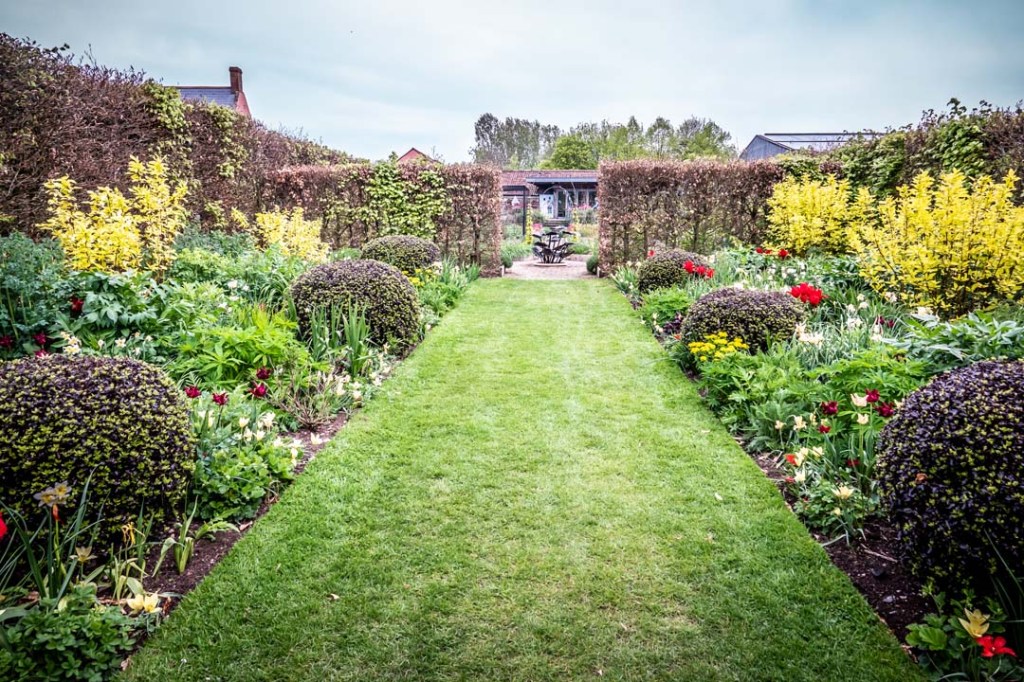
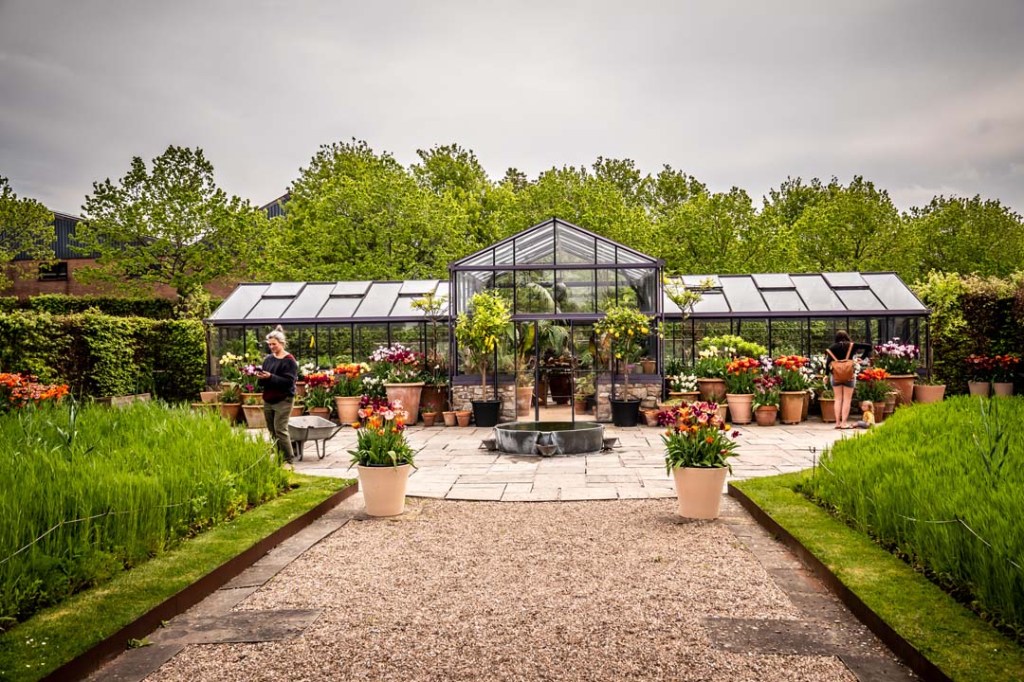
This morning we visited the Yeo Valley Organic Garden in Chew Valley, a favourite of ours.
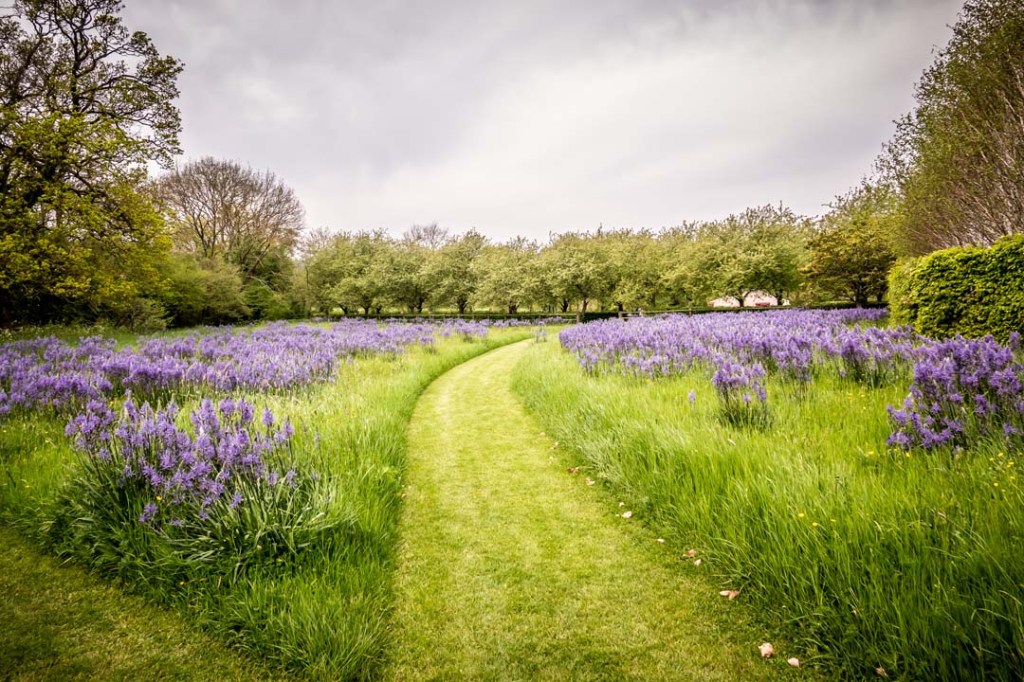
The meadow of leichtlinii camassia is definitely the star attraction at this time of the yearCamassia leichtlinii close upThe tulips are just past their best but still make a fabulous displayI love this display of euphorbias by the main houseBird of Paradise in the hot house – outside there were very vociferous willow warblersThis new water feature caught my eye too.
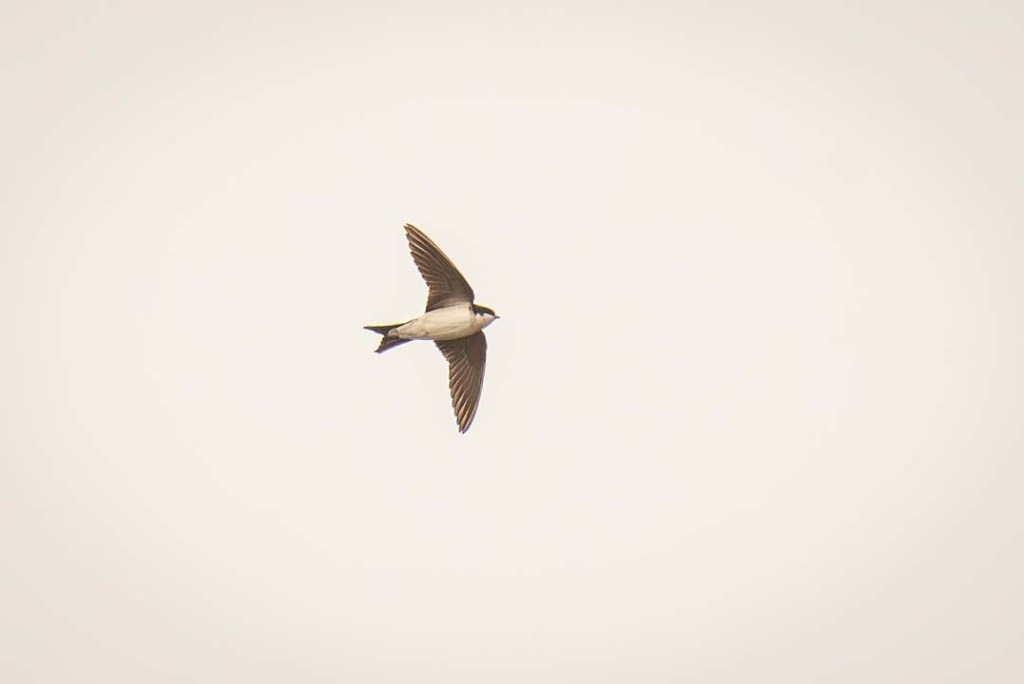
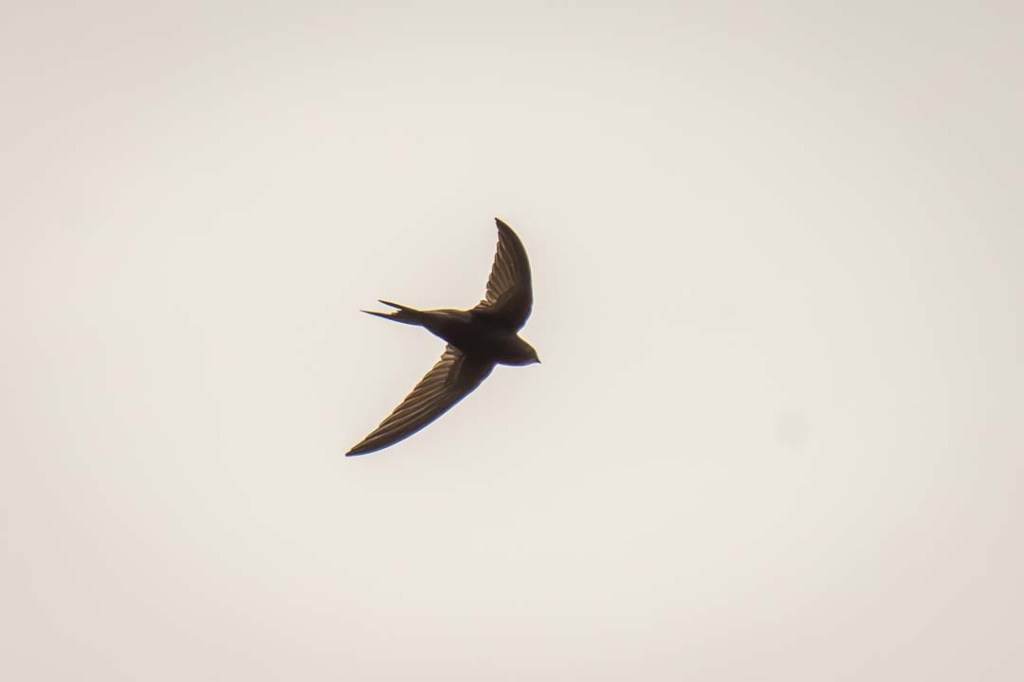
On the way home we stopped briefly at Chew Valley lake where I had my first view of swifts and House Martins – hopefully summer is on its way.
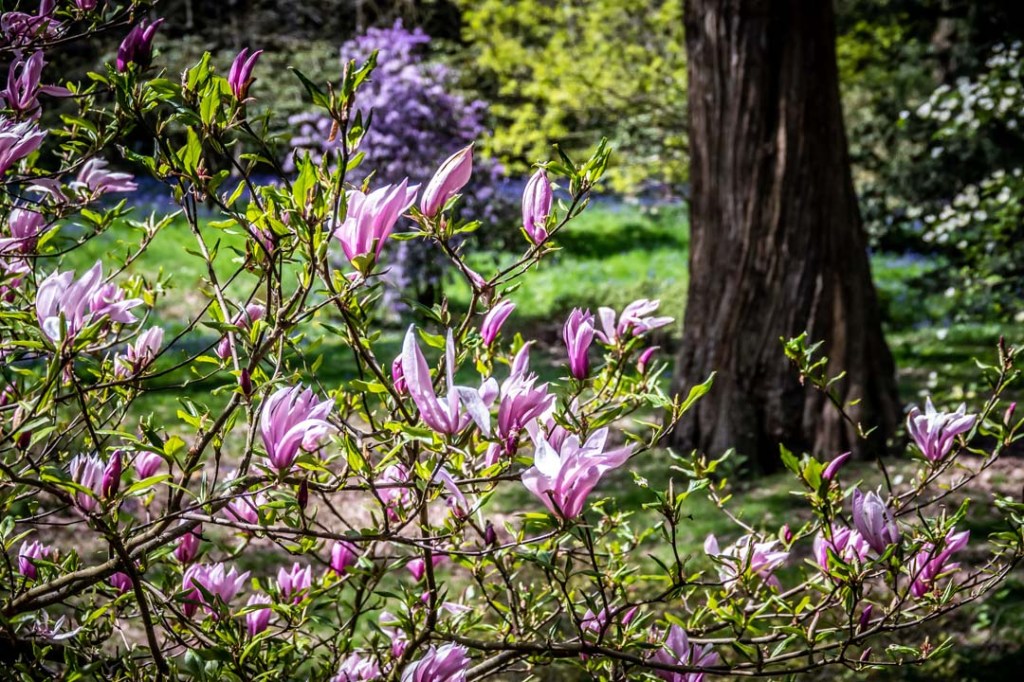
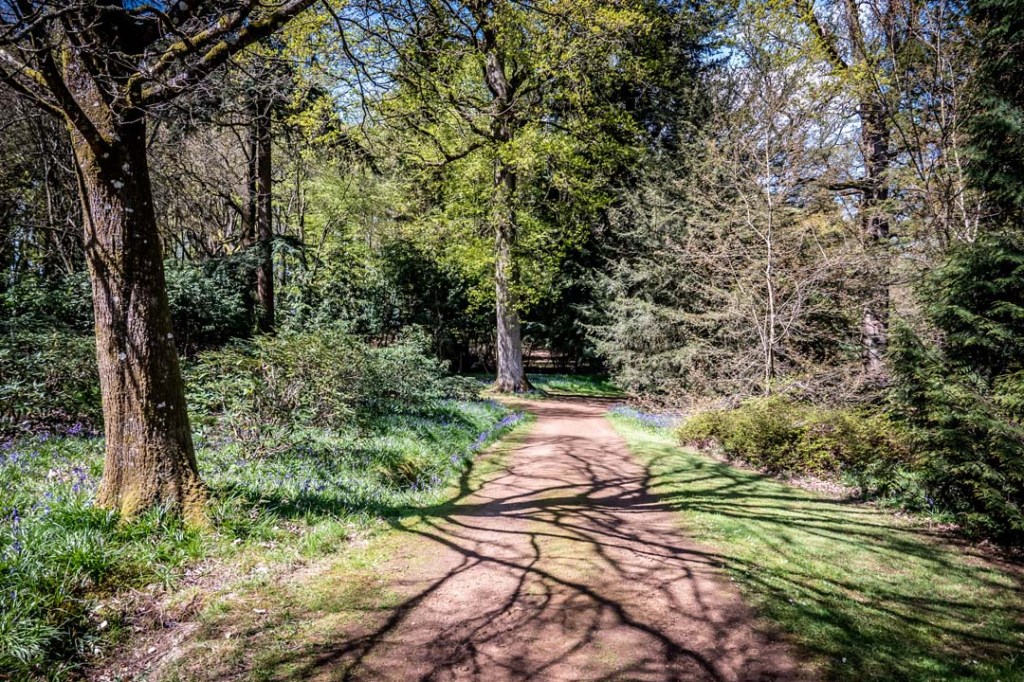
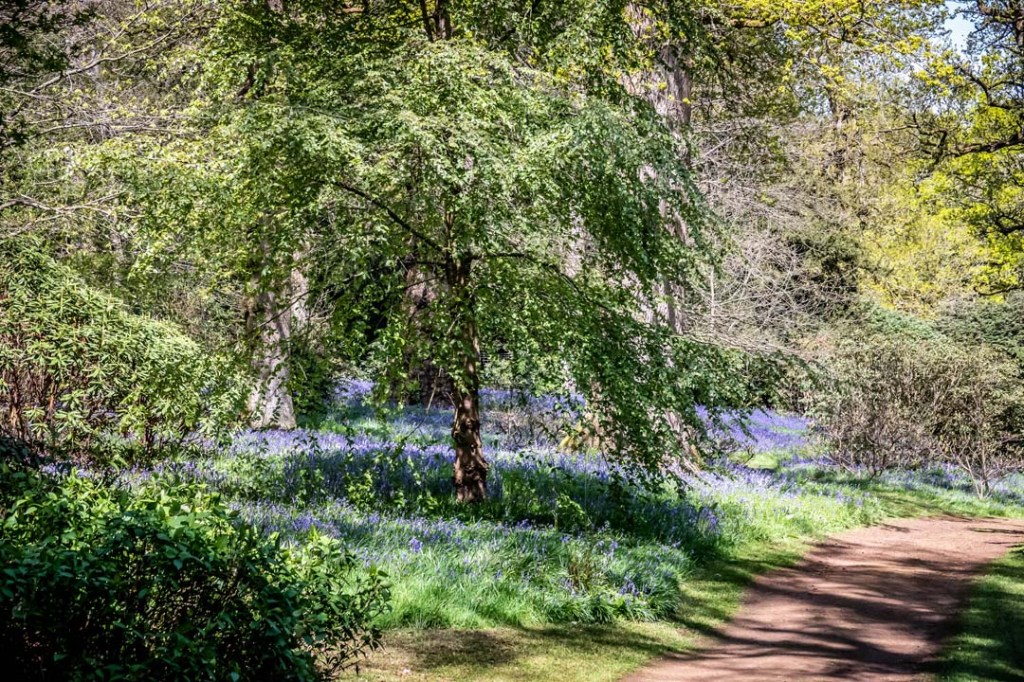
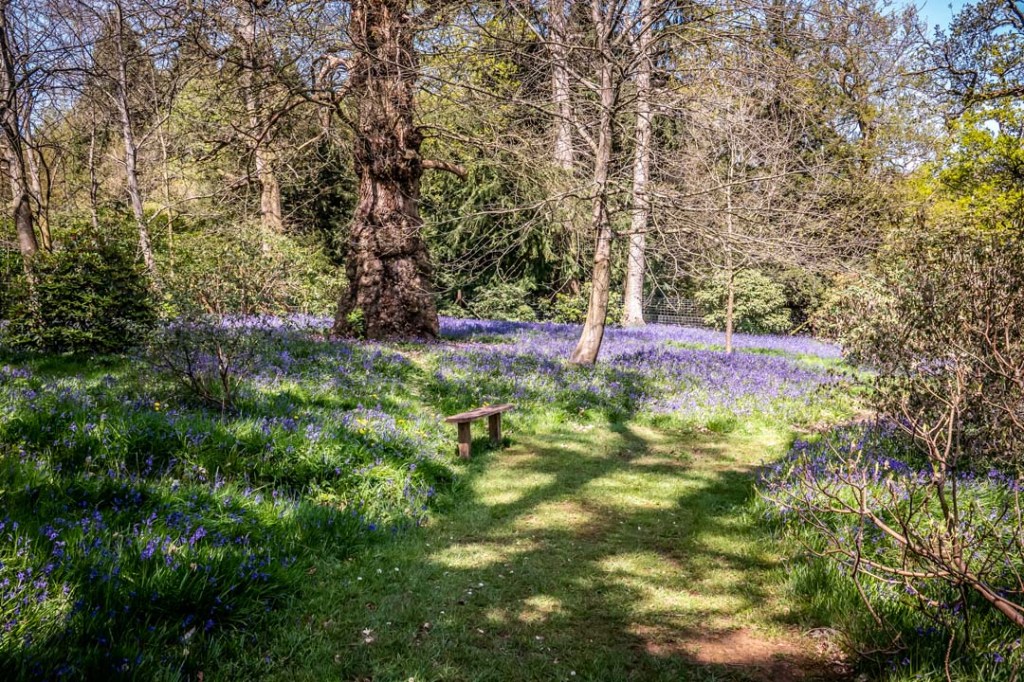
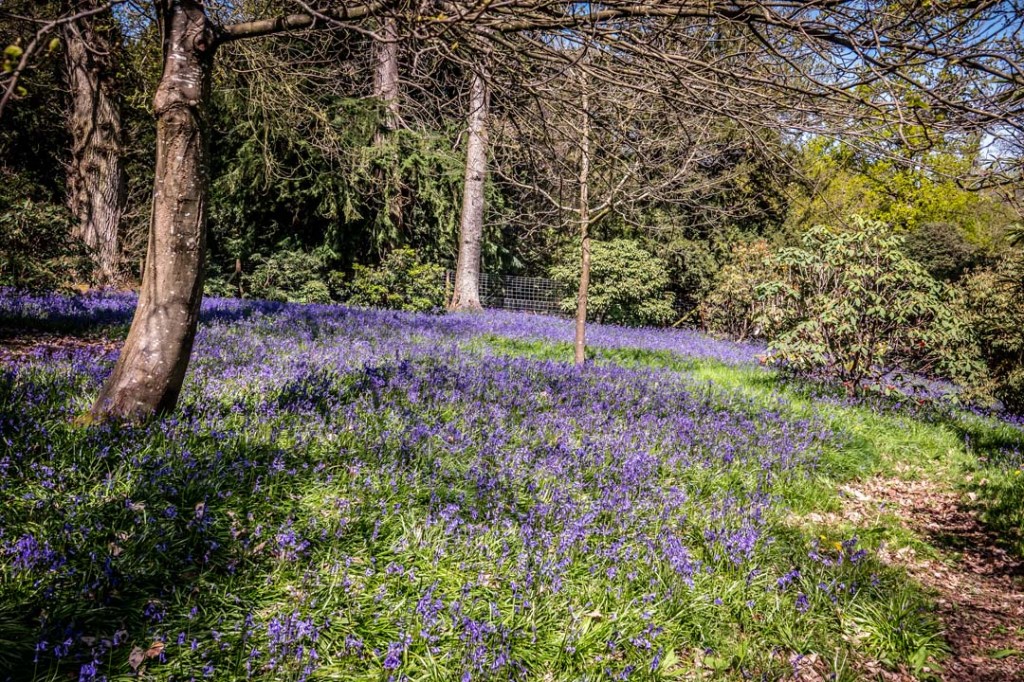
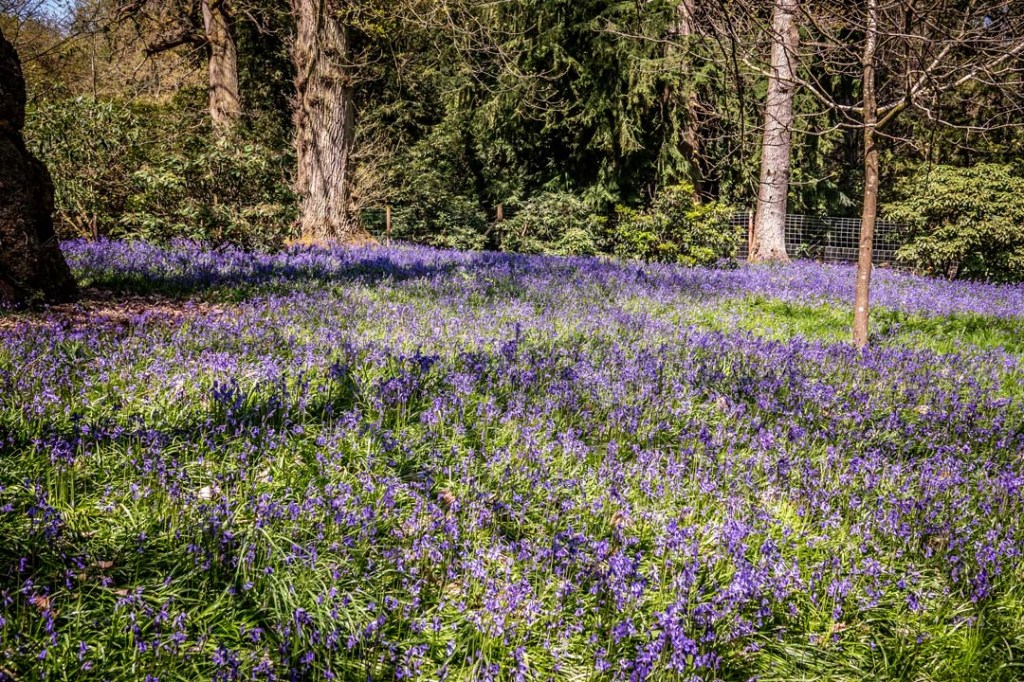
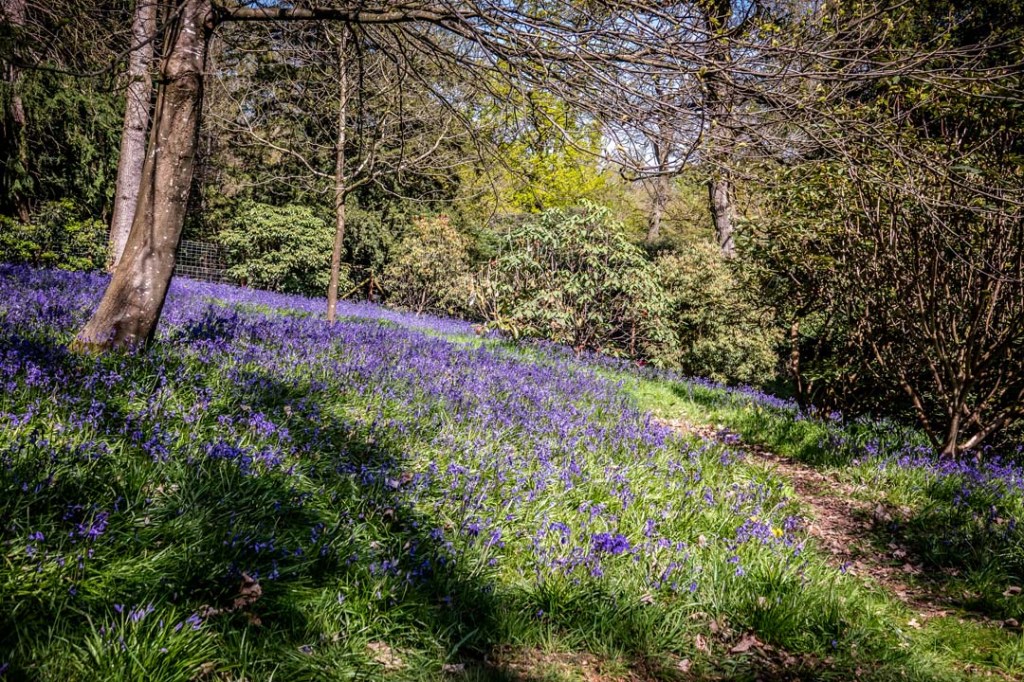
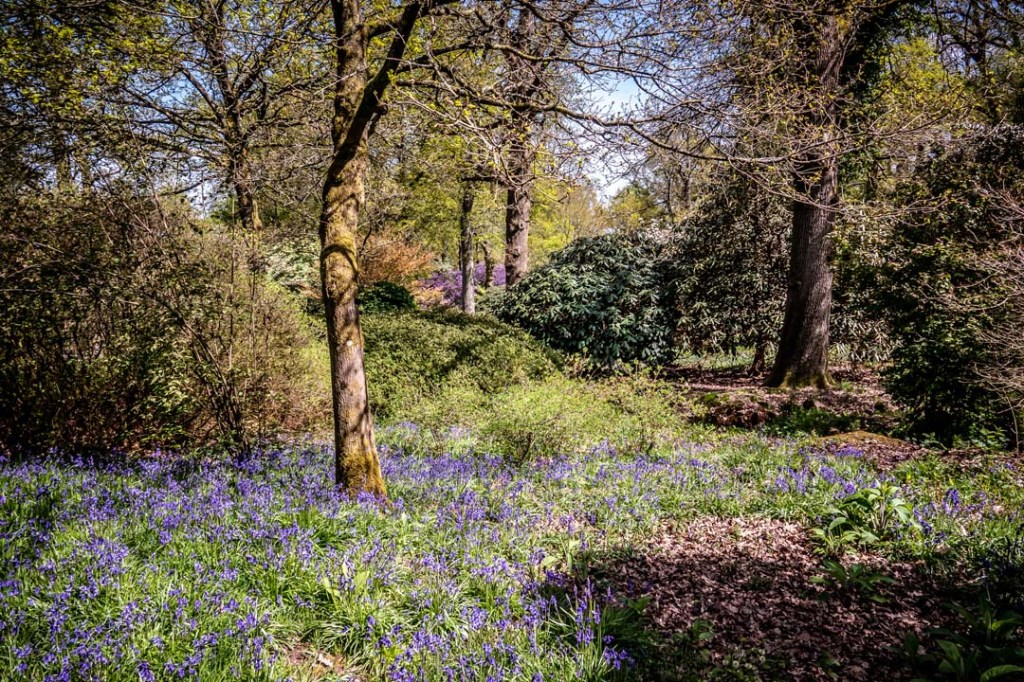
We visited the woodland walks and rides of Bowood House in Wiltshire which are open to the public only from mid-April to early June.
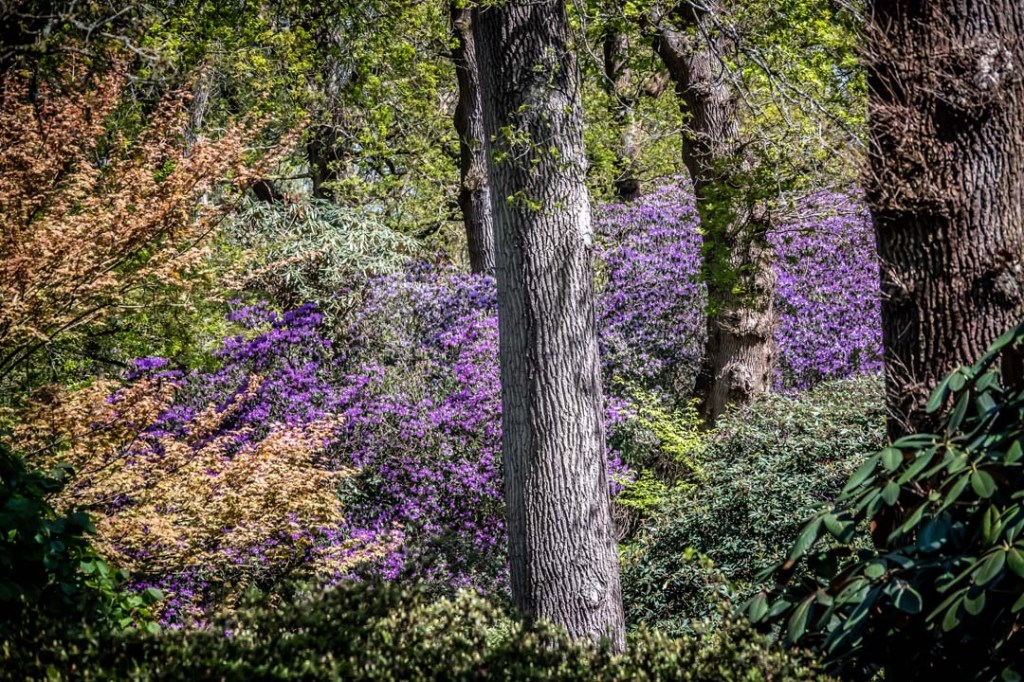
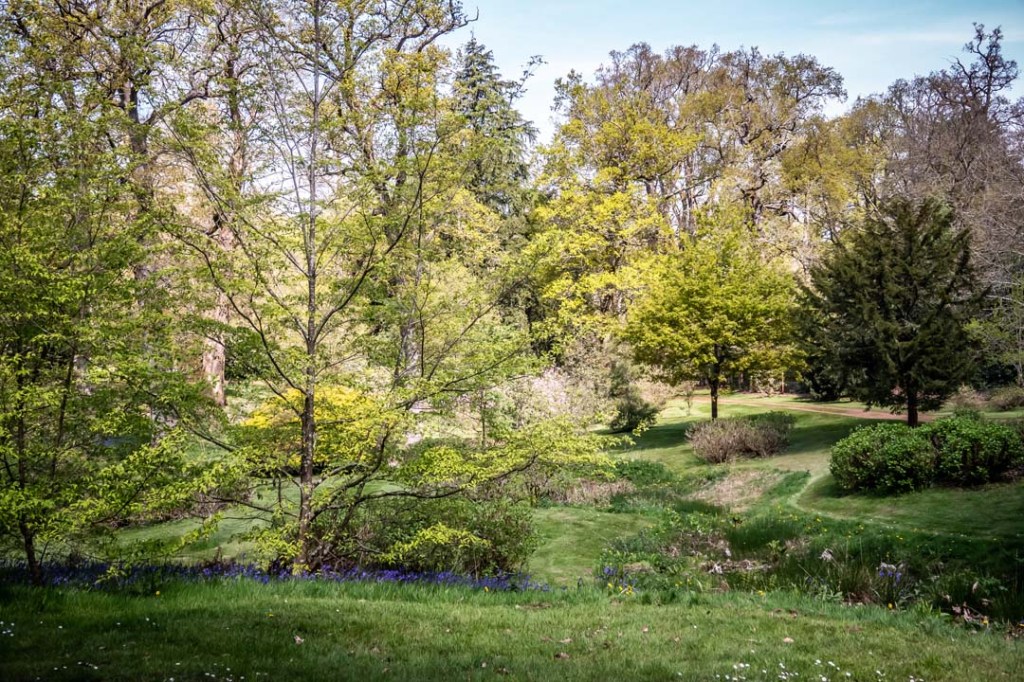
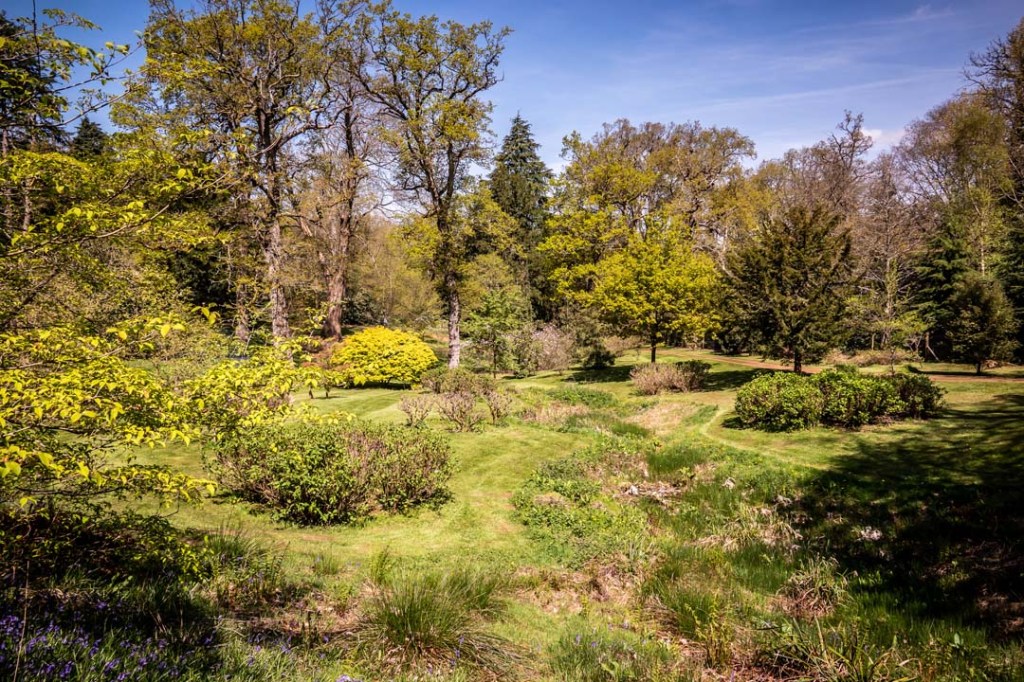
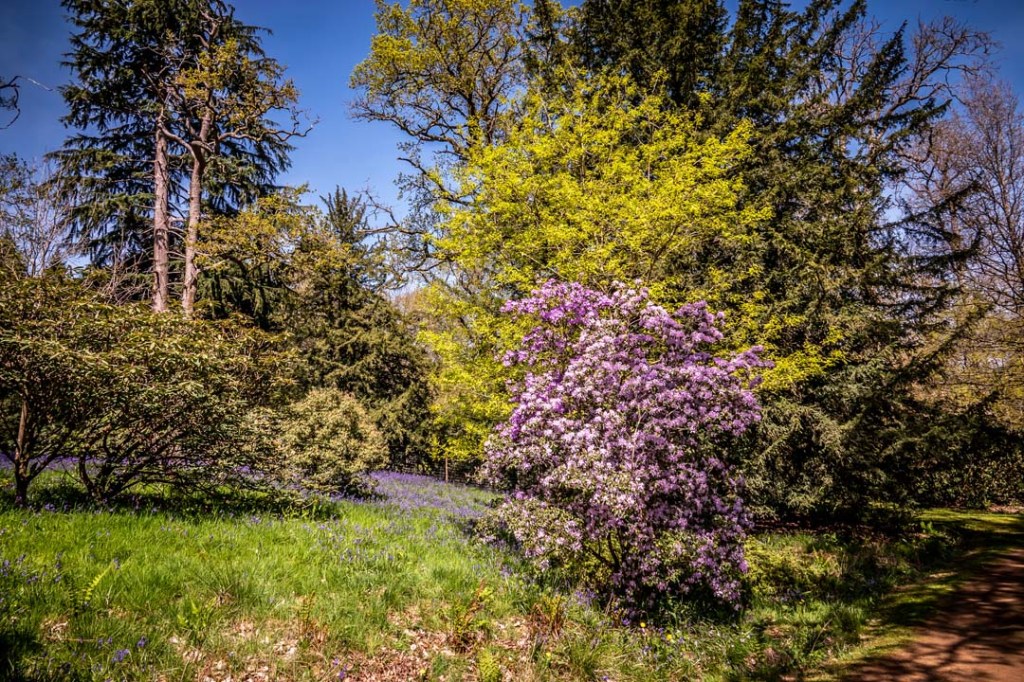
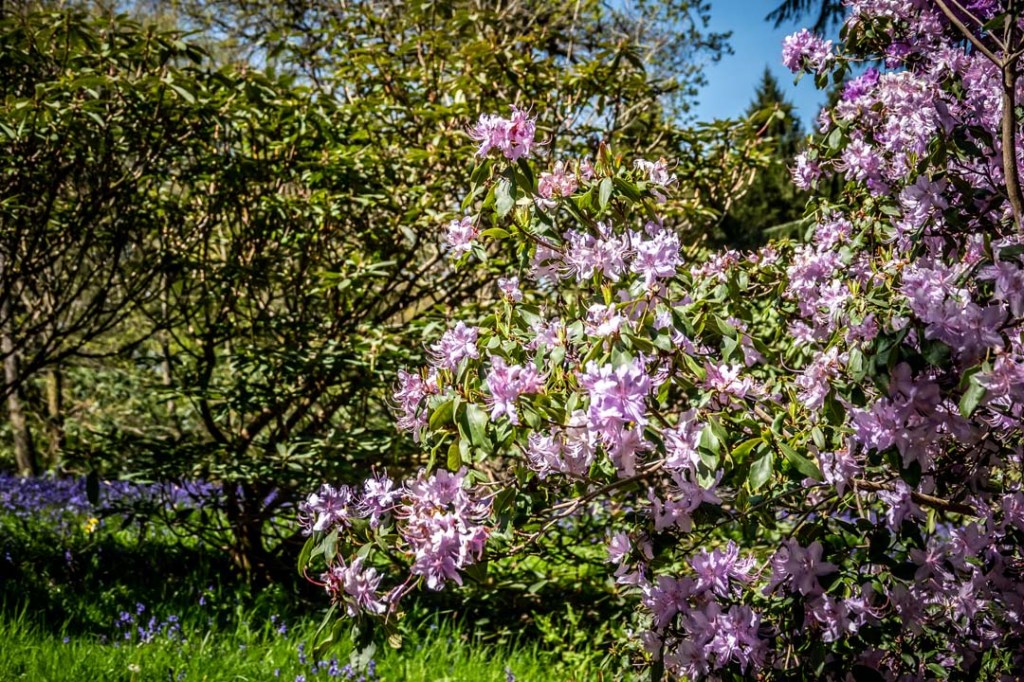
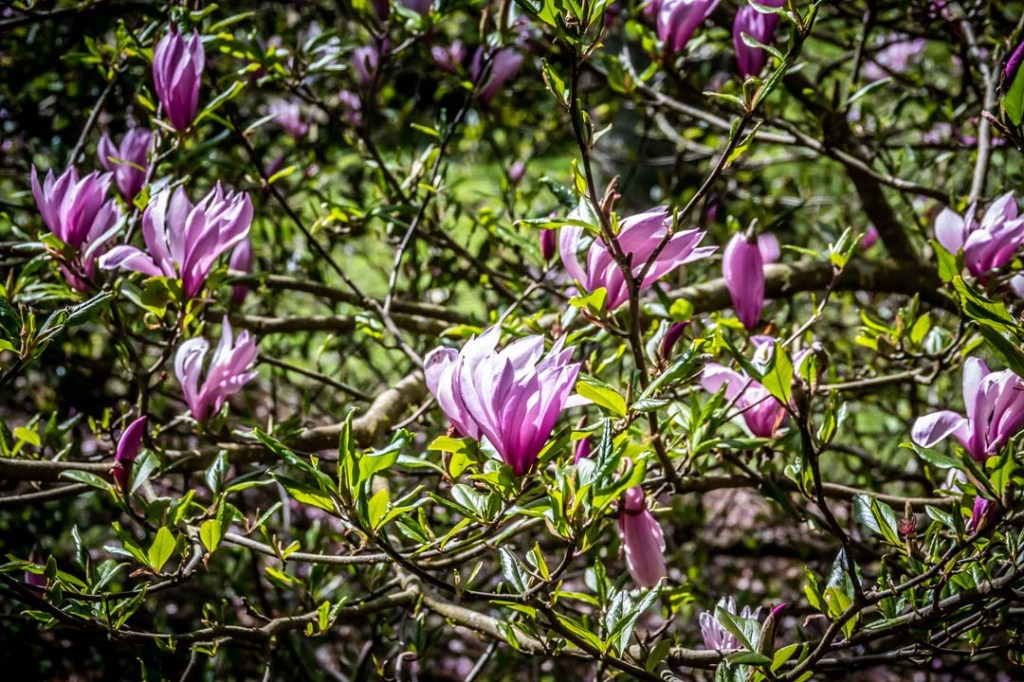
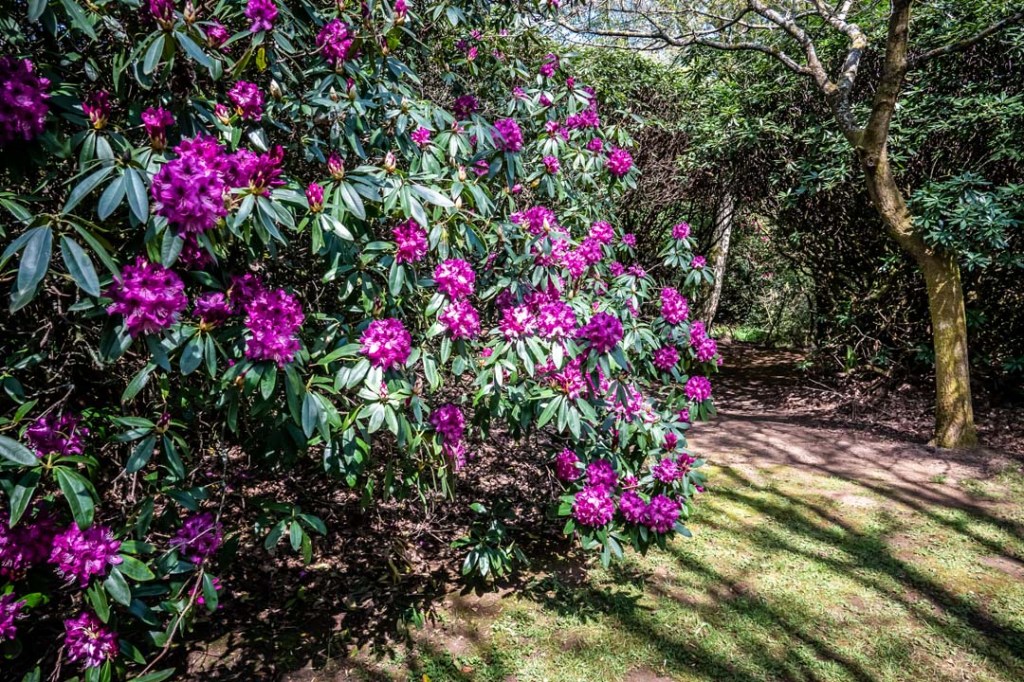
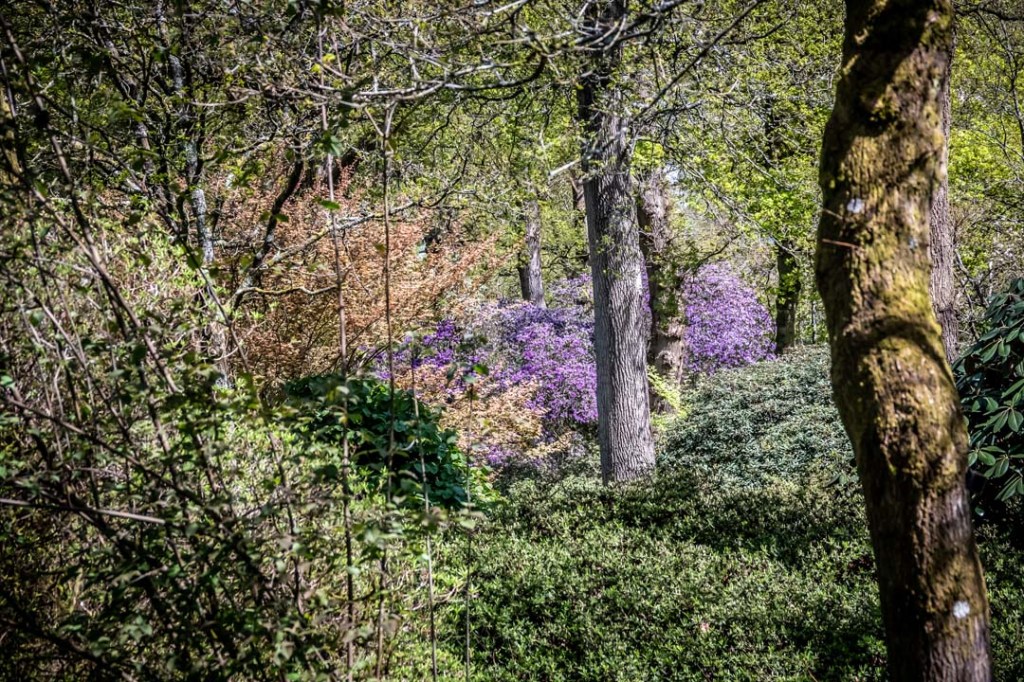
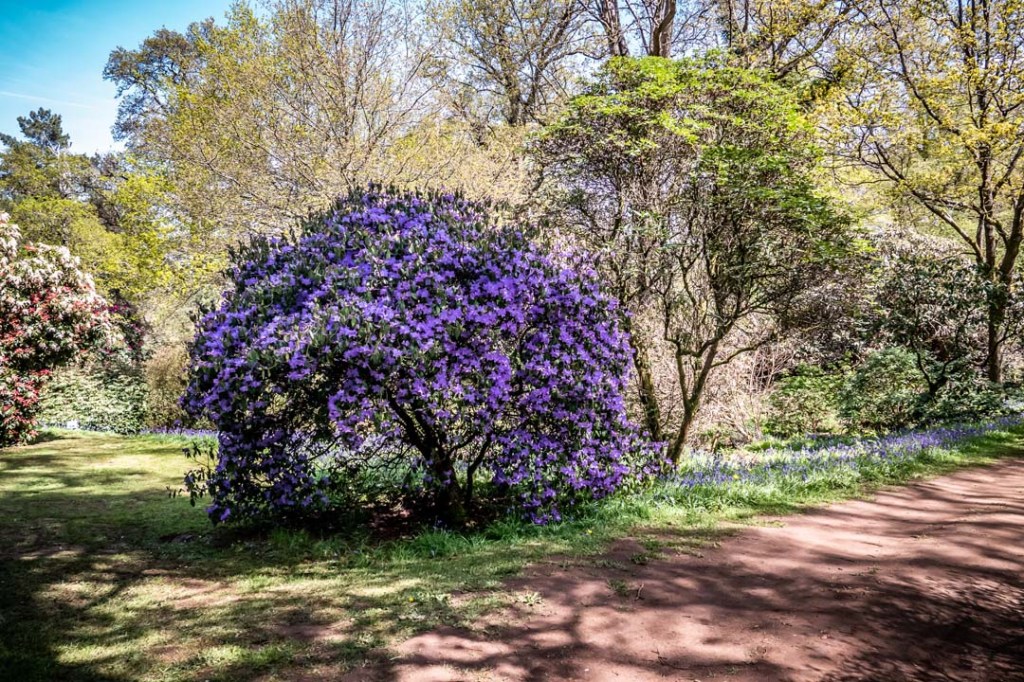
There are over two miles of meandering paths through the woodland valleys with wonderful vistas of bluebells, magnolias and azaleas (and later rhododendrons).
Our best “bird” moment was at the open air café at the beginning of the walk where we were serenaded by a yellowhammer – its song has a rhythm similar to the phrase “a little bit of bread and no cheese”.
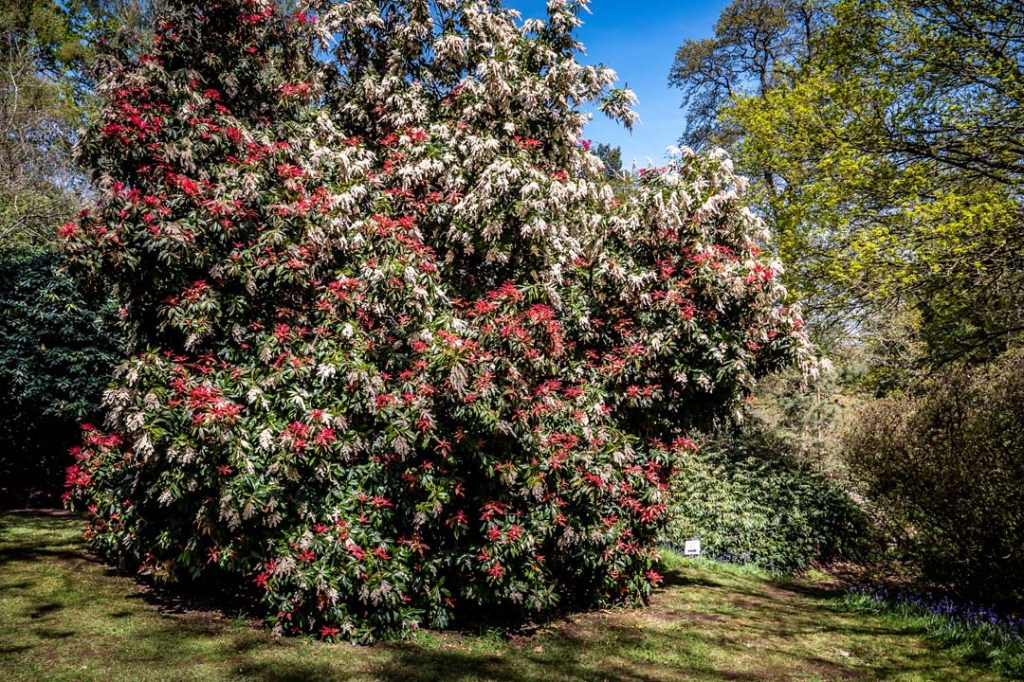
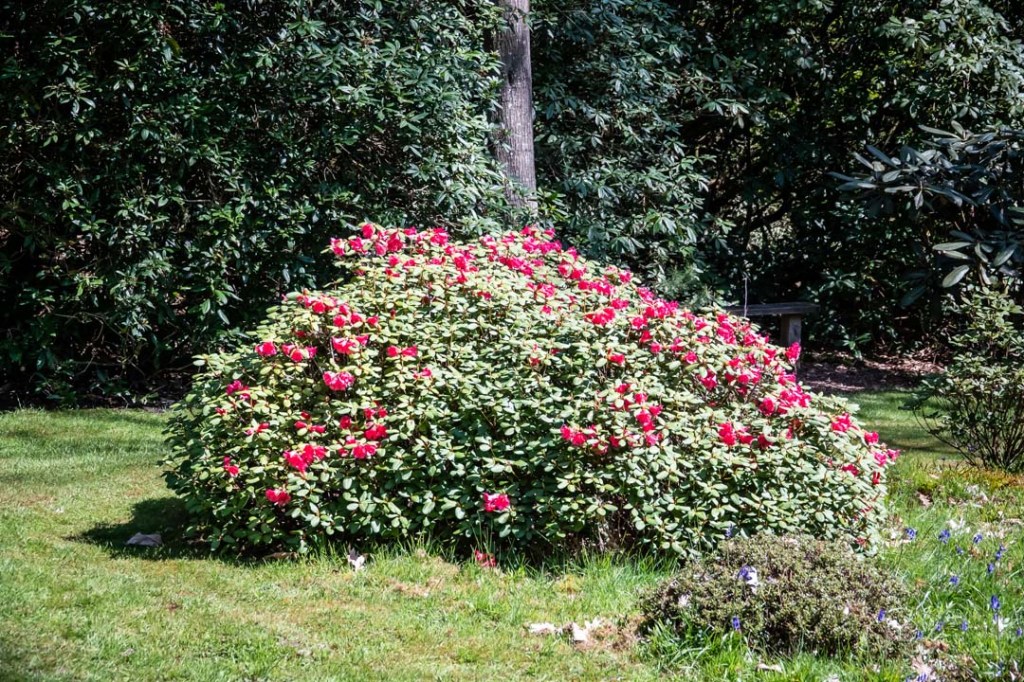
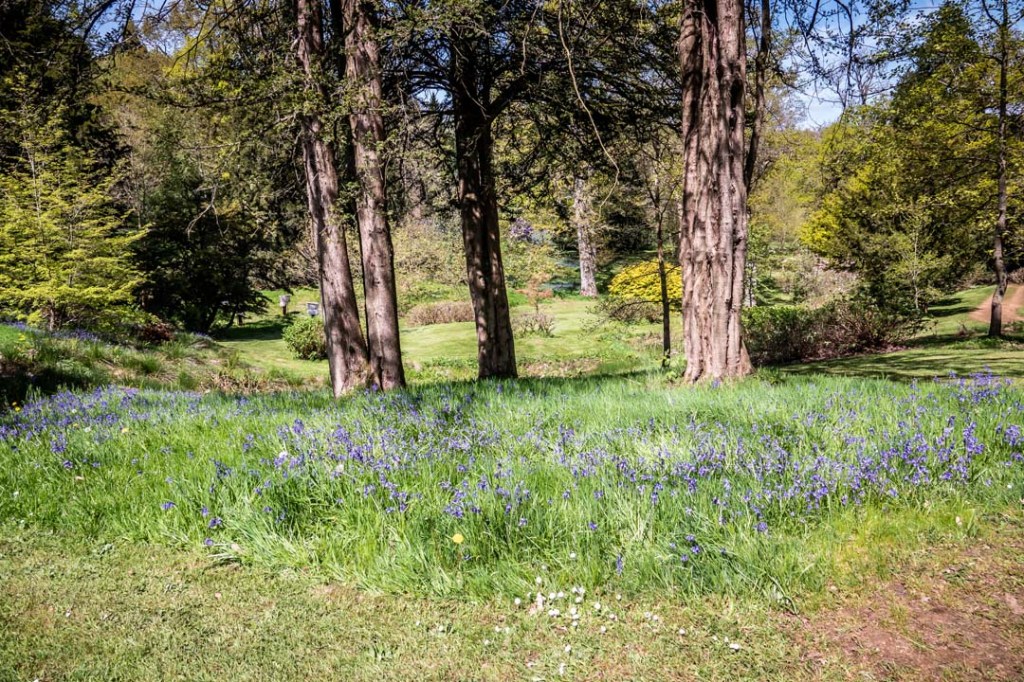
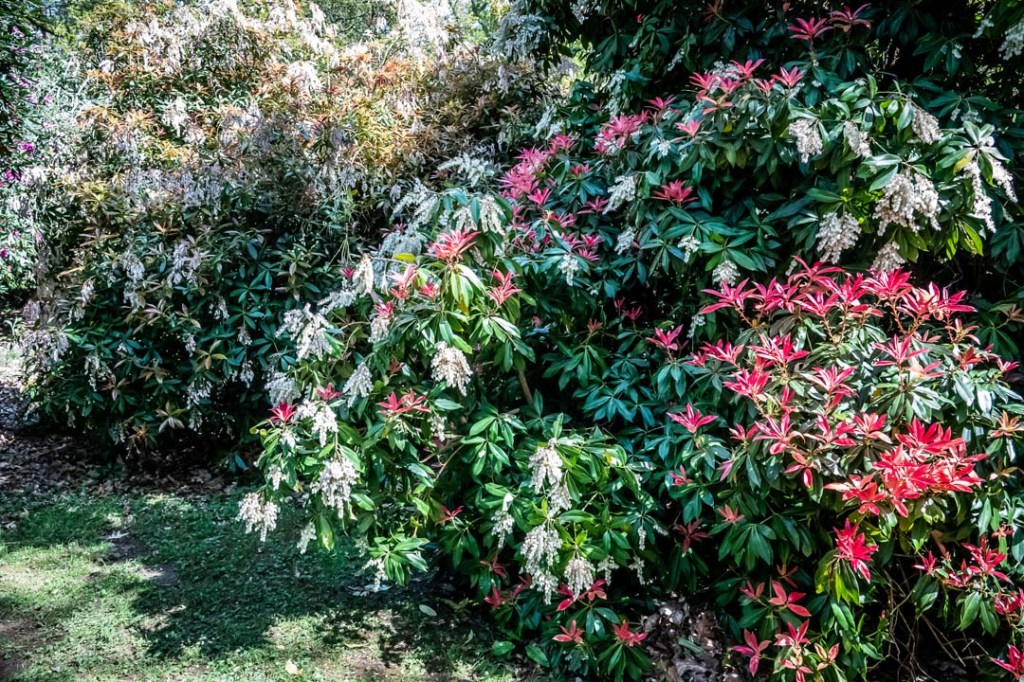
The azaleas are probably at their bestThe bluebells are still looking gloriousMagnolias probably won’t keep these flowers for long with wind and rain forecast Japanese Andromeda (I think)The azaleas through the wooded glades
It was my wife’s first major walk on crutches following her hip replacement operation just over 3 weeks ago and must have lifted her spirits no end – it certainly did mine.
I had subscribed to a an afternoon birding walk in the Forest of Dean organised jointly by local retailer “Clifton Cameras” and “Zeiss Optics”. The walk was billed as an opportunity to view and experience Zeiss’s new SLF binoculars and Digital Thermal Imaging (DTI) cameras as well as other optics.
The Forest of Dean is a 50 minute drive from my home in Bristol and, especially as I have had limited opportunities of late, I set off early to spend an hour or two on my own in this beautiful ancient forest.
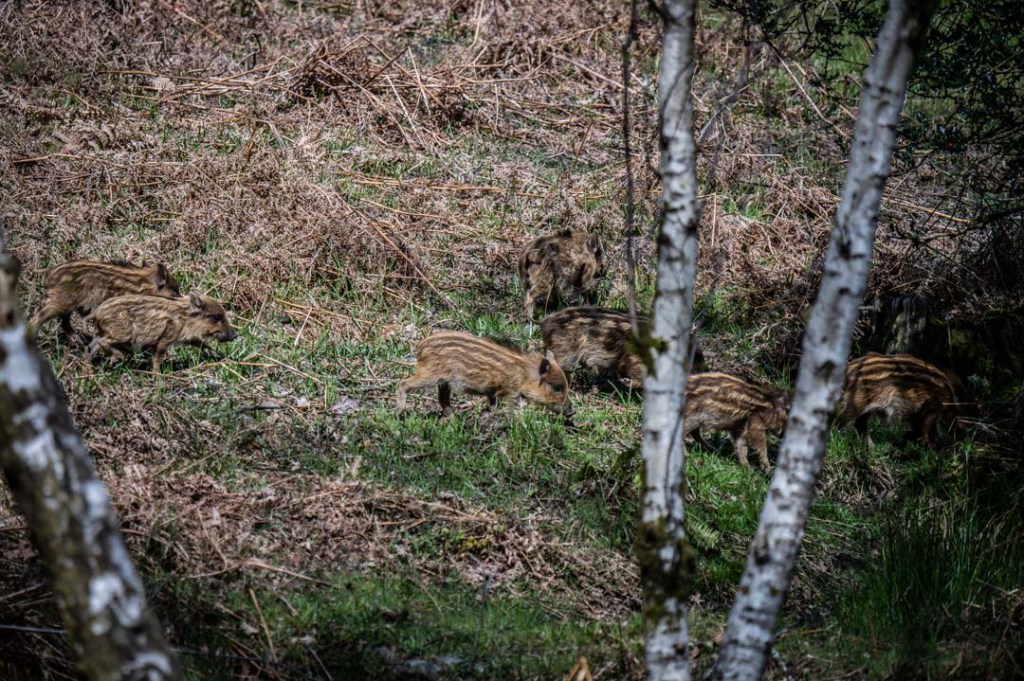
I headed for the RSPB reserve of Nagshead which I know quite well and where I hoped to see pied flycatchers. I had barely settled into the Lower Hide when a litter of boarlets passed in front of me near to the pool in front of the hide. I have seen wild boar in the forest before from the roadside, and often seen the large areas of uprooted and disturbed soil caused by their powerful necks and snout as they search for food, but I had never encountered them close up in the forest.
Wild boar piglets or boarlets affectionately known as humbugs
The piglets (or boarlets) are a lighter ginger-brown than the adult boars with stripes on their coat for camouflage and are affectionally known as ‘humbugs’. They disappeared in a flash, I presume, to their farrowing nest.
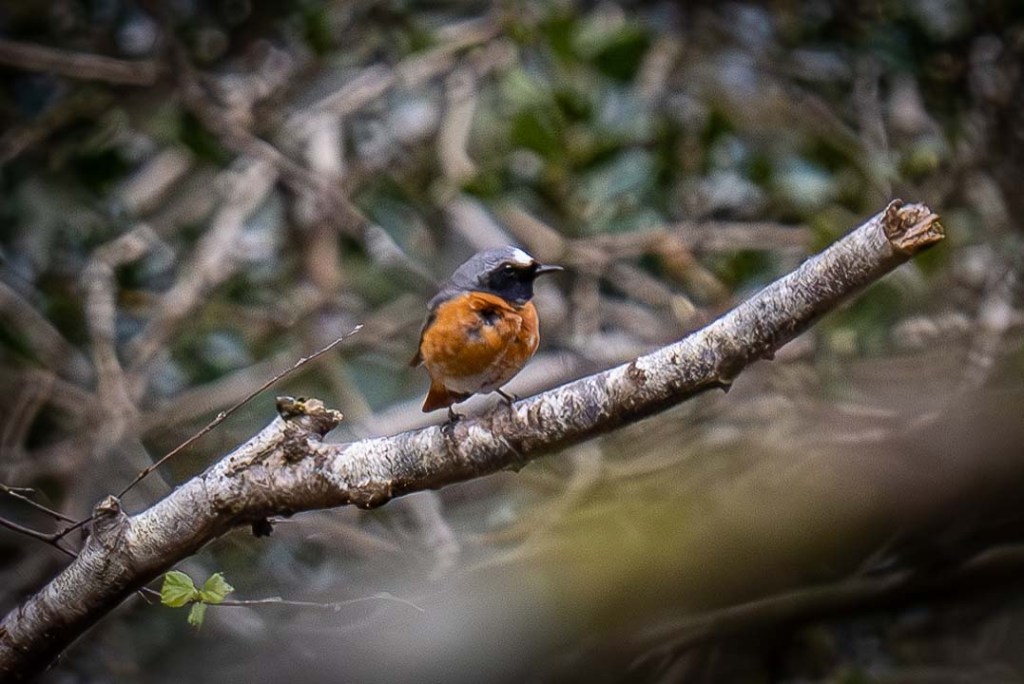
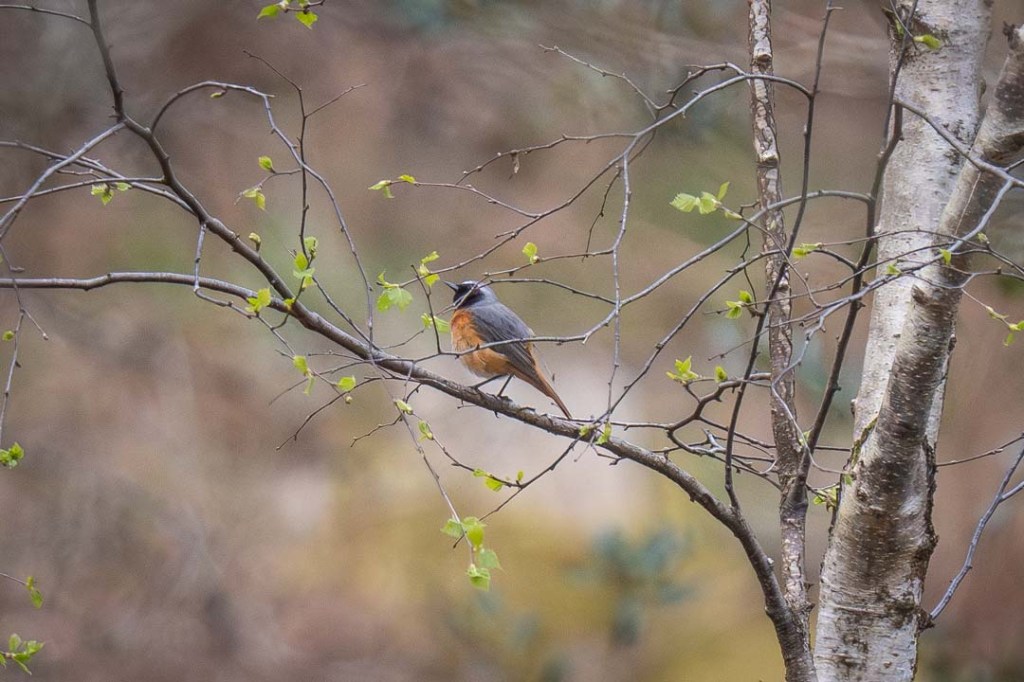
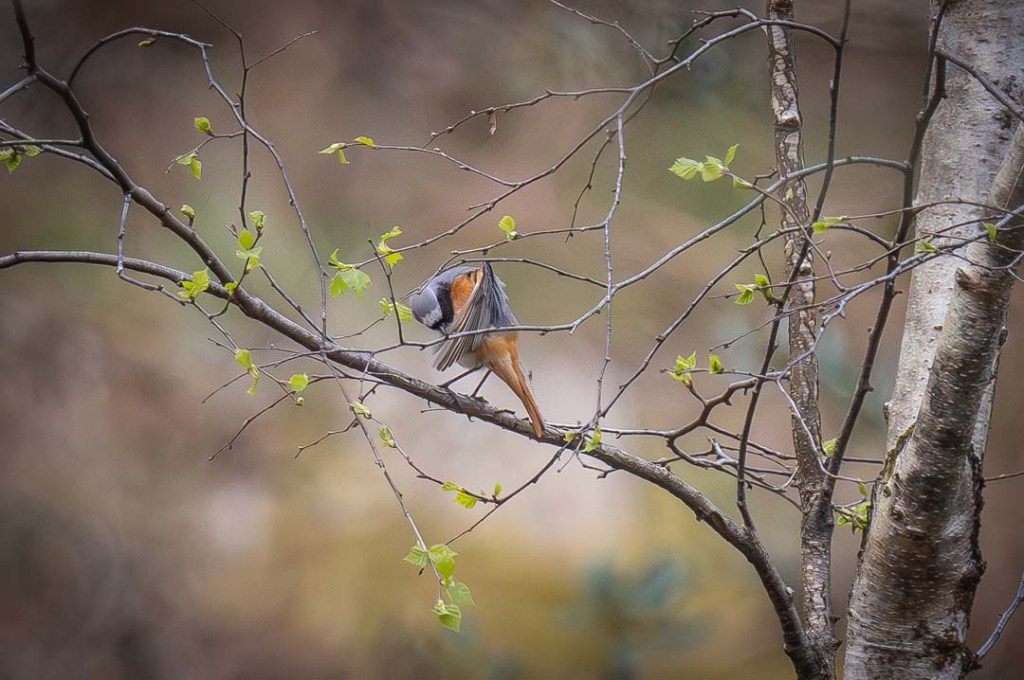
Unfortunately I didn’t manage to see any pied flycatchers, although I was assured they had already built nests in the area but I did see a female and a male redstart (thanks mainly to the very friendly birders Don and Mike Smith from Corsham who I seem to bump into regularly at various birding sites around the south west”.
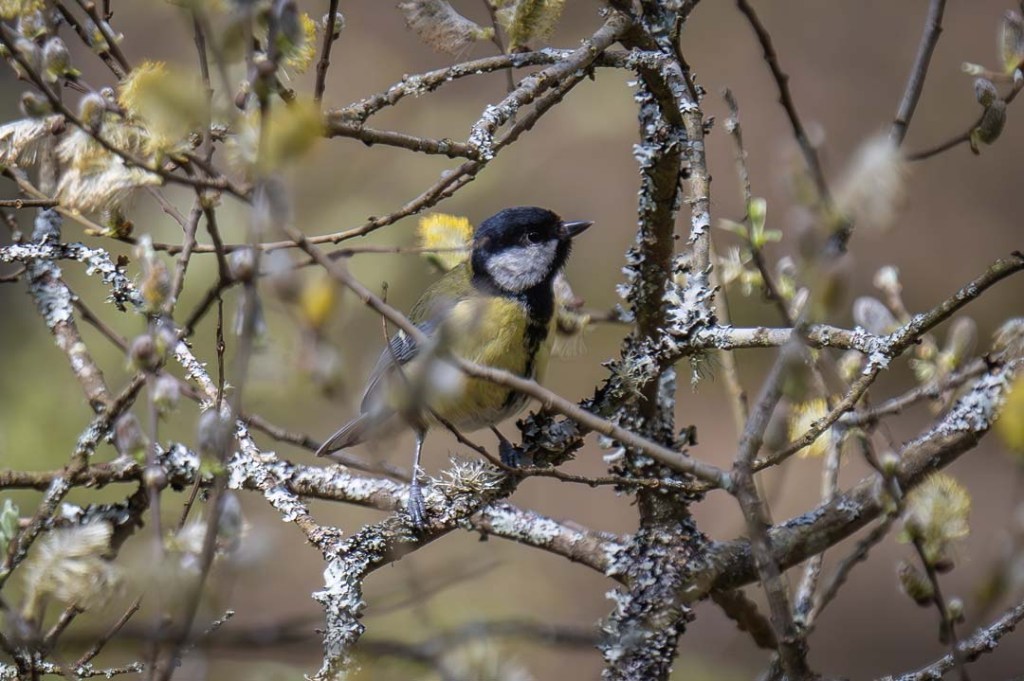
Male redstartRedstart preeningGreat tit
I then needed to set off for Speech House Woodland Car Park to meet up for the afternoon walk.
Martin Drew (from Clifton Cameras) and Toby Carter (from Zeiss Optics) were there to greet us and were buzzing with excitement with what they had seen seen on their morning walk: close ups of goshawks and firecrests and redstarts in numbers.
I thought this was a bad omen as it’s always the way when you meet a group of birders that they have just seen all sorts of birds that never re-appear.
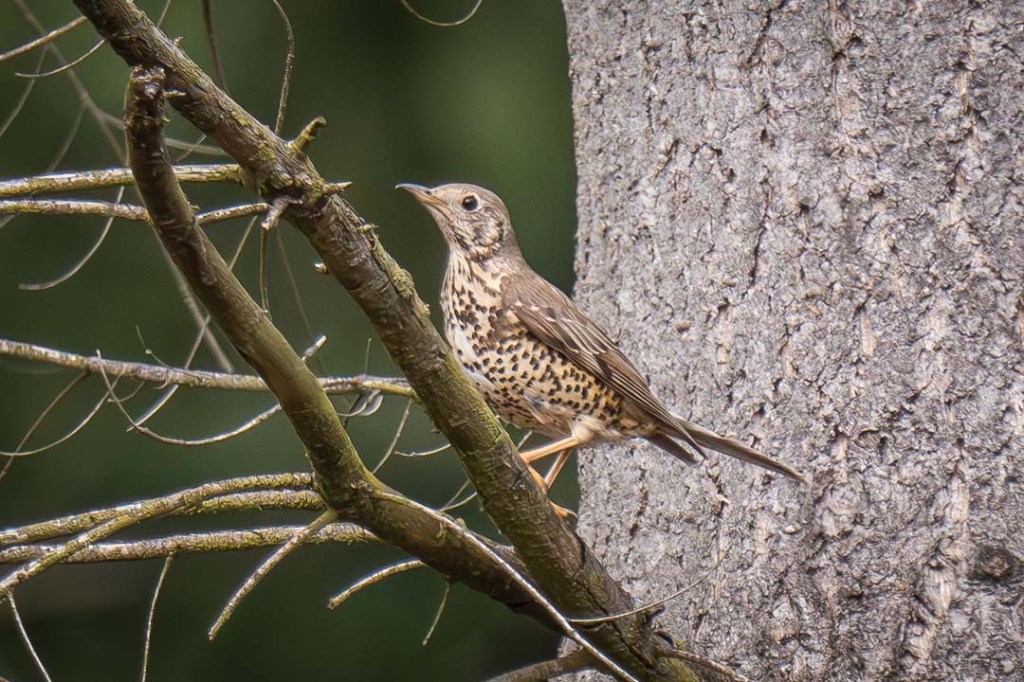
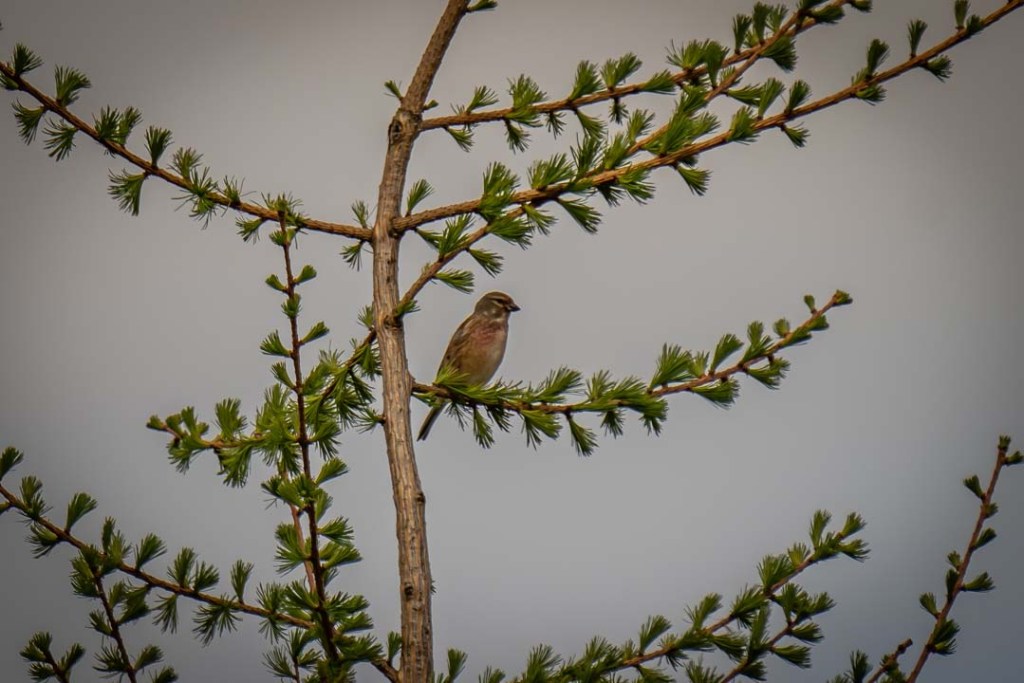
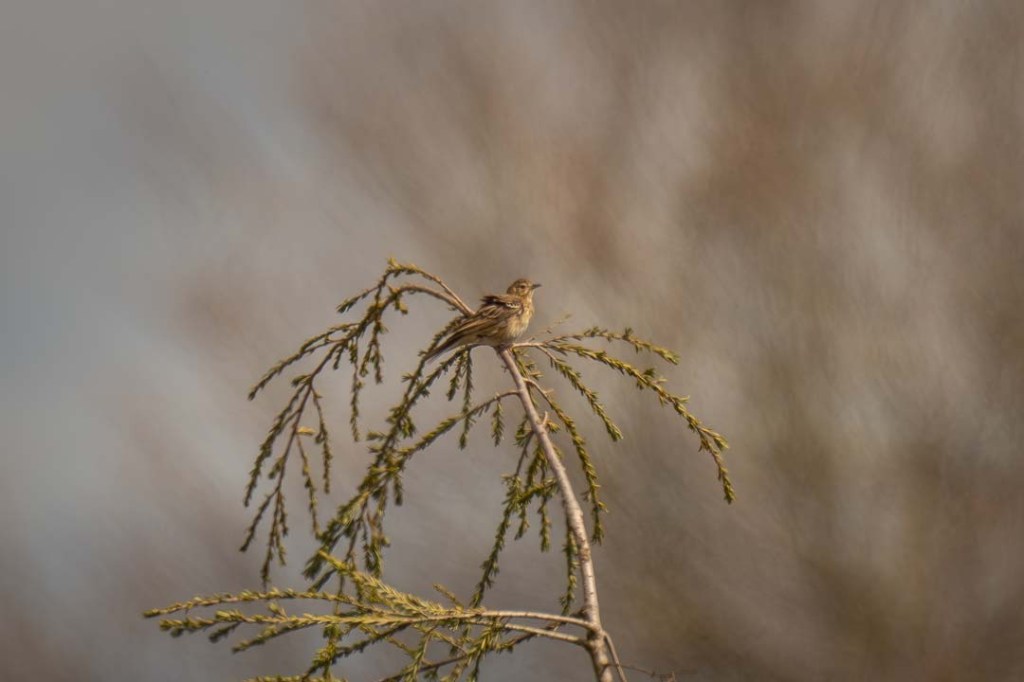
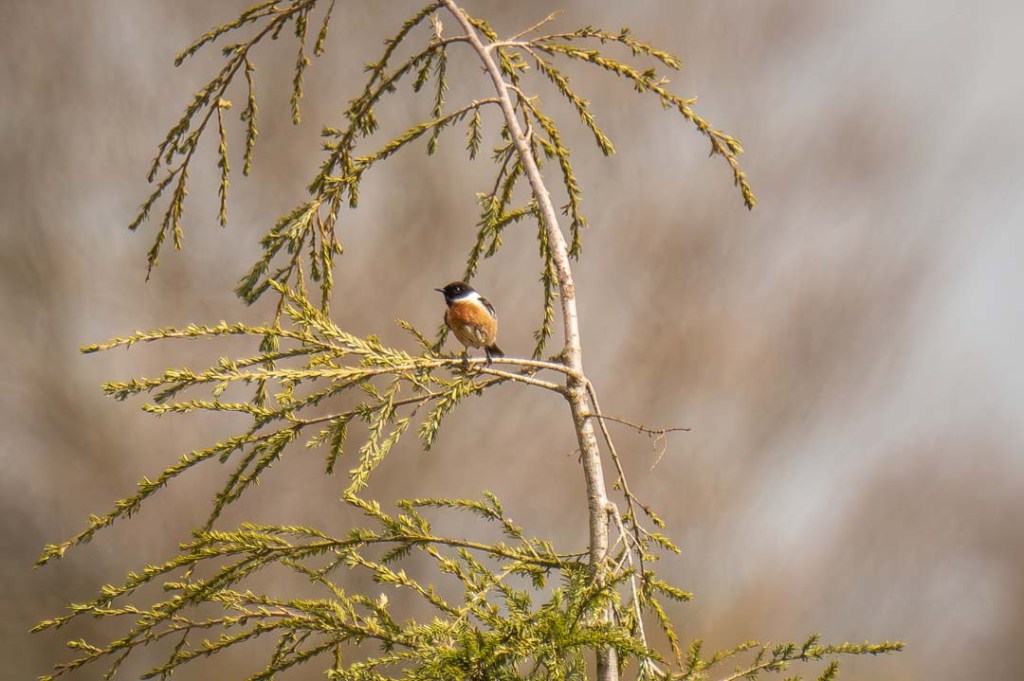
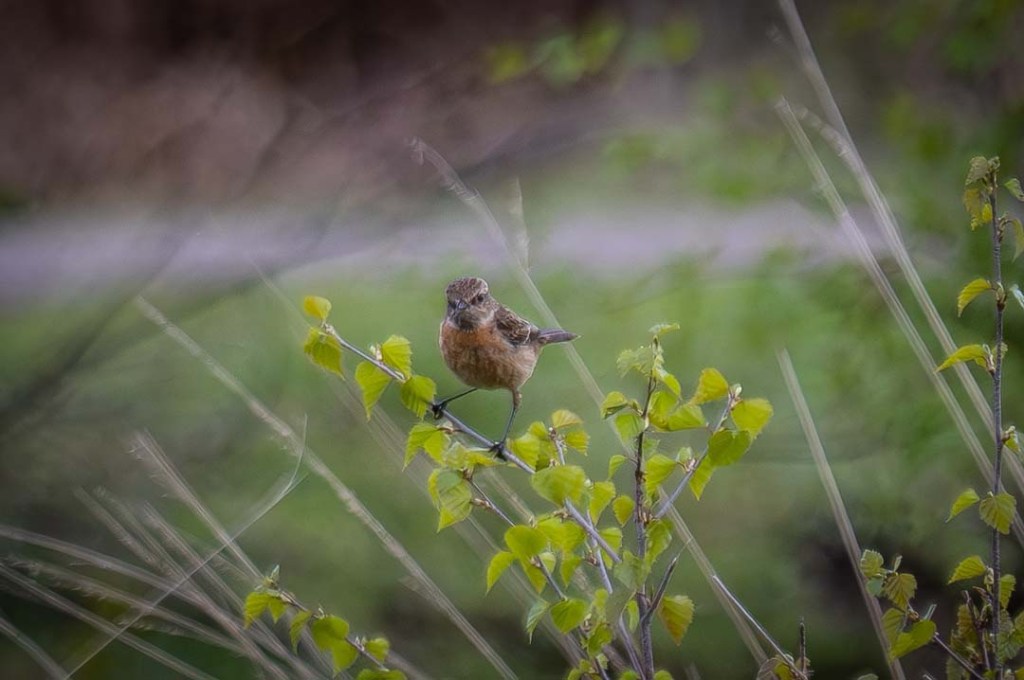
And so we didn’t even get a glimpse of the goshawks but only a few distant views of ravens and buzzards. On our walk we heard goldcrests (but not firecrests), woodpeckers, chiffchaffs, willow warblers and chaffinches and saw a number of stonechats, tree pipits, linnets, tree creepers and mistle thrushes.
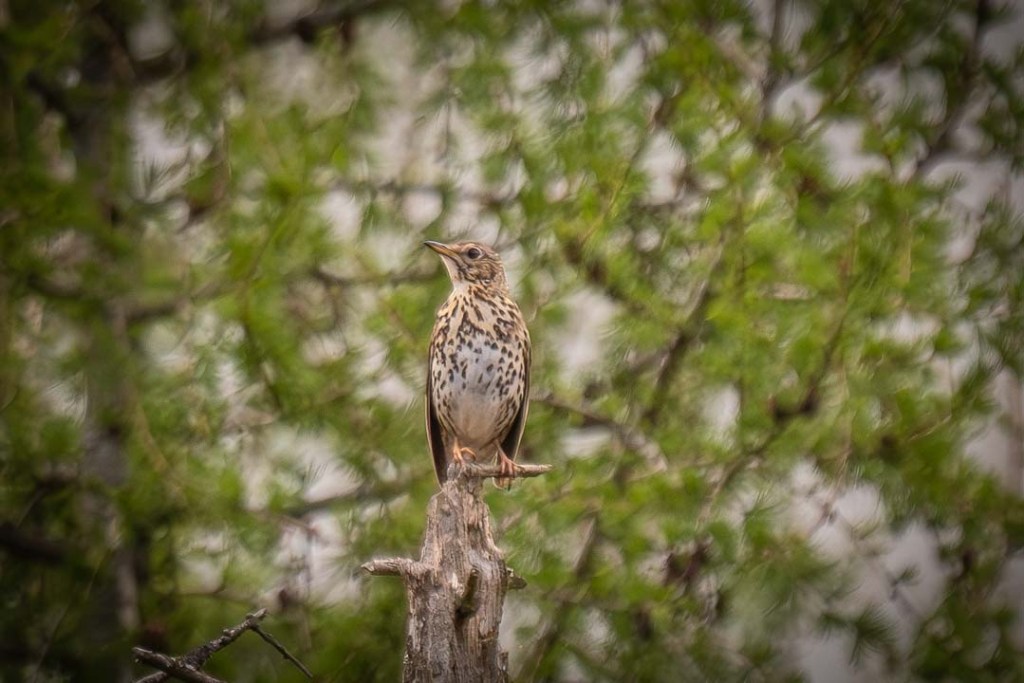
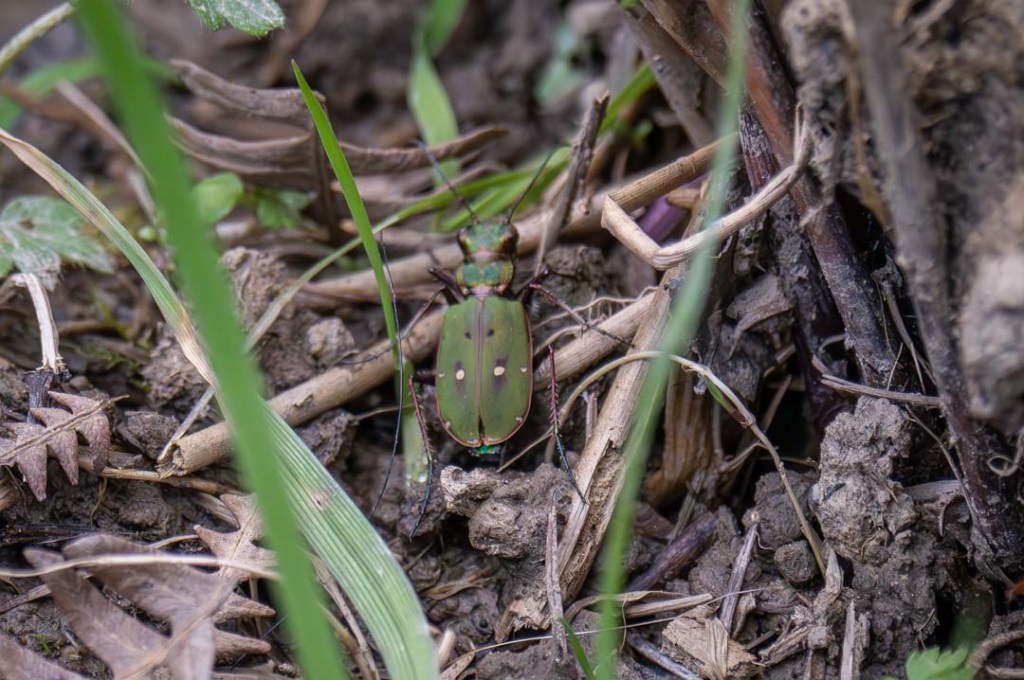
Mistle thrushLinnetTree pipitMale stonechatFemale stonechatMistle thrushThere were other opportunities on the walk – green tiger beetle
However, we did get to see and use a whole range of very impressive Zeiss Optics in the field. It certainly made a change from testing optics by looking at signs through a shop window. I would like to thank Martin and Toby who were great hosts on this walk and the four other birders on the trip who made it a very convivial afternoon.
It was wonderful to get out and about again and I can’t wait to take my wife (who is recovering from a hip replacement operation) back to the same spots to soak in the joys of nature.
From the Forest of Dean website:
“This ancient forest has changed many times over the centuries. In medieval times it was a royal hunting forest, before becoming a source of timber for the navy’s Tudor warships. By Victorian times it was a major site of industry, with coal mining and tramways punctuating the landscape.
In 1938 the Forest was designated the first National Forest Park and today the Forest of Dean is a popular destination for tourists.
Today the forest is still a working forest, producing sustainable timber for the UK market.
The Forest is also a stronghold for nature with larges areas of woodland and open space providing a mosaic of habitats for a wide variety of wildlife,
It is a great place to explore. See if you can find the hidden remains of industry as you enjoy this wild and beautiful forest.”
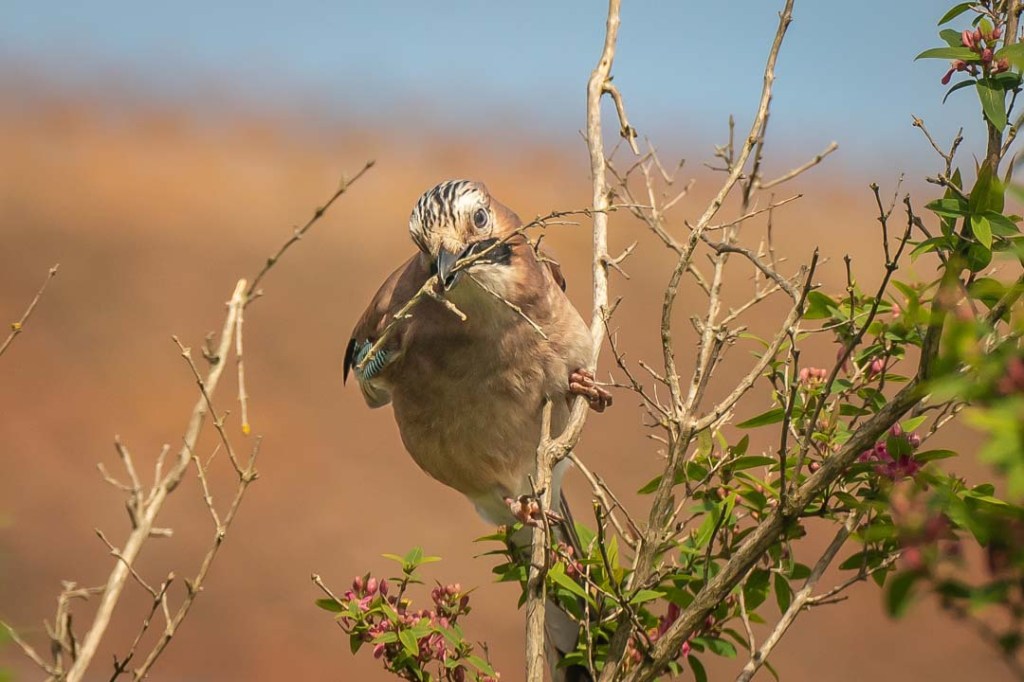
I seem to be missing the excitement of spring as I have had very limited opportunity to get out and about in recent weeks. So, it was quite comforting to see a few birds through the window from my lounge this morning, in particular two jays that were gathering nest making materials.
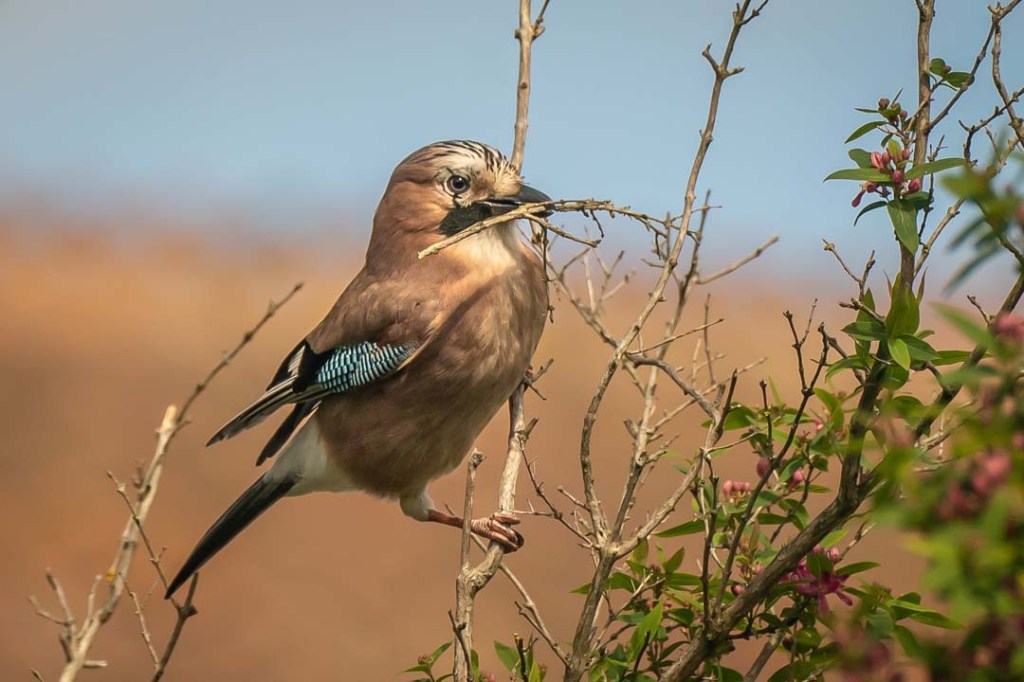
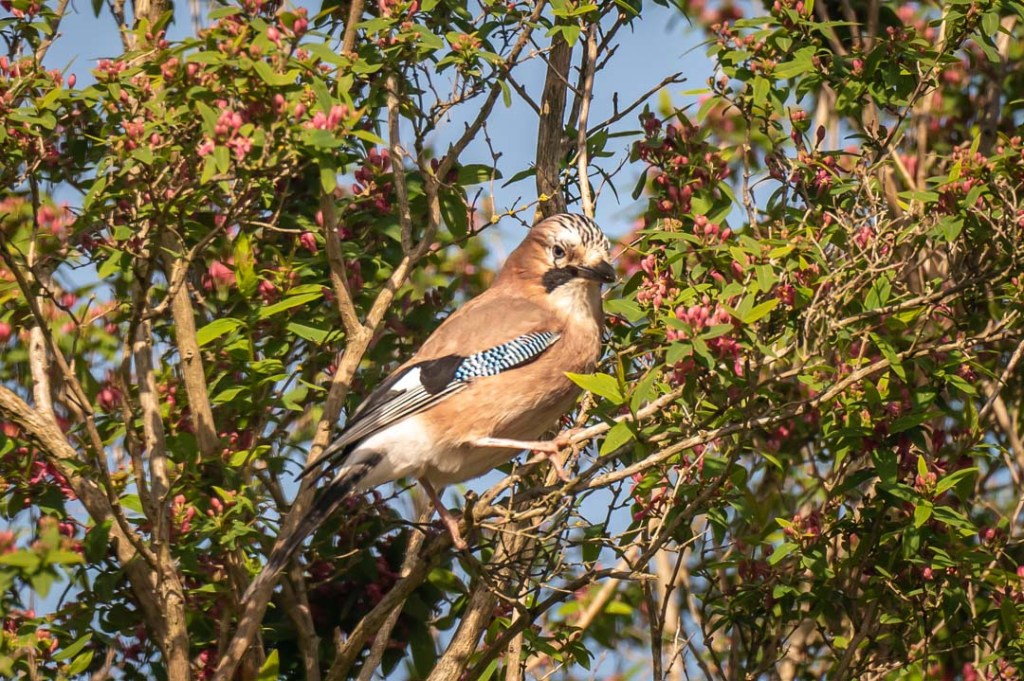
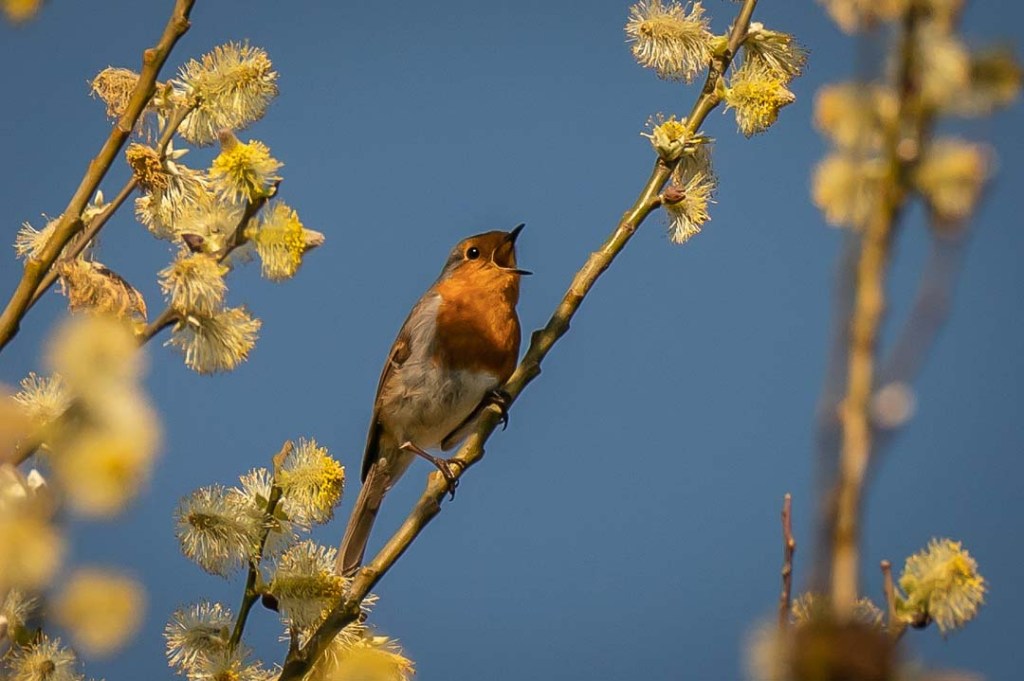
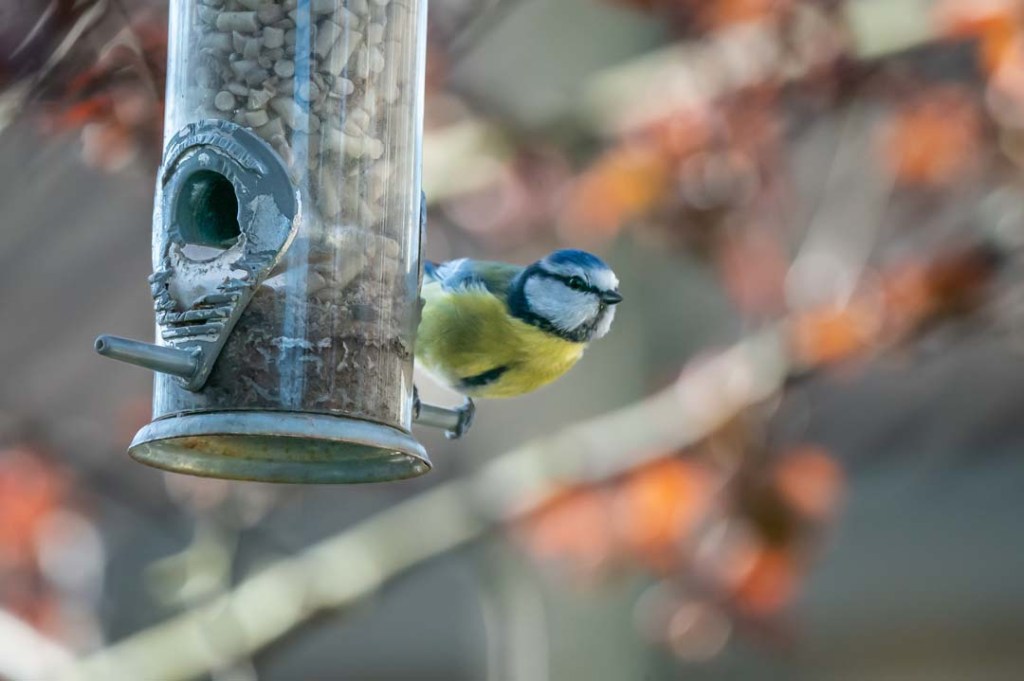
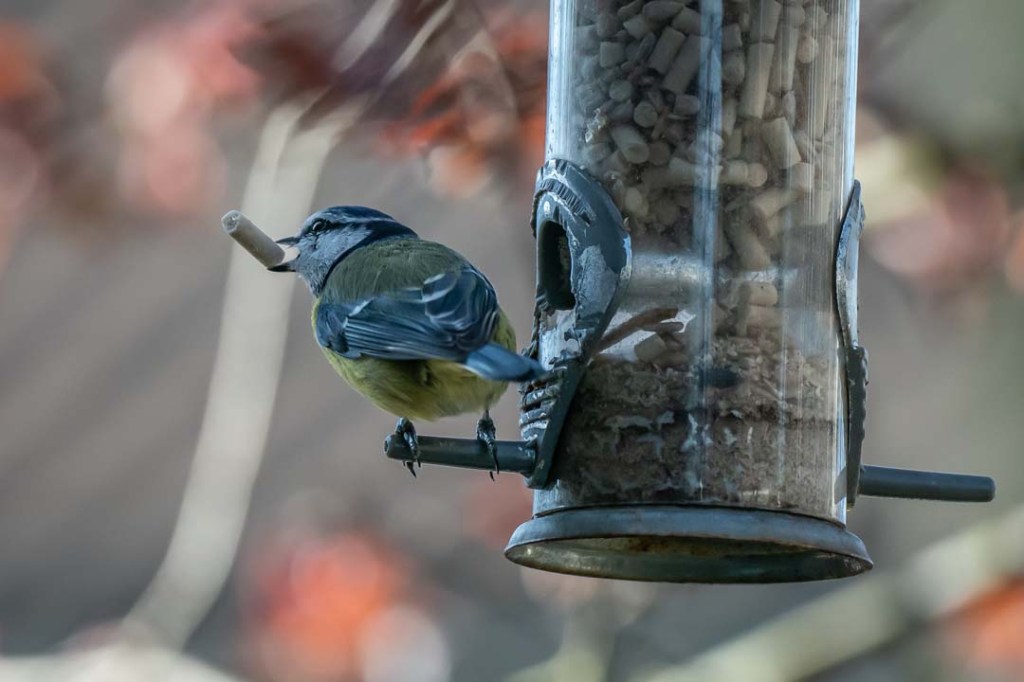
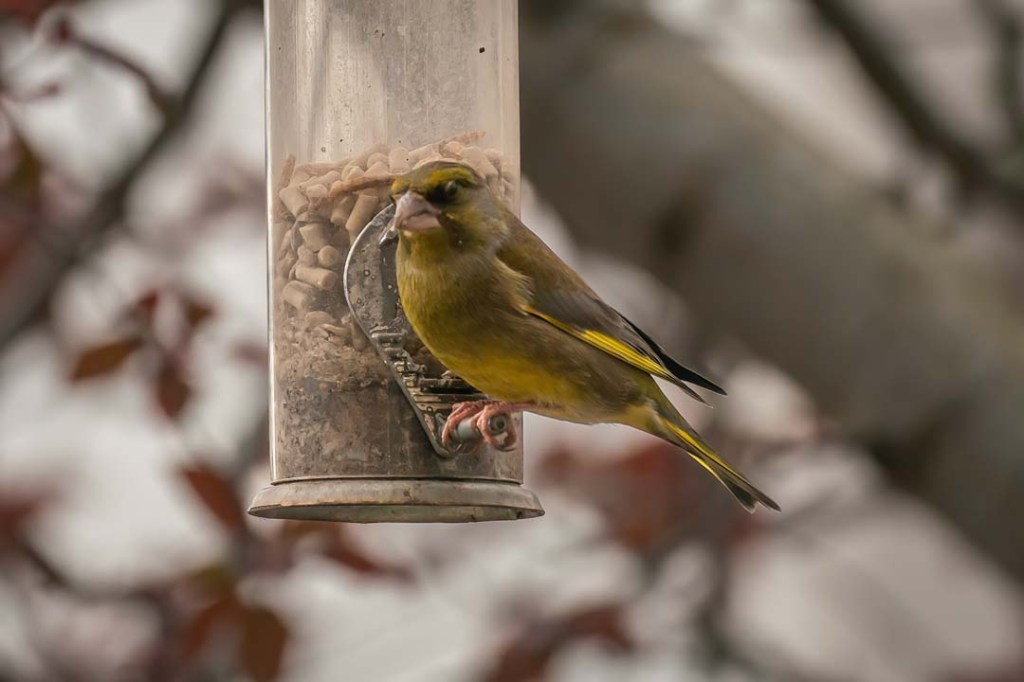
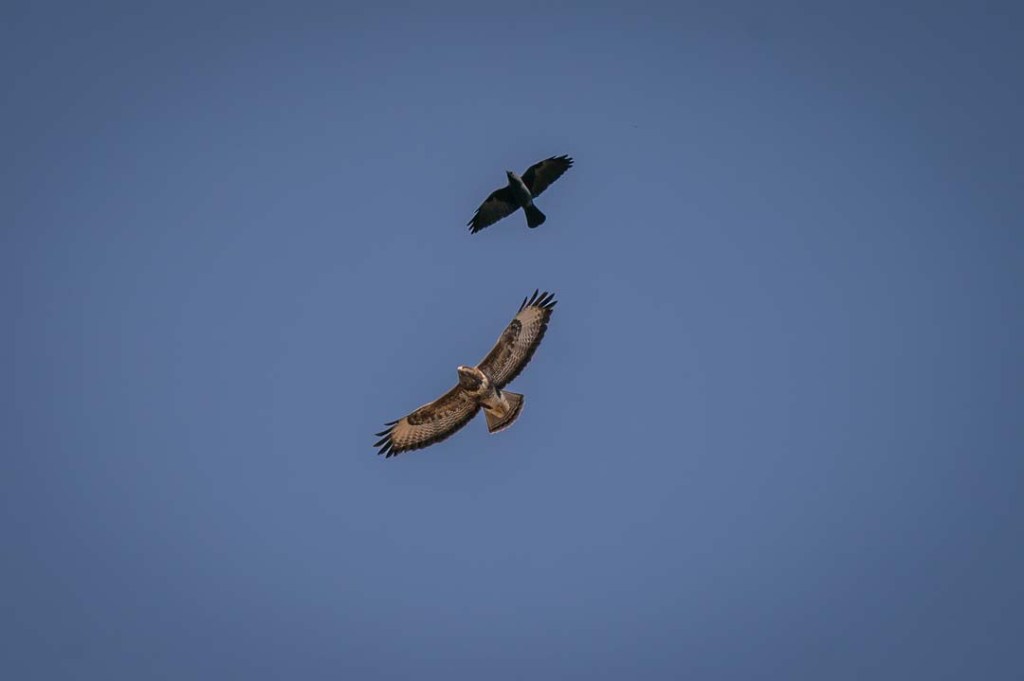
Jay (from my lounge window) collecting nesting materialI wish I had invested in better double-glazing (or was it my lack of skill to not capture this shot any sharper?)I’m glad I spotted this robin which I’ve been hearing both day and nightCheeky blue tit on the feederGoldfinchNice to see the greenfinches back in decent numbersBuzzard over my suburban gardenAlthough it was not left in peace for long
In addition from my window I’ve seen herring gulls, lesser black-backed gulls, house sparrows, dunnocks, coal tits, great tits, blackbirds, starlings, carrion crows, jackdaws, wood pigeons, collared doves, magpies and even a peregrine on the church spire.
Hopefully, I shall soon be able to see the real joys of spring now that chiffchaffs, willow warblers, sand martins, swallows (and soon swifts) are all arriving at this exciting time of the year.
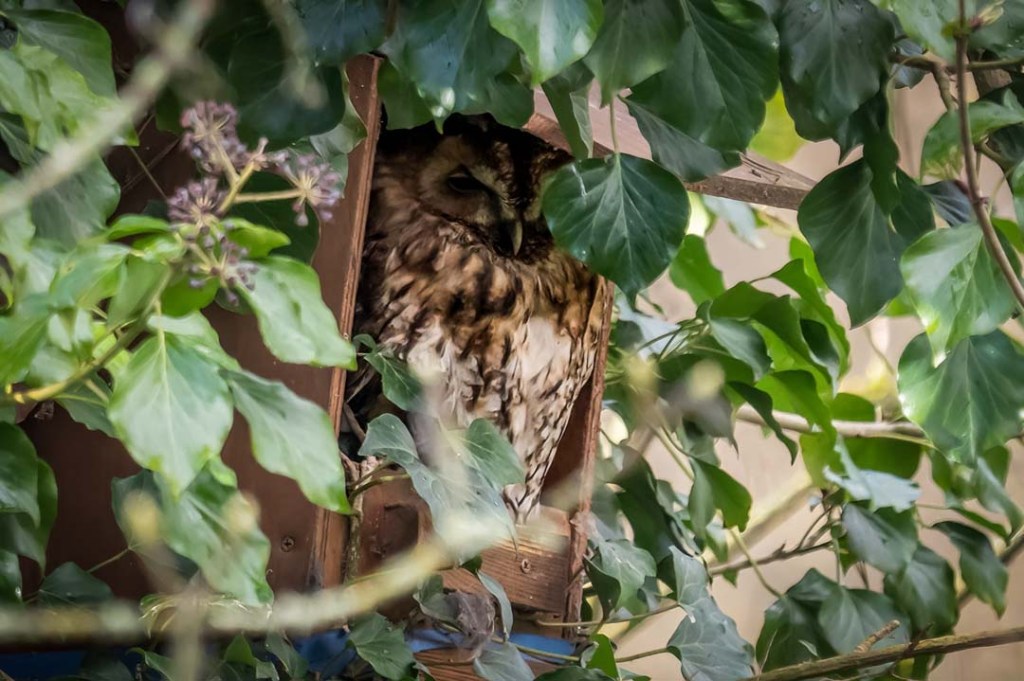
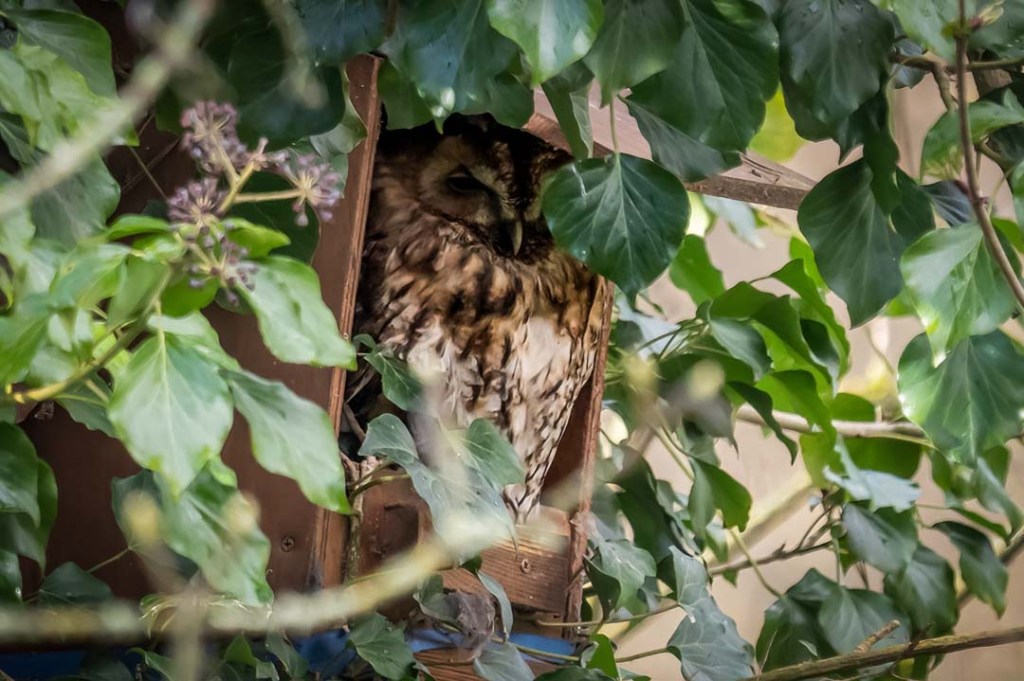
A walk through my local park in the rain showers this afternoon was rewarded with a view of a tawny owl in an owl box on the island in the middle of the lake.
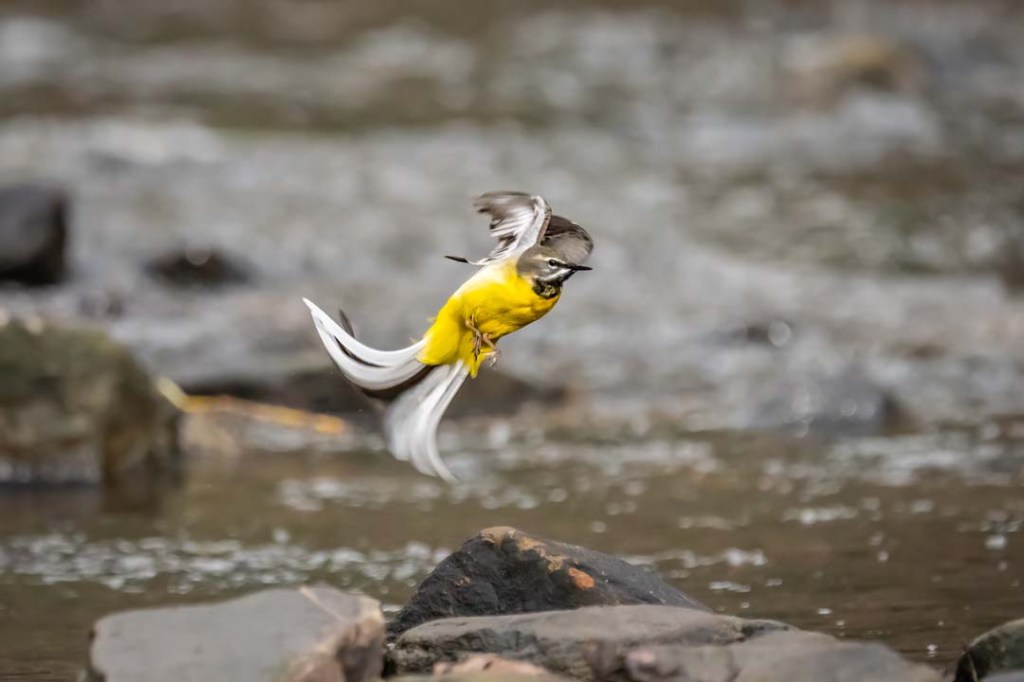
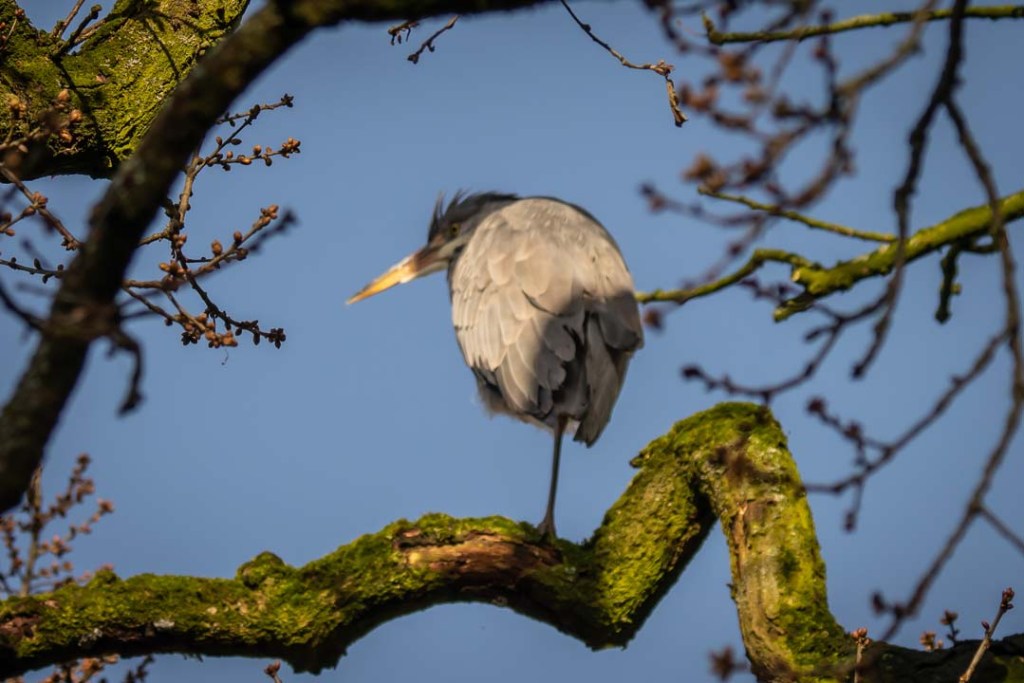
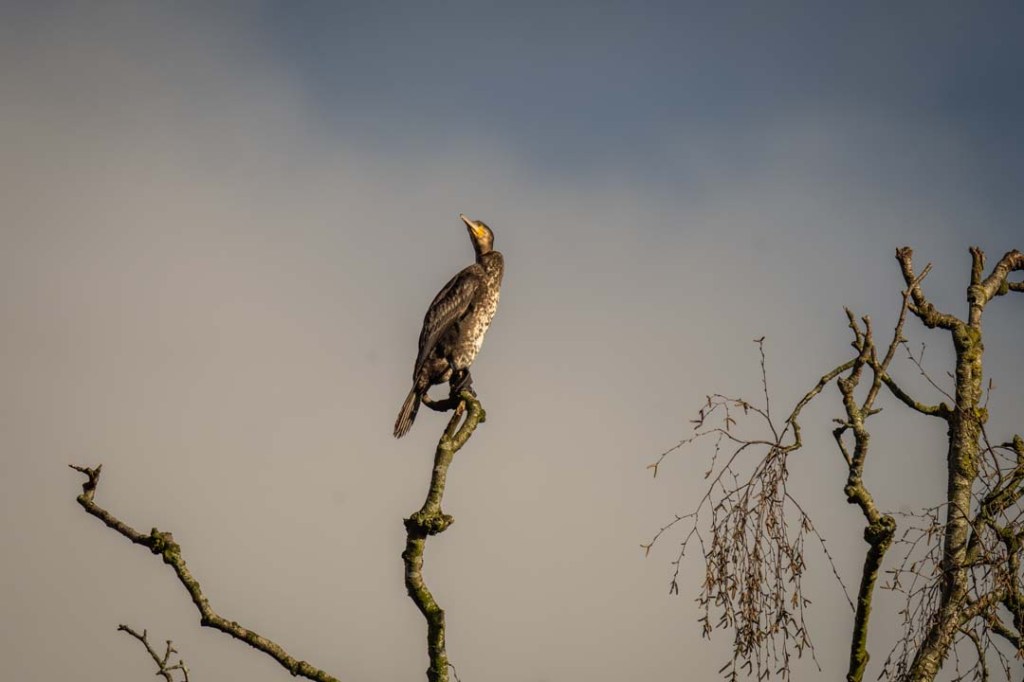
Tawny owlA dynamic grey wagtail in the gloom of the brookGrey heron catching the brief rays of sunshineGreat cormorant overlooking the lakeDid these pike feel safe from the cormorants? There were plenty of them in the lake.The light was failing on the way home but a robin provided a ray of brightness
The weather was kinder today and, although there was a fresh breeze throughout, it was sunny for most of the day. I visited 3 nature reserves on the Somerset Levels, about an hour and a half south from my home in Bristol.
At RSPB Catcott Lows a couple of wardens had just disturbed most of the birds as they made their way out to a pumping station to lower the water levels. I didn’t hang around but made may way to RSPB Greylake instead, only a further 6 miles on.
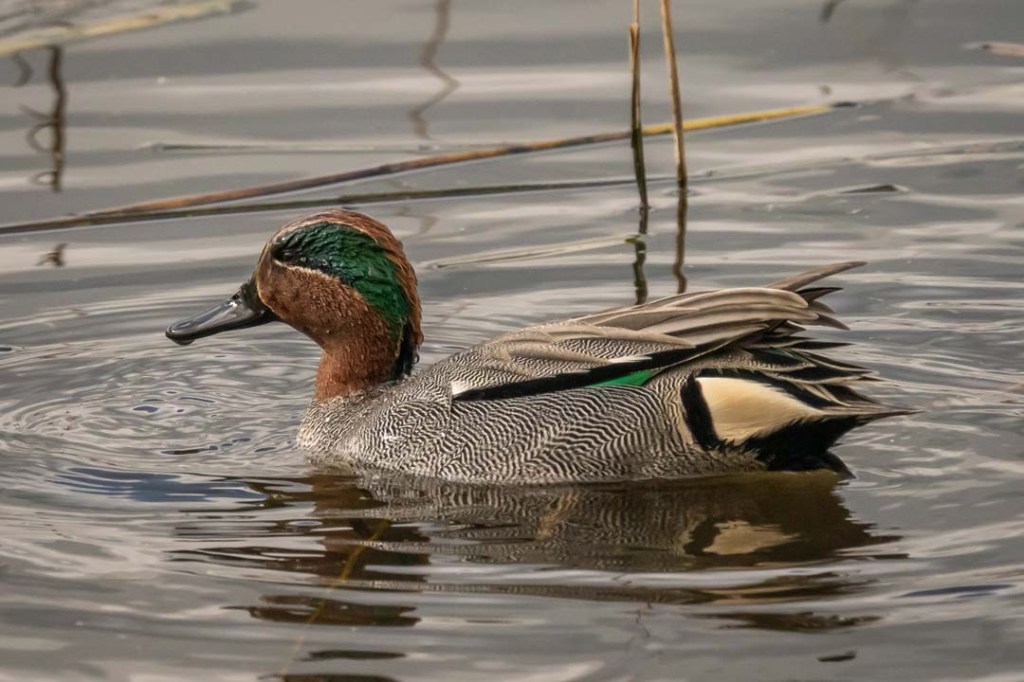
There was lots to see but most of the huge numbers of ducks were fairly inactive and not too bothered even by a couple of marsh harriers and a kestrel.
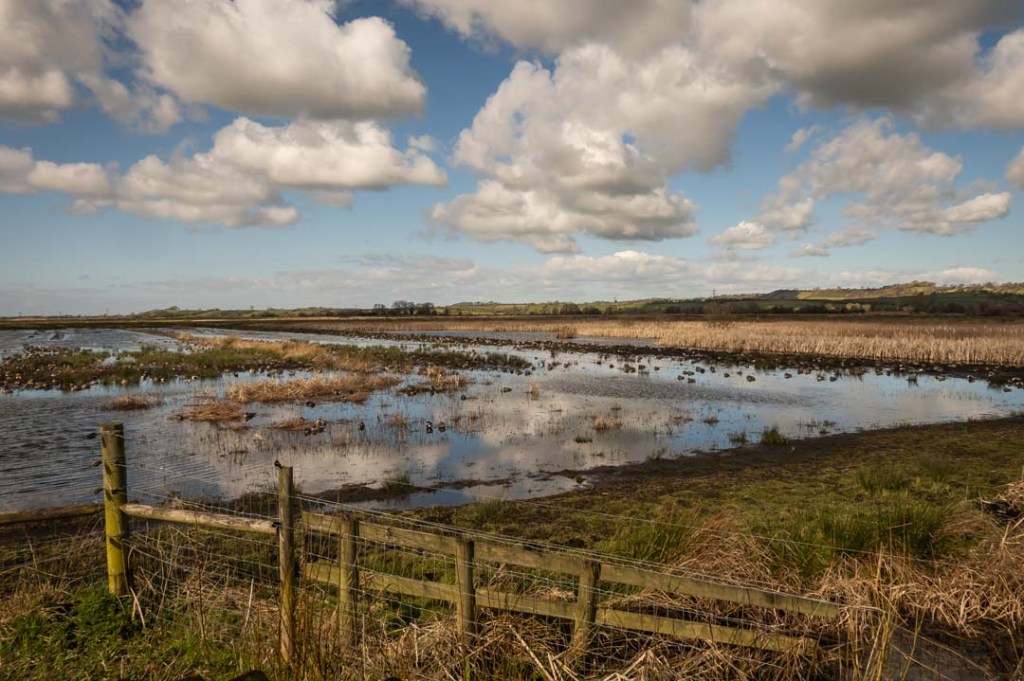
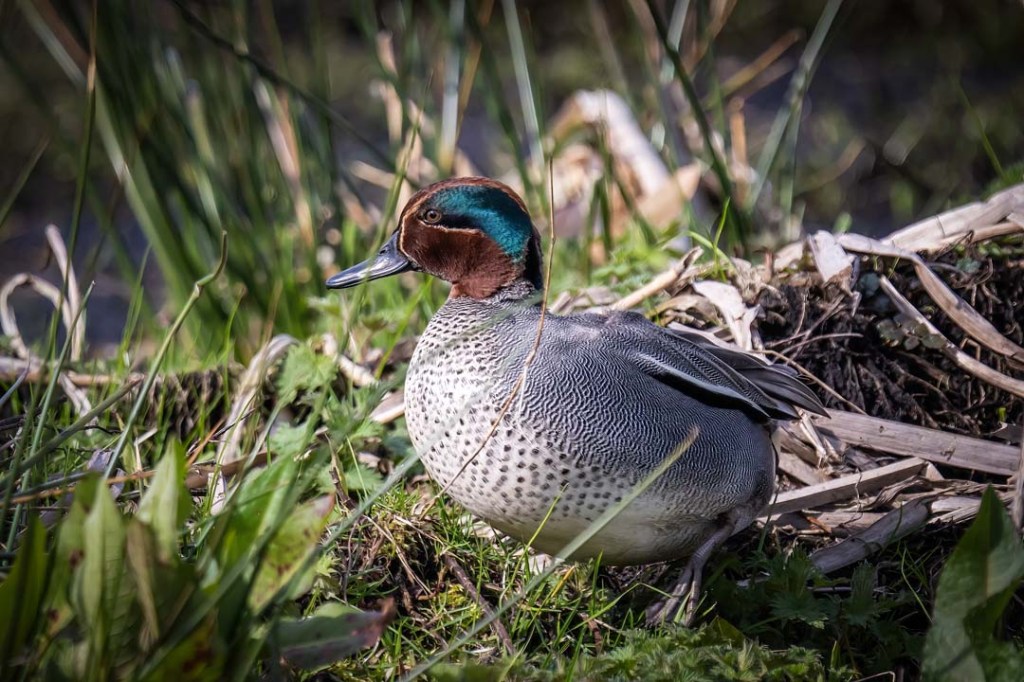
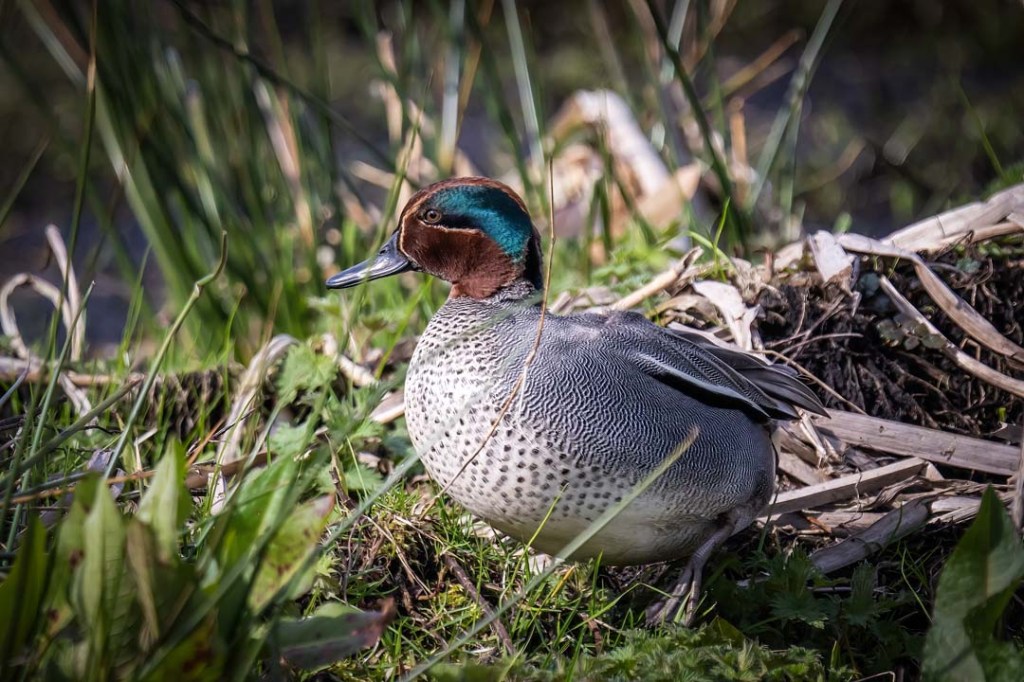
RSPB GreylakeA teal not taking a nap
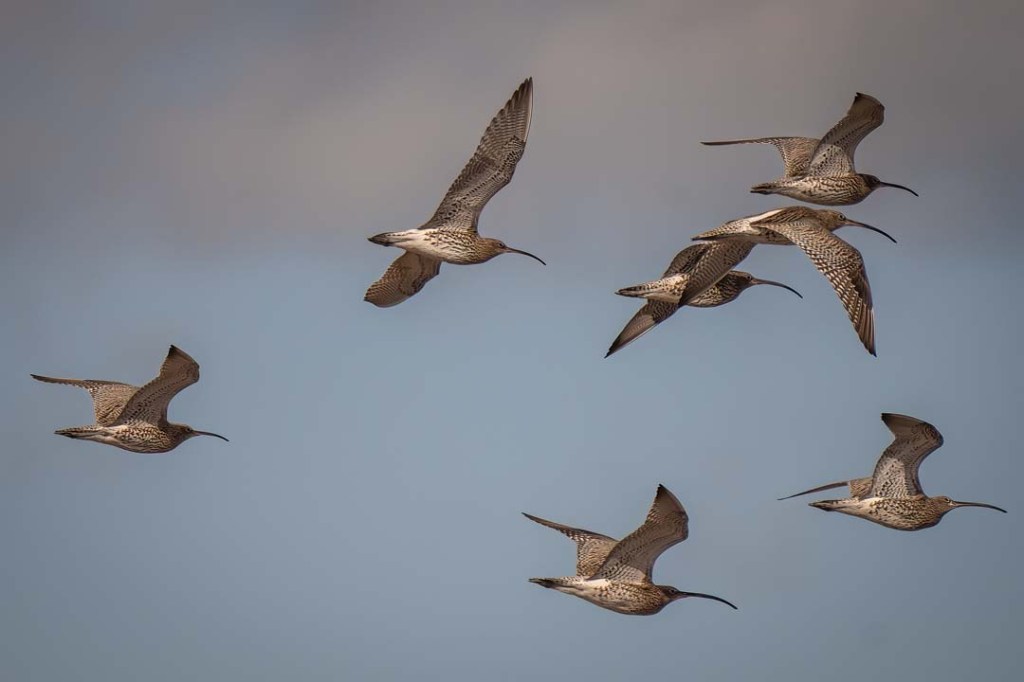
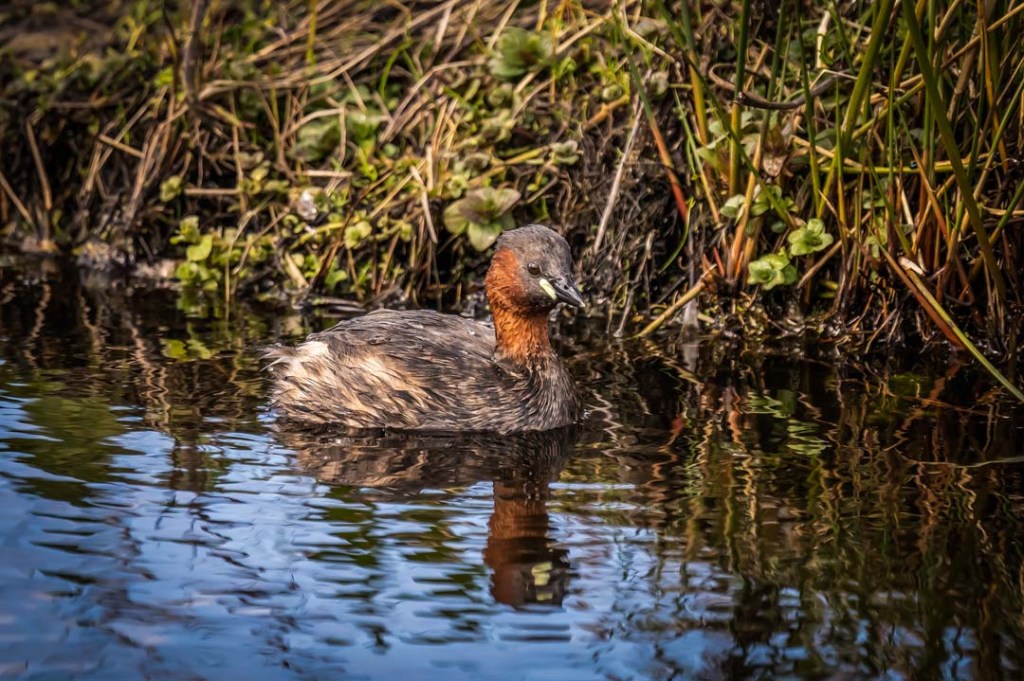
The most interesting activity was a close-up little grebe and a small flock of curlew flying over.
Little grebeCurlew
I moved on to RSPB Ham Wall, about half a dozen miles back towards home.
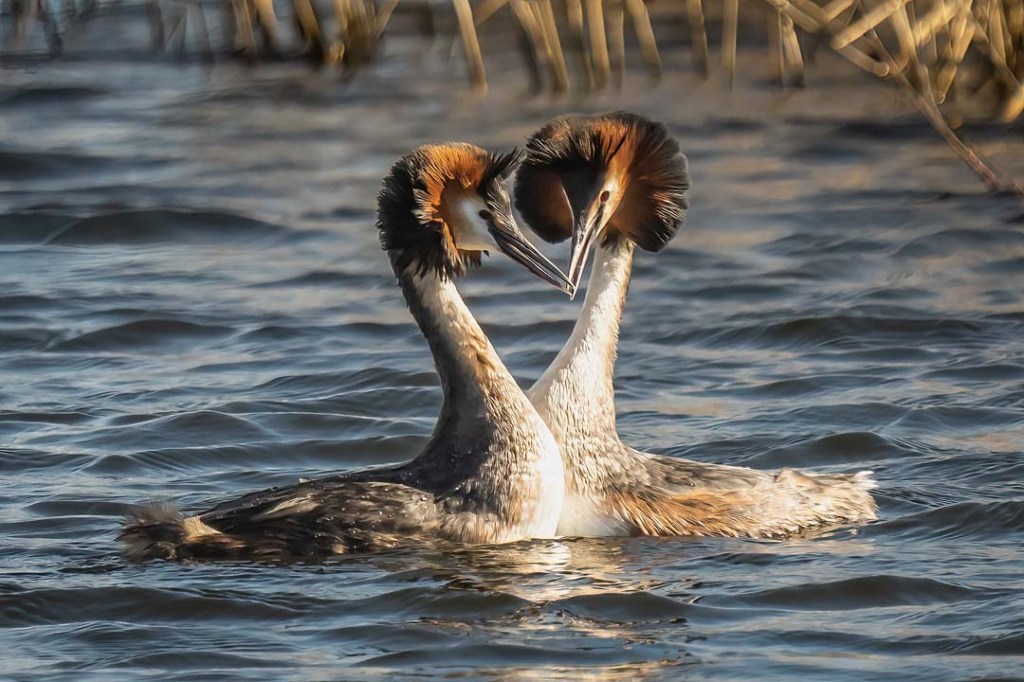
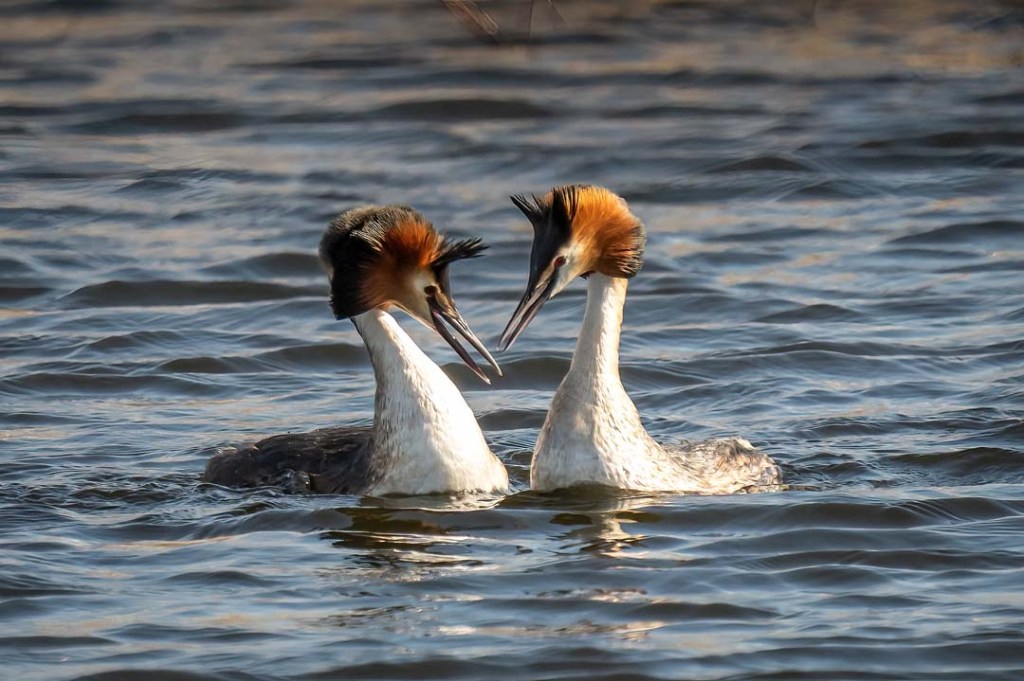
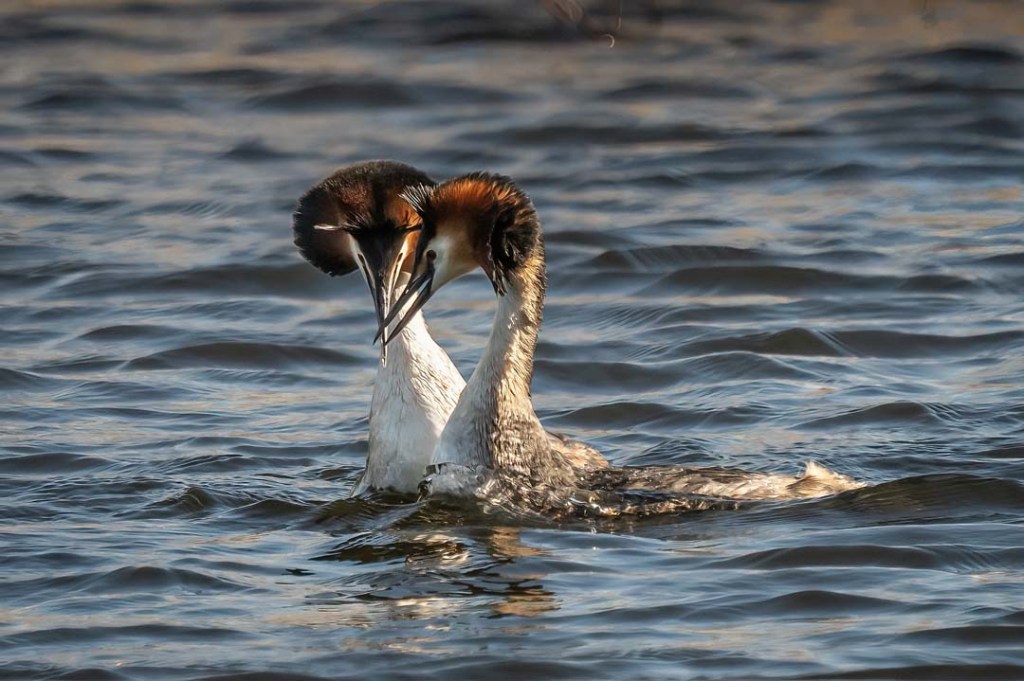
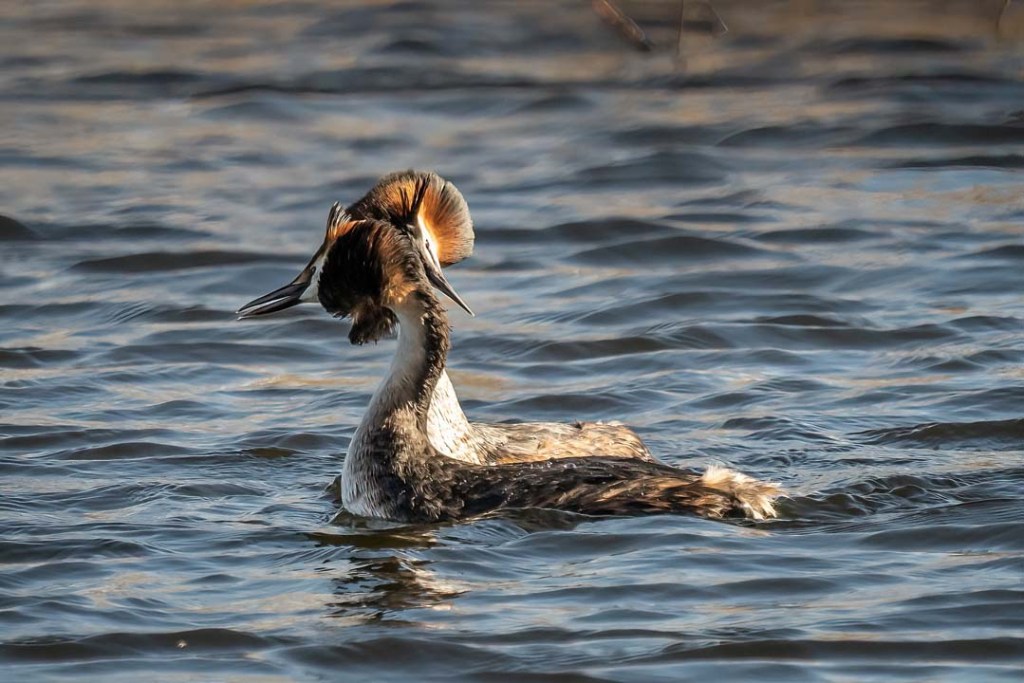
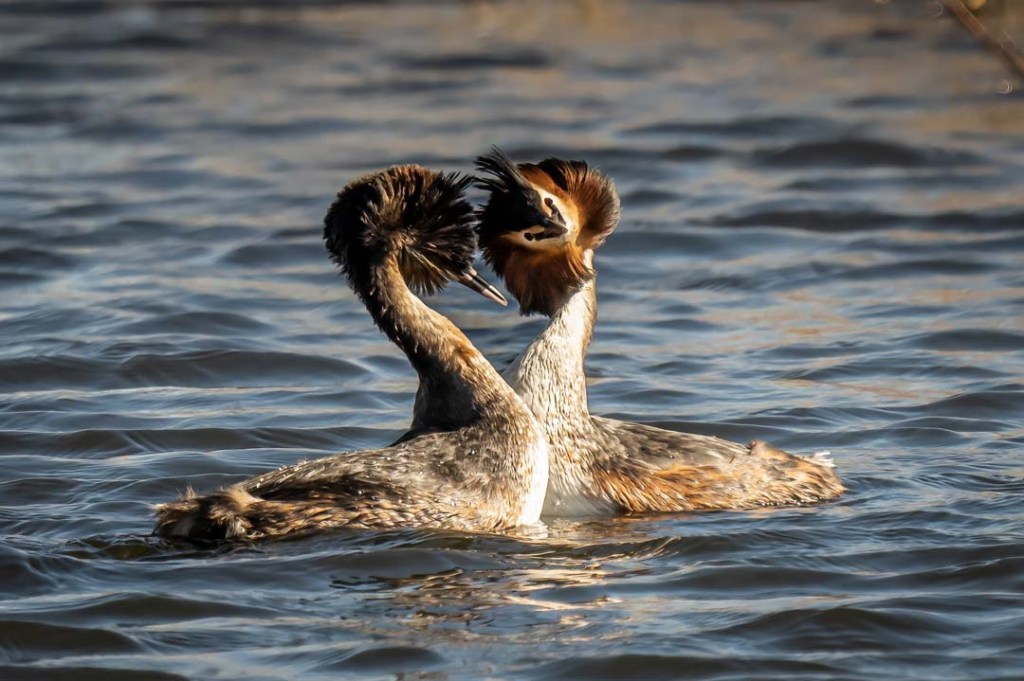
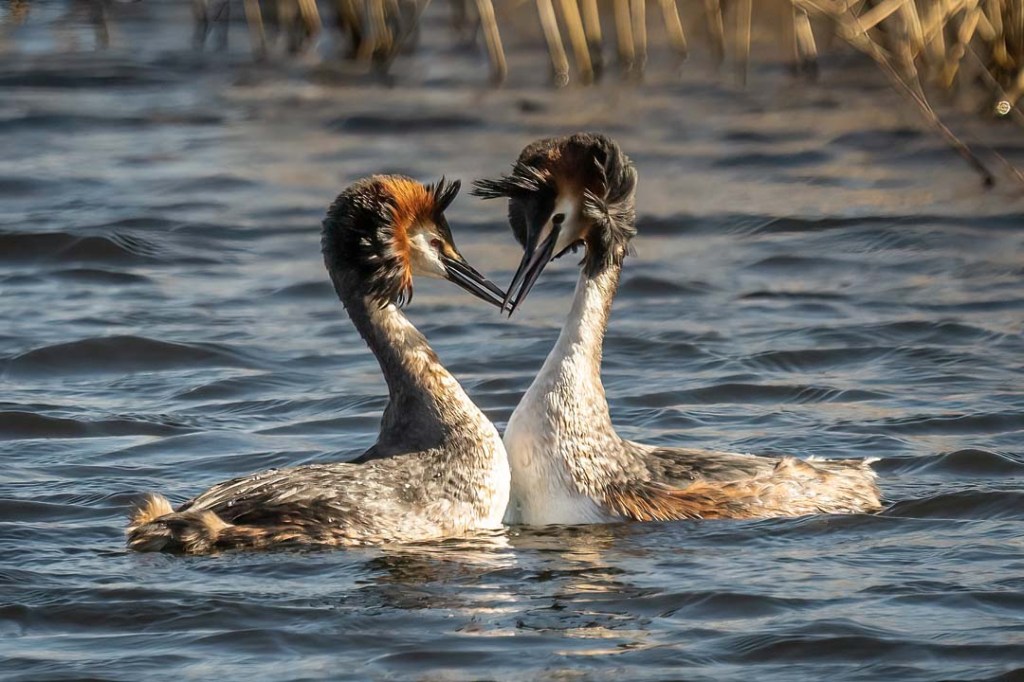
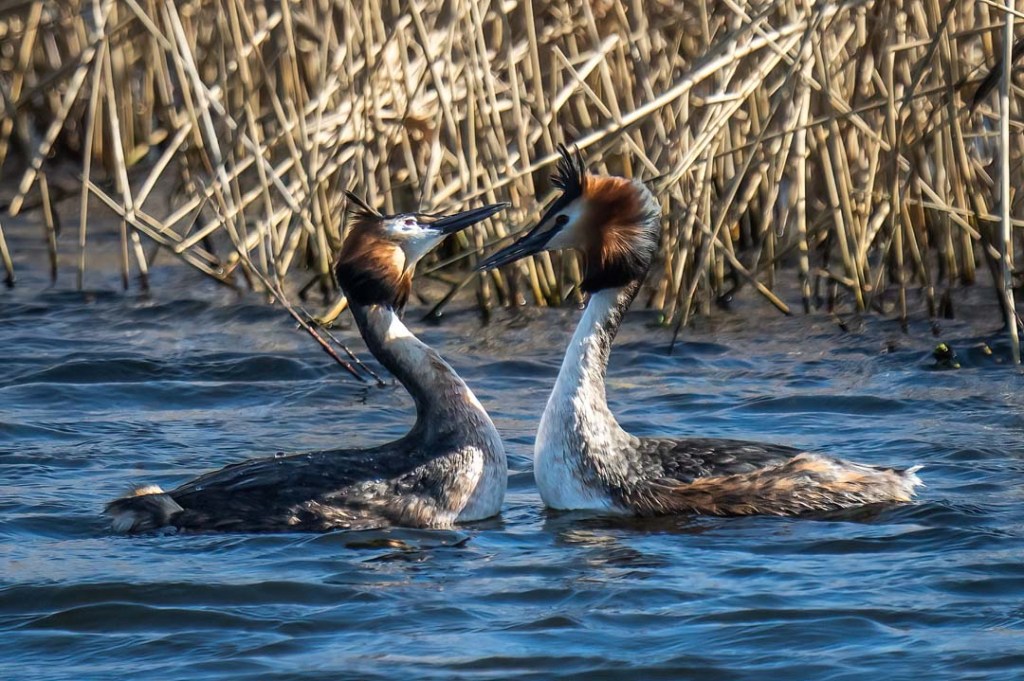
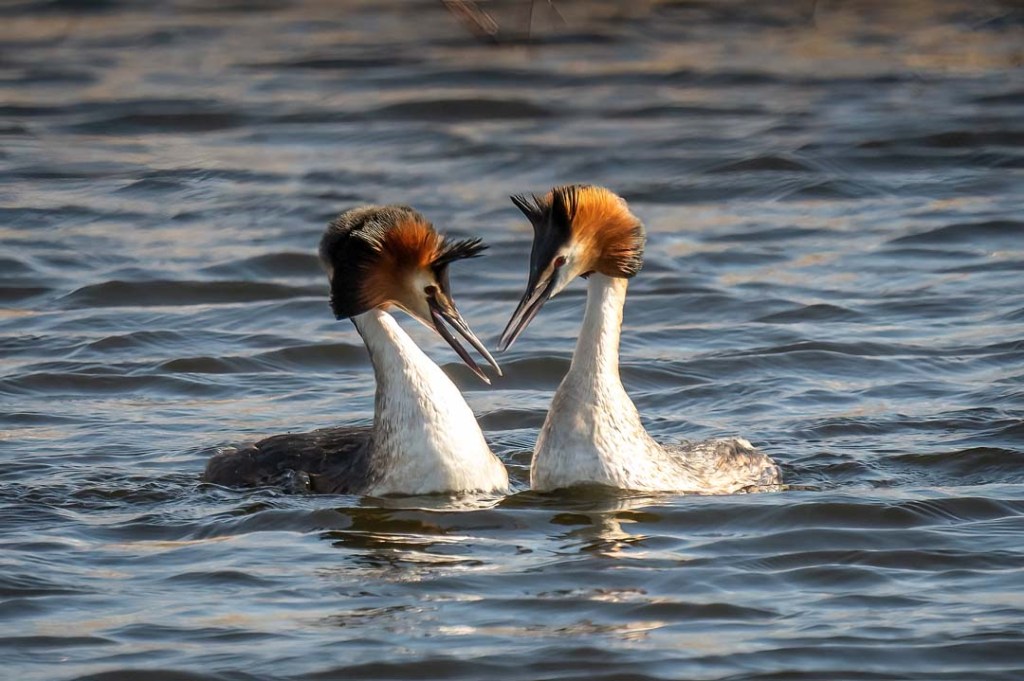
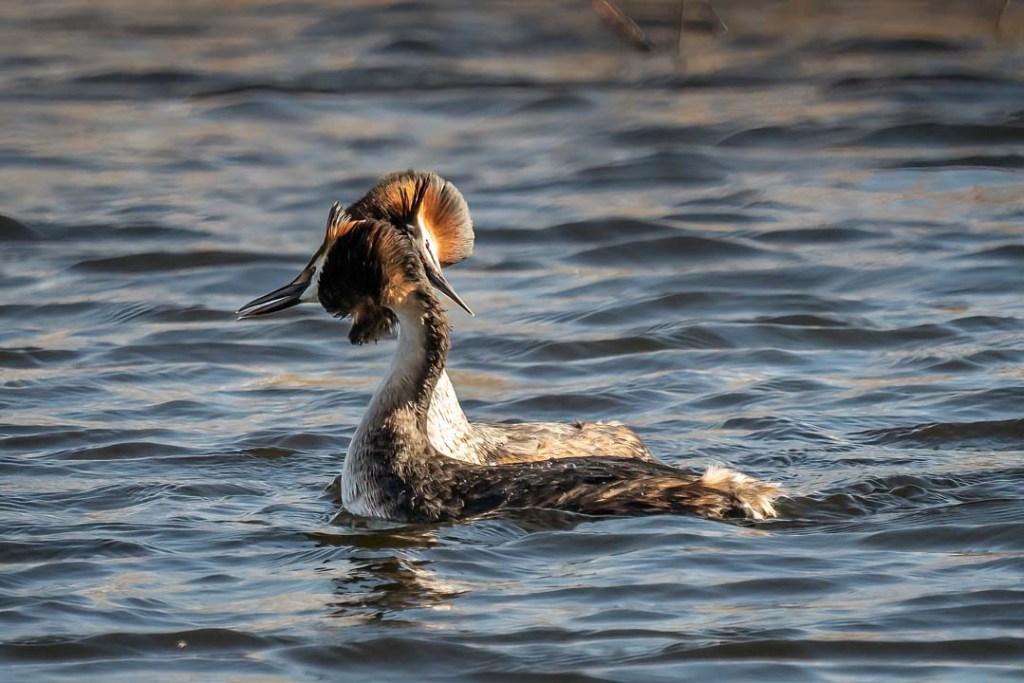
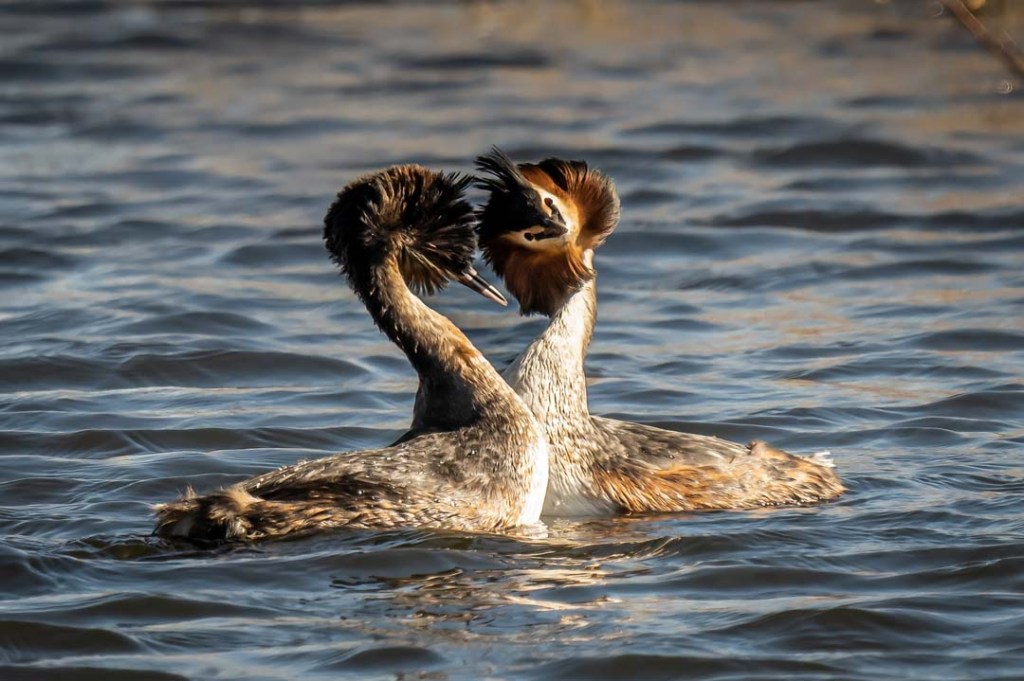
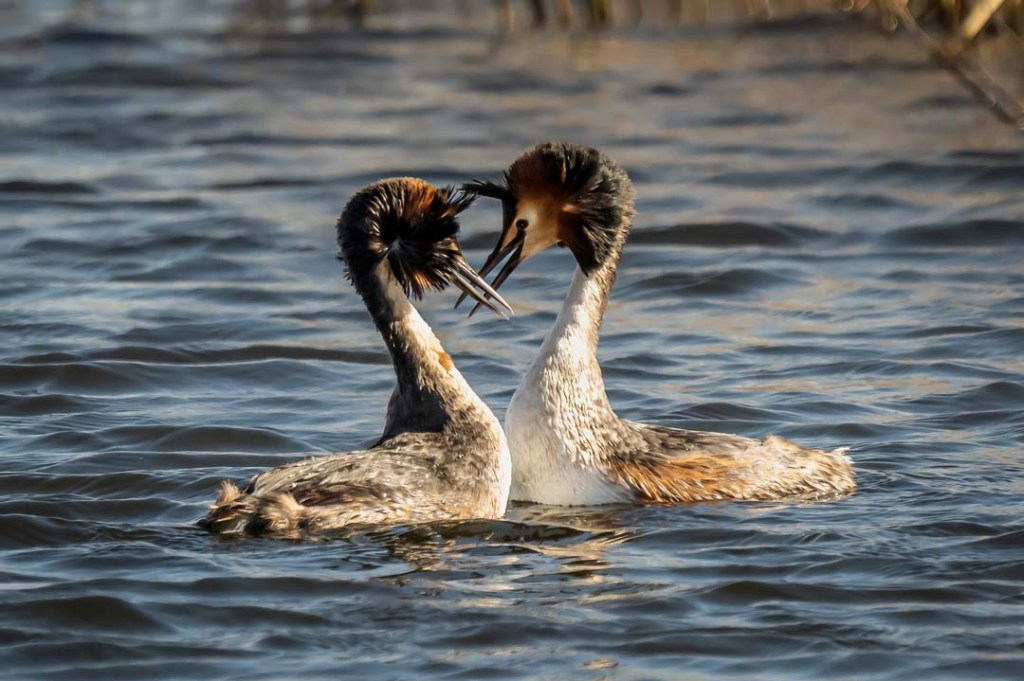
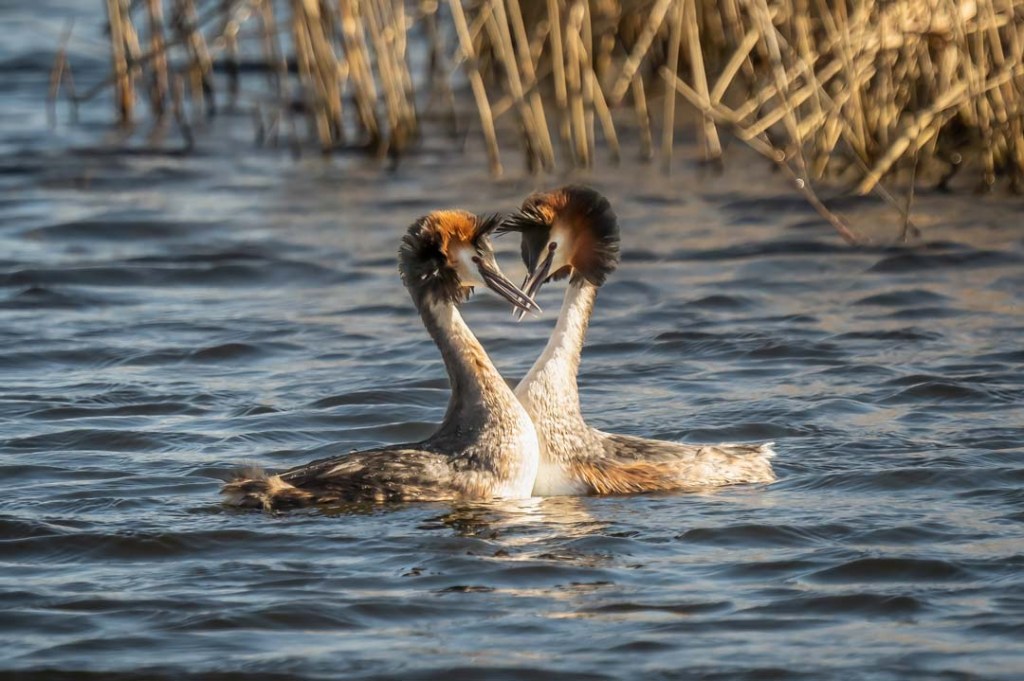
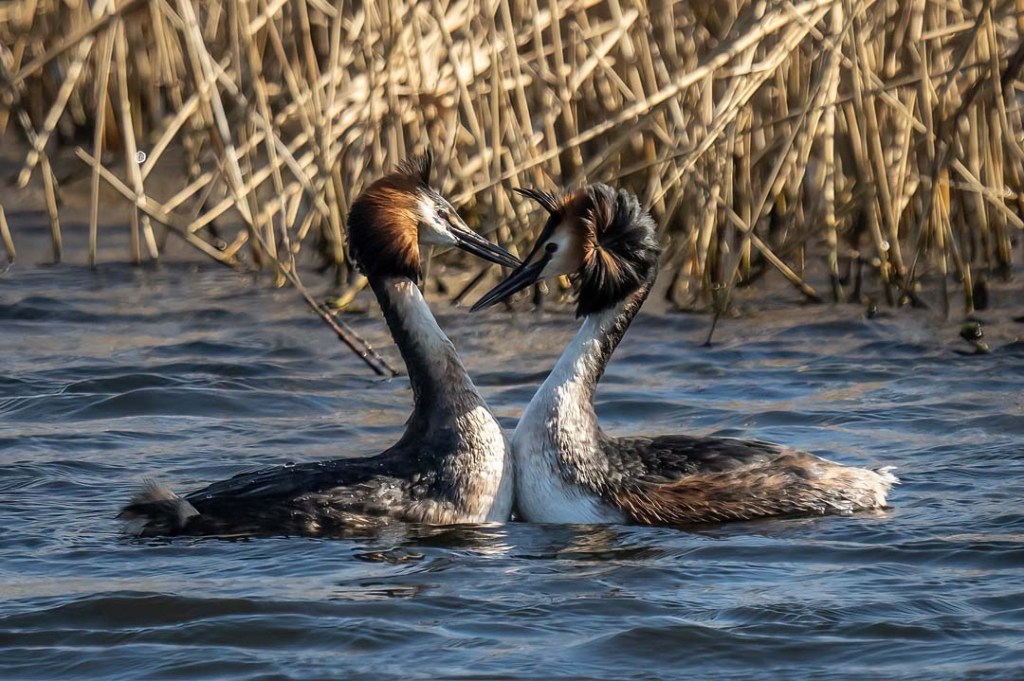
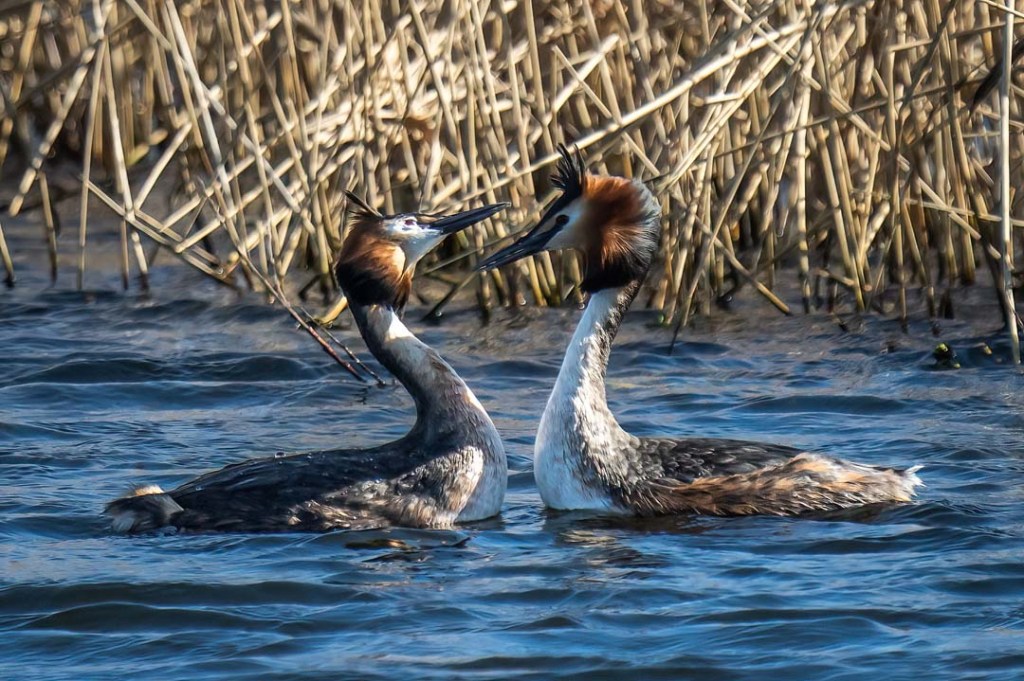
It was relatively quiet here too. But its always a joy to be at Ham Wall (with booming bitterns and frequent sightings of marsh harriers) and eventually a couple of great crested grebe made my day as they became better acquainted.
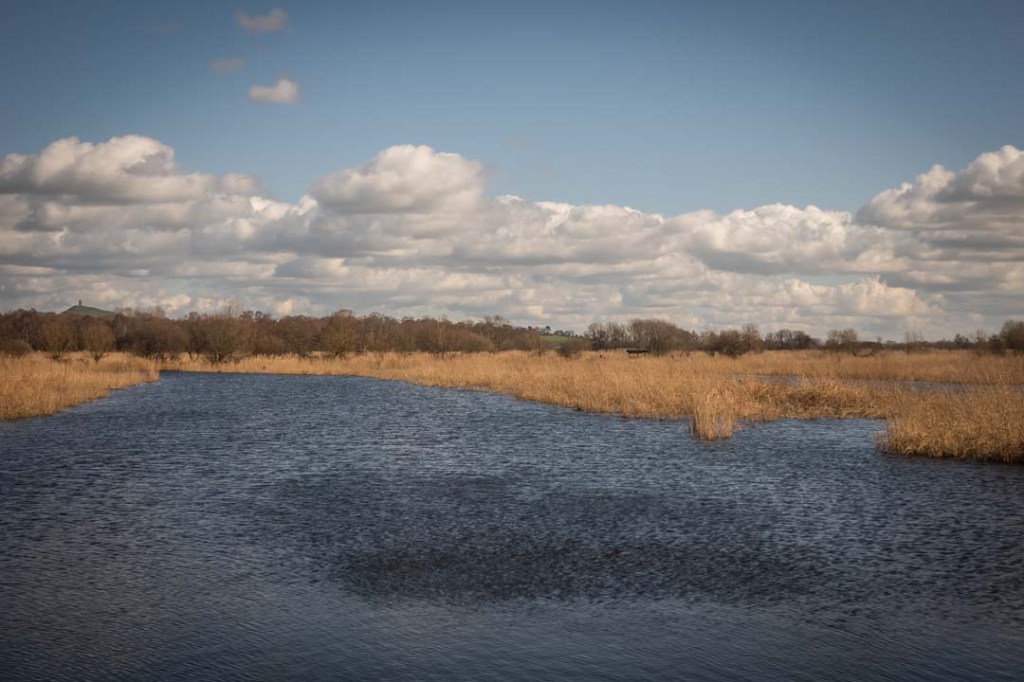
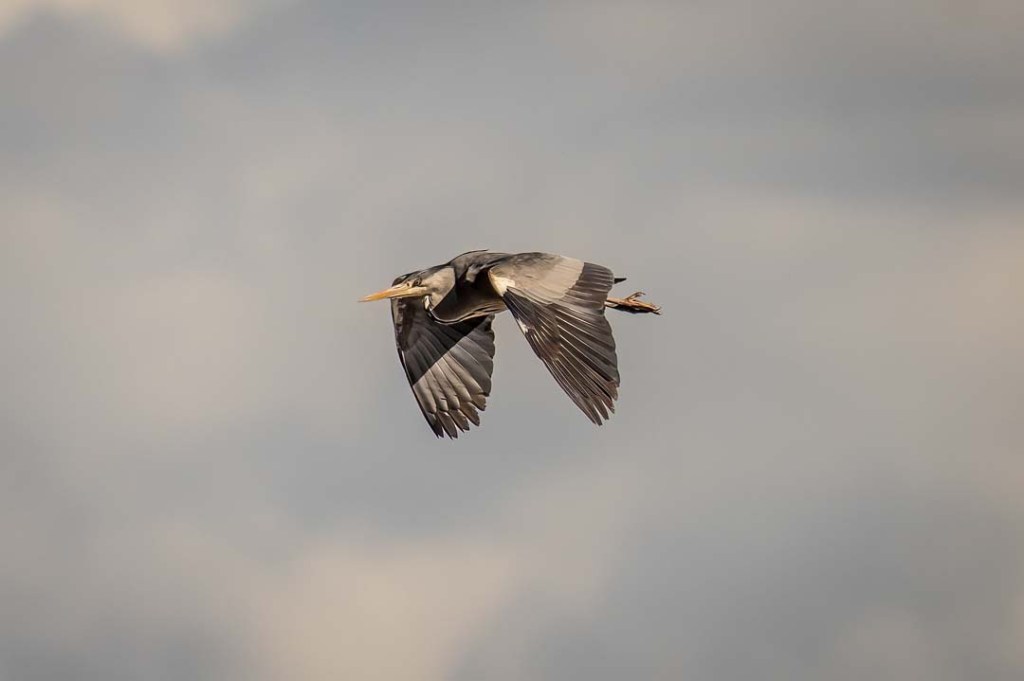
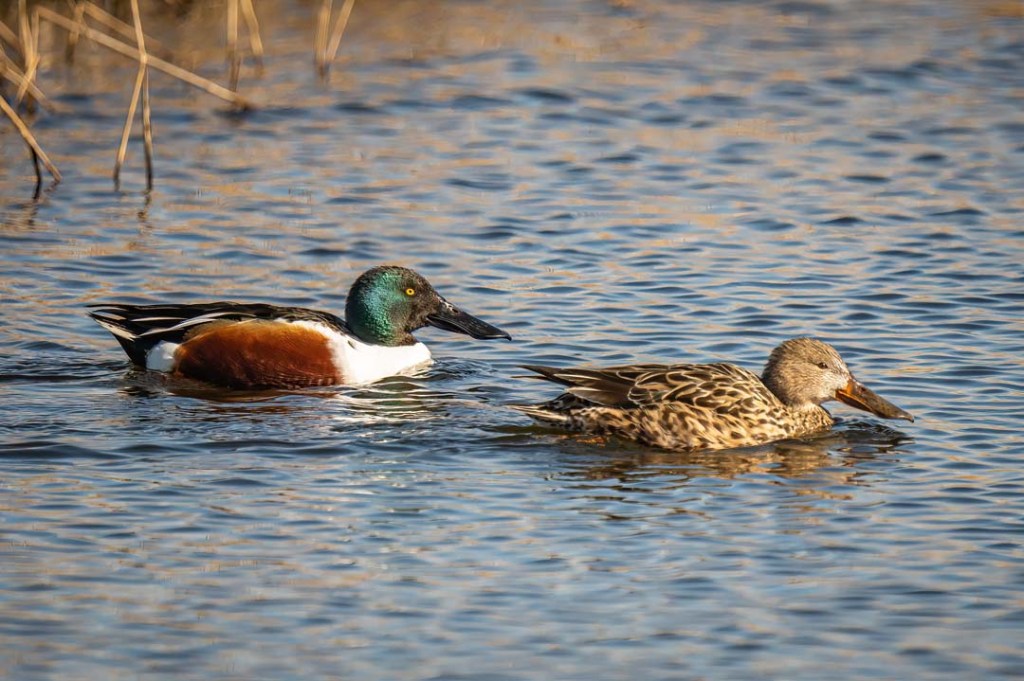
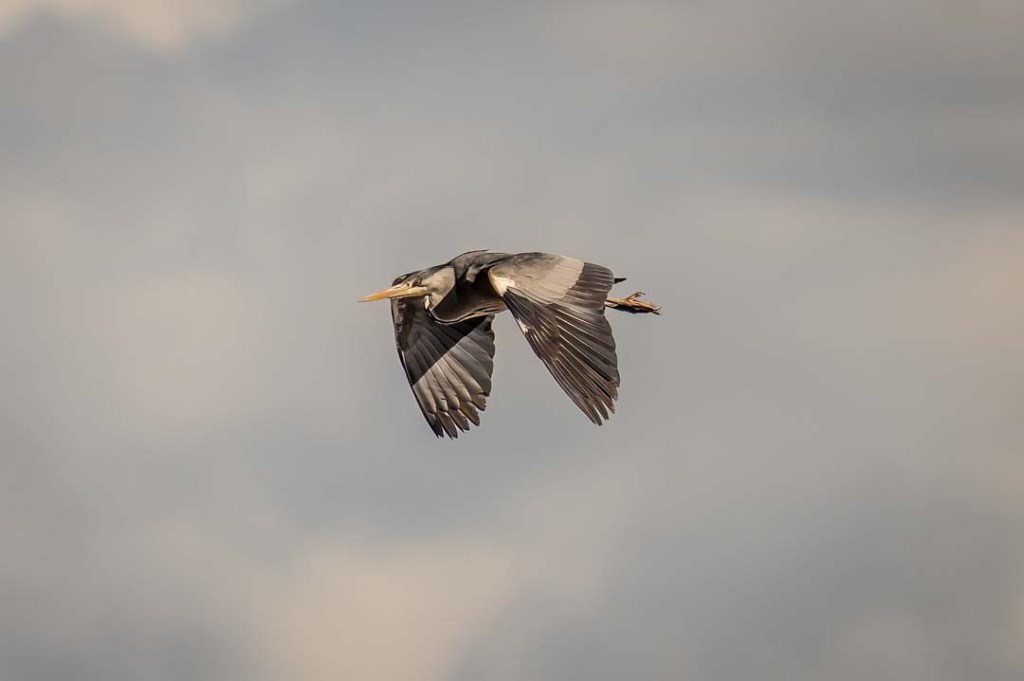
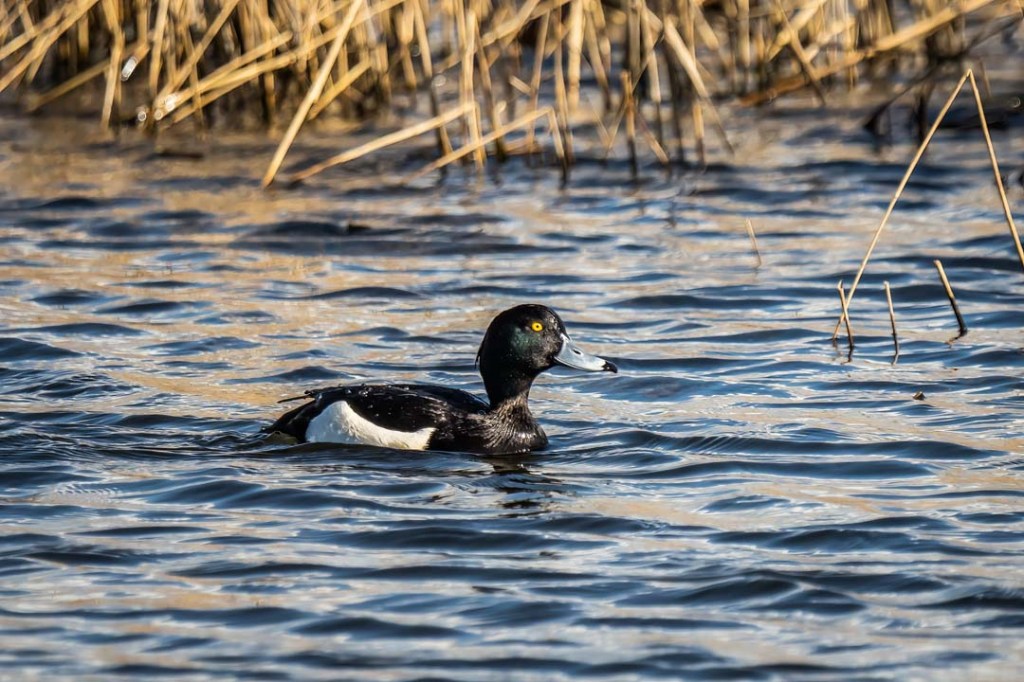
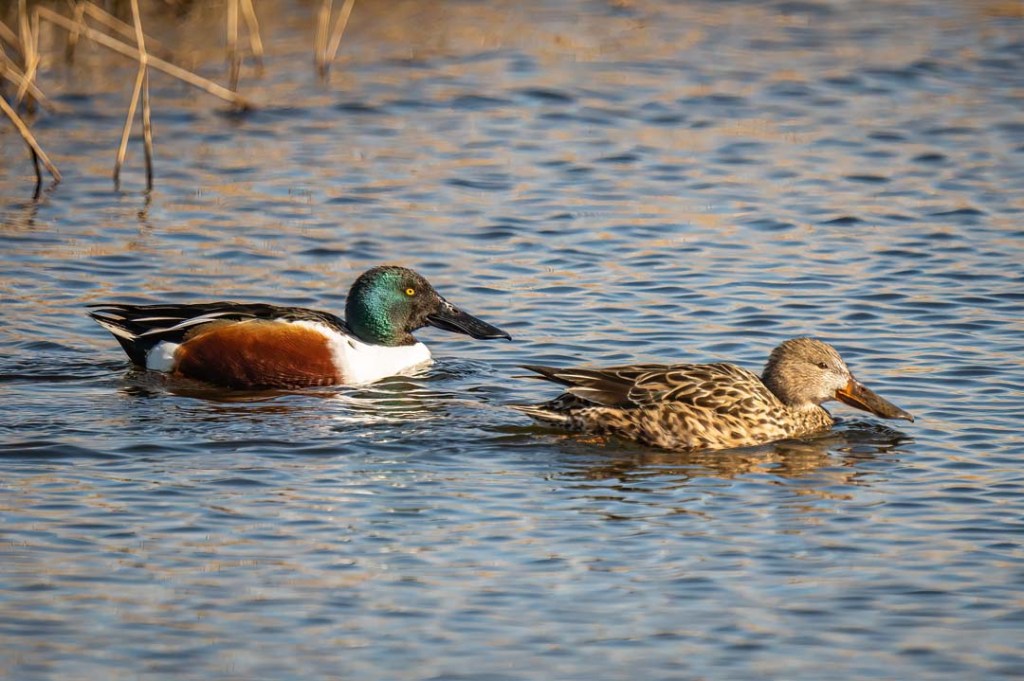
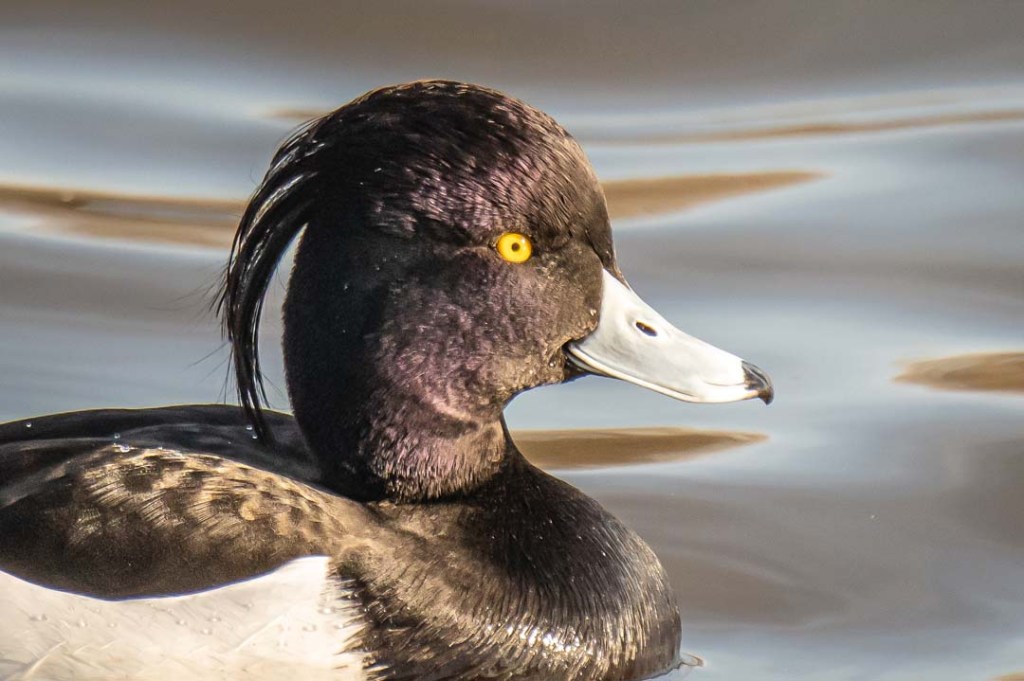
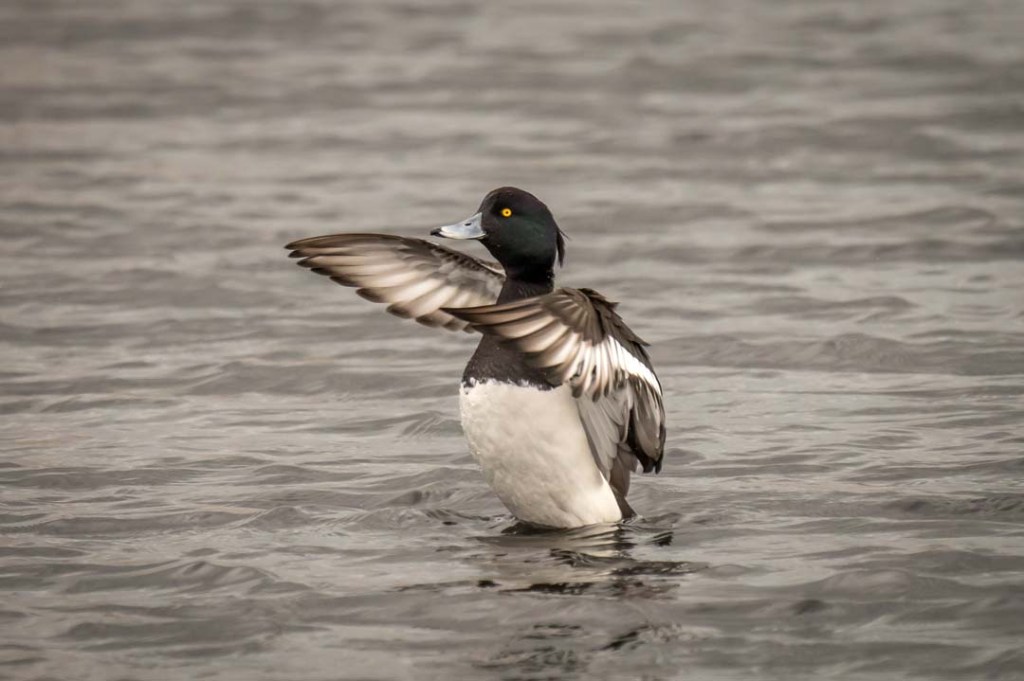
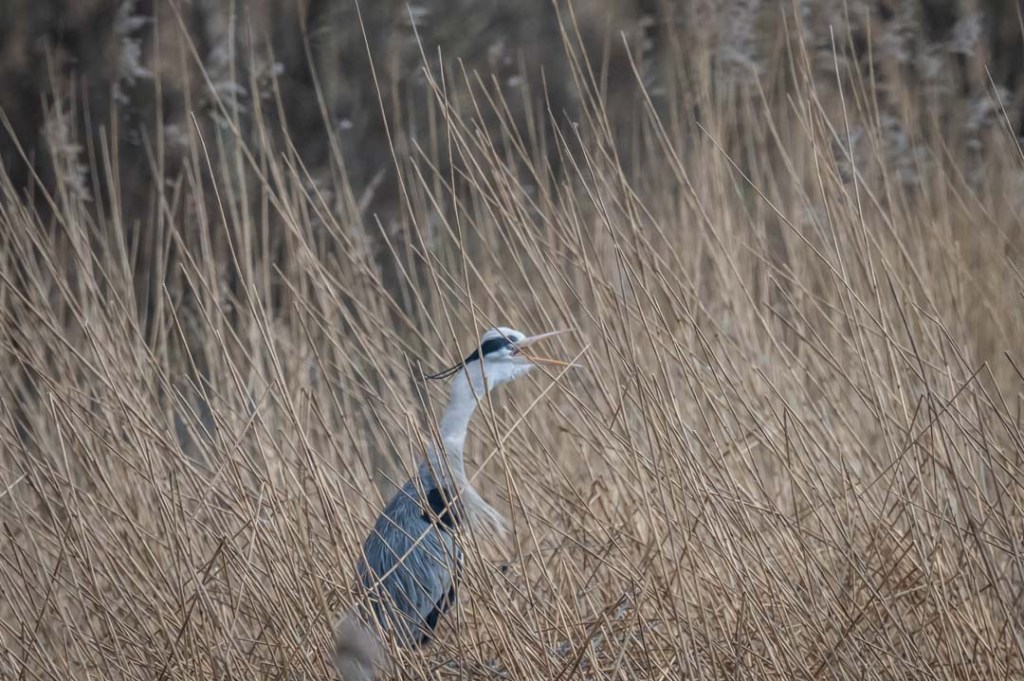
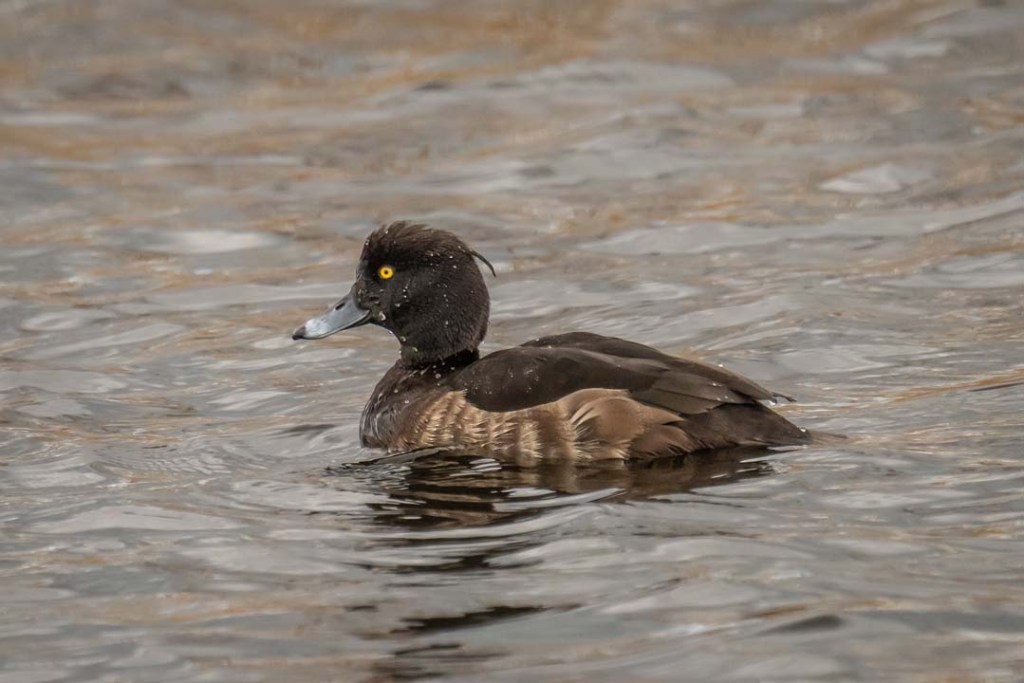
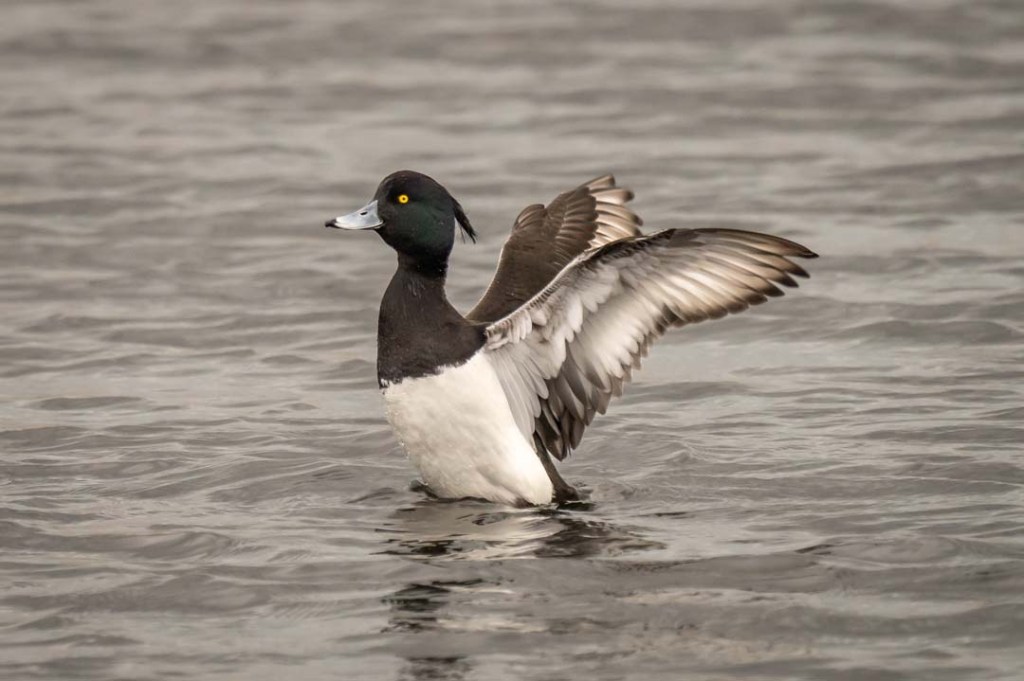
View from the hide with Glastonbury Tor in the backgroundThe squalls of wind were evident on the waterGrey heron breaks cover from the reed bedsTufted duckShovelerNice to see a great tit other than on the garden feeders
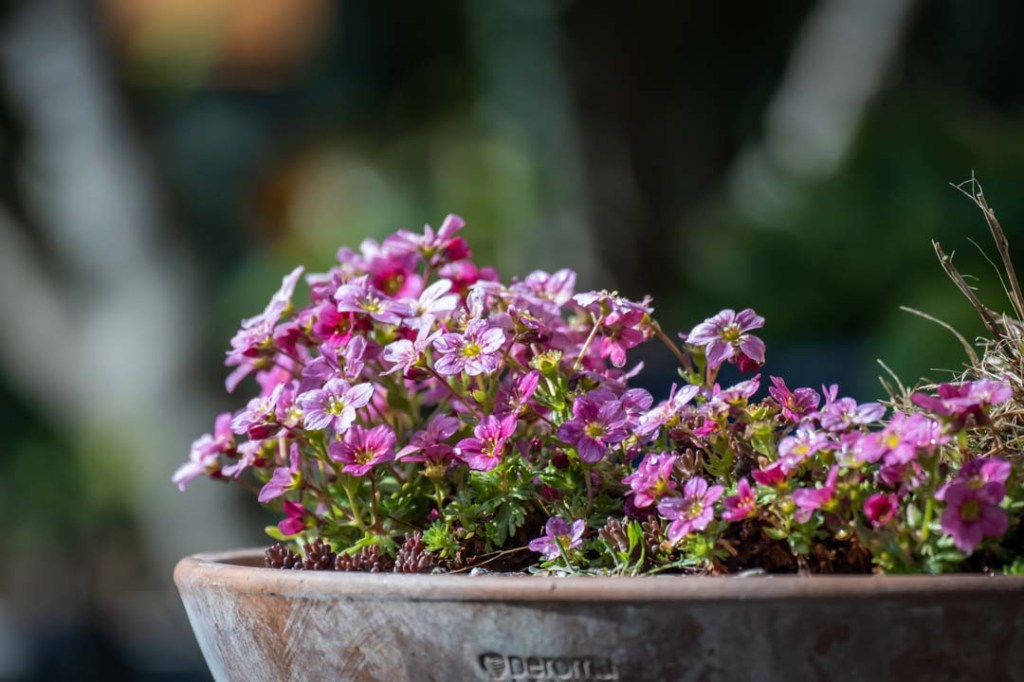
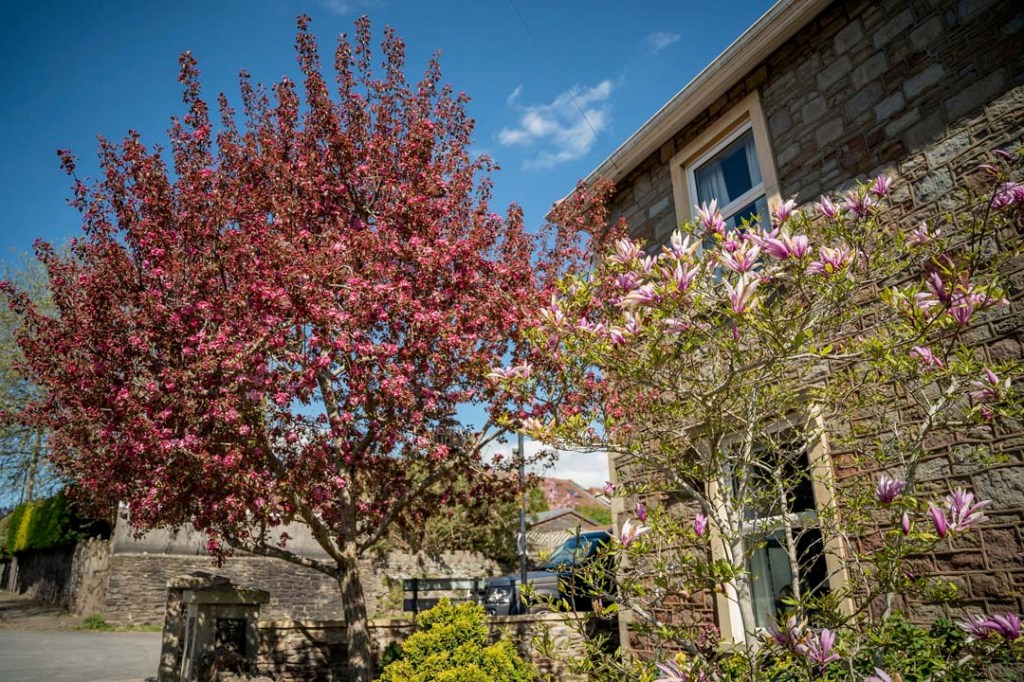
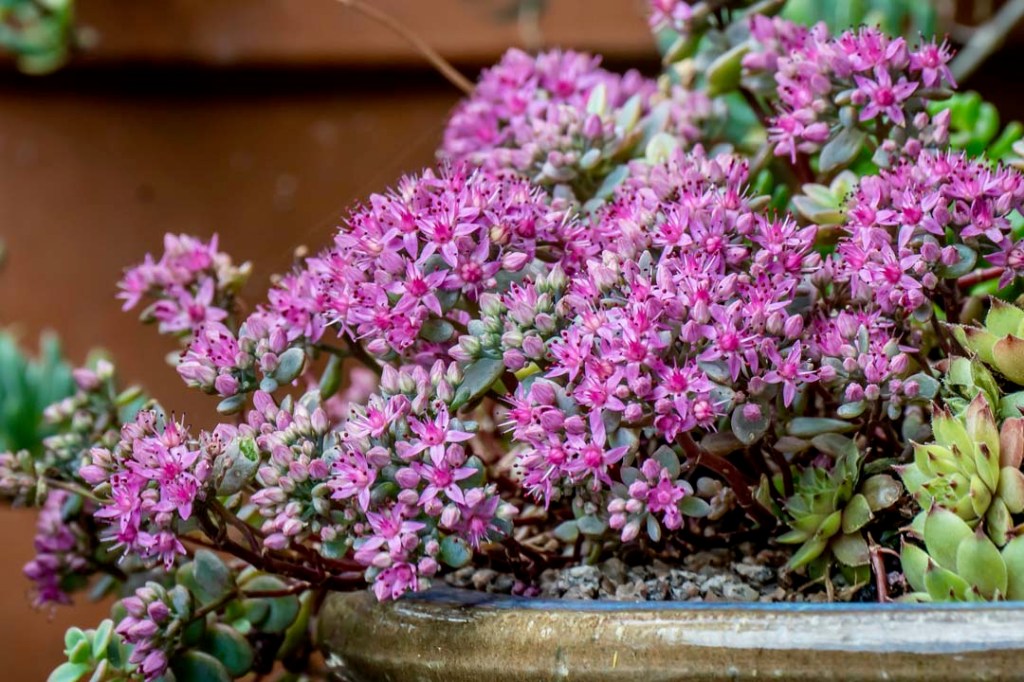
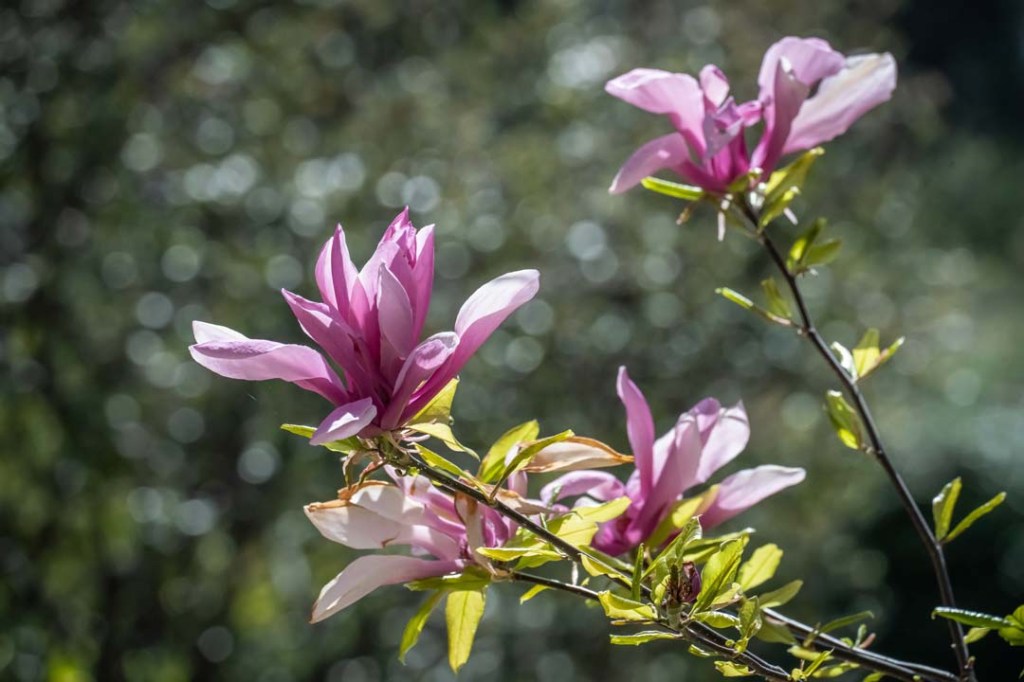
Denzil Nature tells us that the weather is bleak in Belgium and so for this week he has set a new photo challenge of showing pink in nature (to cheer us up).
It’s equally bleak for us in Bristol in the south west of England and its even snowing here this morning.
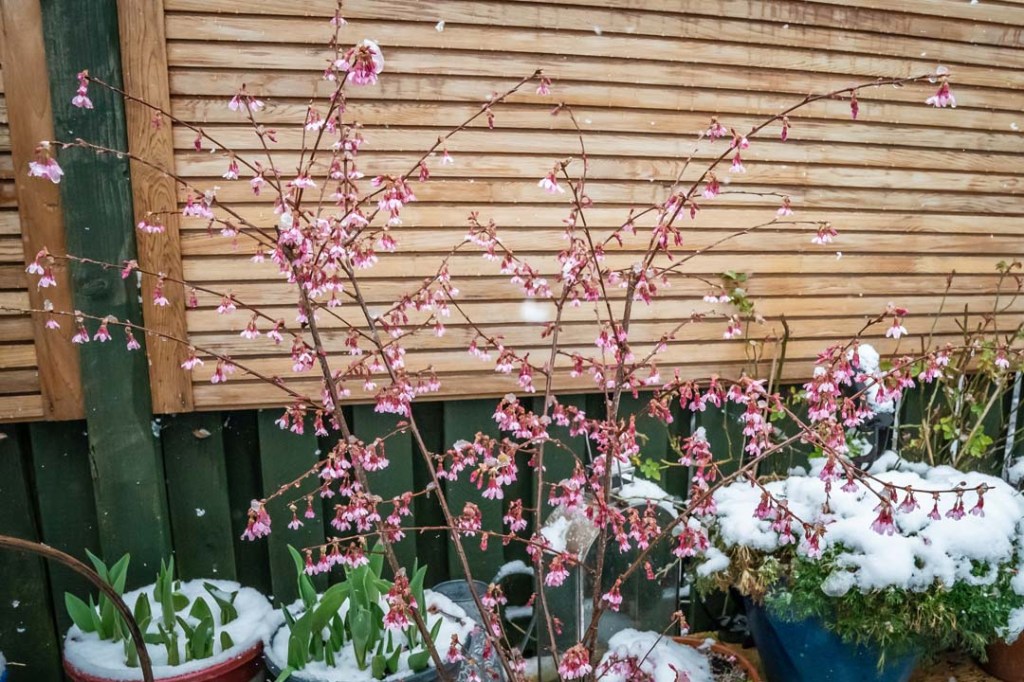
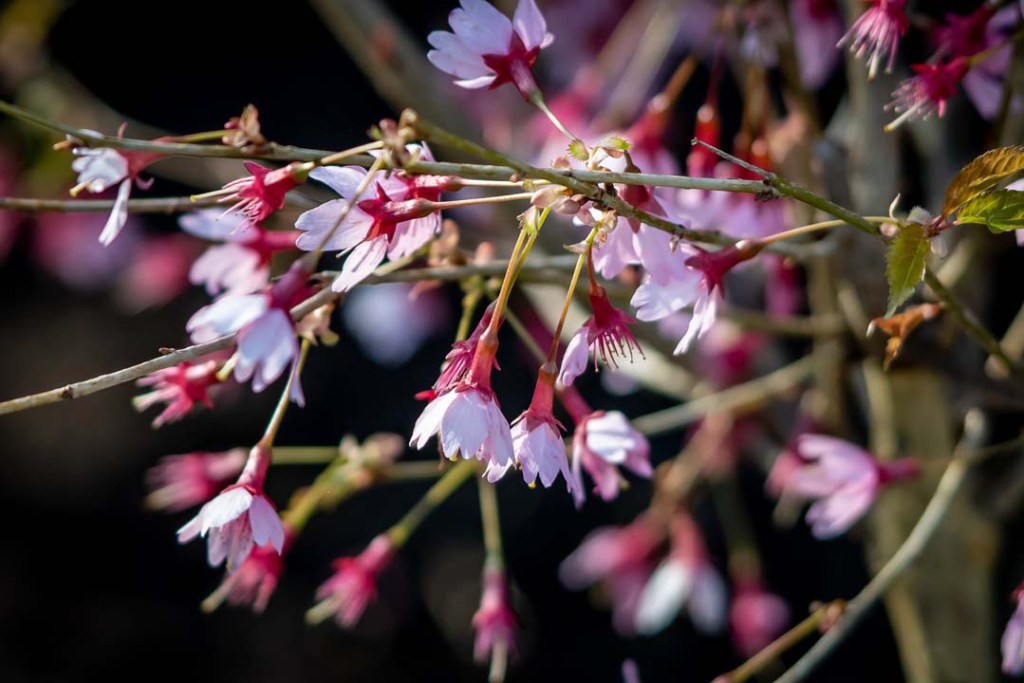
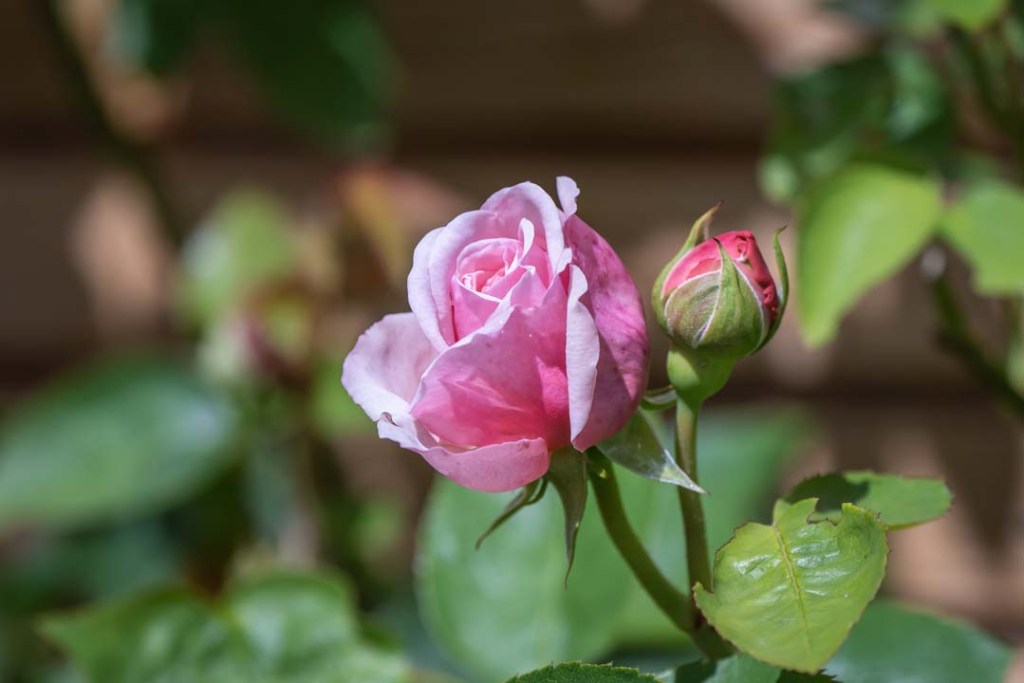
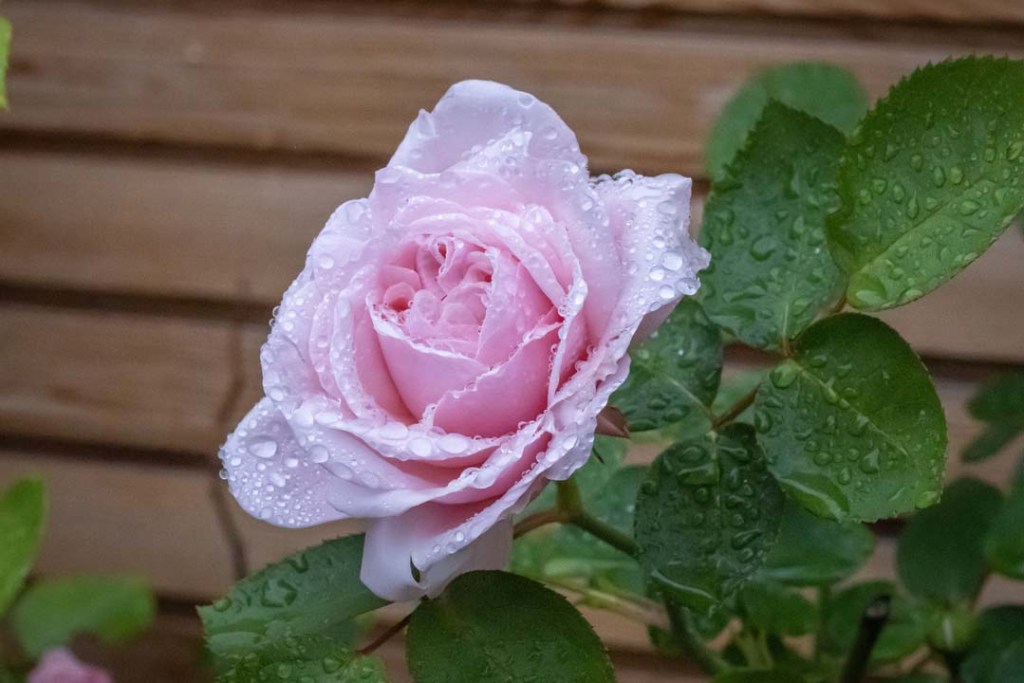
Amazingly we have a fair amount of pink in the garden already.
Cherry blossom in the snowPrimulas with a dusting of snowPrimulas almost hidden by the snowHellebores standing high above the snow
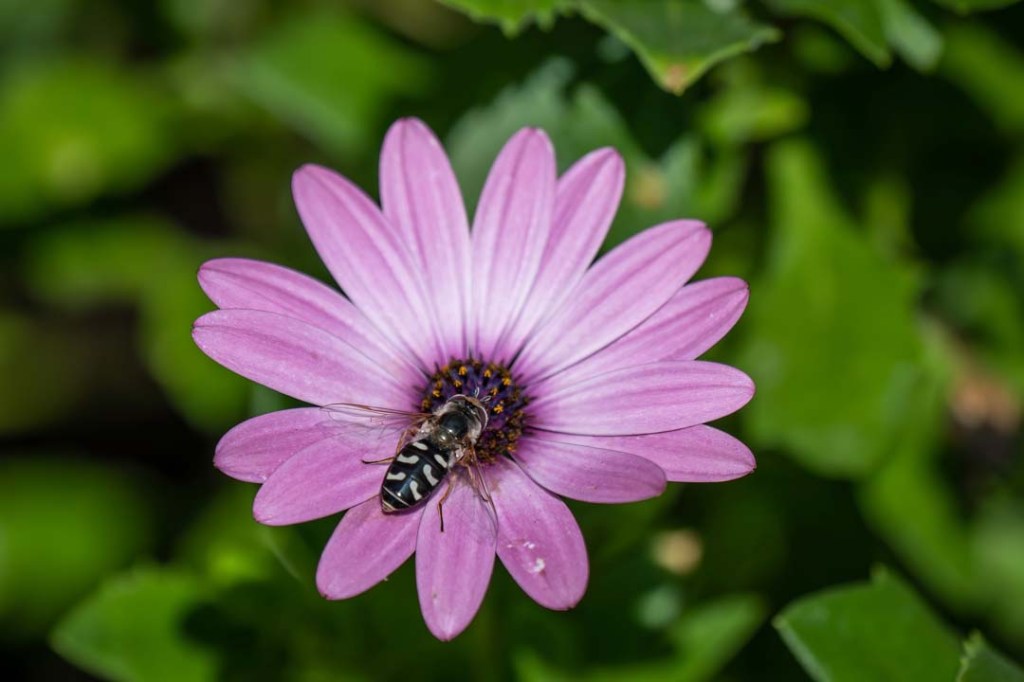
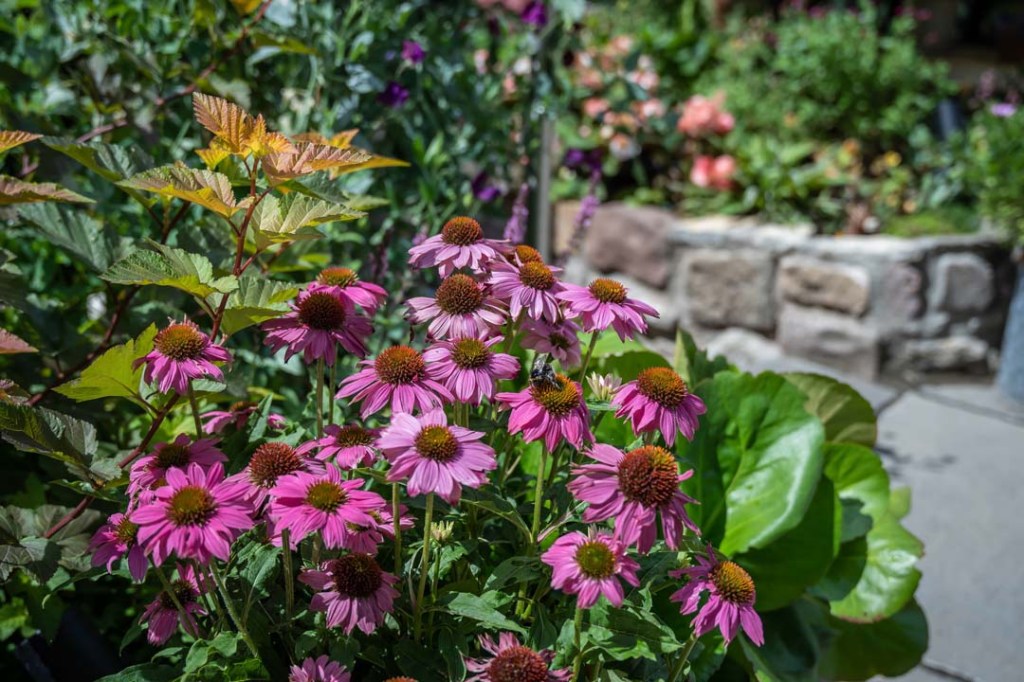
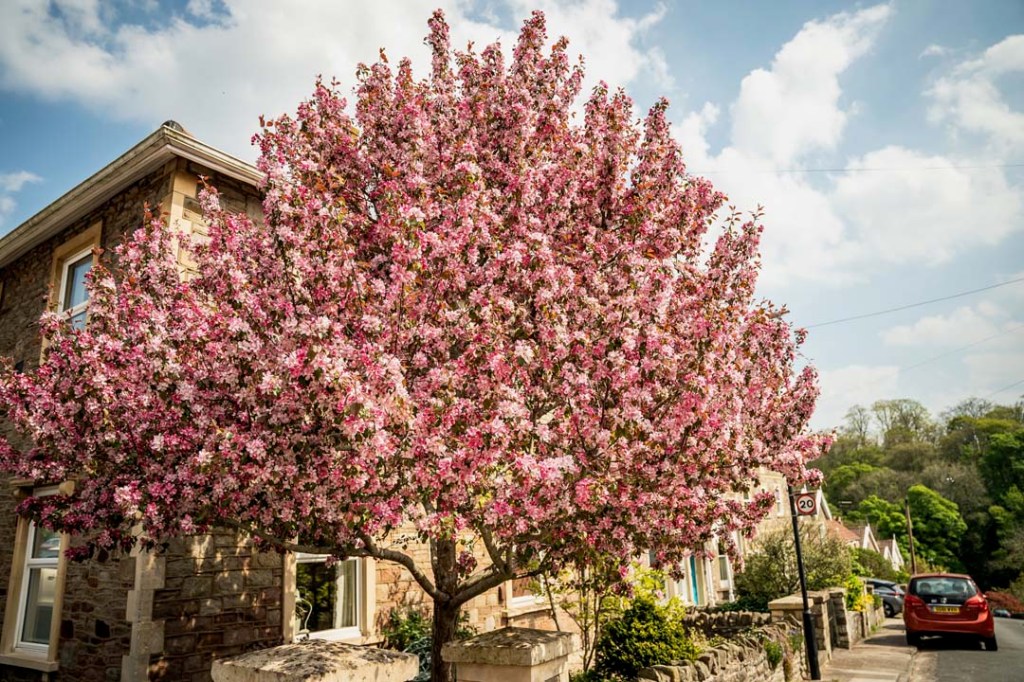
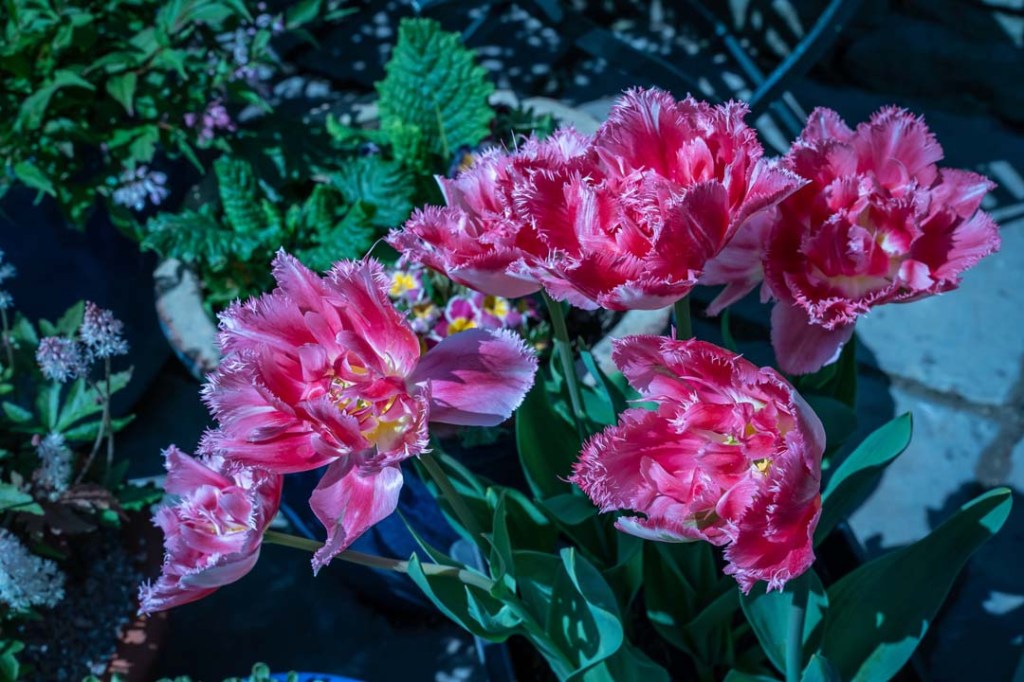
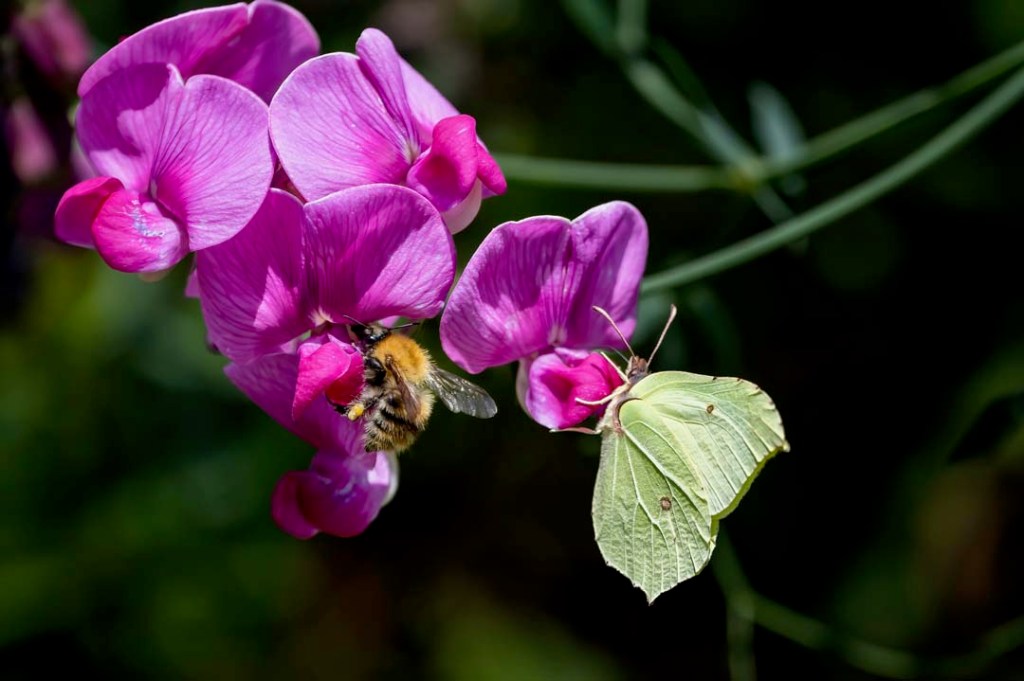
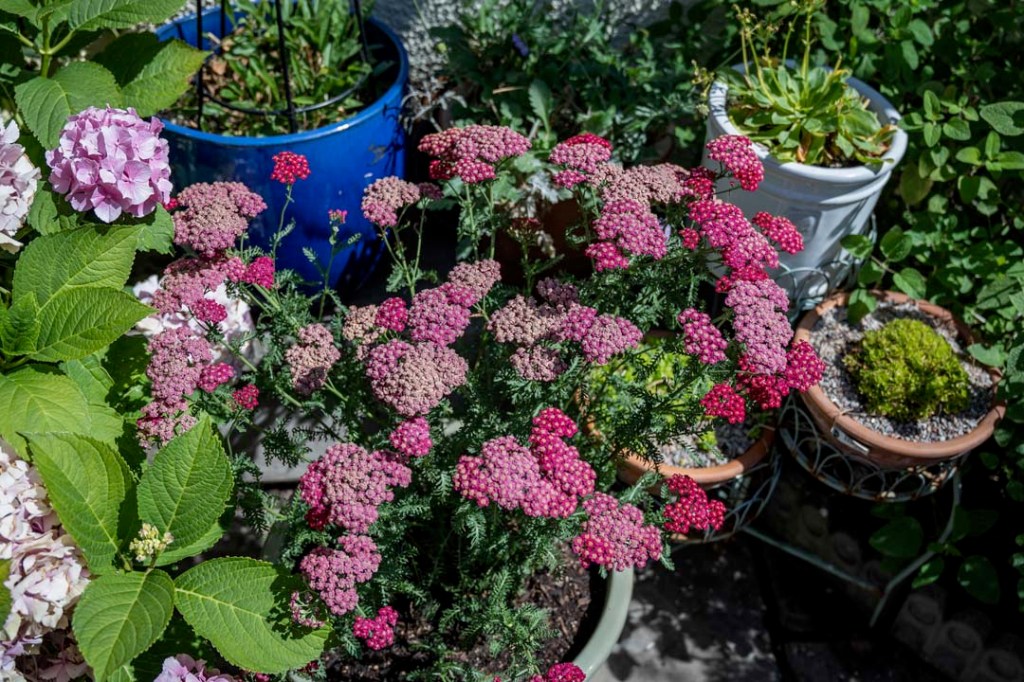
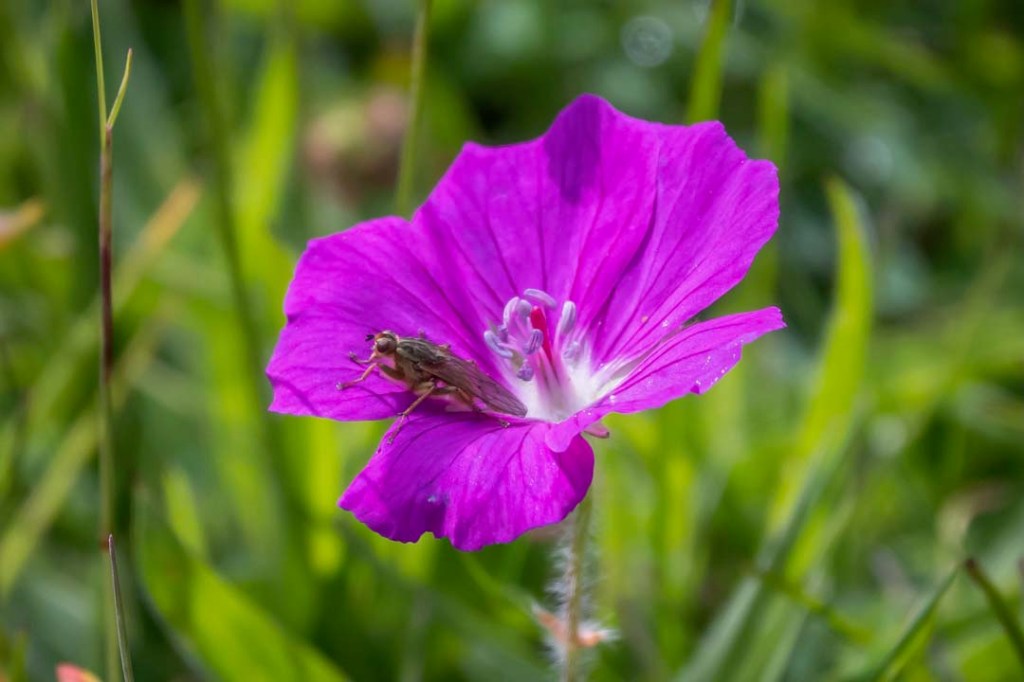
As I looked back through the year I realised that pink is often the dominant colour in my garden and how often insects are attracted to these plants:
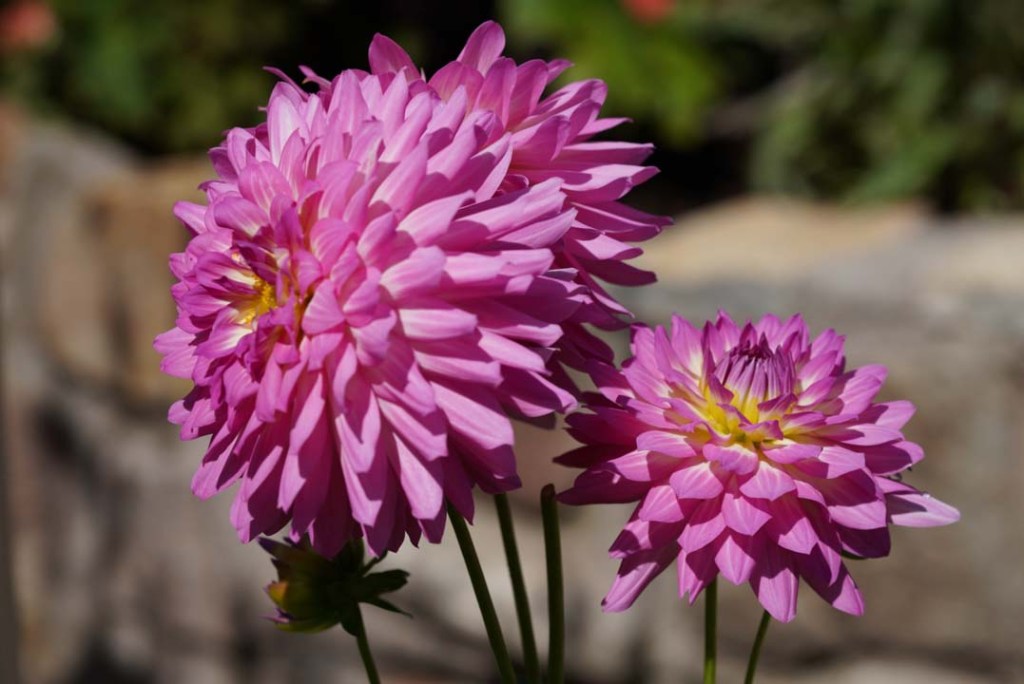
In and around the country pink is well represented too at all times of the year:
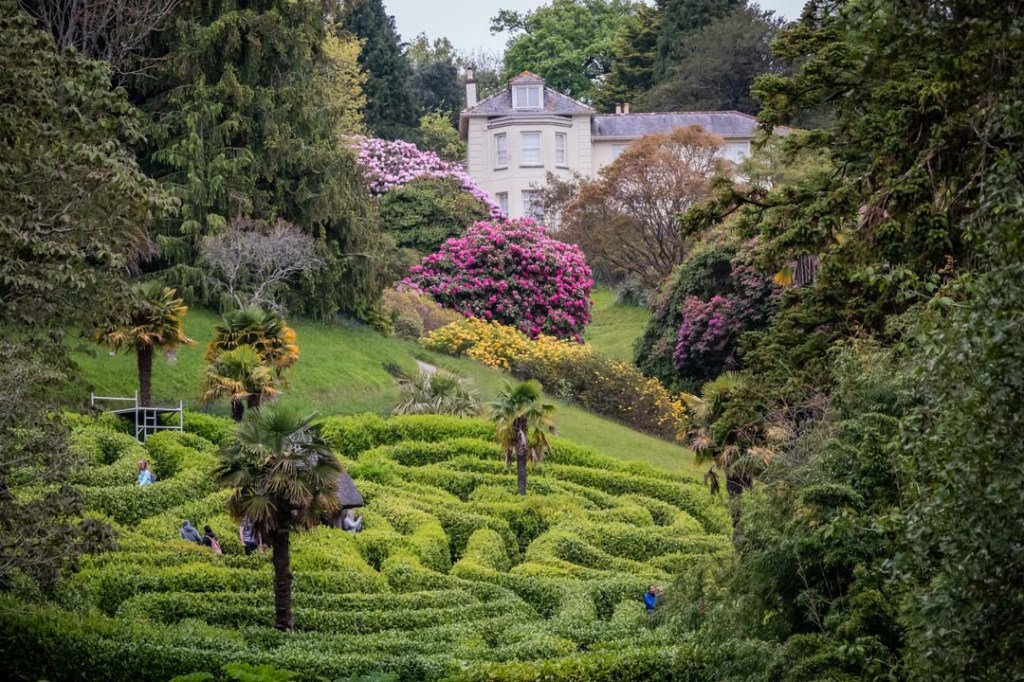
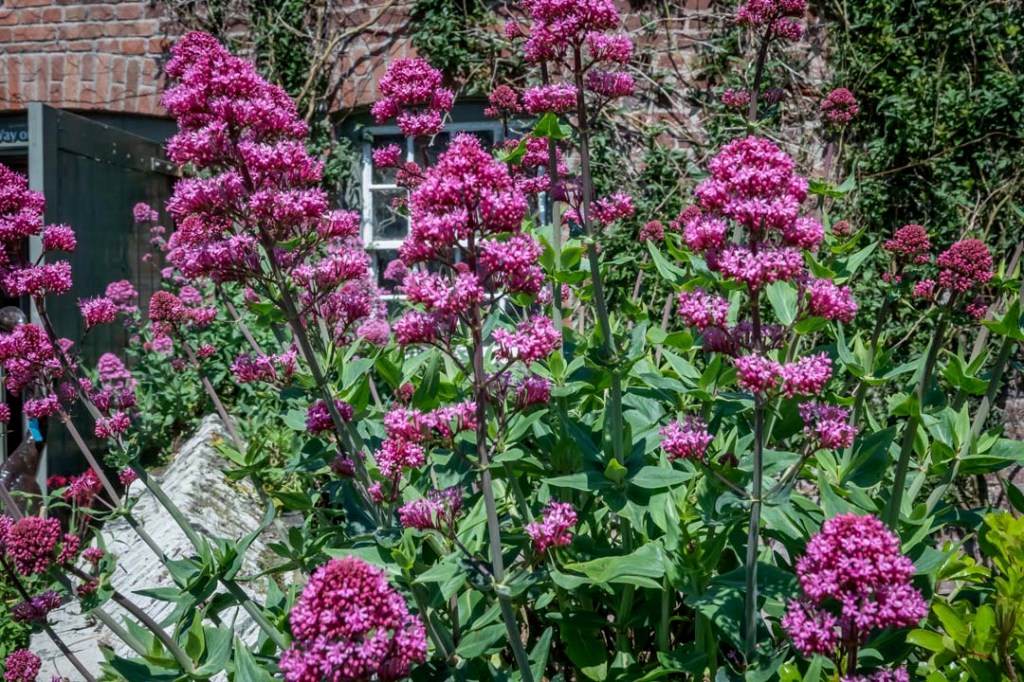
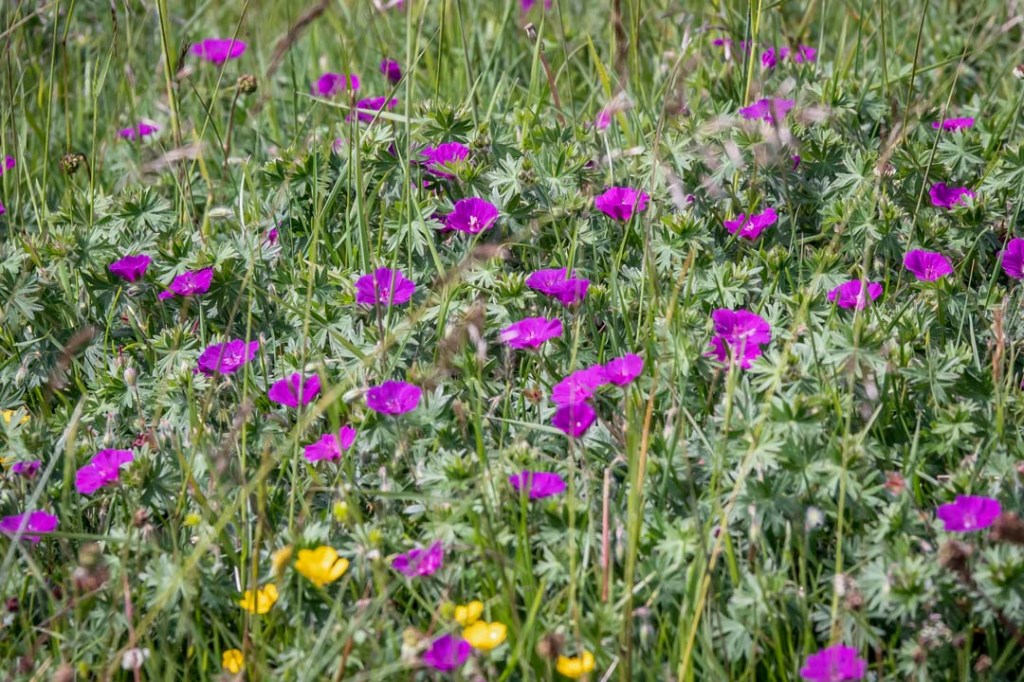
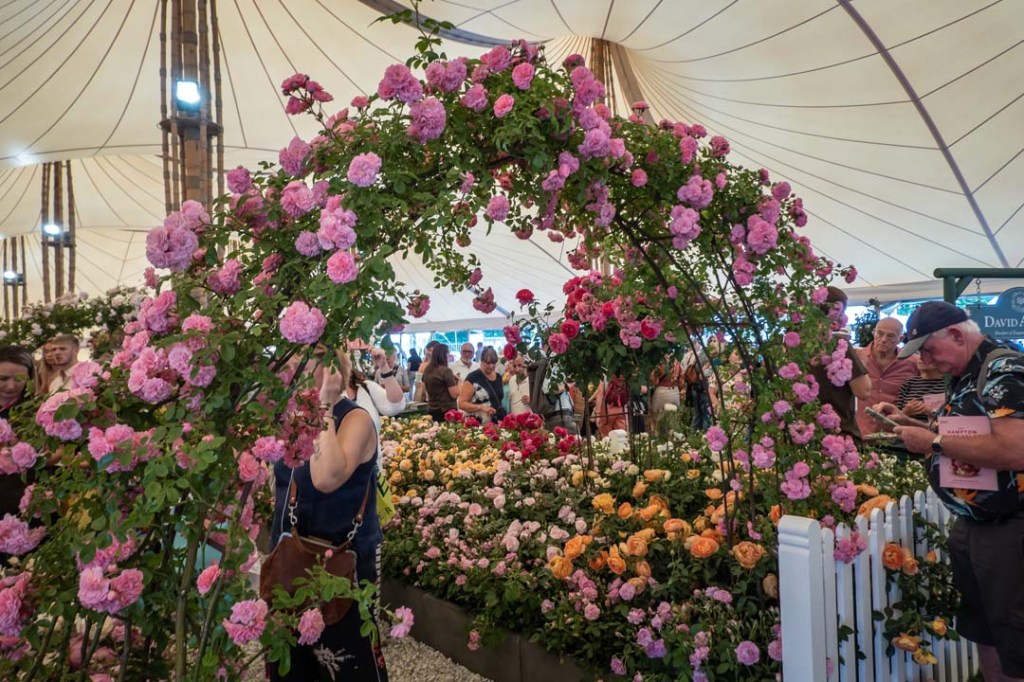
Pink Rhododendrons in Cornwall in MayCottage garden in Cornwall in MayPinks at the seaside in CornwallWildflower meadows in Northumberland in JuneCoastal walk in Wales in JuneRHS Garden Show at Hampton Court Palace in JulyPinks everywhere at the RHS Garden Show at Hampton Court in JulyPink from the sunset on the Somerset Levels in December
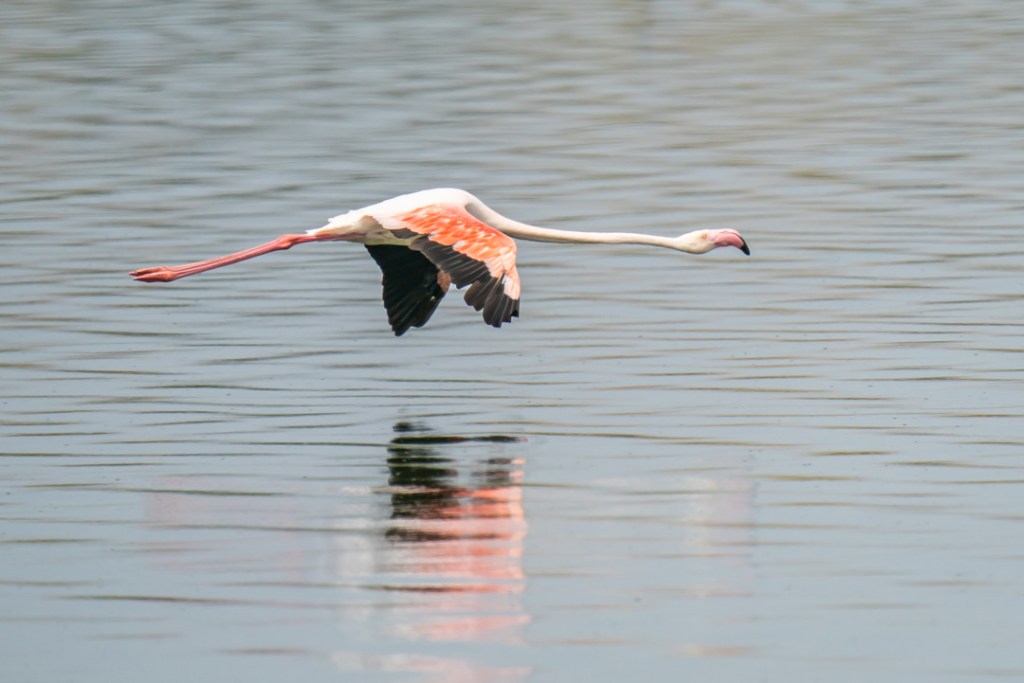
I haven’t seen any pink panthers or pink elephants but I have seen my fair share of pink flamingos in South Africa and Spain and even closer to home at WWT Slimbridge in Gloucestershire.
Greater Flamingo (Strandfontein Birding Area, False Bay Coastal Park – January 2020)Greater Flamingo in Doñana National ParkGreater Flamingos in Doñana National ParkBrighter pink flamingos at WWT Slimbridge in Gloucestershire with a special diet
I have created a new “Galleries” section on my blog to highlight some of my bird photos.
GALLERIES
I have purposely not labelled the birds in the mixed galleries as I thought it might be fun (for me too) to try our luck at identifying them. They are labelled elsewhere on the site.
So far I have added the following galleries:
Miscellaneous
Waders
Birds in Flight
Large Waterbirds
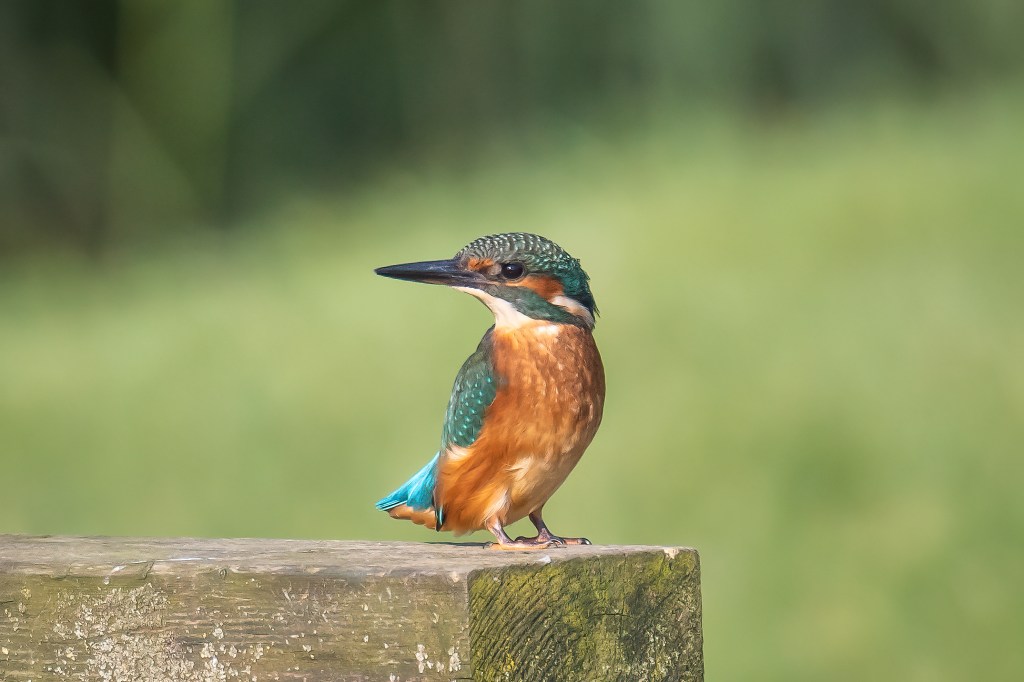
Kingfishers
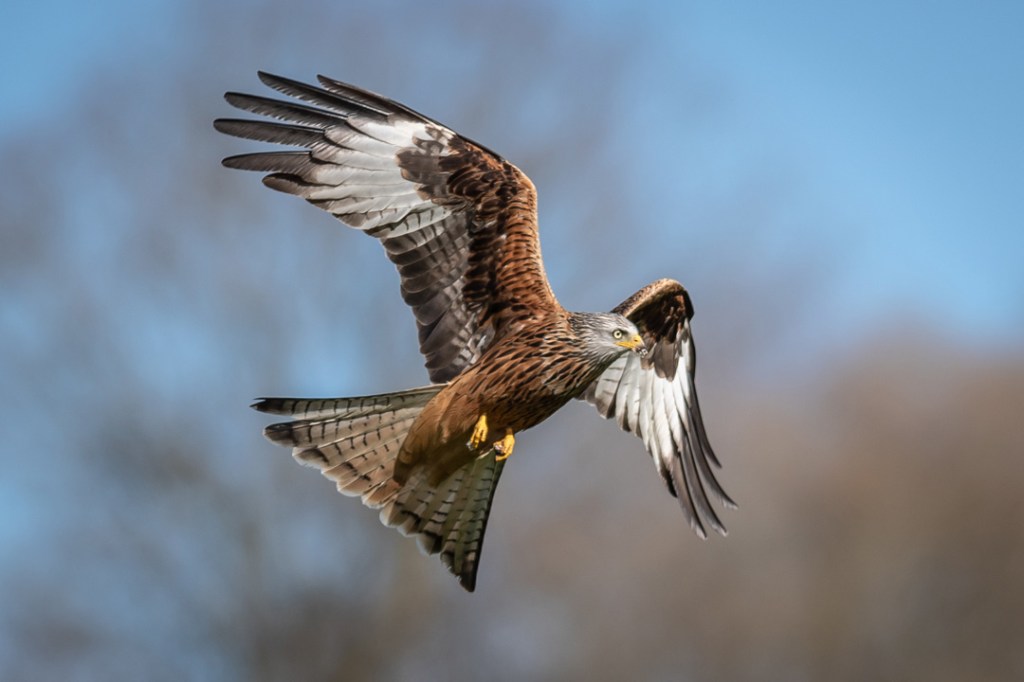
Red Kites
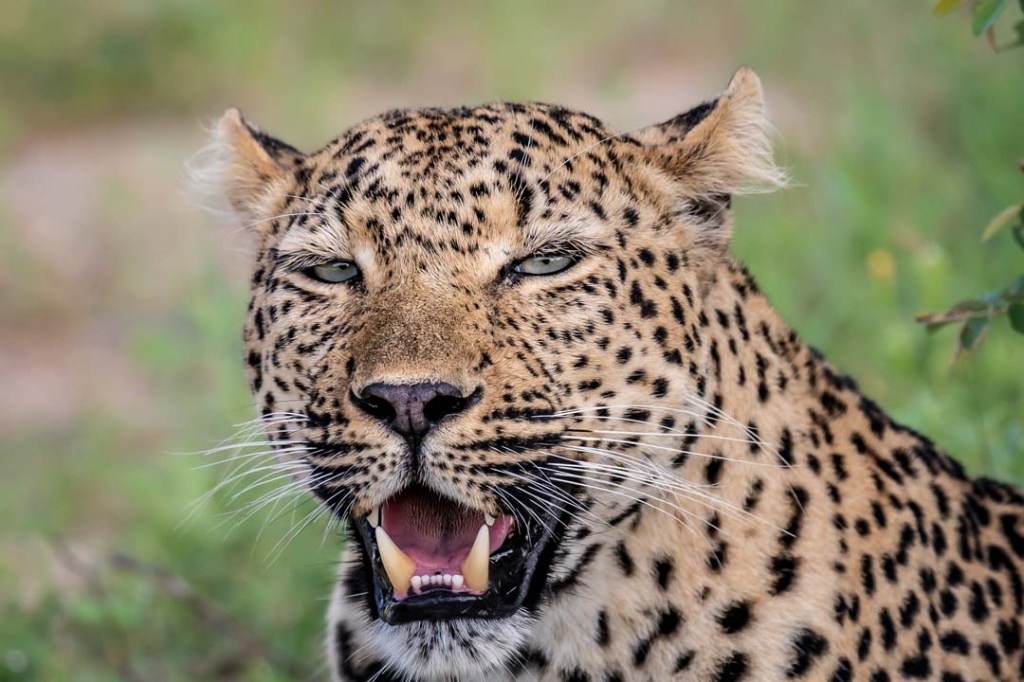
Thornybush Private Game Reserve, Greater Kruger South Africa:
I hope to add further galleries as time permits.
These galleries can also be found under the “Additional Blogs” tab.
I enjoyed Denzil Nature’s Photo Challenge on “Pattern” last week and particularly enjoyed seeing some of other bloggers’ contributions. See Denzil’s post.
I spent the day on the Somerset Levels – always a favourite of mine; however, the cold and lack of sun did test my resolve. Frustratingly, I could see the sun shining on the Mendip Hills to the north of me.
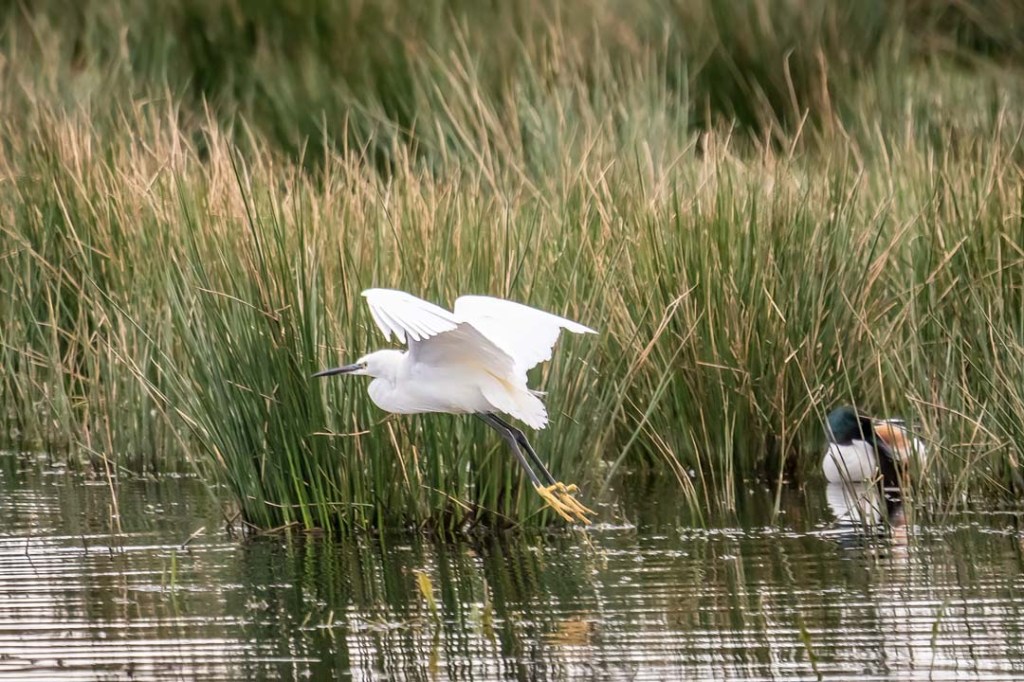
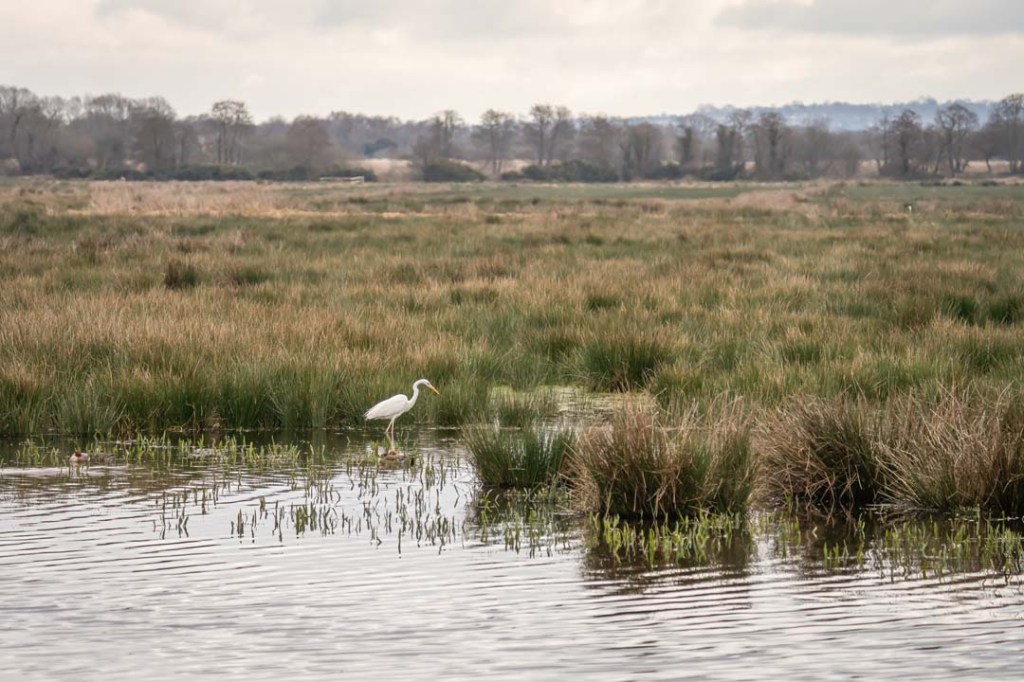
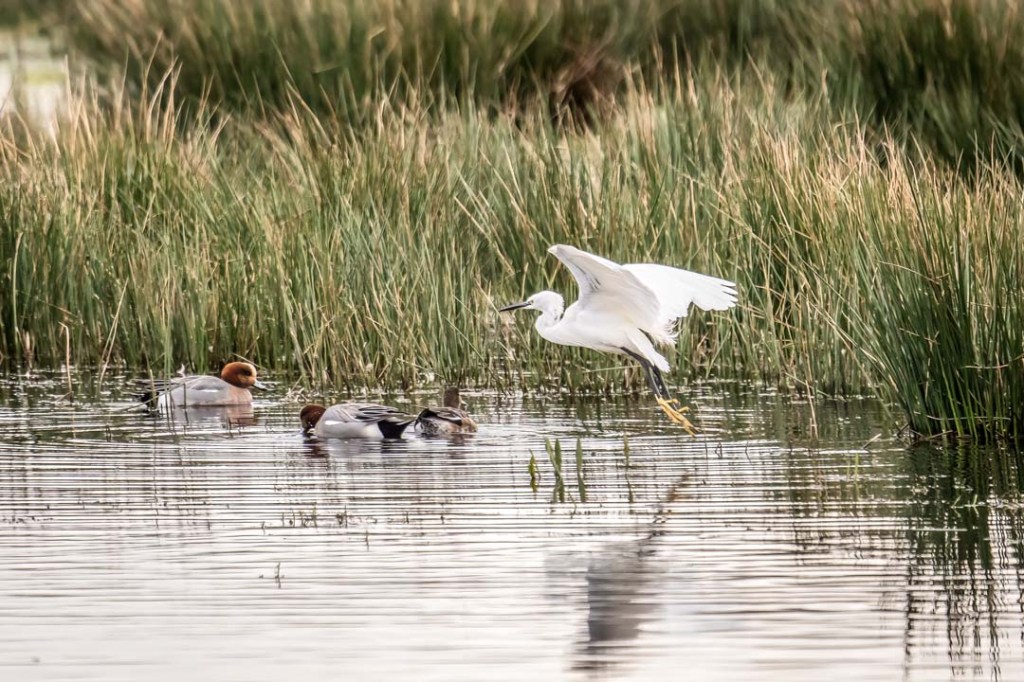
The Great White Egret was the only thing to stand out in the poor light at Catcott LowsA Little Egret flew in to lighten the scene
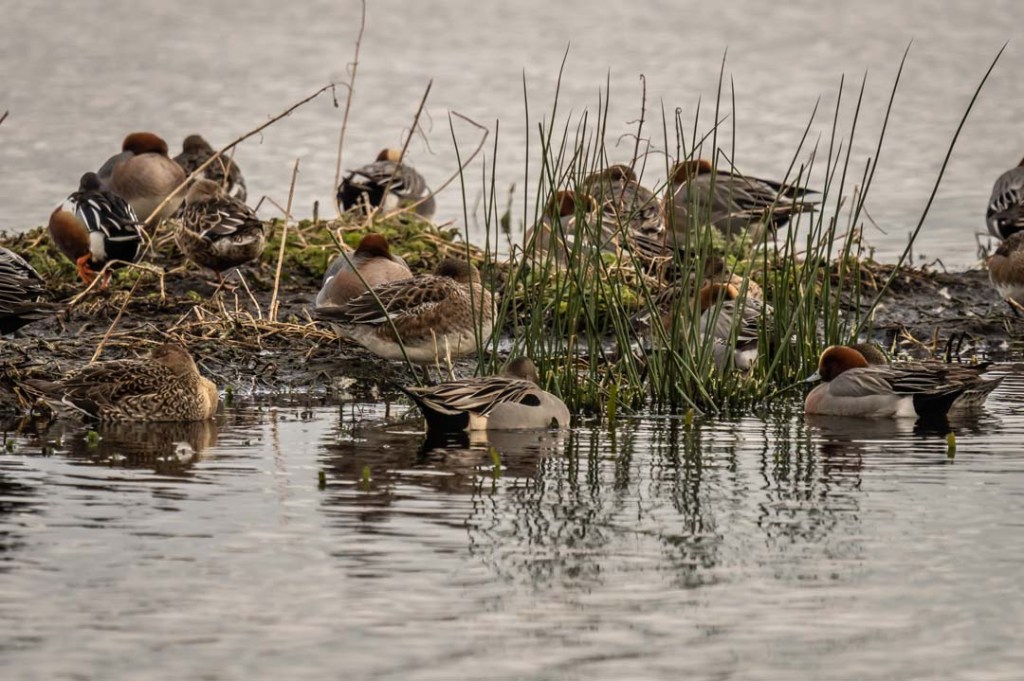
I started at Catcott Lows. The wetlands were teeming with wigeon, but not a lot else until a Great White Egret and a Little Egret appeared. It was just as well as it was too gloomy to photograph anything other than white birds.
The Wren next to the hide was often very vocal but not when I was photographing it
I moved on to RSPB Ham Wall. There have been sightings of Glossy Ibis here but they had decided that it was too cold for them and didn’t make an appearance.
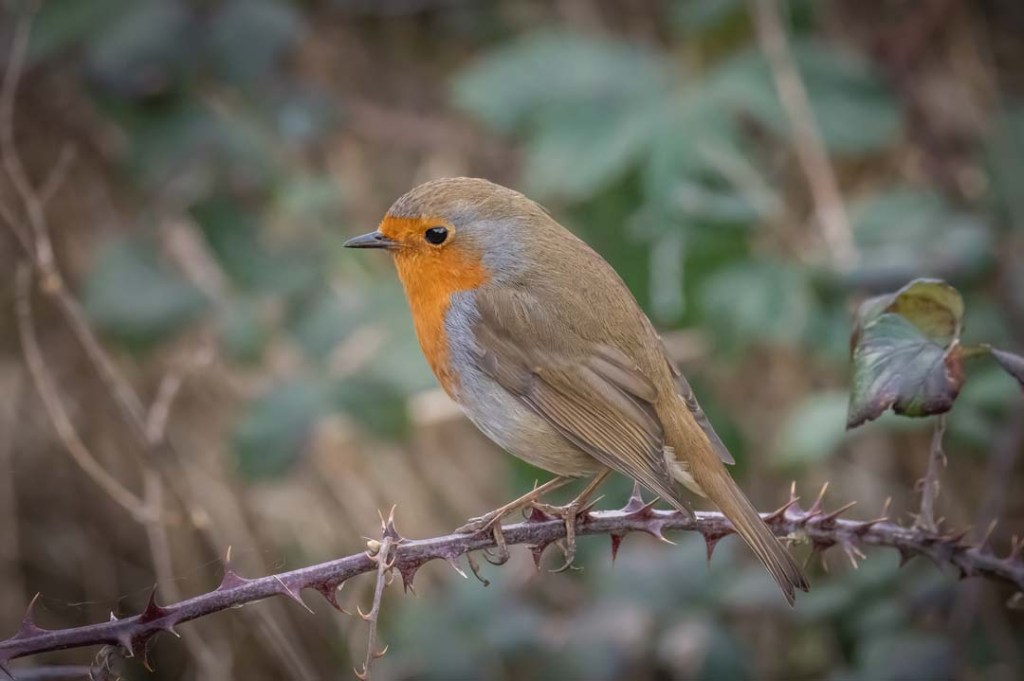
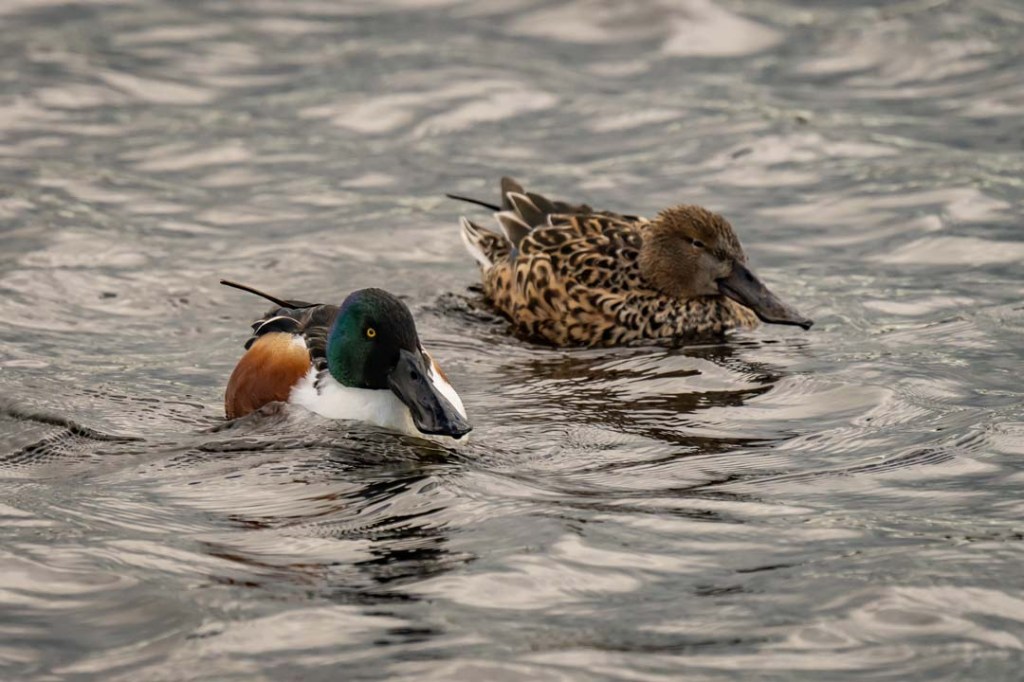
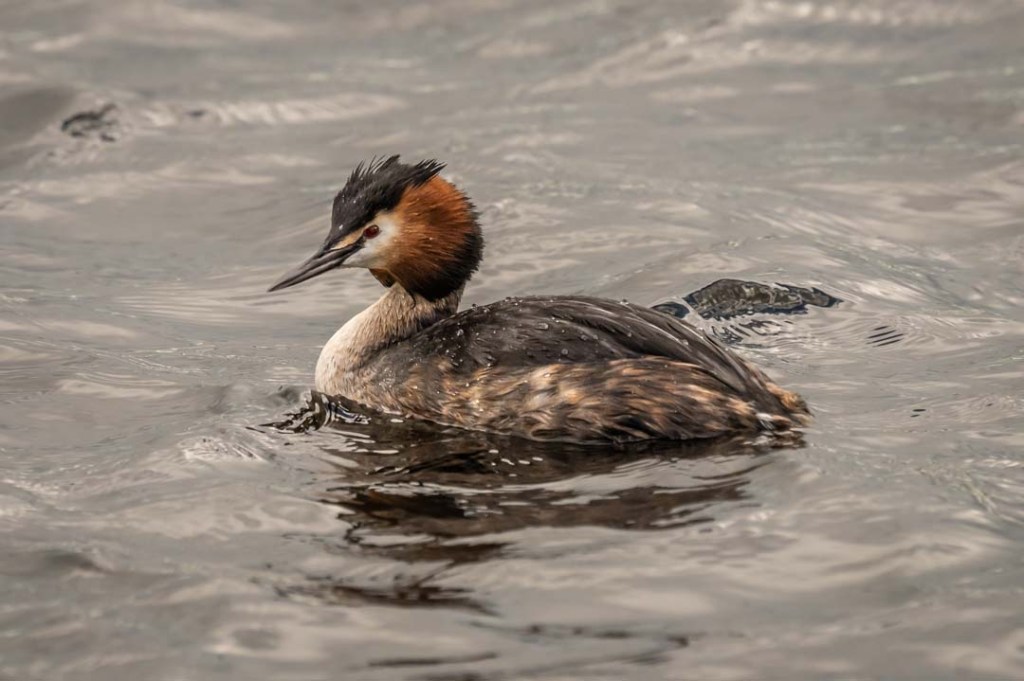
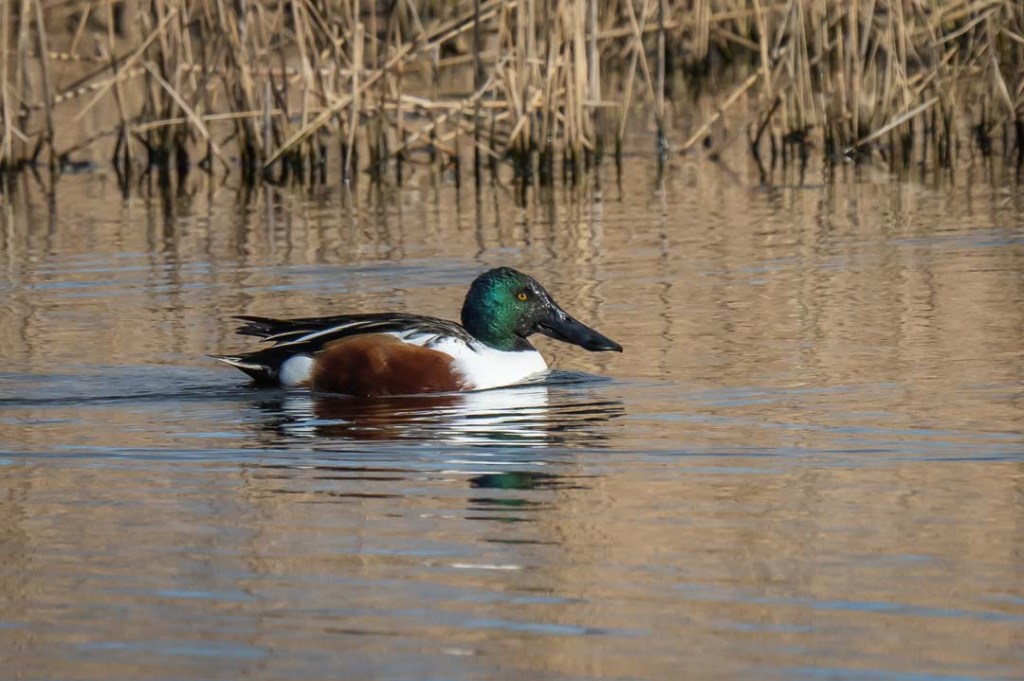
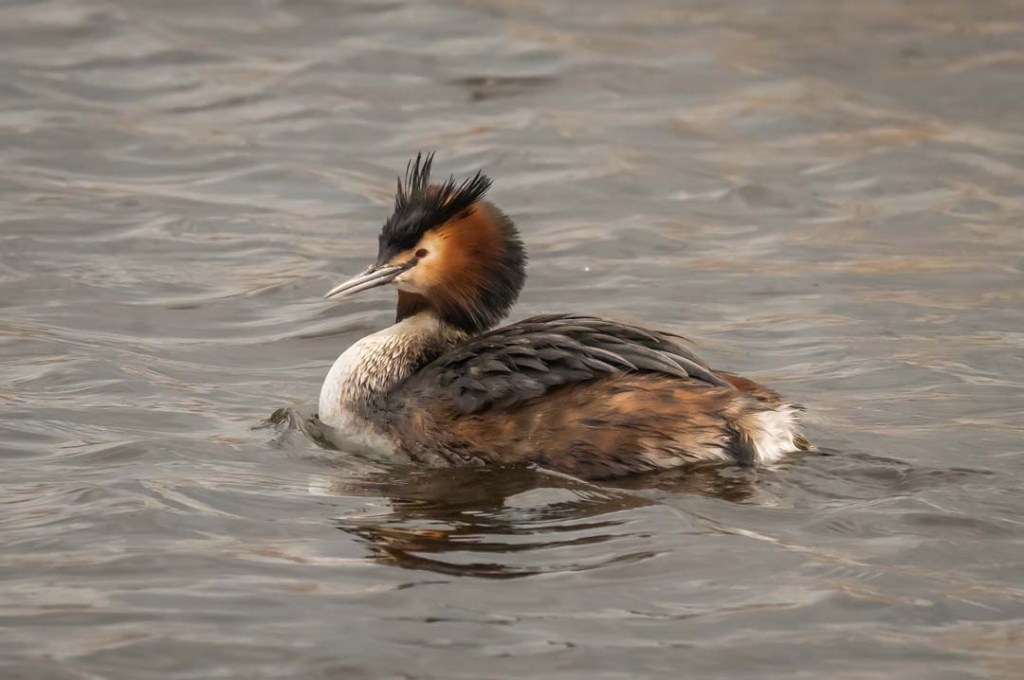
A Robin greeted me on my arrival – it was after a share of my sandwichesA pair of ShovelersGreat Crested GrebeA Teal up closeThe Great Crested Grebes spent an awful lot of time diving but not coming up with weeds for their famous dances
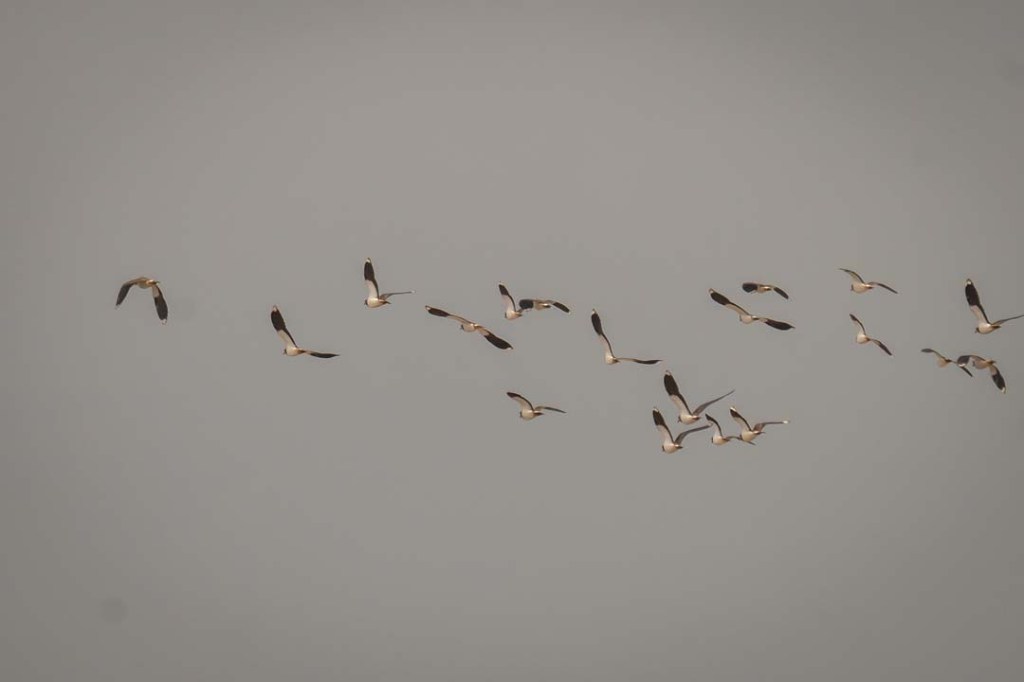
In reality there wasn’t a lot here. Quite a few Shovelers, a few Tufted Ducks and half a dozen Great Crested Grebe and one Little Grebe. Strangely at Catcott Lows and here there were no Lapwings, until a large flock flew over and headed towards Glastonbury Tor. A pretty sight.
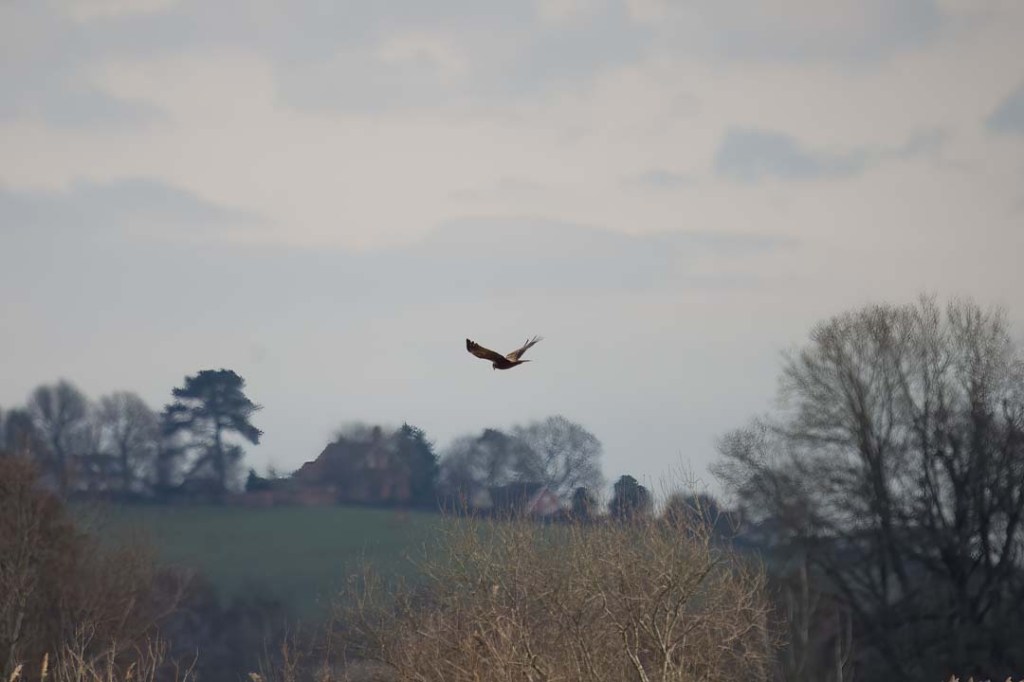
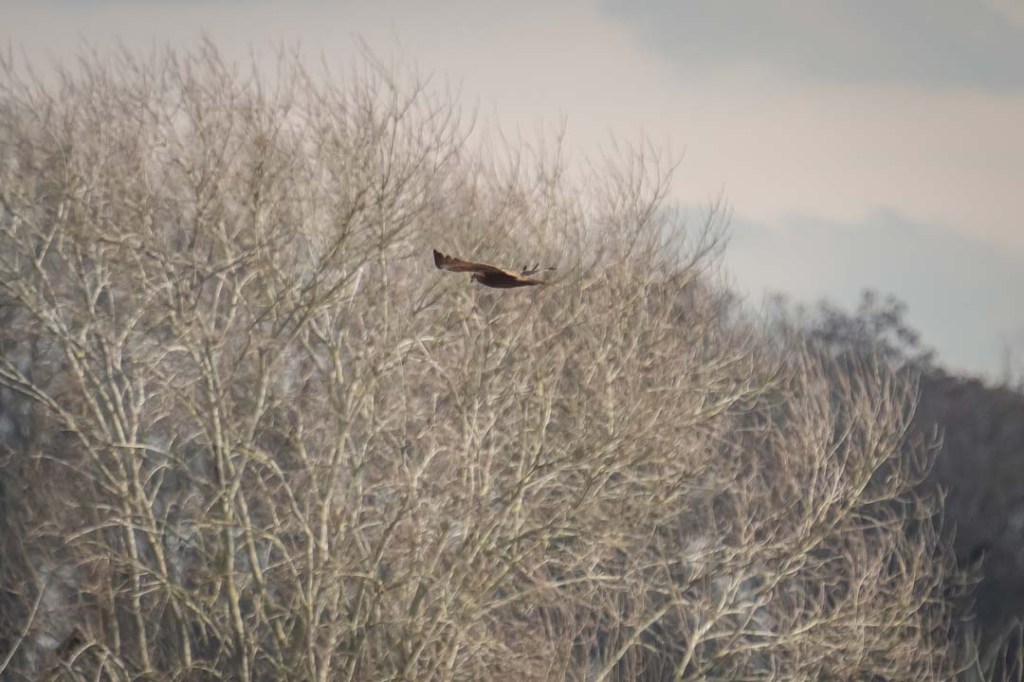
LapwingA very distant Marsh HarrierThe sun made a very brief appearance on this ShovelerThe Little Grebe wouldn’t come close to meThe Tufted Duck was less shy
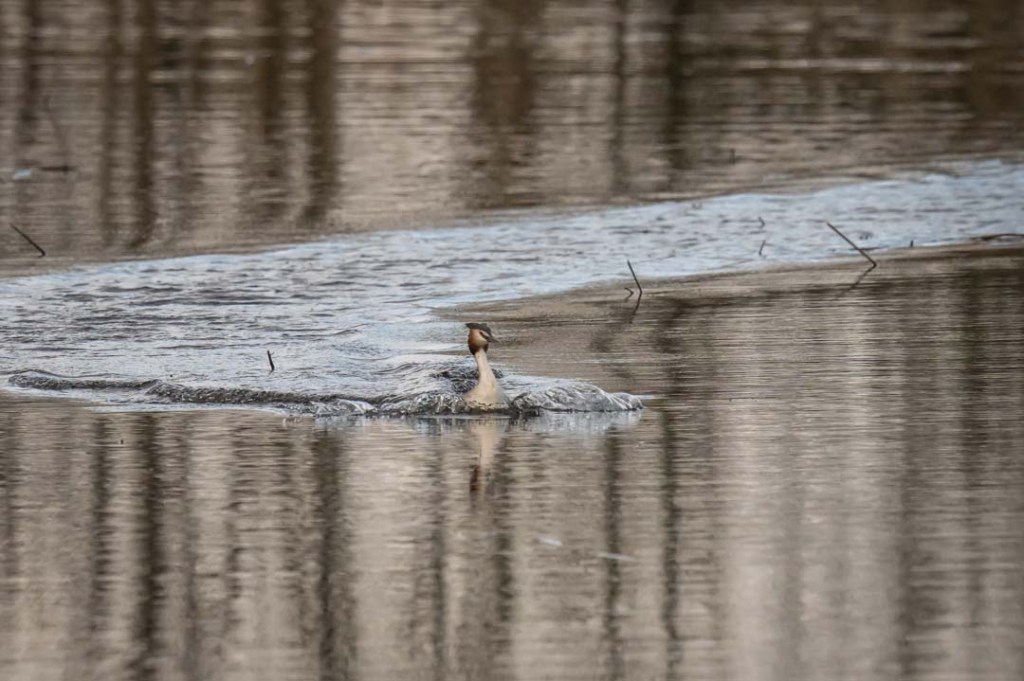
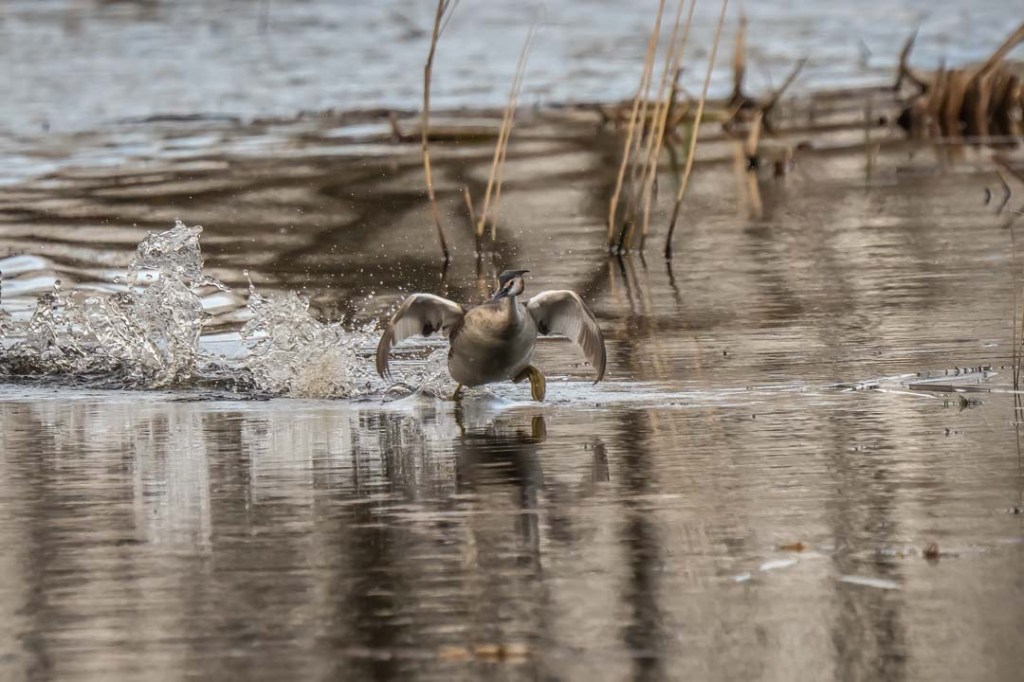
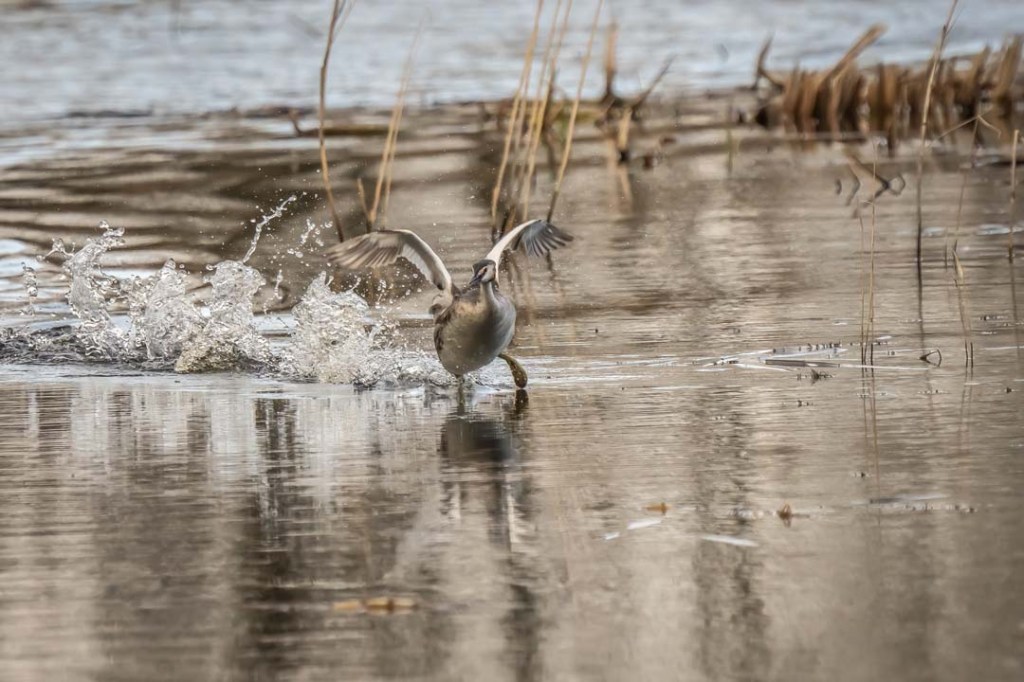
Before heading home I had a very brief visit to Westhay Moor. A pair of Greylag geese and a pair of Great Crested Grebe that nearly took to the air were the best on offer.
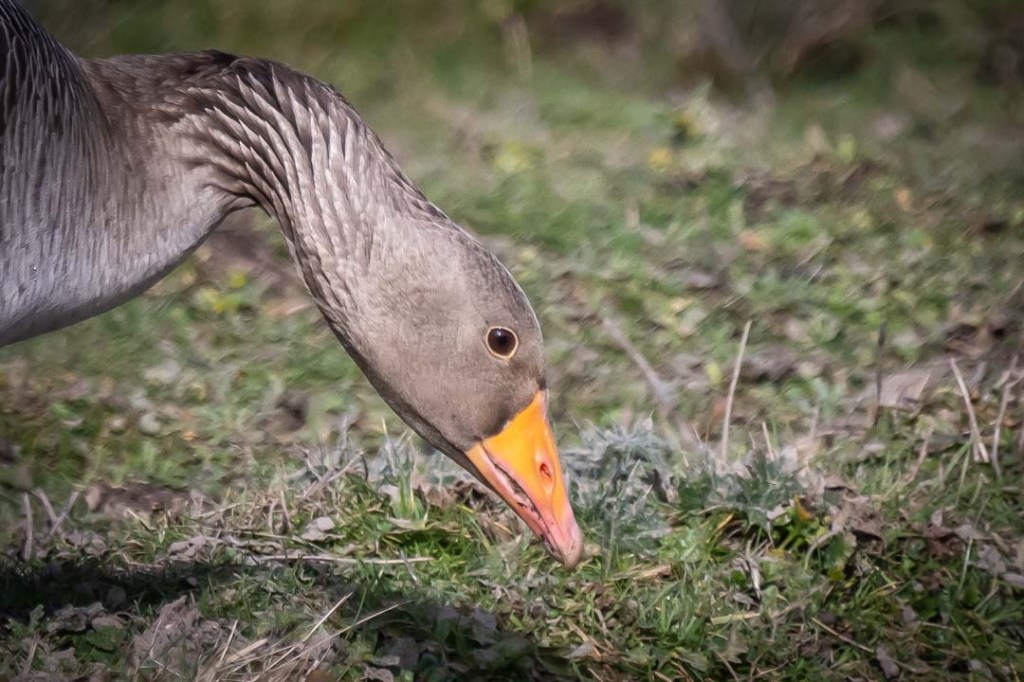
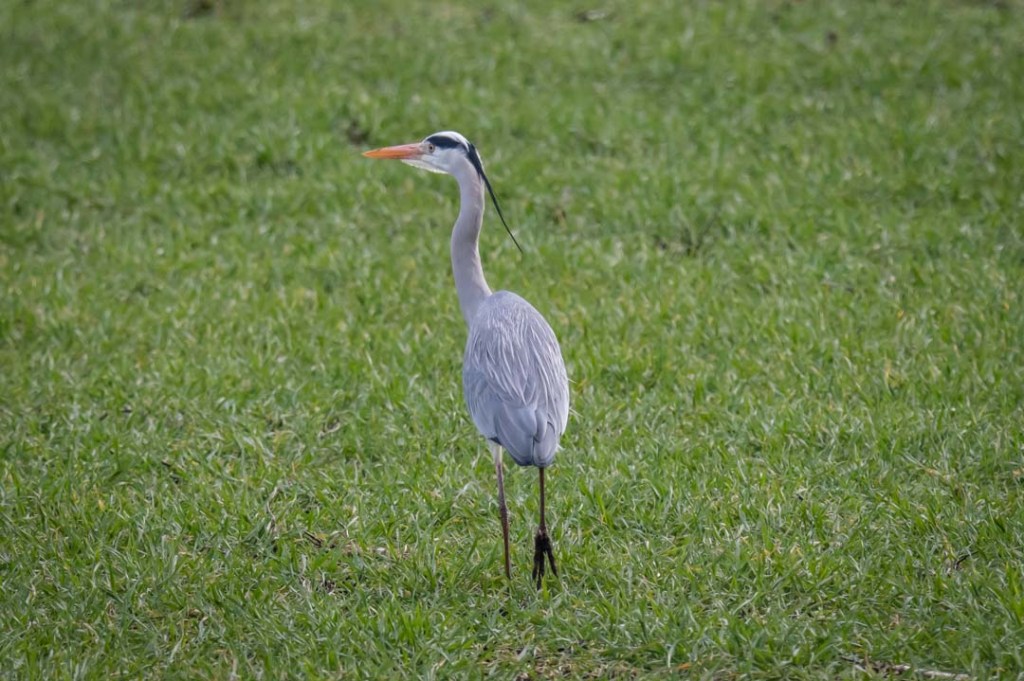
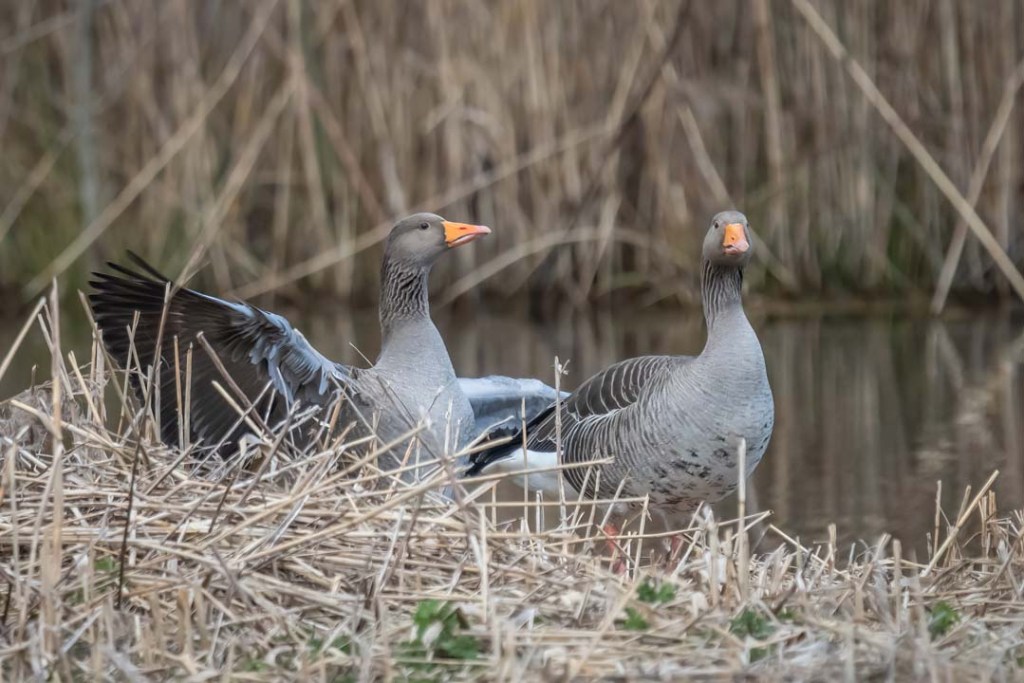
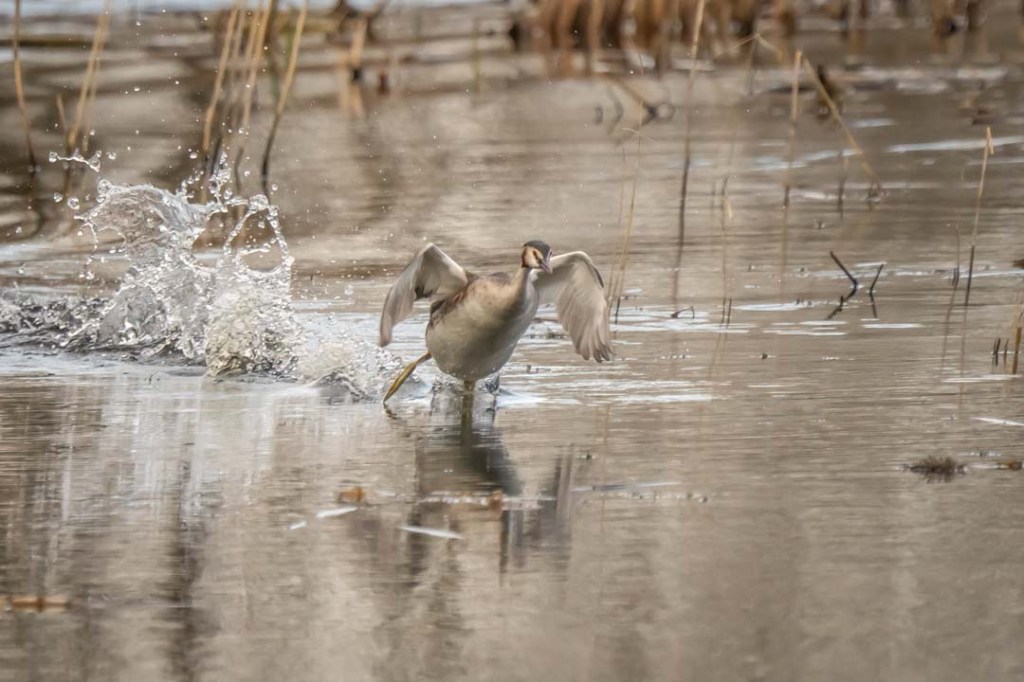
A Grey Heron on my way to Westhay MoorGreylag GeeseGreat Crested Grebe doing its best to take off
It felt like the Highlands of Scotland there today and so, with that in mind, I had a dram of whisky back at home. The day seemed much more successful after that.