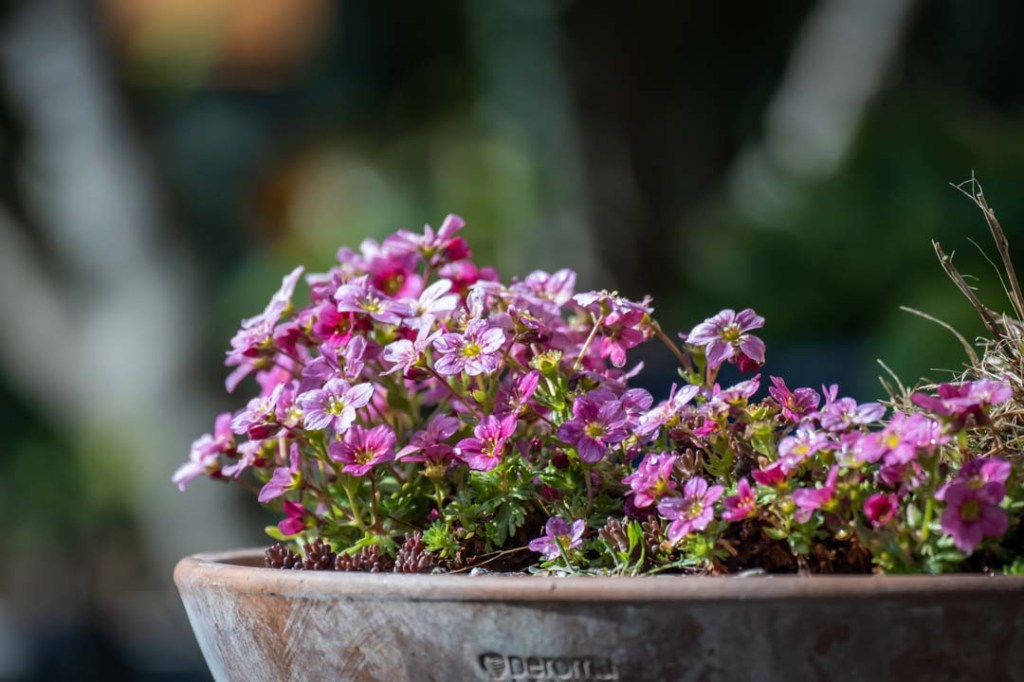
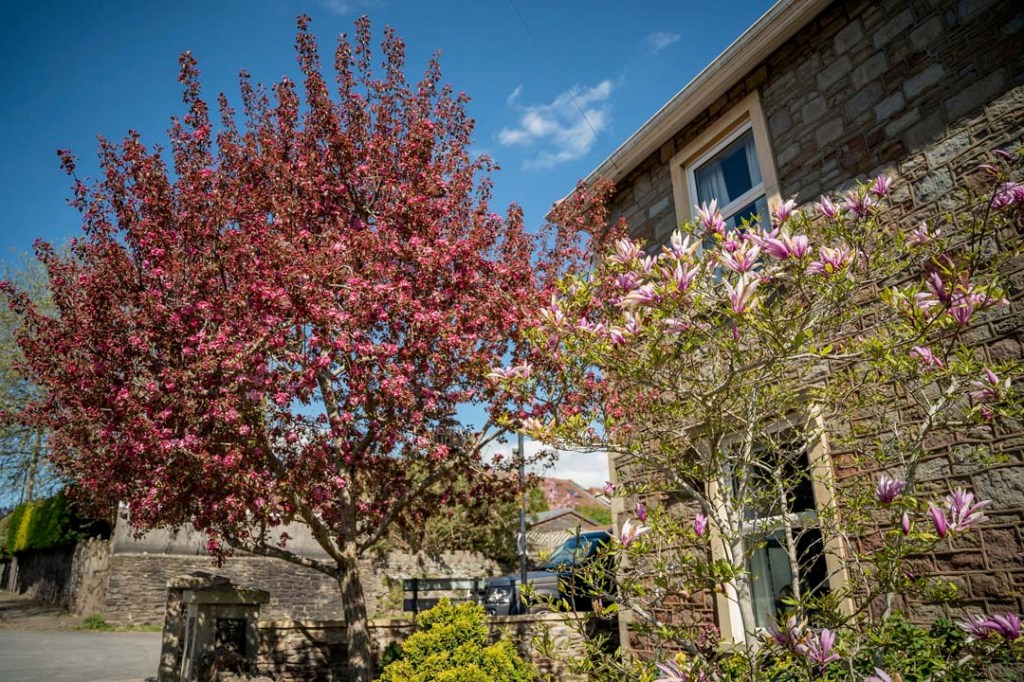
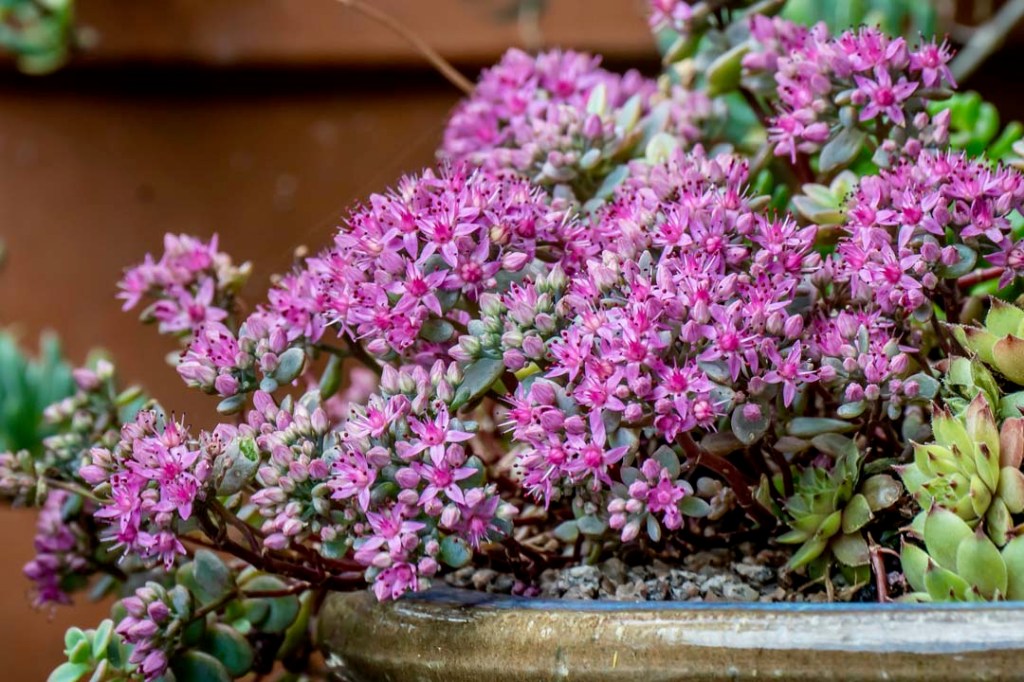
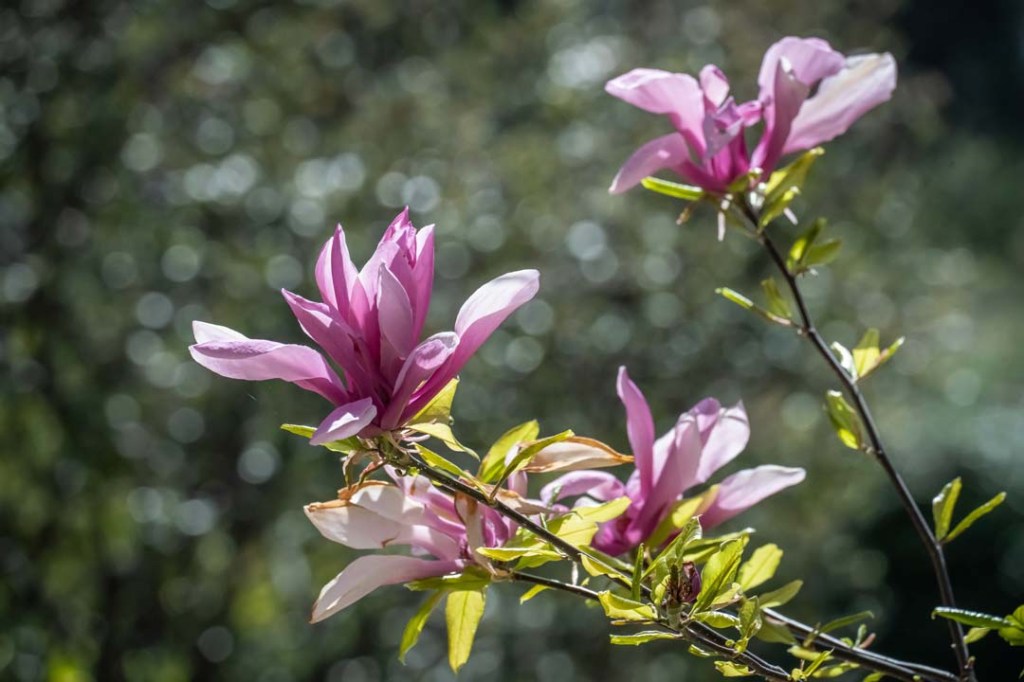
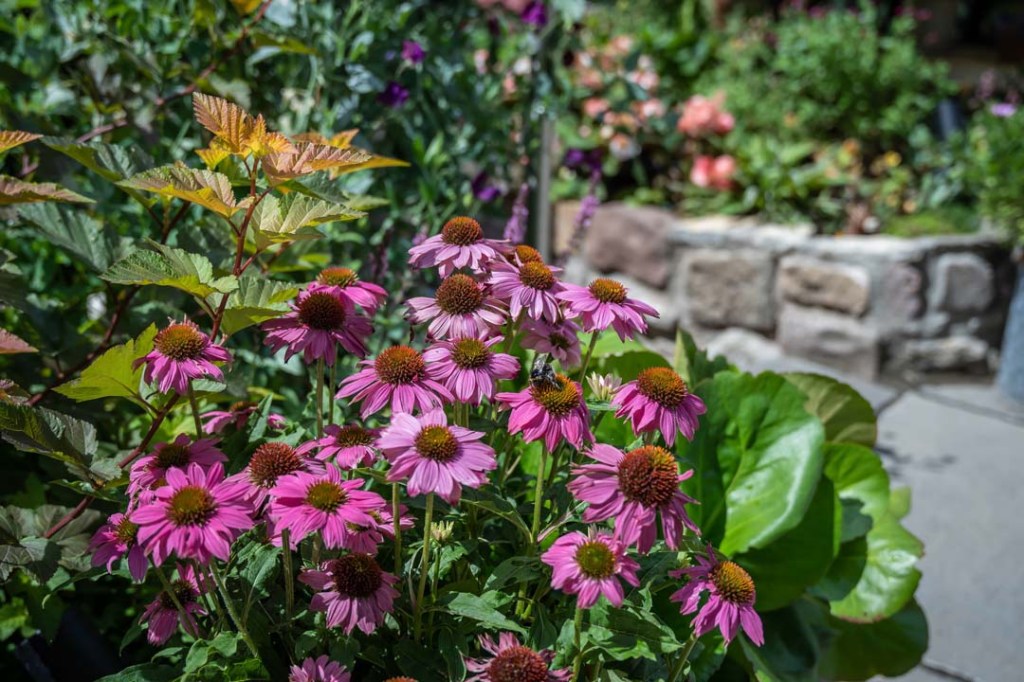
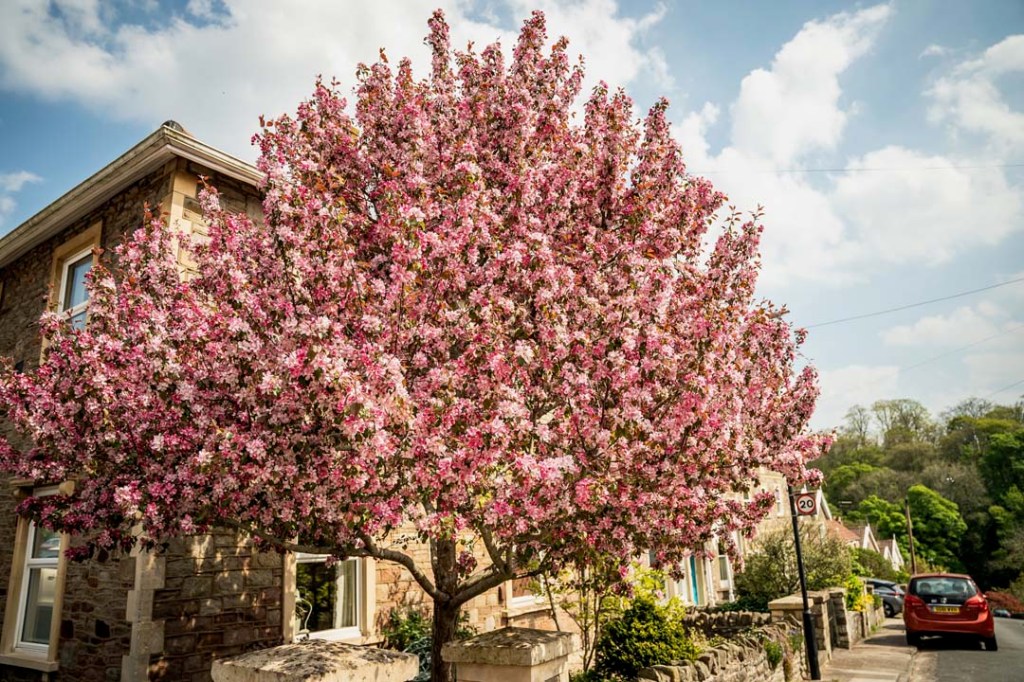
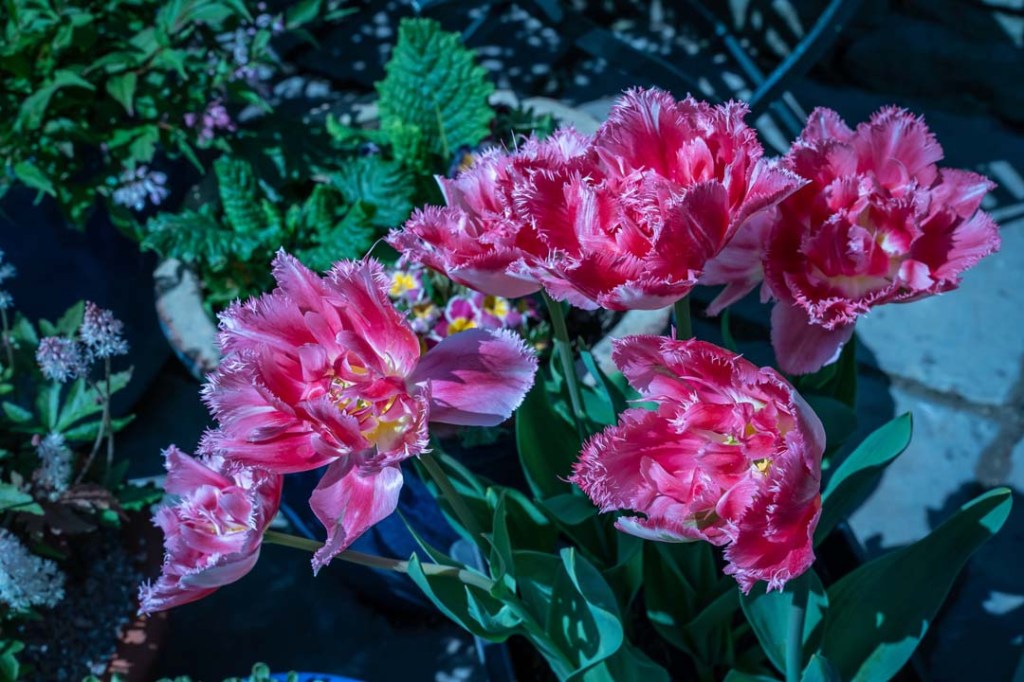
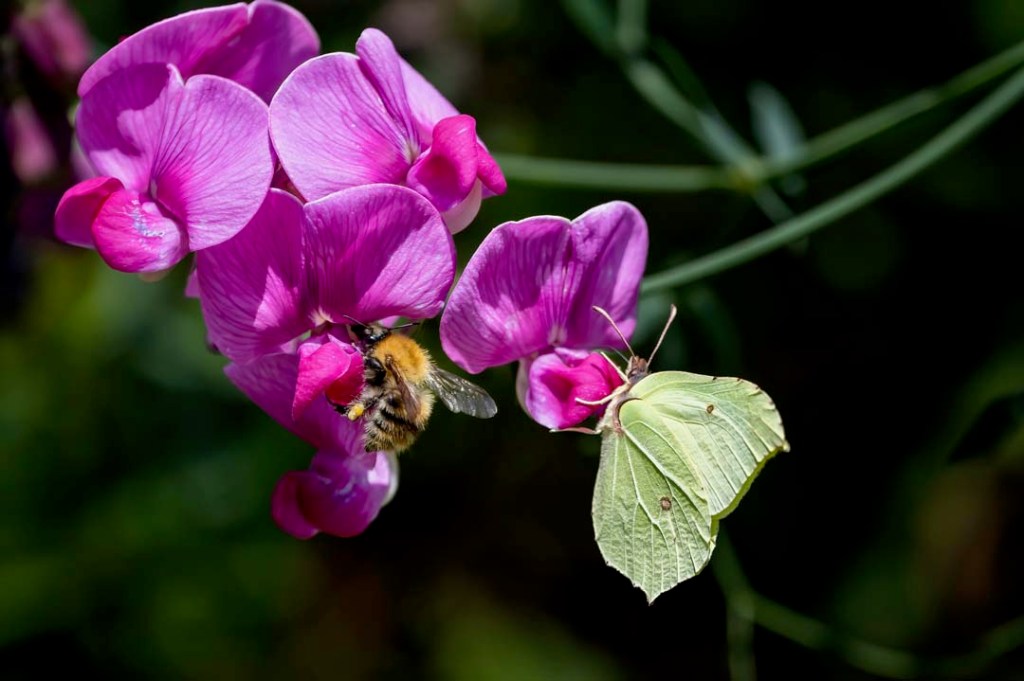
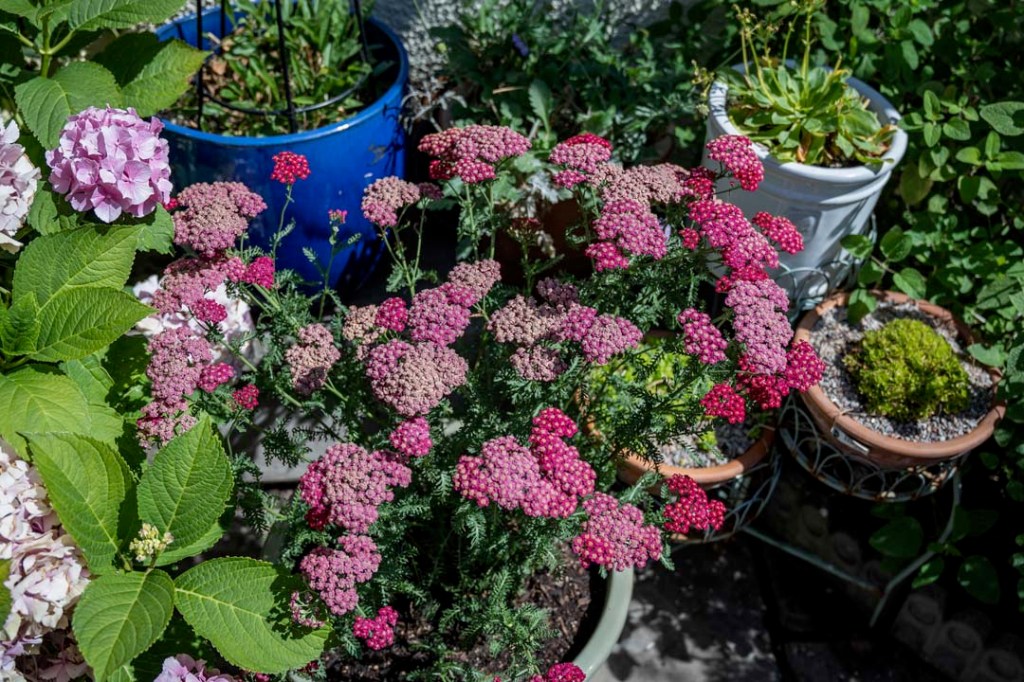
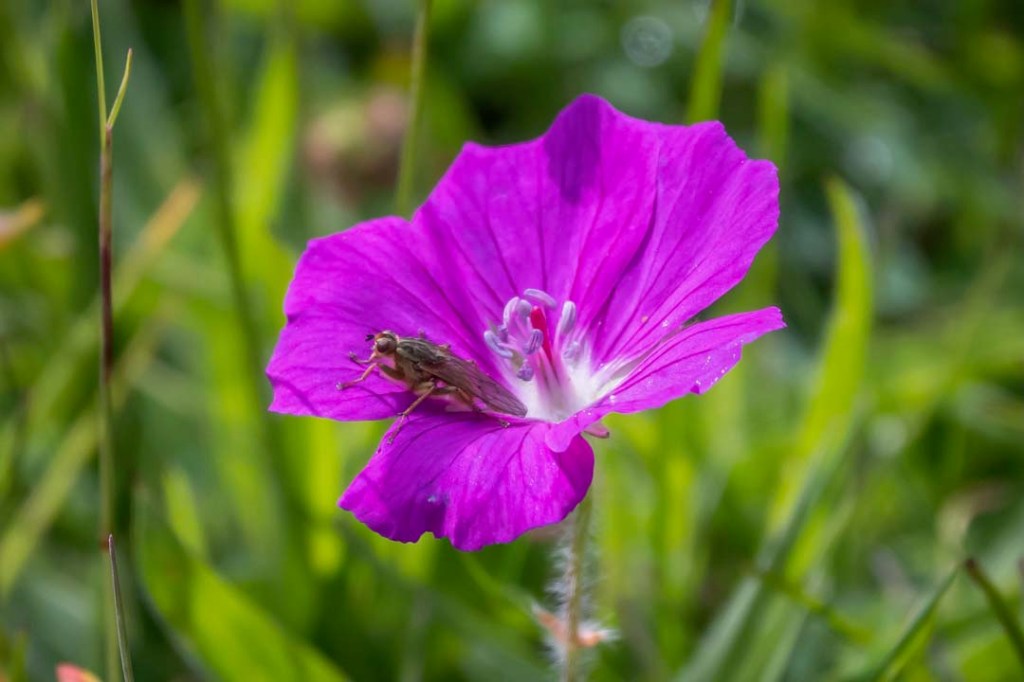
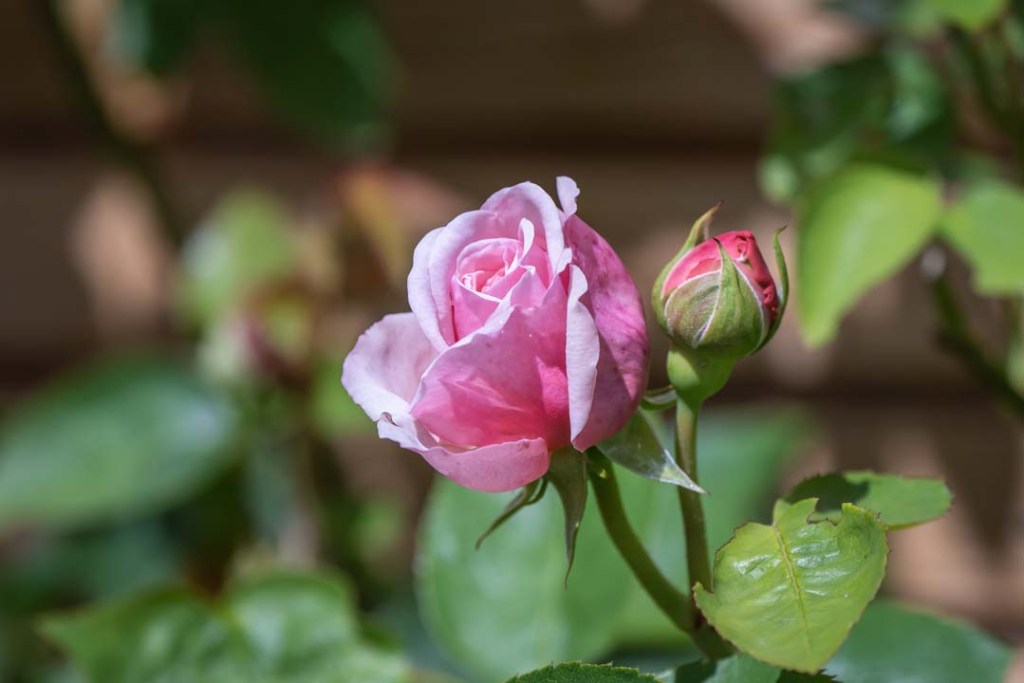
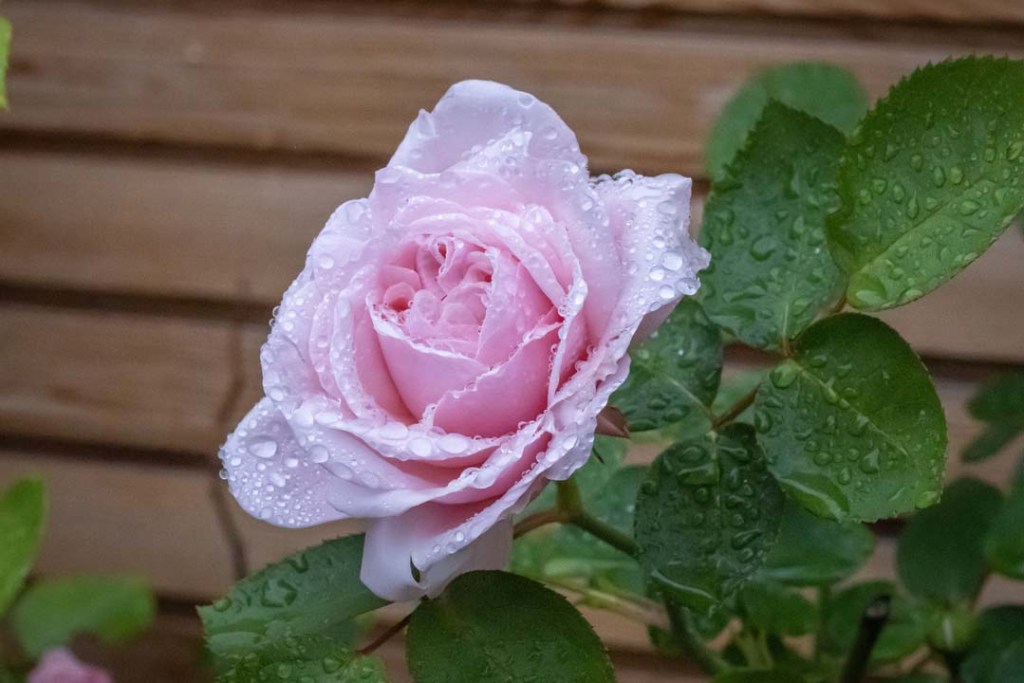
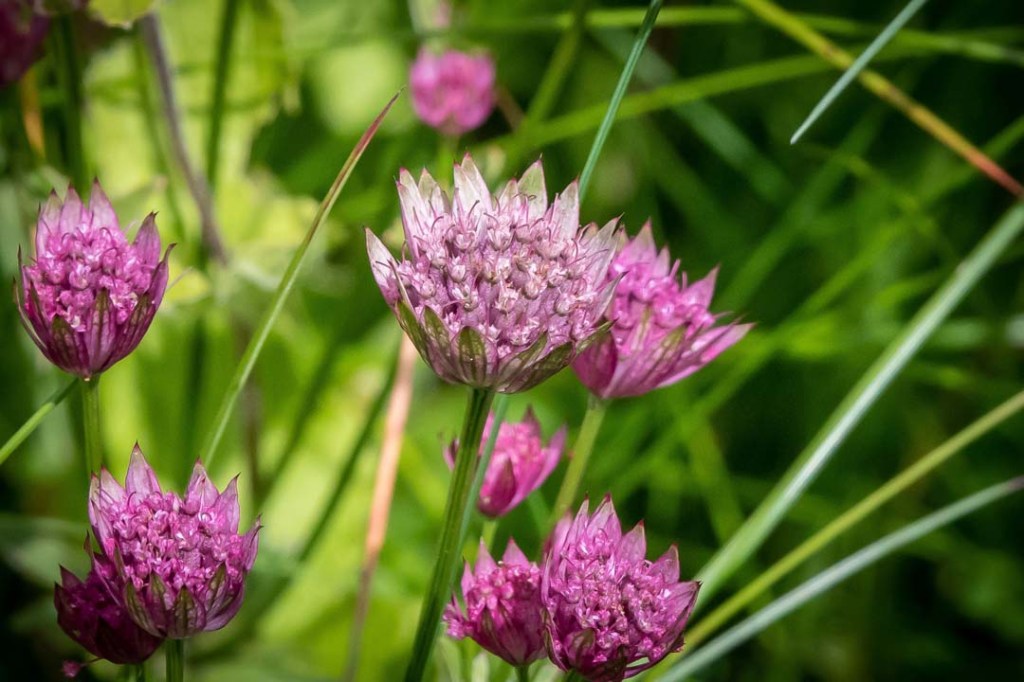
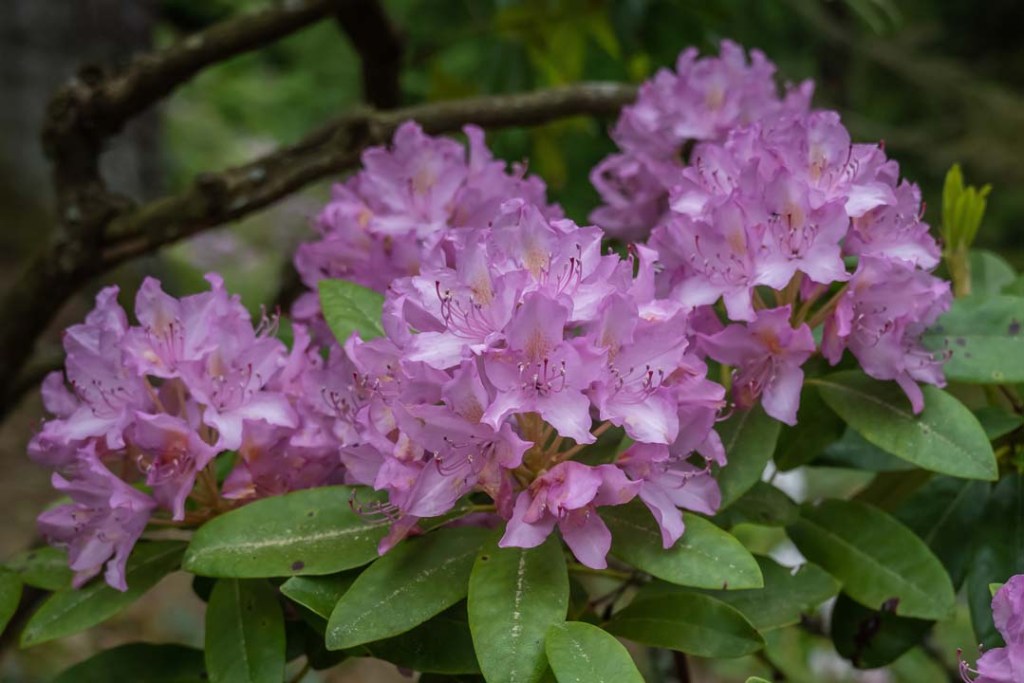
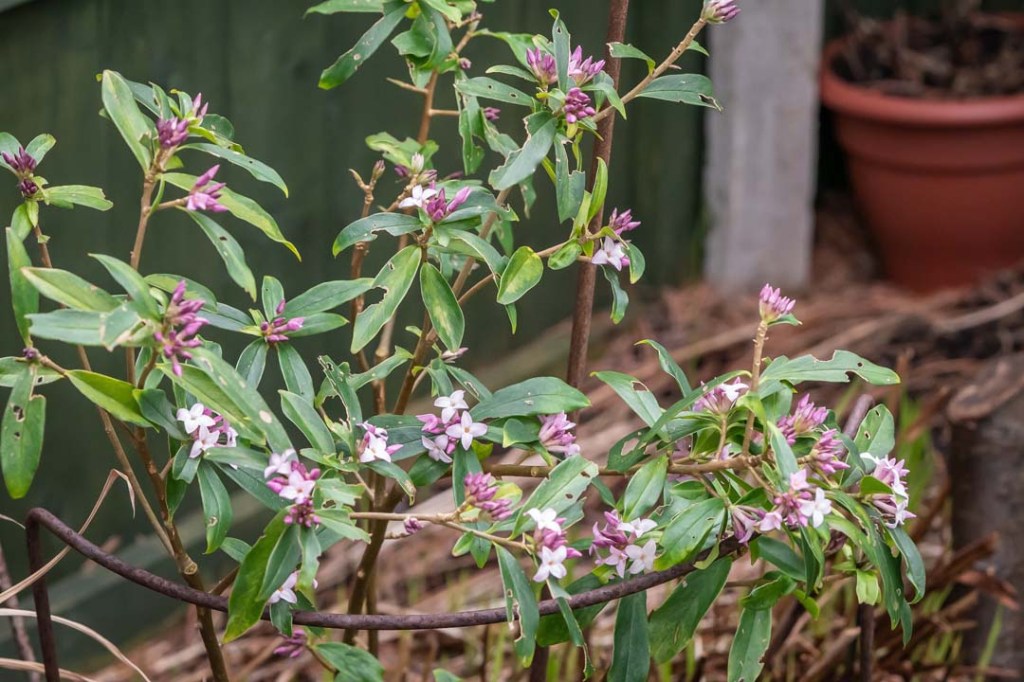
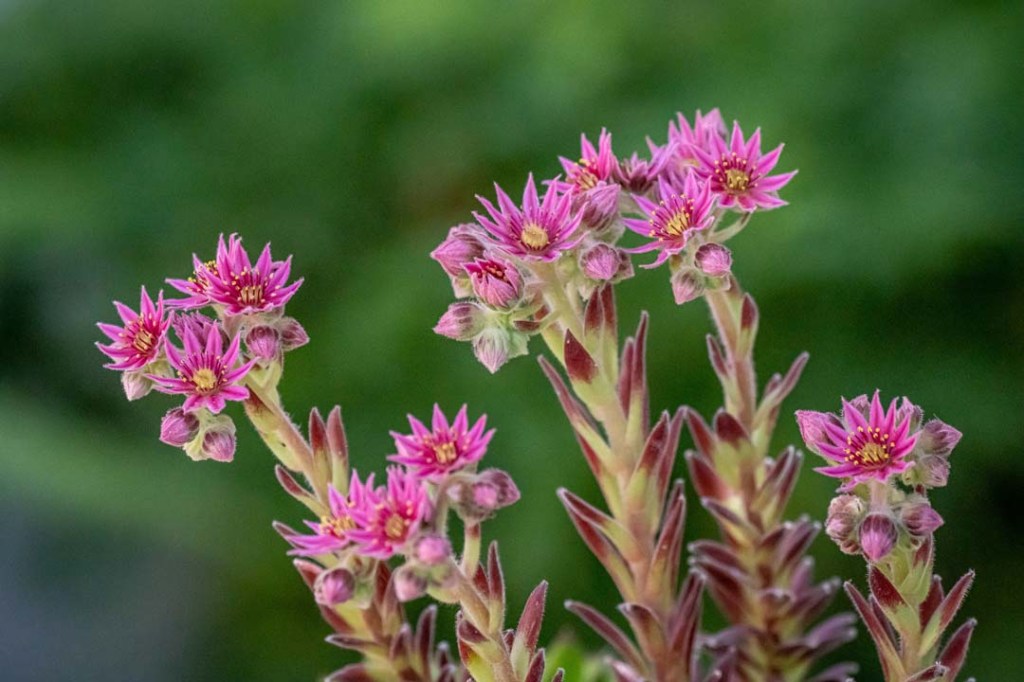
Denzil Nature tells us that the weather is bleak in Belgium and so for this week he has set a new photo challenge of showing pink in nature (to cheer us up).
It’s equally bleak for us in Bristol in the south west of England and its even snowing here this morning.
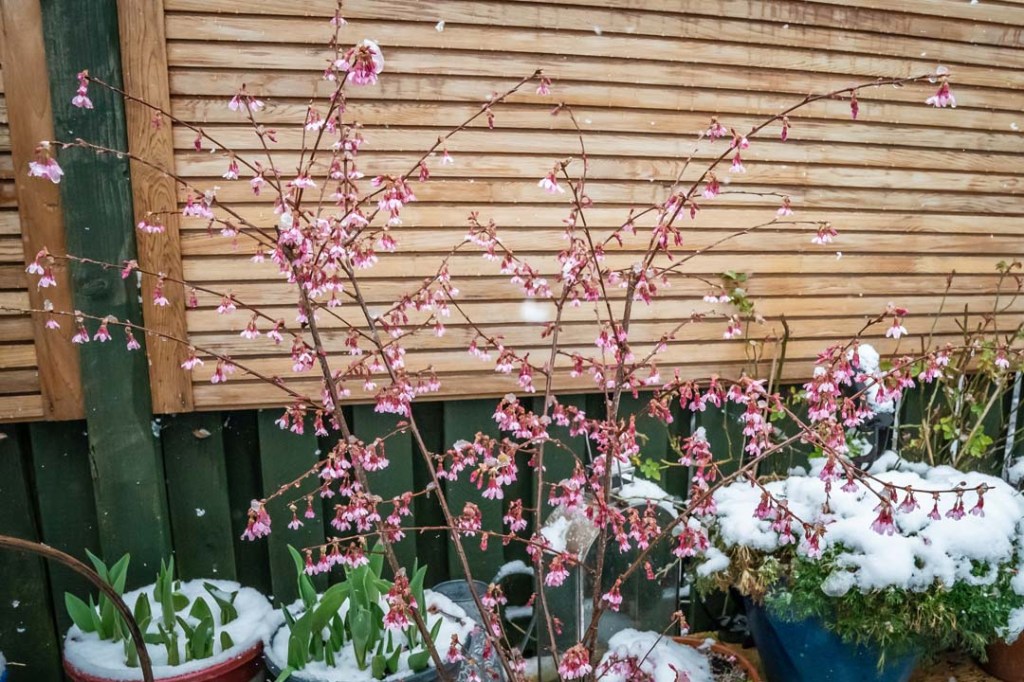
Amazingly we have a fair amount of pink in the garden already.
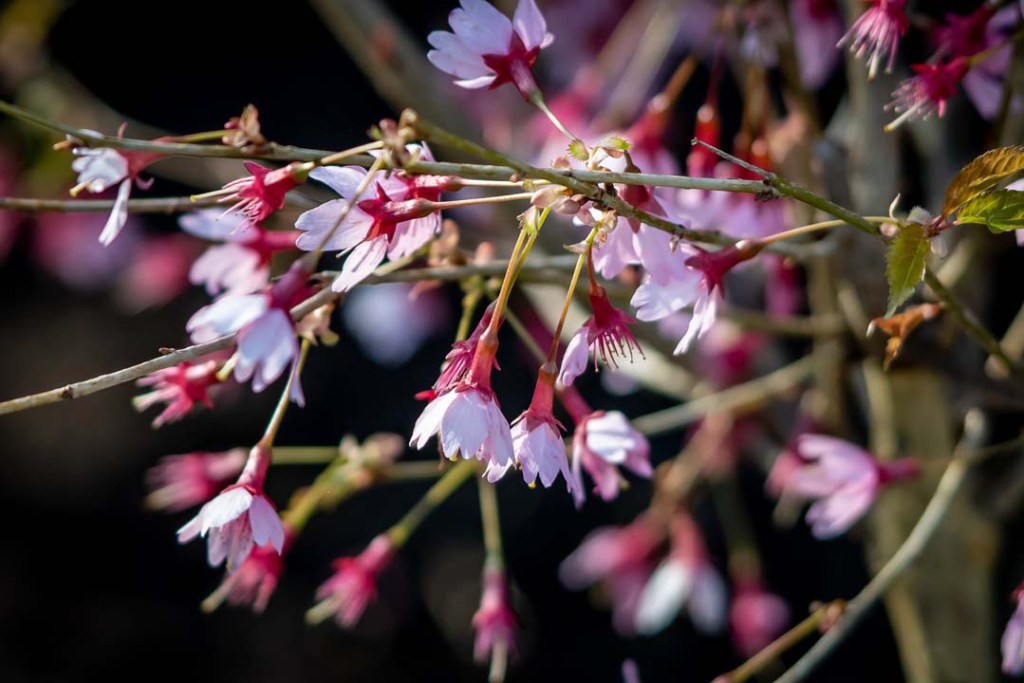
Cherry blossom in the snowPrimulas with a dusting of snowPrimulas almost hidden by the snowHellebores standing high above the snow
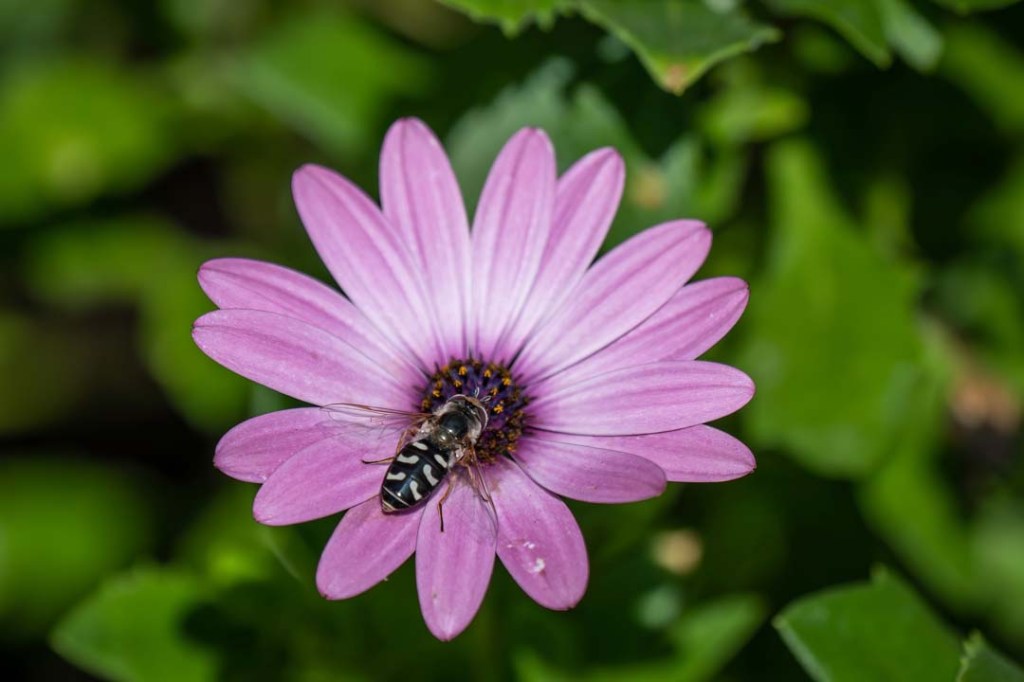
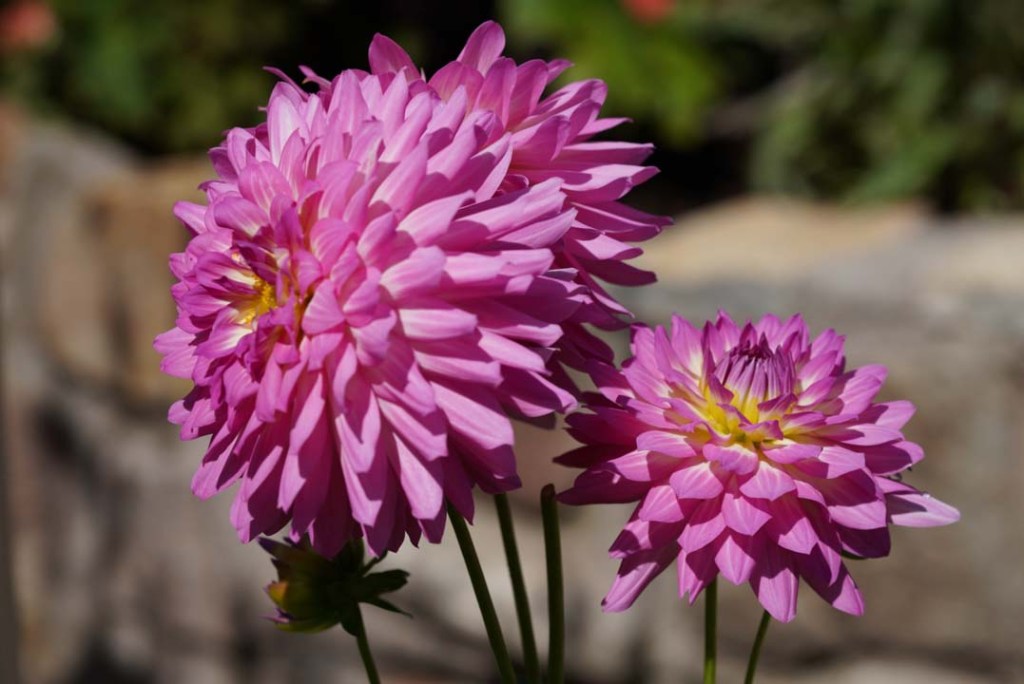
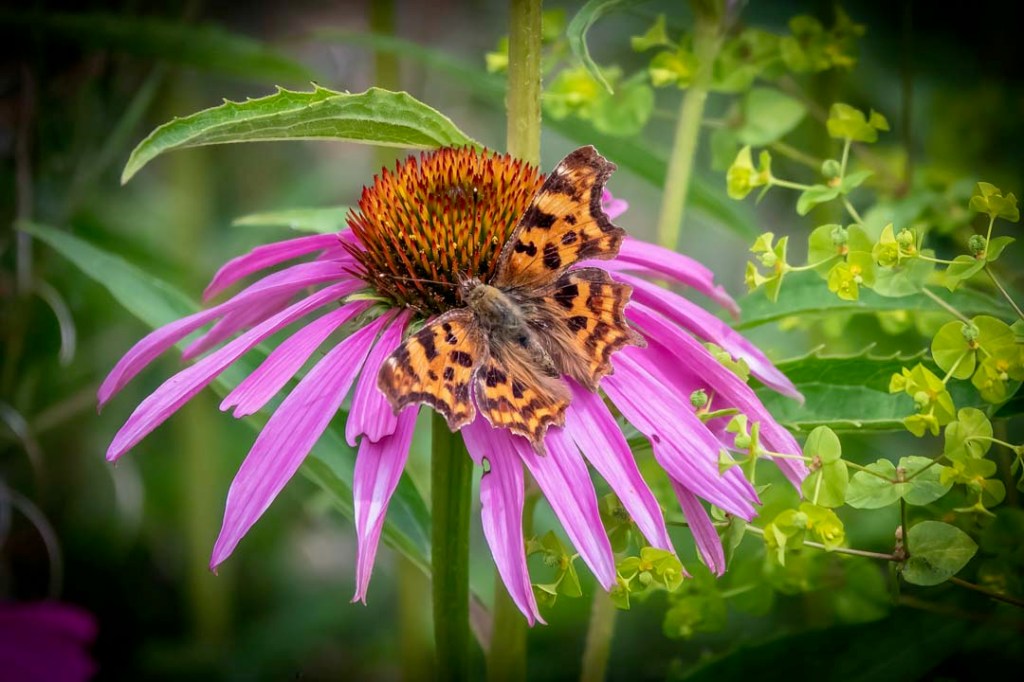
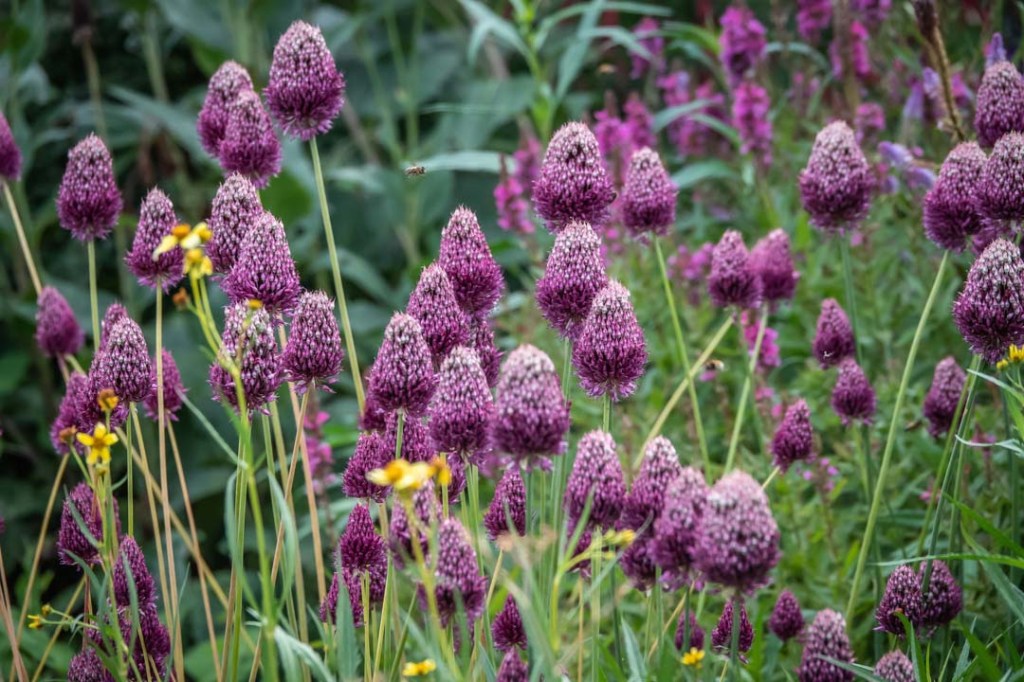
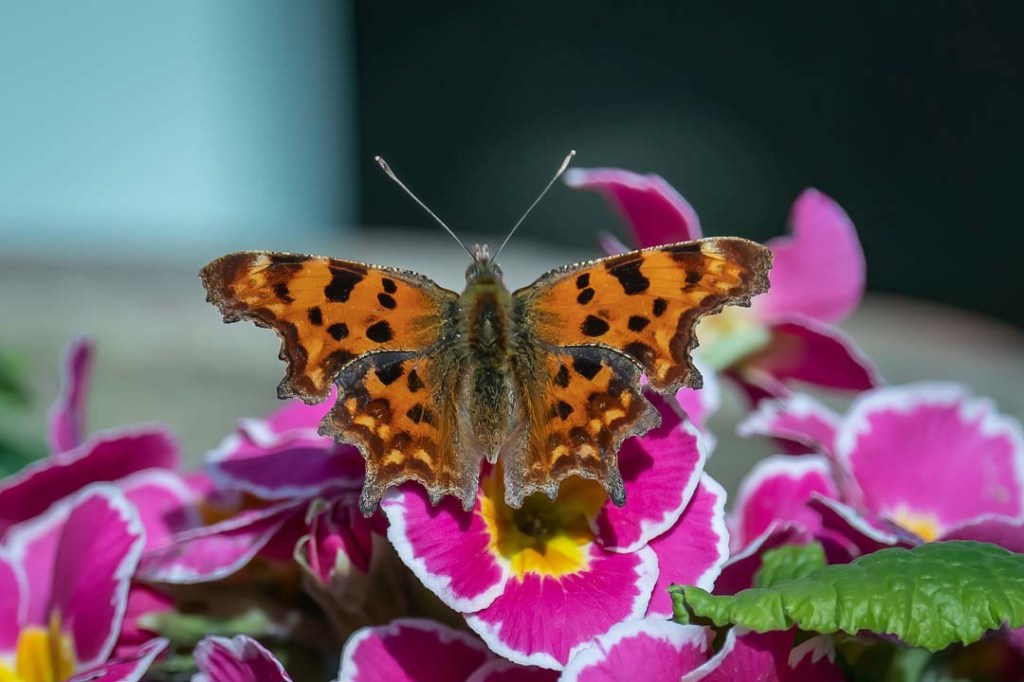
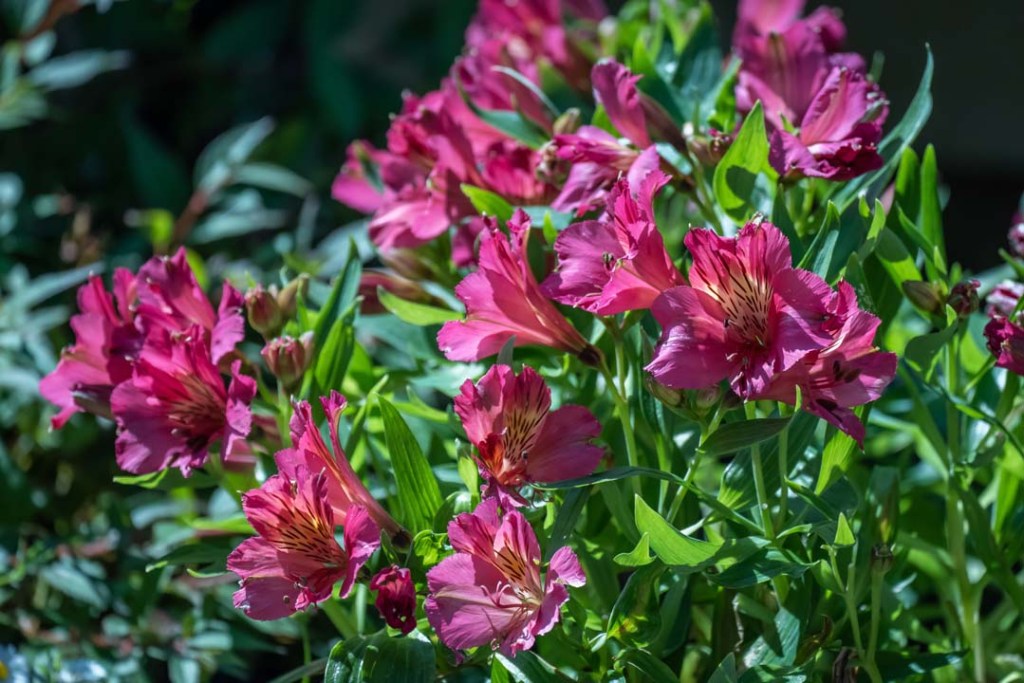
As I looked back through the year I realised that pink is often the dominant colour in my garden and how often insects are attracted to these plants:
In and around the country pink is well represented too at all times of the year:
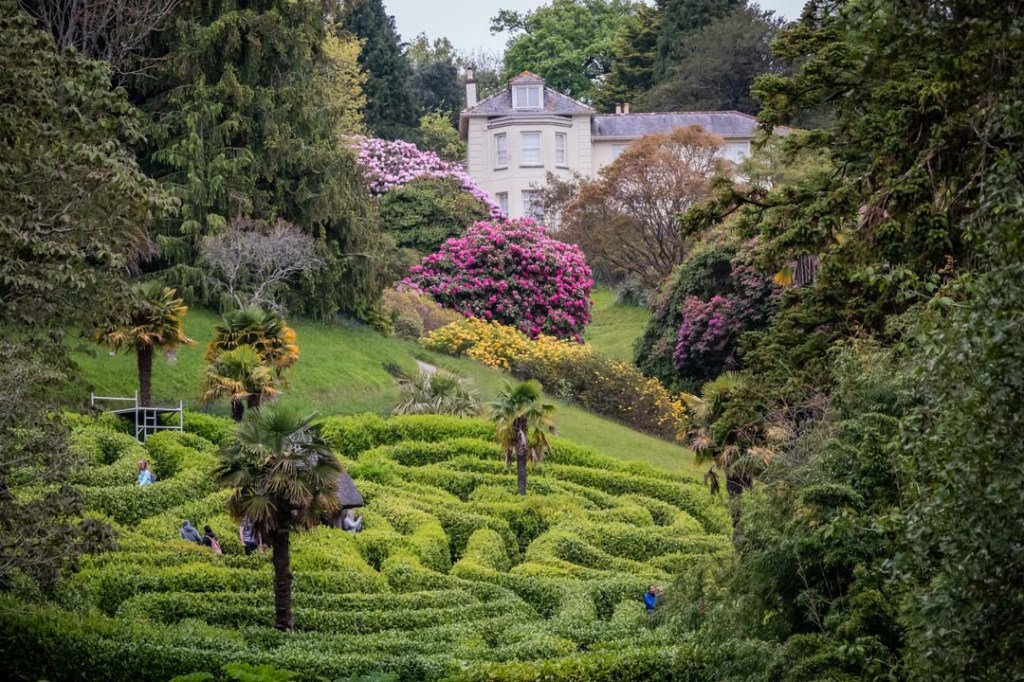
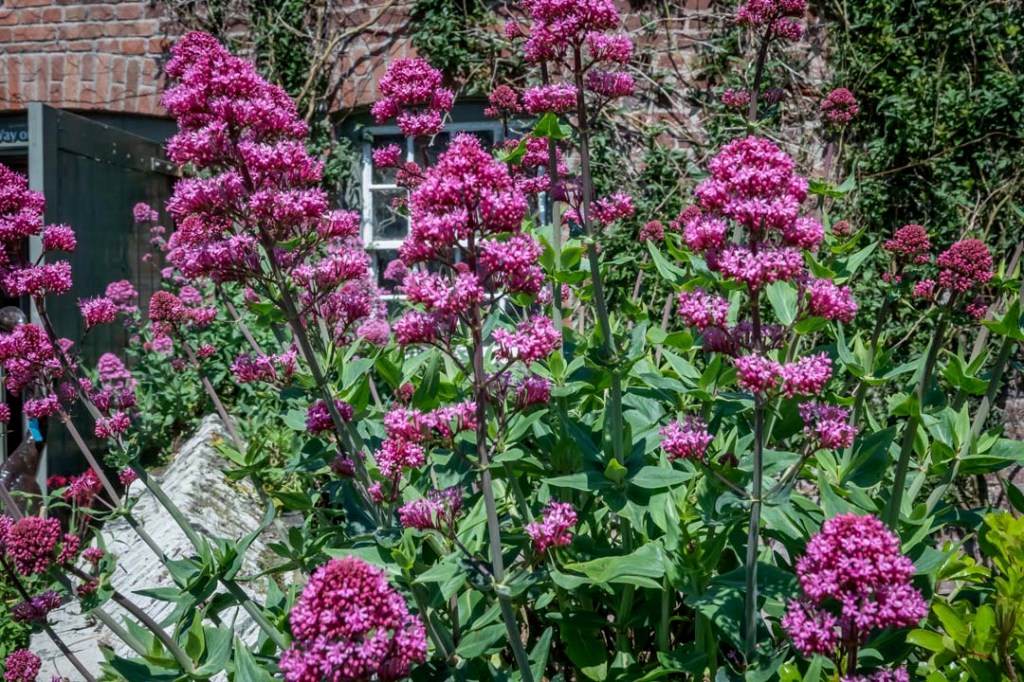
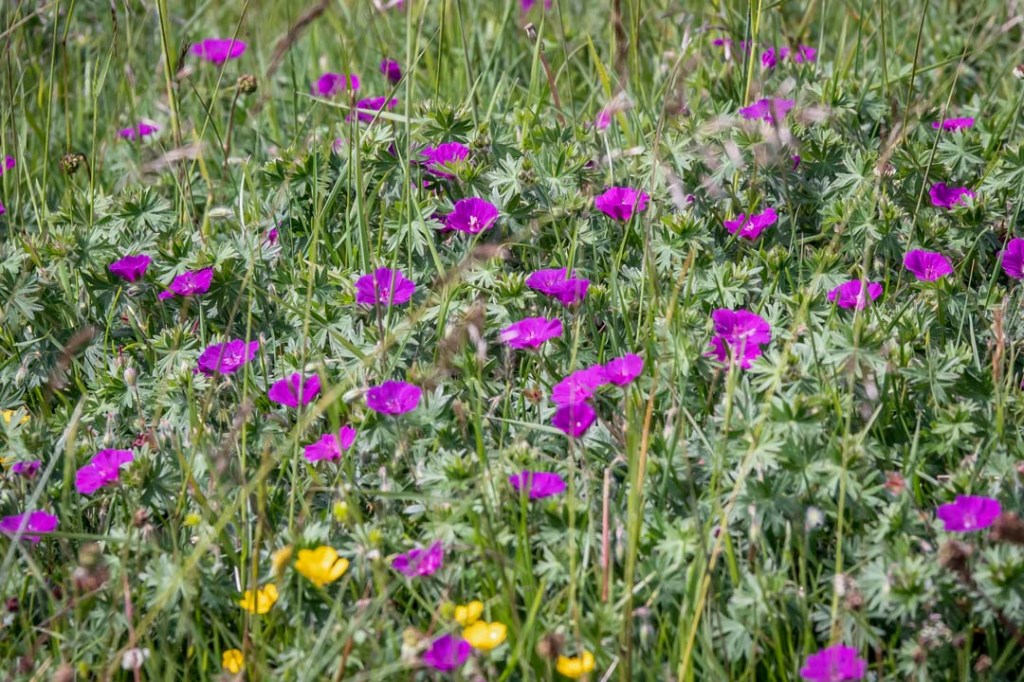
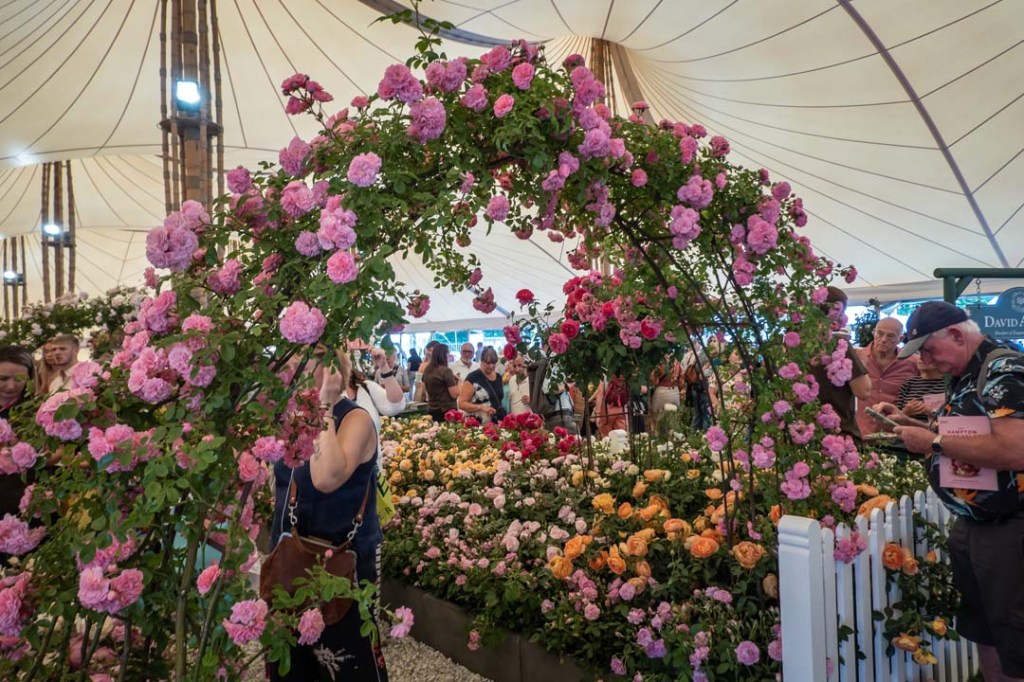
Pink Rhododendrons in Cornwall in MayCottage garden in Cornwall in MayPinks at the seaside in CornwallWildflower meadows in Northumberland in JuneCoastal walk in Wales in JuneRHS Garden Show at Hampton Court Palace in JulyPinks everywhere at the RHS Garden Show at Hampton Court in JulyPink from the sunset on the Somerset Levels in December
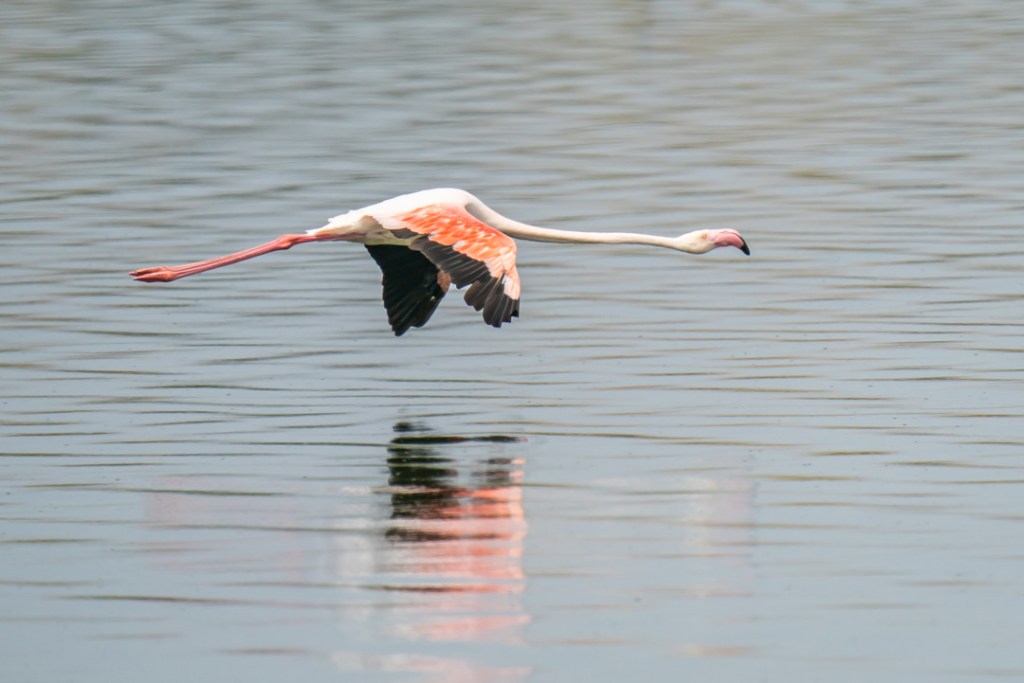
I haven’t seen any pink panthers or pink elephants but I have seen my fair share of pink flamingos in South Africa and Spain and even closer to home at WWT Slimbridge in Gloucestershire.
Greater Flamingo (Strandfontein Birding Area, False Bay Coastal Park – January 2020)Greater Flamingo in Doñana National ParkGreater Flamingos in Doñana National ParkBrighter pink flamingos at WWT Slimbridge in Gloucestershire with a special diet
I have created a new “Galleries” section on my blog to highlight some of my bird photos.
GALLERIES
I have purposely not labelled the birds in the mixed galleries as I thought it might be fun (for me too) to try our luck at identifying them. They are labelled elsewhere on the site.
So far I have added the following galleries:
Miscellaneous
Waders
Birds in Flight
Large Waterbirds
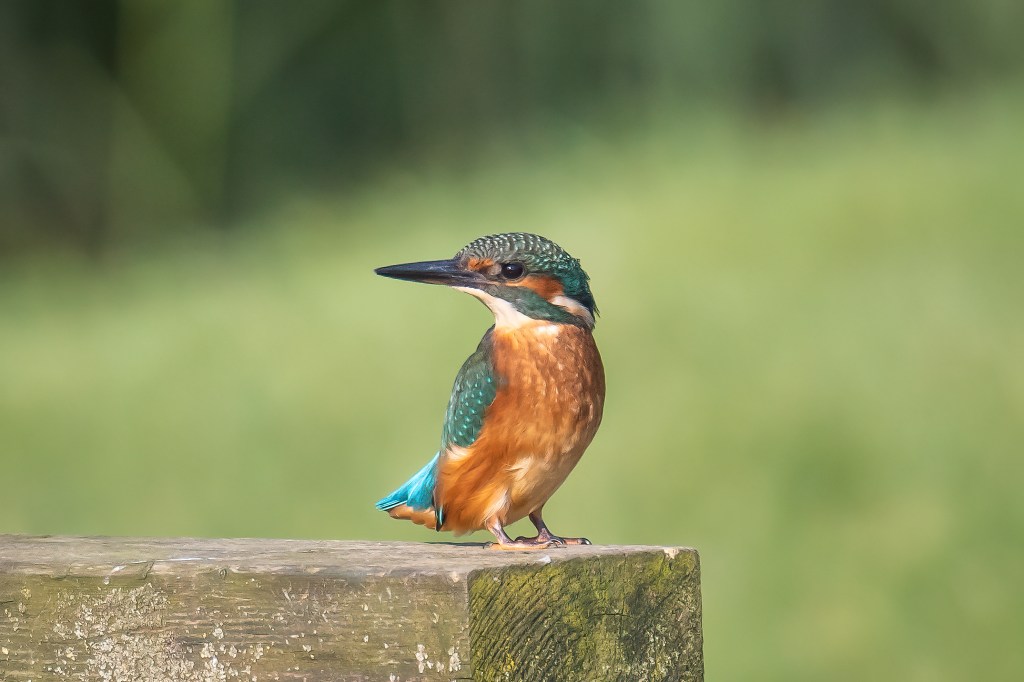
Kingfishers
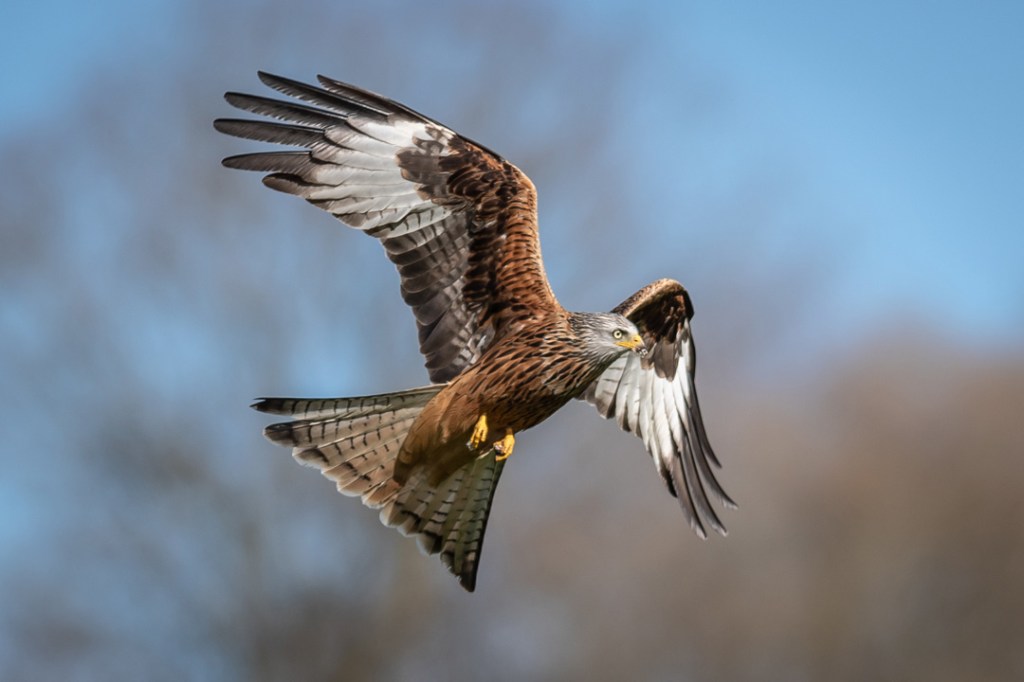
Red Kites
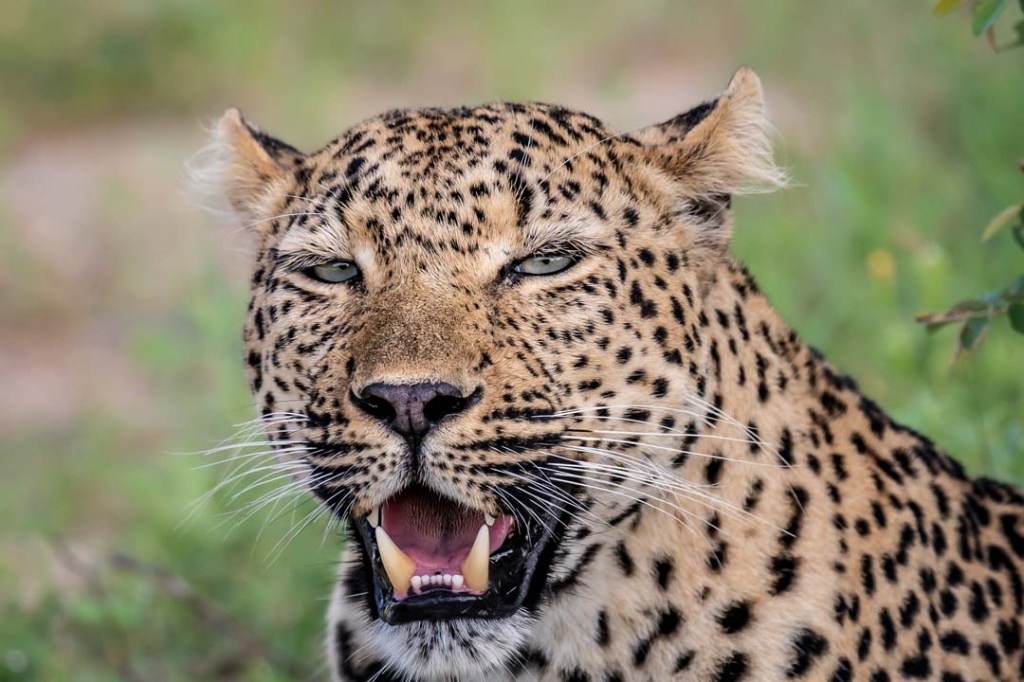
Thornybush Private Game Reserve, Greater Kruger South Africa:
I hope to add further galleries as time permits.
These galleries can also be found under the “Additional Blogs” tab.
I enjoyed Denzil Nature’s Photo Challenge on “Pattern” last week and particularly enjoyed seeing some of other bloggers’ contributions. See Denzil’s post.
I spent the day on the Somerset Levels – always a favourite of mine; however, the cold and lack of sun did test my resolve. Frustratingly, I could see the sun shining on the Mendip Hills to the north of me.
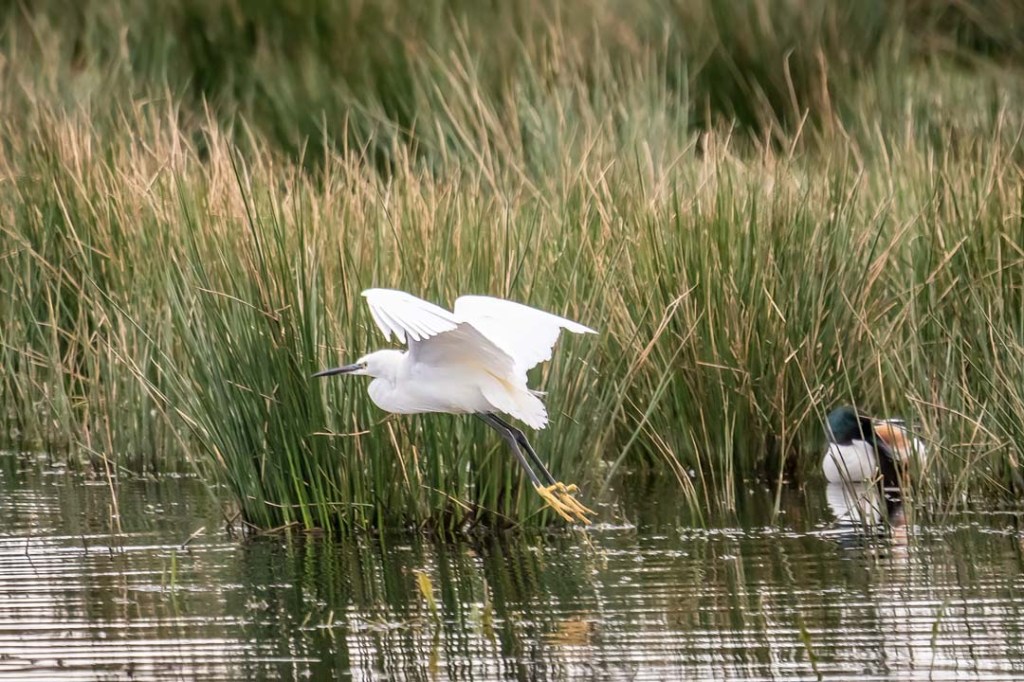
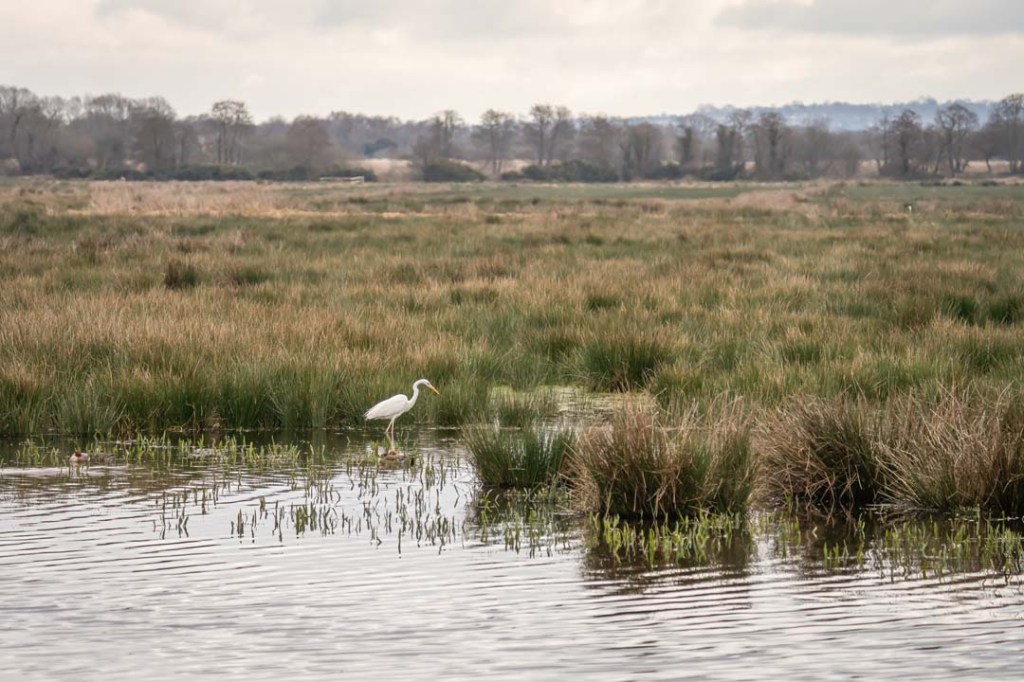
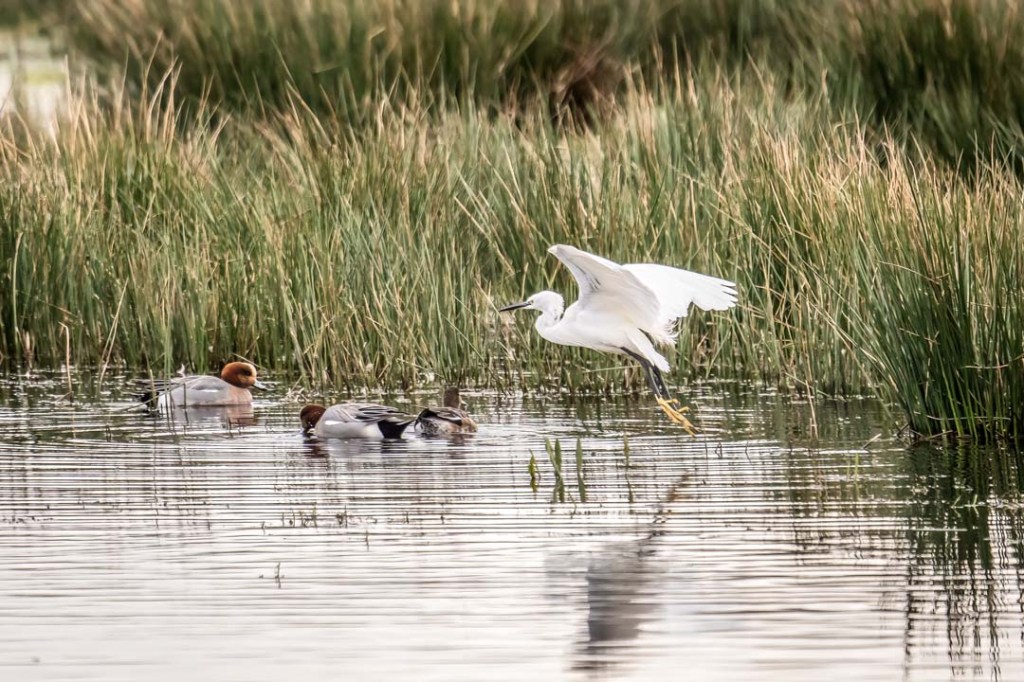
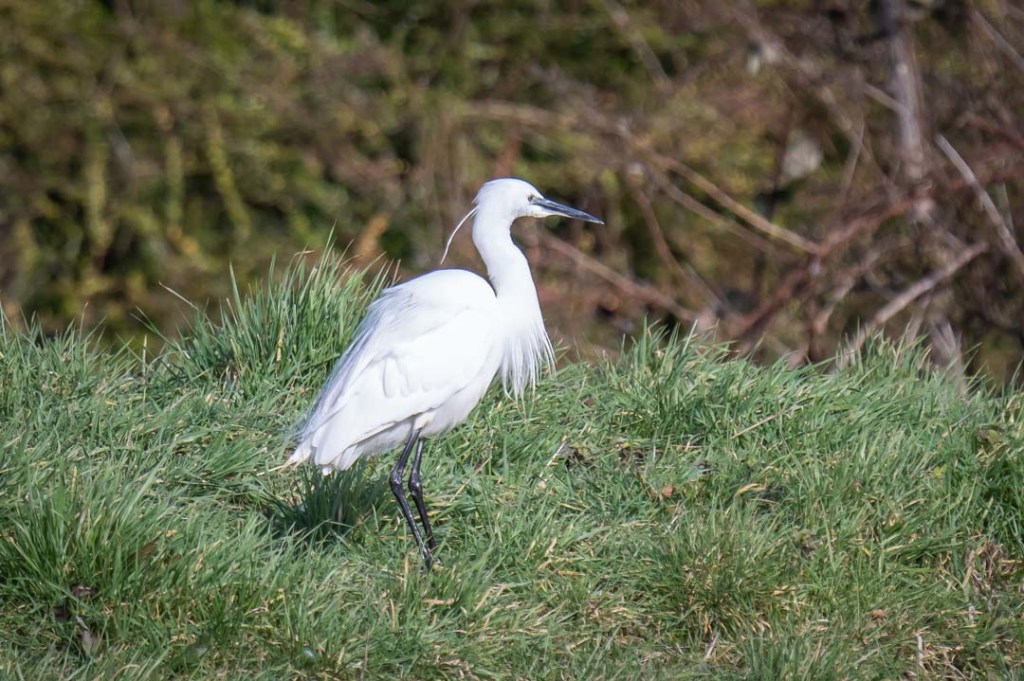
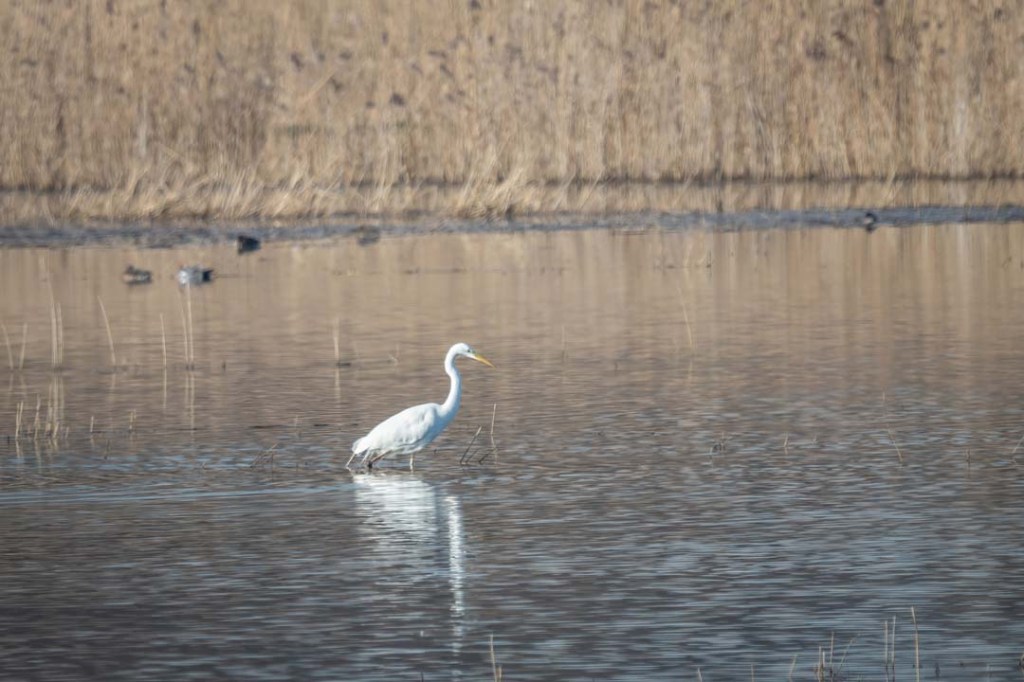
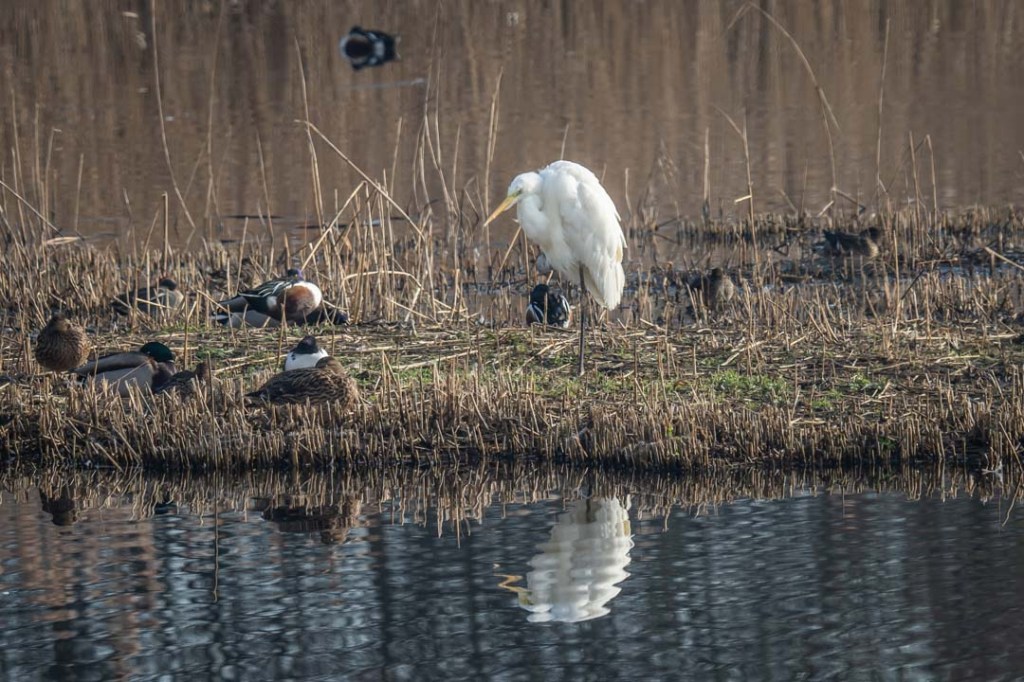
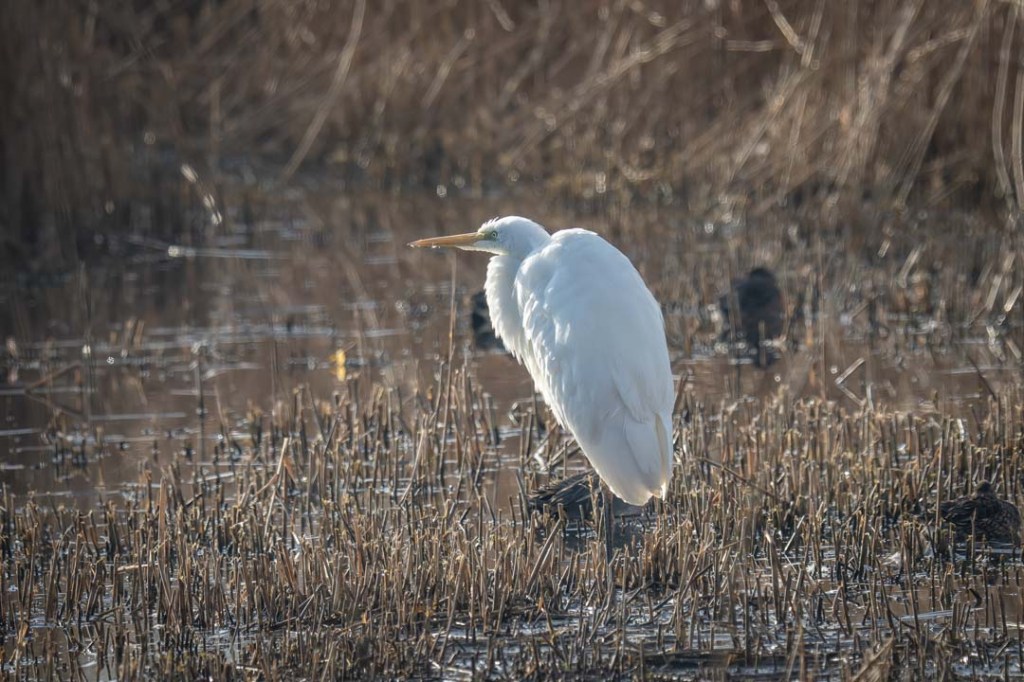
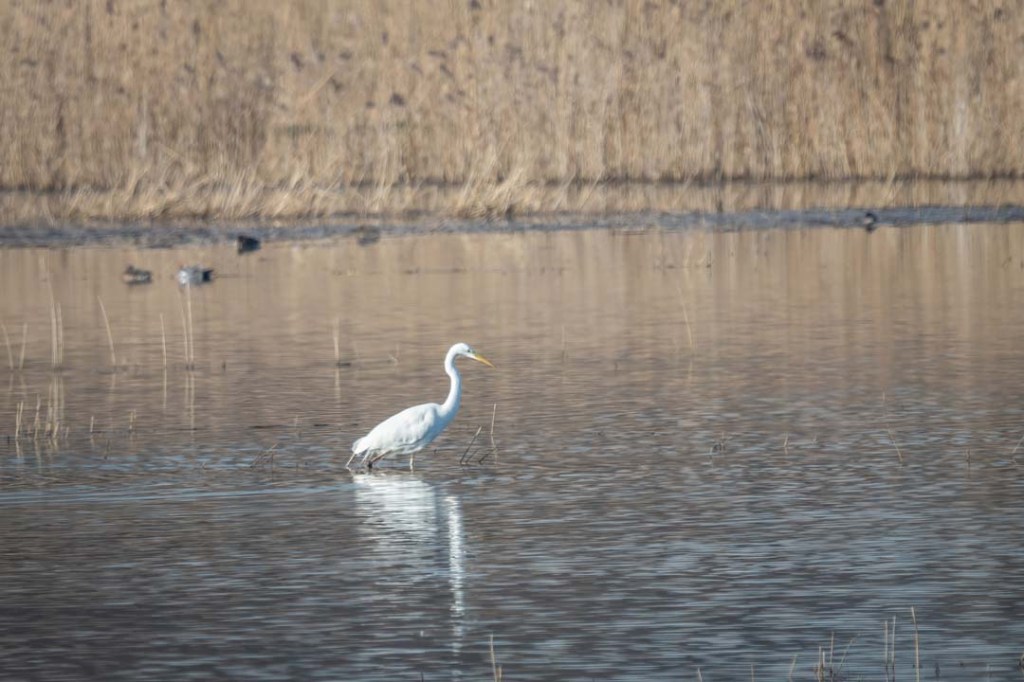
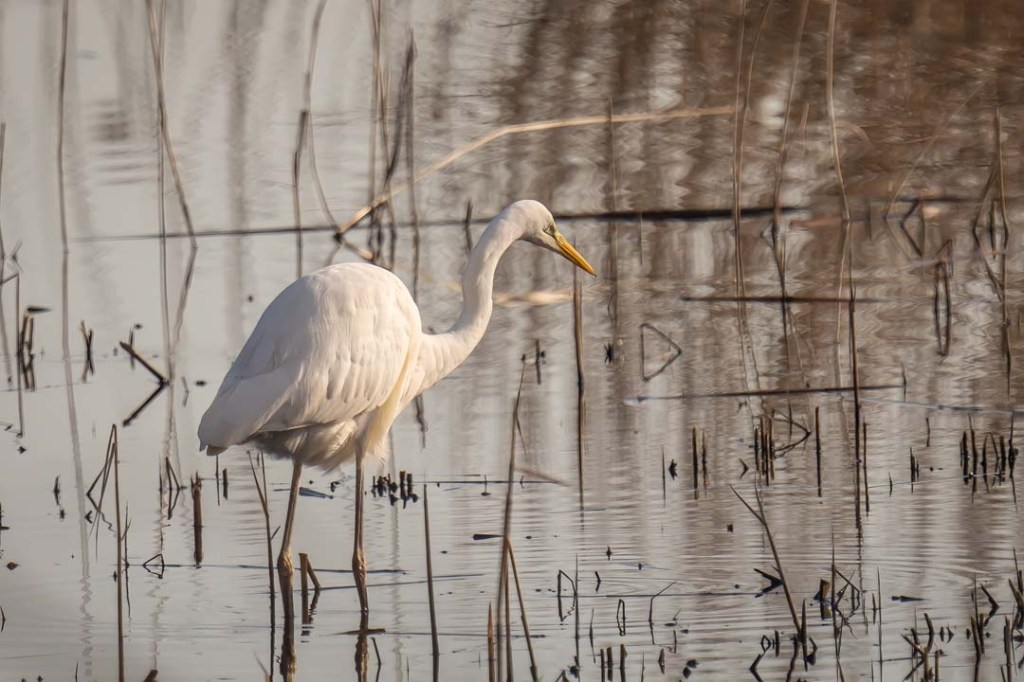
The Great White Egret was the only thing to stand out in the poor light at Catcott LowsA Little Egret flew in to lighten the scene
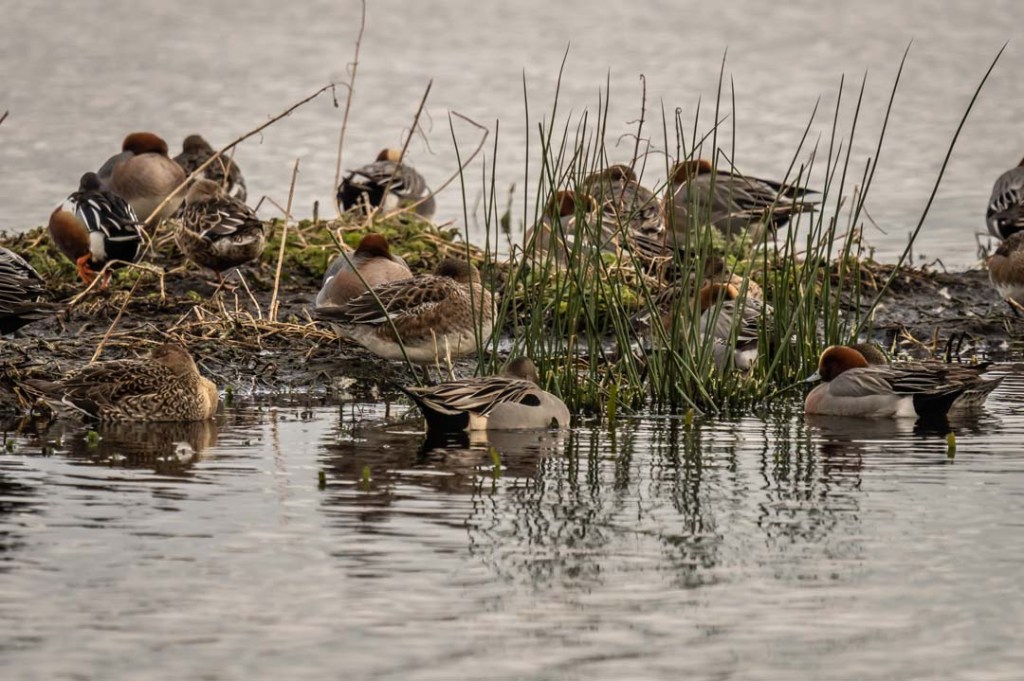
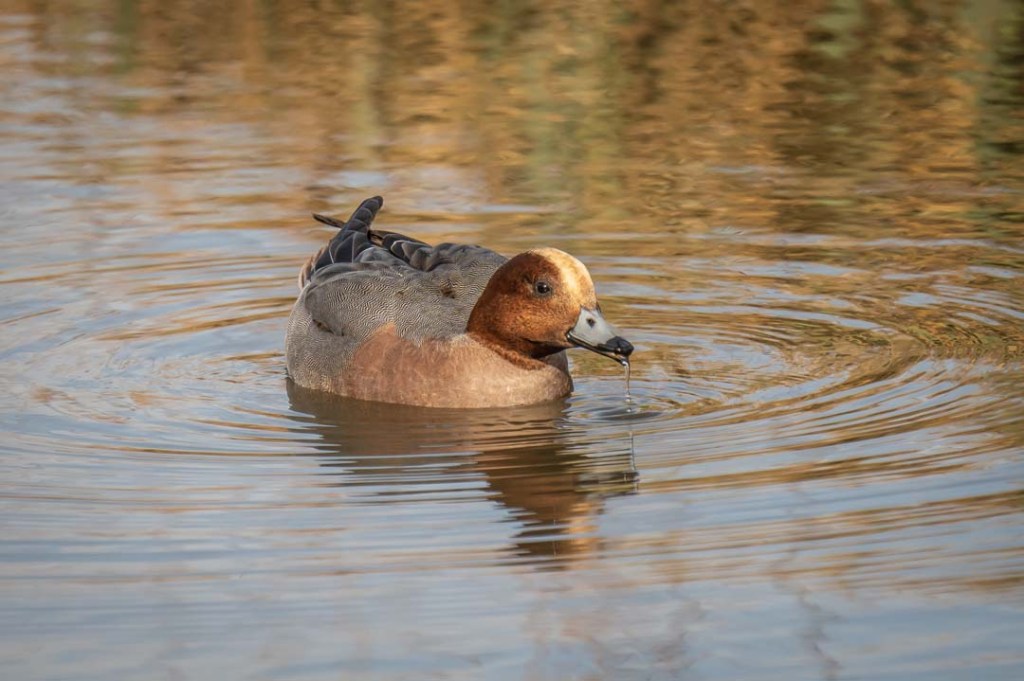
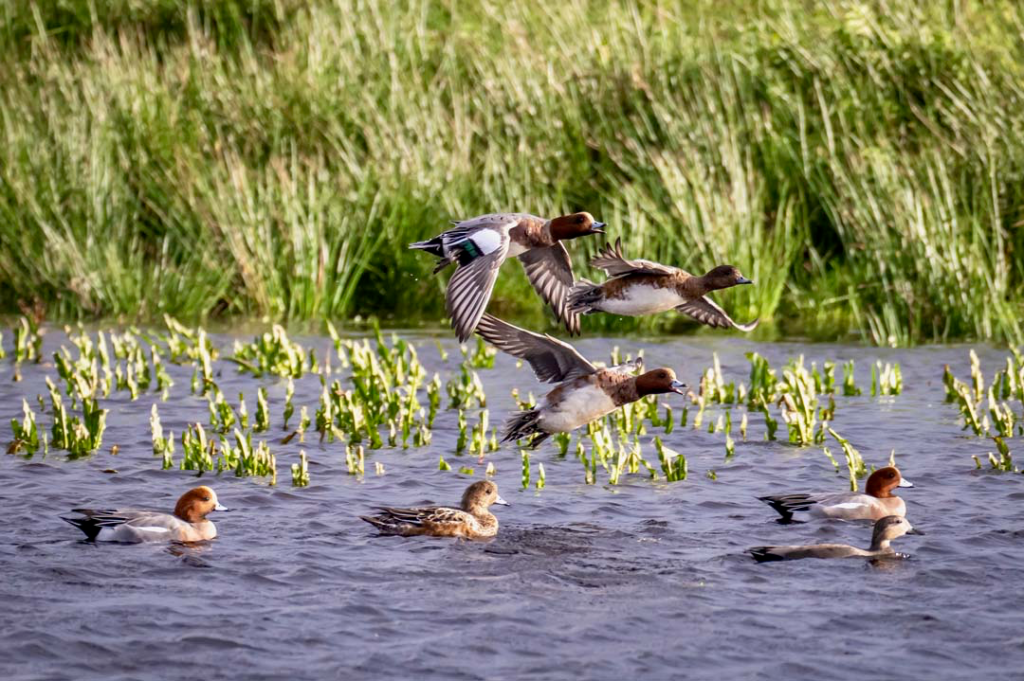
I started at Catcott Lows. The wetlands were teeming with wigeon, but not a lot else until a Great White Egret and a Little Egret appeared. It was just as well as it was too gloomy to photograph anything other than white birds.
The Wren next to the hide was often very vocal but not when I was photographing it
I moved on to RSPB Ham Wall. There have been sightings of Glossy Ibis here but they had decided that it was too cold for them and didn’t make an appearance.
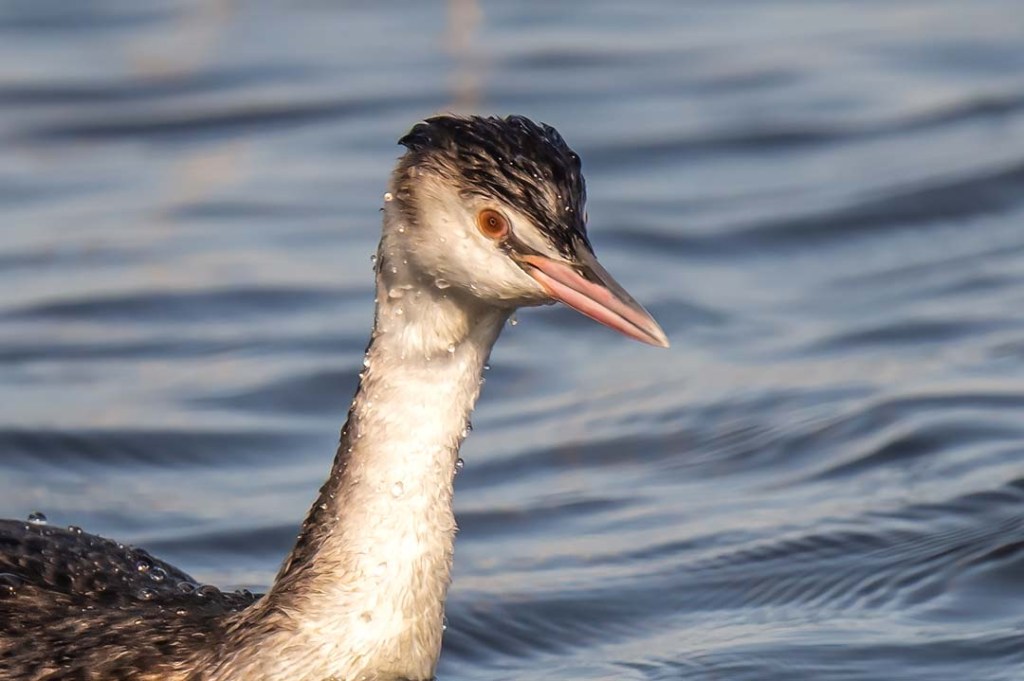
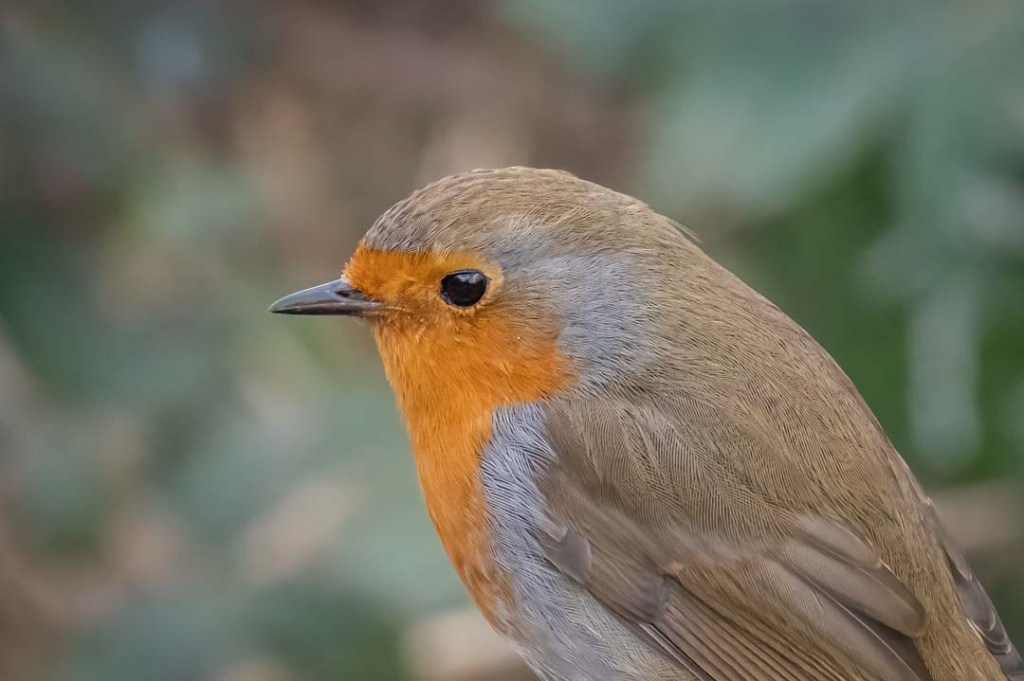
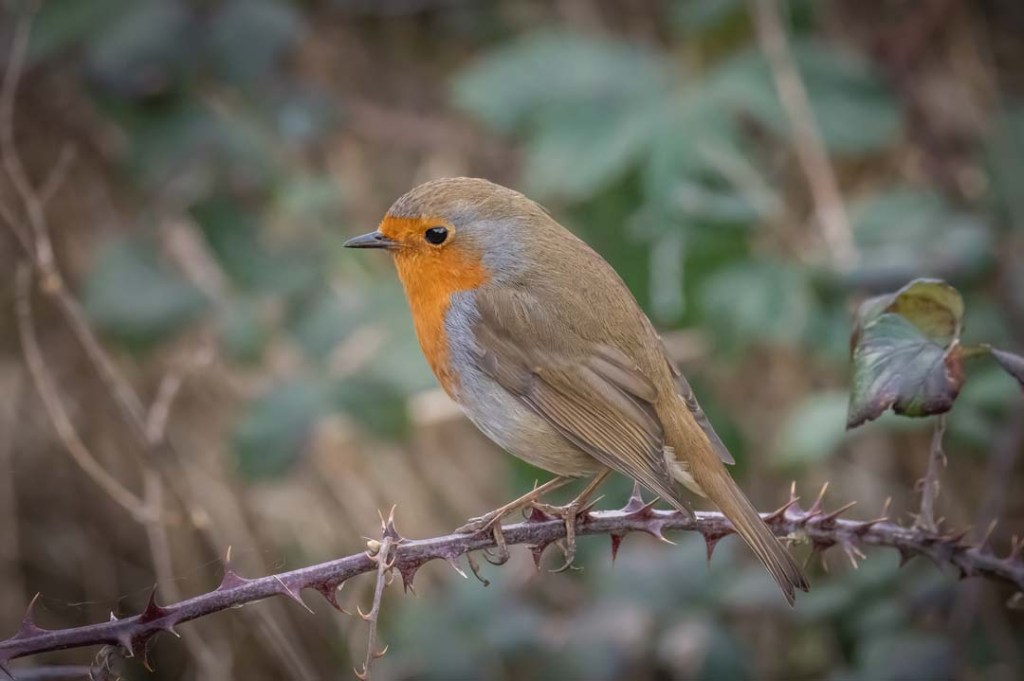
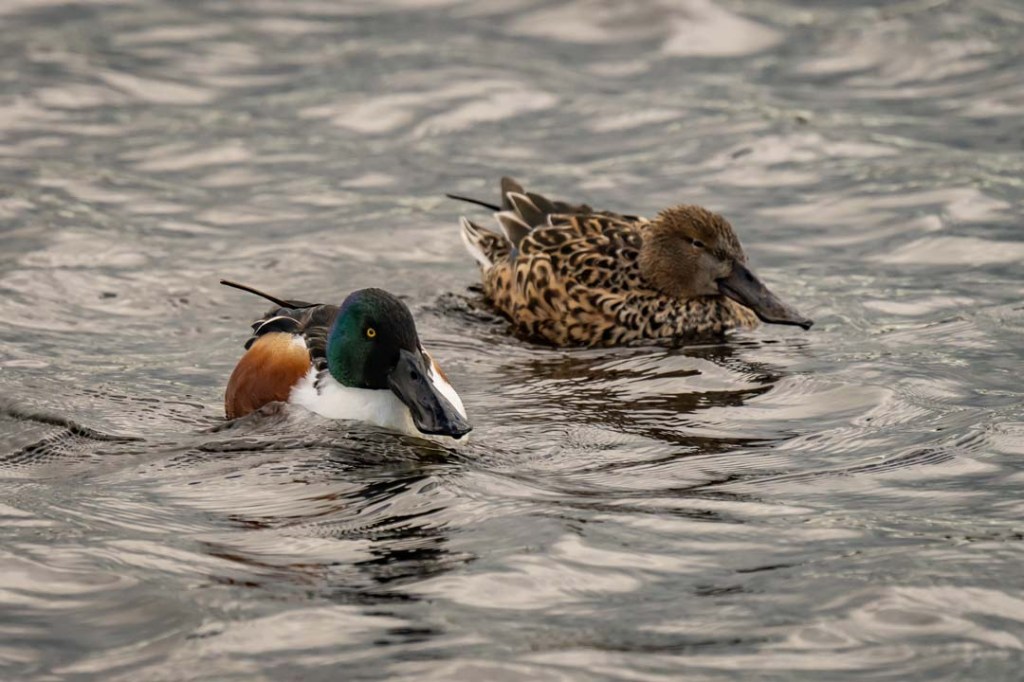
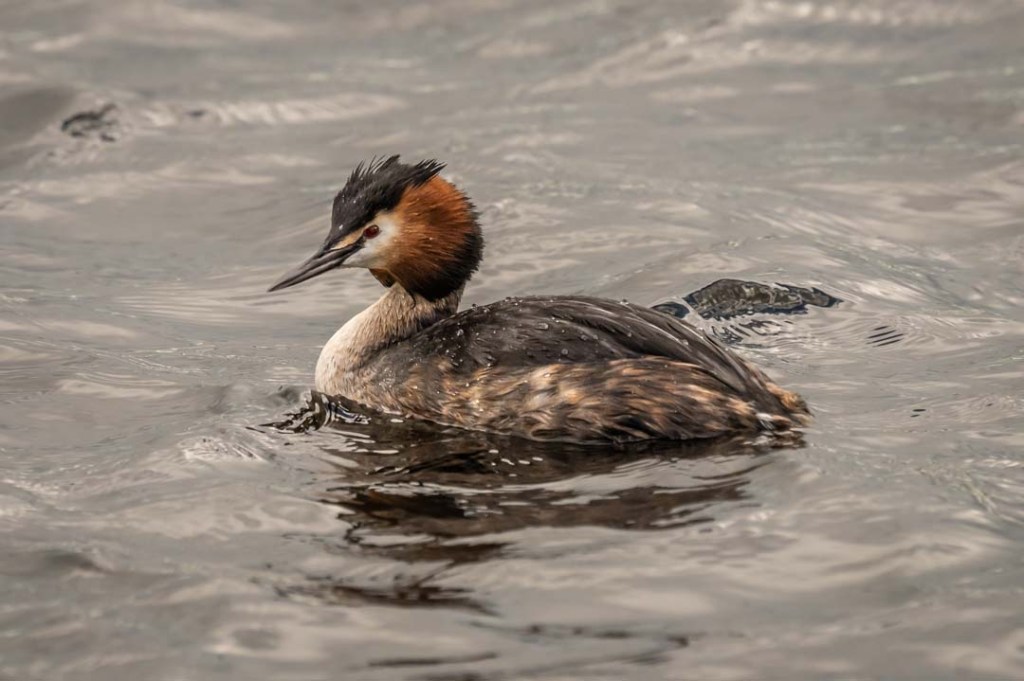
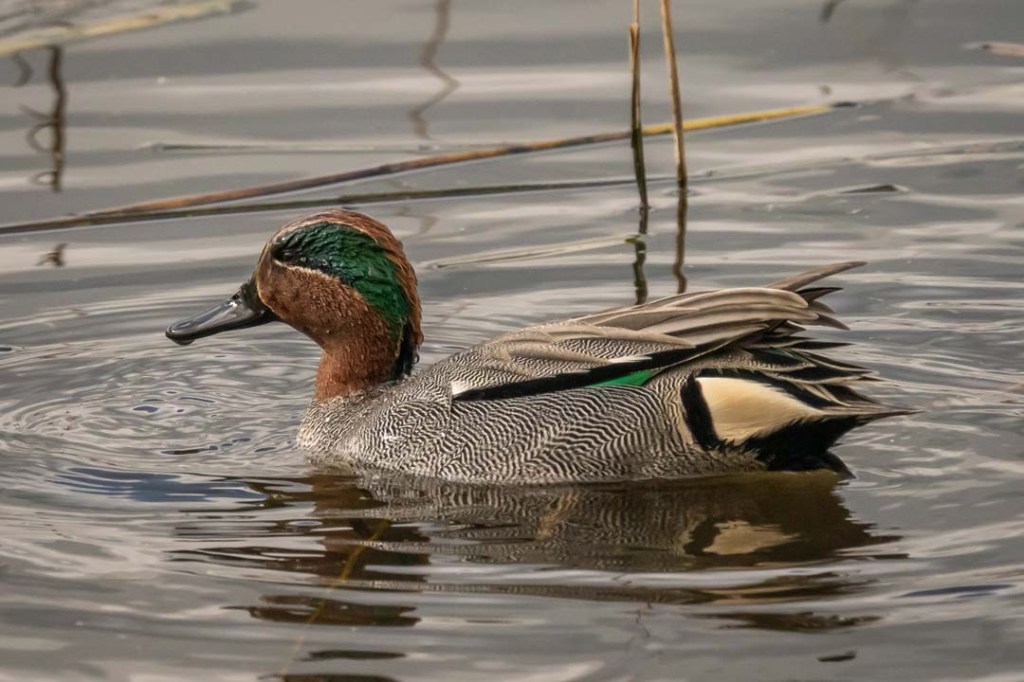
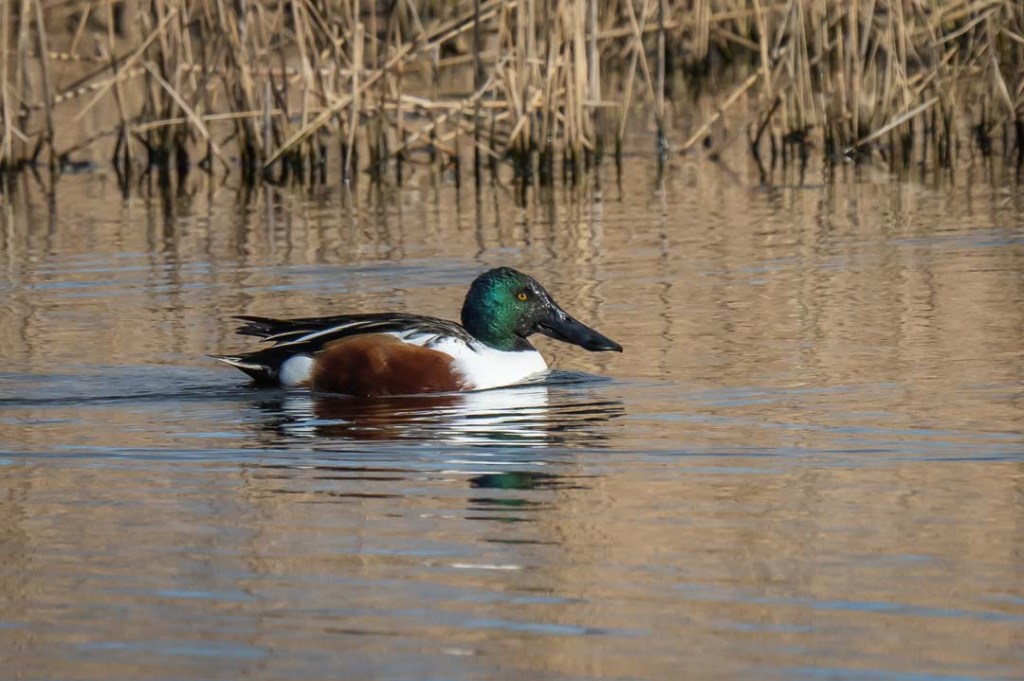
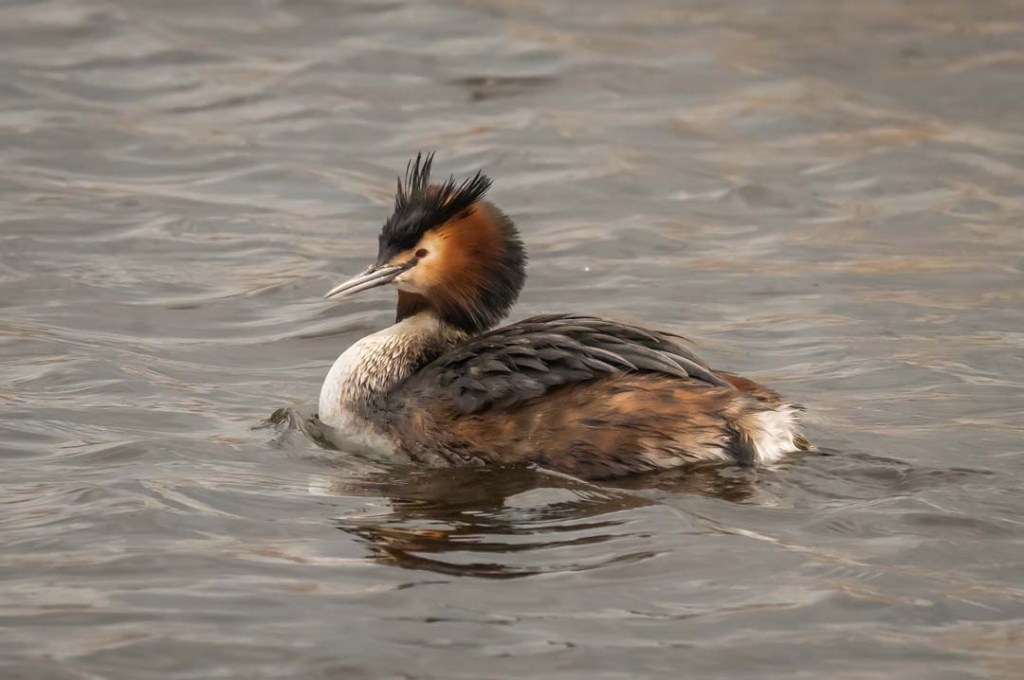
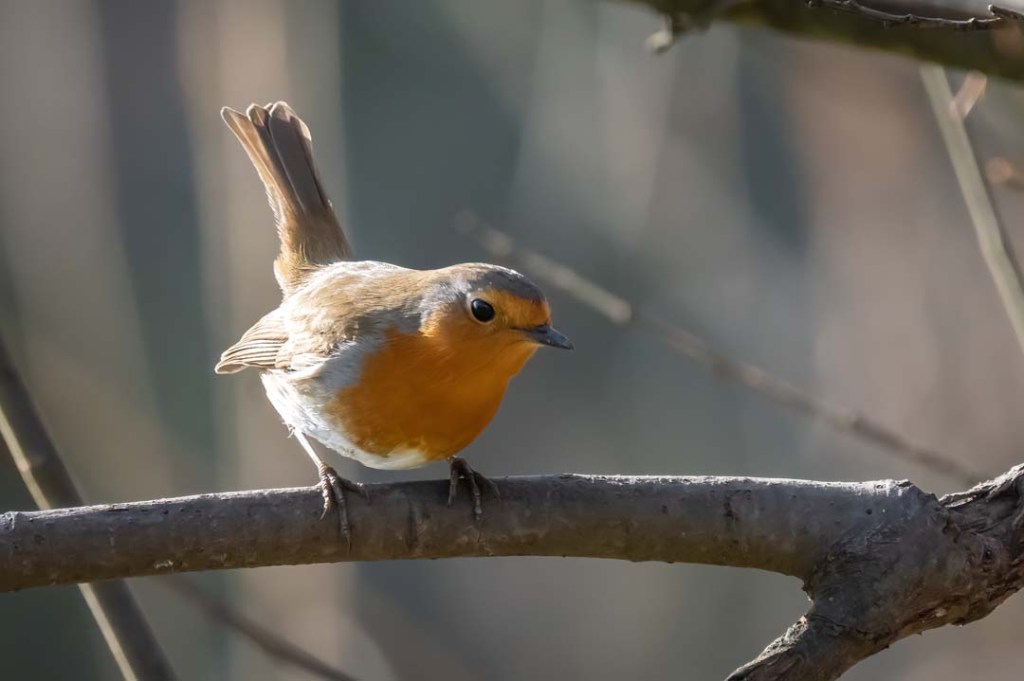
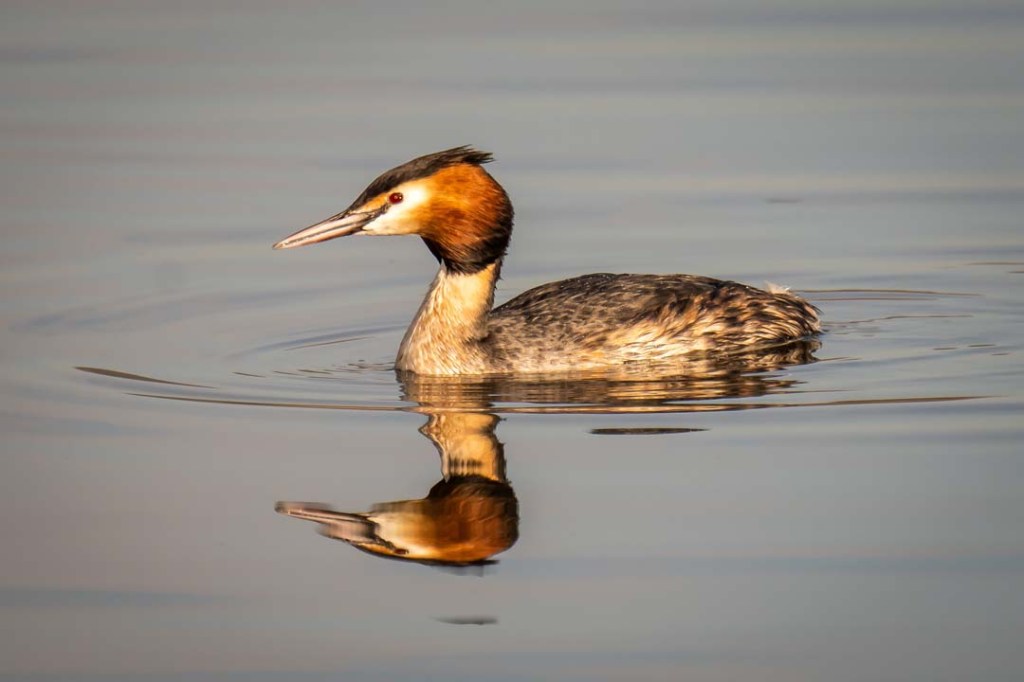
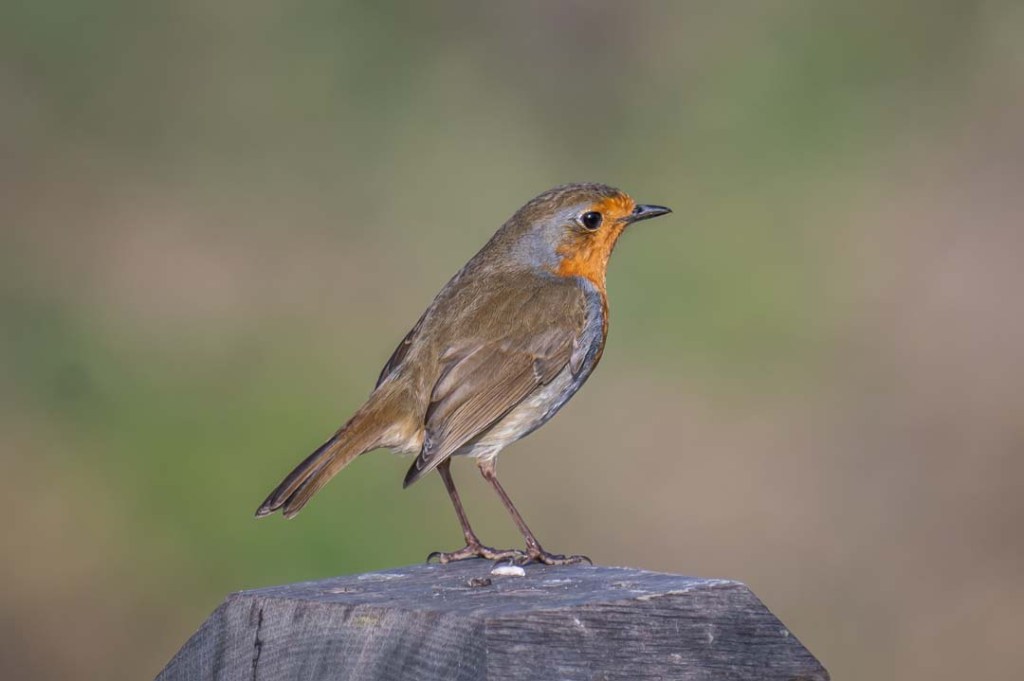
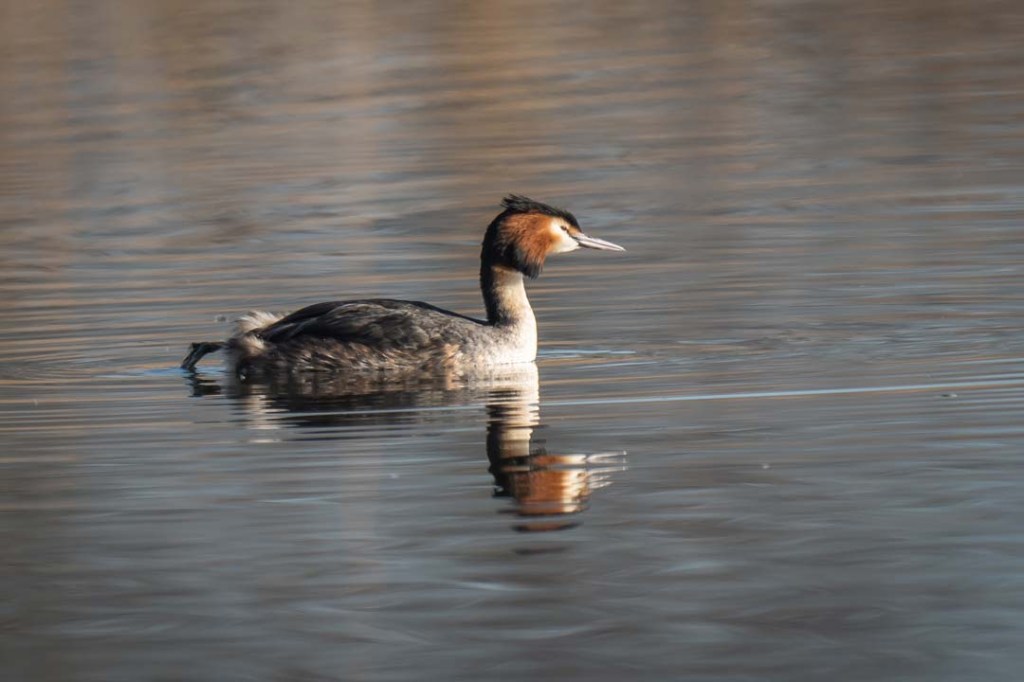
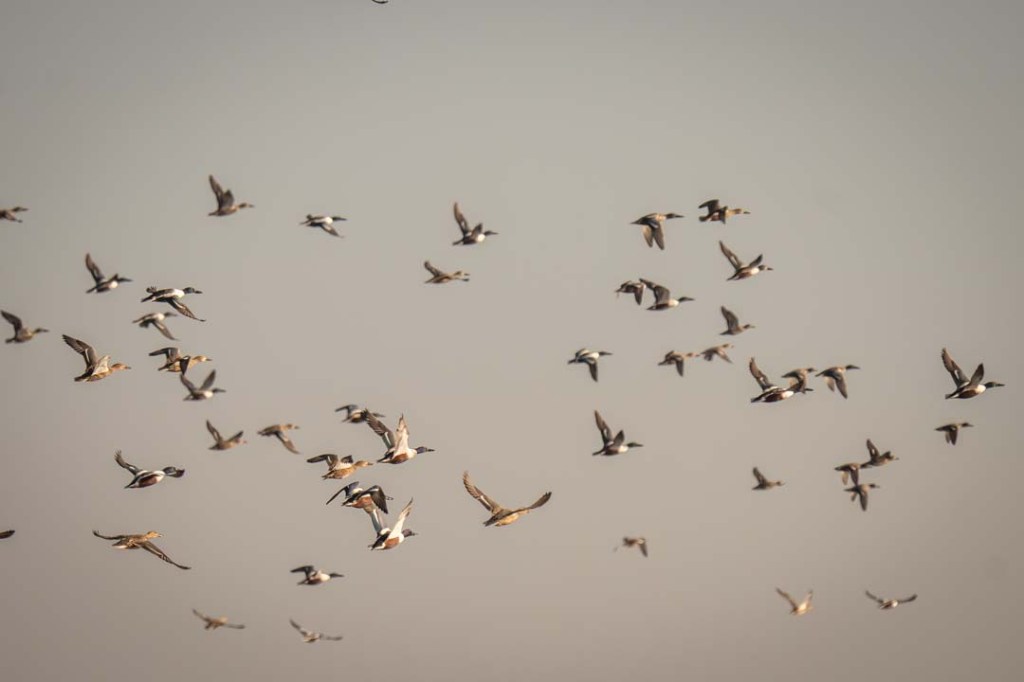
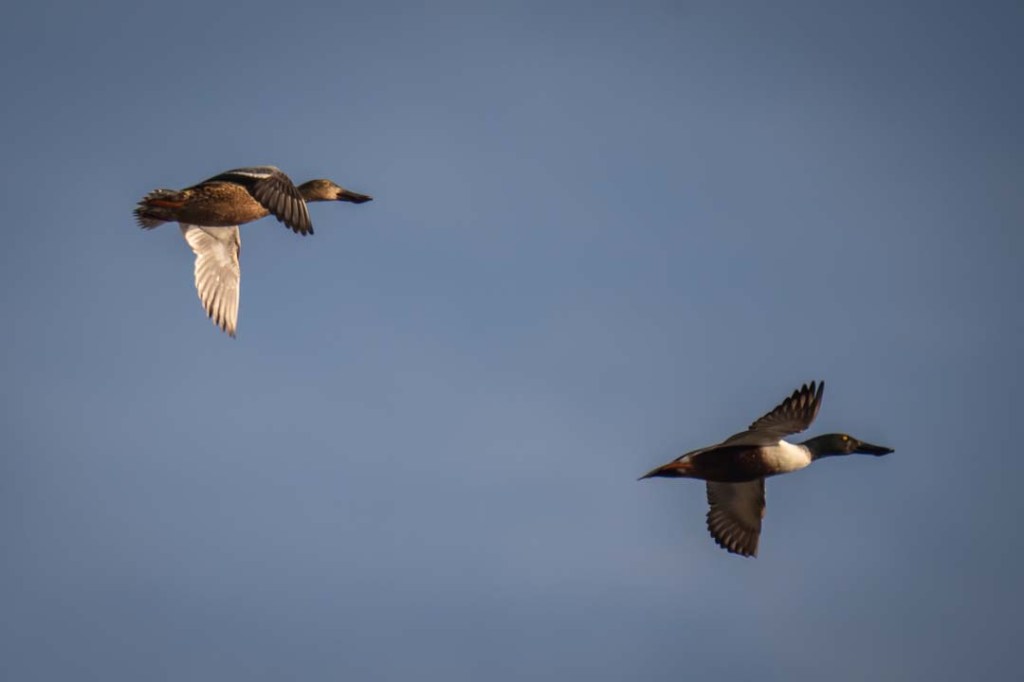
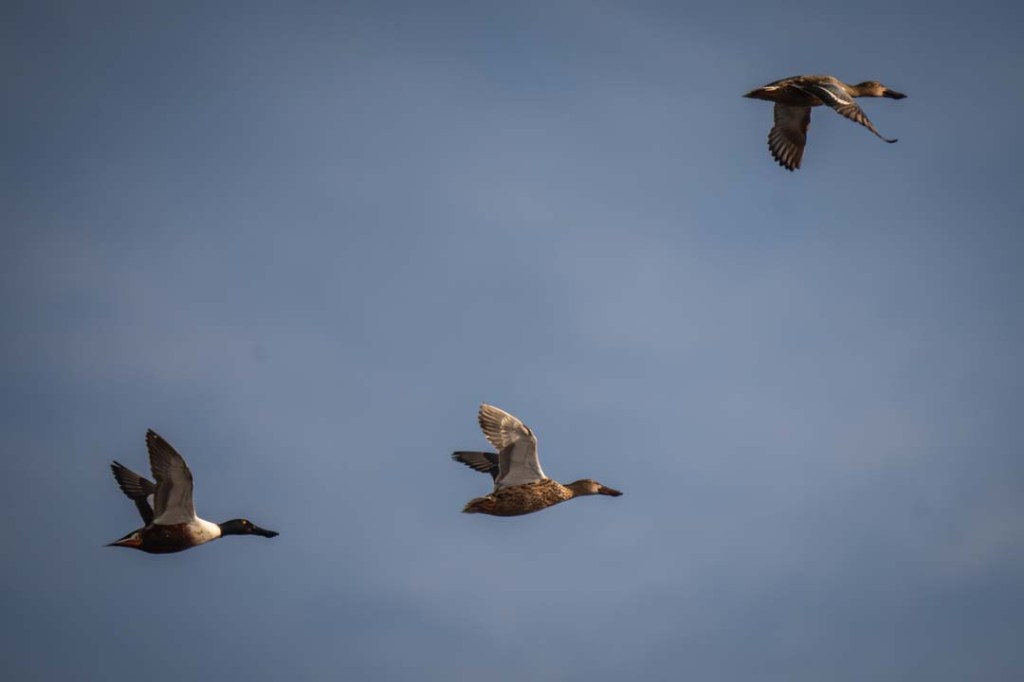
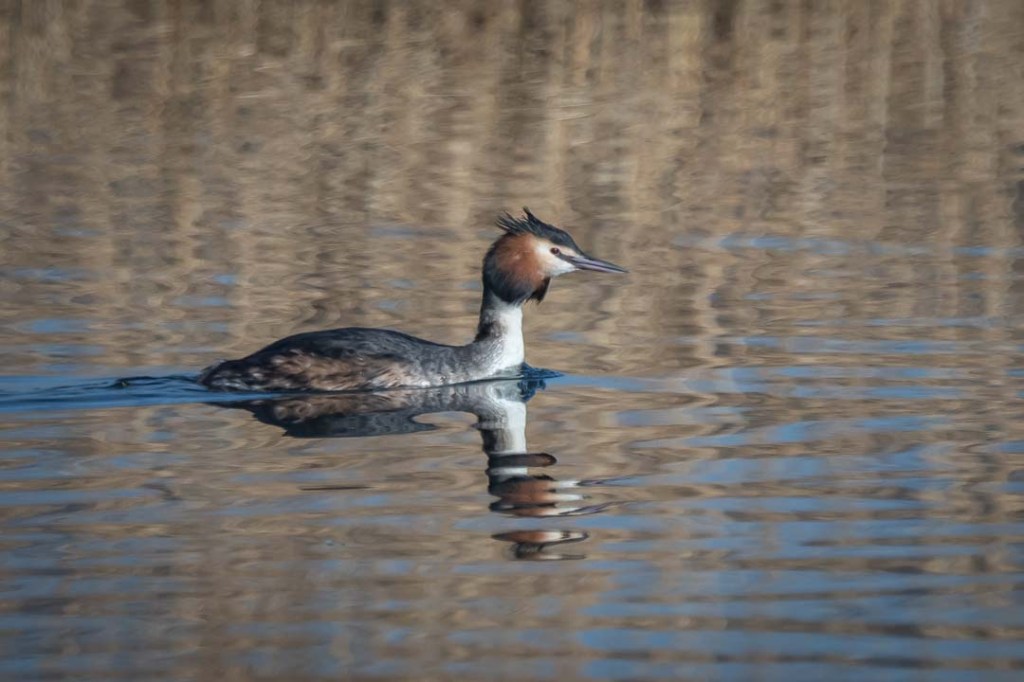
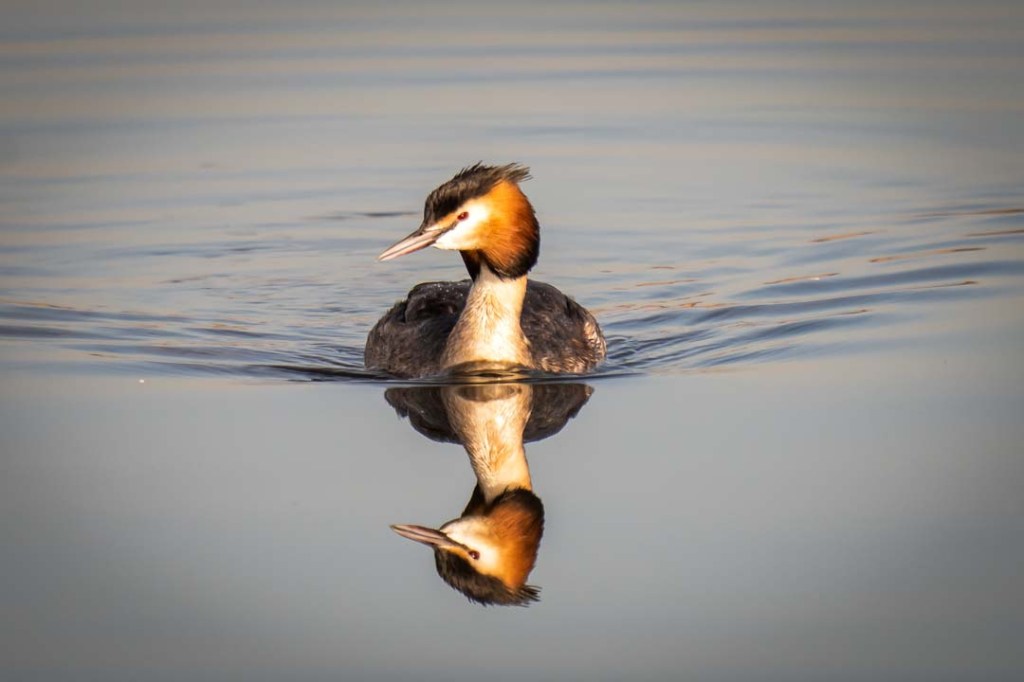
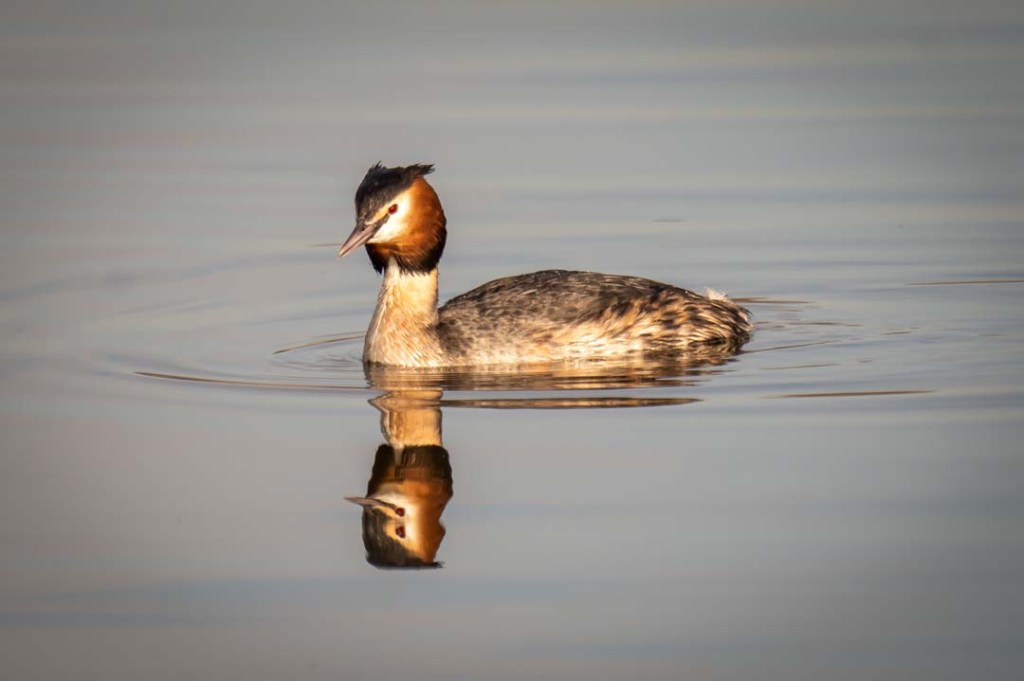
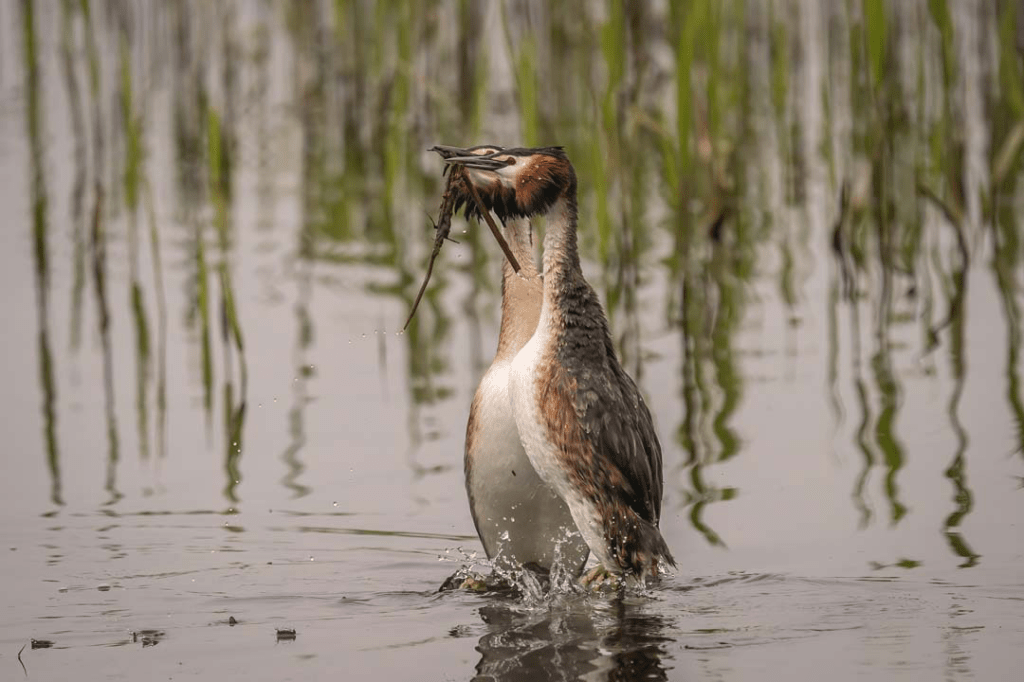
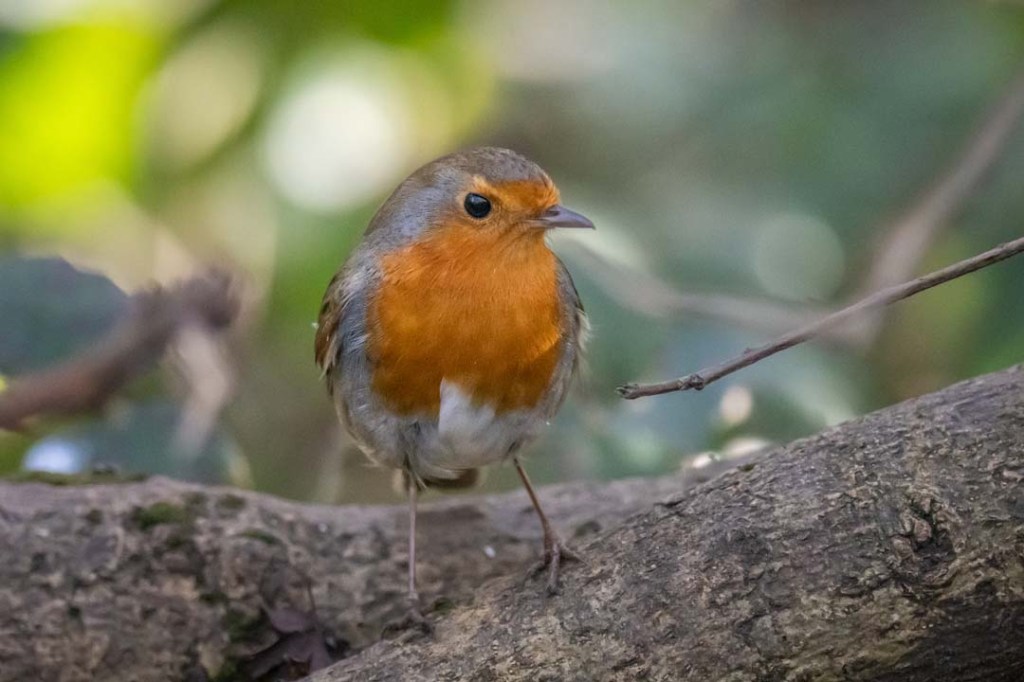
A Robin greeted me on my arrival – it was after a share of my sandwichesA pair of ShovelersGreat Crested GrebeA Teal up closeThe Great Crested Grebes spent an awful lot of time diving but not coming up with weeds for their famous dances
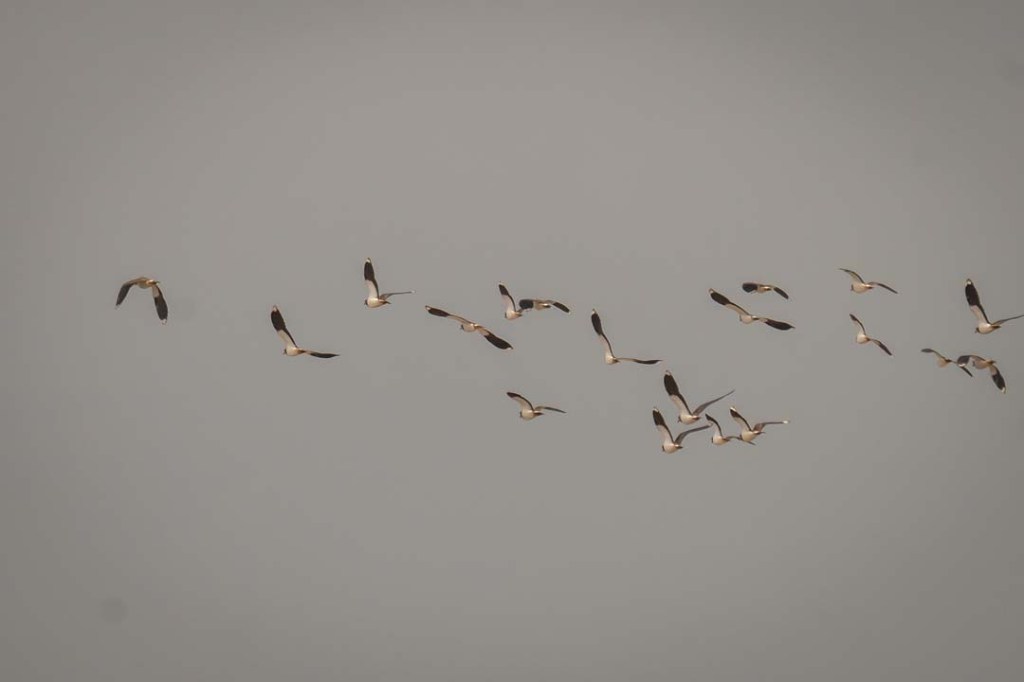
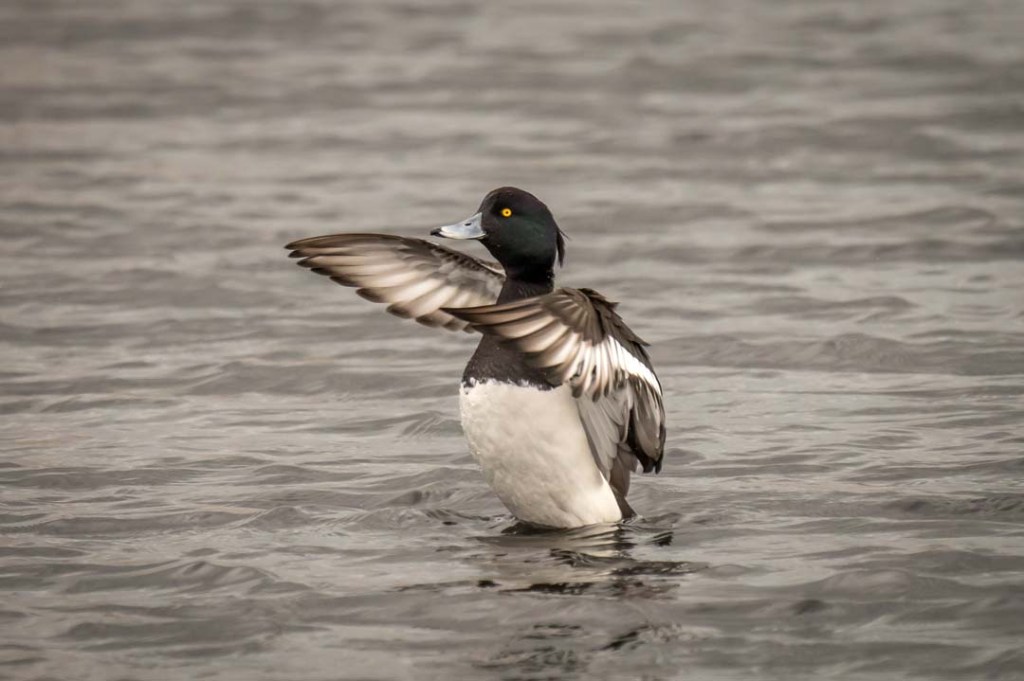
In reality there wasn’t a lot here. Quite a few Shovelers, a few Tufted Ducks and half a dozen Great Crested Grebe and one Little Grebe. Strangely at Catcott Lows and here there were no Lapwings, until a large flock flew over and headed towards Glastonbury Tor. A pretty sight.
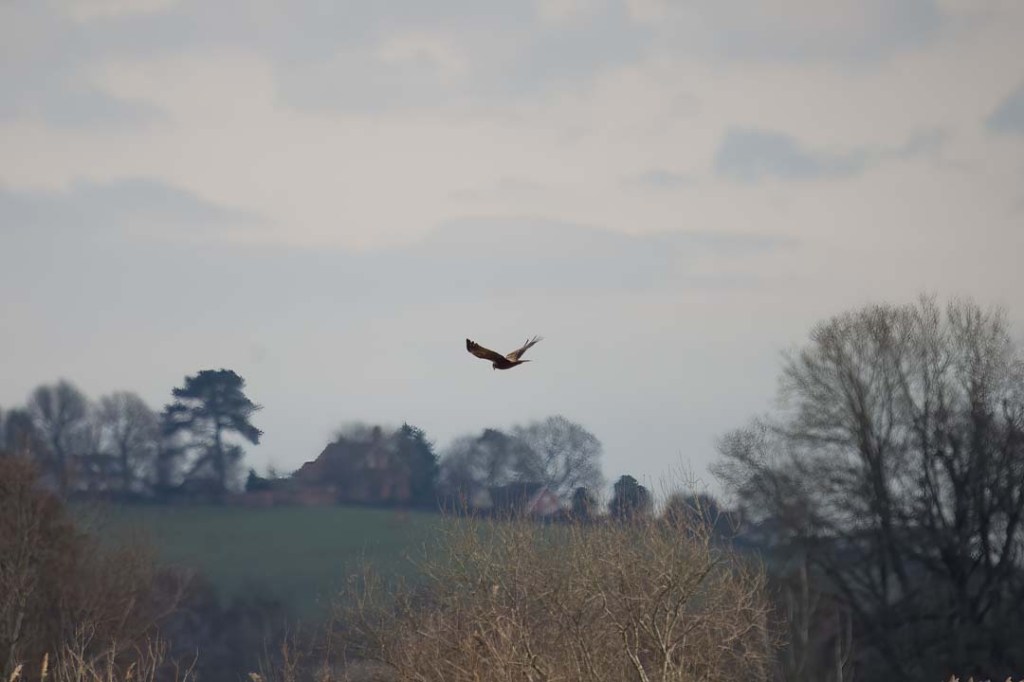
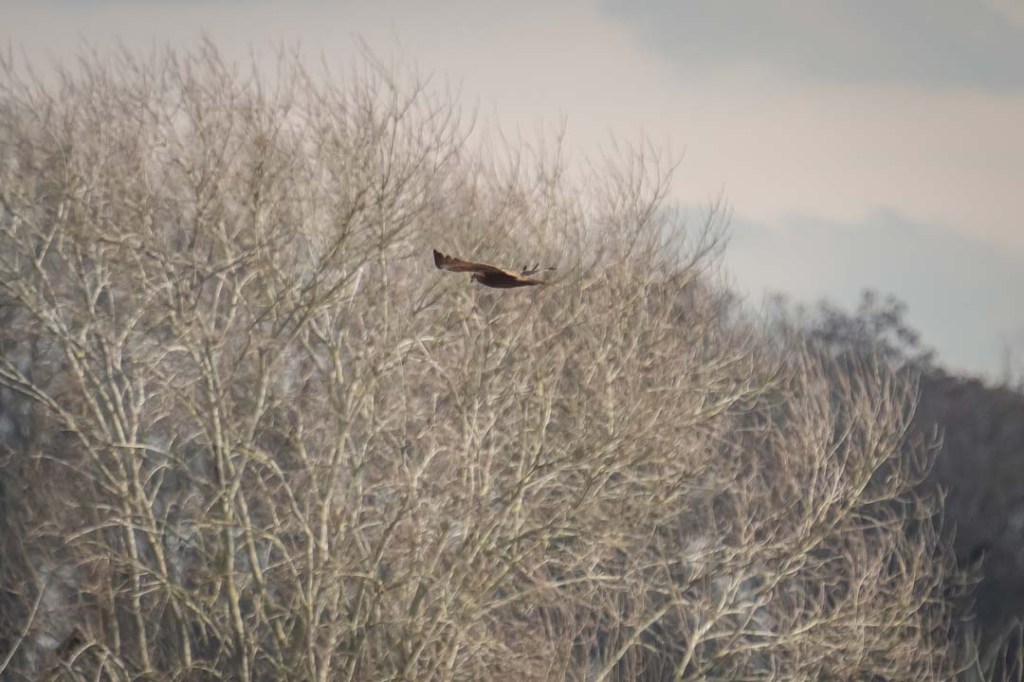
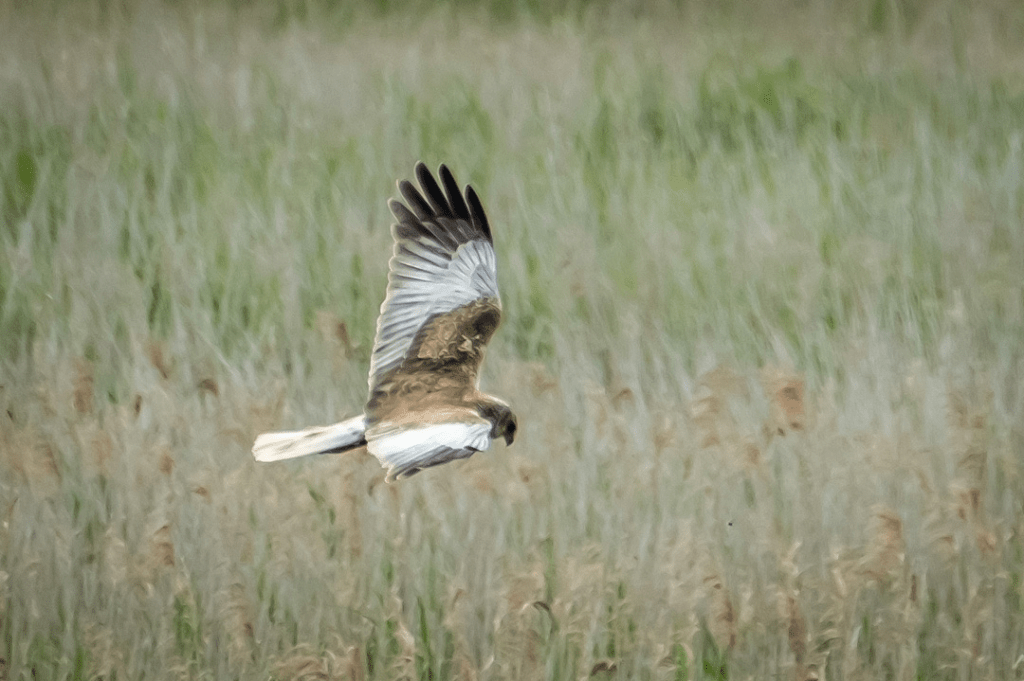
LapwingA very distant Marsh HarrierThe sun made a very brief appearance on this ShovelerThe Little Grebe wouldn’t come close to meThe Tufted Duck was less shy
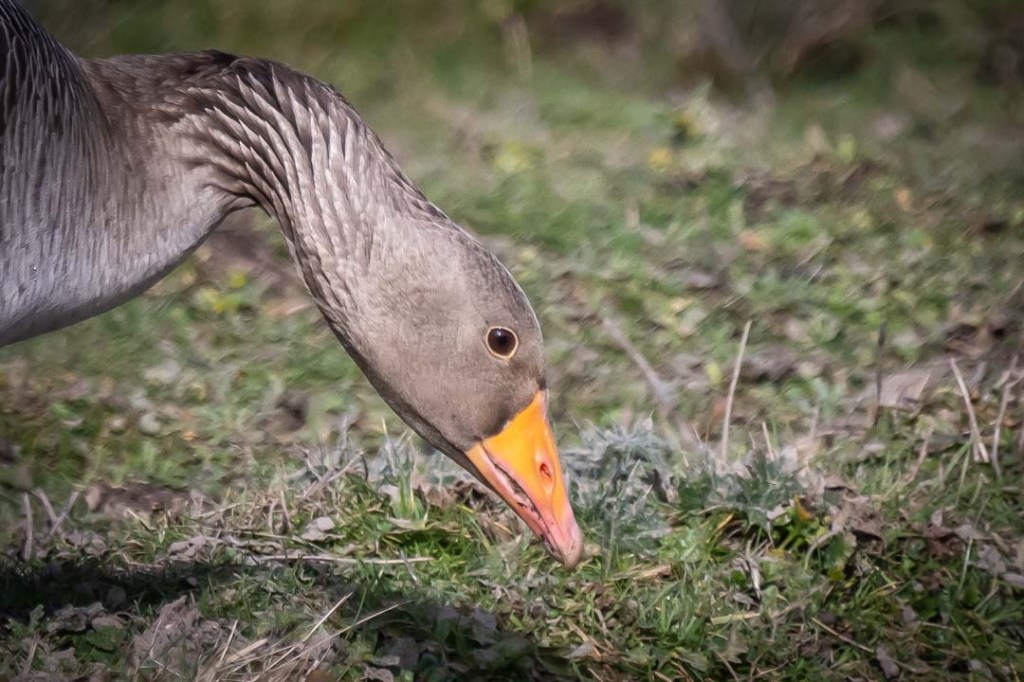
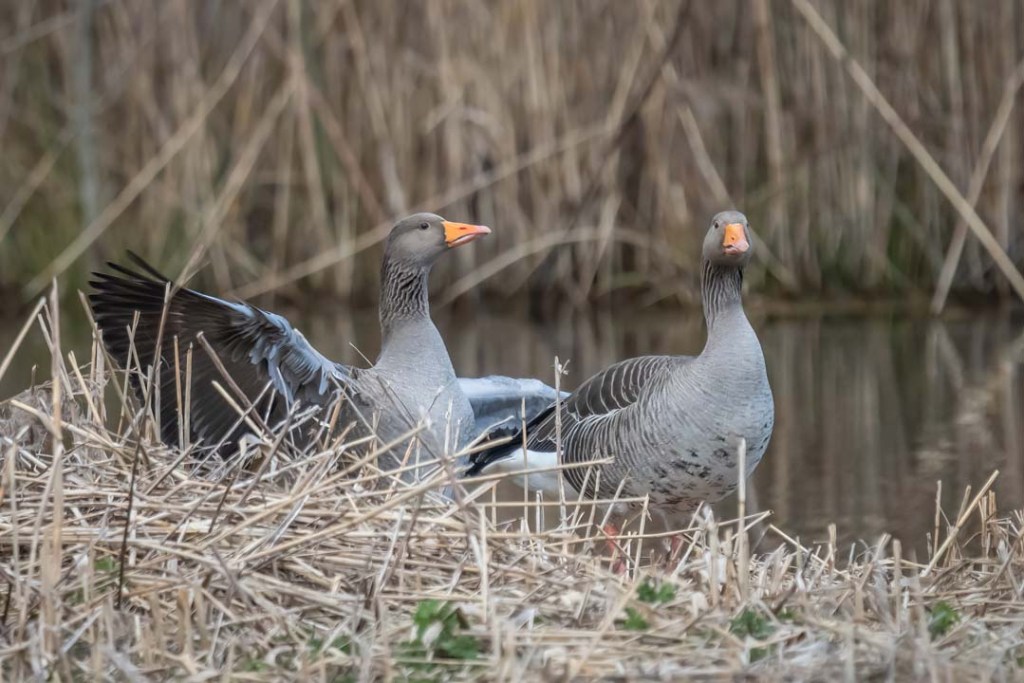
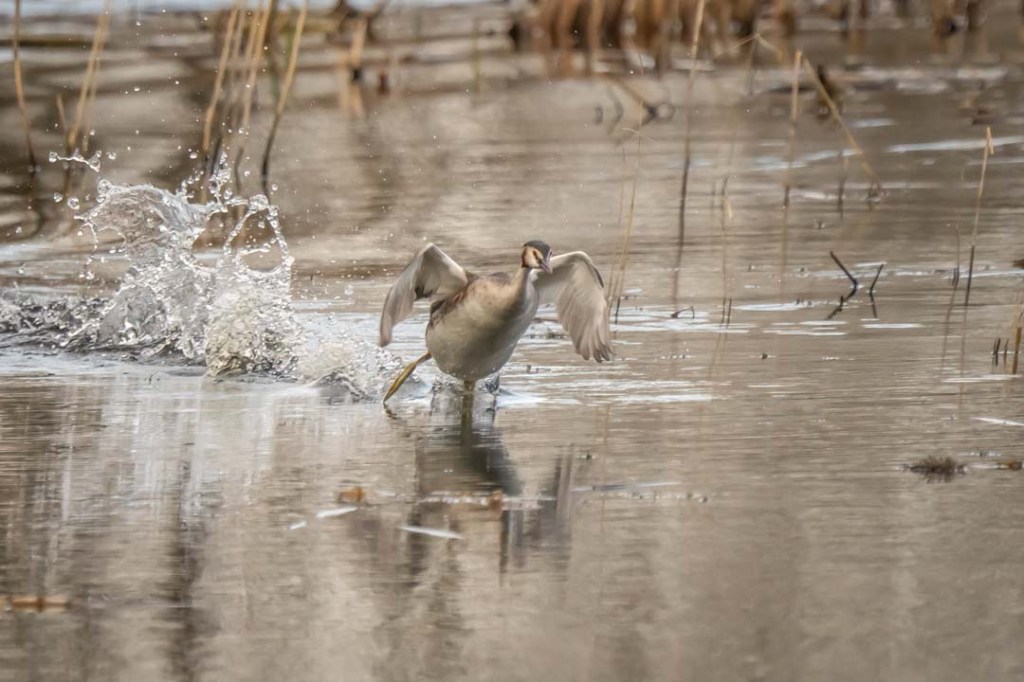
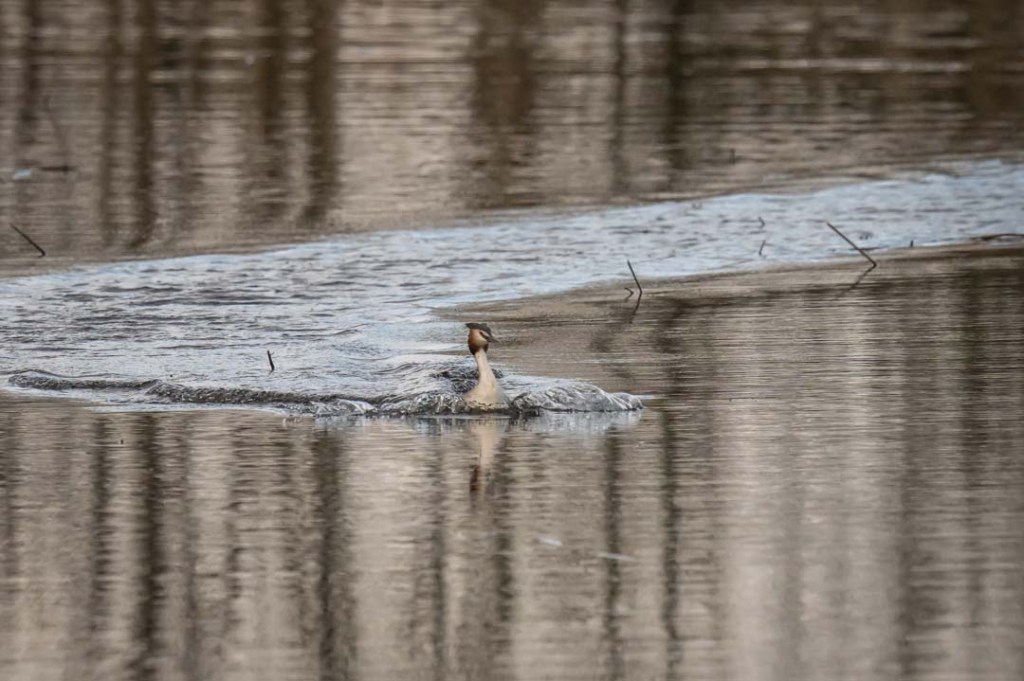
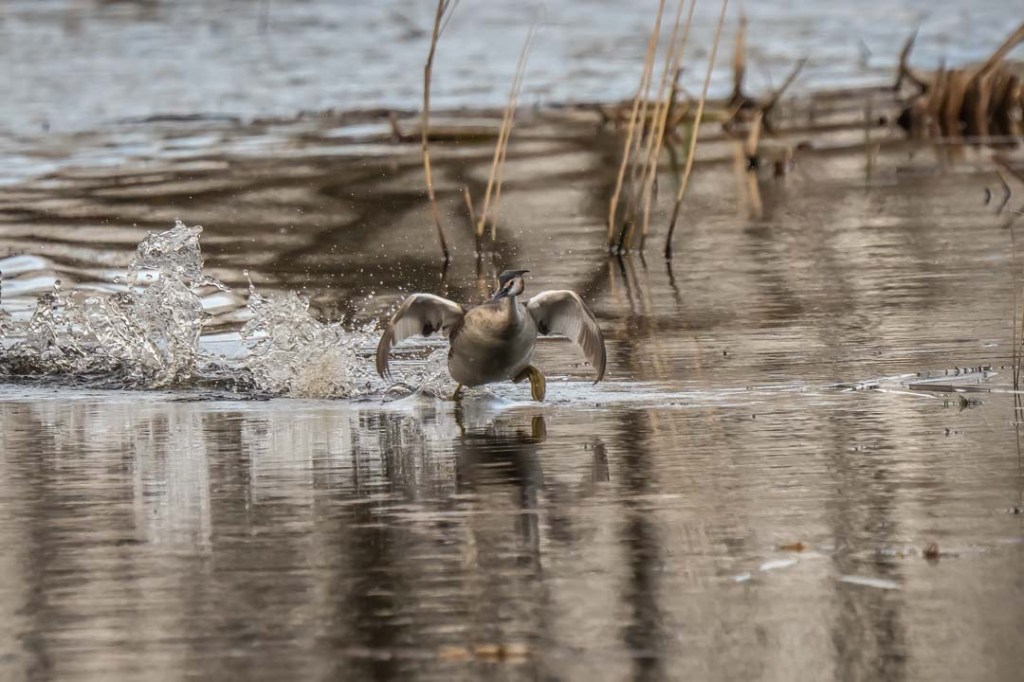
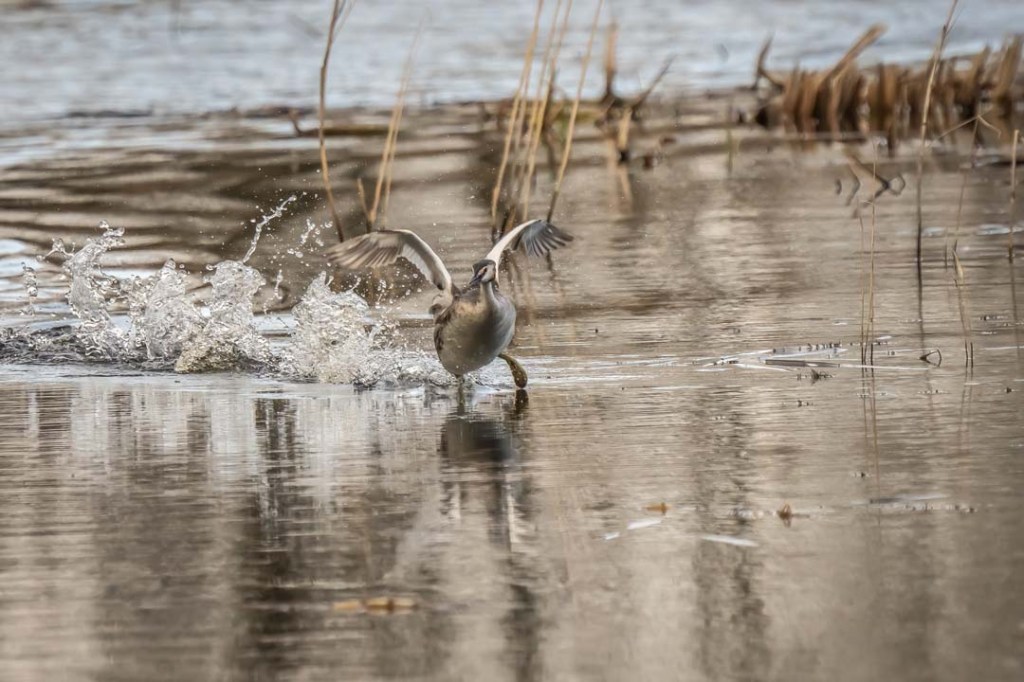
Before heading home I had a very brief visit to Westhay Moor. A pair of Greylag geese and a pair of Great Crested Grebe that nearly took to the air were the best on offer.
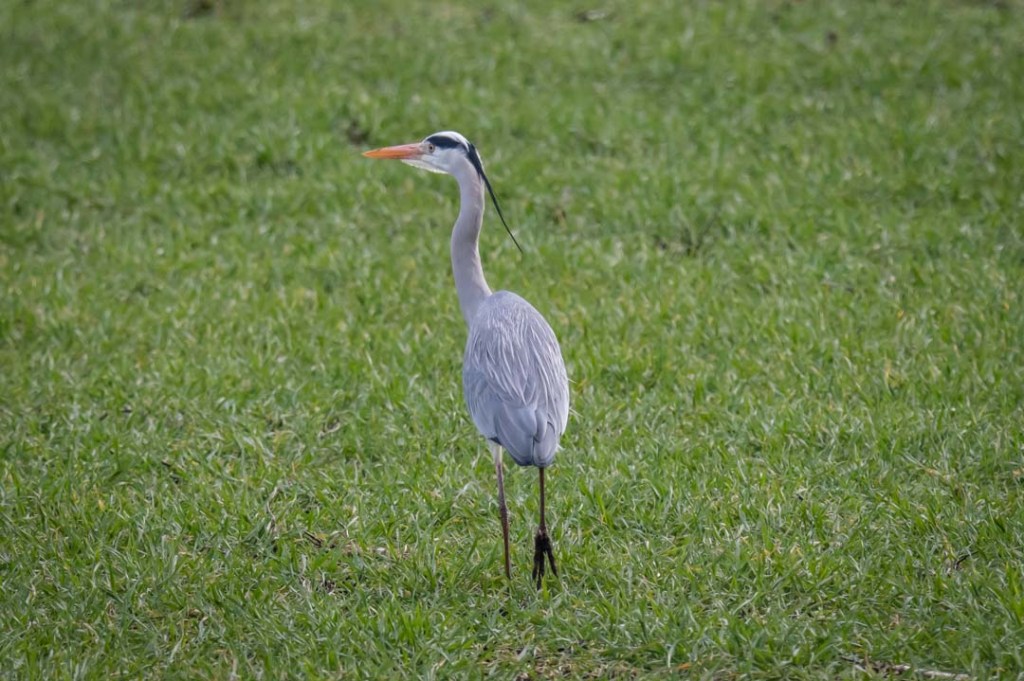
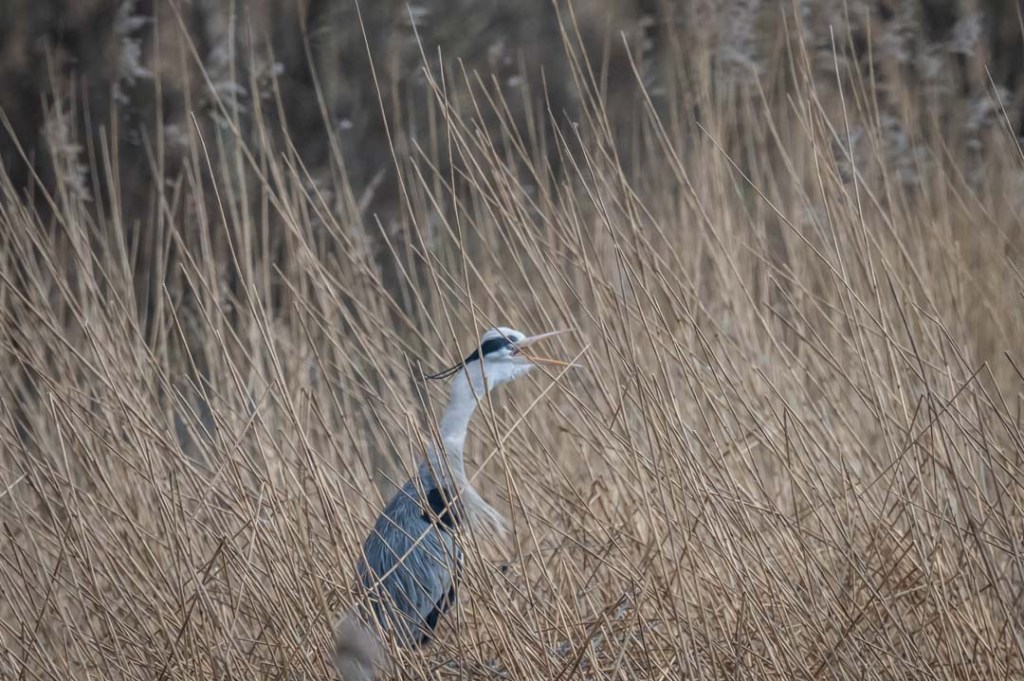
A Grey Heron on my way to Westhay MoorGreylag GeeseGreat Crested Grebe doing its best to take off
It felt like the Highlands of Scotland there today and so, with that in mind, I had a dram of whisky back at home. The day seemed much more successful after that.
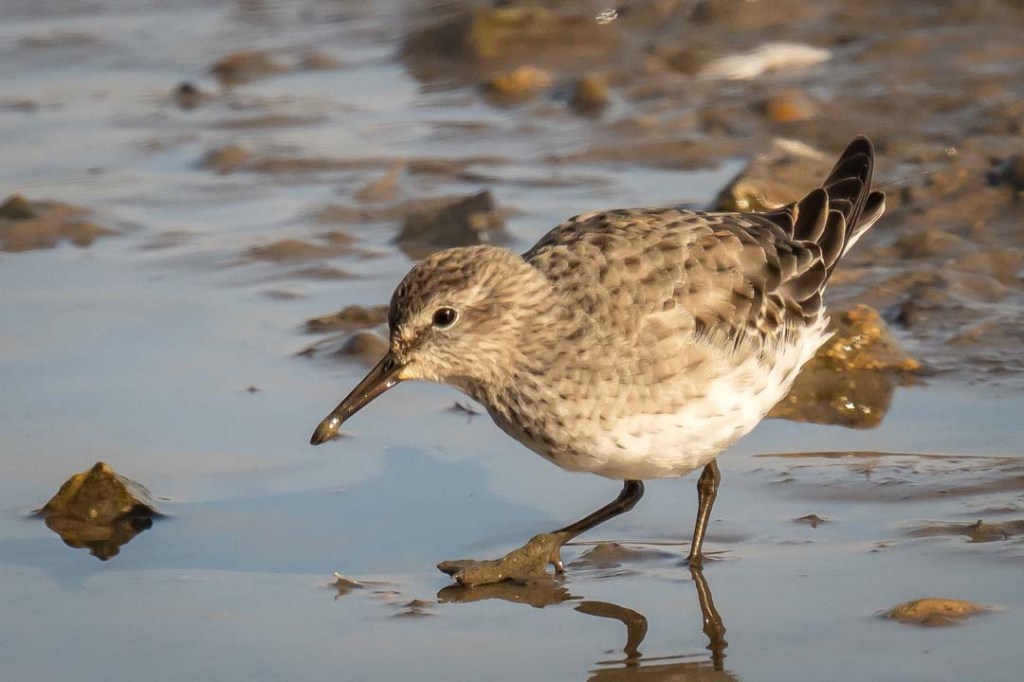
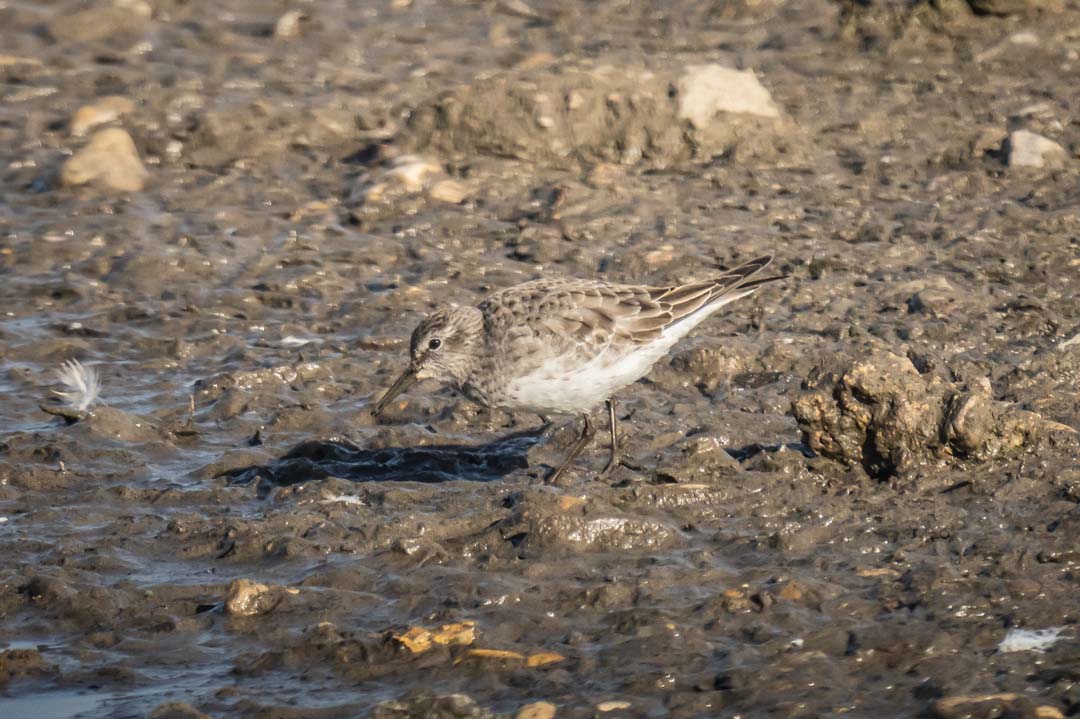
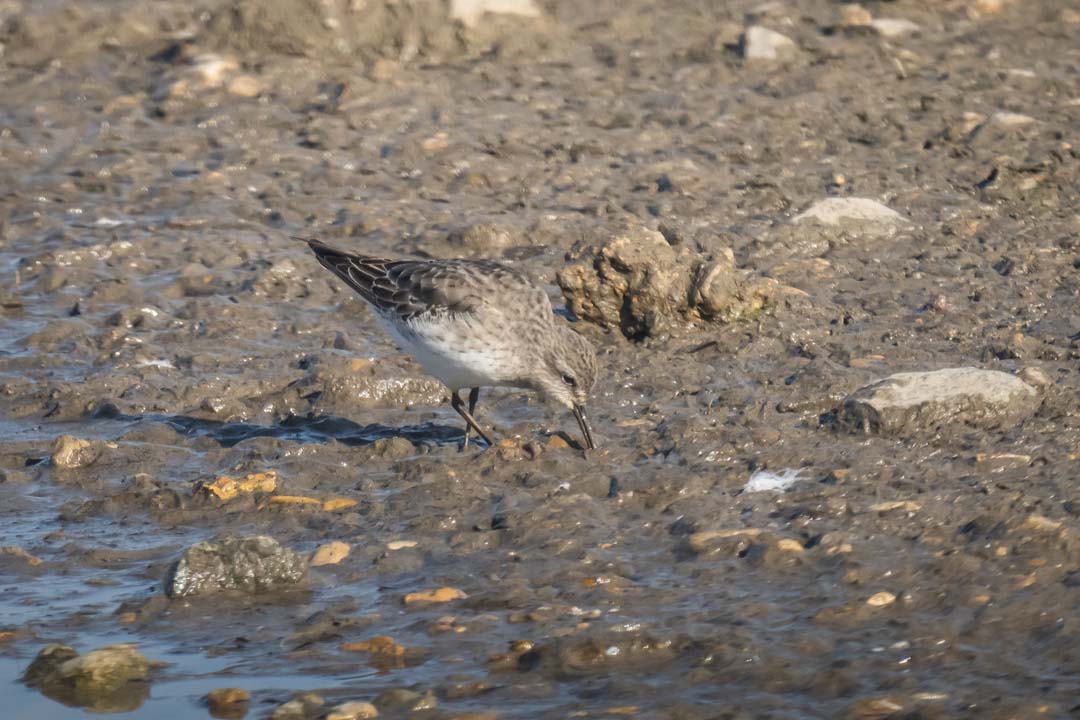
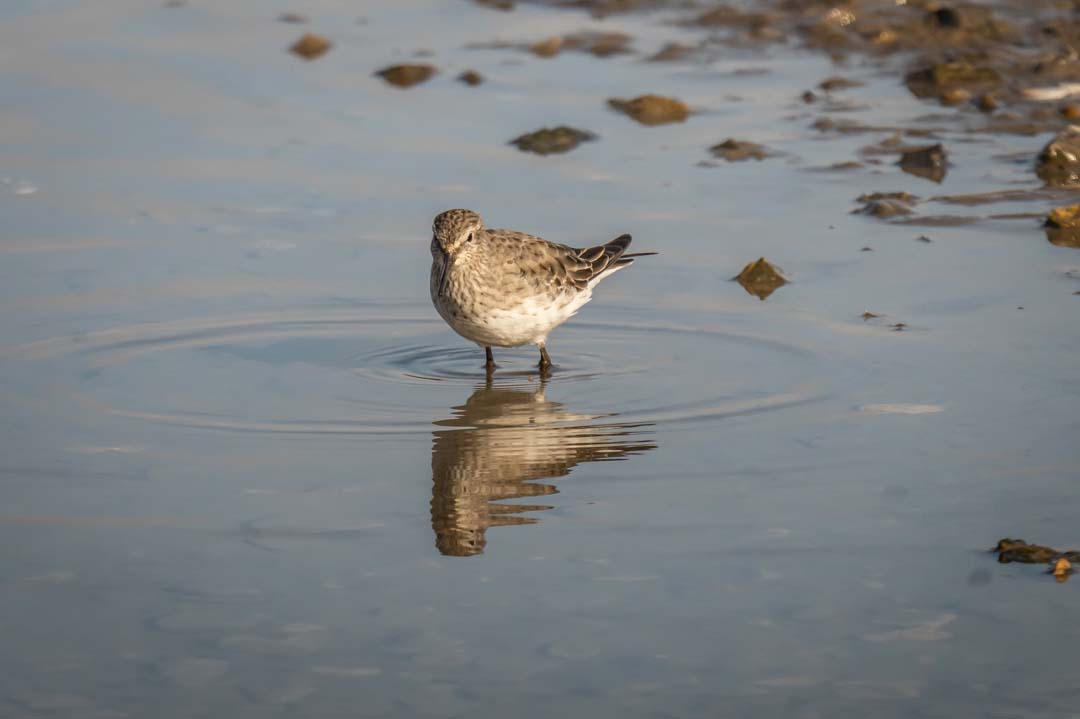
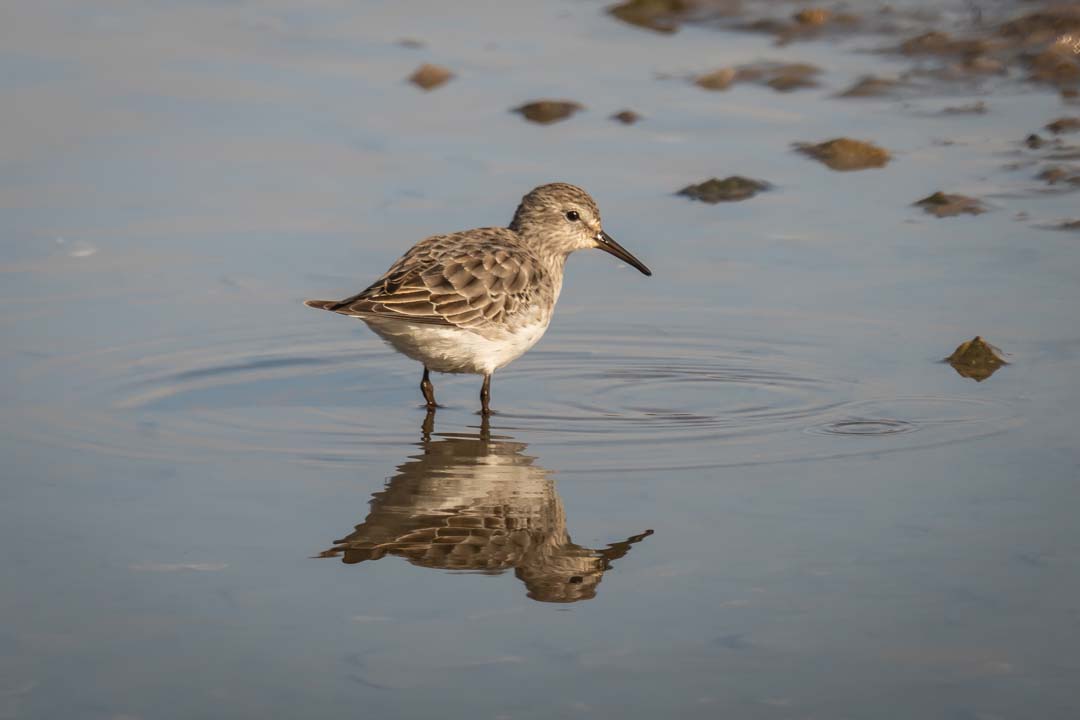
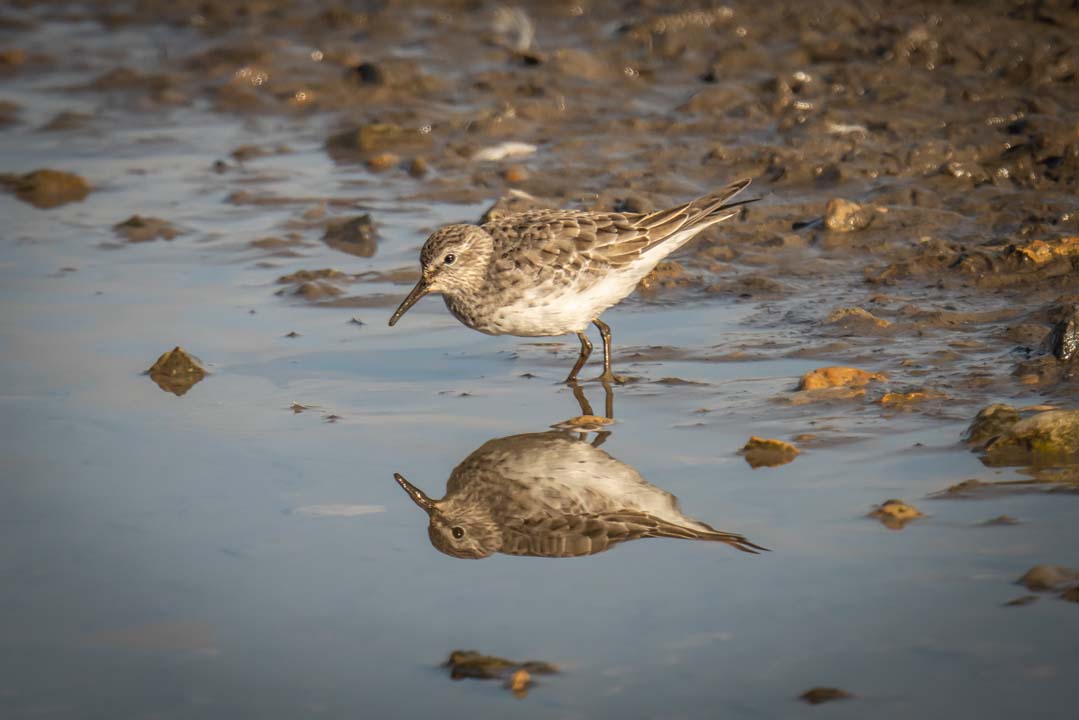
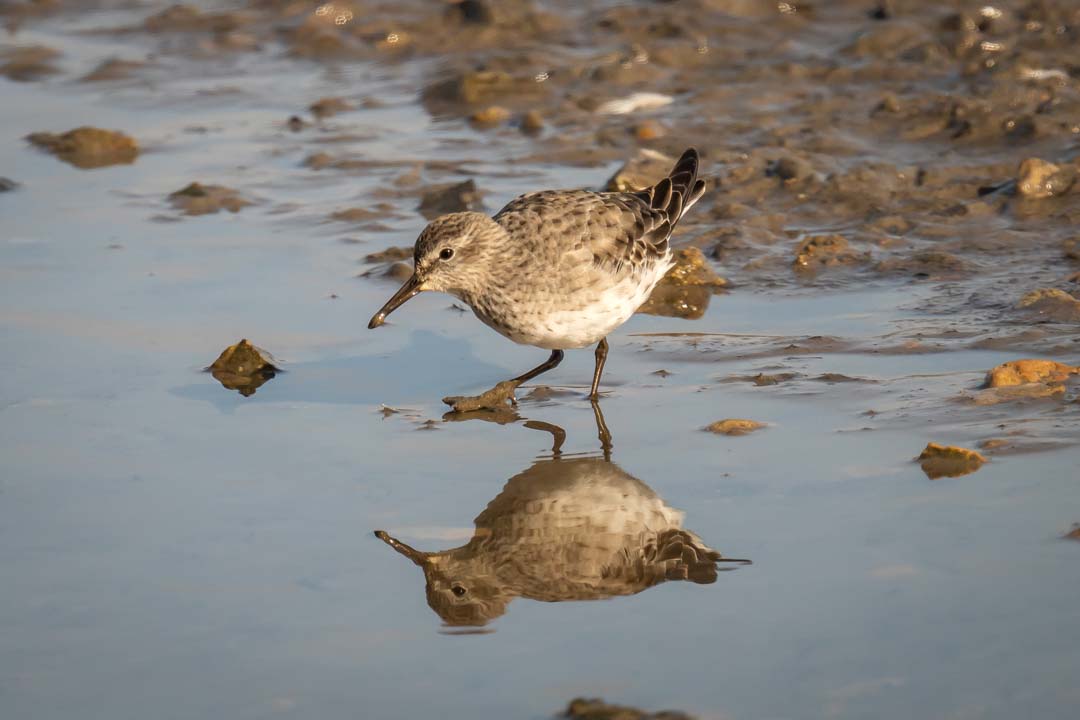
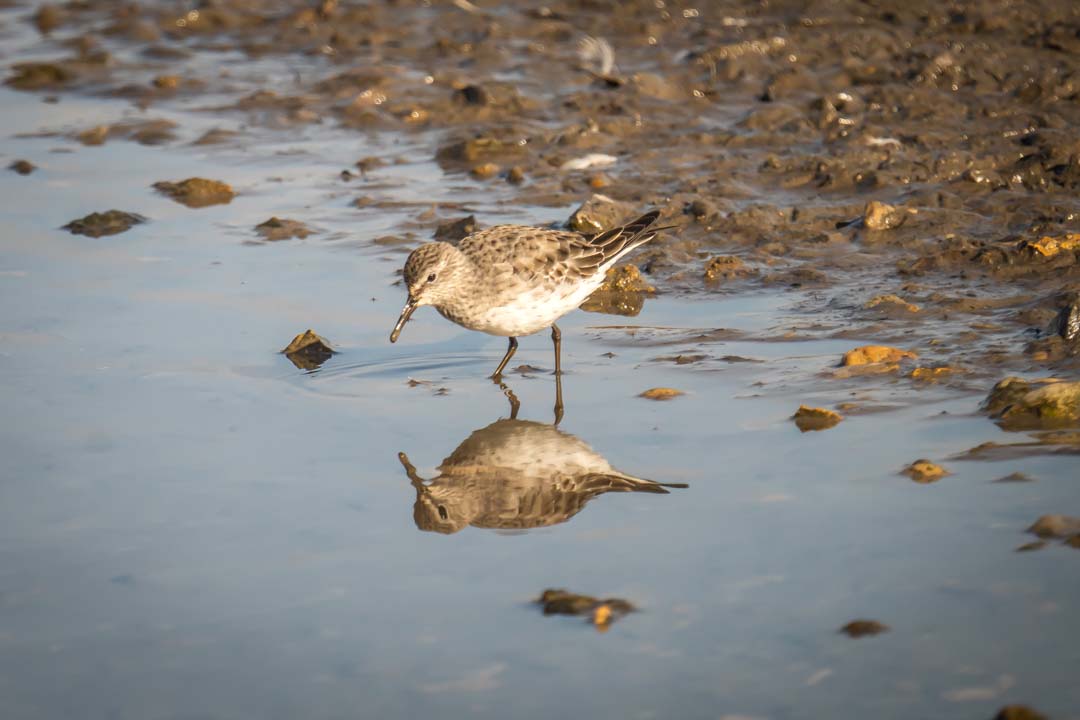
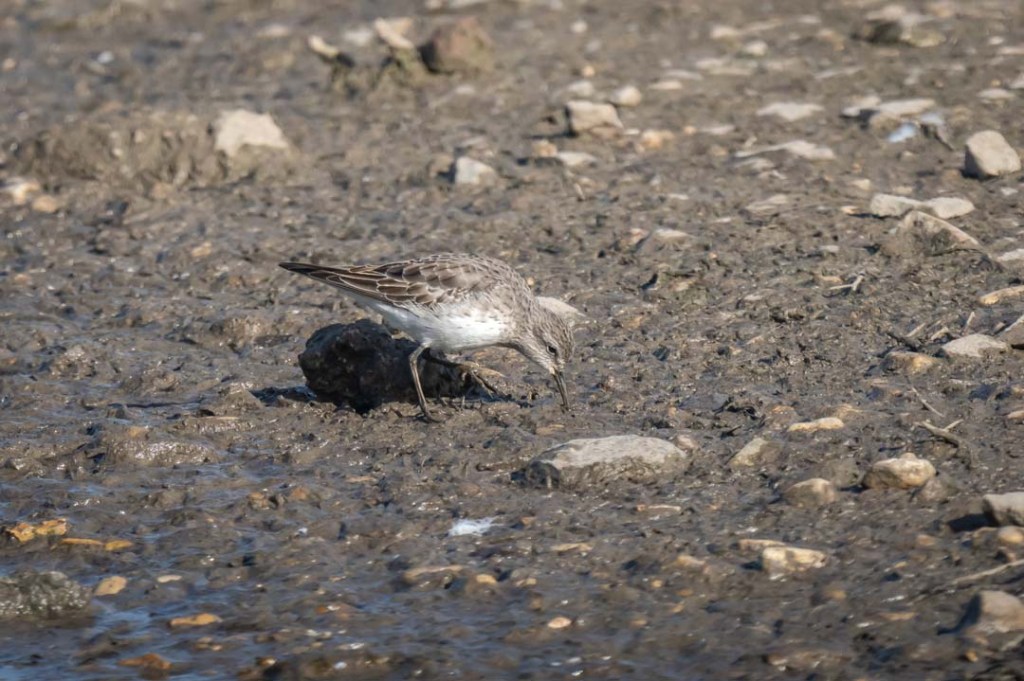
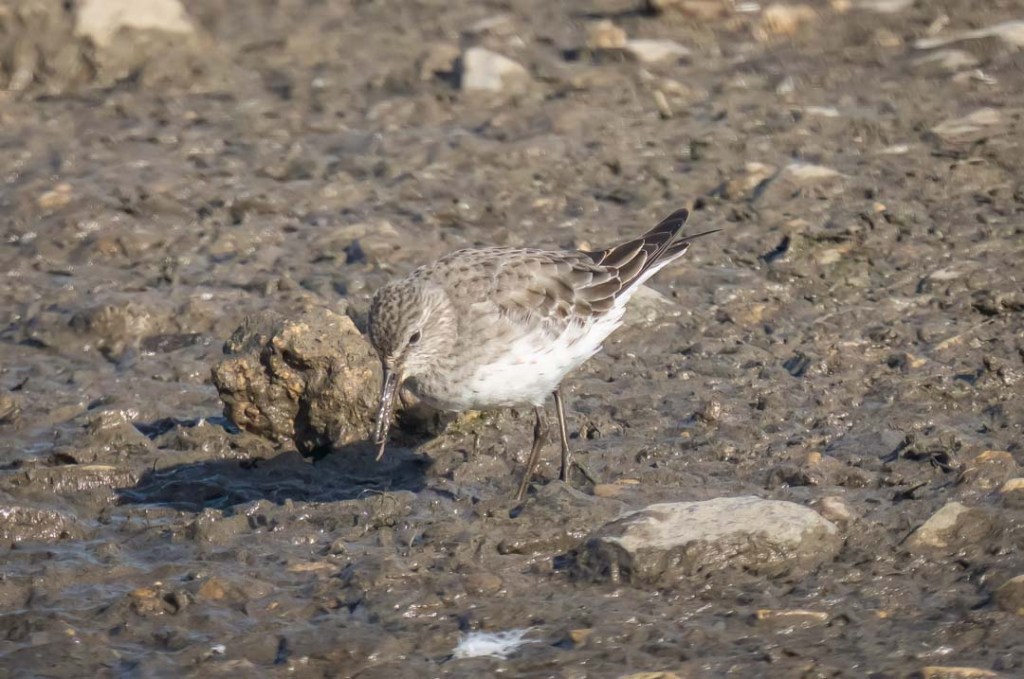
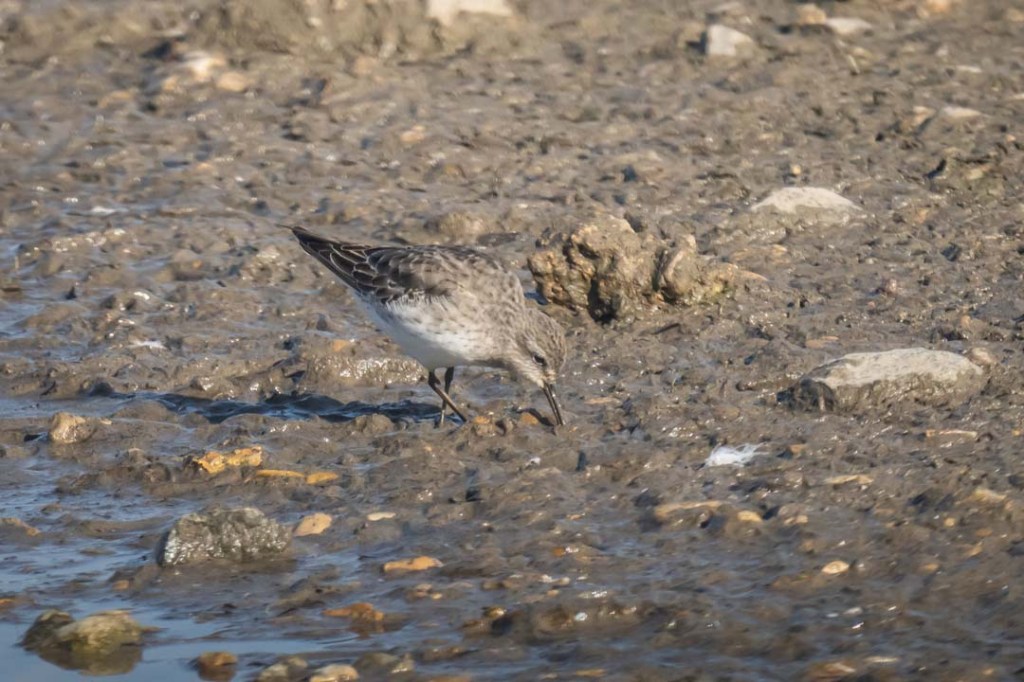
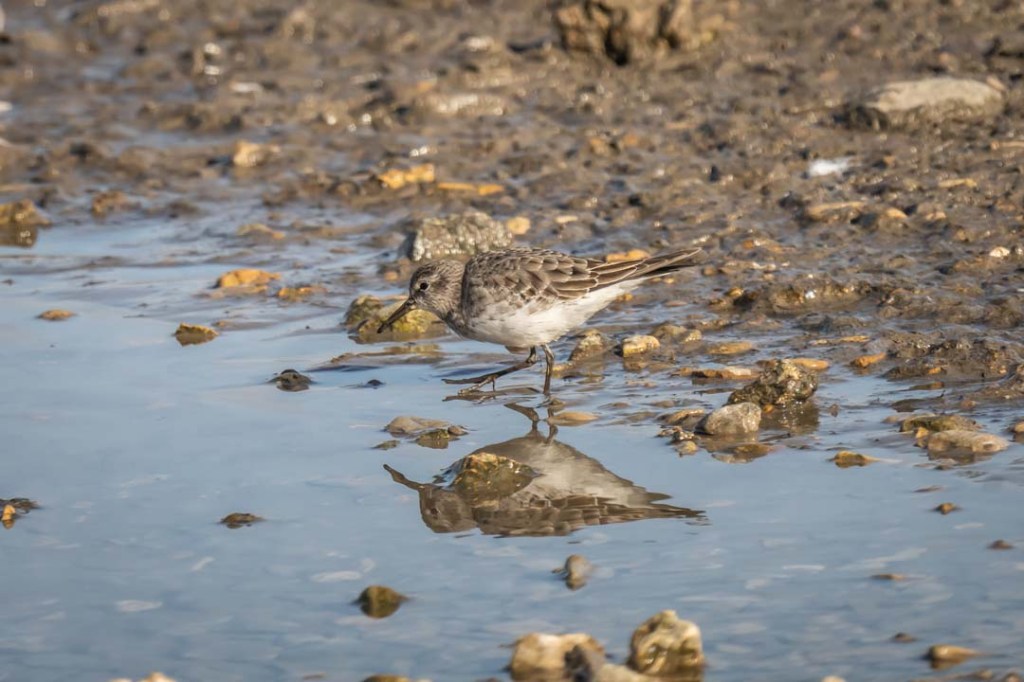
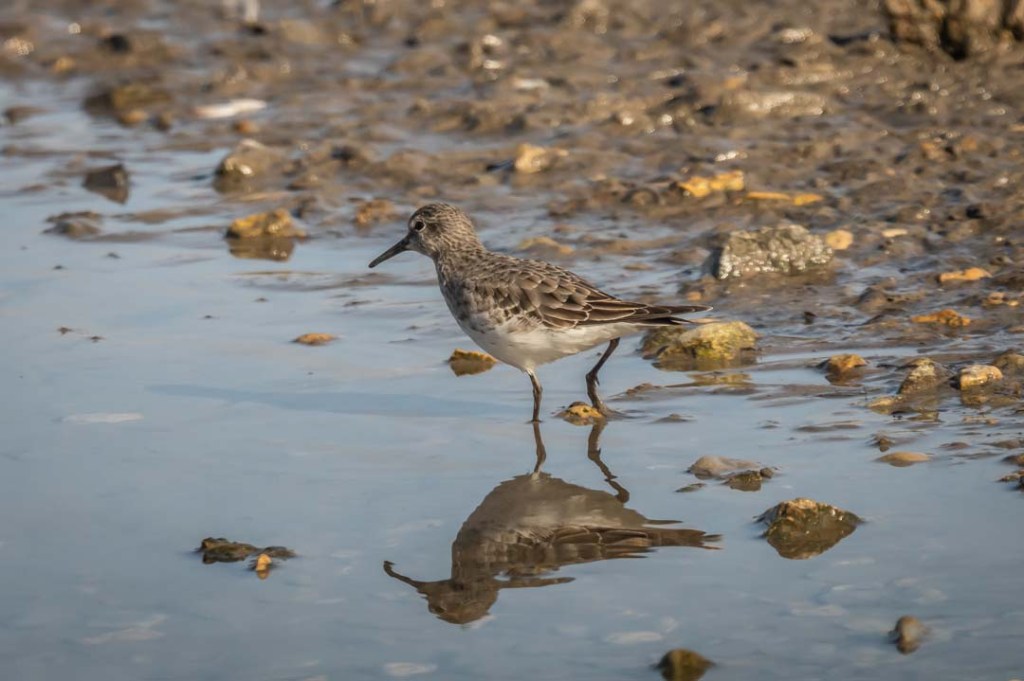
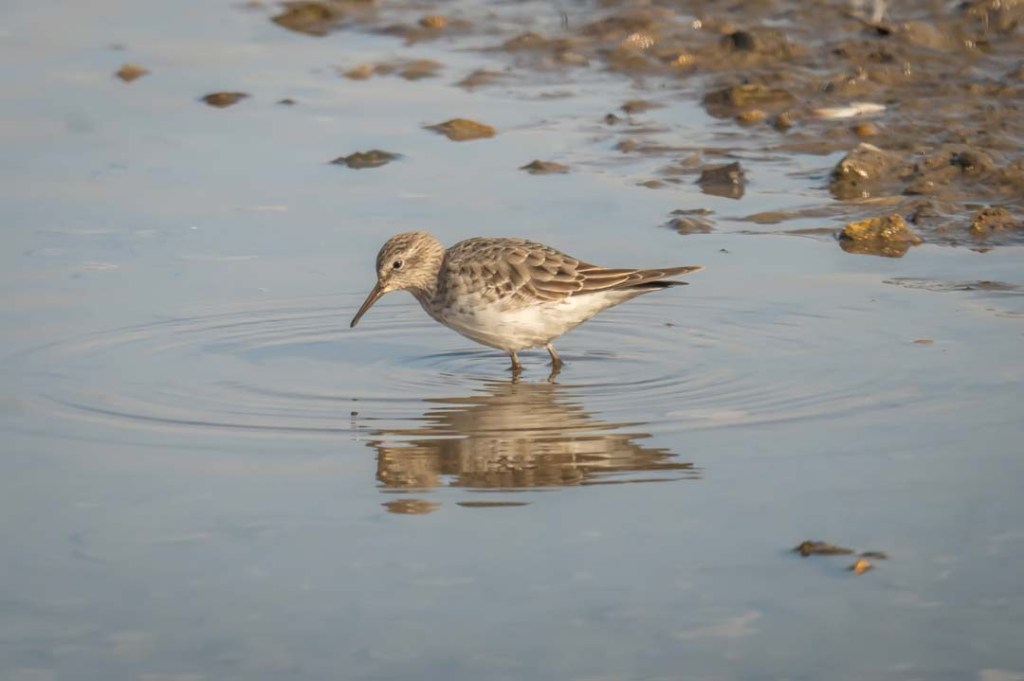
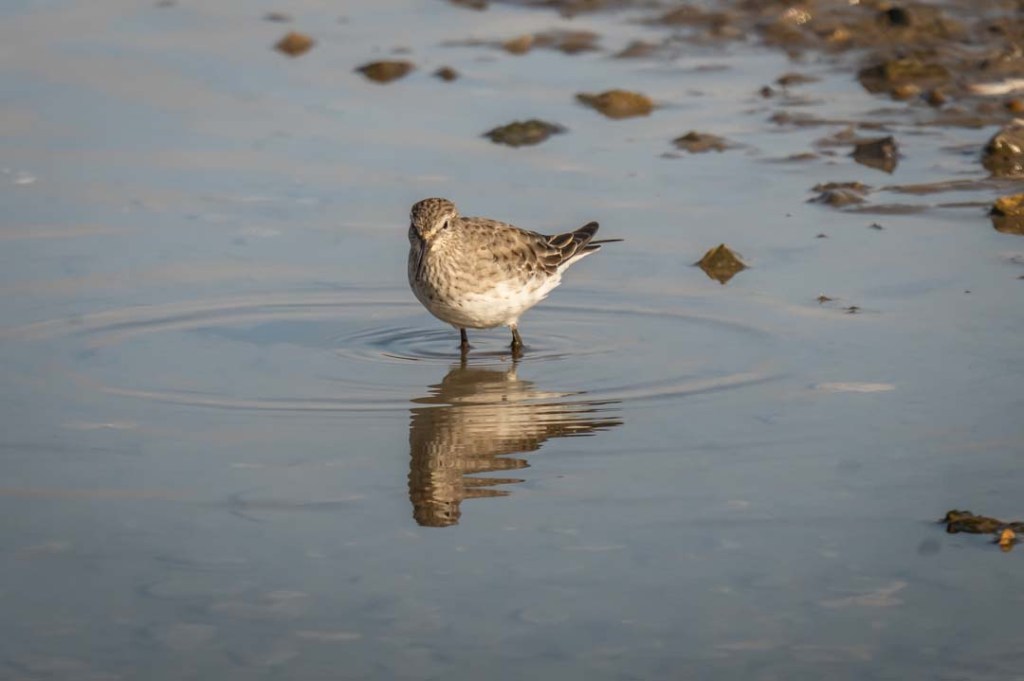
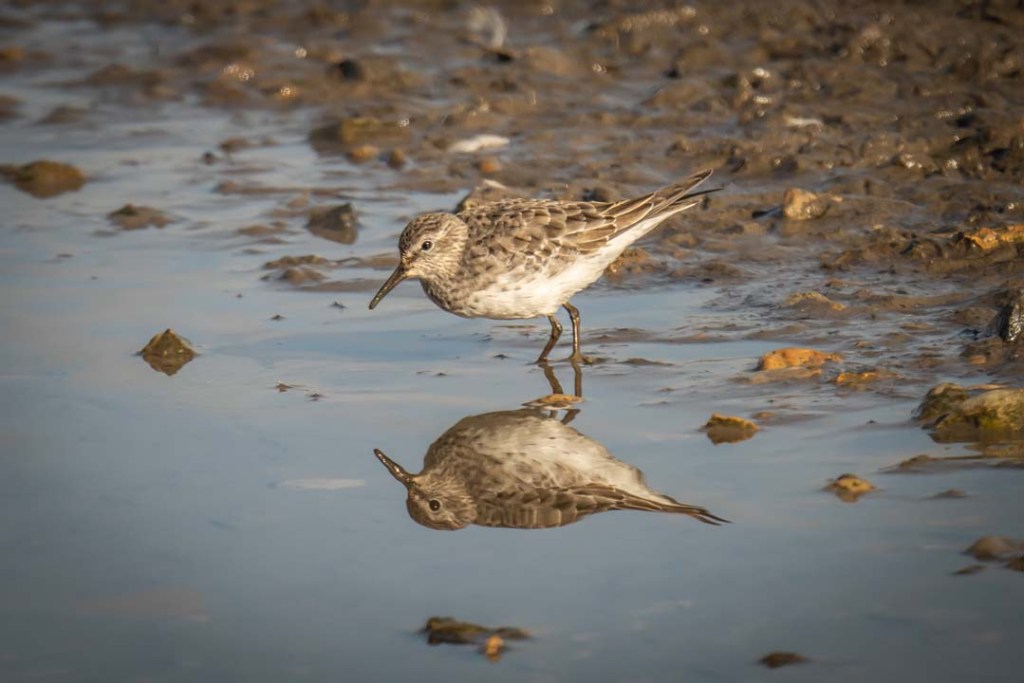
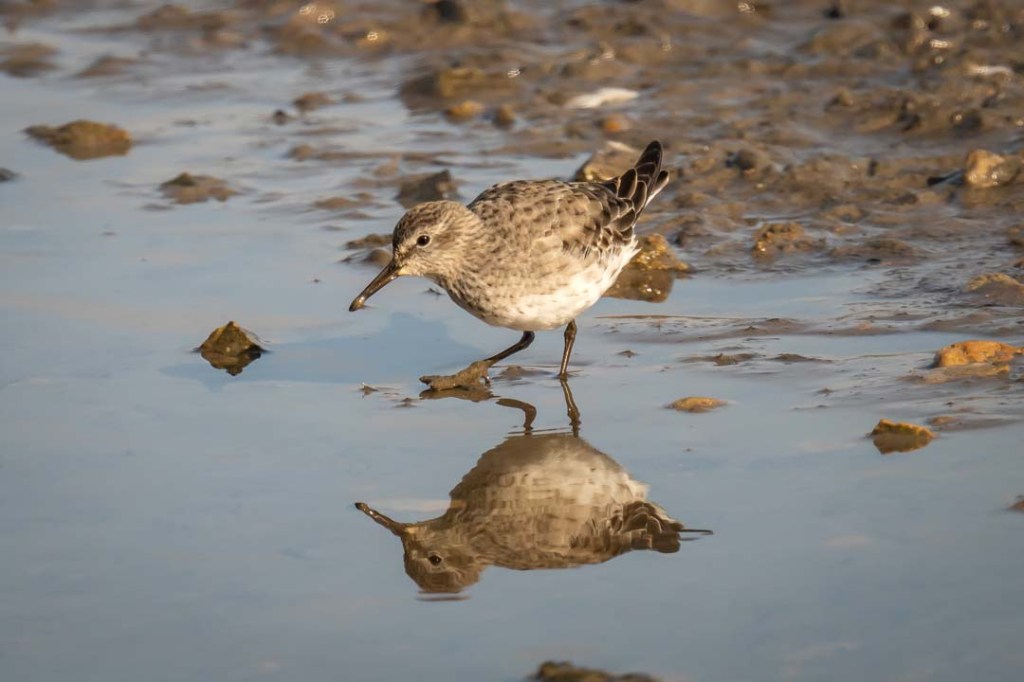
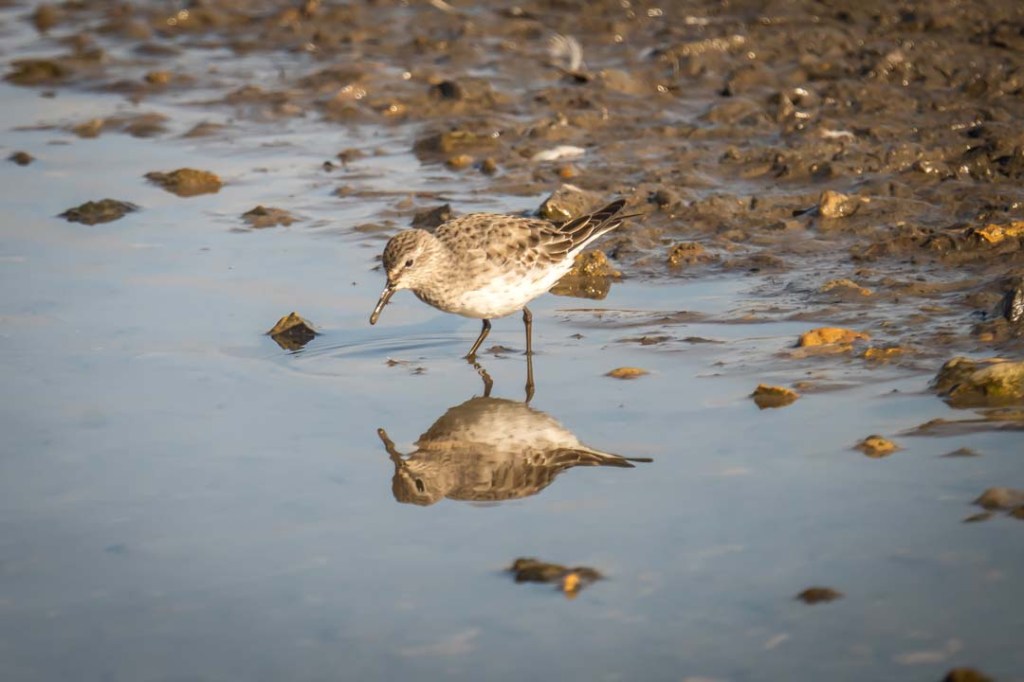
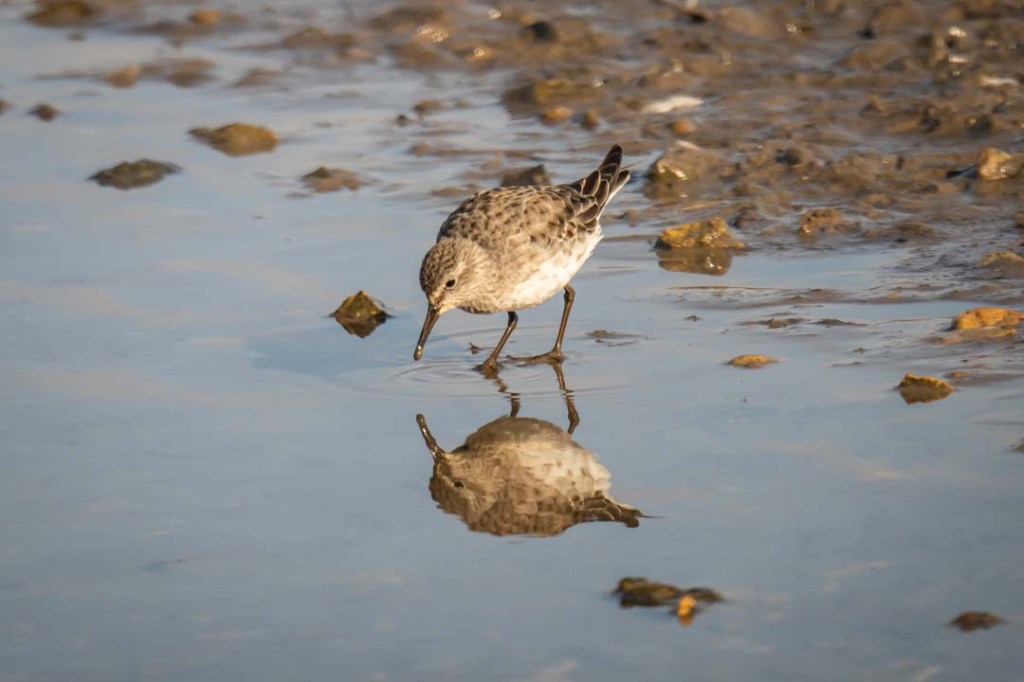
We are regular visitors to Slimbridge but we generally avoid going there during school holidays. However, with a rarity, a White-rumped Sandpiper (an annual visitor to the UK from North America in small numbers), reported there the temptation was too great.
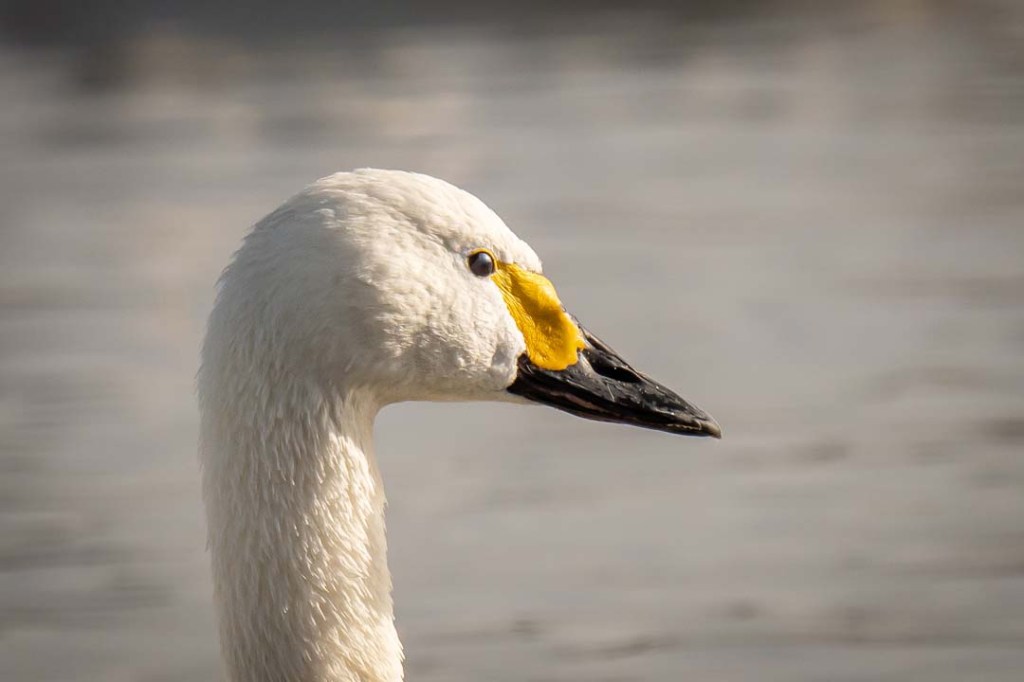
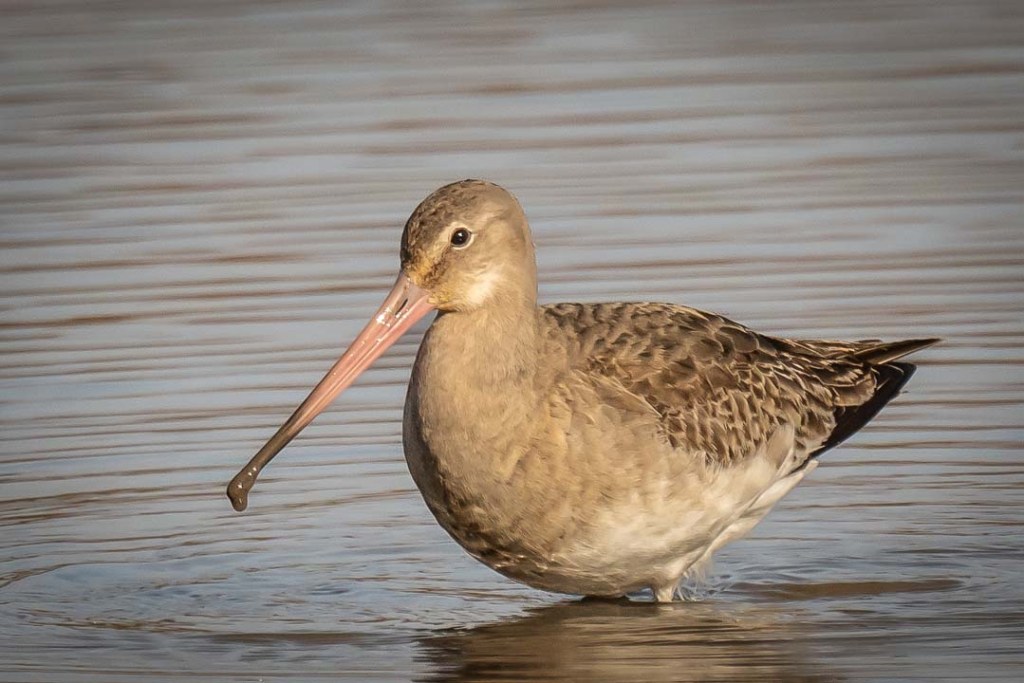
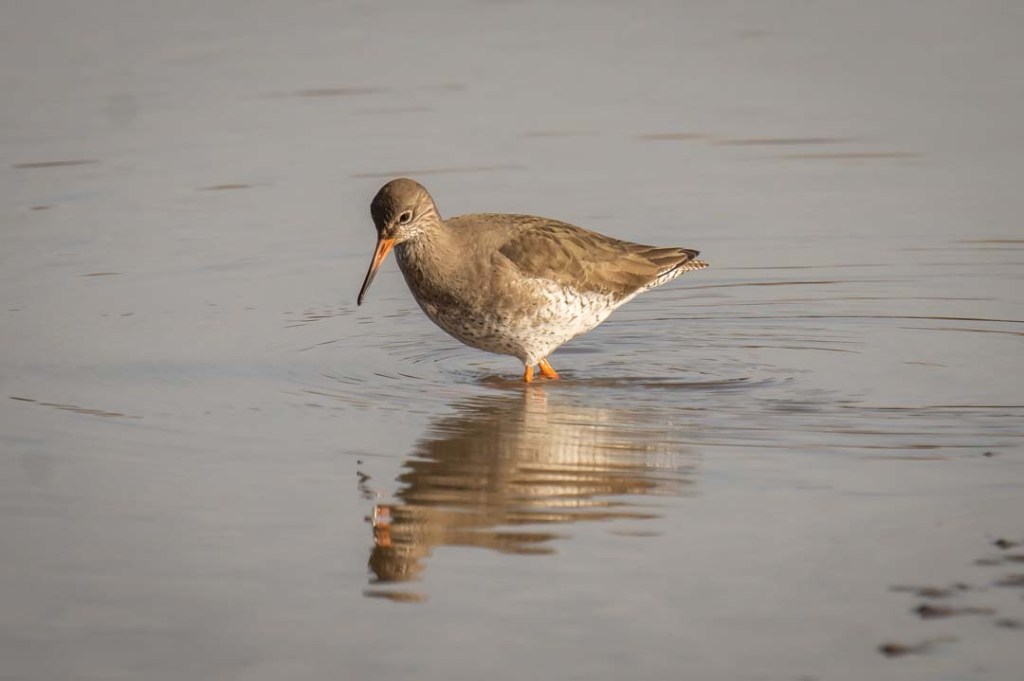
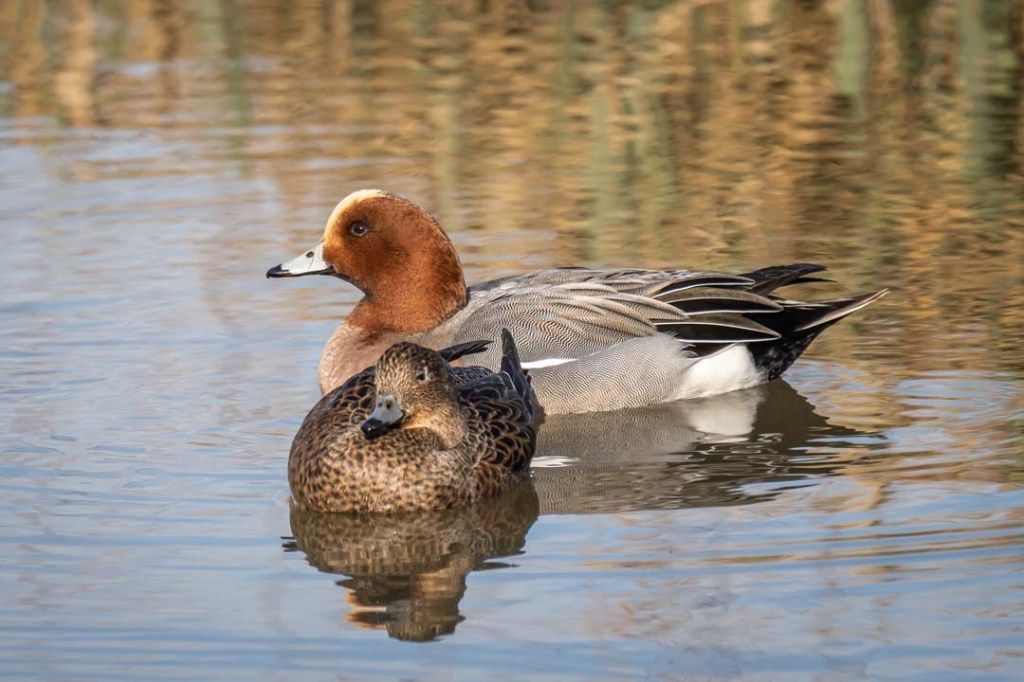
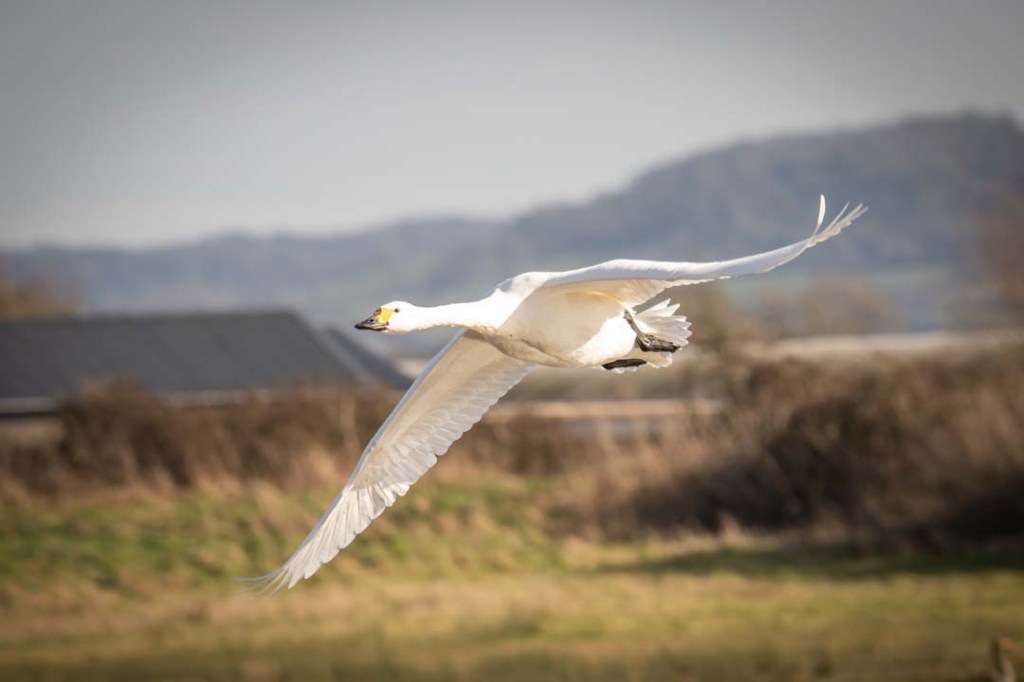
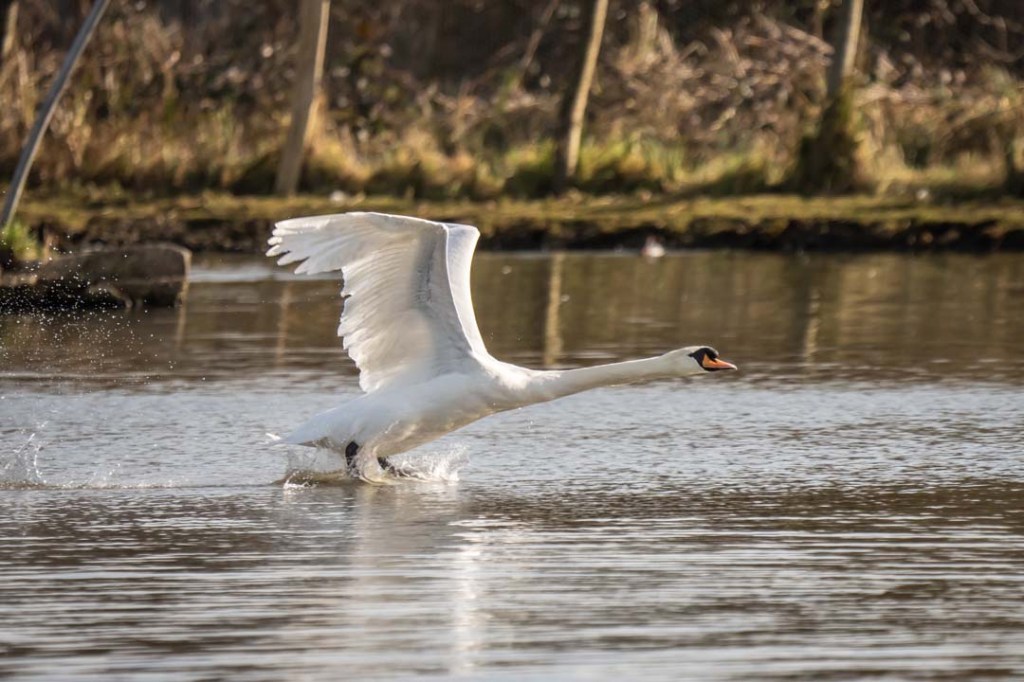
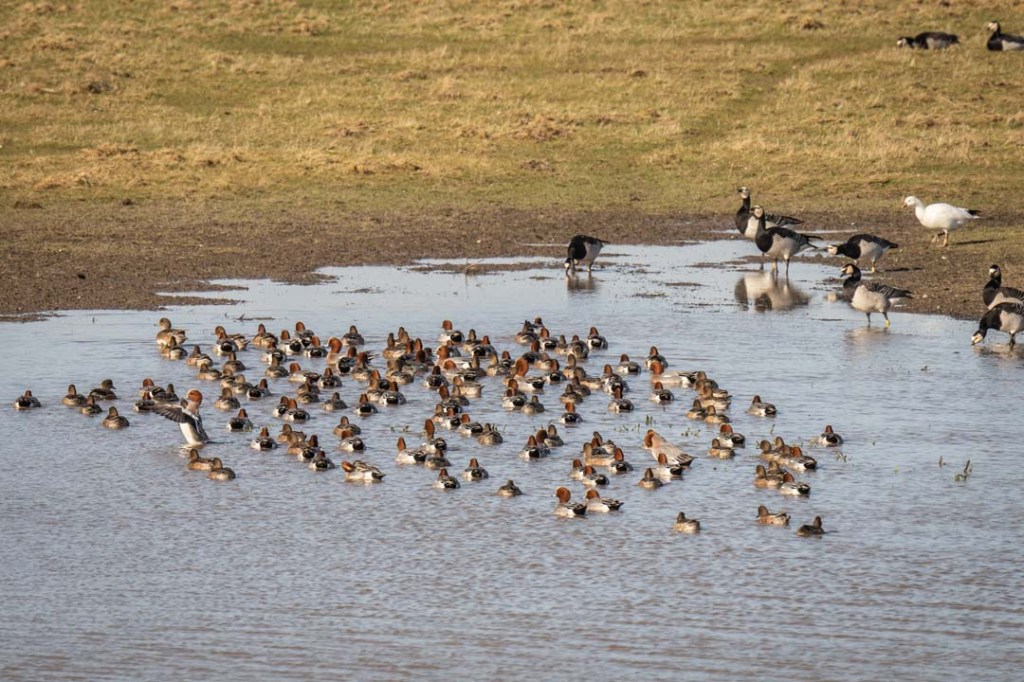
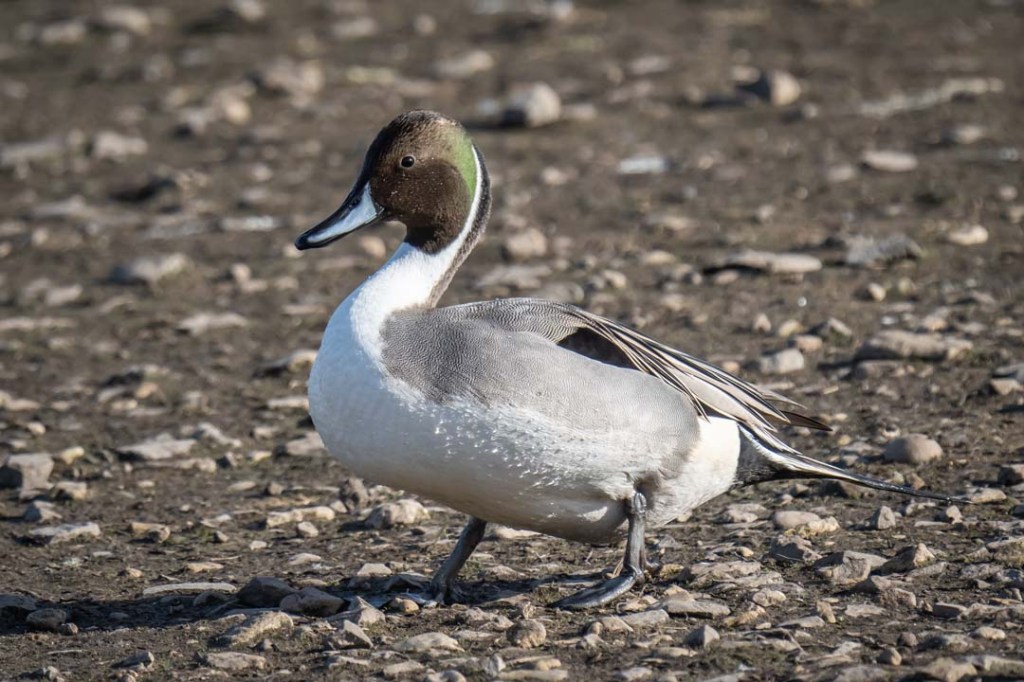
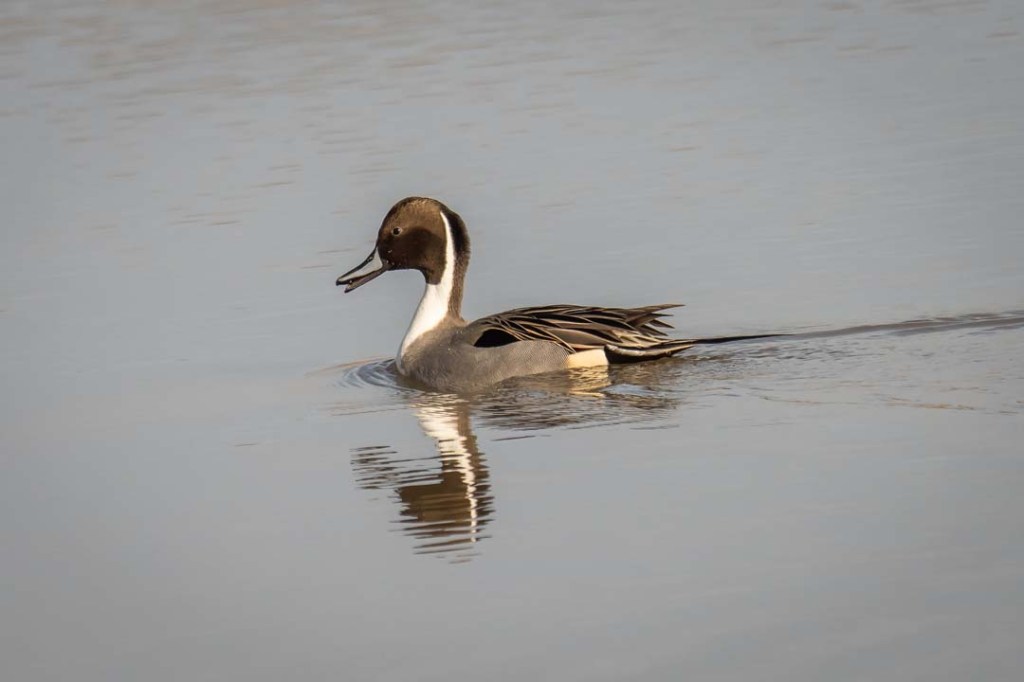
On arriving at the Rushy Pen hide (where it has been reported in recent days) we were quite disappointed that it was nowhere to be seen. Nonetheless, it was a lovely morning and we still enjoyed visiting all the hides on the north side of the reserve. There was plenty to see and a Black-tailed Godwit, a Common Redshank, Northern Pintails and Wigeon all came close. There were also plenty of geese and swans (both Mute and Bewick) flying around to keep me happy snapping away.
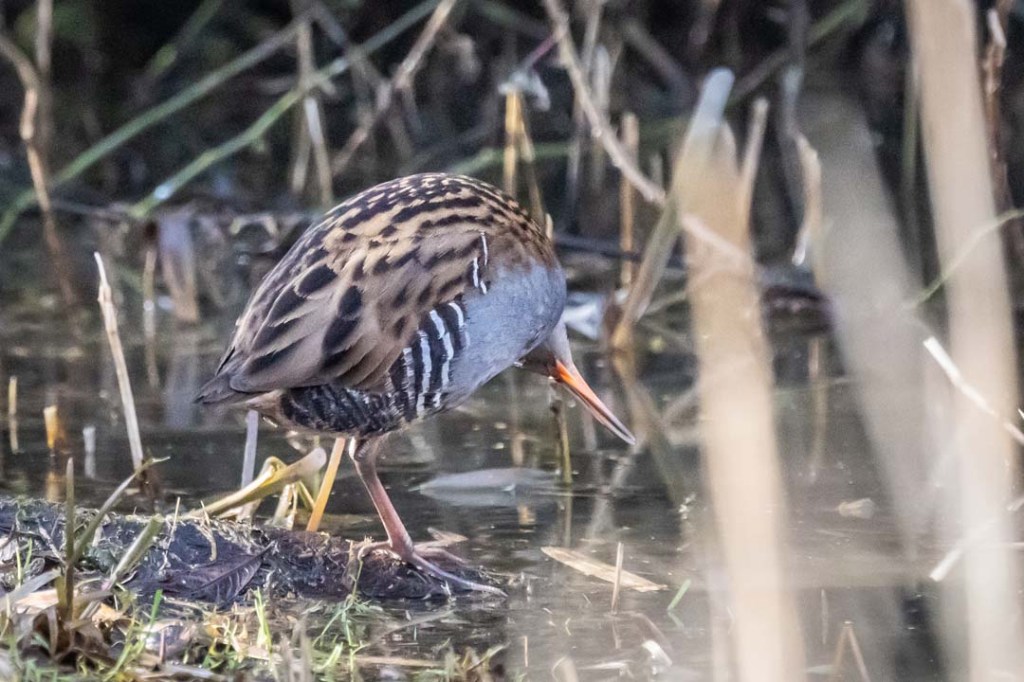
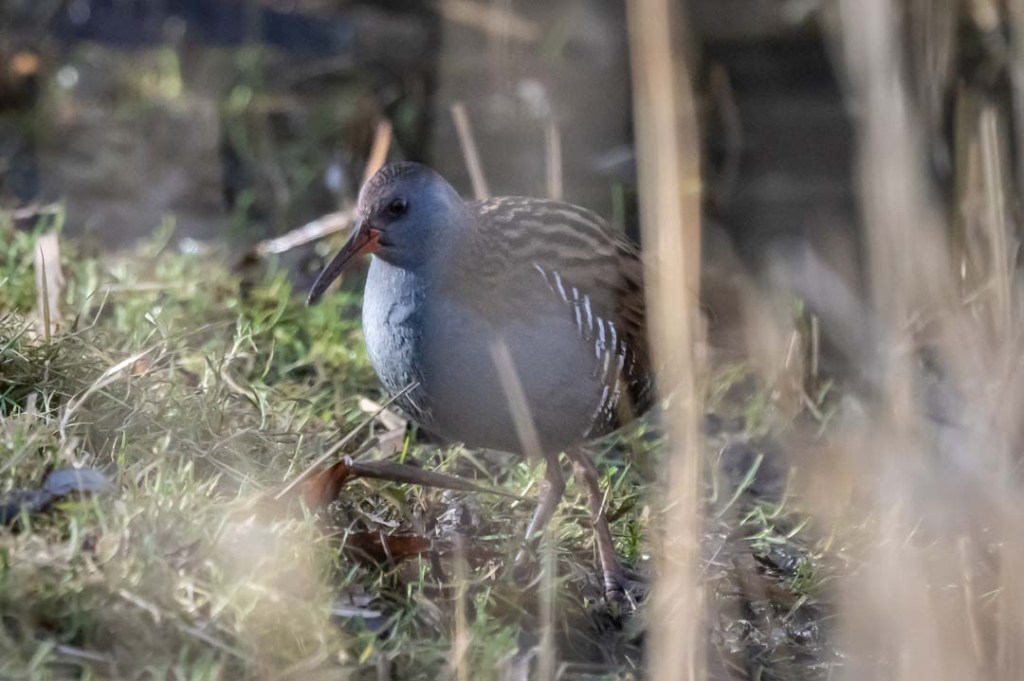
A Water Rail was just a bit too secretive for me to get a good shot.
Water Rail
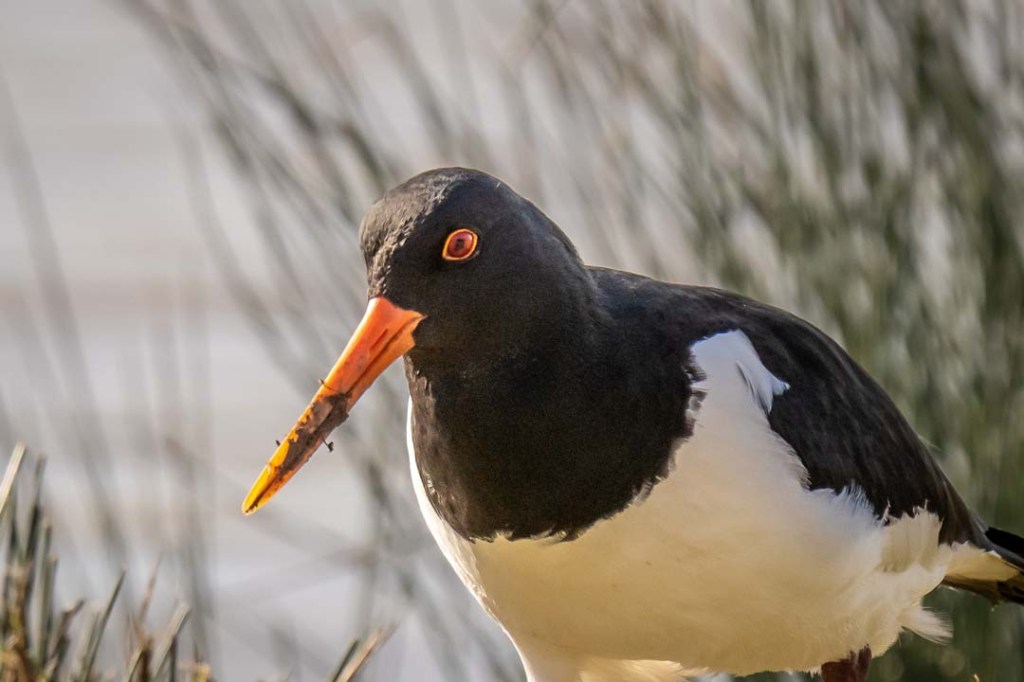
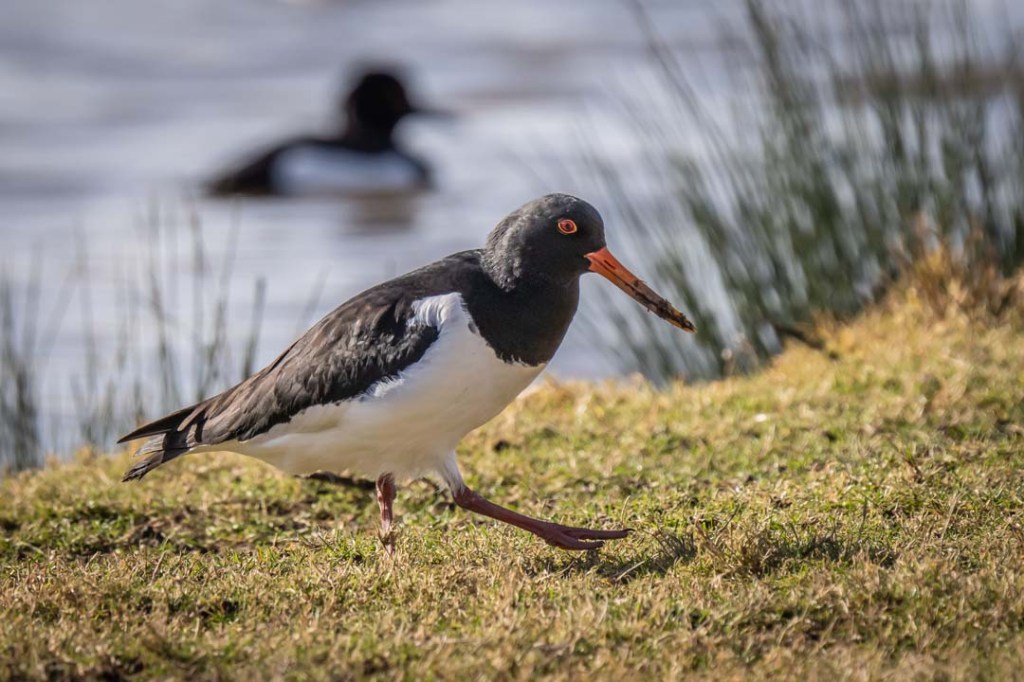
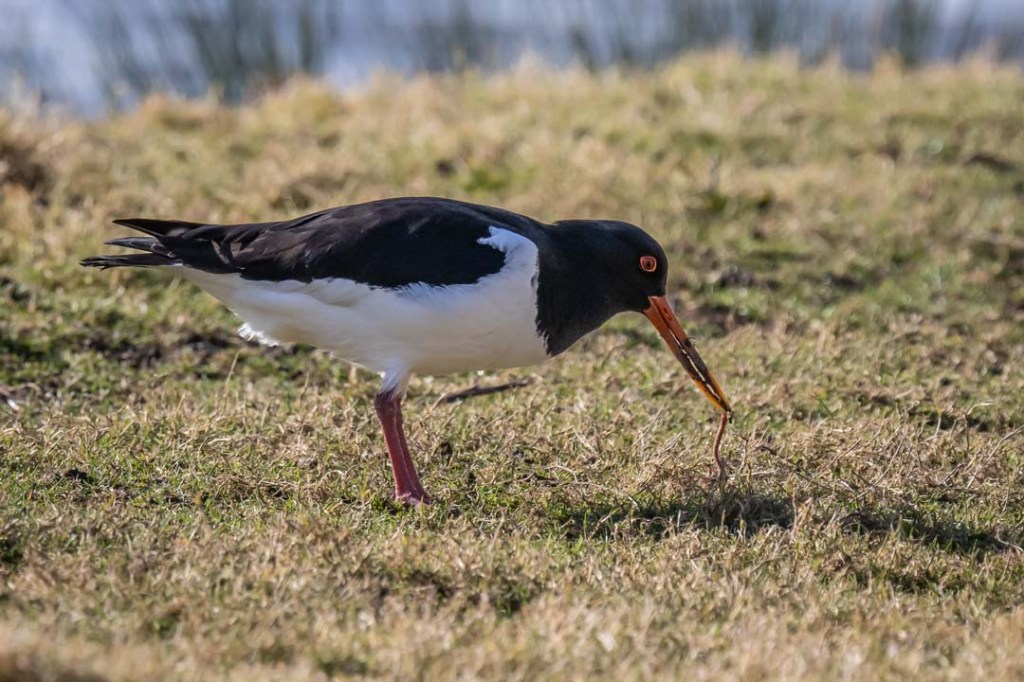
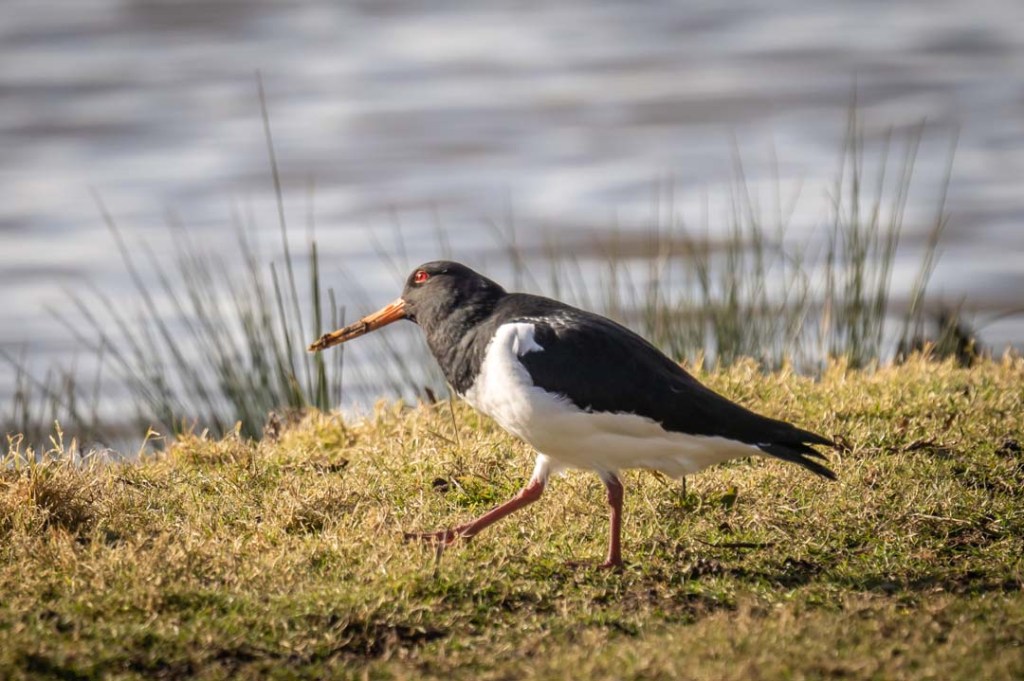
However, there were a couple of Oystercatcher very close up.
OystercatcherOystercatcher with worm
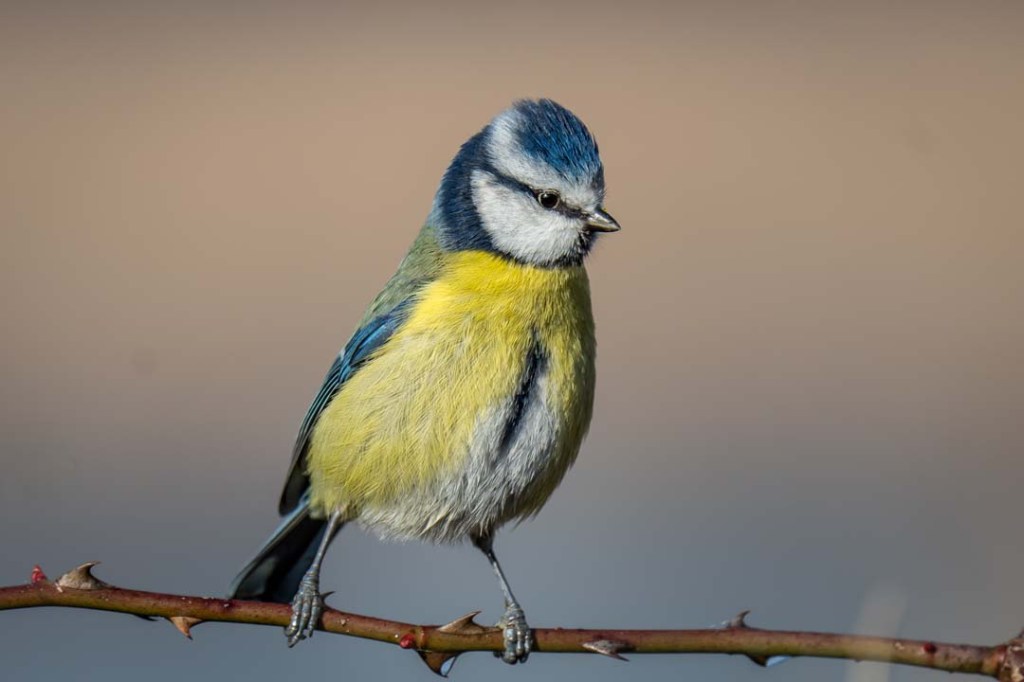
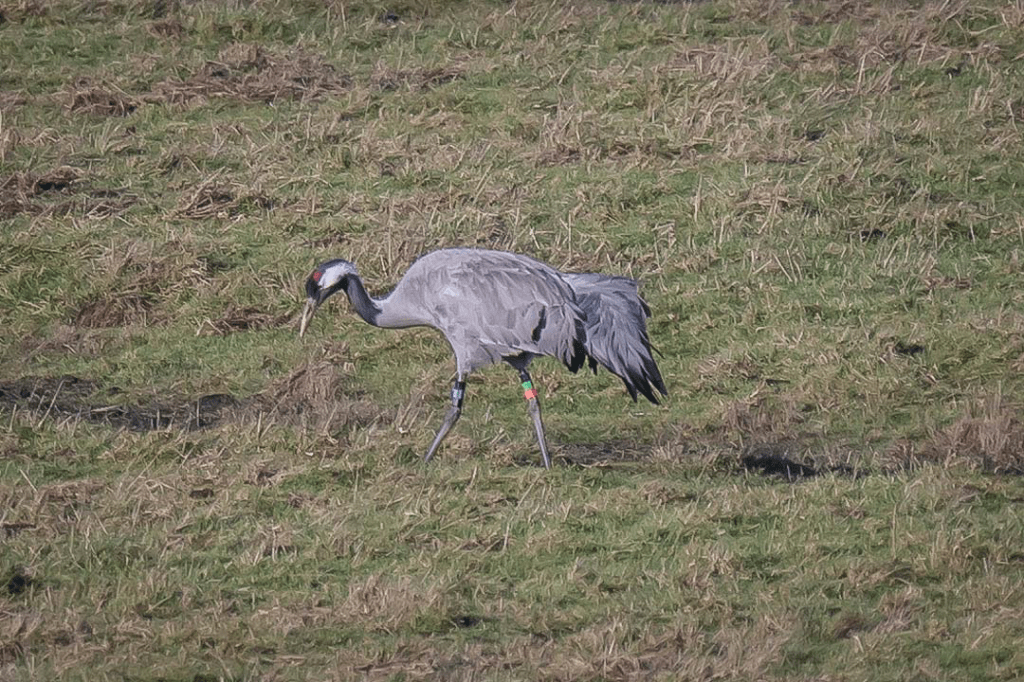
From the Tower hide, as well as lots of waterfowl, geese and swans, we could see Common Cranes. There was also a Sparrowhawk perched in the hedge in front of the hide and Blue Tits and Great Tits were very pluckily trying to mob it.
Sparrowhawk
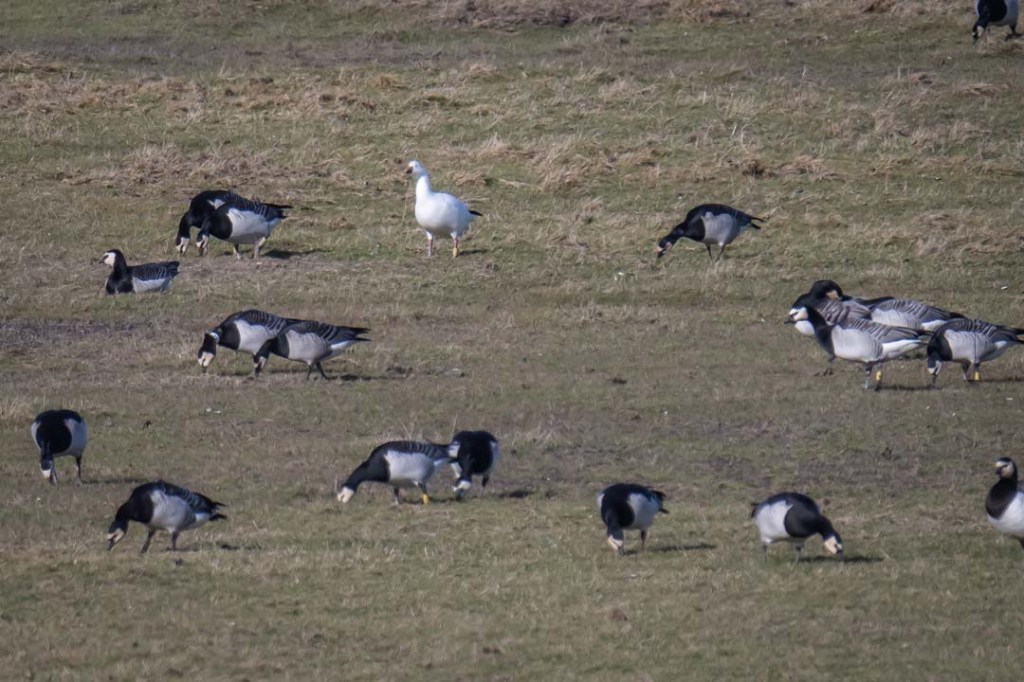
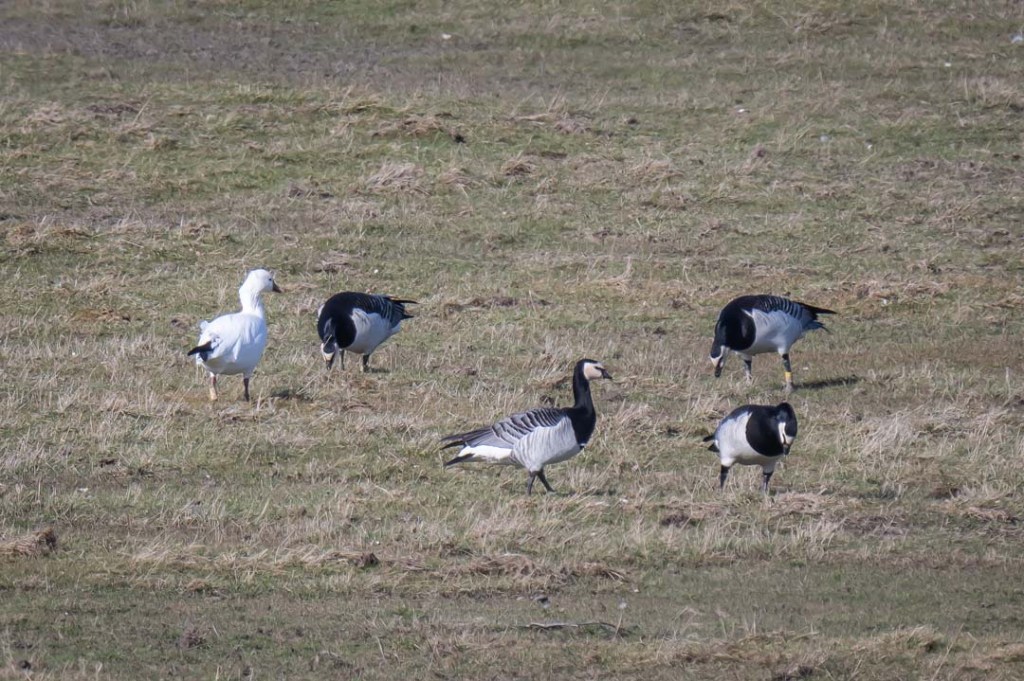
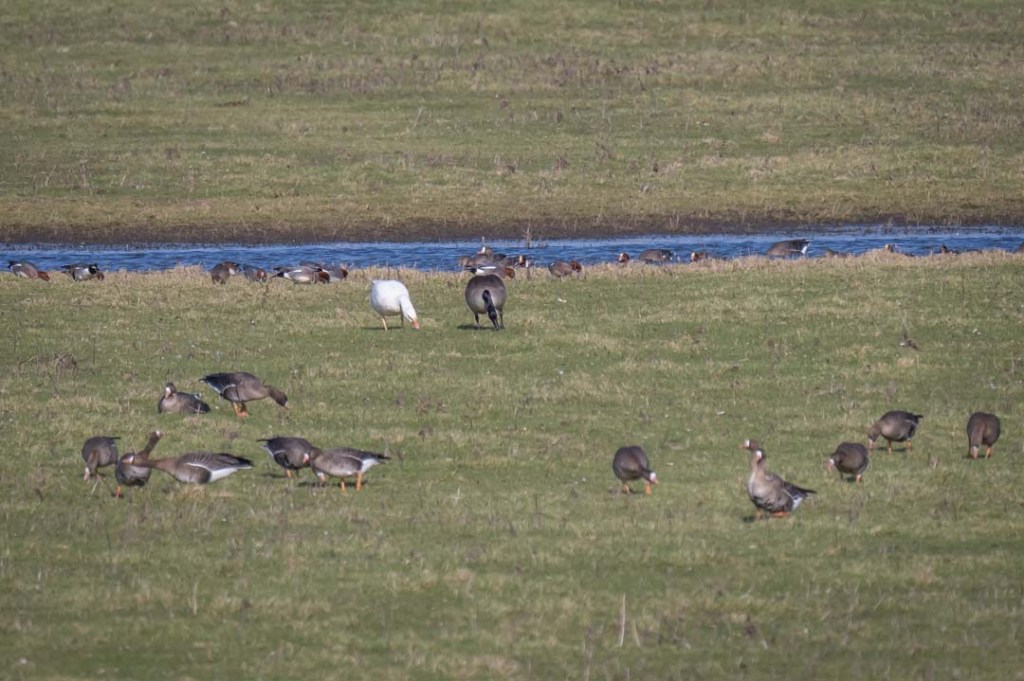
There was a Snow Goose amongst the Barnacle Geese and I presume what I thought was a Ross’s Goose on our last visit probably was the same Snow Goose.
There was another white goose in the distance with some White fronted Geese but I couldn’t see it clearly.
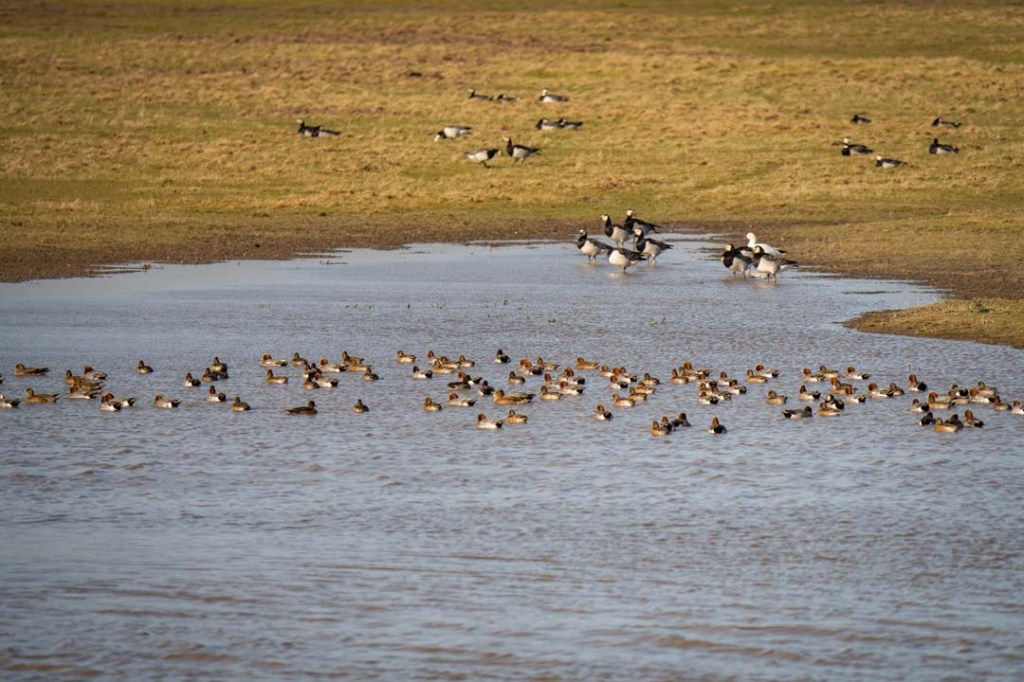
Snow Goose amongst Barnacle GeeseWigeon (with Snow Goose top right)
As we were making our way back to the car park we had to pass the Rushy Pen hide and from all the commotion it was clear that there was something special there. I could hardly get into the hide but from about the third row back I could still see the White-rumped Sandpiper, in all its glory right in front of the hide.
Gallery of White-rumped Sandpiper:
Stepping in fox poo on my way out this morning was clearly a lucky omen!
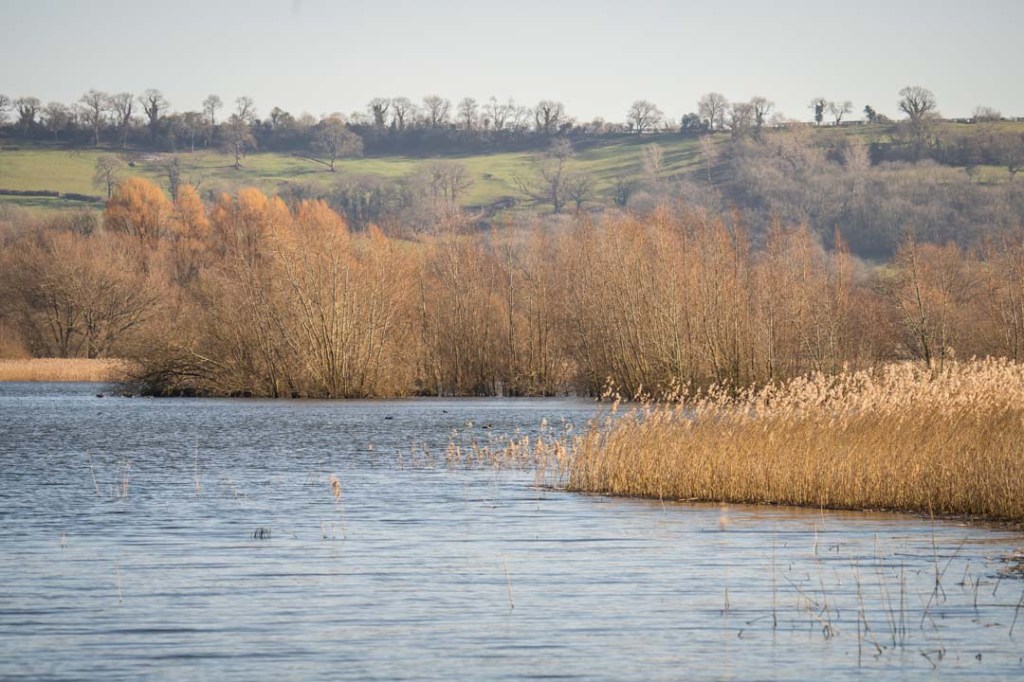
A beautiful day to visit Chew Valley Lake just south of Bristol. The water level was very high and it didn’t look very inspiring when we looked out from the Stratford hide.
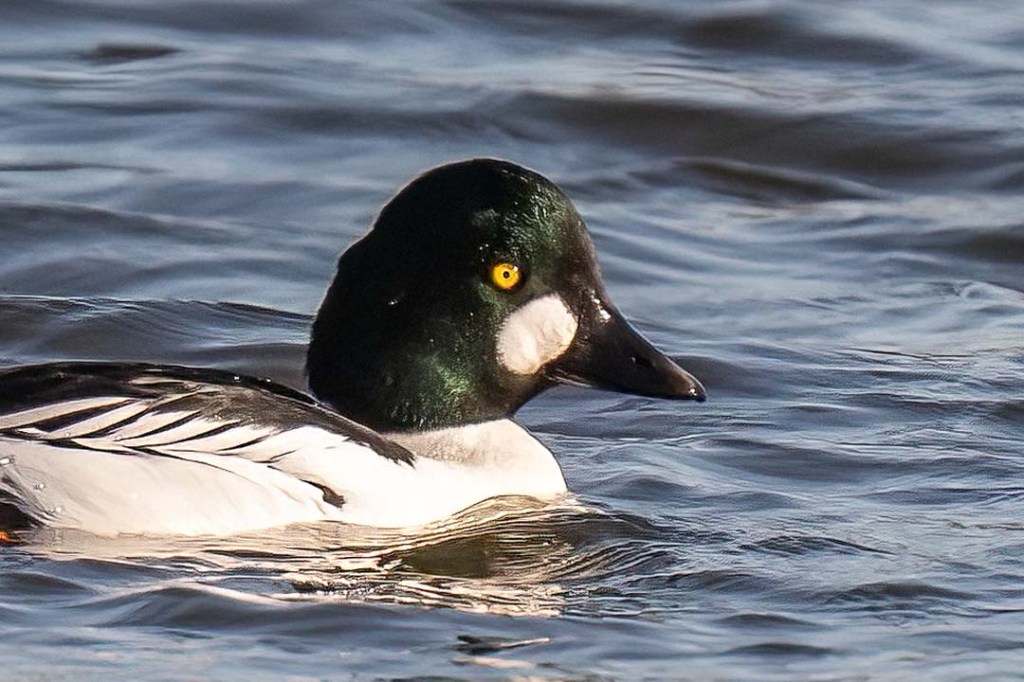
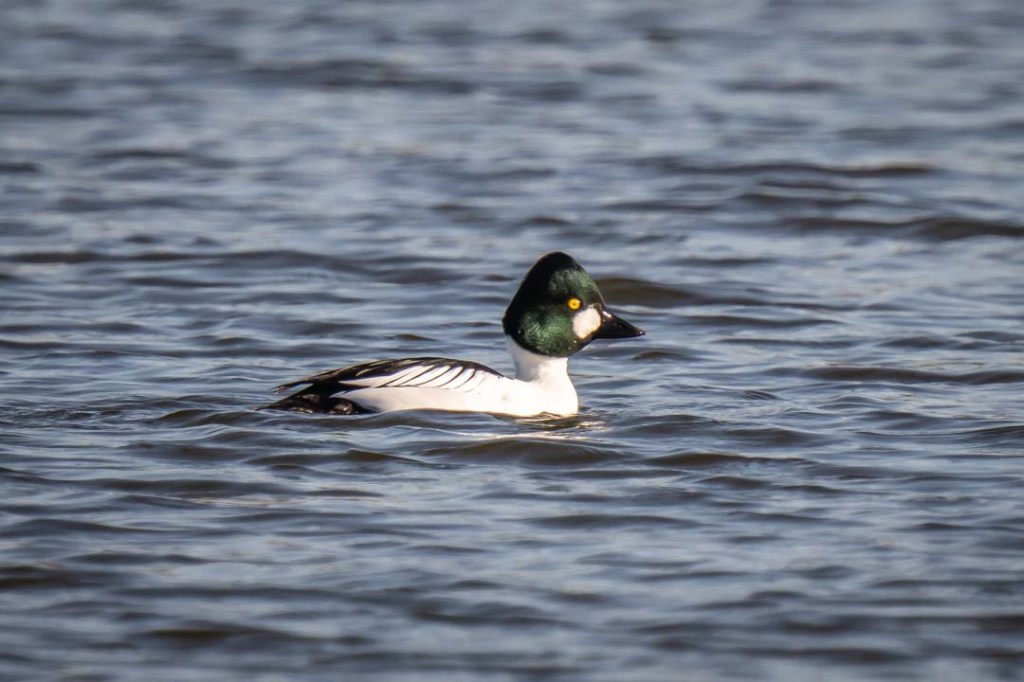
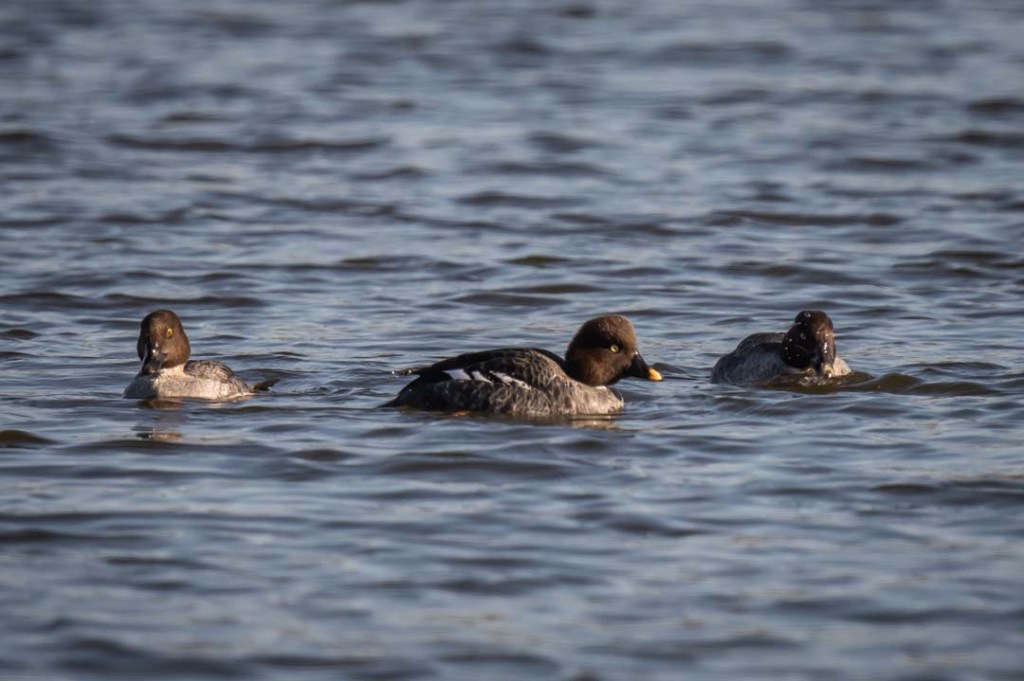
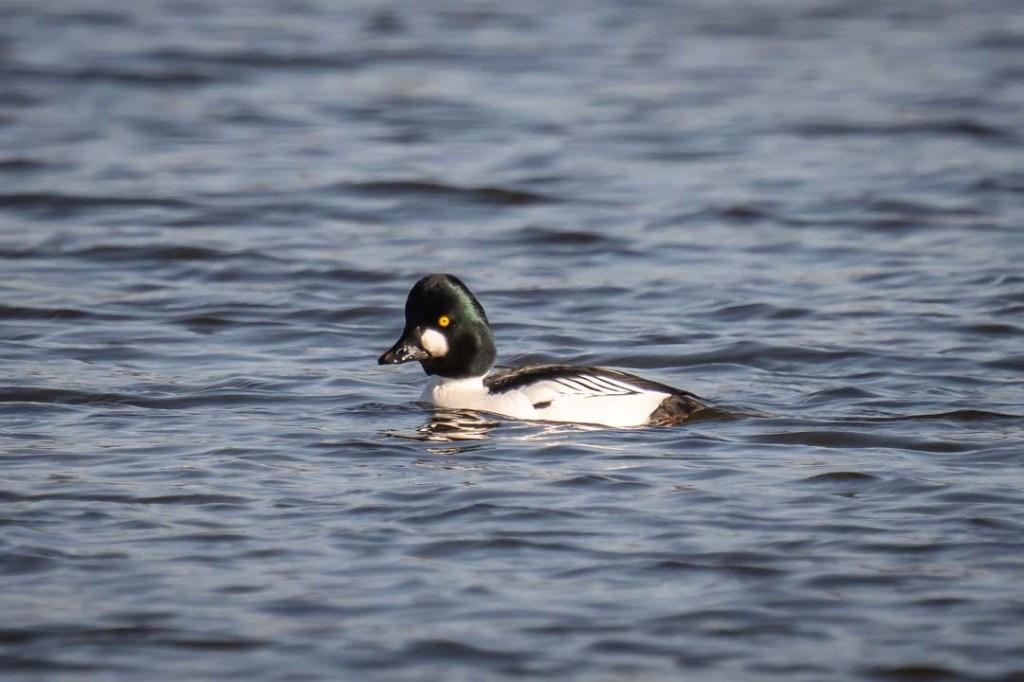
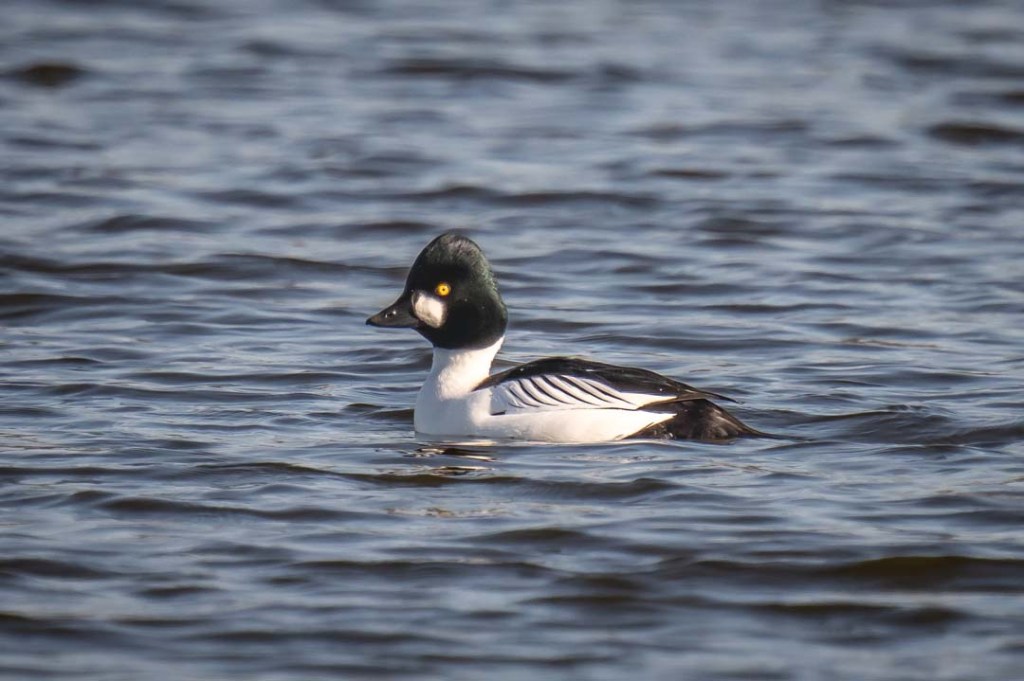
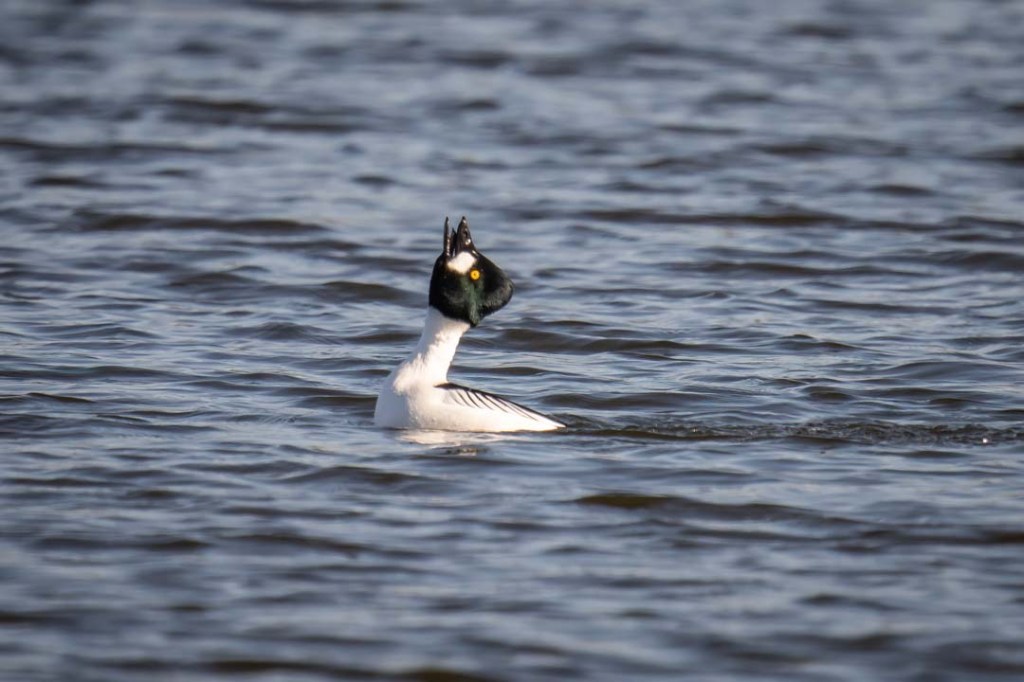
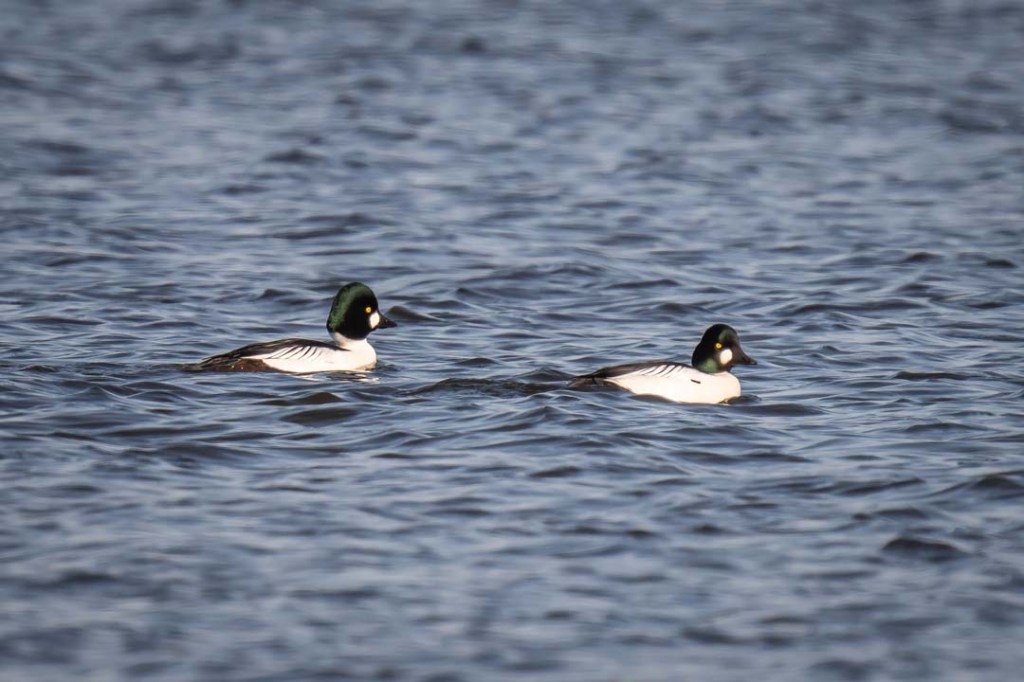
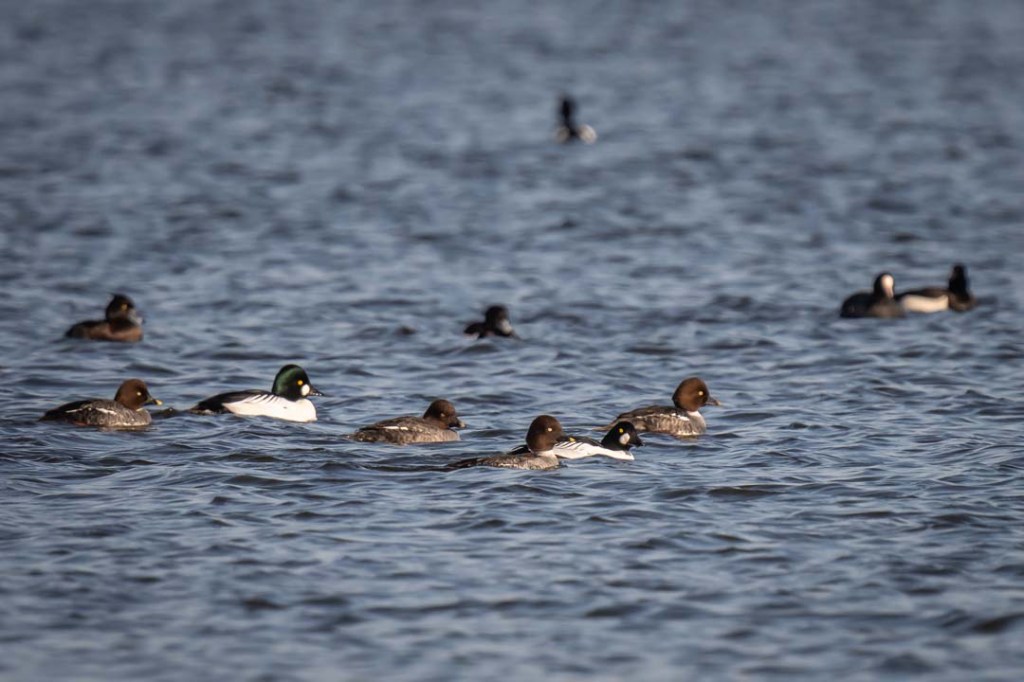
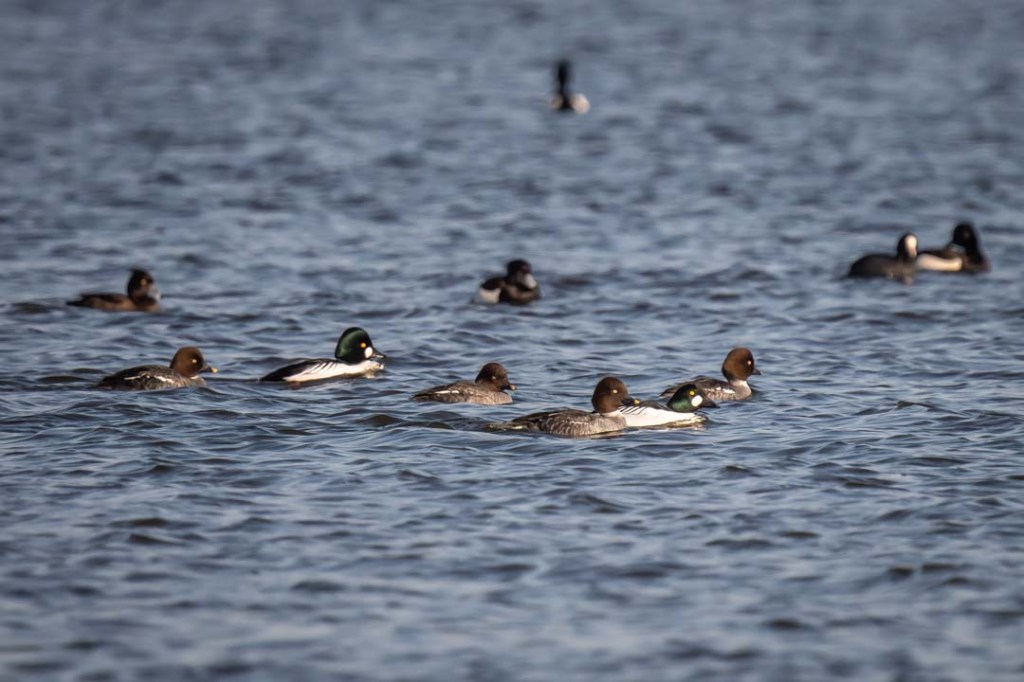
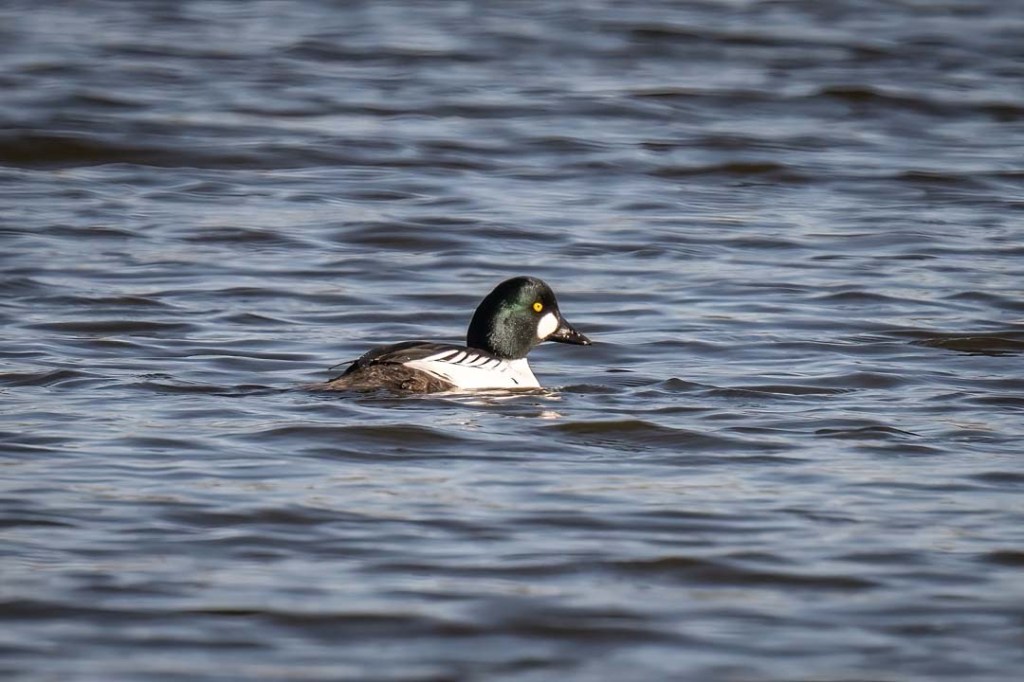
Until, that is, a group of 8 Goldeneye came into view.
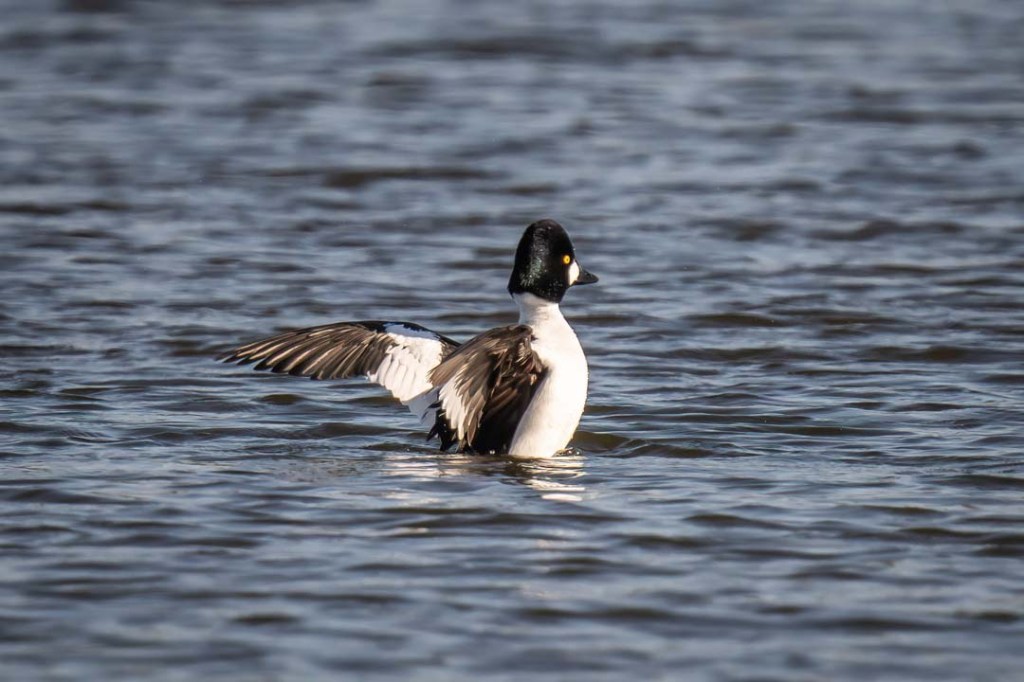
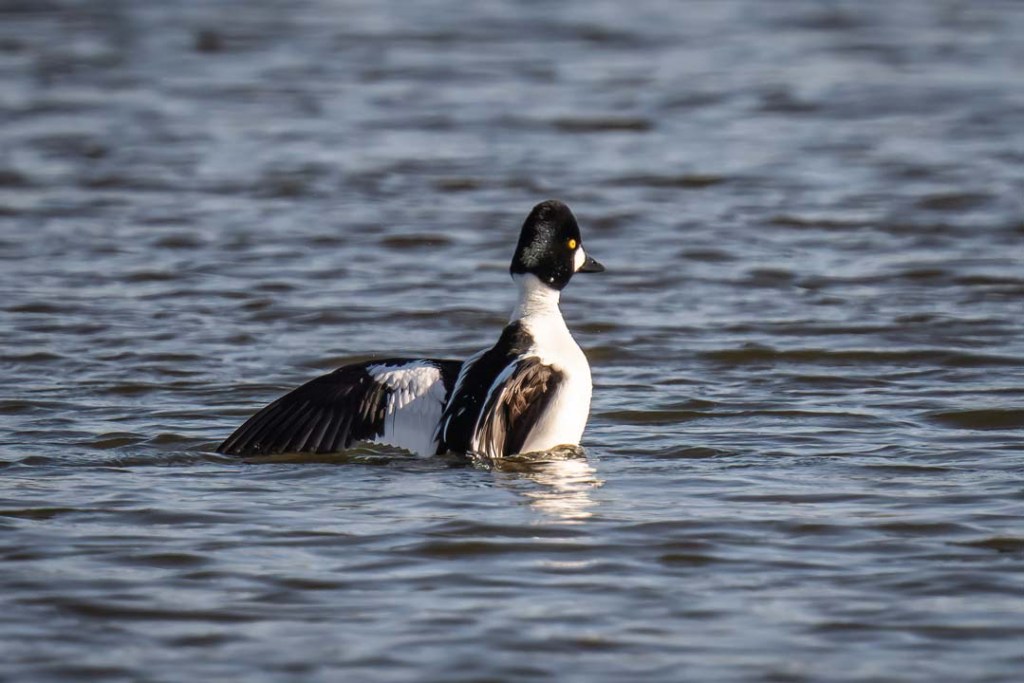
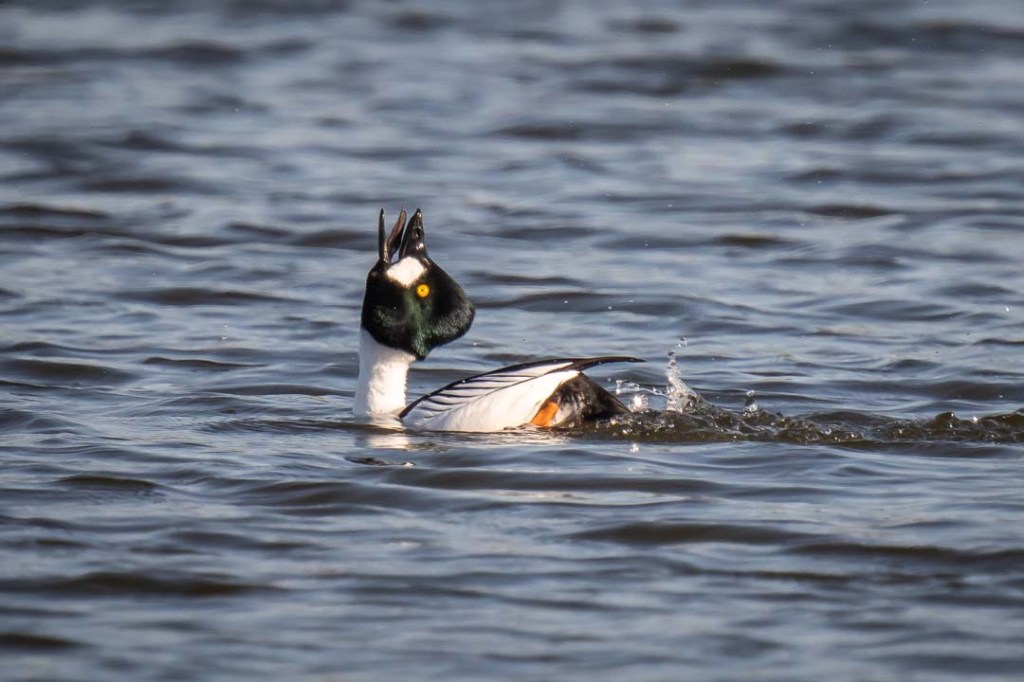
Male GoldeneyeFemale Goldeneye
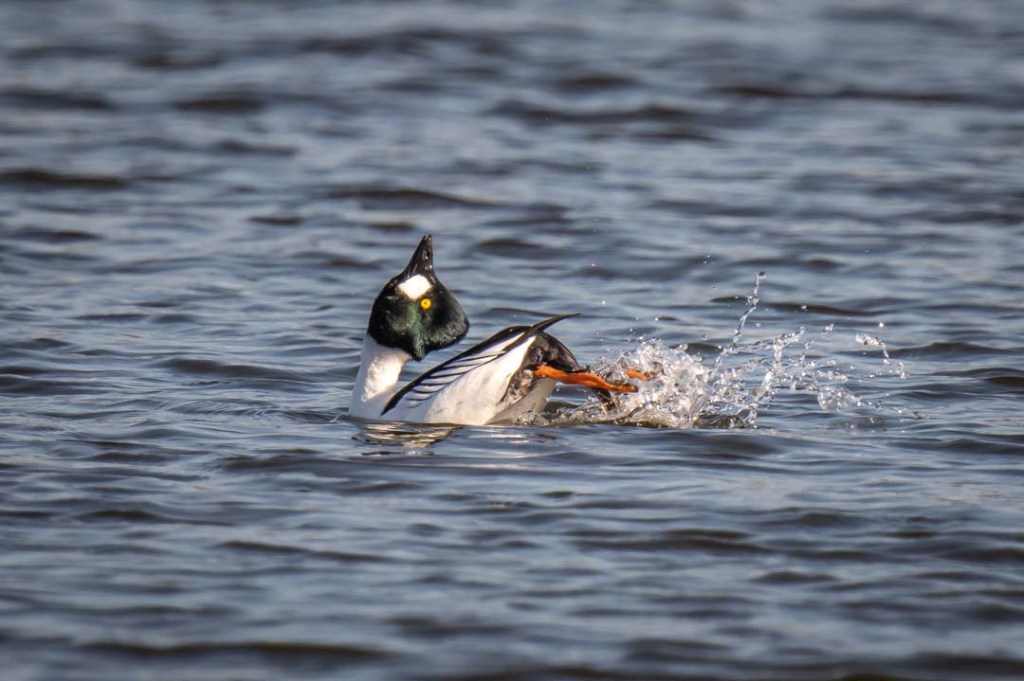
One of the males was displaying regularly by raising its head to the sky. It looked pretty good to me without even doing that.
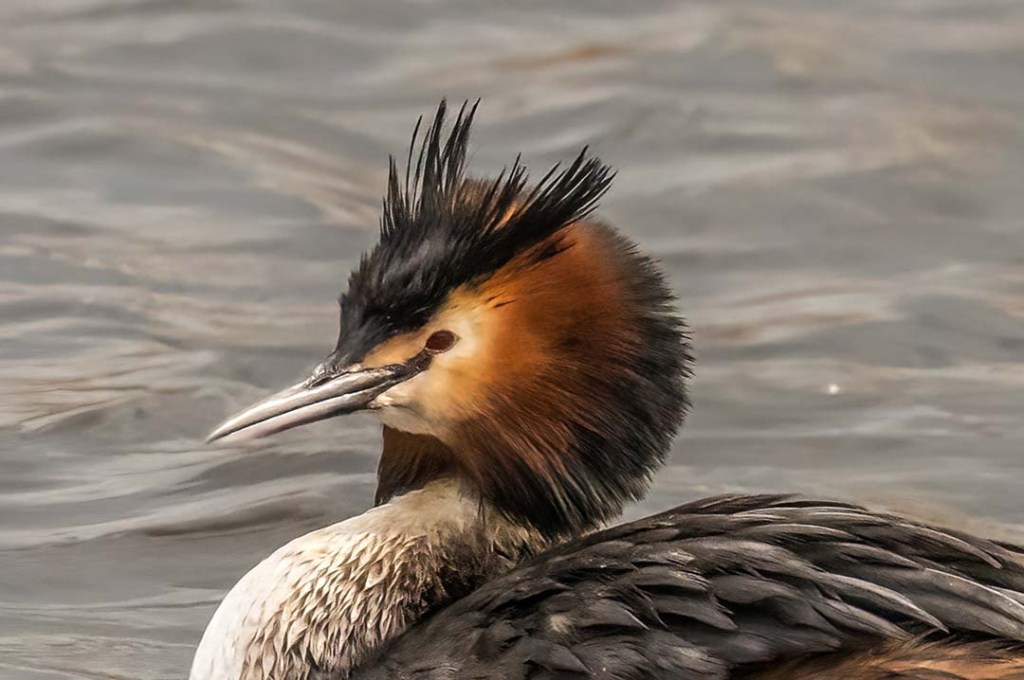
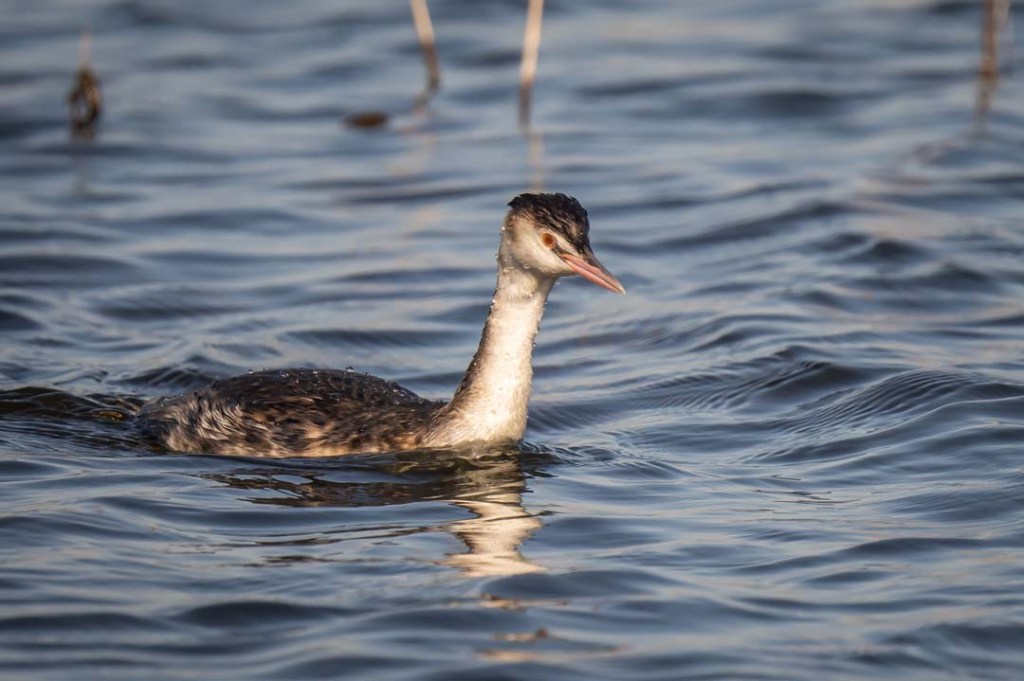
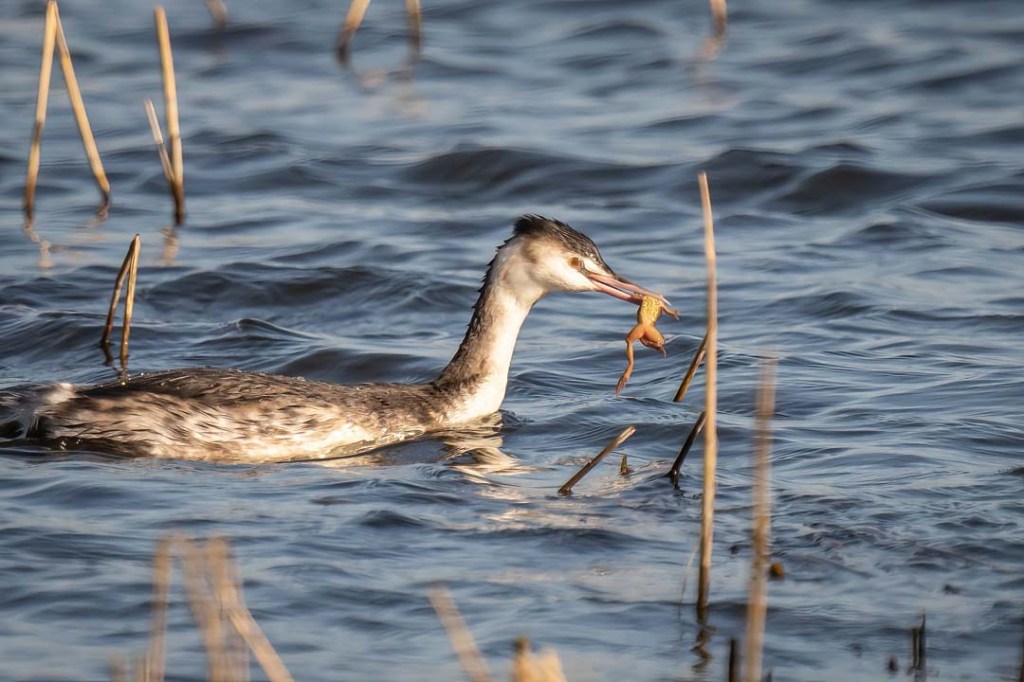
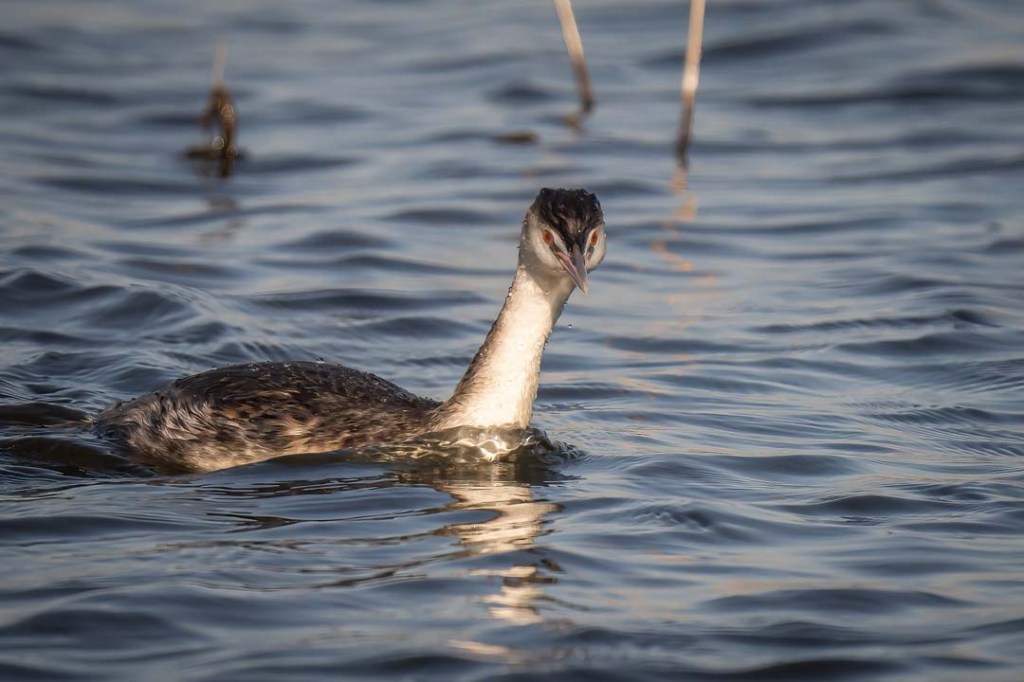
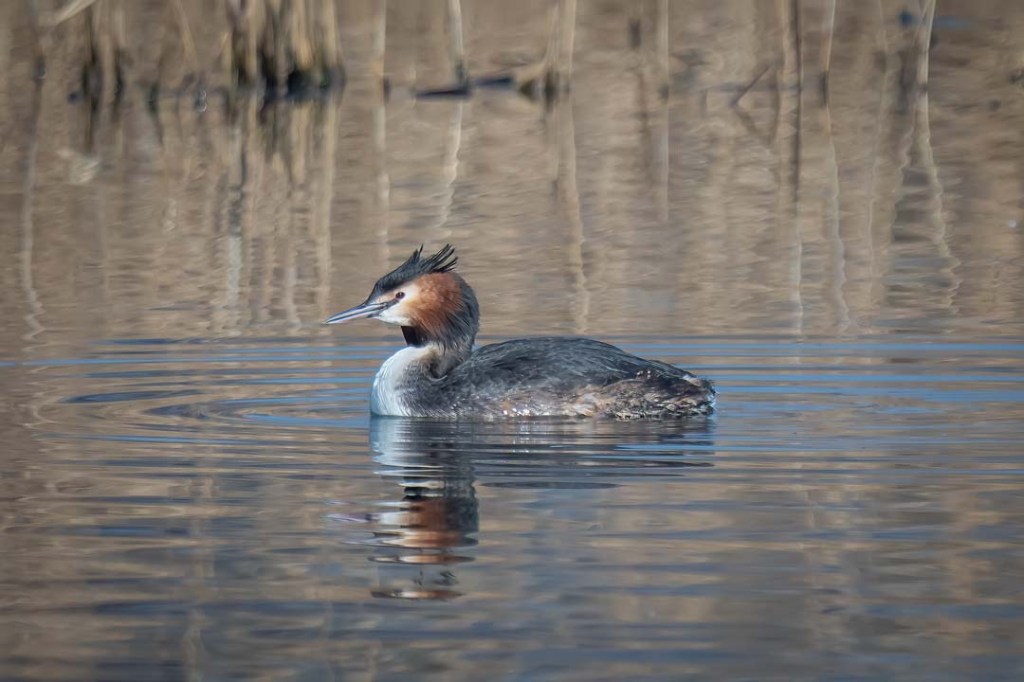
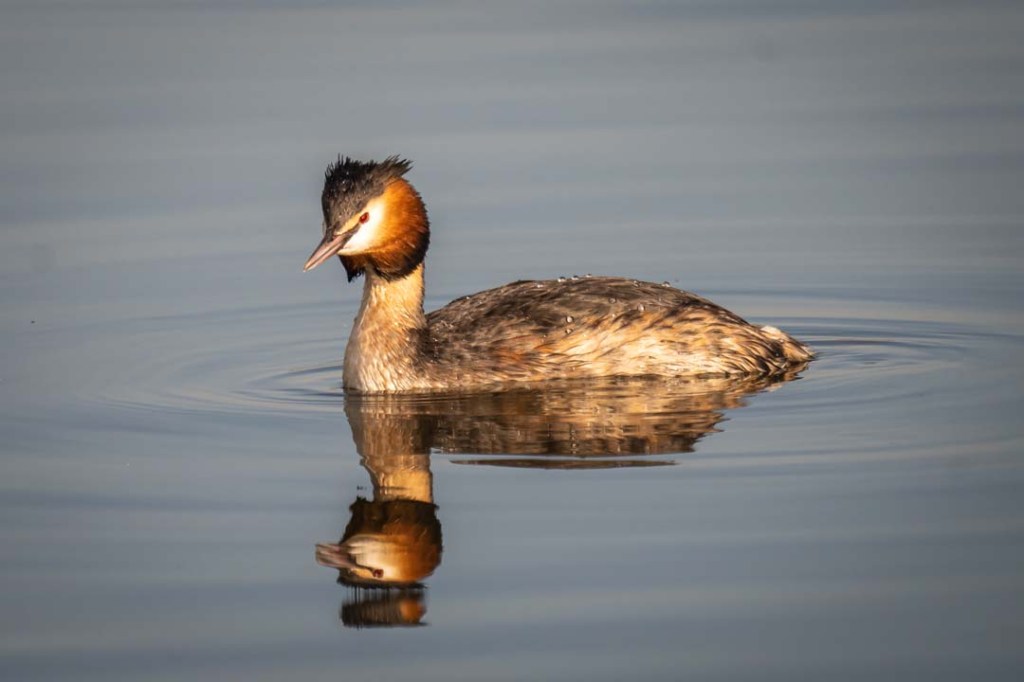
Just one Great Crested Grebe was to be seen. It spent more time diving than being on the surface but it did get its reward.
Great Crested GrebeThe Great Crested Grebe with French cuisine
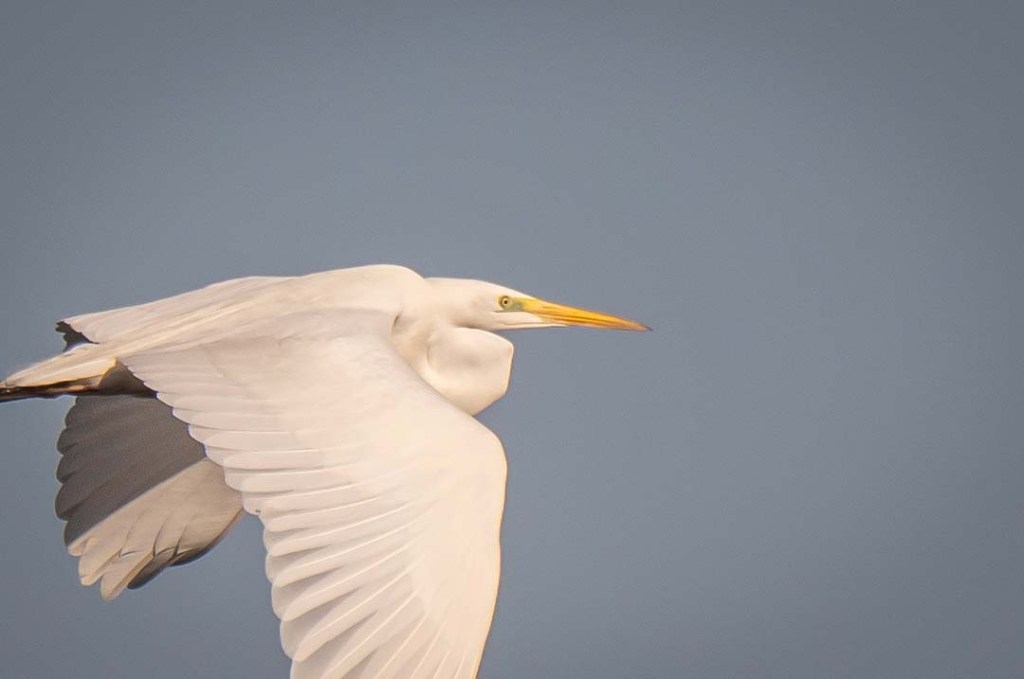
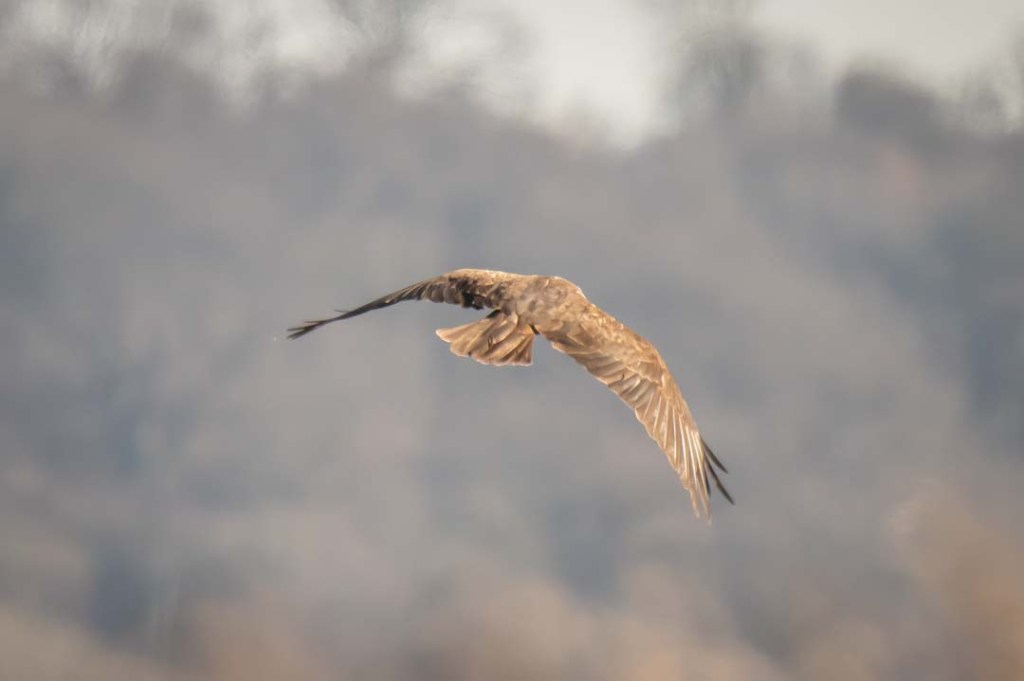
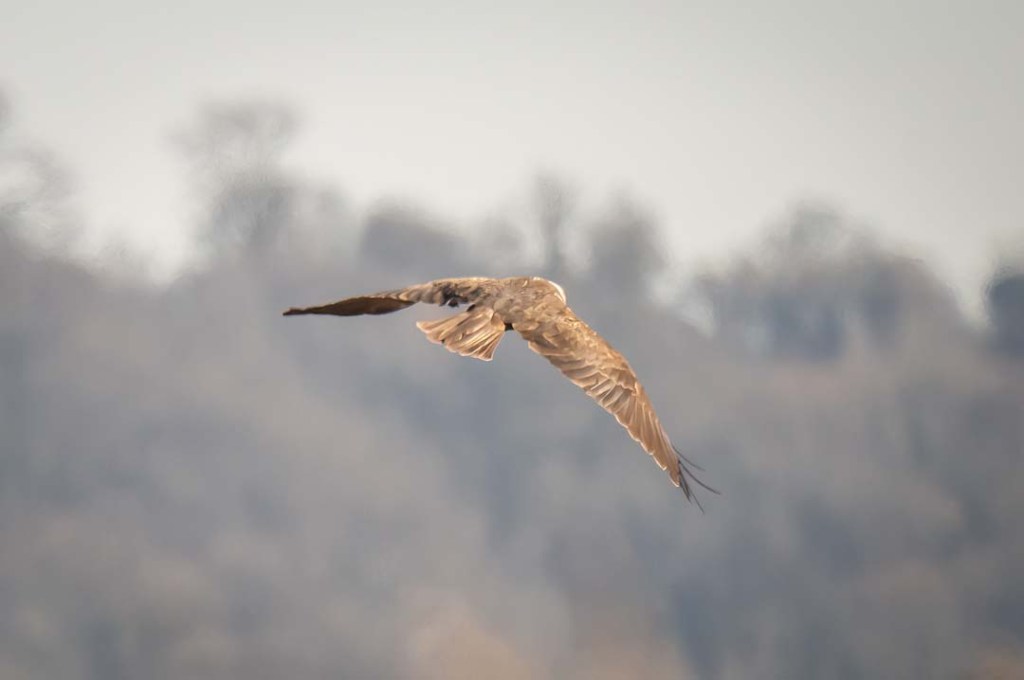
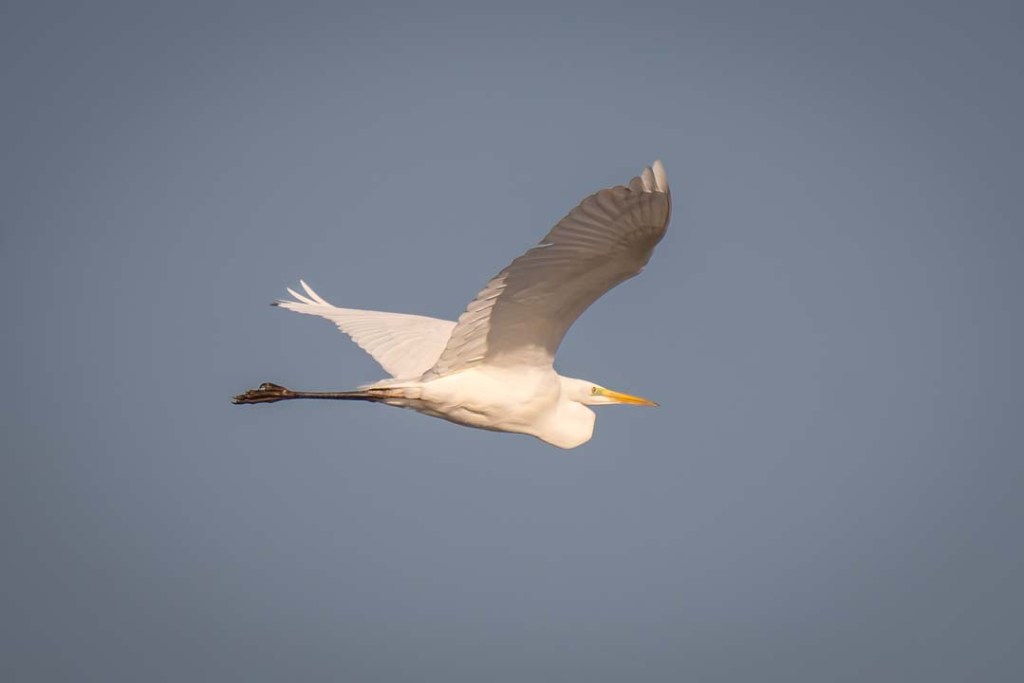
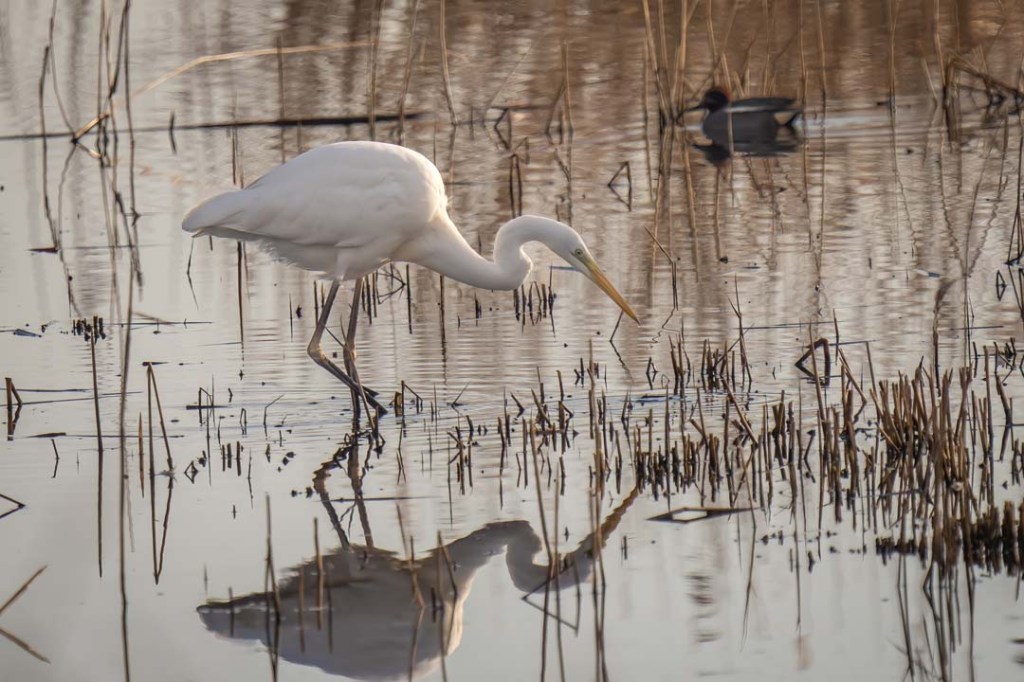
The other highlight of our visit was the spectacular fly past by a Great White Egret. There was also a Marsh Harrier surveying the reed beds.
Marsh Harrier
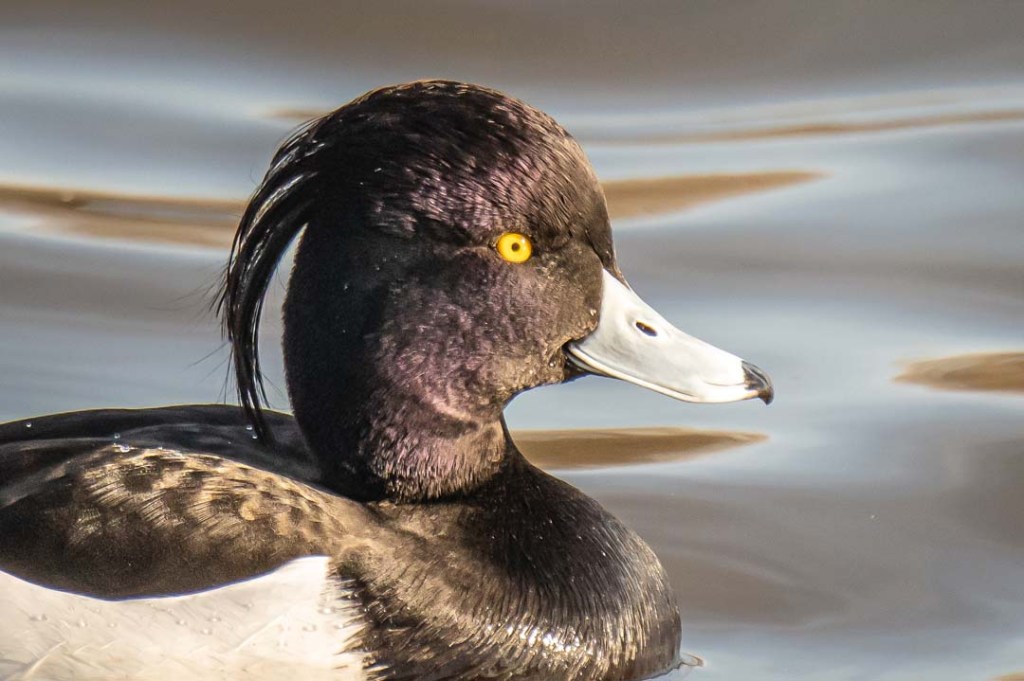
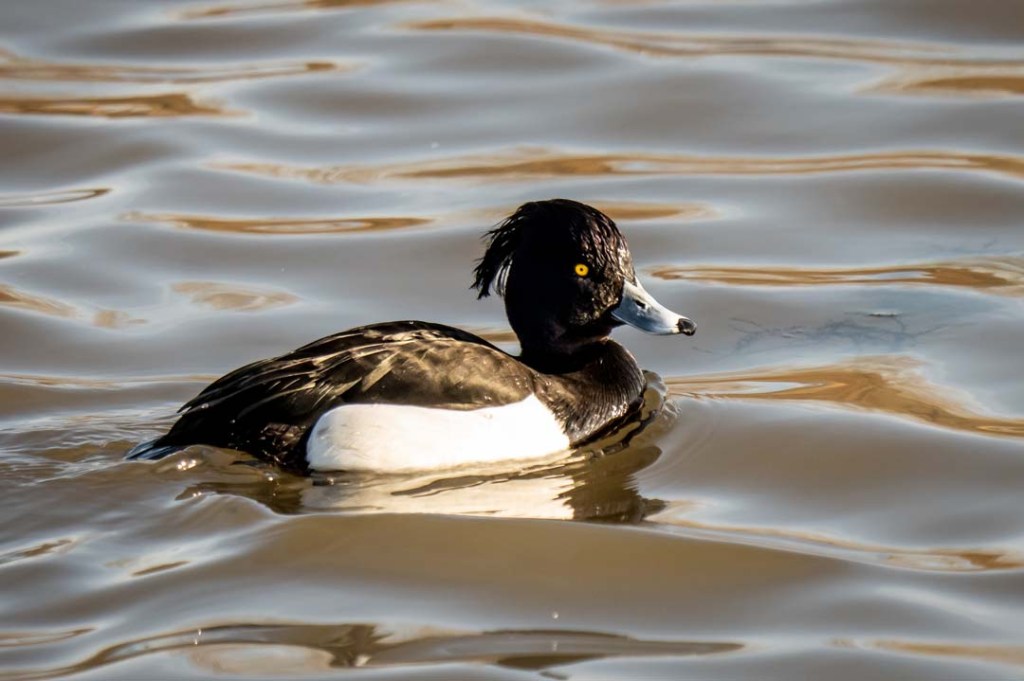
The Tufted Ducks looked splendid too in the glorious sunshine.
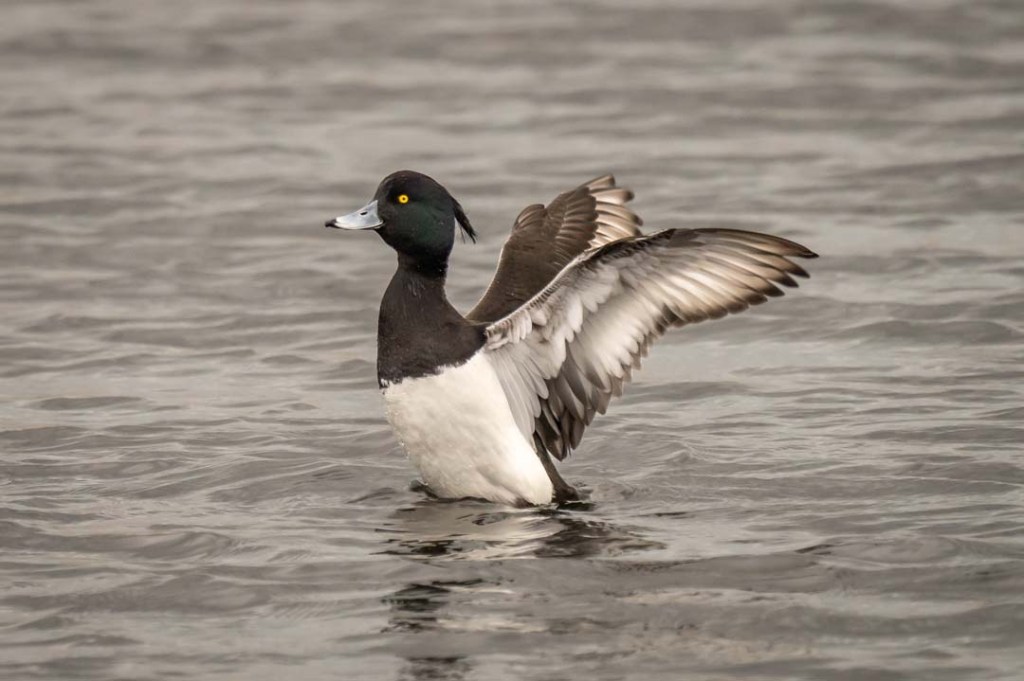
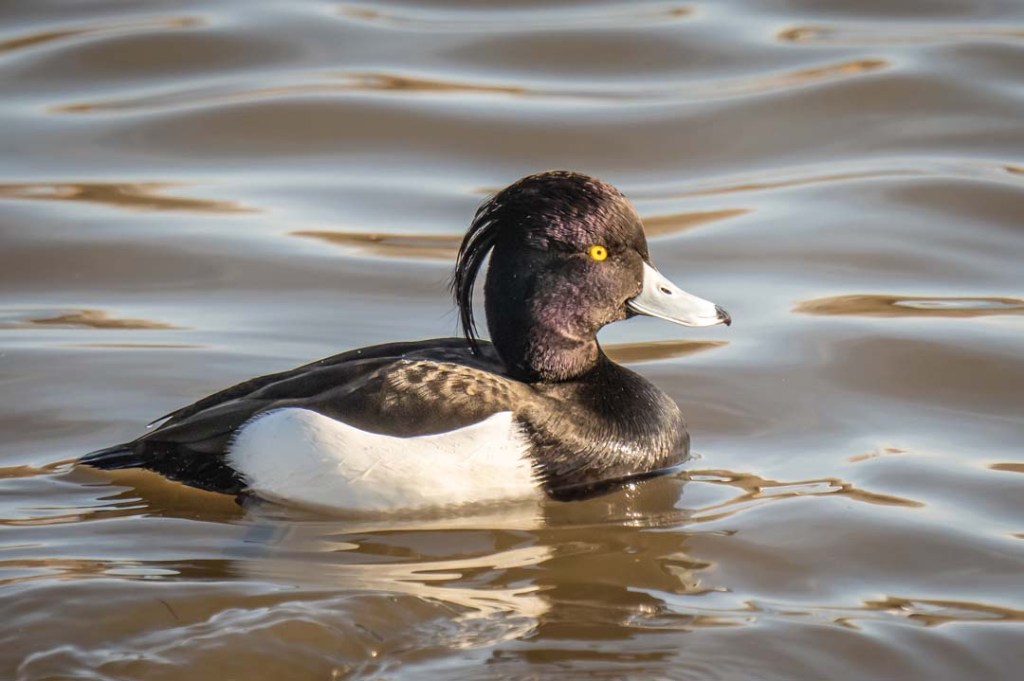
Male Tufted Duck
Slideshow of photos from today:
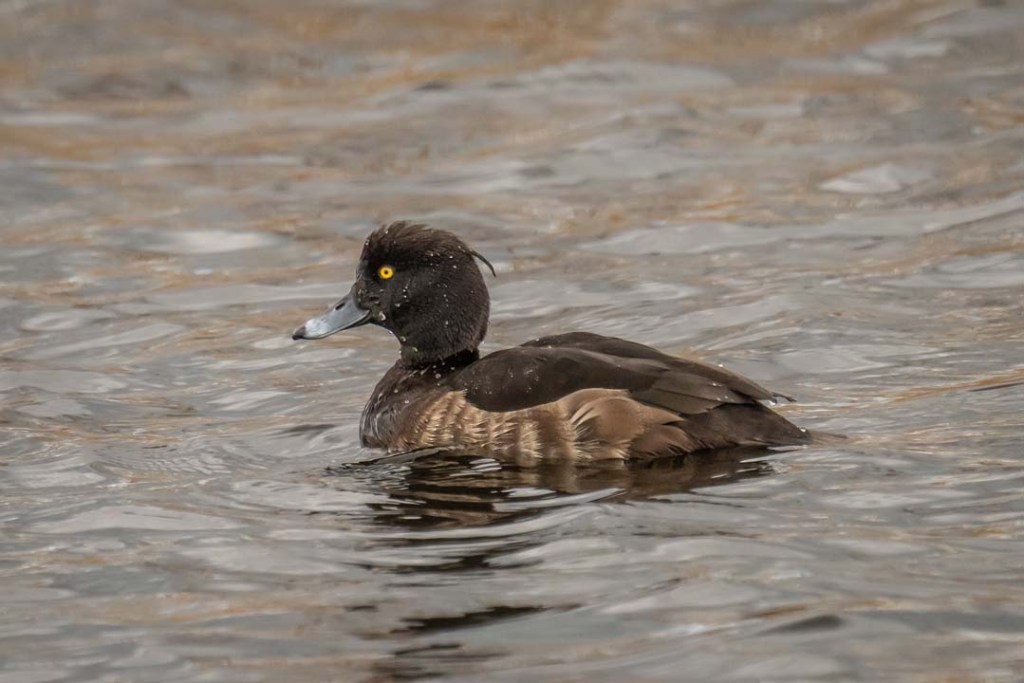
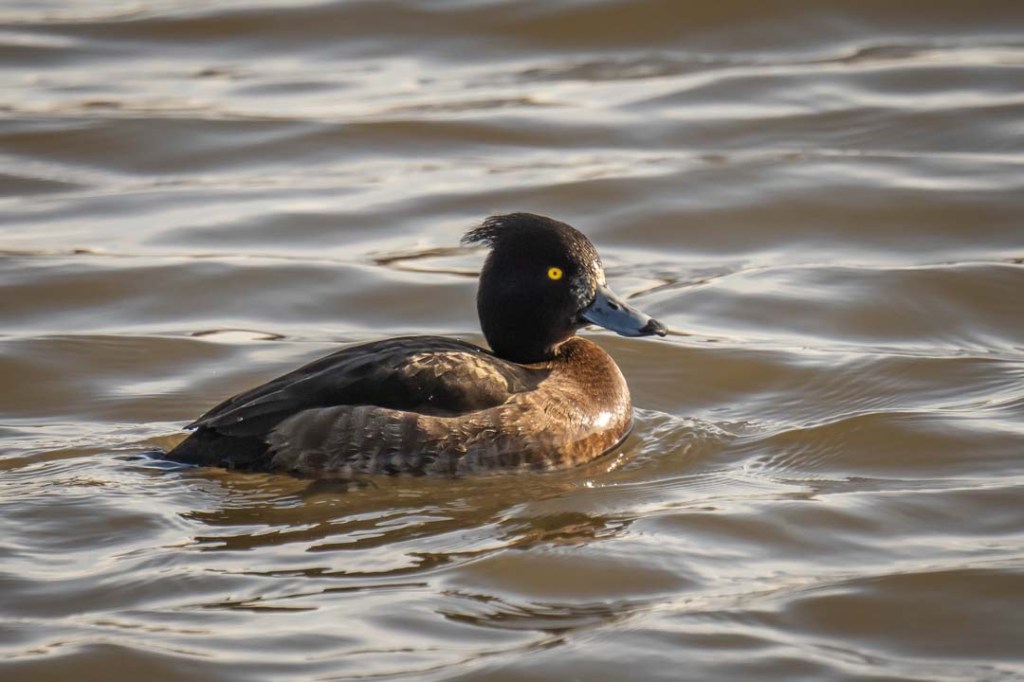
Female Tufted Duck
It all looked pretty romantic. Just the job for St Valentine’s Day.
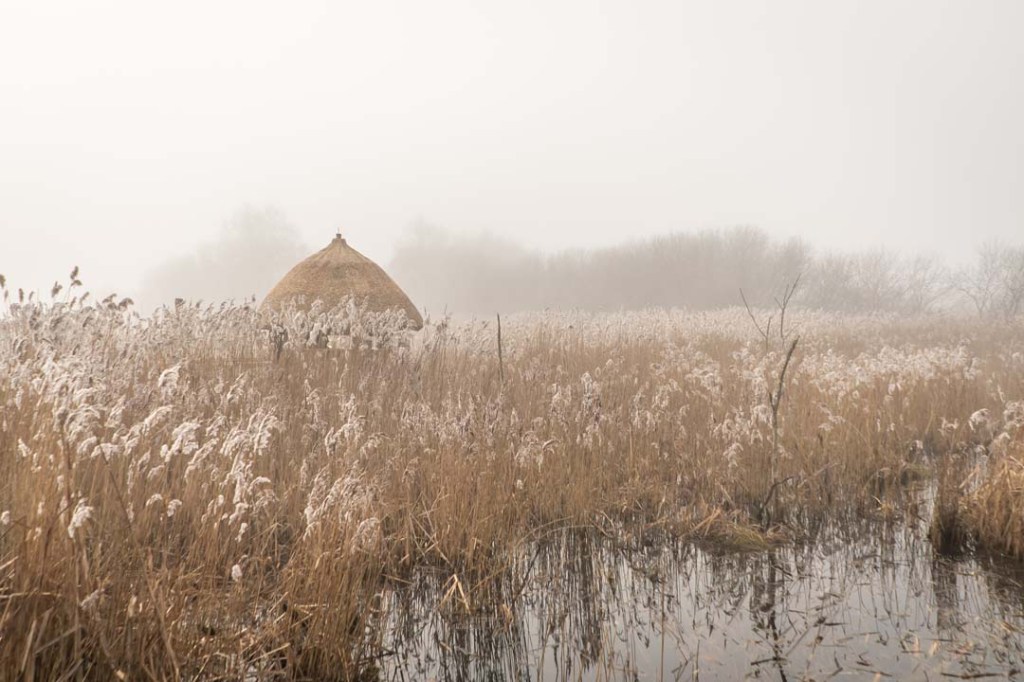
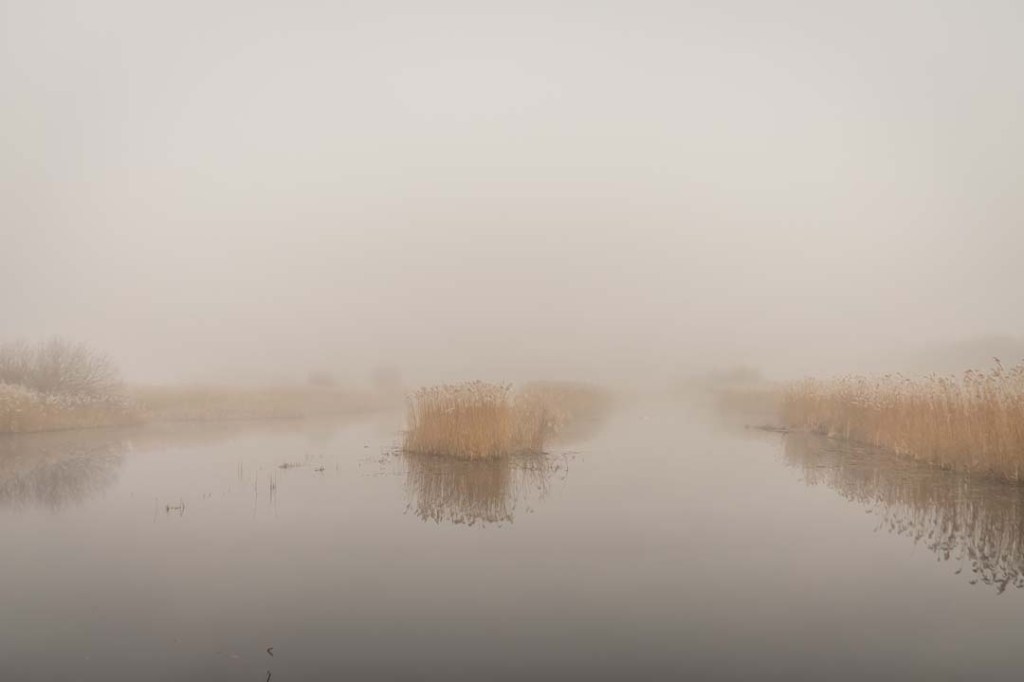
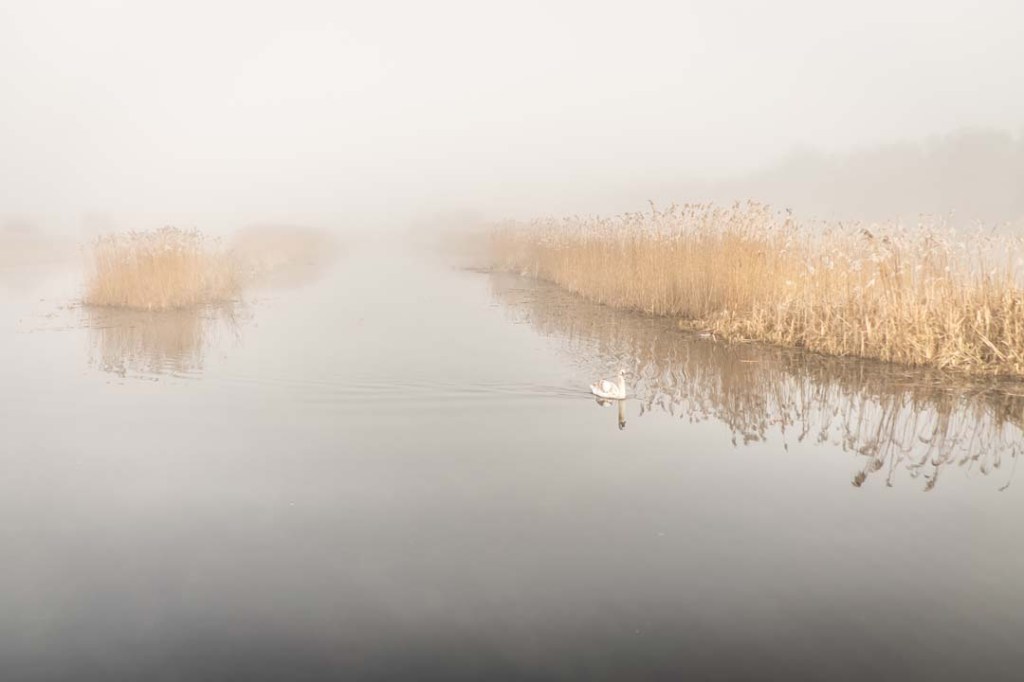
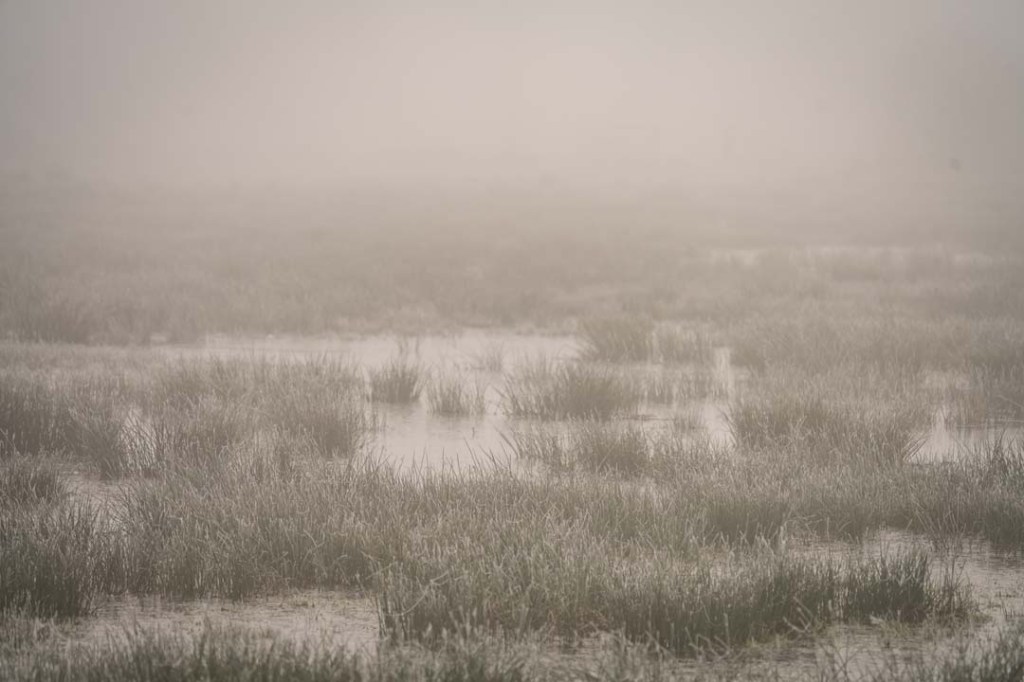
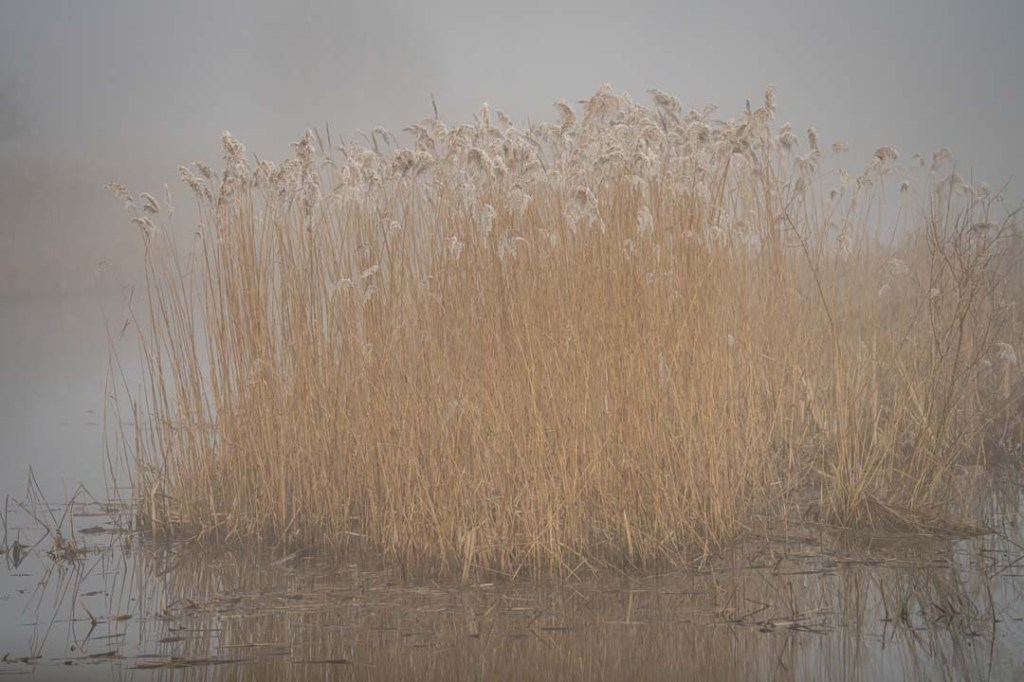
A day spent birding on the Somerset Levels is always a special treat. However, by midday I was beginning to think this might be the exception. However, the sun burnt through the mist by about one o’clock and I saw some lovely birds in the afternoon to go with the magically atmospheric scenery that I had seen in the morning.
I was disappointed that Catcott Lows was closed due to tree felling but I probably wouldn’t have seen much as it was still very misty.
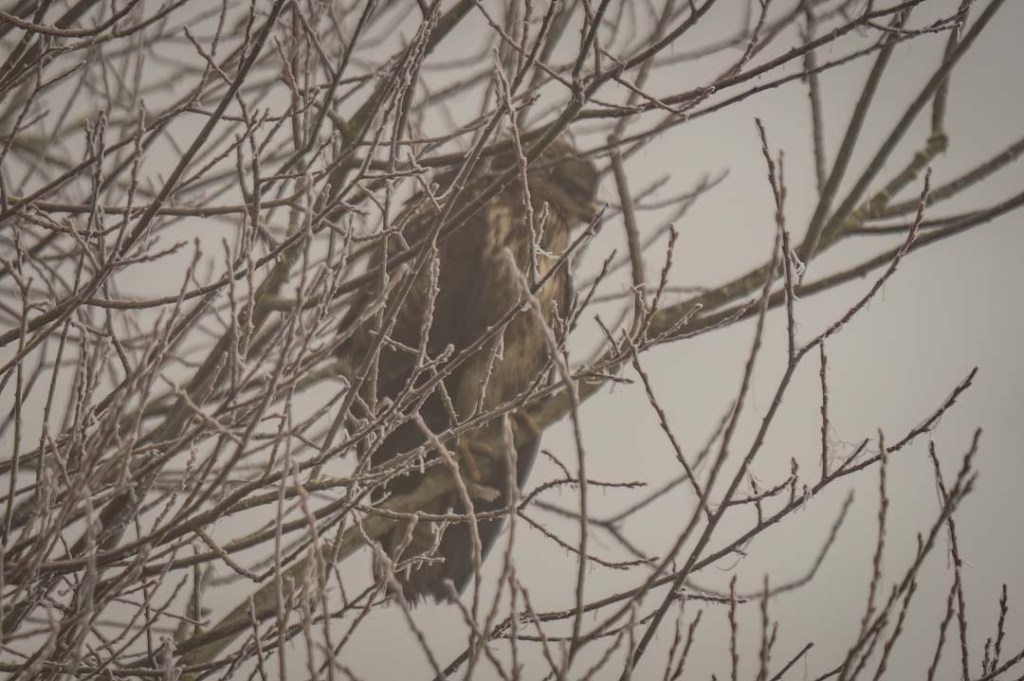
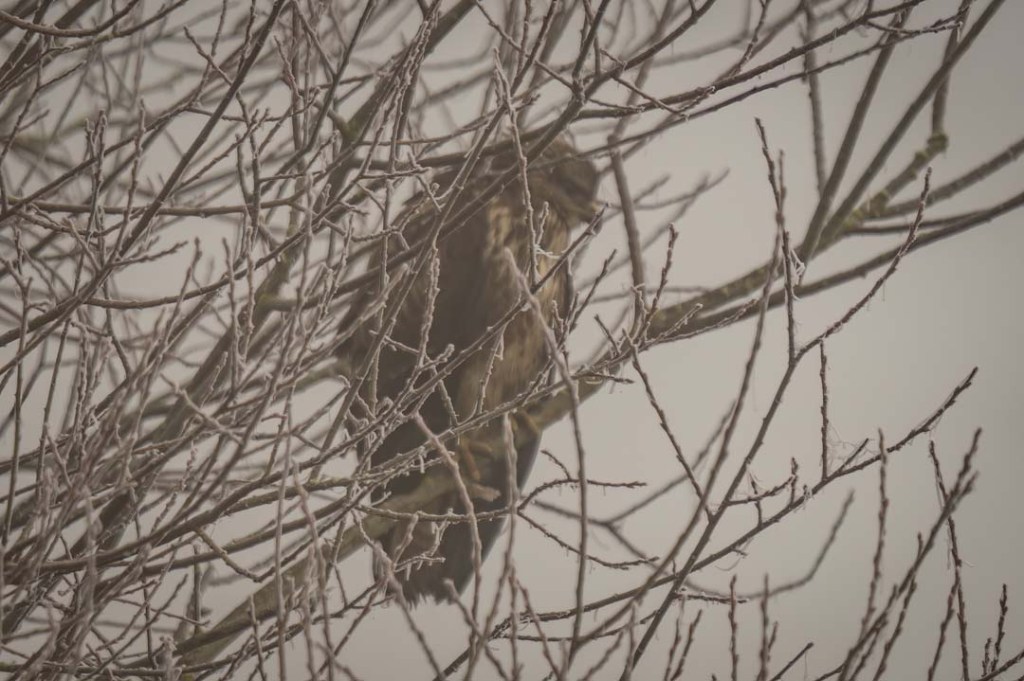
On the approach roads I did manage to see very close up (but behind branches) a Common Buzzard and a Kestrel.
The approaches to Catcott Lows at 11 am this morning.Common BuzzardSilhouette of a Kestrel
I headed over to Westhay Moor.
The approach to the new hide at Westhay MoorFor most of the morning the view from the hide was more misty than this. Photo software is very clever at “dehaze”.
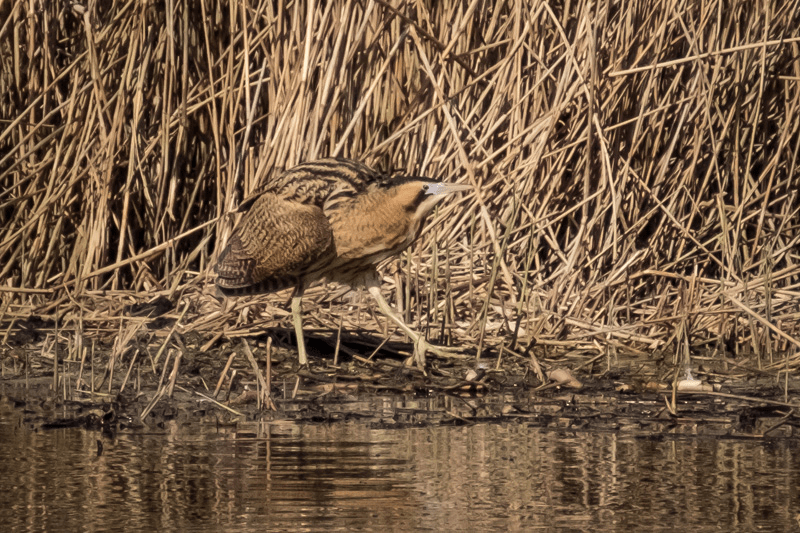
The best moment of the morning was when a bittern flew straight in front of me but by this time I had given up hope of taking bird photos.
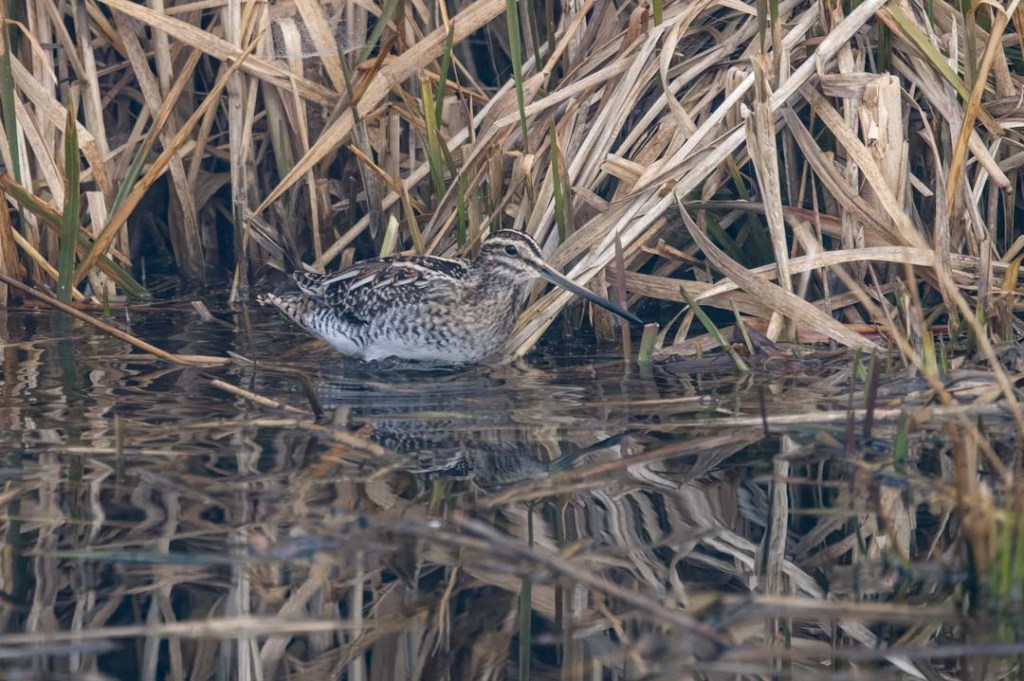
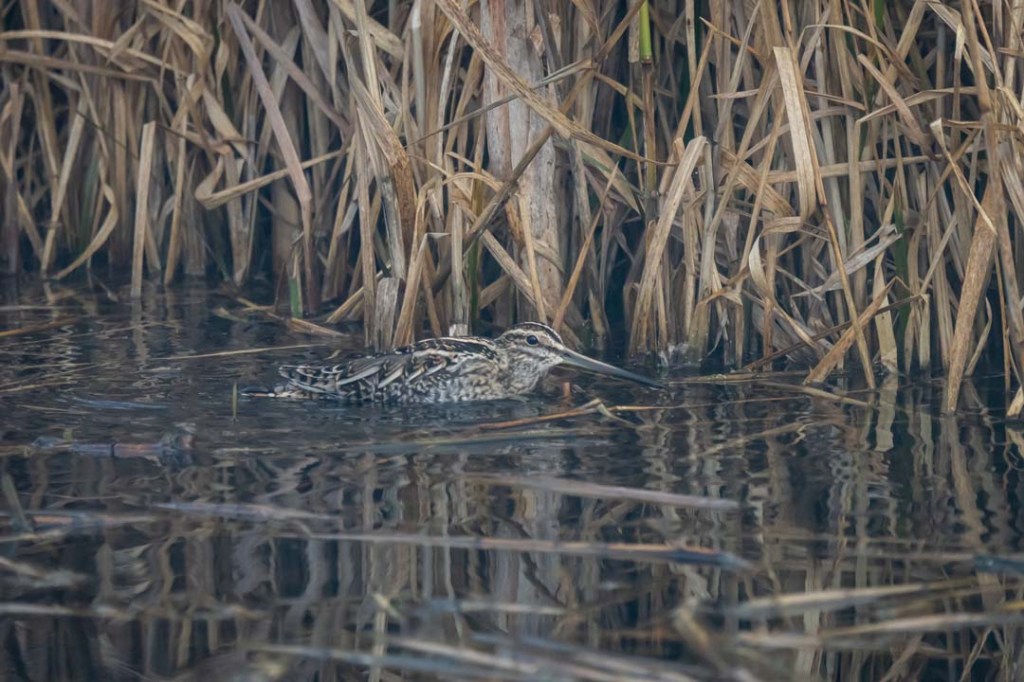
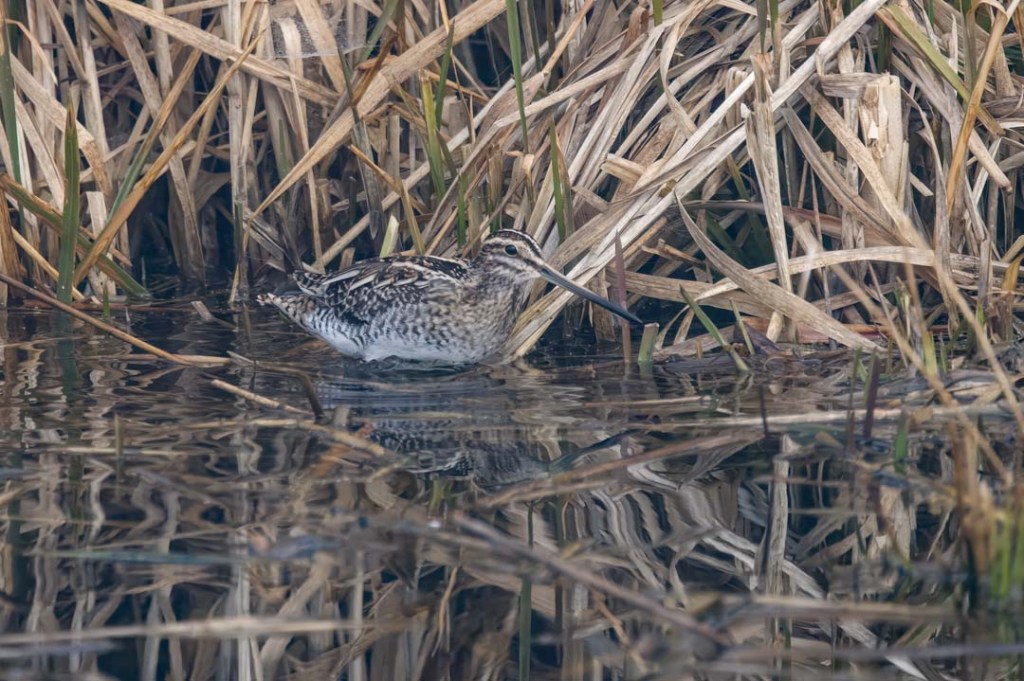
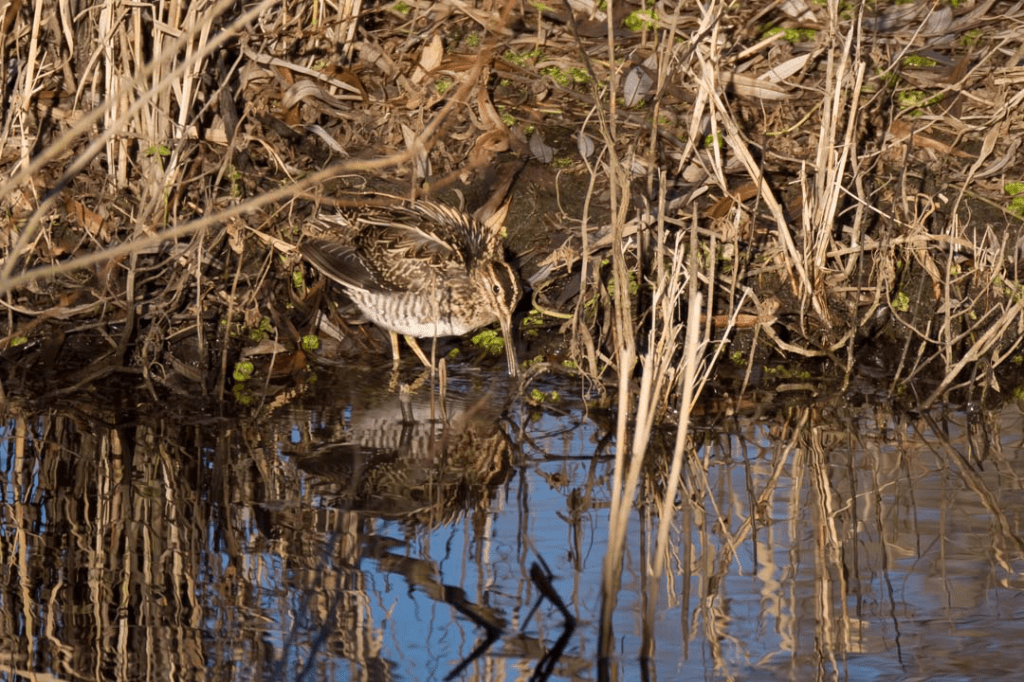
Definitely a lot of use of “dehaze” to get this photo of a Common SnipeFinal views from Westhay
At this point I decided to move on to RSPB Ham Wall (and its toilets).
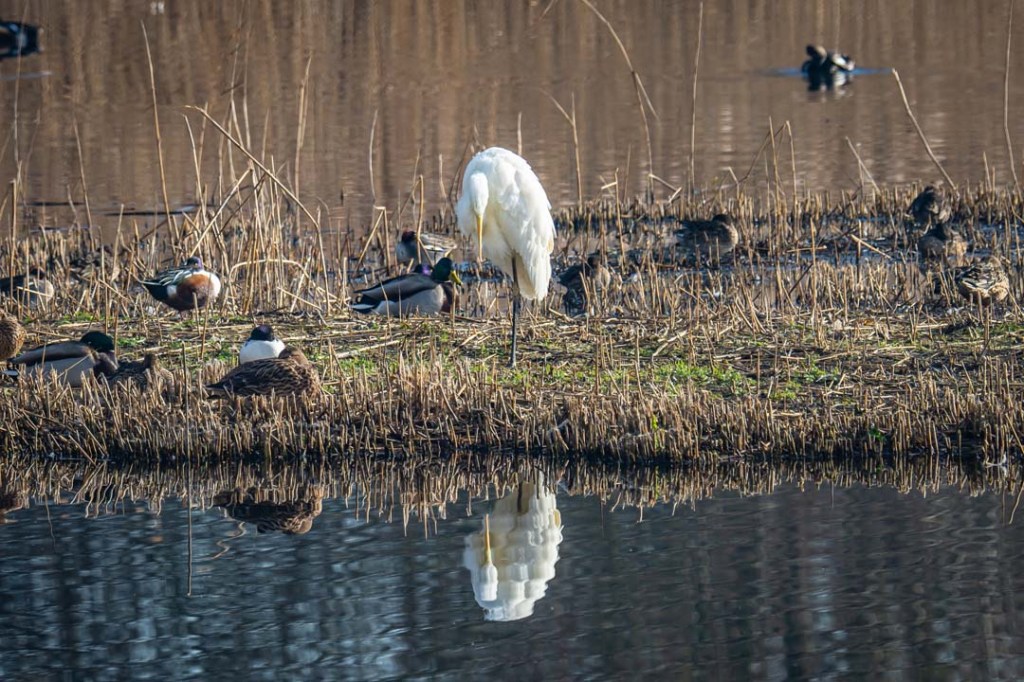
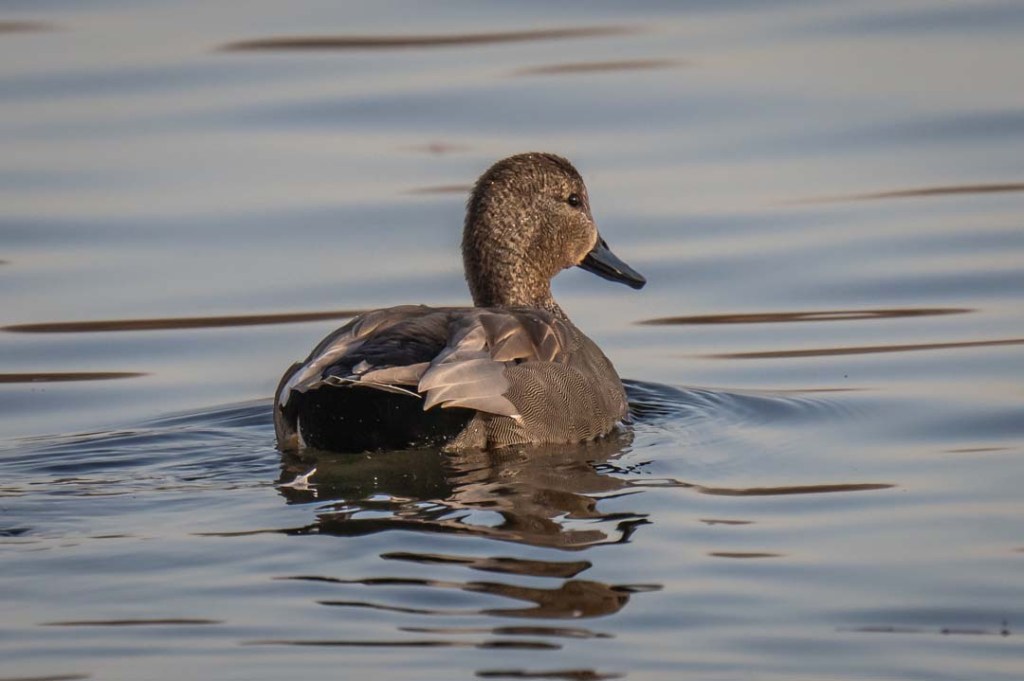
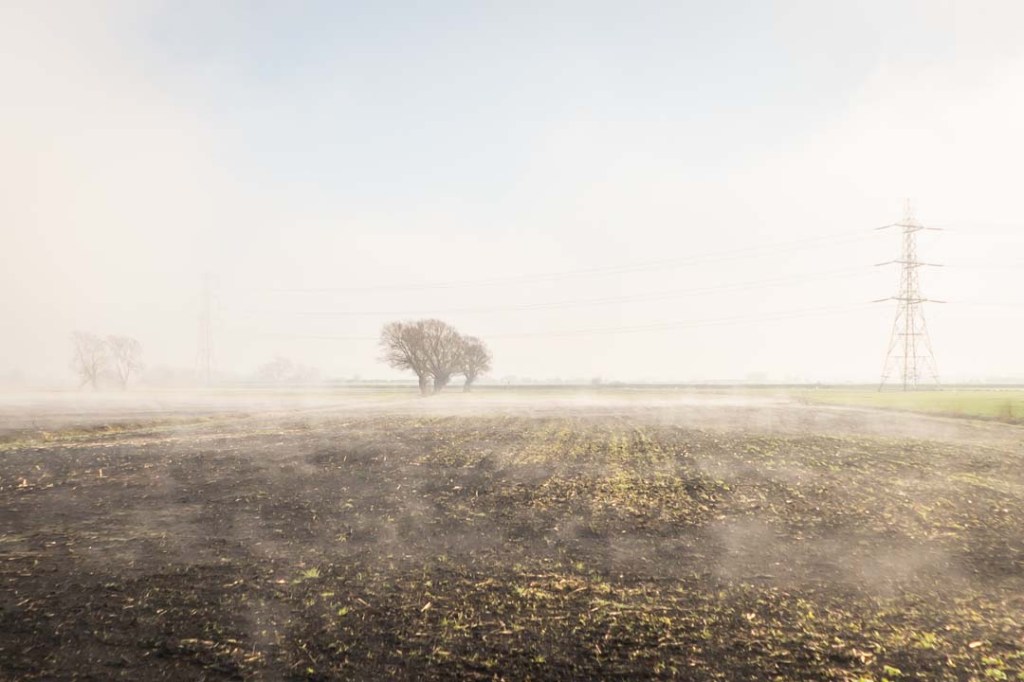
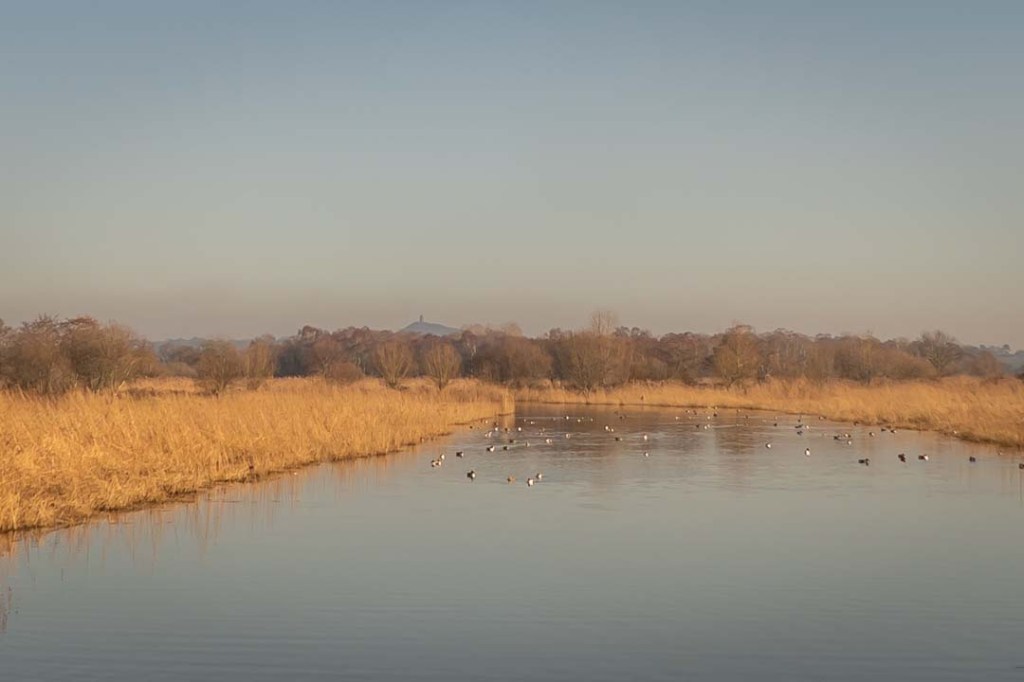
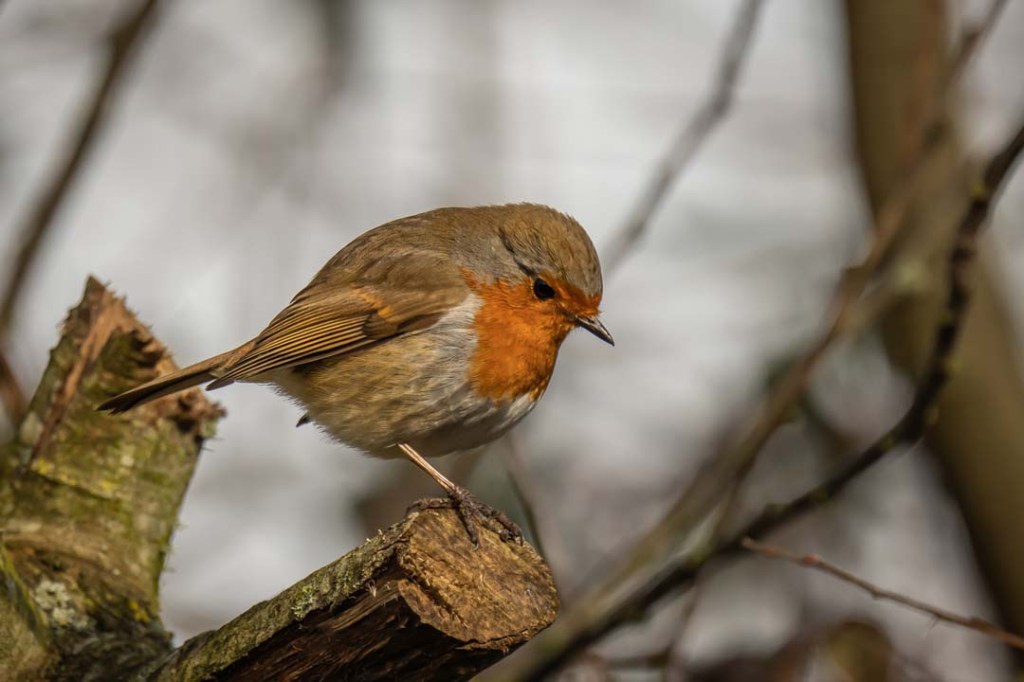
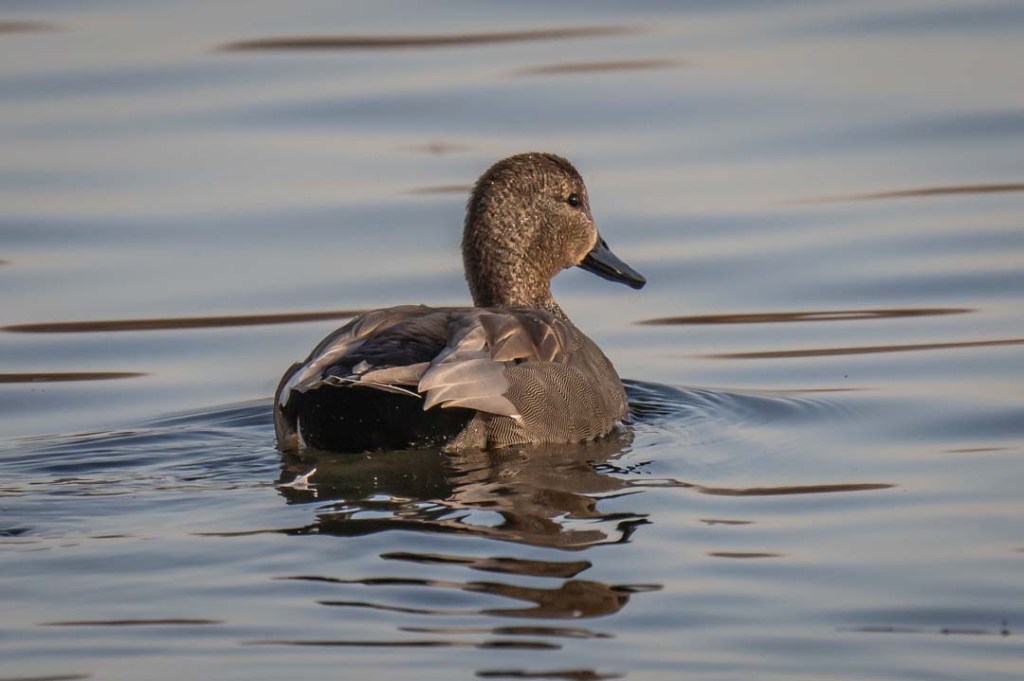
The sun had burnt through en route but the fields were still steamingA Robin, the first bird to greet me at Ham WallYou can’t have a Robin and not a BlackbirdGreat White Egret from the viewing platformFrom here on there were glorious reflectionsPlenty of close ups of smaller birdsNorthern ShovelerGadwallGreat Crested GrebeGreat White EgretGreat Crested Grebe
We had a fleeting visit to New Passage on the Severn Estuary this morning.
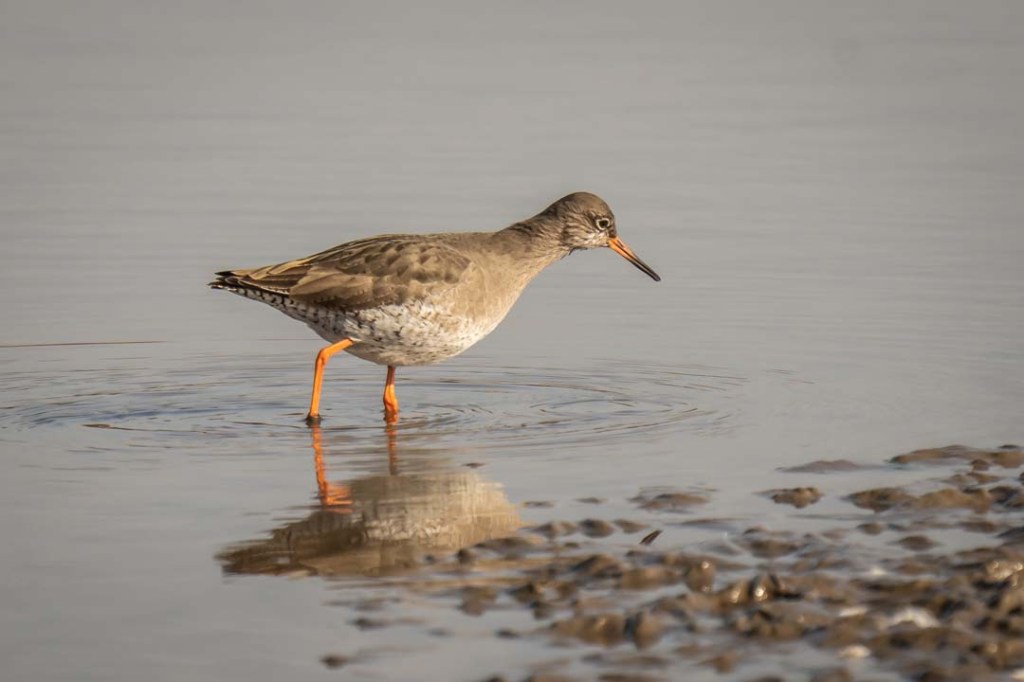
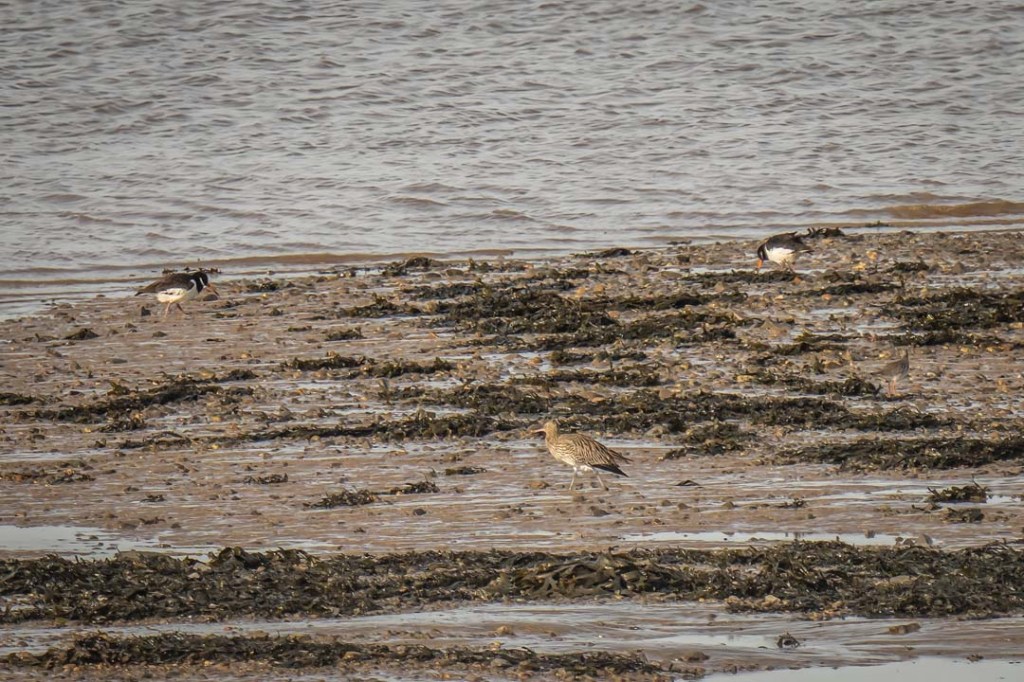
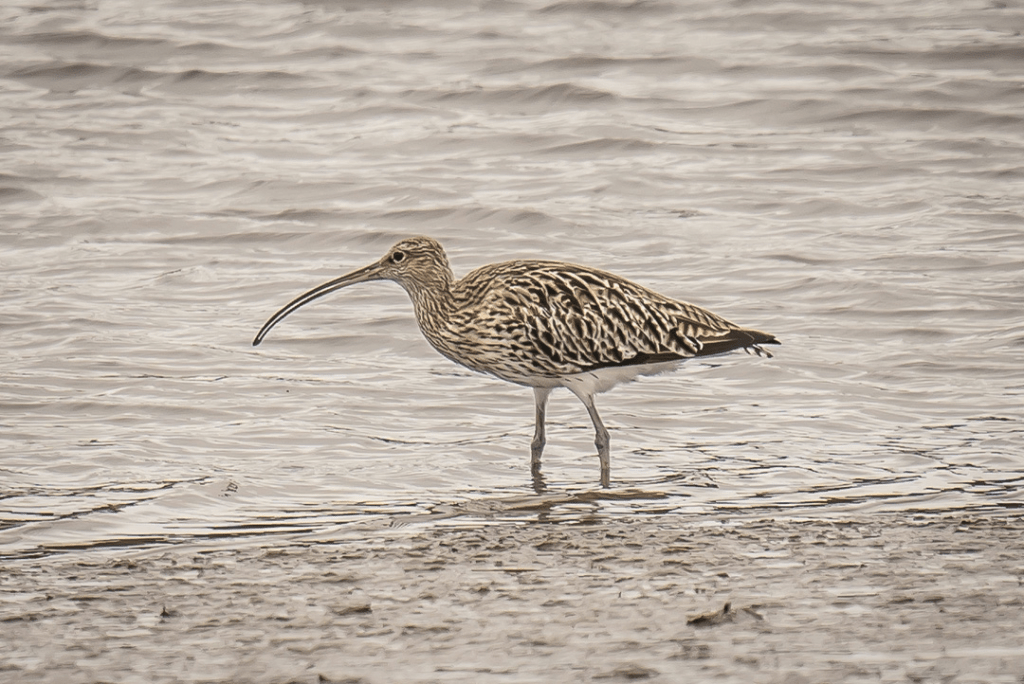
The tide was too low to see much and it was too cold to hang around. There was a flock of 30 oystercatchers stretched along the waters edge and a similar number of redshank where the pill met the waters edge. A single curlew filled the air with its beautiful call and drowned the sound of the wigeon on the water.
RedshankOystercatchers and curlewCurlewOystercatcher
Further up the estuary we could make out a large flock of dunlin and shelduck.
There wasn’t much on the warth but it wasn’t surprising as a peregrine was quite evident sitting on a log dominating the area (but too far for my lens but with good views in the telescope).
It’s been rather dull today but there were glimpses of sunshine when I walked through Stoke Park this afternoon.
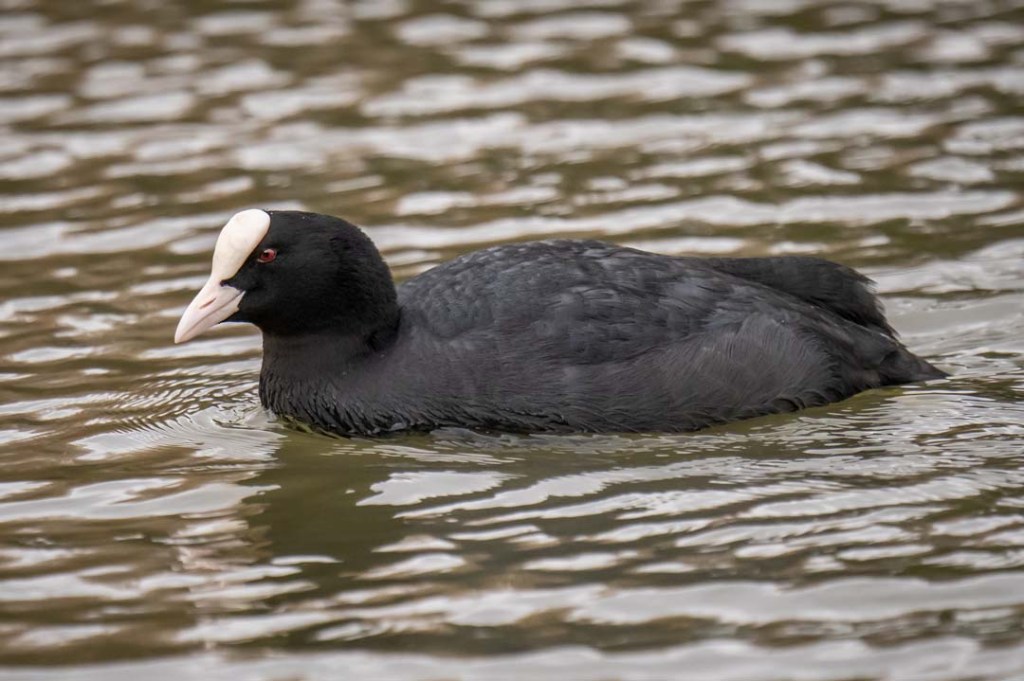
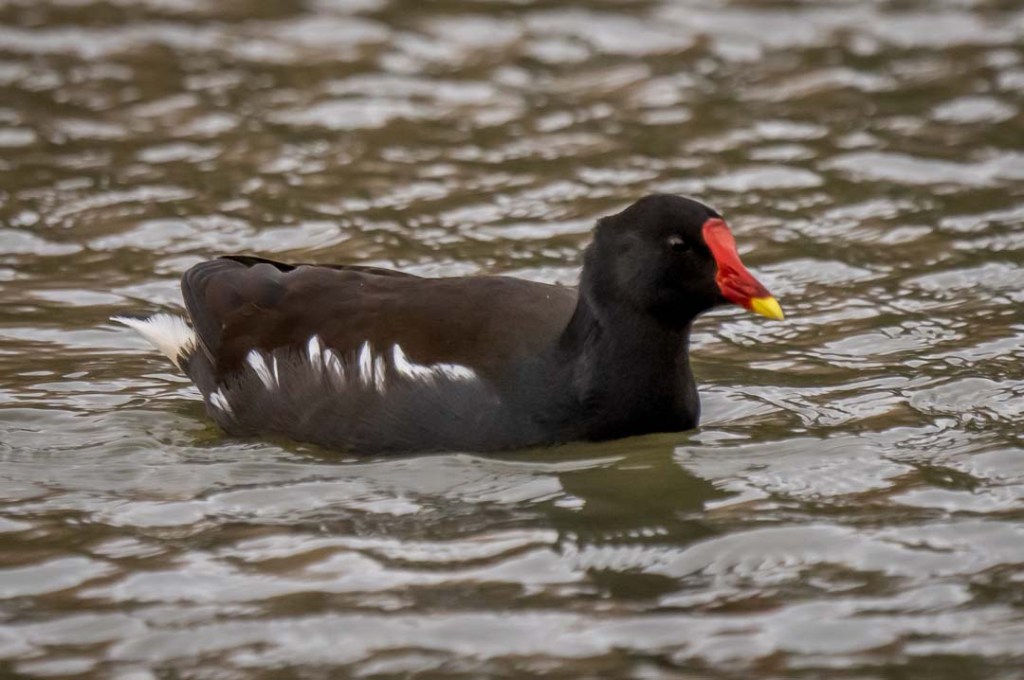
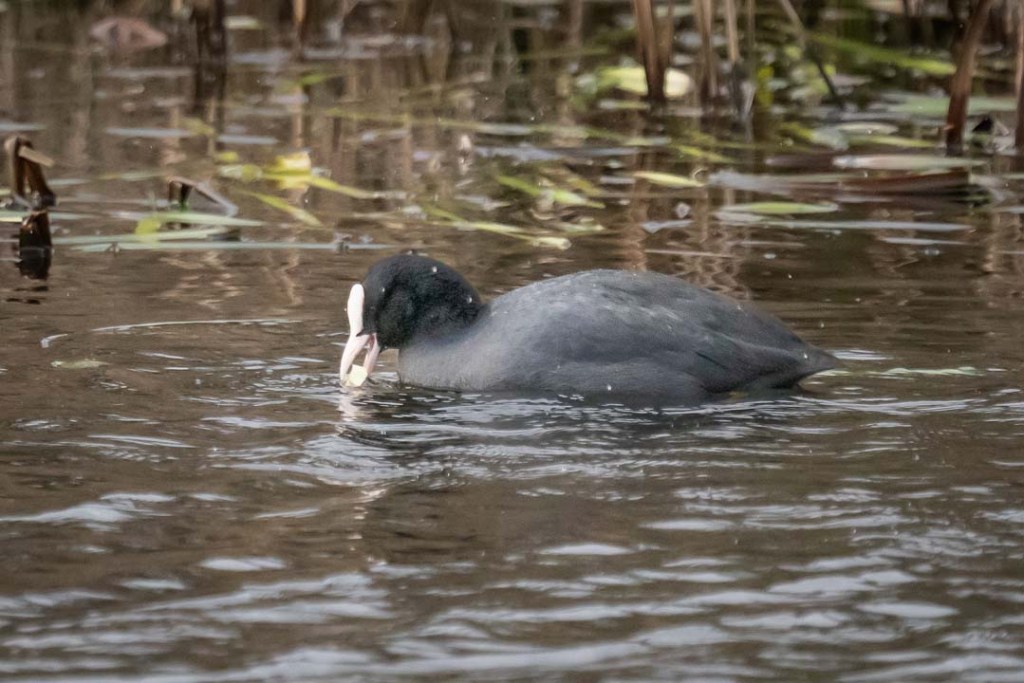
I was too slow to get a photo of a Snipe so practised getting my eye in in with some Moorhens and Coots (definitely a soft option).
MoorhenCoot
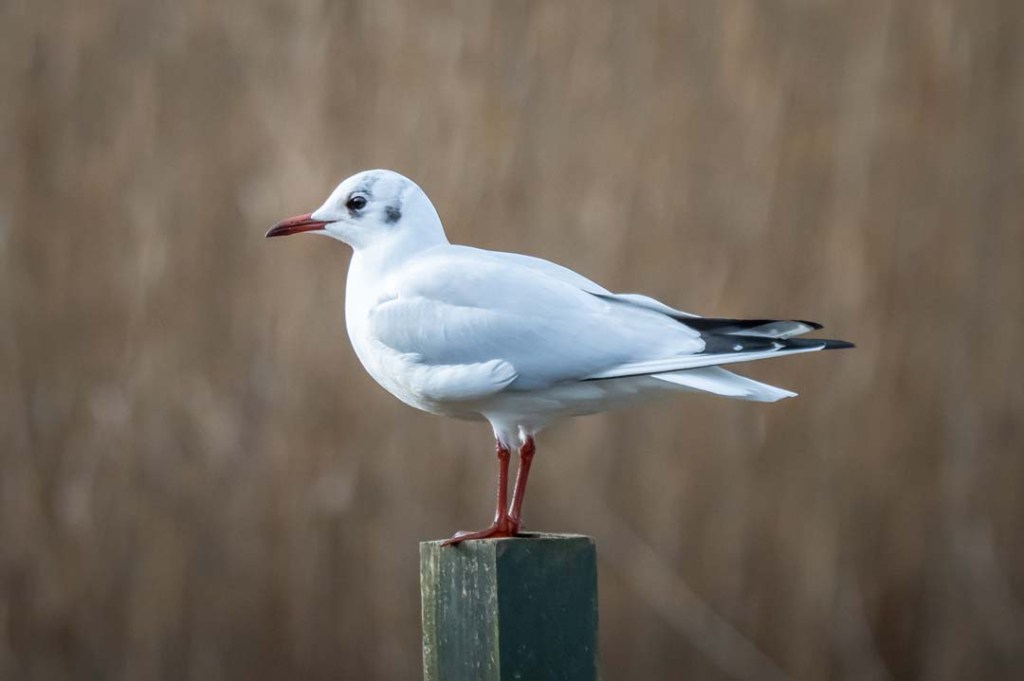
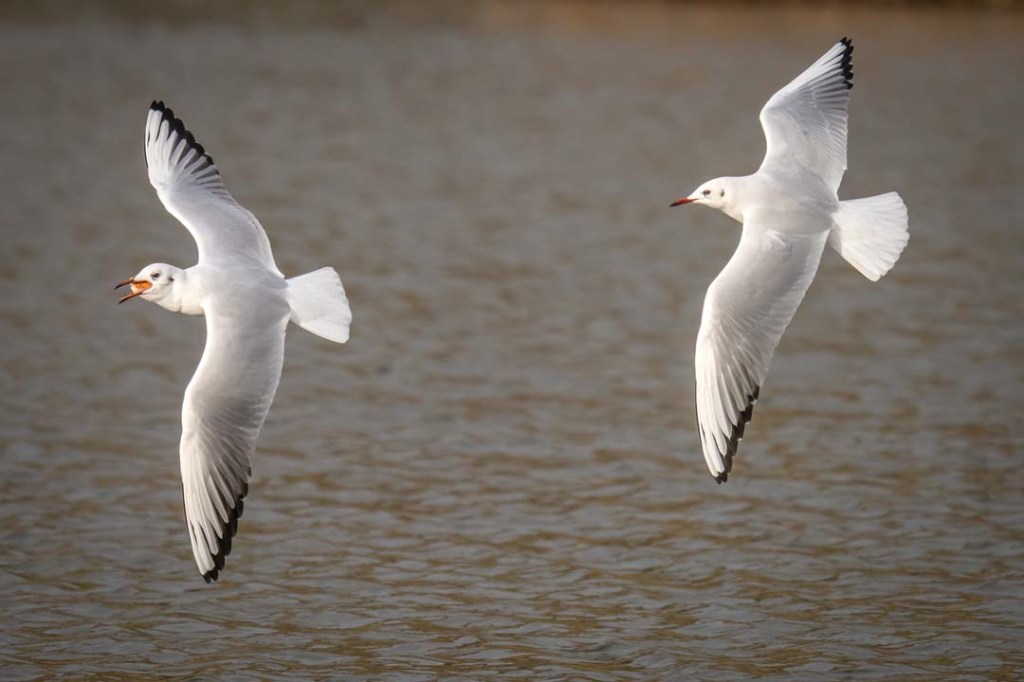
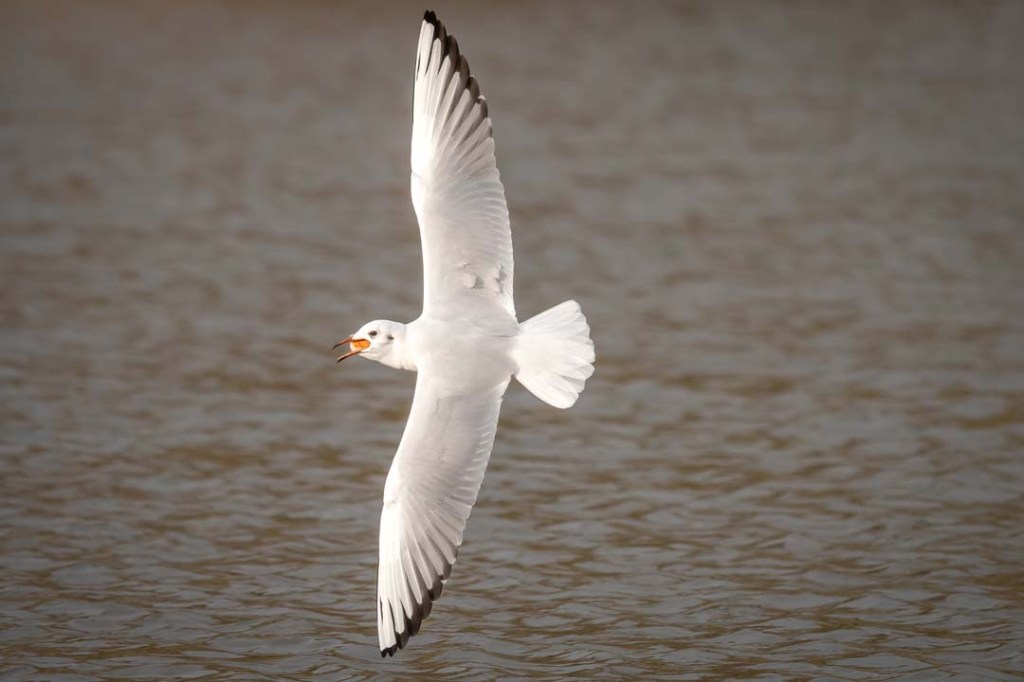
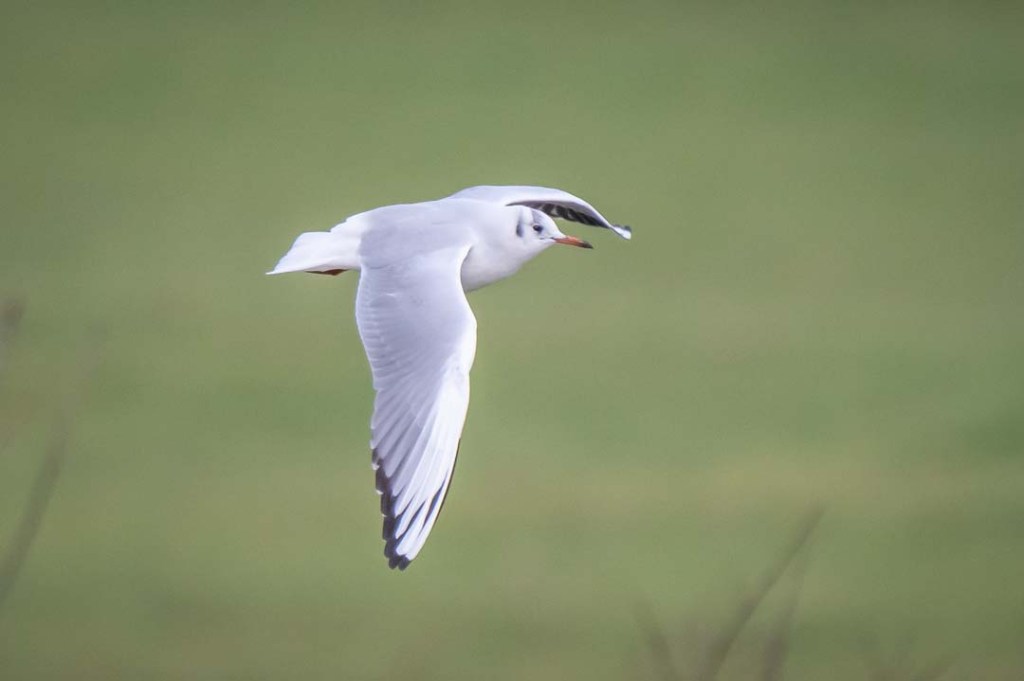
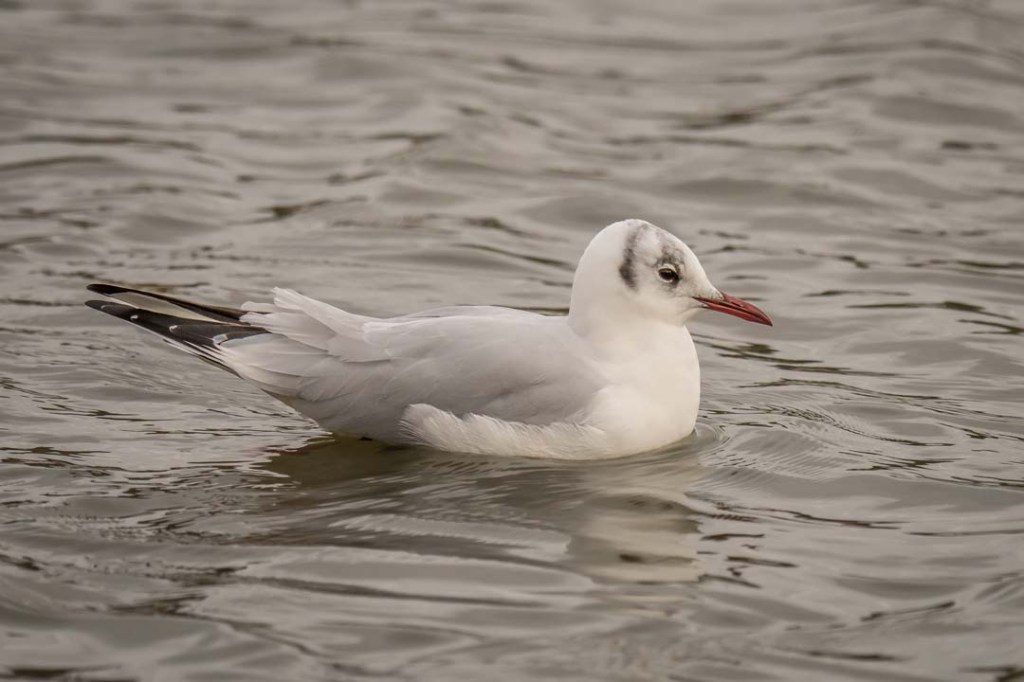
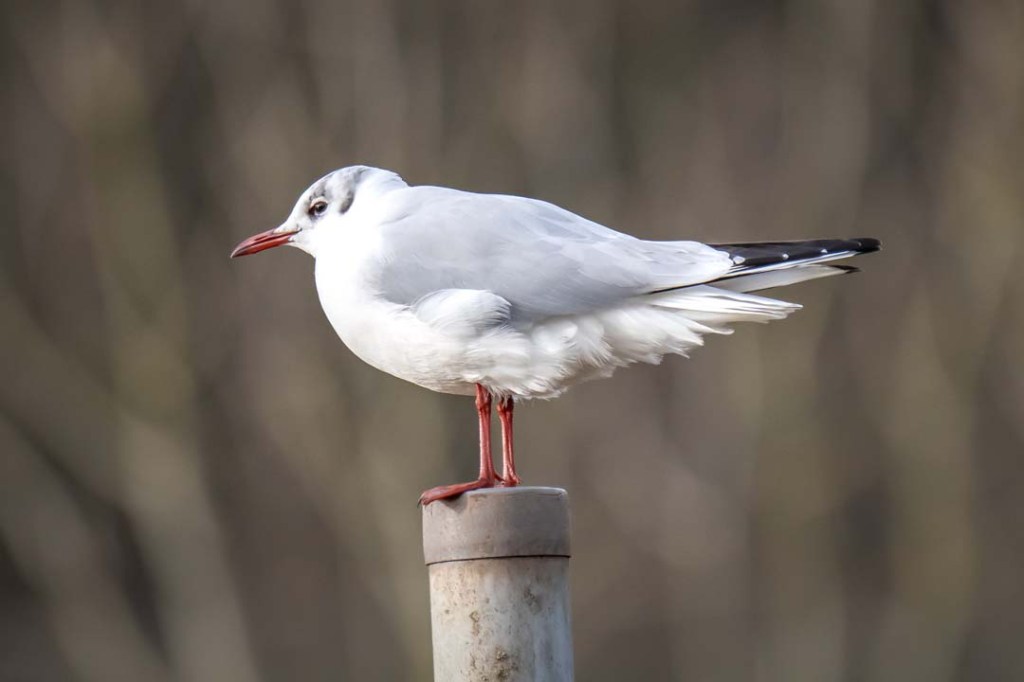
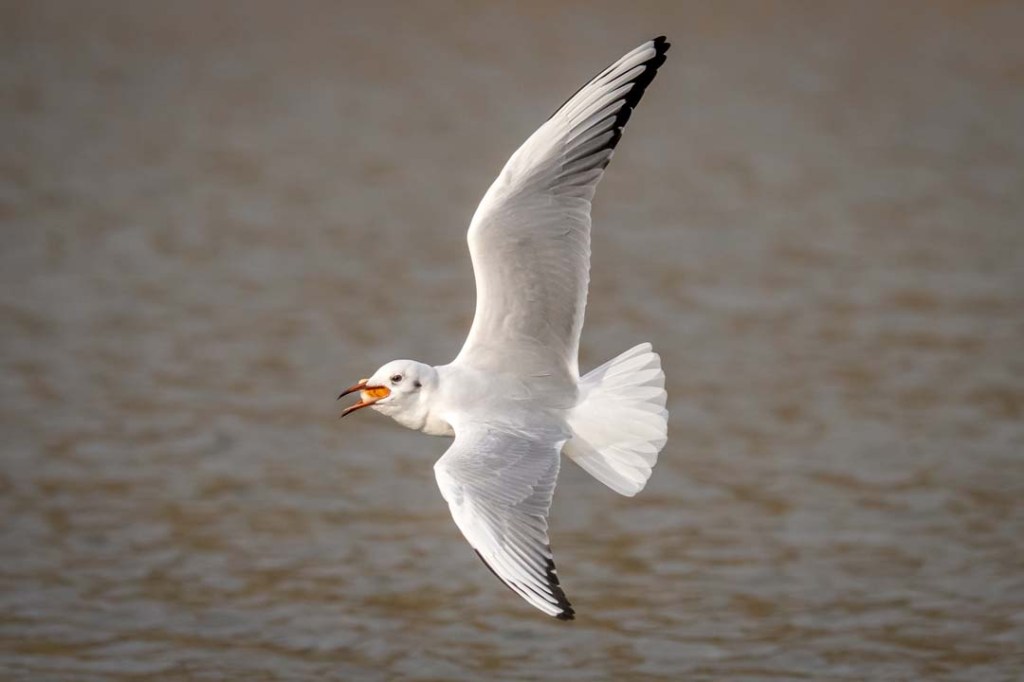
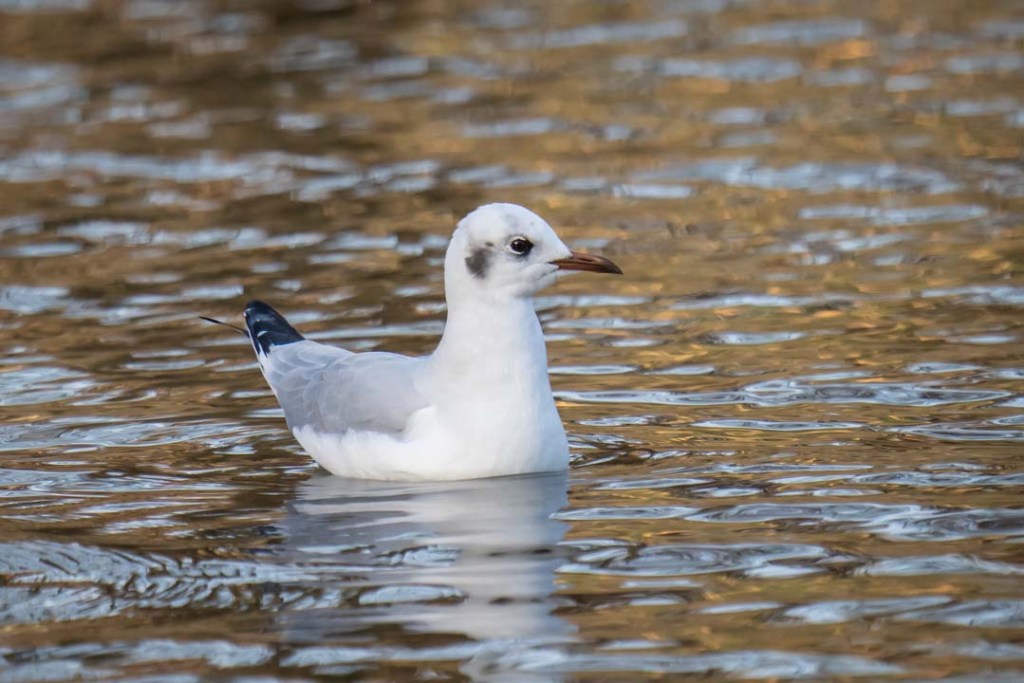
There were 39 Black-headed Gulls (more than I have seen here for a while – they must be here instead of on the lake at Eastville Park, as there were very few there a couple of days ago).
Black-headed GullImmature Black-headed GullBlack-headed Gull chased by anotherYou can see why the Black-headed Gull was being chased
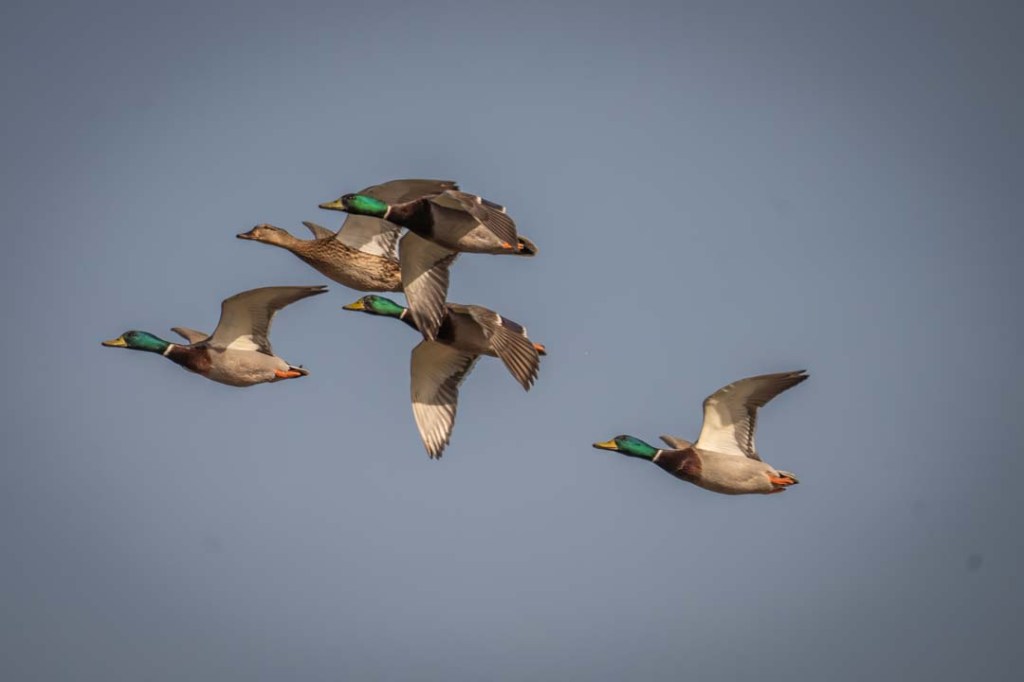
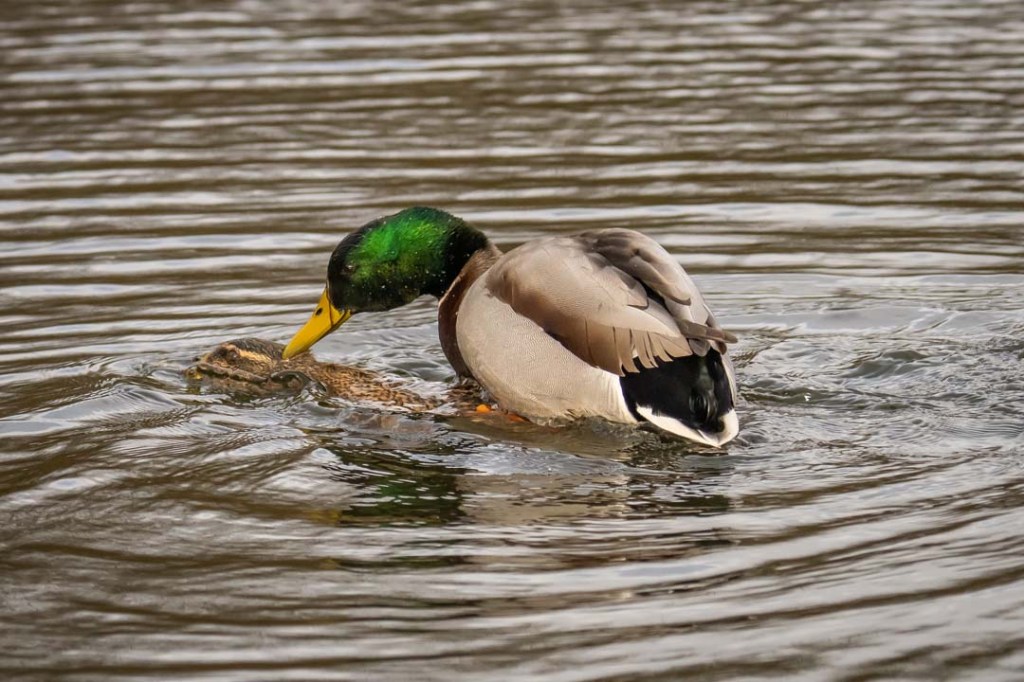
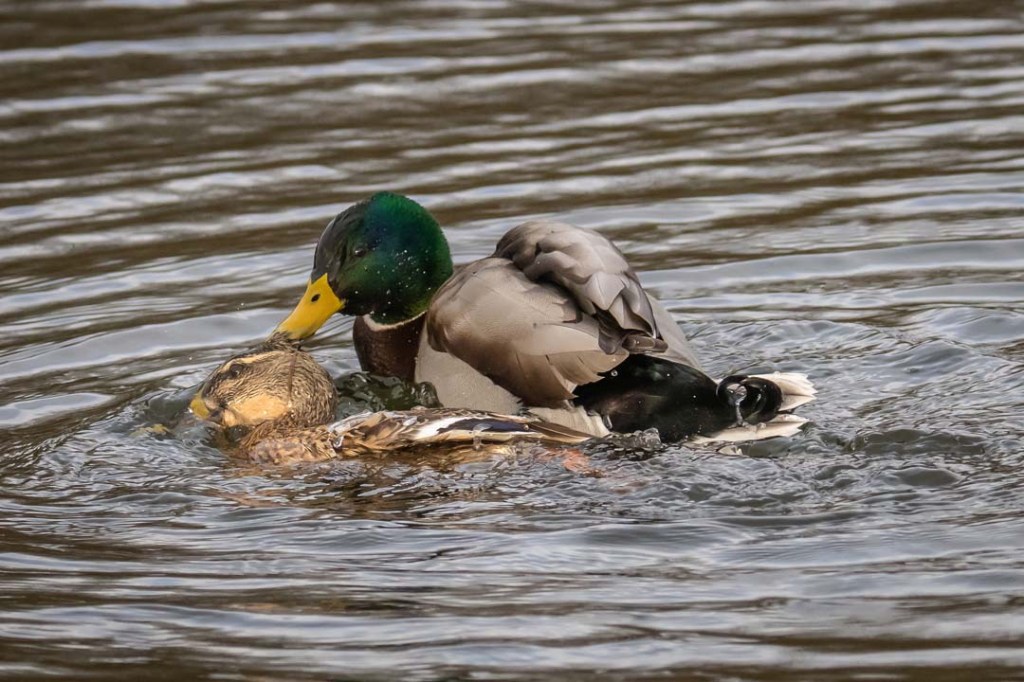
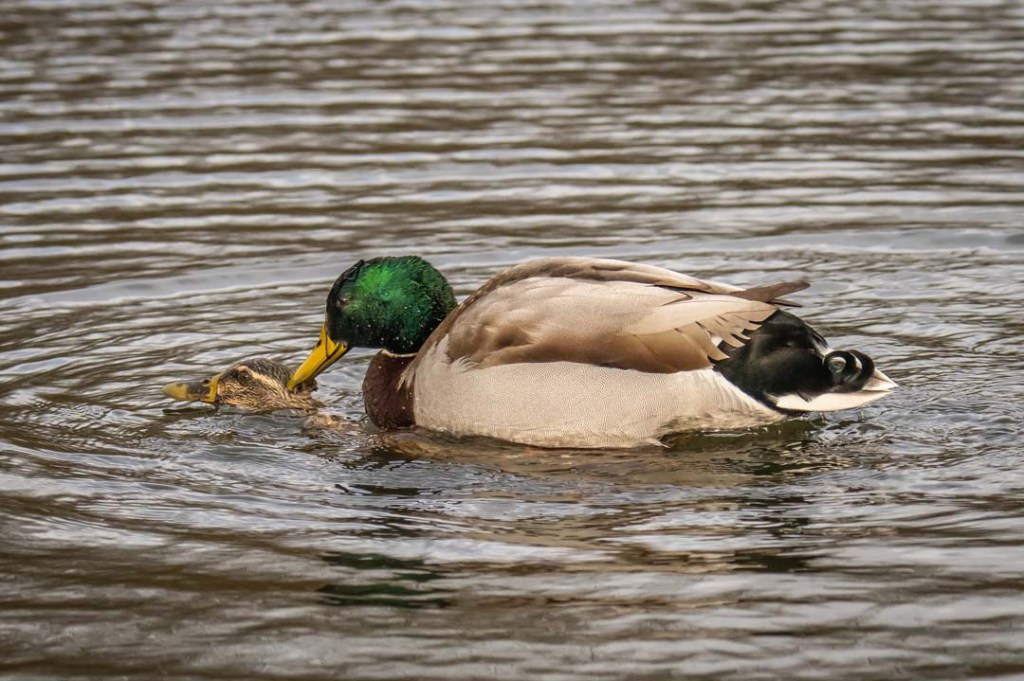
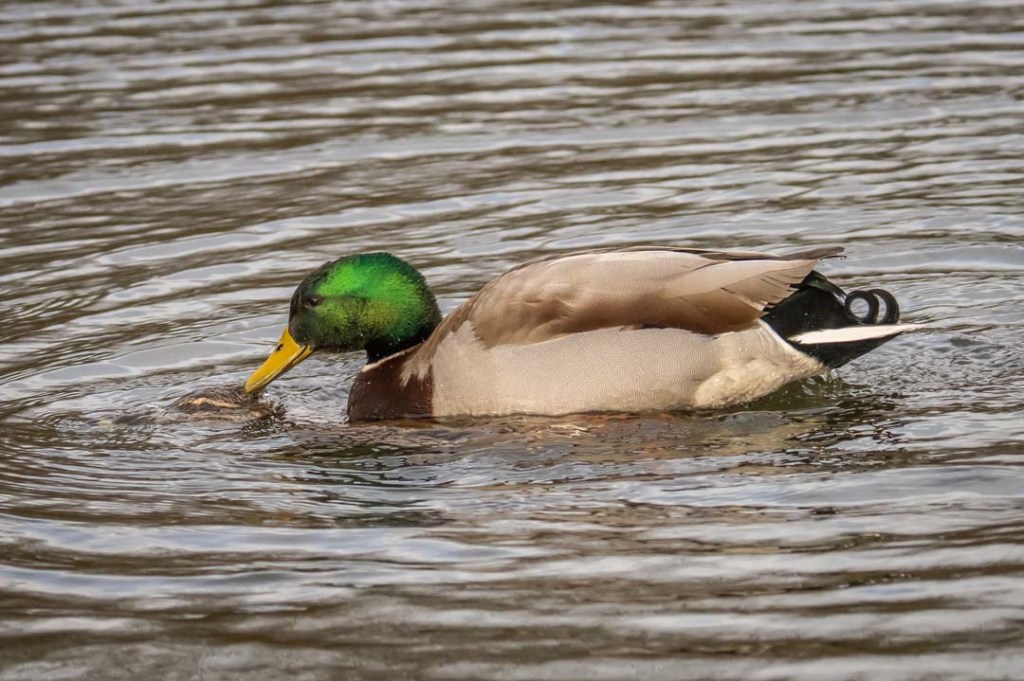
I saw Mallards mating – fairly precarious for the female.
Mallards mating
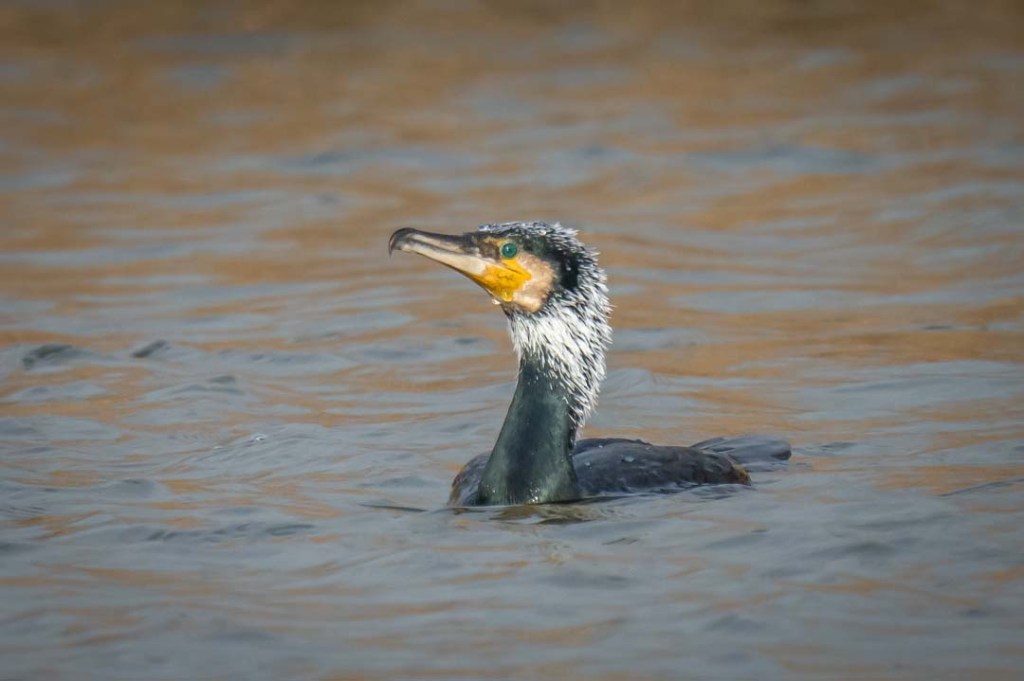
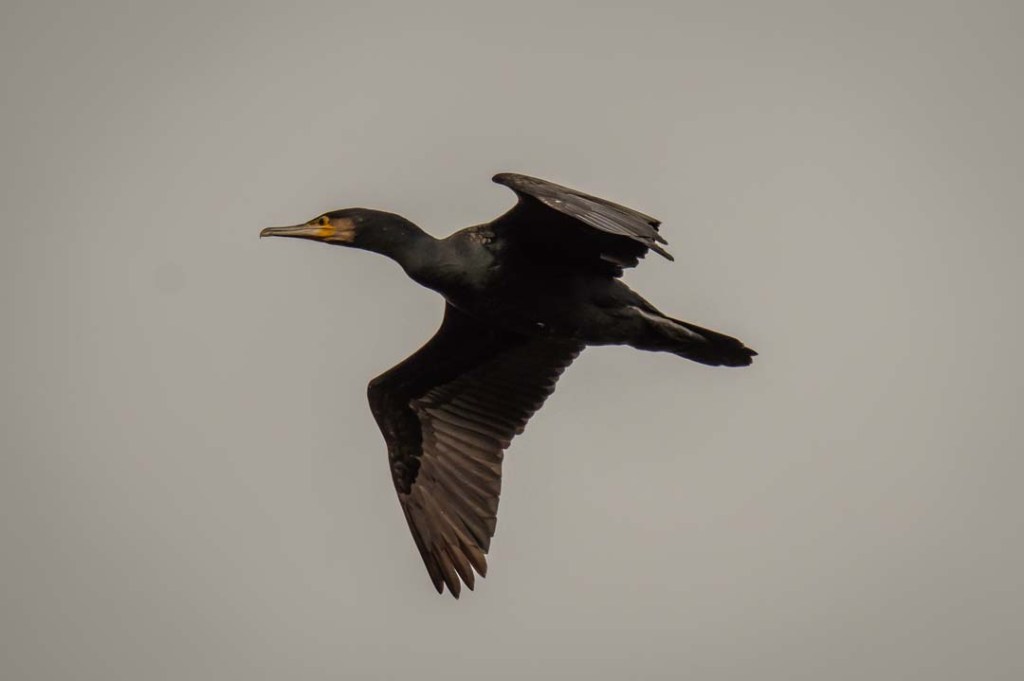
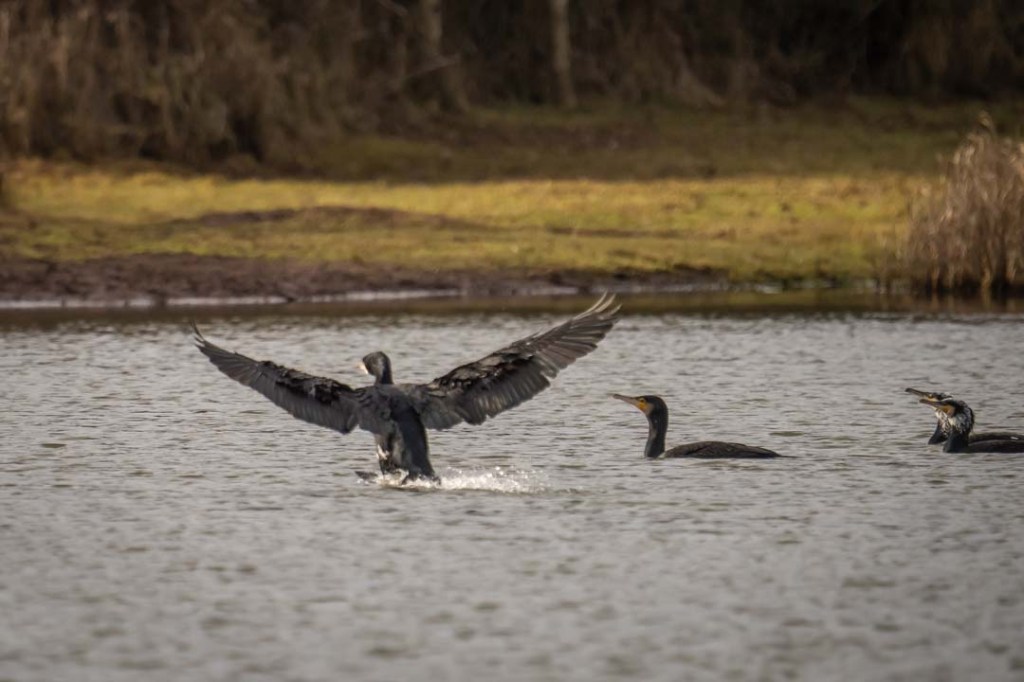
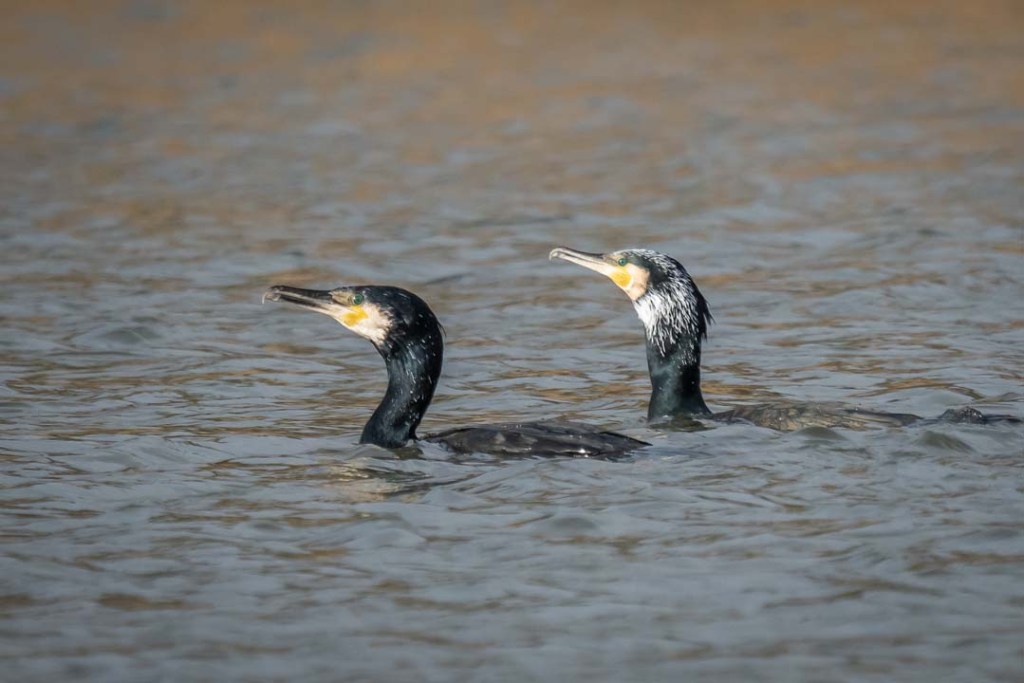
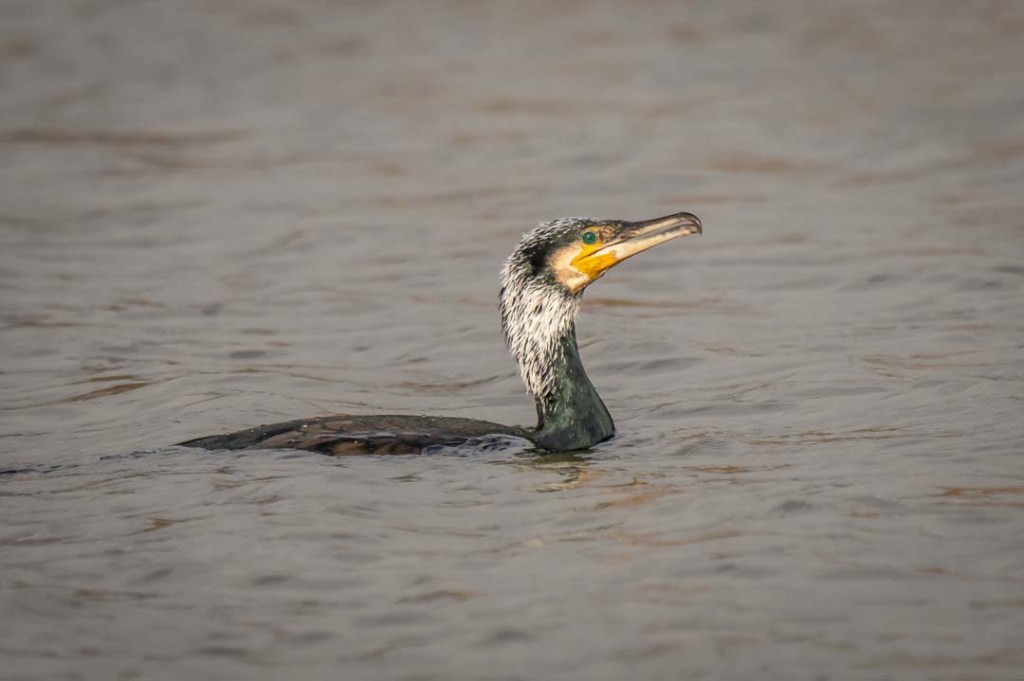
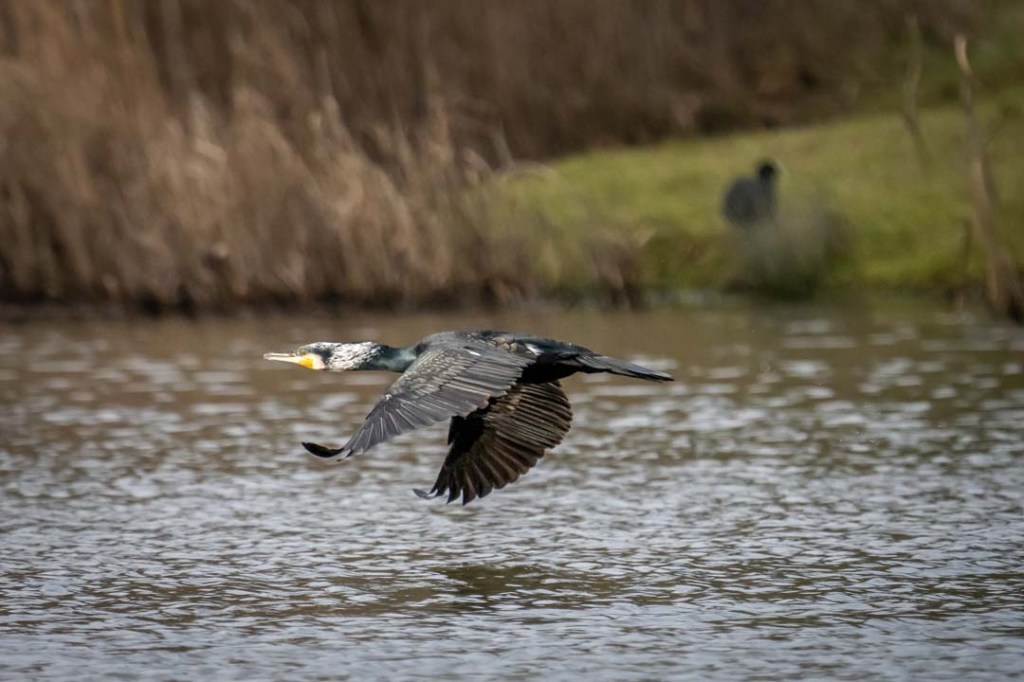
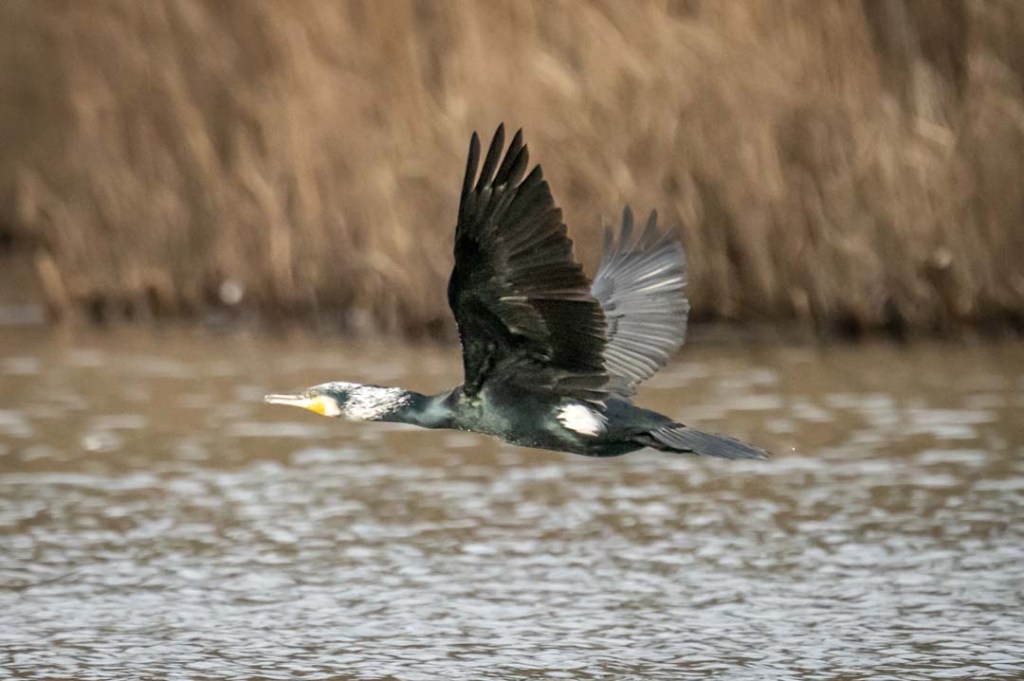
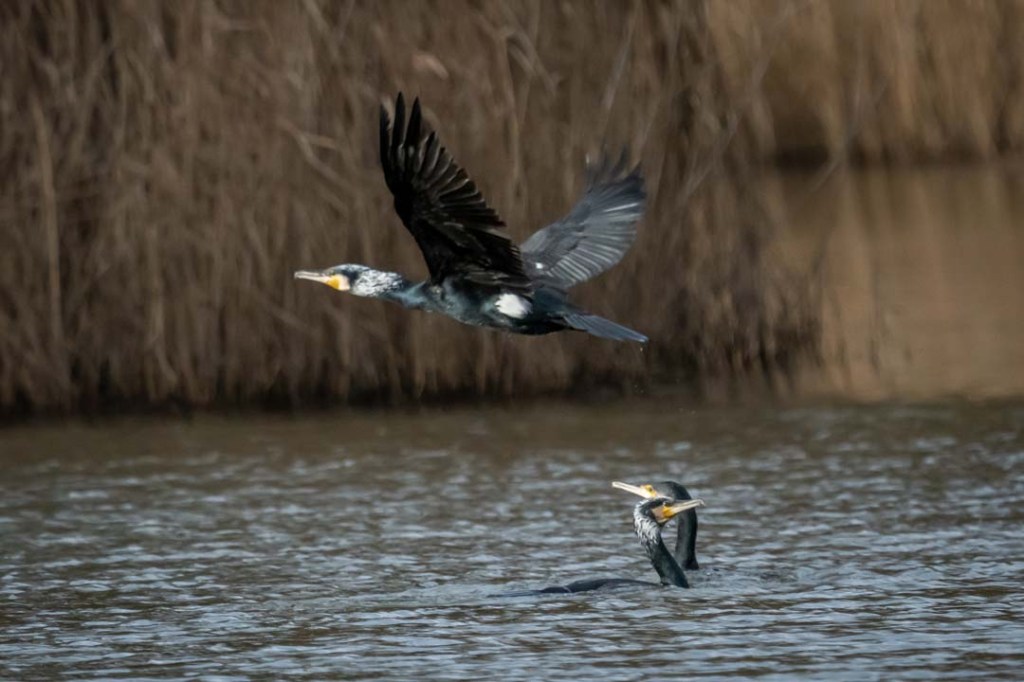
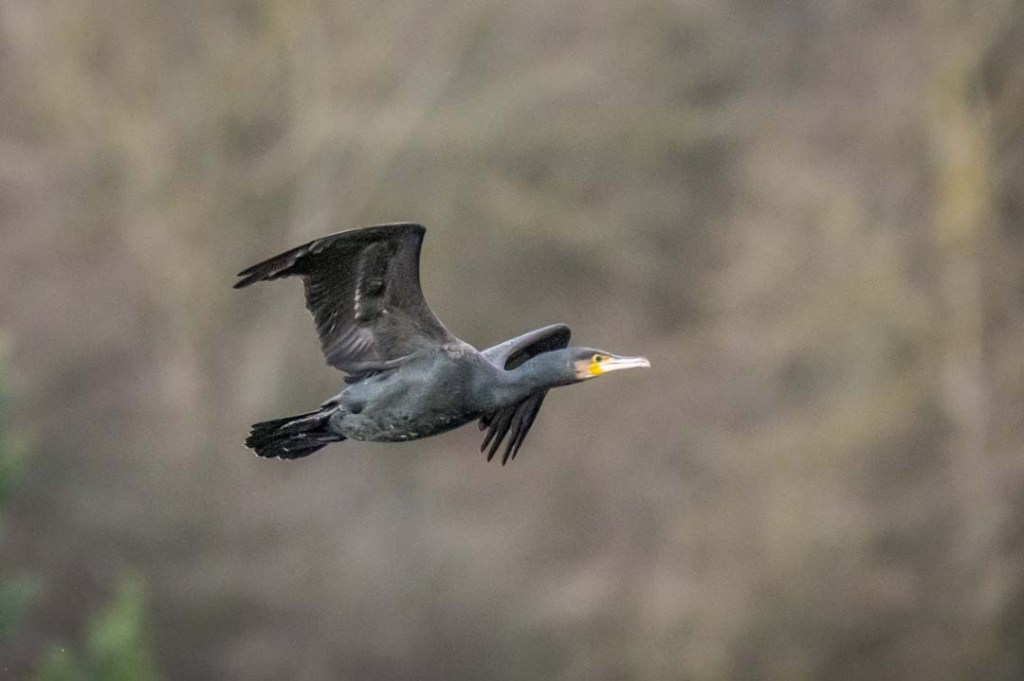
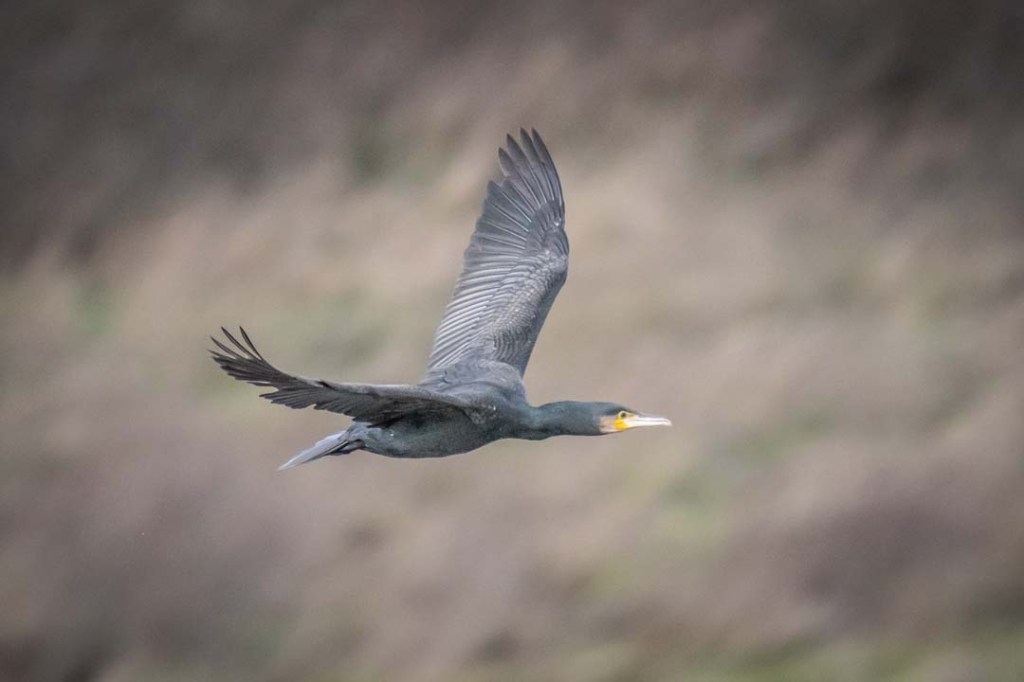
4 Cormorants flew in and then, presumably, made their way back to Eastville Park.

























































































































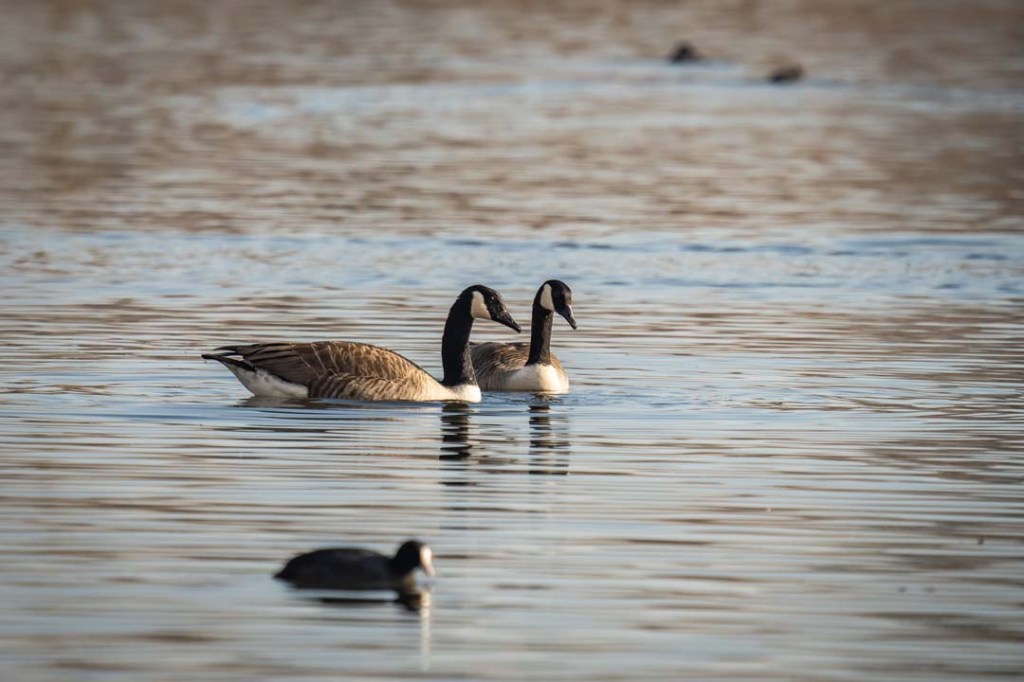





























 Martin's Bird Blog & Nature Photos