We have had wall to wall sunshine for the last few weeks and we are promised a “plume” of hot weather from Spain later this week. So, how did I manage to pick today to go birding on the Somerset Levels when it was so grey and cold?
I started at Catcott but soon gave in as the hide was so draughty and there was very little to see (and what I could see was certainly impossible to photograph). I moved on to Ham Wall where at leat there was the relief of toilets.
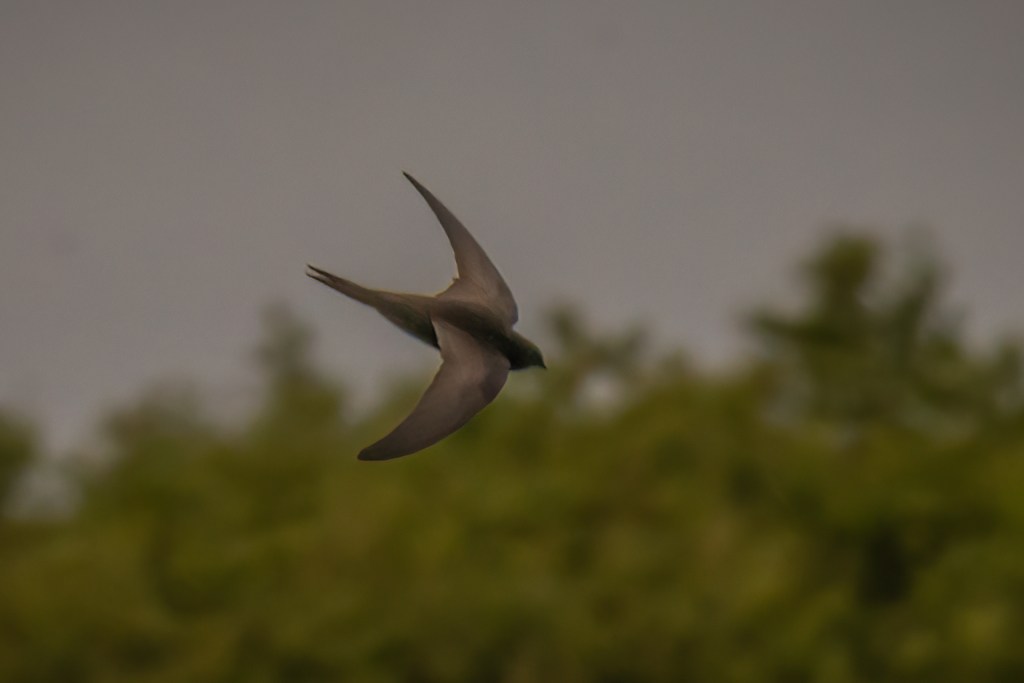
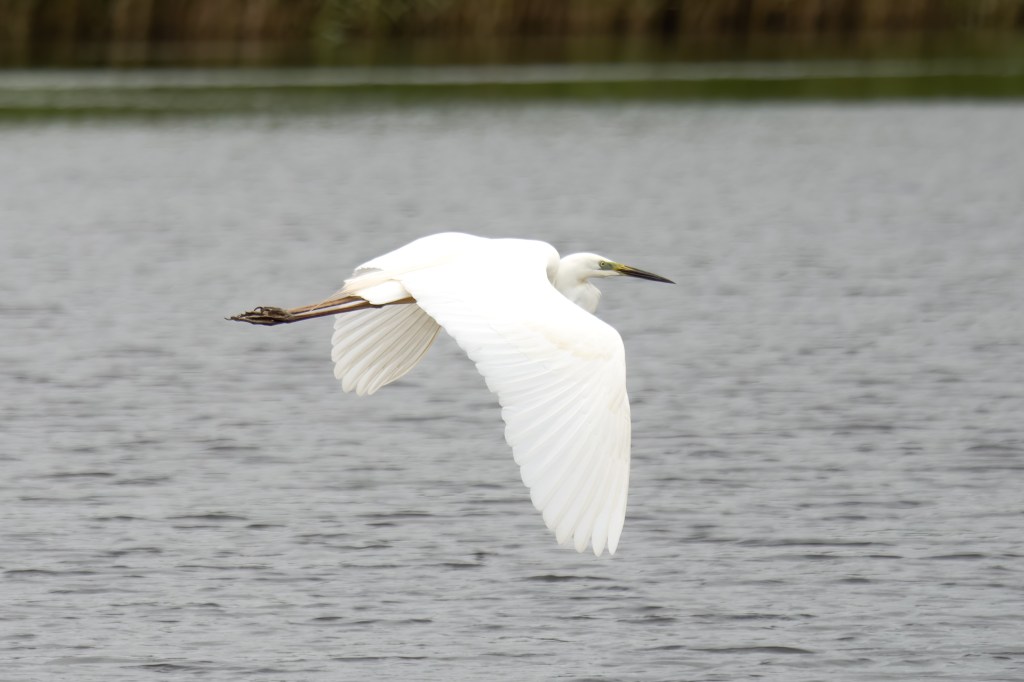
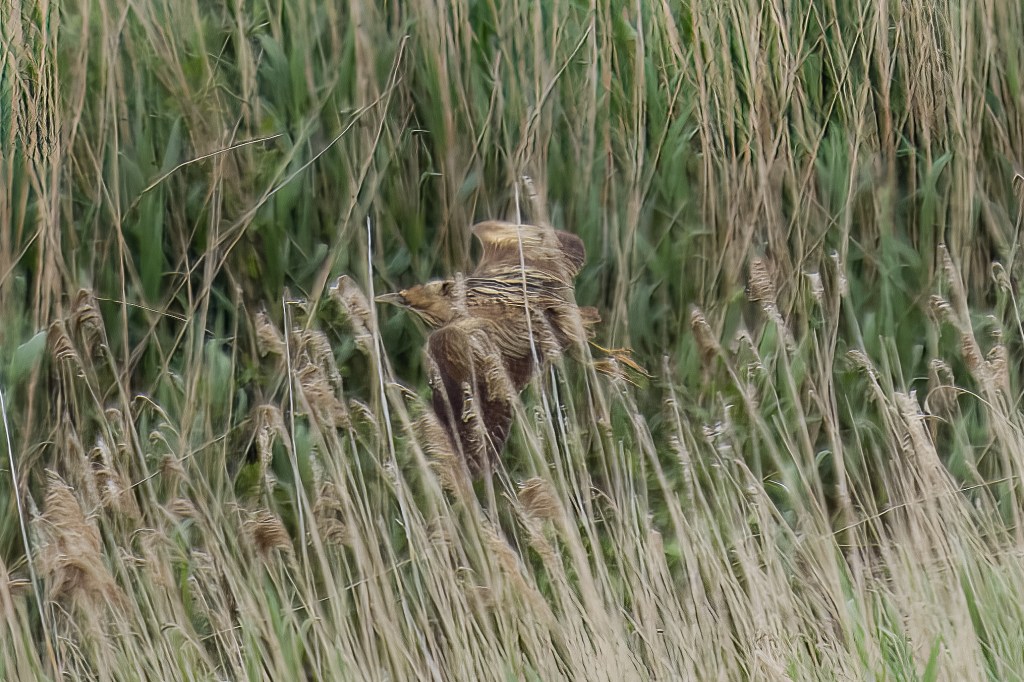
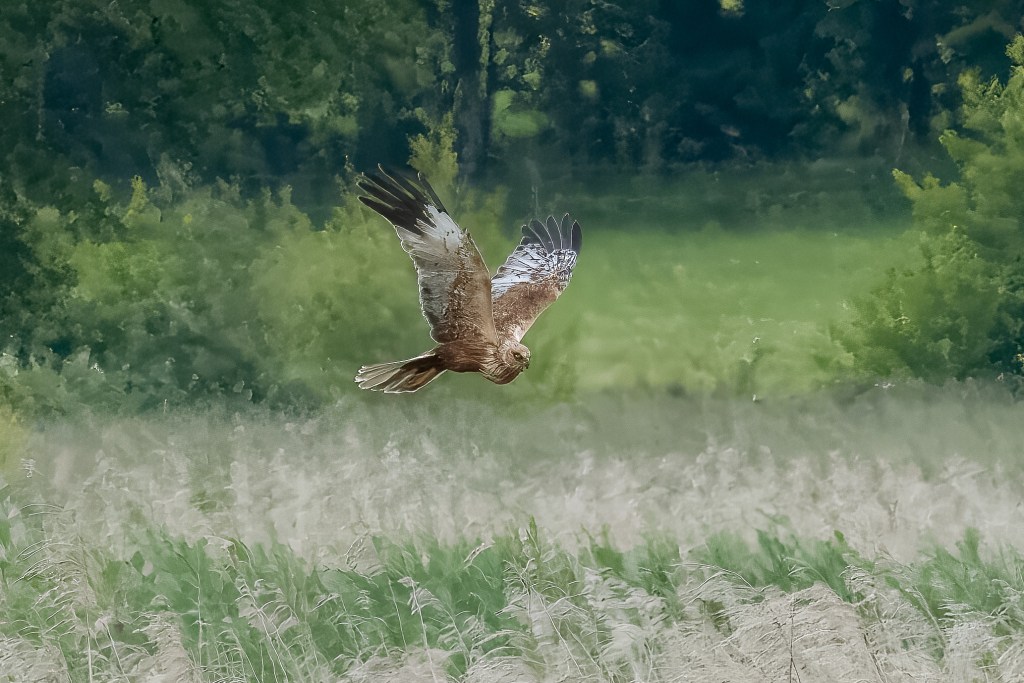
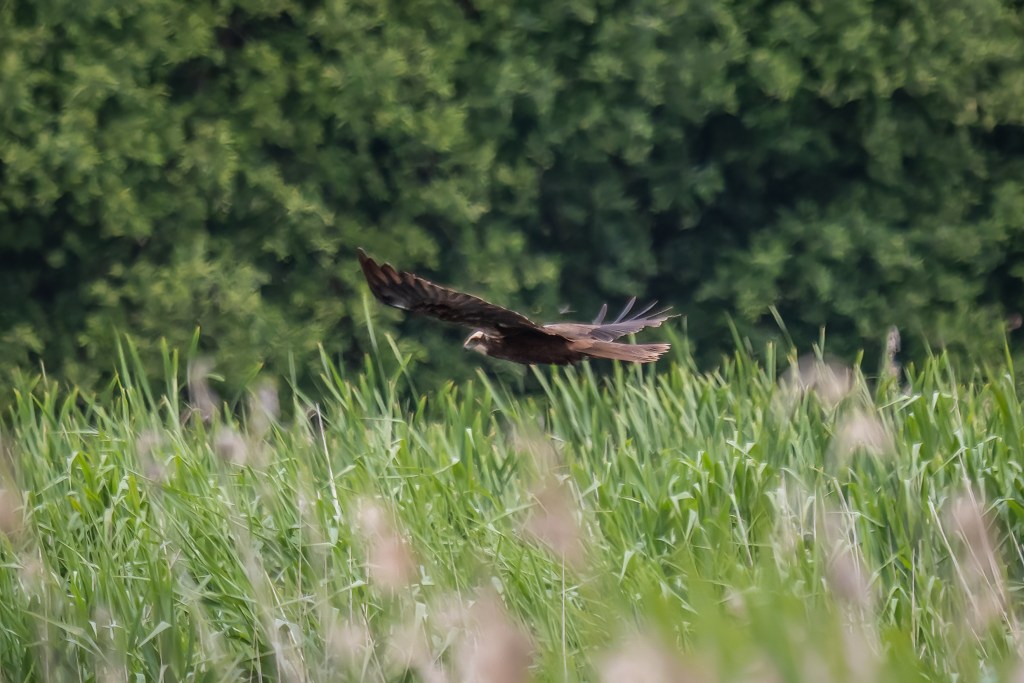
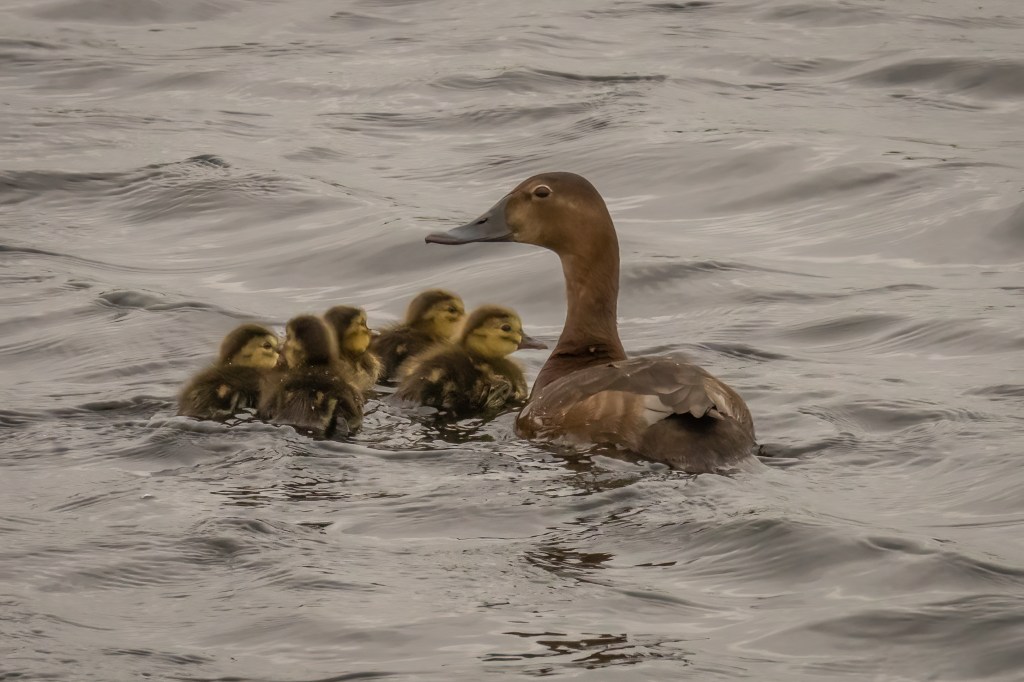
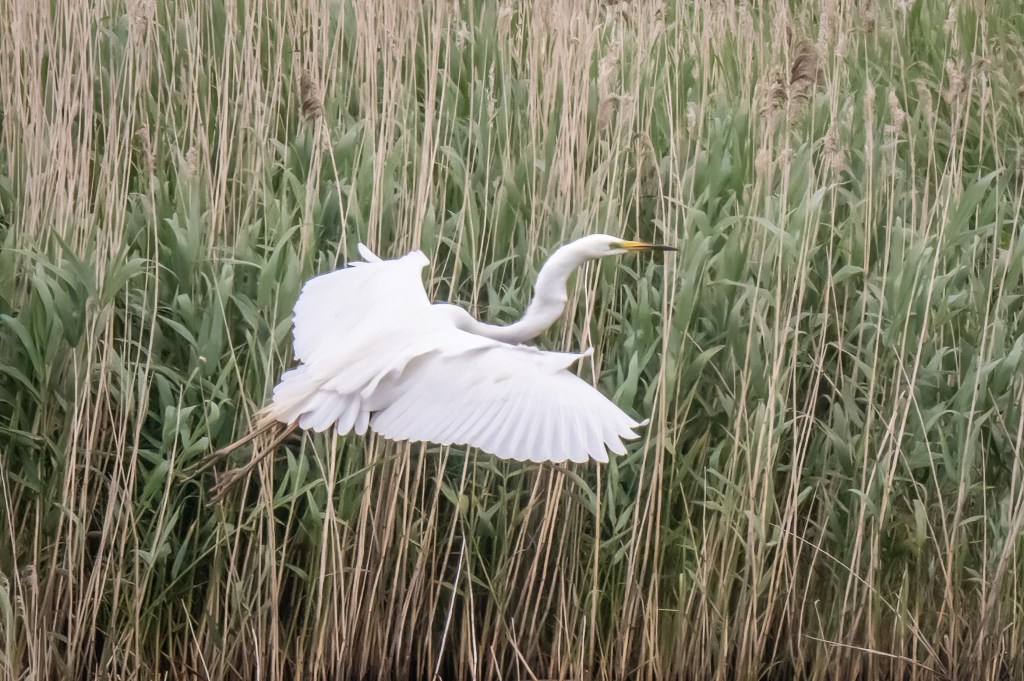
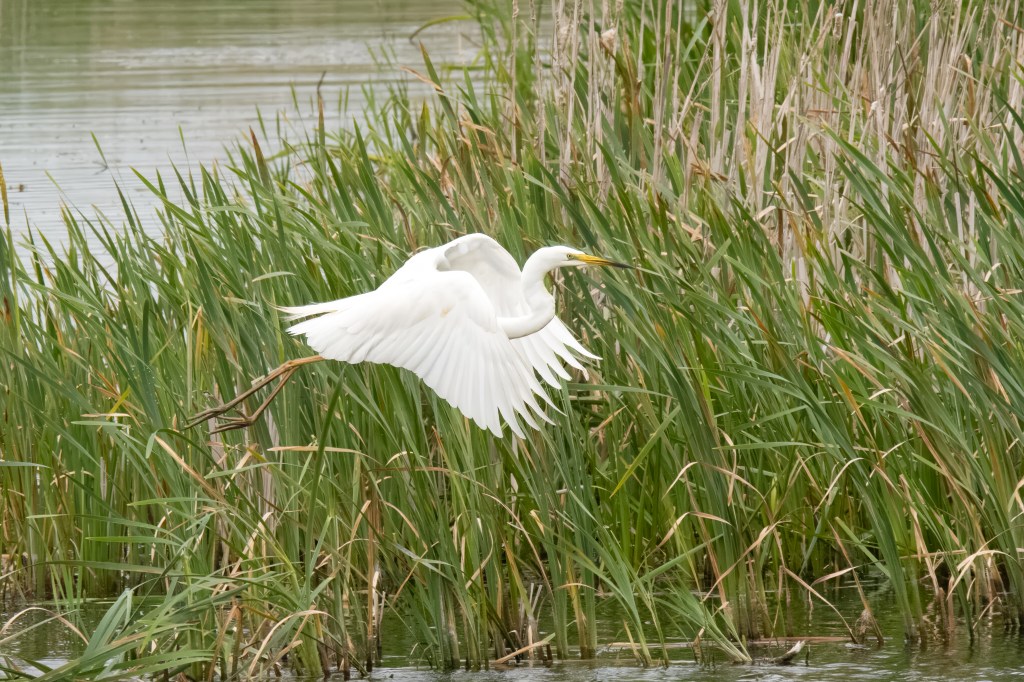
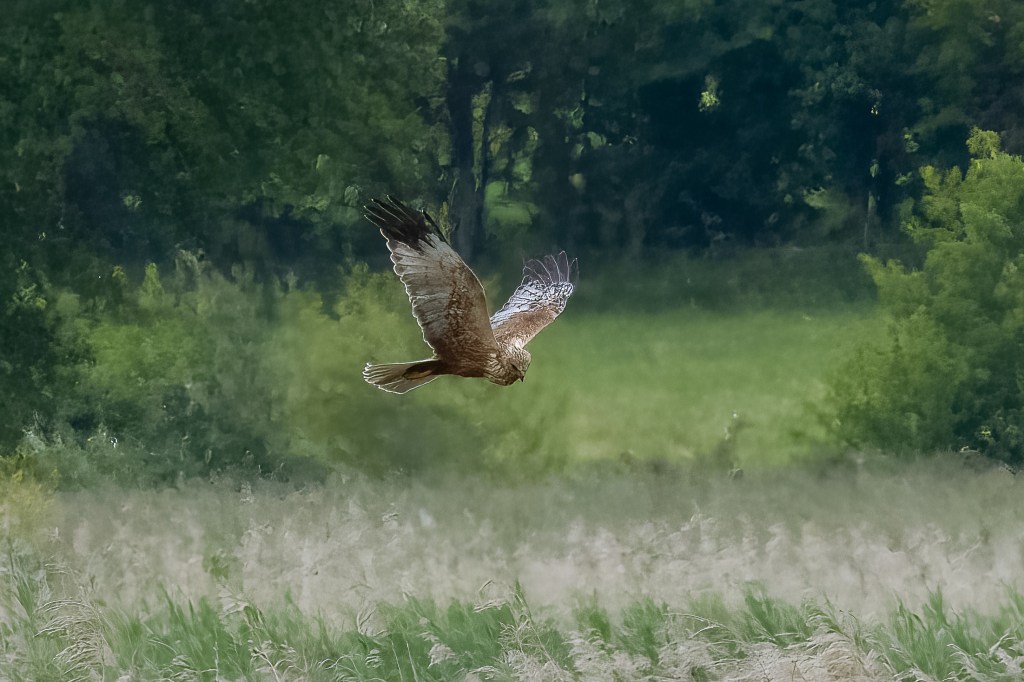
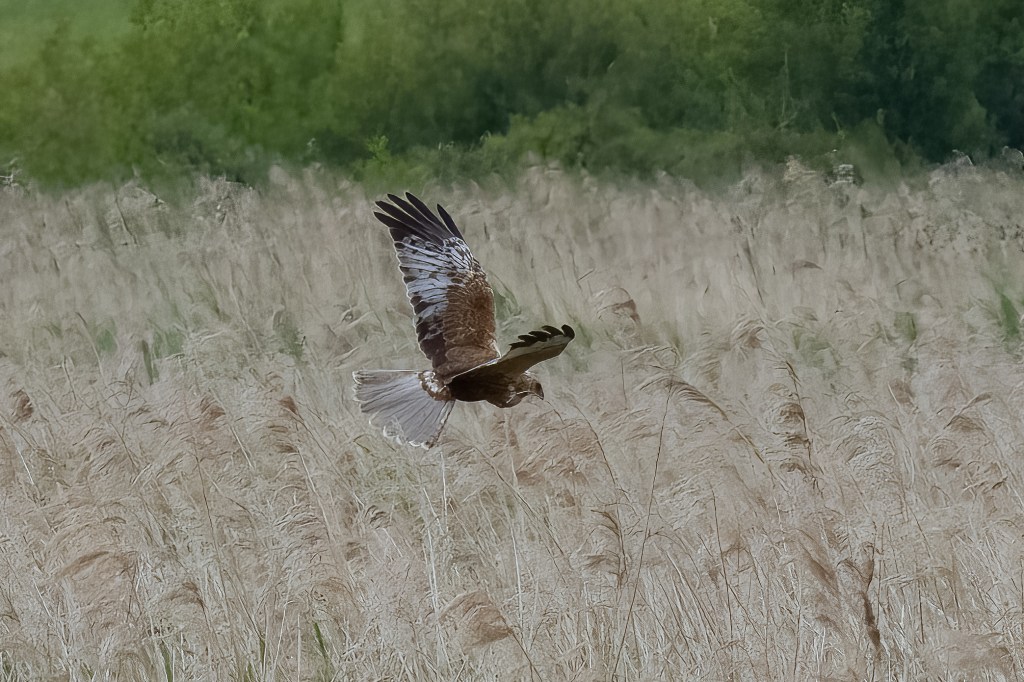
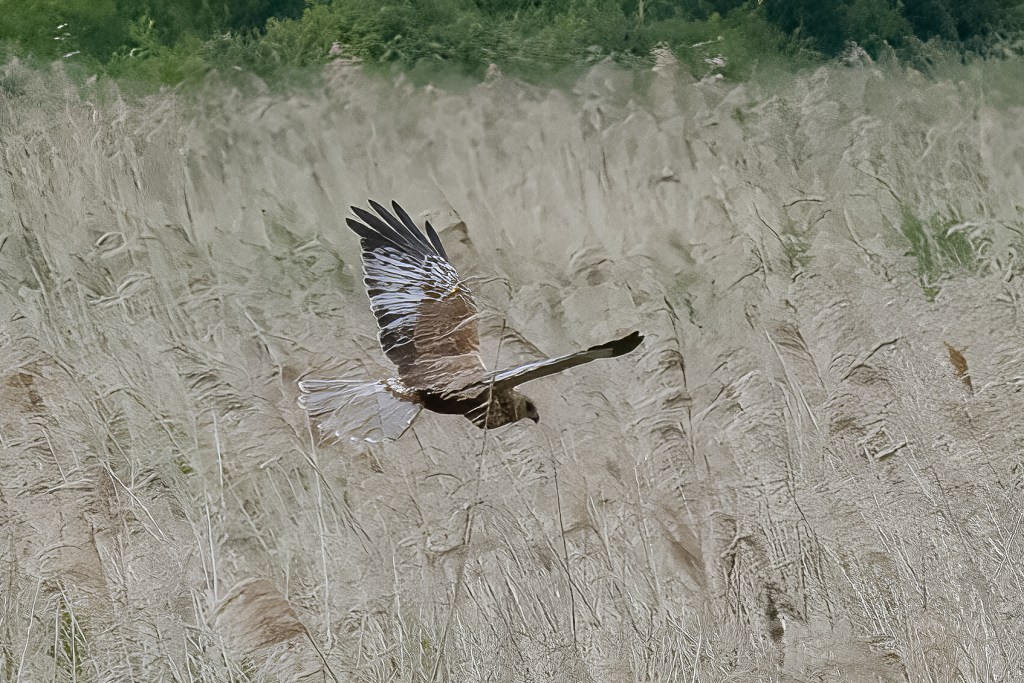
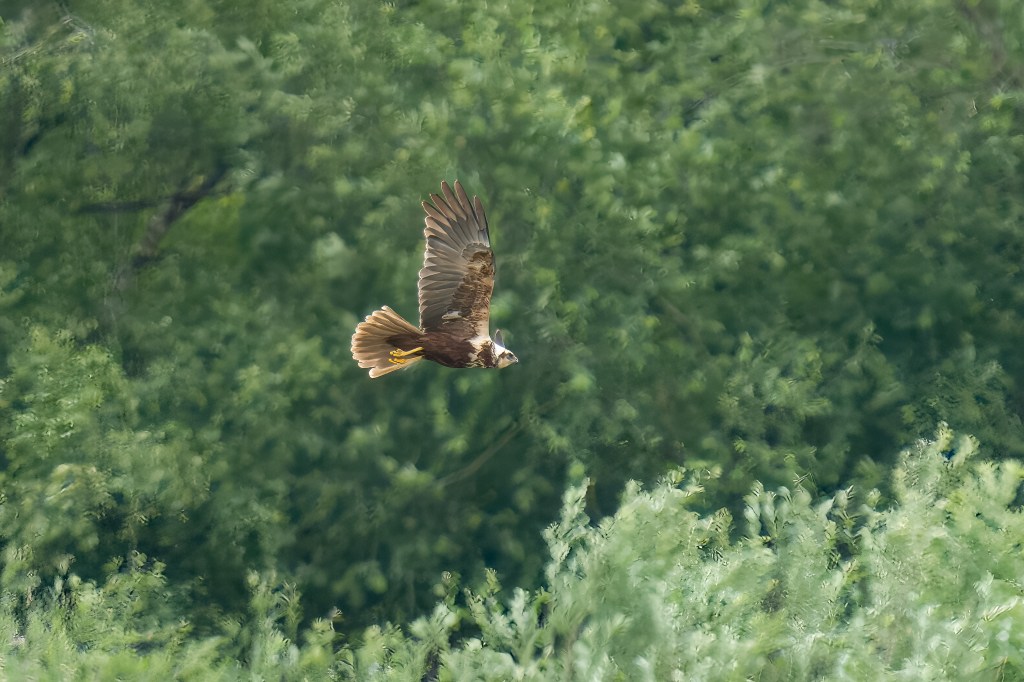
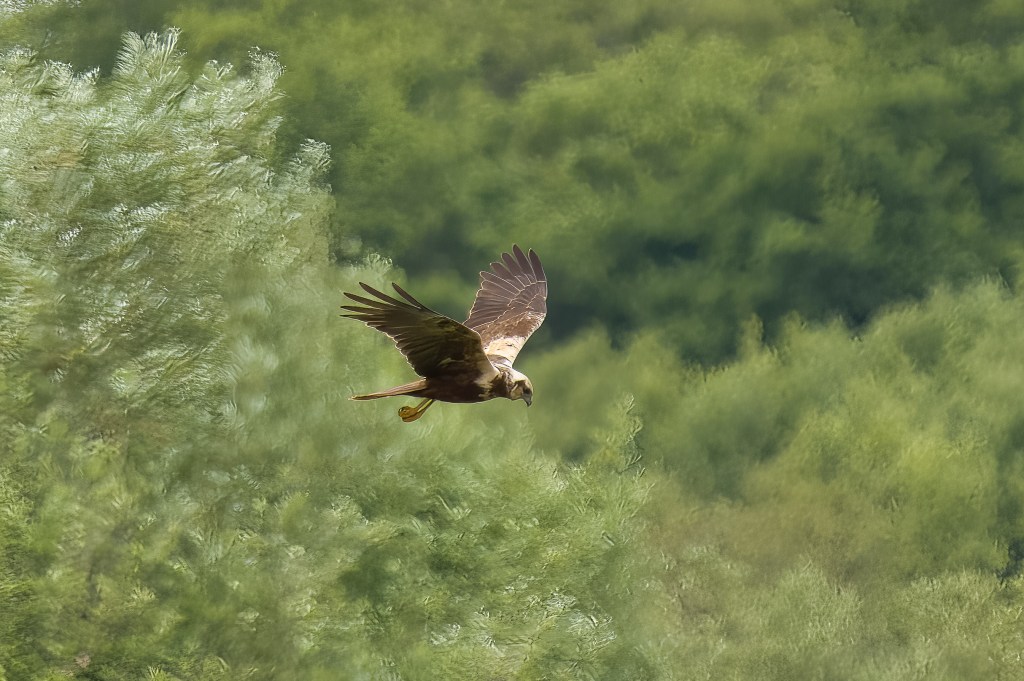
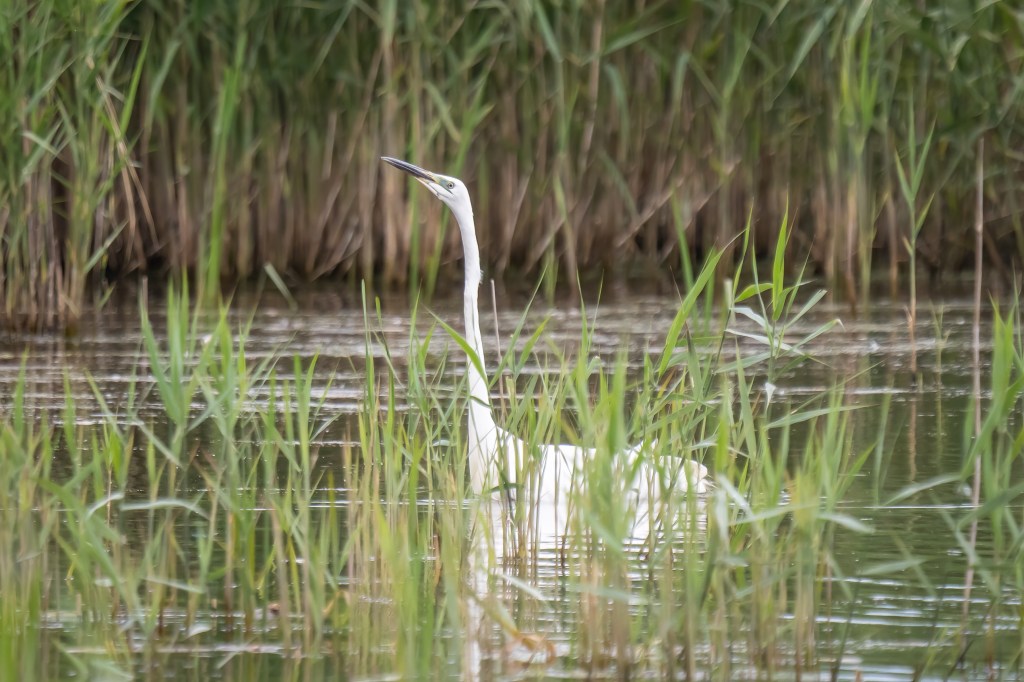
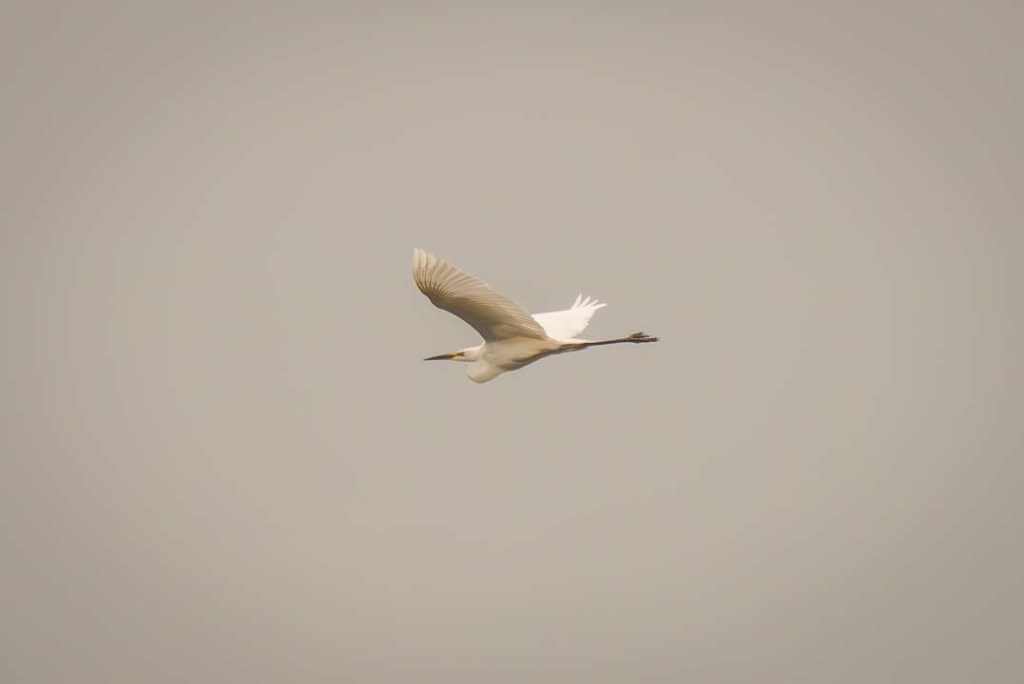
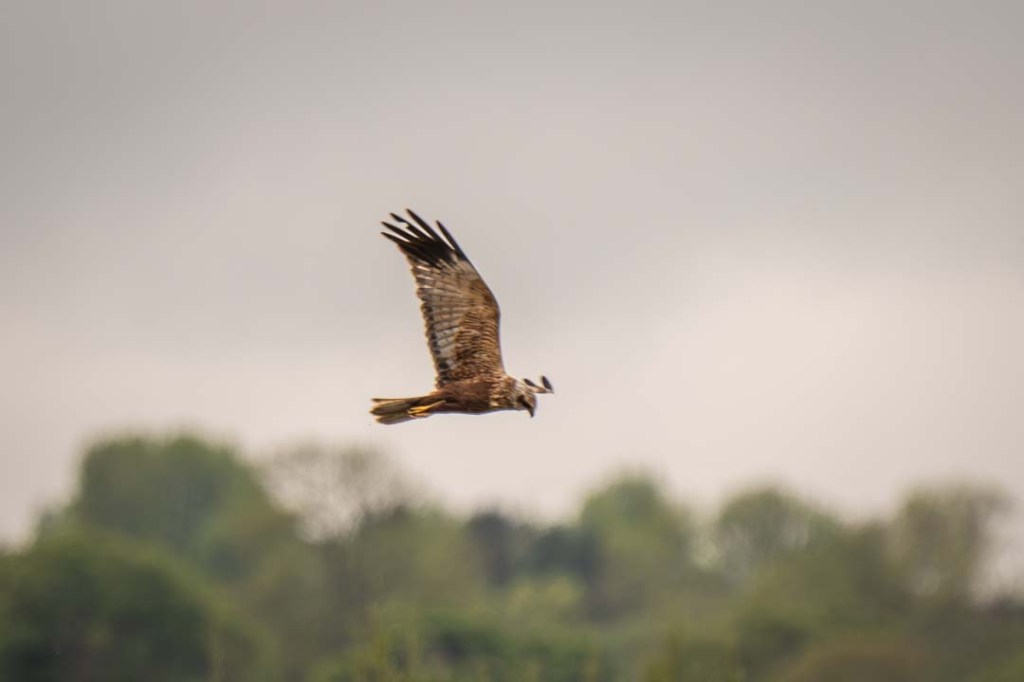
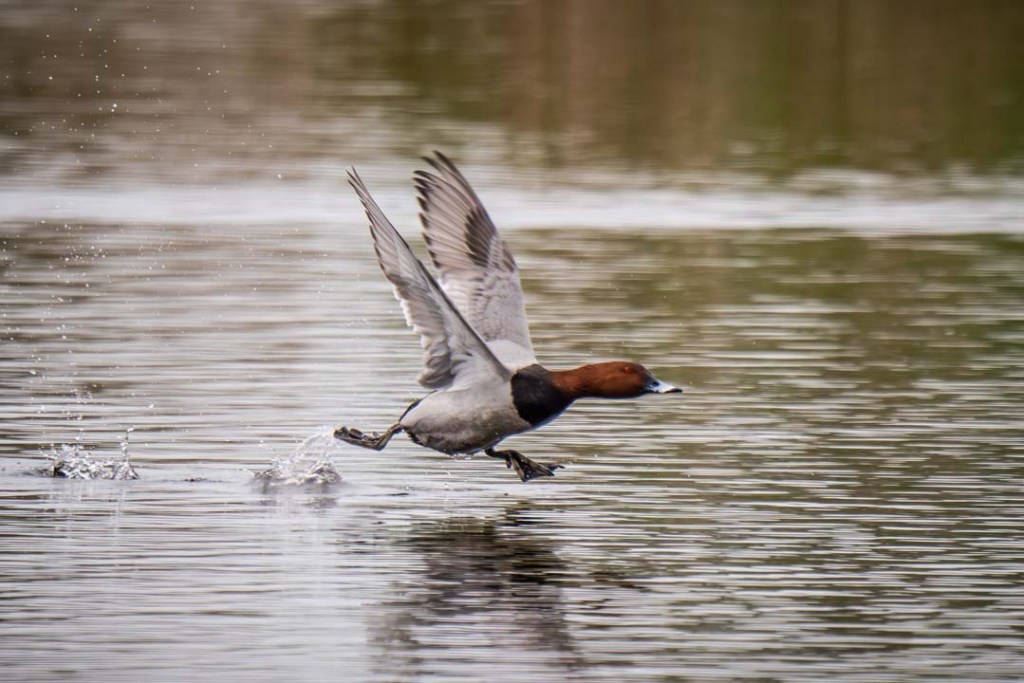
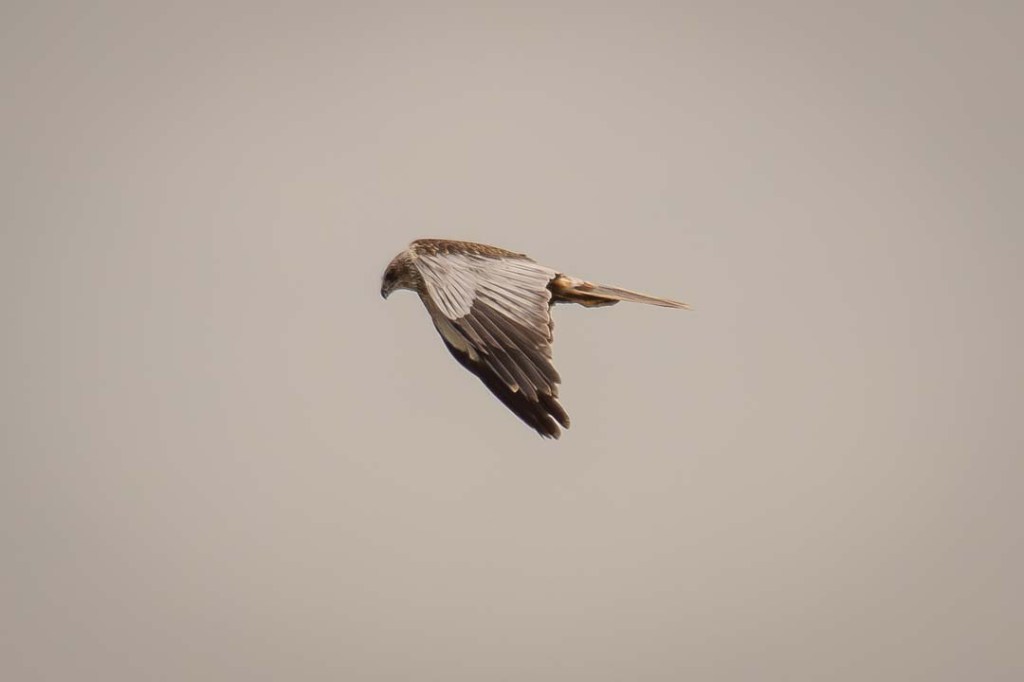
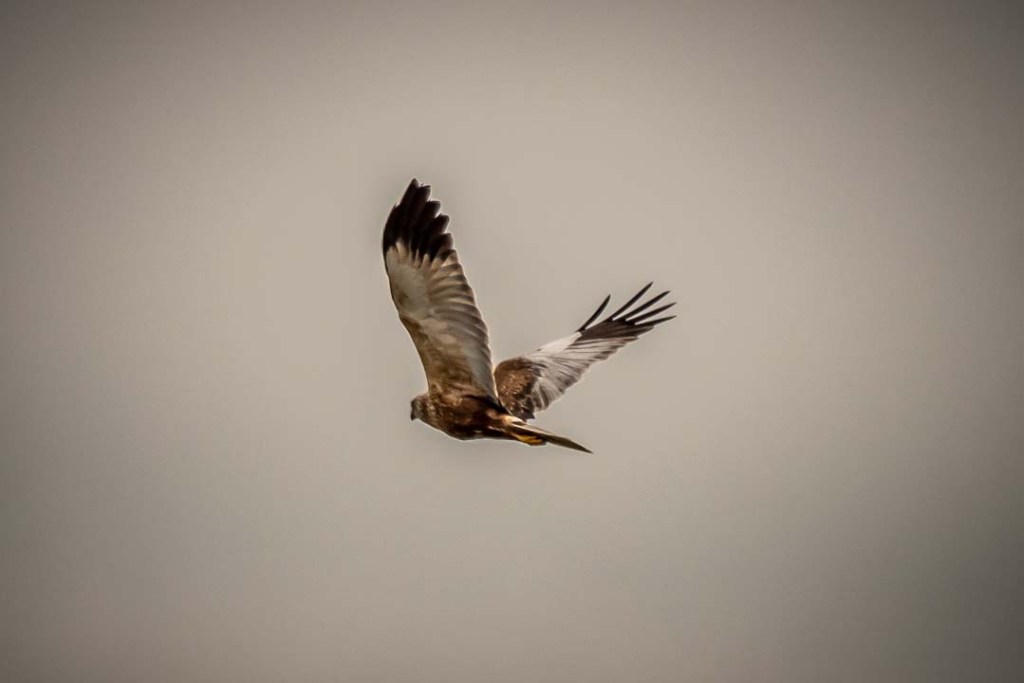
I was hoping to see hobbies but as it was too cold and dull to encourage the dragonflies to offer themselves up so I had no luck on that score. Great white egrets were my best bet as they were easy to see. There were lots of viewings of marsh harriers too but I must apologise for the heavily edited photos. The highlight of my day was a glimpse of a bittern in flight and some cute pochard chicks.
My shot of a swift will give you an idea of the light conditions.Very white and very close was what I needed and this great white egret obligedI only managed 2 frames of this bittern before it disappeared into the reedsMale marsh harrierFemale marsh harrierCute pochard chicks
We have had very limited opportunity to get out and about recently so it was a real treat to spend a few days last week at some friends who live in Pembrokeshire.
Although not a birding visit our friends were sympathetic enough to afford me plenty of opportunity to get some nature photos.
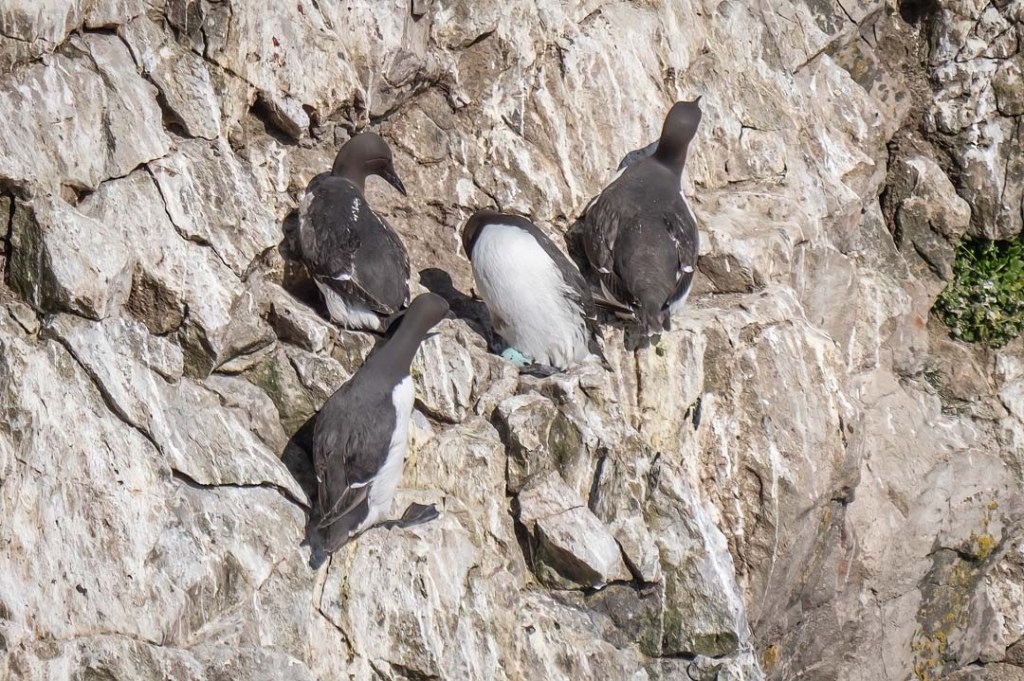
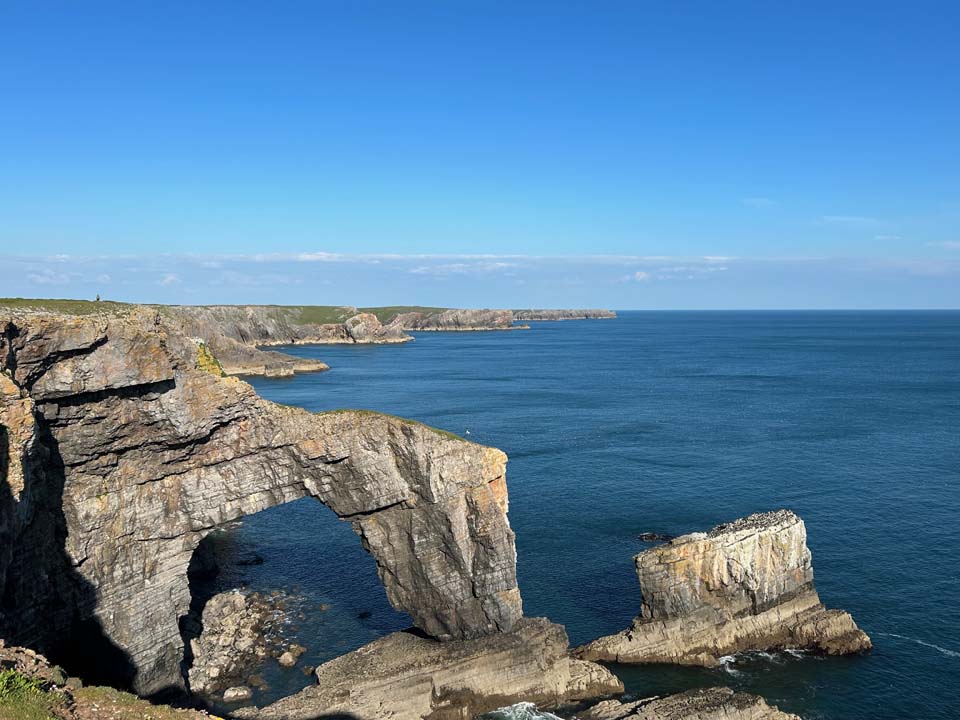
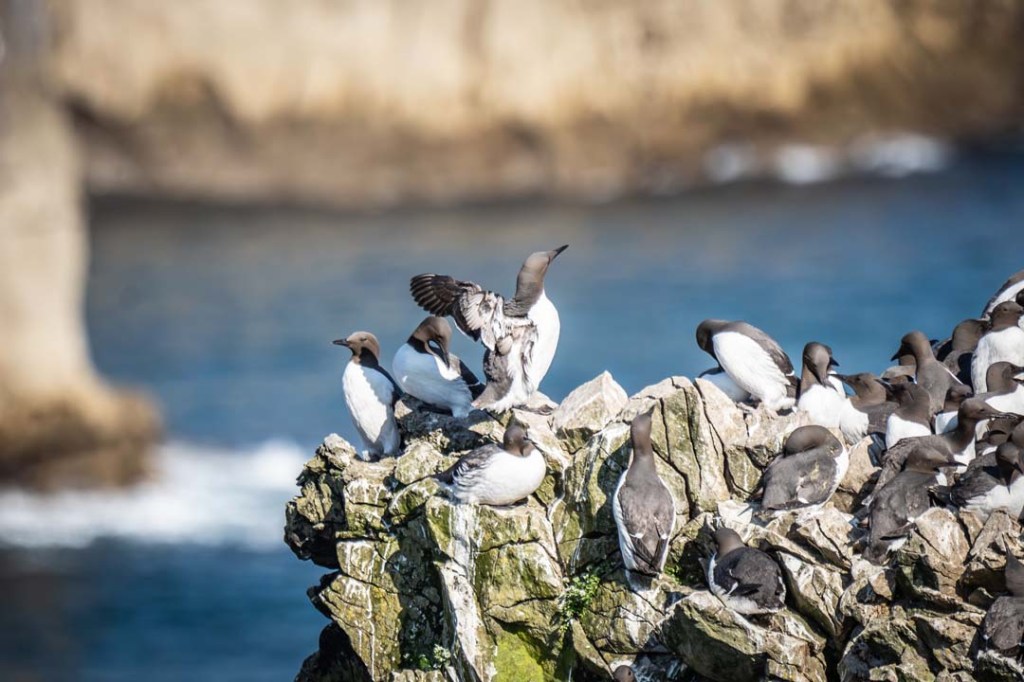
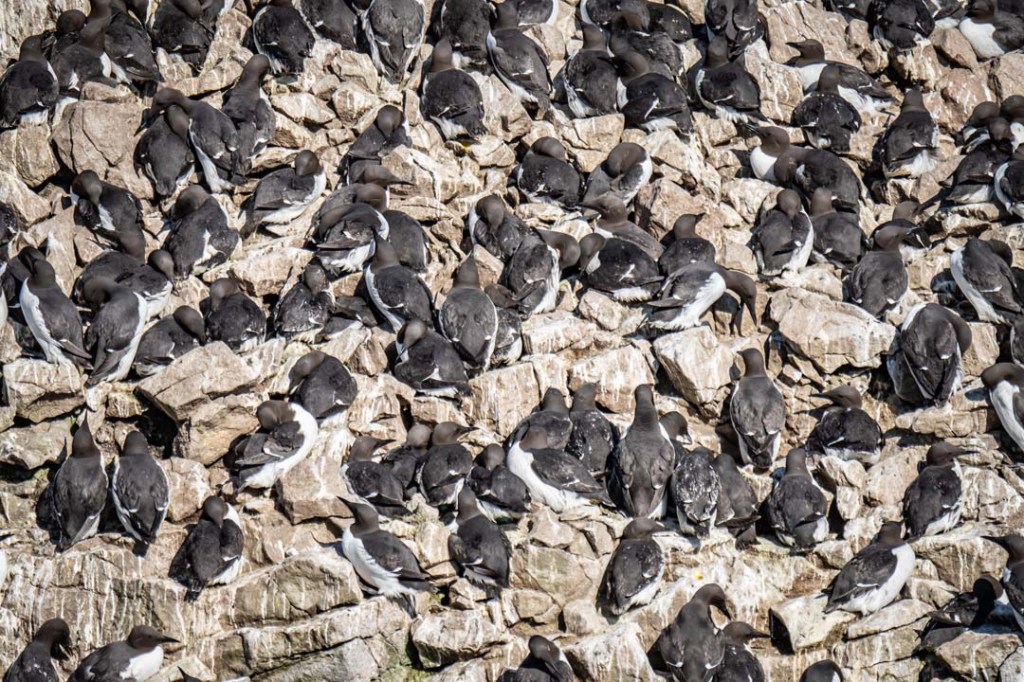
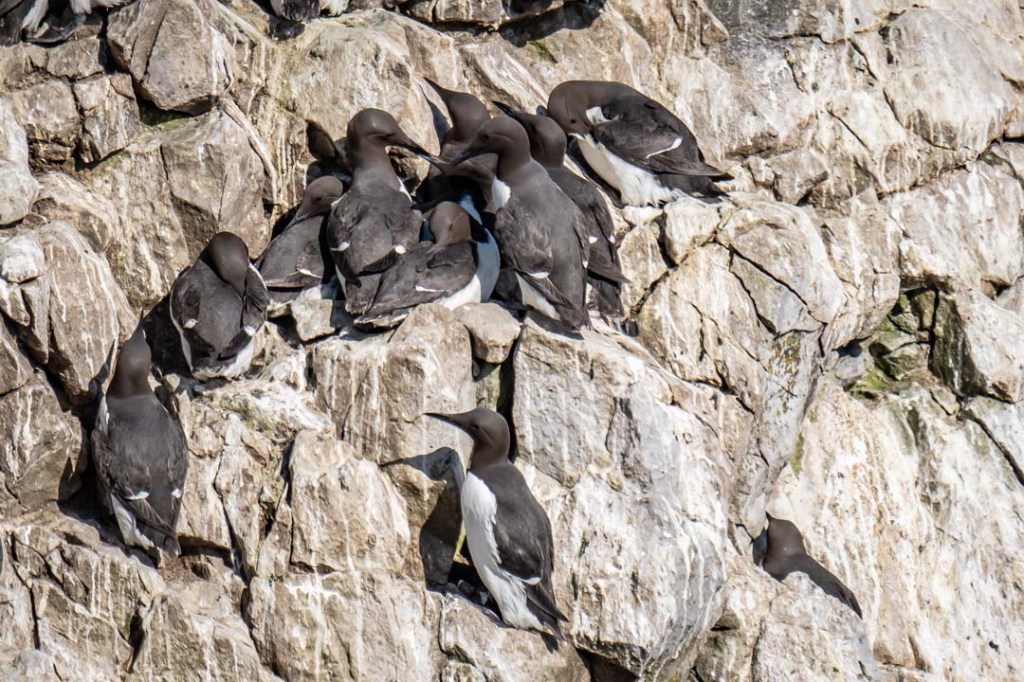
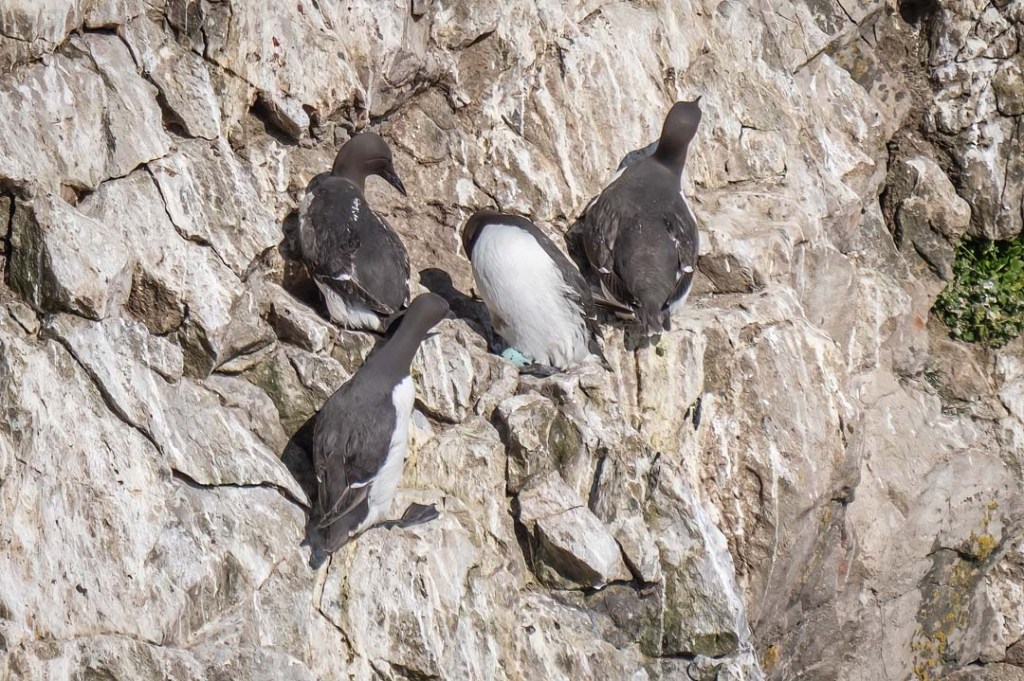
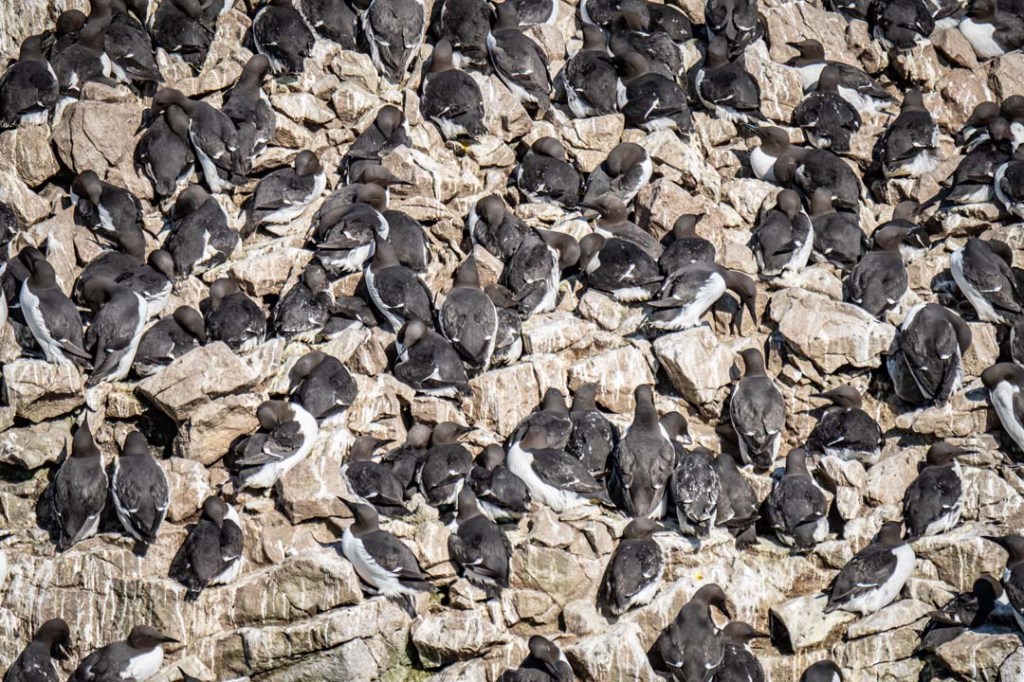
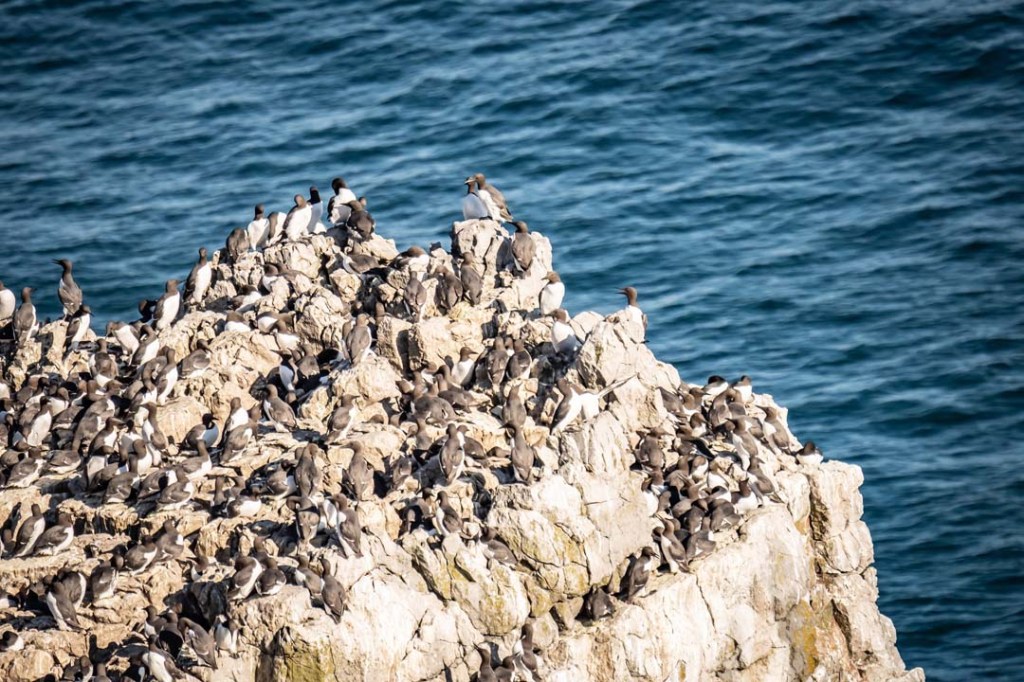
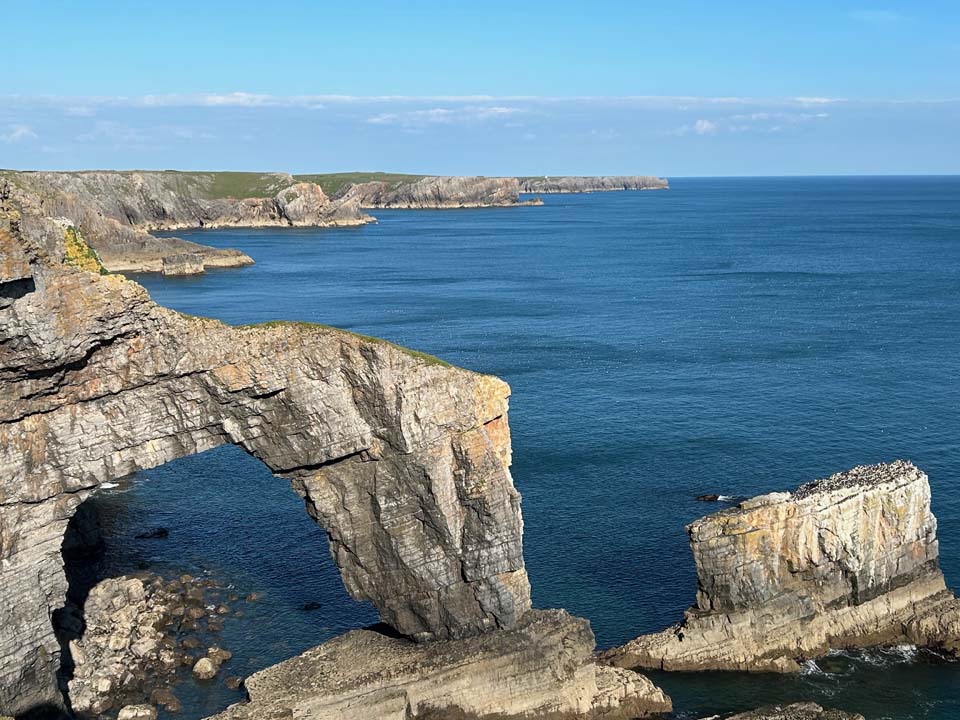
Our first evening we visited the Stack Rocks and The Green Bridge of Wales where we had great views of guillemots. There were also a few razorbills but they were mainly in the shade and difficult to photograph.
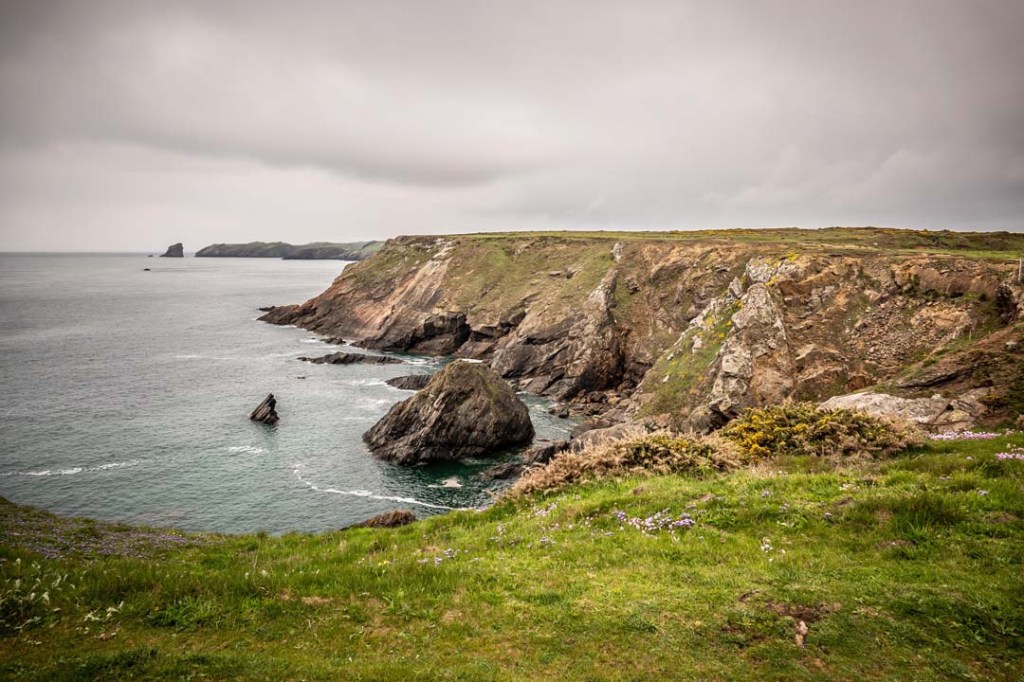
The Green Bridge of Wales on the Pembrokeshire CoastThe guillemot’s blue egg can just be seenThere’s always a scramble to be top bird on the stackThe sea was teeming with guillemots and razorbillsSafety in numbers?
Another day we visited The Gann near Dale and had more opportunity for sea birds.
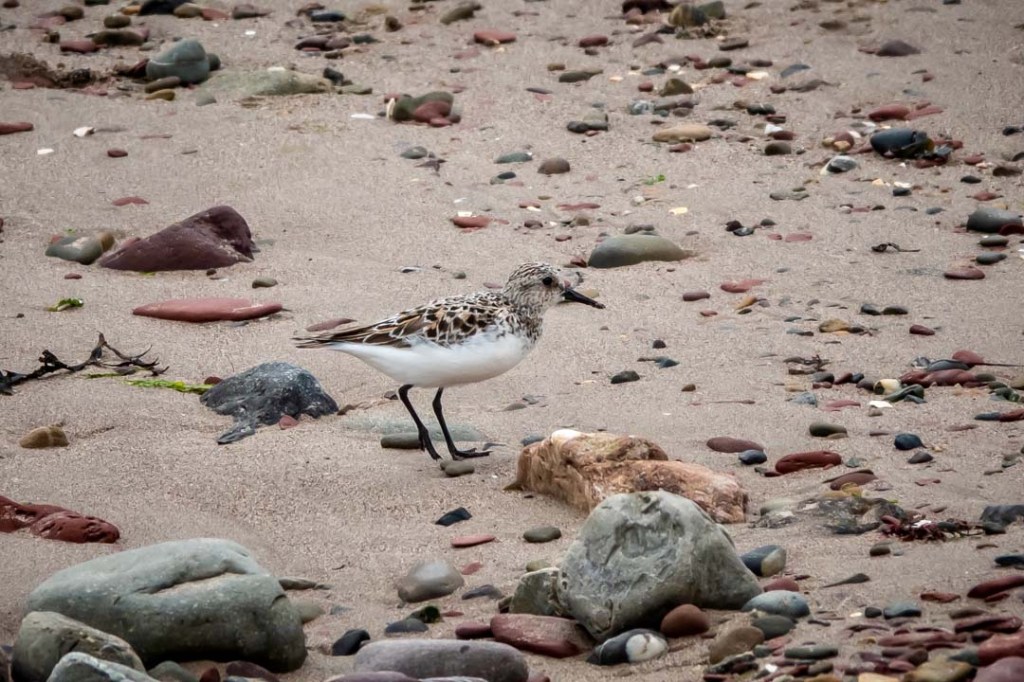
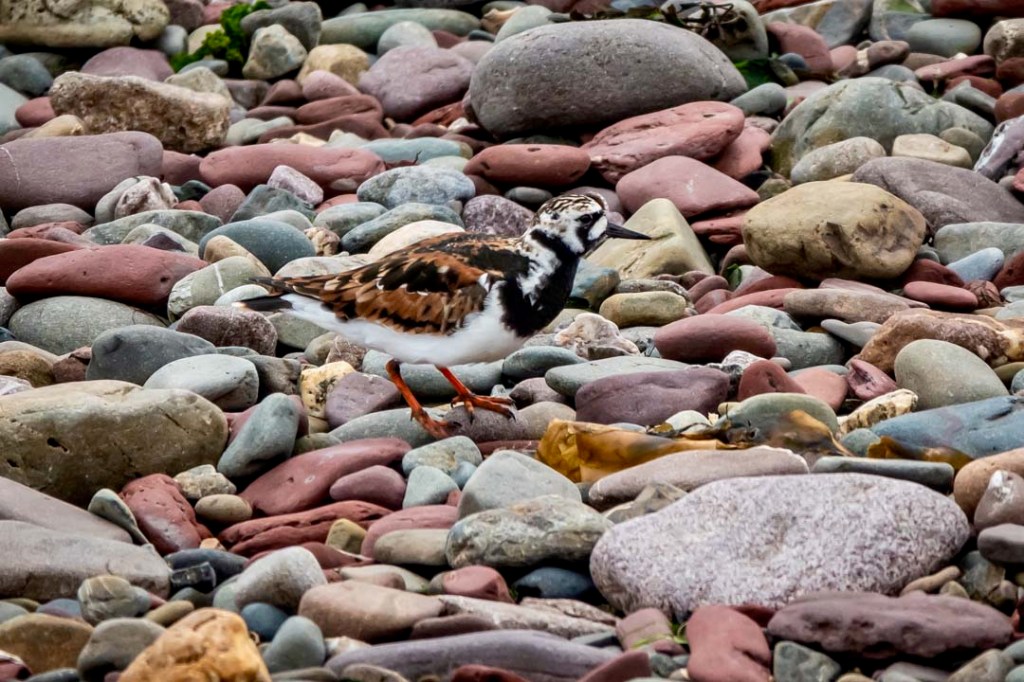
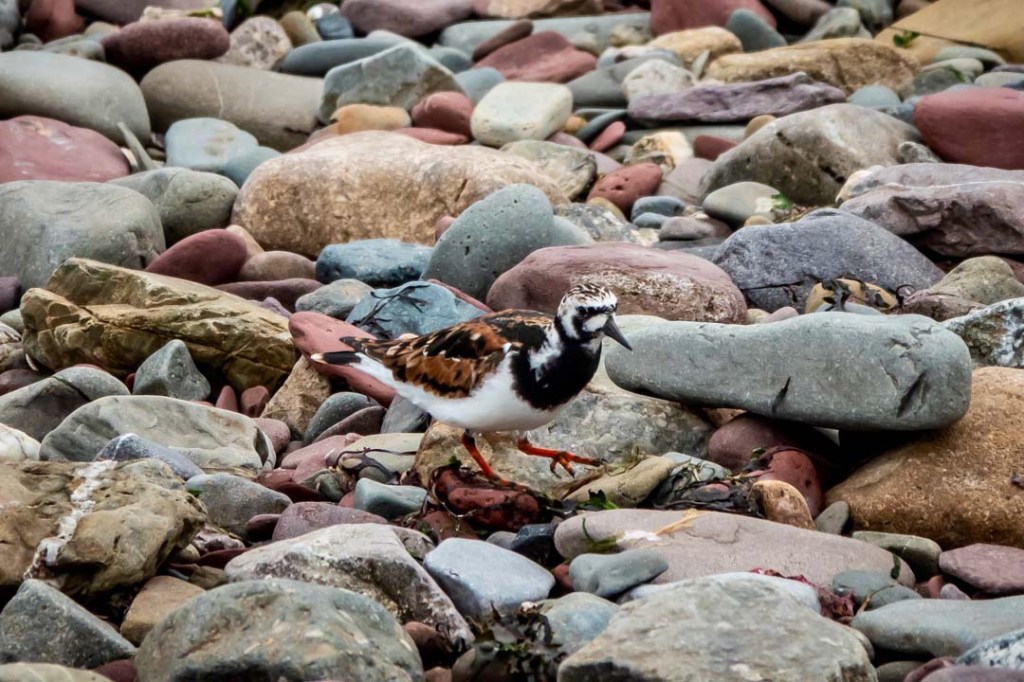
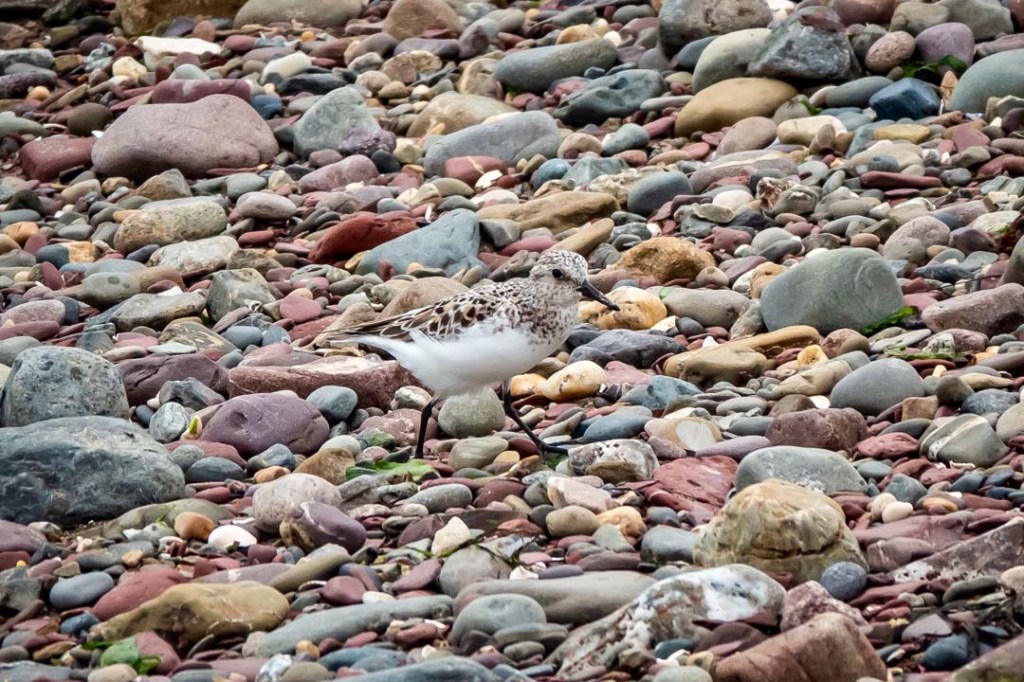
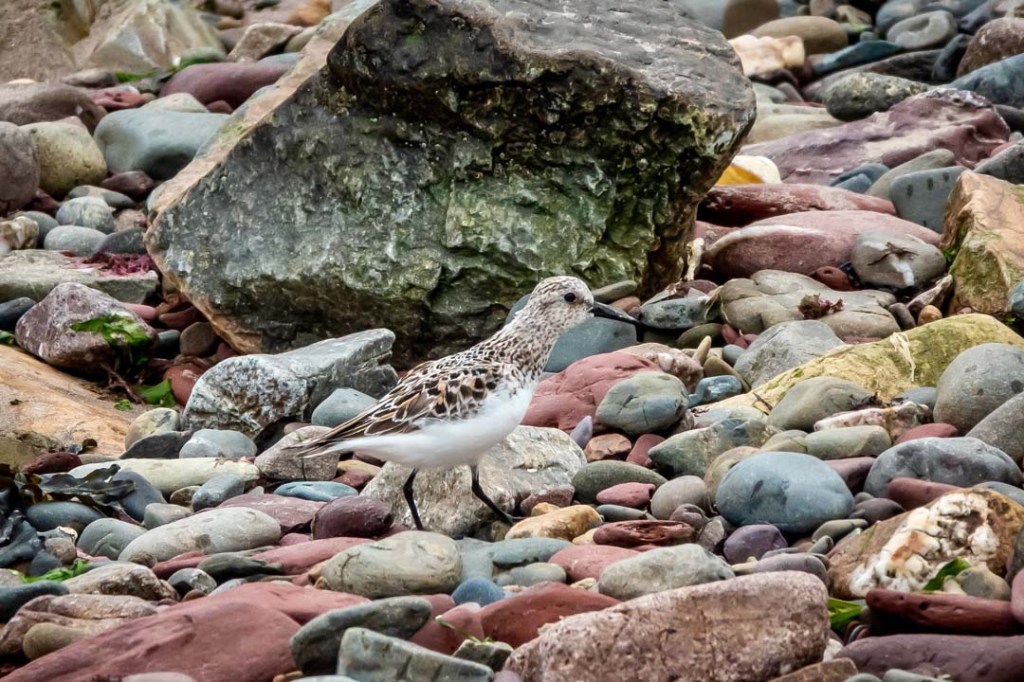
Whimbrel on the mudflates near DaleThe GannSanderling below the rocks at The GannA ruddy turnstone well camoflaged amongst the rocks
Back in the countryside there were lots more opportunities:
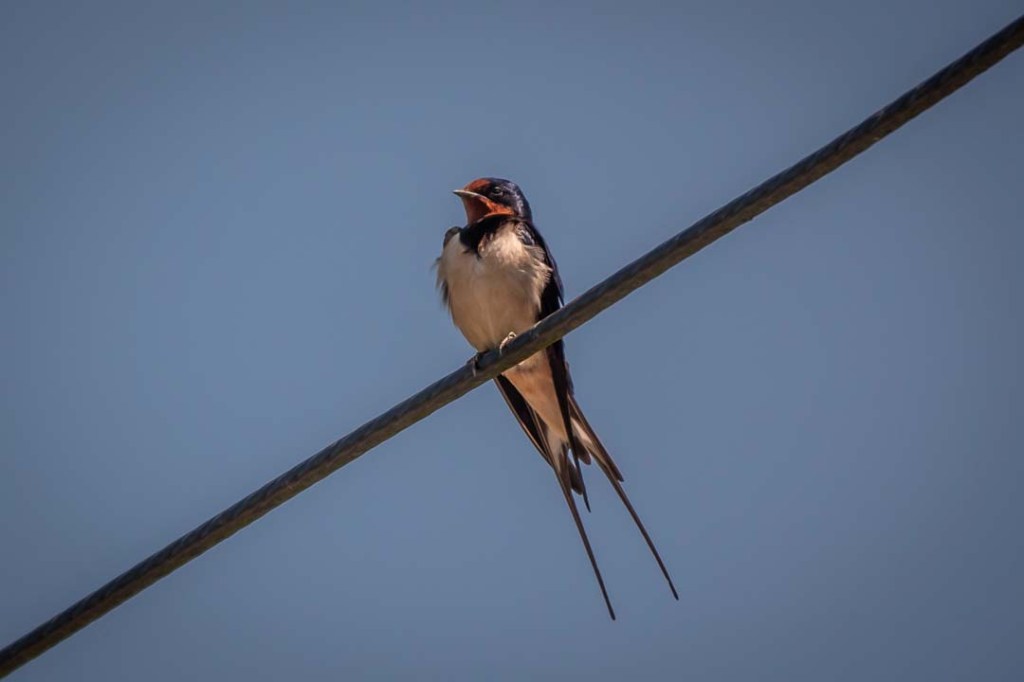
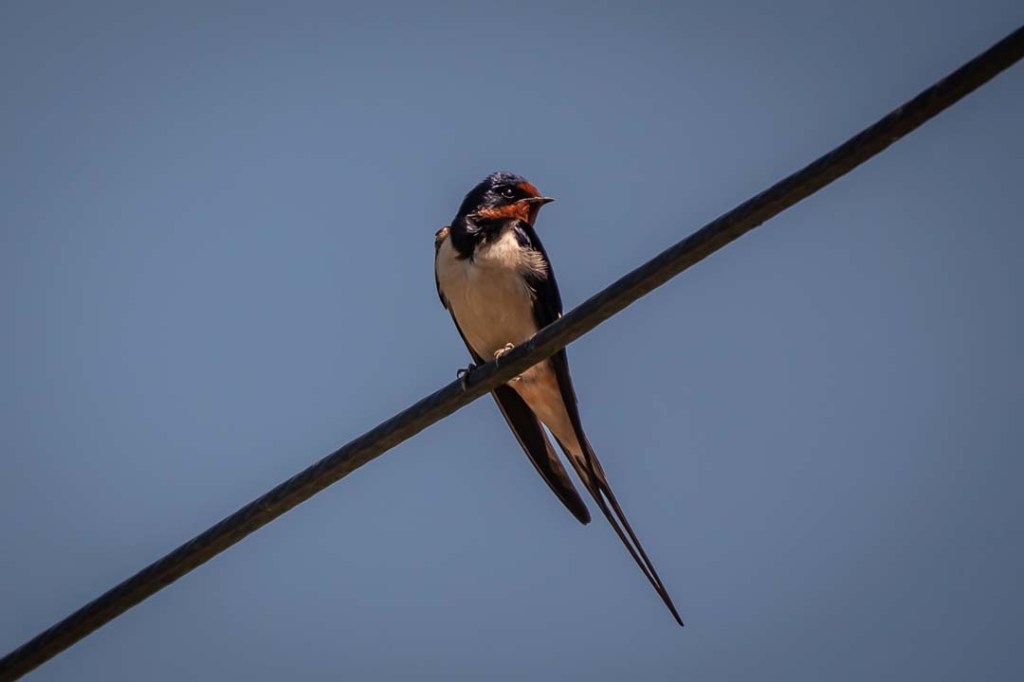
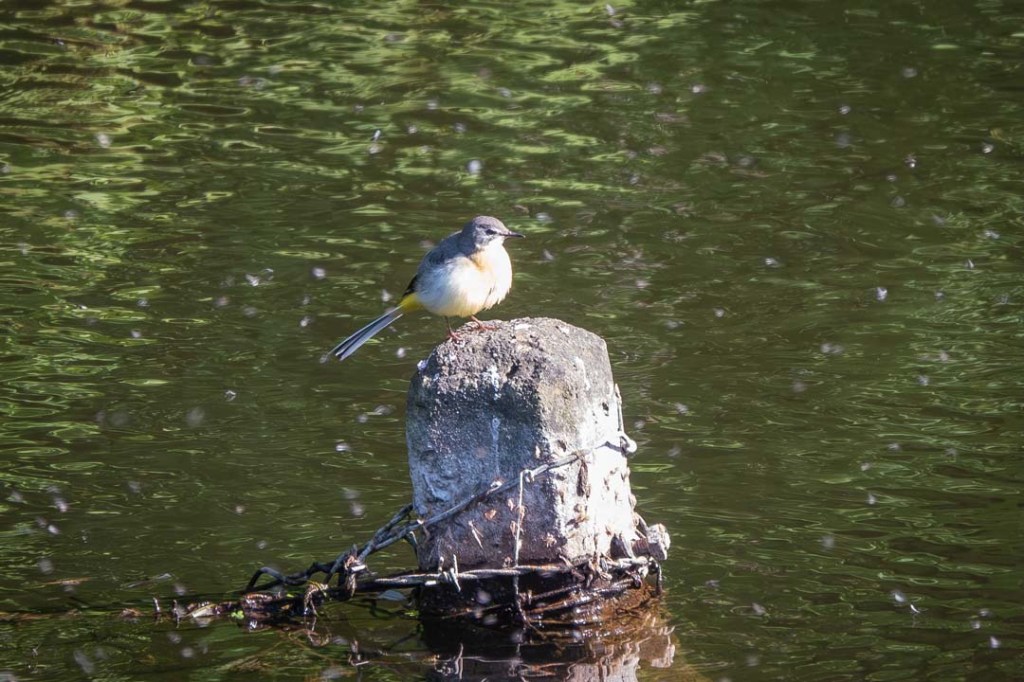
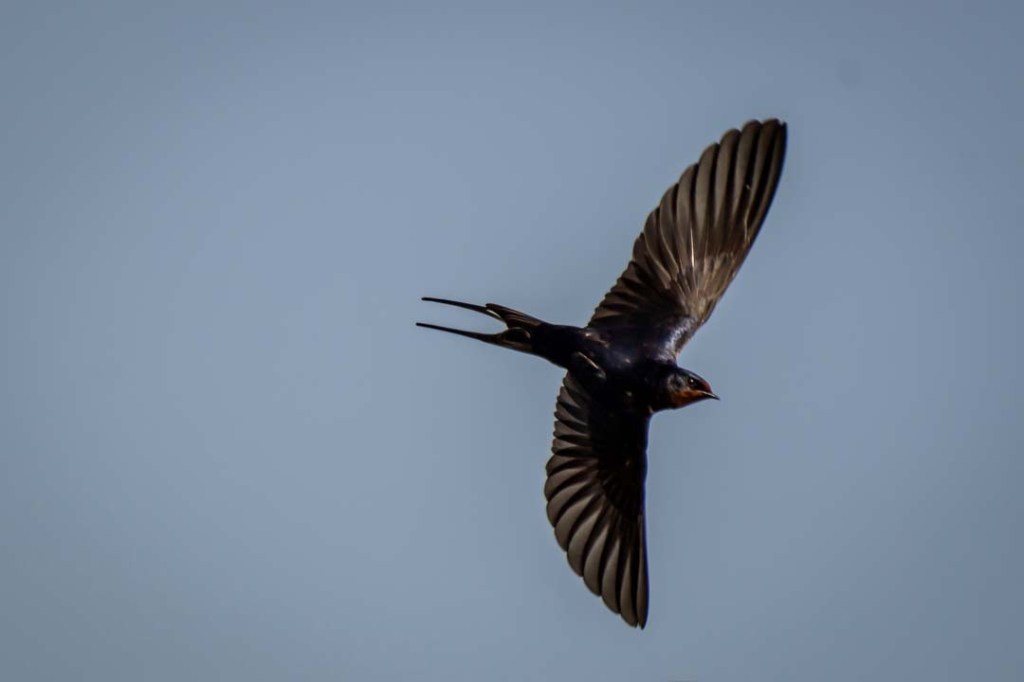
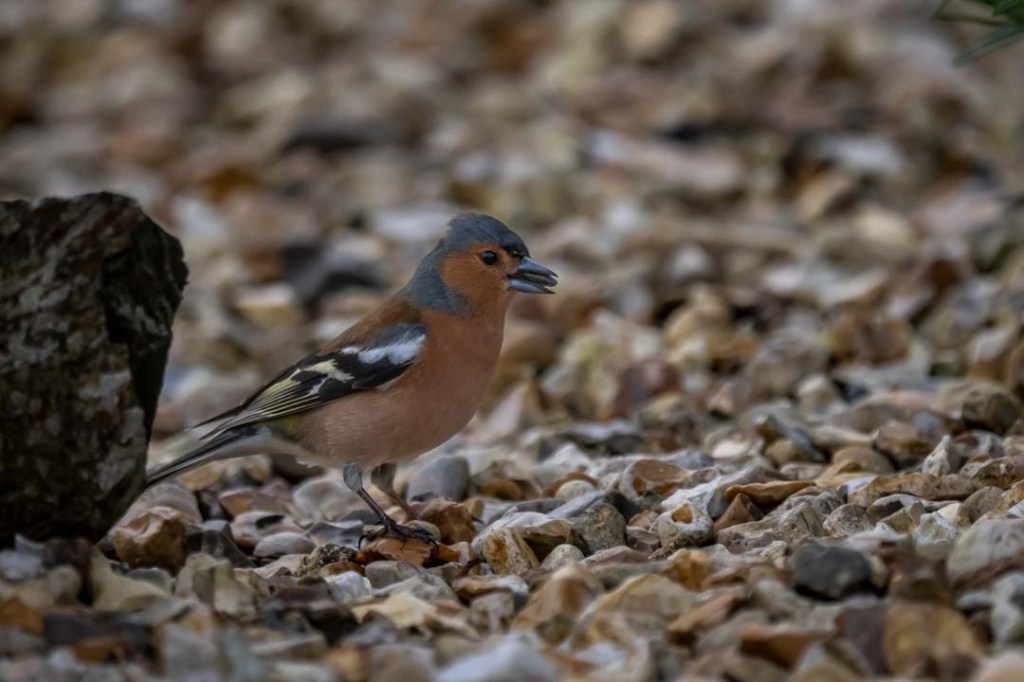
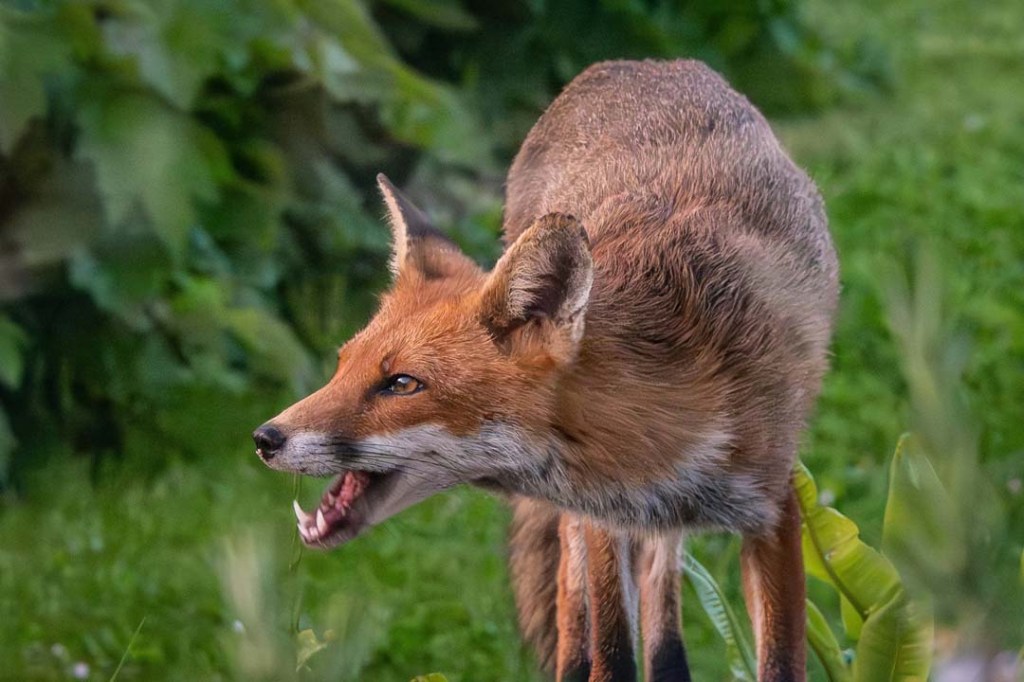
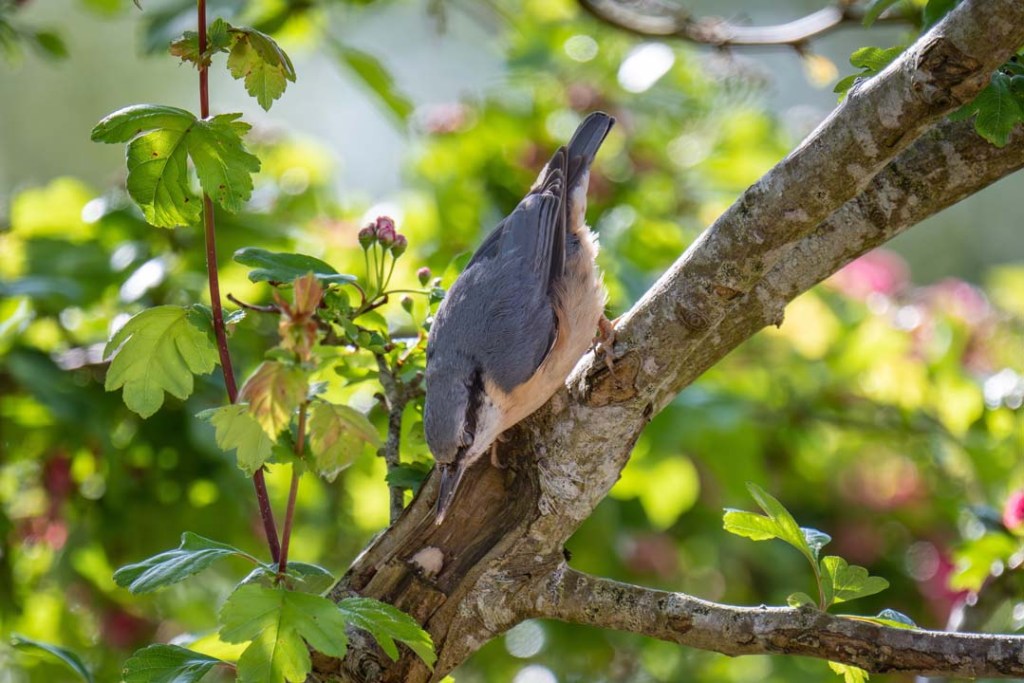
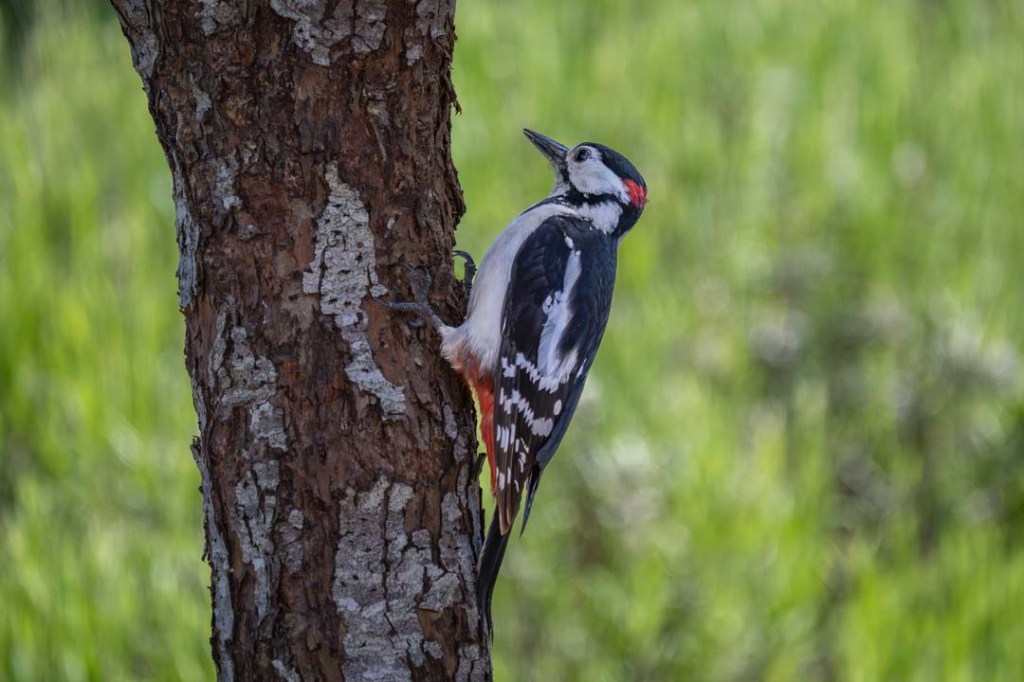
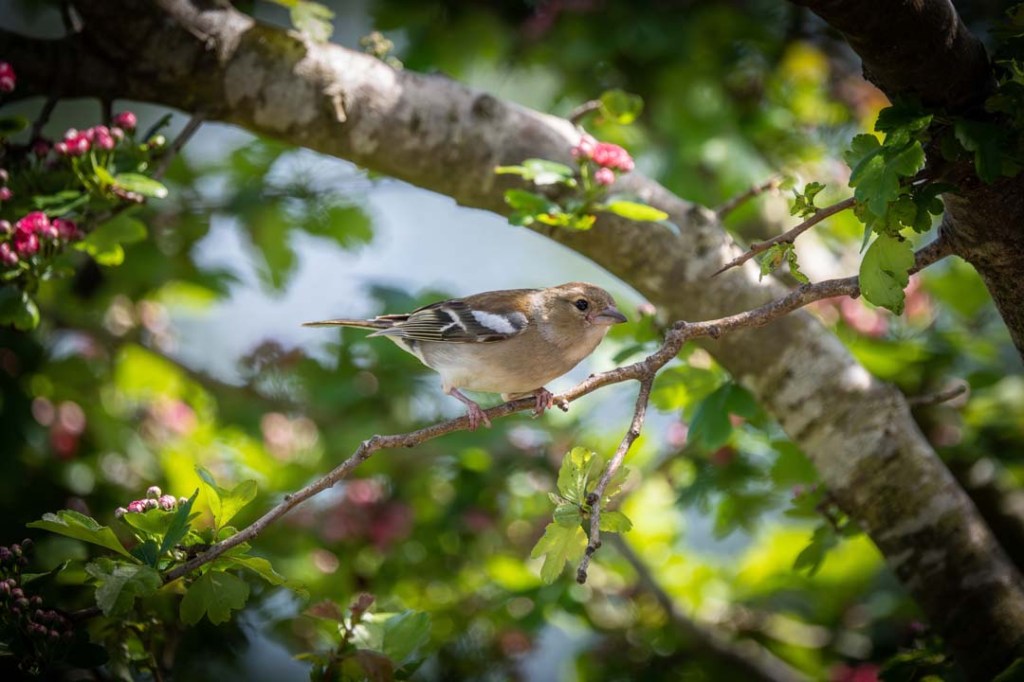
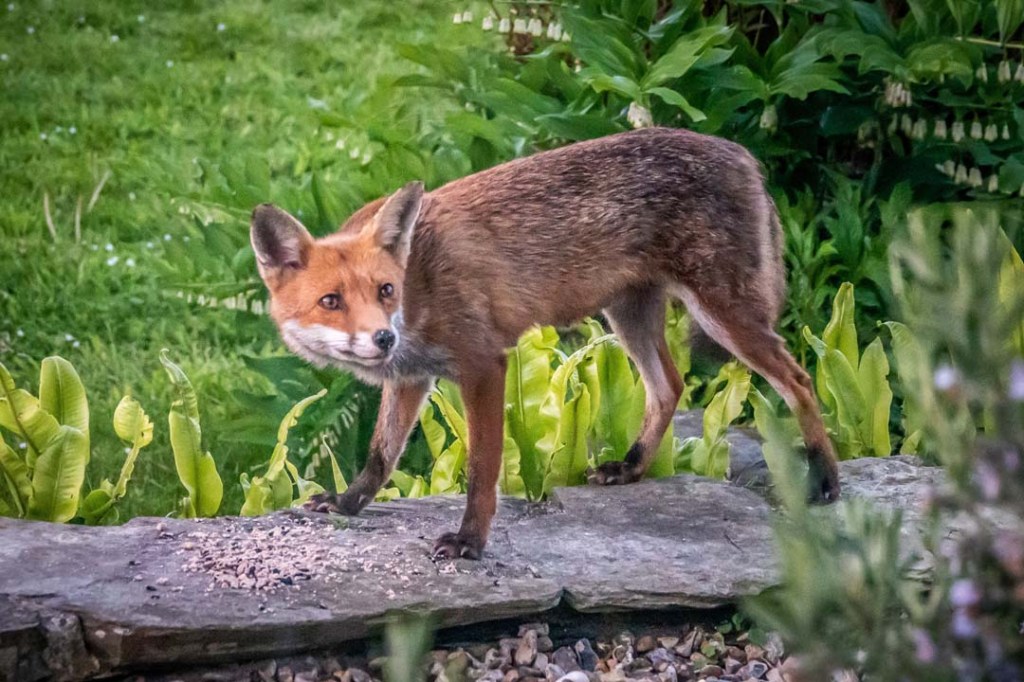
Thrush on the quay at LawrennyBarn swallow on the wire – a recent arrival from South AfricaBarn swallow in flight with fan tailBarn swallow in flight taking a direct lineGreat spotted woodpecker in the gardenNuthatch in the gardenChafffinch in the gardenThe fox was happy to share the spoils with the birdsGrey wagtail at Stackpole
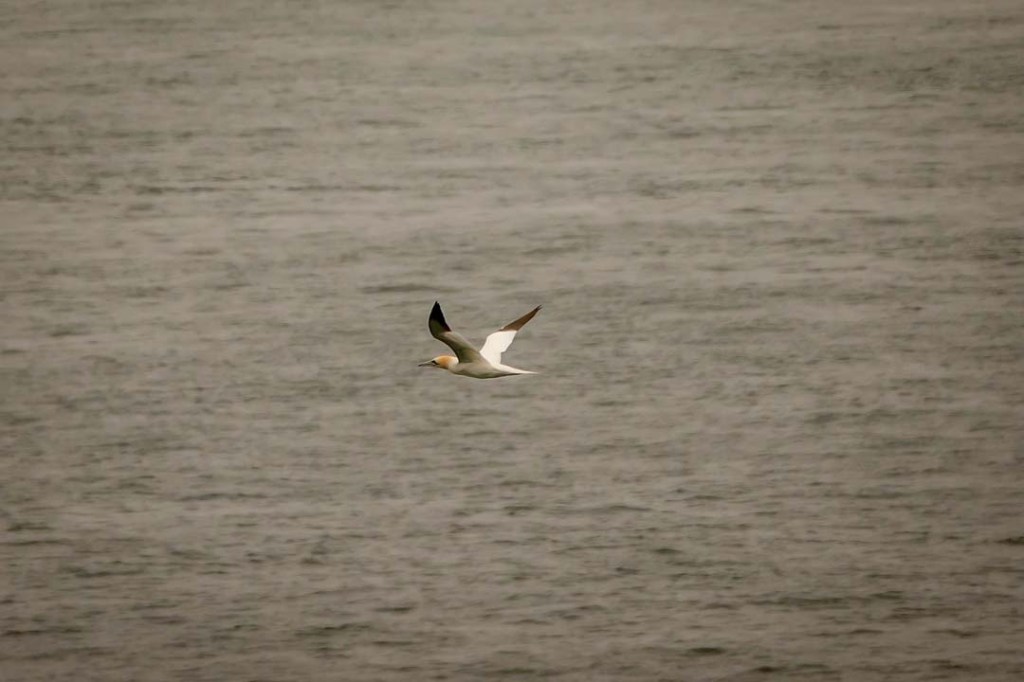
The only dismal day we had we still got to the coast. At St Martin’s, where you take the short boat trip to Skomer, the highlight was a gannet but the spring flowers were still quite stunning in the rain.
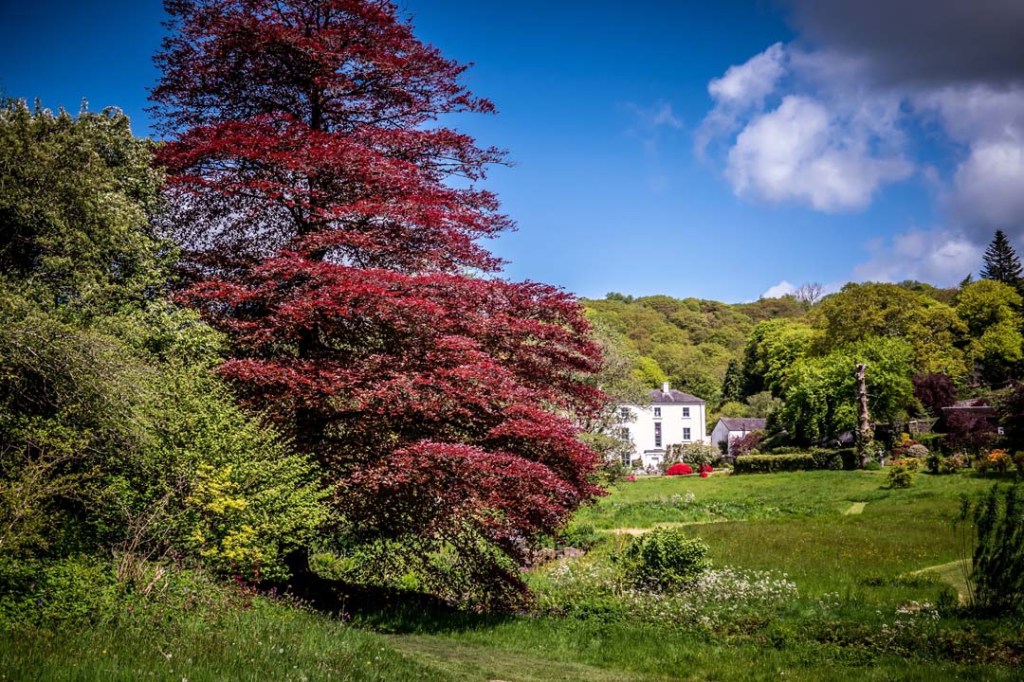
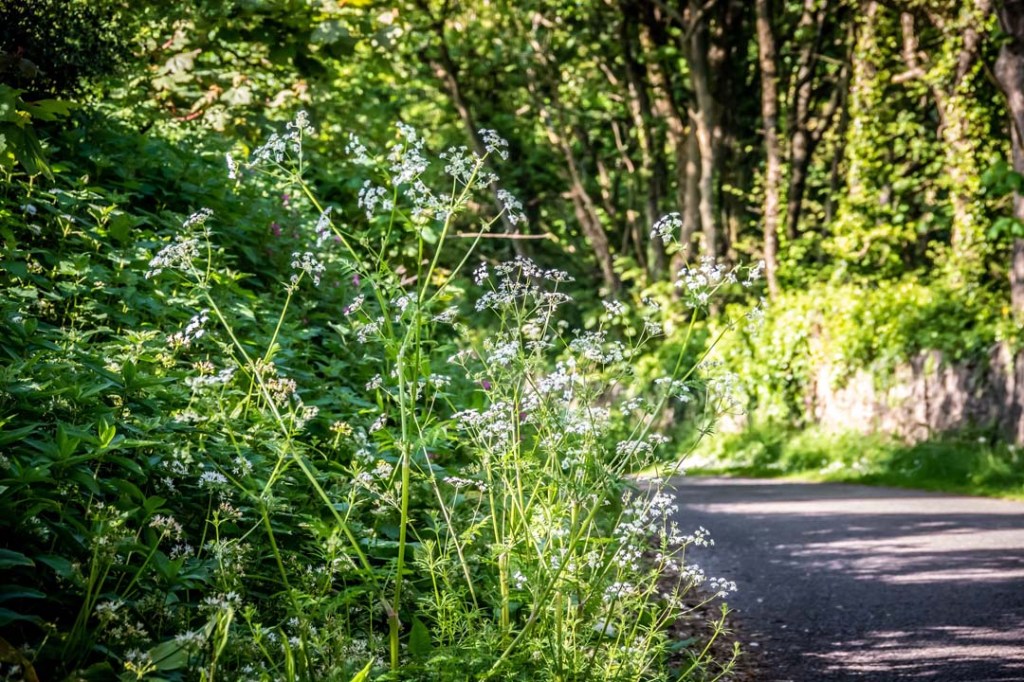
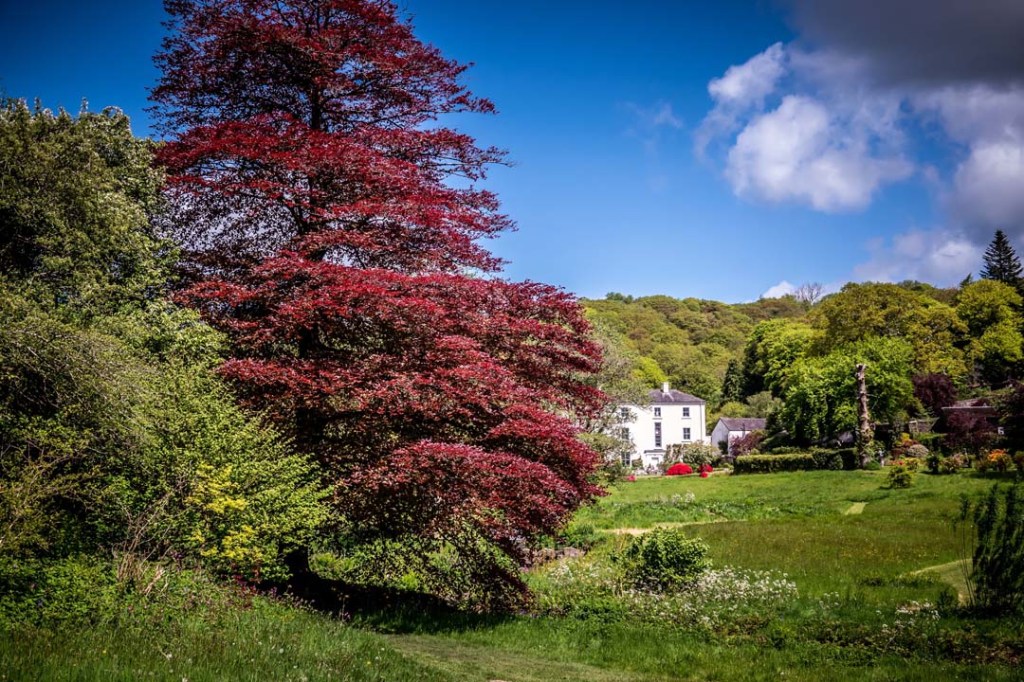
GannetSkomer beyond the headlandColby Woodland Gardens NT looked beautiful in the sunshineThe nearby hedgerows were full of cow parsley
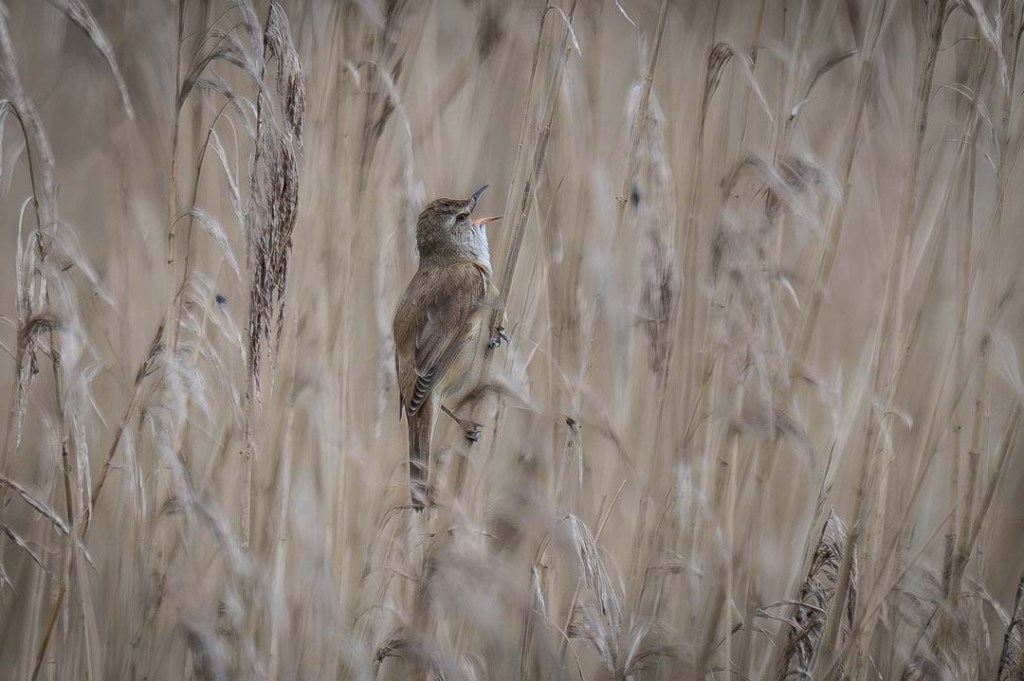
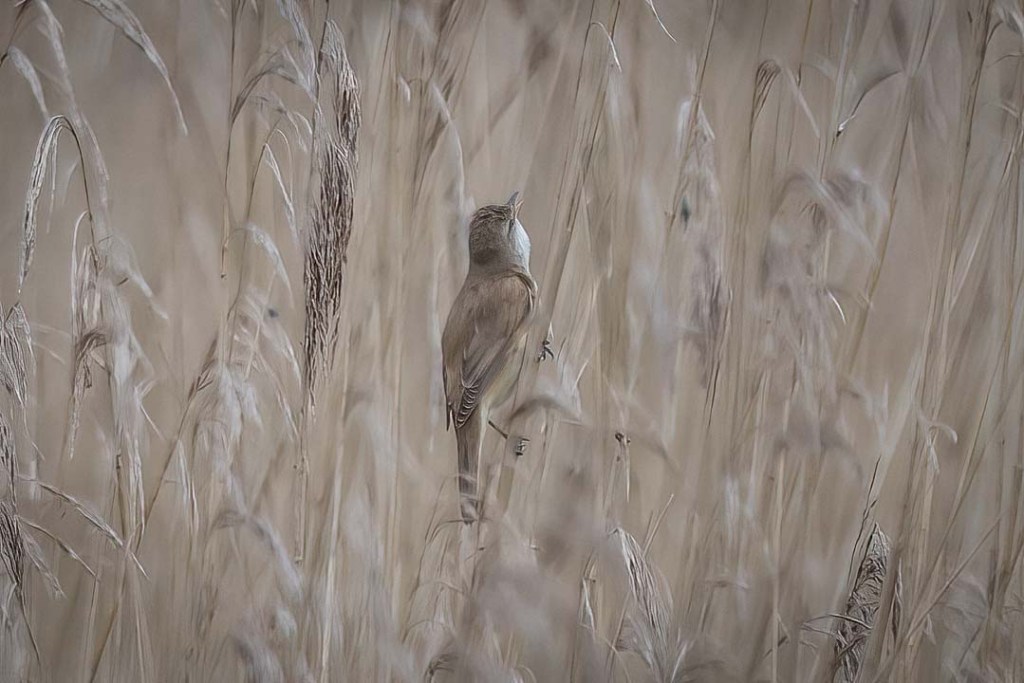
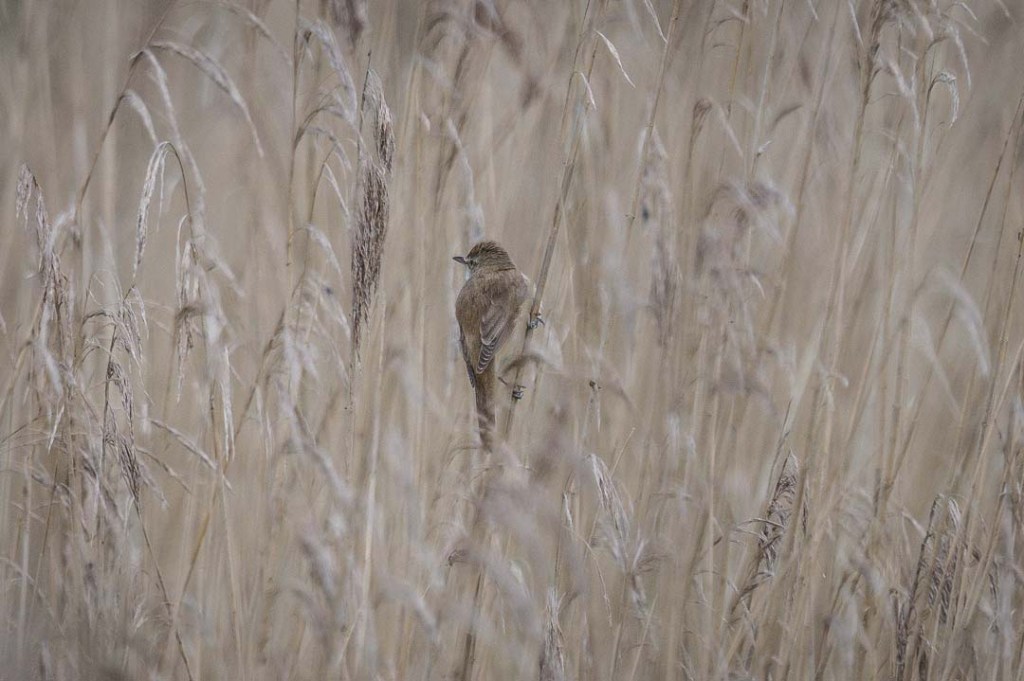
I was very pleased to spot the Great Reed Warbler which has been resident at Ham Wall for the last few weeks. I thought I might have difficulty in finding it but its very loud song (and some helpful birders) helped me find it easily.
The Great Reed Warbler is a rare passage migrant in the UK and so it has generated quite a bit of interest. It’s a hulking warbler that resembles the Eurasian Reed-Warbler in coloration but is far larger with a proportionately more massive head, heavy bill with a dark tip, and a broad, pale eyebrow.
Great Reed WarblerGreat Reed WarblerGreat Reed Warbler
It had rained all the way down on my journey to Ham Wall but fortunately I didn’t have to wait long before I could get out and about to explore the reserve. There were a few showers but I managed to stay dry before setting off back early afternoon on another wet journey home.
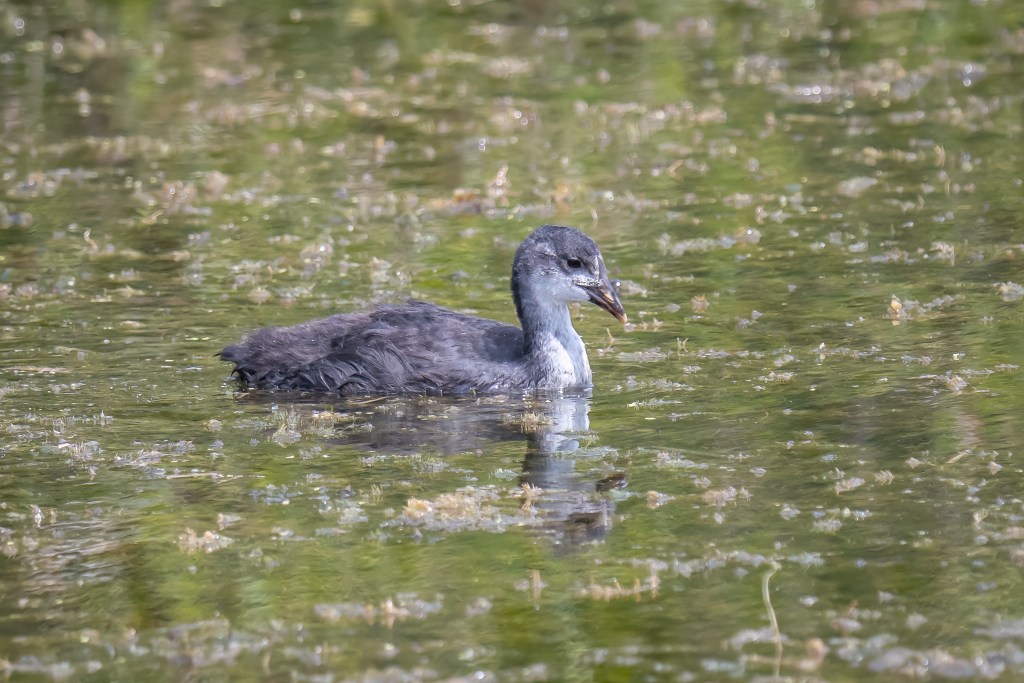
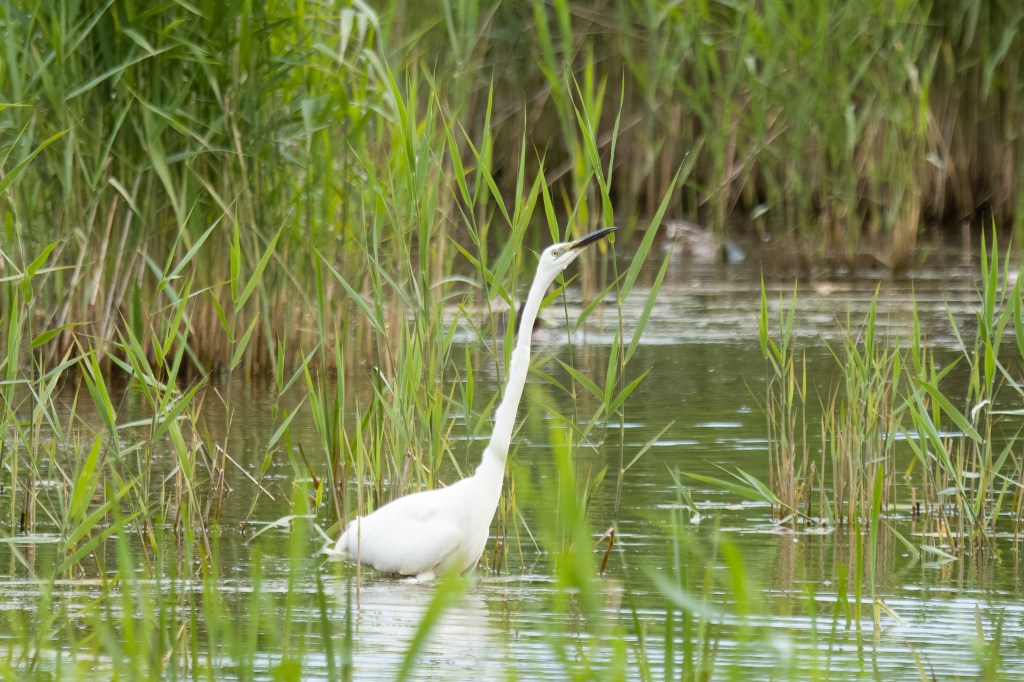
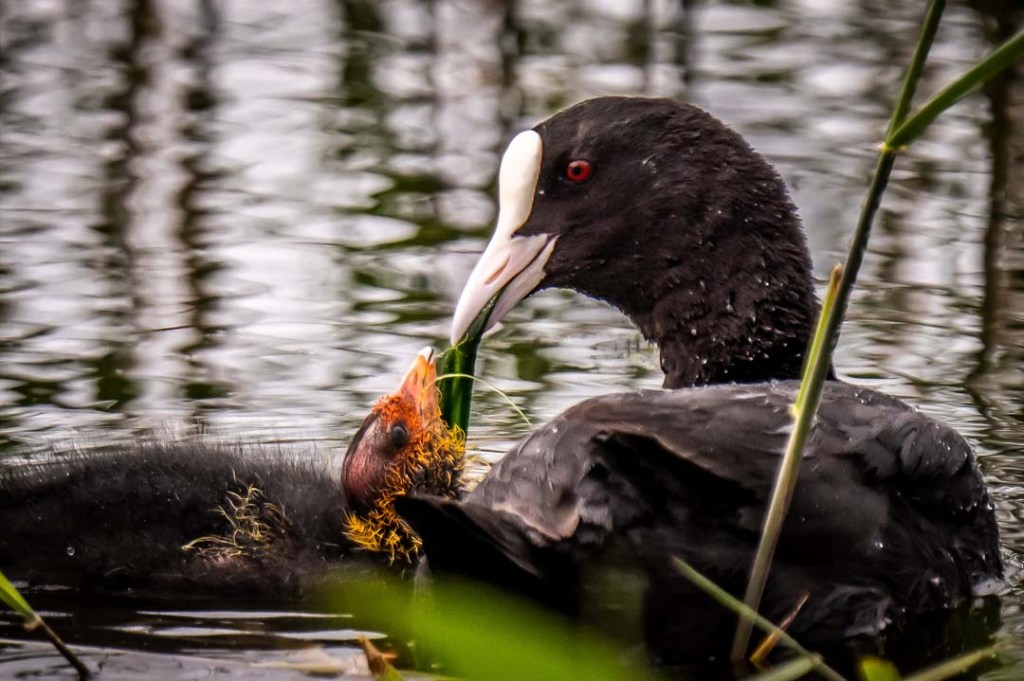
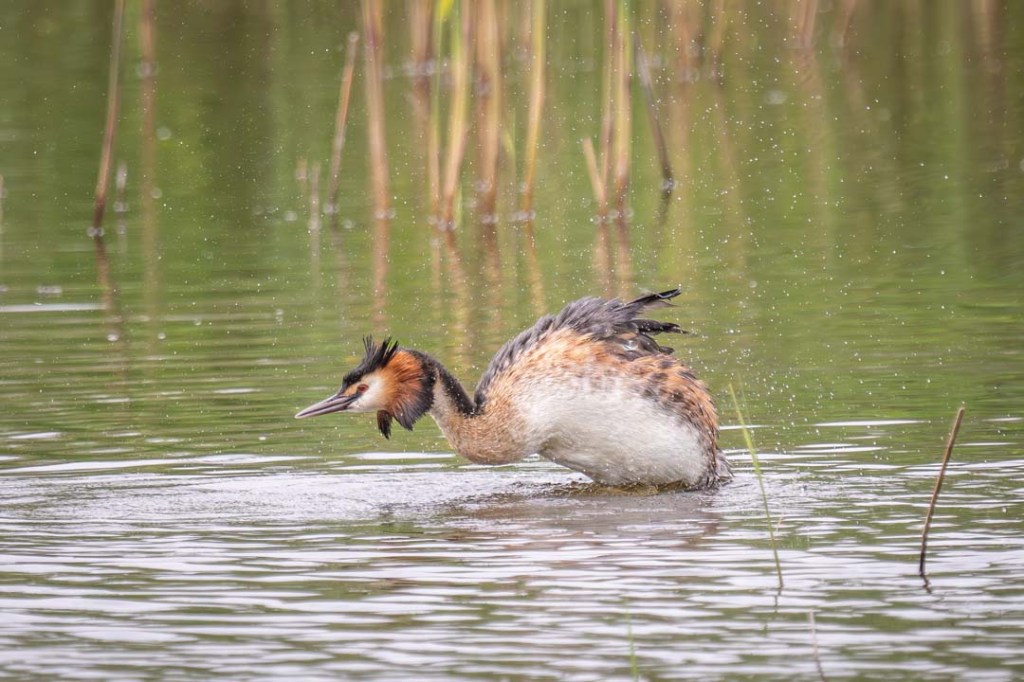
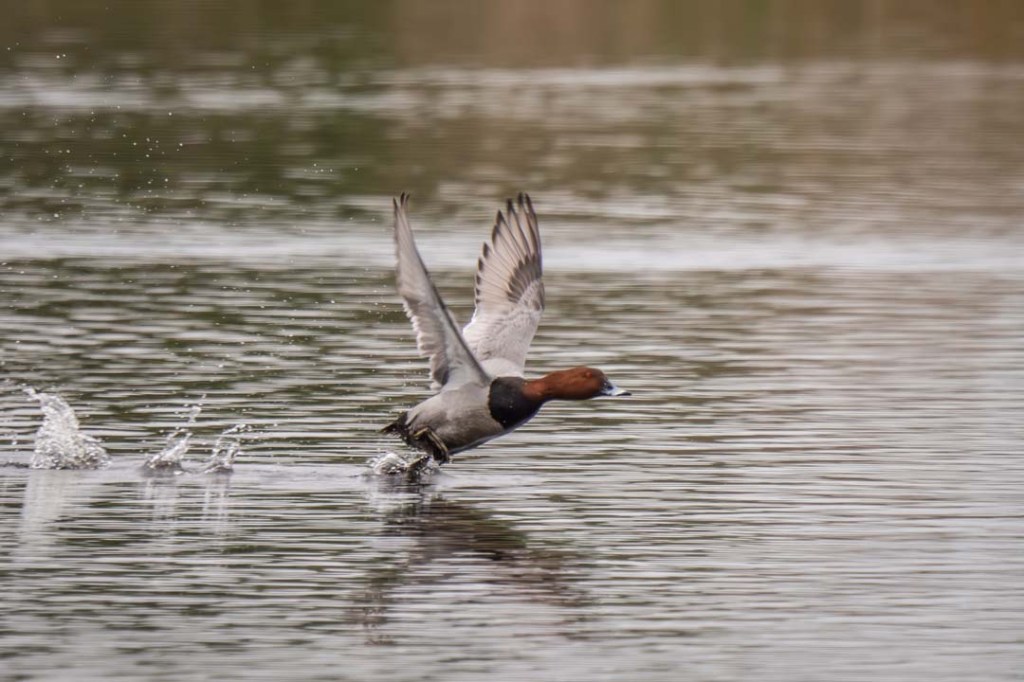
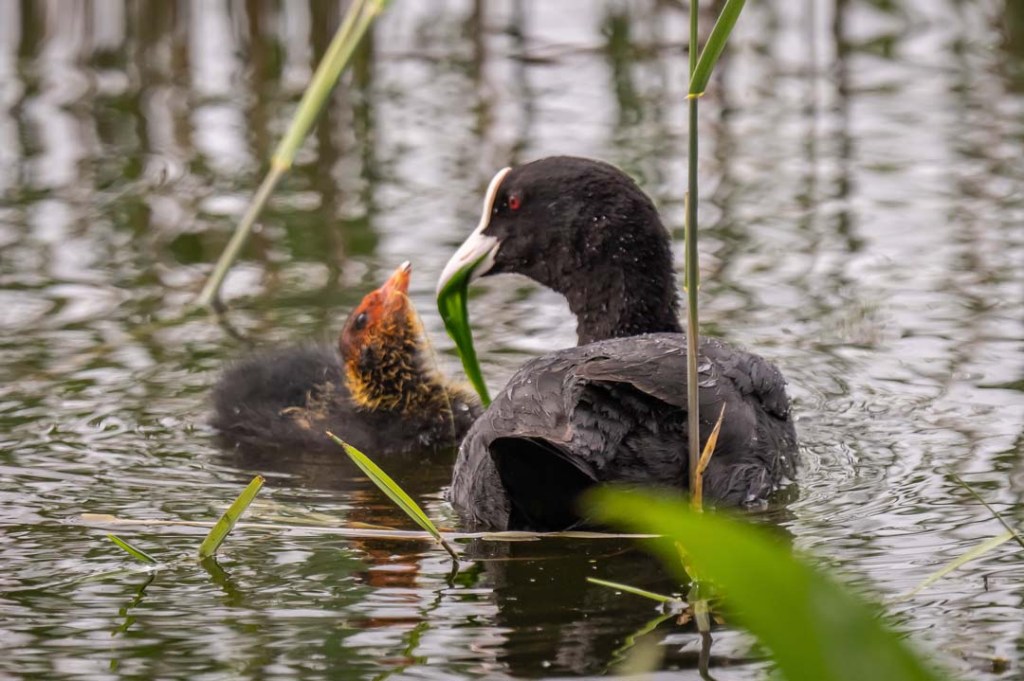
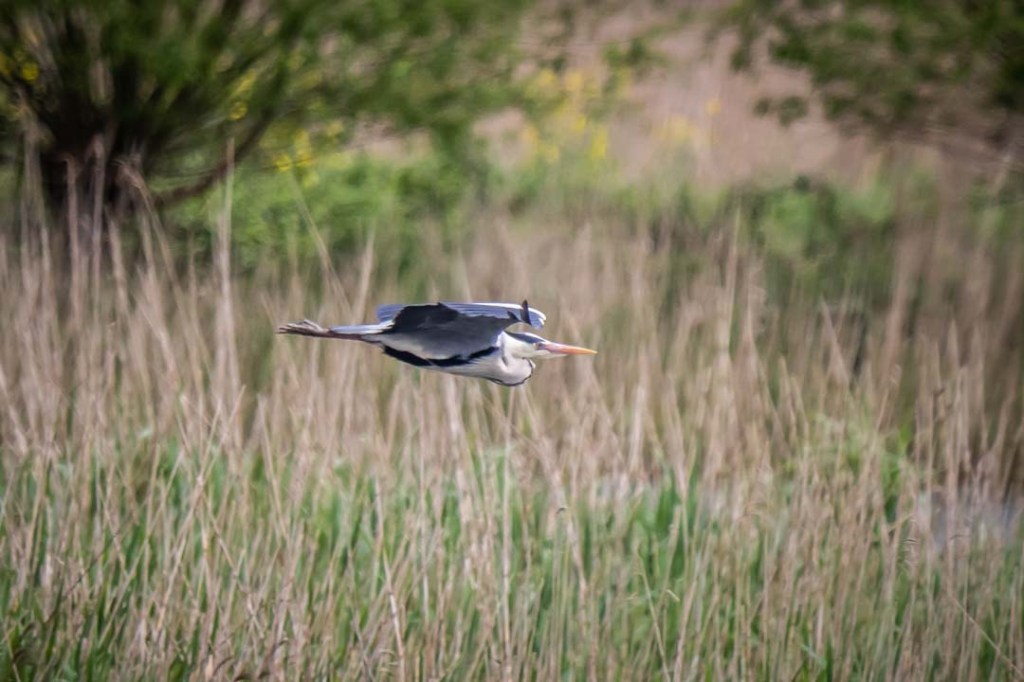
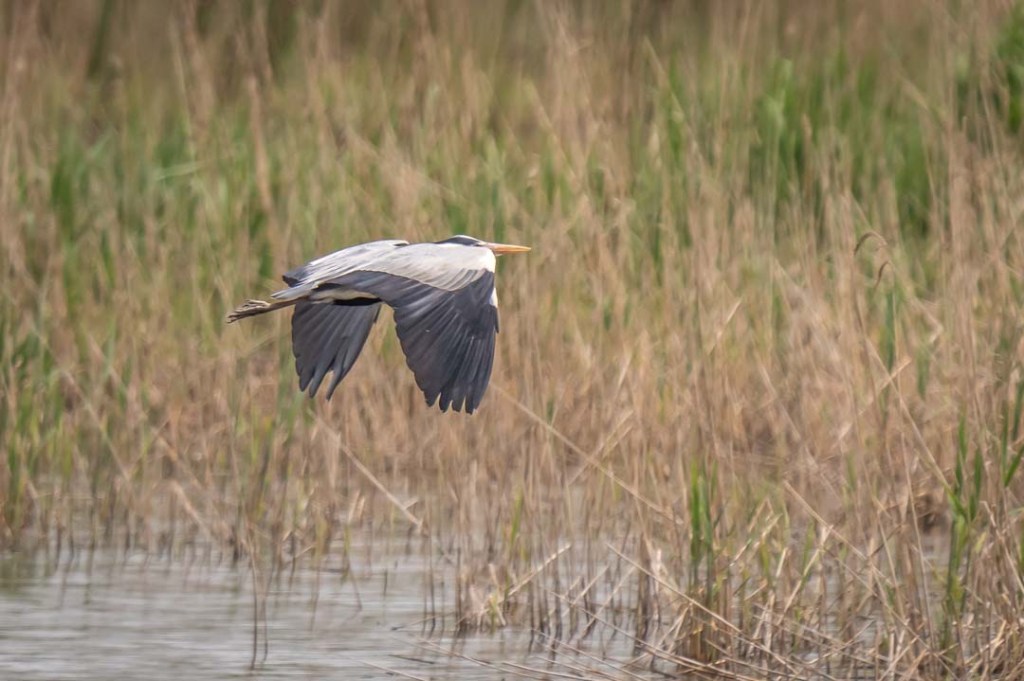
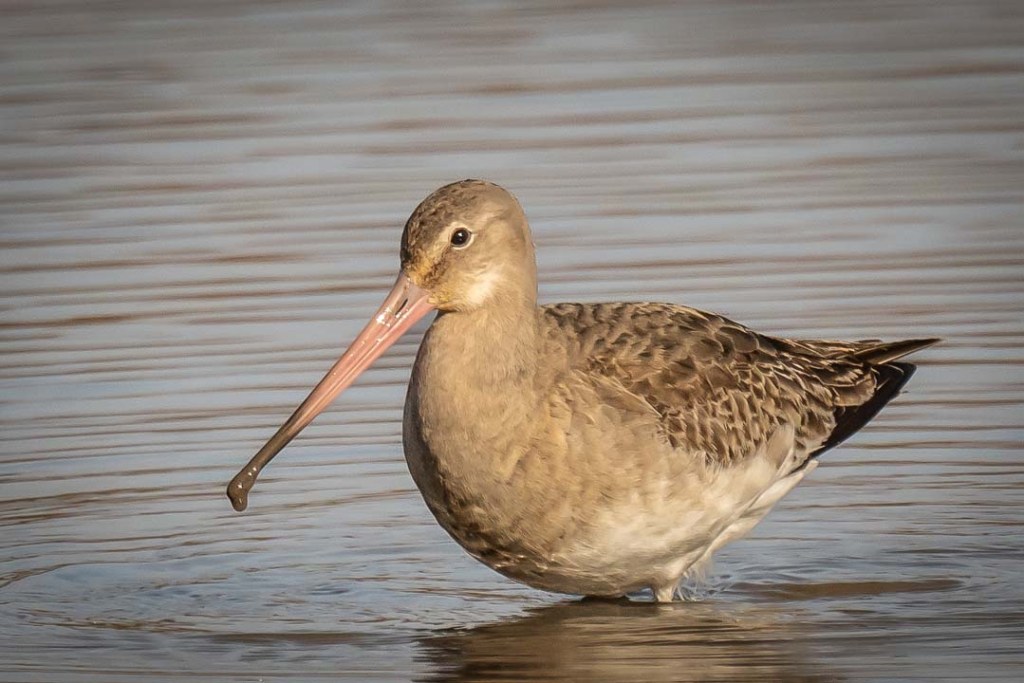
The highlight was clearly the great reed warbler but there was plenty to enjoy with bitterns booming (and a quick glimpse of one in flight), marsh harriers, a hobby, great white egrets and grey herons, great crested grebes, pochards, gadwall, coots with chick and a decent sized flock of black-tailed godwits.
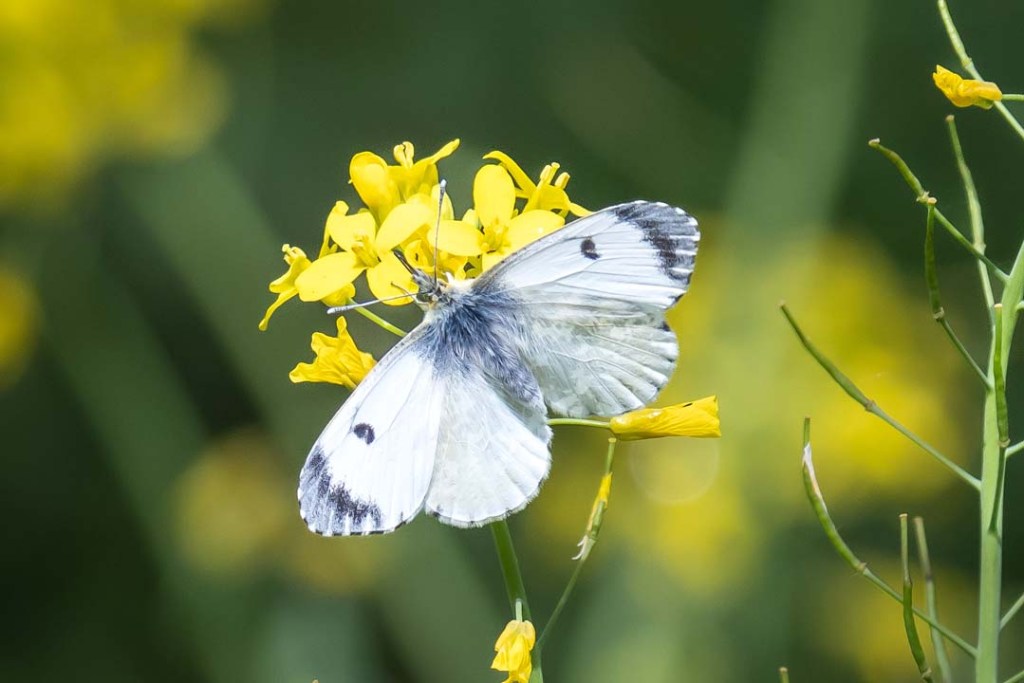
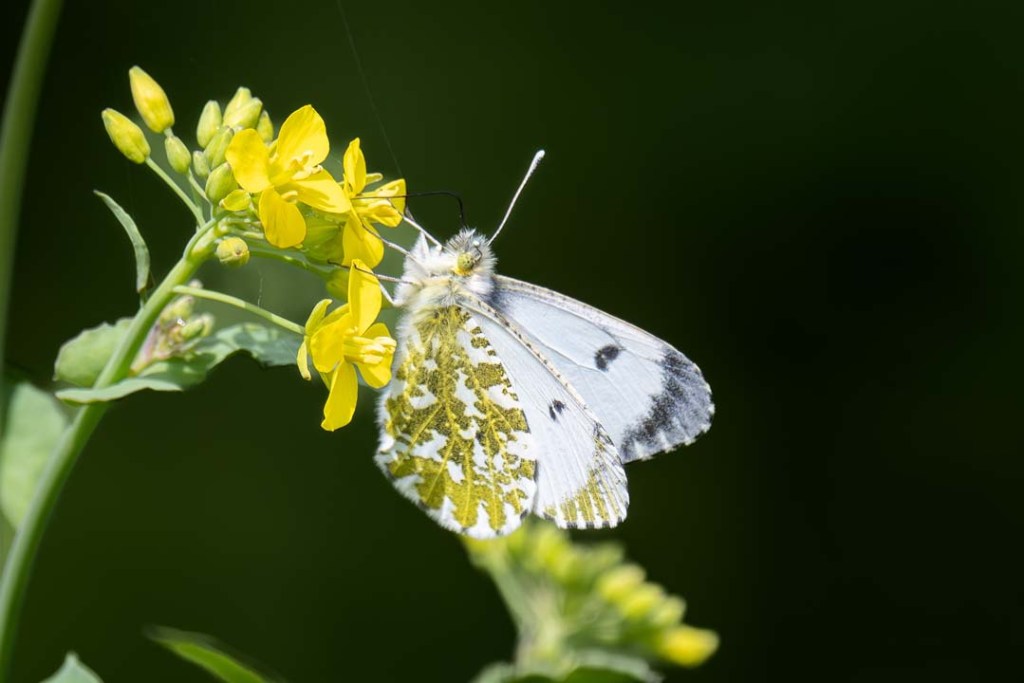
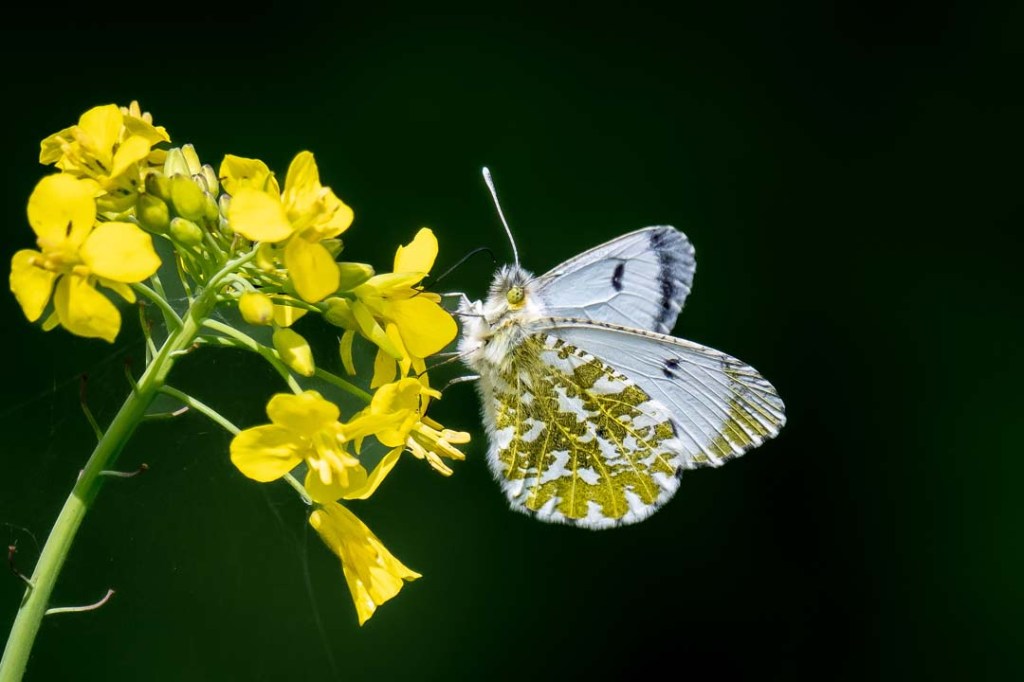
Great white egretMarsh harrierGrey heronGreat crested grebeGreat crested grebeGadwallPochardCoot with chickBlack-tailed godwitsOrange-tip butterfly
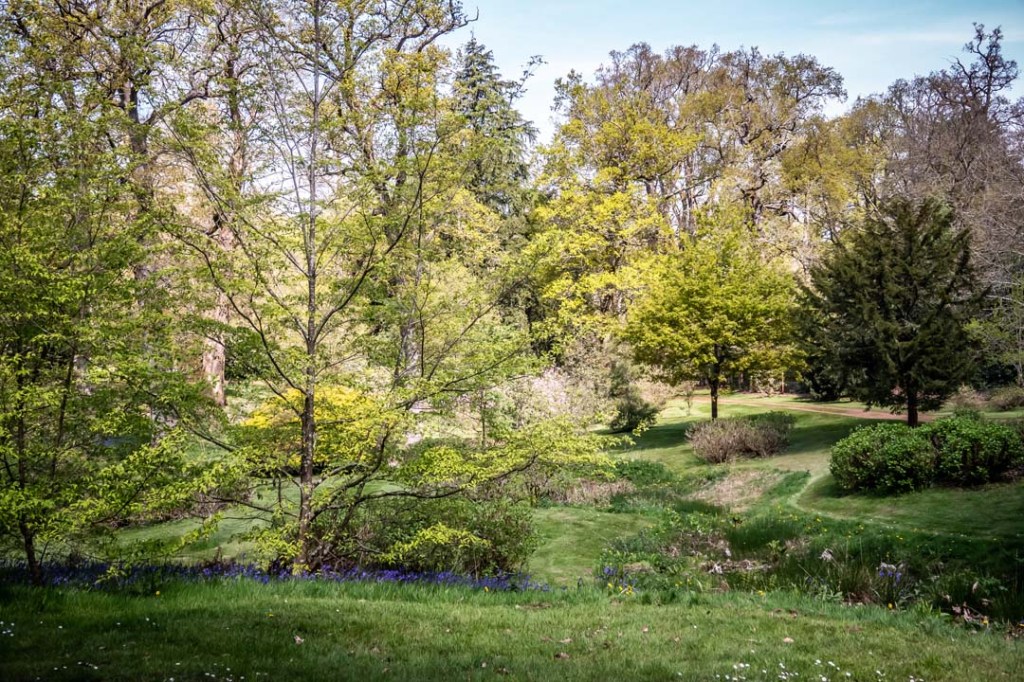
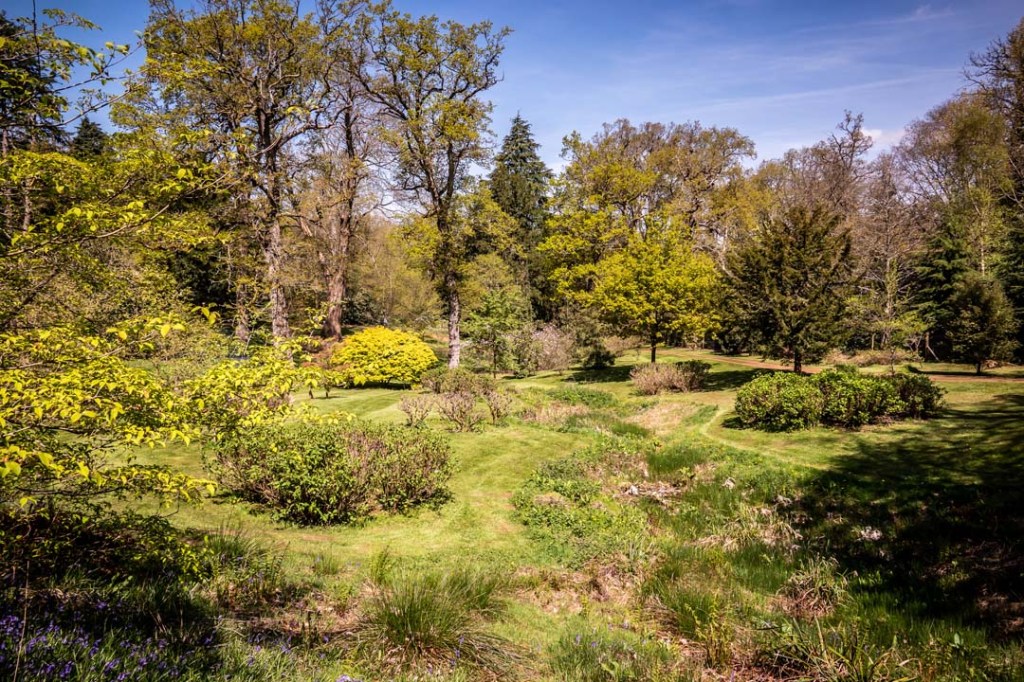
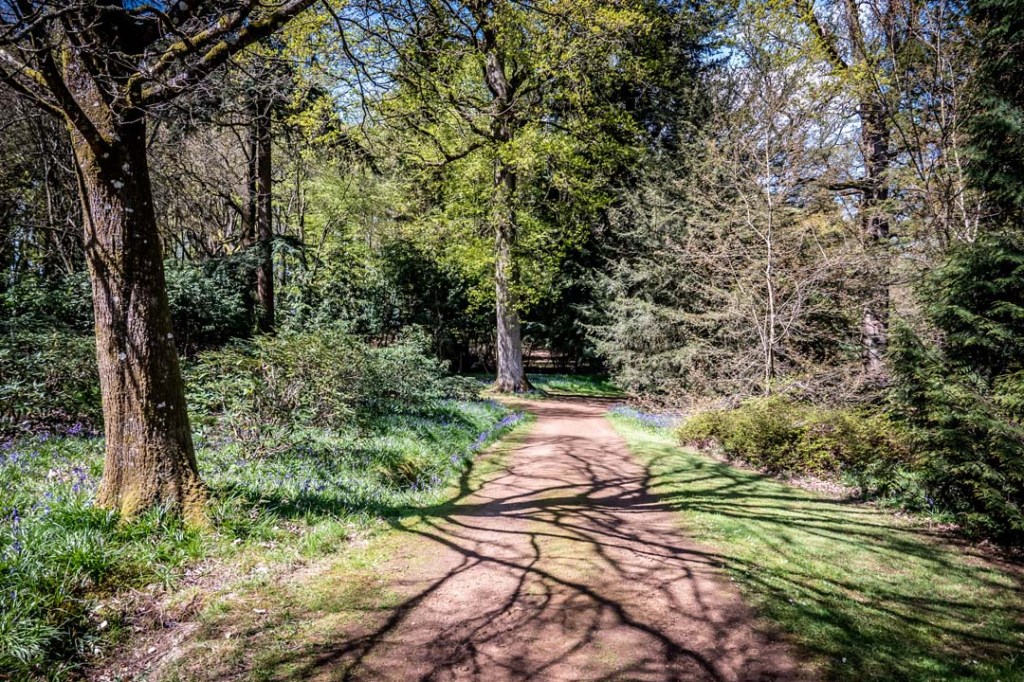
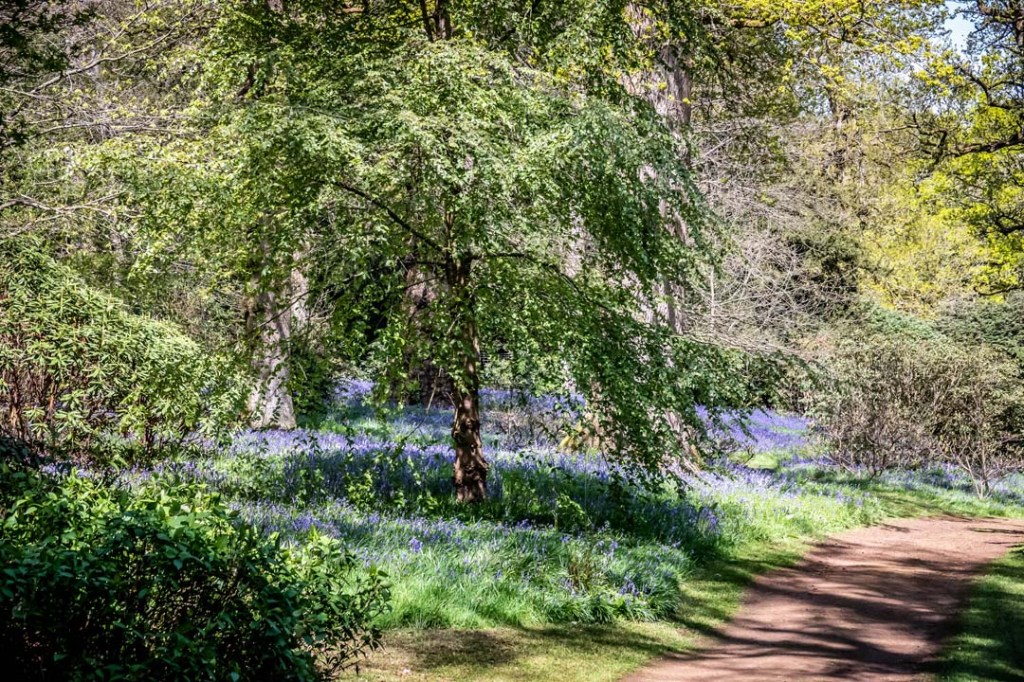
We visited the woodland walks and rides of Bowood House in Wiltshire which are open to the public only from mid-April to early June.
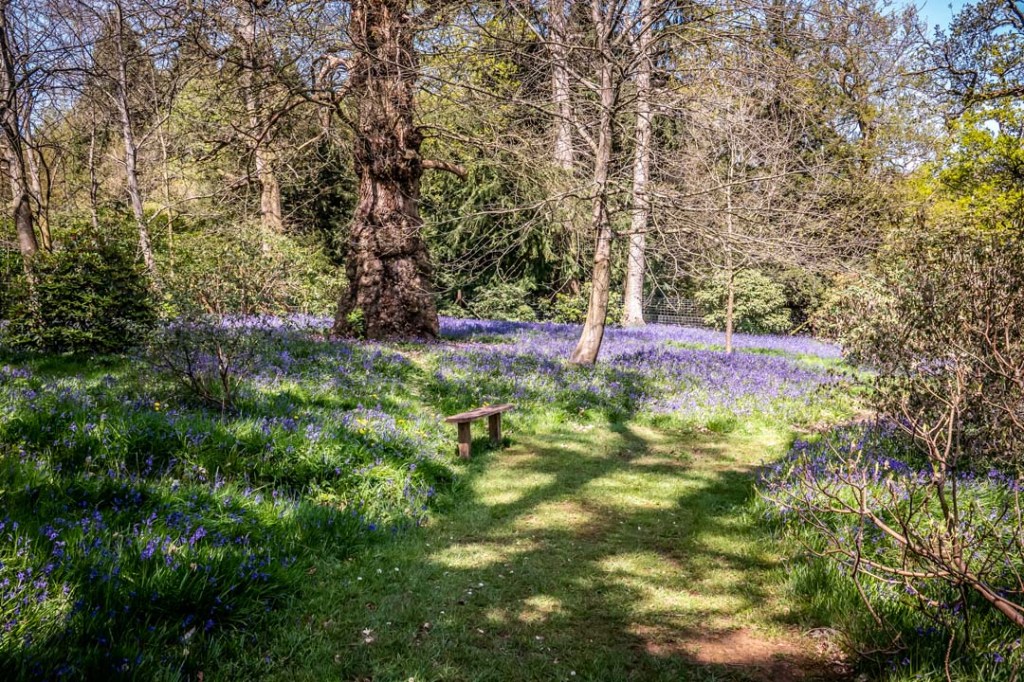
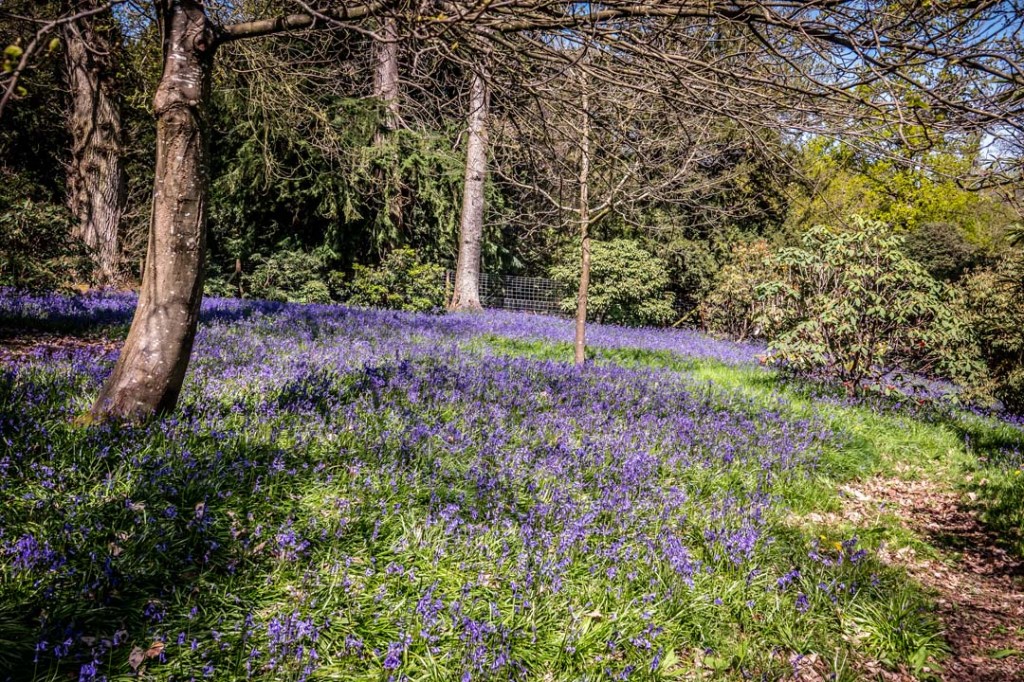
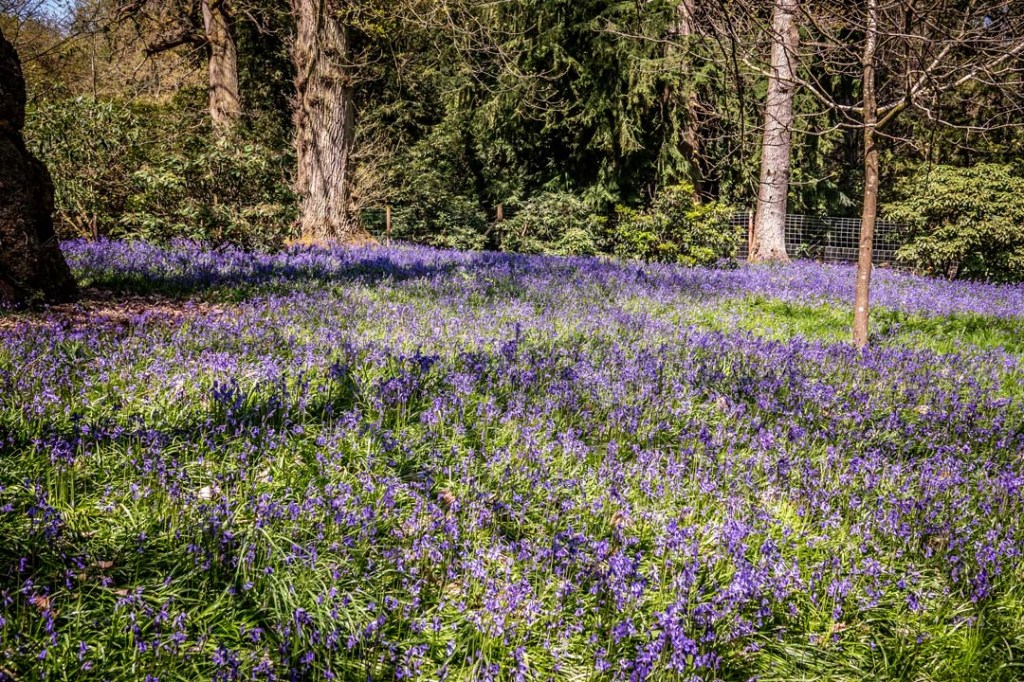
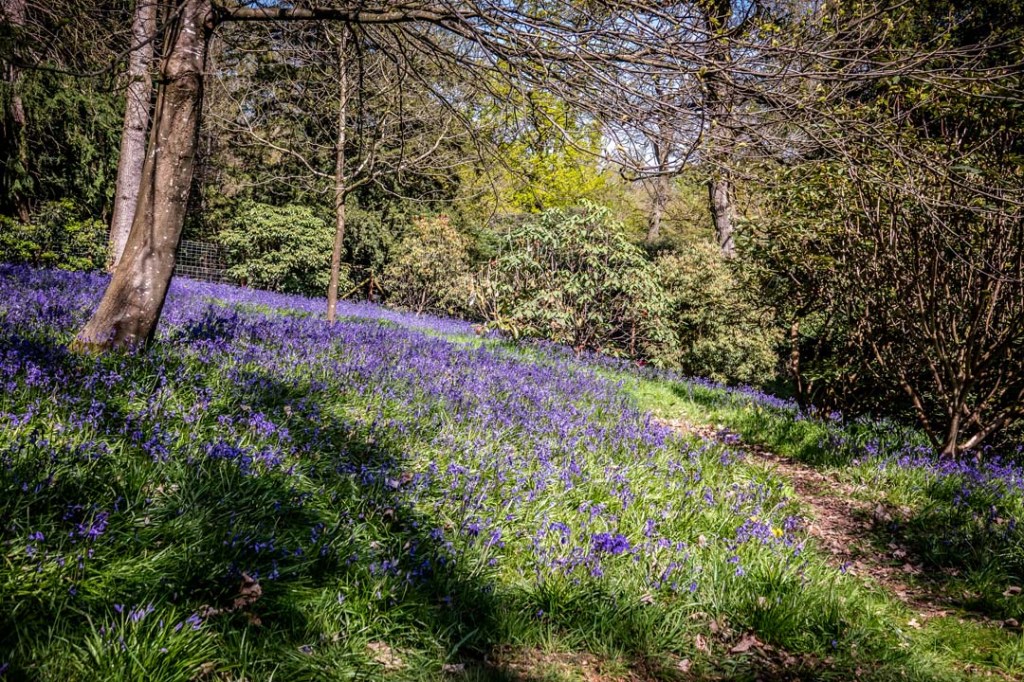
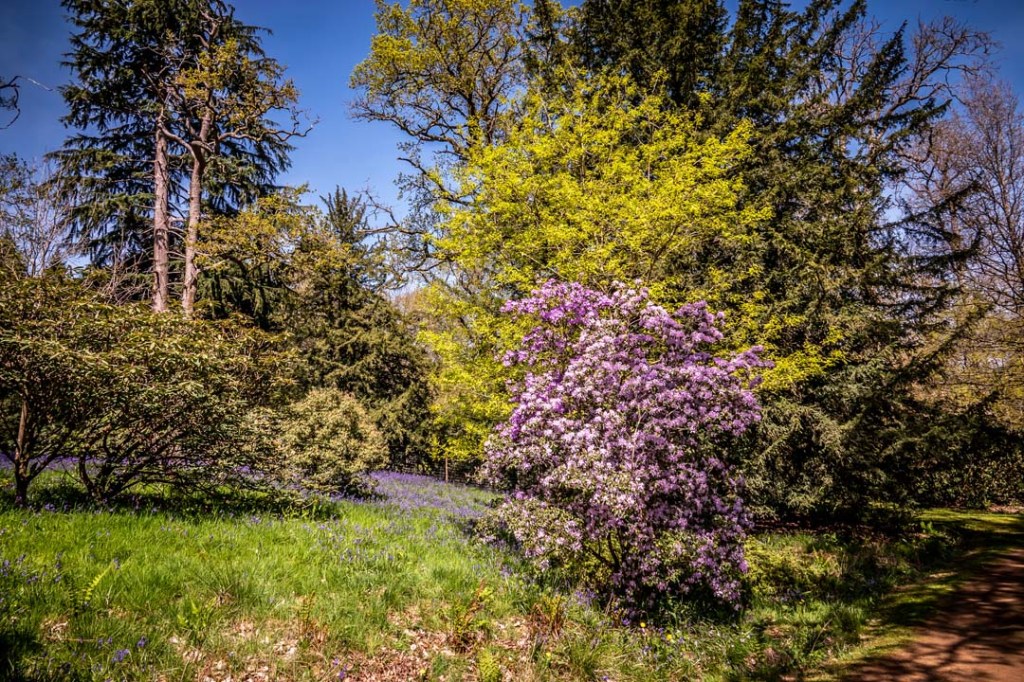
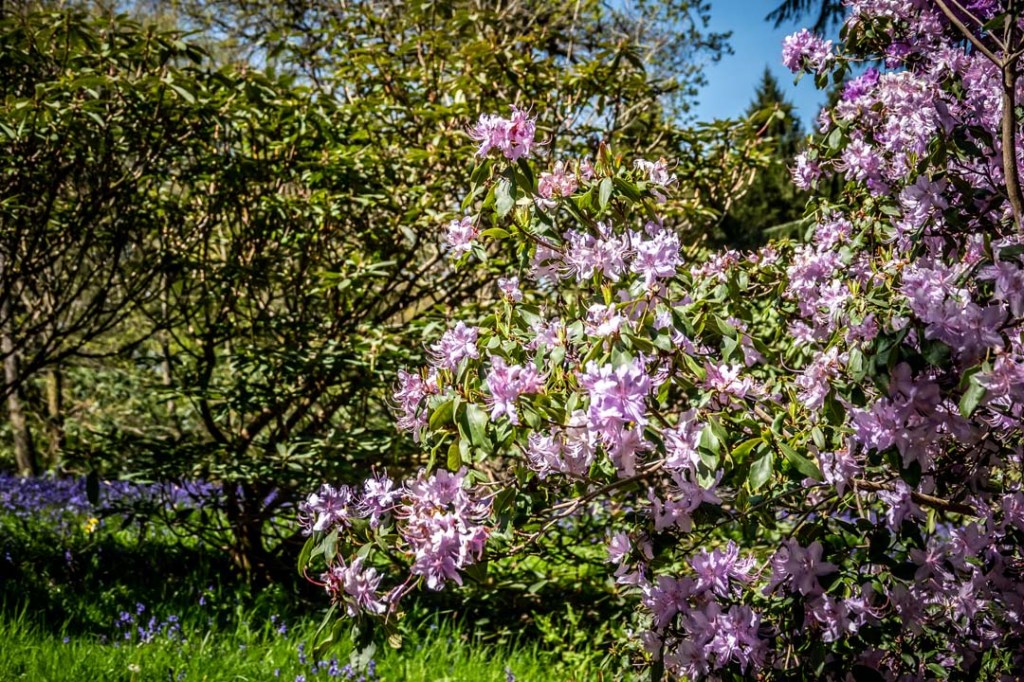
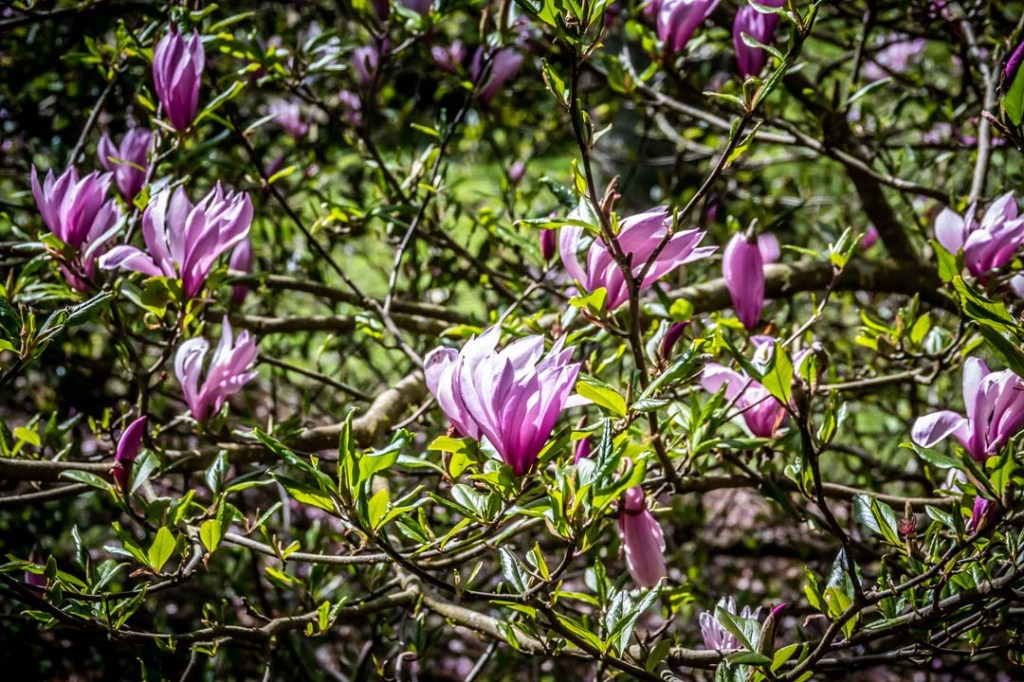
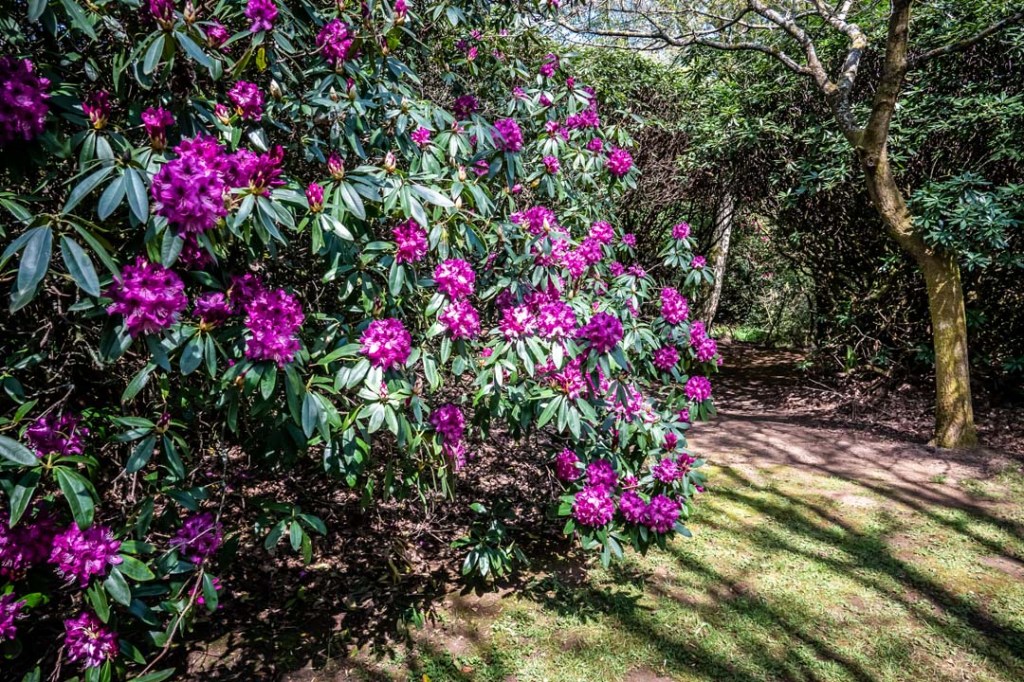
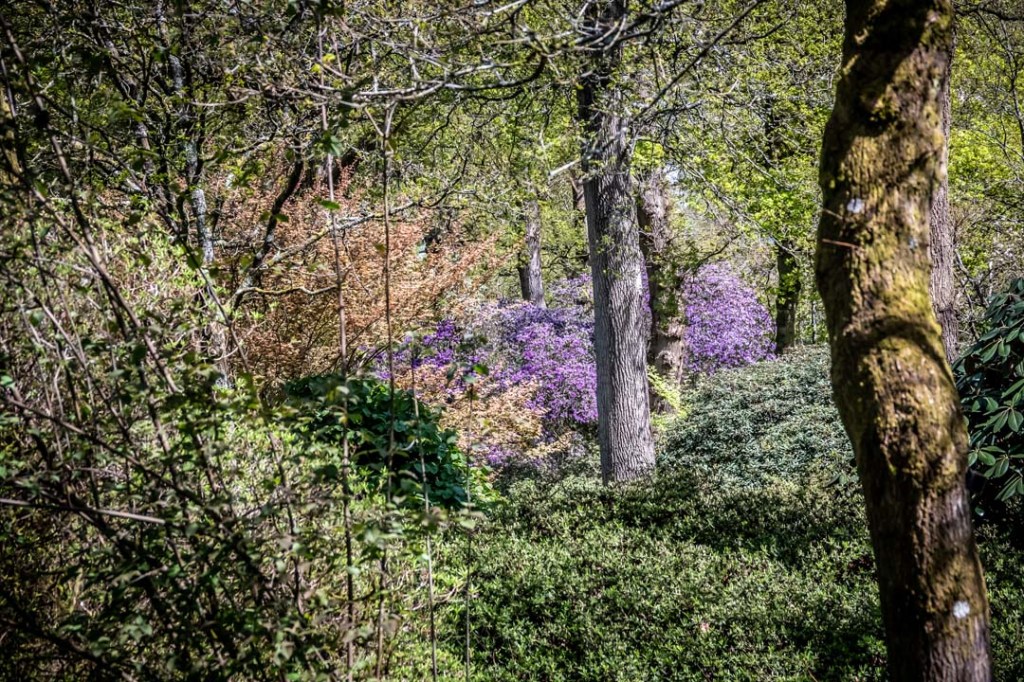
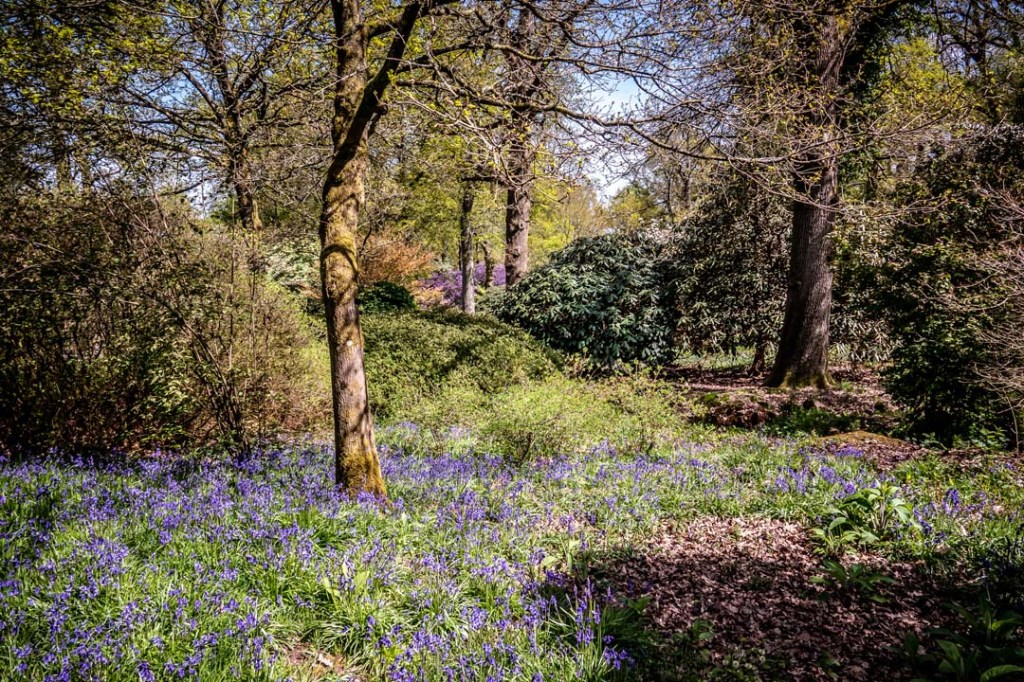
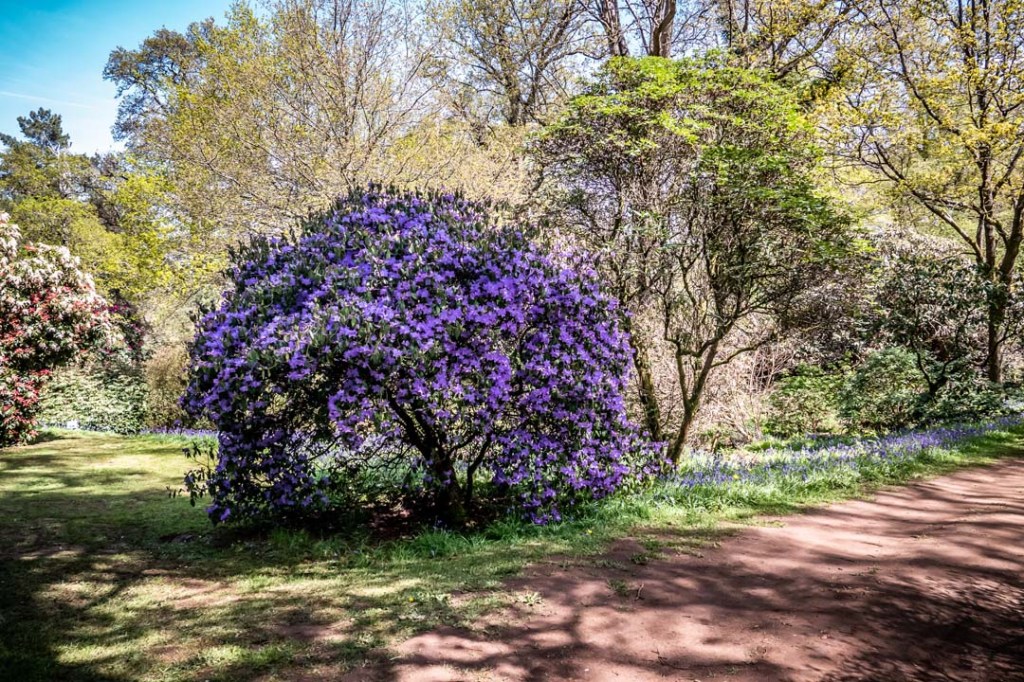
There are over two miles of meandering paths through the woodland valleys with wonderful vistas of bluebells, magnolias and azaleas (and later rhododendrons).
Our best “bird” moment was at the open air café at the beginning of the walk where we were serenaded by a yellowhammer – its song has a rhythm similar to the phrase “a little bit of bread and no cheese”.
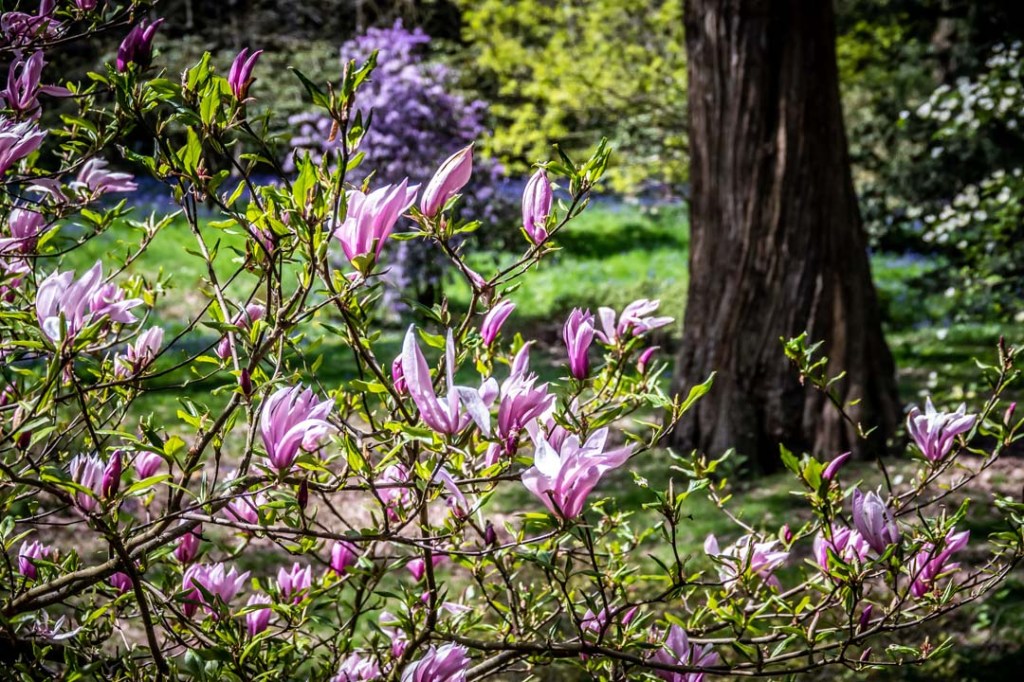
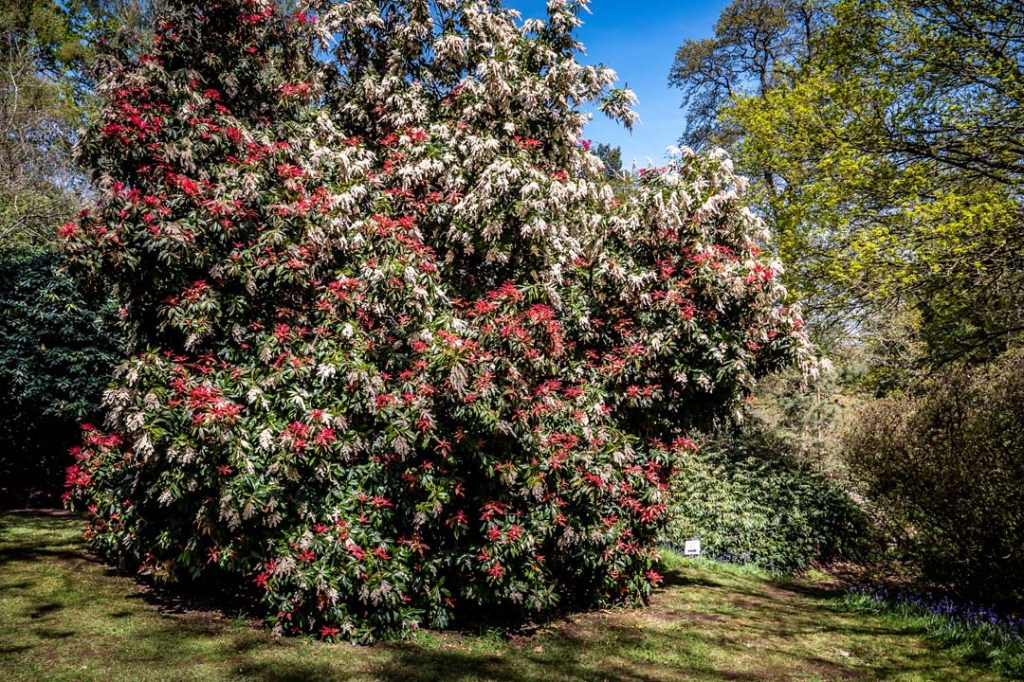
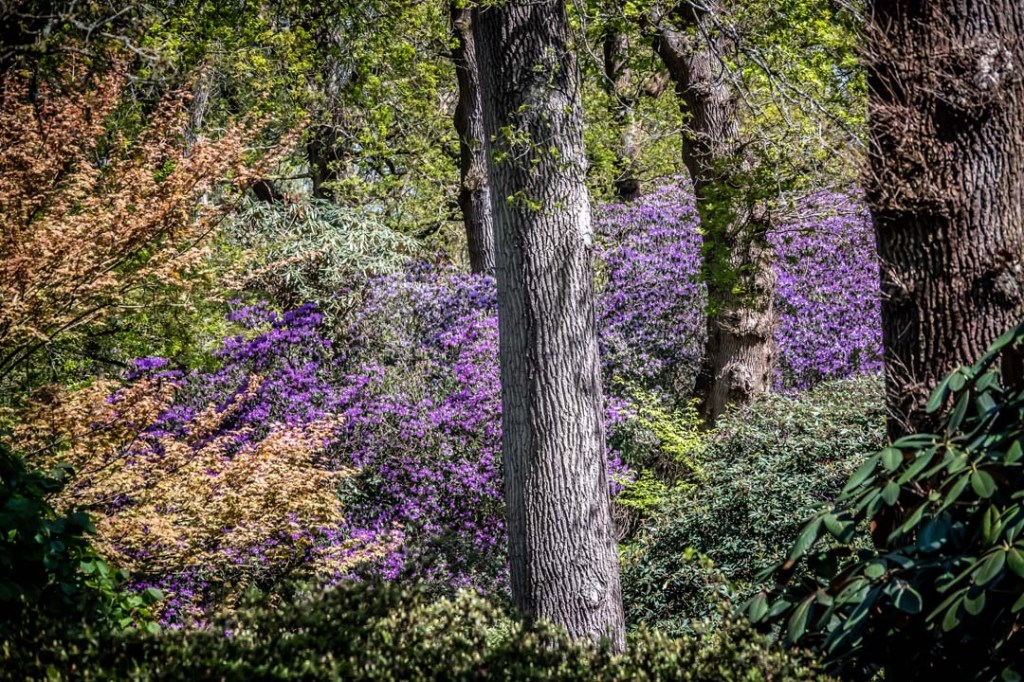
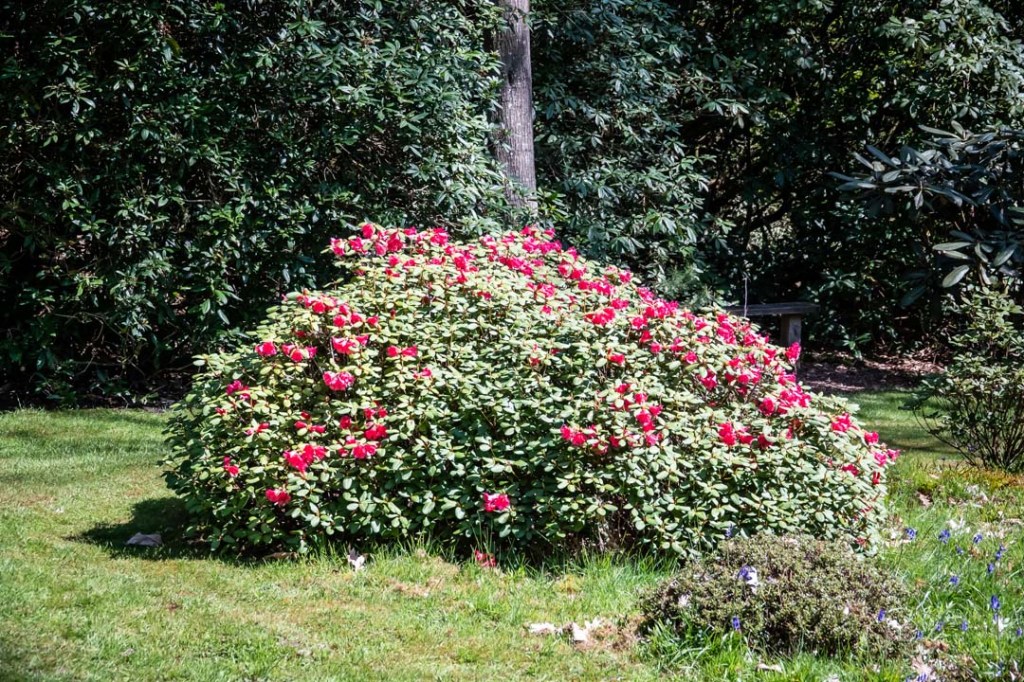
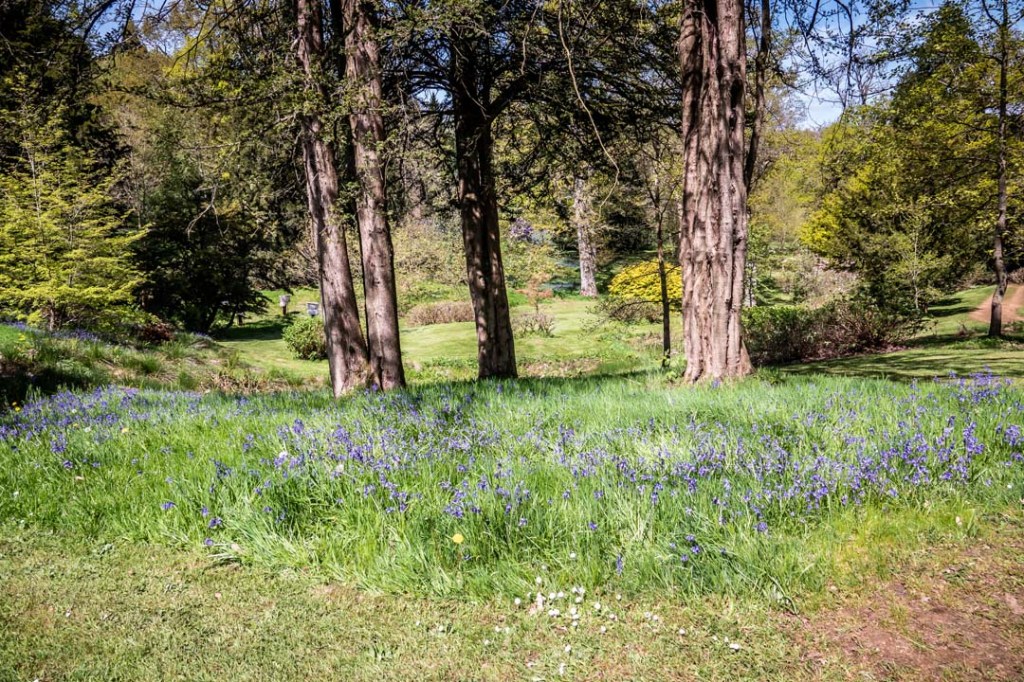
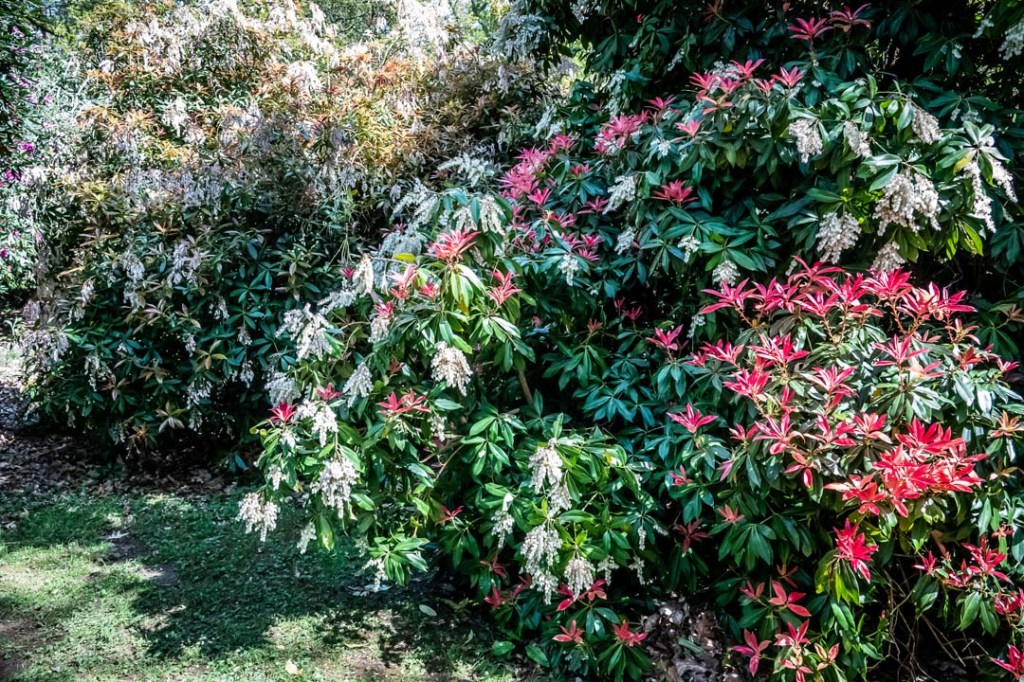
The azaleas are probably at their bestThe bluebells are still looking gloriousMagnolias probably won’t keep these flowers for long with wind and rain forecast Japanese Andromeda (I think)The azaleas through the wooded glades
It was my wife’s first major walk on crutches following her hip replacement operation just over 3 weeks ago and must have lifted her spirits no end – it certainly did mine.
I had subscribed to a an afternoon birding walk in the Forest of Dean organised jointly by local retailer “Clifton Cameras” and “Zeiss Optics”. The walk was billed as an opportunity to view and experience Zeiss’s new SLF binoculars and Digital Thermal Imaging (DTI) cameras as well as other optics.
The Forest of Dean is a 50 minute drive from my home in Bristol and, especially as I have had limited opportunities of late, I set off early to spend an hour or two on my own in this beautiful ancient forest.
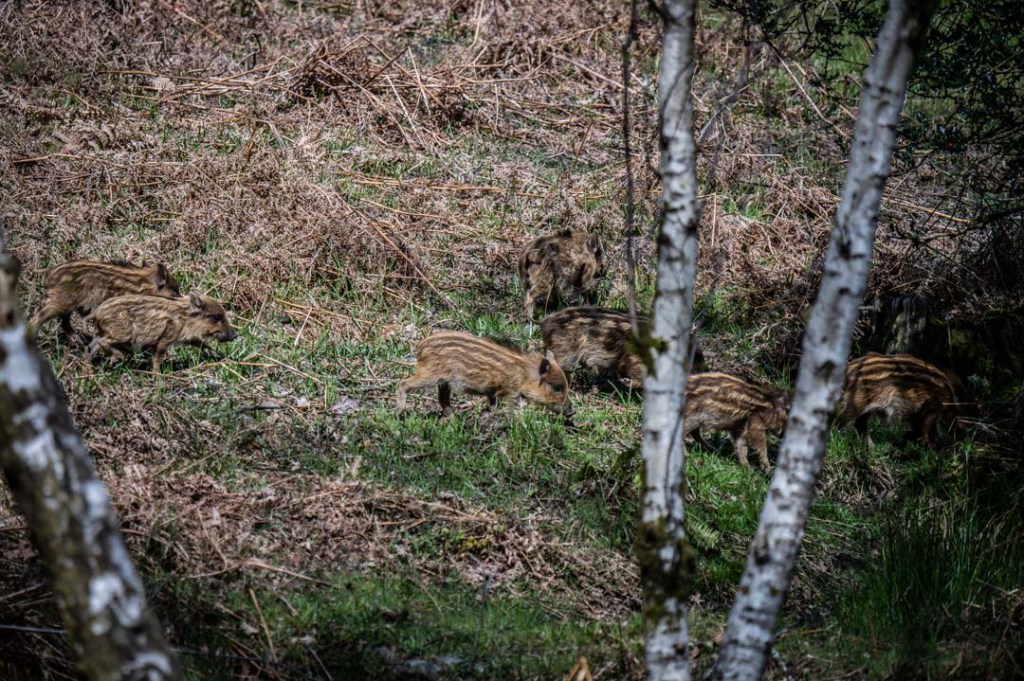
I headed for the RSPB reserve of Nagshead which I know quite well and where I hoped to see pied flycatchers. I had barely settled into the Lower Hide when a litter of boarlets passed in front of me near to the pool in front of the hide. I have seen wild boar in the forest before from the roadside, and often seen the large areas of uprooted and disturbed soil caused by their powerful necks and snout as they search for food, but I had never encountered them close up in the forest.
Wild boar piglets or boarlets affectionately known as humbugs
The piglets (or boarlets) are a lighter ginger-brown than the adult boars with stripes on their coat for camouflage and are affectionally known as ‘humbugs’. They disappeared in a flash, I presume, to their farrowing nest.
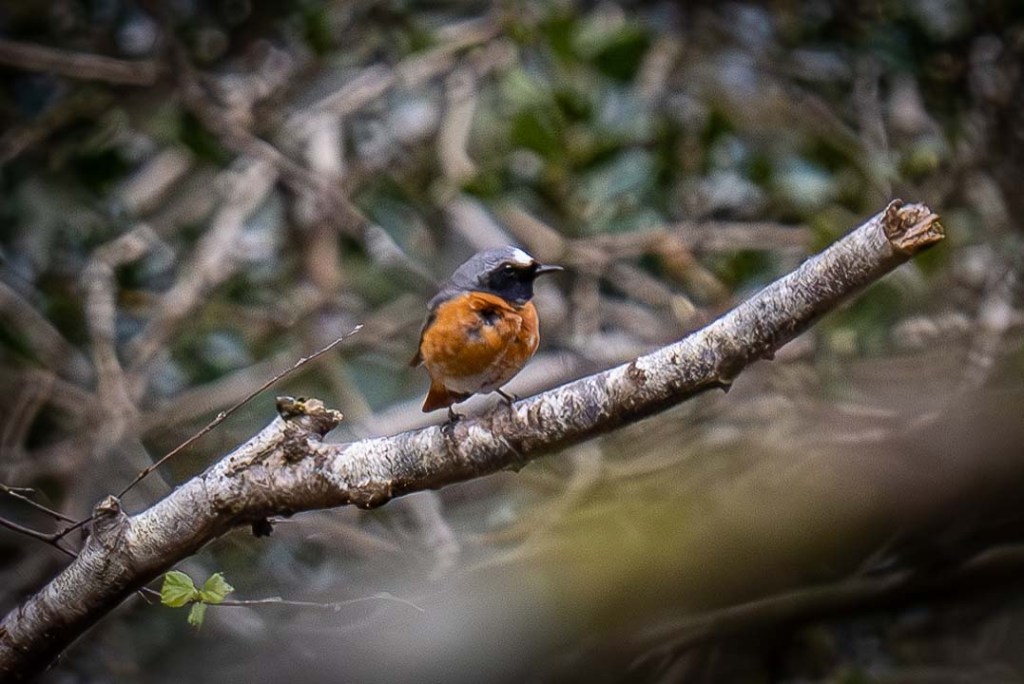
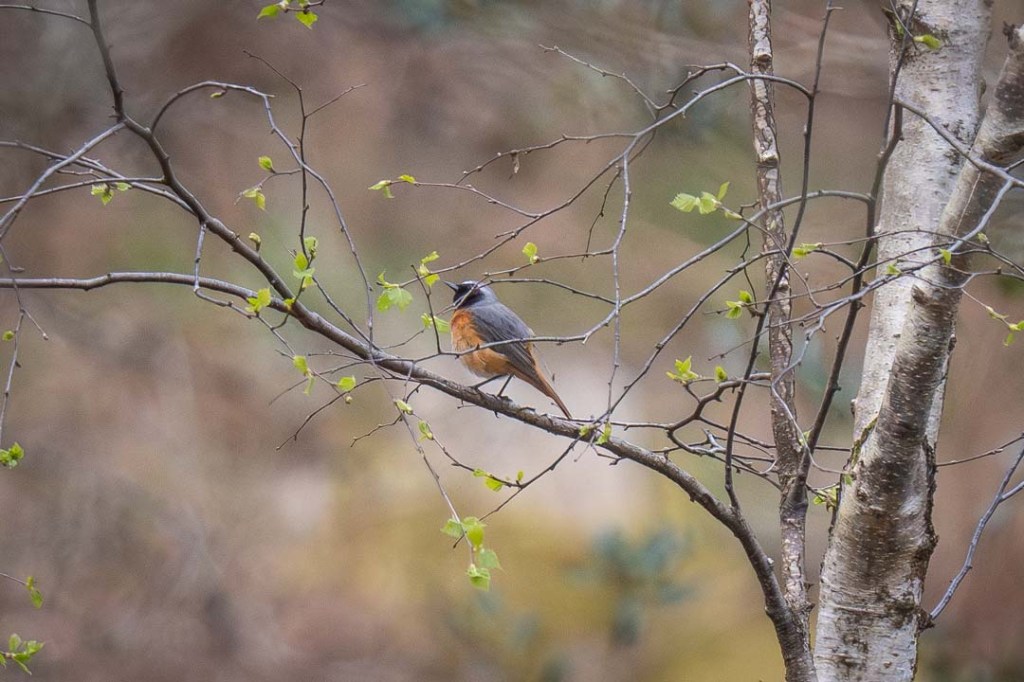
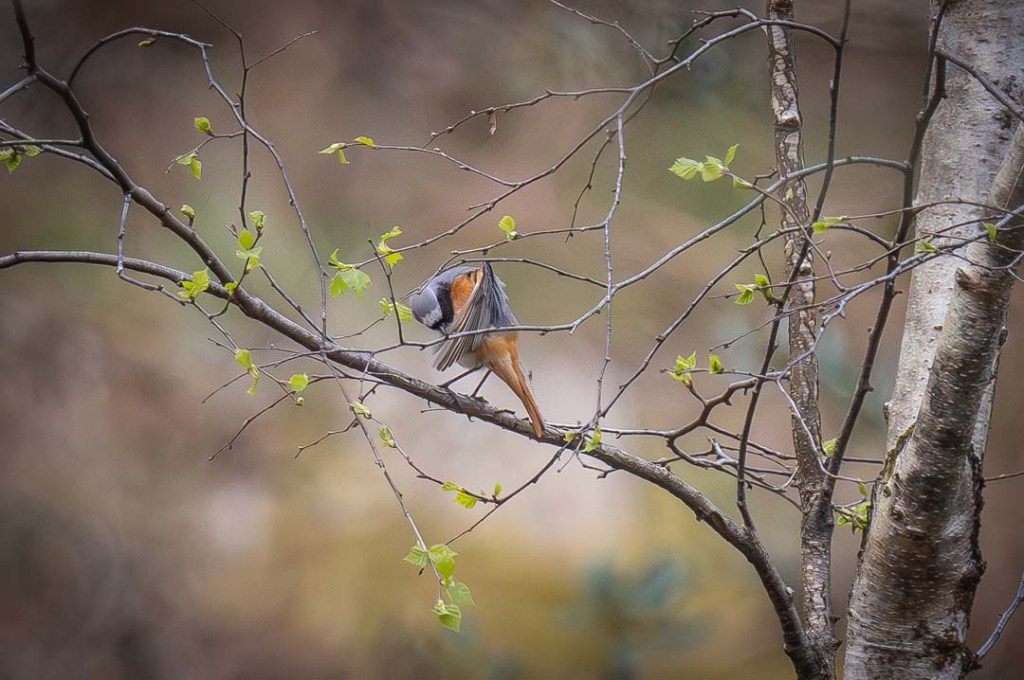
Unfortunately I didn’t manage to see any pied flycatchers, although I was assured they had already built nests in the area but I did see a female and a male redstart (thanks mainly to the very friendly birders Don and Mike Smith from Corsham who I seem to bump into regularly at various birding sites around the south west”.
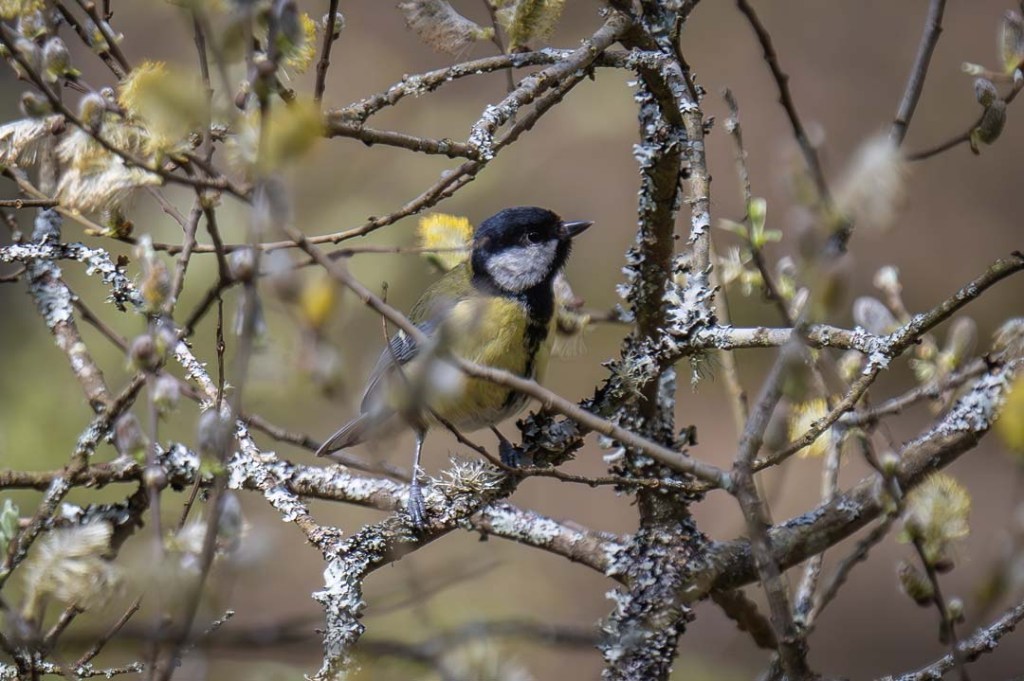
Male redstartRedstart preeningGreat tit
I then needed to set off for Speech House Woodland Car Park to meet up for the afternoon walk.
Martin Drew (from Clifton Cameras) and Toby Carter (from Zeiss Optics) were there to greet us and were buzzing with excitement with what they had seen seen on their morning walk: close ups of goshawks and firecrests and redstarts in numbers.
I thought this was a bad omen as it’s always the way when you meet a group of birders that they have just seen all sorts of birds that never re-appear.
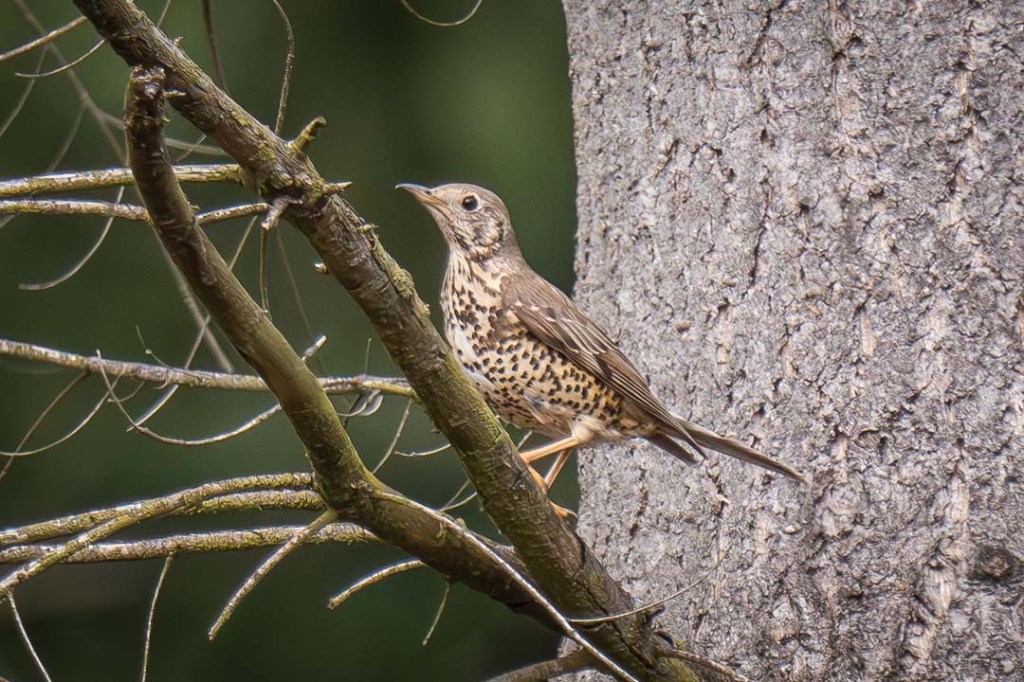
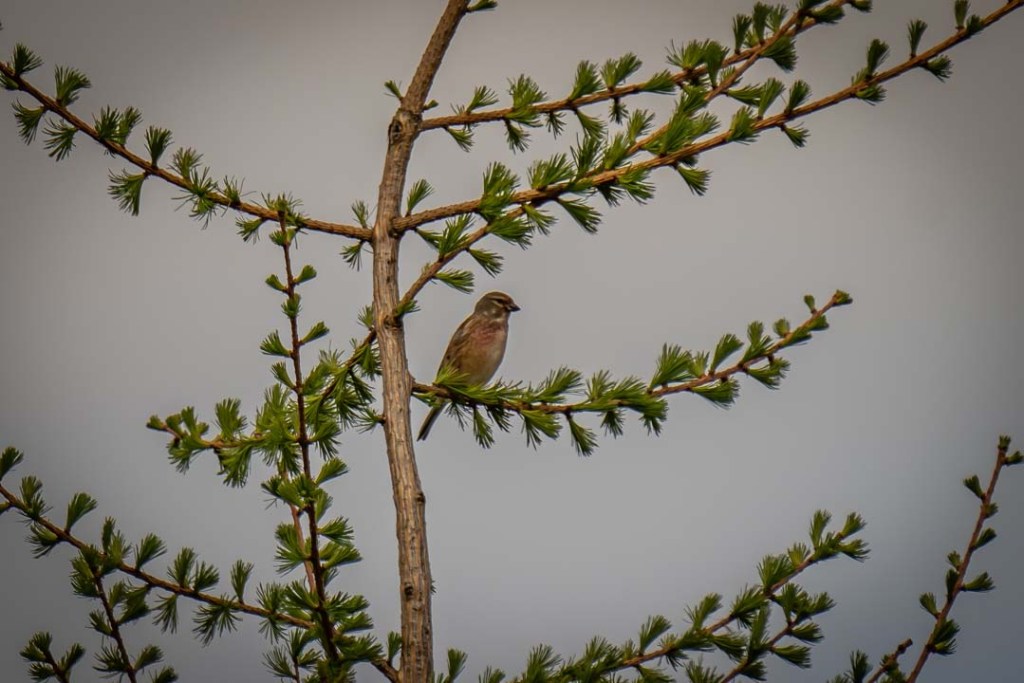
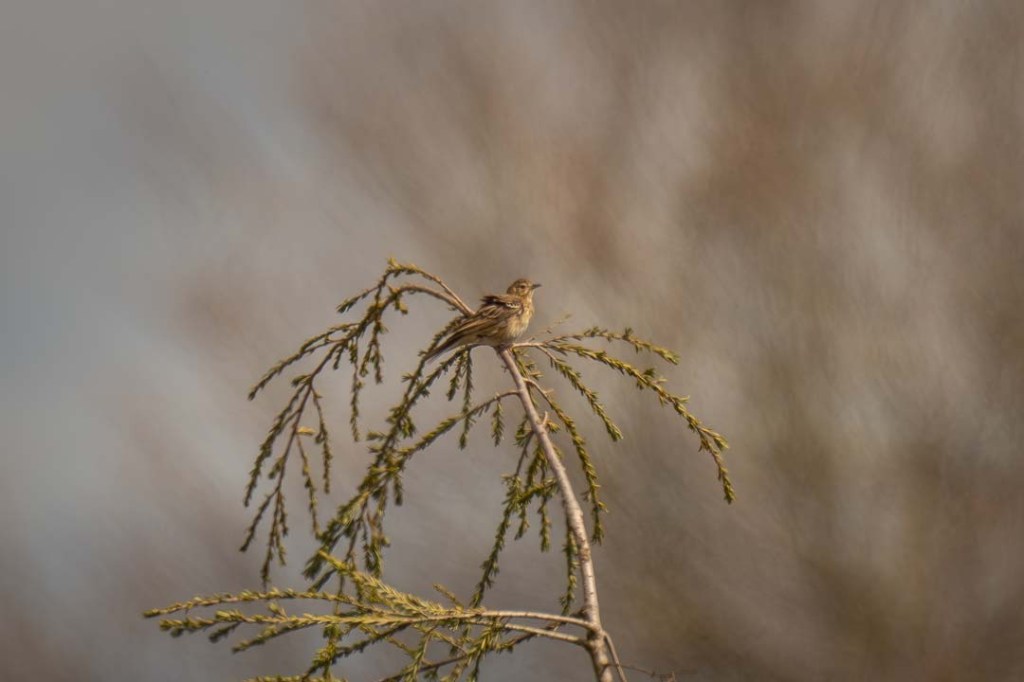
And so we didn’t even get a glimpse of the goshawks but only a few distant views of ravens and buzzards. On our walk we heard goldcrests (but not firecrests), woodpeckers, chiffchaffs, willow warblers and chaffinches and saw a number of stonechats, tree pipits, linnets, tree creepers and mistle thrushes.
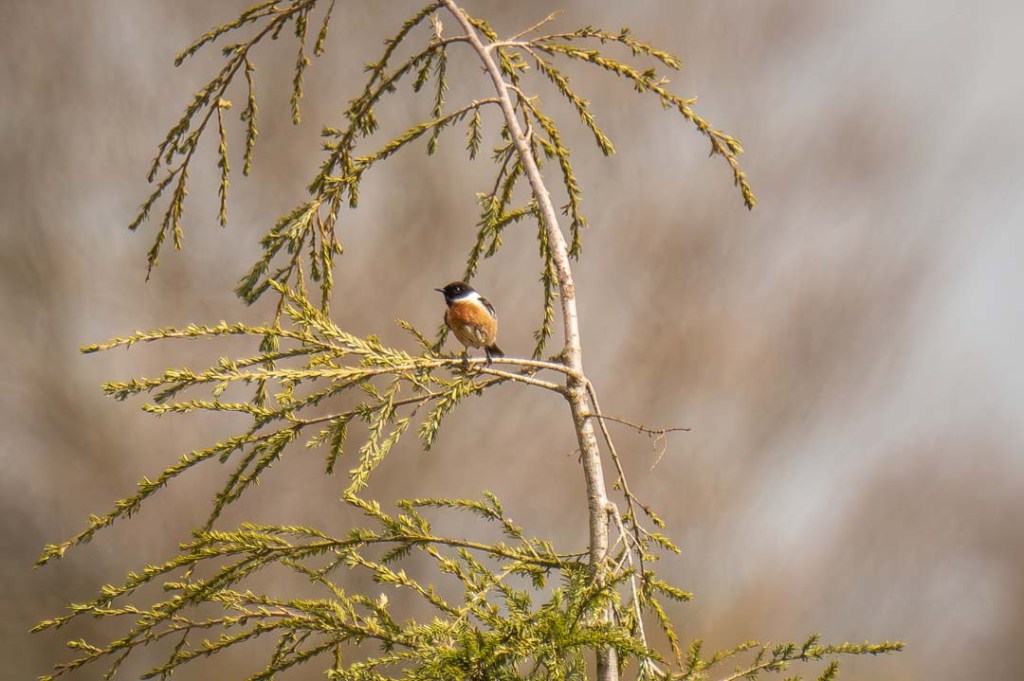
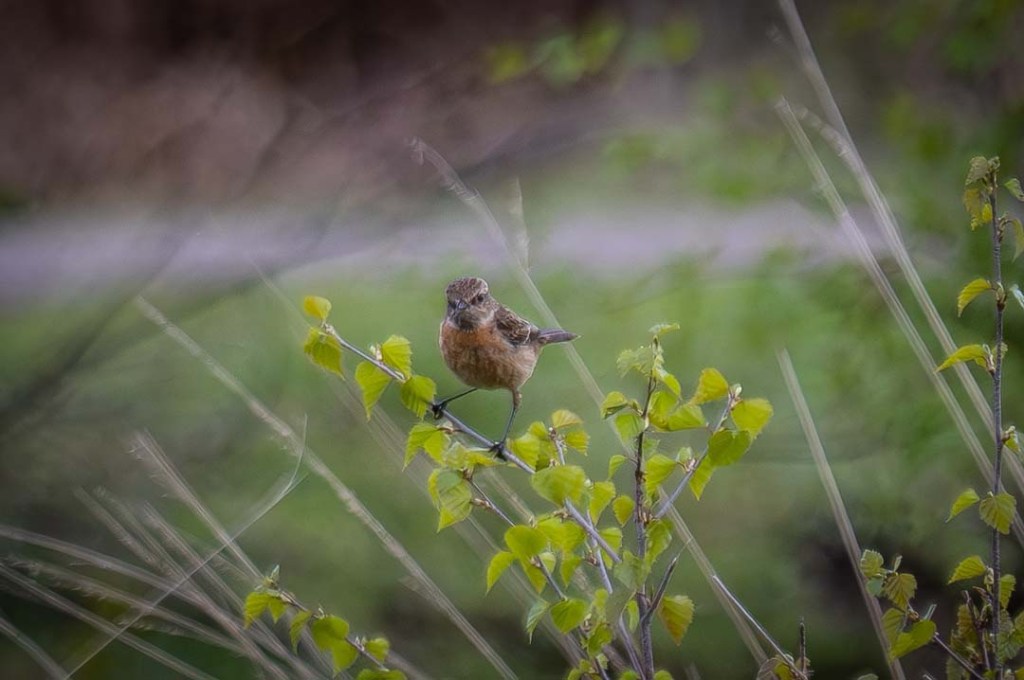
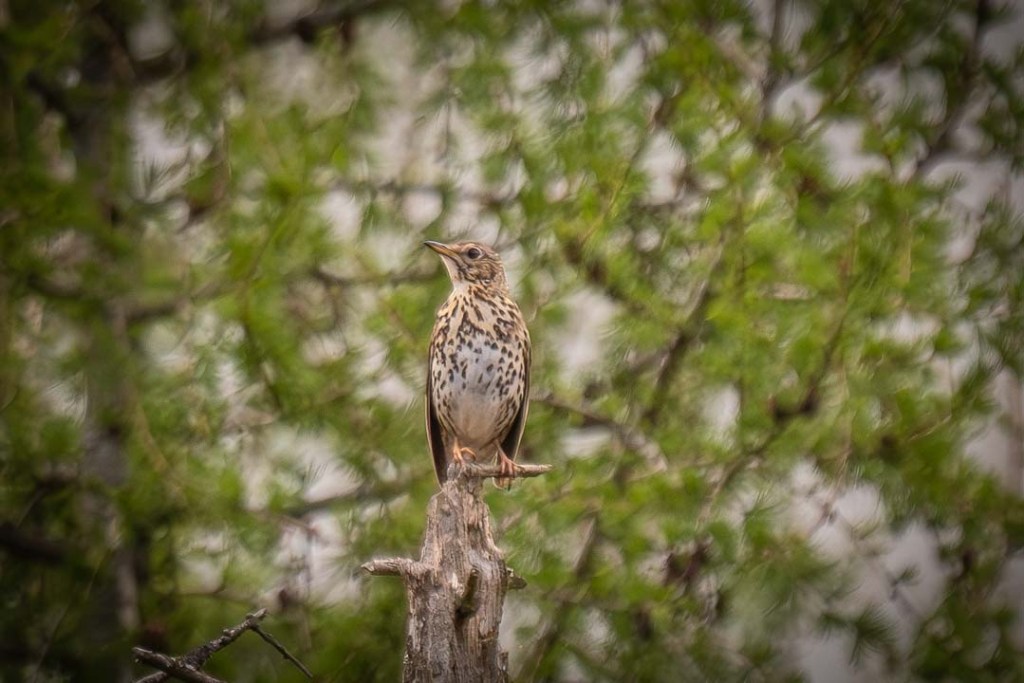
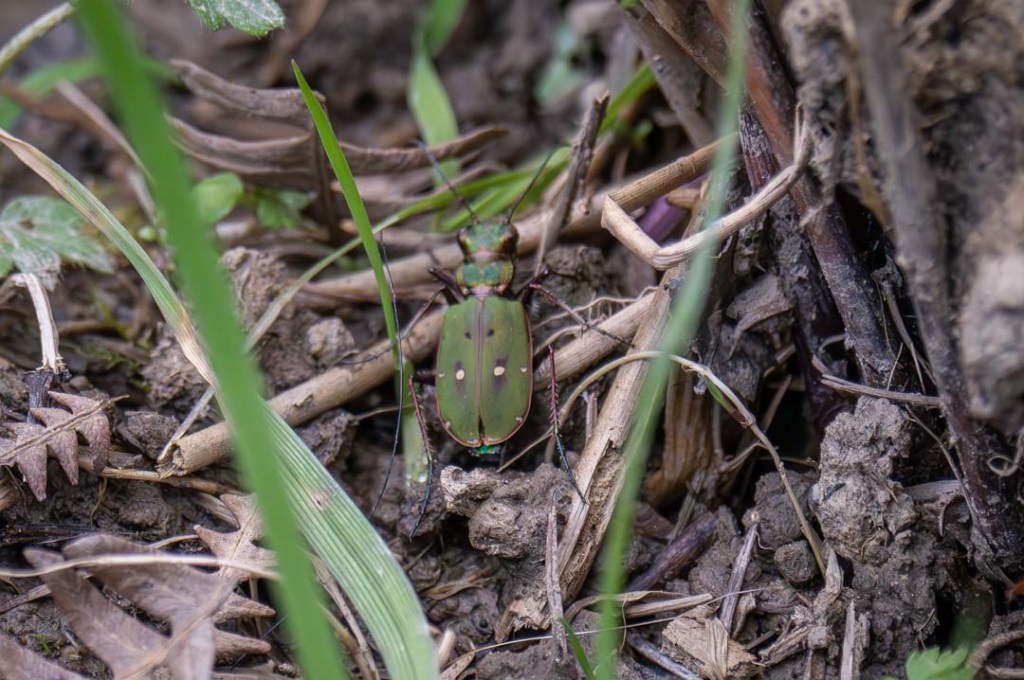
Mistle thrushLinnetTree pipitMale stonechatFemale stonechatMistle thrushThere were other opportunities on the walk – green tiger beetle
However, we did get to see and use a whole range of very impressive Zeiss Optics in the field. It certainly made a change from testing optics by looking at signs through a shop window. I would like to thank Martin and Toby who were great hosts on this walk and the four other birders on the trip who made it a very convivial afternoon.
It was wonderful to get out and about again and I can’t wait to take my wife (who is recovering from a hip replacement operation) back to the same spots to soak in the joys of nature.
From the Forest of Dean website:
“This ancient forest has changed many times over the centuries. In medieval times it was a royal hunting forest, before becoming a source of timber for the navy’s Tudor warships. By Victorian times it was a major site of industry, with coal mining and tramways punctuating the landscape.
In 1938 the Forest was designated the first National Forest Park and today the Forest of Dean is a popular destination for tourists.
Today the forest is still a working forest, producing sustainable timber for the UK market.
The Forest is also a stronghold for nature with larges areas of woodland and open space providing a mosaic of habitats for a wide variety of wildlife,
It is a great place to explore. See if you can find the hidden remains of industry as you enjoy this wild and beautiful forest.”
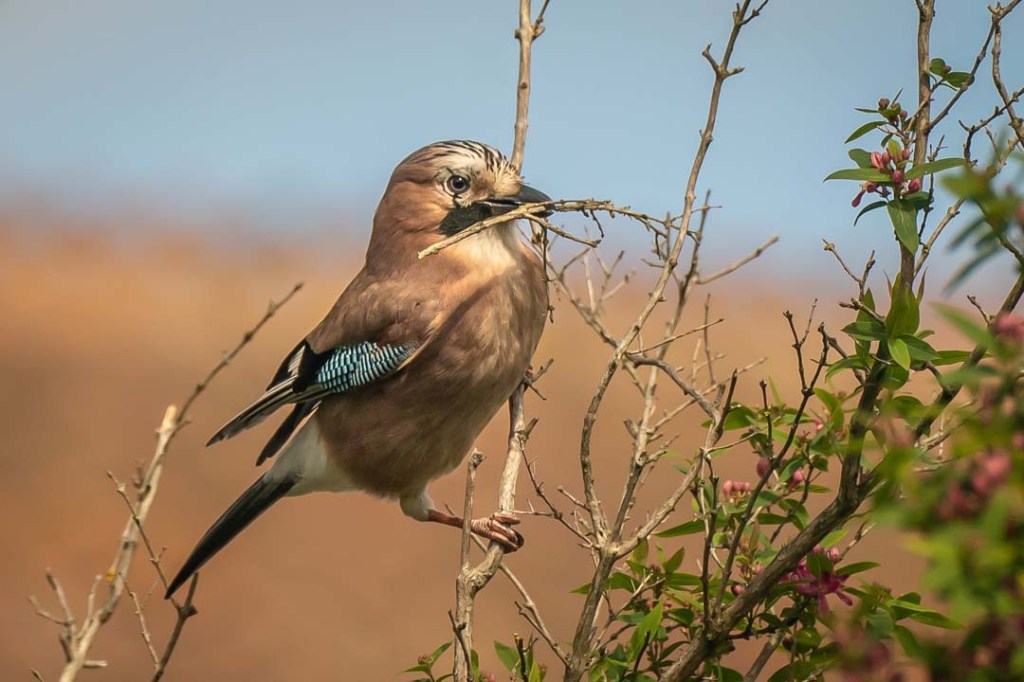
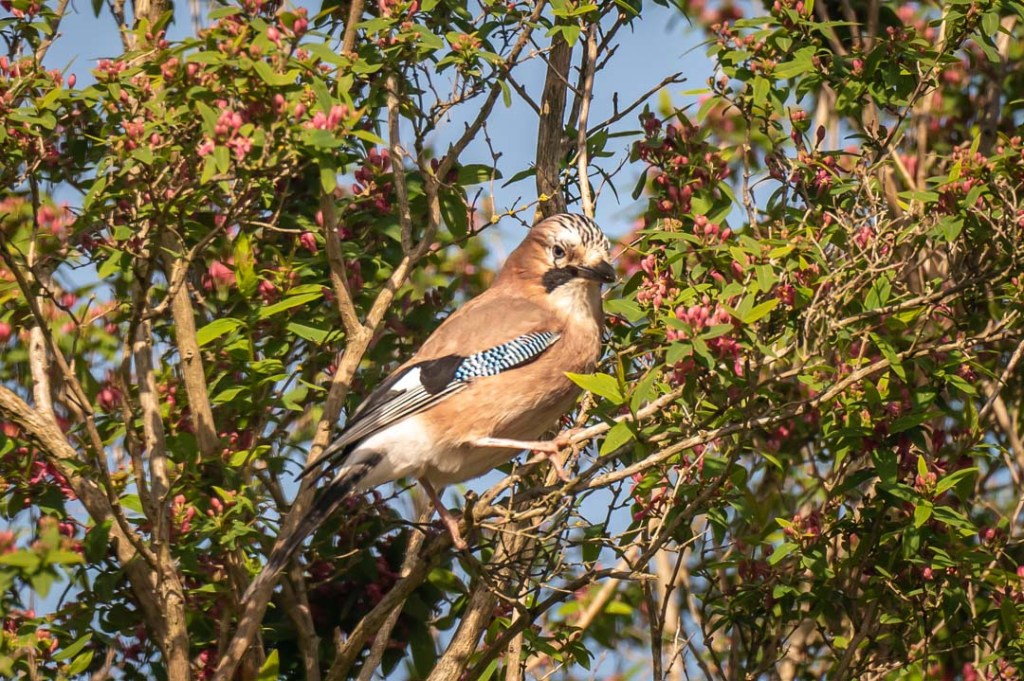
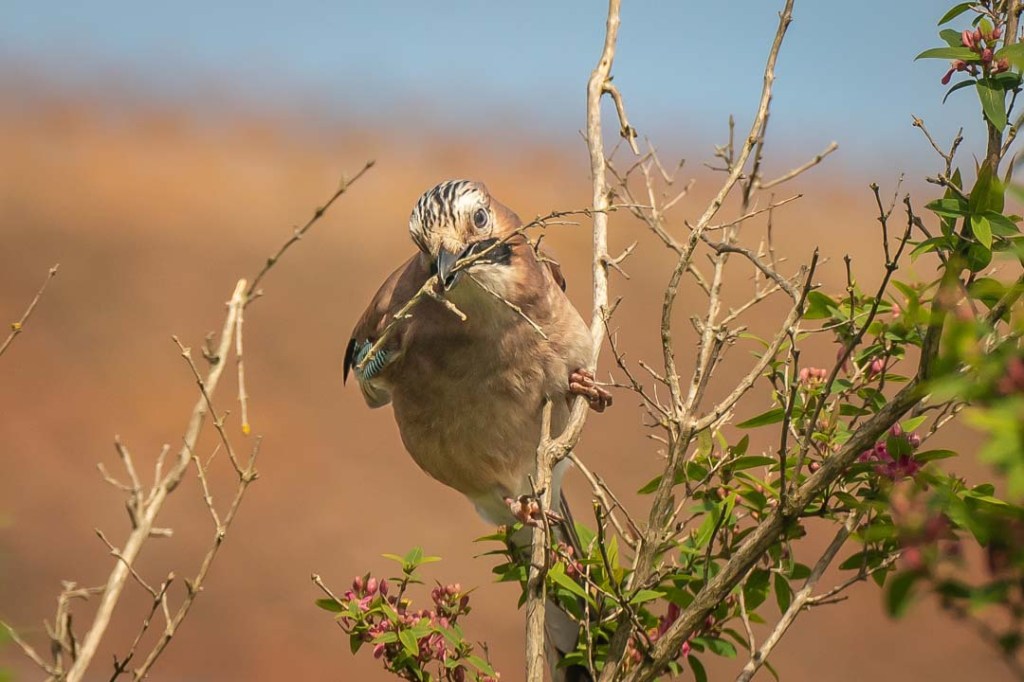
I seem to be missing the excitement of spring as I have had very limited opportunity to get out and about in recent weeks. So, it was quite comforting to see a few birds through the window from my lounge this morning, in particular two jays that were gathering nest making materials.
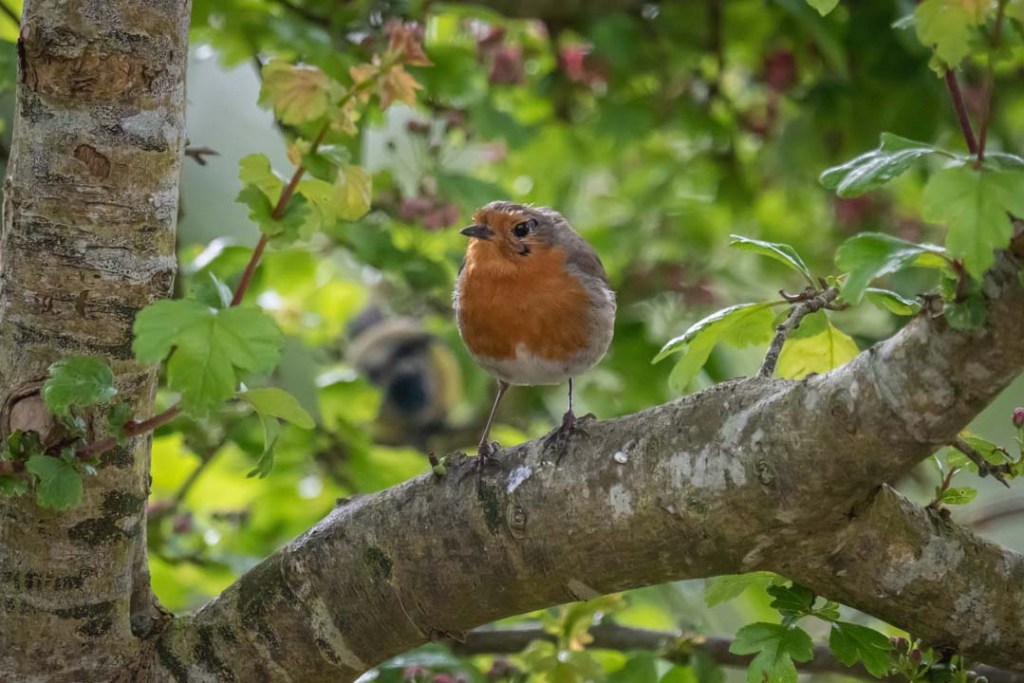
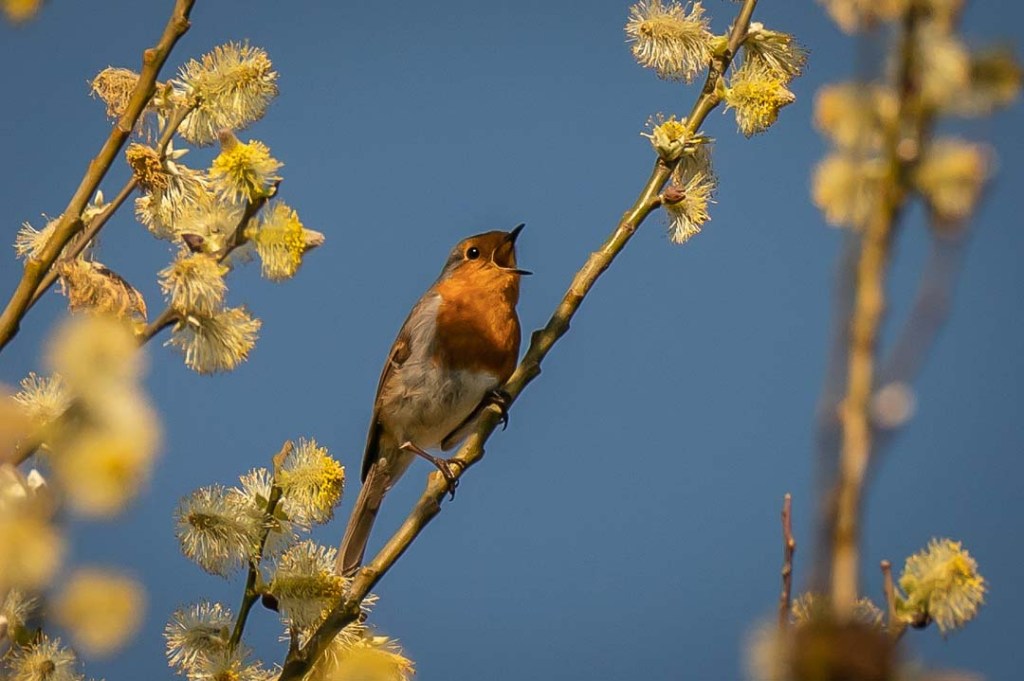
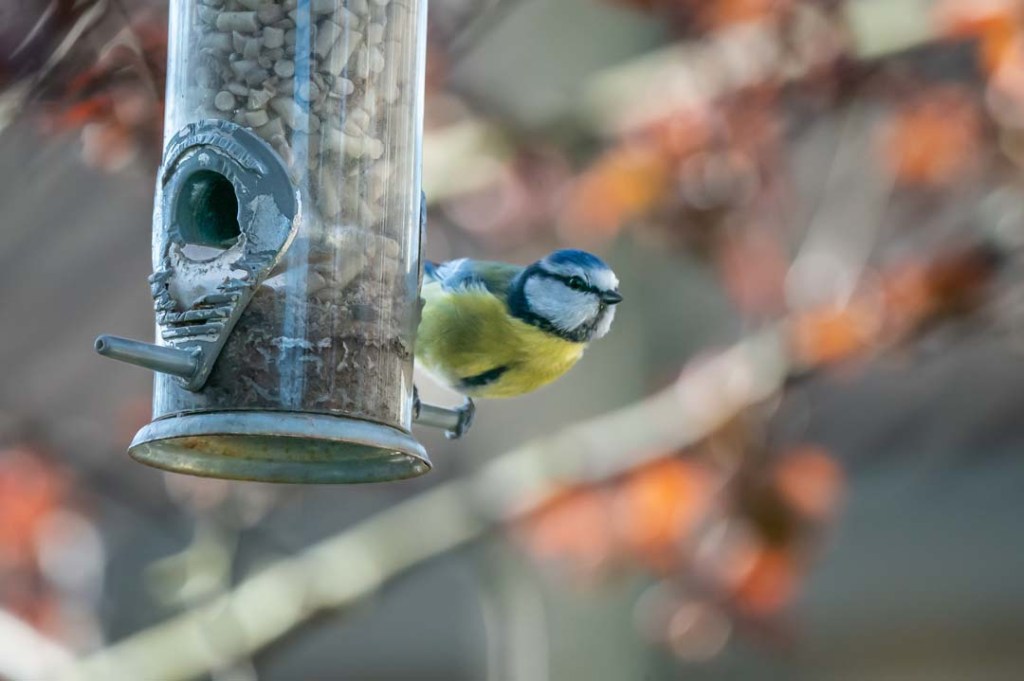
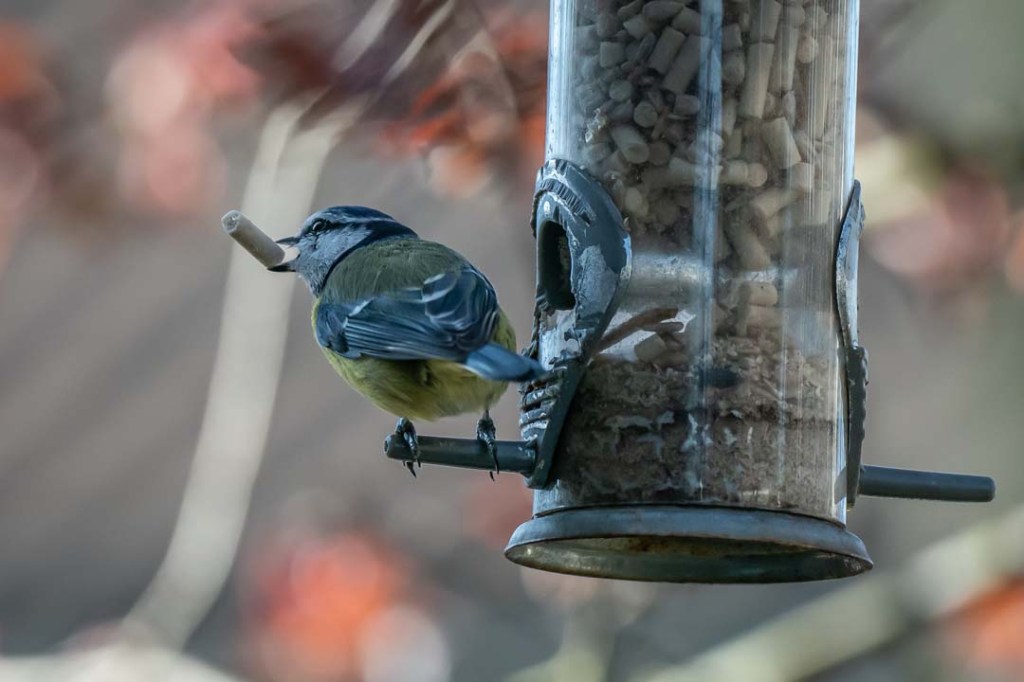
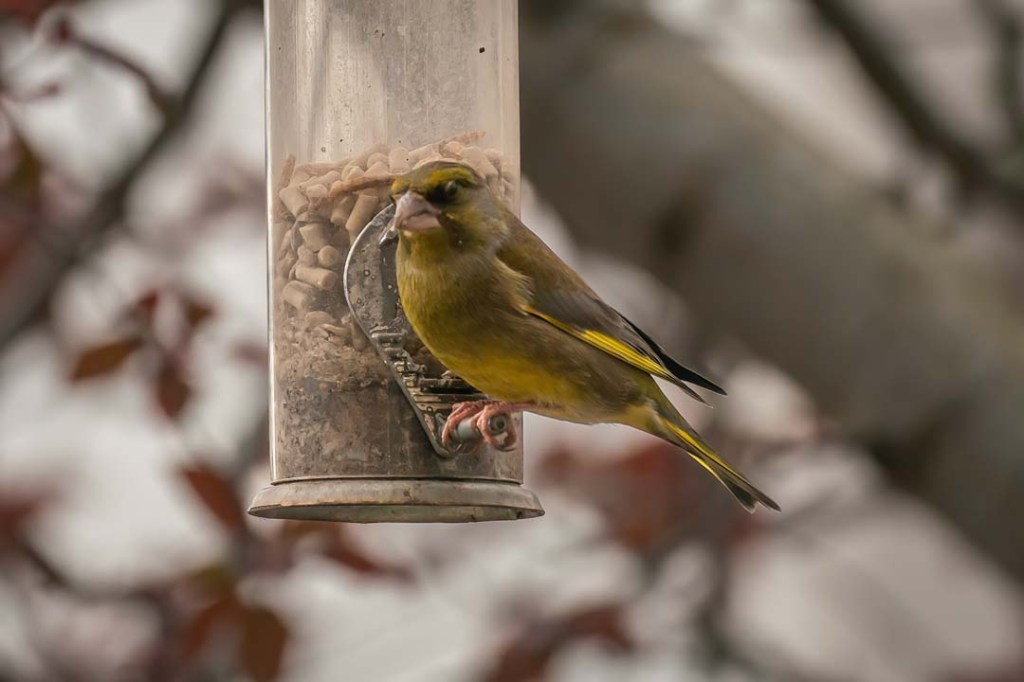
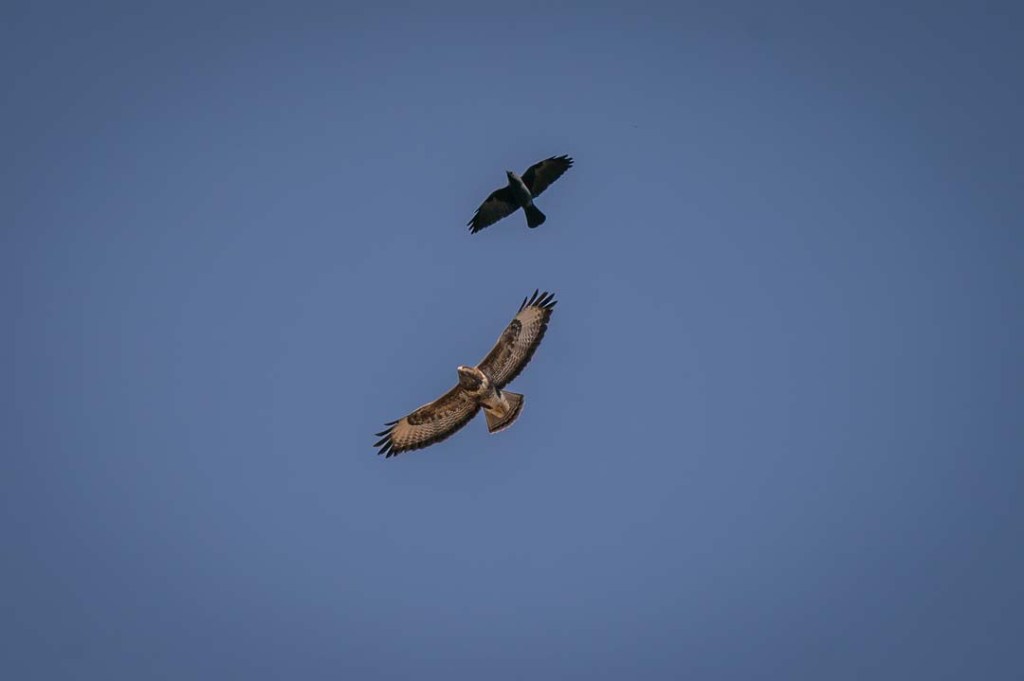
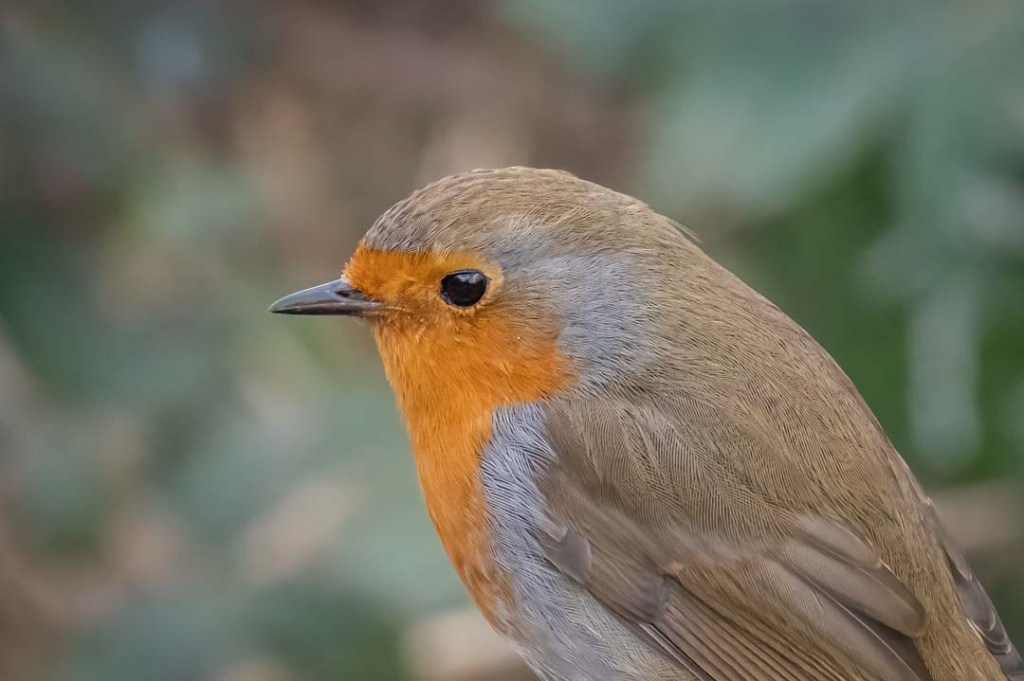
Jay (from my lounge window) collecting nesting materialI wish I had invested in better double-glazing (or was it my lack of skill to not capture this shot any sharper?)I’m glad I spotted this robin which I’ve been hearing both day and nightCheeky blue tit on the feederGoldfinchNice to see the greenfinches back in decent numbersBuzzard over my suburban gardenAlthough it was not left in peace for long
In addition from my window I’ve seen herring gulls, lesser black-backed gulls, house sparrows, dunnocks, coal tits, great tits, blackbirds, starlings, carrion crows, jackdaws, wood pigeons, collared doves, magpies and even a peregrine on the church spire.
Hopefully, I shall soon be able to see the real joys of spring now that chiffchaffs, willow warblers, sand martins, swallows (and soon swifts) are all arriving at this exciting time of the year.
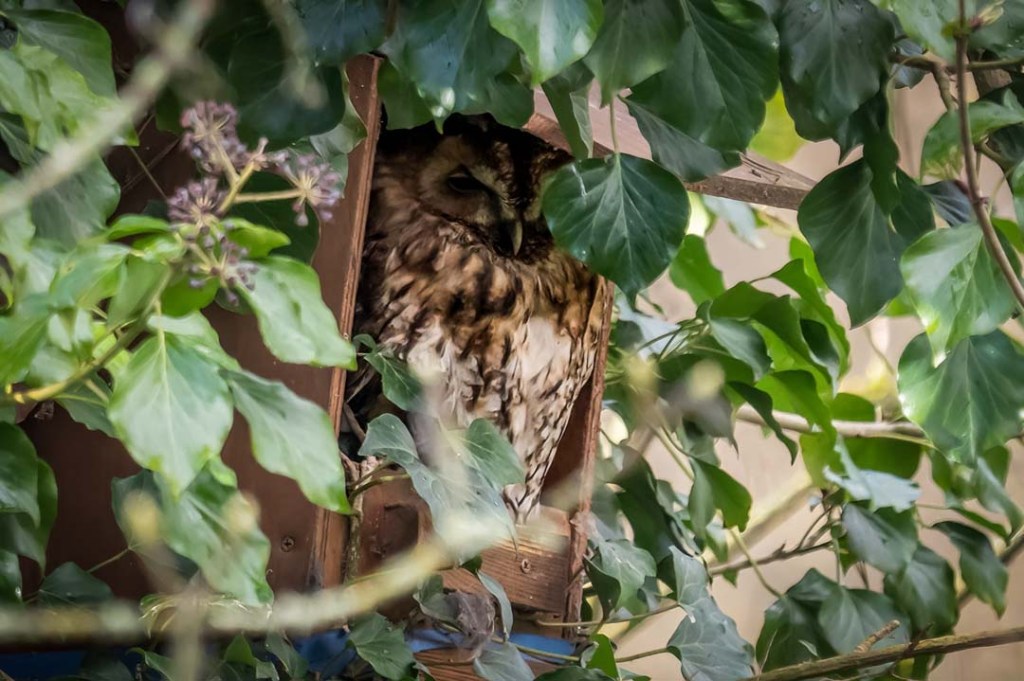
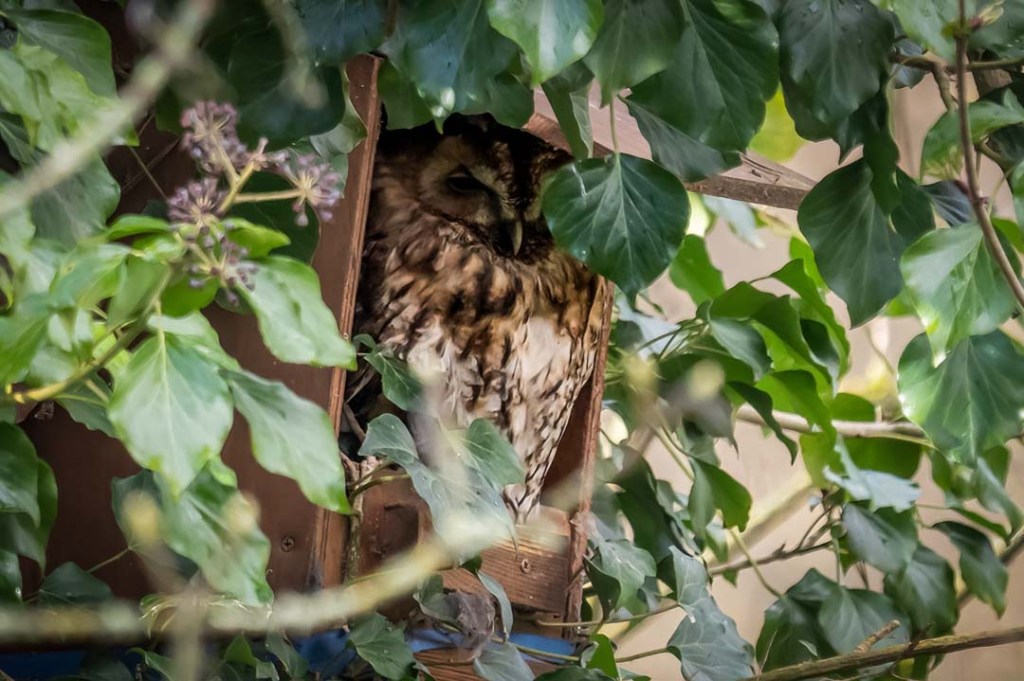
A walk through my local park in the rain showers this afternoon was rewarded with a view of a tawny owl in an owl box on the island in the middle of the lake.
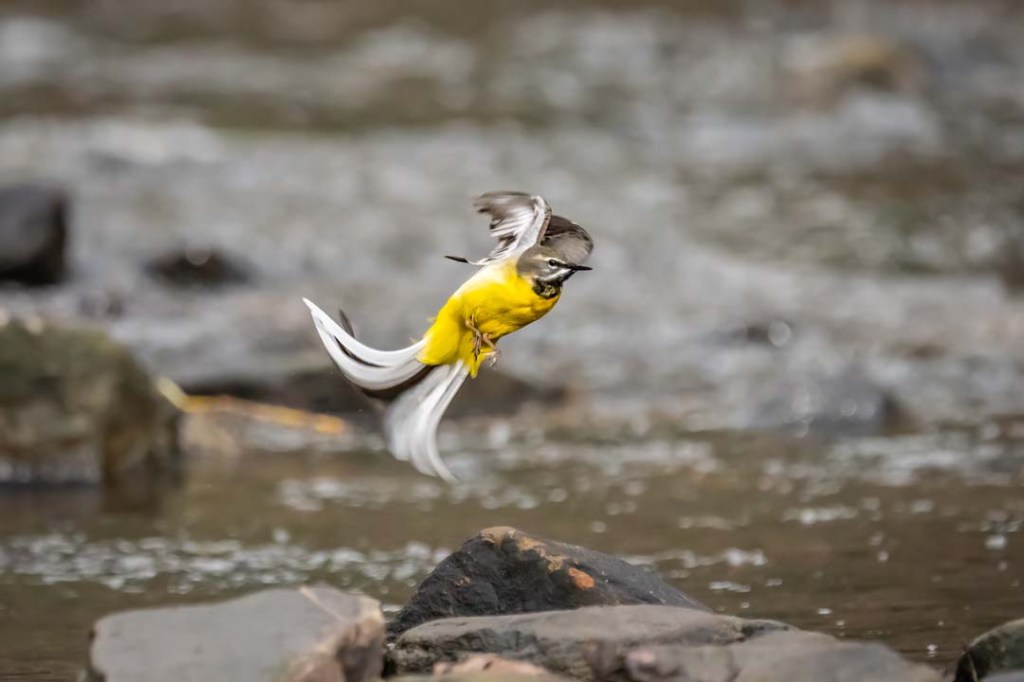
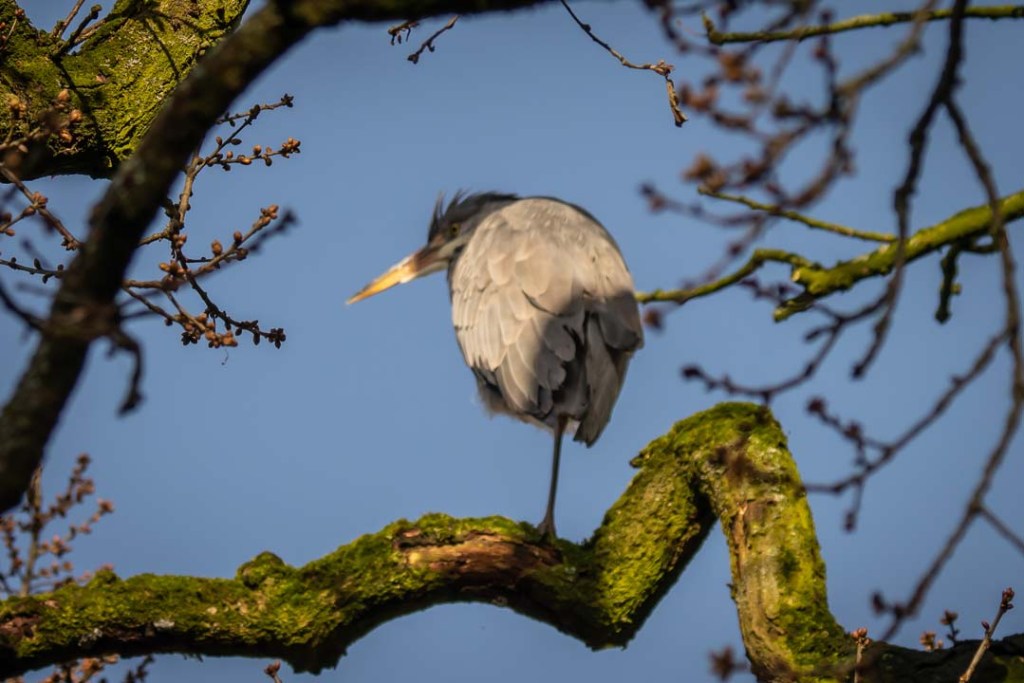
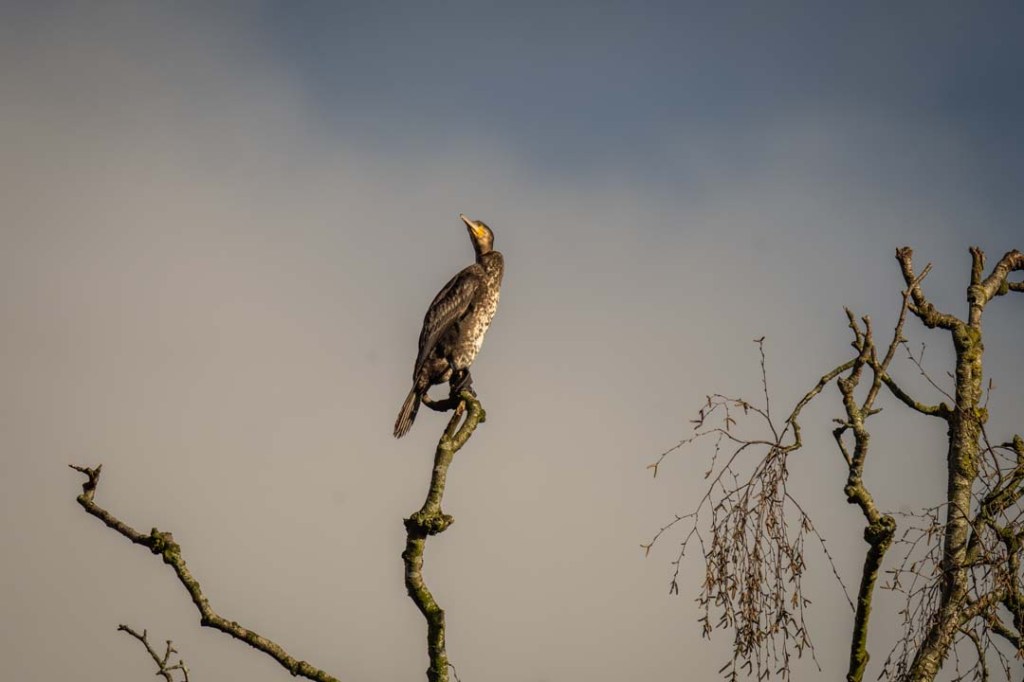
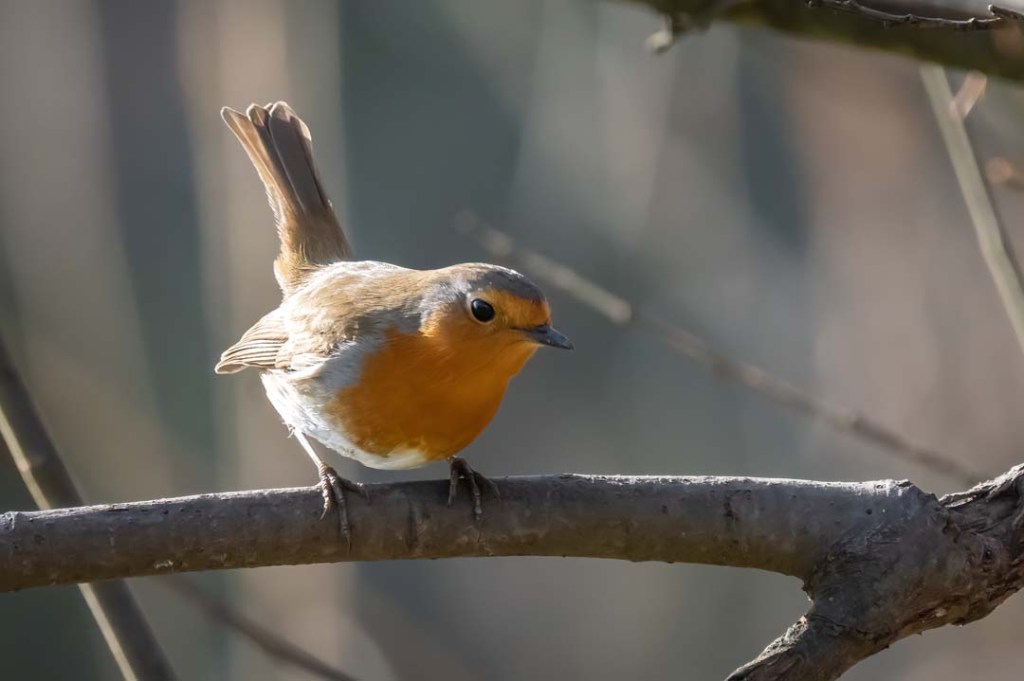
Tawny owlA dynamic grey wagtail in the gloom of the brookGrey heron catching the brief rays of sunshineGreat cormorant overlooking the lakeDid these pike feel safe from the cormorants? There were plenty of them in the lake.The light was failing on the way home but a robin provided a ray of brightness
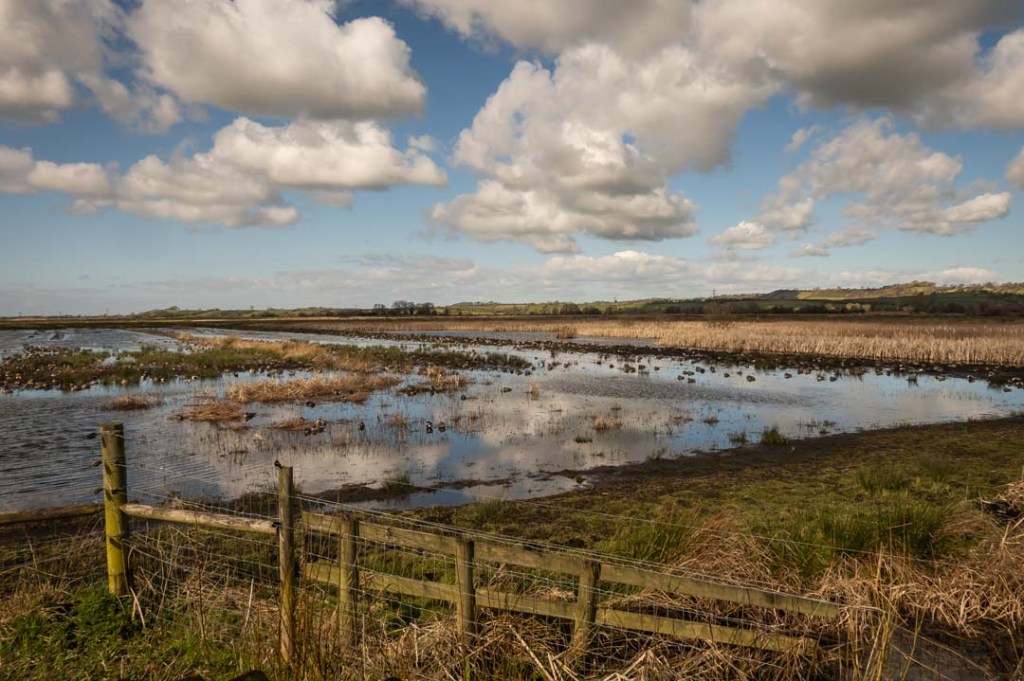
The weather was kinder today and, although there was a fresh breeze throughout, it was sunny for most of the day. I visited 3 nature reserves on the Somerset Levels, about an hour and a half south from my home in Bristol.
At RSPB Catcott Lows a couple of wardens had just disturbed most of the birds as they made their way out to a pumping station to lower the water levels. I didn’t hang around but made may way to RSPB Greylake instead, only a further 6 miles on.
There was lots to see but most of the huge numbers of ducks were fairly inactive and not too bothered even by a couple of marsh harriers and a kestrel.
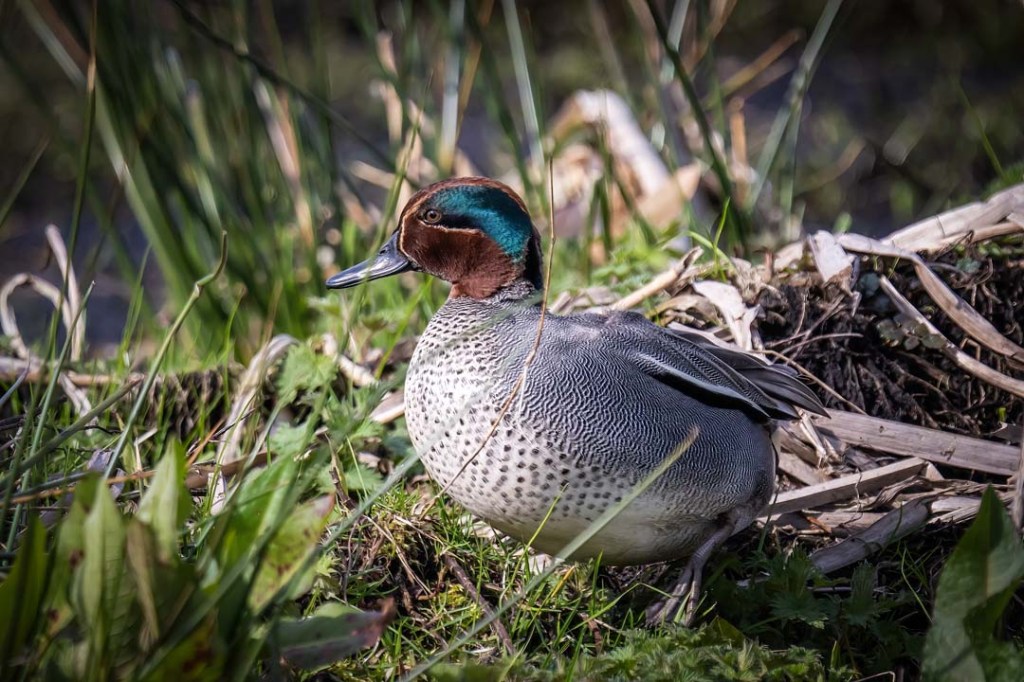
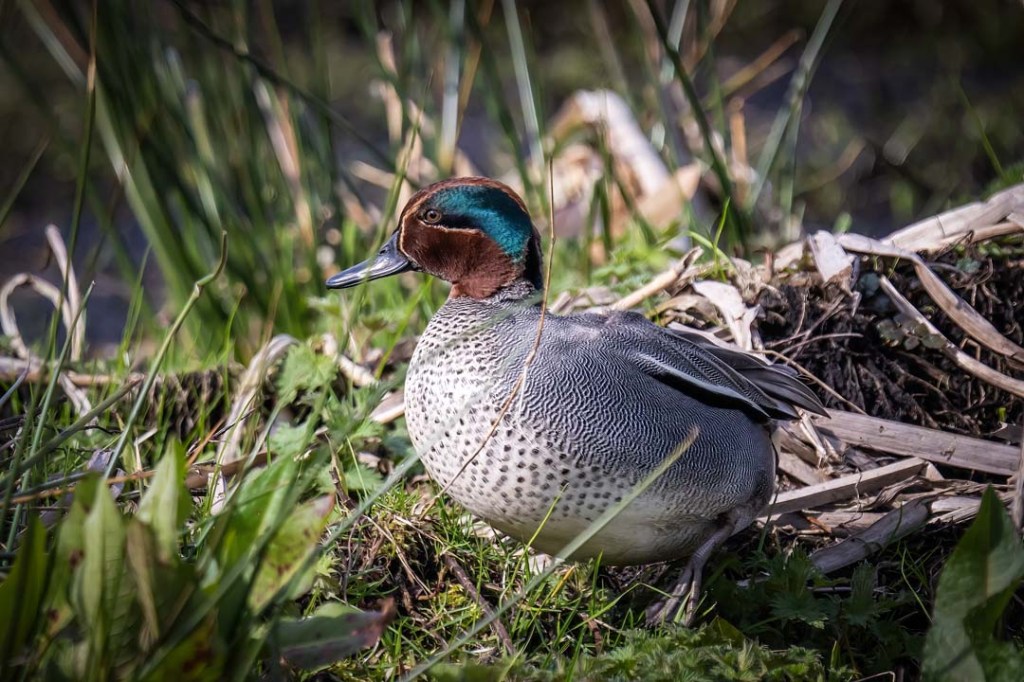
RSPB GreylakeA teal not taking a nap
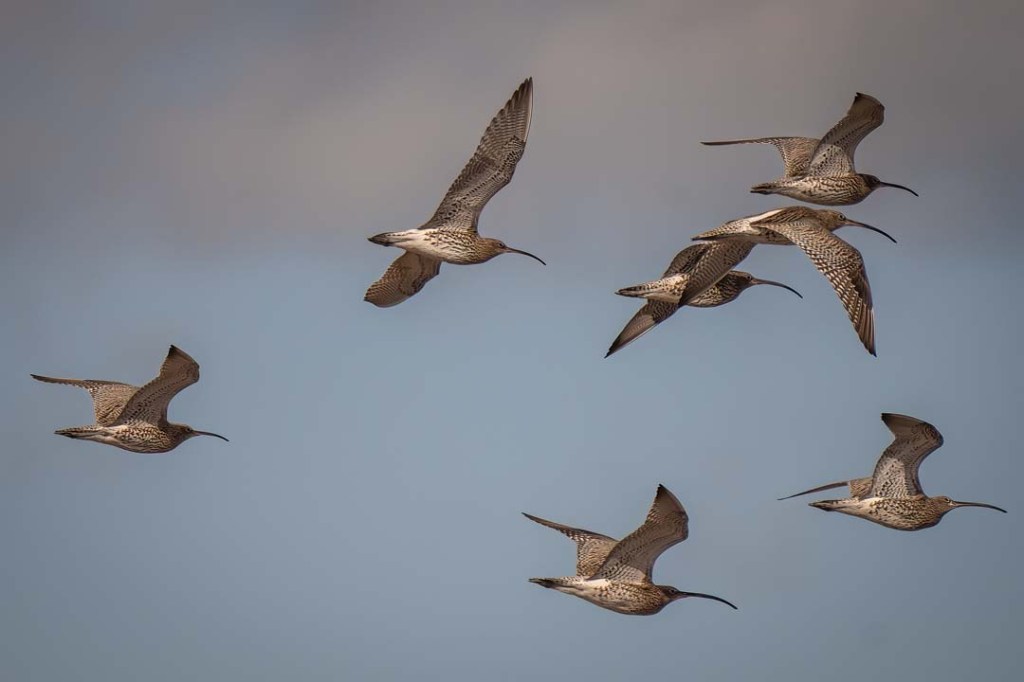
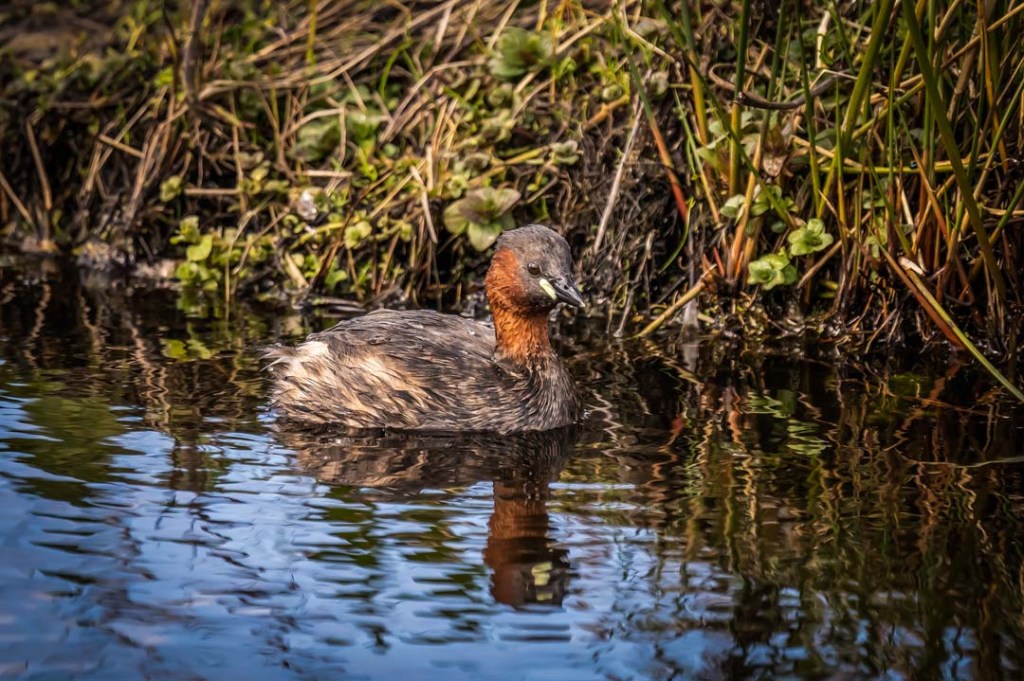
The most interesting activity was a close-up little grebe and a small flock of curlew flying over.
Little grebeCurlew
I moved on to RSPB Ham Wall, about half a dozen miles back towards home.
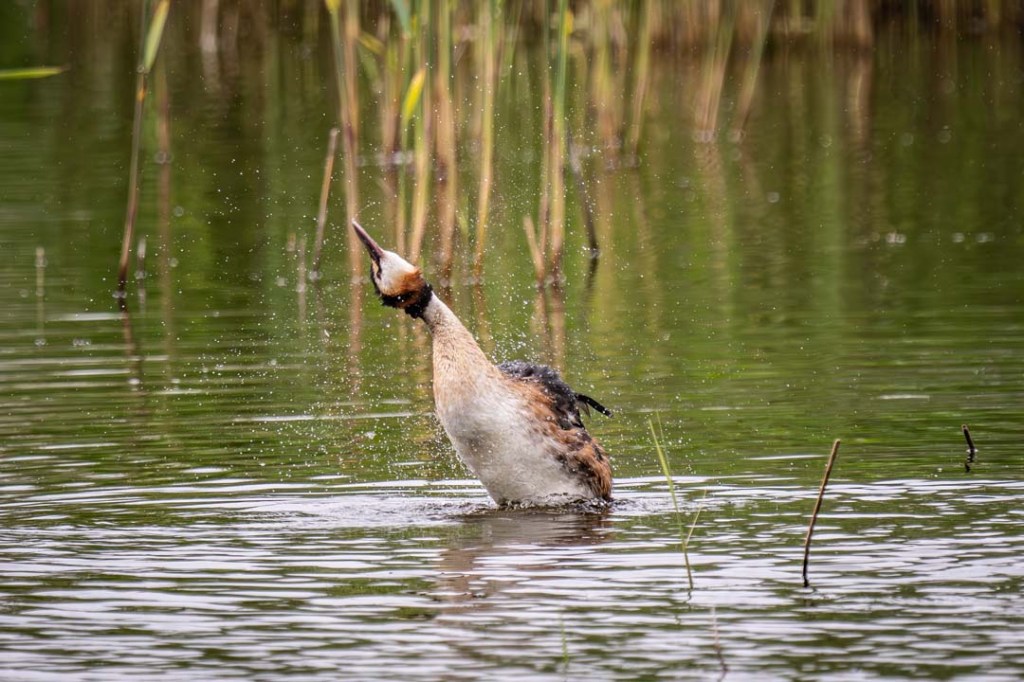
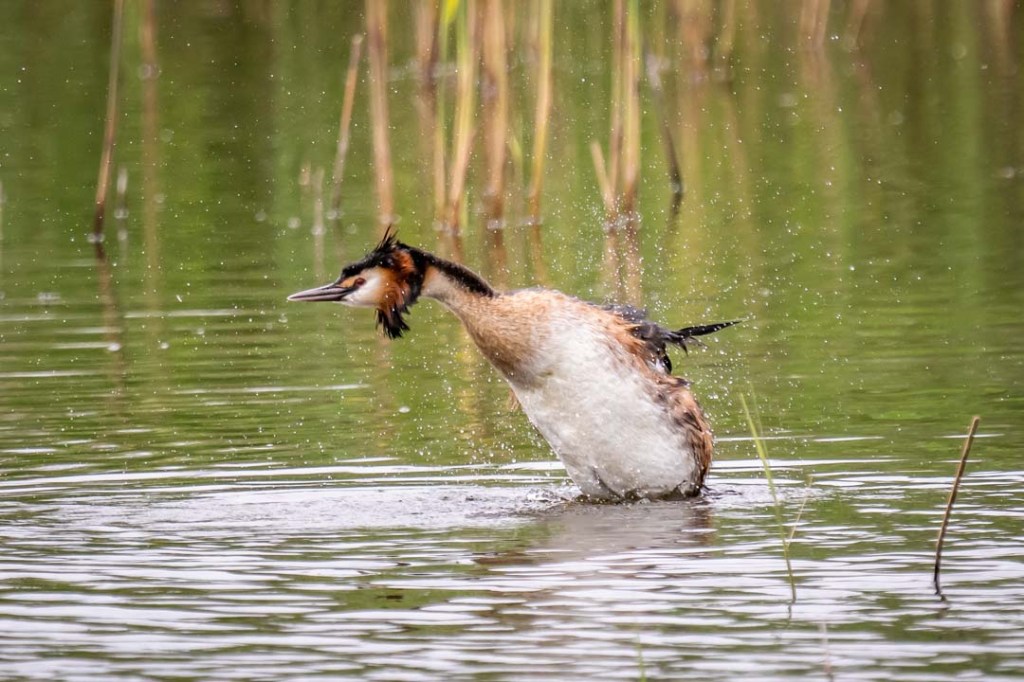
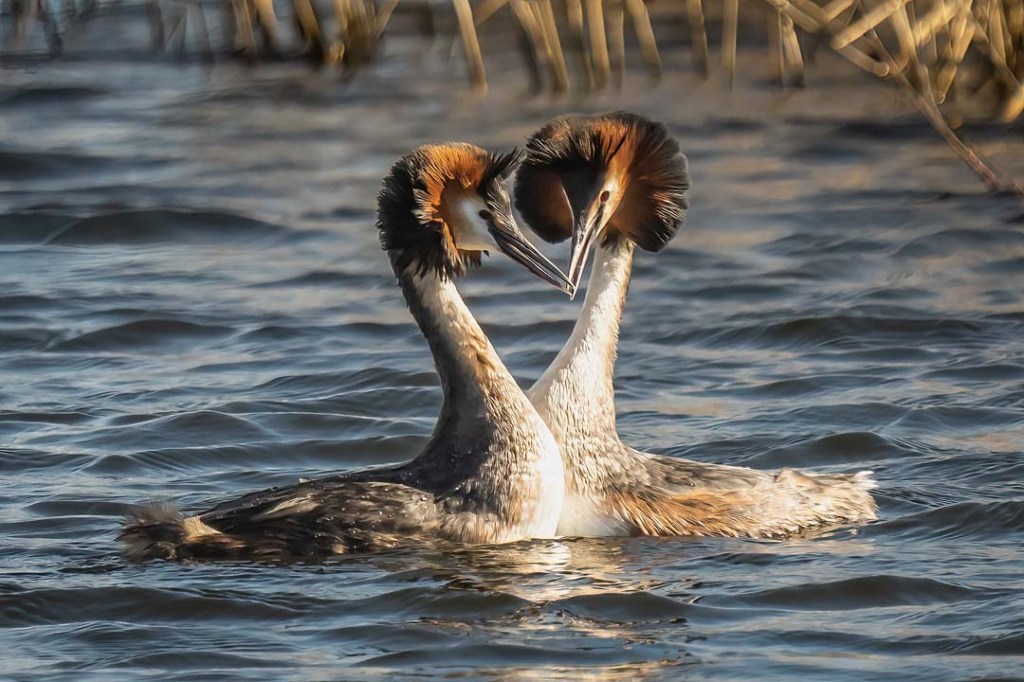
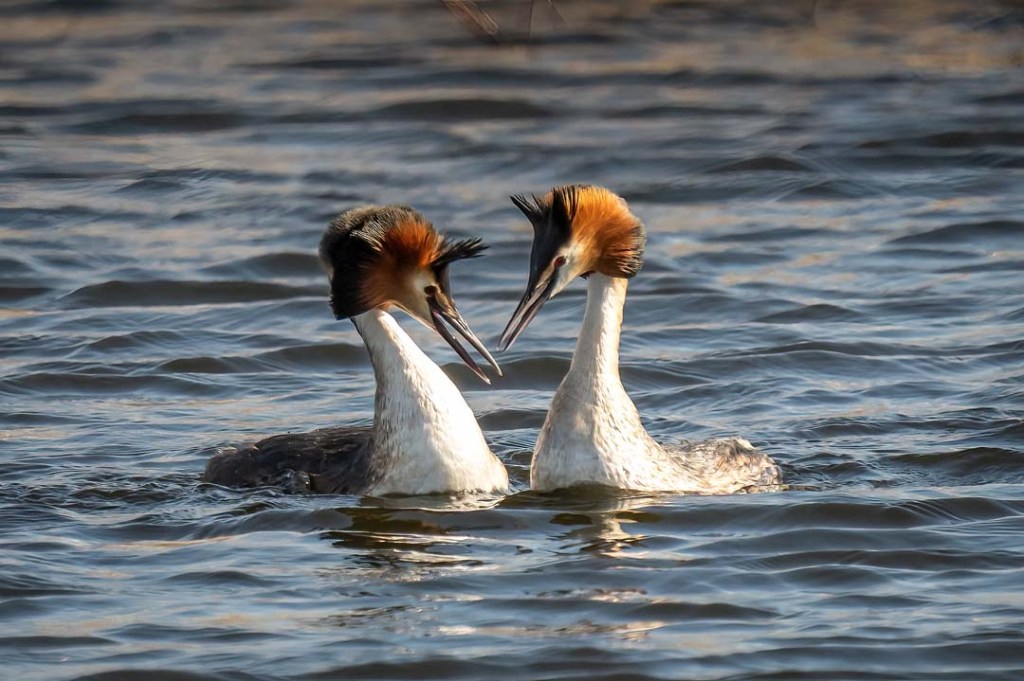
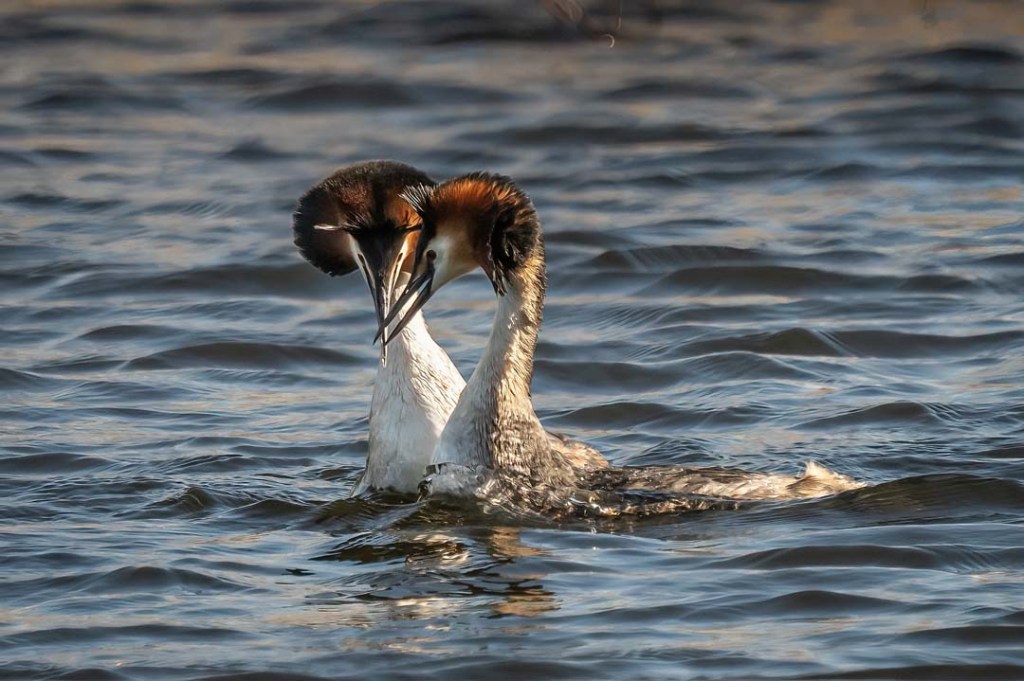
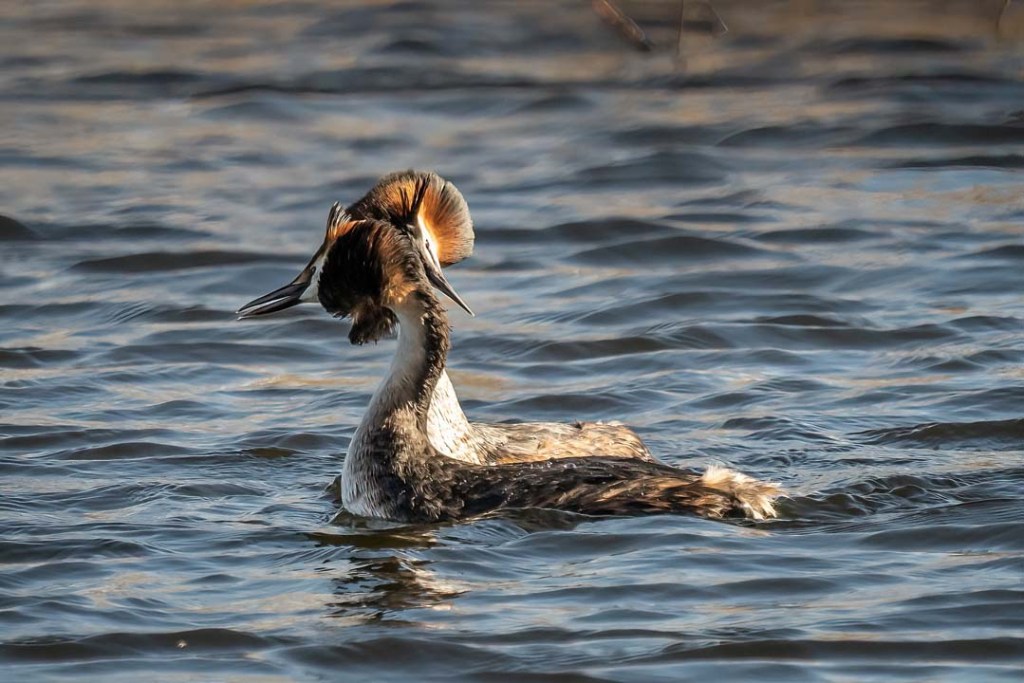
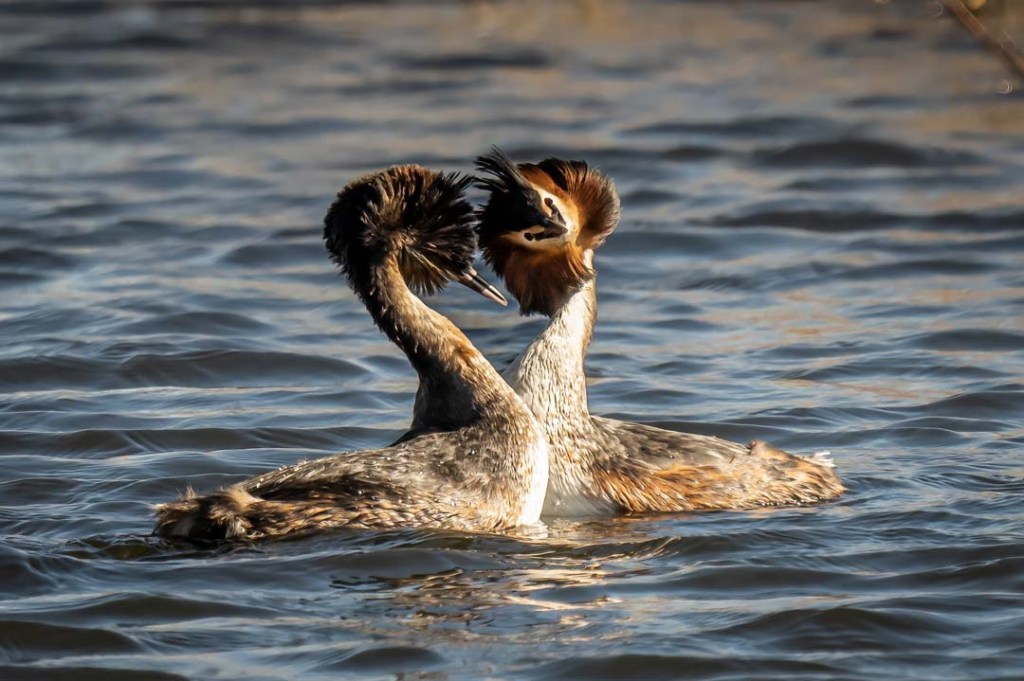
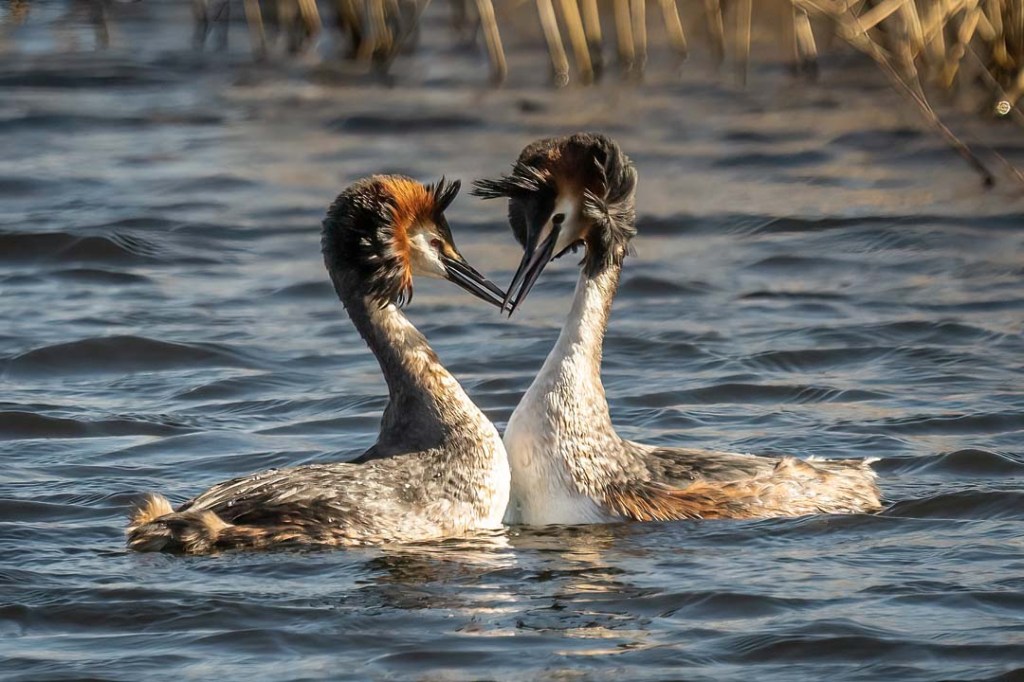
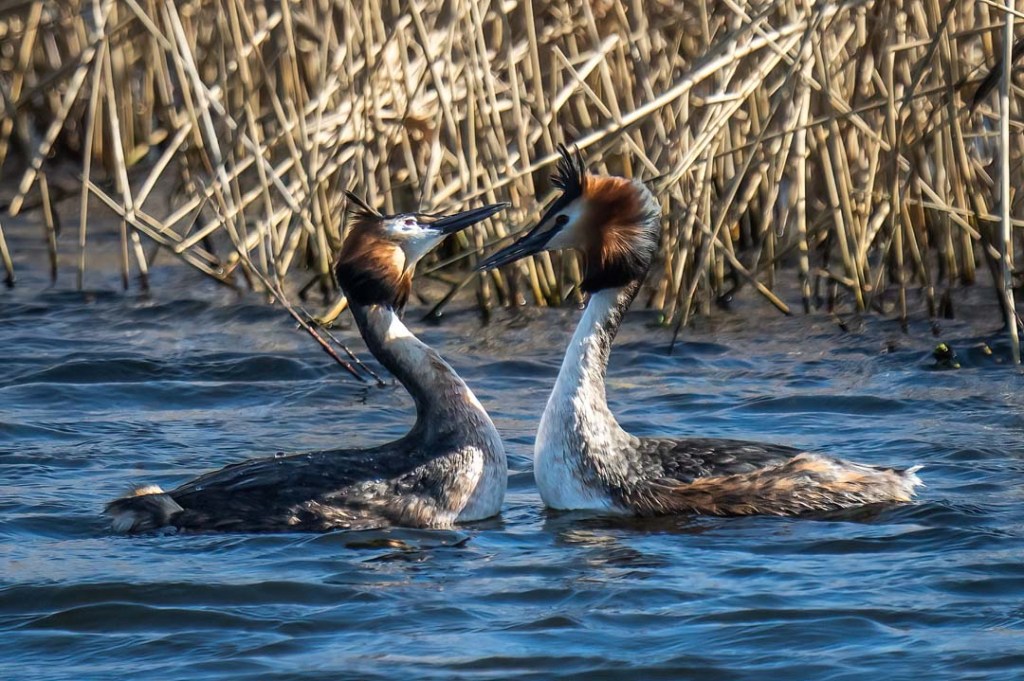
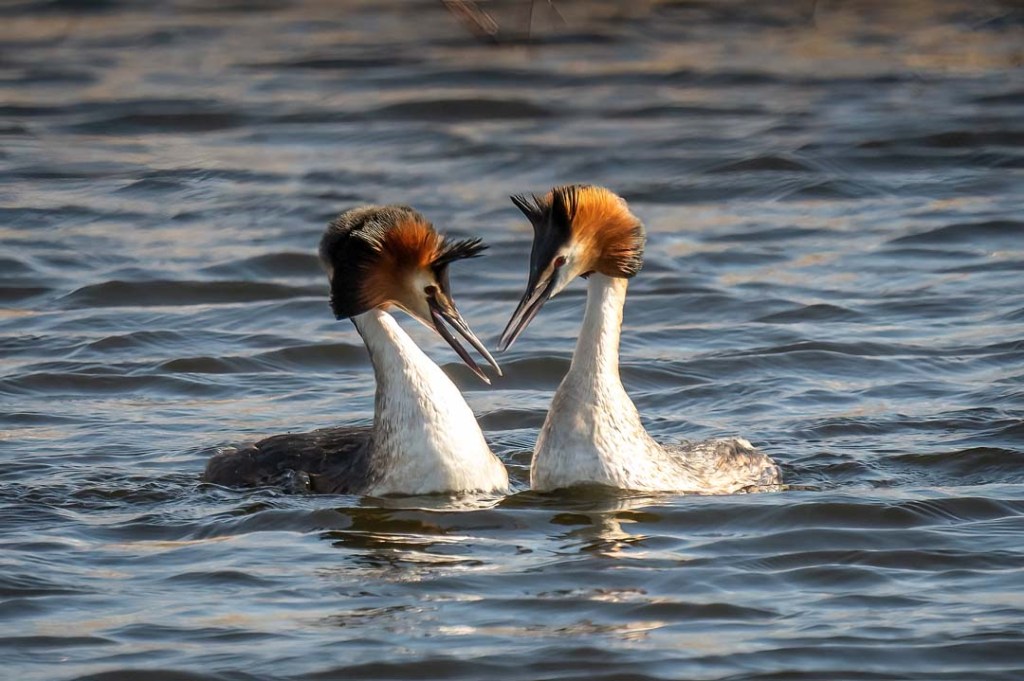
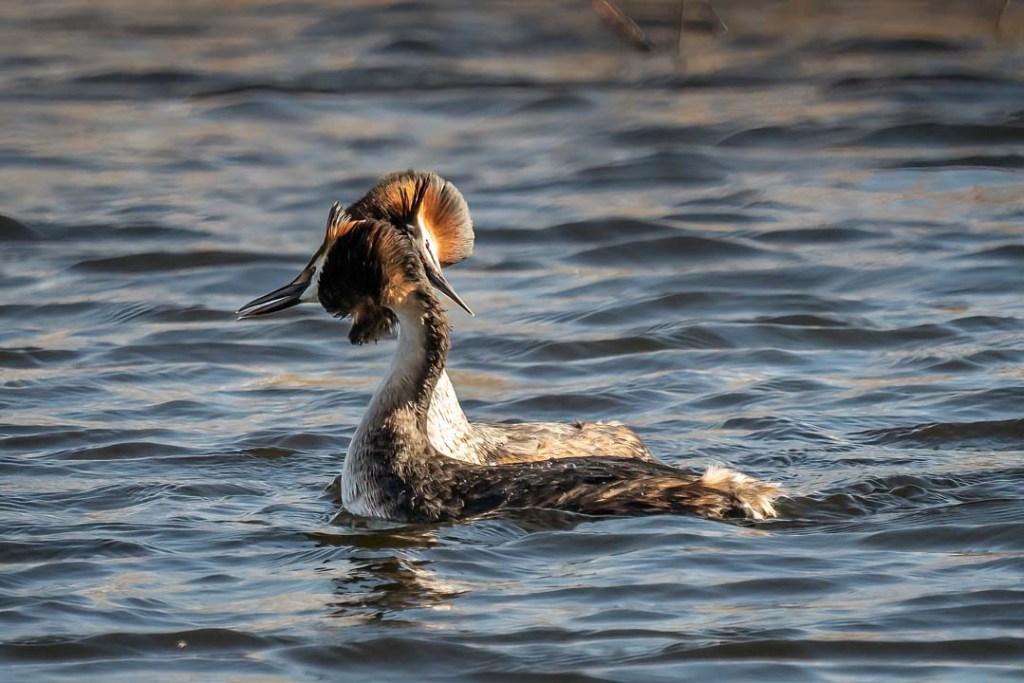
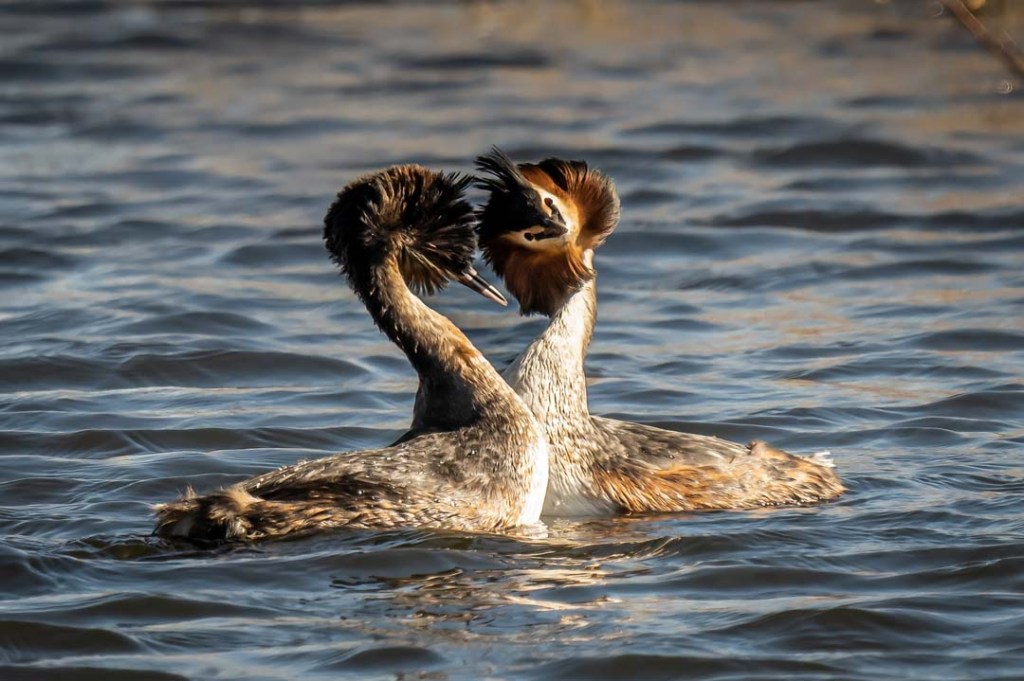
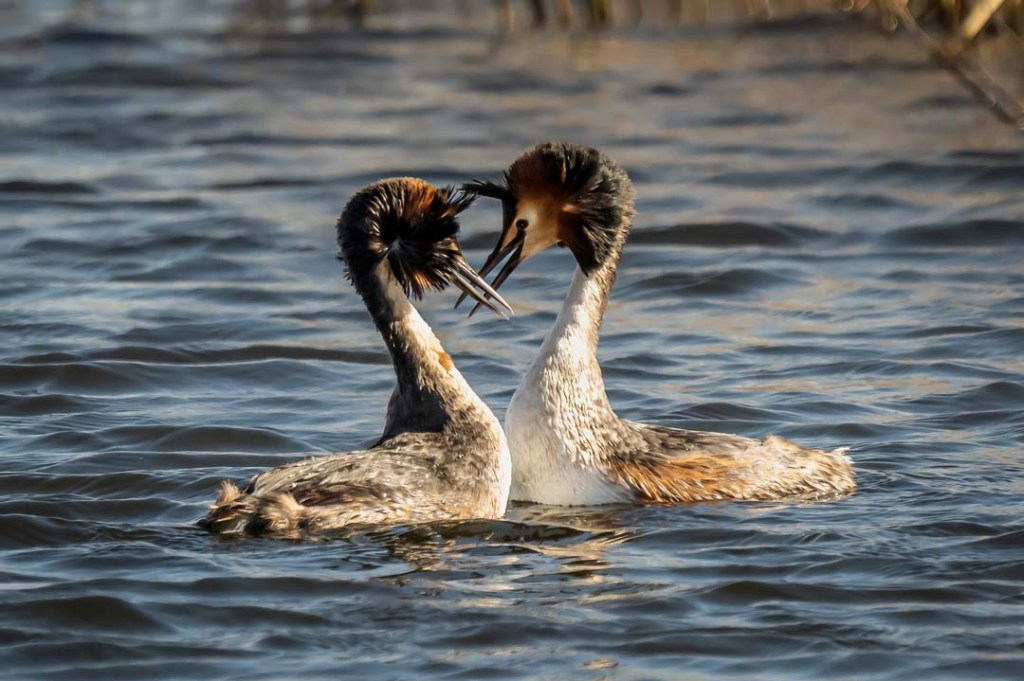
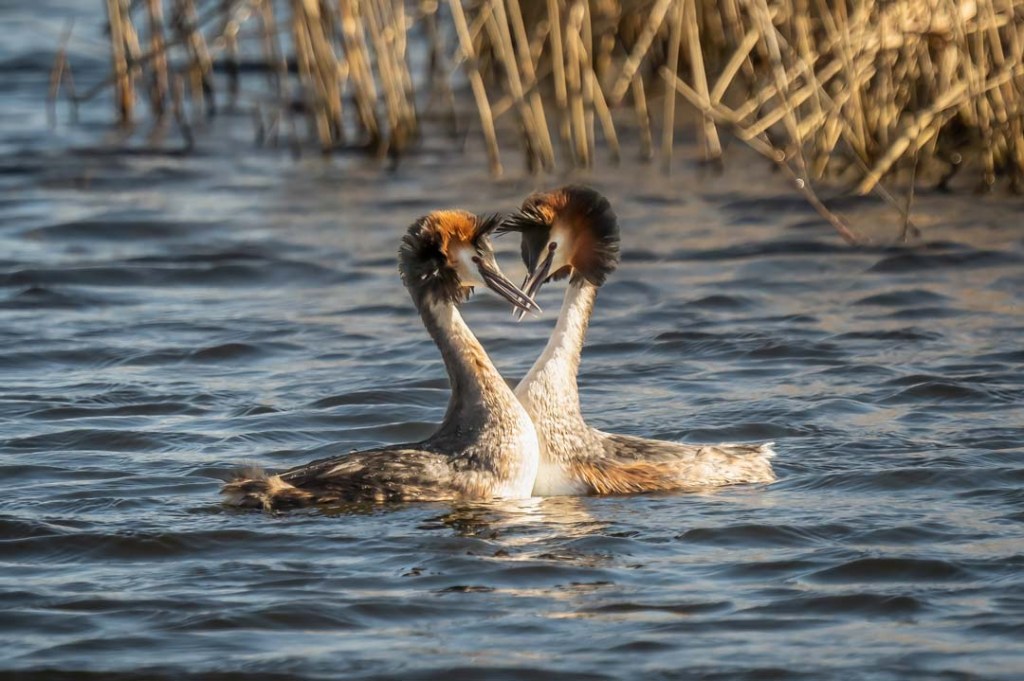
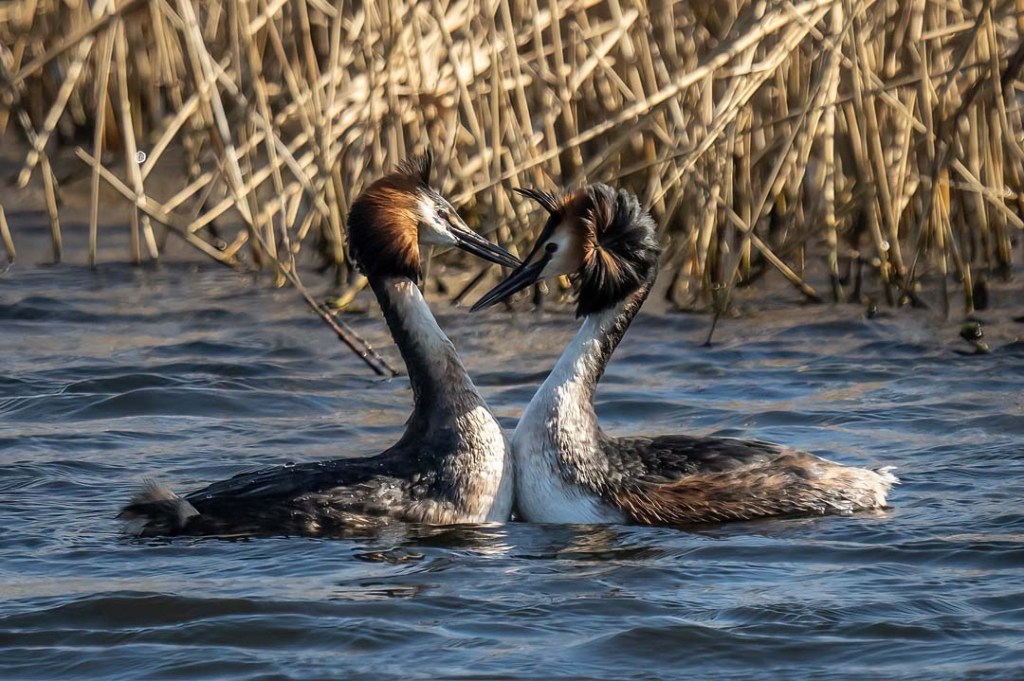
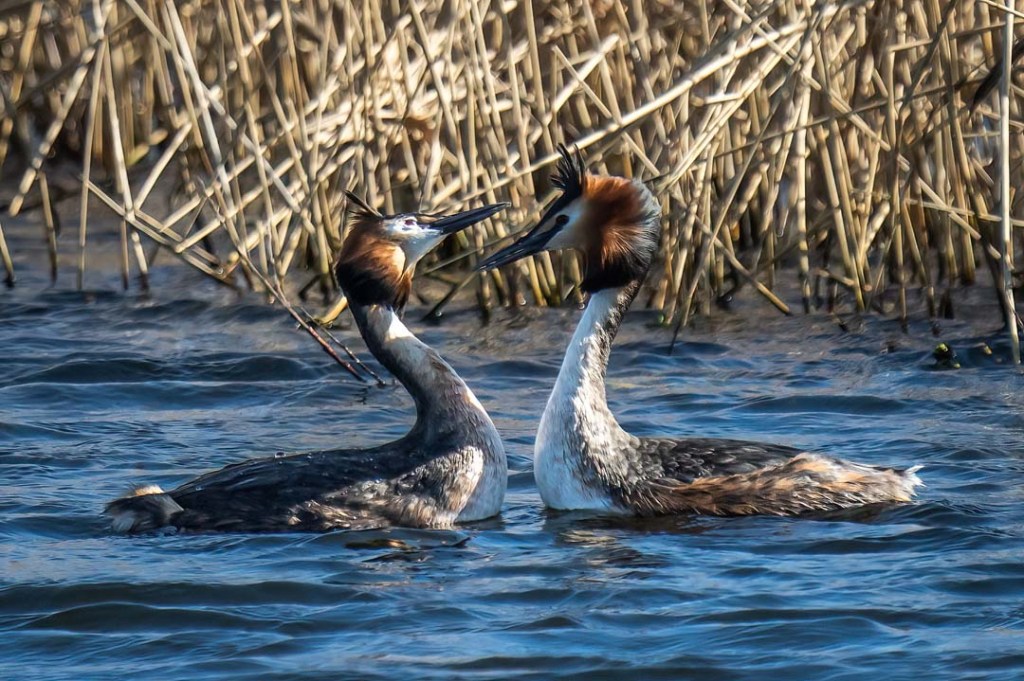
It was relatively quiet here too. But its always a joy to be at Ham Wall (with booming bitterns and frequent sightings of marsh harriers) and eventually a couple of great crested grebe made my day as they became better acquainted.
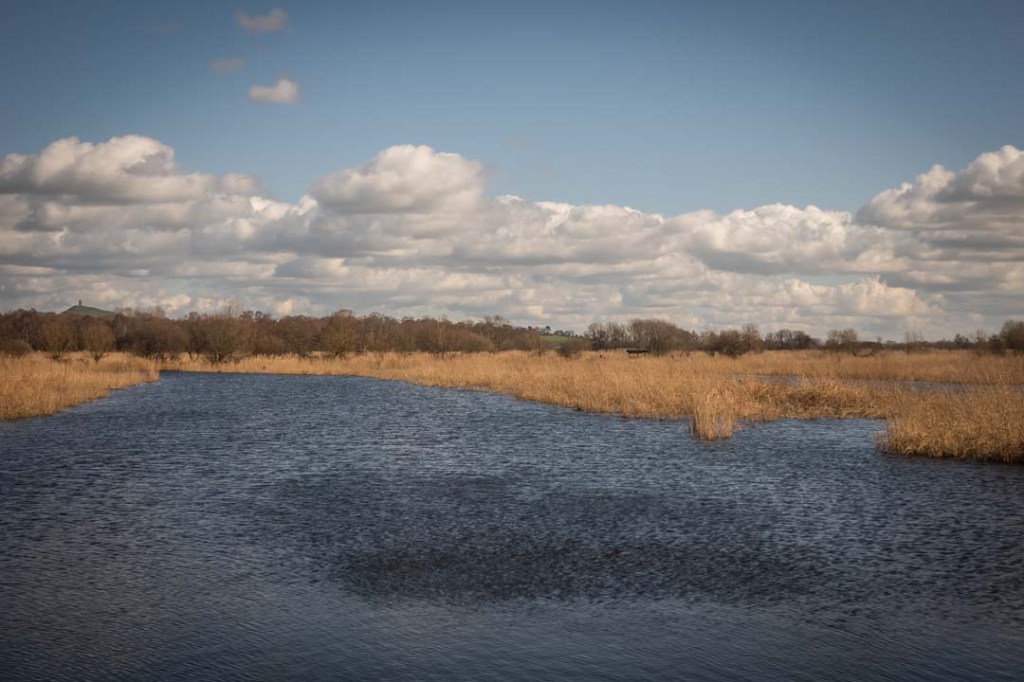
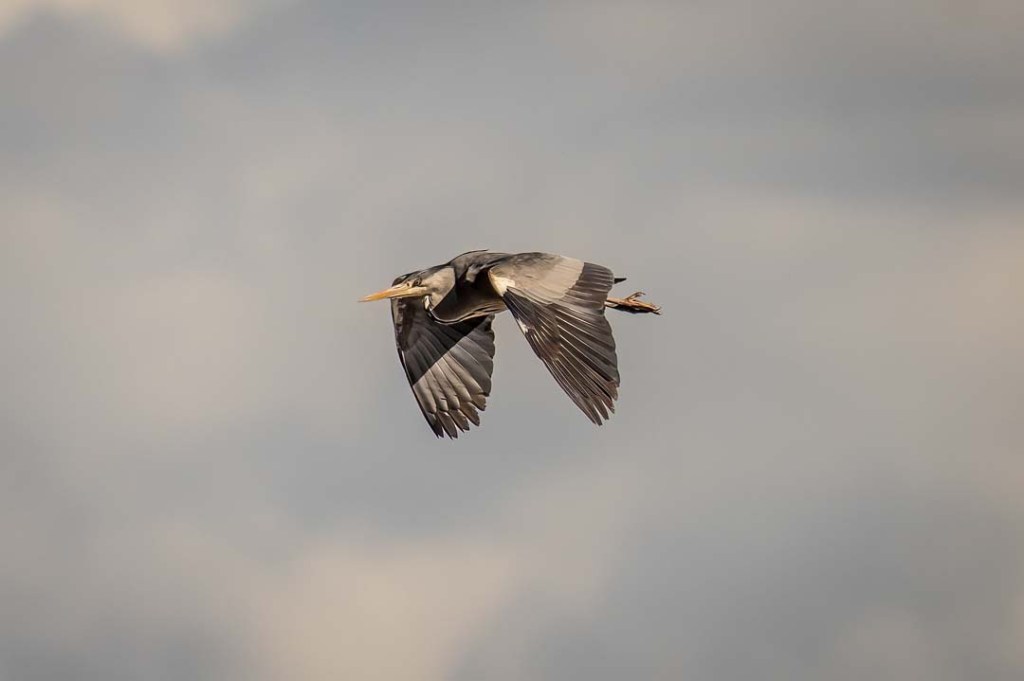
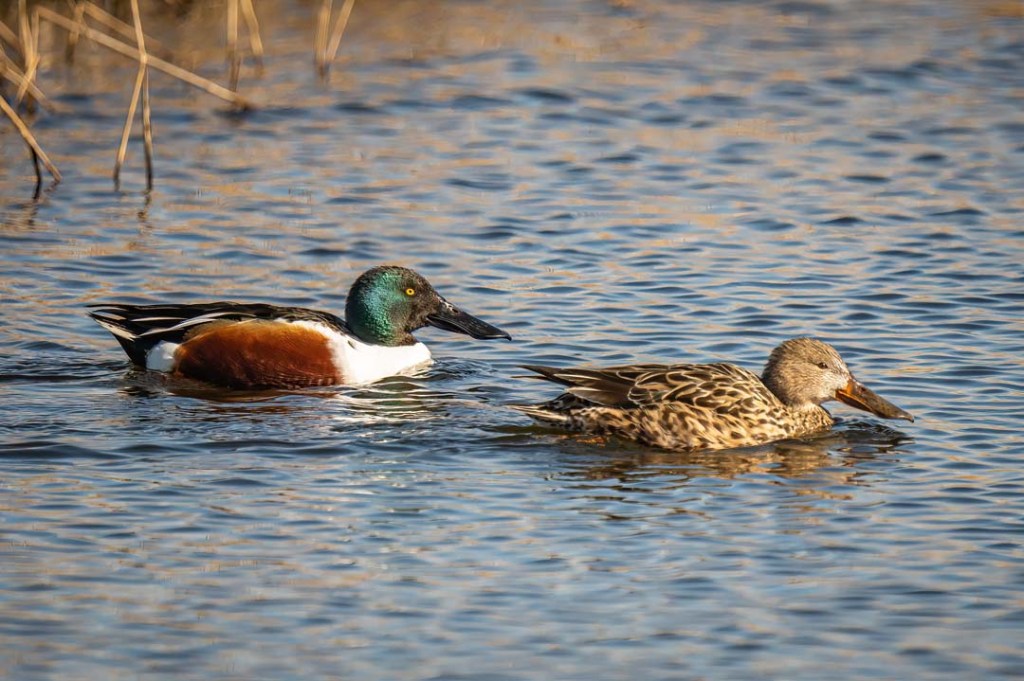
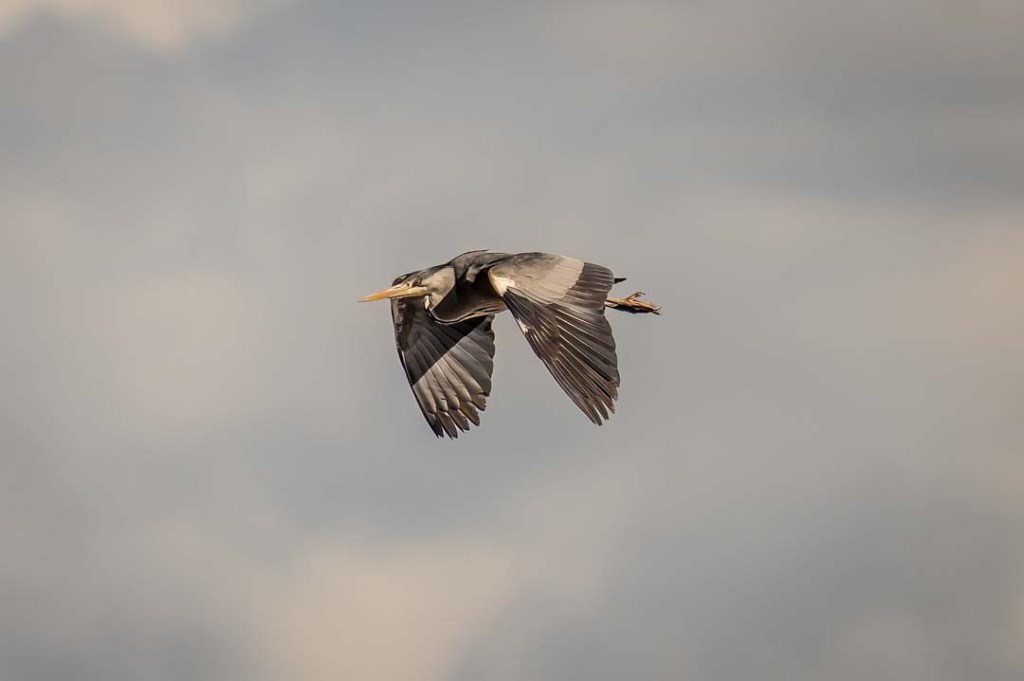
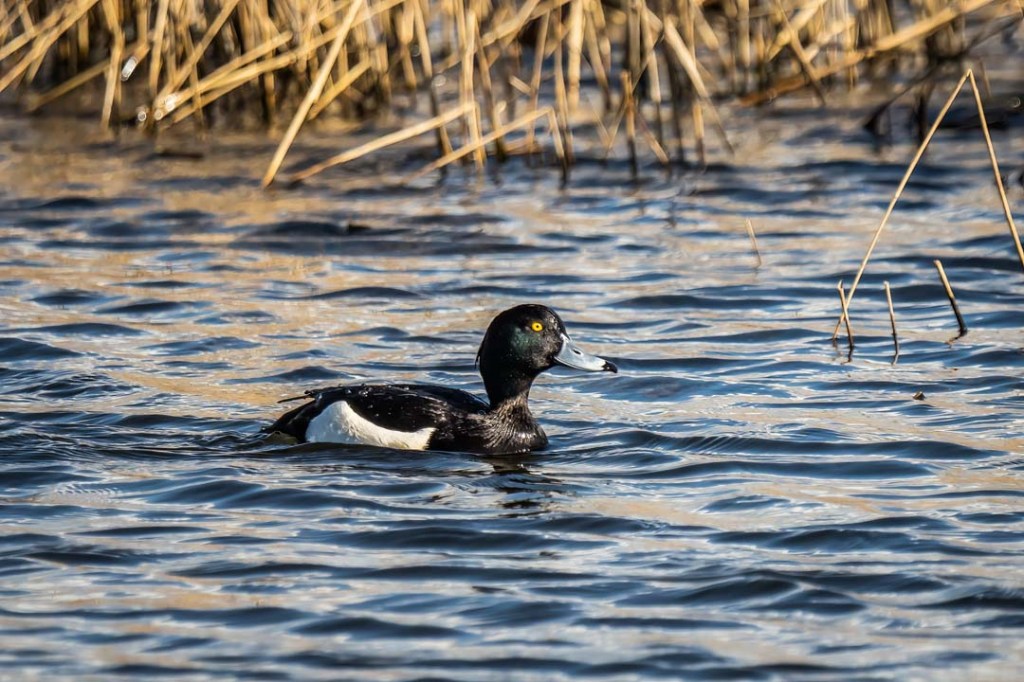
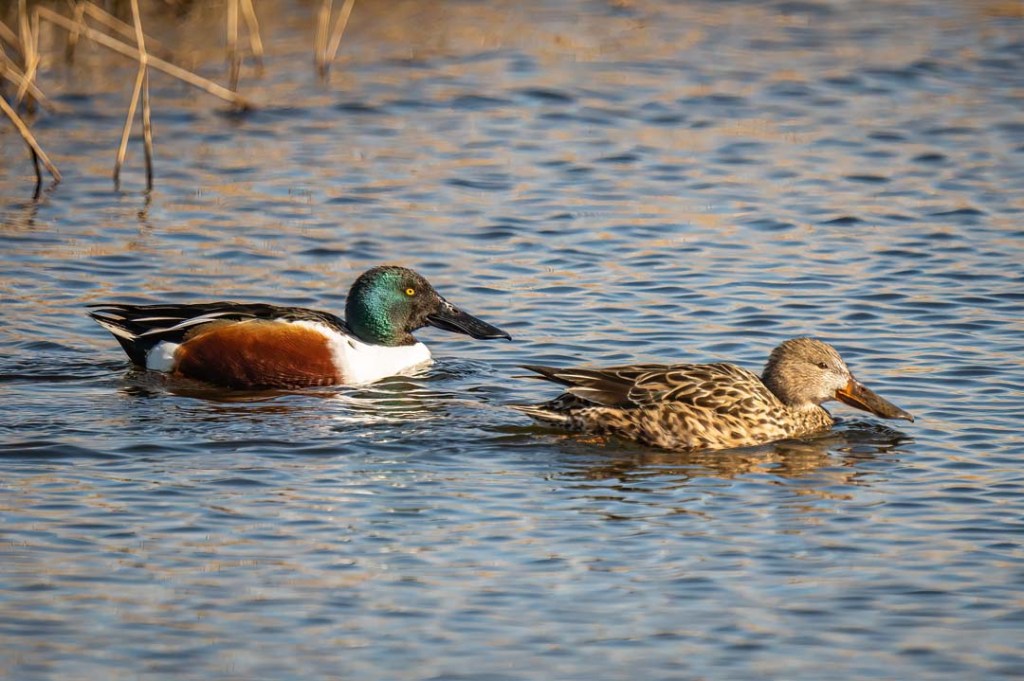
View from the hide with Glastonbury Tor in the backgroundThe squalls of wind were evident on the waterGrey heron breaks cover from the reed bedsTufted duckShovelerNice to see a great tit other than on the garden feeders
I have created a new “Galleries” section on my blog to highlight some of my bird photos.
GALLERIES
I have purposely not labelled the birds in the mixed galleries as I thought it might be fun (for me too) to try our luck at identifying them. They are labelled elsewhere on the site.
So far I have added the following galleries:
Miscellaneous
Waders
Birds in Flight
Large Waterbirds
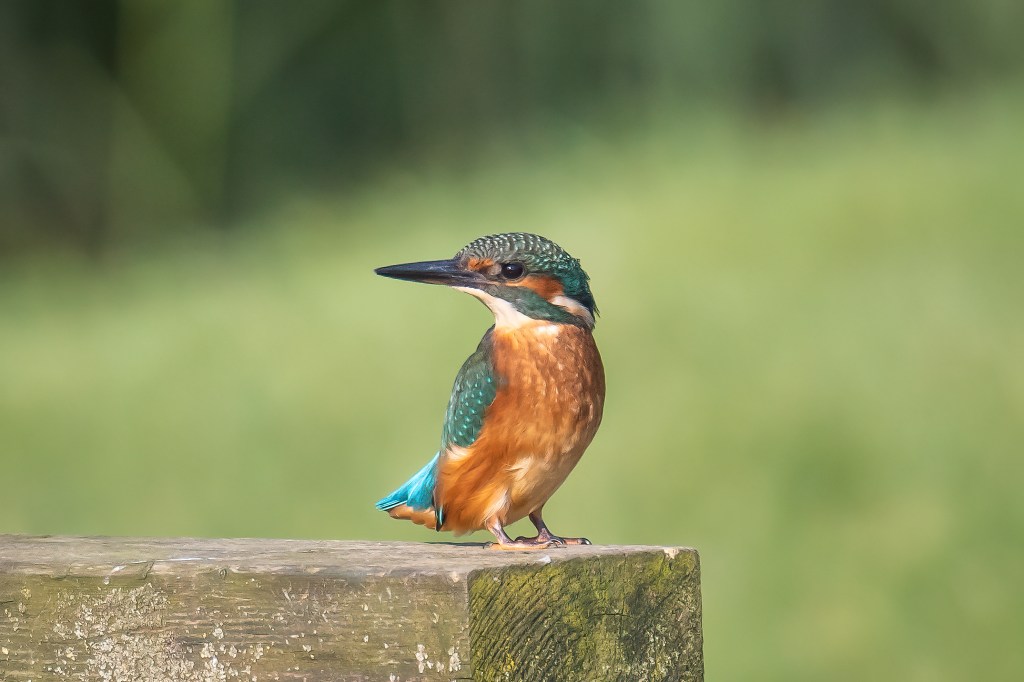
Kingfishers
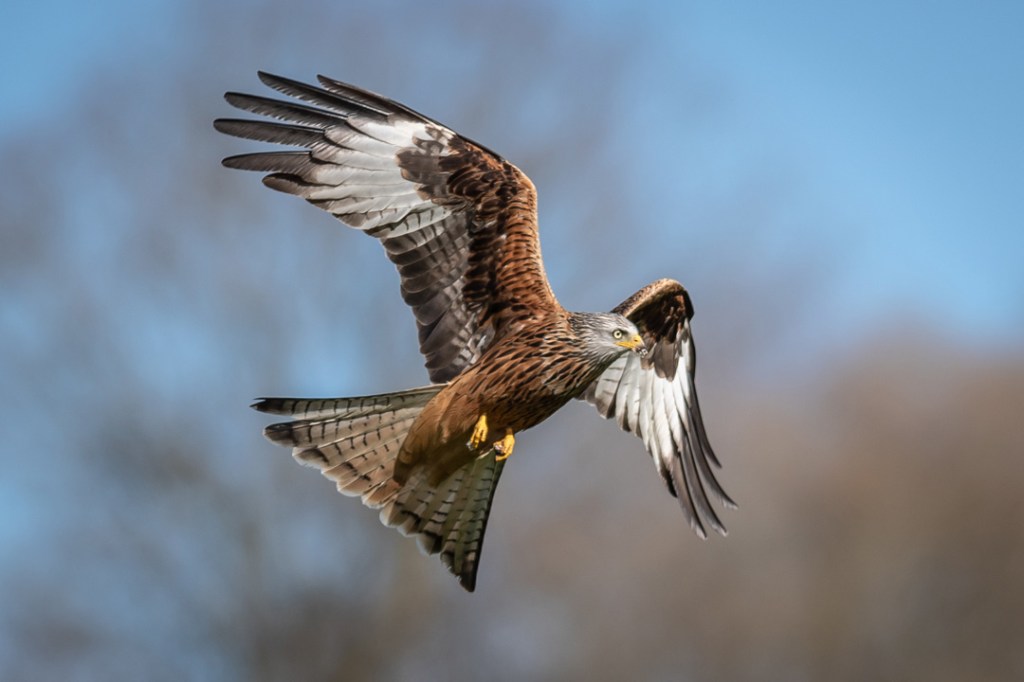
Red Kites
Thornybush Private Game Reserve, Greater Kruger South Africa:
I hope to add further galleries as time permits.
These galleries can also be found under the “Additional Blogs” tab.
I enjoyed Denzil Nature’s Photo Challenge on “Pattern” last week and particularly enjoyed seeing some of other bloggers’ contributions. See Denzil’s post.
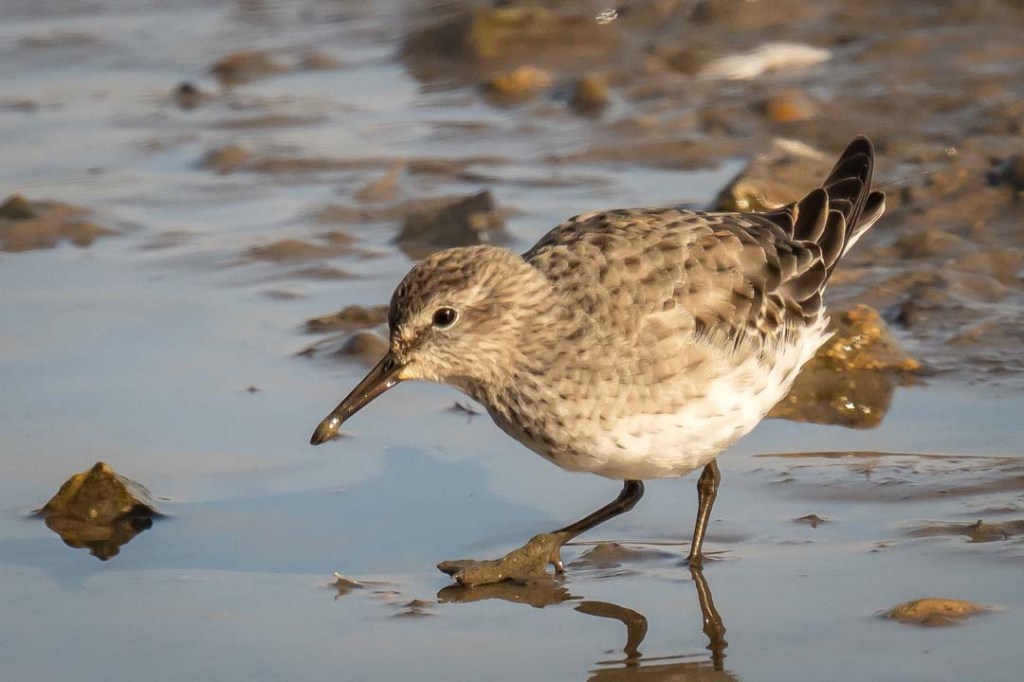
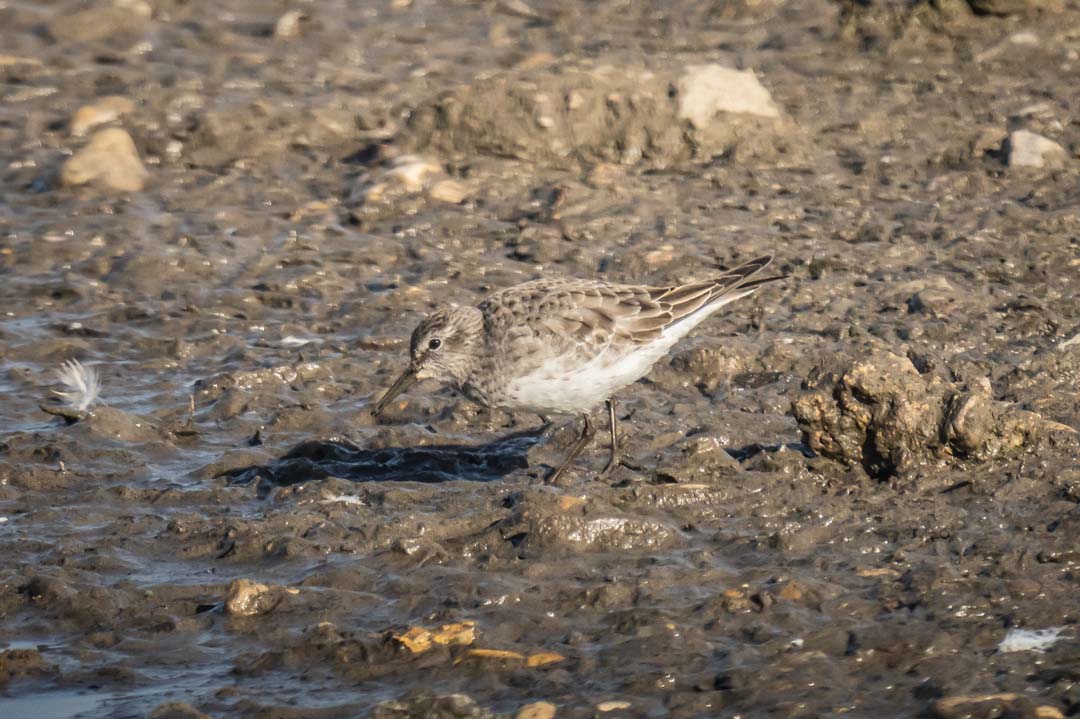
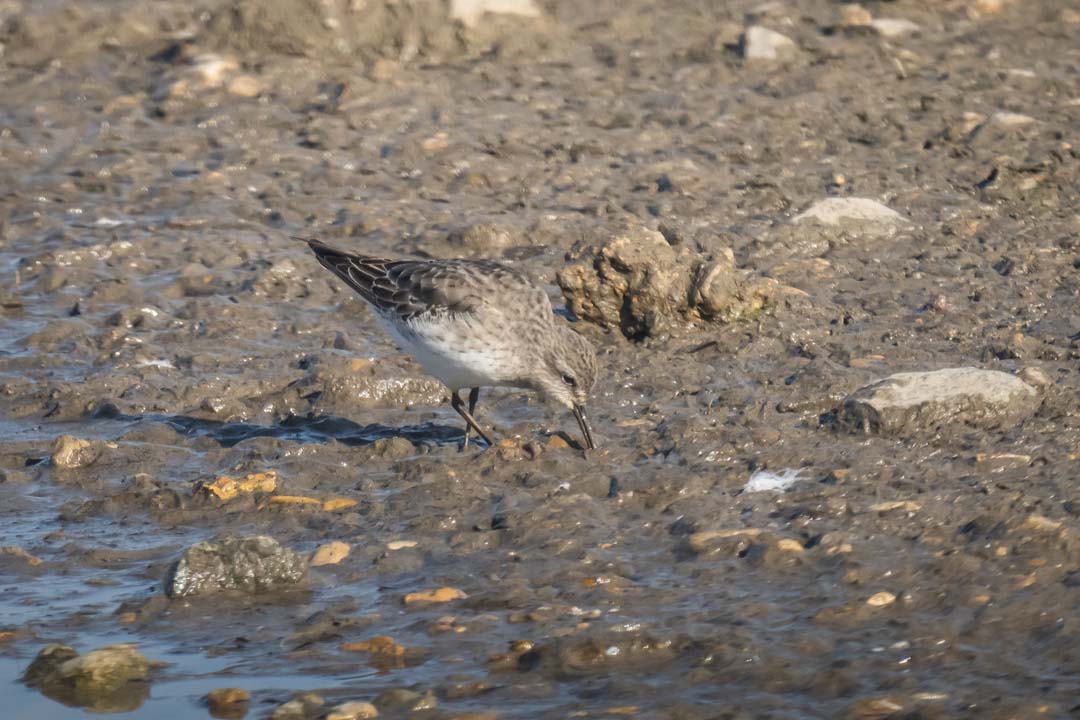
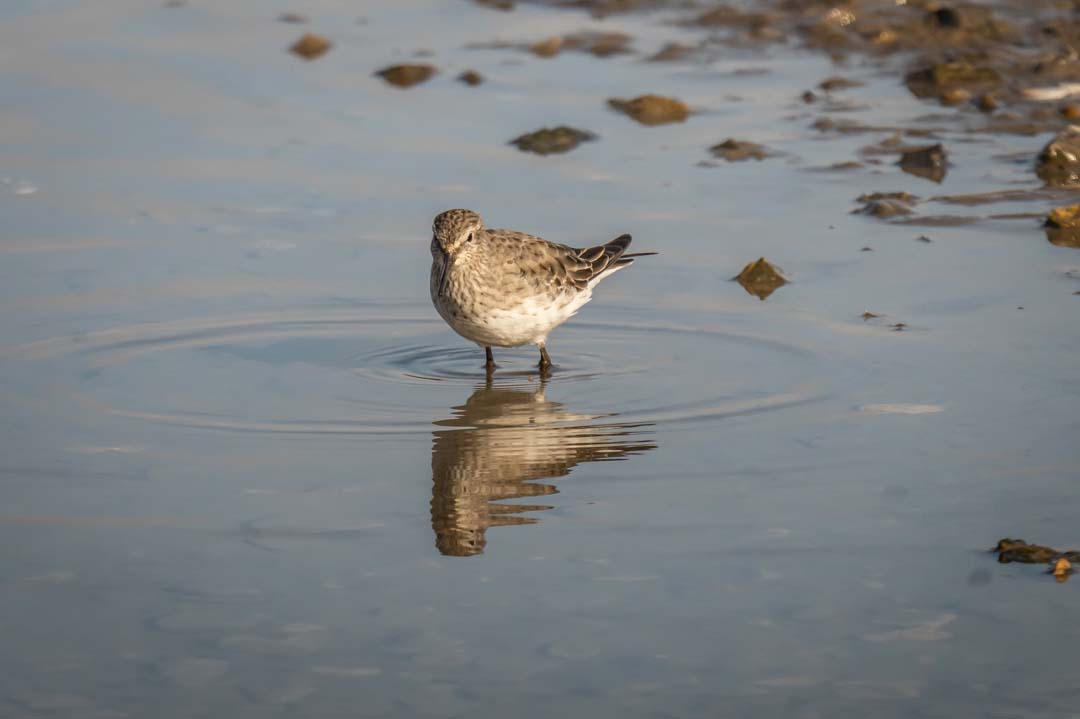
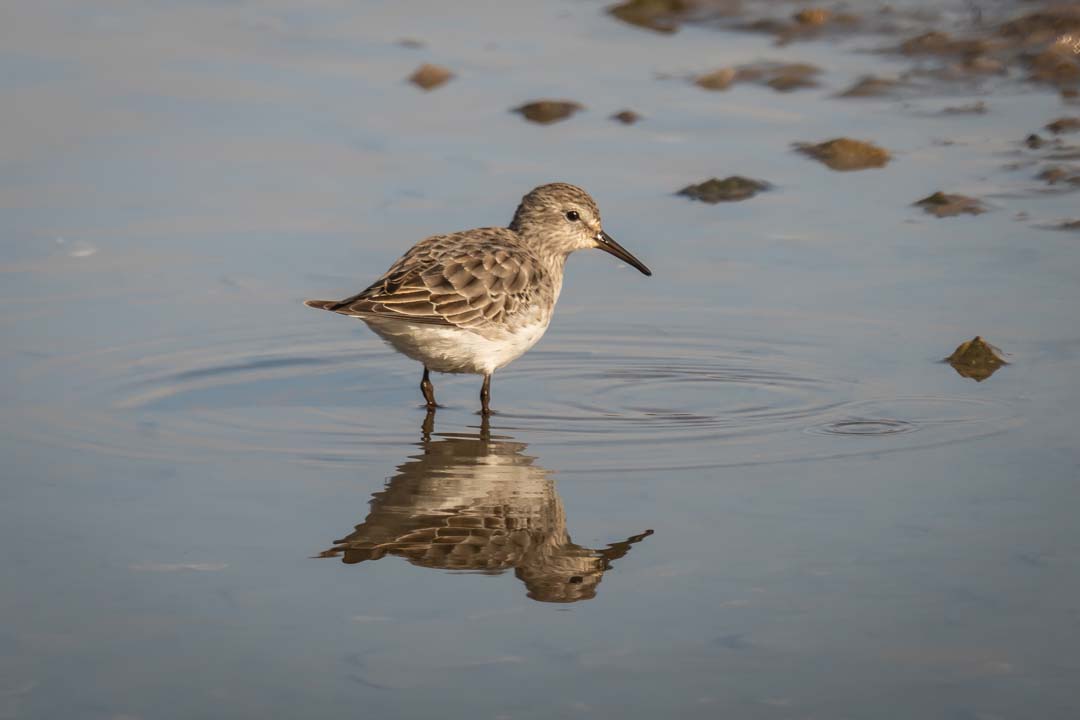
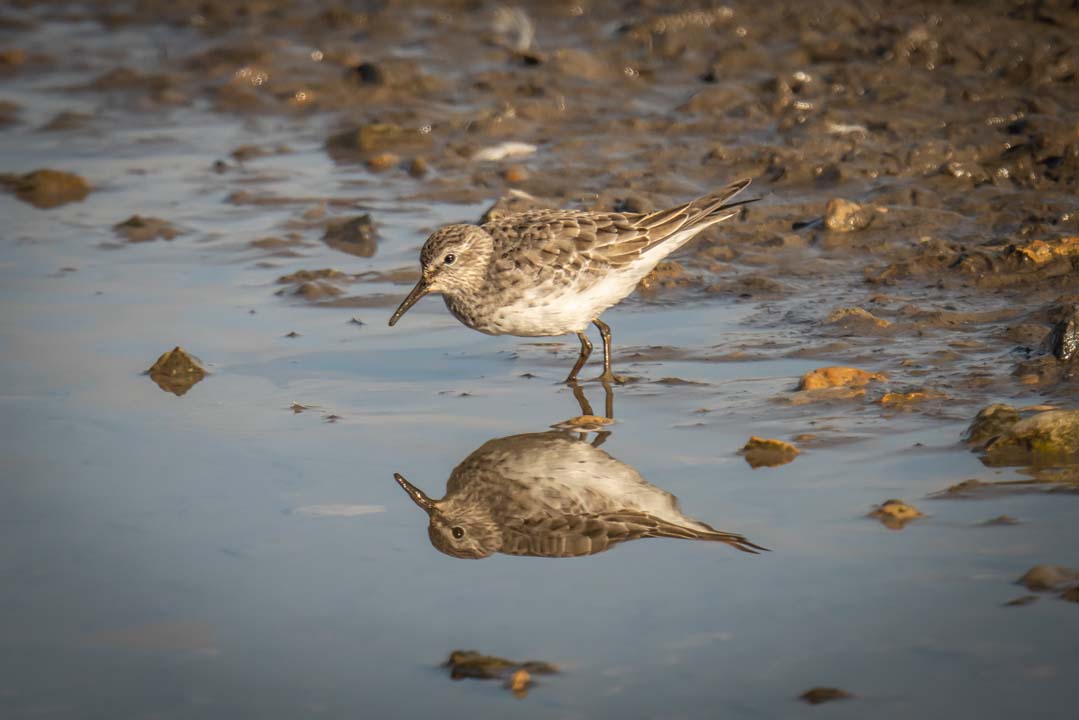
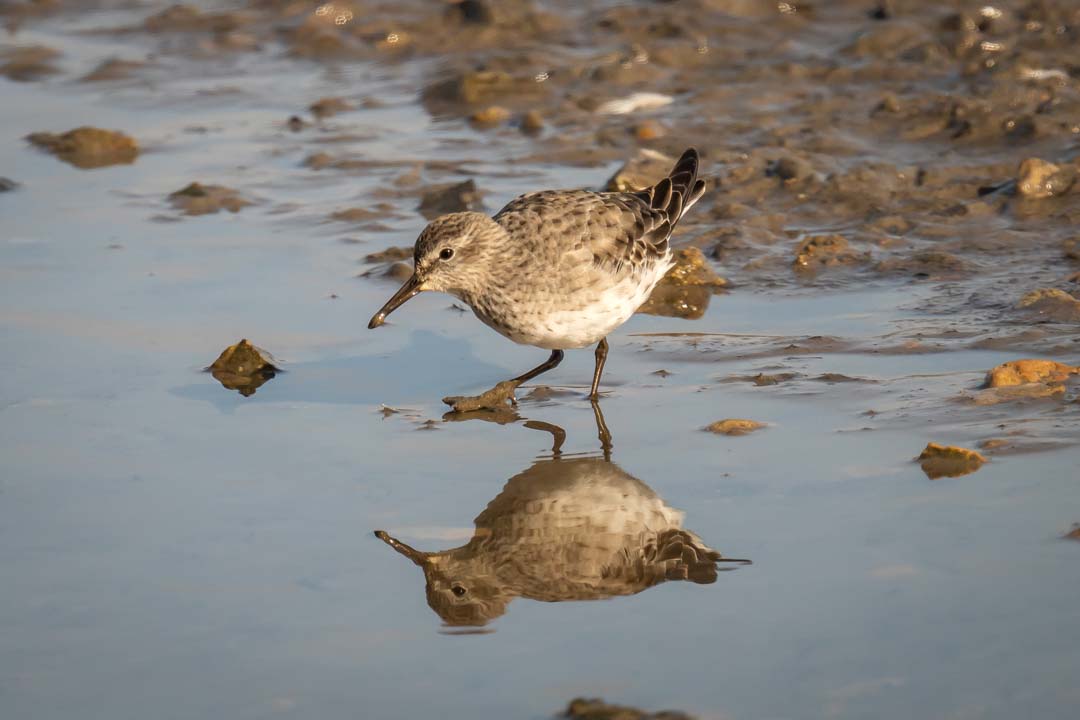
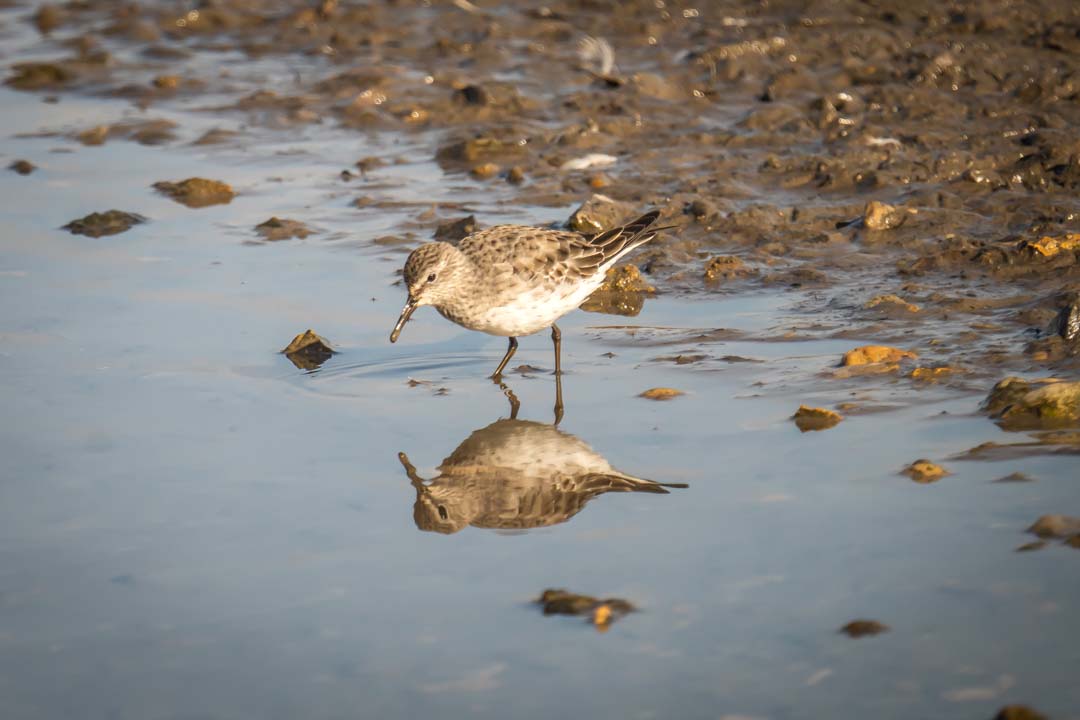
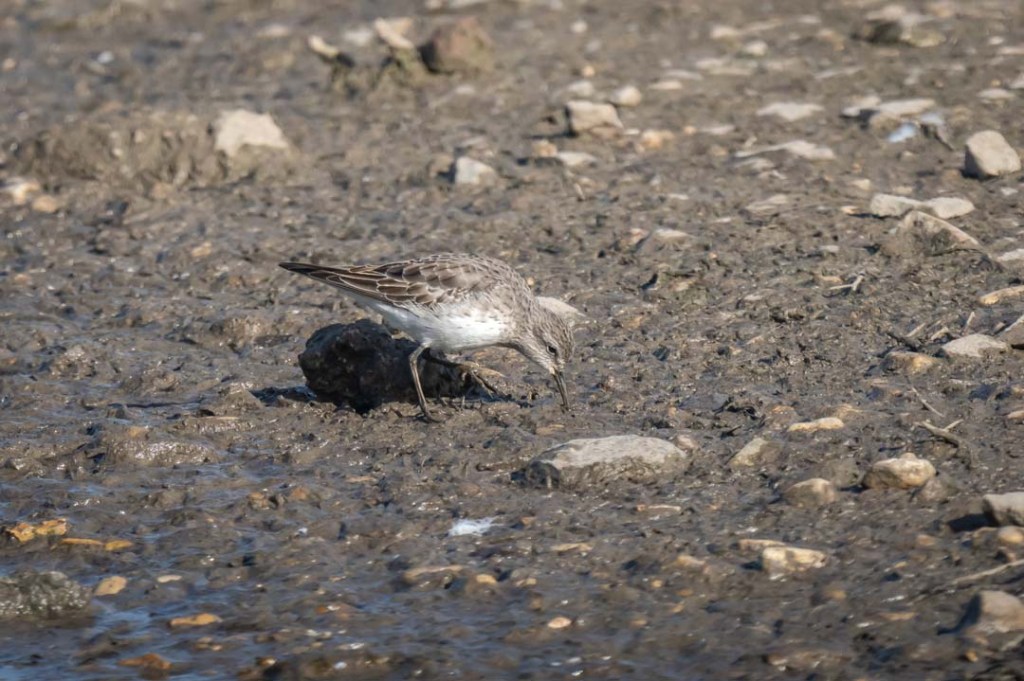
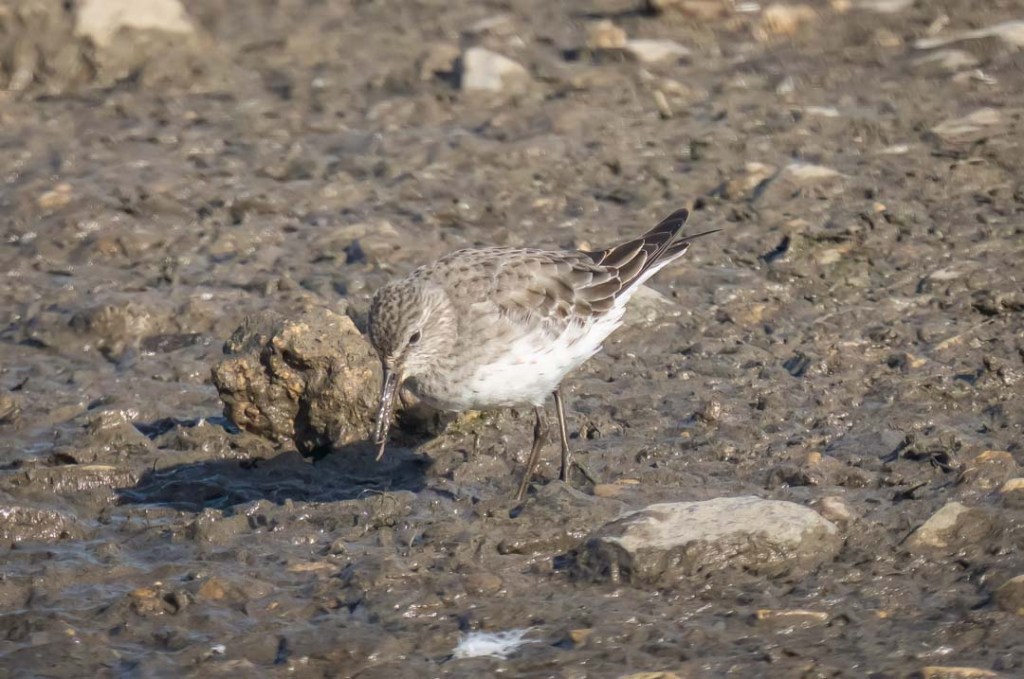
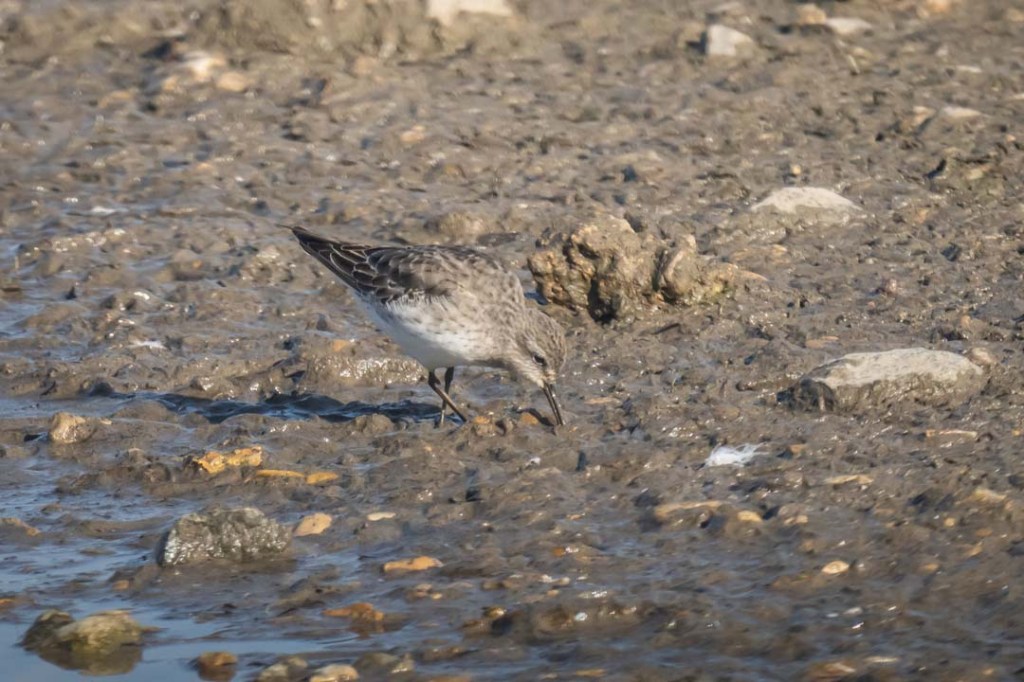
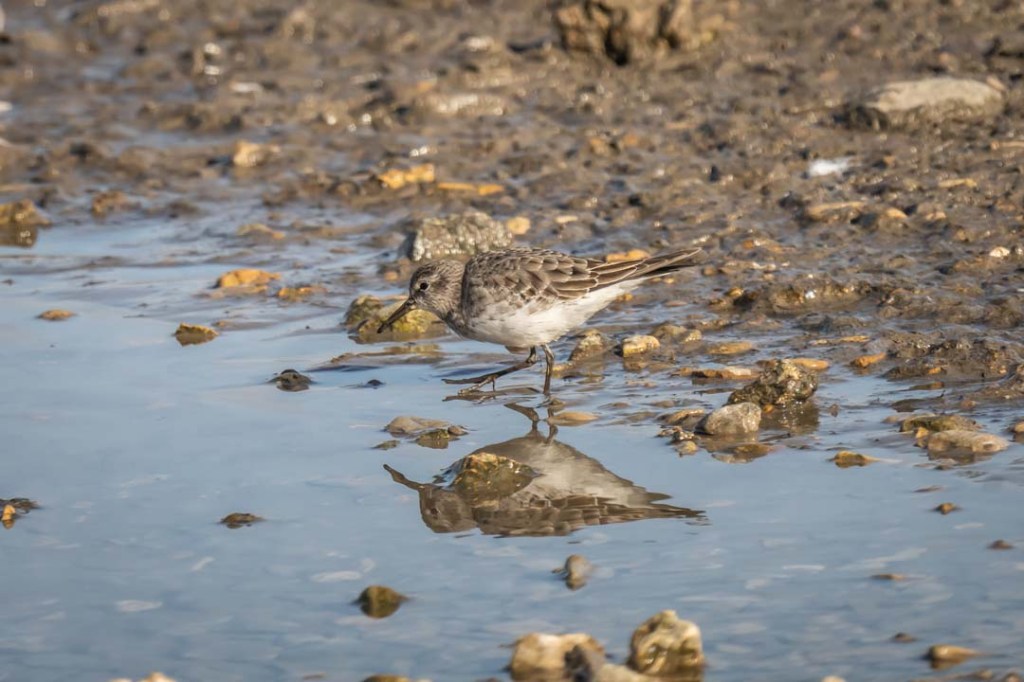
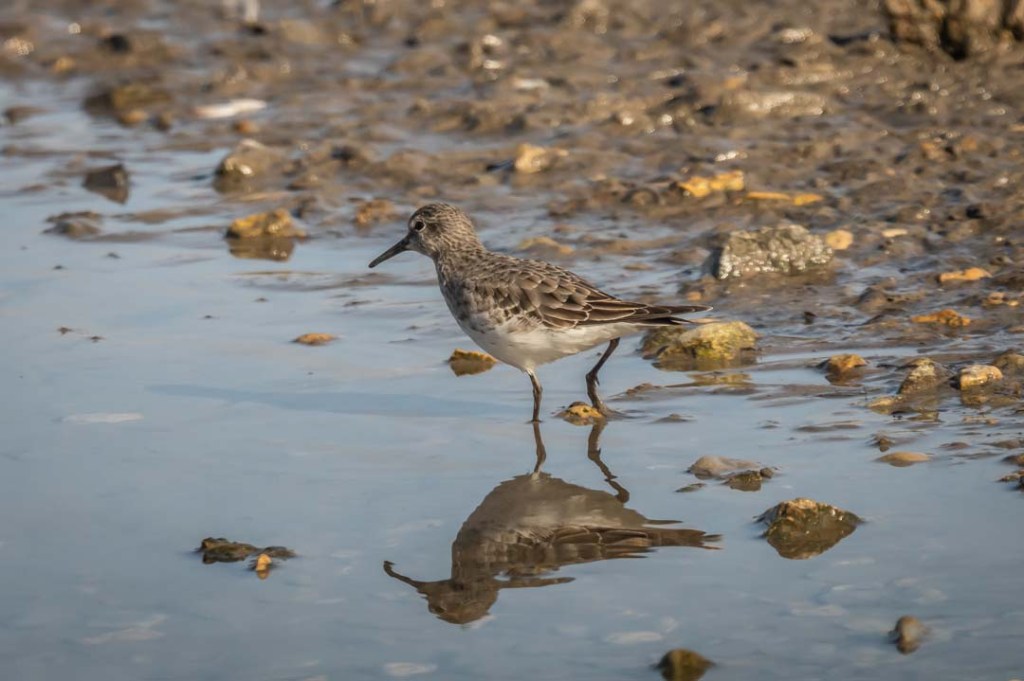
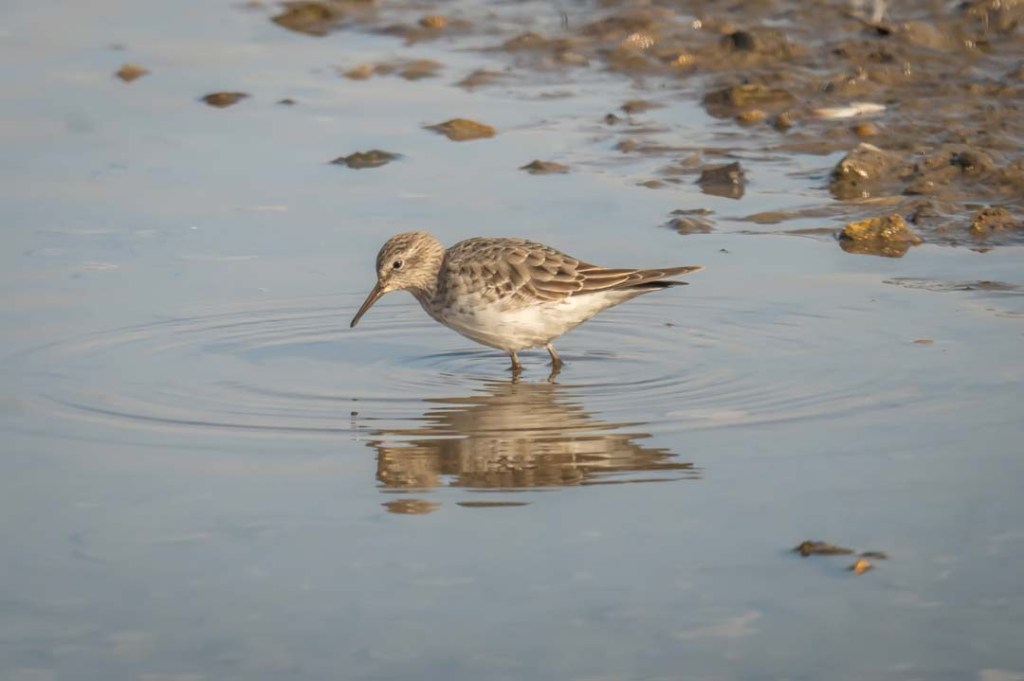
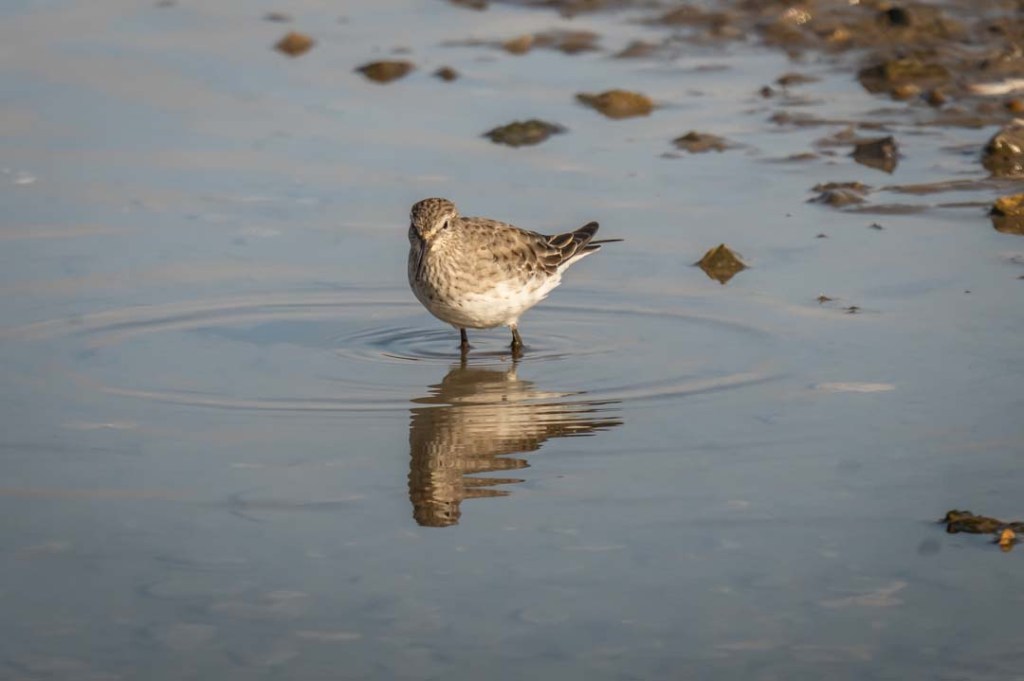
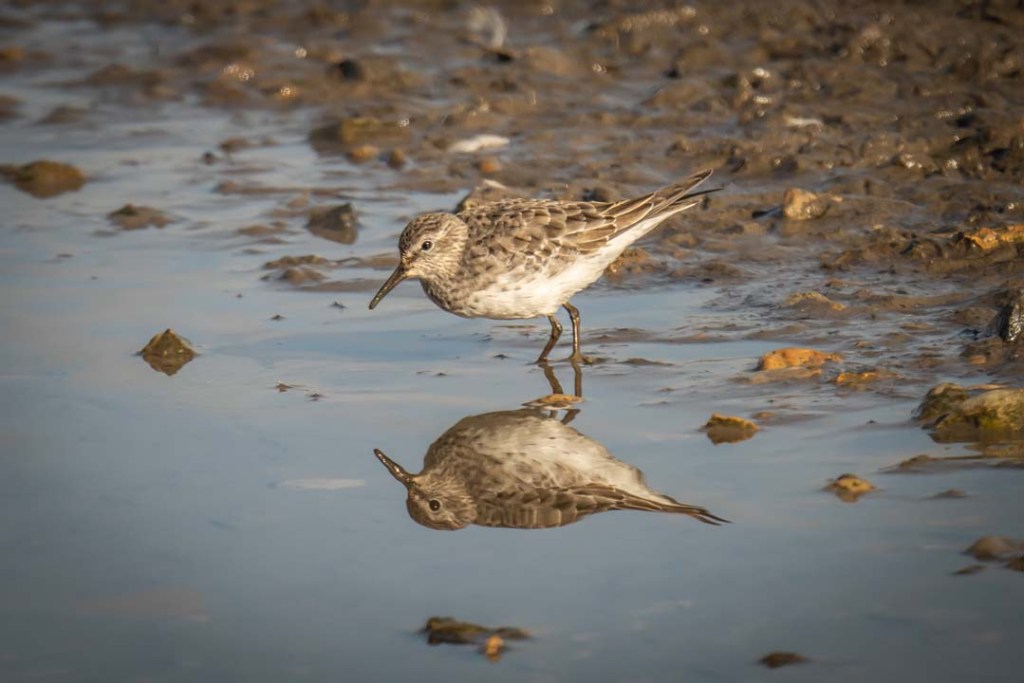
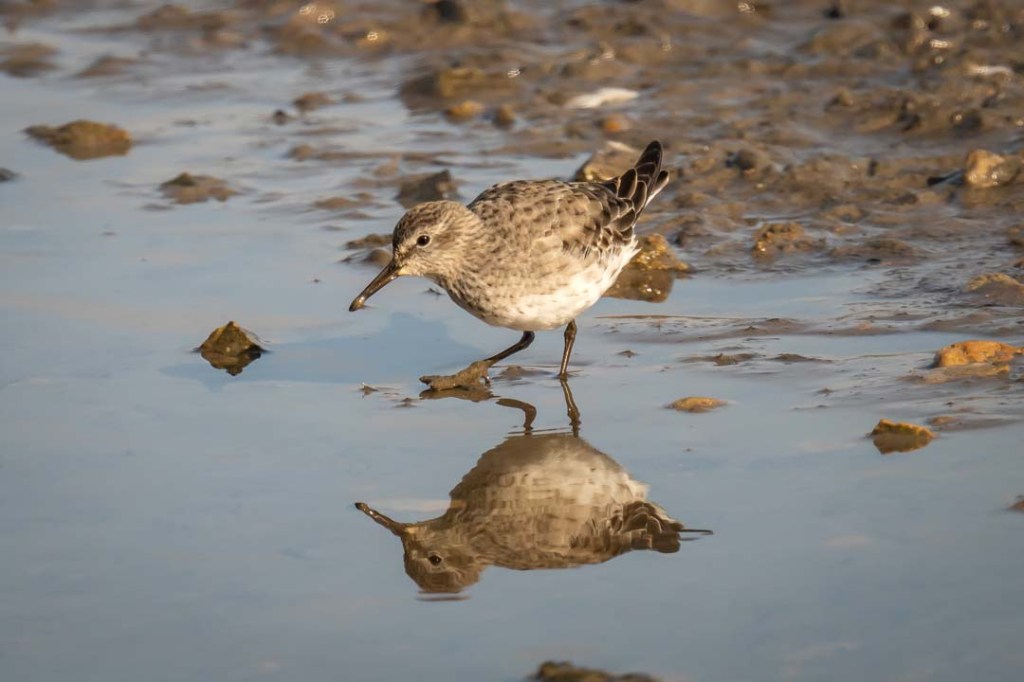
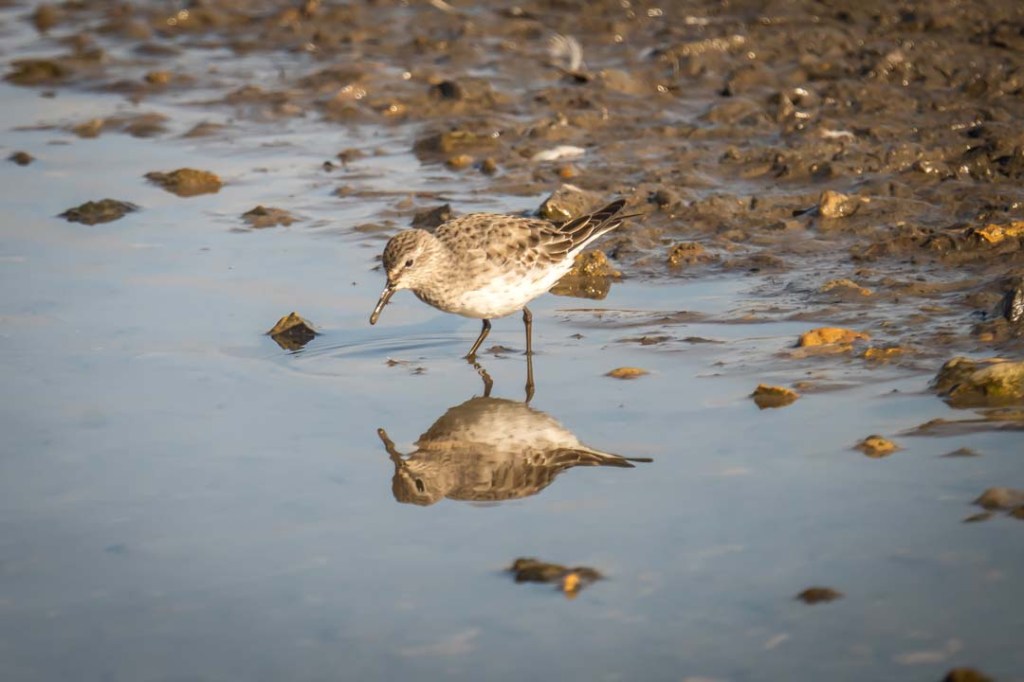
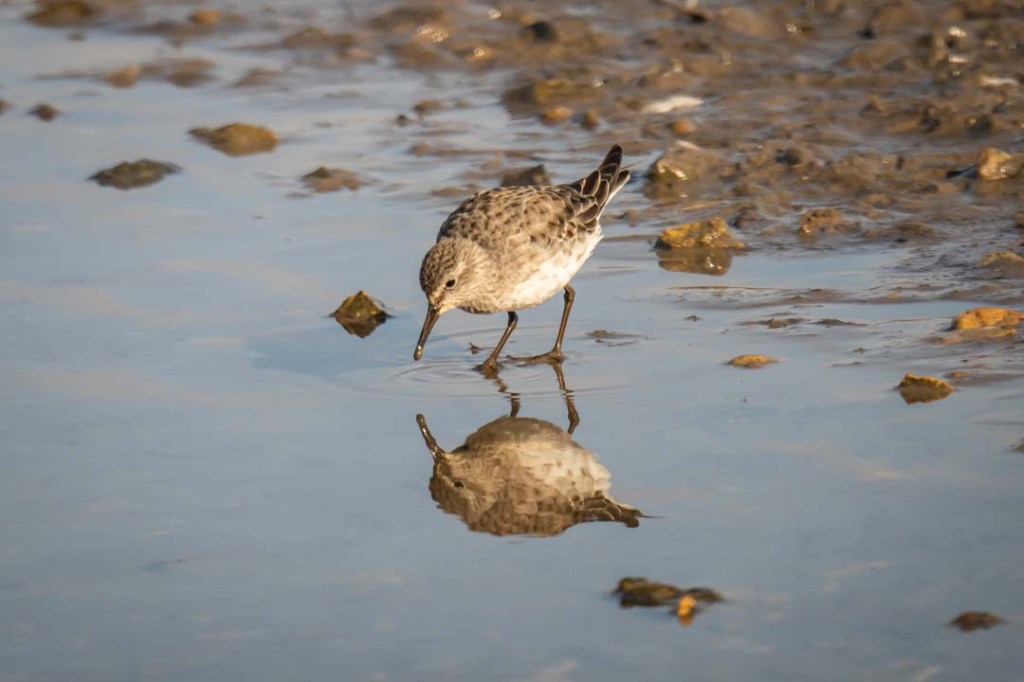
We are regular visitors to Slimbridge but we generally avoid going there during school holidays. However, with a rarity, a White-rumped Sandpiper (an annual visitor to the UK from North America in small numbers), reported there the temptation was too great.
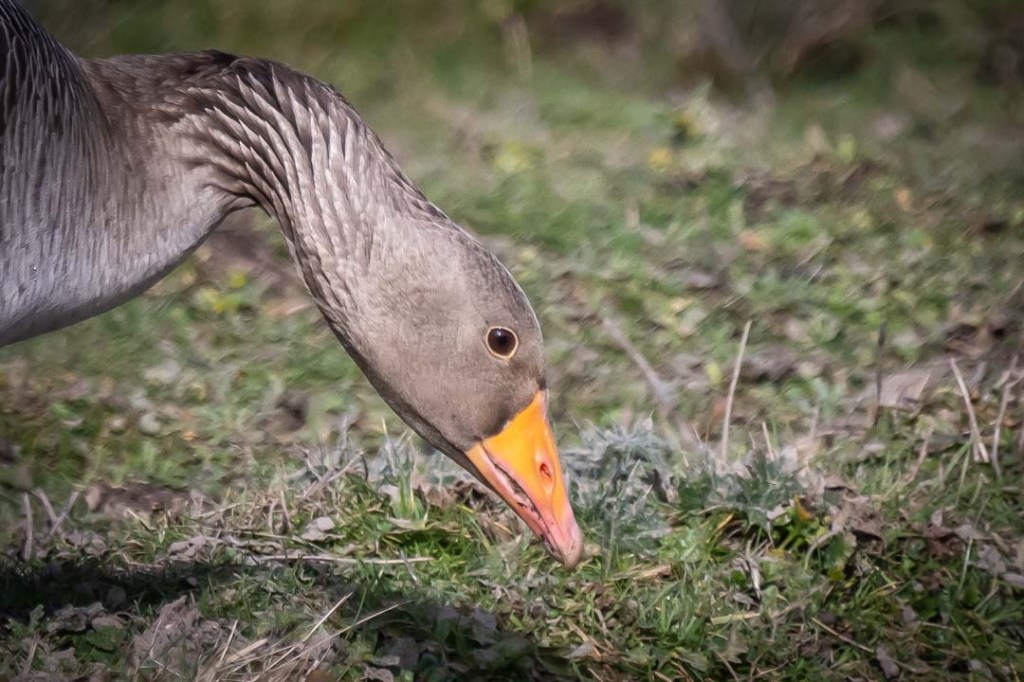
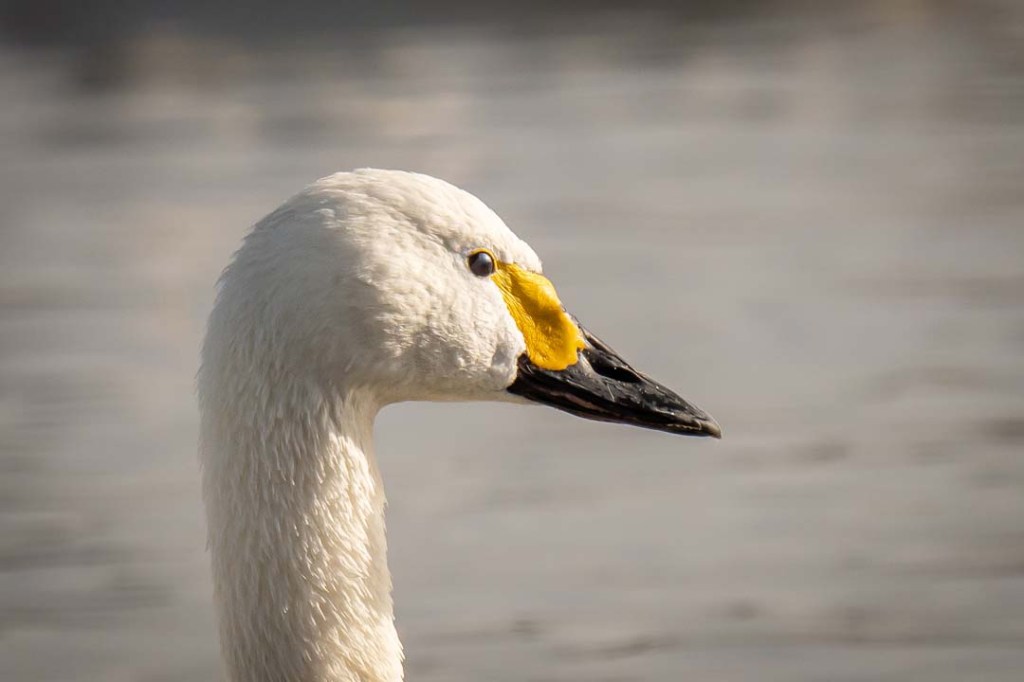
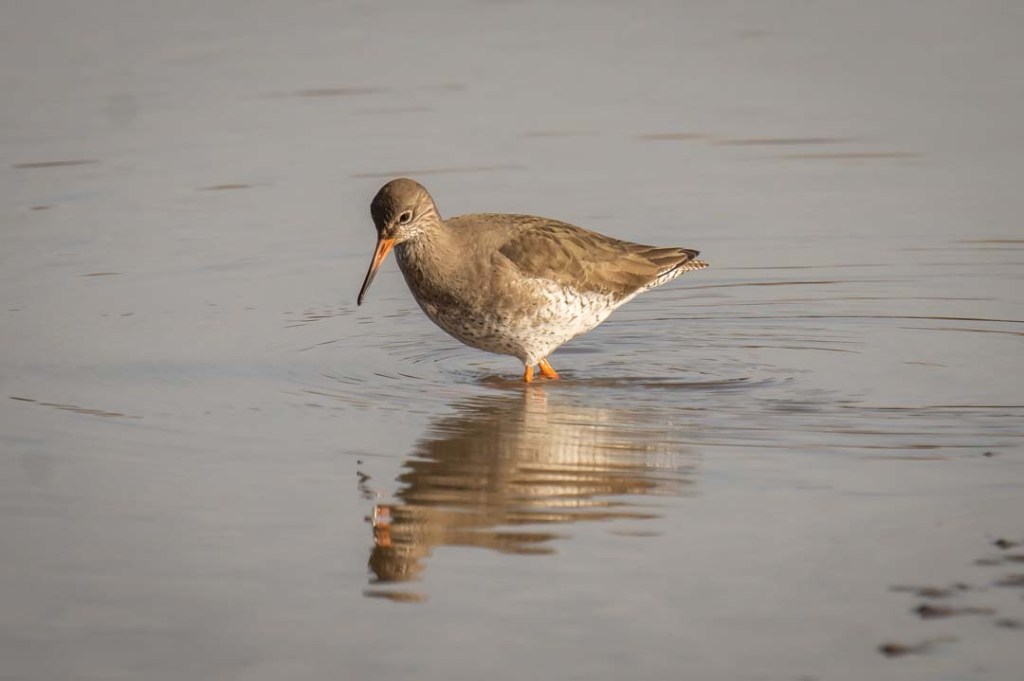
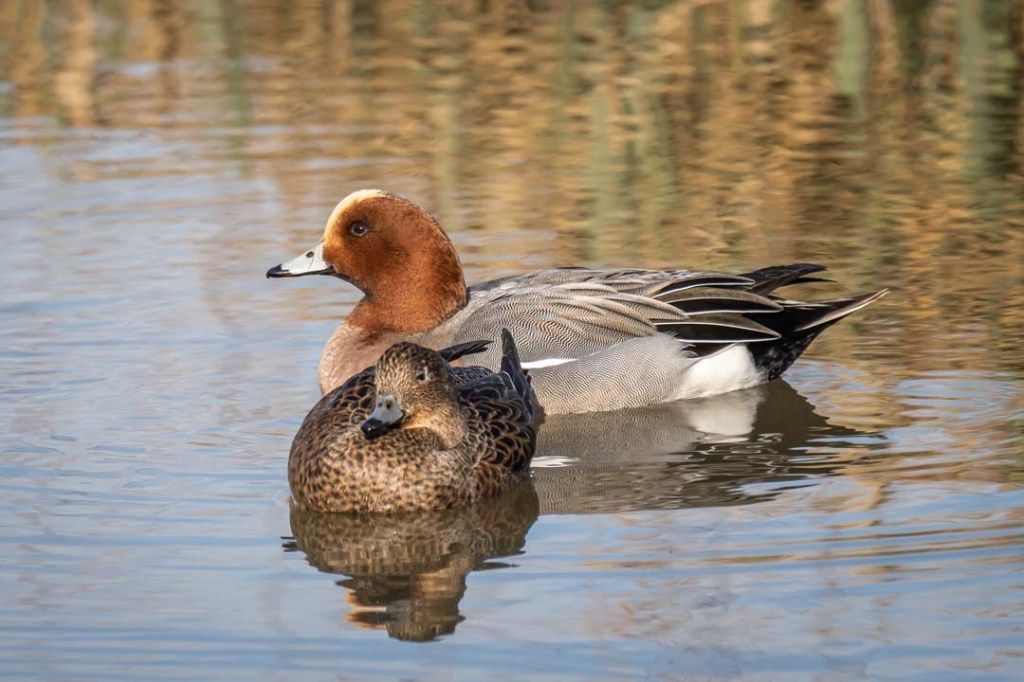
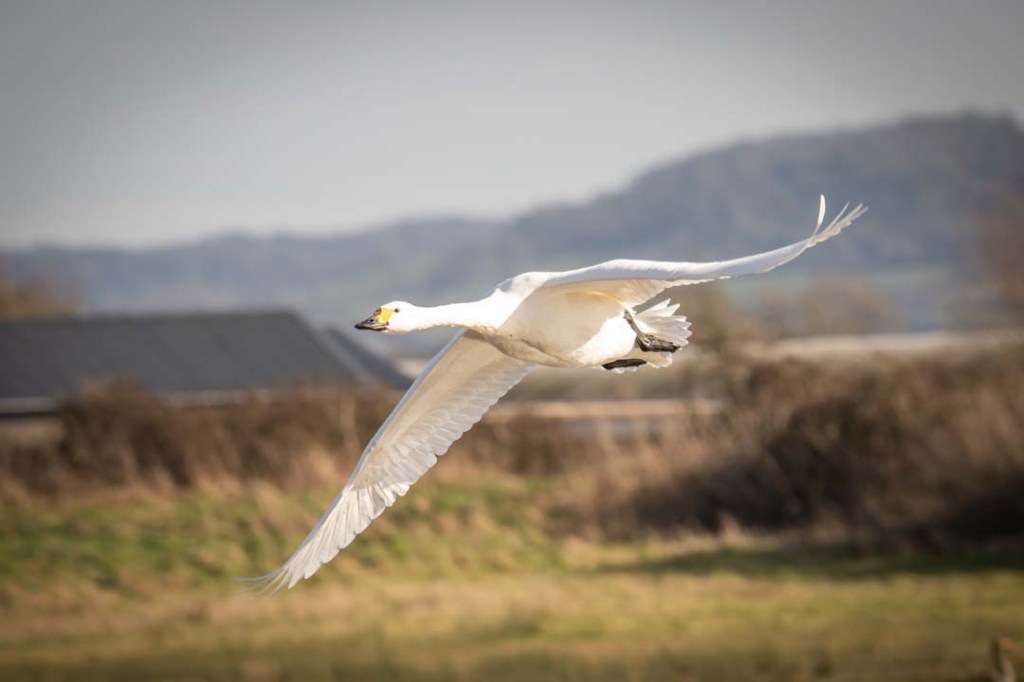
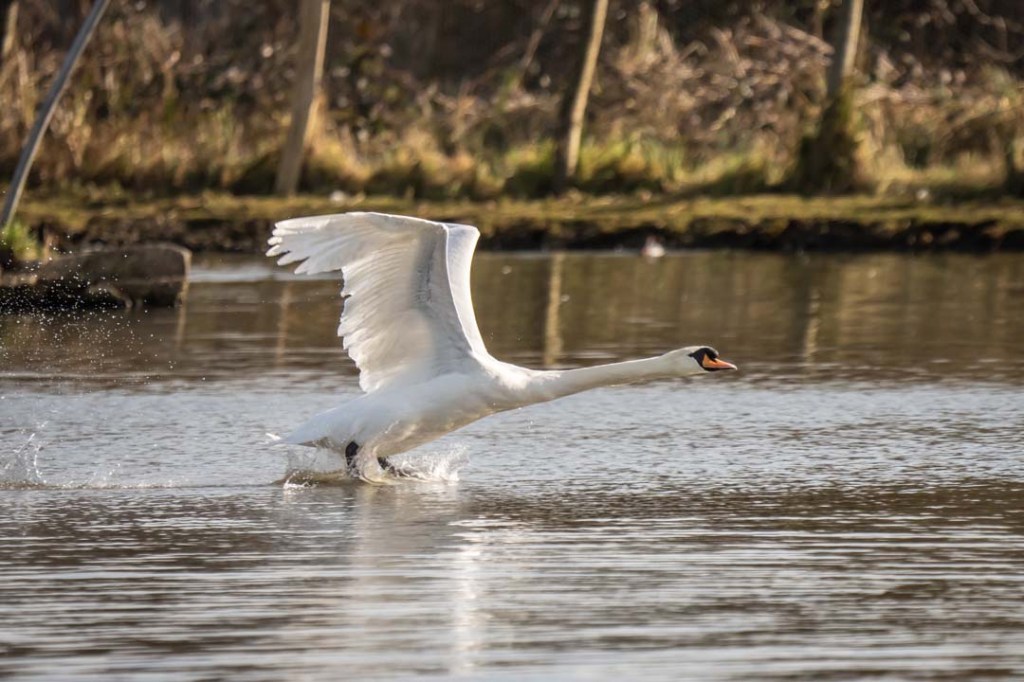
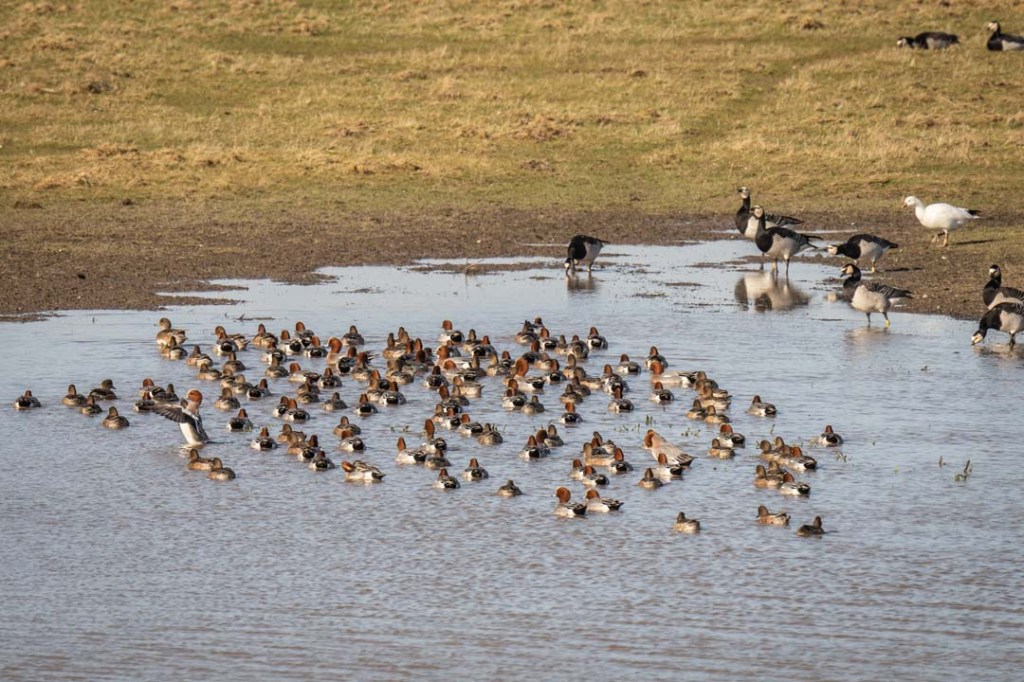
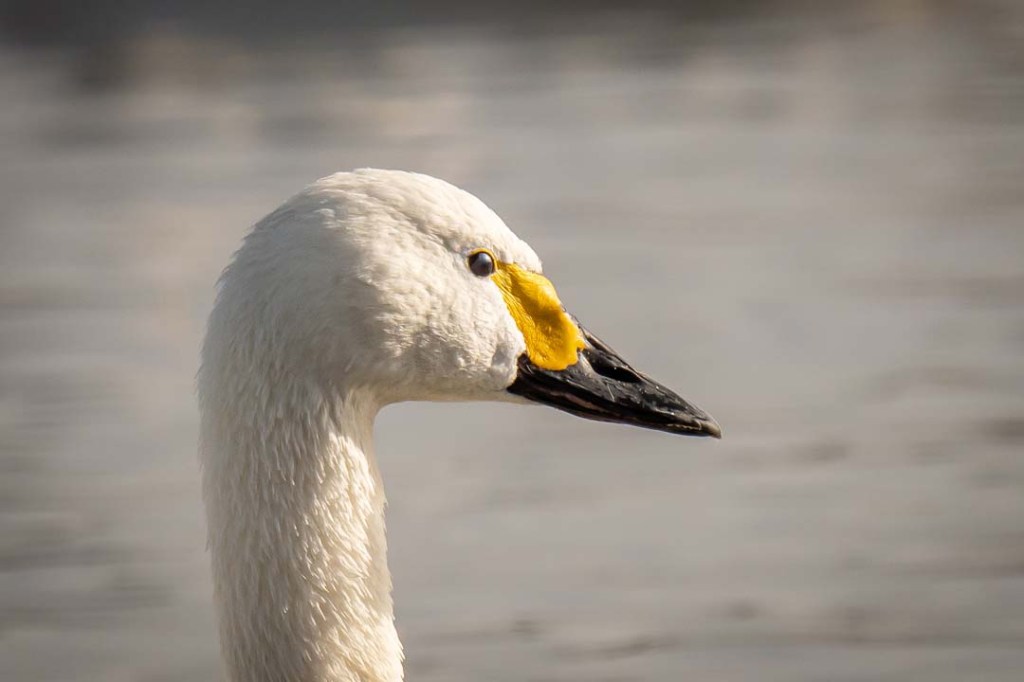
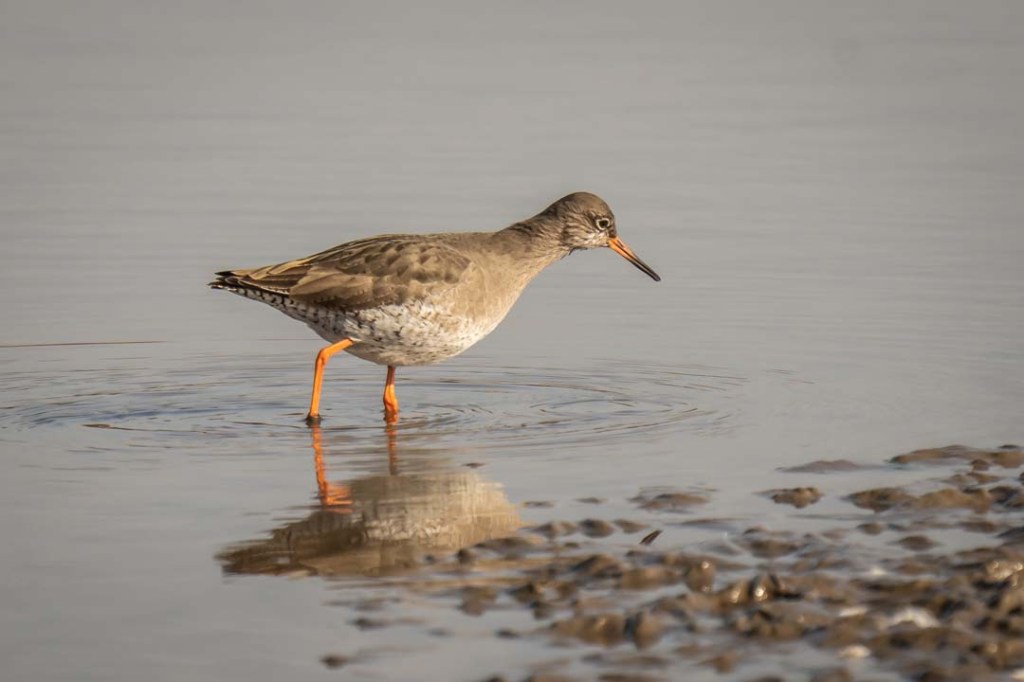
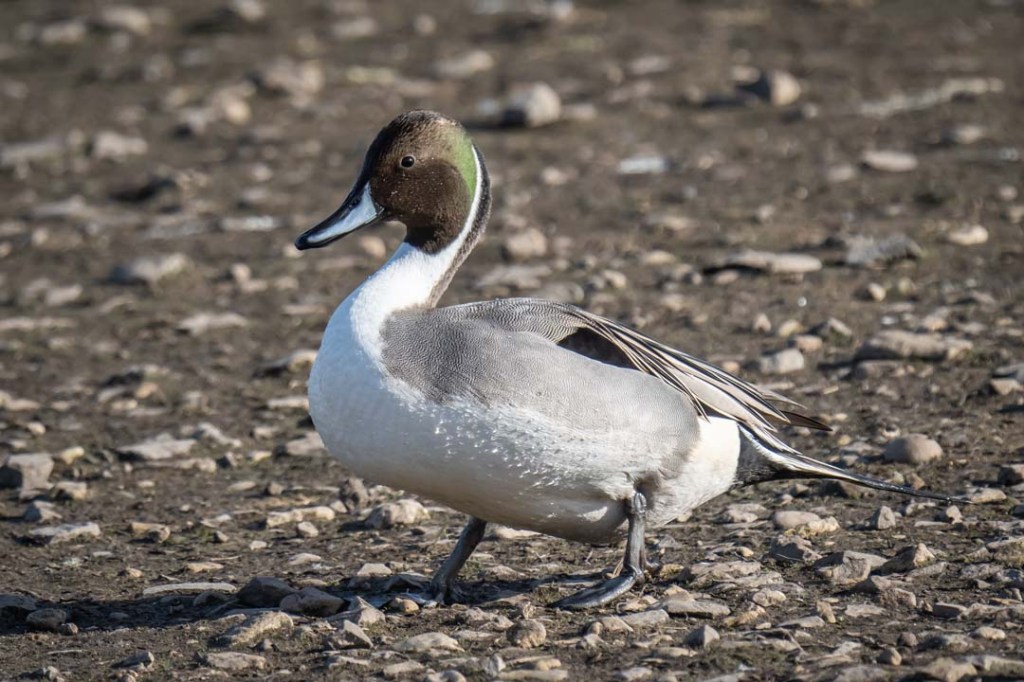
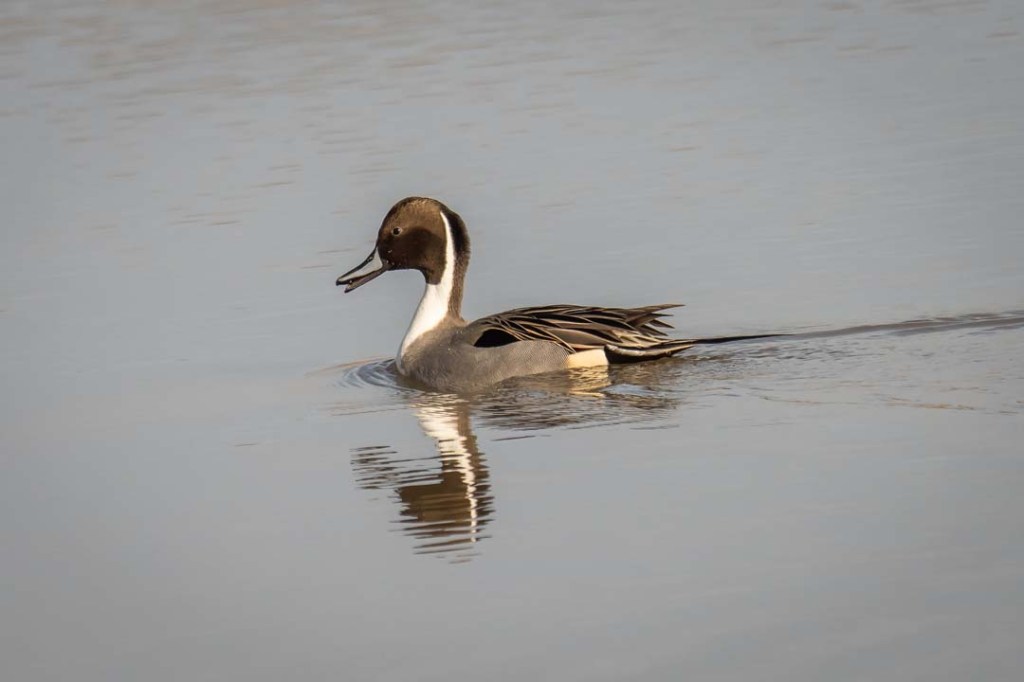
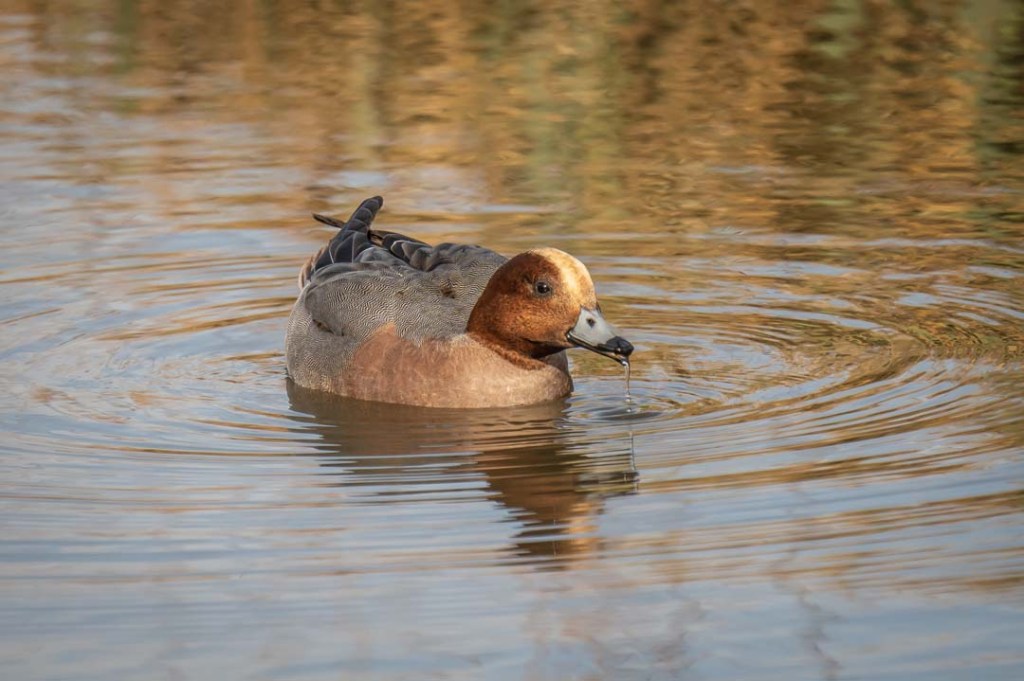
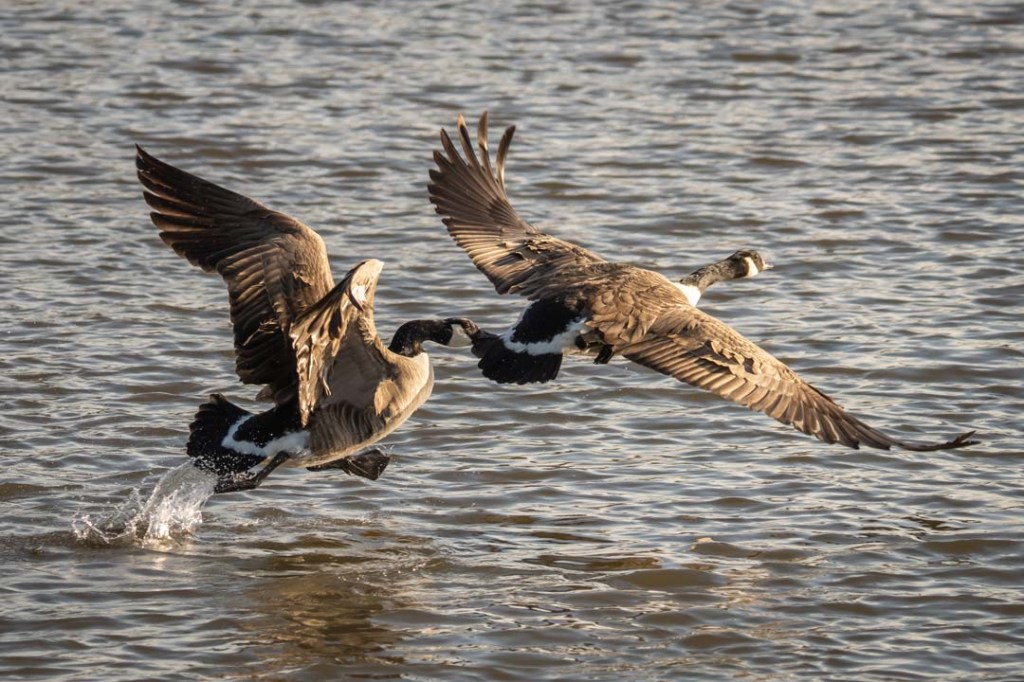
On arriving at the Rushy Pen hide (where it has been reported in recent days) we were quite disappointed that it was nowhere to be seen. Nonetheless, it was a lovely morning and we still enjoyed visiting all the hides on the north side of the reserve. There was plenty to see and a Black-tailed Godwit, a Common Redshank, Northern Pintails and Wigeon all came close. There were also plenty of geese and swans (both Mute and Bewick) flying around to keep me happy snapping away.
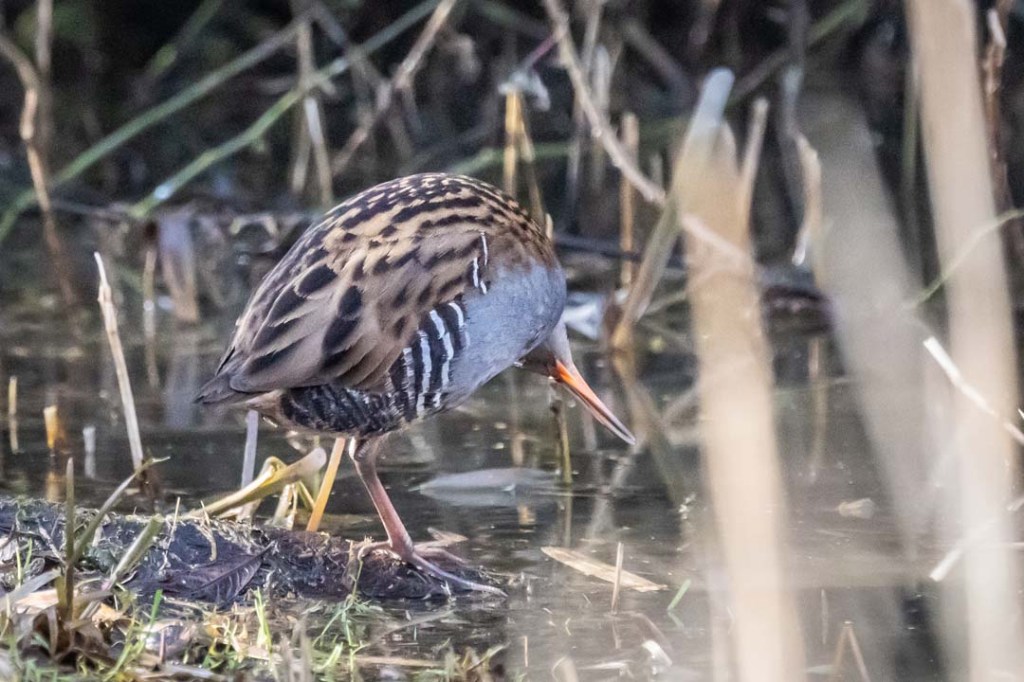
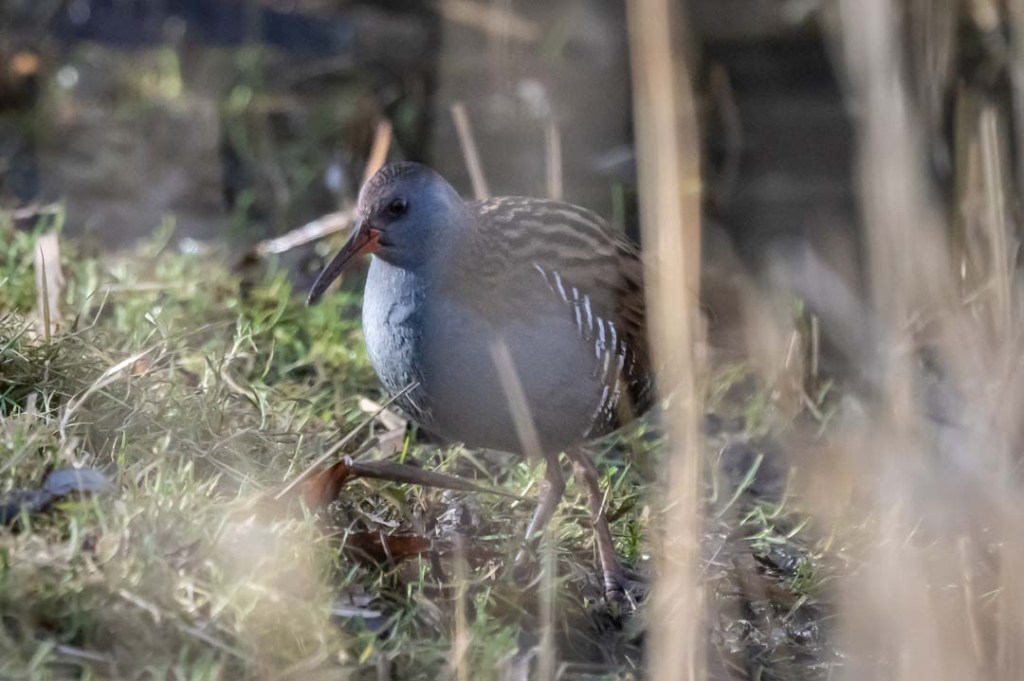
A Water Rail was just a bit too secretive for me to get a good shot.
Water Rail
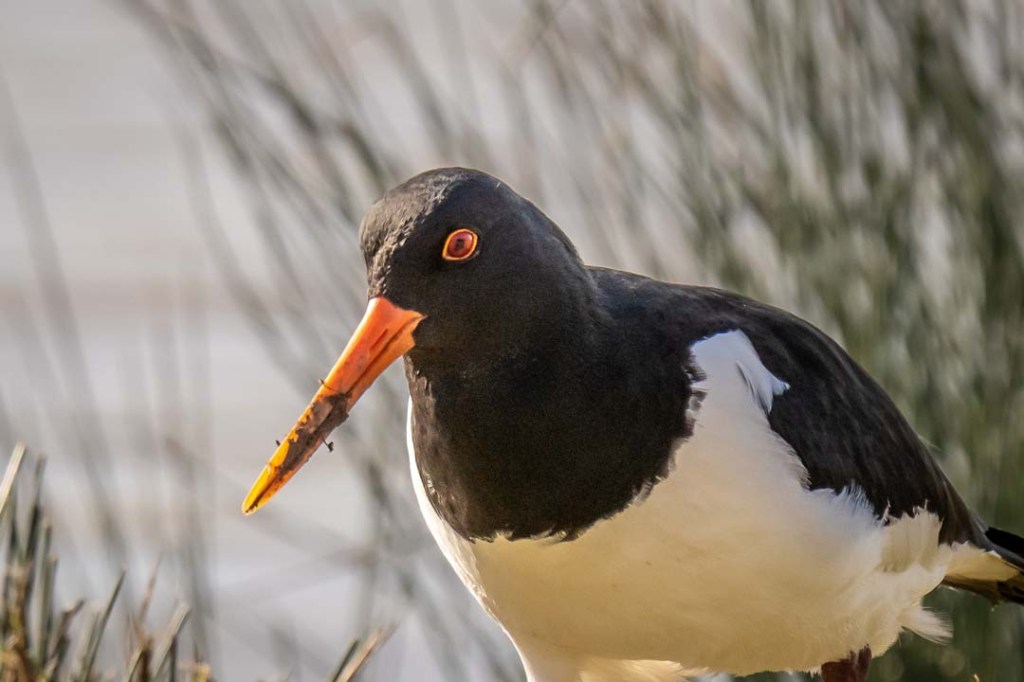
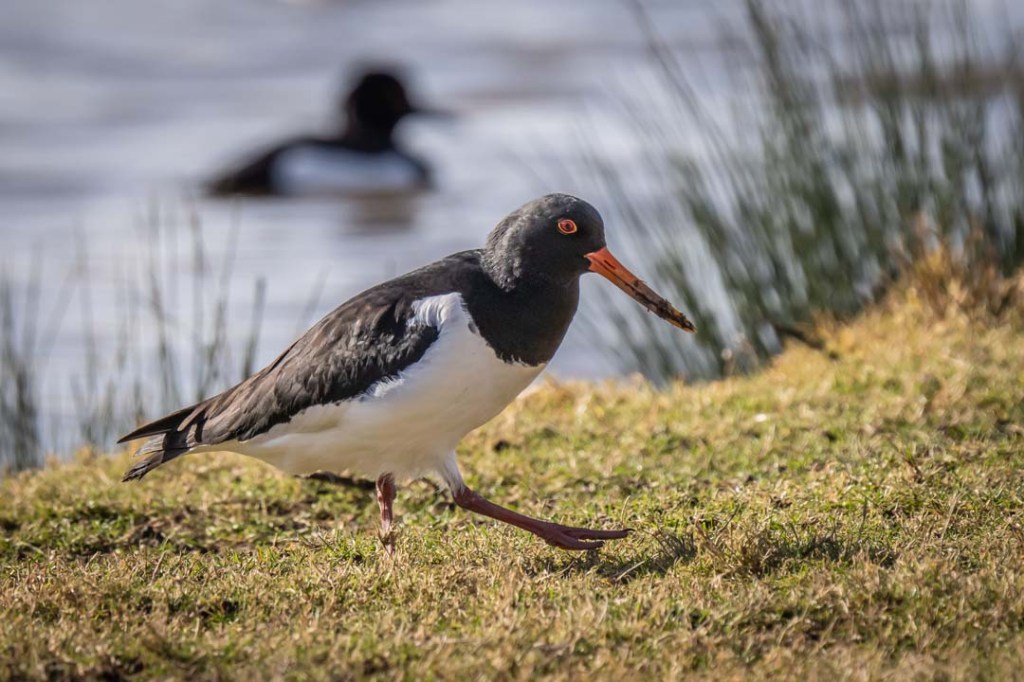
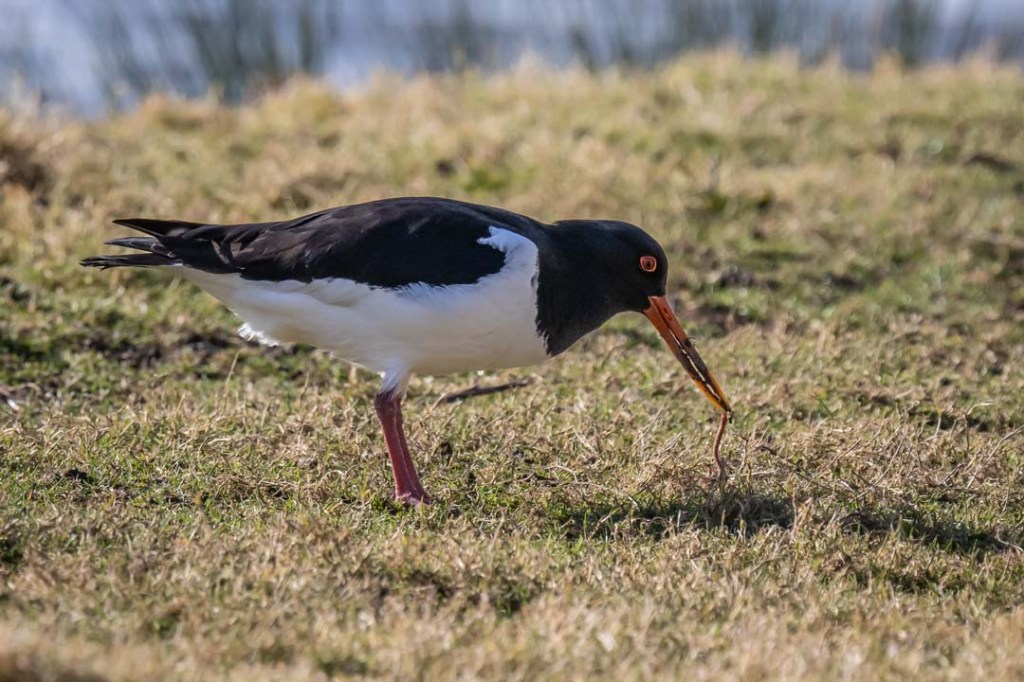
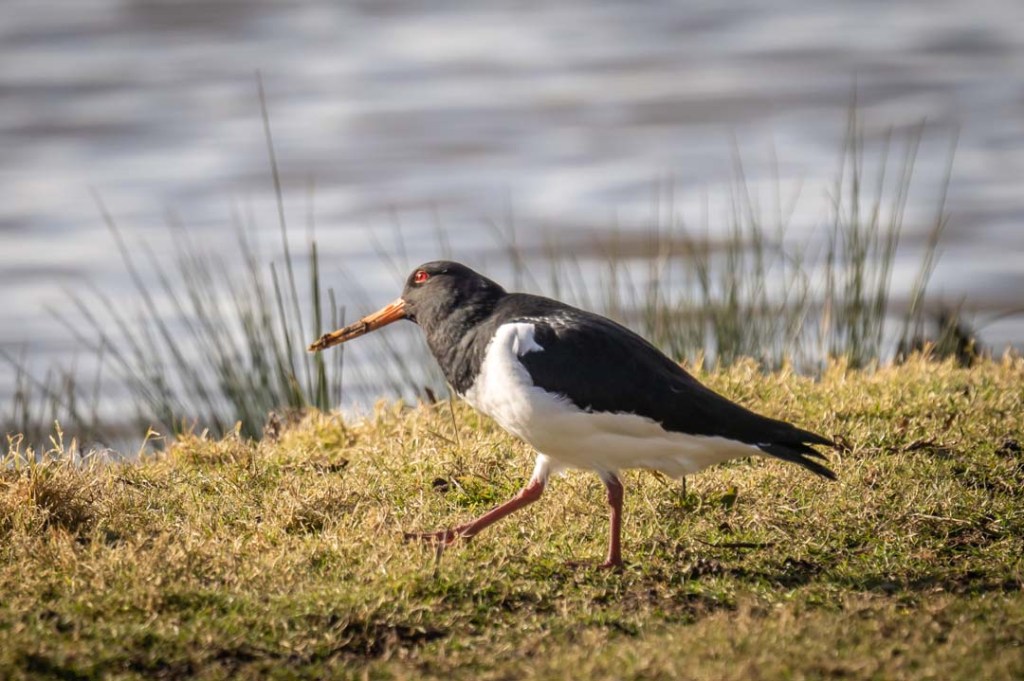
However, there were a couple of Oystercatcher very close up.
OystercatcherOystercatcher with worm
From the Tower hide, as well as lots of waterfowl, geese and swans, we could see Common Cranes. There was also a Sparrowhawk perched in the hedge in front of the hide and Blue Tits and Great Tits were very pluckily trying to mob it.
Sparrowhawk
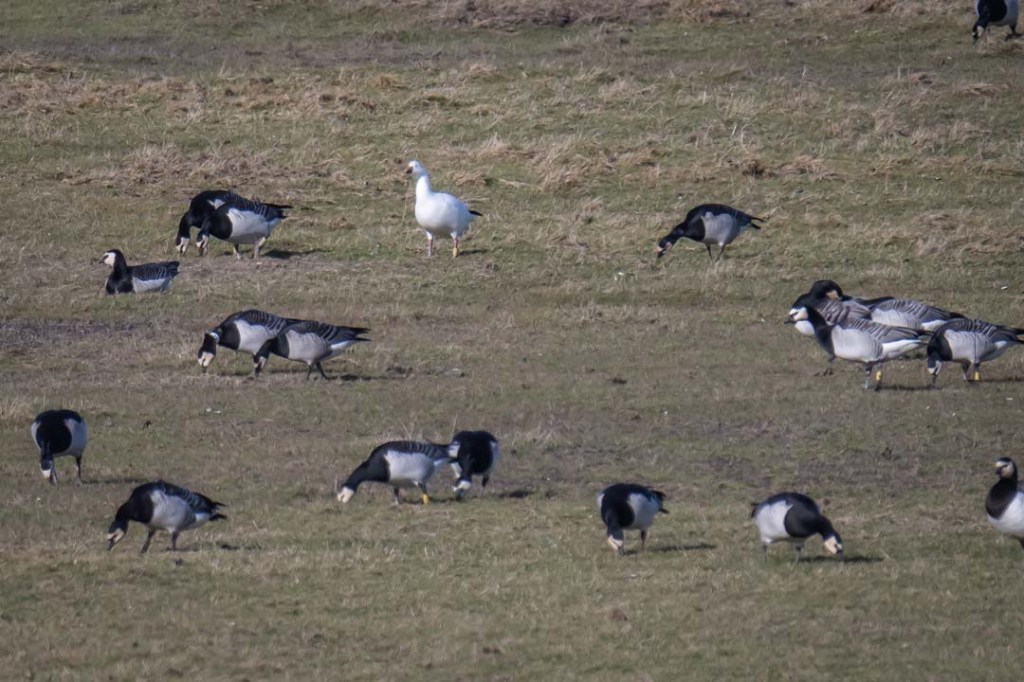
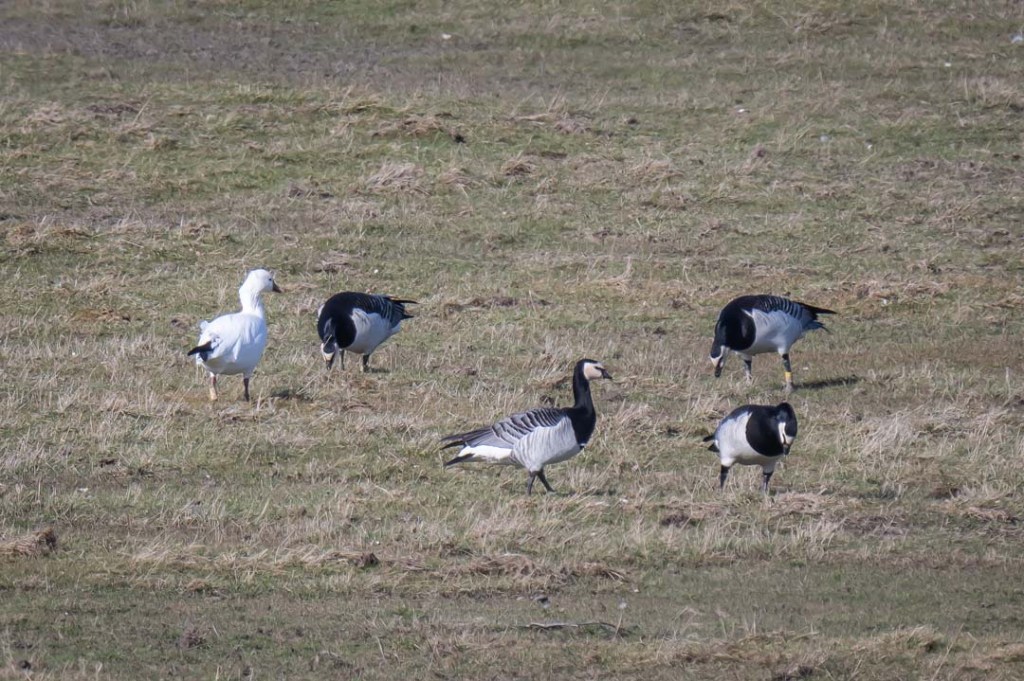
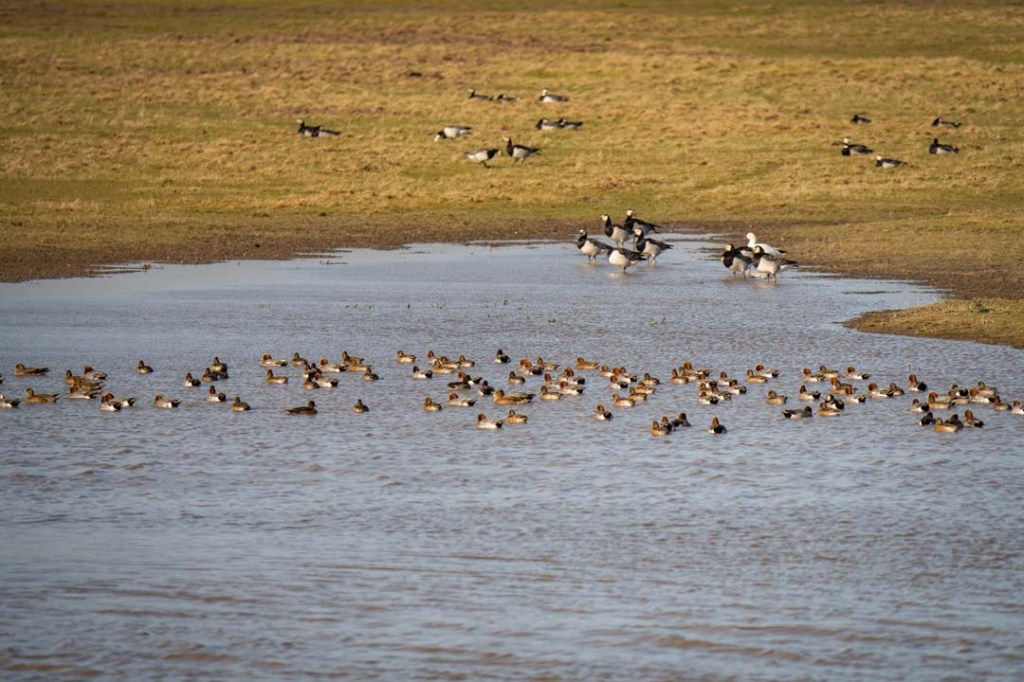
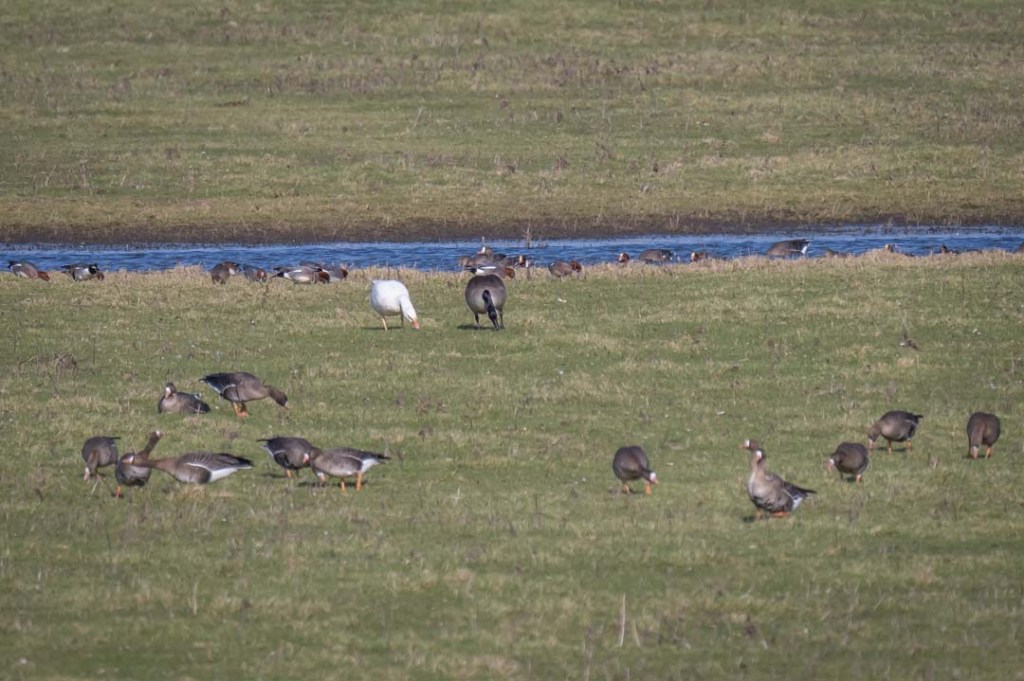
There was a Snow Goose amongst the Barnacle Geese and I presume what I thought was a Ross’s Goose on our last visit probably was the same Snow Goose.
There was another white goose in the distance with some White fronted Geese but I couldn’t see it clearly.
Snow Goose amongst Barnacle GeeseWigeon (with Snow Goose top right)
As we were making our way back to the car park we had to pass the Rushy Pen hide and from all the commotion it was clear that there was something special there. I could hardly get into the hide but from about the third row back I could still see the White-rumped Sandpiper, in all its glory right in front of the hide.
Gallery of White-rumped Sandpiper:
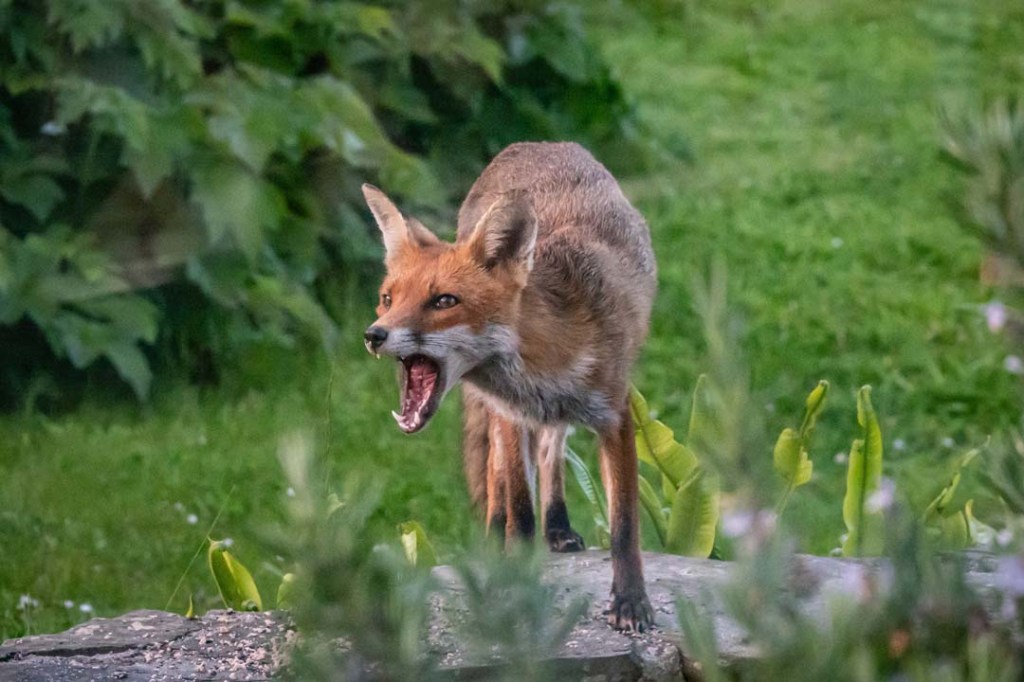
Stepping in fox poo on my way out this morning was clearly a lucky omen!
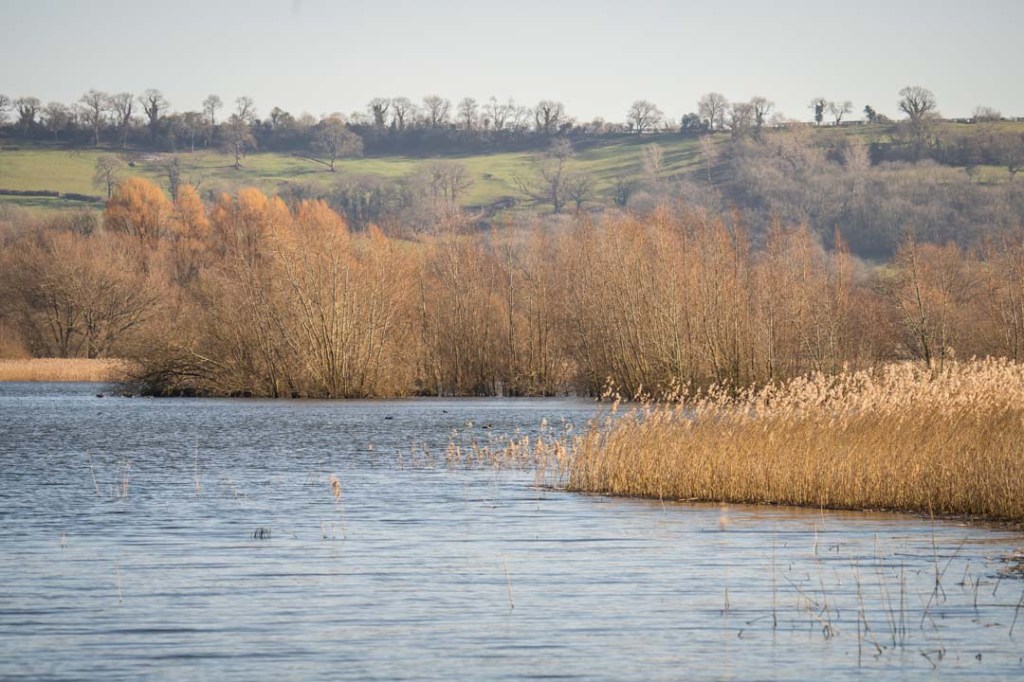
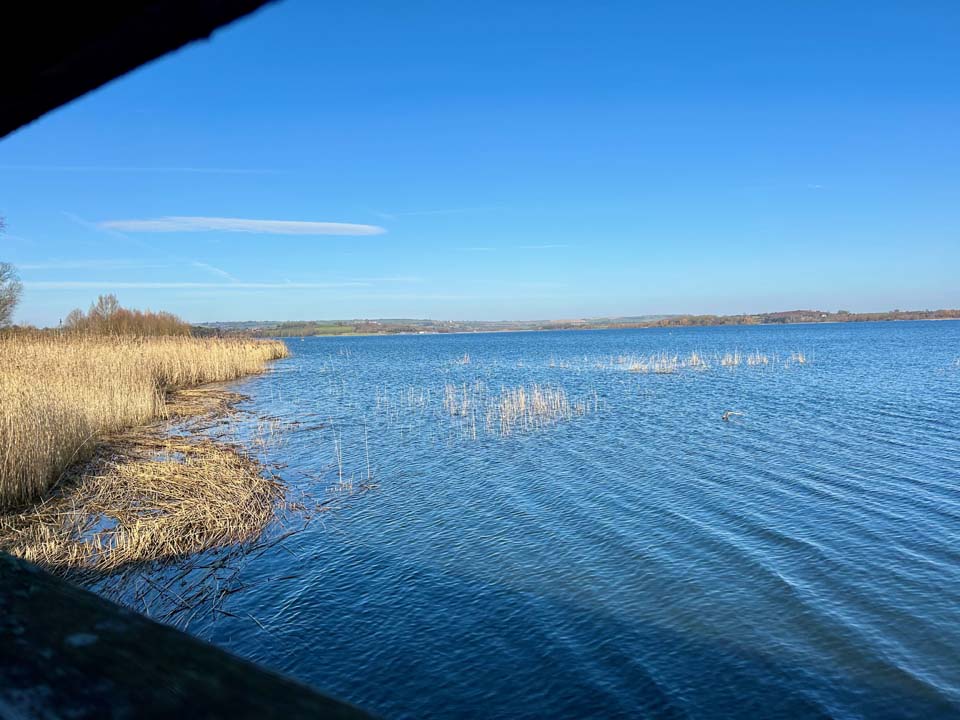
A beautiful day to visit Chew Valley Lake just south of Bristol. The water level was very high and it didn’t look very inspiring when we looked out from the Stratford hide.
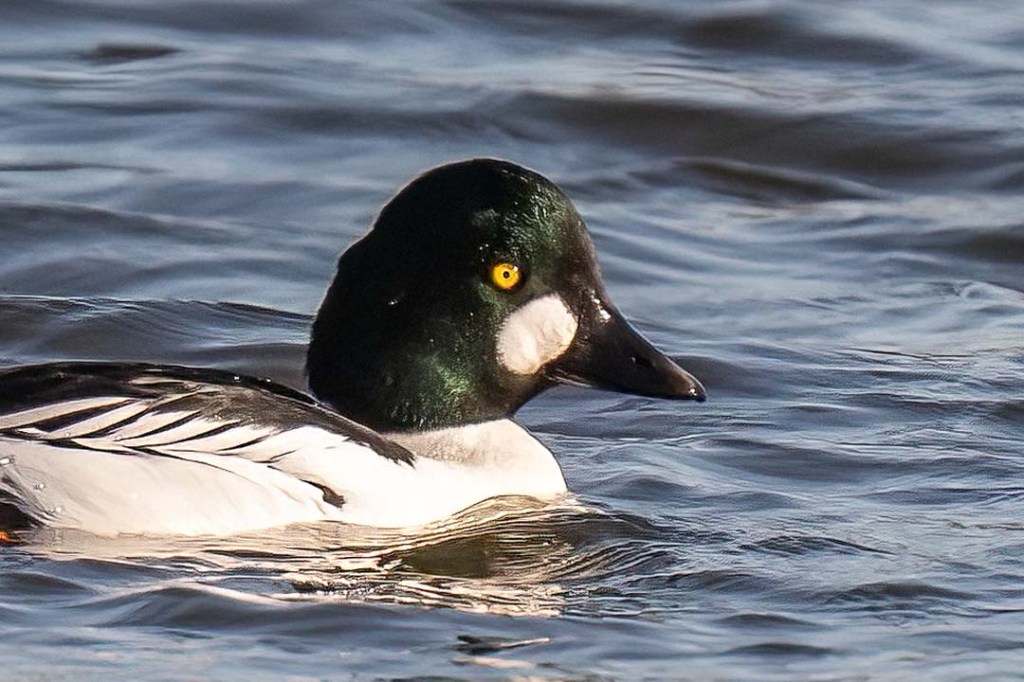
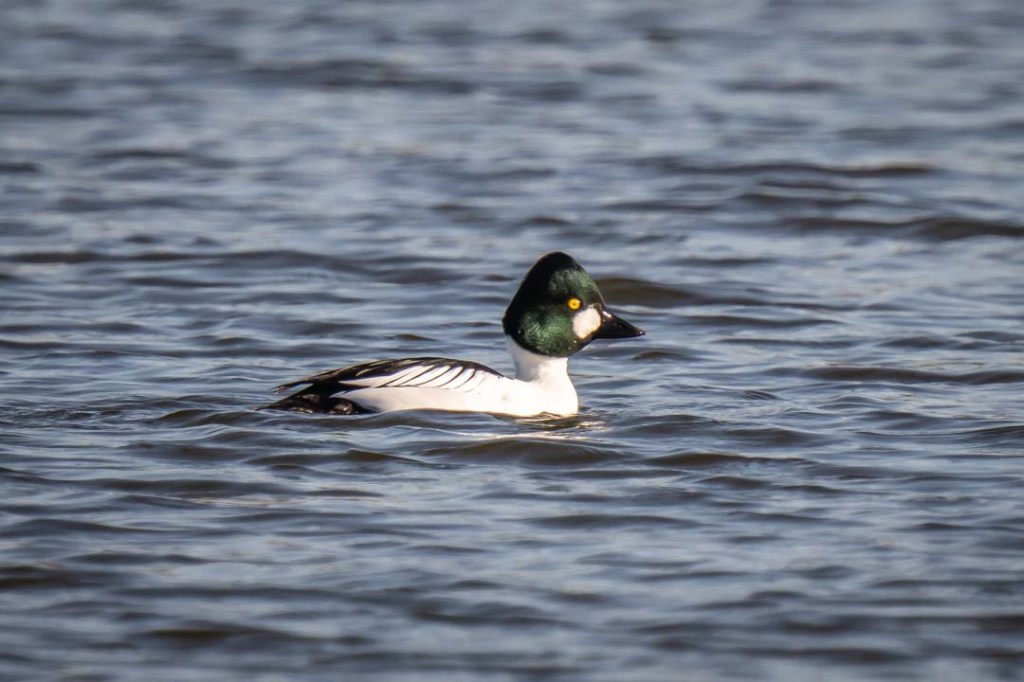
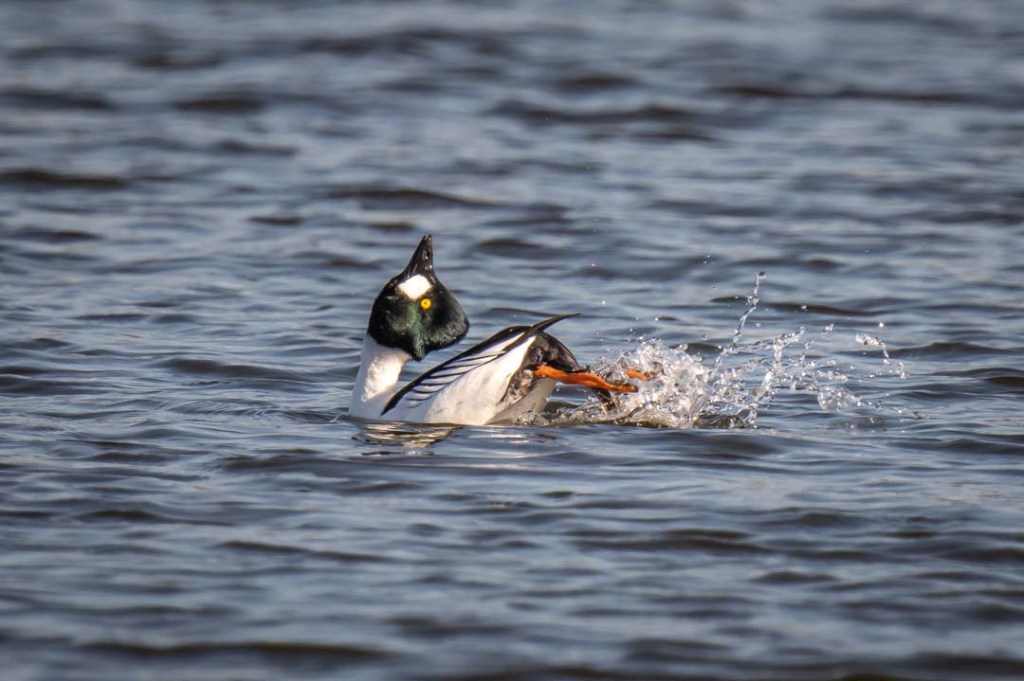
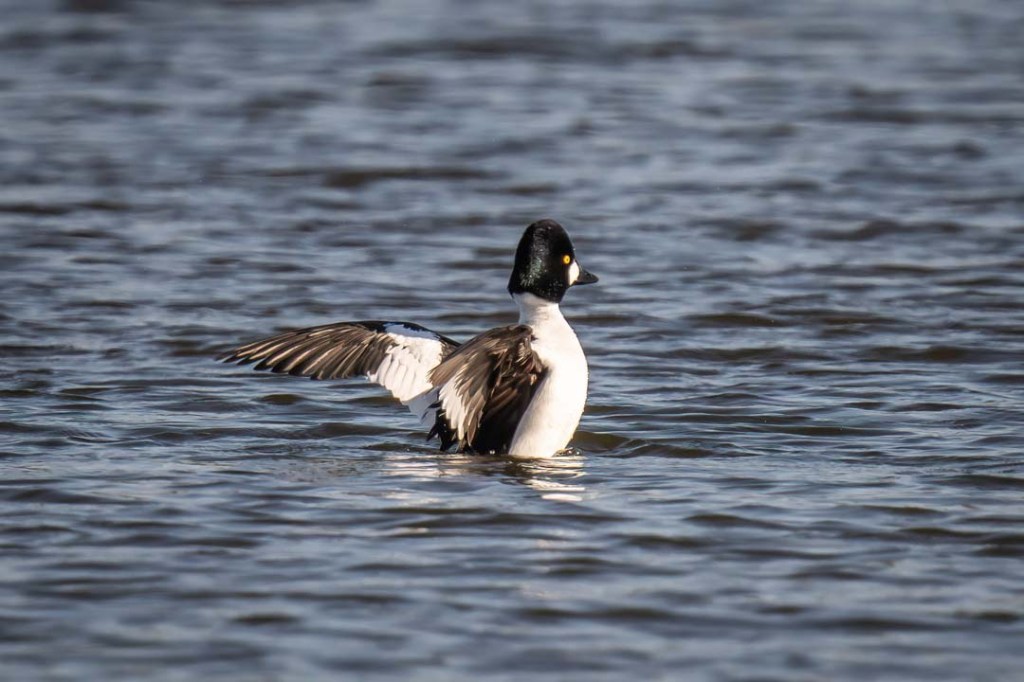
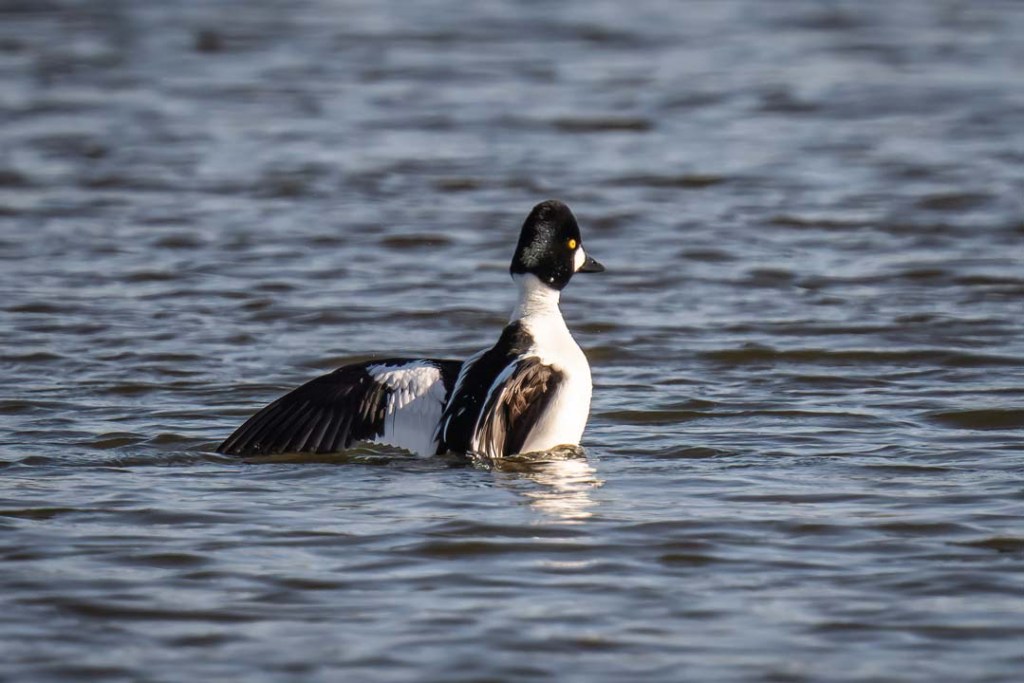
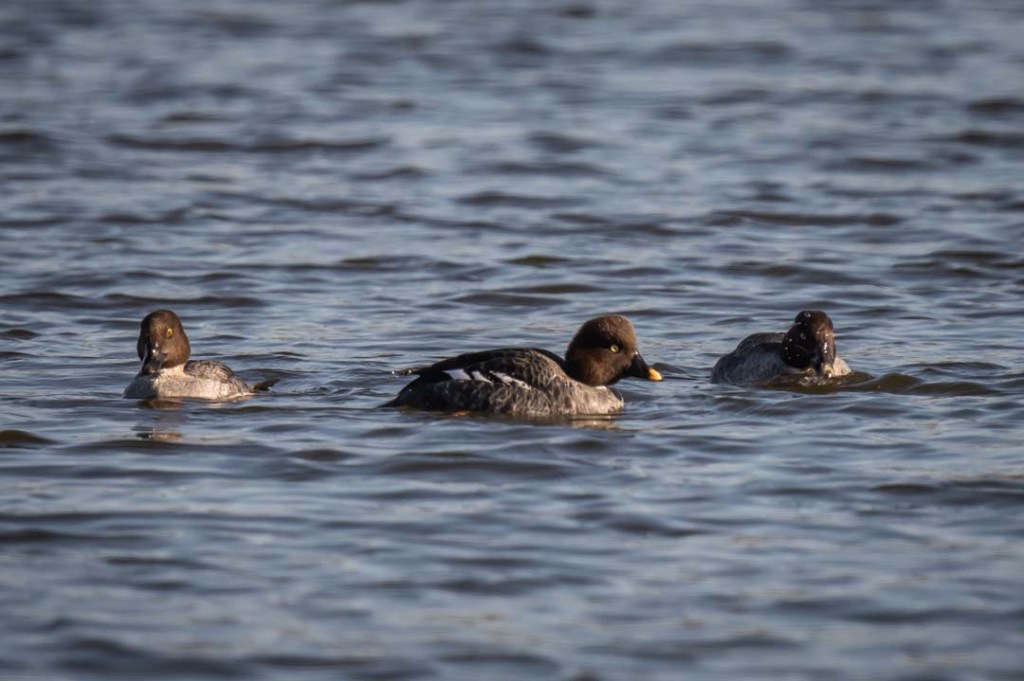
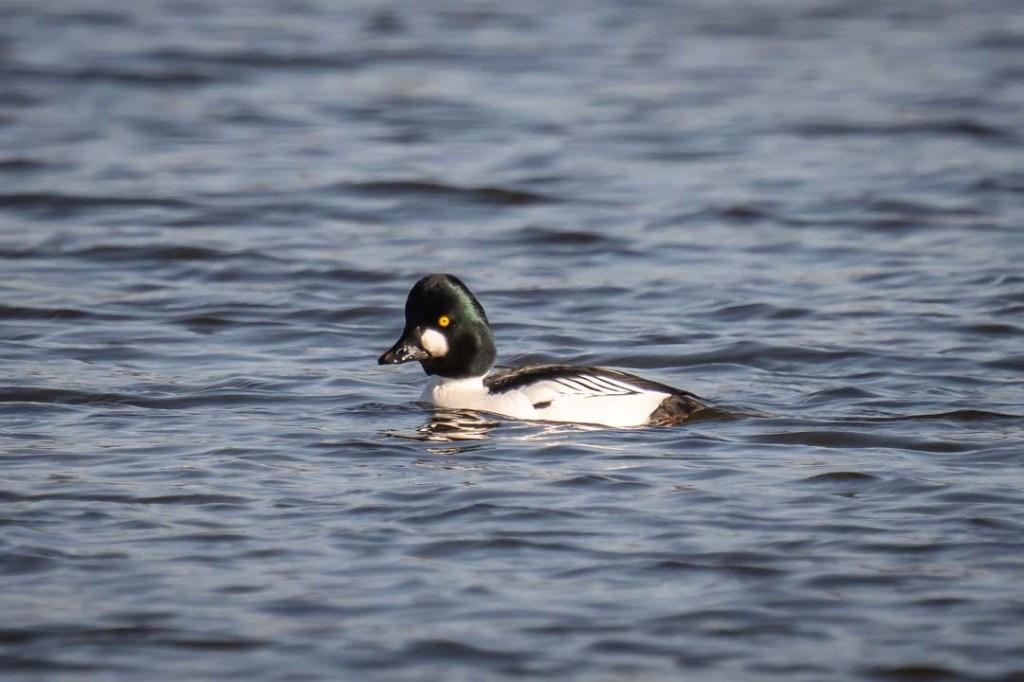
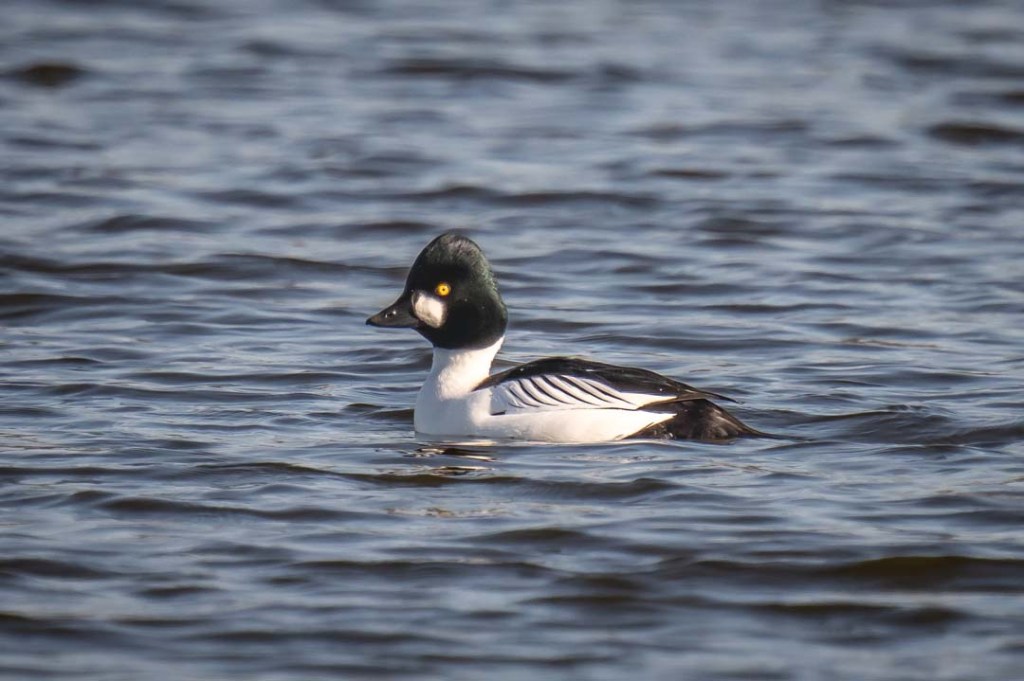
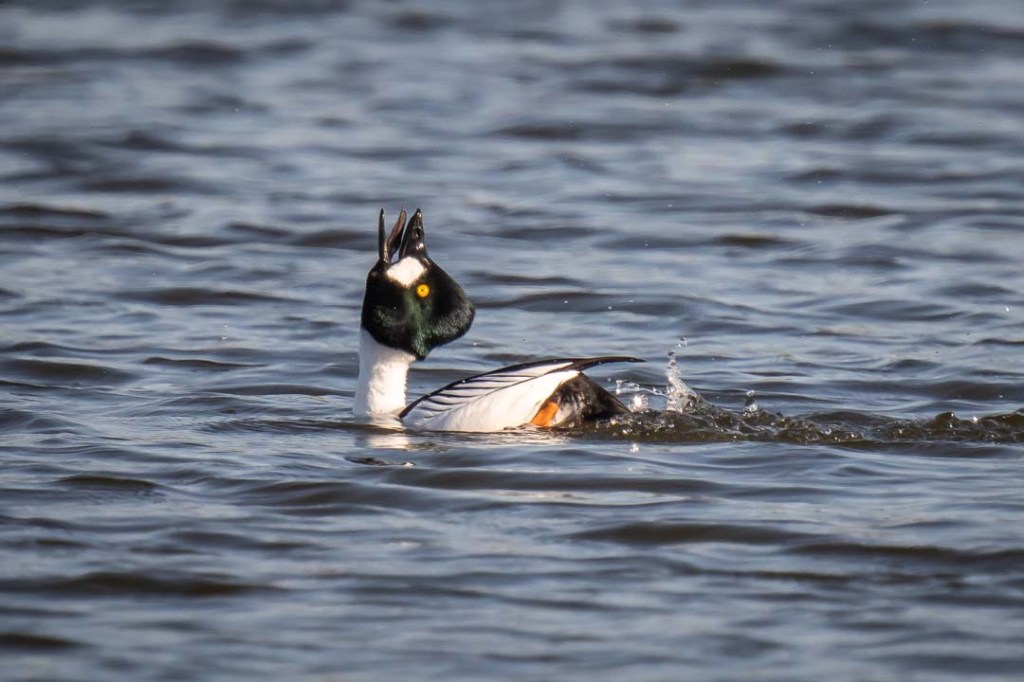
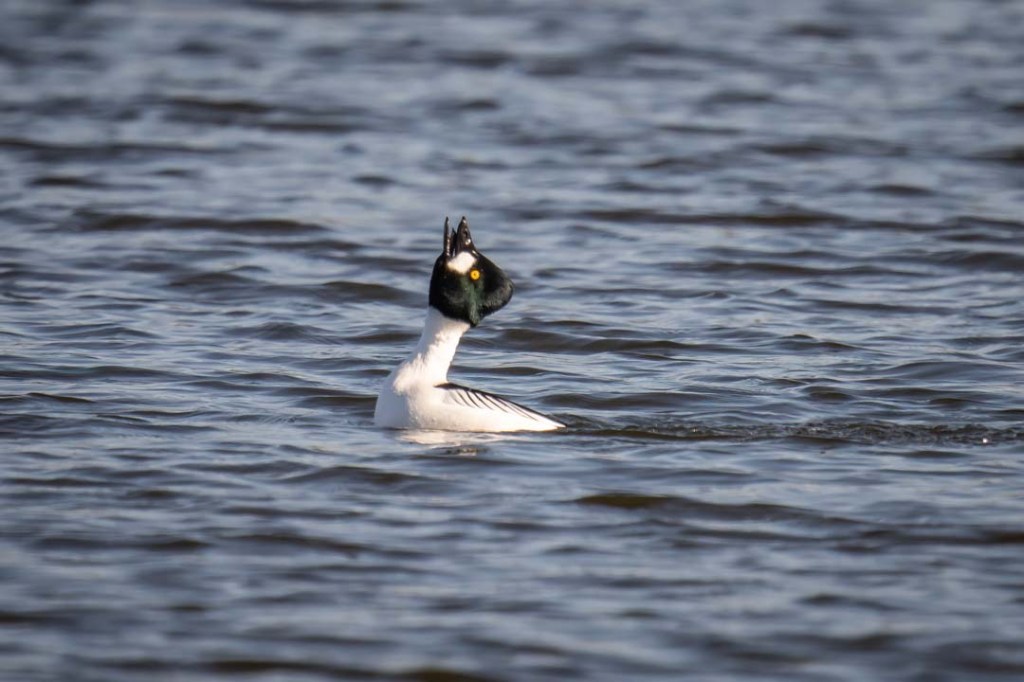
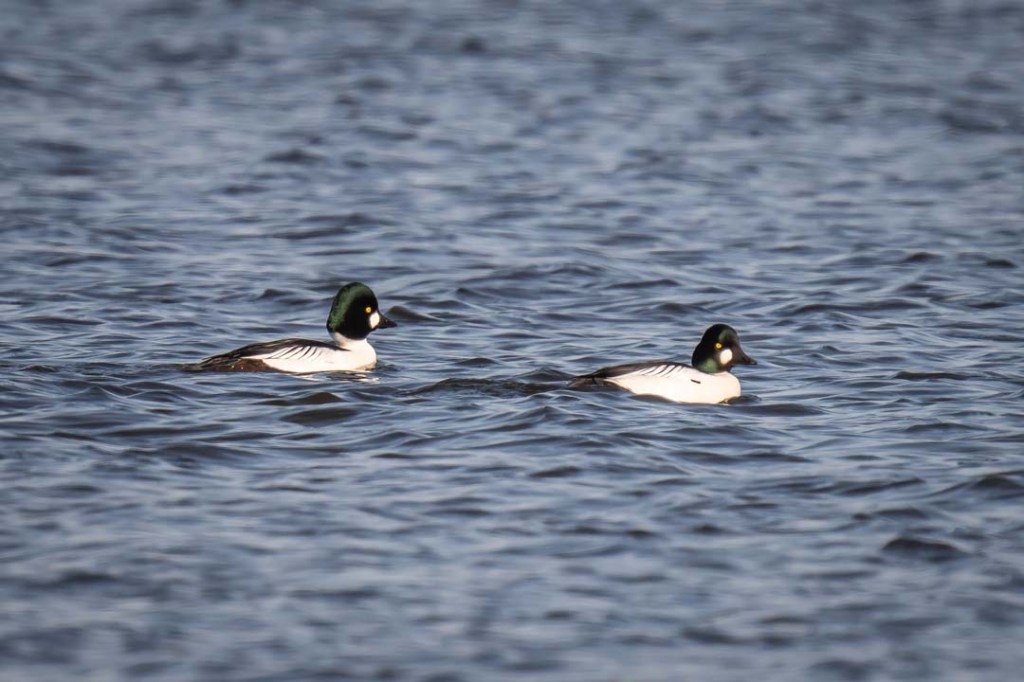
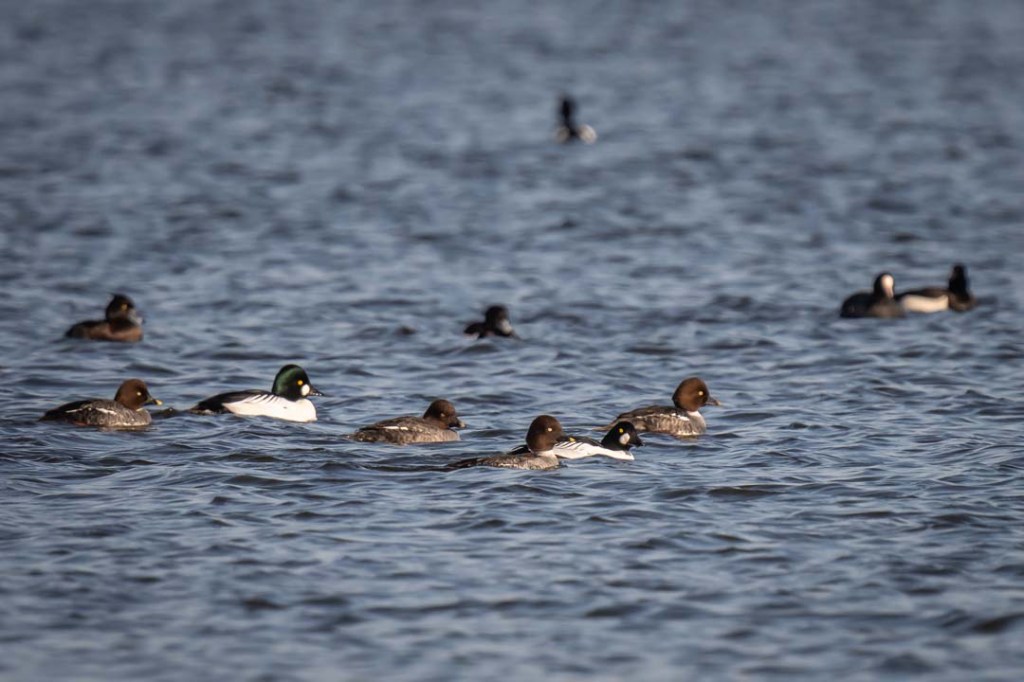
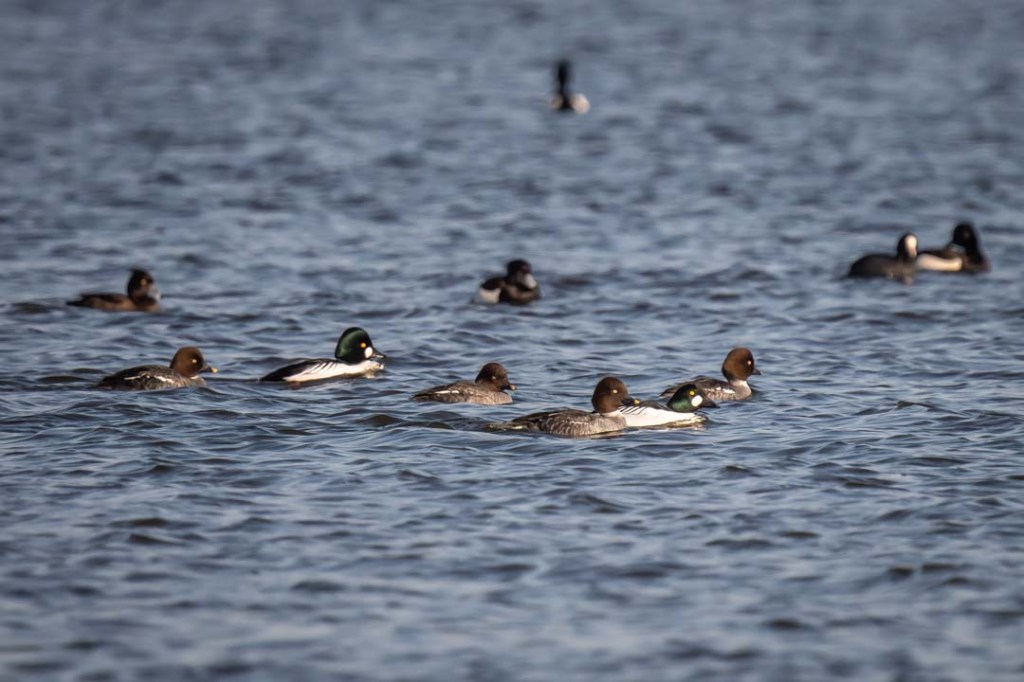
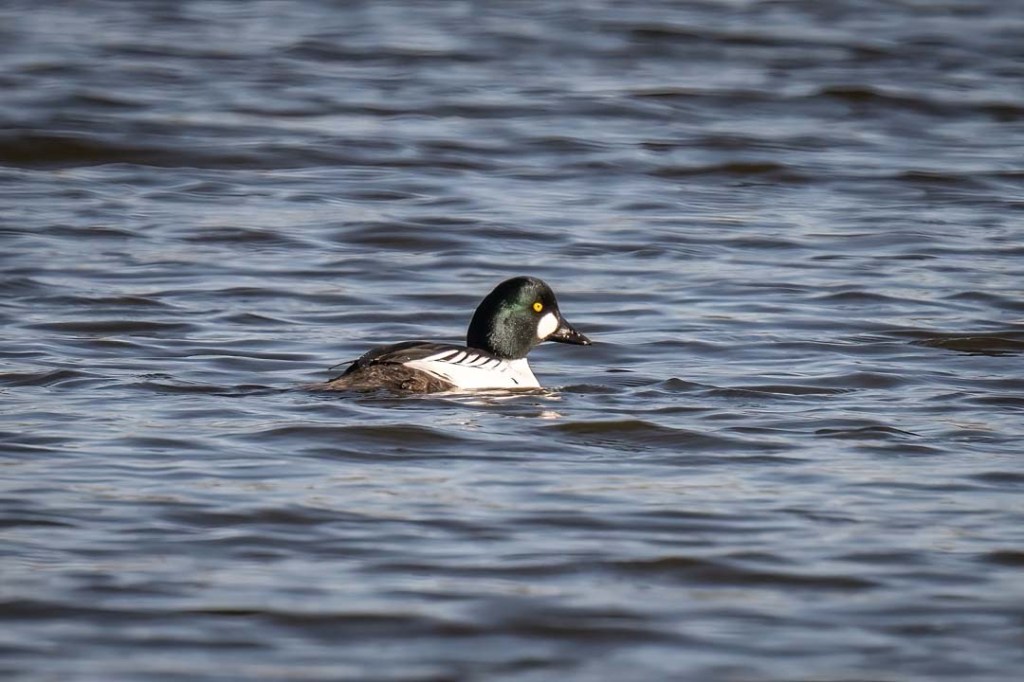
Until, that is, a group of 8 Goldeneye came into view.
Male GoldeneyeFemale Goldeneye
One of the males was displaying regularly by raising its head to the sky. It looked pretty good to me without even doing that.
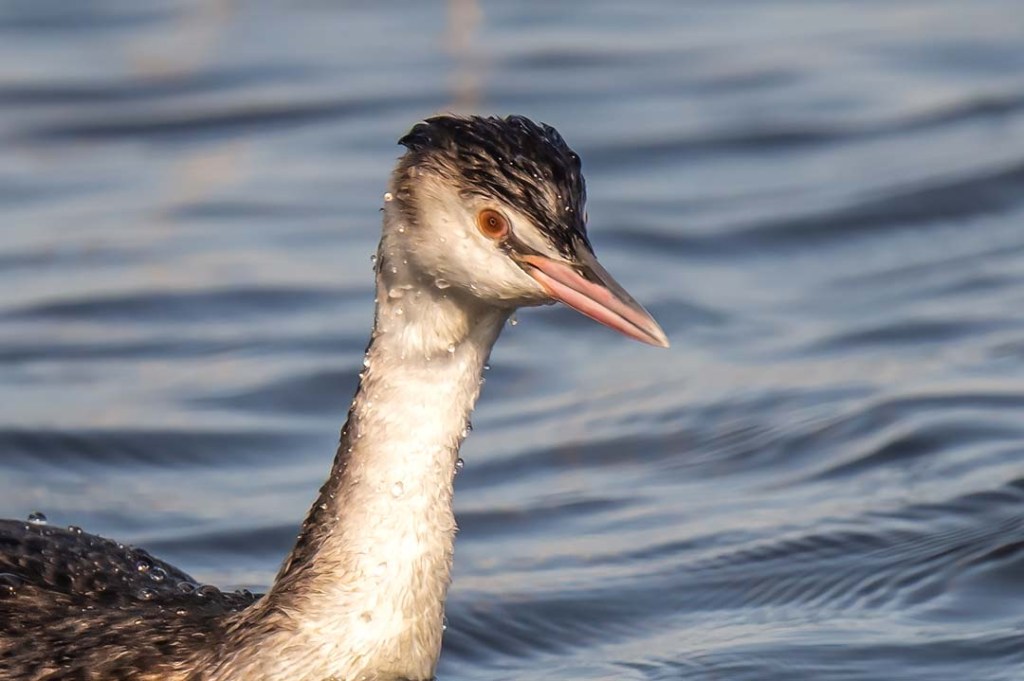
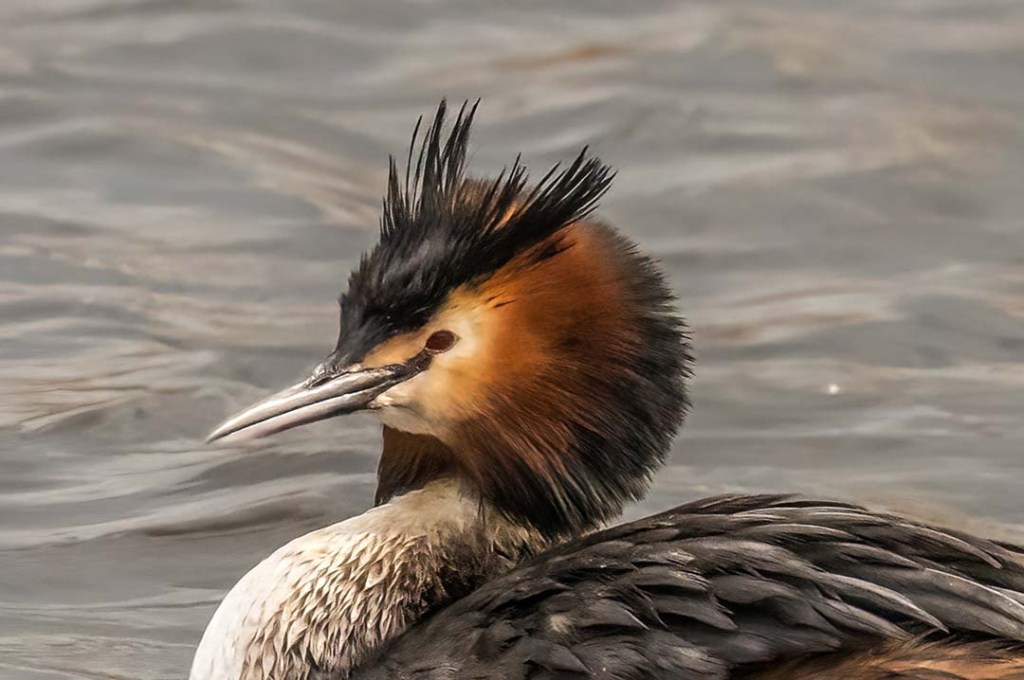
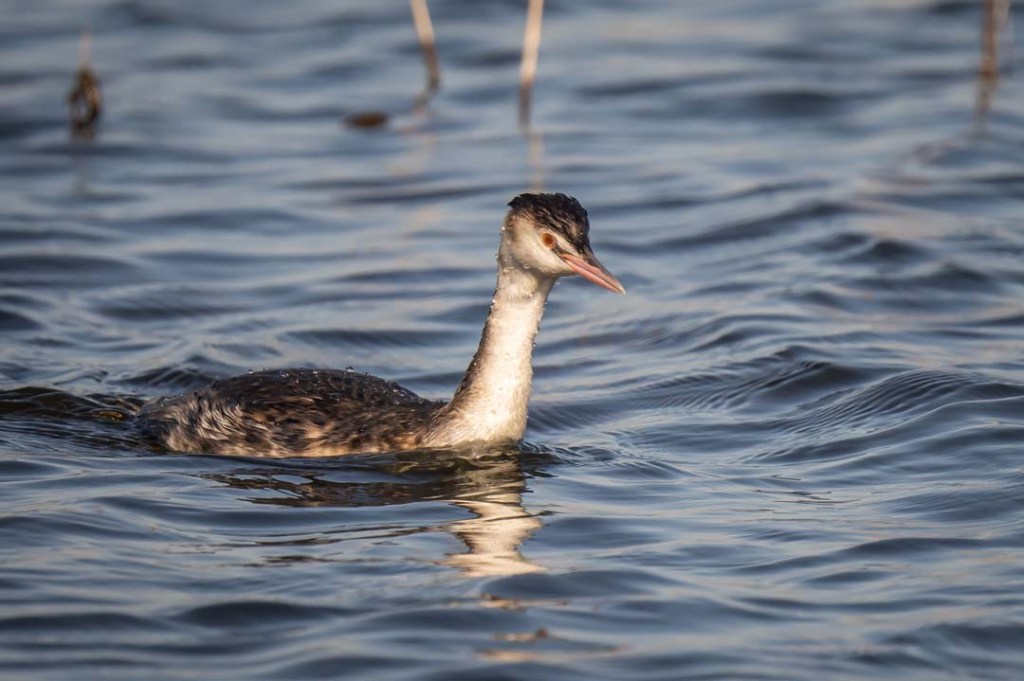
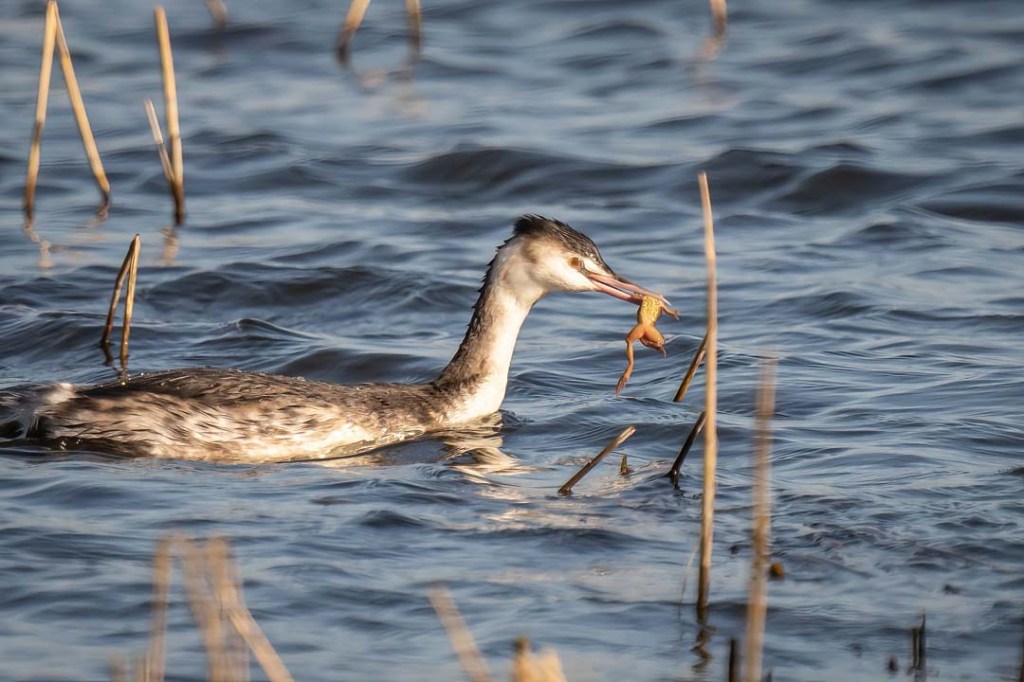
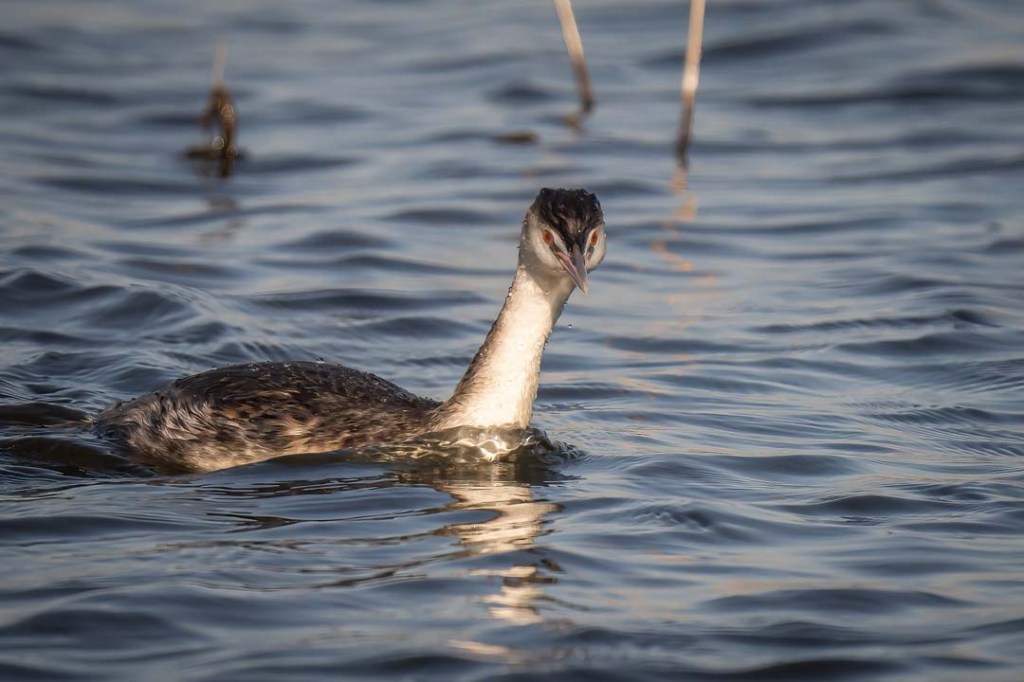
Just one Great Crested Grebe was to be seen. It spent more time diving than being on the surface but it did get its reward.
Great Crested GrebeThe Great Crested Grebe with French cuisine
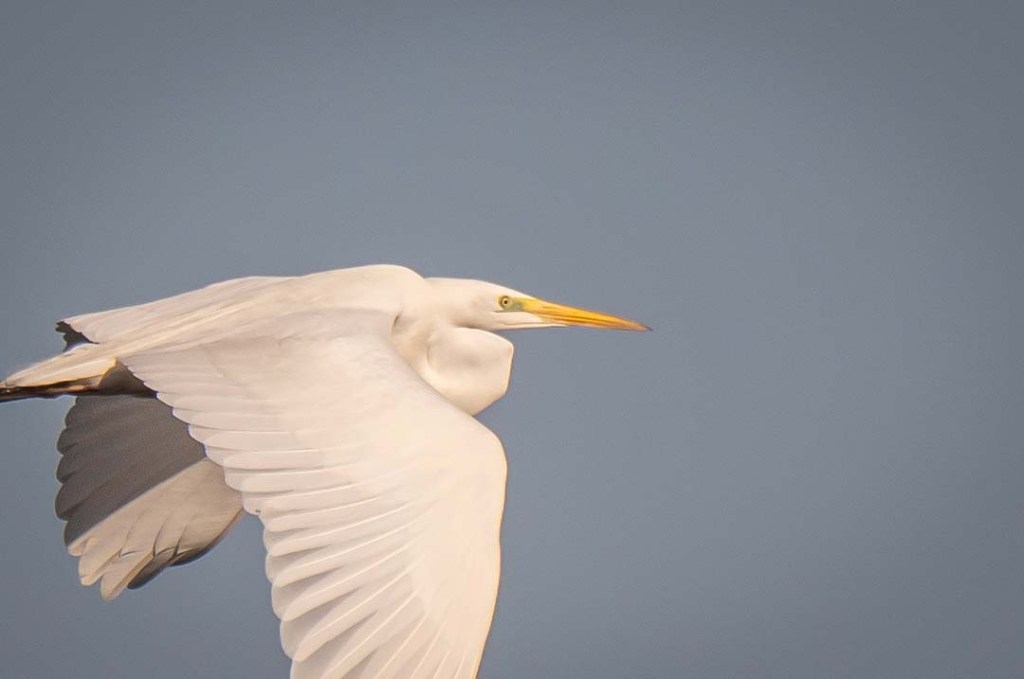
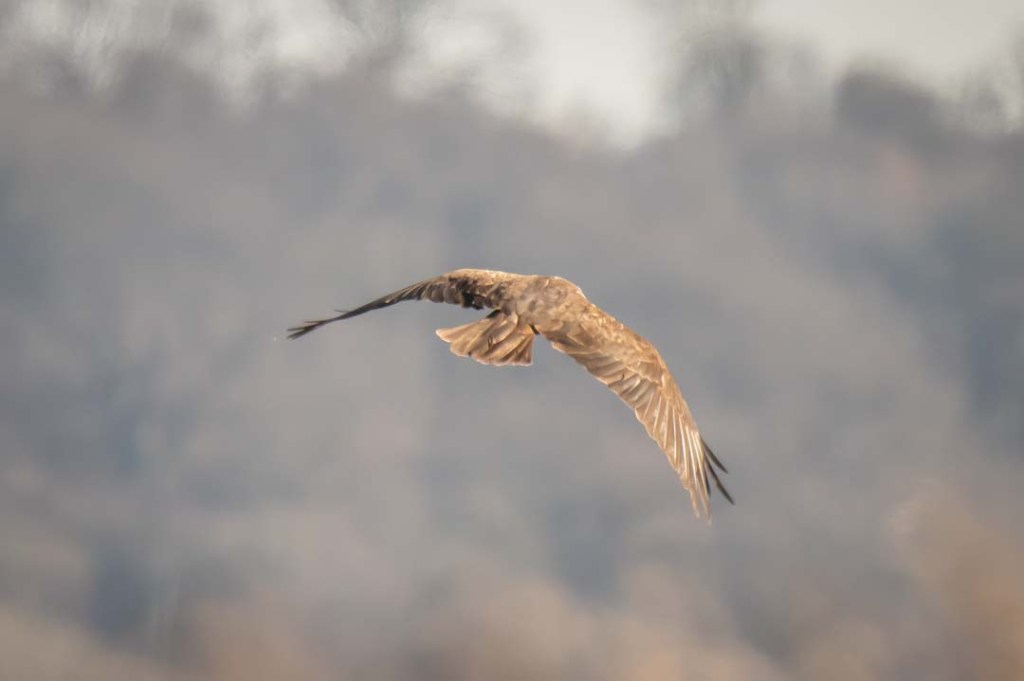
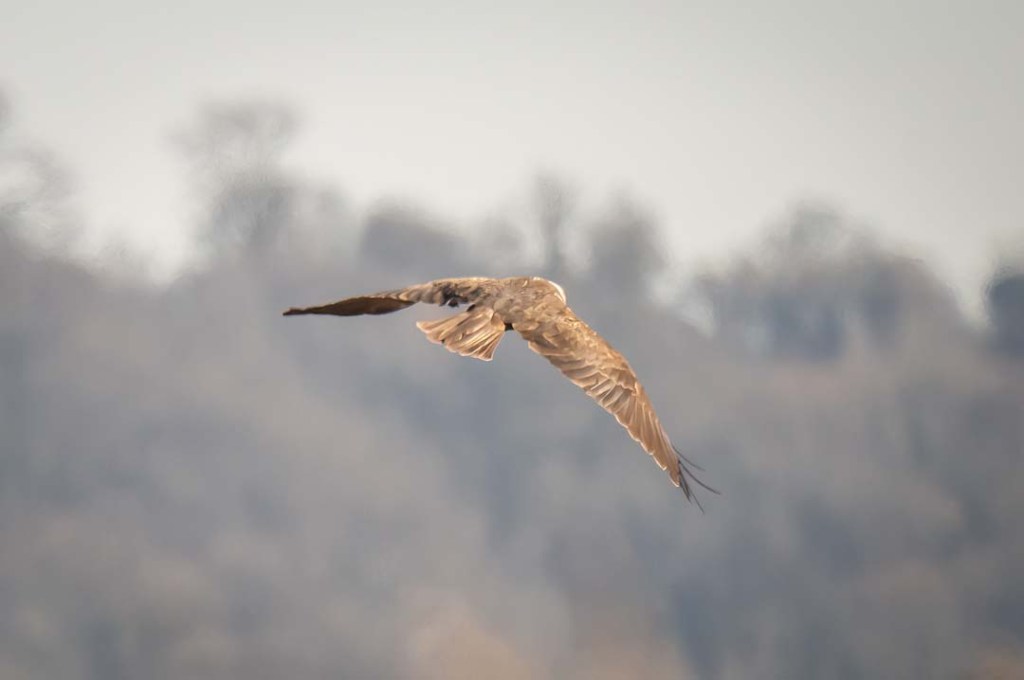
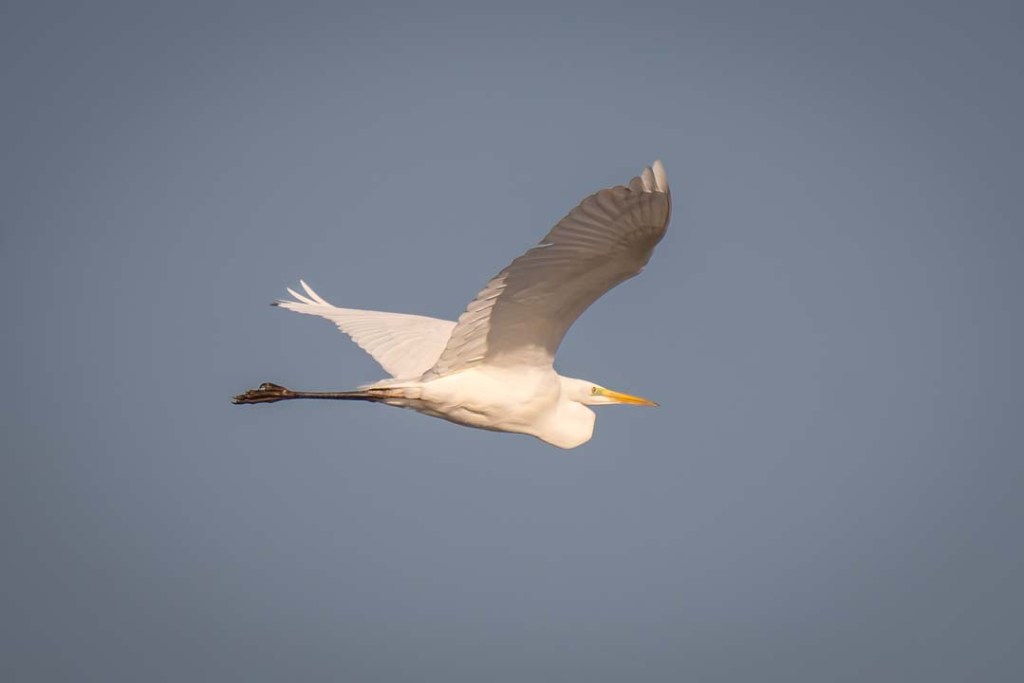
The other highlight of our visit was the spectacular fly past by a Great White Egret. There was also a Marsh Harrier surveying the reed beds.
Marsh Harrier
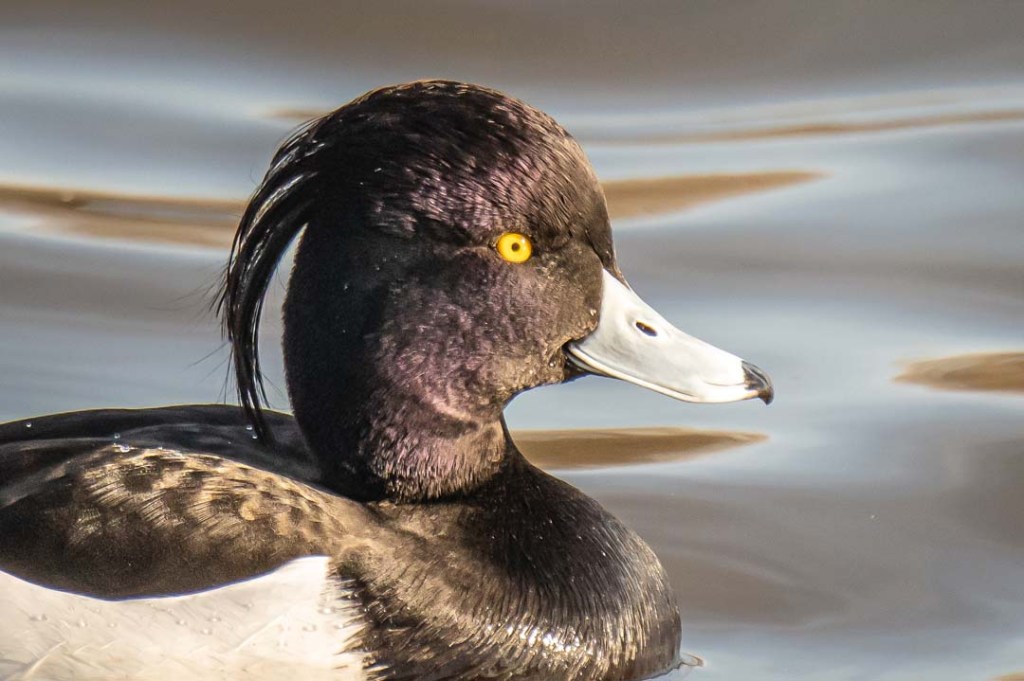
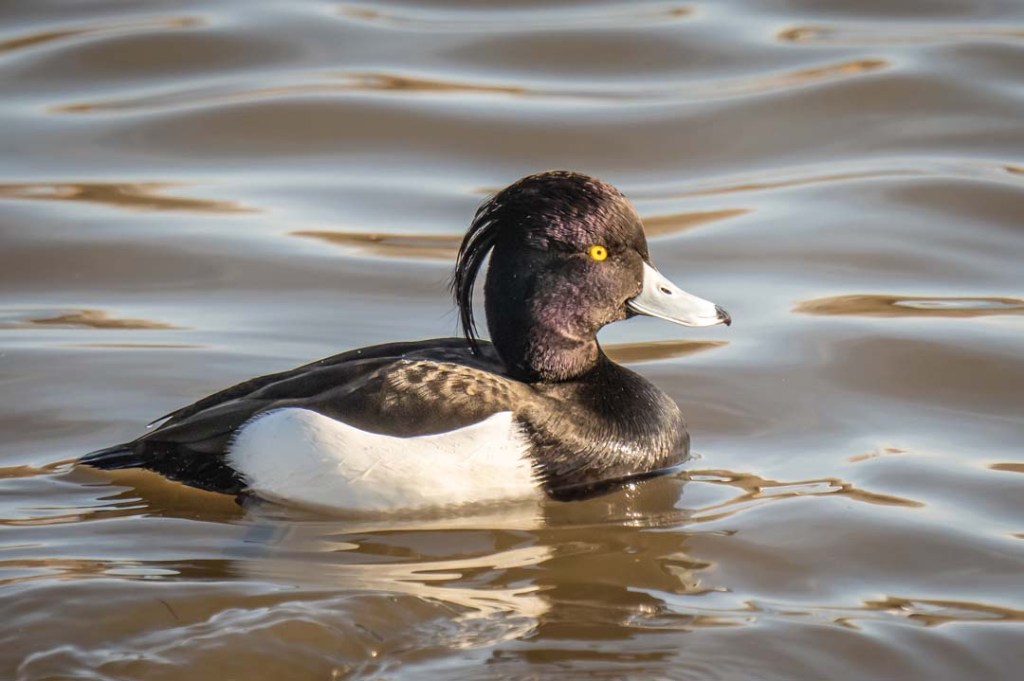
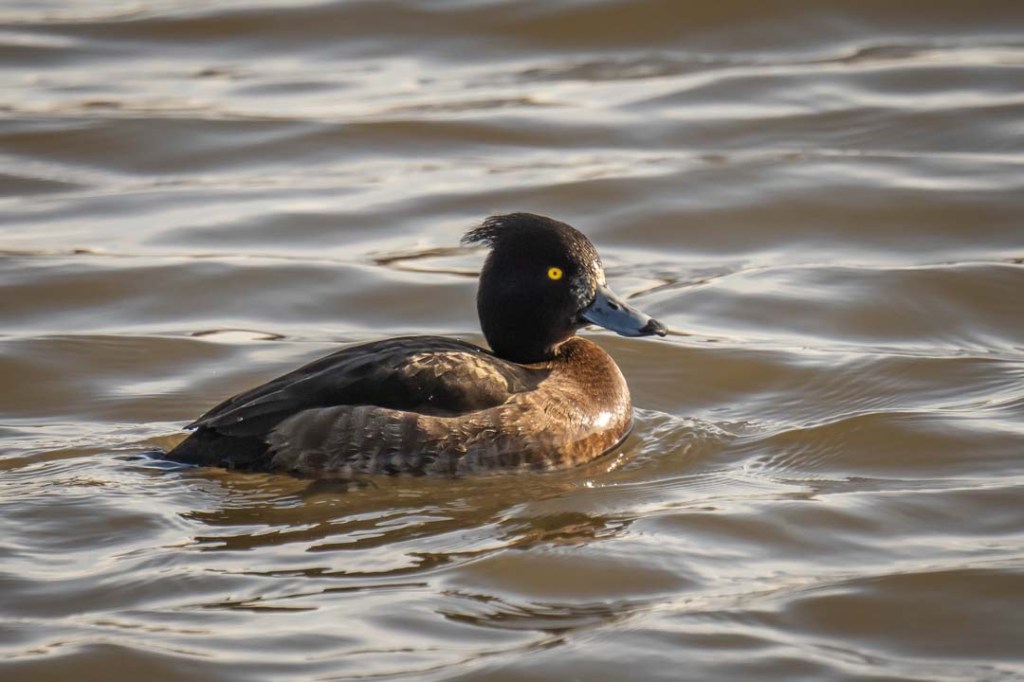
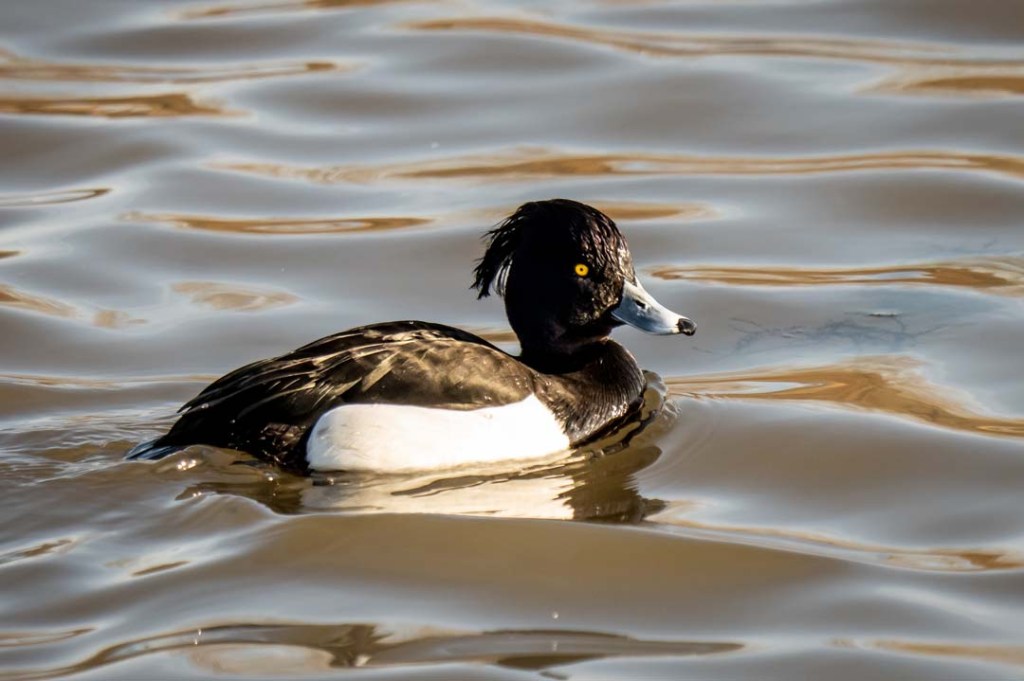
The Tufted Ducks looked splendid too in the glorious sunshine.
Male Tufted Duck
Slideshow of photos from today:
Female Tufted Duck
It all looked pretty romantic. Just the job for St Valentine’s Day.


















































































































































 Martin's Bird Blog & Nature Photos