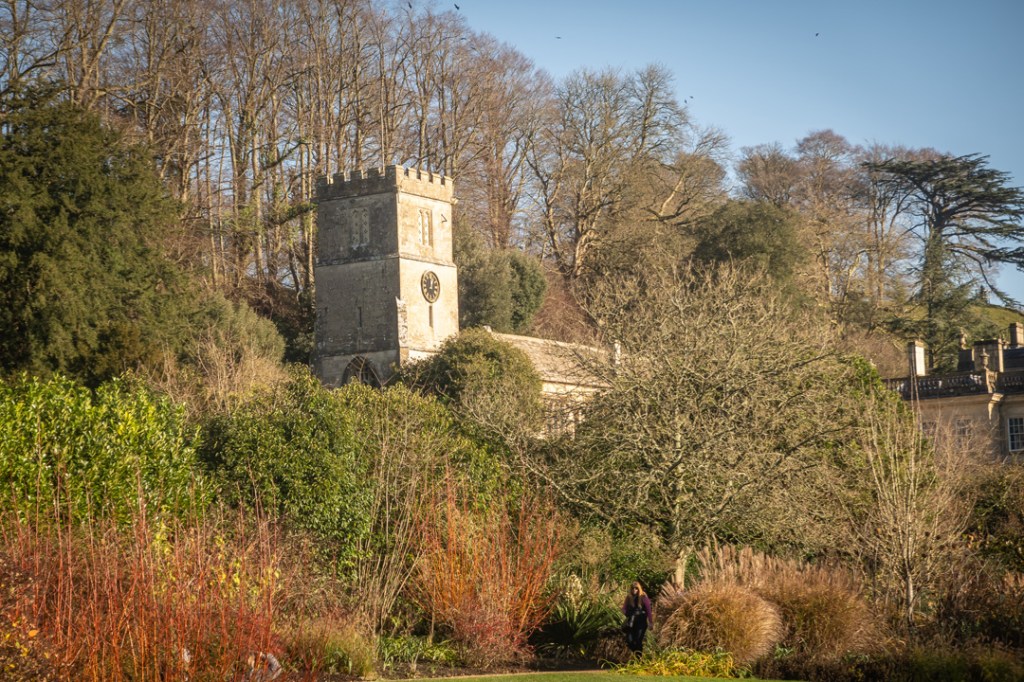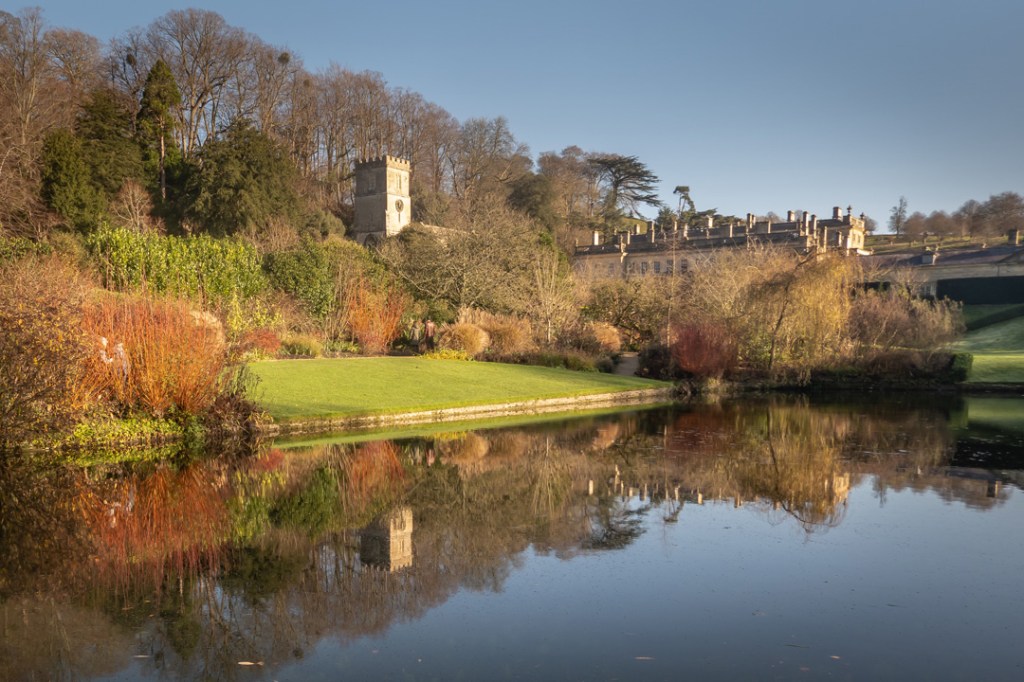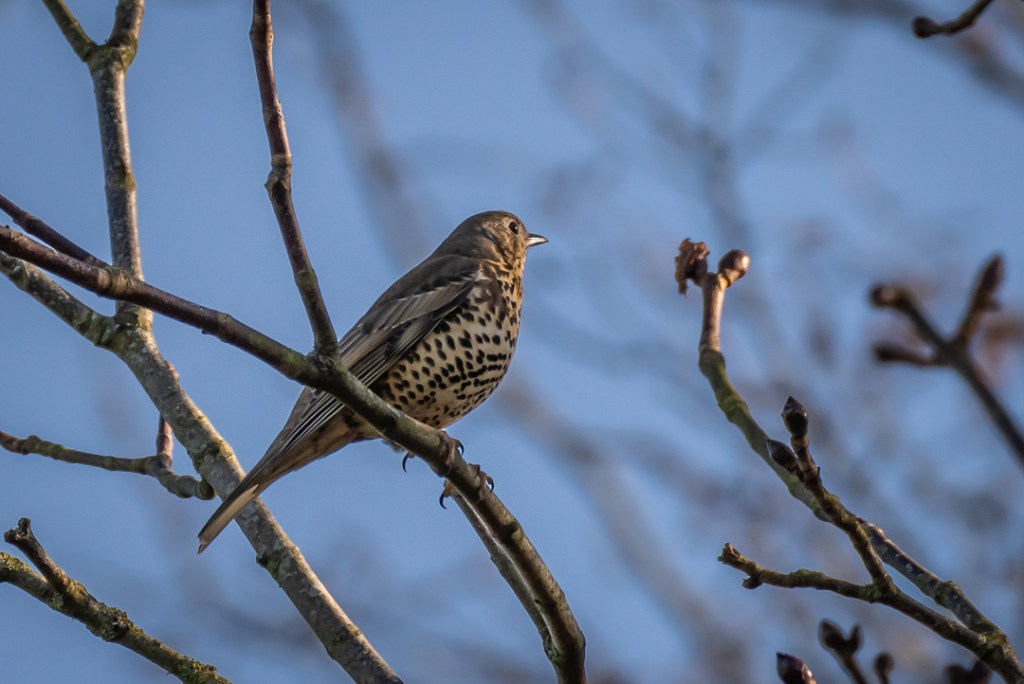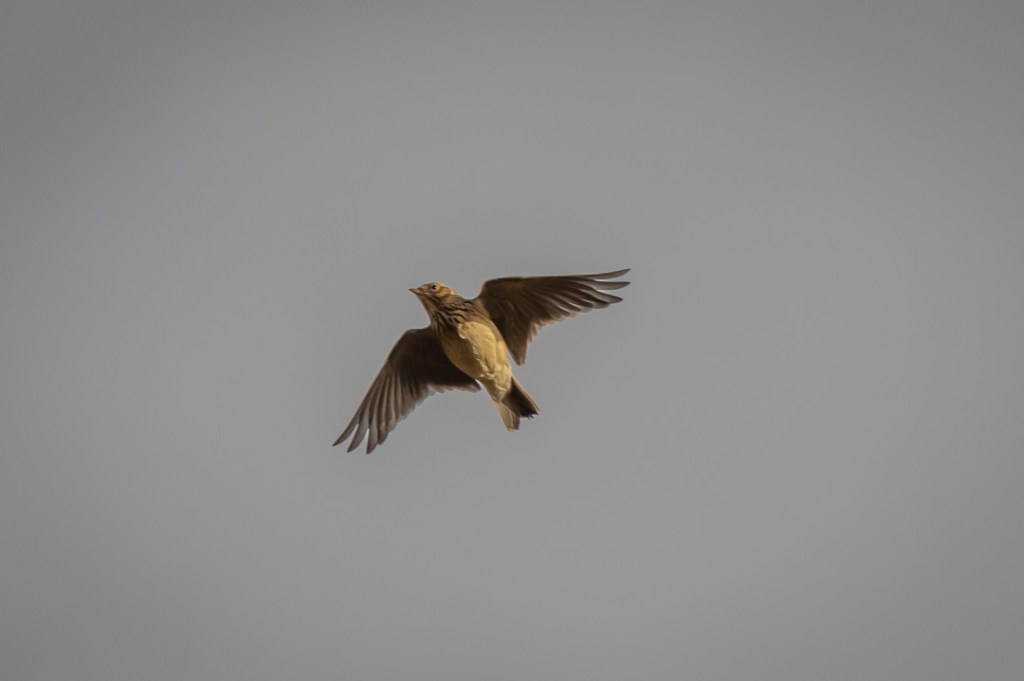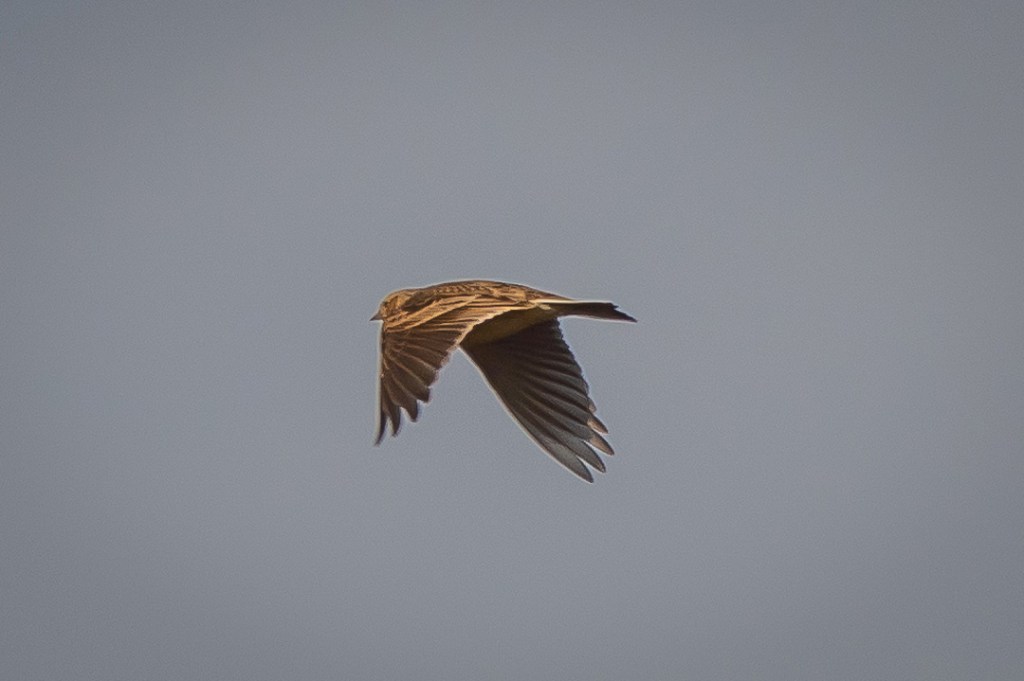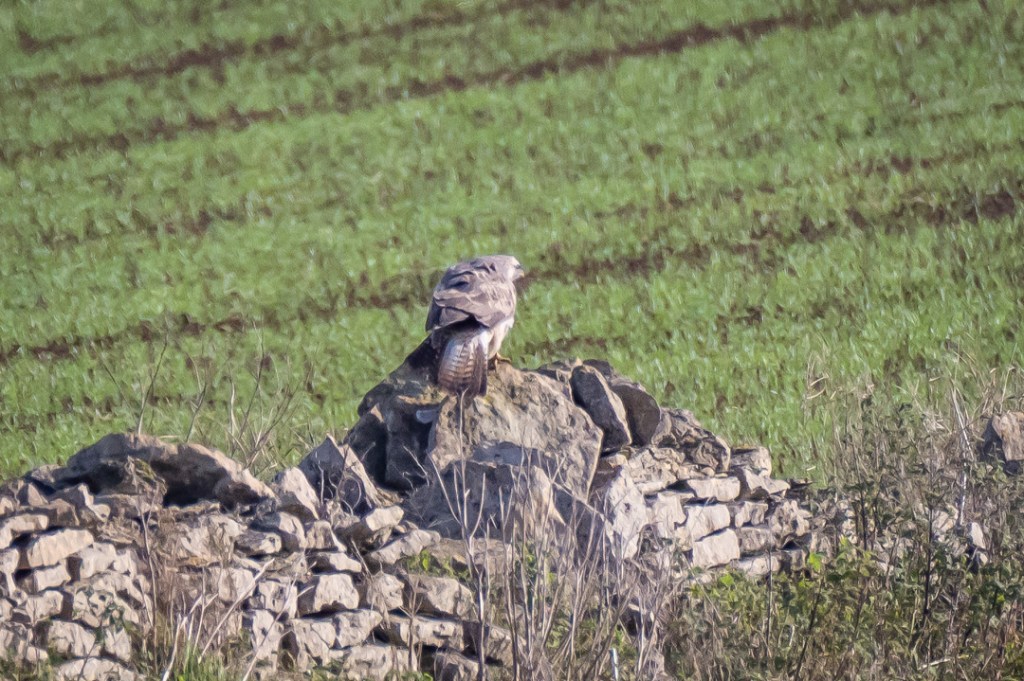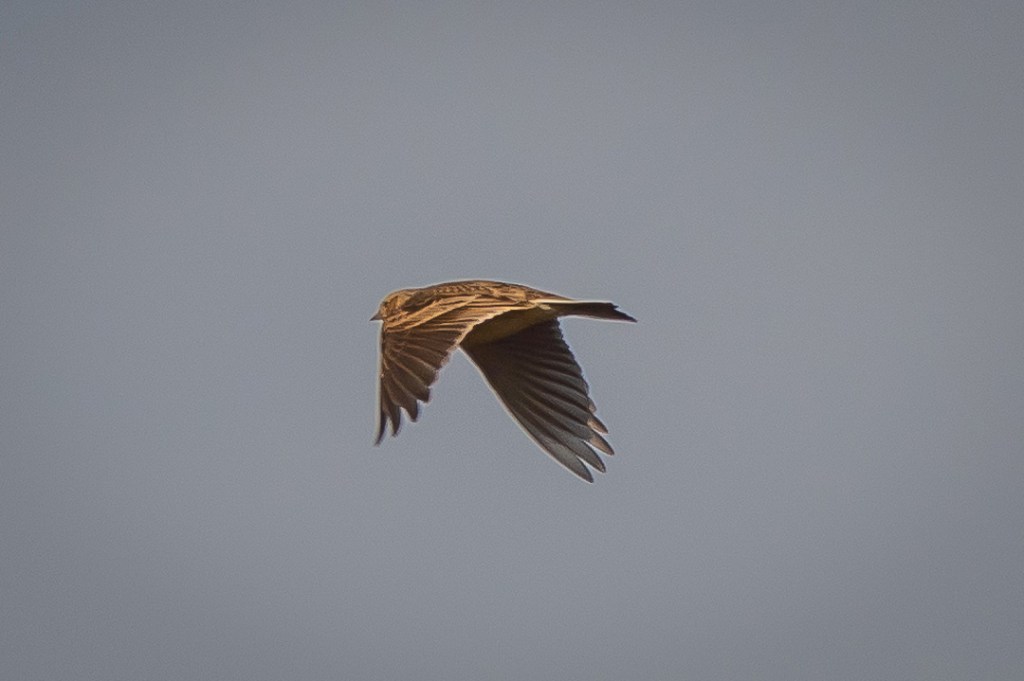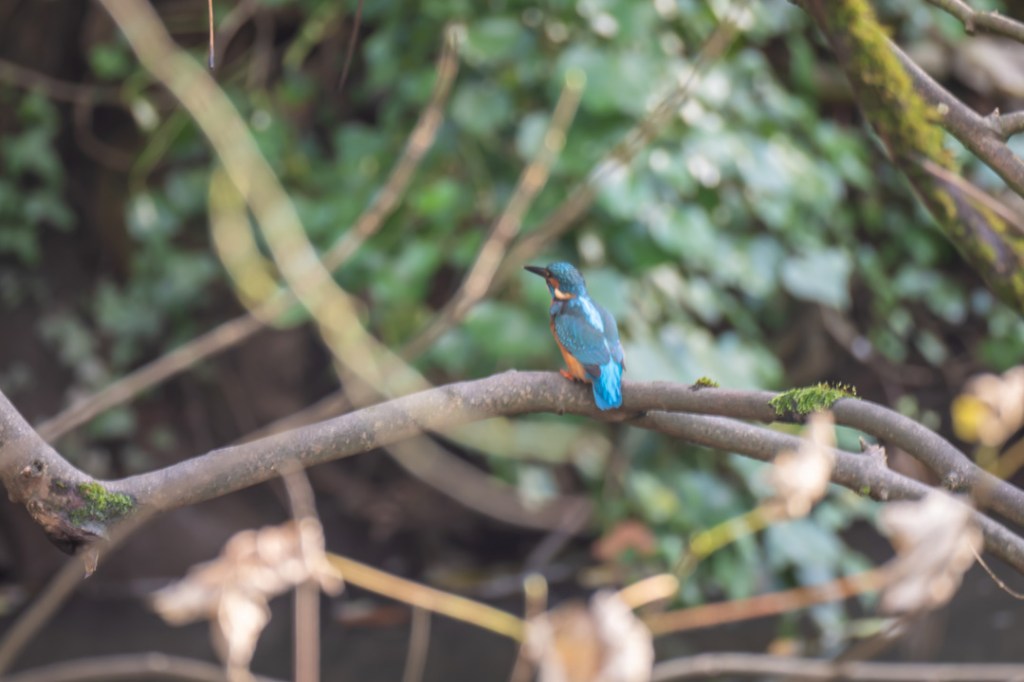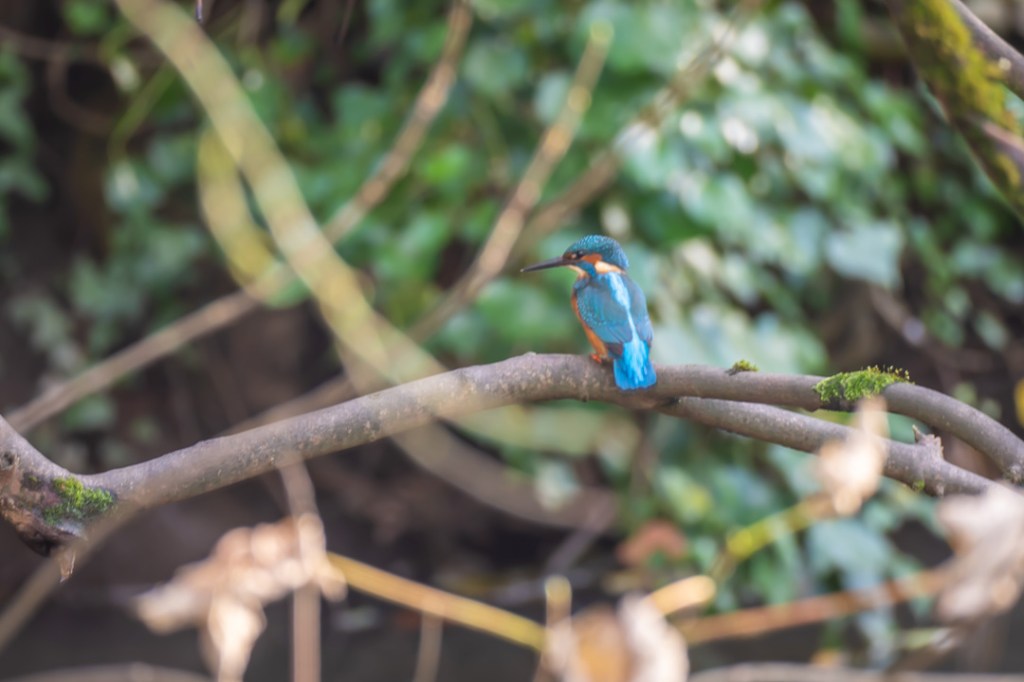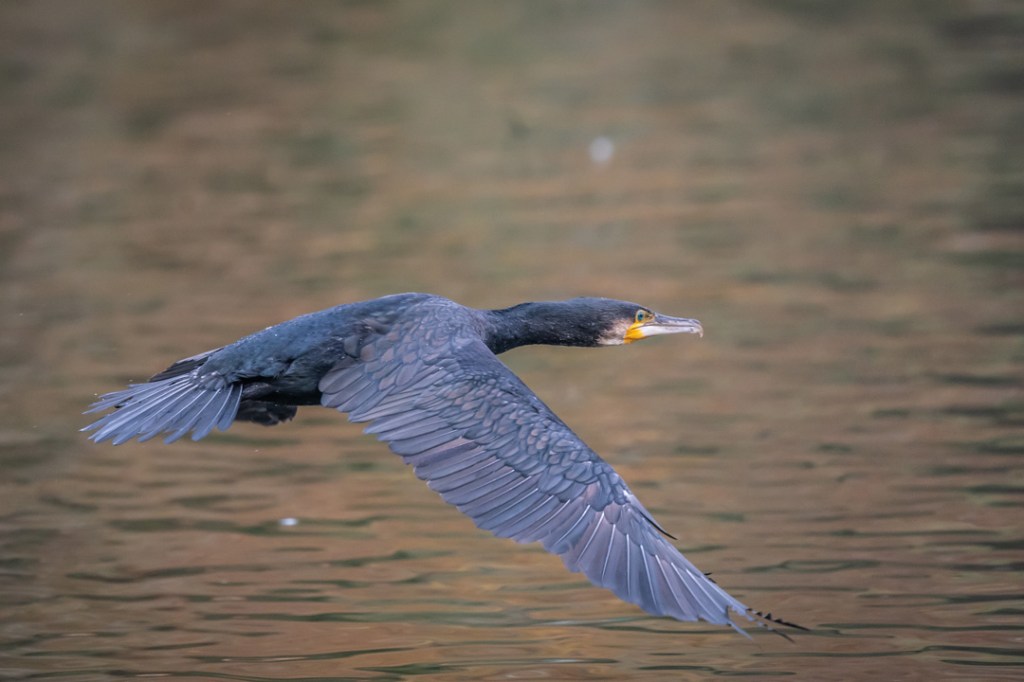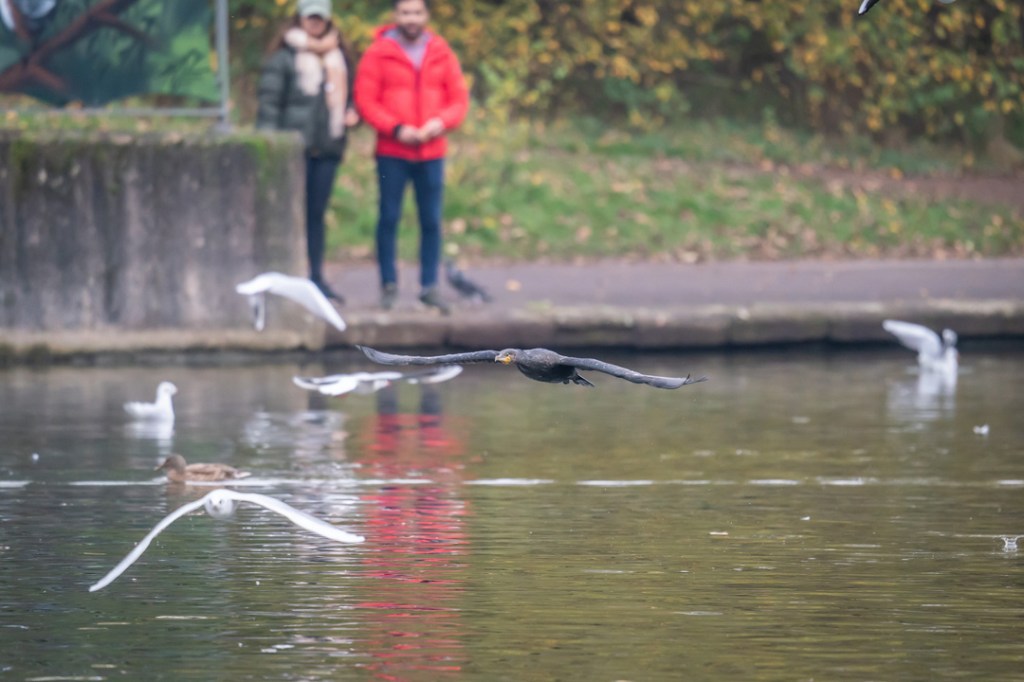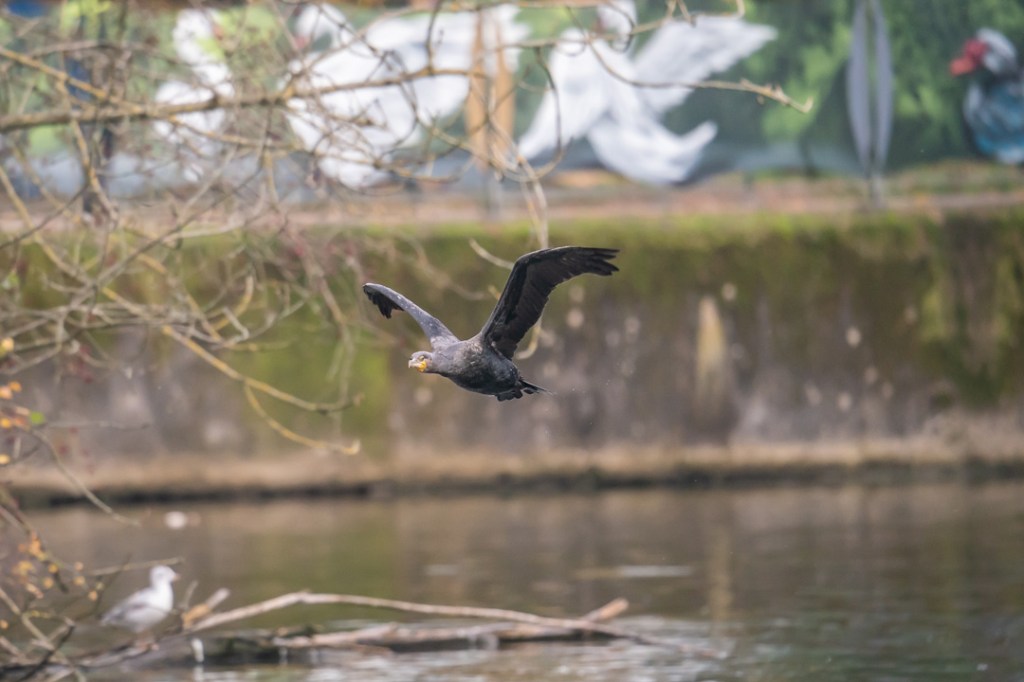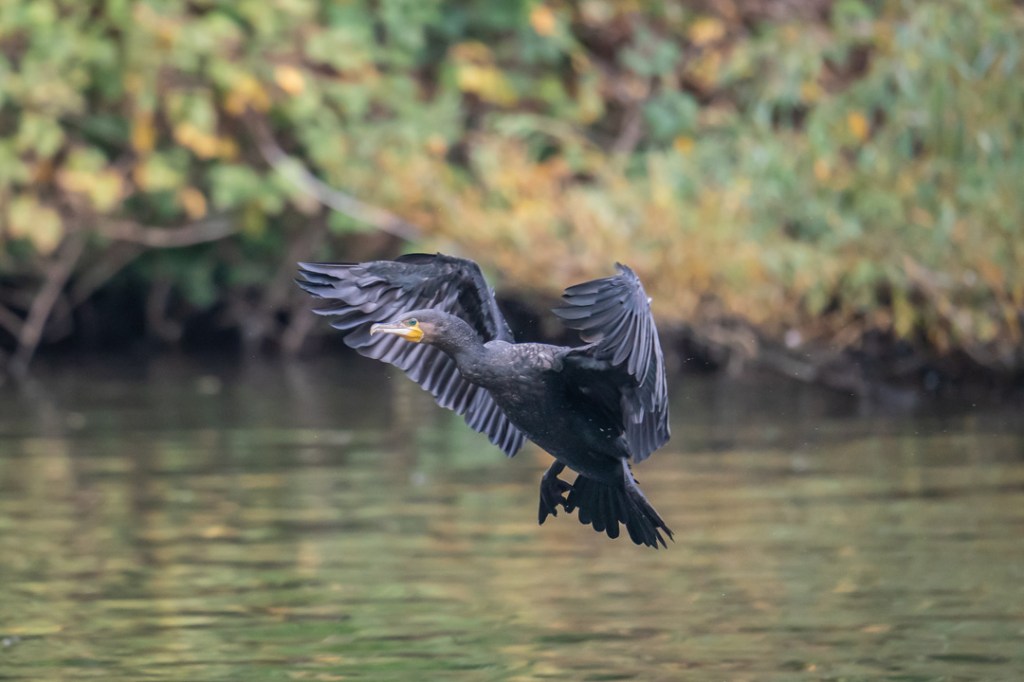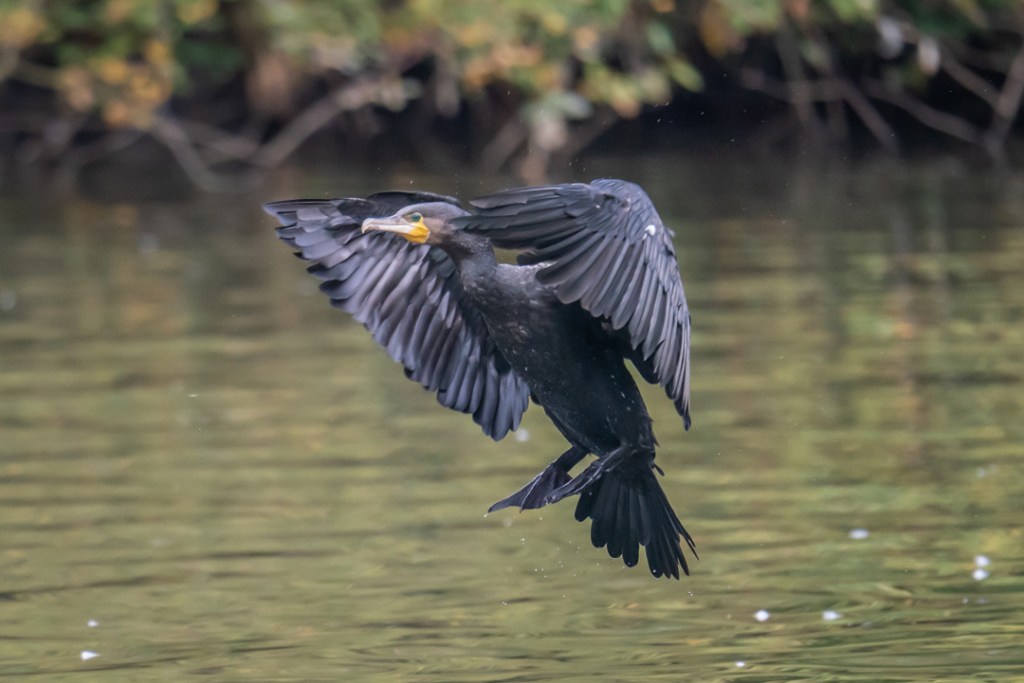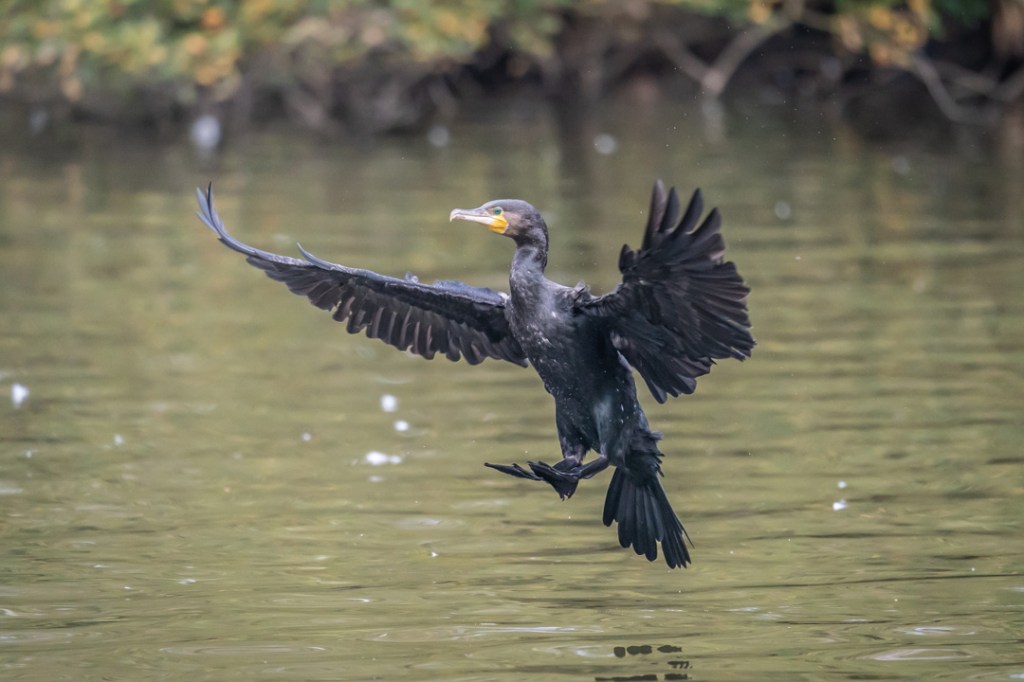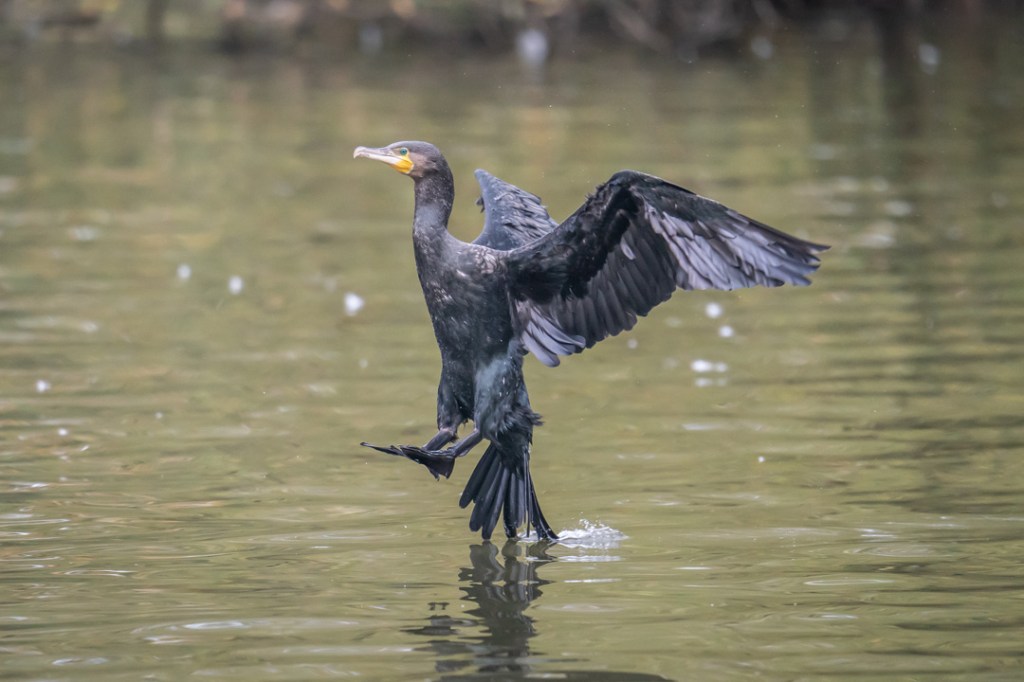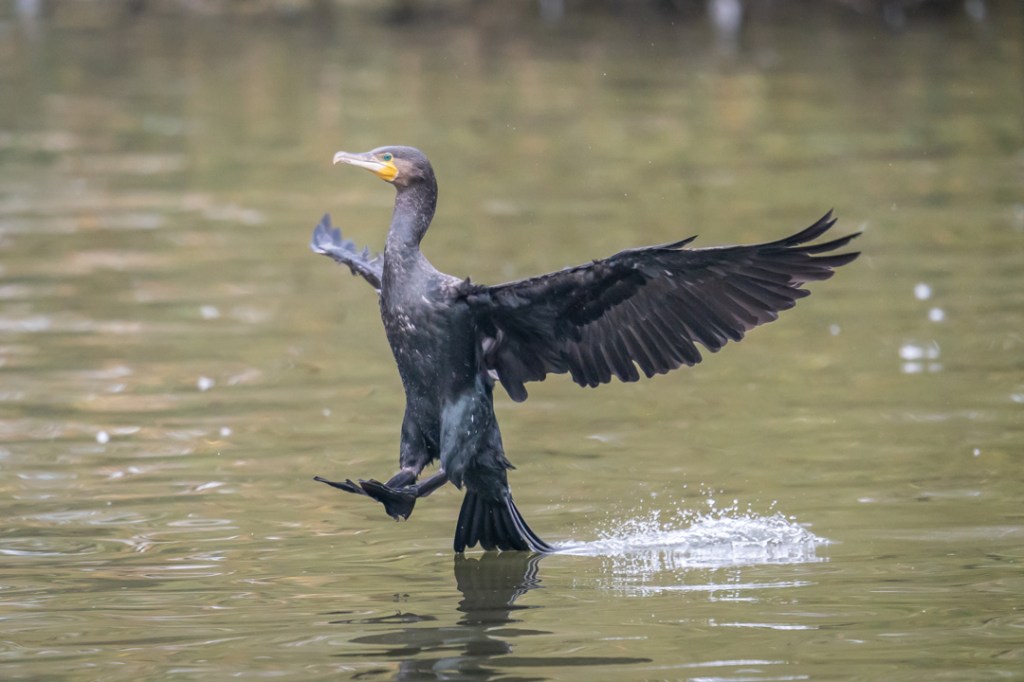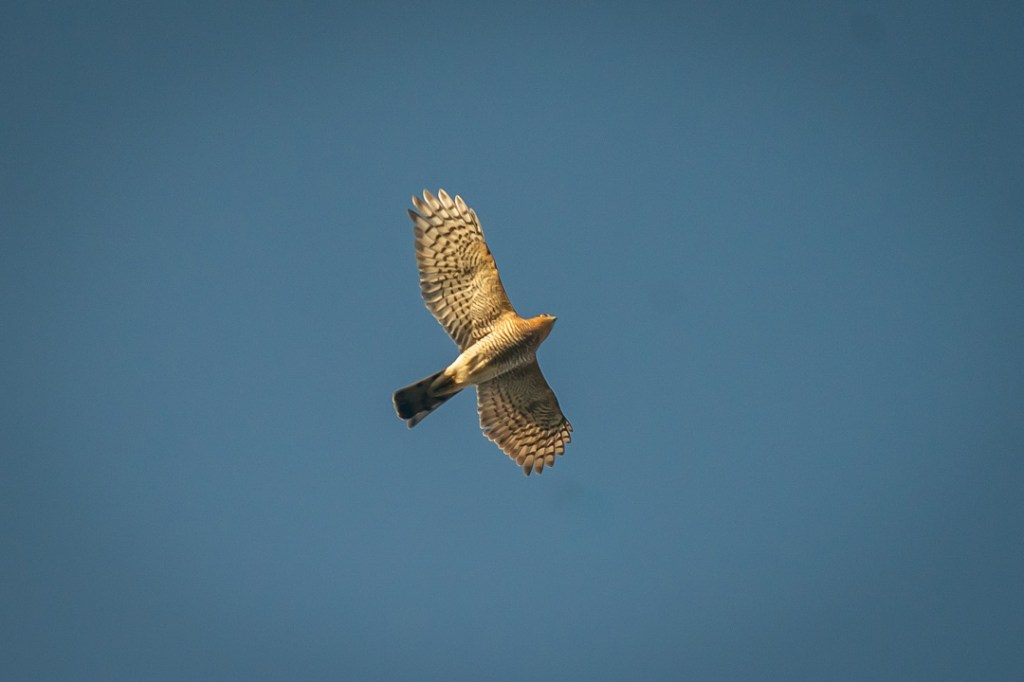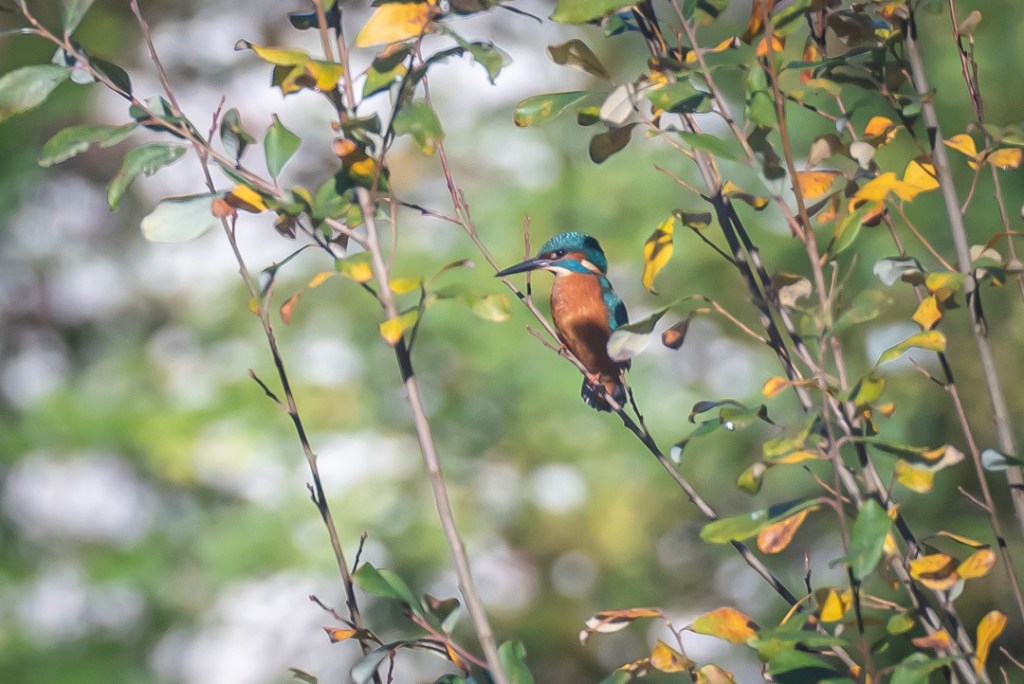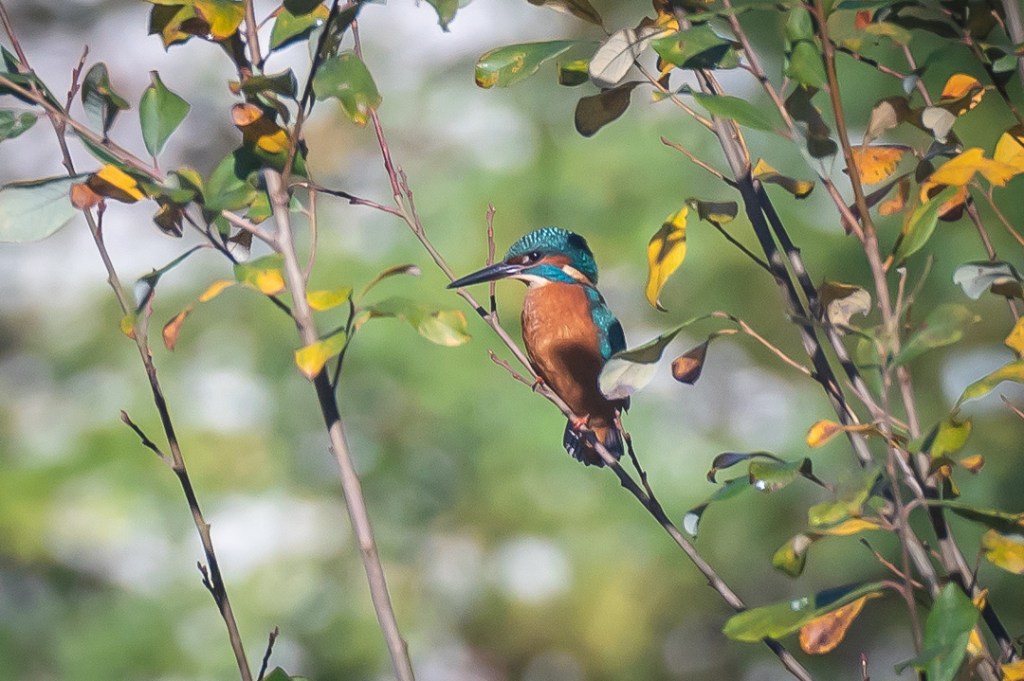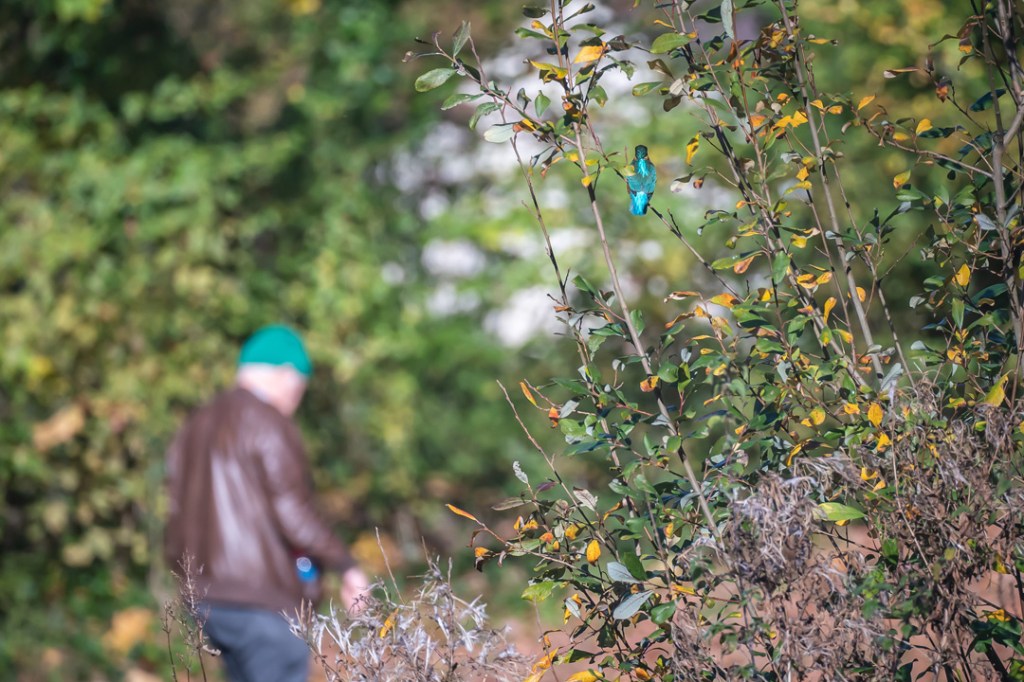

A very brief visit to the park this morning and a very brief view of a kestrel.


A very brief visit to the park this morning and a very brief view of a kestrel.


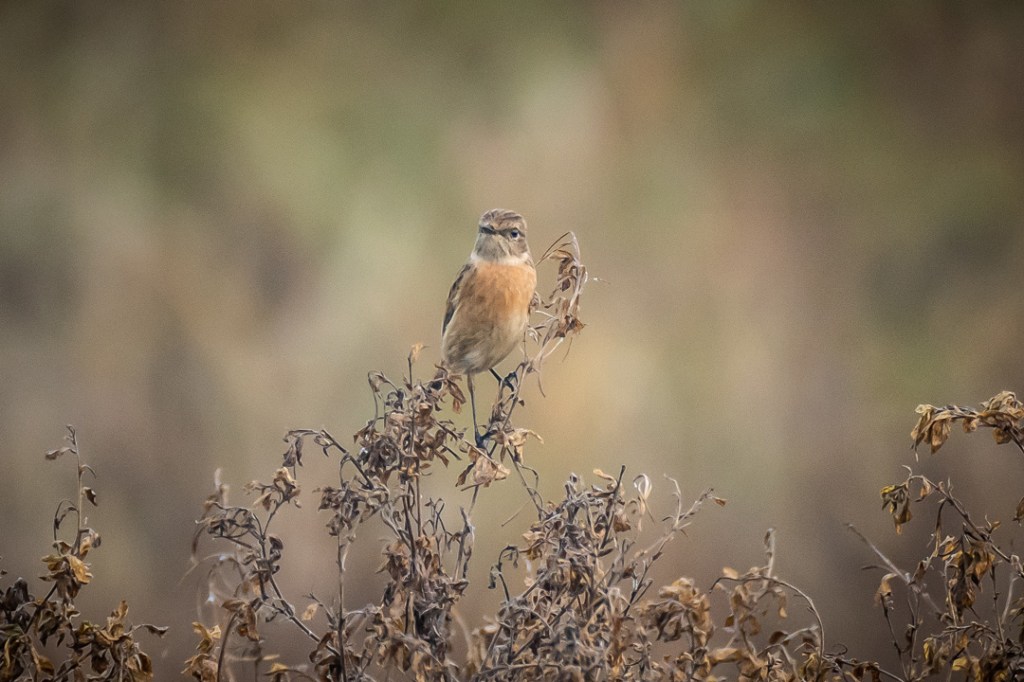
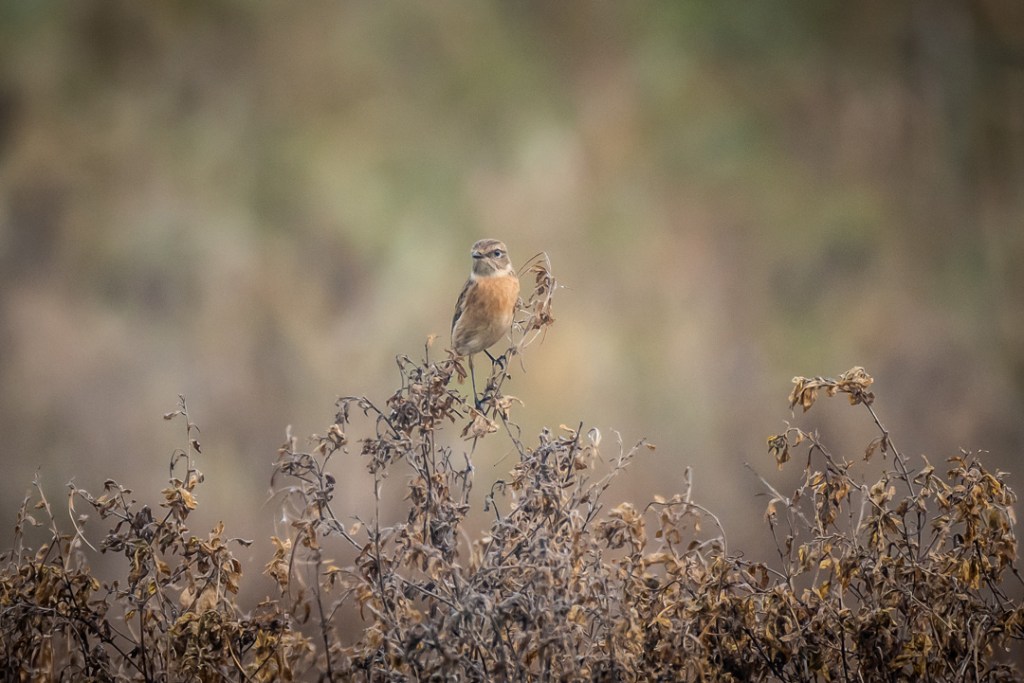
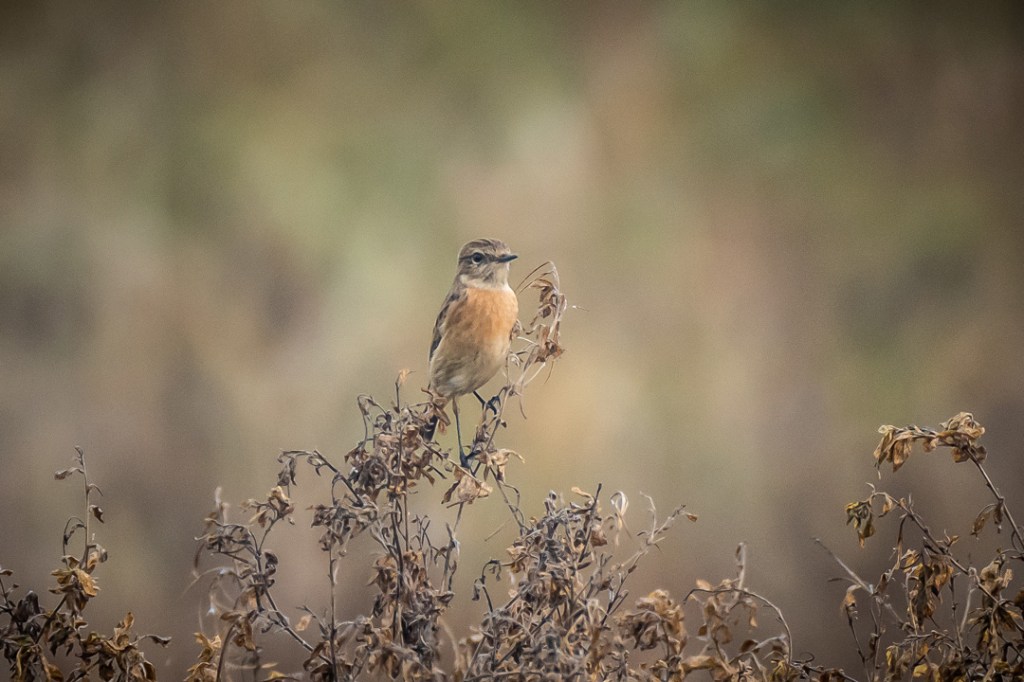
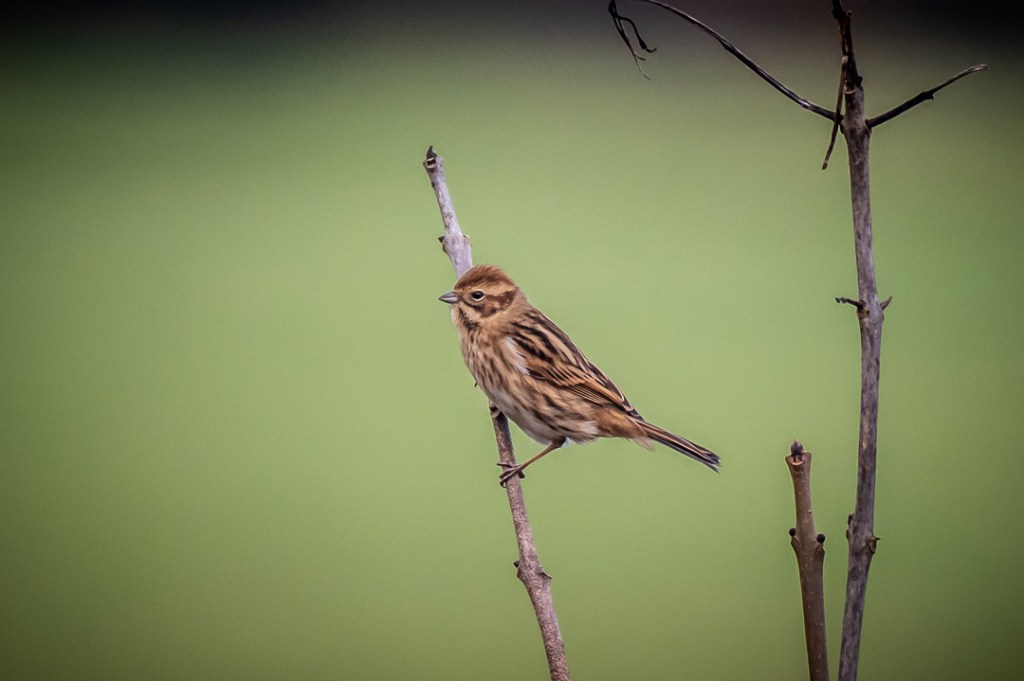
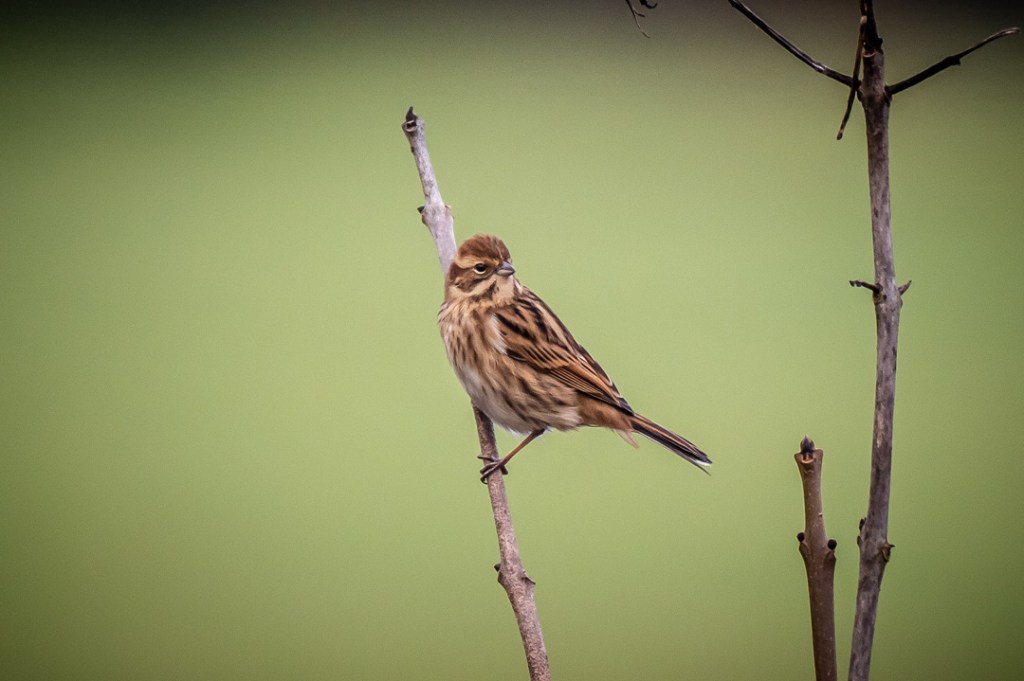
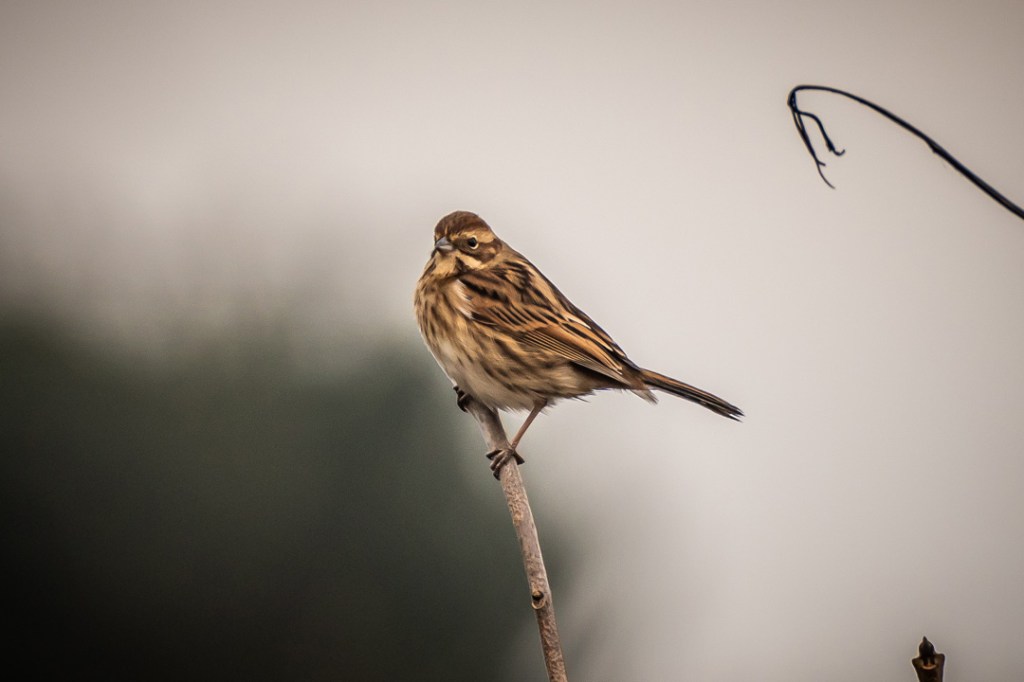
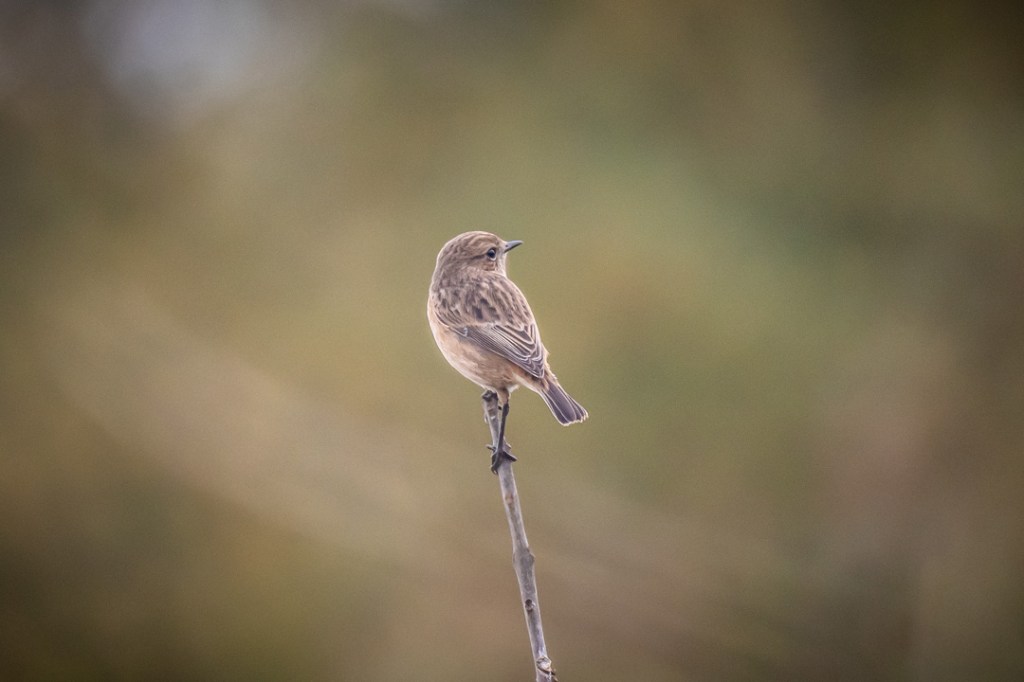
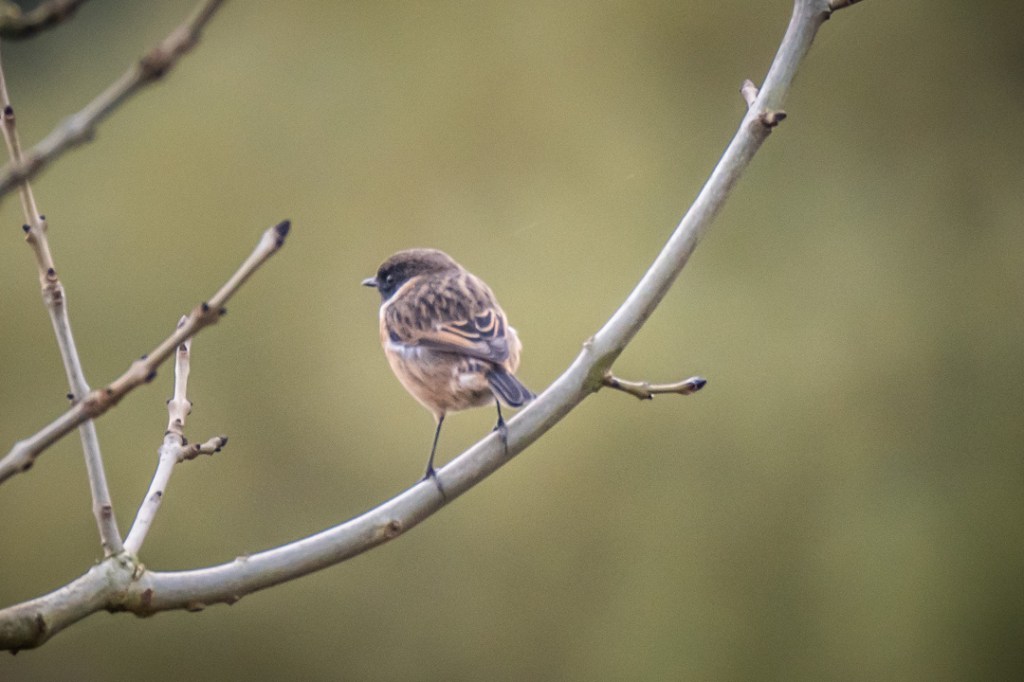
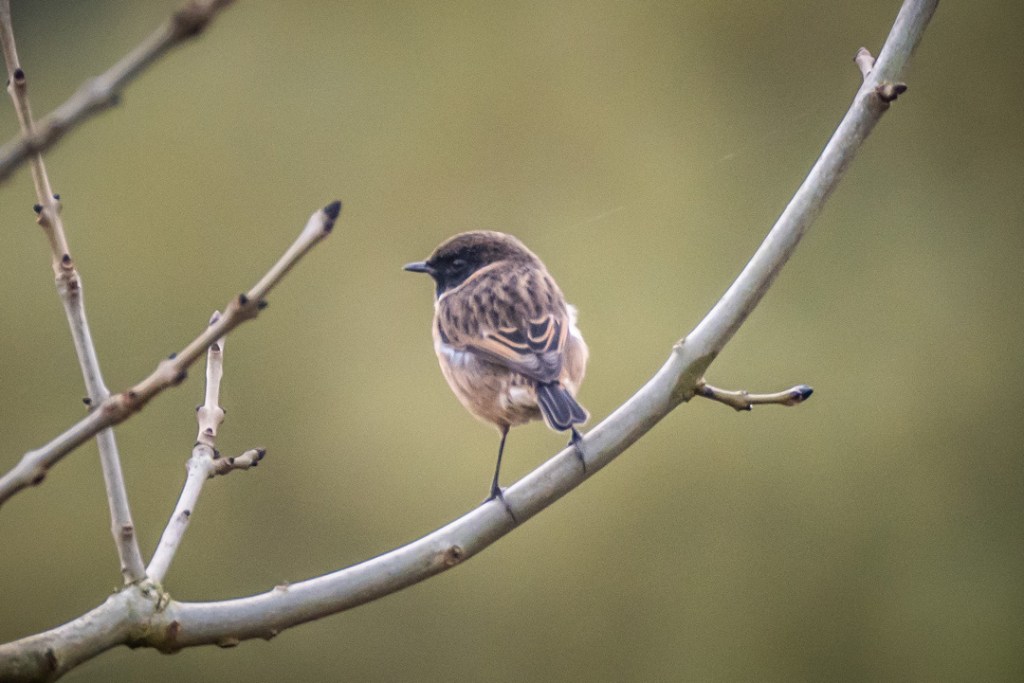
I had seen reports of stonechats in the park and so wandered over this afternoon. I had a good look in all the usual spots with no success but I did manage to see one near Duchess Pond. It was only there for a few seconds and I never saw it again.

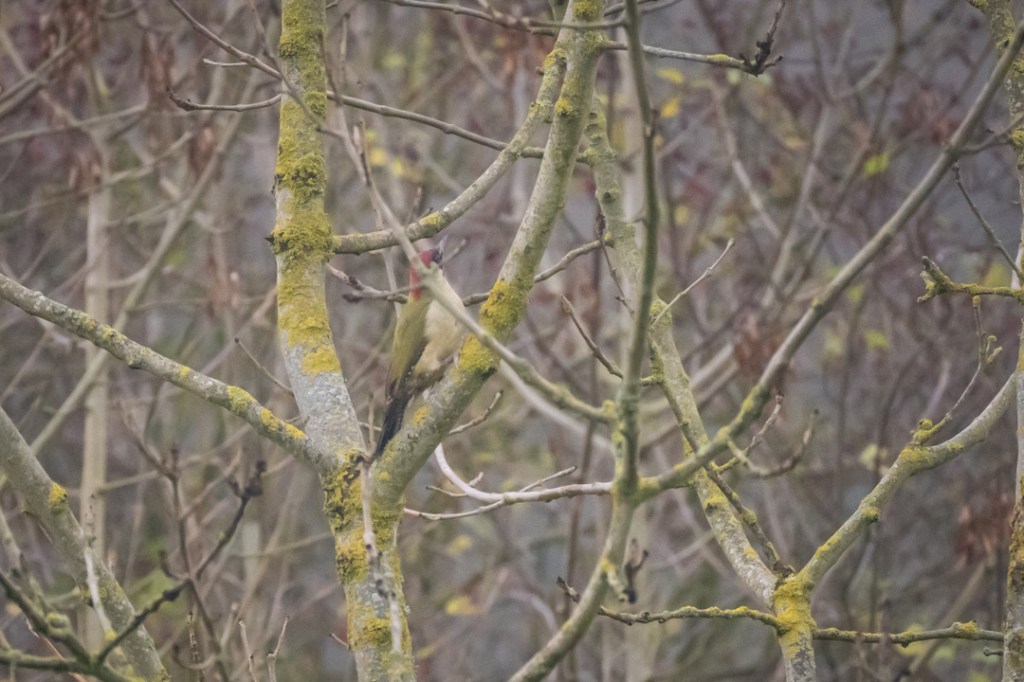
I came across another green woodpecker. Yesterday’s was up above the woods but this one was by the pond too.


It was a lovely warm sunny morning which I spent chatting with a friend in his garden wearing just a T-shirt and shorts. By the time I was able to go for a walk mid afternoon I had to change into winter trousers, fleece and a coat. How bizarre is our weather in England!
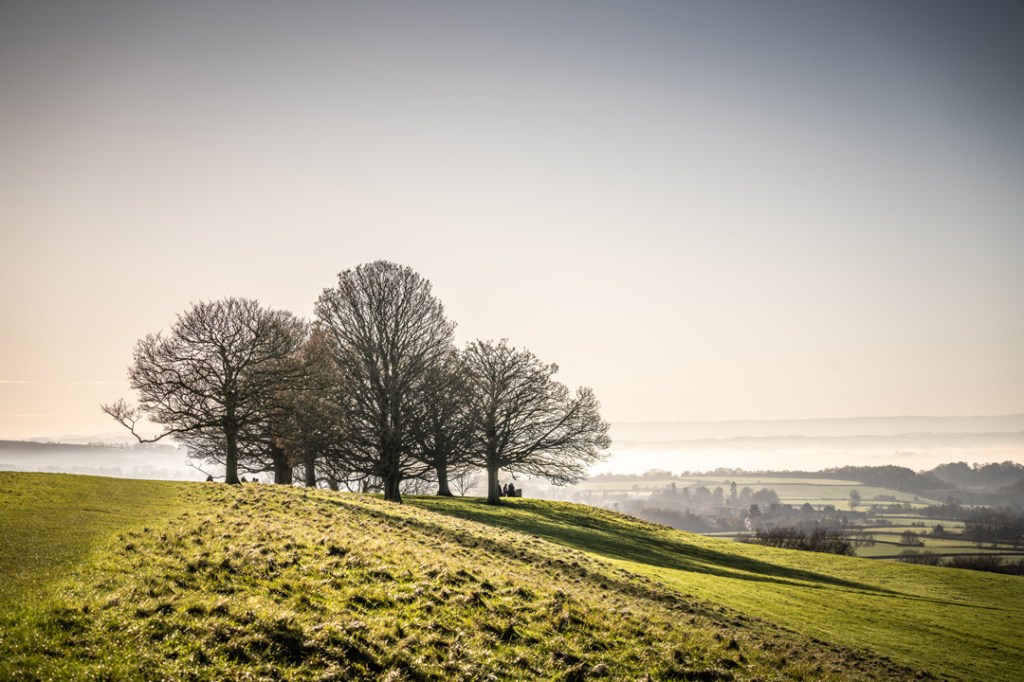
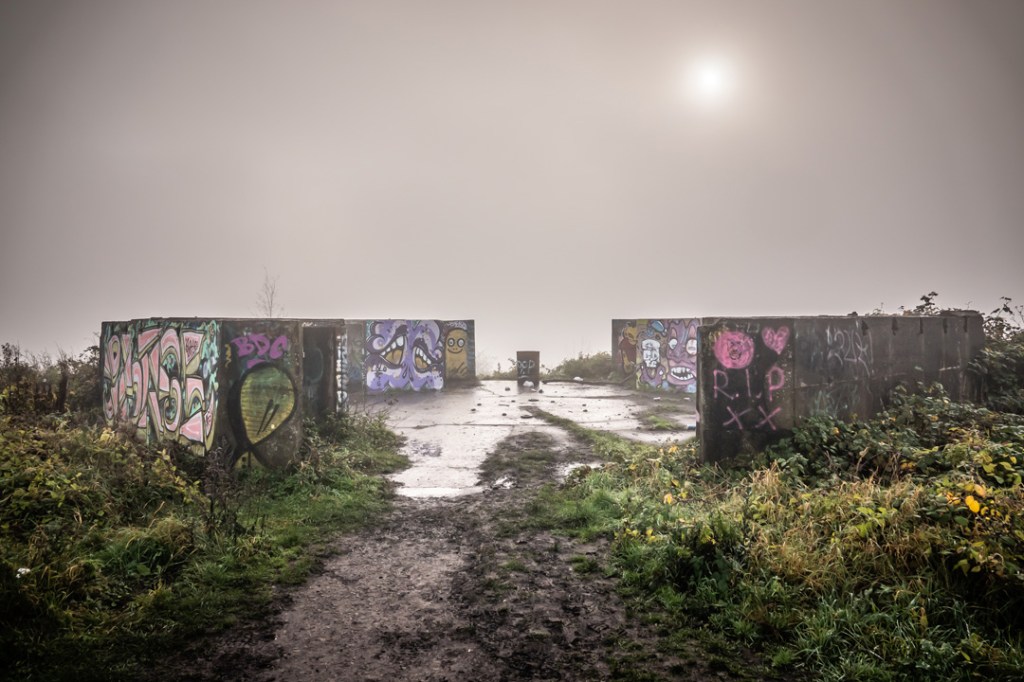
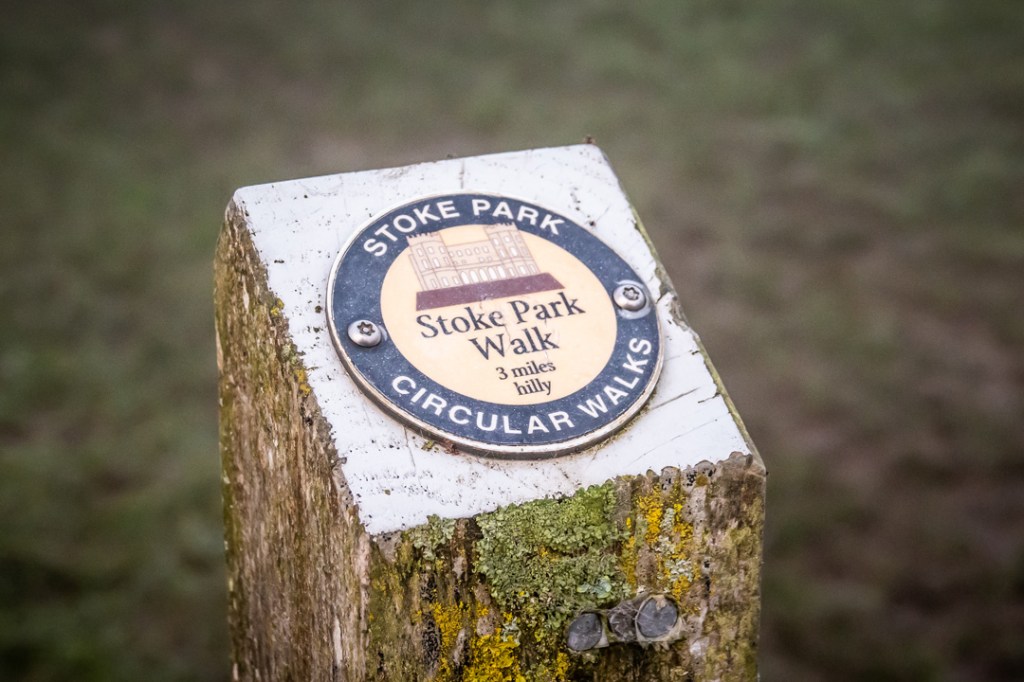
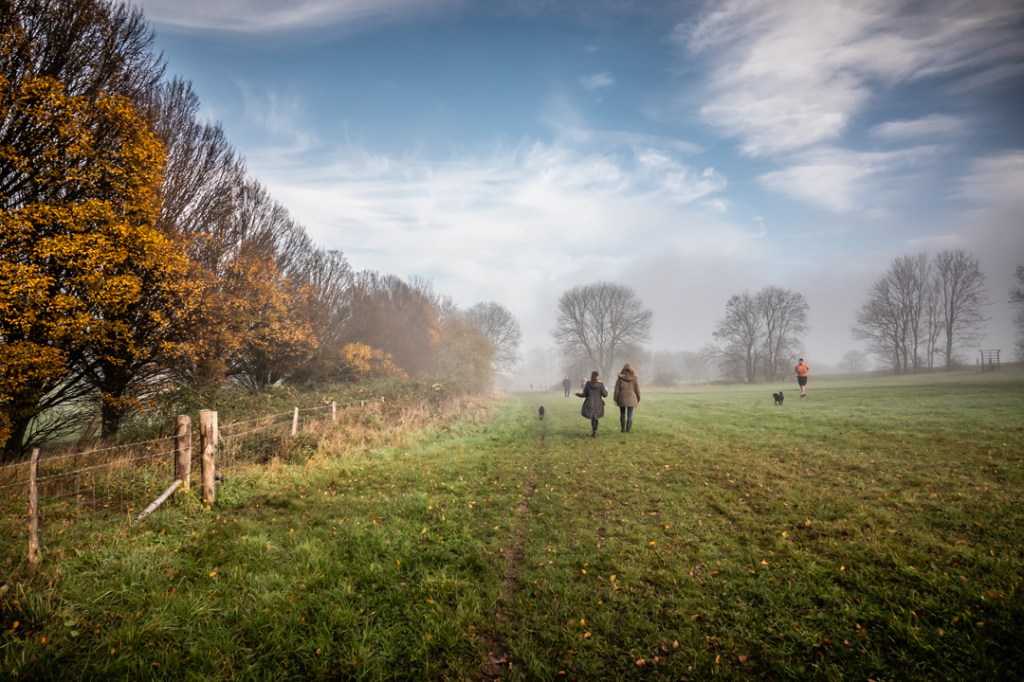
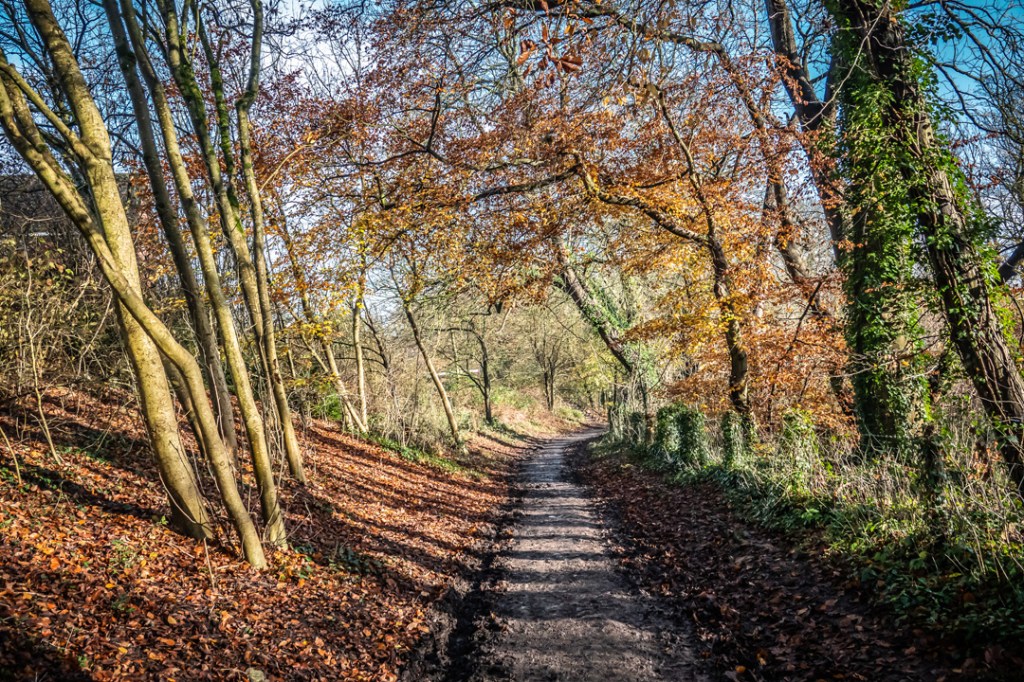
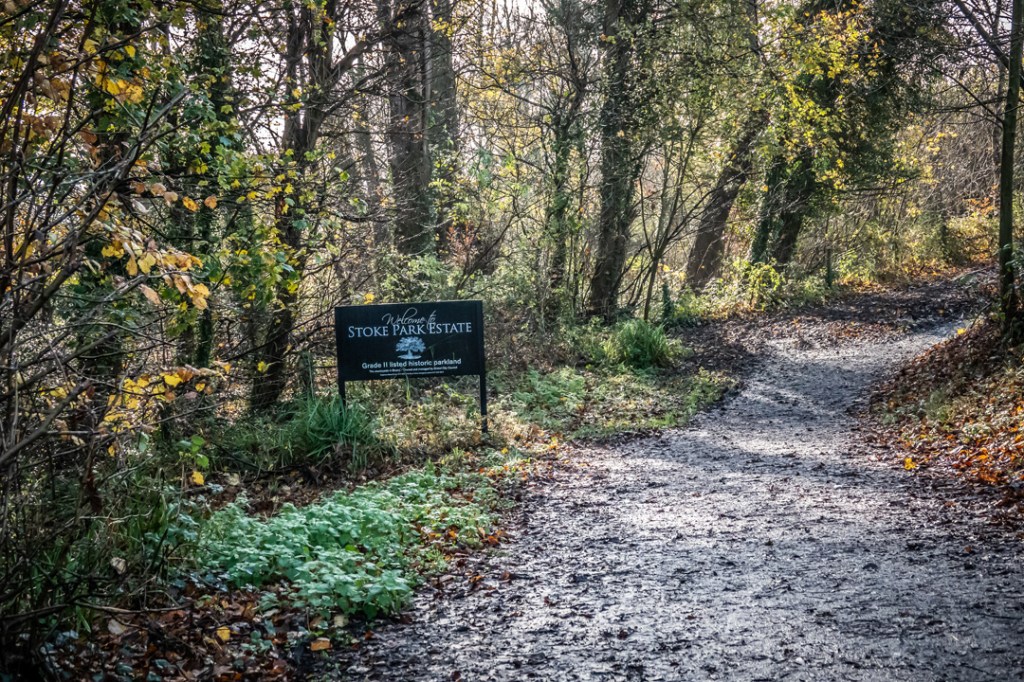
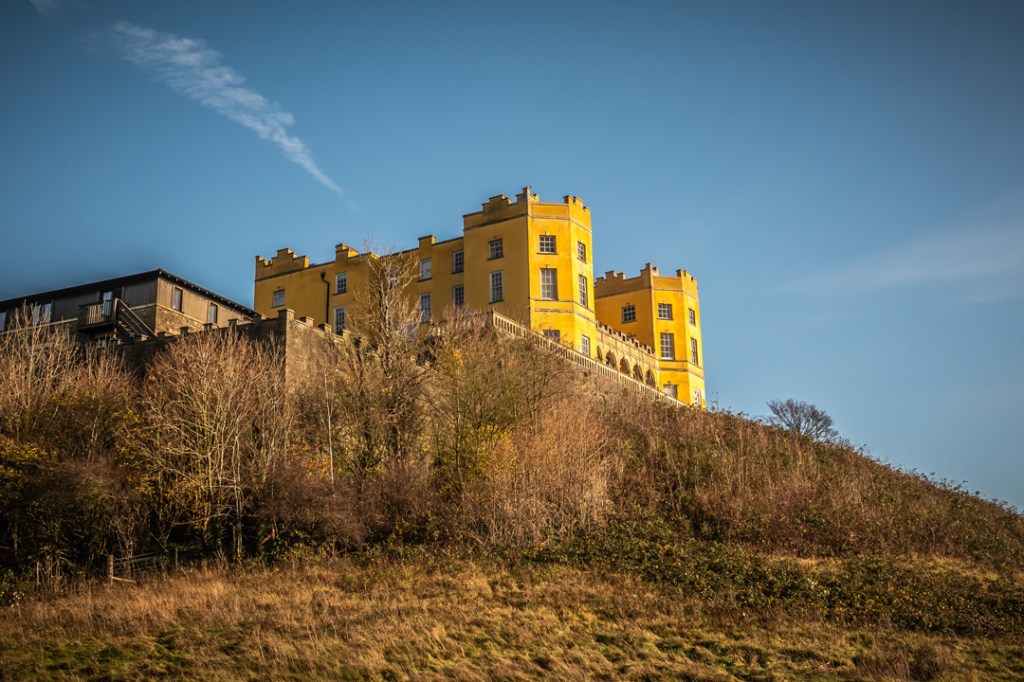
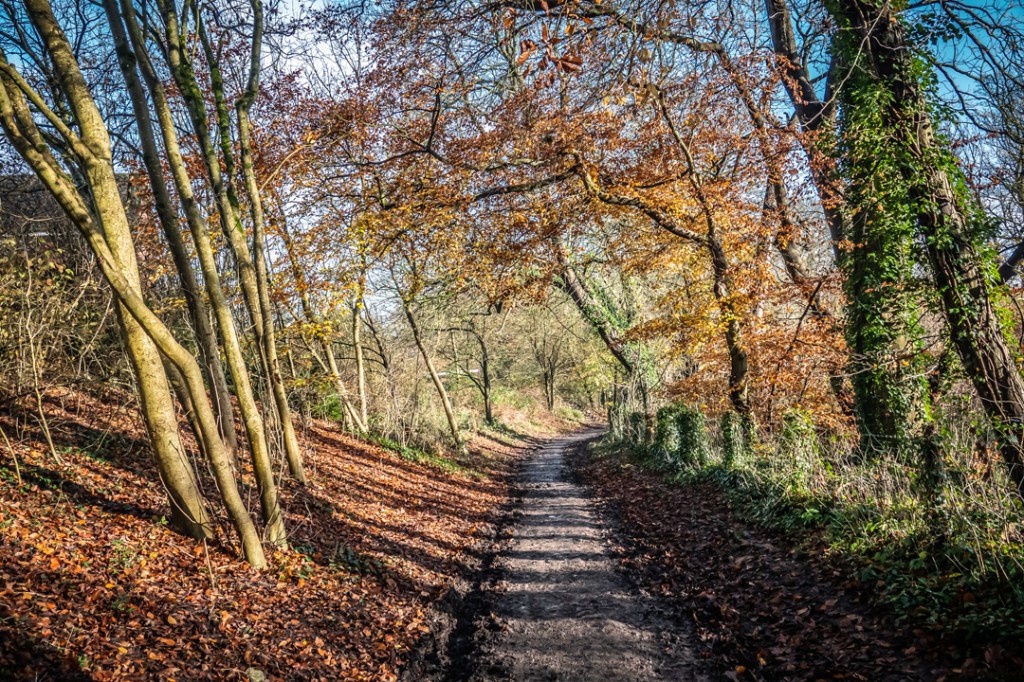
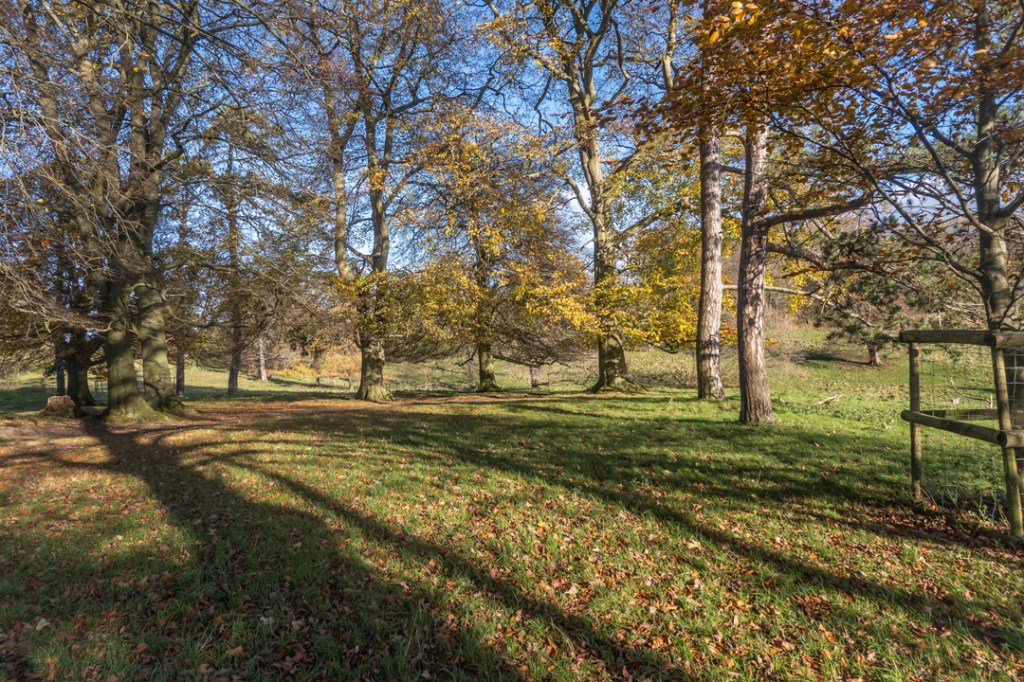
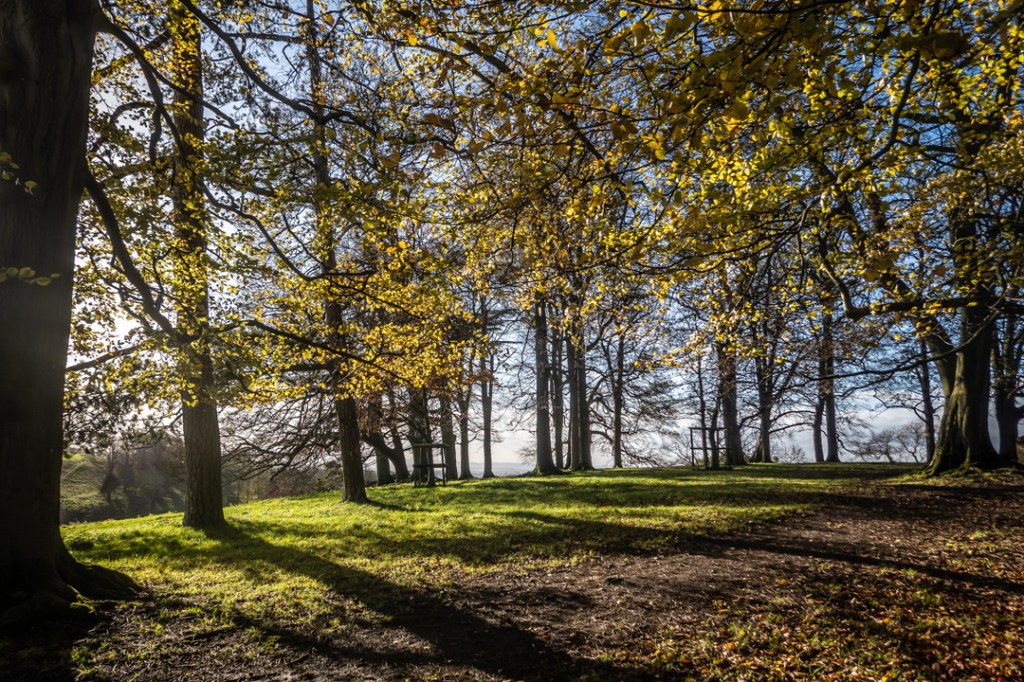
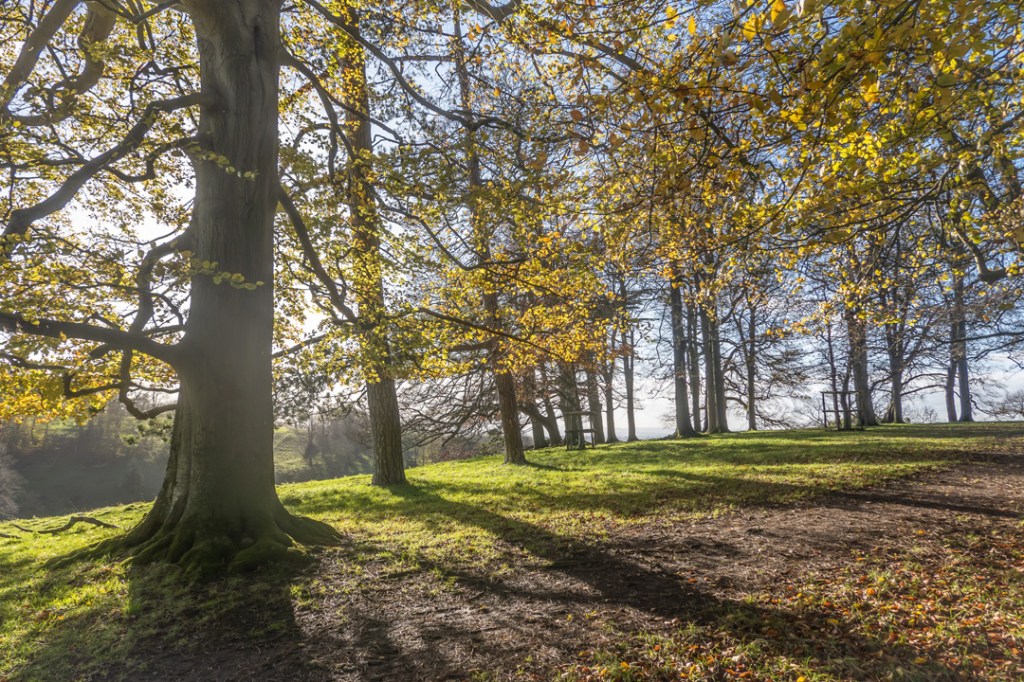
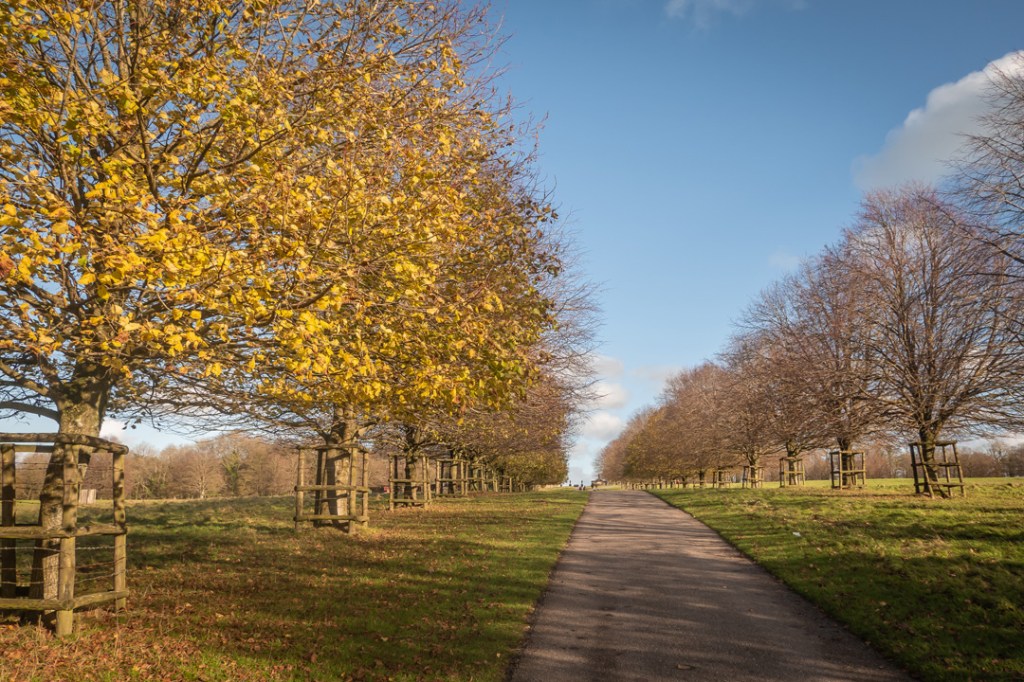
I saw nothing at all in my normal birding area near Duchess Pond in Stoke Park Estate and so settled for a walk up through the woods just for some exercise. When I reached the plateau at the top of the hill I managed about 4 seconds of photos – but quite a productive few seconds all the same. Just as well as I saw nothing on my way home.


Well I can’t believe our luck – we had another glorious trip to New Passage on the Severn Estuary today and the sun shone and there was no breeze at all (very rare here) . We only spent a couple of hours there but we saw a wheatear and plenty of waders.
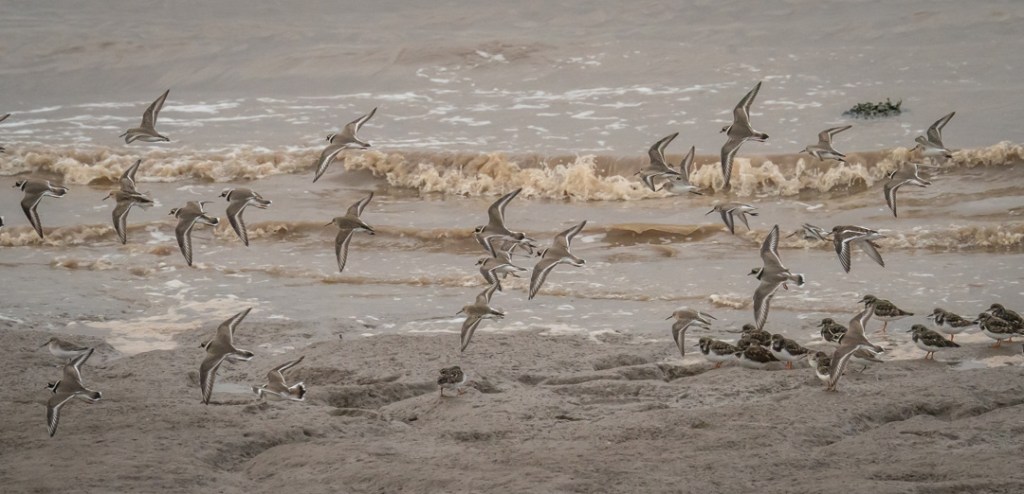
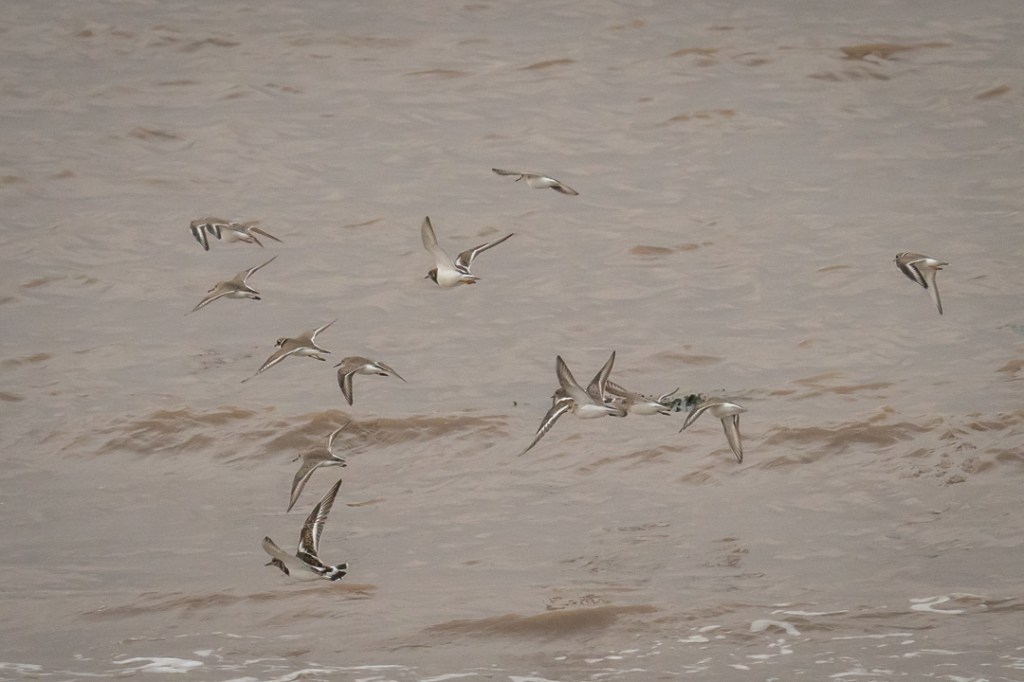
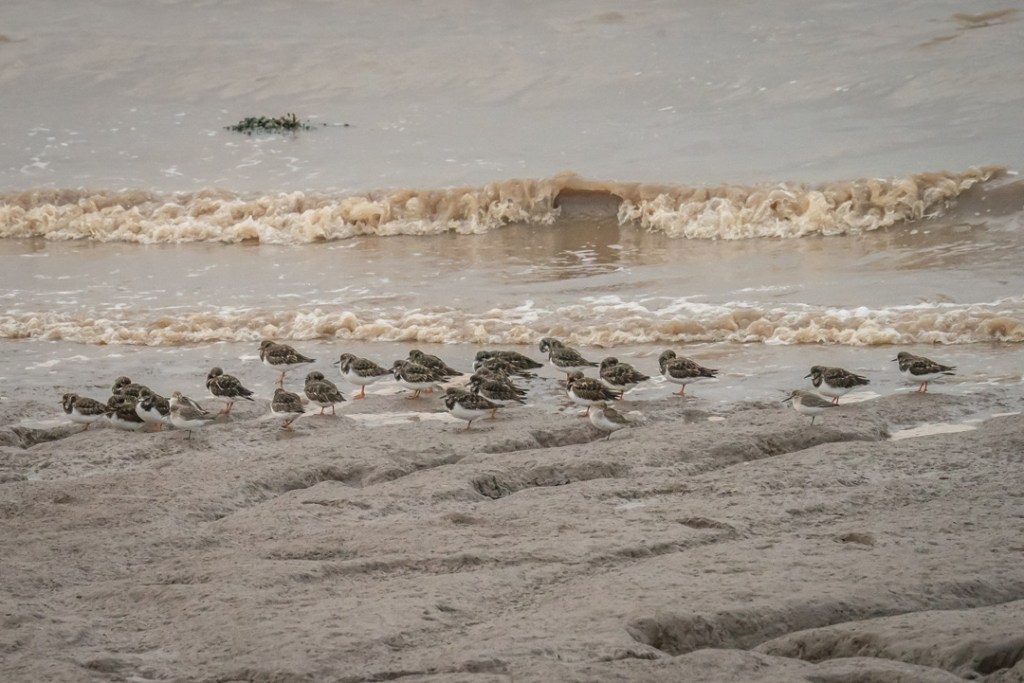
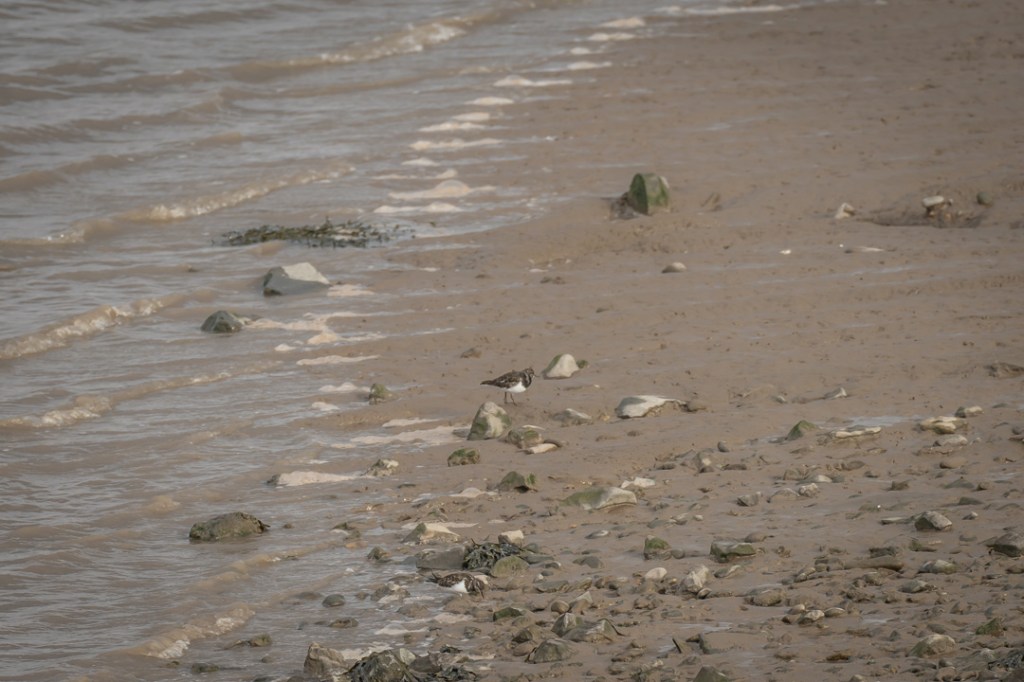
We arrived just after high tide and so had a walk along Northwick Warth where we saw the wheatear. We couldn’t see much on Pilning Wetlands as we were looking in to the sun. After our walk we stopped and watched the waders as they made their way to the shore line. Most were further up the estuary but there were plenty to see close by including turnstones, dunlin, curlew sandpiper, common redshank, common ringed plover, oystercatchers, shelduck and a grey heron.
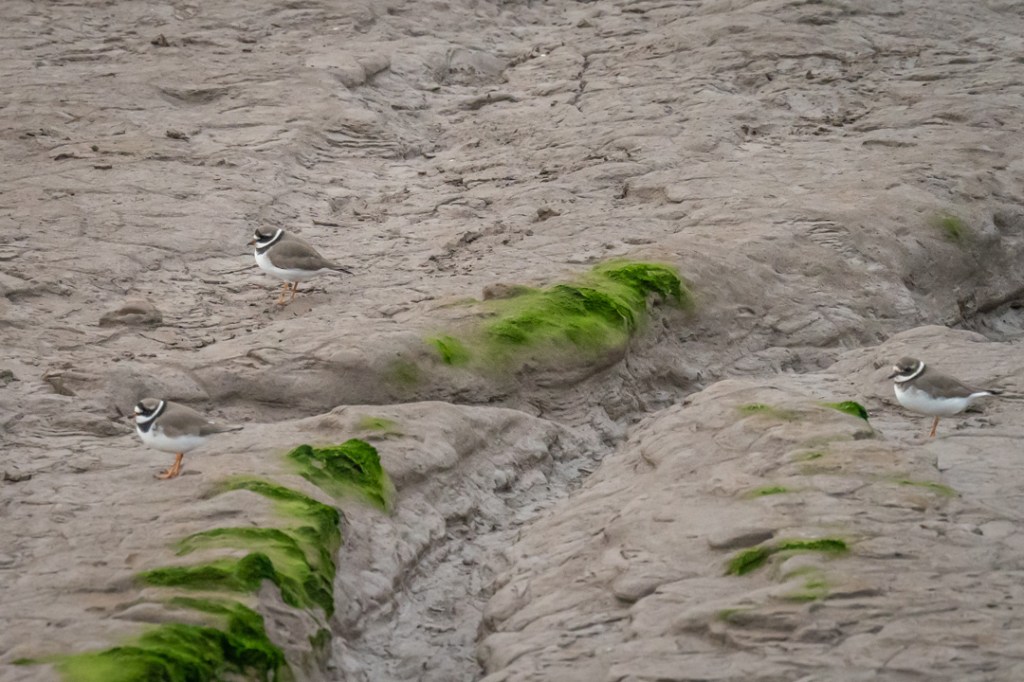
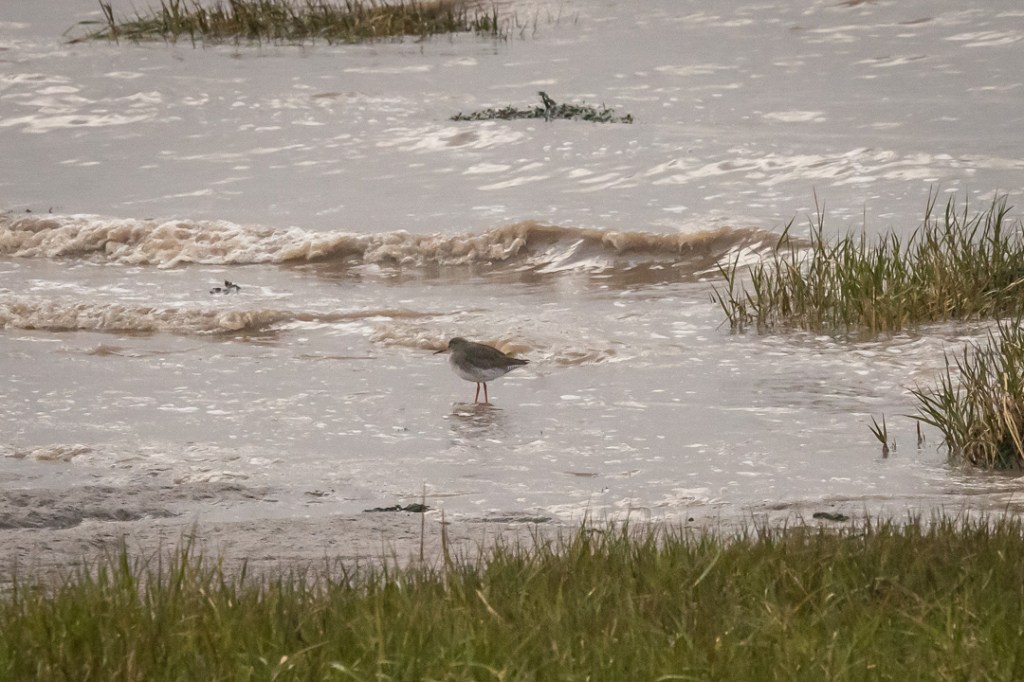


The sun was shining and we thought it would be a good opportunity to visit Severnside again to see some more waders. On arrival at New Passage we met Paul Bowerman who publishes Severnside Birds just as he was leaving and he gave us a run down on what we might see but he warned us that there was a fresh north-easterly wind. He wasn’t joking. We didn’t stay long on Northwick Warth as we couldn’t see much looking in to the sun on Pilning Wetlands and it was a bit too fresh for us to hang about. We did stay a while on the shore line at New Passage as the tide had fallen sufficiently to attract the waders but even then we had limited resolve and dashed to Severn Beach to get a coffee.


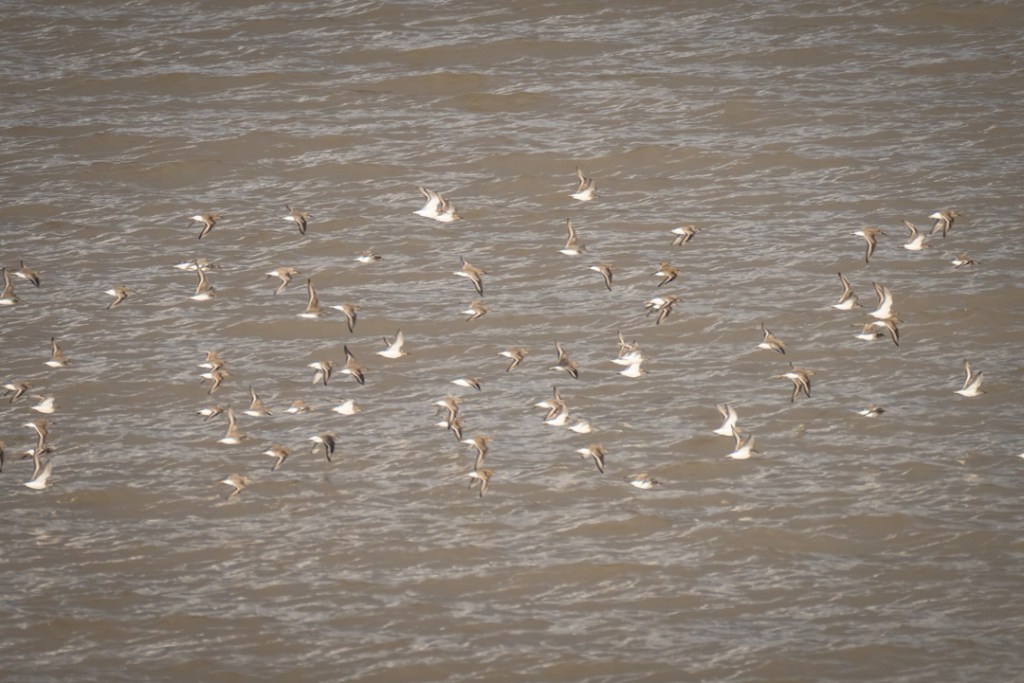
Dunlin everywhere


I’m going to need some help identifying the little ones!


We felt we should be doing jobs on a Monday morning but as it was such wonderful weather we abandoned everything and popped down to the Severn Estuary again. We didn’t chose the best times for the tide but we had a lovely walk along Northwick Warth and saw plenty.
On the distant shore line we could see shelduck, oystercatchers and redshank – all of which we had not seen on recent visits. Our first bird along the warth was one of my favourite birds, a wheatear.

On the wetlands it was difficult to make out anything (other than lots of Canada geese) as we were looking in to the sun. We certainly didn’t see the pectoral sandpiper that had been spotted yesterday. There were dunnock, linnets and goldfinch in the hedges.
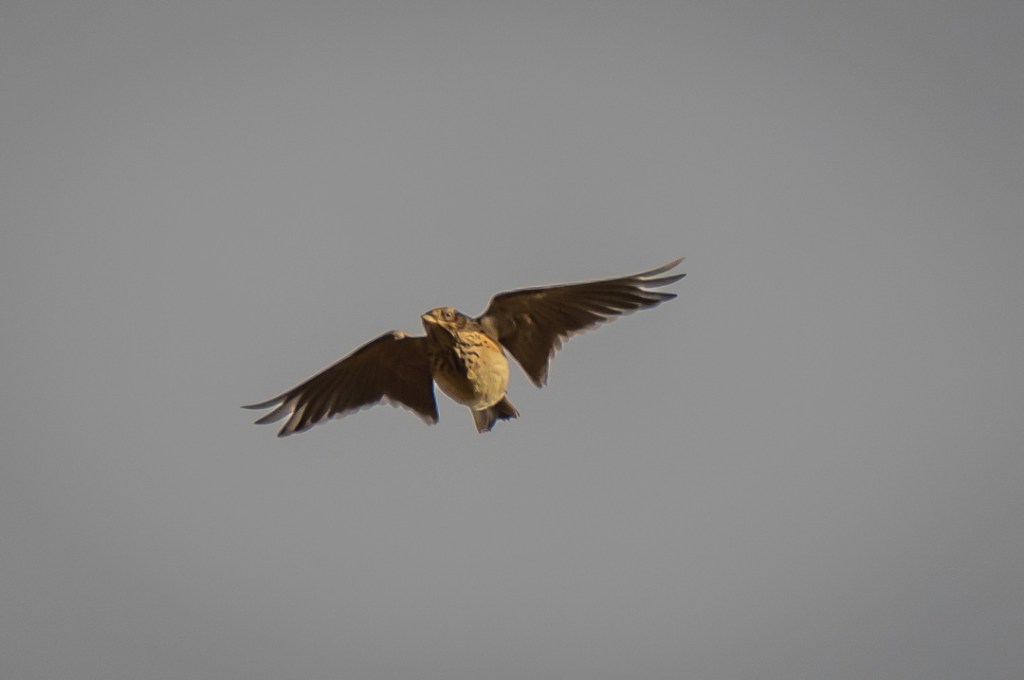


As we returned along the warth we saw a kestrel.

The only disappointment of the morning was that our favourite café was closed and we were denied a decent coffee.
I love this plaque on the back of one of the benches at New Passage.


We have had friends staying with us this weekend and, having shown them the delights of birding on the Severn Estuary yesterday, today we accompanied them, as they drove north, for a morning visit to WWT Slimbridge further up the Severn Estuary. This may sound rather selfish but as it was them that introduced us to birding it isn’t as cruel as it may seem.
We only visited a few hides but there was plenty to see (and photograph) . There was a particularly spectacular moment when a sparrowhawk made a kill immediately in front of us and, although partially obscured by the vegetation, stayed and devoured its prey. At the same moment we were distracted too by a kingfisher flying right in front of the hide.
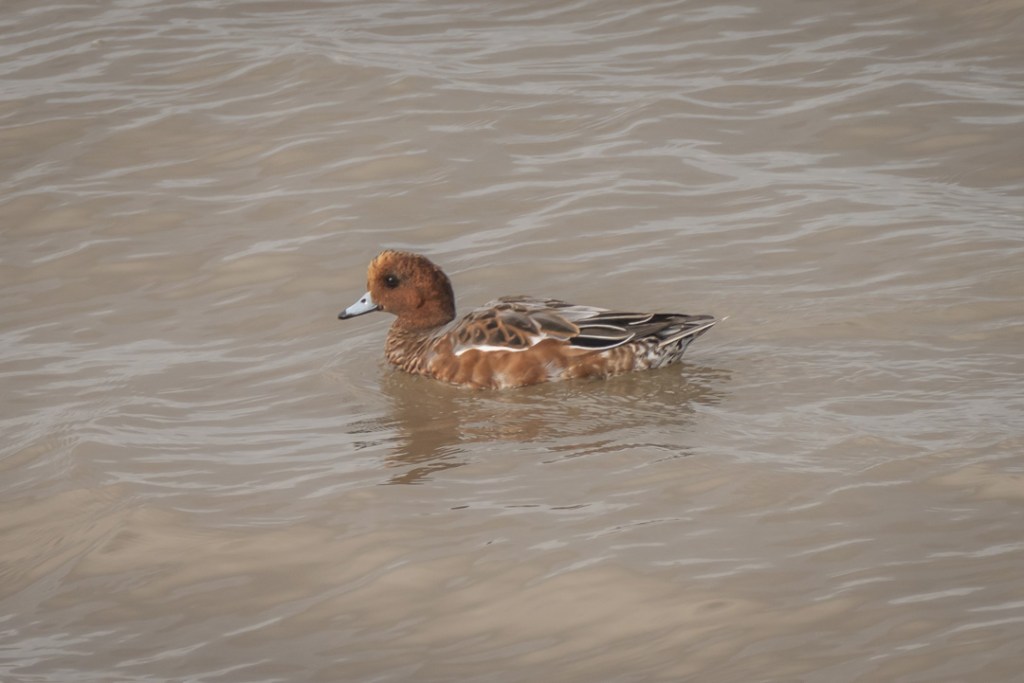
Apart from this the highlights were a crane in the distance, some snipe, a little egret, a black-tailed godwit in wonderful light, a flypast greylag goose, a shoveler and a Chiloe Wigeon hybrid in eclipse plumage showing its wonderful colours.


The sun was bringing out the butterflies but I only manged a photo of a peacock butterfly just as we were leaving.


Such is the attraction of seeing the migrant waders on the Severn Estuary that this was our third visit to New Passage in a just over a week; and today the sun shone and we had a much better view of them.
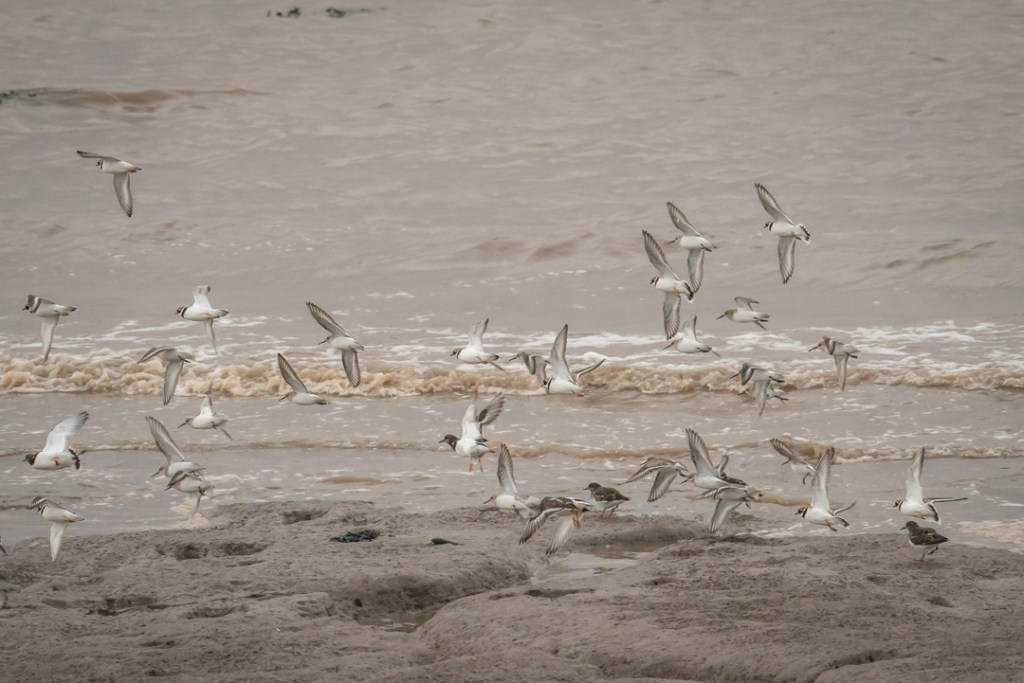
I still have difficulty in differentiating between them all but now I can easily identify the stars for me – the curlew sandpipers, of which their were half a dozen or so. With the help of a more knowledgeable local birder I was also able to spot a pair of sanderlings among the dunlins, knots, and ringed plovers. There were also plenty of turnstones which, once you could see through their camouflage, were easier to identify as they kept apart from the others.


We had another trip to New Passage on the Severn Estuary this morning as we like seeing the waders. We were a bit too late to see them on the shore line as the tide was too high but there were plenty of ringed plovers, dunlin and even curlew sandpipers roosting on Northwick Warth. It was very dull and not at all ideal for photographs and very difficult to pick out the curlew sandpipers. However, I managed to pick out a single curlew sandpiper on Pilning Wetlands among a group of black-headed gulls.


I did manage a little more colour in my photographs with a guinea foul and a green woodpecker next to the wetlands.


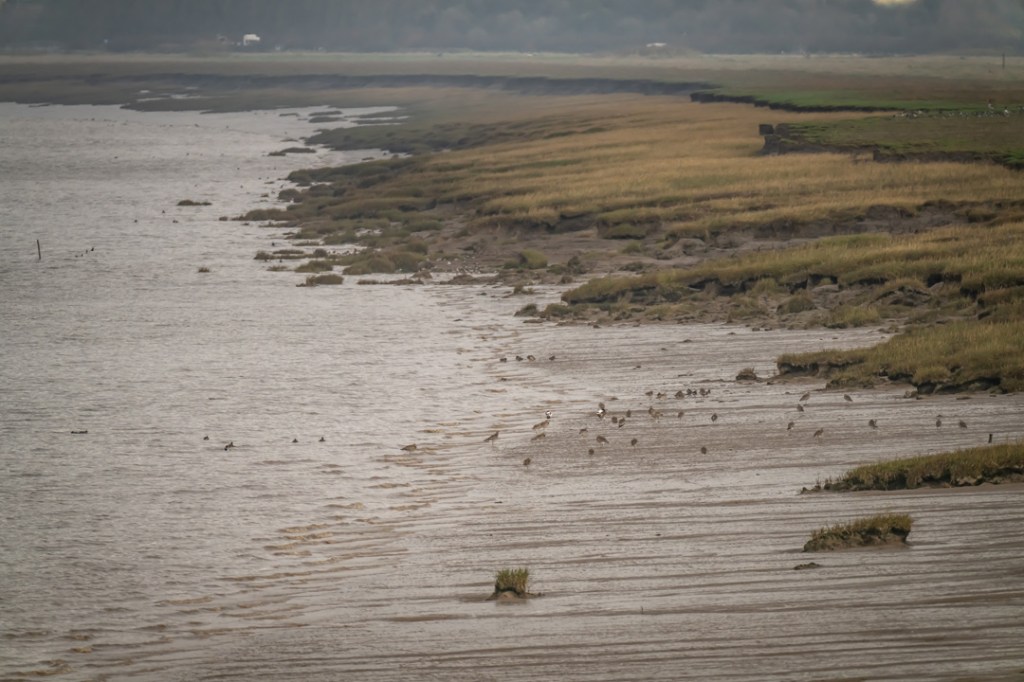
I had an unexpected opportunity to see some waders on the Severn Estuary this morning, even if they were rather distant and in gloomy conditions.
We had to drop a car off for servicing at Cribbs Causeway on the outskirts of Bristol and I managed to persuade my wife to go for a walk along the Severn Estuary (not her favourite spot I must say) between New Passage and Severn Beach. It was a very grey morning but not as cold as usual and so there were not too many complaints from her, especially as we stopped for an excellent coffee and bacon roll in the garden at “Shirley’s Café in Severn Beach (which had been recommended to us).
At Severn Beach on the water’s edge there were common ringed plovers and dunlin and at Northwick Warth near New Passage we saw common redshank, black-tailed godwits and ruddy turnstones. On Northwick Warth there were lots of gulls, Canada geese, a couple of grey herons and a little egret.


Not very good for photography but the exercise was very welcome.


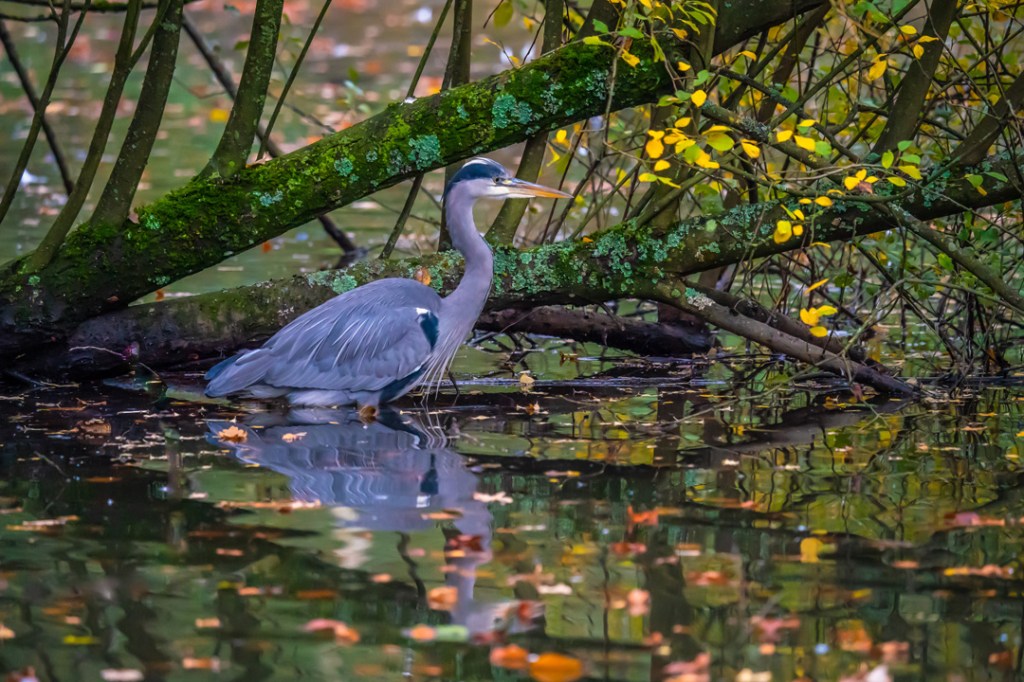
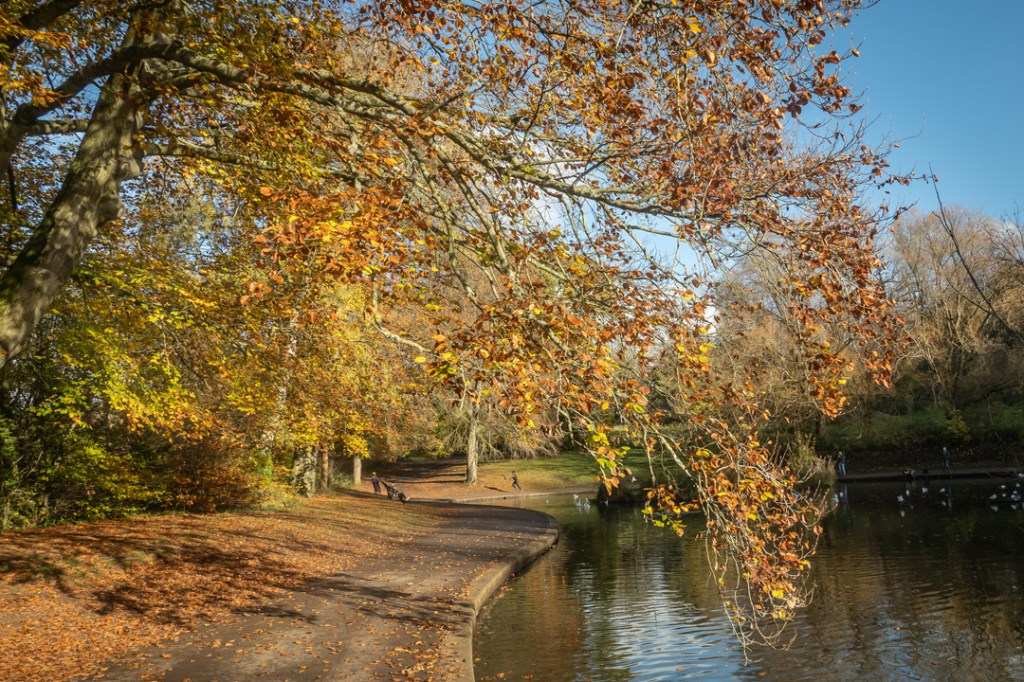
This afternoon we had a walk over to Duchess Pond in Stoke Park. The motorway seemed very noisy so we didn’t stay long. I was hoping to see a spotted flycatcher that has been reported there but, even though I got excited at one point, all I managed to spot was a female blackcap.

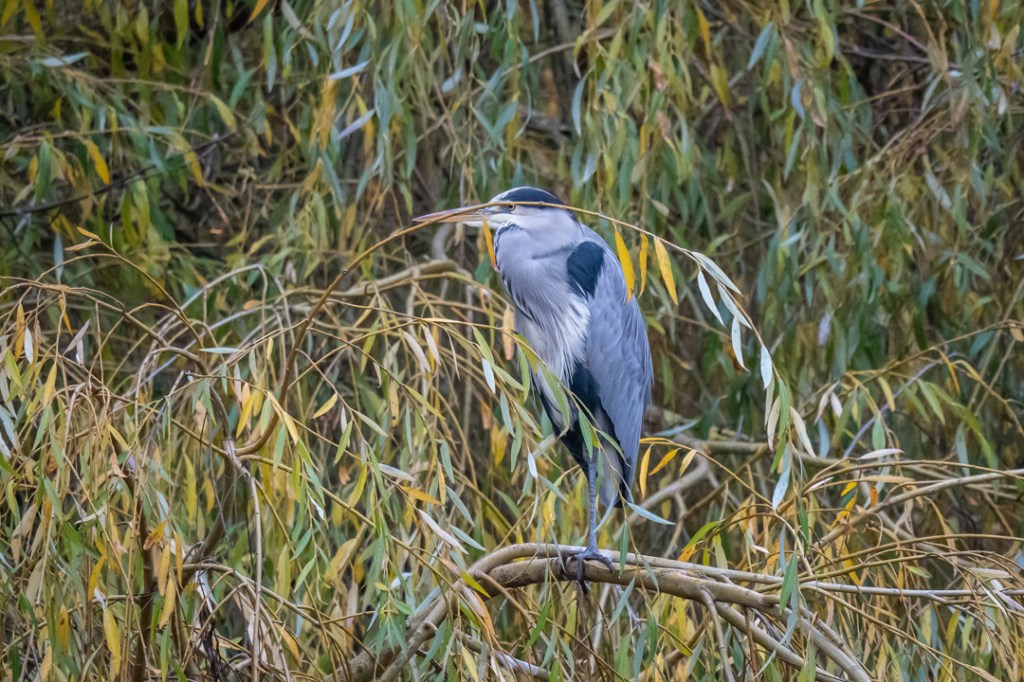
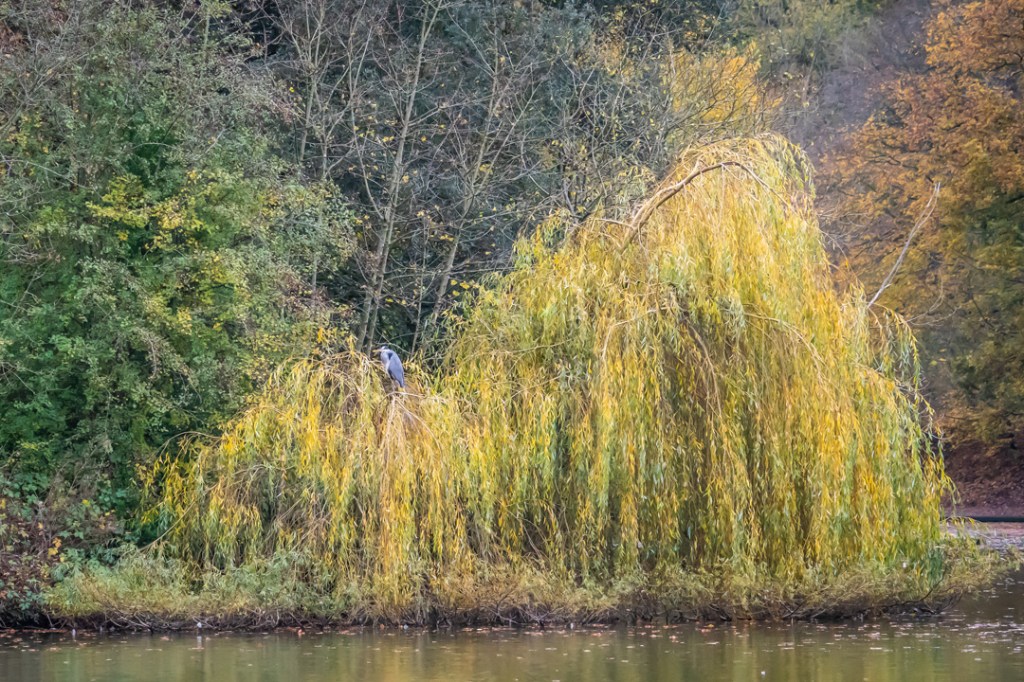
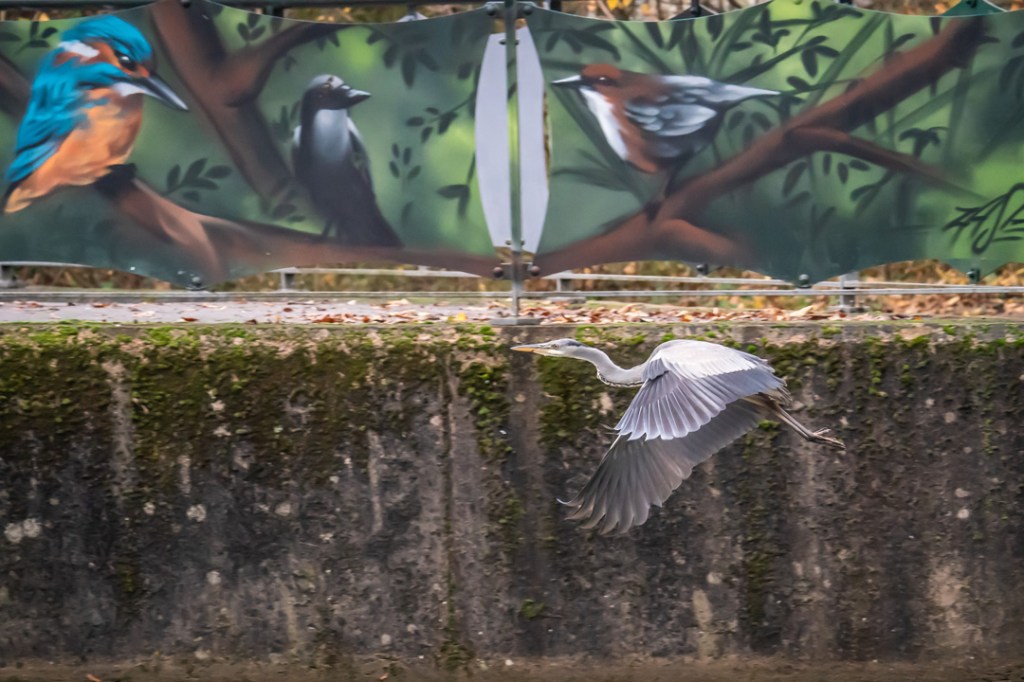
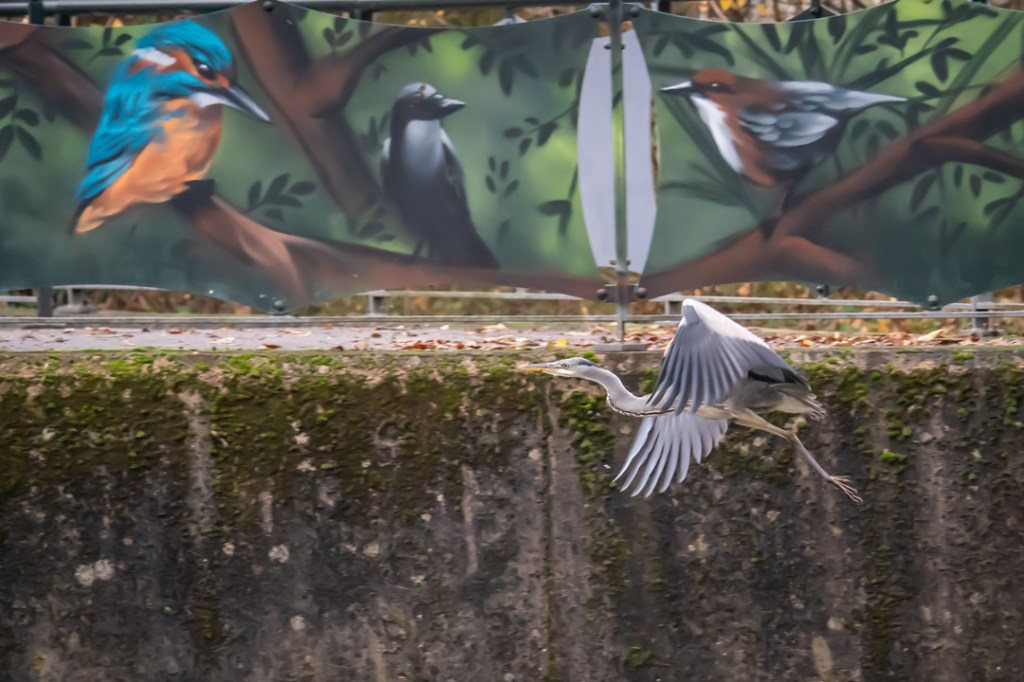
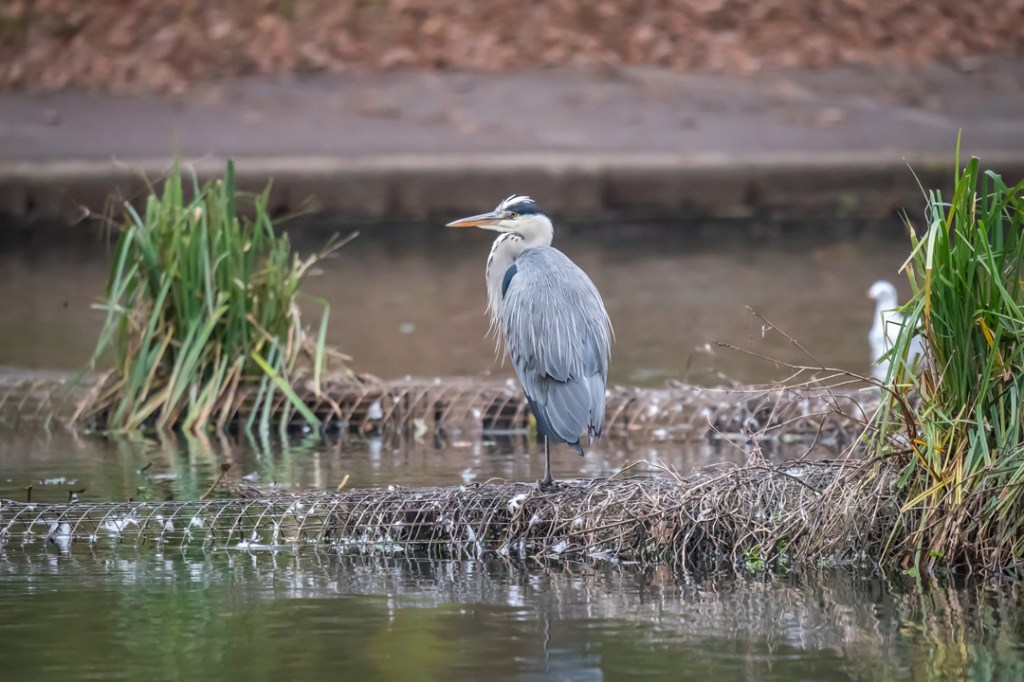
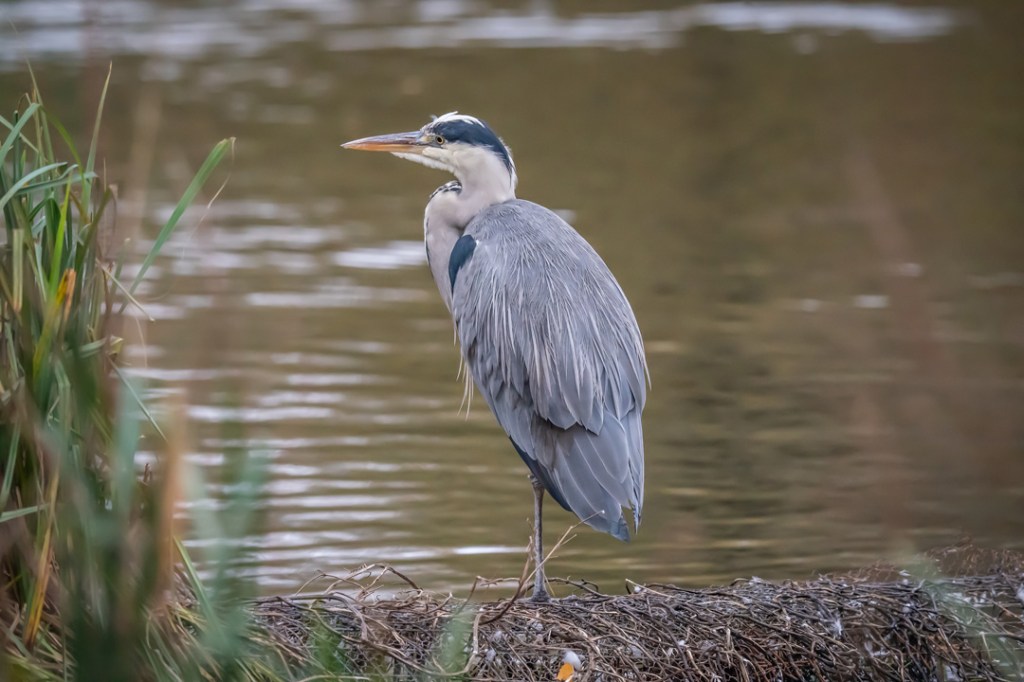
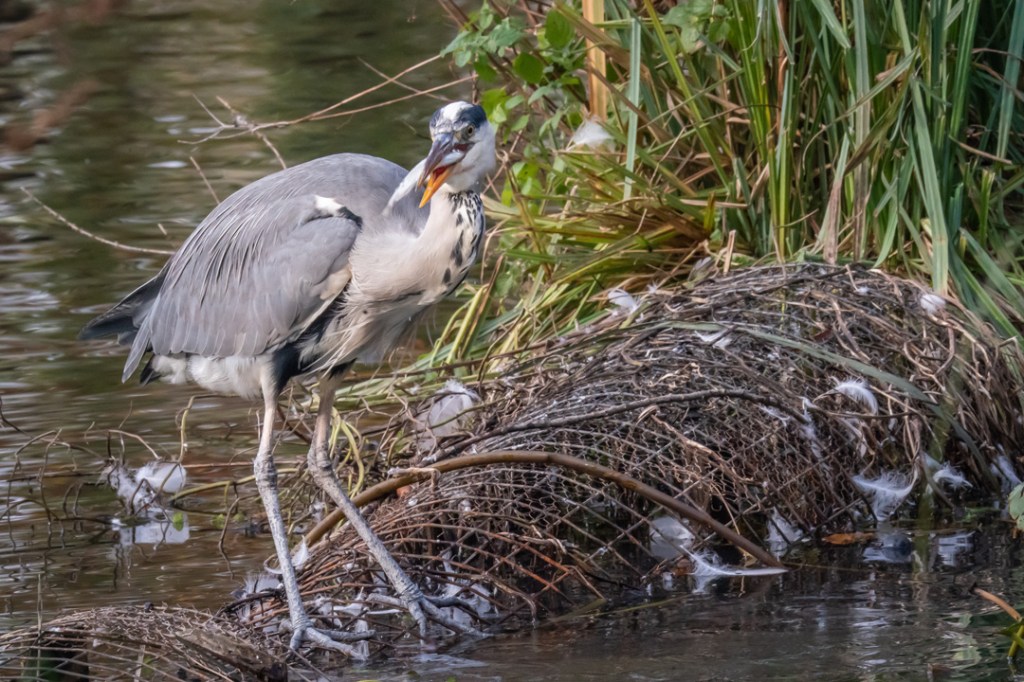
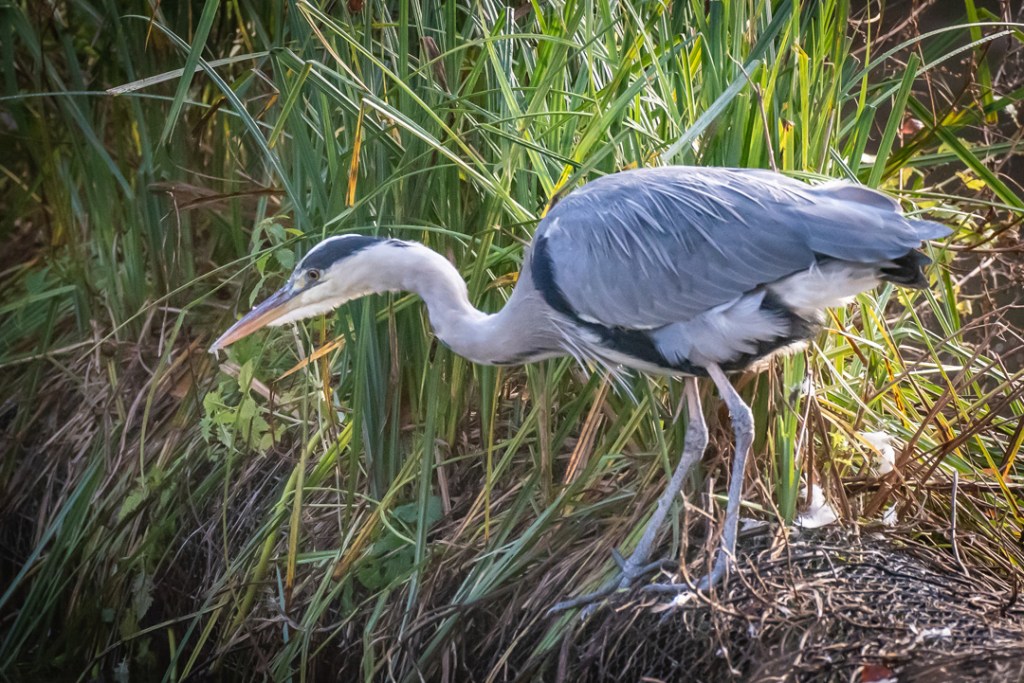
However, a grey heron moved around the lake and presented itself very well for my camera.
The forecast was good (no rain and some sunshine) and we fancied a walk in the country. We opted for the Mendips (a range of limestone hills to the south of Bristol) especially as this would allow us to drive past Chew Valley Lake where an osprey had been reported in the last few days.
On arriving at Chew Valley Lake we were disappointed to hear from the band of birders assembled that there had been no sightings since yesterday. However, we didn’t have to wait long before it appeared. It was on the far side of the lake and heading towards Blagdon Lake but we were quite pleased to have seen it and, as this was not the main focus of the day, we settled for this one sighting and headed for the Mendips.
Above – the distant views of the osprey
Below a great white egret on Chew Valley Lake
Our walk took us around Velvet Bottom Reserve (near Cheddar) which is situated on the floor of a dry river valley, one of many that dissect the plateau of the Mendip hills. The underlying rock type is Karst Carboniferous limestone with an accumulation of soil, originally loess (wind blown soil) but reformed by mineral working, on the valley floor. It is said that in Roman times Velvet Bottom was mined for lead and heaps of black shiny slag can be seen as the remains from re-smelting.

I was hoping to see some pied flycatchers but all we saw were some barn swallows and a buzzard.
The most interesting thing we saw were some meadow saffron (which I can’t recall having seen before) and a Small Heath butterfly.


We were not at all disappointed as it was a glorious morning and we really enjoyed the scenery and the gentle exercise.