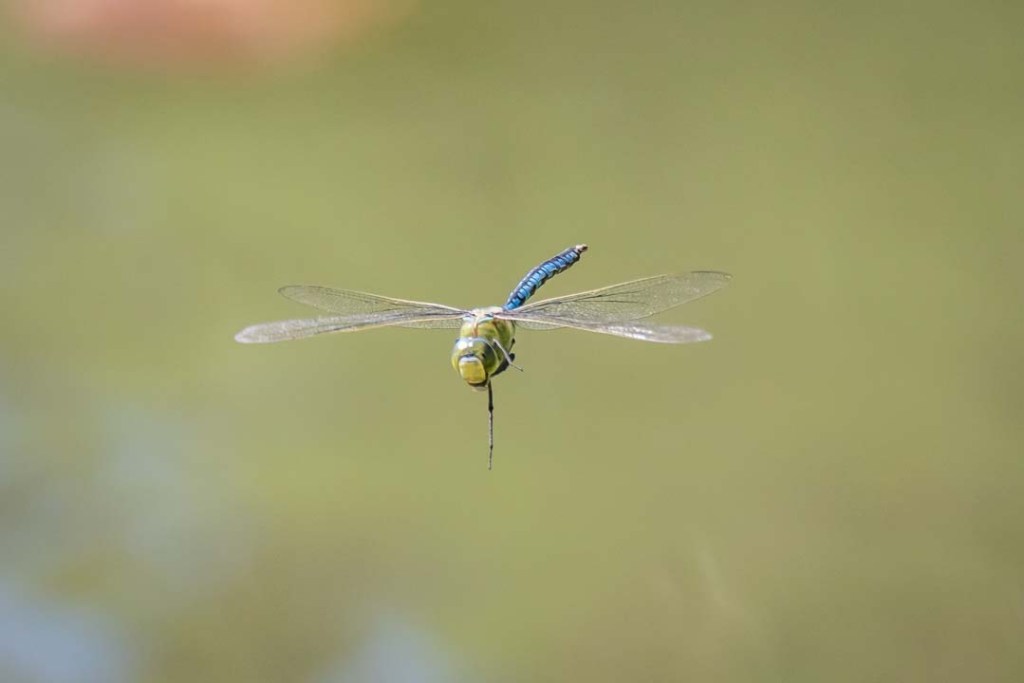
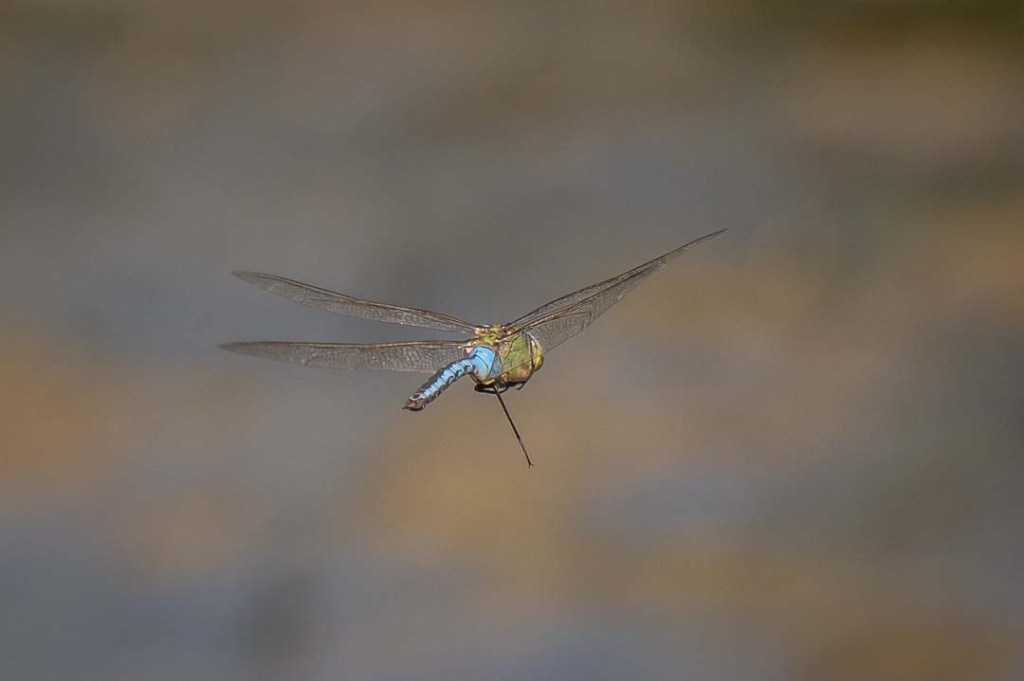
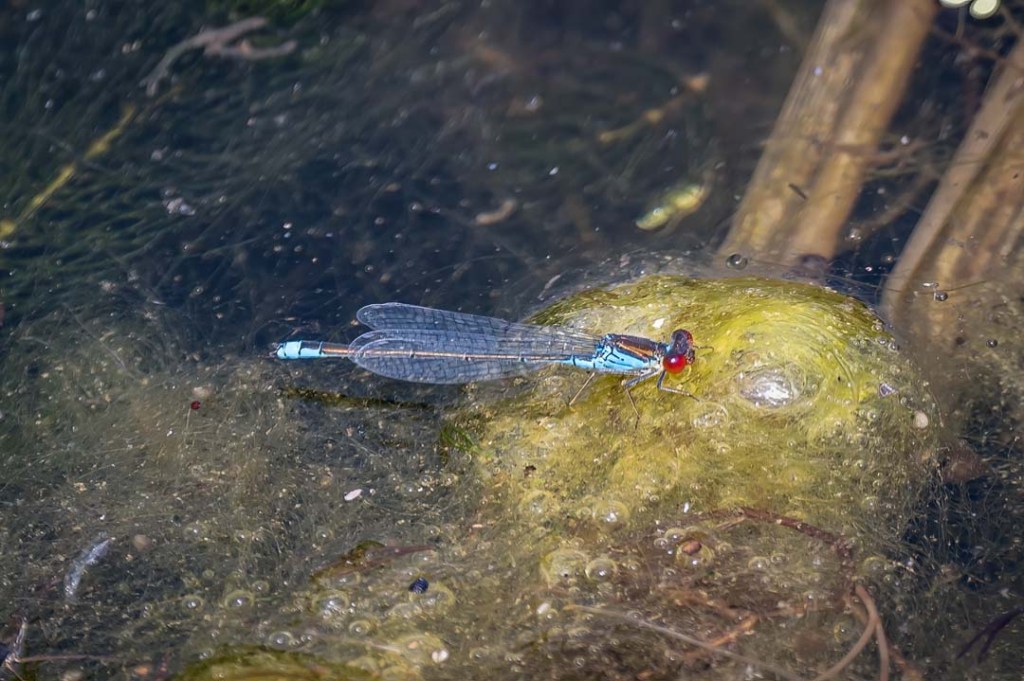
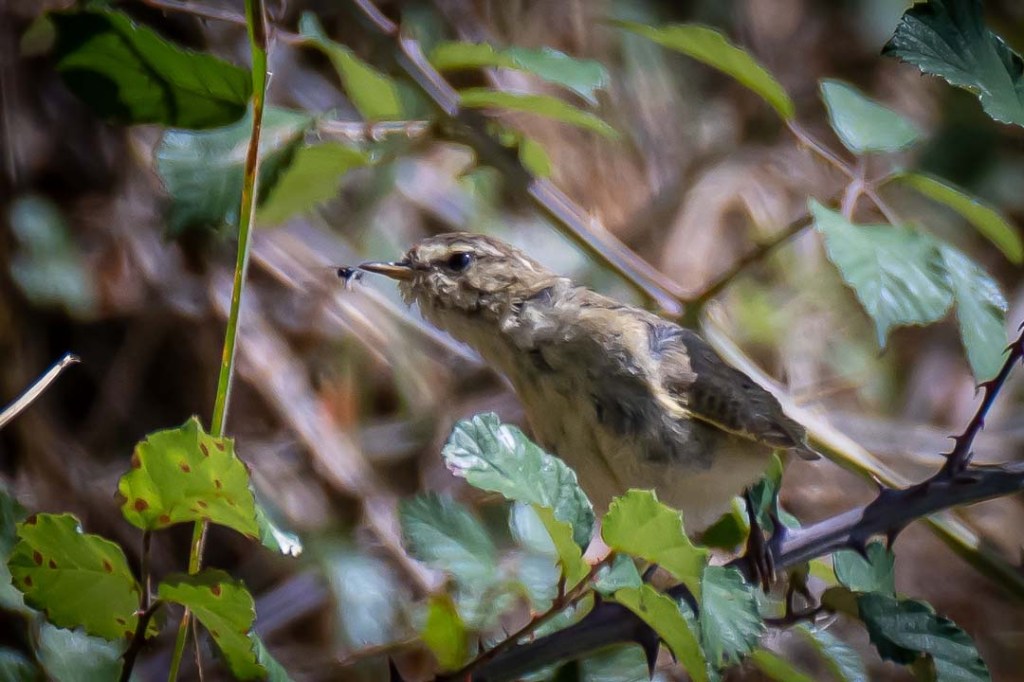
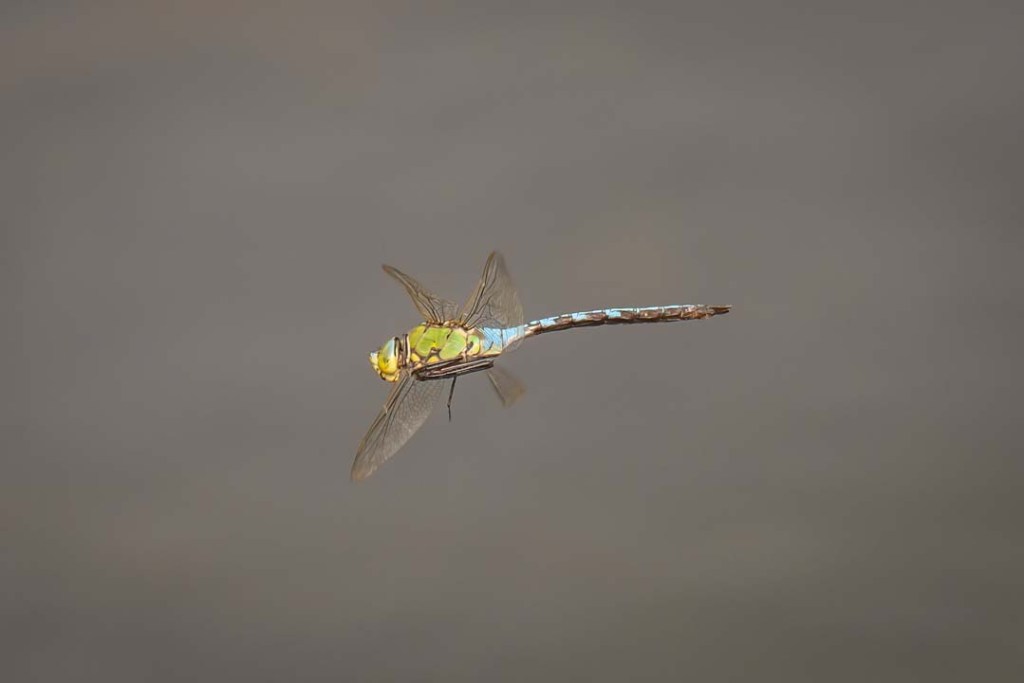
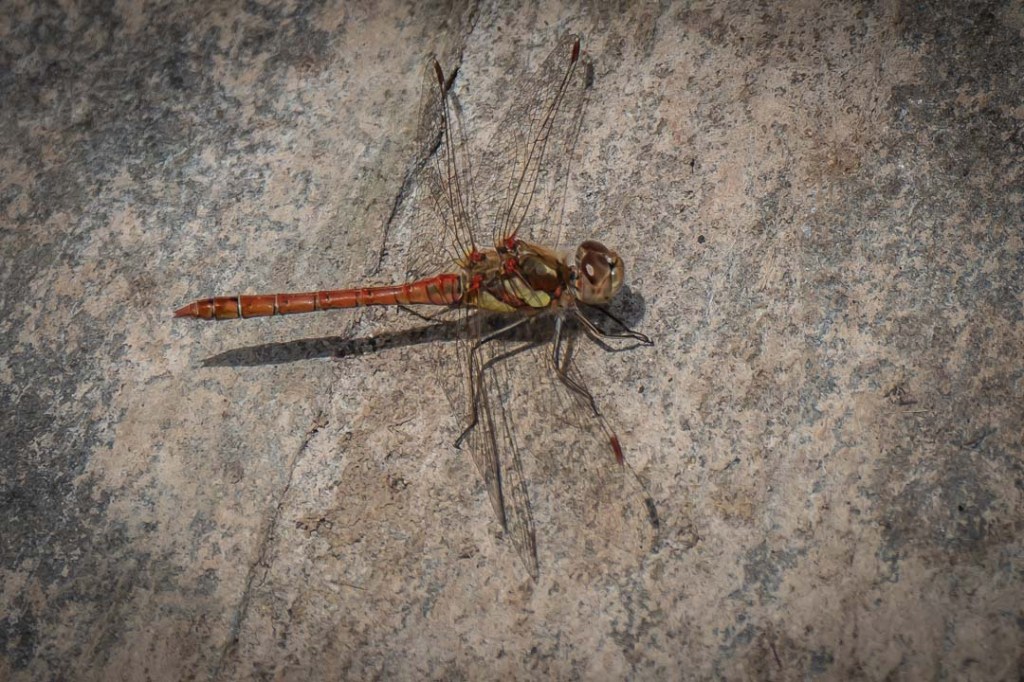
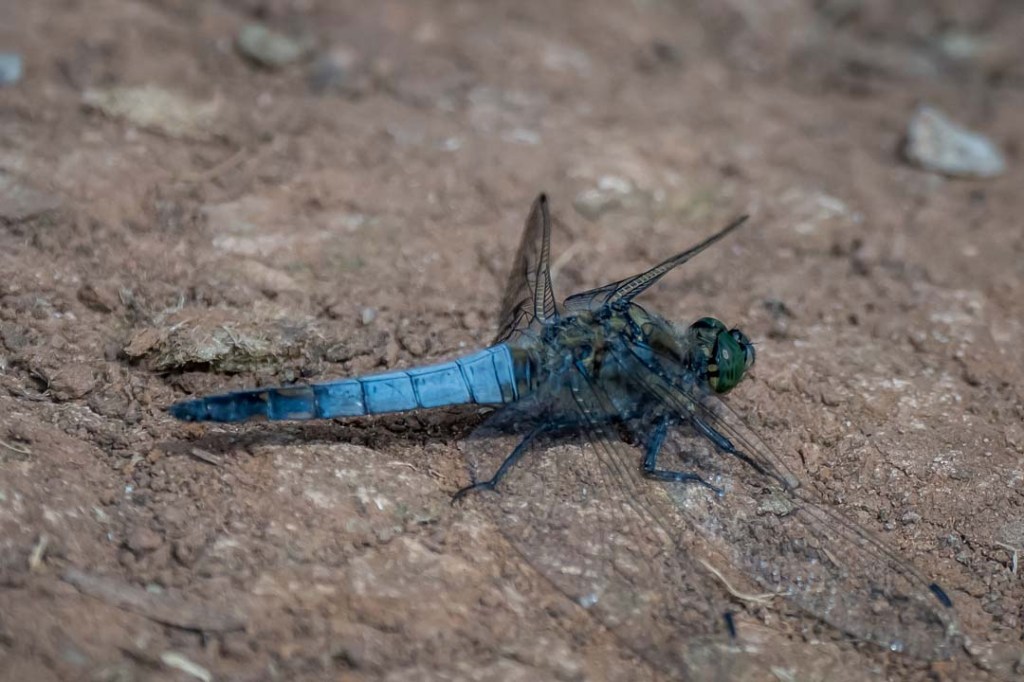
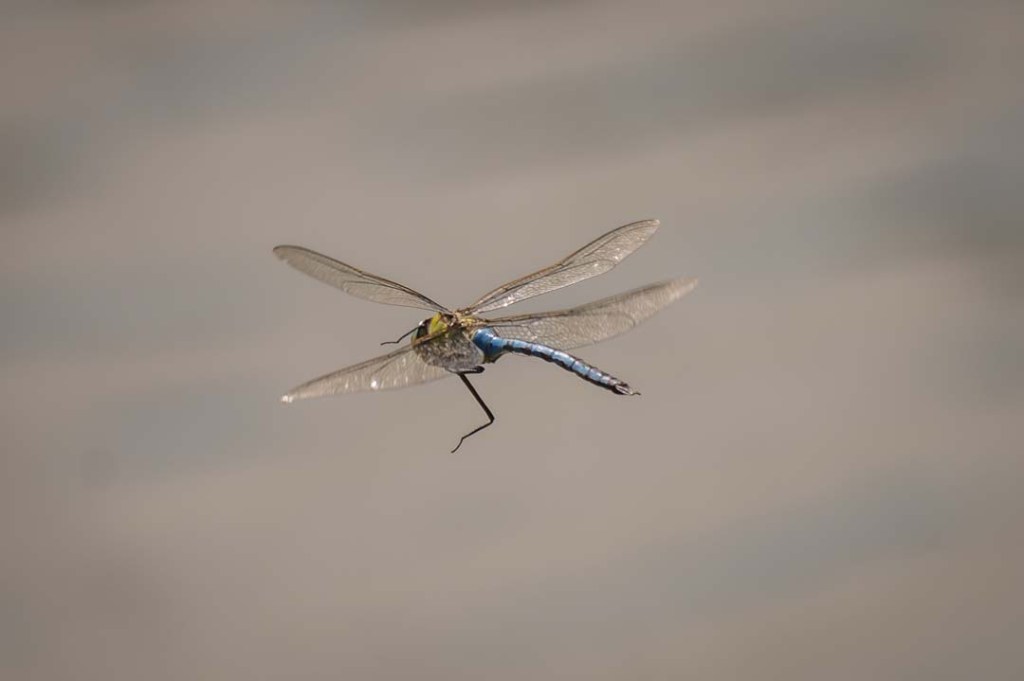
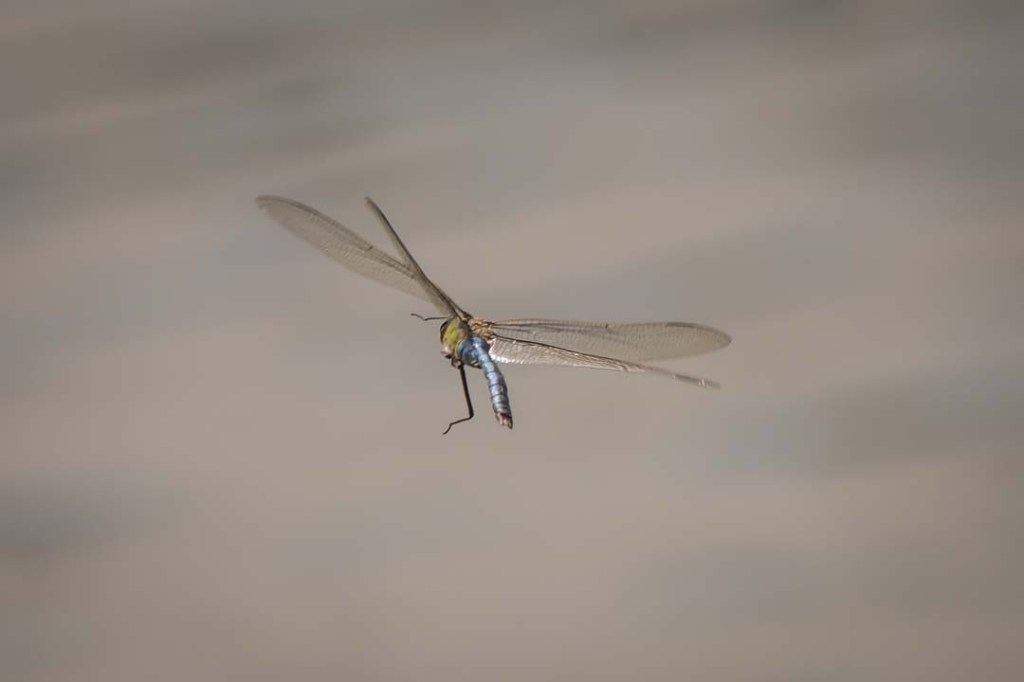
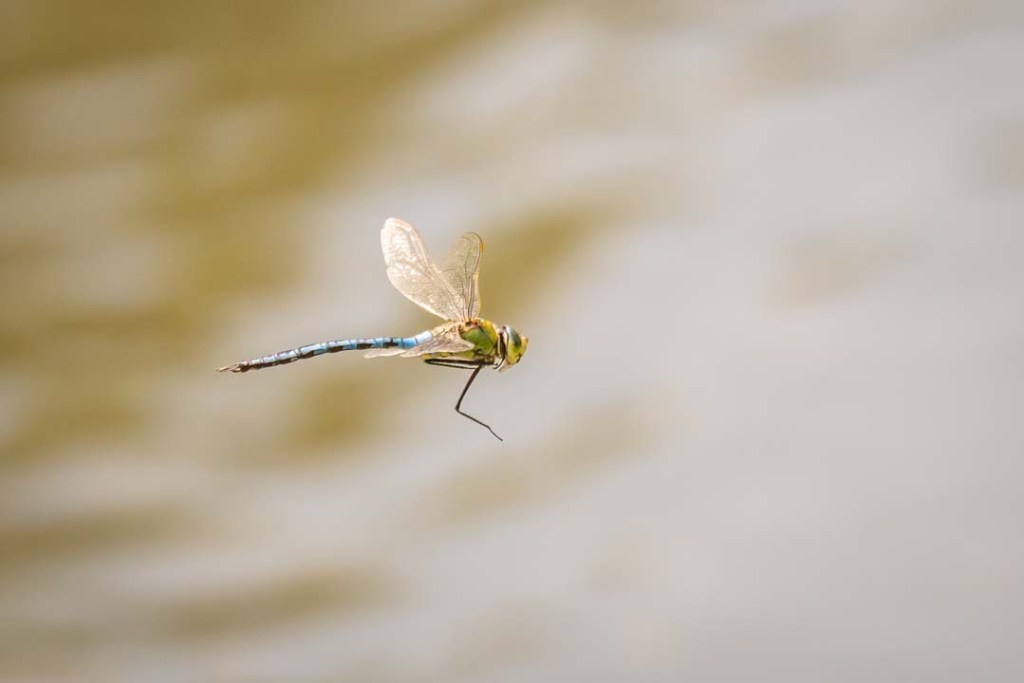
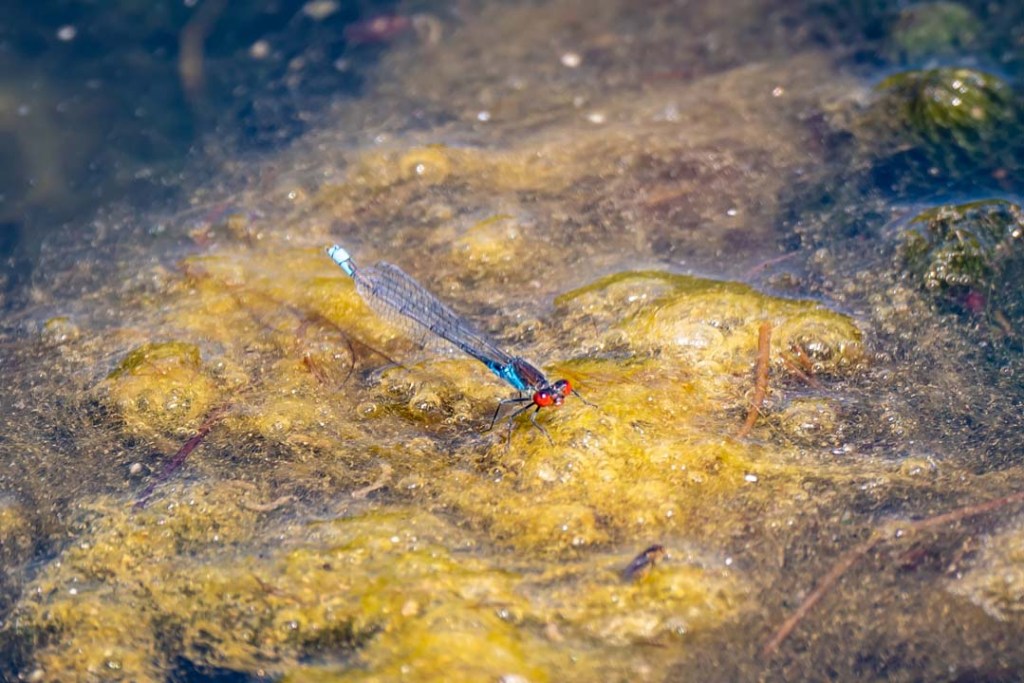
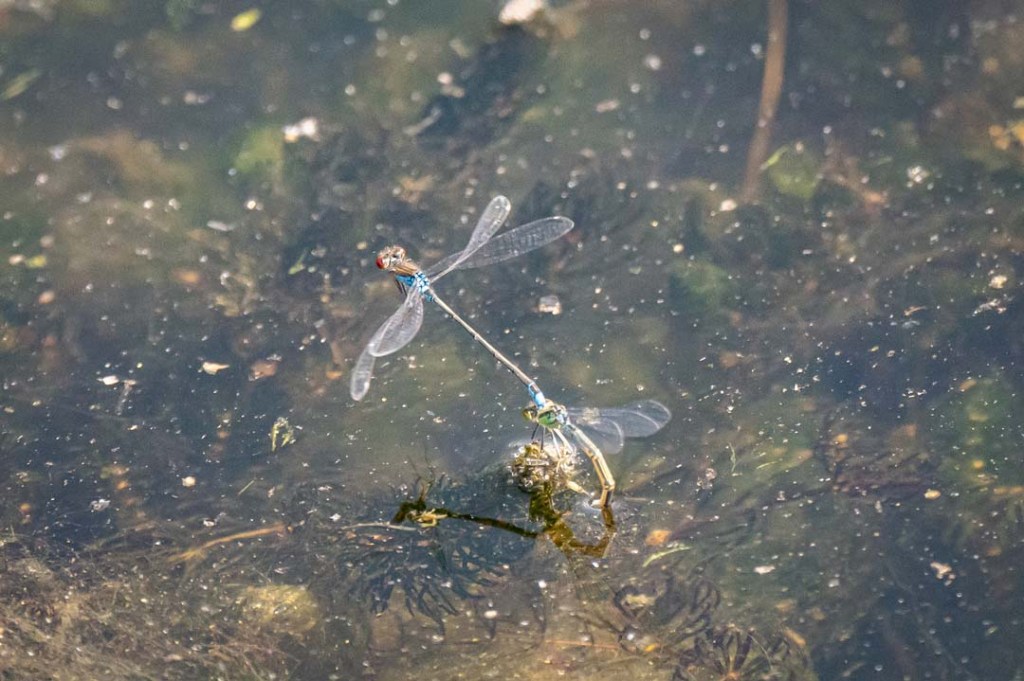
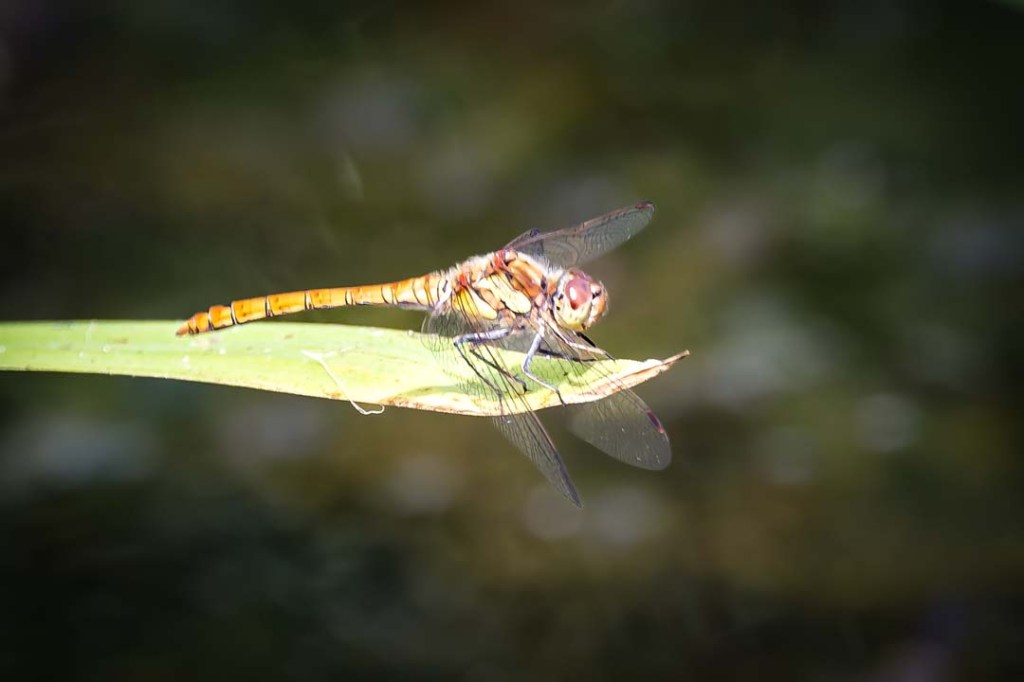
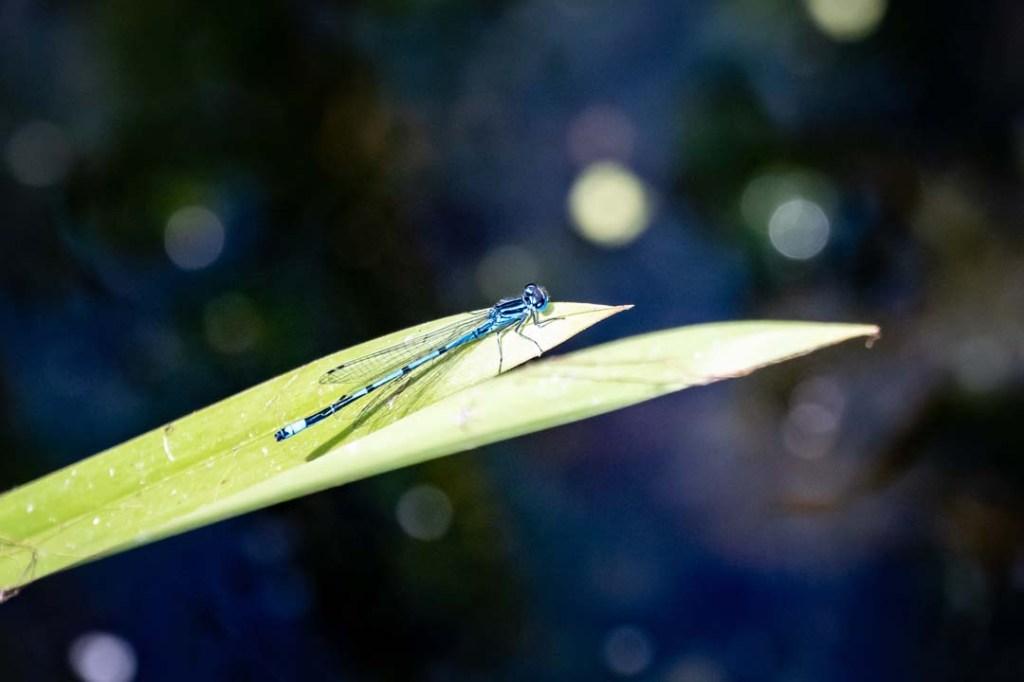
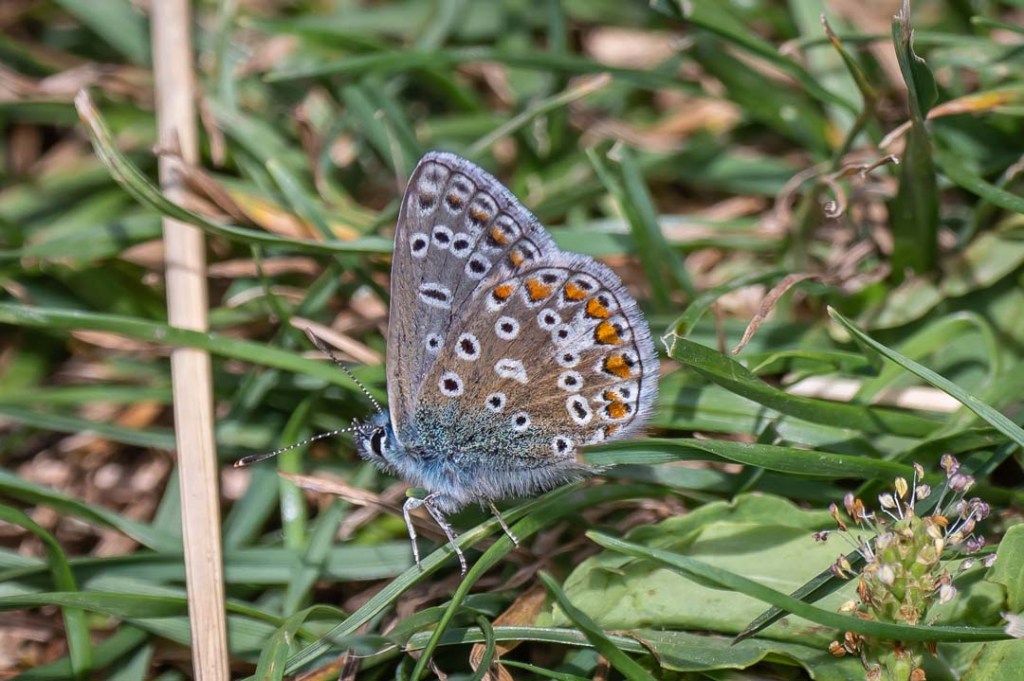
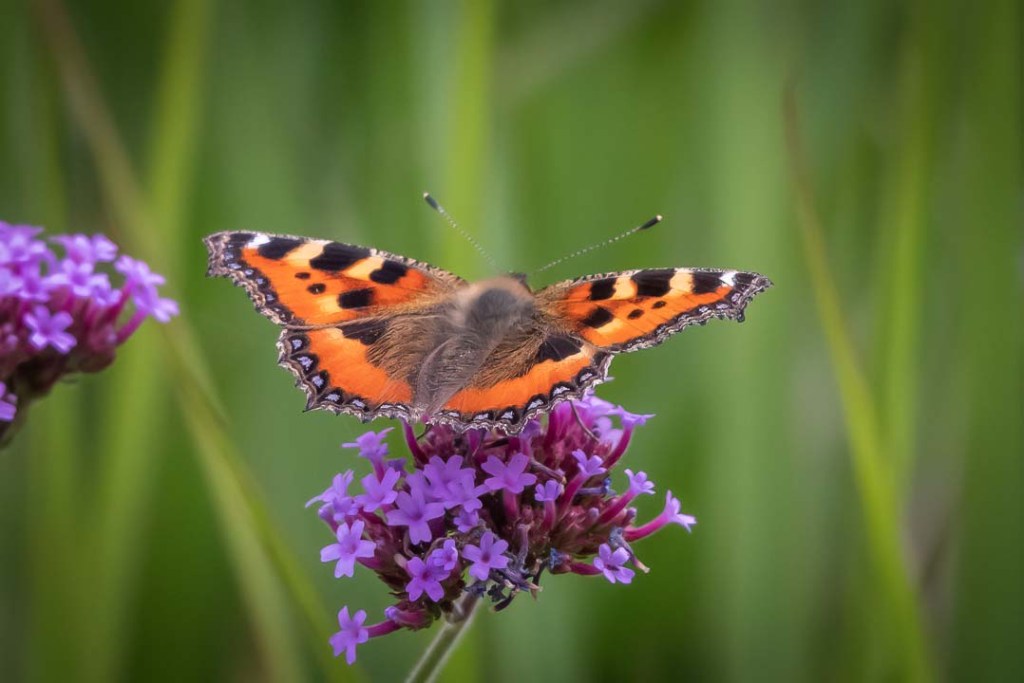
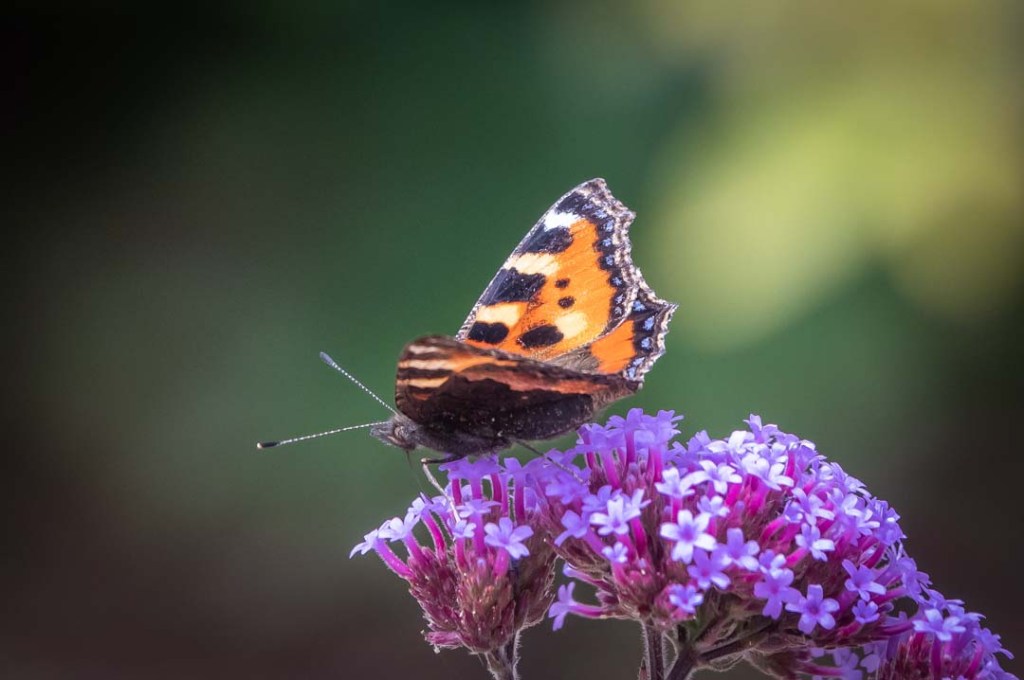
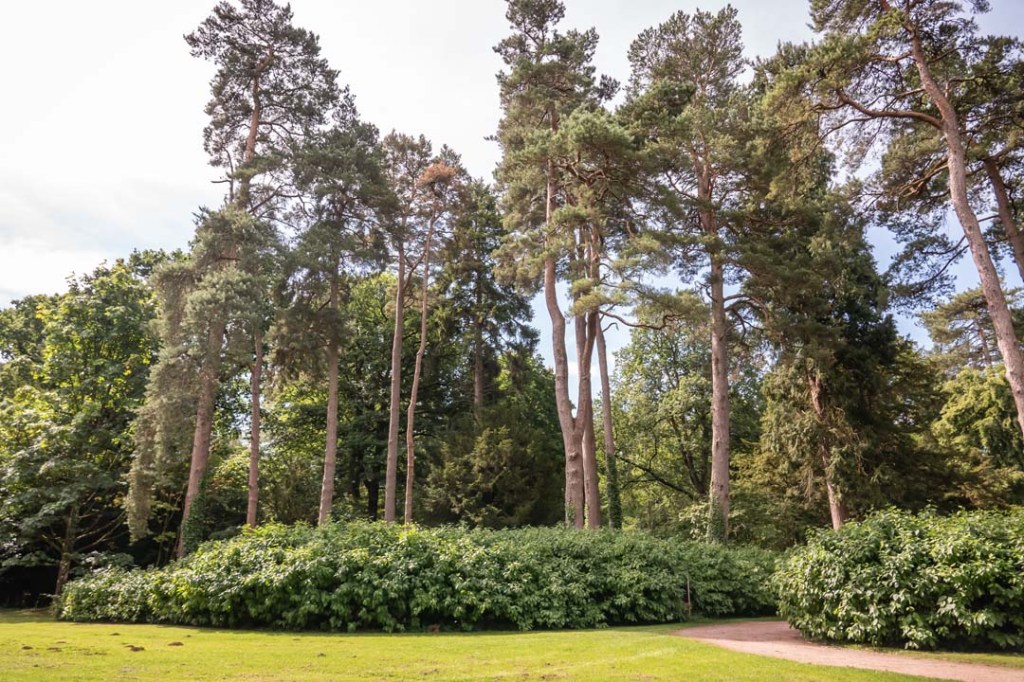
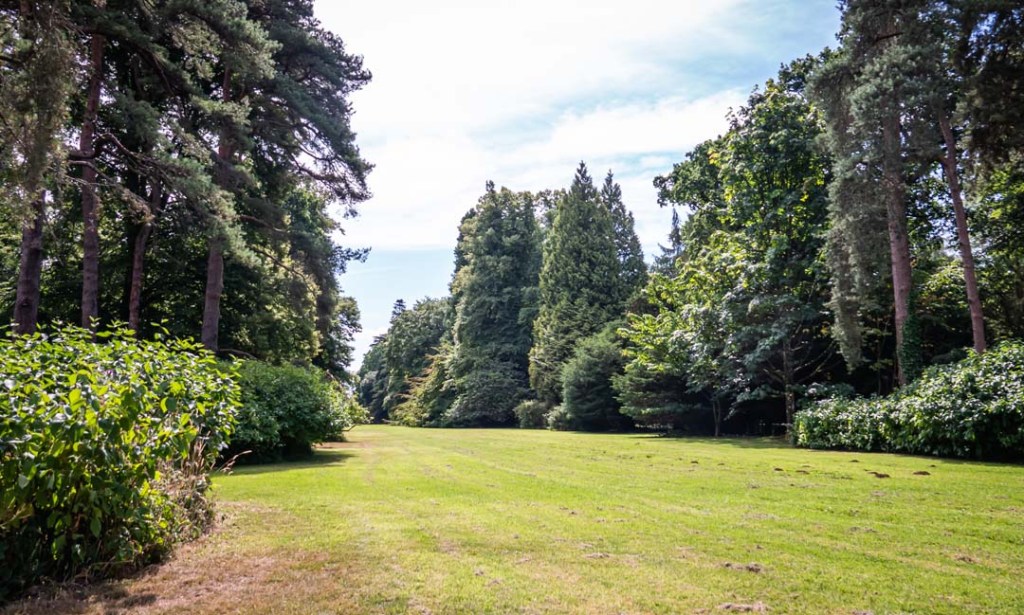
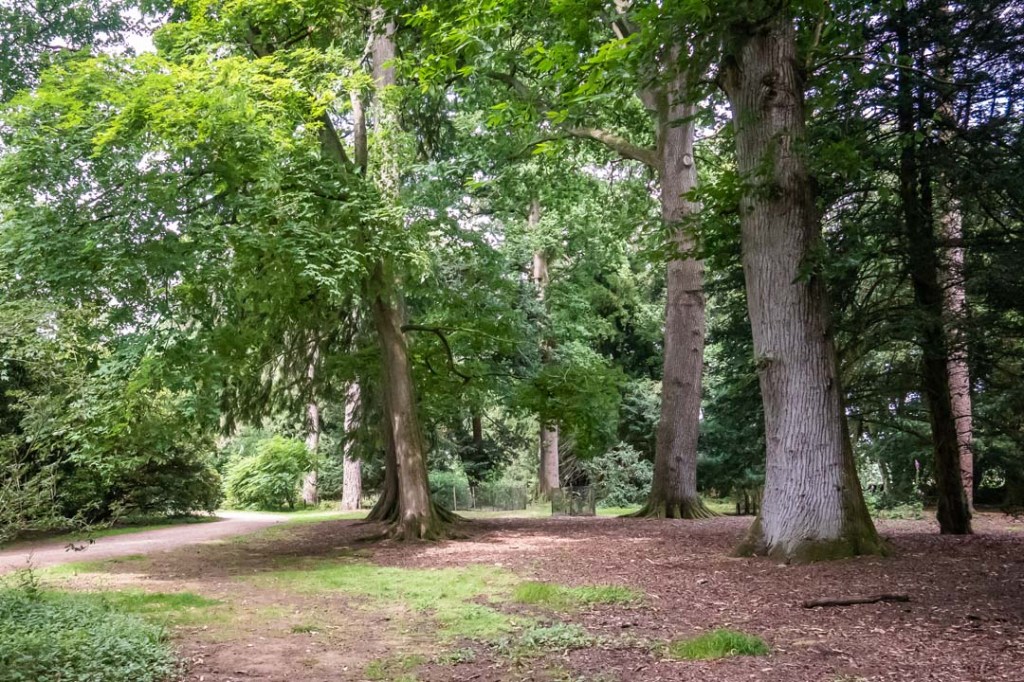
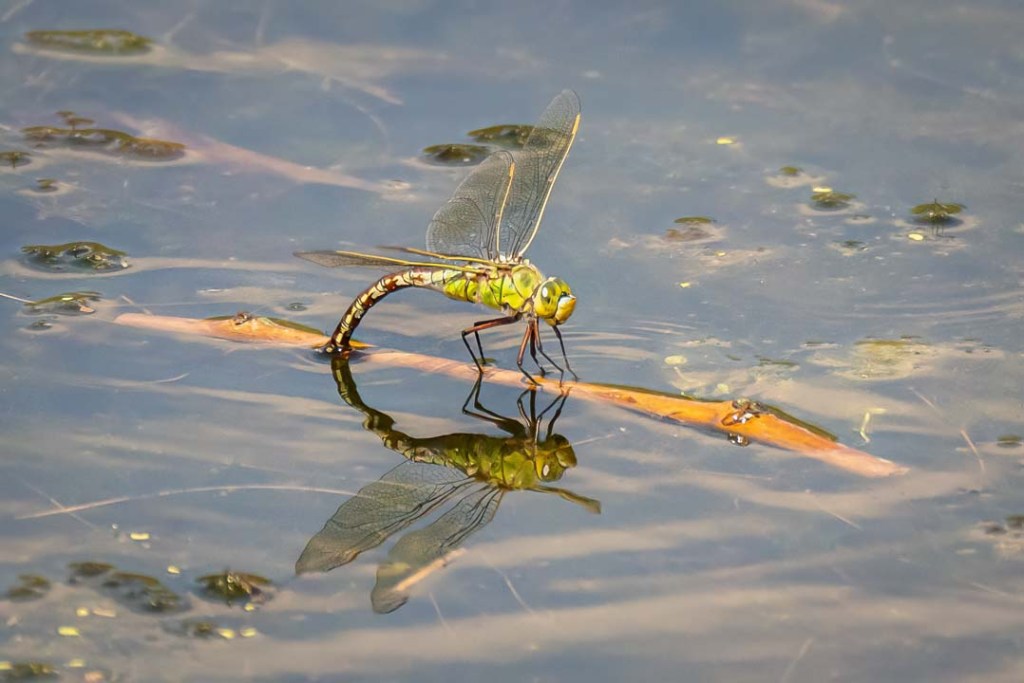
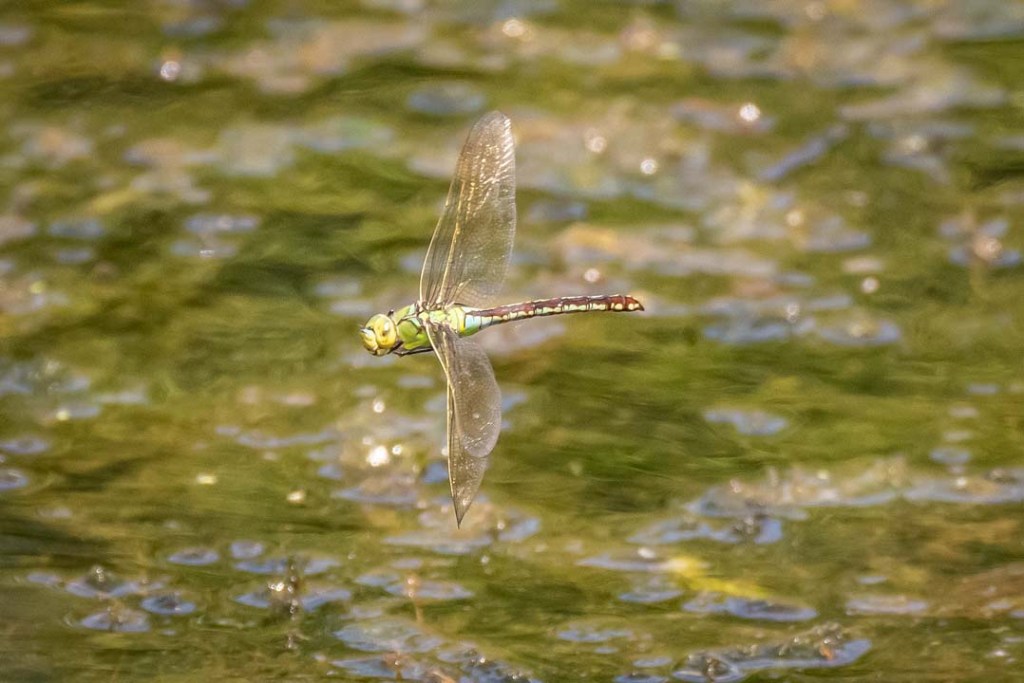
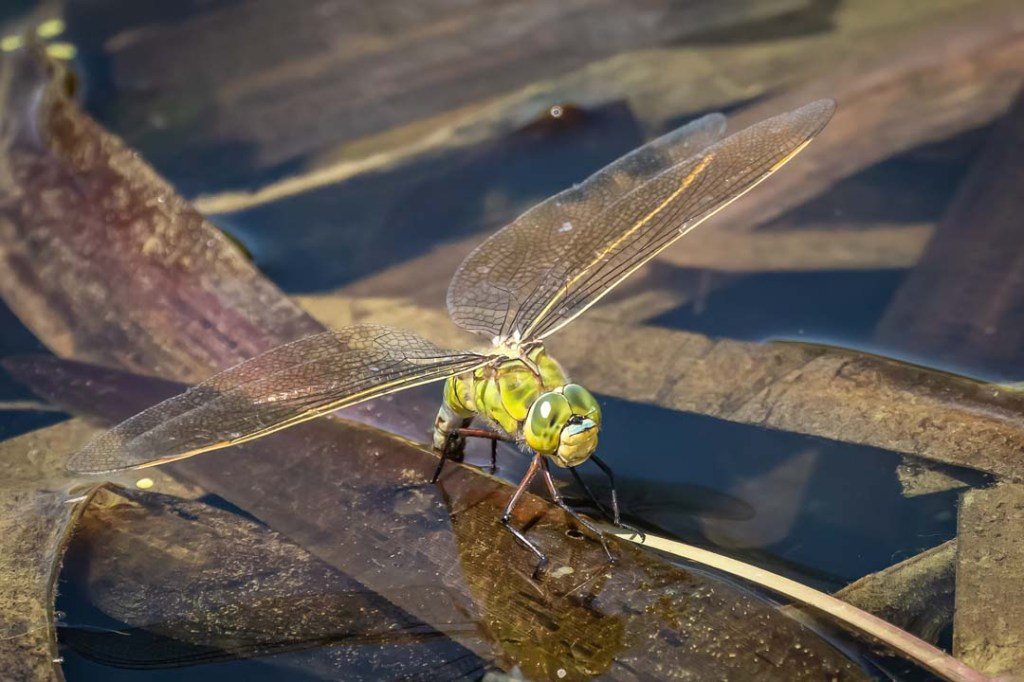
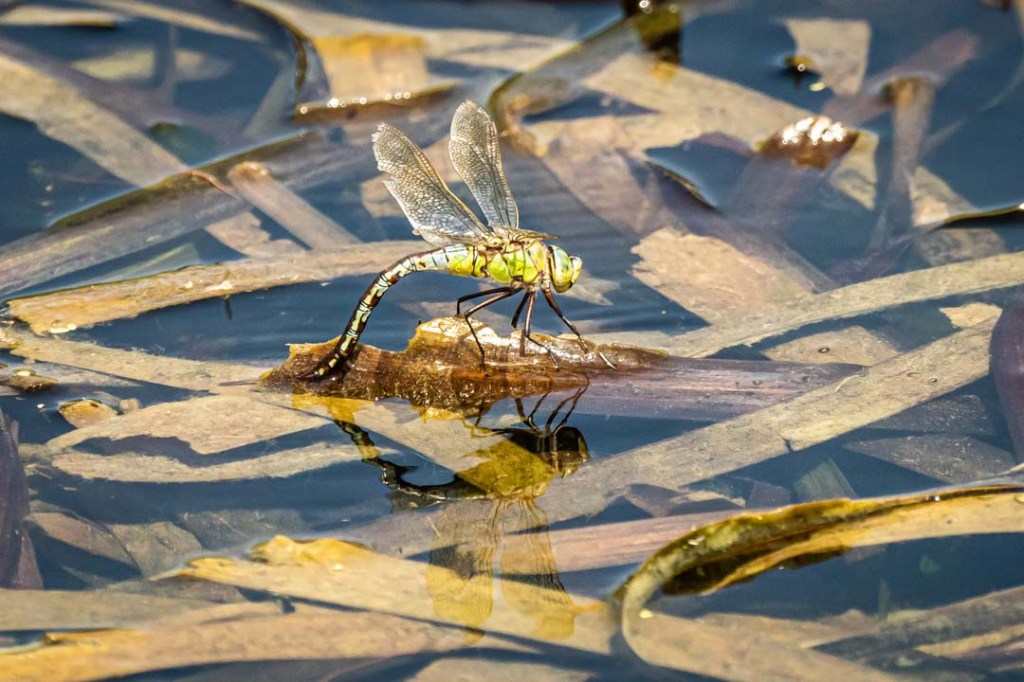
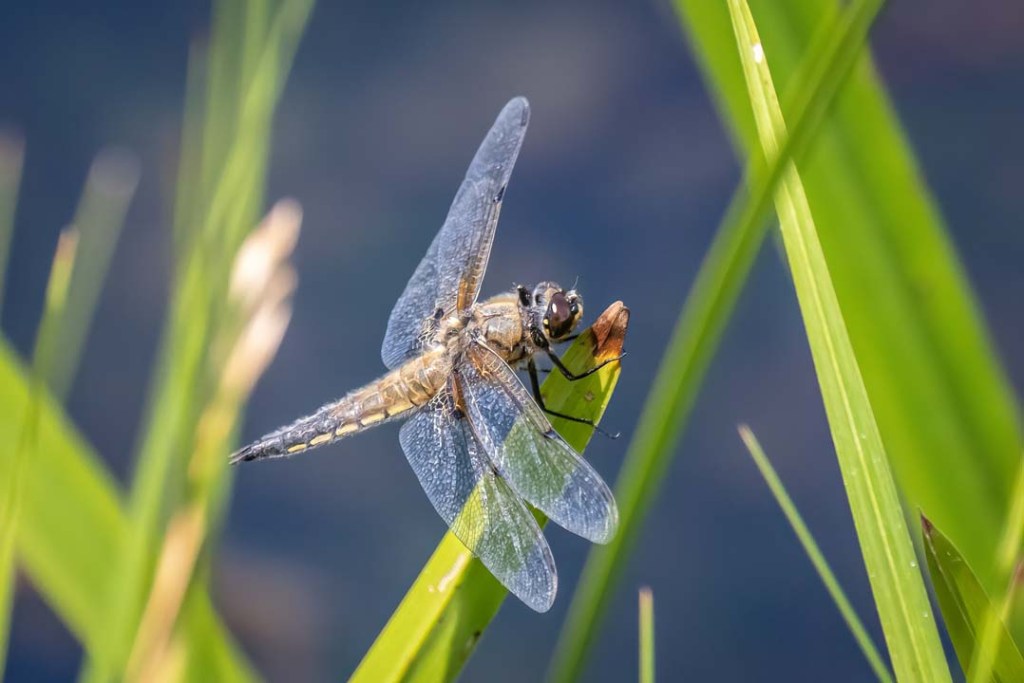
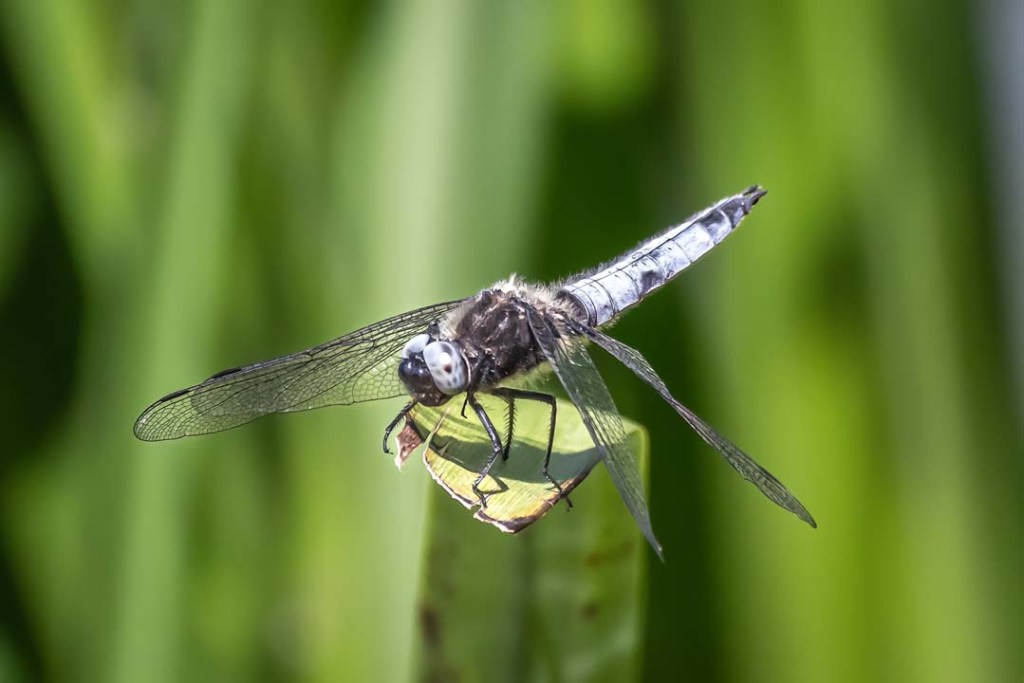
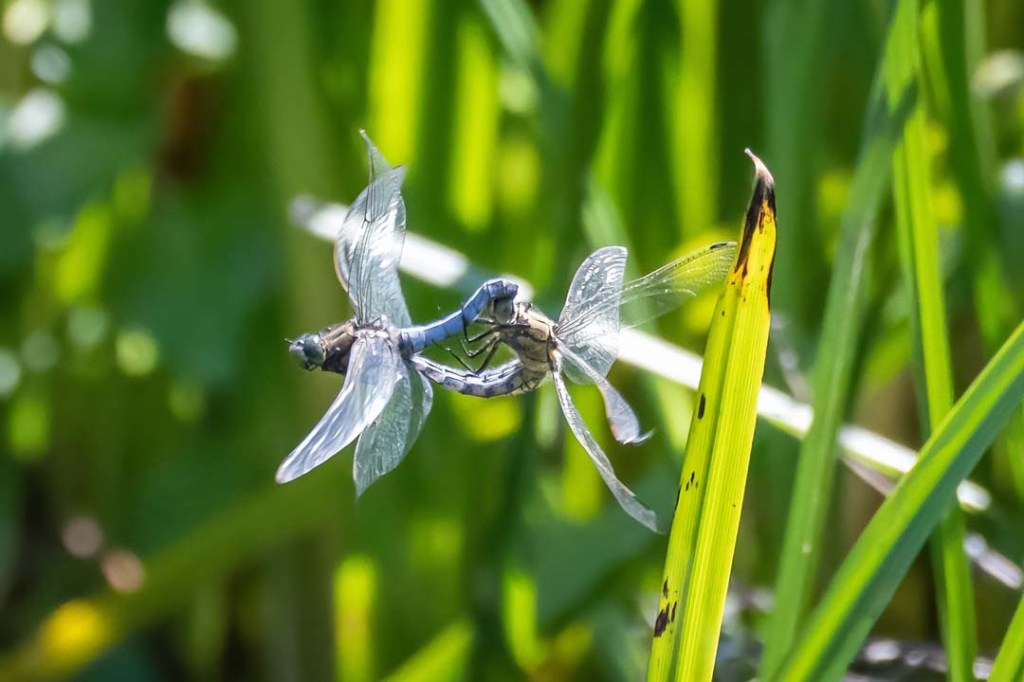
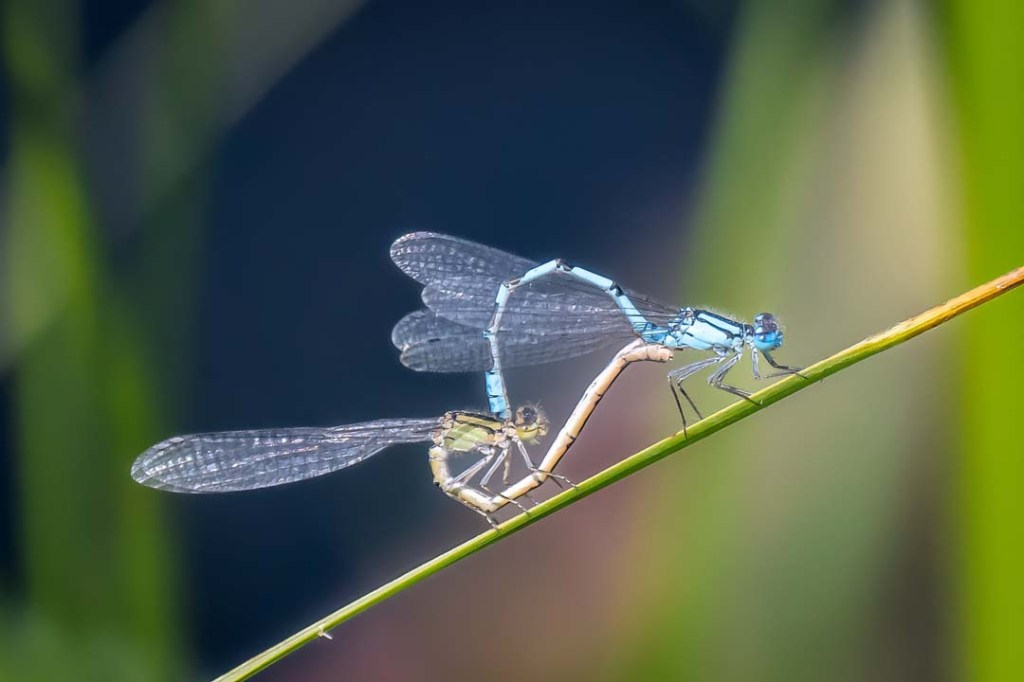
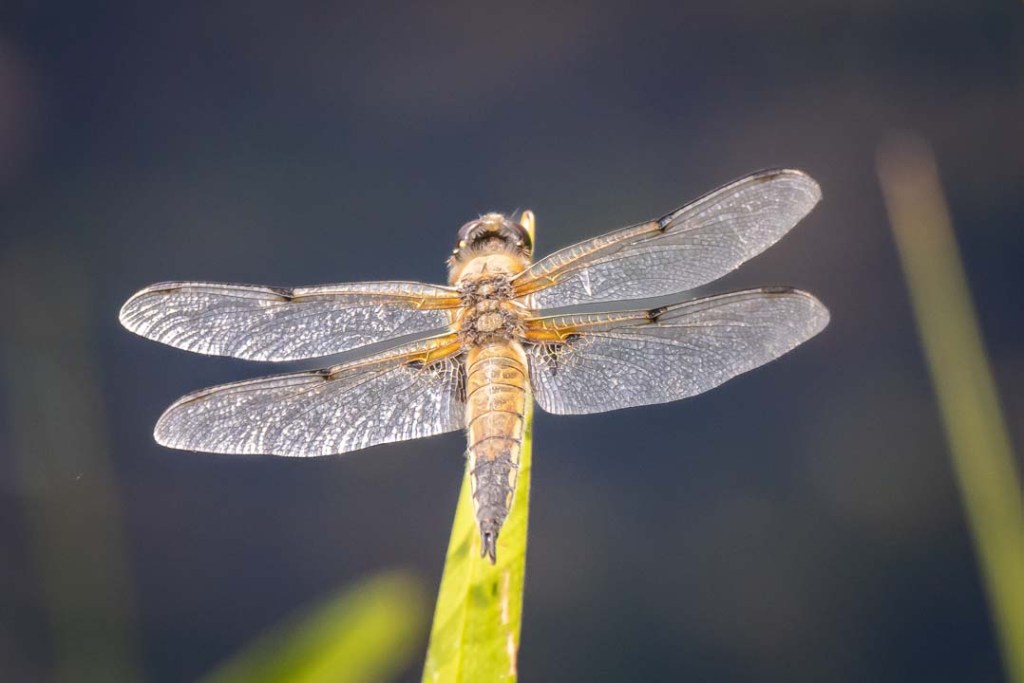
The sun brought out the damselflies, dragonflies and butterflies at Duchess Pond in Stoke Park this morning. A few birds too. Too hot to hang around though.
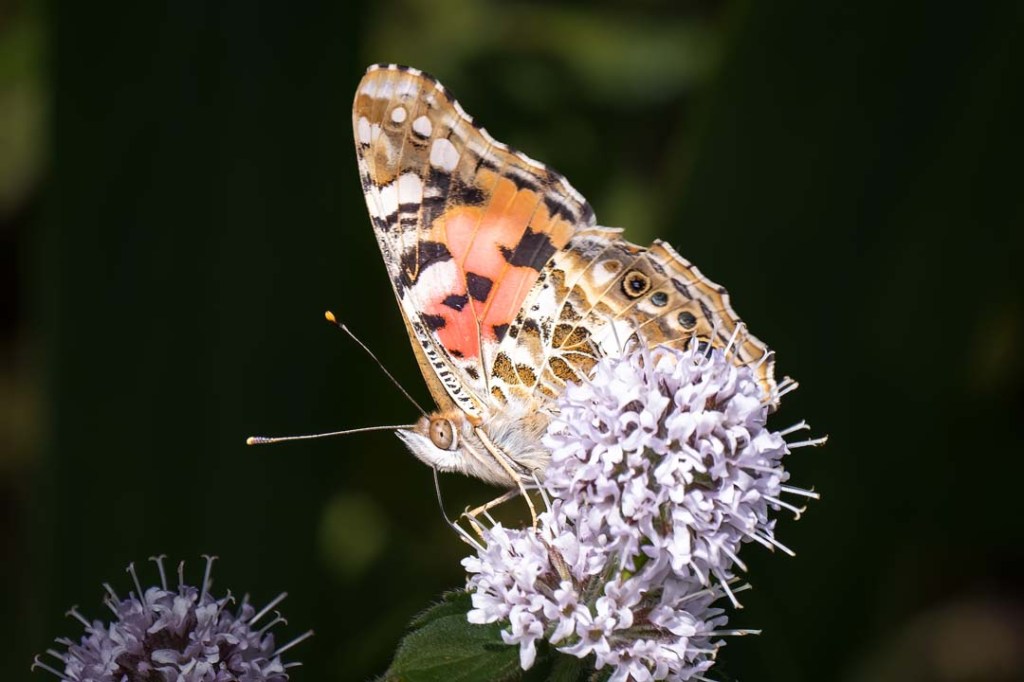
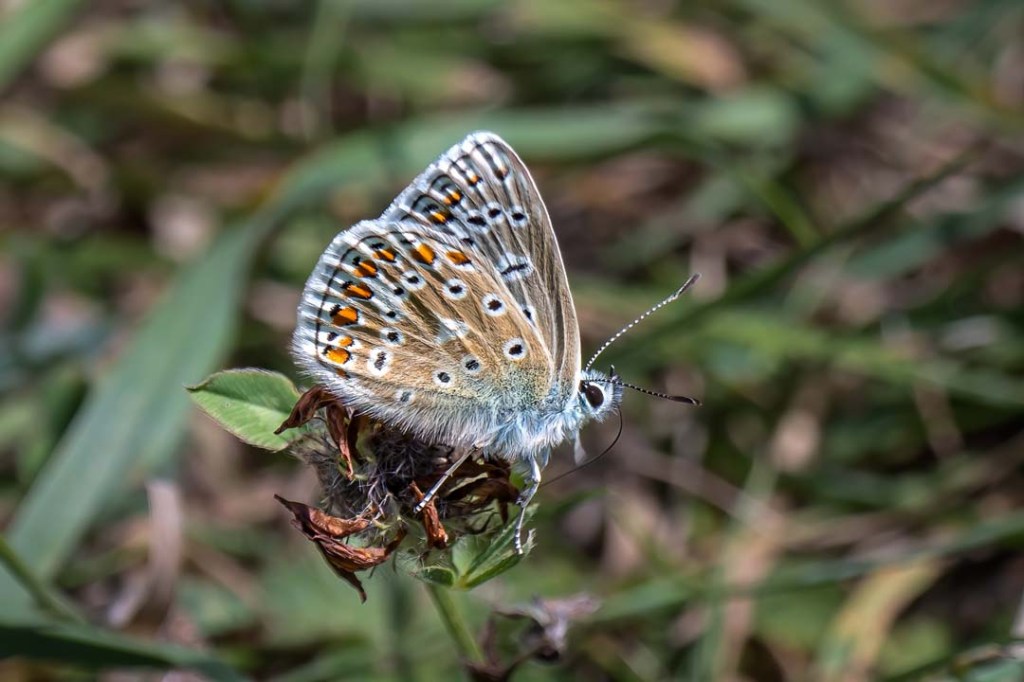

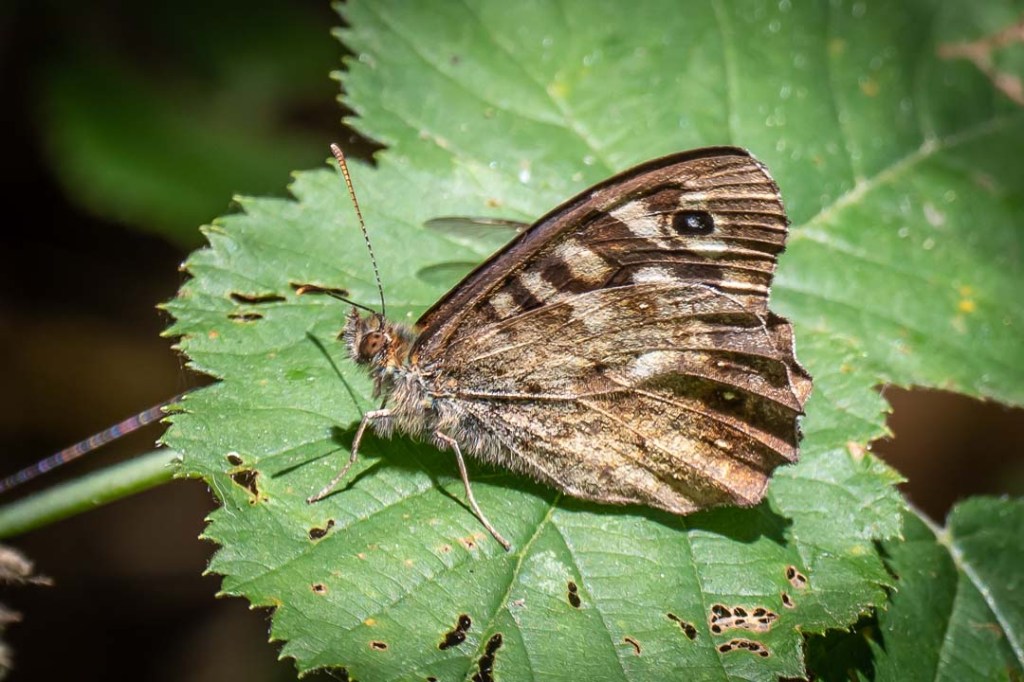
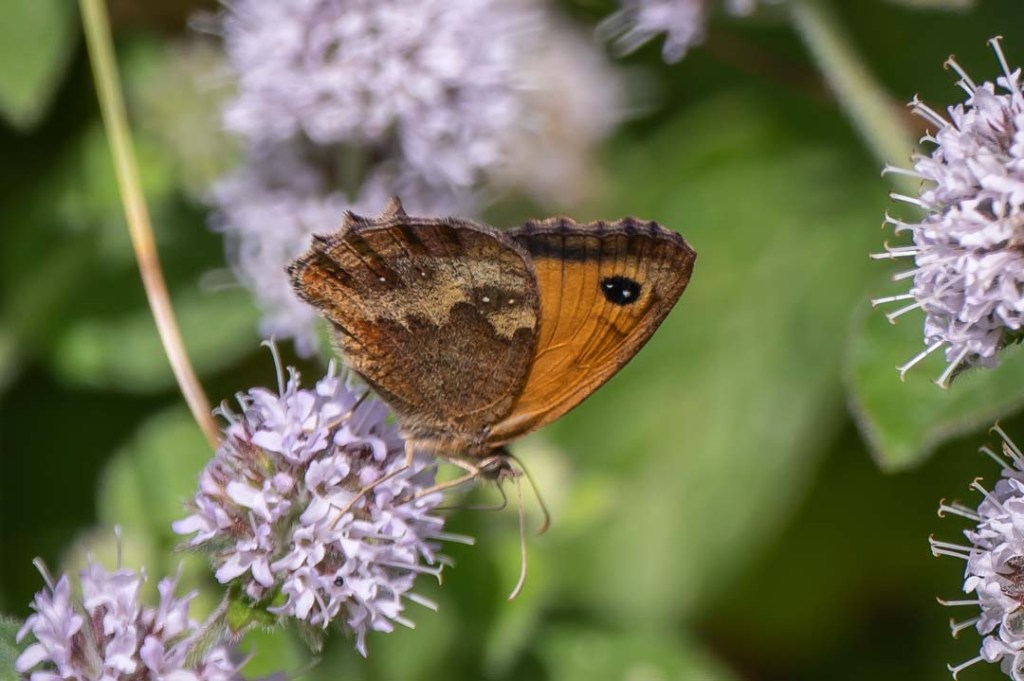
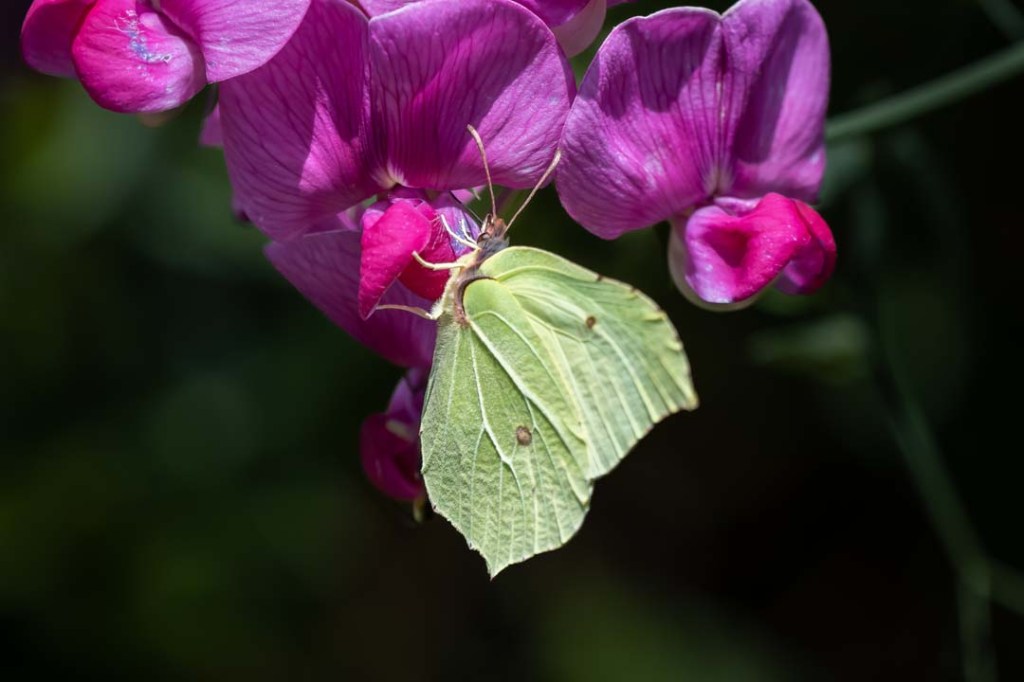
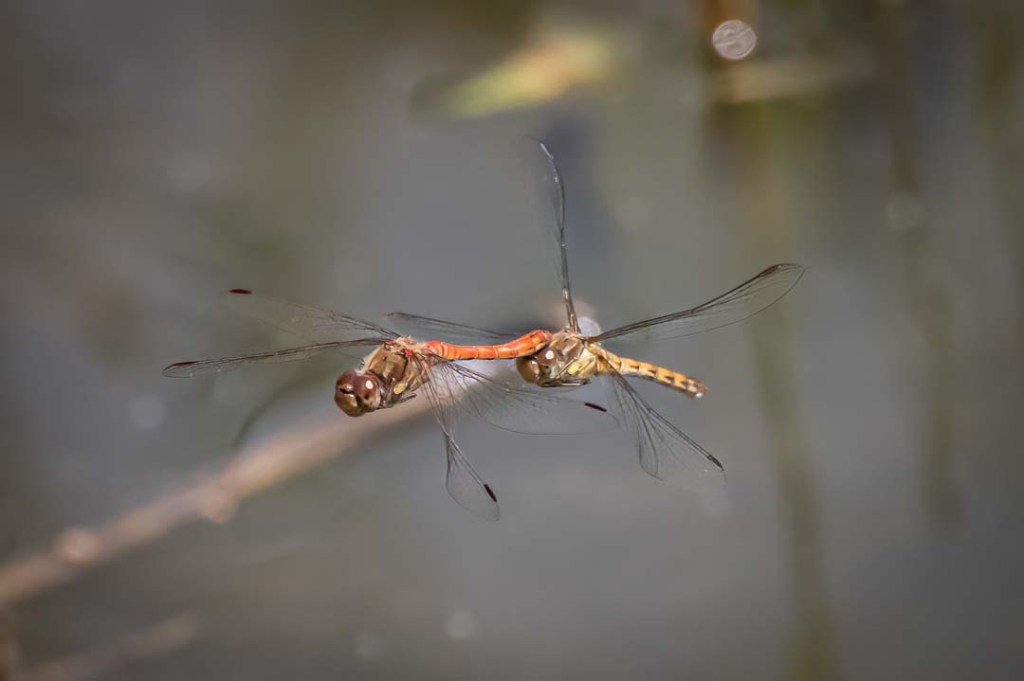
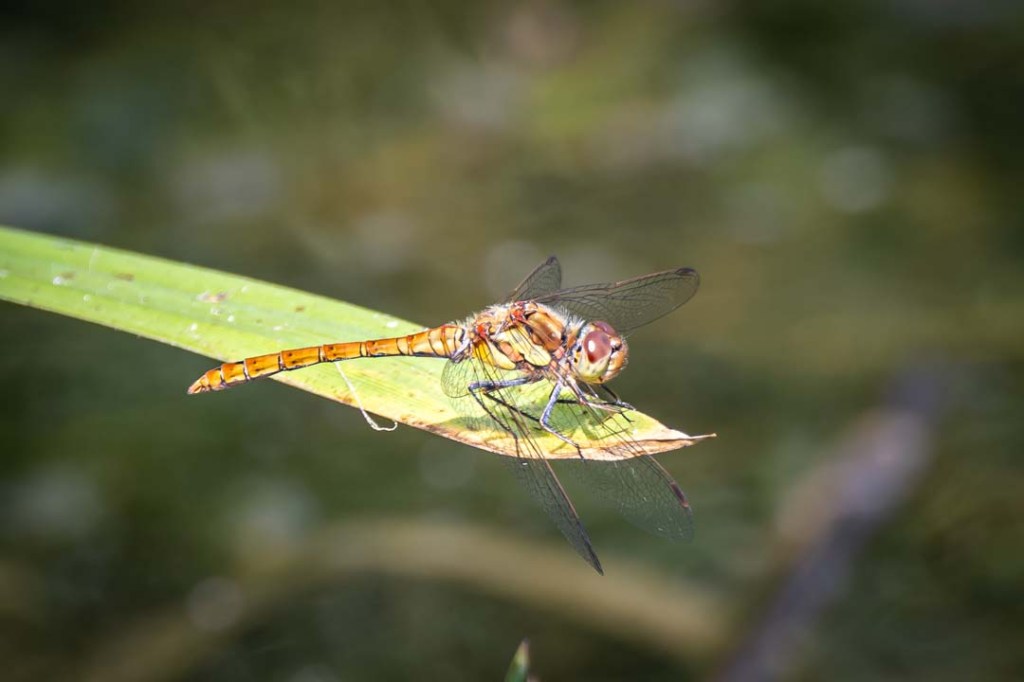
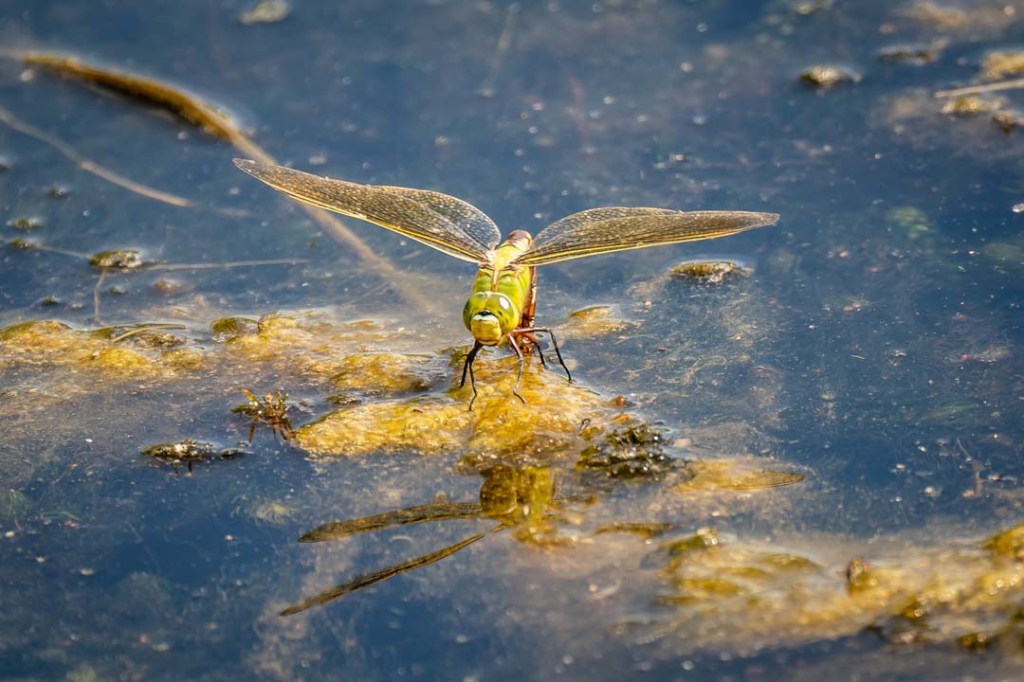

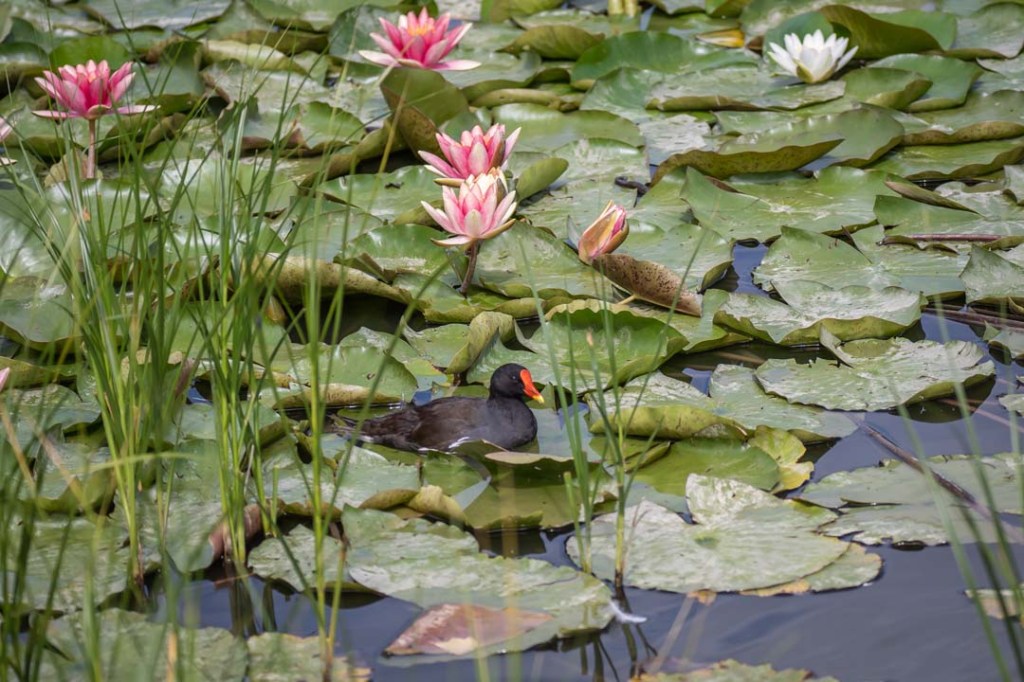
Slideshow of my photos from this morning
The sun brought out the damselflies, dragonflies and butterflies at Duchess Pond in Stoke Park this morning. A few birds too. Too hot to hang around though.
Slideshow of my photos from this morning
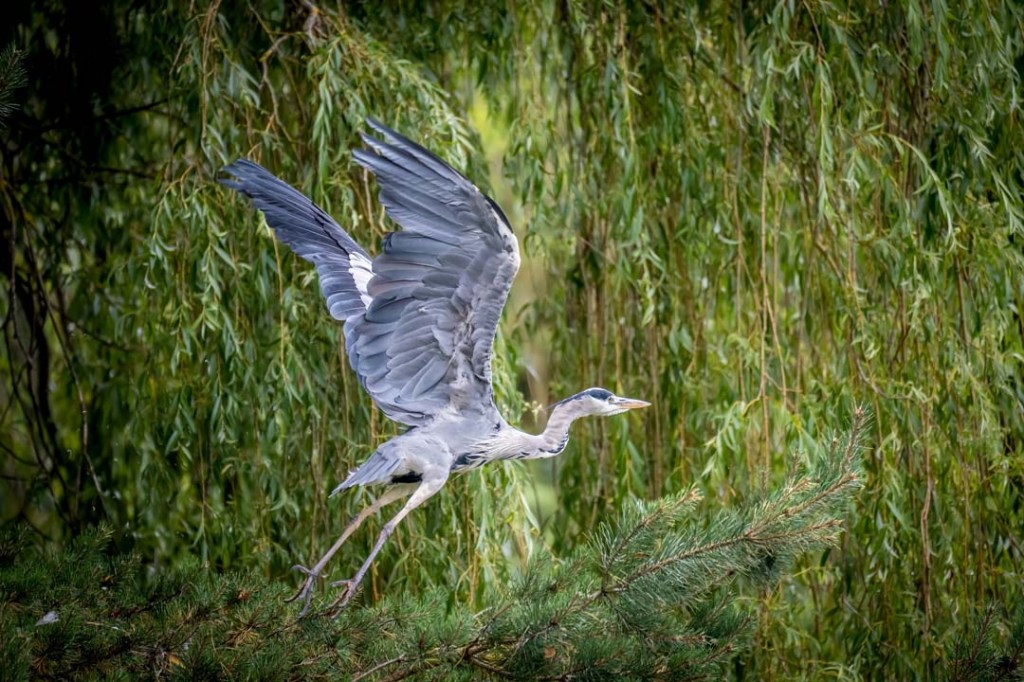
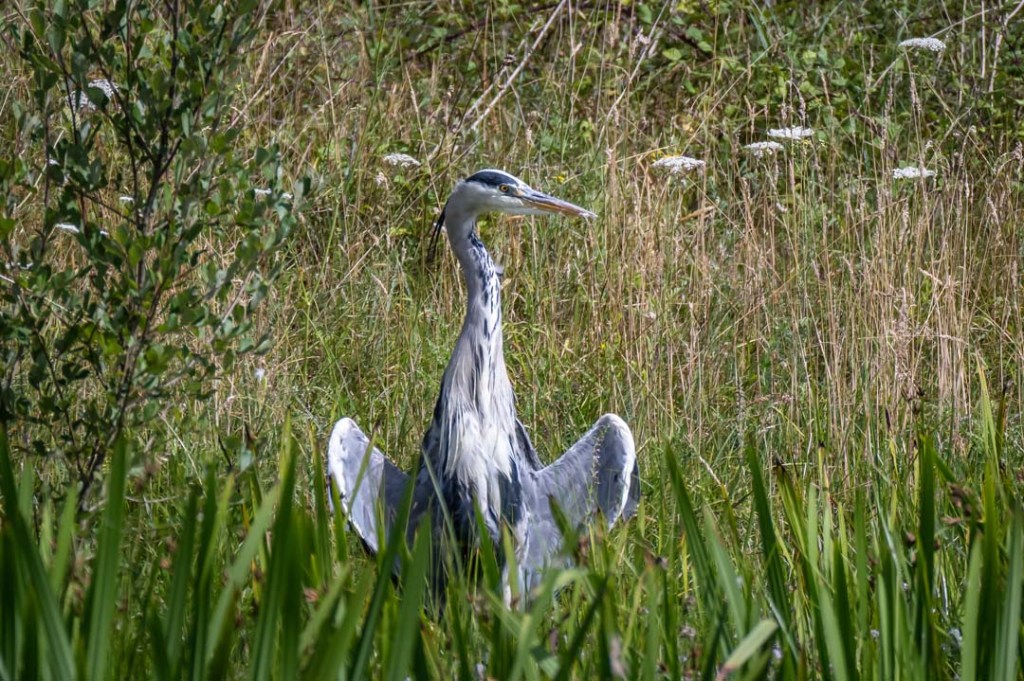
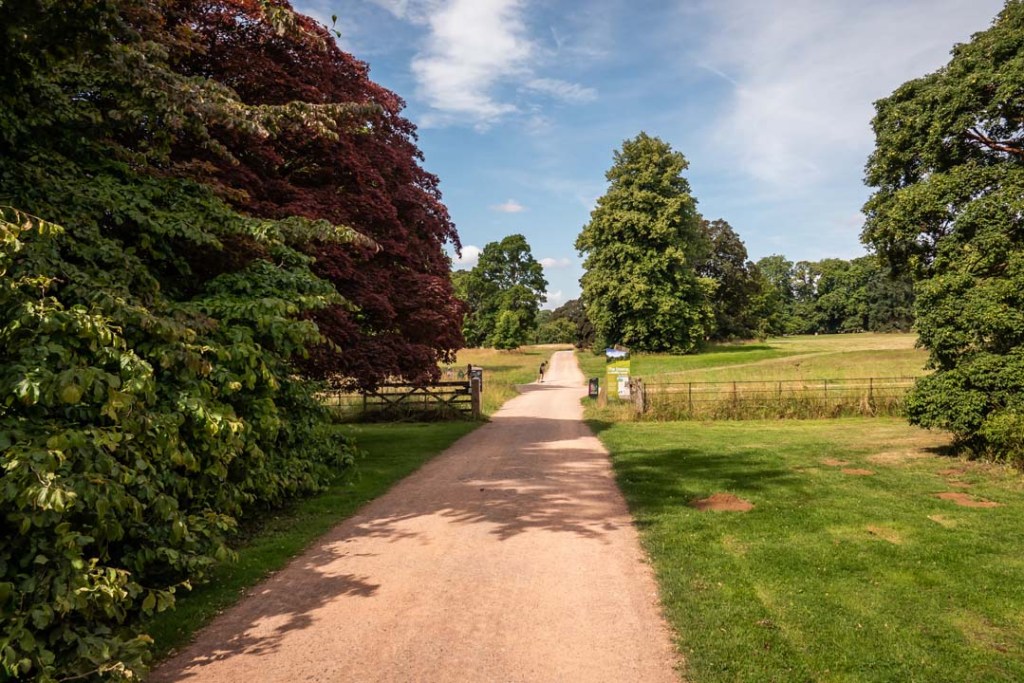
Yesterday it was all butterflies and today, thankfully, there were some birds to see. Brief walks in our local parks (Snuff Mills and Stoke Park) have produced lots of interesting things to see (and photograph).

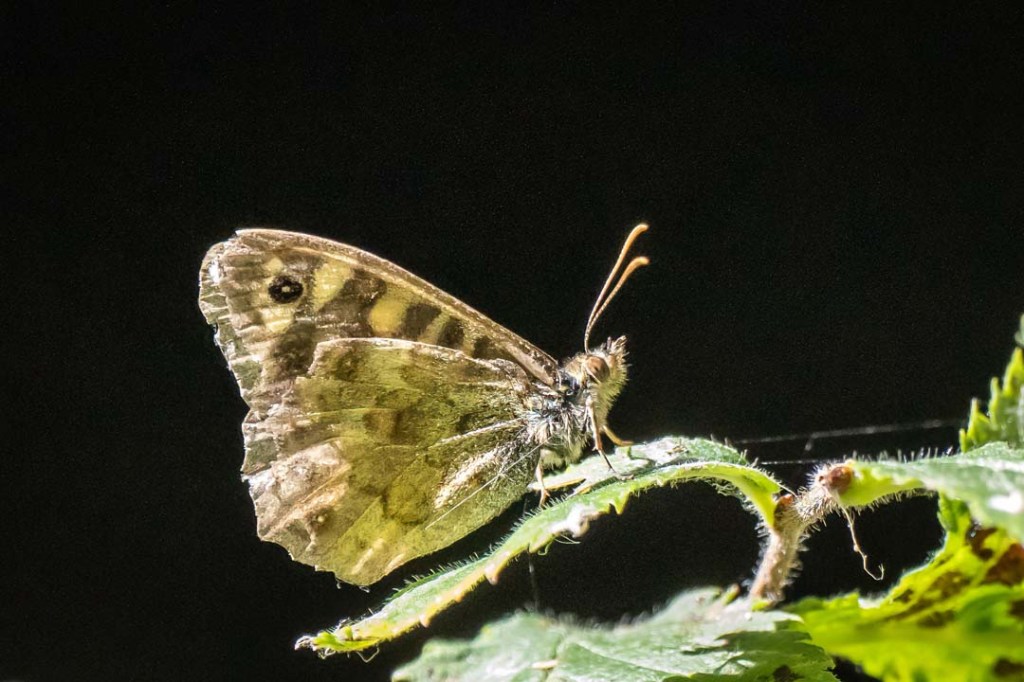


Slideshow of my photographs on the walk through Snuff Mills
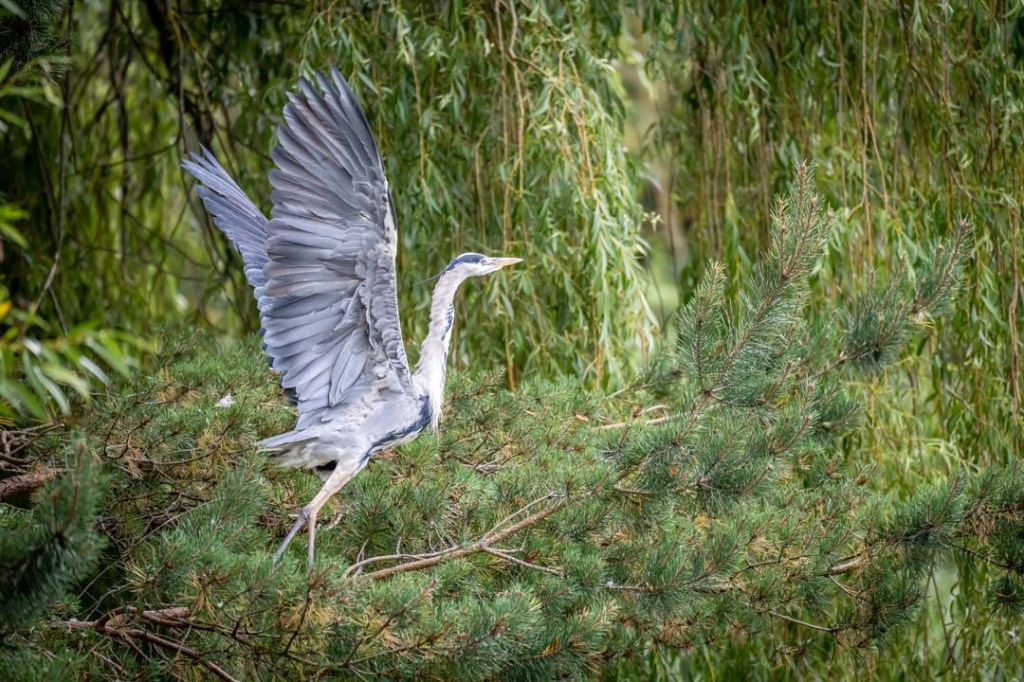

Slideshow of my photographs on the walk through Stoke Park
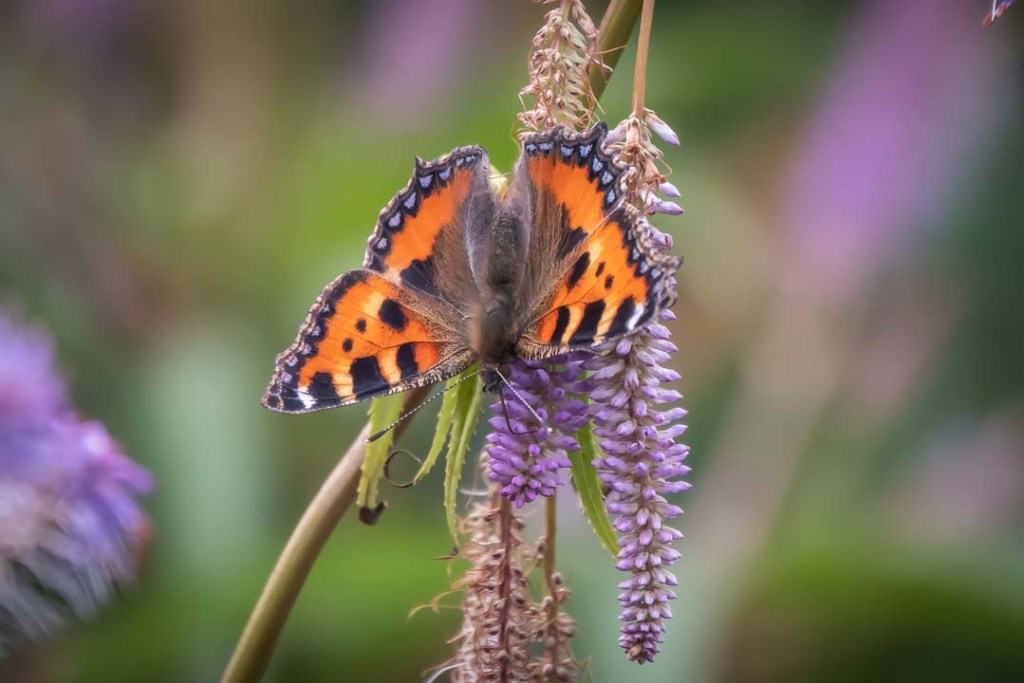
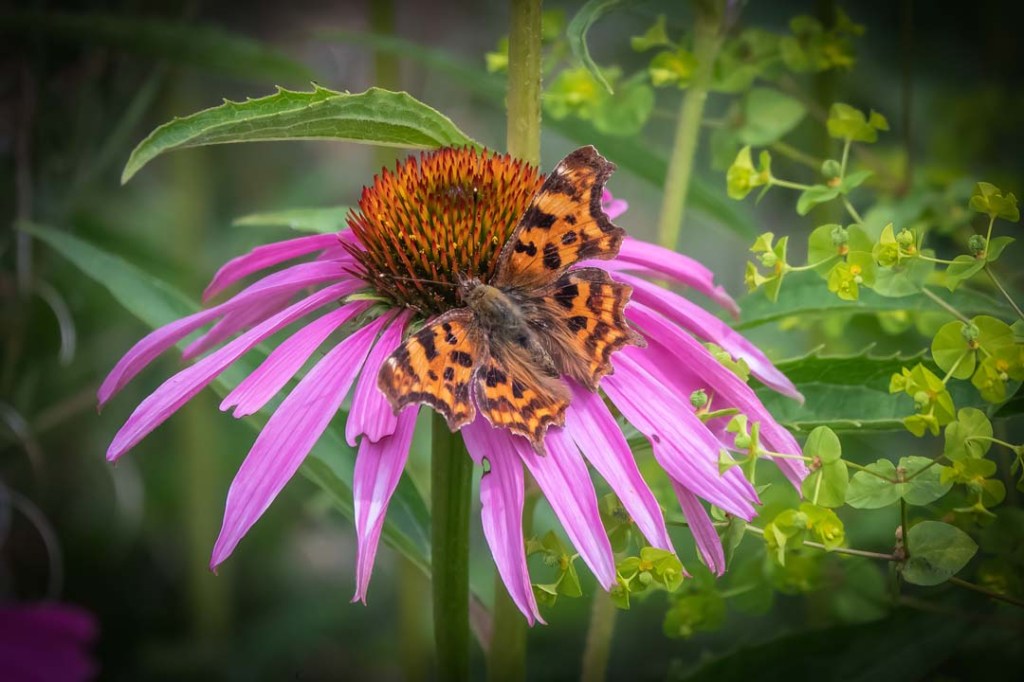
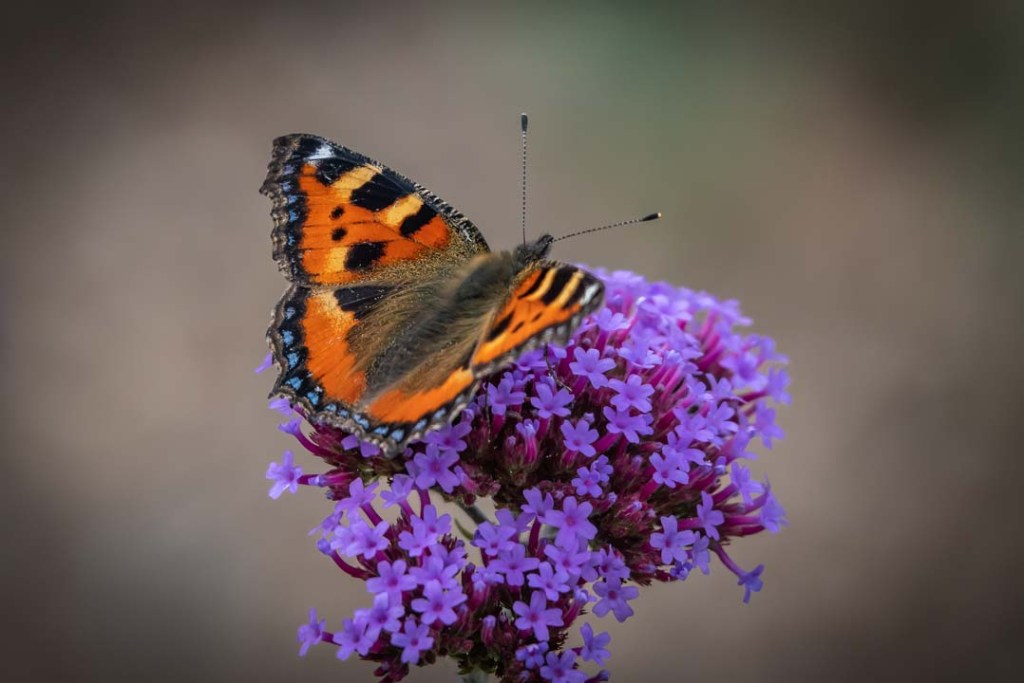
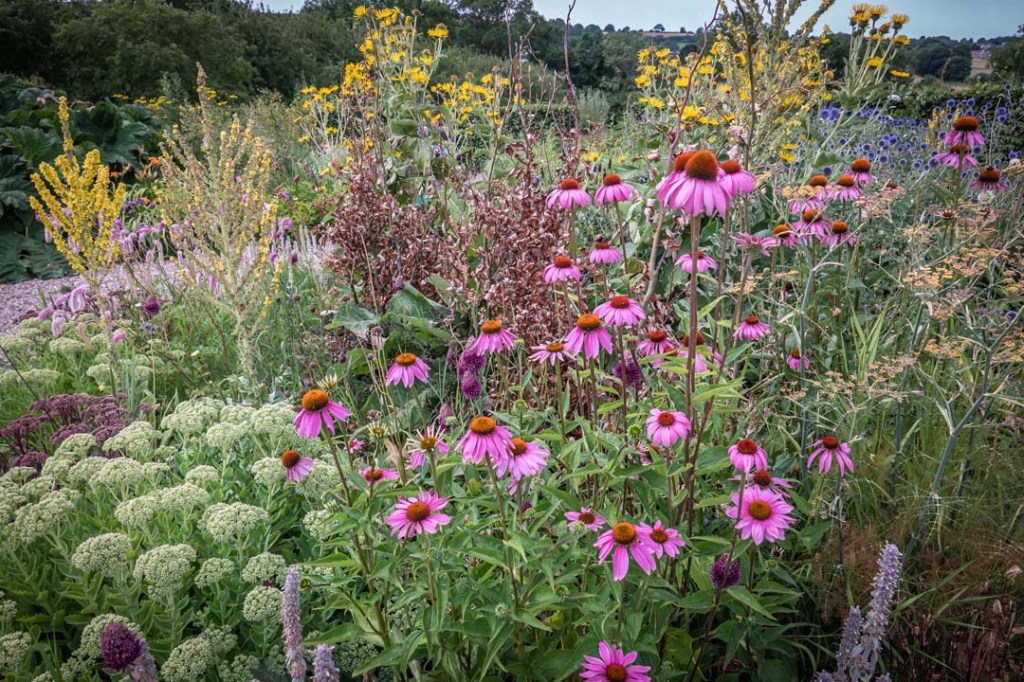
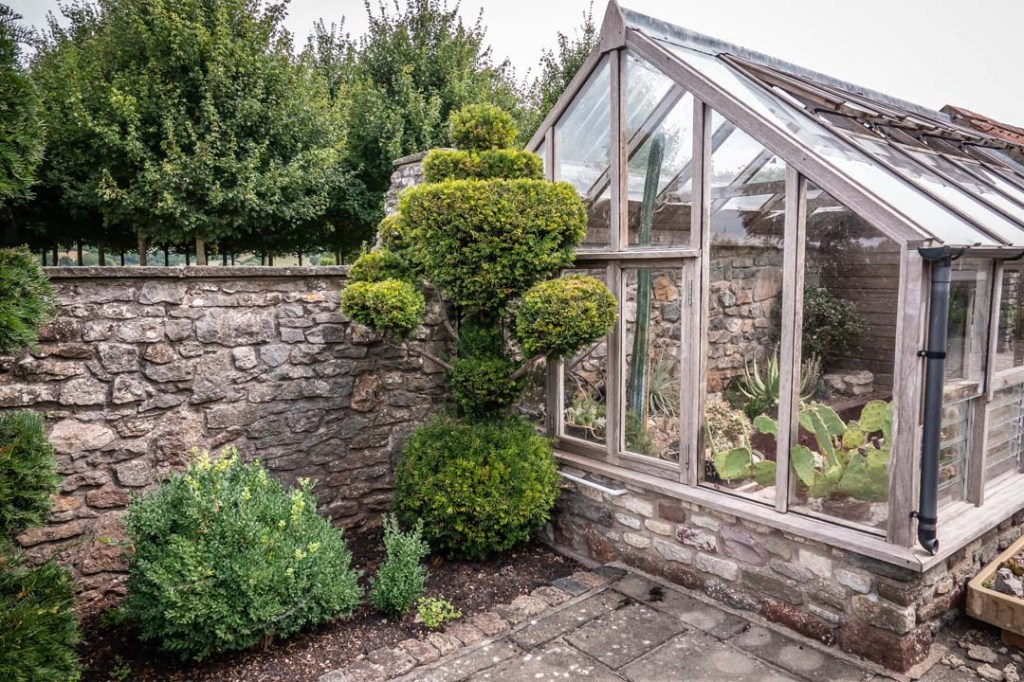
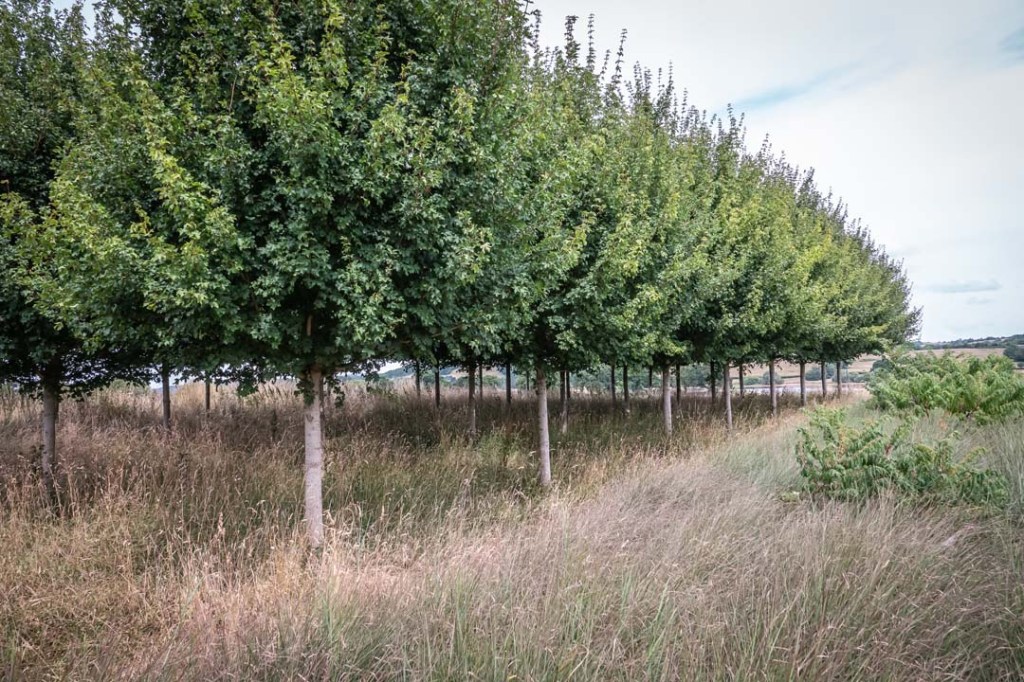
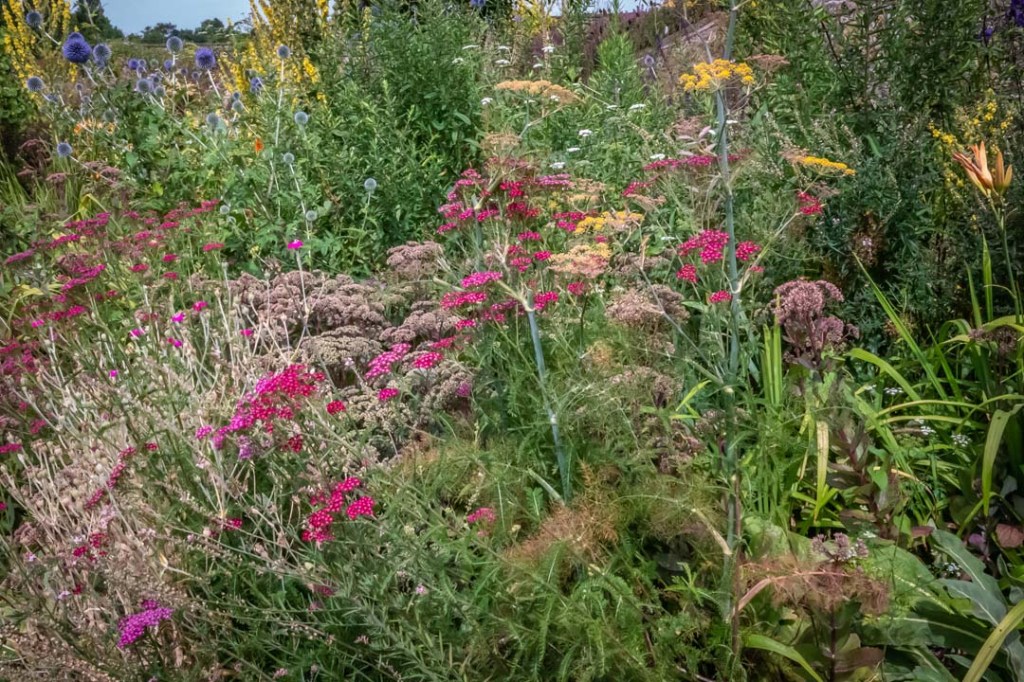
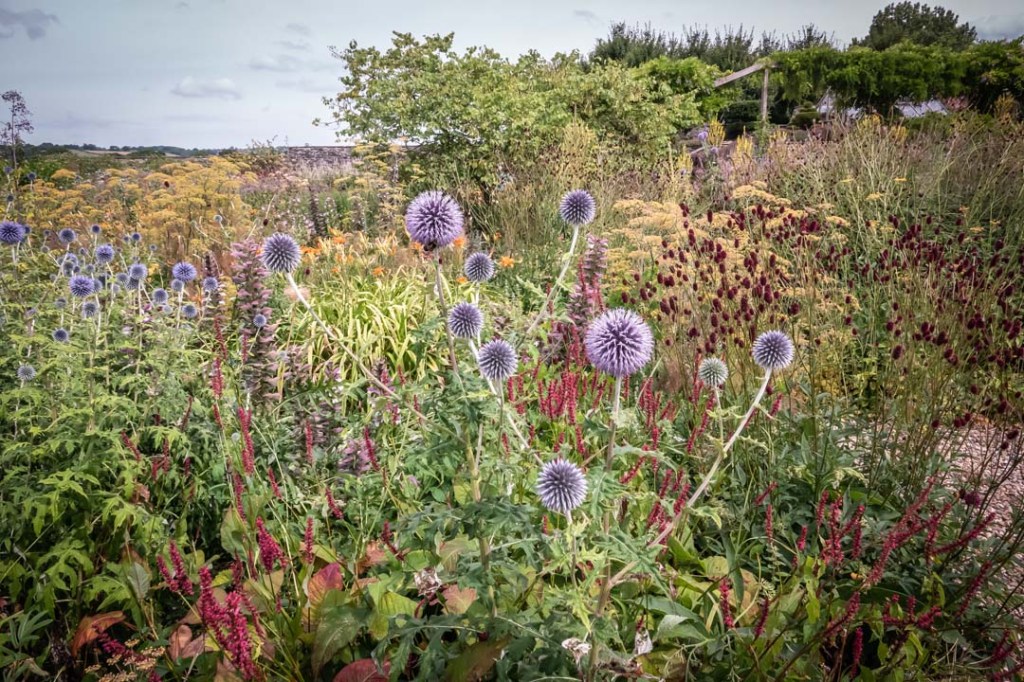
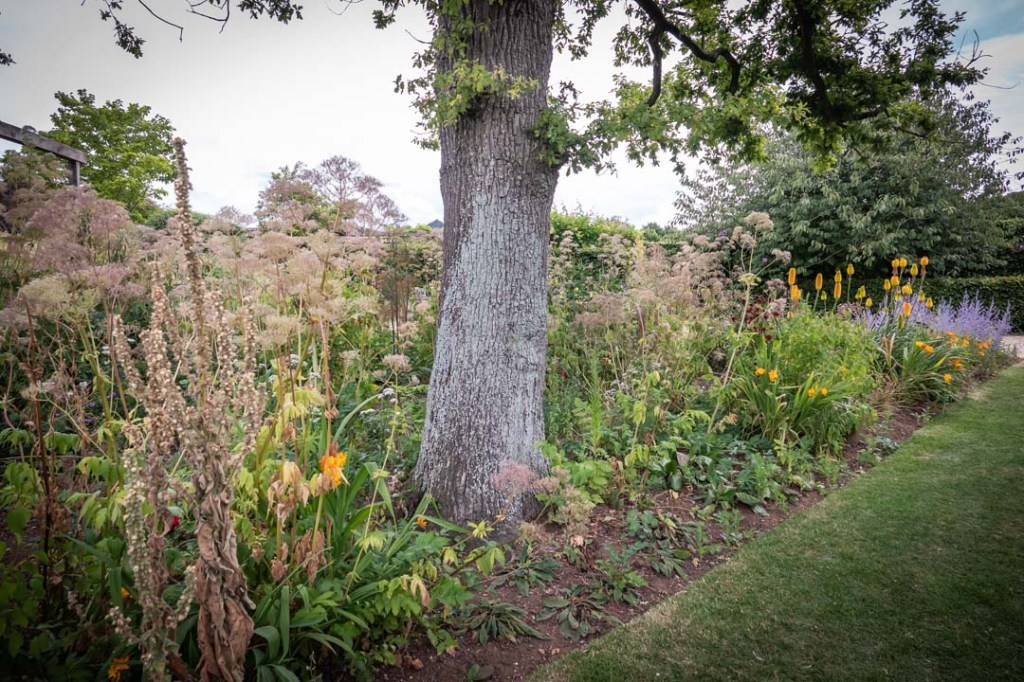
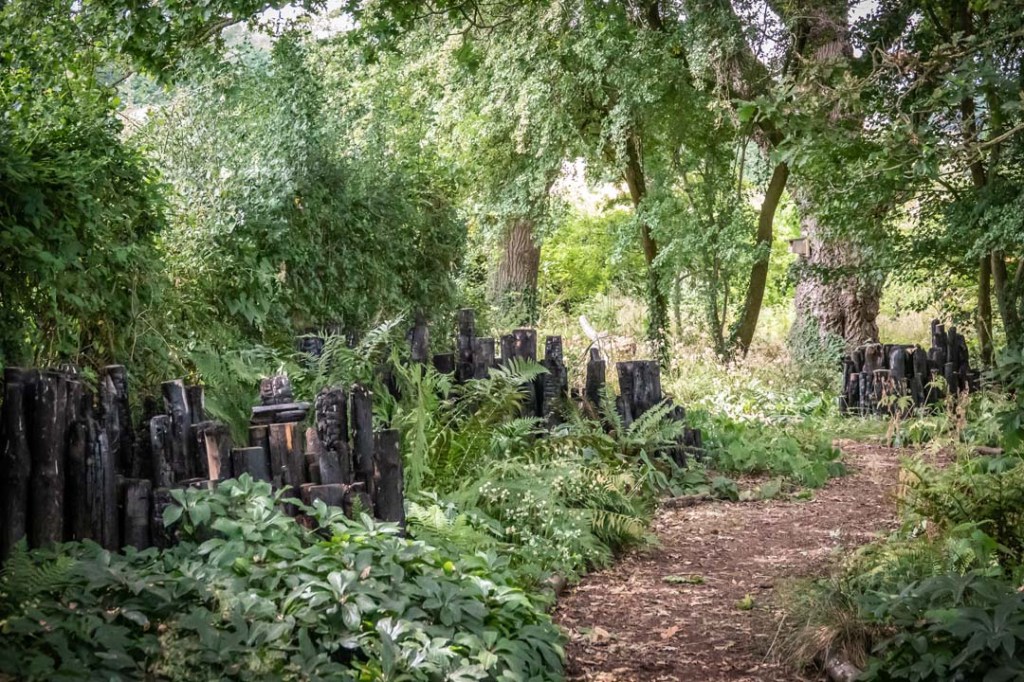
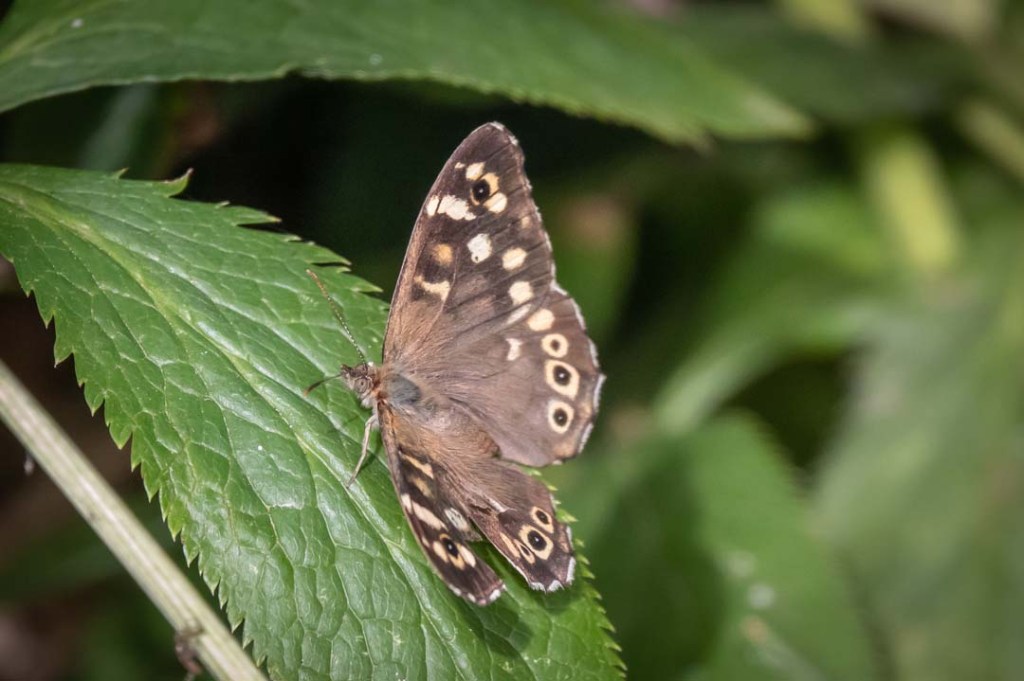
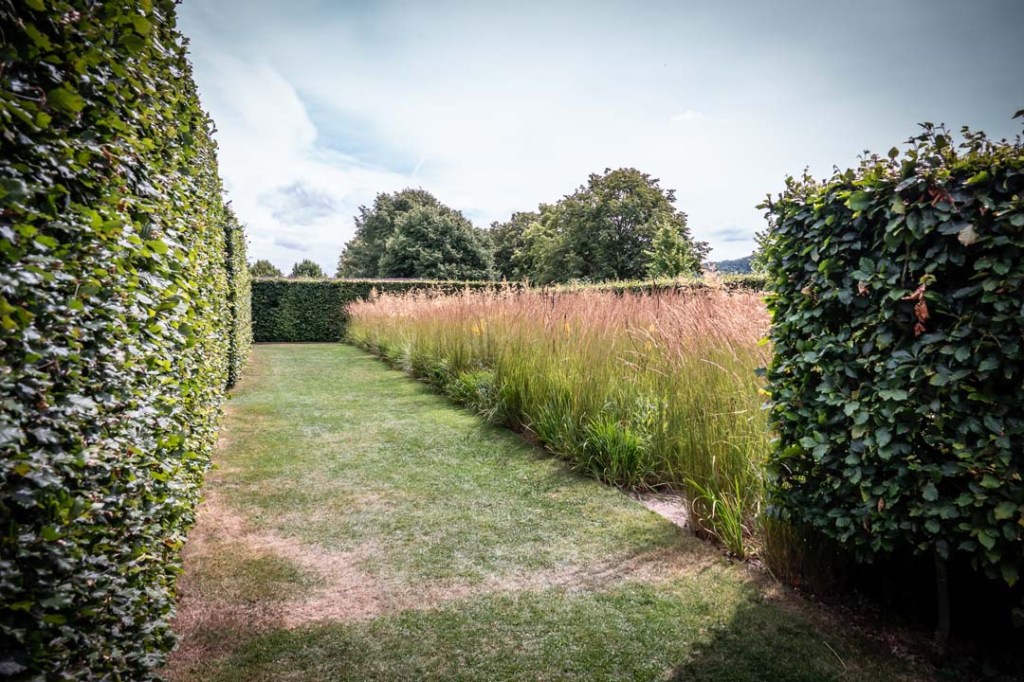
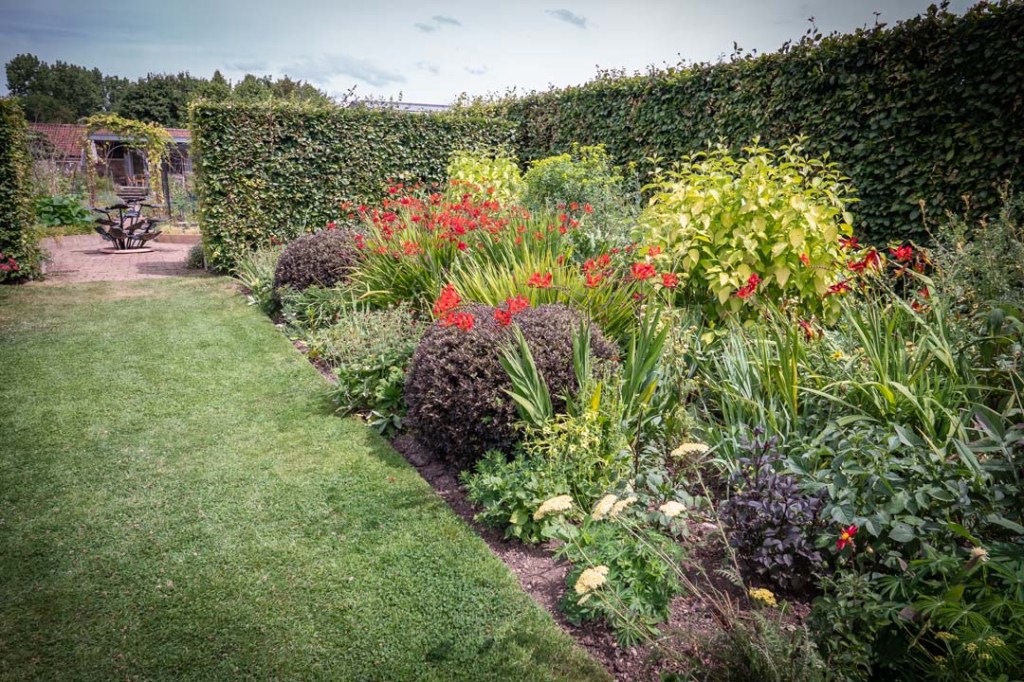
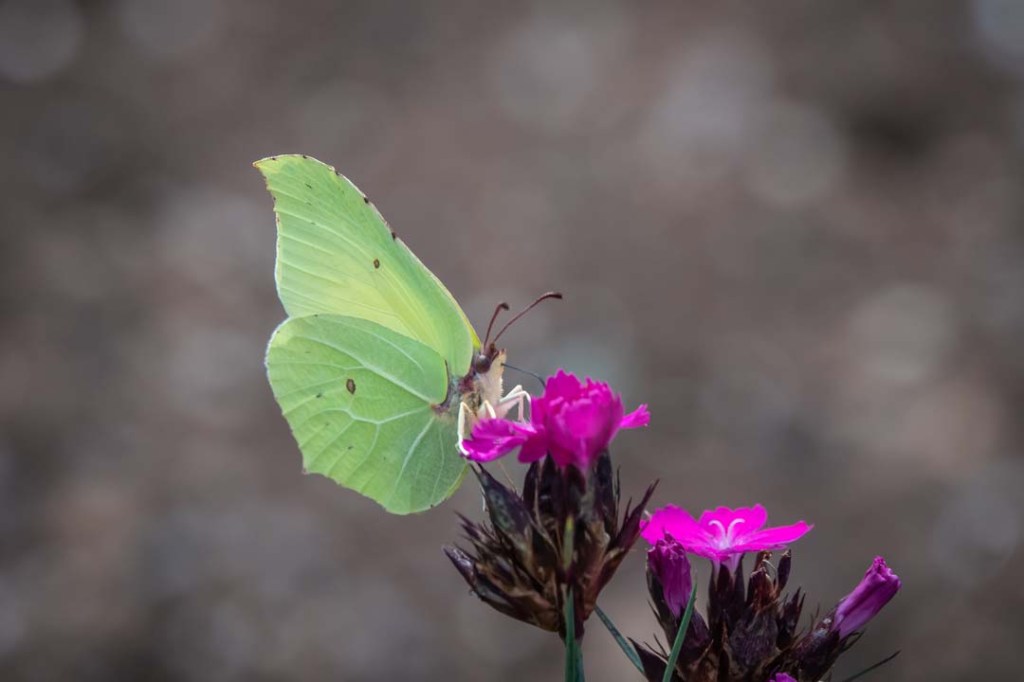
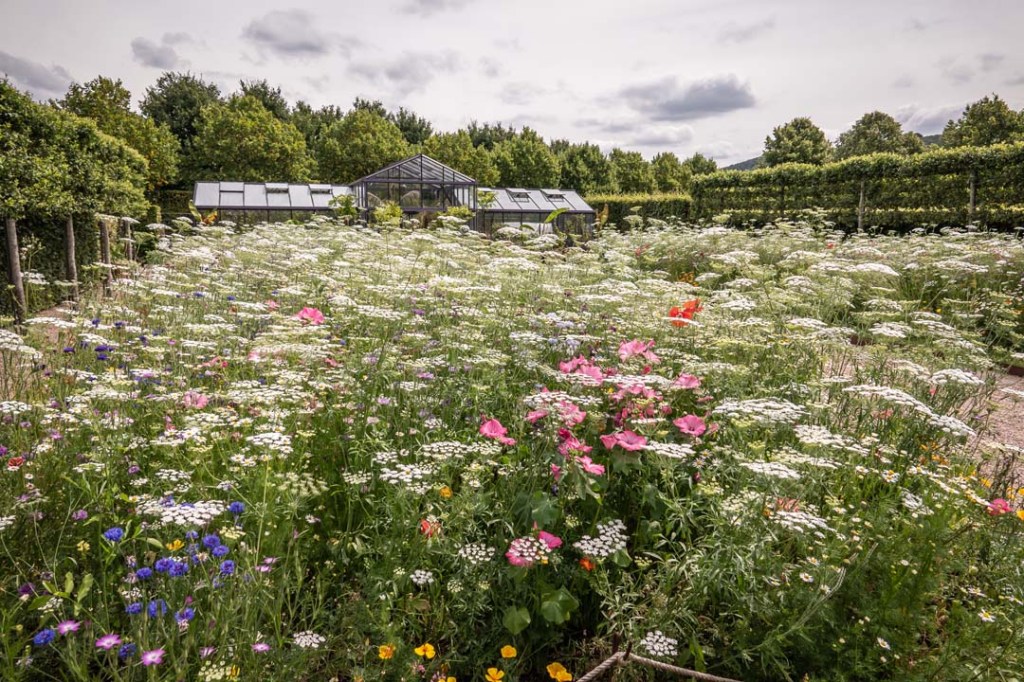
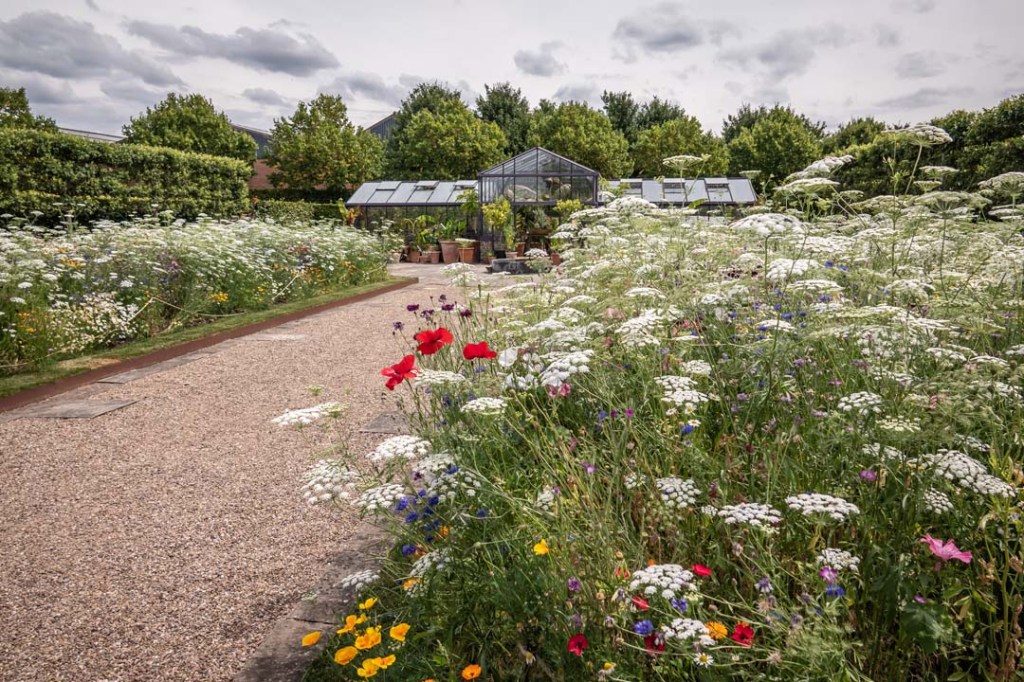
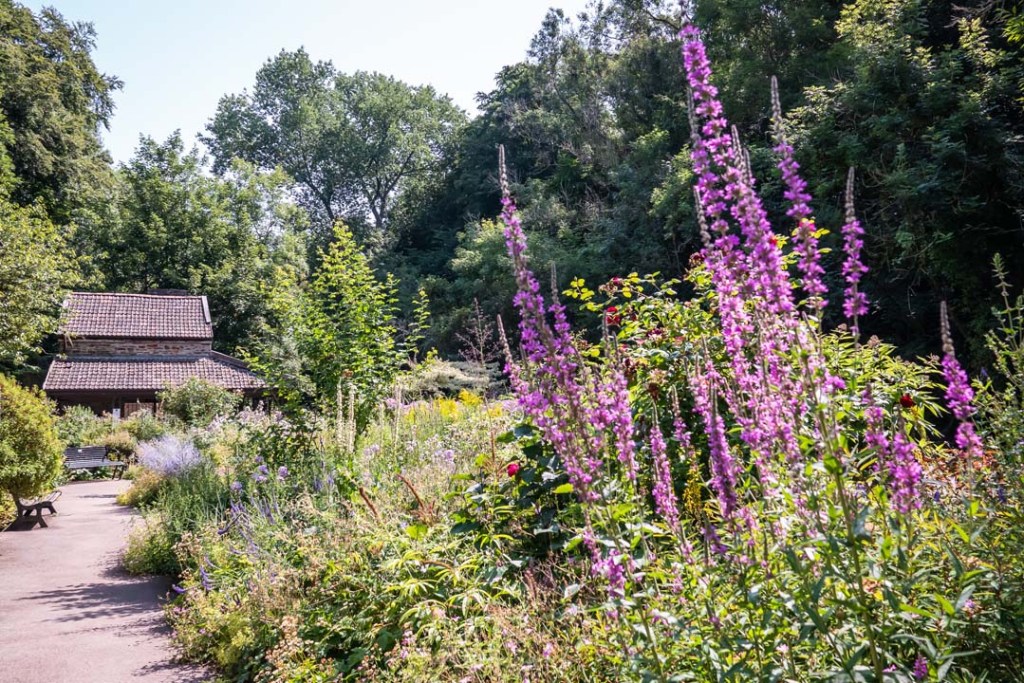
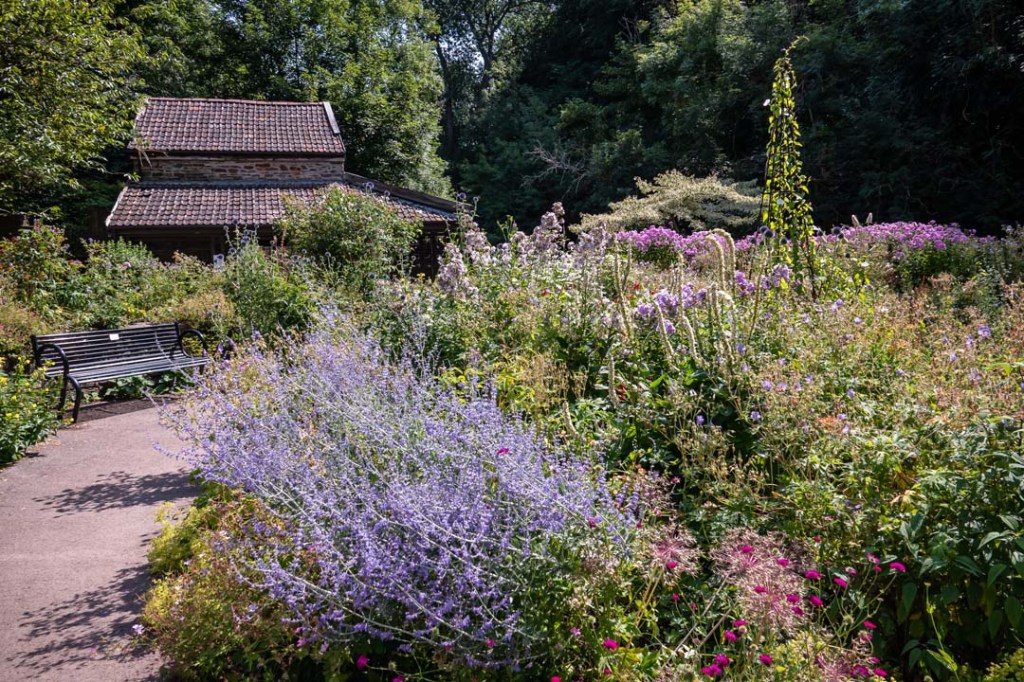
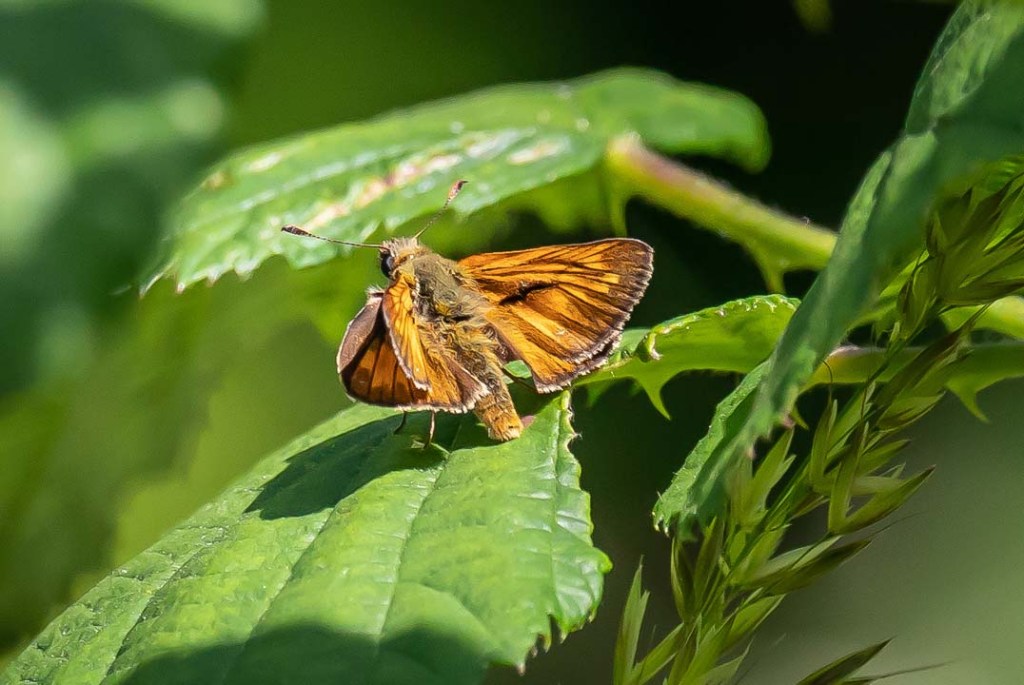
It’s definitely the season for butterflies rather than birds. Where better to see a variety of butterflies and damselflies than at the Yeo Valley Organic Gardens by Lag and Holt Farm just off the A368 between Blagdon and Ubley in the Chew Valley south of Bristol?
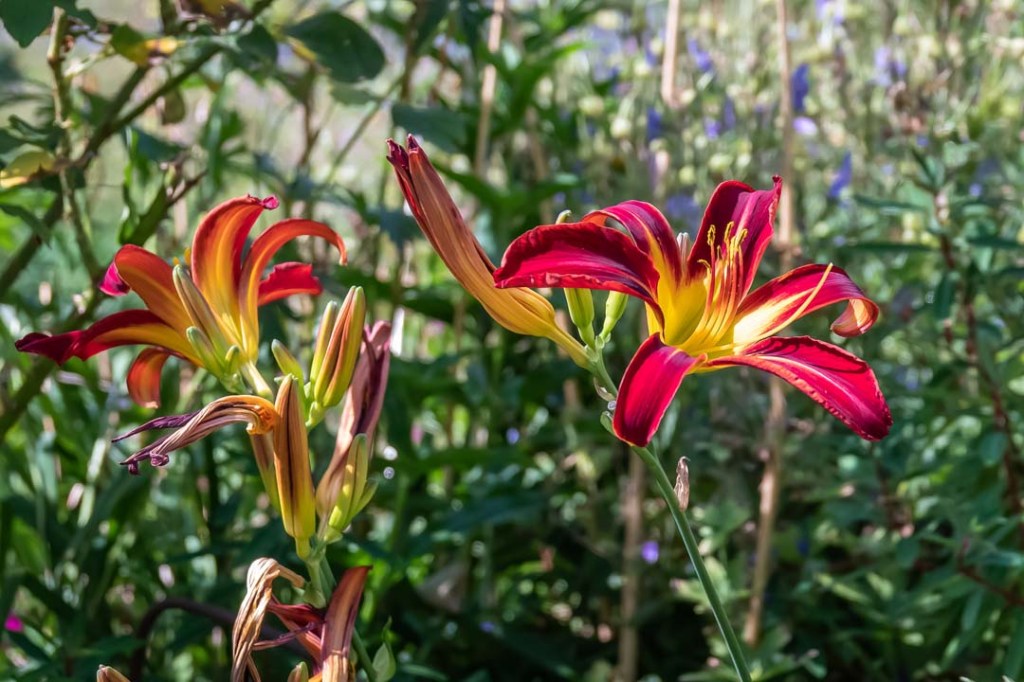
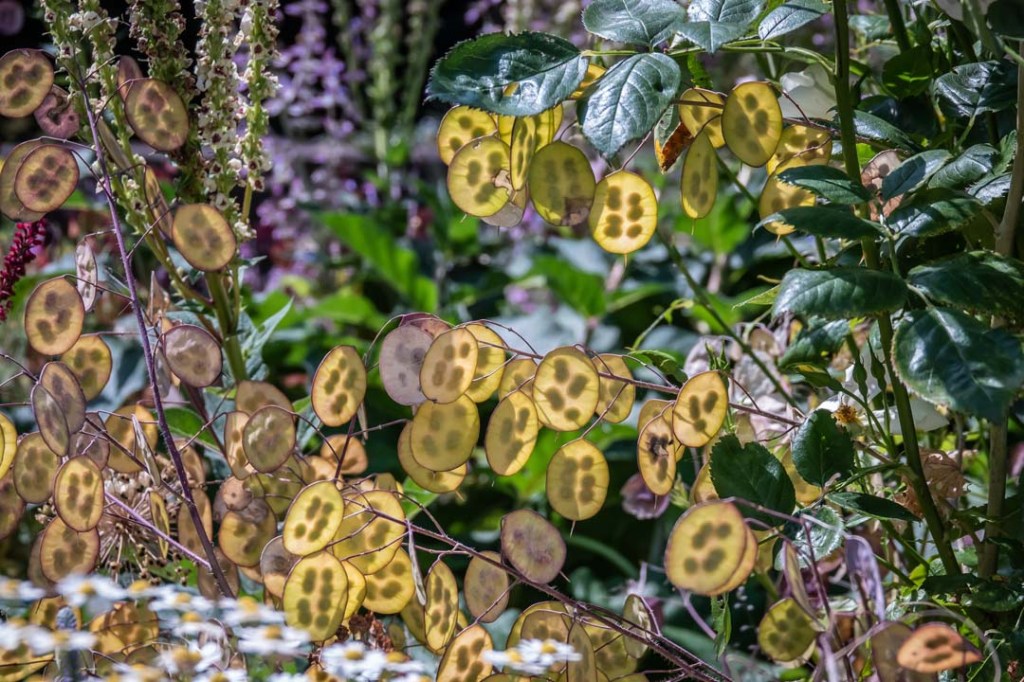
It’s six and a half acres of ornamental and edible plants in a seasonal patchwork that Sarah Mead and her team have been constantly evolving since they started the gardens more than 18 years ago. You can see how elements of the gold medal winning organic garden at Chelsea Flower Show 2021 have been incorporated into the garden. There’s also a decent café where you can get a coffee and cake or a light lunch (or indeed both as we did!)


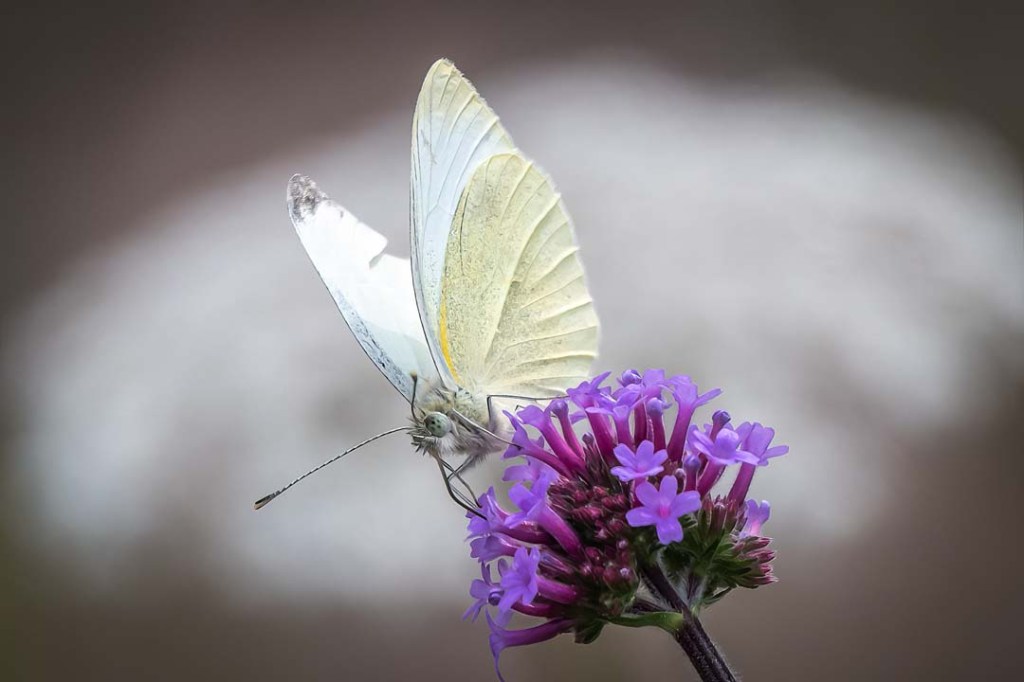
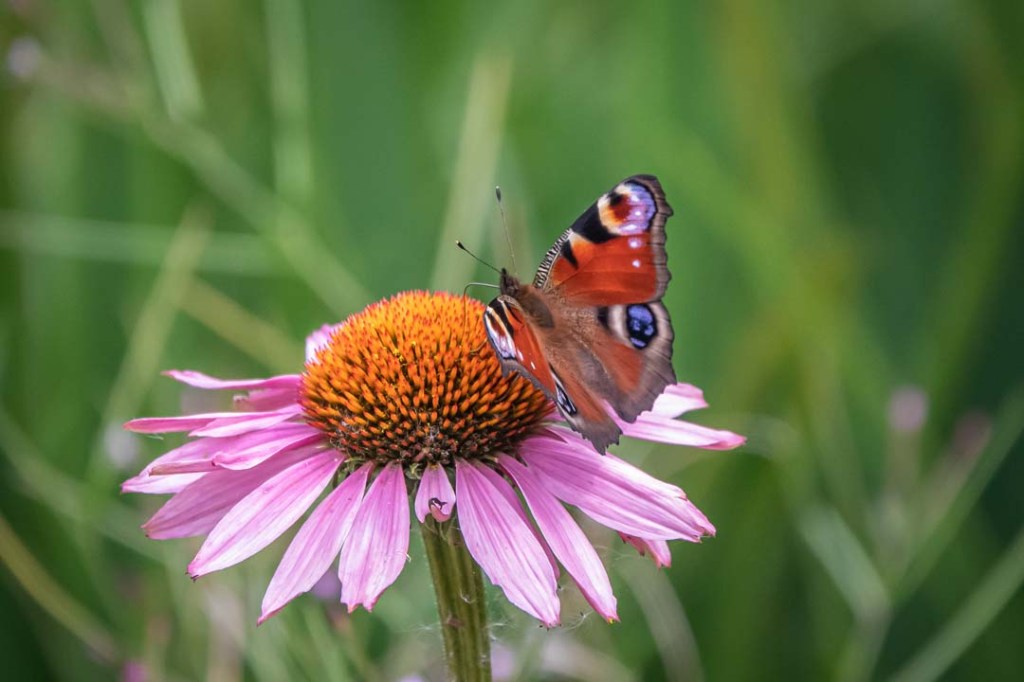
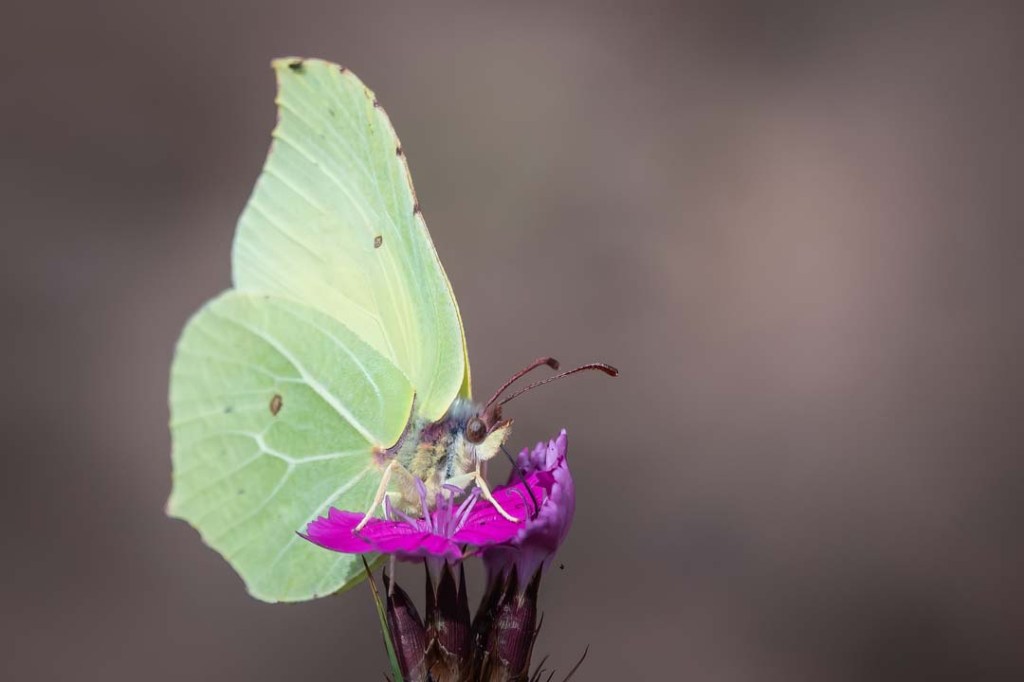
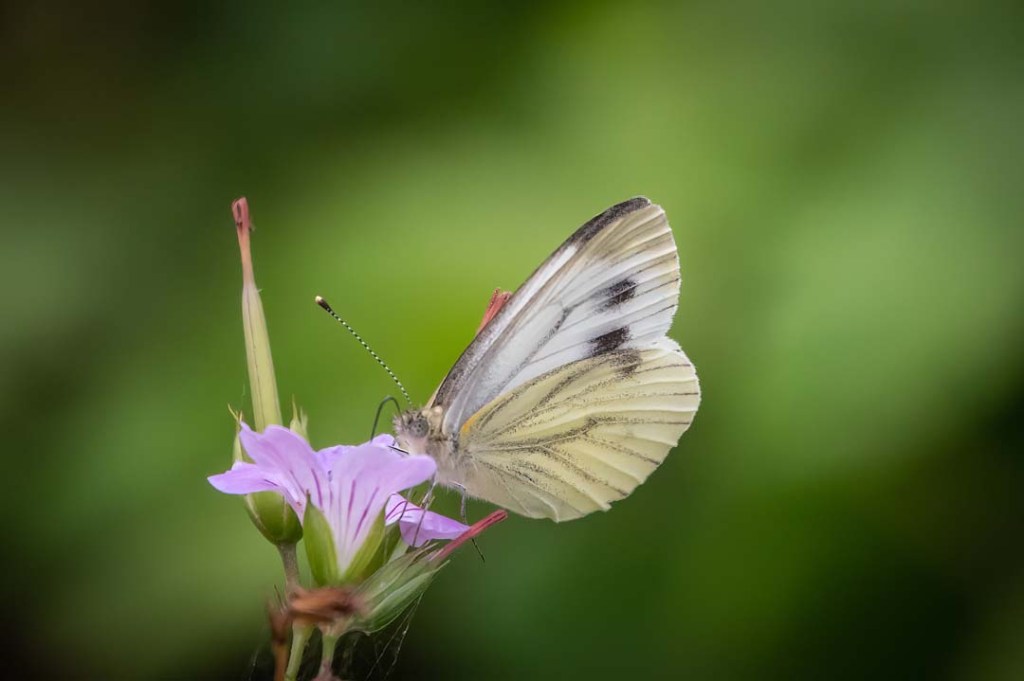
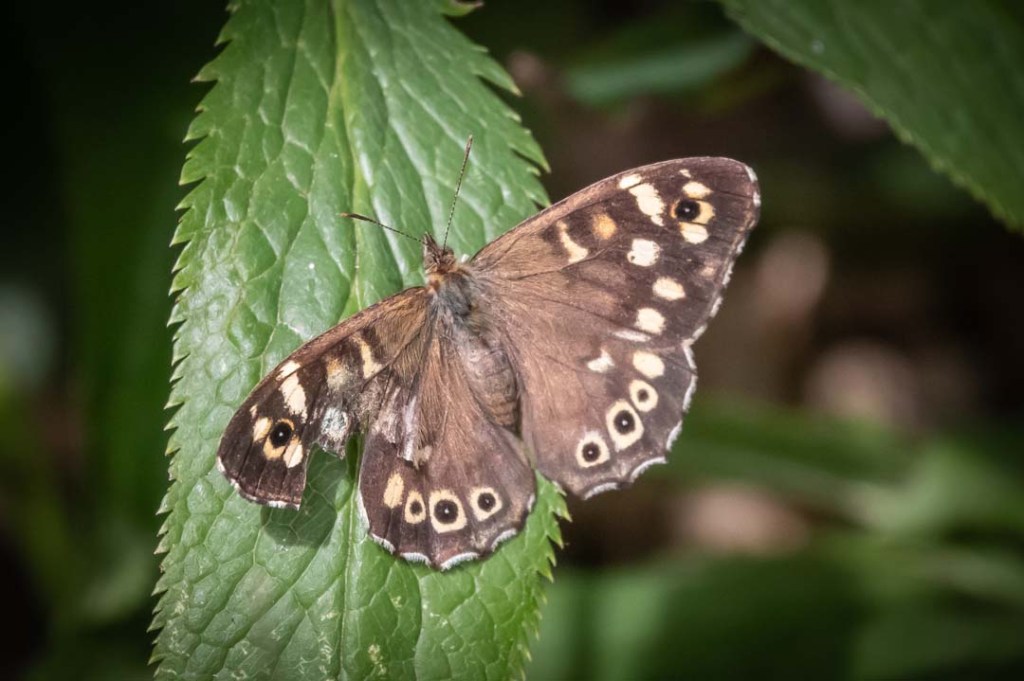
Slideshow of today’s photos
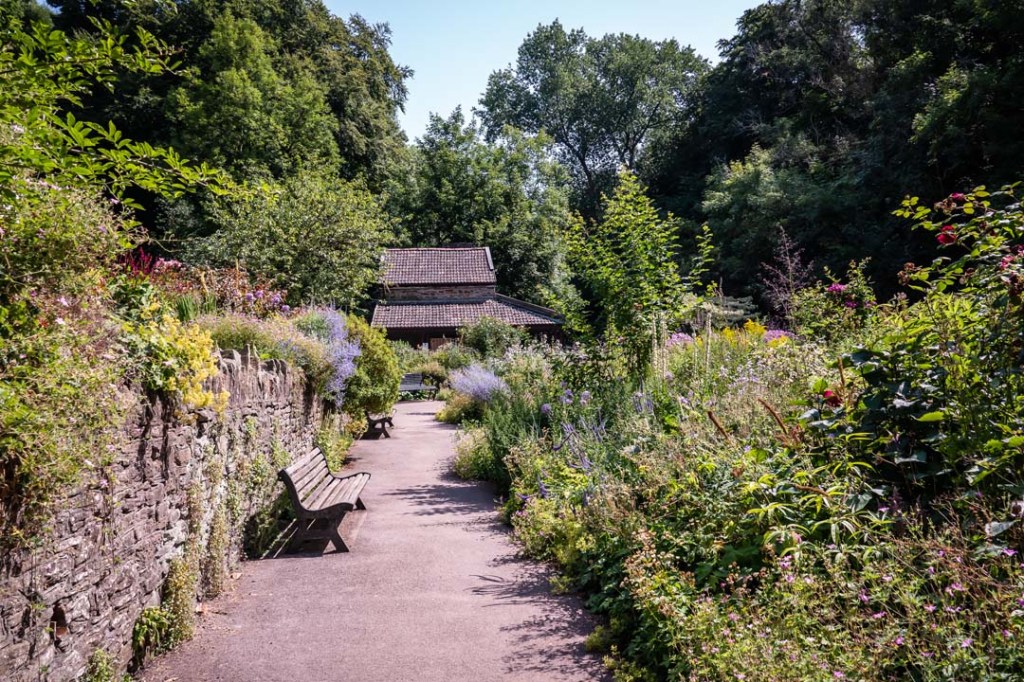
With very high temperatures forecast for today (36 degrees C) we took advantage of the shade this morning to walk along the River Frome in a park on the outskirts of Bristol which is known as Snuff Mills. The walk takes you past an old water mill – the park’s name originates from one of the millers whose nickname was ‘Snuffy Jack’ because his smock was always covered in snuff.
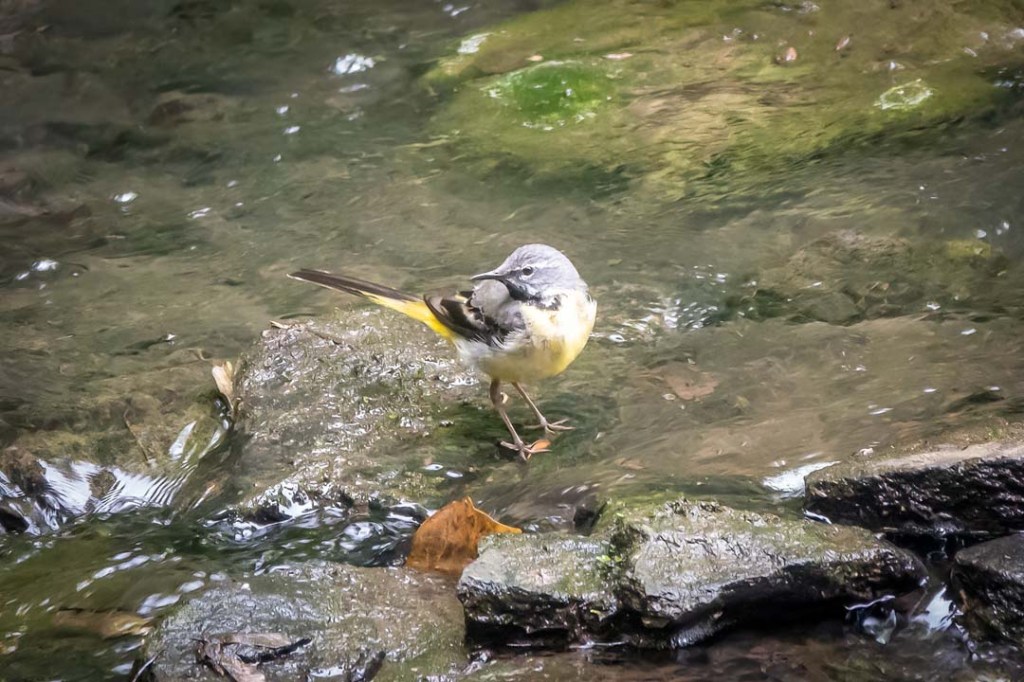
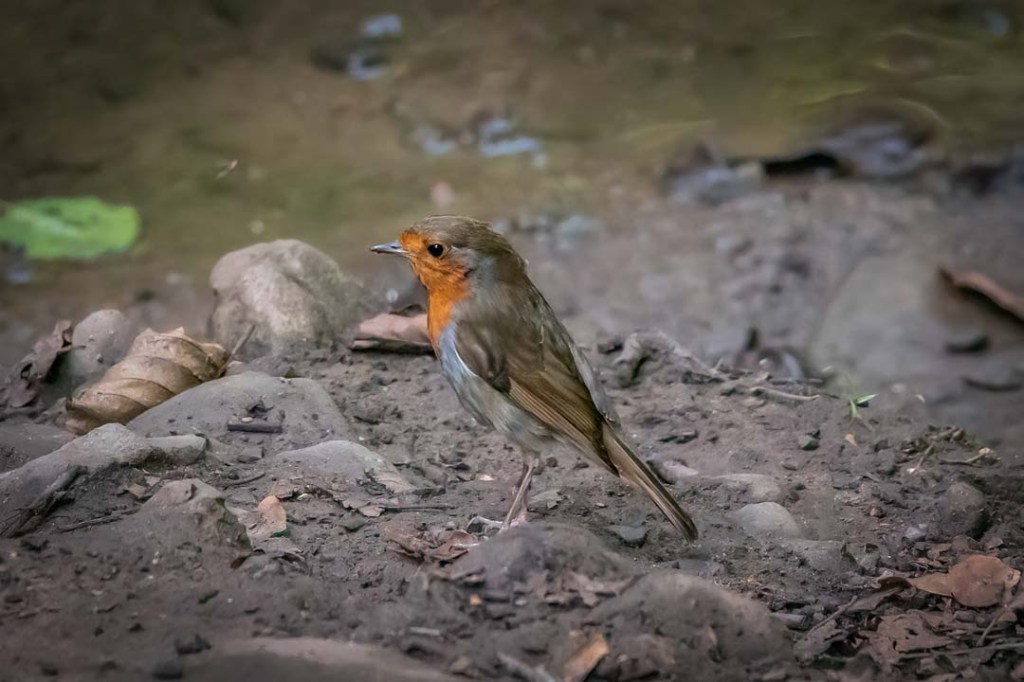
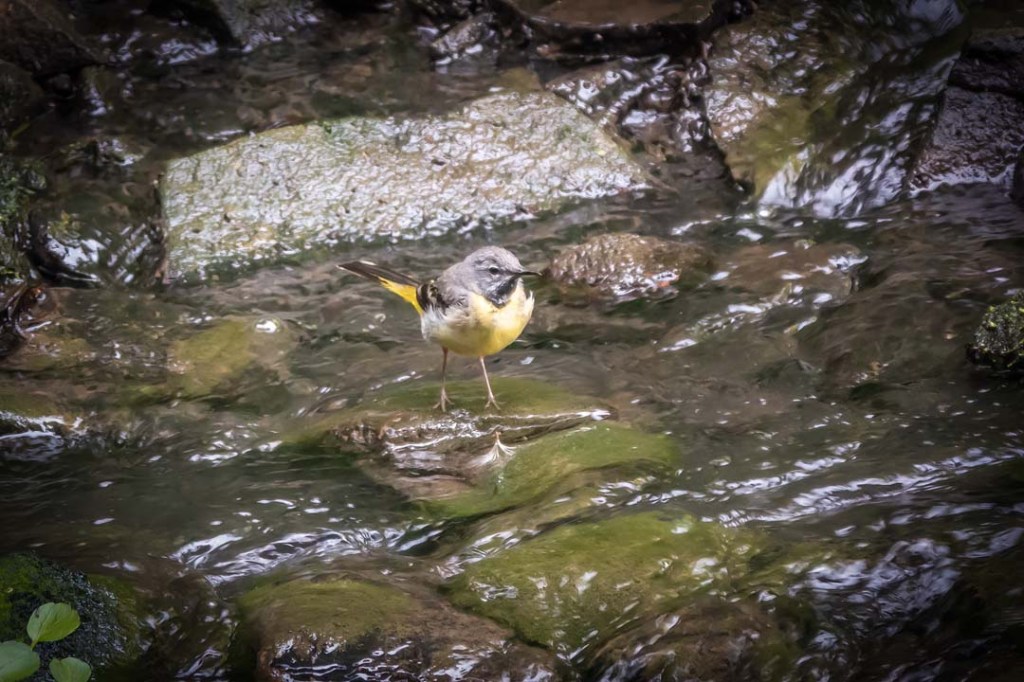
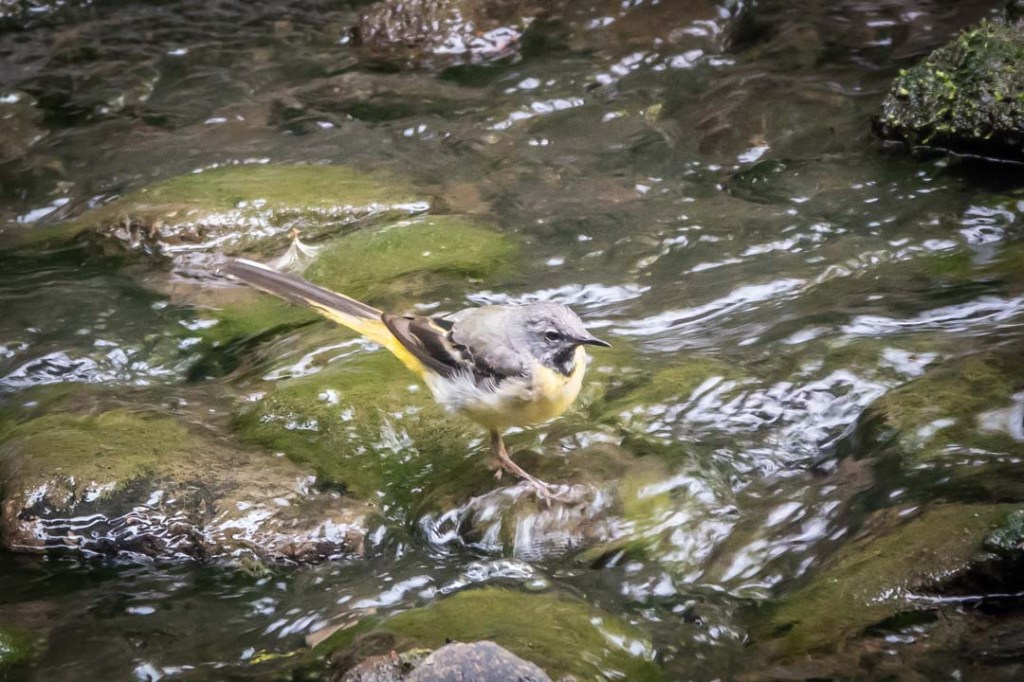
We were hoping to see kingfishers but all we saw were grey wagtails and robins.
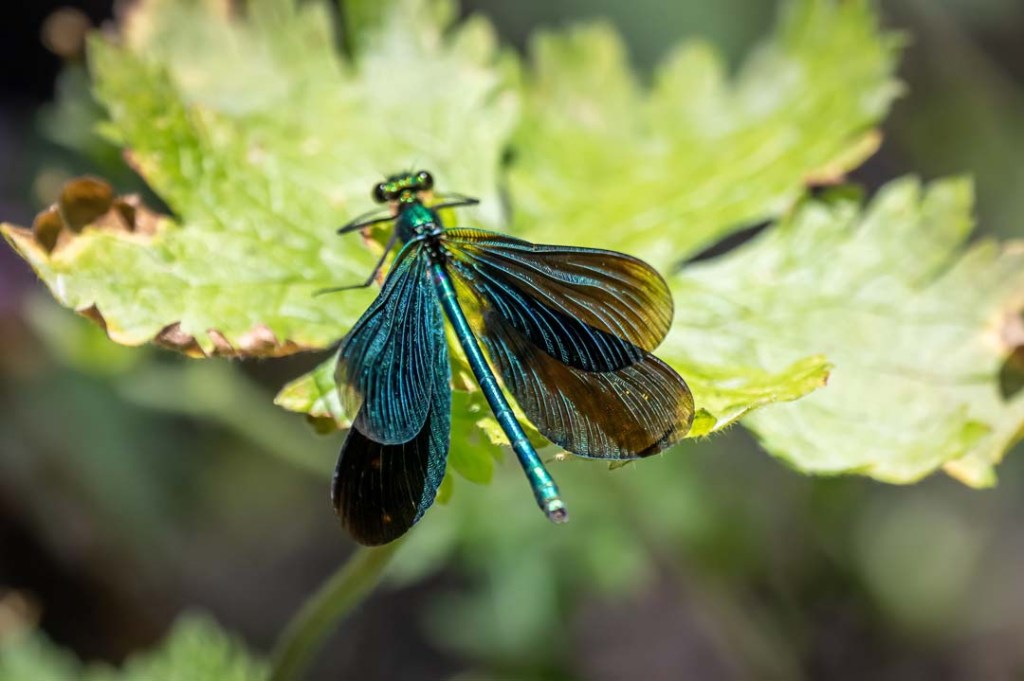
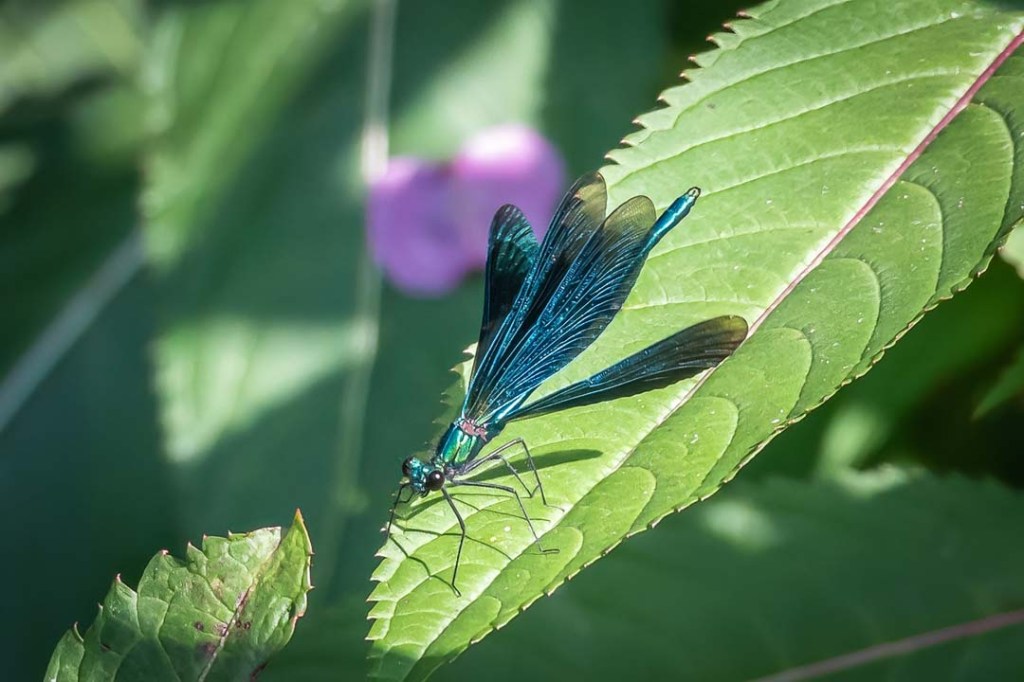
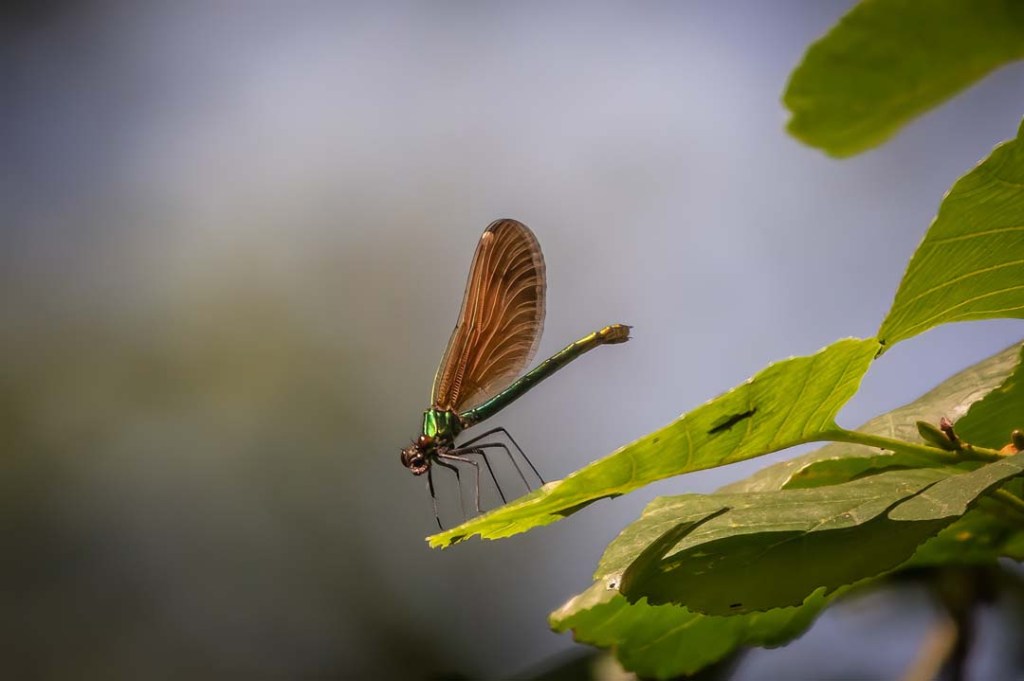
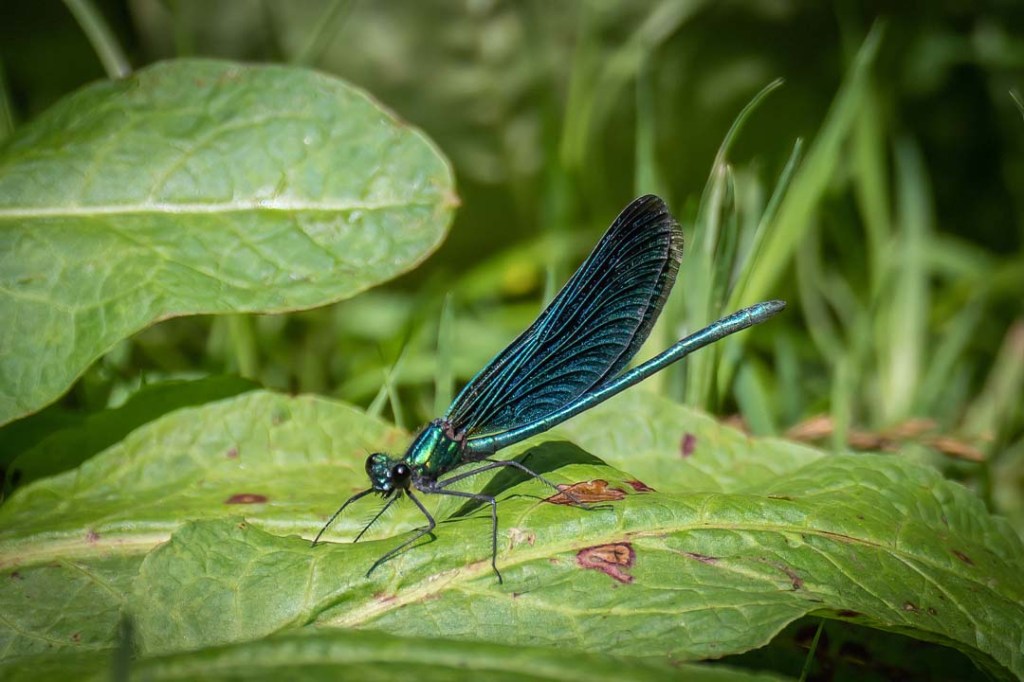
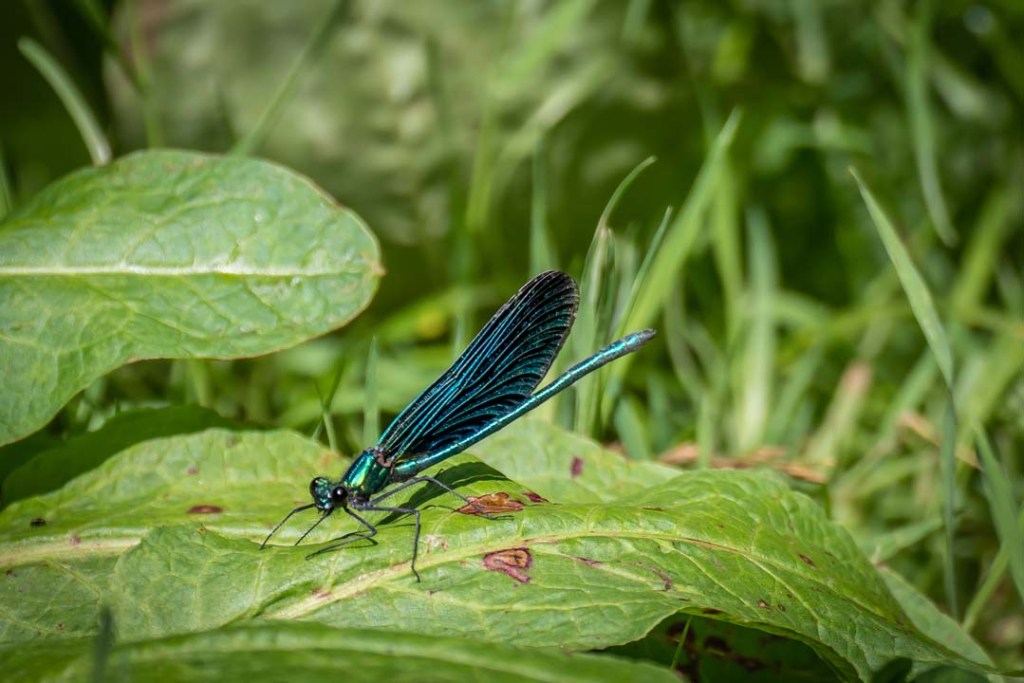
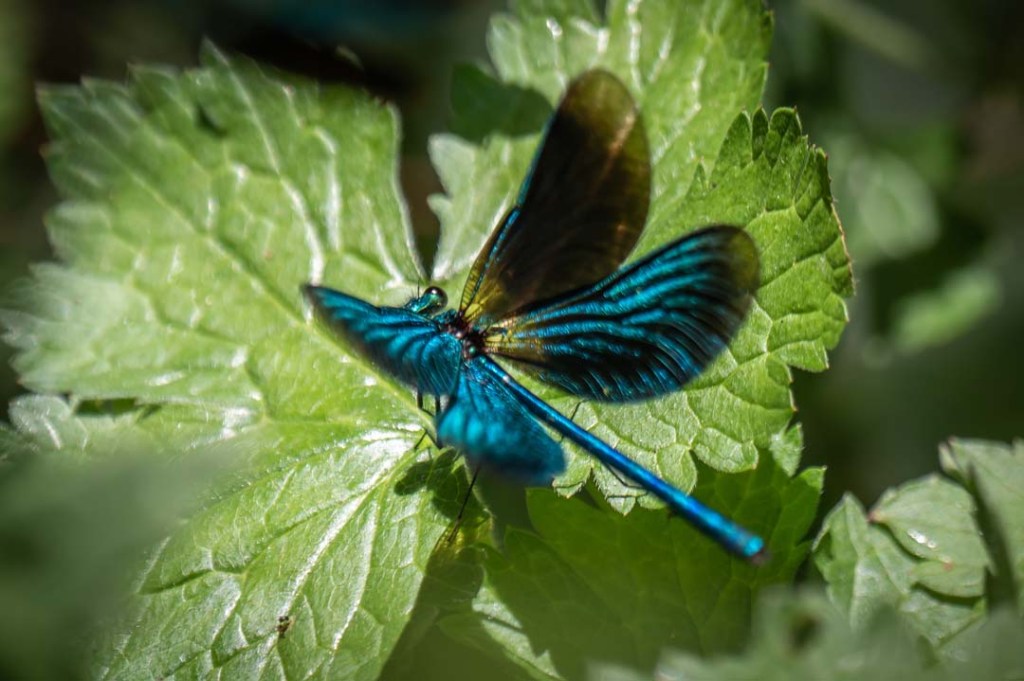
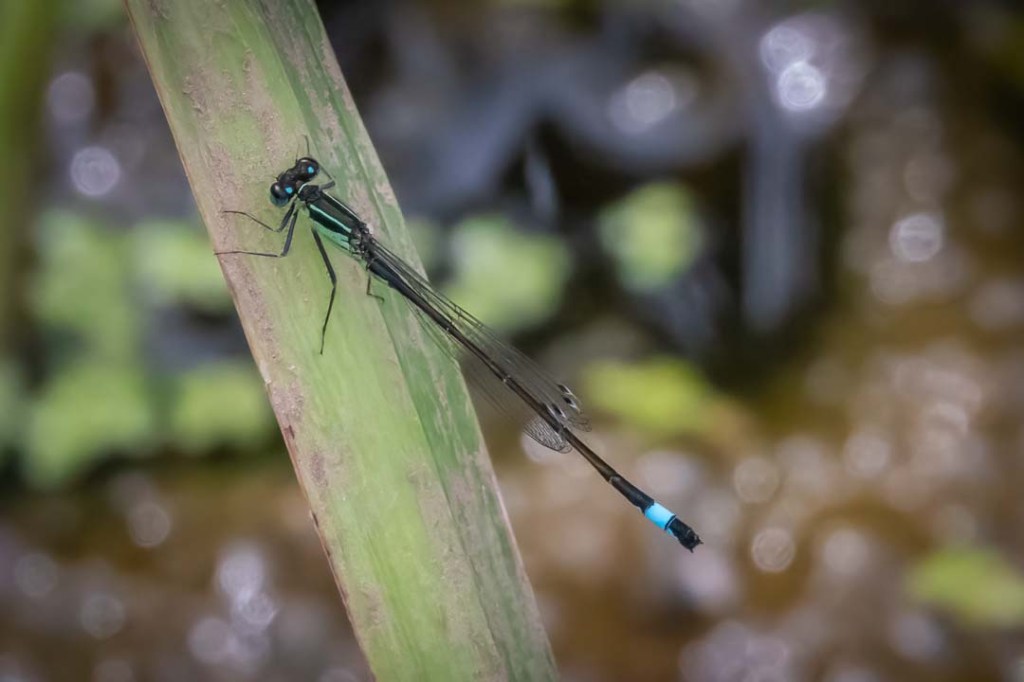
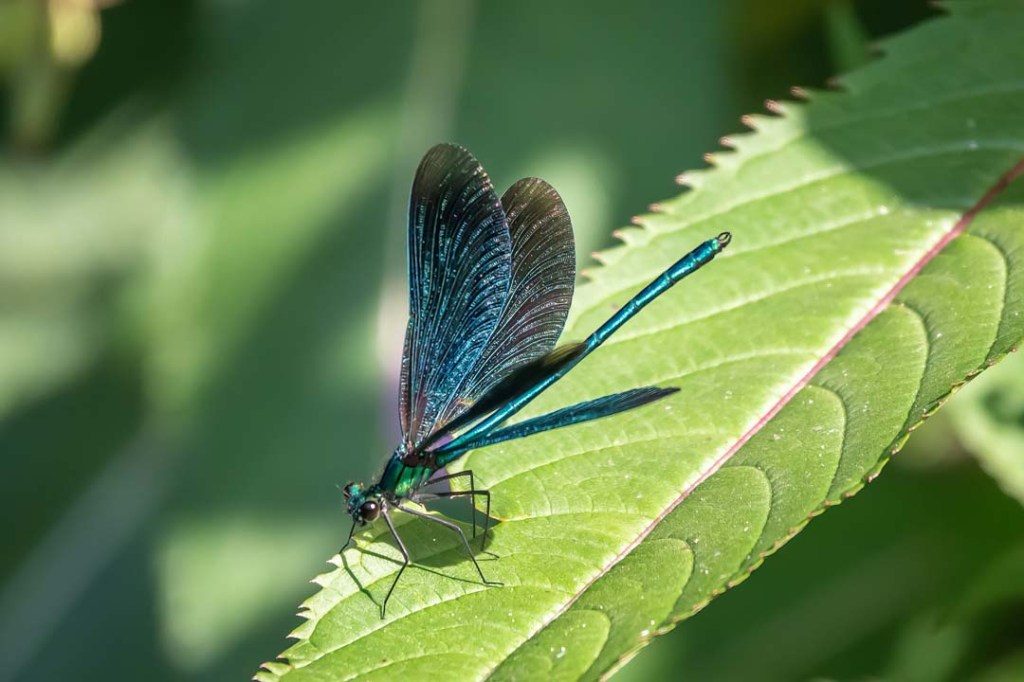
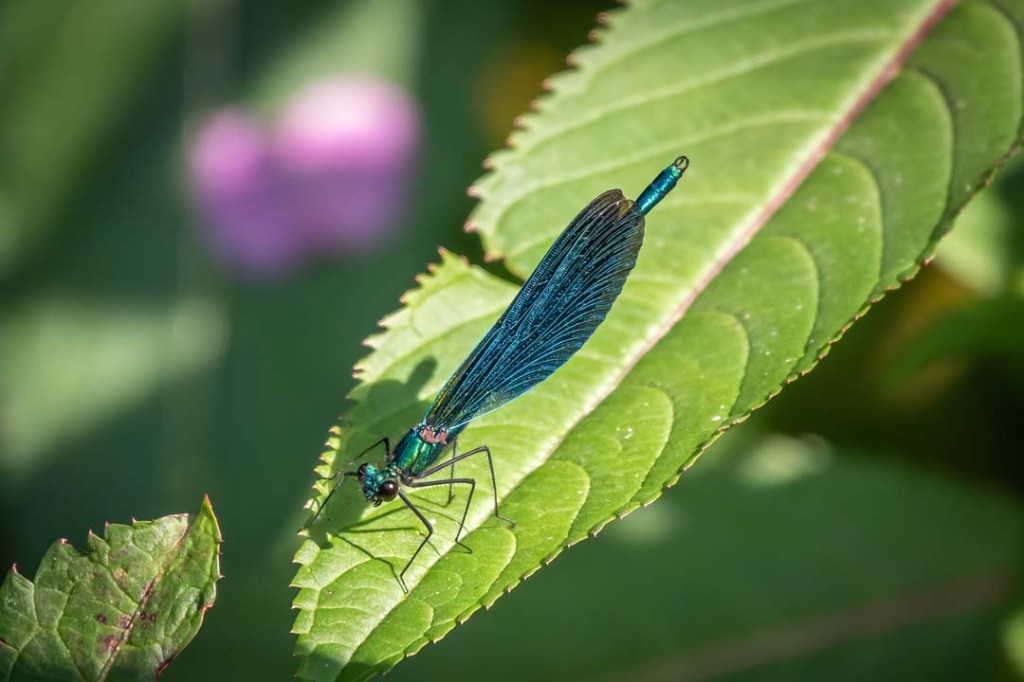
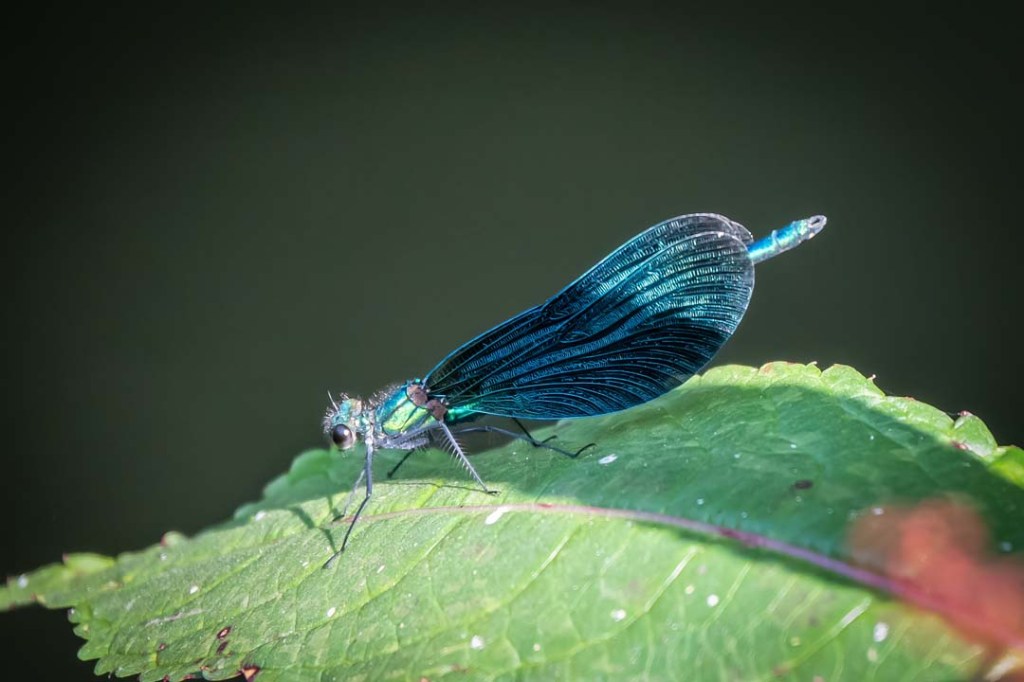
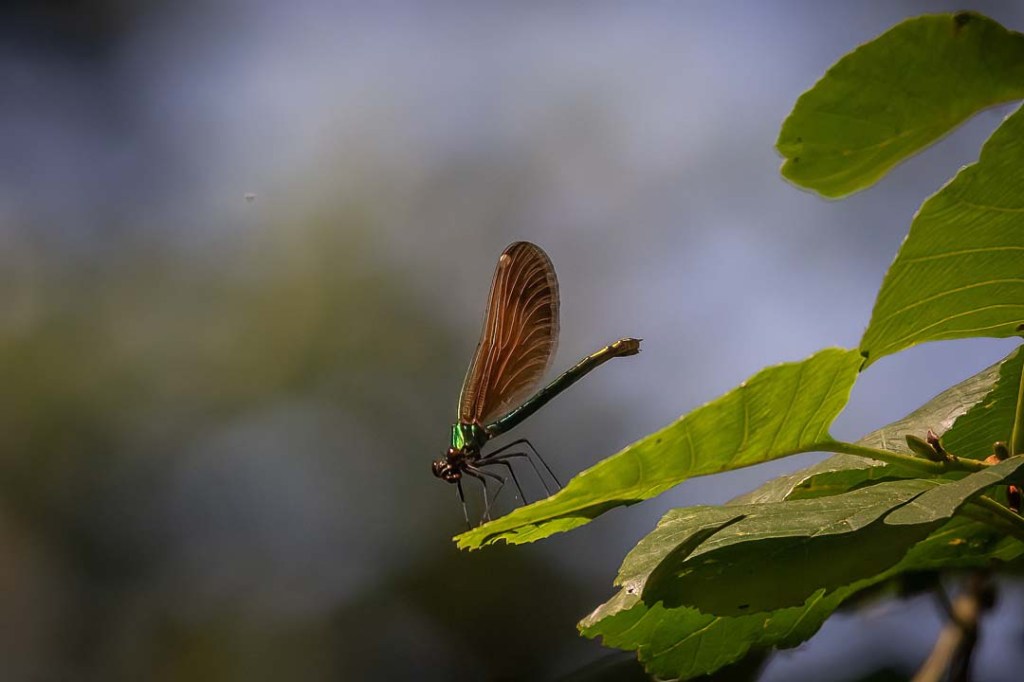
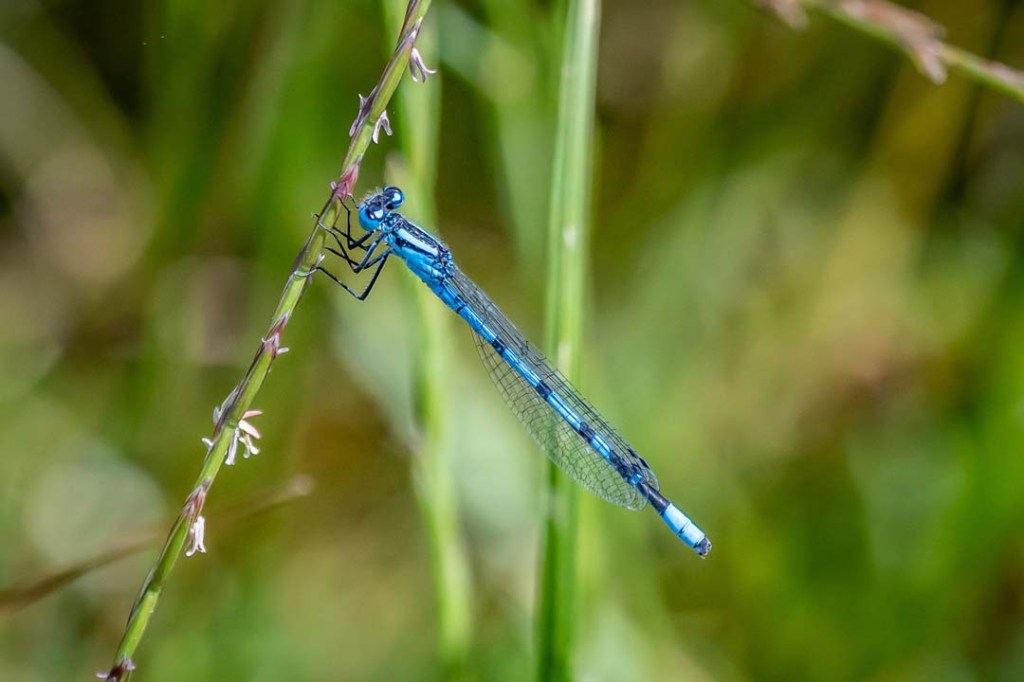
However, instead of the electric blue of the kingfisher we did see some Beautiful Demoiselles which are also a striking blue in colour.

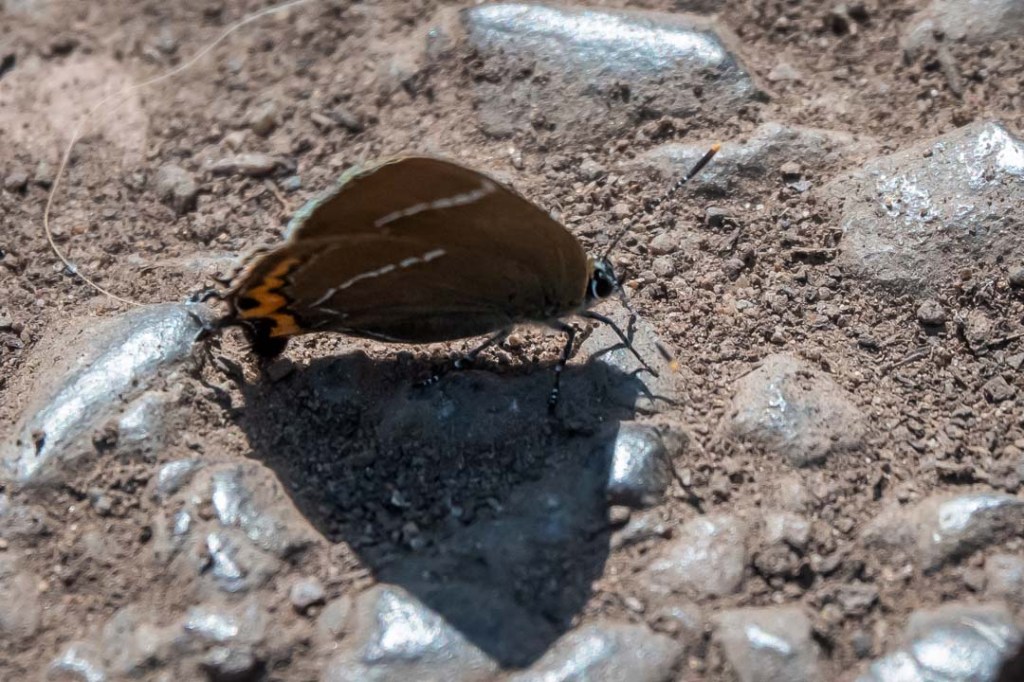
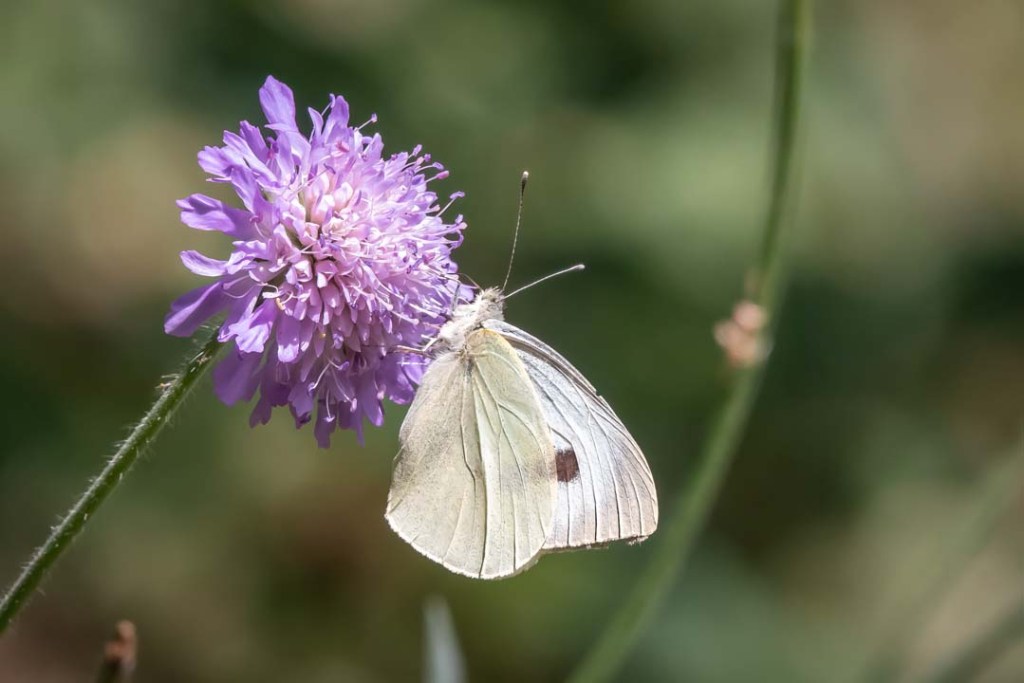
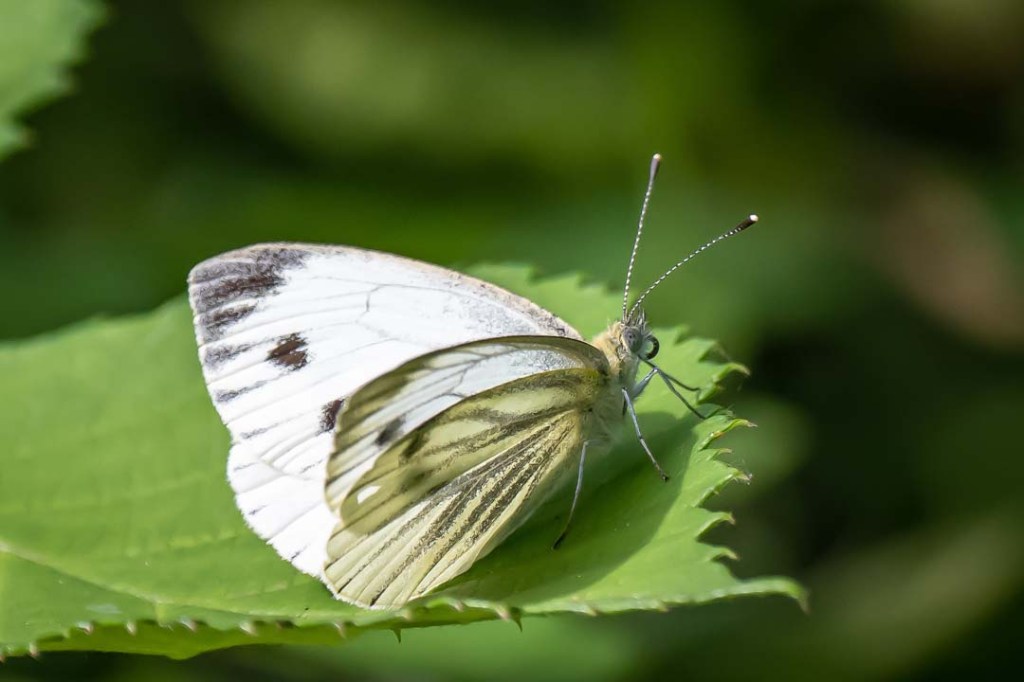
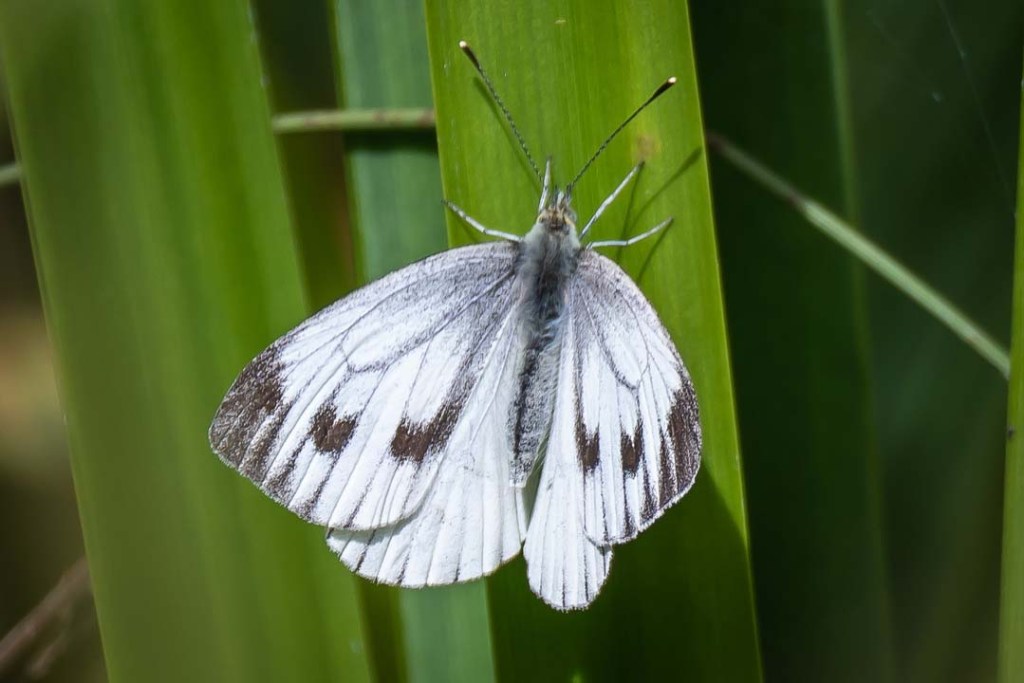
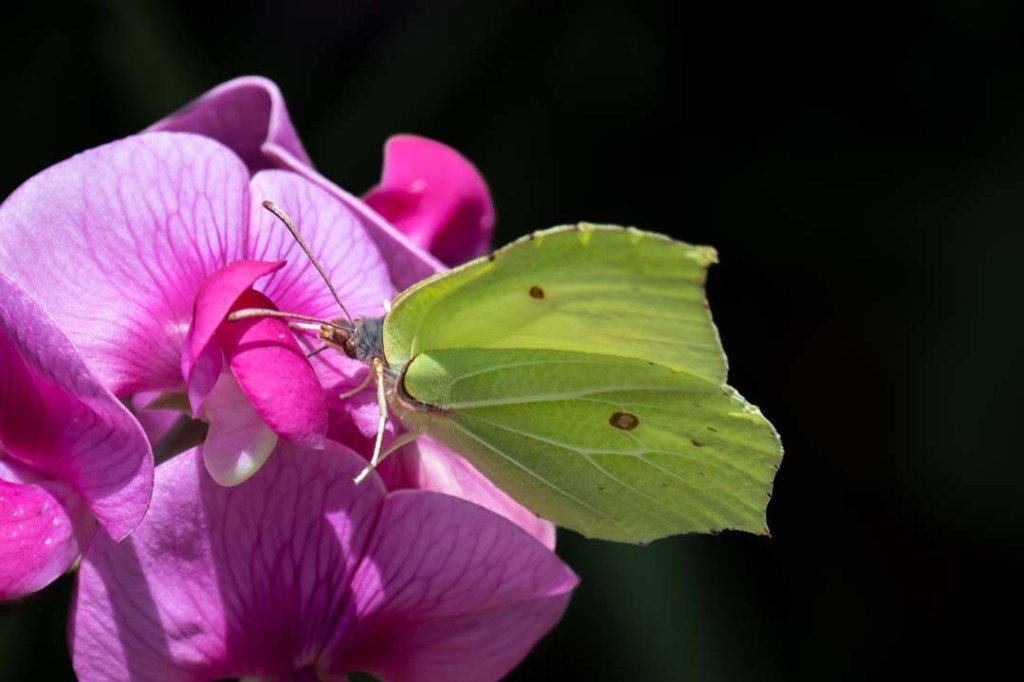
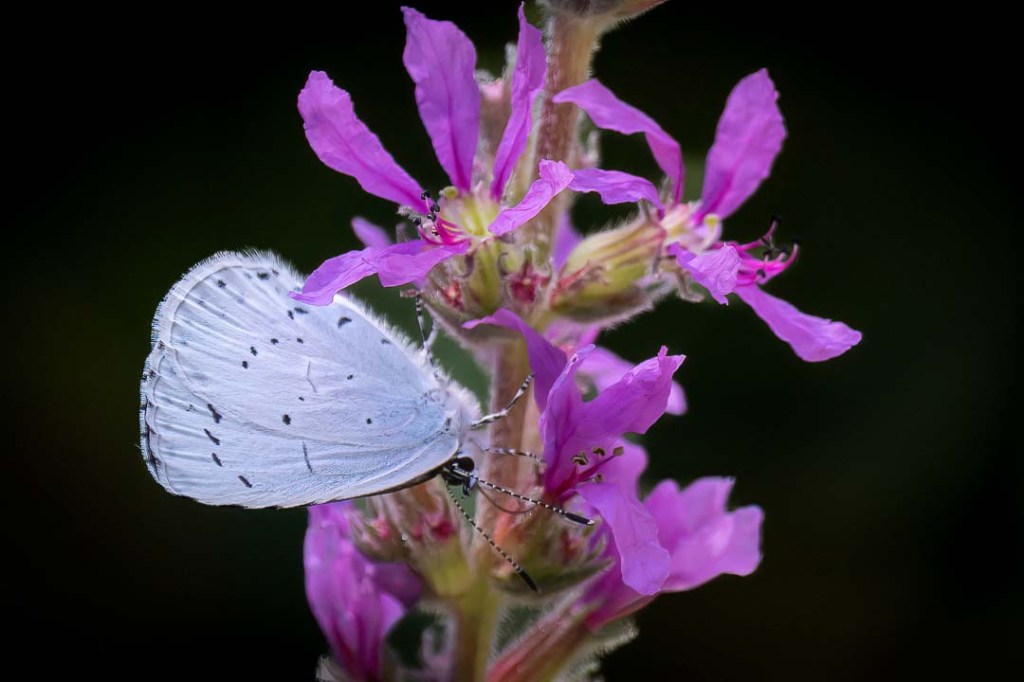
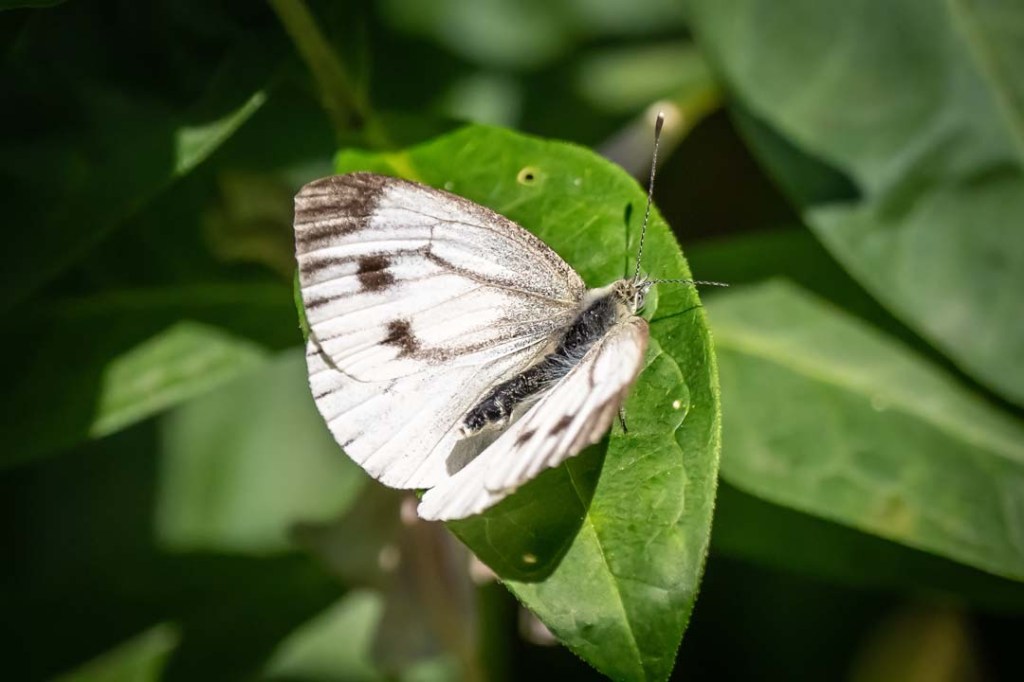
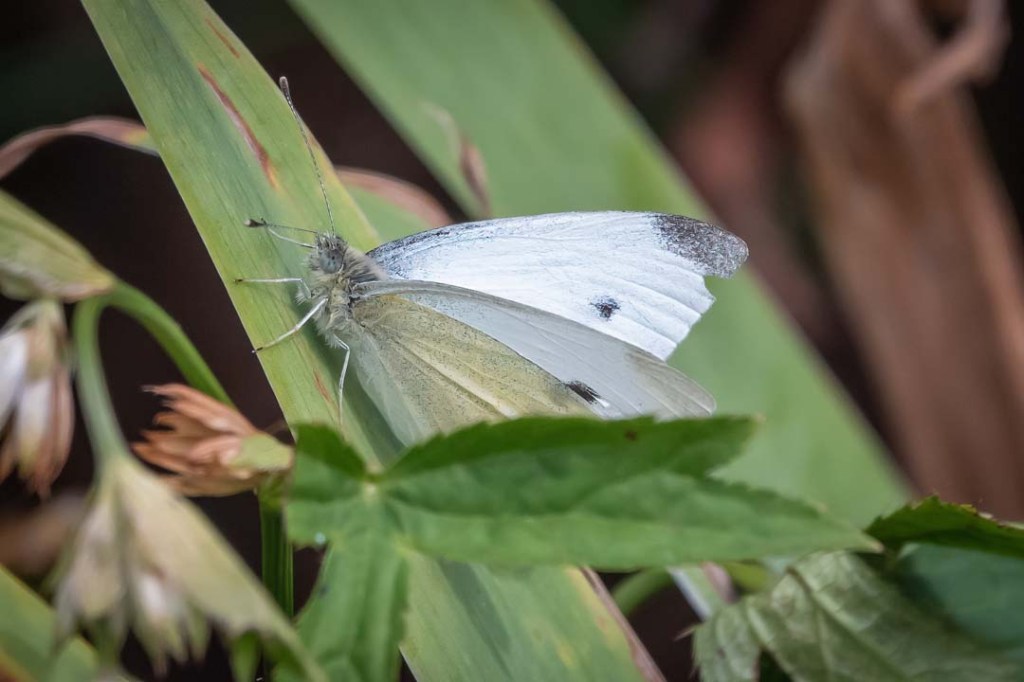
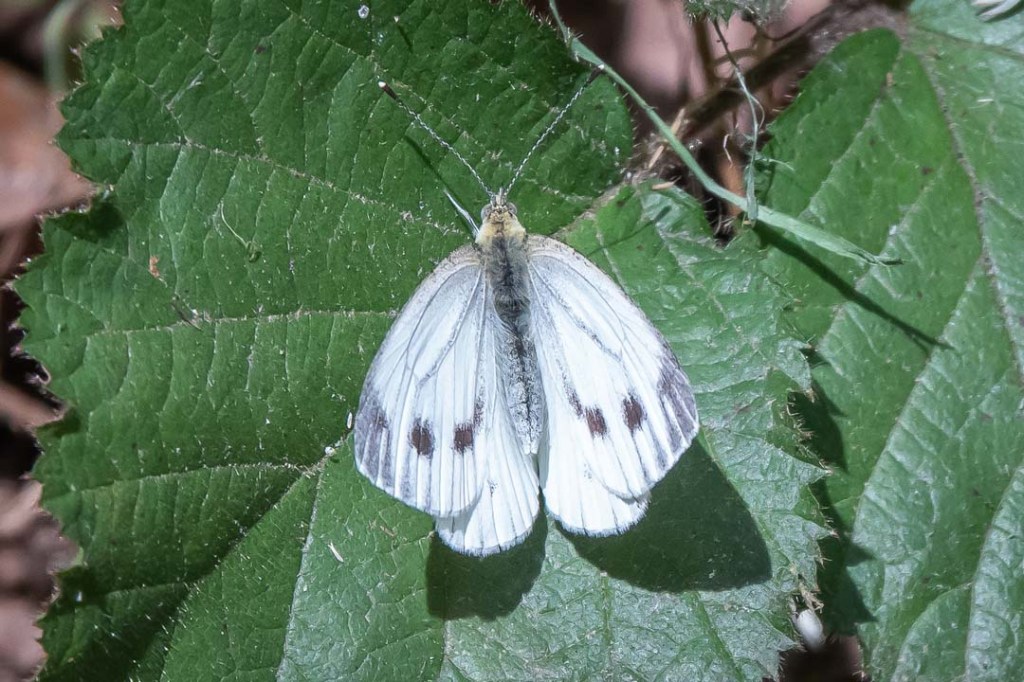
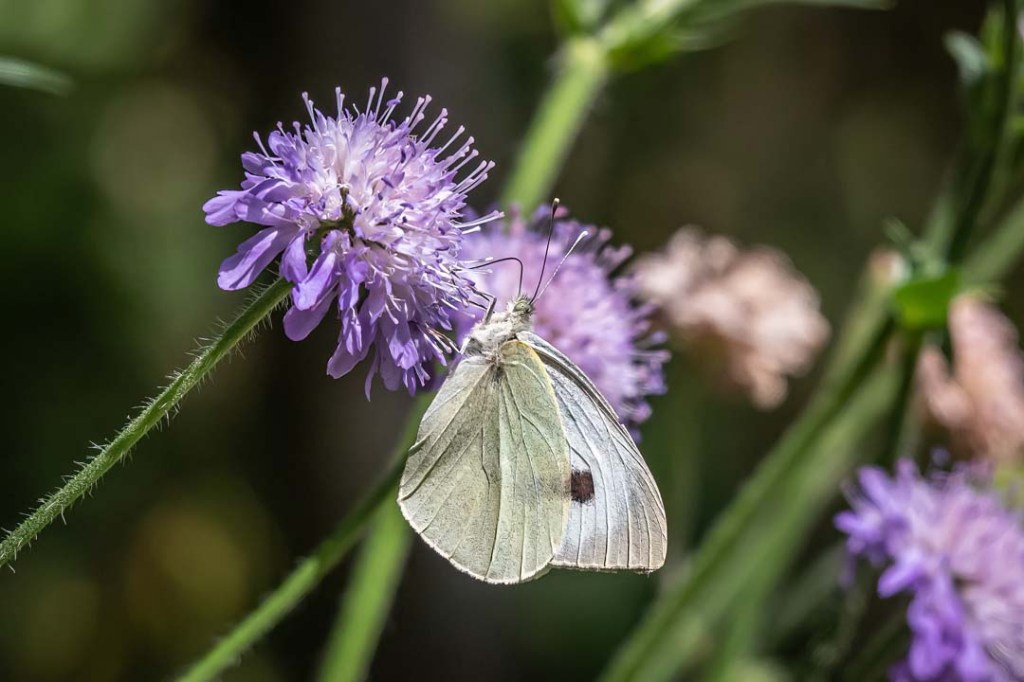
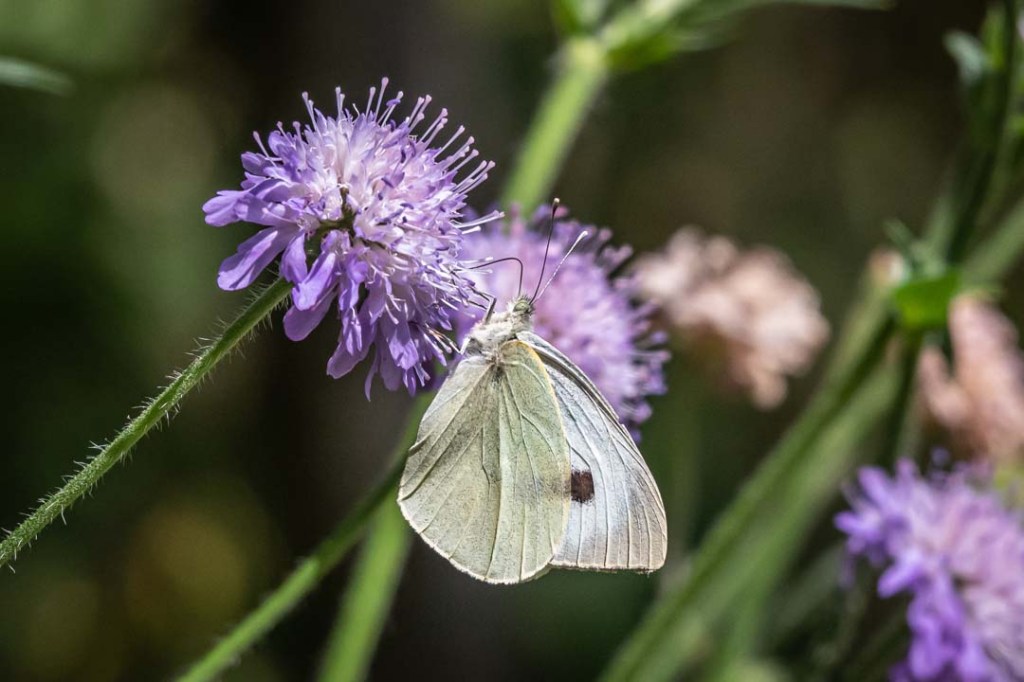
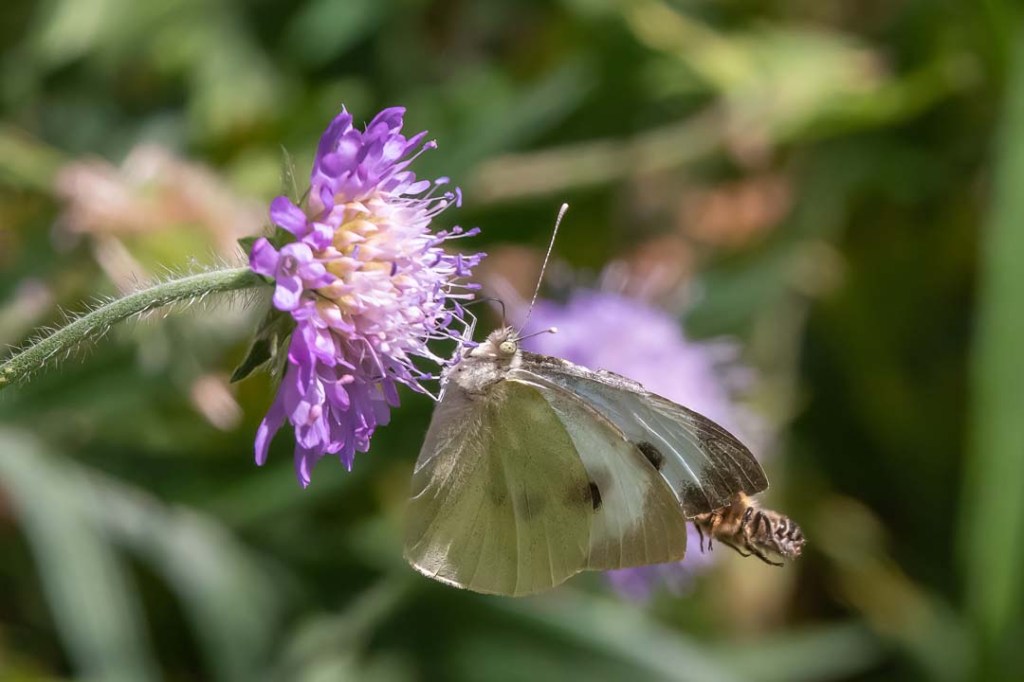
There were other butterflies too; mainly Large Whites and Green-veined Whites and one which I had not photographed before, a White-letter Hairstreak. I managed to photograph it into the sun but as soon as I tried from the other side it disappeared in a flash.

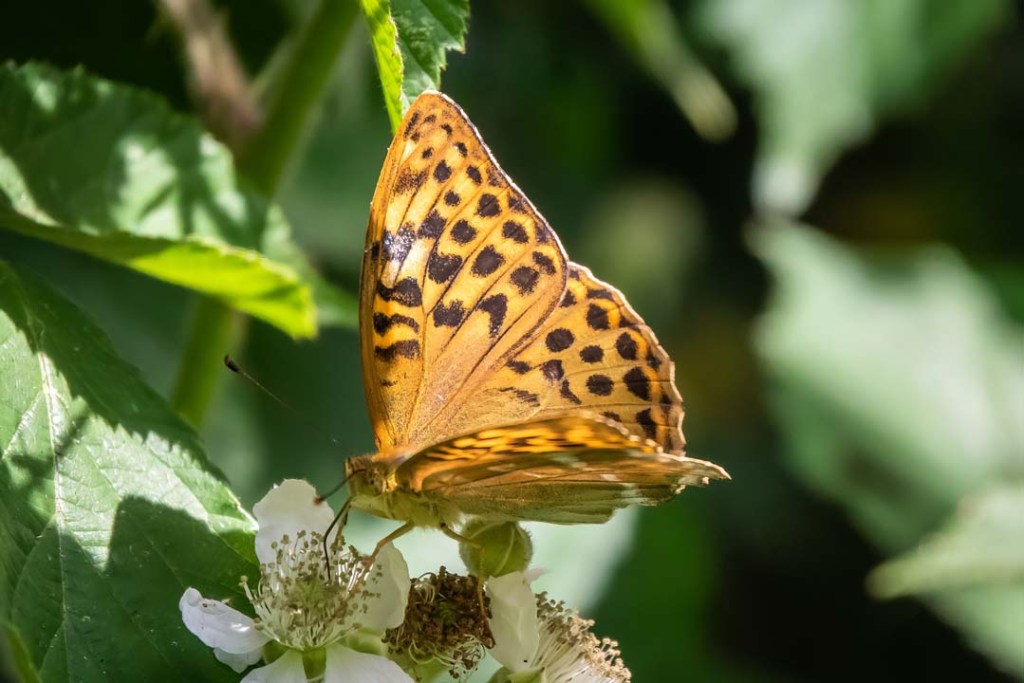
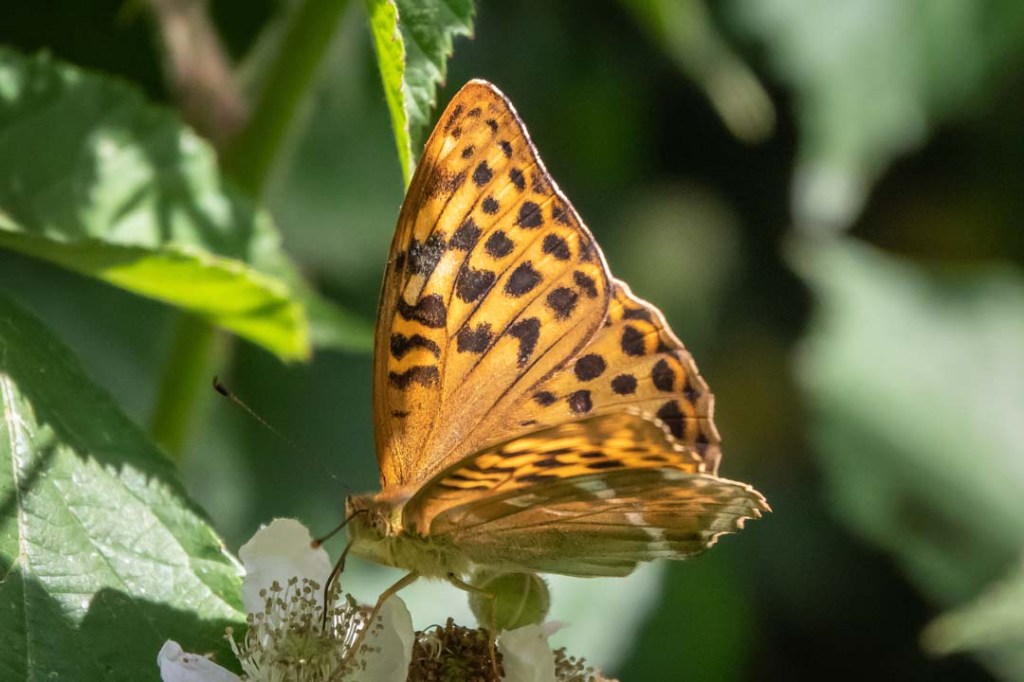
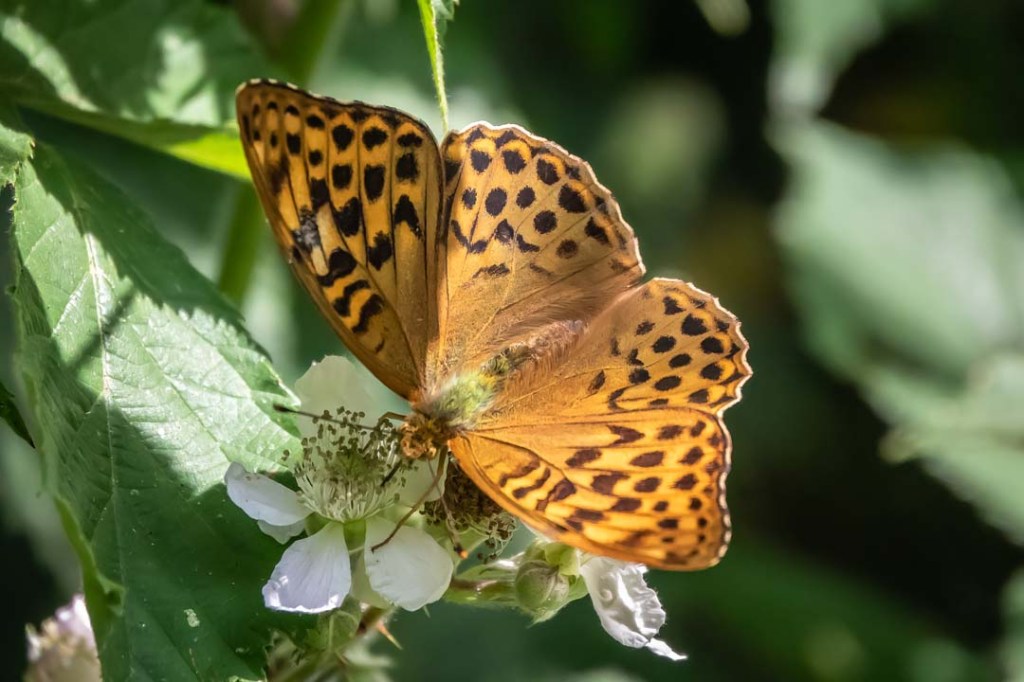
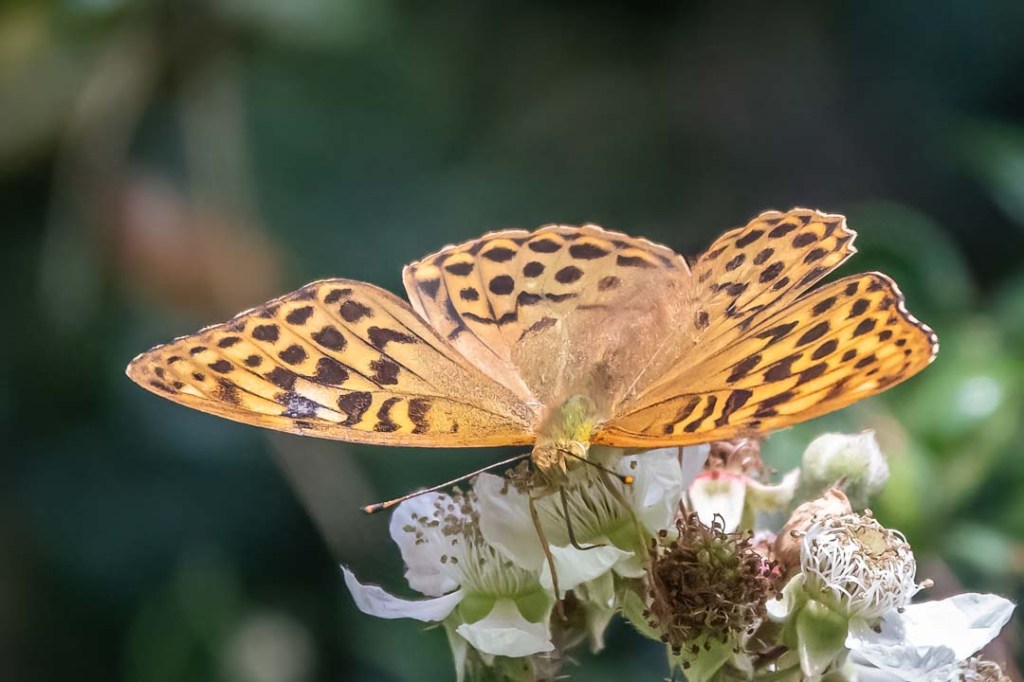
I did see a copper coloured butterfly but couldn’t focus on it quickly enough to get a shot. I was hoping it was the Silver-washed fritillary that we saw a few days ago at Westonbirt Arboretum in Gloucestershire.
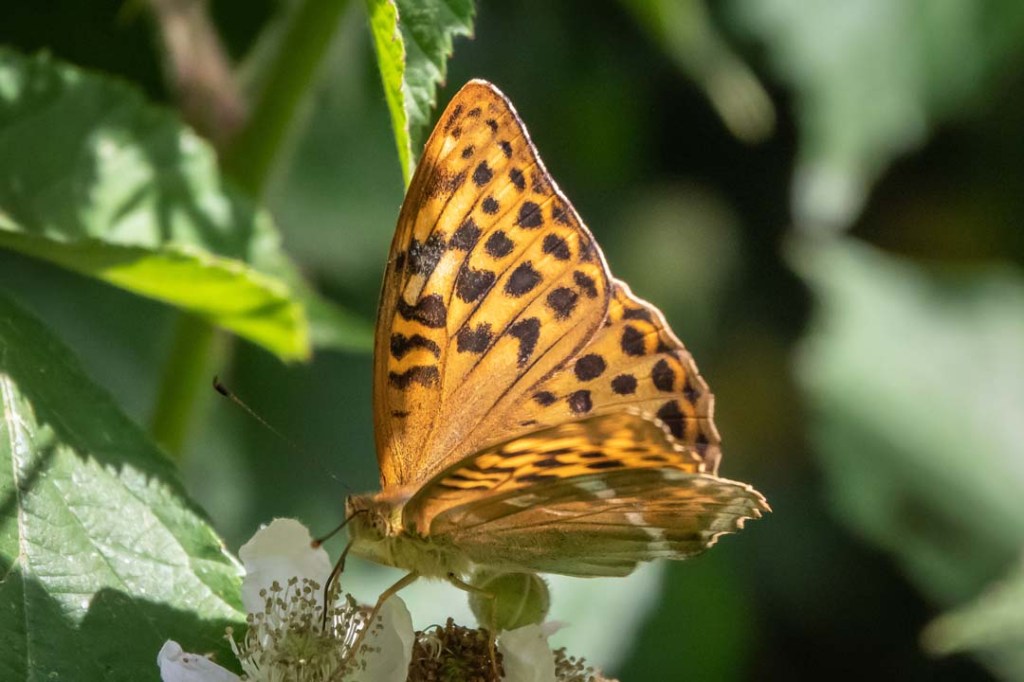

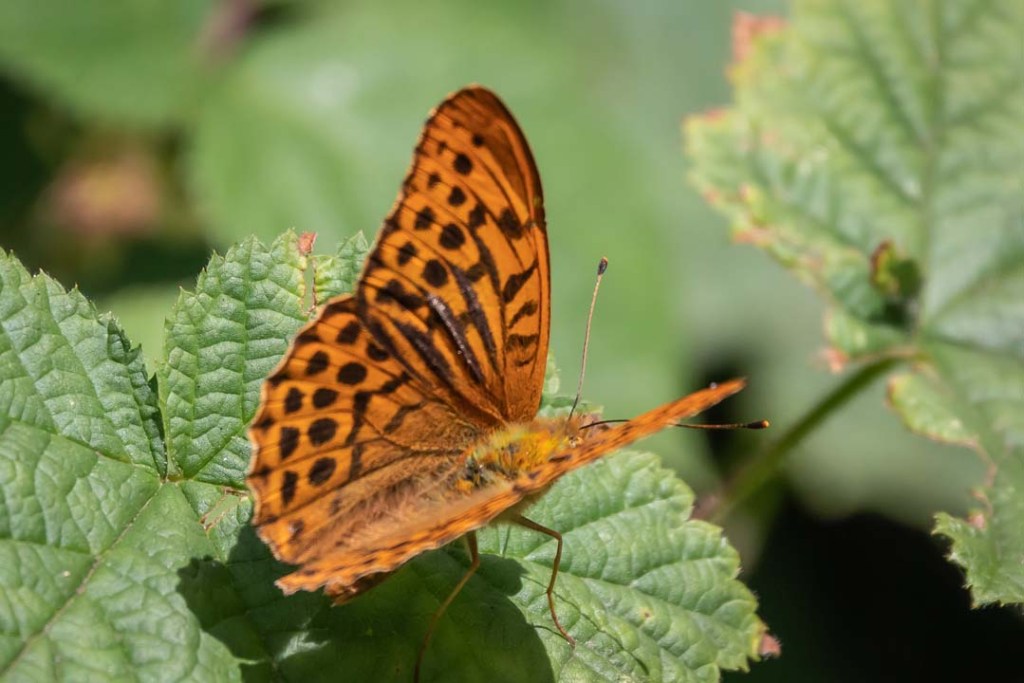
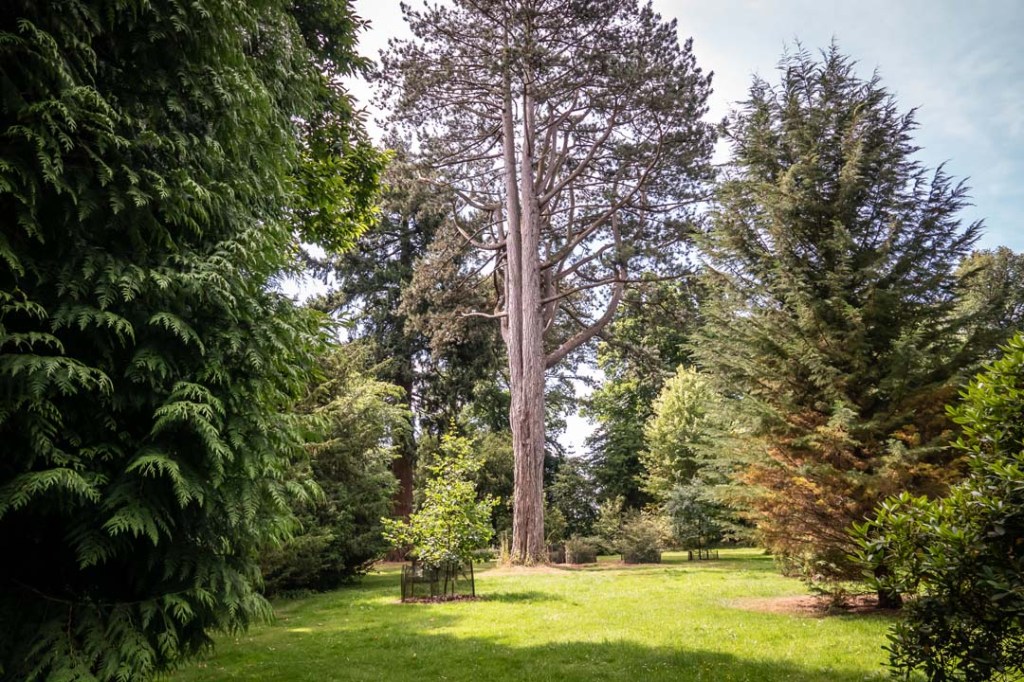
The National Arboretum at Westonbirt is a beautiful place to visit. It attracts hoards of people in the autumn but when we visited last week there were very few people indeed. It would probably be true to say there were more butterflies than people.
Slideshow of visit to Westonbirt
Slideshow of today’s photos

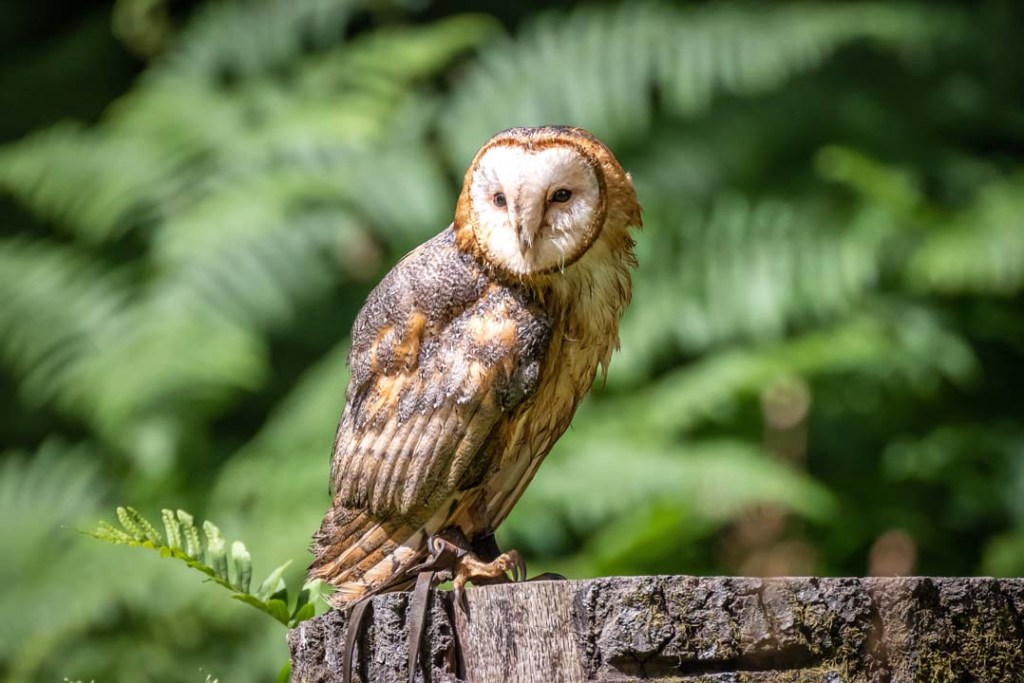
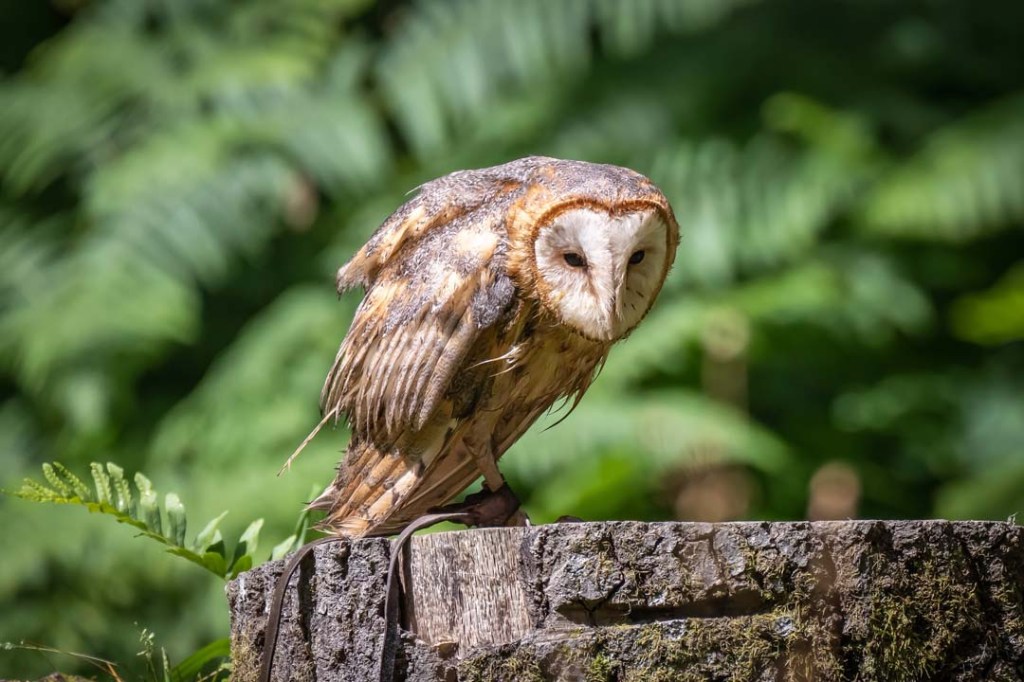
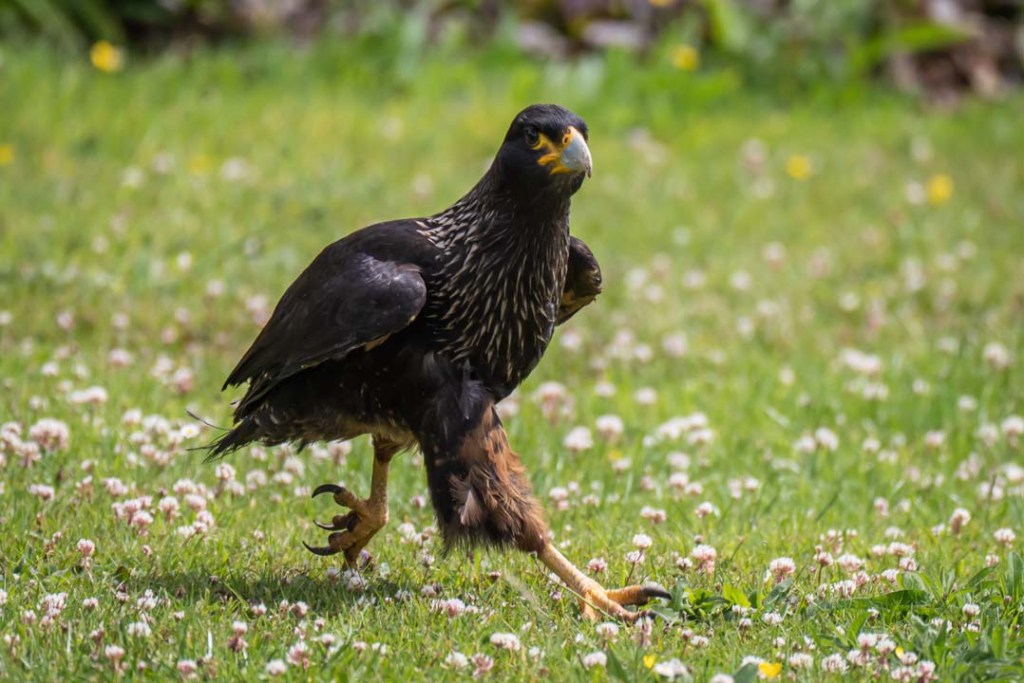
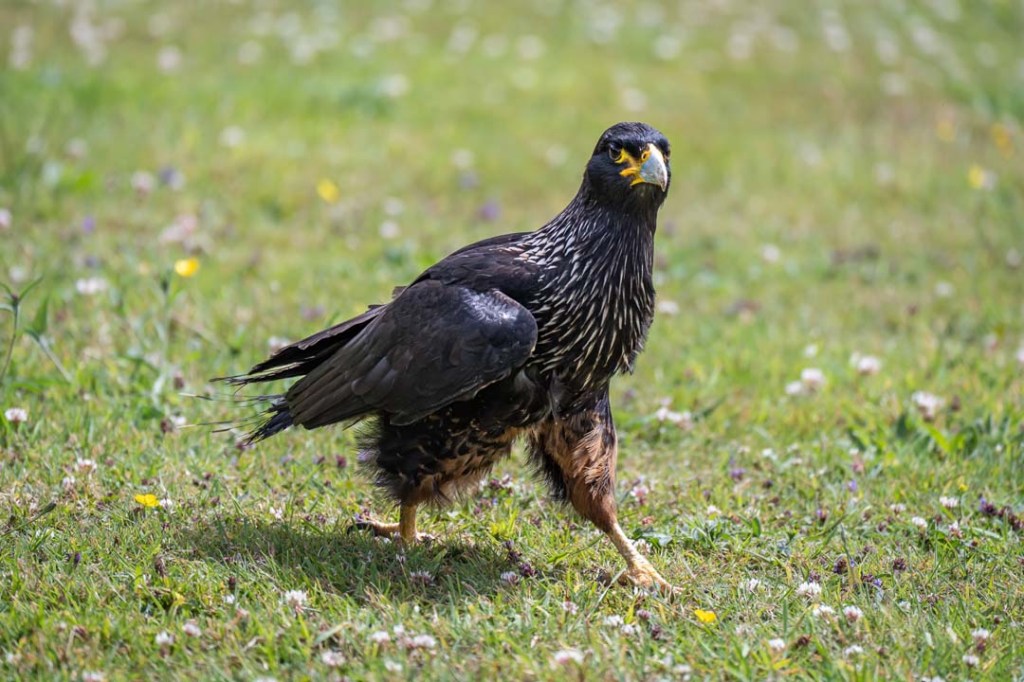
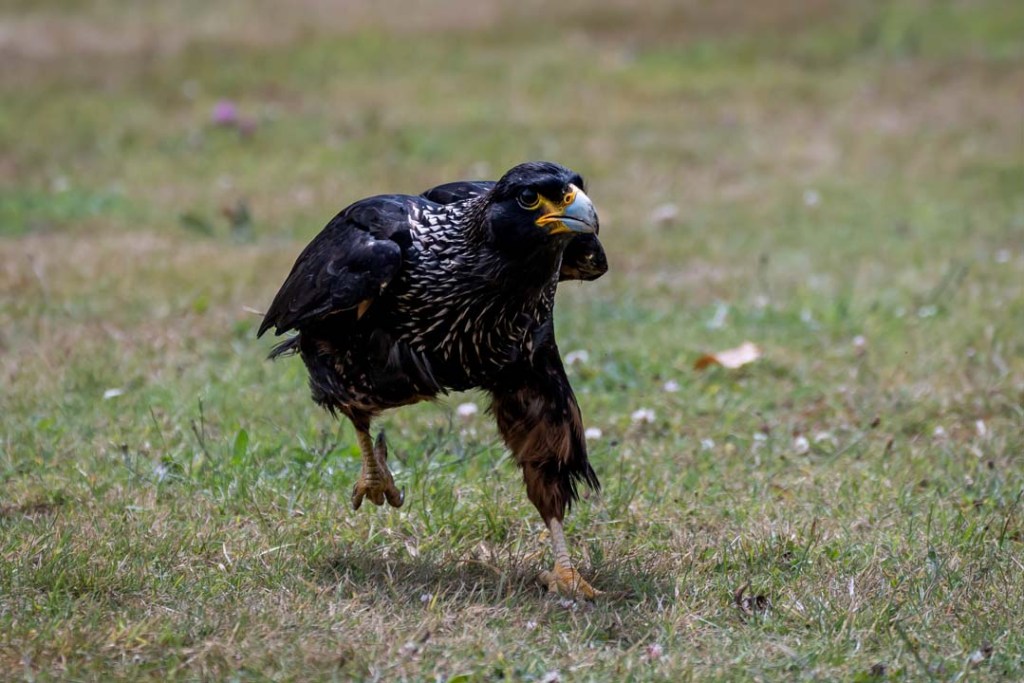
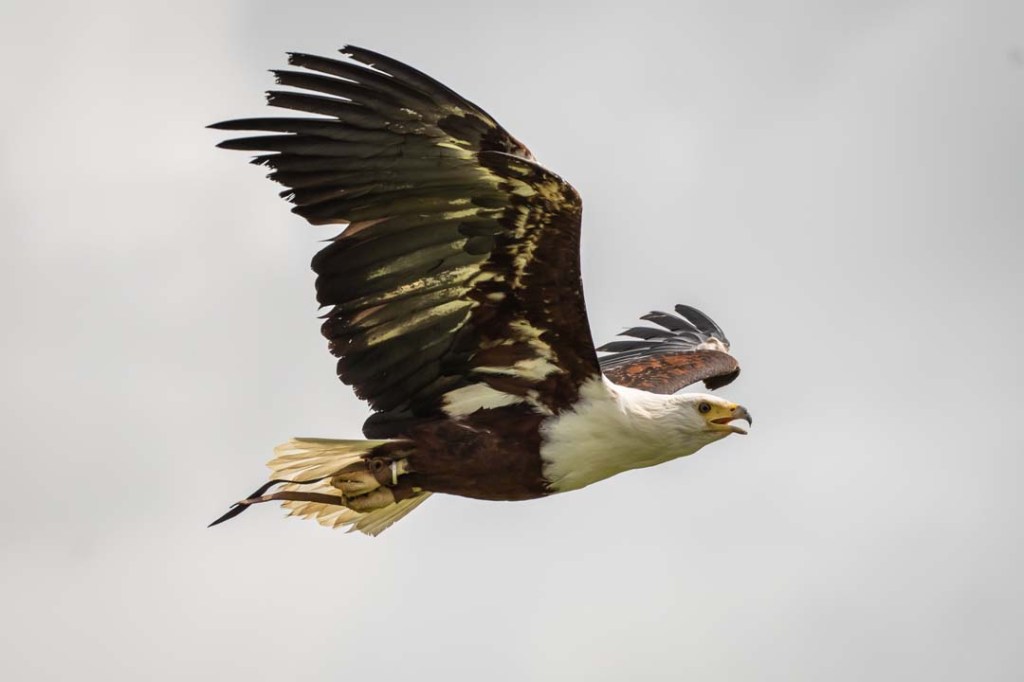
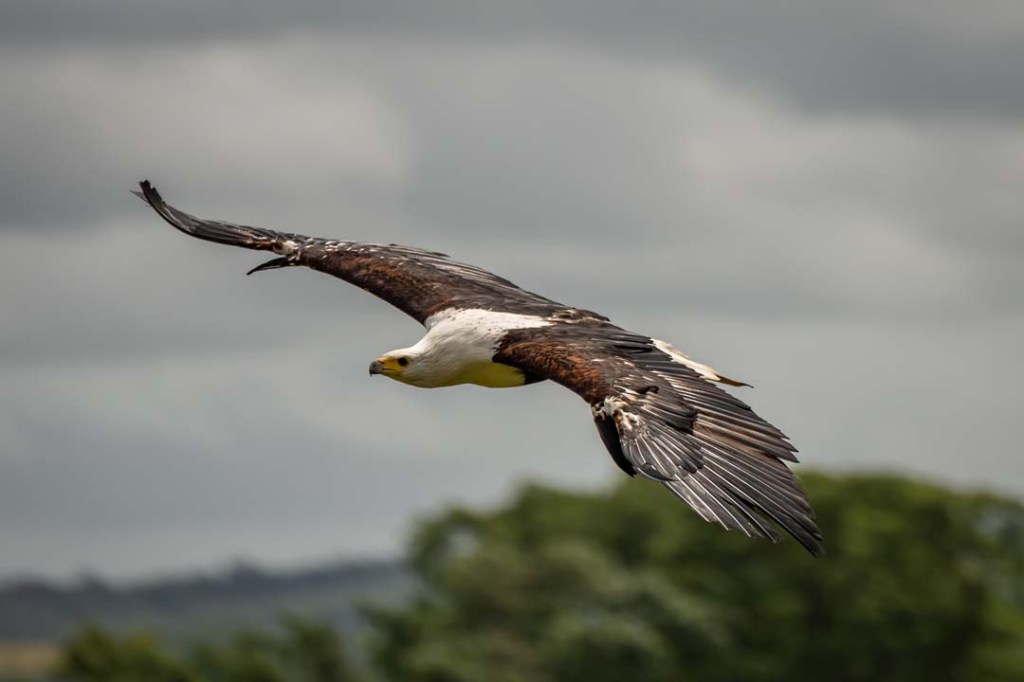
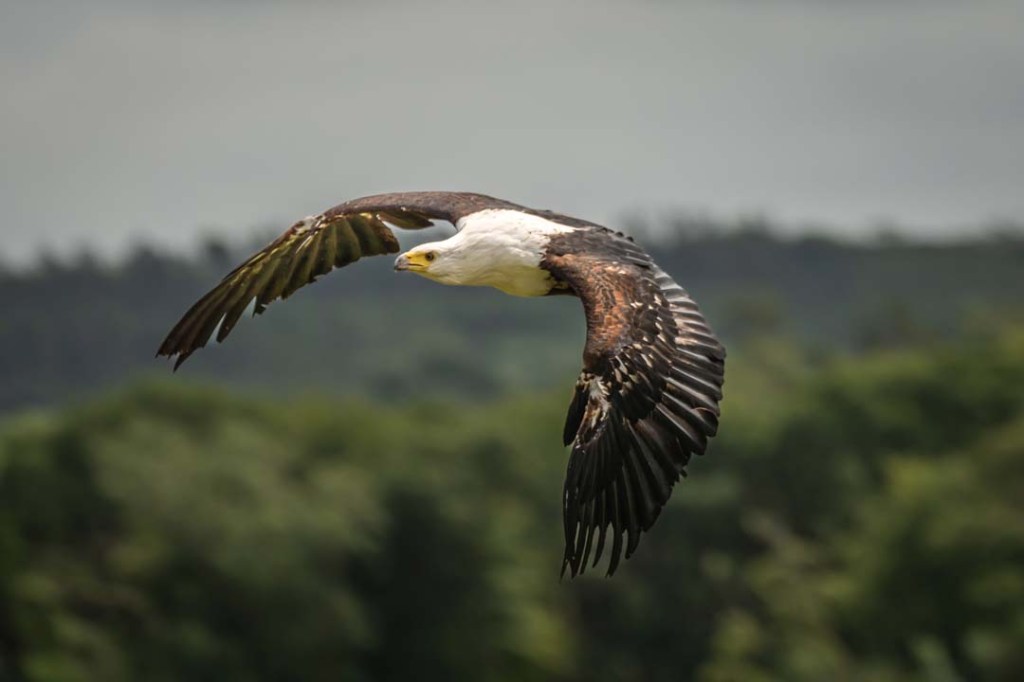
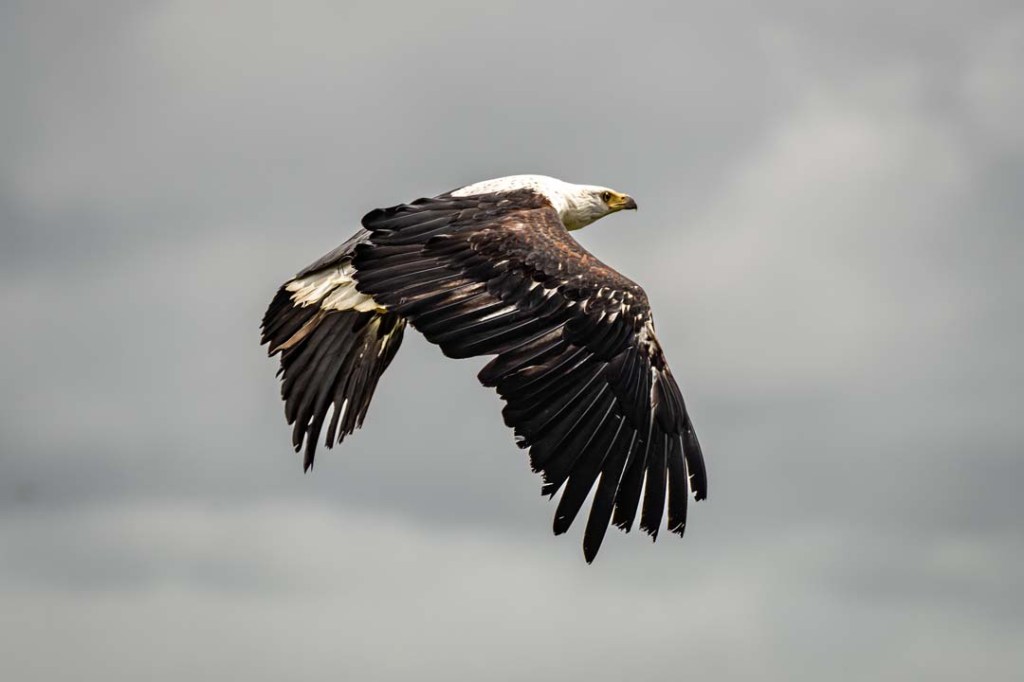
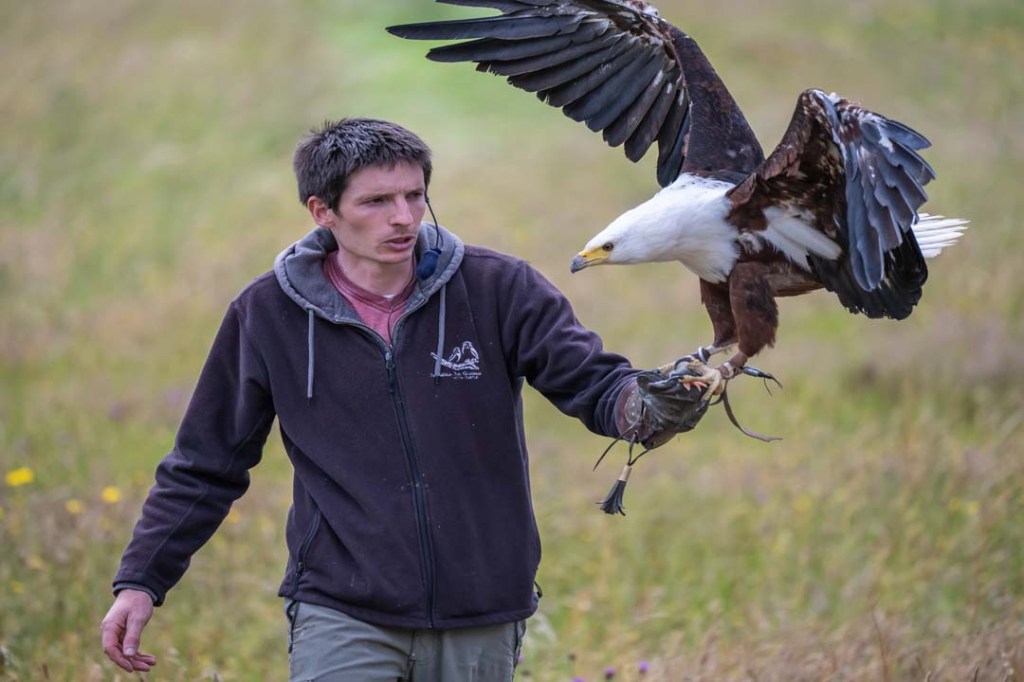
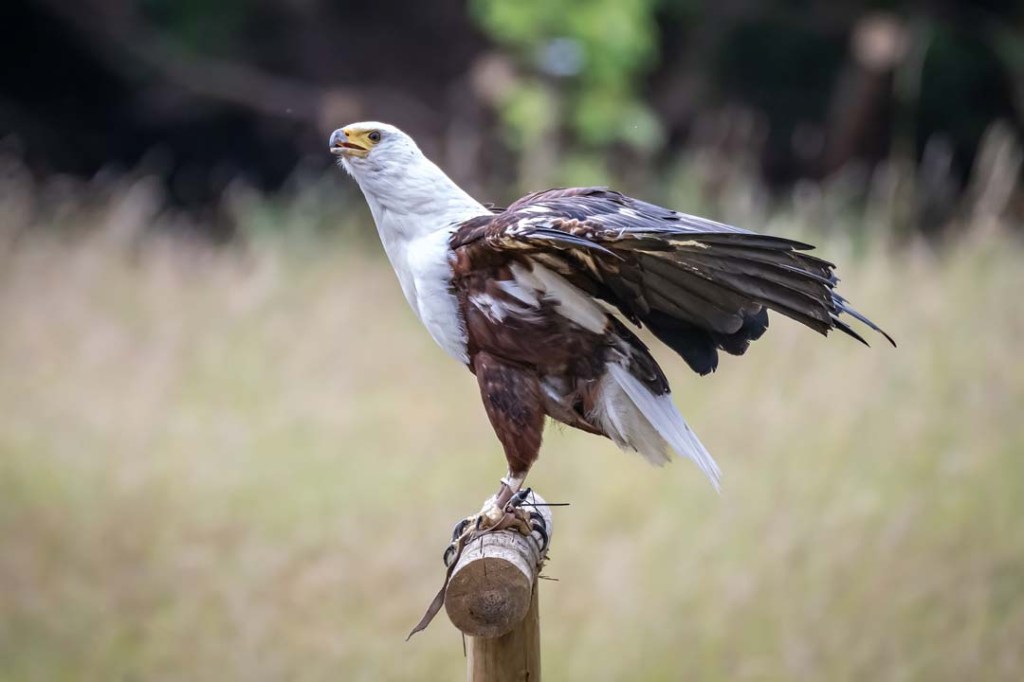
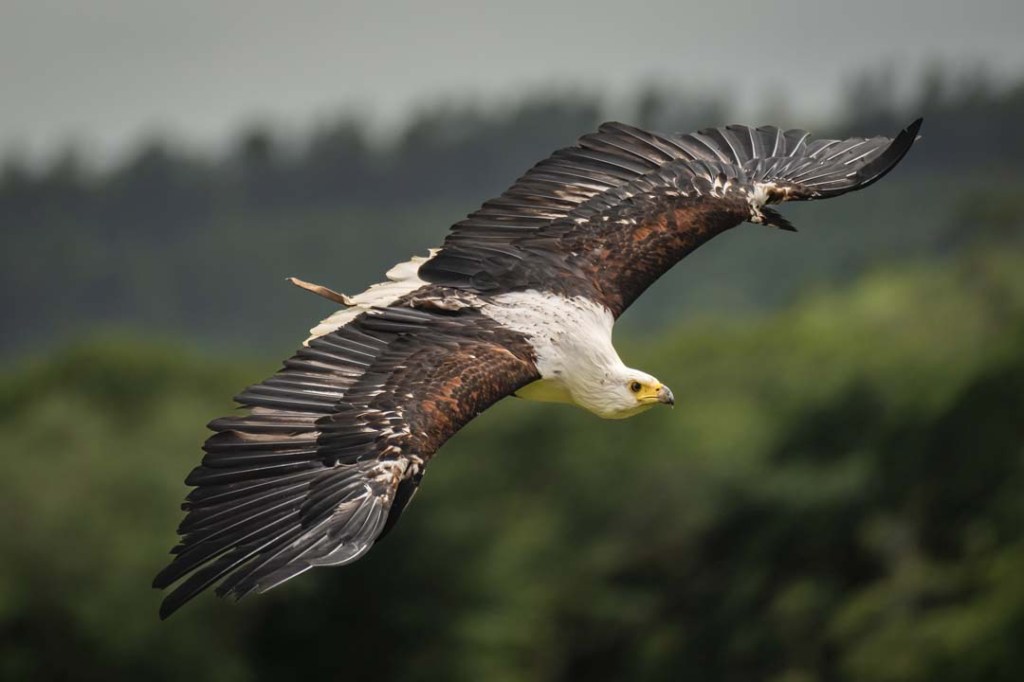
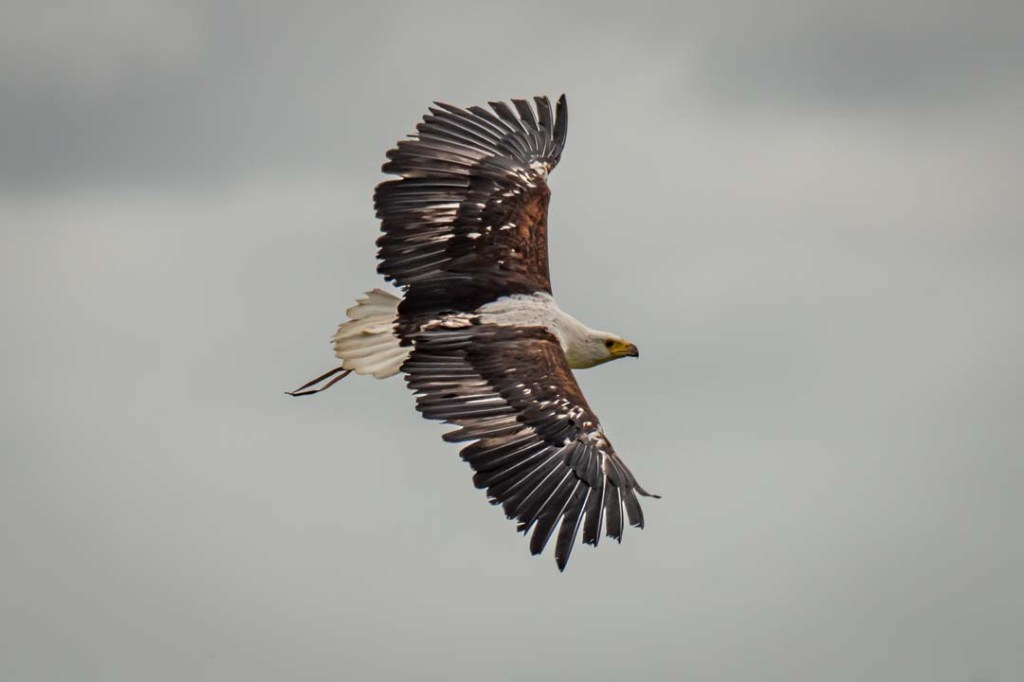
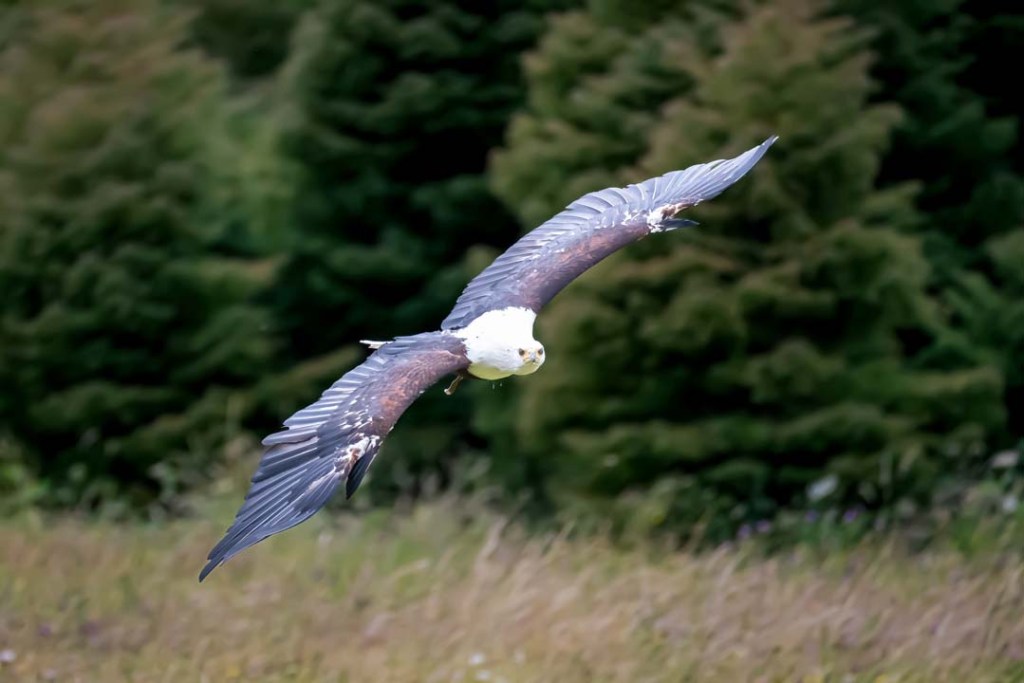
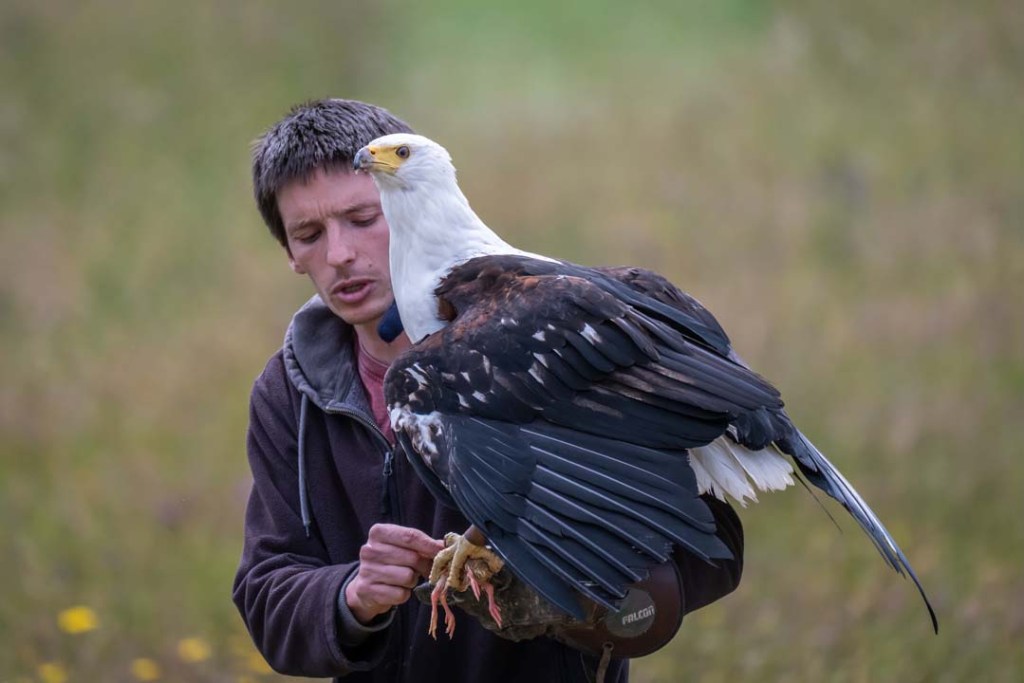
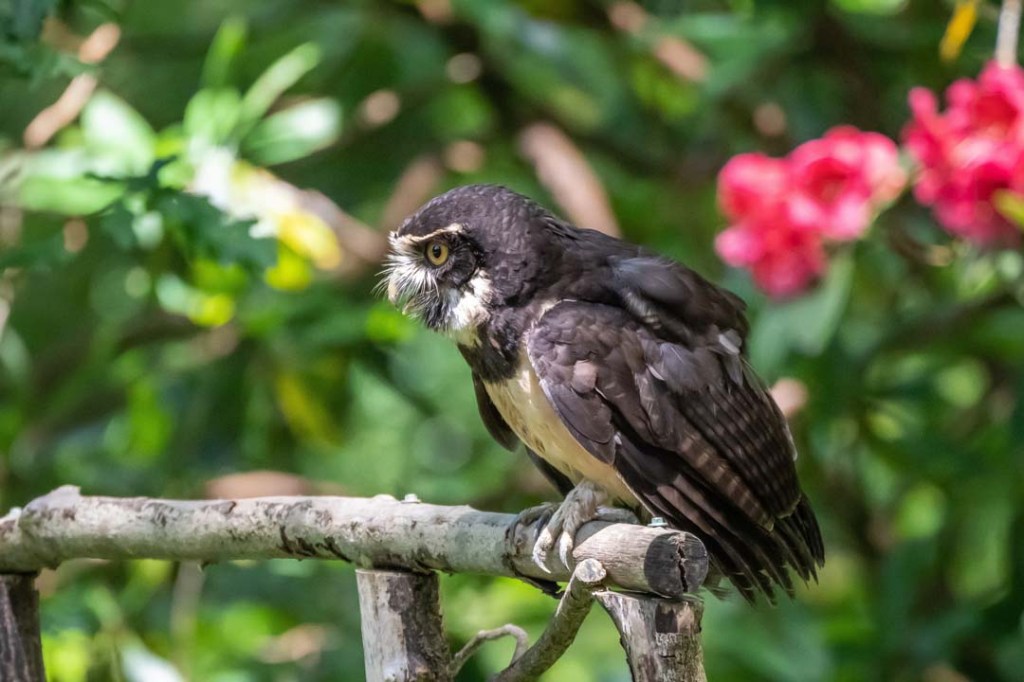
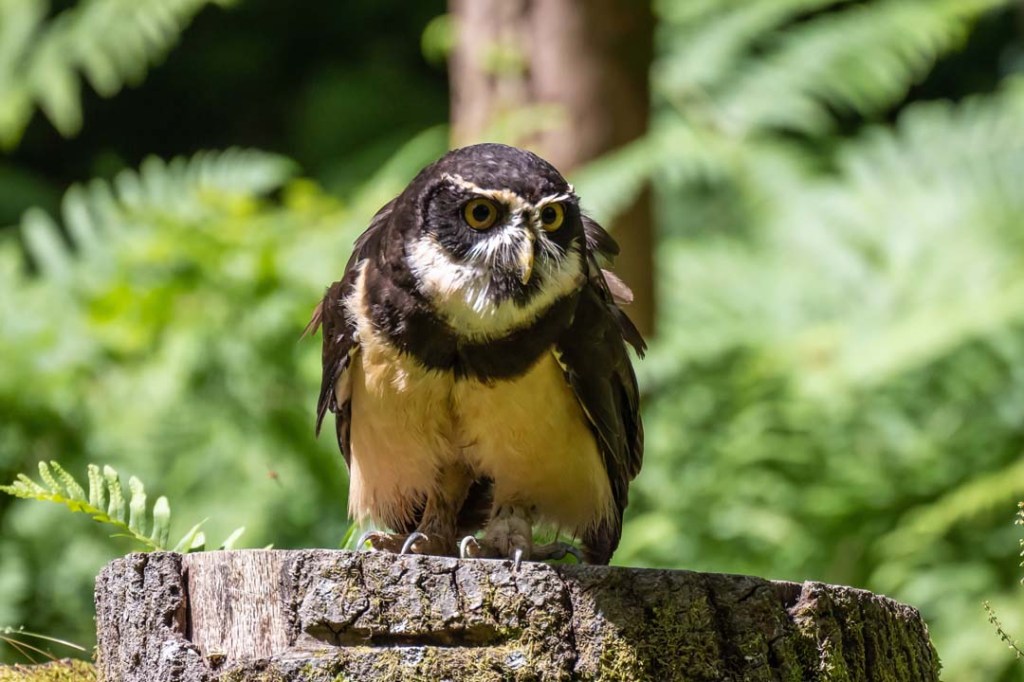
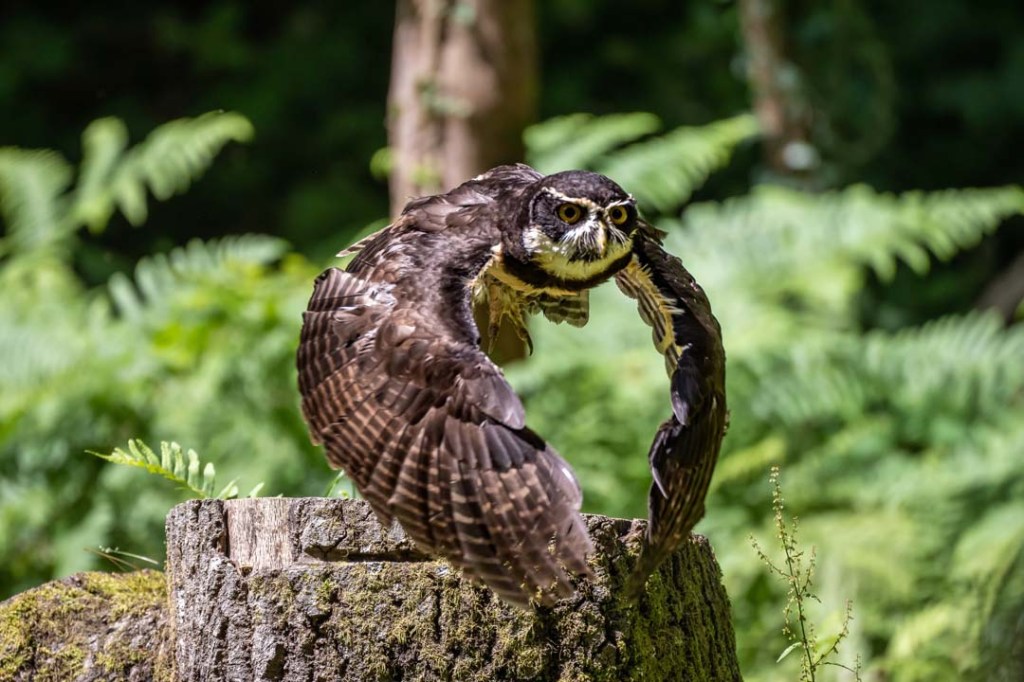
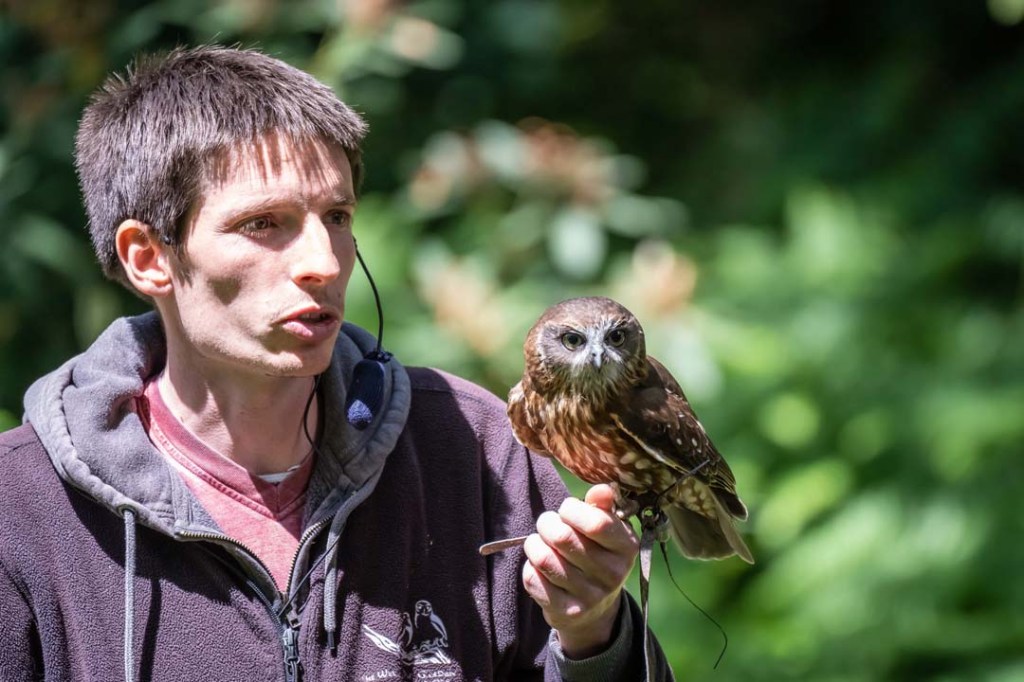
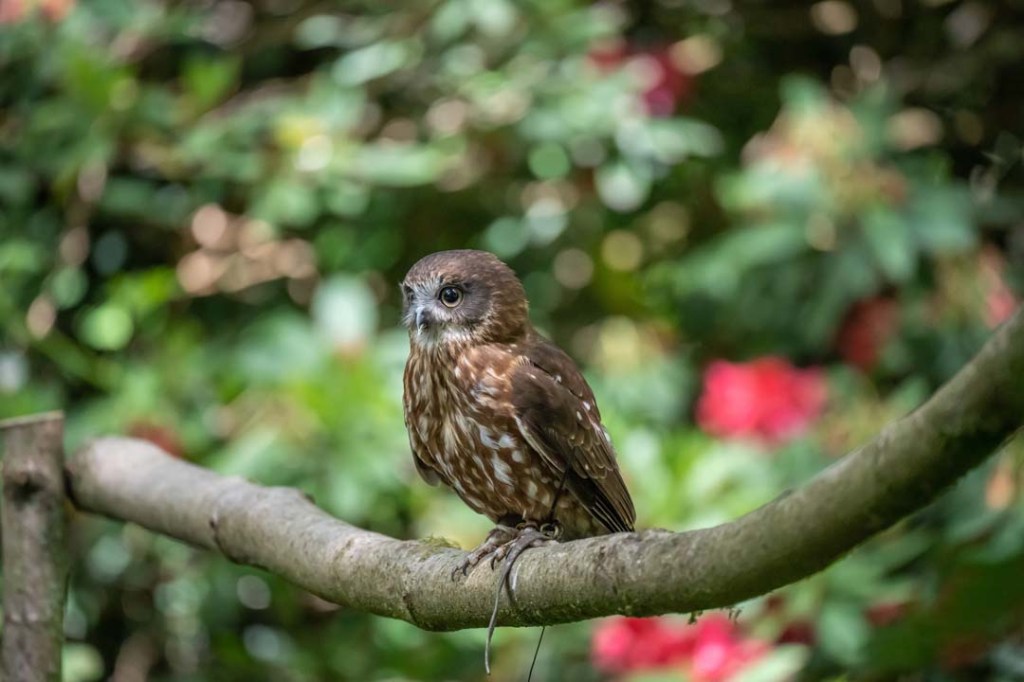
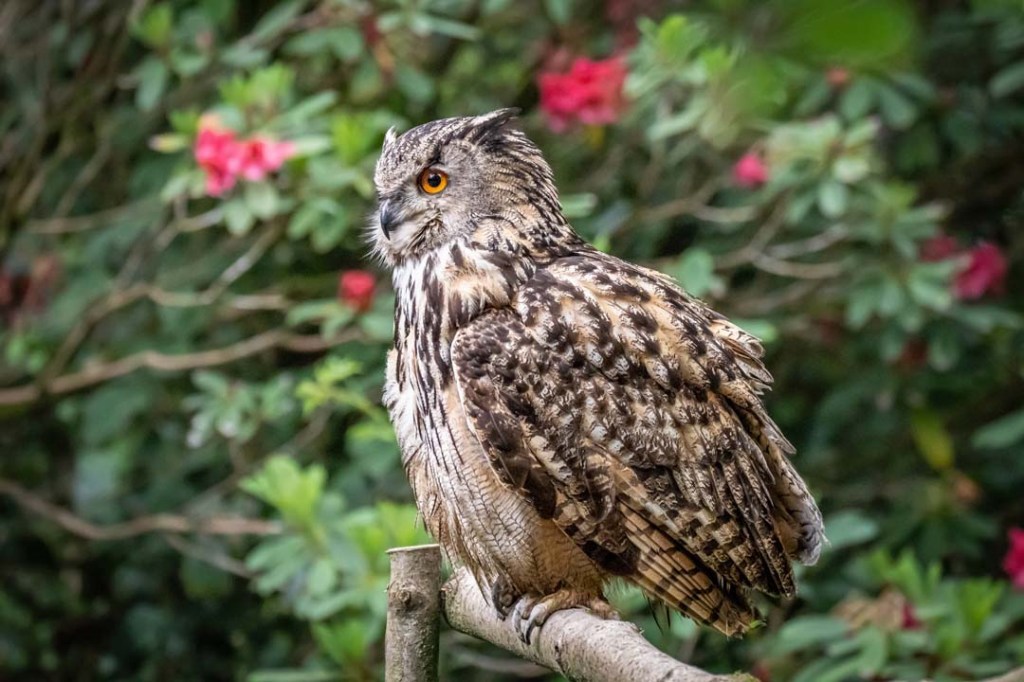
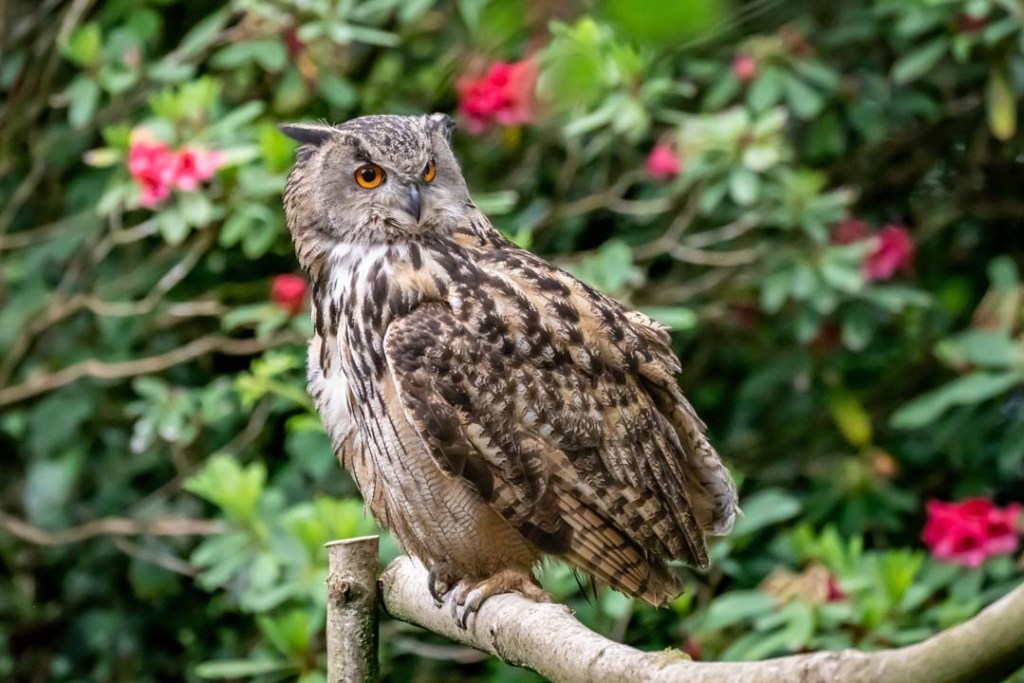
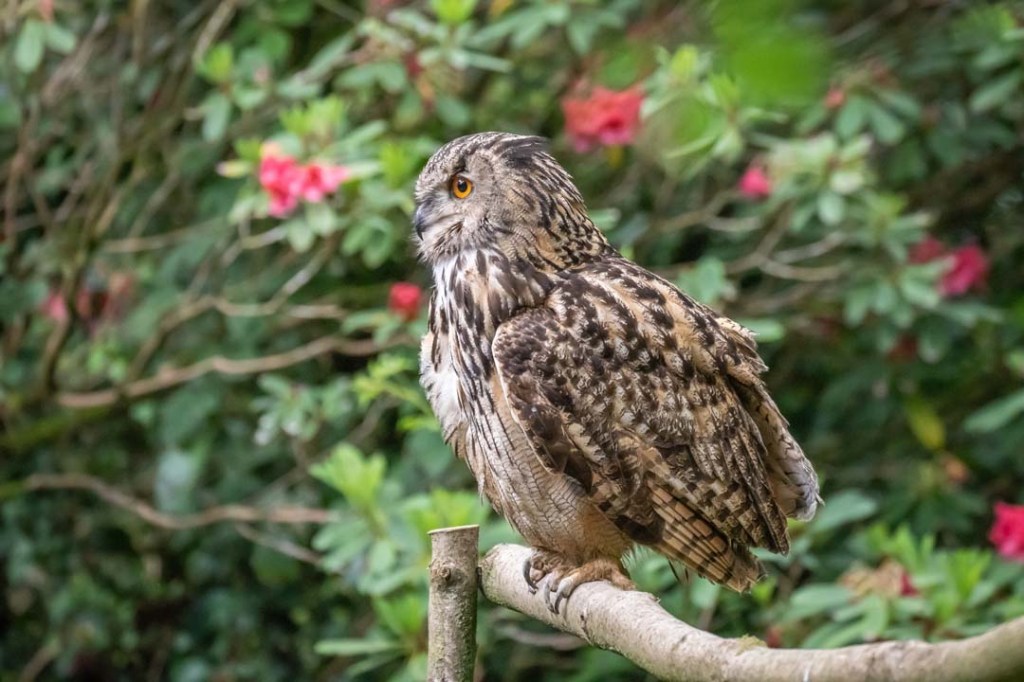
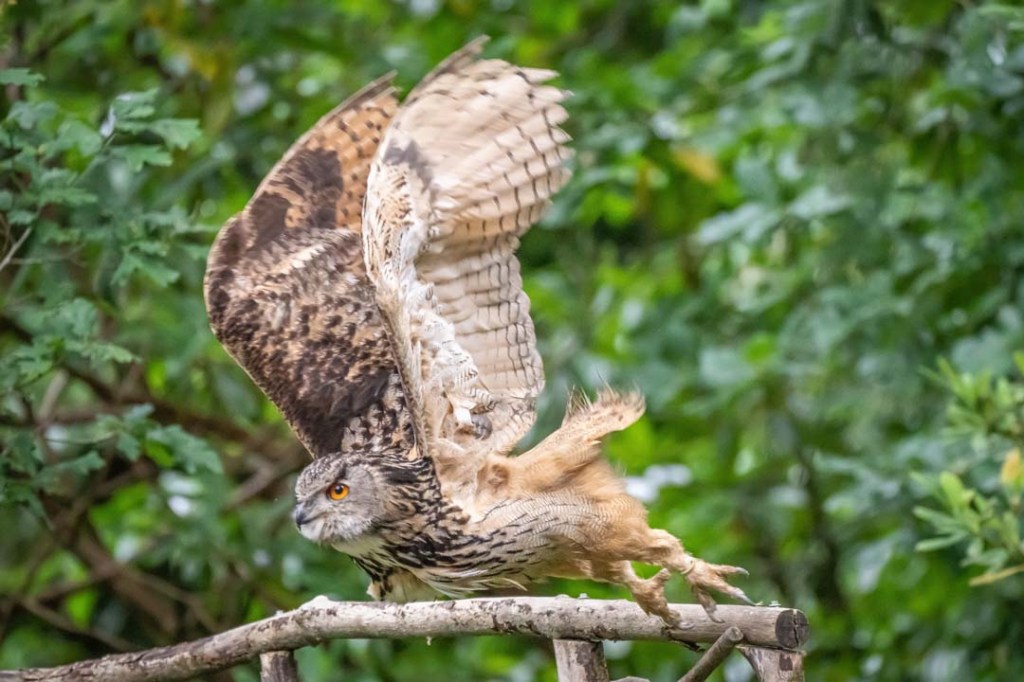
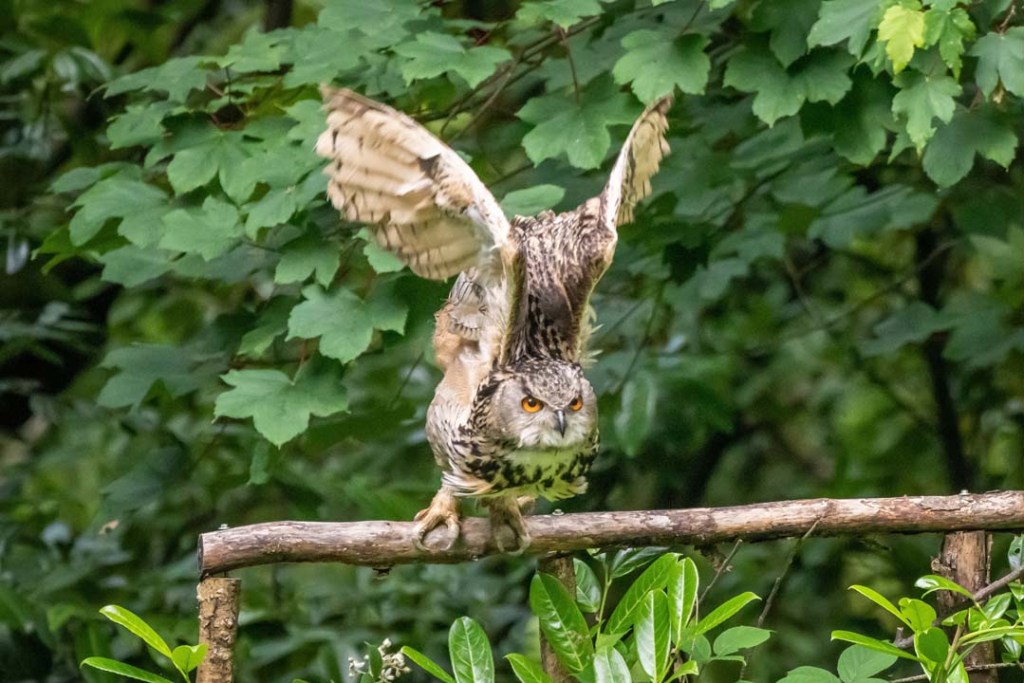
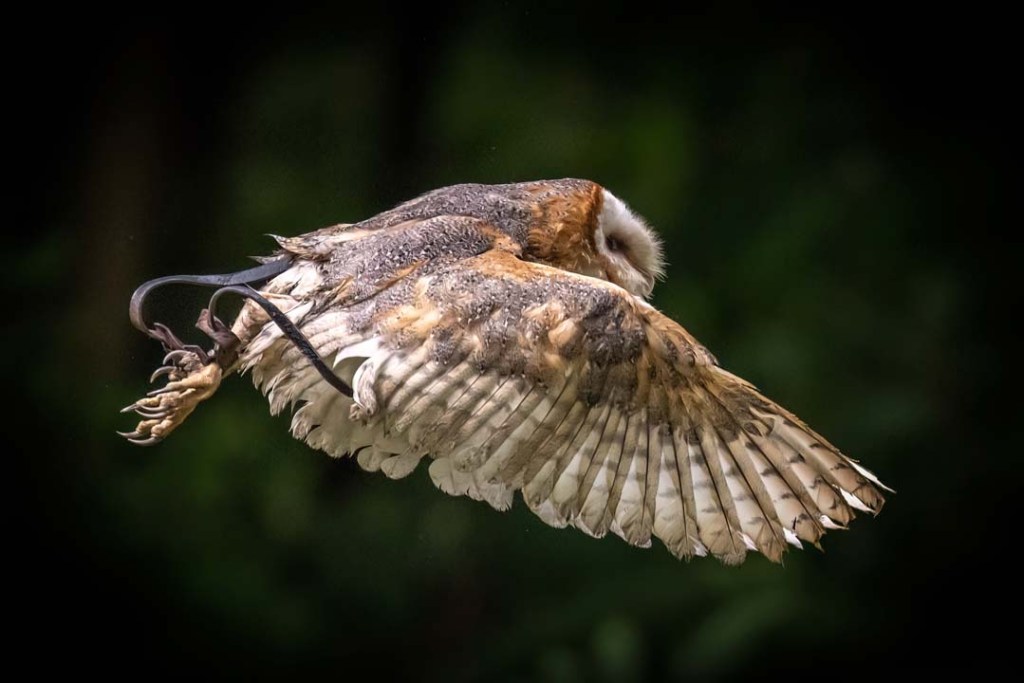
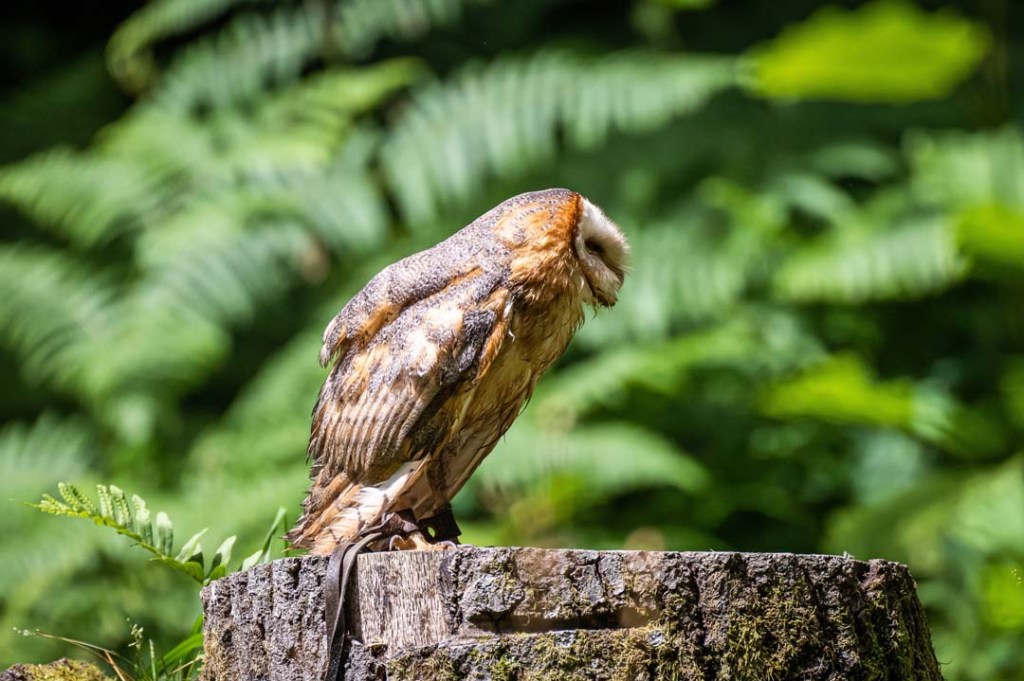
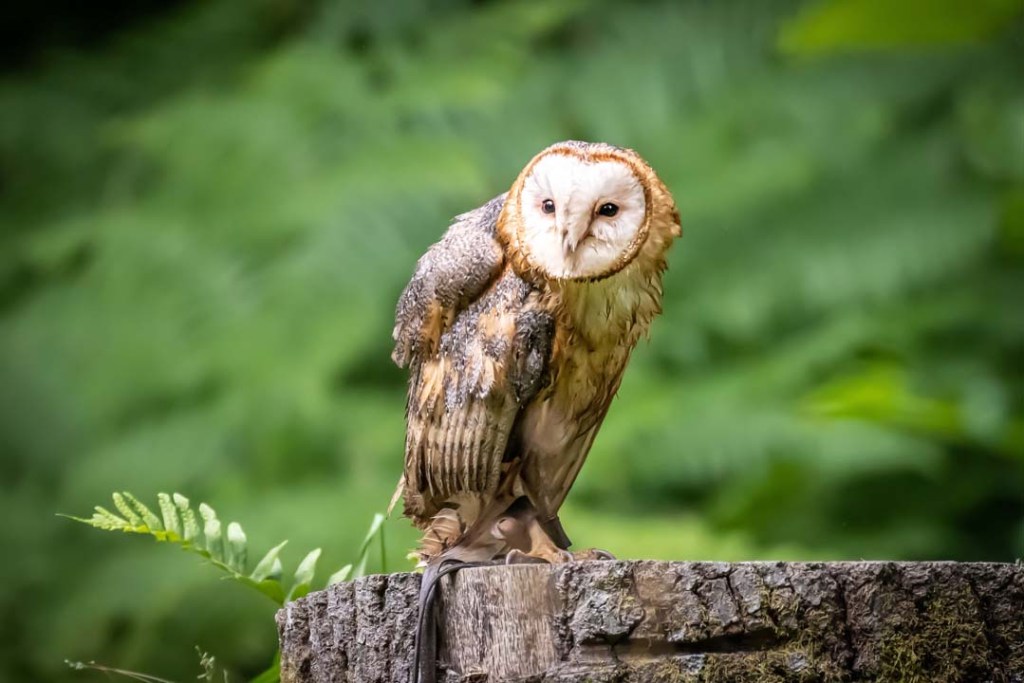
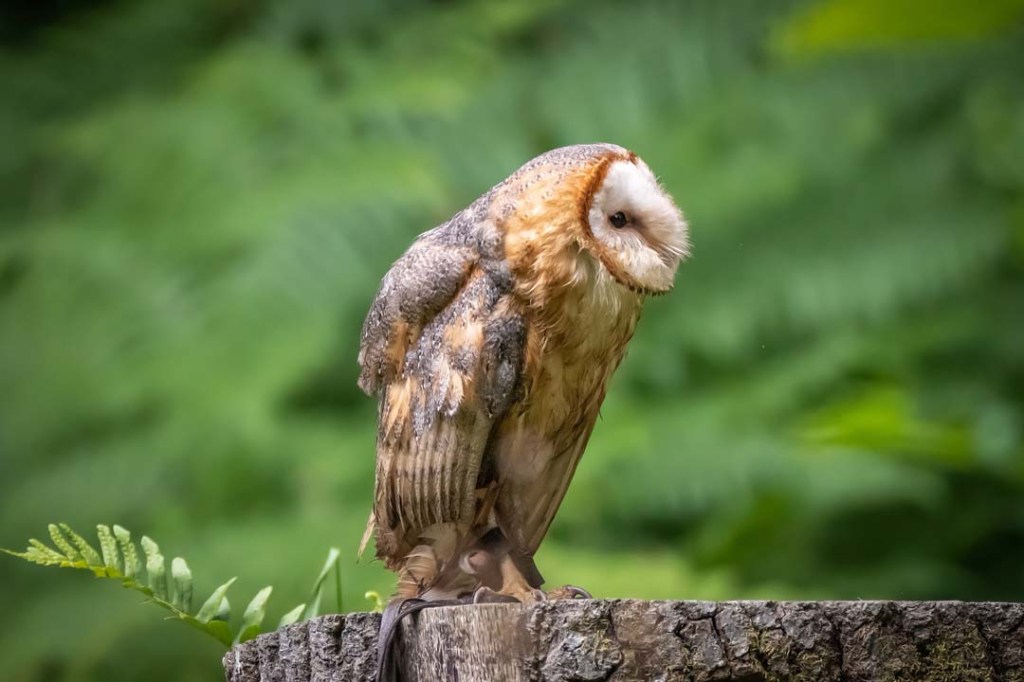
I missed the beginning of both sessions at The Owl Garden at Picton Castle and was too busy photographing the birds to catch what was what. I do know the African Fish Eagle because we had booked a trip to see these magnificent birds in the wild as we were travelling along the Garden Route in South Africa just before the COVID pandemic. Unfortunately the trip along the River Kromme at St Francis Bay was cancelled due to bad weather. How ironic that we should manage to see one in Wales in a week where we have had plenty of bad weather.
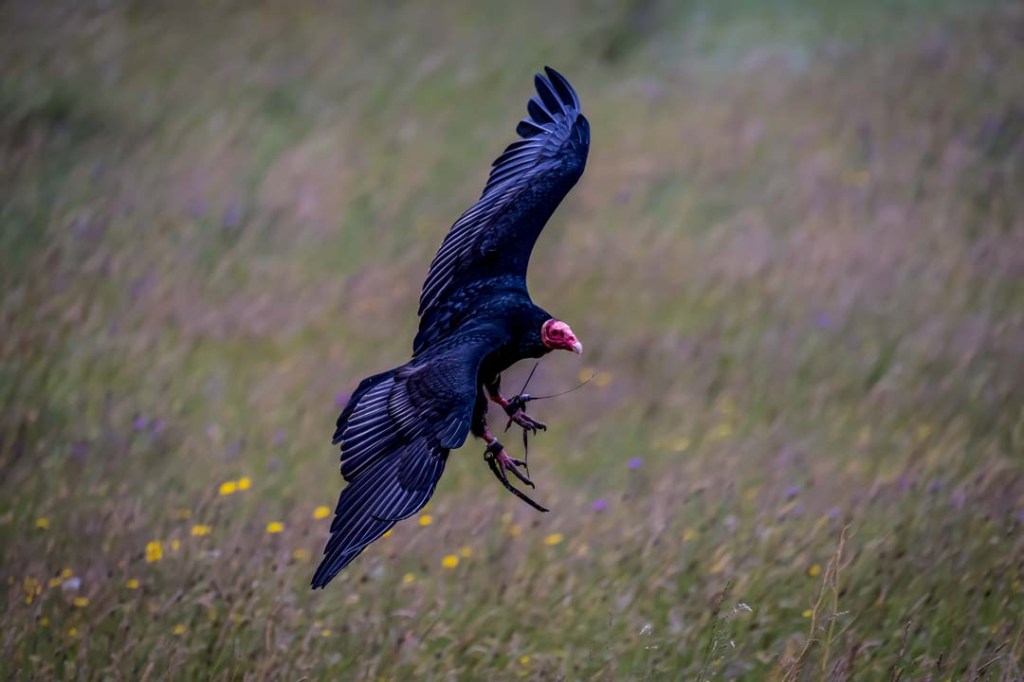
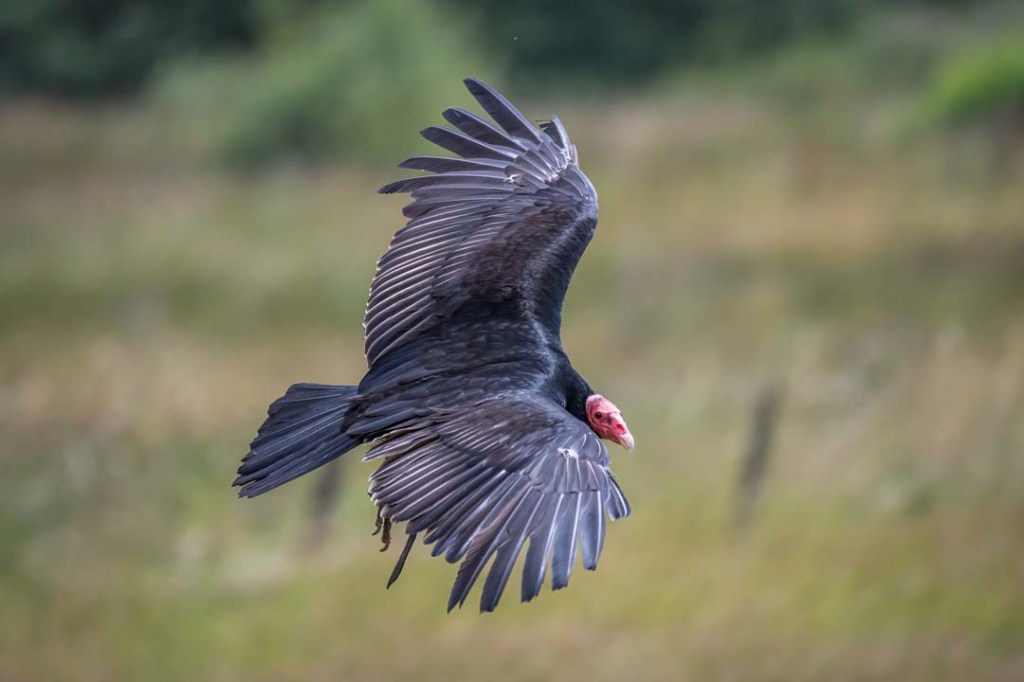
There were two sessions to see these rescue birds: the first was exclusively owls in the Owl Garden; the second was raptors flying in front of the castle.


I like to think of myself as a “glass half full” rather than a “glass half empty” man, but this week the weather in Pembrokeshire has tested my resolve. So, no trips out to the islands off the coast to see the wonderful sea birds that breed here. However, so far we have had two sunny (if not particularly warm) days and we have been able to make the most of it.
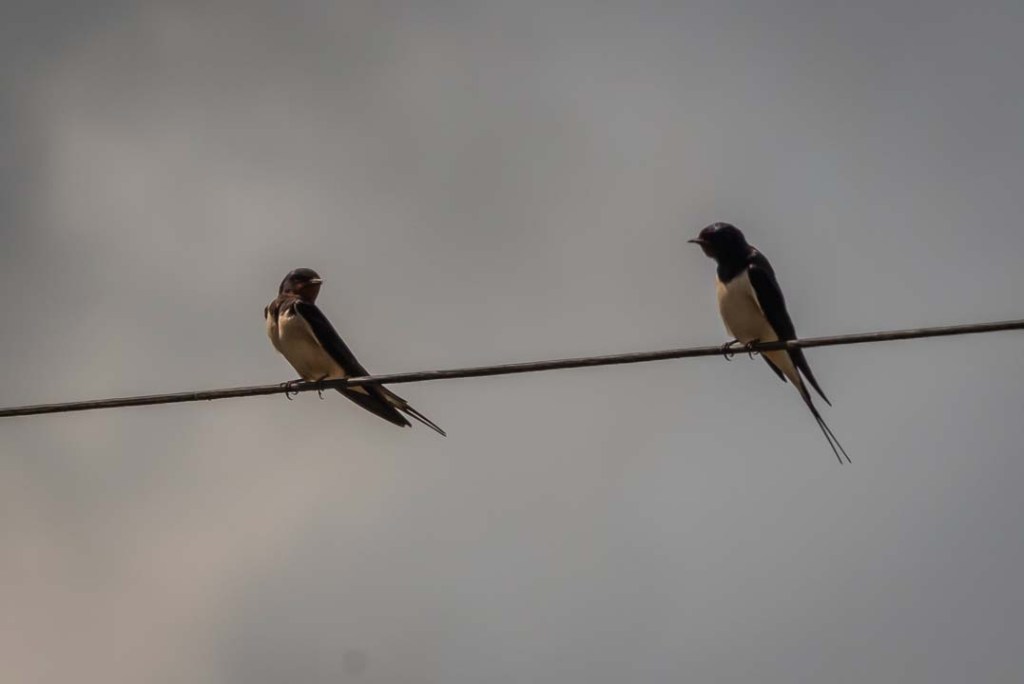
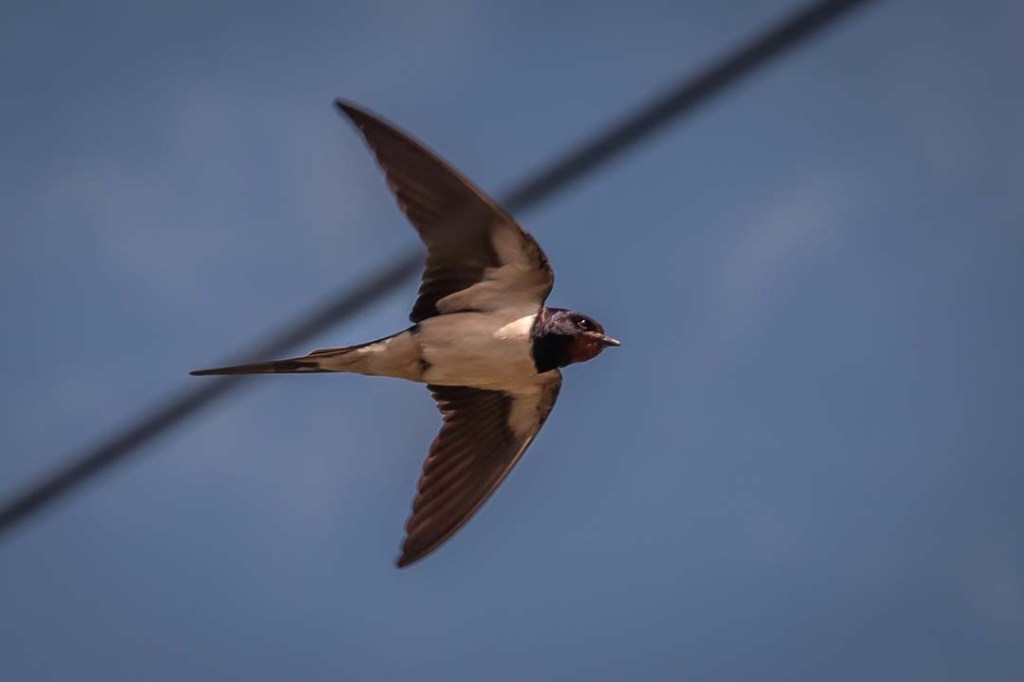
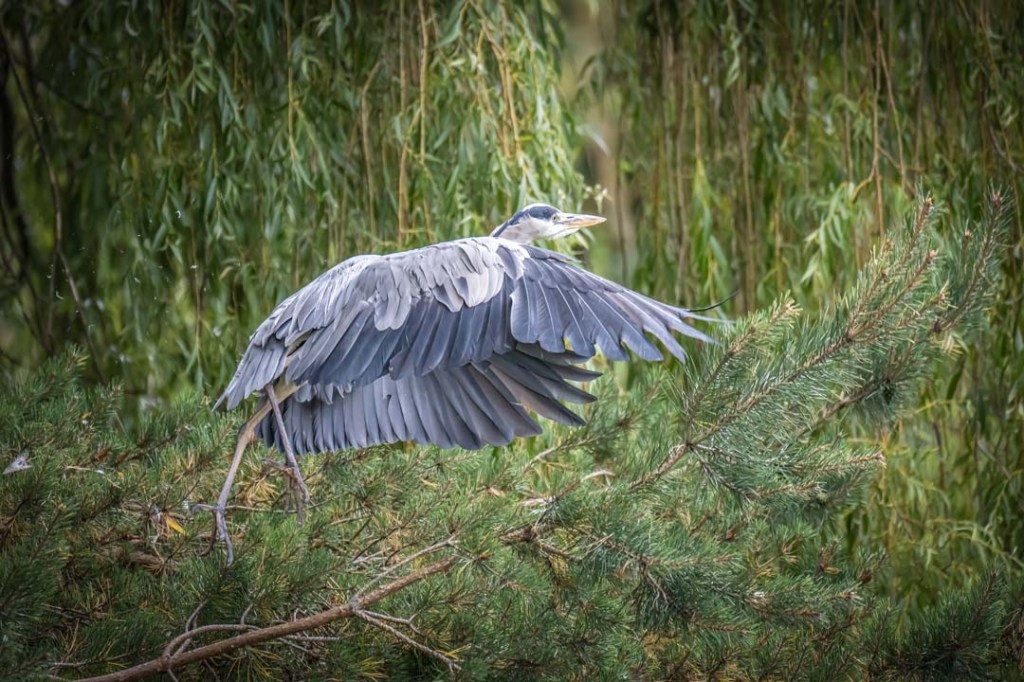
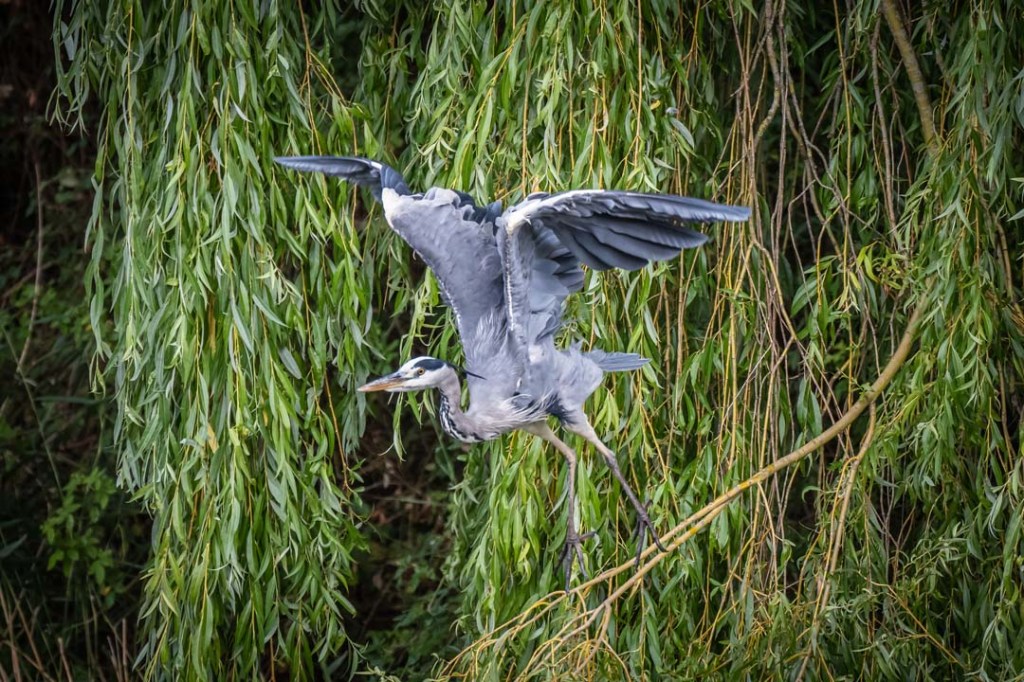
On the first of them we visited Dyffyn Fernant, a gem of a garden, between Newport and Fishguard. I don’t have a lot of bird photos to show from here as I missed a grey heron in flight and the red kite which I saw was too distant to photograph. However, there were a pair of barn swallows flitting around the garden and there were lots of ringlet butterflies. Nonetheless, a very inspiring garden created in difficult terrain.
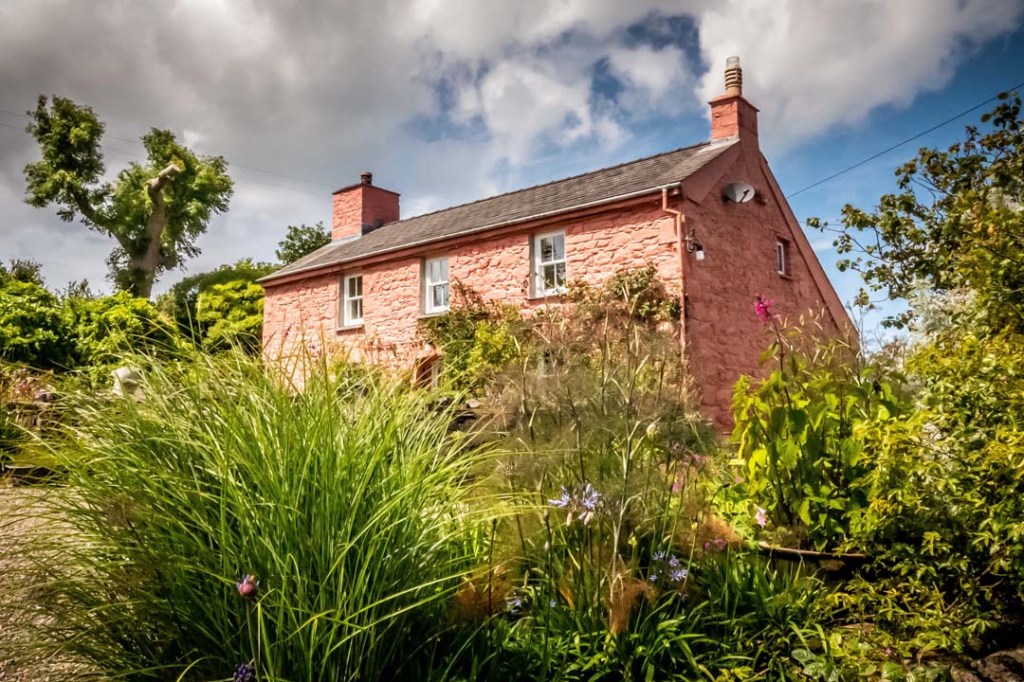
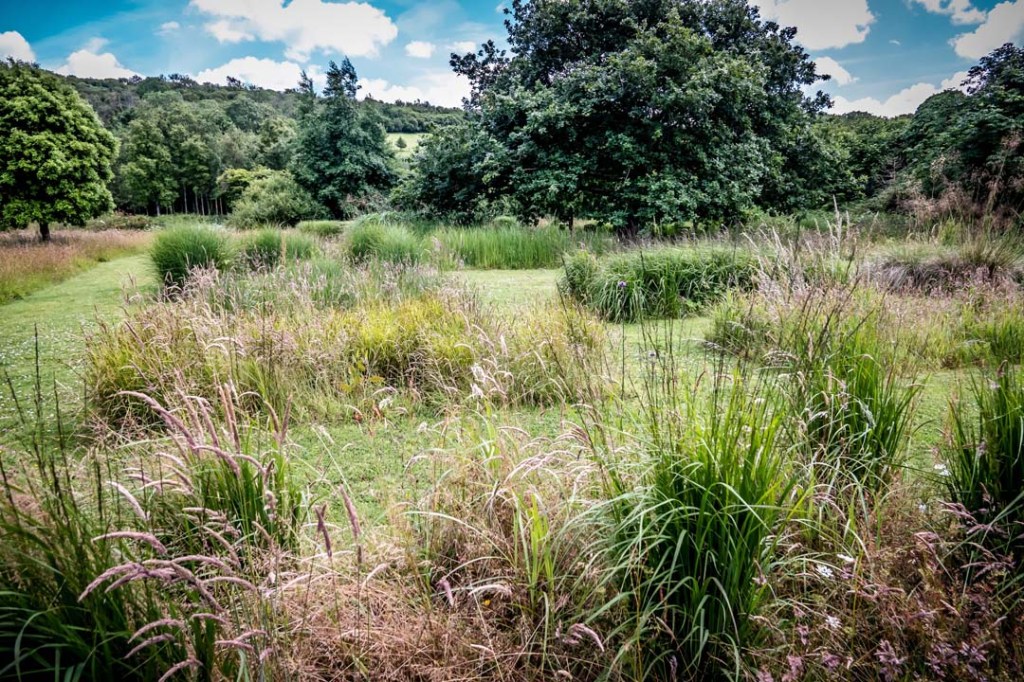
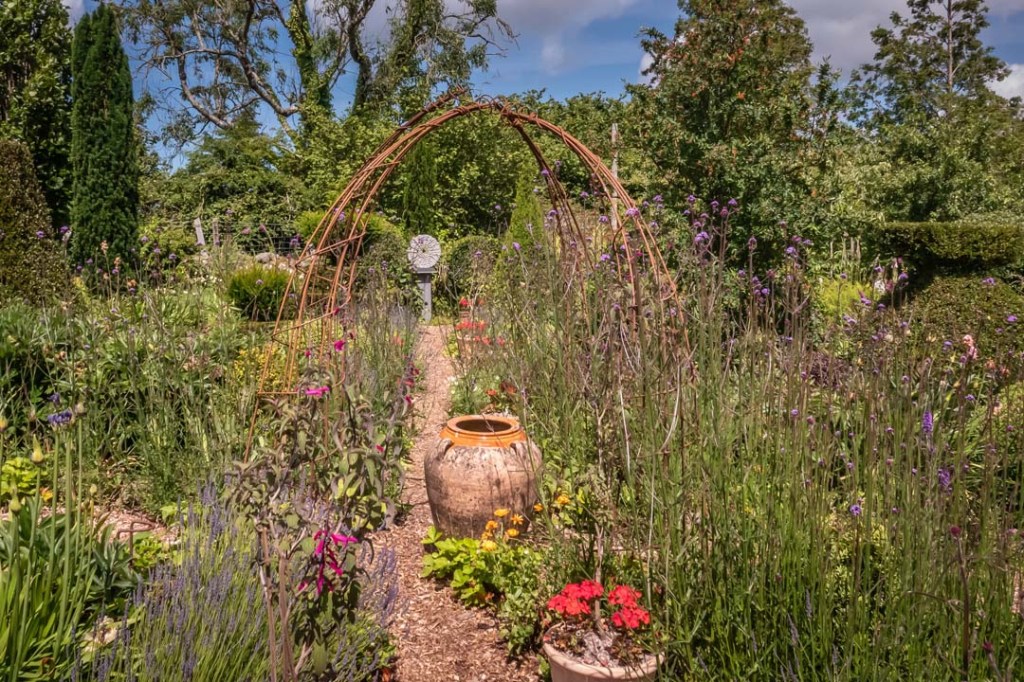


Our second “nature” trip was to Picton Castle near Haverfordwest. Here the gardens were much more formal, but we especially loved the walled garden with many plants which benefit from the temperate climate here (it has not seemed particularly temperate this week though).


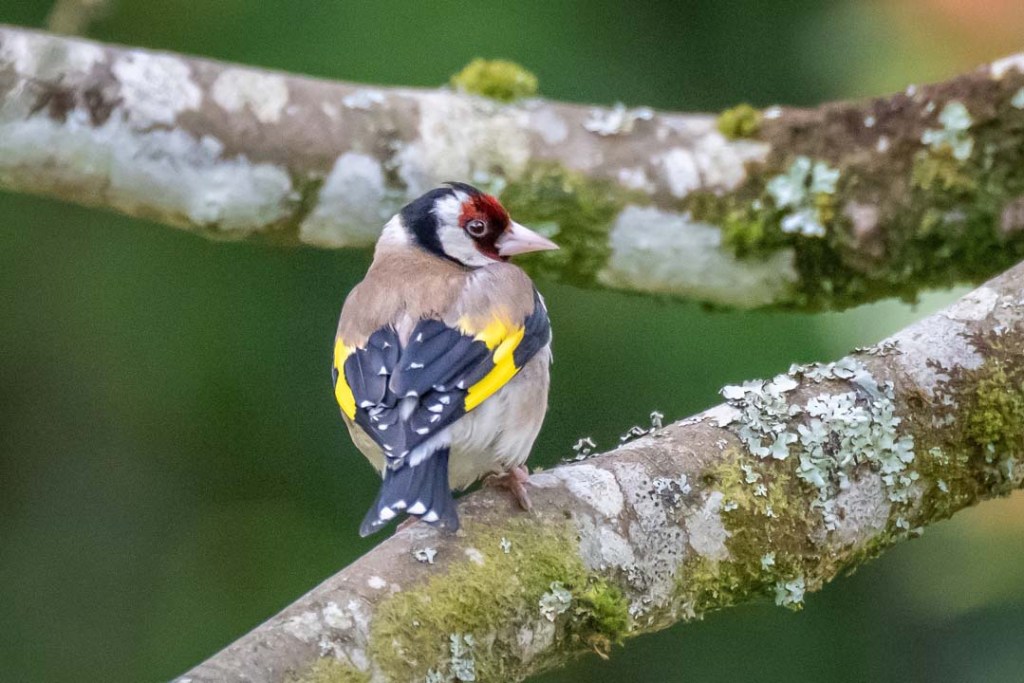
Ajacent to the walled garden was a vegetable garden which, along with some feeders, attracted lots of garden birds.



The castle buildings attracted huge numbers of house martins.
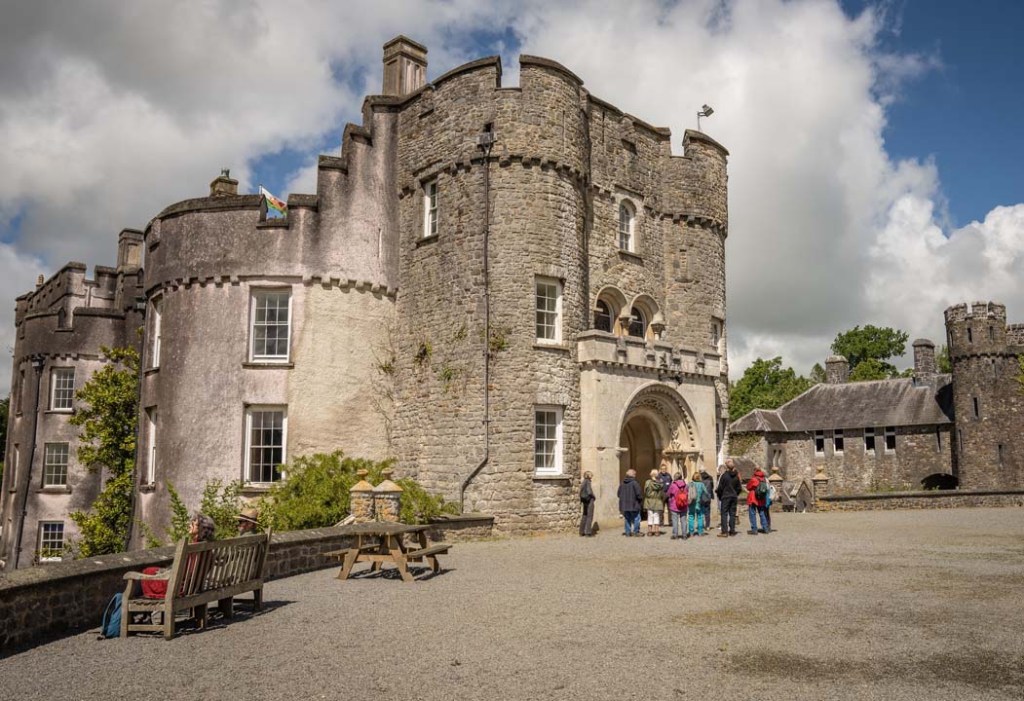


Picton Castle is also home to The Welsh Owl Garden and, as much as I don’t like seeing birds in cages, there were two sessions with a great opportunity to see, first of all, rescue owls up close and in flight and, later in the day, some of the larger rescue raptors in flight.


I will publish a separate blog with photos from these two sessions.
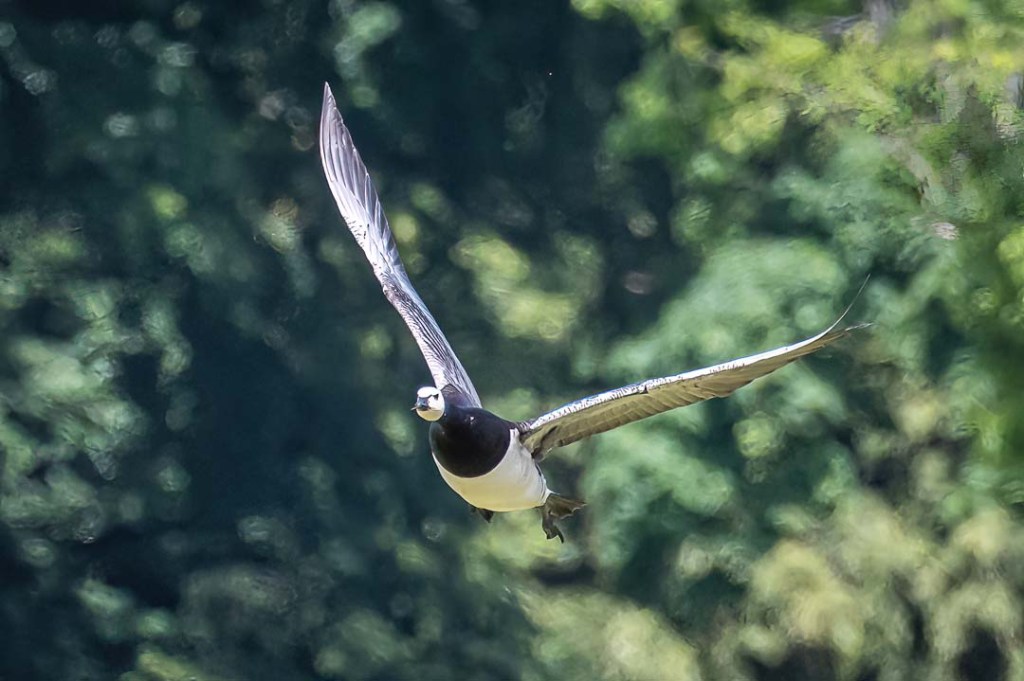
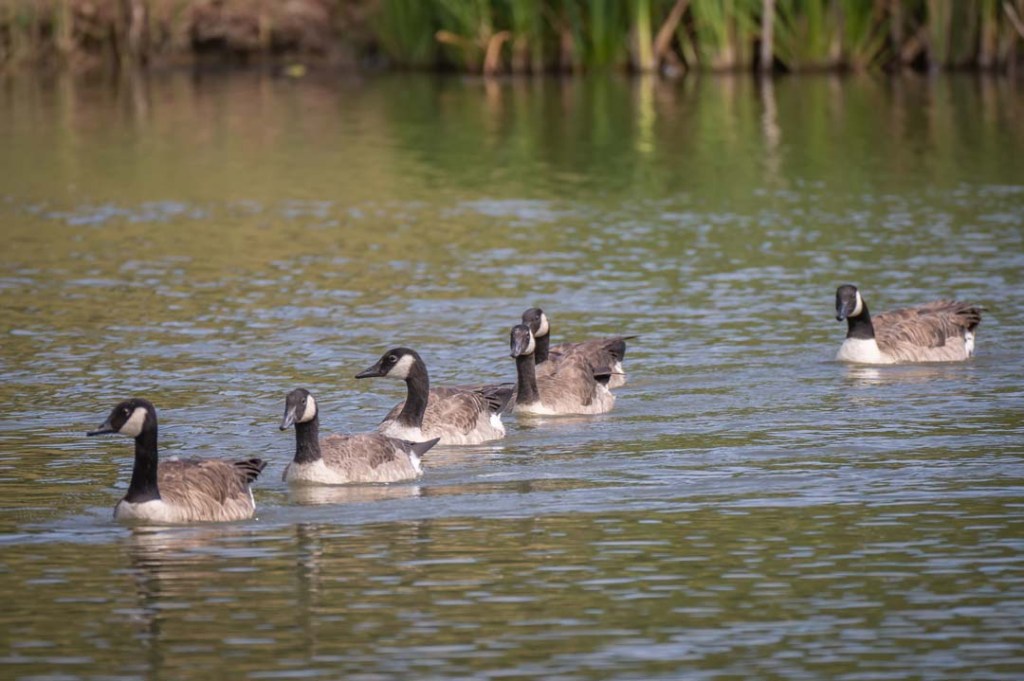
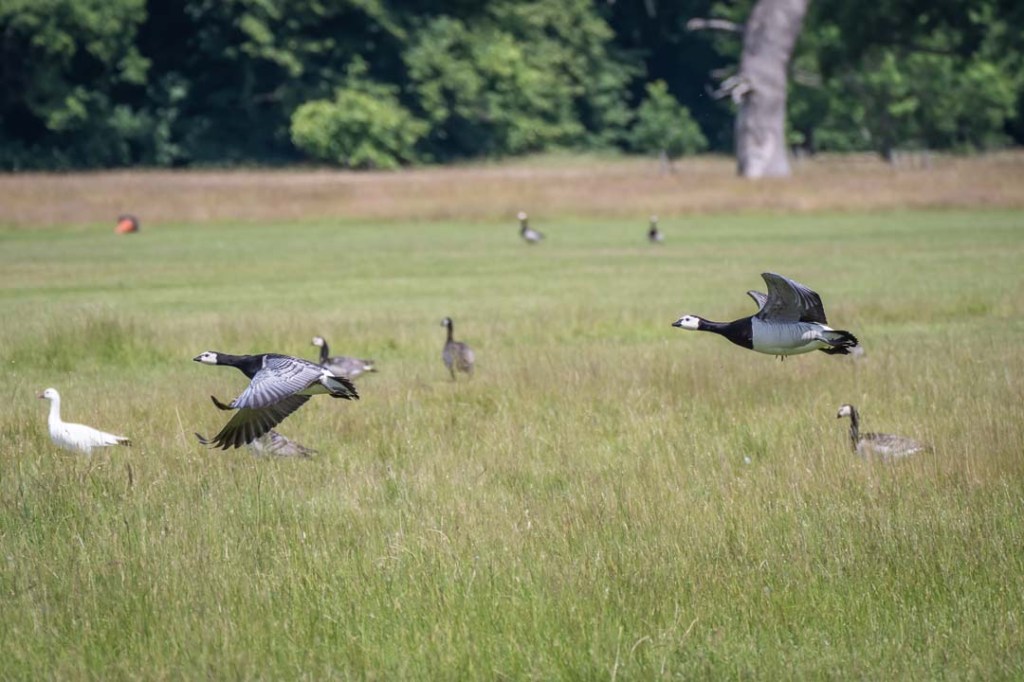
We made the most of another lovely day and had a walk around the village of Frampton-on-Severn and, in particular, to the lake behind Frampton Court.
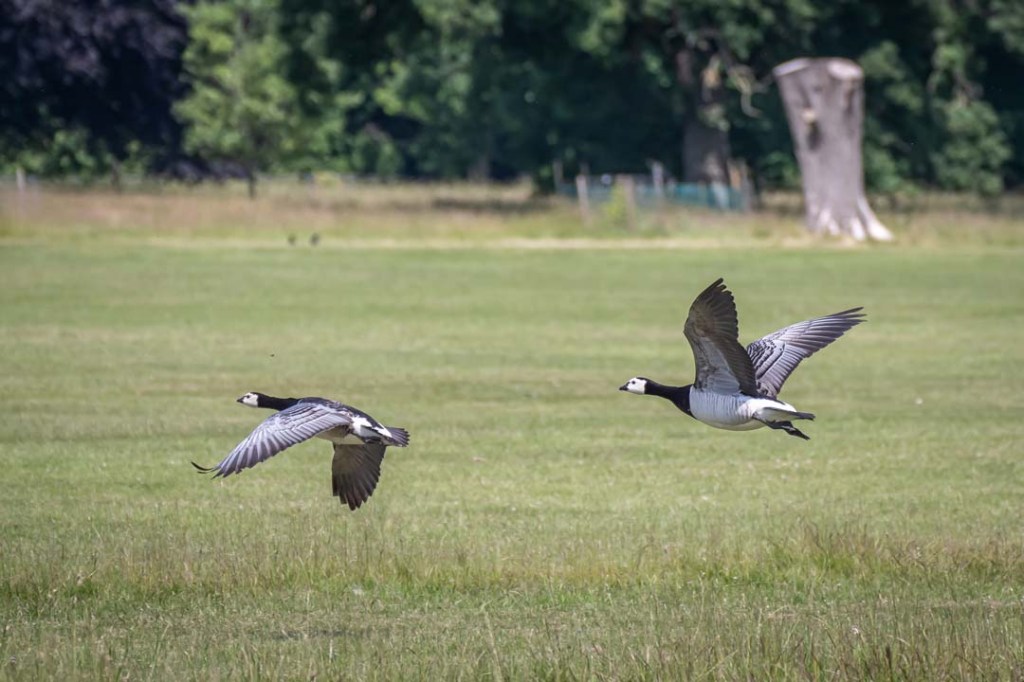
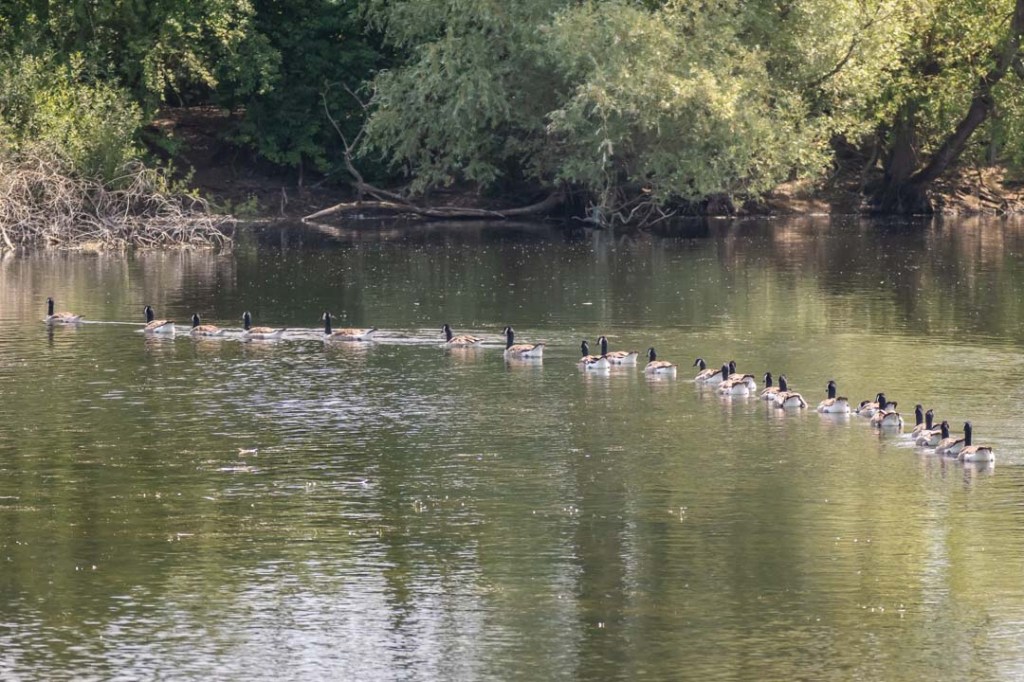
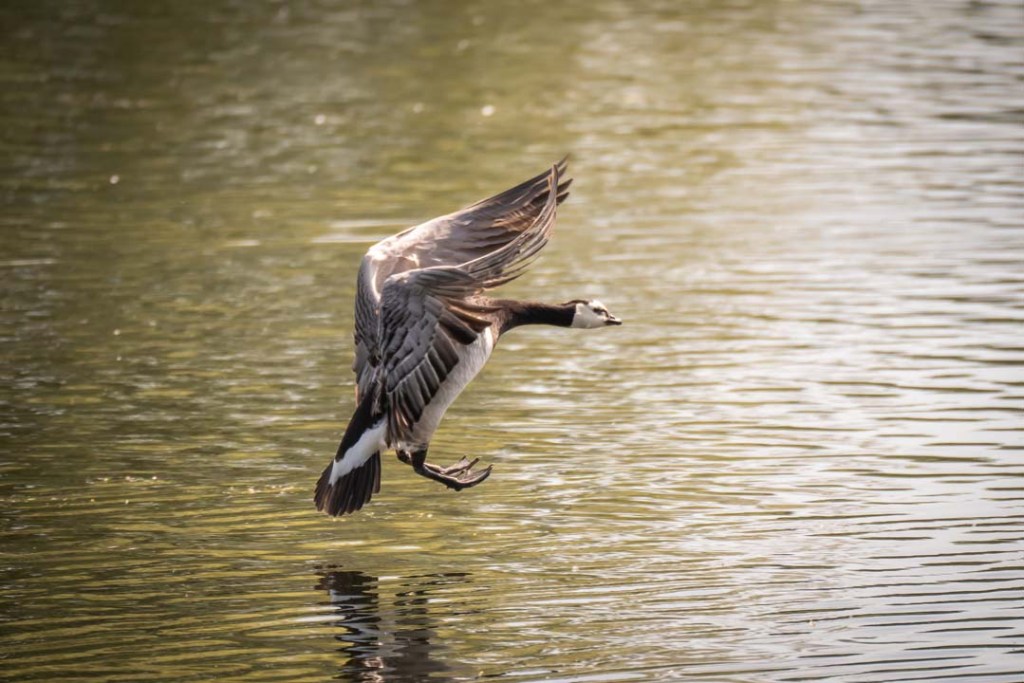
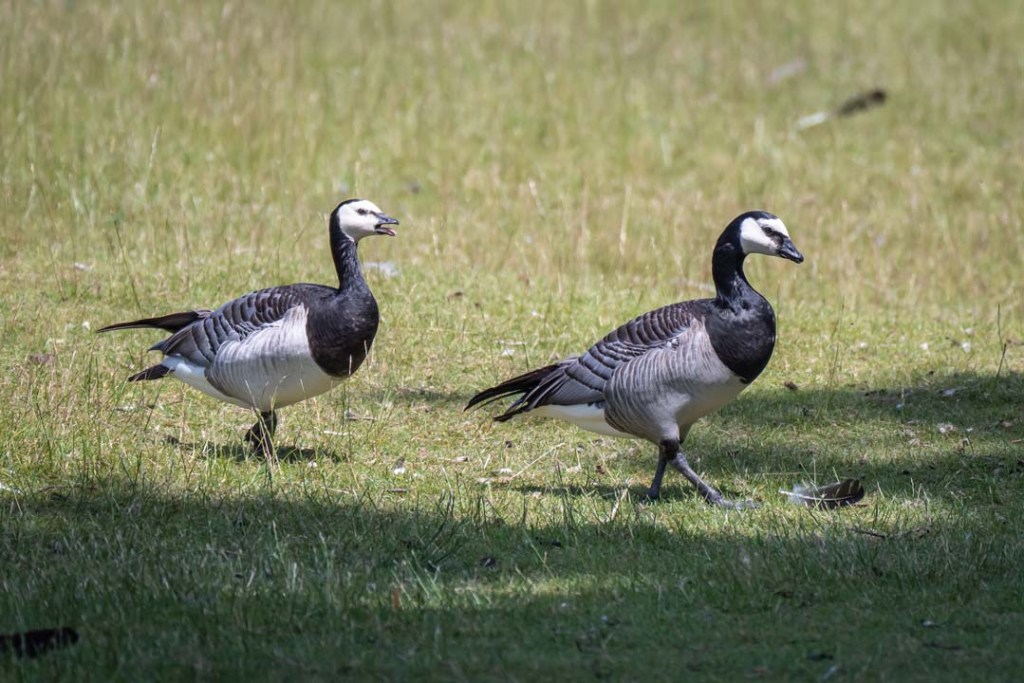
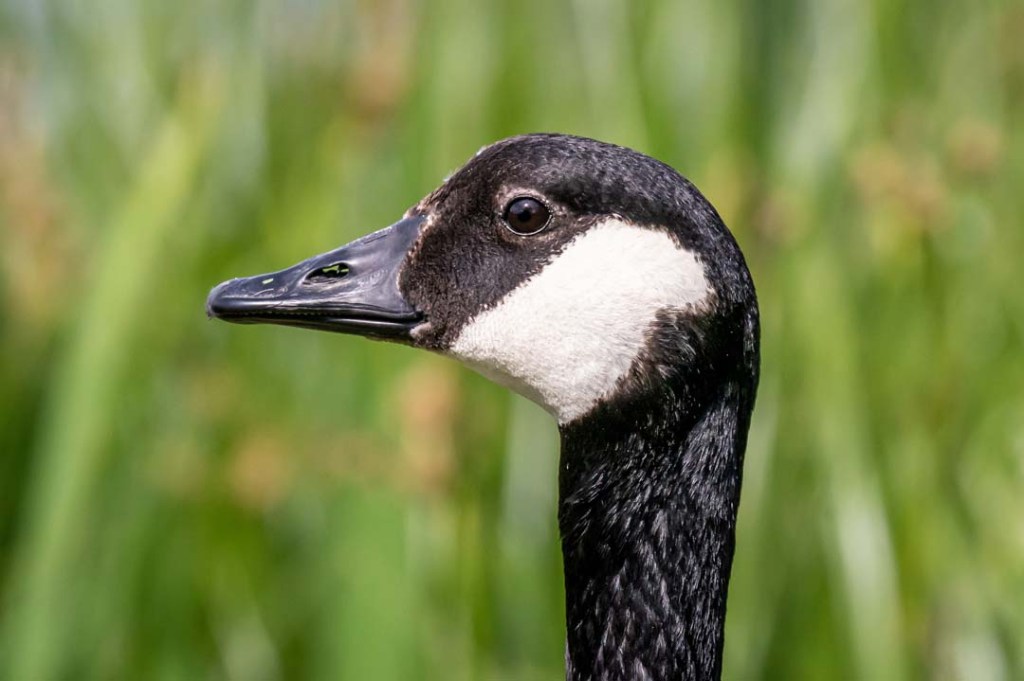
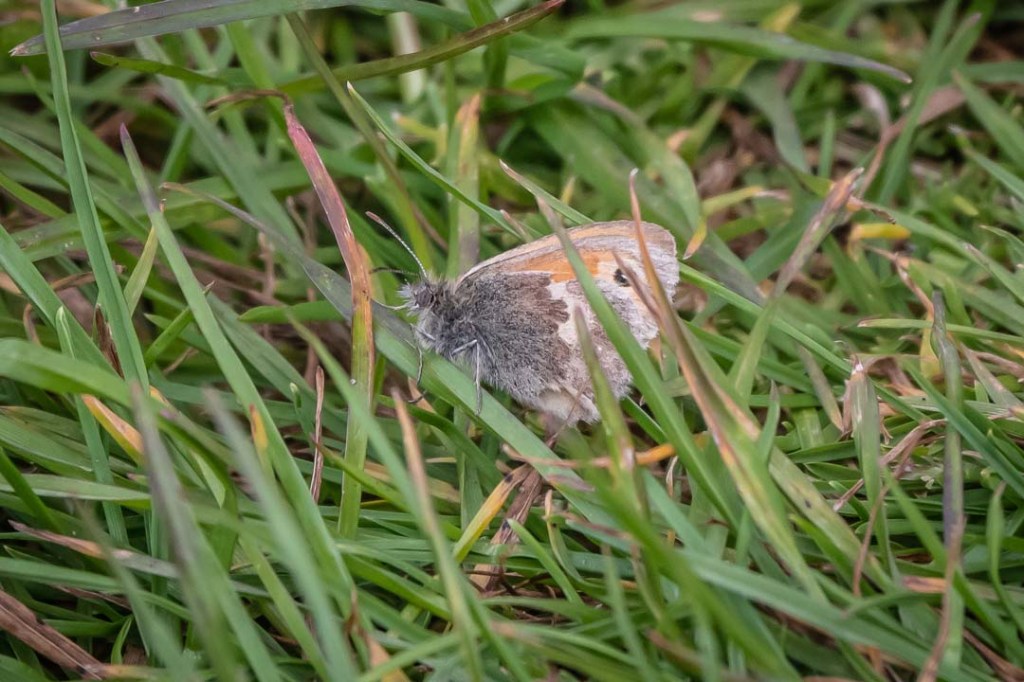
The main attraction was the big flocks of Barnacle, Greylag and Canada geese. There were lots of meadow brown butterflies as well as damselflies and dragonflies; but it was too hot to stand around trying to photograph them.
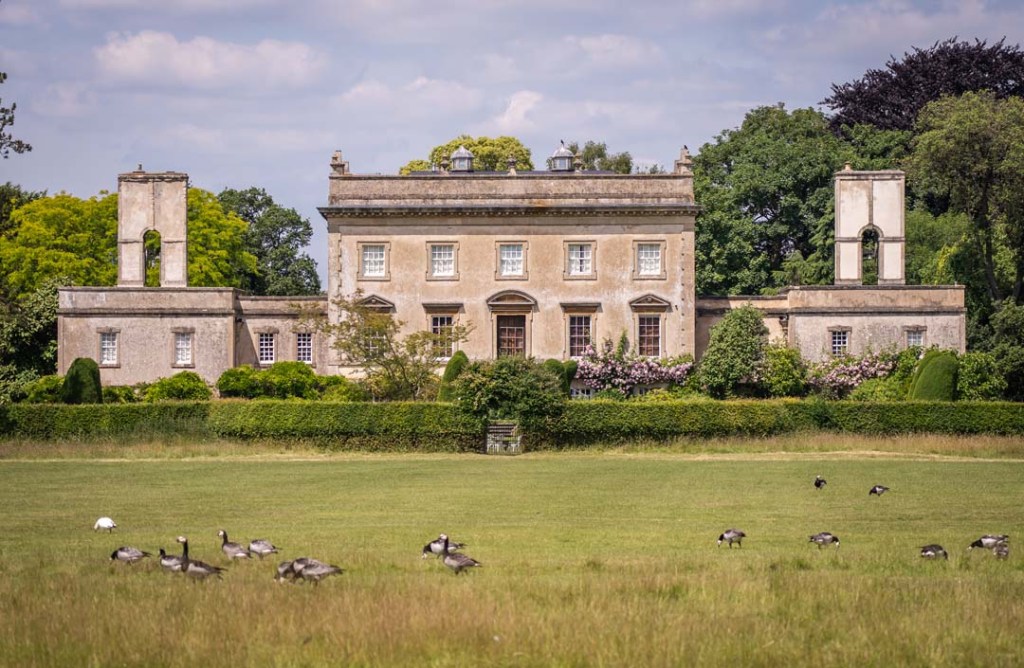
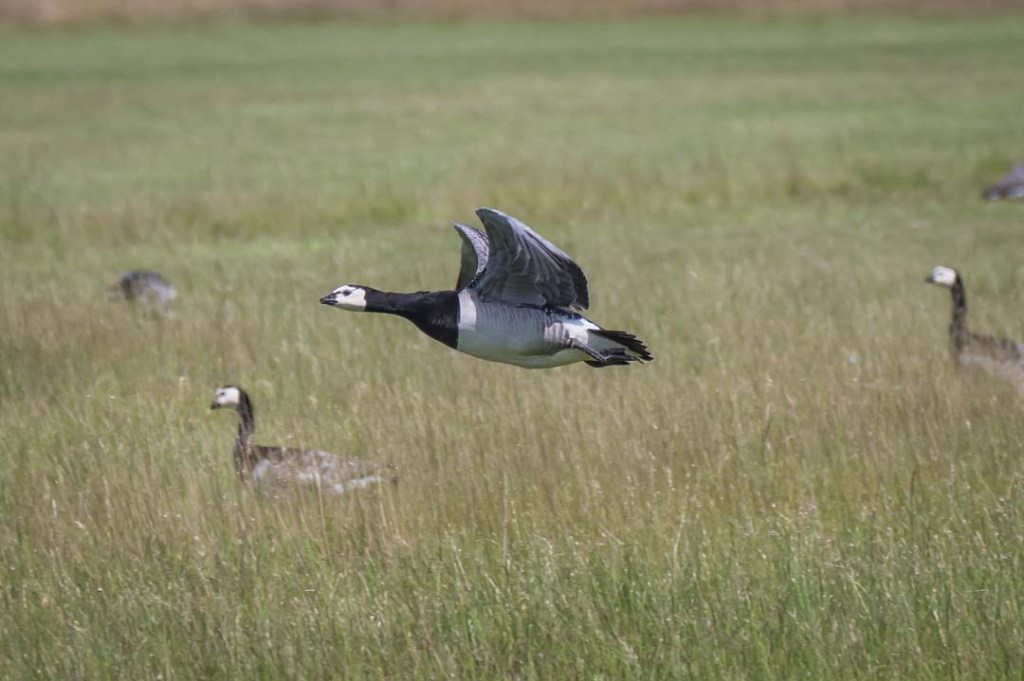
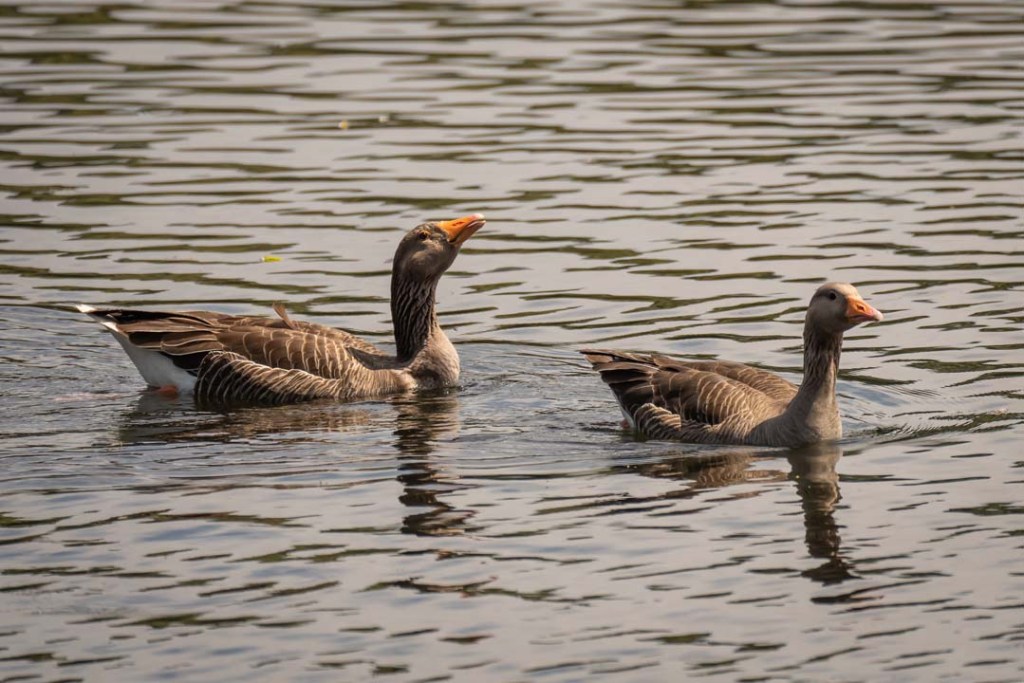


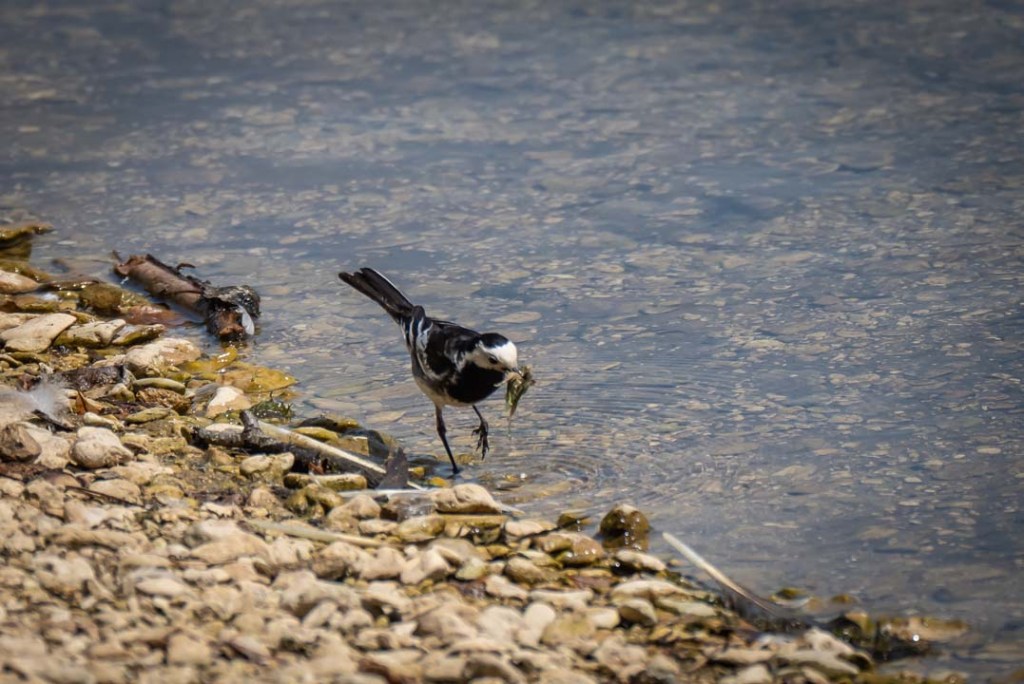
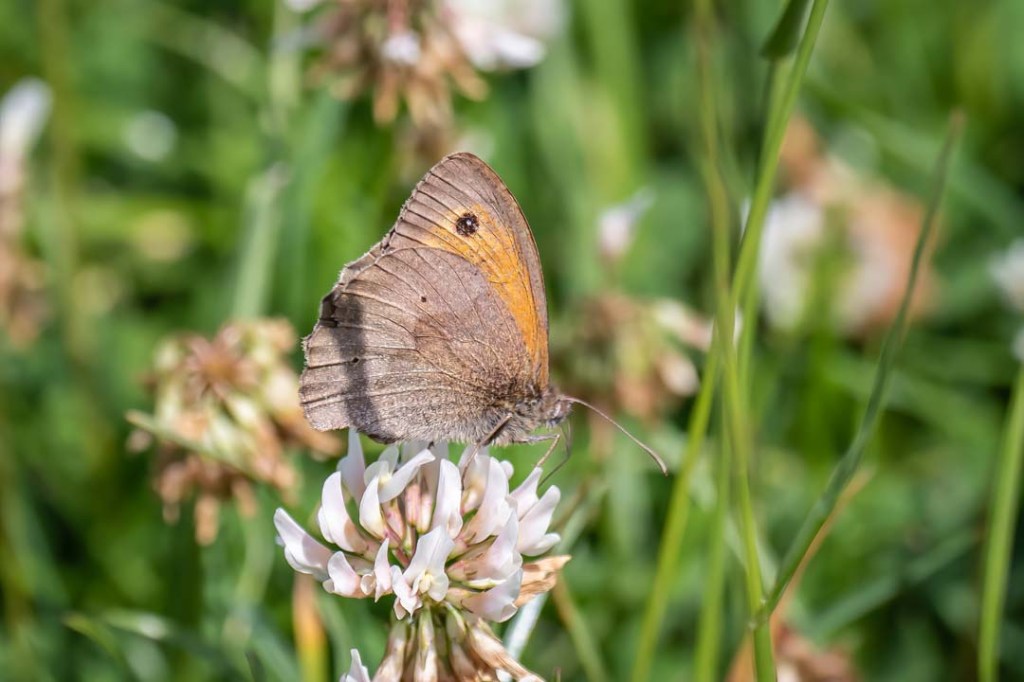
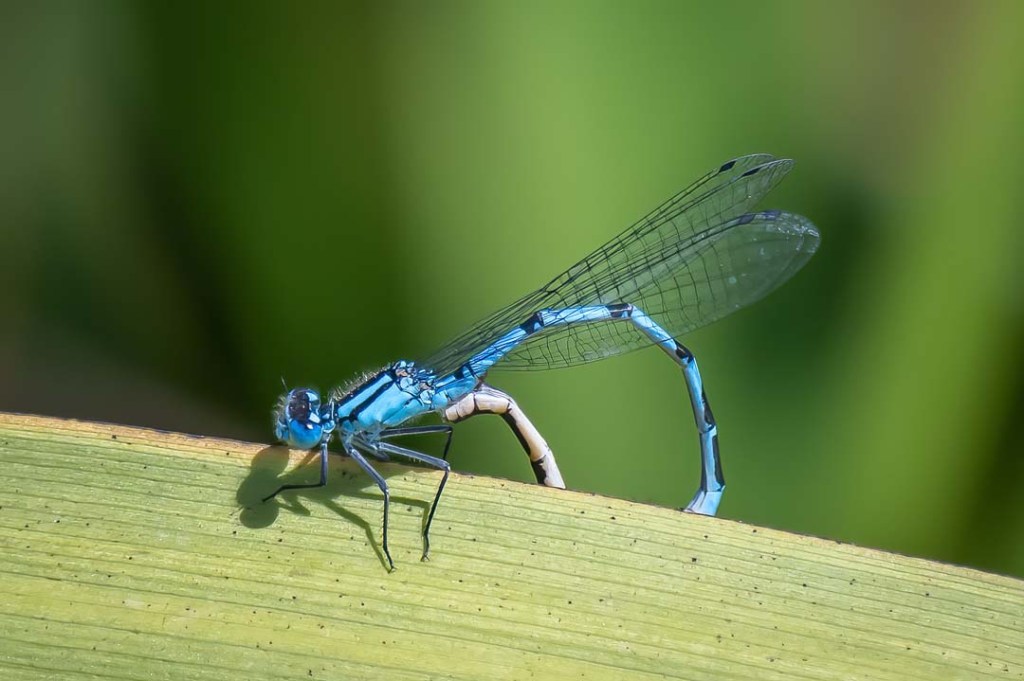
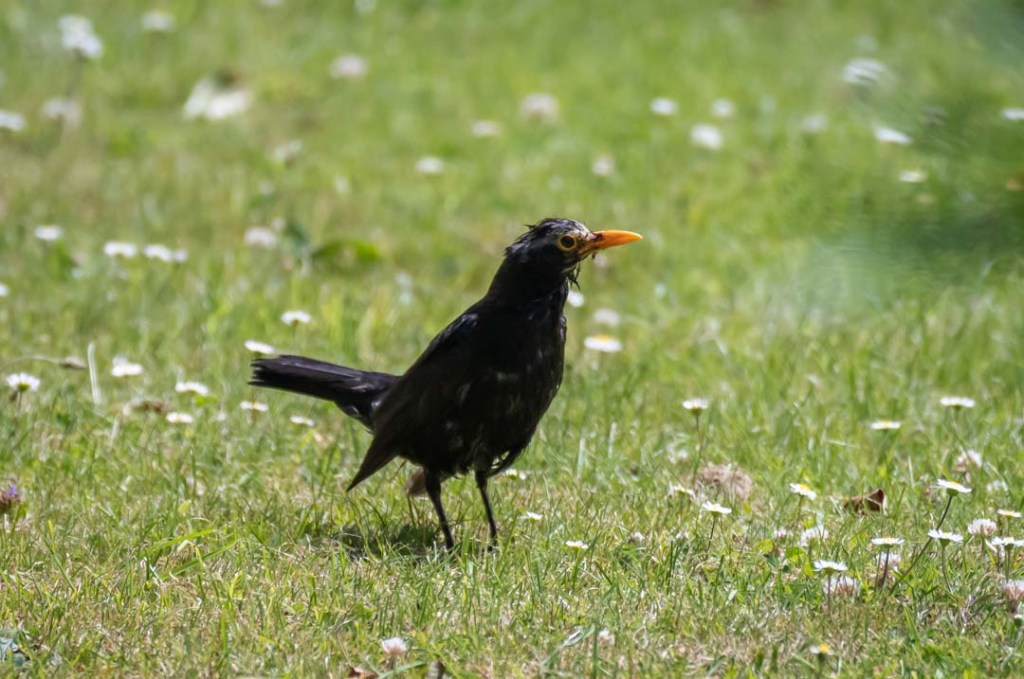
Our walk ended at the Bell Inn on the village green, which is reputed to be the longest in England, and a fine lunch.

SLIDESHOW OF TODAY’S PHOTOS
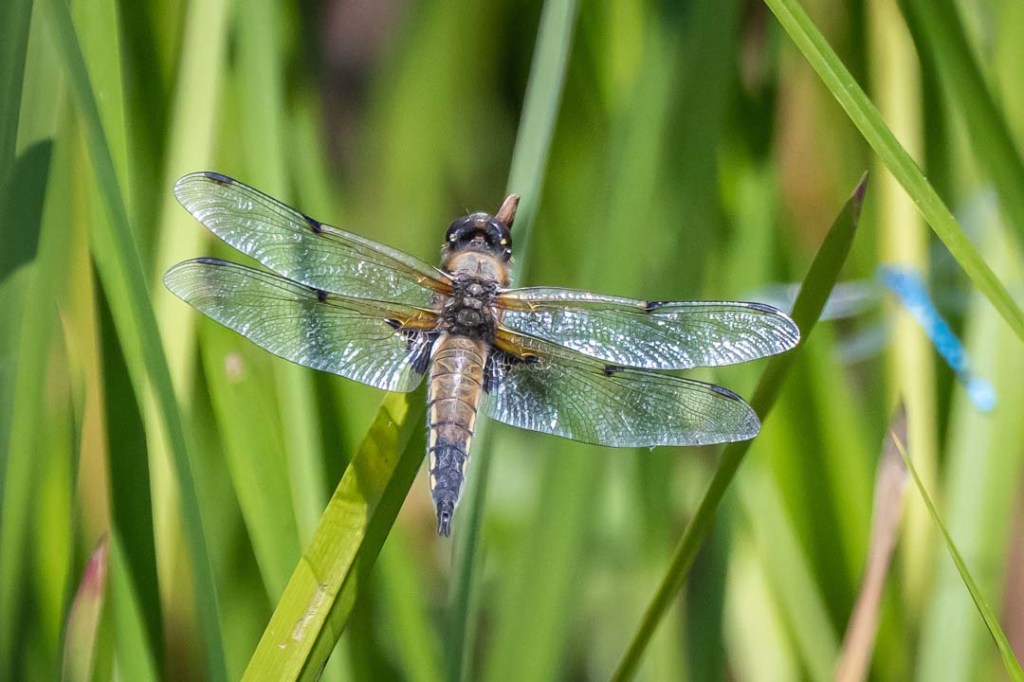
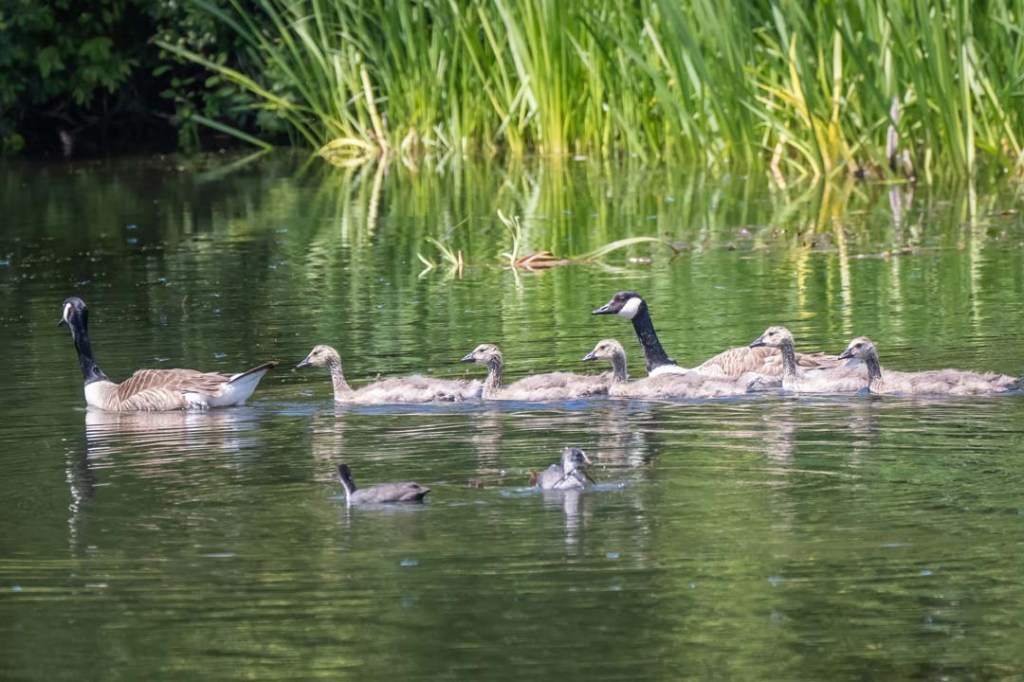
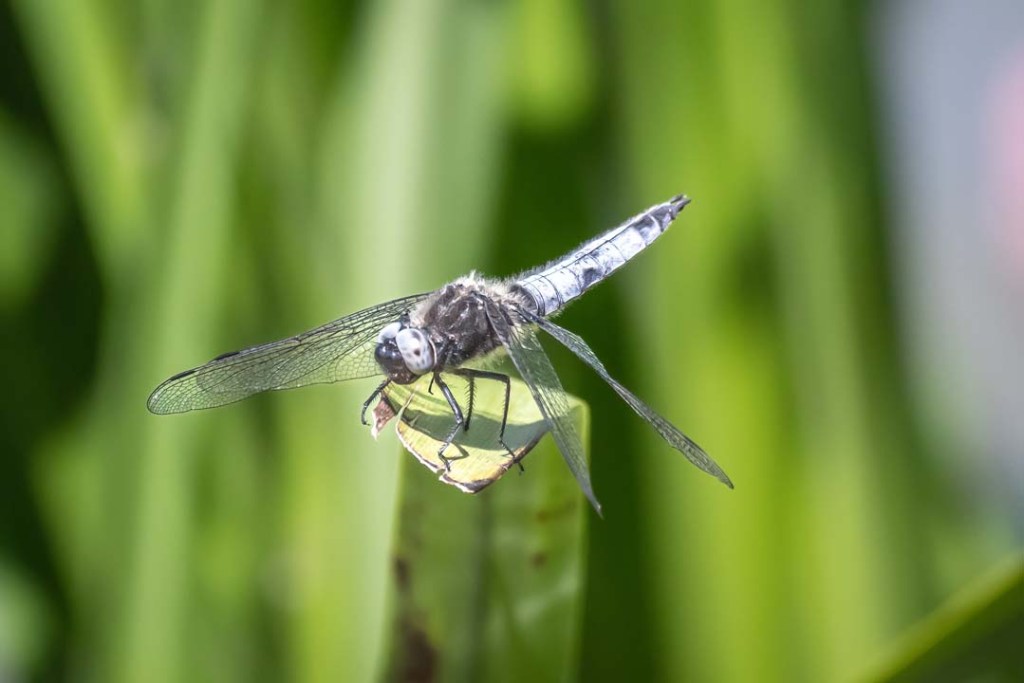
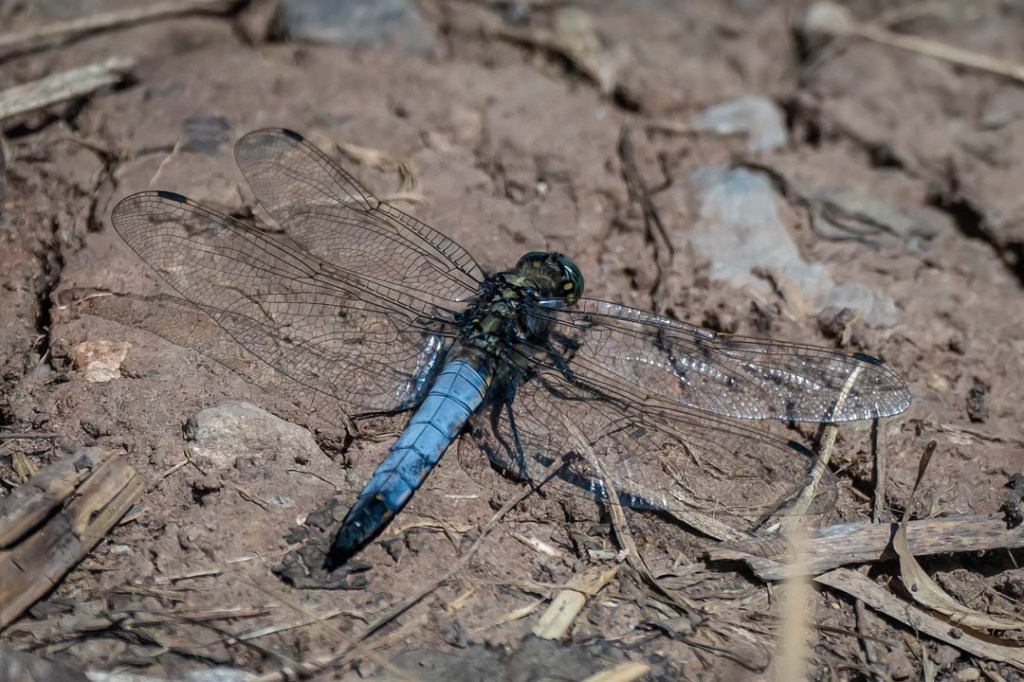
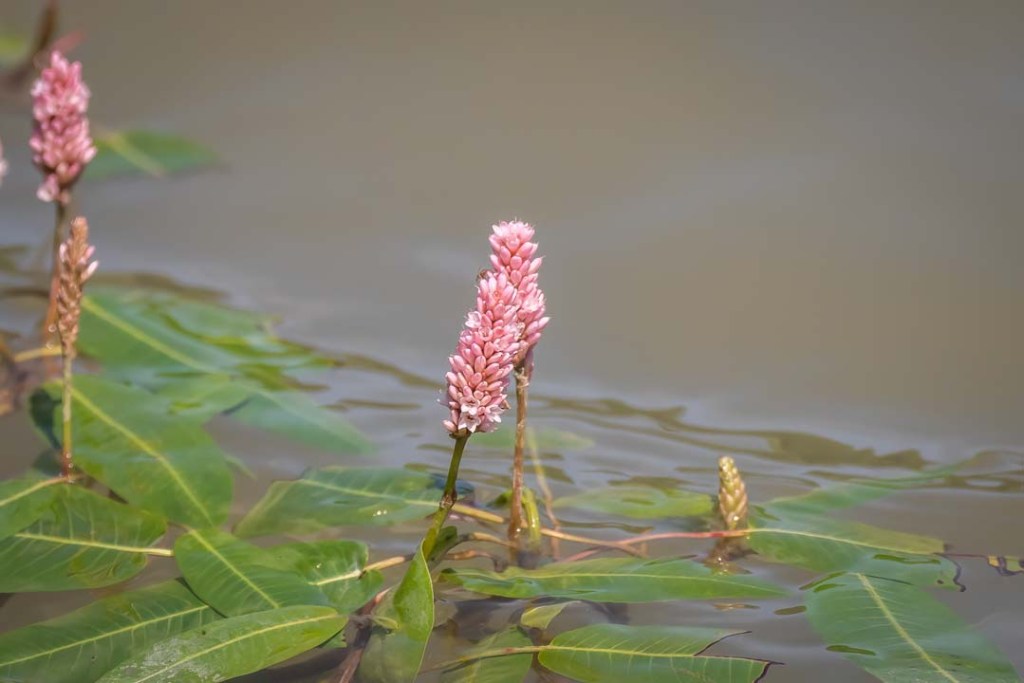
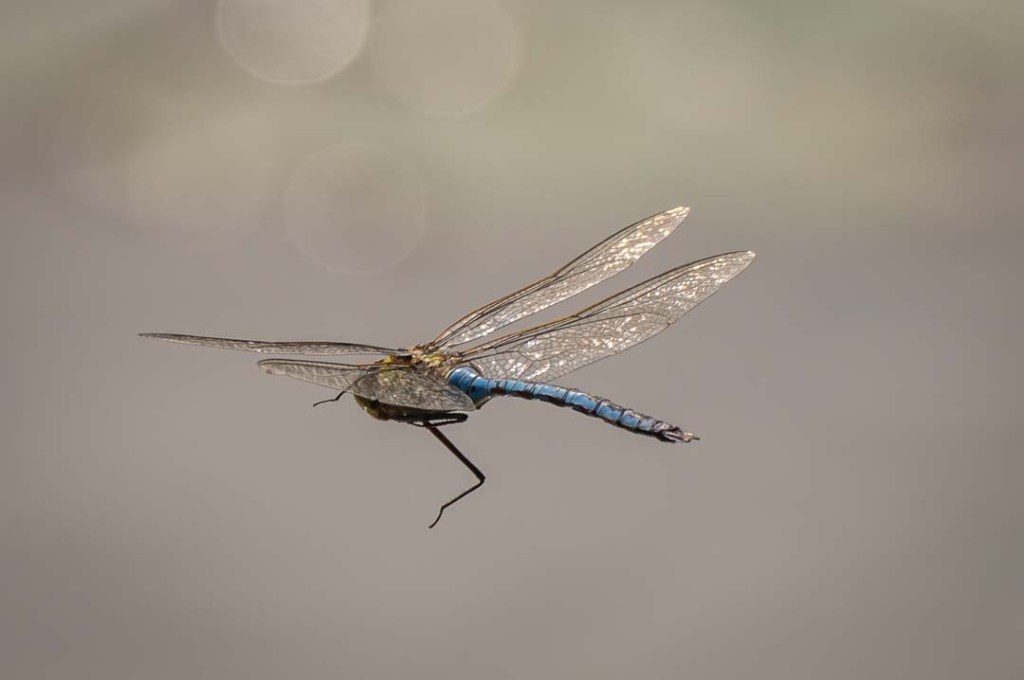
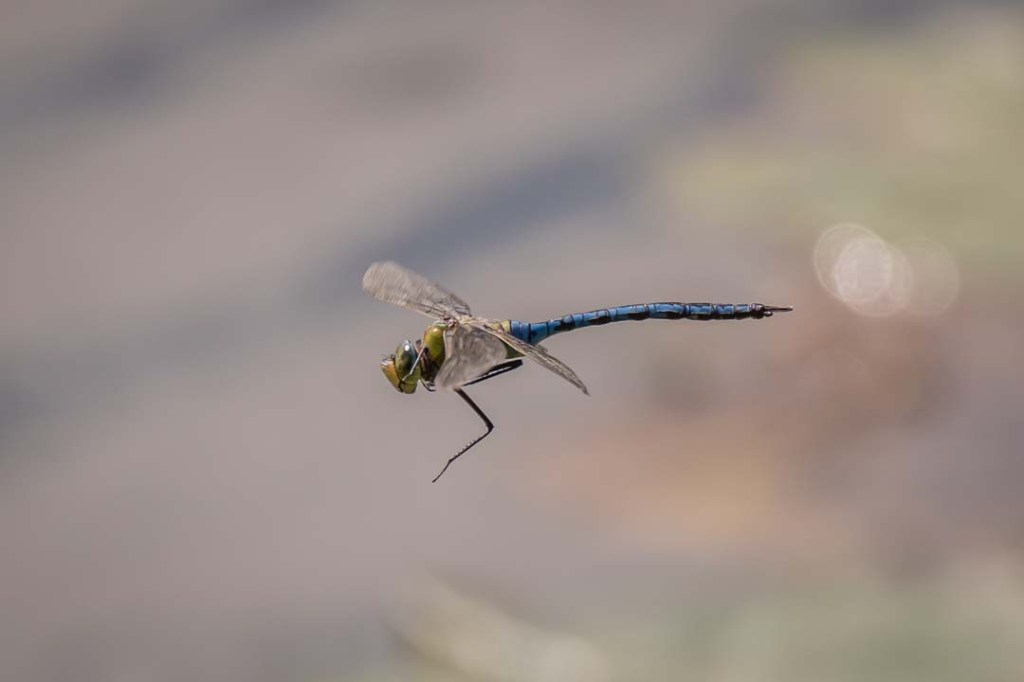
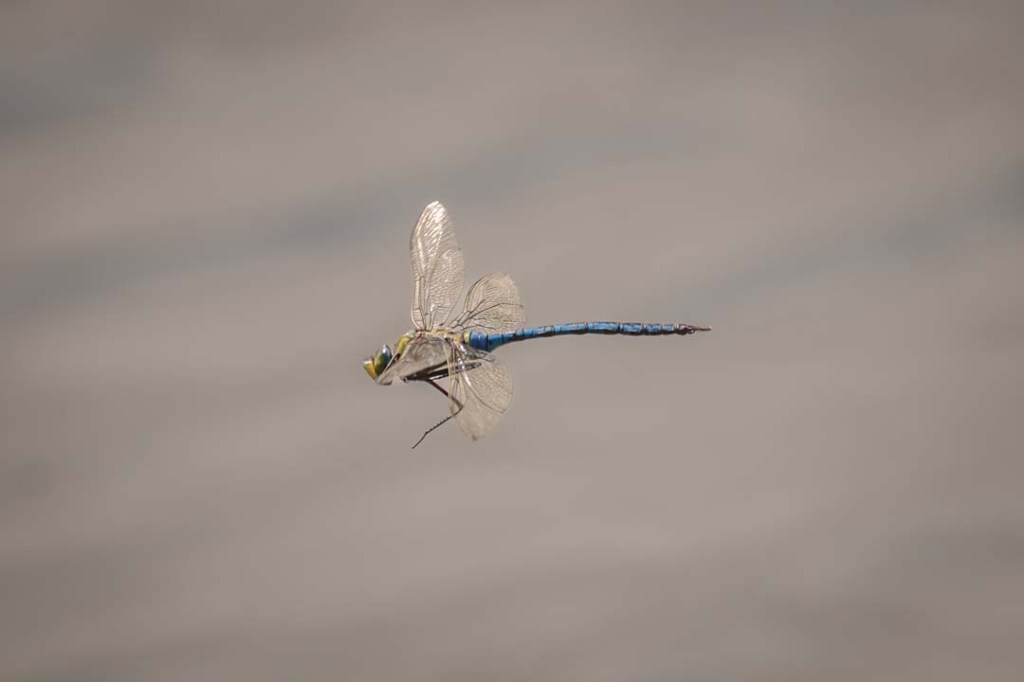
A pleasant hour or two around Duchess Pond in Stoke Park Estate in Bristol. There aren’t many birds to see at present but the dragonflies and damselflies certainly entertain.

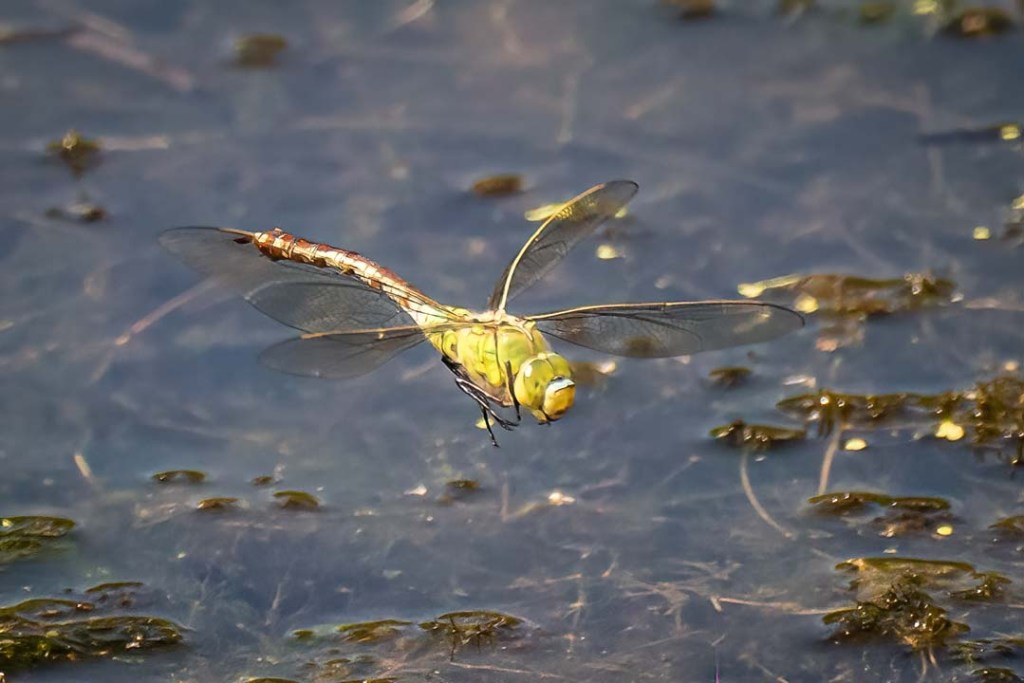

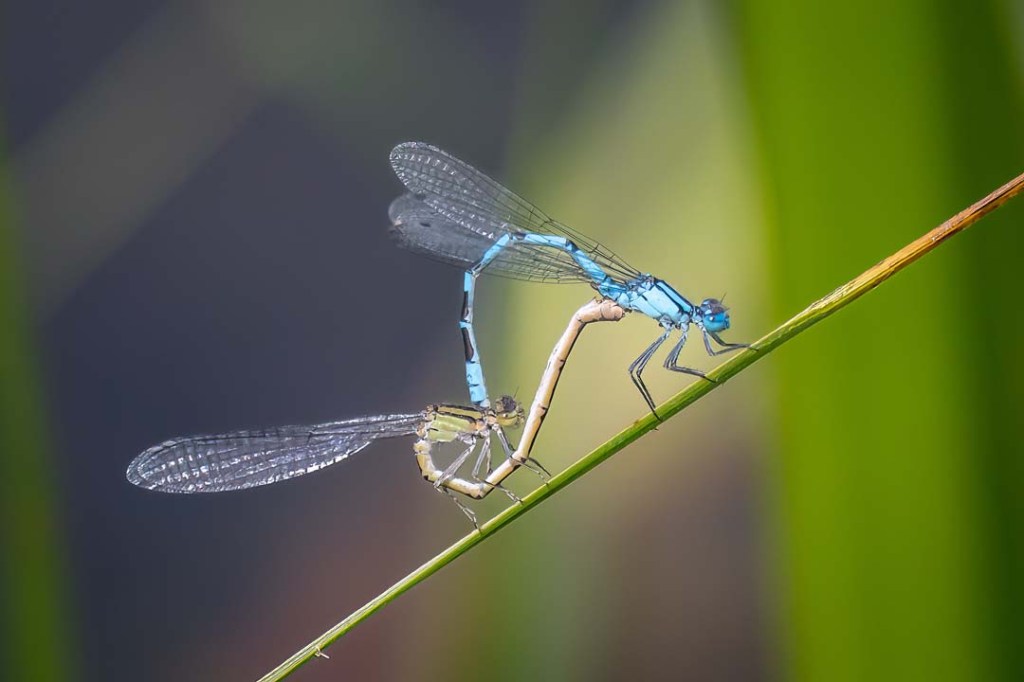


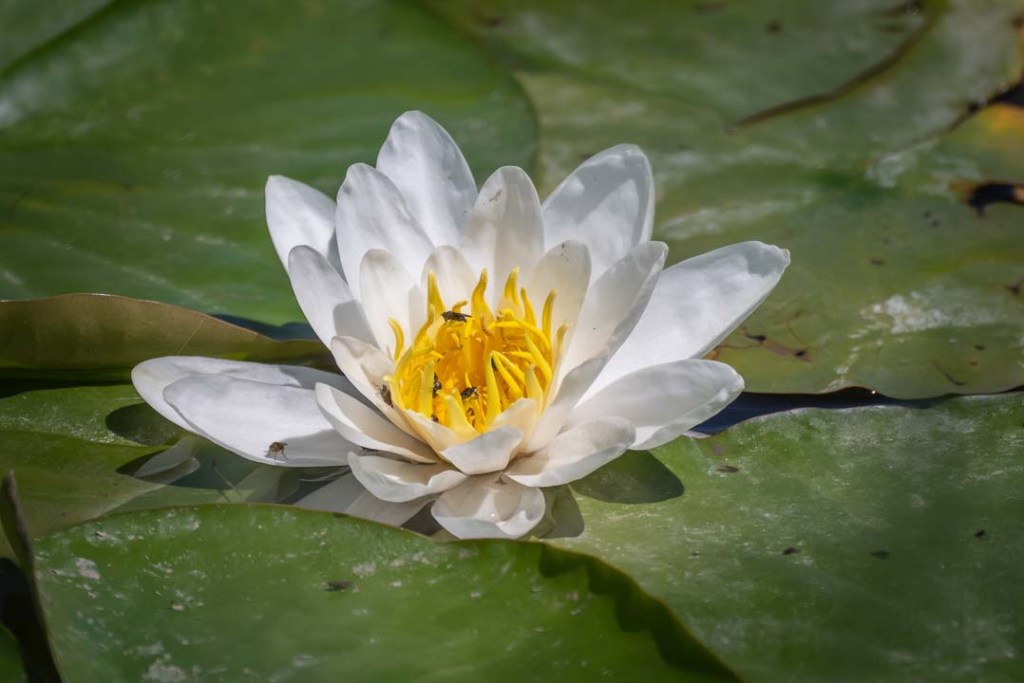
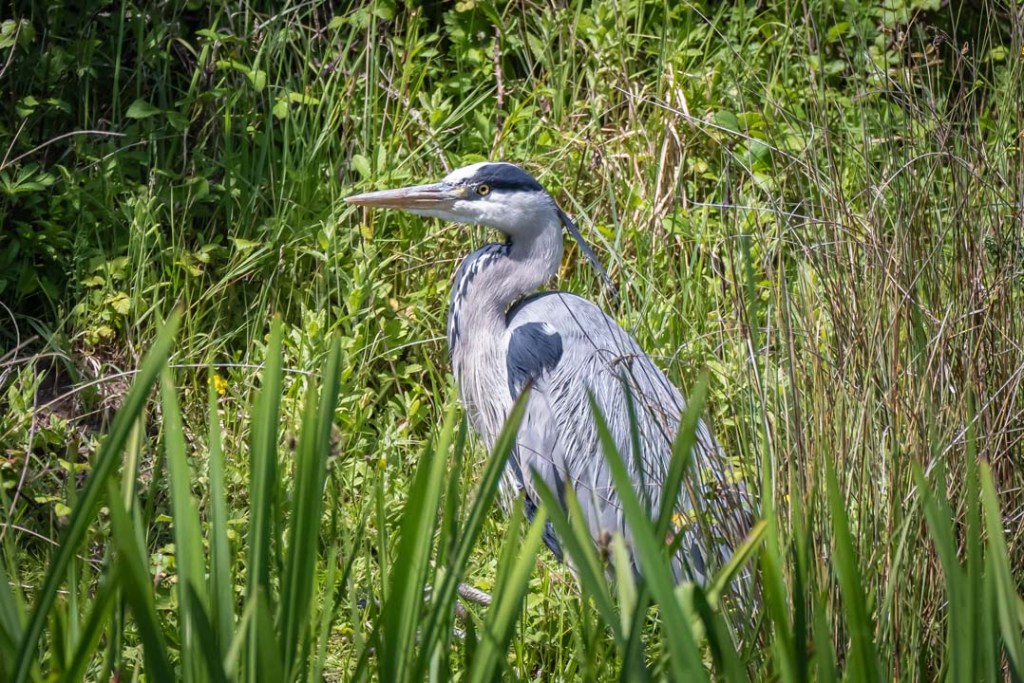
Slideshow of today’s photos
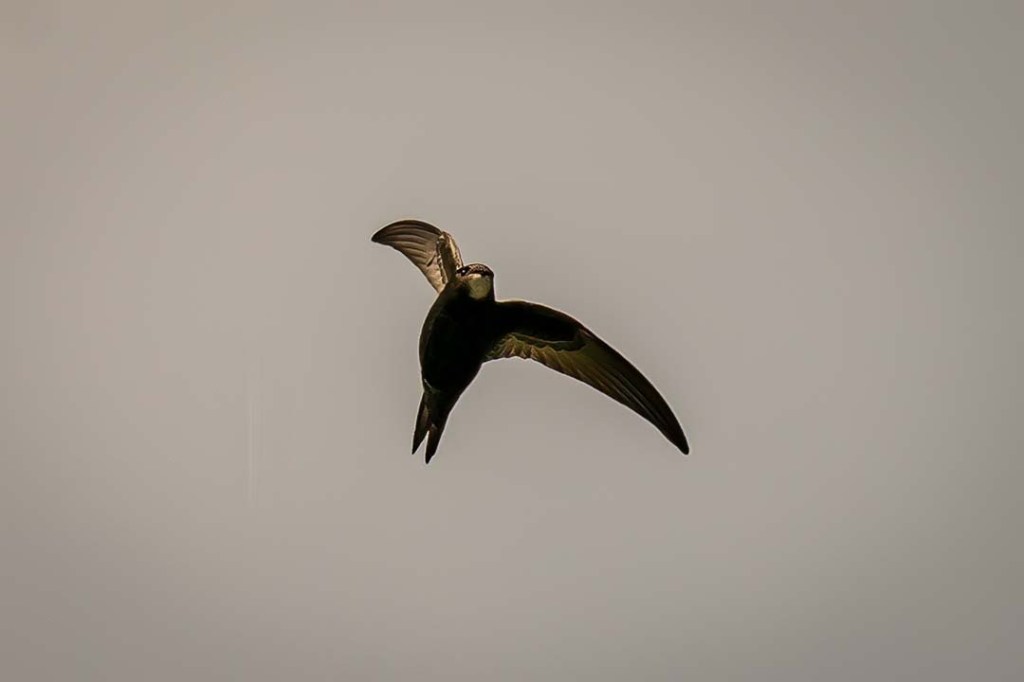
It’s been 5 months, 3 weeks and 3 days since I have been able to visit my local patch and so today was a red letter day for me. I didn’t go very far (only to Duchess Pond) and it was more of a struggle than I thought it would be (probably hot weather and heavy camera) but, even though the photographic results weren’t spectacular, it marked a special moment for me.
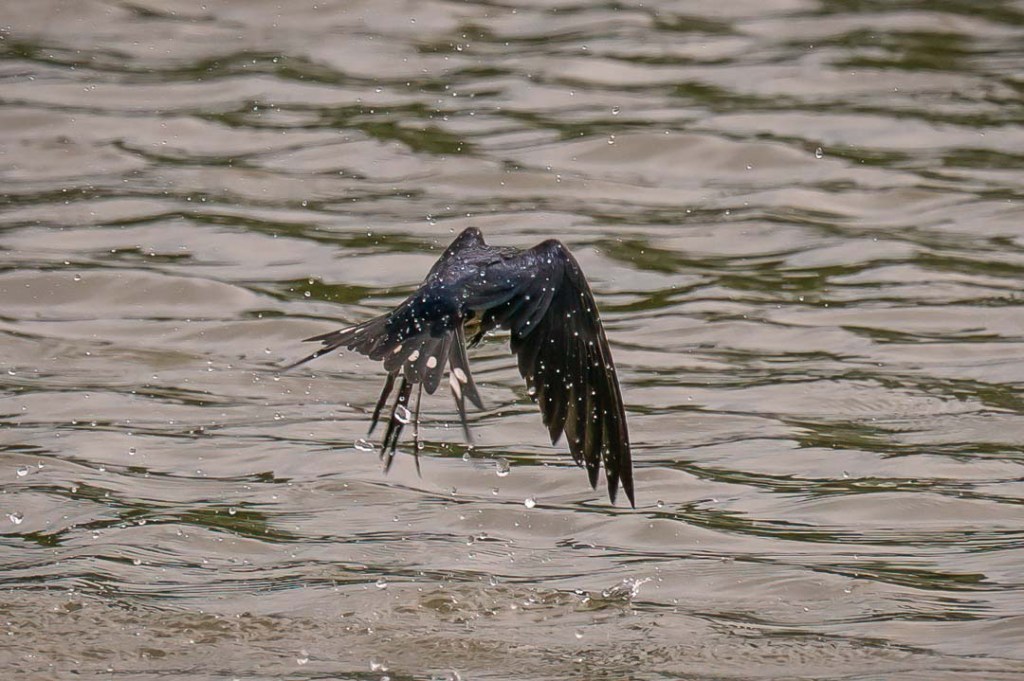
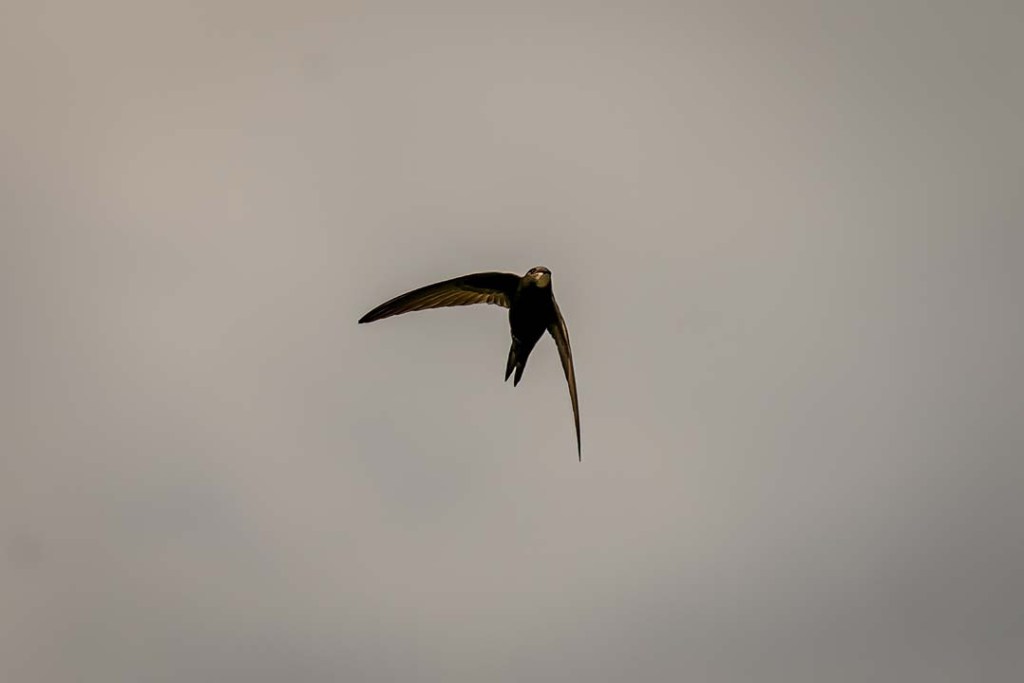
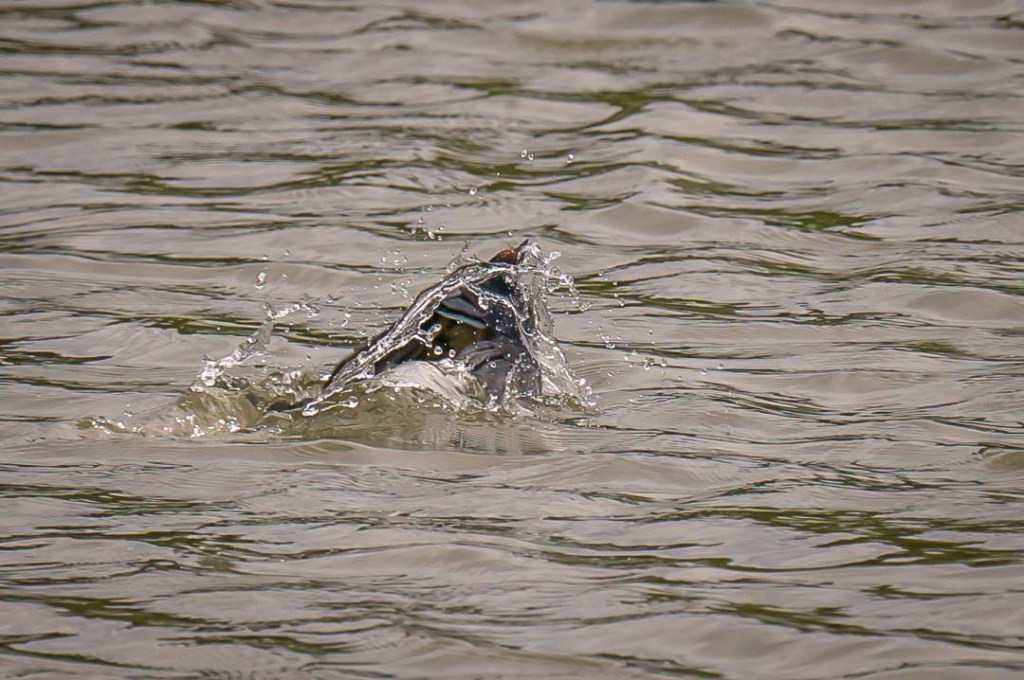
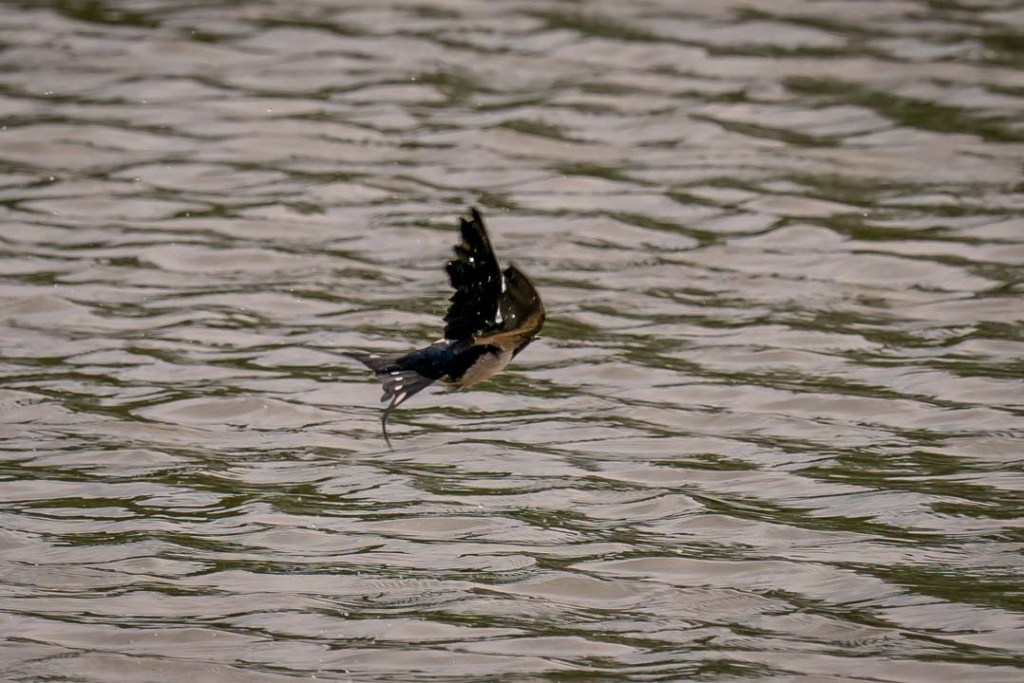
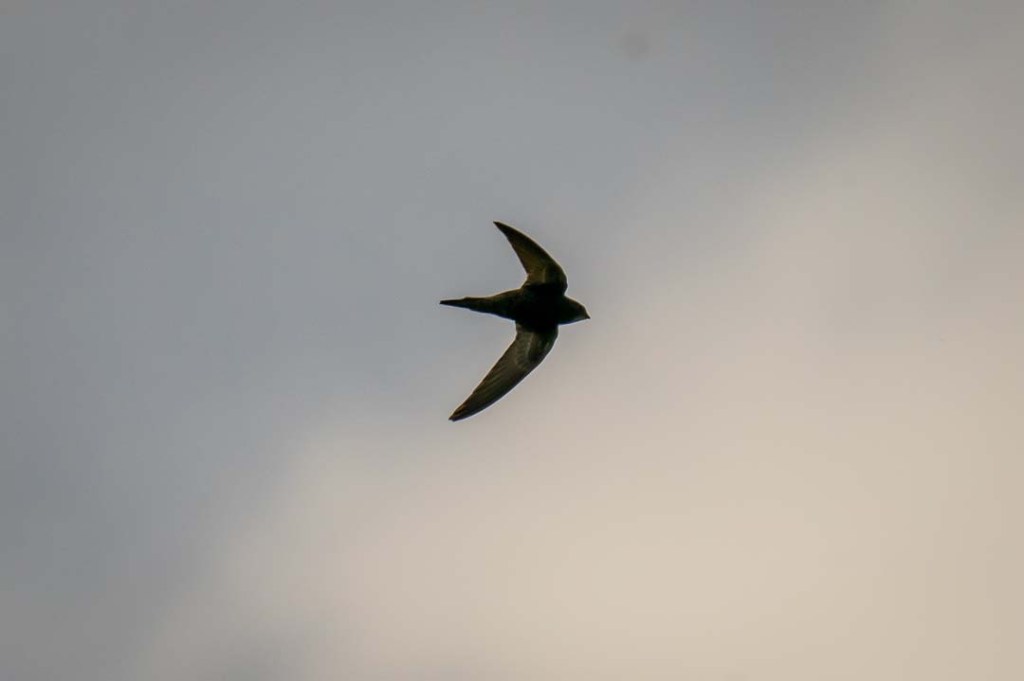
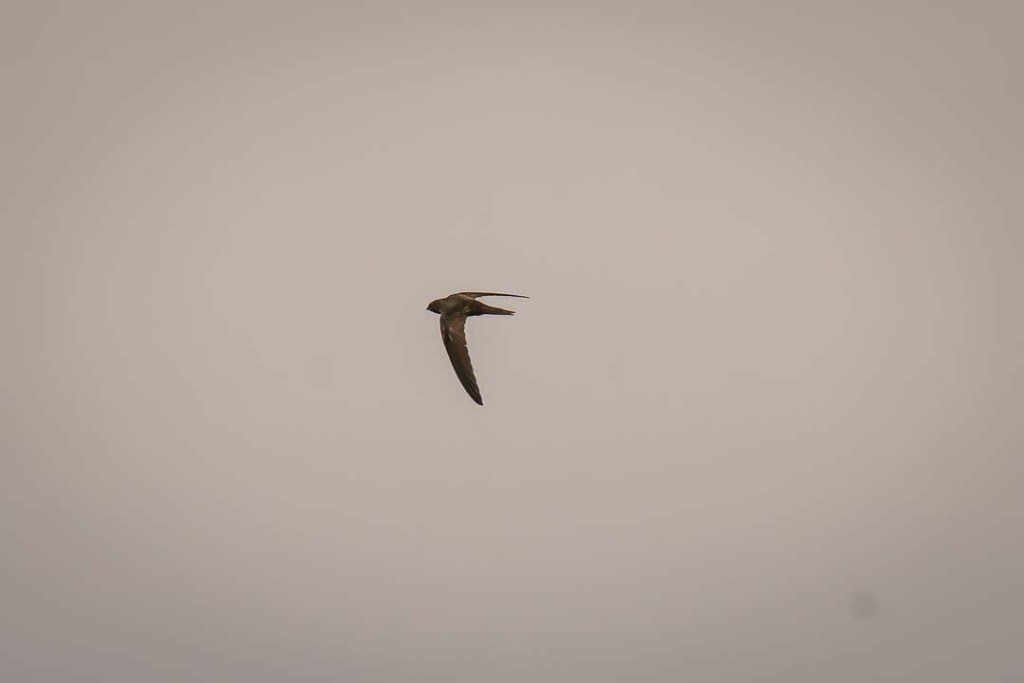
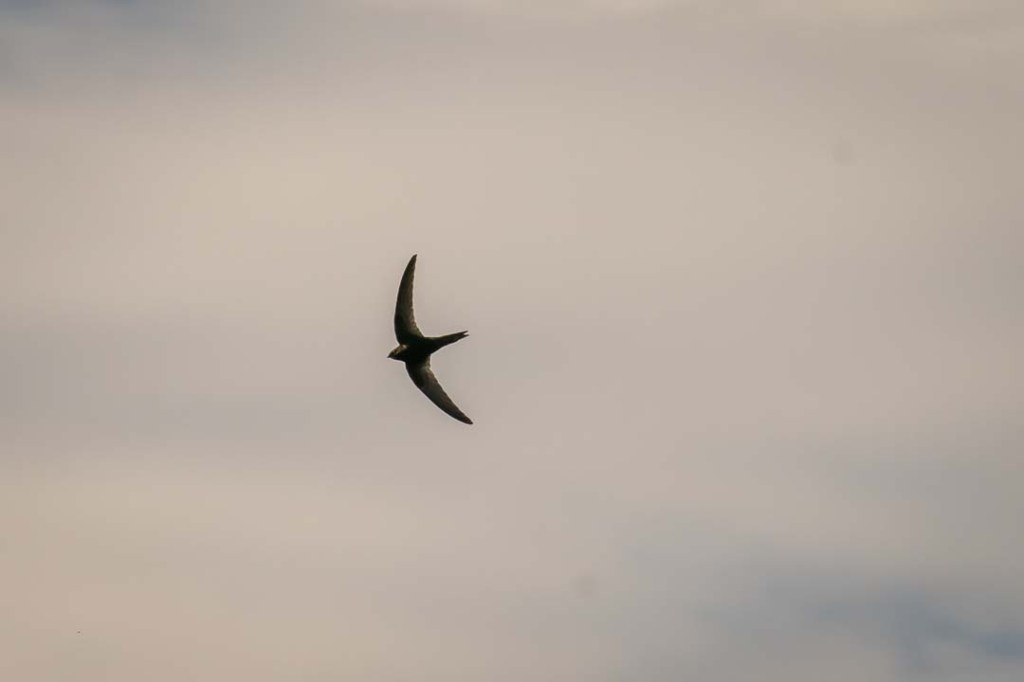
Lots of ducklings and goslings but the main ornithological interest was four swifts and 2 swallows which came down to the lake for a drink on a couple of occasions.
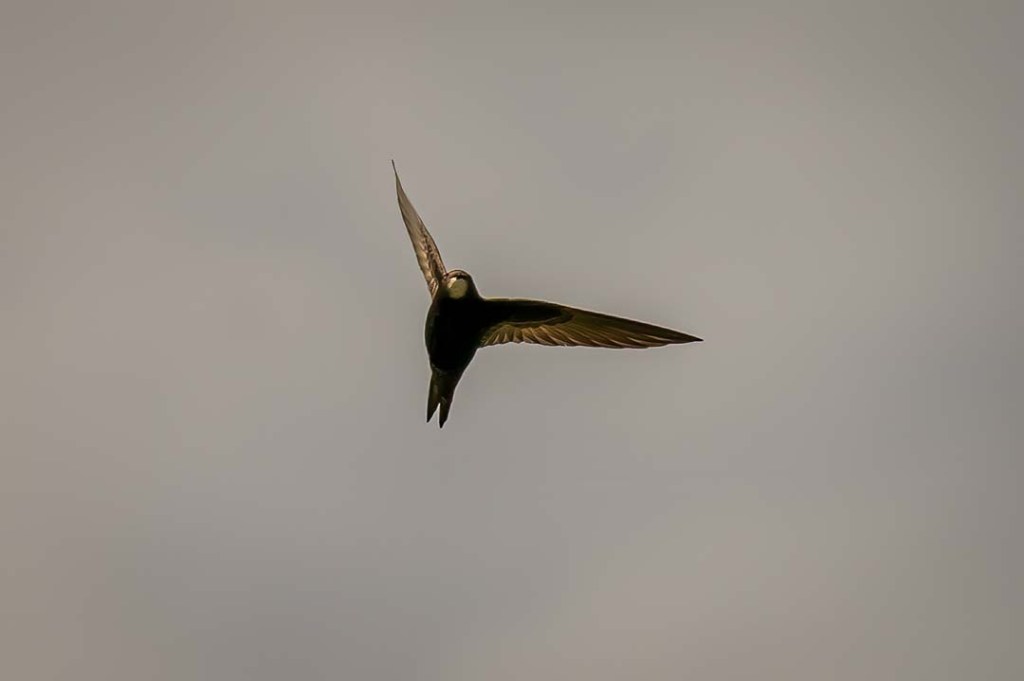
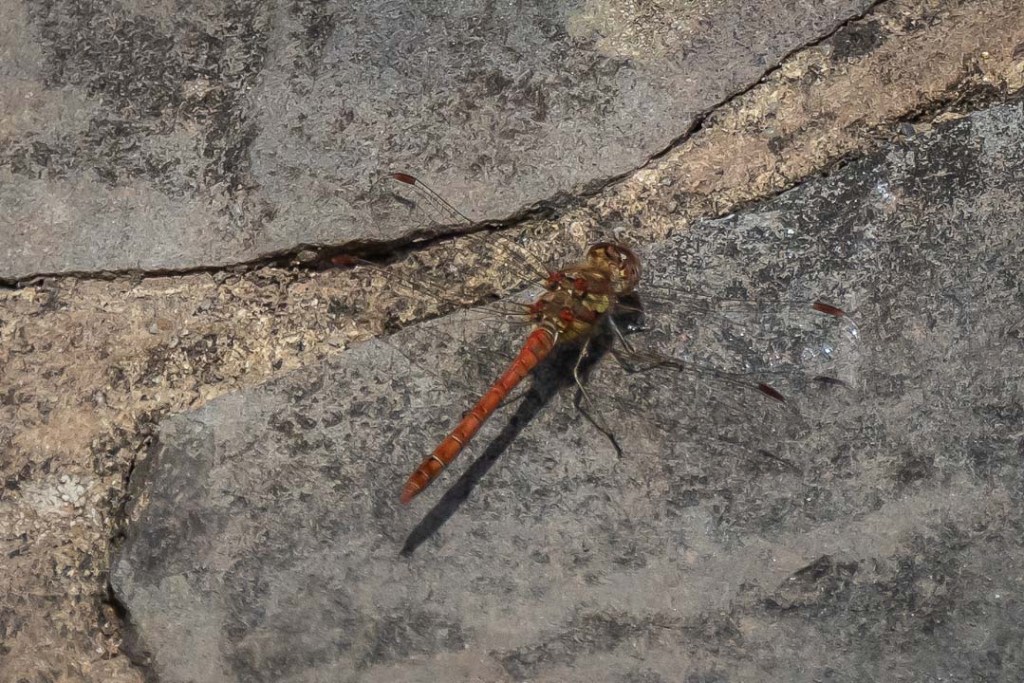
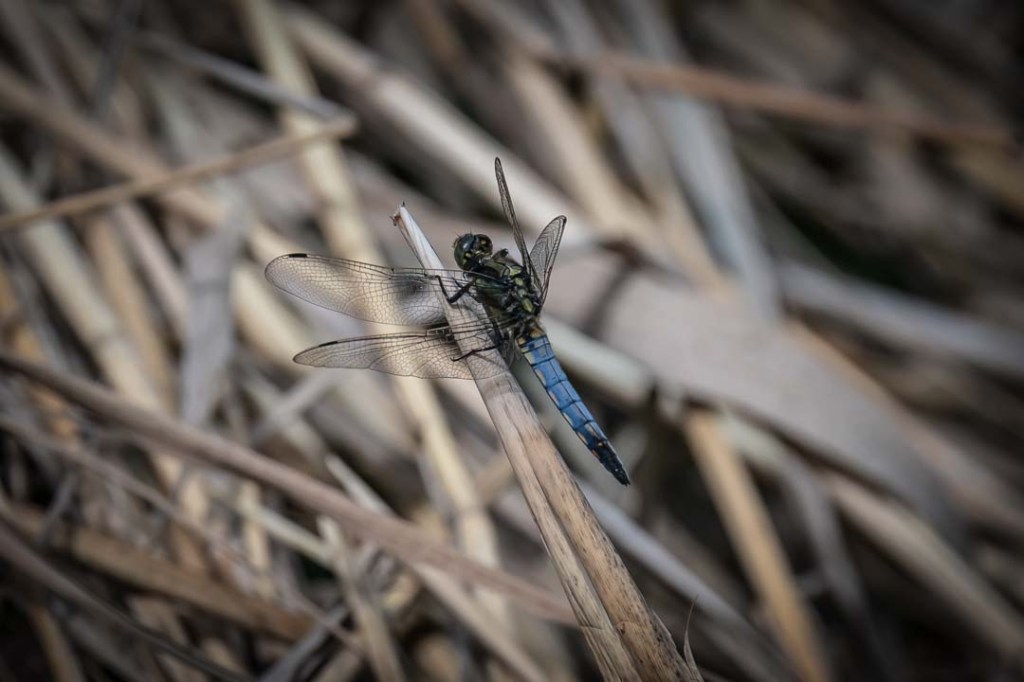
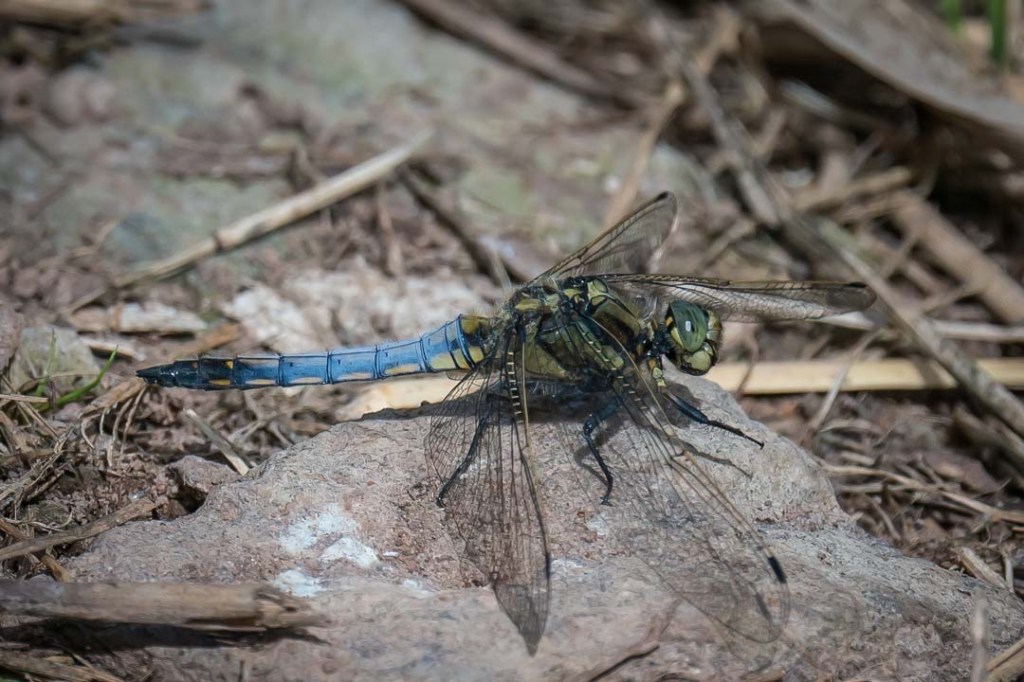
There were lots of dragonflies and damselflies but, probably for lack of practice, I had limited success in photographing them and even more difficulty in identifying them (I must find that dragonfly and damselfly guide). I am sure some Odonata enthusiast might help me out. (In fact Larry has already come up trumps.)

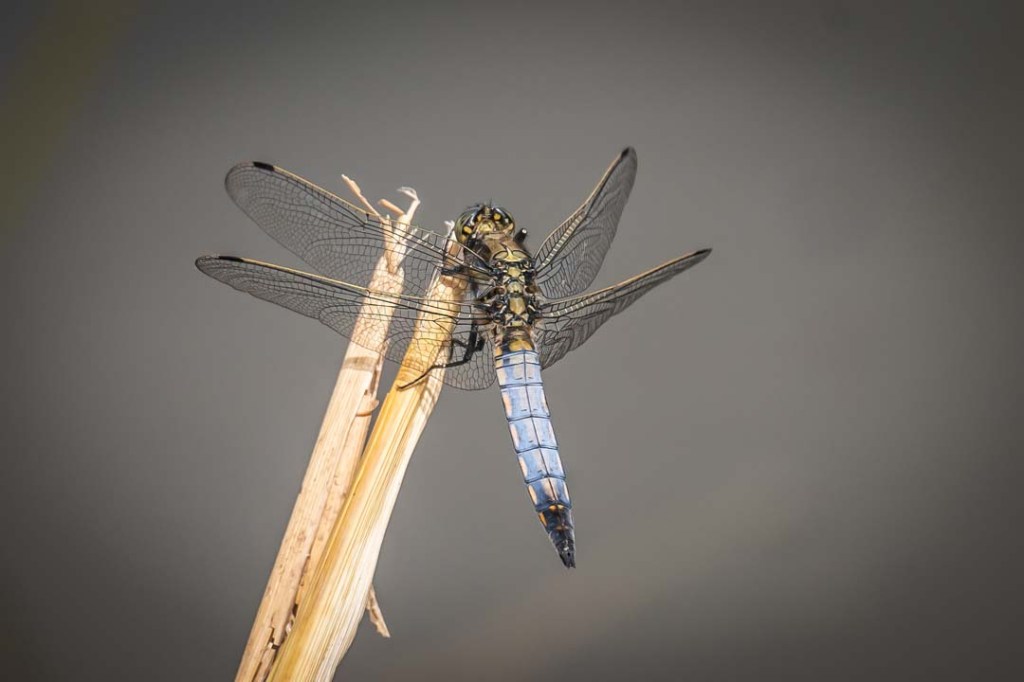
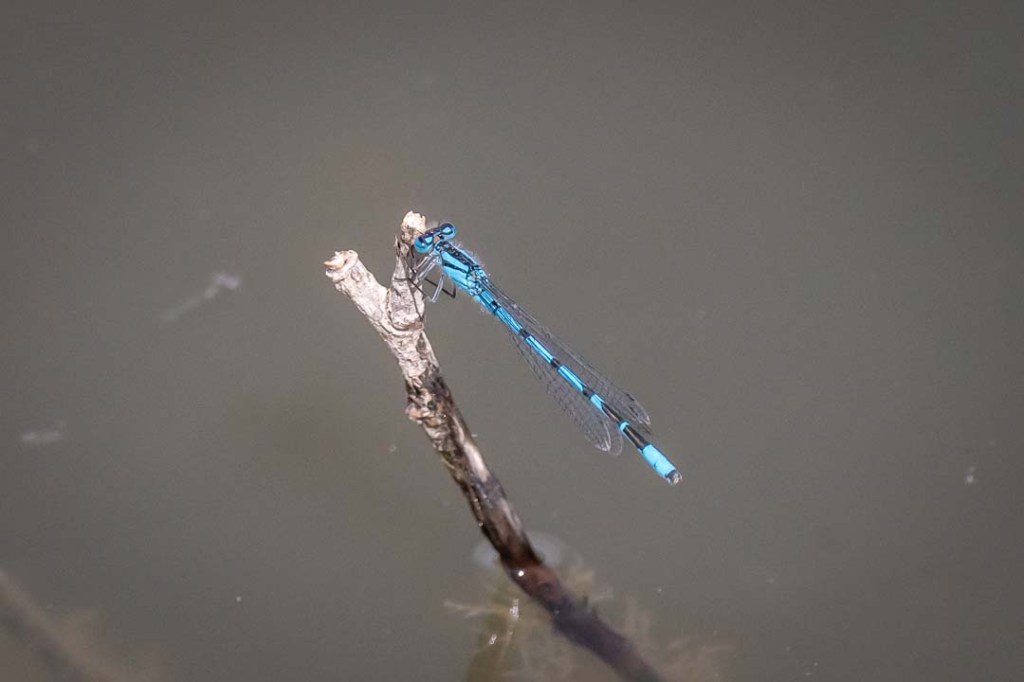


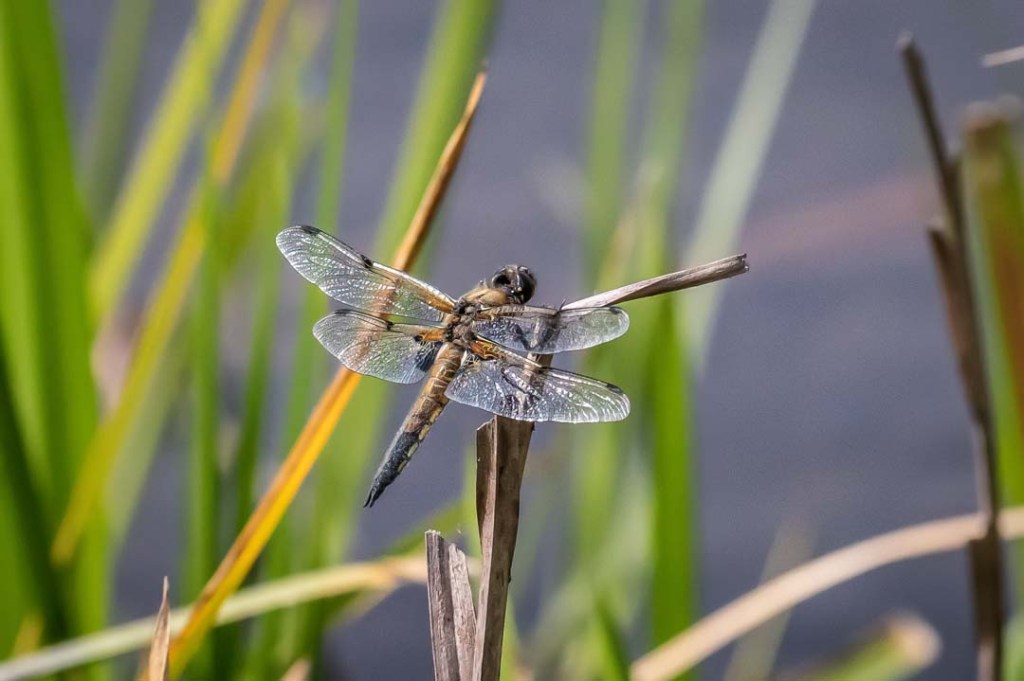
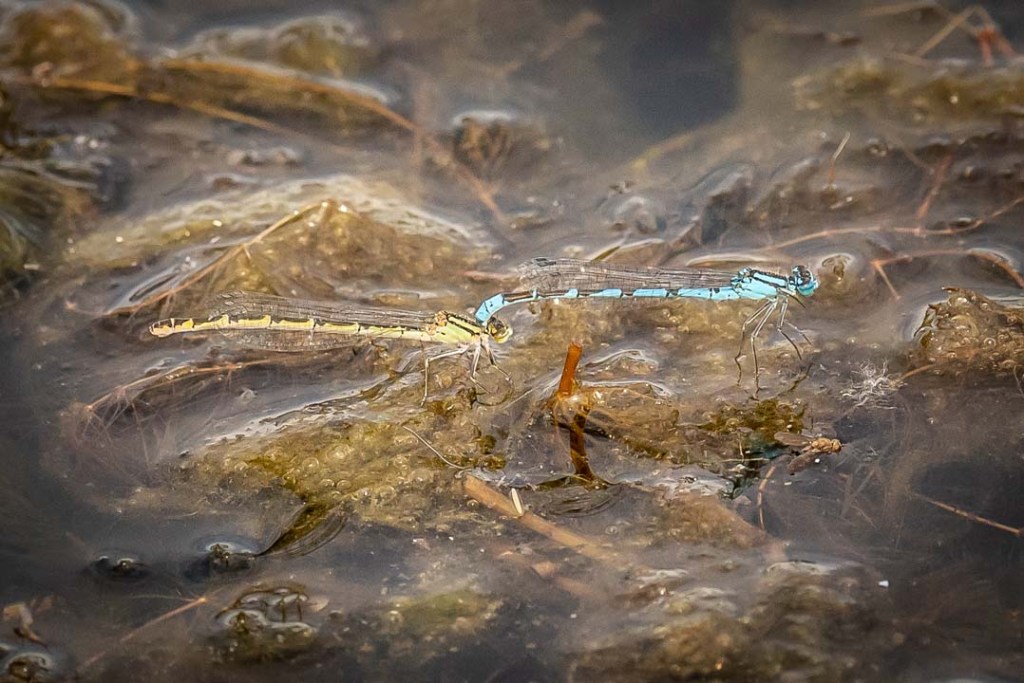

Despite the noise of the motorway this is still a great place to see nature. I hope to be able to explore a little more over the next few weeks.
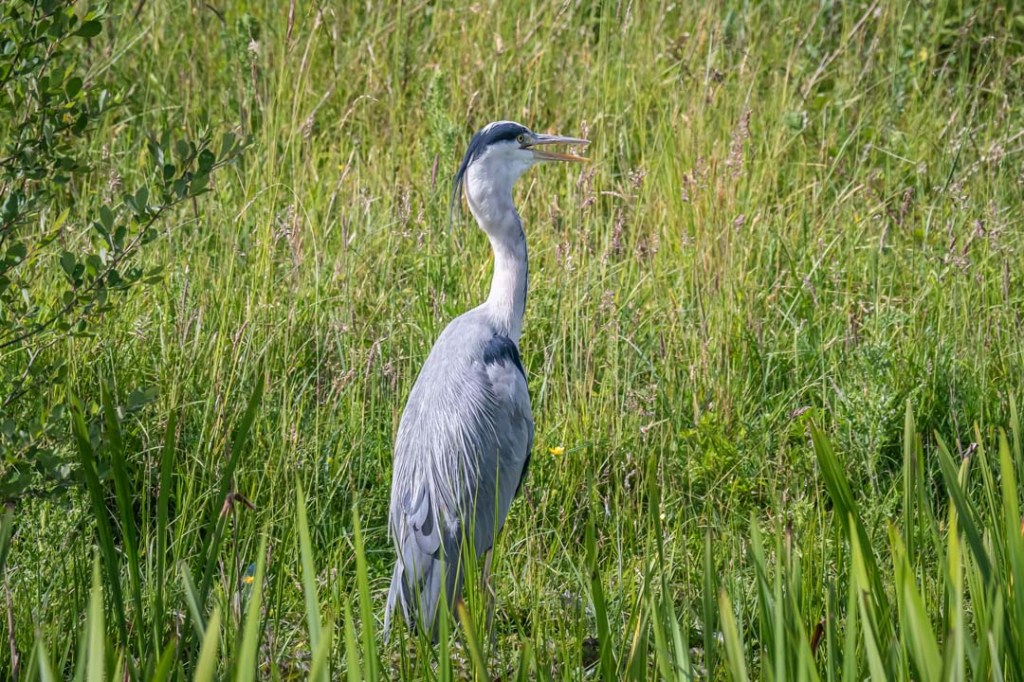

Slideshow of today’s photos
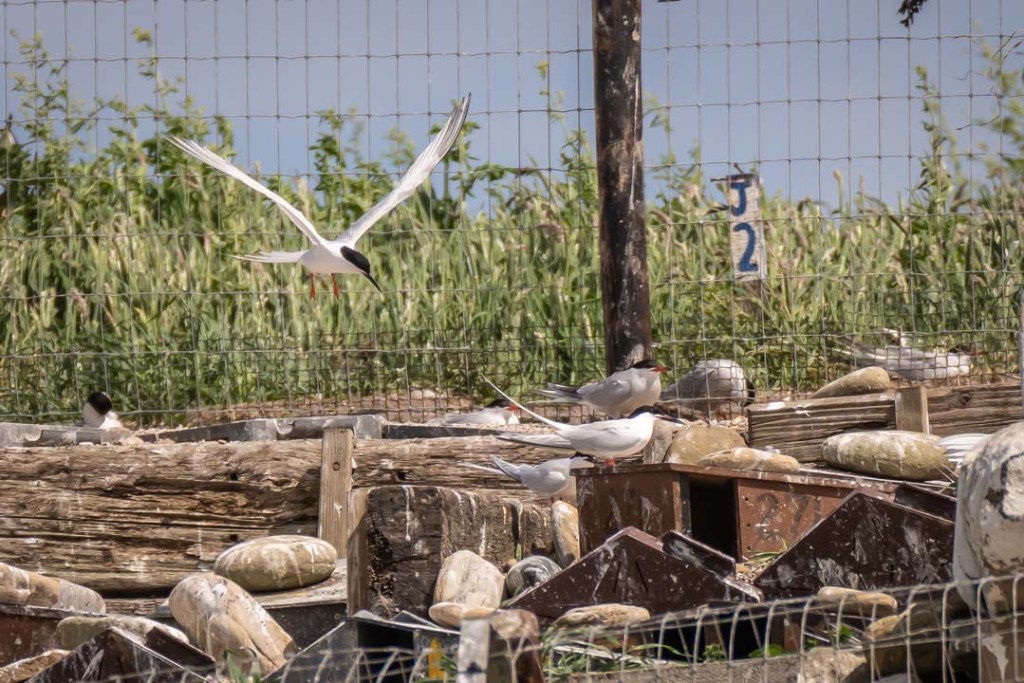
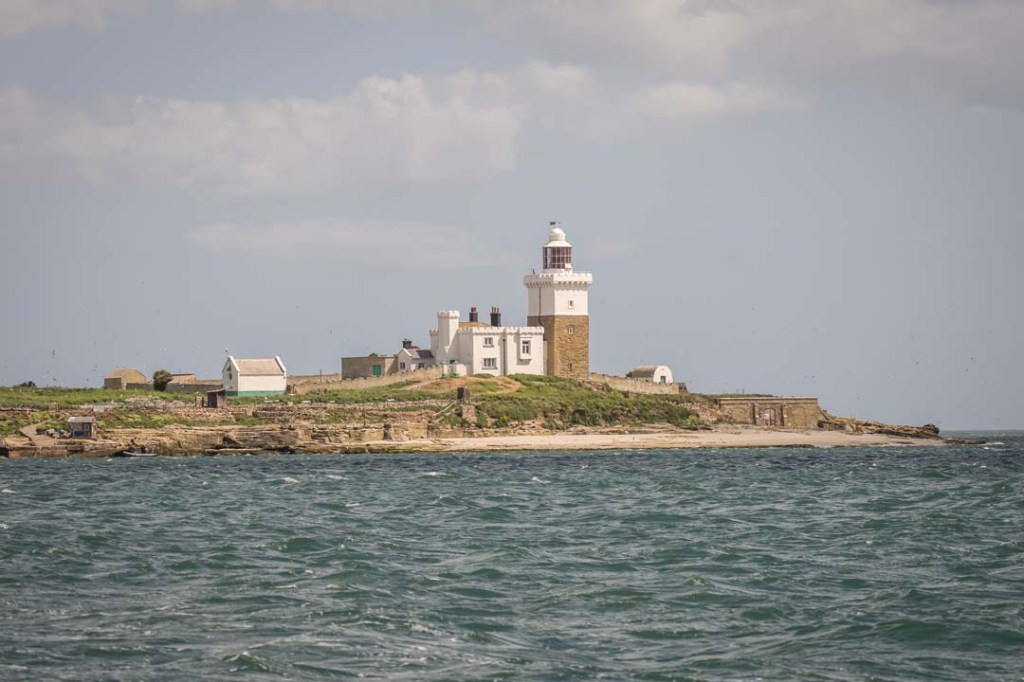
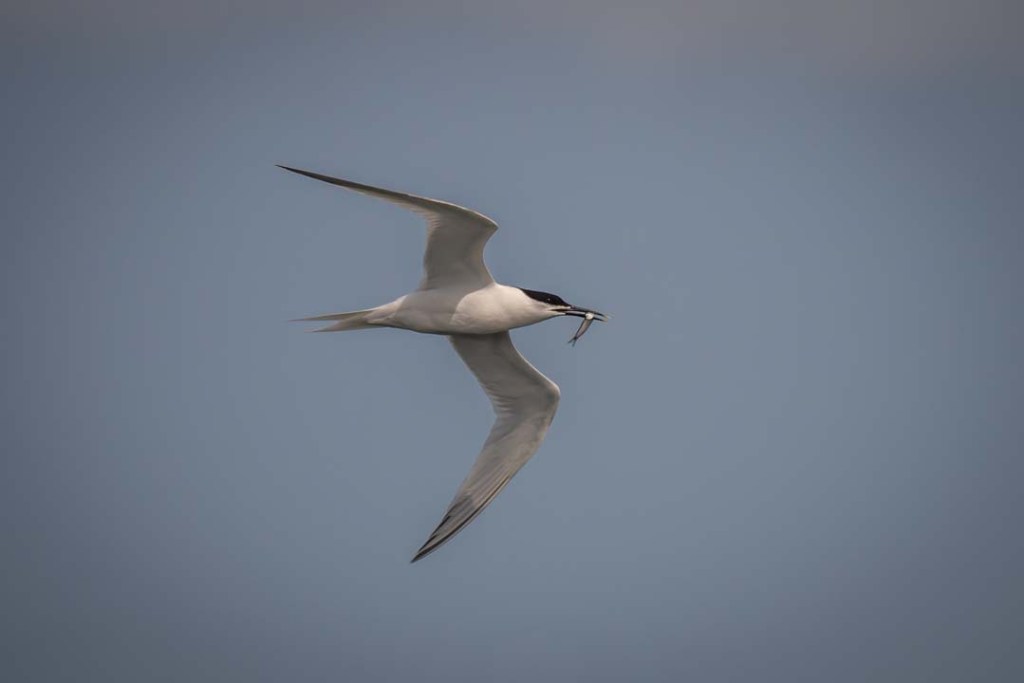
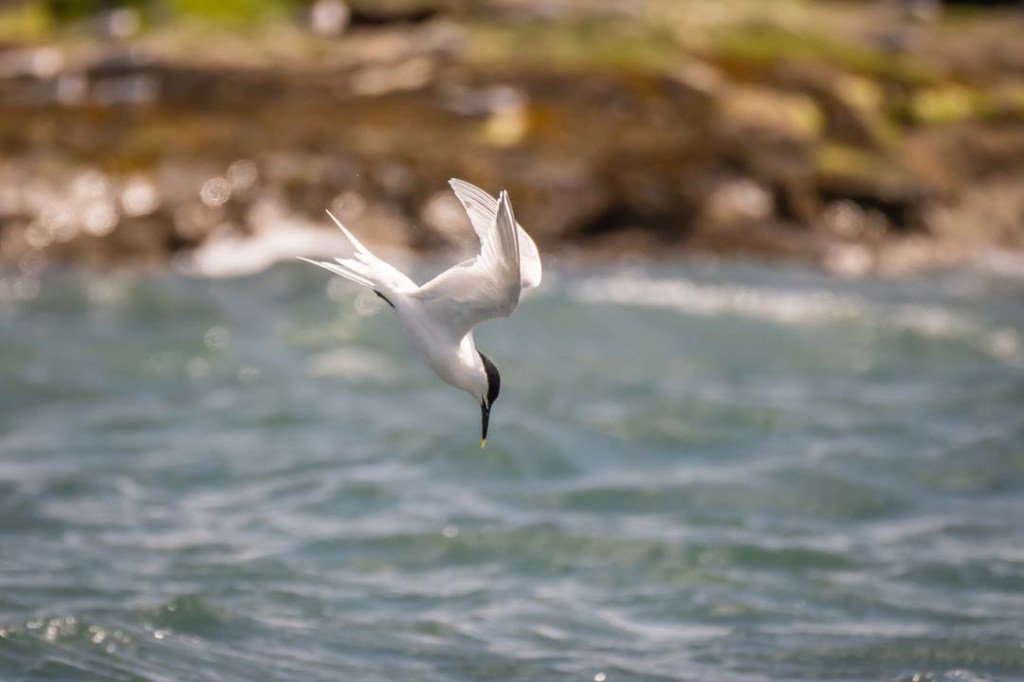
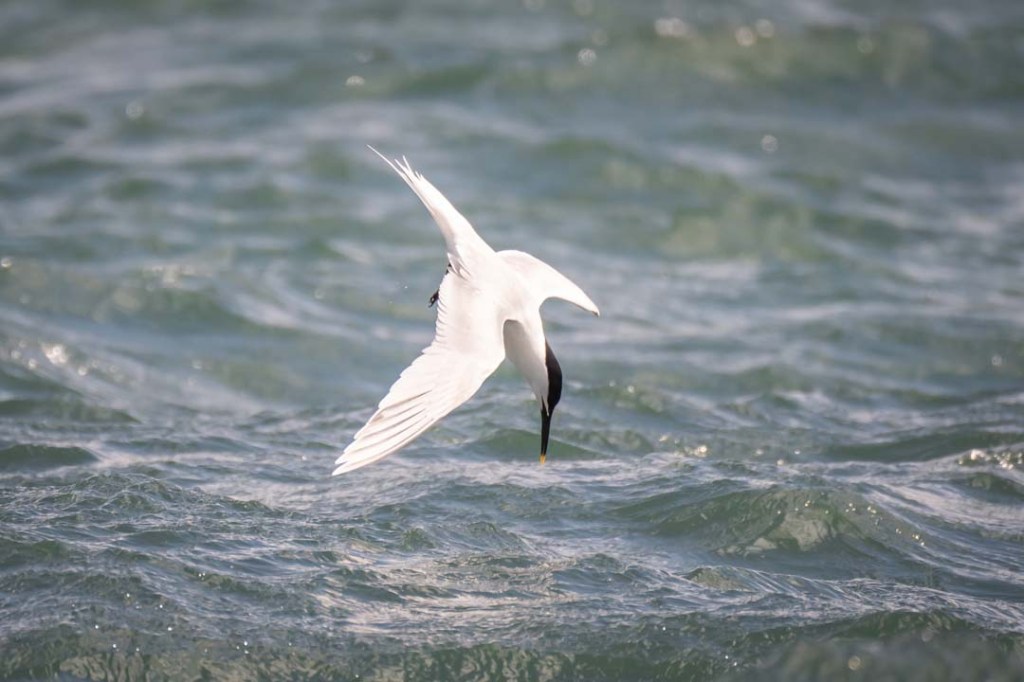
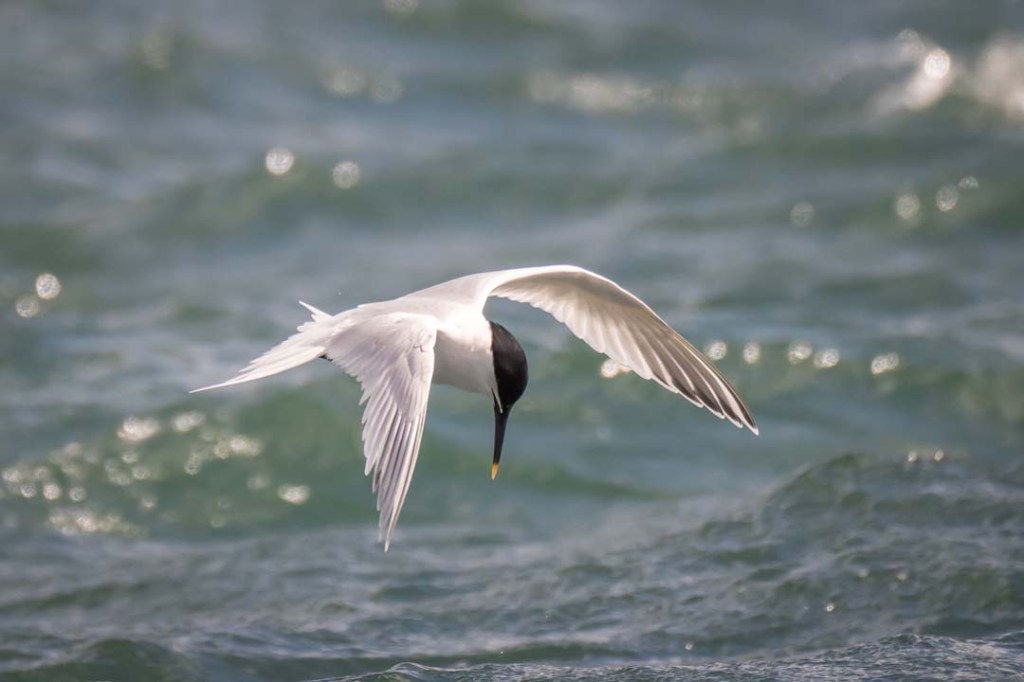
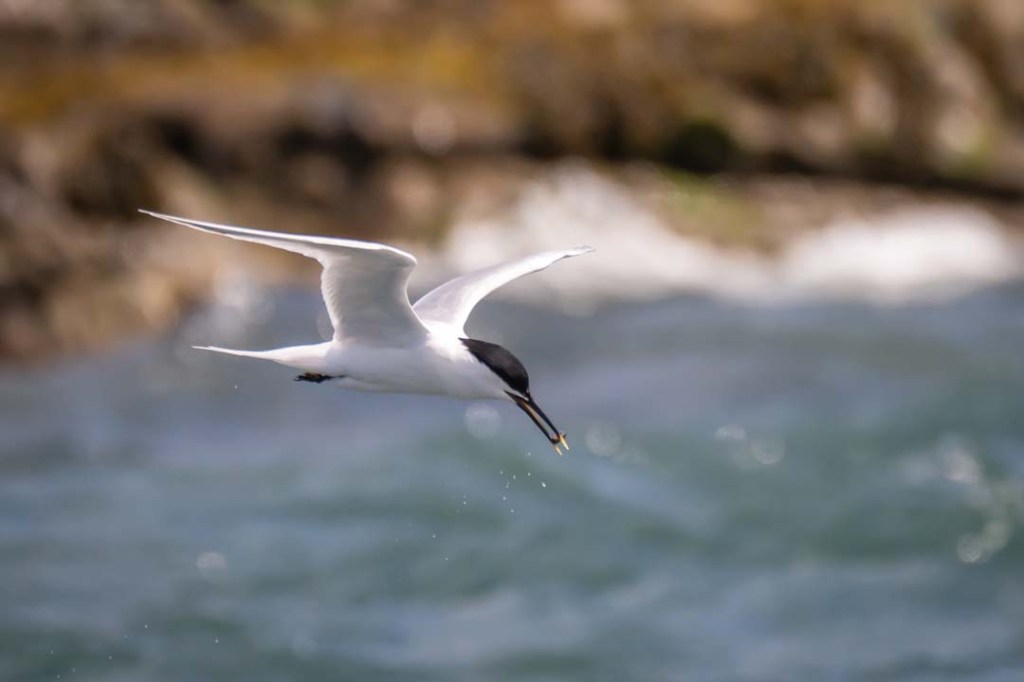
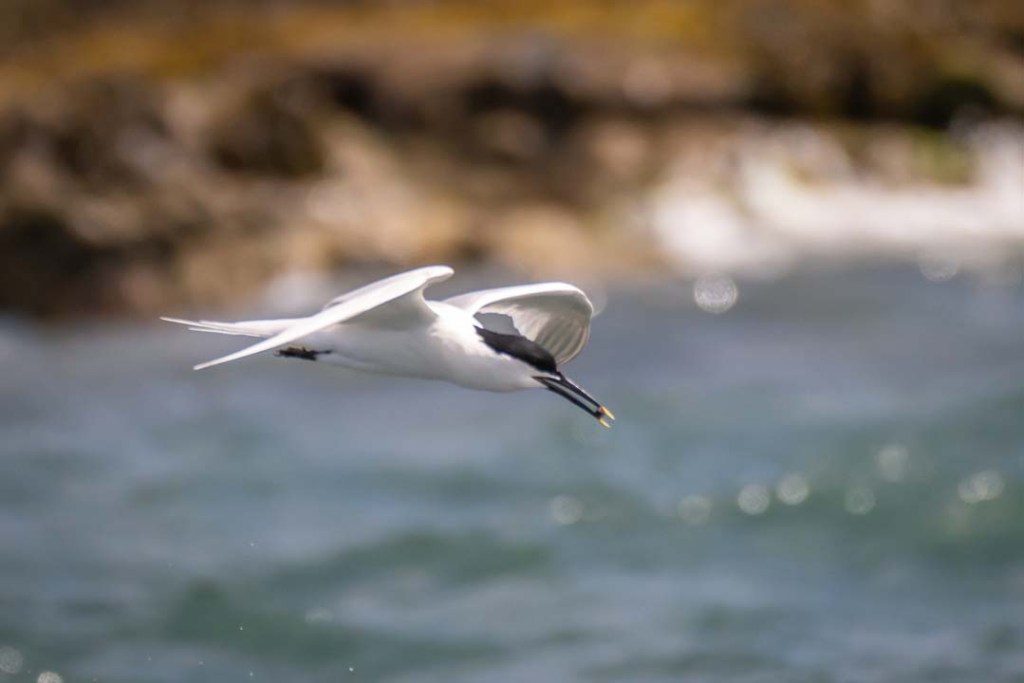
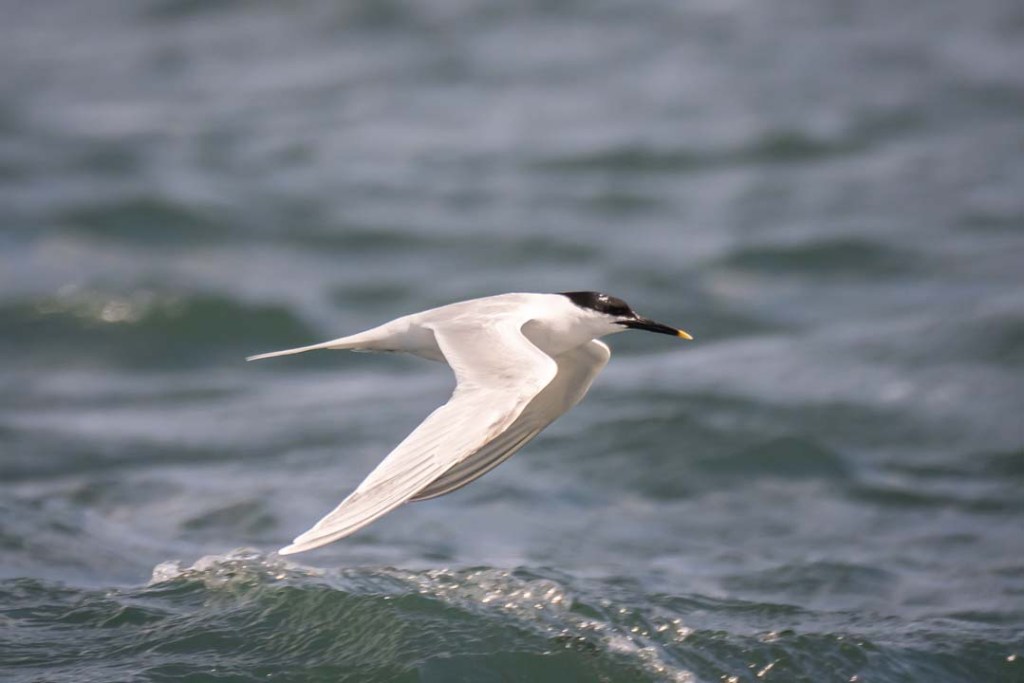
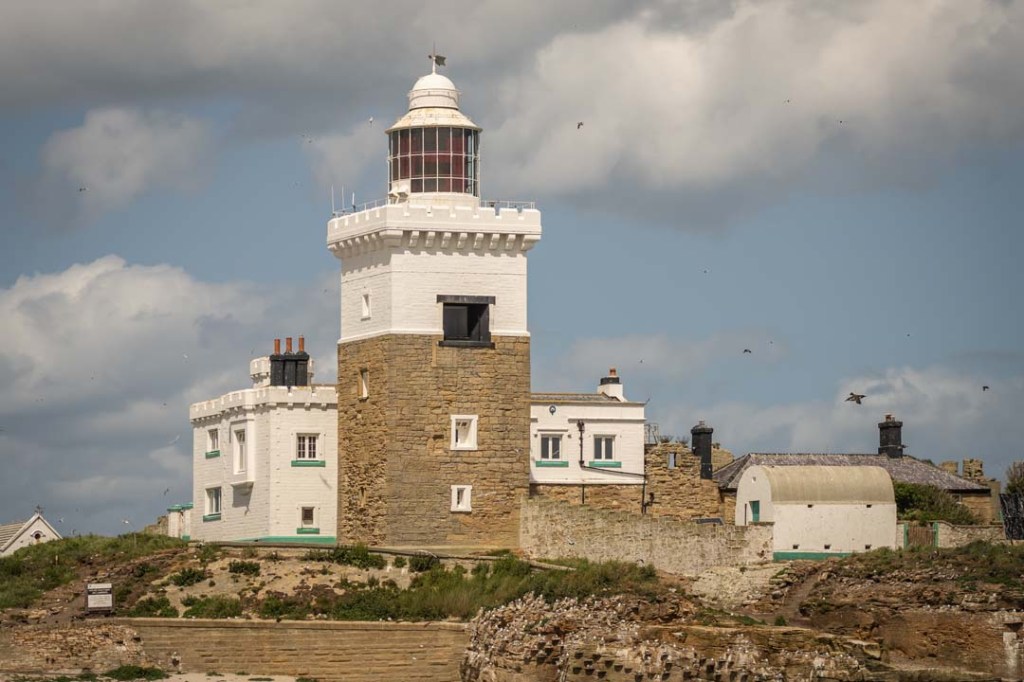
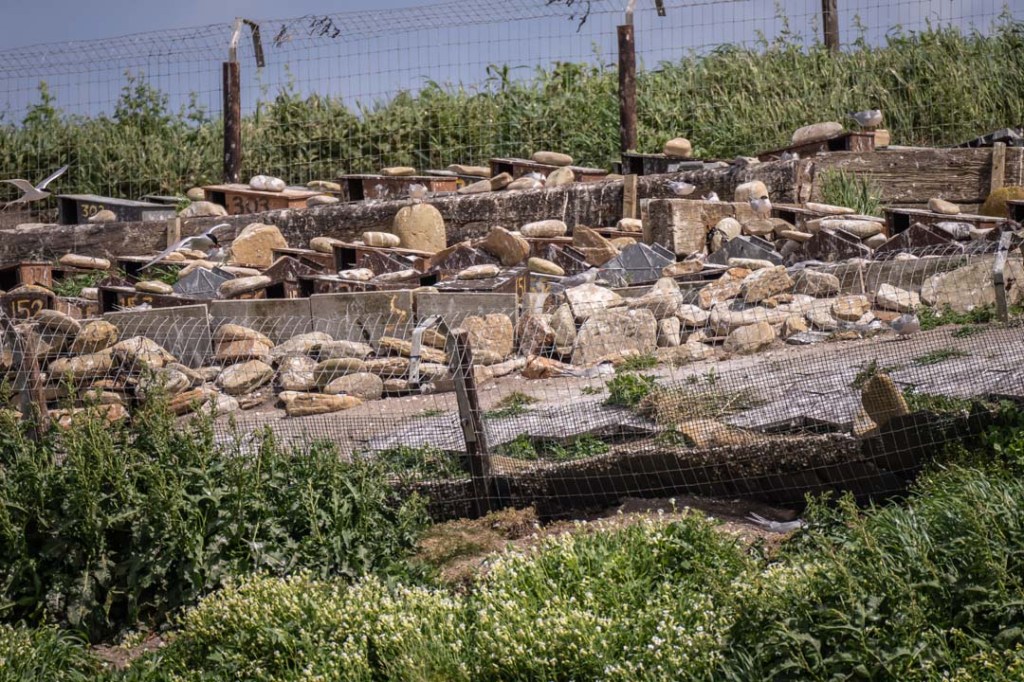
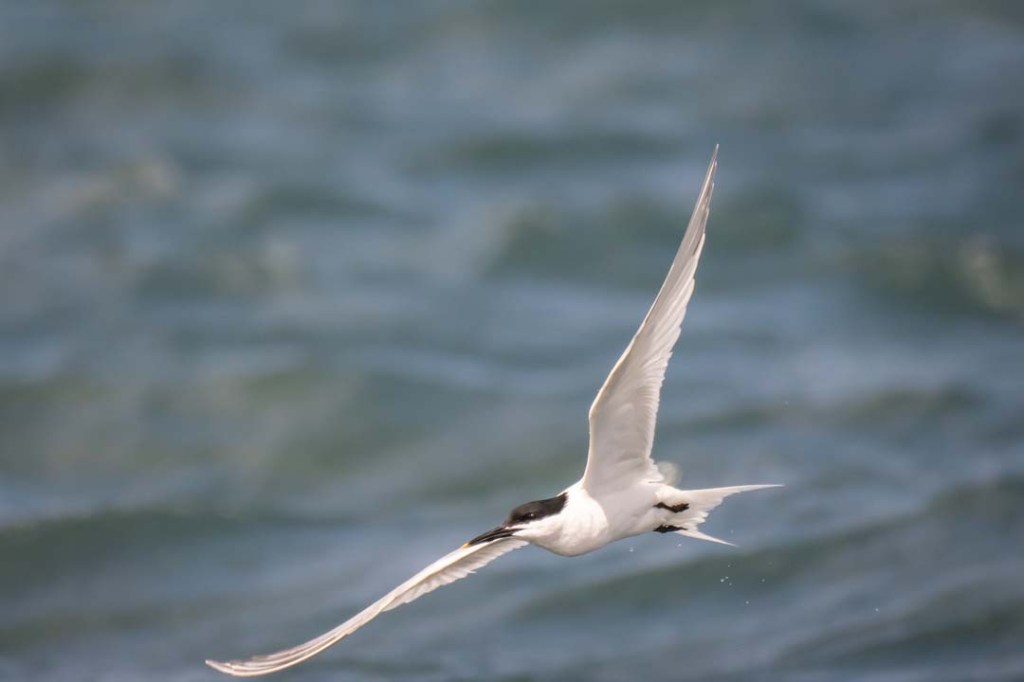
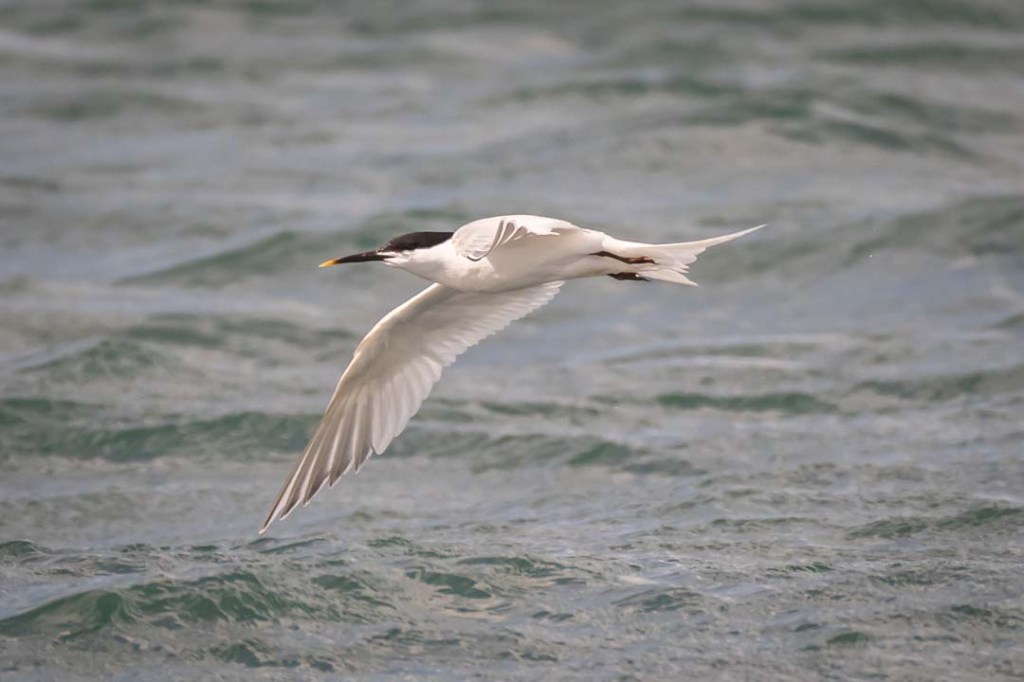
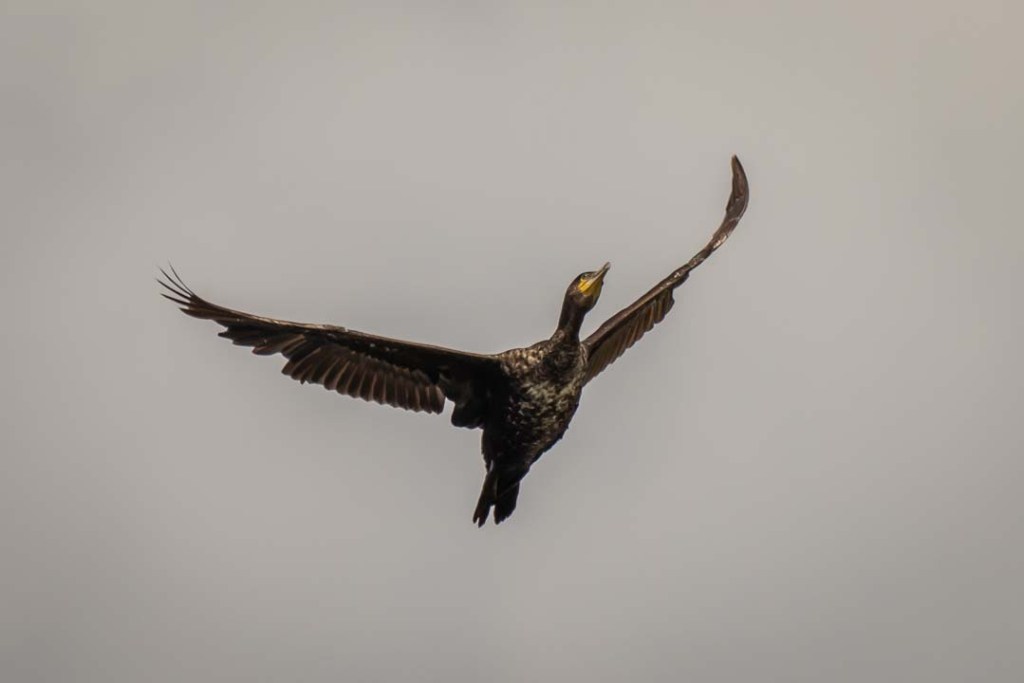
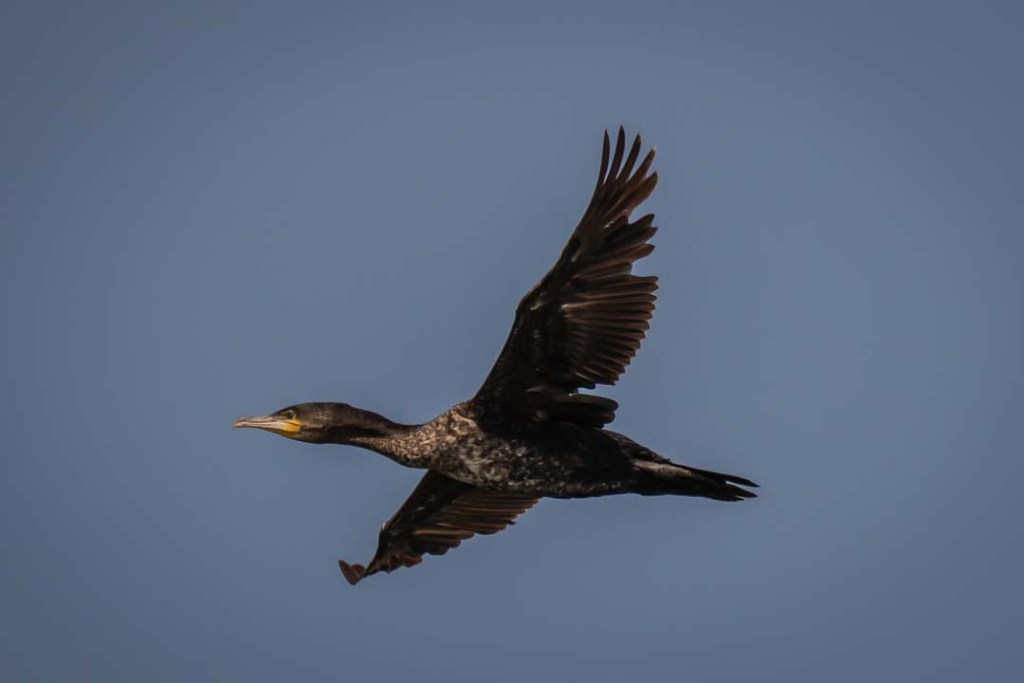
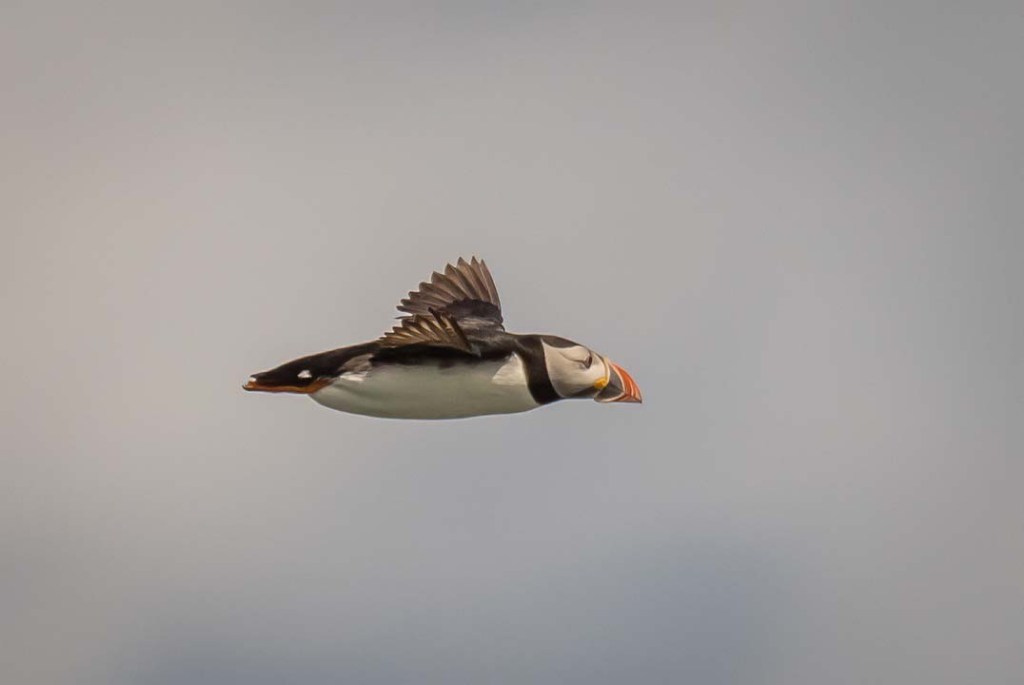
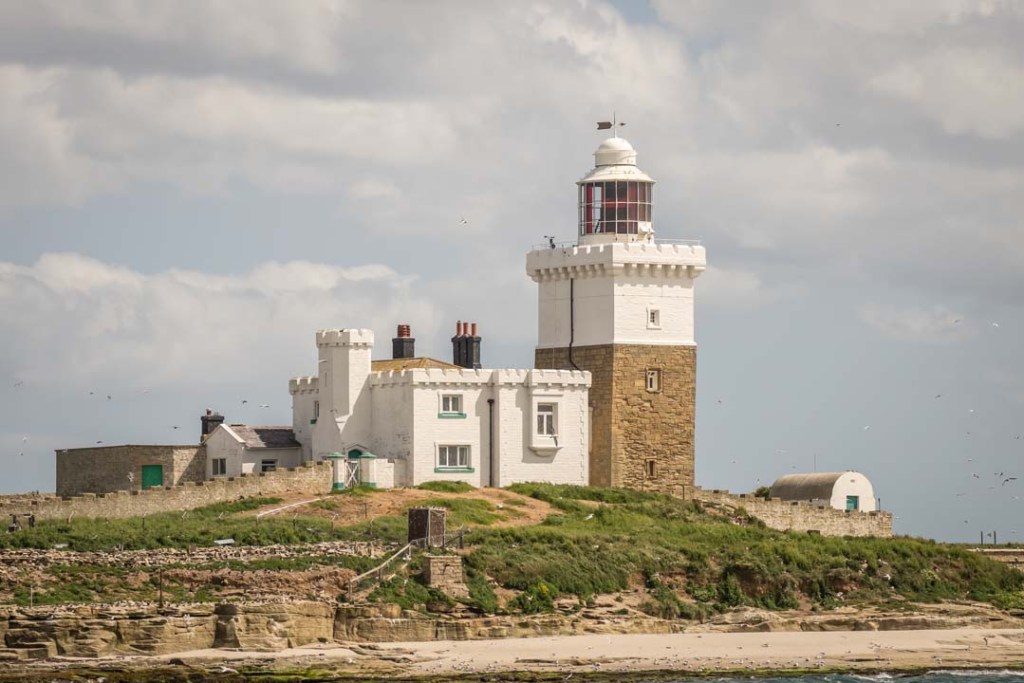
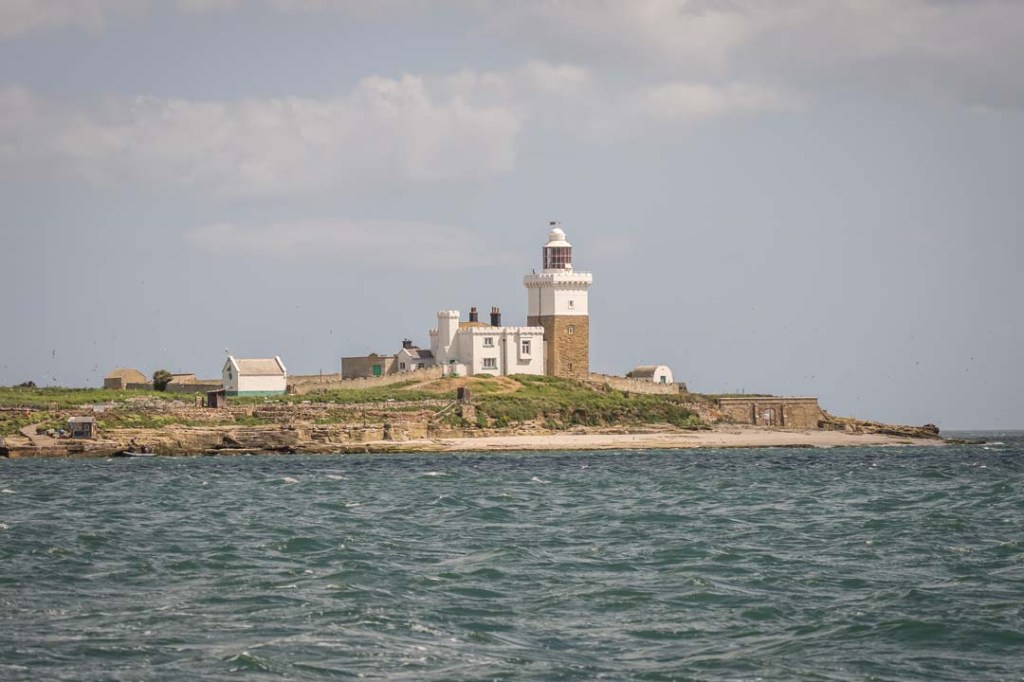
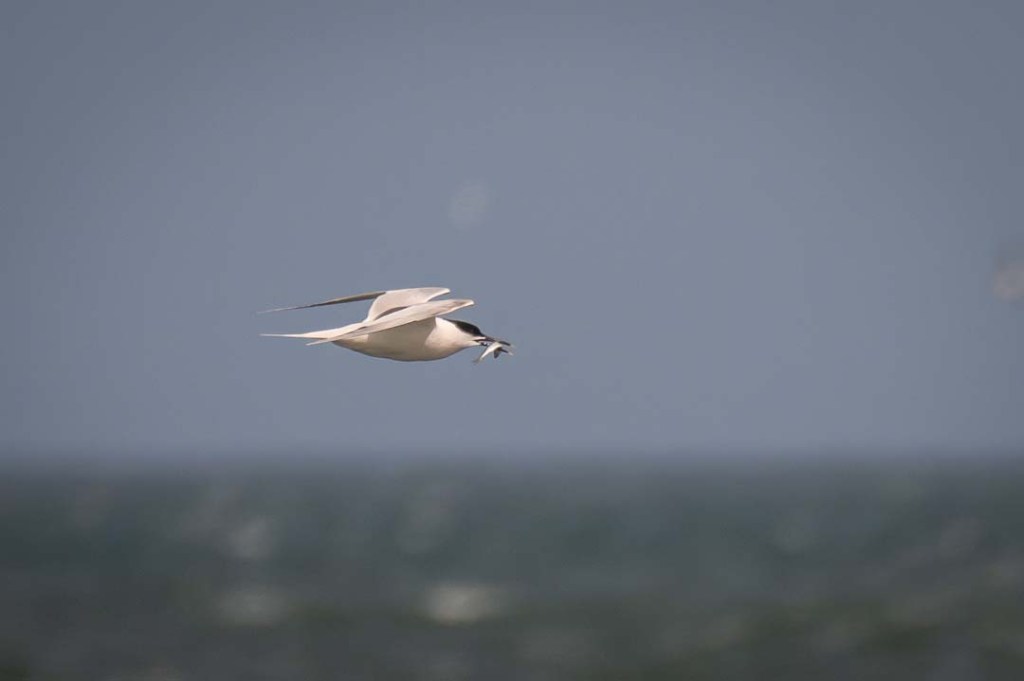
The RSPB says that “Coquet Island, situated off the Northumberland coast, is a vibrant seabird sanctuary, which is home to the UK’s only roseate tern breeding colony. It is also an important site for nesting puffins and common, Sandwich and Arctic terns.”
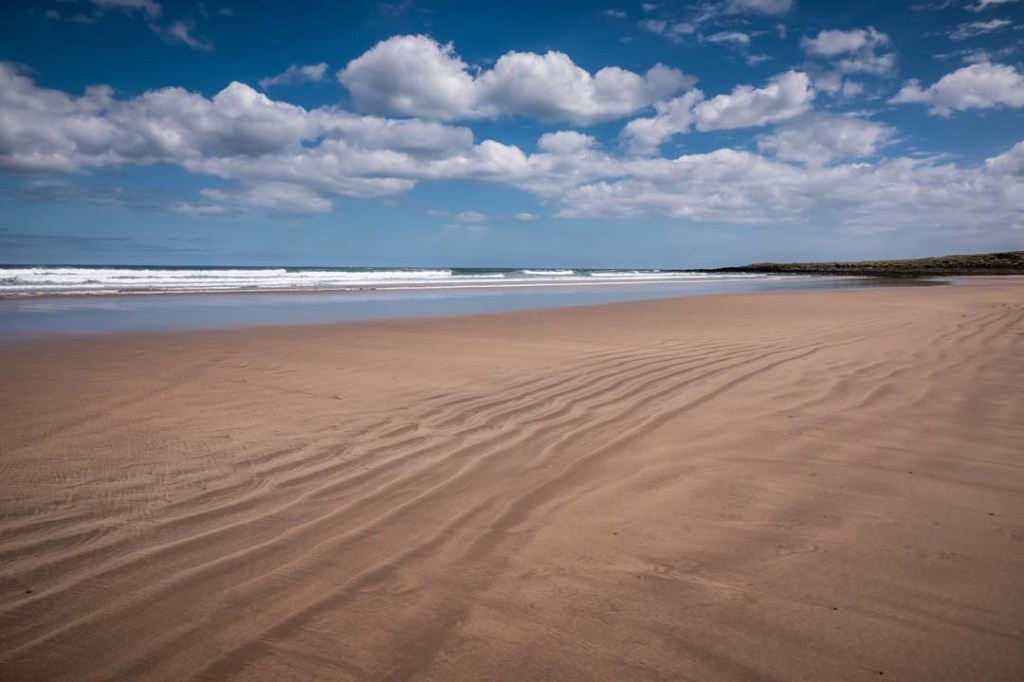
On our last full day in Northumberland we had a walk along the beach in the morning at Warkworth from where we could see Coquet Island in one direction and Alnmouth, where we have been staying this week, in the other direction. In the afternoon we took the hour long boat trip from Amble harbour around Coquet Island and enjoyed seeing puffins, guillemots, razorbills and various terns, including the rare roseate tern.

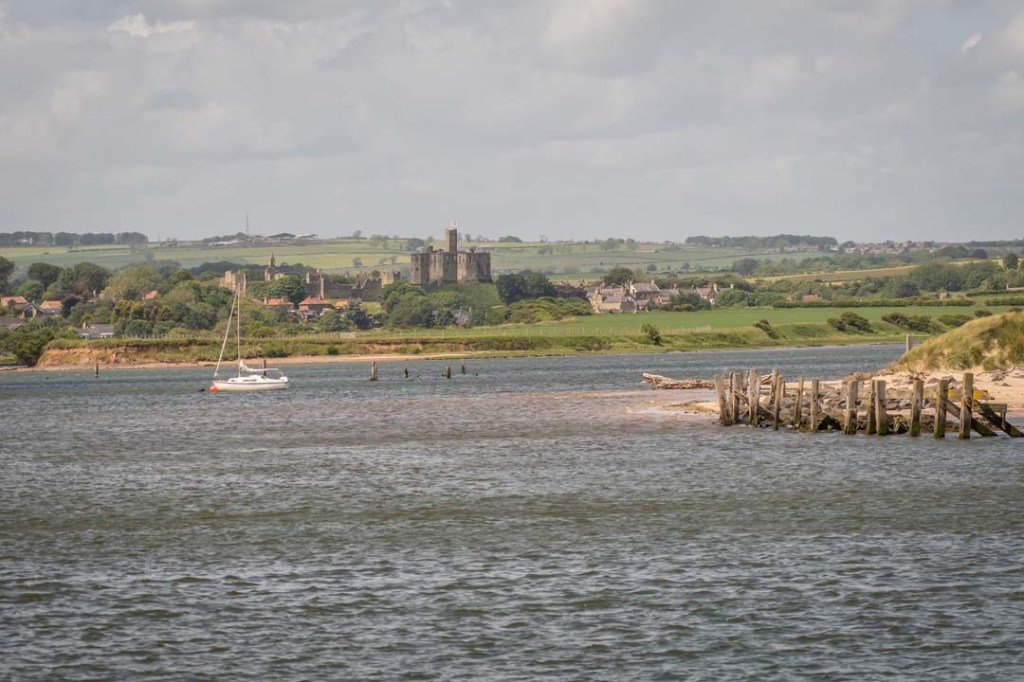
You are not allowed to land on the island but we enjoyed this short trip which gave me my last photographic opportunity of the holiday.

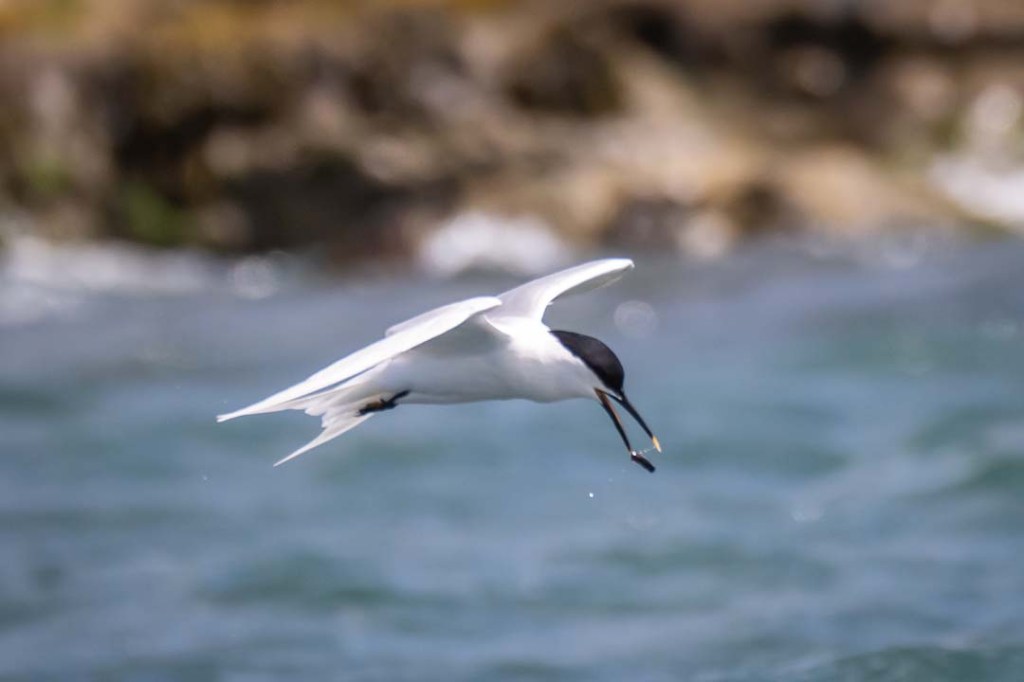


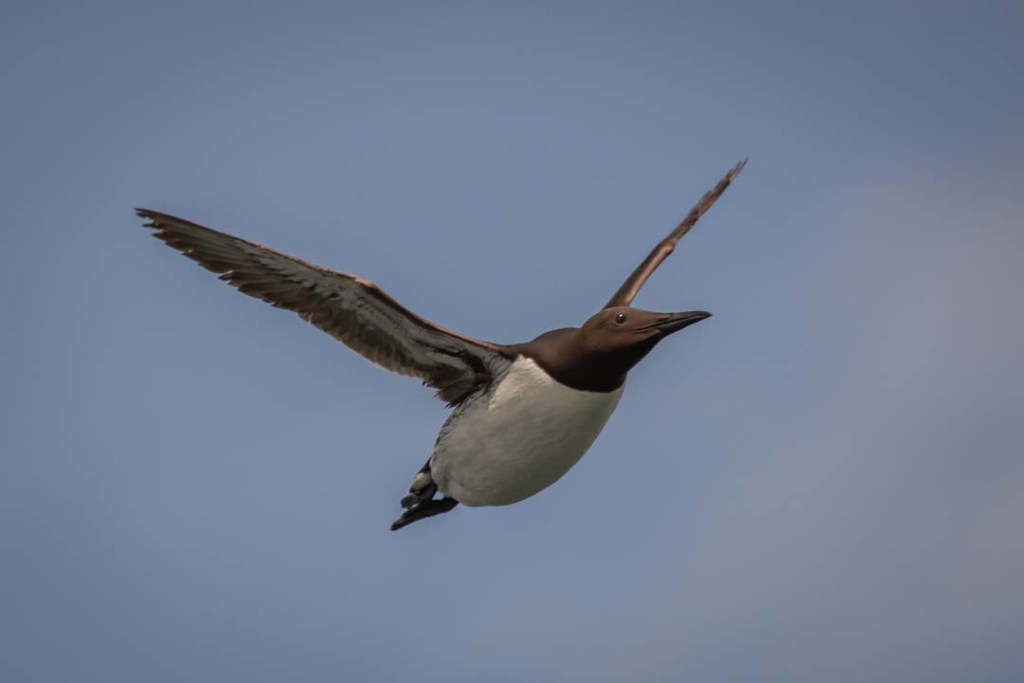
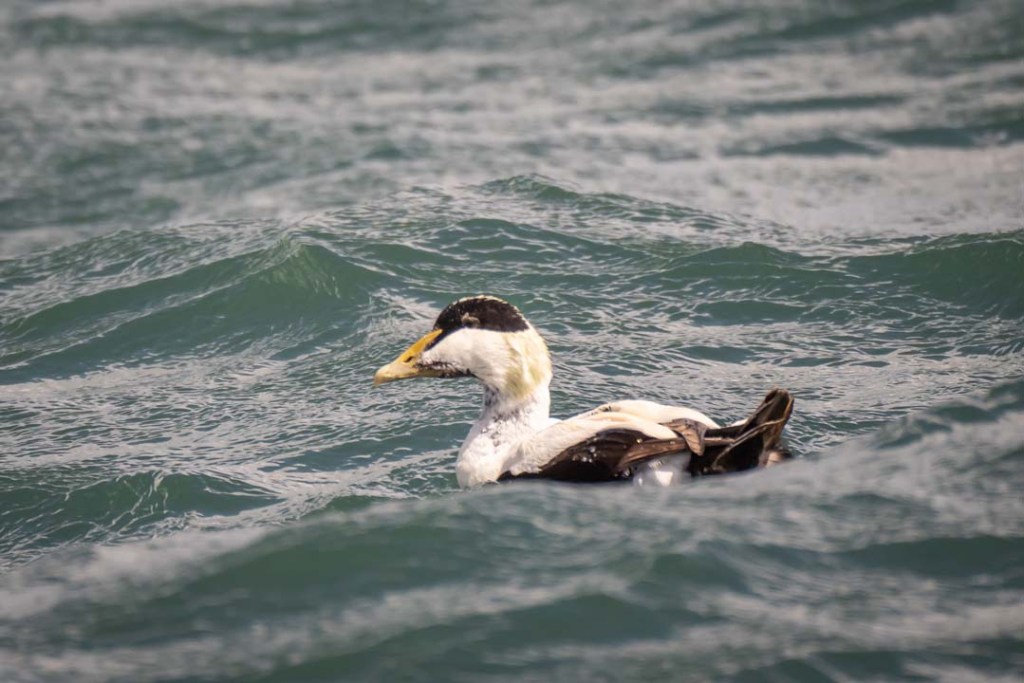
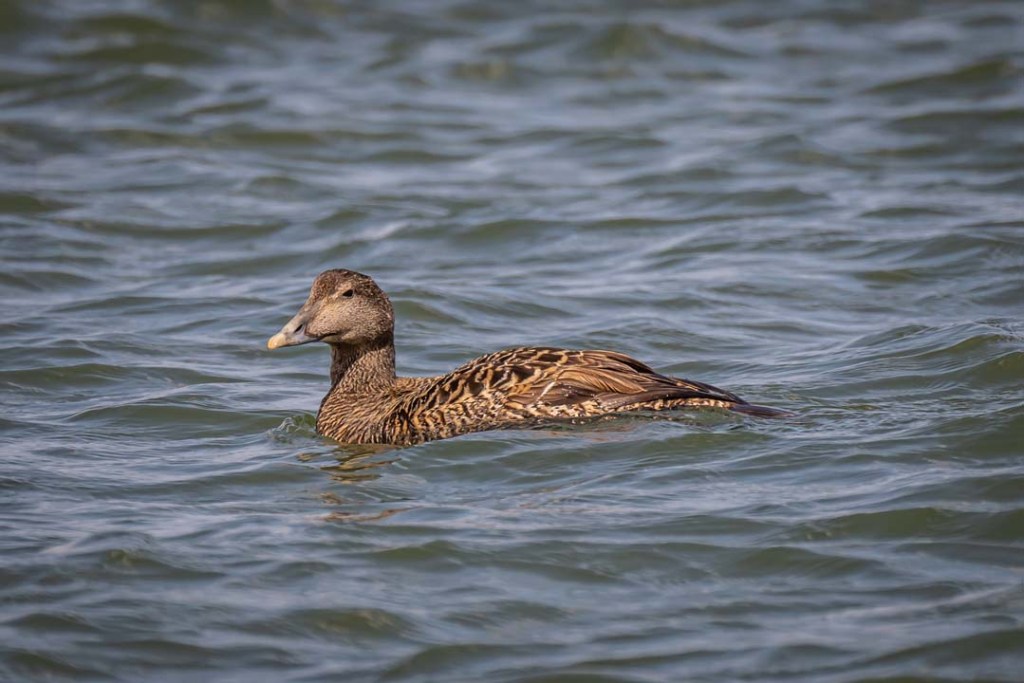

Slideshow of today’s photos:
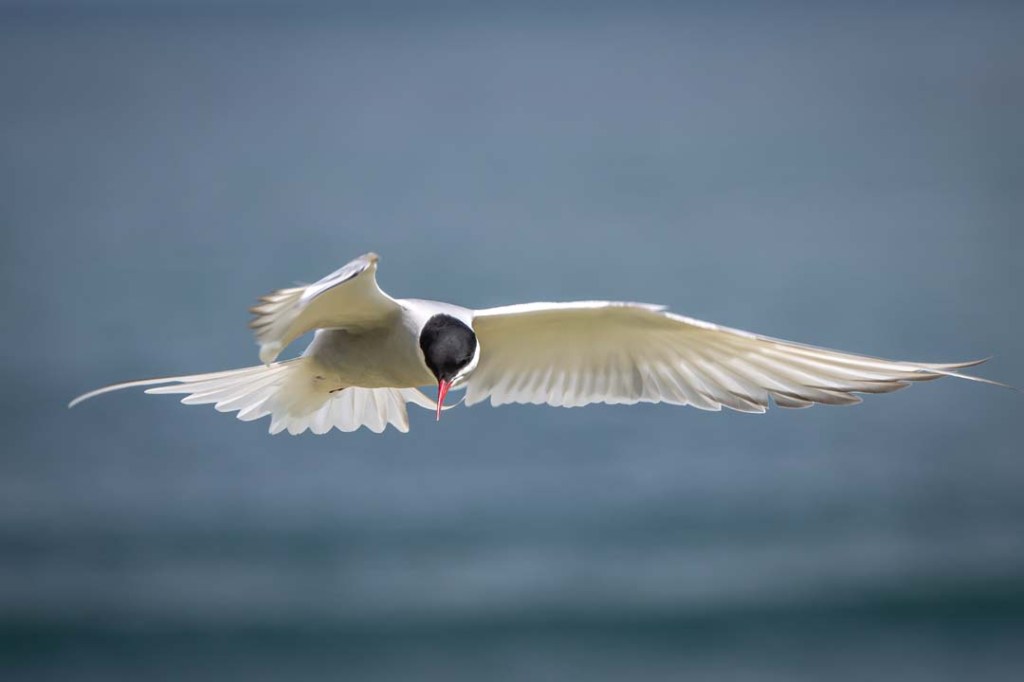
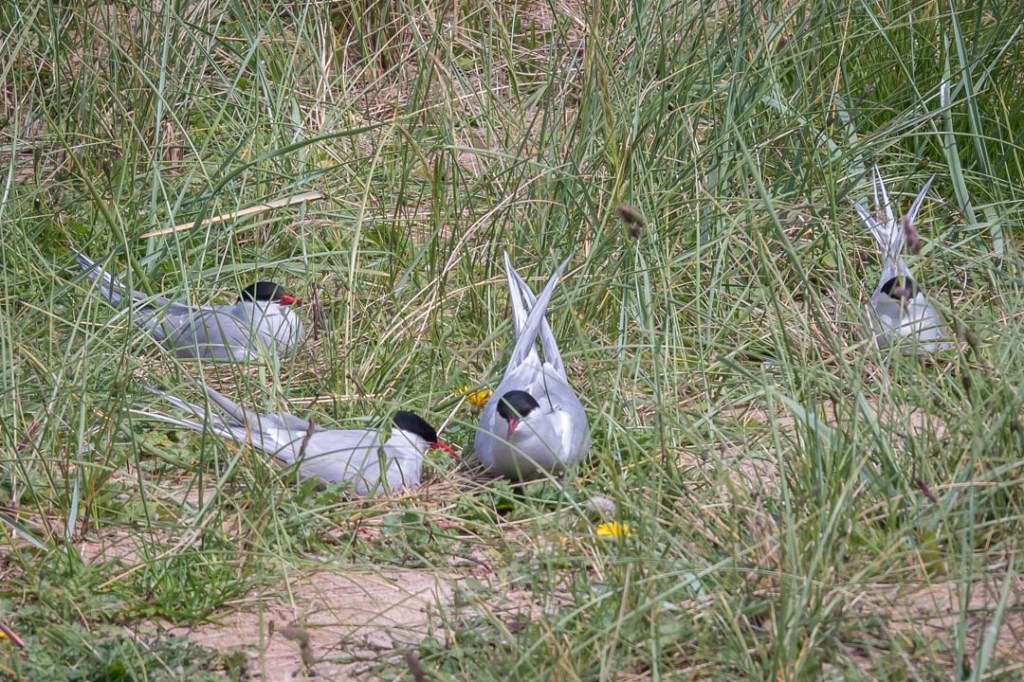
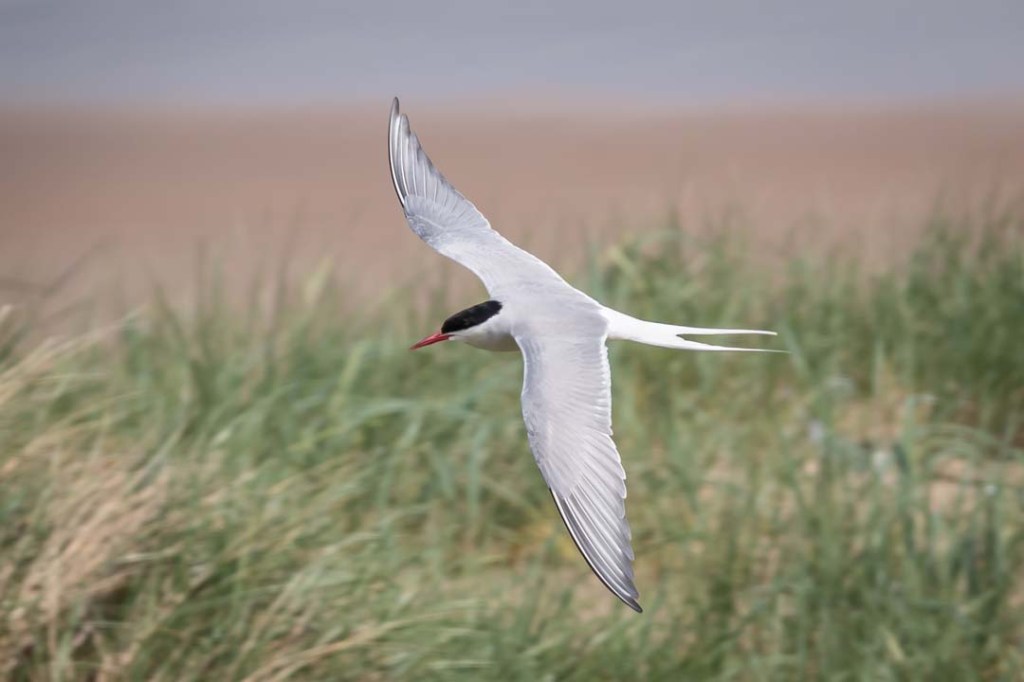
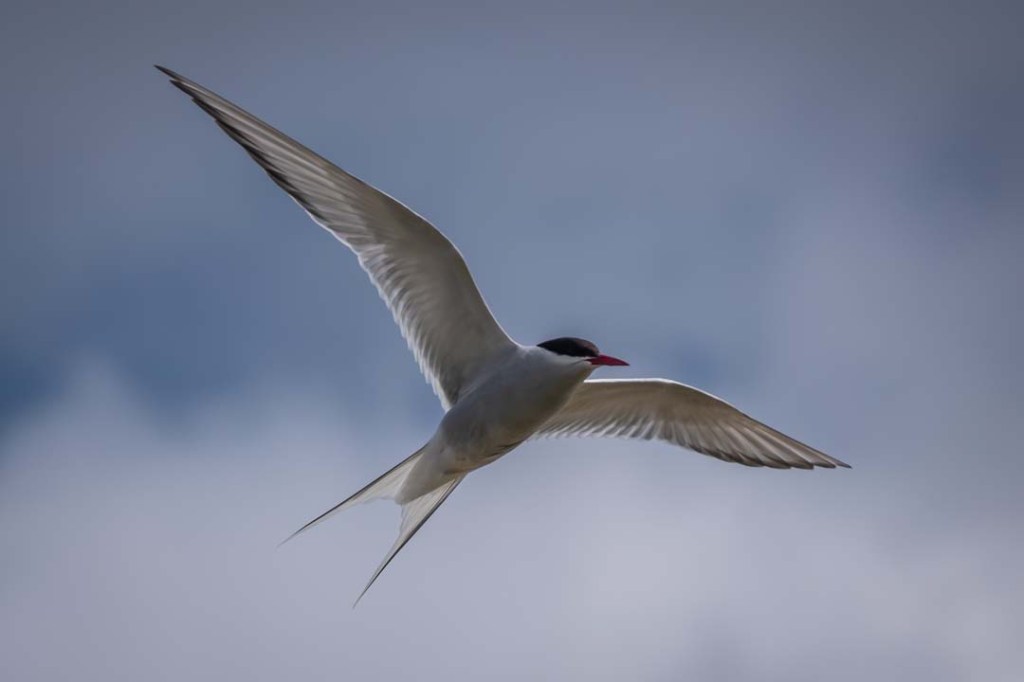
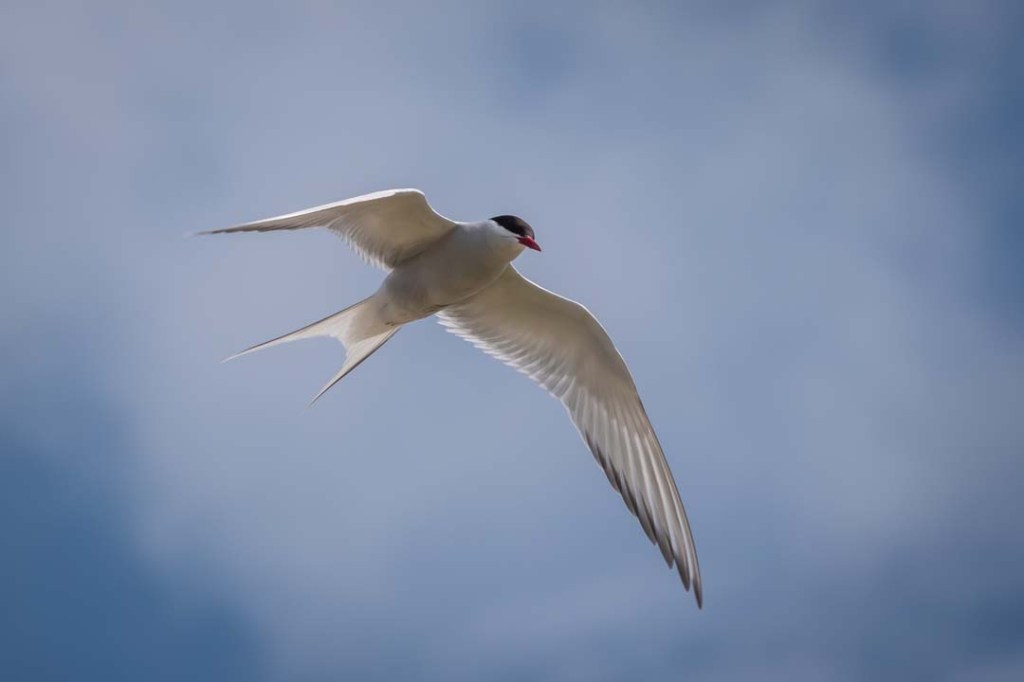
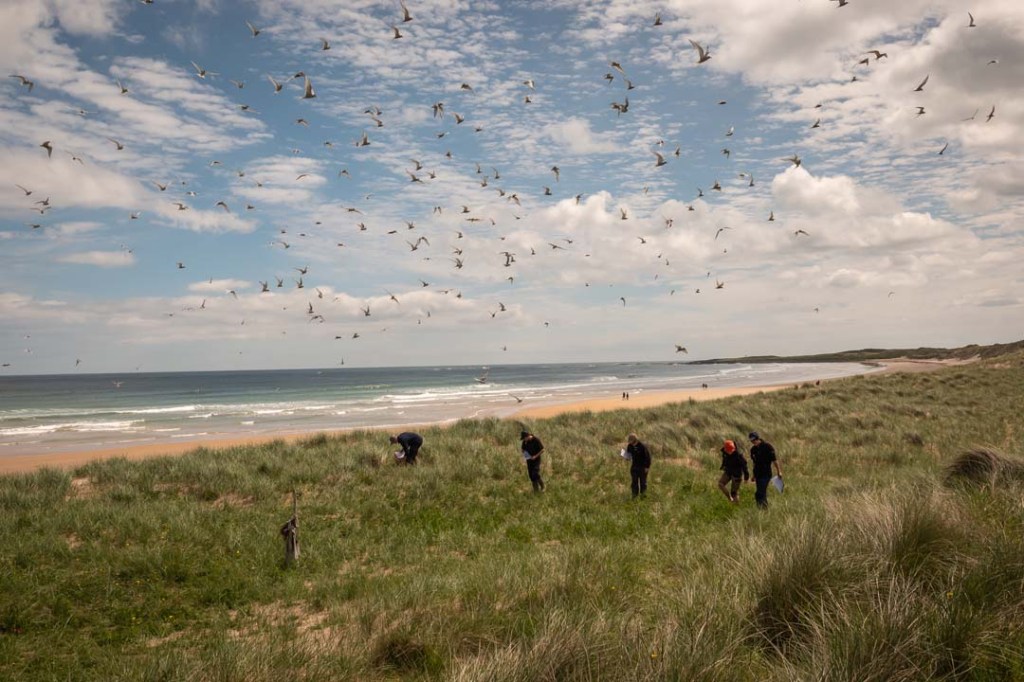
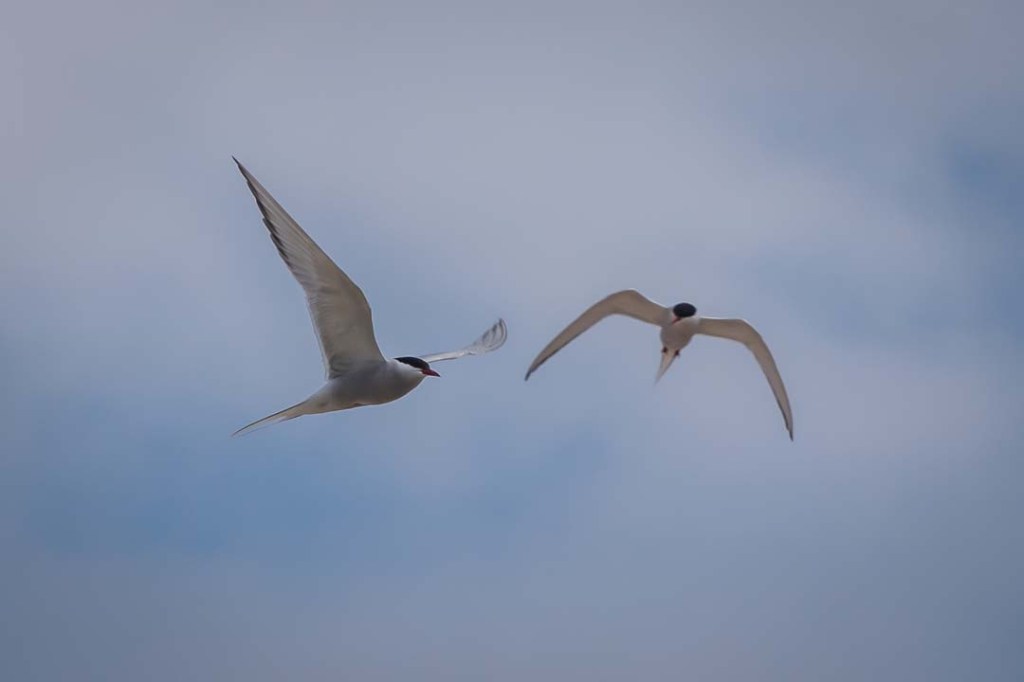
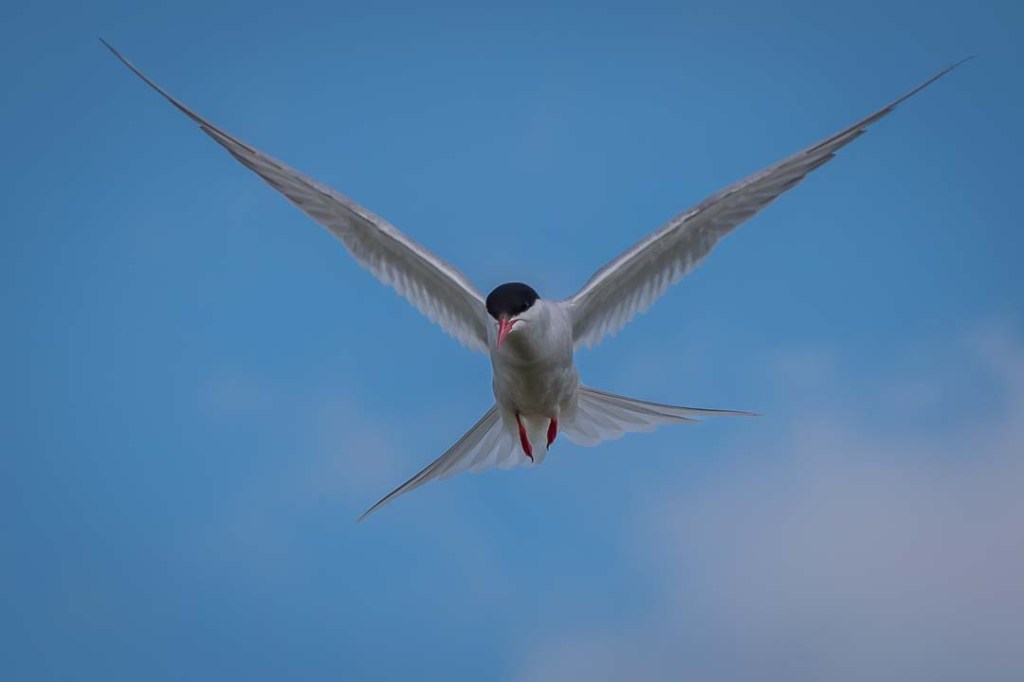
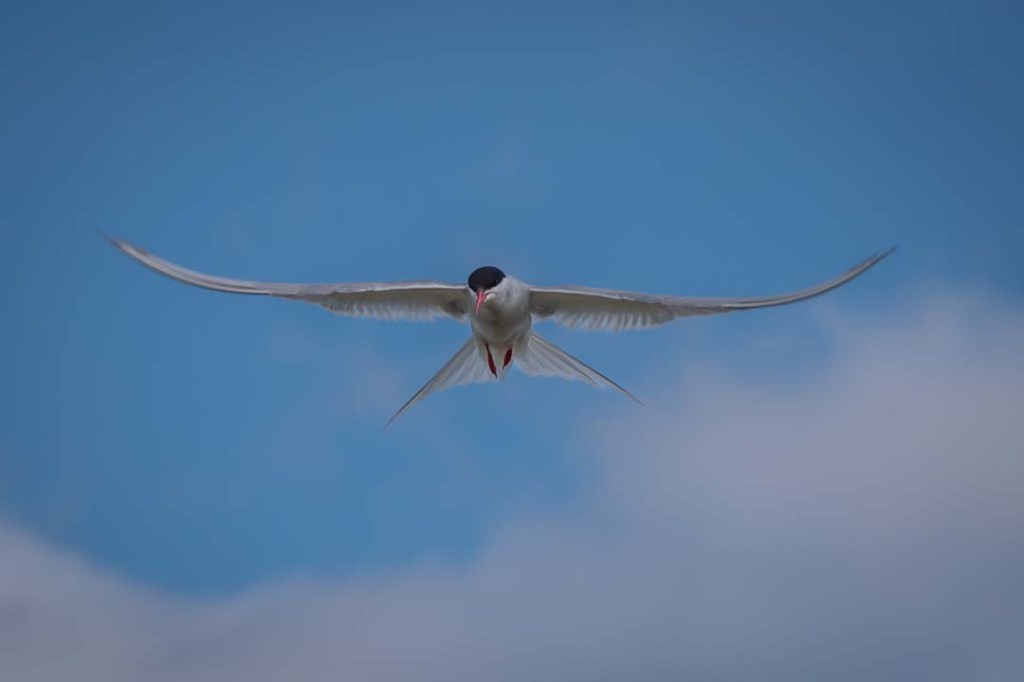
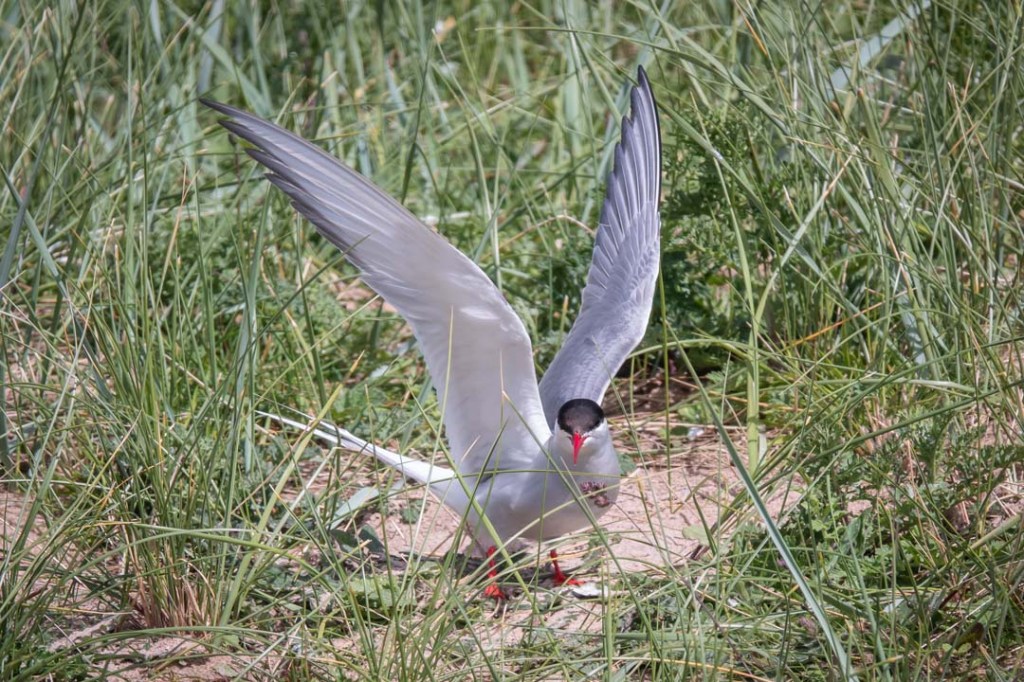
The tern colony of little terns and Arctic terns at Long Nanny on the Northumberland coast are guarded 24/7 by rangers of the National Trust each summer.
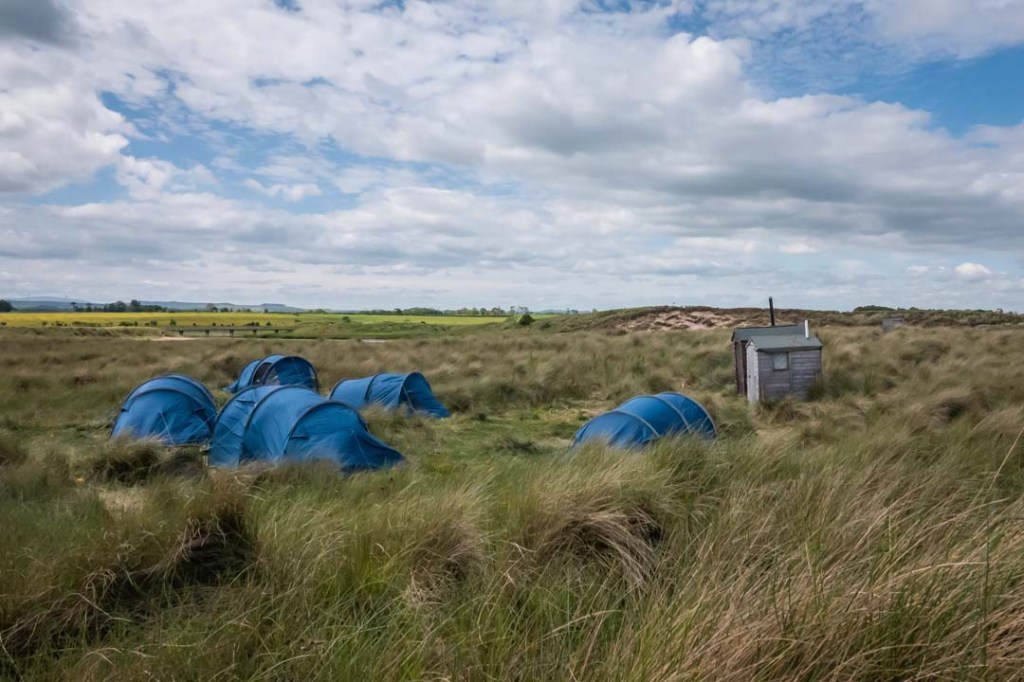
“They have had mixed results in recent years and fared particularly badly during COVID lockdown when the rangers were unable to be there to protect them. The Arctic tern, which has the longest migration of any bird in the world, started breeding at Long Nanny in 1980 and has returned every year from Antarctica to nest. The little tern is one of the UK’s smallest seabirds, weighing roughly the same as a tennis ball. They feed mostly on sand eels and young herring and tend to lay between one and three camouflaged eggs on the beach. The little tern has been in serious decline since the 1980s, with fewer than 2,000 breeding pairs now left in the UK.” (National Trust website)

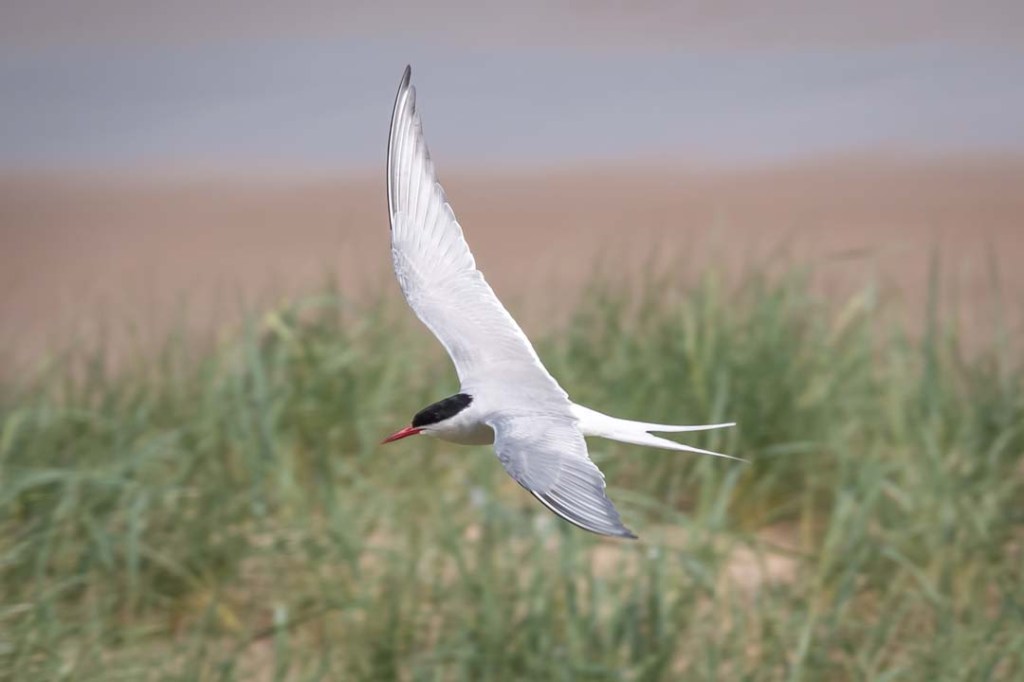
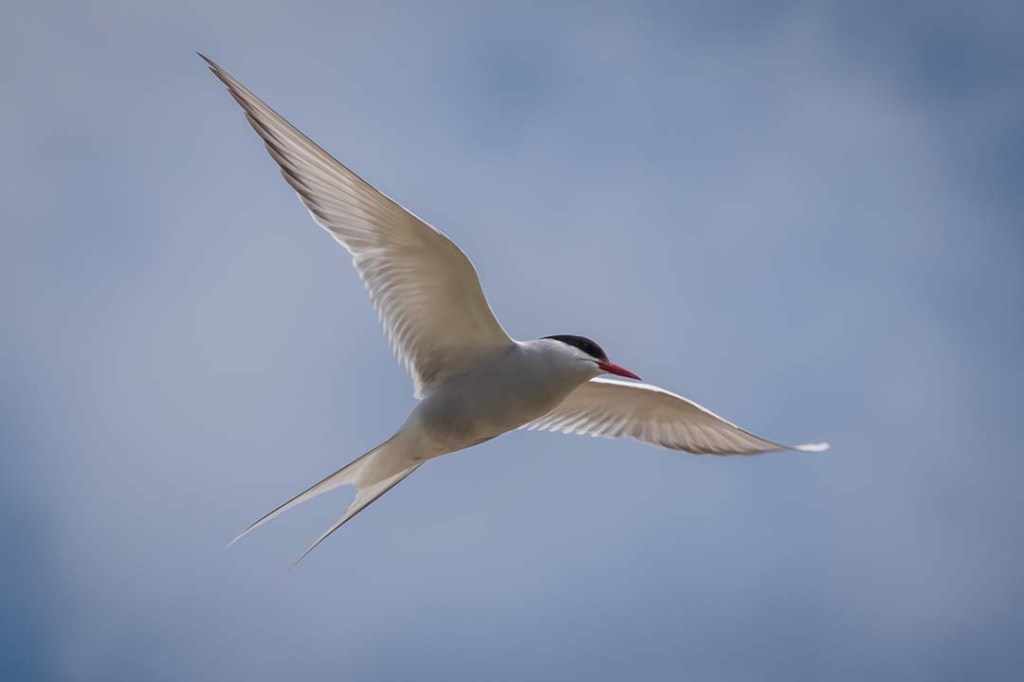
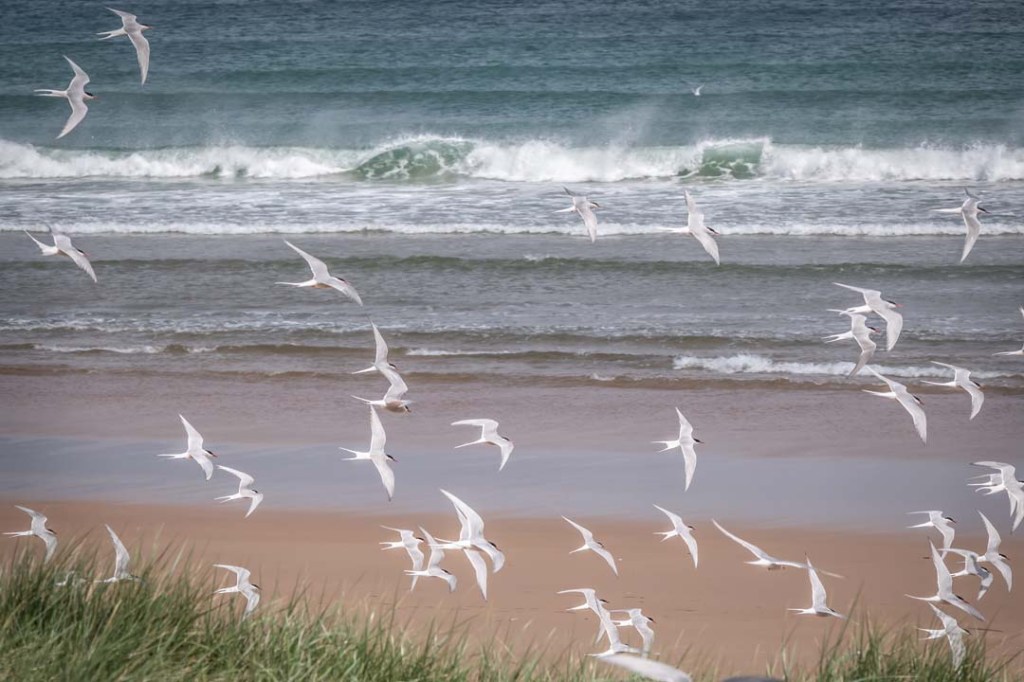
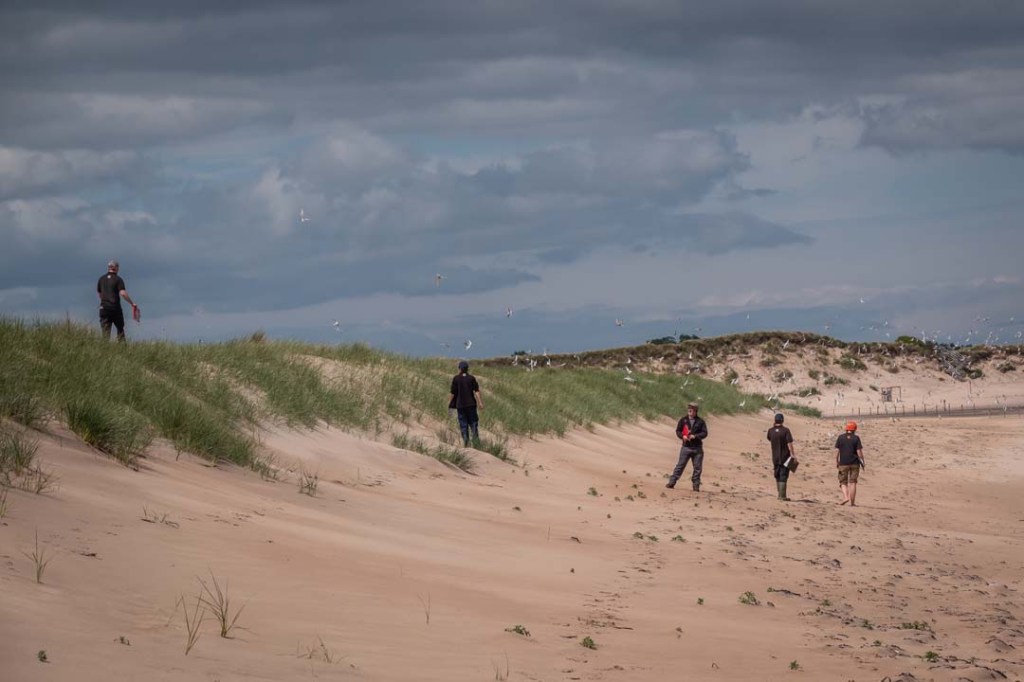
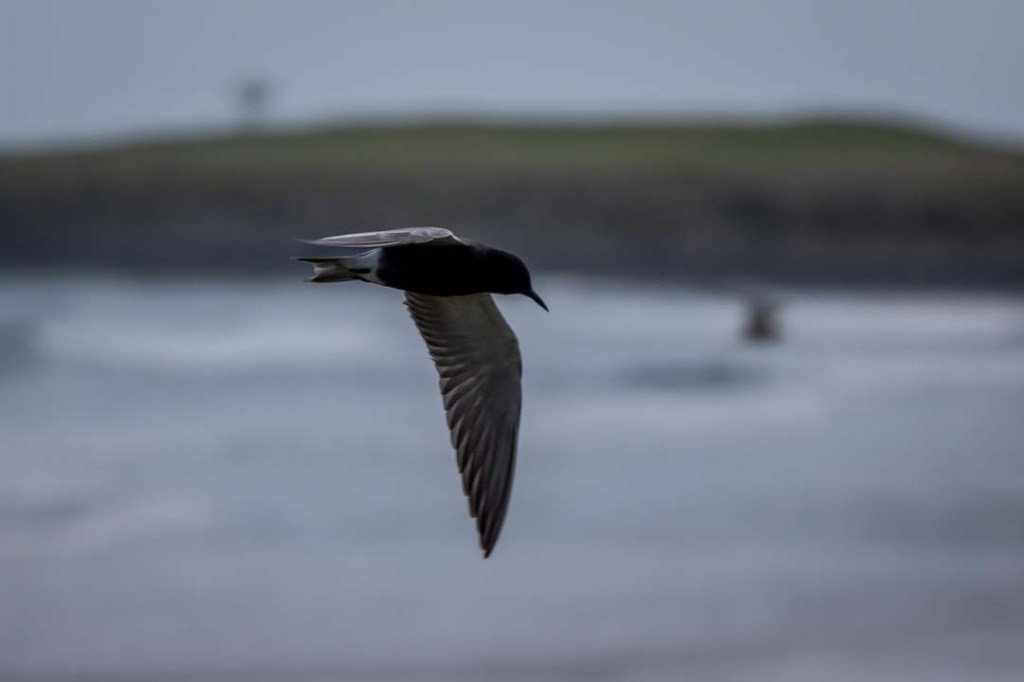
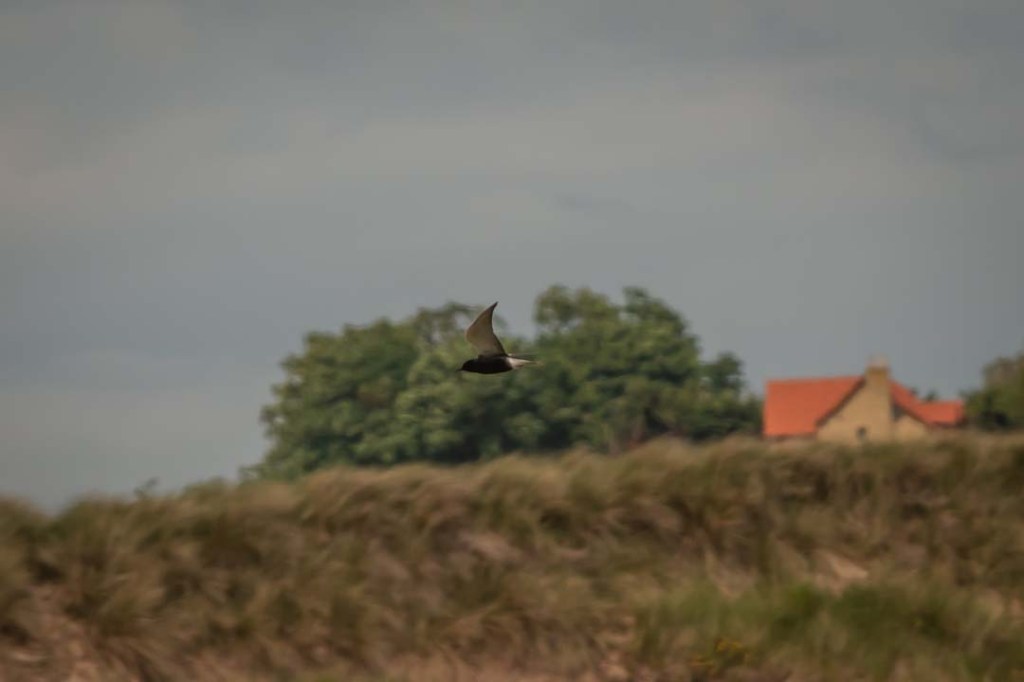
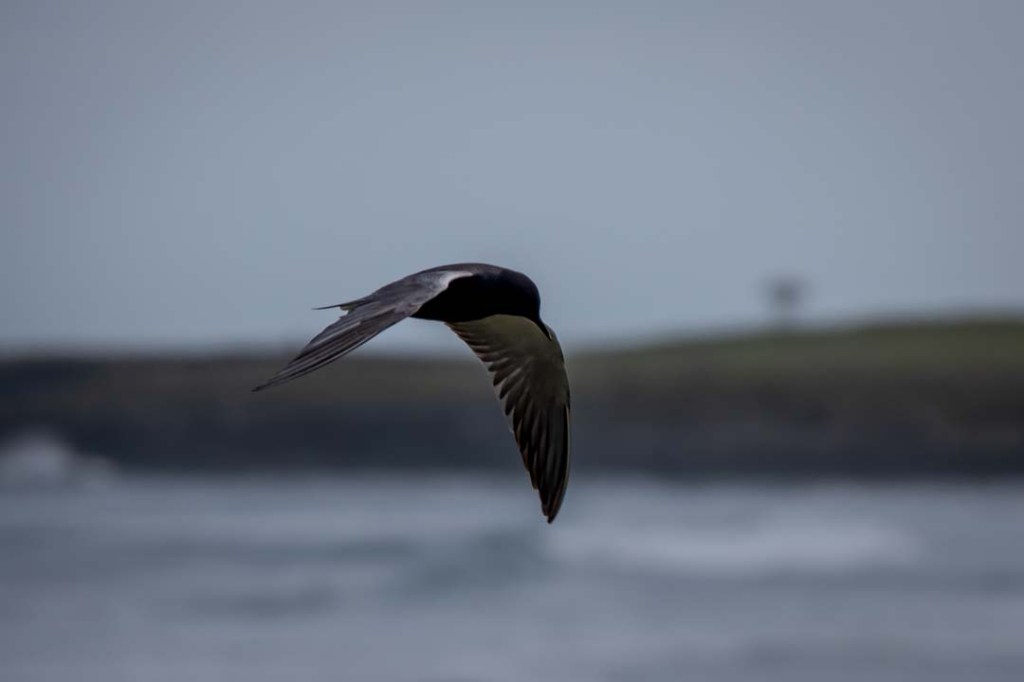
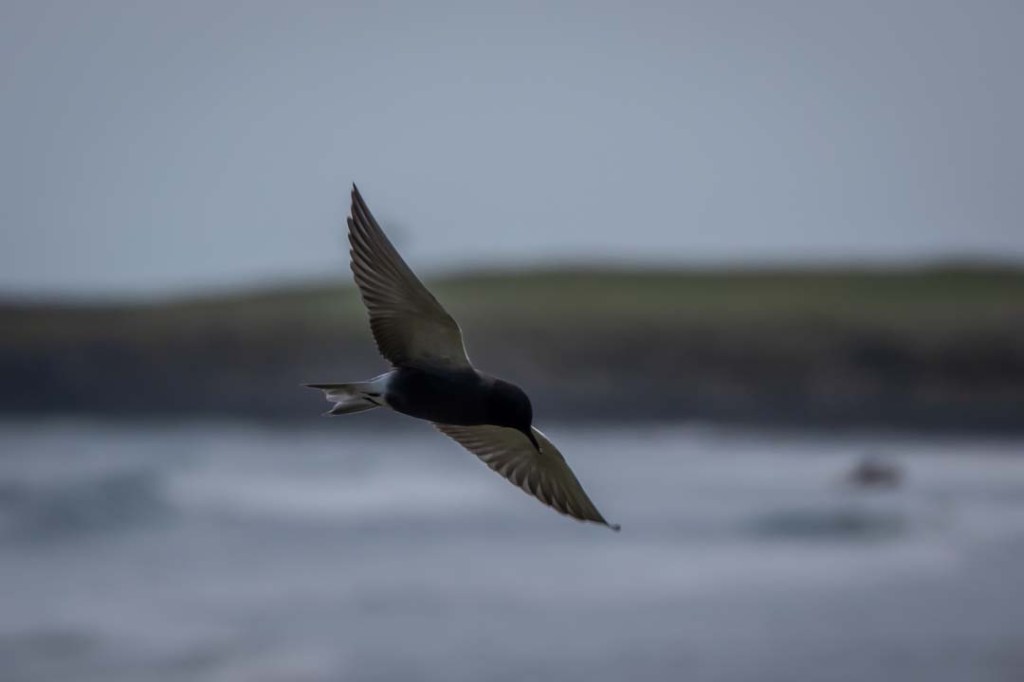
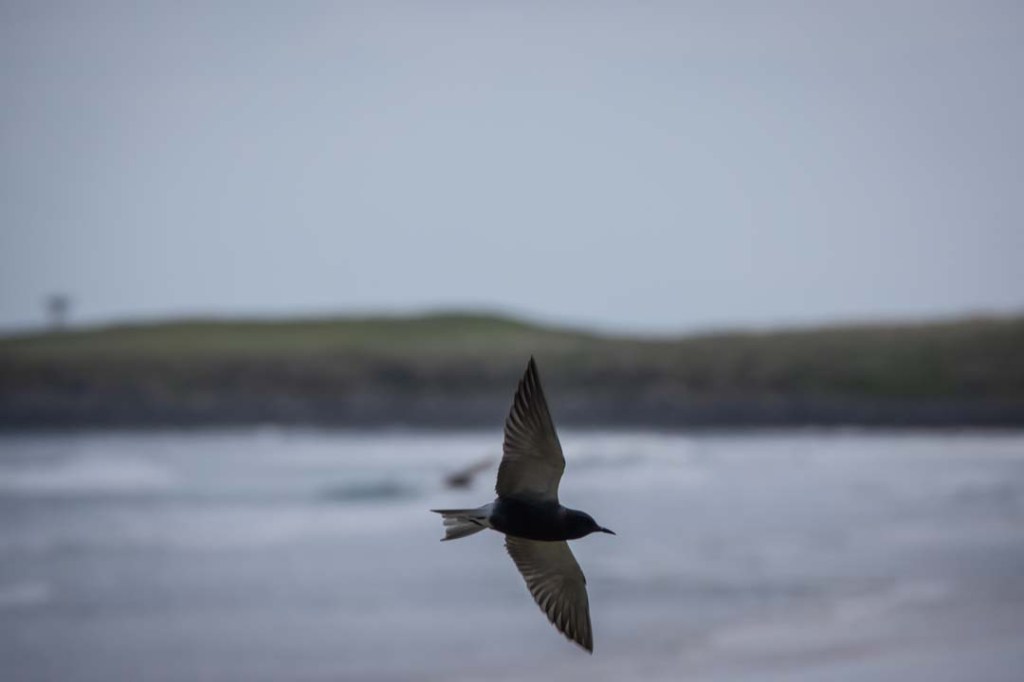
In the last couple of years they have been joined by a summering American Black Tern – Britain’s first record of an adult in summer plumage.
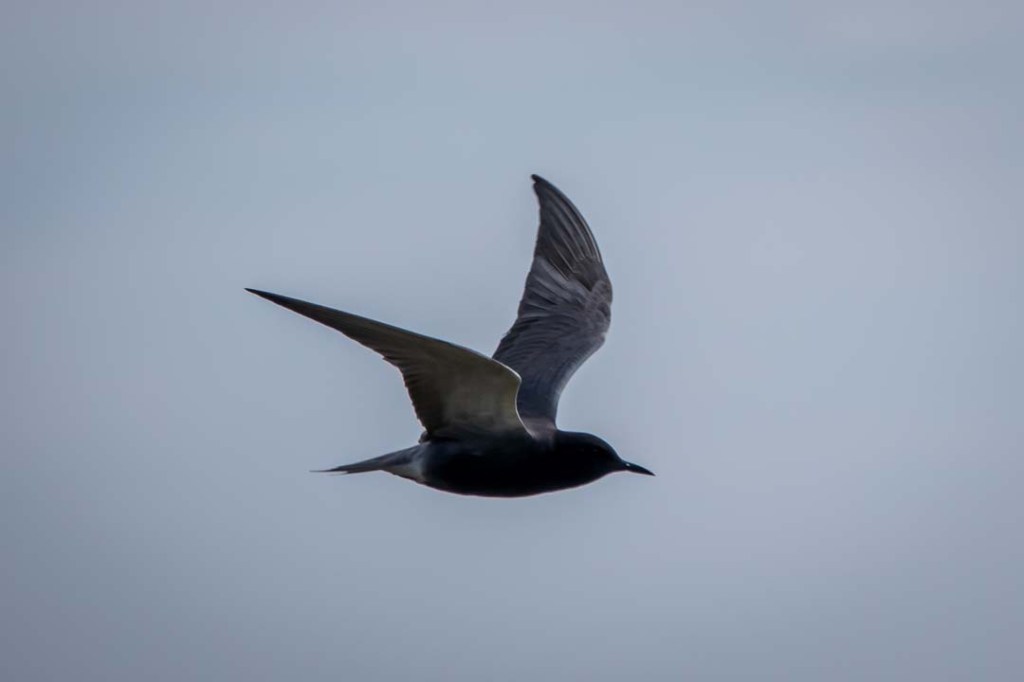
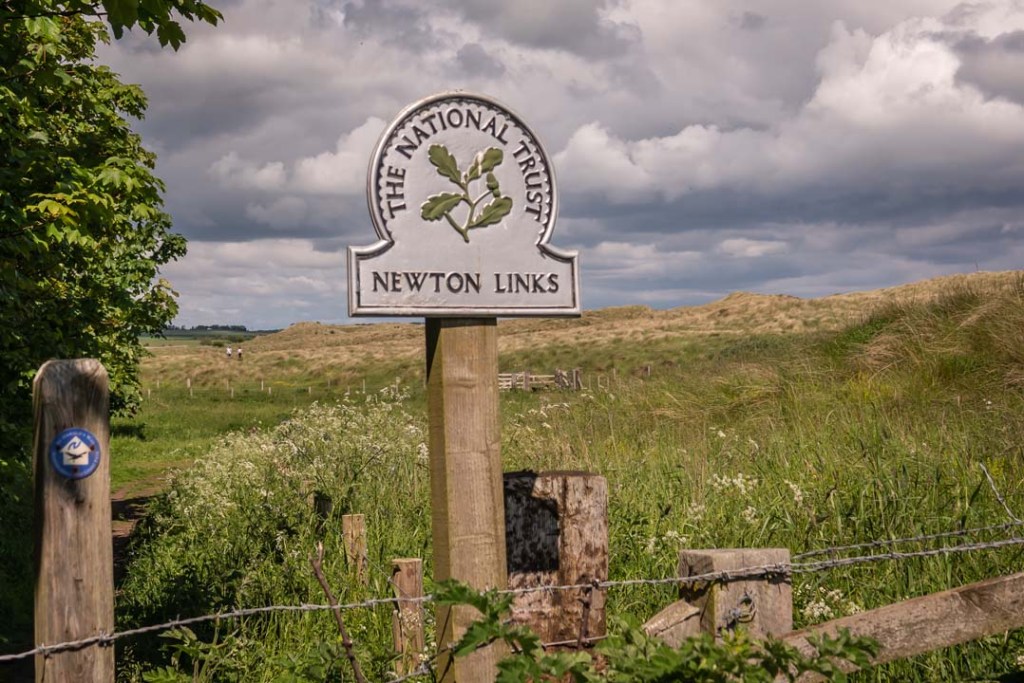
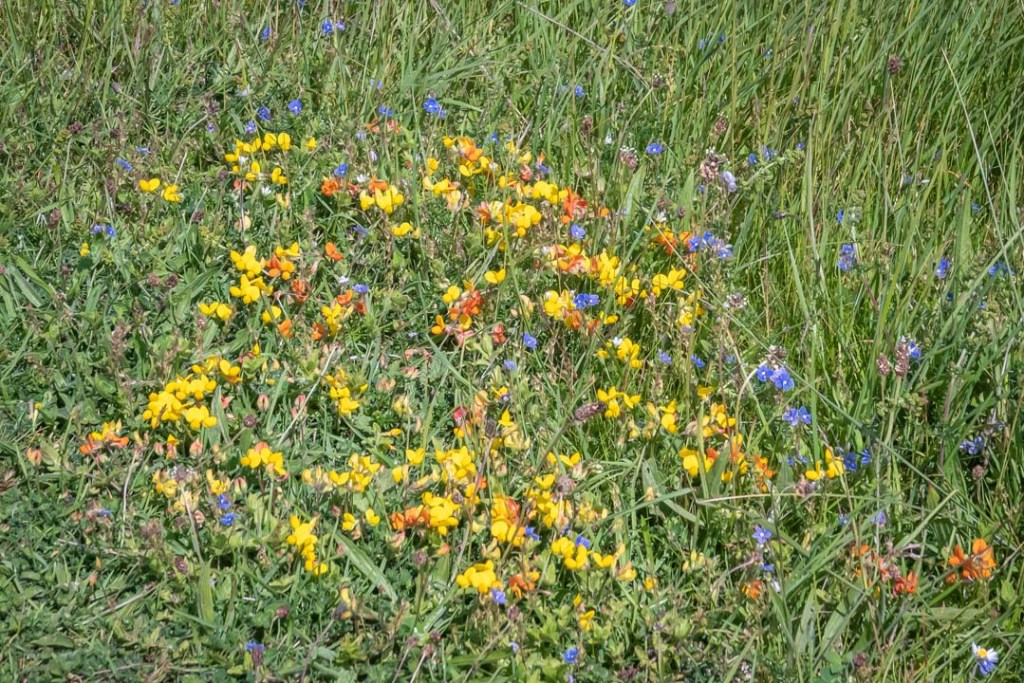
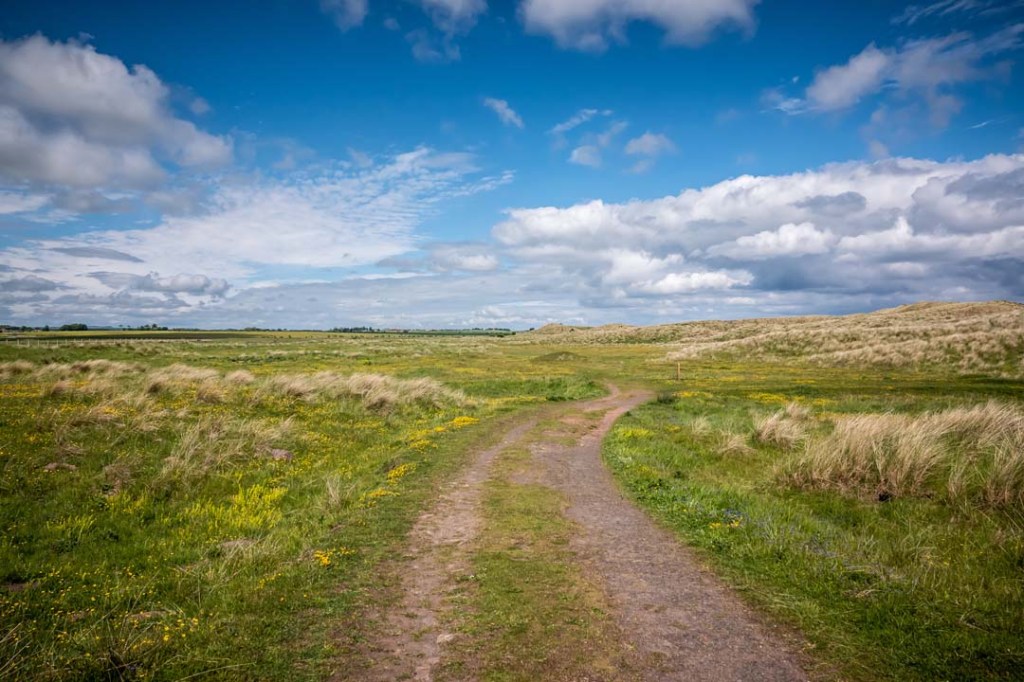
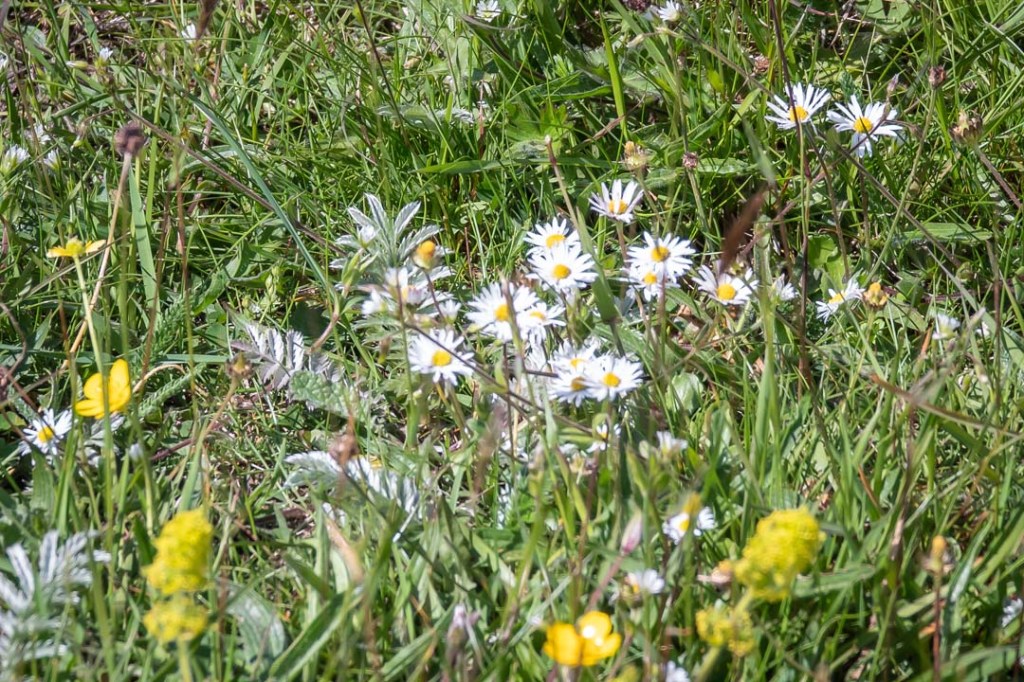
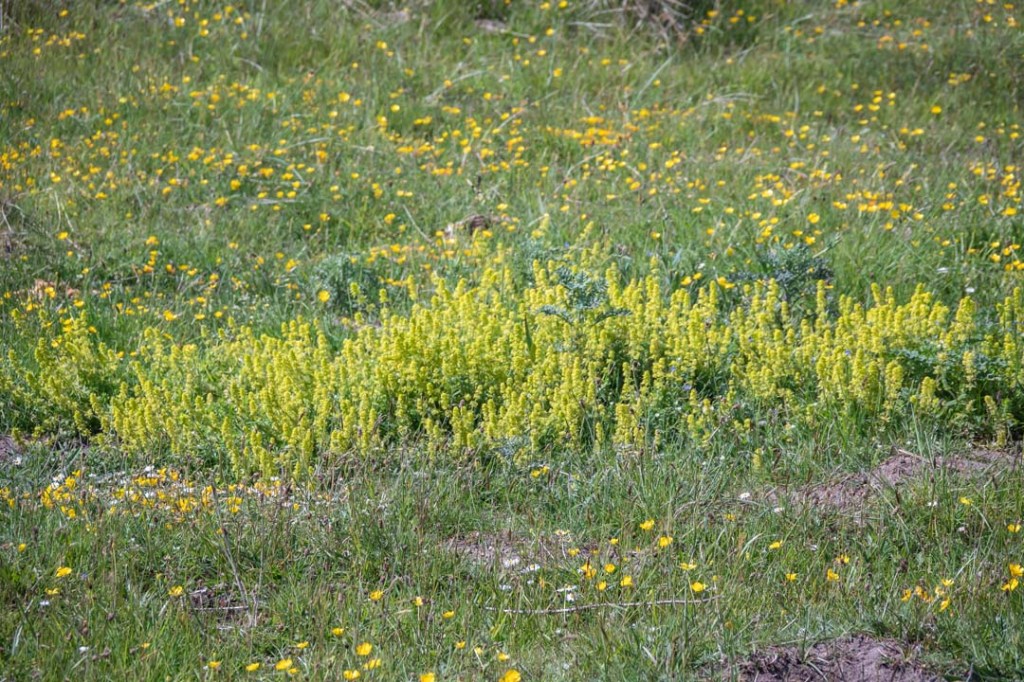
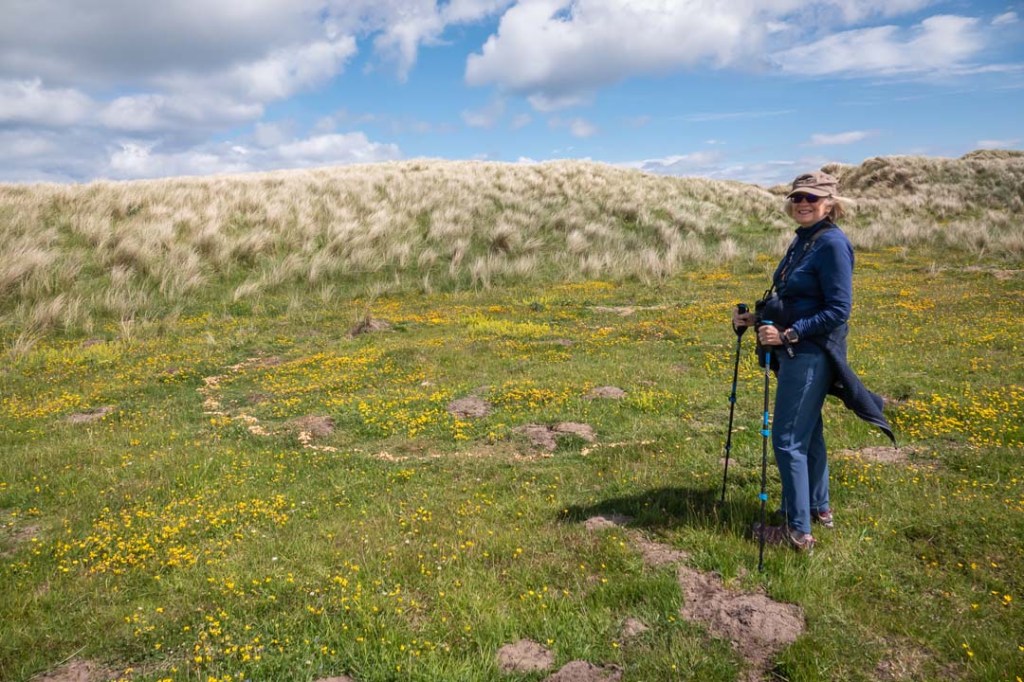
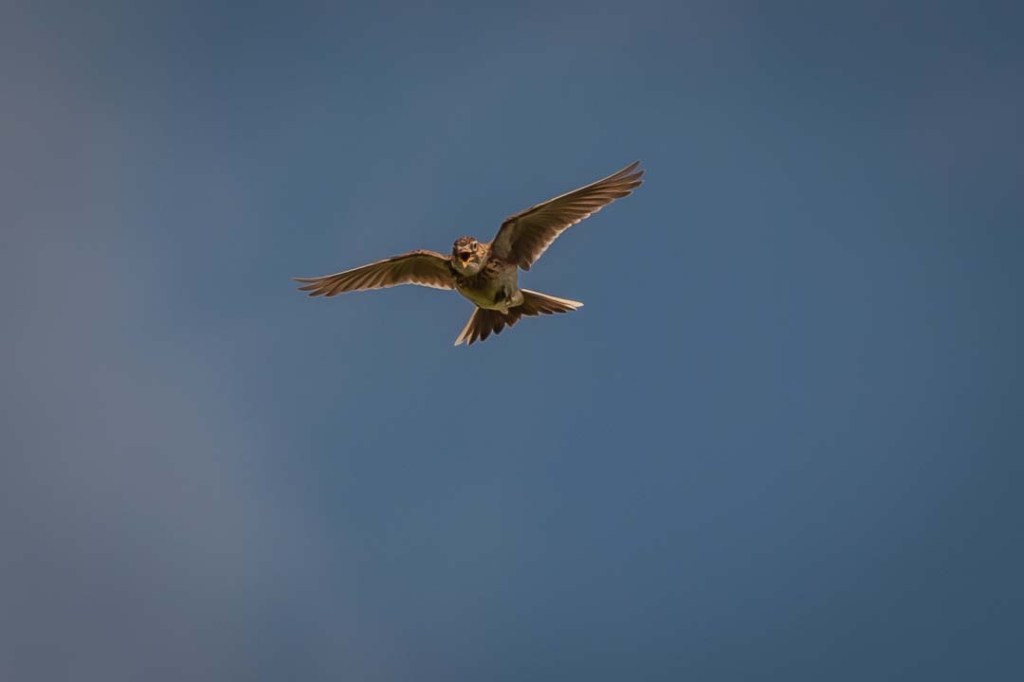
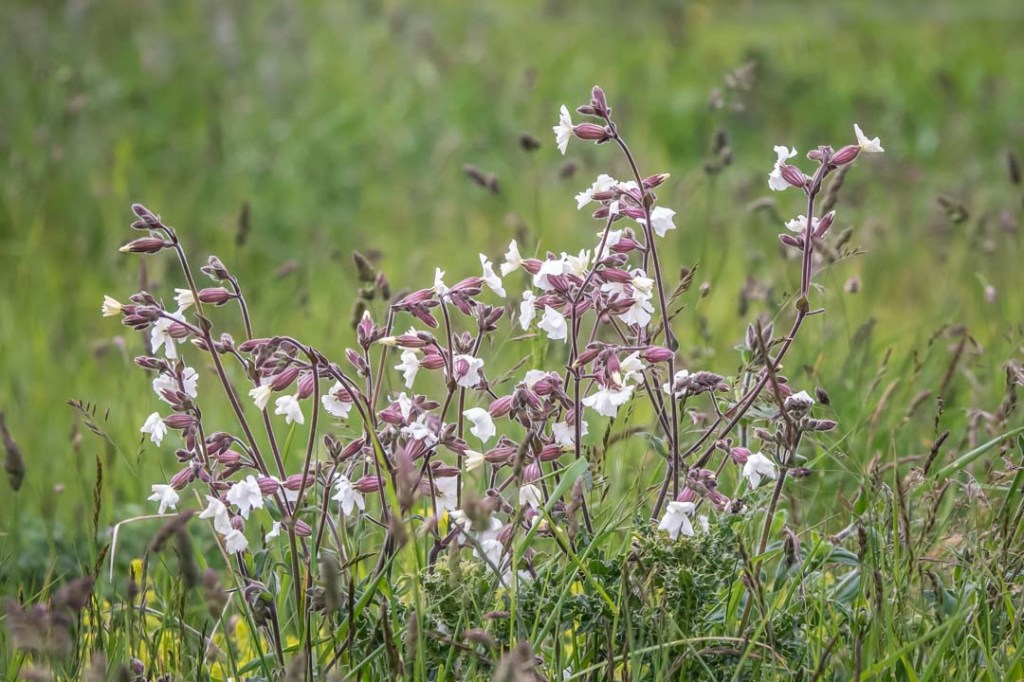
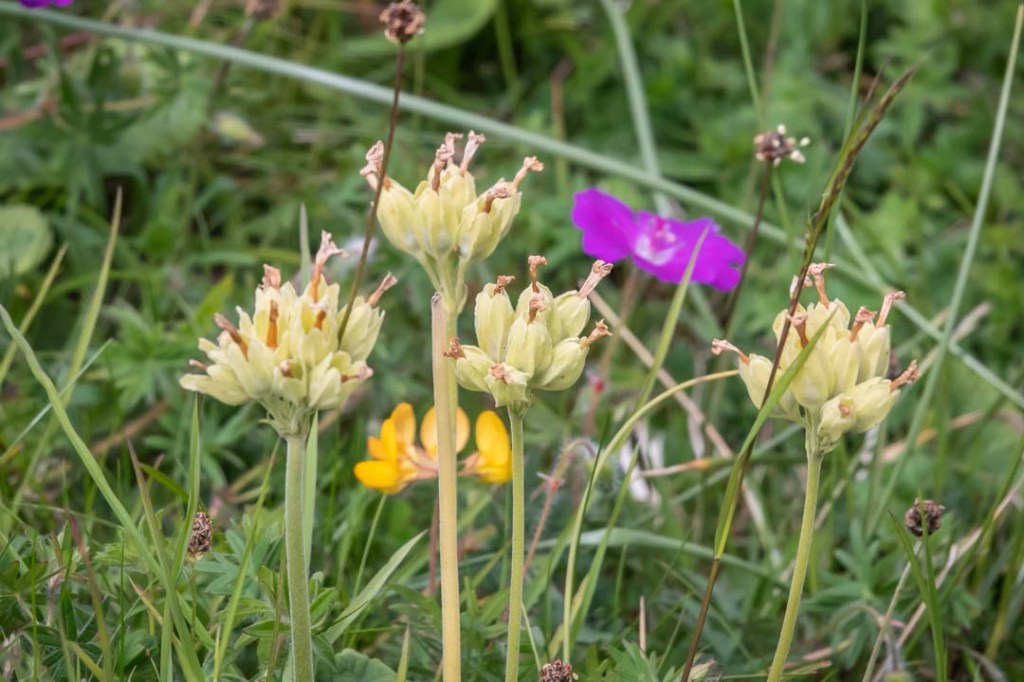
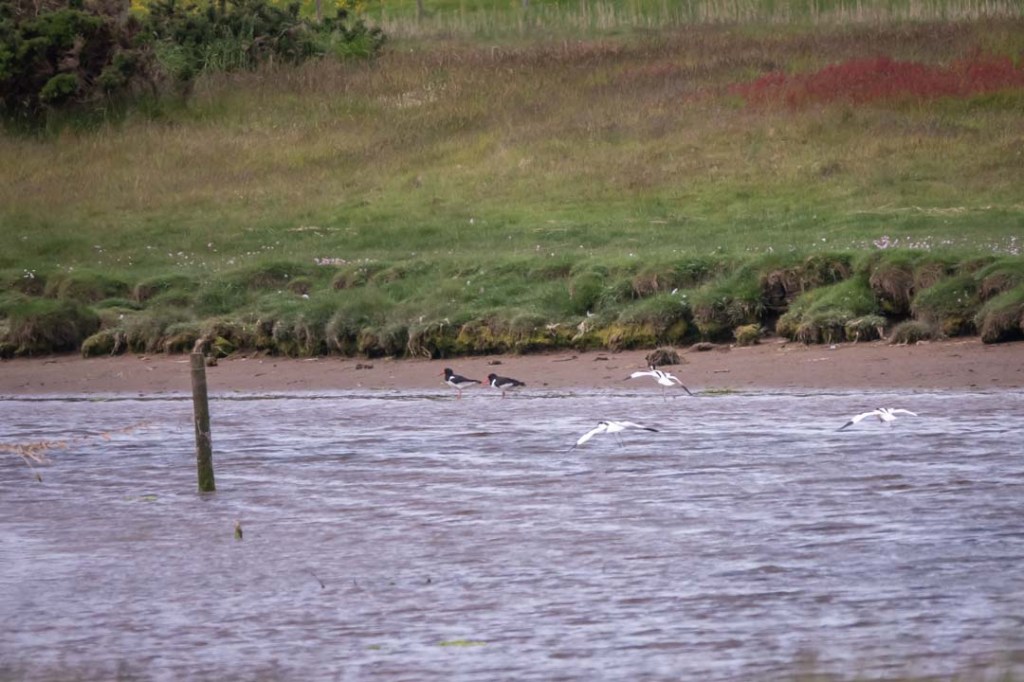
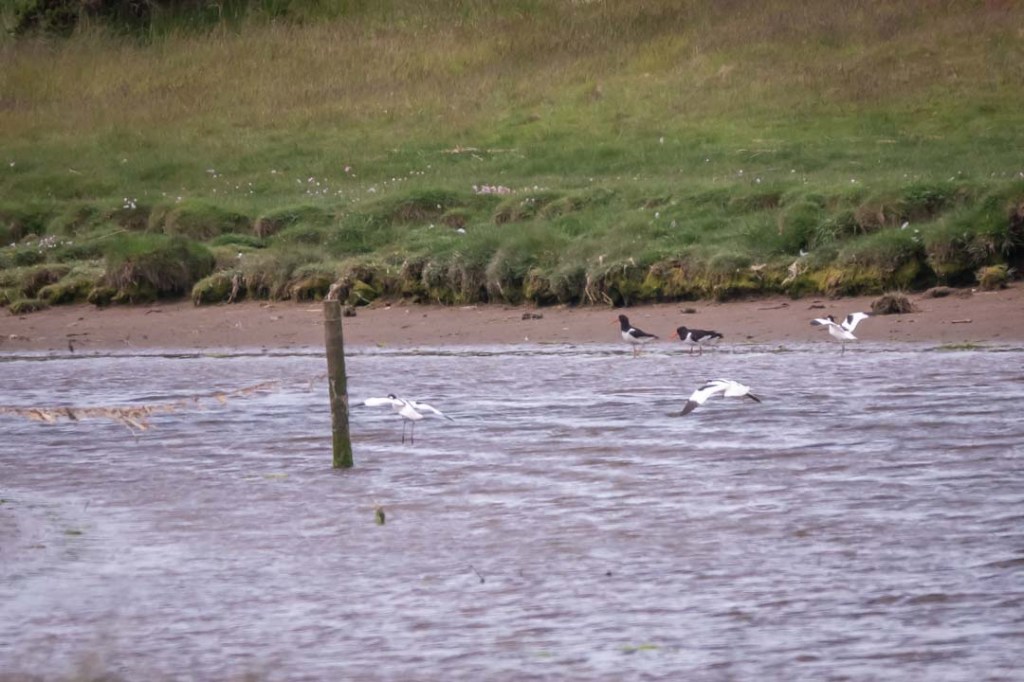
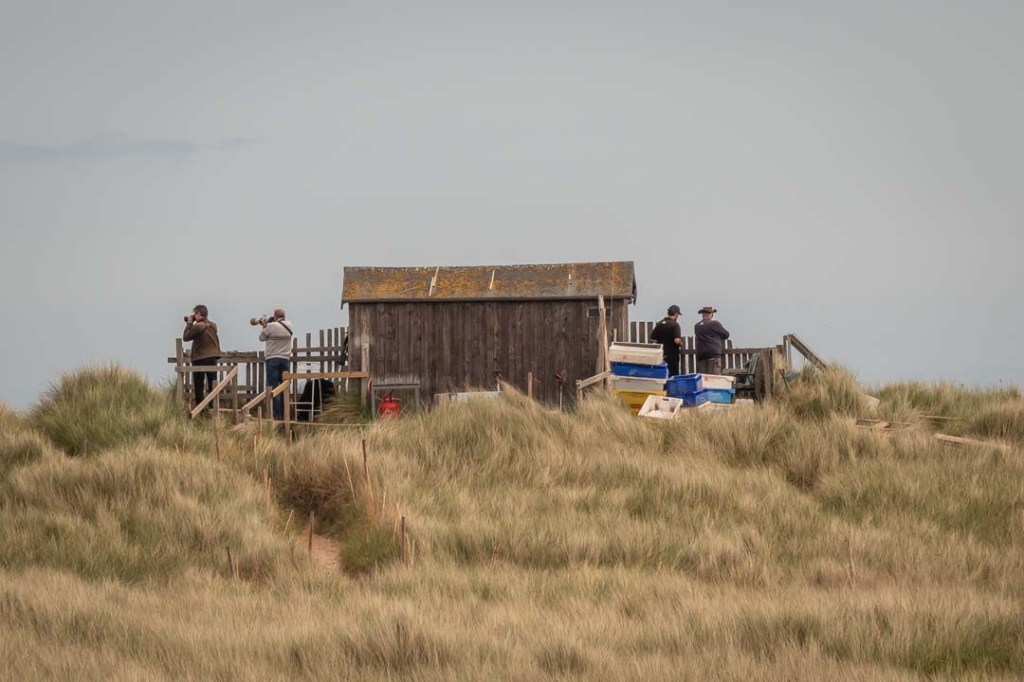
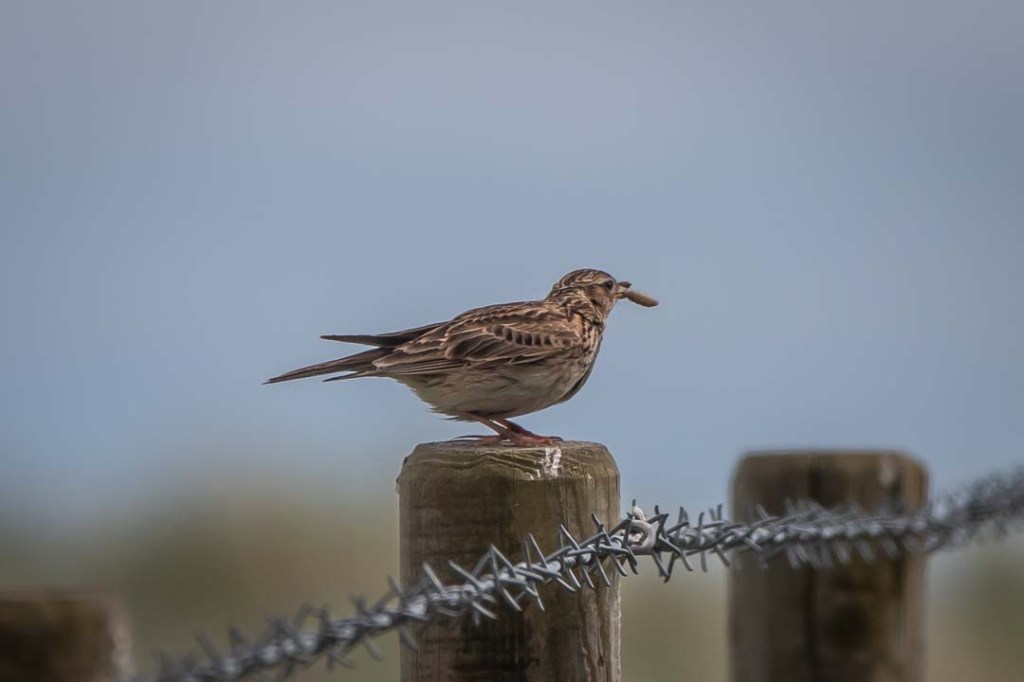
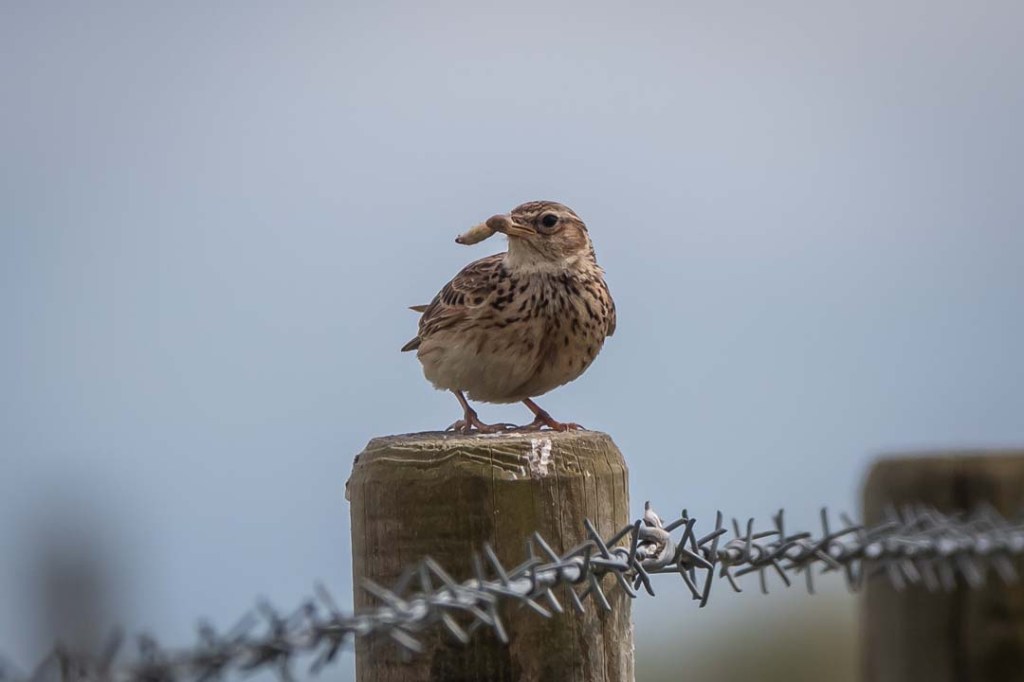
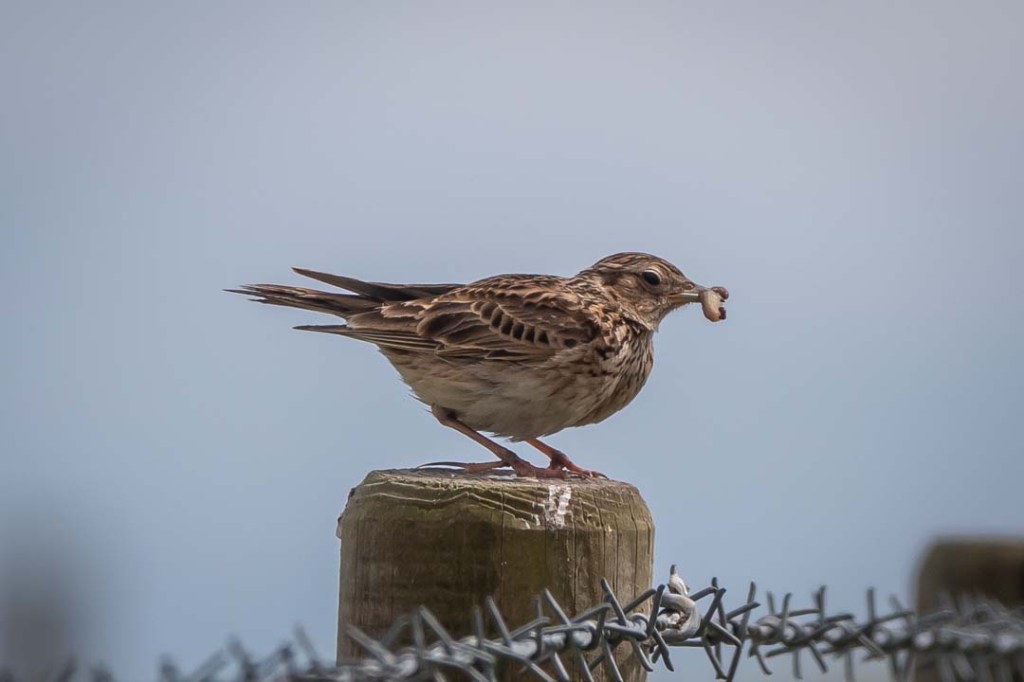
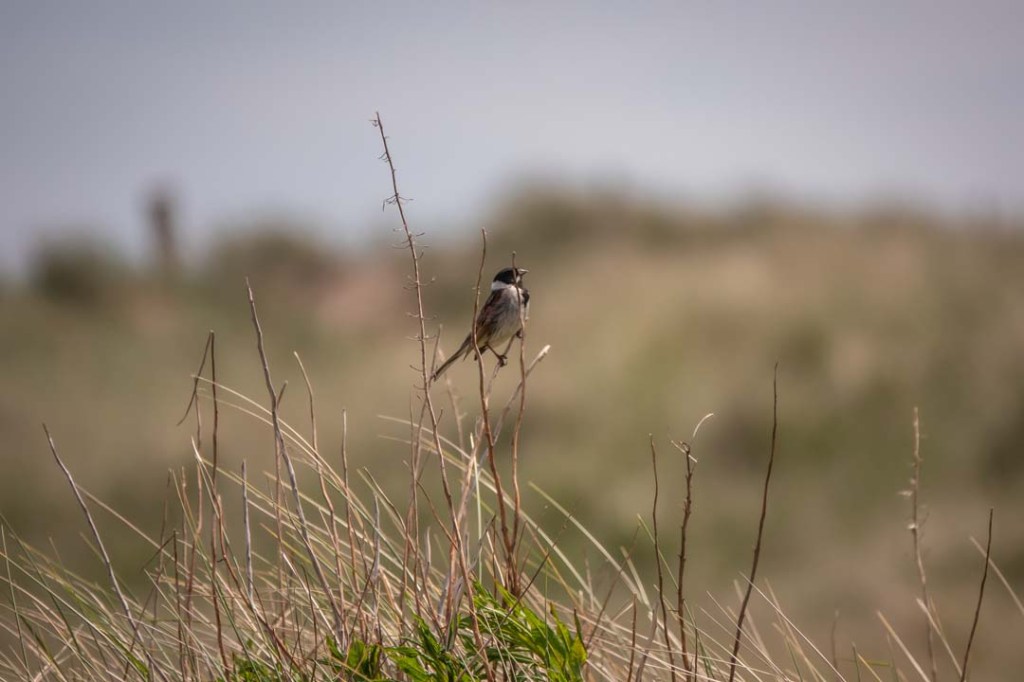
We reached Long Nanny by walking behind the dunes at Newton Links. The display of spring flowers was beautiful and we enjoyed good views of sky larks, linnets, stonechats, reed buntings and even avocets and oystercatchers on the river.

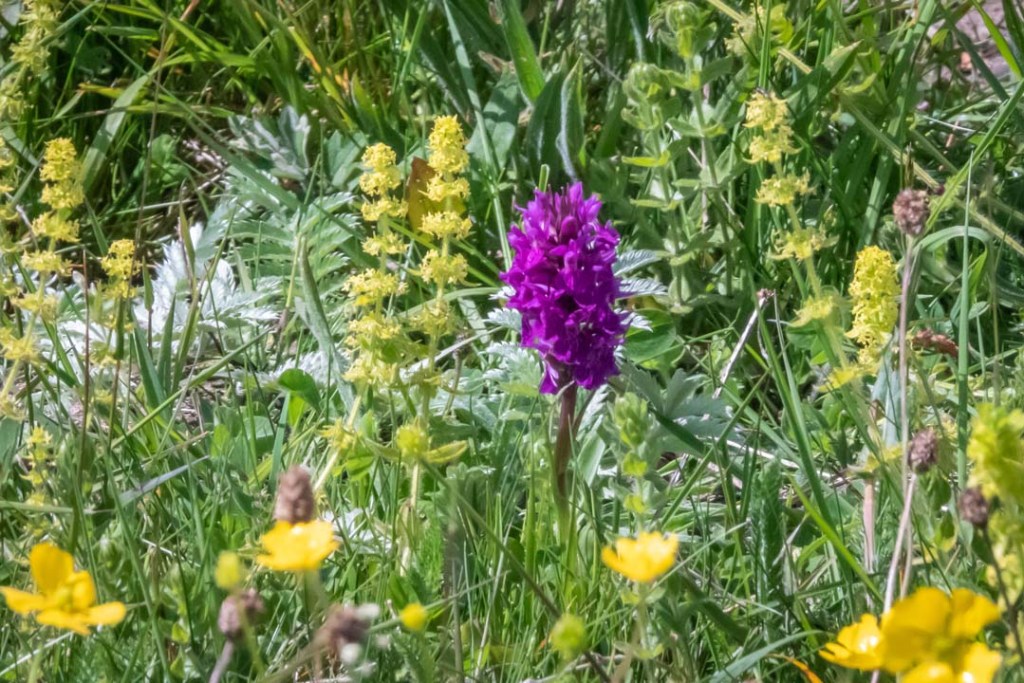


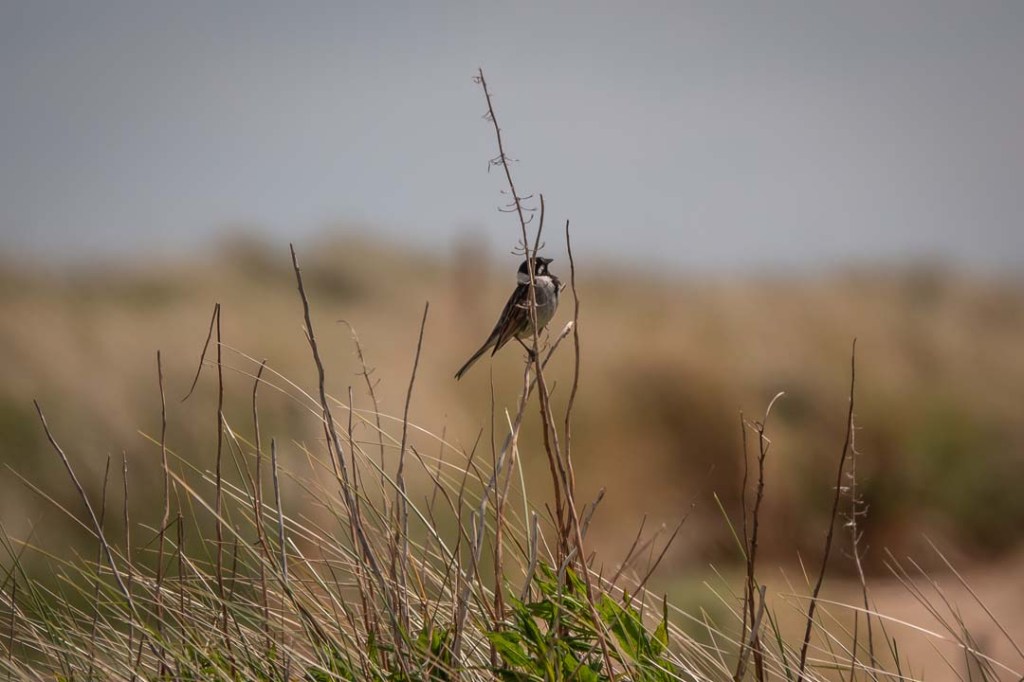
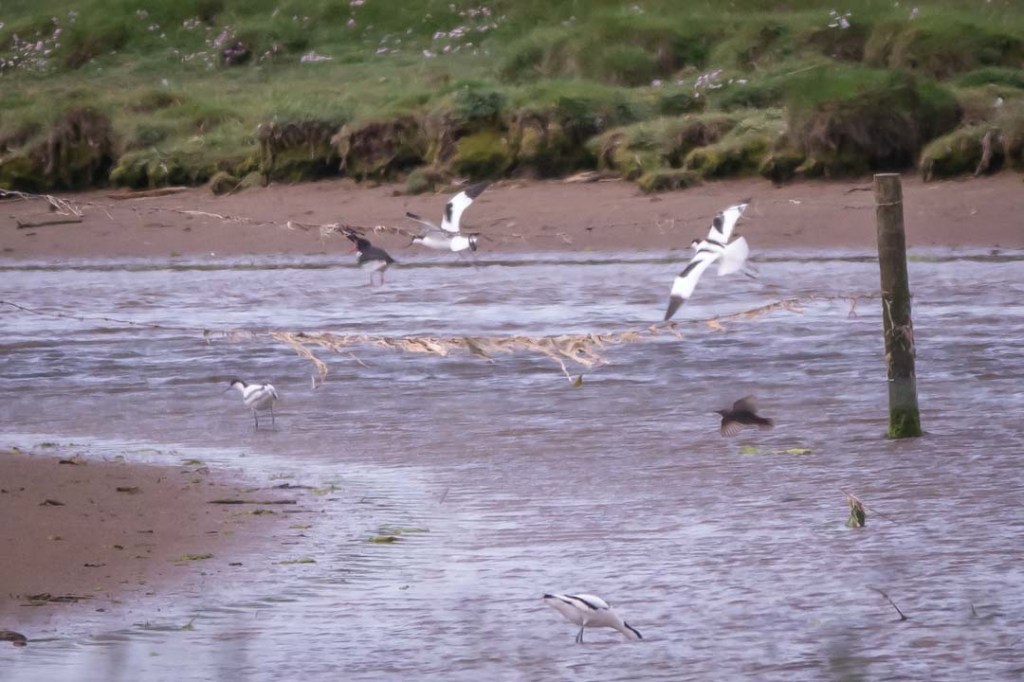
We returned along the beach enjoying the best of the Northumberland coast.


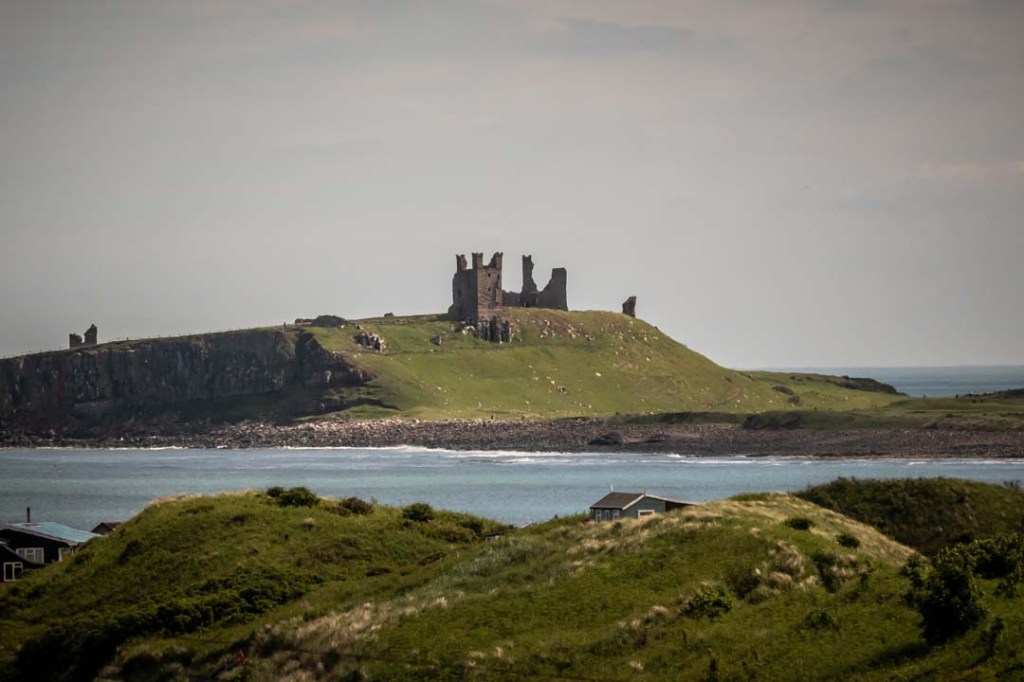

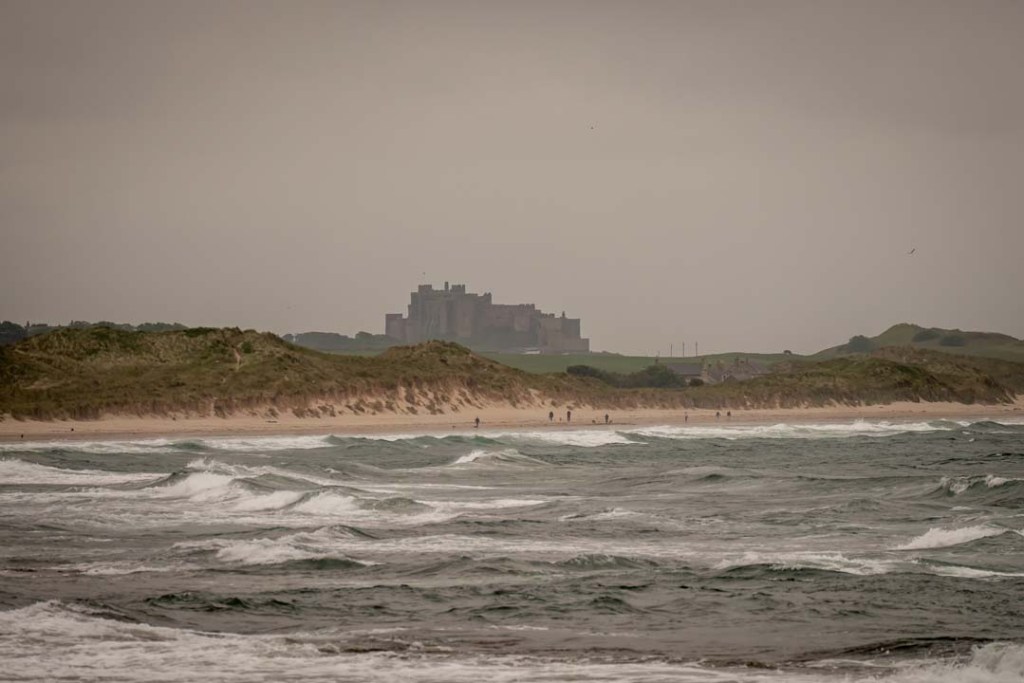
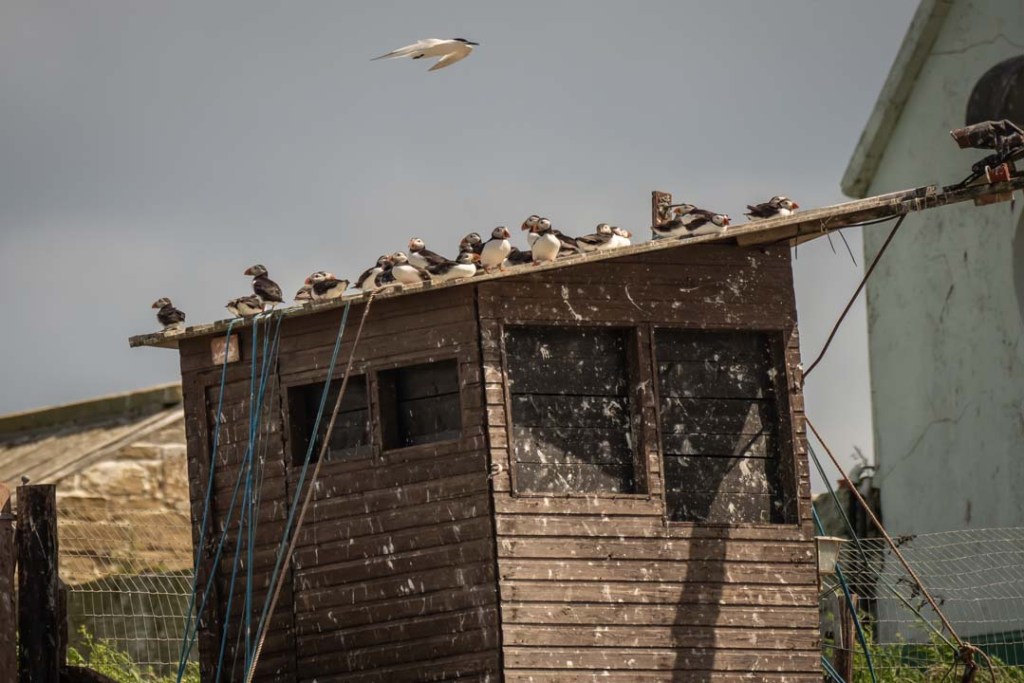
Our trip to the Farne Islands started from Seahouses harbour on the Northumberland coast. We were a little apprehensive as it was a gloomy morning and the sea swell was quite significant. However, the trip was quite amazing. We had fabulous views of seabirds and seals around the islands and, despite the boat’s skipper warning us that a landing might not be possible, we did manage to land on Staple Island for an hour long stay. The experience of seeing the birds, who did not seem at all perturbed by our presence, so close up was stunning.
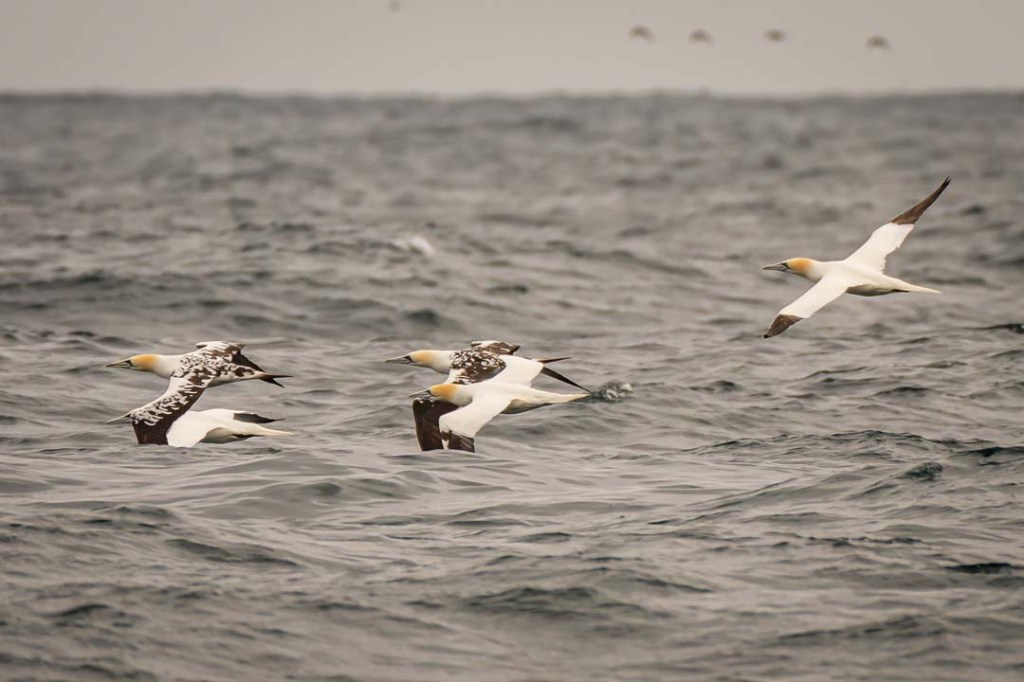

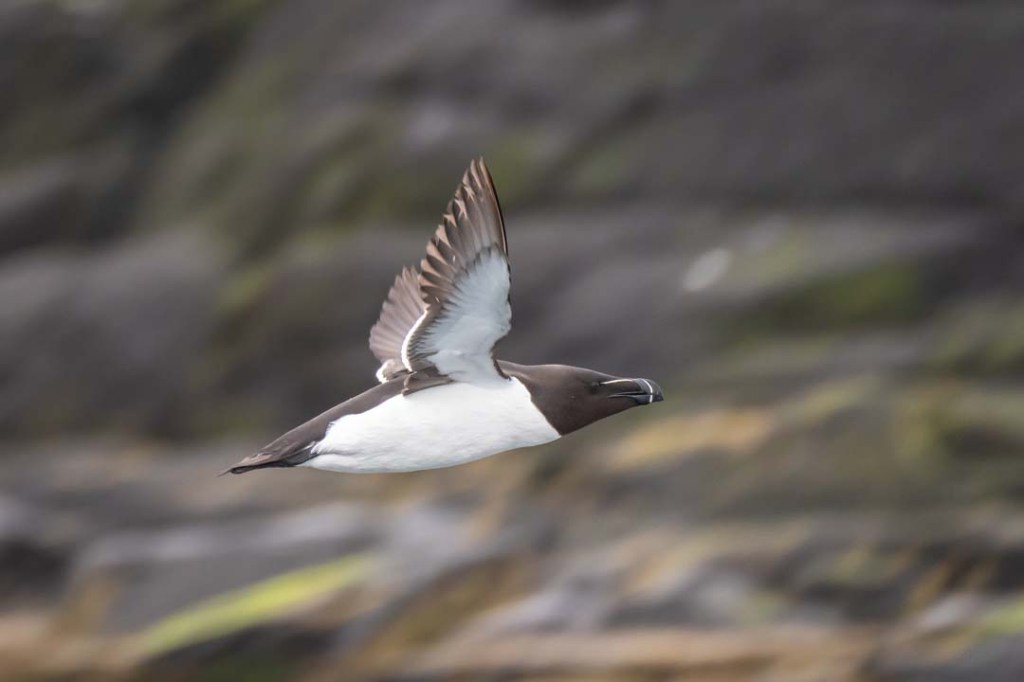
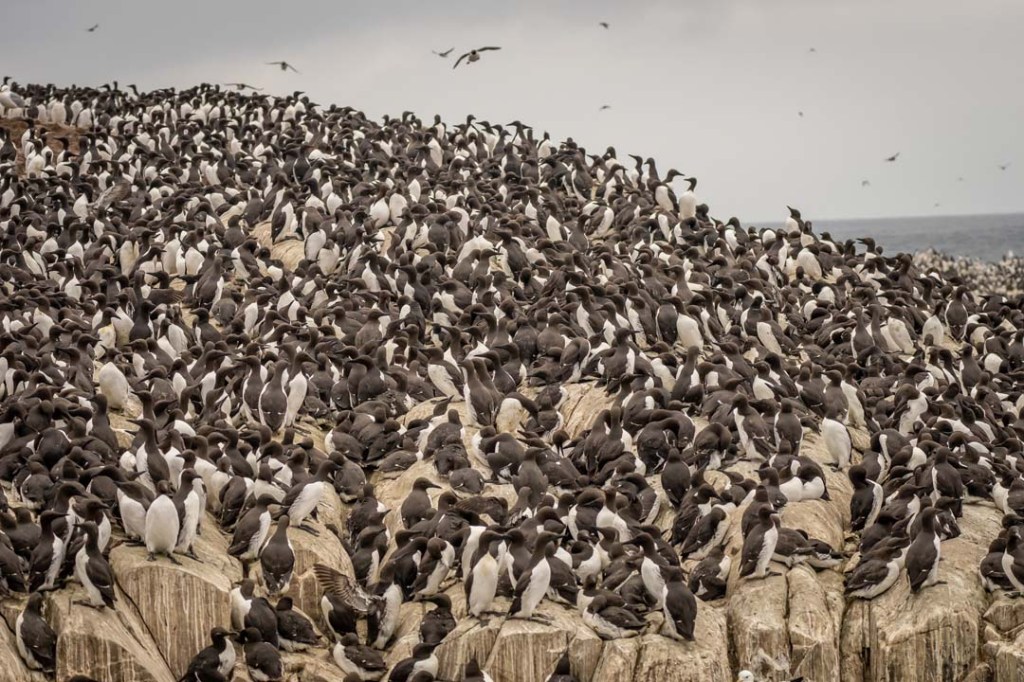
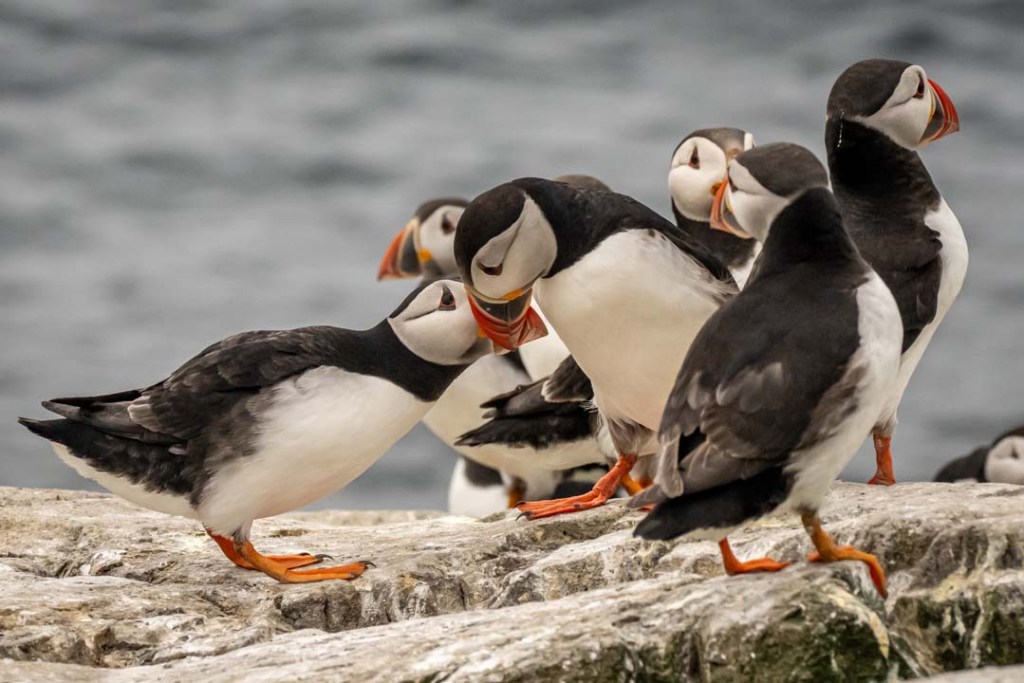
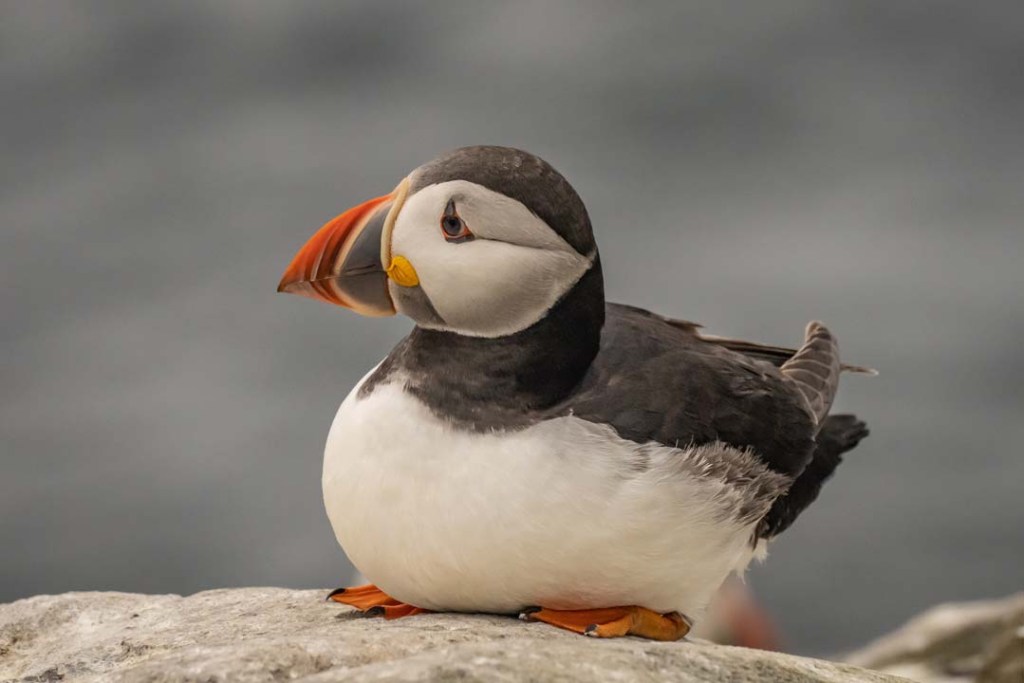

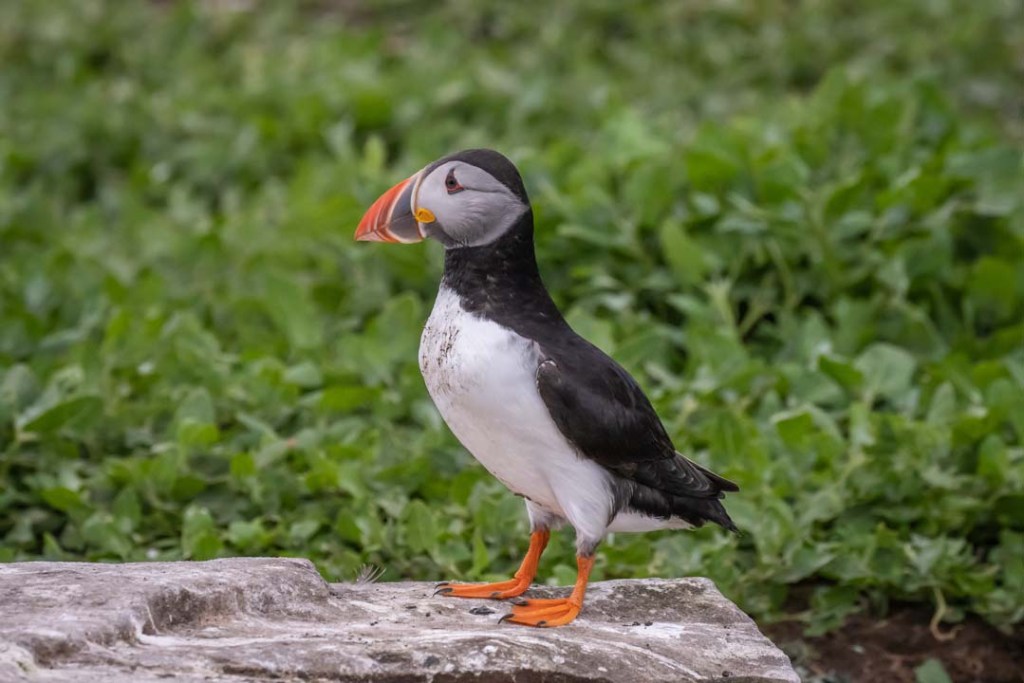

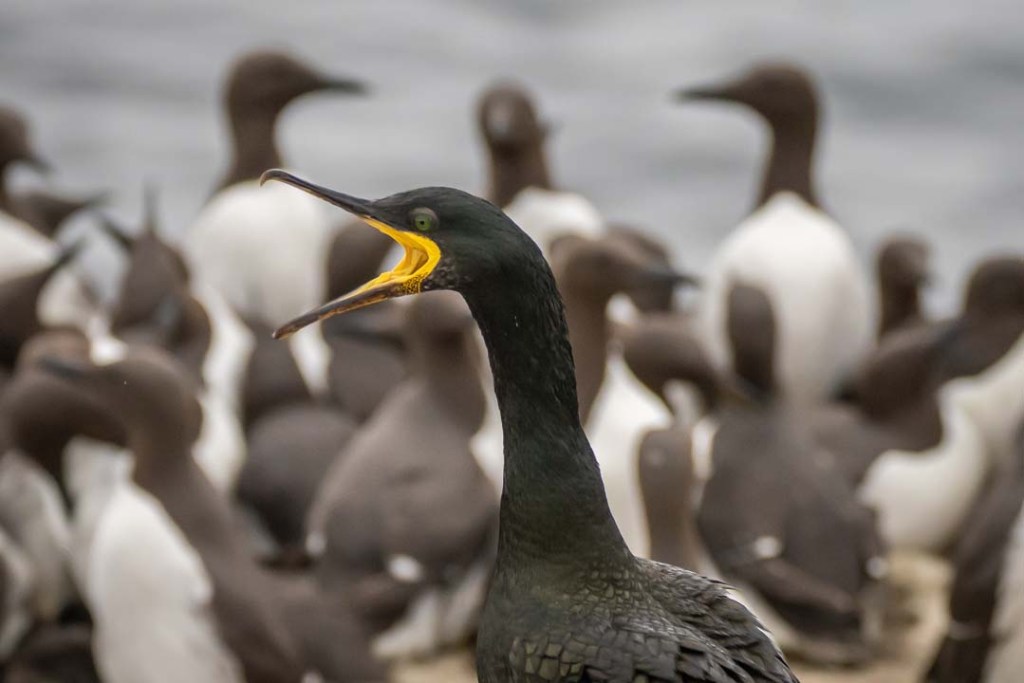
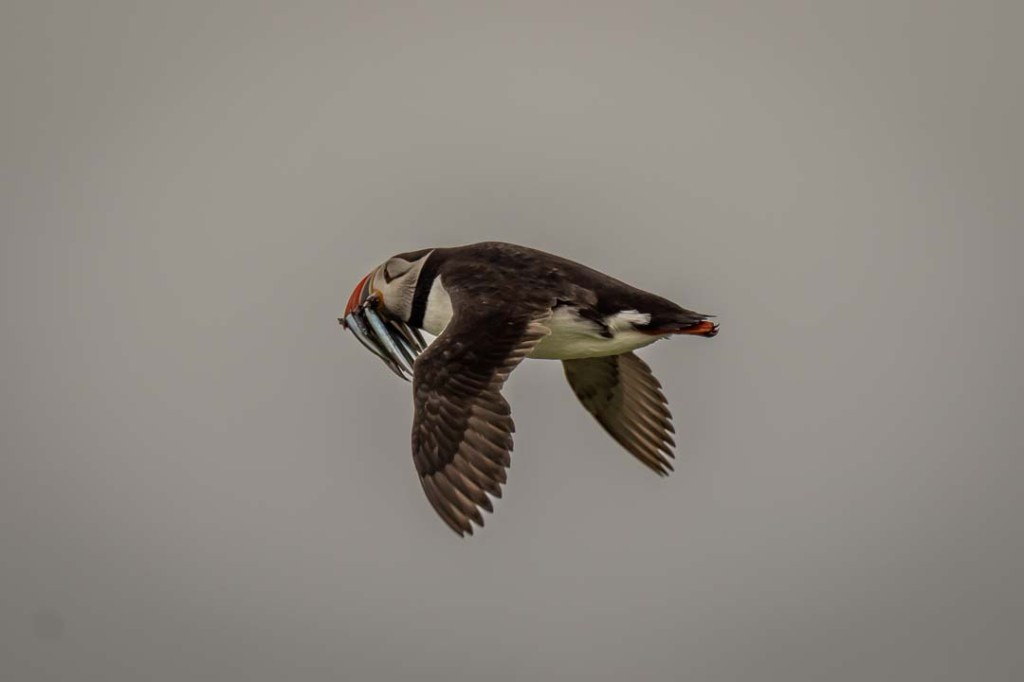
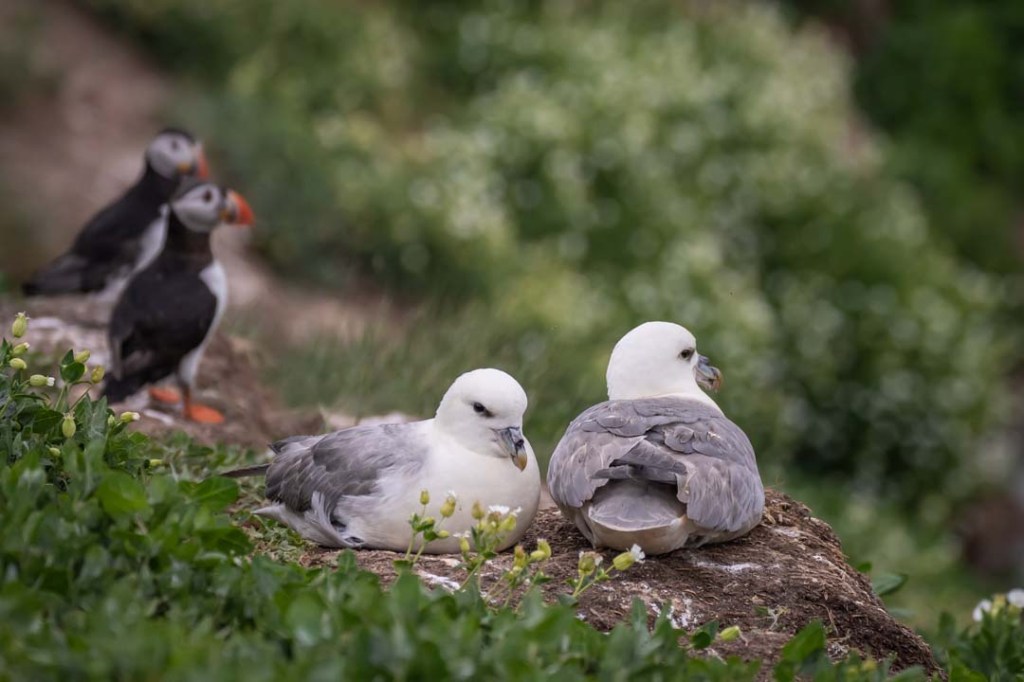
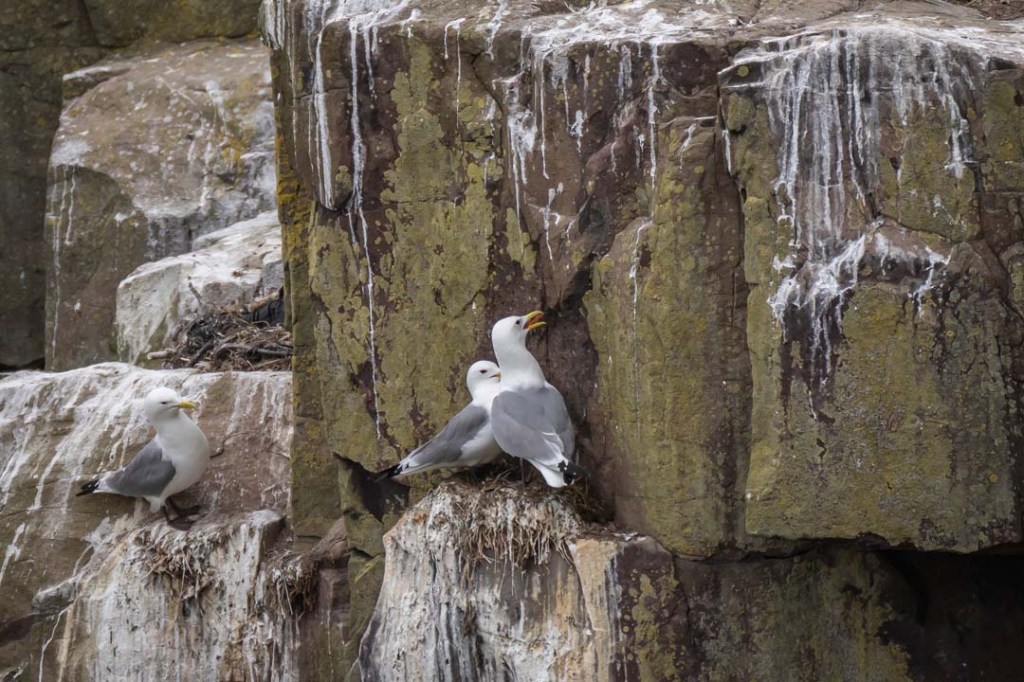
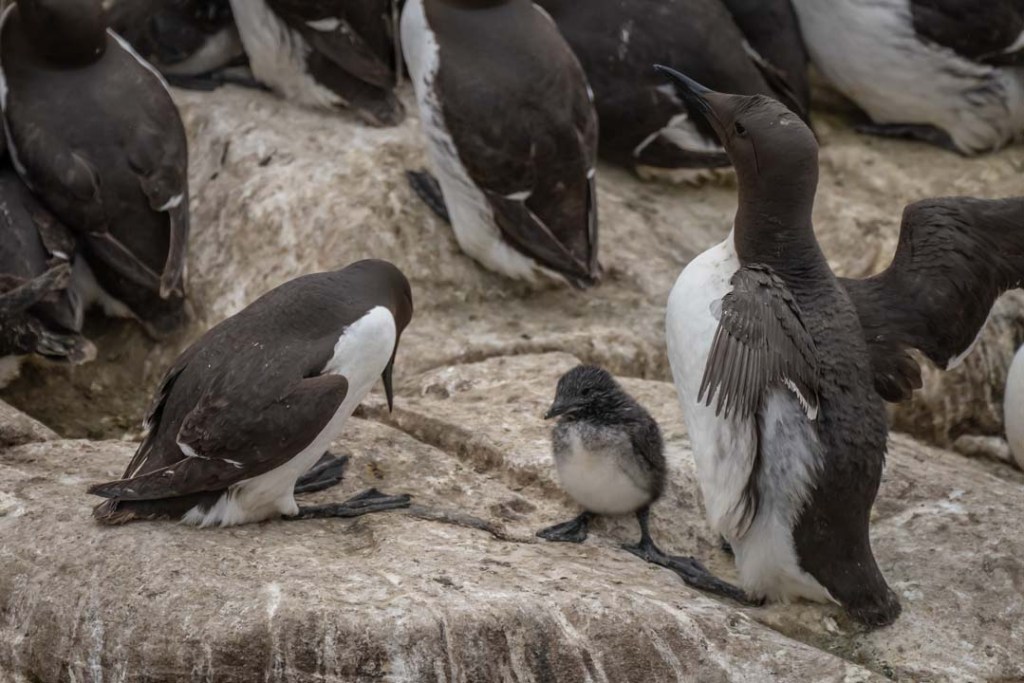

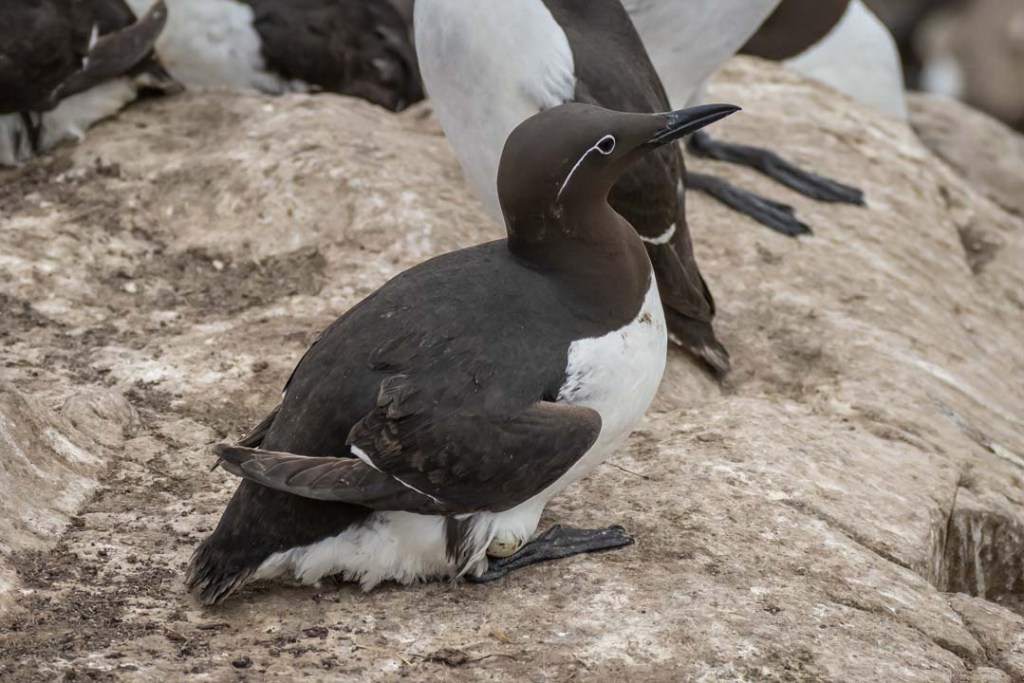
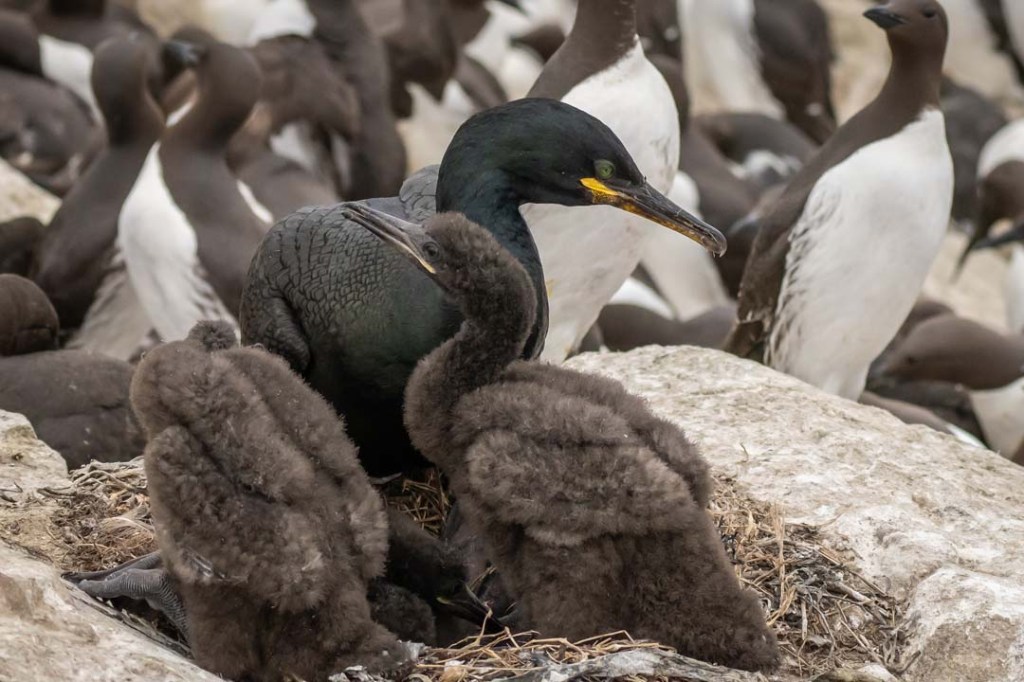
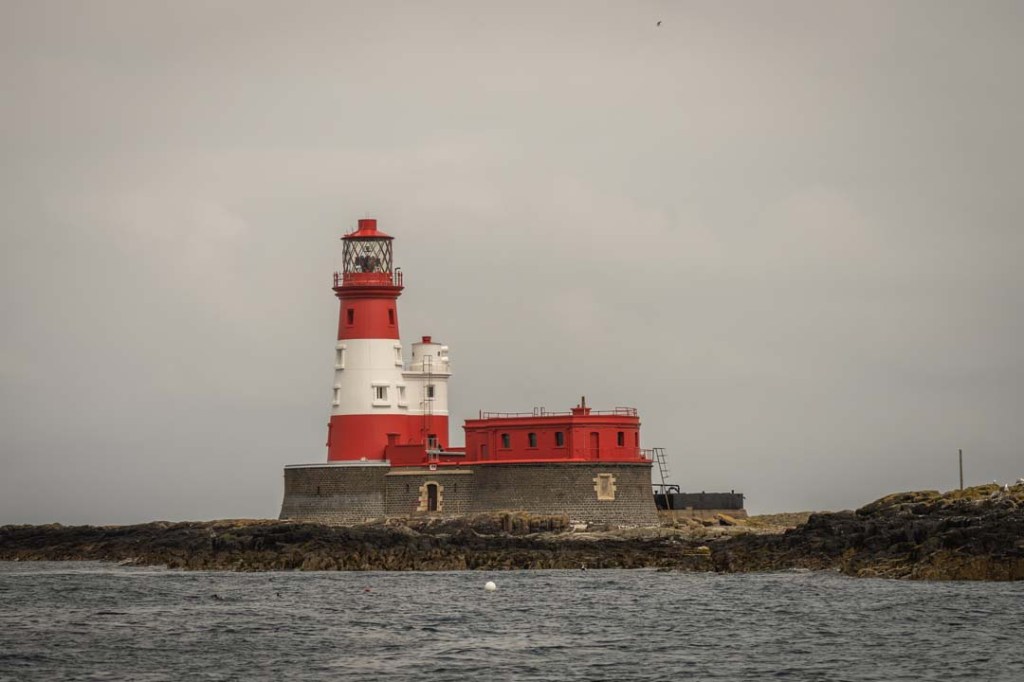
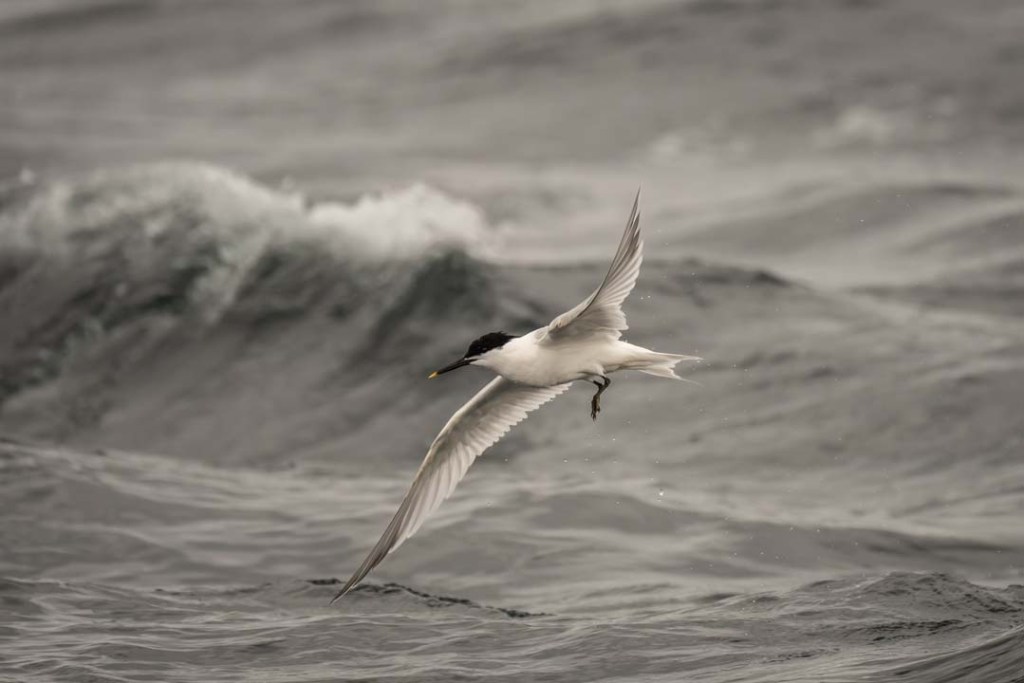
The experience, as fabulous as it was, was very different from our previous views of puffins which were on Skomer Island off the Pembrokeshire Coast of Wales. Here on the Farne Islands we were closer up to many more seabirds, but on Skomer we were able to explore the island more and enjoy the spectacular views. (See – A taste of Skomer)
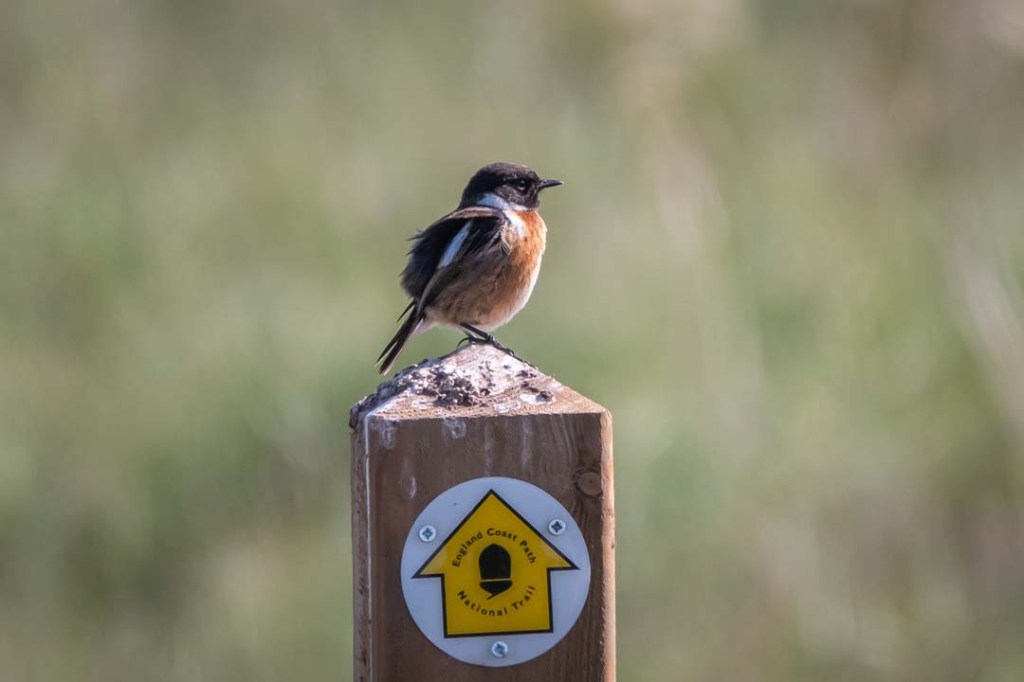
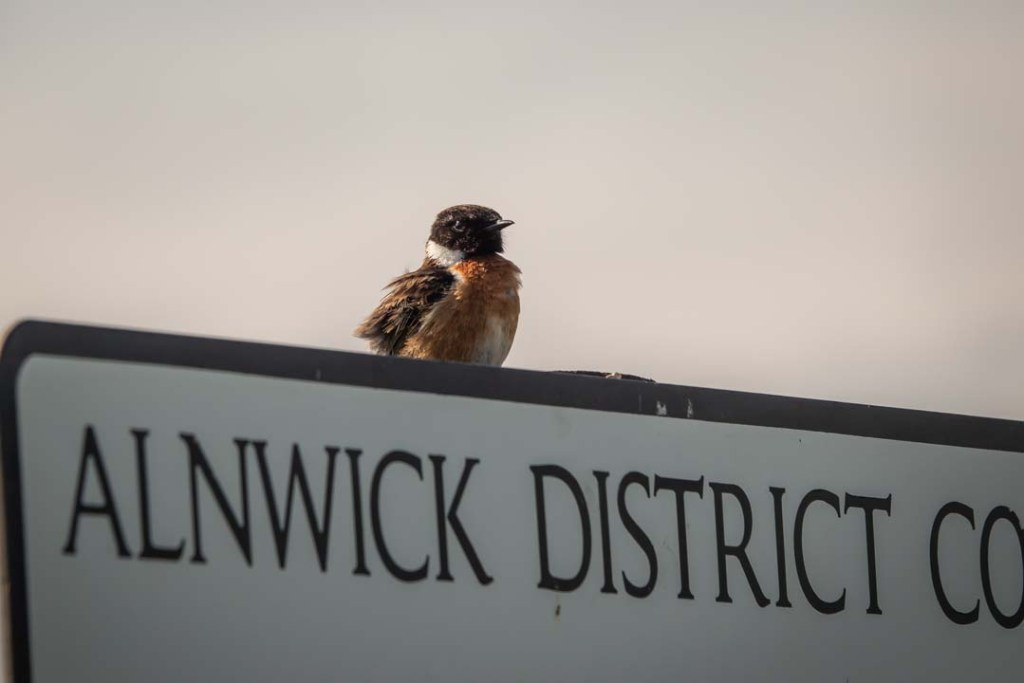
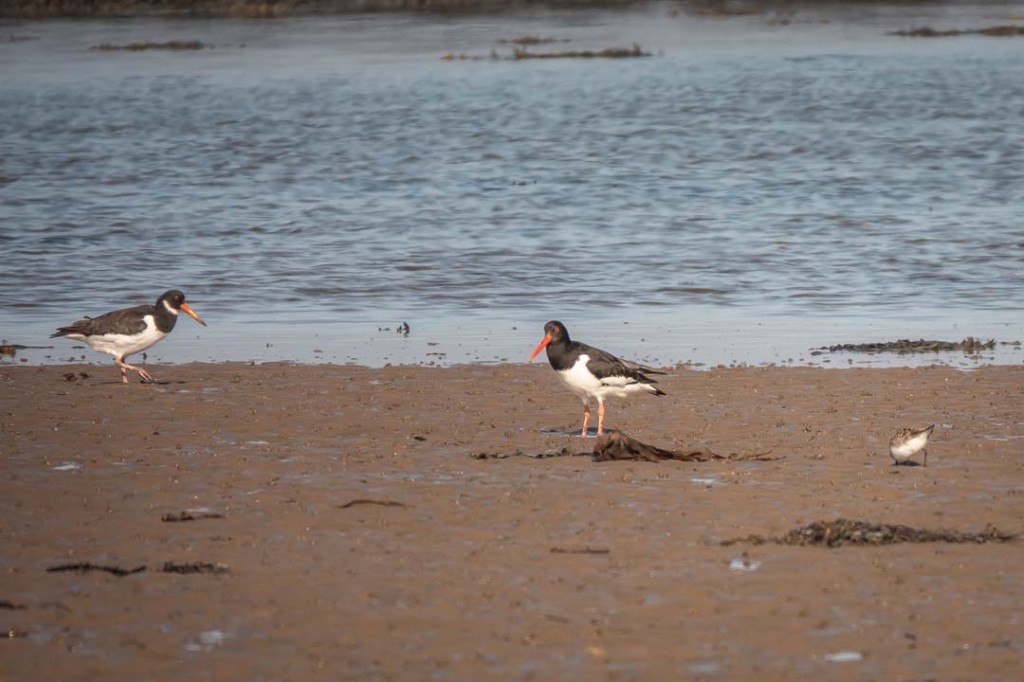
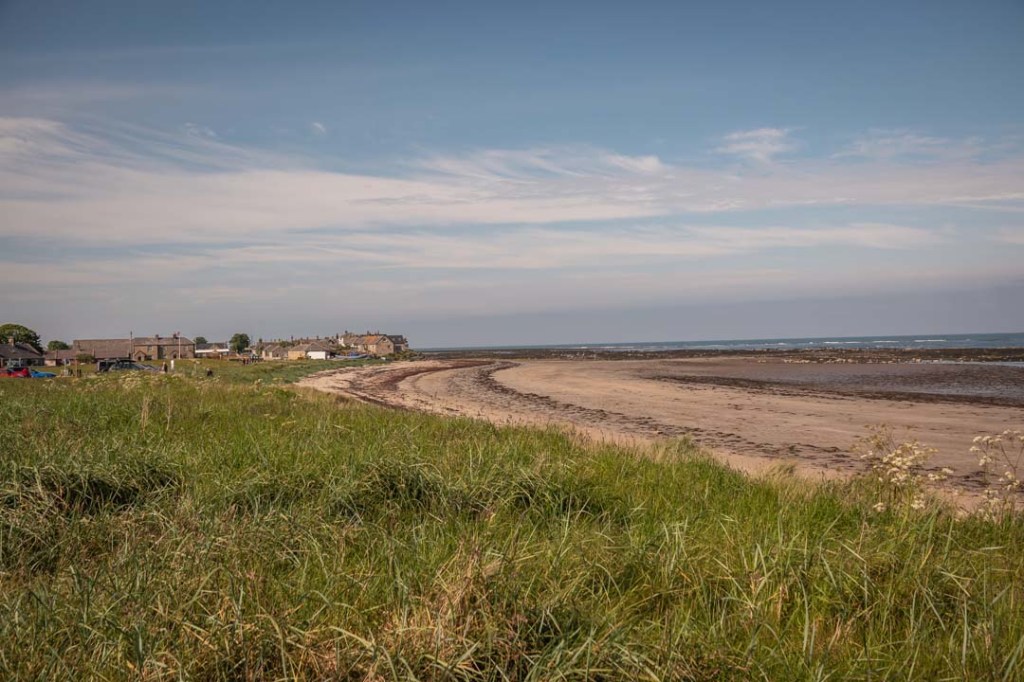
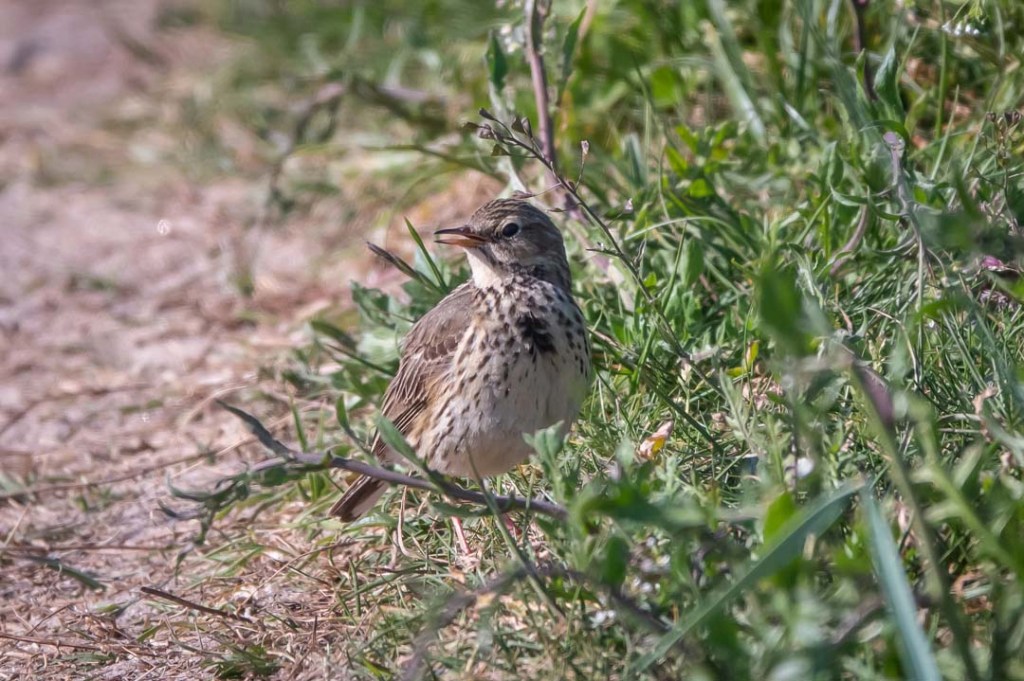
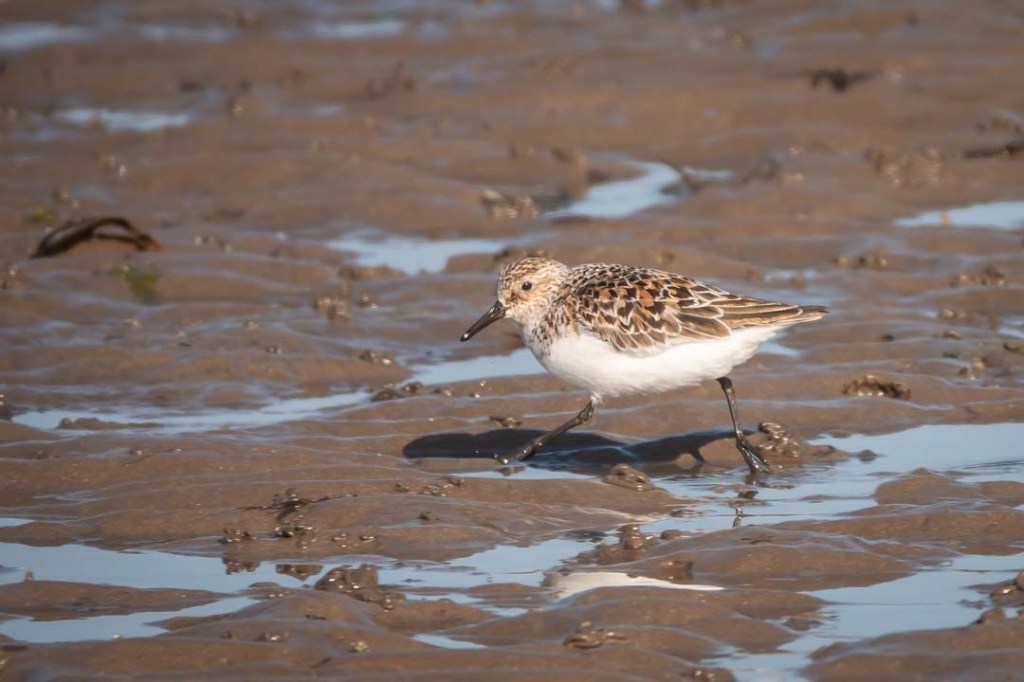
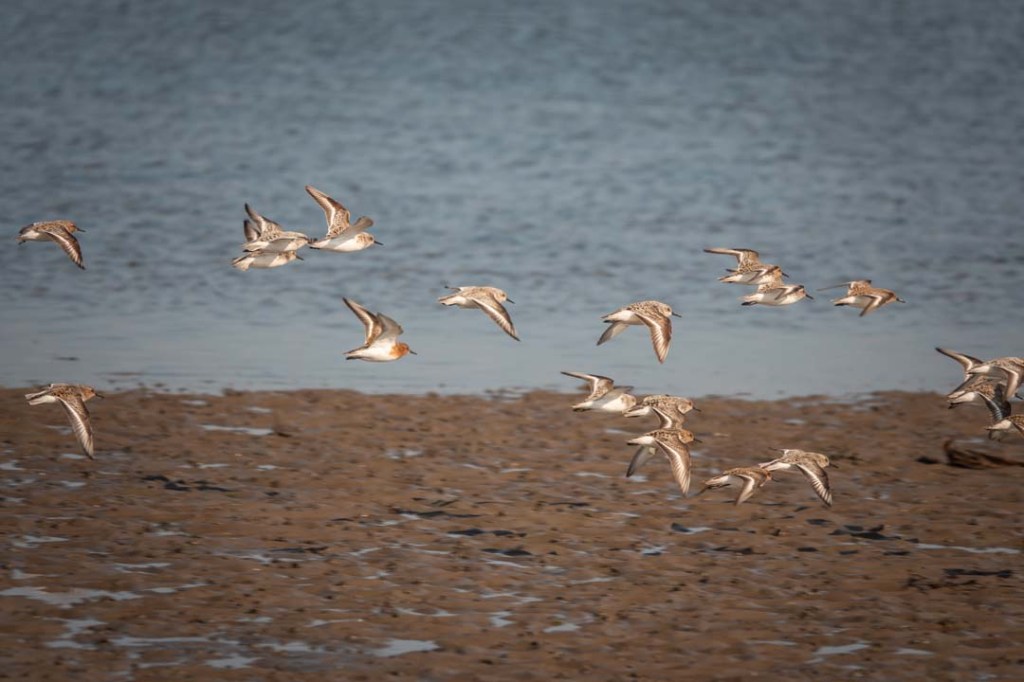
In the afternoon the sun came out and we had a very pleasant early evening stroll along the coast at Boulmer where we saw stonechats, meadow pipits, oystercatchers and sanderling.
Farne Islands breeding bird report for 2021





















































































































 Martin's Bird Blog & Nature Photos