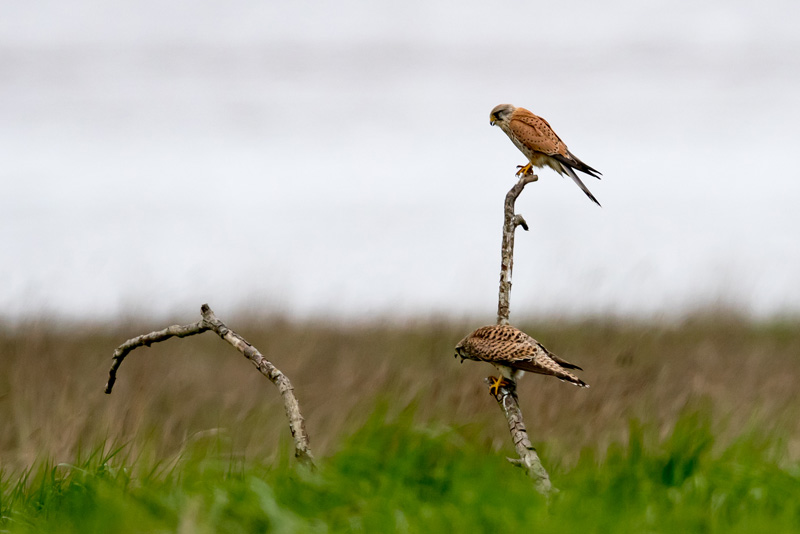
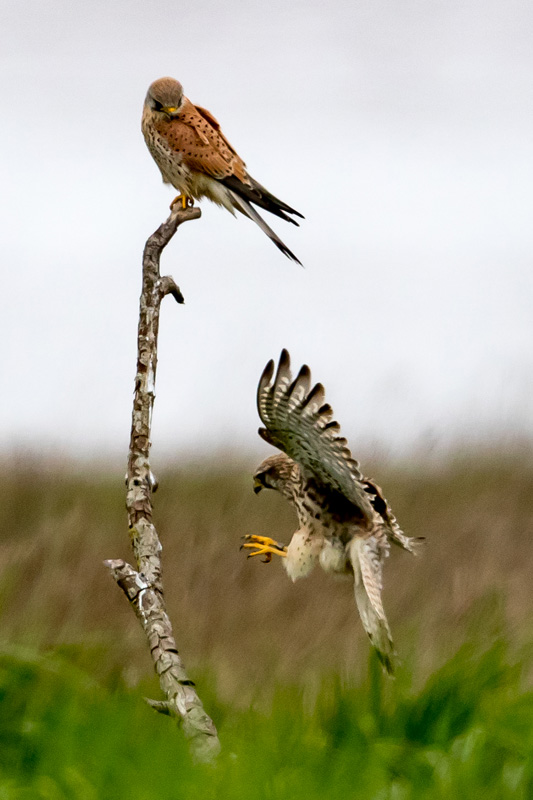
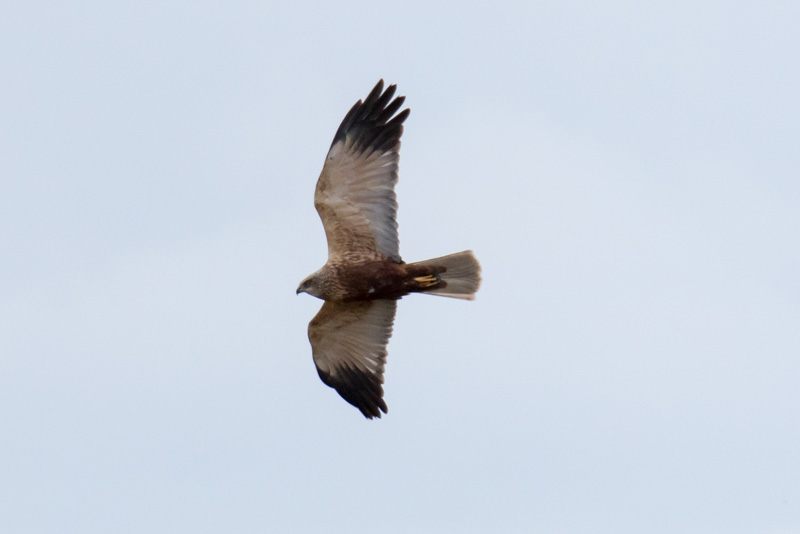
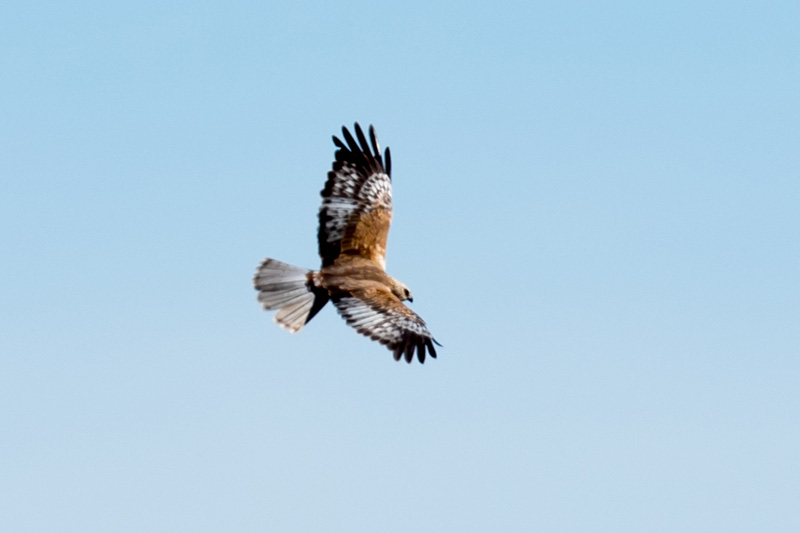
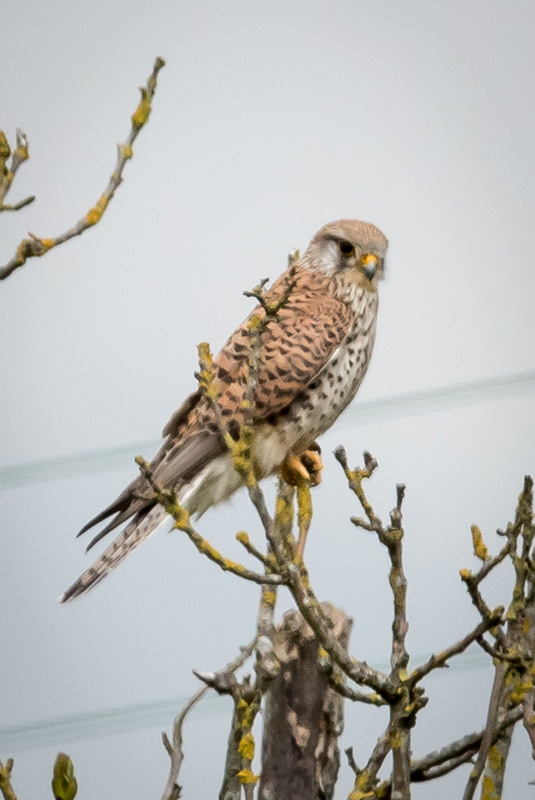
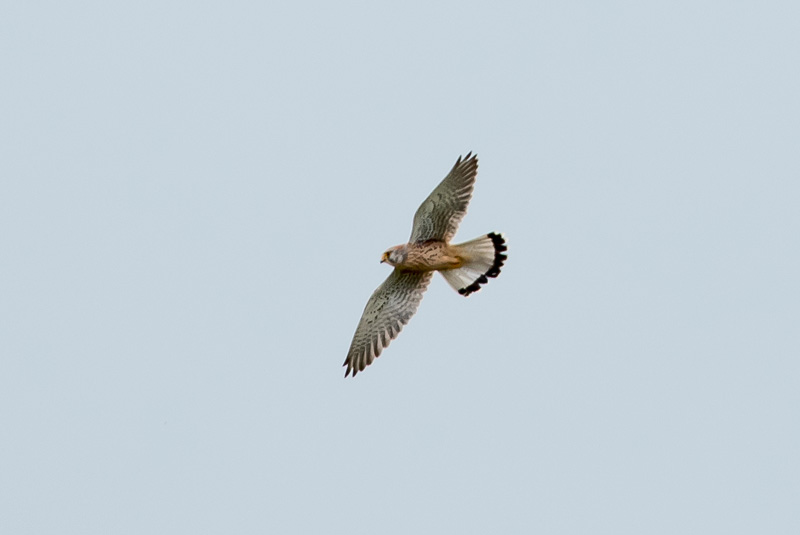
Reports of a Short-eared Owl took me to Aust on the Severn Estuary. No luck with the SEO but sight of a female Marsh Harrier as I arrived and then close-ups of a pair of Kestrels. A Reed Bunting then took the same perch once the Kestrels vacated it.
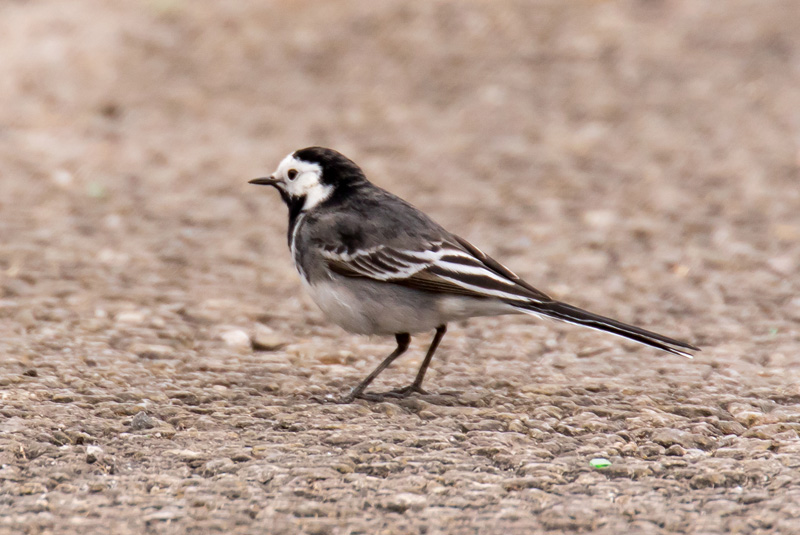
I then went back to New Passage. 8 Shelduck on the estuary and on the Warth, 2 Canada Geese and a Pied or possibly White Wagtail. No Little Ringed Plovers on the flash but then I spotted 2 at the back of the wetlands. There were also broods of ducklings and 2 Coots with chicks.
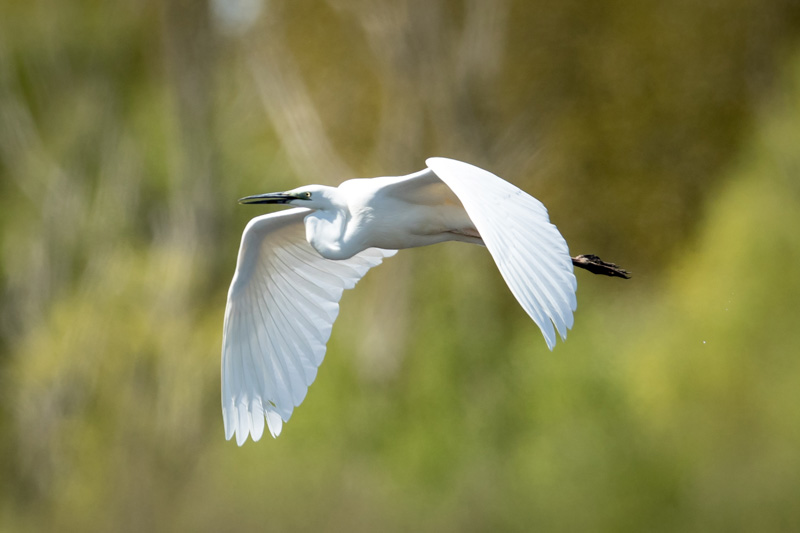
2 Little Egret flew in and 4 Lapwing displayed around them.
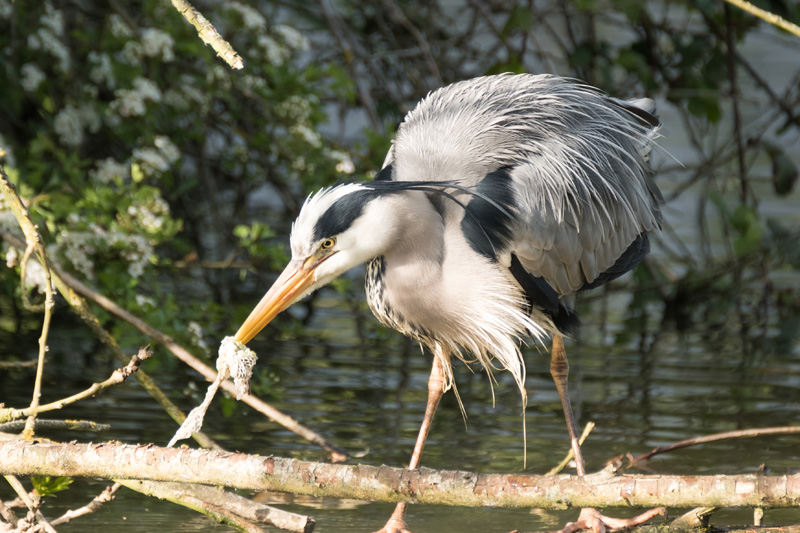
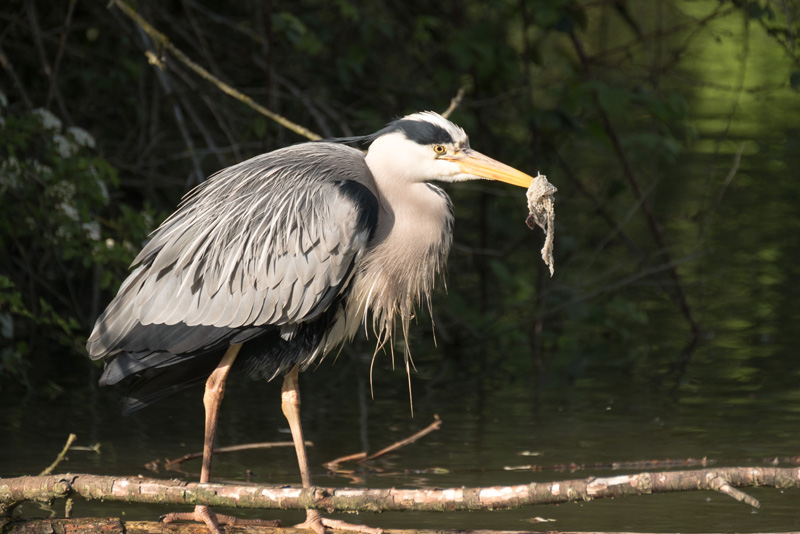
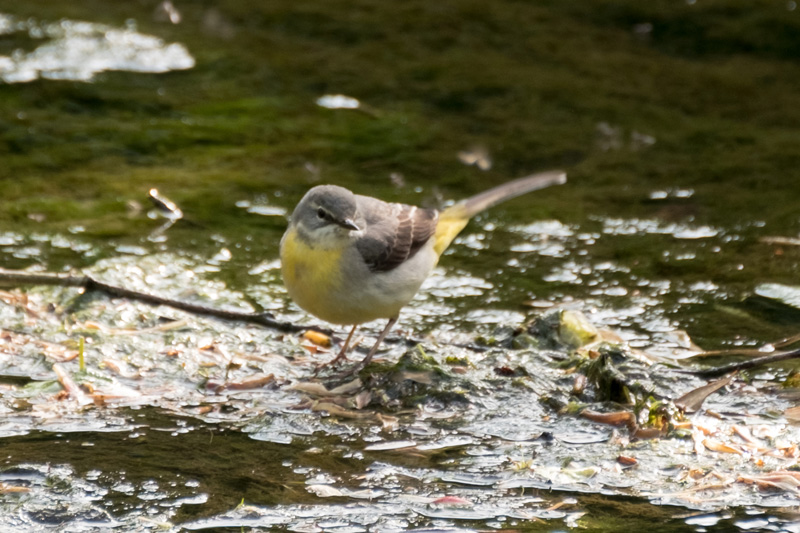
On returning home I then had a quick walk around Eastville Park. It’s so sad to see the resident Grey Heron struggling with some sort of netting around its bill. Hopefully help will come tomorrow. Good to see a Grey Wagtail too but no sign of Kingfishers for ages.
Another marvellous day out on the Somerset Levels: this time with Allan Chard, another birder from my local patch in Bristol. He took me for my first visit to RSPB Greylake, where I was hoping to see Sedge or Reed Warblers.
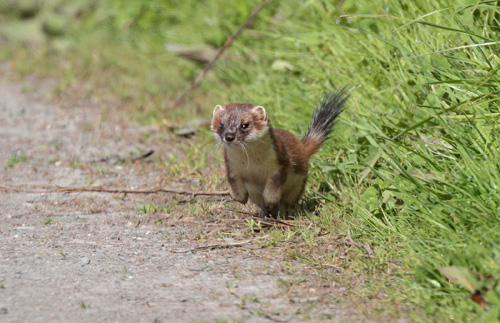
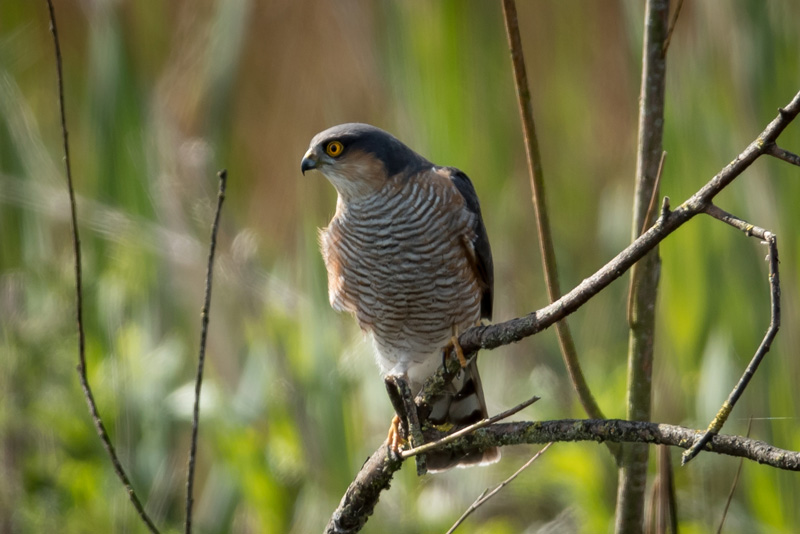
There were glimpses of Lapwig, Little Egret and Sand Martin before all the excitement started. I’m afraid my hearing let me down as Allan announced something of interest and starting shooting away and, whilst I was looking for Warblers at the top of the reeds, he was taking great shots of a stoat on the path in front of us. Before I had worked out what was going on the stoat was almost standing on our toes and my feeble efforts to get a shot were all out of focus. But I was not disappointed as within seconds, on seeing two other photographers snapping away, we soon realised that there was a Sparrowhawk on the far side of a pool and I got some good shots (which were a first for me).
This is the sort of photo you get if you have your wits about you – courtesy of Allan Chard
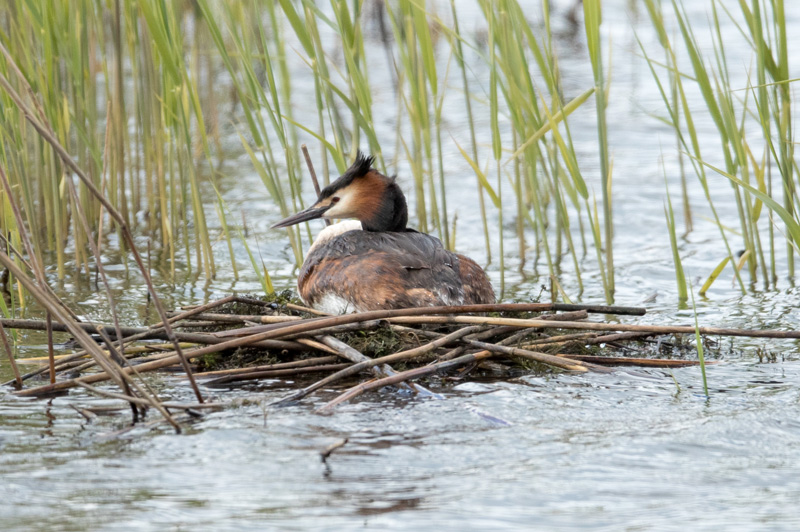
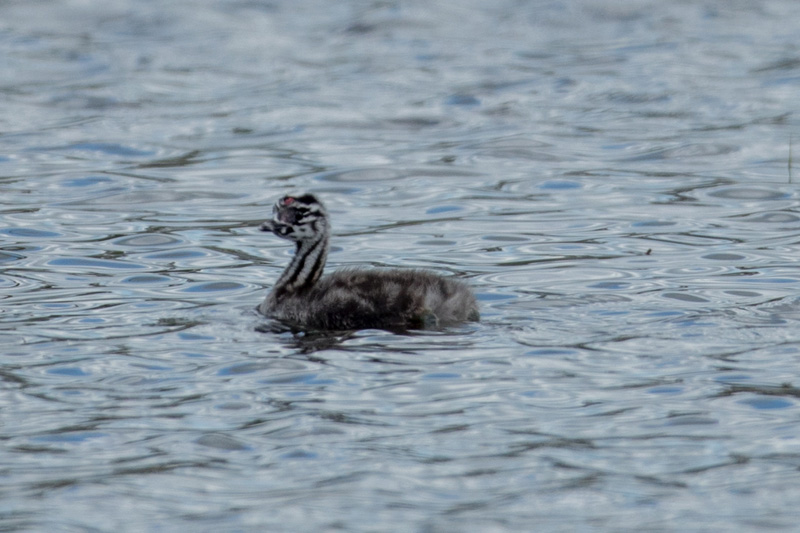
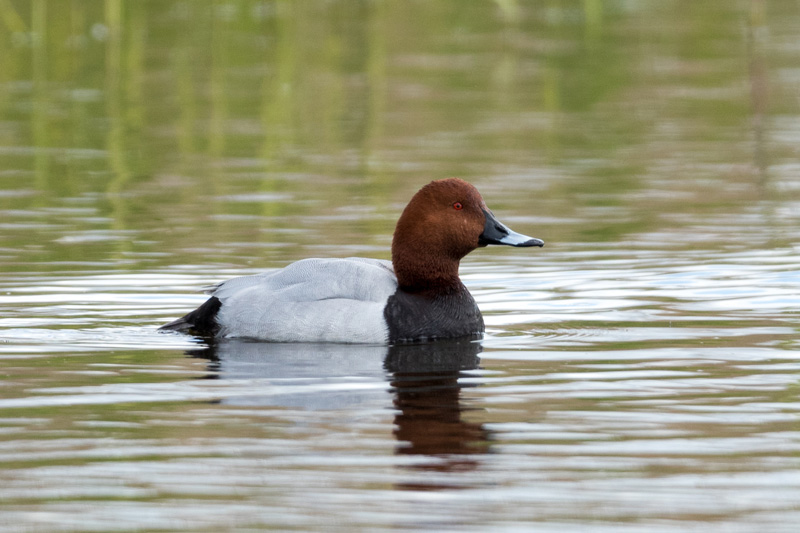
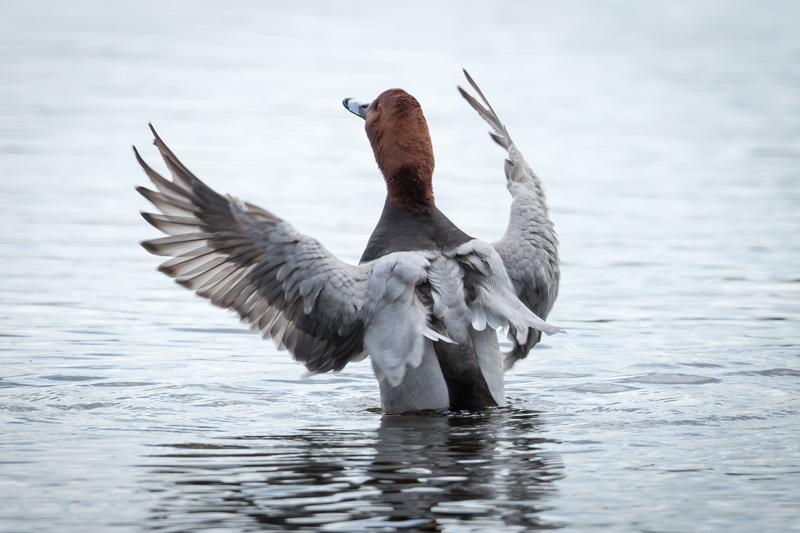
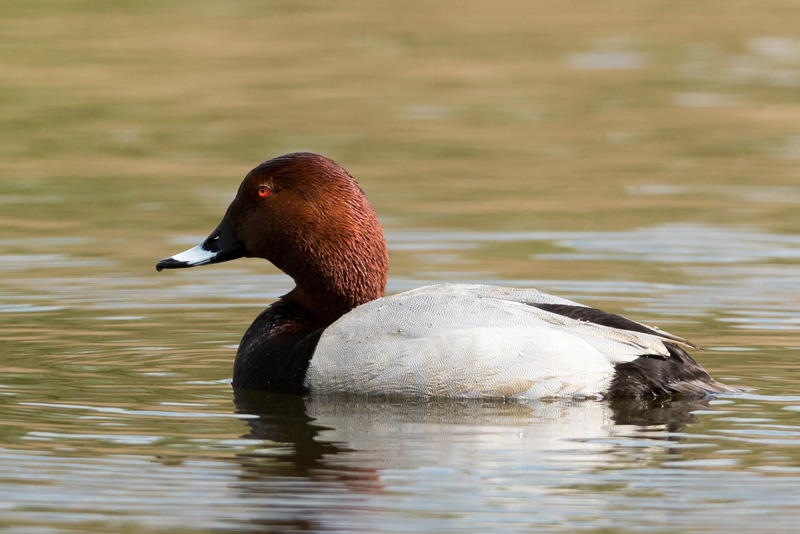
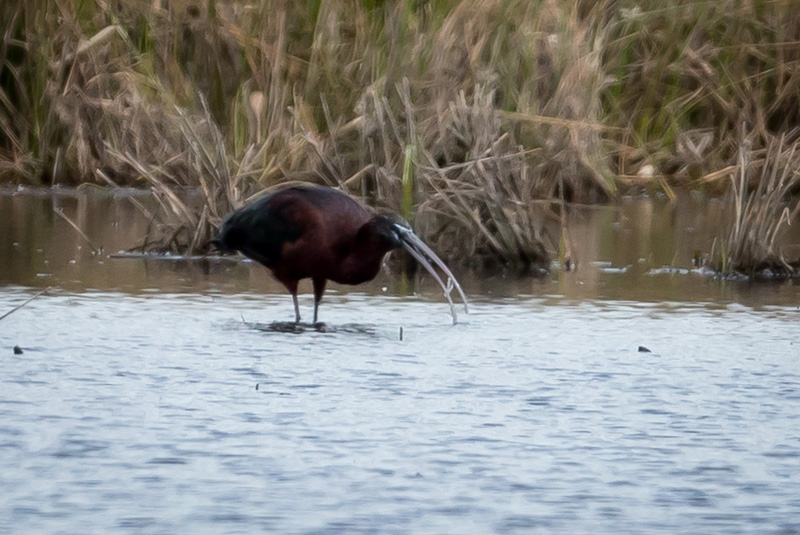
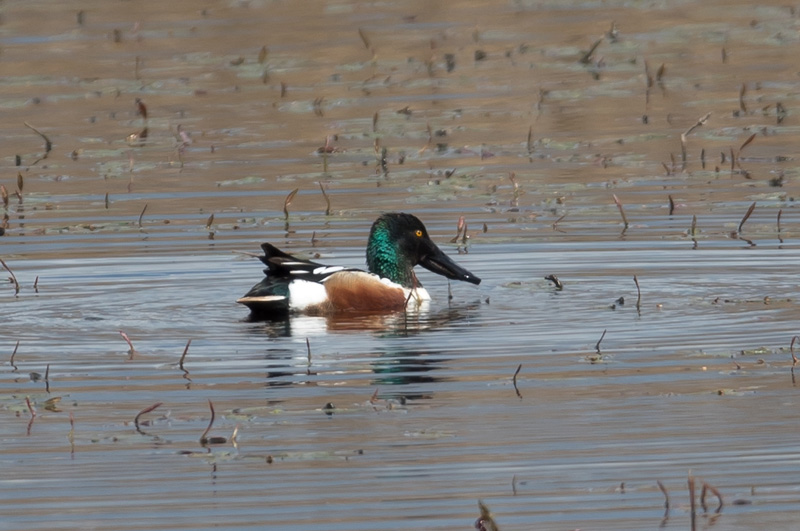
After Greylake we went on to RSPB Ham Wall. The highlights here were Great White Egrets, a brief glimpse of Marsh Harriers, Glossy Ibis, a Great Crested Grebe chick, Shovelers and Pochard.
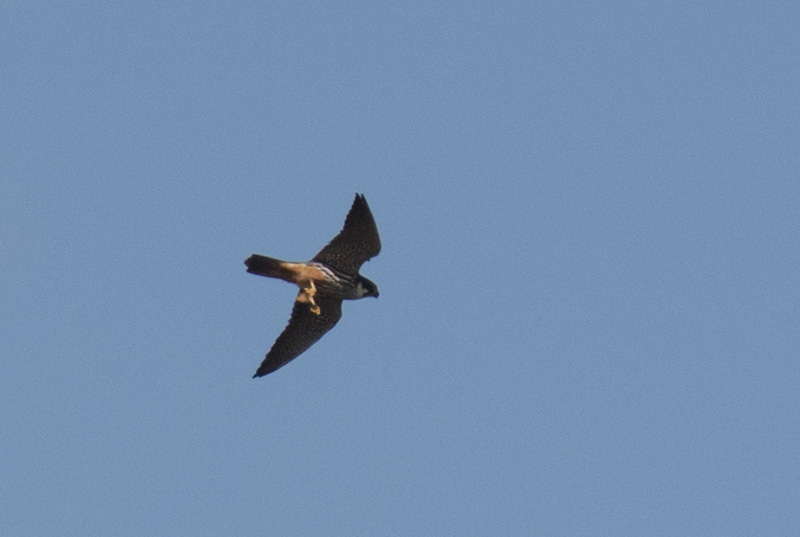
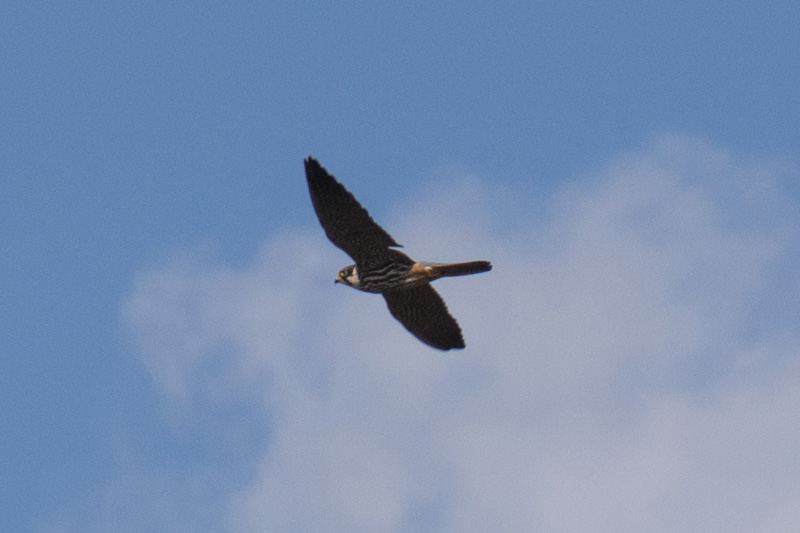
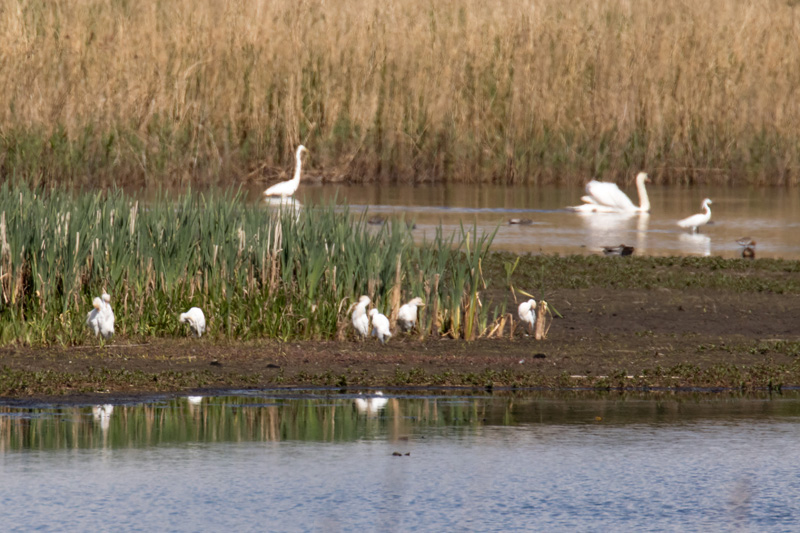
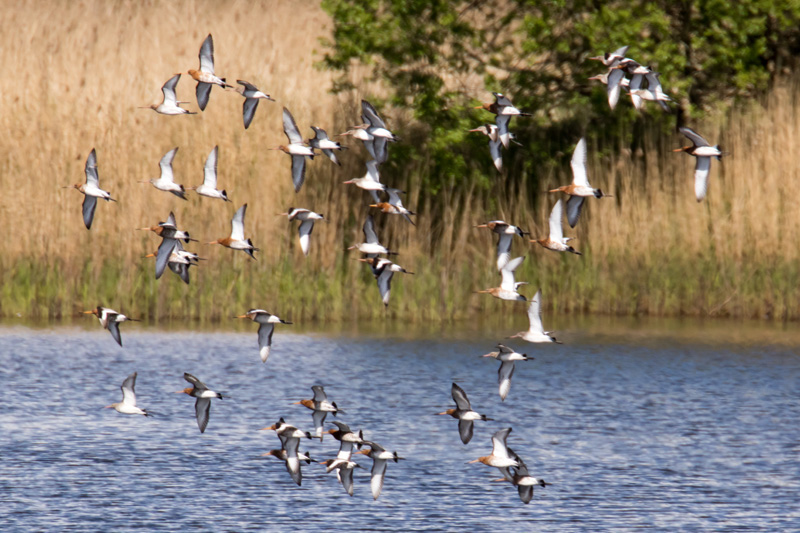
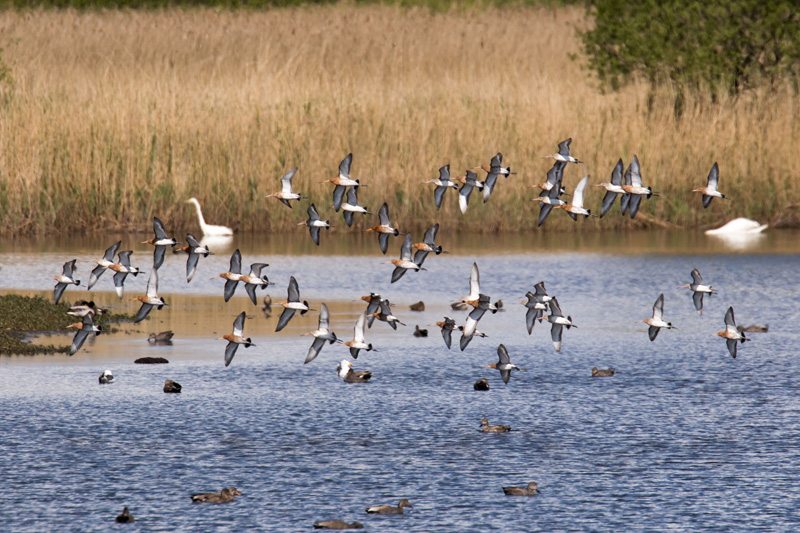
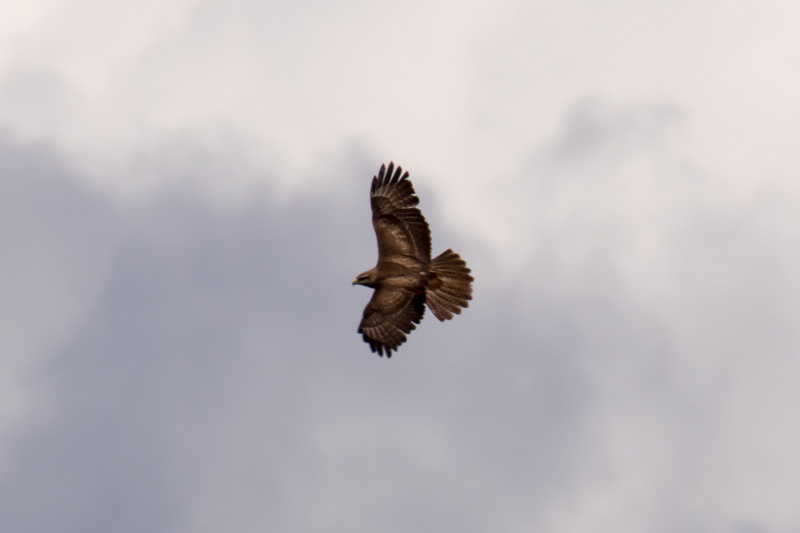
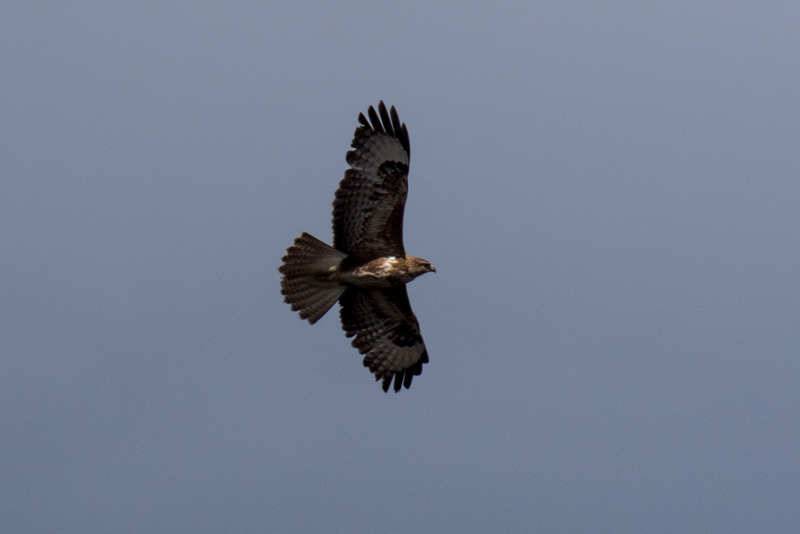
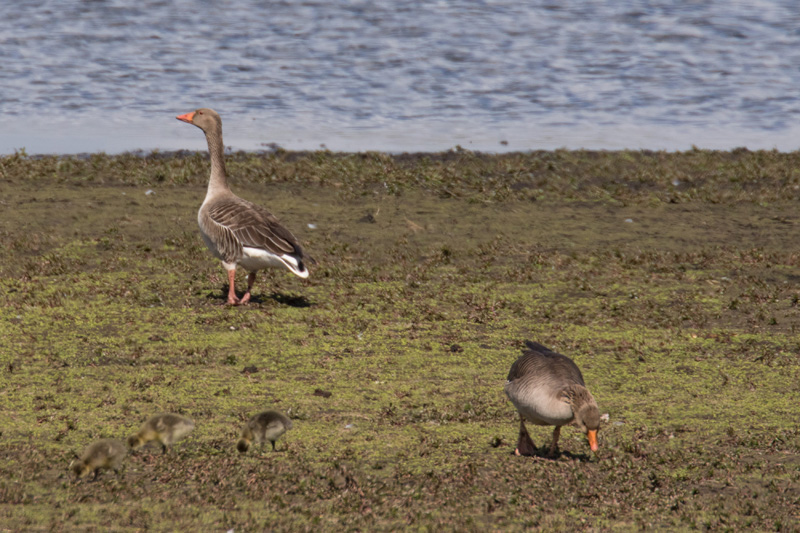
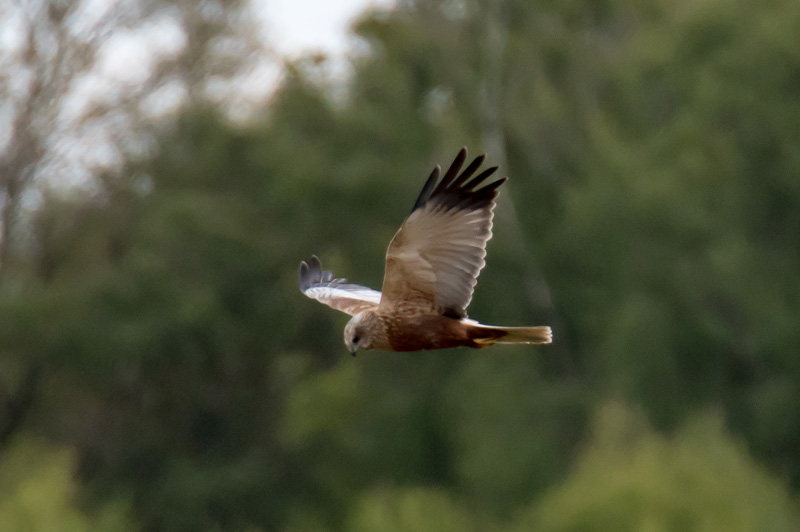
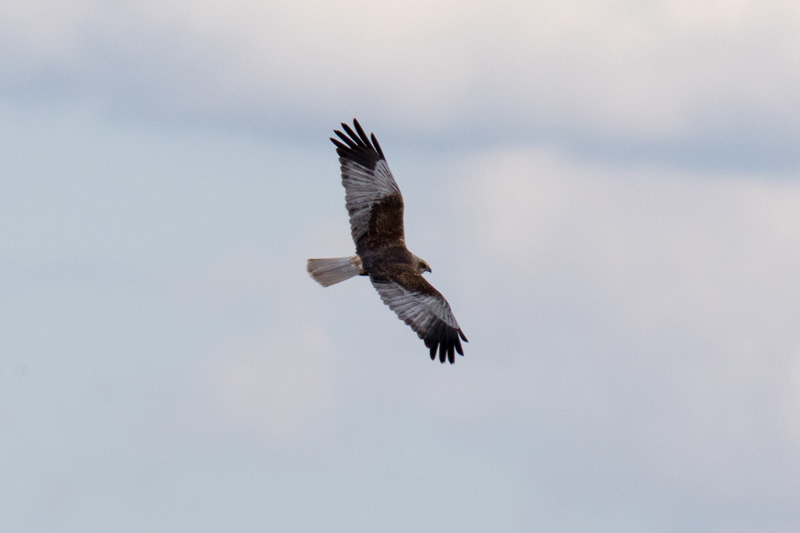
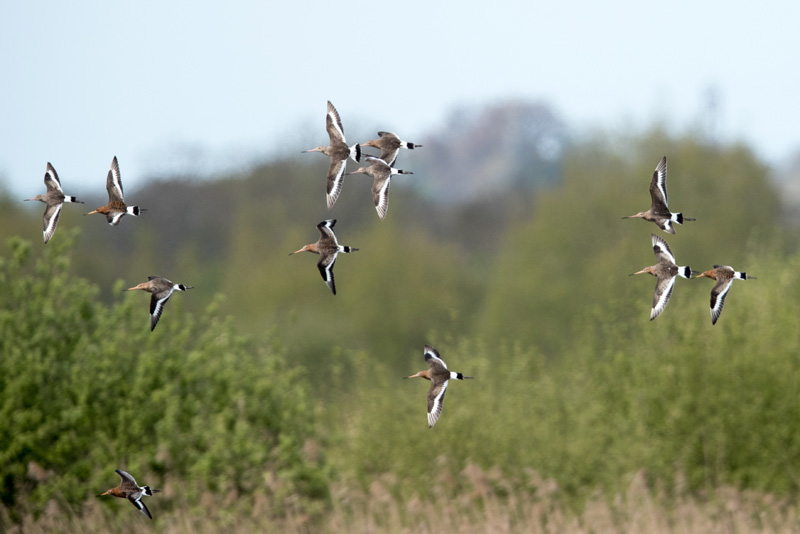
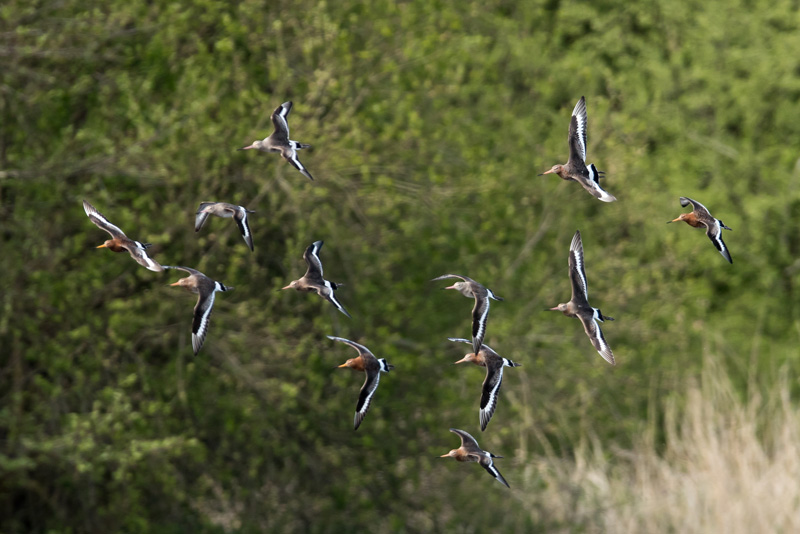
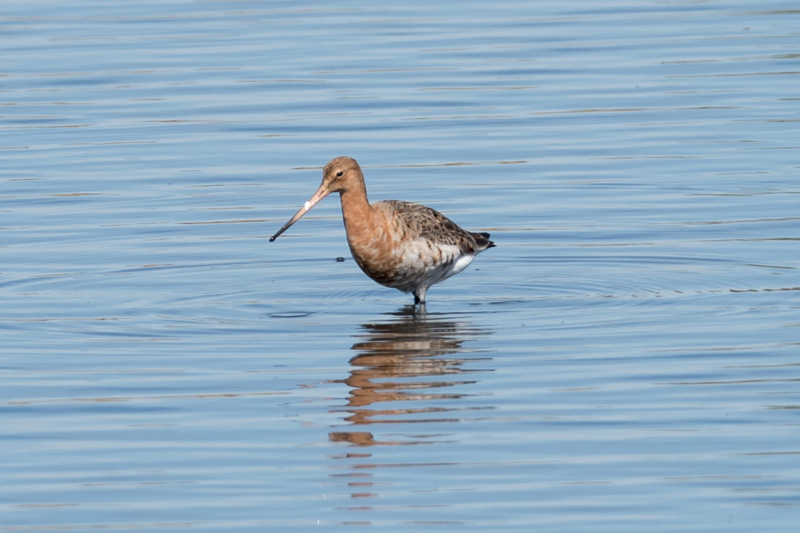
After a quick bite to eat (thanks Allan for sharing your lunch) we crossed the road to Shapwick Heath. Here we had good views of Hobbies, Cattle Egret (11 in all), Little Egret, Great White Egret, Black-tailed Godwits, Greylag Geese and goslings, House Martins, a Buzzard and amazingly close views of a Marsh Harrier. Plenty of butterflies around too.
It was quite cold but bright throughout the day and, although I have probably forgotten many of the species we saw, we had a fantastic day’s birding. And as well as Bitterns booming we heard our first Cuckoos,
I suppose it was clutching at straws trying to photograph birds in such dismal light but hey ho!
Not only was it very gloomy on the Severn Estuary but it was very cold too, especially after the lovely warm weather we have had recently.
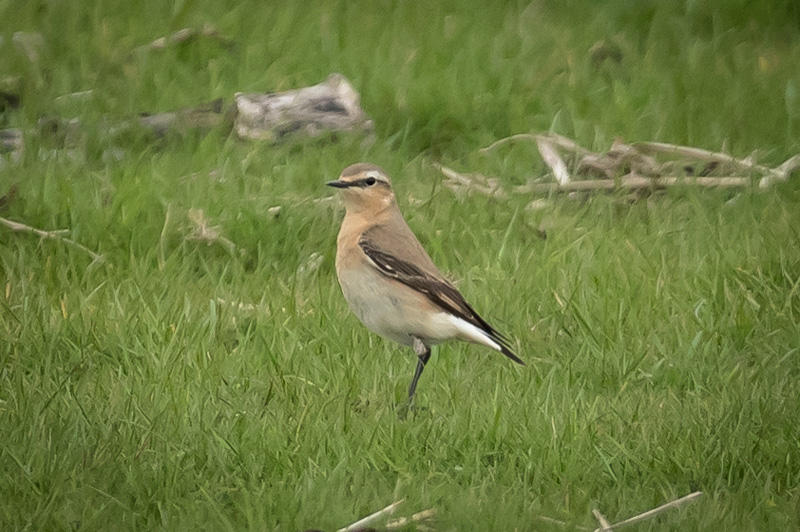
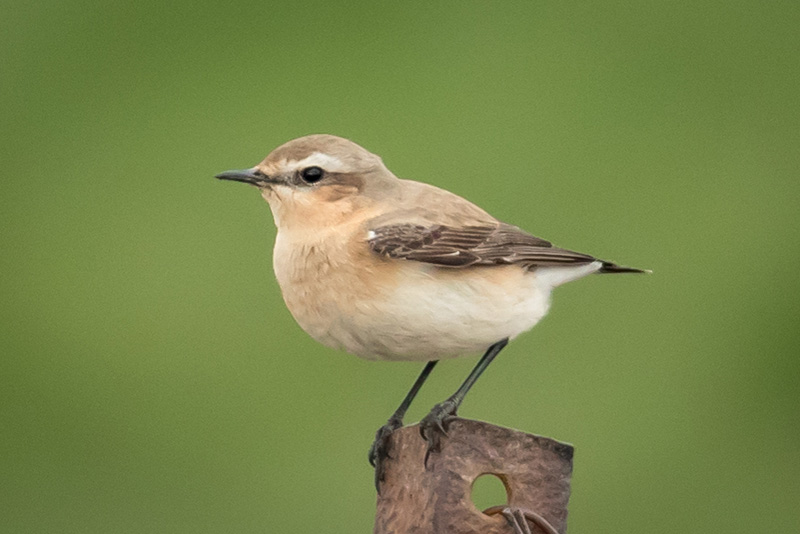
A couple of local birders suggested I might need a very large flash but were nonetheless helpful in pinpointing some Little Ringed Plovers and Wheatears. In the end I only managed to locate one of each species. The LRP was a first for me.
I love seeing the Northern Wheatears: Brett Westwood and Stephen Moss in their very enjoyable book “Wonderland” describe them as “… crispness personified, natty dressers without a feather out of place. Soft grey, buff and peach tints contrast with dark wings and glaring white rumps, from which they get their English name: wheatear is a garbled version of a much older name meaning ‘white arse’”.
Migration is an amazing phenomenon but even more so when you consider (again taken from “Wonderland”) “many Wheatears breeding in northern climes leave their wintering grounds south of the Sahara, cross the desert and head through Europe to the British Iles before flying across the North Atlantic via Iceland to Greenland and beyond. On the way back in September, fattened by Arctic insects and with a following wind, they can migrate from Greenland across the ocean to south-west Europe in a thirty hour non-stop journey of 2,400 miles.”
I saw a distant Buzzard and a Little Egret made a brief appearance on the flash before deciding too that it was much too cold. The Sand Martins on the wetlands gave a good display but really it was much too dark for me to photograph – but it doesn’t stop you trying.
I also met a couple from Yorkshire who were “down” (to use their words) continuing with large sections of the British Coastal Path; this morning they had come from Portishead and were about to cross the Old Severn Bridge into Wales to catch a bus back to Bristol so that they could join up with some friends tomorrow to walk some of the Mendips. The husband was keen to talk “cameras” and before he had had his say his wife was already 800 yards ahead, clearly having suffered similar jargon-riddled conversations before.
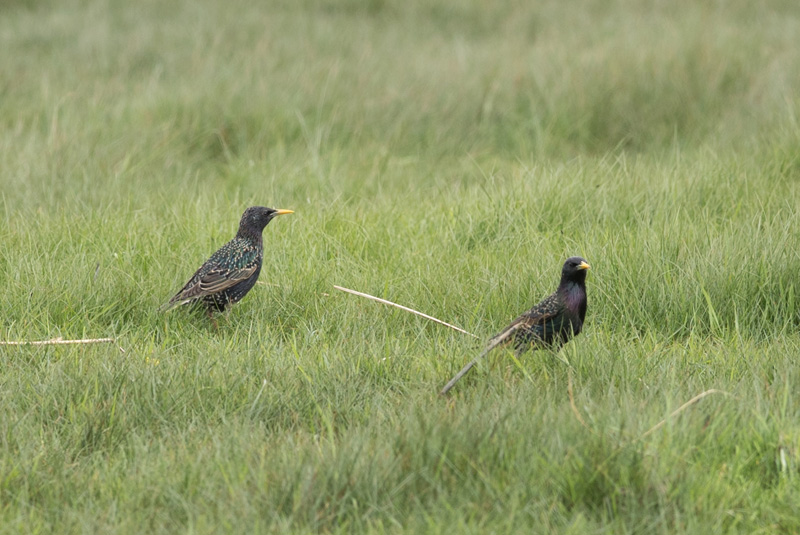
As well as the large number of Sand Martins (50+) there were large flocks of Starlings (50+) and 4 Pied Wagtail and small numbers of House Sparrows in the lanes.
An explosion of blossom and ducklings at Duchess Pond in Stoke Park.
These are the first ducklings I have seen this year. There were 3 Mallards with 11, 10 and 3 ducklings. Does it mean the third one has already lost many of her brood?
Full steam ahead
A proud mum
Dad seems to have done all his work
I believe this is a St Mark’s fly – so named as it comes out about St Mark’s day (the 25th April) – also known as black gnats , hawthorn bugs, love bugs.
Only 1 Moorhen and 1 Coot on the pond … and a flyover Magpie …
All sorts of life feeling the warmth of the sun
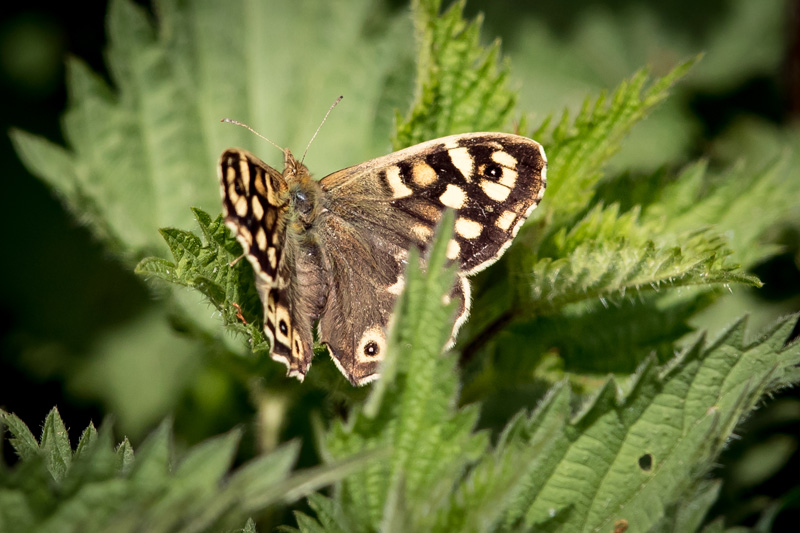
A Speckled Wood butterfly
Just so cute
Click below for all the photos from a short trip around the pond
It may have been a gloomy evening in Eastville Park but this horse chestnut flower was fully open on the 19th April
The Times in its “Weather Eye” on 20th April writes: “a great green wave is sweeping northwards through the country with leaves bursting open on trees in the great spectacular of springtime.”
It goes on to say that:
“Spring’s arrival now moves up the country at 1.9mph, rising from an average of 1.2mph between 1891 and 1947”
“The big, creamy white horse chestnut flowers standing proud like candelabras now come into bloom on April 29 on average, compared with May 6 between 1891 and 1947. Hawthorn is bursting into its snowy white blossom on April 29 compared with May 11.”
Blossom in Eastville Park on4th April 2017
How lucky we are that the blossom has arrived even earlier this year in Eastville Park
It’s a fascinating article in The Times and well worth a read:
Not much bird life this evening. There are always Herring Gulls waiting for the ducklings to arrive (have they already taken the Moorhen chick reported in Steve Poulsom’s photo as I could only see a solitary Moorhen?) , and you can generally count on a Grey Heron. This evening as well as the Canada Geese there was also a Greylag Goose, plenty of Blue and Great Tits and a Wren (I think) in the gloom. I can’t help hoping too that the single Mute Swan will soon find a mate.
What an amazing day out! I met up with fellow Eastville Park birder Steve Poulsom at RSPB Ham Wall on the Somerset Levels just as the sun was burning off the mist and, although it was rather chilly in the hides, we spent the day absorbed in all the best action that the Somerset Levels can provide.
Before we had our cameras adjusted we saw a Bittern fly across the reeds. A Little Egret then flew in on the other side of the pathway and demonstrated its fishing skills. Great Crested Grebe looked their best and already on their nests.
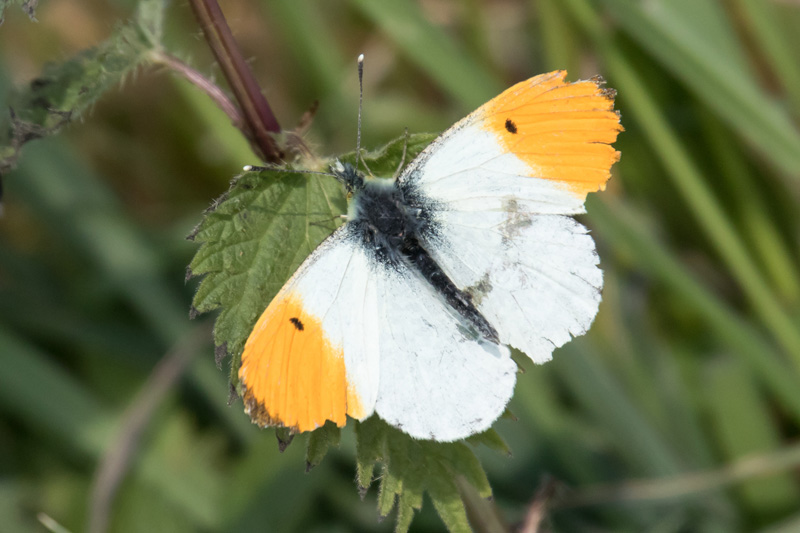
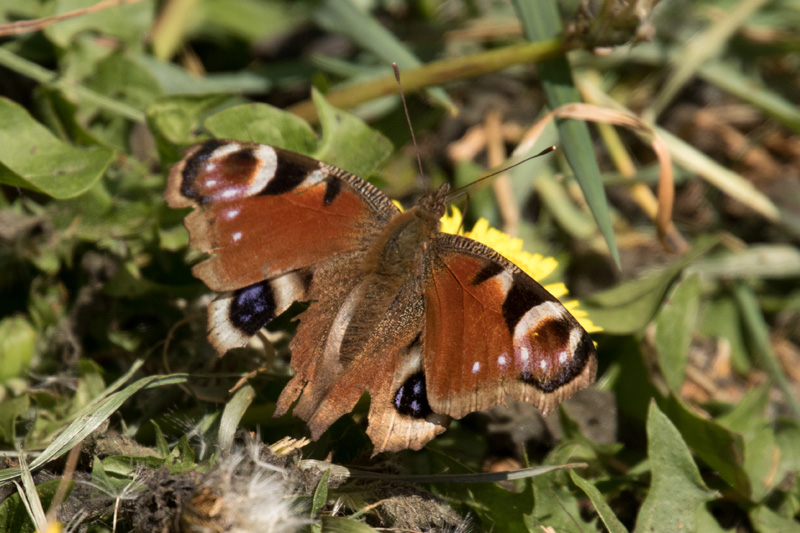
Butterflies were appearing everywhere. Peacocks on the way to the Avalon hide and Orange tips never stopping to have their photos taken. The din of Cetti’s Warblers was every where but they were invisible. Several Blackcaps were more obliging.
Orange-tip butterfly taking a break from searching for the plainer, grey and white female by resting on its favourite mustard garlic plant (or is it its other favourite Lady’s Smock – otherwise known as cuckoo flower ?)
At the new hide we had good views of Black-tailed Godwits with a single Ruff amongst them. A Great White Egret (not in breeding plumage) flew in. A Sparrow Hawk displayed at amazing speed (much too fast for me to grab a shot) and before we left more Marsh Harriers appeared.
It was so hard to drag ourselves away, always believing that we were going to get the ultimate shot.
Well, thanks to Phil Hemming’s comment, I was able to find the lake, but alas no Smew. All we could see were 2 Greylag Geese, 2 Canada Geese, 2 Coot, 6 Mallard, and a fly-over Grey Heron.
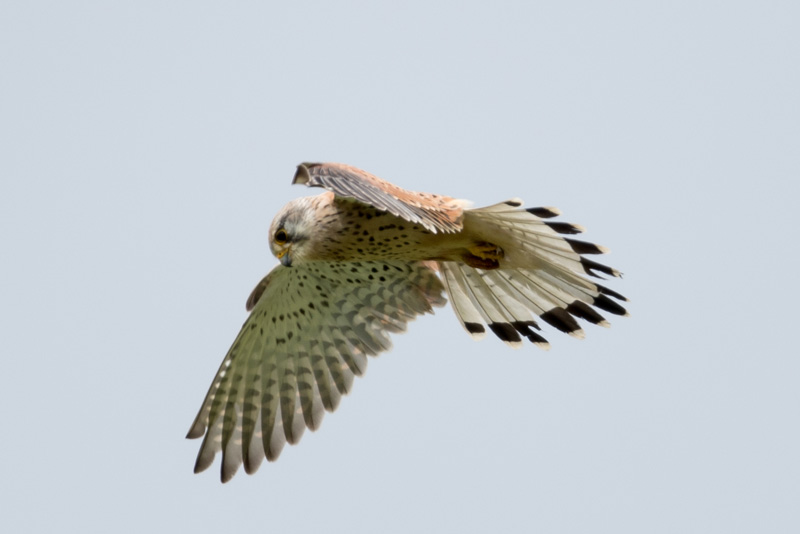
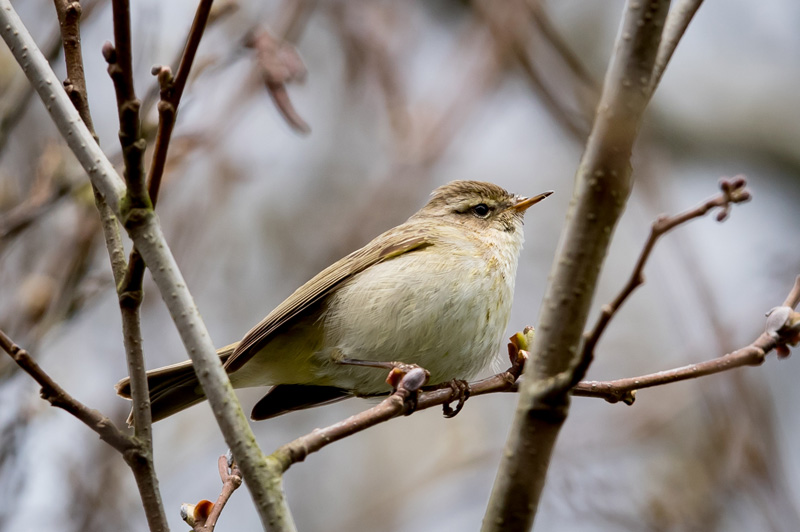
In the wood nearby we heard (then saw) a Willow Warbler; and then back on the Common proper we saw a wonderful display by a pair of Kestrel. Best only to look after the watershed! I missed a shot of a House Martin on the telegraph wires right next to me. You can’t win them all!
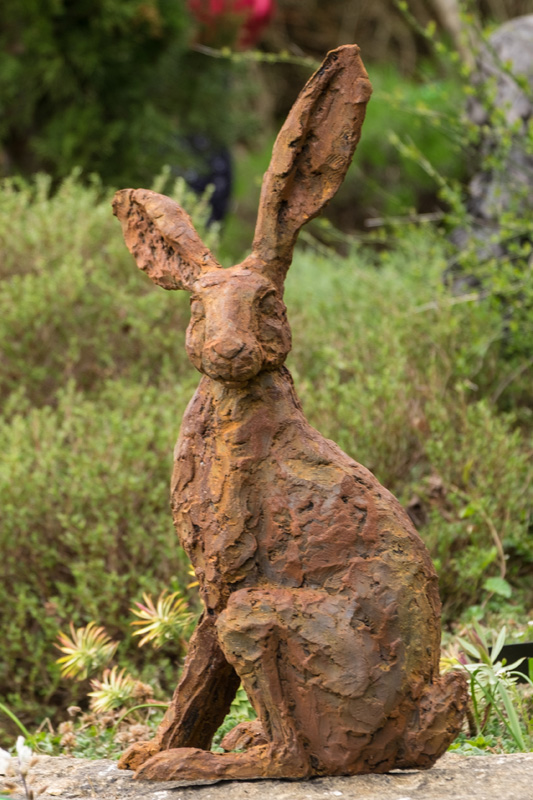
There is a fairly tenuous nature link with my blog as the Easter Sculpture Festival and Quilting Exhibition was held in the University of Bristol Botanic Garden. The garden was the best I had seen it and the sculptures were fabulous in this setting. I haven’t included any photos of the Quilting Exhibition as it was so busy in the Linnaeus Study Room that it was inappropriate to try to take photos. The Quilting Exhibition was most impressive and deserving of the number of visitors it was attracting.
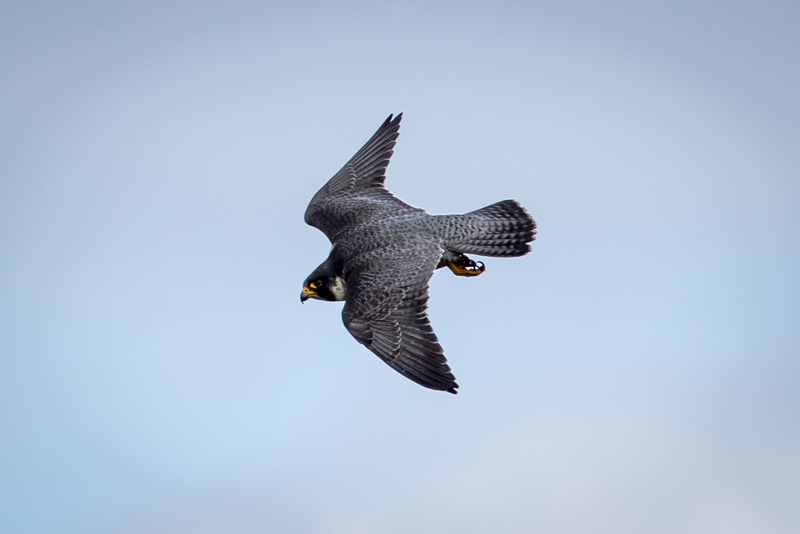
My photos don’t do justice to the whole Festival as I only had a fleeting visit (having spent several hours on The Downs photographing peregrines) and there was a biting wind to contend with.
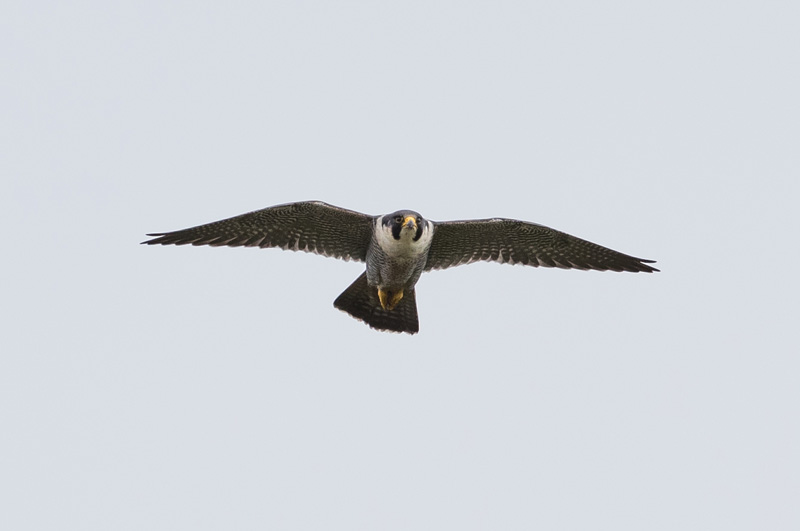
I had a lot of fun trying to photograph Peregrines over the Avon Gorge this morning. There were moments of sunshine, but not when the Peregrine appeared, and there was a biting wind to test my patience.
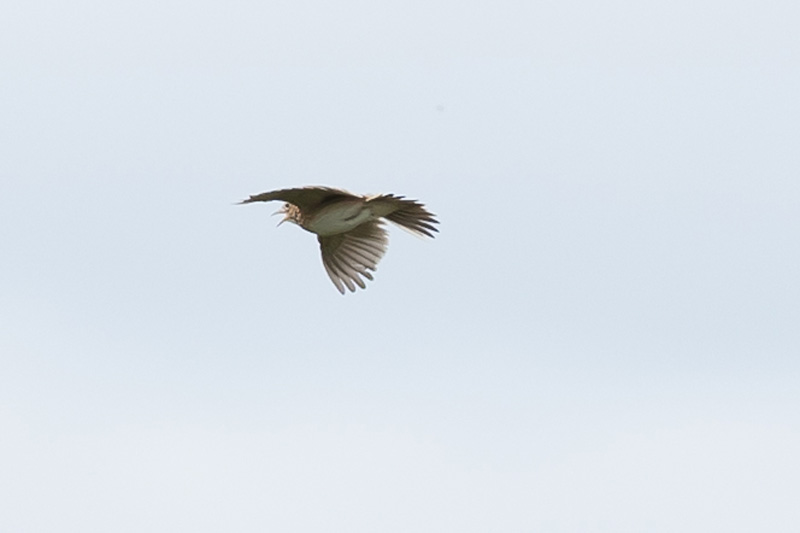
I went to look for a female Smew which had been reported on the lake on Chipping Sodbury Common. I couldn’t even find the lake let alone the Smew. No one knew where the lake was, even a man living on the Common had no idea. I went to go to the Golf Club (there must be water on a Golf course) but there was a competition on and no where to park. So, I walked across the Common and saw 3 Skylarks, 2 Blackcap, 2 Goldfinch and a noisy Robin.
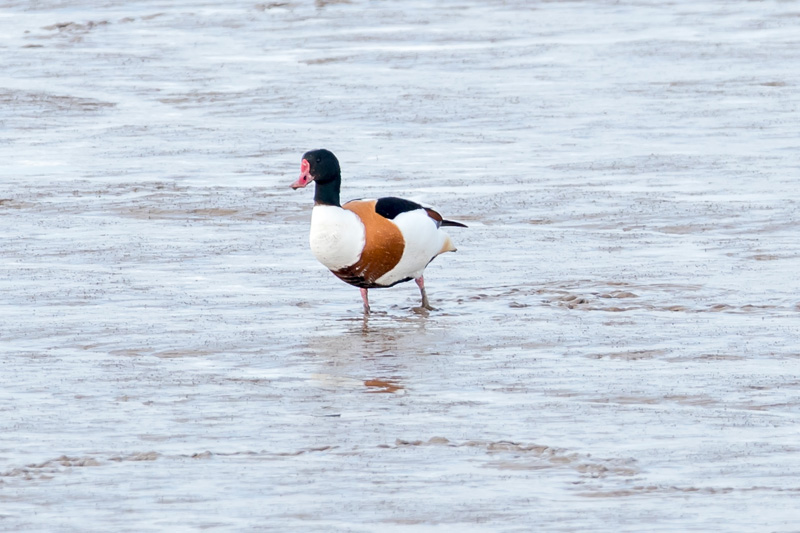
I carried on to Oldbury Power Station (on the Severn Estuary) in the hope of seeing a Peregrine. I was more lucky here as I saw the (female, I think) Peregrine on the top of one of the towers. There was little on the coast except 2 Shelduck and a flyby Avocet (that made up for the other disappointments). On the pool near the entrance there were 4 Tufted Duck and a Great Spotted Woodpecker in the trees.
As there weren’t many waders here I thought I would give Aust Warth and Northwick a go. At Aust Warth there was a man flying a drone which I didn’t think was conducive to birdwatching so I went straight on to Northwick. Not really a lot here either. A Mute Swan, 2 more Shelduck, 24 Redshank, 6 Turnstone, 2 Wheatear and 2 Sand Martin all within reach of the promenade.
My photographs were disappointing but I had a very enjoyable afternoon.
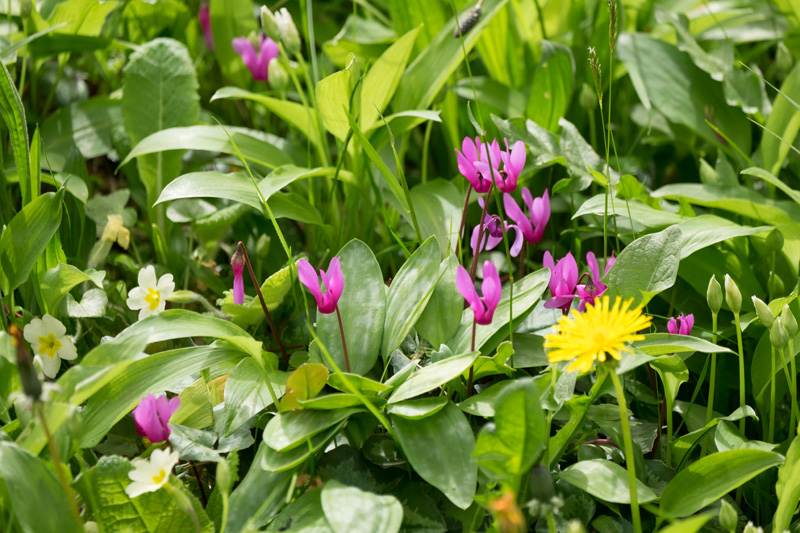
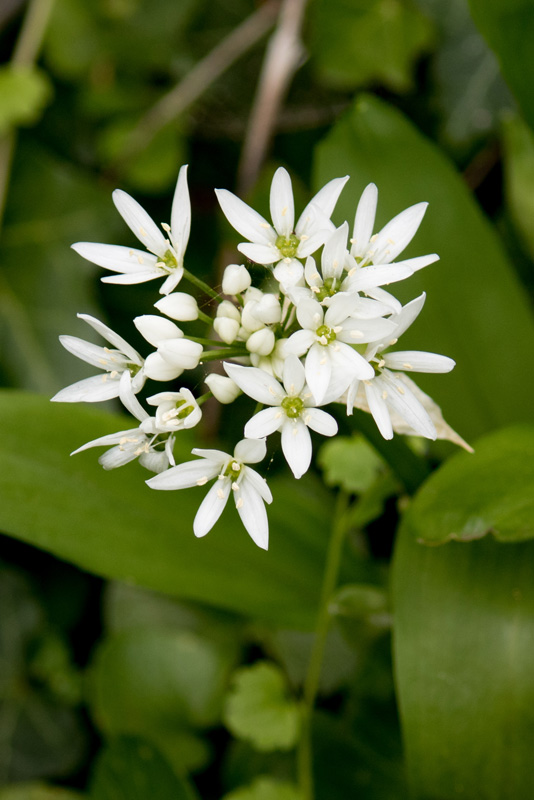
A late afternoon walk around Eastville Park produced very few birds and so I was reduced to photographing flora. I saw the first wild garlic (Allium ursinum) and could certainly smell it.
Another quick trip to Graves Park in Sheffield before going off to visit Chatsworth House. Still no Lesser Spotted Woodpecker but another view of a Great Spotted Woodpecker and a Jay.
















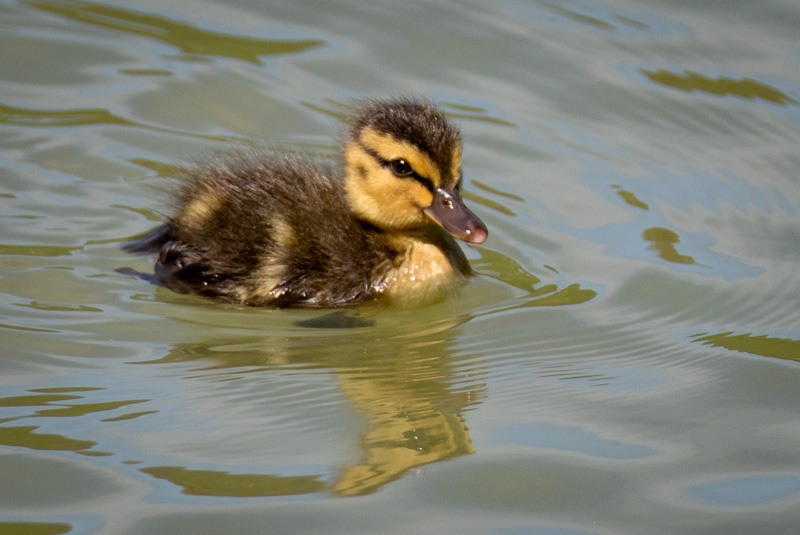

 Full steam ahead
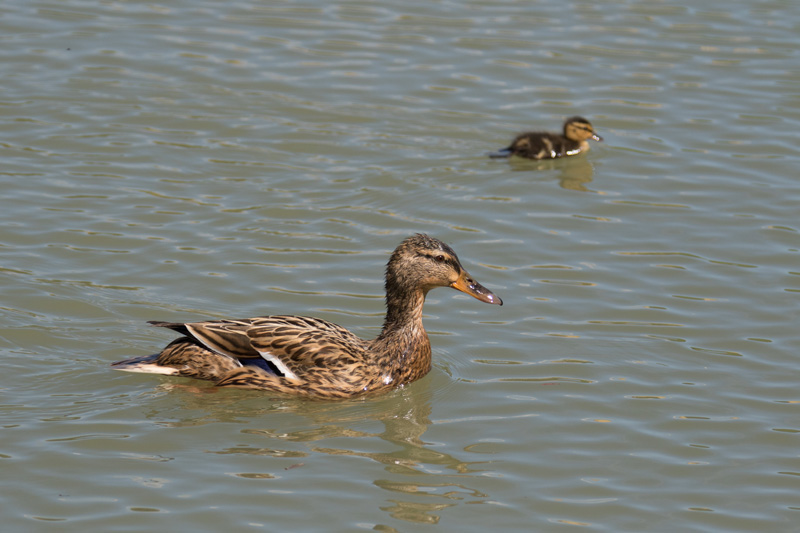 A proud mum
 Dad seems to have done all his work
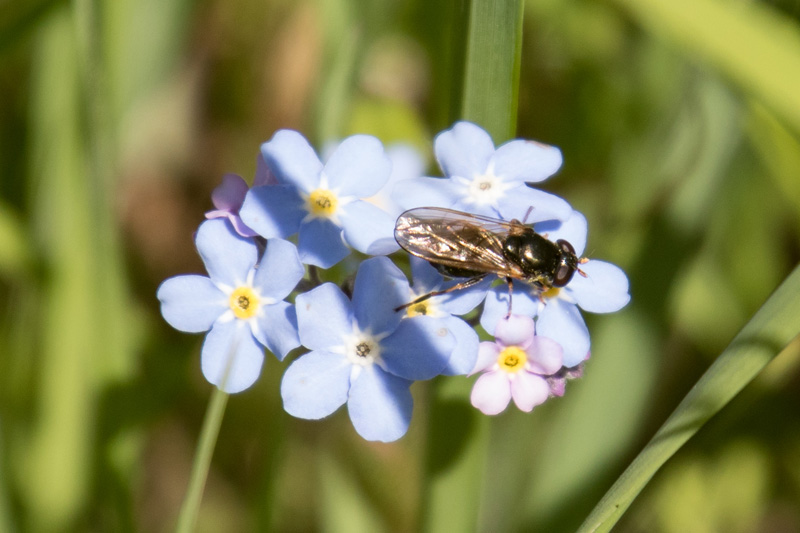 I believe this is a St Mark’s fly – so named as it comes out about St Mark’s day (the 25th April) – also known as black gnats , hawthorn bugs, love bugs.
 Only 1 Moorhen and 1 Coot on the pond … and a flyover Magpie …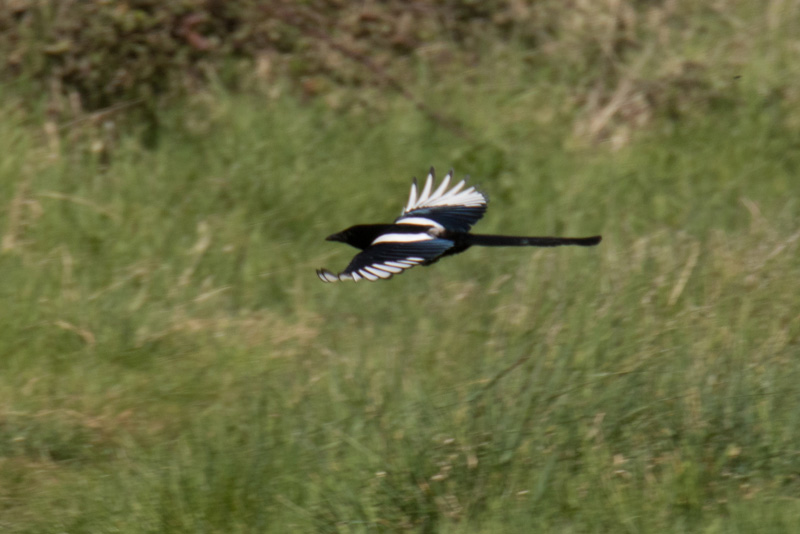
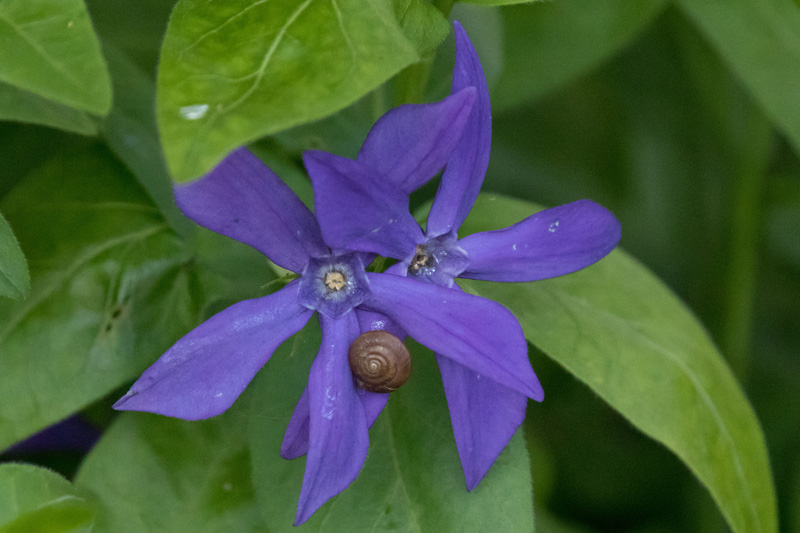 All sorts of life feeling the warmth of the sun
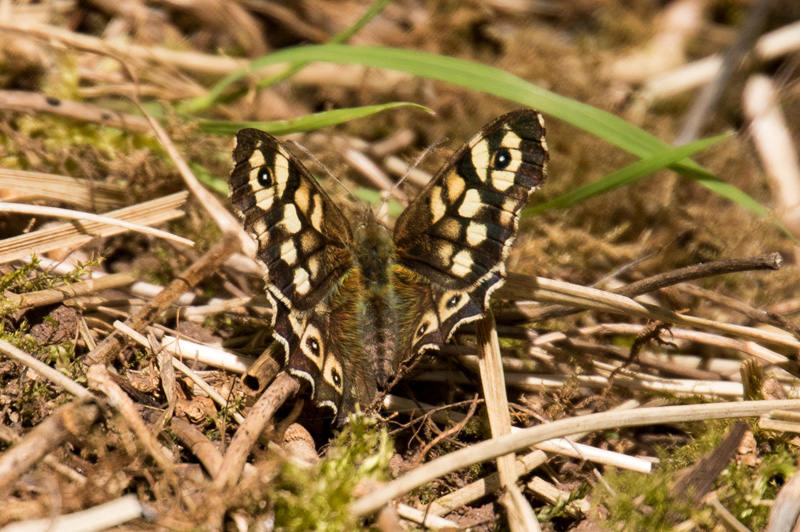 A Speckled Wood butterfly
 Just so cute


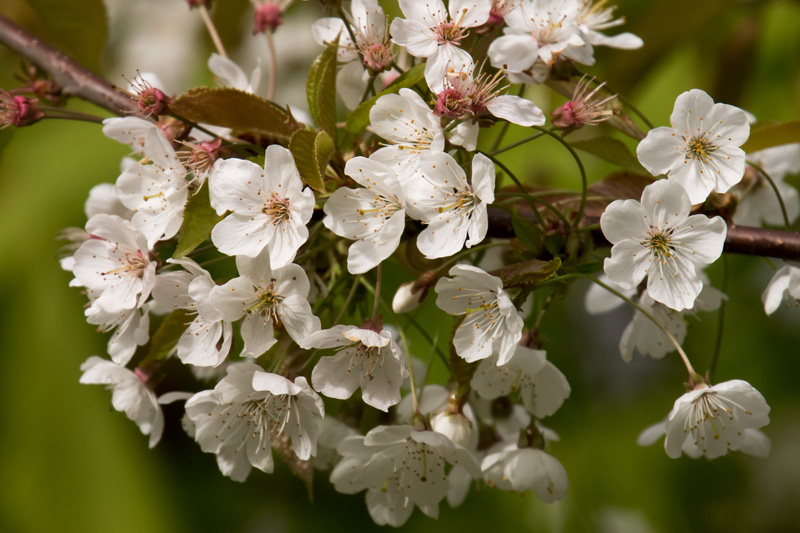
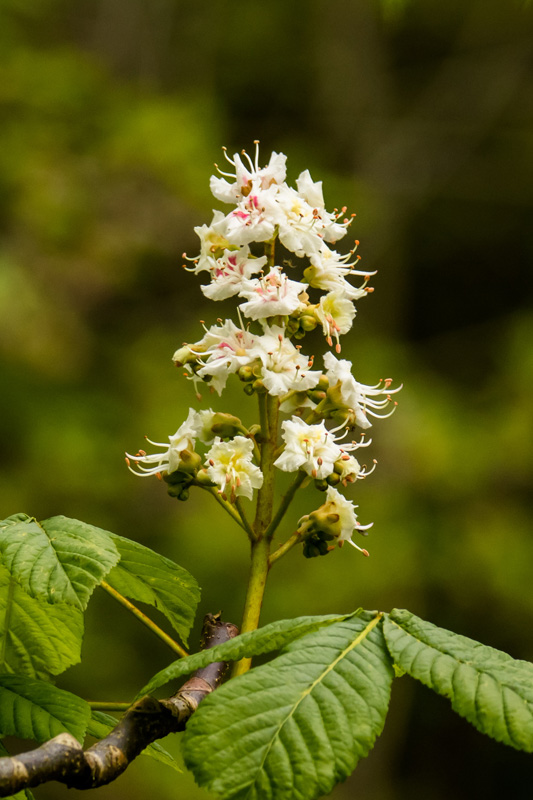

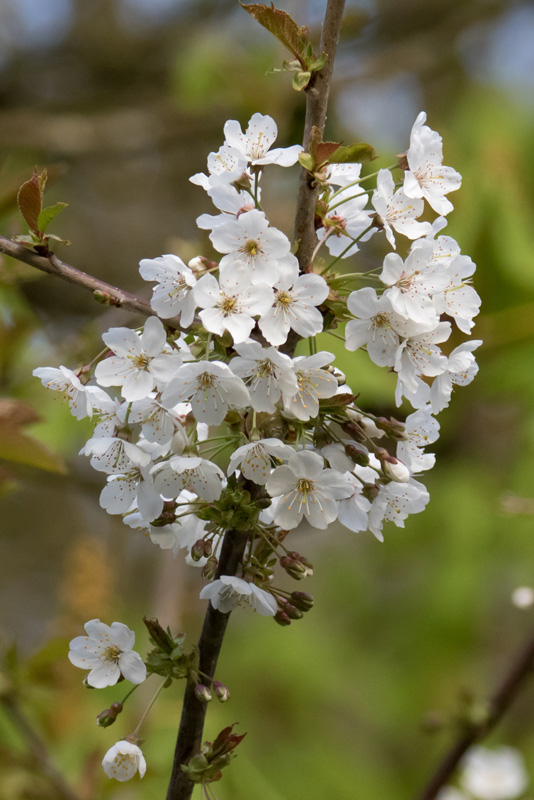
 Blossom in Eastville Park on 4th April 2017



























 Martin's Bird Blog & Nature Photos