I had subscribed to a an afternoon birding walk in the Forest of Dean organised jointly by local retailer “Clifton Cameras” and “Zeiss Optics”. The walk was billed as an opportunity to view and experience Zeiss’s new SLF binoculars and Digital Thermal Imaging (DTI) cameras as well as other optics.
The Forest of Dean is a 50 minute drive from my home in Bristol and, especially as I have had limited opportunities of late, I set off early to spend an hour or two on my own in this beautiful ancient forest.
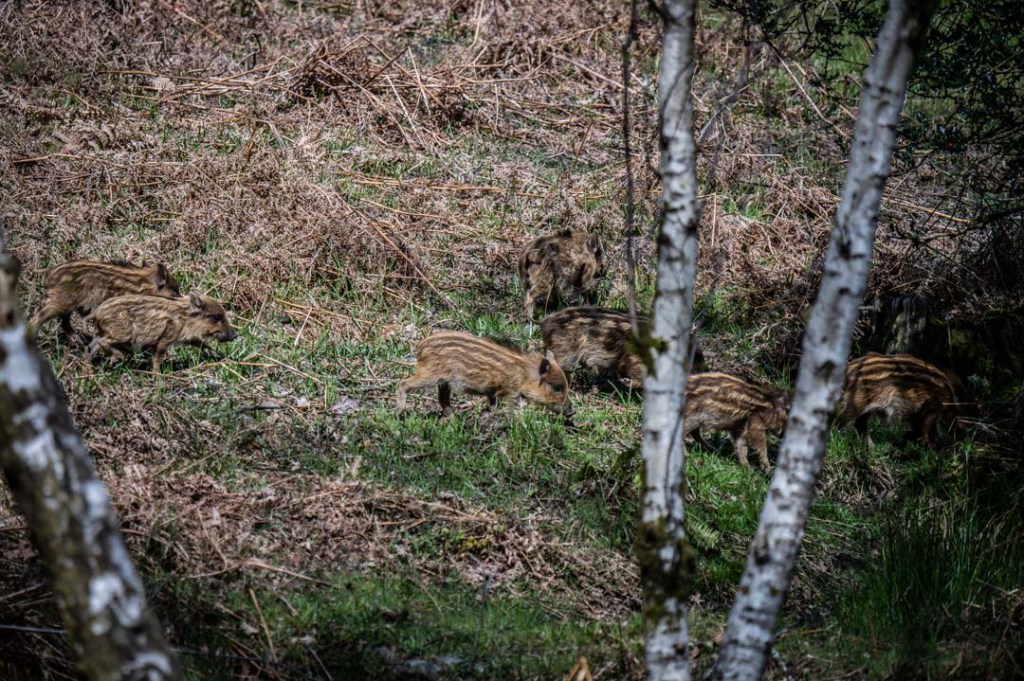
I headed for the RSPB reserve of Nagshead which I know quite well and where I hoped to see pied flycatchers. I had barely settled into the Lower Hide when a litter of boarlets passed in front of me near to the pool in front of the hide. I have seen wild boar in the forest before from the roadside, and often seen the large areas of uprooted and disturbed soil caused by their powerful necks and snout as they search for food, but I had never encountered them close up in the forest.
Wild boar piglets or boarlets affectionately known as humbugs
The piglets (or boarlets) are a lighter ginger-brown than the adult boars with stripes on their coat for camouflage and are affectionally known as ‘humbugs’. They disappeared in a flash, I presume, to their farrowing nest.
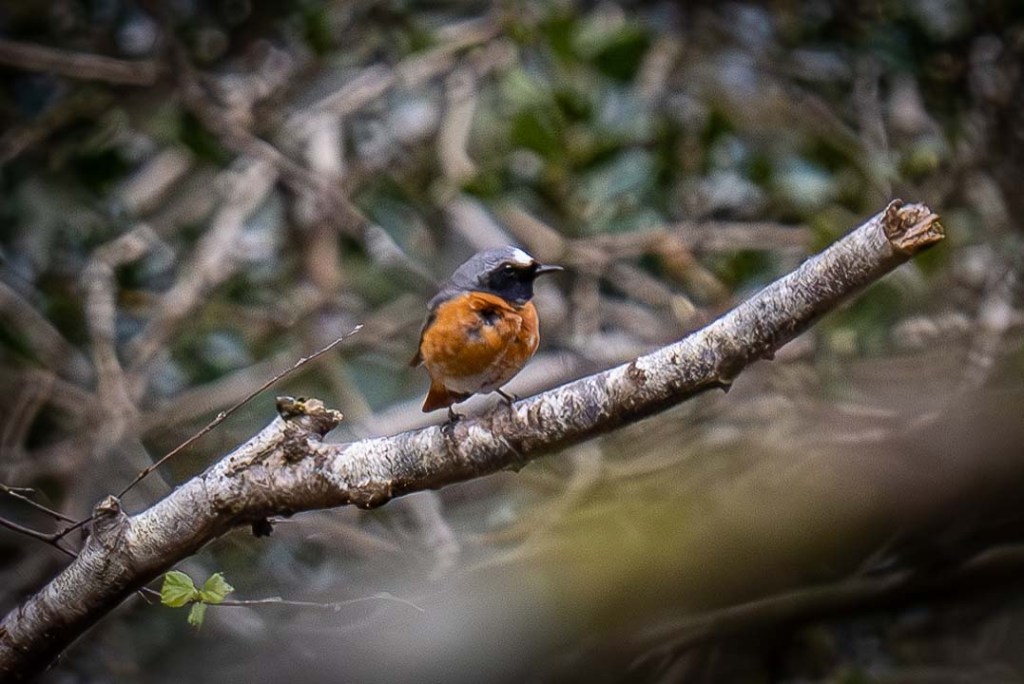
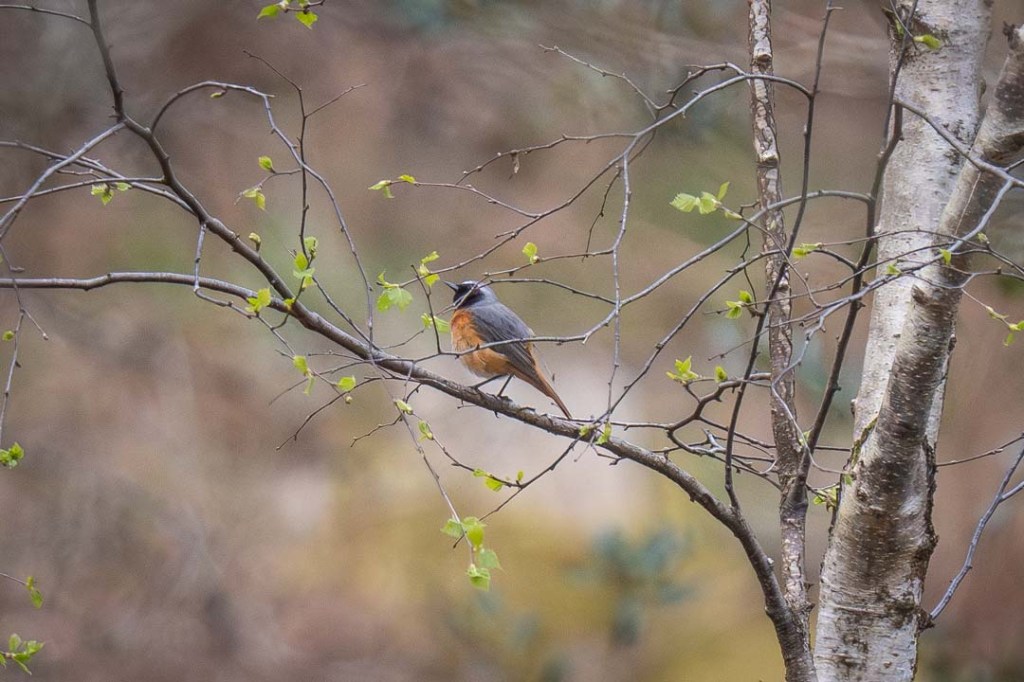
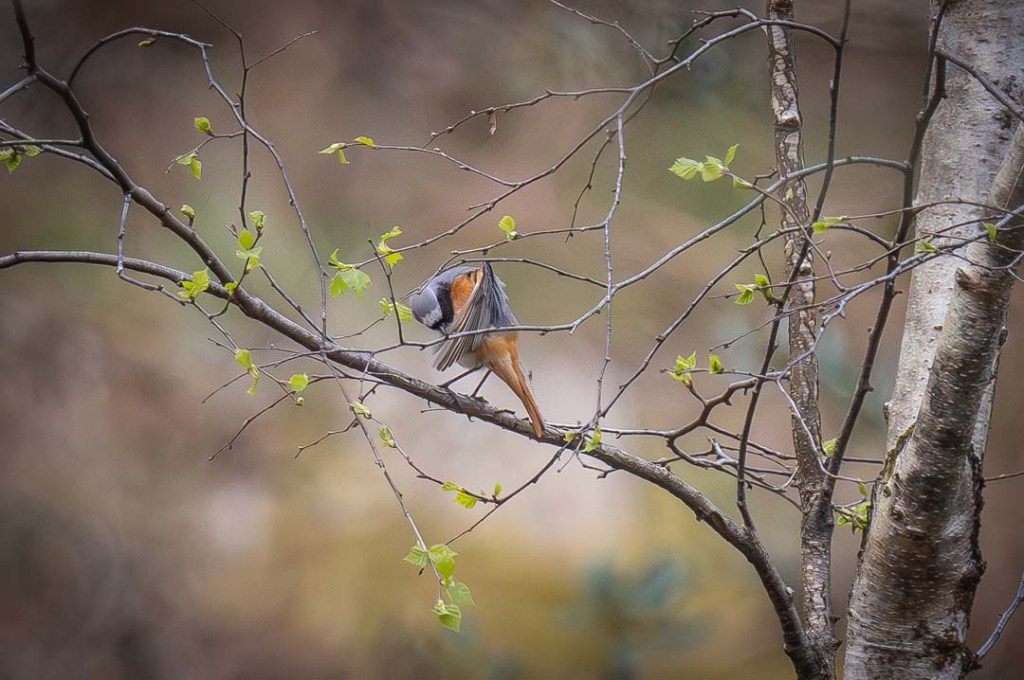
Unfortunately I didn’t manage to see any pied flycatchers, although I was assured they had already built nests in the area but I did see a female and a male redstart (thanks mainly to the very friendly birders Don and Mike Smith from Corsham who I seem to bump into regularly at various birding sites around the south west”.
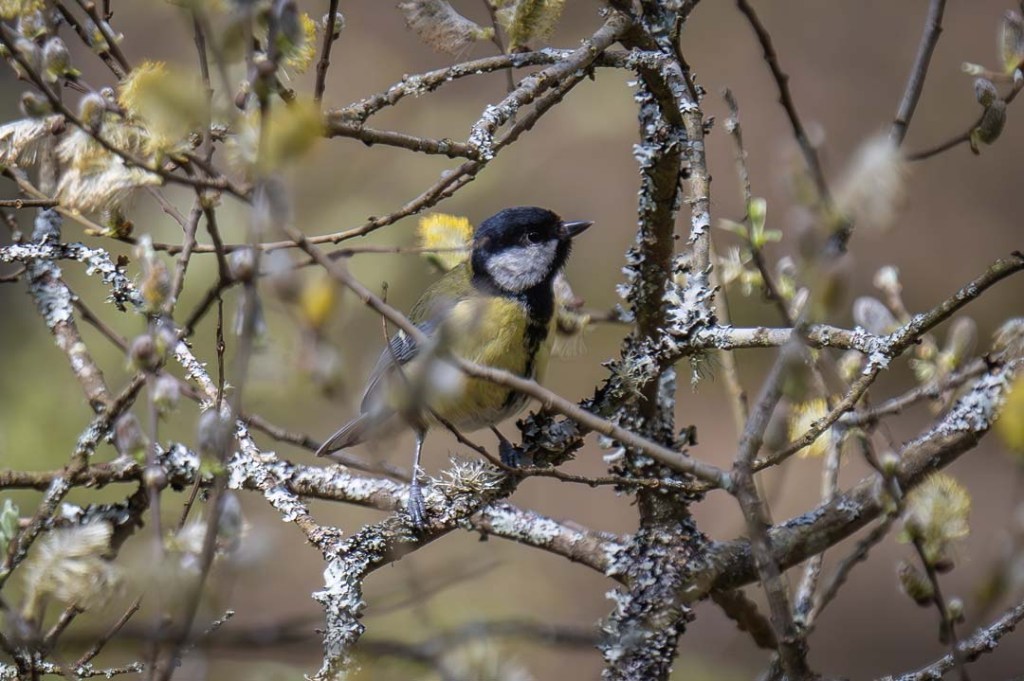
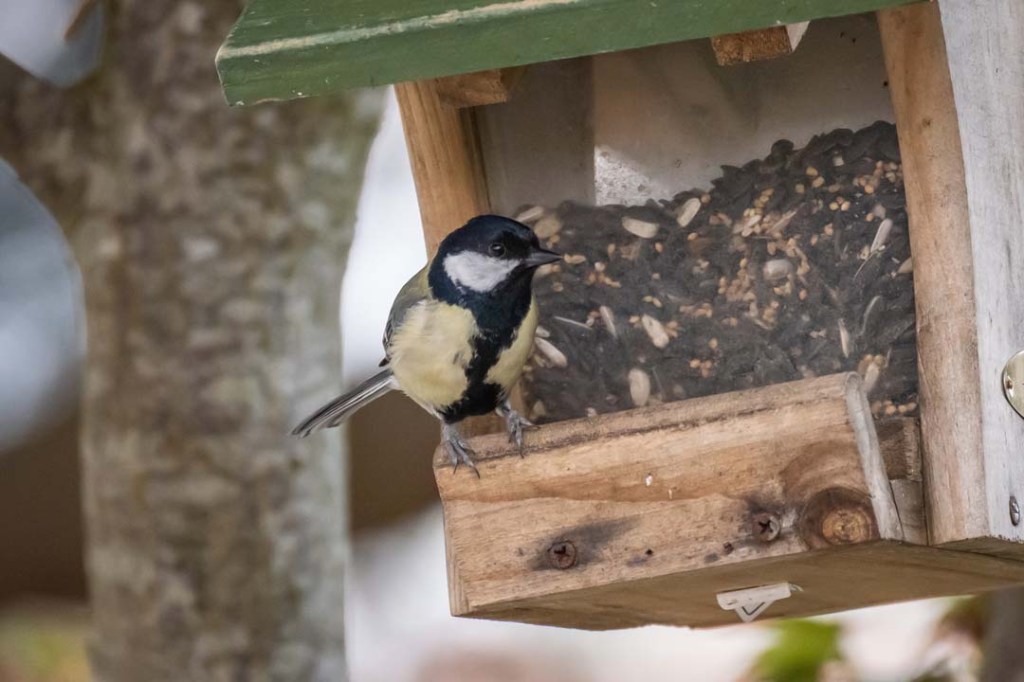
Male redstartRedstart preeningGreat tit
I then needed to set off for Speech House Woodland Car Park to meet up for the afternoon walk.
Martin Drew (from Clifton Cameras) and Toby Carter (from Zeiss Optics) were there to greet us and were buzzing with excitement with what they had seen seen on their morning walk: close ups of goshawks and firecrests and redstarts in numbers.
I thought this was a bad omen as it’s always the way when you meet a group of birders that they have just seen all sorts of birds that never re-appear.
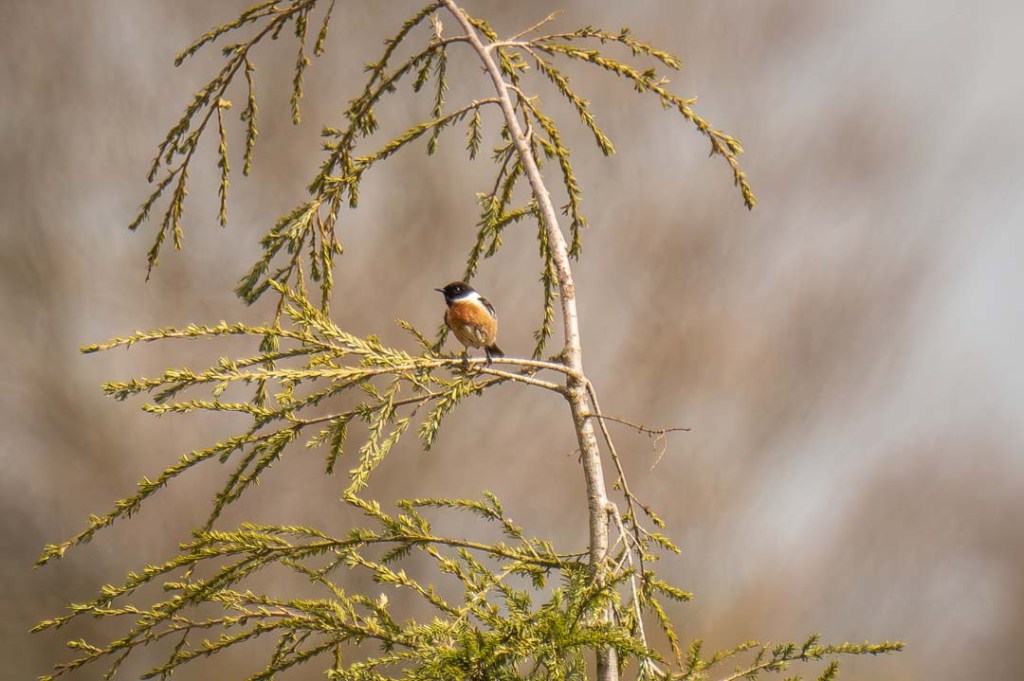
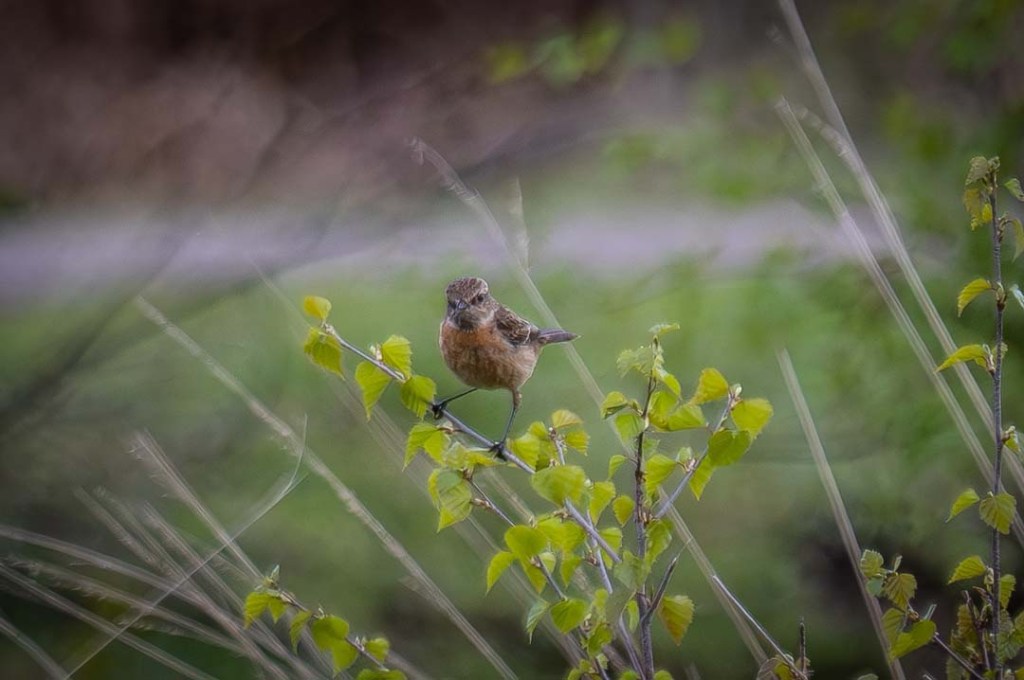
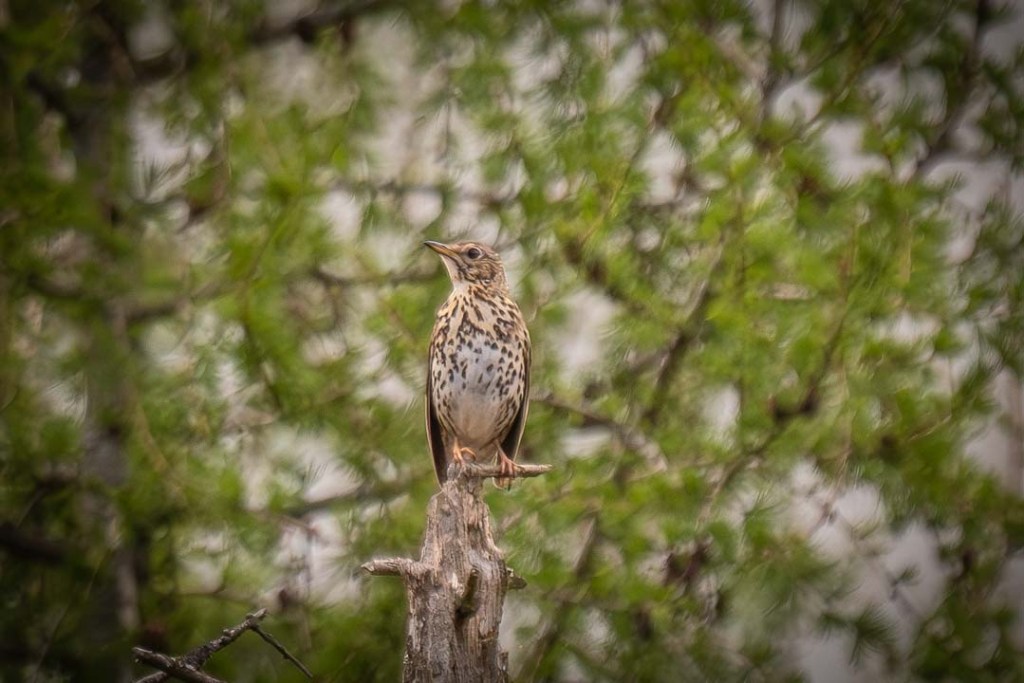
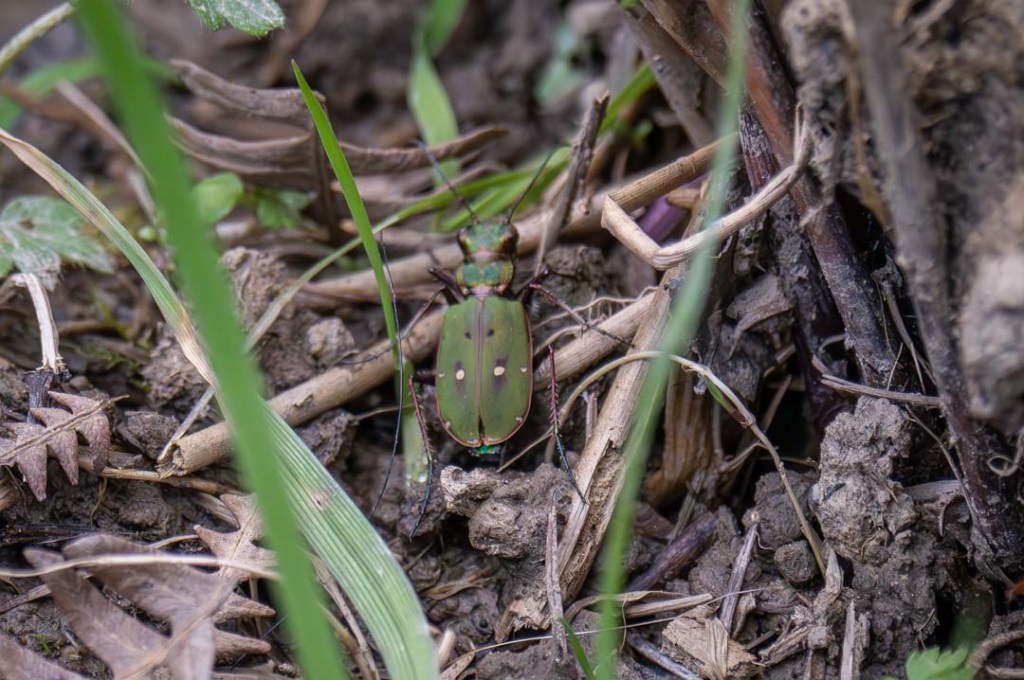
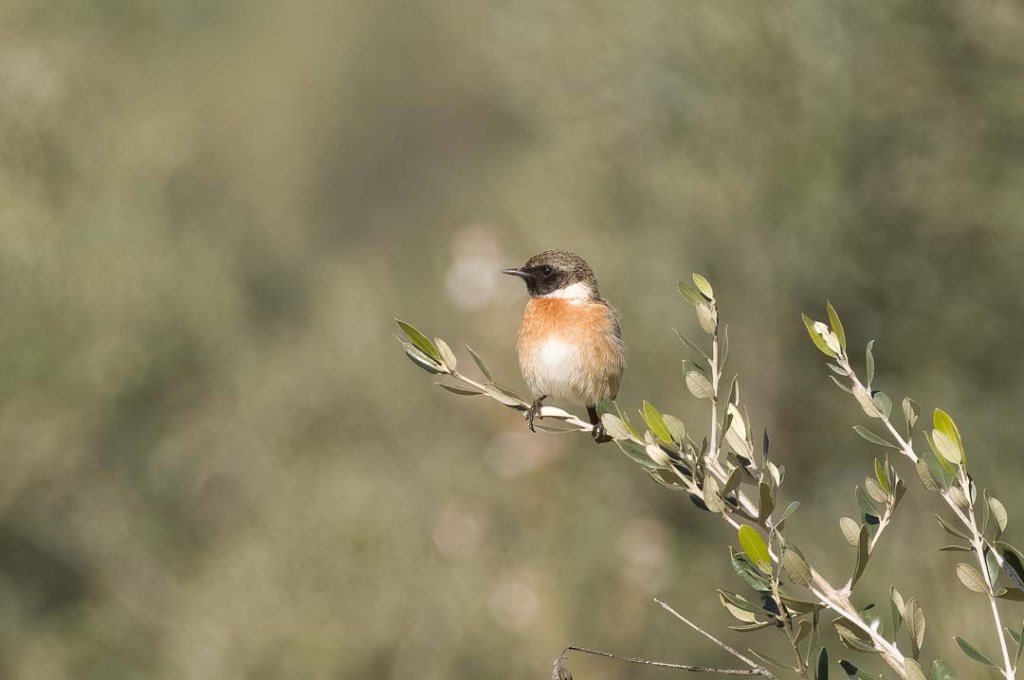
And so we didn’t even get a glimpse of the goshawks but only a few distant views of ravens and buzzards. On our walk we heard goldcrests (but not firecrests), woodpeckers, chiffchaffs, willow warblers and chaffinches and saw a number of stonechats, tree pipits, linnets, tree creepers and mistle thrushes.
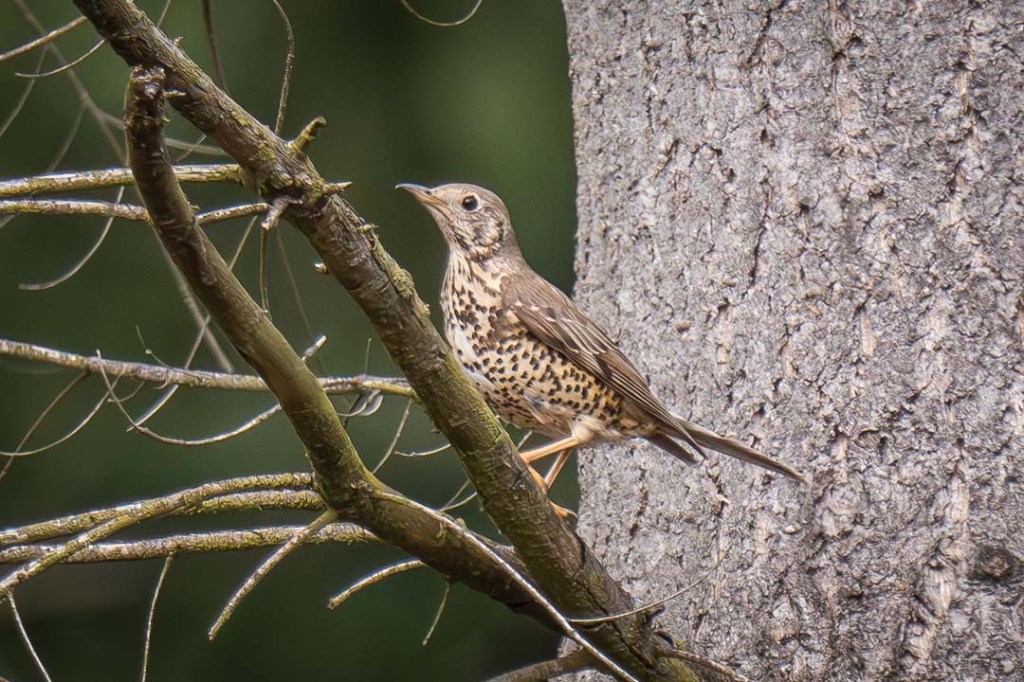
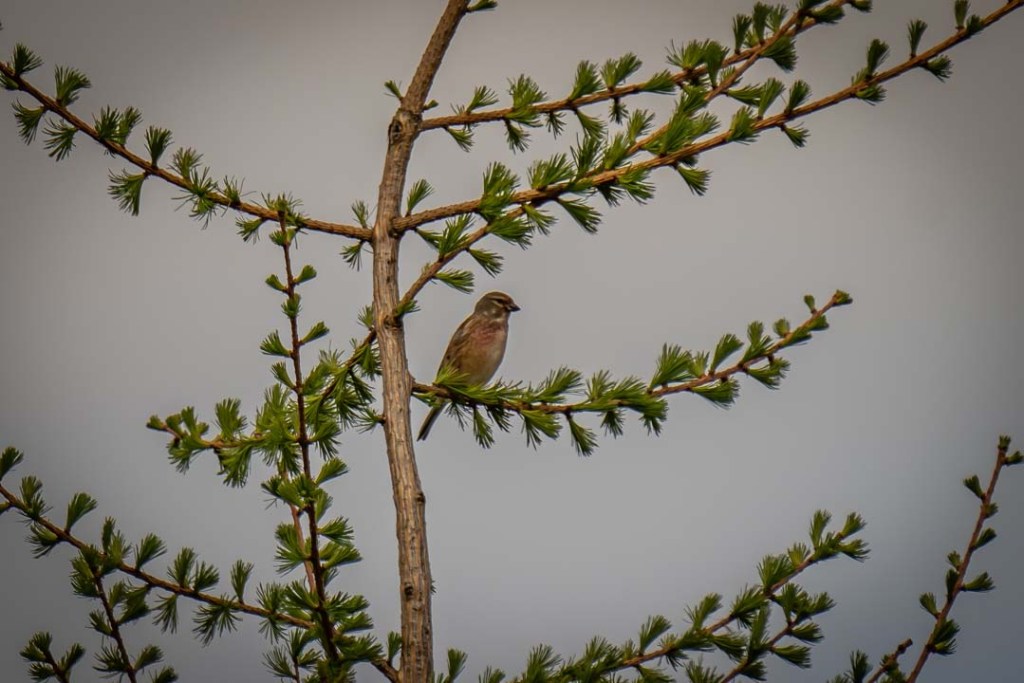
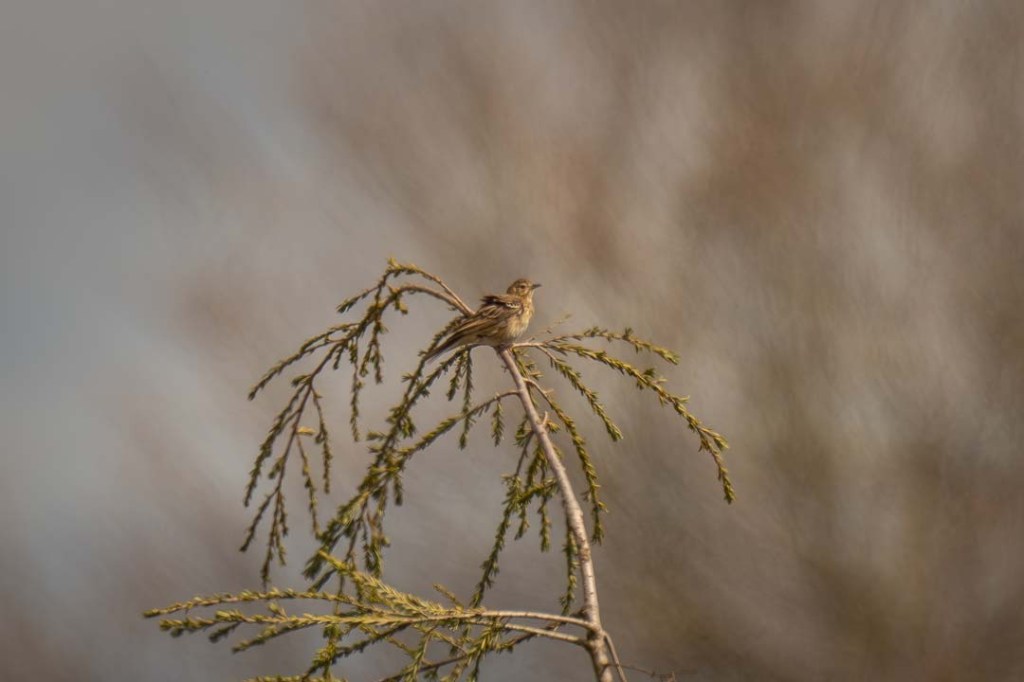
Mistle thrushLinnetTree pipitMale stonechatFemale stonechatMistle thrushThere were other opportunities on the walk – green tiger beetle
However, we did get to see and use a whole range of very impressive Zeiss Optics in the field. It certainly made a change from testing optics by looking at signs through a shop window. I would like to thank Martin and Toby who were great hosts on this walk and the four other birders on the trip who made it a very convivial afternoon.
It was wonderful to get out and about again and I can’t wait to take my wife (who is recovering from a hip replacement operation) back to the same spots to soak in the joys of nature.
From the Forest of Dean website:
“This ancient forest has changed many times over the centuries. In medieval times it was a royal hunting forest, before becoming a source of timber for the navy’s Tudor warships. By Victorian times it was a major site of industry, with coal mining and tramways punctuating the landscape.
In 1938 the Forest was designated the first National Forest Park and today the Forest of Dean is a popular destination for tourists.
Today the forest is still a working forest, producing sustainable timber for the UK market.
The Forest is also a stronghold for nature with larges areas of woodland and open space providing a mosaic of habitats for a wide variety of wildlife,
It is a great place to explore. See if you can find the hidden remains of industry as you enjoy this wild and beautiful forest.”
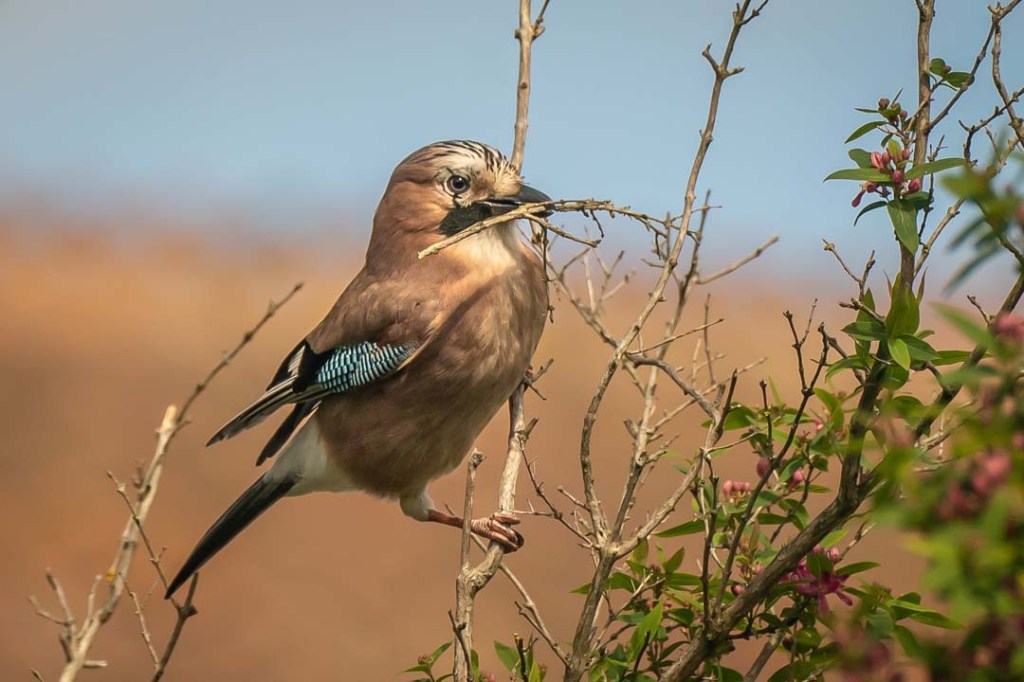
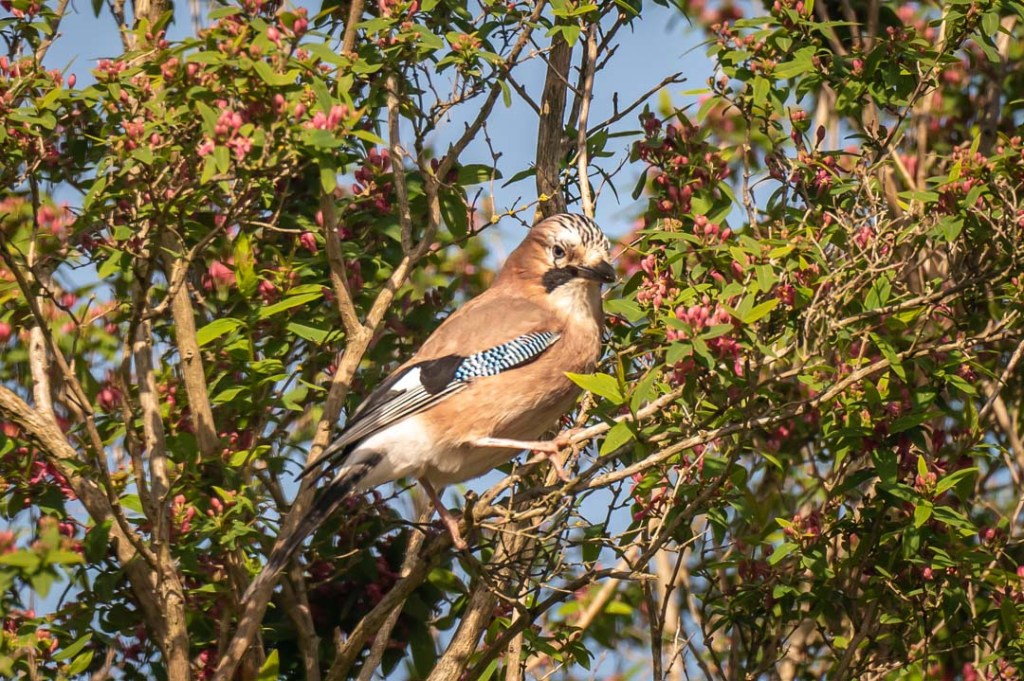
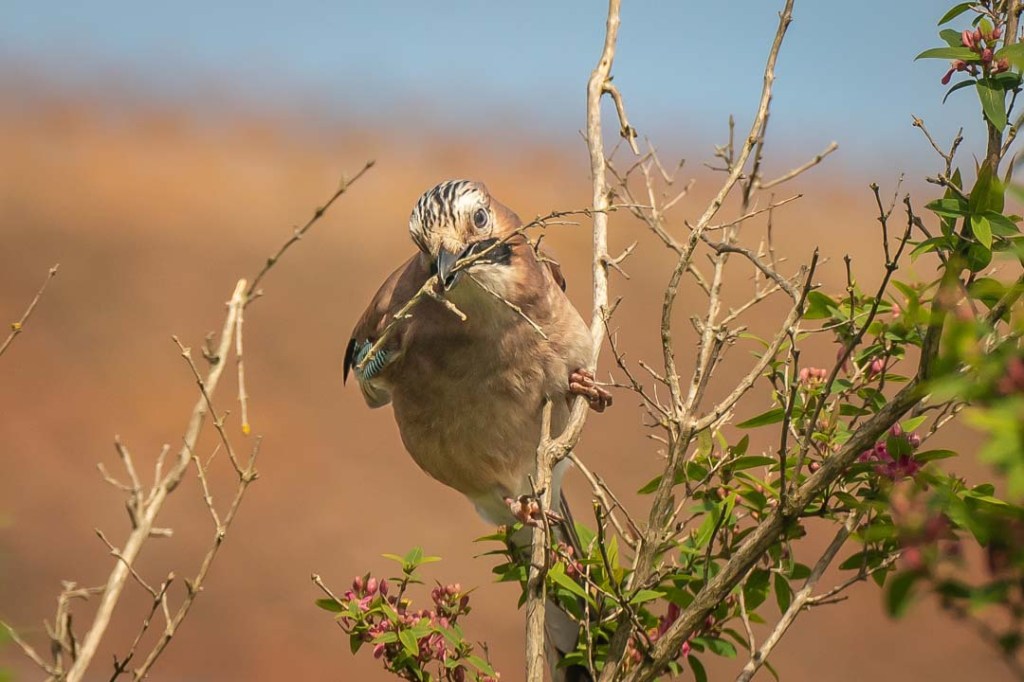
I seem to be missing the excitement of spring as I have had very limited opportunity to get out and about in recent weeks. So, it was quite comforting to see a few birds through the window from my lounge this morning, in particular two jays that were gathering nest making materials.
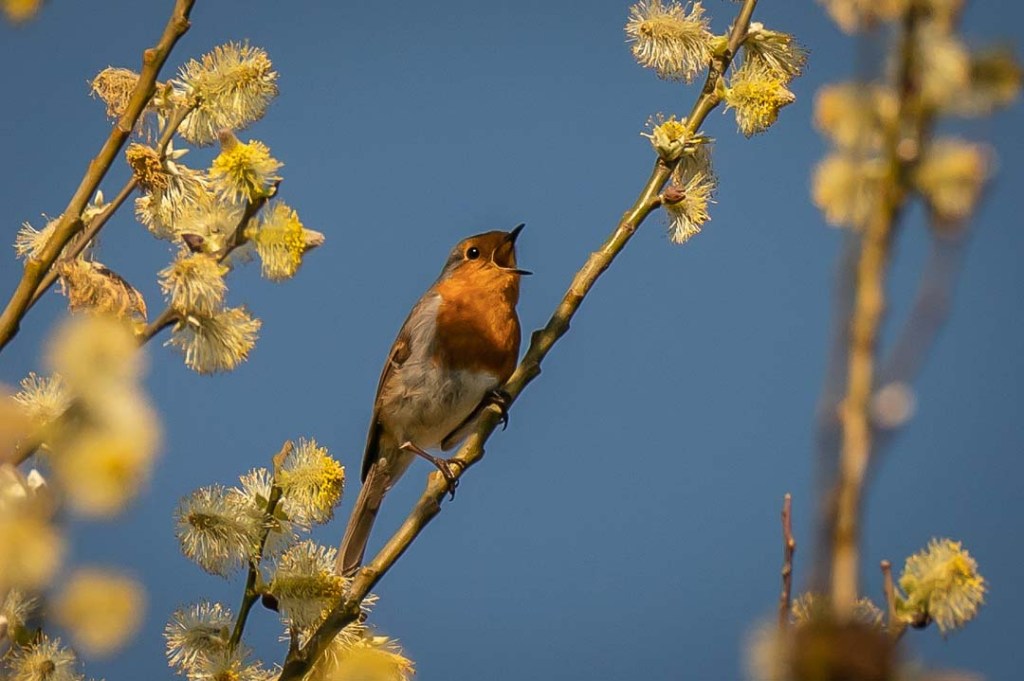
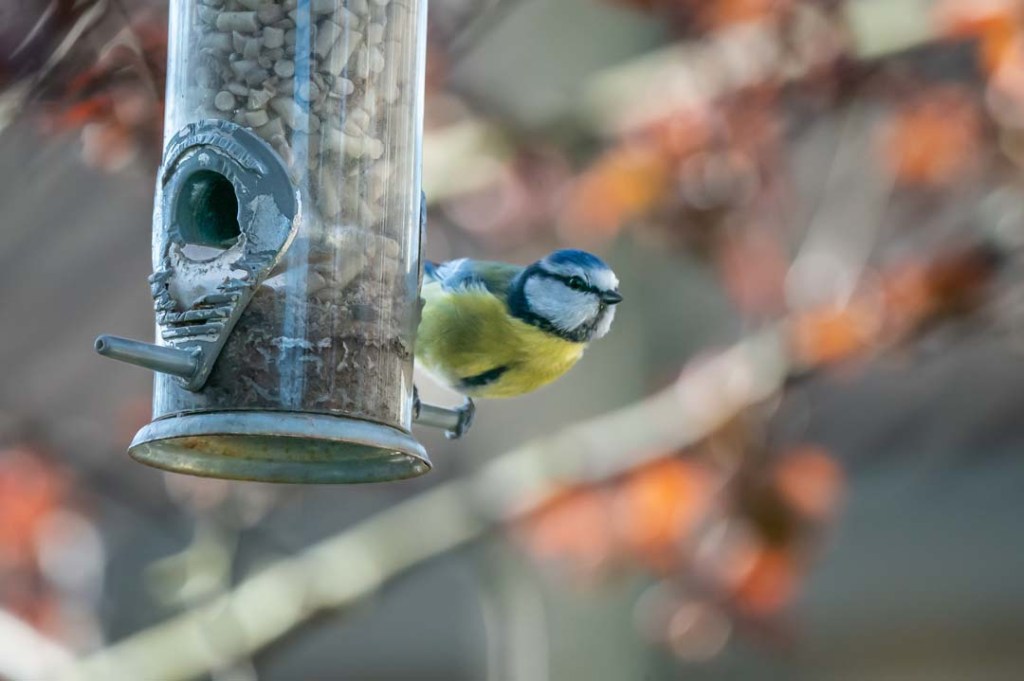
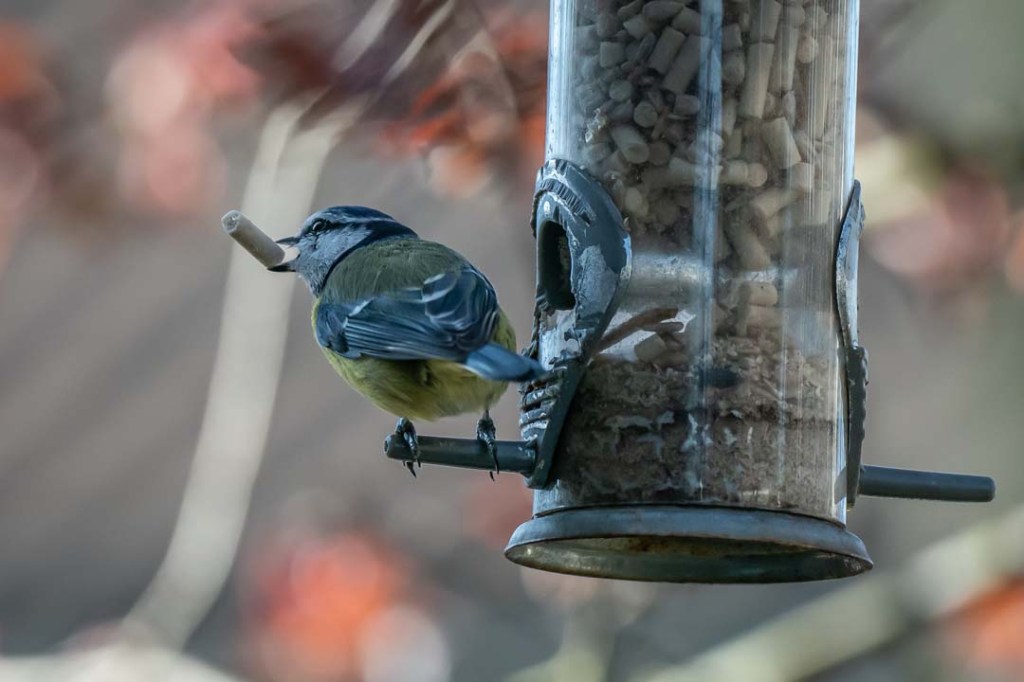
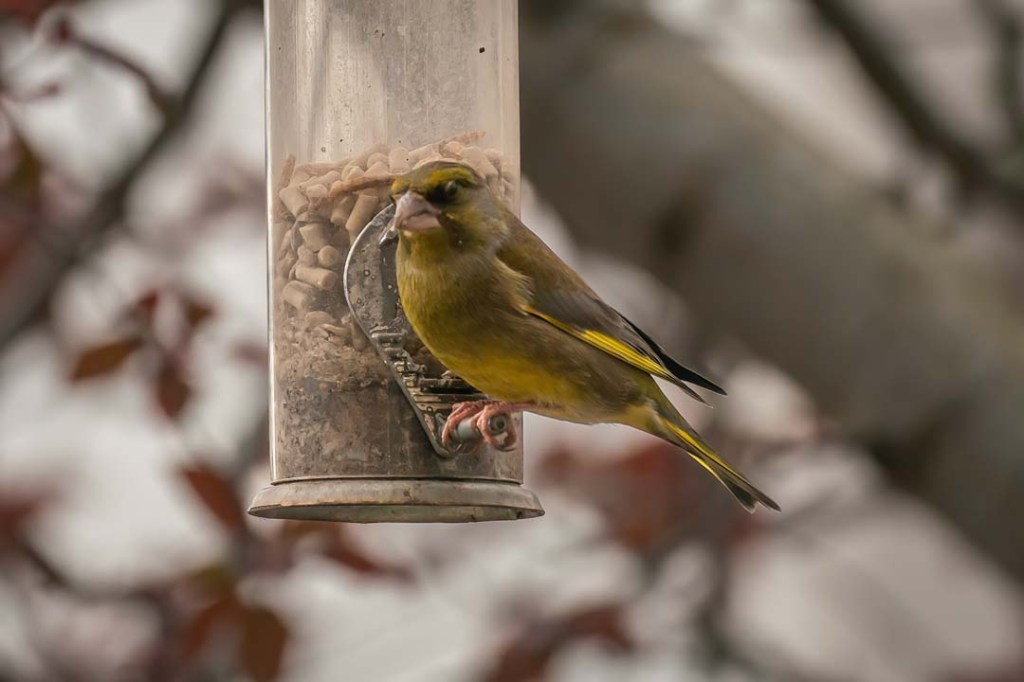
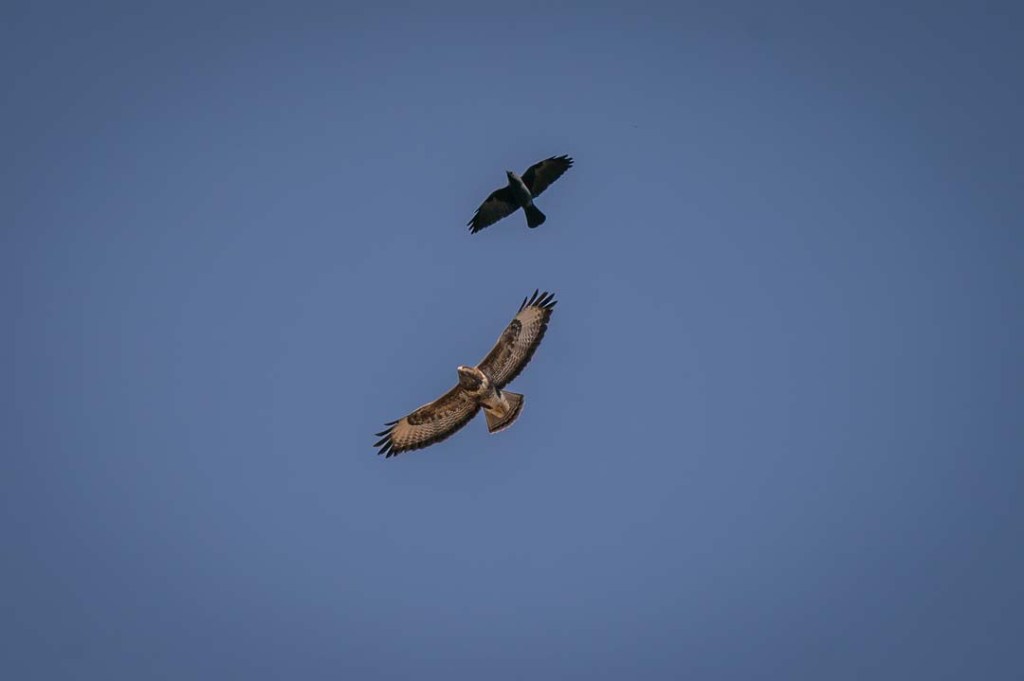
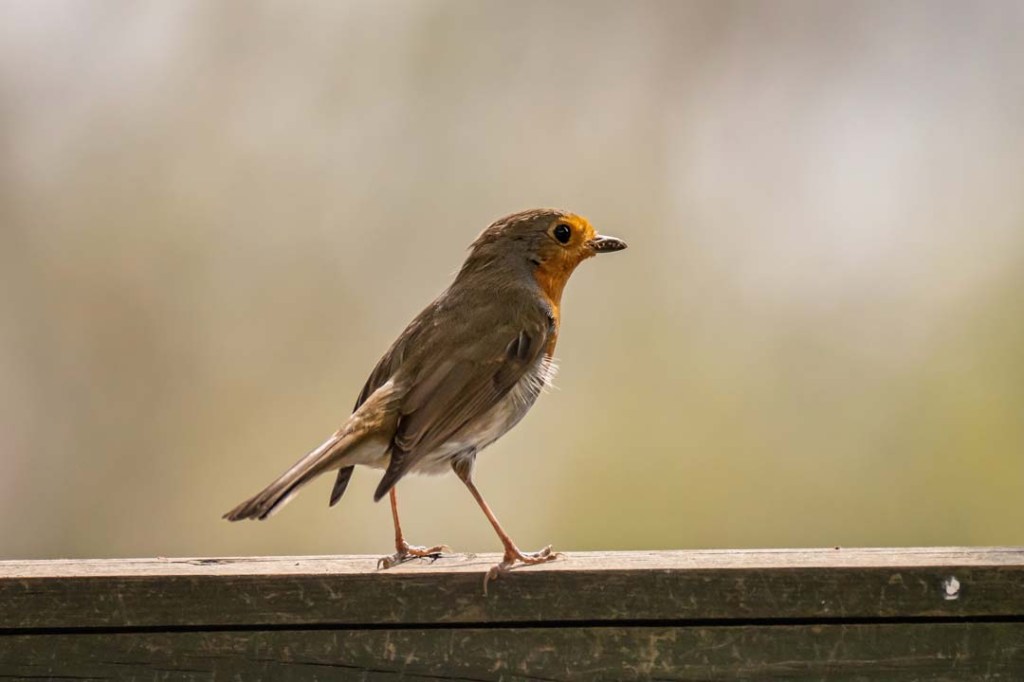
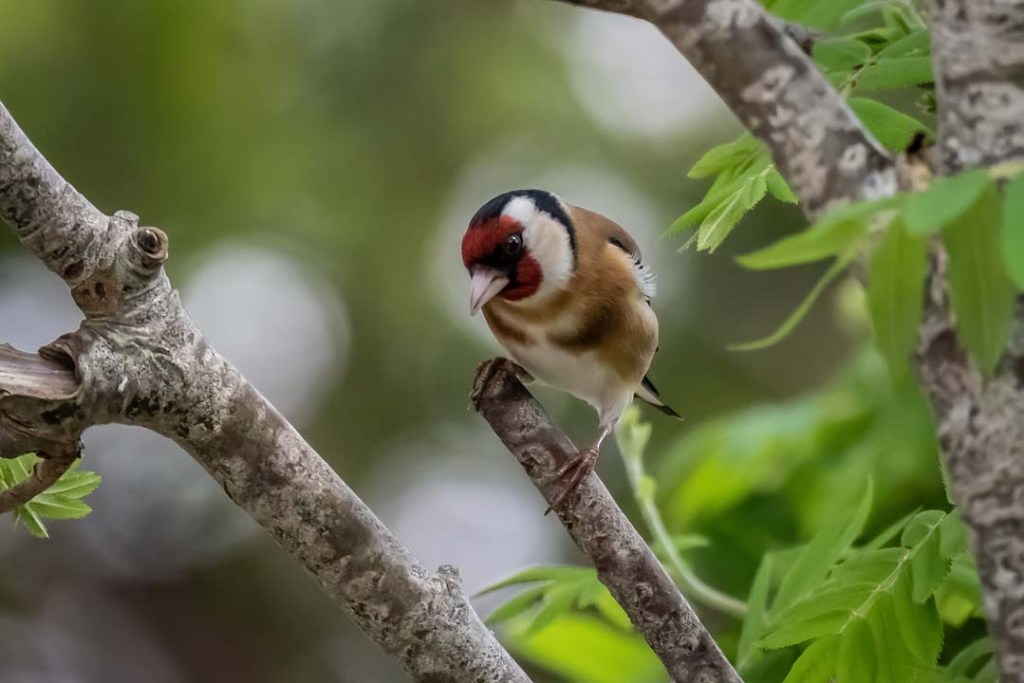
Jay (from my lounge window) collecting nesting materialI wish I had invested in better double-glazing (or was it my lack of skill to not capture this shot any sharper?)I’m glad I spotted this robin which I’ve been hearing both day and nightCheeky blue tit on the feederGoldfinchNice to see the greenfinches back in decent numbersBuzzard over my suburban gardenAlthough it was not left in peace for long
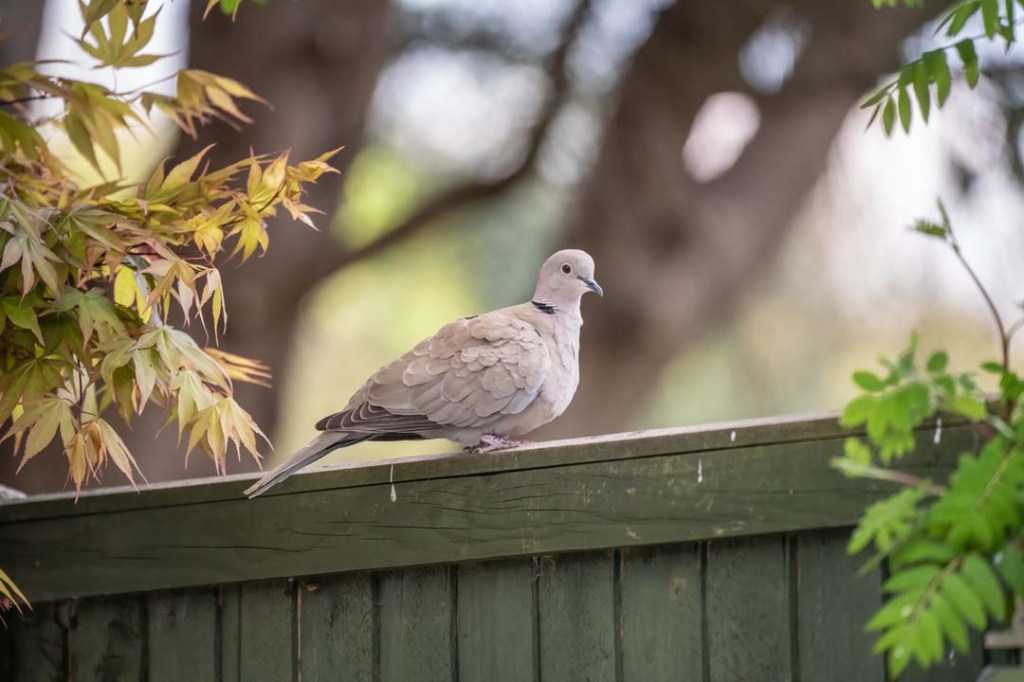
In addition from my window I’ve seen herring gulls, lesser black-backed gulls, house sparrows, dunnocks, coal tits, great tits, blackbirds, starlings, carrion crows, jackdaws, wood pigeons, collared doves, magpies and even a peregrine on the church spire.
Hopefully, I shall soon be able to see the real joys of spring now that chiffchaffs, willow warblers, sand martins, swallows (and soon swifts) are all arriving at this exciting time of the year.
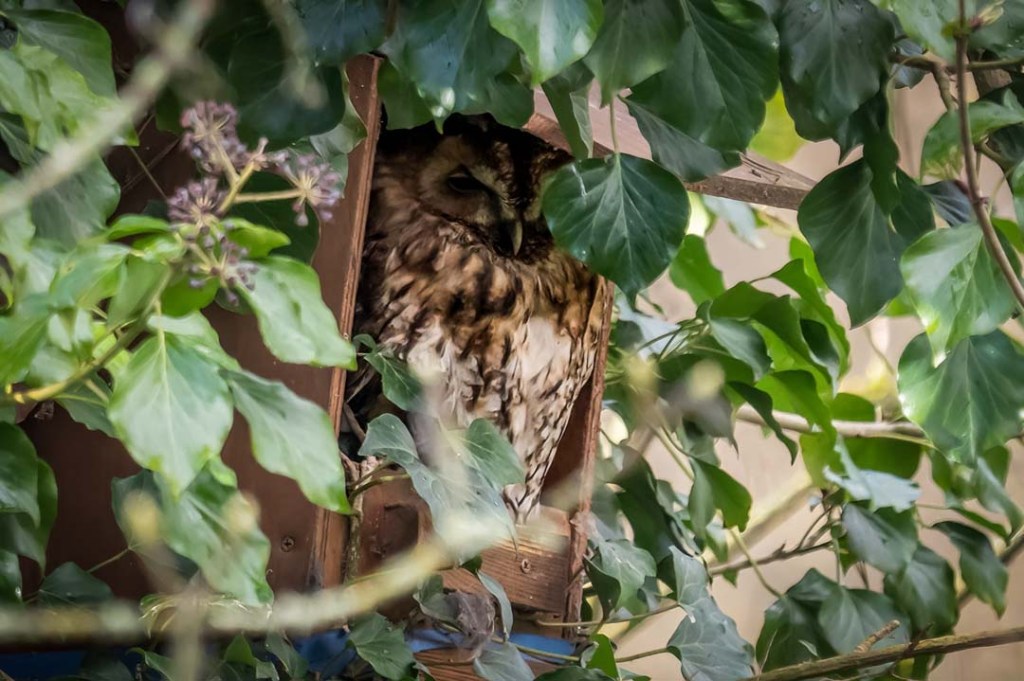
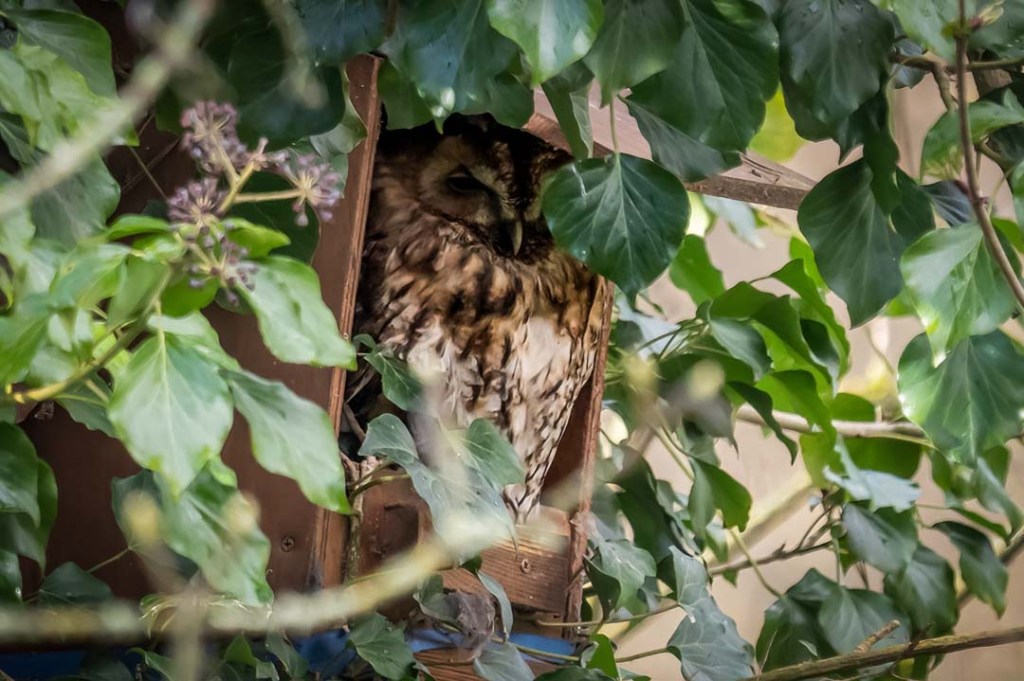
A walk through my local park in the rain showers this afternoon was rewarded with a view of a tawny owl in an owl box on the island in the middle of the lake.
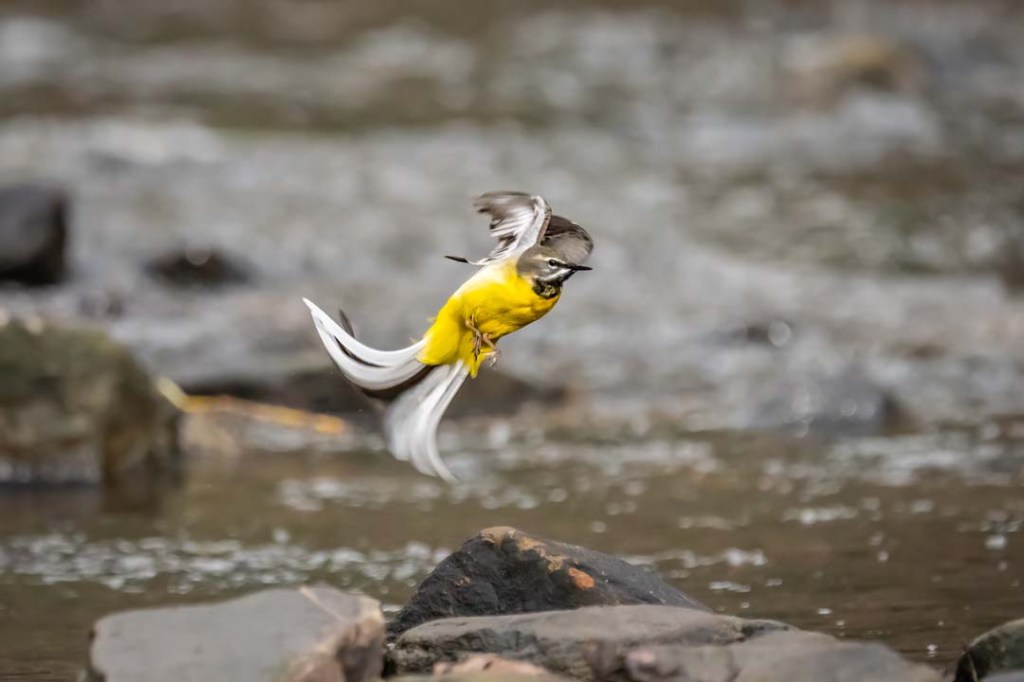
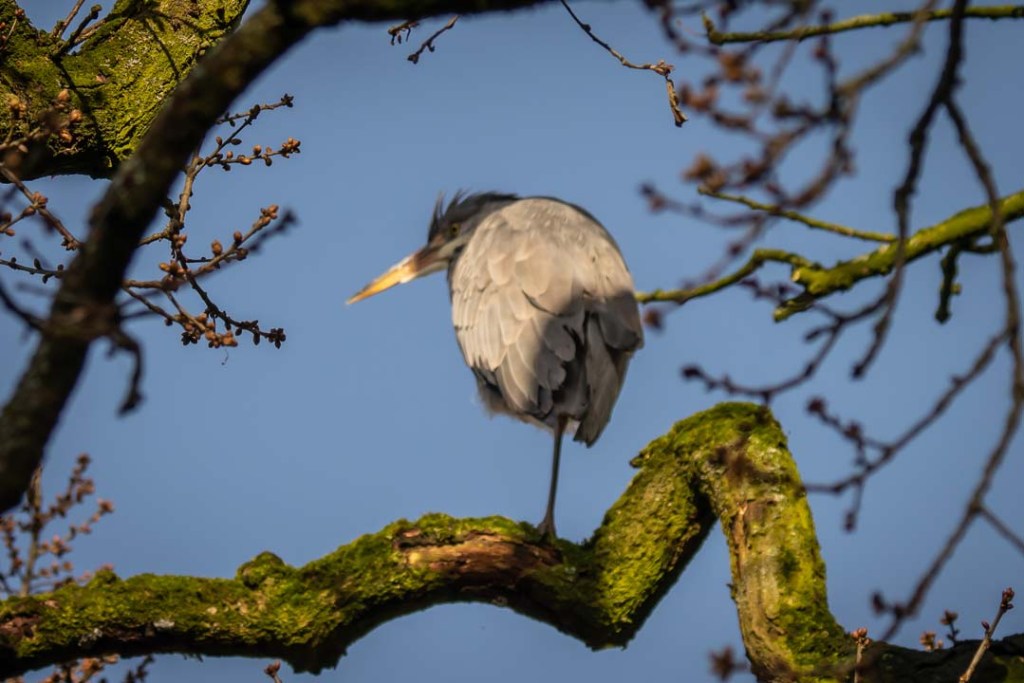
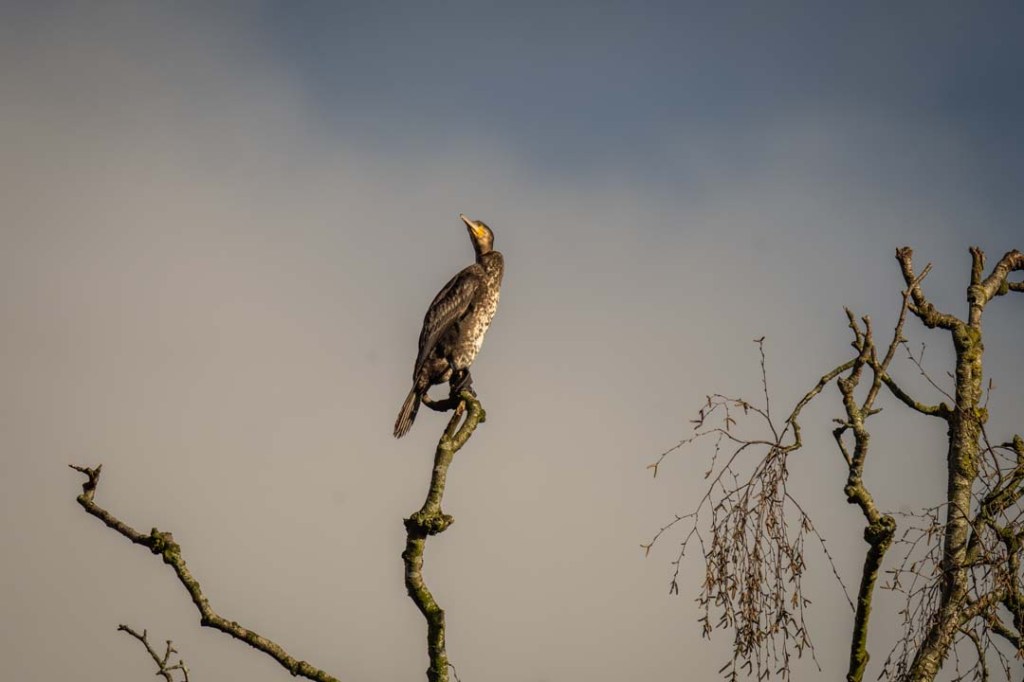
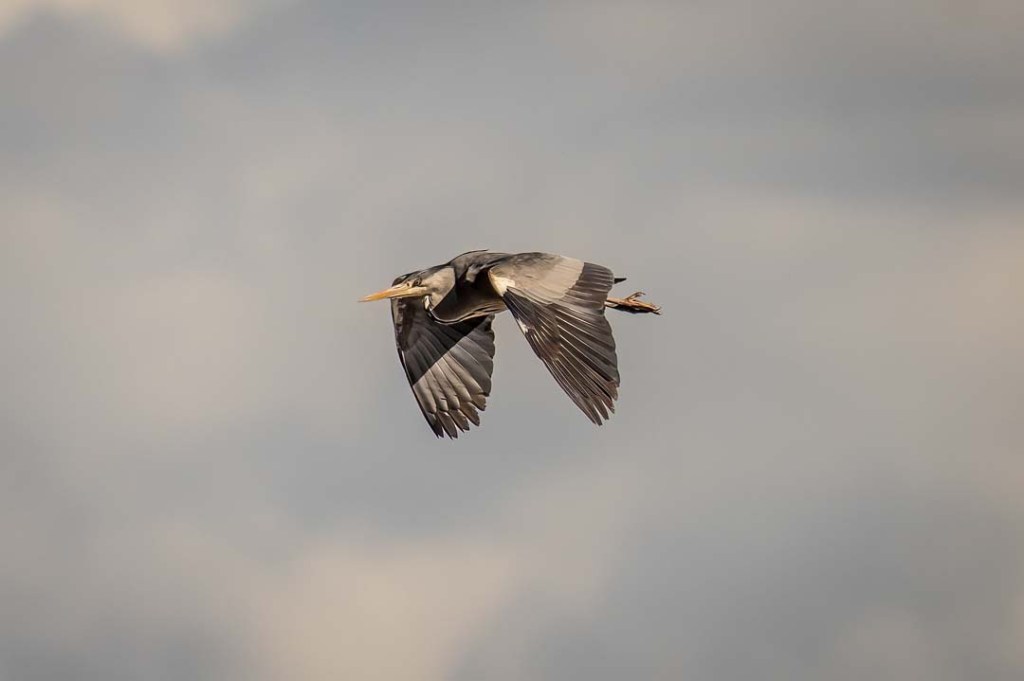
Tawny owlA dynamic grey wagtail in the gloom of the brookGrey heron catching the brief rays of sunshineGreat cormorant overlooking the lakeDid these pike feel safe from the cormorants? There were plenty of them in the lake.The light was failing on the way home but a robin provided a ray of brightness
The weather was kinder today and, although there was a fresh breeze throughout, it was sunny for most of the day. I visited 3 nature reserves on the Somerset Levels, about an hour and a half south from my home in Bristol.
At RSPB Catcott Lows a couple of wardens had just disturbed most of the birds as they made their way out to a pumping station to lower the water levels. I didn’t hang around but made may way to RSPB Greylake instead, only a further 6 miles on.
There was lots to see but most of the huge numbers of ducks were fairly inactive and not too bothered even by a couple of marsh harriers and a kestrel.
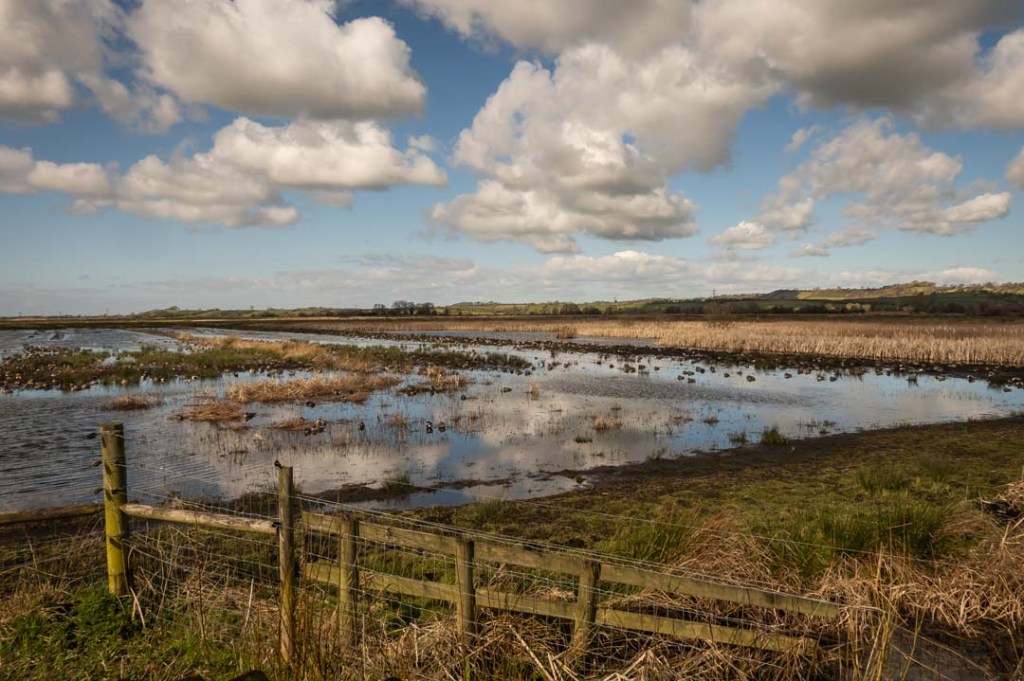
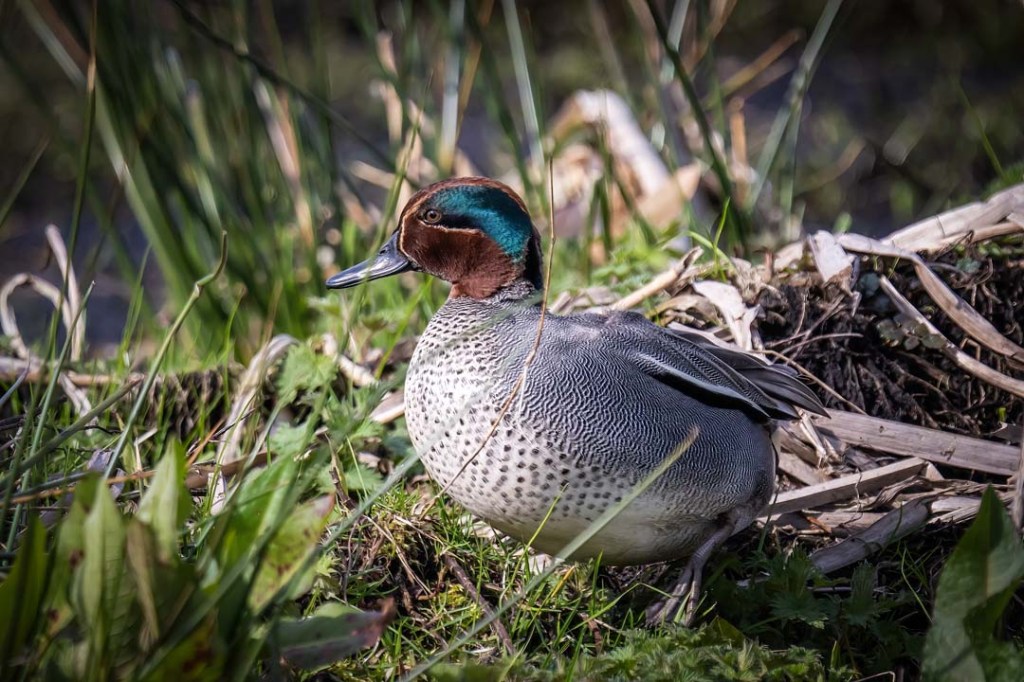
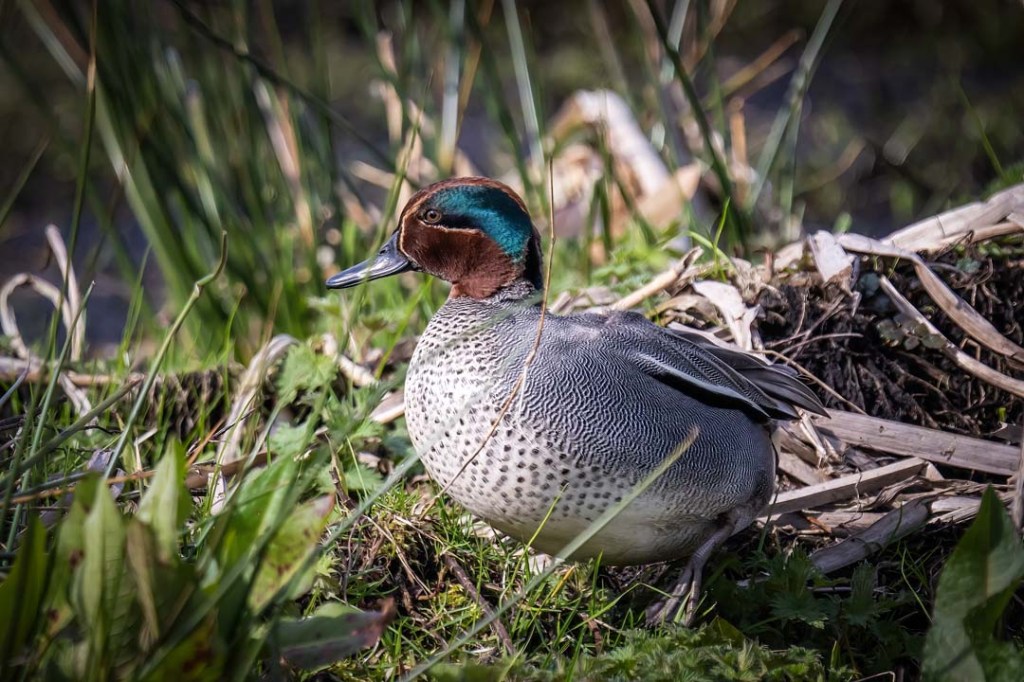
RSPB GreylakeA teal not taking a nap
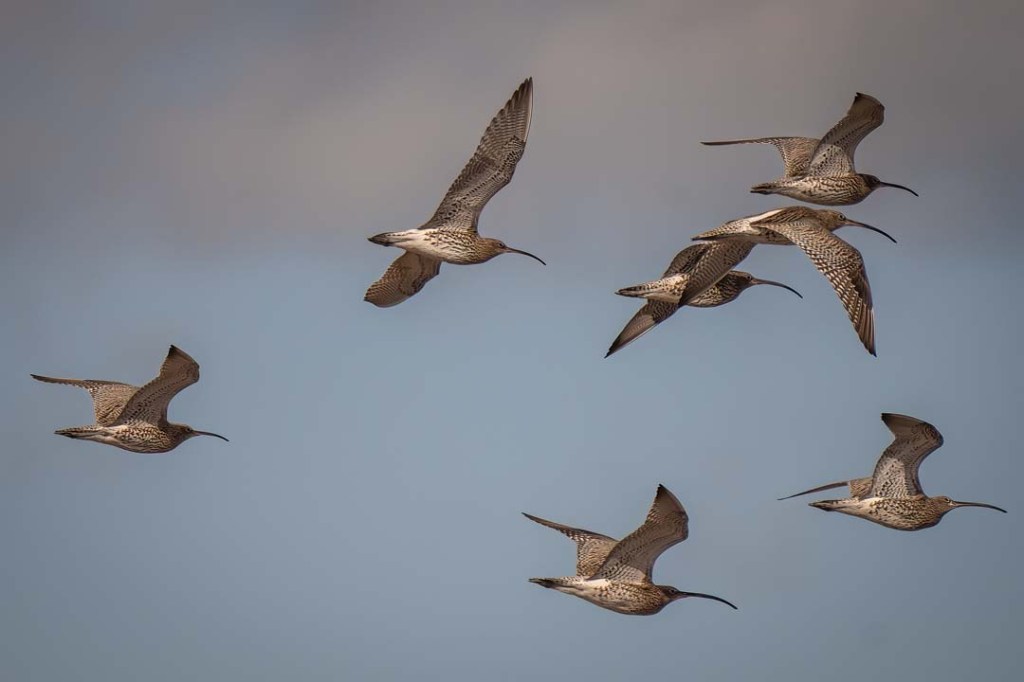
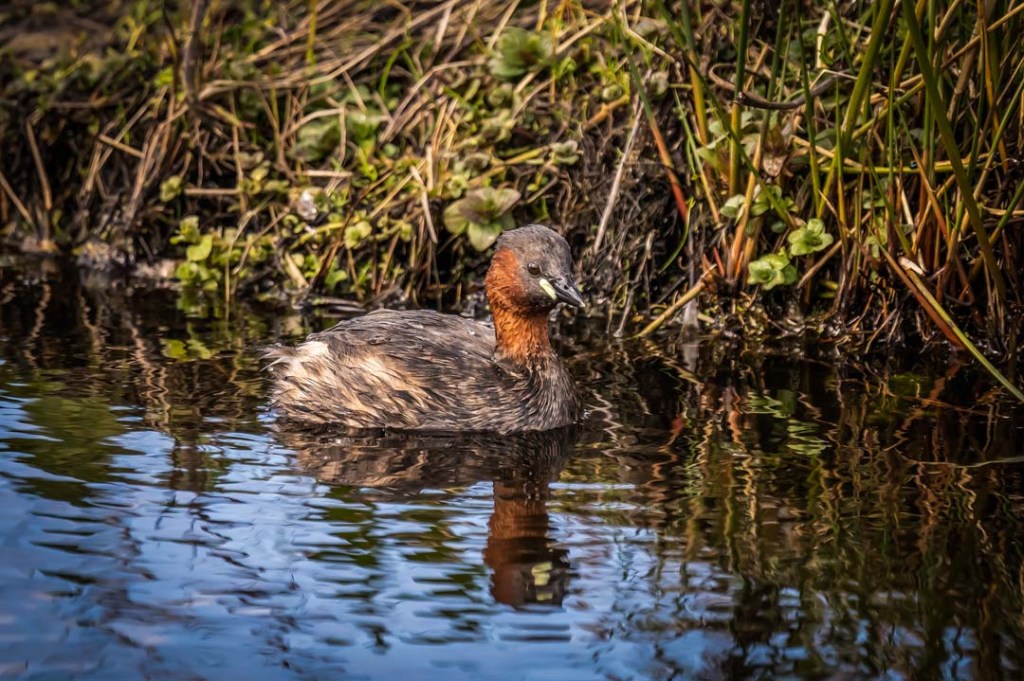
The most interesting activity was a close-up little grebe and a small flock of curlew flying over.
Little grebeCurlew
I moved on to RSPB Ham Wall, about half a dozen miles back towards home.
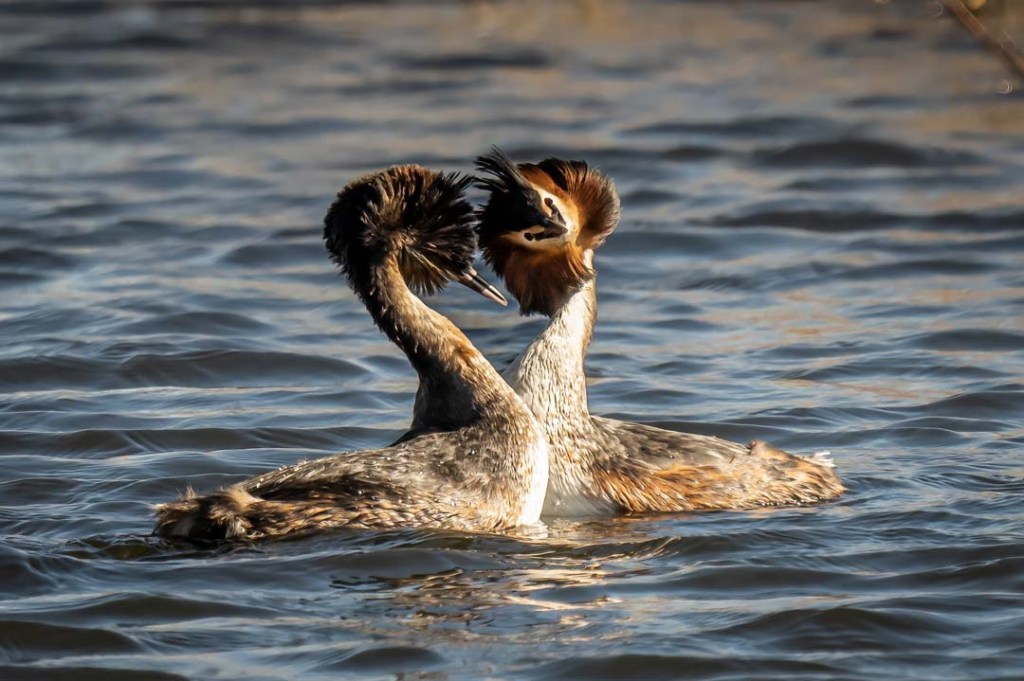
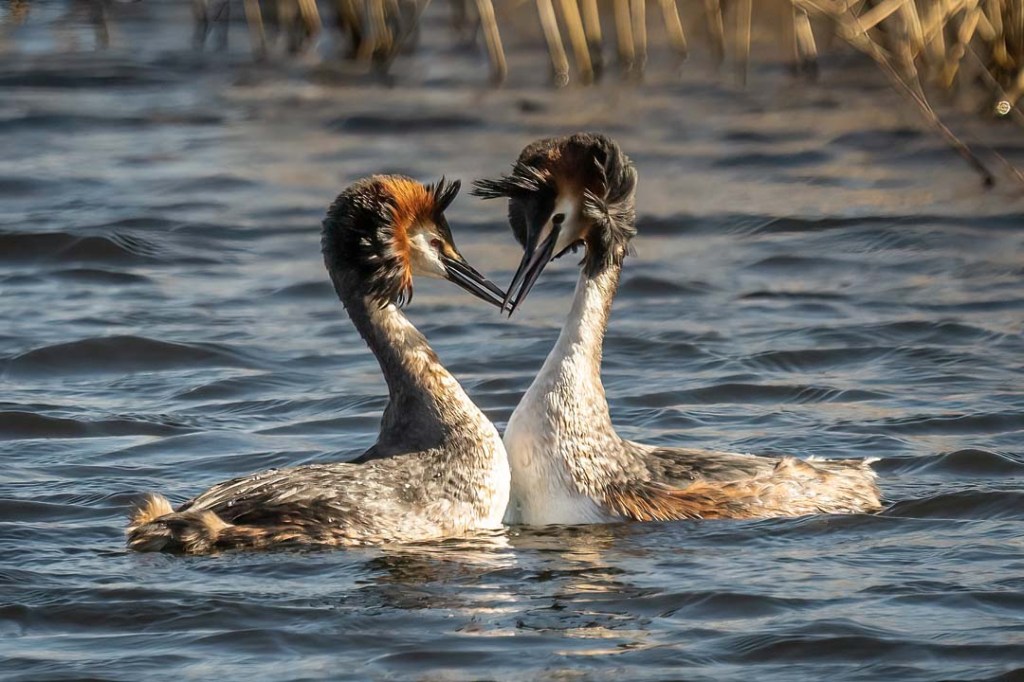
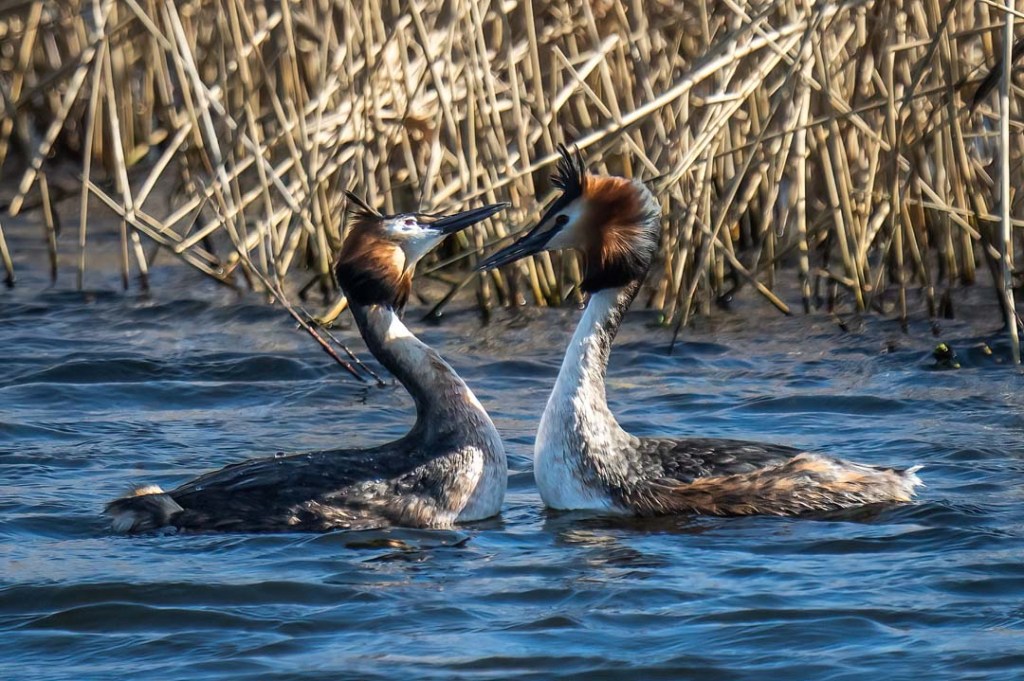
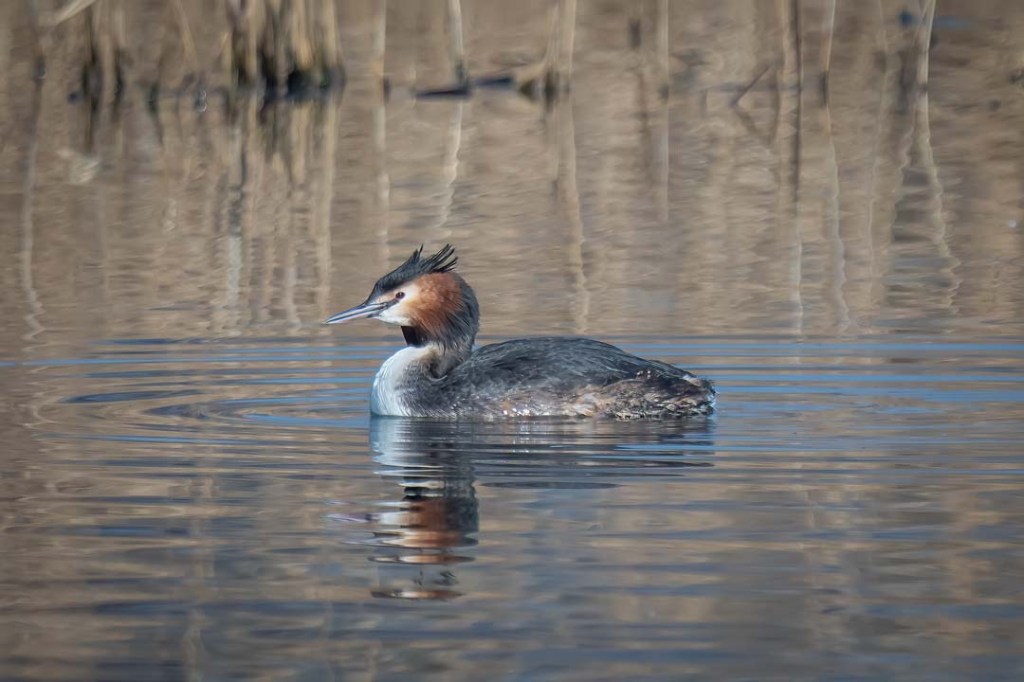
It was relatively quiet here too. But its always a joy to be at Ham Wall (with booming bitterns and frequent sightings of marsh harriers) and eventually a couple of great crested grebe made my day as they became better acquainted.
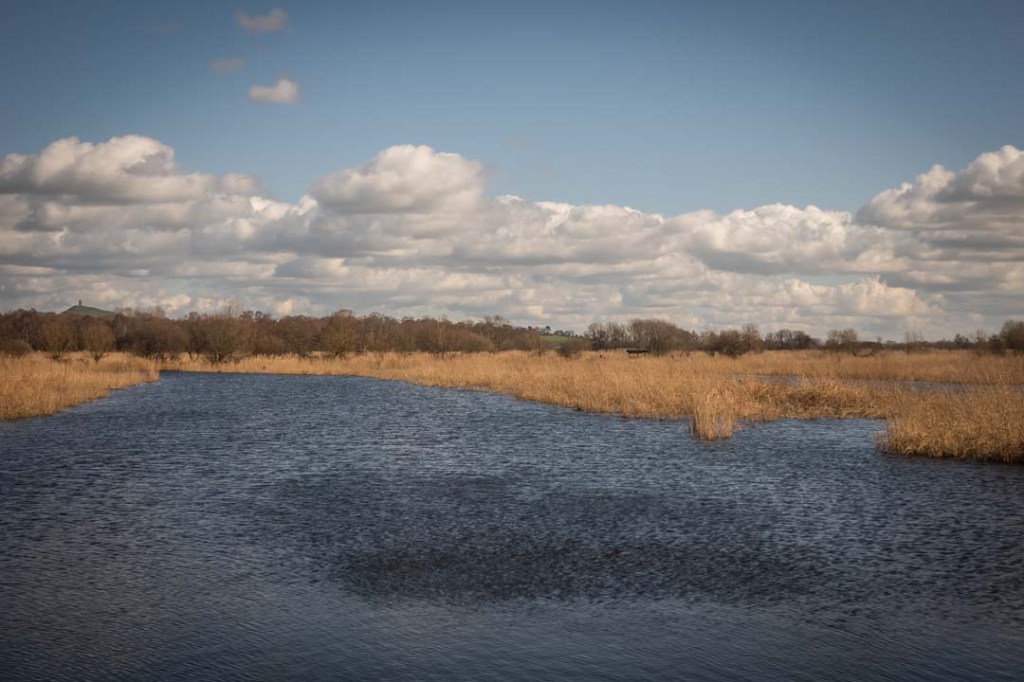
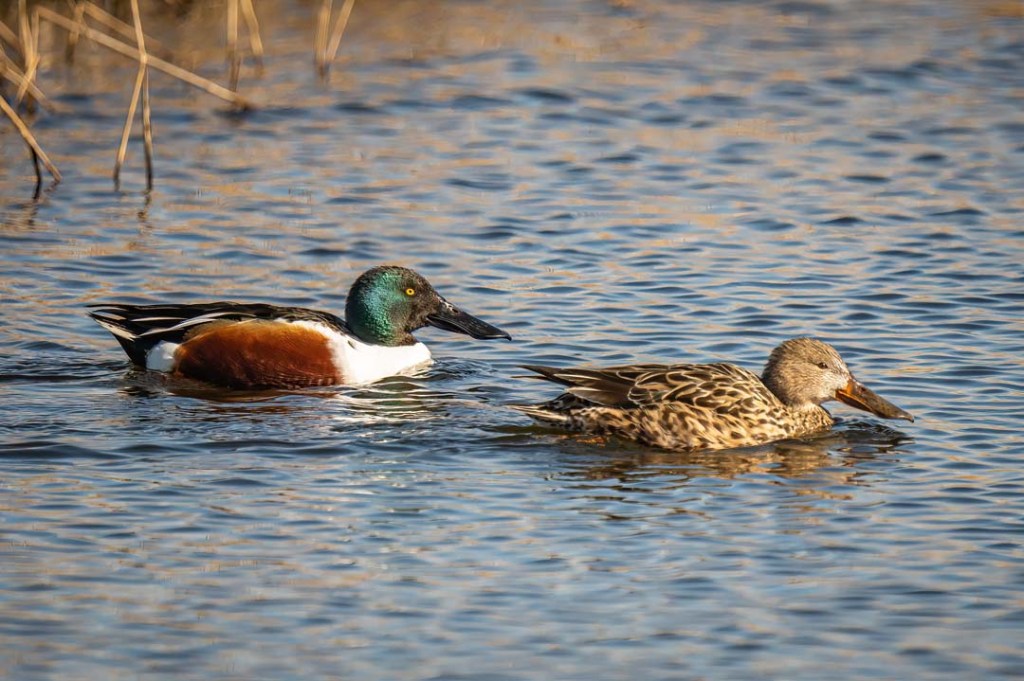
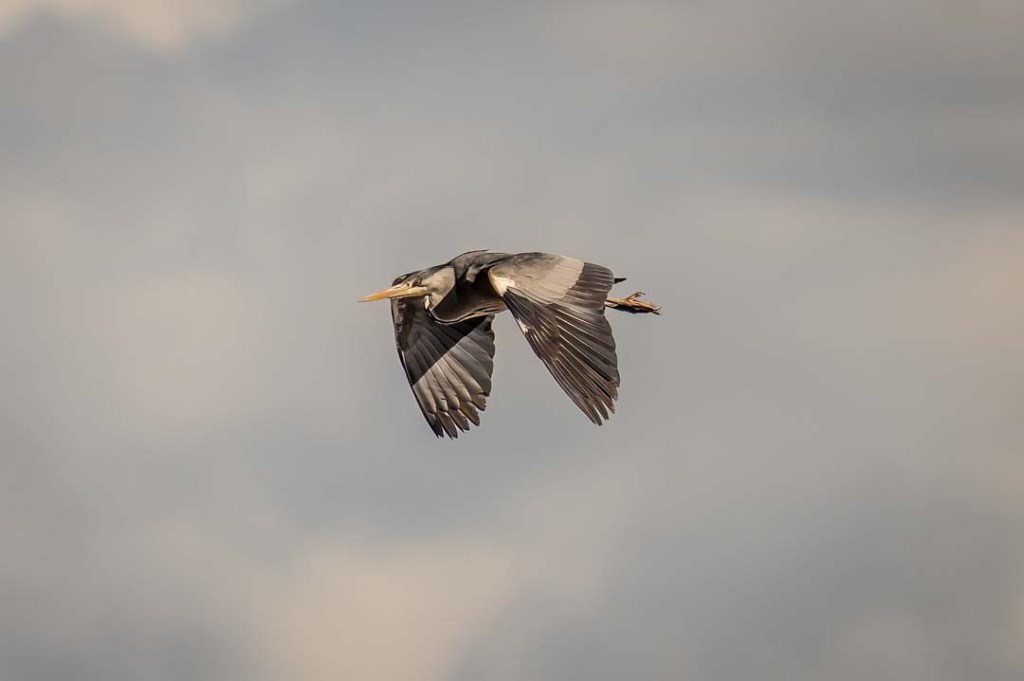
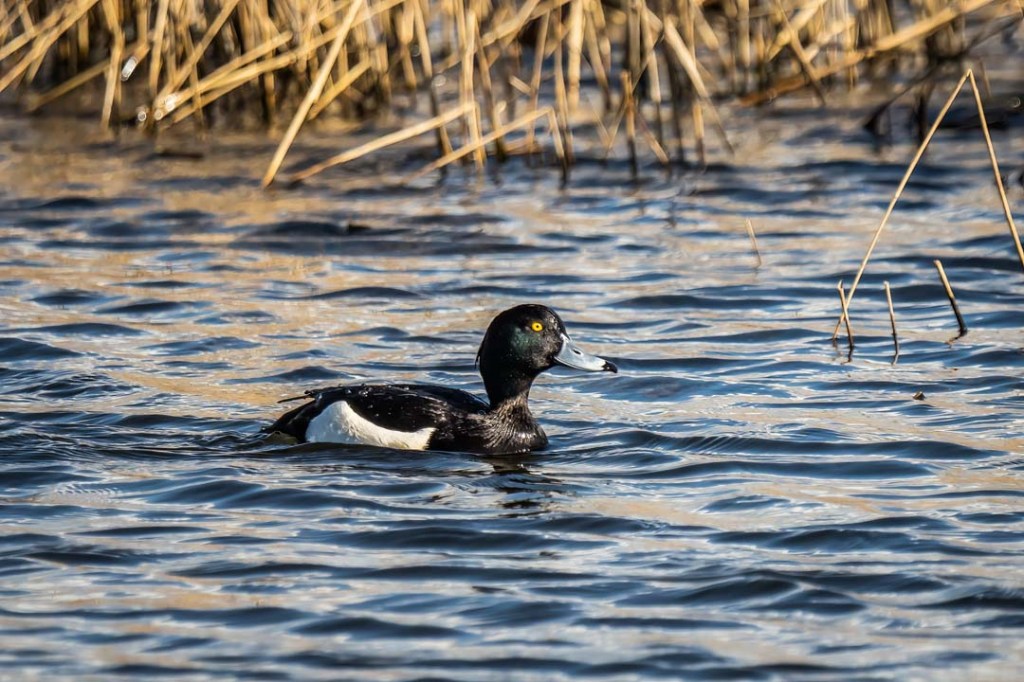
View from the hide with Glastonbury Tor in the backgroundThe squalls of wind were evident on the waterGrey heron breaks cover from the reed bedsTufted duckShovelerNice to see a great tit other than on the garden feeders
I have created a new “Galleries” section on my blog to highlight some of my bird photos.
GALLERIES
I have purposely not labelled the birds in the mixed galleries as I thought it might be fun (for me too) to try our luck at identifying them. They are labelled elsewhere on the site.
So far I have added the following galleries:
Miscellaneous
Waders
Birds in Flight
Large Waterbirds
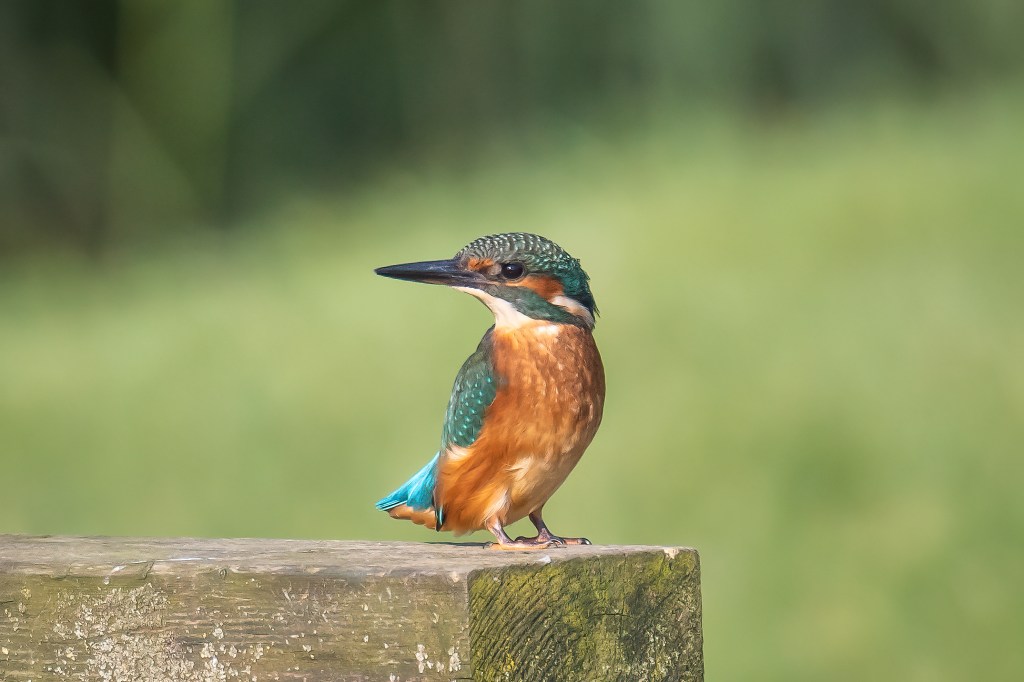
Kingfishers
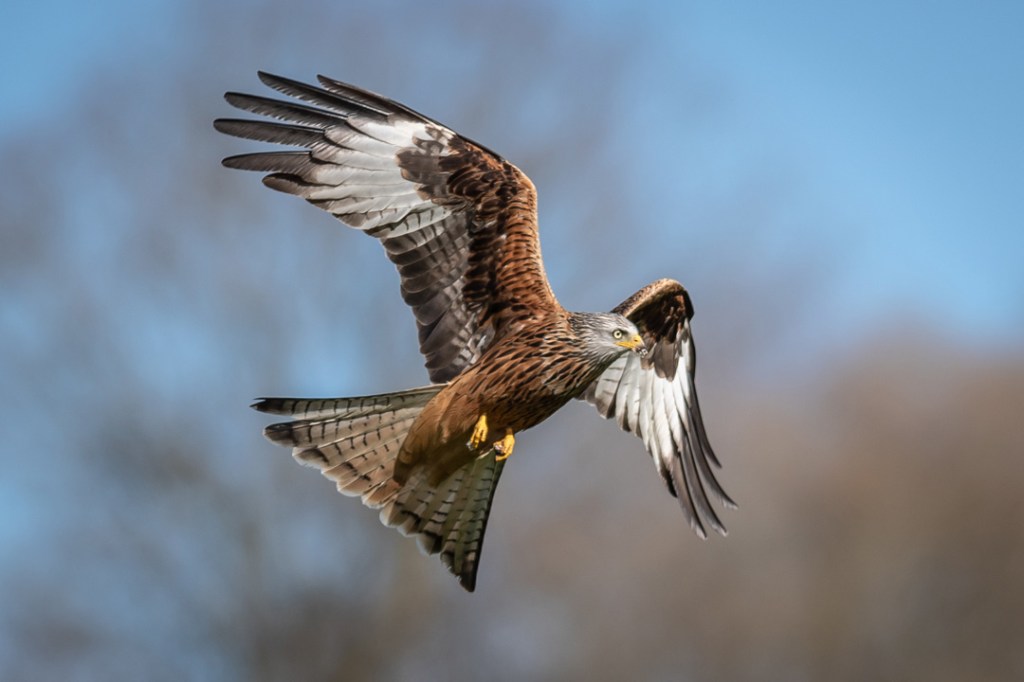
Red Kites
Thornybush Private Game Reserve, Greater Kruger South Africa:
I hope to add further galleries as time permits.
These galleries can also be found under the “Additional Blogs” tab.
I enjoyed Denzil Nature’s Photo Challenge on “Pattern” last week and particularly enjoyed seeing some of other bloggers’ contributions. See Denzil’s post.
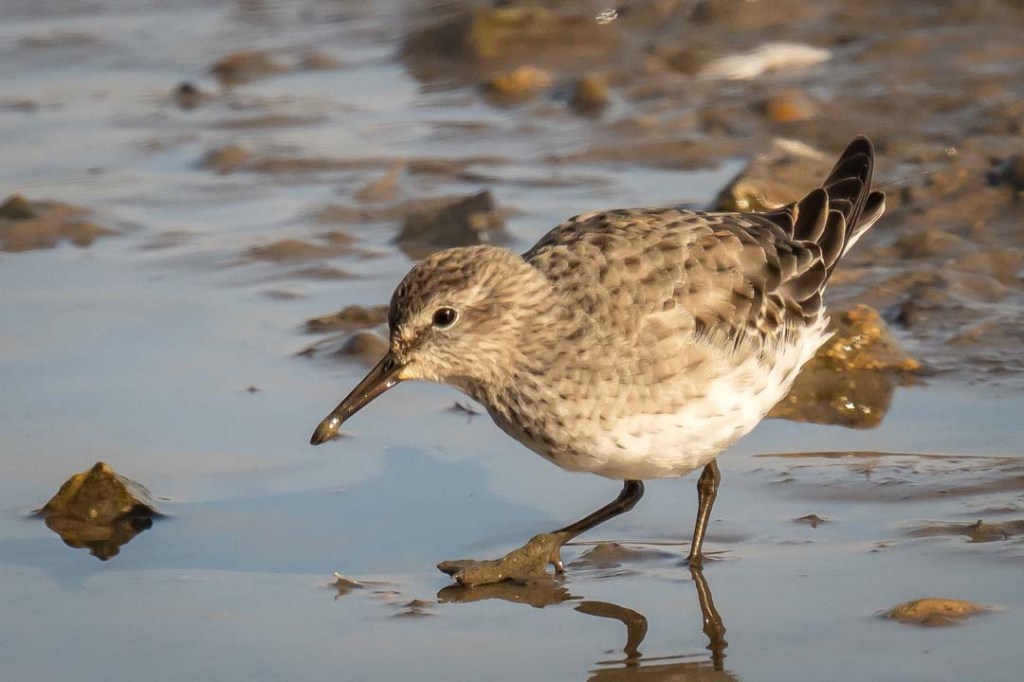
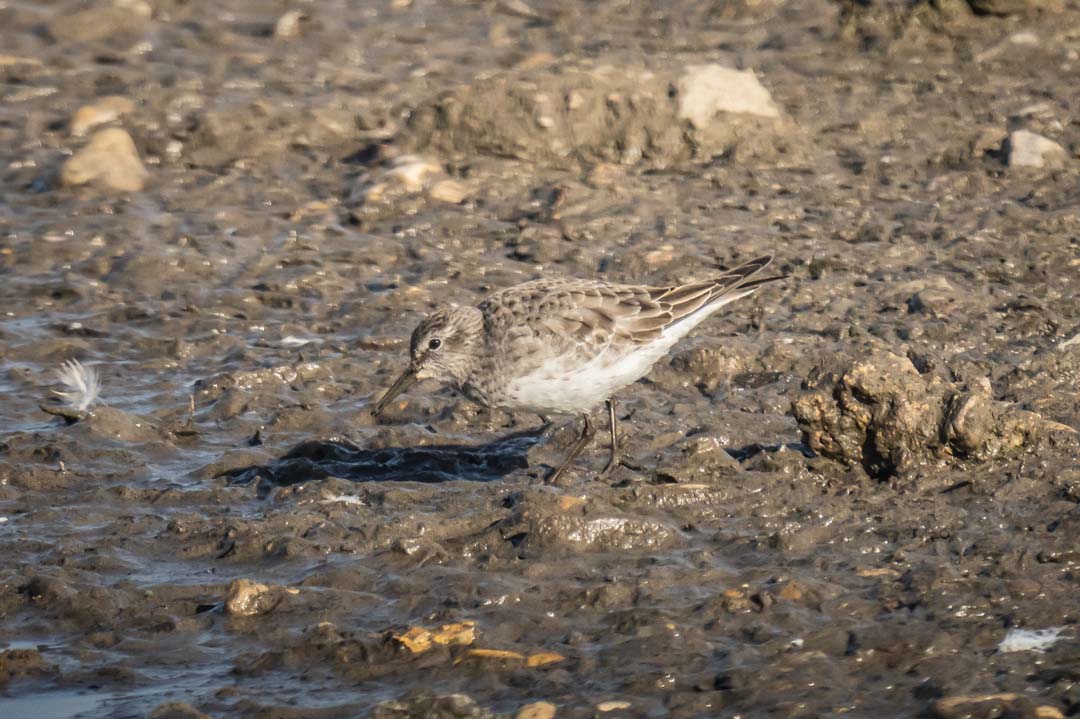
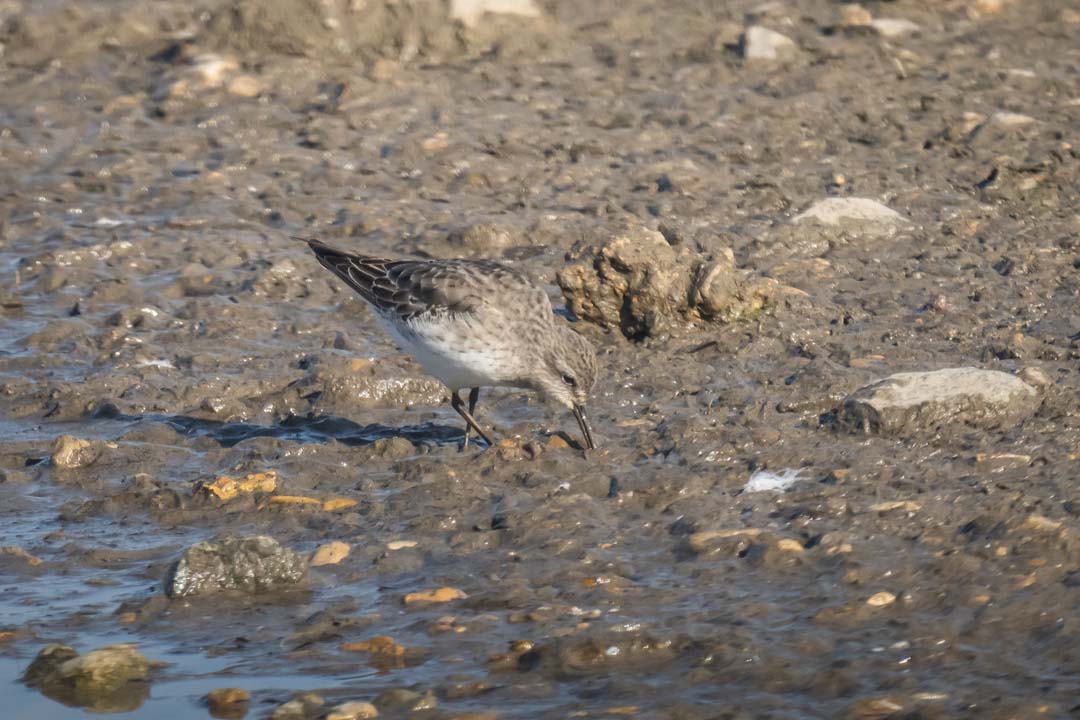
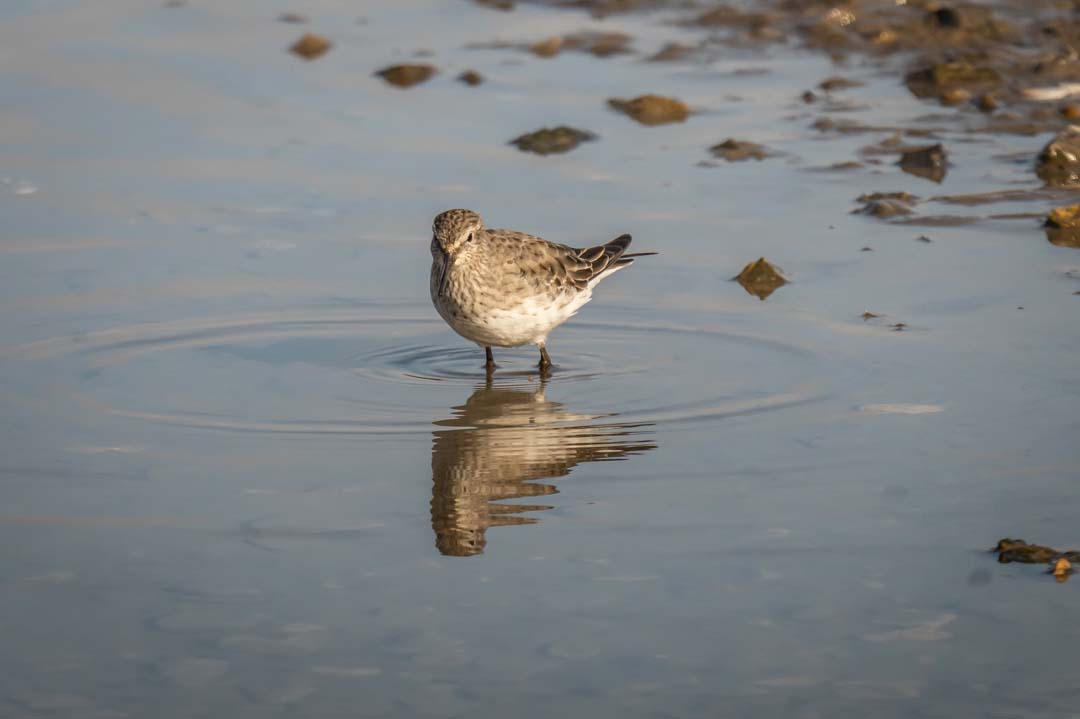
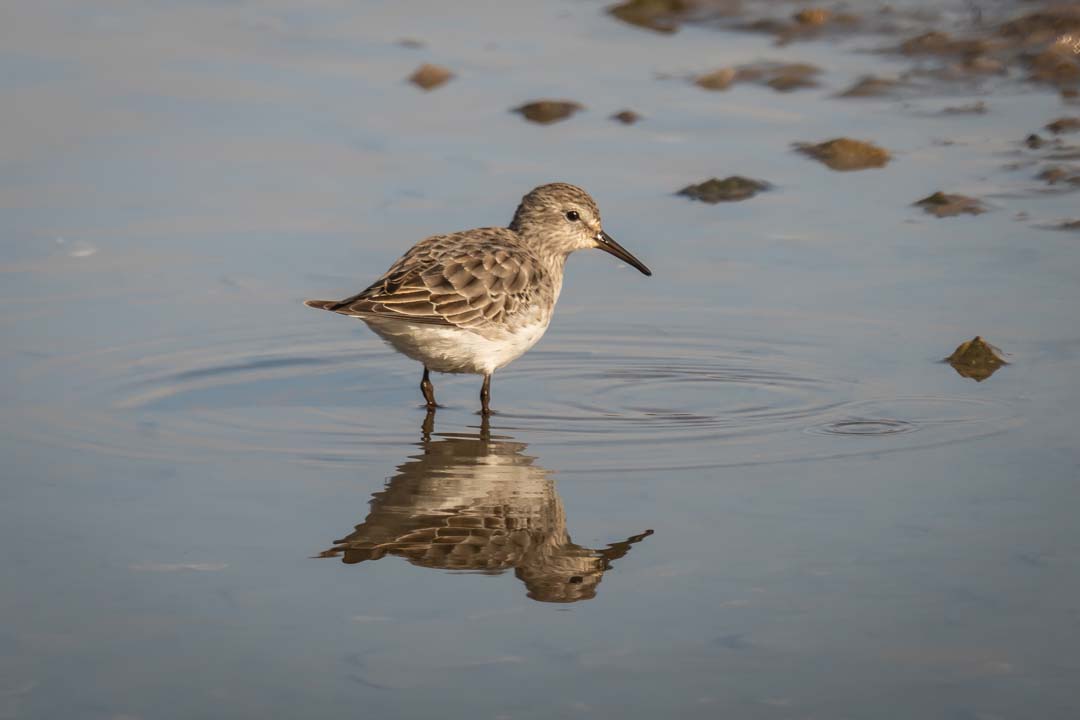
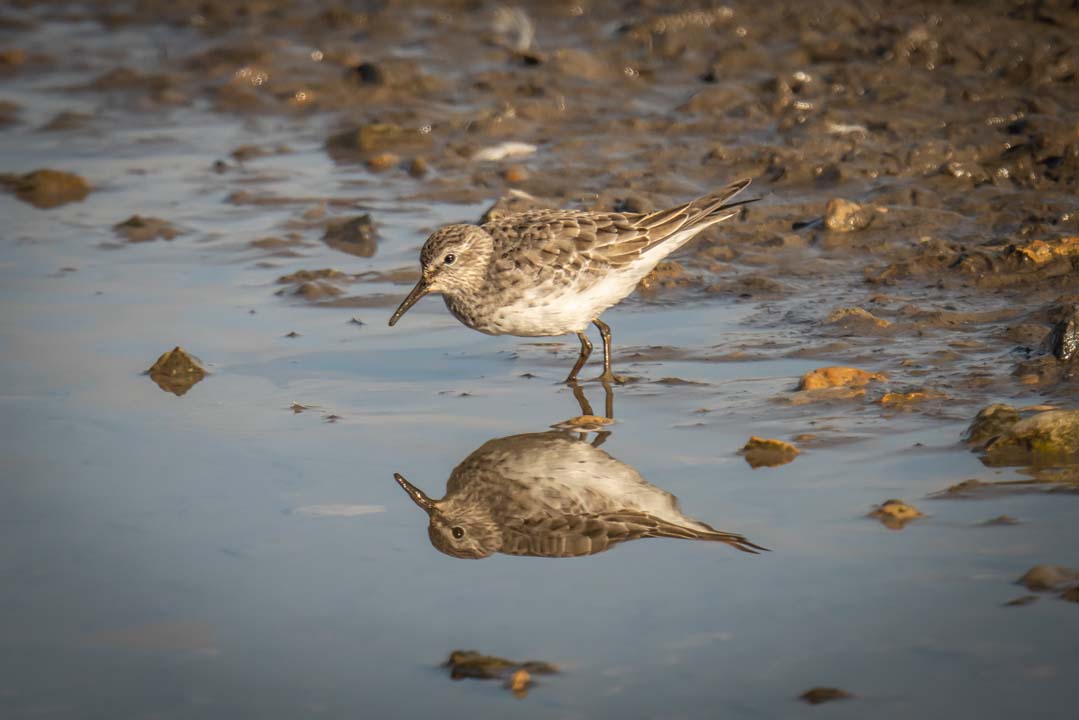
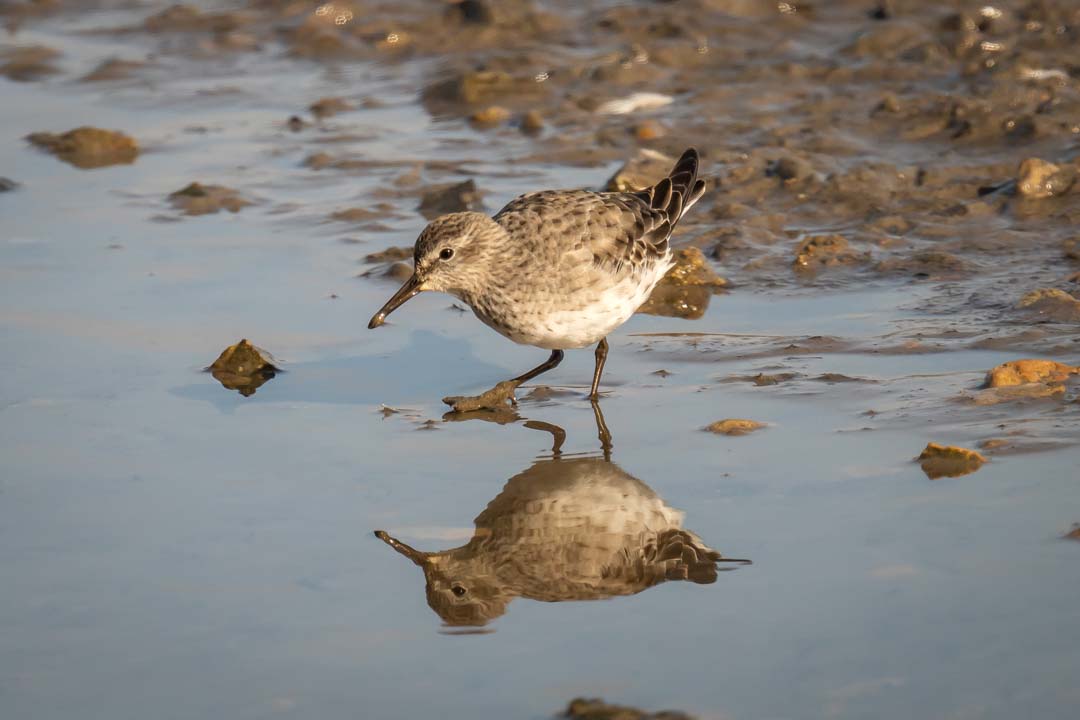
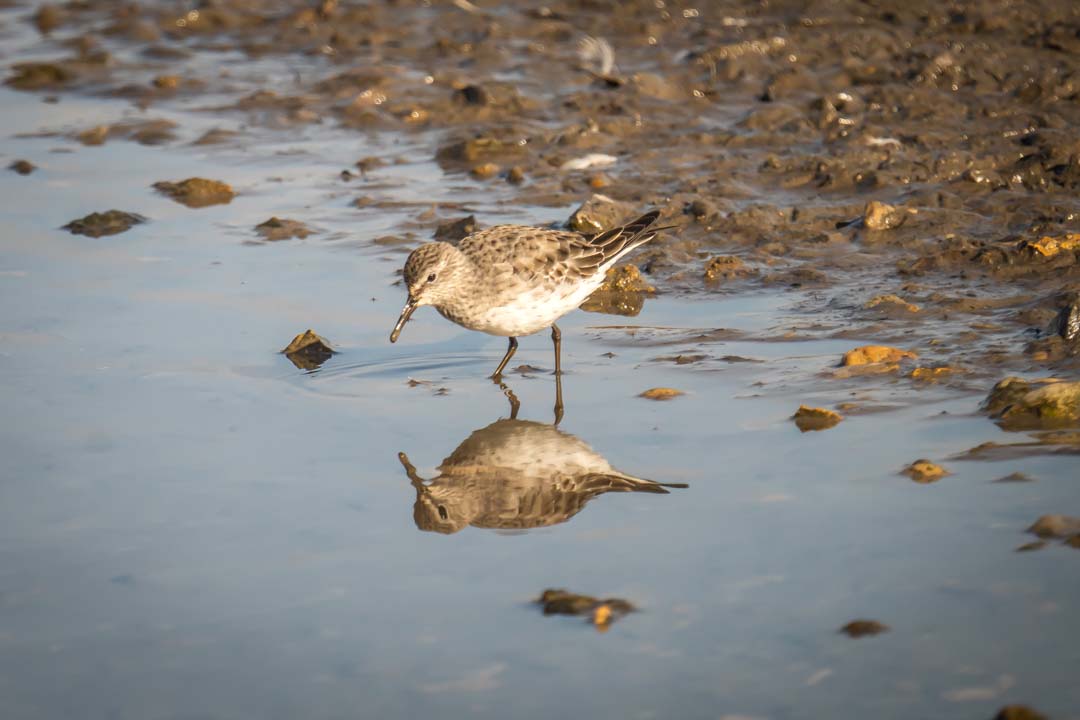
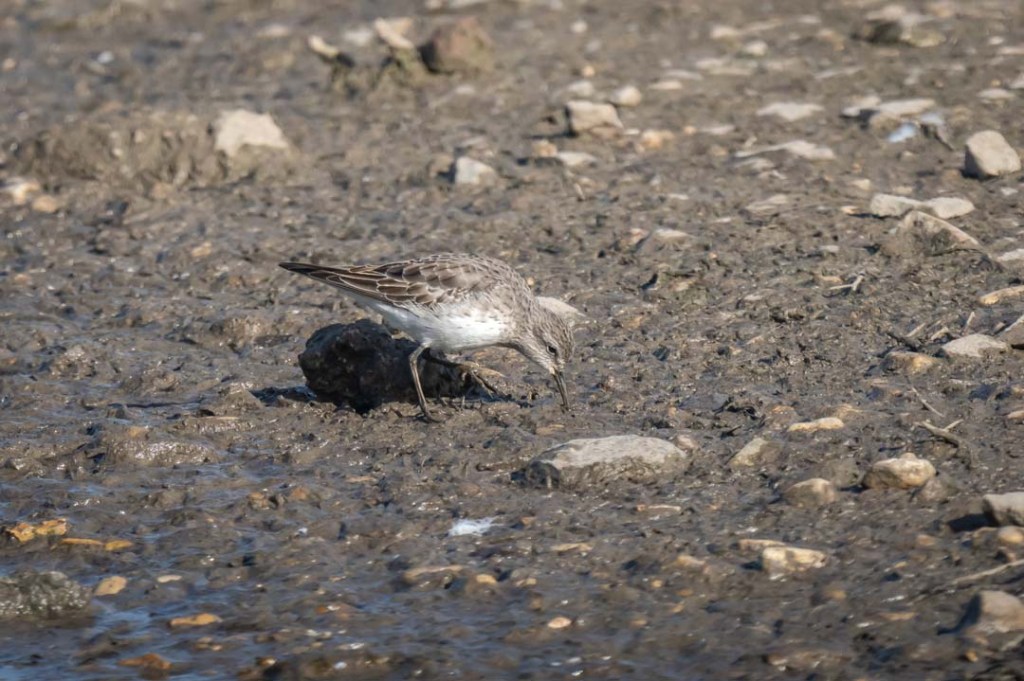
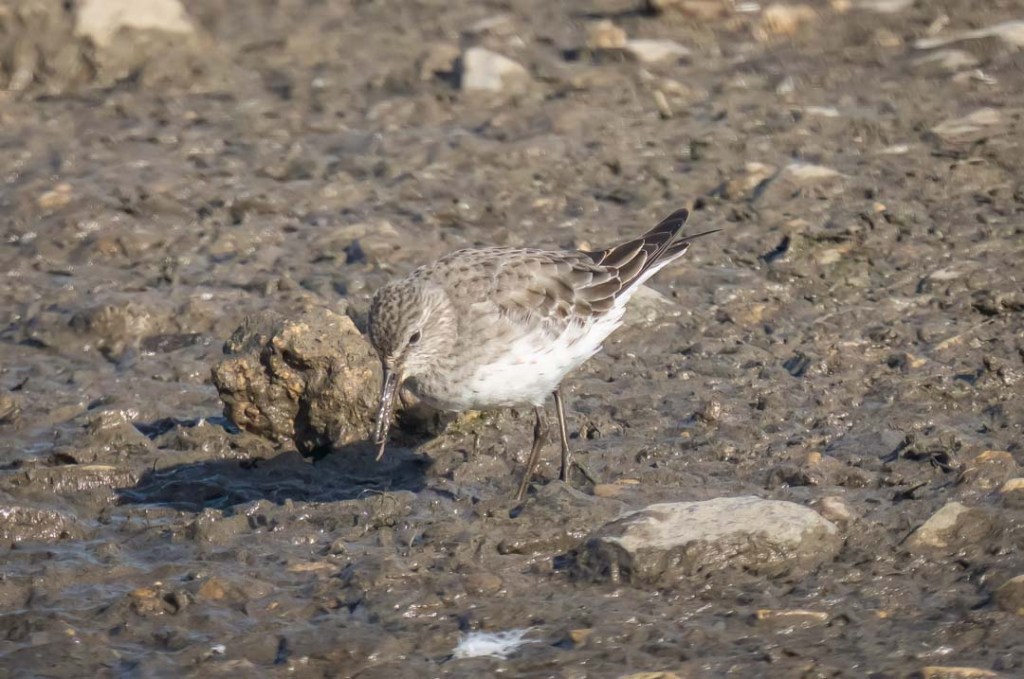
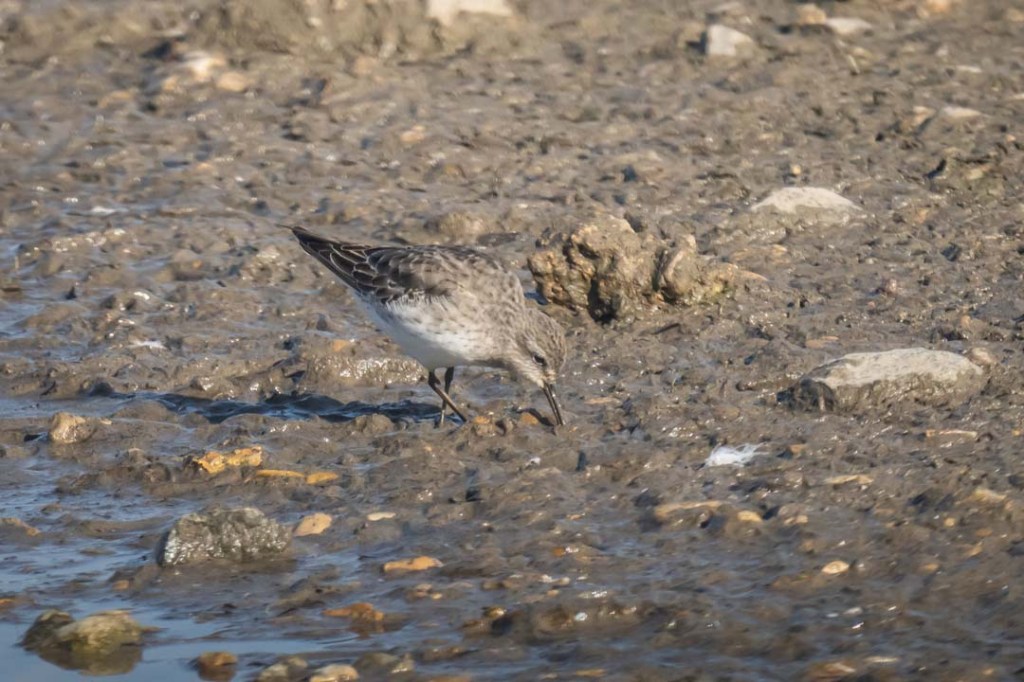
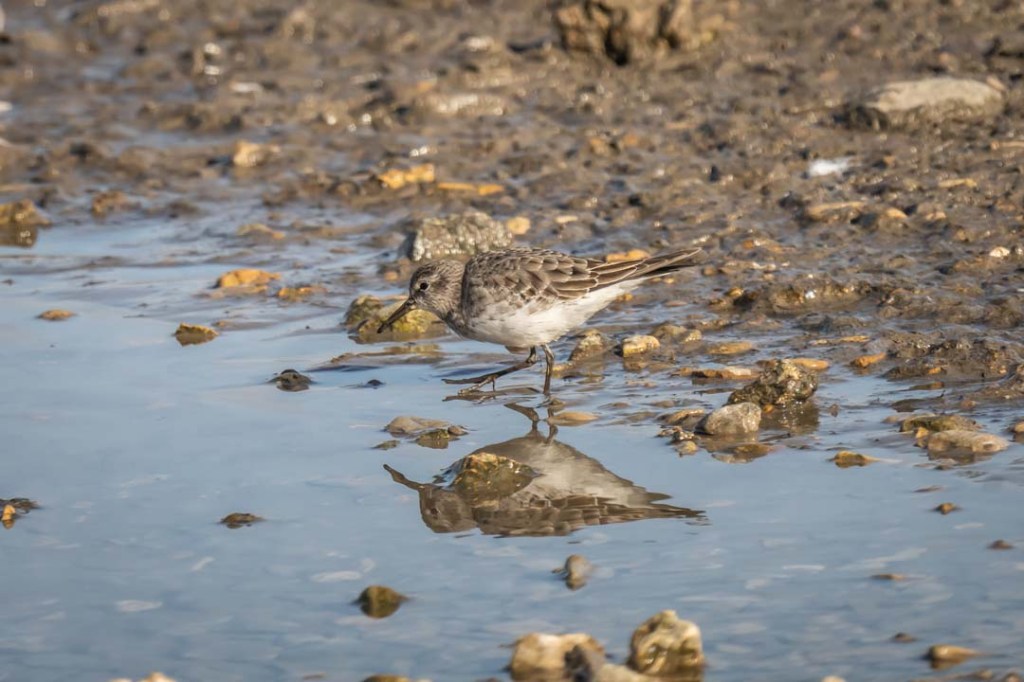
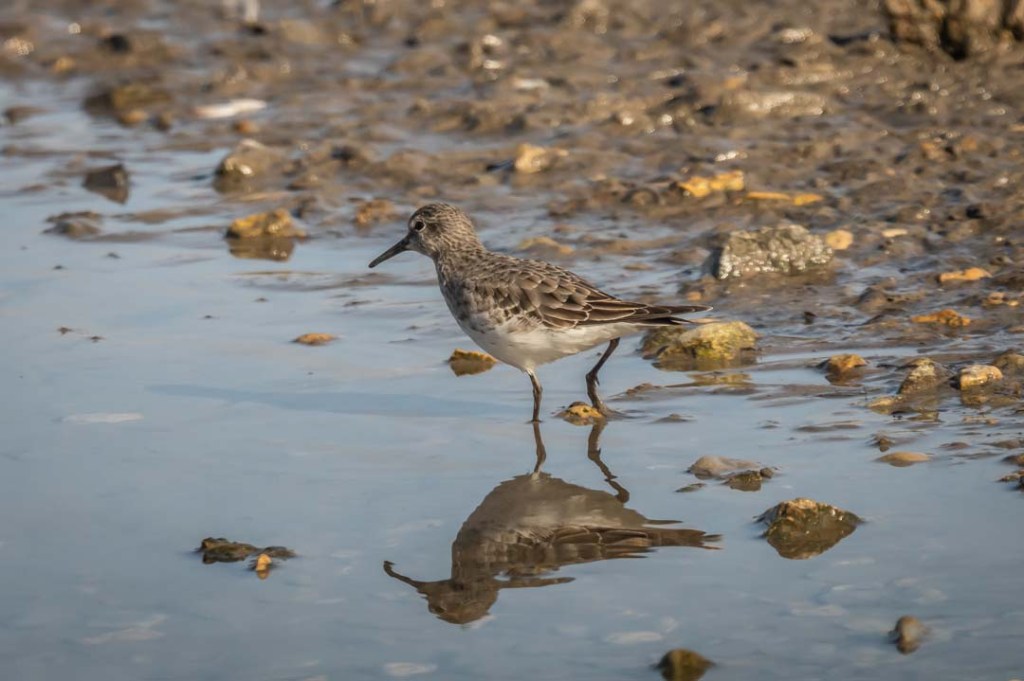
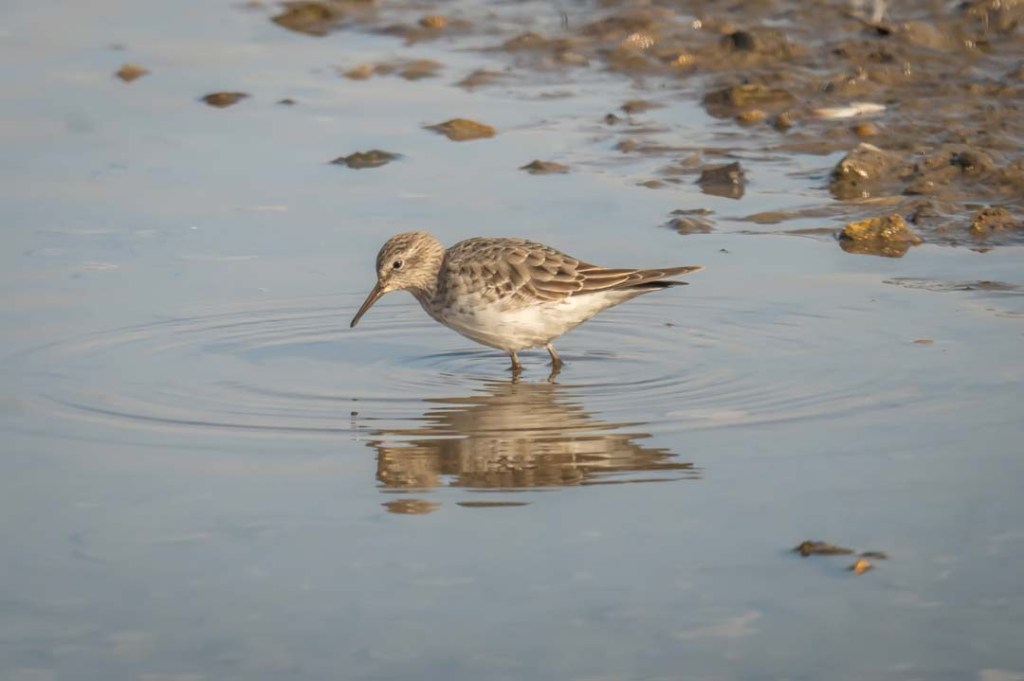
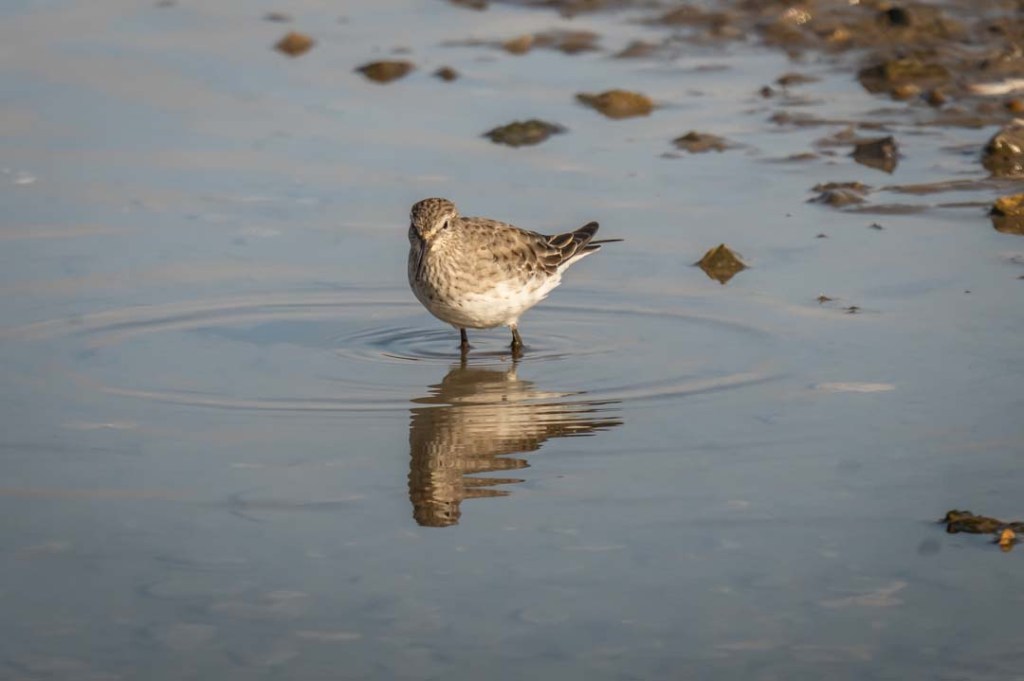
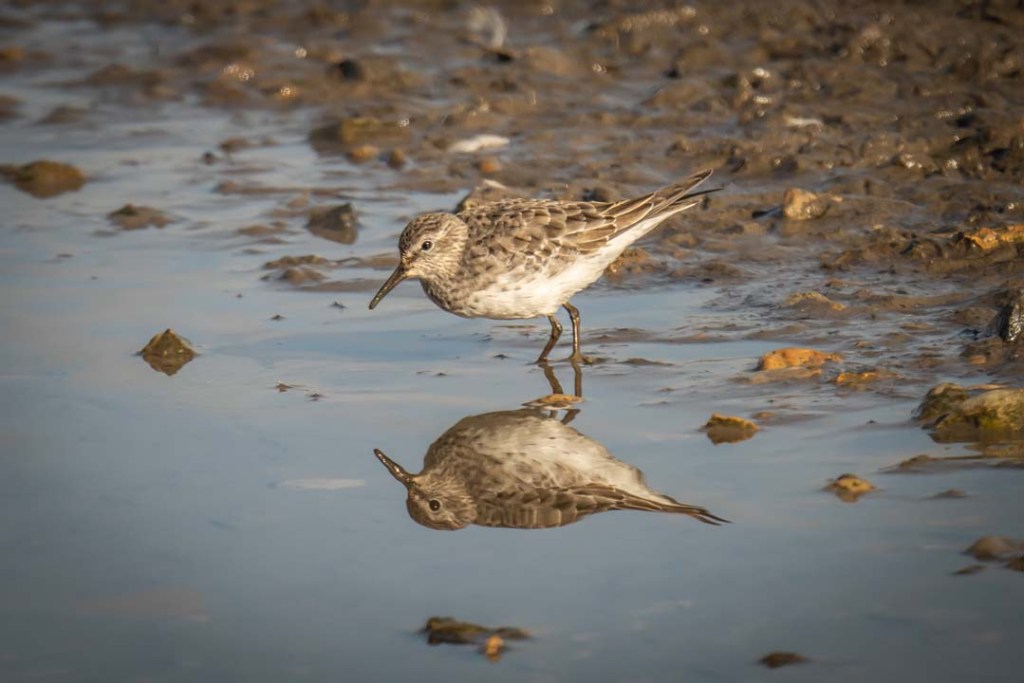
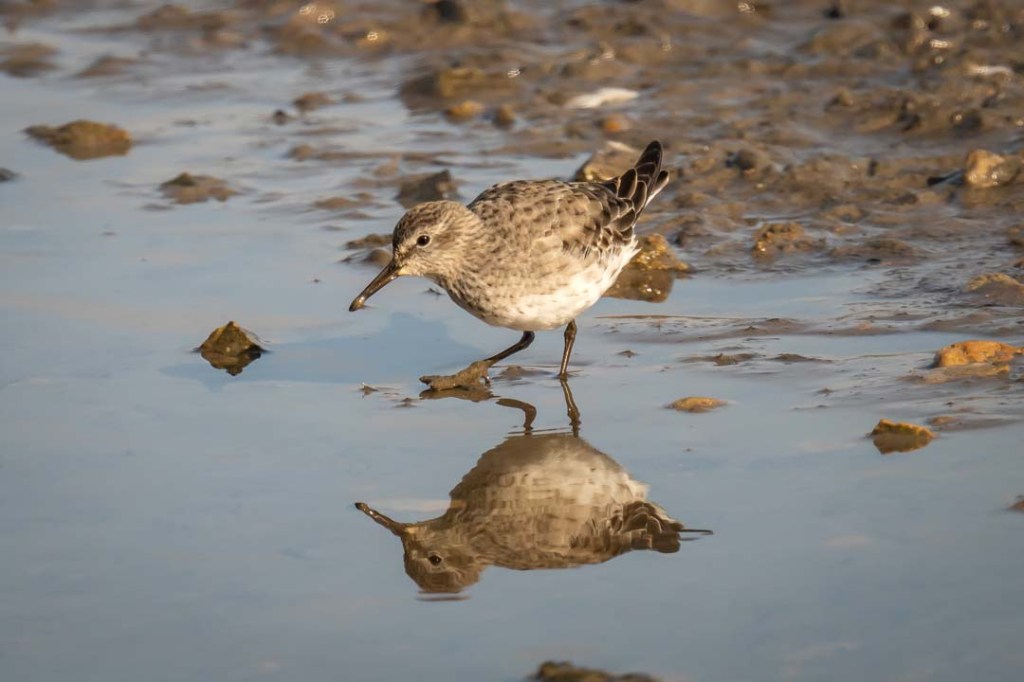
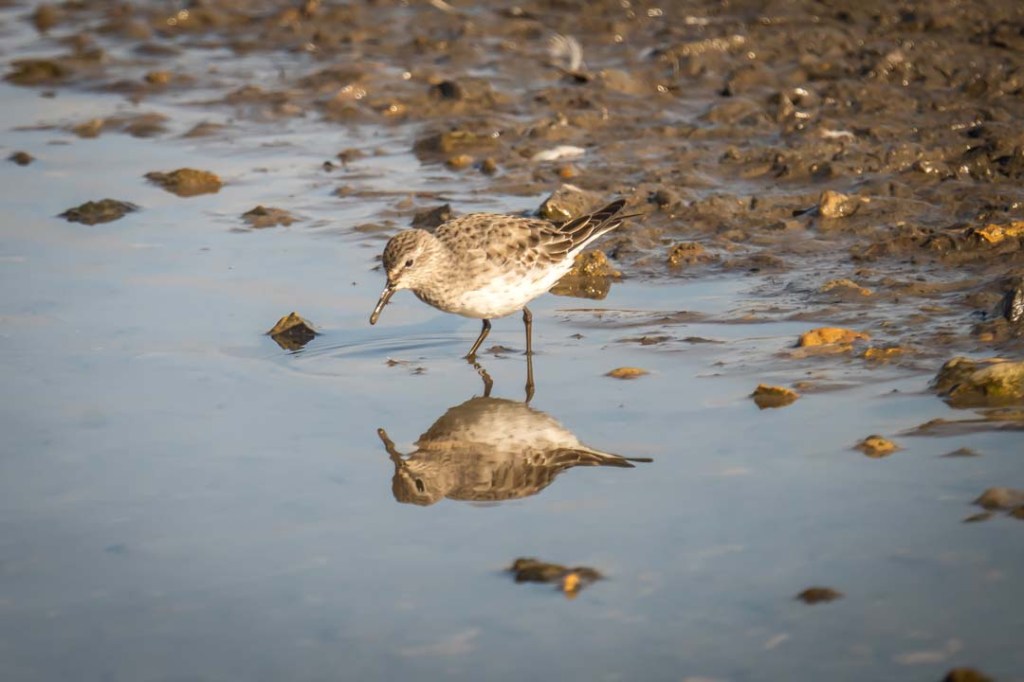
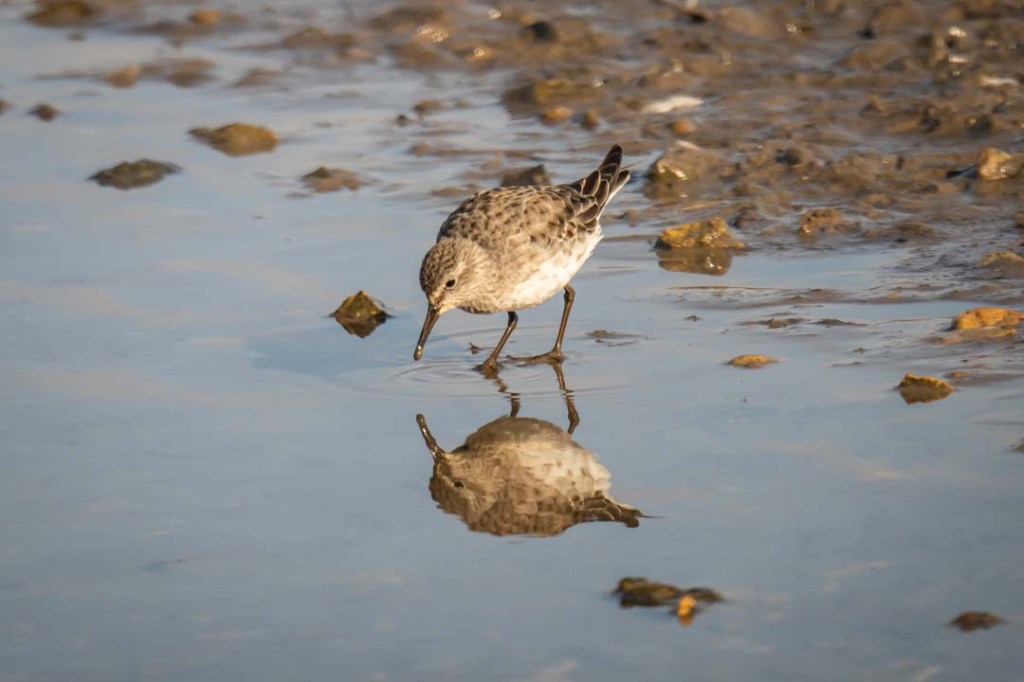
We are regular visitors to Slimbridge but we generally avoid going there during school holidays. However, with a rarity, a White-rumped Sandpiper (an annual visitor to the UK from North America in small numbers), reported there the temptation was too great.
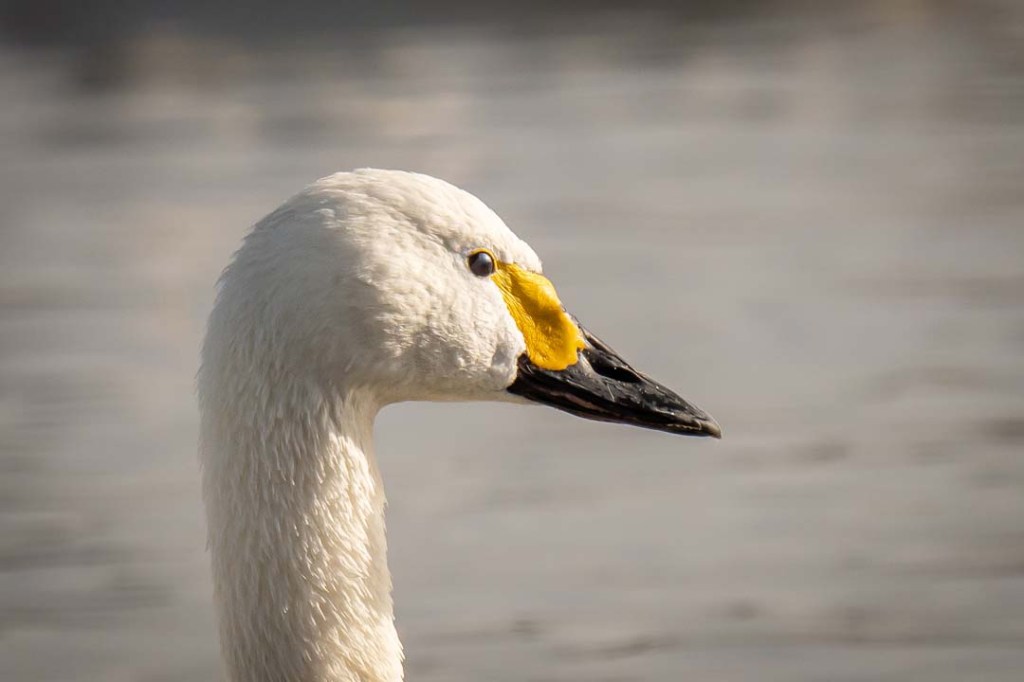
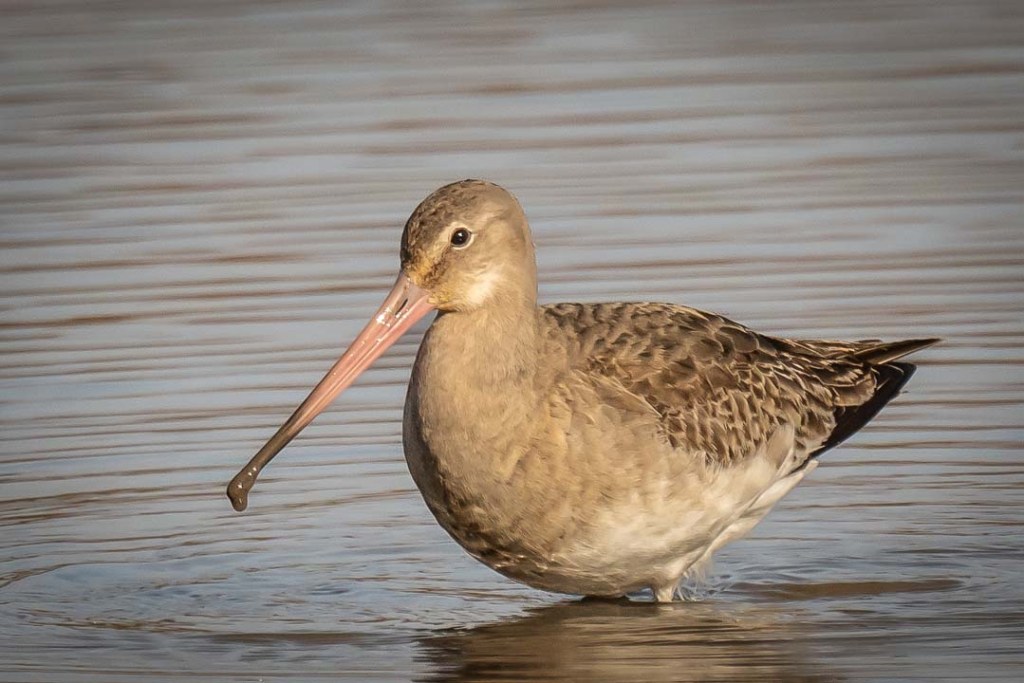
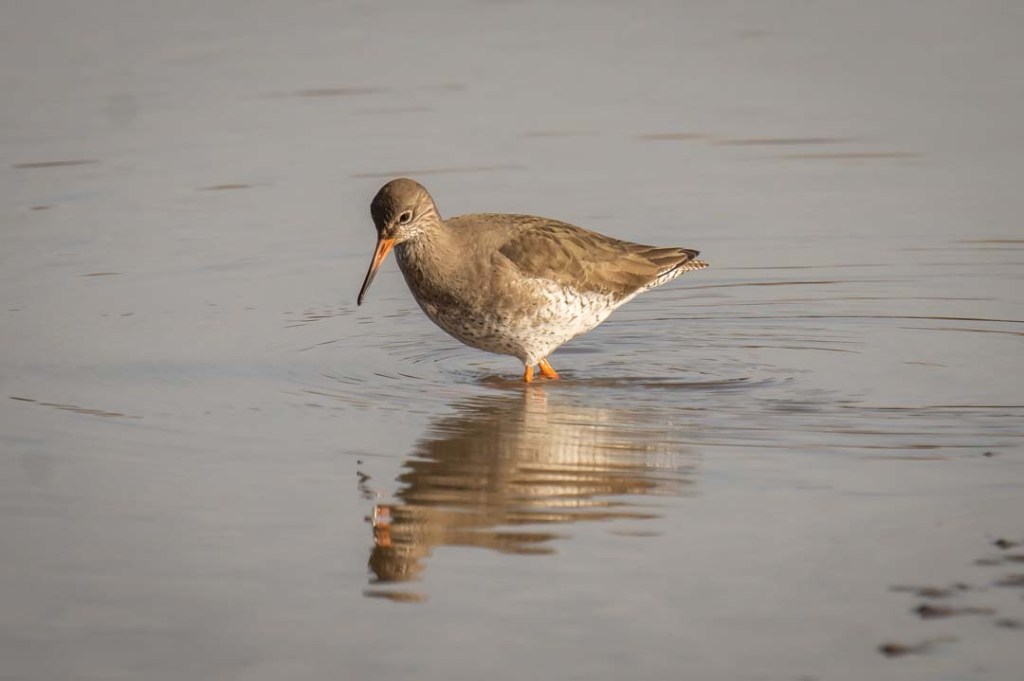
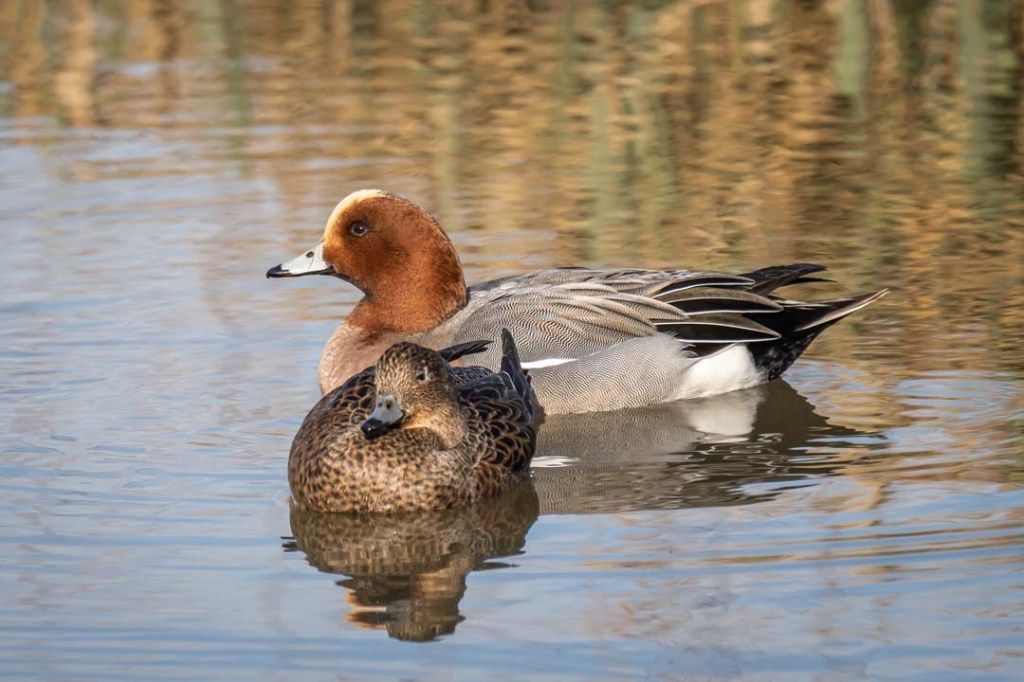
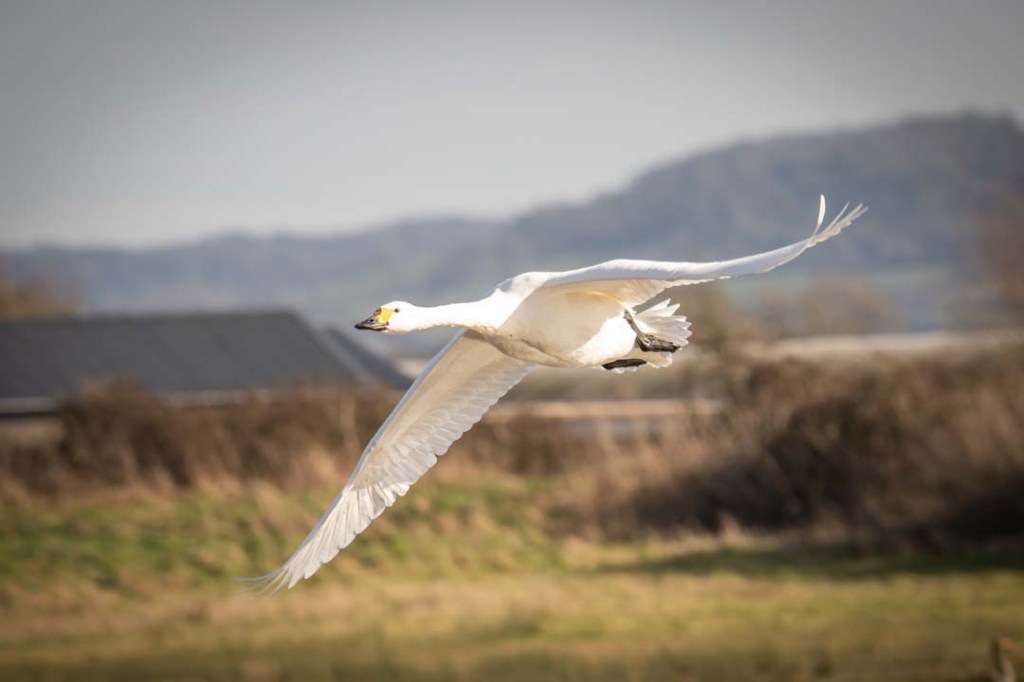
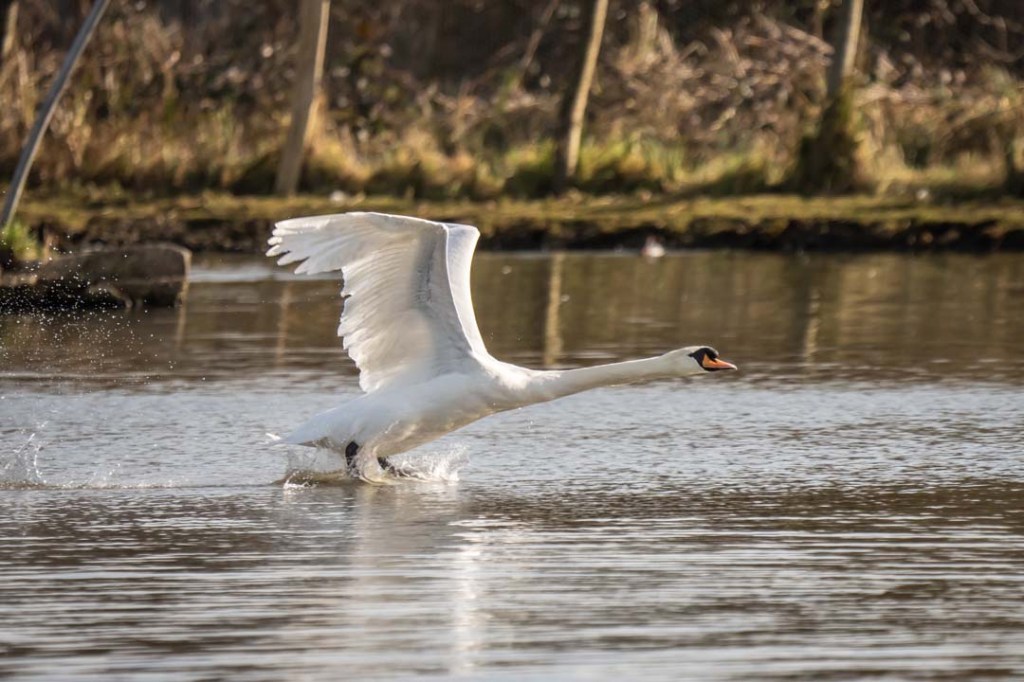
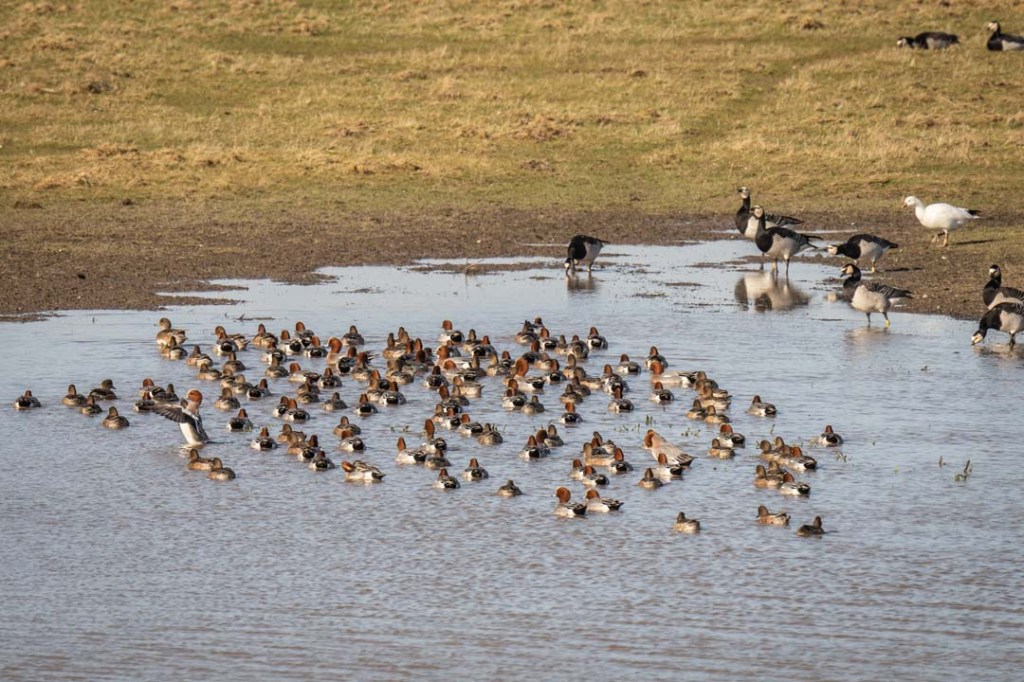
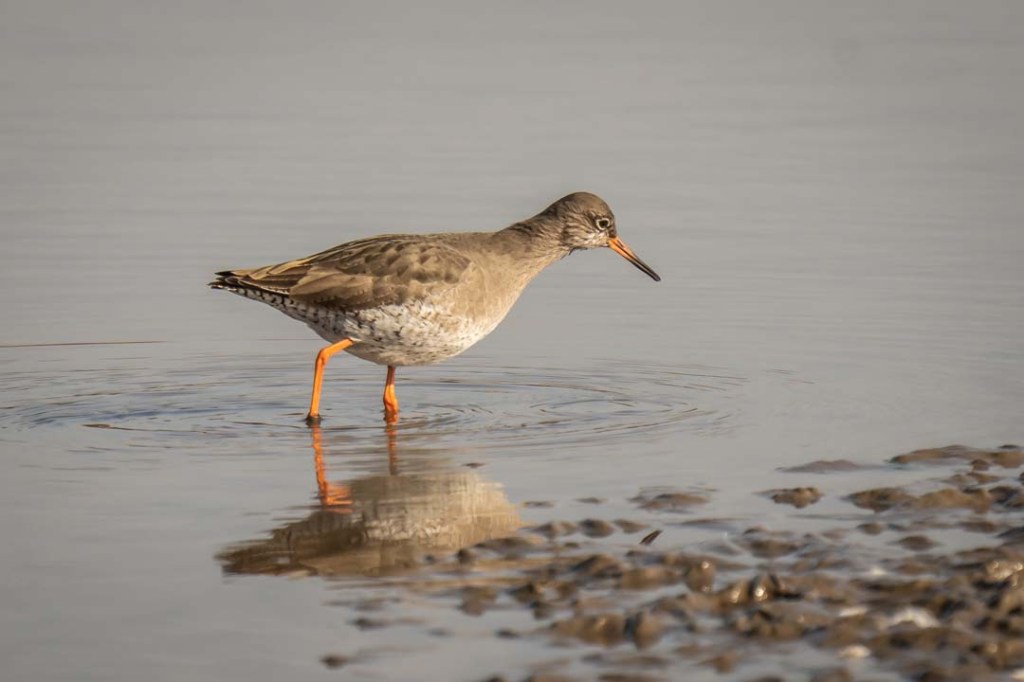
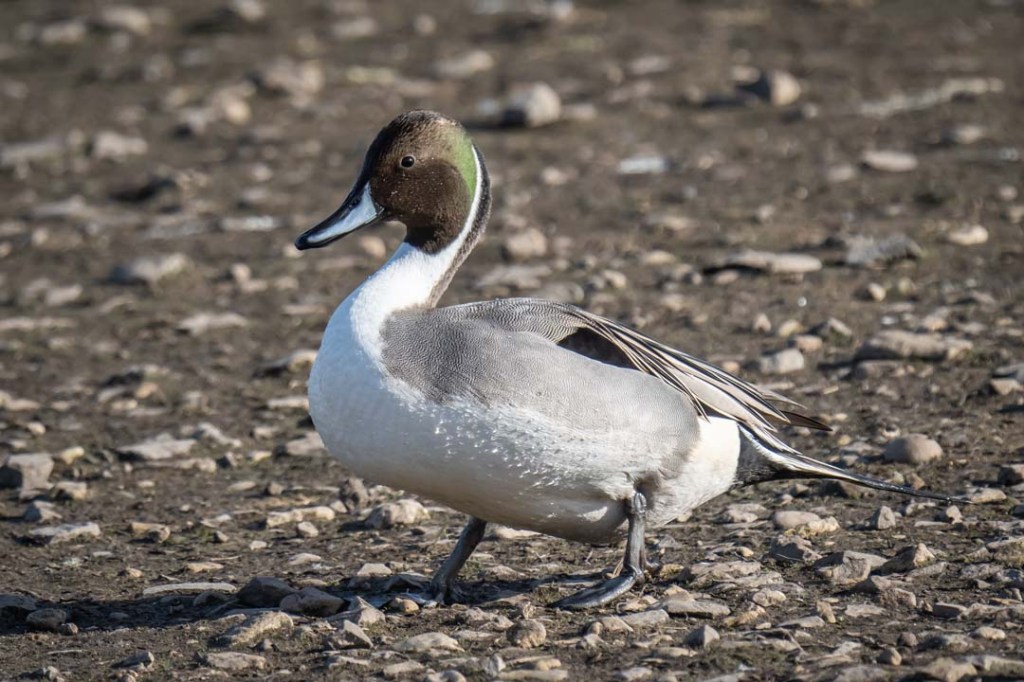
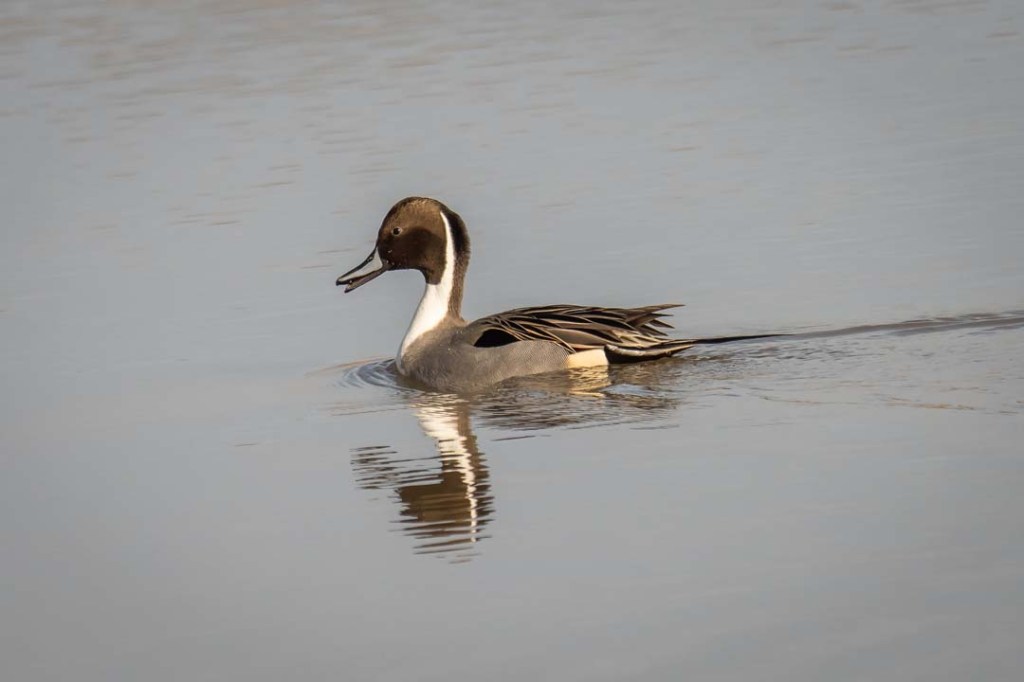
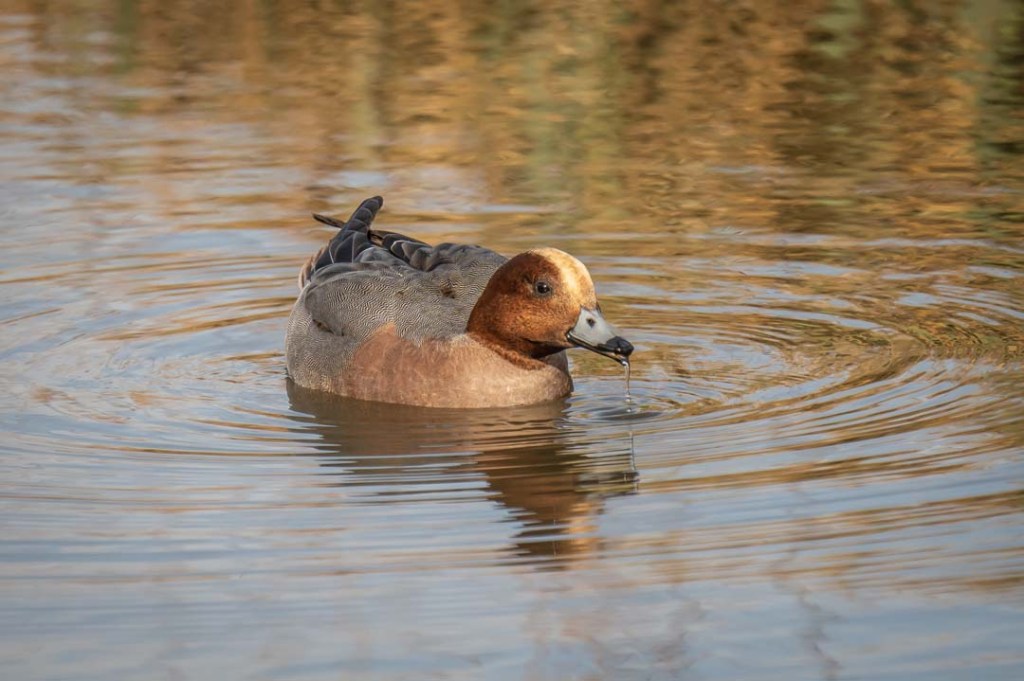
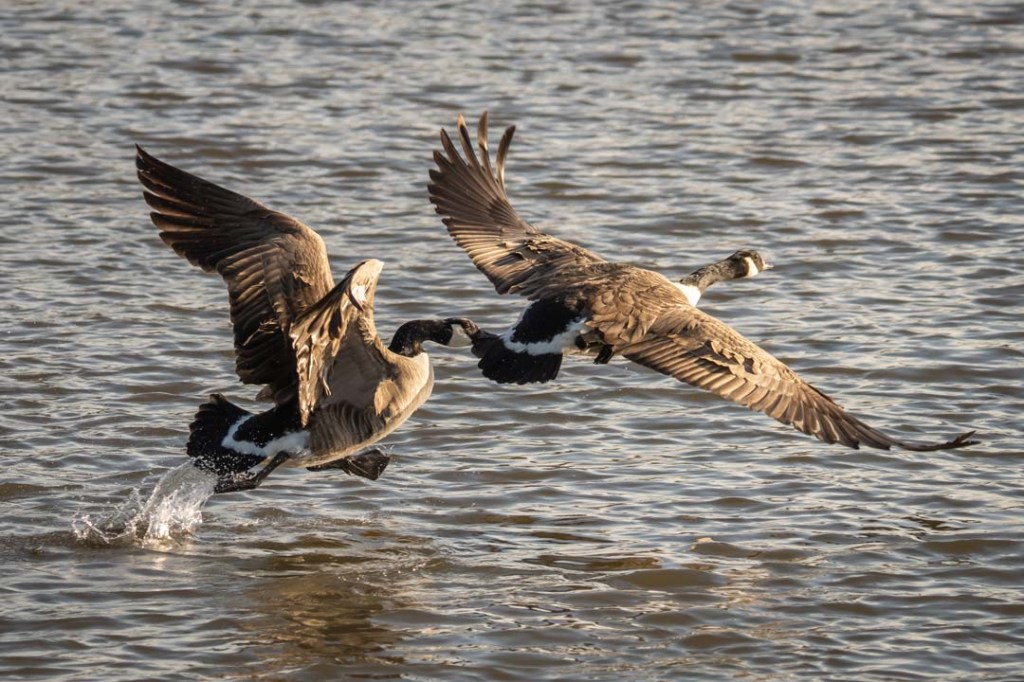
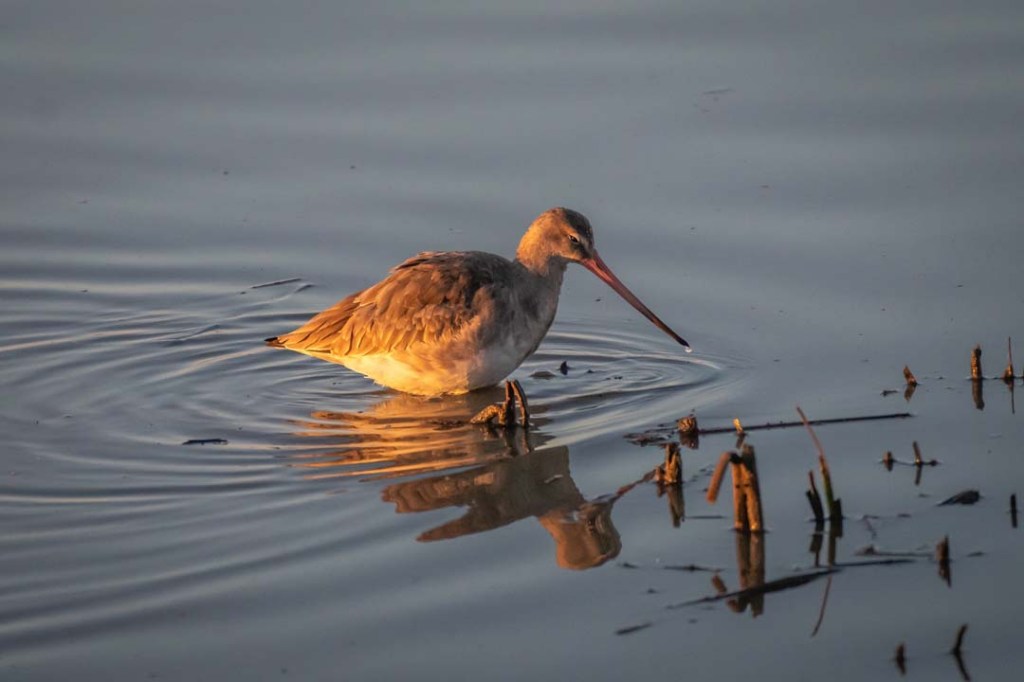
On arriving at the Rushy Pen hide (where it has been reported in recent days) we were quite disappointed that it was nowhere to be seen. Nonetheless, it was a lovely morning and we still enjoyed visiting all the hides on the north side of the reserve. There was plenty to see and a Black-tailed Godwit, a Common Redshank, Northern Pintails and Wigeon all came close. There were also plenty of geese and swans (both Mute and Bewick) flying around to keep me happy snapping away.
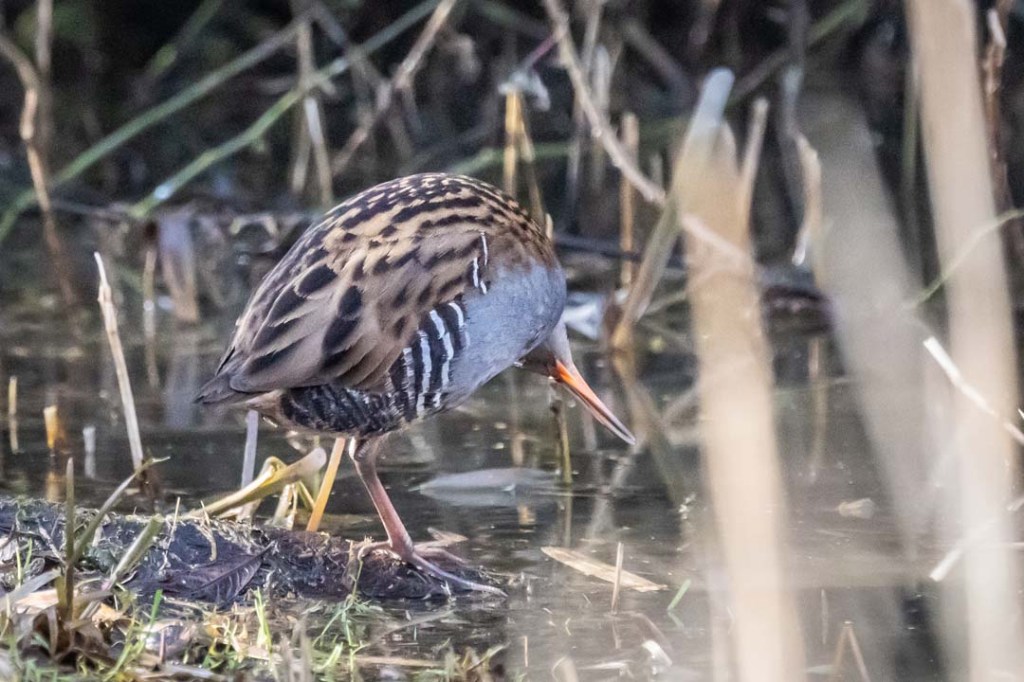
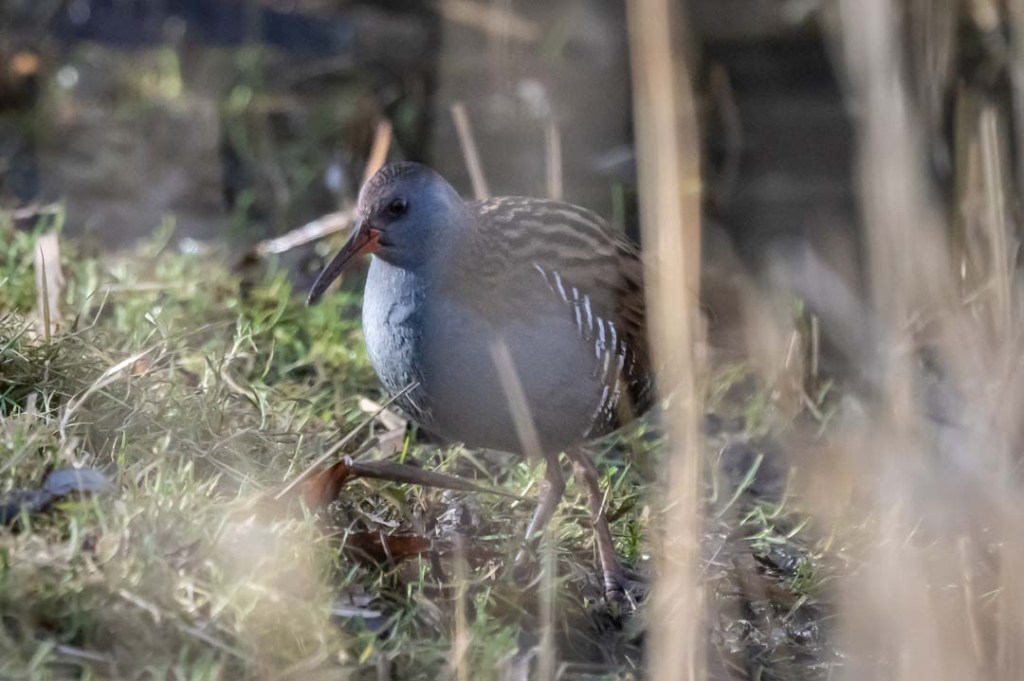
A Water Rail was just a bit too secretive for me to get a good shot.
Water Rail
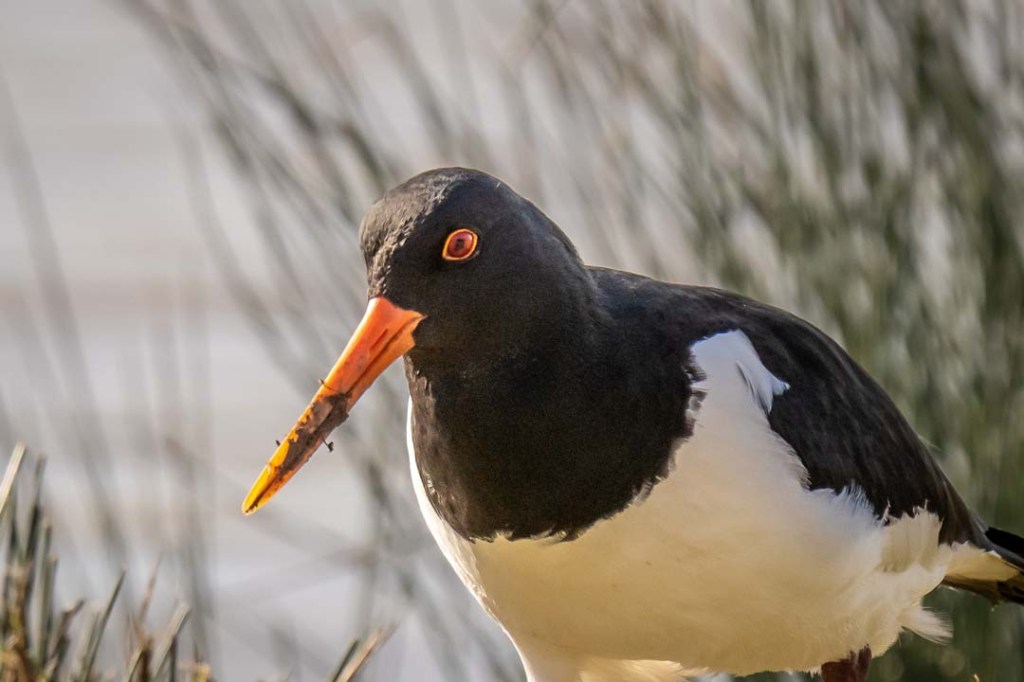
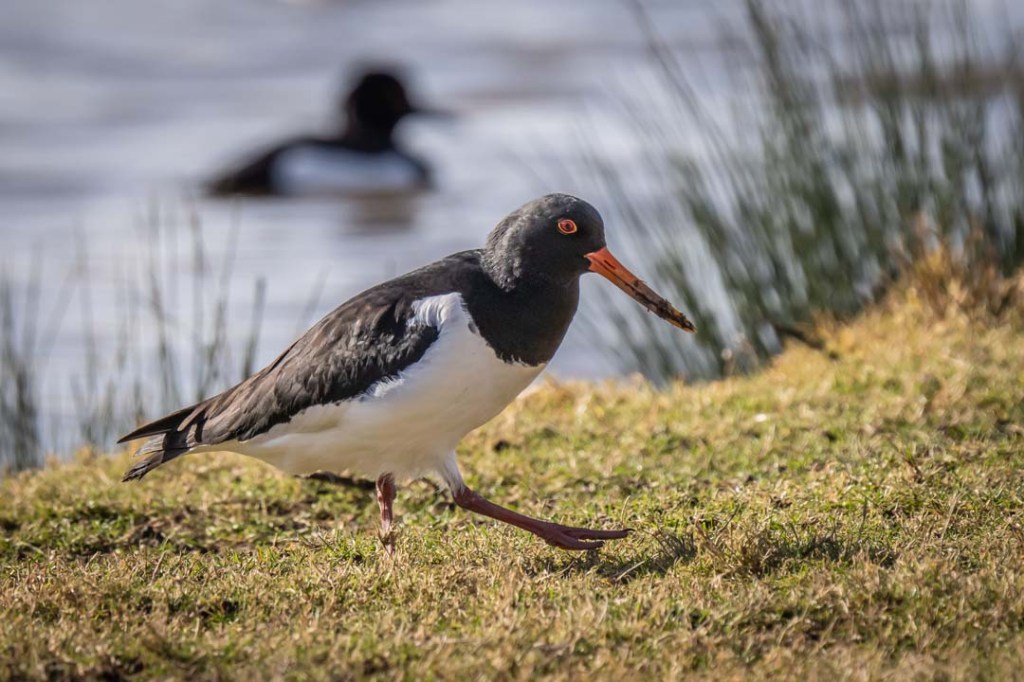
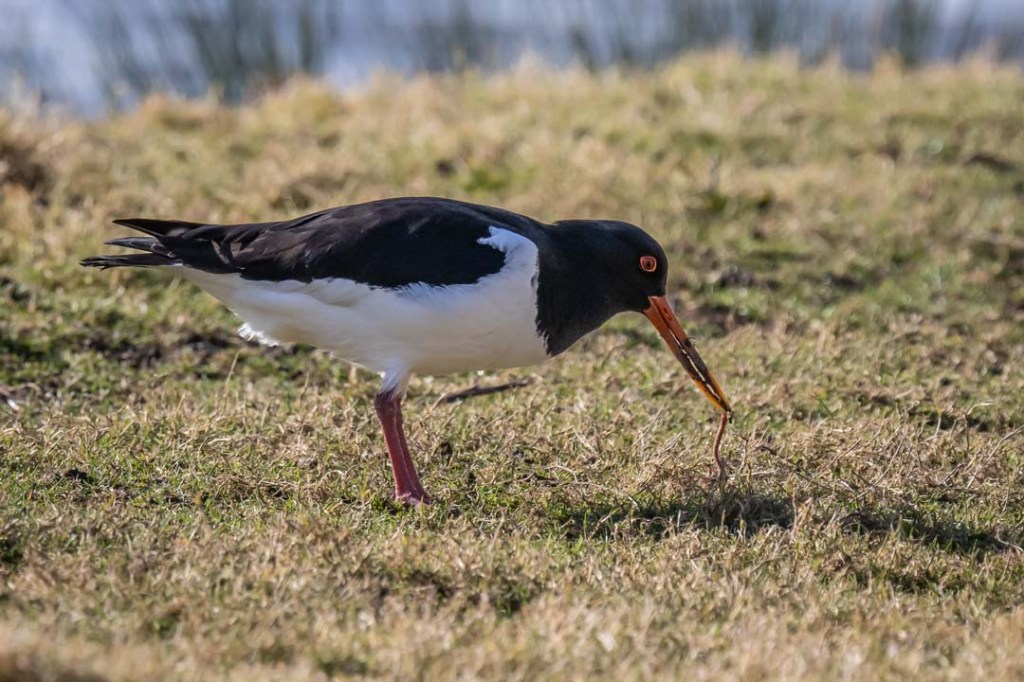
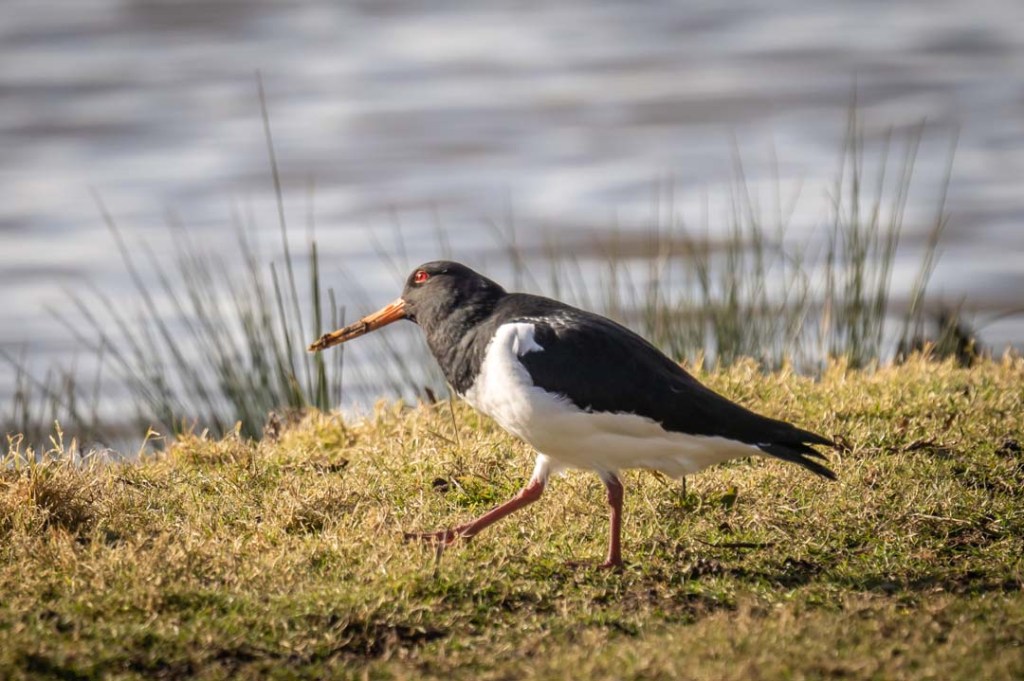
However, there were a couple of Oystercatcher very close up.
OystercatcherOystercatcher with worm
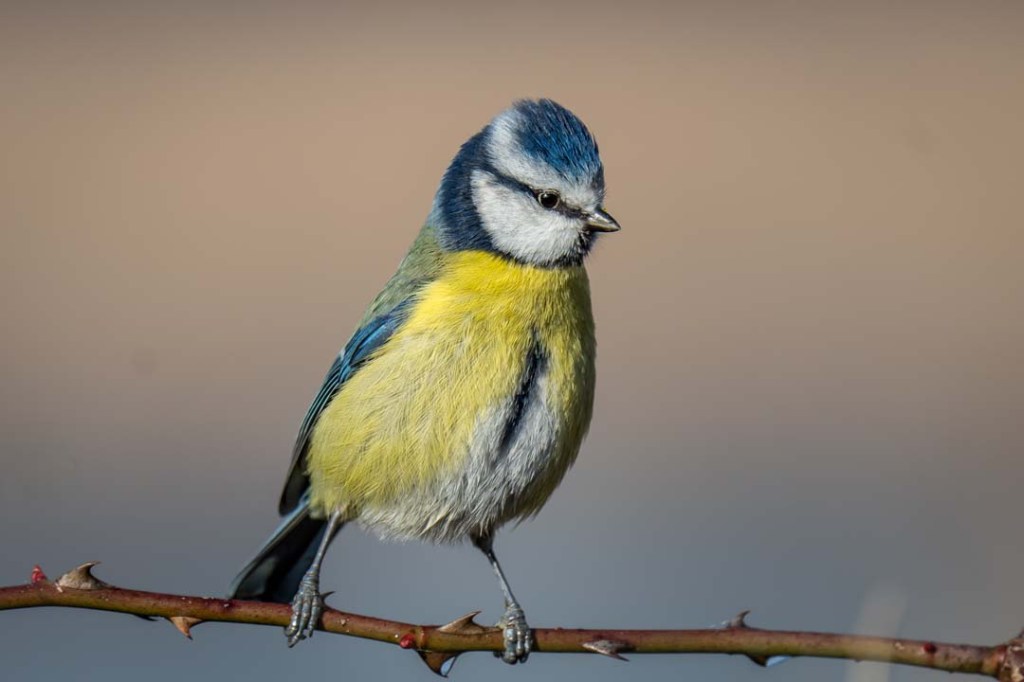
From the Tower hide, as well as lots of waterfowl, geese and swans, we could see Common Cranes. There was also a Sparrowhawk perched in the hedge in front of the hide and Blue Tits and Great Tits were very pluckily trying to mob it.
Sparrowhawk
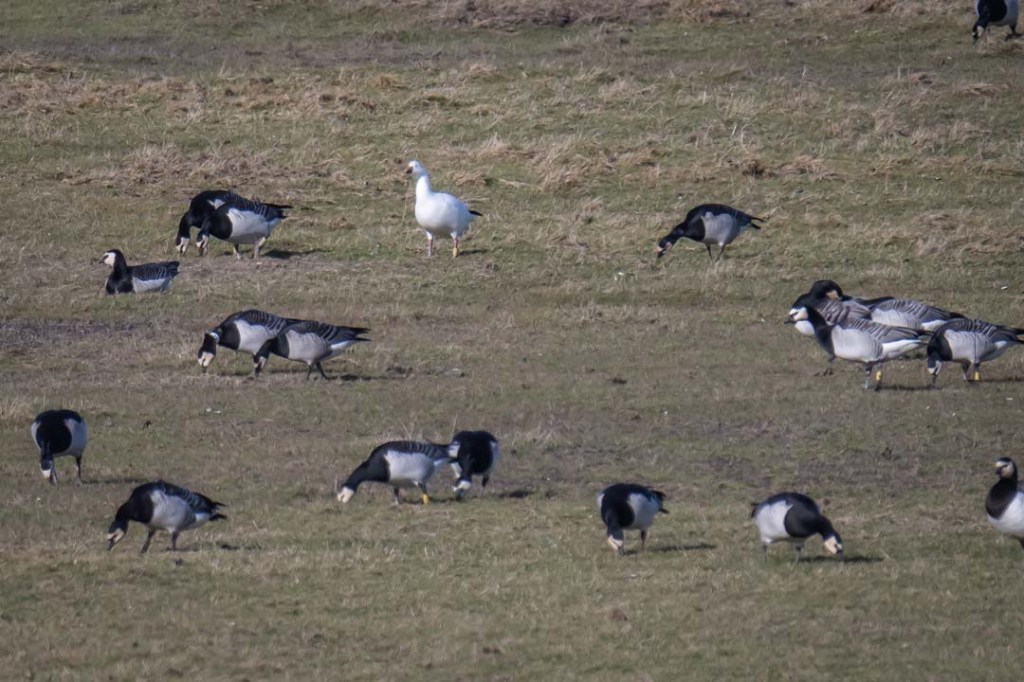
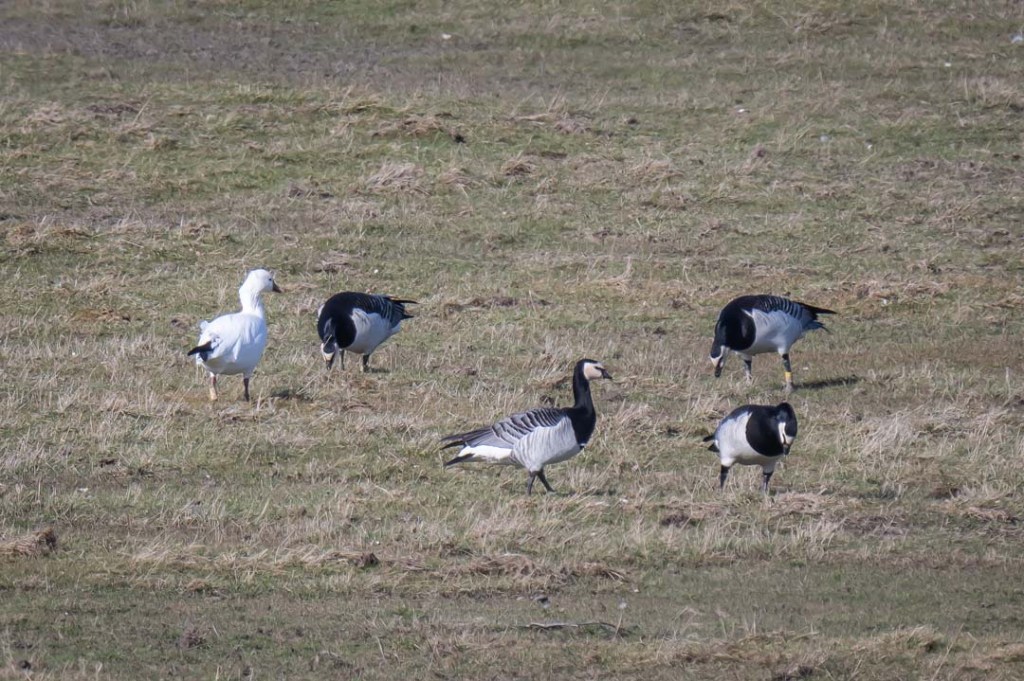
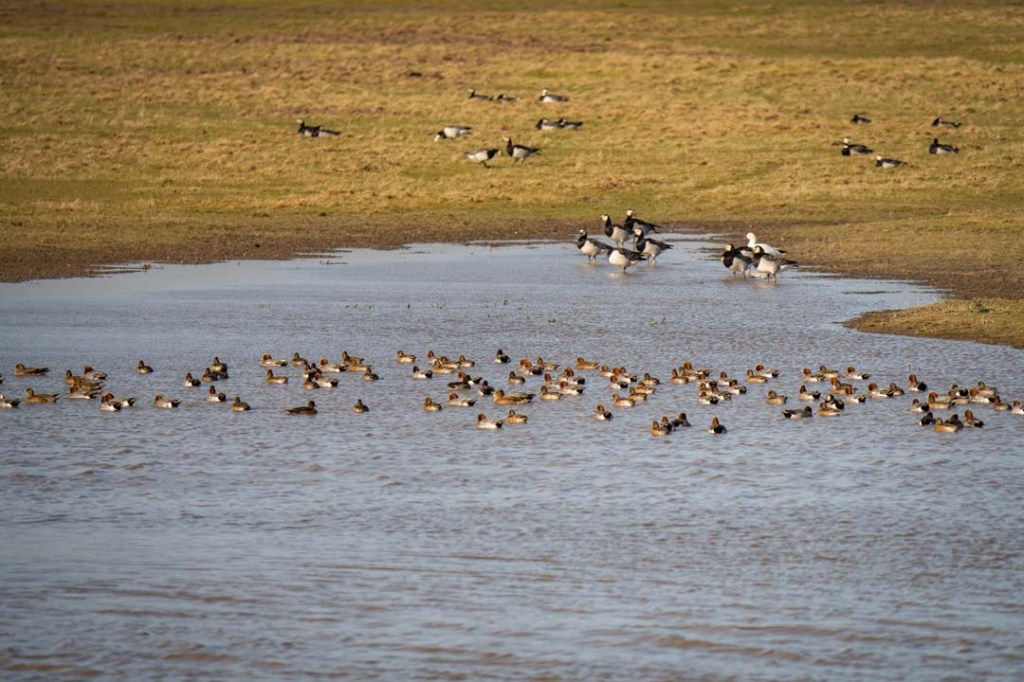
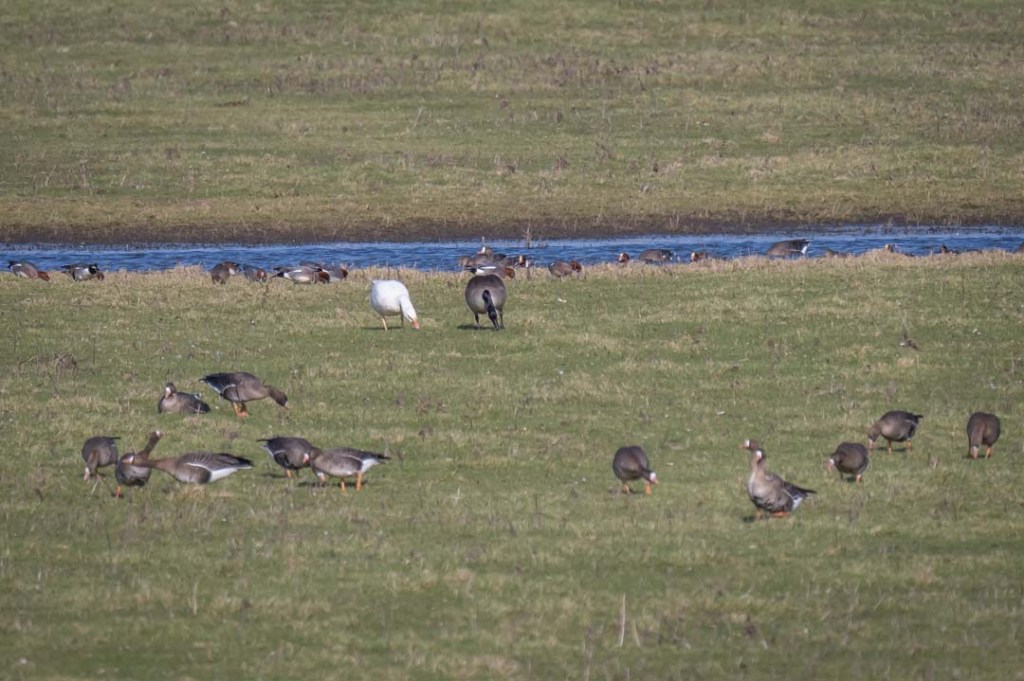
There was a Snow Goose amongst the Barnacle Geese and I presume what I thought was a Ross’s Goose on our last visit probably was the same Snow Goose.
There was another white goose in the distance with some White fronted Geese but I couldn’t see it clearly.
Snow Goose amongst Barnacle GeeseWigeon (with Snow Goose top right)
As we were making our way back to the car park we had to pass the Rushy Pen hide and from all the commotion it was clear that there was something special there. I could hardly get into the hide but from about the third row back I could still see the White-rumped Sandpiper, in all its glory right in front of the hide.
Gallery of White-rumped Sandpiper:
Stepping in fox poo on my way out this morning was clearly a lucky omen!
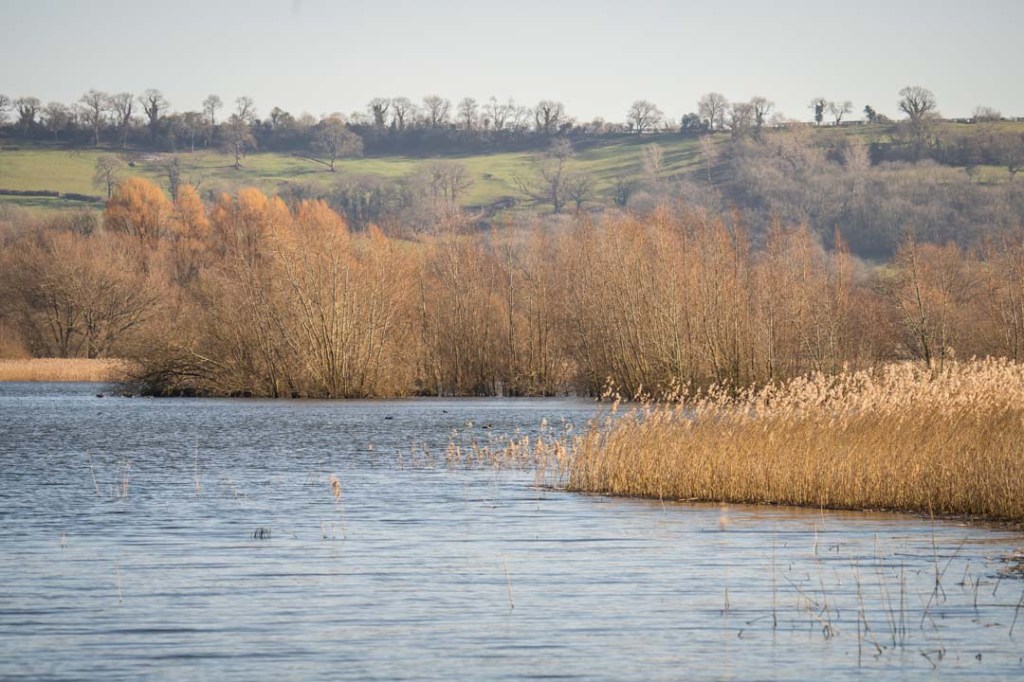
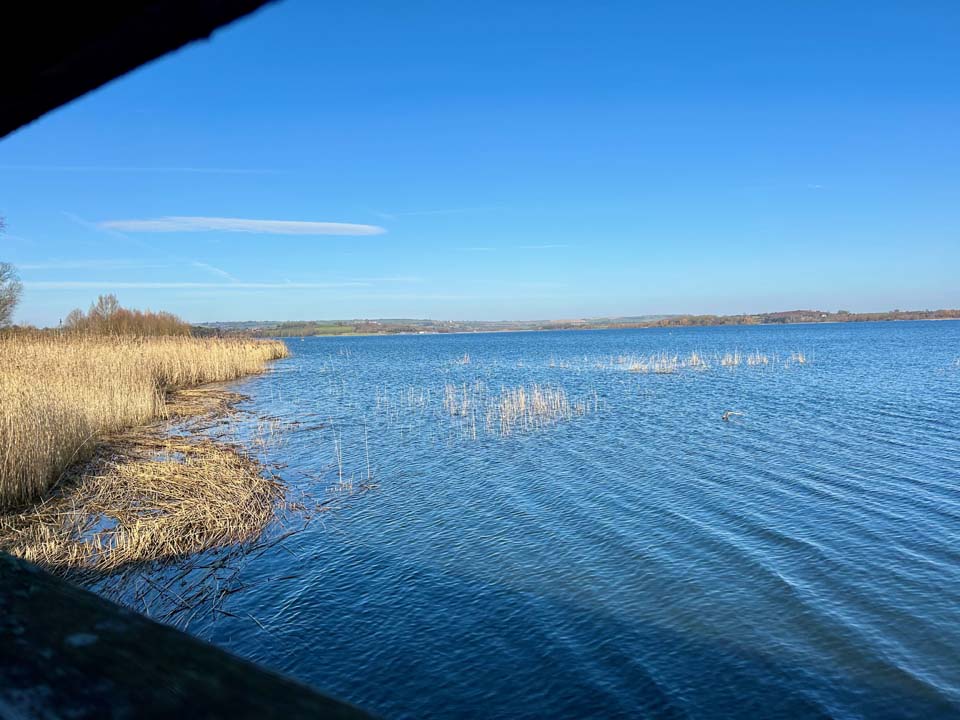
A beautiful day to visit Chew Valley Lake just south of Bristol. The water level was very high and it didn’t look very inspiring when we looked out from the Stratford hide.
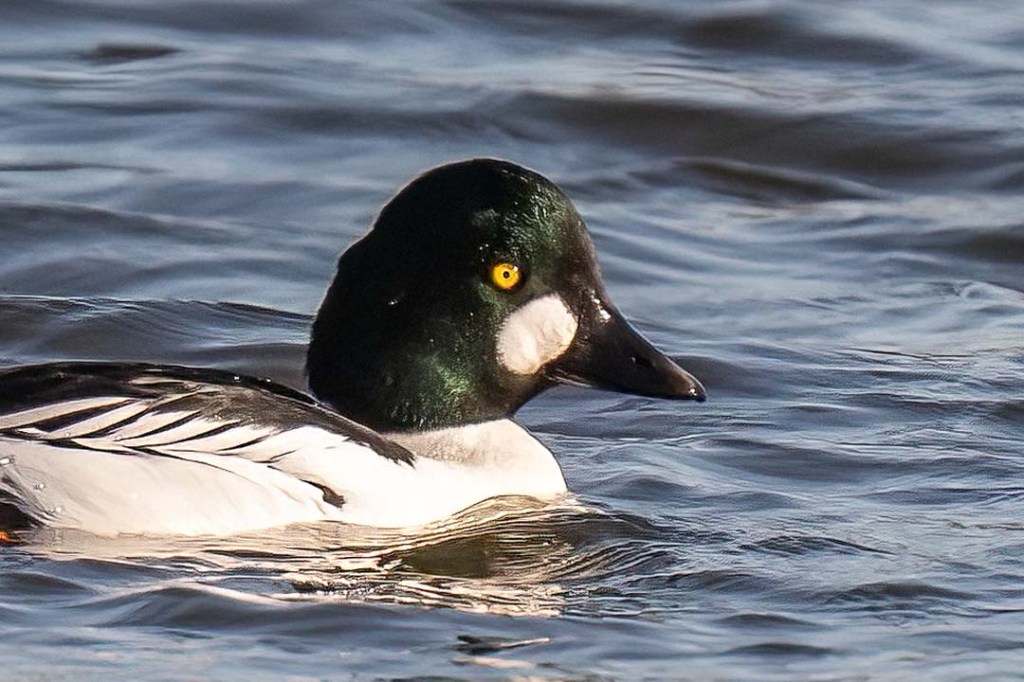
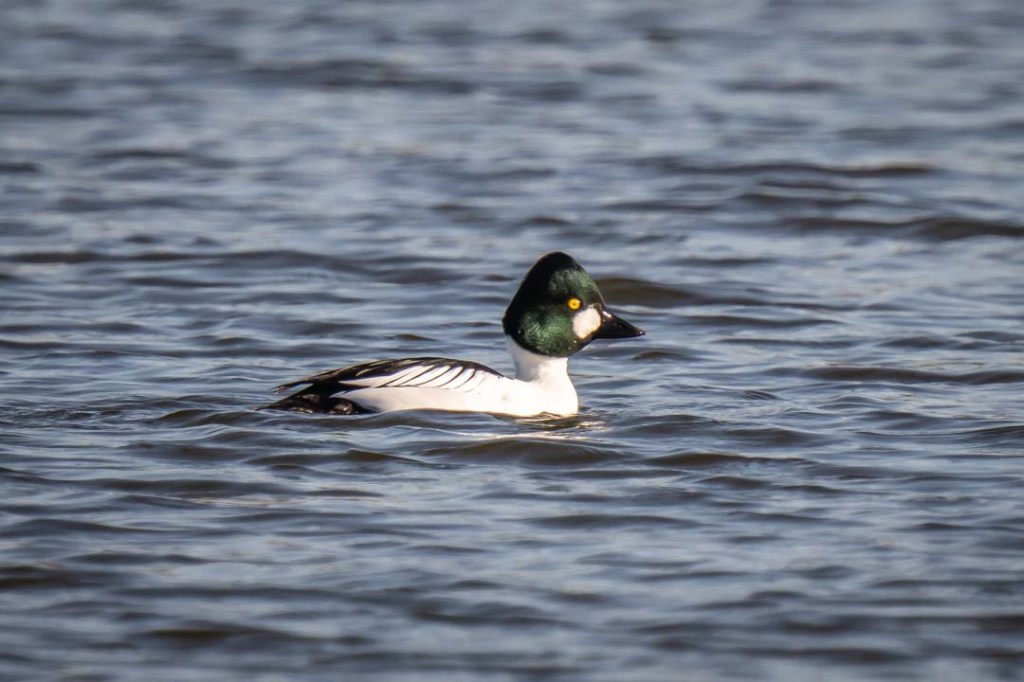
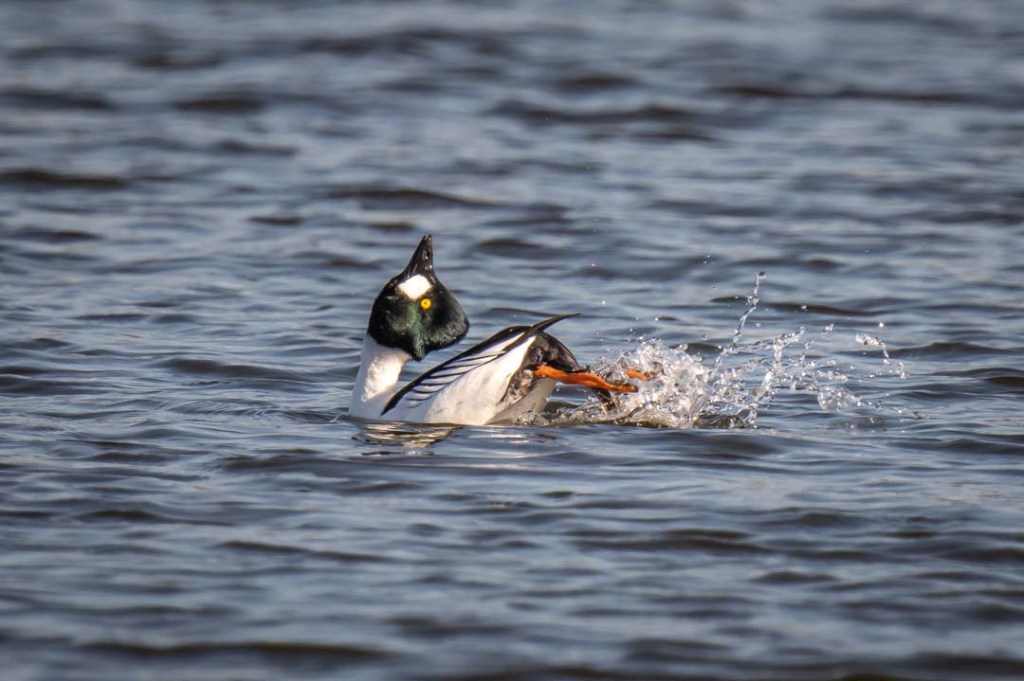
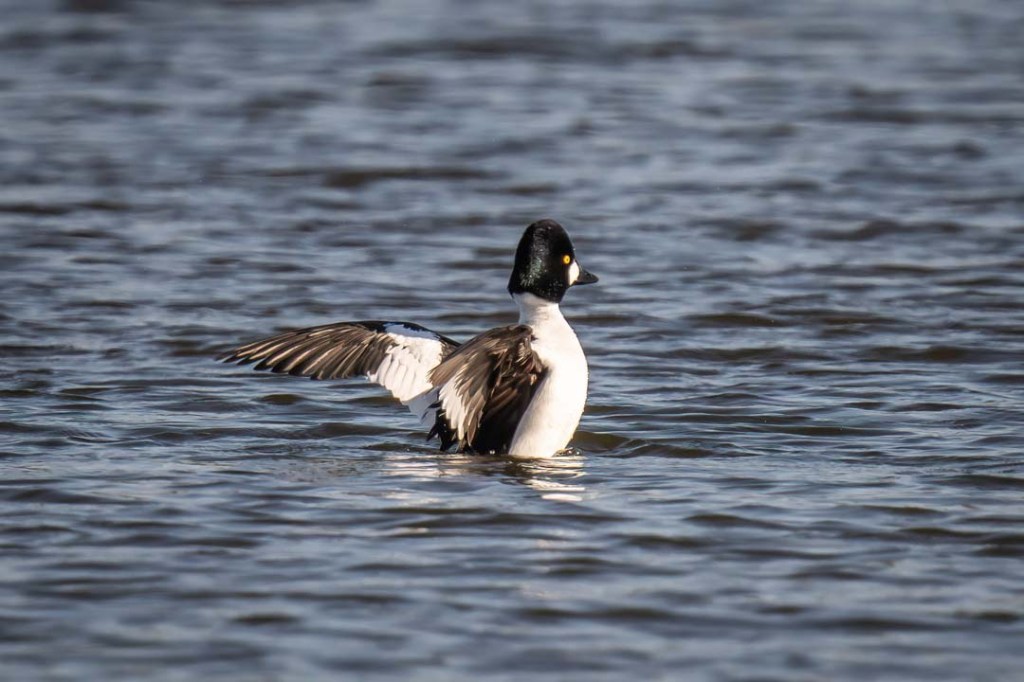
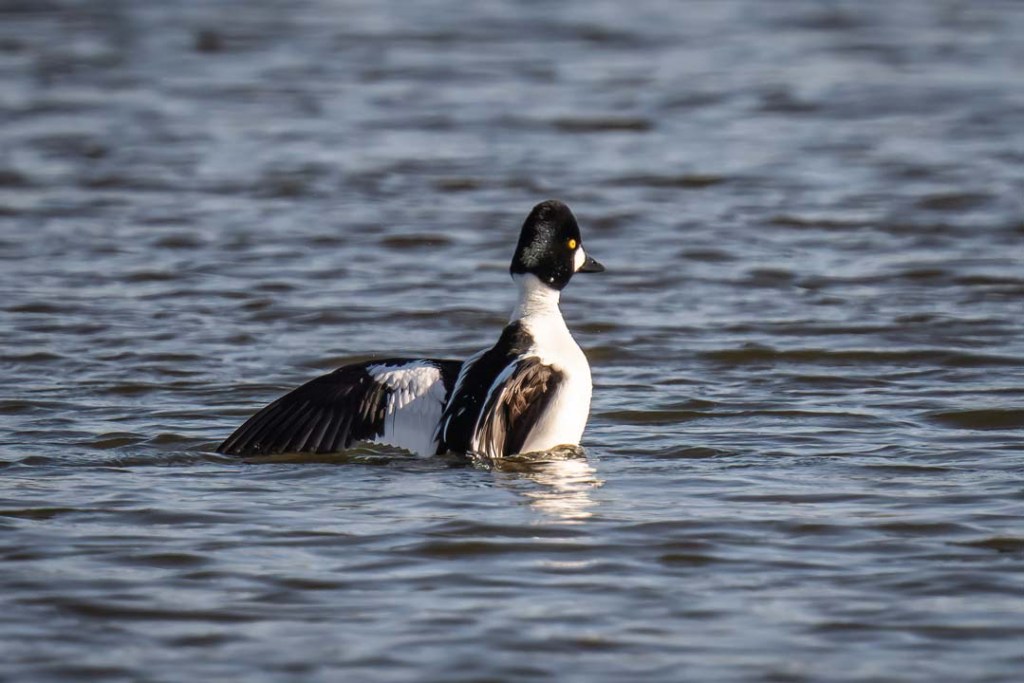
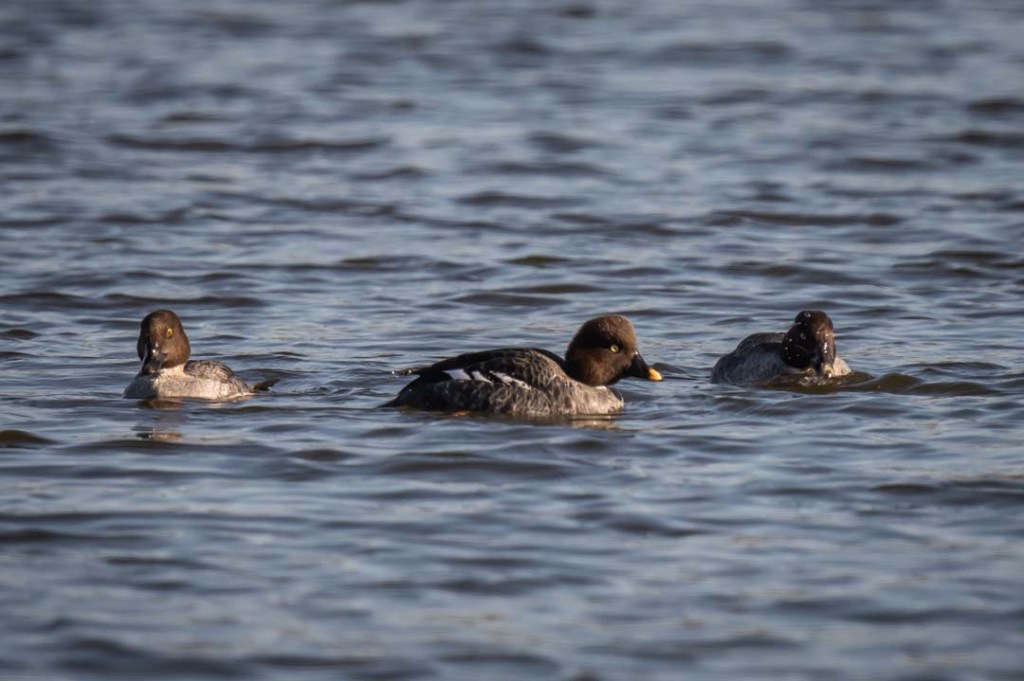
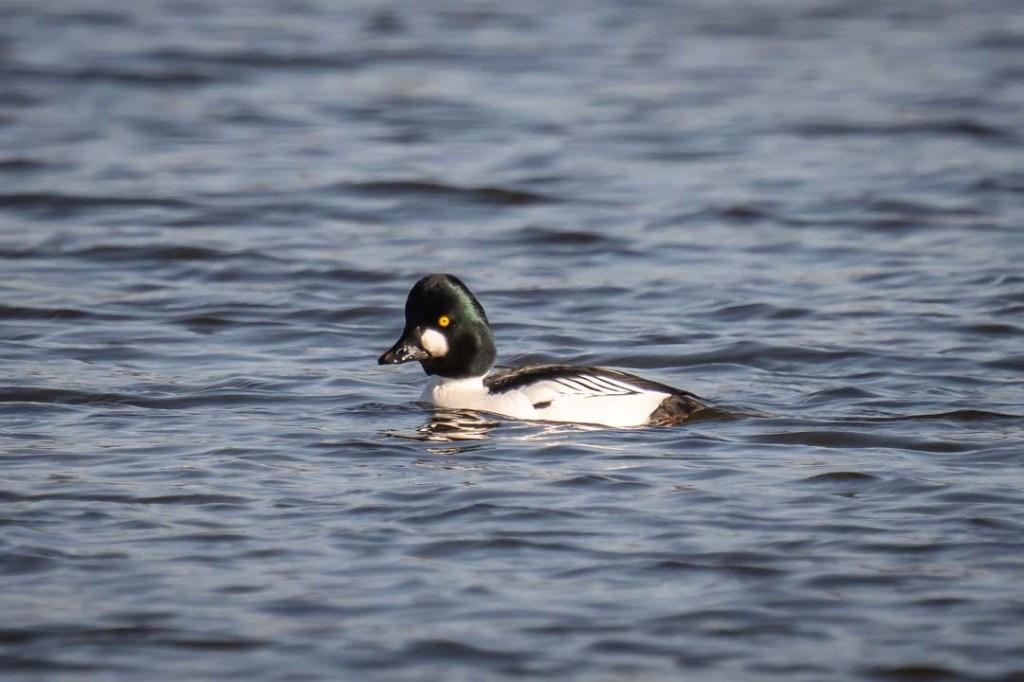
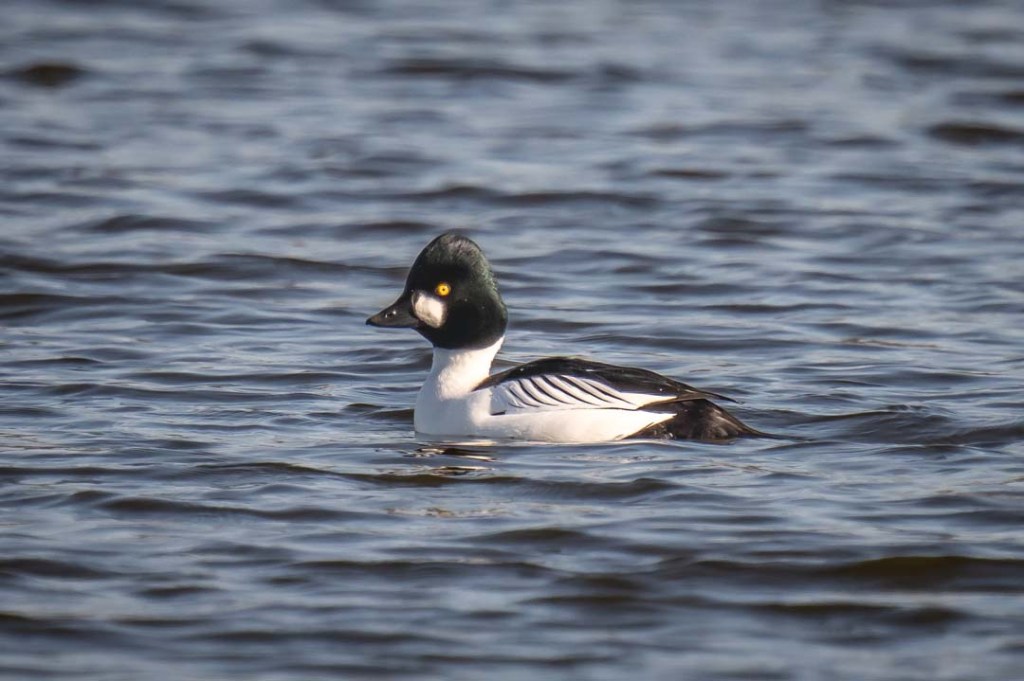
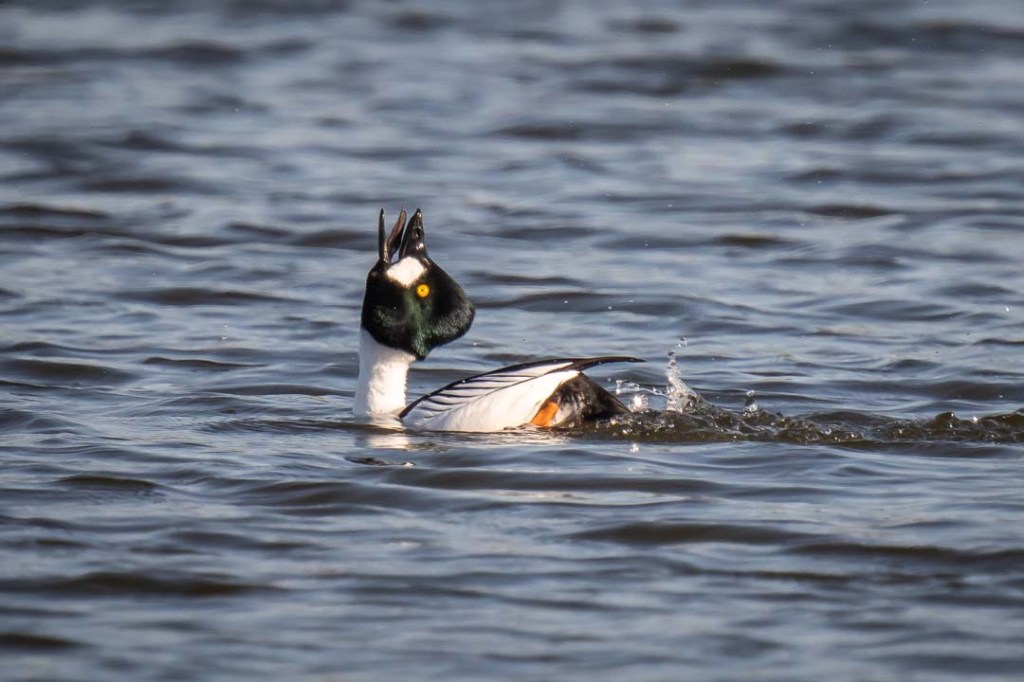
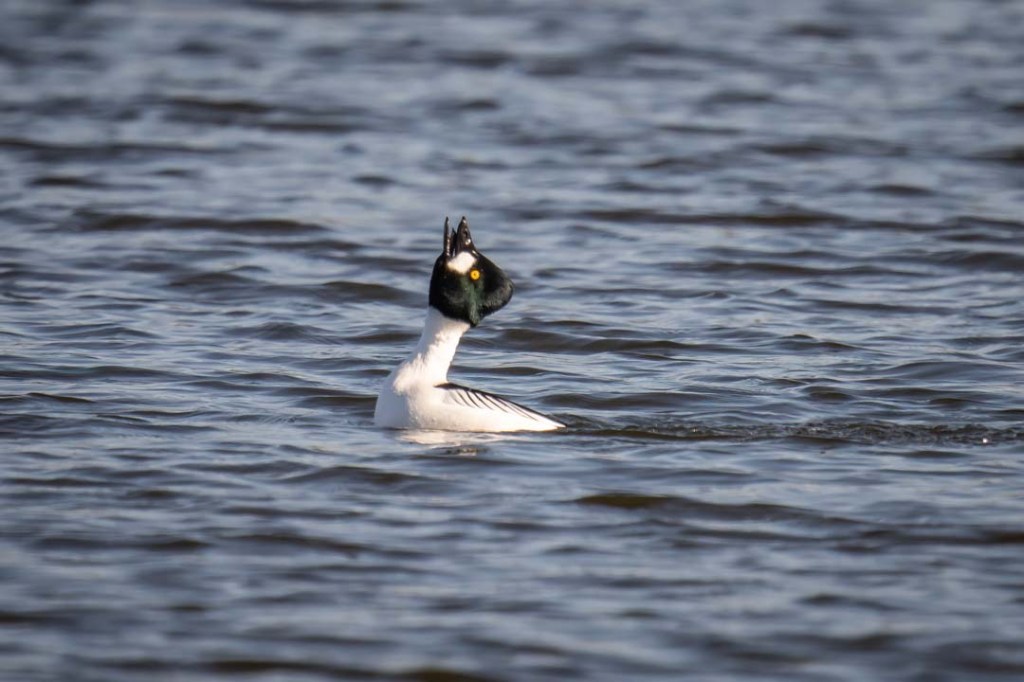
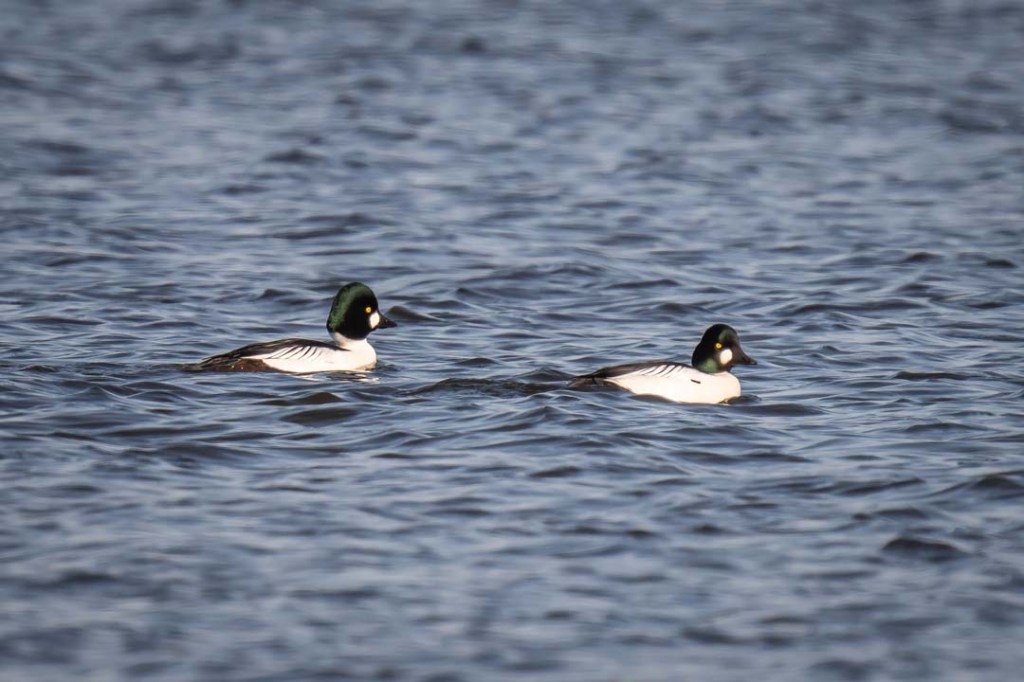
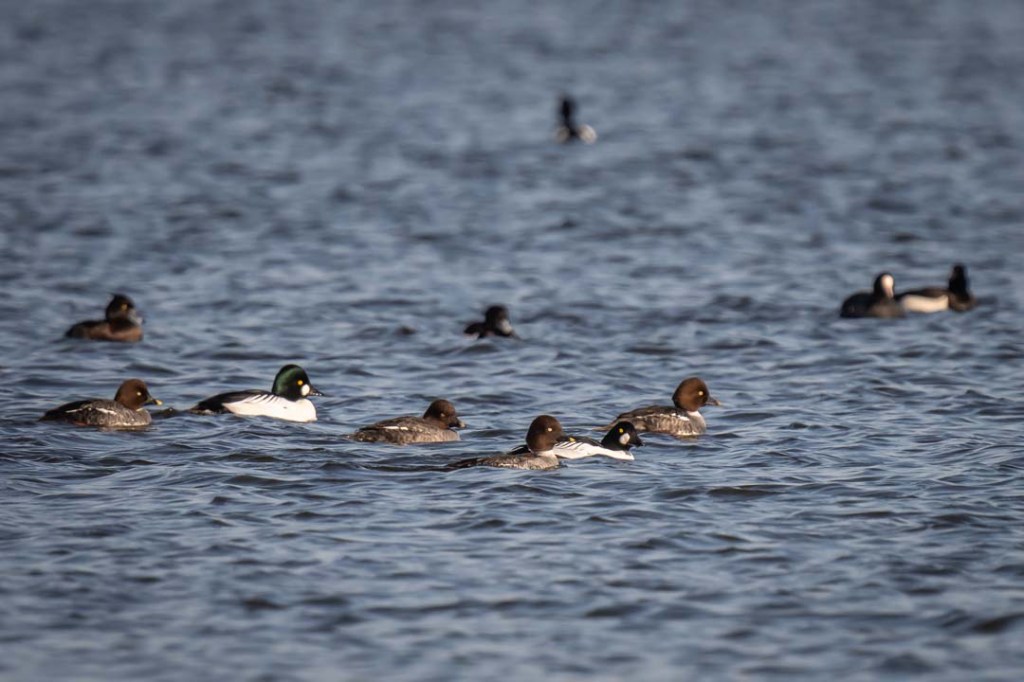
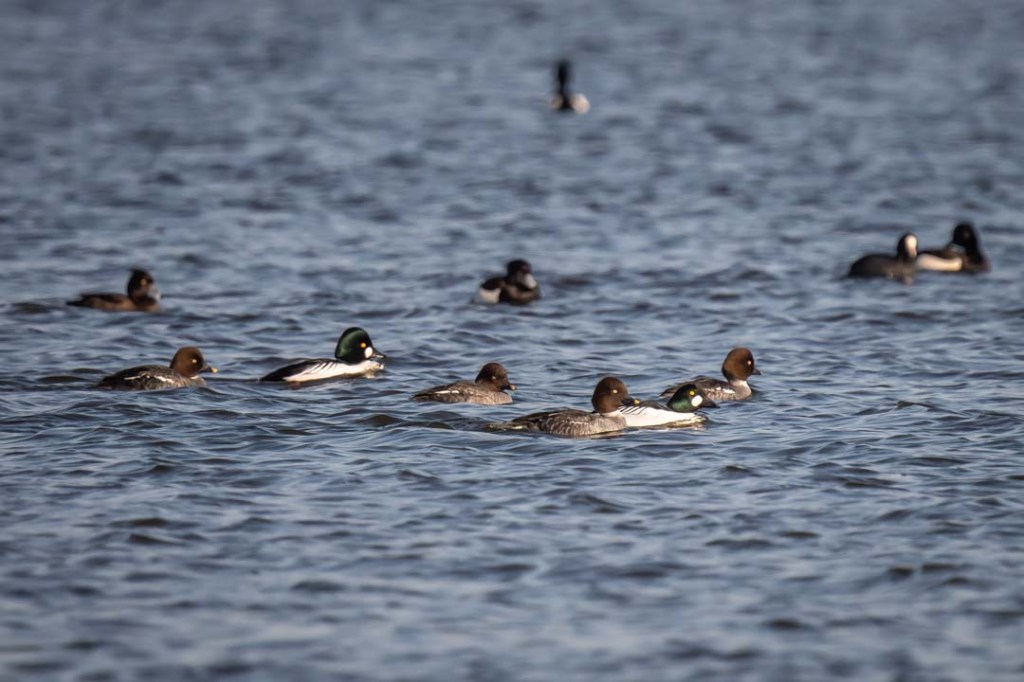
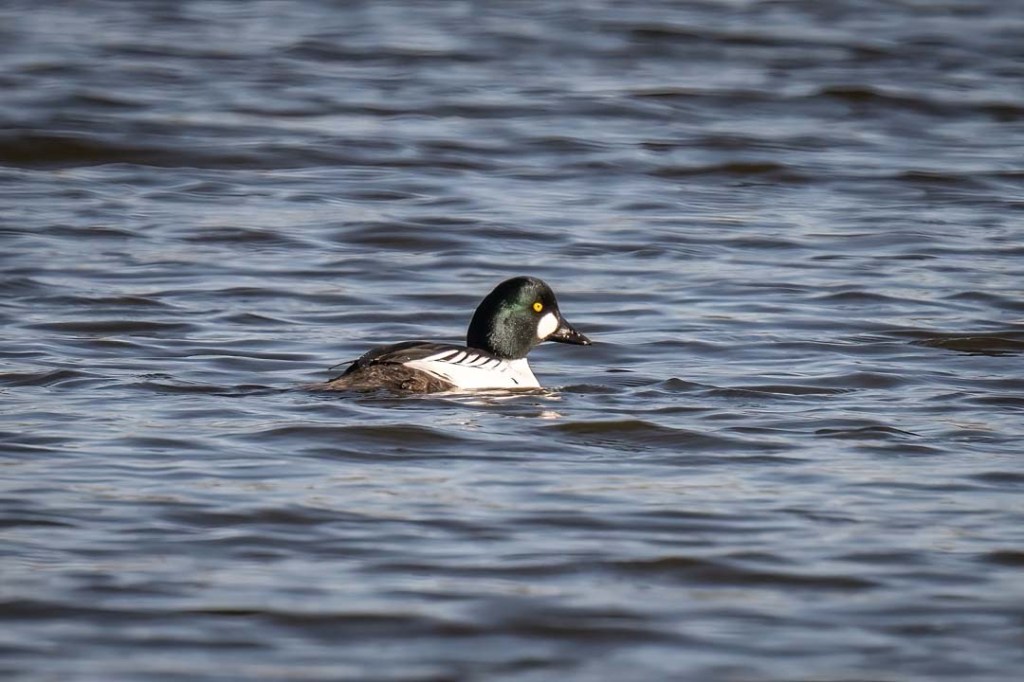
Until, that is, a group of 8 Goldeneye came into view.
Male GoldeneyeFemale Goldeneye
One of the males was displaying regularly by raising its head to the sky. It looked pretty good to me without even doing that.
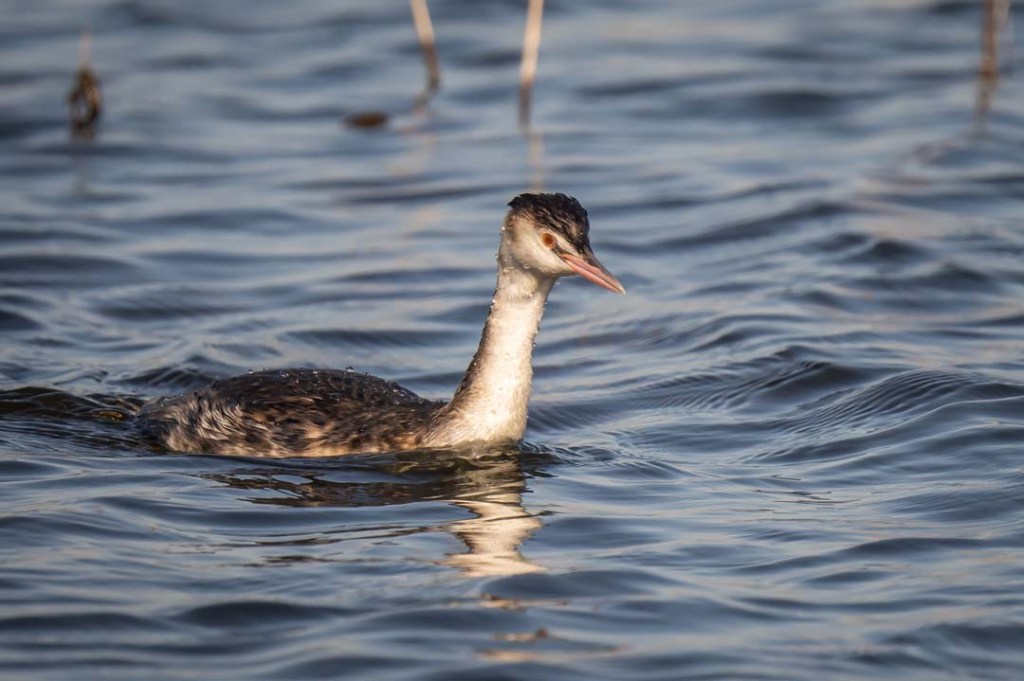
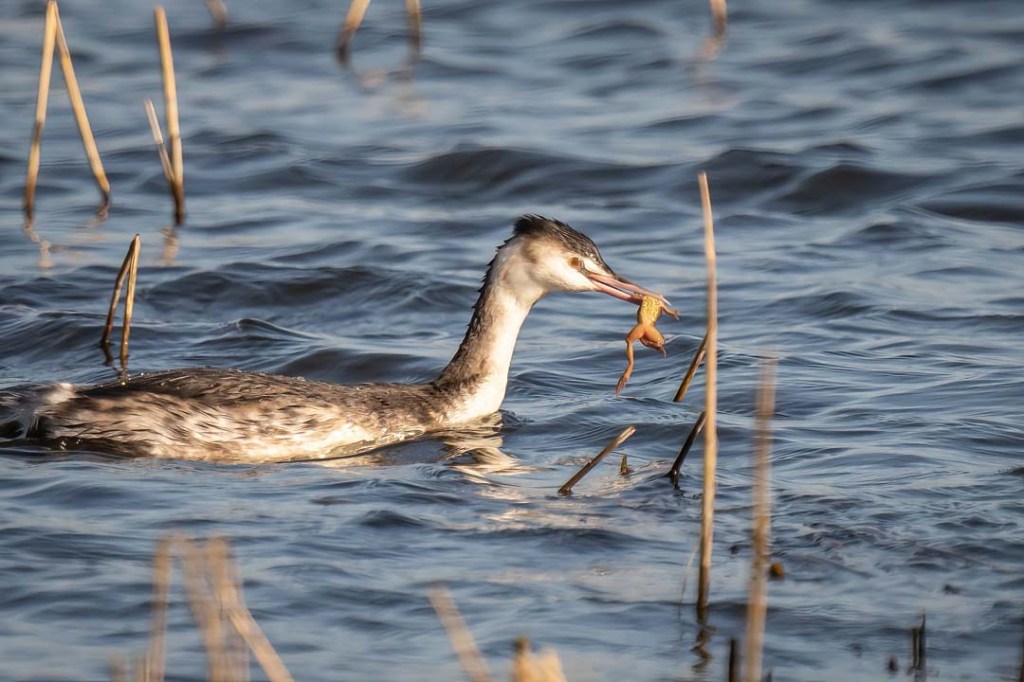
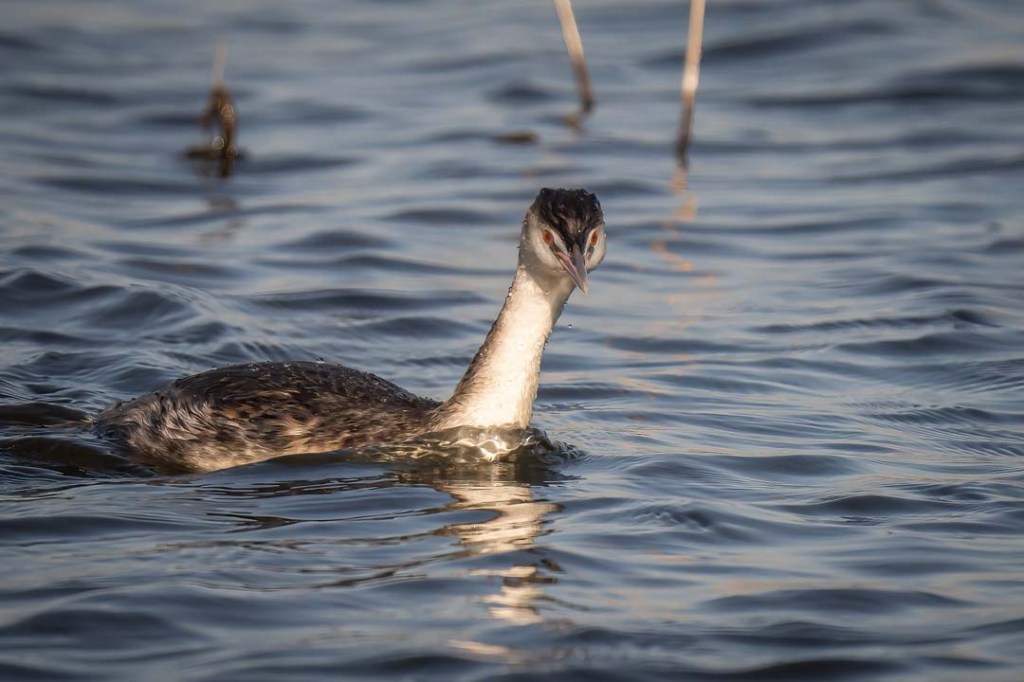
Just one Great Crested Grebe was to be seen. It spent more time diving than being on the surface but it did get its reward.
Great Crested GrebeThe Great Crested Grebe with French cuisine
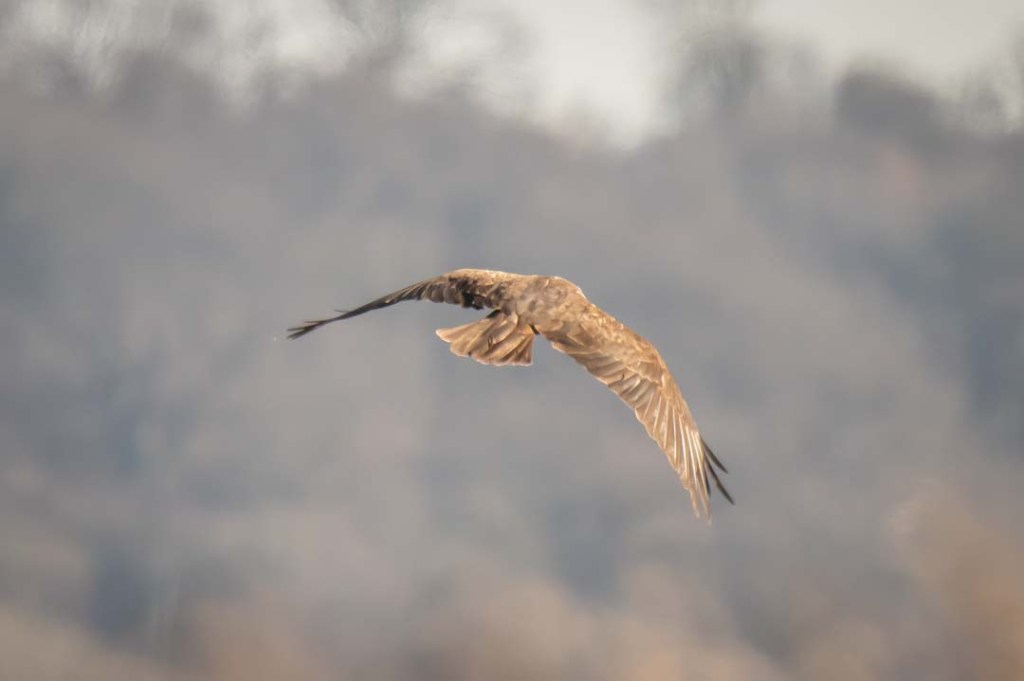
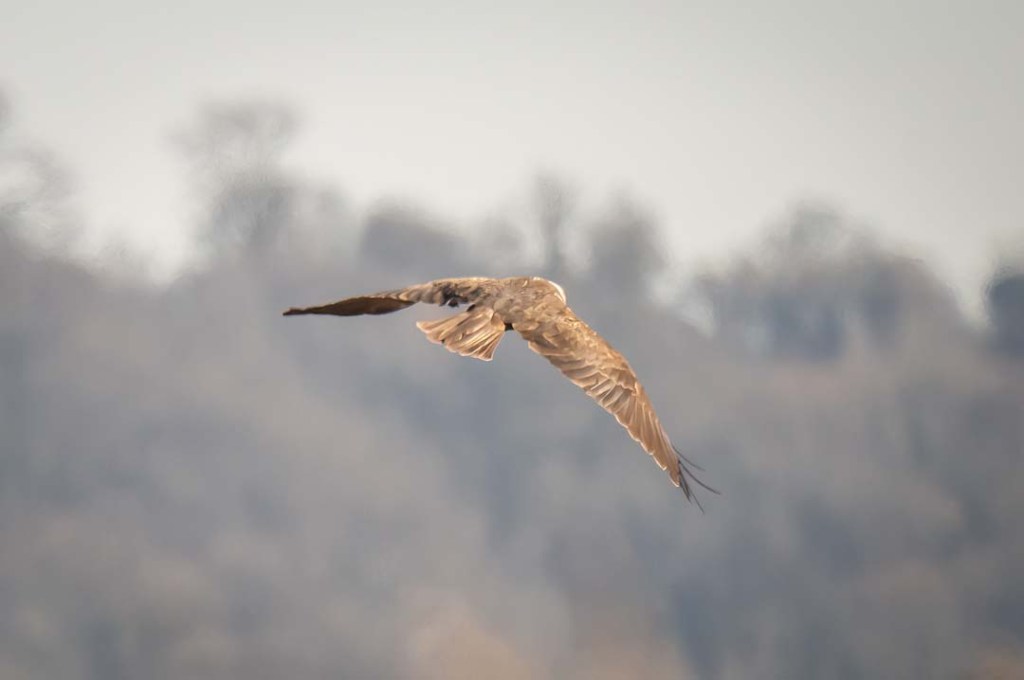
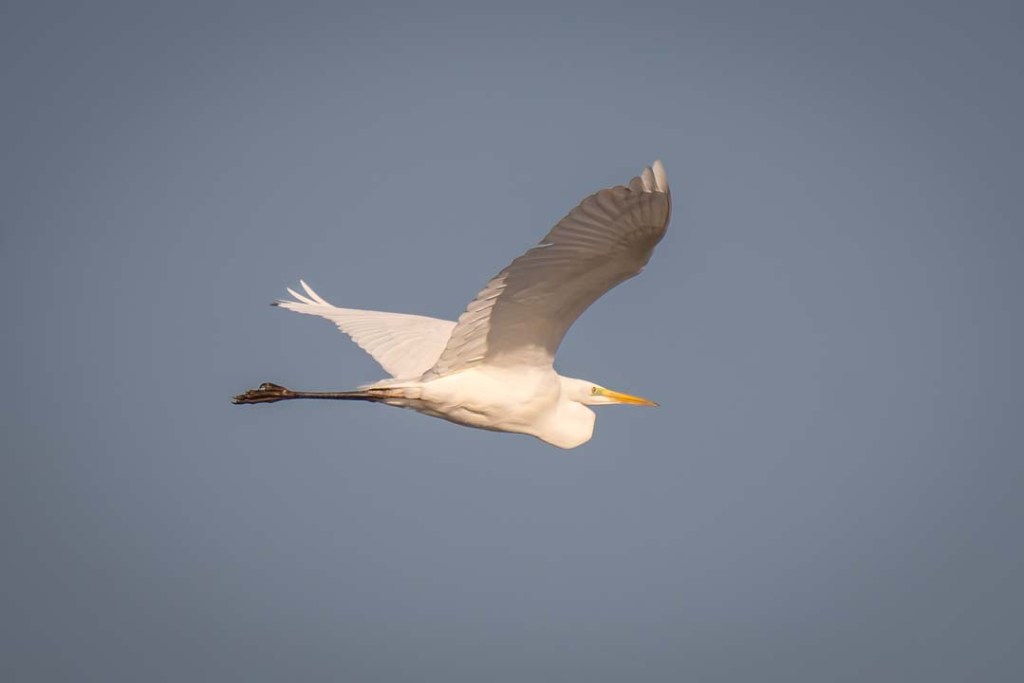
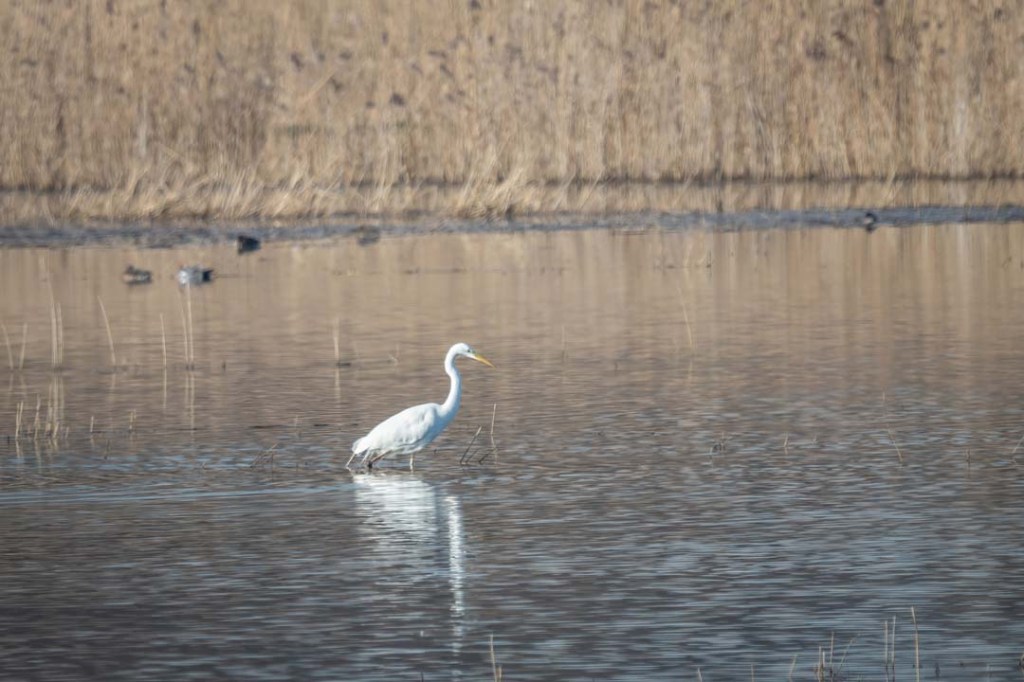
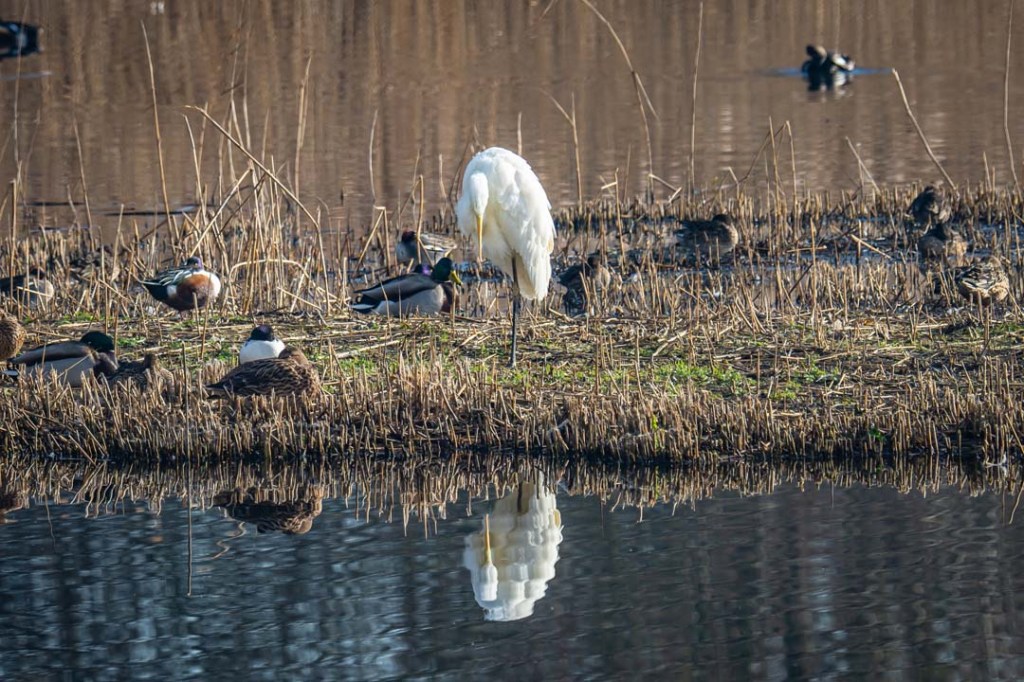
The other highlight of our visit was the spectacular fly past by a Great White Egret. There was also a Marsh Harrier surveying the reed beds.
Marsh Harrier
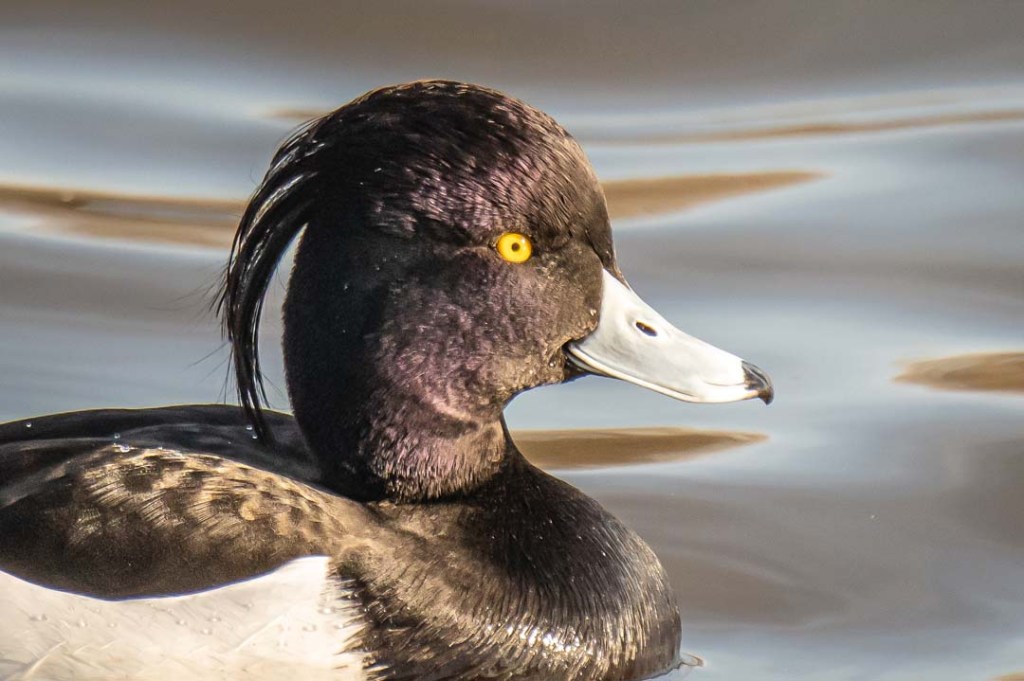
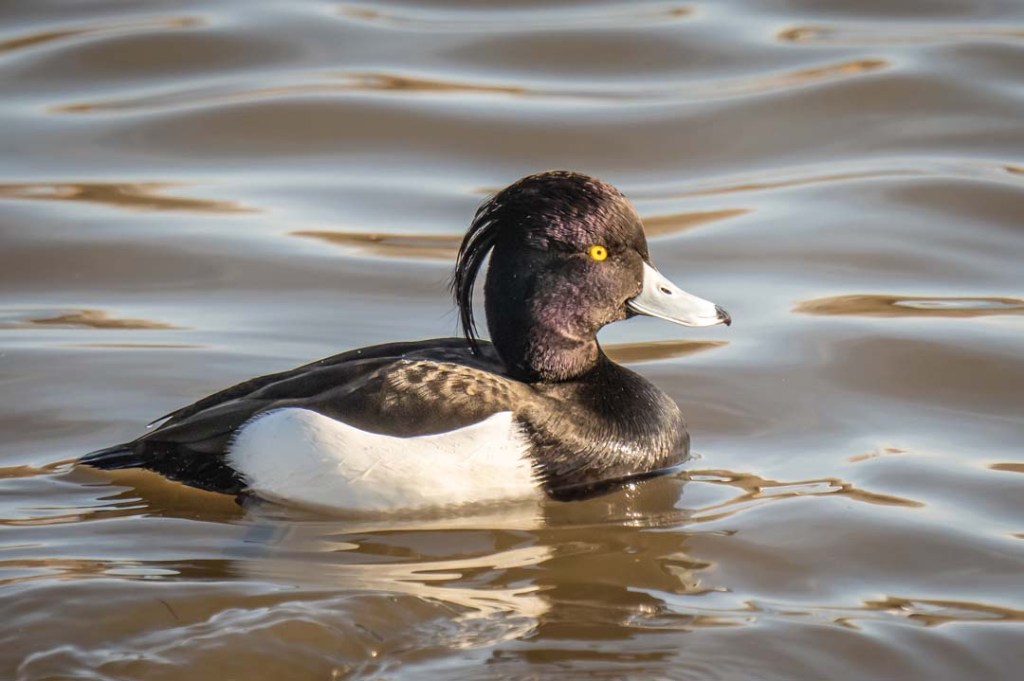
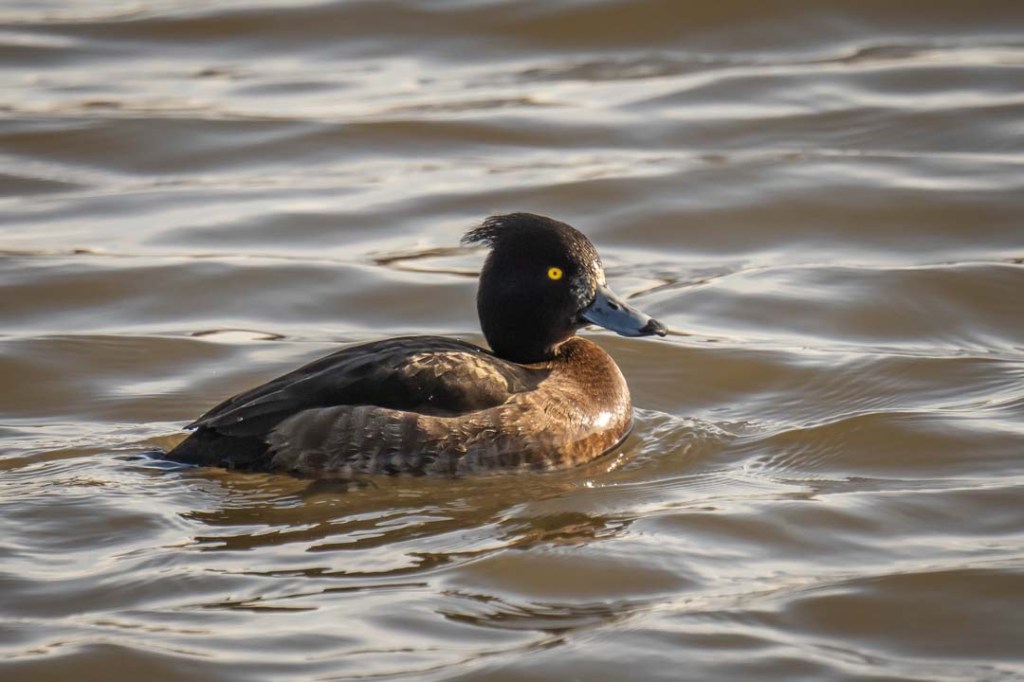
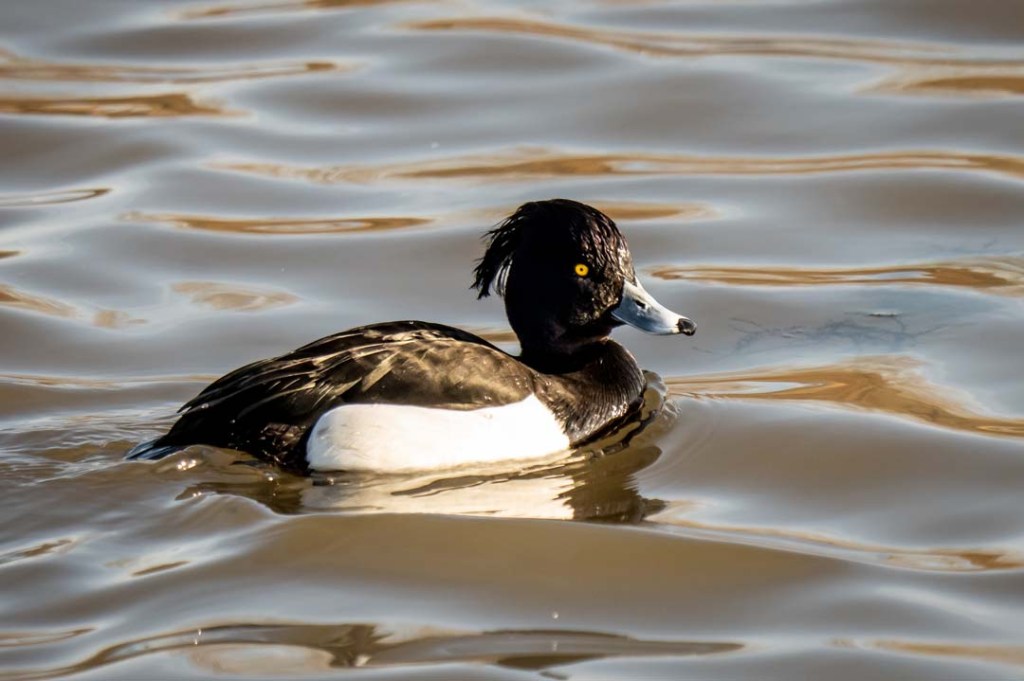
The Tufted Ducks looked splendid too in the glorious sunshine.
Male Tufted Duck
Slideshow of photos from today:
Female Tufted Duck
It all looked pretty romantic. Just the job for St Valentine’s Day.
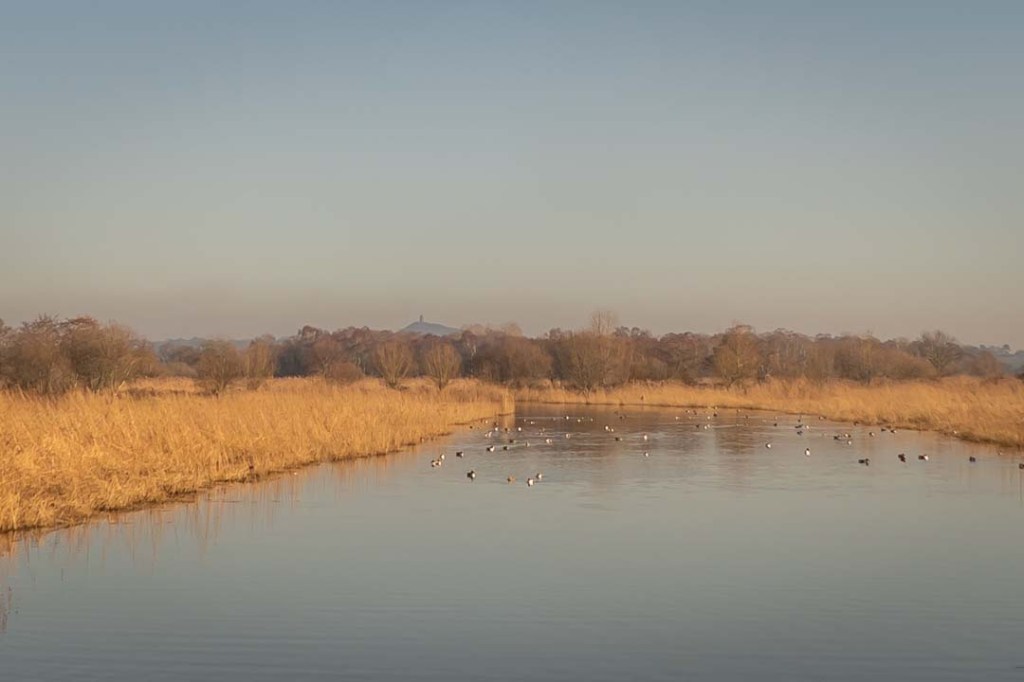
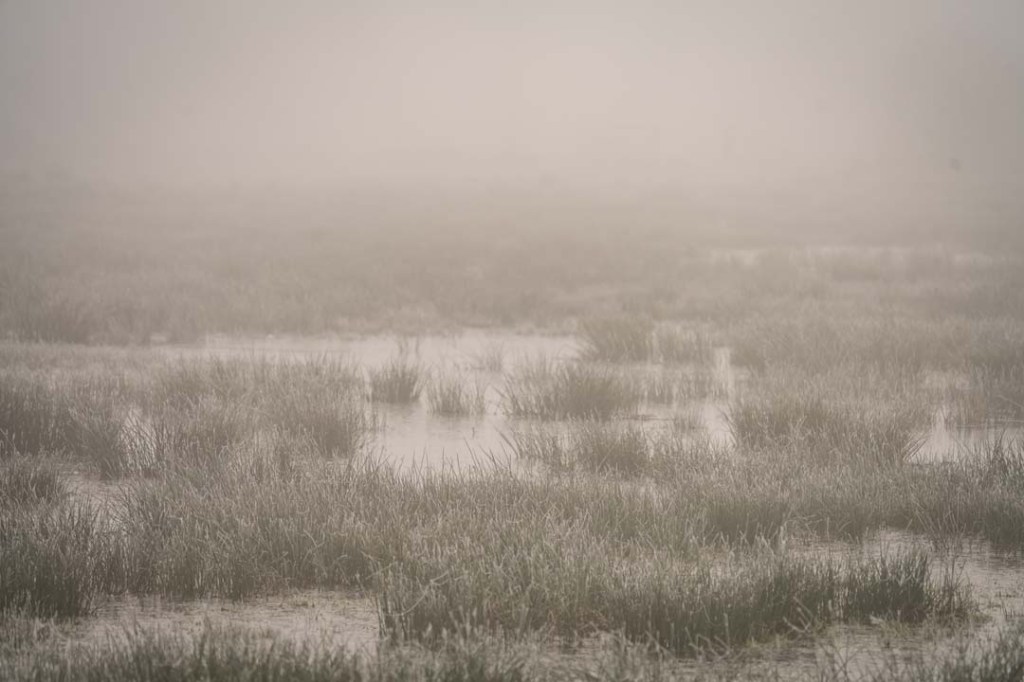
A day spent birding on the Somerset Levels is always a special treat. However, by midday I was beginning to think this might be the exception. However, the sun burnt through the mist by about one o’clock and I saw some lovely birds in the afternoon to go with the magically atmospheric scenery that I had seen in the morning.
I was disappointed that Catcott Lows was closed due to tree felling but I probably wouldn’t have seen much as it was still very misty.
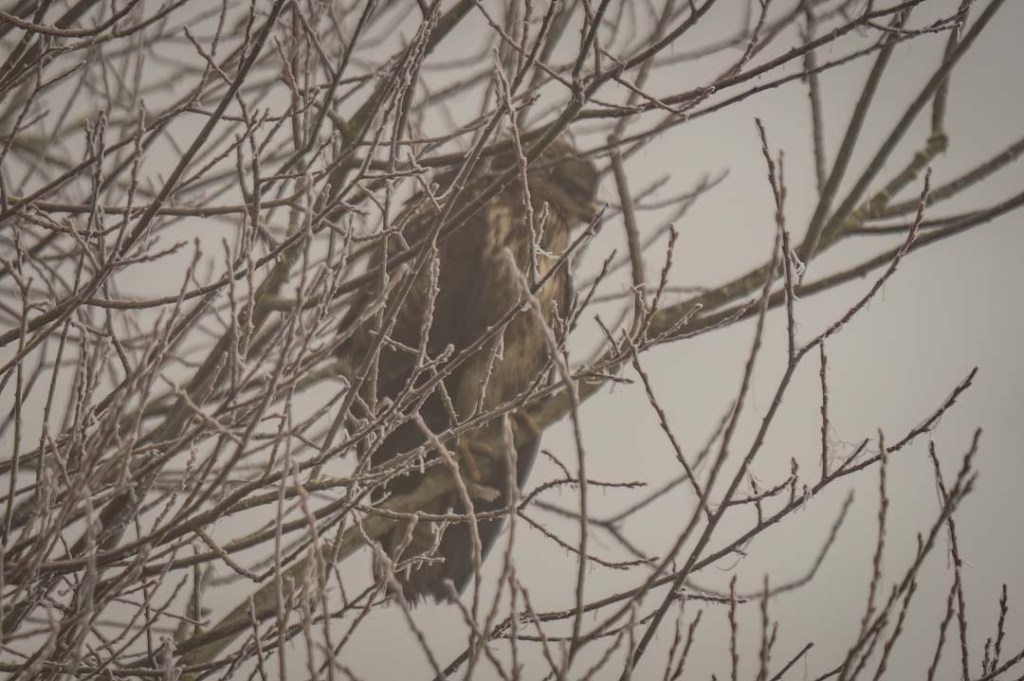
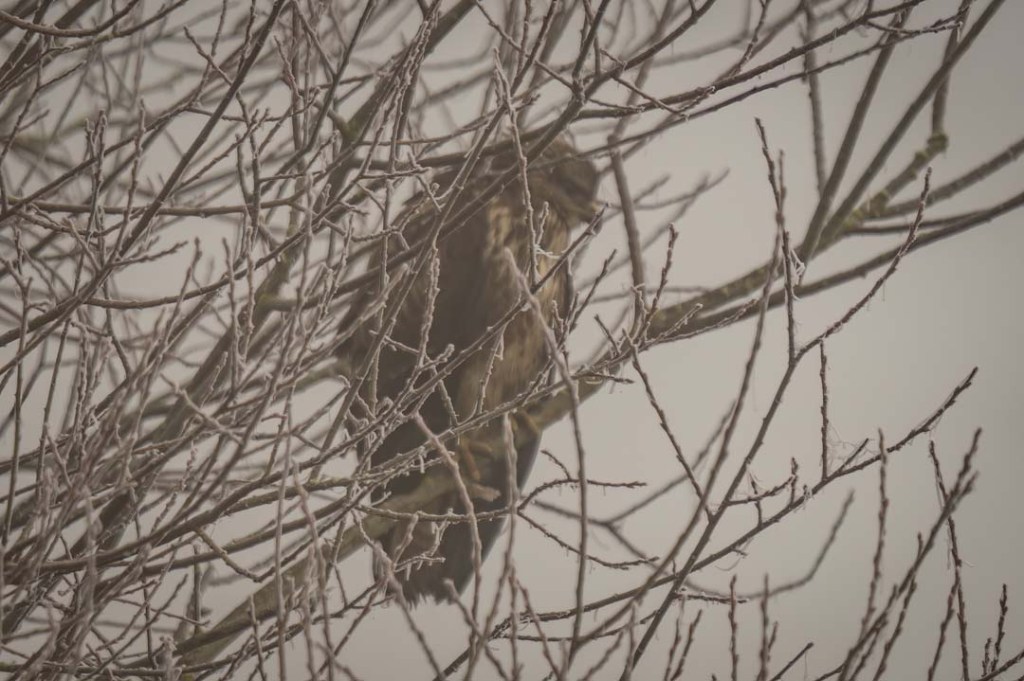
On the approach roads I did manage to see very close up (but behind branches) a Common Buzzard and a Kestrel.
The approaches to Catcott Lows at 11 am this morning.Common BuzzardSilhouette of a Kestrel
I headed over to Westhay Moor.
The approach to the new hide at Westhay MoorFor most of the morning the view from the hide was more misty than this. Photo software is very clever at “dehaze”.
The best moment of the morning was when a bittern flew straight in front of me but by this time I had given up hope of taking bird photos.
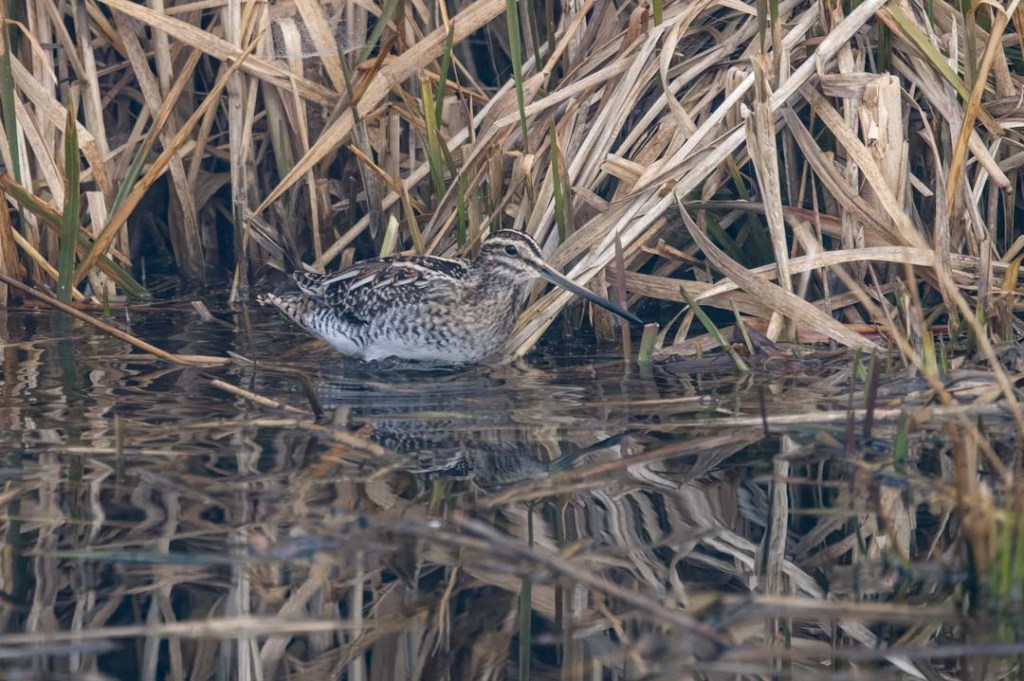
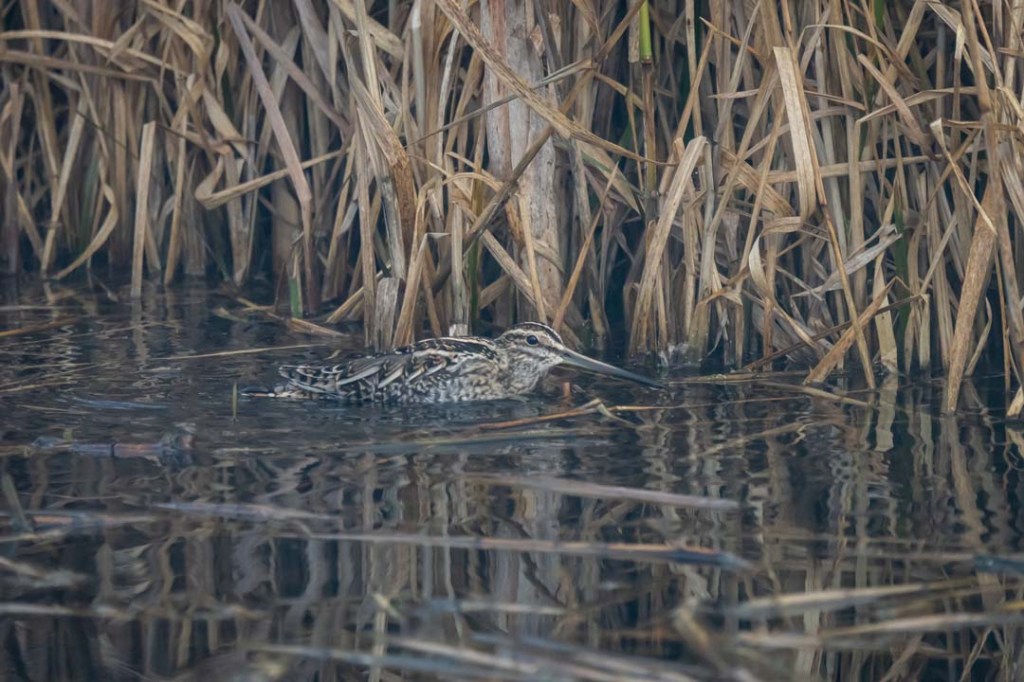
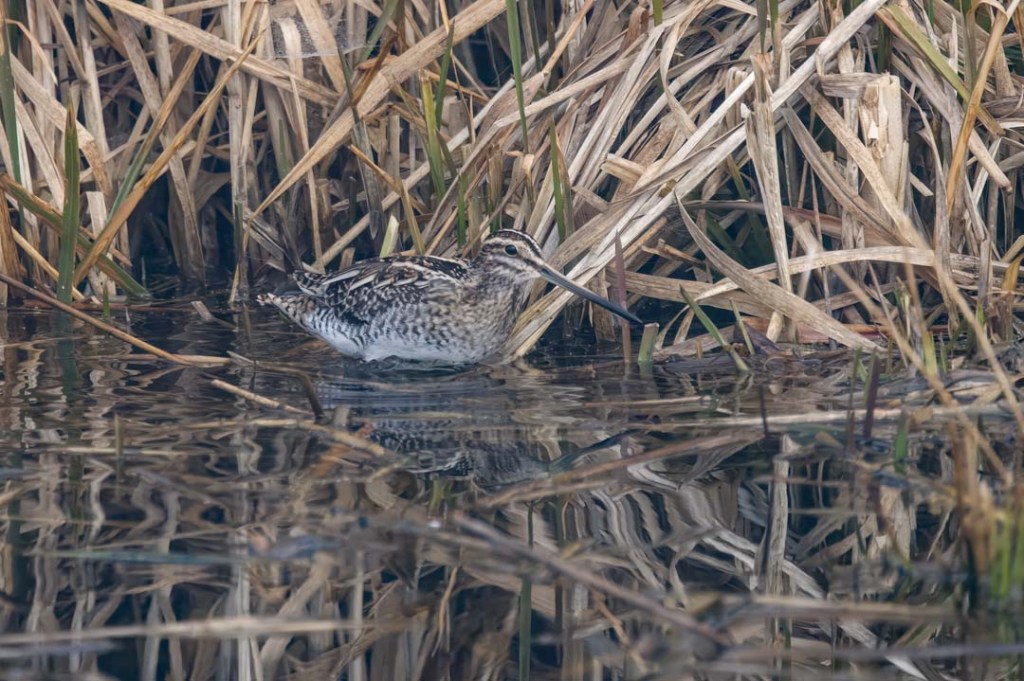
Definitely a lot of use of “dehaze” to get this photo of a Common SnipeFinal views from Westhay
At this point I decided to move on to RSPB Ham Wall (and its toilets).
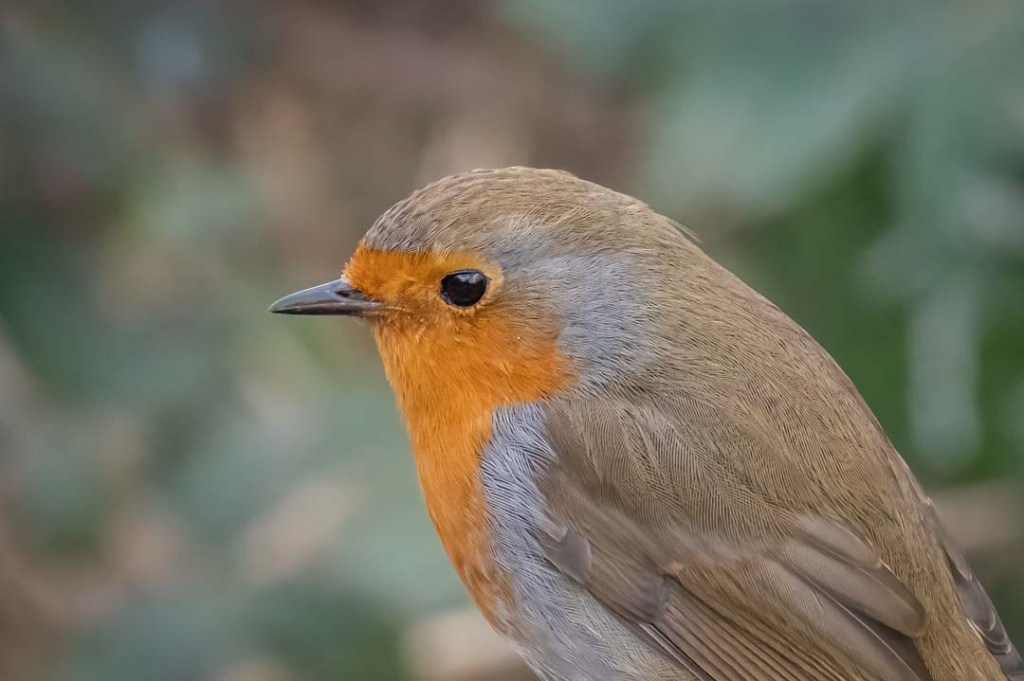
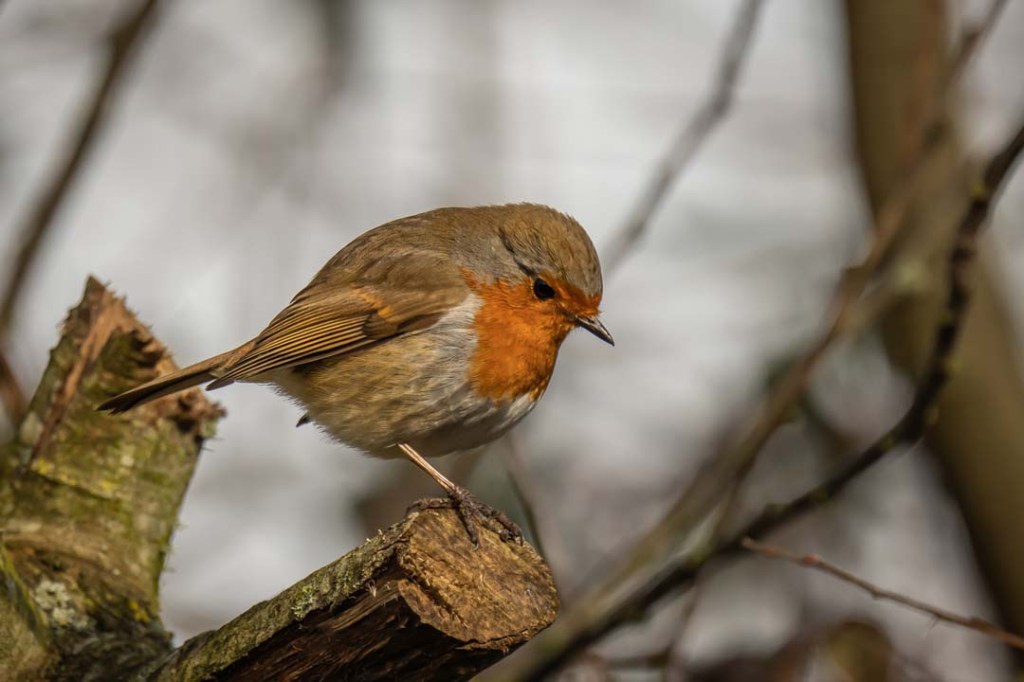
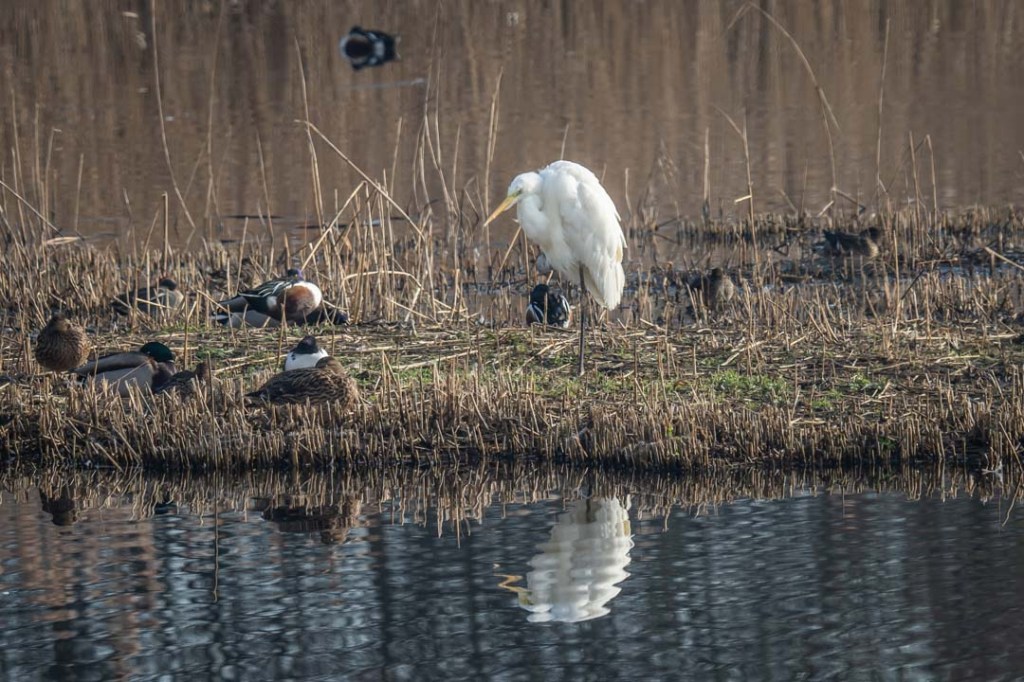
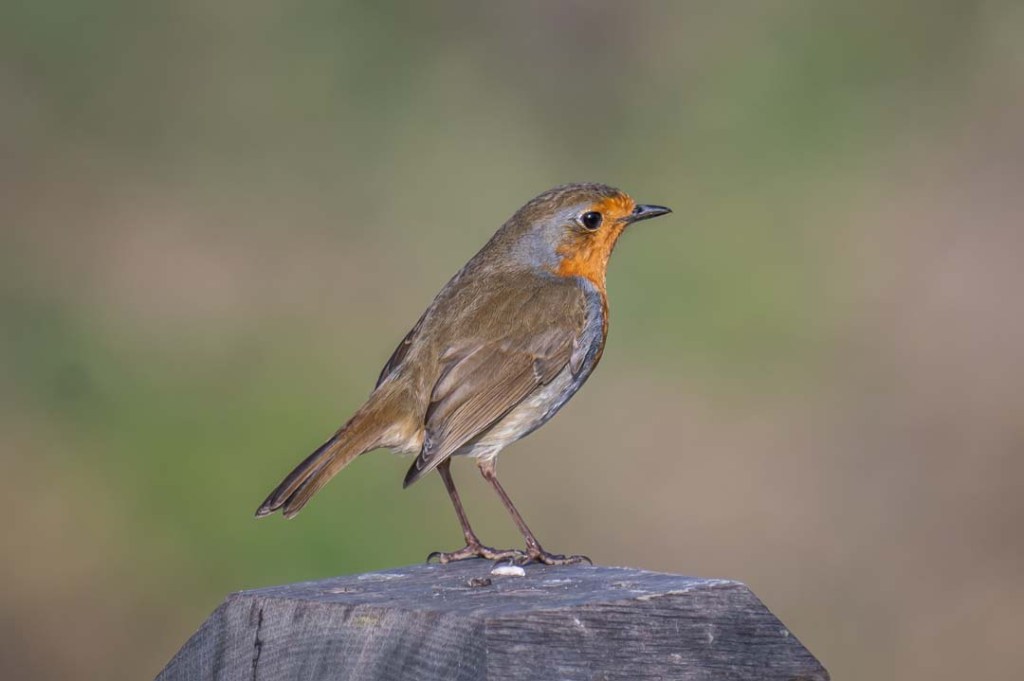
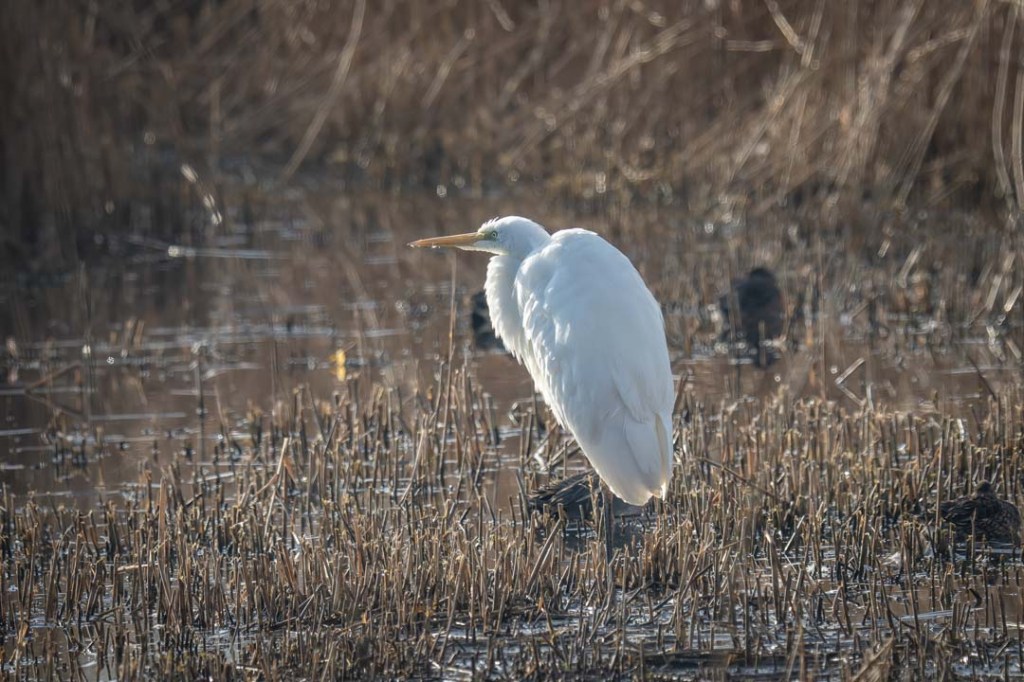
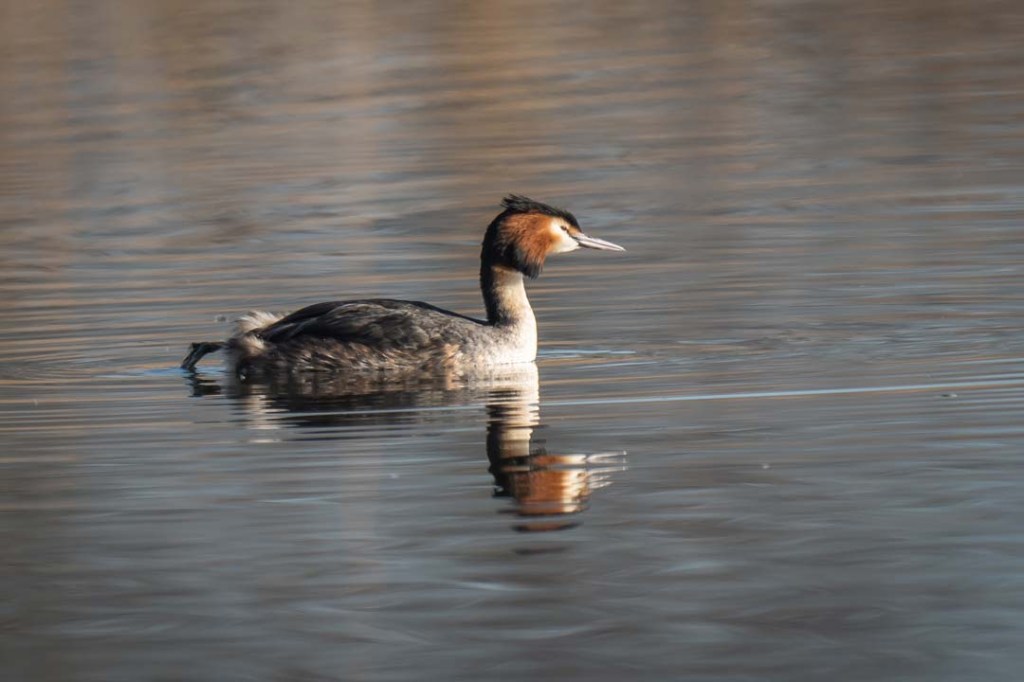
The sun had burnt through en route but the fields were still steamingA Robin, the first bird to greet me at Ham WallYou can’t have a Robin and not a BlackbirdGreat White Egret from the viewing platformFrom here on there were glorious reflectionsPlenty of close ups of smaller birdsNorthern ShovelerGadwallGreat Crested GrebeGreat White EgretGreat Crested Grebe
We have been lucky enough to spend the last 10 days in Andalusia in Southern Spain – five of them on a birding trip to the Doñana National Park.
It has been surprisingly cold at times but we have had wall to wall sunshine and seen Spain at its best with doses of tourism in Seville (3 days), Málaga (2 days) as well as the 5 days immersed in nature in Doñana.
The birding holiday was organised by ingloriousbustards.com and was superb. As an accidental birder I know my limitations. I’m a keen amateur photographer who likes taking photographs of birds and so there were certain aspects of the holiday which were a little disappointing. At times I was frustrated that the sightings were so distant and my photographic opportunities were limited.
Yet, I did enjoy the trip and the owners of ingloriousbustards.com, Simon and Niki, were excellent birders who located a huge number of different species (124 and counting) and ensured that we all had the opportunity to see them through telescopes. By the end I was carried along by the enthusiasm and knowledge of all these “real” birders and was wishing I had taken my telescope so that we could have spent more time viewing the birds.
DAY ONE
Our group of 10 was picked up by Simon and Niki at Seville train station in 2 minibuses and driven the 80 odd kilometres to El Rocio in Doñana in just over an hour. Throughout the week I always felt comfortable with their driving, which I see as a big bonus on such trips. We were then straight into birding.
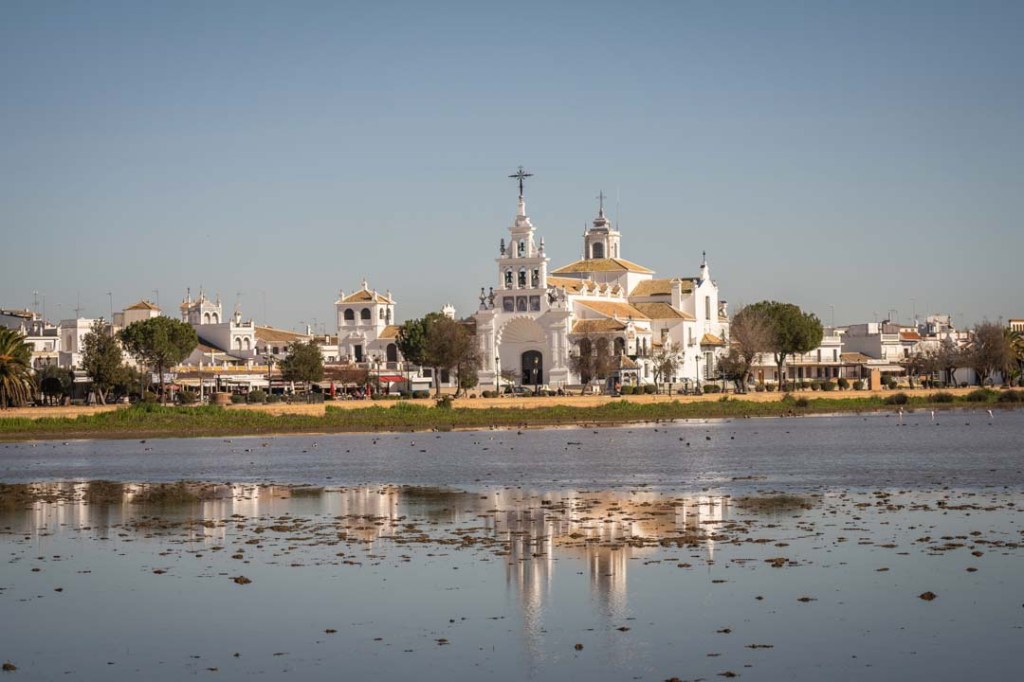
We spent the first session birding around the lagoon adjacent to El Rocio and had our first picnic lunch, as all days, in the field with uninterrupted birding. The picnics were simple and nutritious, with delicious hams, cheeses, fruit and other locally sourced products and a glass of juice or wine (organic of course) and plenty of water.
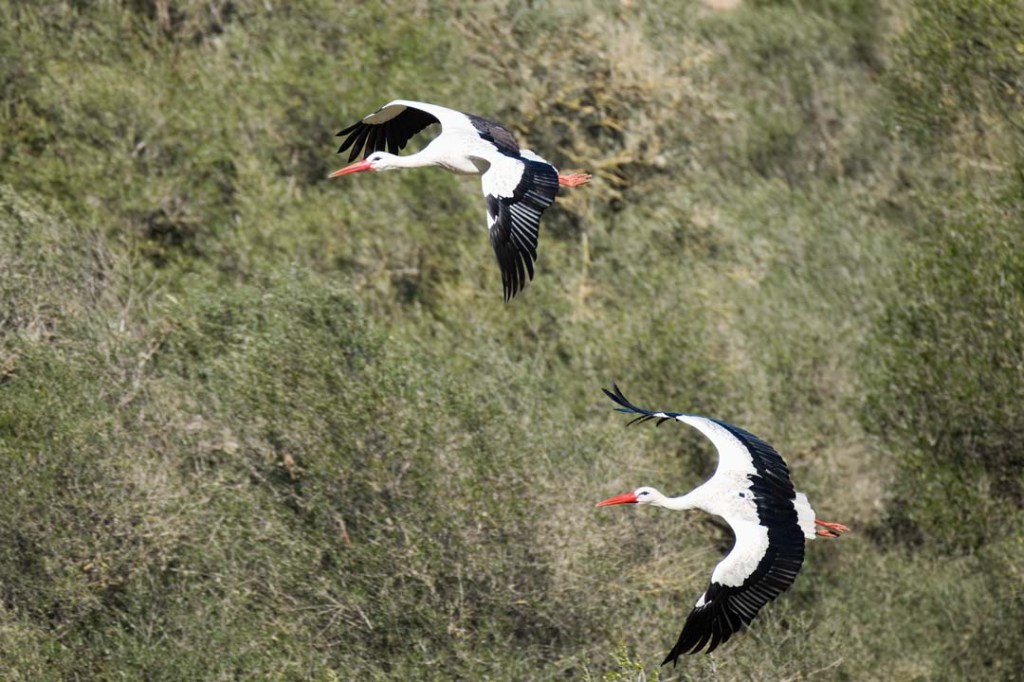
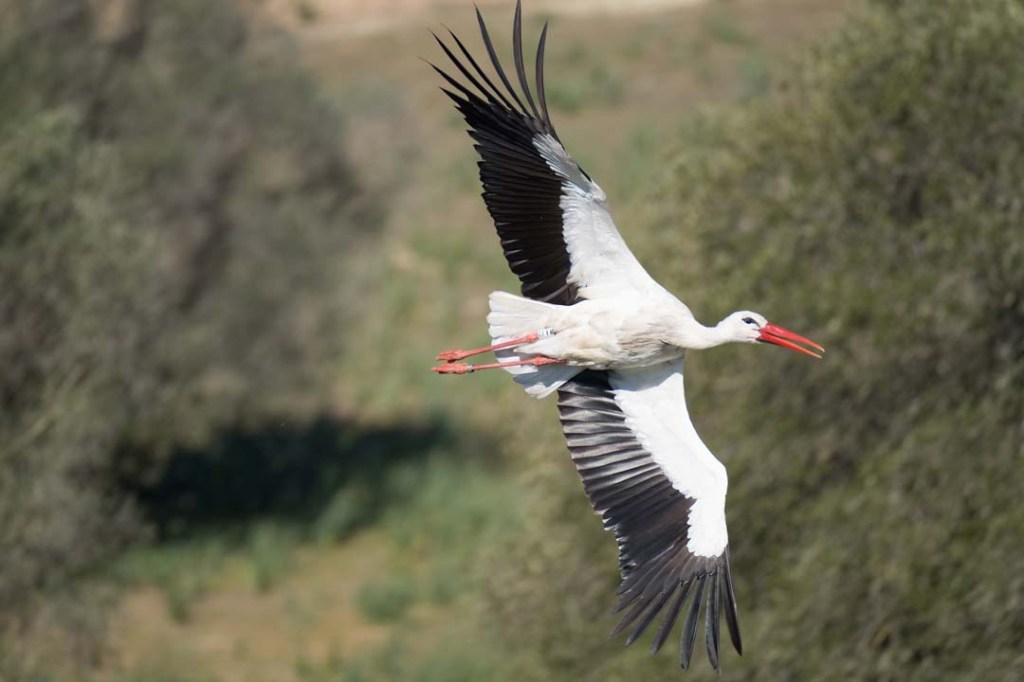
We started our birding adventure on the far side of the lagoon at El RocioThere were White Storks overhead in our first minutes of birding
Niki and Simon took our cases off to the hotel and we followed on foot enjoying more birding opportunities. The lake was teeming with waders and waterbirds and, in particular, the Greater Flamingos and Spoonbills looked spectacular.
Greater Flamingos with red deer in the backgroundEurasian Spoonbills
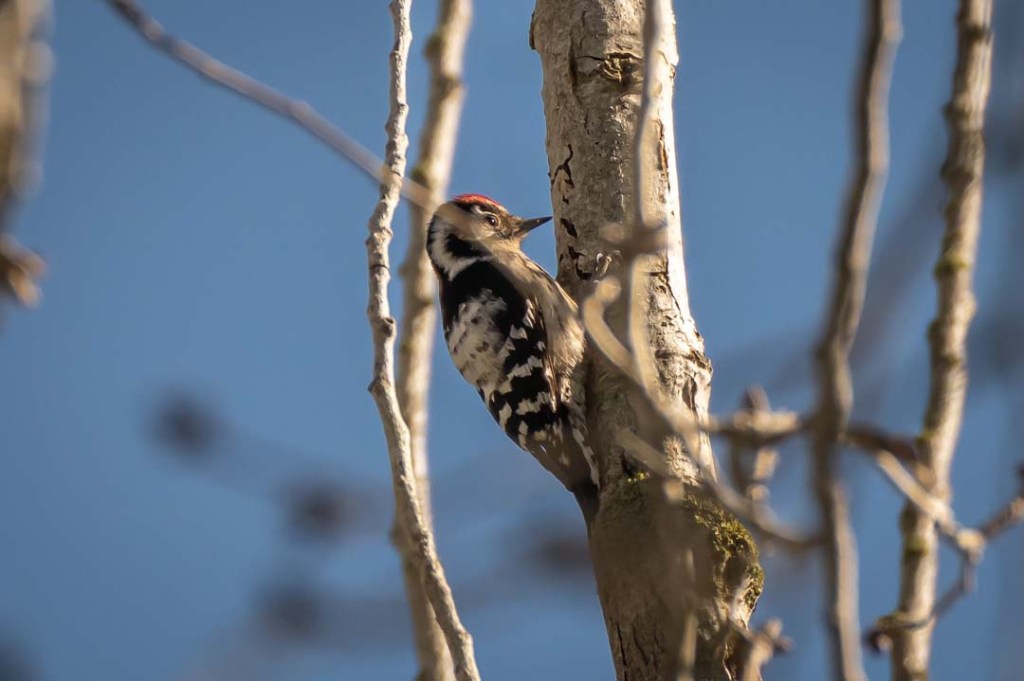
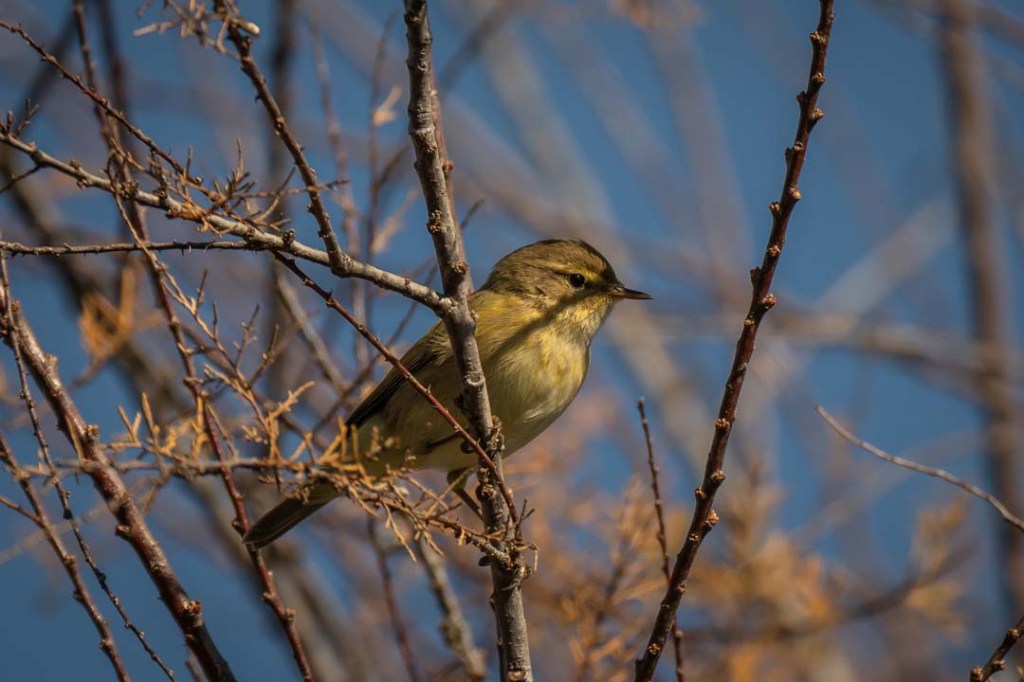
However, it was just as interesting seeing the small birds around the outskirts of the lagoon such as Chiffchaff, Sardinian Warblers, Waxbills, Common Redstart and two birds which certainly caused me some excitement, a Hoopoe and a Lesser Spotted Woodpecker (a first for me).
Lesser Spotted WoodpeckerEurasian HoopoeBlack RedstartJuvenile European SerinWhite WagtailBlack-winged StiltChiffchaffGlossy Ibis catching the last rays of sunshine
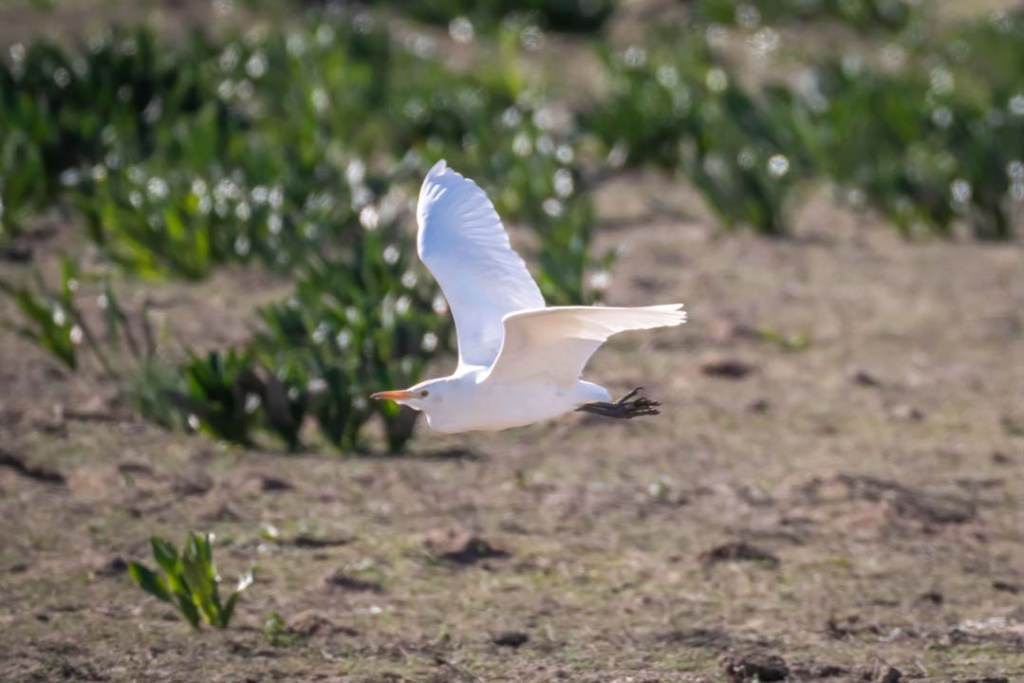
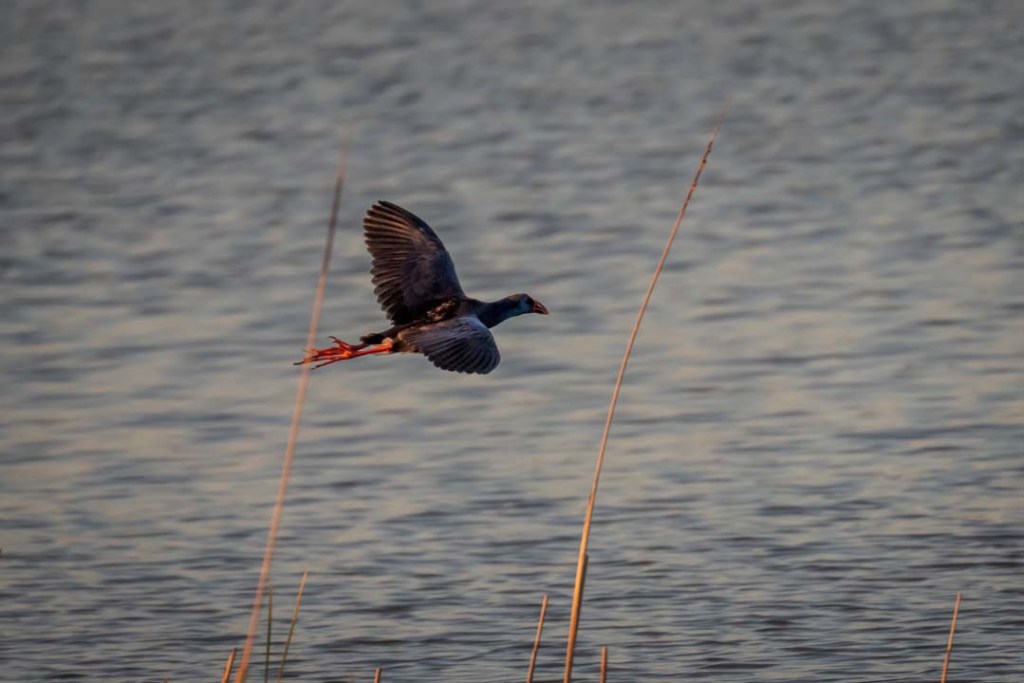
After moving into our rooms we were off out again with another inspection of the lagoon. Close-ups of Western Swamphen, Cattle Egret (at the feet of horses this time), Black-tailed Godwits, and Glossy Ibis and distant deer in the evening sun were my favourite memories of this session.
We had all our evening meals at 8 o’clock in the local restaurant. The meals were all very good but for me the tuna and the swordfish were standouts. I cannot comment on the vegetarian options but I heard no complaints; but I can say that the wines which accompanied meals were good and copious.
Into the park. Lots of rarities and some very close ups.
Our first sighting in the park was a Booted Eagle. More rarities followed with Marbled Ducks, a male Garganey and a Ferruginous Duck. I achieved some photos but nothing that I would like to publish. We did have good views in telescopes, however.
A quirky Western Swamphen up a tree was little easier to photograph.
Western SwamphenWhite storksWhite StorkPenduline TitWhite StorkStonechatCattle EgretMarsh HarrierSpectacular view of 170+ Common CraneGolden Plover
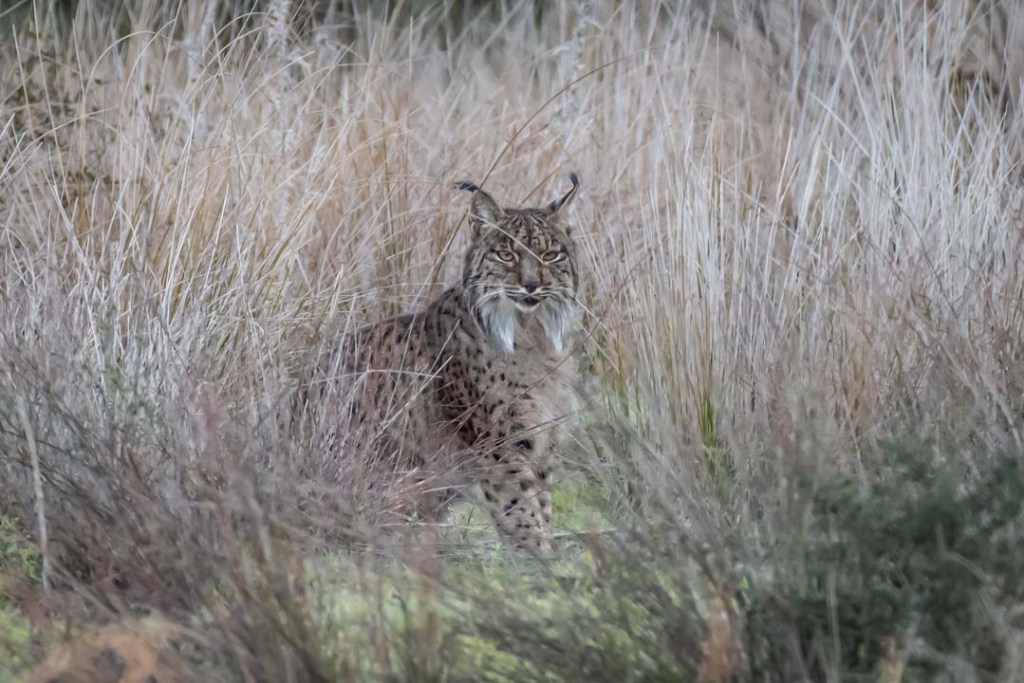
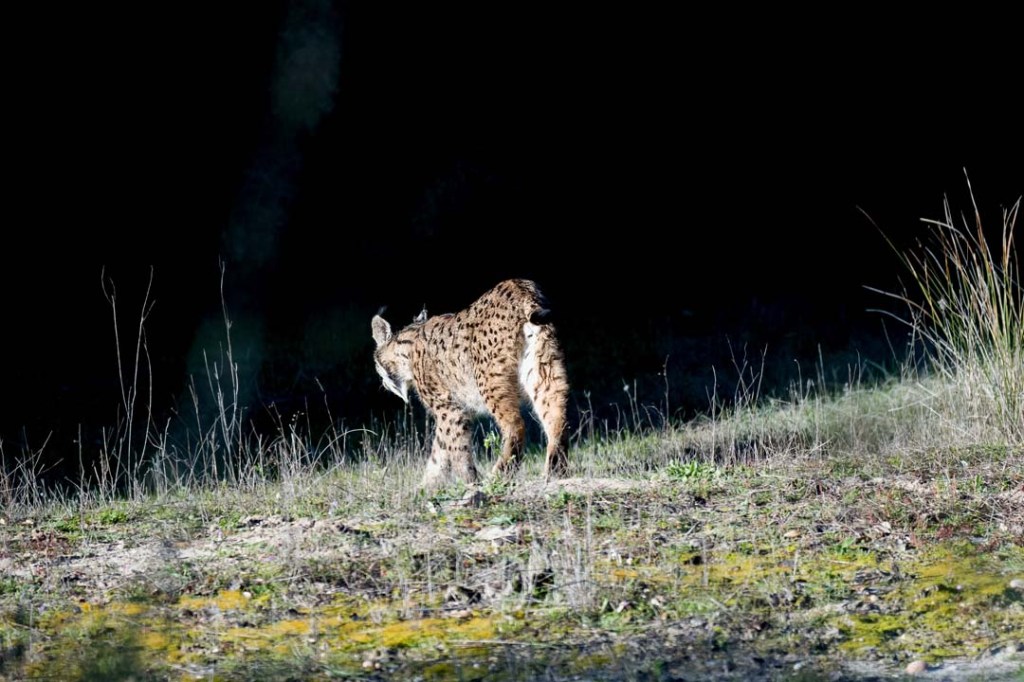
This was a very special day. We were driven by guides from Doñana Nature in search of the Iberian Lynx – the most endangered of all wildcats in the world.. I was amazed when we had a sighting. I must thank Stuart for his assistance in capturing shots with my camera of the lynx through an open window of the minibus which I could not access. The excitement was not diminished in any way.
Our second sighting of the Iberian lynx
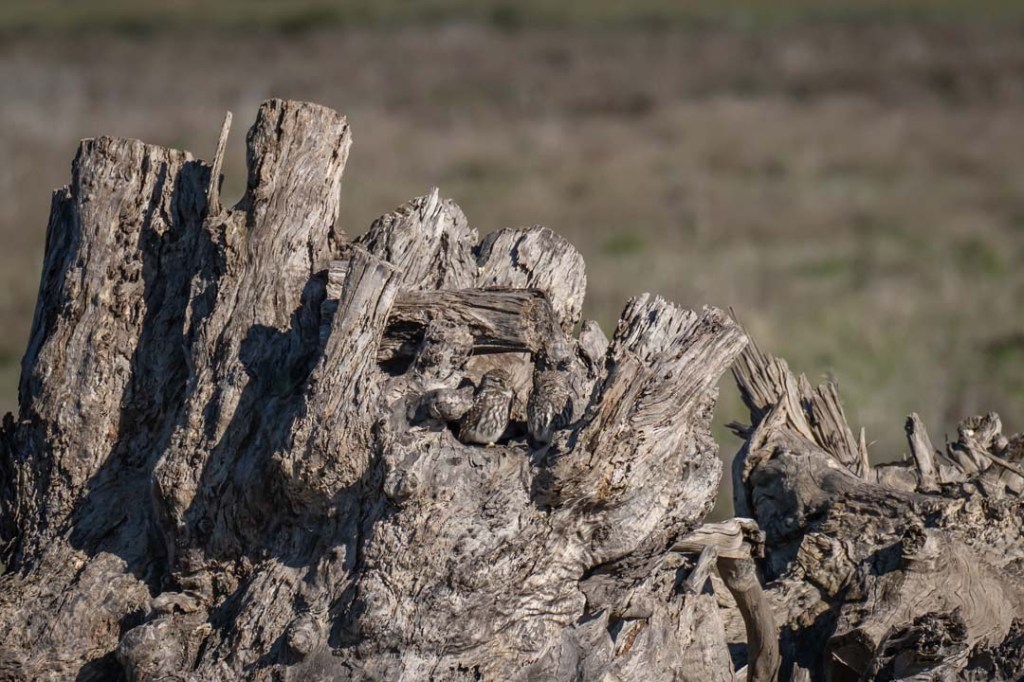
Distant views of Spanish Imperial Eagle were also pretty special but my favourite “bird” moment was two little owls brilliantly camouflaged in some tree stumps.
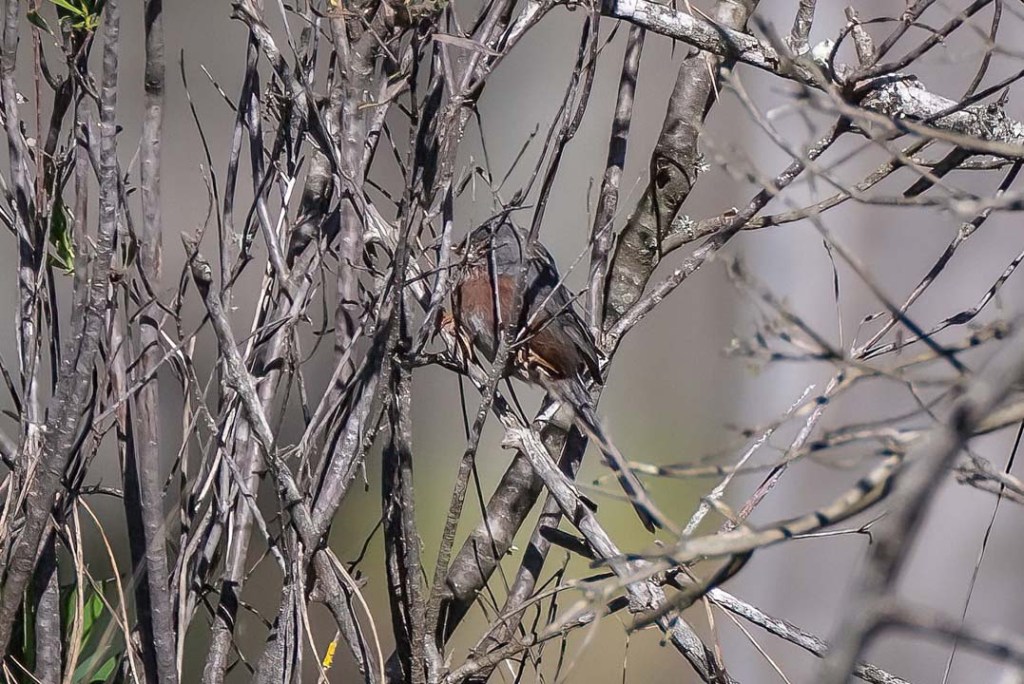
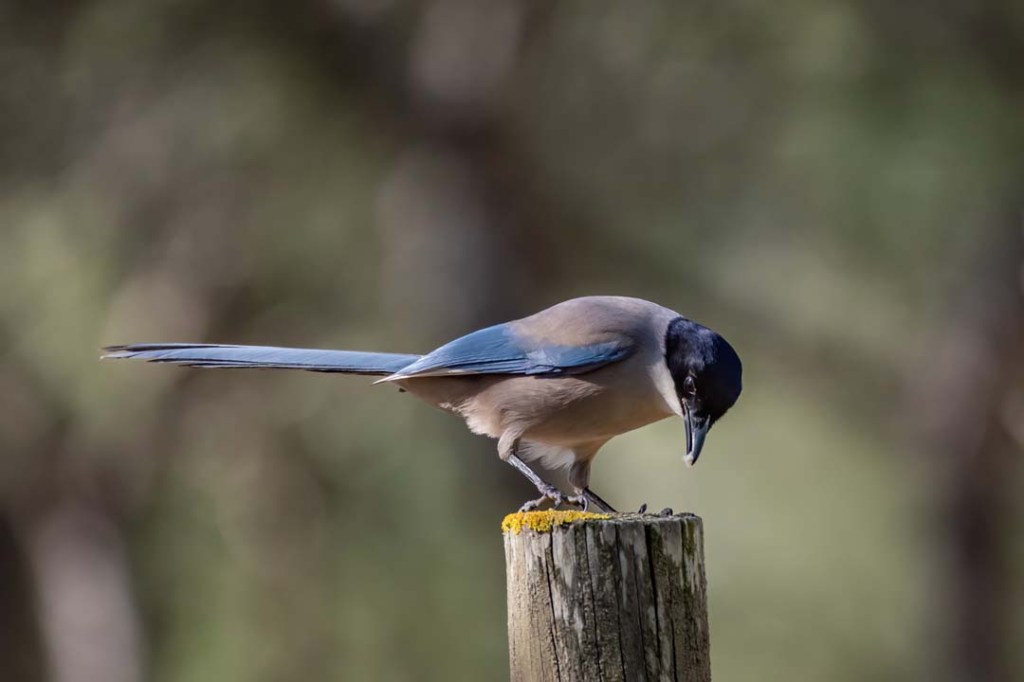
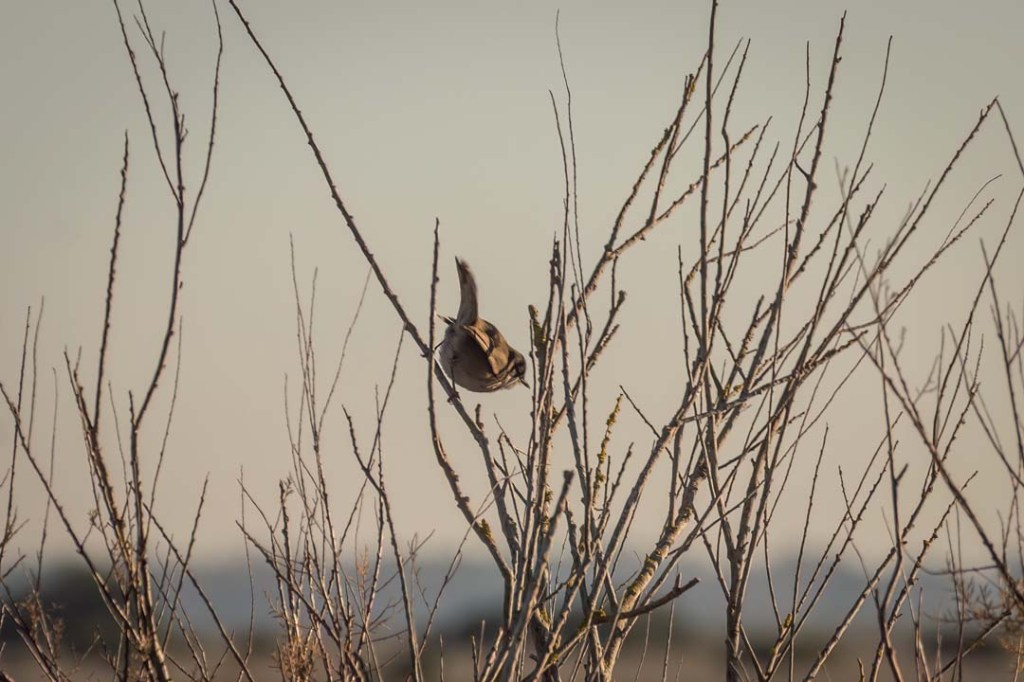
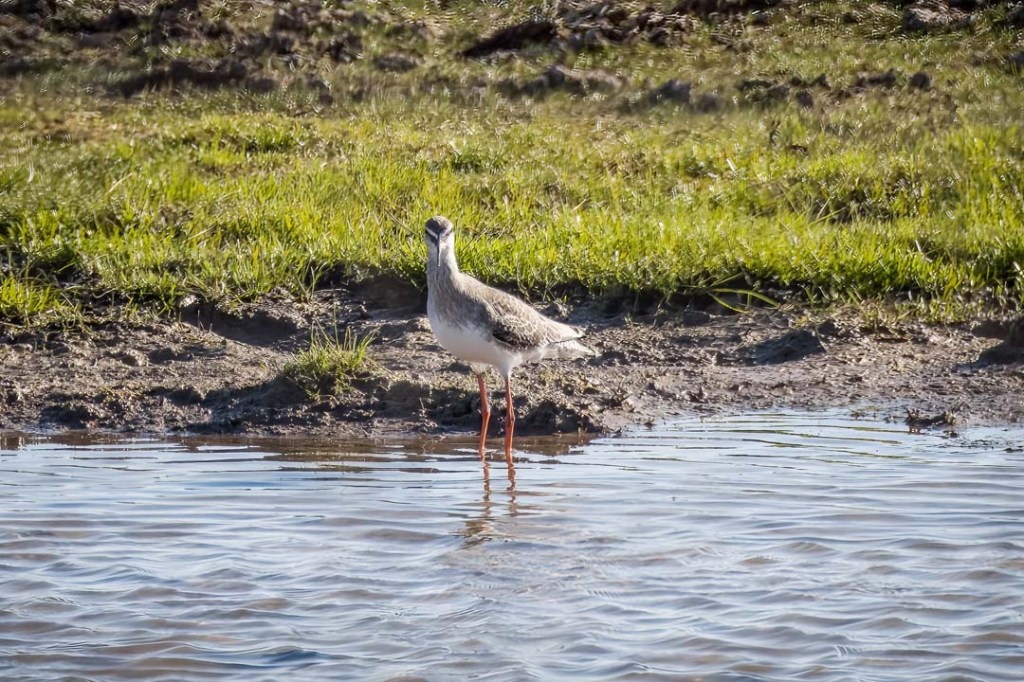
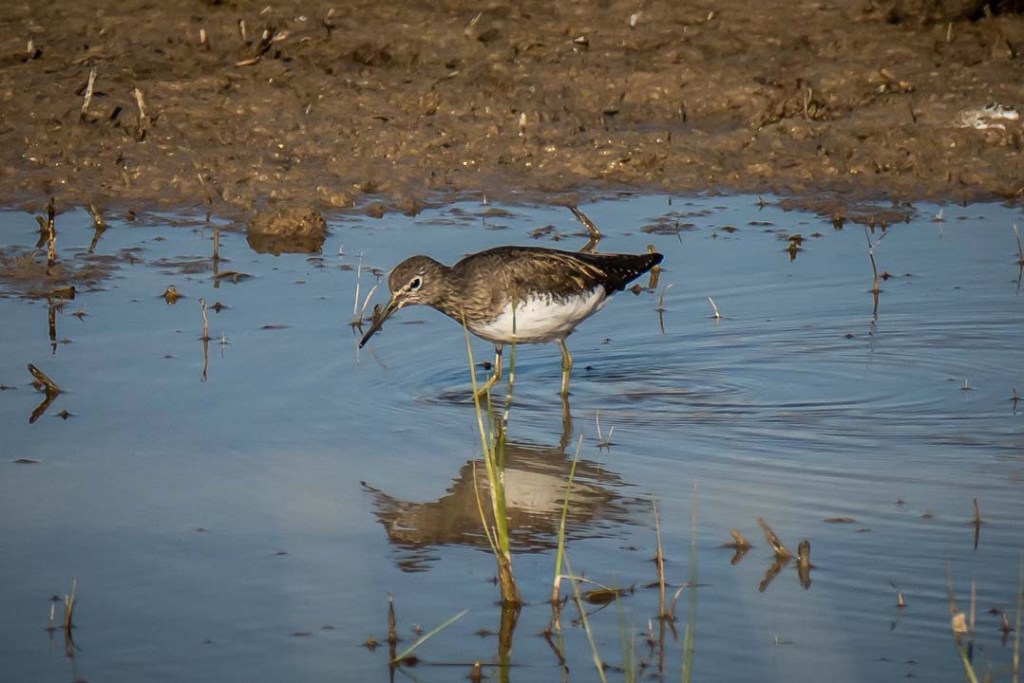
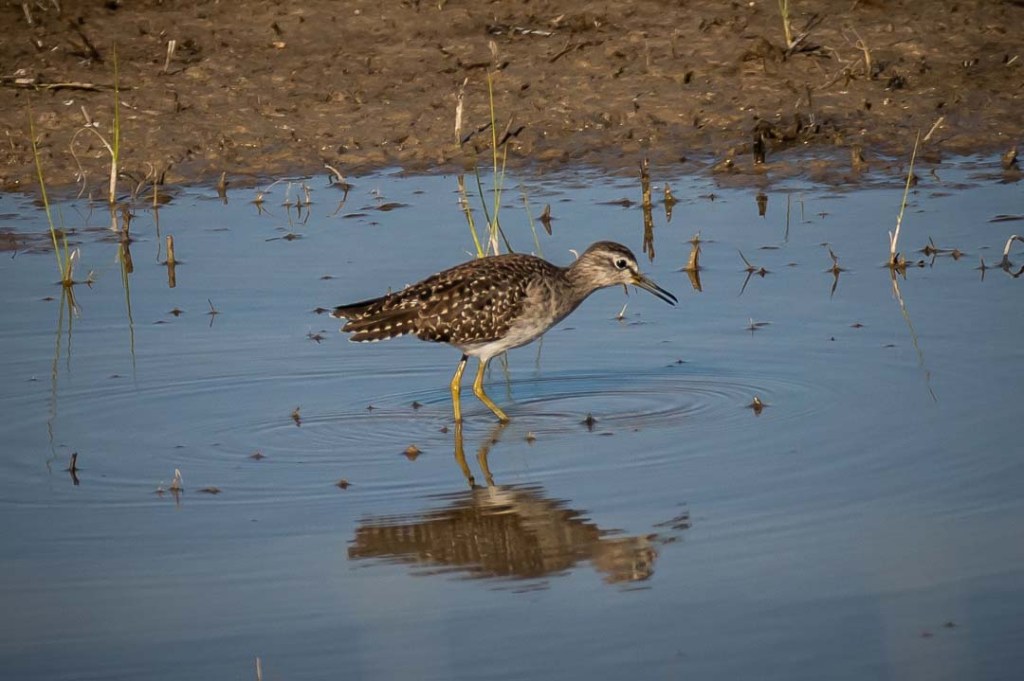
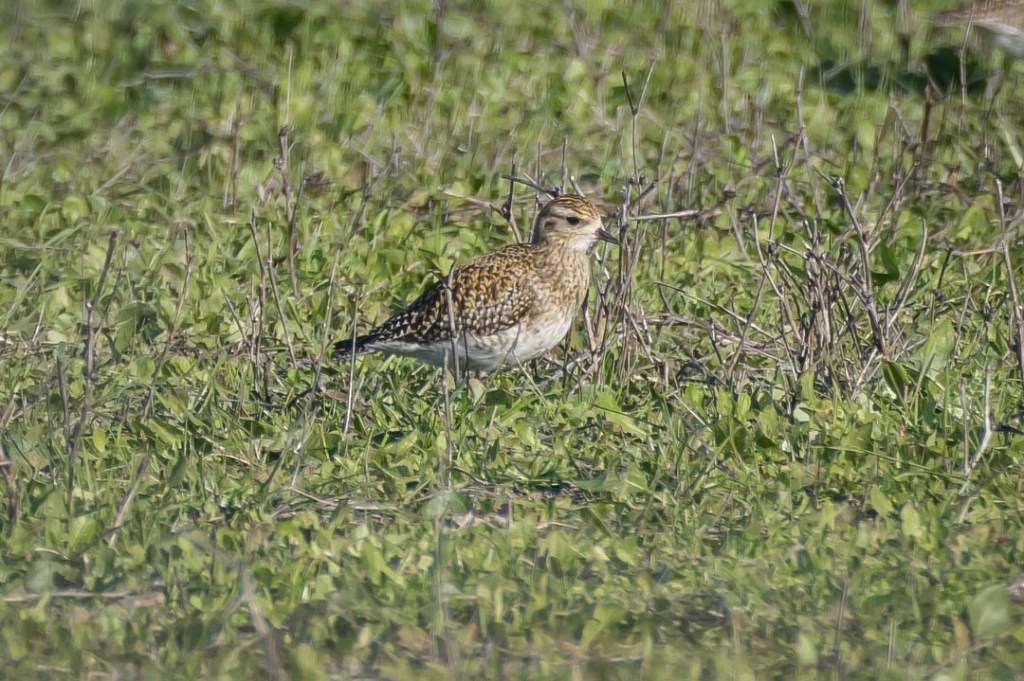
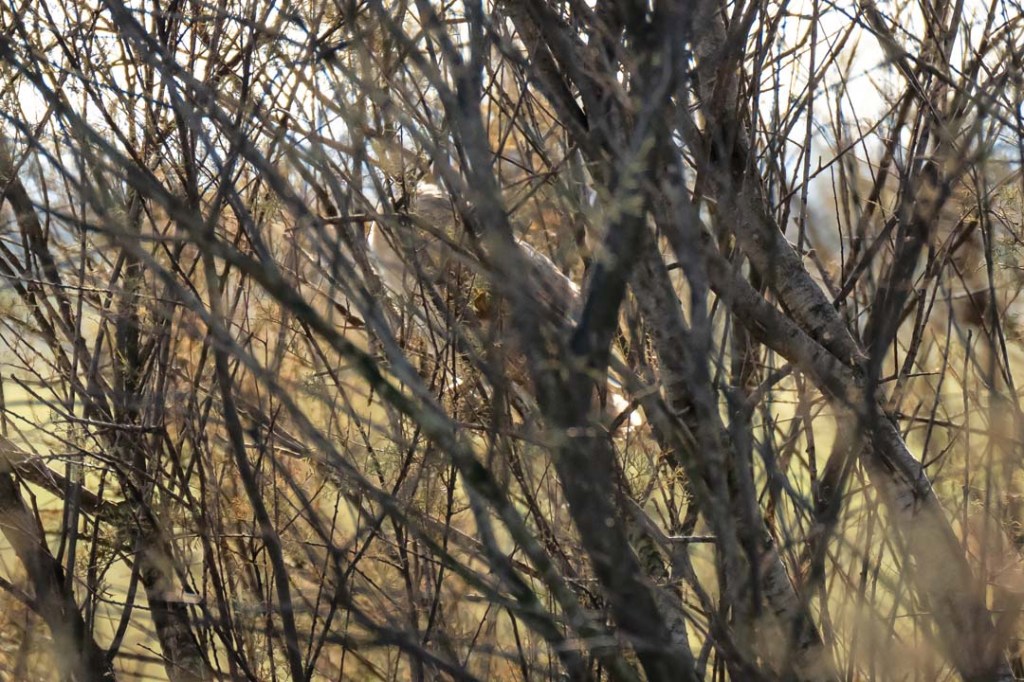
Little owls well camouflaged in the tree stumpsIberian Grey ShrikeA Dartford Warbler during our lunch break.Eurasian hoopoe also during our lunch breakIberian MagpieFemale Sardinian WarblerSpotted RedshankGreen SandpiperWood SandpiperGolden PloverA very distant Spanish Imperial EagleThere’s a Barn Owl in there somewhere!My best effort of the BluethroatThe little owl was a little more visible on the way backRed-legged Partridge
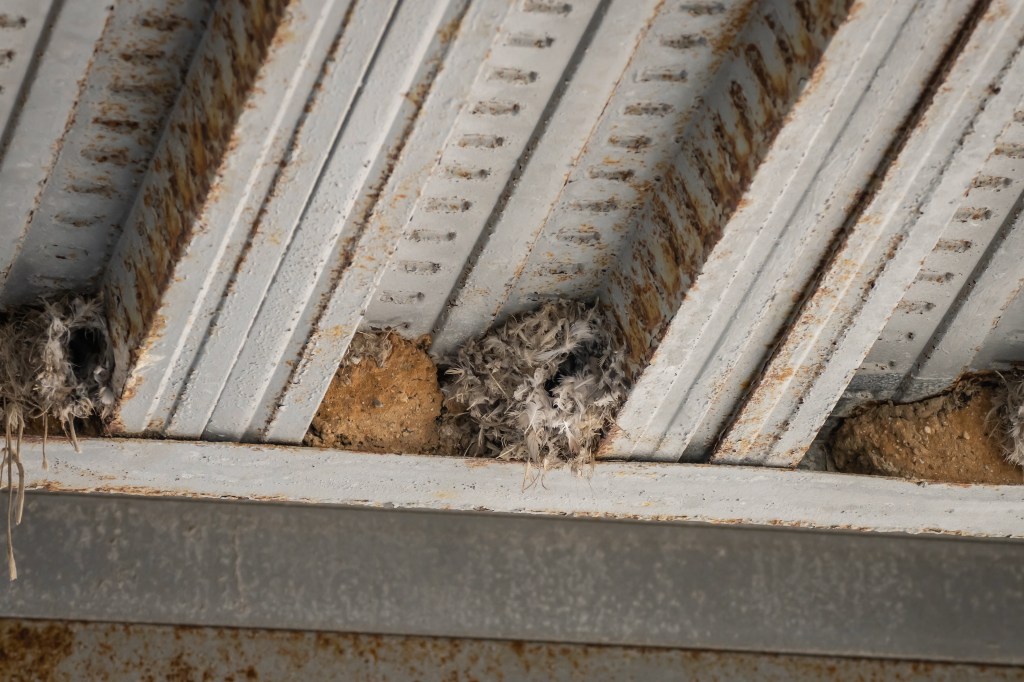
We had a long journey in the minibuses via Seville to Chipiona, just south of Sanlucar de Barremeda on the eastern side of the Guadalquivir River. We went to see Little Swifts which roost there. I managed to see the last one leaving the roost but sadly no photos.
Little swift roost
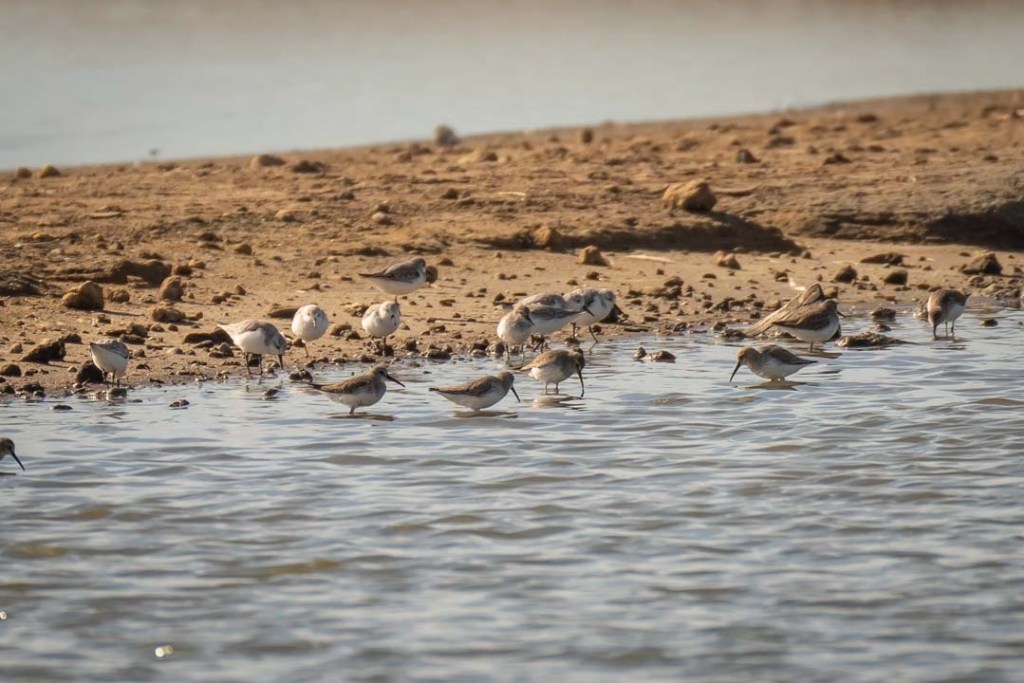
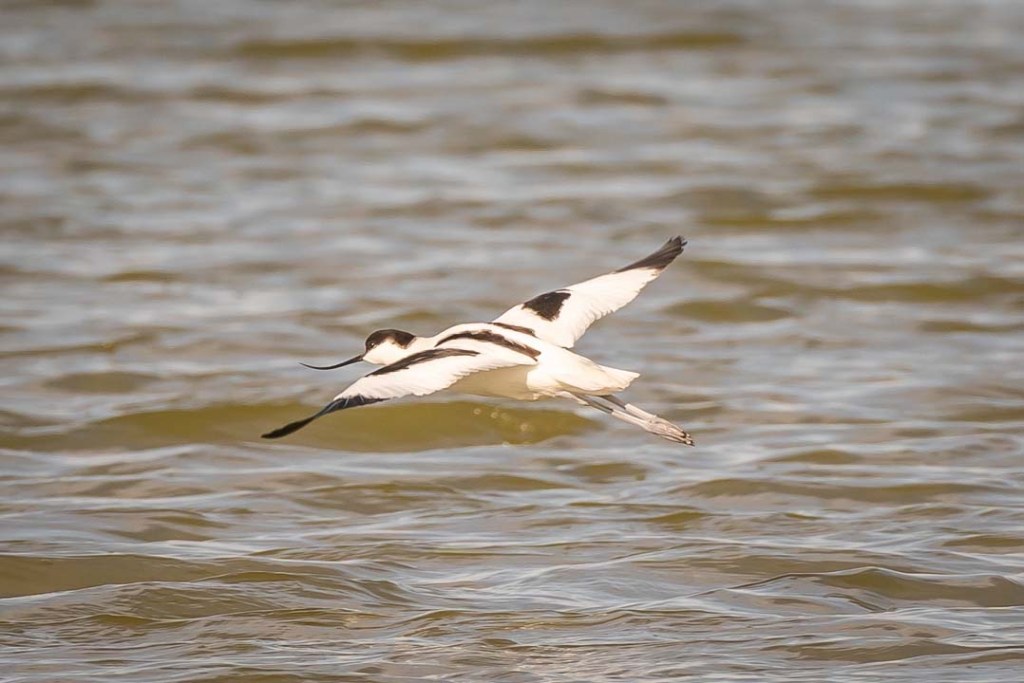
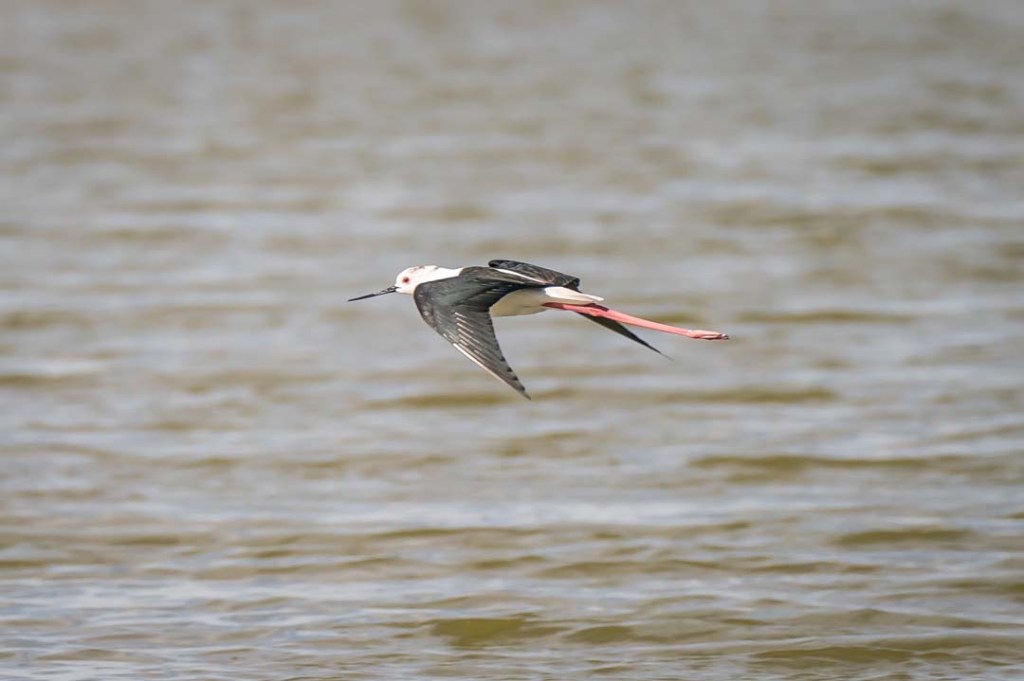
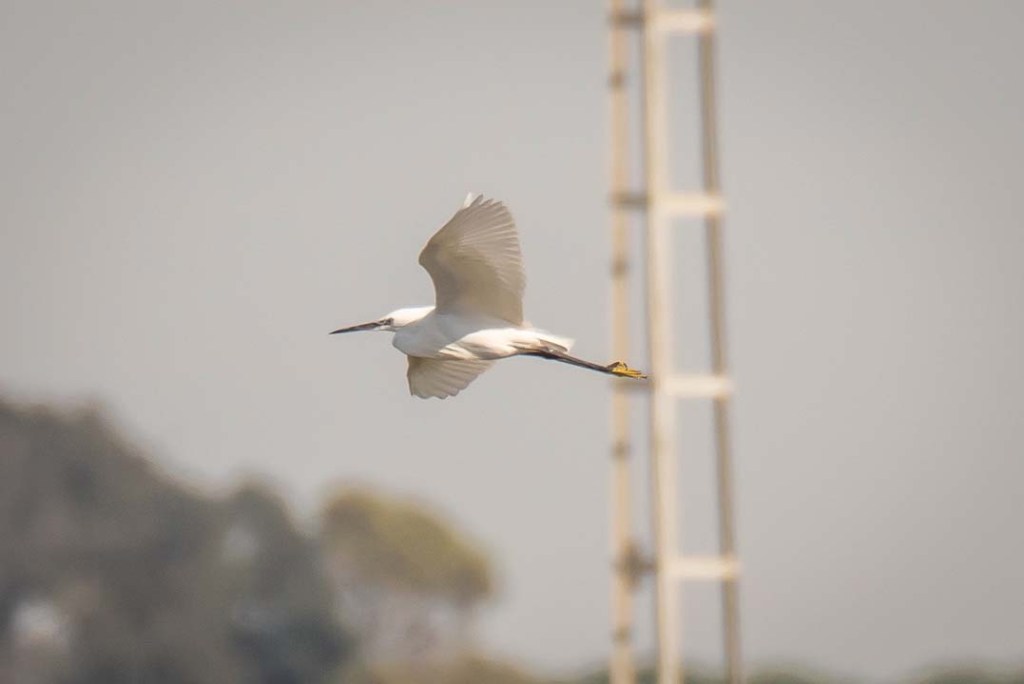
Then on to the salt pans at Bonanza, north of Sanlucar de Barremeda.
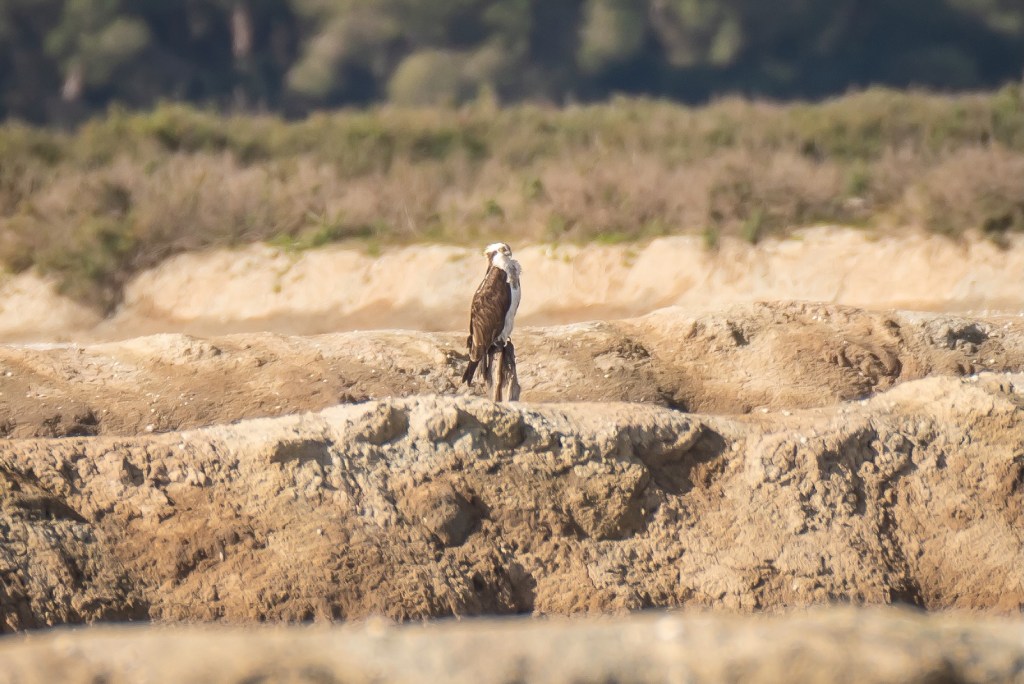
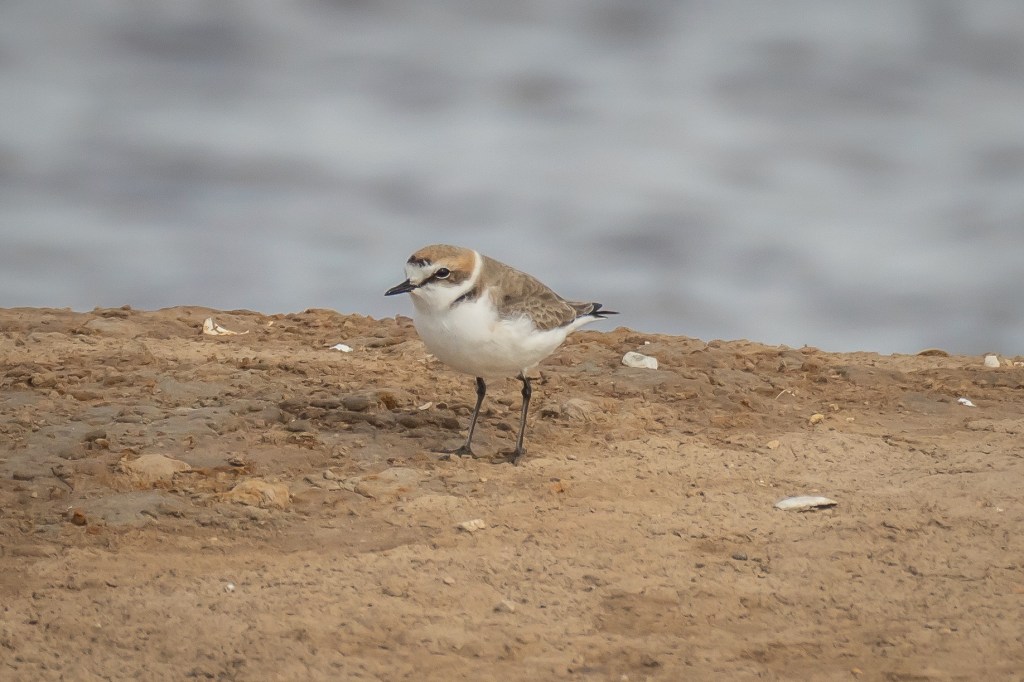
Top spot for me was an Osprey but a Kentish Plover was also pretty special.
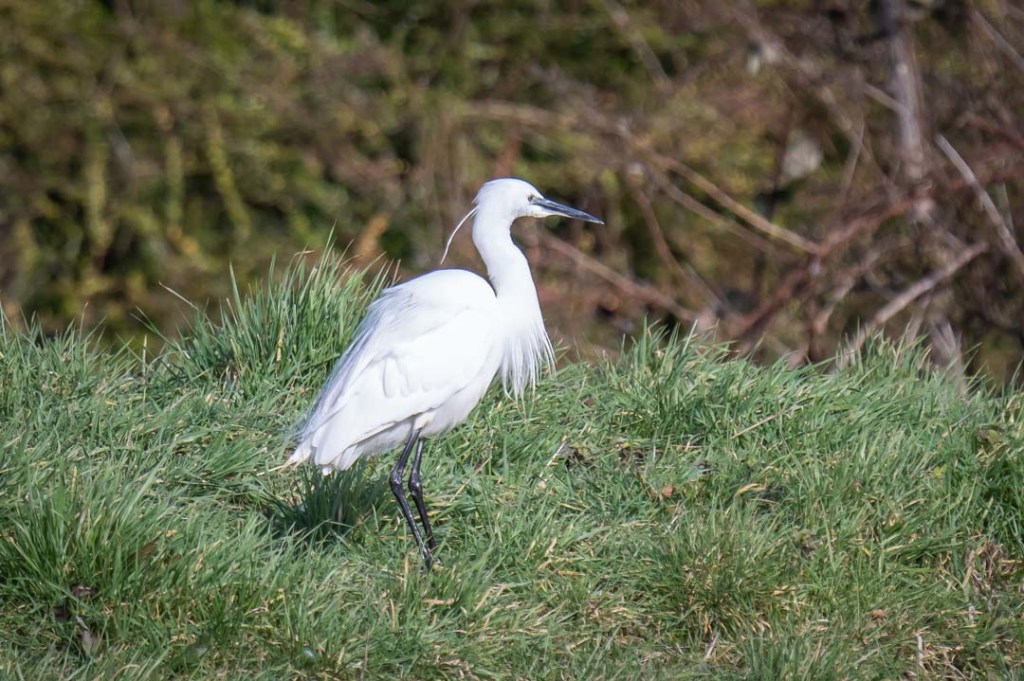
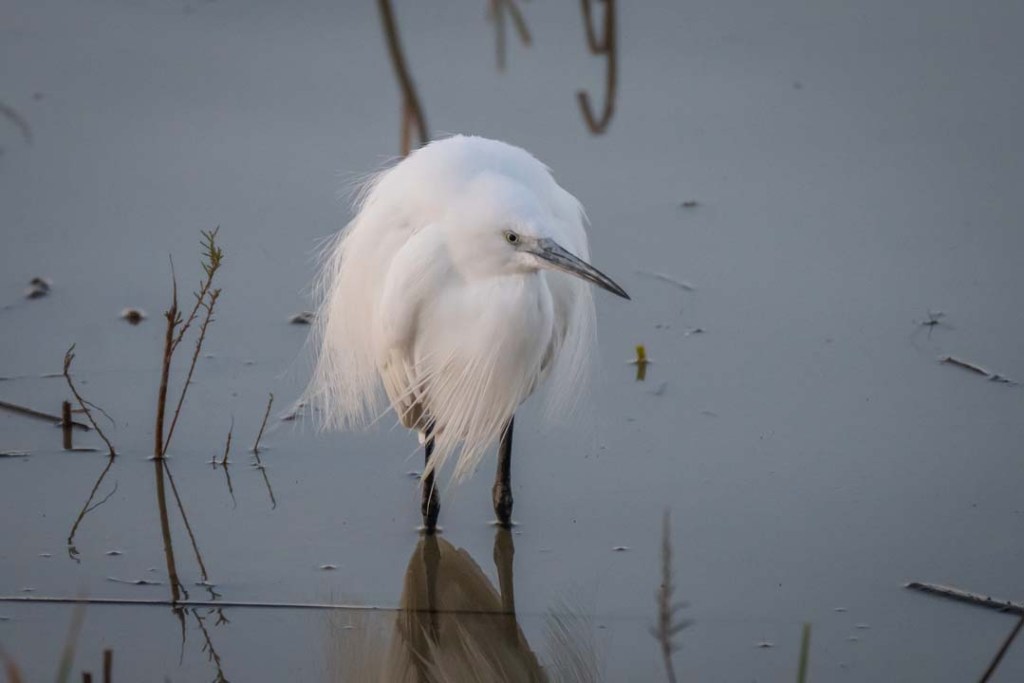
OspreySanderling and DunlinPied AvocetBlack-winged StiltLittle EgretKentish Plover
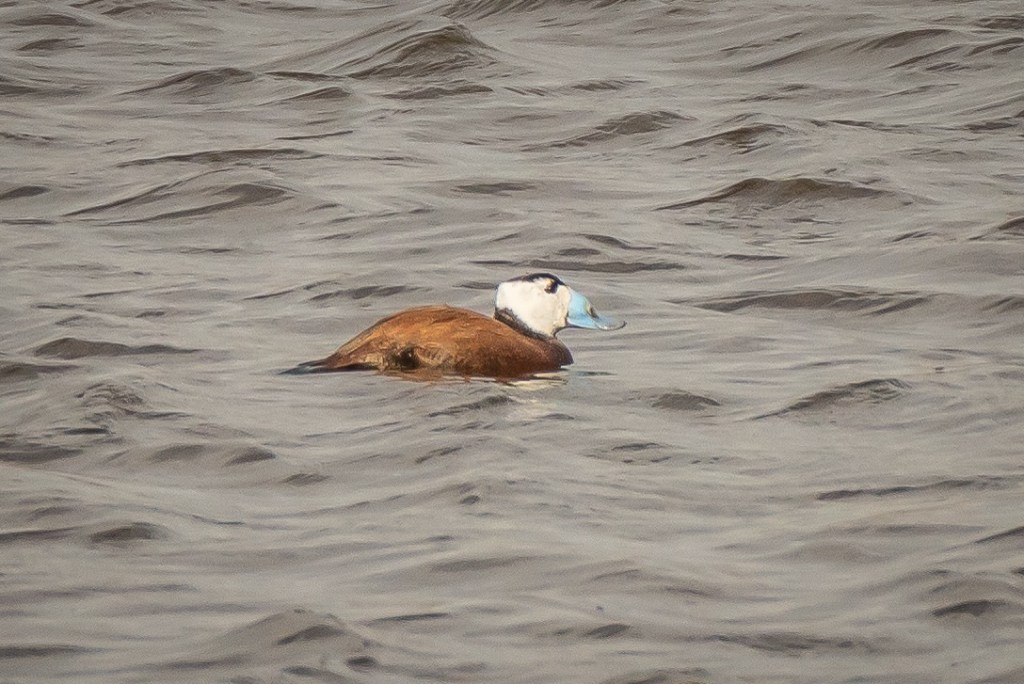
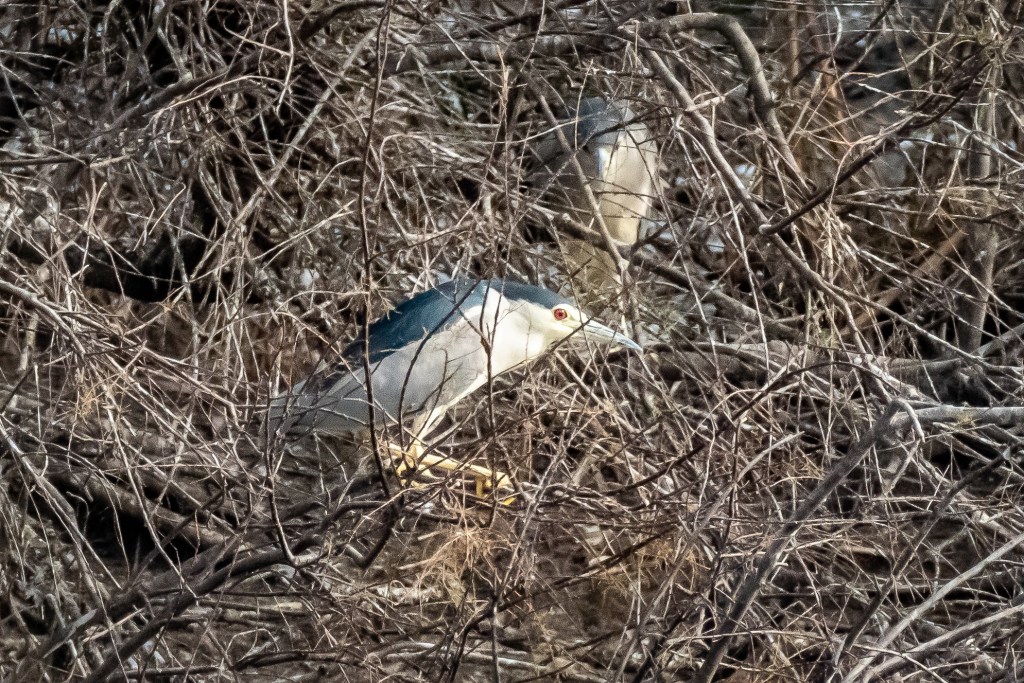
At the third site, from the roadside near three pools north of Bonanza we had good views of White-headed Ducks and large roosts of Black-crowned Night Herons.
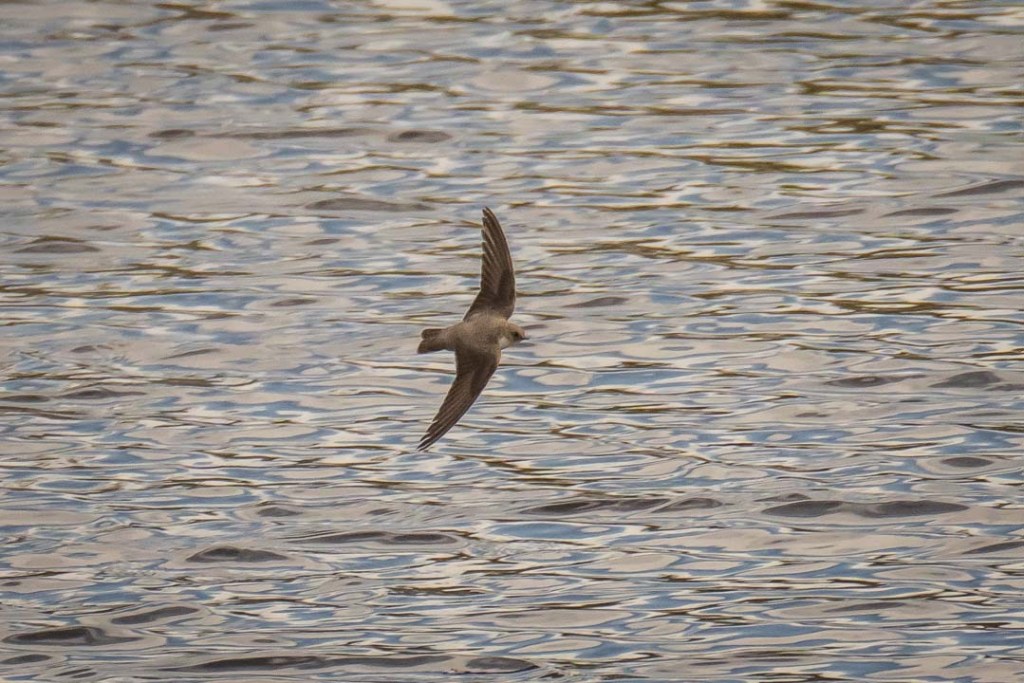
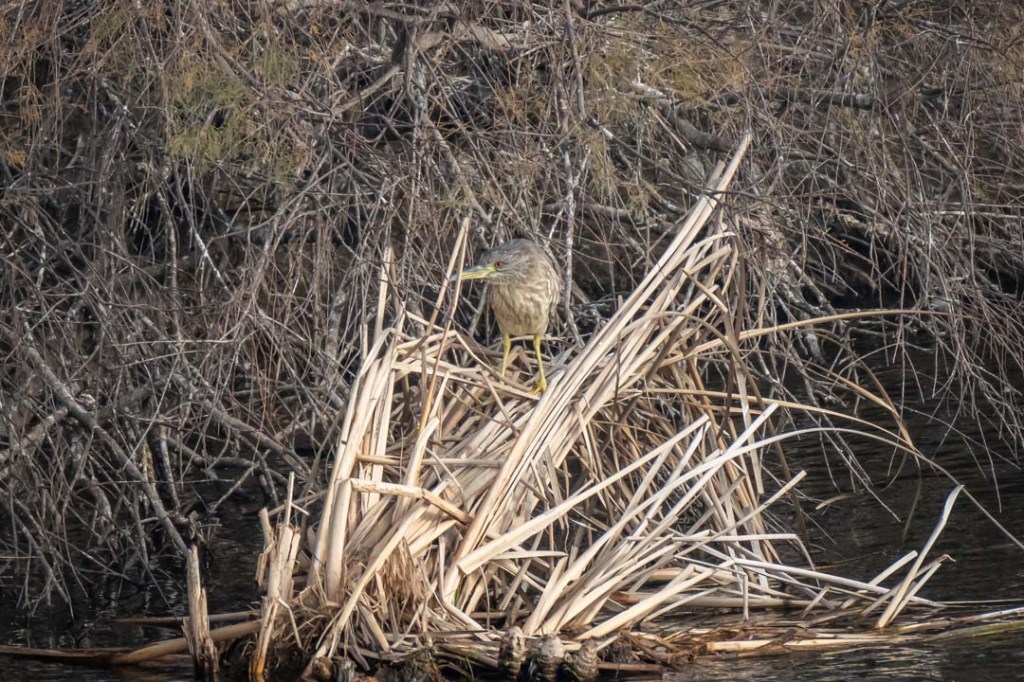
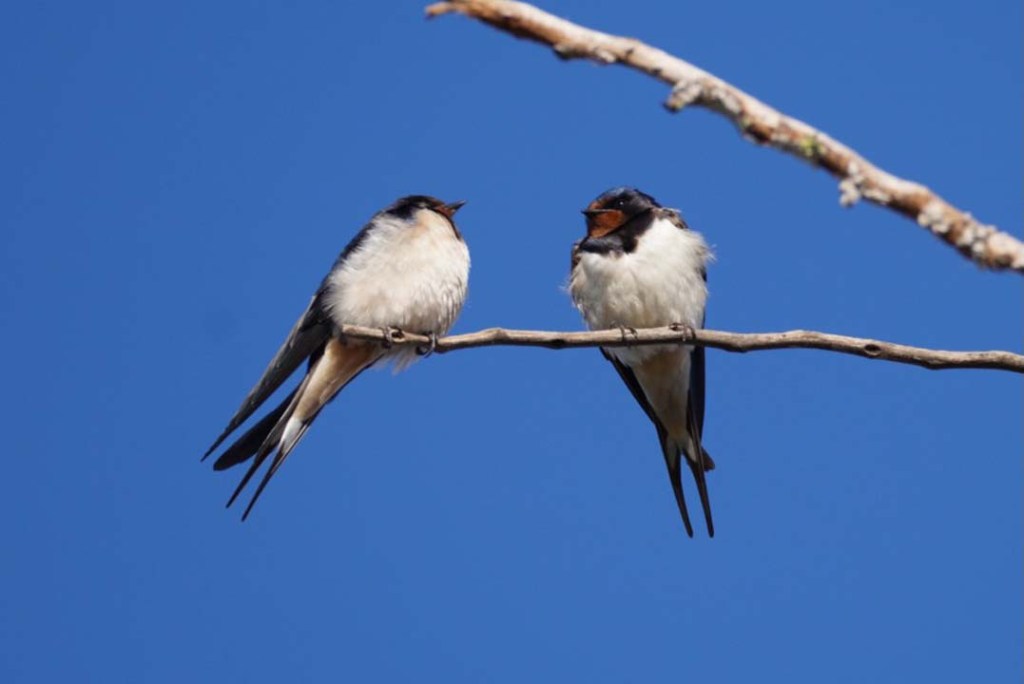
White-headed DuckBarn Swallow and Little GrebeEurasian Crag-MartinBlack-crowned Night HeronJuvenile Black-crowned Night Heron in flightJuvenile Black-crowned Night HeronGreater Flamingo
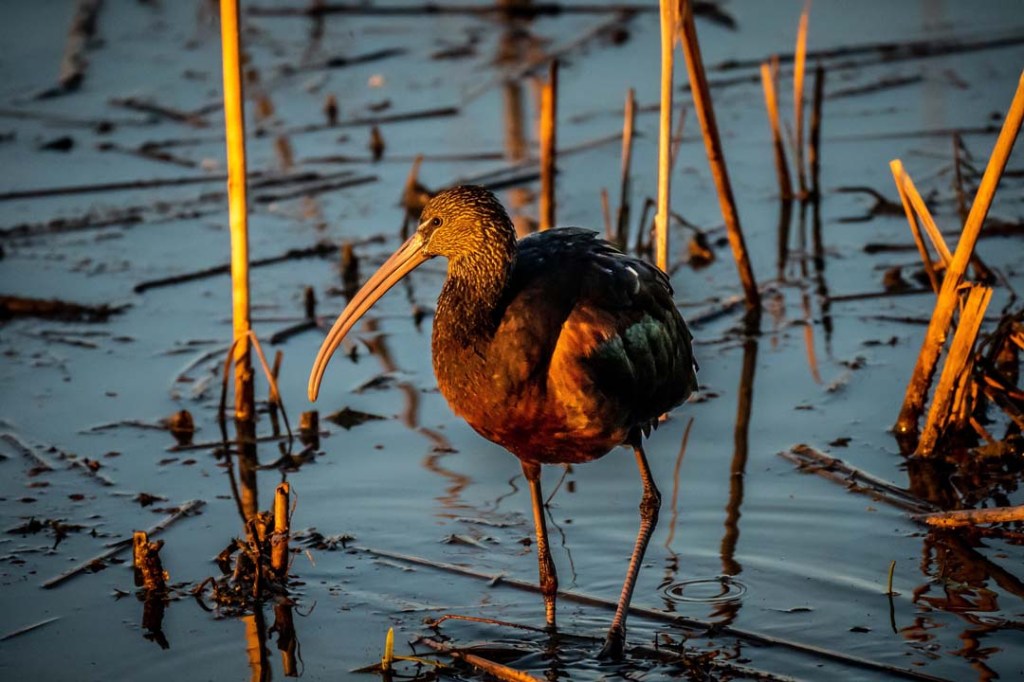
The group were off again birding for a morning session but we had to leave the group early as we had trains to catch from Seville to Malaga via Cordoba but managed a couple of hours birding on our own around the lagoon. The Glossy Ibis were particularly stunning in the beautiful morning sun, and along with the spectacular views of El Rocio we were left with wonderful memories of this birding trip.
Last morning in El RocioGlossy IbisWestern SwamphenBlack-tailed GodwitA Little Egret (ready for Crufts?)Barn Swallows
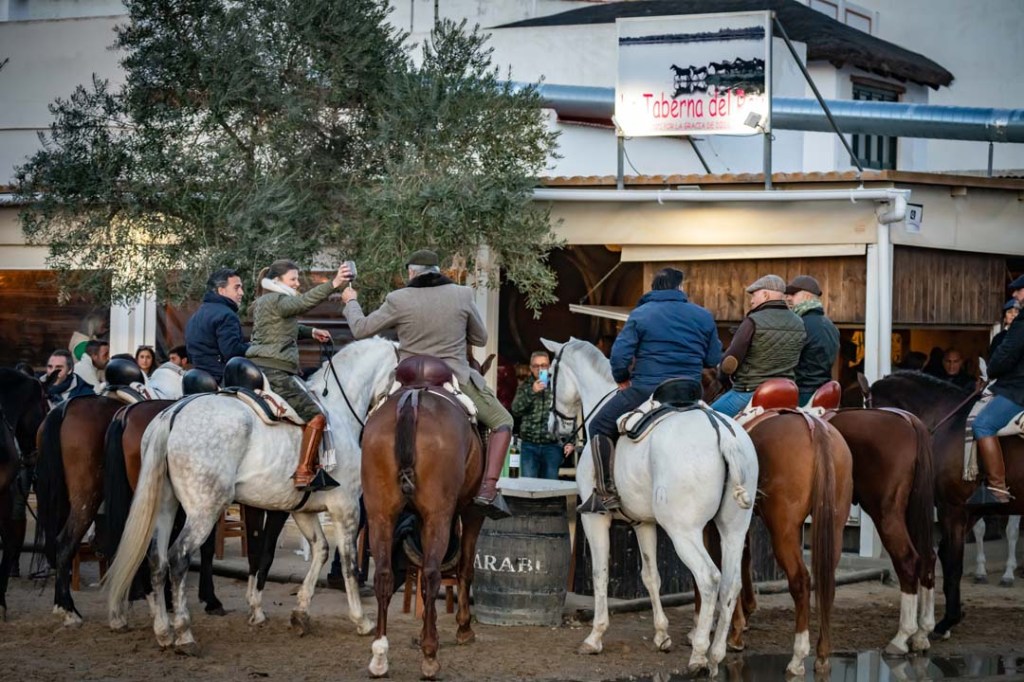
El Rocio is a very special place with its sandy roads and cowboy culture. At the end of our stay it was building up for the visit of huge numbers of horses and horse riders. I’m not sure if I would want to be there with such large numbers. It was great fun with just a taste of the culture.
Sadly things are not flourishing in Doñana. Simon and Niki pointed out to us the problems created by strawberry growers in and around the park which are well documented in the following articles which appeared in The Times Newspaper.
Strawberry farmers can take their pick of illegal wells
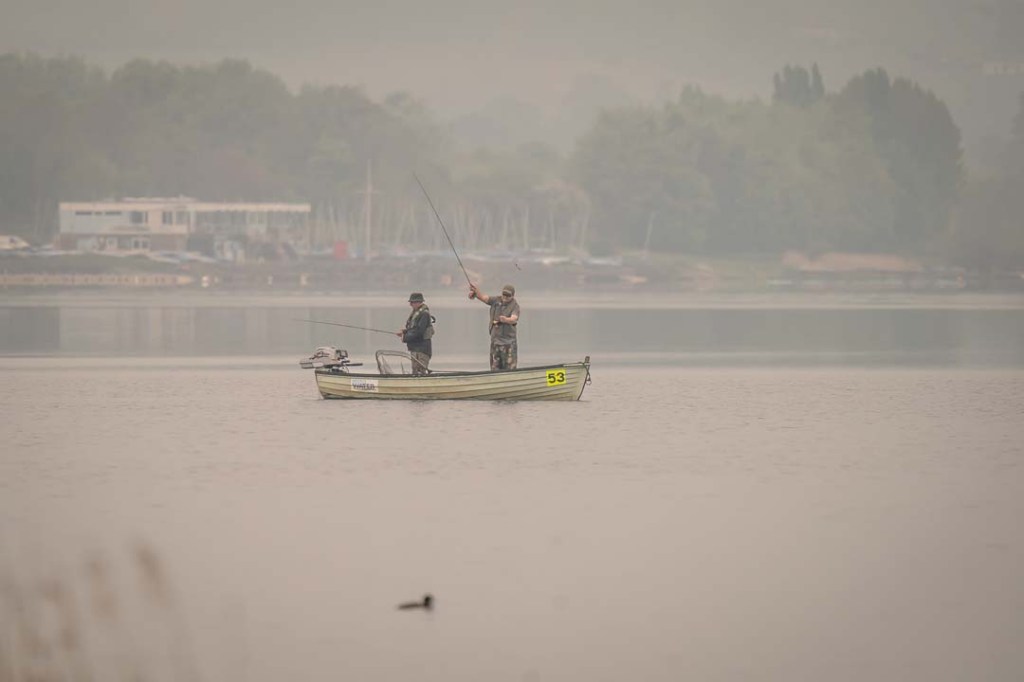
I spent the day at Chew Valley Lake which, even though I am now out of my surgical boot, is currently my go-to place for birding as I don’t have to walk any great distance. At least I have ventured out of my garden!
The local birders I met all said that it was a very quiet time at the lake, suggesting that poor weather over the Iberian Peninsula had held up migrants. I did see some house martins but no other hirundines.
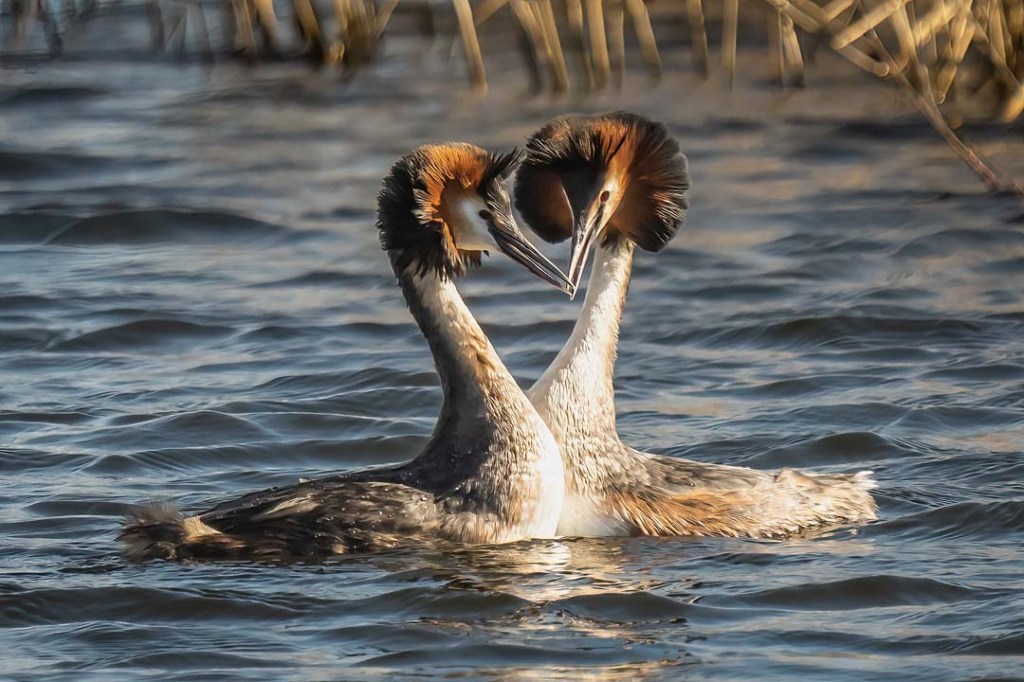
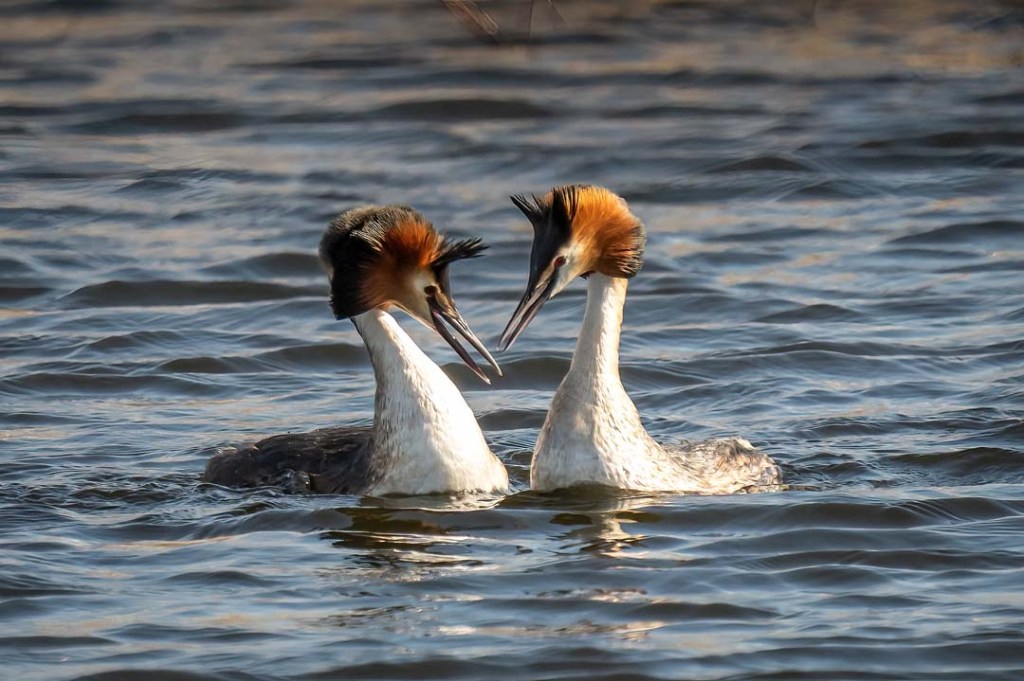
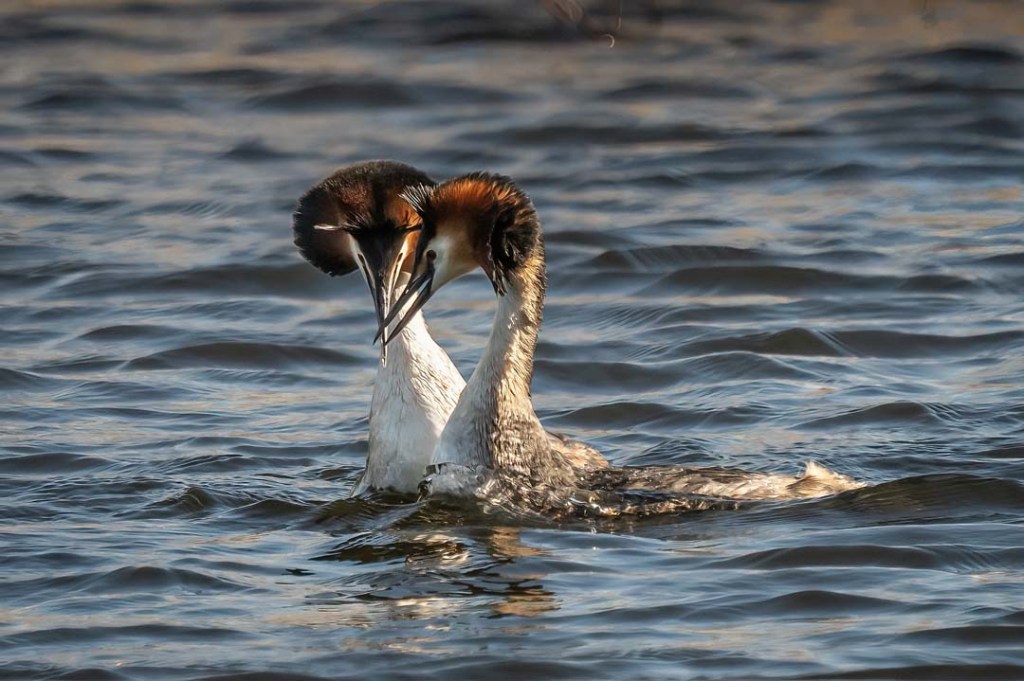
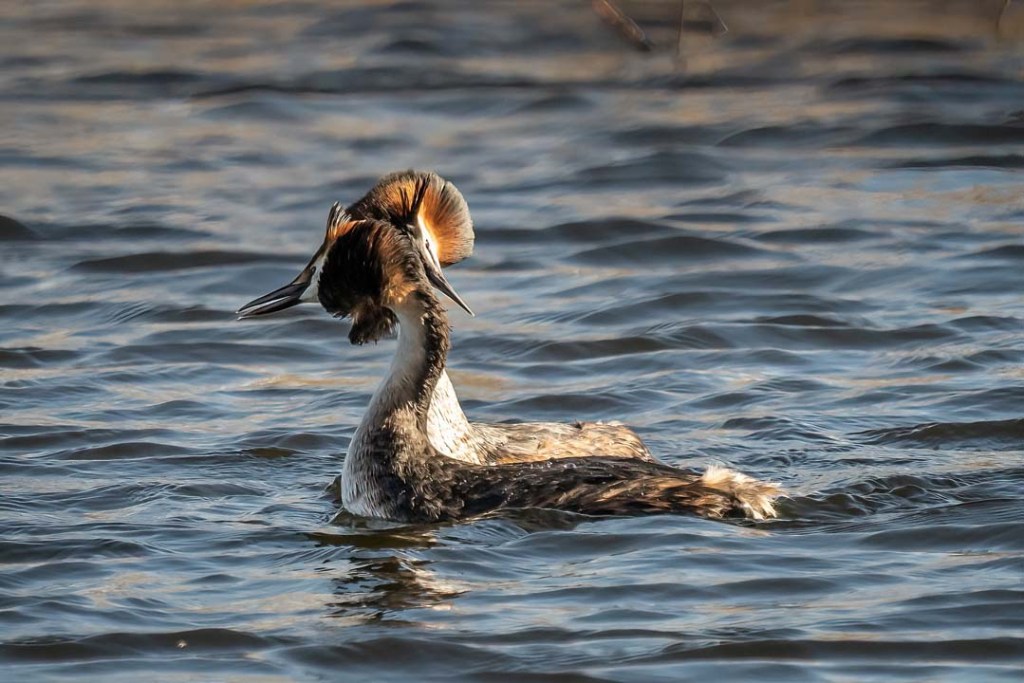
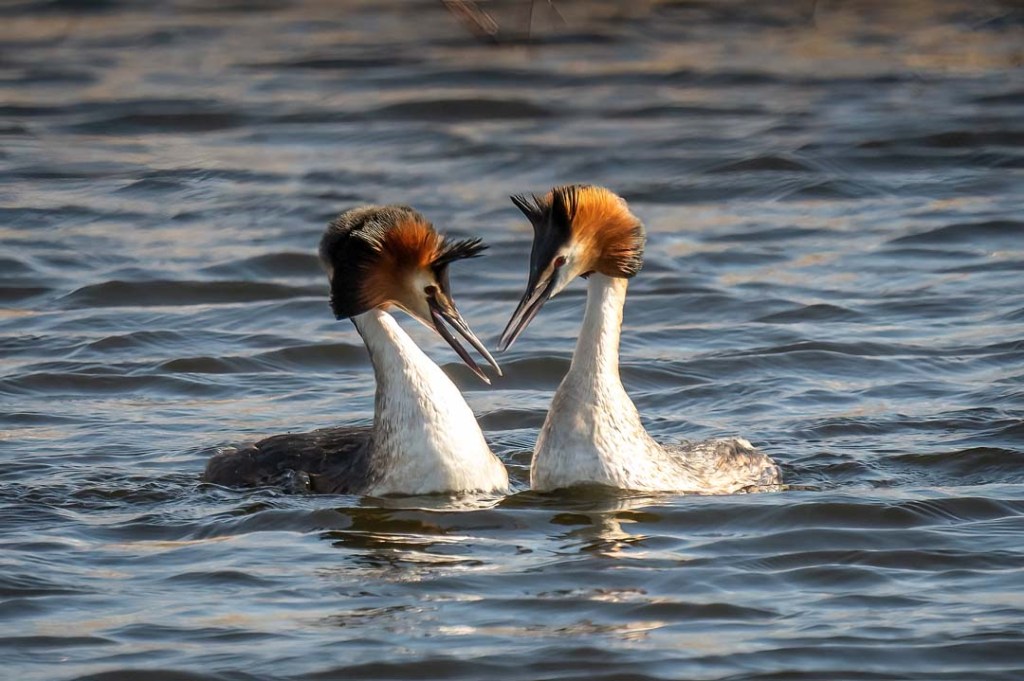
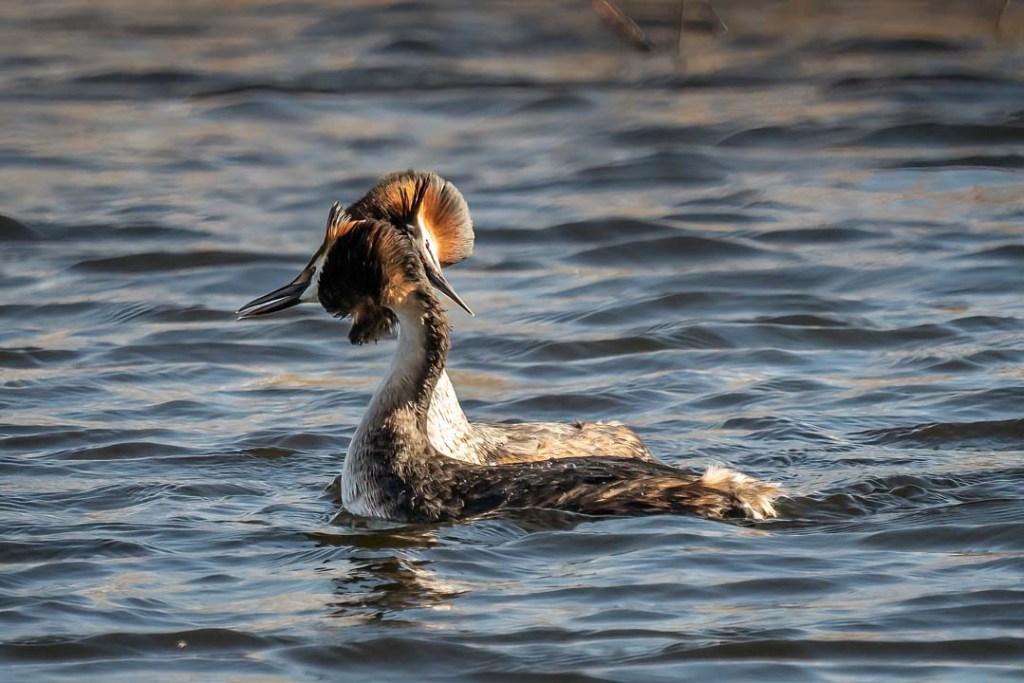
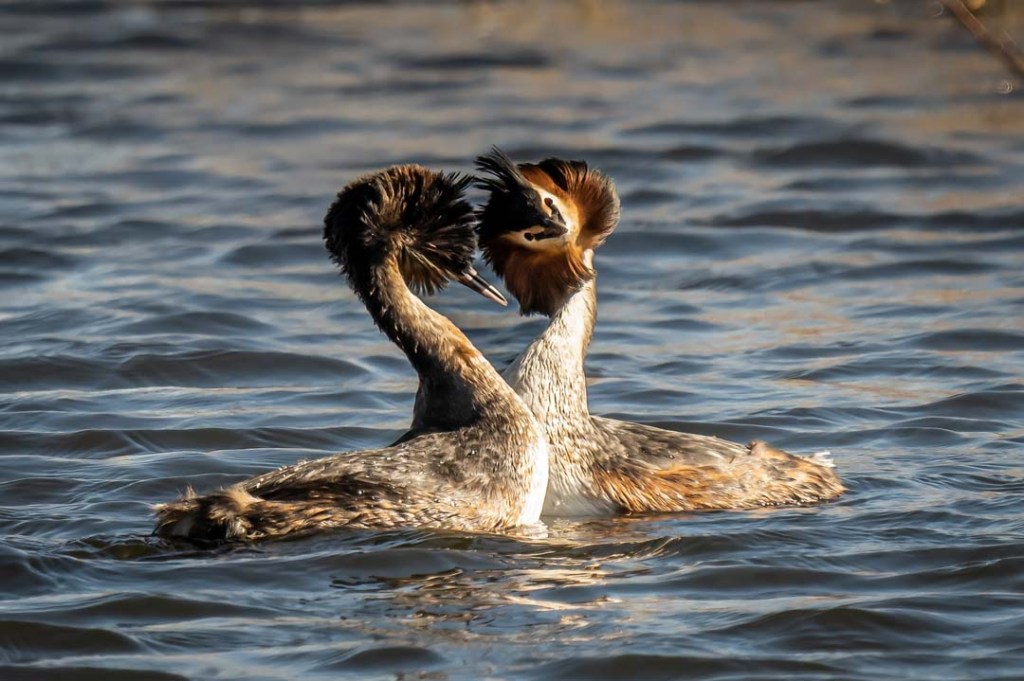
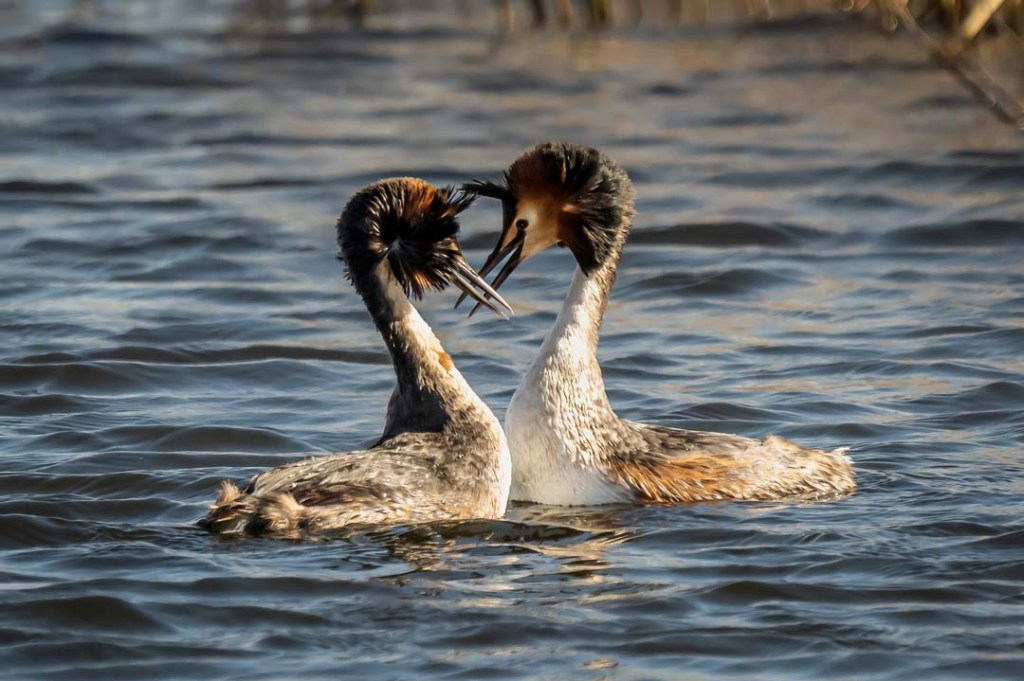
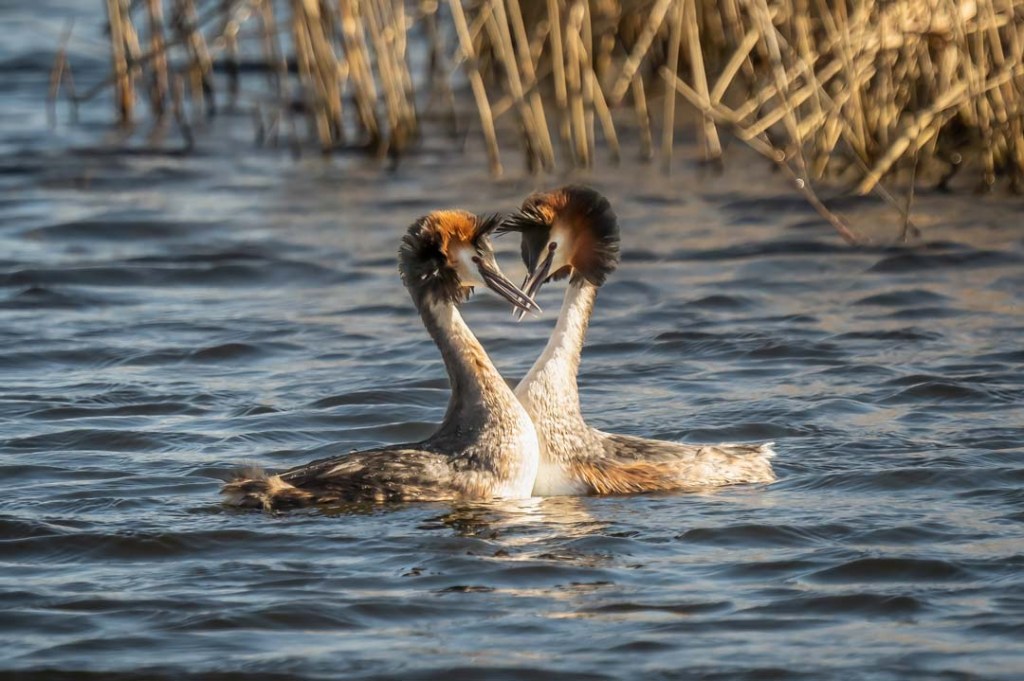
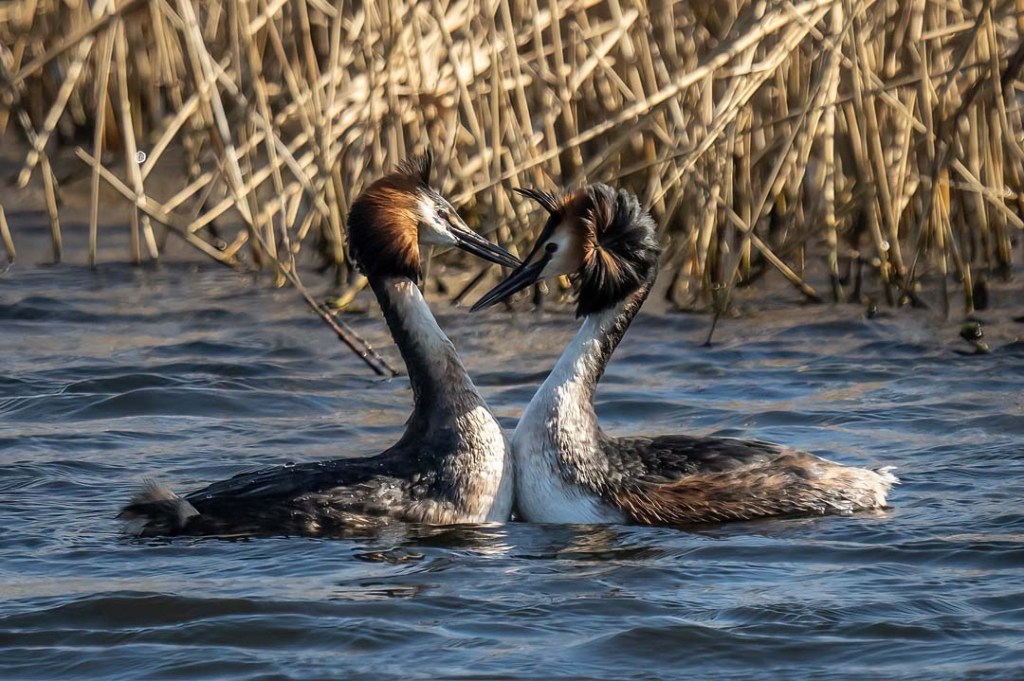
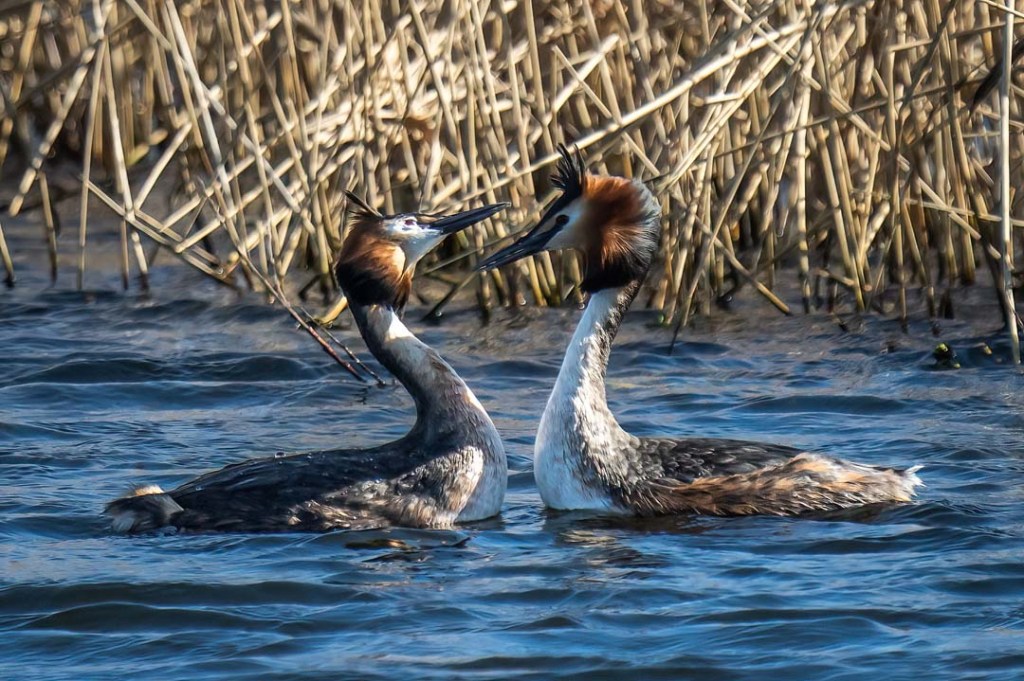
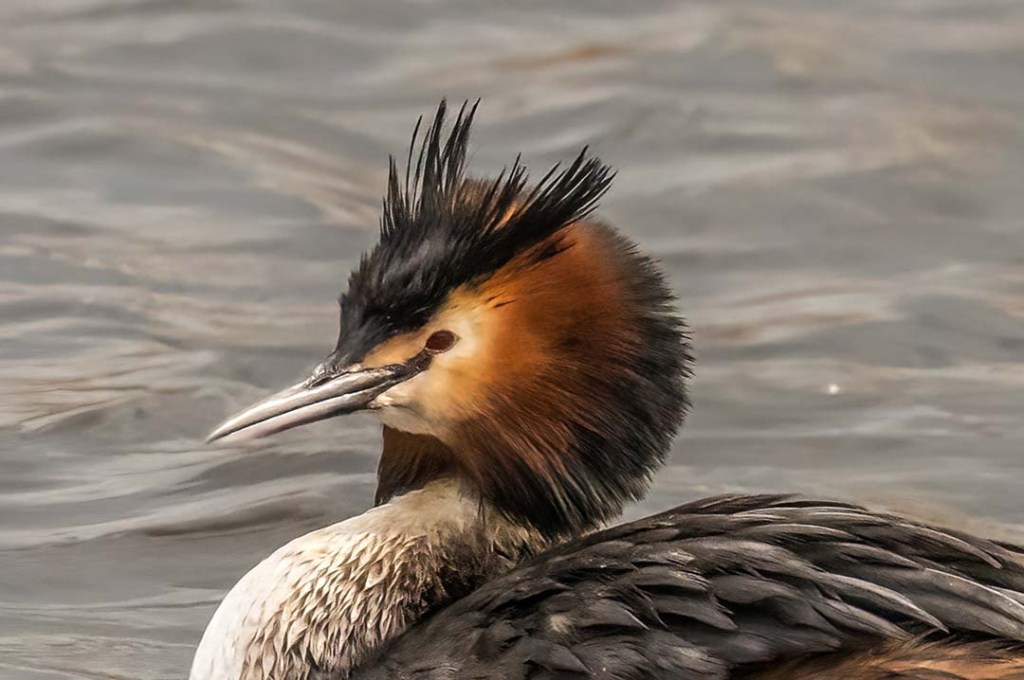
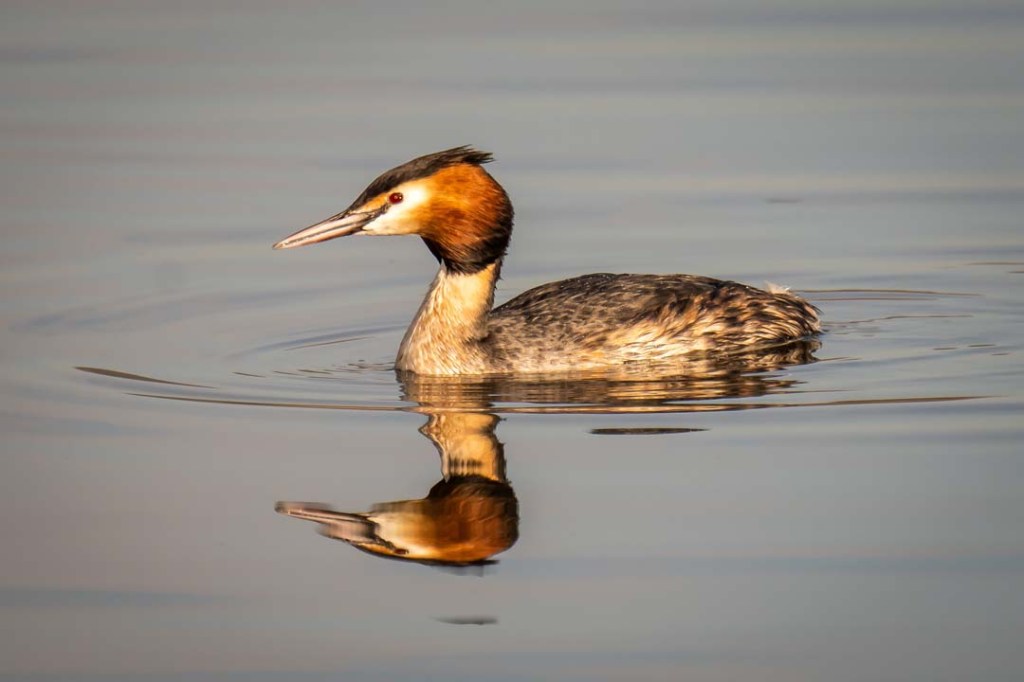
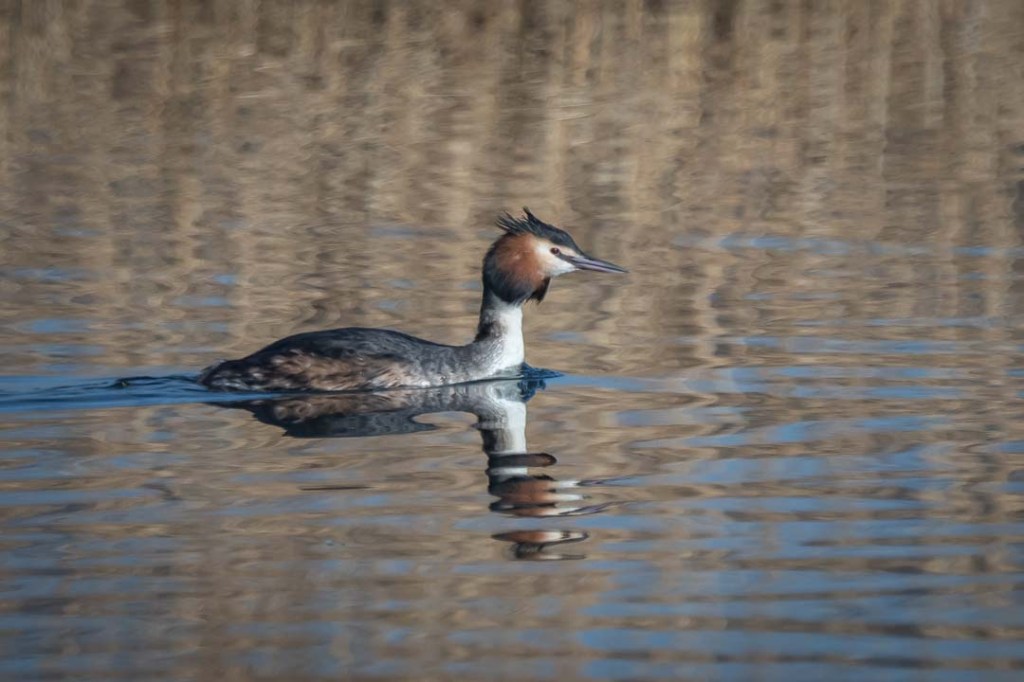
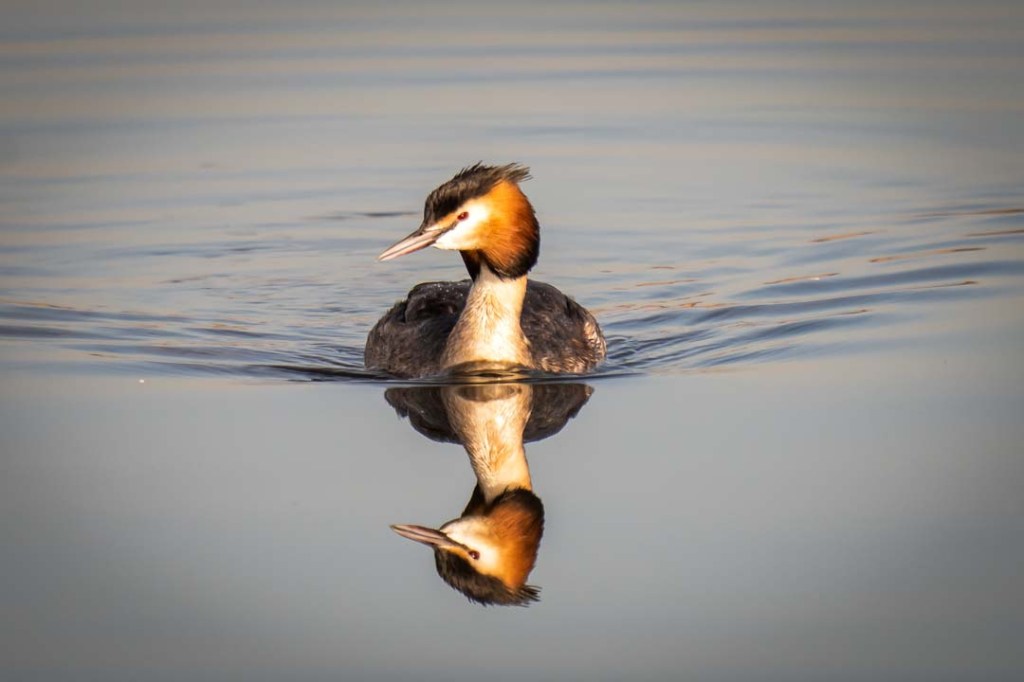
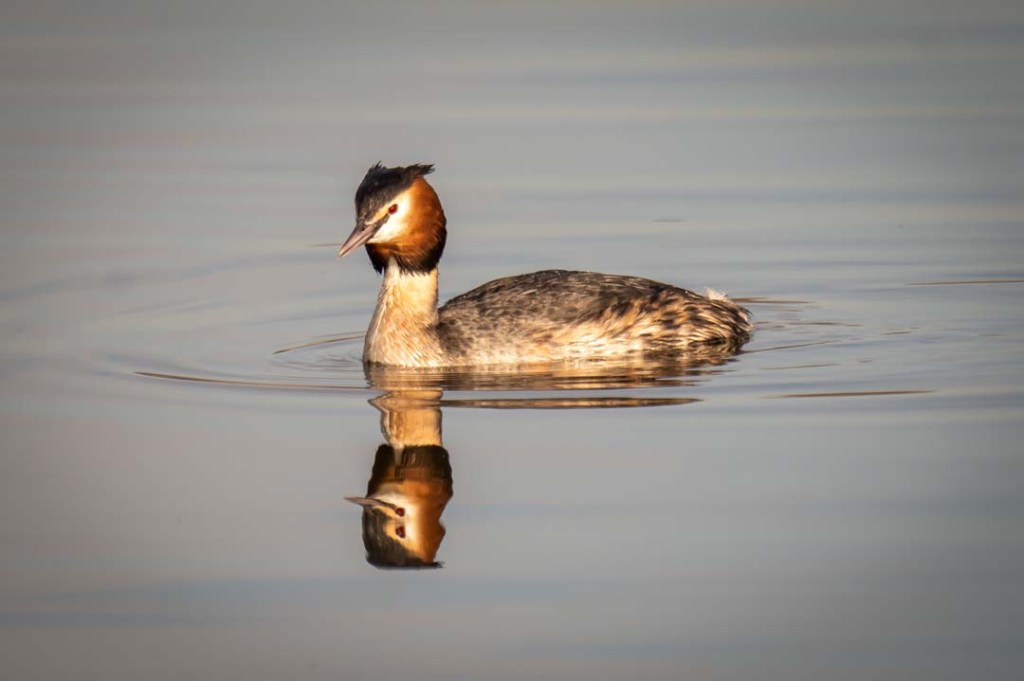
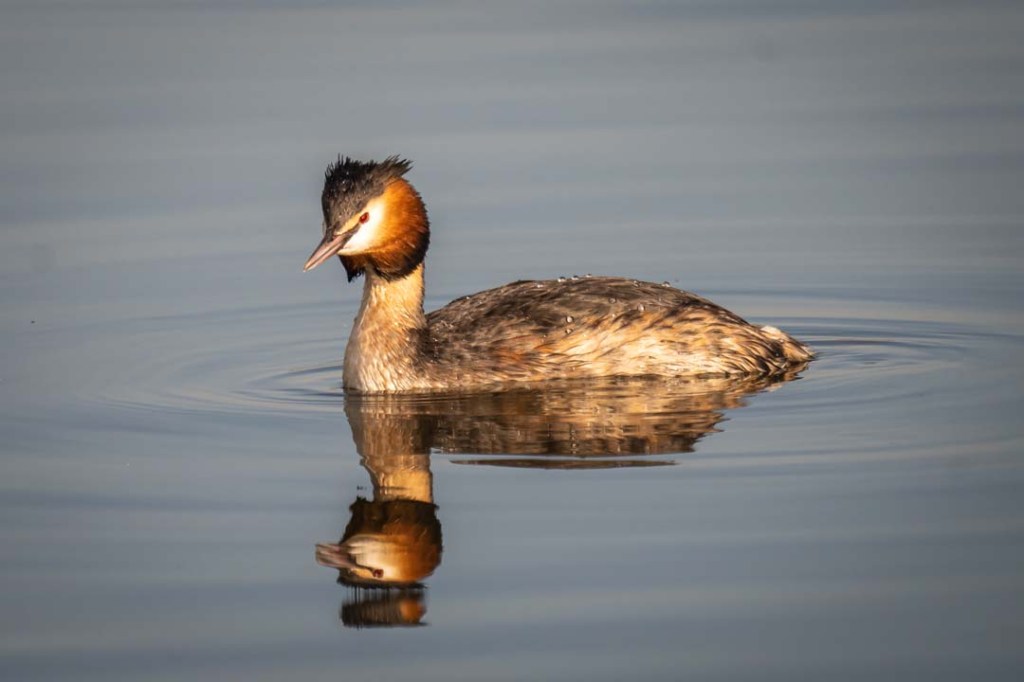
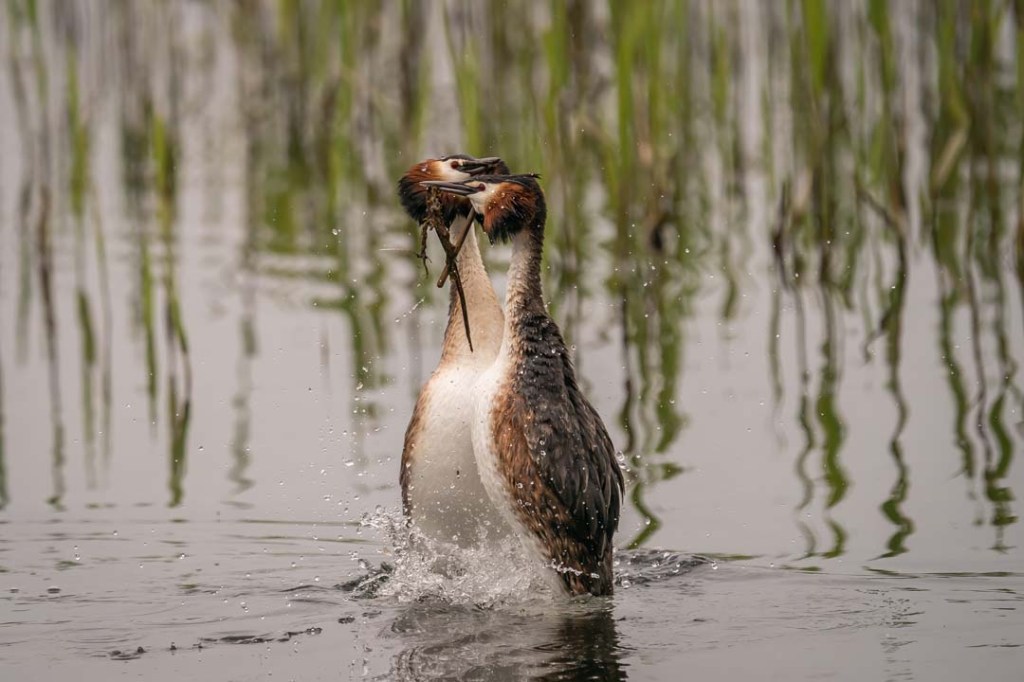
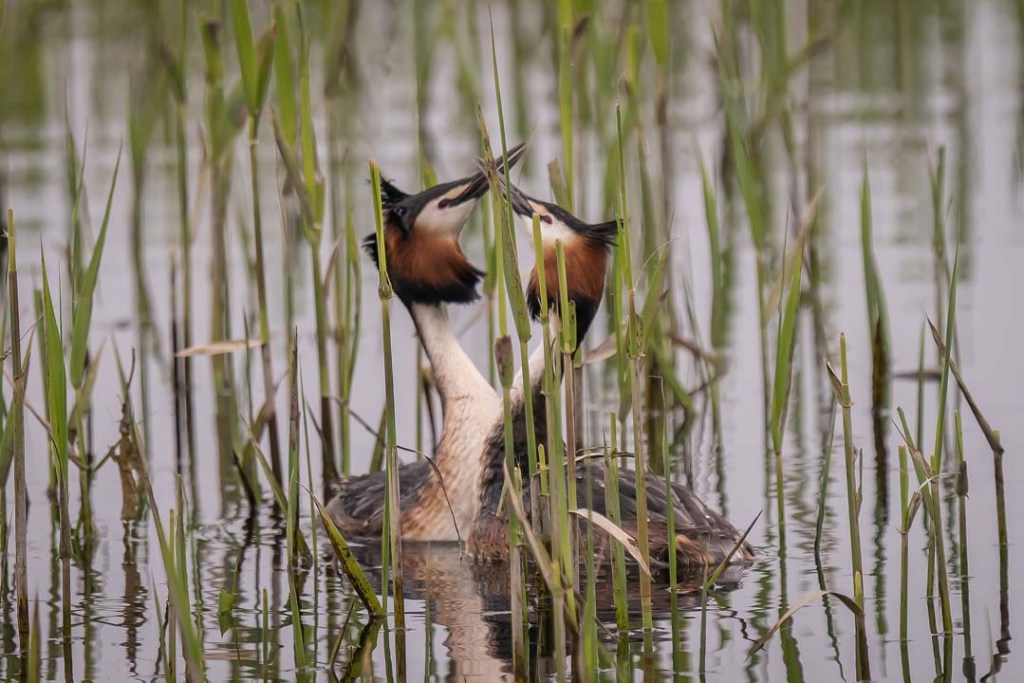
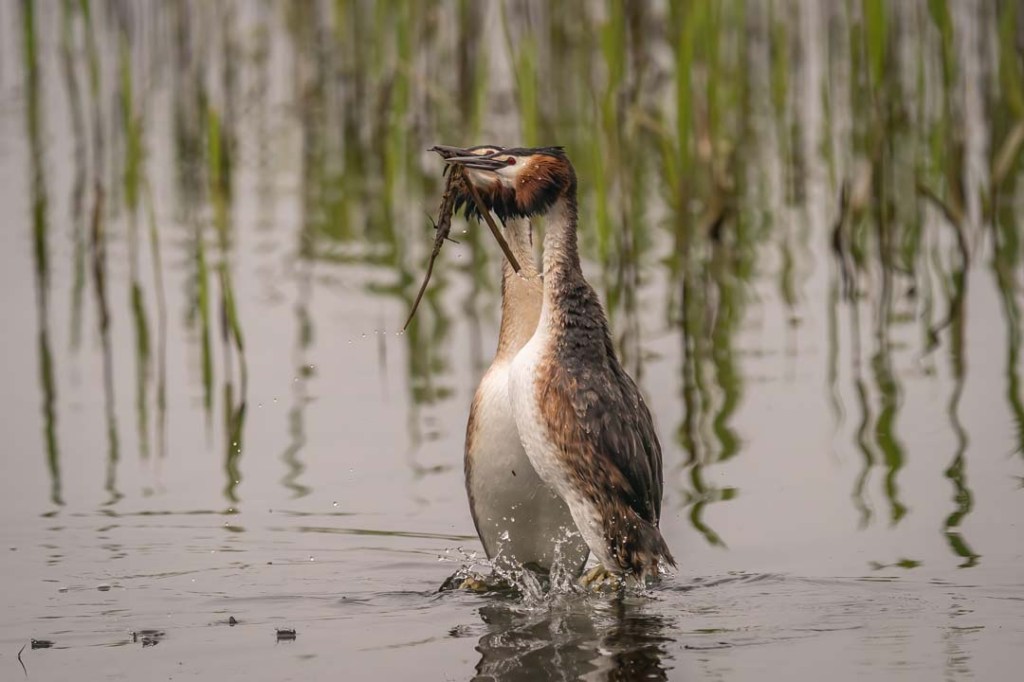
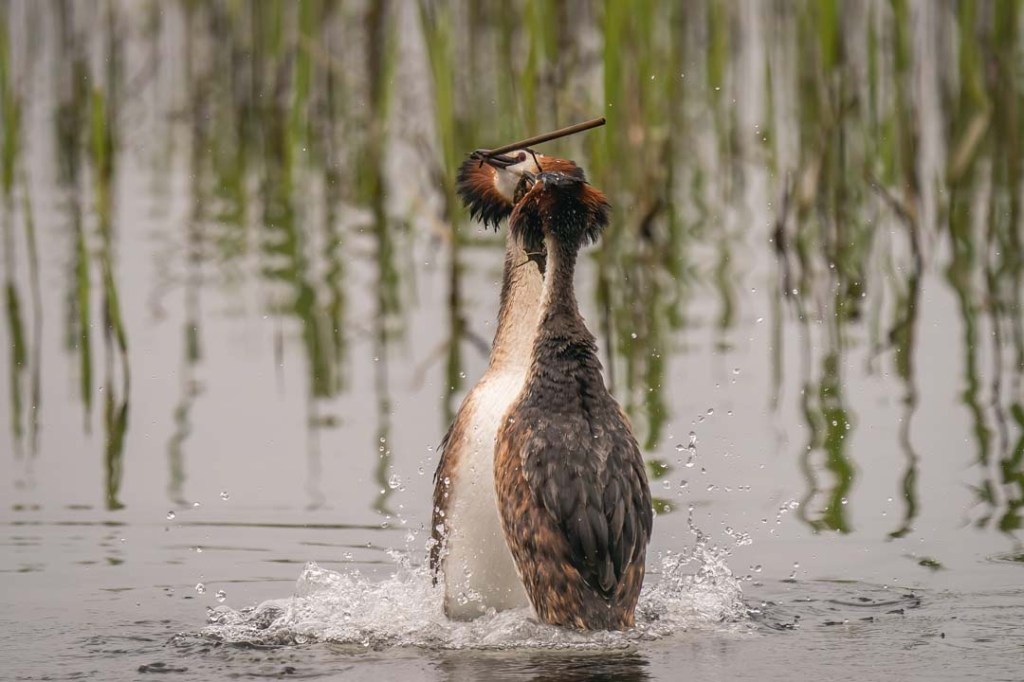
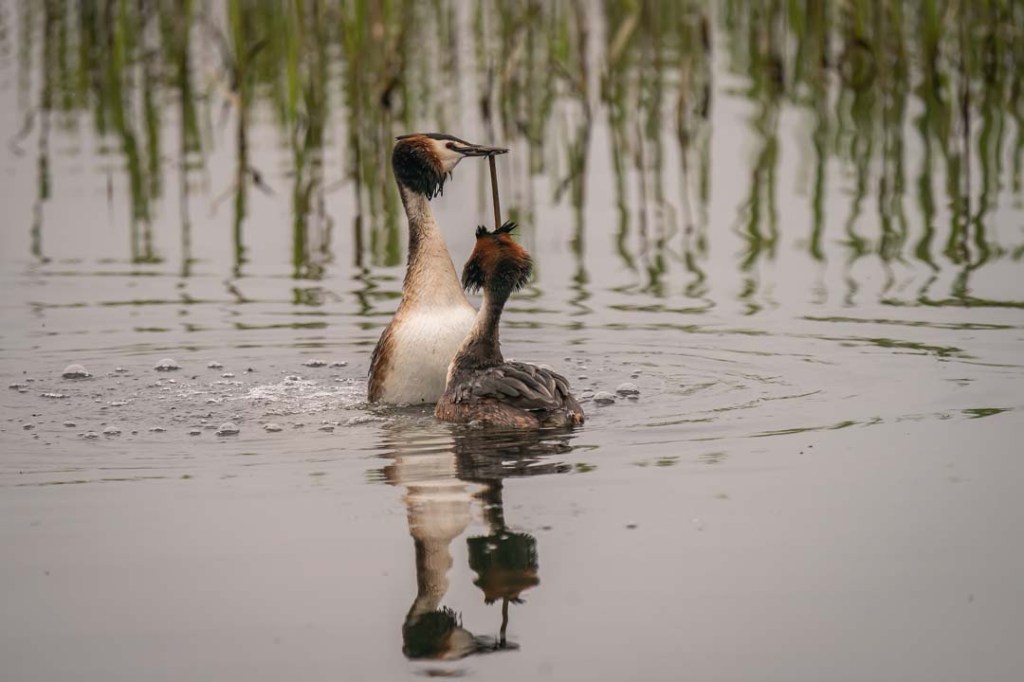
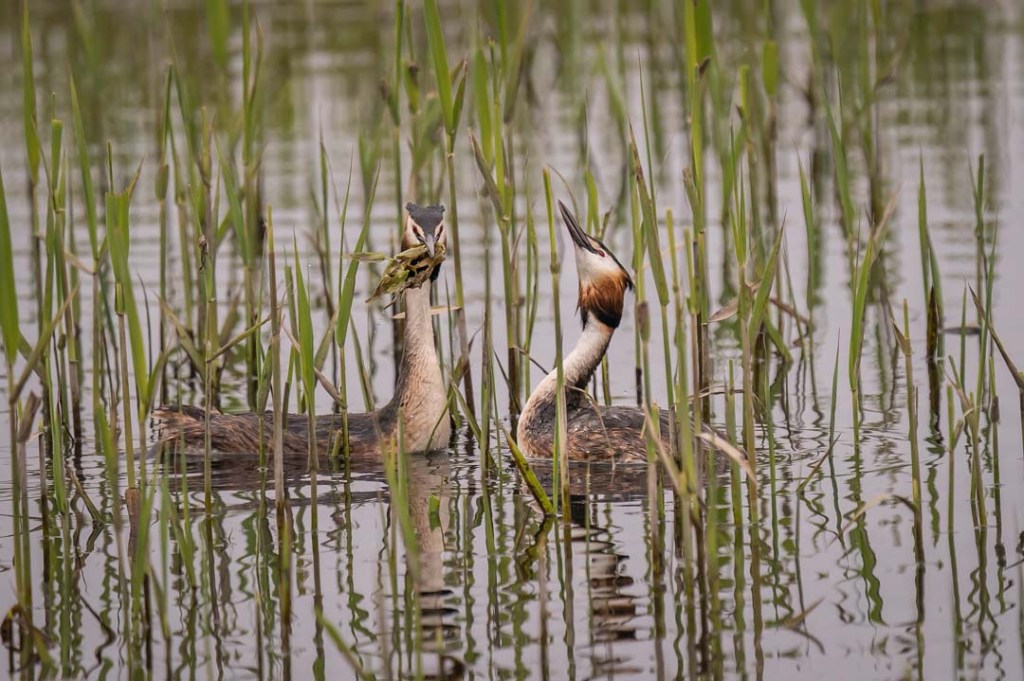
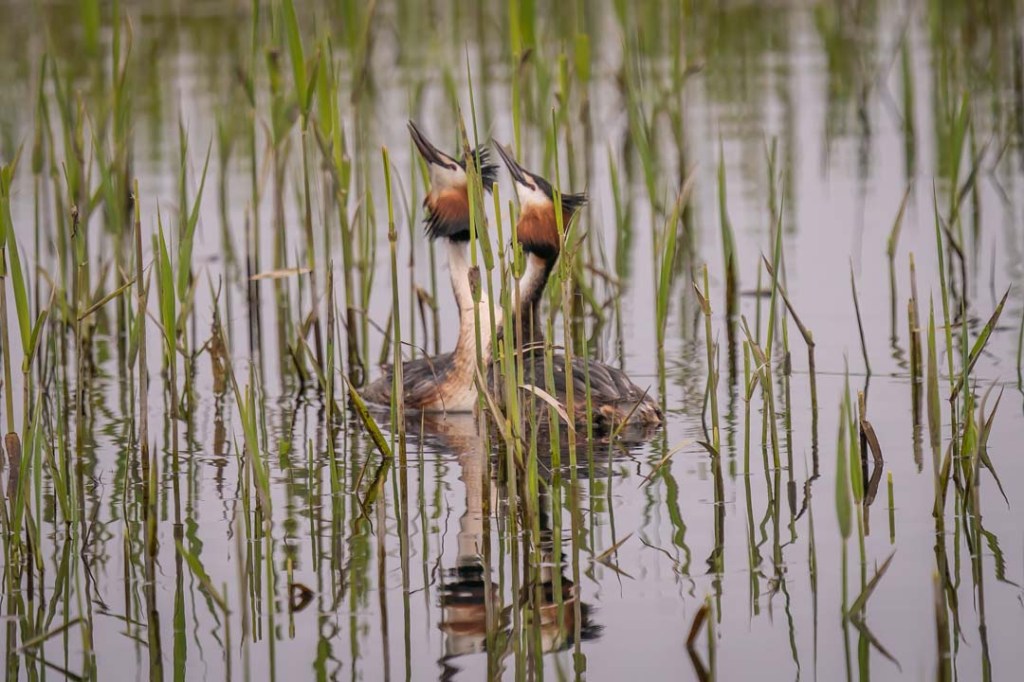
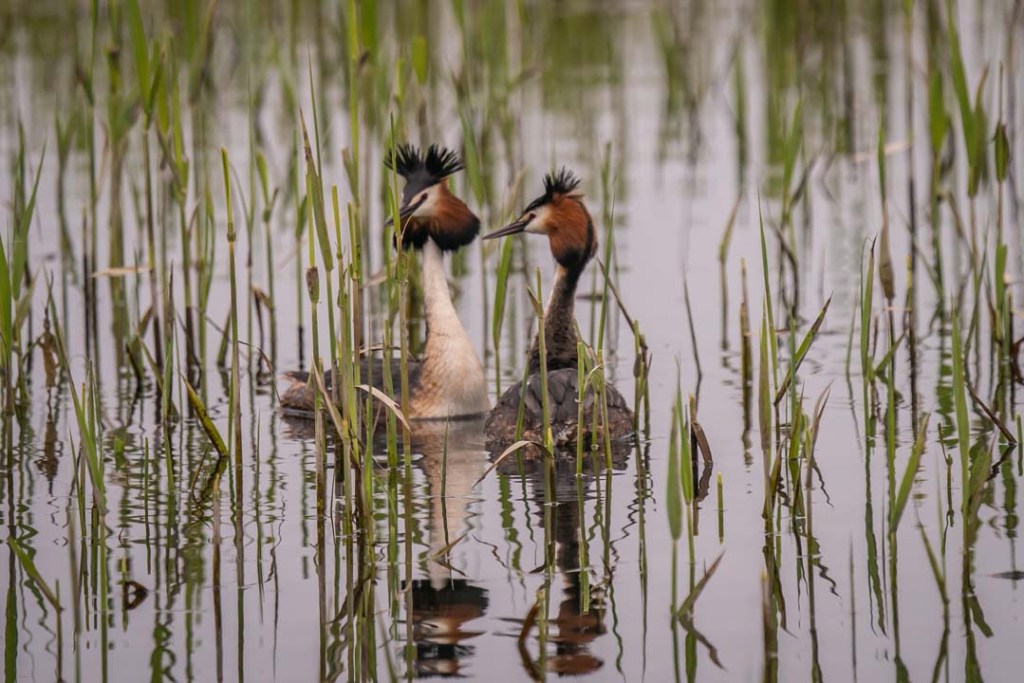
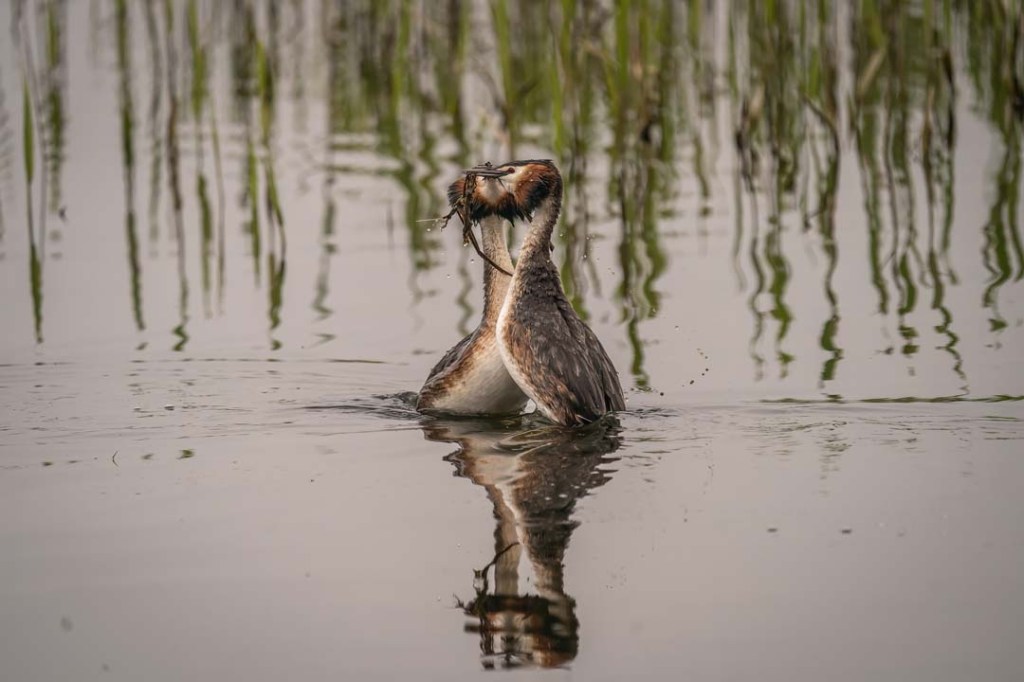
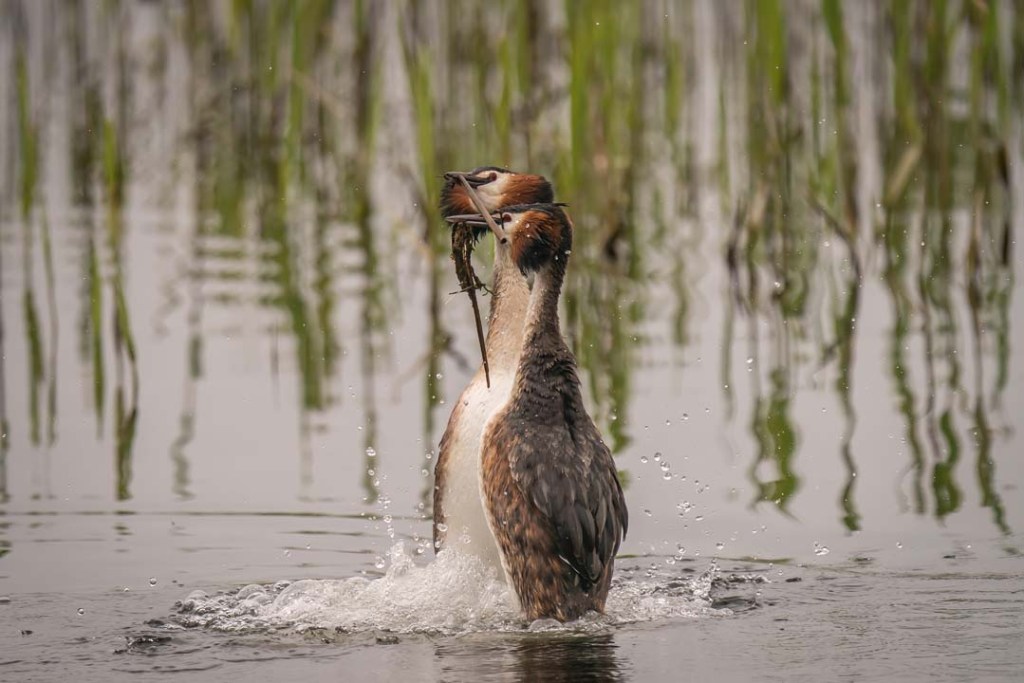
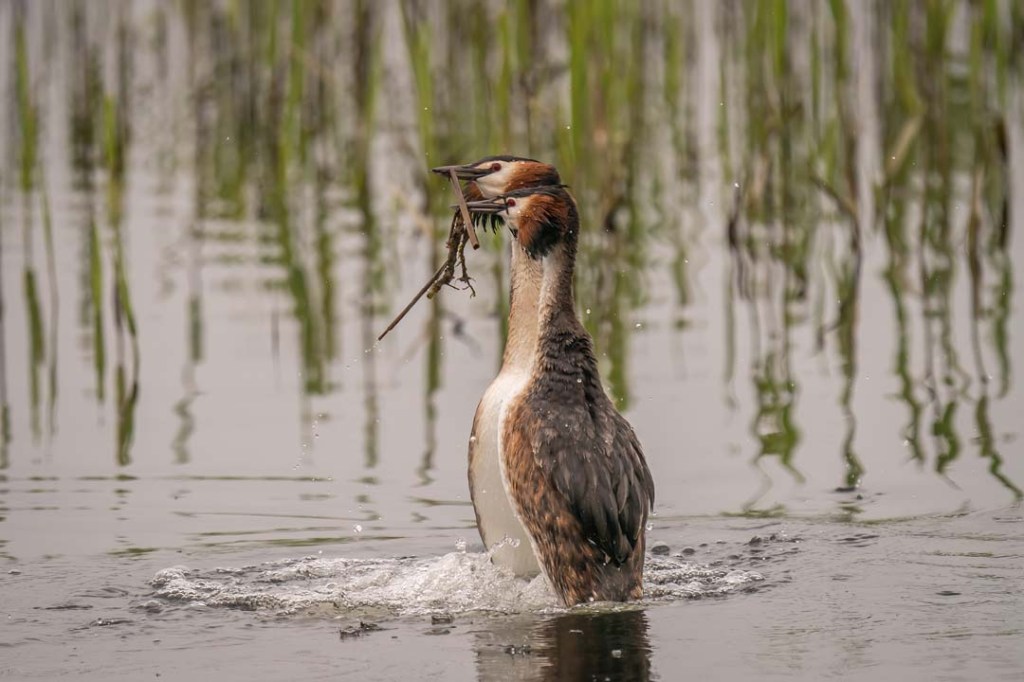
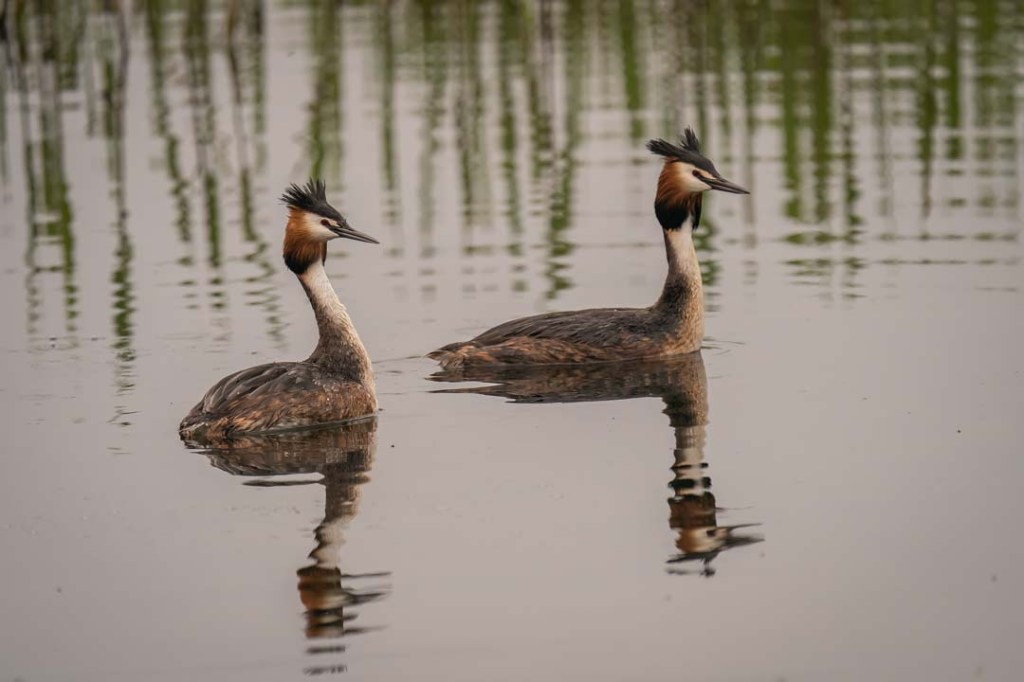
In fact, there wasn’t a great variety of birds around but I was so pleased to see a pair of great crested grebes perform the beautiful, highly ritualised moves of their courtship dance, including the weed ceremony.
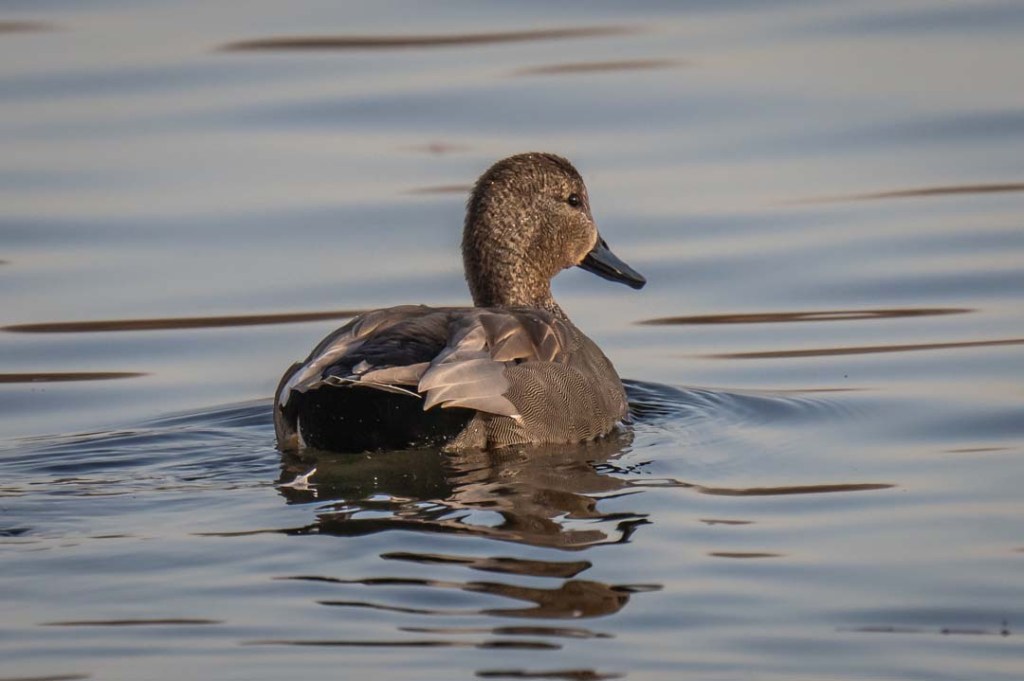
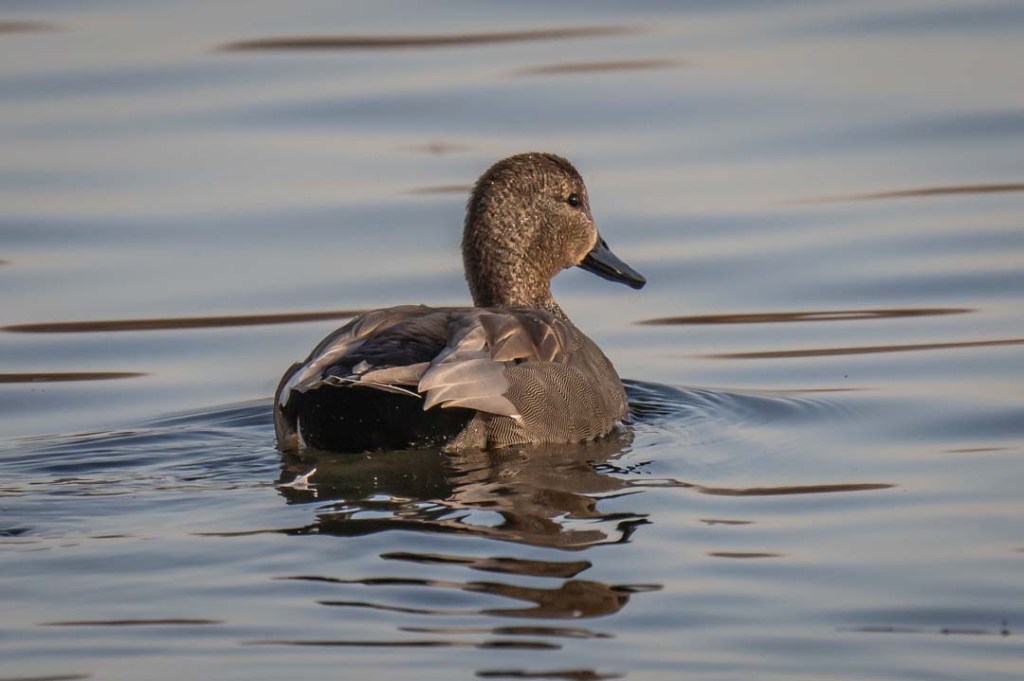
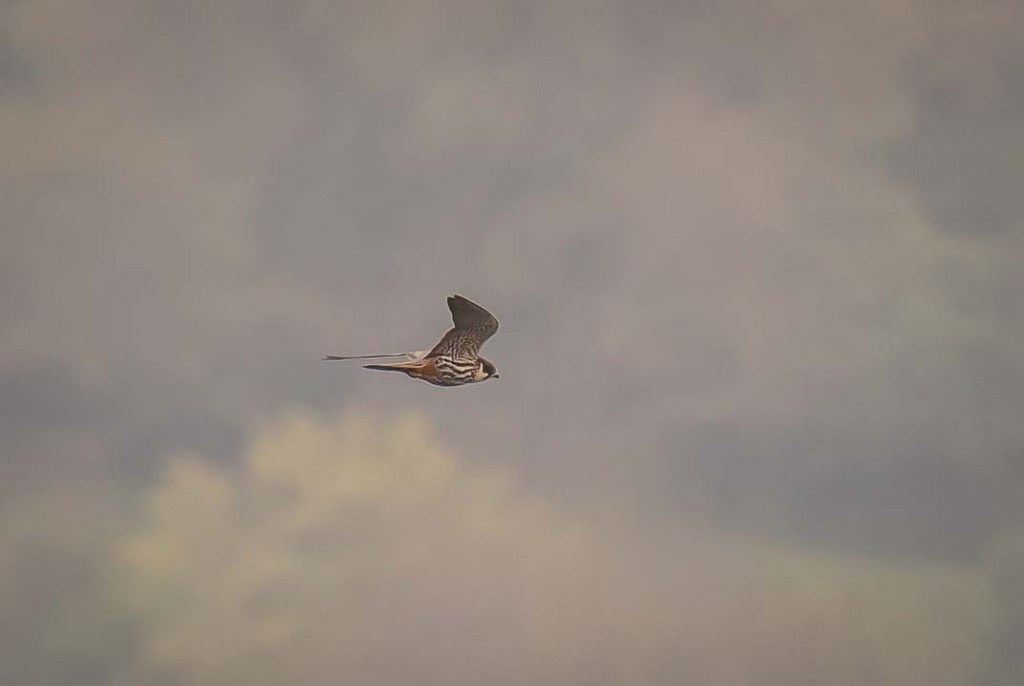
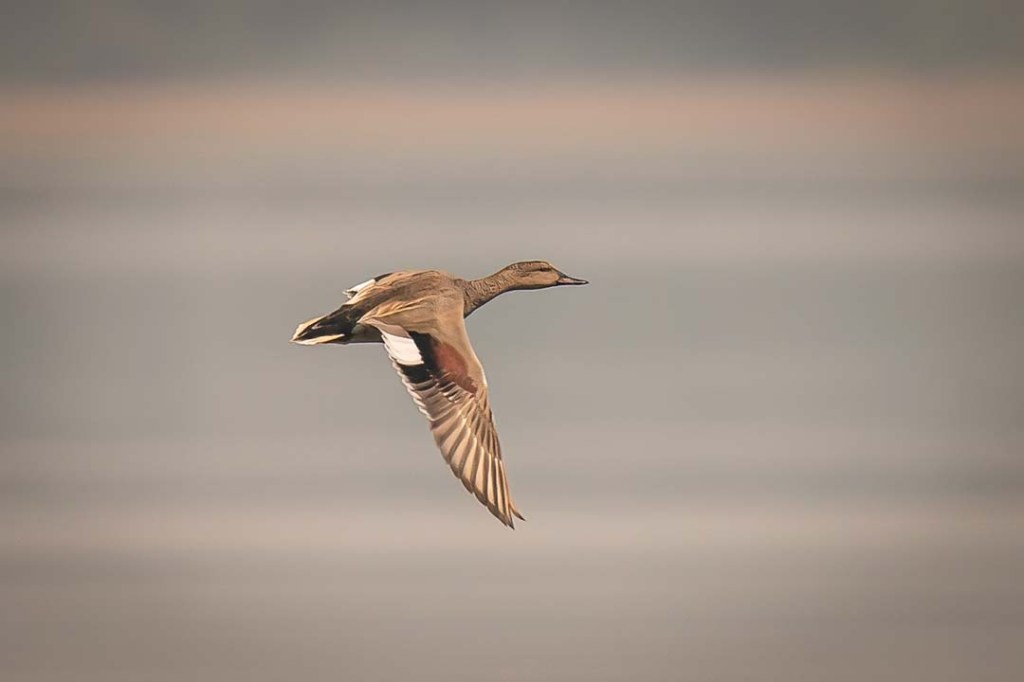
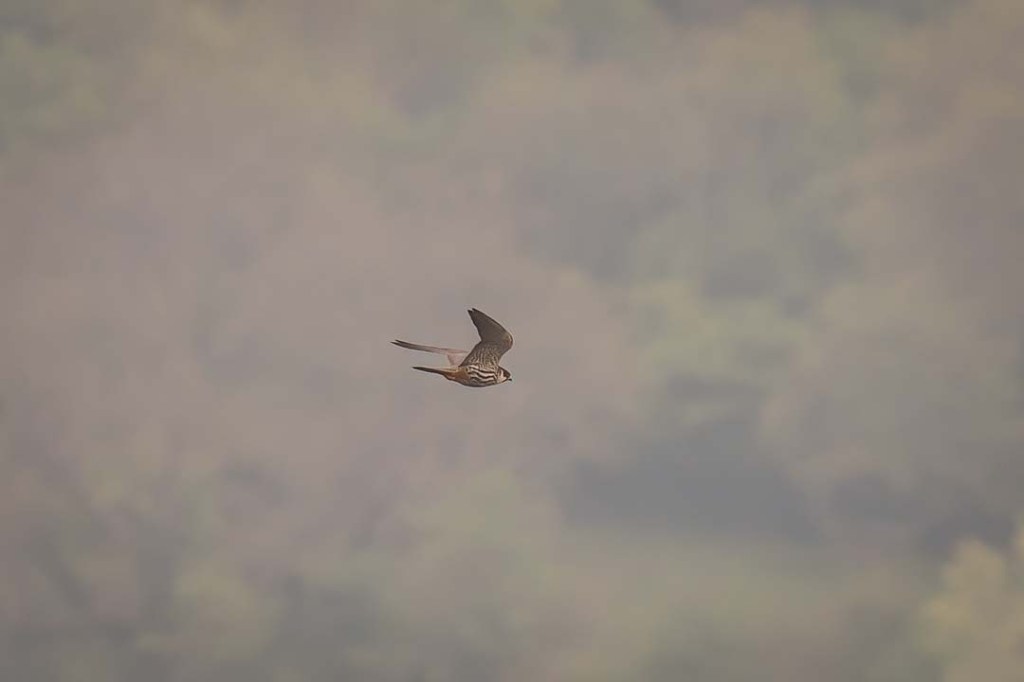
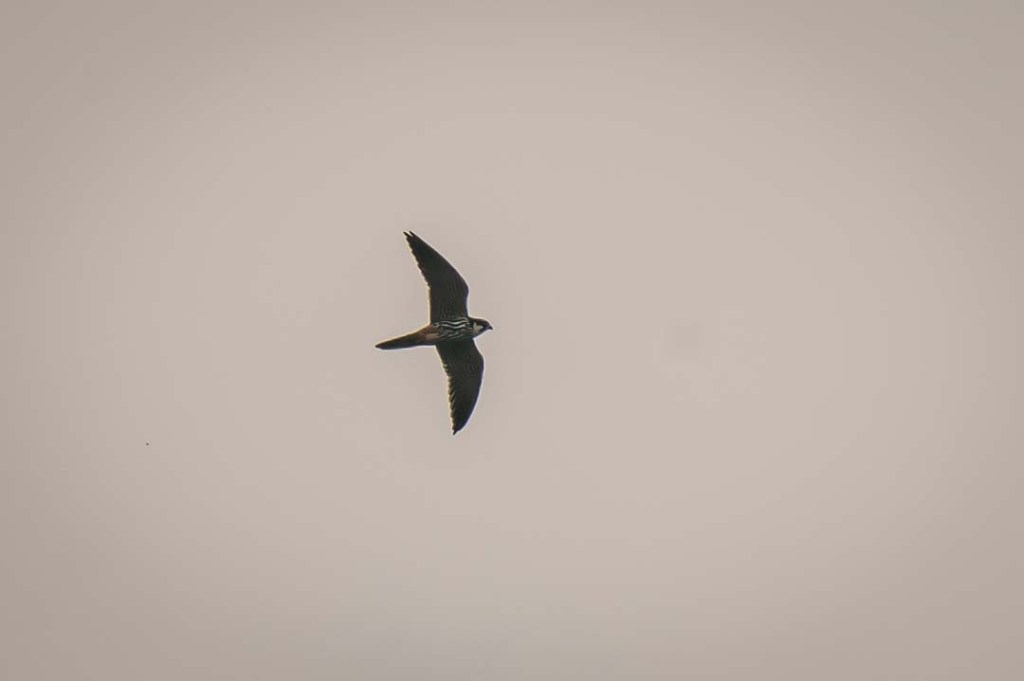
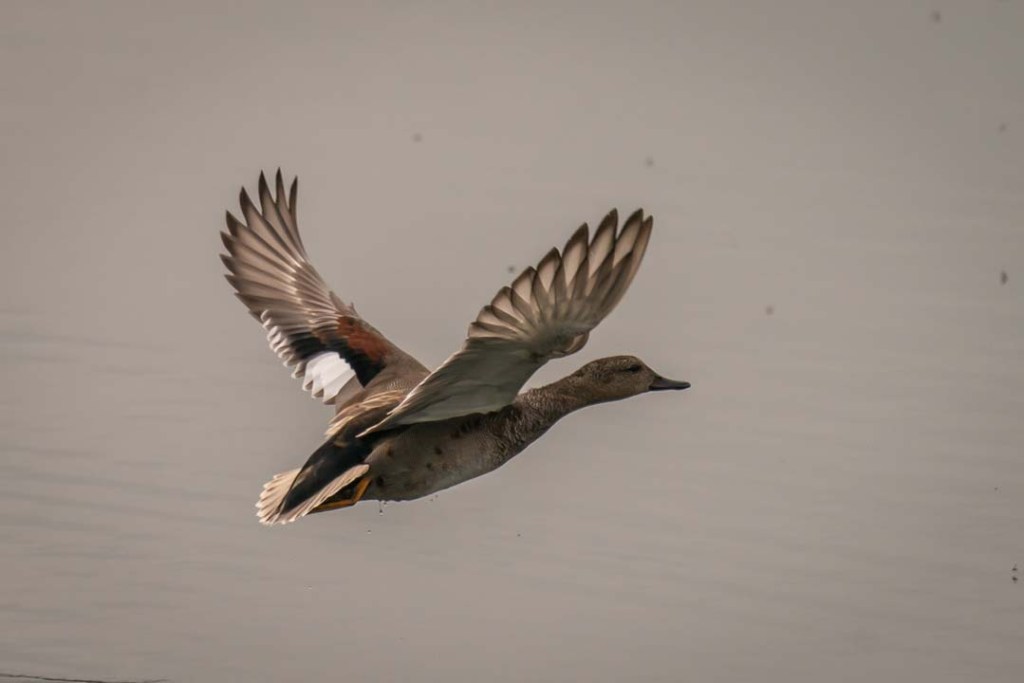
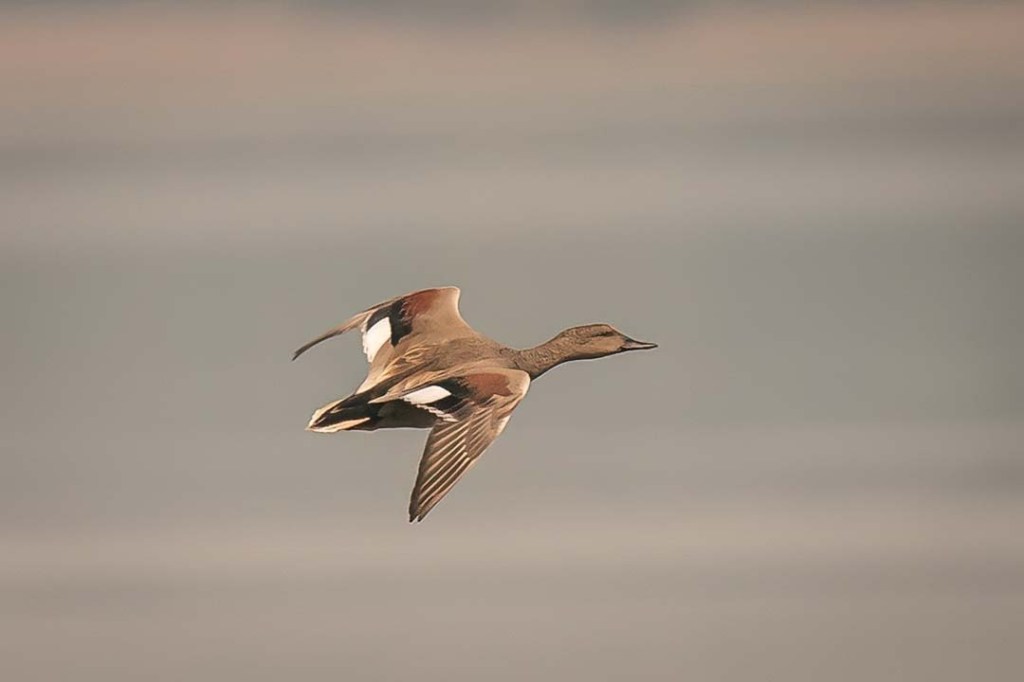
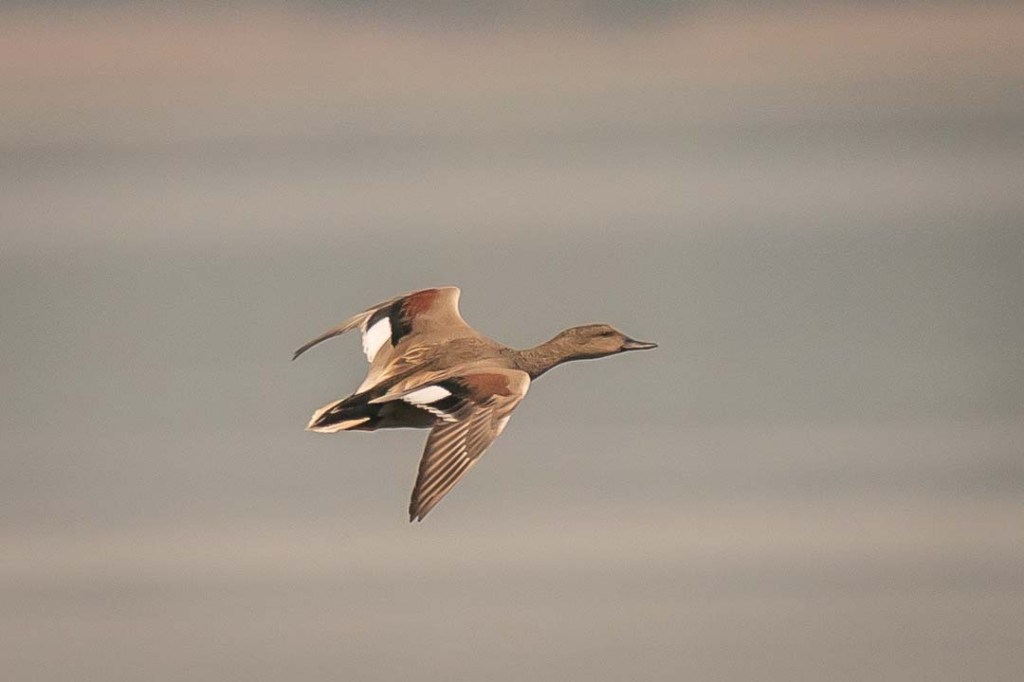
Other highlights were 3 hobbies and a male gadwall.








































































































































































 Martin's Bird Blog & Nature Photos