Category: Blog

  • 27th April 2018 – Stoke Park, Bristol

    27th April 2018 – Stoke Park, Bristol

    It rained all day and mid afternoon I made a decision to go for a walk anyway. I was so lucky as it soon stopped raining and I had a really pleasant walk up through the woods at the top of Stoke Park.

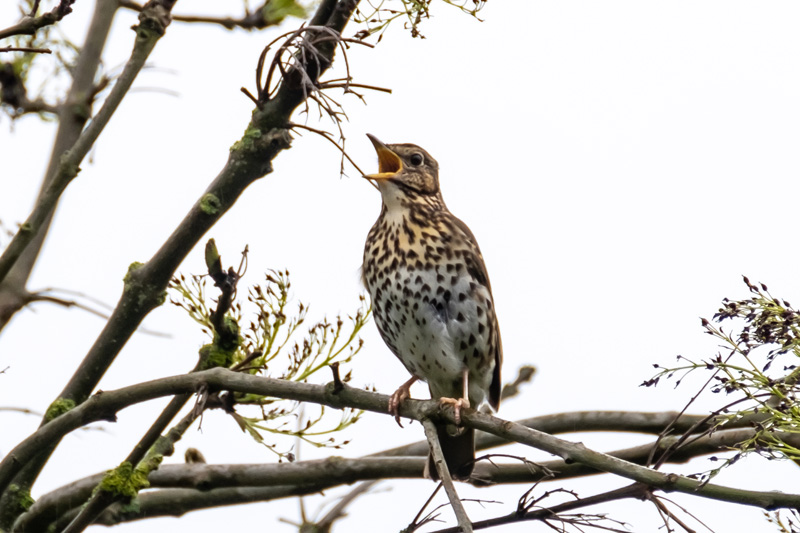
    At first, near Duchess Pond, there was a noisy song thrush calling to another one.

    DSCF3018Song thrush calling

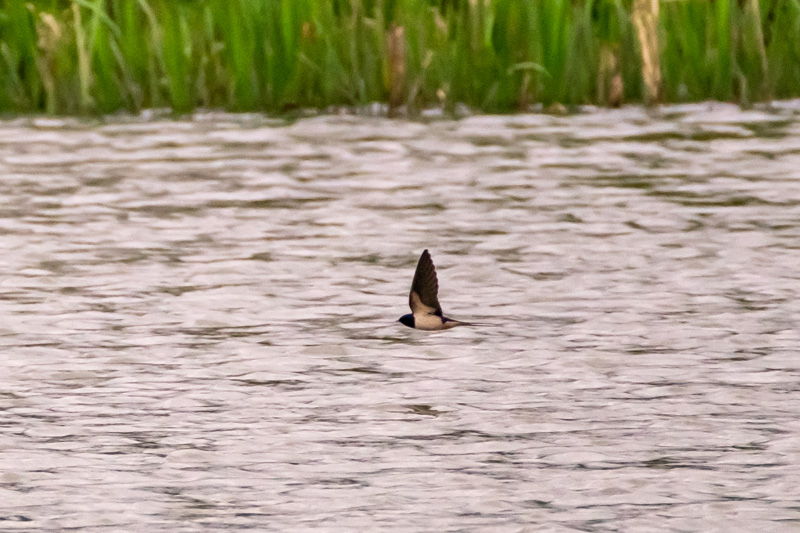
    I saw two swallows flashing across Duchess Pond and as I moved across to the flooded area they followed me.

    DSCF3148

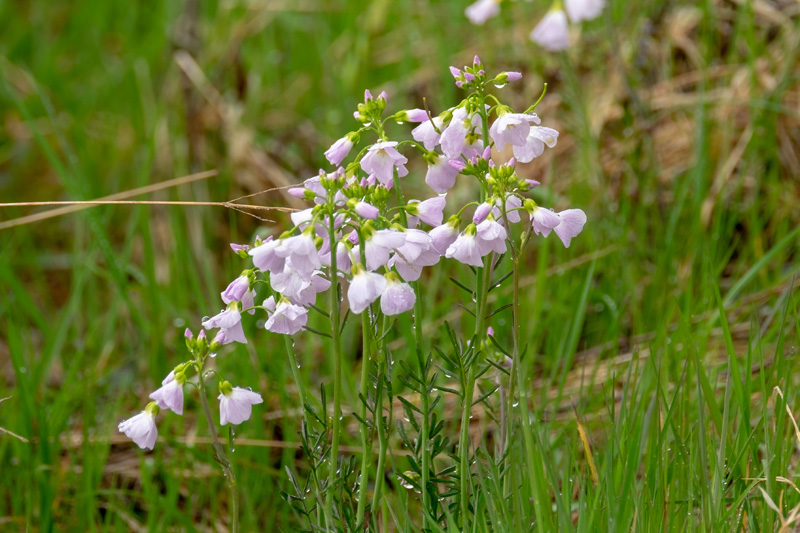
    The area to the side of Duchess Pond is really quite flooded at the moment and I saw a few mallard swimming in the field (so to speak). There was cuckoo flower everywhere – on a sunny day I would have hoped to see some orange tip butterflies.

    DSCF3049

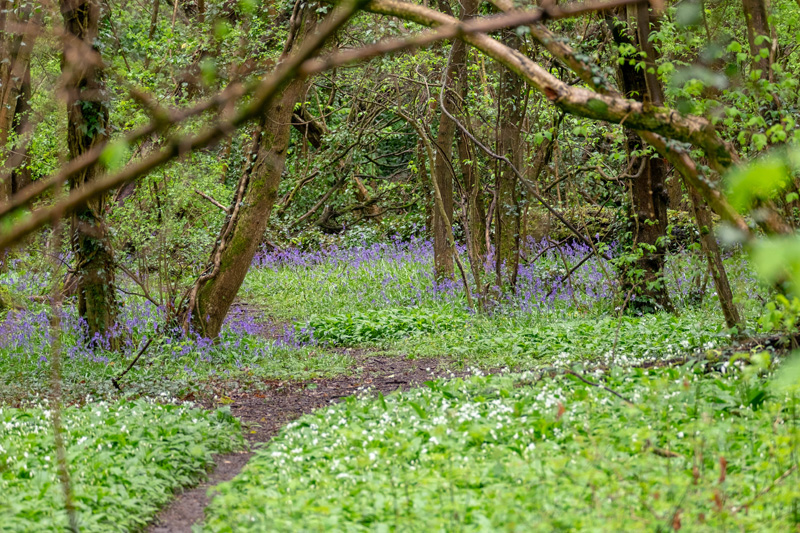
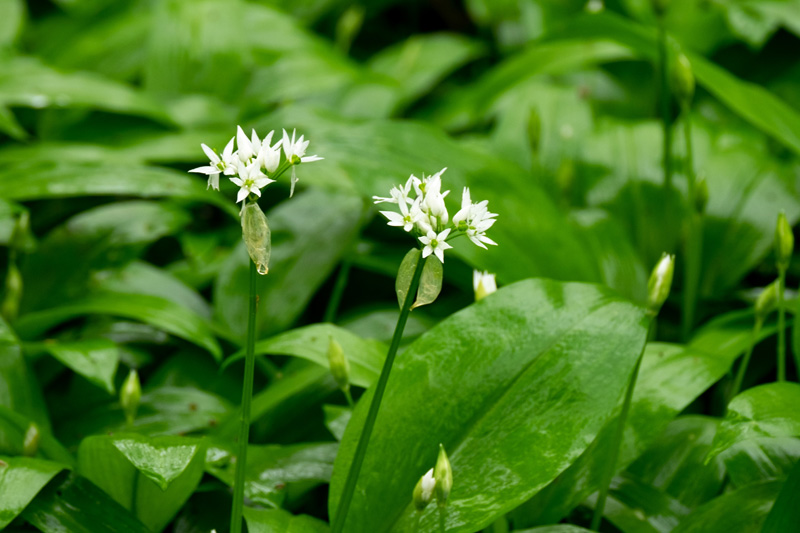
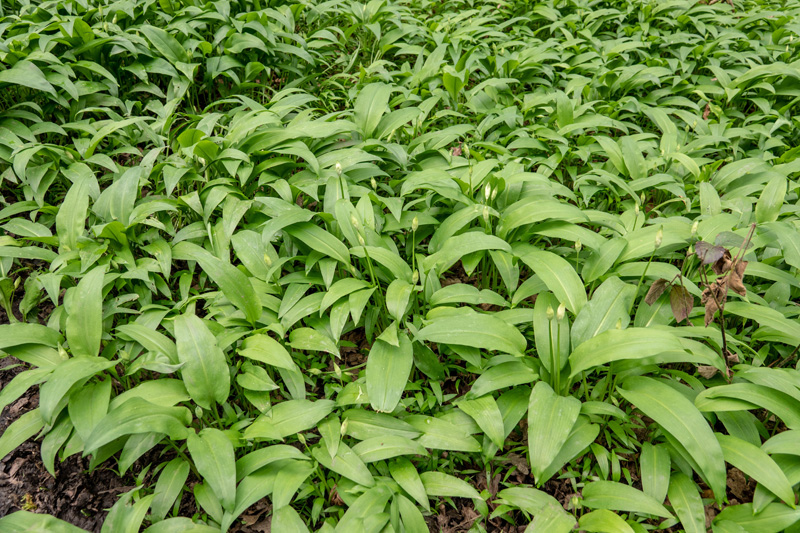
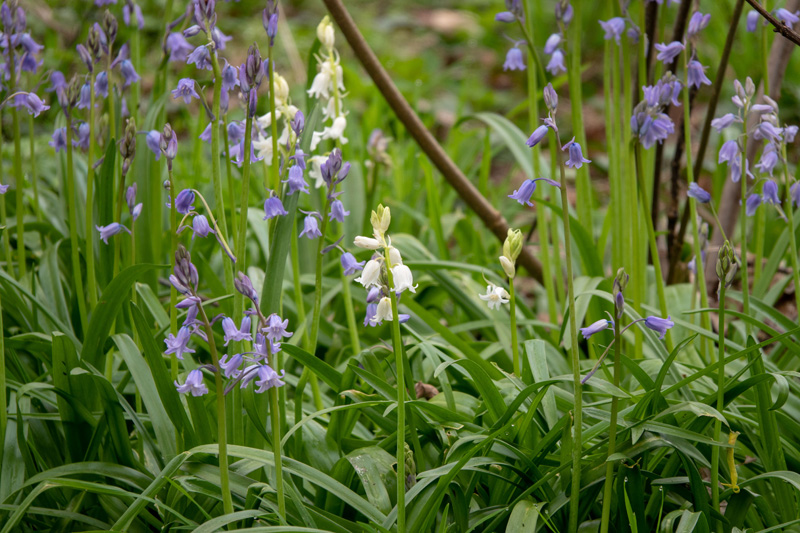
    In the woods at the top of the park the bluebells looked wonderful even on such a gloomy day and I was also pleased to see the ramson in blossom.

    DSCF3093

    DSCF3110

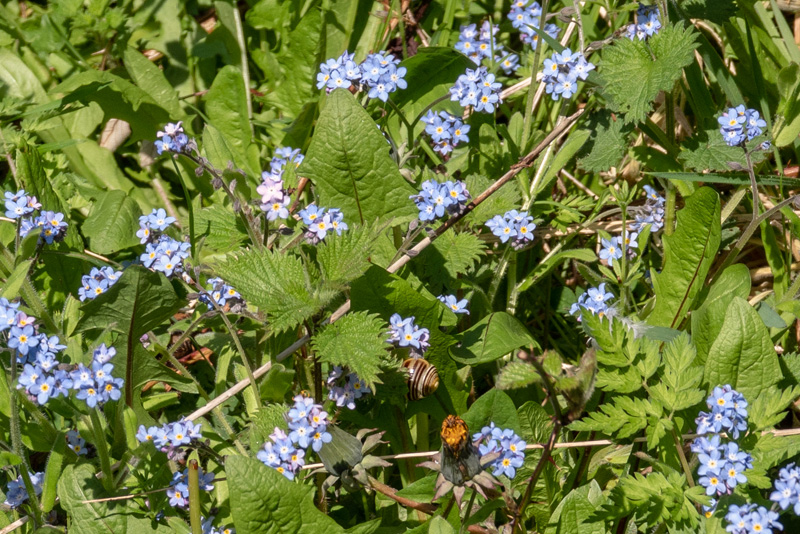
    There was even some forget-me-knots in the wood.

    DSCF3118

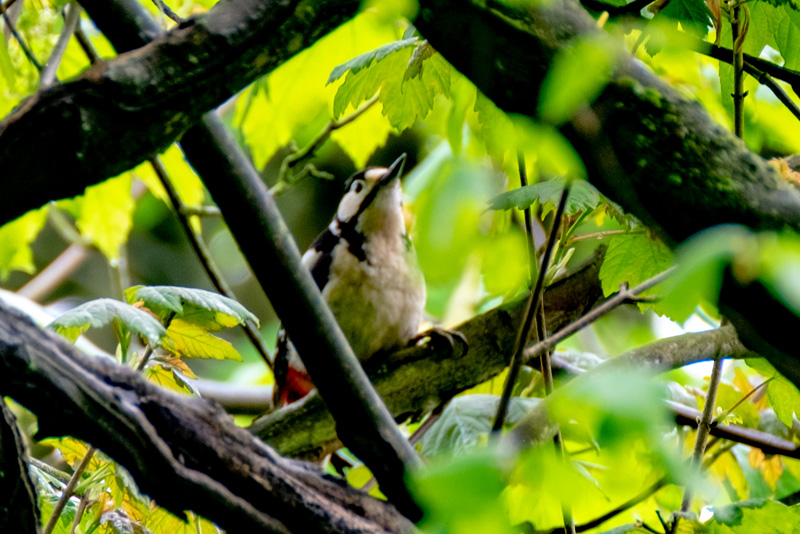
    I saw (and heard) two chiffchaff and then had a distant view of a great spotted woodpecker. As I progressed through the wood I saw the woodpecker again.

    DSCF3128

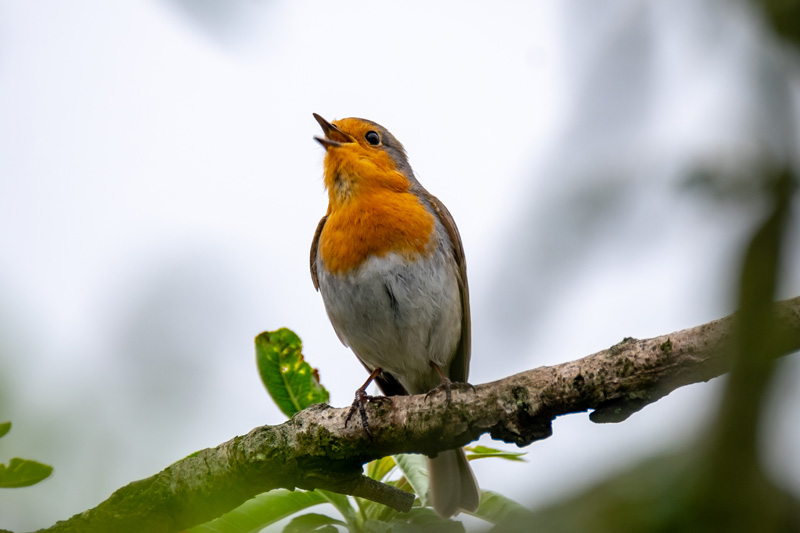
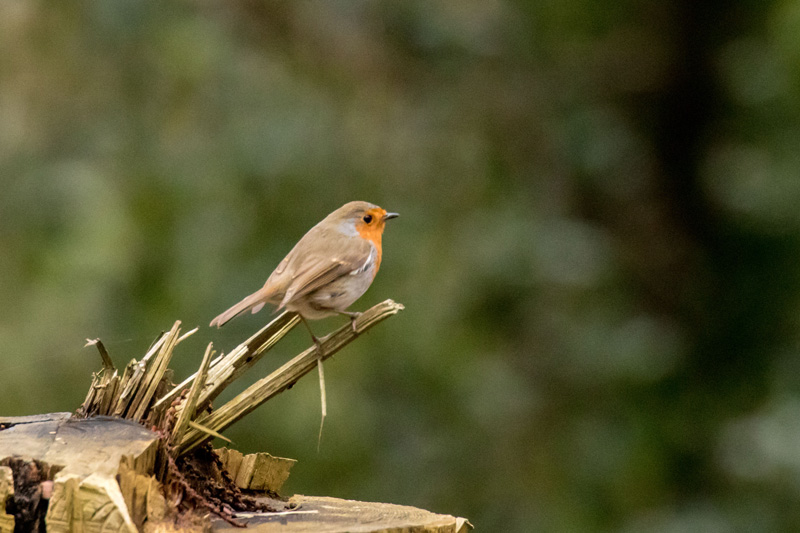
    All through the wood I heard lots of robins but only saw four.

    DSCF3212

    DSCF3224


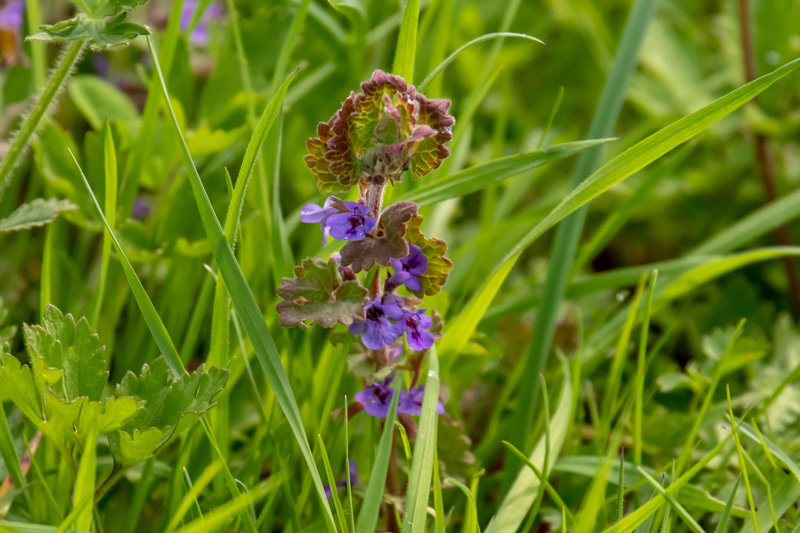
    DSCF3216I’m not sure about this plant but could be habernia peramoena.
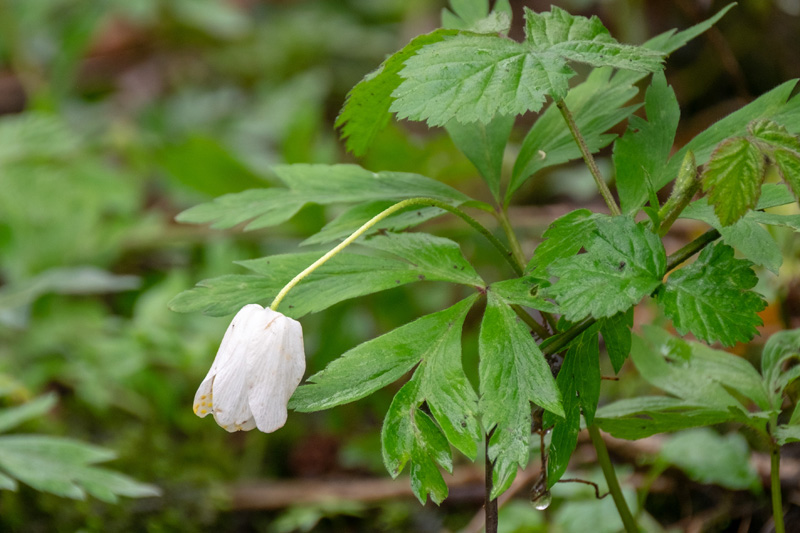
    DSCF3114There were also lots of these (anemones I think) in the bluebell woods but difficult to tell as they had their heads down due to the rain.


    Click below for gallery of photos from this afternoon.

  • 22nd April 2018 – Chew Valley Lake

    22nd April 2018 – Chew Valley Lake

    We spent the day at Chew Valley, renewing our birdwatching passes and visiting Villice Bay and Herriots Bridge.

    We did consider trying to get a bite to eat at the Lakeside Café but, even though we did find one free parking slot, we baulked at the thought of competing with the hundreds of visitors (mainly there for the fish and chips). In comparison, we were the only customers at the new outdoor coffee kiosk next to Woodford Lodge.

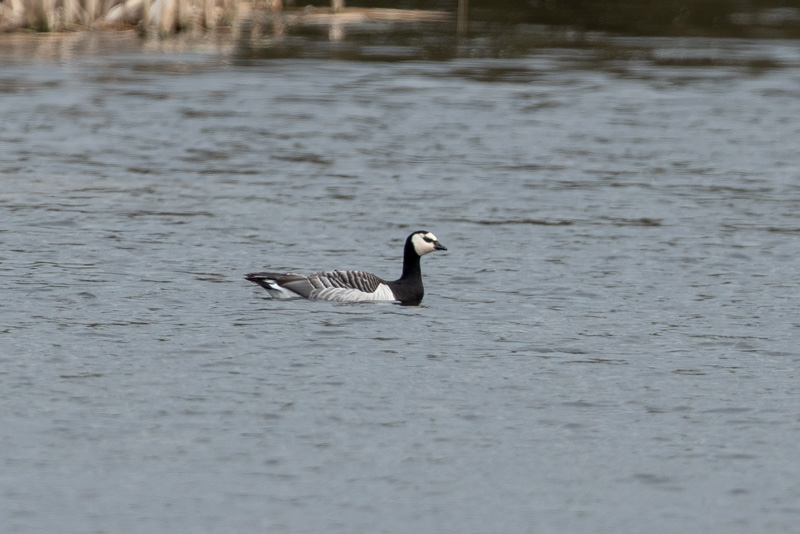
    At Villice we saw great crested grebe, tufted ducks, coots and barnacle geese, a passerine I couldn’t make out, a pair of mallards making their way through the undergrowth going about what mallards do at this time of year and a grey heron. However, the best was the orange-tip and peacock butterflies and the flowers in the meadow en route to the hide.

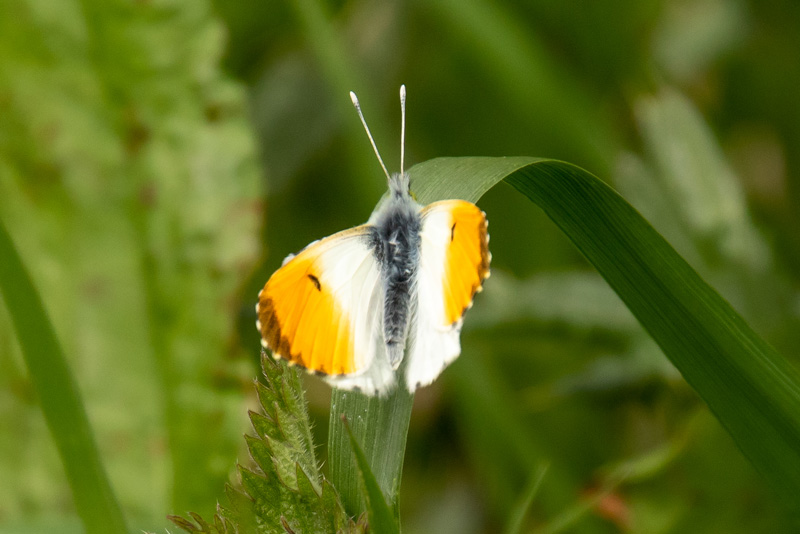
    FP5A6535Male orange-tip

    FP5A6540Peacock butterfly

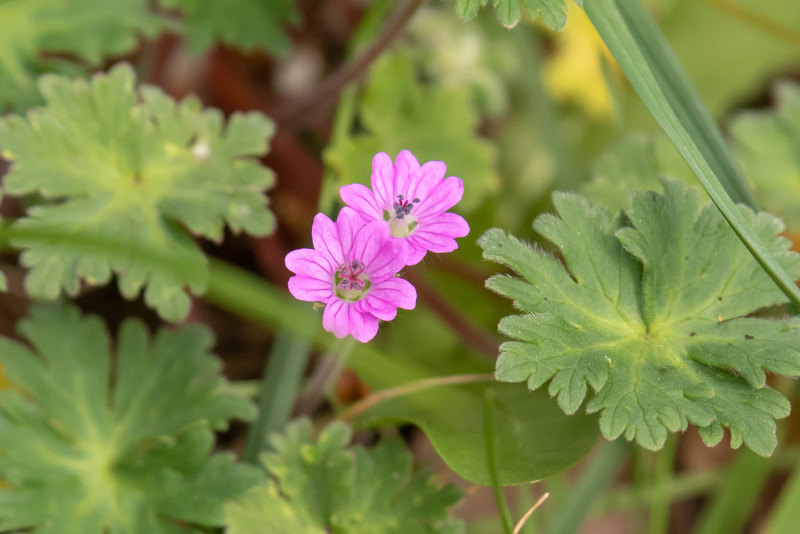
    FP5A6549Geranium molle, the Dove’s-foot Crane’s-bill or Dovesfoot Geranium
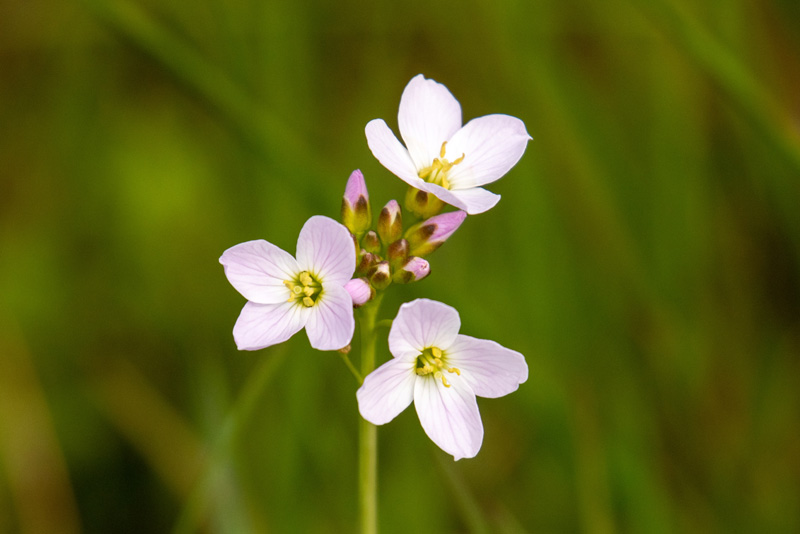
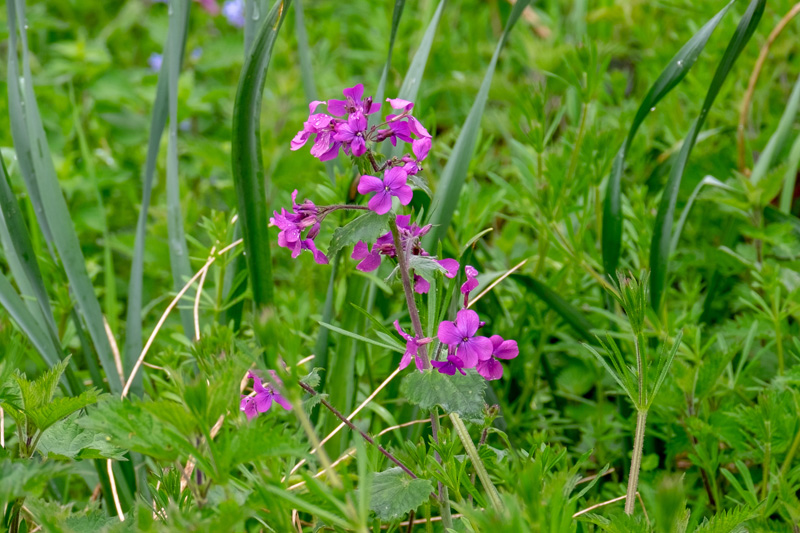
    FP5A6551Cardamine pratensis (cuckooflower, lady’s smock or milkmaids)

    FP5A6552

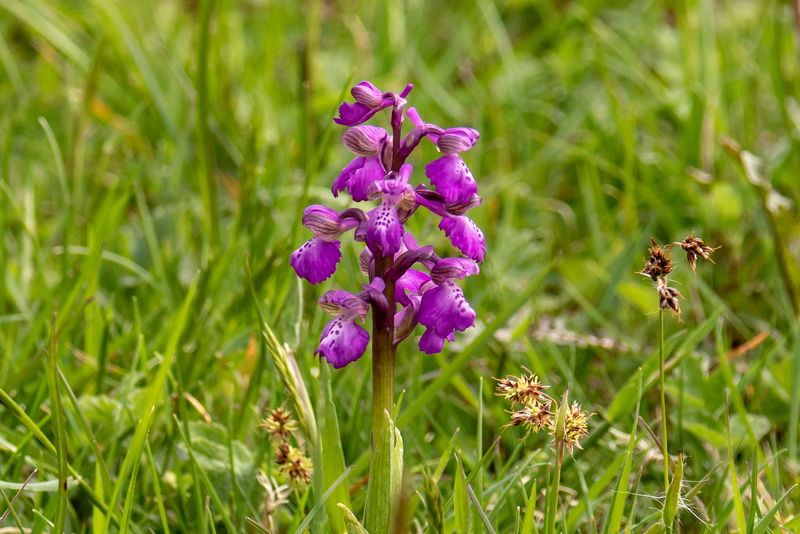
    FP5A6556Anacamptis morio, the green-winged orchid or green-veined orchid

    FP5A6576Bluebells (hyacinthoides non-scripta)

    FP5A6581Great crested grebe

    FP5A6651Prunella vulgaris (known as common self-heal, heal-all, woundwort, heart-of-the-earth, carpenter’s herb, brownwort and blue curls)
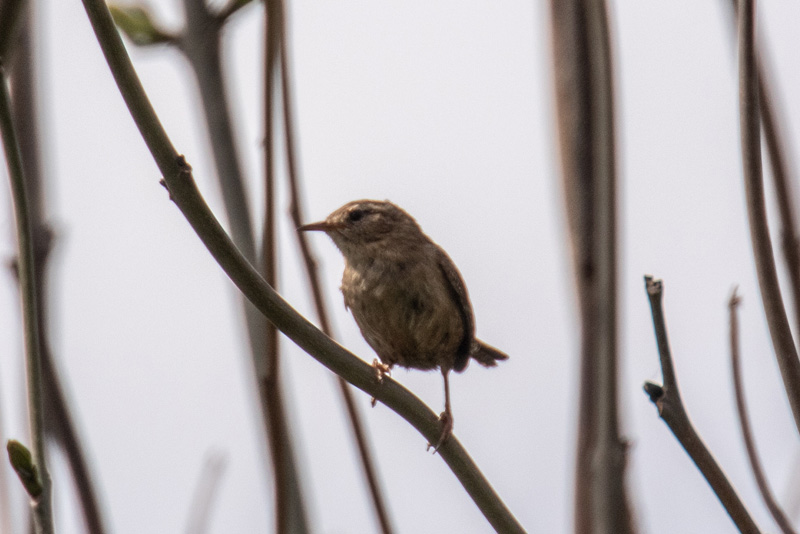
    FP5A6668

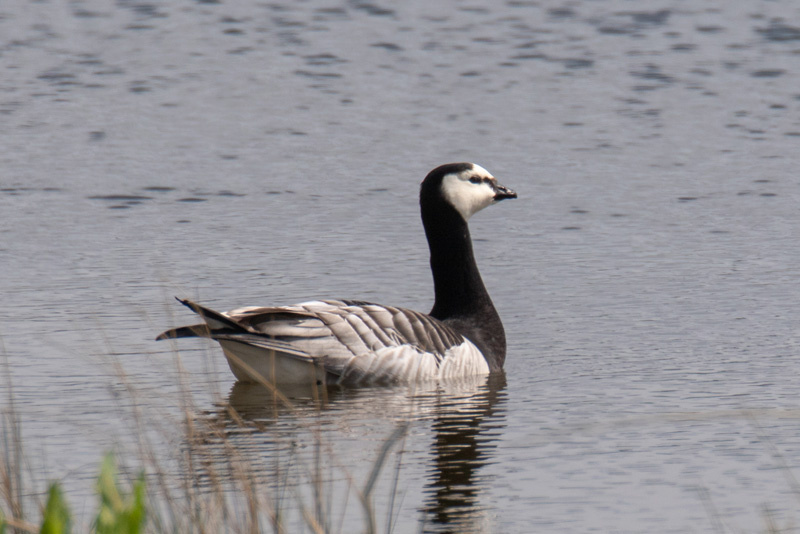
    FP5A6678Barnacle goose

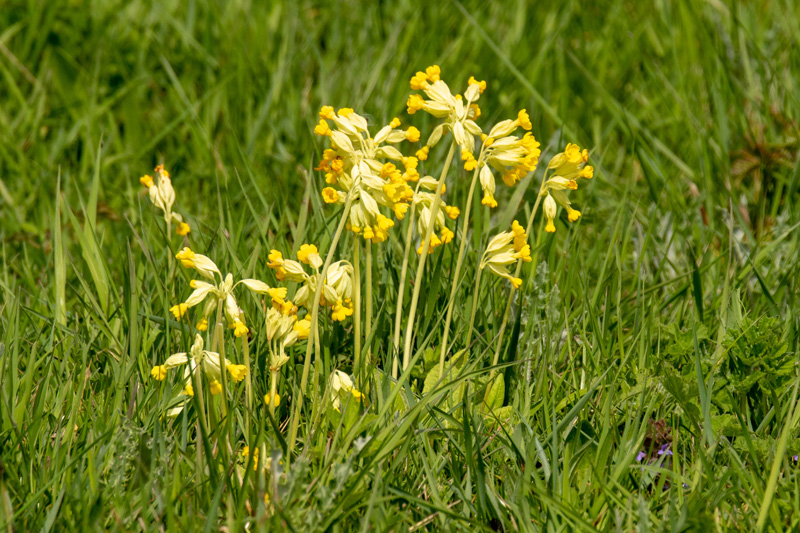
    FP5A6686Primula veris (cowslip, common cowslip, cowslip primrose). In French it is commonly known as cuckoo.
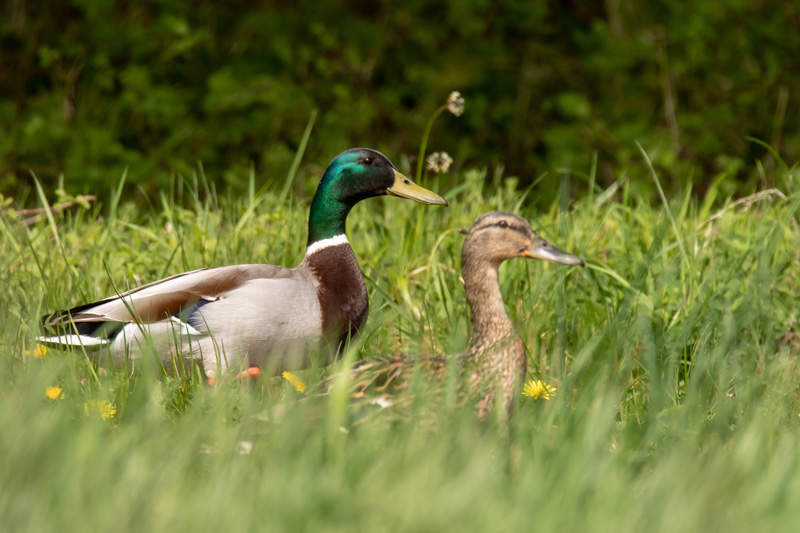
    FP5A6690Mallards

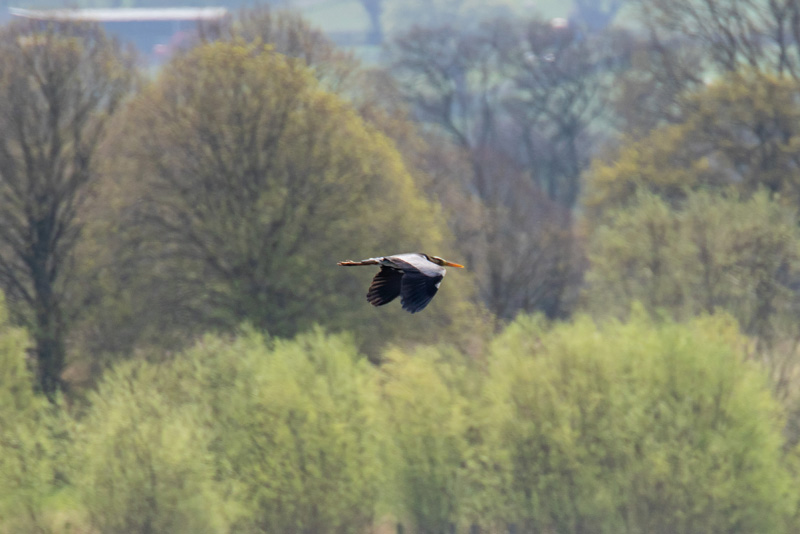
    FP5A6692Grey heron

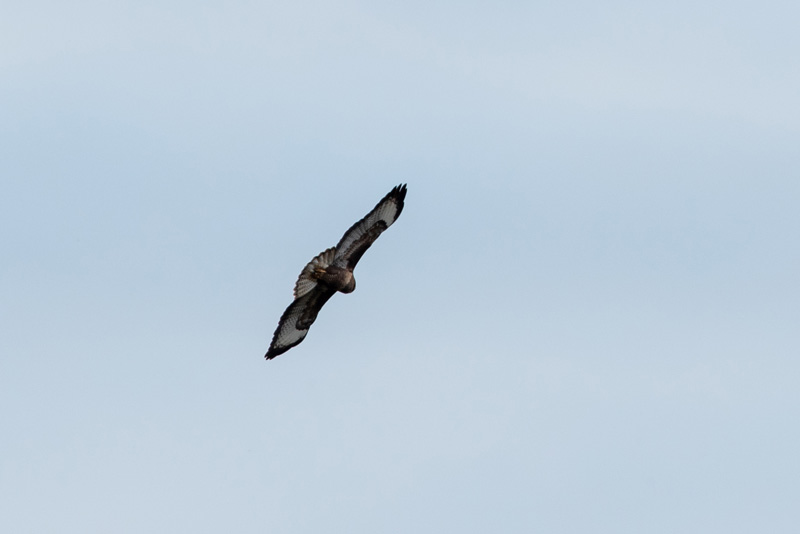
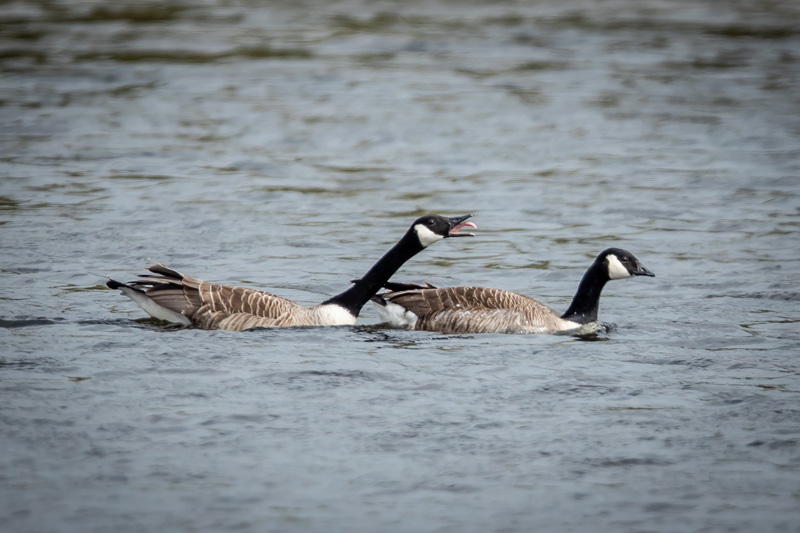
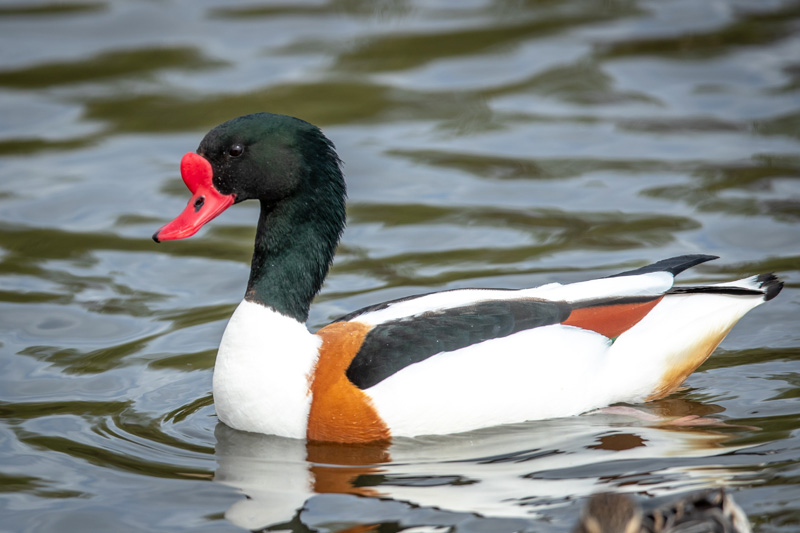
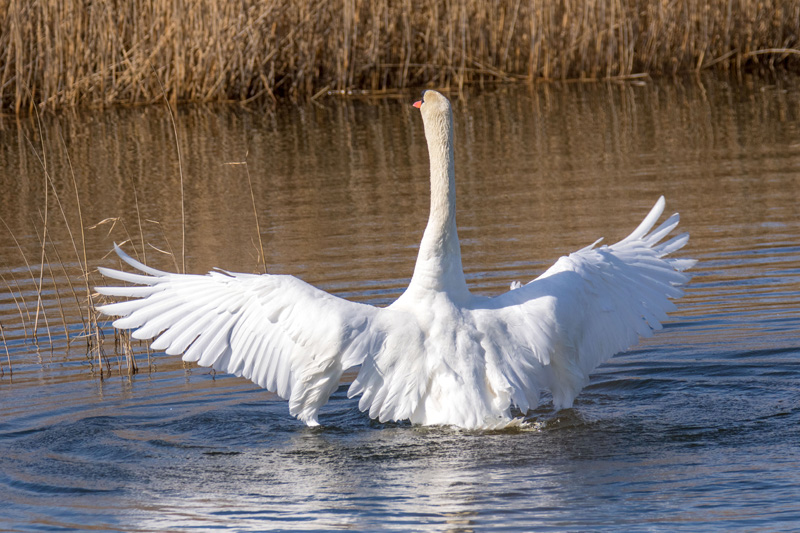
    At Herriots there were lovely displays of  male behaviour from the mute swans and the Canada geese. On the other hand, two more barnacle geese were behaving quite serenely.  There was a distant buzzard, some splendid great black-backed gulls (and other gulls too), more tufted duck, a few shelduck and shovelers and I heard a cuckoo (my first of the year).

    MT1D5434Great back-backed gulls

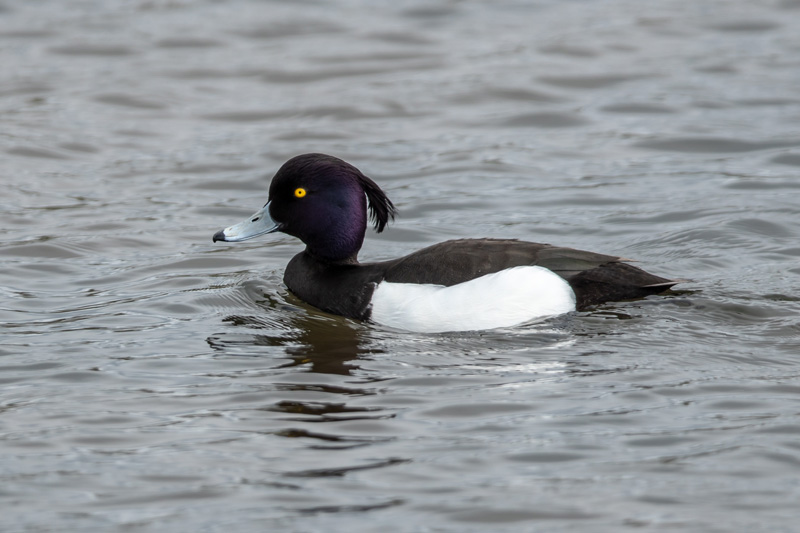
    MT1D5470Tufted duck

    MT1D5490Canada geese

    MT1D5516Barnacle goose

    MT1D5523Buzzard

    MT1D5563Mute swan

    MT1D5574Canada geese

    MT1D5579Shelduck

    MT1D5586-2Tufted duck

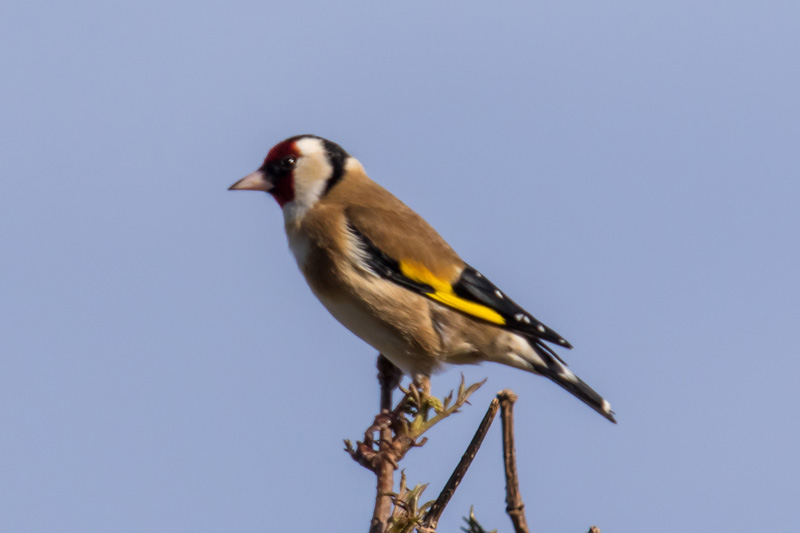
    Click below for gallery of photos from today at Chew plus a goldfinch in the garden before we left:

  • 21st April 2018 – Lower Woods, Gloucestershire

    21st April 2018 – Lower Woods, Gloucestershire

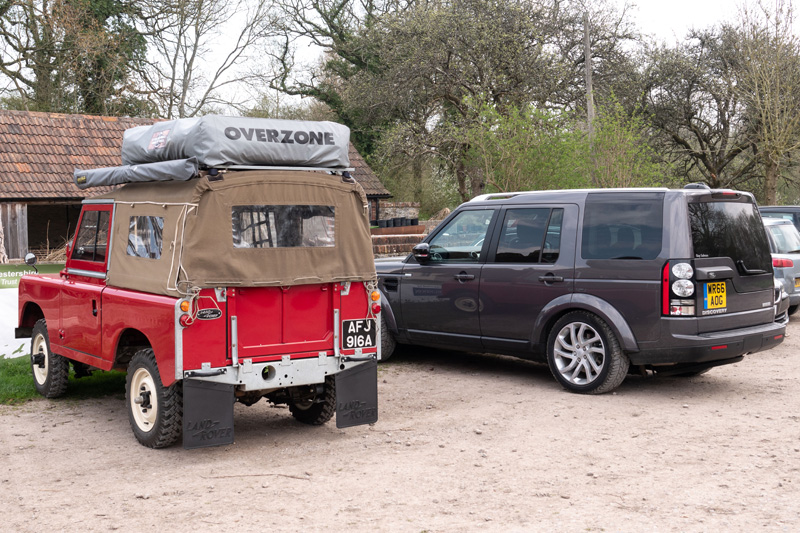
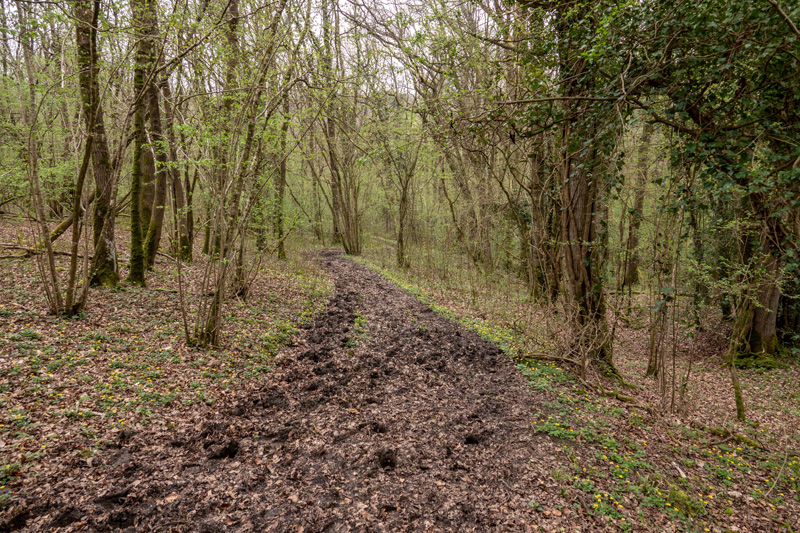
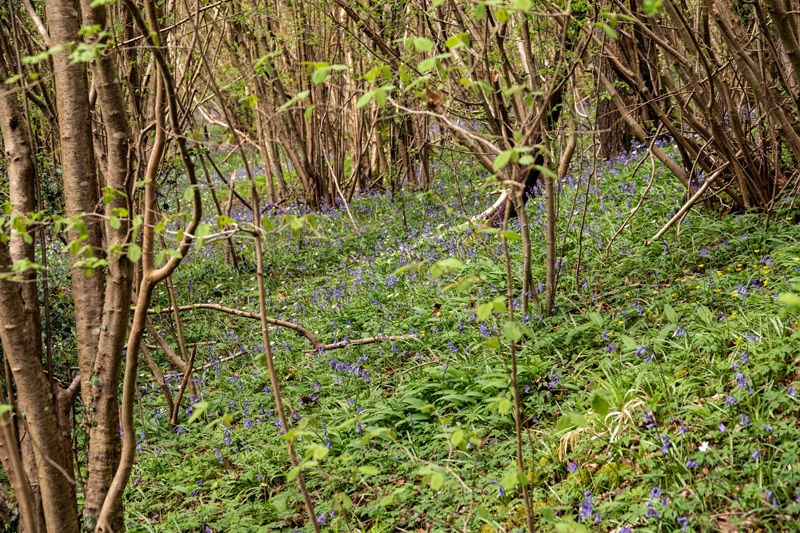
    Lower Woods between Wickwar and Hawkesbury Upton off Inglestone Common in Gloucestershire is one of the largest ancient woodlands in the south-west of England and covers three square kilometres. The reserve has 23 woods and coppices whose boundaries have remained unchanged for several centuries. This is normally an excellent time to visit the woods to see the bluebells. However, the views would have benefited from some sunshine and the paths, which were still very muddy, could certainly have done with some drying out. Neil, the very helpful wood warden, advised us that walking boots and not wellies would be okay – fake news (I think he was confused by his excitement of seeing a beautiful old Landrover arrive as the same time as us).

    We only covered 8 kilometres but our boots were so clogged up that the inclines seemed much more arduous than on our previous visits and we were quite weary at the end and glad to get back. Its my view that the woods are prettier when the bluebells are just dying back and the ransoms (which were about to flower) are in full bloom. Tempting to go back in a few weeks but I fear we are bound to get more rain and have to cope with even more muddy paths.

    DSC04246Neil was confused by his excitement of seeing this old Landrover – he had three Landrovers of his own in the yard.

    DSC04320Walking boot terrain – I think not especially when it started raining

    DSC04287The bluebells would have looked better with sunlight filtering through

    DSC04281

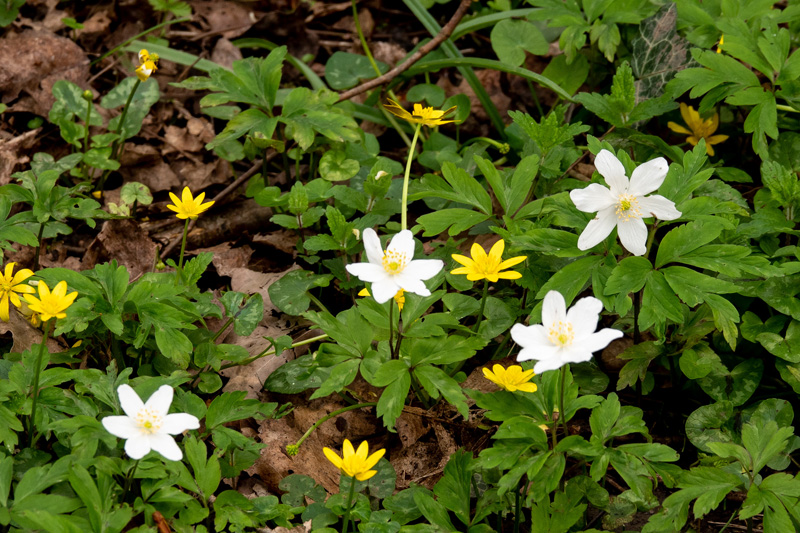
    DSC04286Wood anemones, violets, primroses and lesser celendine complemented the bluebells.

    DSC04296The ramsons were so close to blooming

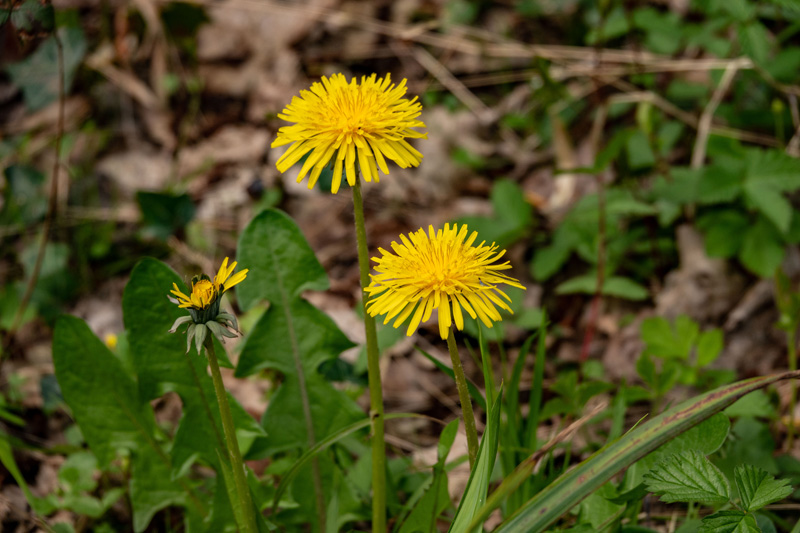
    DSC04285The dandelions are certainly at their best at the moment

    Click below for gallery of photos from today

  • 20th April 2018 – Clifton Down, Bristol

    20th April 2018 – Clifton Down, Bristol

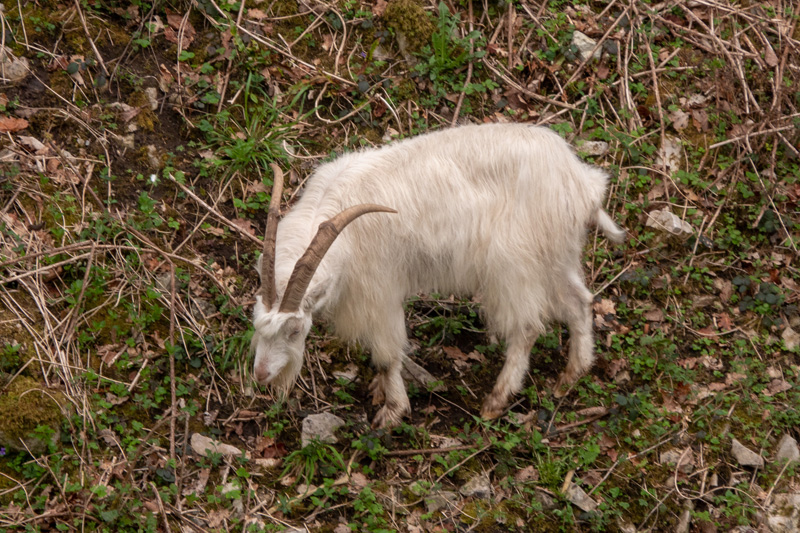
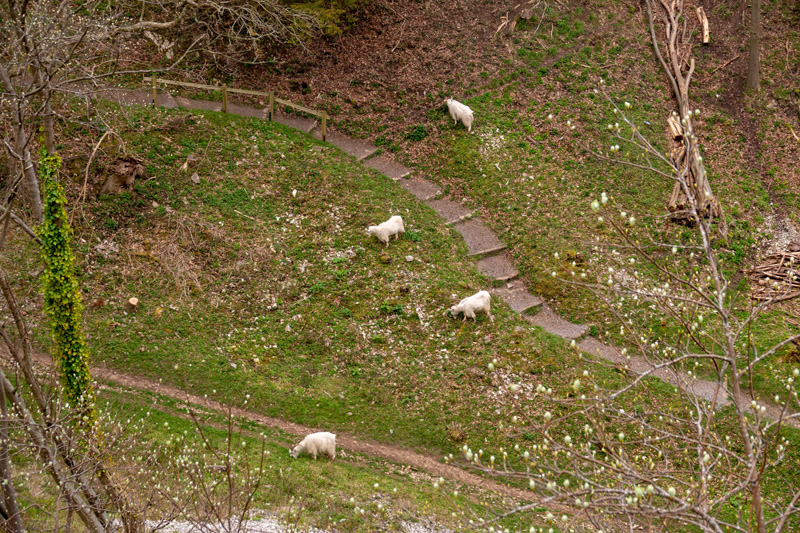
    On a misty, murky morning before the sun burnt through I walked across Clifton Down. There wasn’t much bird life but I was interested in seeing the goats in The Gully. Originally there was a flock of 6 goats serving a useful purpose of nibbling away at the scrub (see full story); unfortunately there are only now 4 goats as 2 have been killed by dogs allowed into the enclosure. So sad.

    DSC04177

    DSC04179

    DSC04181

    The only interesting bird – a wren.

    DSC04208

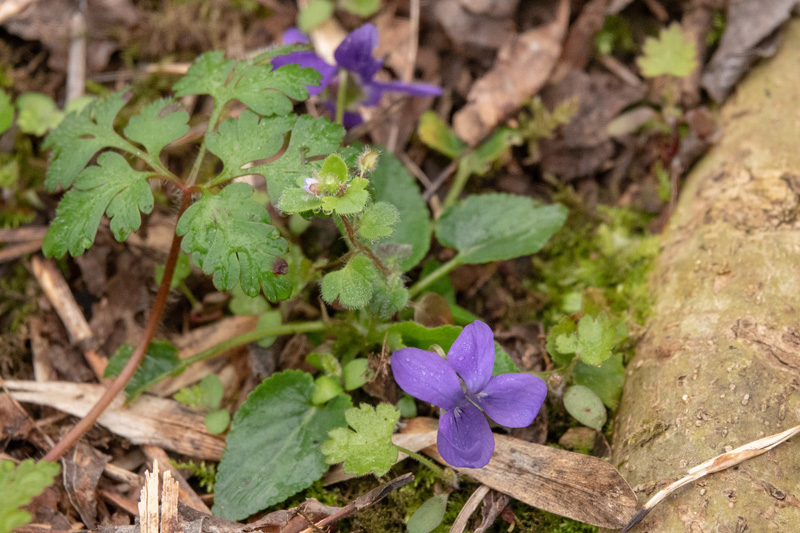
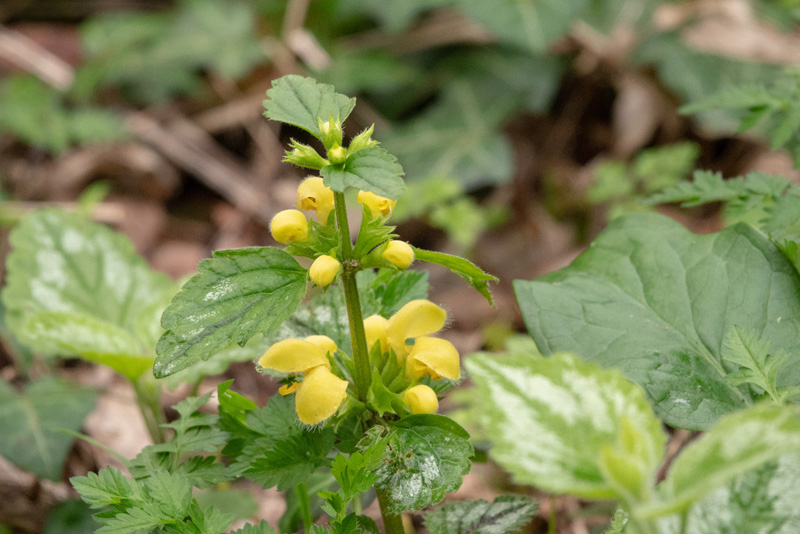
    However, the blue (and white) bells, wood violets and yellow archangels cheered me up.

    DSC04212

    DSC04224

    DSC04214


  • 18th April 2018 – Siston and Wick

    18th April 2018 – Siston and Wick

    All of a sudden spring arrived: Tuesday –  windy dull and showery with a maximum of 13 degrees; Wednesday – sunny with a pleasant breeze and 10 degrees warmer.

    We had two really pleasant walks in South Gloucestershire either side of having a repair on the damaged bodywork of our car to which nobody owned up. The first along Siston Brook in the Willsbridge Valley local nature reserve and the second along the River Boyd in the Golden Valley local nature reserve.

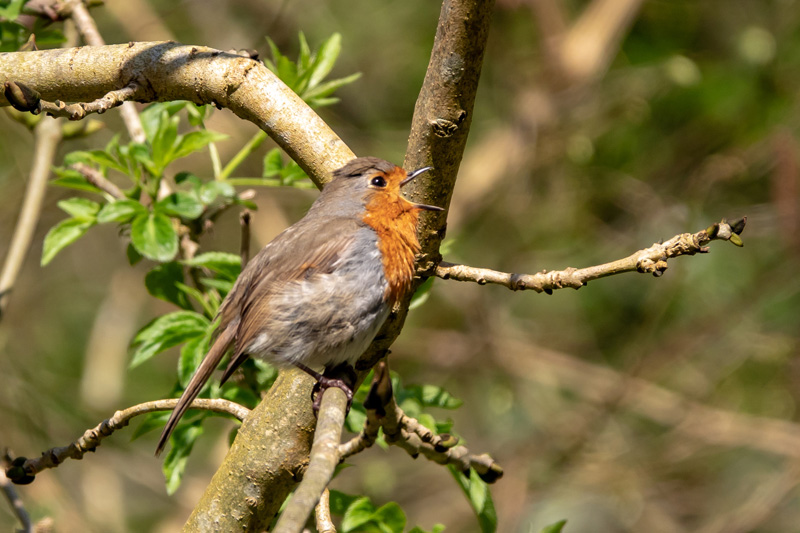
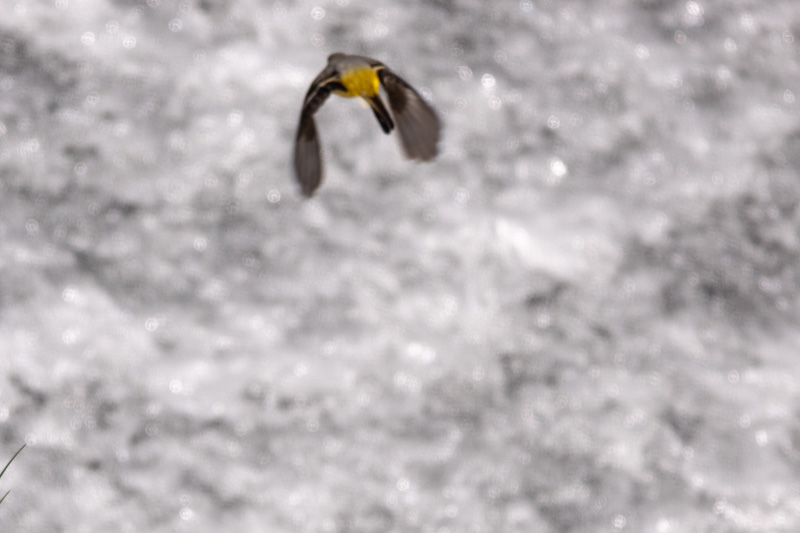
    We heard plenty of birds but only had glimpses of a dipper and a grey wagtail and a full view of a robin singing  the joys of spring.

    DSC04070Robin proclaiming his territory

    DSC04095Grey wagtail which was very shy of my camera

    However, the spring plants and blossom were a shear delight and compensated somewhat for the invoice for the car repair.

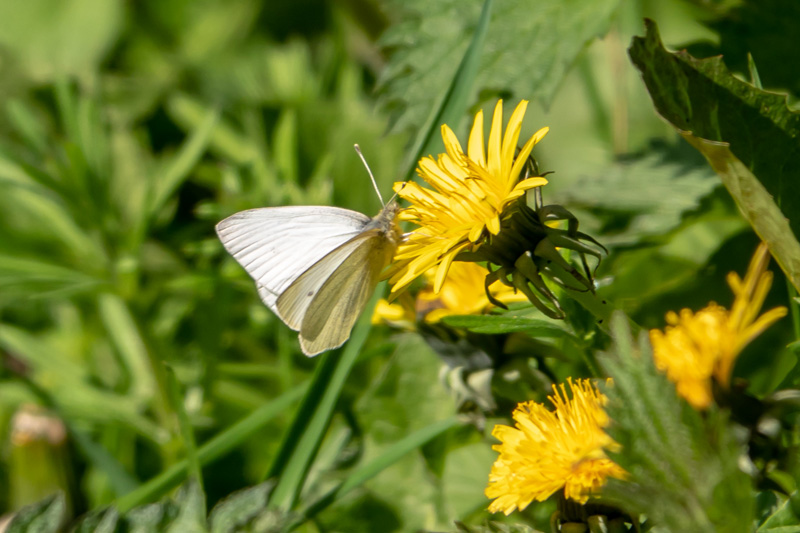
    There were lots of butterflies but the peacocks, orange tips and brimstones were too fast for my camera skills yet I did capture this large white.

    DSC03872

    DSC03938Proper English bluebells

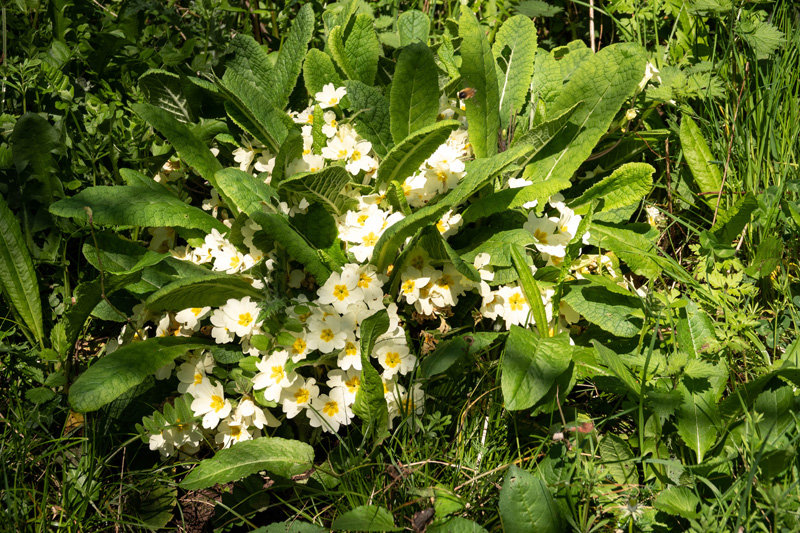
    DSC03867Primroses

    DSC03892

    DSC03926

    DSC03885

    Anemone nemorosa is an early-spring flowering plant in the buttercup family Ranunculaceae, native to Europe. Common names include wood anemone, windflower, thimbleweed, and smell fox, an allusion to the musky smell of the leaves. It is a herbaceous perennial plant growing 5–15 centimetres (2–6 in) tall.

    DSC03869

    DSC03925

    DSC04065

    DSC03945

    Click below for gallery of today’s photos:


  • 16th April 2018 – Northwick Warth, Severn Estuary

    16th April 2018 – Northwick Warth, Severn Estuary

    I must admit it was yesterday’s reports of a stone curlew and an ashy-head yellow wagtail that attracted me to Northwick Warth. When I arrived everyone I met had seen them yesterday and a ringed ouzel too only moments before; but not for me.

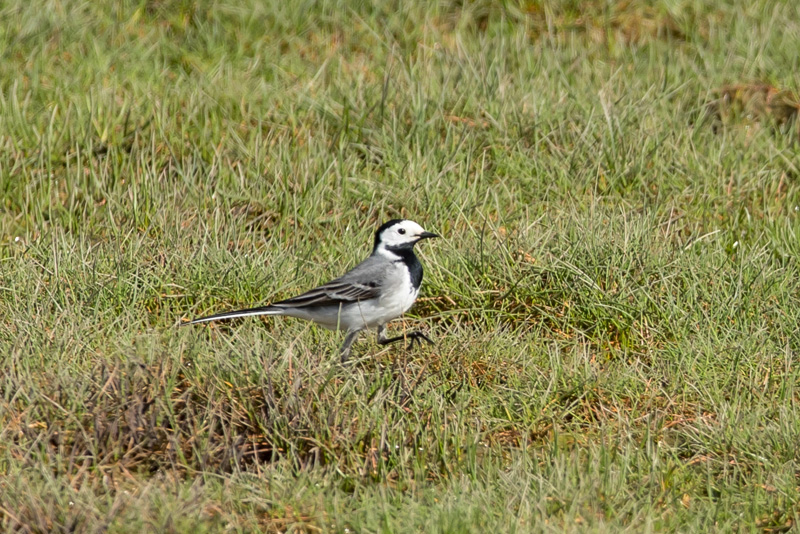
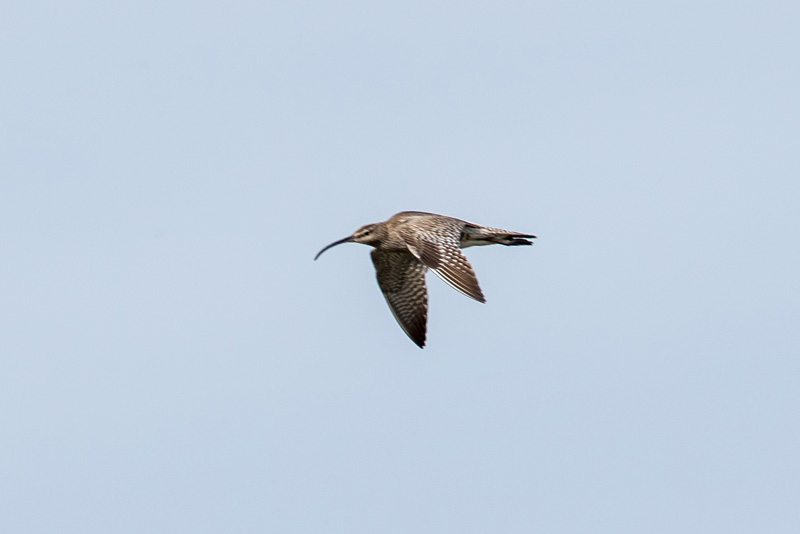
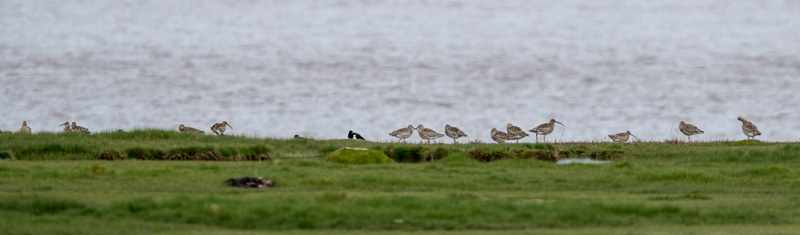
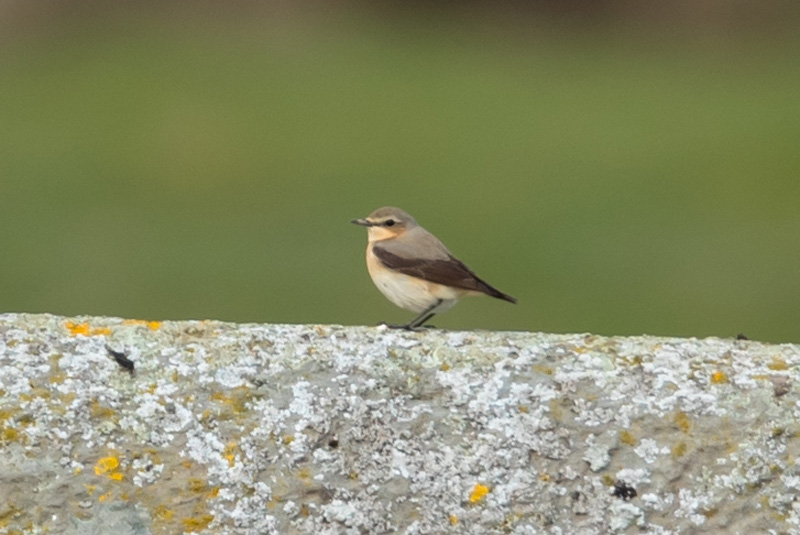
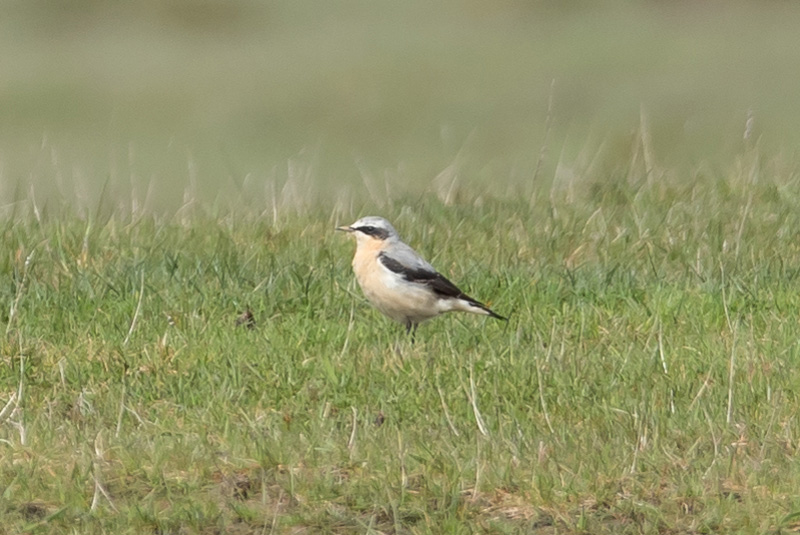
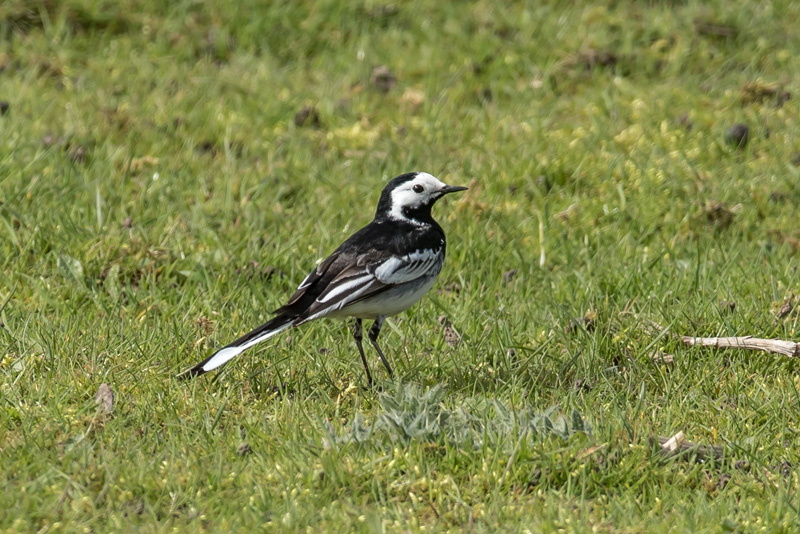
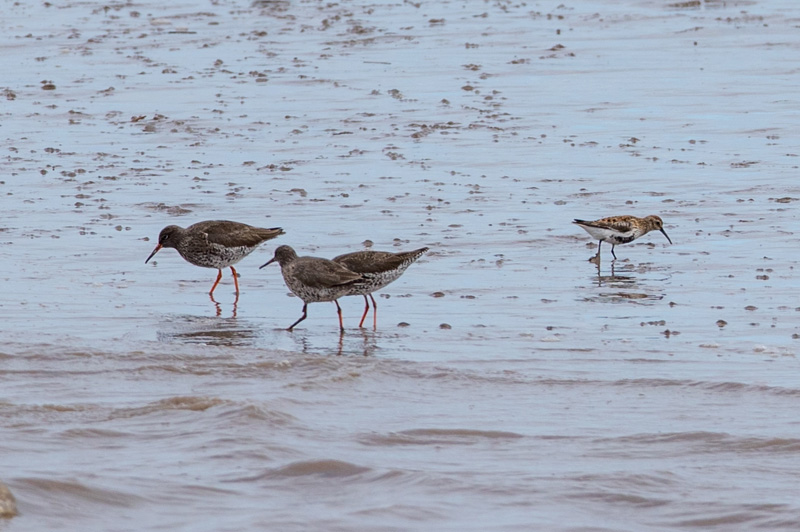
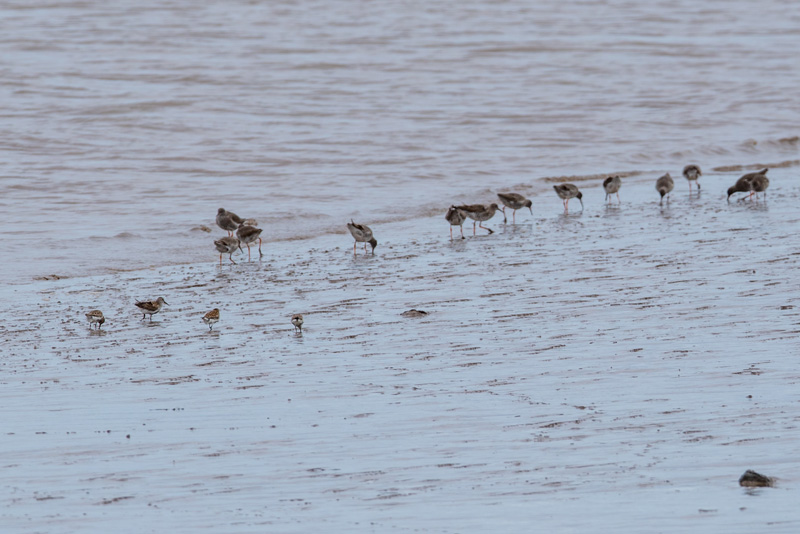
    Nonetheless, I was quite happy to see a whimbrel, pied/white wagtails (I’m going to have to brush up on these), wheatears, distant views of a large flock of curlew and oystercatchers, plenty of shelduck and redshank and dunlin on the coastline.

    Warm weather is promised but there wasn’t much sign of it on the Severn Estuary this morning, although I have known it a lot colder.

    MT1D5257Shelduck

    MT1D5275

    MT1D5277White or pied wagtail?

    MT1D5280Whimbrel

    MT1D5293Curlew and oystercatchers

    MT1D5328

    MT1D5345

    MT1D5348

    MT1D5349Wheater

    MT1D5364

    MT1D5366White or pied wagtail?

    MT1D5410

    MT1D5421Redshank and dunlin

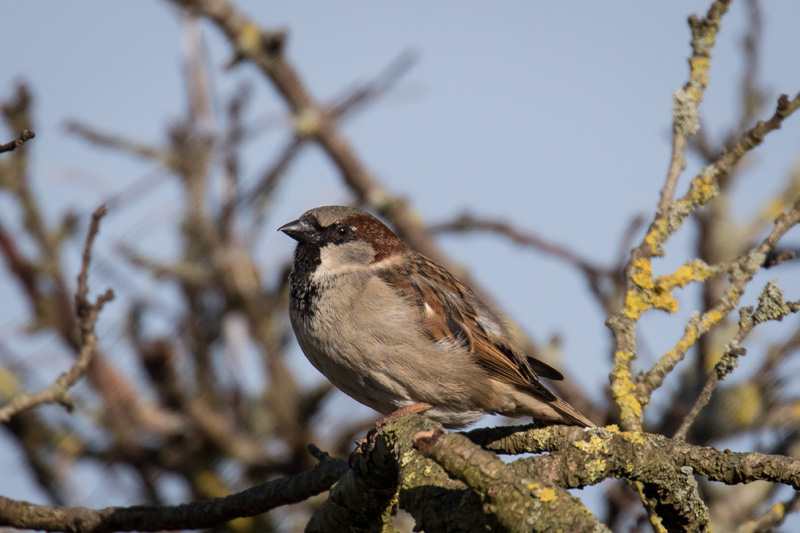
    As I don’t get much opportunity to photograph garden birds I thought it was worth taking these of house sparrows.

    MT1D5402

    MT1D5430


    Click below for gallery of photos from this morning:

  • 10th April 2018 – RSPB Arne

    10th April 2018 – RSPB Arne

    We weren’t sure if we could do justice to RSPB Arne on an afternoon’s visit on our way home from our “non-birding” visit to the New Forest (if I’m honest we would have made it 3 birding trips in the three days if the weather hadn’t been so bad and we hadn’t opted instead for a visit to the National Motor Museum at Beaulieu) but we thought the walk would be good for us anyway.

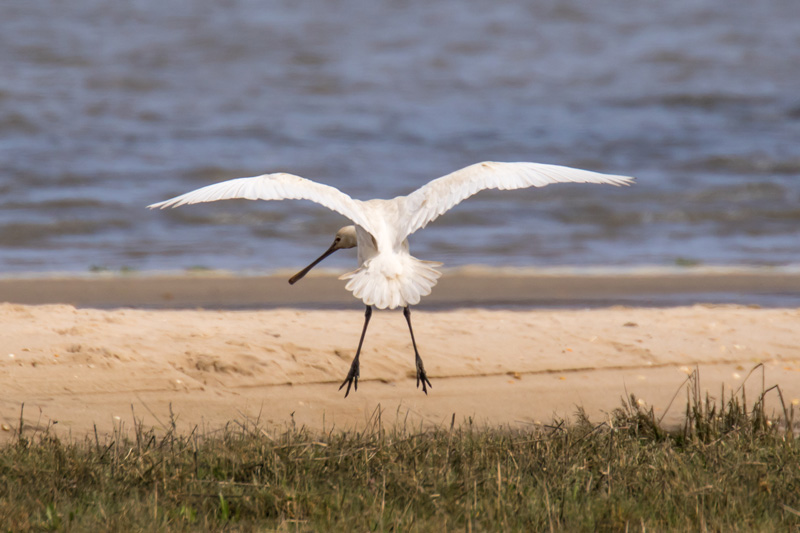
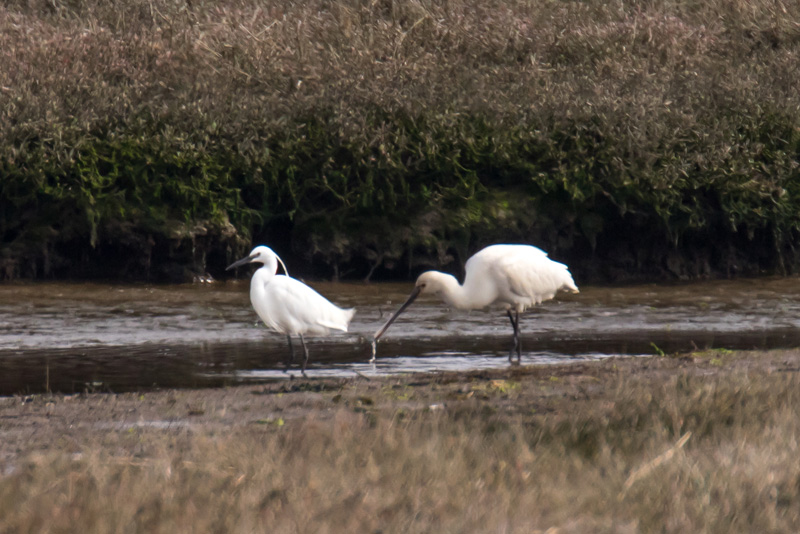
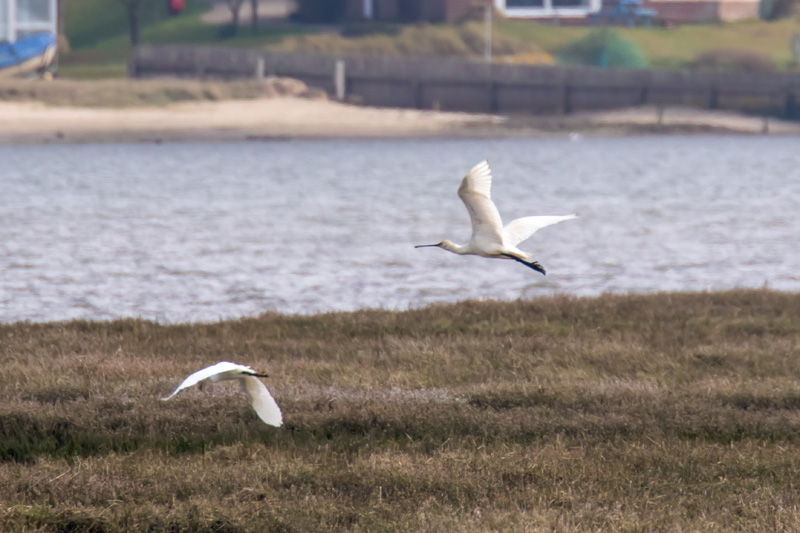
    We were very lucky as the sun made a brief appearance and a spoonbill flew in briefly and flew out again with its little egret friend.

    FP5A6286

    FP5A6296

    FP5A6321

    FP5A6323

    It was very strange indeed how the spoonbill flew in to Shipstal Beach, seemed to go and find the little egret in one of the pools, flew together to another pool, fed together for a while and then flew off together across the bay.

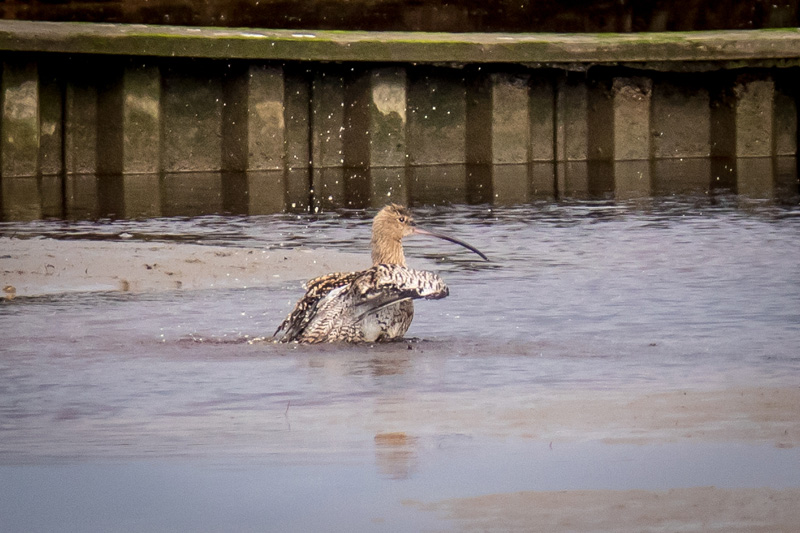
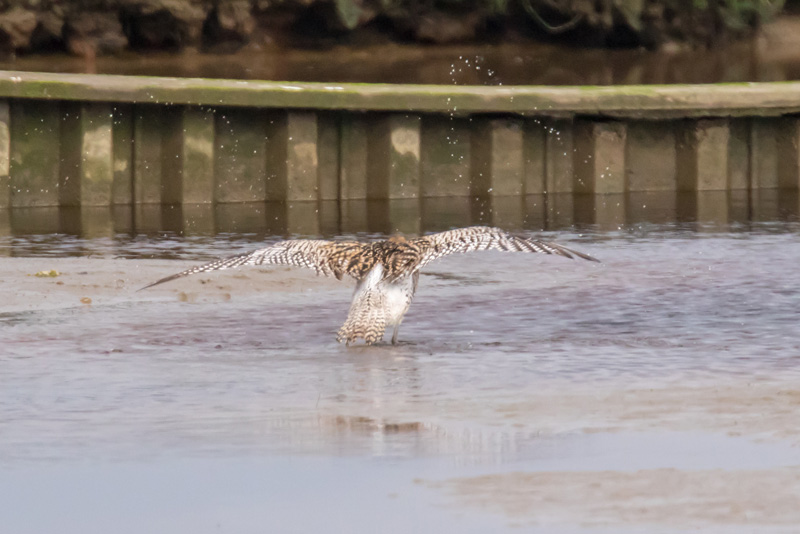
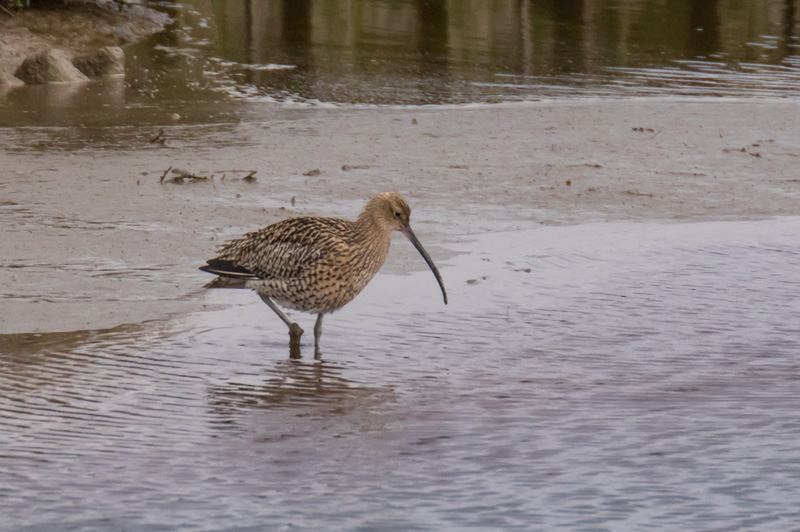
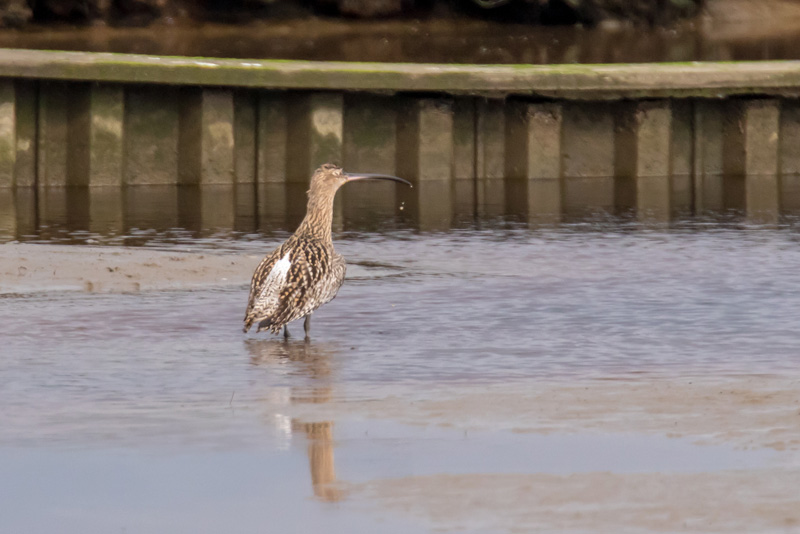
    We made our way round to the hide and enjoyed watching a curlew having a wash and brush up.

    FP5A6388

    FP5A6423

    FP5A6480

    FP5A6399

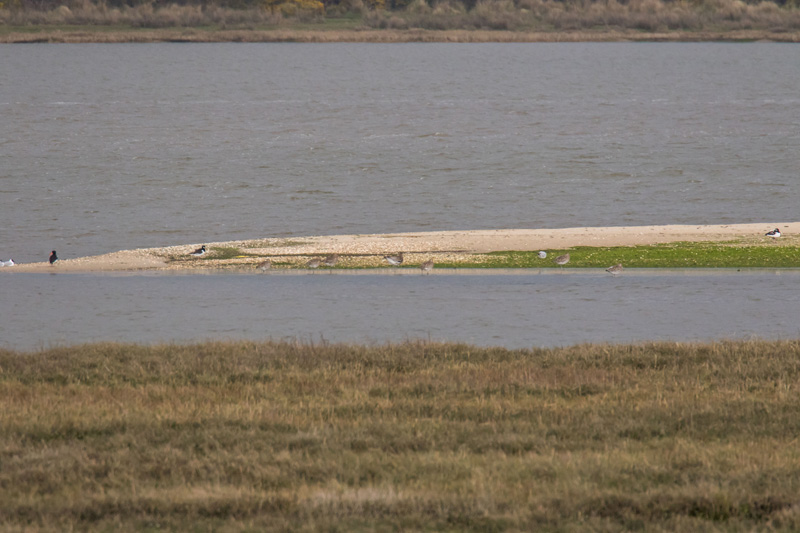
    There were oystercatchers, whimbrel, and Brent geese and shelduck on the spit where we had seen large flocks of spoonbills last year.

    FP5A6472

    Along the (quite often very muddy) paths we saw chaffinch, dunnock , great tits, robins and blackbirds.

    FP5A6377

    FP5A6371

    FP5A6342

    FP5A6506

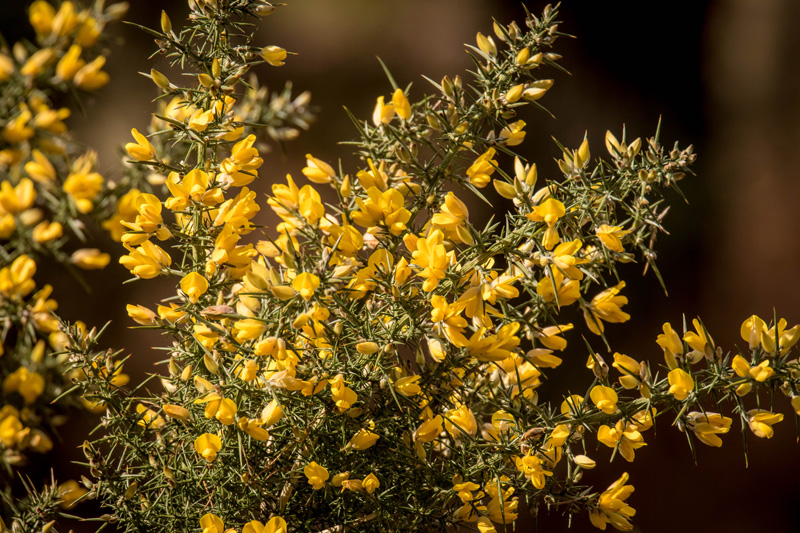
    When the sun came out the gorse looked splendid.

    FP5A6384


  • 8th April 2018 – Blashford Lakes, Hampshire

    8th April 2018 – Blashford Lakes, Hampshire

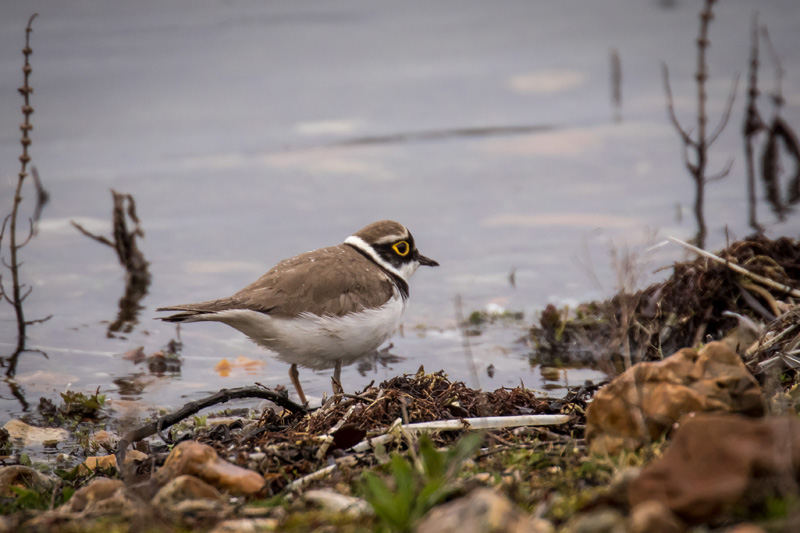
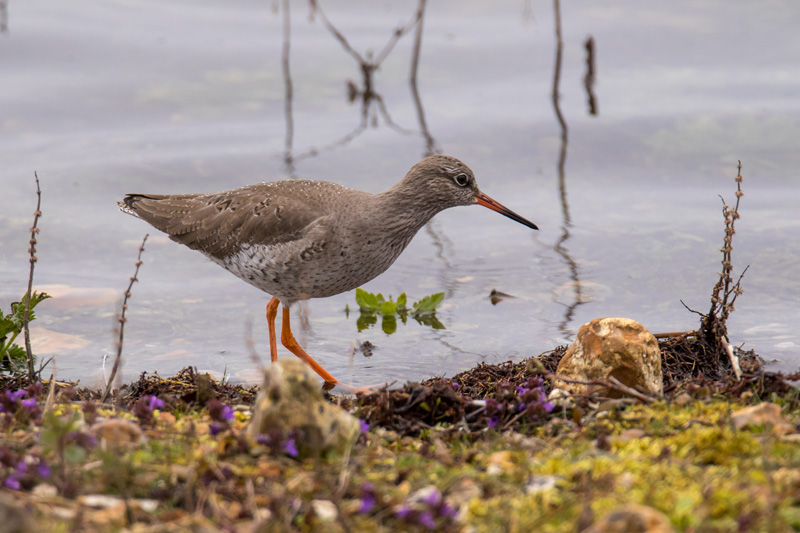
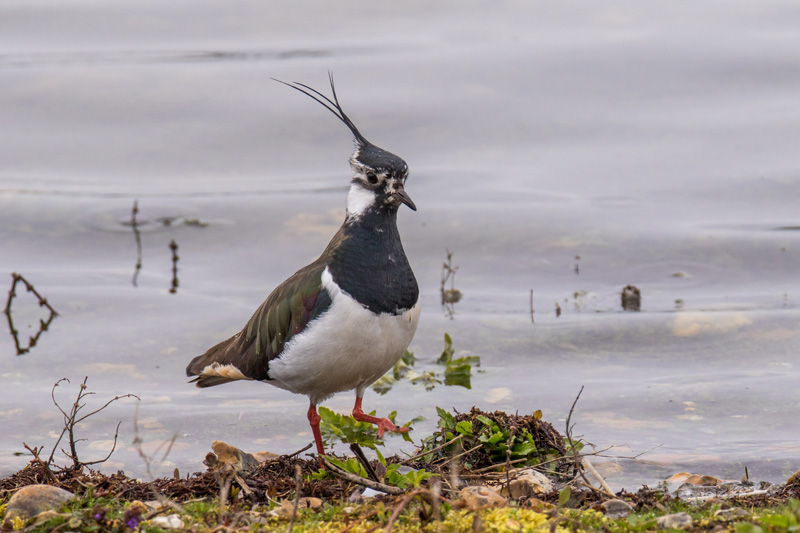
    We stopped off at Blashford Lakes in Hampshire on our way to a non-birding short break in the New Forest (that must be an oxymoron). We enjoyed the walk around the lakes on a very damp and murky afternoon even though the photographic opportunities were limited. The best came right at the beginning in the Tern Hide where we had close-up views of a little ringed plover, a redshank and a lapwing.

    IMG_1179.jpg

    FP5A6104Little ringed plover

    FP5A6115Redshank

    FP5A6135Lapwing

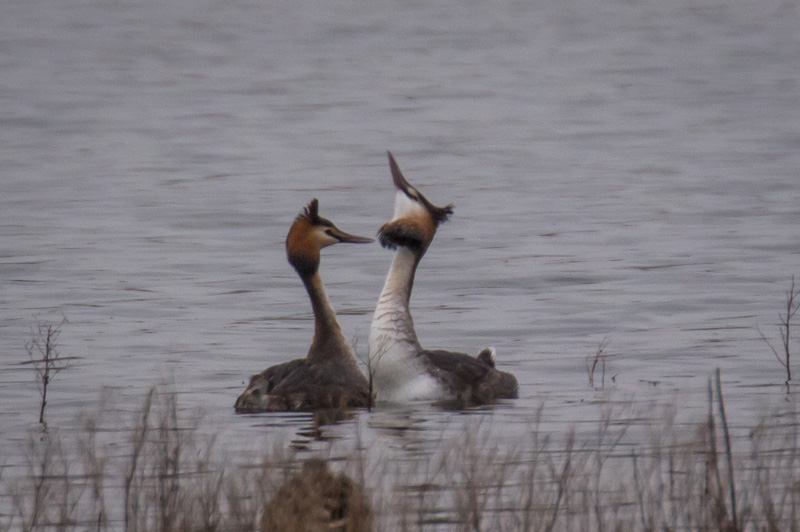
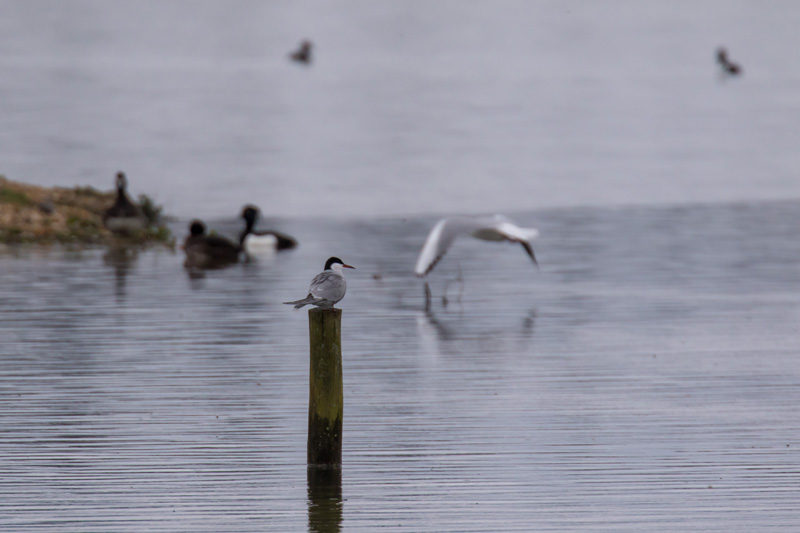
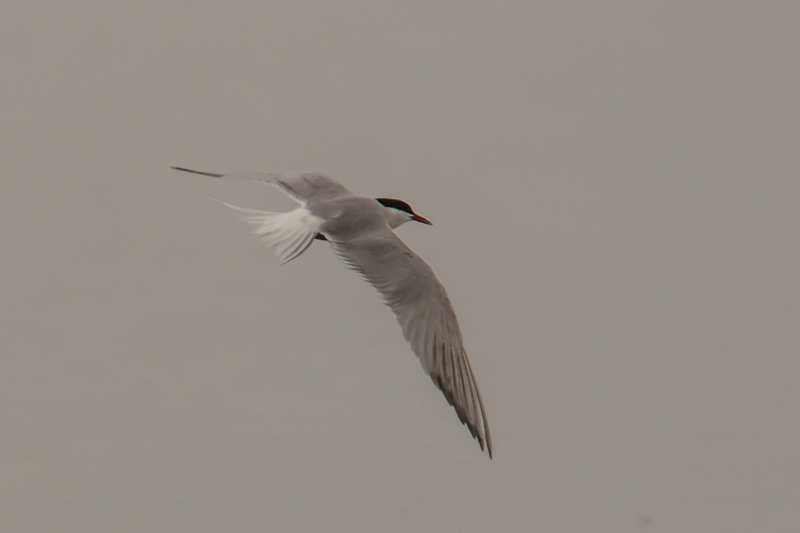
    We could also see a pair of great crested grebe, lots of shovelers, tufted ducks and indeed (to give credence to the name of the hide) a common tern.

    FP5A6146Great crested grebe

    FP5A6255

    FP5A6254Common tern

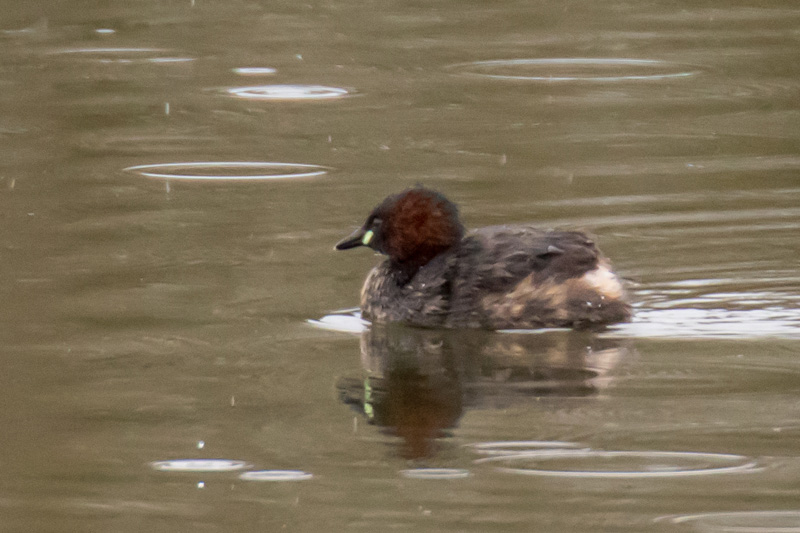
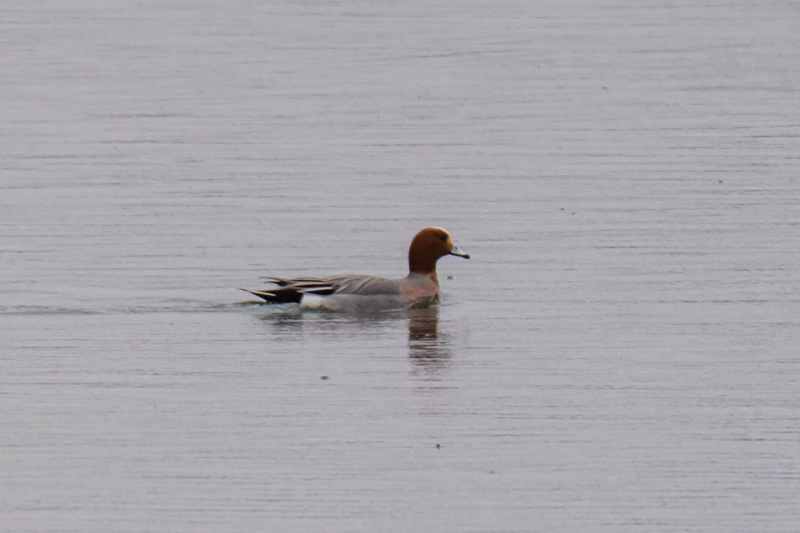
    As we made our way round to the Goosander and Lapwing Hides we saw little grebe, garganey and wigeon but at some distance and in very poor light (i.e. excuse for poor photos).

    FP5A6188Little grebe

    FP5A6193Wigeon

    FP5A6168Garganey in the middle 

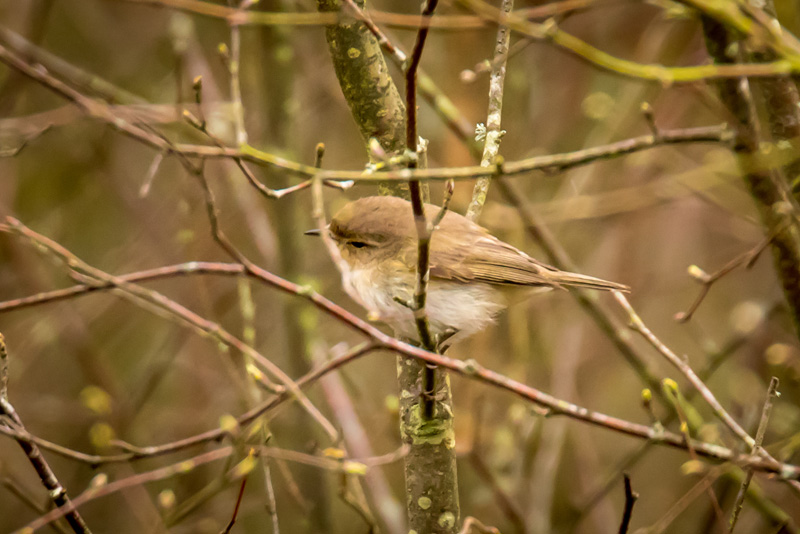
    FP5A6170Not sure about this little chap but probably a chiffchaff

    FP5A6172
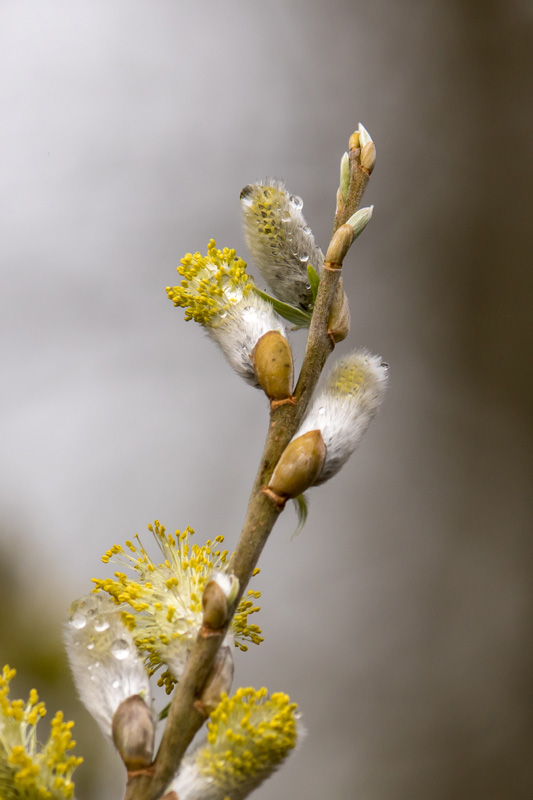
    Despite the conditions there were some signs of spring


  • 1st April 2018 – Clevedon Bay

    1st April 2018 – Clevedon Bay

    The English are renowned for talking about the weather. I suppose the Scots, the Welsh and the Irish are more stoical about the weather they get but here in England we live in anticipation of something much better than the reality; and we are constantly disappointed and don’t stop talking about it.

    Well for one reason or another I haven’t been able to get out for a week and I have found looking out of the window quite a miserable experience: we have had such a run of poor weather and there’s certainly not been any reason to enthuse about the joys of spring.

    However, today we did get out and, although it didn’t rain (until the evening) it was the sort of day that everything looked black or grey and certainly not the sort of day to take photos.

    Yet on our short walk along the coast south of Clevedon on the Bristol Channel I did take some photos. Not many to be truthful and nothing I could be proud of, but I did take some. I wasn’t going to publish them because they were so poor. However,  in the end I decided to as they serve as a reminder of the miserable pascal weather. I also kept hearing in my ear the Duke of Wellington’s quote of “publish and be damned” (https://www.independent.co.uk/voices/rear-window-when-wellington-said-publish-and-be-damned-the-field-marshal-and-the-scarlet-woman-1430412.html).

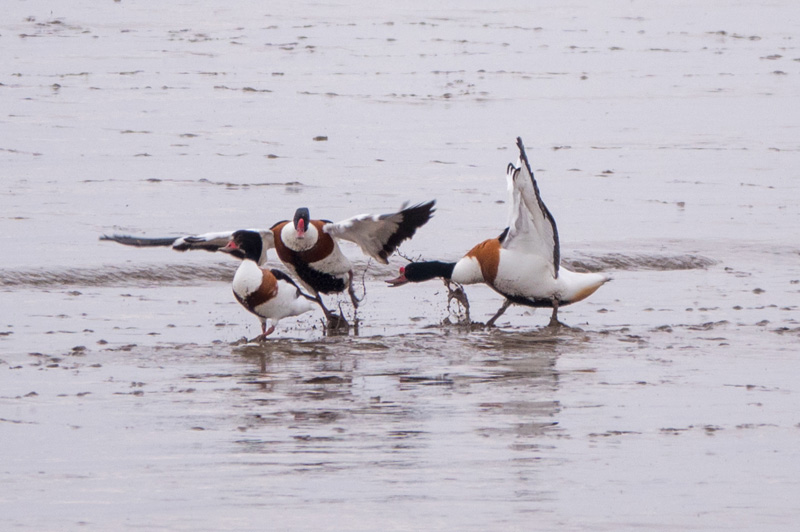
    On the first part of our walk all I saw were shelduck: they were quite interesting to watch and hear as some of the males were being quite aggressive to each other.

    DSC03498

    DSC03500

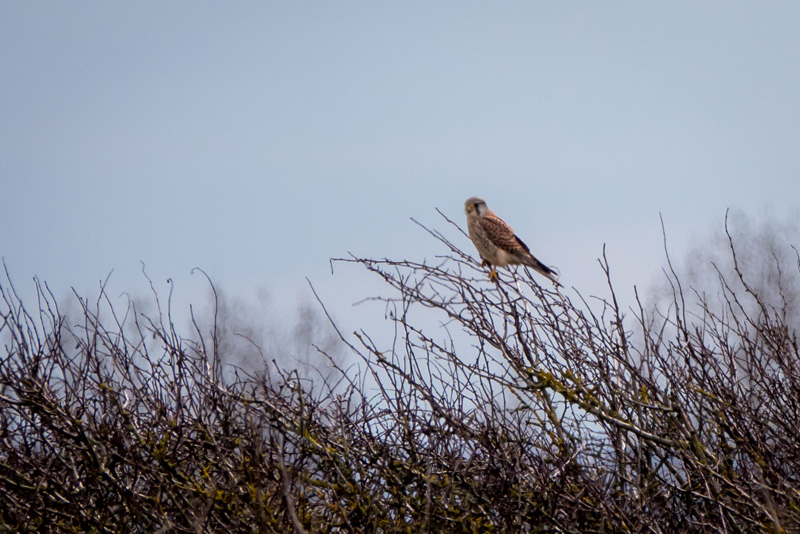
    Inland I caught sight of a kestrel which hovered and then perched some distance from me.

    DSC03540

    All along the coast we could hear skylarks which was the most positive aspect of the walk.

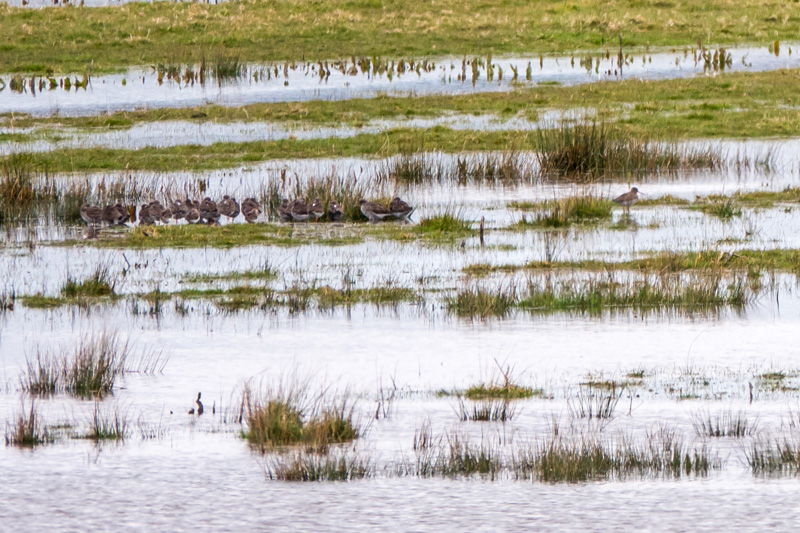
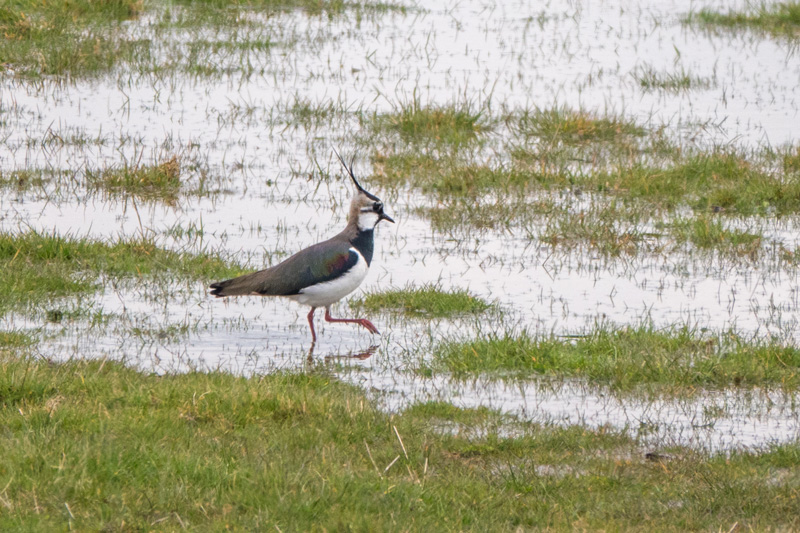
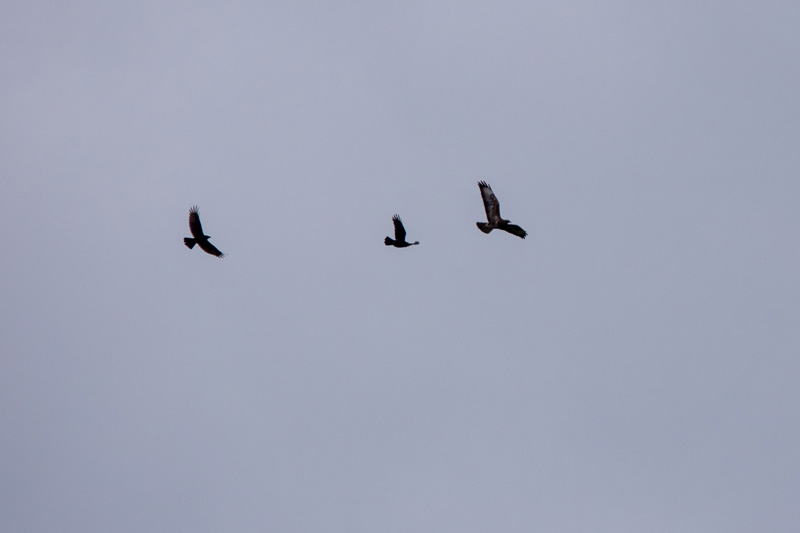
    We could also see some flooded fields inland with little egrets, lapwings and (because a very friendly fellow birder pointed them out with his telescope) redshank too. A buzzard was then mobbed by a couple of crows.

    DSC03521Little egret

    DSC03546Redshank huddled together with one standing apart

    DSC03594Lapwing

    DSC03548Little egret in flight

    DSC03577Buzzard being mobbed by crows

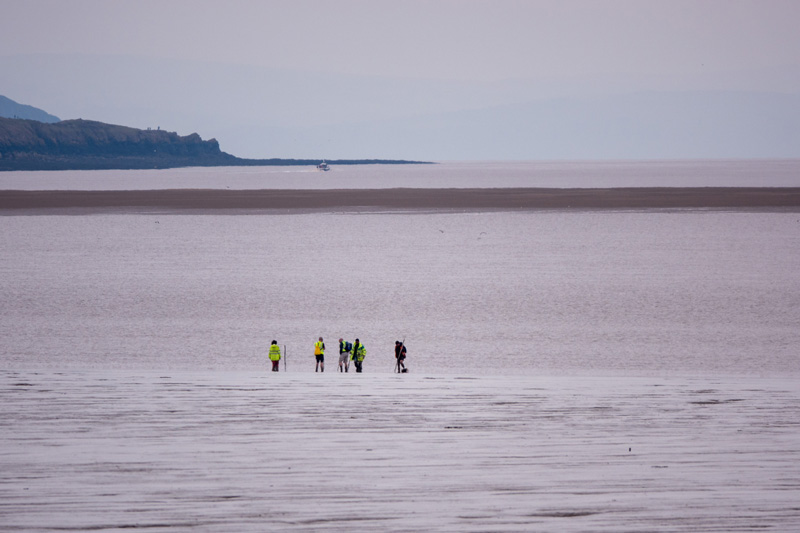
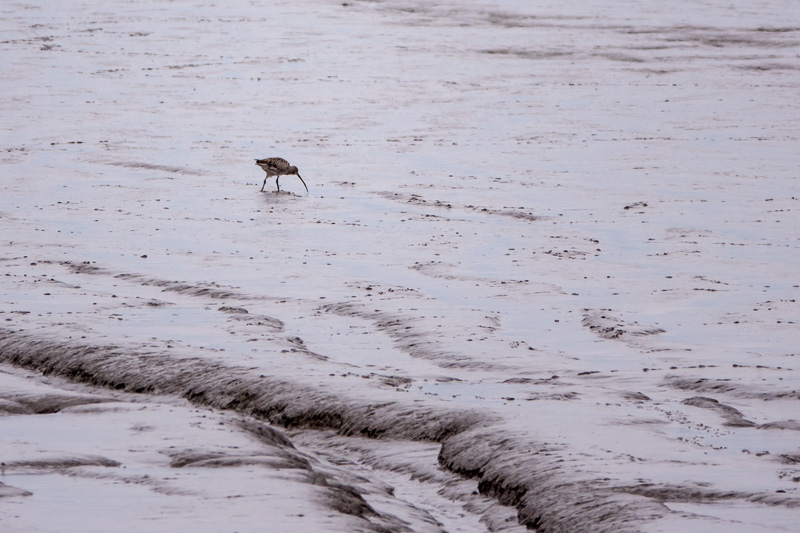
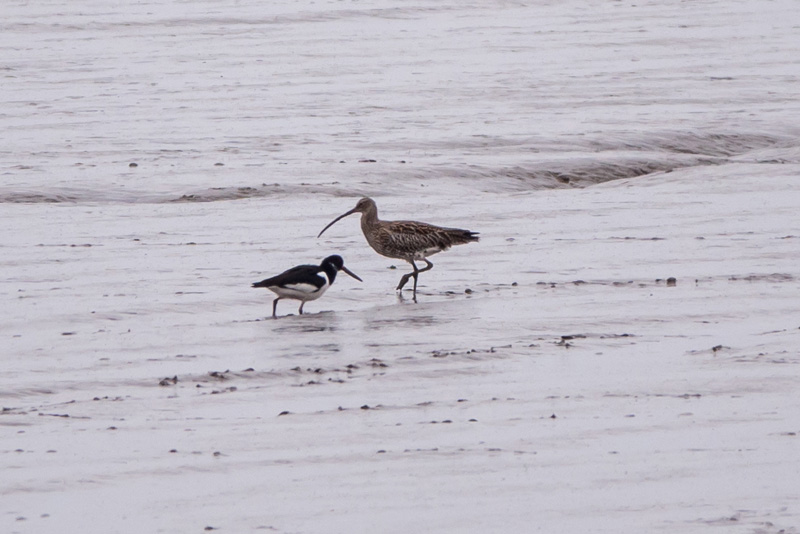
    Just before the end of our walk I could see a couple of curlew and some oystercatchers and then some people acting very strangely on the mudflats (they weren’t fishing or looking for cockles just searching for some sort of treasure).

    DSC03618

    Certainly better than sitting at home I suppose.

    DSC03622Curlew

    DSC03629Curlew and oystercatcher

    Click below for gallery of photos from today:


  • 25th March 2018 – WWT Steart and RSPB Greylake

    25th March 2018 – WWT Steart and RSPB Greylake

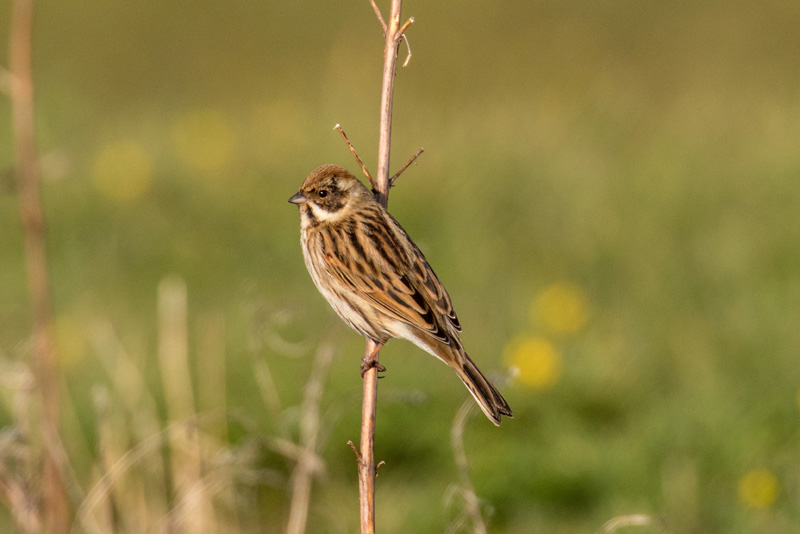
    We made the most of the first day of British Summer Time which was a sunny day but with a cold wind. We started at WWT Steart and had a really good 10 km walk around the reserve but we didn’t see an awful lot of birds. In fact all we saw was a reed bunting and a mute swan on the walk out to the furthest point and then some distant views of curlews, shelduck, shovelers, oystercatchers and some gulls.

    FP5A5824

    FP5A5828Bath time for the mute swan

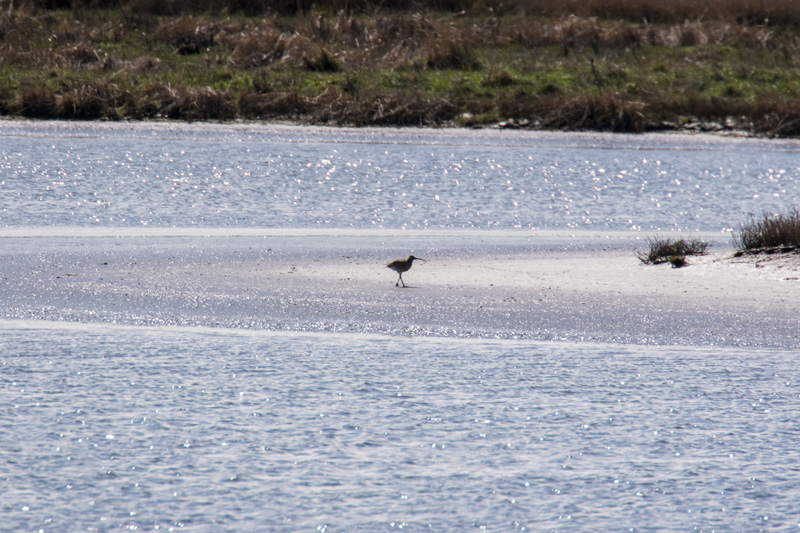
    FP5A5762Distant view of curlew

    We decided to go on to RSPB Greylake which was only 10 miles inland.

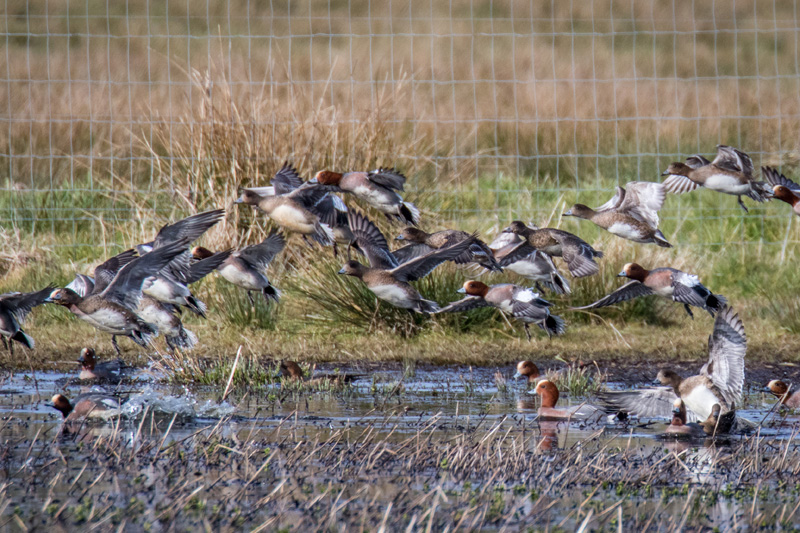
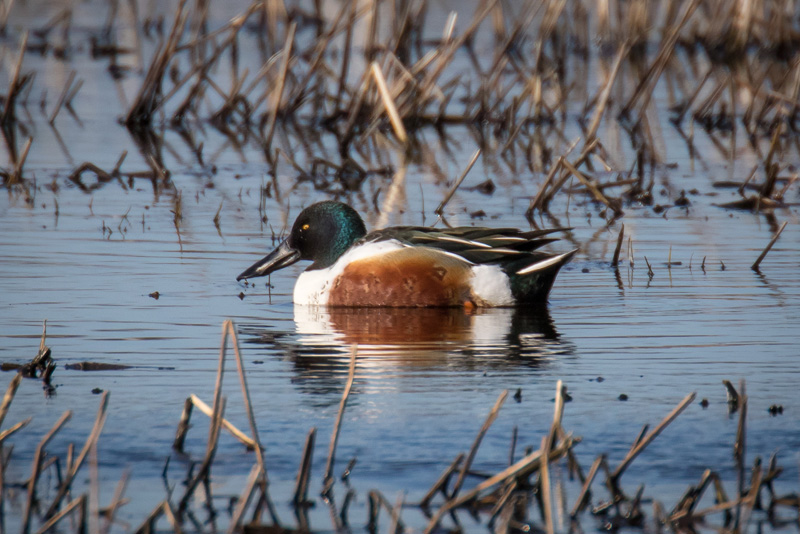
    There we had a lot more success with great views of lots of wigeon, shoveler, teal, lapwing, reed bunting, blue and great tits, house sparrows, chaffinch, goldfinch, a kestrel, a grey heron and two overflying crane.

    FP5A5859Wigeon orchestrating his mates

    FP5A5873Wigeon

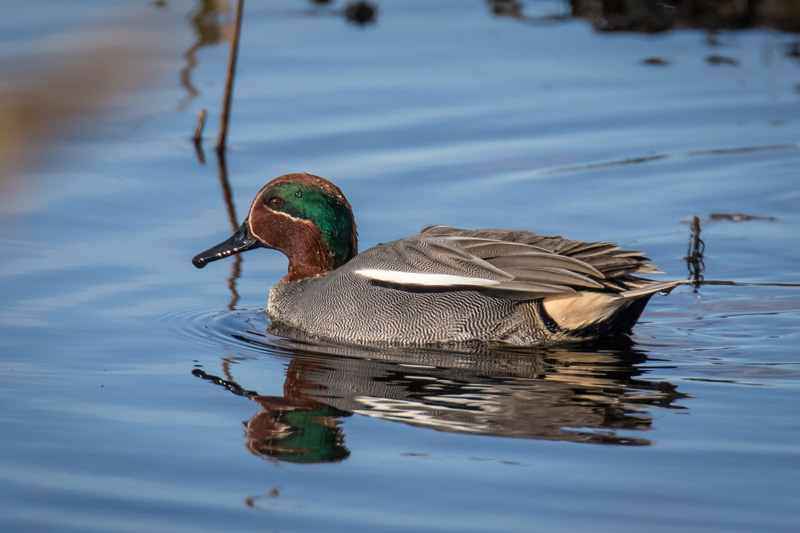
    FP5A5898Teal

    FP5A5931Reinforcements of wigeon – safety in numbers

    FP5A5935Shoveler

    FP5A5956Shoveler

    FP5A5959Wigeon

    FP5A5968Kestrel

    FP5A5971Kestrel

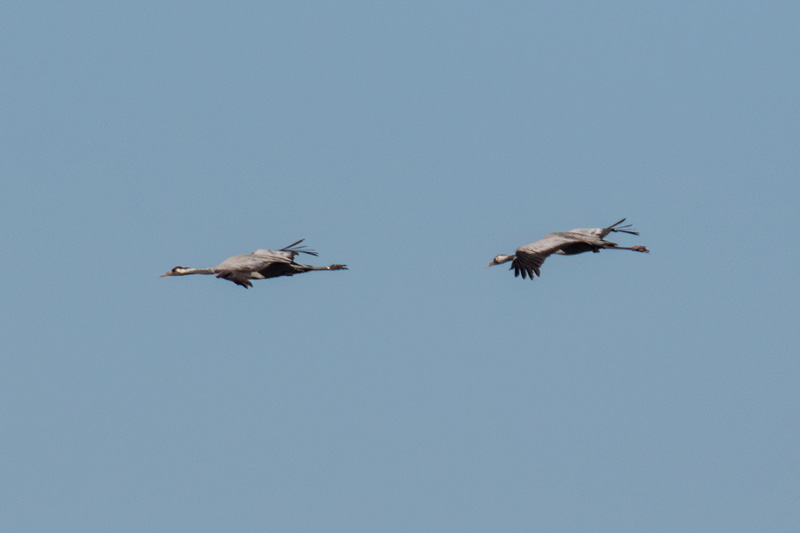
    I have to thank Angela Edwards and her husband for spotting the crane, which I was lucky to get a shot of, as I had already packed my camera in the boot of the car.

    FP5A6059

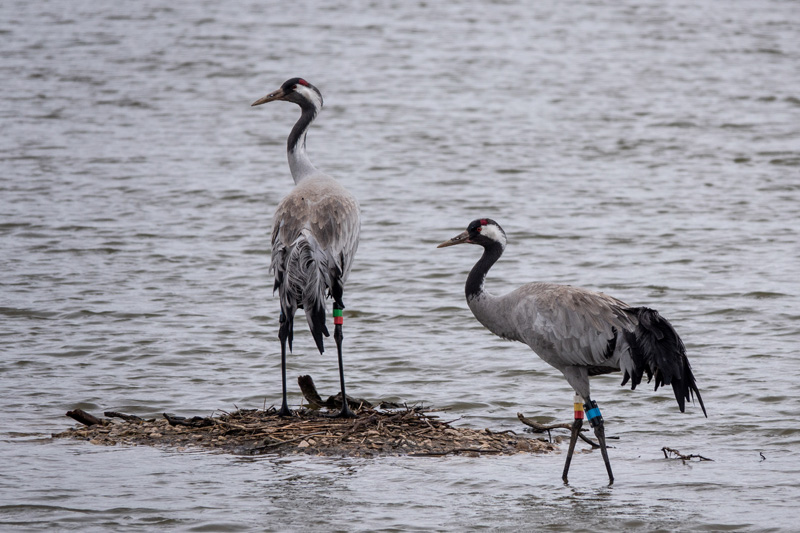
    FP5A6061Common crane

    https://en.m.wikipedia.org/wiki/Common_crane

    Some of the birds at the car park:

    FP5A5988Female reed bunting

    FP5A6020Goldfinch

    FP5A6034Chaffinch

    FP5A6039Blue tit

    FP5A6050Male reed bunting

    FP5A6055House sparrow

    FP5A6066Blue tit

    FP5A6067Blue tit

    RSPB Greylake is such a lovely small reserve with good hides and viewing points. The display of birds feeding in the car park is worth the visit alone.

    We called in at Aust Warth (Severn Estuary) on the way home to see if we could see the barn and short-eared owls but we were not lucky and all we saw were a crowd of twitchers waiting hopefully.

    Click below for gallery of photos from today:

  • 23rd March 2018 – Stoke Park Estate, Bristol

    23rd March 2018 – Stoke Park Estate, Bristol

    I only had an hour to spare and so I wandered across to Stoke Park. The cold wind had ceased and it was good to feel some warmth in the day even though it was still quite grey.

    At first I only saw a few crows (one with a tasty meal) and some wood pigeon.

    FP5A5657

    Then a kestrel flew by the trees surrounding Duchess Pond and it stayed long enough for me to make my way round and get close to it next to the pond.

    FP5A5686

    FP5A5690

    A male stonechat made a brief appearance.

    FP5A5708

    FP5A5711

    FP5A5713

    There weren’t many ducks on the pond just a pair of mallard and 4 moorhen.

    FP5A5714

    On the way back there were lots of robins staking their territories noisily and a dunnock.

    FP5A5717

    FP5A5718

    FP5A5735


  • 20th March 2018 – Severn Estuary

    20th March 2018 – Severn Estuary

    I arrived at Aust Warth in the sunshine but by the time I had taken my camera out of the car it had clouded over and stayed that way for the rest of the morning. I was hoping to have more sightings of the short-eared owl but it doesn’t work that way and all I saw was a distant kestrel. However, I did have an interesting chat with Dave Knowles who (with owl in his name and a personalised registration of  DK …OWL) filled the vacuum of no owls on the warth.

    MT1D4860Kestrel

    I moved on to Northwick Warth and found the tide was too far in for waders but spotted a few redshank, a dunlin and wigeon waiting in the pill for the tide to go out.

    MT1D4876

    MT1D4889

    MT1D4890

    There were shelduck all over the warth but not really close enough for decent  photographs.

    MT1D5085

    I walked out to the Pilning Wetlands with Don Smith and his son (who I had met here last year) who kindly pointed out the peculiar behaviour of the shovelers who were pairing up and circling around each other with their bills immersed in the water. I had never noticed this before.


    Shovelers circling their mates

    There wasn’t much else around – just some tufted ducks, a little egret, a grey heron, a little grebe and some lapwings trying to impress with their acrobatic flying.

    MT1D4979Little grebe

    MT1D4984Tufted ducks

    MT1D4965Tufted duck about to dive.

    MT1D4939Lapwings trying to impress

    MT1D4993A flock of starling flew by.

    On the way back I spotted a buzzard on a pole and only had time to take a photo without a tripod before it flew off. Fortunately I managed to spot it again in a nearby tree.

    MT1D5026

    Buzzard

    MT1D5059


    By the time I had got back to the estuary the tide had gone out enough for me to get good views of redshank, dunlin, a turnstone and lots of wigeon.

    MT1D5061Redshank

    MT1D5063Dunlin photobombing a redshank

    MT1D5083Dunlin showing a lack of interest in my camera

    MT1D5094Wigeon in flight

    MT1D5095Redshank

    MT1D5126Redshank

    MT1D5159Wigeon posing

    MT1D5161Turnstone breaking its camouflage by walking in front of a wigeon

    MT1D5162

    MT1D5164

    MT1D5168

    MT1D5175Redshank and a dunlin

    MT1D5178Shelduck

    Before getting back in the car a robin, a wood pigeon, a blackbird and a pair of starling caught the limelight.

    MT1D5188

    MT1D5190

    MT1D5196

    MT1D5199

    A very cold but very enjoyable morning.

    Click below for gallery of photos from this morning: