Category: Blog

  • Wednesday 23rd January 2019 (afternoon) – Etosha National Park

    Wednesday 23rd January 2019 (afternoon) – Etosha National Park

    The game drive in the afternoon started at 3 p.m. and was really hard work in the heat of the day. (What did the bushman tell us about not moving around between 10 a.m. and 5 p.m. ?)

    The highlight of the mammals were the Black Rhinos – one of whom wallowed in the mud right under our noses) but I particularly enjoyed some of the bird life we saw: notably, the Northern Black Korhaan and the raptors which I am yet to identify.

    dscf4637South African Ground squirrel

    dscf4645The remains of a giraffe which, we were told. was slow to get up less than a week ago

    dscf4647Scrub Hare 

    dscf4651Hartmann’s Zebra

    dscf4664Kori Bustard

    dscf4668

    dscf4673Black Rhino

    dscf4681

    dscf4716Northern Black Korhaan

    dscf4724Crowned Plover

    dscf4730Northern Black Korhaan

    dscf4741

    dscf4746Black-faced Impala

    dscf4752White-headed Vulture ?

    dscf4786African harrier hawk

    dscf4802Rhino

    dscf4818The cool group ?

    dscf4831

    Click below for photos from this afternoon

  • Wednesday 23rd January 2019 (morning) – Etosha National Park

    Wednesday 23rd January 2019 (morning) – Etosha National Park

    We were up very early this morning to set off at 5 a.m. on the first of two game drives in the Etosha National Park. The park was proclaimed a game reserve in 1907 and covers an area of 22,270 square kiometres.

    The park was named after the Etosha Pan, which is located within the park. In Oshivambo, “Etosha” means “Great White Place”. A unique feature of Etosha is this vast salt pan, which temporarily becomes a shallow lagoon after a good rainy season. It had rained the night before our arrival but not enough to flood the pan. It must be a magnificent sight to see.

    For the first part of our game drive we travelled in the dark and our guide pointed out animals by using a red light.

    The highlight of this morning’s drive were the two pride of lions.

    The mammals and birds in my photographs represent only a small amount of what we saw. Truly an amazing experience.

    dscf2864

    dscf2879Aardwolf

    dscf2971Lionness

    dscf2994Jackel

    dscf2998

    dscf3002

    dscf3018

    dscf4020Lion

    dscf4066

    dscf4082

    dscf4088

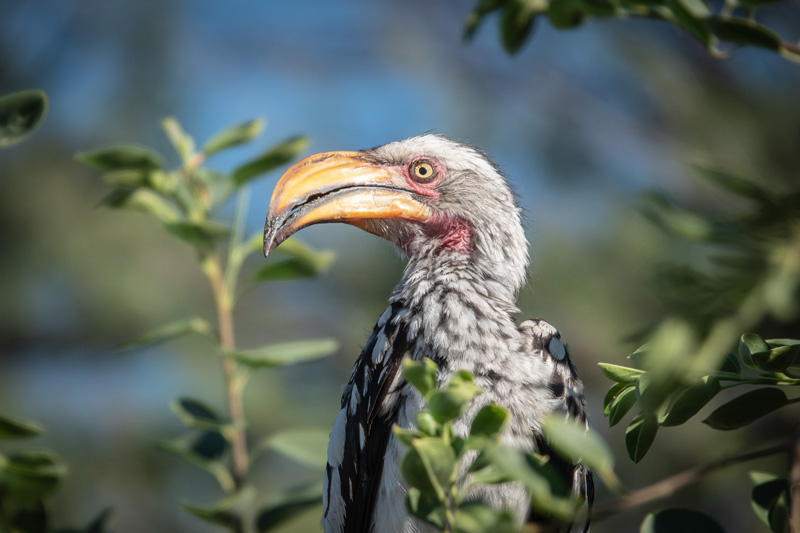
    dscf4111Southern Red-billed Hornbill

    dscf4168Not sure – need to look at my bird book!

    dscf4190Kori Bustard – the heaviest flying bird in Africa

    dscf4205Springbok

    dscf4226Blue Wildebeest

    dscf4244

    Zebra

    dscf4253Lion cub

    dscf4262

    dscf4272

    dscf4288

    dscf4323-2

    dscf4338

    dscf4384Giraffe

    dscf4405Ostrich

    dscf4474Spotted Hyaena

    Click below for gallery of photos from this morning:


  • Tuesday 22nd January 2019 (evening) – Etosha National Park

    Tuesday 22nd January 2019 (evening) – Etosha National Park

    The first evening at the Okaukuejo Lodge we had our first real taste of the National Park when we visited the water hole next to the lodge. We were lucky to see an elephant arrive almost straightaway. At the time we didn’t realise how lucky we were as this was the only time we saw an elephant in the park. There was an interesting stand off with a rhino and the elephant and it was fascinating to see the elephant take evasive action.

    I’ll let the photos speak for themselves.

    dsc05786Shaft-tailed Whydah

    dscf2385Southern Red-billed Hornbill

    dscf2413Southern White-tailed Shrike

    dscf2447Purple Heron

    dscf2511Blacksmith Lapwing 

    dscf2508Common Greenshank (on right)

    dscf2577Crowned Lapwing (amongst the Blacksmith Lapwings)

    dscf2575Zebra

    dscf2595Black Rhino

    dscf2609Black-backed Jackel

    dscf2618

    dscf2624Gemsbok (Southern Oryx)

    dscf2629

    dscf2637

    dscf2650

    dscf2688Springbokdscf2703African Elephant

    dscf2720

    dscf2721

    dscf2771

    dscf2814African Hoopoe

    dscf2825Groundscraper Thrush

    Click below for a gallery of photos:


  • Tuesday 22nd January – Palmwag to Etosha National Park, Namibia

    Tuesday 22nd January – Palmwag to Etosha National Park, Namibia

    We had an hour at Palmwag Lodge before setting off for Etosha and so I made the most of it by taking some bird photos. I was especially pleased to see the Rosy-faced Lovebirds.

    dsc05518Speckled Pigeon

    dsc05525African Red-eyed Bulbul

    dsc05531Swift

    dsc05549Speckled Pigeon

    dsc05559Marisco Flycatcher

    dsc05569Rosy-faced Lovebirds

    dsc05594

    The journey to Etosha was stunning especially as our guide and driver were brilliant at spotting wildlife and stopping frequently for us.

    dsc05607Giraffe

    dsc05631Giraffe

    dsc05644Kudu

    dsc05663Welwitschia Mirabilis

    The age of individual plants is difficult to assess, but many plants may be over 1000 years old. Some individuals may be more than 2000 years old. Because Welwitschia only produces a single pair of foliage leaves, the plant was thought by some to be neotenic, consisting essentially of a “giant seedling.”

    dsc05667Petrified wood

    dsc05706

    Click below for photos of the journey.


  • Monday 21st January 2019 – Twyfelfontein Namibia

    Monday 21st January 2019 – Twyfelfontein Namibia

    We covered long distances today but, nonetheless, it was a very full and exciting one.

    Just up the road from Sakopmund we stopped  to see a shipwreck which, although fairly recent, was completely inhabited by cormorants.

    dsc05287Skeleton coast?

    dsc05289

    dsc05291

    dsc05296

    dsc05319

    We had got used to the gravel roads but around our next stop, at Hente Bay, we saw them spraying saltwater onto the roads which made them much smoother but I imagine a nightmare in rainy conditions.

    We were soon back to the gravel roads but the landscape on our way to Twyfelfontein was much more undulating and even more spectacular.

    dsc05335

    At Twyflefontein we visited the ancienrpetroglyohs which were named Namibia’s first UNESCO World Heritage site. The site is thought to be the largest concentrations of Bushmen engravings in Africa, with over 2500 figures ranging from 2000 to 5000 years old. Our local guide described them as a sort of blackboard to teach about the animals to hunt and their various tracks. He also told us that they demonstrated that the Bushman had travelled further afield with pictures of animals, such as penguins and flamingos, as testament.

    dsc05404

    dsc05413

    dsc05414

    dsc05420

    En route we observed the two tribes we had learned about in the township in Swakopmund, the Herero and the Himbo tribes which originally were part of the same tribe but now with very different costumes.

    dsc05346

    On approaching our lodge (Palwag) our guide and driver were constantly pointing out wildlife and we had plenty of stops to observe and photograph.

    dsc05444

    dsc05453

    dsc05466

    dsc05490

    dsc05496

    In the evening we didn’t have much time for observing wildlife but there were plenty of birds flying around the lodge.

    dscf2380Southern Masked Weaver

    dsc05516Sunset at Palmwag Lodge

    Click below for gallery of today’s photos:

  • Sunday 20th January 2019 – Swakopmund, Namibia

    Sunday 20th January 2019 – Swakopmund, Namibia

    We had two nights in the seaside resort of Swakopmund and on Sunday, whilst the younger members of our group went off and did fun activities such as sky diving (I think I wait for my hundredth birthday for that) we recharged our batteries by strolling  along the beach and watching a few birds, mainly  cormorants and gulls, and observing others doing more adventurous water sports.

    dscf1940Kelp Gull

    dscf2342Hartlaub Gull

    dscf2321

    dscf2250

    Although we were warned that it could be cloudy and fresh here we both managed to catch rather too much sun.

    dscf2279

    dscf2072

    dscf2081

    dscf1954

    dscf2218

    dscf2092Typical seaside activities

    In the evening we had a visit to a local township. Although we have visited Africa several times we have never felt inclined to do this, seeing it as rather voyeuristic. However,  we had confidence in the ethical  values of our tour company National Geographic G- Adventures and the reassurances of our guide, Julian, that we went along with it. It was, in the end, a very enjoyable experience, with a visit to a local market and to the home of a member of the Herero tribe; a lesson in the local click language from a women at an orphan centre; a visit to a local hostelry followed by meal of local foods at a restaurant in the township. The main reason for including this in my nature blog is that I did attempt the dish of caterpillars, some of which we had  seen earlier at the local market.

    IMG_3455.jpgDried fish at the township market

    img_3452Bags of caterpillars

    dsc05230

    dsc05264

    dsc05269

    dsc05274

    dsc05284

    dsc05259


    Click below for gallery of today’s photos:


  • Saturday 19th January 2019 – Namibia

    Saturday 19th January 2019 – Namibia

    With another early start we found ourselves having breakfast shortly after 6 a.m. eating once again al fresco in shorts and short sleeve shirts but glad that it was a little cooler. I was a little concerned about the lengthy journey back north to Swakopmund on the west coast of Namibia but in the end I had no reason to worry as it was a very eventful day.

    dsc05107

    dsc05112

    First we had a good coffee stop at the quaint little town of Solitaire.

    dsc05180

    dsc05178

    dsc05195

    Then the most wonderful stop in the countryside where a local man took us out into the desert and told us about how animals and bushman survived in the desert. I cannot praise this visit enough.

    dscf1830

    dscf1831

    dscf1832

    dscf1837

    dscf1843

    dscf1845

    dscf1872

    dscf1880

    The visit was entertaining and informative and the local man used the most amazing pedagogical techniques which would have put any superstar tv production to shame. I certainly now know that the worst thing that can happen to the desert is lots of rain.

    dsc05158

    dsc05167Springbok

    dsc05135Oryx

    dsc05127Oryx

    dsc05136Oryx

    dsc05212Zebra

    Our driver Immanuel again manoeuvred through the ruts of the gravel road at high speed to ensure we had a safe, smooth and swift journey to the coast and that we did not collide with the various wildlife that we saw en route, such as oryx, springbok and zebra.

    dsc05203Immanuel

    dsc05205Immanuel with his fellow coach driving brother and Julian, our guide – quite a front row.

    We had a couple more stops; first as we crossed the Tropic of Capricorn and then to see an interesting canyon with sedimentary rocks (including mica. Finally we arrived at the Atlantic coast and stopped at Walvis Bay where we saw some flamingos and a few other birds in the fresh and misty conditions.

    dscf1885

    dscf1894

    dscf1895

    dscf1896

    dscf1901

    dscf1913

    dscf1914

    dscf1932

    dscf1937

    dscf1942

    dscf1958


    Swakopmund was a short distance up the coast where we booked into our quaint German colonial style hotel (with dependable WiFi) and then out for dinner at a lovely seafood restaurant right on the sea front.

    Click below for gallery of photos from today:


  • Friday 18th January pm – Namibia

    Friday 18th January pm – Namibia

    In the evening we booked a nature trail drive around the extensive grounds of the lodge and, as well as seeing quite a lot of wildlife (including oryx, jackels, ground squirrels and a bird of prey – possibly a Secretary Bird) , we enjoyed the most remarkable of “sundowners” watching the sun set from the distant hills which we see from our lodge. Our guide Werner was a most knowledgeable guide and a very welcoming host for the “sundowners”.

    dsc05083Werner informing us about some of the local plants and their medicinal properties

    dscf1766Jackel

    dscf1742

    dscf1737

    dscf1738Oryx

    dscf1718Ground squirrel

    dscf1730Secretary Bird

    dsc05094Werner’s other skills

    dsc05097It’s not a holiday without a sunset photo

    dsc05086

    Click below for gallery of this evening’s photos:


  • Friday 18th January 2019 am – Namibia

    Friday 18th January 2019 am – Namibia

    We made an early start for our morning excursion into the national park to explore the Namib Desert. There were a few birds to see, notably Pied Crows, Red-winged Starlings and again lots of Cape Sparrows and other LBJs, but the highlights from a nature point of view (and I make no excuse for including them here in my nature notes blog) were the dunes.

    dsc04718

    dsc04750

    dsc04822

    dsc04957Our guide, Julian, was excellent at pointing out animal tracks in the desert.

    dsc04852Pied Crow

    dsc04904Red-Winged Starling

    dsc05045Cape Sparrow

    The younger members of the group – and some not quite so young – climbed Dune 45 (named because it is 45 k from the entrance to the park) before we moved on to visit the Deadvlei clay pans.

    dsc04769

    dsc04773

    dsc04825

    dsc04826

    dsc04948

    My wife, Wendy, created at a later date this textile interpretation of the scene at the bottom of Dune 45.

    dsc04934

    dsc04941

    The area at Deadvlei was also quite spectacular with clay pans covered in a crust of salt rich sand and surrounded by burnt orange and red towering dunes.

    dsc04954

    dsc04955

    dsc04958

    dsc04972

    dsc04980

    dsc04982

    dsc04987

    On the way back we stopped briefly to see the small Sesriem Canyon where the Tsauchab River flows and creates the nearby salt and clay pans of Sossuvlei.

    dsc05066

    dsc05061

    dsc05071

    dsc05078

    dsc05068

    By this time the heat was becoming overpowering. On our return to the lodge a shower and lunch were very welcome.


    Click below for gallery of this morning’s  photos

  • Thursday 17th January 2019 – Namibia

    Thursday 17th January 2019 – Namibia

    For the last few months our nature watching has been restricted, in the main, to our local urban parks. For the next few weeks it’s is going to be rather different and, hopefully, rather special.

    The first part of or trip to Africa has started in Windhoek, the capital of  Namibia. Following an overnight flight from Heathrow to Johannesburg and a much shorter flight on to Windhoek we had a relaxing first evening in the Windhoek Country Club. This gave us a chance to meet and get to know the other members of our National Geographic G-Adventures group; a very exciting eclectic group with 3 Americans (a couple from Texas and a young man from Boston), 3 Canadians (a couple from Toronto and a young woman from Vancouver), 3 Brits (a young woman from London and us), a young German woman from Hamburg and a young Swiss woman from Lausanne. Plus our South African guide, Julian, has an interest in birds, which makes it even more exciting.

    Before we set off on our long journey to the south of Namibia I had a few minutes for some bird photos in the grounds of the Country Club. The most interesting of the birds was a Groundscraper Thrush but there was plenty of others to see, including hirundines of some sort which were screeching back and forth to their nests in the apex of the hotel buildings.

    dscf1527Groundscraper Thrush

    dscf1544

    dscf1539

    En route to Sesriem (6 hours to the south) we saw lots of interesting birds and even stopped for a while to see and learn about the huge nests of Sociable Weavers which we would see regularly along the road.

    dscf1571

    dscf1573Sociable Weavers

    dscf1558Sociable Weavers’ nest

    We stopped for an excellent lunch at Conny’s Restaurant (which would make a blog in itself) where we also saw lots of Cape Sparrows, Southern Masked Weavers (who also have interesting nests),  a Sunbird  and three quite spectacular noisy Grey Go-Away-Birds.

    dsc04650Gunter preparing a coffee tasting at Conny’s restaurant

    dscf1669Southern Masked Weavers and nests (below)

    dscf1607

    dscf1628Cape Sparrow

    dscf1653Female Sunbird

    dscf1650

    From the coach I saw several raptors and a Hornbill but there was no chance of photos. However, we did stop at one particular point and had great views of a particularly attractive lizard.

    dscf1586Agama lizard

    dscf1597Agama lizard

    dscf1592Agama lizard

    dscf1679The roads were quite interesting but our excellent driver Immanuel was never phased by them and we travelled in comfort in his comfortable Chinese coach

    dscf1699

    dscf1697Road works – and not a cone in sight!

    In the grounds of our lodge (Sossuvlei) we saw Guinea Fowl, lots of Sociable Weavers (scavenging near the hotel with the Cape Sparrows) and a very attractive bird which I haven’t identified yet.

    dsc04691The view from the lodge with younger members of the group.

    dsc04675White-backed mousebird

    dsc04694Dining al fresco

    Click below for a gallery of photos from today (not always in chronological order as I used 2 cameras with different time settings – tut, tut.

    This slideshow requires JavaScript.

  • 6th January 2019 – Eastville Park

    6th January 2019 – Eastville Park

    Following a twitter tip-off we managed  to bag a “first” on our Sunday morning walk in our local park when we saw a water rail. There wasn’t much else around except for a female kingfisher. But hey ho who’s complaining.

    dsc04644Water Rail in normal lurking mode.

    dsc04605But then it started to show off.

    dsc04626Female kingfisher showing the orange on its lower mandible

    Short video of kingfisher

    Error
    This video doesn’t exist


    dsc04642Boating seems to have returned to the lake

    Click below for gallery of photos:

  • 1st January 2019 – WWT Slimbridge

    1st January 2019 – WWT Slimbridge

    It may have been a very challenging day with poor light for photography but there is so much to see (and much of it very close up) that it’s always a delight to visit WWT Slimbridge.

    The highlights for me were the constant action of Bewick Swans approaching on their flightpaths, the cranes out on the wetlands, the shear number of waders out on the wetlands and the opportunity to see close up so many exotic wild fowl from all around the world in the well constructed pools.

    MT1D8502Bewick swan landing

    MT1D8428Crane in flight

    MT1D8434Crane landing

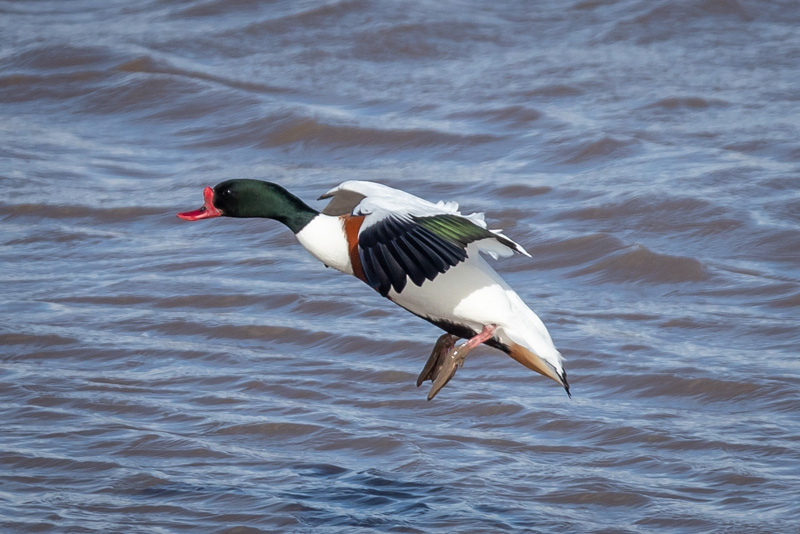
    MT1D8469Shelduck in flight

    MT1D8510The joy of the chase – a lapwing hounded by black-headed gulls

    MT1D8802A riot of gulls

    MT1D8647Mandarin ducks can be found in the wild too

    MT1D8600You don’t normally get this close to a ruff

    MT1D8593…or see the sweeping action of avocets so close

    MT1D8673Some very exotic birds

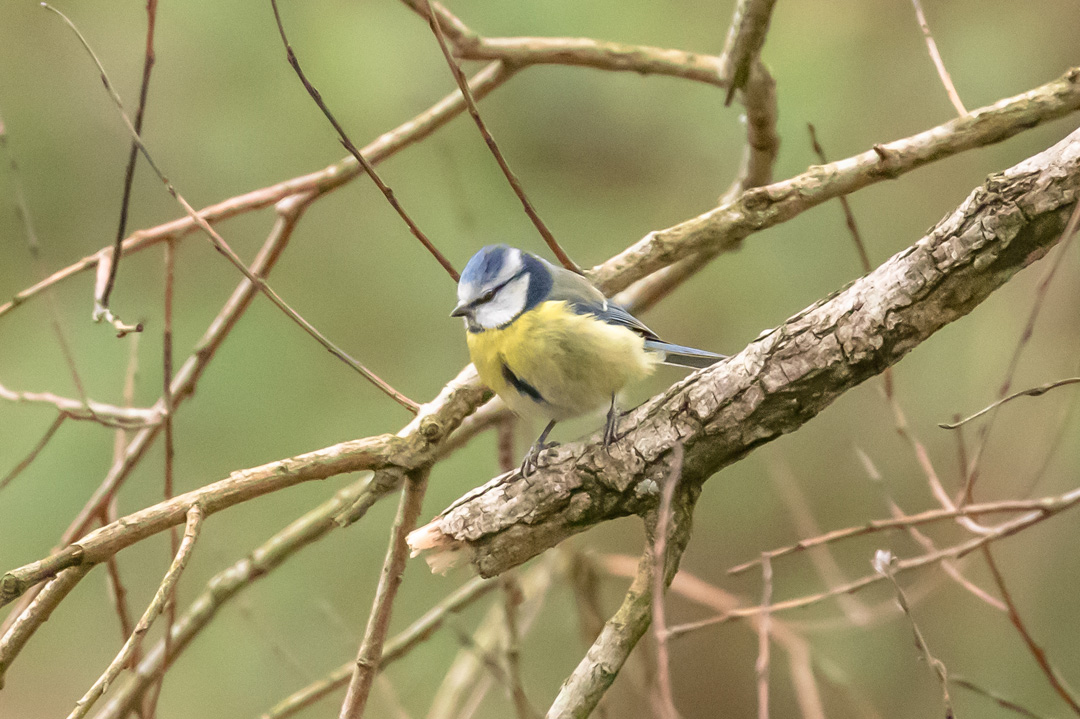
    MT1D8387…and some very common ones too – blue tits (and great tits) start singing again in January

    MT1D8642Some very fierce looking birds

    MT1D8545… and some sweet looking ones (such as this goldeneye)

    MT1D8722Wigeon in flight

    MT1D8621… and flamingos which aren’t going anywhere

    Click below for a gallery of photos from today: