Category: Blog

  • 18th June 2019 – Walberswick National Nature Reserve

    18th June 2019 – Walberswick National Nature Reserve

    We enjoyed the company of friends from Norwich during the day but went for a walk in the early evening along the coast at Walberswick and back through Corporation Marshes.

    Light rain was forecast but we thought the risk was worth taking.  It gradually got darker and darker and with ten minutes to go there was thunder and lightening; but we managed to reach the haven of our holiday accommodation before it tipped down.

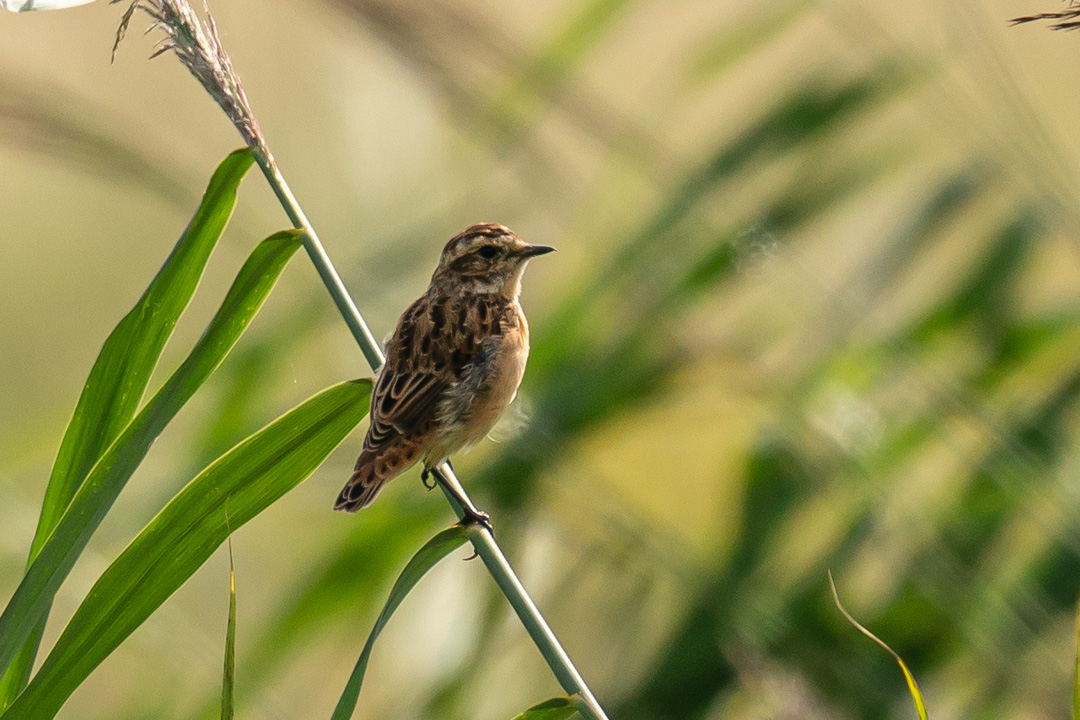
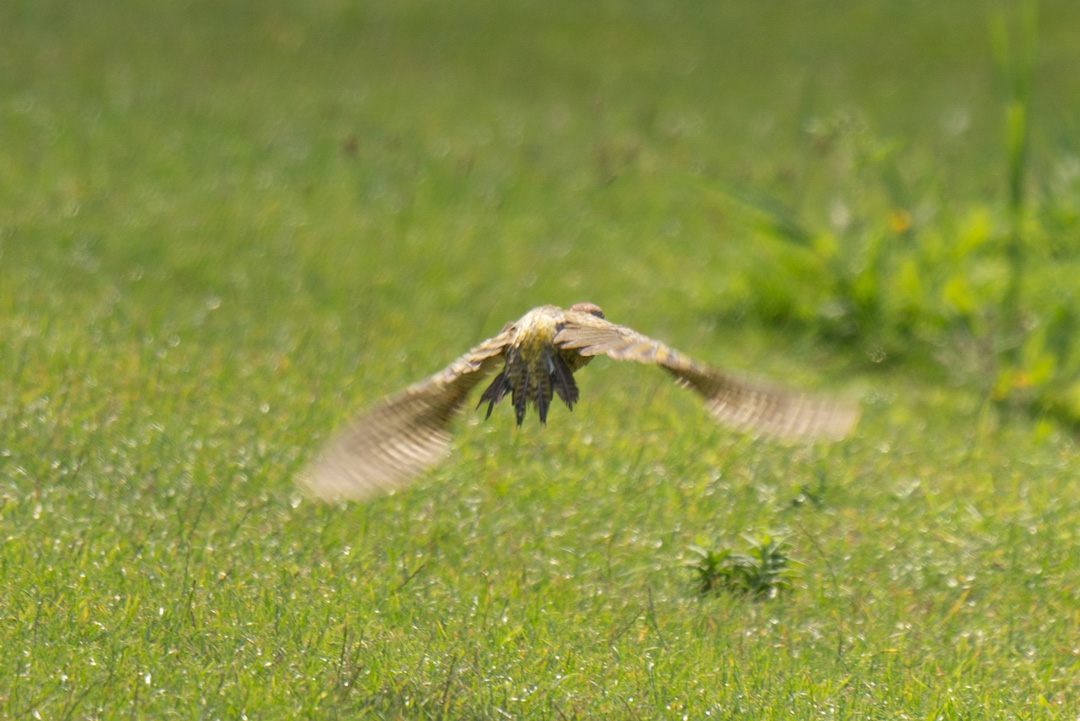
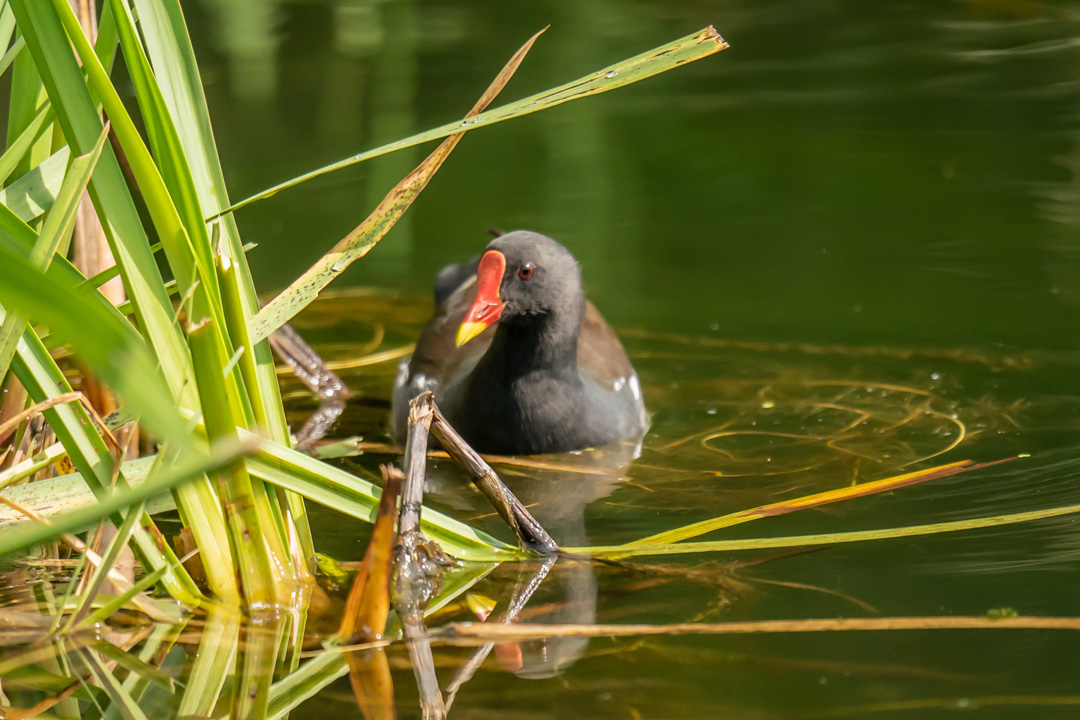
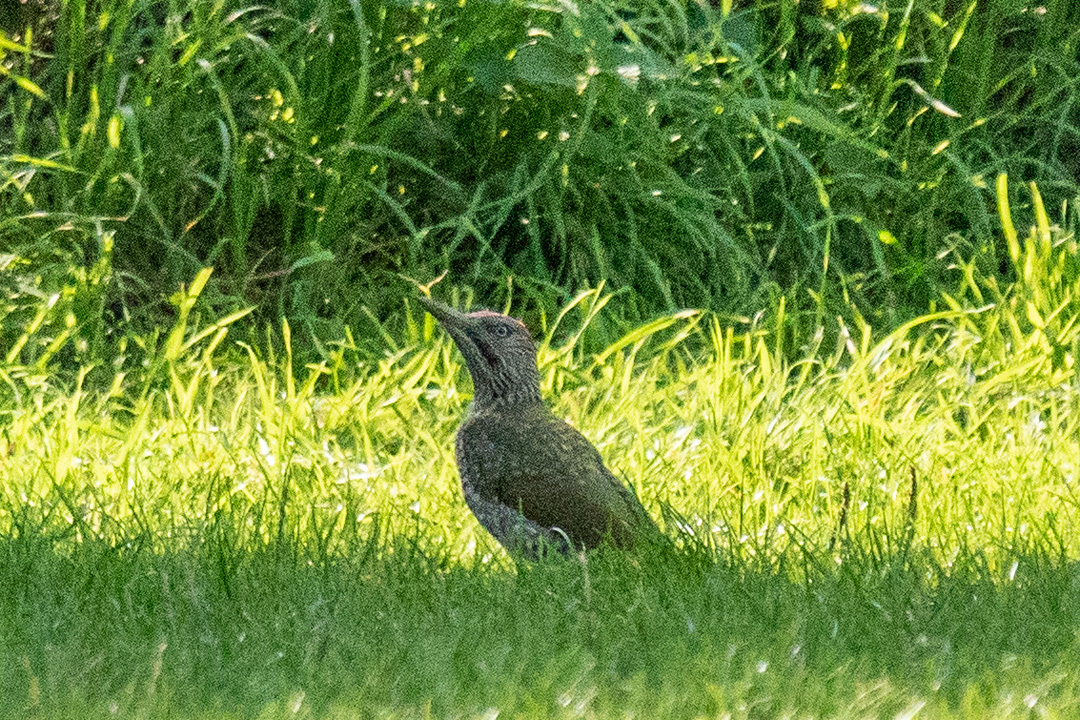
    Throughout the walk the light was poor and I have included photos only as a record; but it was amazing what we saw in the penumbra.

    This slideshow requires JavaScript.

    When we reached the sea (North Sea) there was a pair of common eider which I had only ever seen before in the north of Scotland.

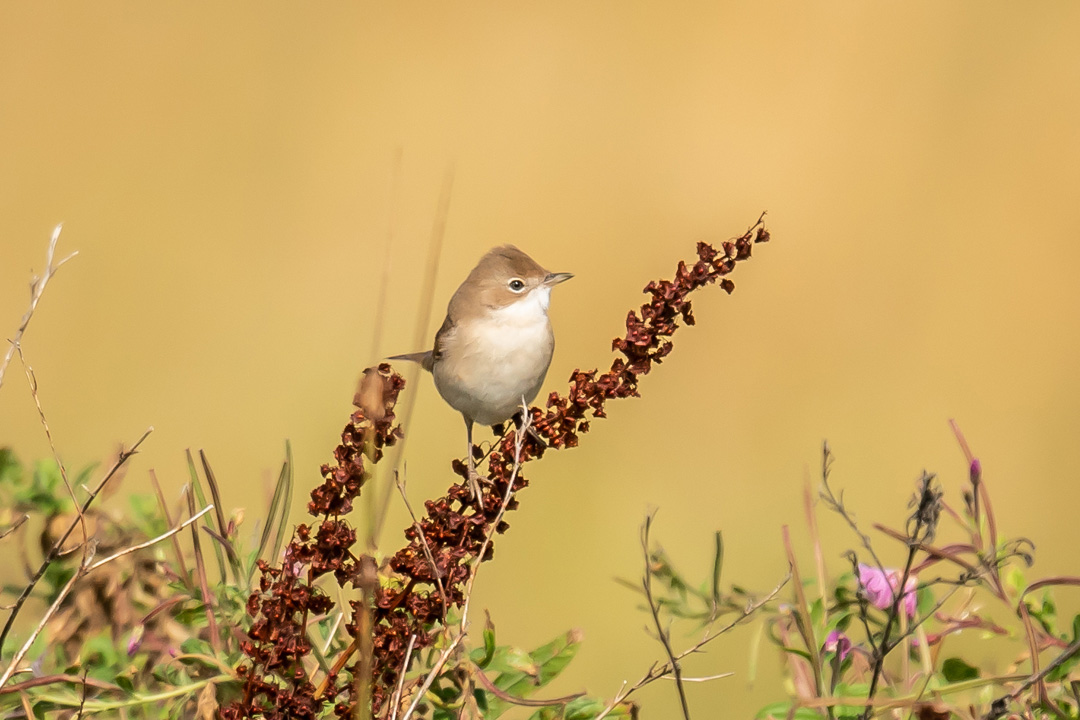
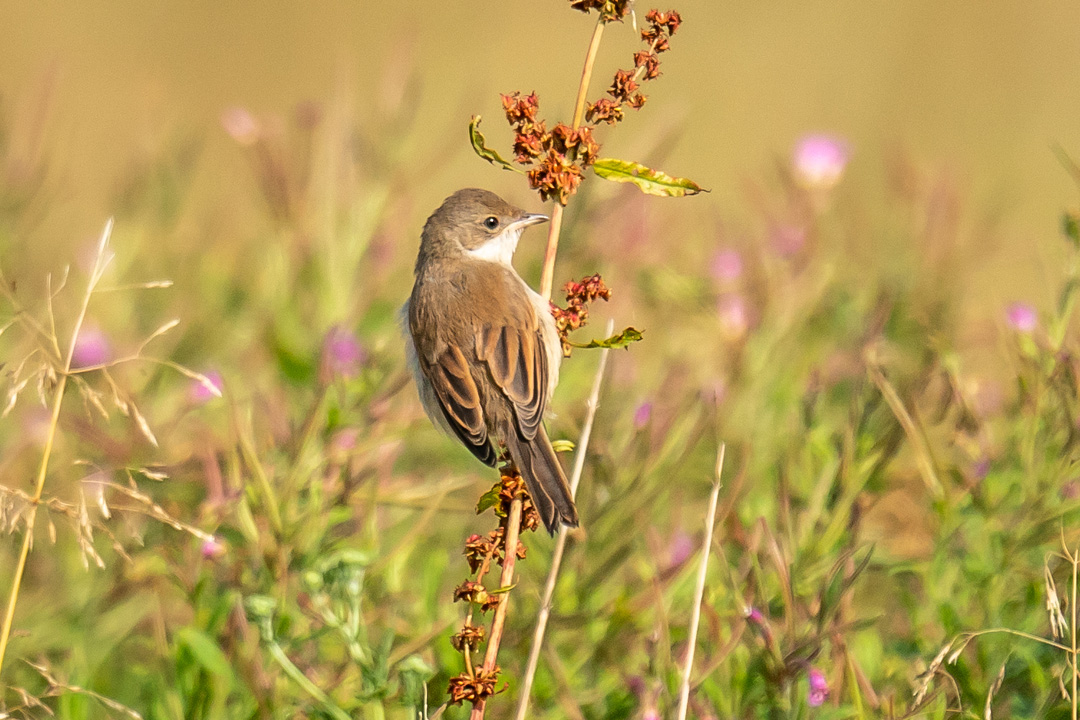
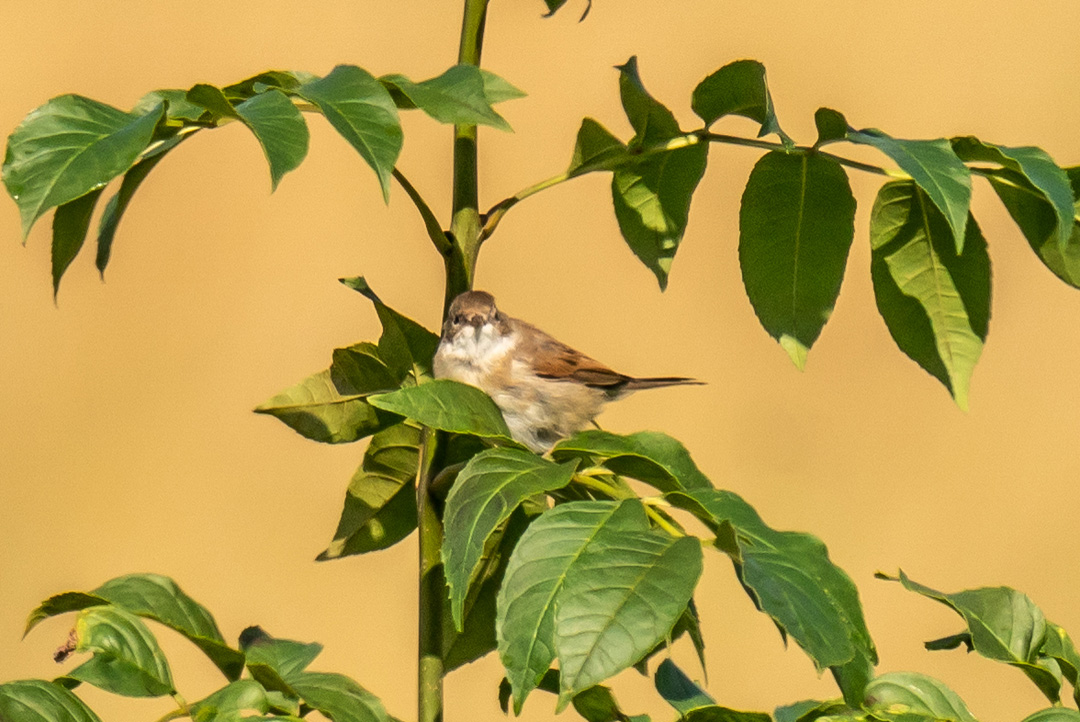
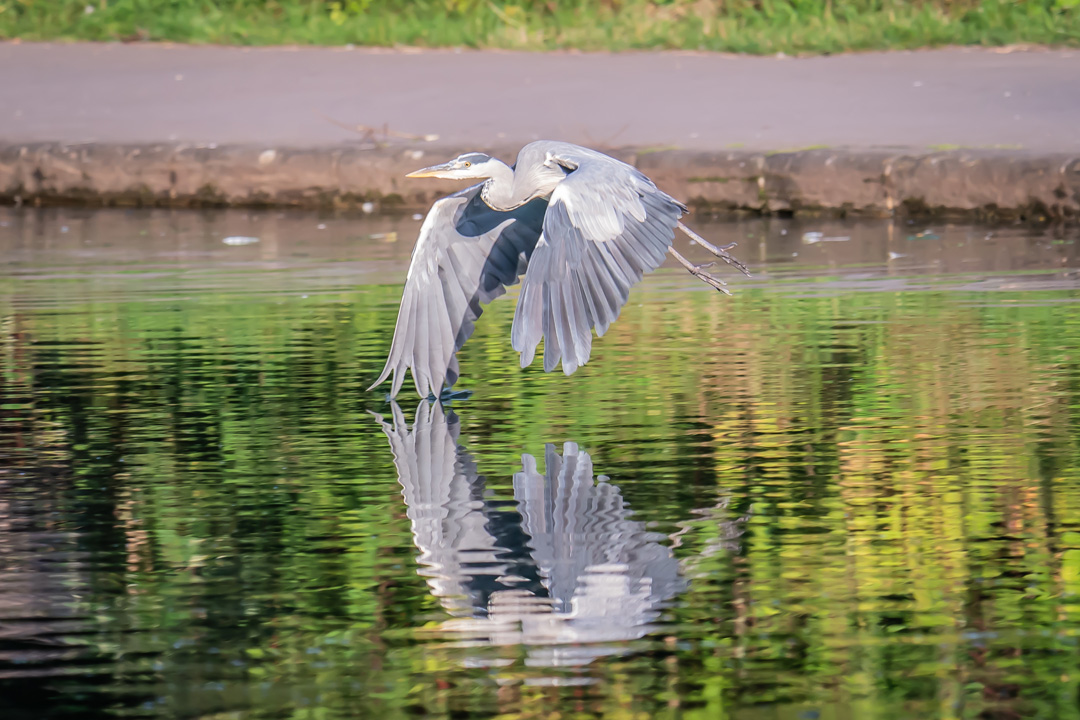
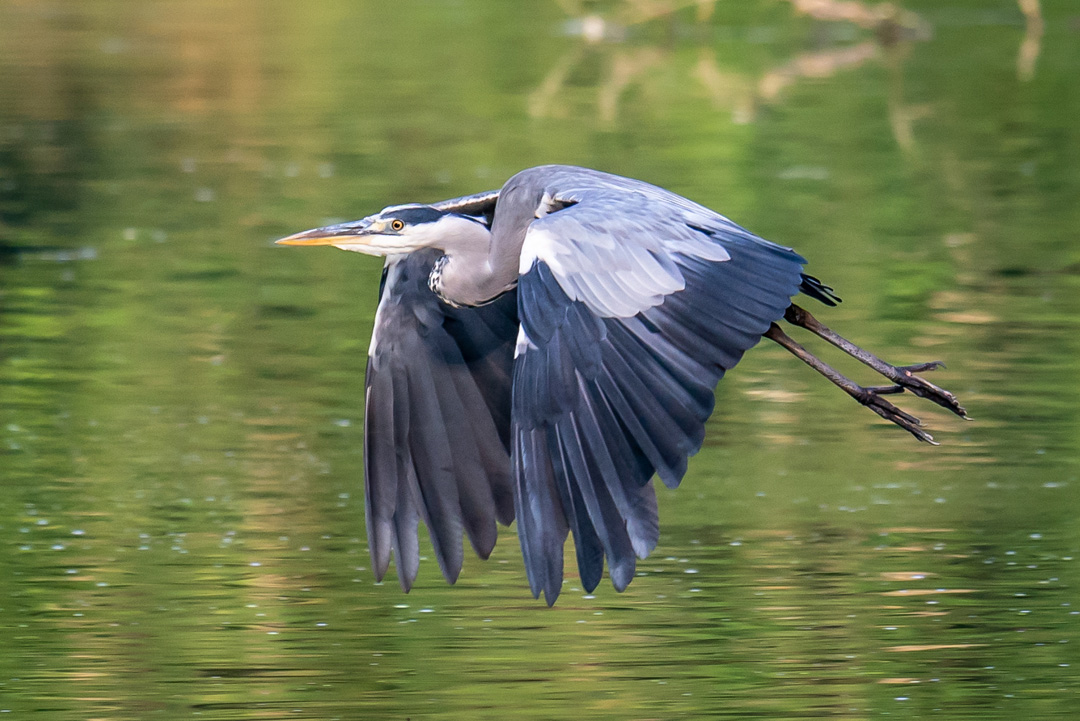
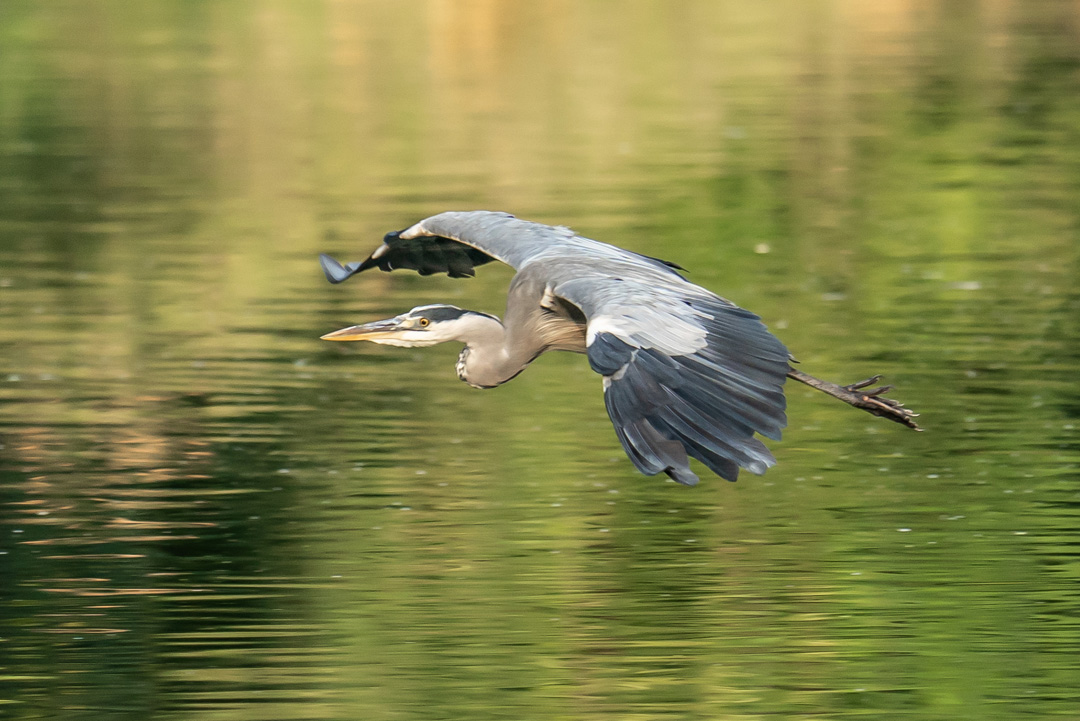
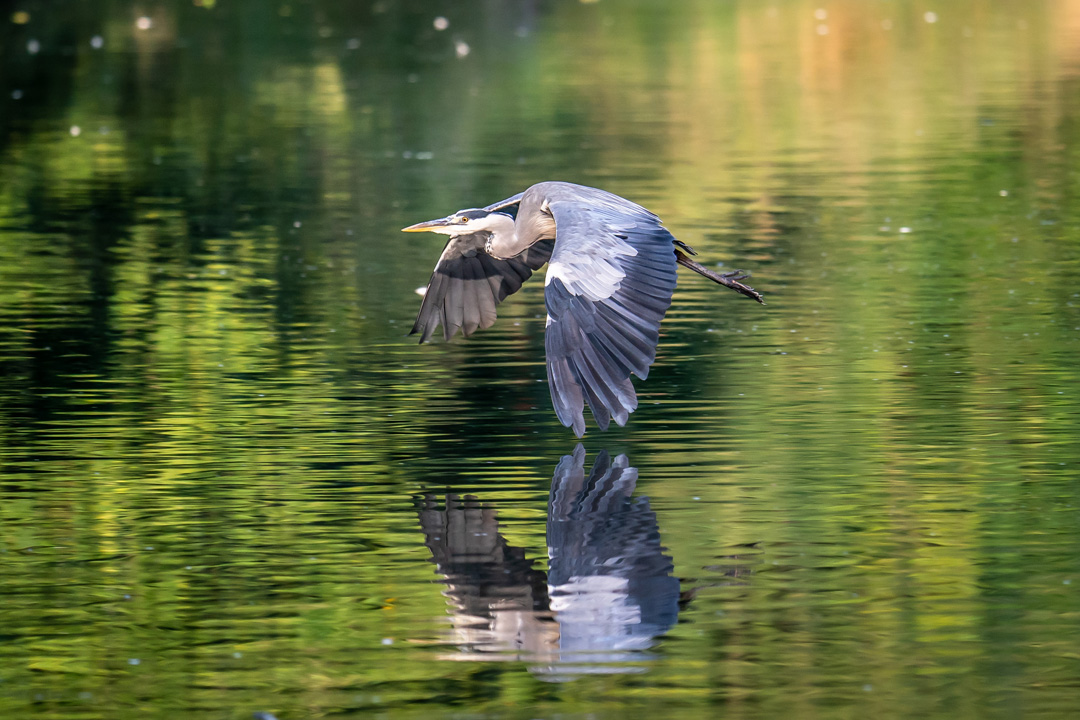
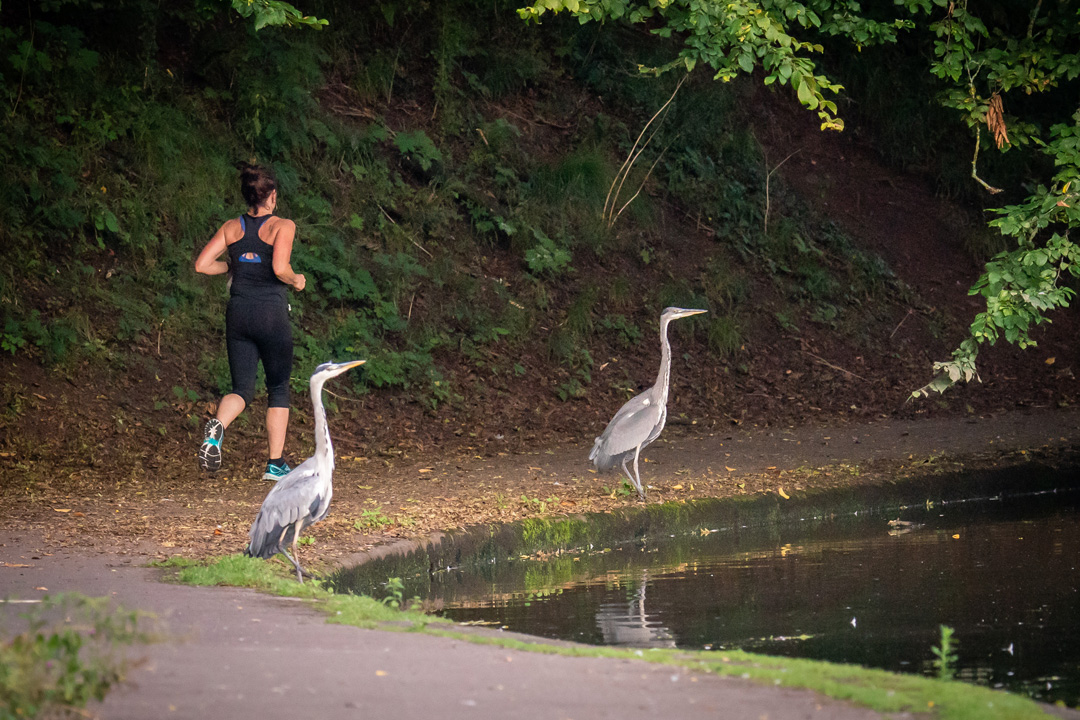
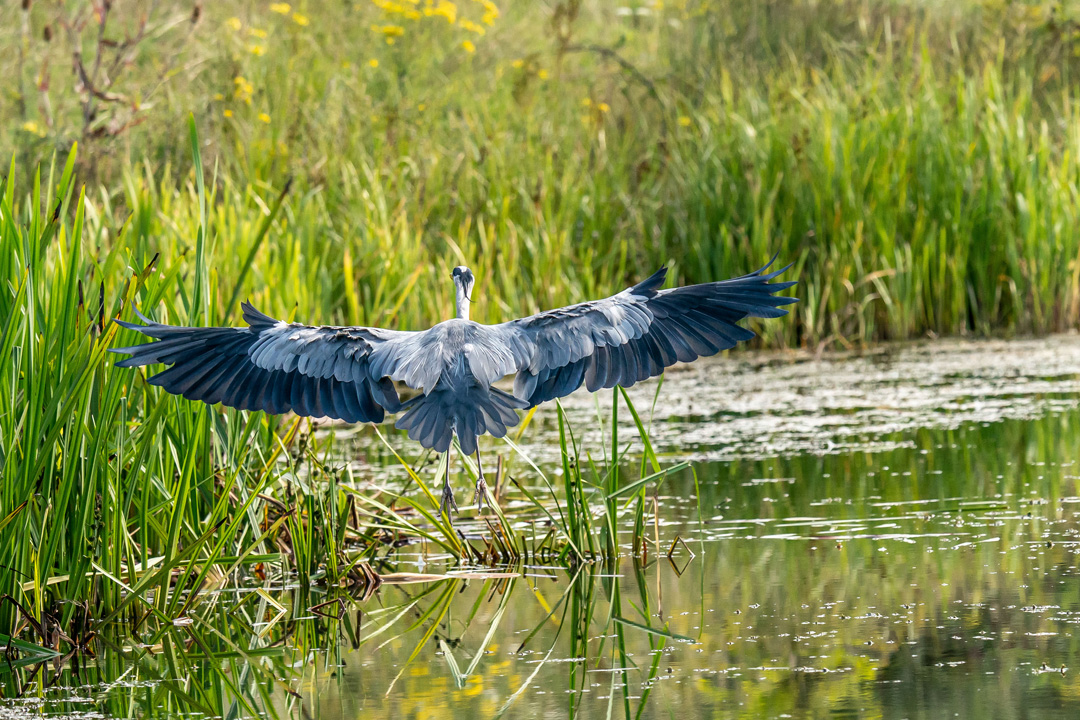
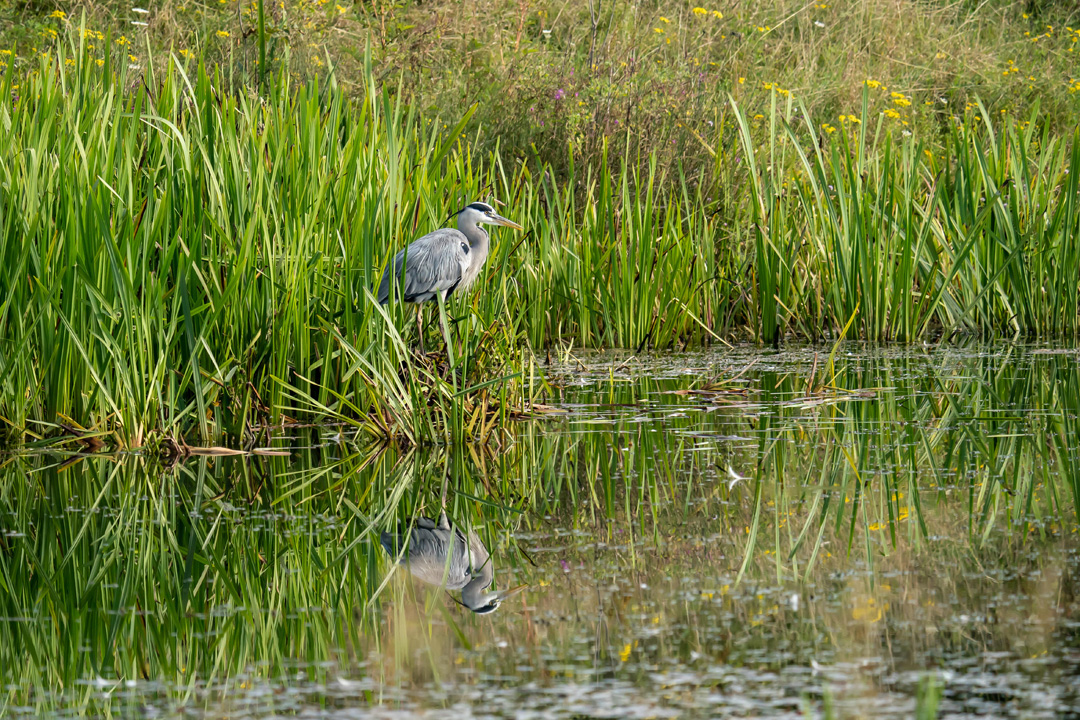
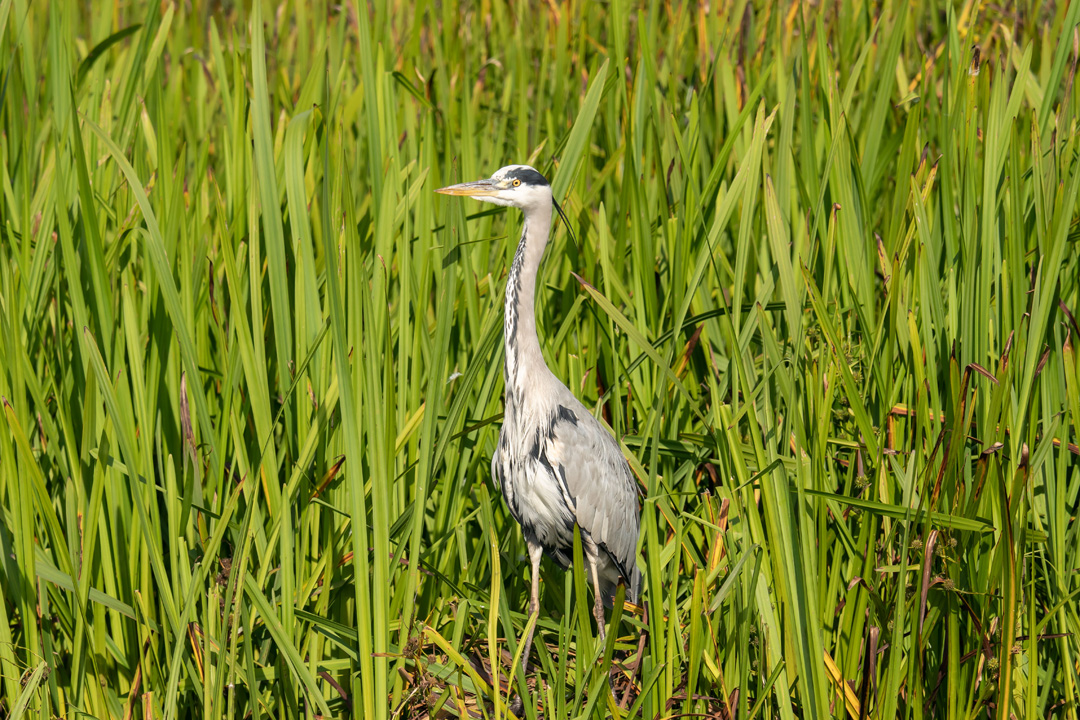
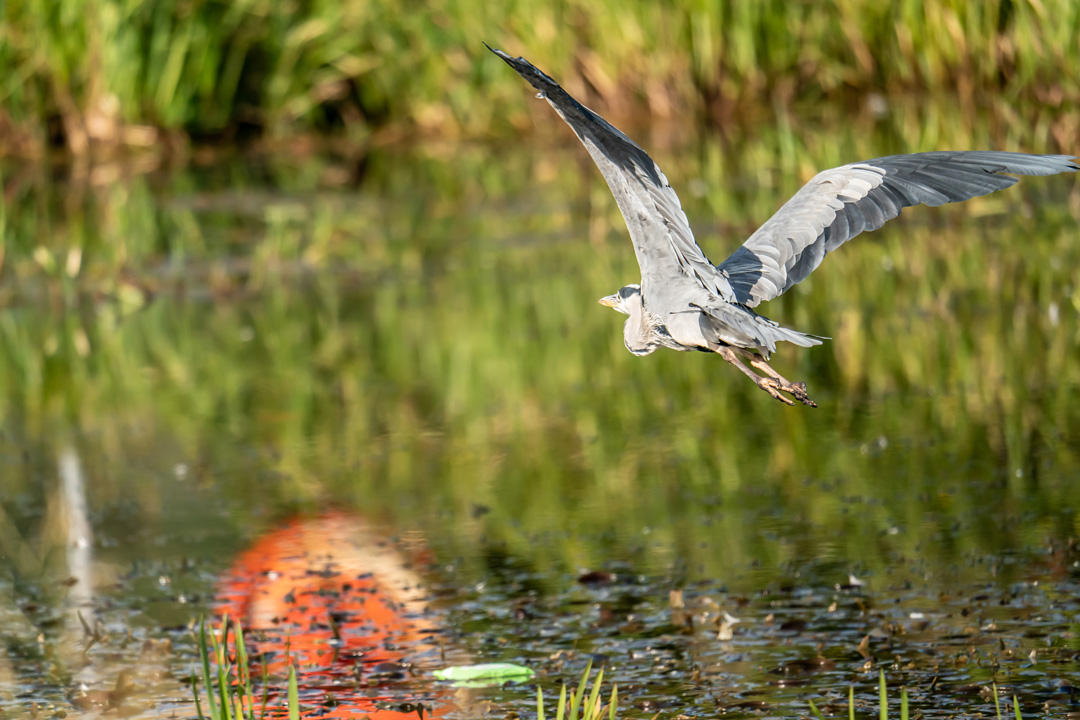
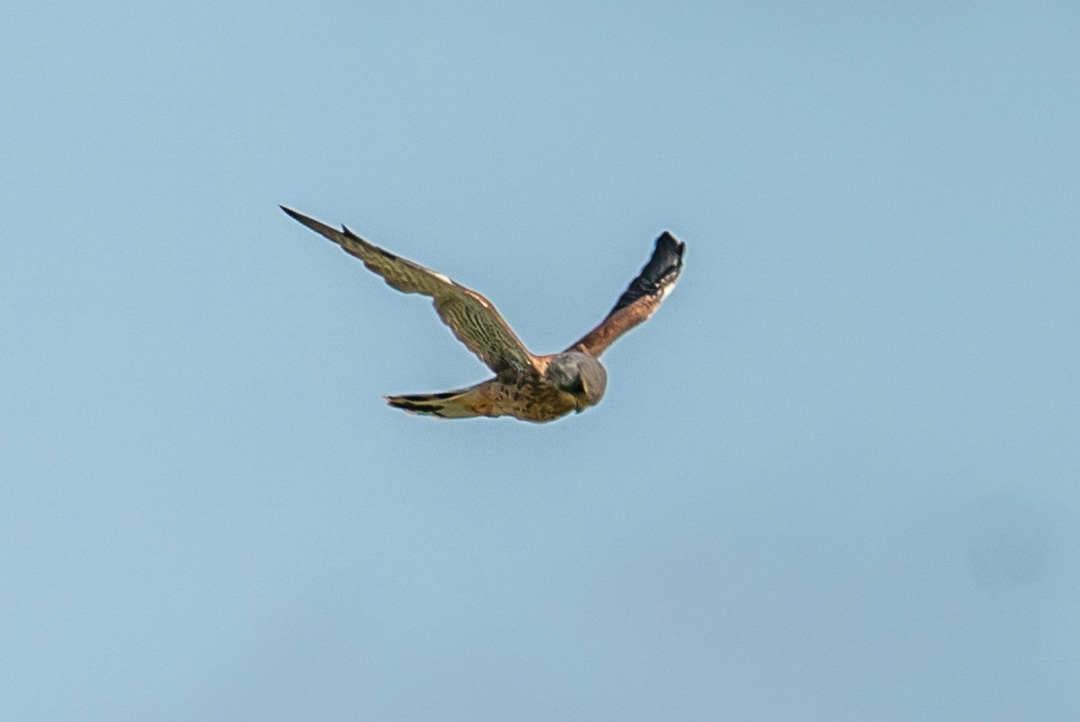
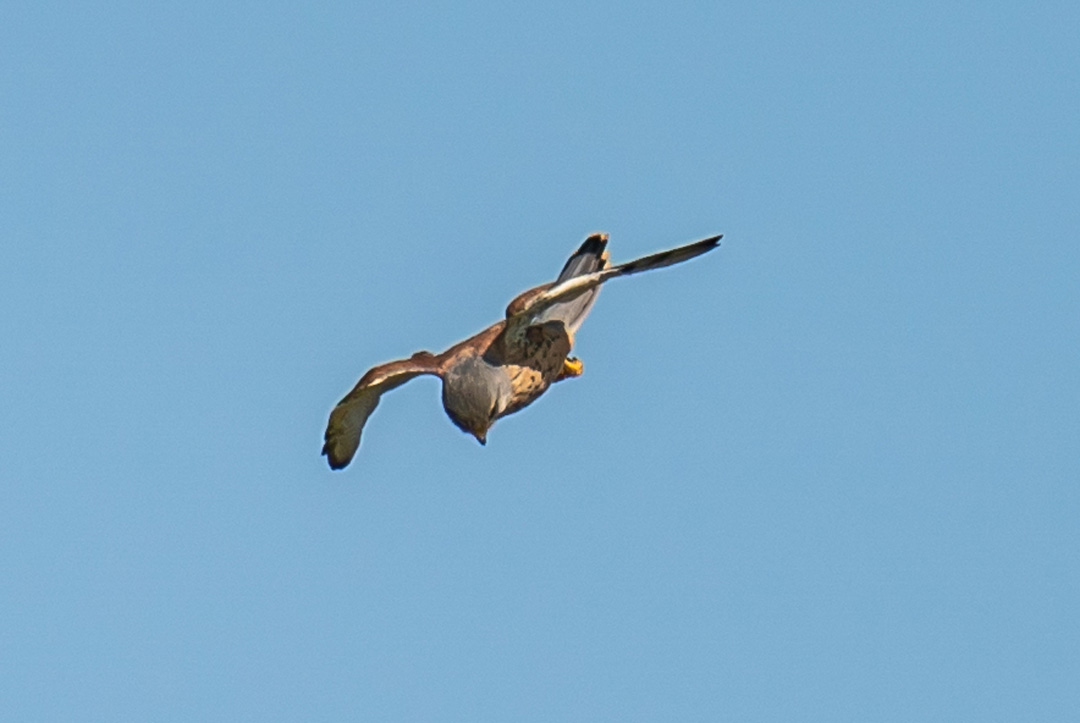
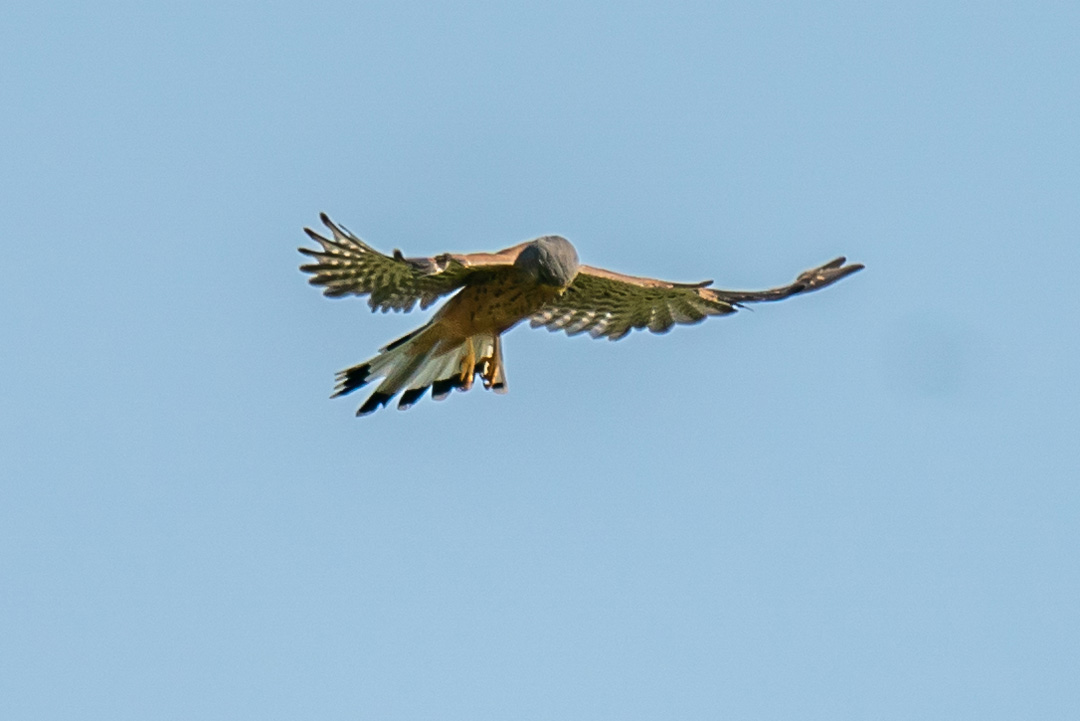
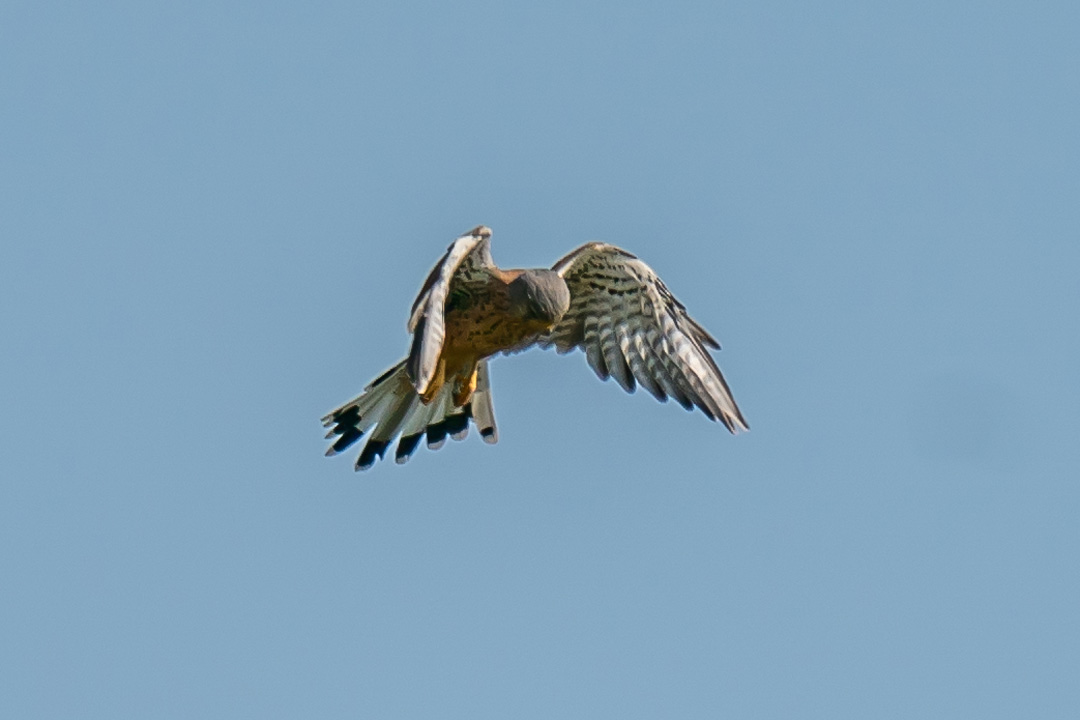
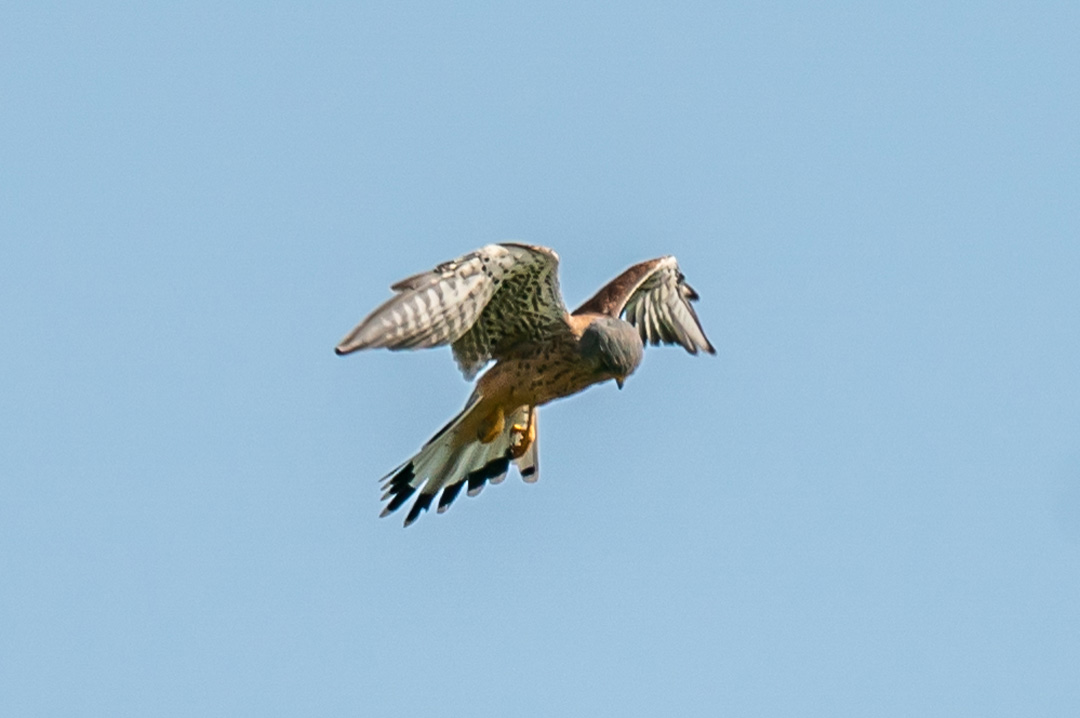
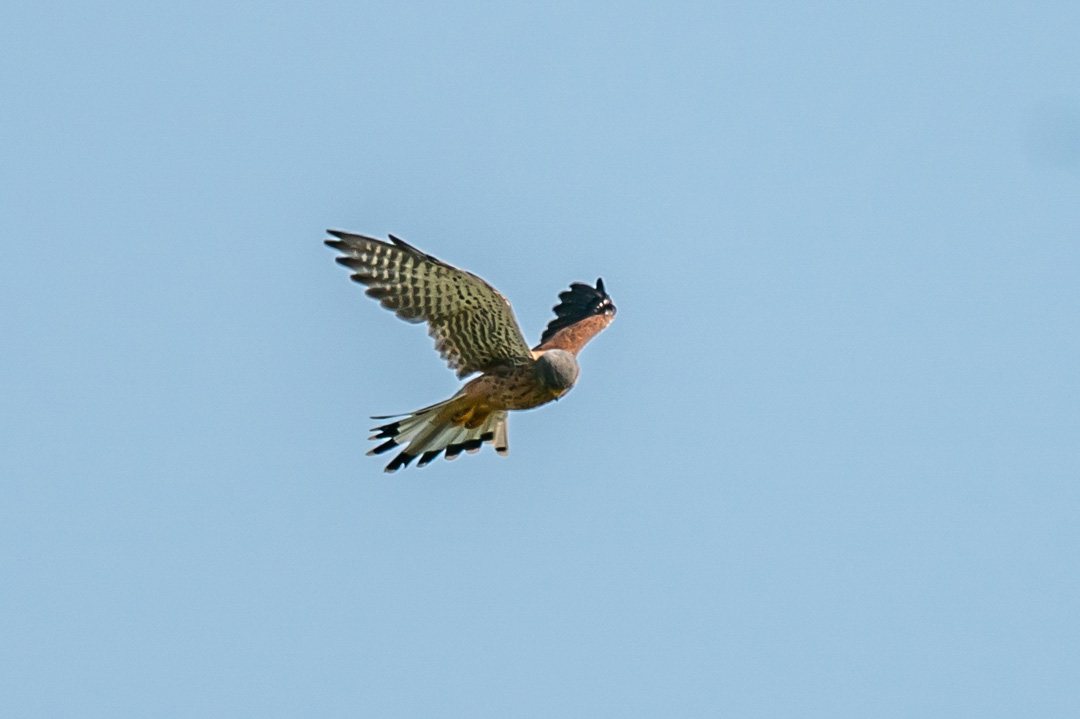
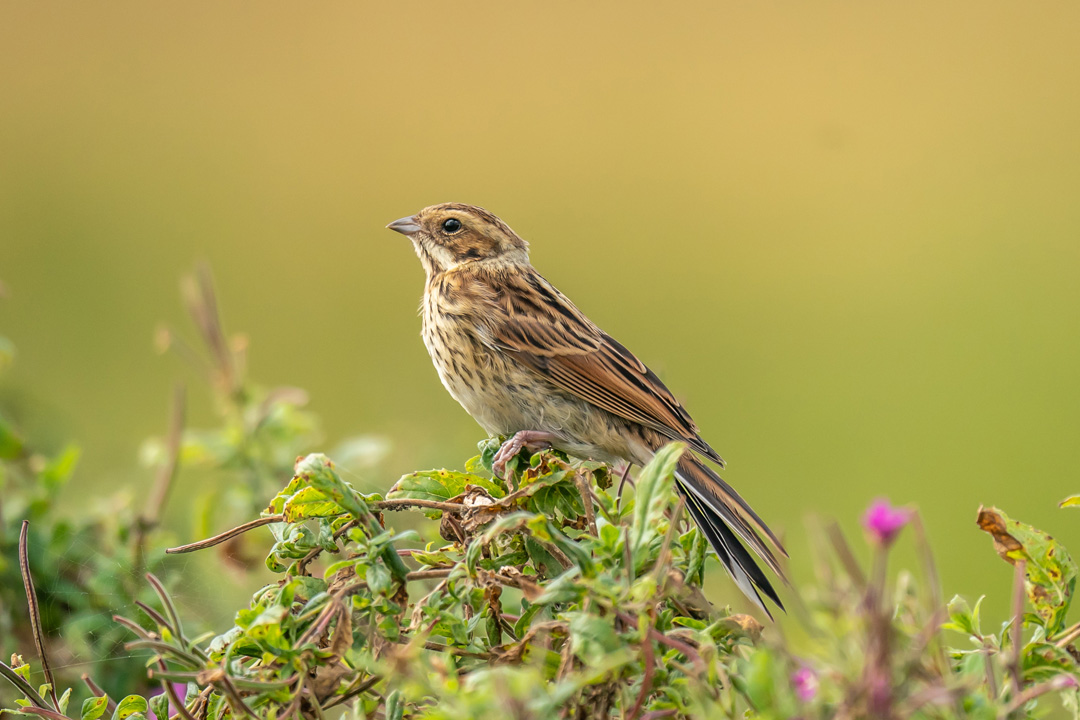
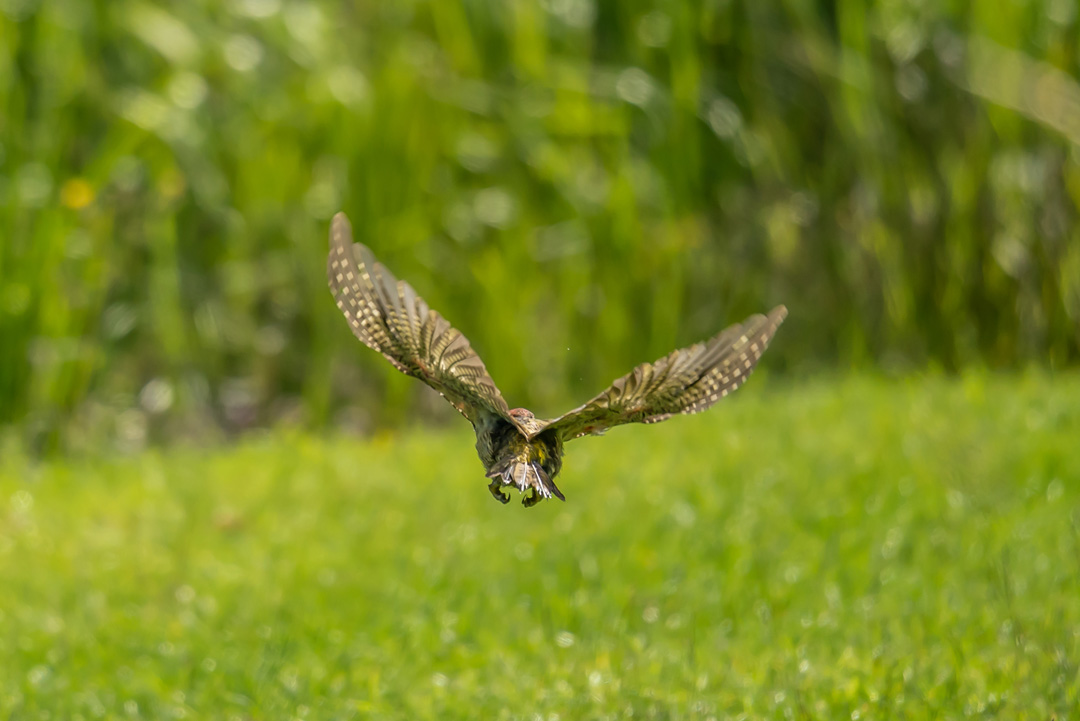
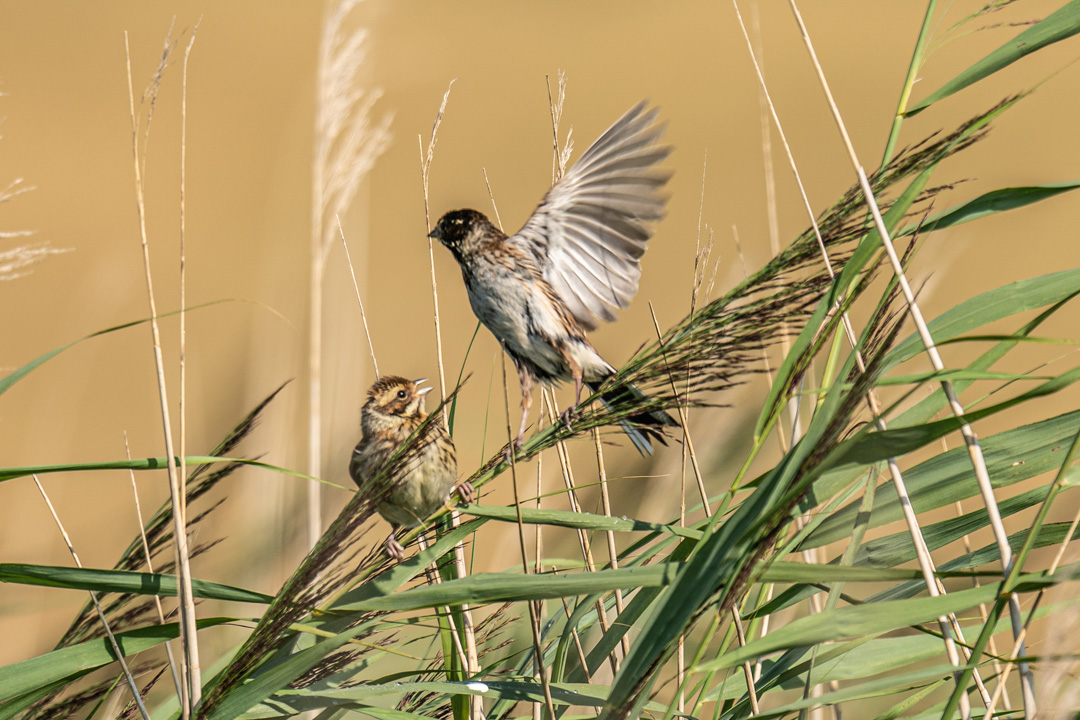
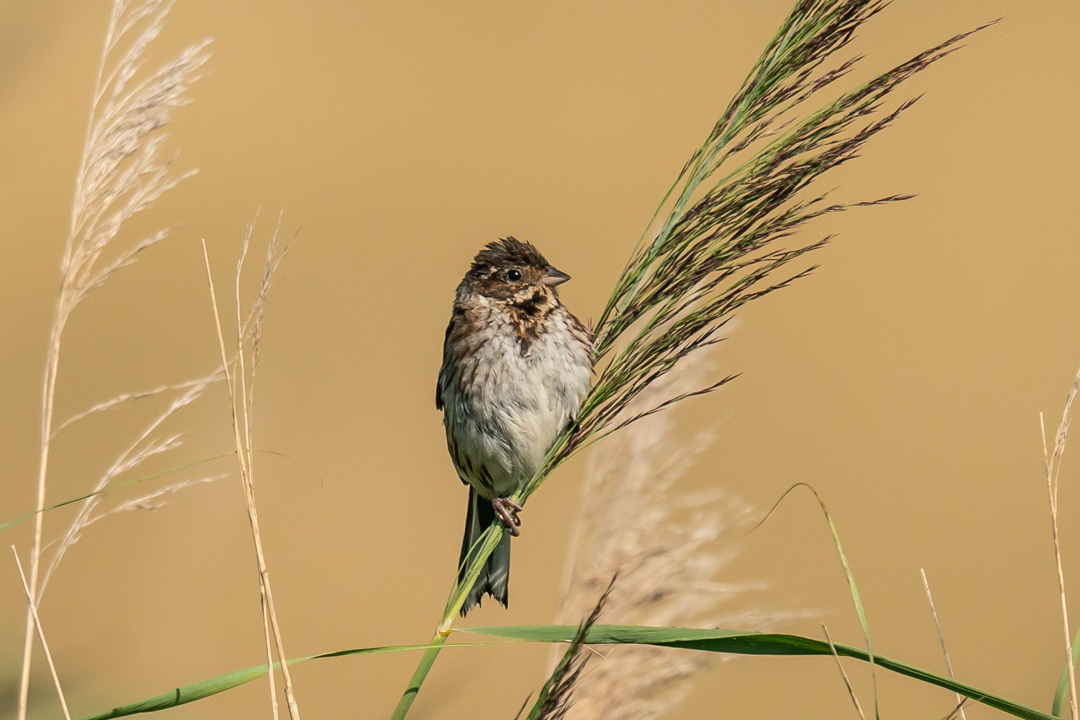
    A little further on we saw an oystercatcher and then in the marshes a skylark, shelduck, an avocet, a cormorant, a pied wagtail, a grey heron, 3 little egret, four mute swans, a liitle grebe and some reed buntings and even heard the pinging of bearded tits. I also heard a kestrel calling and discovered it was right overhead, but by then the light was too poor for photographs. We didn’t see another person on our walk (probably all too sensible) but lots of wildlife. There are never many people here but always lots to see.

    DSC06632Seaside pea

    DSC06626A pair of common eider

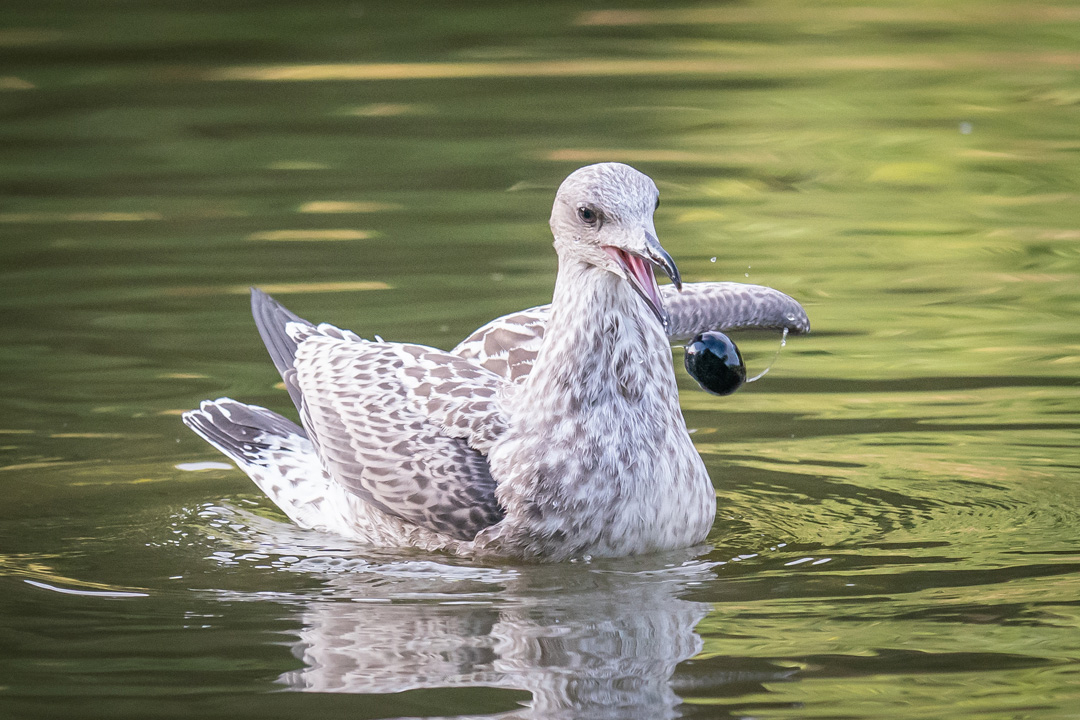
    DSC06636Gull with crab supper

    DSC06668Shelduck and avocet

    DSC06688Oystercatcher

    DSC06715Little egret

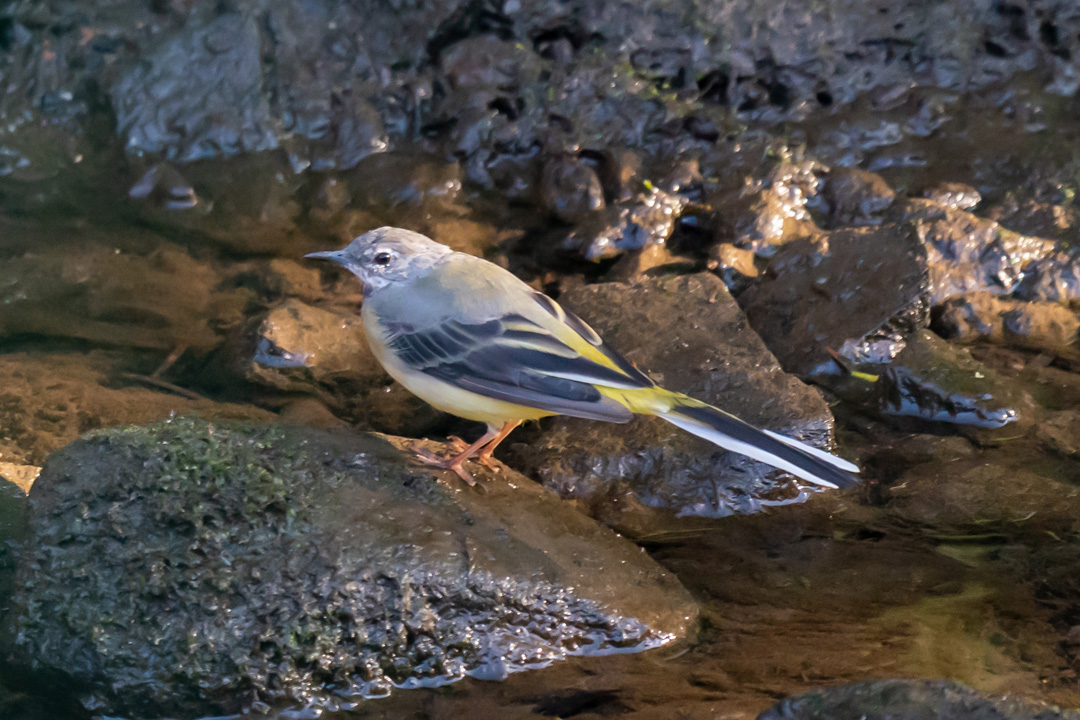
    DSC06728Pied wagtail on the river

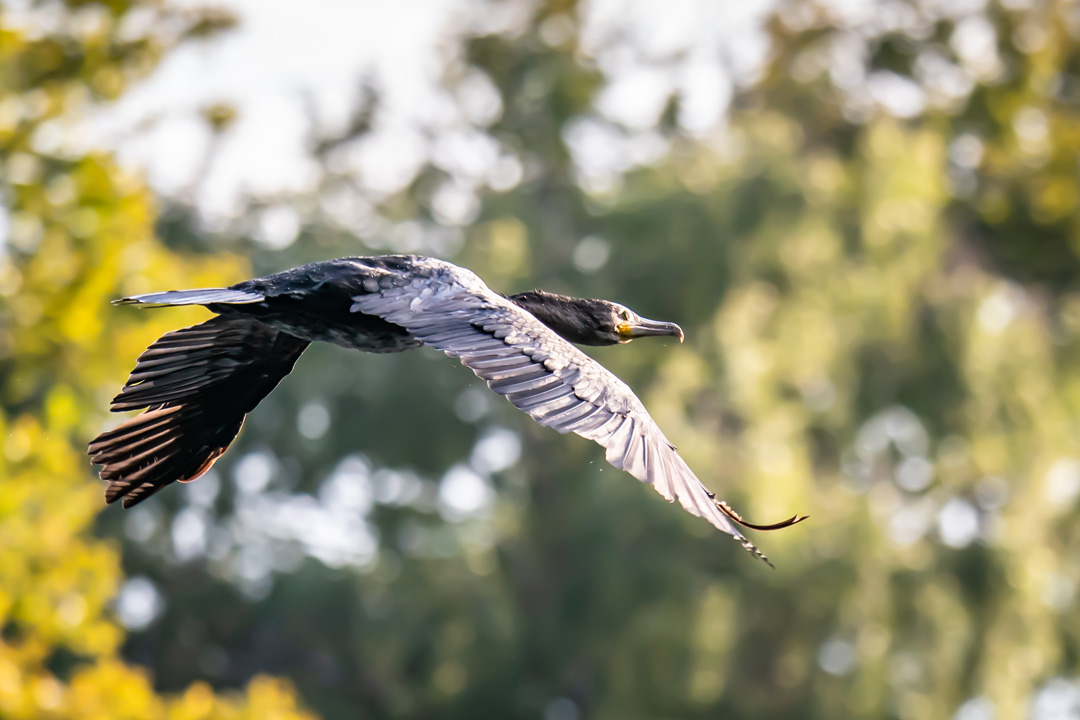
    DSC06735Cormorant

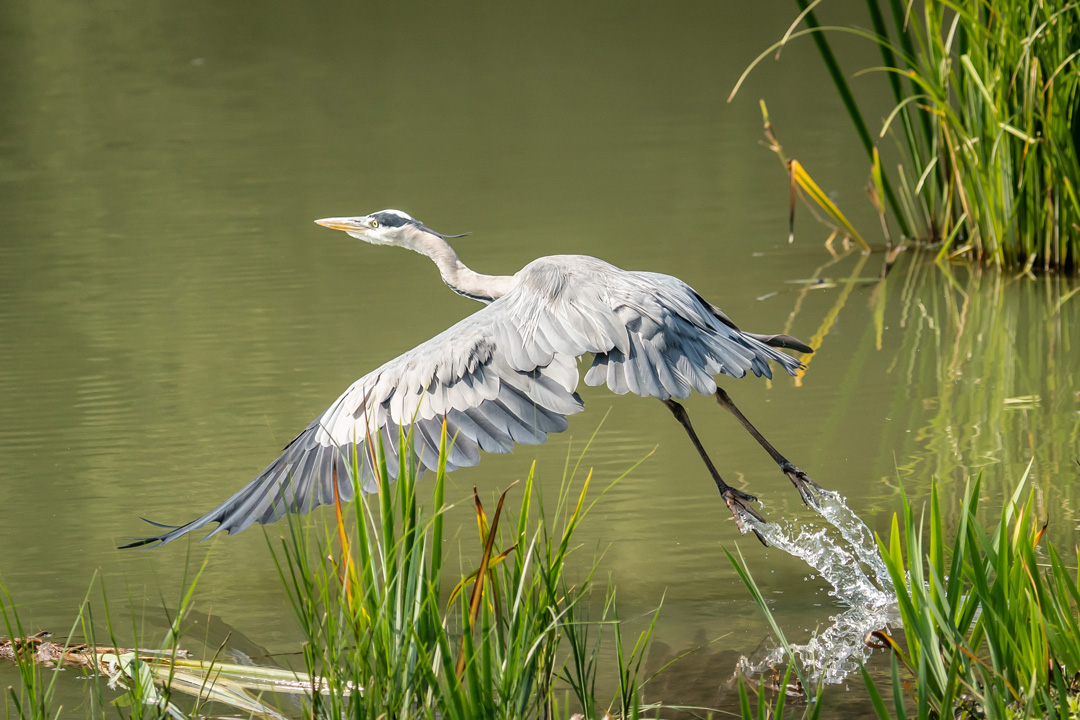
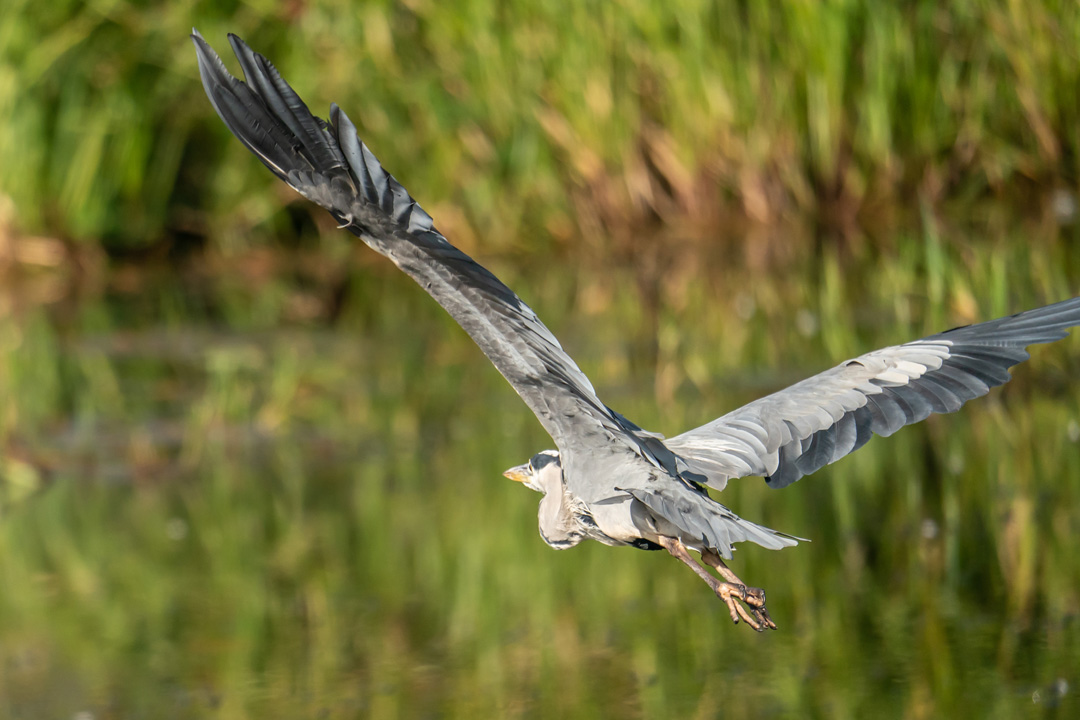
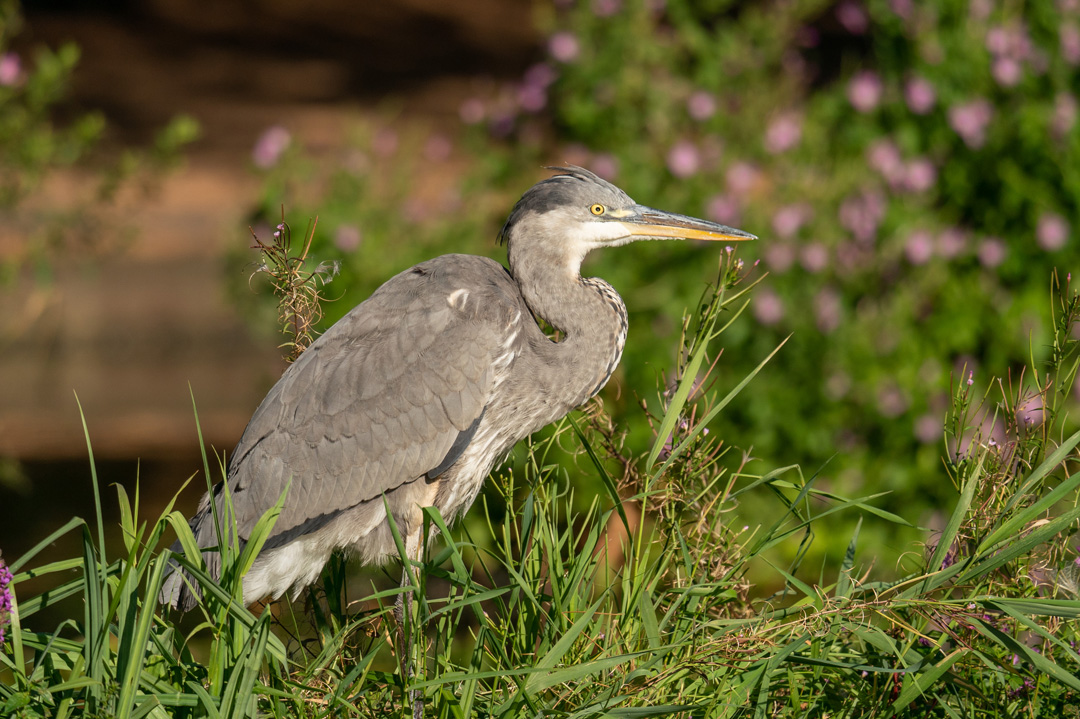
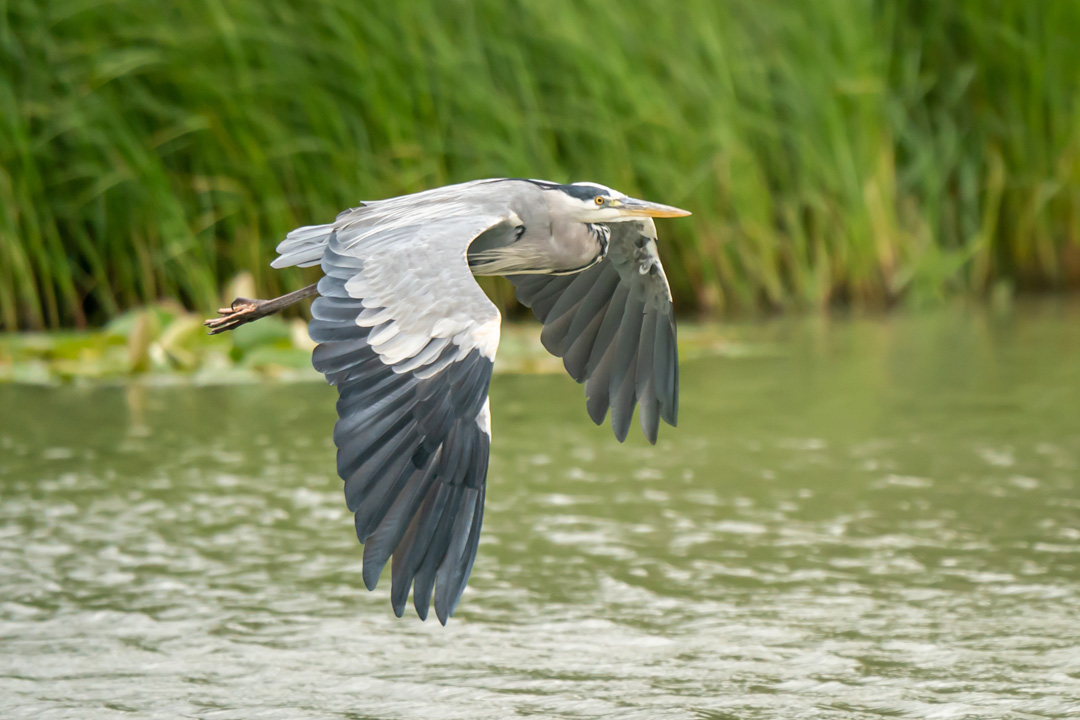
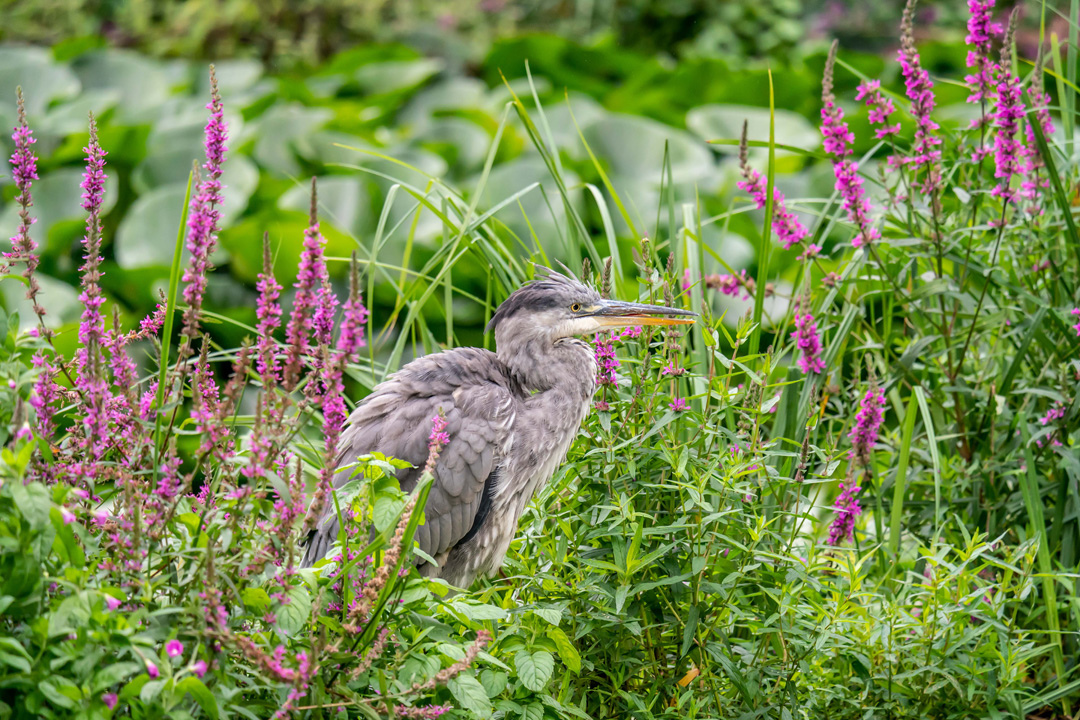
    DSC06773Grey heron

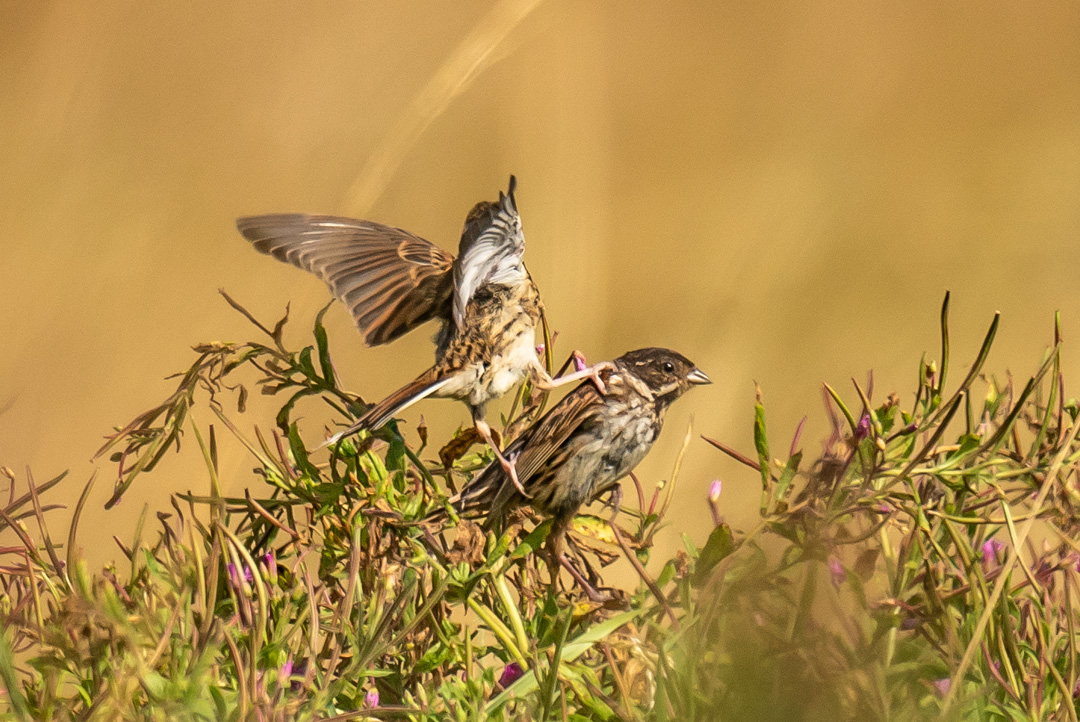
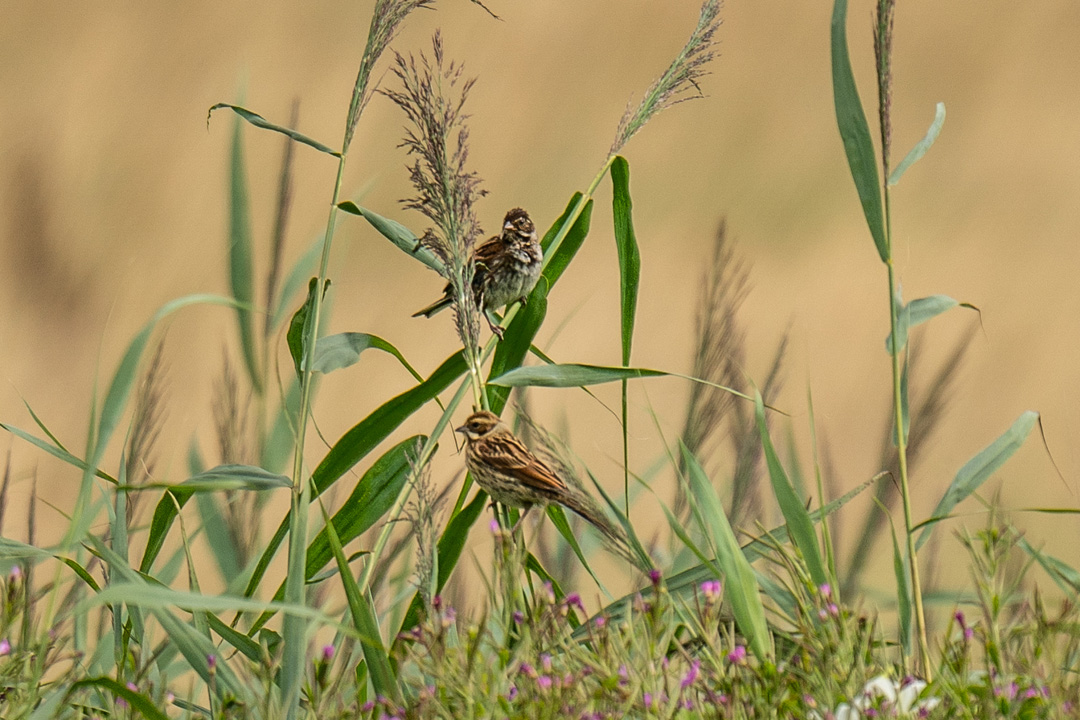
    DSC06799Reed bunting

    DSC06809Reed bunting

    DSC06762

    DSC06844


  • 17th June 2019 – RSPB Strumpshaw Fen

    17th June 2019 – RSPB Strumpshaw Fen


    This slideshow requires JavaScript.

    Today we went to RSPB Strumpshaw Fen in Norfolk (about an hour up the coast from Walberswick). We were hoping to see (and photograph!) a Swallowtail butterfly for which the reserve is famous. Last year on a visit here I had seen one as soon as I got out of the car in the car park but never saw one again. Well this year we did the same trail (but in reverse) and struck lucky seeing one at close quarters.

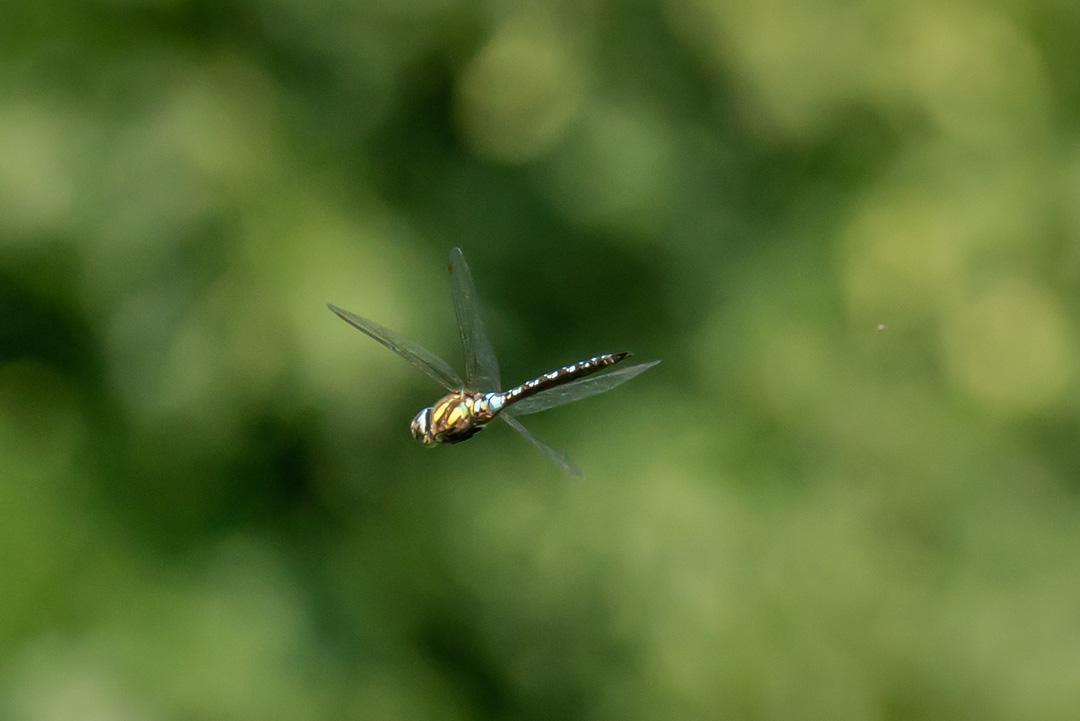
    We saw other butterflies and dragonflies and damselflies too. I shall have to get my charts out later to try and identify them but supper at the pub is now beckoning. (Now added but waiting, and hoping, to be corrected!)

    DSCF3965Male swallowtail butterfly

    DSCF4005Male swallowtail butterfly

    DSCF4044Male swallowtail butterfly

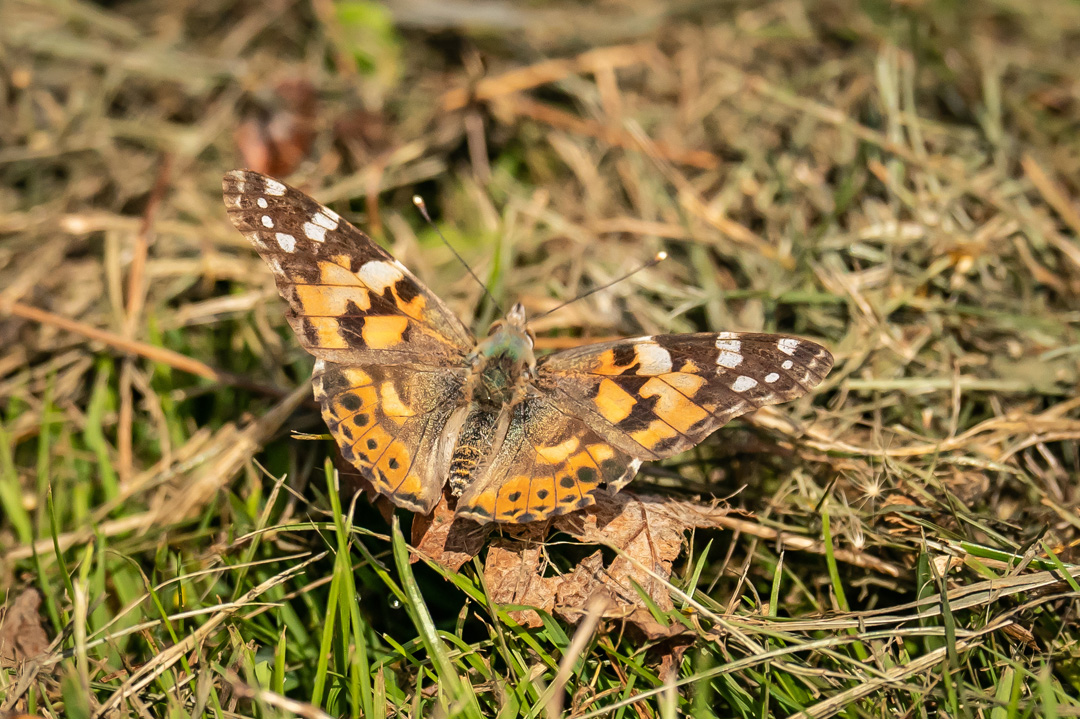
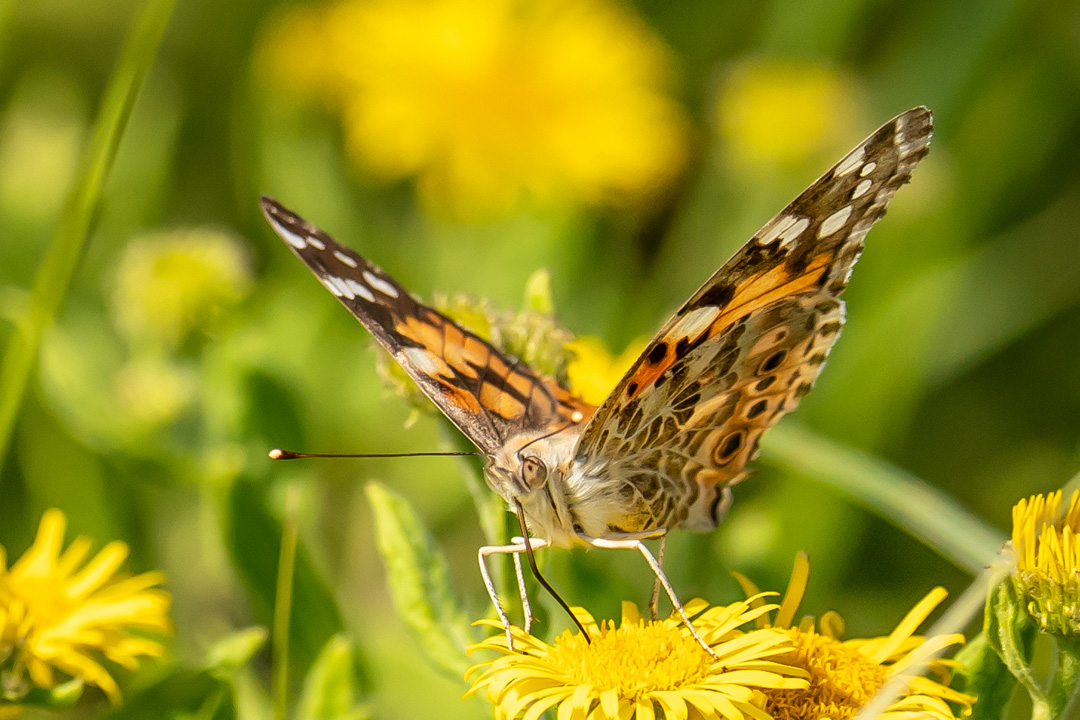
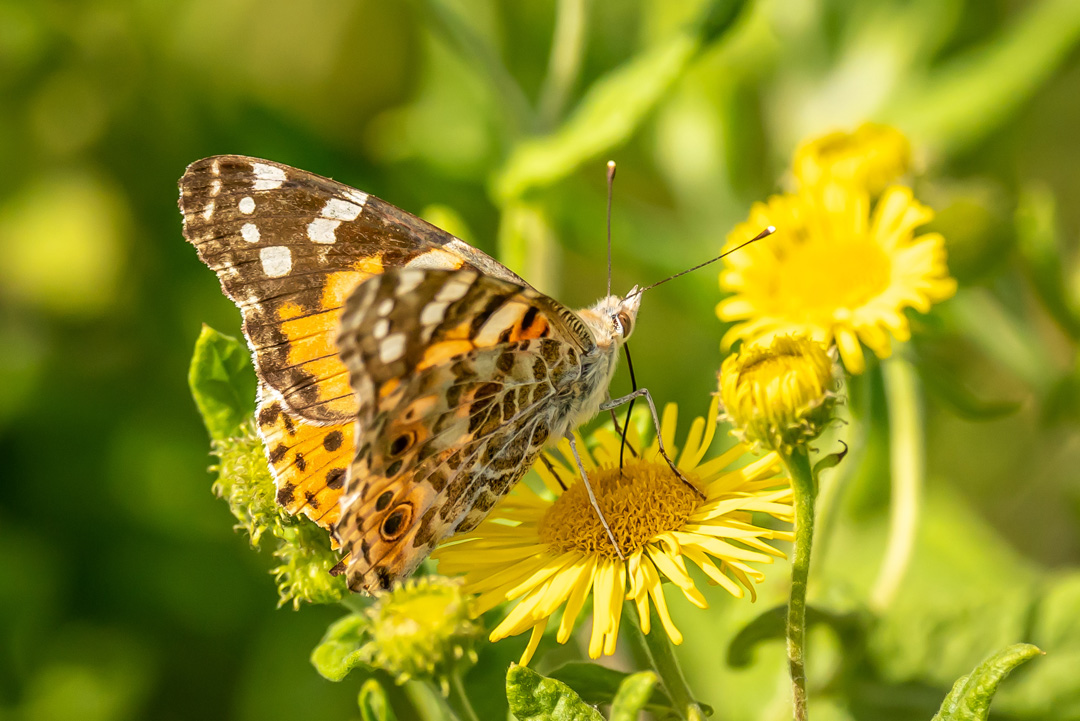
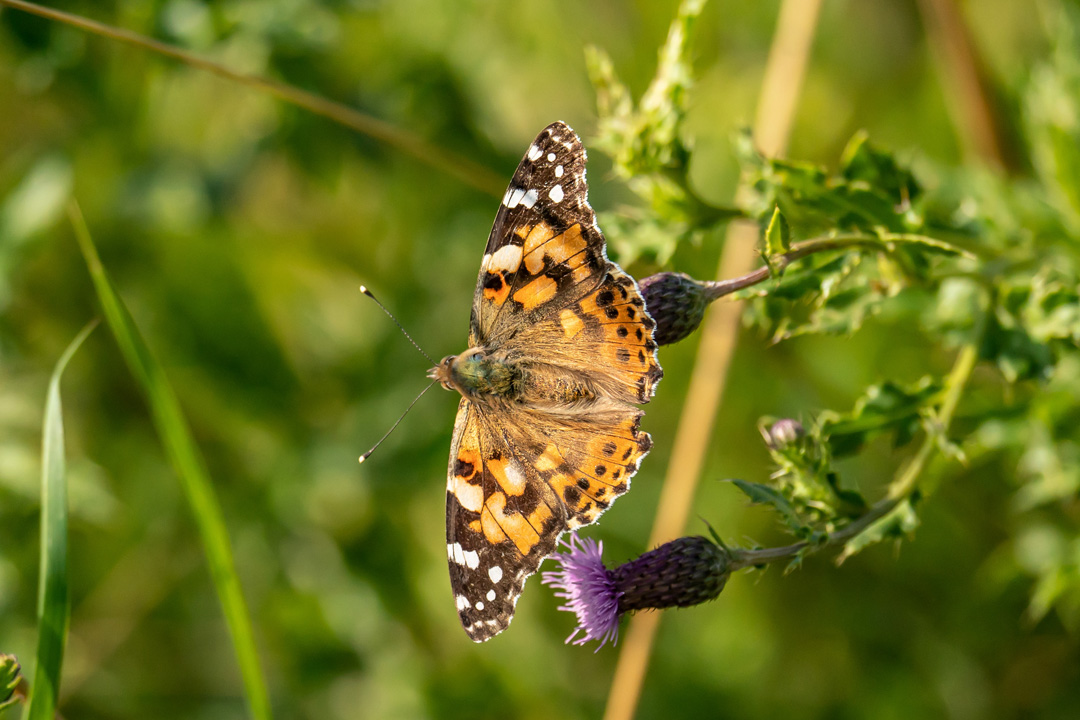
    DSCF3862Painted lady butterfly

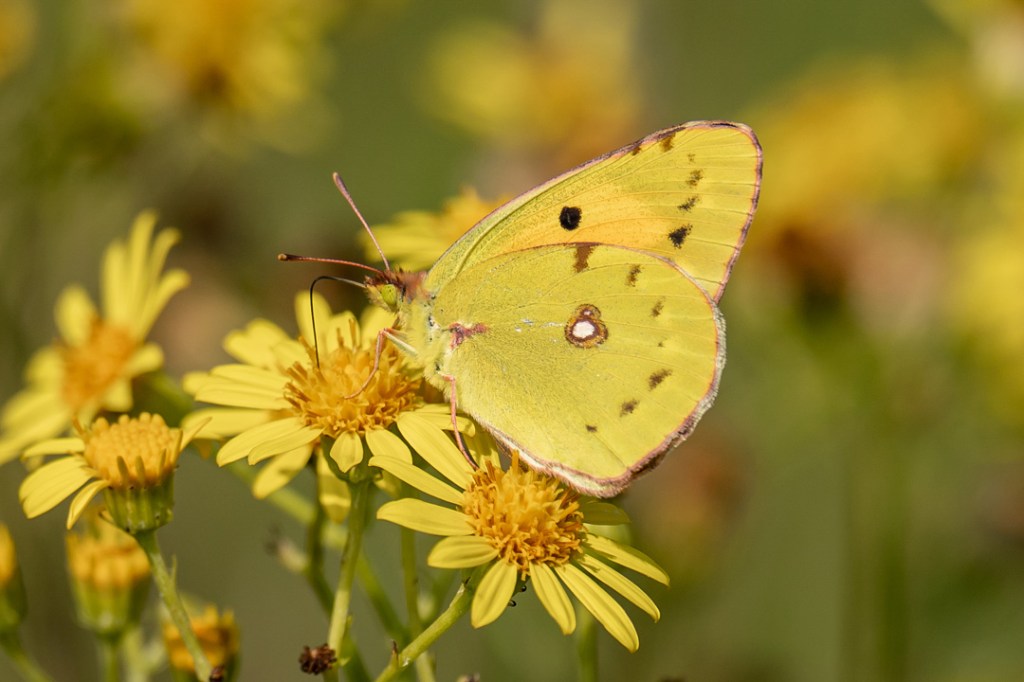
    DSCF3845Male brimstone butterfly

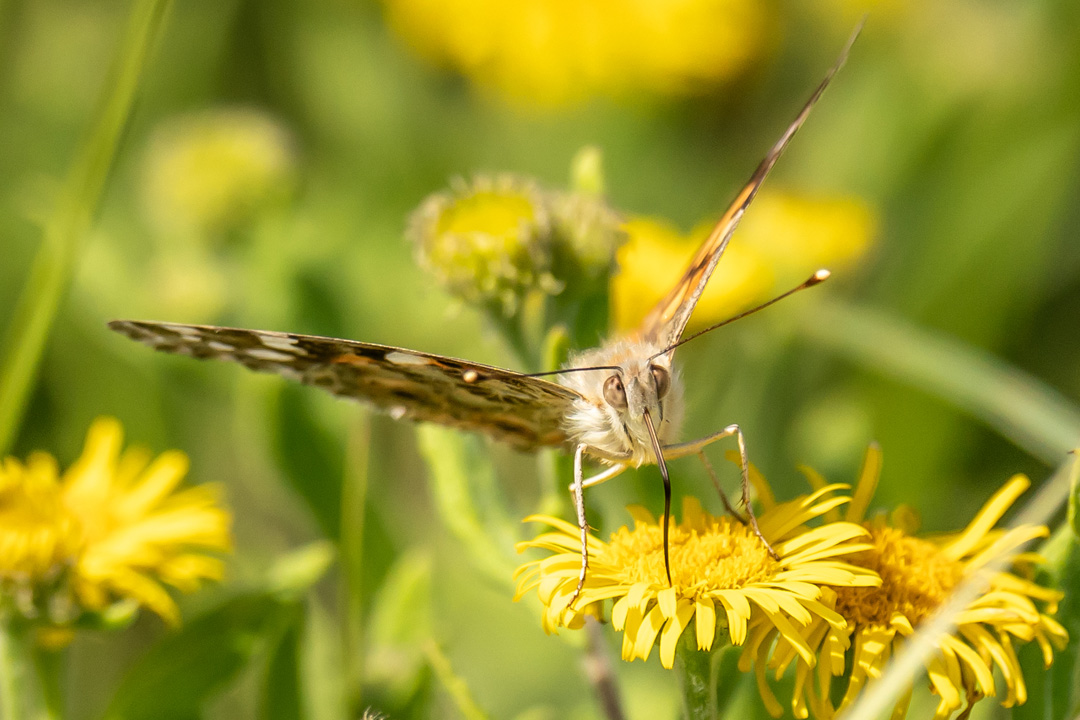
    DSCF3883Painted lady butterfly

    DSCF3902Male  banded demoiselle damselfly

    DSCF3910Male black-tailed skimmer damselfly

    DSCF3959Female four-spotted chaser damselfly

    DSCF4125Male speckled wood butterfly

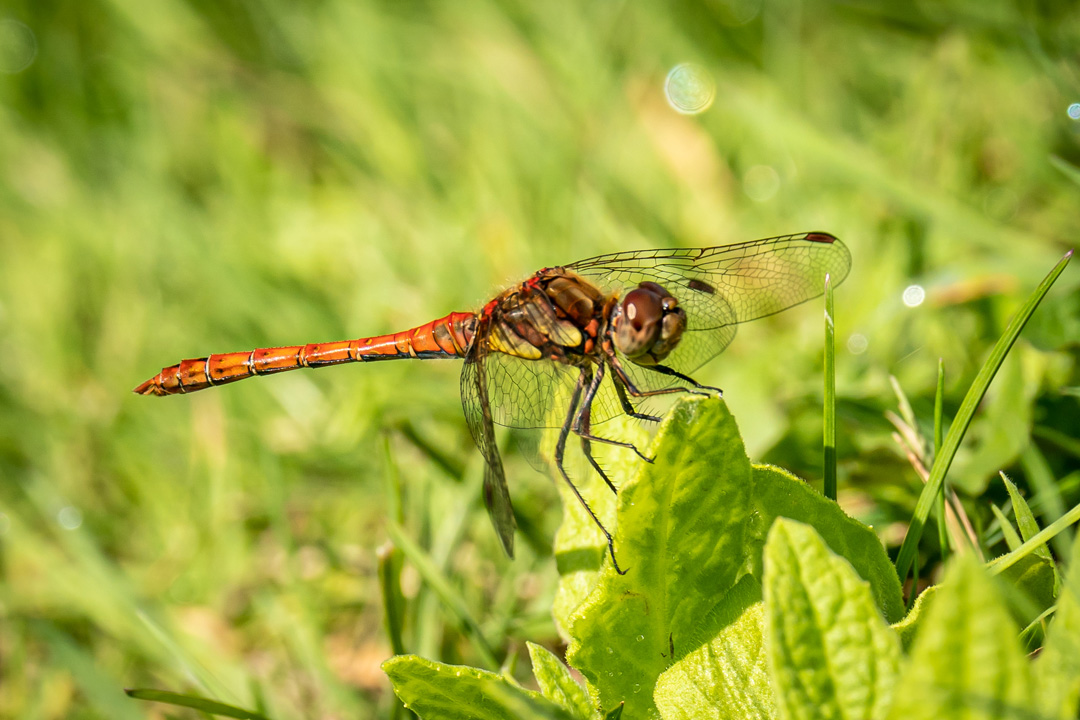
    DSCF4218Male black-tailed skimmer damselfly

    DSCF4222

    DSCF4251Male four-spotted chaser damselfly

    DSCF4259Male red-eyed damselfly

    DSCF4289Male large red damselfly

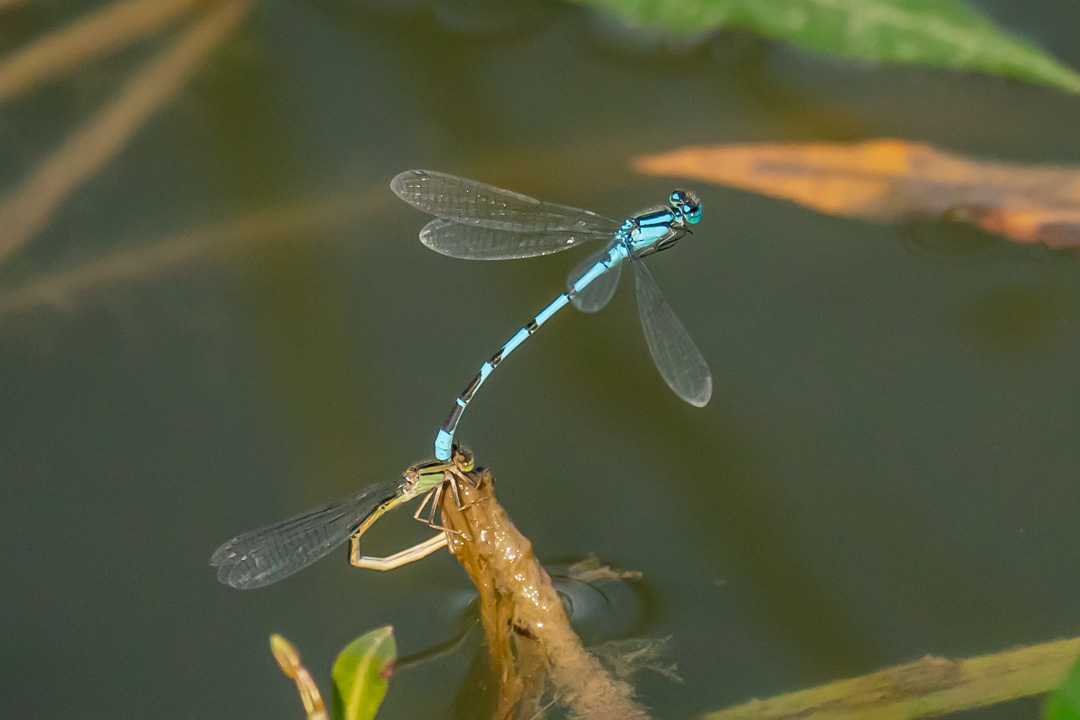
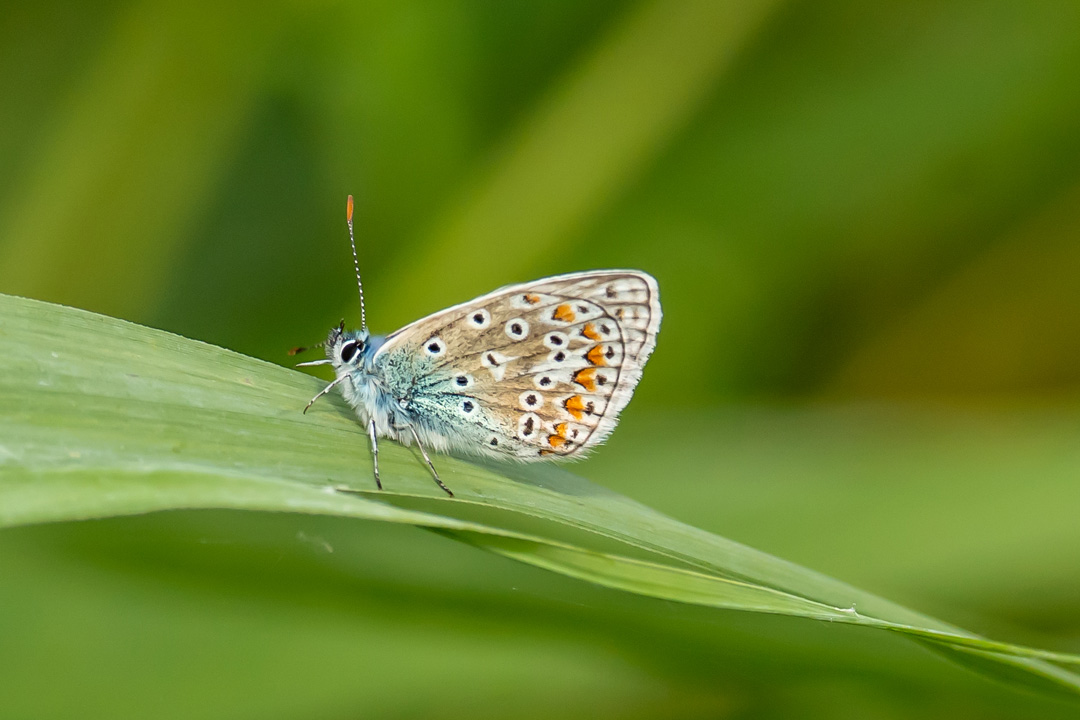
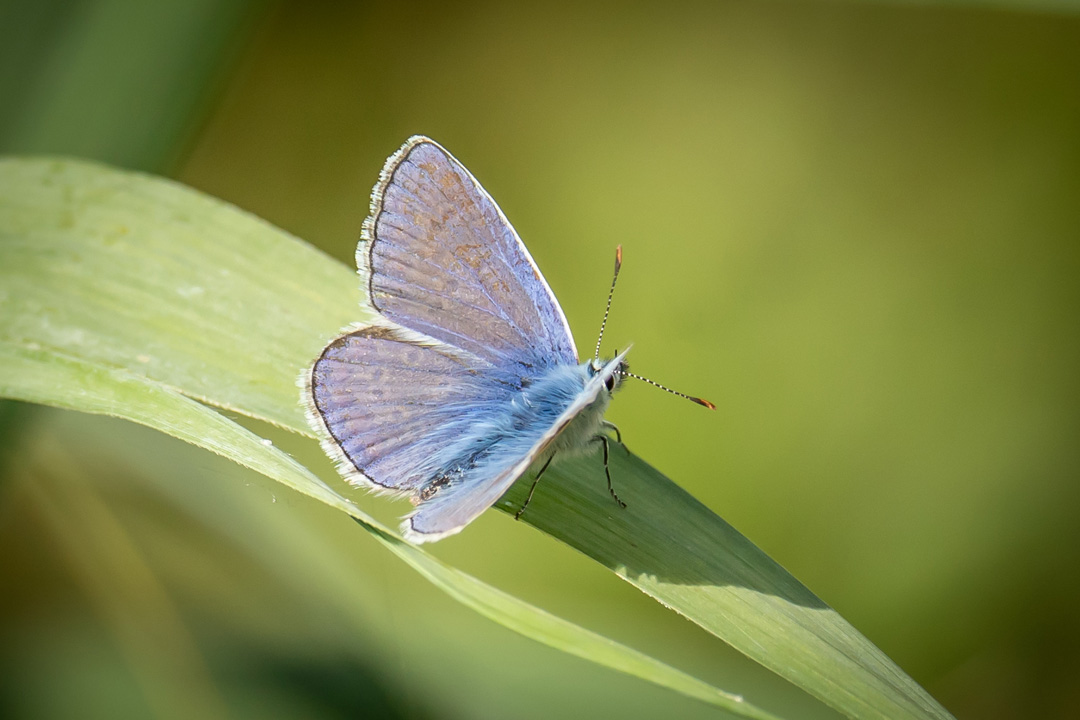
    DSCF4294Male common blue damselfly

    DSCF4298Male red-eyed damselfly

    DSCF4325

    DSCF4356

    DSCF4234Marsh orchid

    DSCF4237Ragged robin

    DSCF4164Great crested grebe and offspring

    DSCF3832Female blackbird

  • 16th June 2019 – RSPB Minsmere, Suffolk

    16th June 2019 – RSPB Minsmere, Suffolk

    This slideshow requires JavaScript.

    We have had some very mixed weather at RSPB Minsmere today but once again this fantastic nature reserve has not disappointed.

    The day started sunny and warm (enough to encourage us to venture out in shorts) but our visit to the reserve ended mid afternoon with a torrential downpour; luckily we were sheltered in a hide but we decided to quit and run (not literally though) and head back to our excellent holiday home in Walberswick (https://www.blythweb.co.uk/cranbourne).

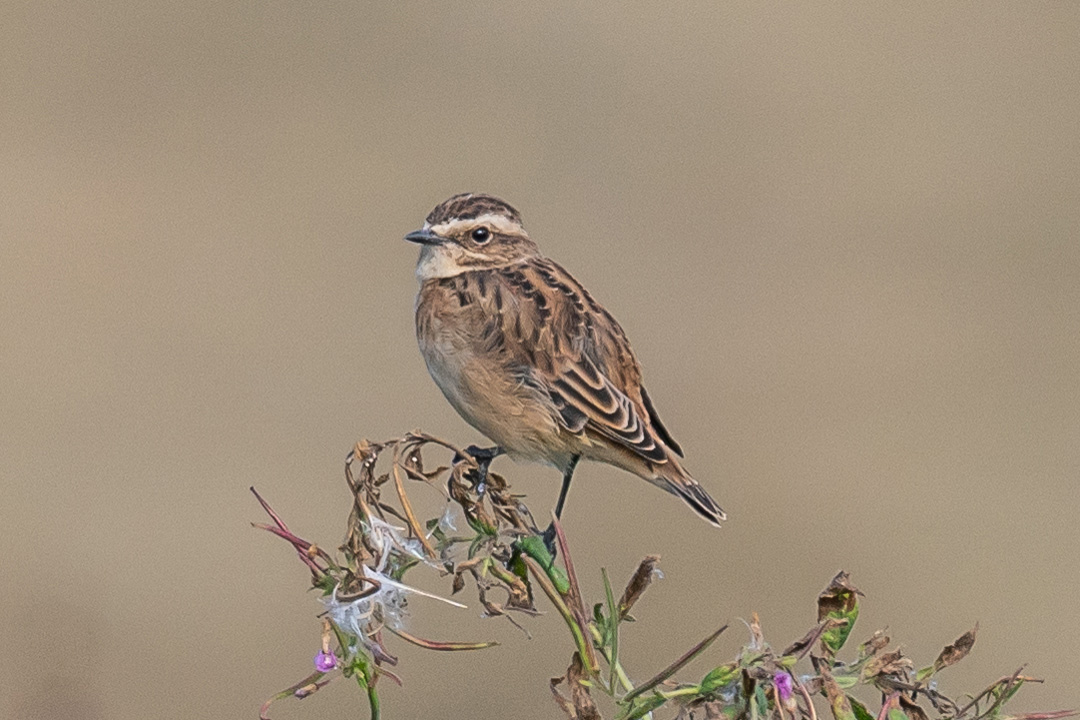
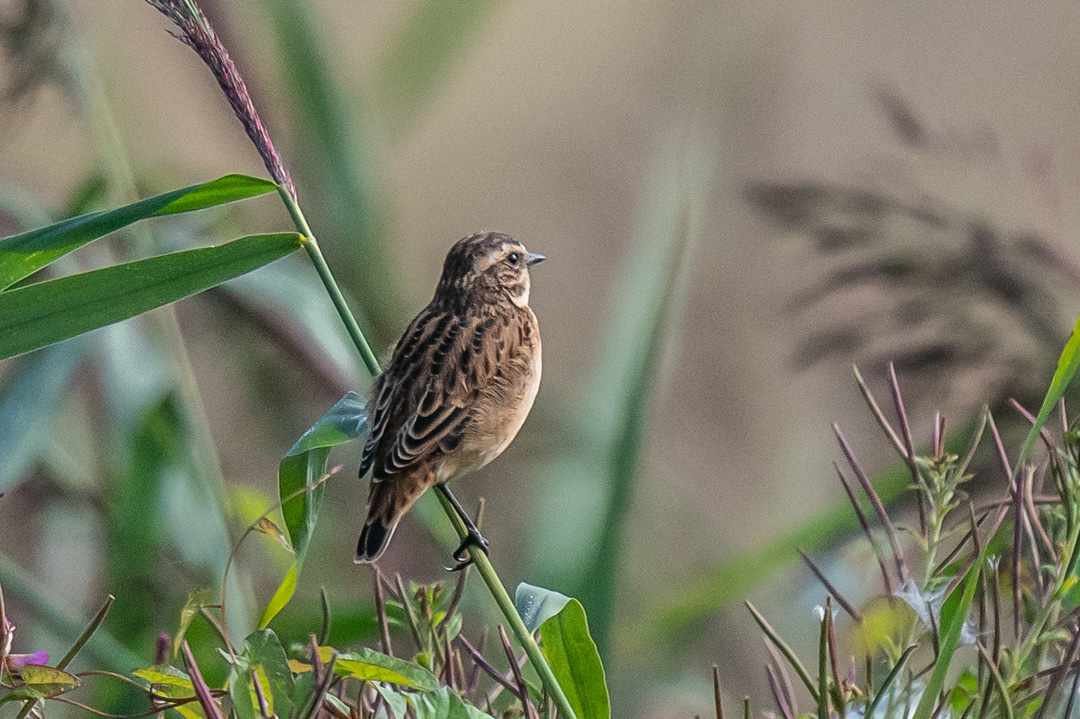
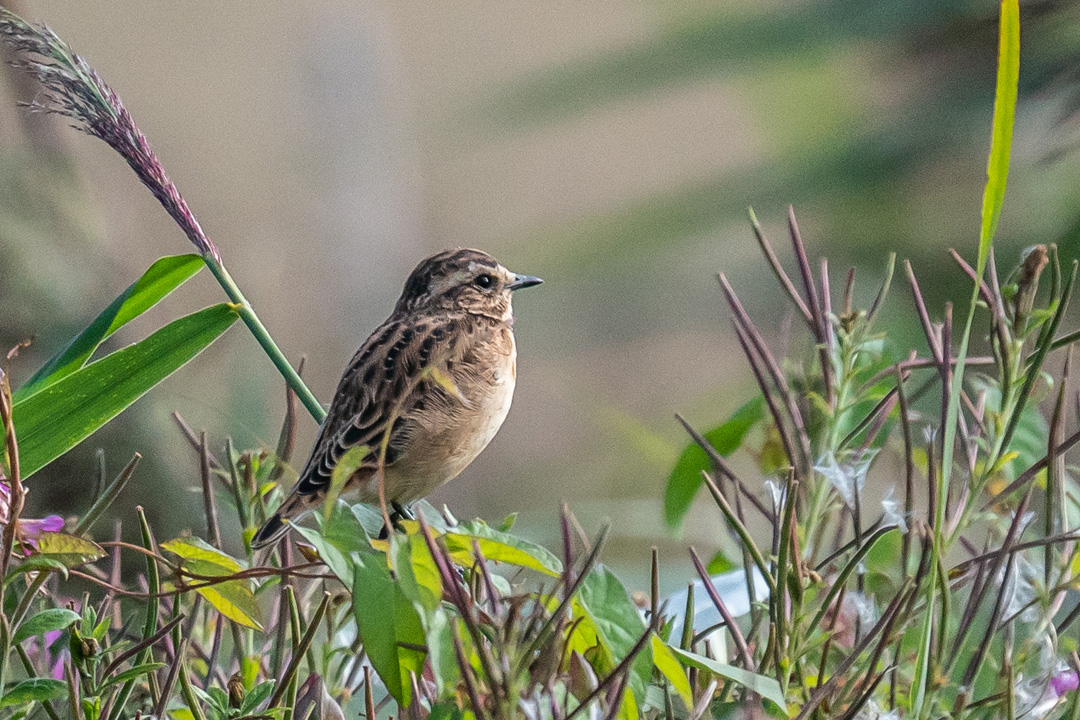
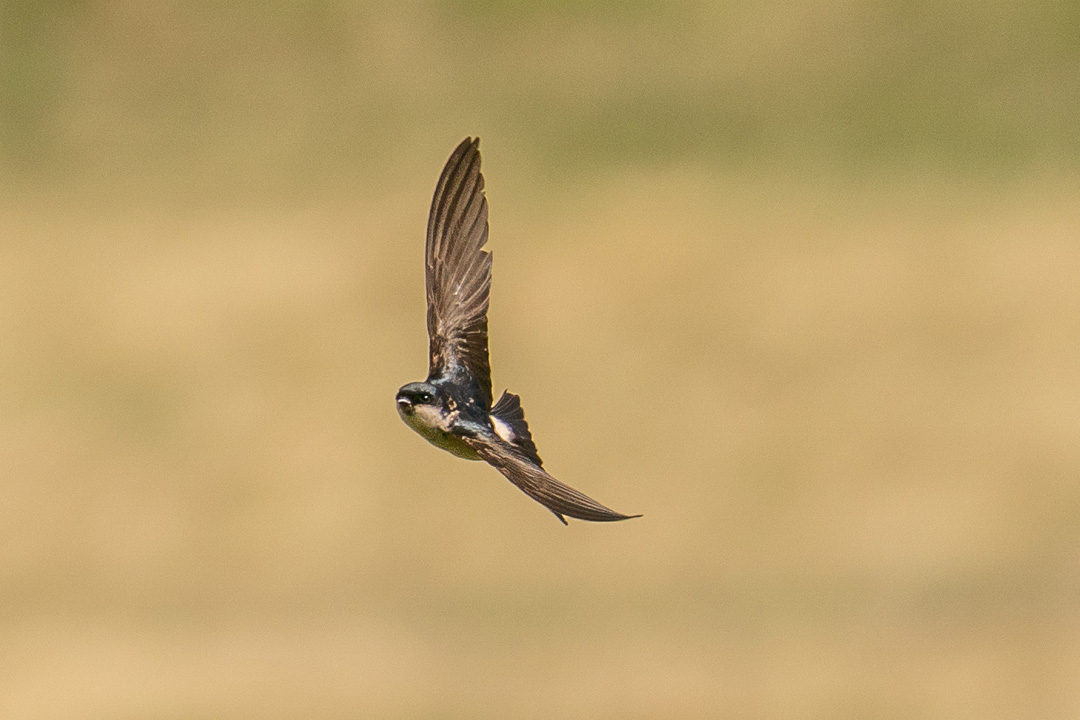
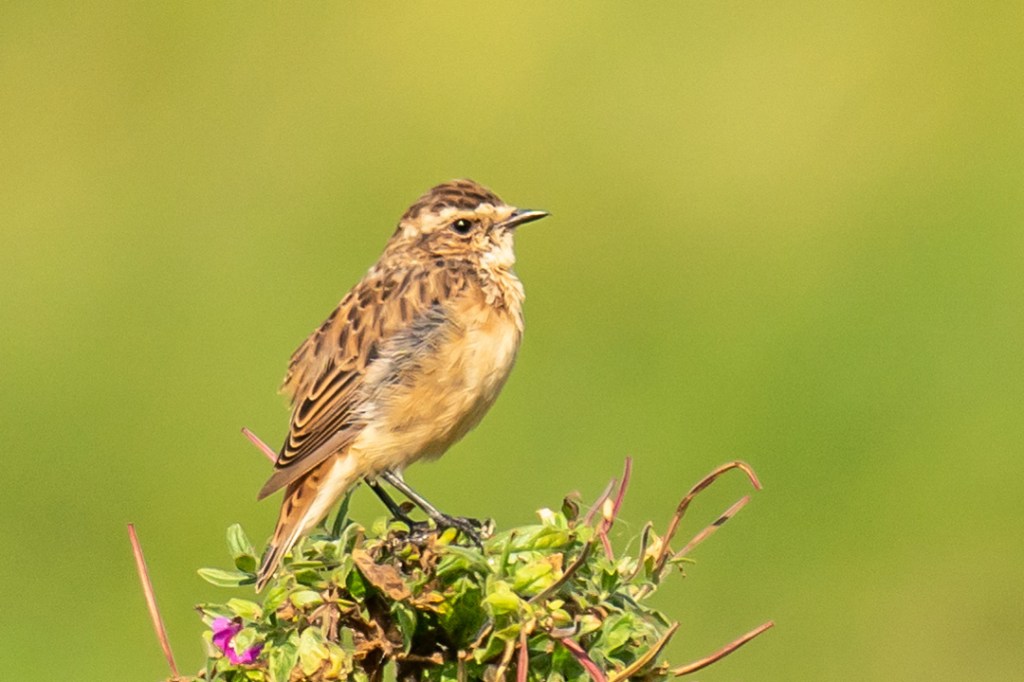
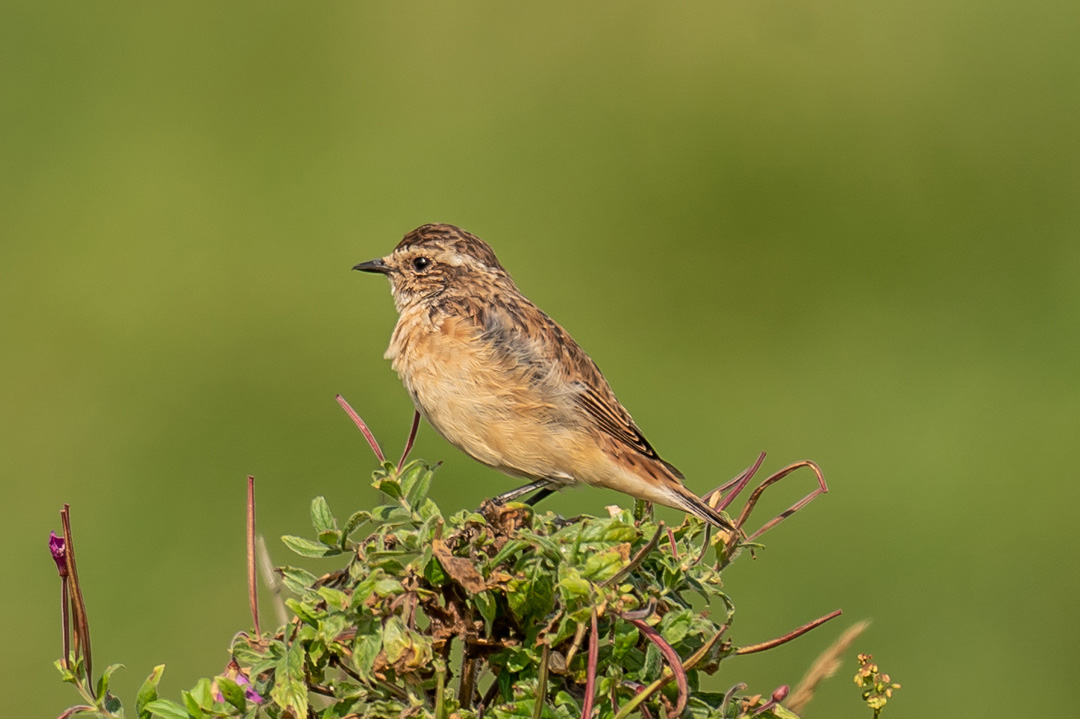
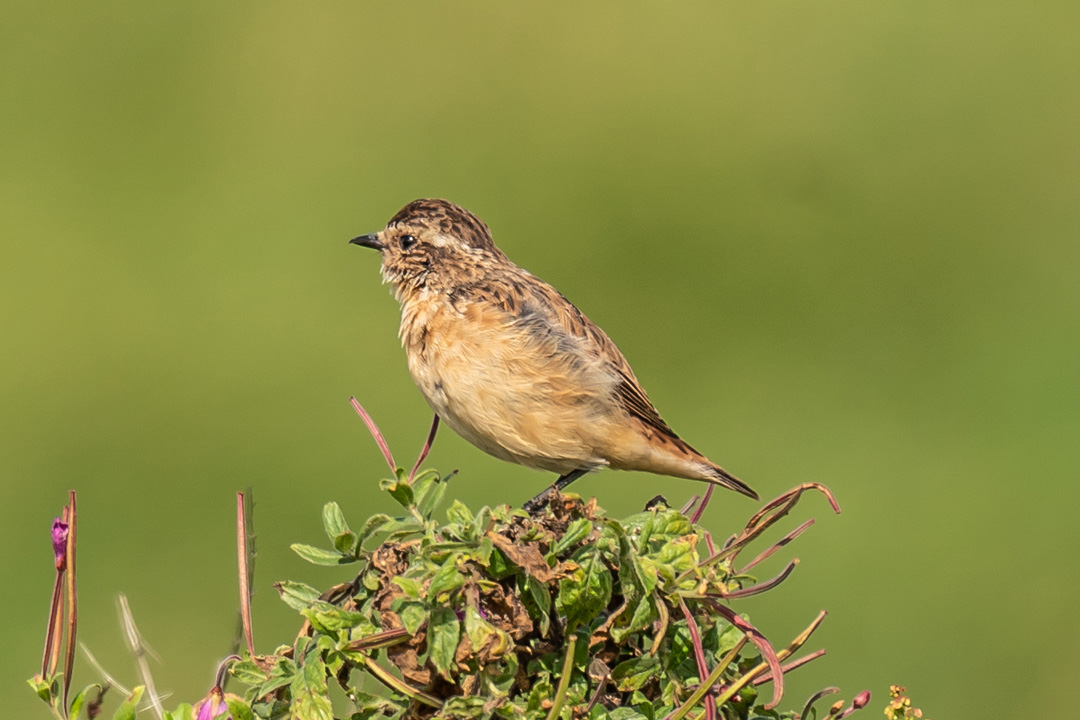
    Highlights were marsh harriers, spotted and common redshank, black-tailed godwits, mediterranean gulls (but no photos), sand martins, kittiwakes, common and sandwich terns (sadly no photo), stonechats (in the dunes) and, as always, avocets.

    DSC06558Godwits and avocet in the downpour

    DSC06291Stonechat

    DSC06479

    DSC06518Female marsh harrier

    DSC06471Male marsh harrier

    DSC06573Barnacle goose

    DSC06599Greylag geese and goslings

    DSC06587Spotted redshank

    DSC06164Common redshank

    DSC06439Little egret

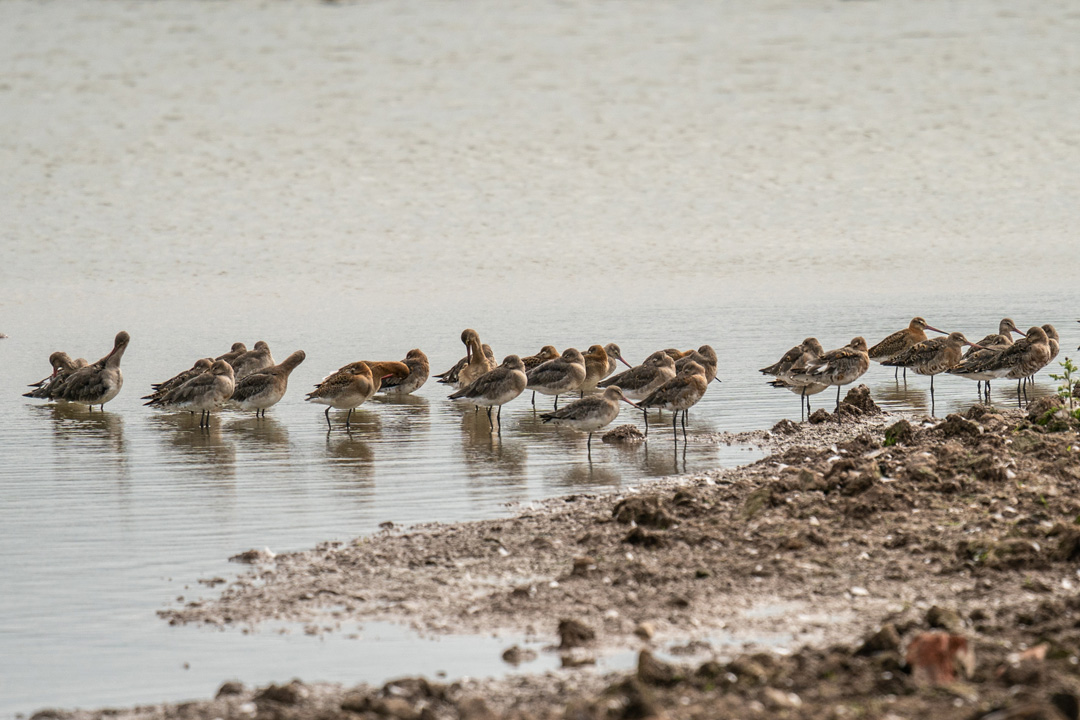
    DSC06344Black-tailed godwits

    DSC06148

    DSC06024Sand martin

    DSC06224Common tern

    DSC06142Shelduck

    DSC06135Post-coital embrace for these avocets

    DSC06073Kittiwake

    DSC06403Deadly (nightshade) little egret

    DSC06033Damselfly

    DSC06468Marsh orchid

    DSC06299Tiger moth

    DSC06037All sorts of wild things at Minsmere


  • 15th June 2019 – Flatford Mill

    15th June 2019 – Flatford Mill

    We spent a couple of hours touring around “Constable Country” on the Essex/Suffolk border visiting Dedham, East Bergholt and Stoke by Nayland on our way to Walberswick in Suffolk. The most interesting, from my point of view, was the visit to Flatford Mill near East Bergholt where John Constable painted the Hay Wain, one of his most famous landscapes.

    DSC05896Willy Lott’s house – the setting of John Constable’s The Hay Wain (2019)

    DSC05930A print of the The Hay Wain by  John Constable (1821)

    DSC05892

    DSC05895Flatford Mill

    DSC05884.jpgValley Farm

    There were a couple of opportunities for nature photos here as there was a robin at the National trust café and a female broad-bodied chaser and some blue damselflies in a lovely little wildflower garden run by the RSPB.

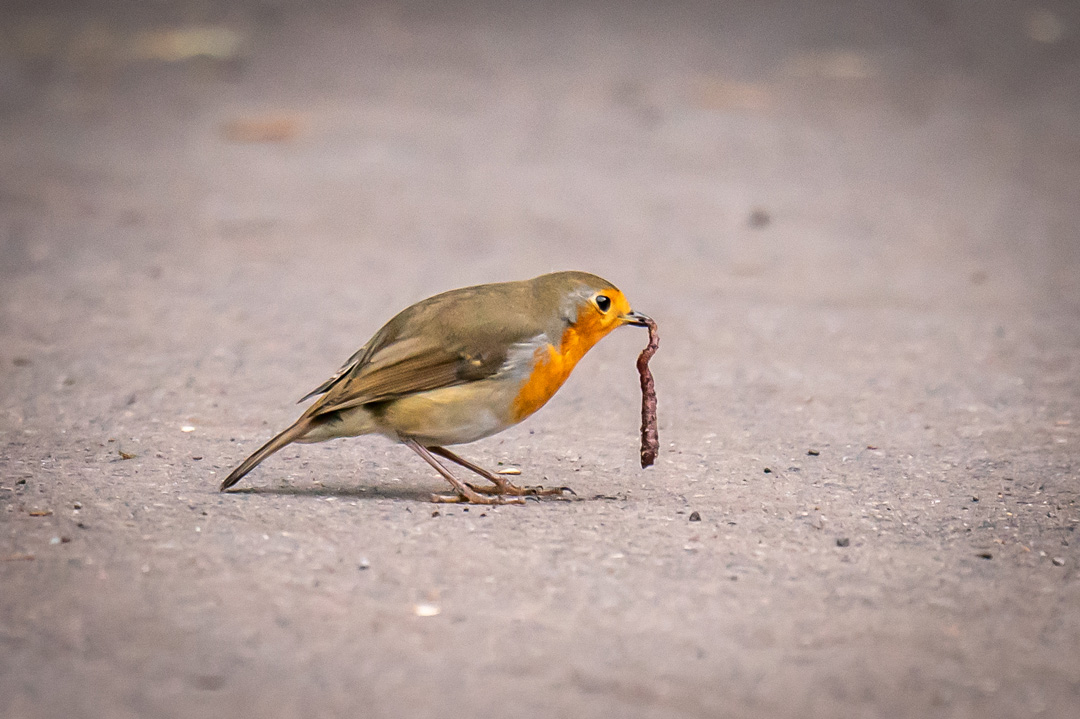
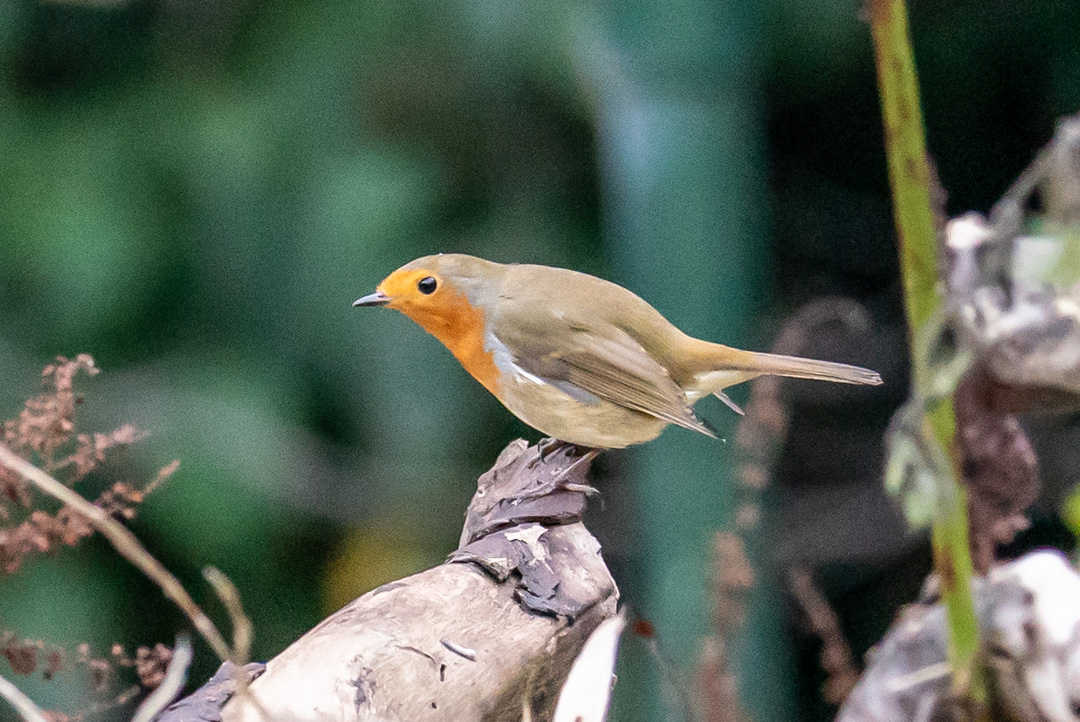
    DSC05928Robin

    DSC05967Female broad-bodied chaser

    DSC05972

    DSC05980

    DSC05994Damselflies

    DSC06005

    DSC06006


  • 14th June 2019 – Maldon, Essex

    14th June 2019 – Maldon, Essex

    This slideshow requires JavaScript.

    Our hosts at the B&B at which we are staying in Maldon, Essex suggested two really good activities for today: firstly, a walk along the tow paths of the Chelmer and Blackwater Canal to Heybridge Basin; secondly, a visit to the gardens at Beeleigh Abbey.

    DSC05487Interesting graffiti under one of the bridges of the Chelmer and Blackwater Canal linking sea with the land

    There were a few opportunities for nature photographs especially as we made a diversion on the route to Heybridge Basin and followed the sea wall of the Blackwater River where we saw common terns, oystercatchers and little egrets, as well as thousands of black-headed gulls. We even heard a cuckoo singing.

    On the canal as well as coots and moorhens we saw more common terns and a kestrel. There were dragonflies two.

    DSC05510The Chelmer and Blackwater Canal

    DSC05495Holly blue butterfly along the canal

    DSC05508Female four-spotted chaser on a metal railing alongside the canal

    DSC05534Great views from the sea wall back to our B&B 32 The Hythe with St Mary’s Church behind

    DSC05606Common tern

    DSC05646Oystercatcher

    DSC05655Little egret

    DSC05680The sea wall leading in to Heybridge Basin

    DSC05688

    DSC05691Kestrel

    DSC05766

    DSC05771Fortunately the weather has improved for some lucky couple

    Beeleigh Abbey was a monastery constructed in 1180 for the White Canons, otherwise known as the Norbertines or Premonstratensians. It was purchased by William Foyle, the owner of Foyles Bookshop, in 1943 and Christopher and Catherine Foyle, the current owners, open the gardens on certain days in the summer.

    The rose garden was particularly beautiful especially as there were some small tortoiseshell butterflies. The garden also has a riverside walk where we again saw the ubiquitous little egrets.

    DSC05774Beeleigh Abbey

    DSC05789Small tortoiseshell butterfly

    DSC05829

    DSC05805

    DSC05858

    DSC05870The riverside walk

    DSC05865Little egret

    DSC05873A beer at The Queens Head Inn on the quayside back in Maldon was very welcome


  • 13th June 2019 – Fingringhoe Wick Nature Reserve, Essex

    13th June 2019 – Fingringhoe Wick Nature Reserve, Essex

    This slideshow requires JavaScript.

    We are spending a few days in Essex en route to a week’s holiday in Suffolk Today we visited two nature reserves run by Essex Wildlife Trust.

    DSC04650Old barges on the Blackwater Estuary at Maldon where we are staying at the excellent B&B 32 The Hythe right on the harbour http://www.thehythemaldon.co.uk/

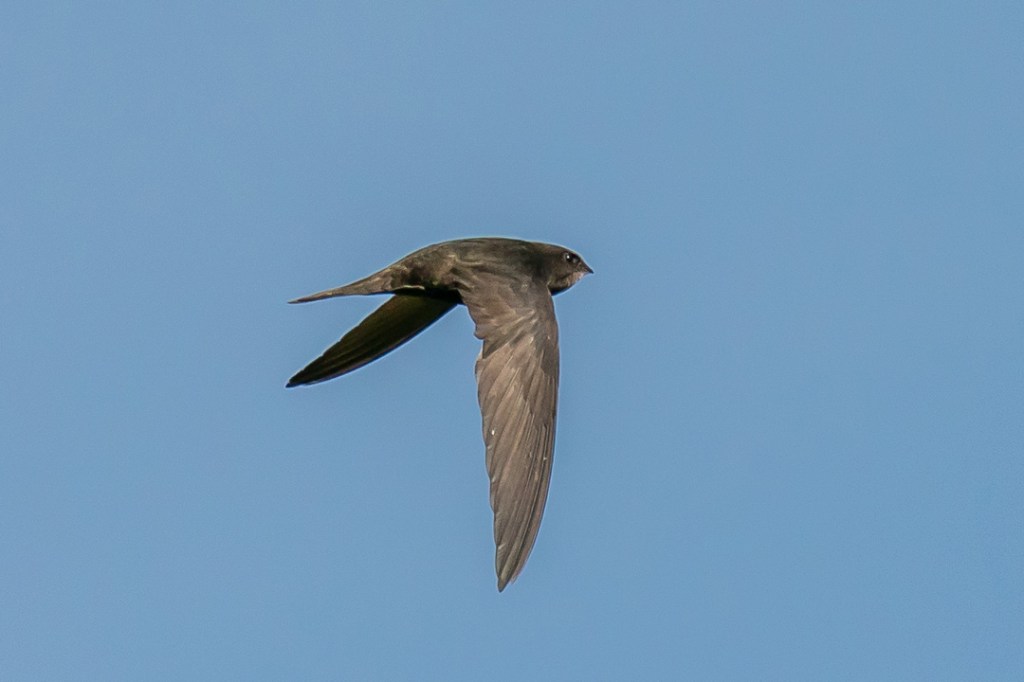
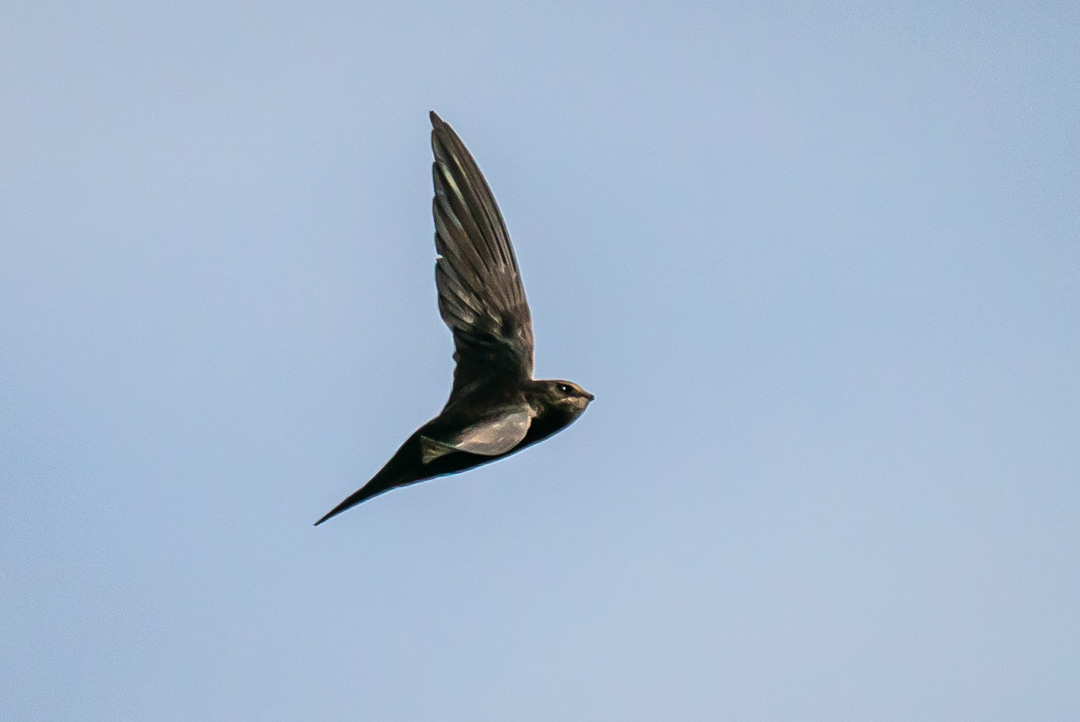
    The first was the vast expanse of Abberton Reservoir. We didn’t spend very long here as it was very exposed and very windy but we did have very good views of birds we have not seen this year – swifts and common terns. There were plenty of other birds but they were quite distant and the light wasn’t great for photography.

    DSC04770Common tern at Abberton Reservoir

    DSC04938Tufted ducks at Abberton Reservoir

    DSC04945Egyptian geese at Abberton Reservoir

    DSC04948Greylag  geese at Abberton Reservoir

    DSC04957Pochard at Abberton Reservoir

    DSC04981Cormorant at Abberton Reservoir

    DSC05000Great crested grebe at Abberton Reservoir

    DSC05036

    The second reserve was Fingringhoe Wick which was more intimate and much more rewarding. As the light wasn’t good throughout the day the standout moment was not visual but aural – a nightingale singing in a bush right at the beginning of our walk.  It is the first time we have heard a nightingale in the UK.

    There were lots of hides but the best was one which looked out on to the Colne Estuary, where we saw oystercatchers, black-headed gulls, shelduck, common tern and lots of little egrets.

    DSC05077The excellent Margaret hide looking out on to the Colne Estuary

    DSC05087

    DSC05184Oystercatcher at Fingringhoe Wick

    DSC05220

    DSC05246Common tern at Fingringhoe Wick

    DSC05293Black-headed gull and delicacy at Fingringhoe Wick

    DSC05324

    DSC05351Little egret

    On a small pool at the Kingfisher hide we saw a little grebe and a redshank.

    DSC05422Redshank

    DSC05443Little grebe

    DSC05468Shelduck orchestrating a mute swan

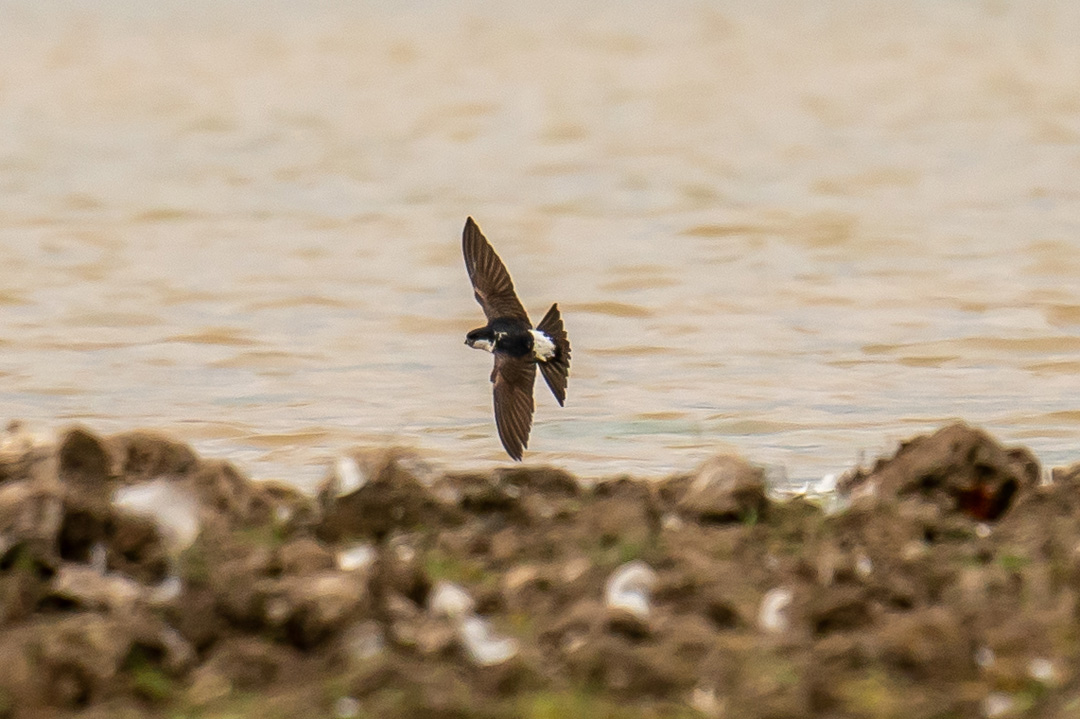
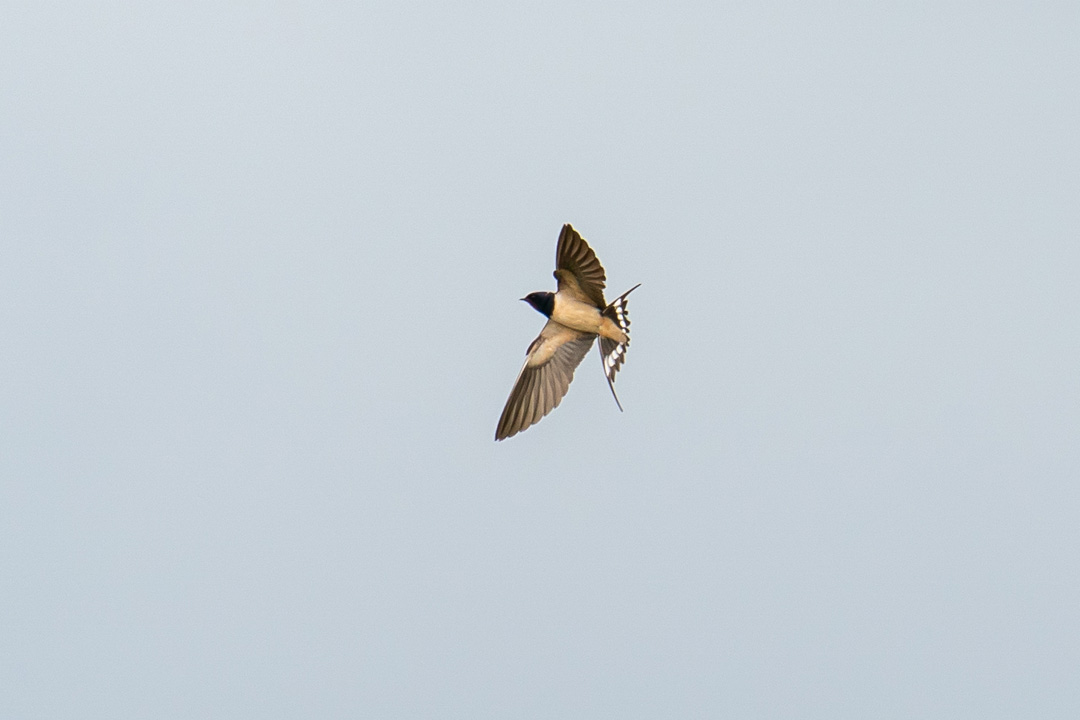
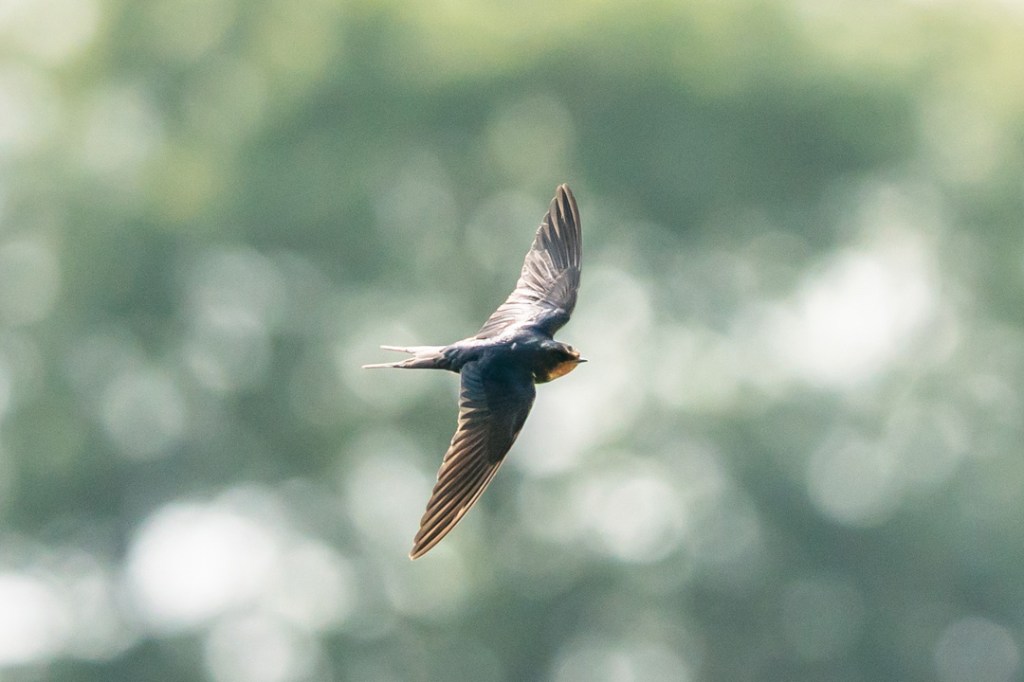
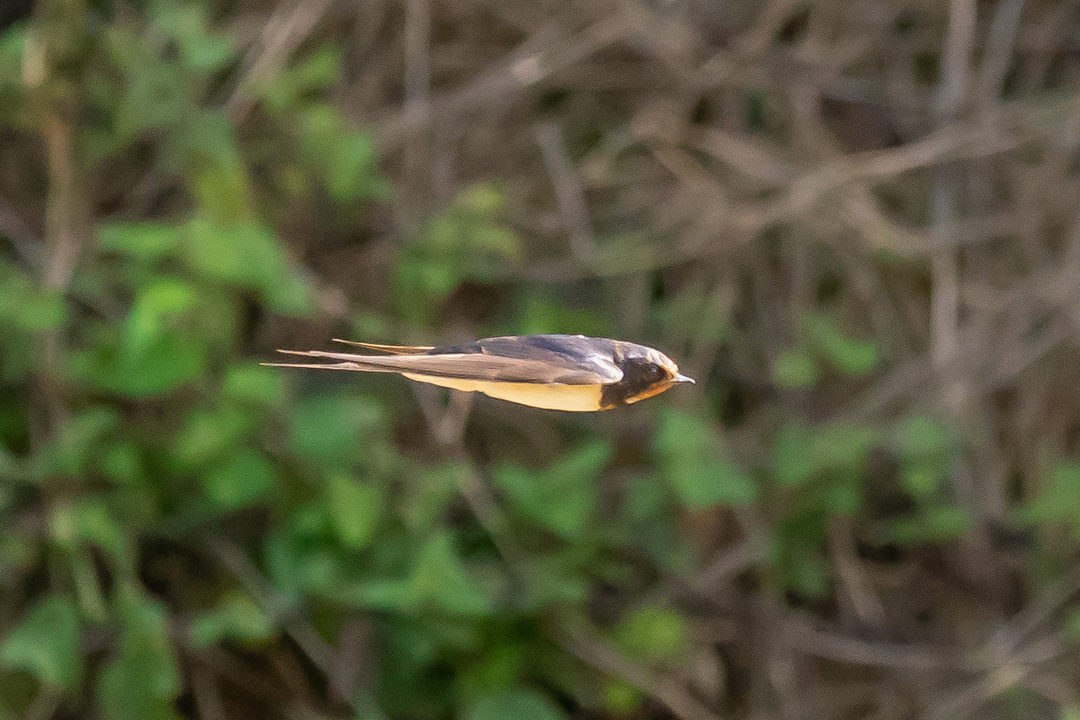
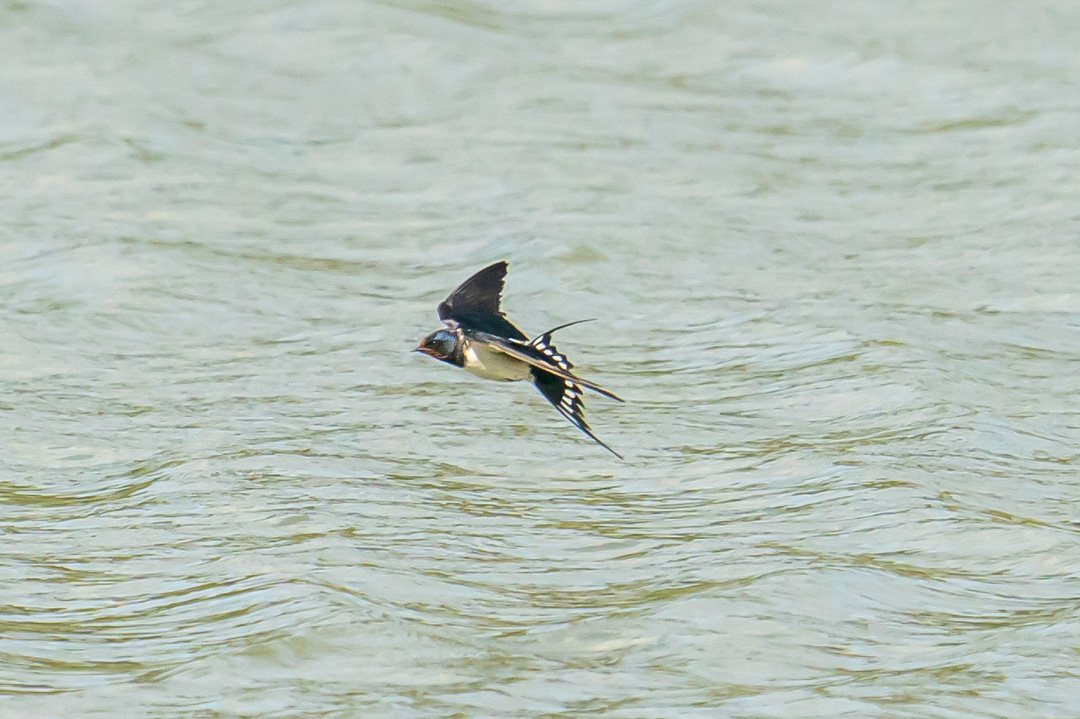
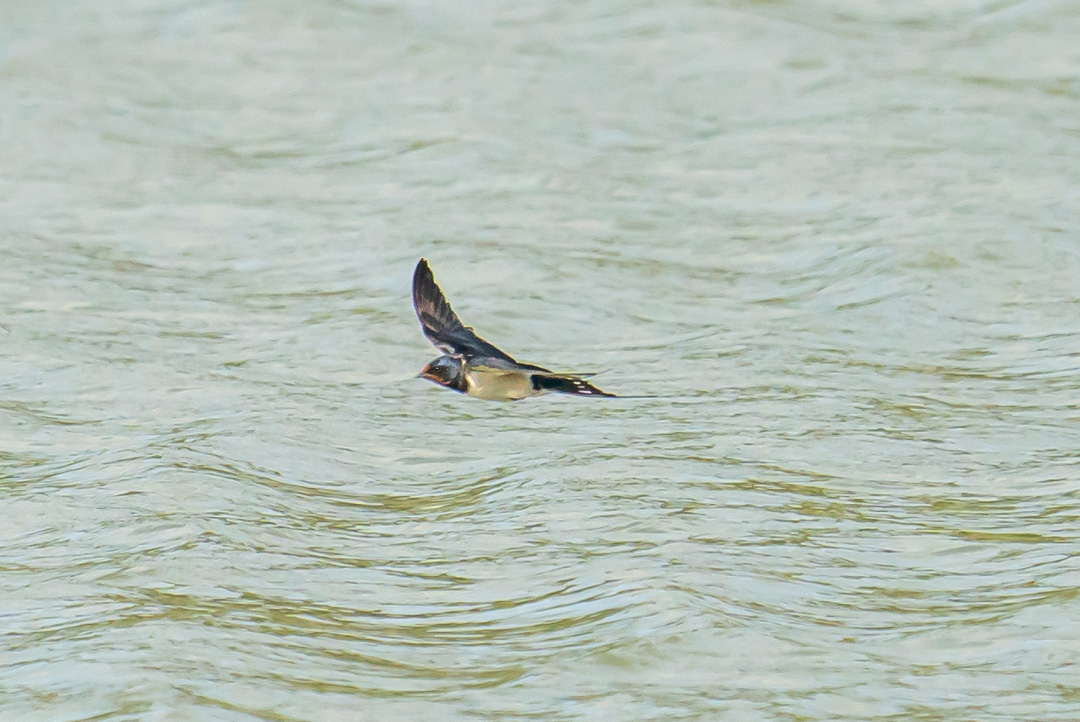
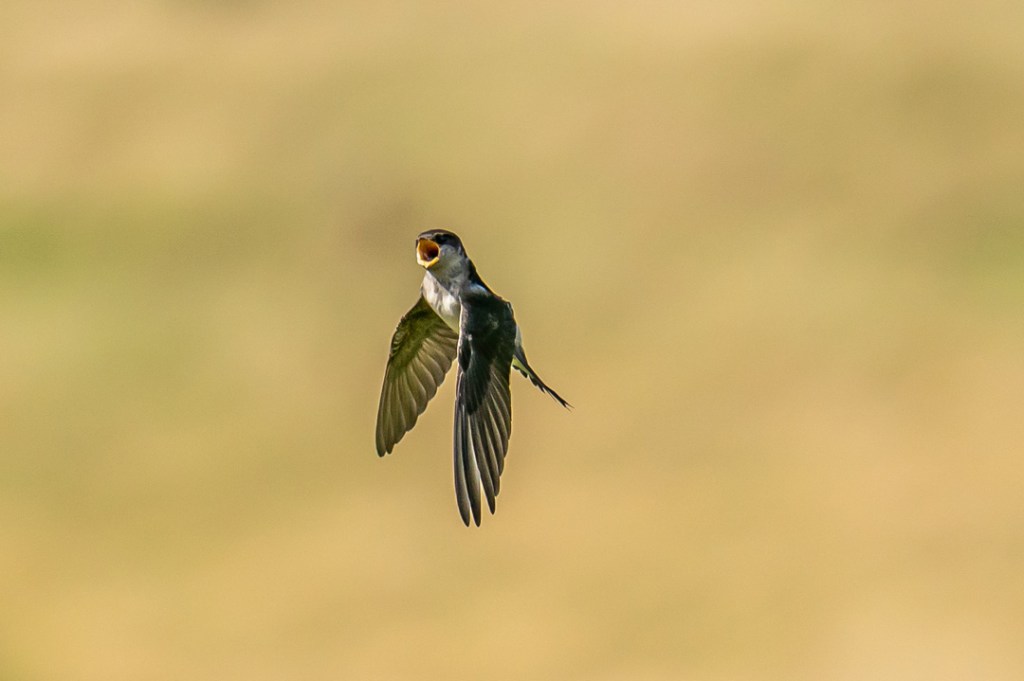
    We didn’t see swifts here but there were swallows and house martins.

    It’s not been the best of weather but we had a great day out.


  • 9th June 2019 – Acton Court, South Gloucestershire

    9th June 2019 – Acton Court, South Gloucestershire

    DSC04554 (1)

    This slideshow requires JavaScript.

    As I sit here writing this blog (and watching the ICC Cricket World Cup from sunny London) we are having a torrential downpour. Really I shouldn’t be surprised as when editing my photos from our visit this morning to Acton Court, a Tudor manor house near Latteridge in south Gloucestershire, I could see that the weather was quite threatening and the photos rather moody.

    In fact we were very lucky to complete our visit to the garden (which was open to the public as part of the National Garden Scheme) in the dry. We really enjoyed the vegetable garden, the wild meadows, the wild flower garden and the old English roses as well as the butterflies and insects.

    DSC04571

    DSC04569

    DSC04565

    DSC04593

    DSC04624Meadow brown butterfly

    DSC04647

    As well as the lovely refreshments (coffee and home made cakes) there were stands from the Hawk and Owl Trust and Owl Occasions  although the few owls on display looked very nervous and, to me, sad.

    DSC04587

    DSC04560Great grey owl

    DSC04562Barn owl

    Acton Court’s website (https://www.actoncourt.com/) says the following of the history of the manor house:

    “In 1535, one of England’s most colourful kings, Henry VIII, came to stay at Acton Court with his second wife, Anne Boleyn, while on his summer Progress around the West Country. The owner of Acton Court, Nicholas Poyntz, wanted to impress his sovereign, so for Henry’s pleasure, he built a magnificent new East Wing on to the existing moated manor house. The new wing was a splendid testament to Nicholas Poyntz’s loyalty to his King. He went to immense trouble and expense to impress Henry, decorating the state apartments lavishly and fashionably. He was well rewarded as it is thought he was knighted during the royal visit.

    Today, the East Wing which was built in just nine months comprises most of what remains at Acton Court. It offers a rare example of 16th century royal state apartments and some decorations which are said to be the finest of their kind in England.”

    DSC04577

    Acton Court is open to the public for three National Garden Scheme Days in June, and three Heritage Open Days in September.


  • 7th June 2019 – Chew Valley Lake

    7th June 2019 – Chew Valley Lake

    What do you do when it’s too wet for golf? – Go bird watching.

    This slideshow requires JavaScript.

    I spent a couple of hours in the rain at Chew Valley Lake in North Somerset without taking a photo and was about to give up and go home when suddenly a Great White Egret flew right in front of me. Encouraged a stayed for a while longer and got some pleasing photographs. The rain stopped and the sun came out for a while. The GWE moved to the back of the lake and I experimented with a bit of digiscoping. I need to put some more effort in to this as I must say I get a better view through my telescope than I do looking through the camera lens.
    DSCF3375

    DSCF3380

    DSCF3382

    DSCF3383Great white egret flying in

    DSCF3435Bad hair day for the great white egret

    DSCF3672Great white egret checking its hair

    DSCF3658

    DSCF3660Great white egret fishing for his lunch

    DSCF3684Close up of GWE

    DSCF3696GWE and mute swan

    DSCF3743

    DSCF3744

    DSCF3746

    DSCF3749

    DSCF3750Mute swans

    DSCF3765Shelduck

    DSCF3782Canada geese

    DSCF3785Canada geese

    FP5A1579

    FP5A1595These last two photos were my best efforts at digiscoping


  • 5th June 2019 – Stoke Park Estate, Bristol

    5th June 2019 – Stoke Park Estate, Bristol

    This slideshow requires JavaScript.

    It was a gloomy evening but I needed to tear myself away from watching the Cricket World Cup on the television and so I strolled across the road to Stoke Park Estate for an hour of nature watching. There was lots to see and enjoy as I hope you can see from my photos.
    DSC04300

    DSC04223

    Duchess Pond in Stoke Park Estate – only a couple of miles from Bristol city centre and less than 5 minutes on foot from home

    DSC04057The grey heron flew in as I arrived

    DSC04173A whitethroat made a lot of noise above the pond

    DSC04183

    DSC04187

    DSC04195

    DSC04200

    DSC04201

    DSC04202

    DSC04206Flowers of so many colours

    DSC04254Insects too

    DSC04297Canada geese

    DSC04260

    DSC04293

    DSC04245

    DSC04436

    DSC04453Moorhens young and old

    DSC04413

    DSC04418Swallows

    DSC04204Mallards

    DSC04295

    DSC04316

    DSC04328

    DSC04330

    DSC04280And the grey heron kept moving around the pond in search of his supper

    I even got back in time to see the end of the cricket match.


  • 4th June 2019 – Eastville Park, Bristol

    4th June 2019 – Eastville Park, Bristol

    This slideshow requires JavaScript.

    On a walk round our local park there was lots to hear (mainly warblers) but not much to see as the foliage on the trees is now very dense. However, there were ducklings, goslings and the chicks (if that’s the right name) of coots on the lake and a dipper on the River Frome.

    DSC04013

    DSC04023

    DSC03969

    DSC04026

    DSC03927

    DSC04042


  • 3rd June 2019 – WWT Slimbridge, Gloucestershire

    3rd June 2019 – WWT Slimbridge, Gloucestershire

    This slideshow requires JavaScript.

    We had an enjoyable morning at the Wildfowl & Wetlands Trust centre at Slimbridge visiting the hides which look north out on to the Severn Estuary and taking the “summer walk” down to the edges of the estuary. However, other than shelduck and 3 curlew there wasn’t much to see on the estuary except for the lovely views.

    IMG_5562The beautiful meadows and reed beds on the edges of the Severn Estuary

    A26I1944A distant curlew

    On the pools we had close up views of mainly shelduck, greylag geese, avocet, gadwall and black-headed gulls but there was a common crane, a pied wagtail with two juveniles, a couple of bathing linnets, an oystercatcher and, in the far distance, a little ringed plover.

    A26I1837Adult pied wagtail

    A26I1881.jpgJuvenile pied wagtail

    A26I1962

    A26I1963Linnet

    A26I1846Oystercatcher

    A26I1839

    A26I1969Avocet

    A26I1899Shelduck with  ducklings

    A26I1989Shelduck

    A26I1912Common crane

    A26I1915Barnacle geese

    A26I1833Greylag goose

    A26I1865Mute swan

    A26I1959_2Gadwall


  • 28th May 2019 -Stapleton, Bristol

    28th May 2019 -Stapleton, Bristol

    We are very pleased to see that at least one of the blue tit chicks in our garden has fledged.

    We put up a nest box last year, more in hope than anything as our garden is so tiny we  couldn’t really see a suitable spot which would afford birds plenty of cover. However, on the 19th April this year I took the following photo of a blue tit, clearly preparing a nest.

    DSCF0614

    Over the last couple of weeks we have seen plenty of action with the blue tits coming and going.

    DSCF3303

    DSCF3266

    … and voilà today I encountered this young fellow:

    DSCF3294


    This slideshow requires JavaScript.

    Slideshow of blue tit fledgling.

    Encouraged, we’ve now added two more nest boxes and are looking at other ways of attracting wildlife to our garden – no matter how small.