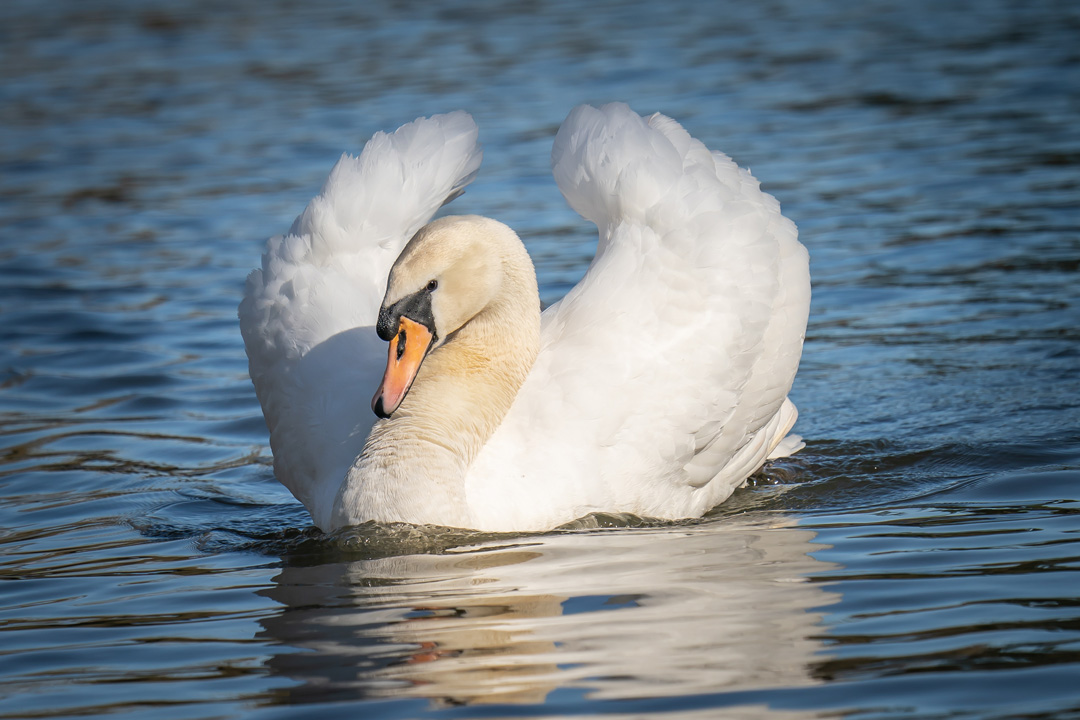
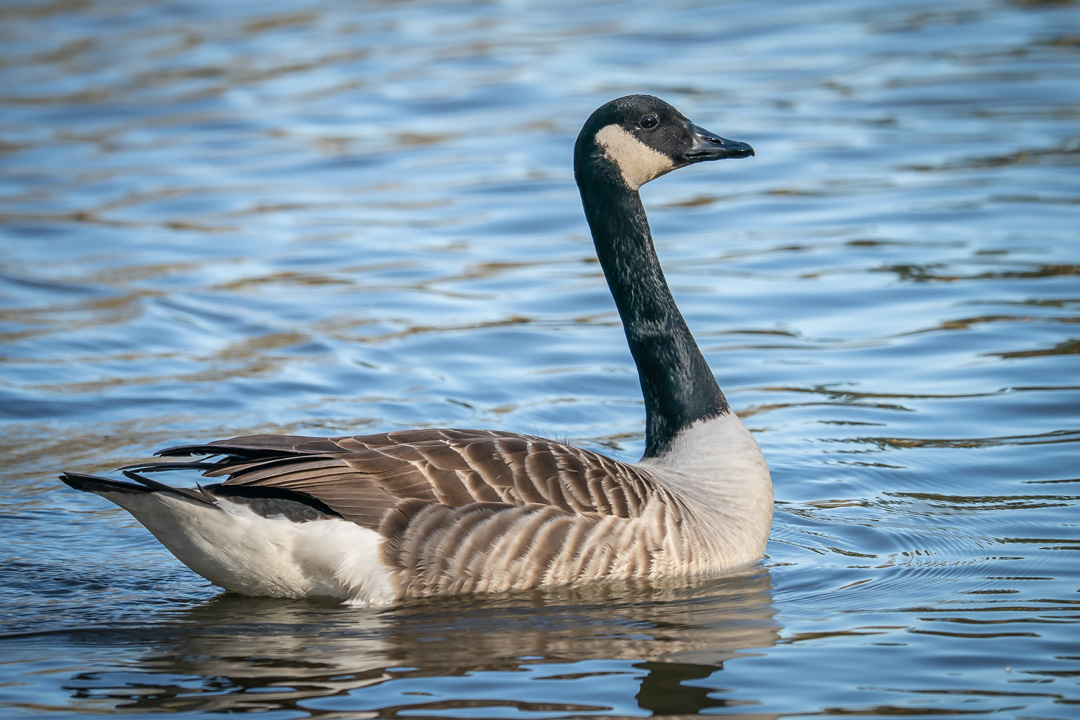
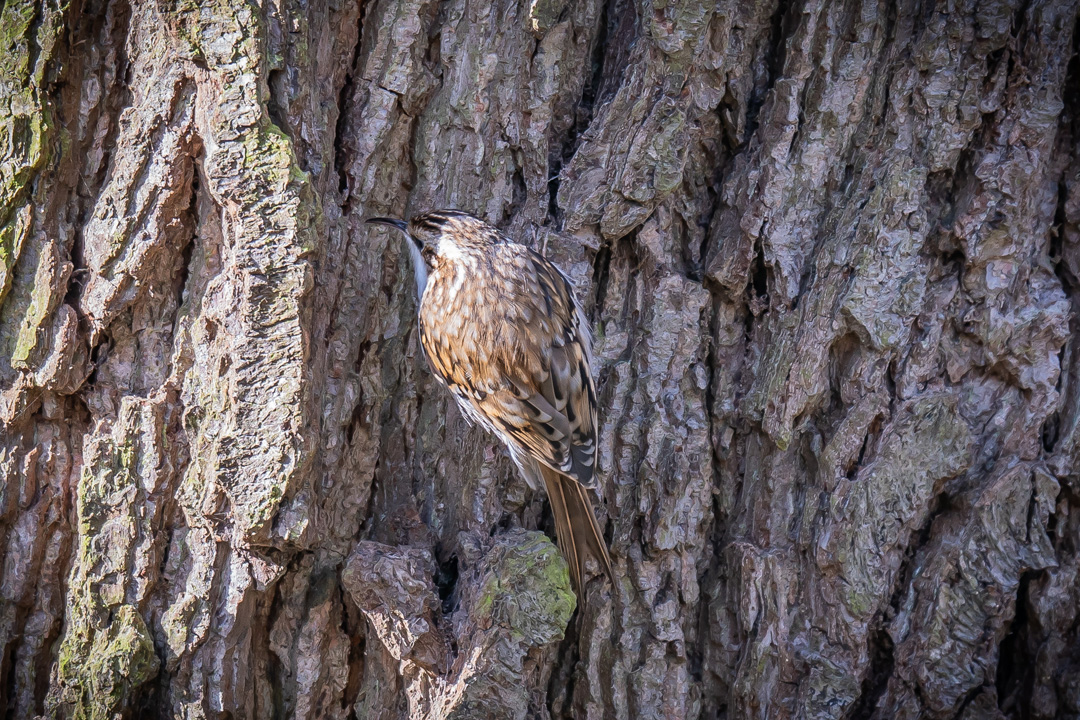
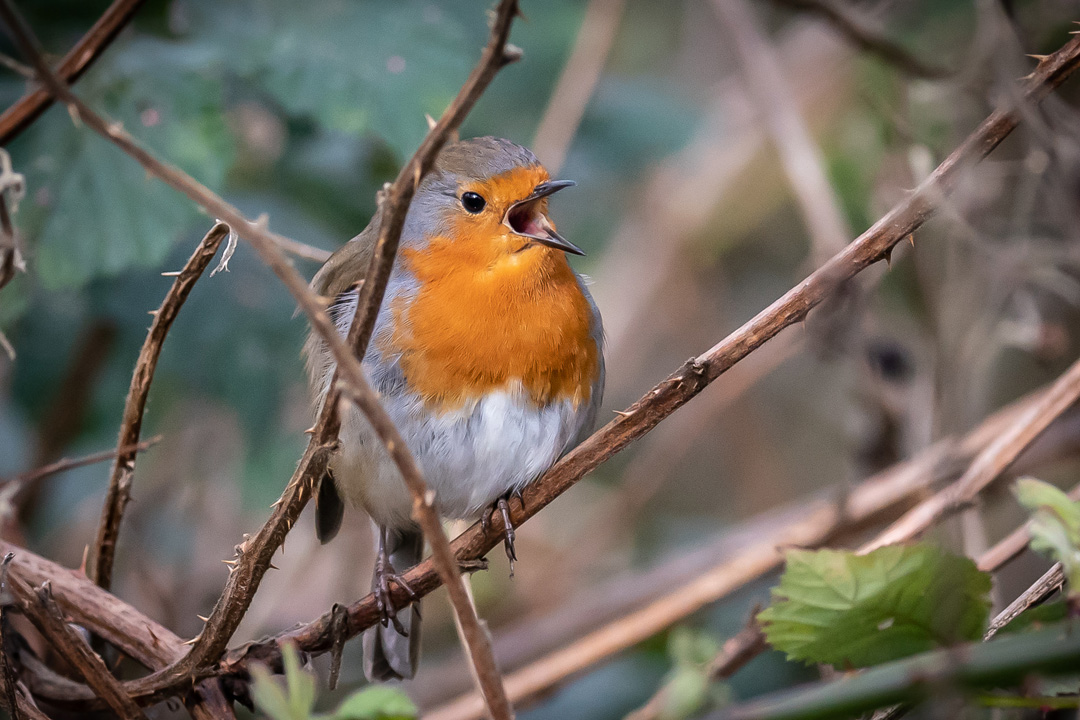
Author: martintayler

  • Friday 31st January 2020 – Strandfontein Sewerage Works, Western Cape SA

    Friday 31st January 2020 – Strandfontein Sewerage Works, Western Cape SA

    The Cape Flats Waste Water Treatment Works, or simply Strandfontein as it is known to birders, also forms part of the False Bay Nature Reserve. It really is a marvel for birders as you can drive around the gravel paths and see and photograph birds at close quarters.

    Strandfontein features more than 300 hectares of reed-fringed detention ponds and dunes connected by gravel roads that are usually in good condition, although on this occasion we did have one terrifying moment when we got stuck in  a very deep section of slurry which had been deposited on one of the paths.and which demanded all our driving skills and ingenuity in to order to extricate from a very embarrassing situation.

    In the end it was really worthwhile and we saw an amazing amount of birds in a very short trip.

    This slideshow requires JavaScript.

    DSC08934Greater flamingo

    DSC09420Greater flamingo

    DSC09898Greater flamingo

    DSC09820Cape weaver

    DSC09754Black-winged stilt

    DSC09727White-necked raven

    DSC09577Cattle egret

    DSC09537Cattle egret

    DSC09605Blacksmith lapwing

    DSC09482African sacred ibis

    DSC09478African sacred ibis

    DSC09392African sacred ibis

    DSC09118White-faced whistling duck

    DSC09128White-faced whistling duck

    DSC09313

    DSC09302

    DSC09325Great white pelican

    DSC09010African sacred ibis and glossy ibis

    DSC09061Egytian goose

    DSC09673Spur-winged goose

    DSC09015Red billed teal

    DSC08992Little grebe

    DSC08975Barn swallow

    DSC08897Caspian tern


  • 30th January 2020 – Franschhoeke, Western Cape SA

    30th January 2020 – Franschhoeke, Western Cape SA

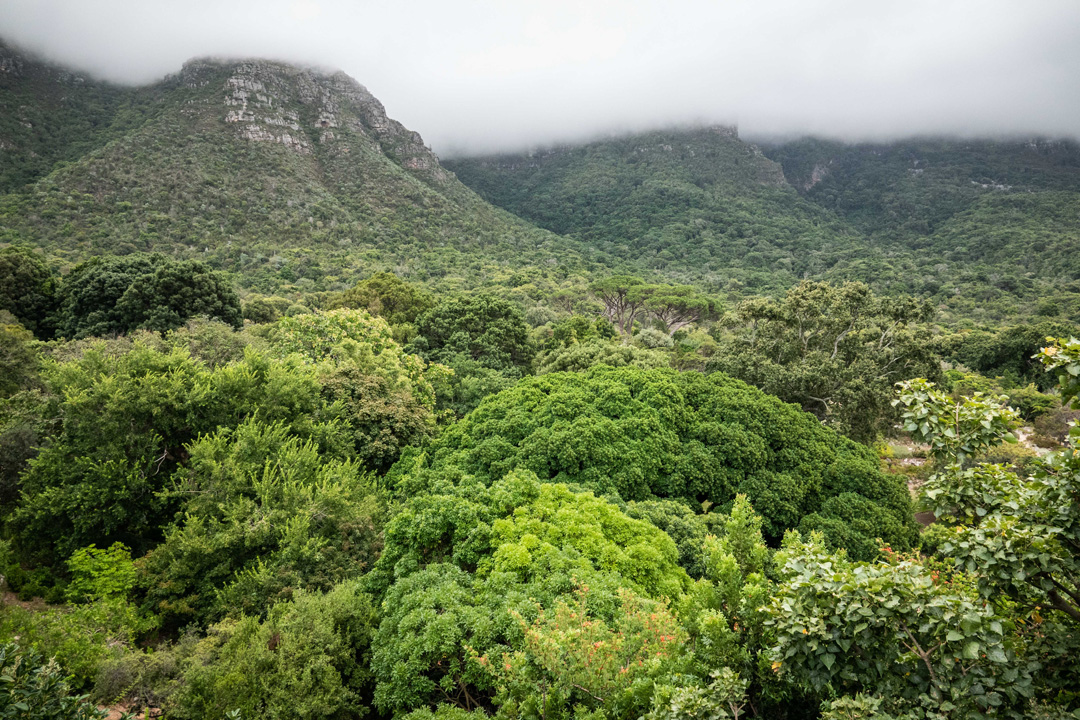
    Well as this is my nature blog I’m going to allow myself a little licence to show some of the natural surroundings of Franschhoeke in the Western Cape of South Africa. Not a bird in sight.

    It is very different from the Klein Karoo or even the Robertson wine region where we were before. A really stunning part of the world.

    This slideshow requires JavaScript.


  • 28th January 2020 – Robertson, Western Cape

    28th January 2020 – Robertson, Western Cape

    I didn’t expect our stay at the Excelsior Estate Winery at Robertson to provide such good opportunities for bird photography. On the first evening we walked down to the river amongst the vines and saw weavers and southern red bishop birds. The following day we were able to use a golf trolley and venture further into and around the vineyard. The advantages of the golf trolley was that the birds weren’t so nervous about our presence.

    This slideshow requires JavaScript.

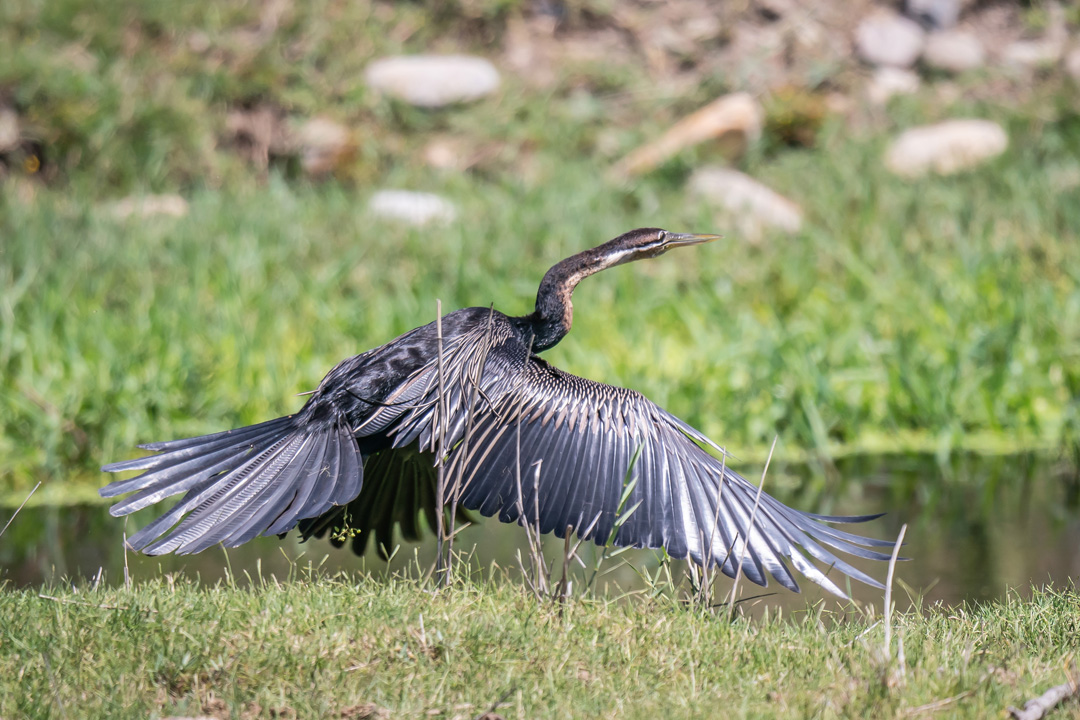
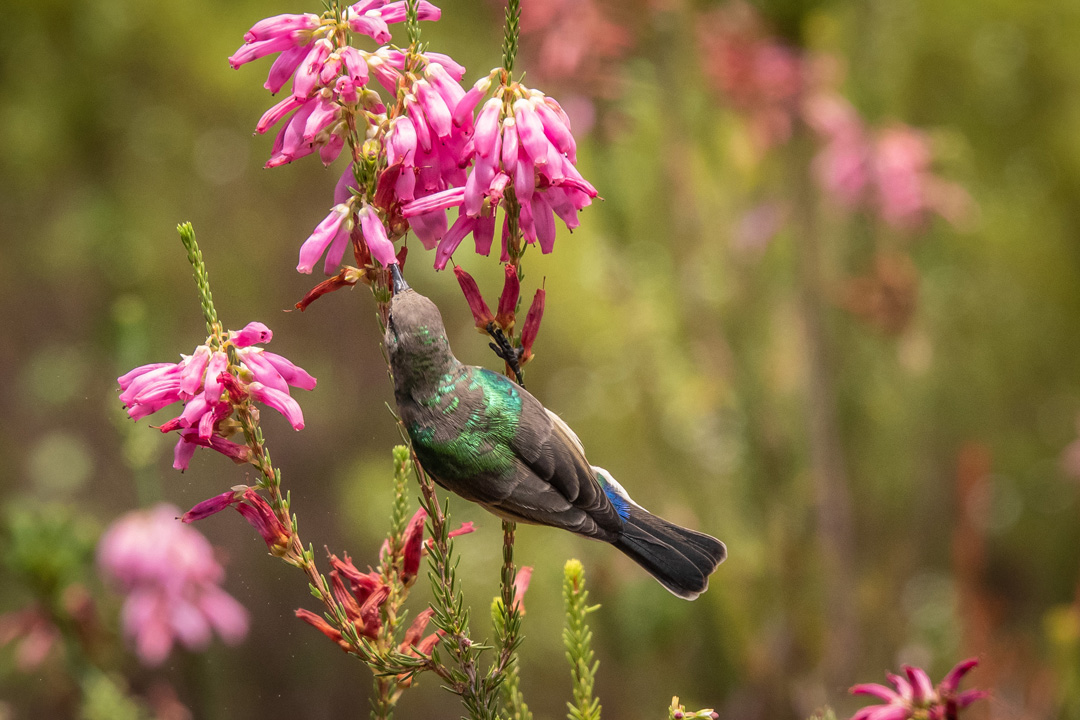
    The stars for me were the bigger birds we saw, an African darter, a black-headed heron and a buzzard and the smallest, the southern double collared sunbird.


    DSC08523

    DSC08530African darter

    DSC08618

    DSC08619Buzzard

    DSC03896

    DSC03898Black-headed heron

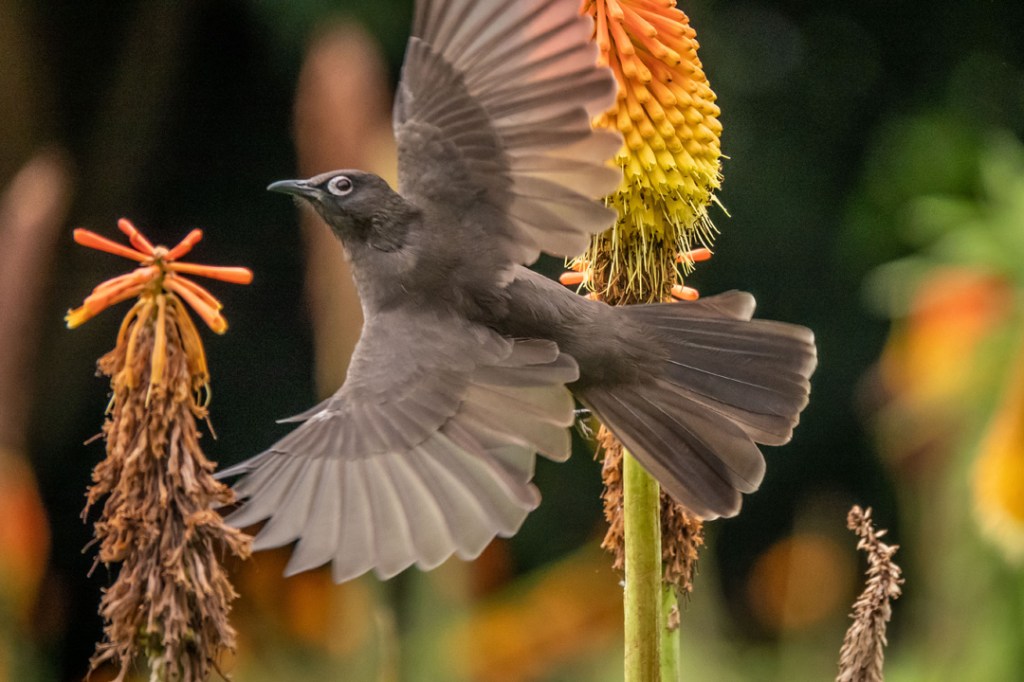
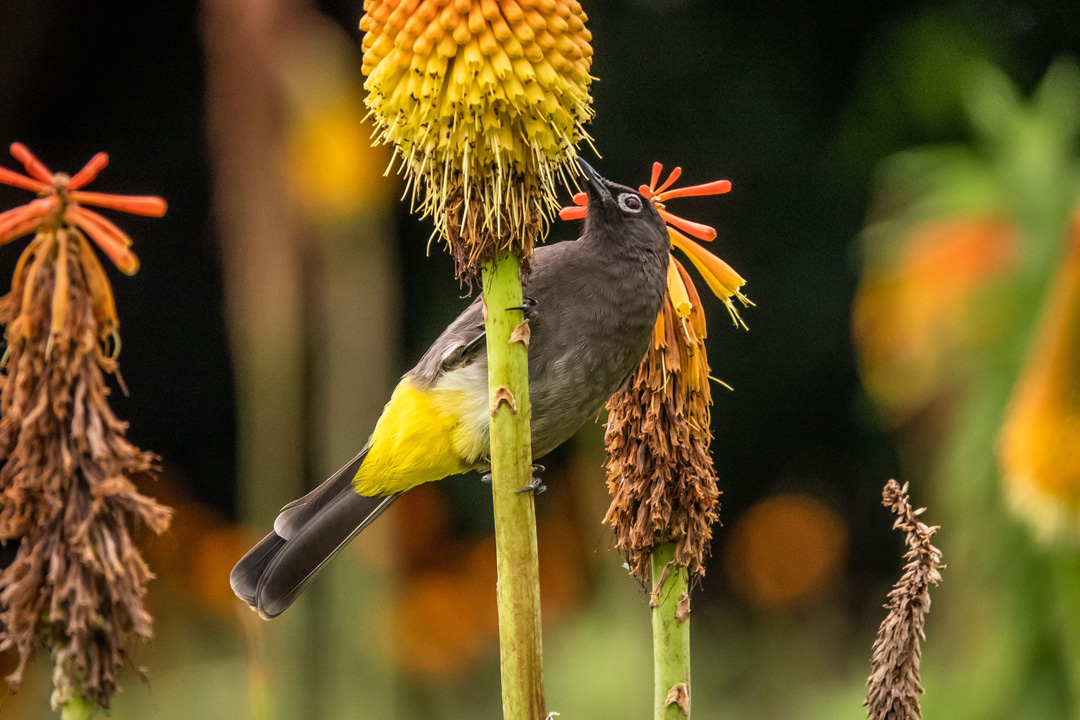
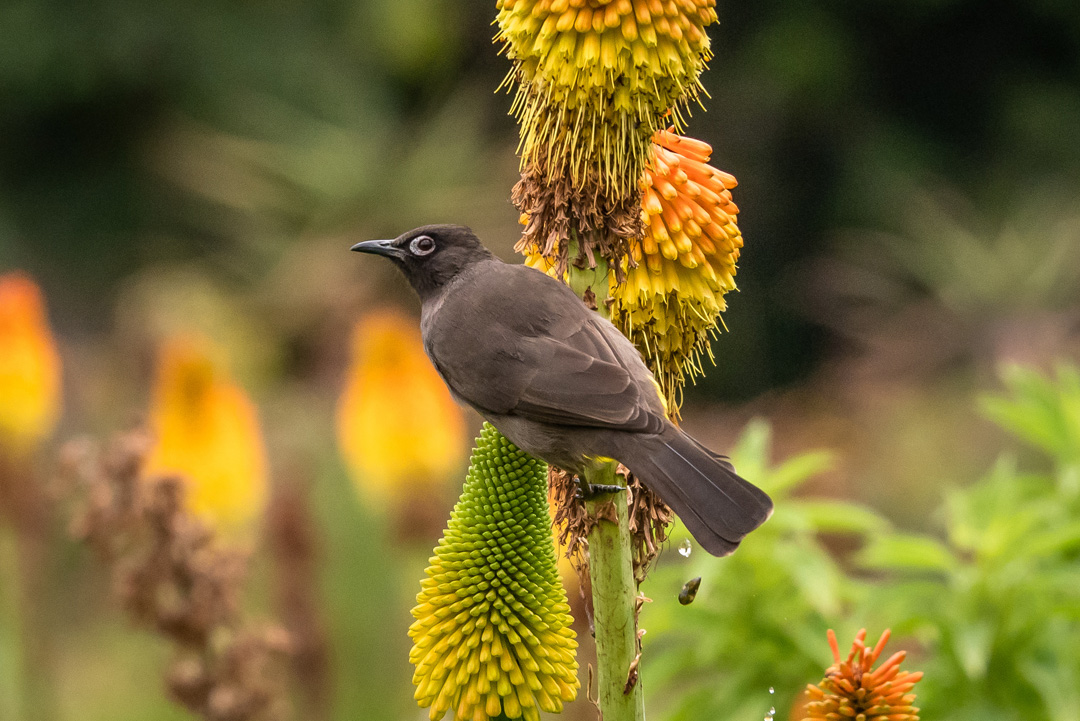
    DSC08660Cape bulbul

  • 26th January 2020 – The Swartberg Pass

    26th January 2020 – The Swartberg Pass

    This slideshow requires JavaScript.

    As we were due to be up very early for a meerkat safari (which didn’t happen because of rain) we didn’t take up the option of the ostrich farm tour. We had a leisurely day exploring the Swartberg Pass and the area around the Cango Caves.

    Stunning scenery again.

    DSC06612

    DSC06601

    DSC06598

    We spent quite some time watching the southern masked weavers “weaving” their nests and came across the southern red bishop for the first time. I gather it is quite a common bird but it is the first time we had seen it and it is quite stunning.

    DSC06980Southern masked weaver

    DSC07097Southern red bishop

    DSC07113White-breasted cormorant


    DSC06240

    DSC06595Greater striped swallow

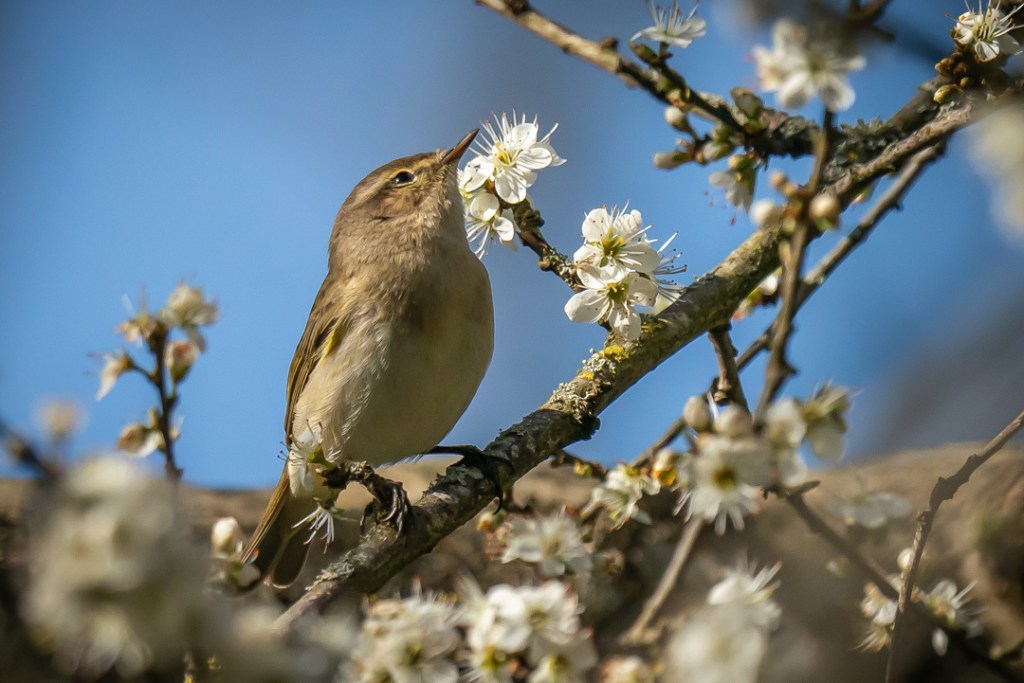
    DSC06271Willow warbler (?) in the garden


  • 25th January 2020 – Oudtshoorn

    25th January 2020 – Oudtshoorn


    This slideshow requires JavaScript.

    As we had had quite a long and tiring journey from Knysna to Oudtshoorn we just relaxed in the afternoon in the gardens of the farm where we were staying. Oudtshoorn is the ostrich capital of the world and we were staying on an ostrich farm.

    DSC06034The view across the farm to the local church.

    As the ostrich is the biggest bird it is appropriate that I have it as my header photo, although I much preferred the weavers and the common fiscals.

    DSC06074

    DSC06100


  • 27th January 2020 – Oudtshoorn – meerkats

    27th January 2020 – Oudtshoorn – meerkats


    This slideshow requires JavaScript.

    The main focus of our stay in Oudtshoorn was  a morning “safari” to see meerkats in the Klein Karoo. However, when we got up at 4.30 am  it was raining and we had been warned that the trip would not go ahead in the rain as the meerkats would not come out to play.

    Fortunately we were able to re-arrange another visit on the morning we were leaving Oudtshoorn and the weather was fine.

    The vegetation in this part of the world was very different from Kruger but quite impressive at this time of the morning with the backdrop of the Swartberg and the Outeniqua Mountains. I must say that, as in Kruger, much of the time I had great difficulty getting the white balance correct in my photos especially with the morning and evening light. 

    DSC07350

    DSC07353

    Before we got to see the meerkats (we had to search for them as they move from burrow to burrow) we only saw antelope. In this part of the world they have Southern Eland, Greater Kudu and Common Duiker (the smallest).

    DSC07354

    DSC07397

    DSC07408

    DSC07425

    DSC07436

    DSC07475Common duiker

    DSC07485Greater Kudu (with the big ears)

    DSC07513

    DSC07535

    There was a family of seven meerkats. It’s a matriarchal society and it seemed that 2 of the meerkats were pregnant and our guide assured us that this was going to cause some fuss in this group.

    DSC07585

    DSC07596

    DSC07606

    DSC07618

    DSC07638

    DSC07641

    DSC07652

    DSC07659

    DSC07664

    DSC07689

    DSC07706

    DSC07756

    DSC07757

    DSC07772

    DSC07928

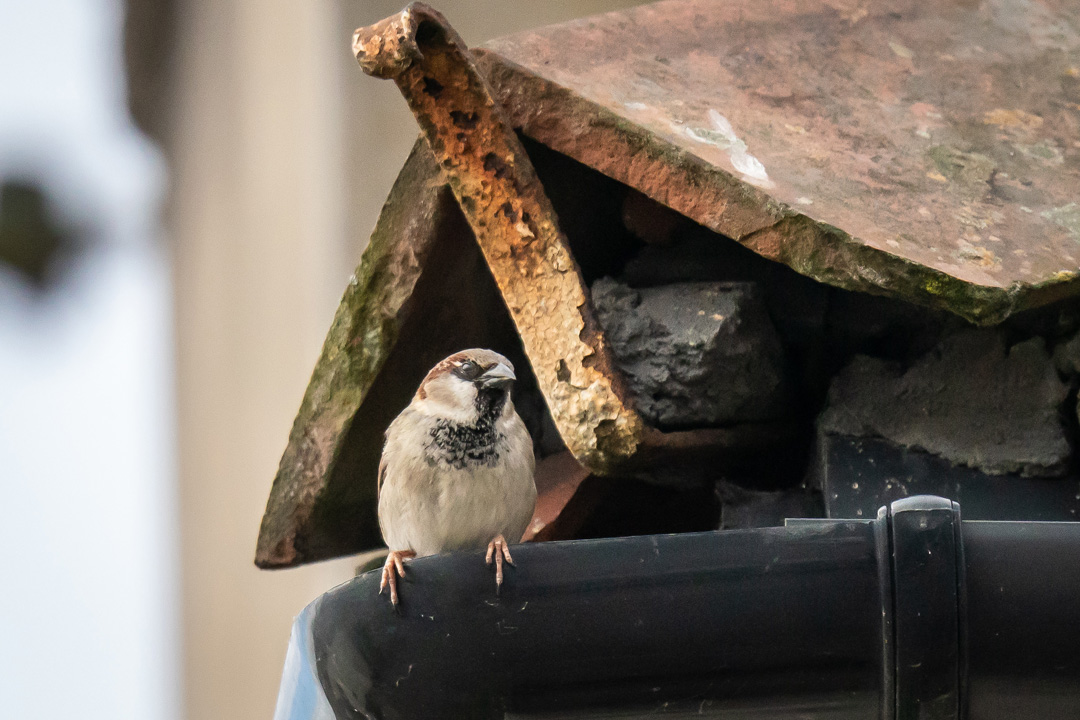
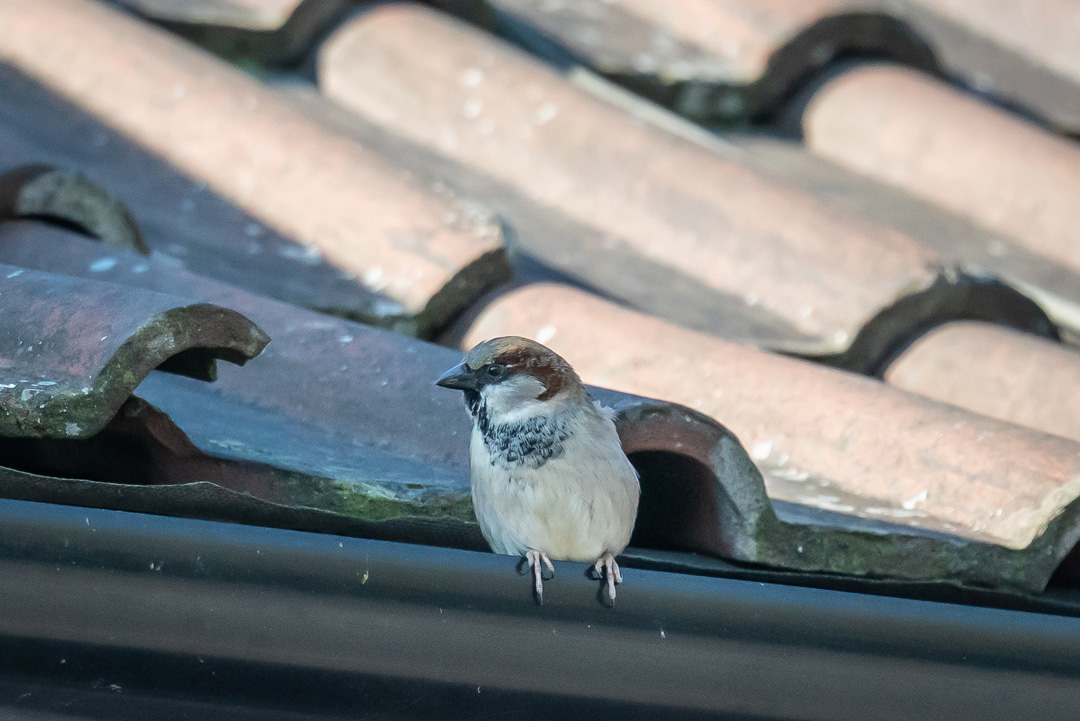
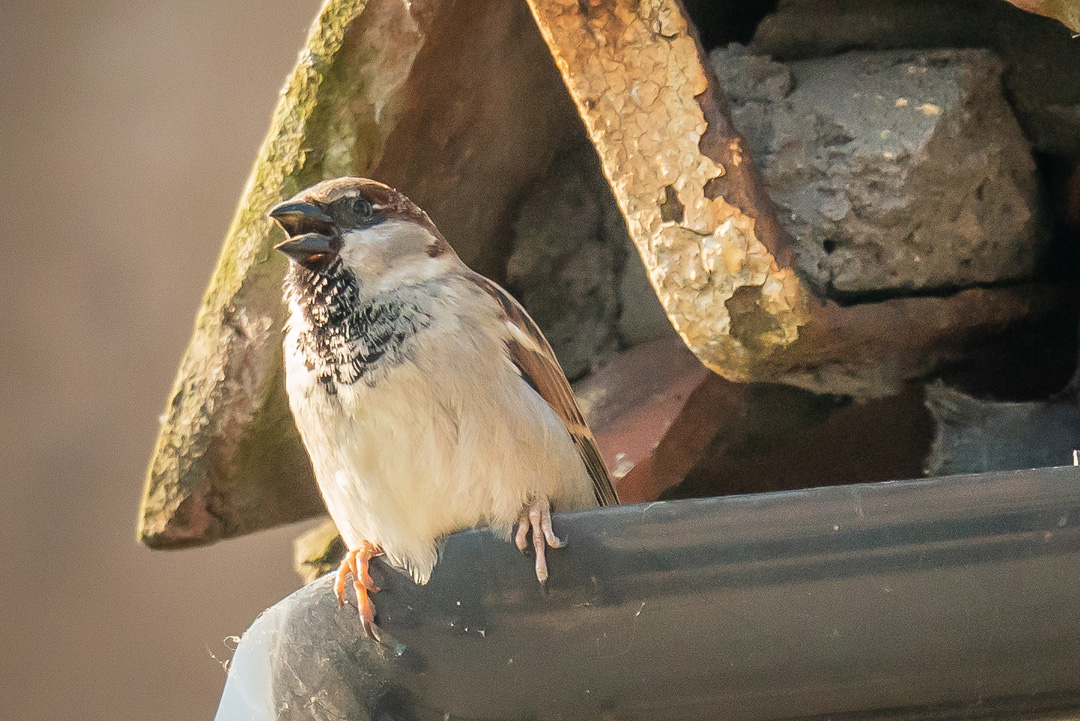
    We saw a few birds on our trip. The first was a house sparrow! There were quite a few Egyptian geese,  southern-masked weavers, a couple of southern black korhaan and the ubiquitous common fiscal.

    DSC07381House sparrow

    DSC07459Southern-masked weaver

    DSC07548Southern black korhaan

    DSC07683egyptian goose

    DSC07993Common fiscal (the butcher bird)

  • 16th  – 19th January 2020 – Thornybush Private Game Reserve, South Africa – birds

    16th – 19th January 2020 – Thornybush Private Game Reserve, South Africa – birds

    This slideshow requires JavaScript.

    Clearly the main focus of the 6 games drives we did in the Thornybush Game Reserve was the animals. However, we had a fantastic opportunity to see a large number of birds too. I felt I probably tested the patience of our fellow tourists by me wanting to stop to see birds; but they were very tolerant and even helped to spot birds and point them out to me. Our guides were very good too and incredibly knowledgeable. They nearly always knew the names of the birds – the problem of identification has been my lack of memory.

    However, with the help of my field guide (Newman’s) and the knowledge and great cooperation of Larry Swetman (back in Bristol) I have been able to identify most of them.

    Labelling is a job for back home.

    The slideshow is a selection of the photos I took (the slideshow can be pinched out on an iPad for optimum viewing).

    Listed below are some of my favourite birds.

    Probably the rarest bird we saw was the bronze-winged courser (certainly by the reaction of our guide Kilmore) especially as it is usually nocturnal.

    DSC04357Bronze winged courser

    The most exciting bird was the dark chanting goshawk which we saw swoop down on its prey and took it off to a nearby branch so that we were able to see it rip its prey apart and devour it.

    DSC05241Dark chanting goshawk

    The most startling was probably the southern yellow-billed hornbill – there were hornbills everywhere.

    DSC00464Southern-yellow billed hornbill

    The largest raptor was probably one of the vultures but I particularly liked the tawny eagle.

    DSC03676Tawny eagle

    There were lots of very colourful birds but I wasn’t always able to catch them in their full splendour because of the rain and cloudy conditions which prevailed for the last few days. A few of the contenders

    DSC04850Woodland kingfisher

    DSC03910Crested barbet

    DSC02894Blue waxbill

    The most fascinating bird for me was the long-tailed paradise whydah .

    DSC04958Long-tailed paradise whydah

    We saw quite a lot of shrikes and I liked this photo of a red-backed bush shrike which I photographed in the rain.

    DSC04826Red-backed shrike

    We saw oxpeckers mainly on buffalos but I love this photo of one on a giraffe.

    DSC05028

    I could go on …

    We saw lots of other birds that I didn’t manage to photograph. I suppose I was disappointed most not to capture some of the cuckoos.


  • 23rd January 2020 – Knysna

    23rd January 2020 – Knysna

    This slideshow requires JavaScript.

    We had planned a trip up the River Kromme at St Francis Bay as we made our way along the Garden Route from Port Elizabeth to Cape Town but the weather was so bad that it was cancelled (too wet and windy) and our first opportunity to get out and see some birds was on our second day in Knysna (yes it has stopped raining but it still isn’t very warm).

    We walked along the edge of the Woodbourne Trust Nature Reserve and Bird Sanctuary near The Heads (which feature in nearly all the tourist photos of Knysna).

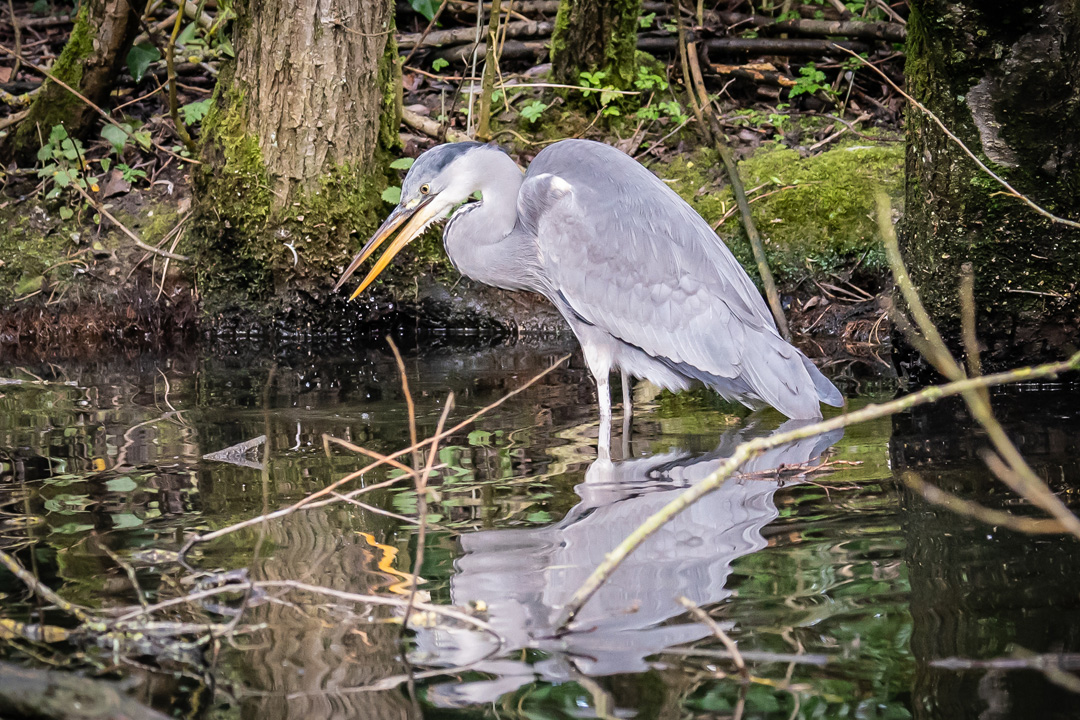
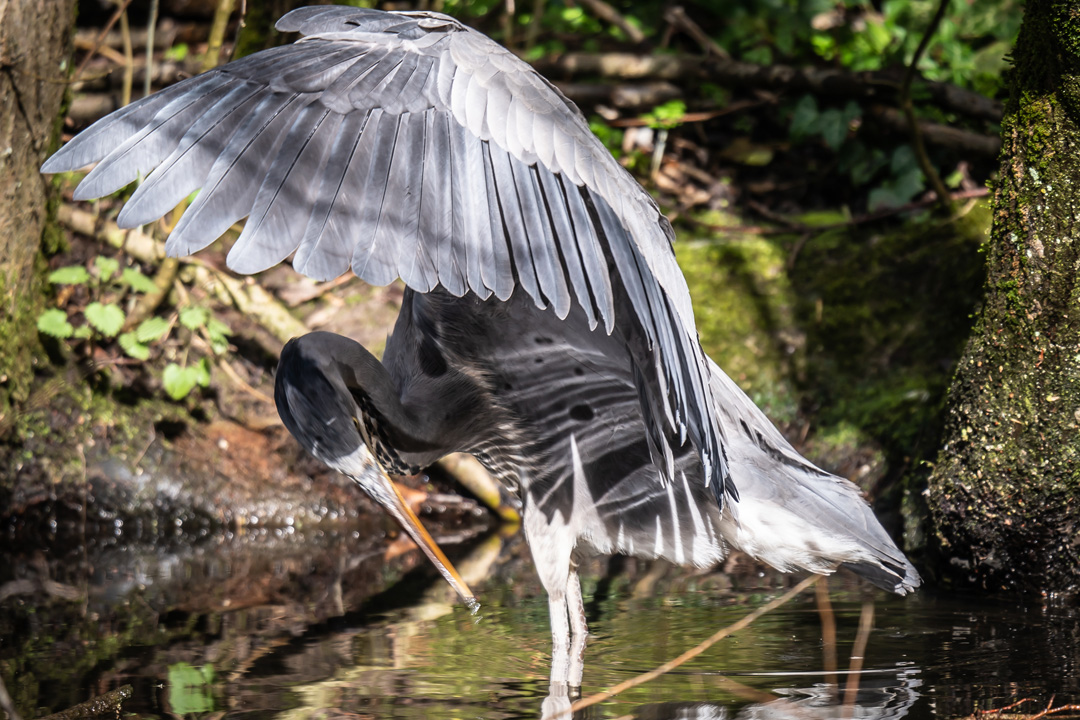
    It was like home from home to start as the first bird we saw was a grey heron but it soon became a bit more exotic with African sacred ibis and Egyptian geese.

    From the edge of the reserve we could easily see avocets, black winged stilts, Blacksmith lapwings and common greenshank but the real treat was an African spoonbill which flew out and then back over our heads. We rewarded ourselves with lunch.

    DSC05583Reed cormorant (I think)

    DSC05871Little egret

    DSC05841African sacred ibis

    DSC05821Egyptian geese

    DSC05800Common greenshank and black-winged stilts

    DSC05785Common greenshank

    DSC05548Blacksmith lapwing

    DSC05439Avocet

    DSC05359African spoonbill on its way out

    DSC05820and on its way back


  • 16th  – 19th January 2020 – Thornybush Private Game Reserve, South Africa – animals

    16th – 19th January 2020 – Thornybush Private Game Reserve, South Africa – animals

    A selection of animals from the reserve

    DSC09493Leopard

    DSC00976Lion

    DSC03521White rhino

    DSC04491Black rhino

    DSC04752Wildebeest

    DSC04564Impala

    DSC04369Burchell’s Zebra

    DSC03832Mongoose

    DSC03710Giraffe

    DSC03684Kudu

    DSC02830Buffala

    DSC02823Tortoise

    DSC02279Water Buck

    DSC01201Hyaena

    DSC00720Hippo

    DSC04076Monkey

    DSC00882Elephant


    … more to follow


  • 16th  – 19th January 2020 – Thornybush Private Game Reserve, South Africa

    16th  – 19th January 2020 – Thornybush Private Game Reserve, South Africa

    This slideshow requires JavaScript.

    Our trip to South Africa certainly got off to a fantastic start. We spent the first 3 nights at Chapungu, a luxury tented lodge, on the Thornybush Game Reserve in Greater Kruger.

    We were quite apprehensive about the 28 hour journey from Bristol to Chapungu (via London Heathrow, Johannesburg and Hoedspruit) and quite concerned that we might not have the stamina for 6 game drives in three days with 5 am starts but either the adrenaline or the “sundowners”  with the beautiful backdrop of the Drakensburg Mountains) enabled us to cope quite well.

    DSC03320

    However, I didn’t count on the logistics of taking so many photos, saving them, editing a few and backing them all up which has been very onerous. Ah well, I enjoy it really.

    The cloudy weather on a couple of the drives and even rain on the last day probably also  helped us to cope but didn’t do much for my later photos.

    Initially I thought that I would revisit this blog at a later stage and write about the narrative of each of the 6 game drives but, unless we have a really bad run of weather when we return to the UK, I am realistic enough to know that that is improbable and that I shall enjoy more editing additional photos, remembering what was what and adding captions. However, I couldn’t fail to mention the excitement of seeing the leopard family with their kill in the marula tree, the lions protecting their kill, the hyenas and the vultures waiting to scavenge for their shares, or the goshawk which we saw stoop, make off with its prey and devour it in a nearby tree.

    DSC02932Another memorable moment when we got stuck in the river bed – just to let me see even more birds!

    I have already prepared a very large number of photos in a slideshow but can’t imagine anyone sitting for long enough to watch all of them so will have to rethink how I am going to do that. I will probably post in a later blog when I have more band width.

    For the moment I will settle for a more modest slideshow of some of my favourite photos (above – the slideshow can be pinched out to fit a tablet).

    We would like to say a very big thank you to the interesting young tourists from around the world who were with us throughout the three days and who added a different dimension to our trip by sharing with us some of their “world”. Also I would like to mention the staff of Chapungu Lodge who were excellent in every way. Finally we can’t say enough about our guides, Jacques, Kilmore and Victor, who went to enormous trouble to take us to amazing places, got us so close to the animals and showed us with such enthusiasm and knowledge the variety of the incredible wildlife of South Africa.

    A truly memorable trip.

    The “Big Five:

    In Africa, the Big Five game animals are the lion, leopard, rhinoceros, elephant, and Cape buffalo. The term was coined by big-game hunters, and refers to the five most difficult animals in Africa to hunt on foot, but is now also widely used by safari tour operators.

    DSC09788Leopard

    DSC04538Black rhino (the horns are removed to deter poachers)


    DSC04046Elephant

    DSC02965Buffalo

    DSC02579Lion


  • 3rd January 2020 – WWT Slimbridge

    3rd January 2020 – WWT Slimbridge

    This slideshow requires JavaScript.

    For our first bird watching sortie of the new year we had another visit to Slimbridge. However, with two young ones in tow we only had limited time for bird watching before their attention waned.

    The highlight again was the water rails as normally they are quite elusive but today in one spot we saw three. There was a marsh harrier in the distance towards the estuary and pink footed geese (no photo).

    DSC08947Marsh harrier in the distance

    DSC09083

    DSC09081

    DSC08974Water rails

    I’m not too sure about my identification of Bewick’s/whooper swans but I think the first below is whooper and the second Bewick’s.

    DSC08838

    DSC08841

    DSC08872

    DSC08880

    DSC08890Wigeon

    DSC08894Teal

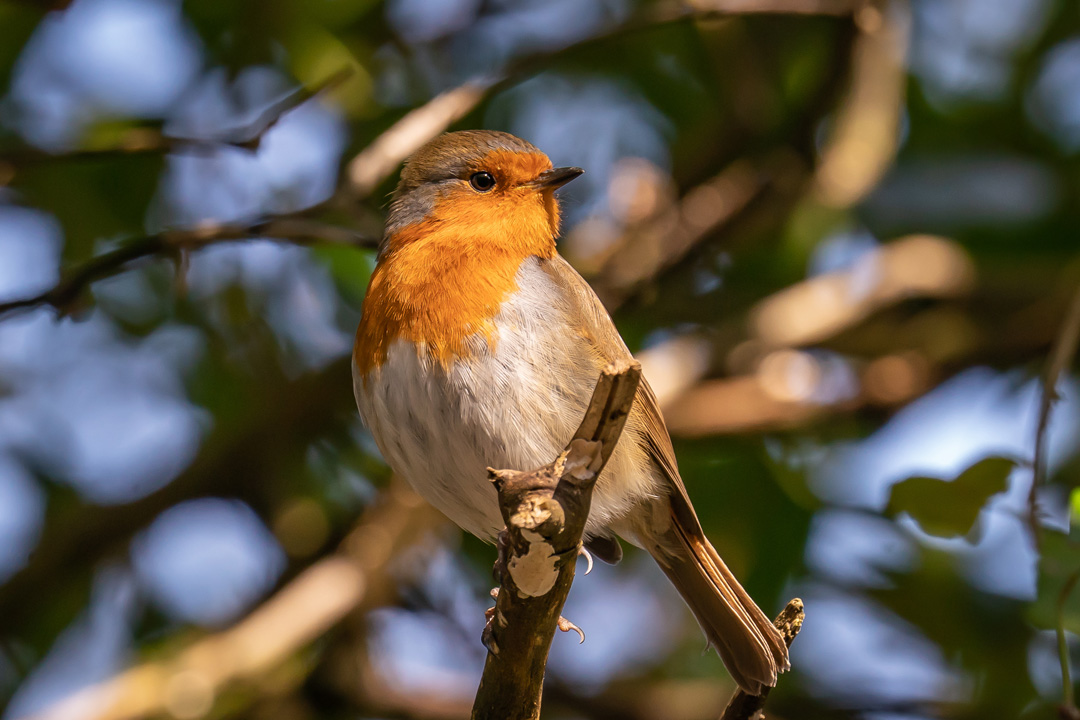
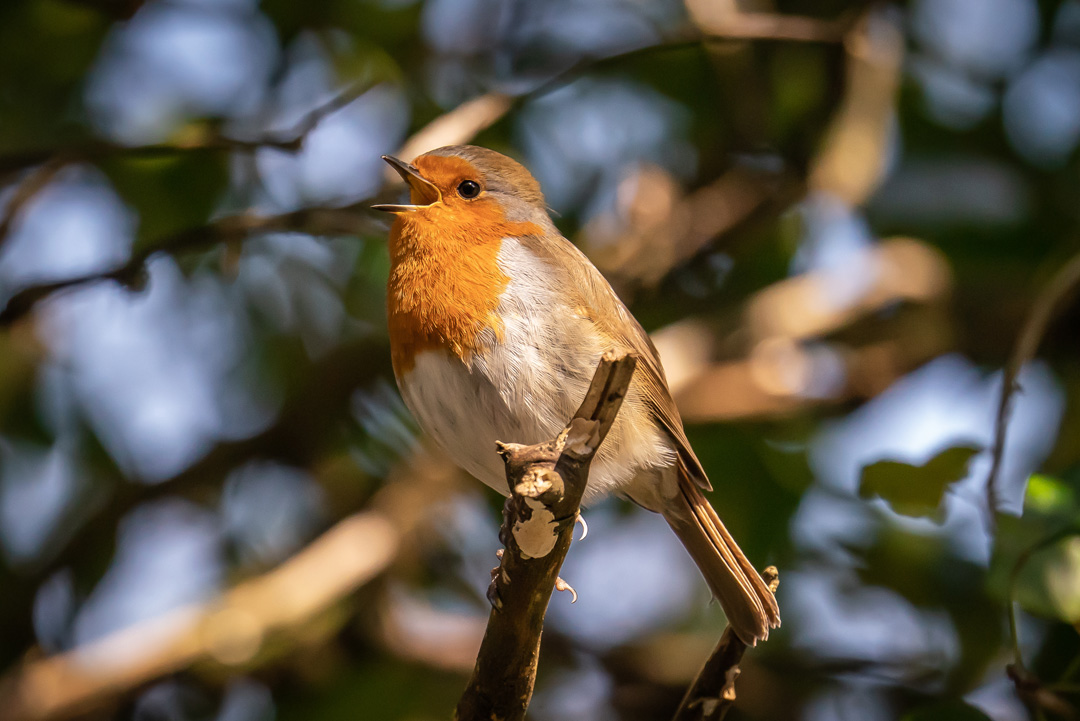
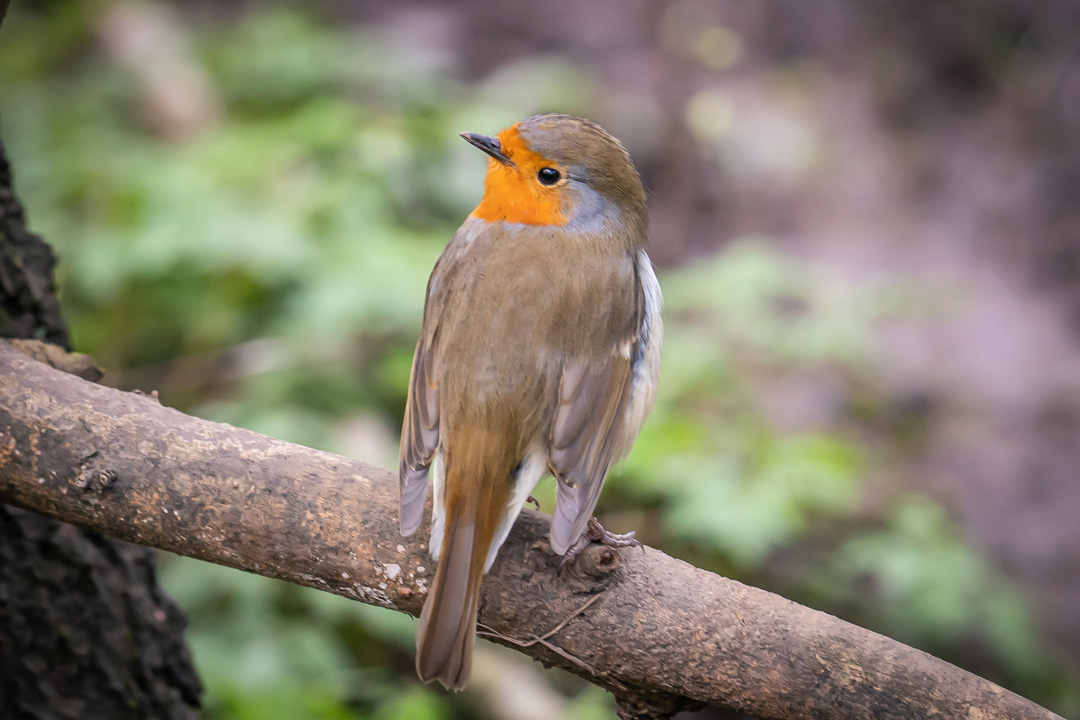
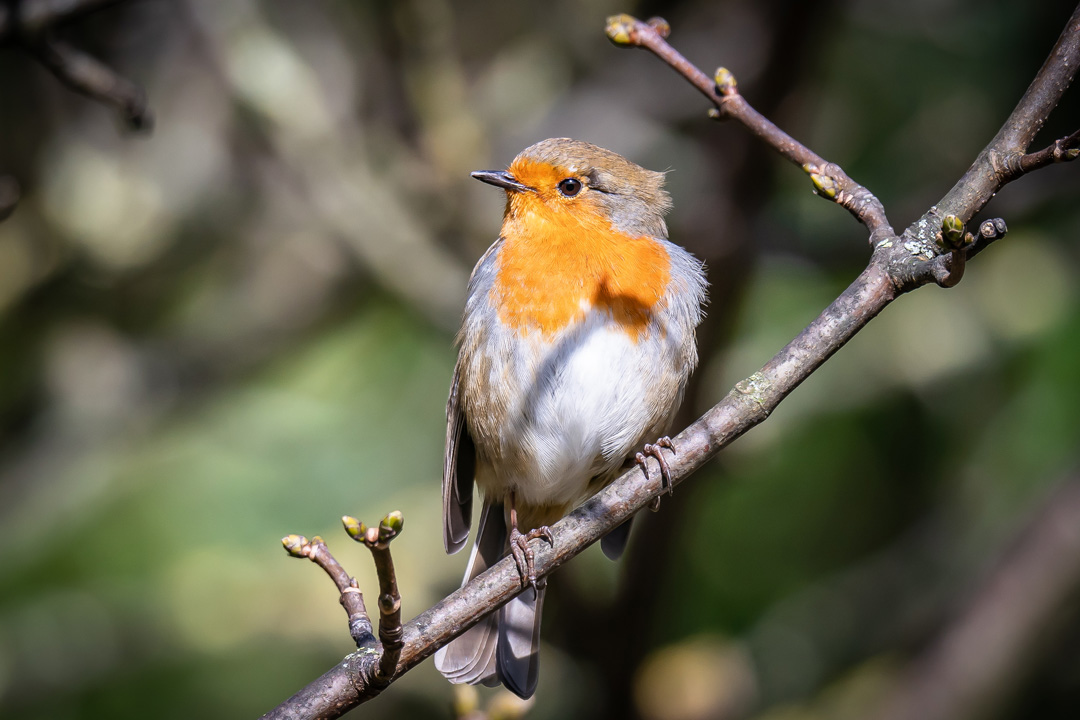
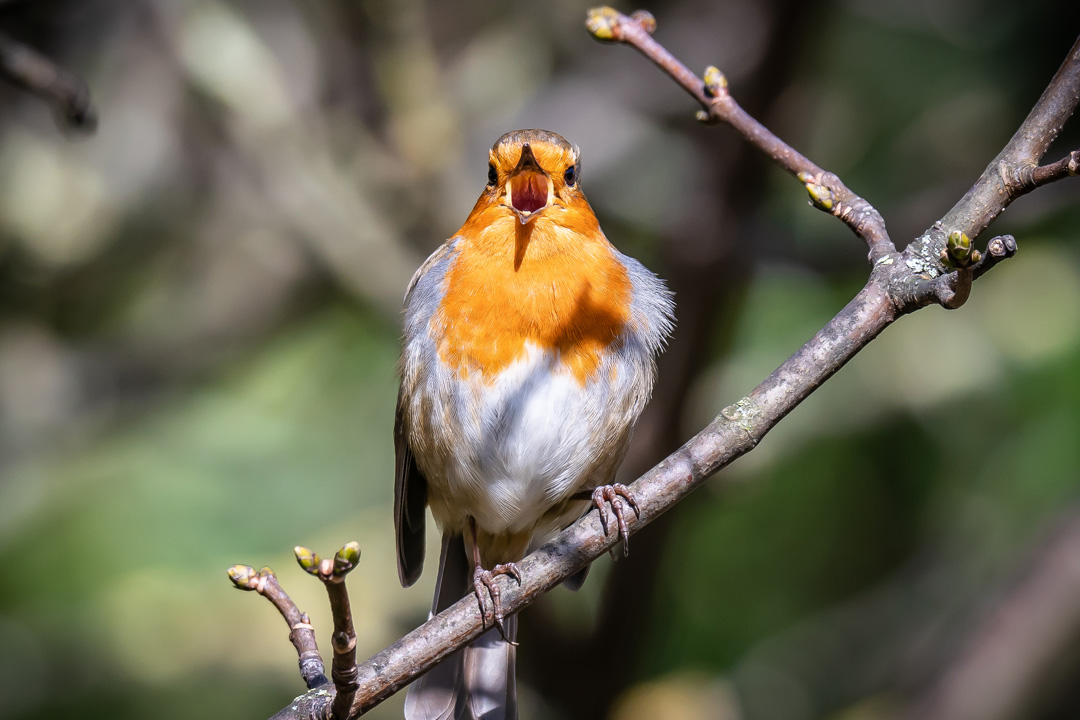
    DSC08847Robin

    DSC08864Robin

    DSC08892Chaffinch

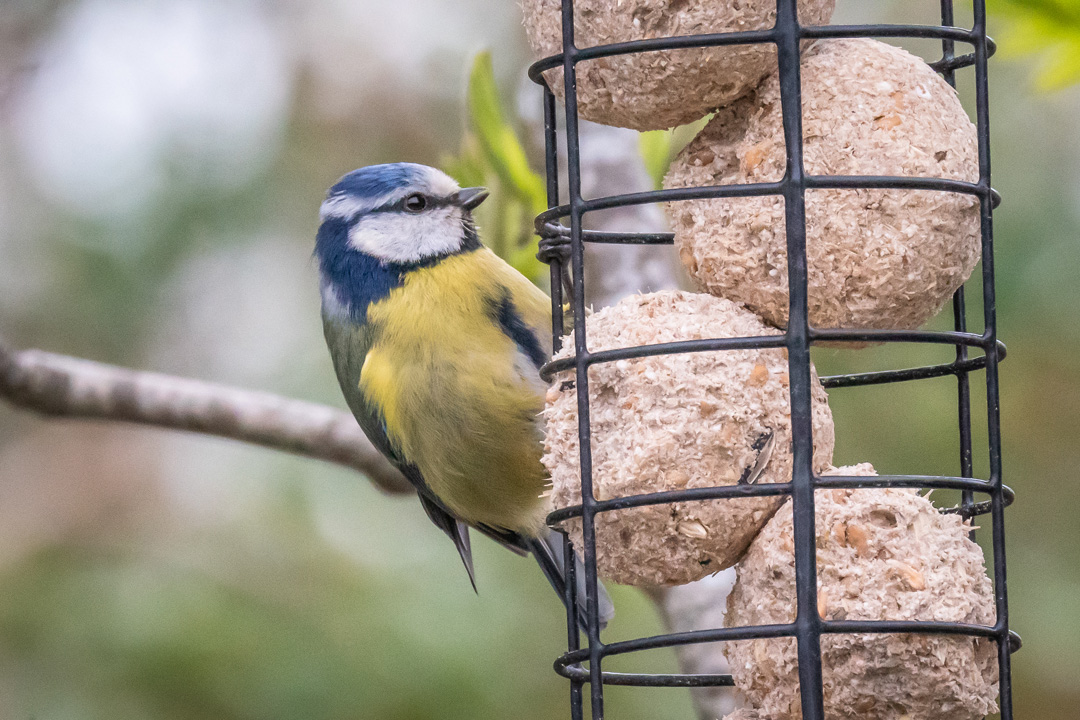
    DSC08900Blue tit

    DSC08982Blue tit

    DSC09069

    DSC09047Pheasant – such wonderful colours

    DSC08940Redshank add a bit of colour on a muddy bank

    DSC08957Shelduck in flight

    DSC08934Shelduck

    DSC08840Little egret in the distance


  • 29th December 2019 – WWT Slimbridge

    29th December 2019 – WWT Slimbridge

    This slideshow requires JavaScript.

    It’s almost a tradition for us to go to Slimbridge at this time of year: it’s definitely worth it even if you only go to the hides and don’t visit all the exotic wildfowl in the pens (which isn’t really our cup of tea anyway).

    The stars were the whooper, Bewick’s and mute swans in flight. although pintails and the water rail were a close second. Its always good to see teal, wigeon and redshank close up too.

    DSC07706Bewick’s swans

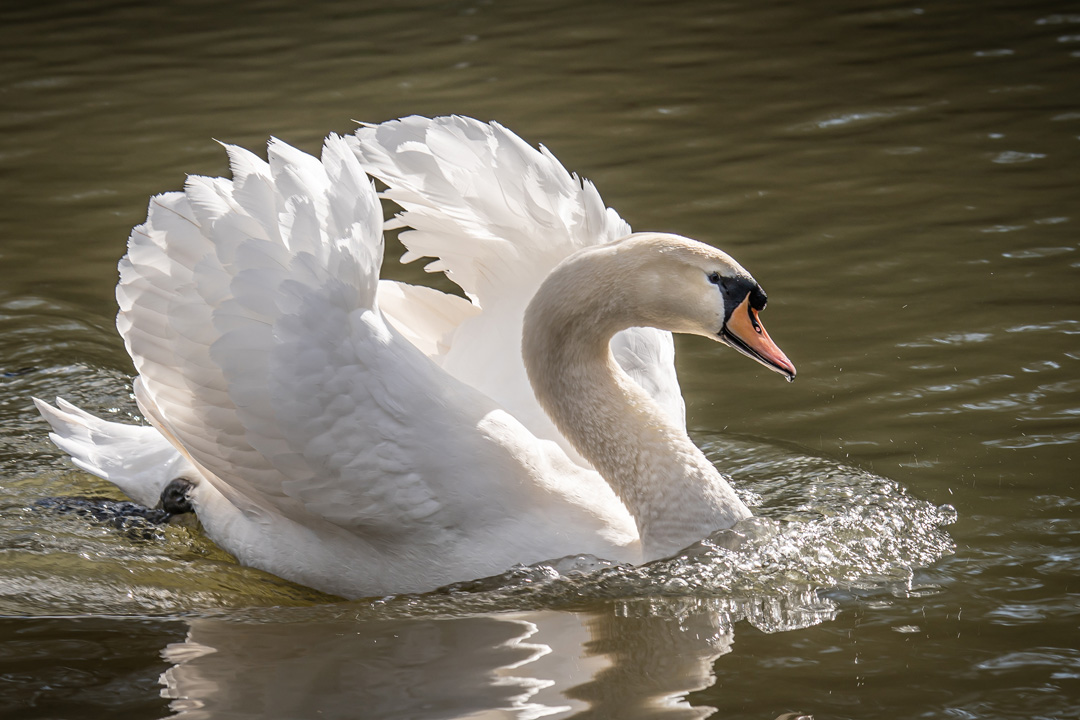
    DSC07780Mute swan

    DSC07794Mute swan

    DSC07829Whooper swan

    DSC07851Amourous shelduck

    DSC07909Male pintail

    DSC07919Female pintail

    DSC07958Lapwing

    DSC07964Redshank

    DSC08003Greylag goose

    DSC08057Teal

    DSC08067Blackbird

    DSC08095Lapwing

    DSC08130Wigeon

    DSC08165Greylag goose

    DSC08390Waterrail

    DSC08399Robin

    DSC08409Bluetit

    DSC08772Tufted duck

    I have mixed feelings about the bust up between the whooper/Bewick swans; in the end it was probably no worse than the stand-offs seen by rugby players in most matches these days. However, it did remind me of the infamous “99” call made by the England rugby team v Australia in 1975 with an element of pre-meditation.

    DSC08610

    DSC08622

    DSC08634-2