Our plans for today were changed last minute as the forecast for the beginning of next week was for strong winds on the south west tip of Portugal. It wasn’t too bad today and so the programme was reversed.

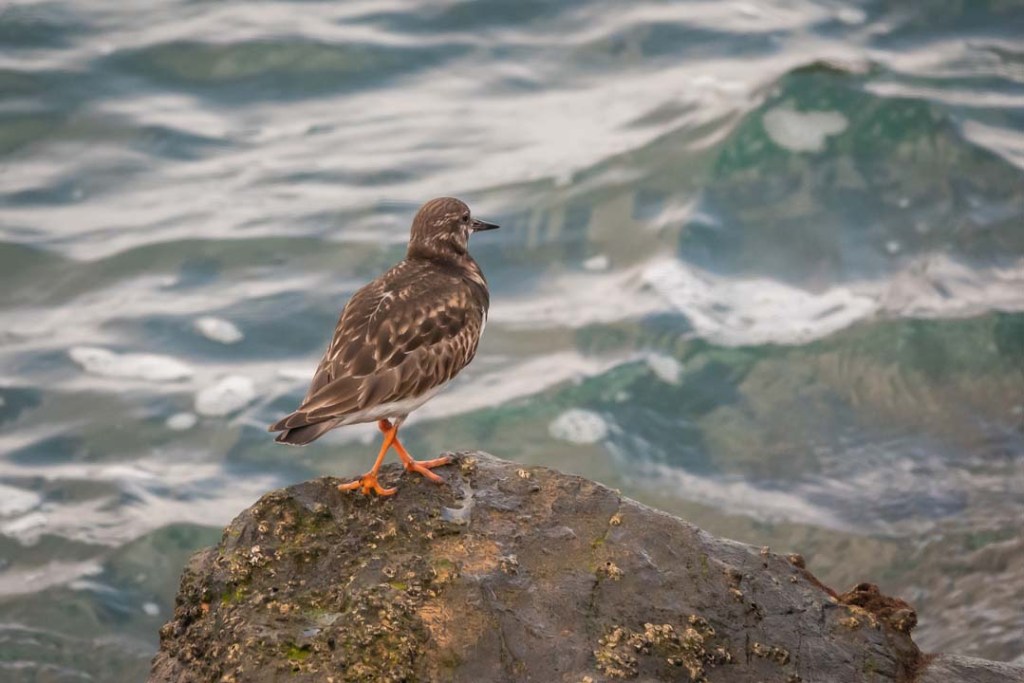
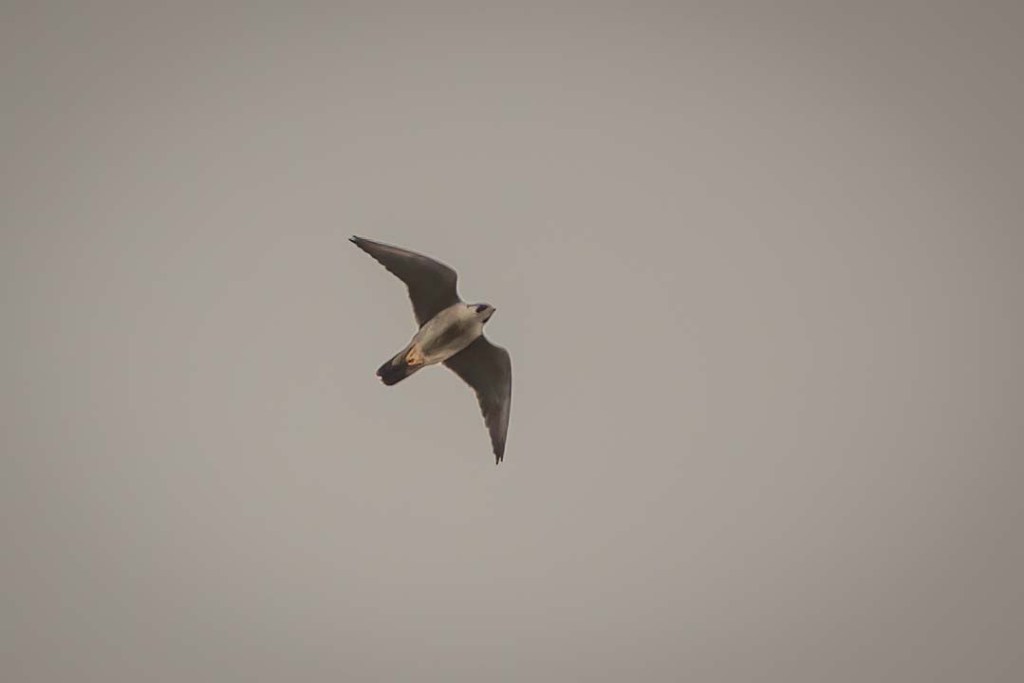
We started our birding in the port of Sagres on the south west coast of Portugal. On the quaysides there was a ruddy turnstone, crag Martins and not much else. We were looking for a purple sandpiper but no luck. As well as the usual gulls we could see cormorants and gannets out at sea. Also way above us there were two peregrine falcons.
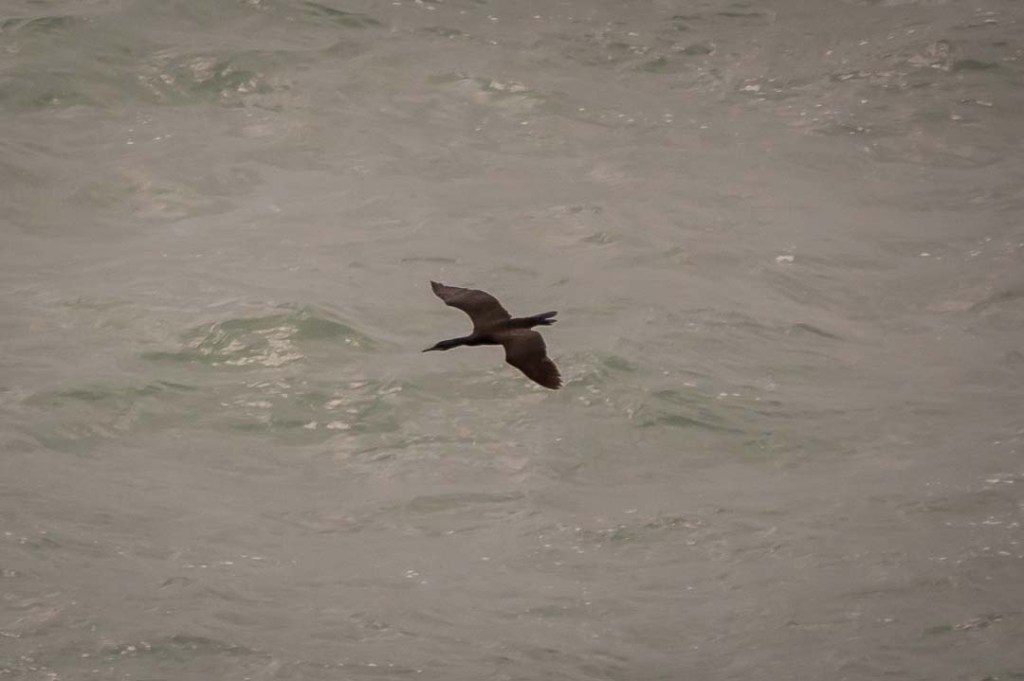
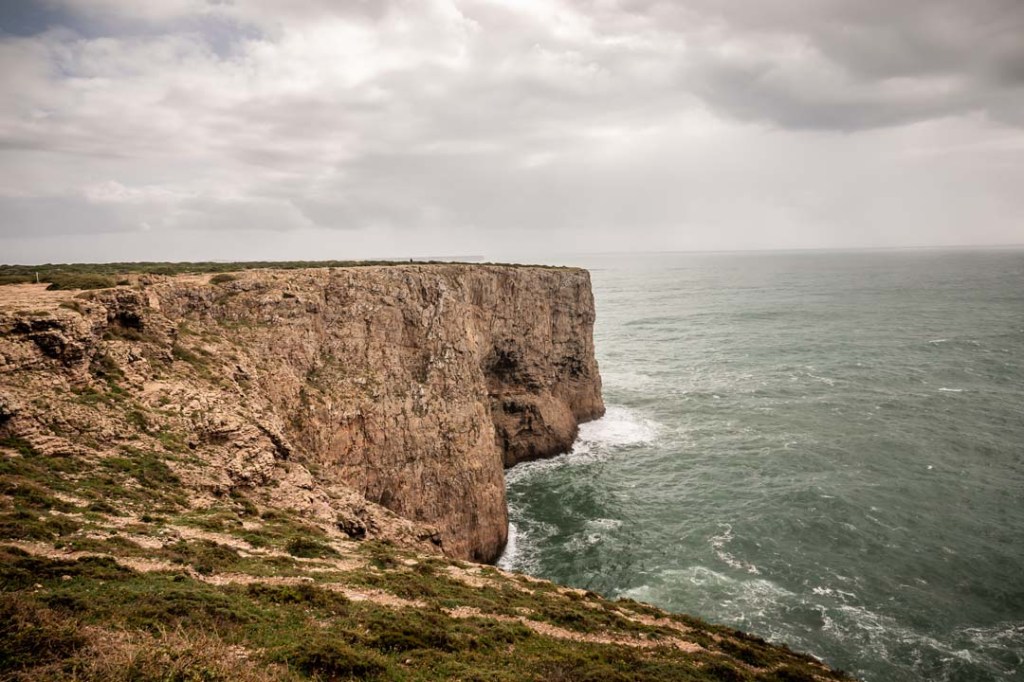
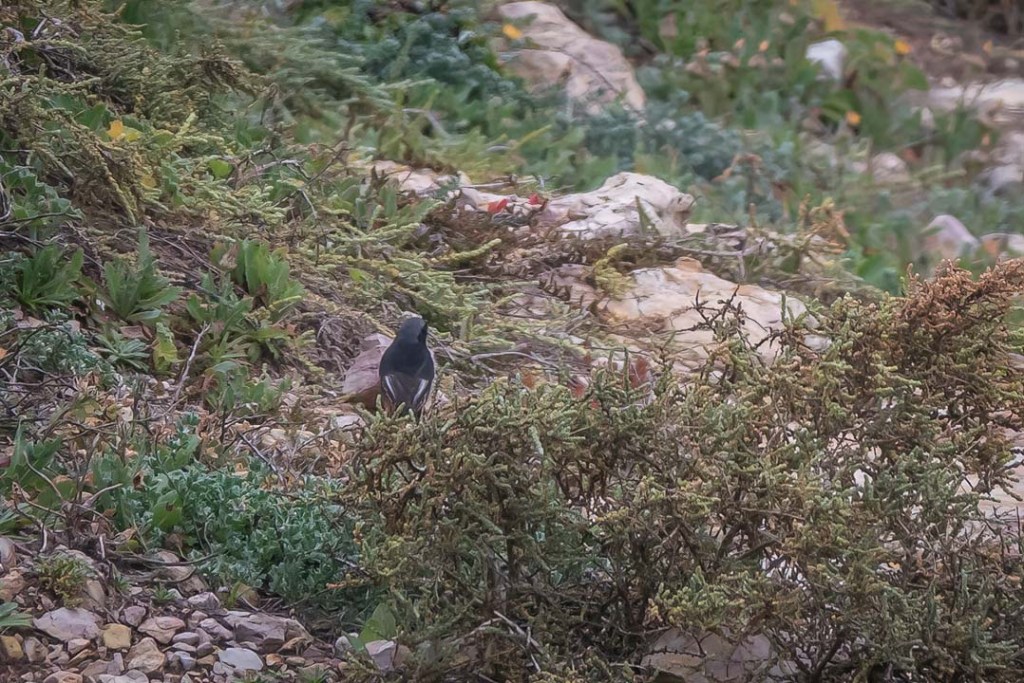
We moved on to the Cape St Vincent (the most south-westerly point of Europe) which is one of the best on-shore birding sites to observe seabirds in the Vicentine Coast Natural Park. Notable species include Cory’s, Balearic, Great and Yelkouan Shearwaters, Parasitic and Pomarine Skuas, Grey Phalarope and Audouin’s Gull. However, in the wind and then rain all I managed to see at sea were Audouin’s Gulls. I was quite happy though to see a black redstart and a shag.


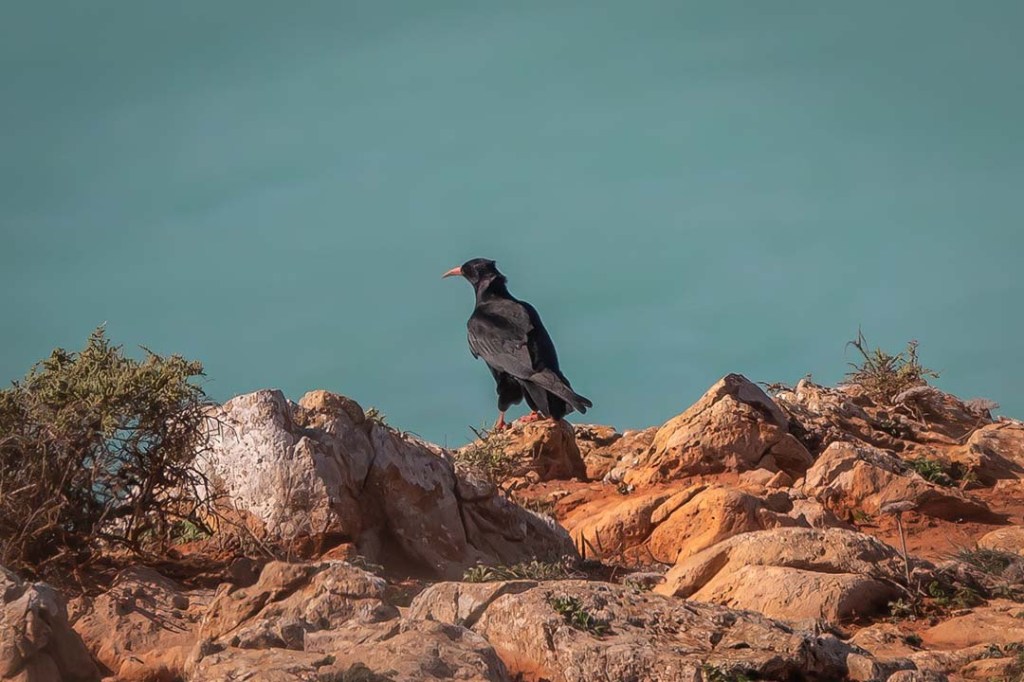
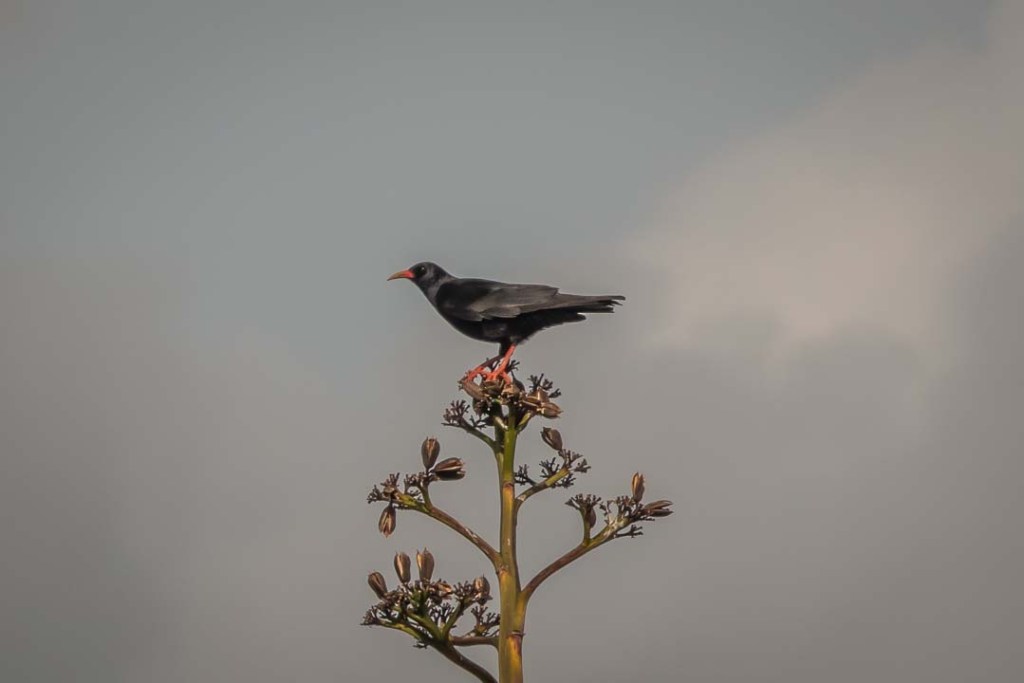
We pottered around inland a bit and had more success. We saw two flocks of choughs with more than 20 birds in each flock. As I was trying to photograph them there was a cry of what I thought was “buzzards” which I ignored but which turned out to be “bustards”. I didn’t see them but luckily Wendy caught sight of two little bustards in flight.

Here again we saw lots of swallows which looked as though they were catching up on food after their long flights from Africa. There were also corn buntings and meadow pipits.

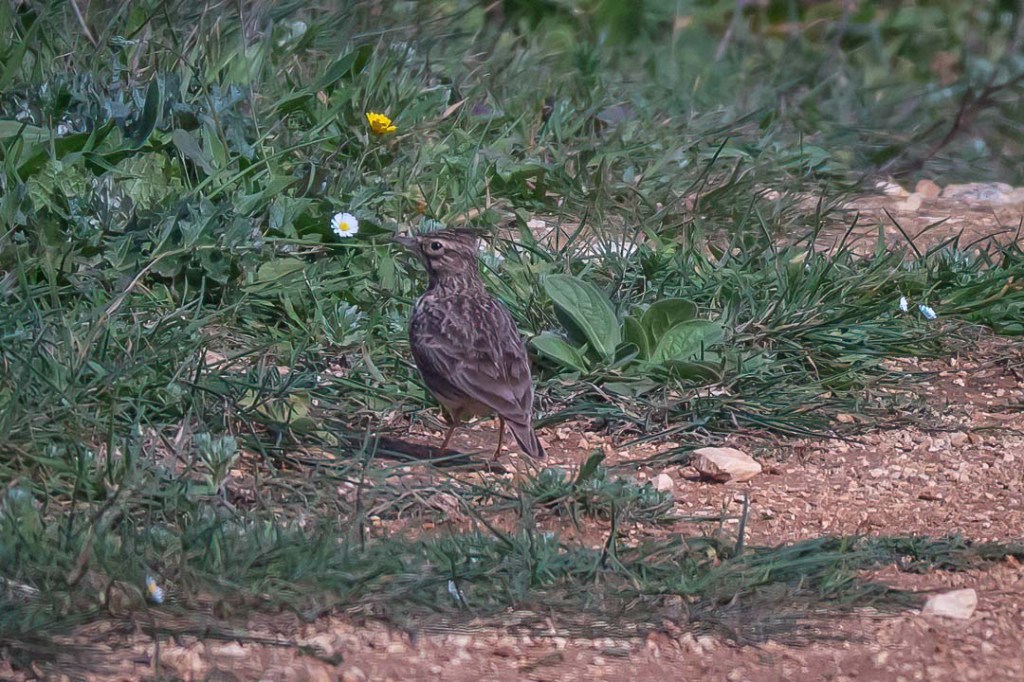
We then returned to Sagres and headed to Ponta da Atalaia / Baleeira Viewing Point. The first bird we saw was a Thekla’s Lark. Maria carefully explained the difference between Thekla’s Lark and Crested Lark but I didn’t hear it as I was too busy photographing the lark, some stonechats and a common kestrel.

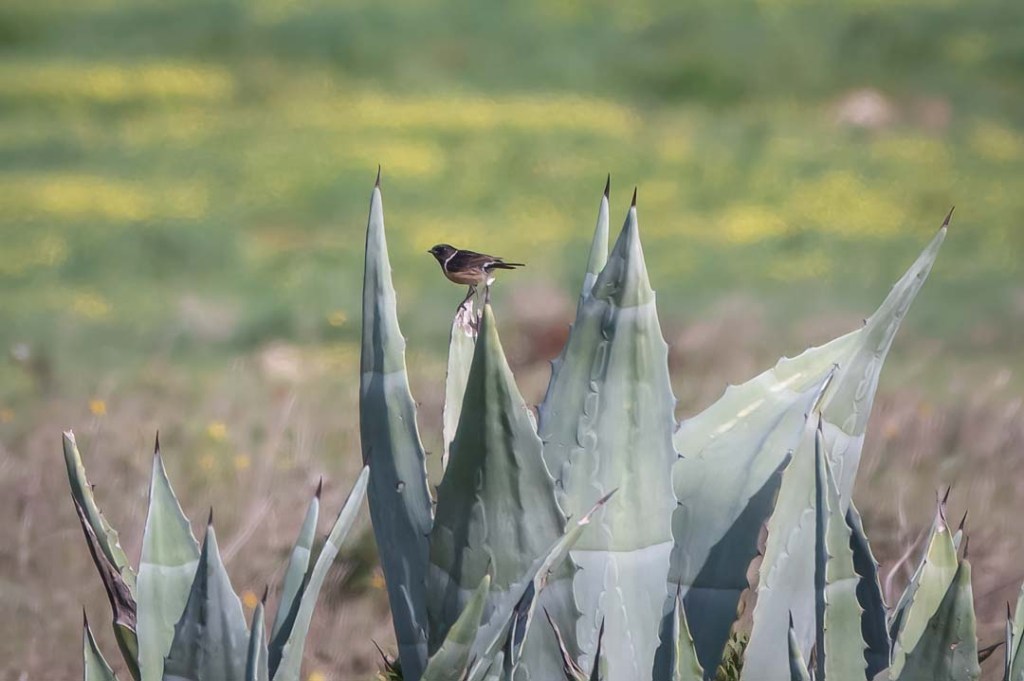
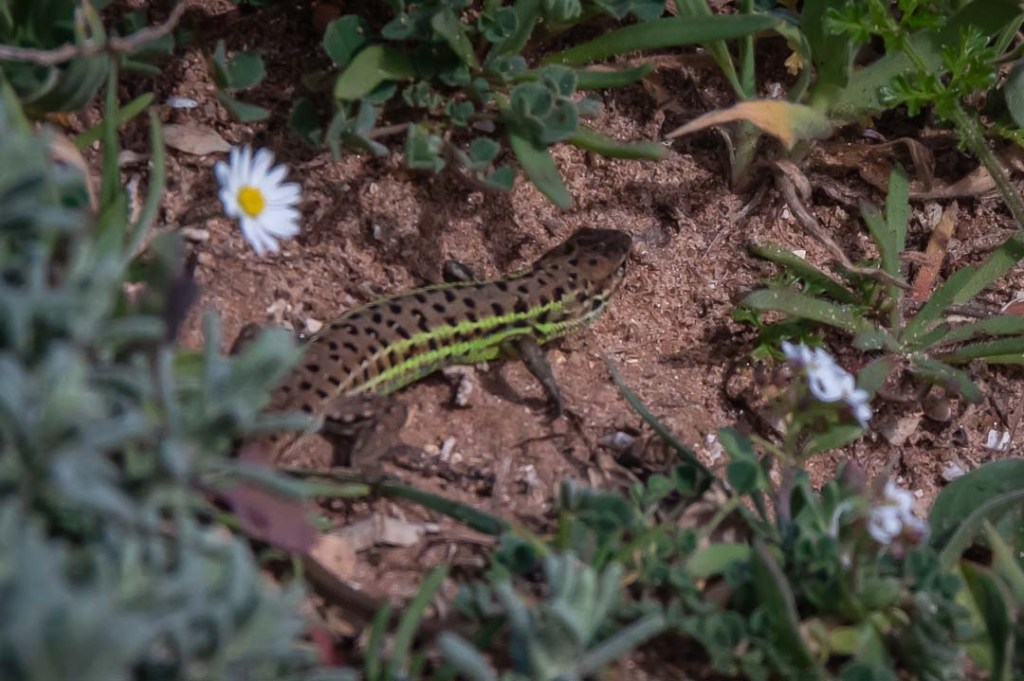
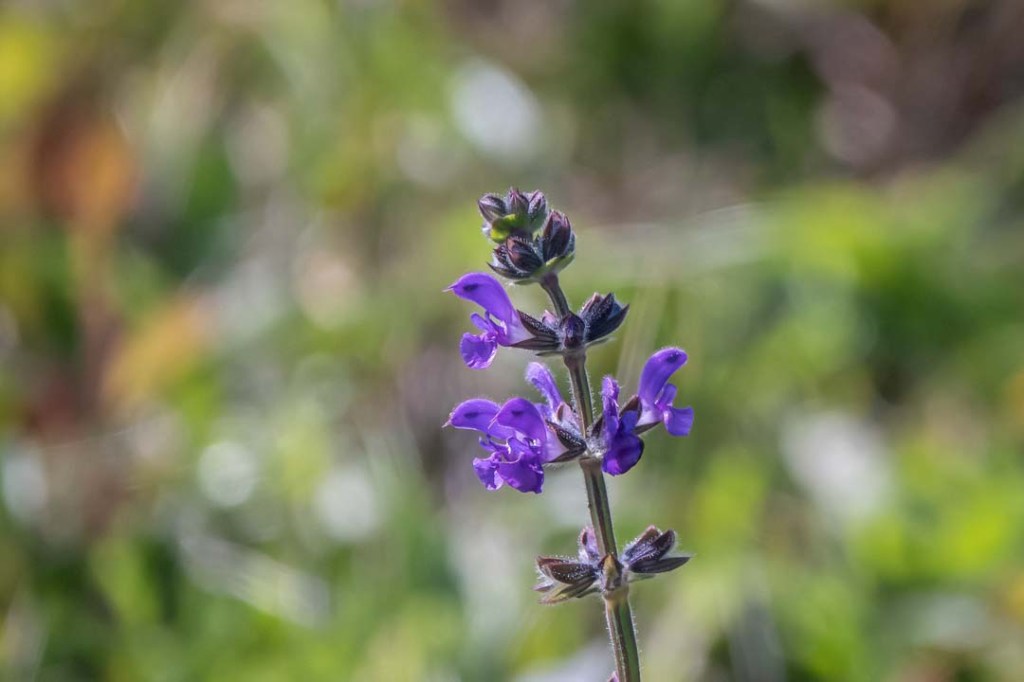
This area was particularly rewarding for seeing the beautiful coastal spring flowers and a few butterflies. We also saw another striking lizard – a Spanish Sand Racer, Maria thought.


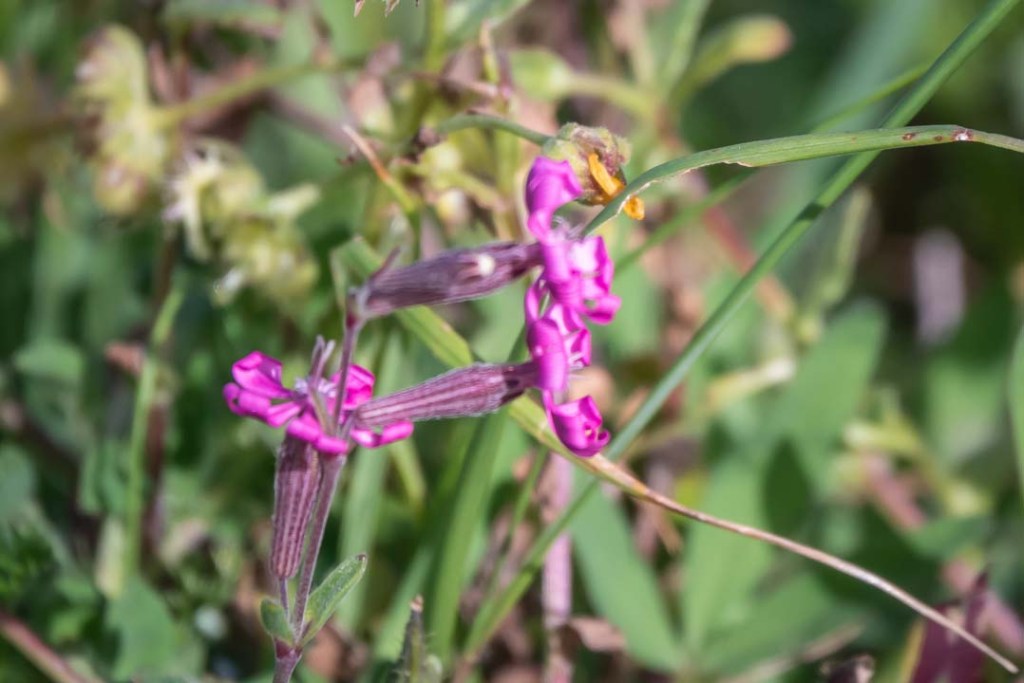

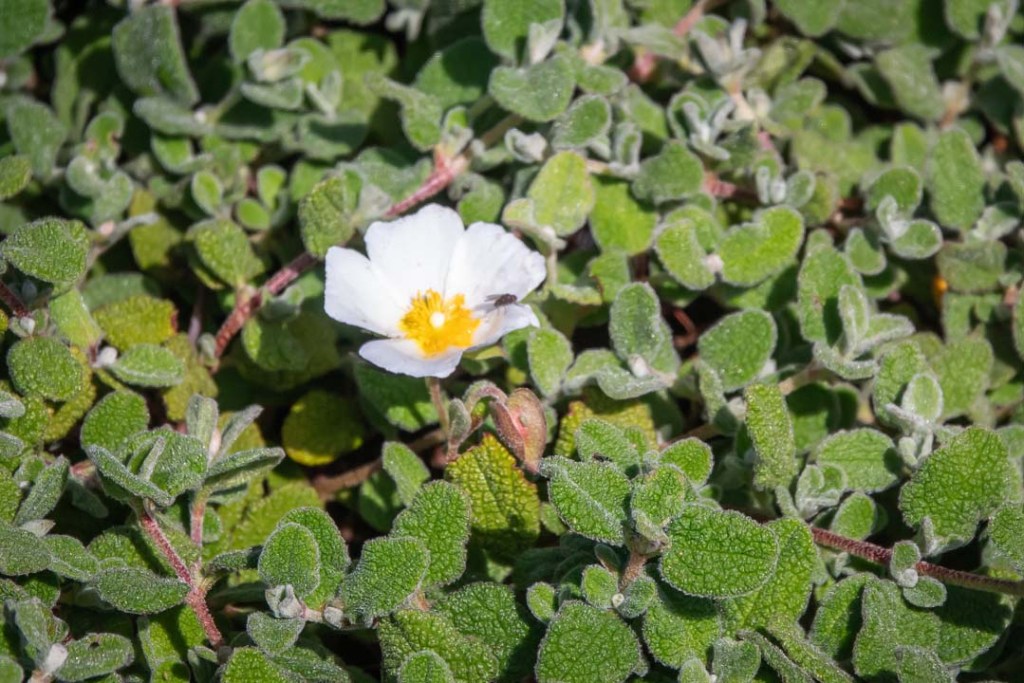

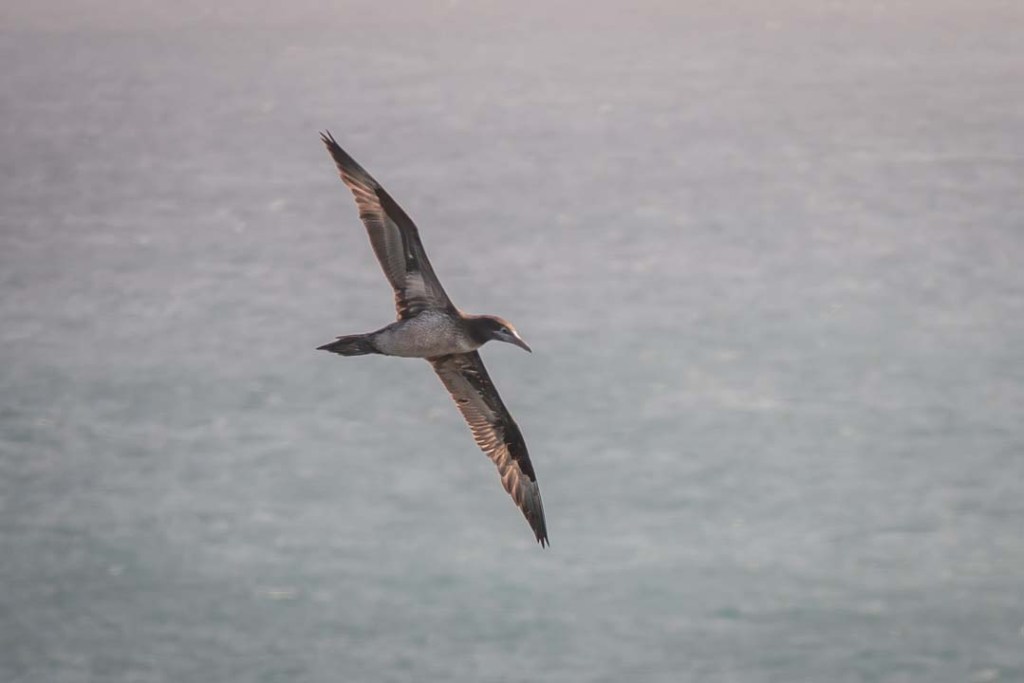
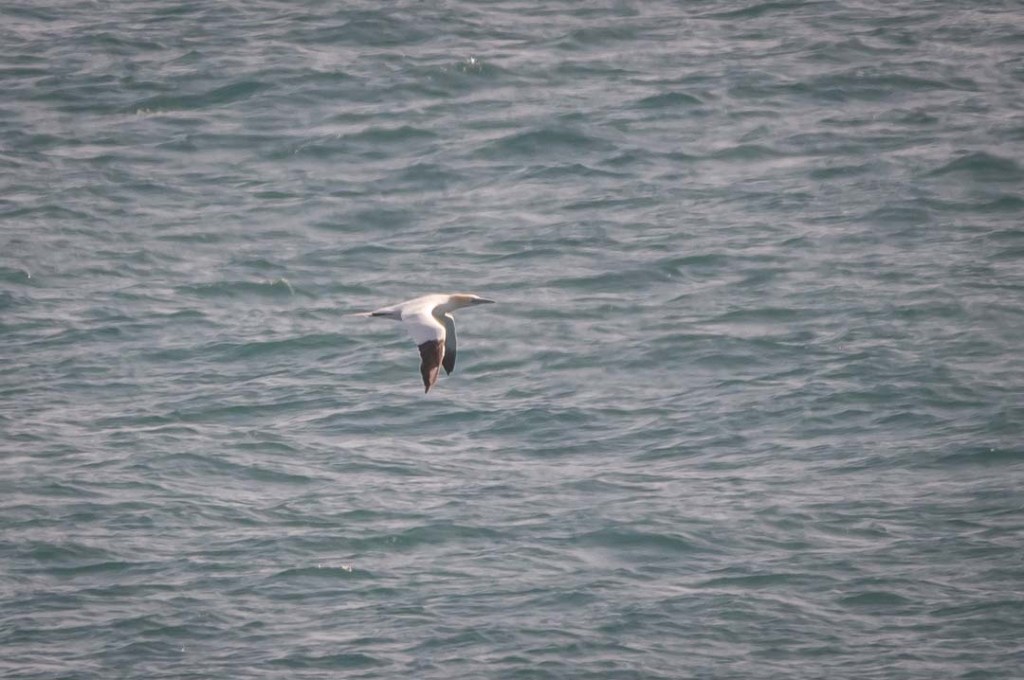
As far as birds were concerned the most interesting aspect was seeing more choughs, this time displaying by flying high and descending rapidly – a bit like lapwings. Again we had views of gannets.

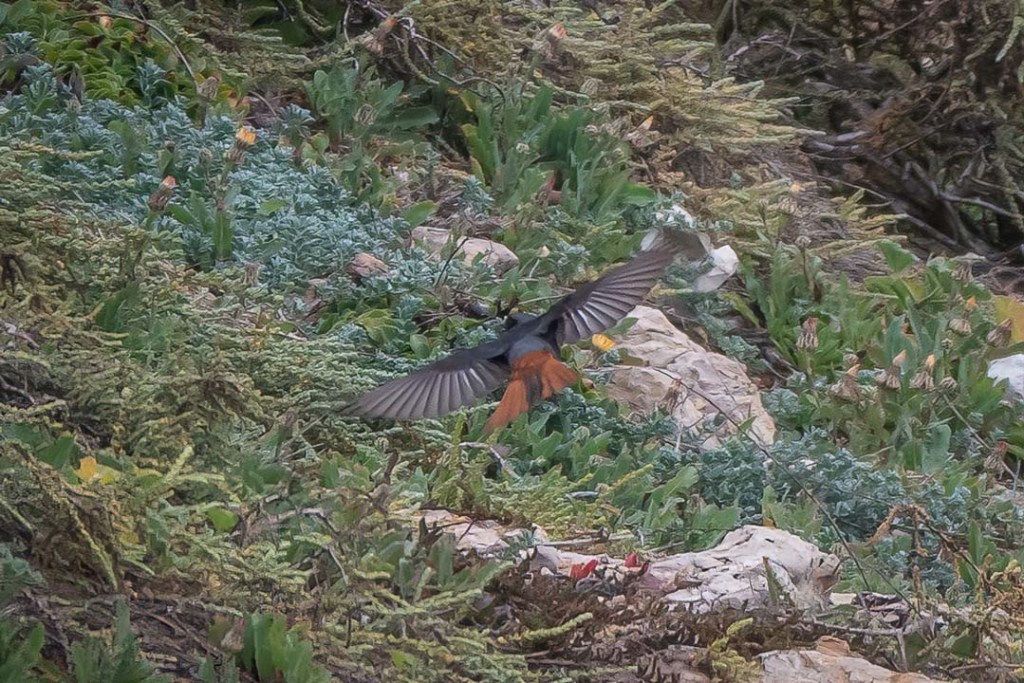
We then had a drive inland to go to Montes da Fóia at Montchique (about 900 meters high) in search of buntings. En route we had a very good view of a black- winged kite from the coach. Maria then related her very interesting views on why she considered these birds closer to owls than eagles (but don’t get me to tell you all of them). On the top of the mountain, in quite cold conditions, all we saw at first were stonechats, robins and meadow pipits but then a blue rock thrush was spotted on a nearby rock. Our guide Rui then saw a small flock of ring ouzel in front of the woods and I managed to catch sight of two of them before they disappeared.
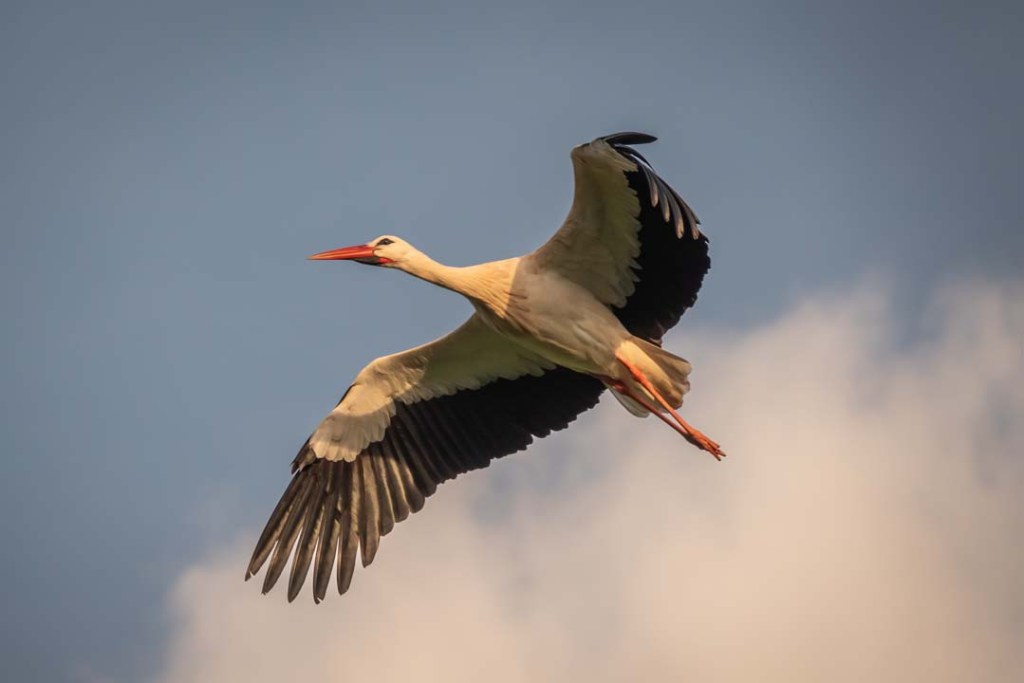
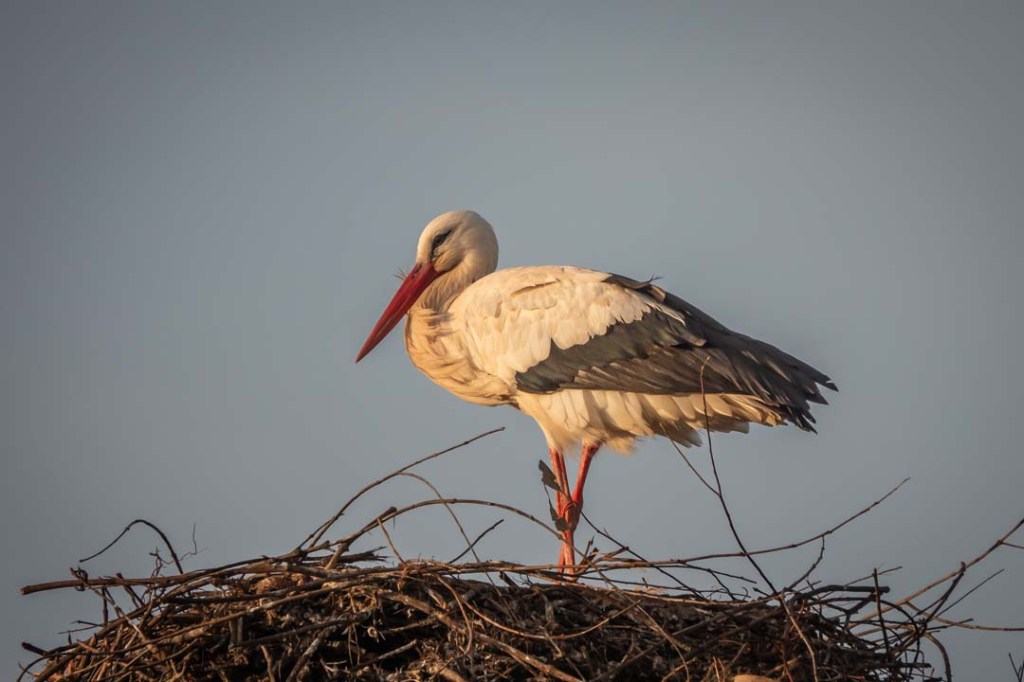
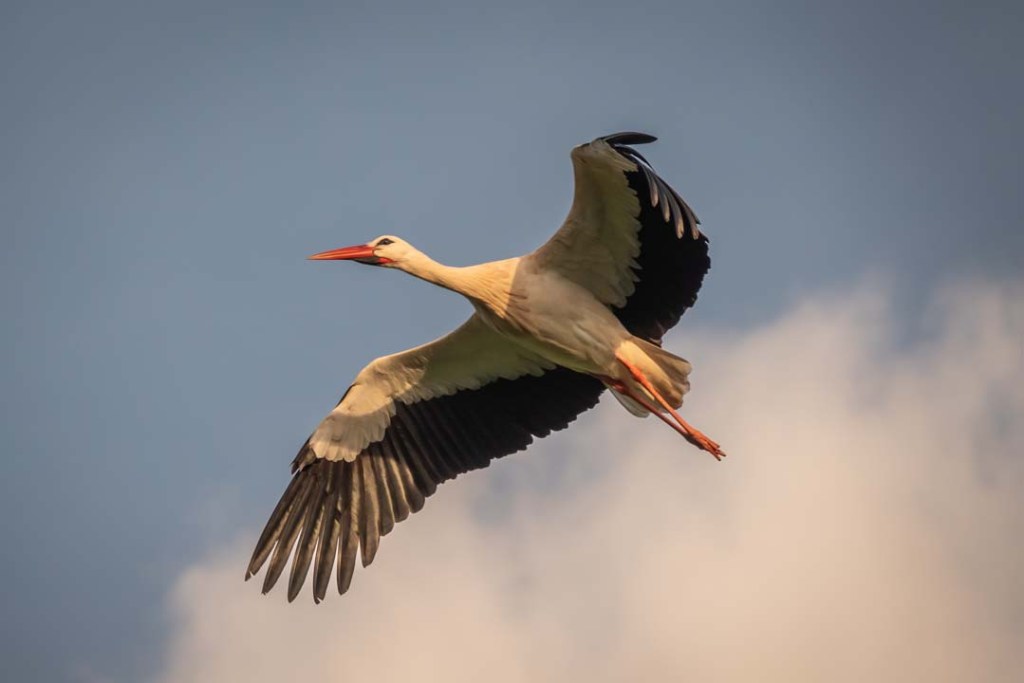
On the way home we stopped briefly to get some photos of a colony of white storks which were nest building down in the plain. I’m not sure the keen birders approved.

Another fascinating (and exhausting) day’s birding.
Species observed:
Rock Dove (Wild type); Common Woodpigeon; Collared Dove; Ruddy Turnstone; Audouin’s Gull, Yellow-legged Gull, White Stork; Northern Gannet; Great Cormorant; European Shag; Little Egret; Western Cattle Egret; Black-winged Kite; Common Buzzard; Great Spotted Woodpecker; Common Kestrel, Peregrine Falcon; Common Magpie, Red-billed Chough; Eurasian Skylark; Thekla’s Lark, Crested Lark; Eurasian Crag Martin; Barn Swallow; Red-rumped Swallow; Common Chiffchaff; Common Starling; Spotless Starling;Eurasian Blackbird; Ring Ouzel; European Robin; Black Redstart; Blue Rock Thrush; European Stonechat; House Sparrow; Pied Wagtail/White Wagtail; Meadow Pipit; Common Linnet;European Goldfinch; Corn Bunting
Seen by Wendy: Little Bustard
Seen by others: Red-legged Partridge; Whimbrel; Sardinian Warbler
Number of Taxa: 44


 Martin's Bird Blog & Nature Photos
Leave a reply to martintayler Cancel reply