Tag: Butterflies

  • 24th August 2026 – WWT Slimbridge, Gloucestershire

    24th August 2026 – WWT Slimbridge, Gloucestershire

    We have had to be much less adventurous with our holidays this year but nonetheless we have really enjoyed our trips away to the south coast of England. Although the distances travelled have not been very great I was very tired after our last expedition to East Devon (whether it be my health or just old age) and so it was great to relax this weekend and watch some sport and do a little gardening. That doesn’t mean that my camera was very far away and I share a few nature shots from the garden yesterday.

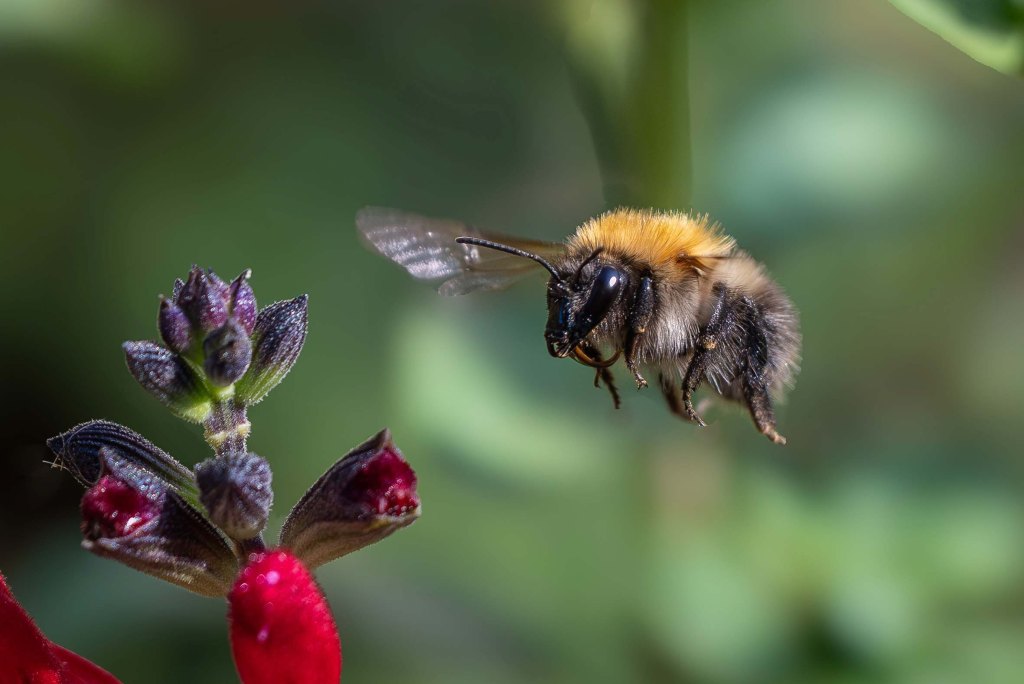
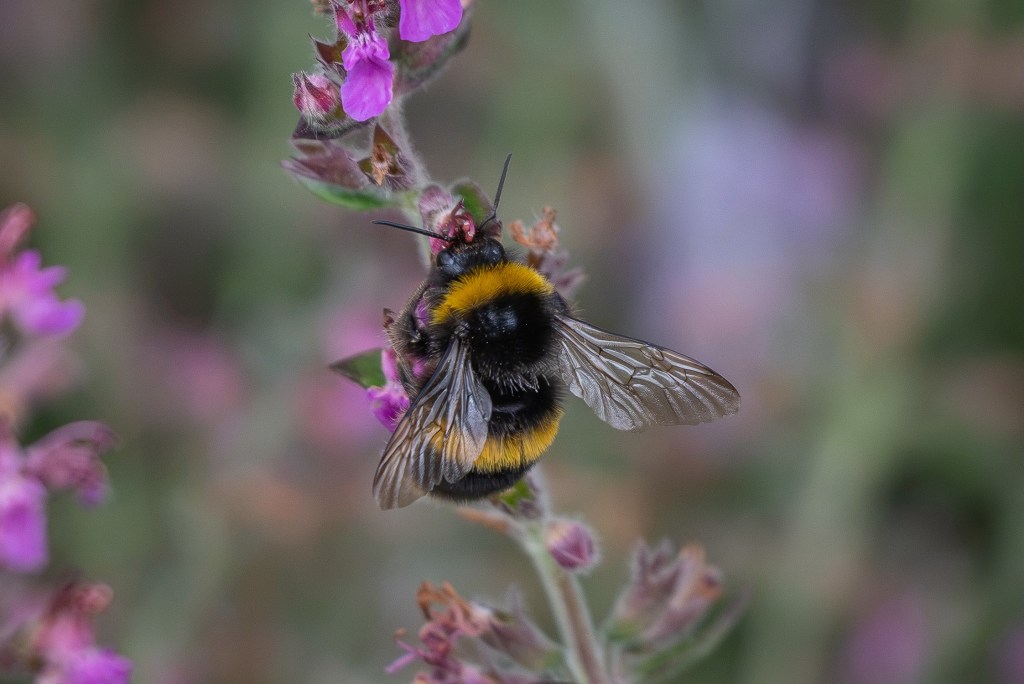
    Common carder bee enjoying the salvia

    Common carder bee on verbena

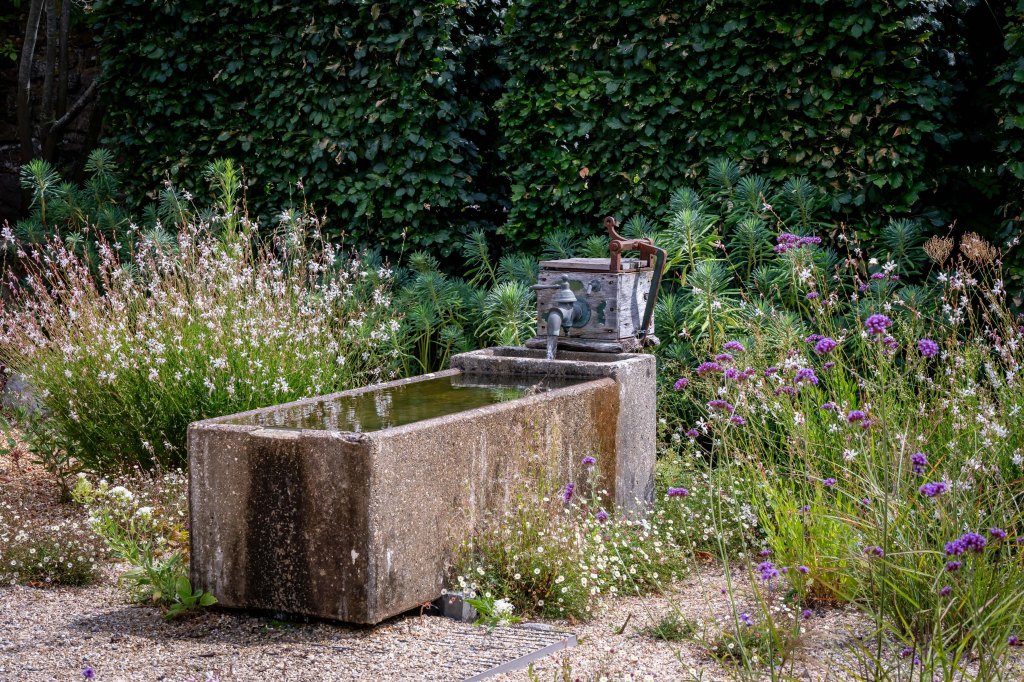
    £8 solar fountain from amazon.co.uk!

    Holly blue butterfly

    The common green bottle fly Lucilia sericata on achillea

    Also on the achillea a thick-legged hoverfly syritta pipiens

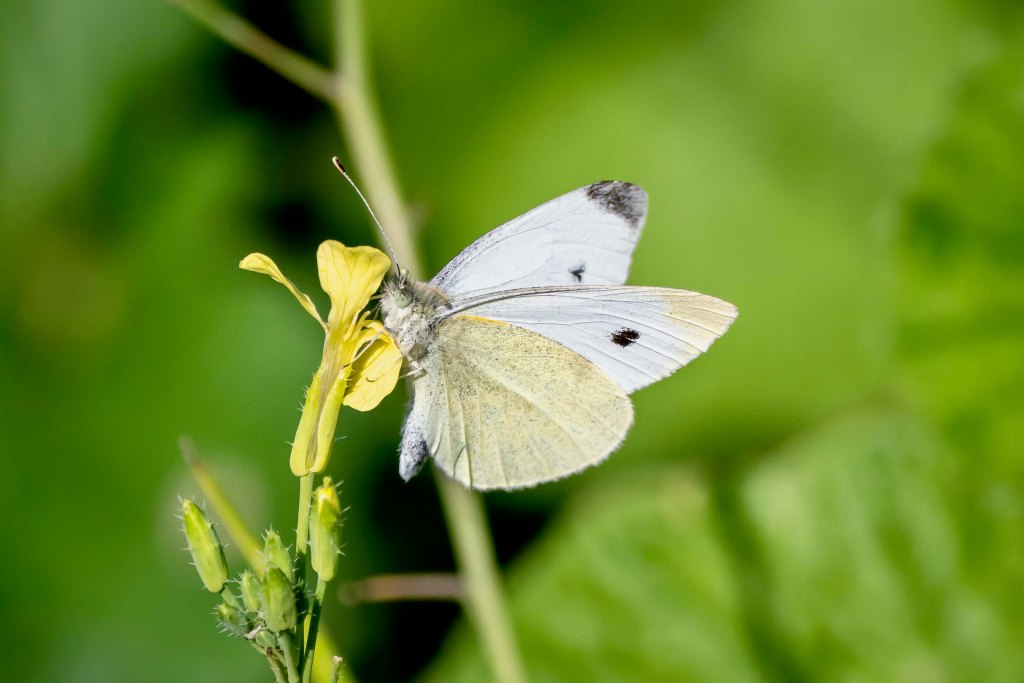
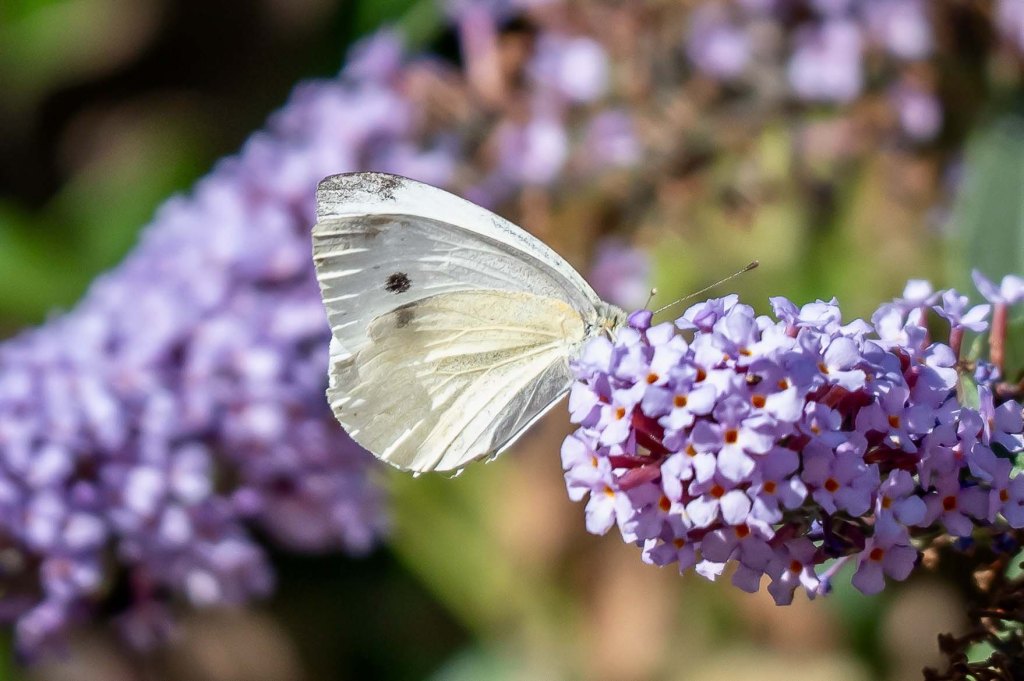
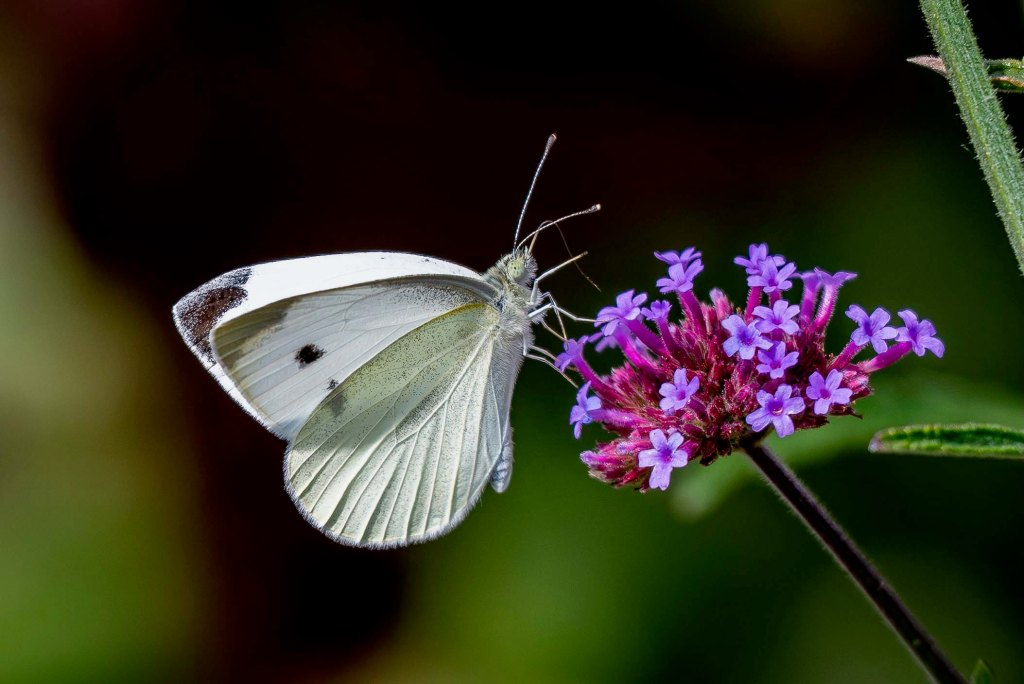
    Small white butterfly

    Green-veined white butterfly

    Holly blue butterfly

    After a mainly sedentary weekend by this morning I was chomping at the bit and we had a trip to WWT Slimbridge.

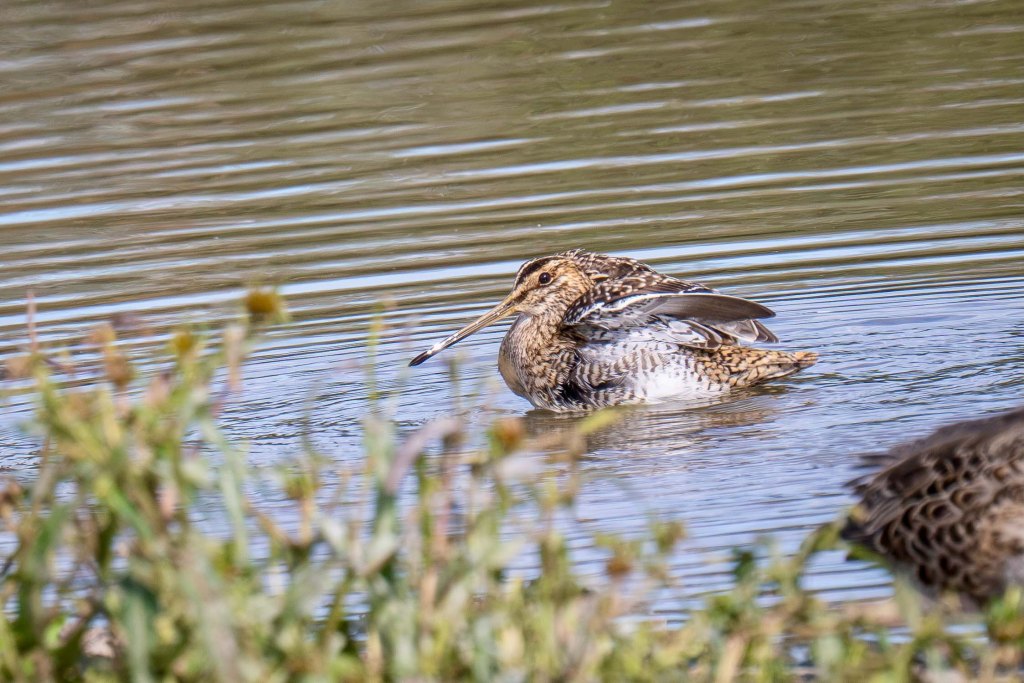
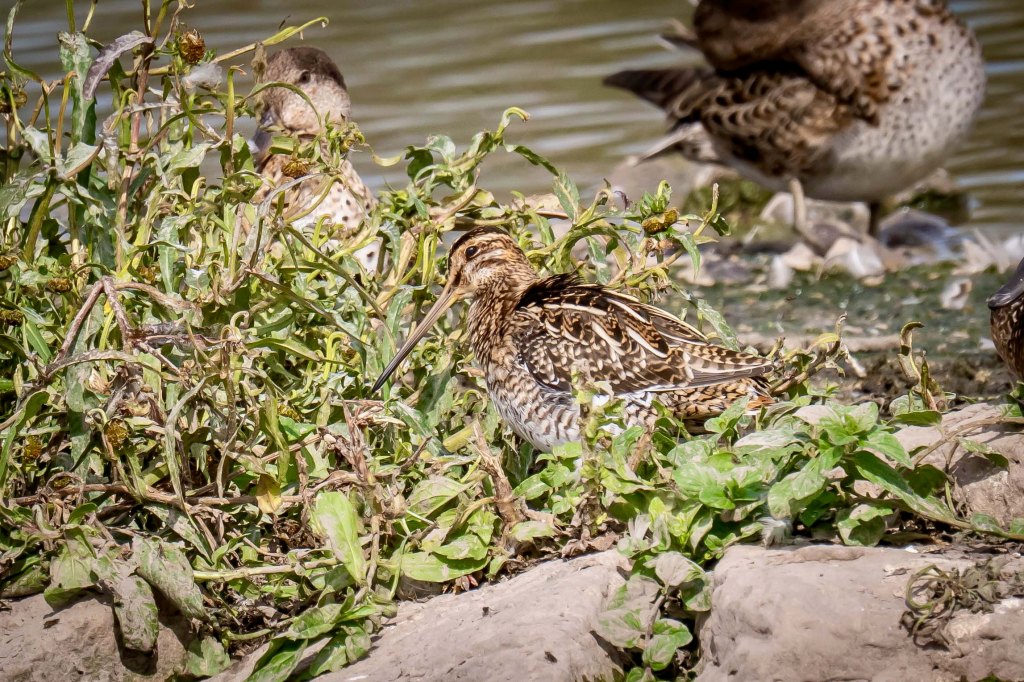
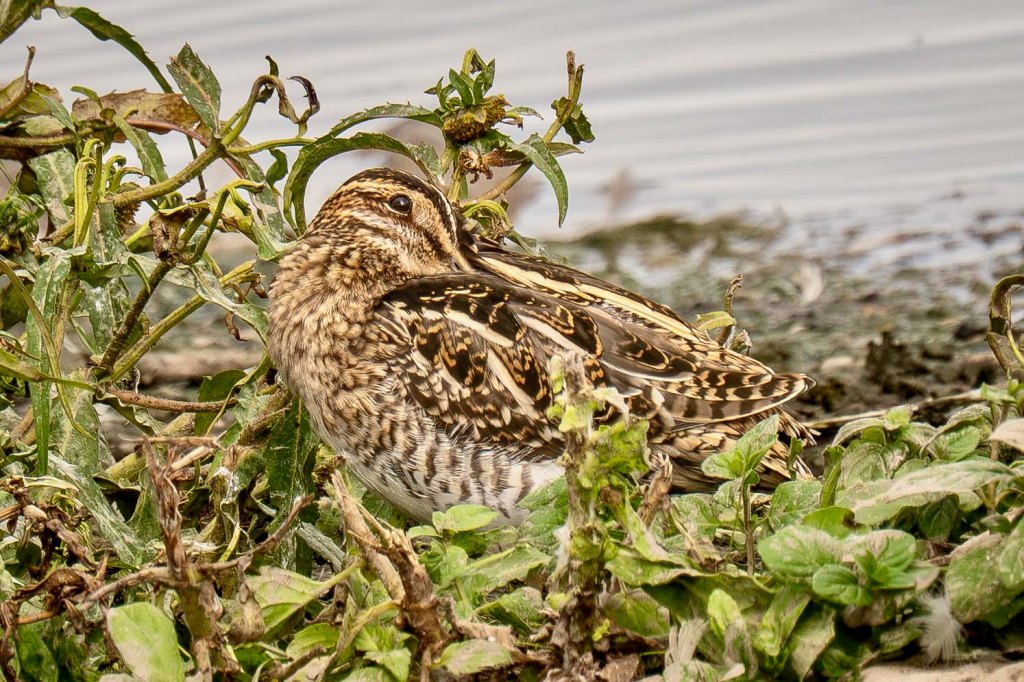
    The highlight of our visit was a common snipe (normally very secretive and well camouflaged) which made an appearance as soon as we arrived in the open right in front of us .

    Common snipe

    Common snipe

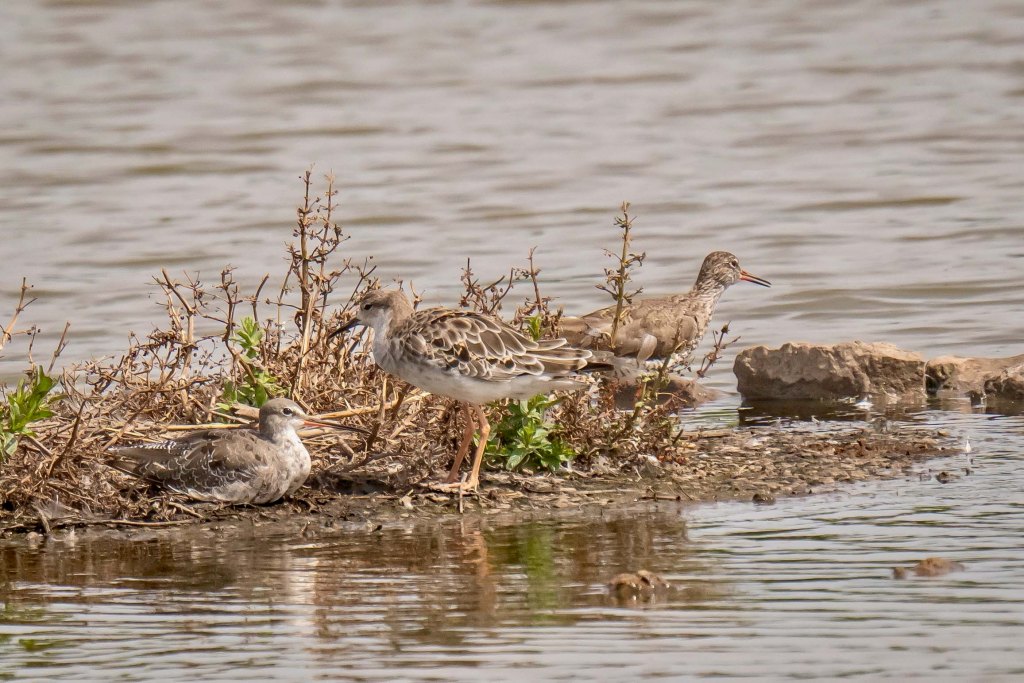
    Ruff and two greenshank

    Greenshank in flight

    Spotted redshank

    I was very pleased to recognise straightaway the spotted redshank from its feeding habits. I remembered what an old chap (probably younger than me) told me when I starting bird watching, on a trip to Titchwell Marshes in Norfolk, about how the spotted redshank feeds very much like an avocet with a sweeping action whereas the common redshank simply picks at food.

    Common redshank

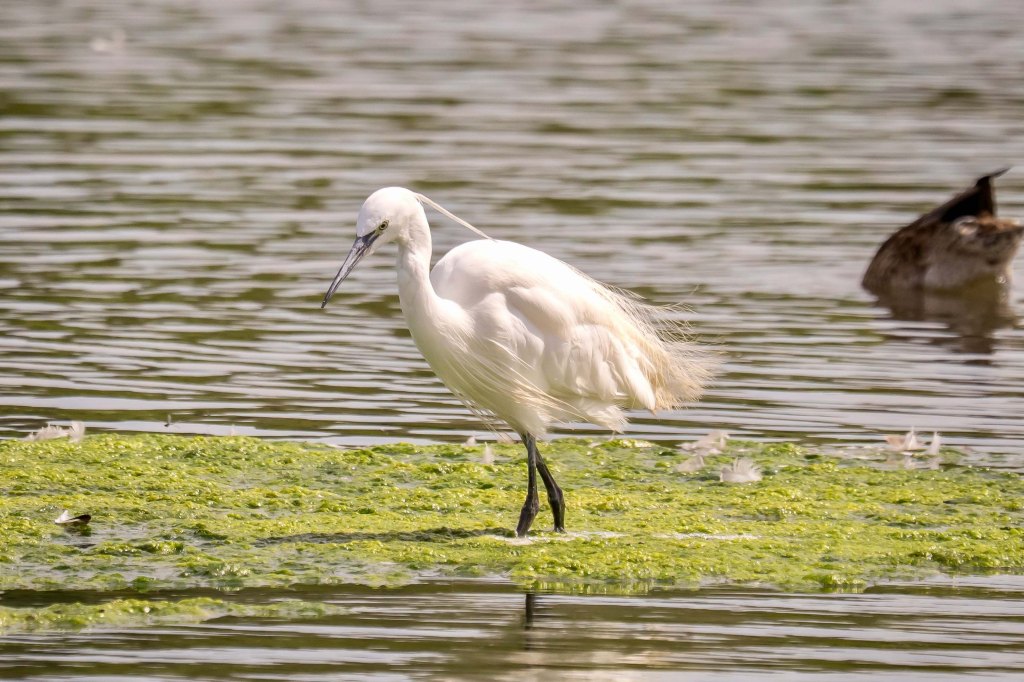
    Little egret

    Little egret

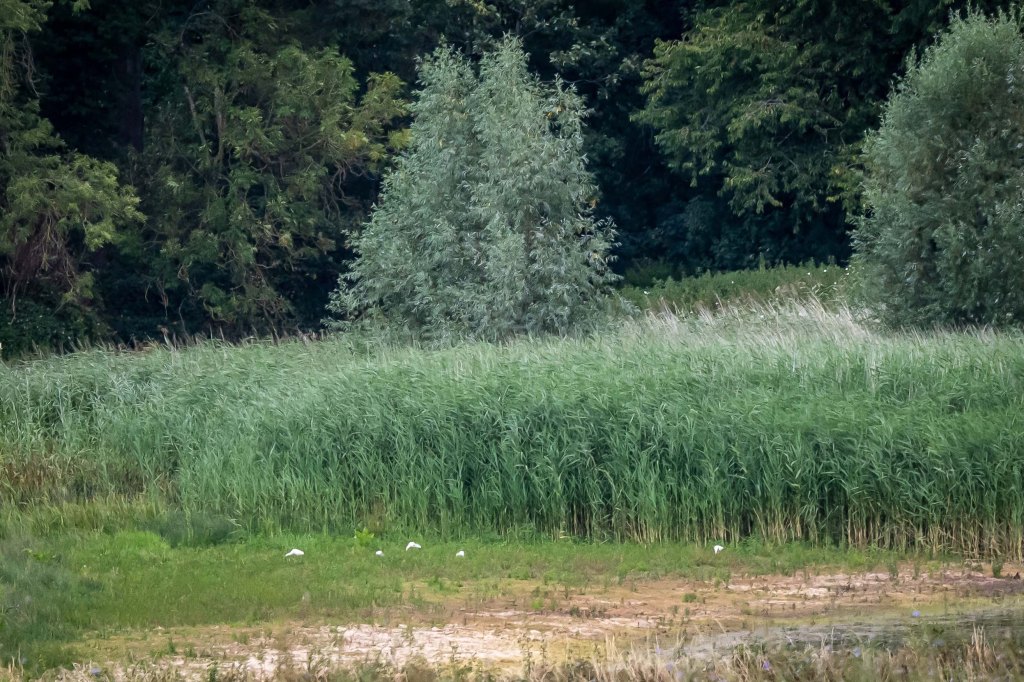
    You can see the effects of the drought we have had from this shot of a group of common crane

    … and from further away

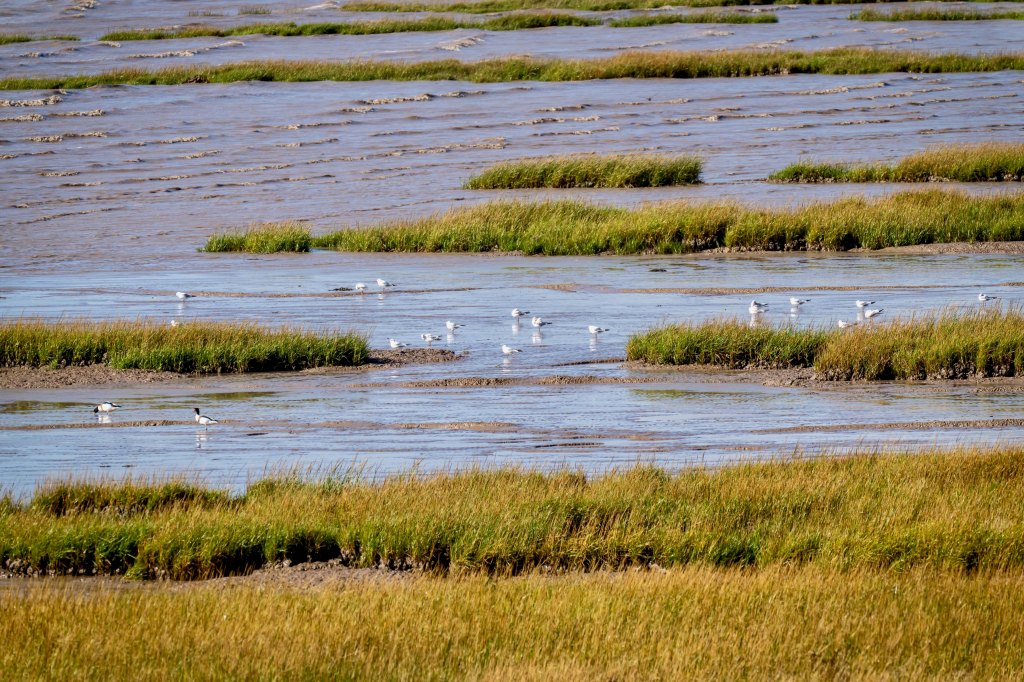
    It’s not only the farmers who are desperate for rain – the birds need it too – view of the Severn Estuary from the Estuary hide.
  • 19th August 2026 – Seaton Wetlands, East Devon

    19th August 2026 – Seaton Wetlands, East Devon

    We sneaked another morning visit to the wetlands but had to dodge a few showers (what a novelty!).

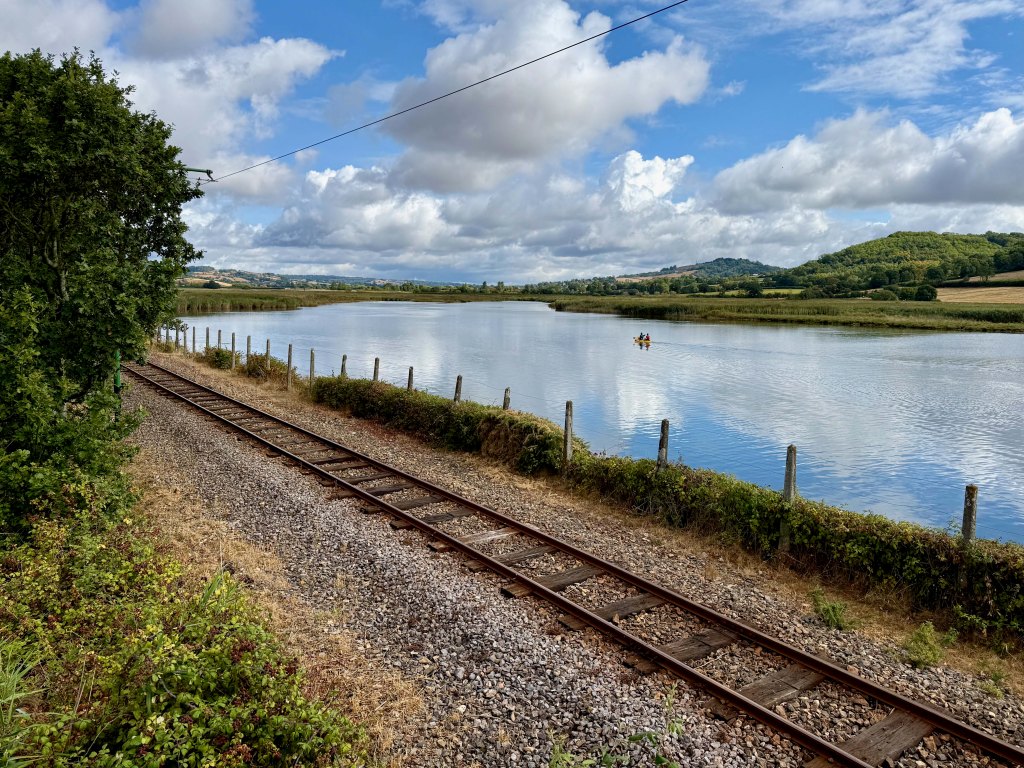
    From the tower hide the view across the river Axe

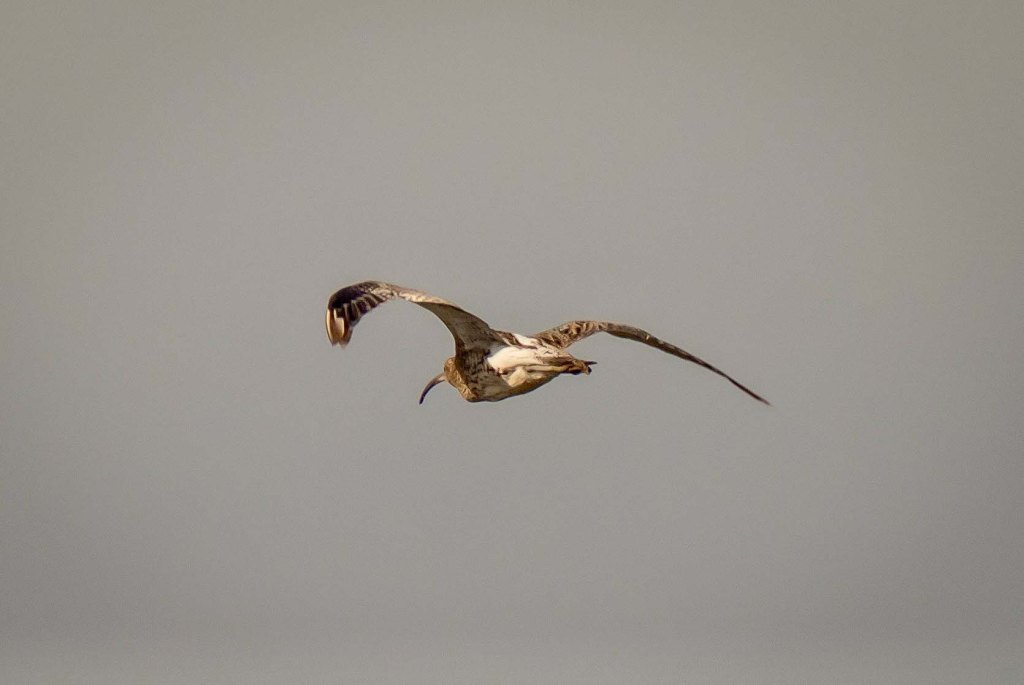
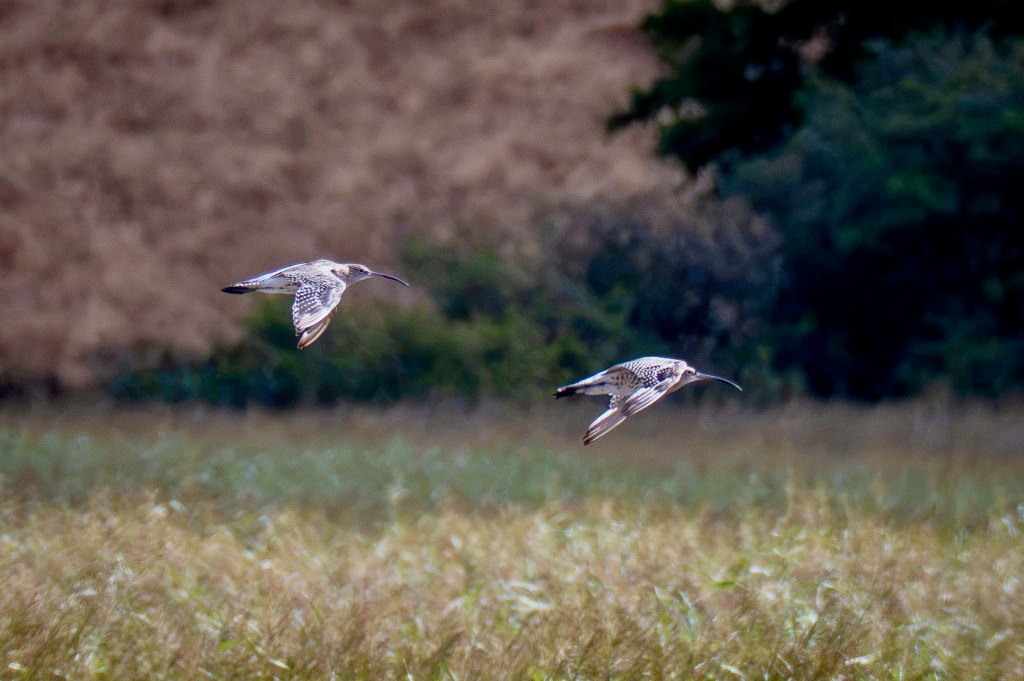
    Eurasian curlew heading down river

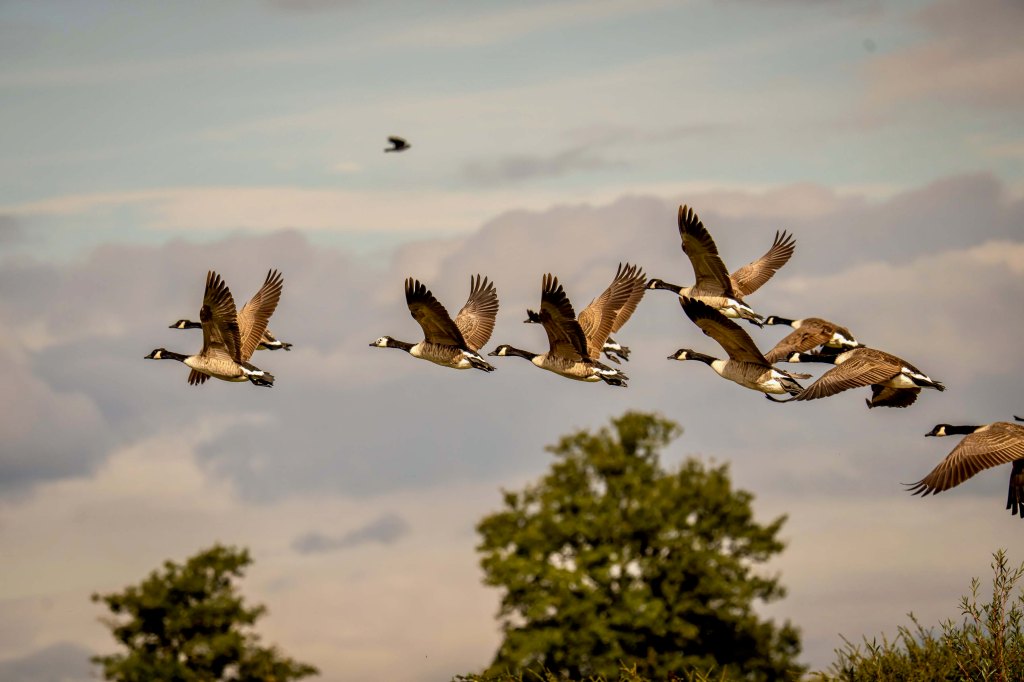
    Canada geese heading up river

    From the Tower hide the view across the reserve

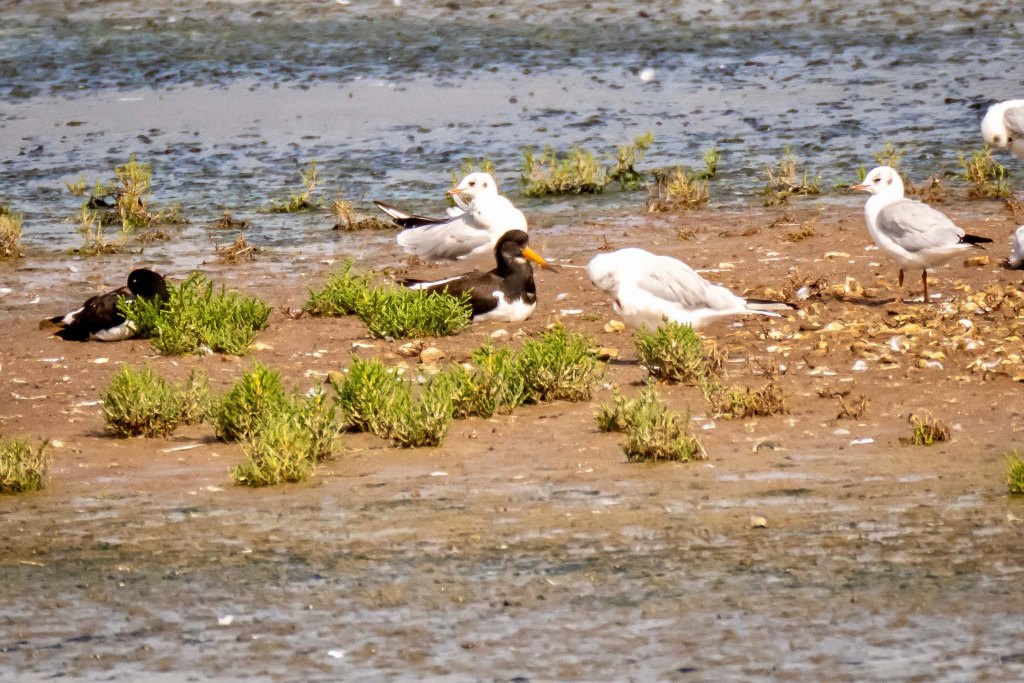
    Oystercatchers and black-headed gulls

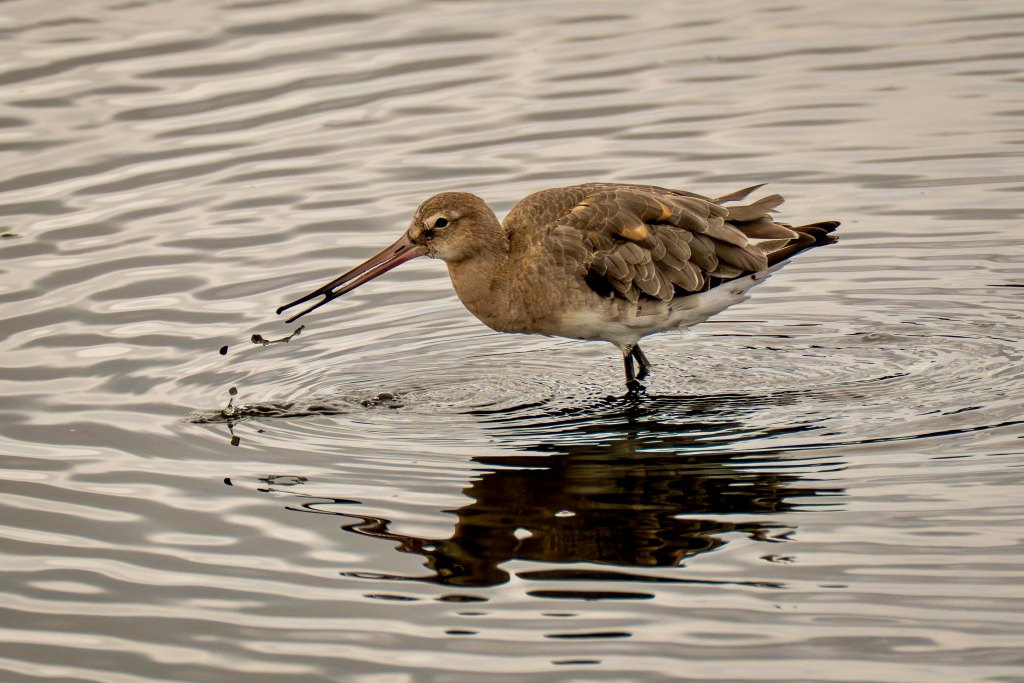
    Black-tailed godwit

    Common redshank

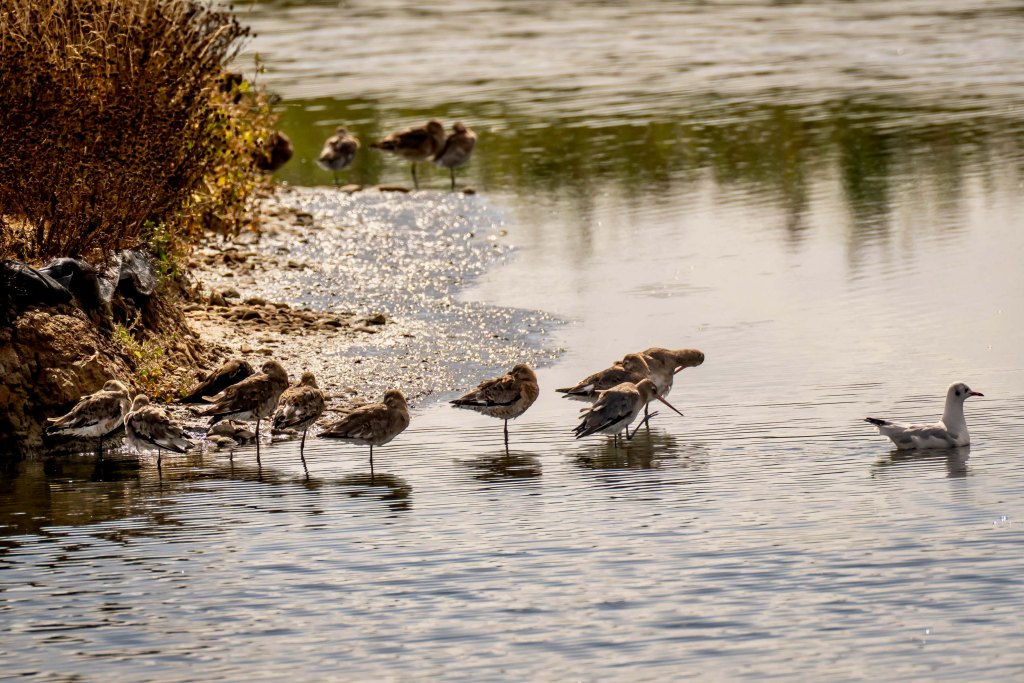
    Mainly black-tailed godwits

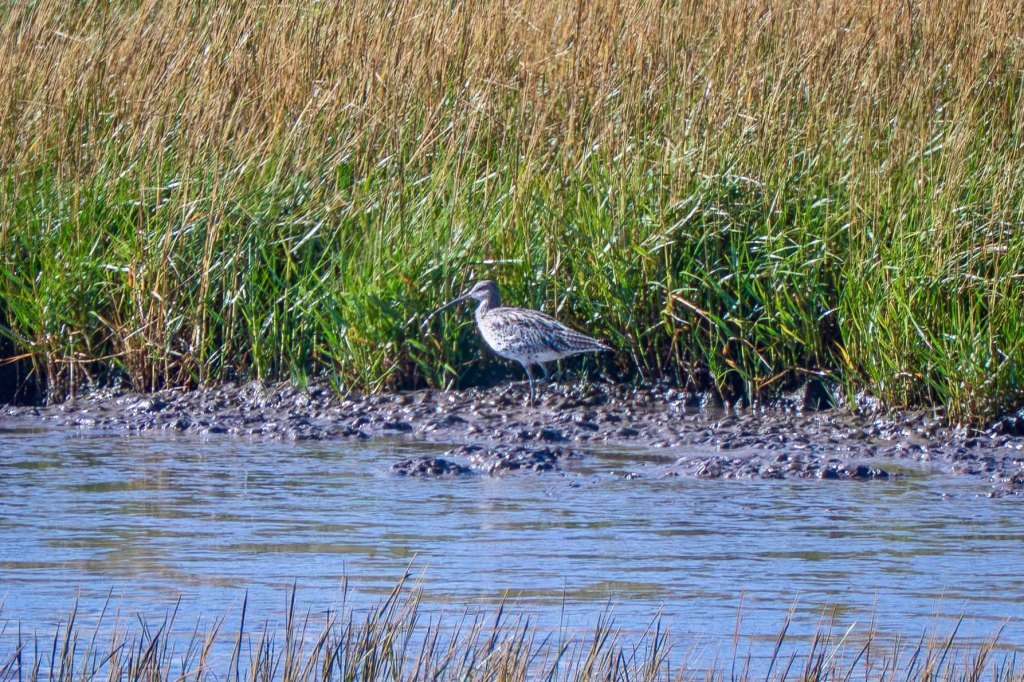
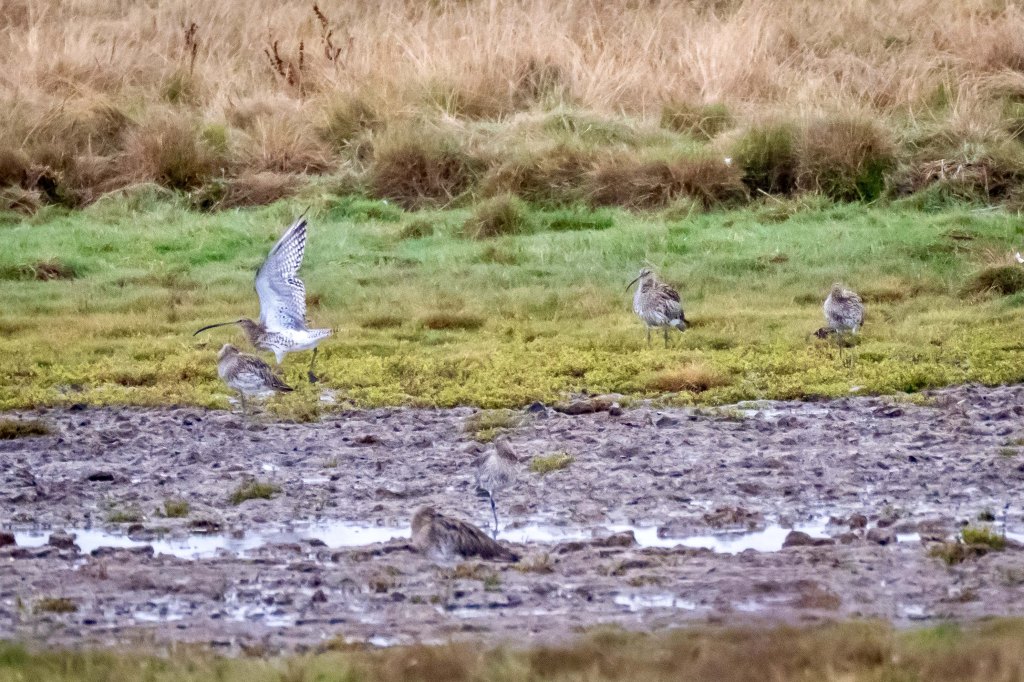
    In this muddy patch (caused by the tide!) there were a mixture of curlews, whimbrel and common sandpiper, but most beyond my range

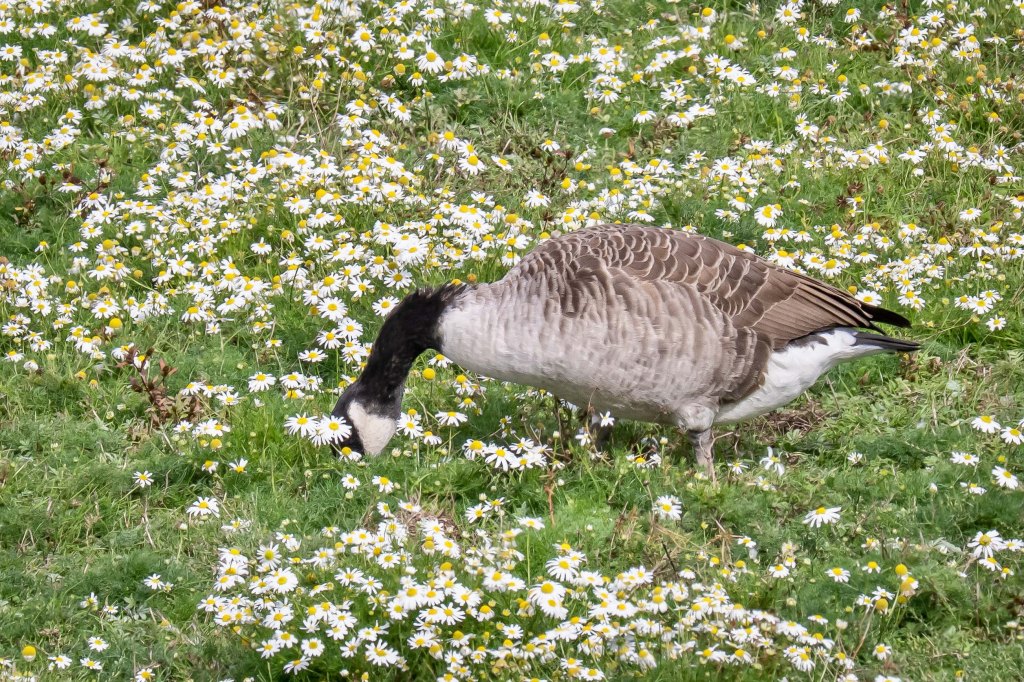
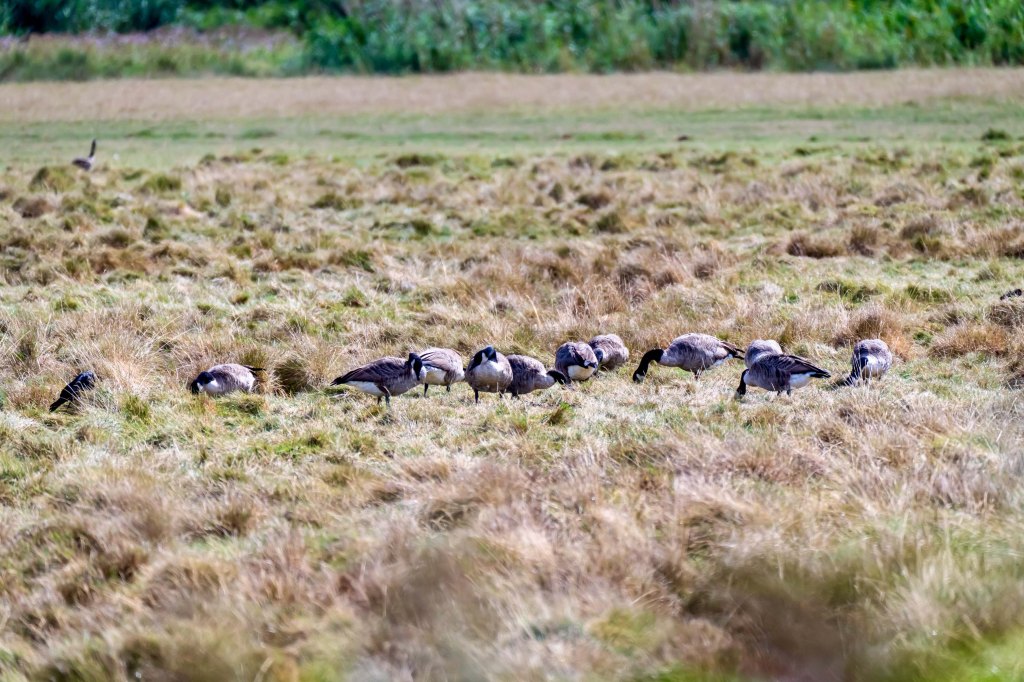
    We ventured a little further (and got wet) only to have a view of these Canada geese feeding

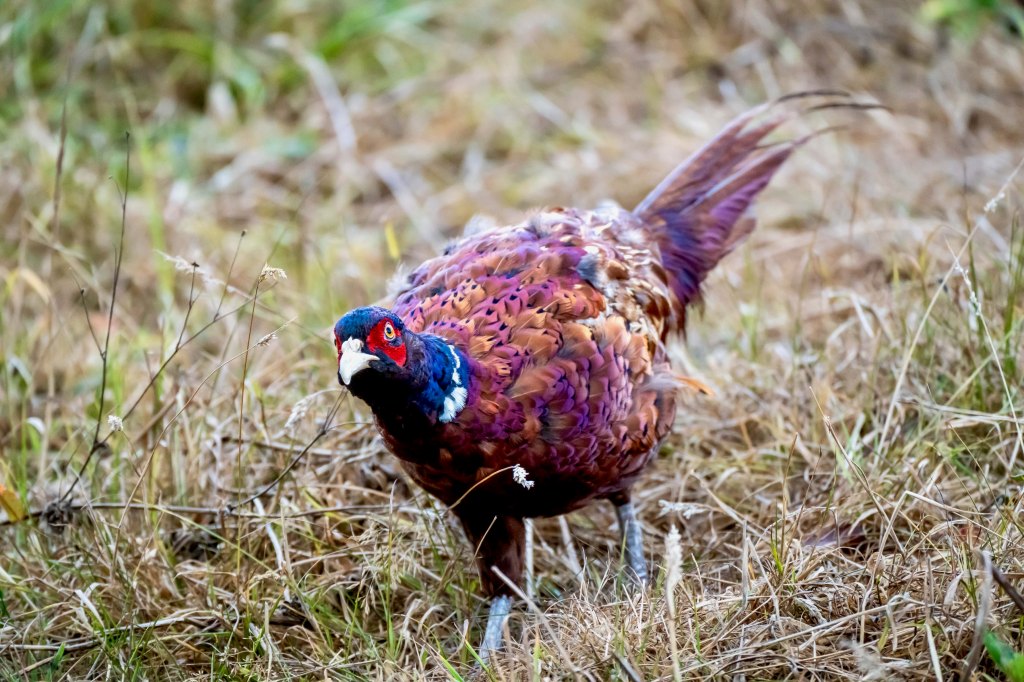
    An inquisitive pheasant

    Back at our holiday rental there were butterflies and a hummingbird hawk-moth:

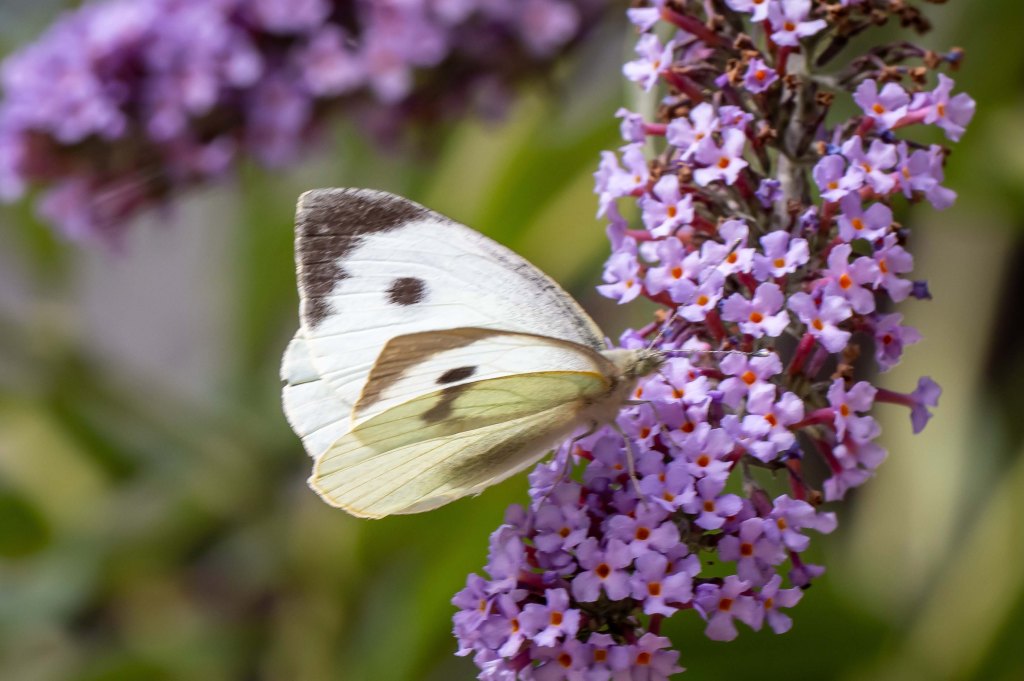
    Large white

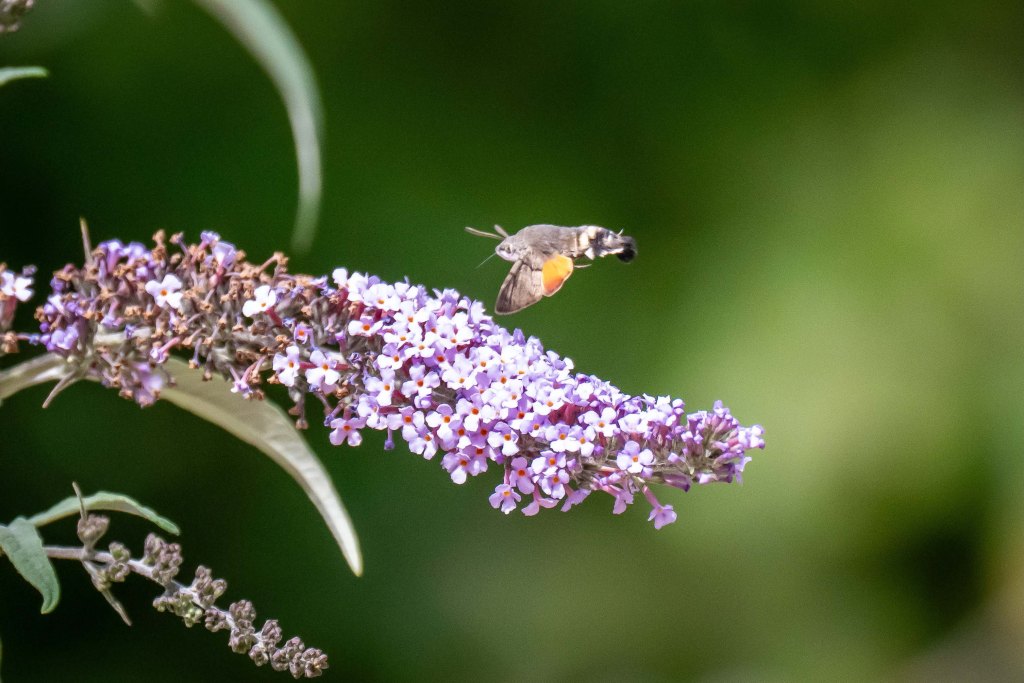
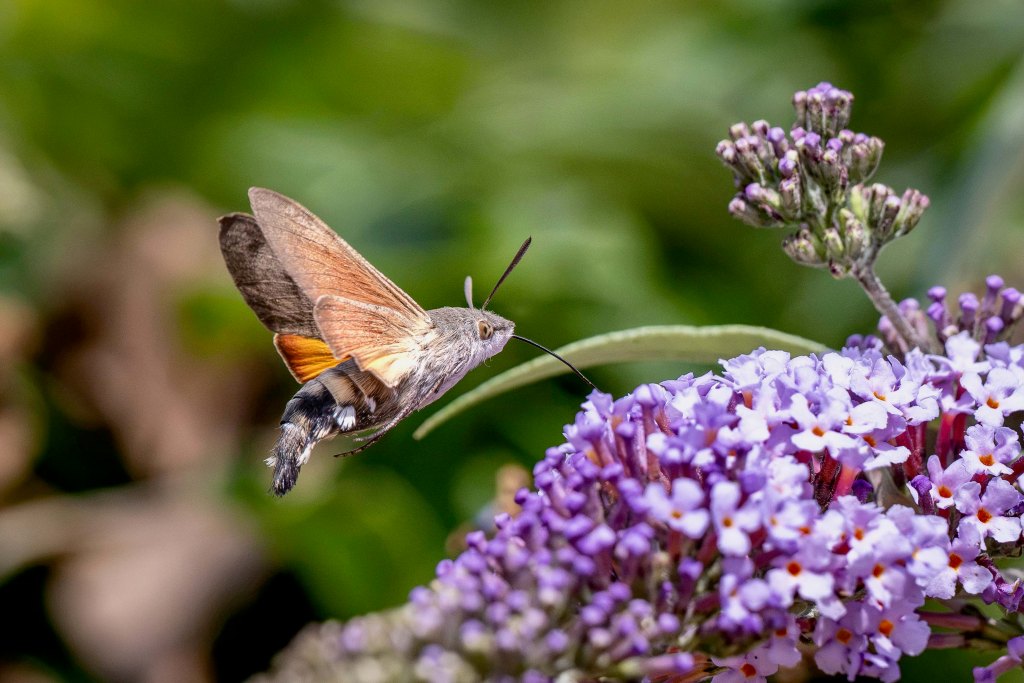
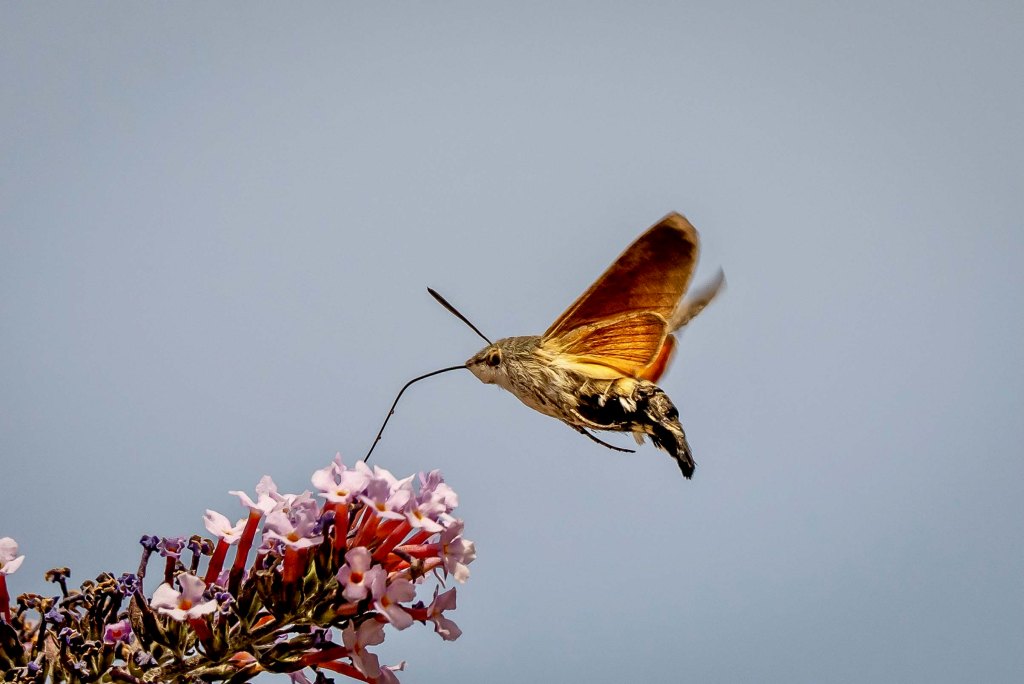
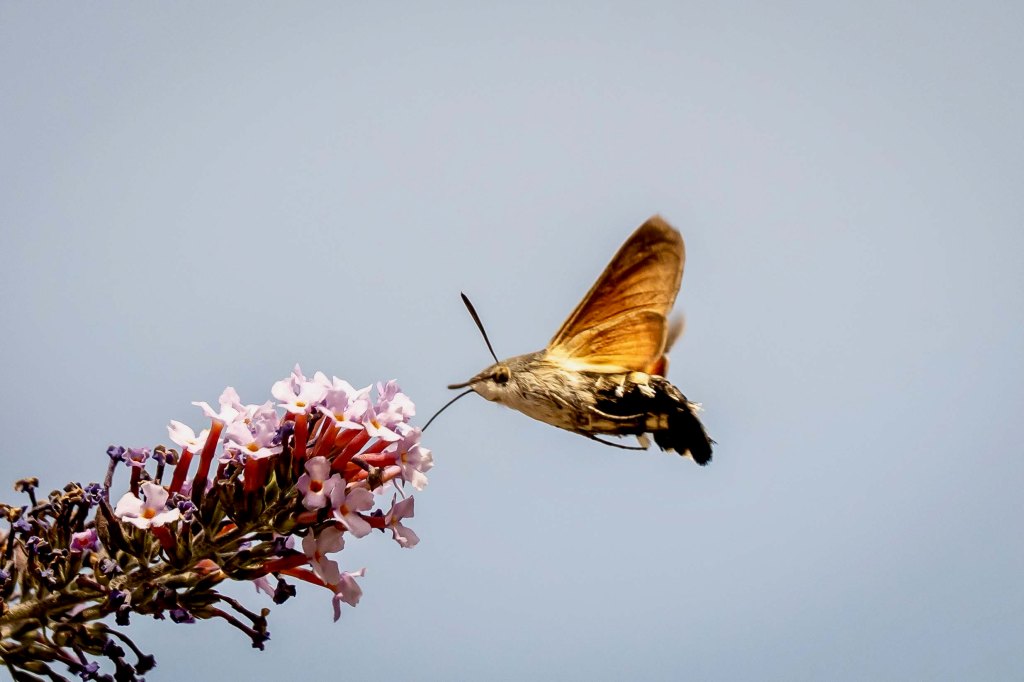
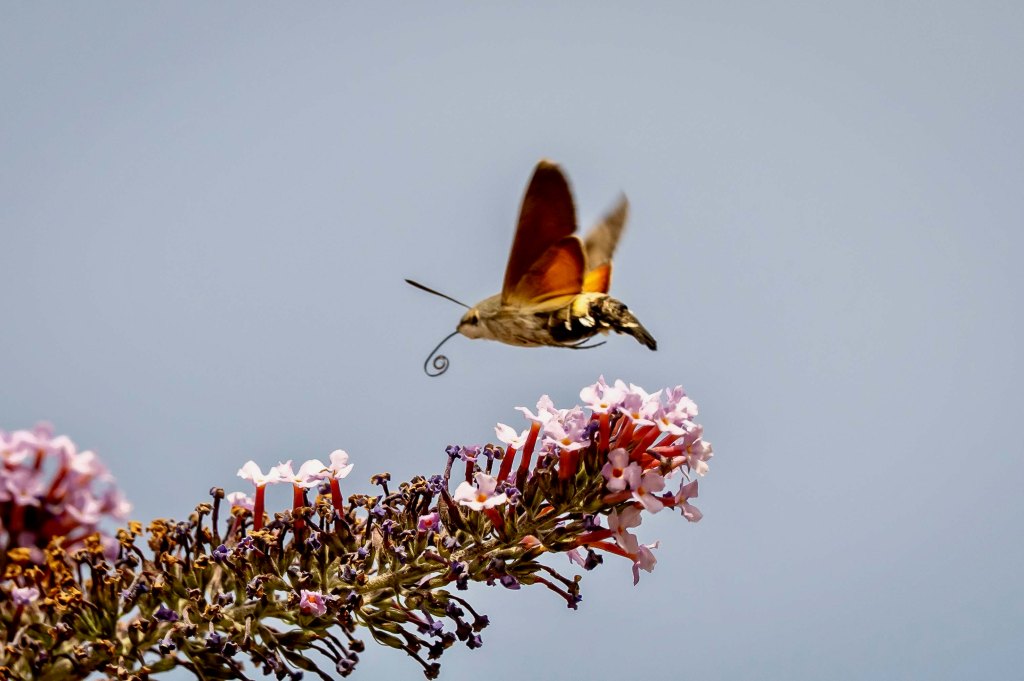
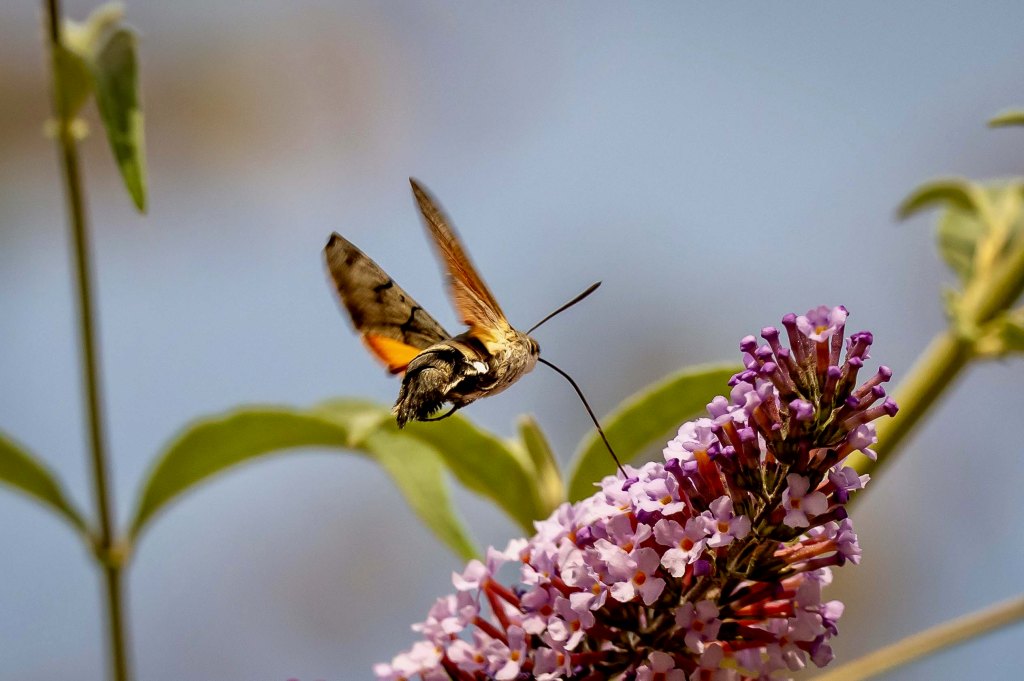
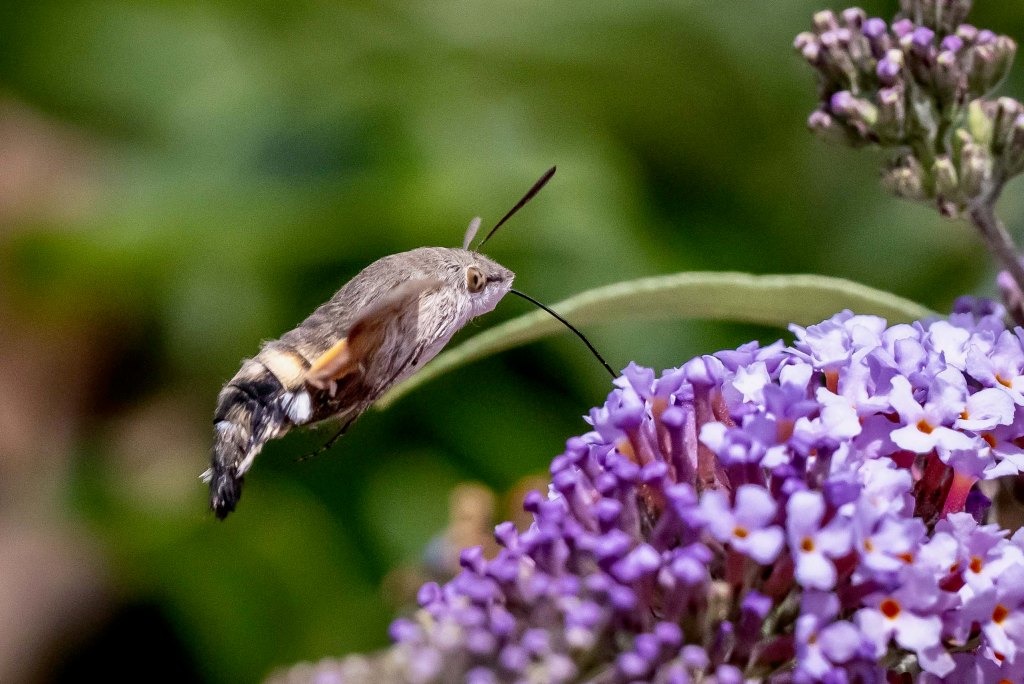
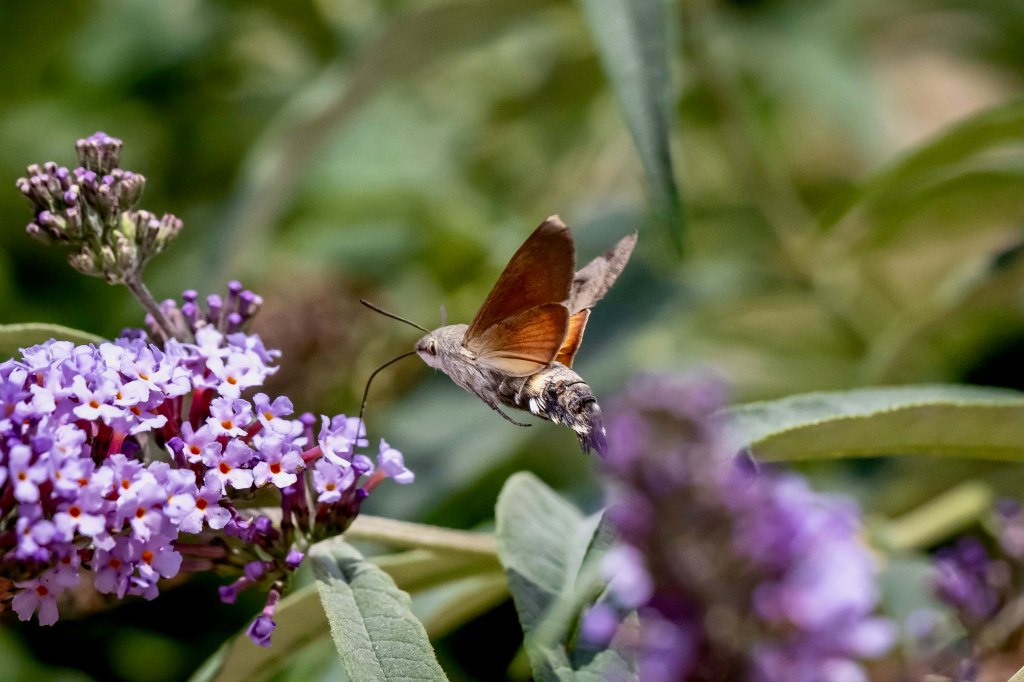
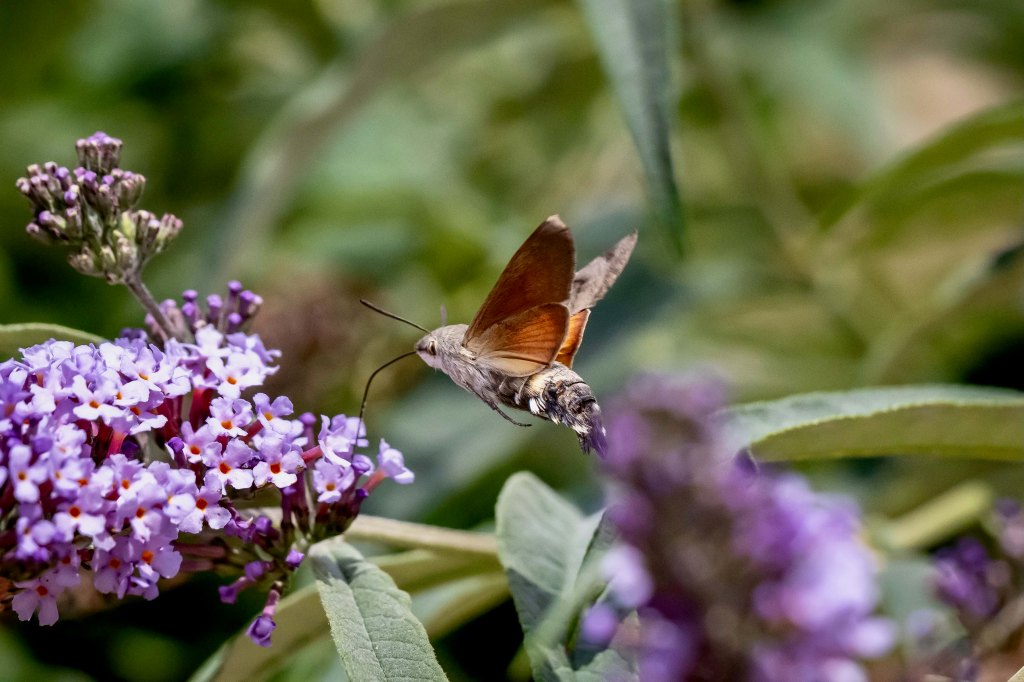
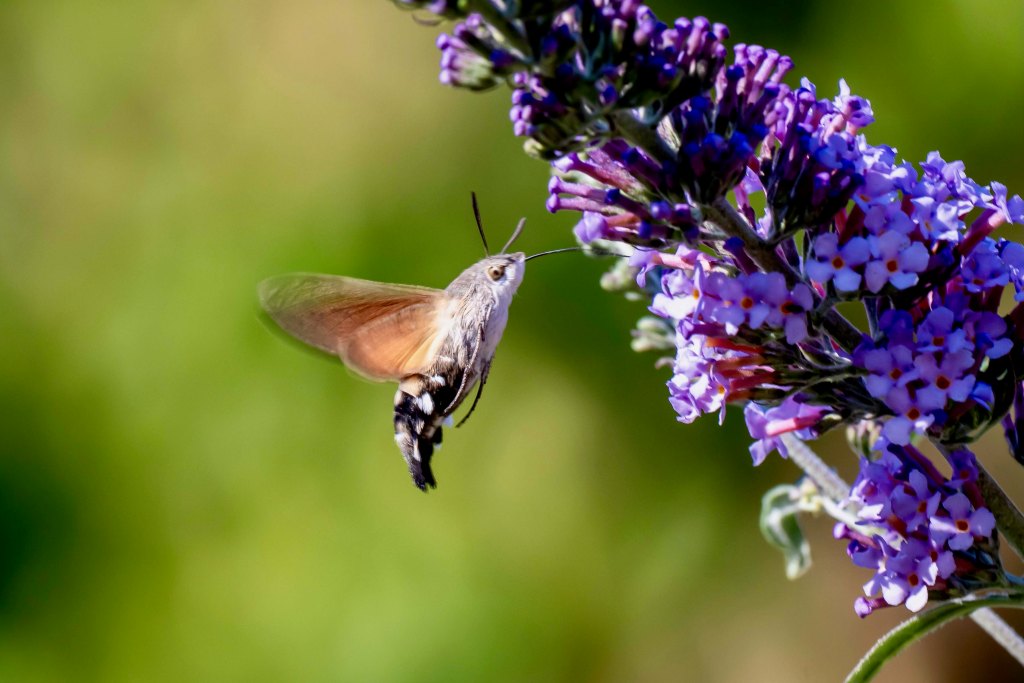
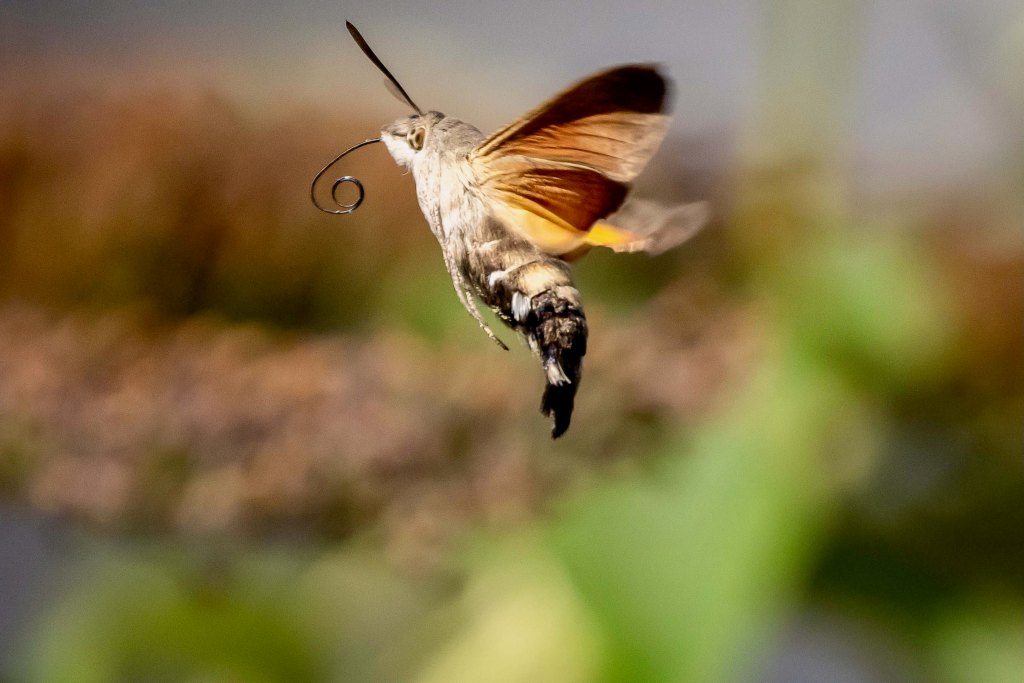
    Hummingbird hawk-moth

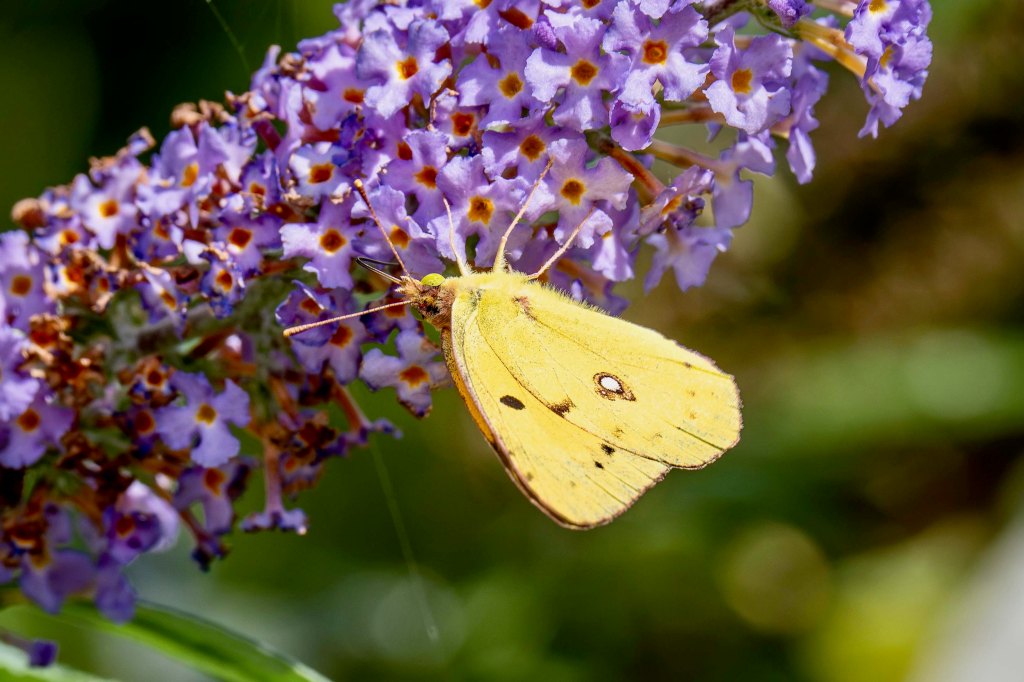
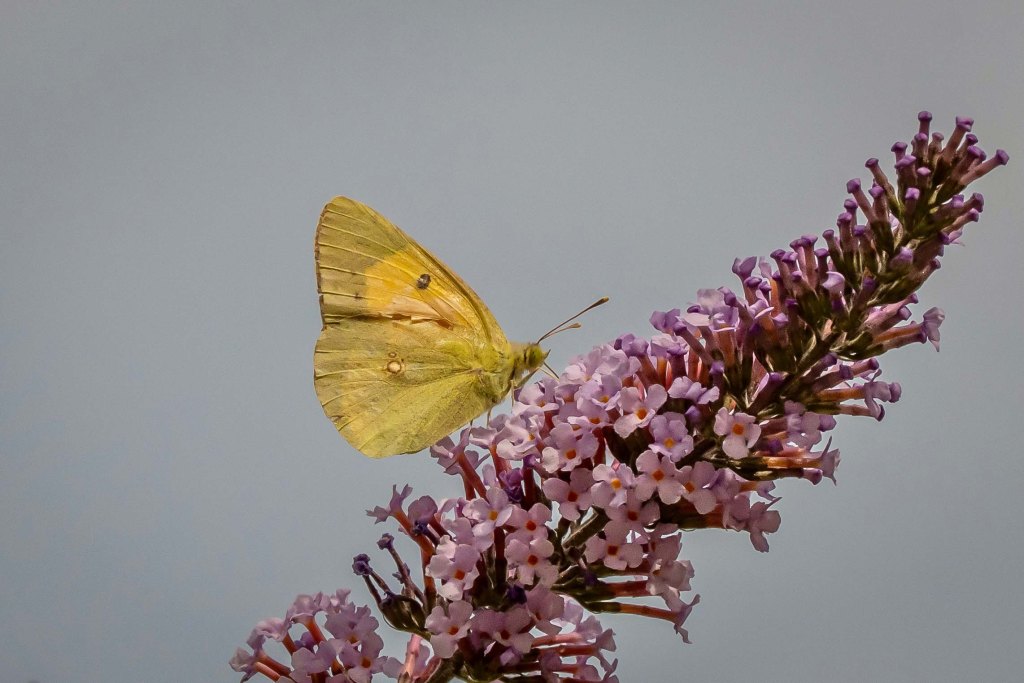
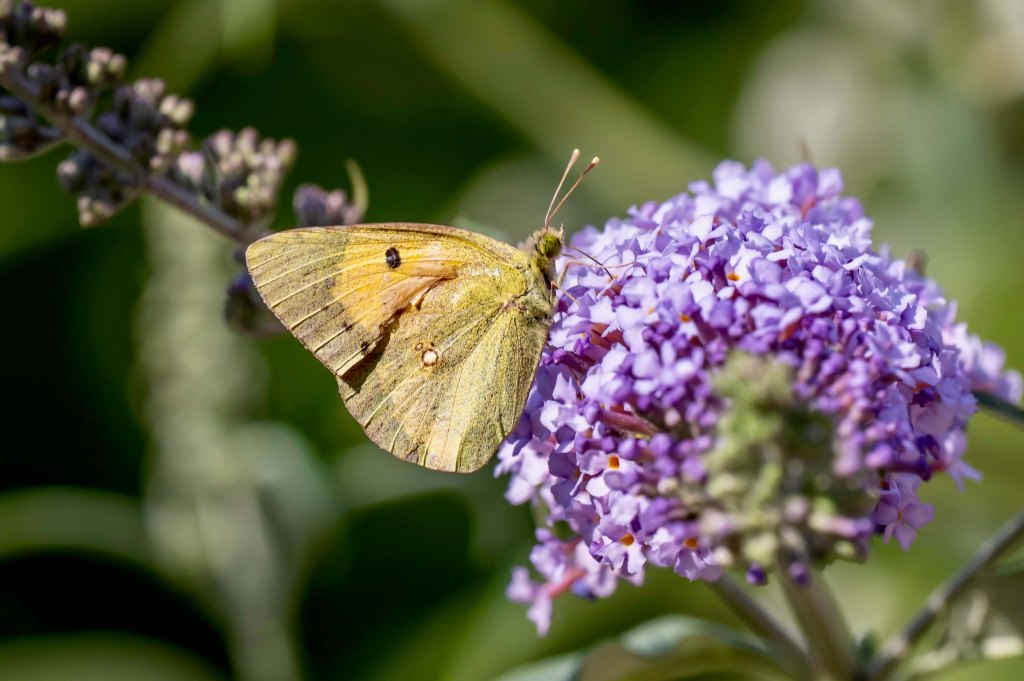
    Clouded yellow

    A very tired peacock butterfly

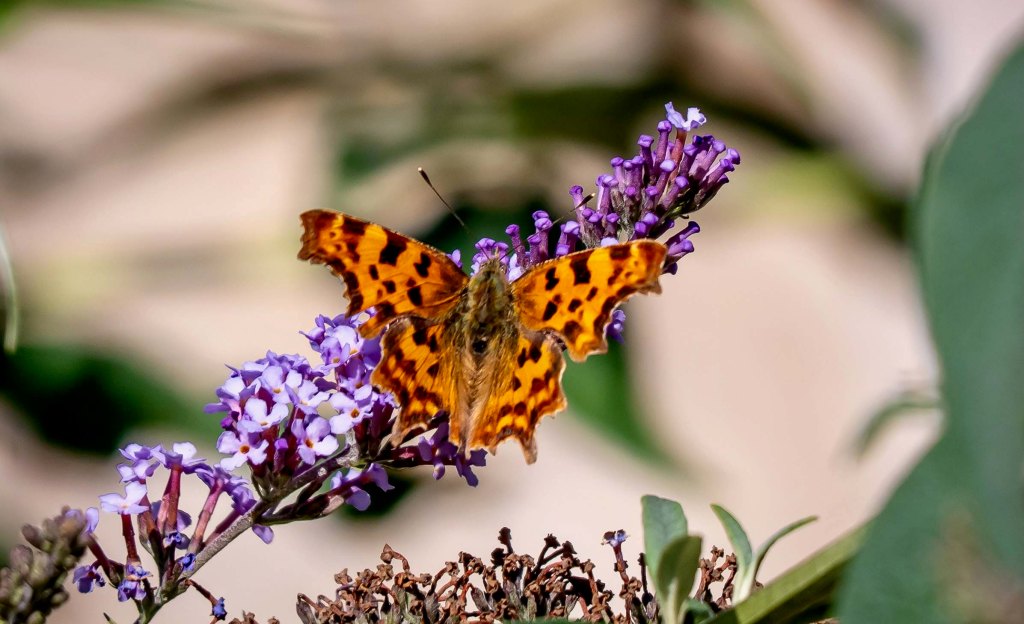
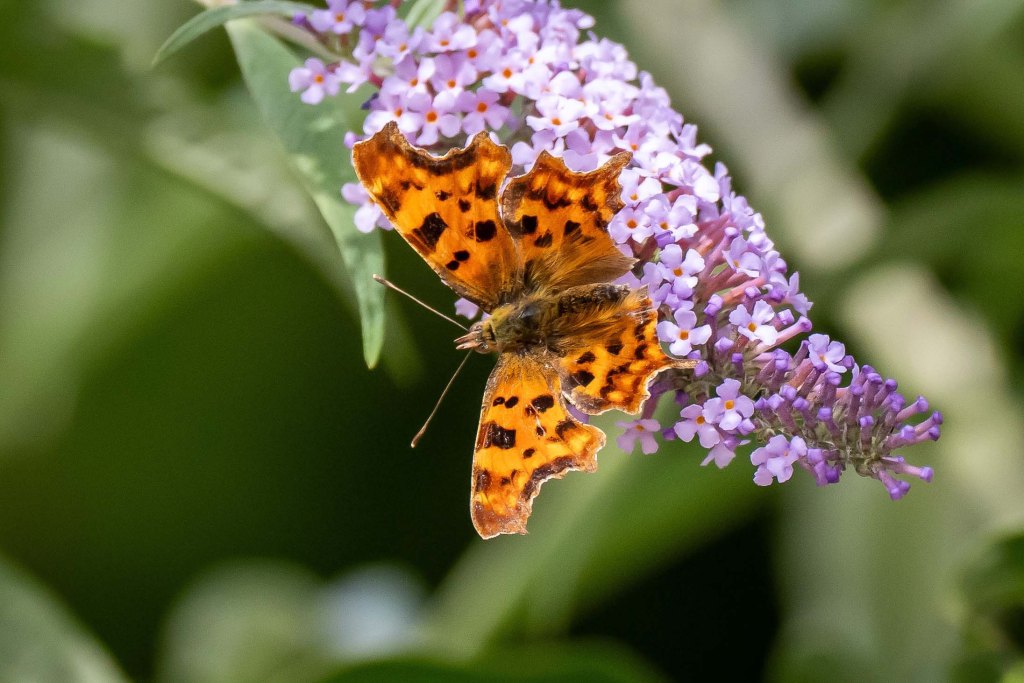
    Comma butterfly

    Small white

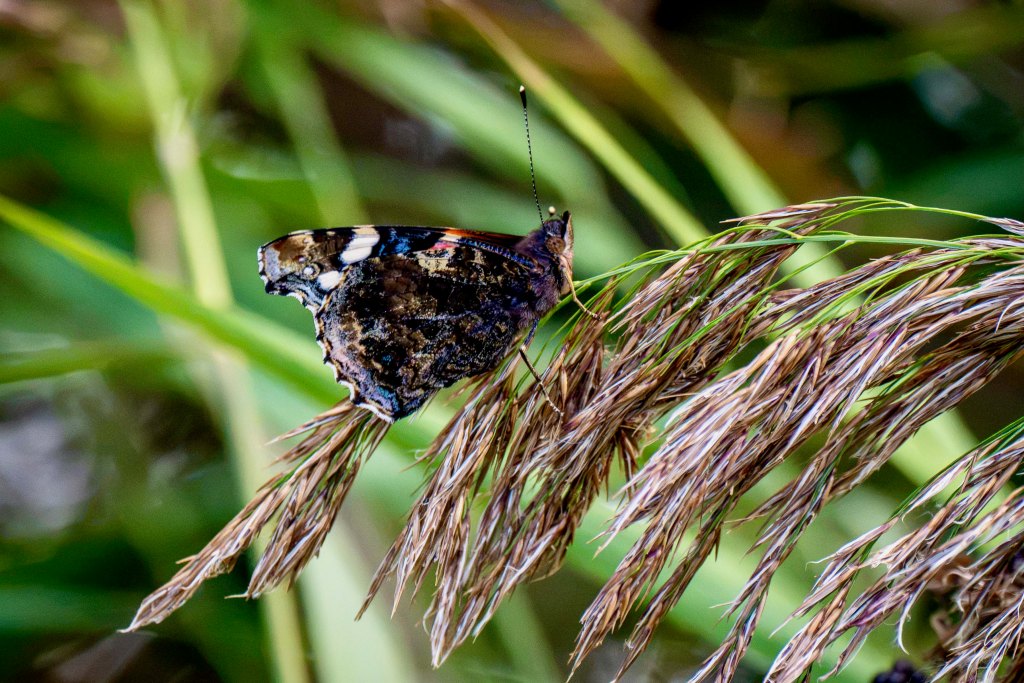
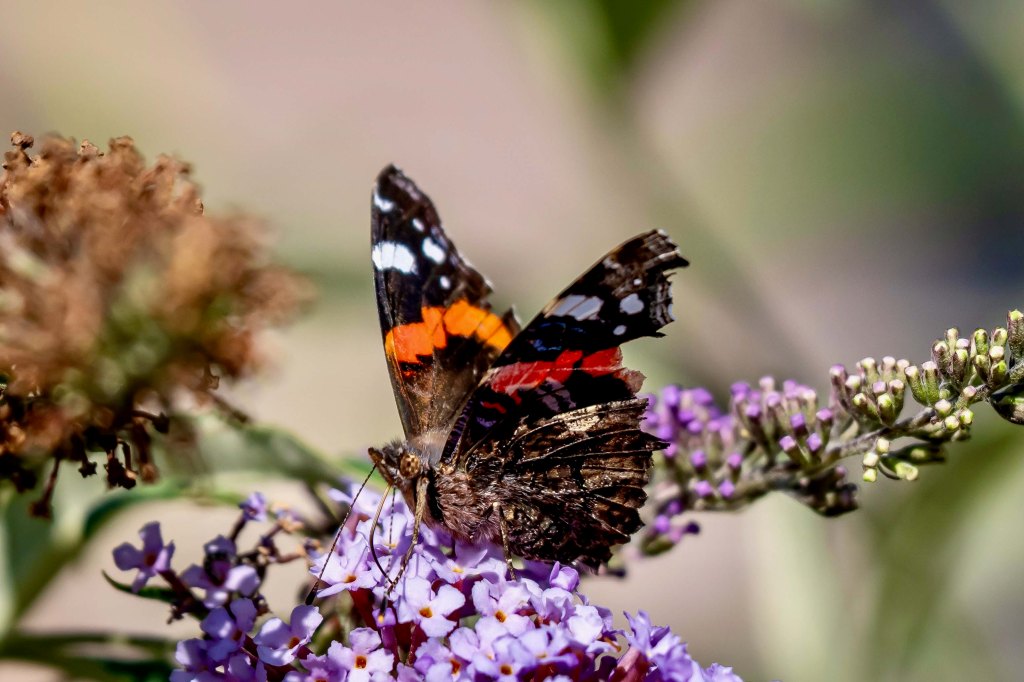
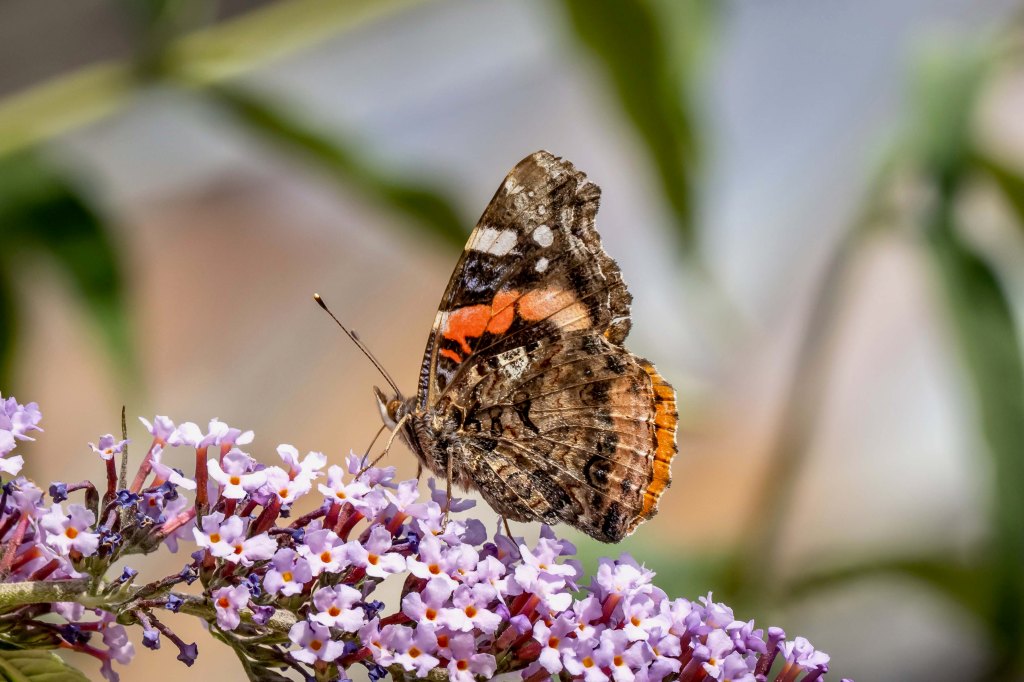
    Red admiral

    Just for good measure a few of the beaches and other aspects of our visit.

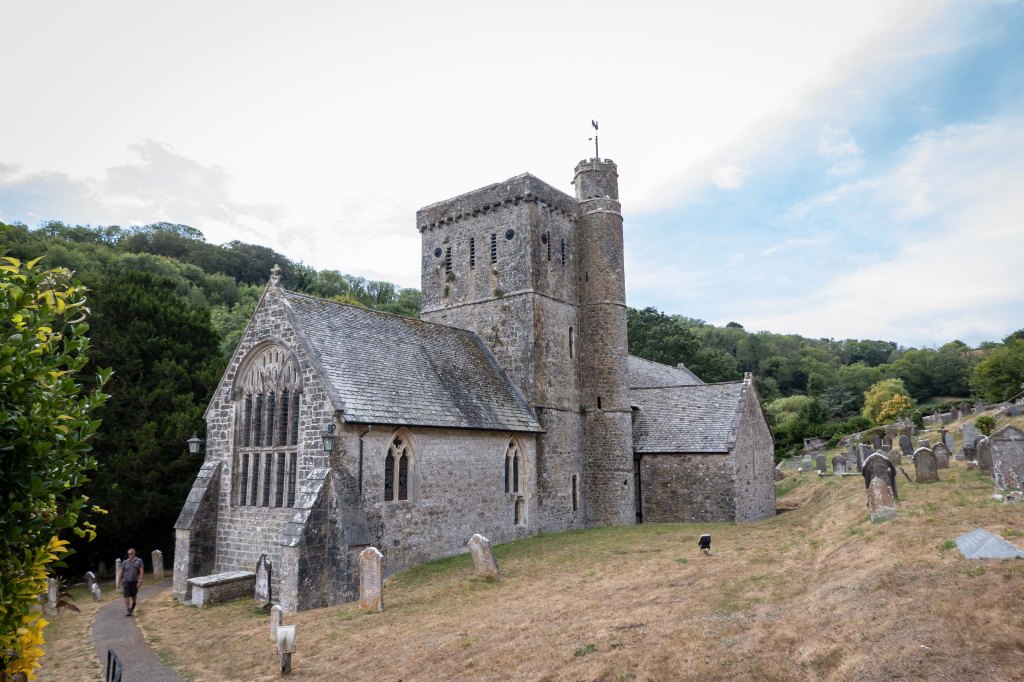
    St Winifred’s Church, Branscombe

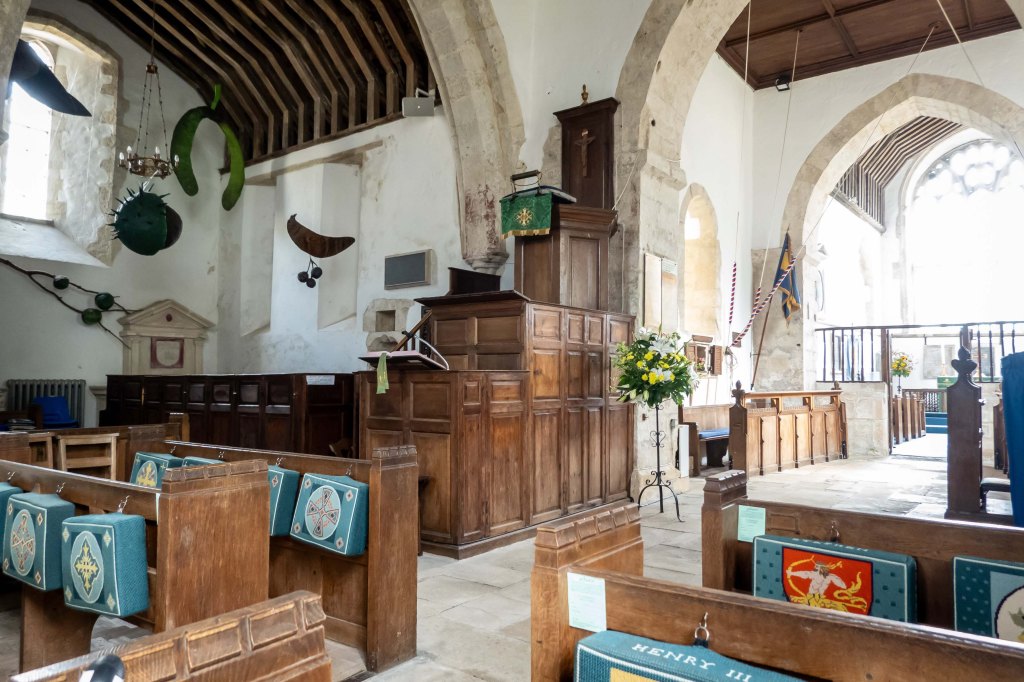
    St Winifred’s Church, Branscombe

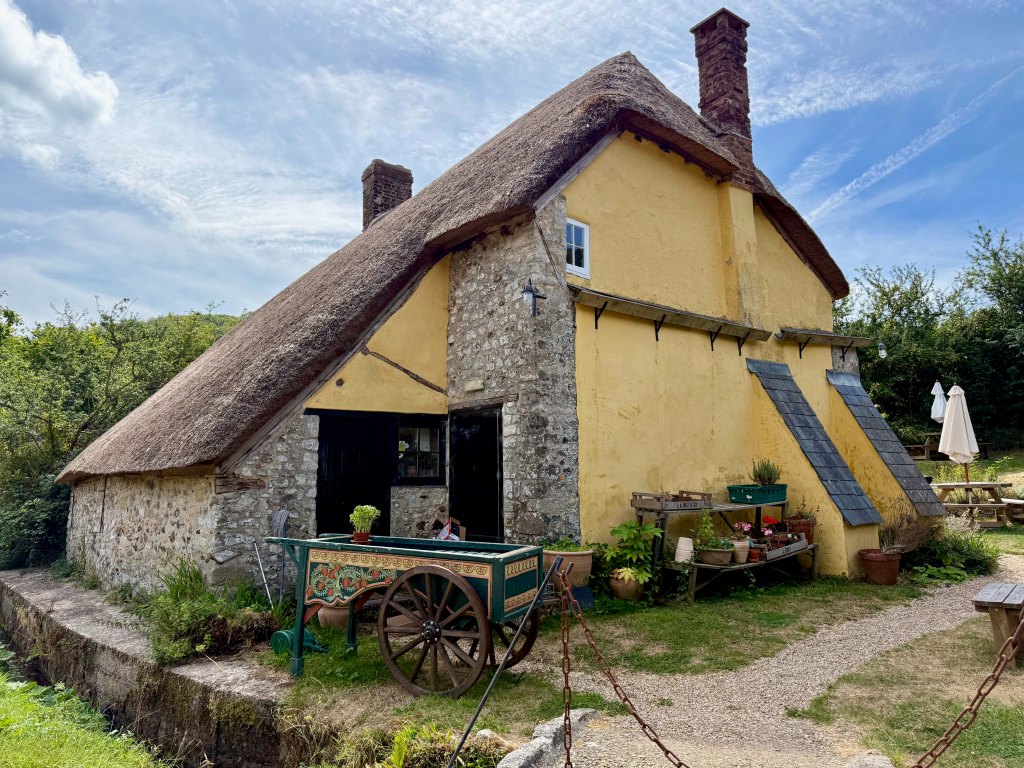
    The Old Bakery at Branscombe

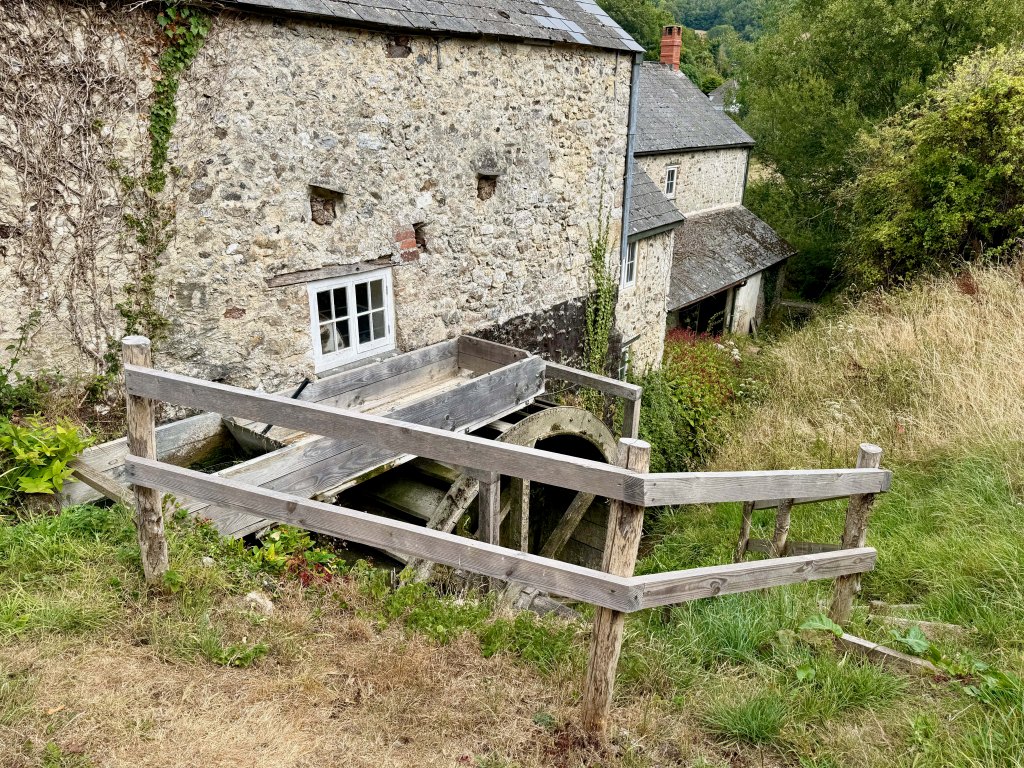
    Manor Mill, Branscombe. The only working mill to survive of the four originally operating in Branscombe.

    Branscombe beach and café

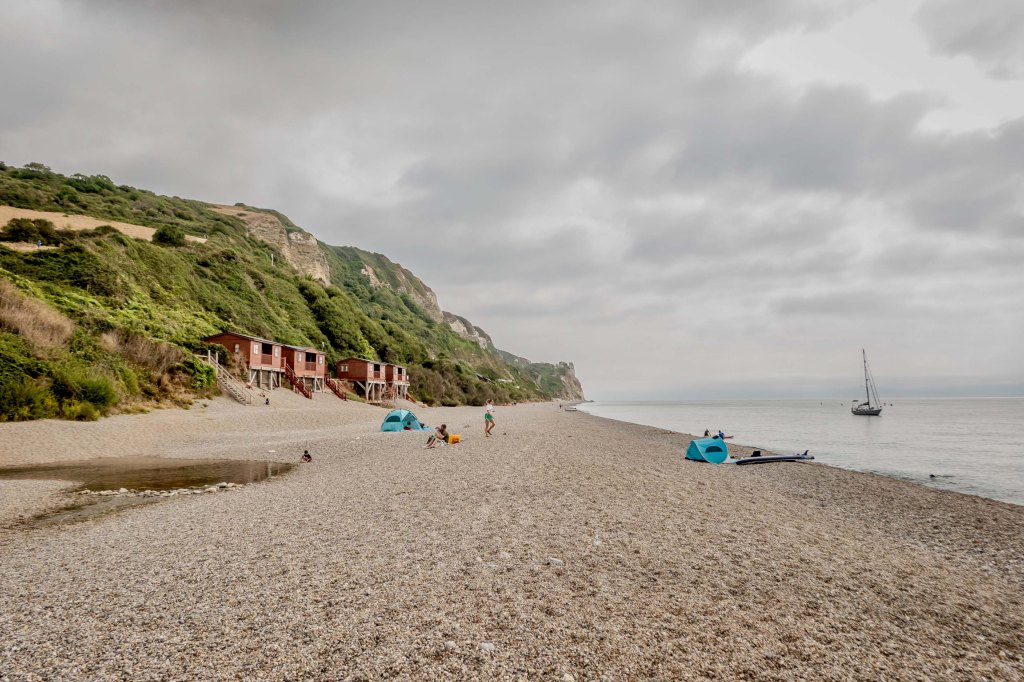
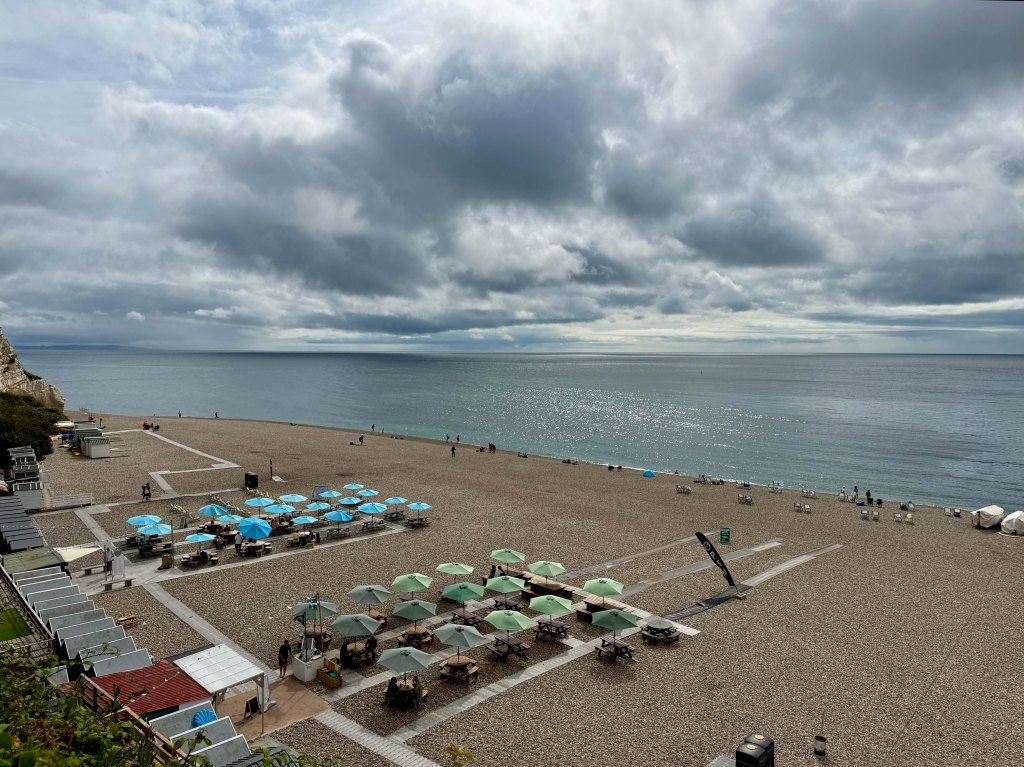
    Branscombe beach looking eastwards

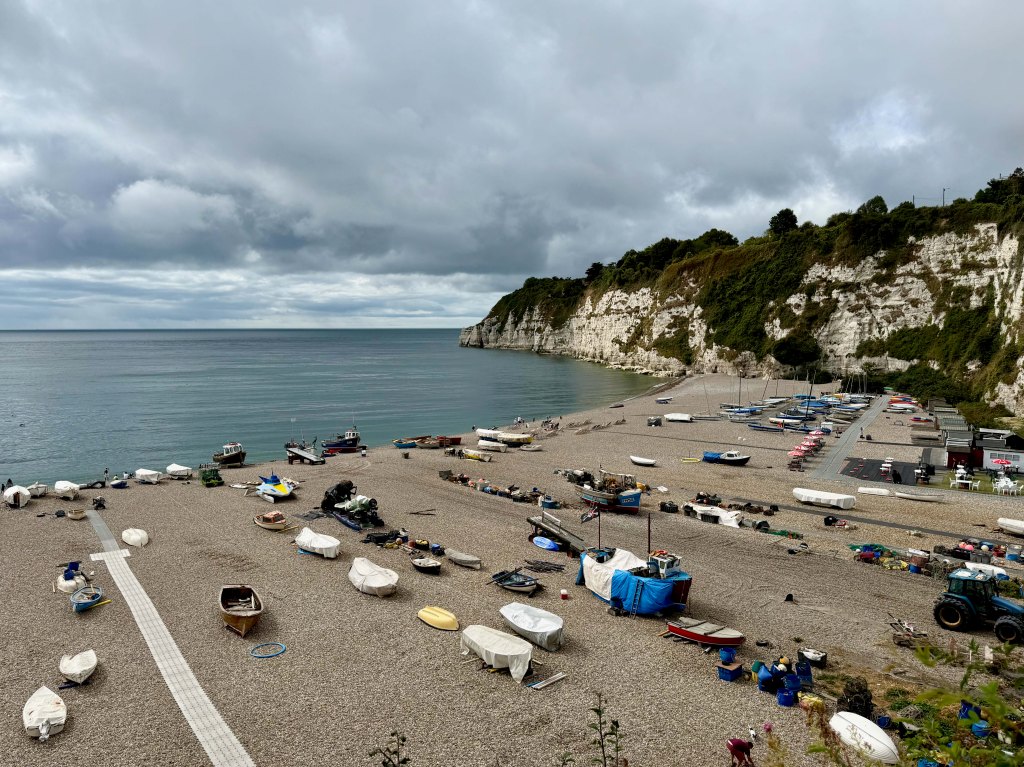
    Beer Beach – still a working fishing port

    The beach at Beer

  • 16th August 2026 – Southleigh, East Devon

    16th August 2026 – Southleigh, East Devon

    Before this epic summer the hottest summer I remember was the summer of 1976. That summer is often referred to as the year of the ladybird as swarms of ladybirds infested towns and cities across the UK, with many people even reporting being bitten by them. 

    I shall remember this year as the year of the hummingbird hawk-moth. Before this year I can only remember a few sightings of them in the UK, but this year they have almost been a common occurrence.

    Recently “The Times” newspaper reported :

    “Big enough to be mistaken for a bird, the moths brought by warm air from the south have been seen everywhere from the Channel Islands to Scotland”.

    In the garden of the cottage where we are staying in Devon there is a buddleia which, as well as attracting numerous butterflies, has attracted several hummingbird hawk-moths.

    They are not easy to photograph as their wings beats at 80 times per second.

    And some of the butterflies:

    Red admiral

    Clouded yellow

    Comma

    Clouded yellow

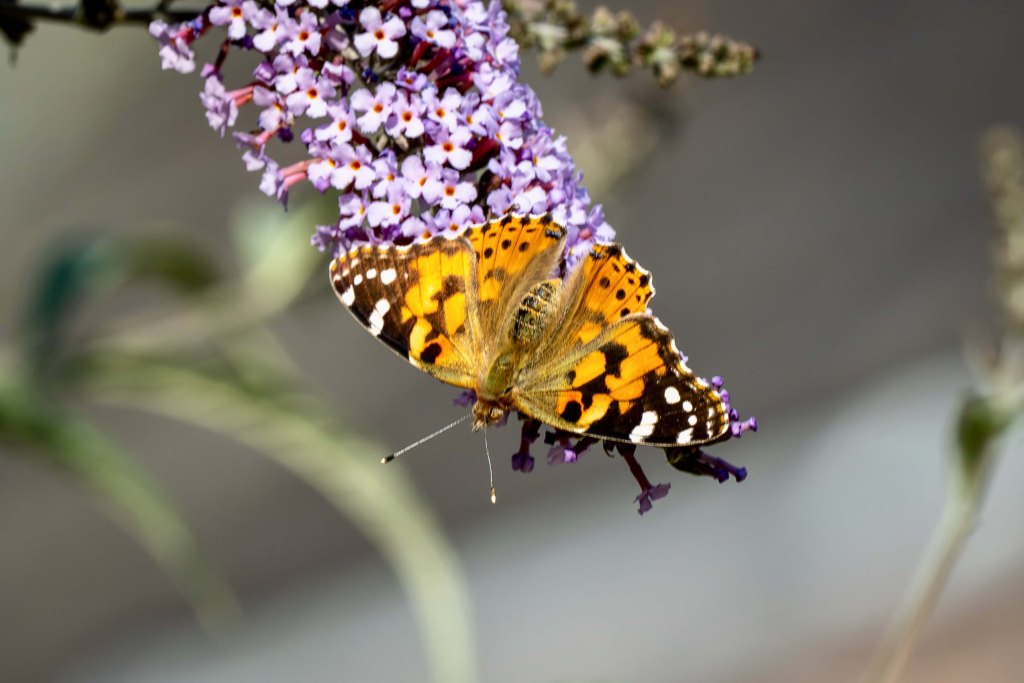
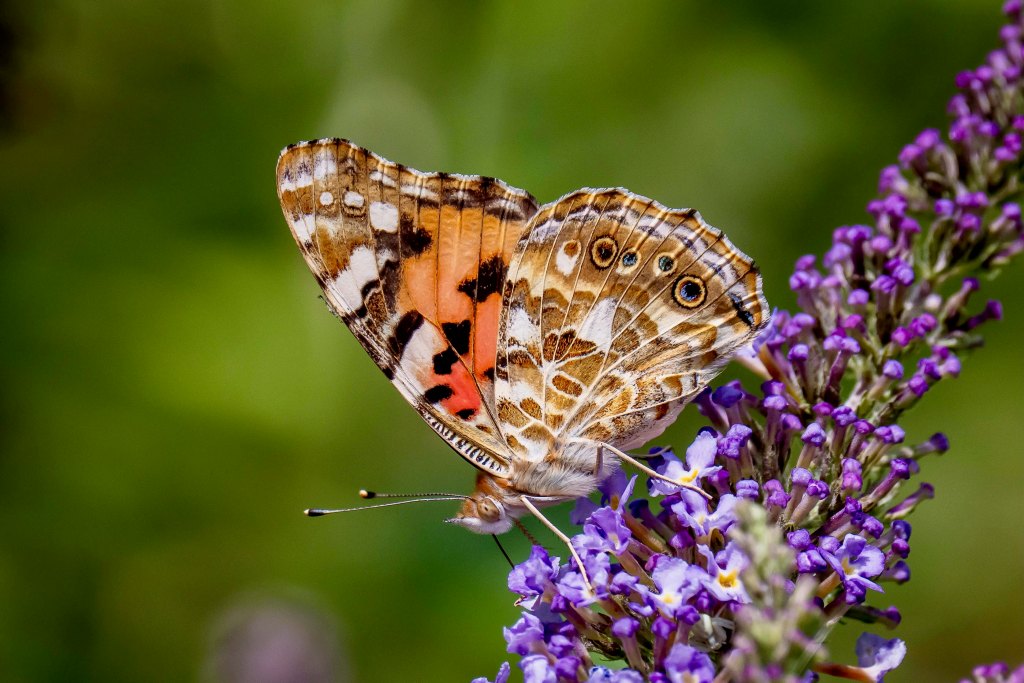
    Painted lady

    I couldn’t resist a couple more hummingbird hawk-moths from later in the day:

    The Times reports:

    “Traditionally, the peak time for hummingbird hawk-moth sightings in Britain is August and September, so we’re only just coming into the peak now. We could end up with a lot more sightings before the summer is out.”

    … and a lot more photographs!

  • 9th August 2026 – WWT Slimbridge, Gloucestershire

    9th August 2026 – WWT Slimbridge, Gloucestershire

    The best thing about our visit to WWT Slimbridge on another glorious hot summer’s day (apart from the coffee and bacon roll on arrival) was the shade provided by the willow-lined walkway which stretched from one hide to another. We didn’t stay long because we knew the drive home would be very hot and we had seen enough to lift our spirits.

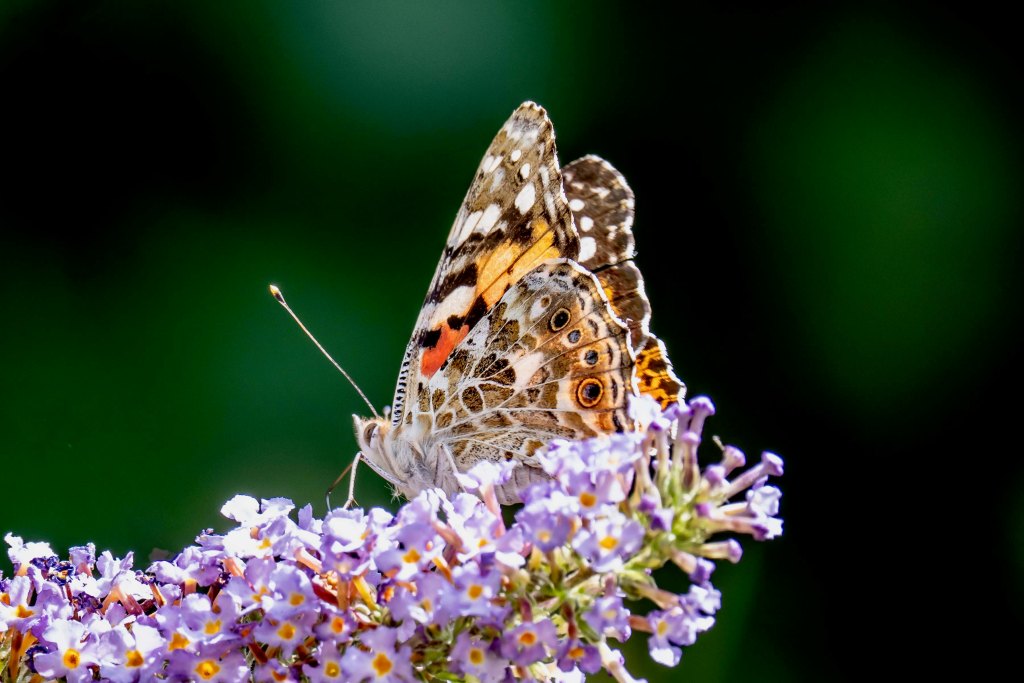
    Let’s start with a butterfly (Painted Lady) for a change

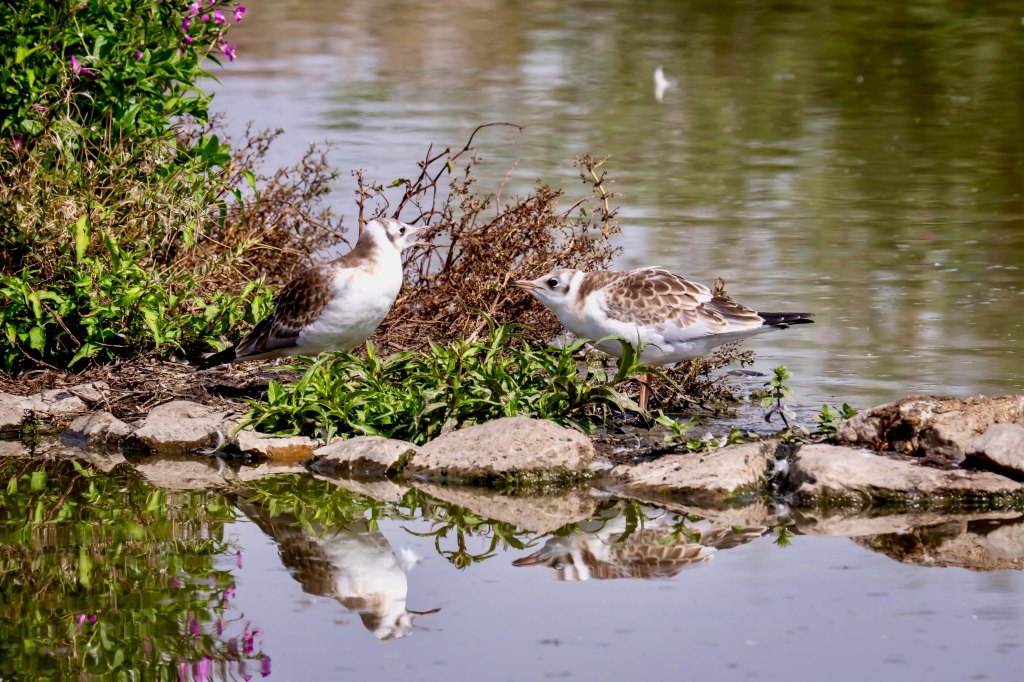
    Gulls don’t feature much on my blog but I’ll give some space to these two black-headed gulls which seemed a bit grumpy in the heat.

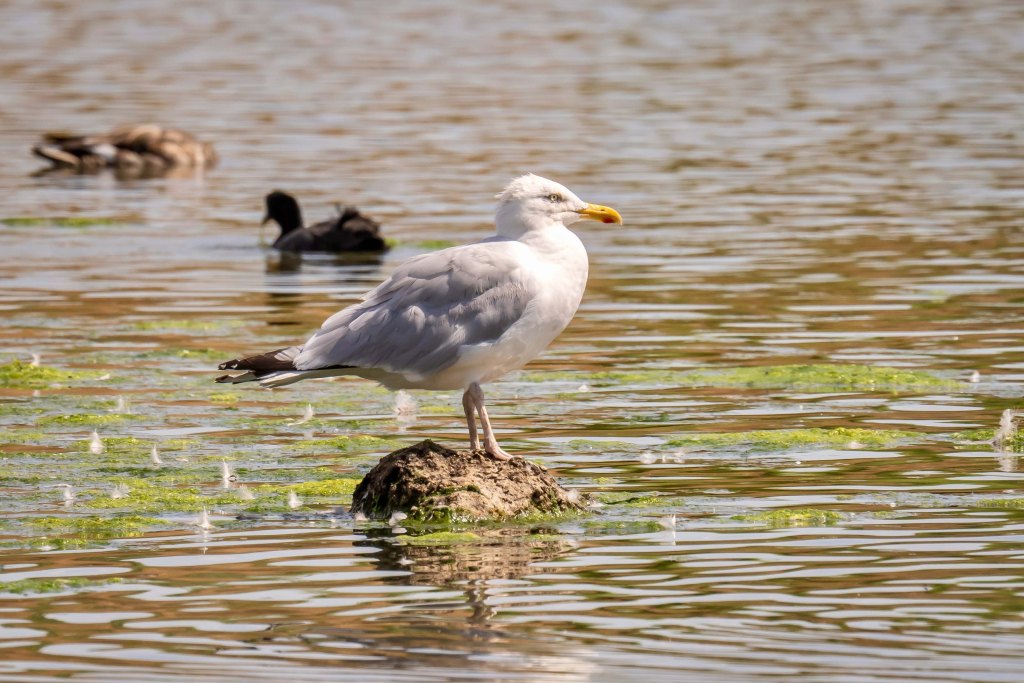
    This European herring gull looked quite serene

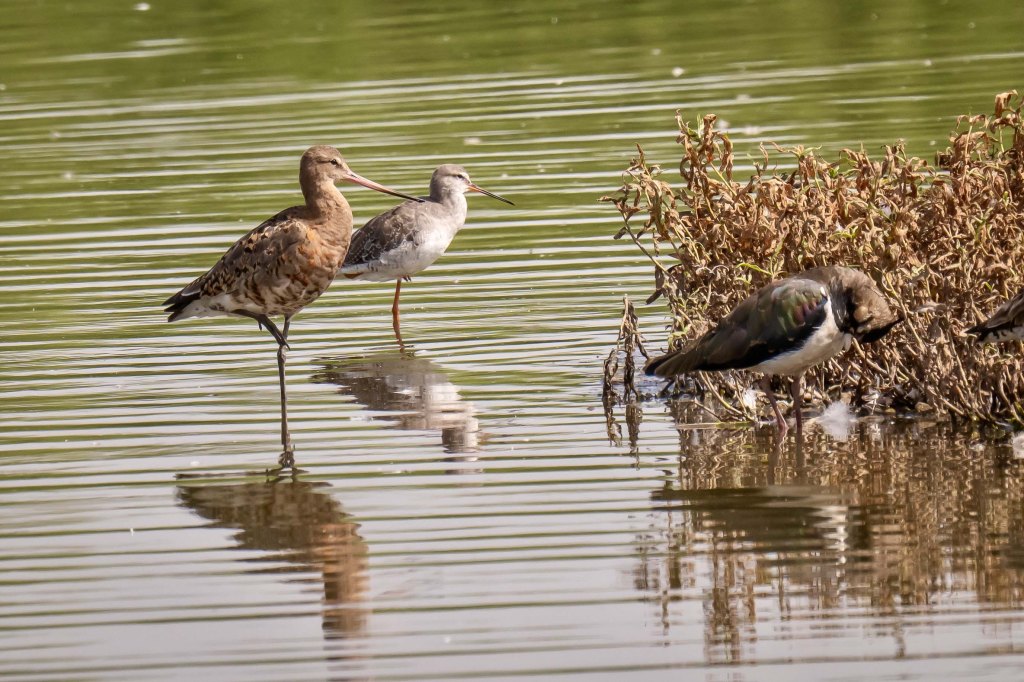
    Black-tailed godwit and spotted redshank standing in front of a northern lapwing

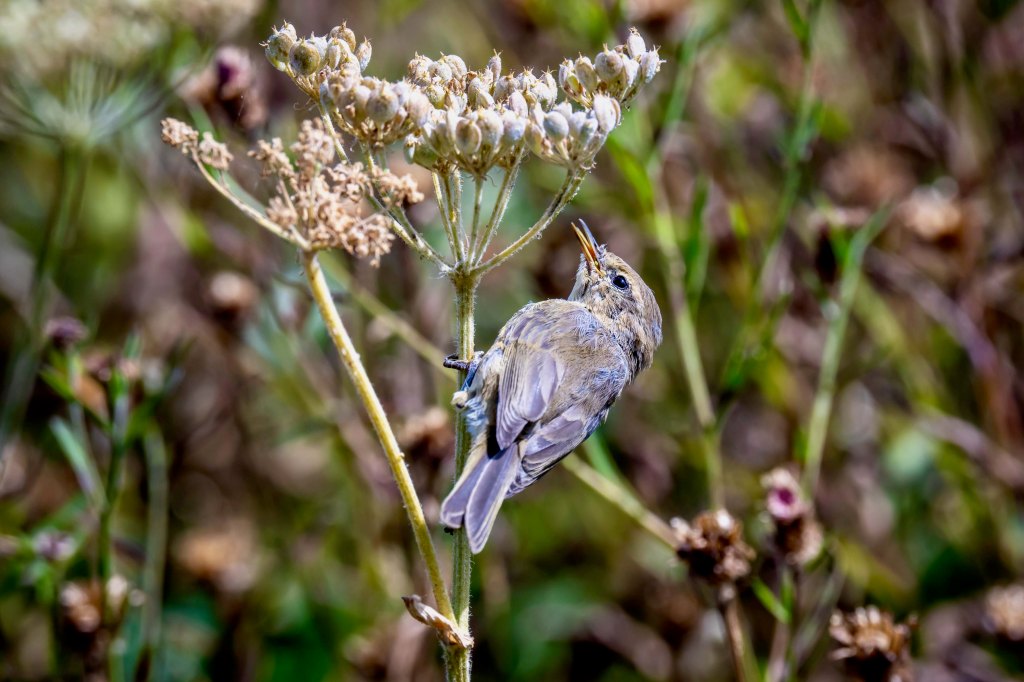
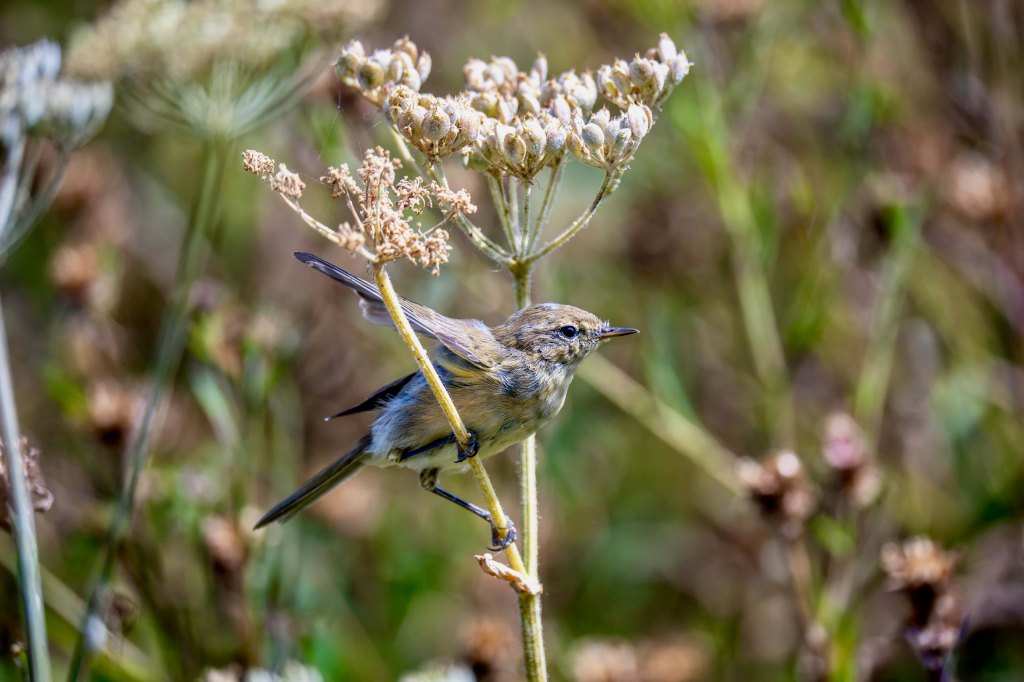
    Common chiffchaff

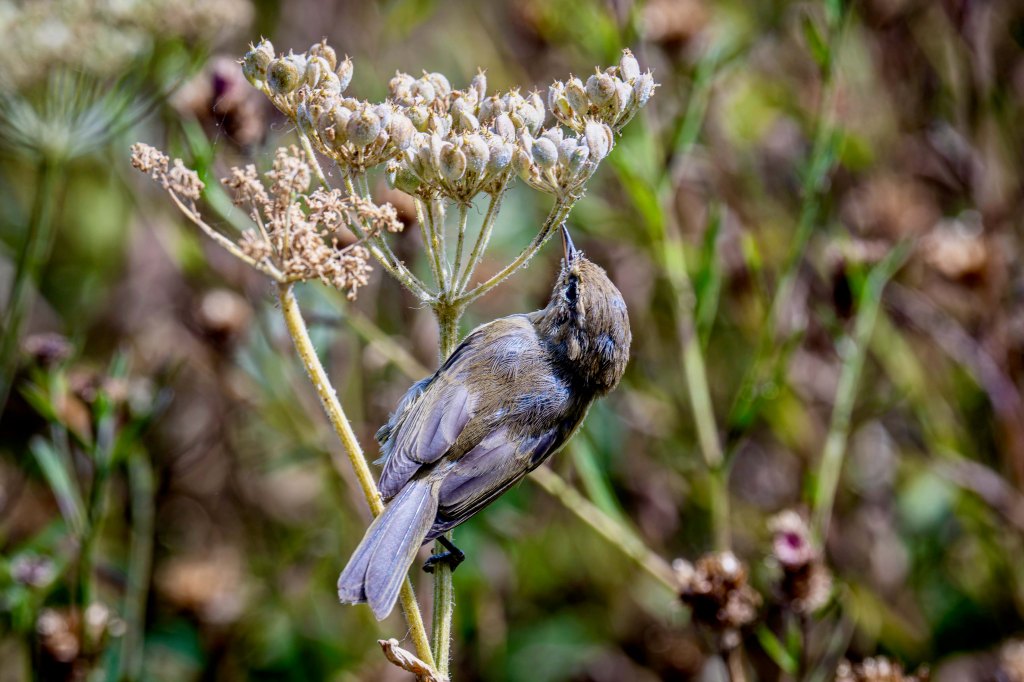
    Common chiffchaff

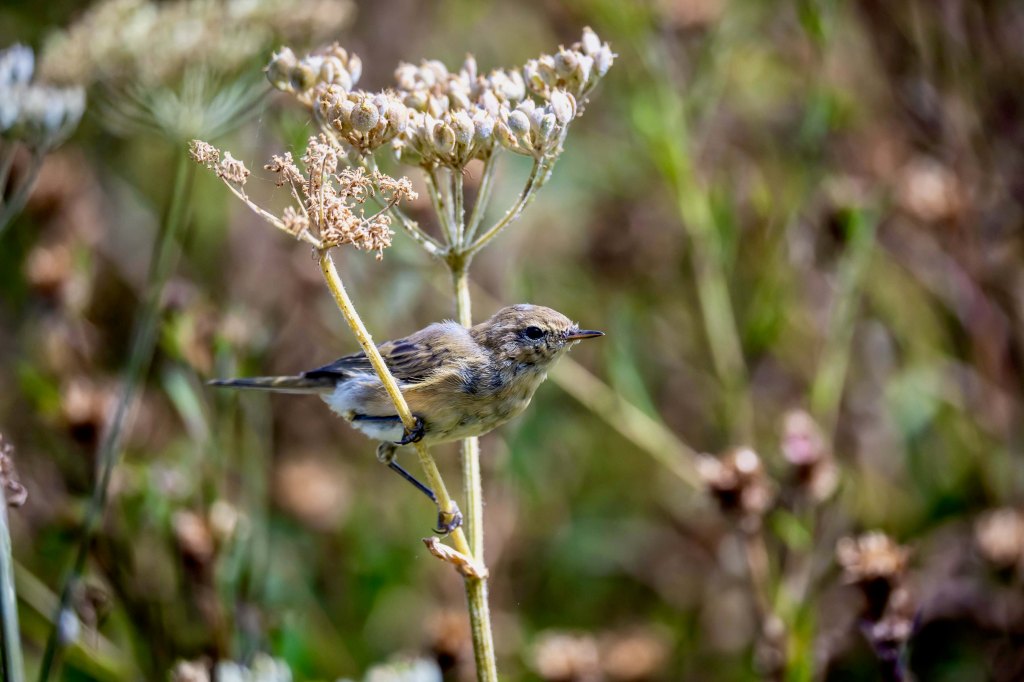
    Common chiffchaff

    Common chiffchaff

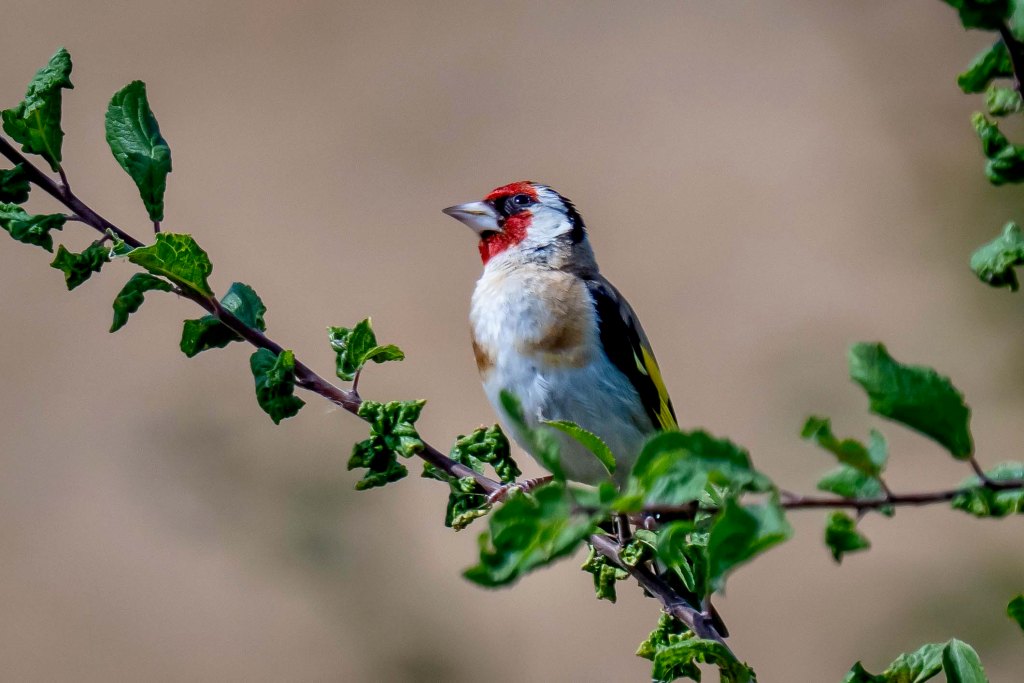
    Goldfinch

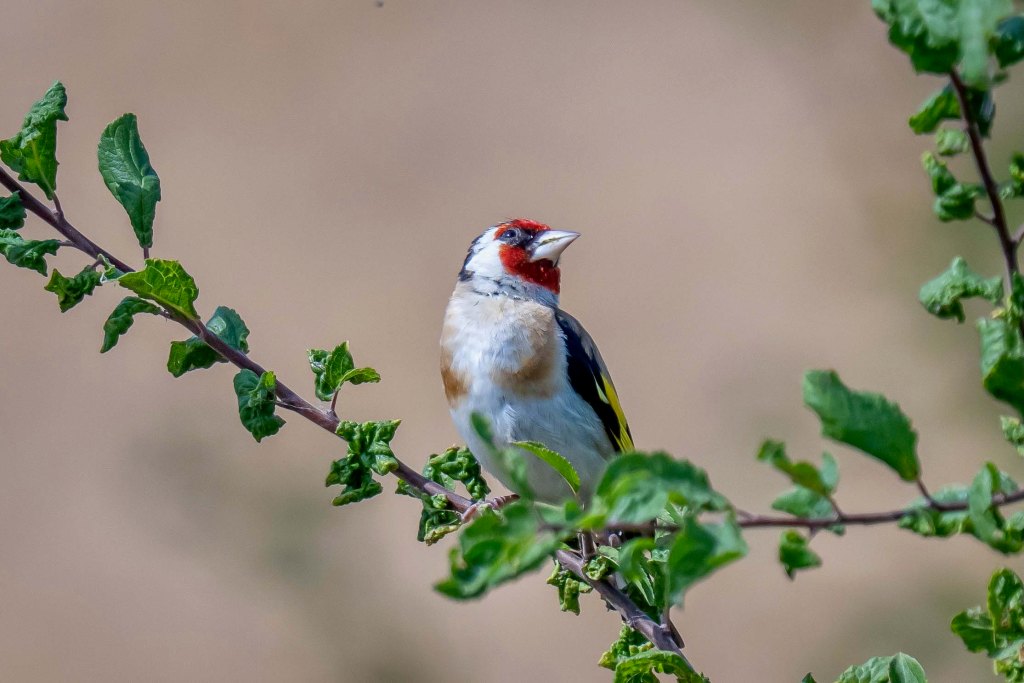
    Goldfinch showing a different profile

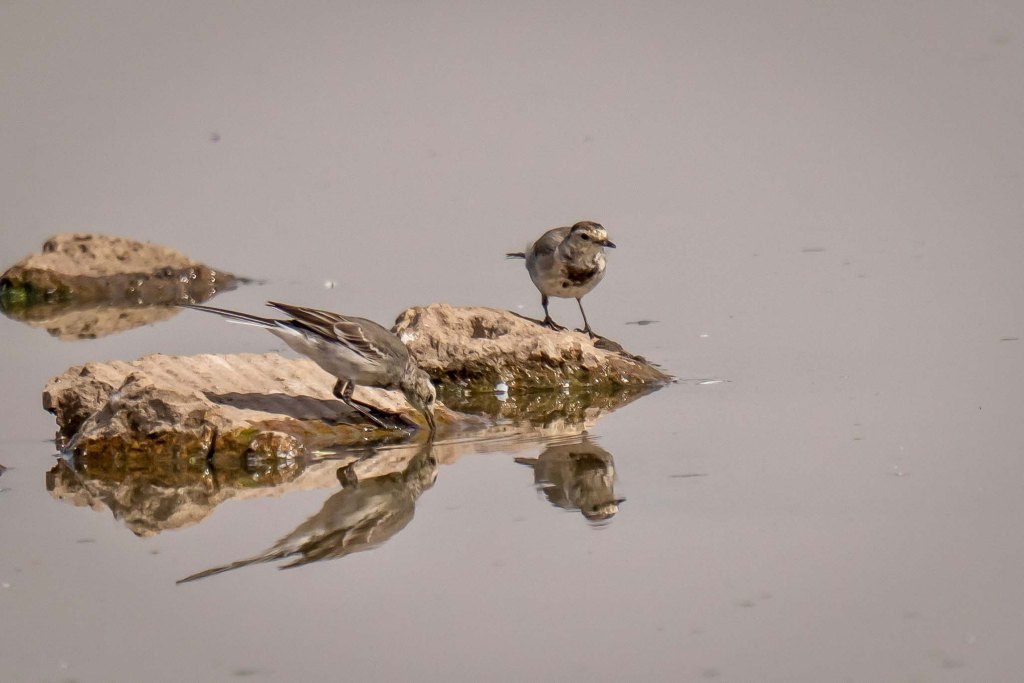
    Pied wagtail

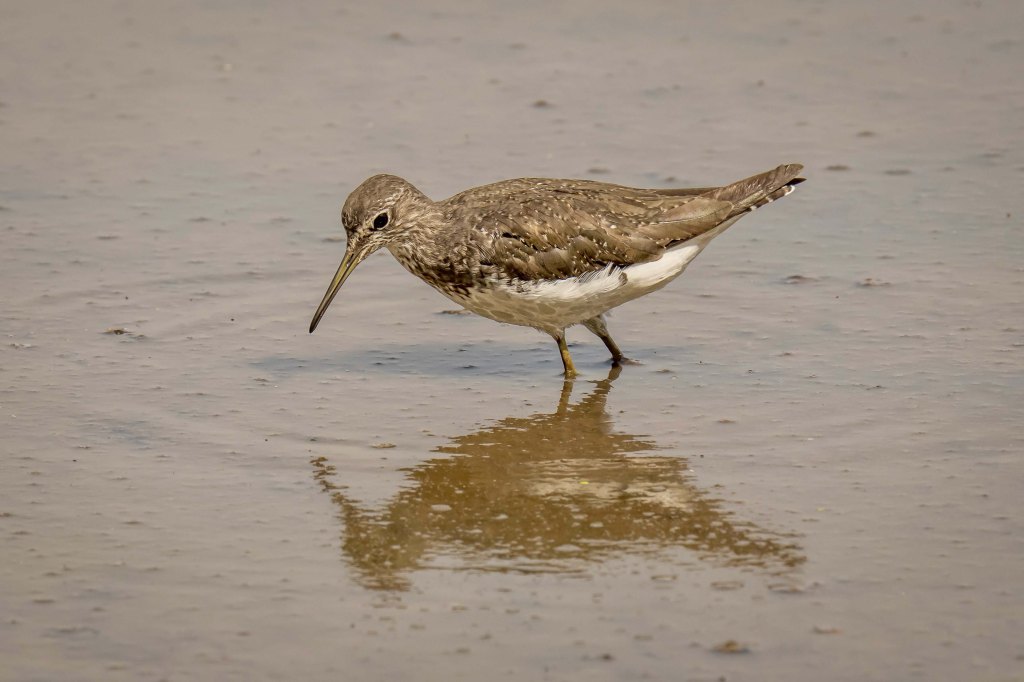
    Green sandpiper

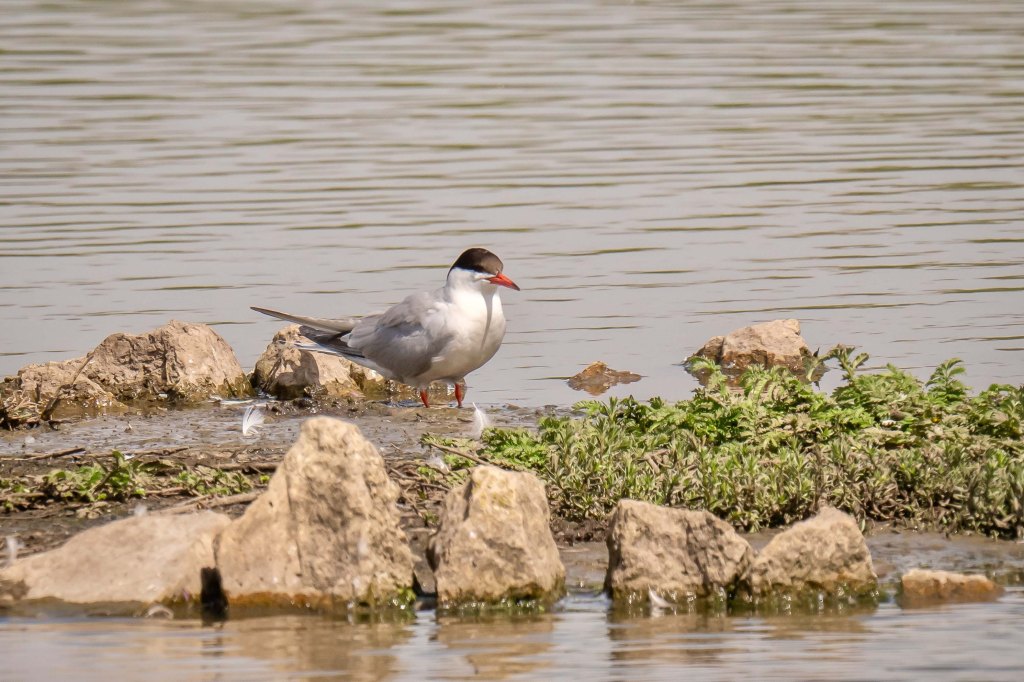
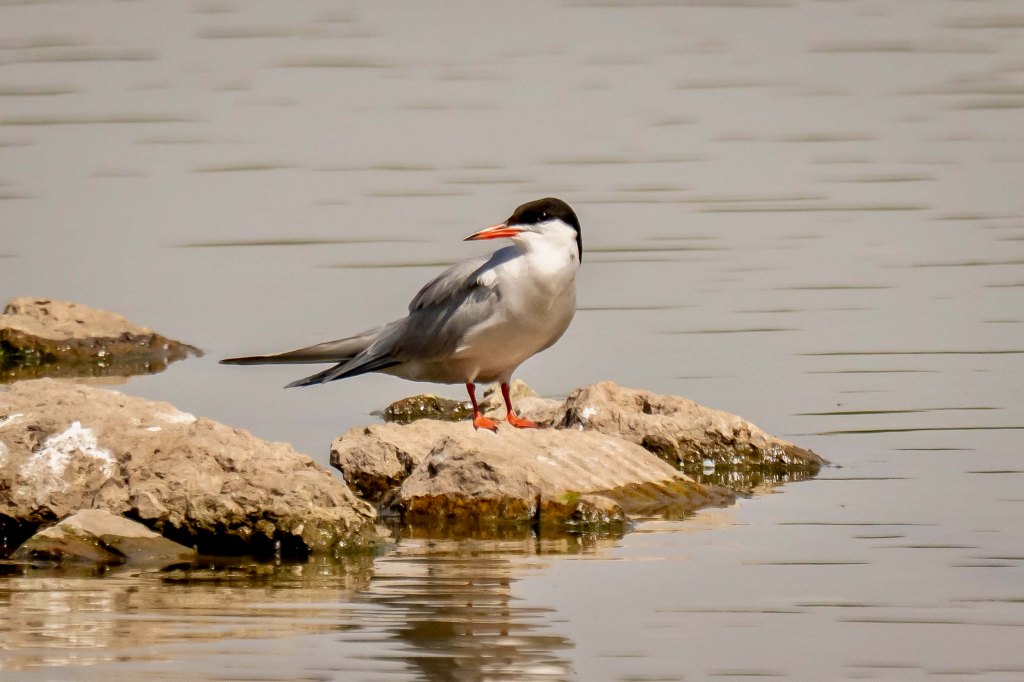
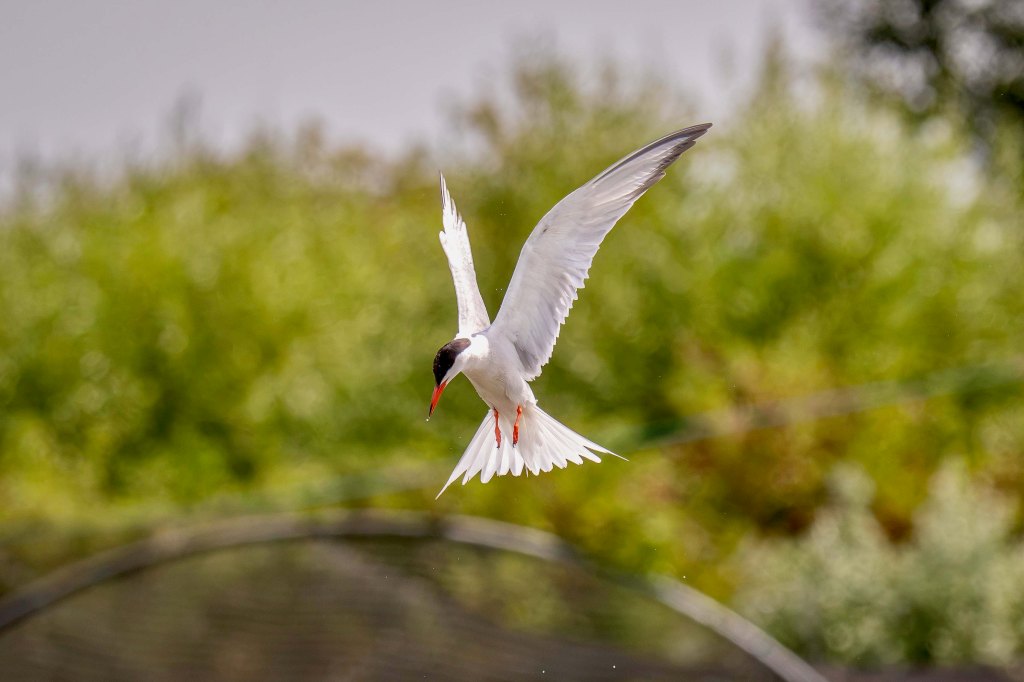
    Common tern

    … and its partner common tern

    Pied wagtails

  • 6th and 7th August 2026 – Avalon Marshes, Somerset

    6th and 7th August 2026 – Avalon Marshes, Somerset

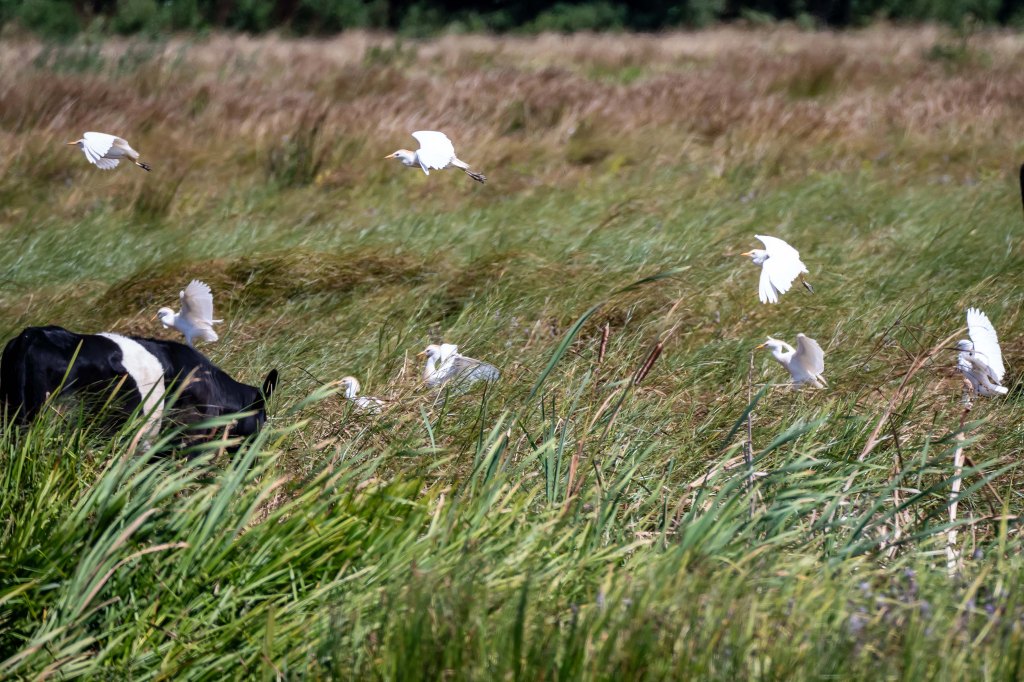
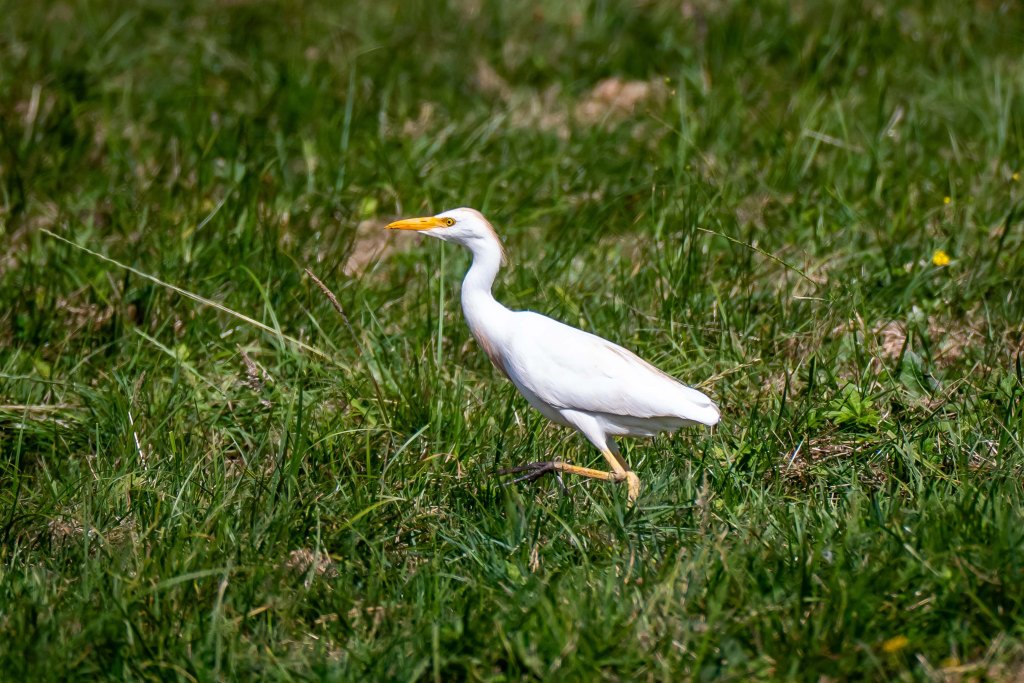
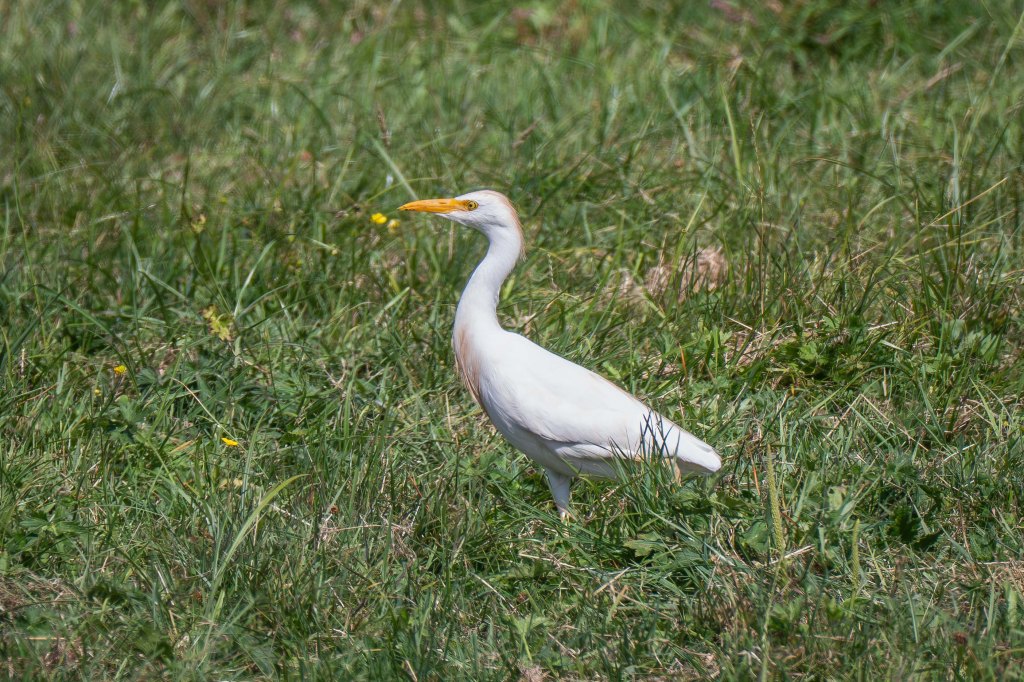
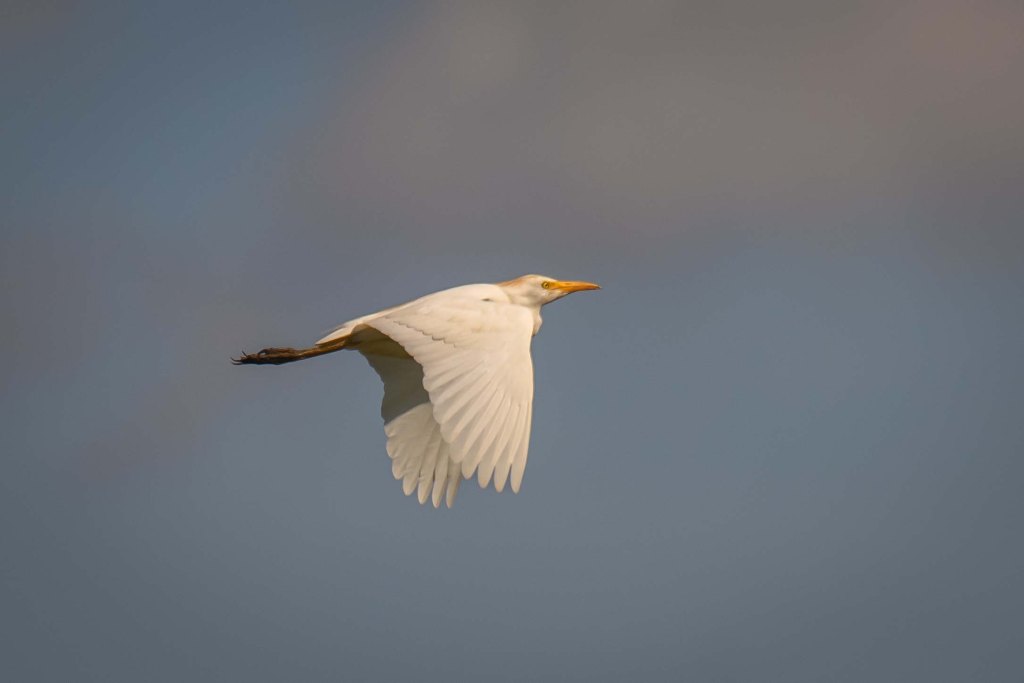
    Cattle Egrets were first reported to have bred in Britain in 2008, with two pairs nesting in Somerset. We have just spent the last two days birding on the Avalon Marshes in Somerset and saw large numbers of these birds at Catcott Marshes and RSPB Greylake. The colonisation that is taking place is probably due to climate change and with the continuation of this wonderful summer it certainly feels like there is a massive shift in our climate.

    Cattle egret at Catcott Marshes

    Cattle egret at Catcott Marshes

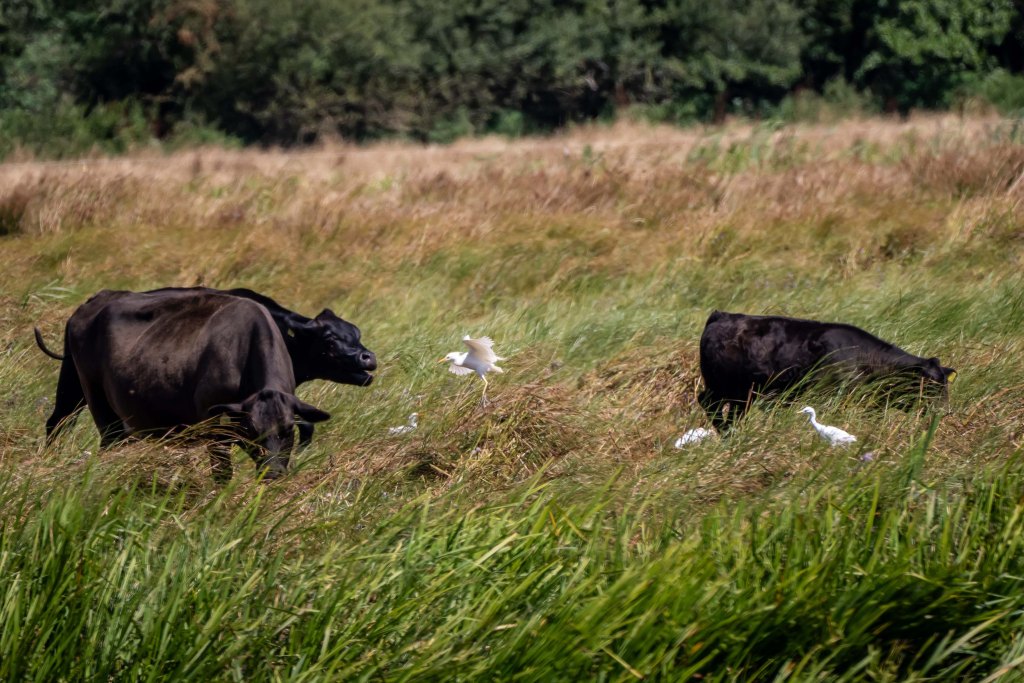
    Cattle egrets often spend time close to livestock like sheep and cows and grab the insects and worms their hooves disturb.

    Cattle egret

    Cattle egret

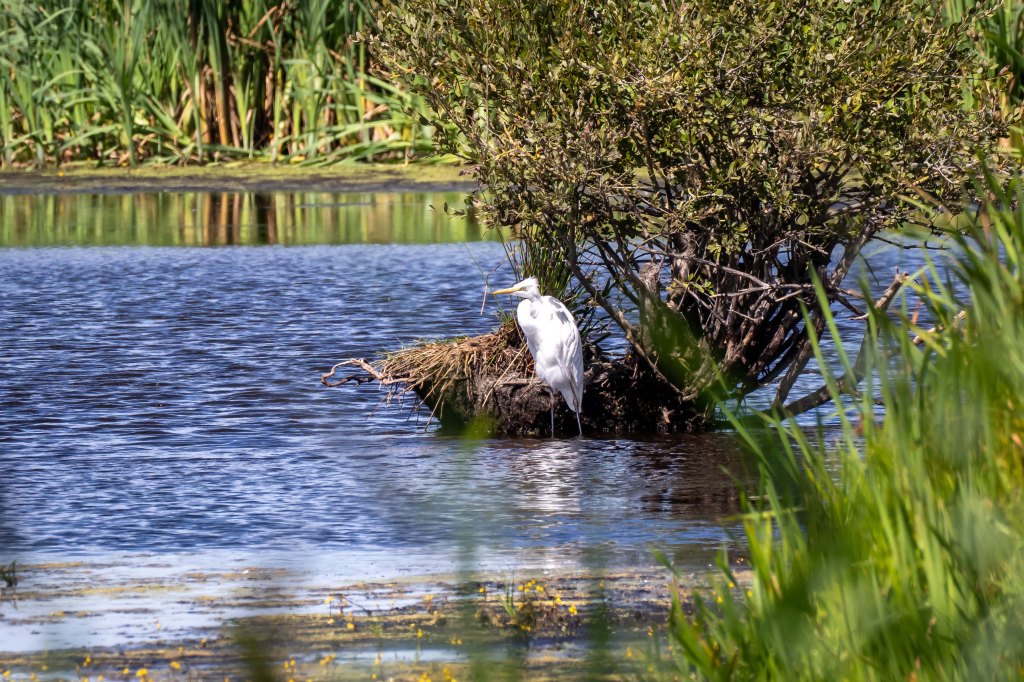
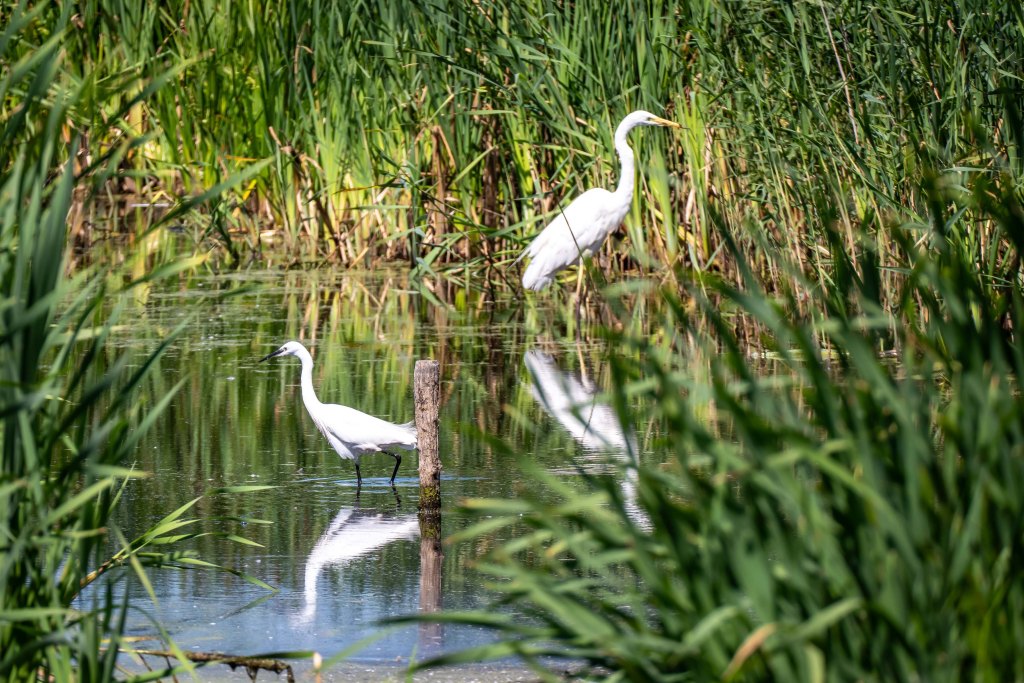
    We also regularly saw great egrets and little egrets which not so many years ago were also rare visitors to the UK.

    Great egret at RSPB Greylake

    Little egret with great egret behind at RSPB Greylake

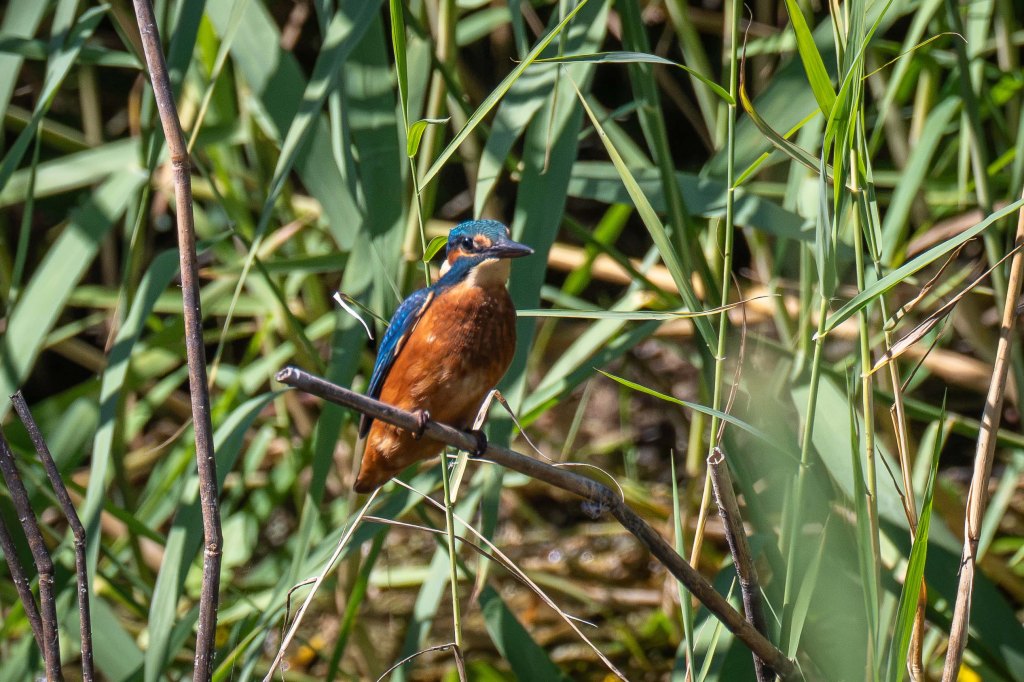
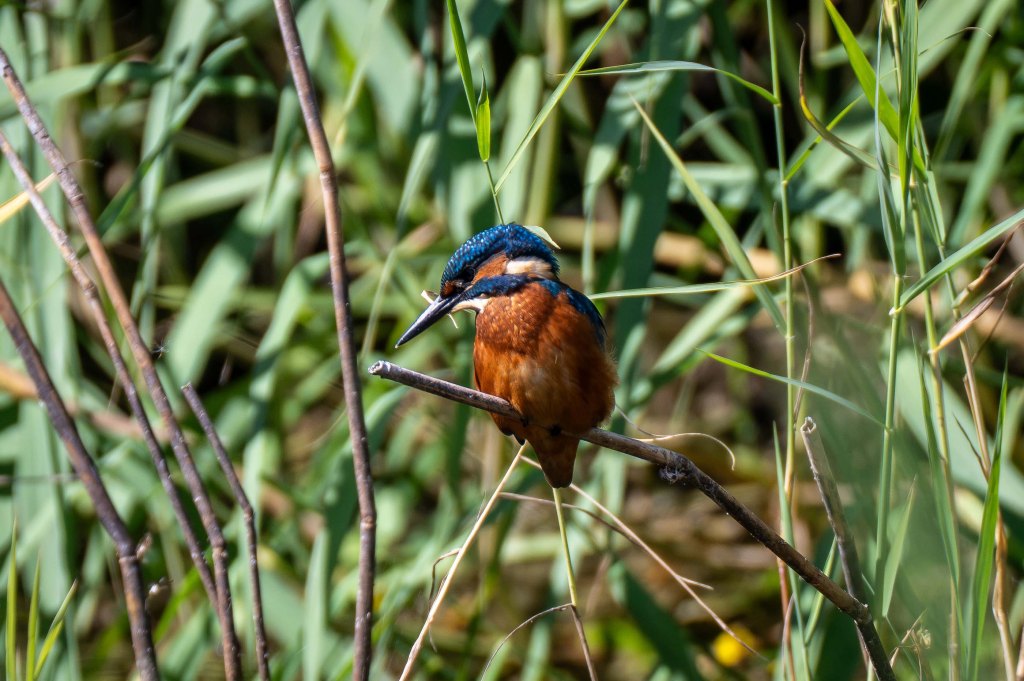
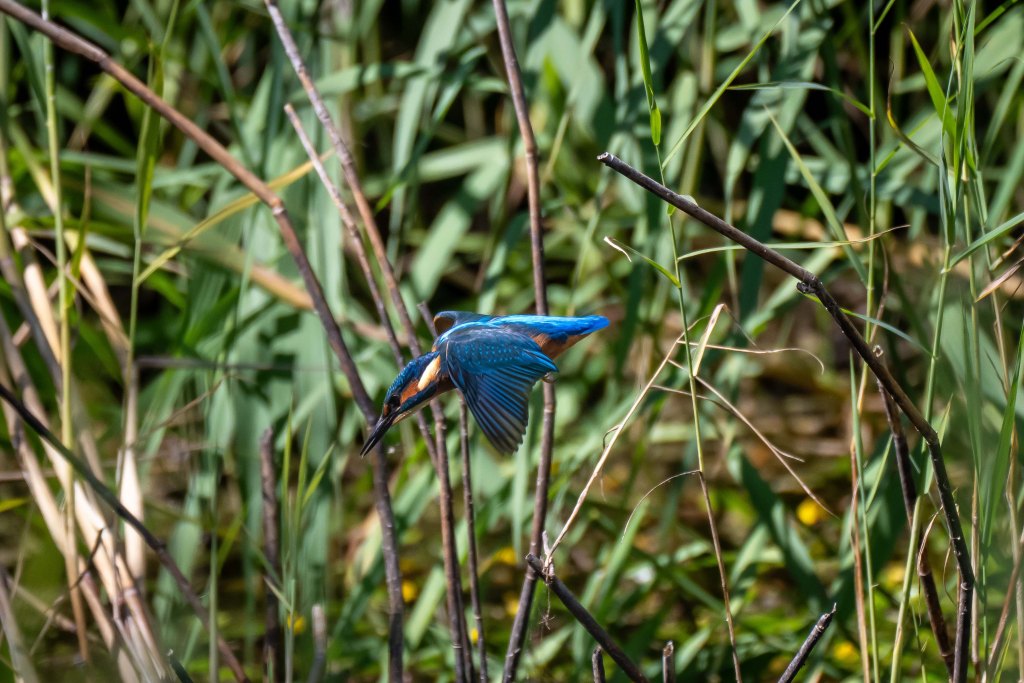
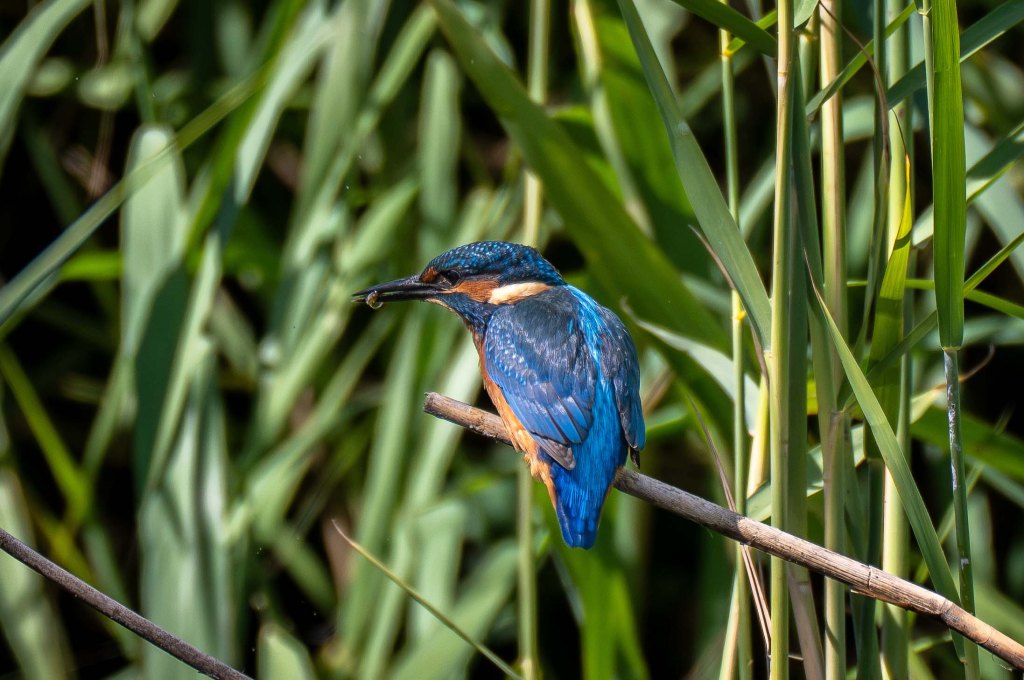
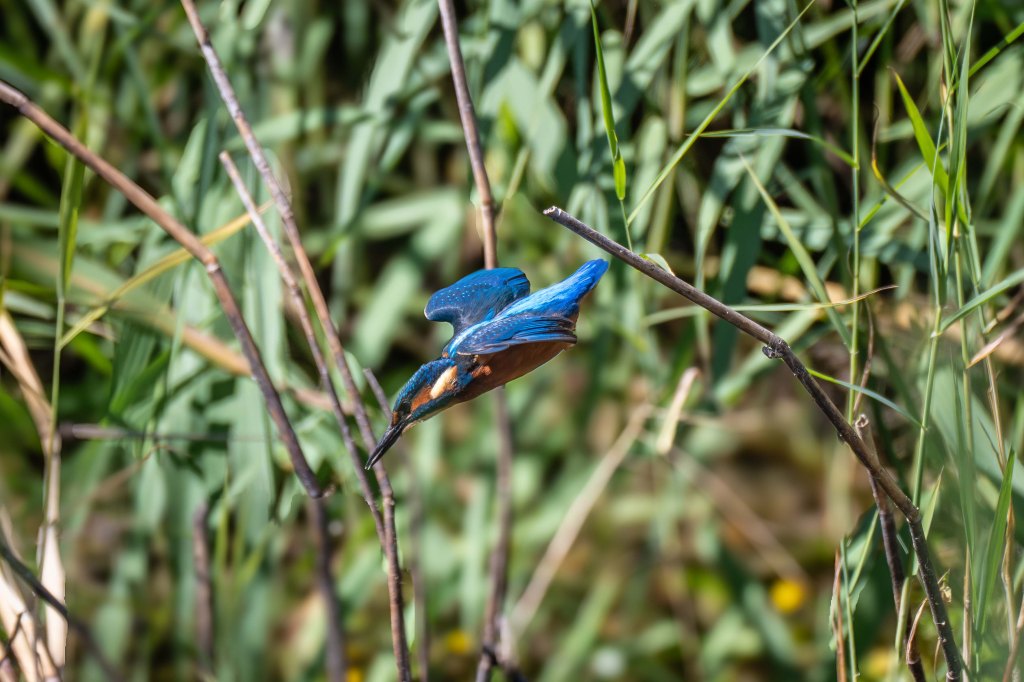
    Yet, once again, the star of our birding on these two days were kingfishers which we saw regularly flying in front of the hide at RSPB Greylake.

    Common kingfisher

    Common kingfisher

    Common kingfisher

    Common kingfisher

    Common kingfisher

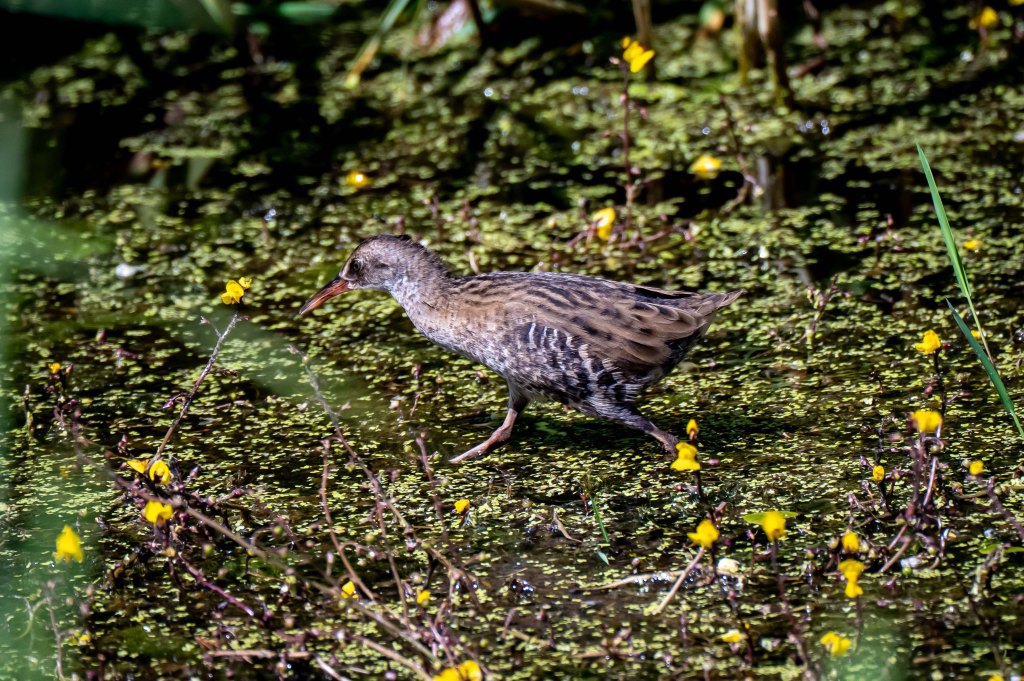
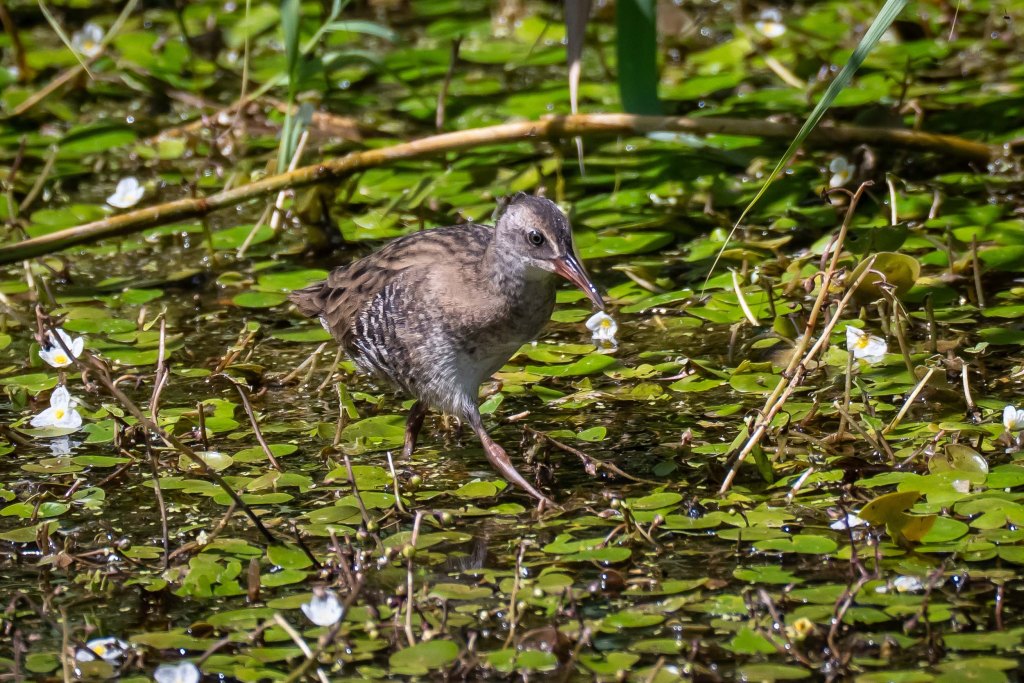
    There were also good views of water rails at Greylake.

    Water rail

    Water rail

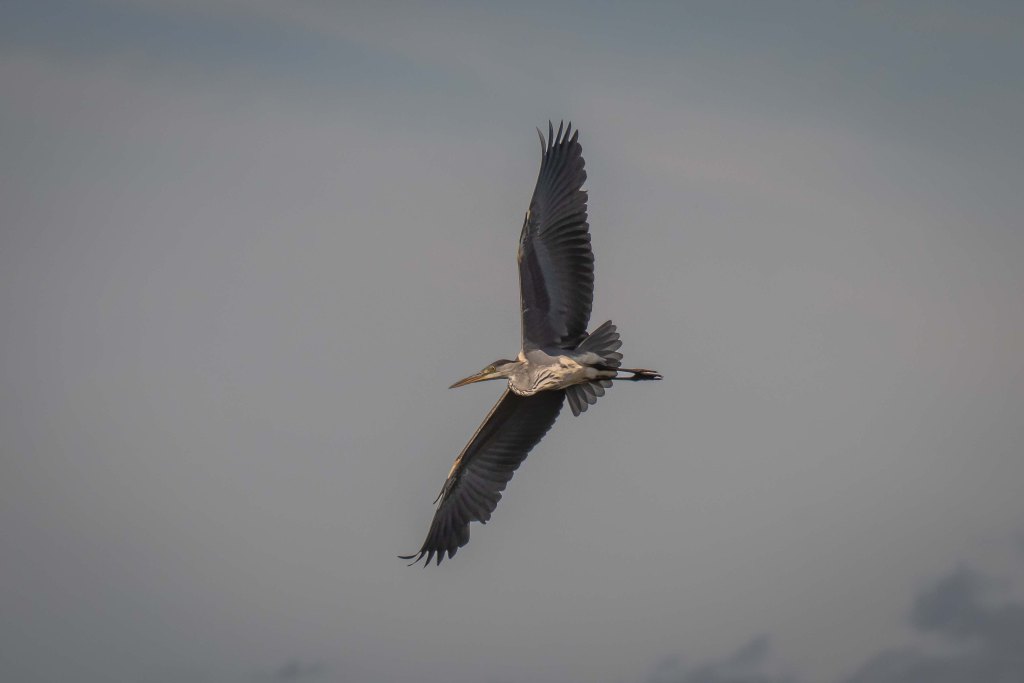
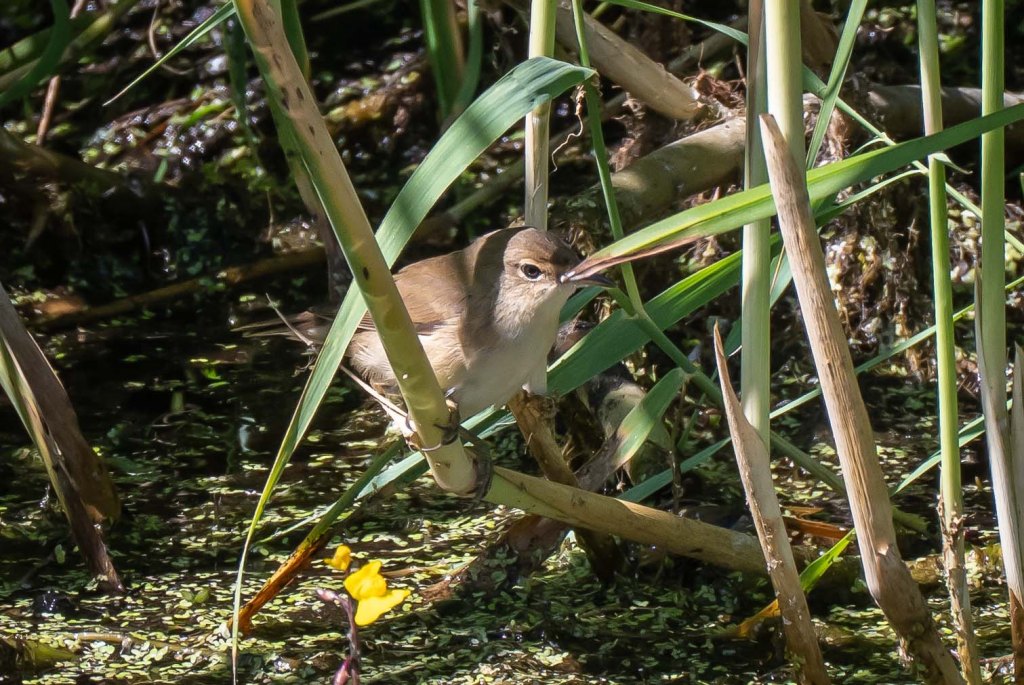
    From this small reserve we also saw marsh harriers (rather distant) and grey herons and a reed warbler.

    Grey heron

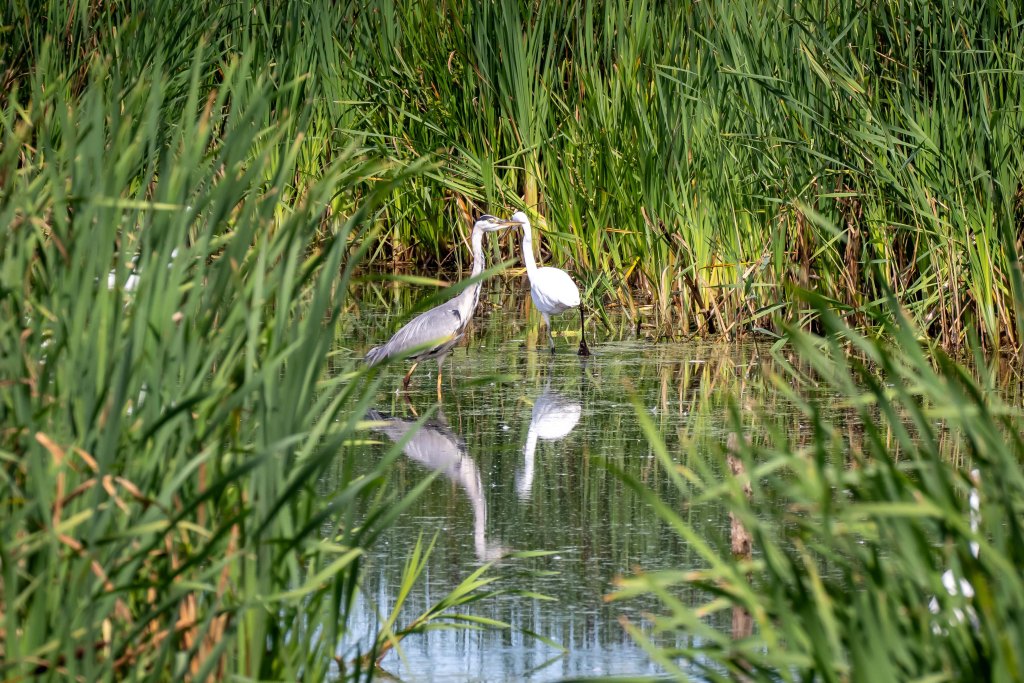
    Grey heron mingling with the egrets

    Reed warbler

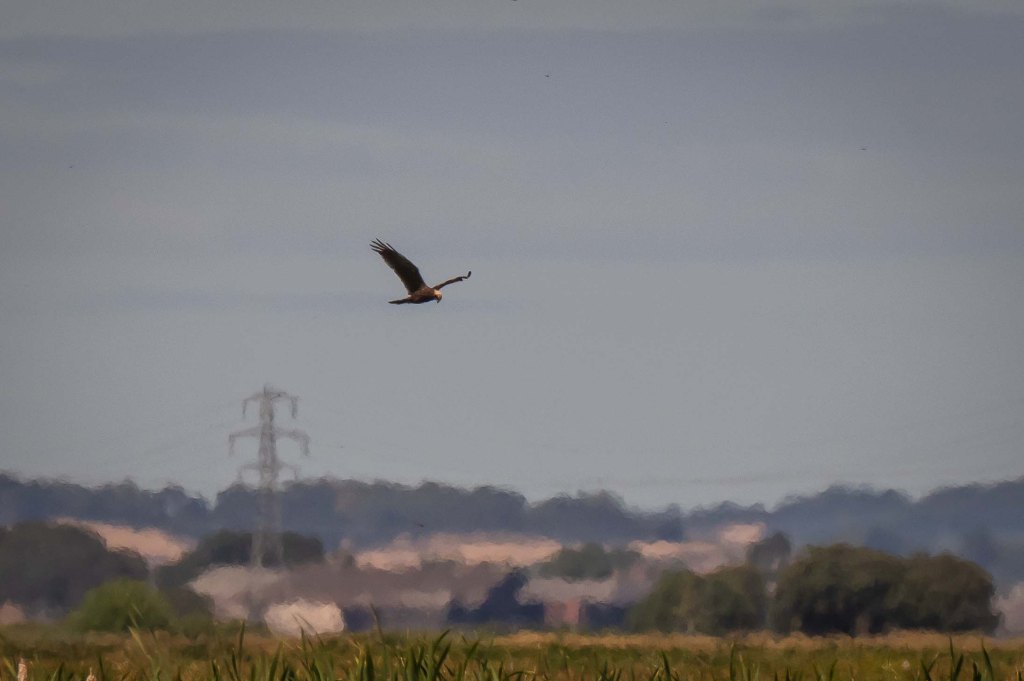
    Marsh harrier

    At RSPB Ham Wall there wasn’t a lot extra for us to see except for a common chiffchaff, great crested grebes and plenty of dragonflies and butterflies.

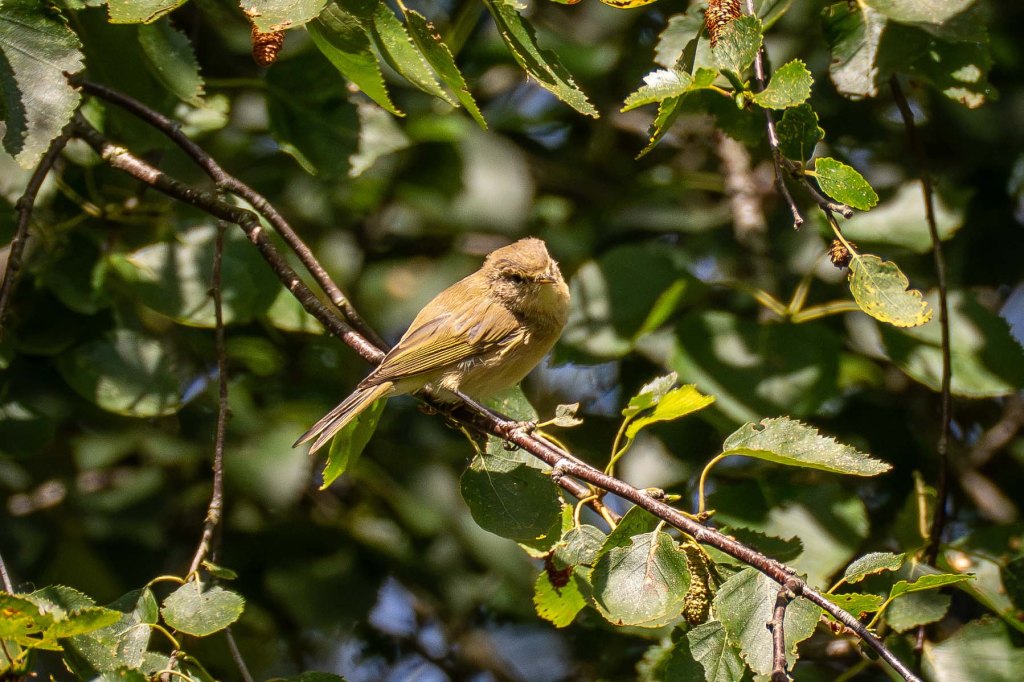
    Common chiffchaff

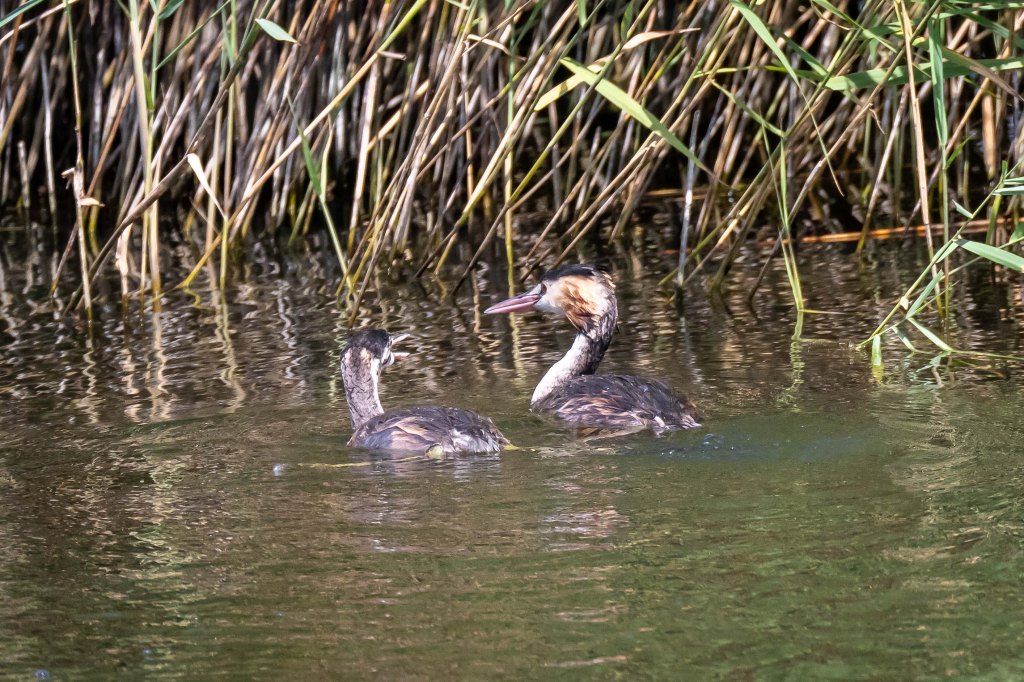
    Great crested grebe with its off spring

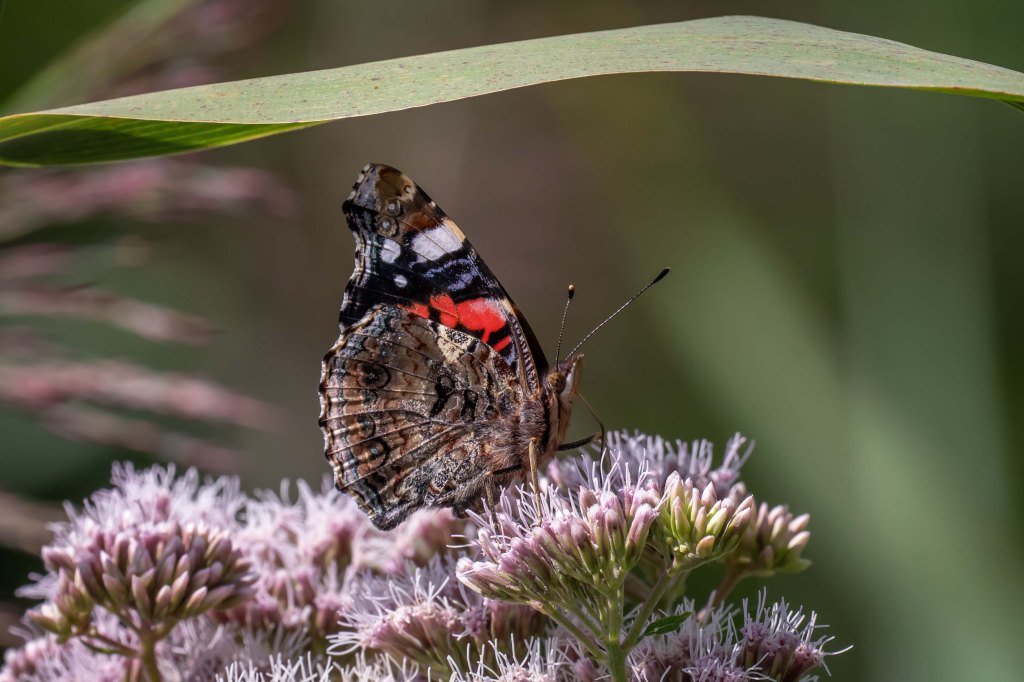
    Red admiral butterfly

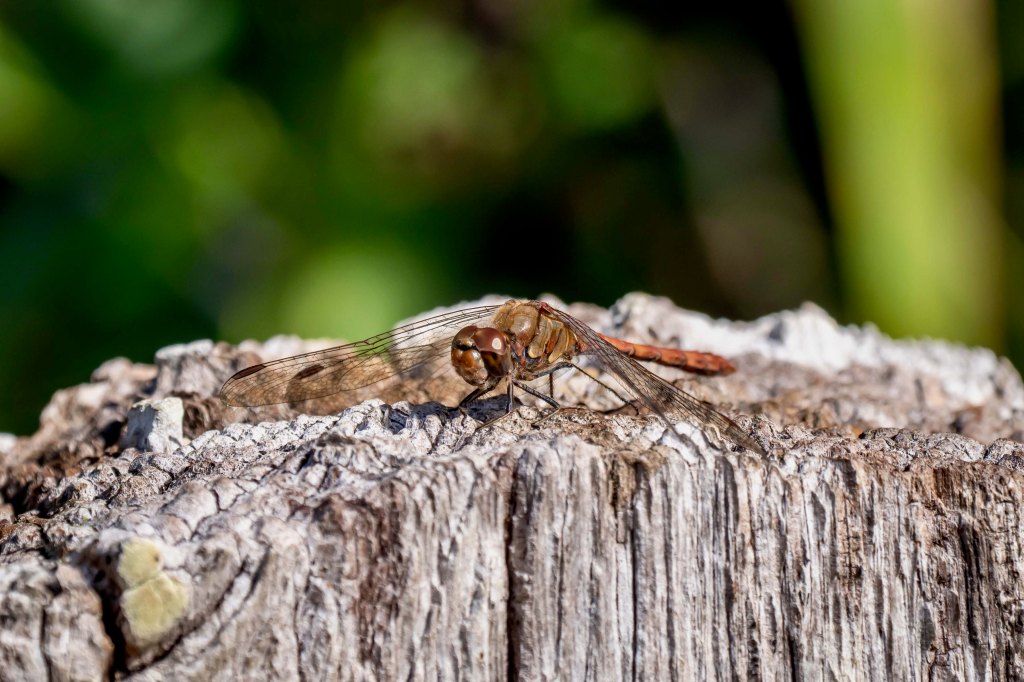
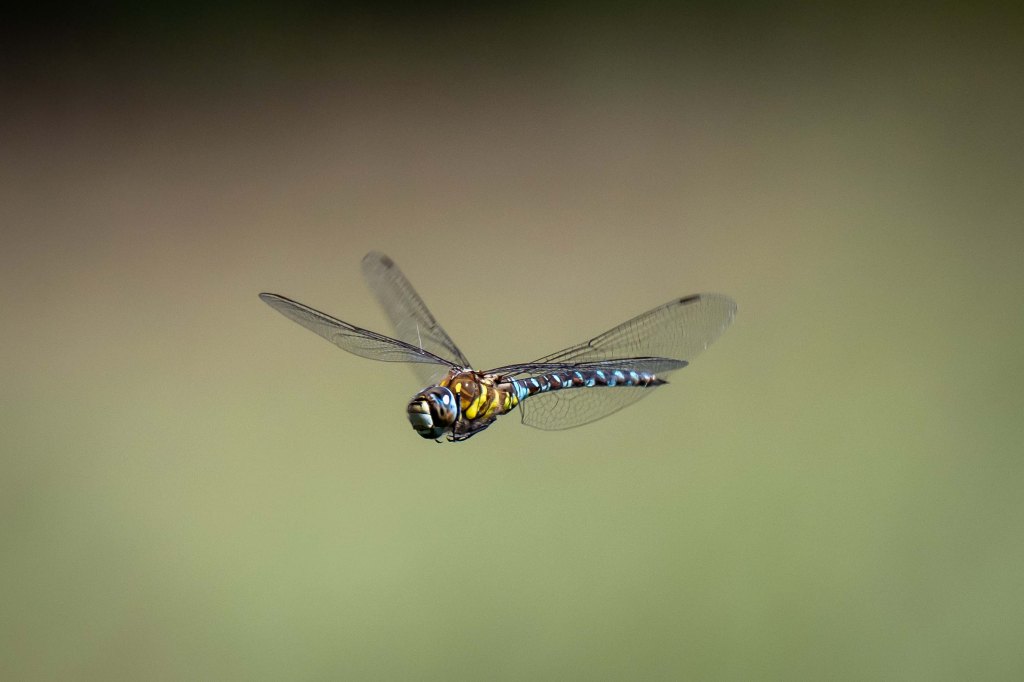
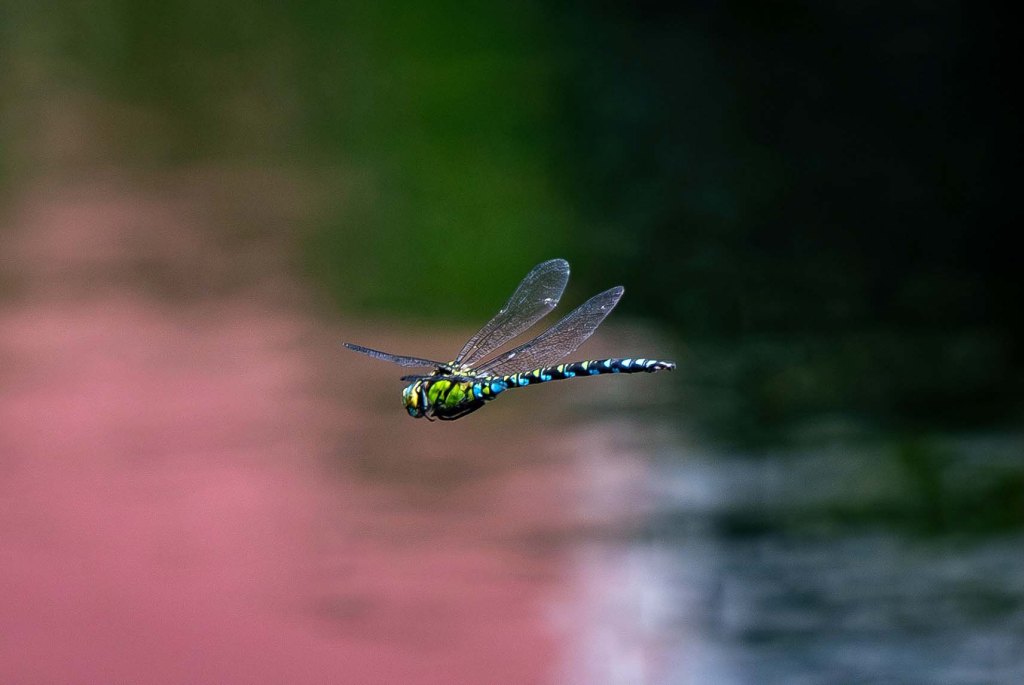
    Migrant hawker

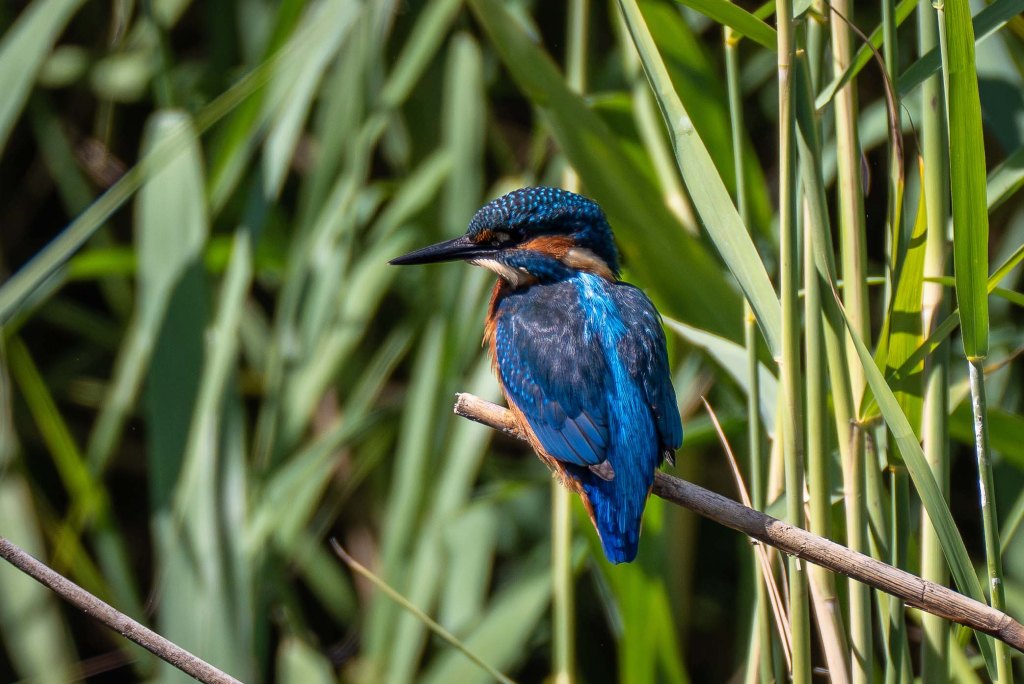
    But the best of them all was my namesake in French – “Martin Pêcheur”.

    Common kingfisher – Martin pêcheur in French

    If you are ever in these parts we can highly recommend The Swan at Wedmore where we stayed overnight.

  • 2nd August 2026 – WWT Slimbridge

    2nd August 2026 – WWT Slimbridge

    As the beautiful summer continues we had a pleasant trip this morning to the World Wildfowl Trust’s centre at Slimbridge in Gloucestershire.

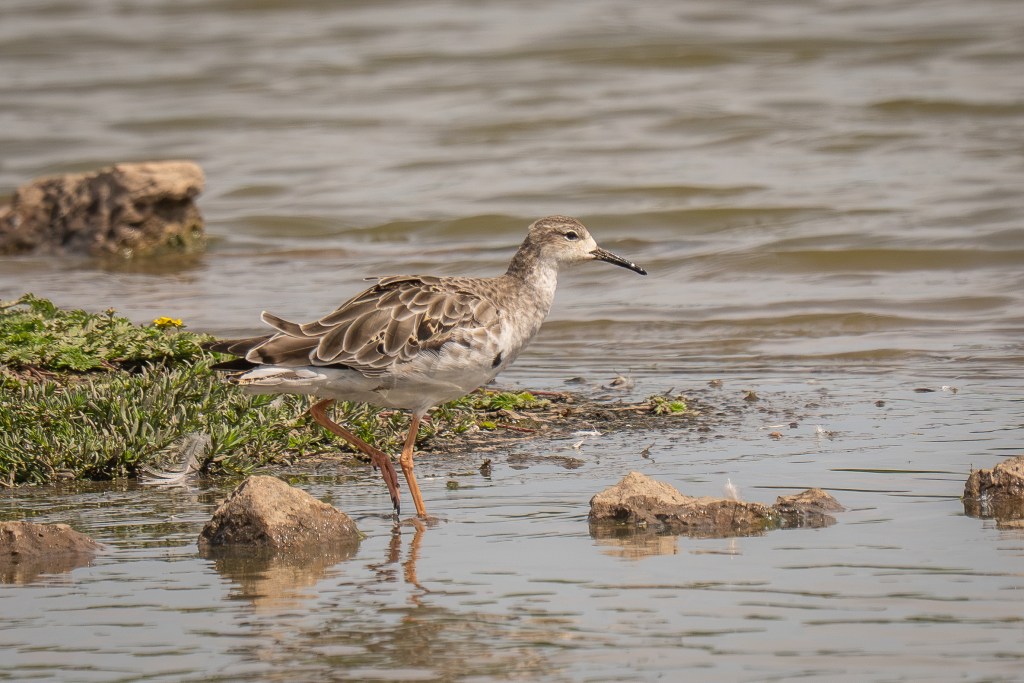
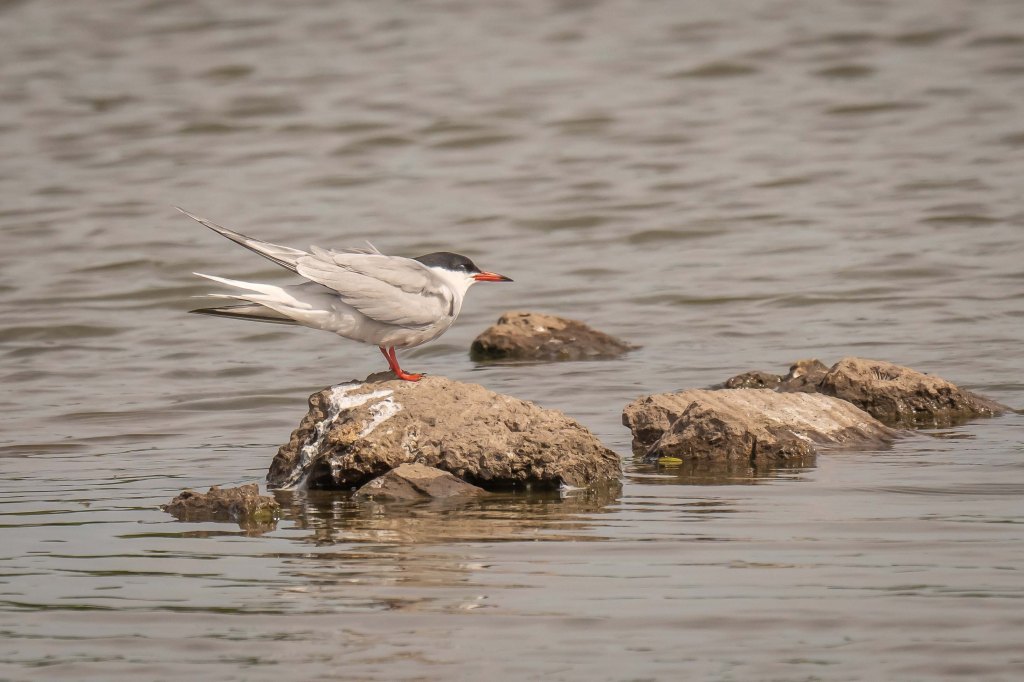
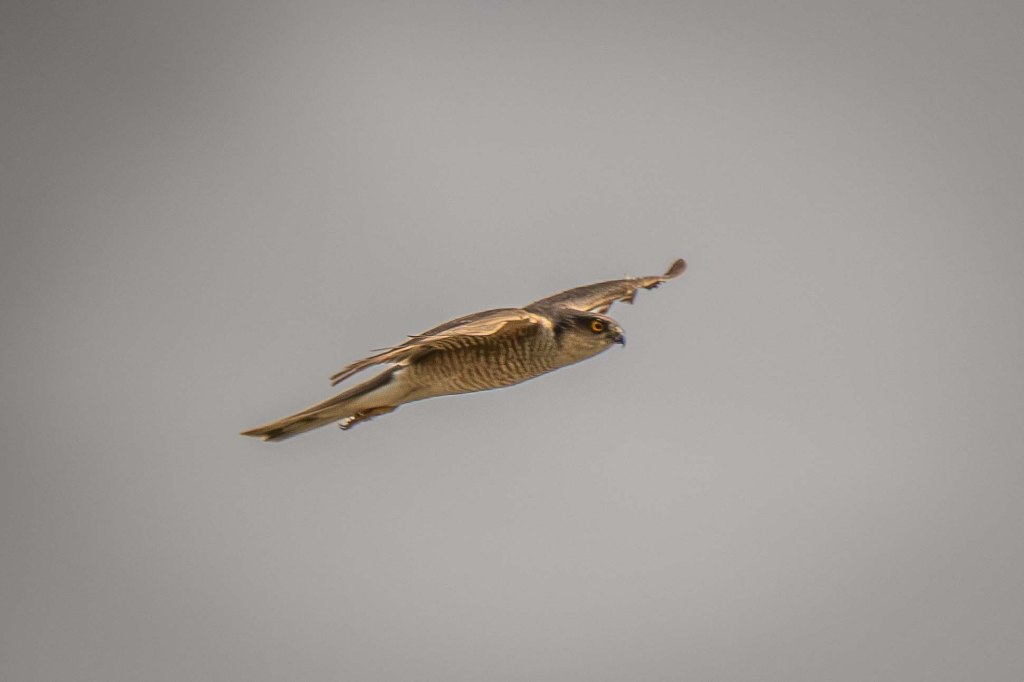
    There were a few pleasant surprises with a wood sandpiper that was a little reticent to perform at first but came close and displayed very well. We don’t often see spotted redshank so they too were a pleasant surprise. Common crane are quite regular here now and we saw 11 in total and two flew over very close. I managed to photograph a sparrowhawk in flight but it was a last minute effort and a poor photograph. Green sandpipers have been here for our last two visits and again came fairly close as did the ruff. We haven’t seen little grebe here for a while and there was also a pair of common terns to complete the morning.

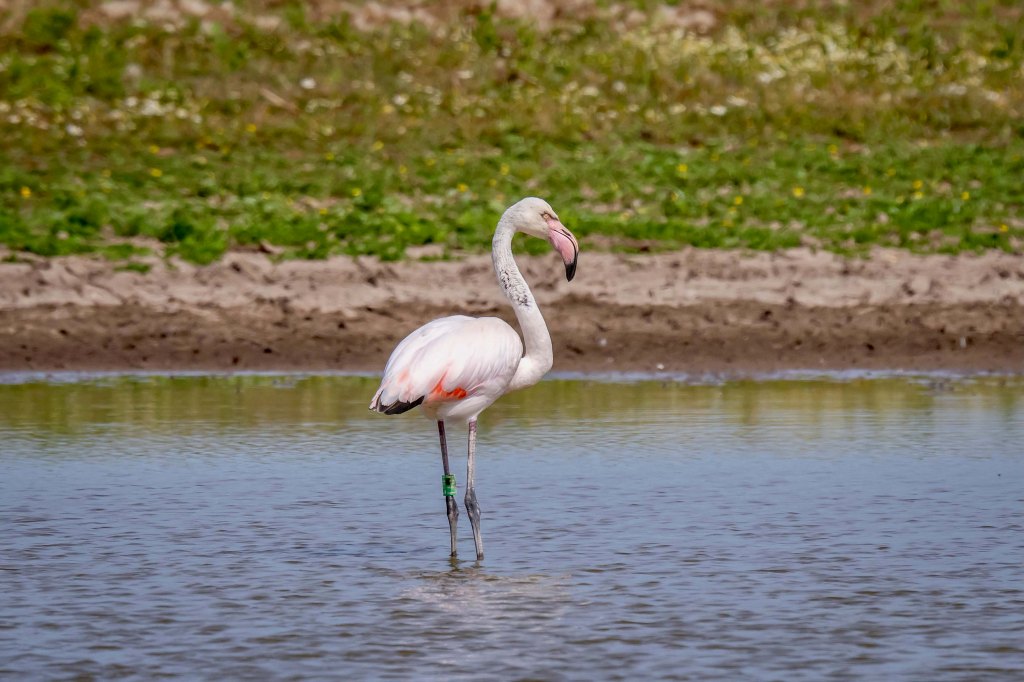
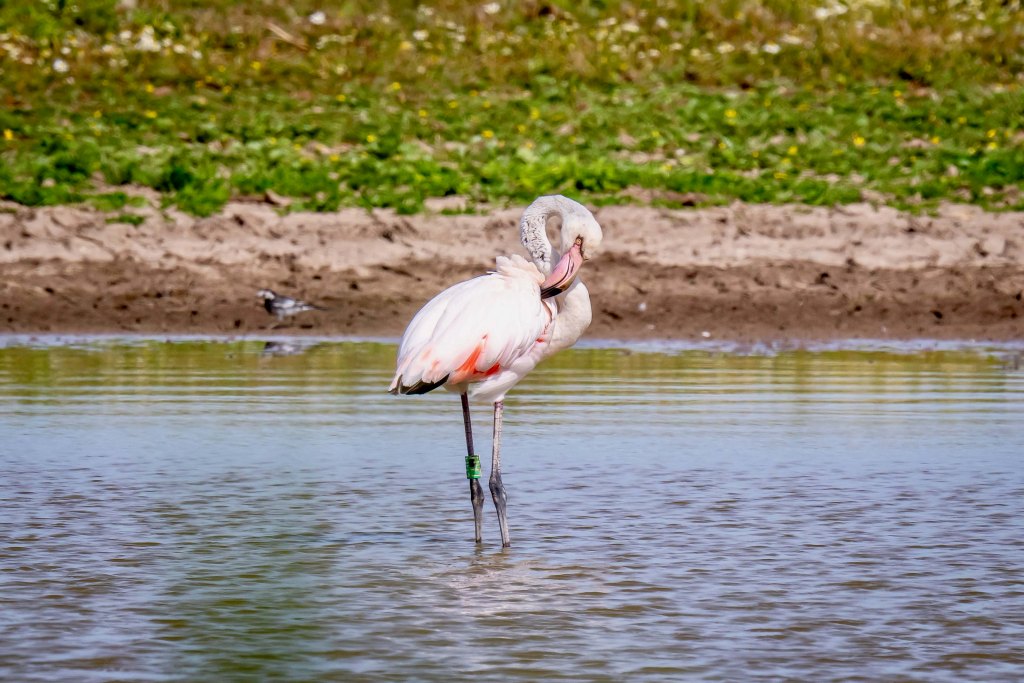
    A greater flamingo was a surprise too but it was not a sign of global warming, simply an escapee from a zoo.

    Hope you enjoy the photos.

    Spotted redshank

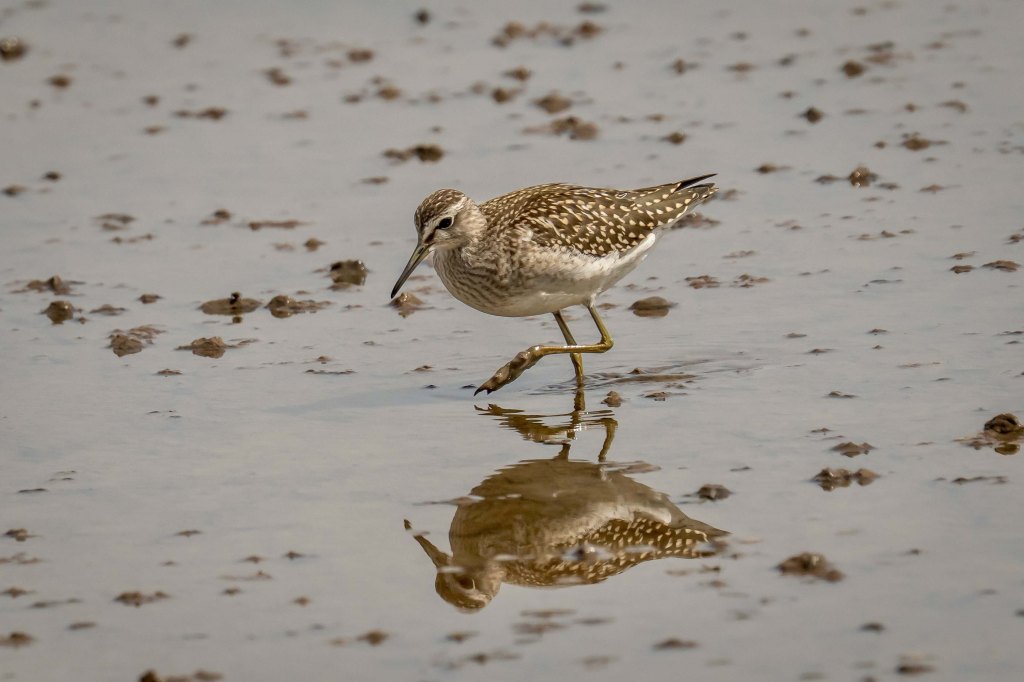
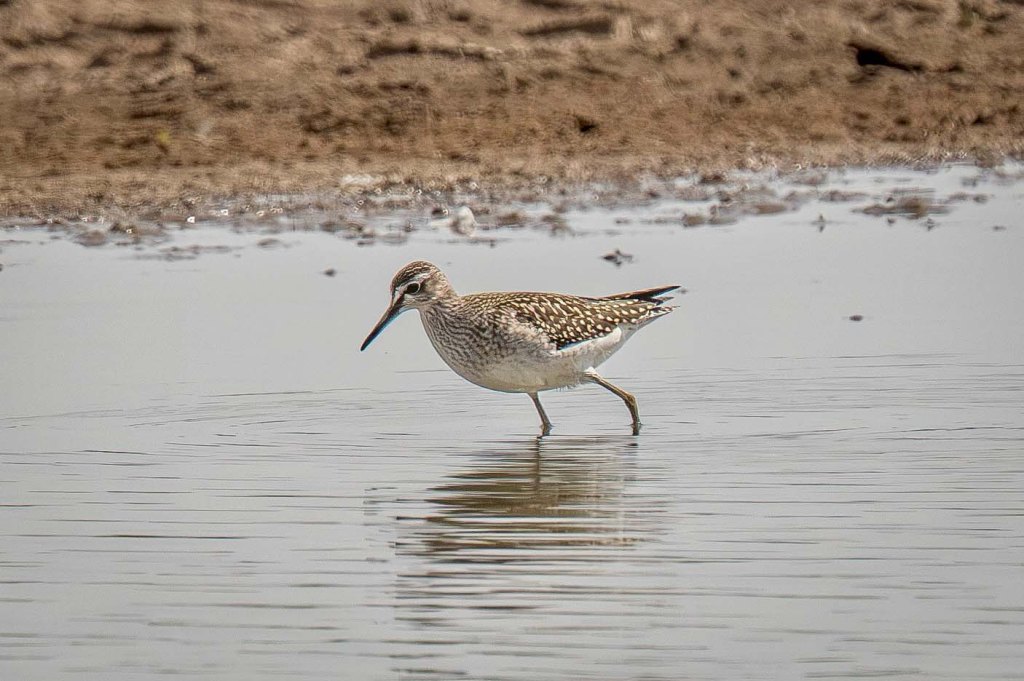
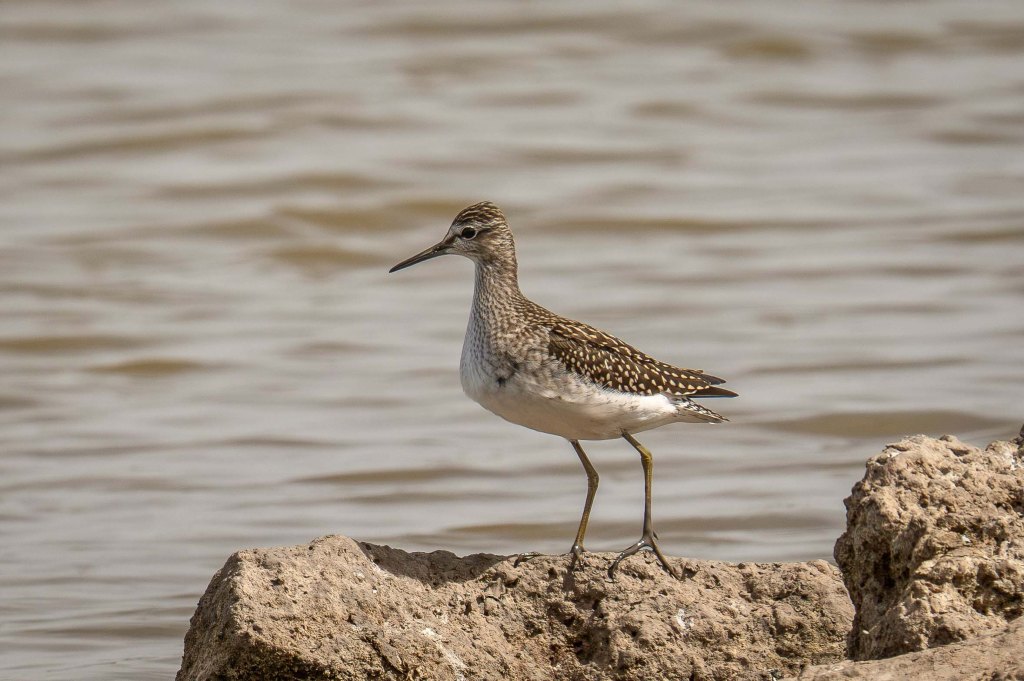
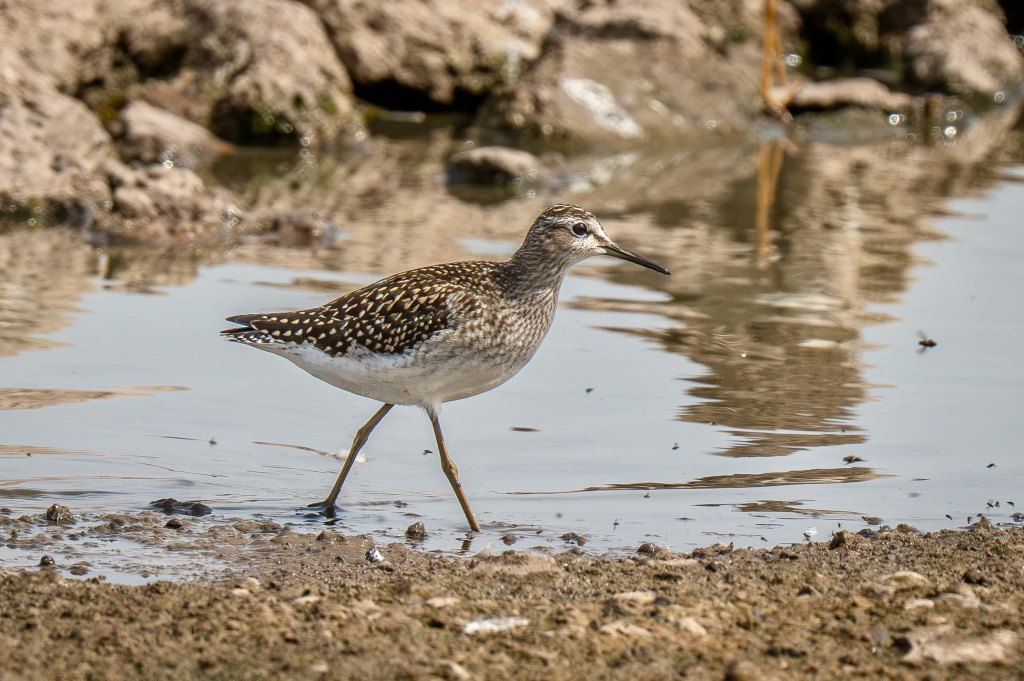
    Wood sandpiper

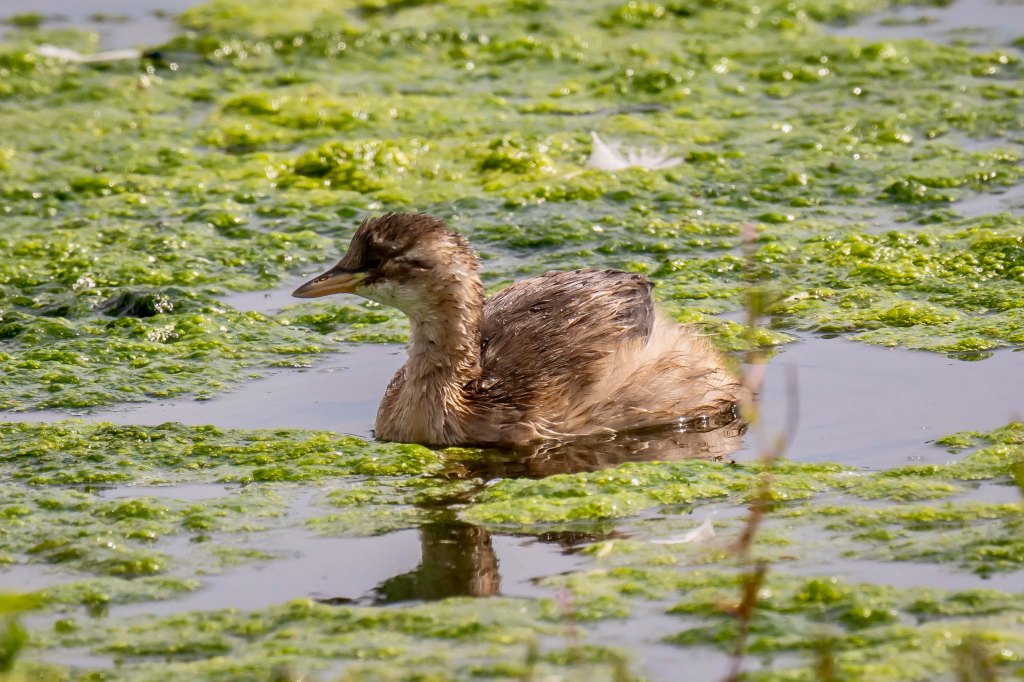
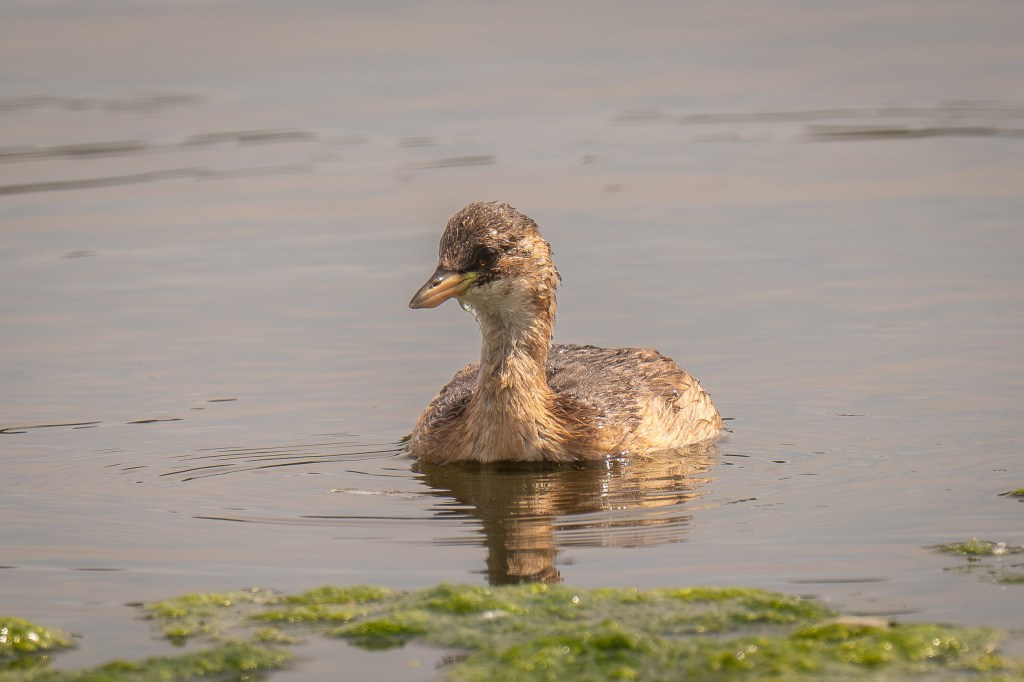
    Little grebe

    Little grebe

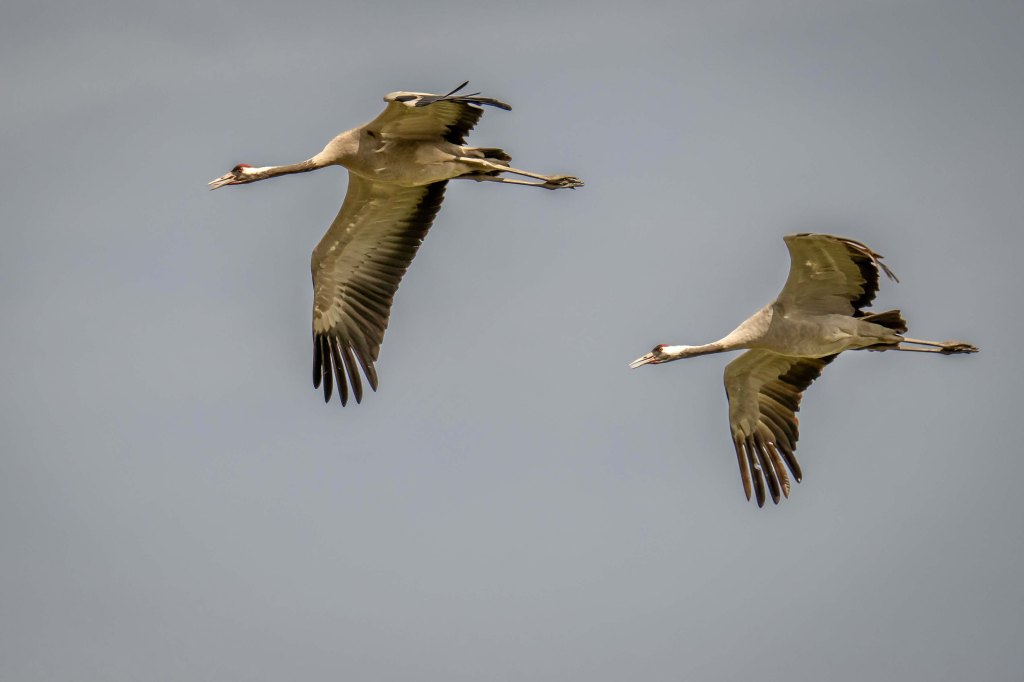
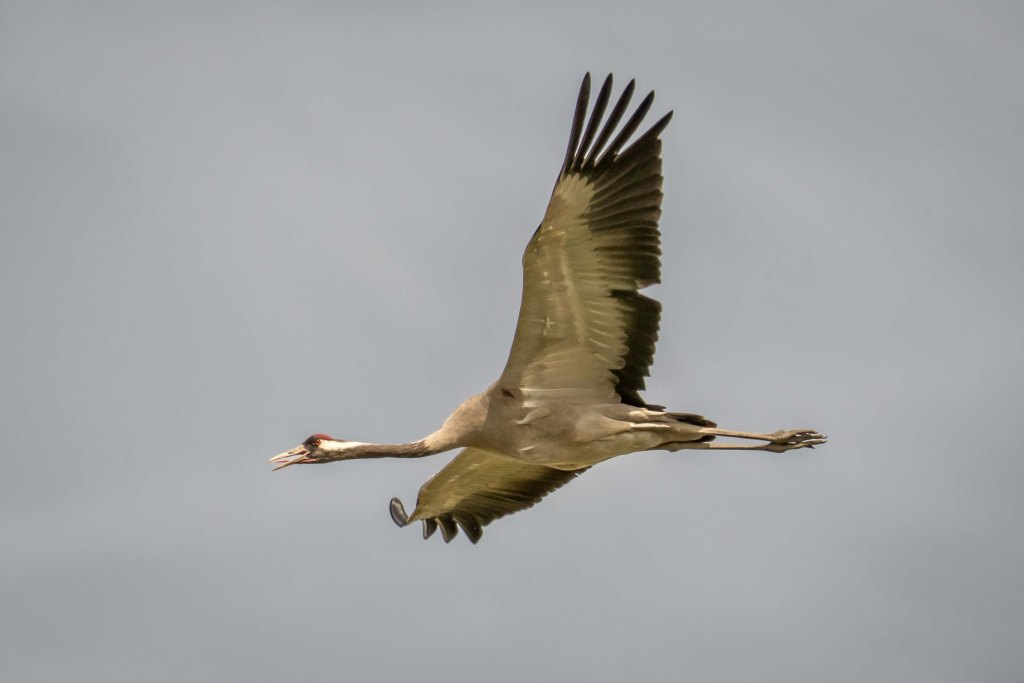
    Common crane

    Common crane

    Common tern

    Little egret

    Pied avocets

    Wood sandpiper

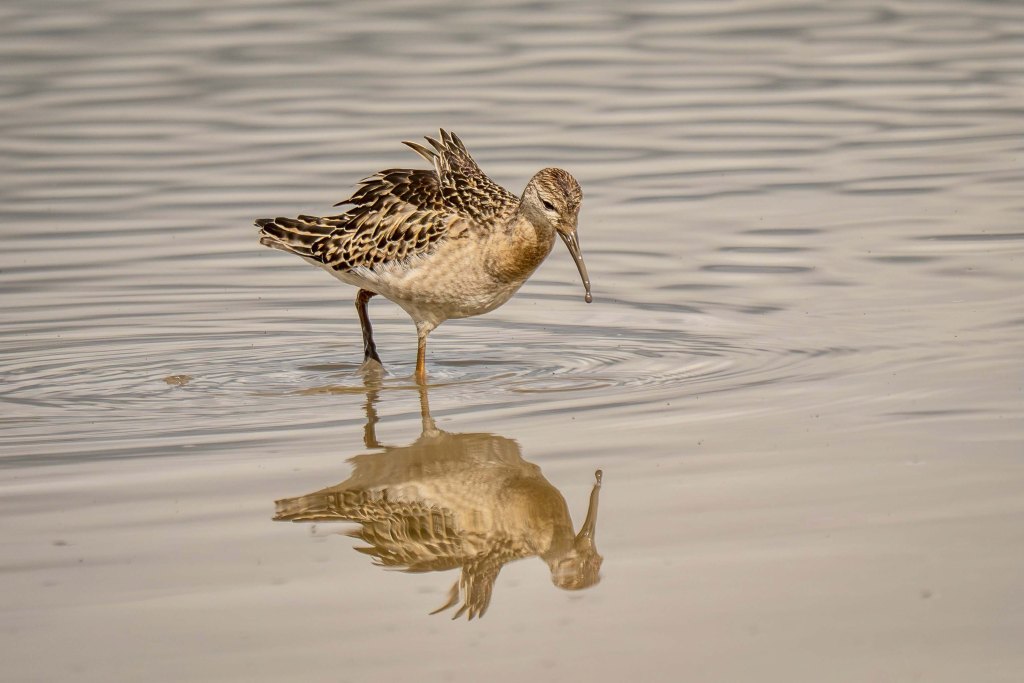
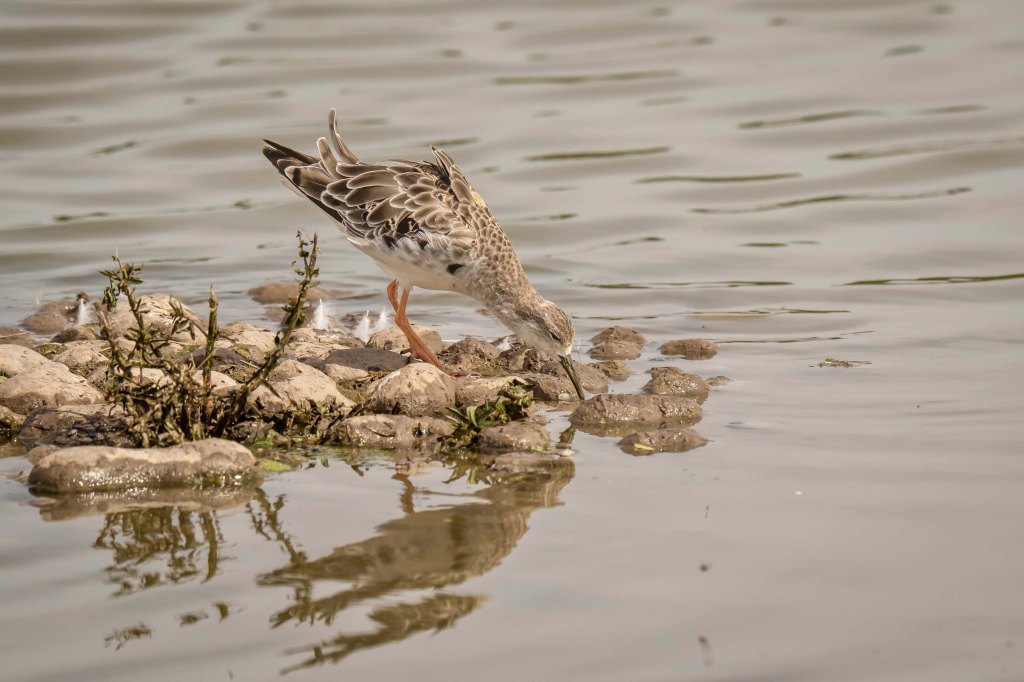
    Spotted redshank (left) and ruff (centre)

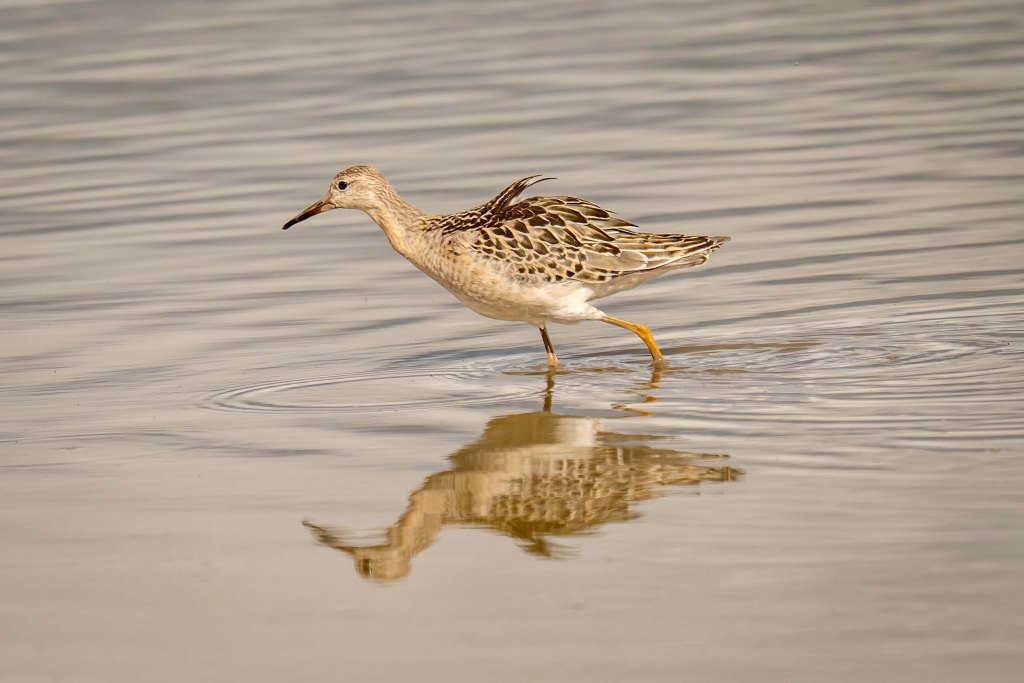
    Ruff

    Common tern

    Sparrowhawk

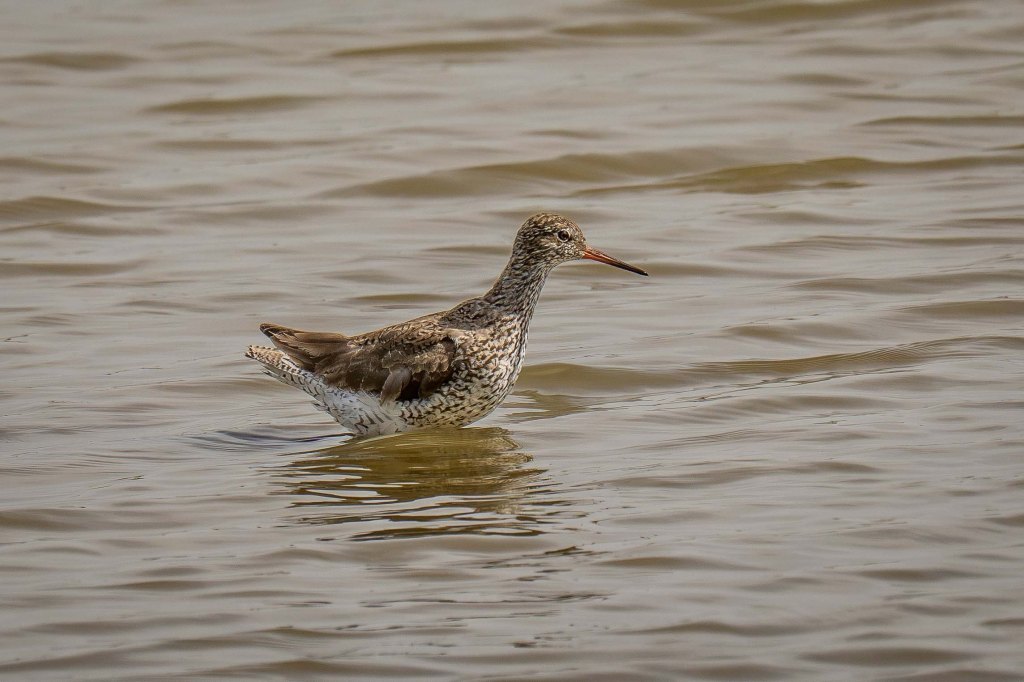
    Common redshank

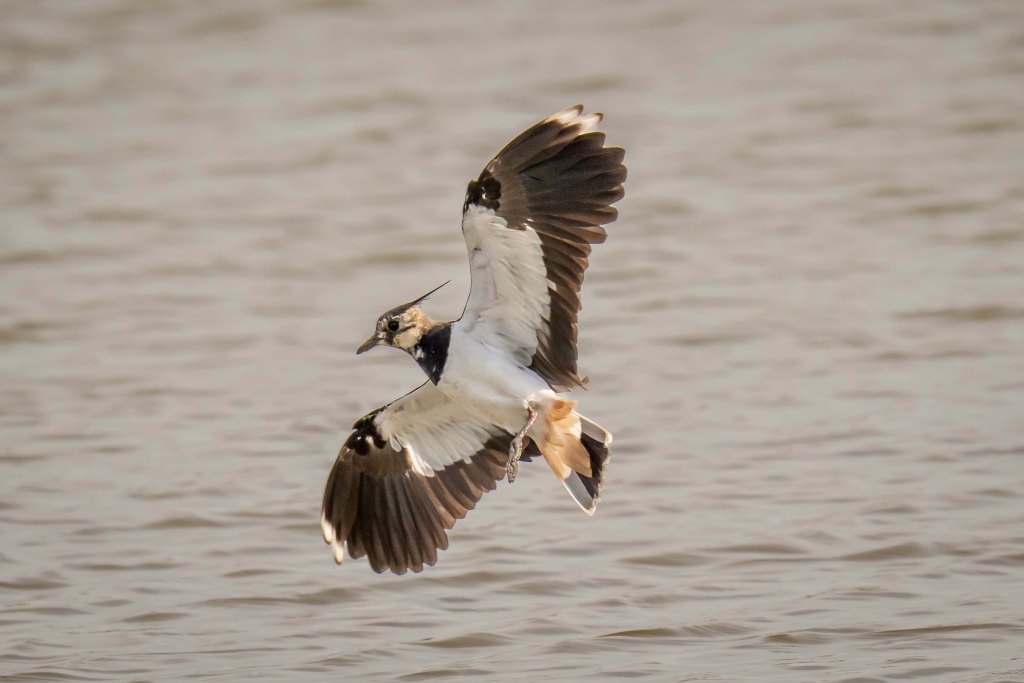
    Eurasian lapwing

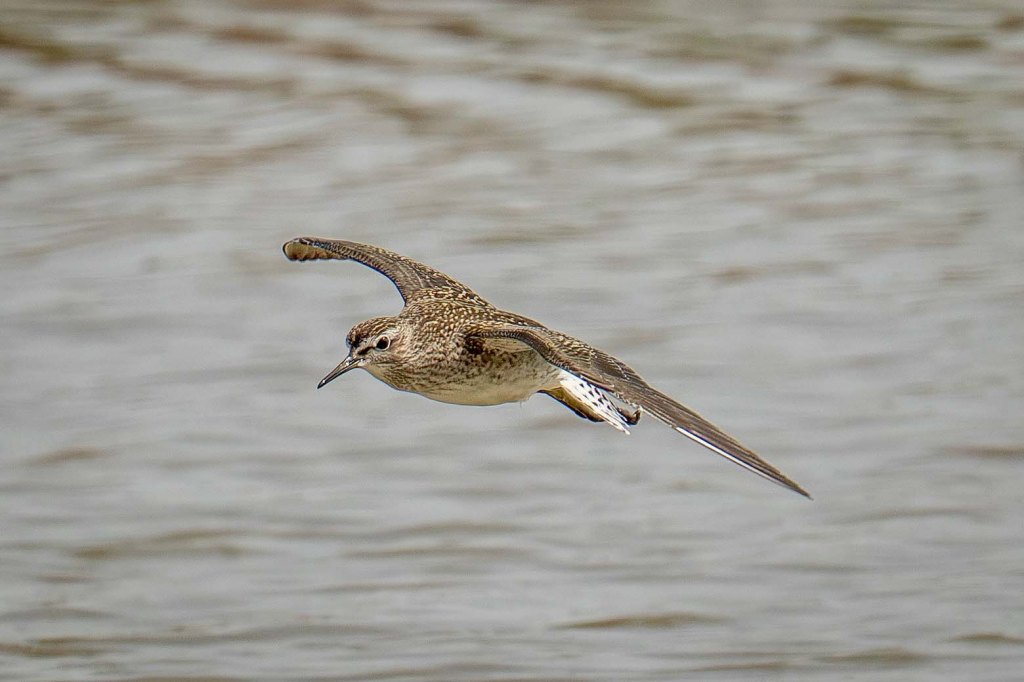
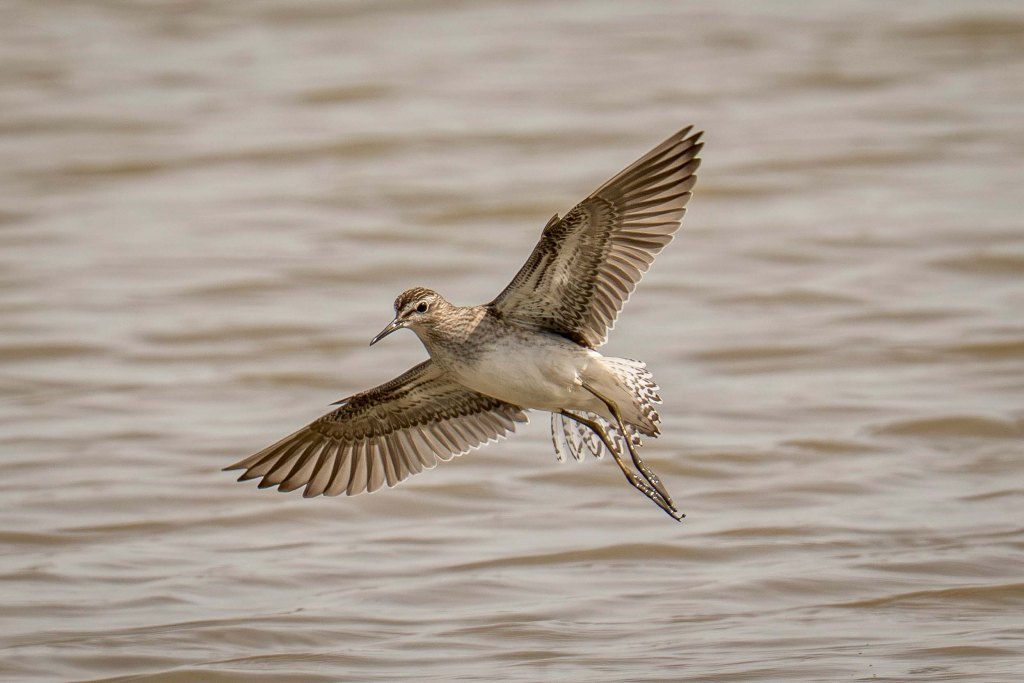
    Wood sandpiper in flight

    Wood sandpiper

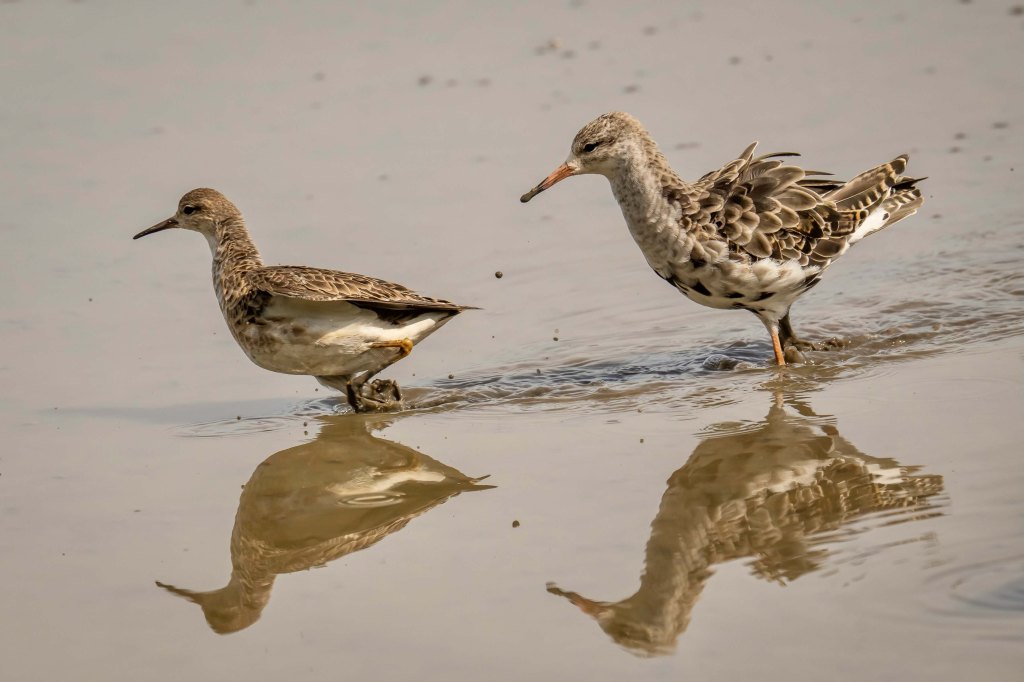
    Female and male ruff

    Ruff

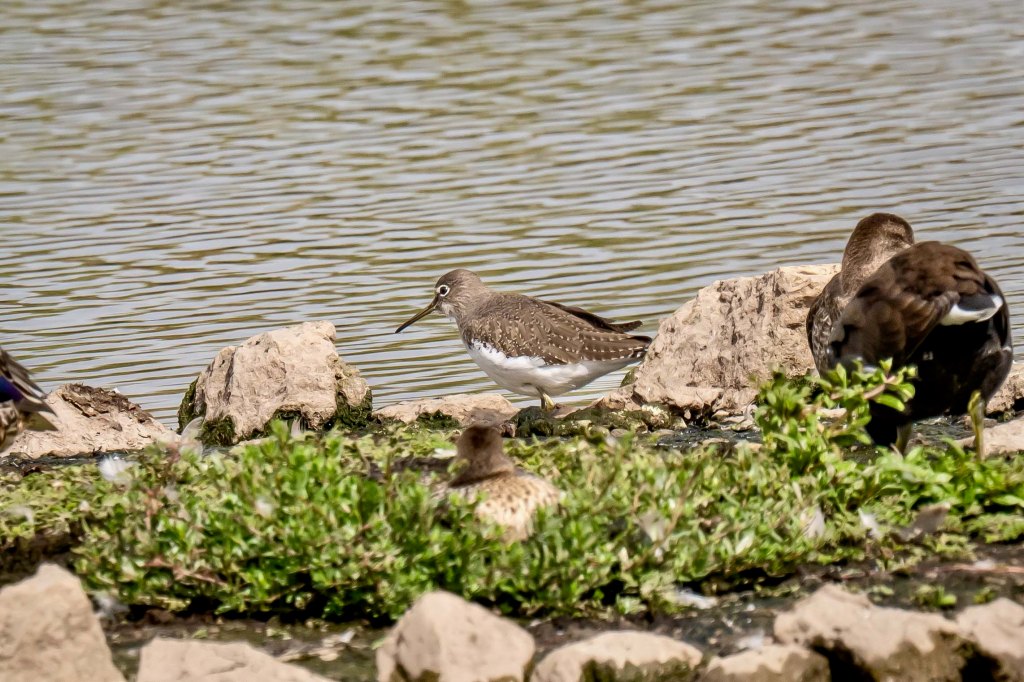
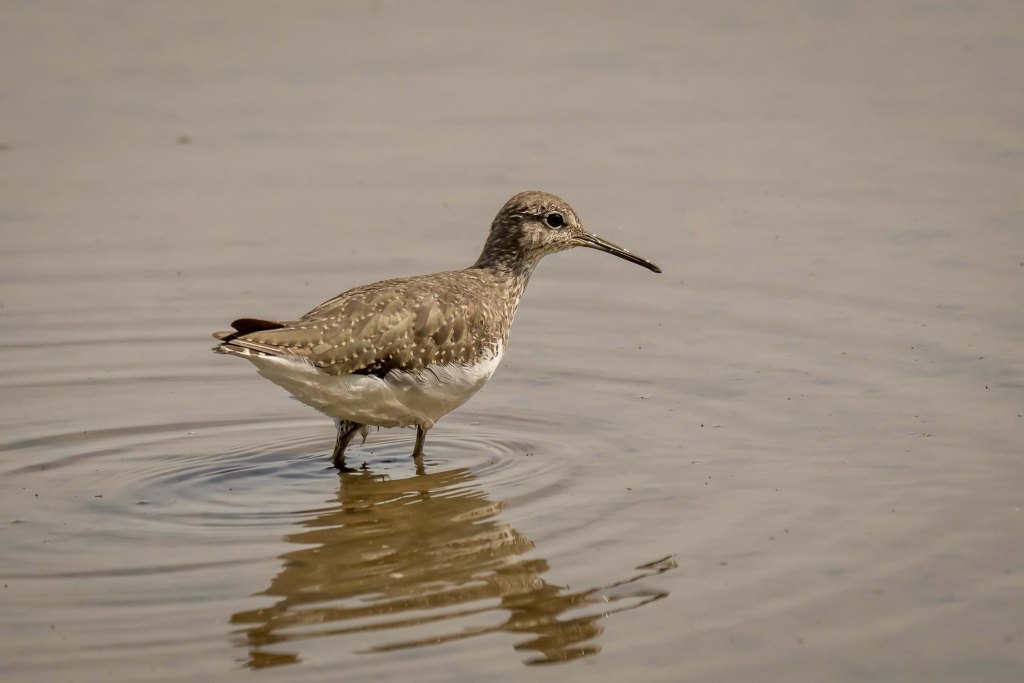
    Green sandpiper

    Wood sandpiper

    Greater flamingo

    Greater flamingo

    Painted lady was the only butterfly on display

  • 23rd July 2026 – Yeo Valley Organic Garden, Somerset

    23rd July 2026 – Yeo Valley Organic Garden, Somerset

    We feel we get very good value out of a number of annual subscriptions we have to bodies such as The National Trust, the RSPB (Royal Society of the Protection of Birds), the WWT (World Wildlife Trust) and, at this time of the year, to the RHS (Royal Horticultural Society).

    We were very excited when the RHS announced that, this year, they were going to replace the annual Garden Show at Hampton Court in London with a show much closer to home at Badminton House (famous for its Horse Trials). However, come the day earlier in July we were rather disappointed as we had chosen a day in the middle of a heatwave and didn’t enjoy ourselves as much as when we had visited the RHS Garden Show at Hampton Court a few years ago. This year there were long traffic queues to get there (at least at Hampton Court a lot of people were able to use public transport which was not really an option here in the heart of Gloucestershire); the popularity of these events also meant that there were huge number of visitors and the facilities were stretched to their limit.

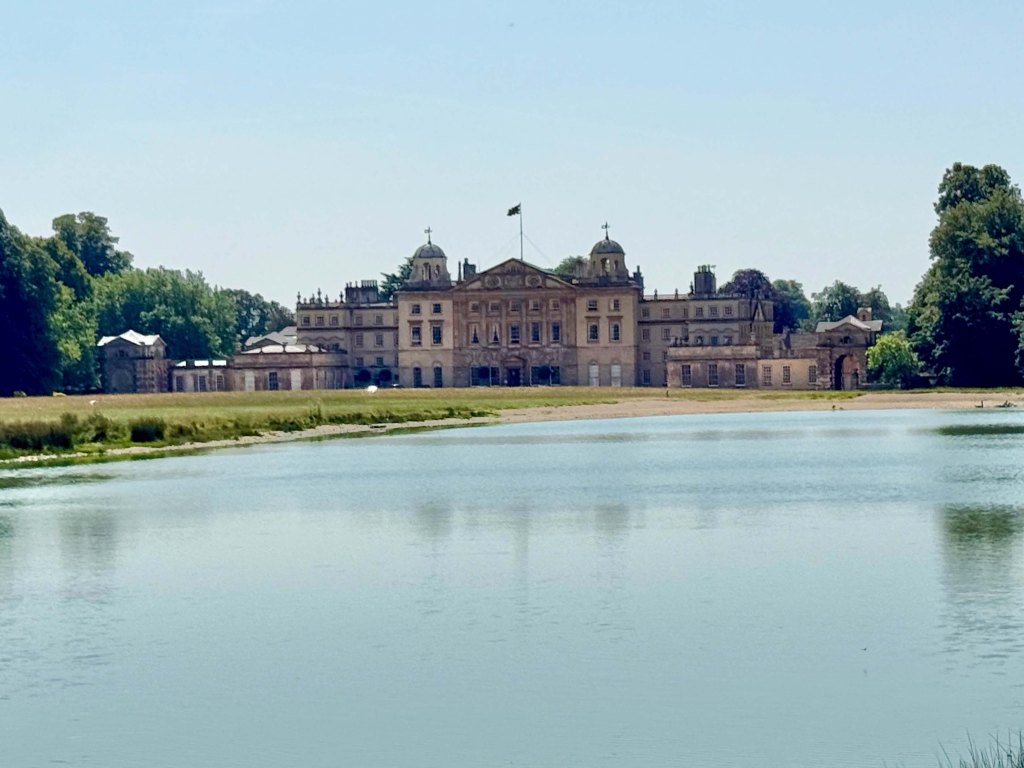
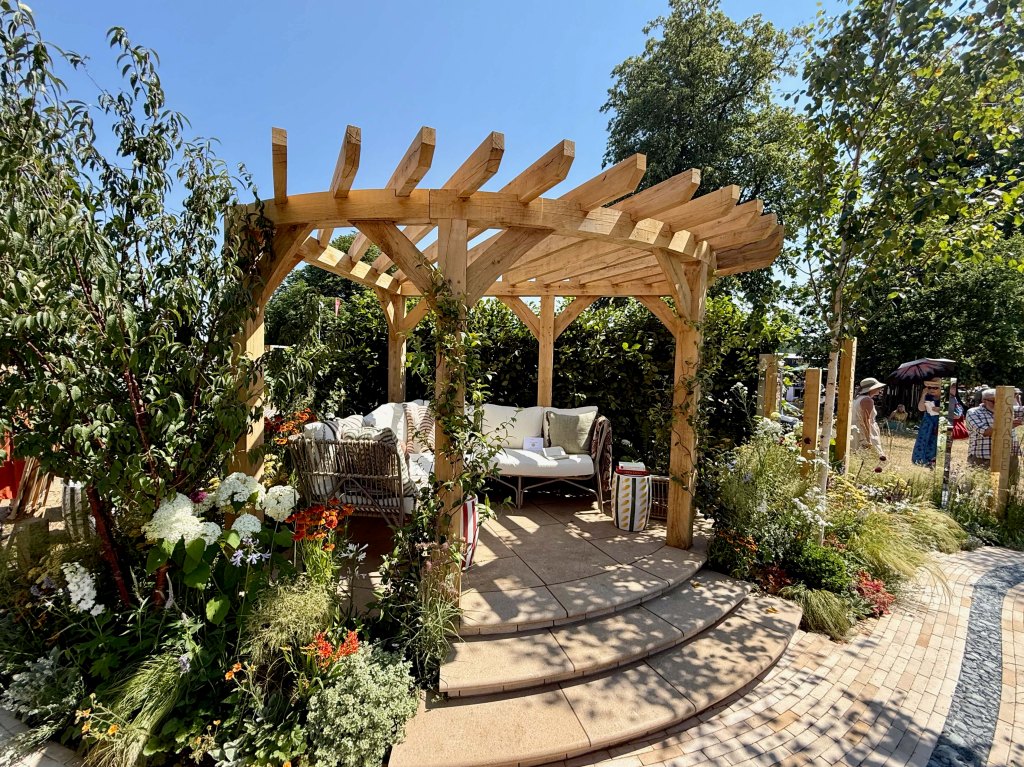
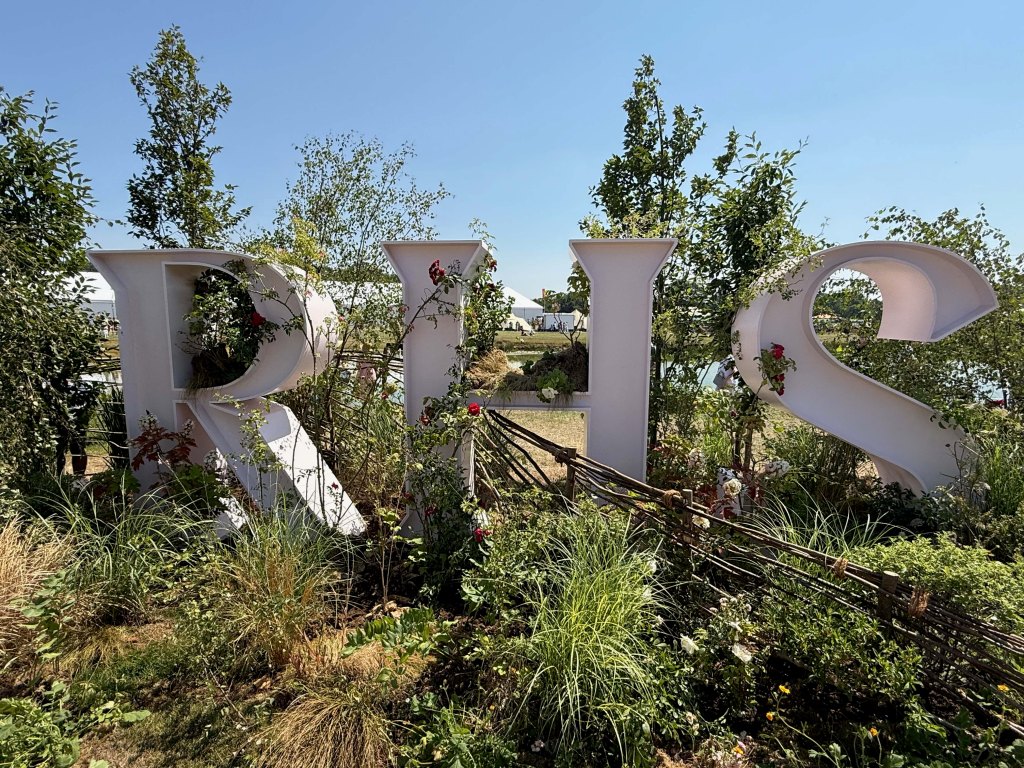
    There is no doubt that the setting for the RHS garden show in front of Badminton House was very special

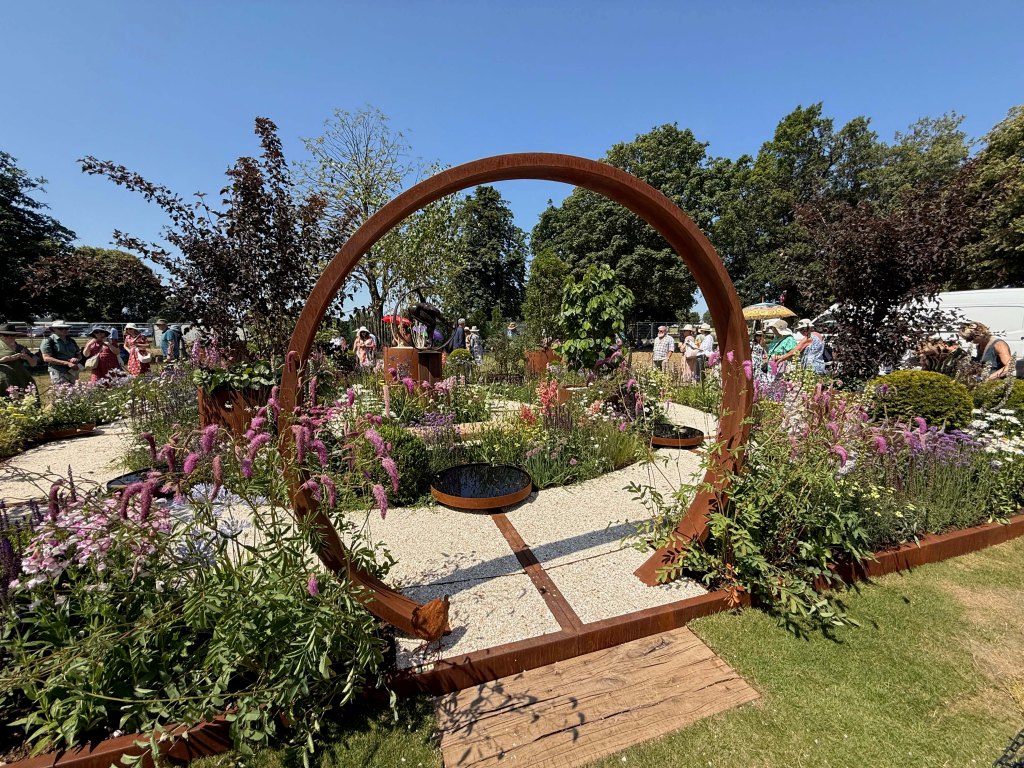
    We did enjoy seeing some of the “show gardens” but were not allowed to venture through them as had been the case at Hampton Court

    As close as I could get, fighting my way through the crowds

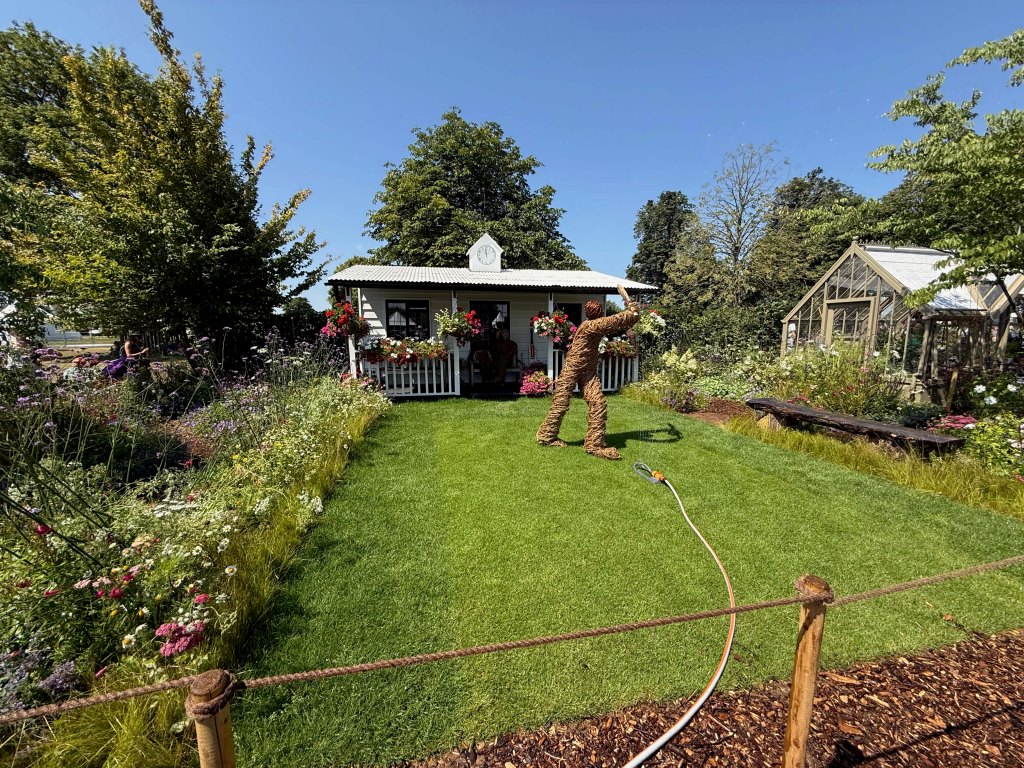
    An award winning “Cricket Pavilion” show garden – a six would have cleared the crowds of onlookers

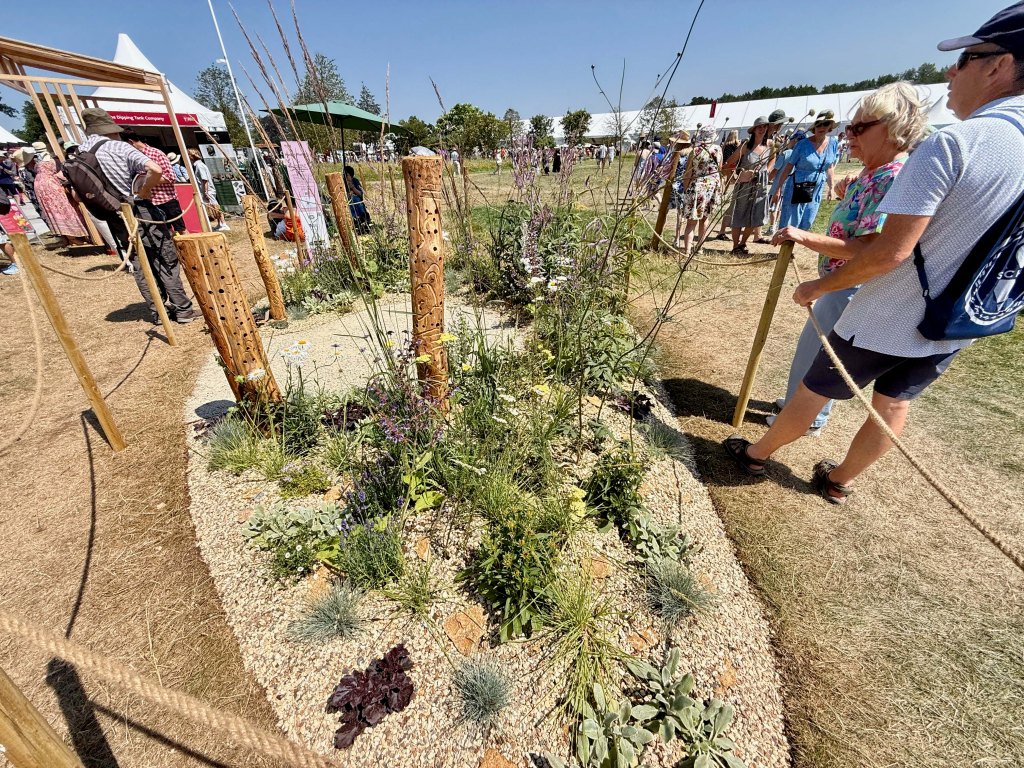
    Everyone was considering drought tolerant plants

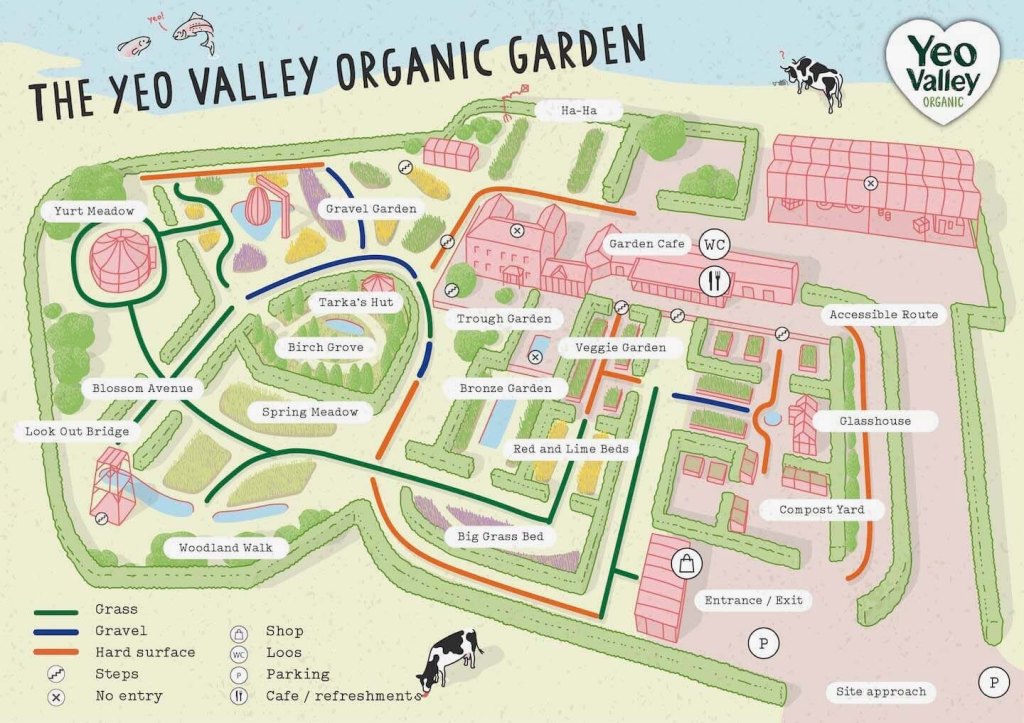
    Although there are no major RHS gardens near to us there are a number of “partner” gardens that we can visit with our RHS membership. One of our favourites is the Yeo Valley Organic Garden close to Blagdon Lake in North Somerset, south of Bristol.

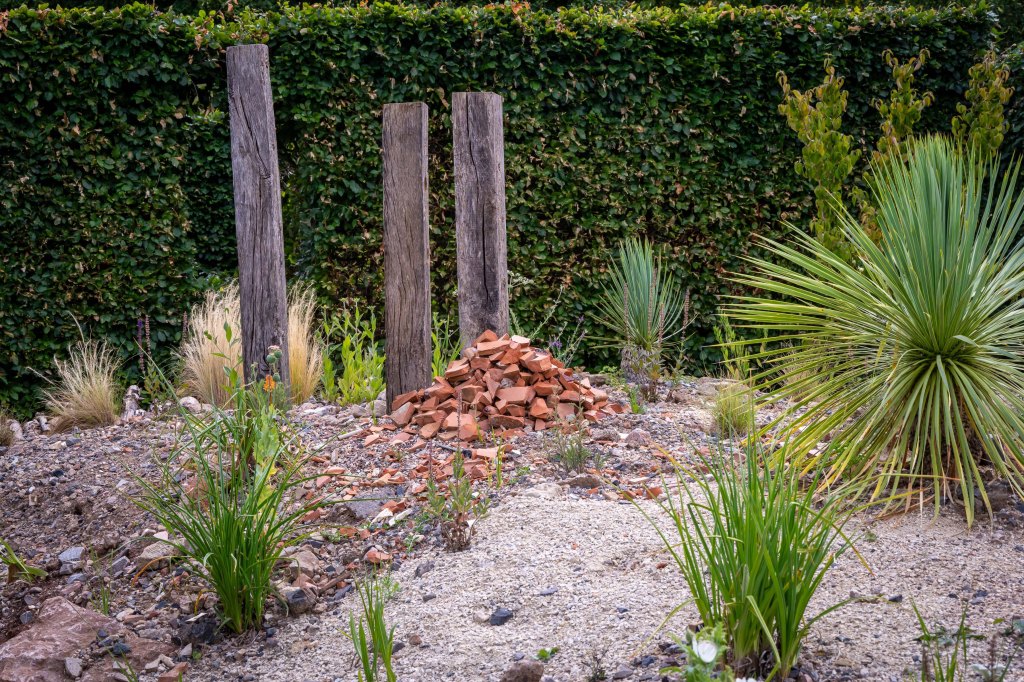
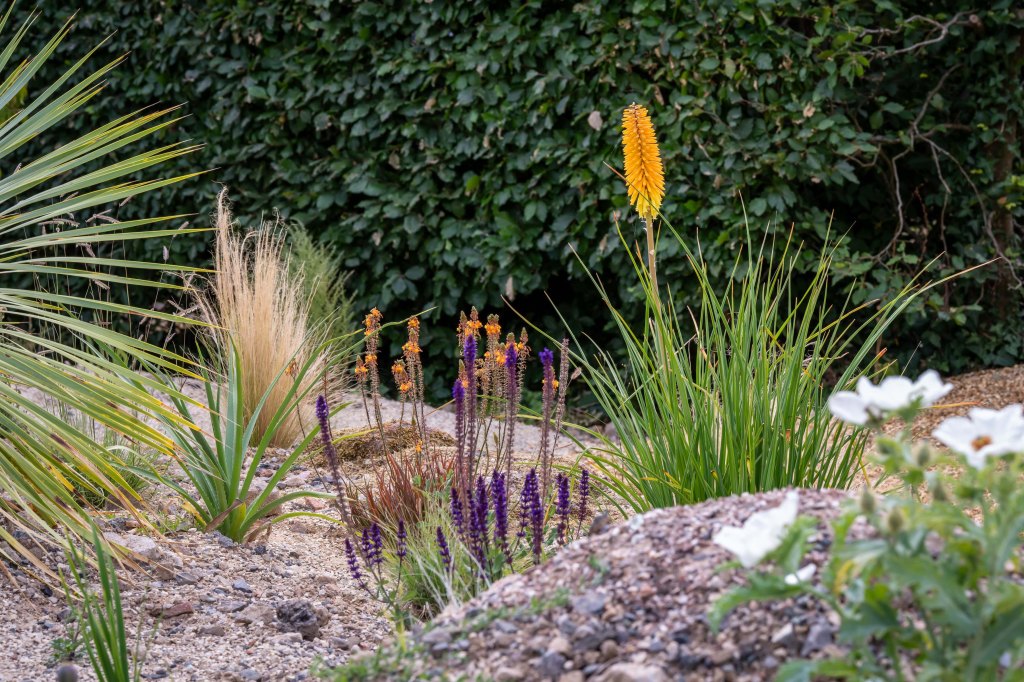
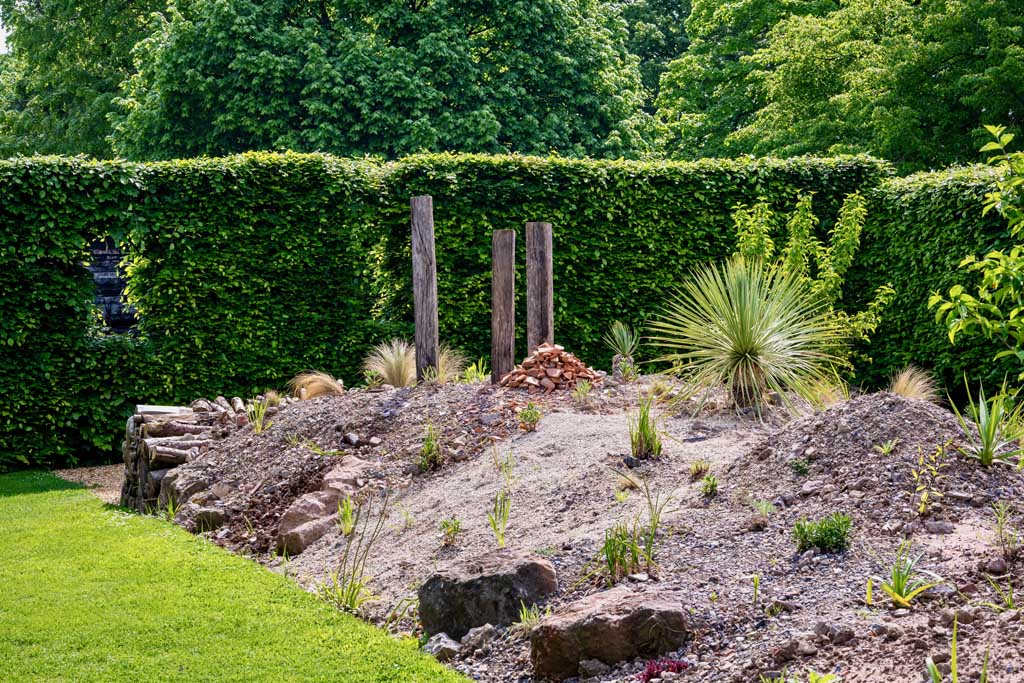
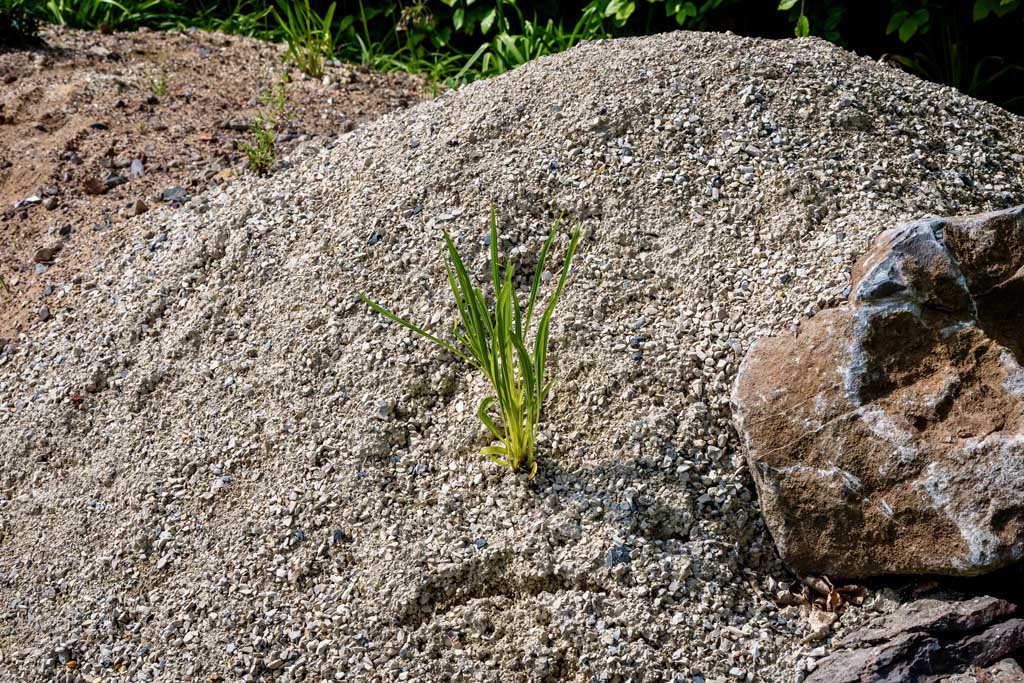
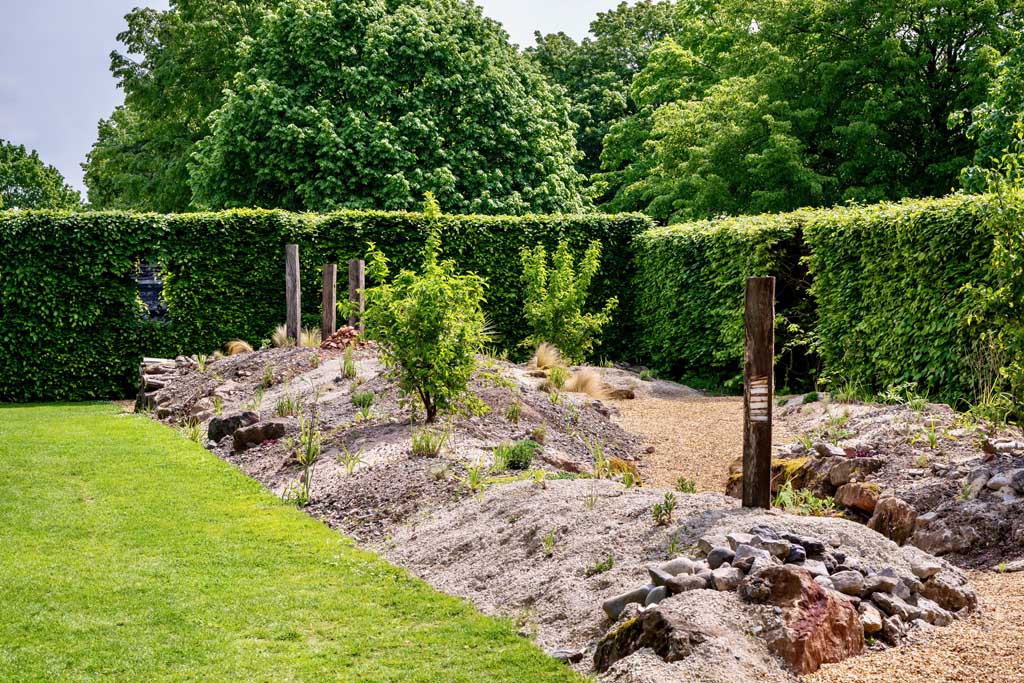
    Our visit last week also corresponded to another very hot day but, at least, we didn’t have to contend with large numbers of visitors. There are some fabulous sections to this garden, which I have reported on in the past, but on our last two visits I have been fascinated that they have developed a new section (replacing “The Big Grass Bed”) which I would describe as the sort of terrain that you might see on the edge of a quarry or next to a building site. This “dry” garden is well suited to the hot conditions which we are enjoying at the moment and feature lots of plants which are drought tolerant. Clearly something all gardeners are having to consider in this part of the world as climate changes affect us.

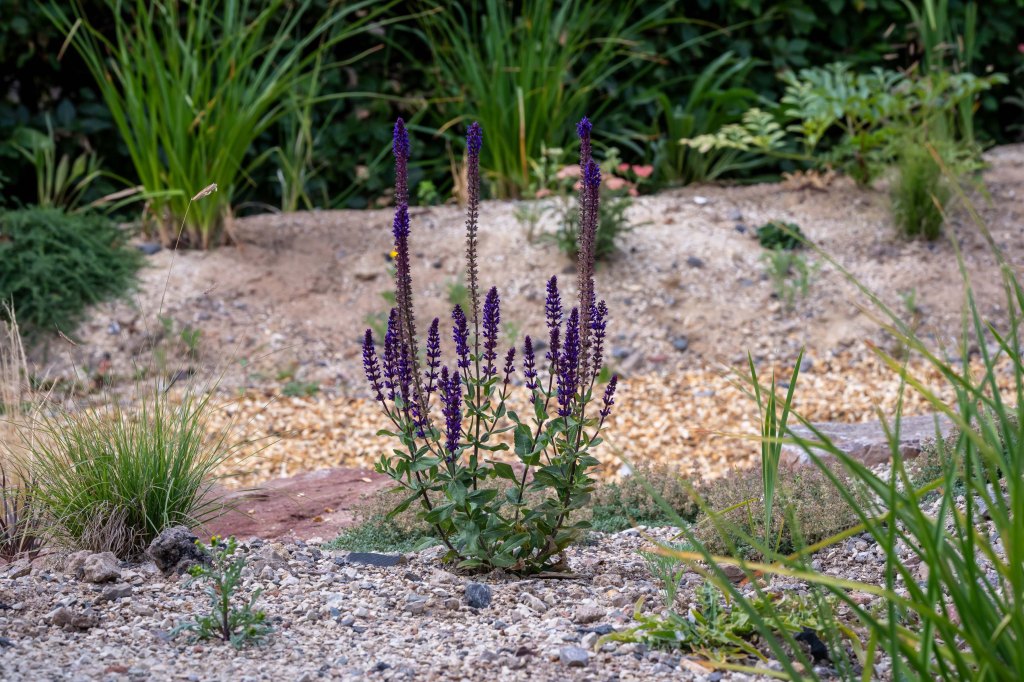
    Salvias are doing well in my garden too this year

    A sneaky photo of a salvia in my garden before we set off on our trip to the Yeo Valley Organic Garden – they have been attracting bees in huge numbers.

    Quarry/building site?

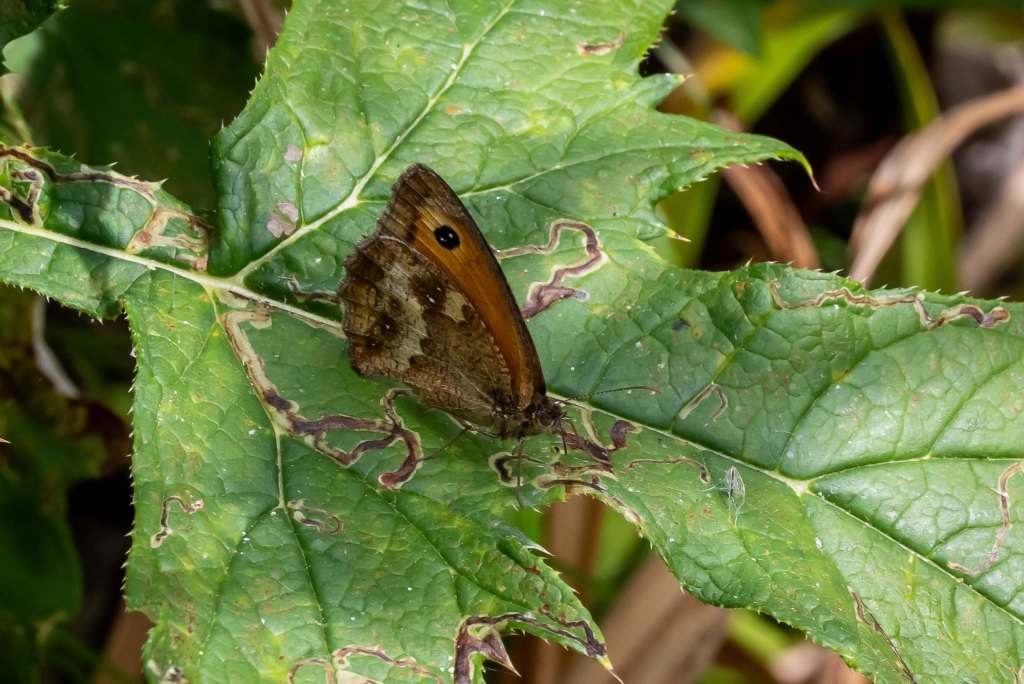
    Gatekeeper butterfly

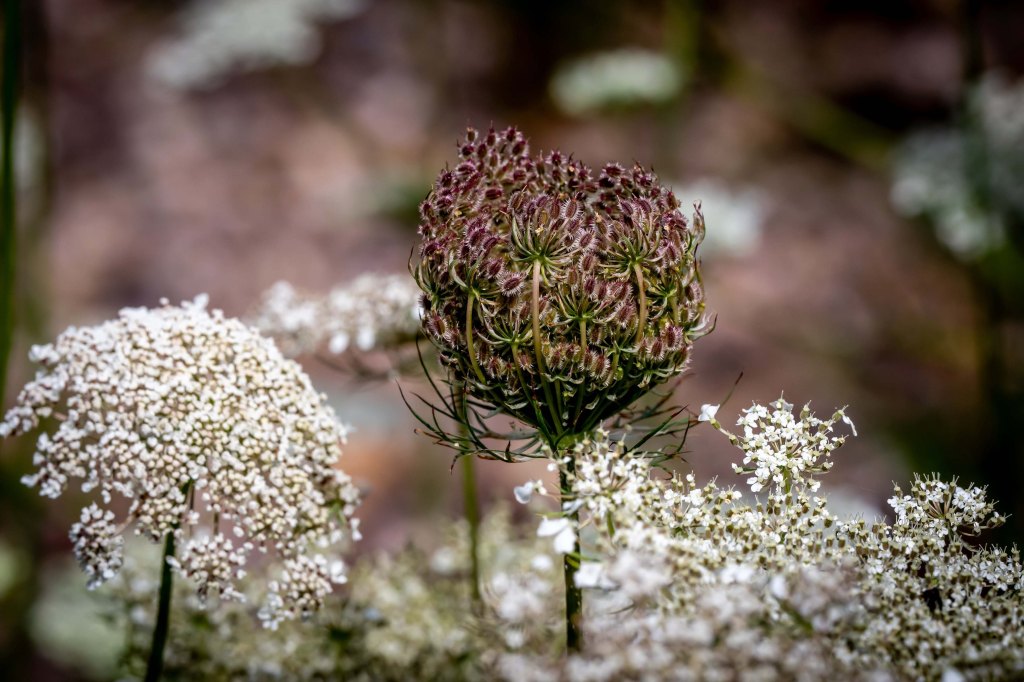
    Daucus carota – wild carrot

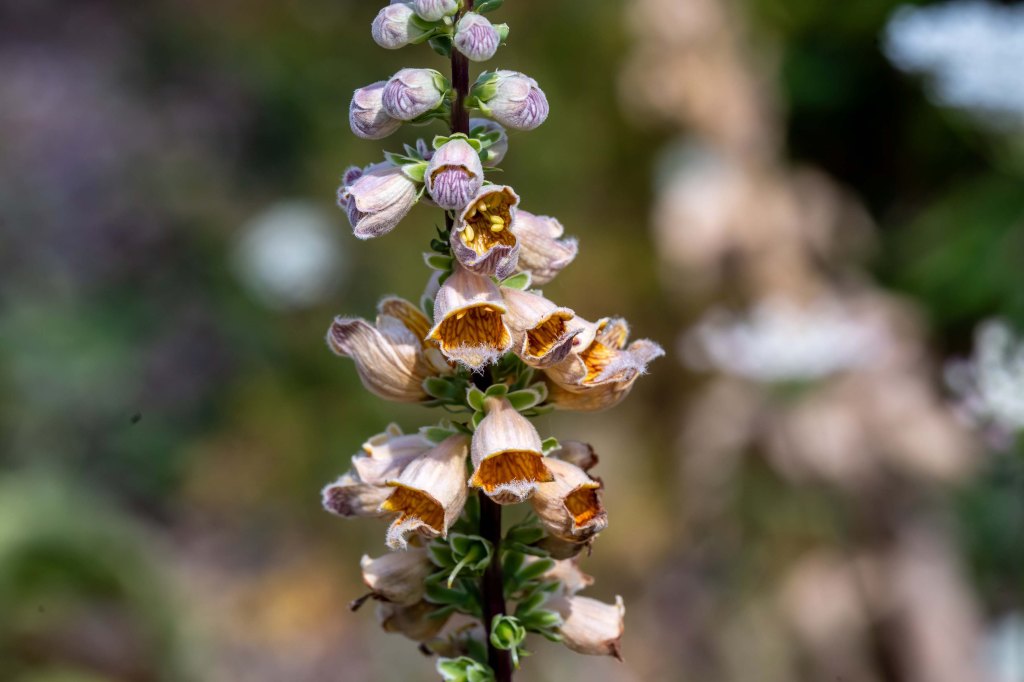
    Digitalis ferruginea – rusty foxglove

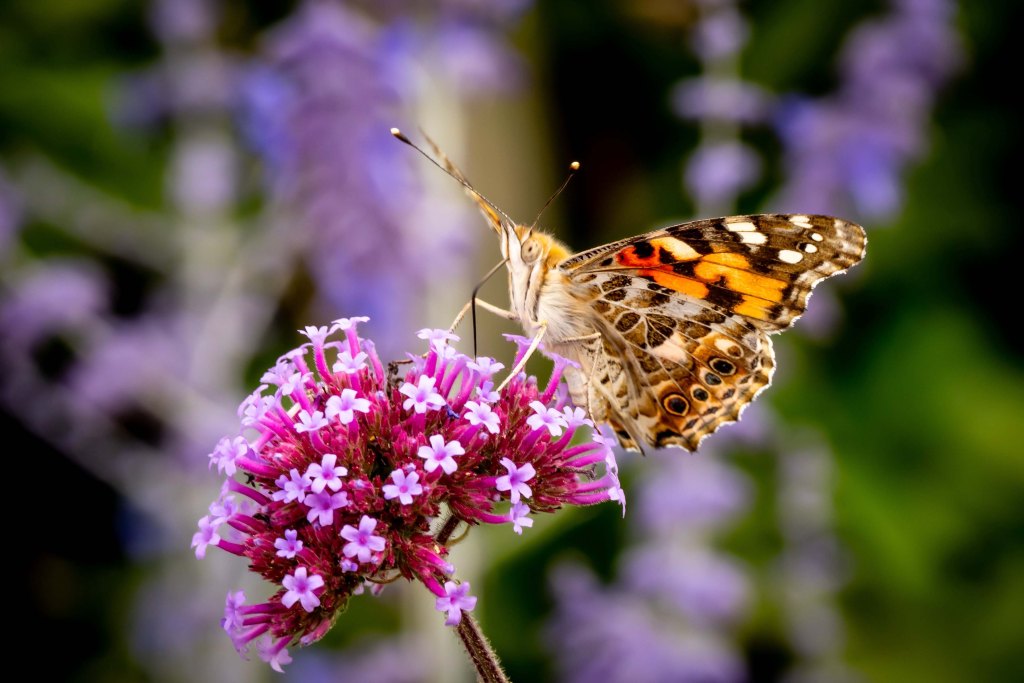
    Painted Lady butterfly on verbena

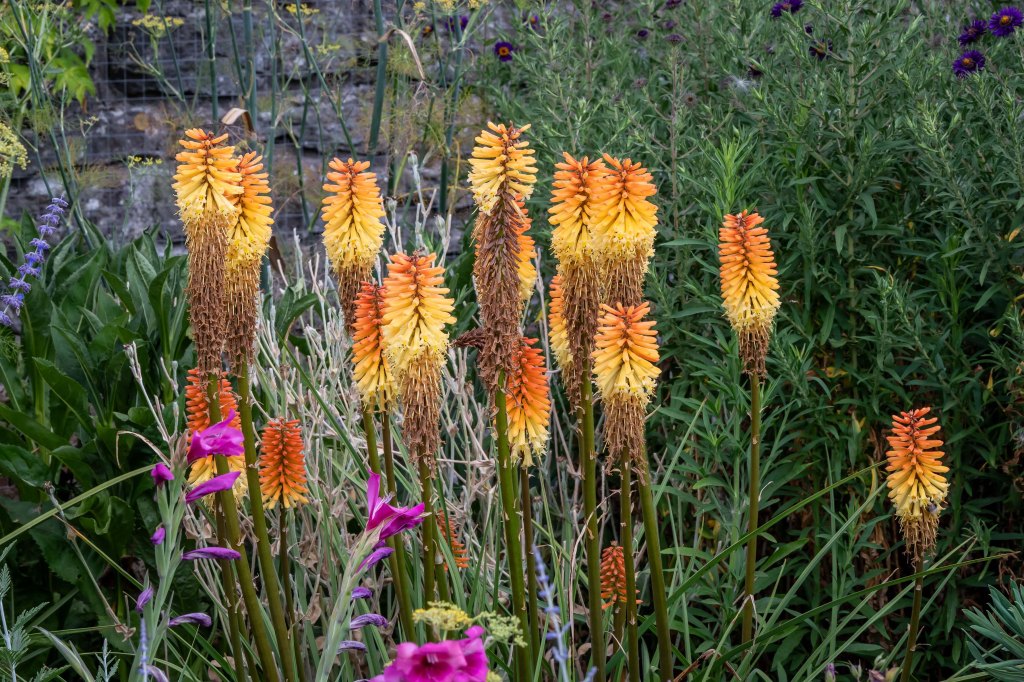
    Kniphofia – I like its common name of “torch lily”

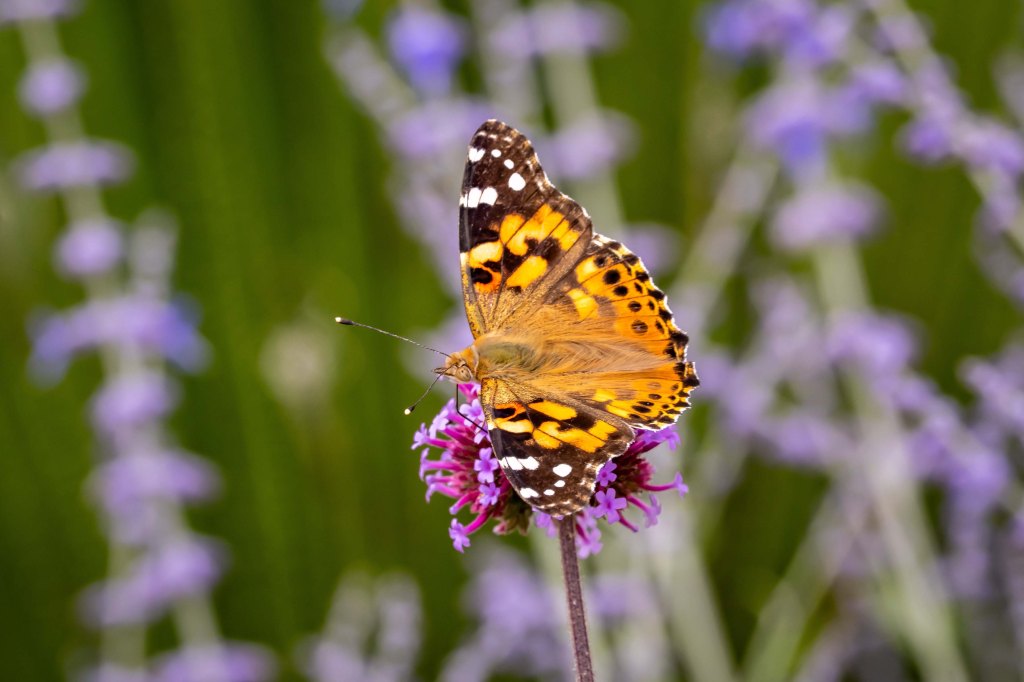
    Painted Lady would be well camouflaged in the Knophofia

    The gravel garden is full of pollinators and butterflies

    There are great views of Blagdon Lake from the garden

    My only bird photo – very very distant cattle egret next to the lake

    Now there’s a thought if you have the space

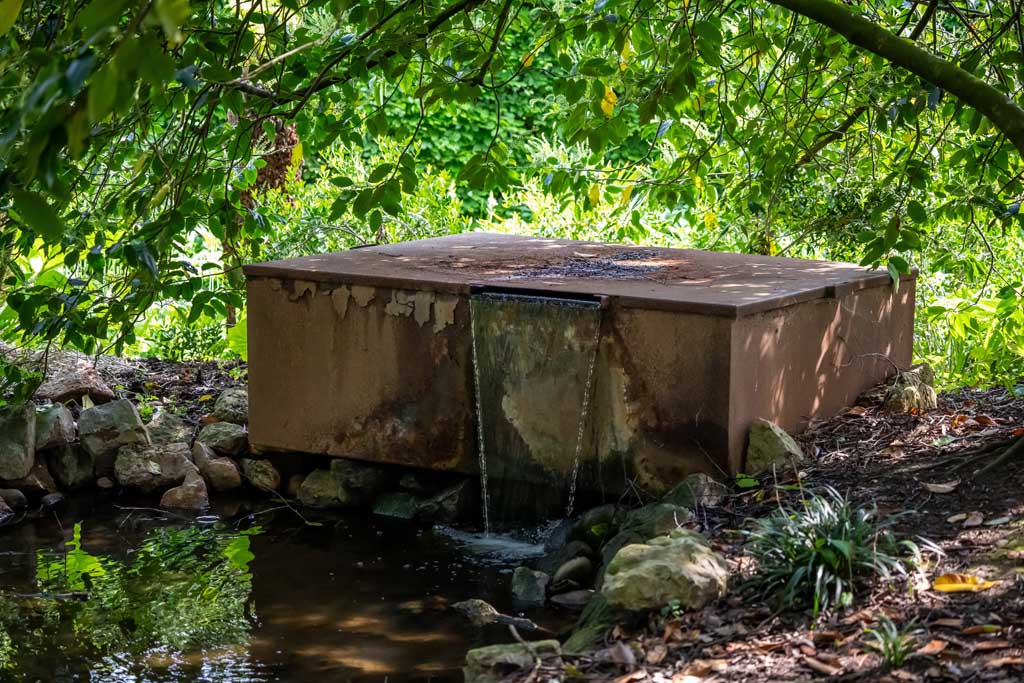
    Interesting water feature surrounded by drought tolerant flowers

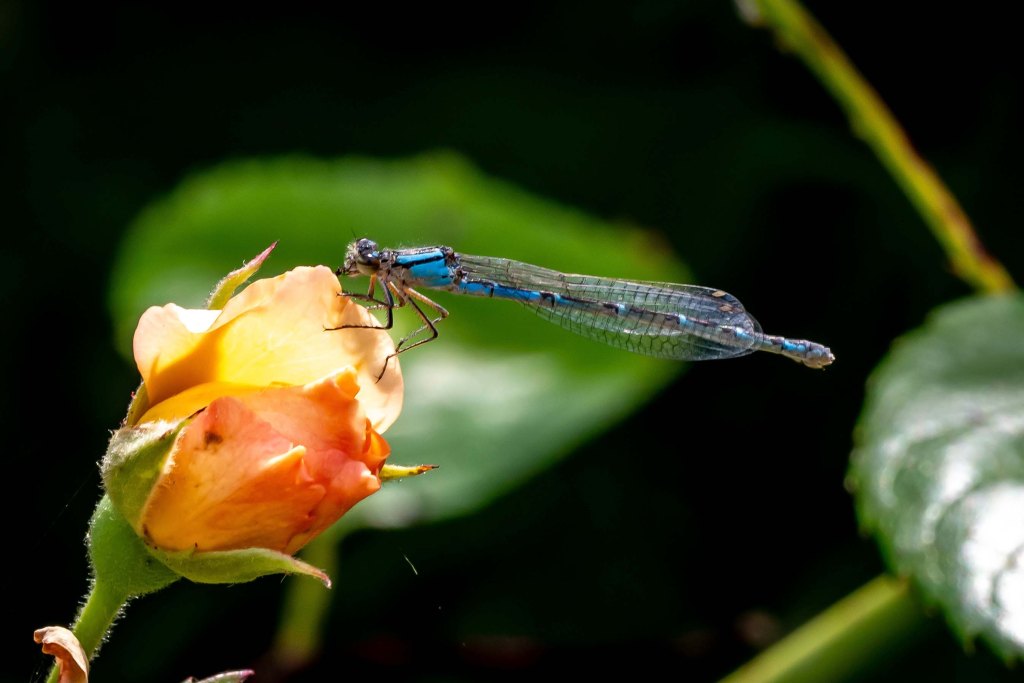
    Common blue damselfly

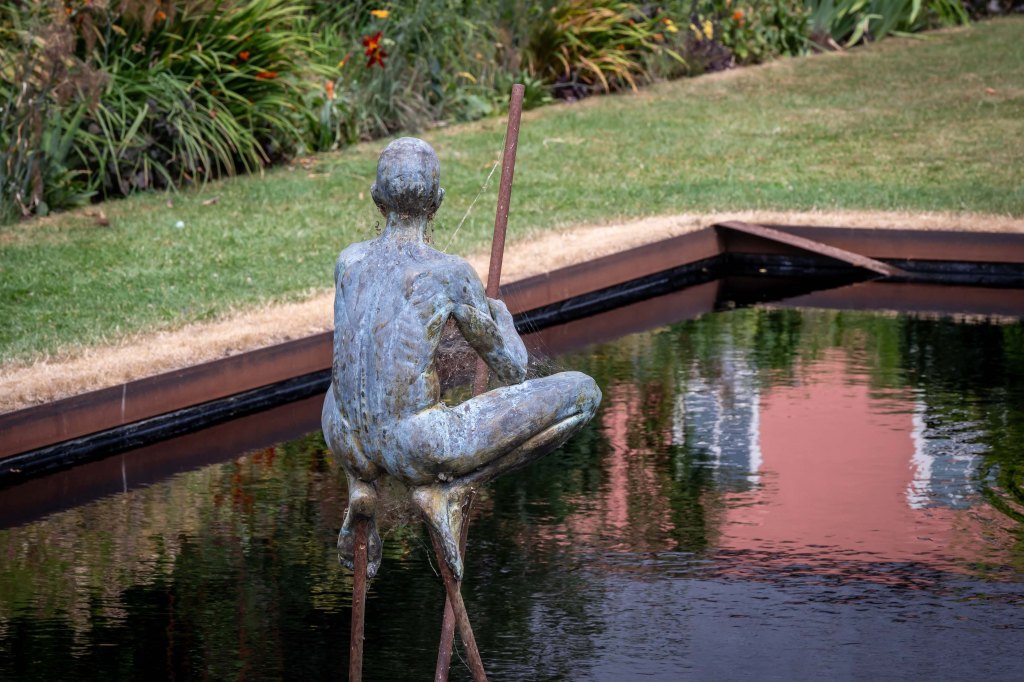
    Water feature to die for

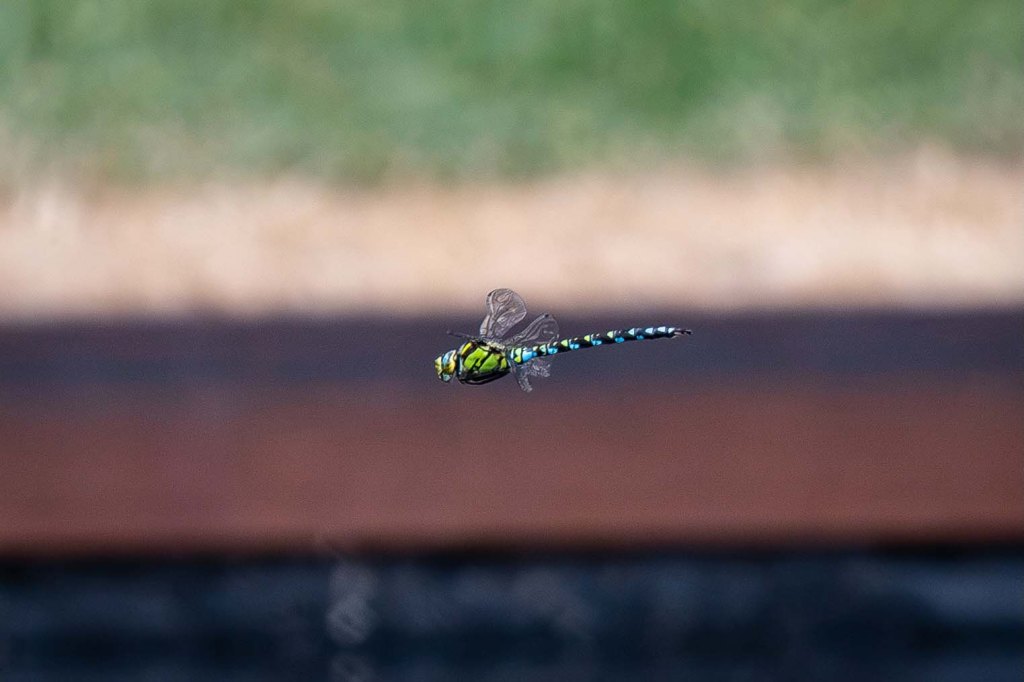
    Southern hawker in the bronze garden

    Large white butterfly attracted by the verbena

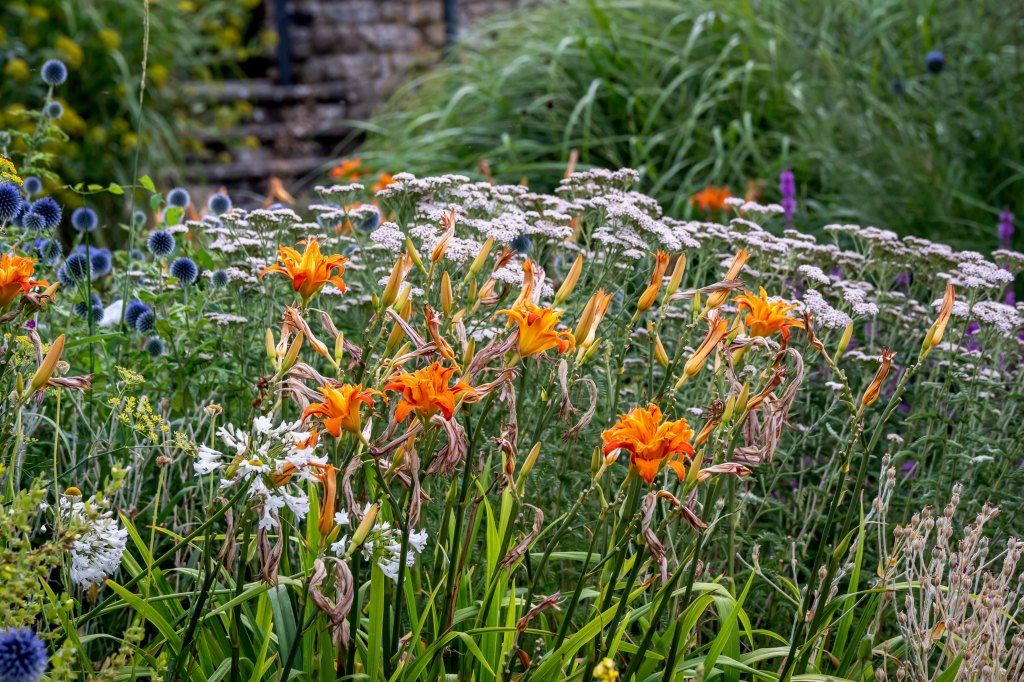
    Flower bed in the Gravel garden

    Still loads more to see but the heat was getting more intense and the garden café was irresistible: the frittata and the zero degrees Goram IPA (from the local Butcombe brewery) are both highly recommended.

  • 30th May 2026 – RSPB Arne, Dorset

    30th May 2026 – RSPB Arne, Dorset

    We have just arrived on holiday on the south coast of England, in the county of Dorset. The area we are staying is known as the Isle of Purbeck on the Jurassic Coast. Despite its name, it is not actually an island—it is a peninsula bordered by the English Channel, Poole Harbour, and the River Frome.

    Today we visited the RSPB nature reserve at Arne. Arne is situated on Poole Harbour and within the Dorset Area of Outstanding Natural Beauty. The landscape of heathlands, ancient oak woodlands,  wetlands and mudflats is truly stunning and teeming with wildlife.

    When I visit such nature reserves I can’t help thinking about the thousands of hours that volunteers have dedicated to making them such phenomenal places to visit. On our visit today we met a number of such people who helped us by telling us about osprey and white-tailed eagle projects and even helped us to spot both of these birds.

    Some of the photos of our first day in this area showing the variety of wildlife:

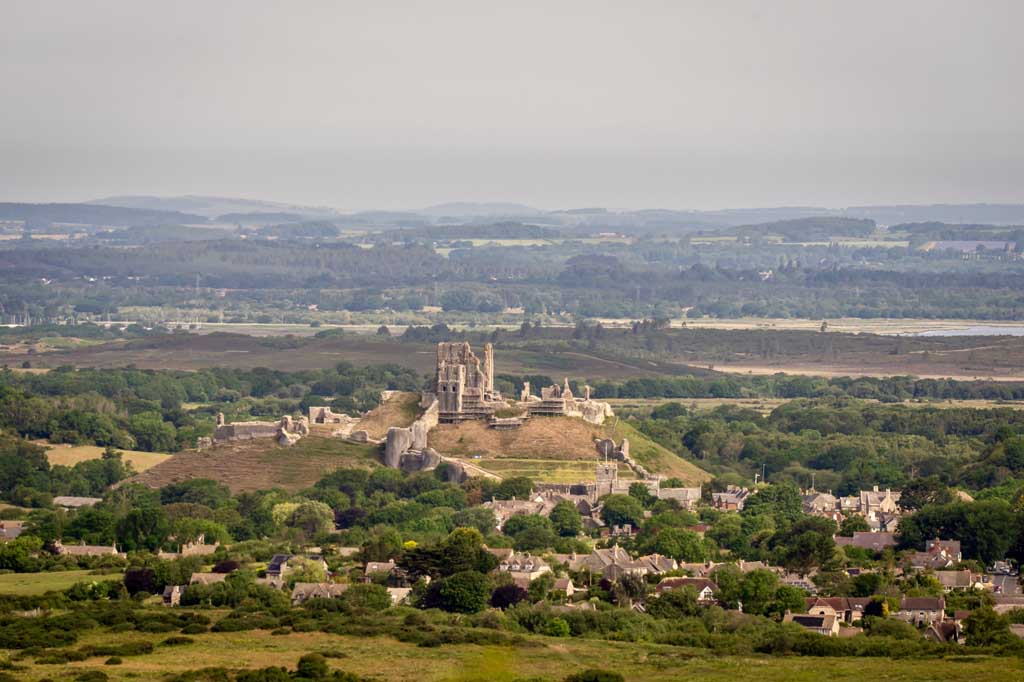
    The ruins of Corfe Castle, close to Arne

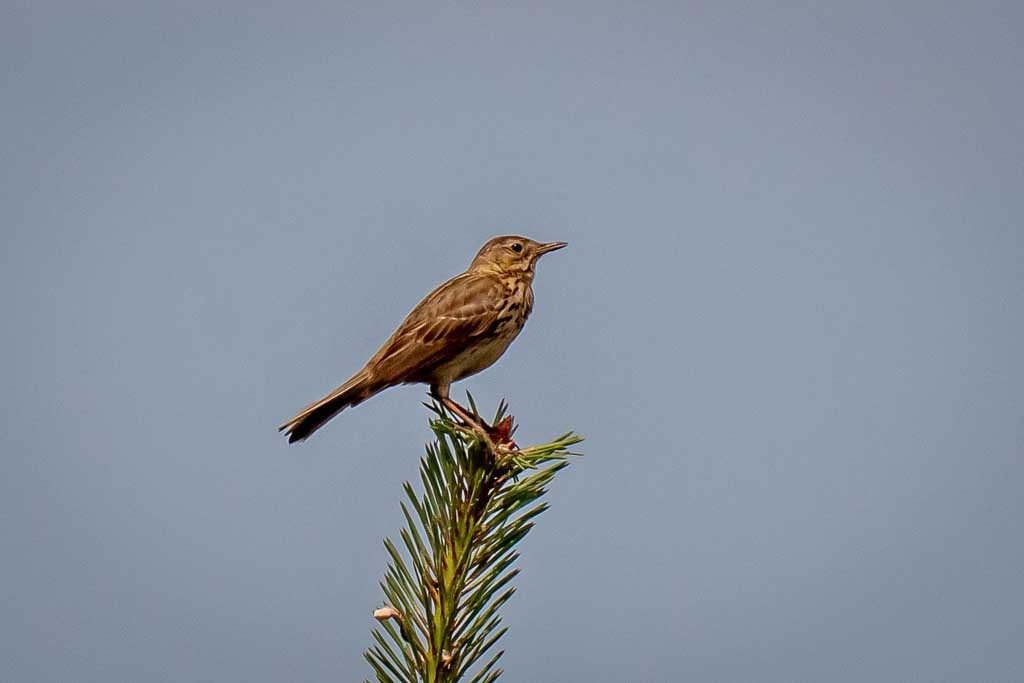
    Tree pipit on the heathland

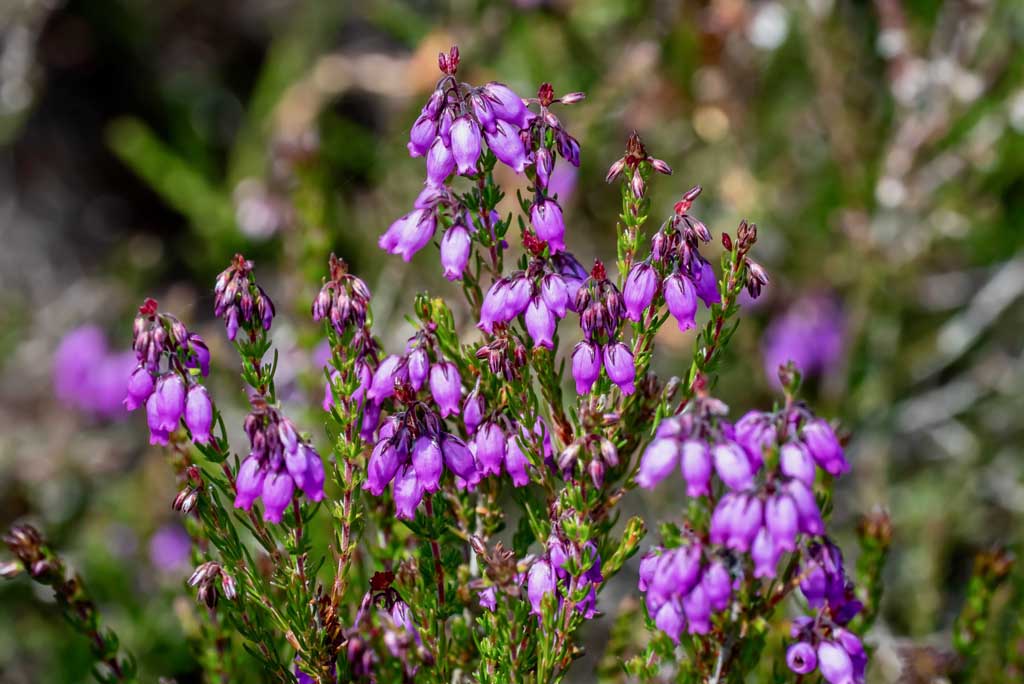
    Heather on the heathland

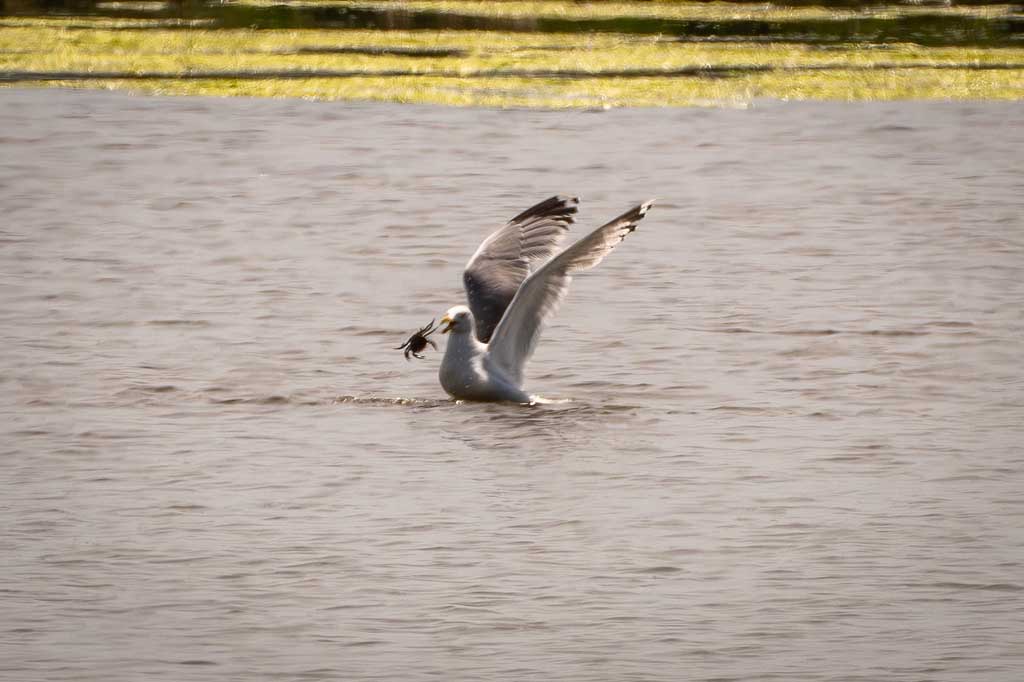
    European herring gull catching a crab

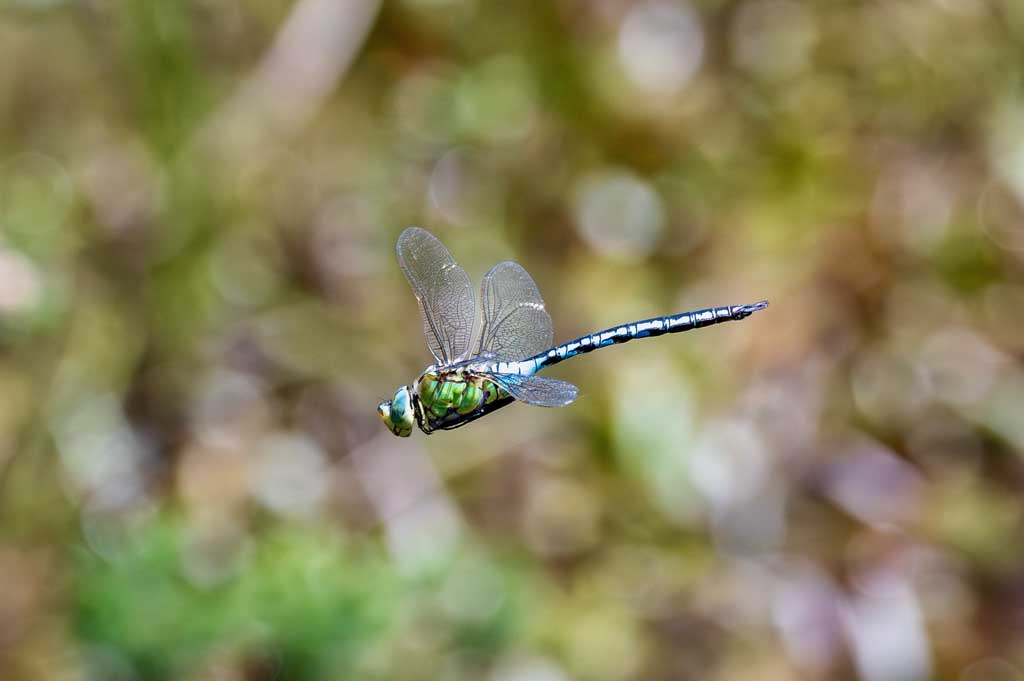
    Emperor dragonfly

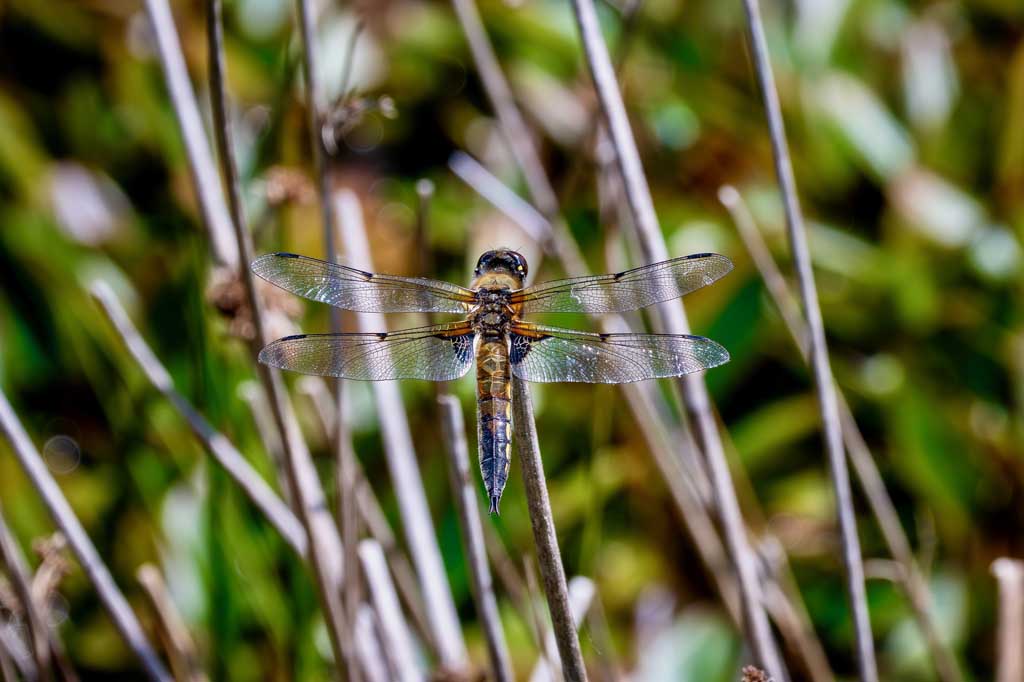
    Four-spot chaser

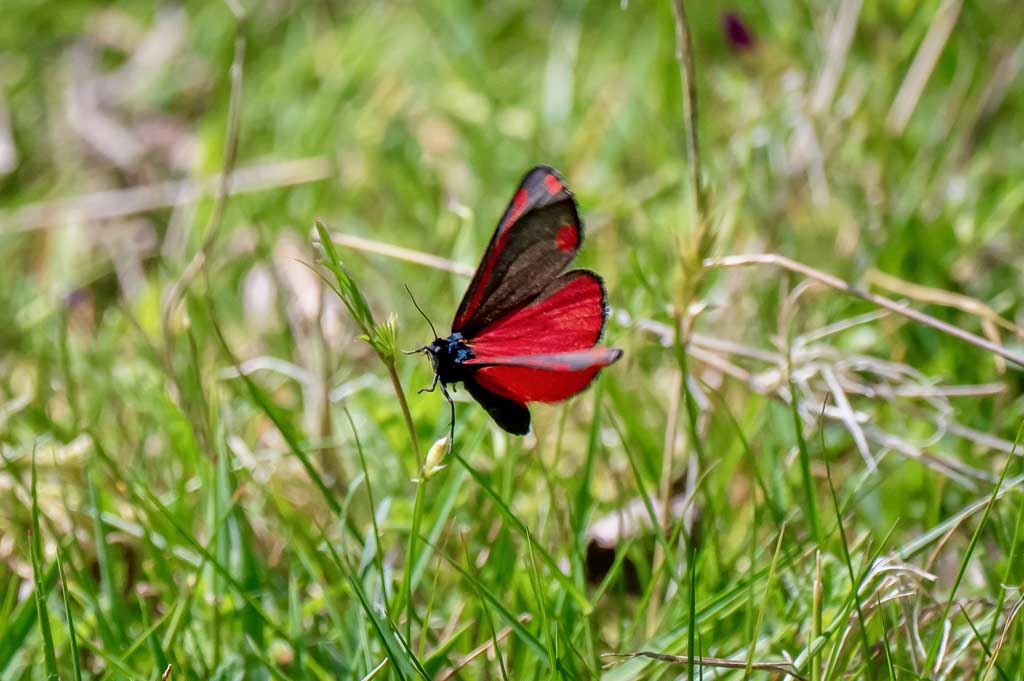
    Cinnabar moth

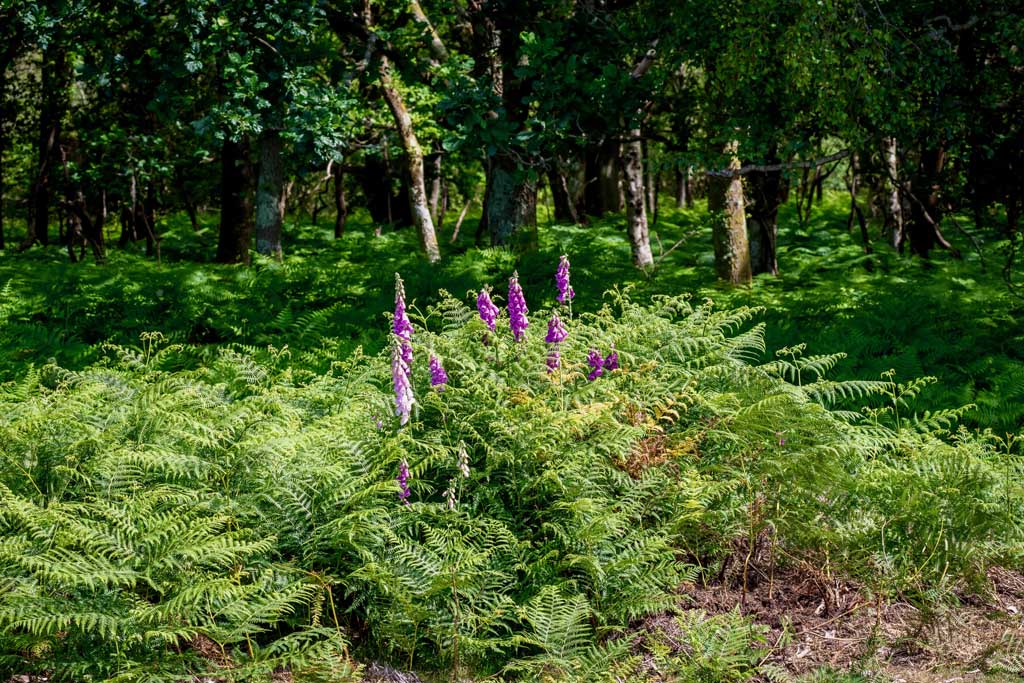
    Foxgloves between heathland and wood

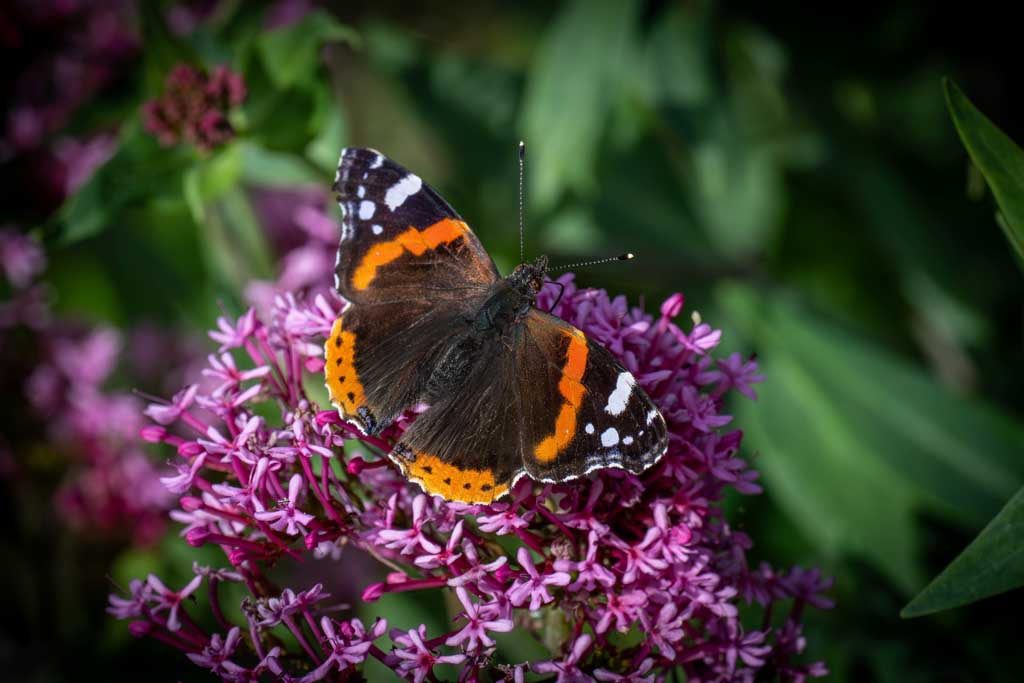
    Red admiral butterfly

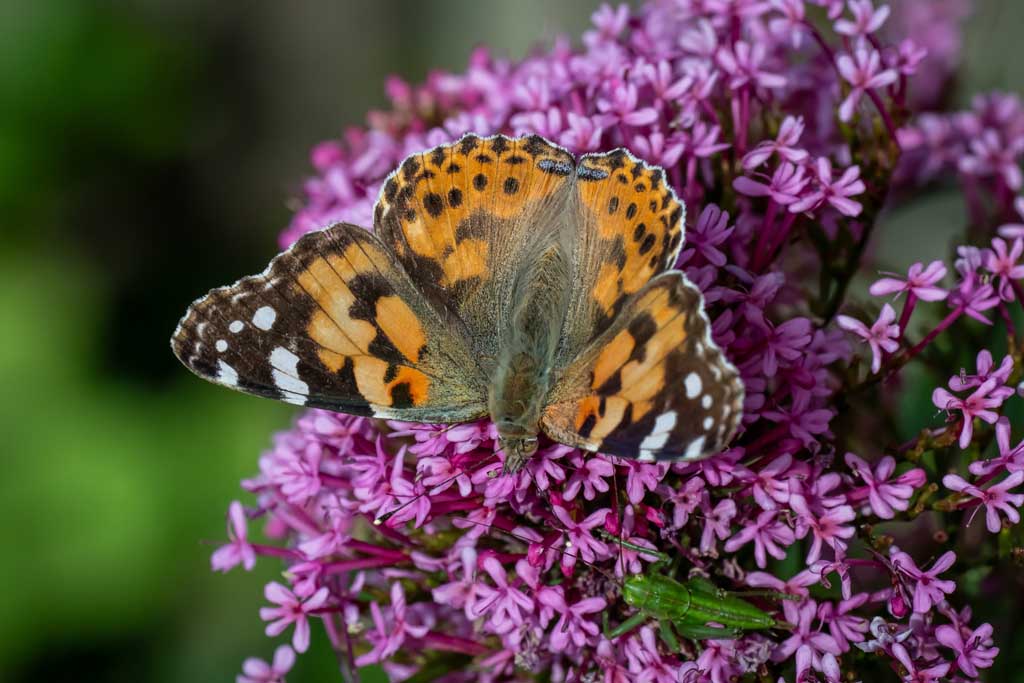
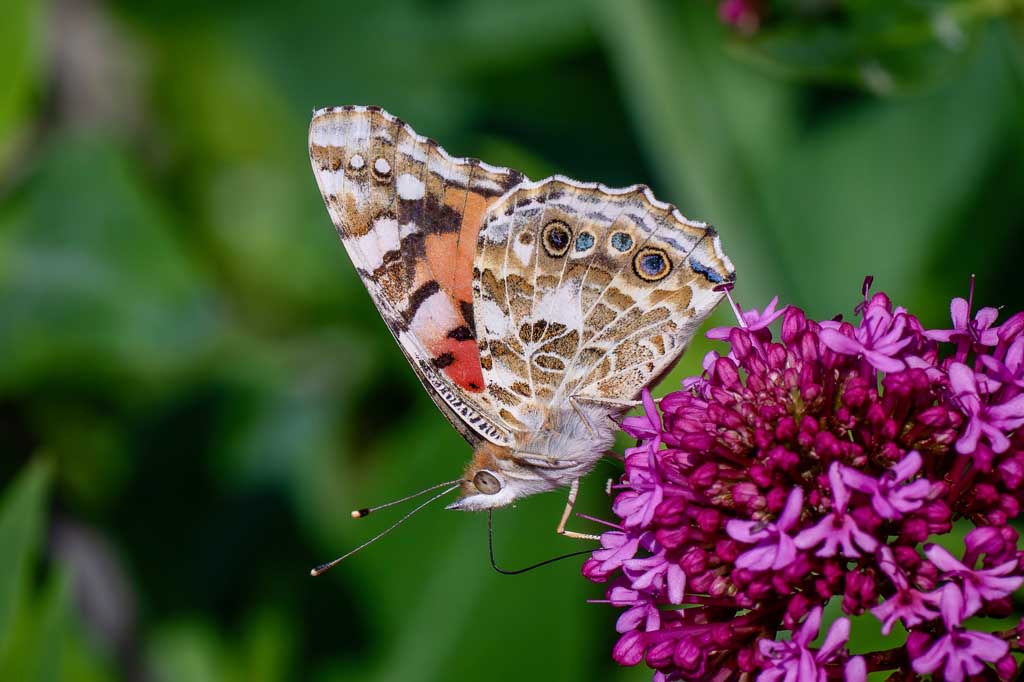
    Painted lady butterfly

    Underside of painted lady butterfly

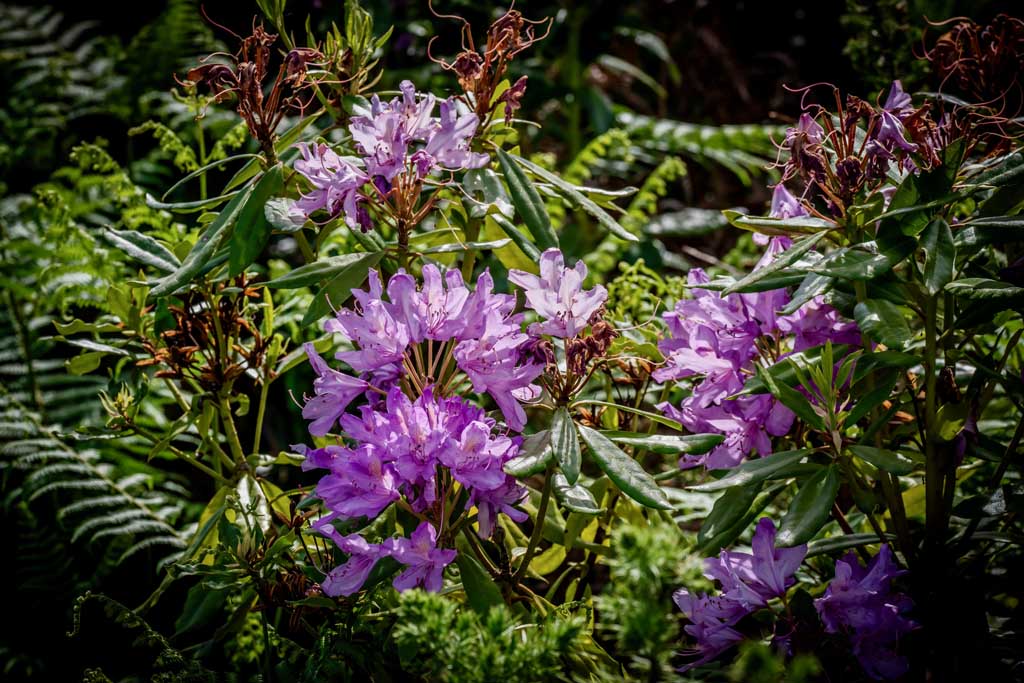
    Rhododendron, very attractive but quite invasive
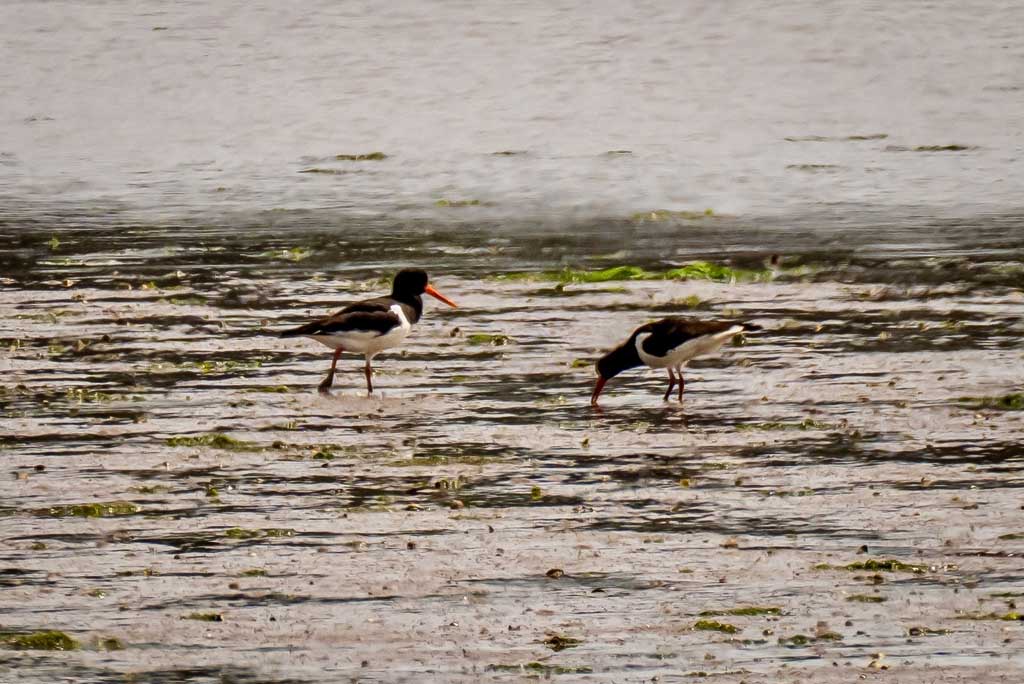
    Oystercatchers on the mudflats

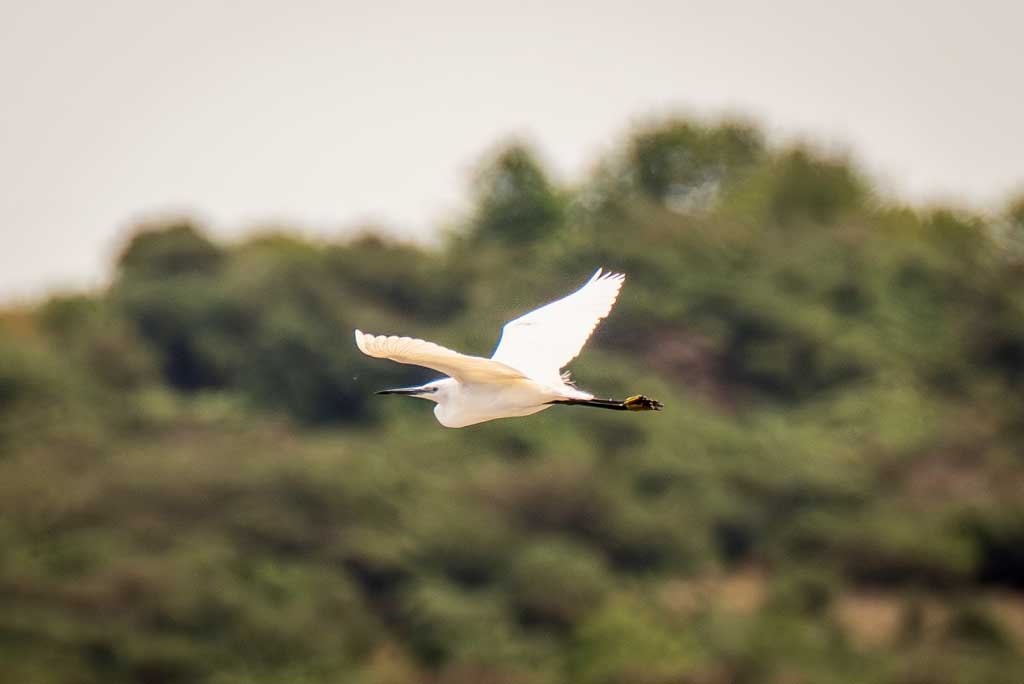
    Little egret flying over the estuary

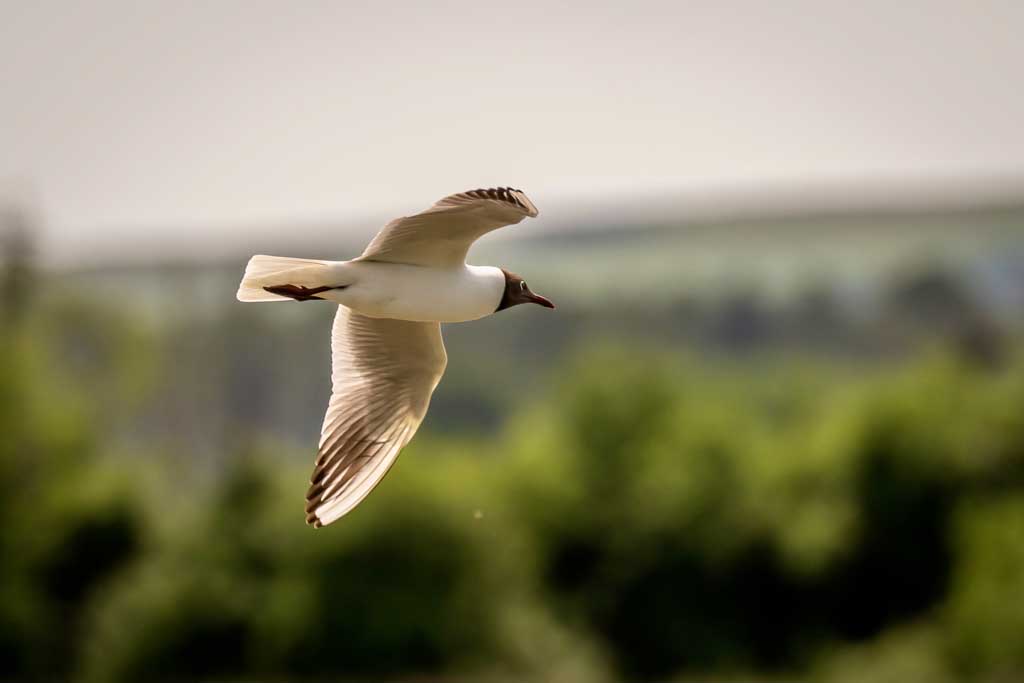
    Black-headed gull

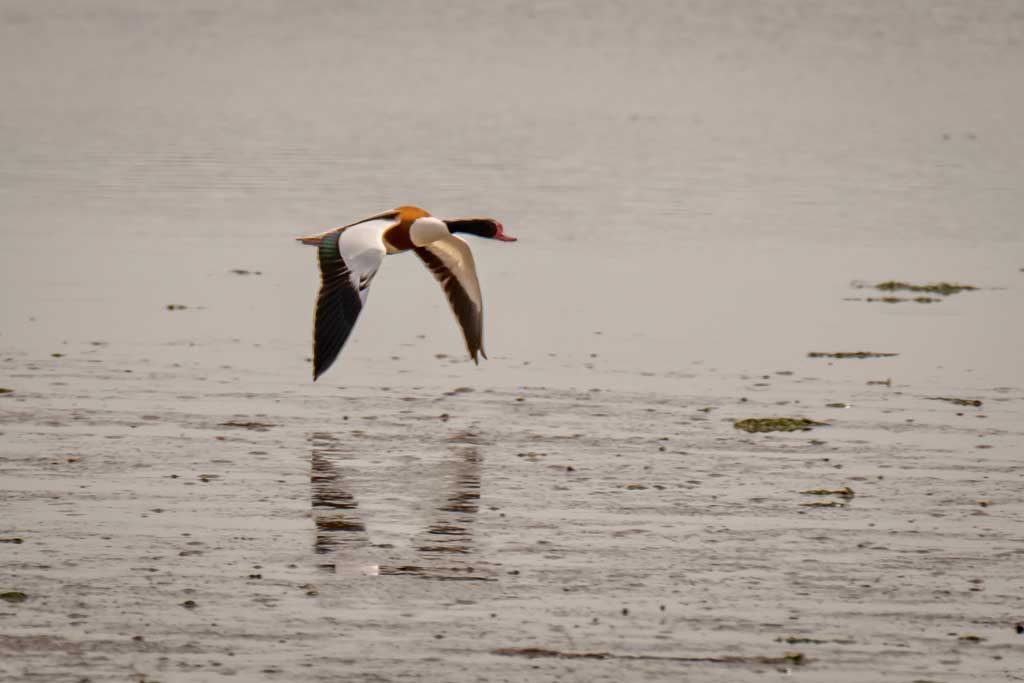
    Shelduck
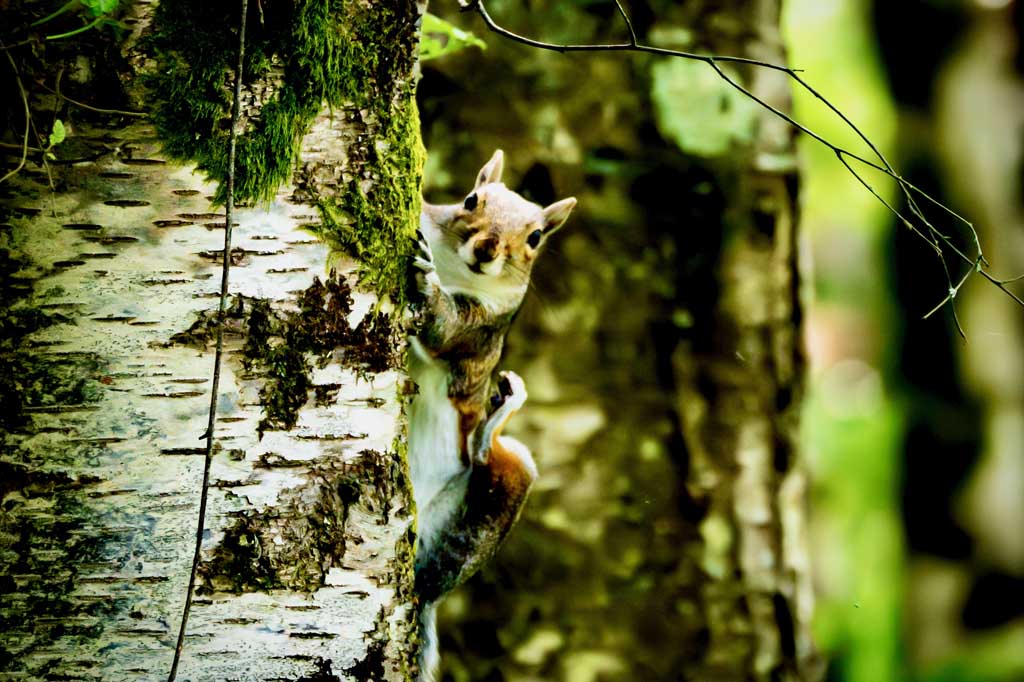
    Grey squirrel in woodland

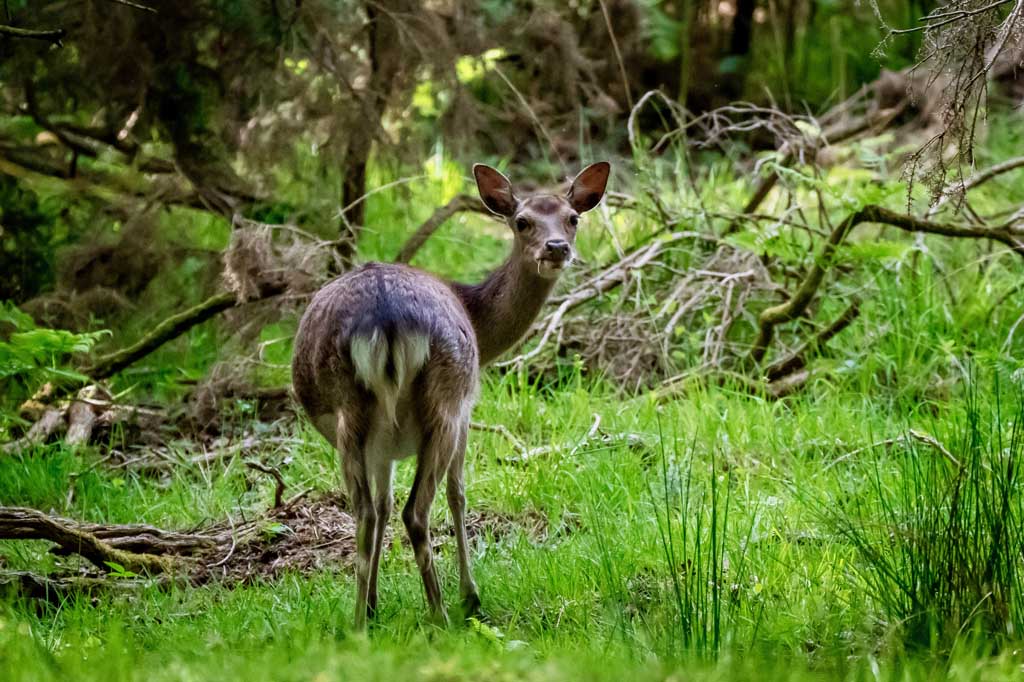
    Sikka deer in the woodland

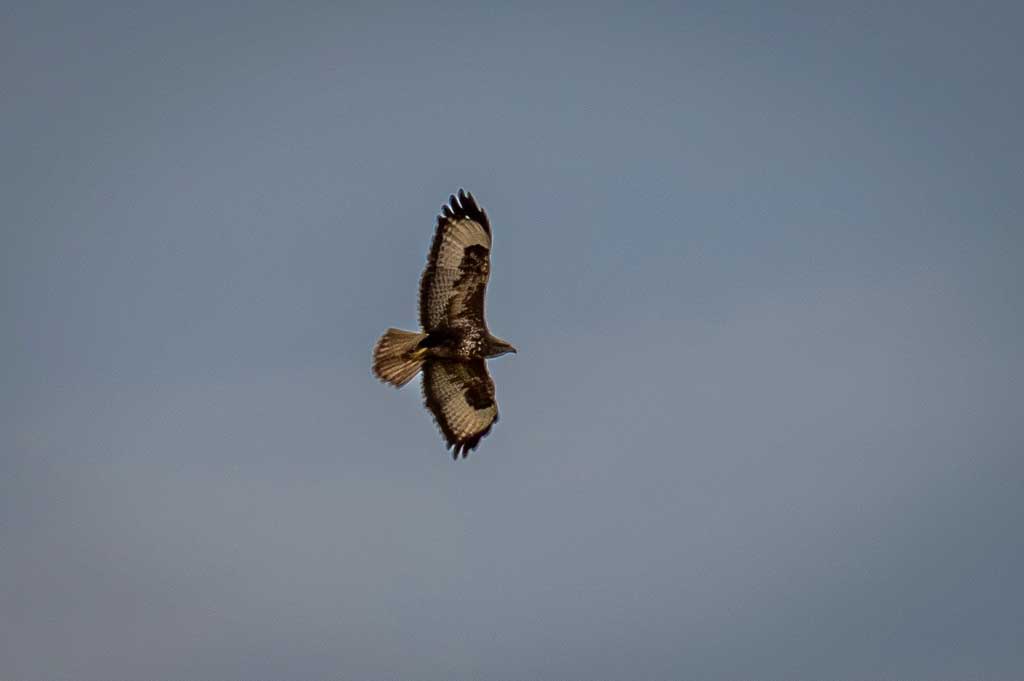
    Common buzzard

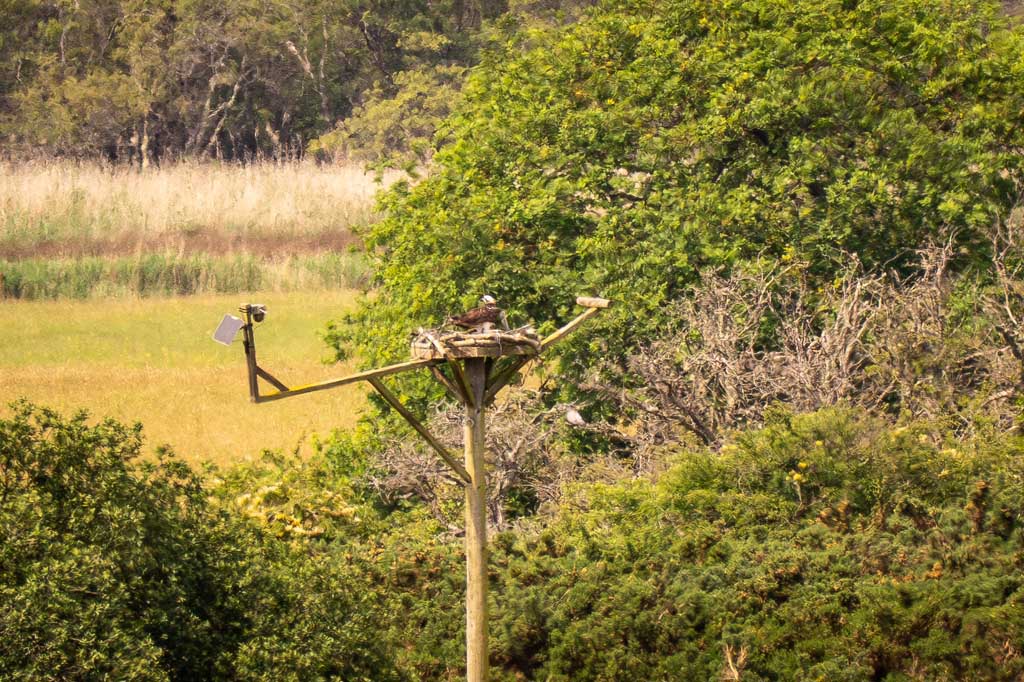
    Osprey on nest

    White-tailed eagle being mobbed by another (smaller) bird

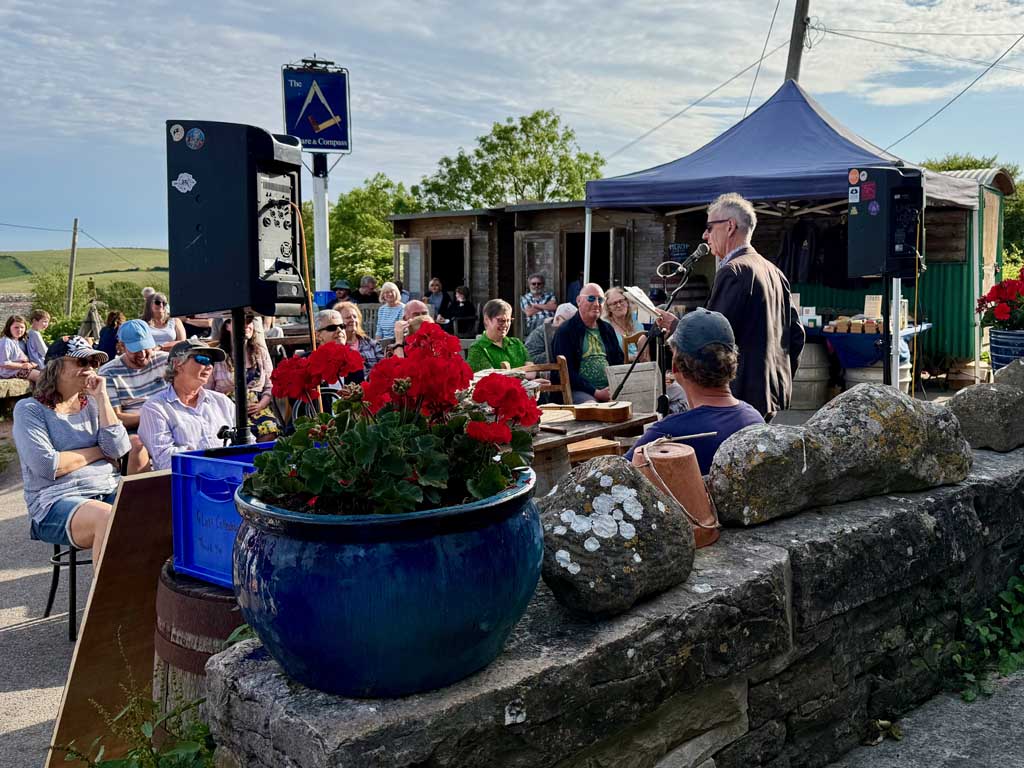
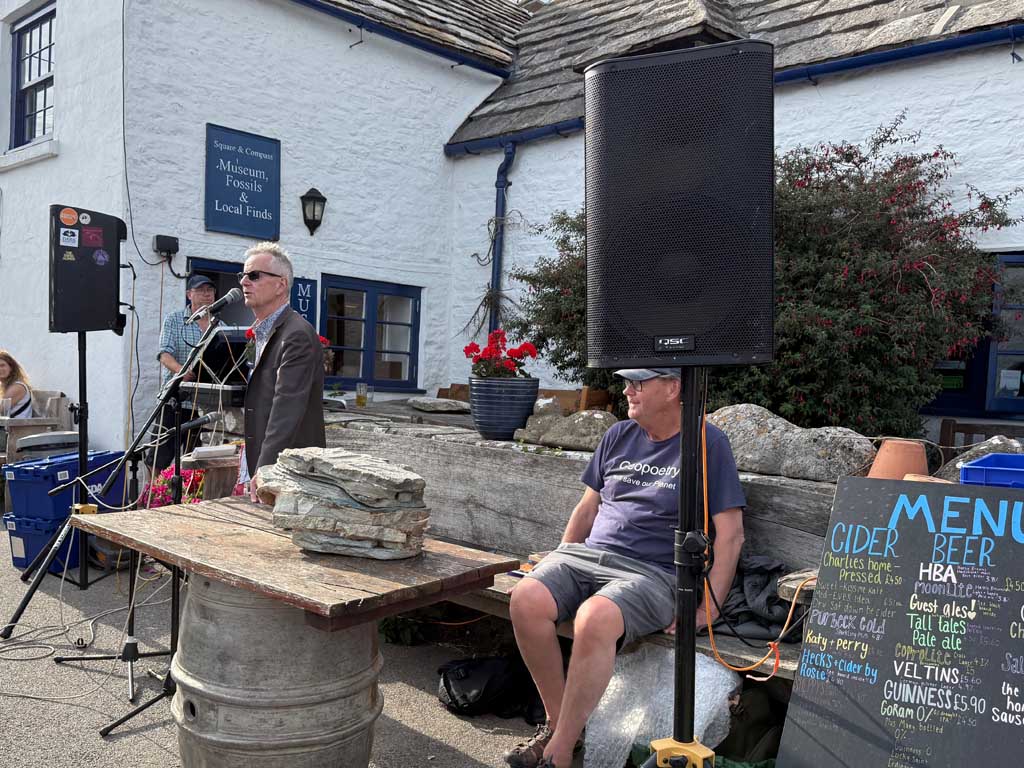
    Outdoor entertainment – a poetry and song event on a Jurassic theme at our local pub, The Square and Compass, at Worth Matravers.
    A great way to start our holiday – the local beers and ciders were good too.

  • 9th May 2026 – Yeo Valley Garden, North Somerset

    9th May 2026 – Yeo Valley Garden, North Somerset

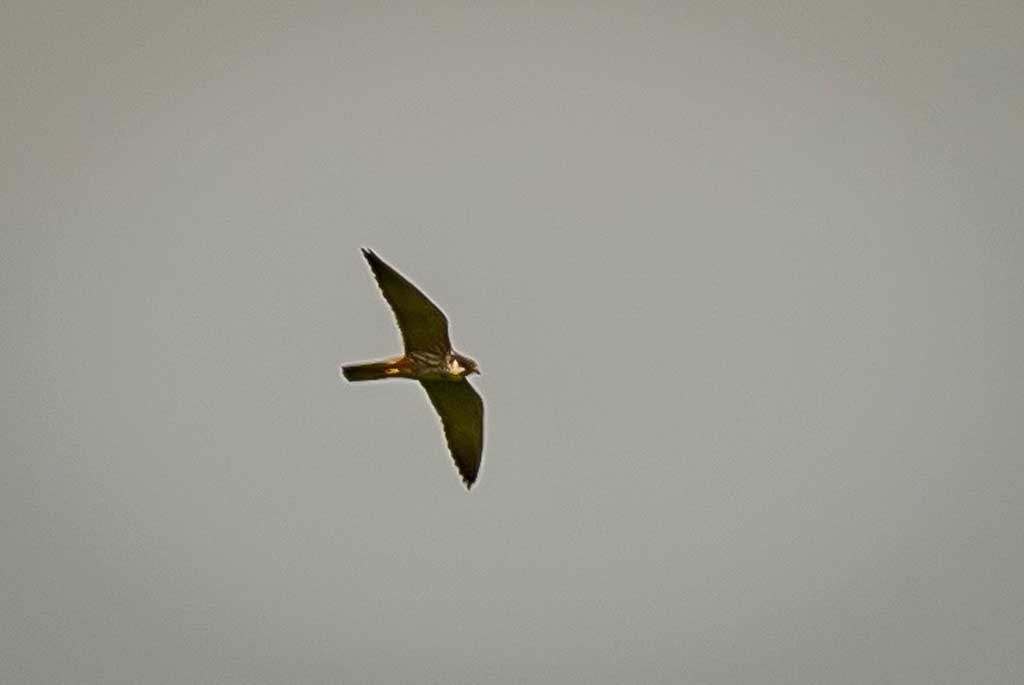
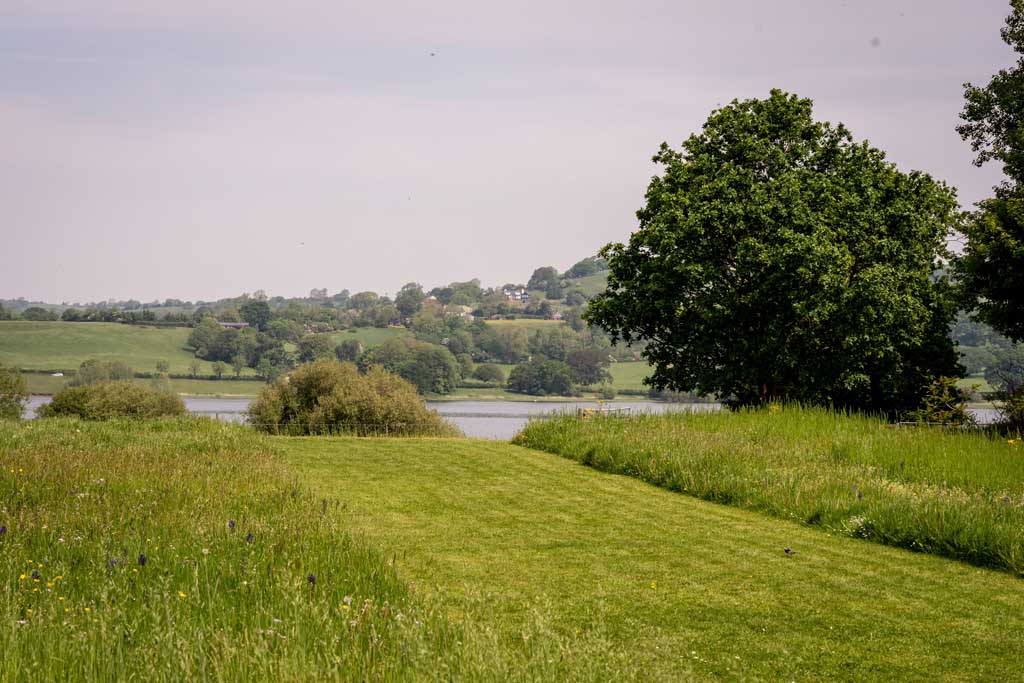
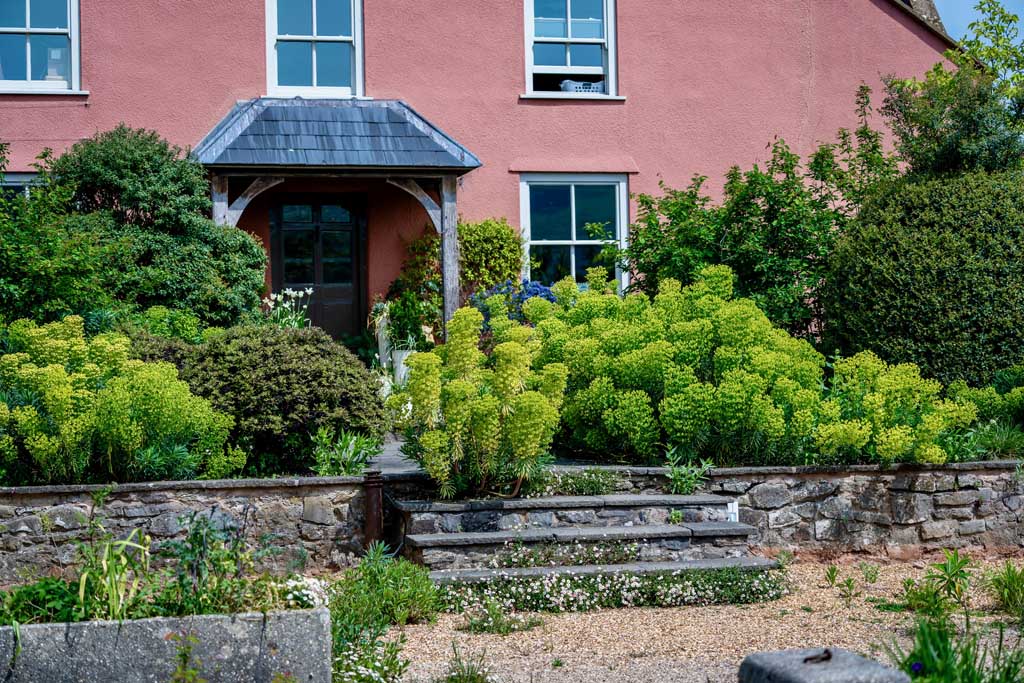
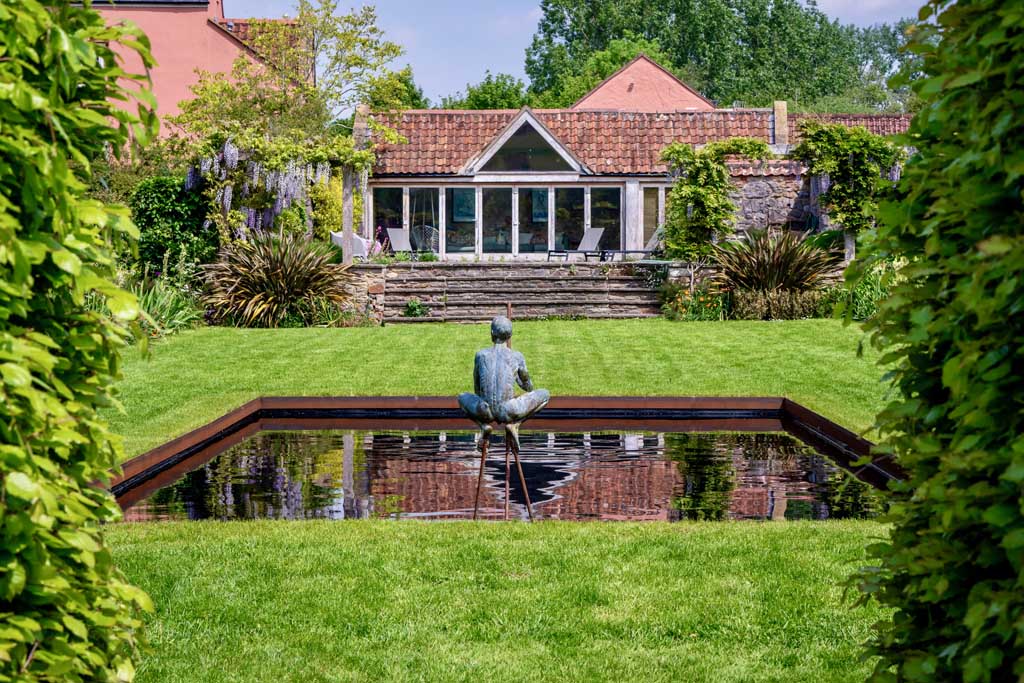
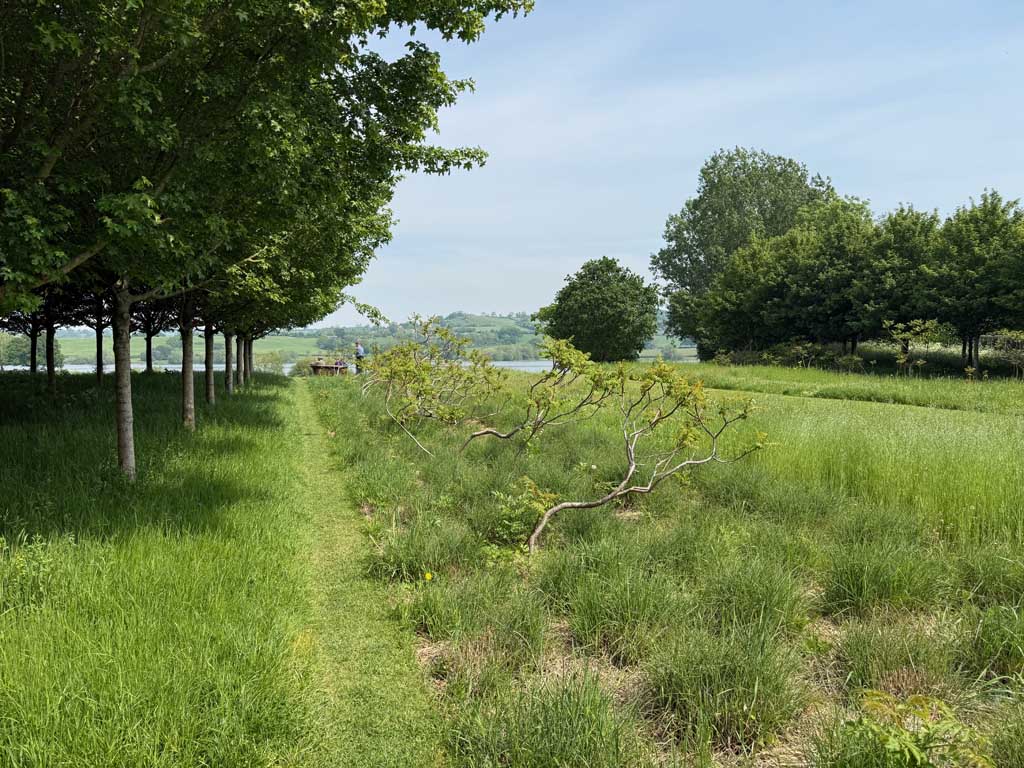
    Definitely one of our favourite gardens to visit locally, Yeo Valley Organic Garden set in the beautiful countryside of the Chew Valley and adjacent to Blagdon Lake was as stunning as ever this morning. This was not a birding visit but it was pleasing to see our first hobby of the season, even if it was rather distant hunting dragonflies over the lake. There were also a few butterflies and insects to challenge my photography skills.

    A distant Eurasian hobby in flight

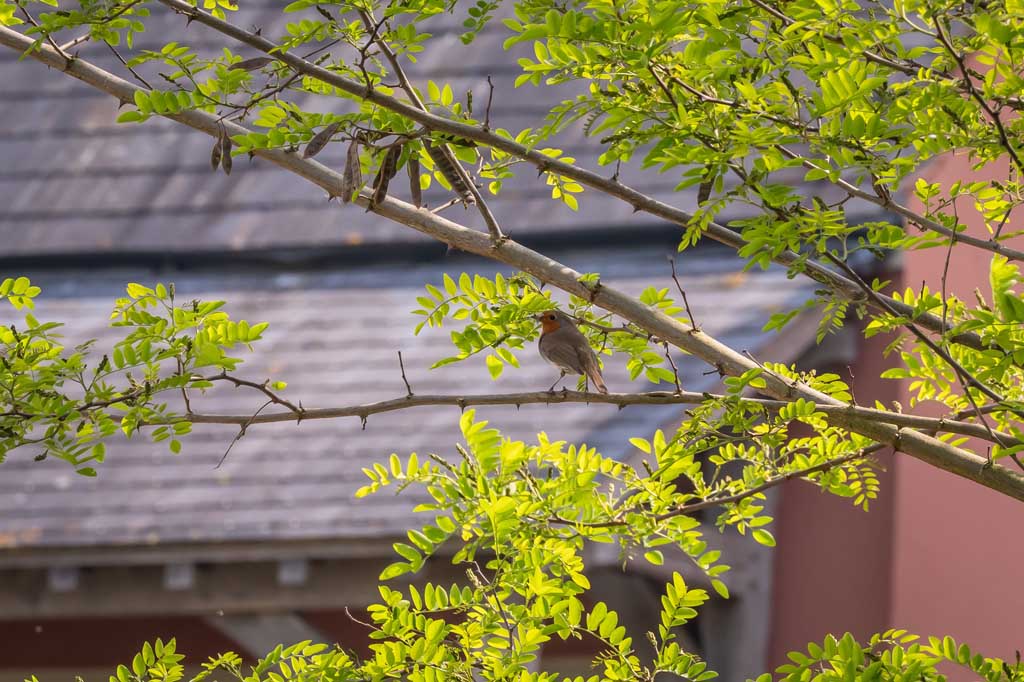
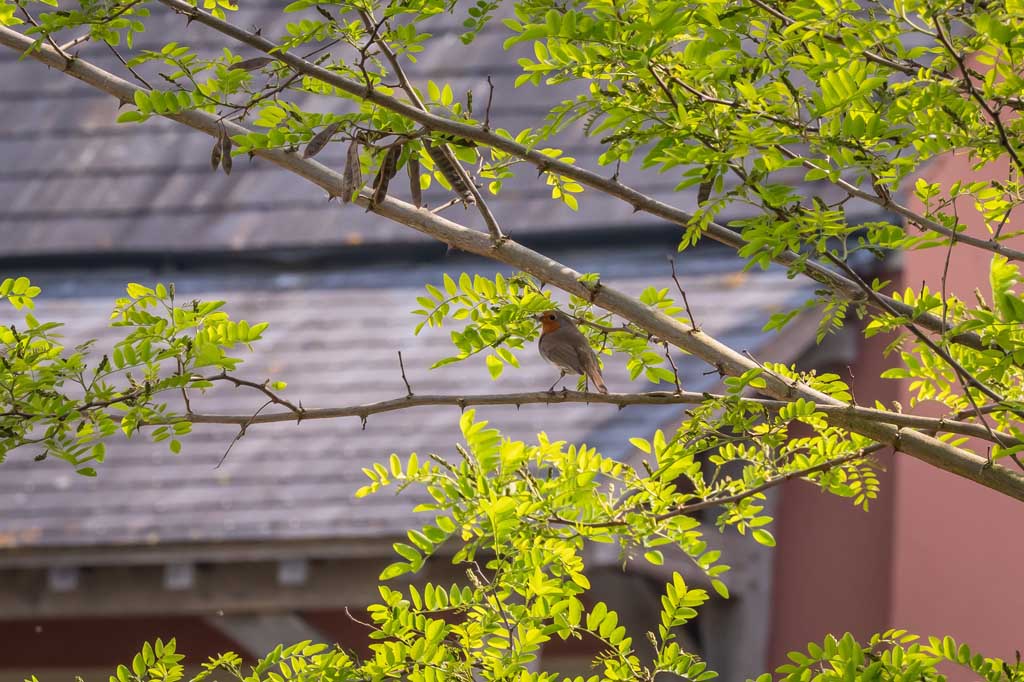
    There’s always a robin

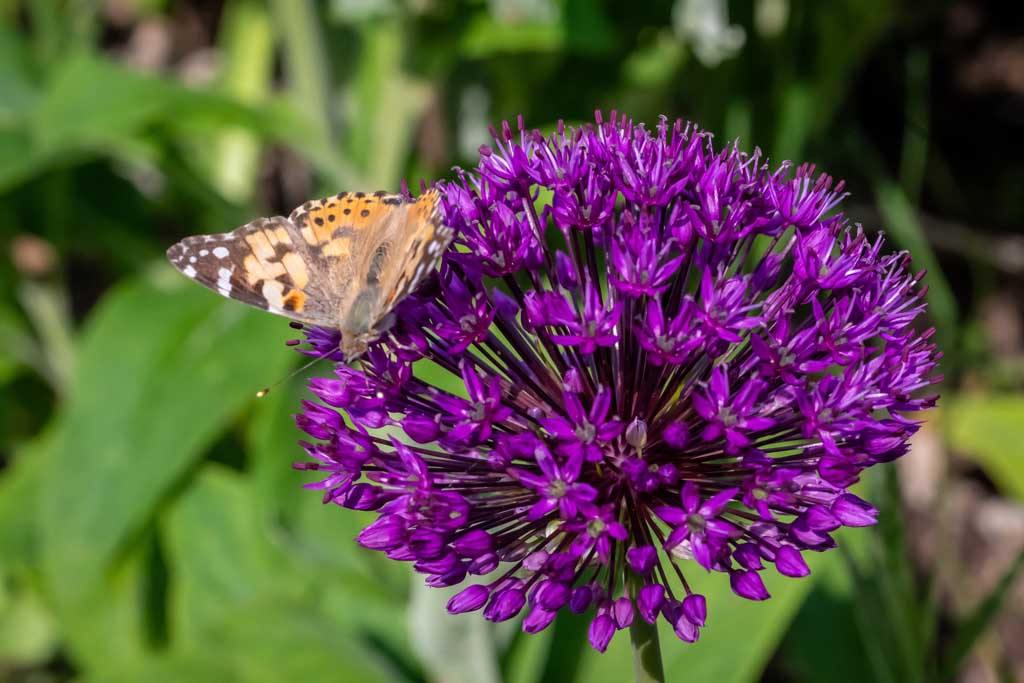
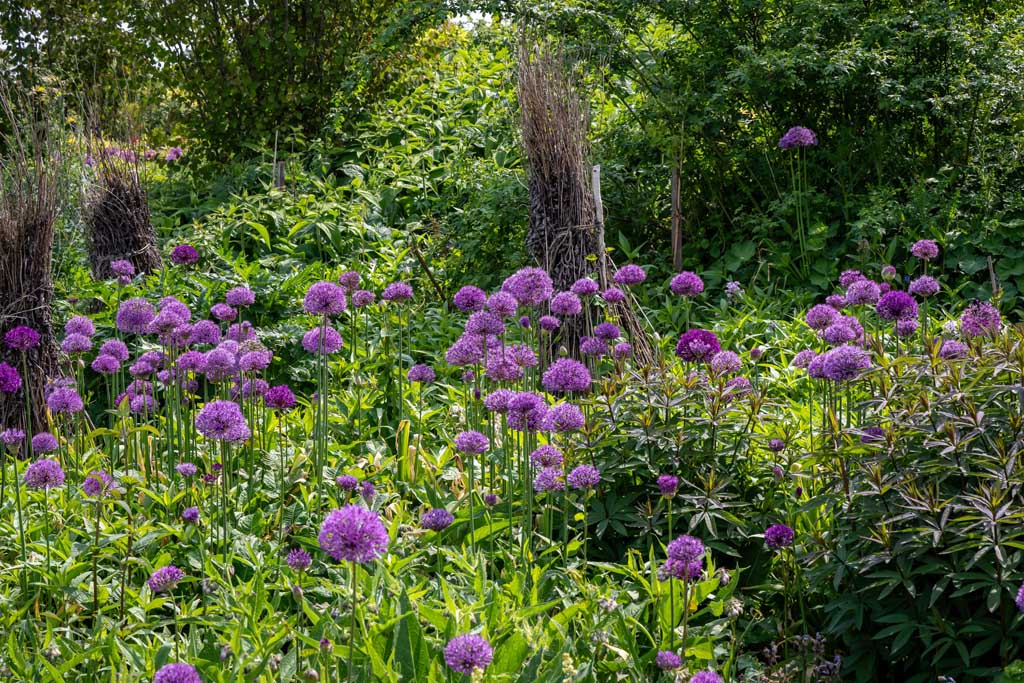
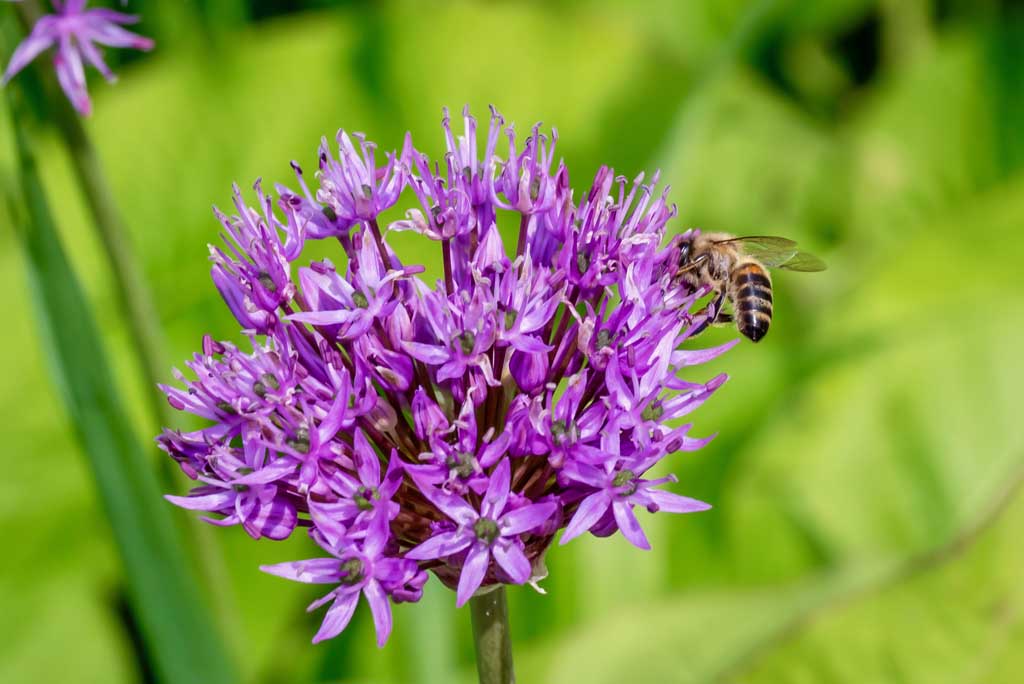
    Painted lady butterfly on allium

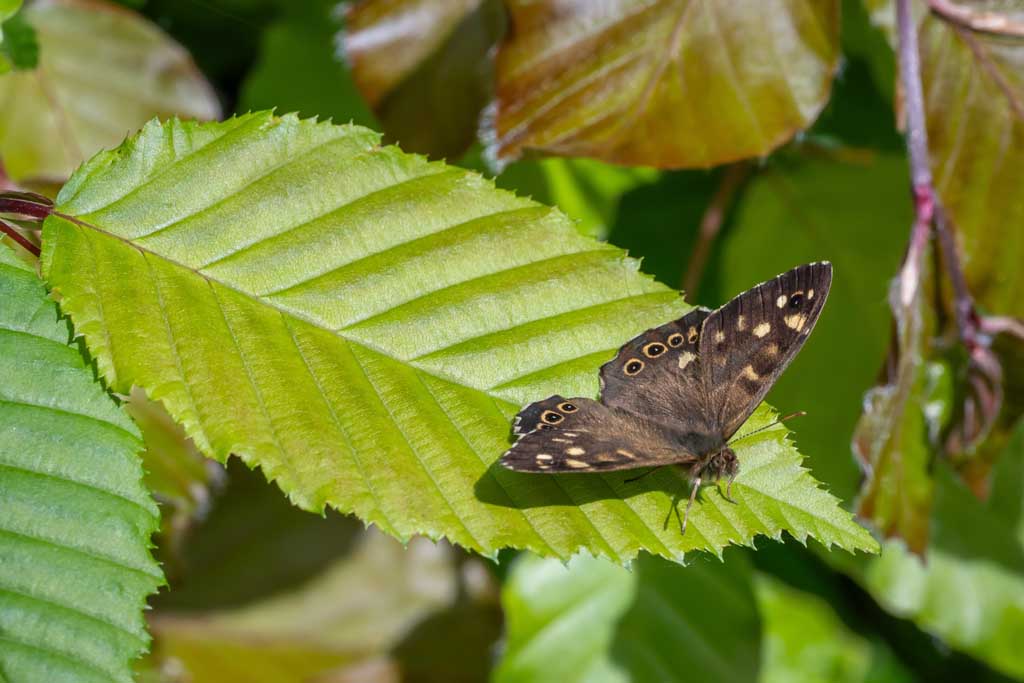
    Speckled wood butterfly on beech hedge

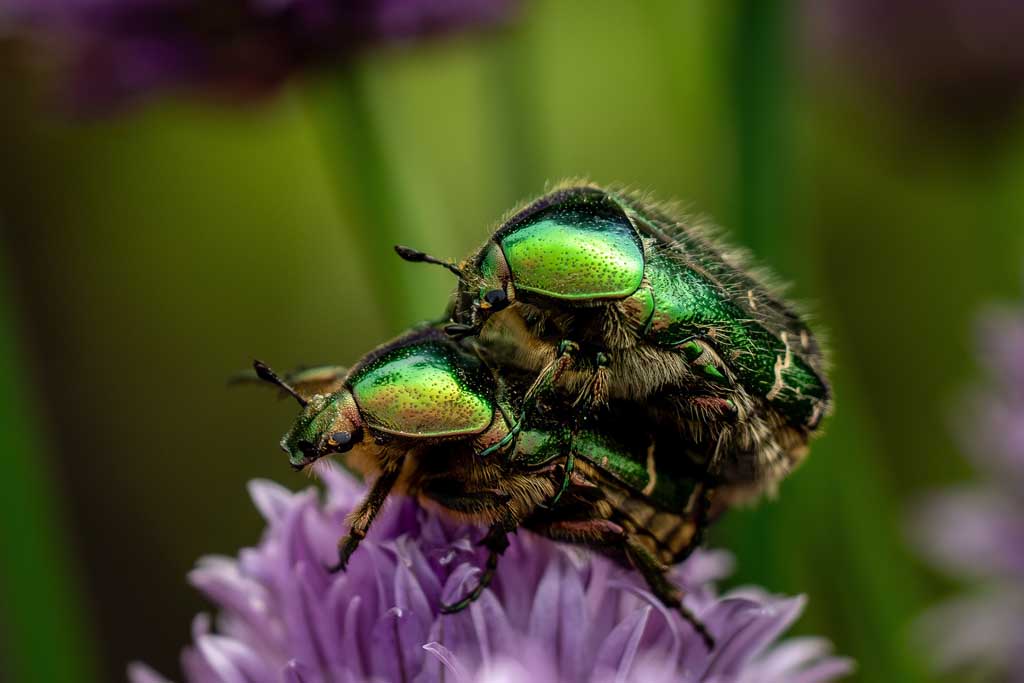
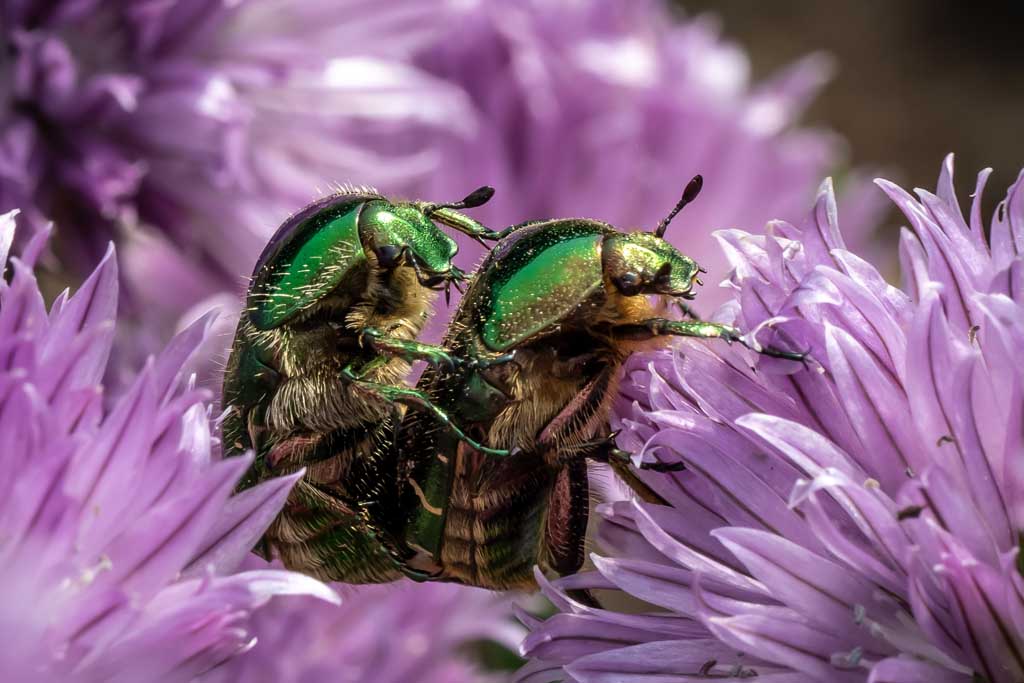
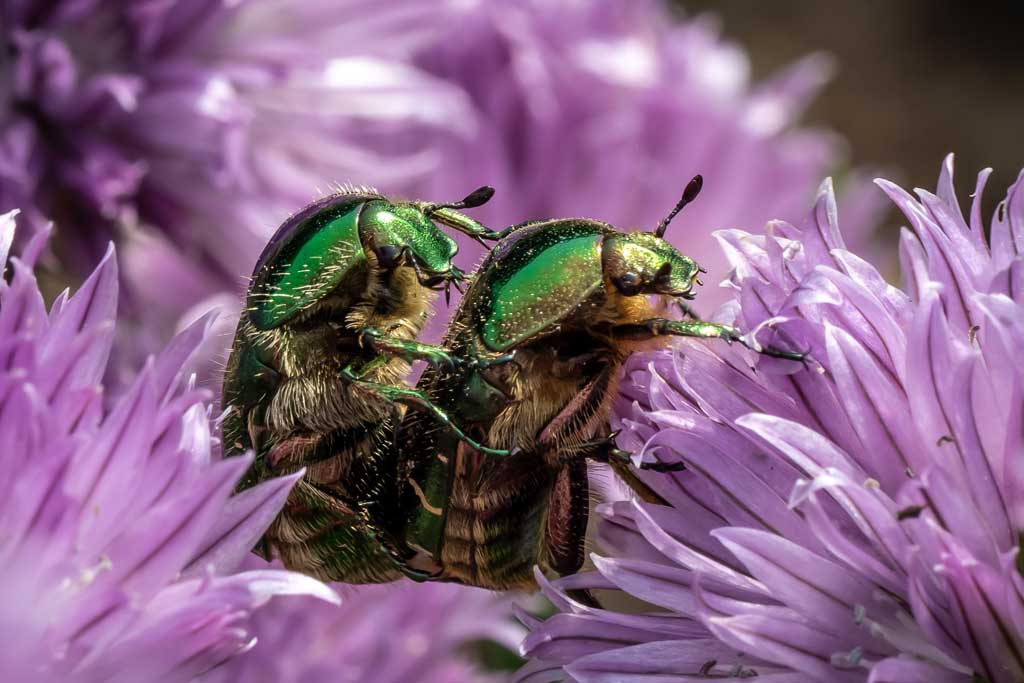
    Rose chafers

    Rose chafers

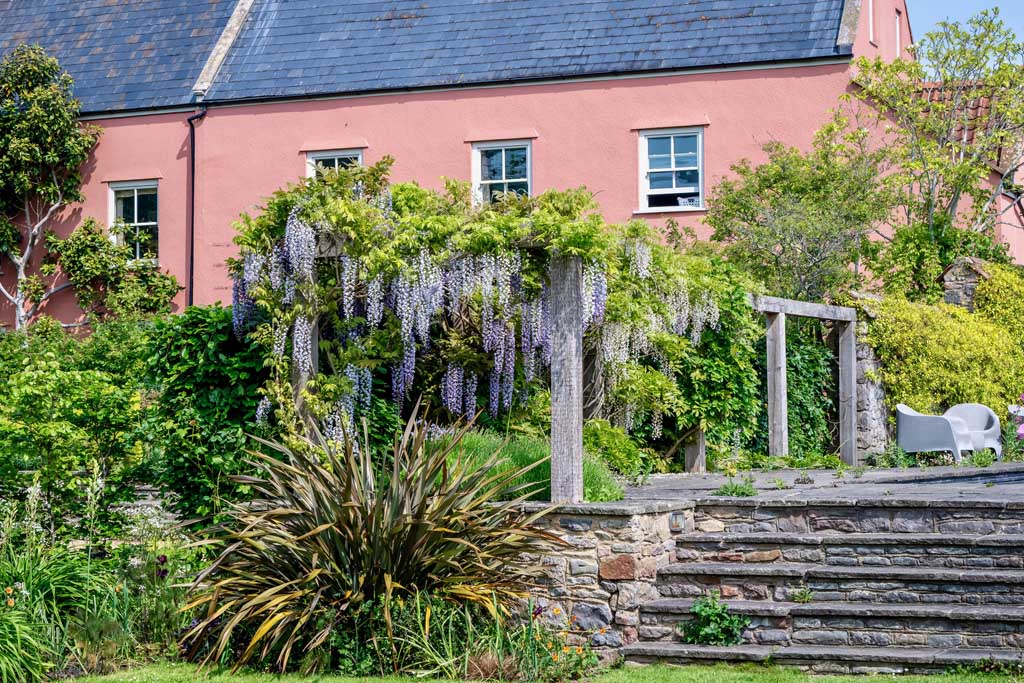
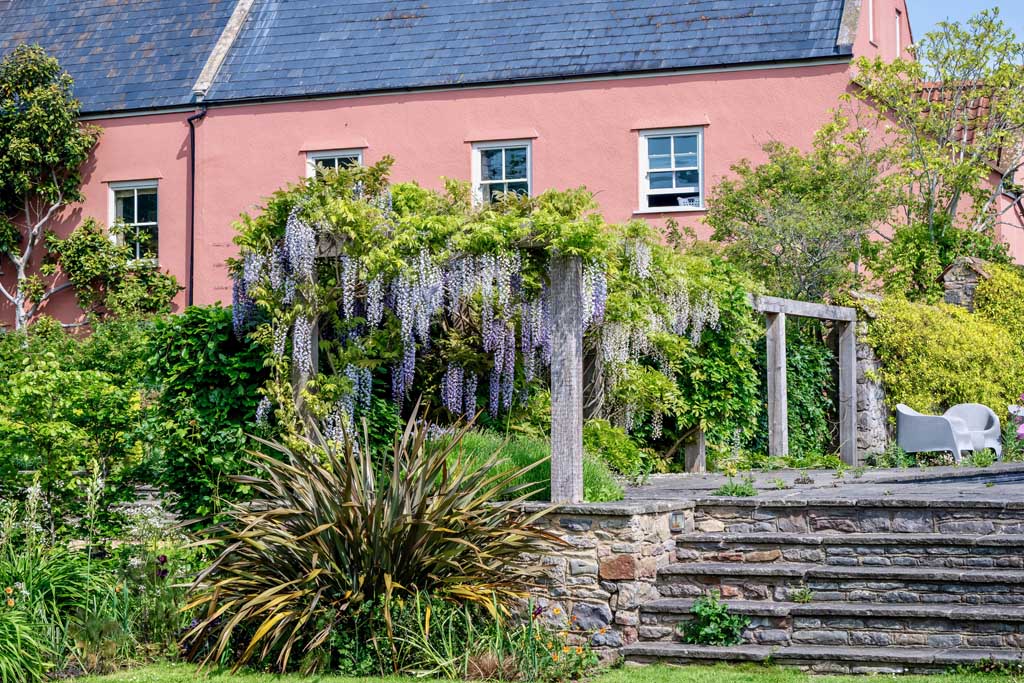
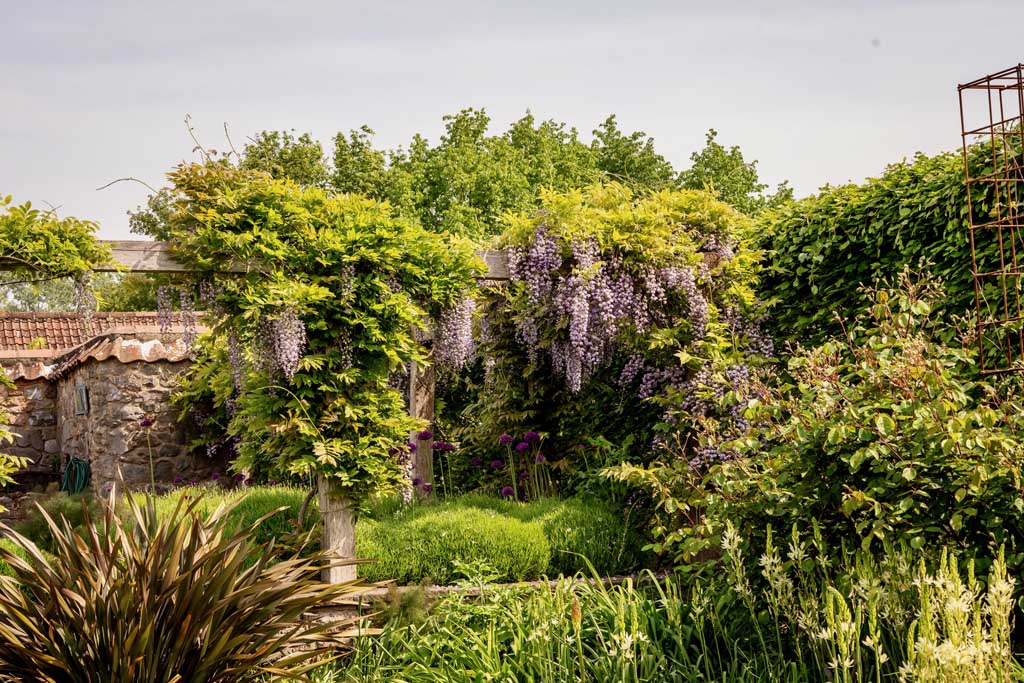
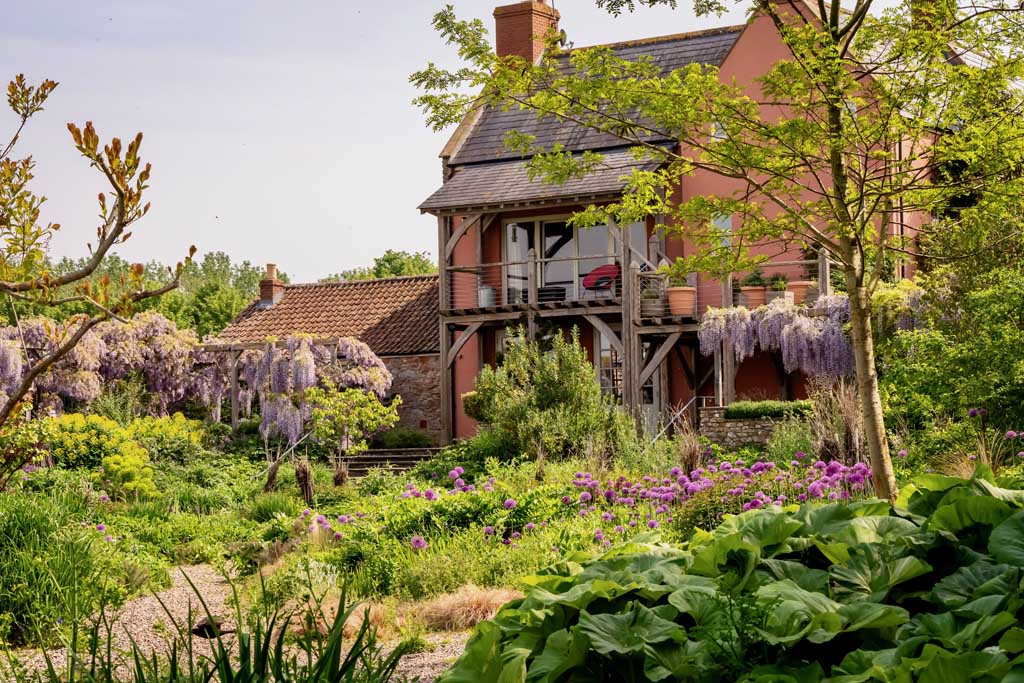
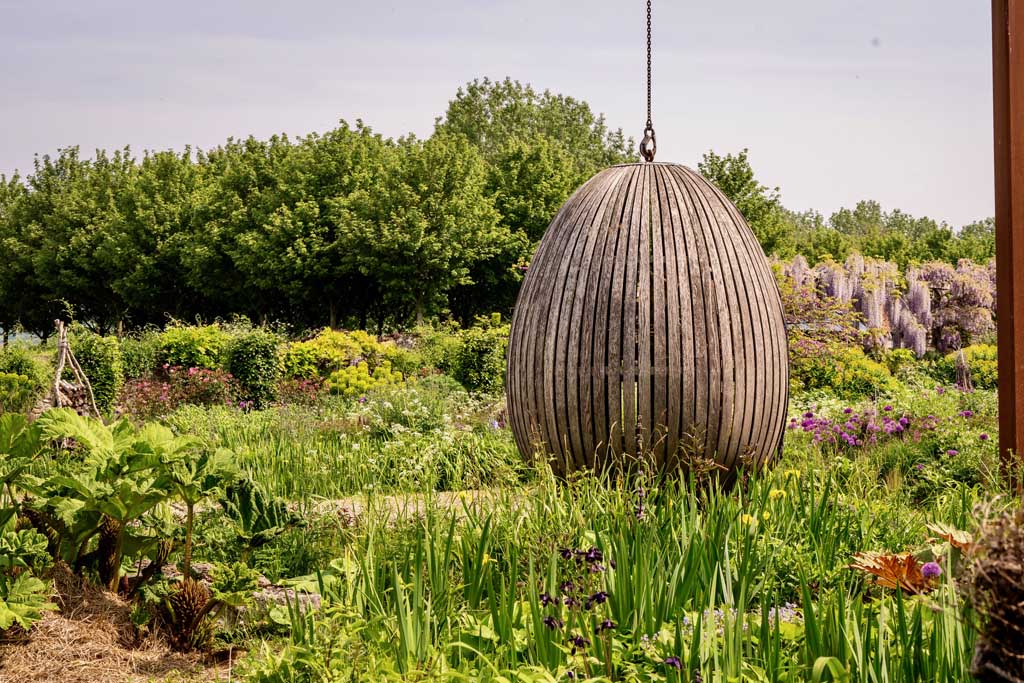
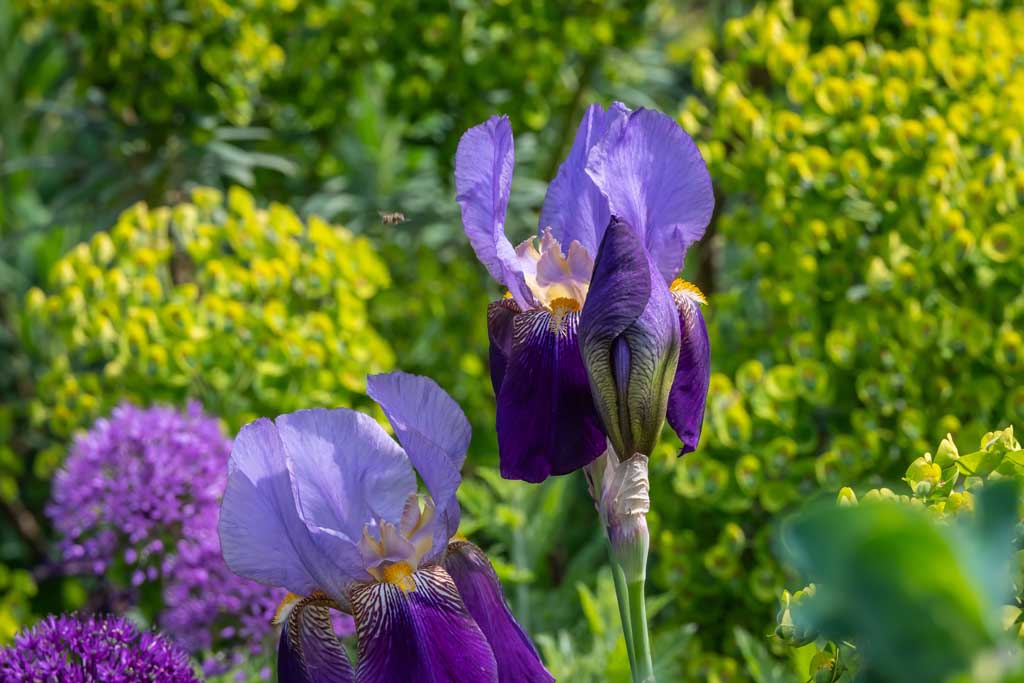
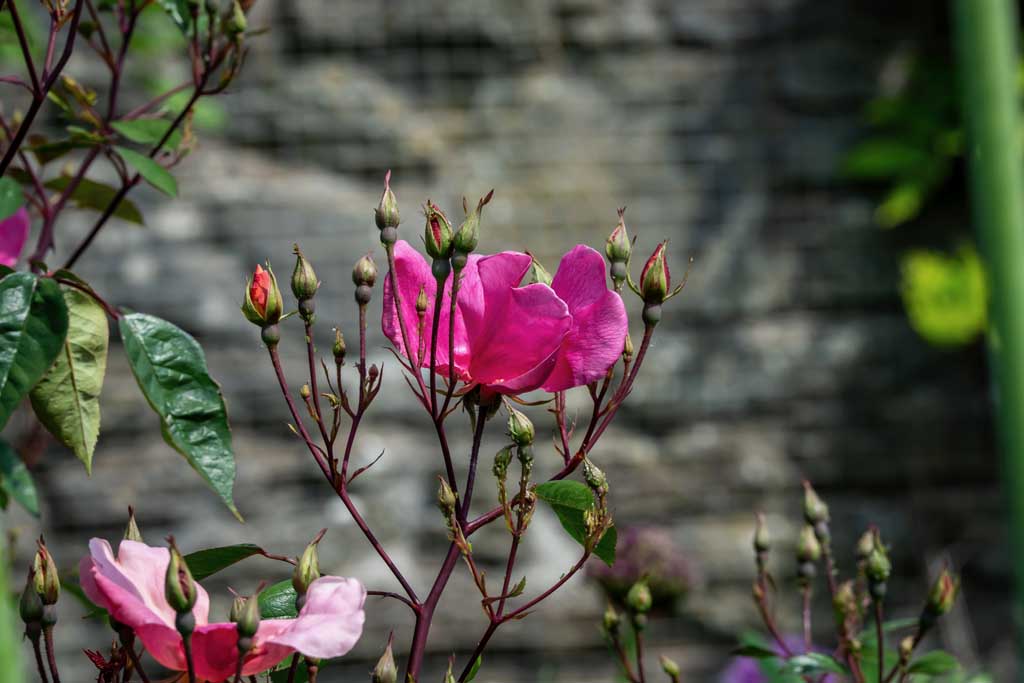
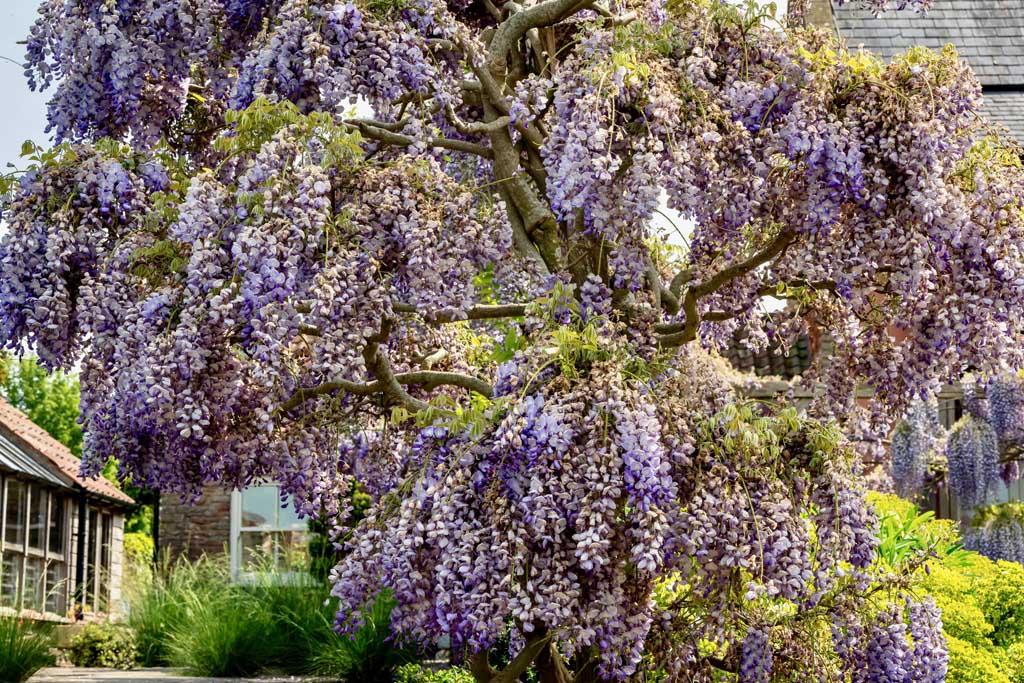
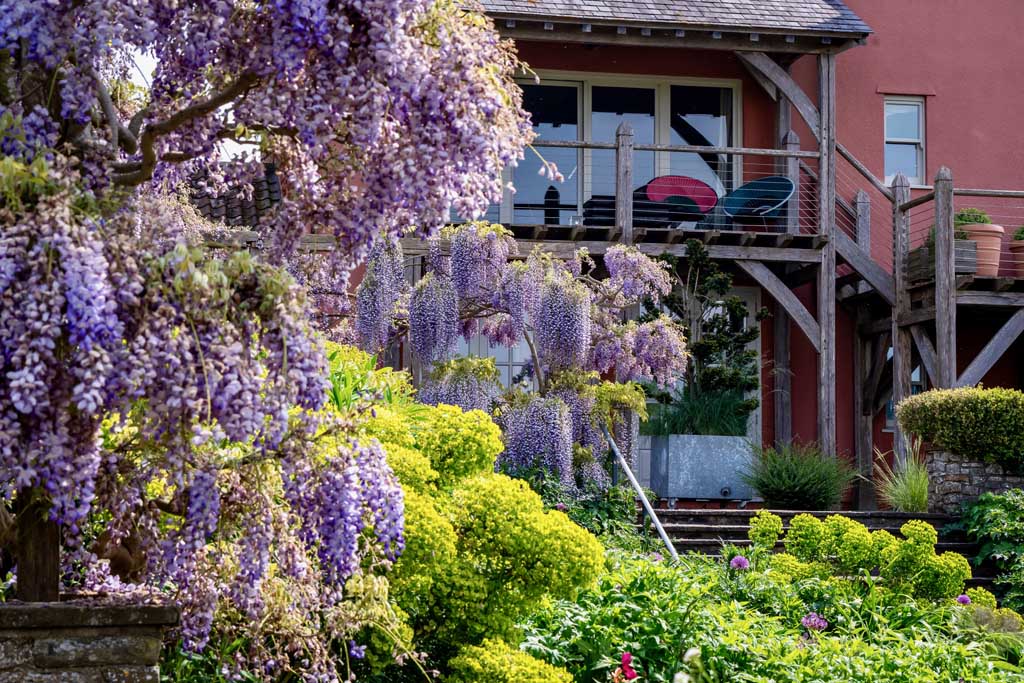
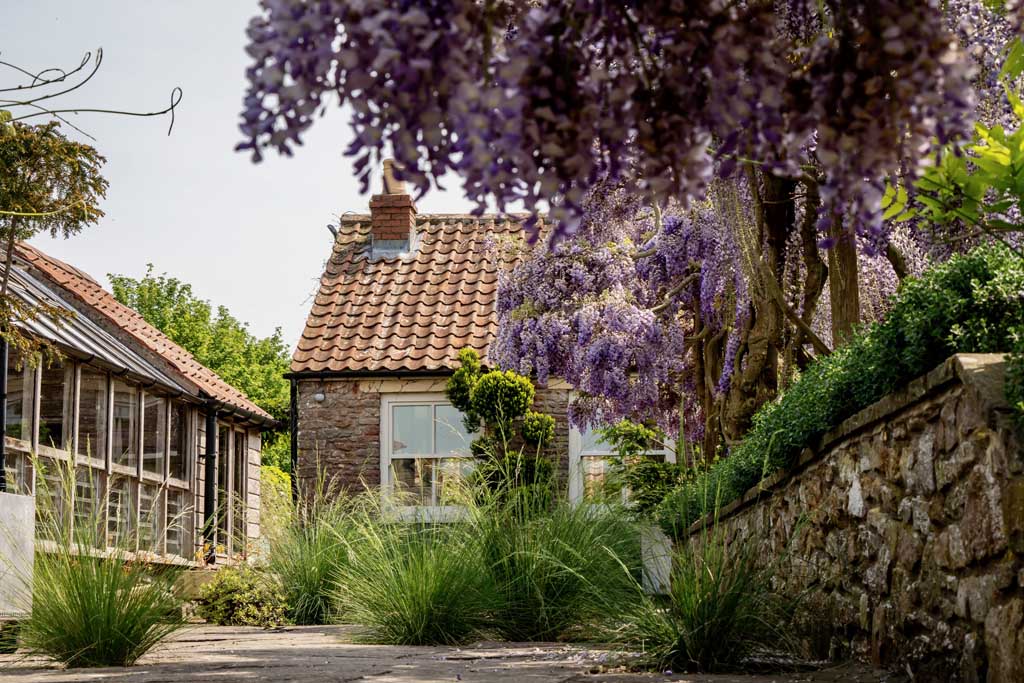
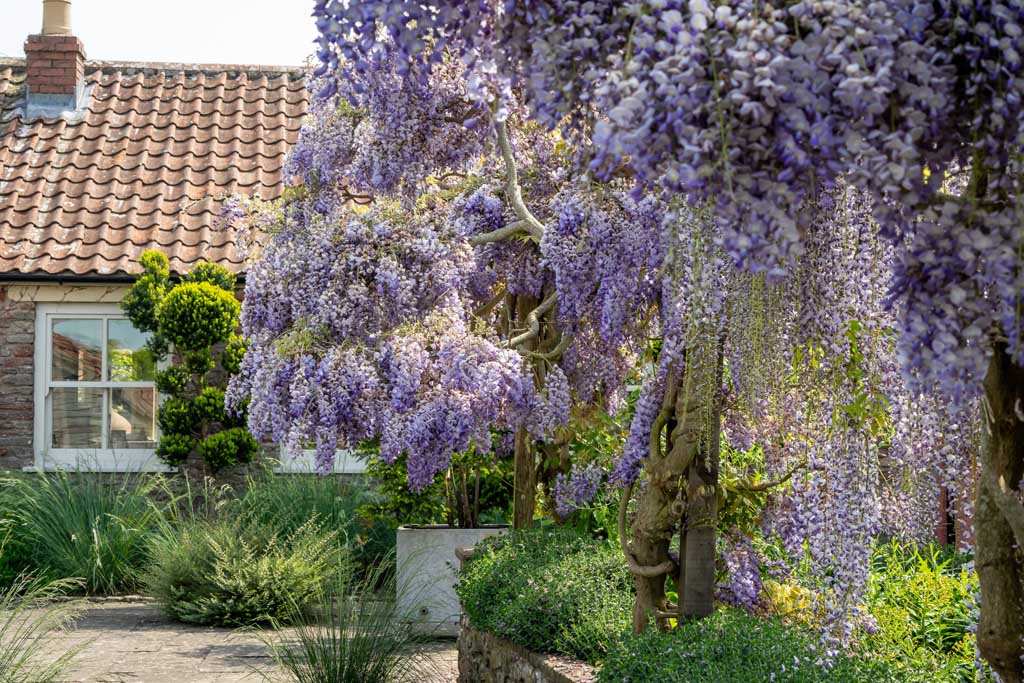
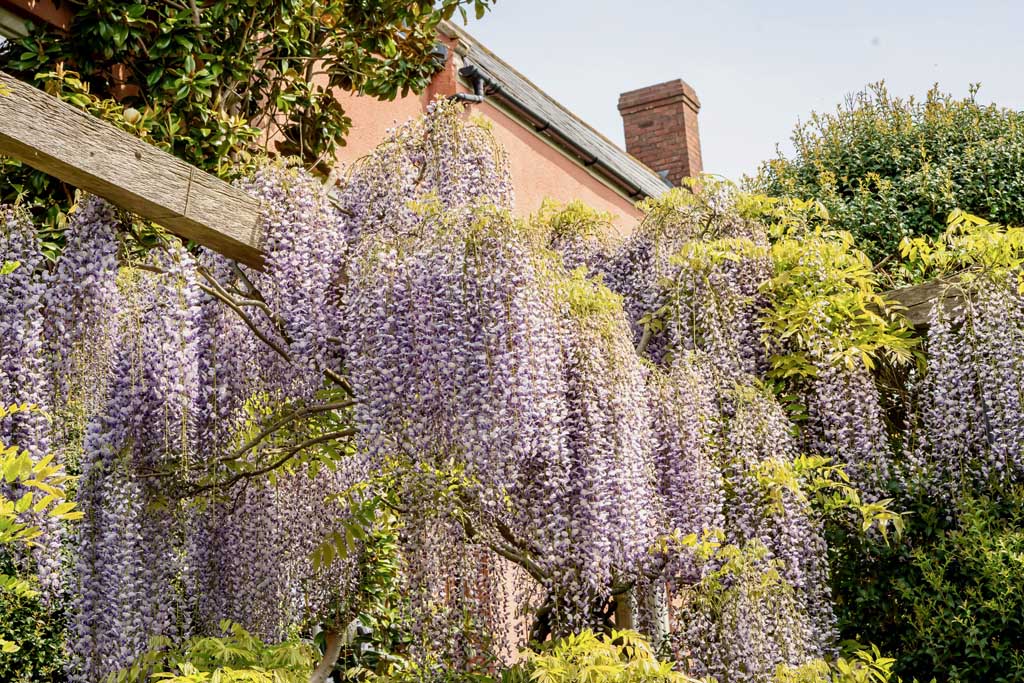
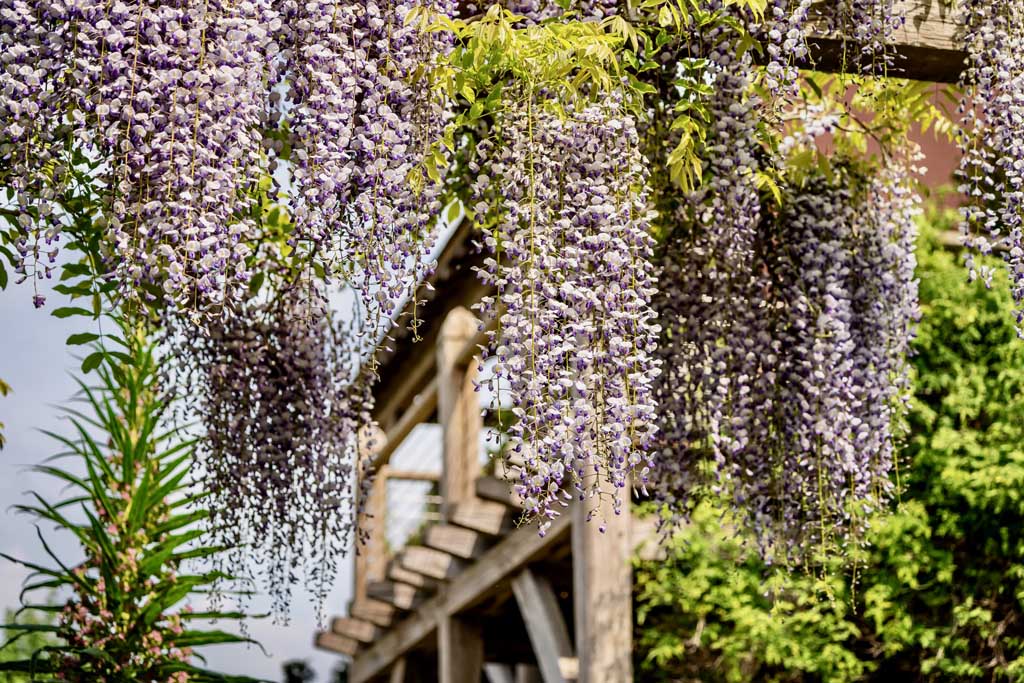
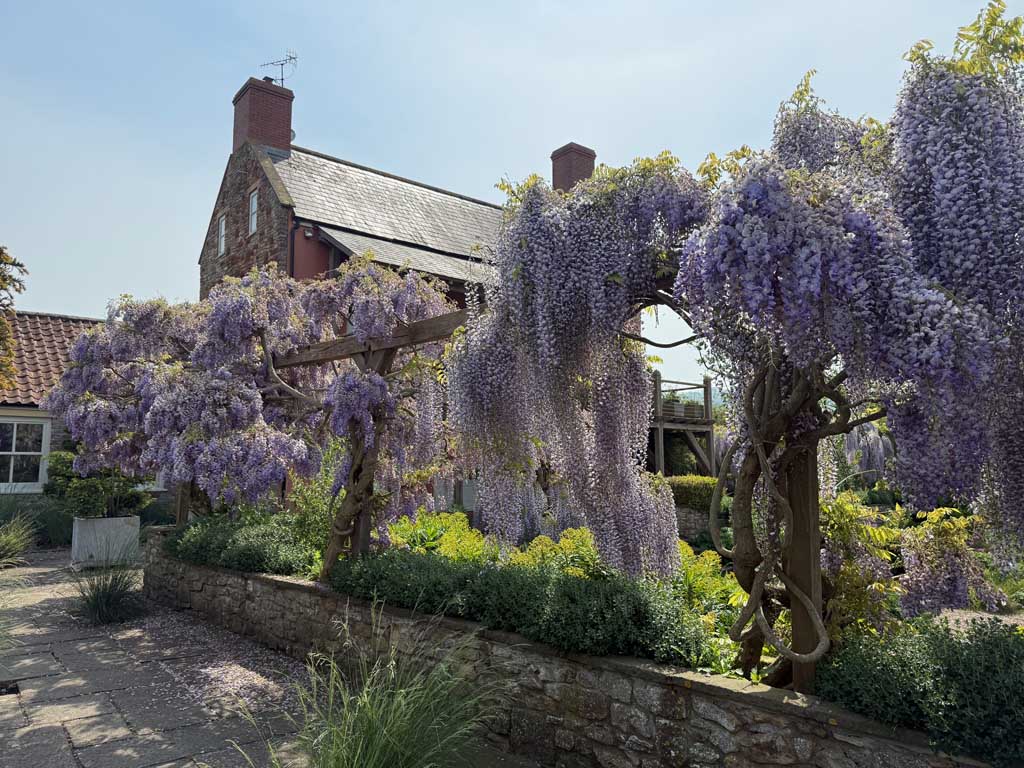
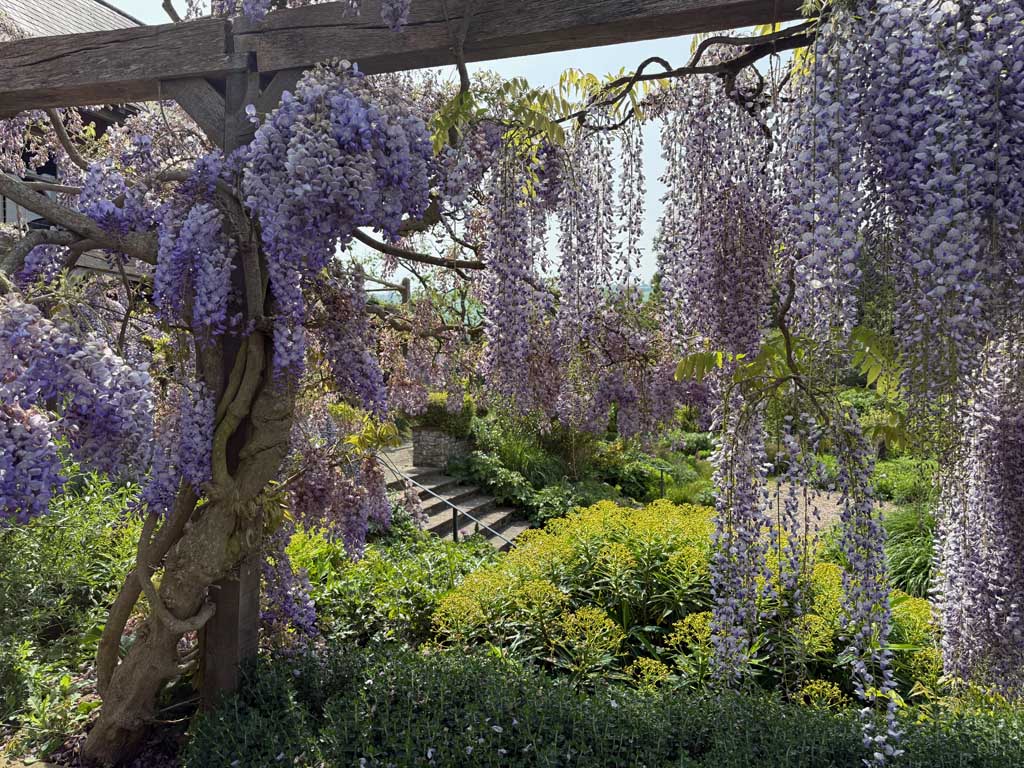
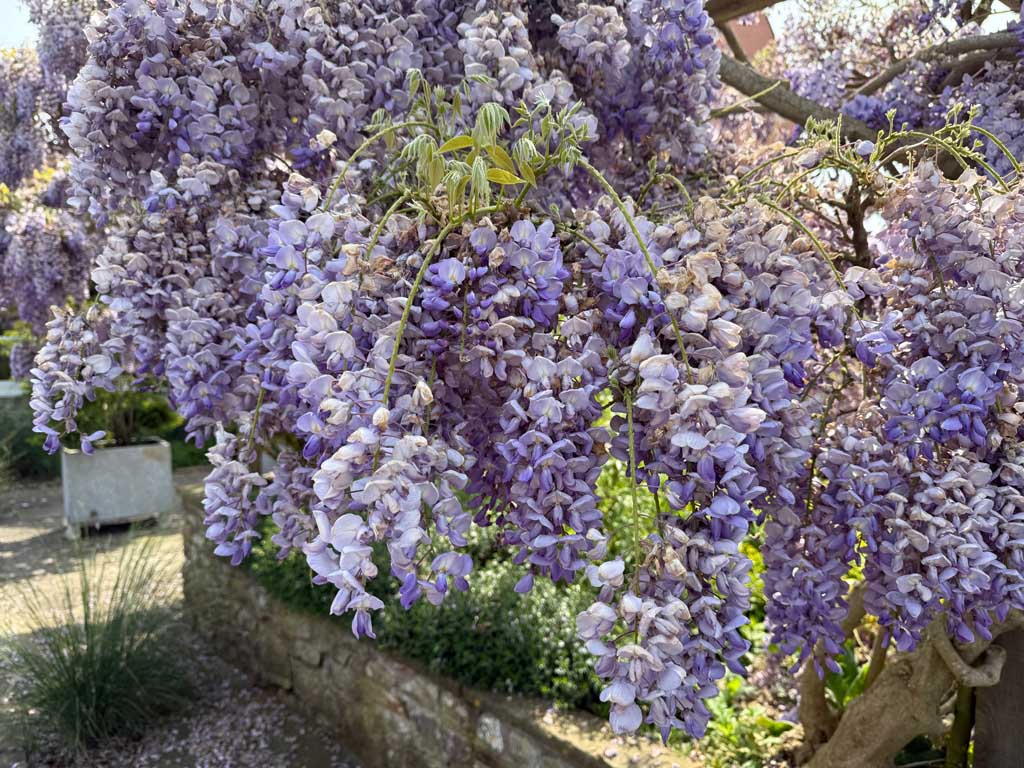
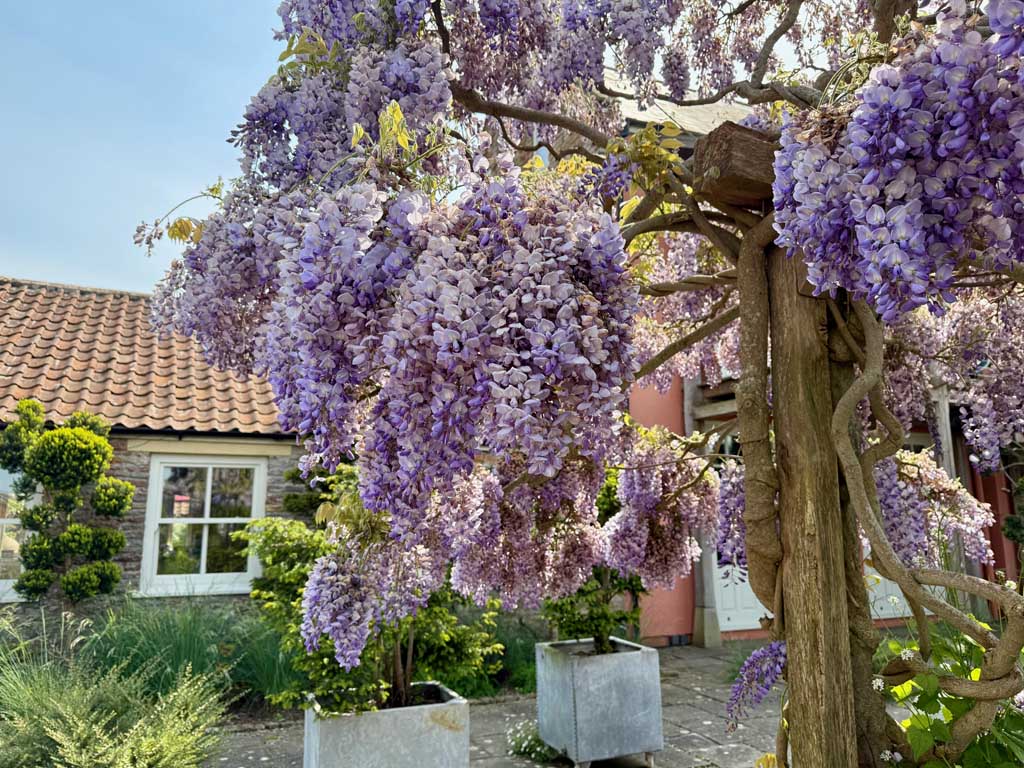
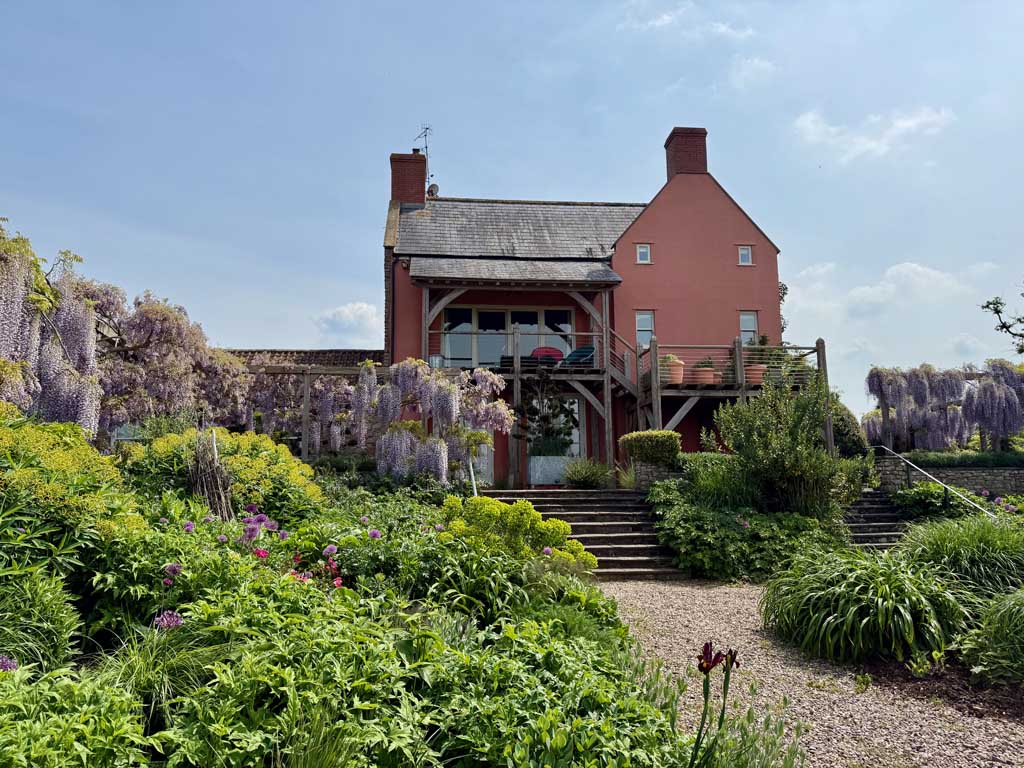
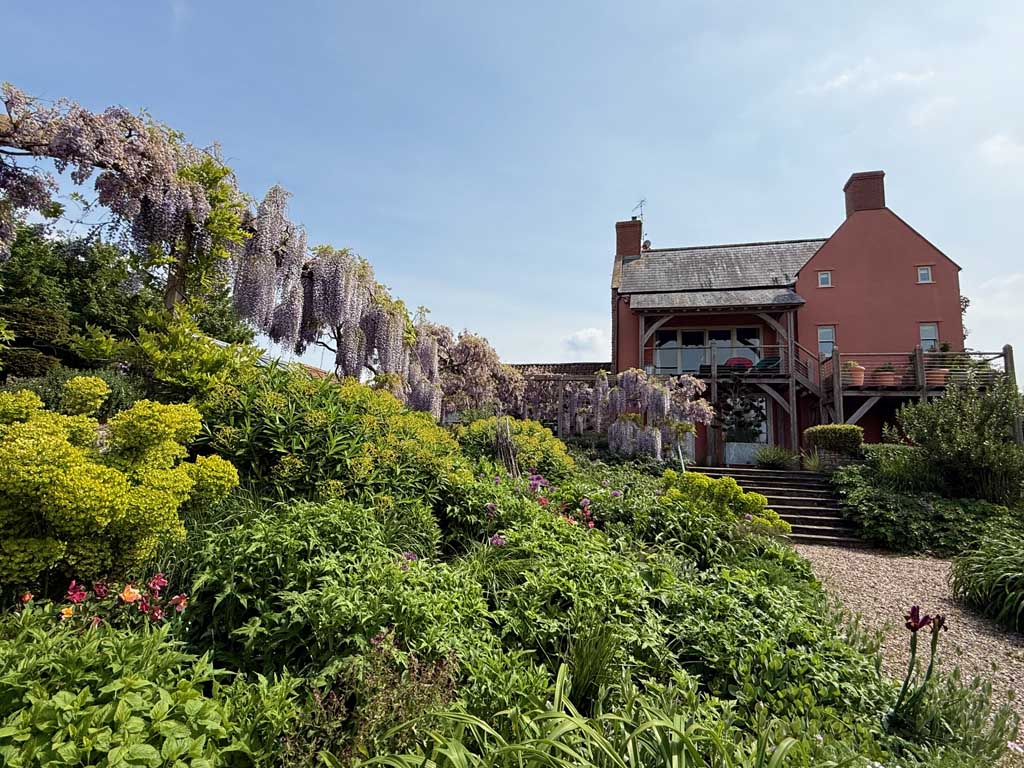
    The wisteria were probably the stand out plants of today

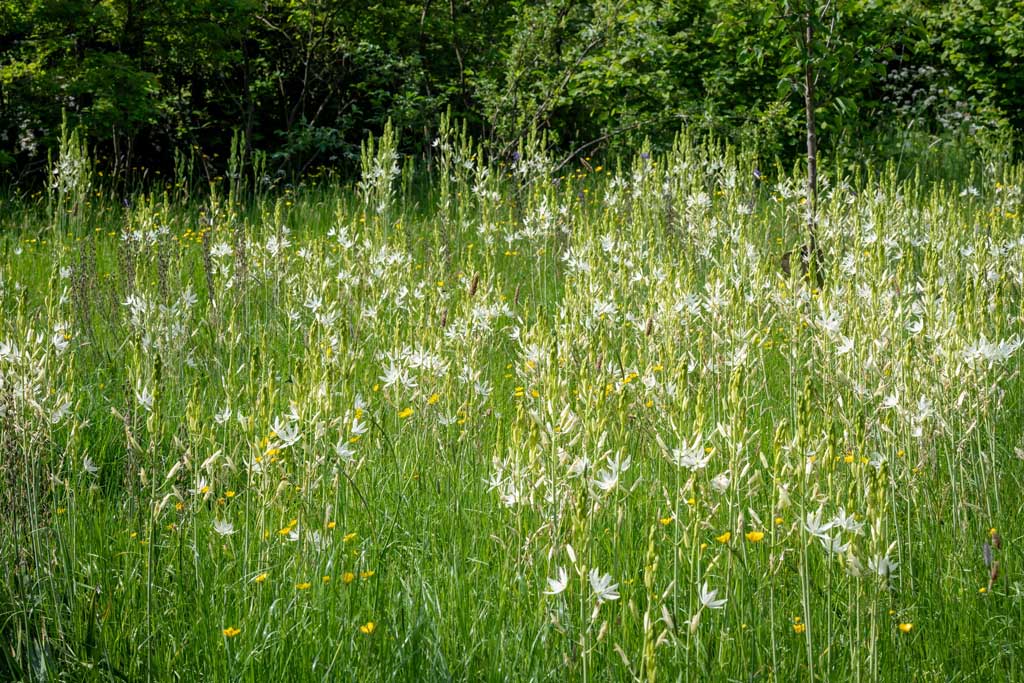
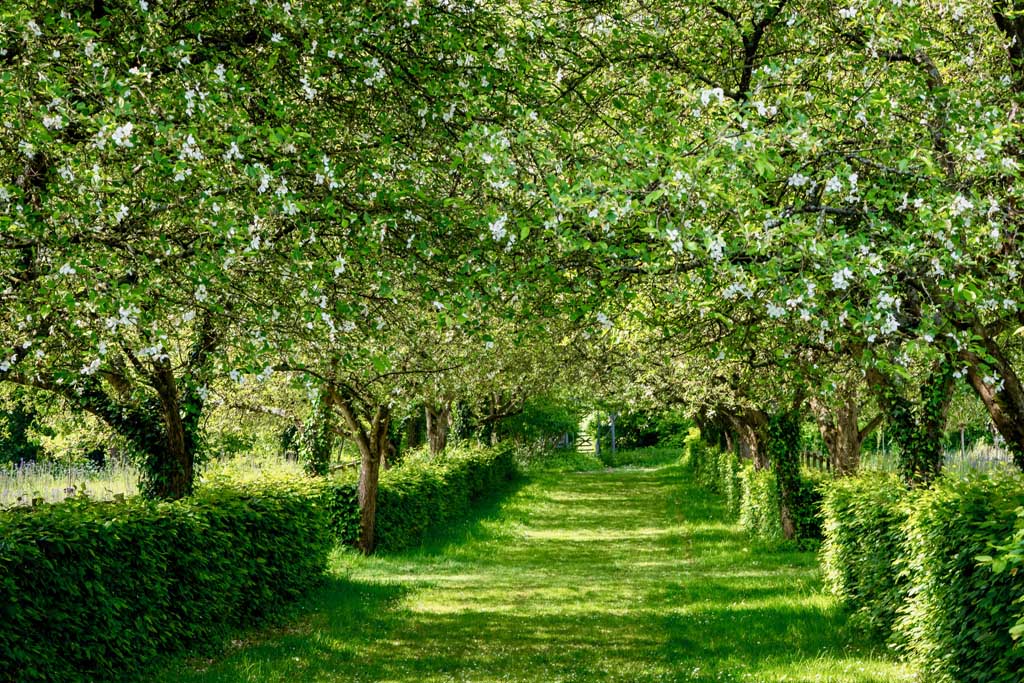
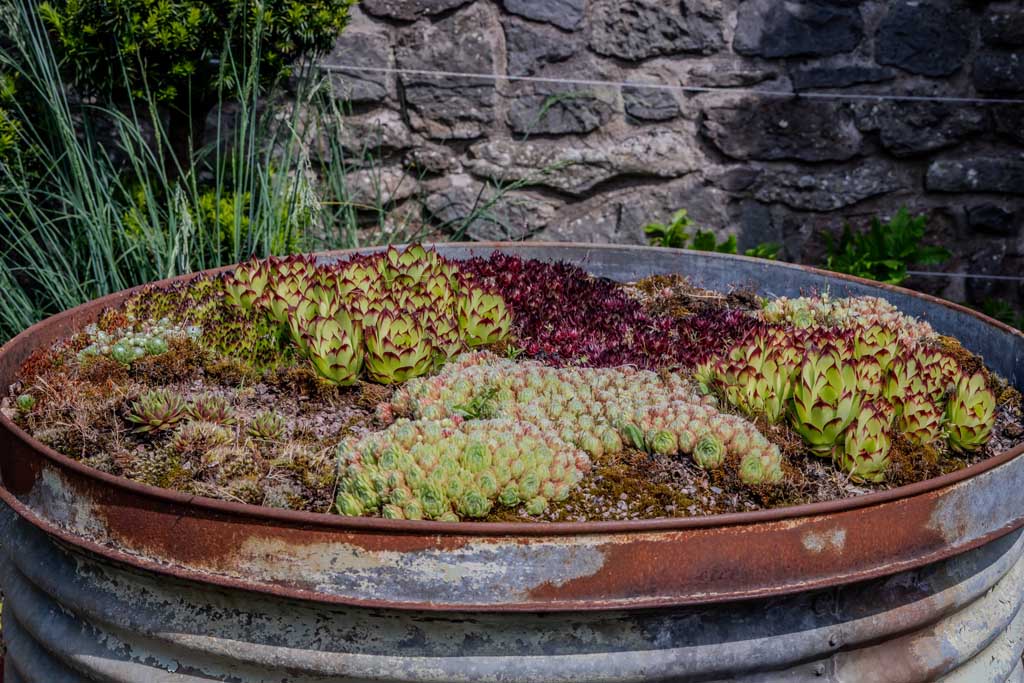
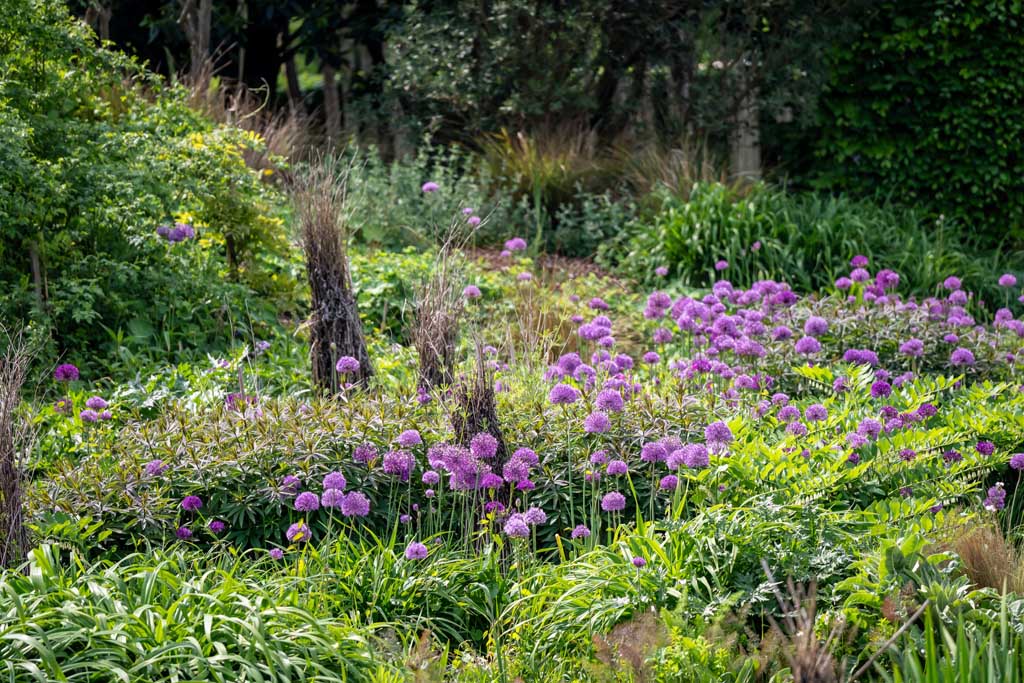
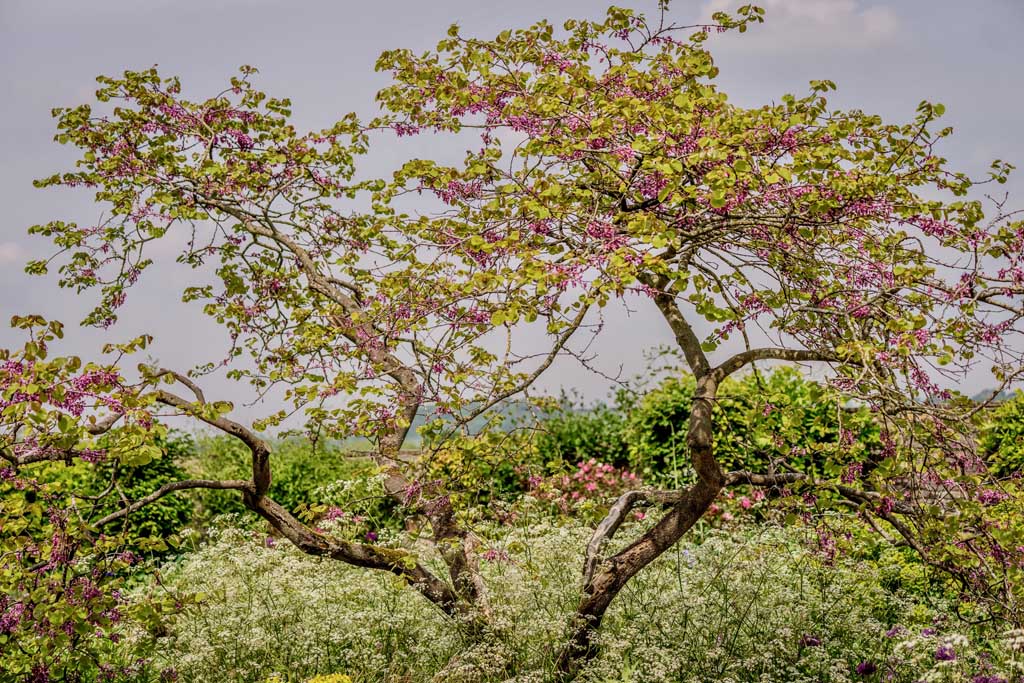
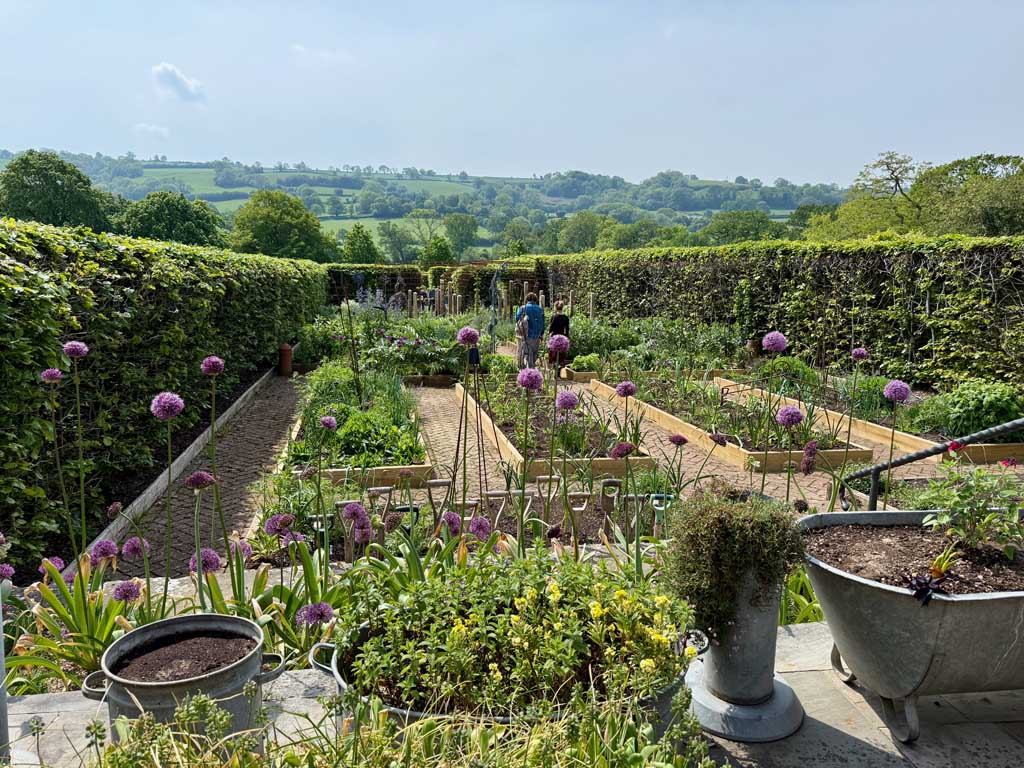
    Selection of photos of some of the wonderful plants in the garden:

  • 23rd September 2025 – Stoke Park Estate, Bristol

    23rd September 2025 – Stoke Park Estate, Bristol

    It was definitely fresher this morning on my walk to the local park.

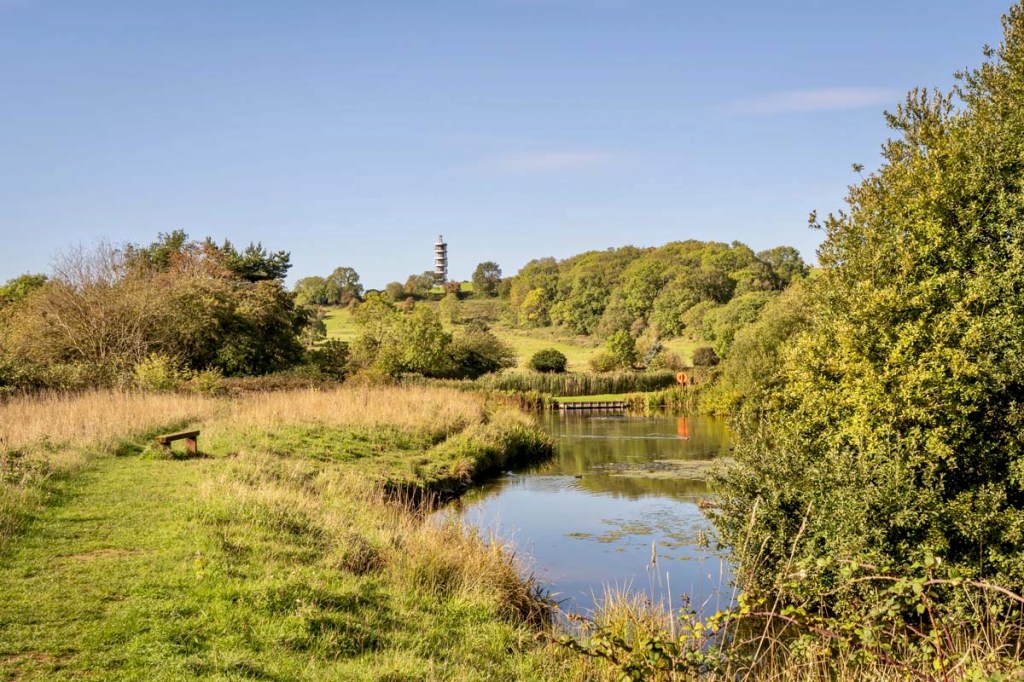
    The annex to the main pond with the telecommunications tower on the hill at the back

    The view away from Duchess Pond with the Dower House on the hill

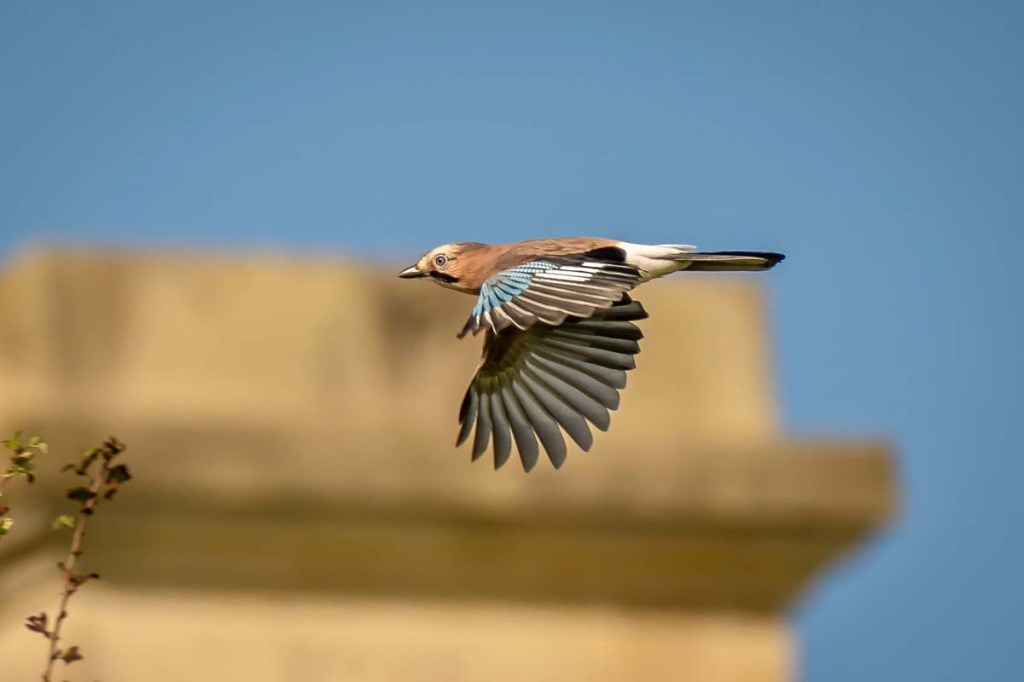
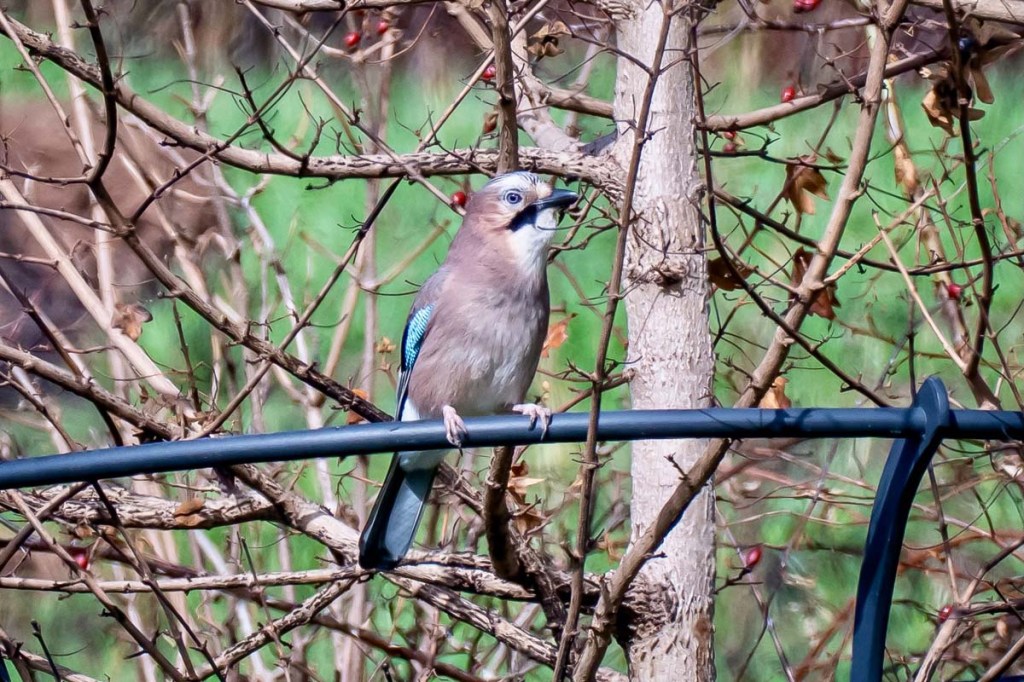
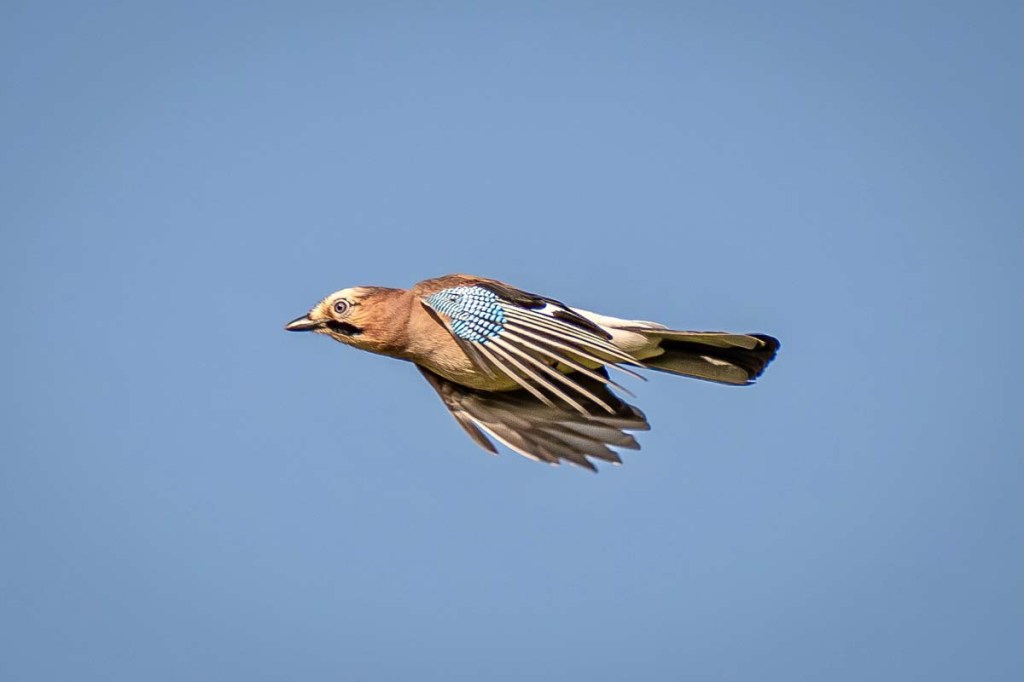
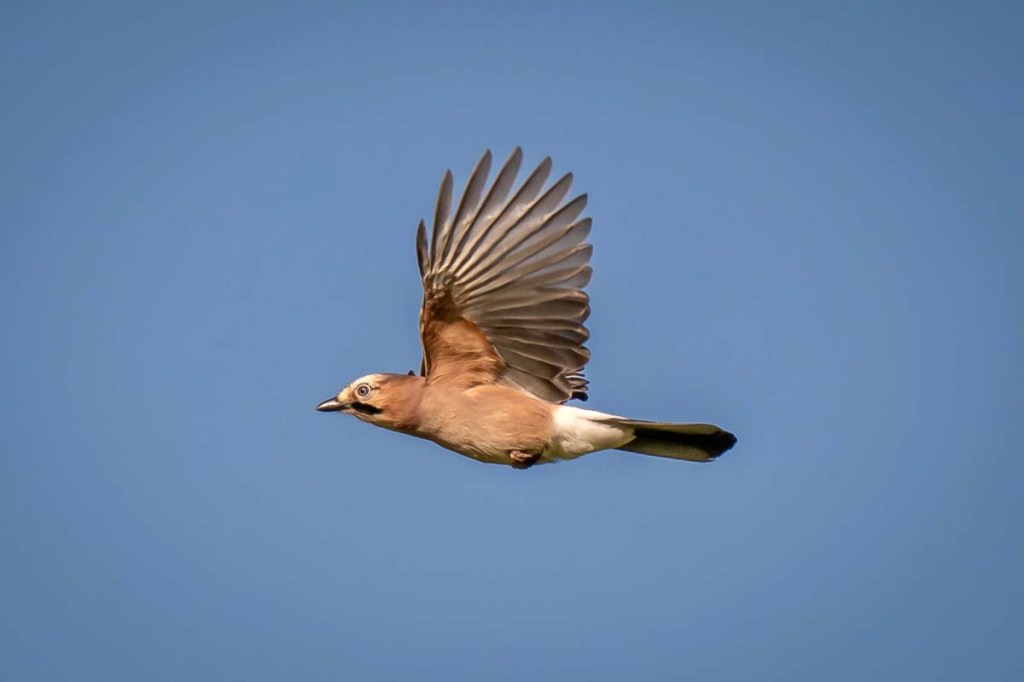
    My highlight was a jay, but I loved watching a sparrow hawk and a pair of buzzards testing each other out.

    Jay

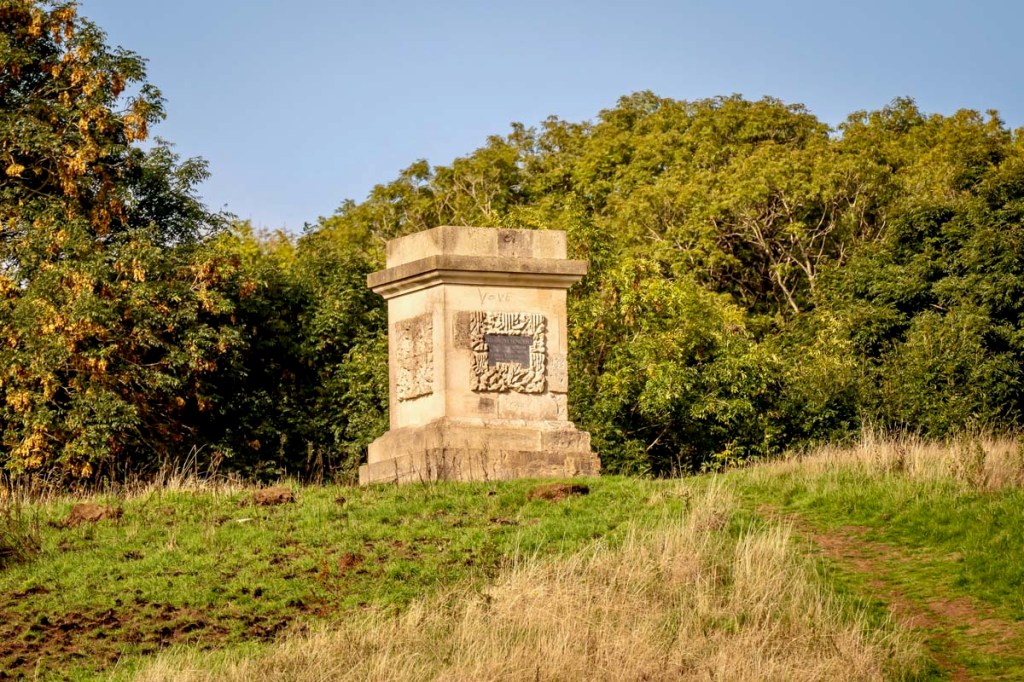
    Jay in flight in front of Lady Elizabeth Somerset’s obelisk

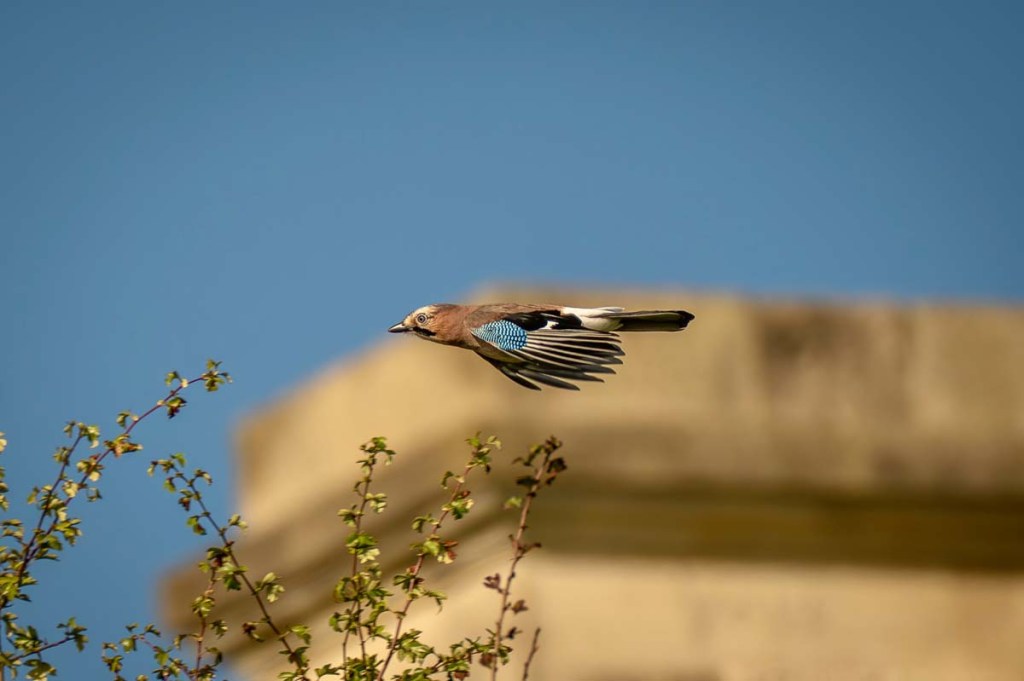
    Jay in flight – down beat
    Jay in flight – up beat

    Lady Elizabeth Somerset’s obelisk overlooking the whole park, the obelisk was erected in 1762. It was built by Thomas Paty. It bears a Latin inscription to the Duke of Beaufort’s niece, whose death it commemorates. She died when she fell from her horse here. It is listed Grade II

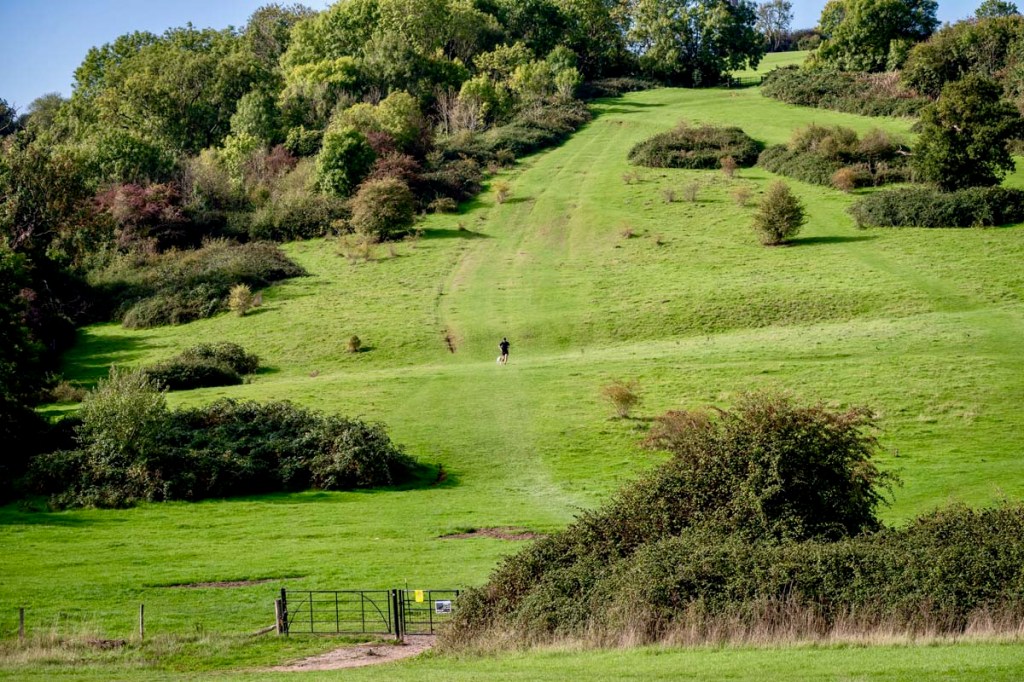
    View from close to the monument
    A delight for walkers and runners
    Sparrowhawk

    One of two common buzzards

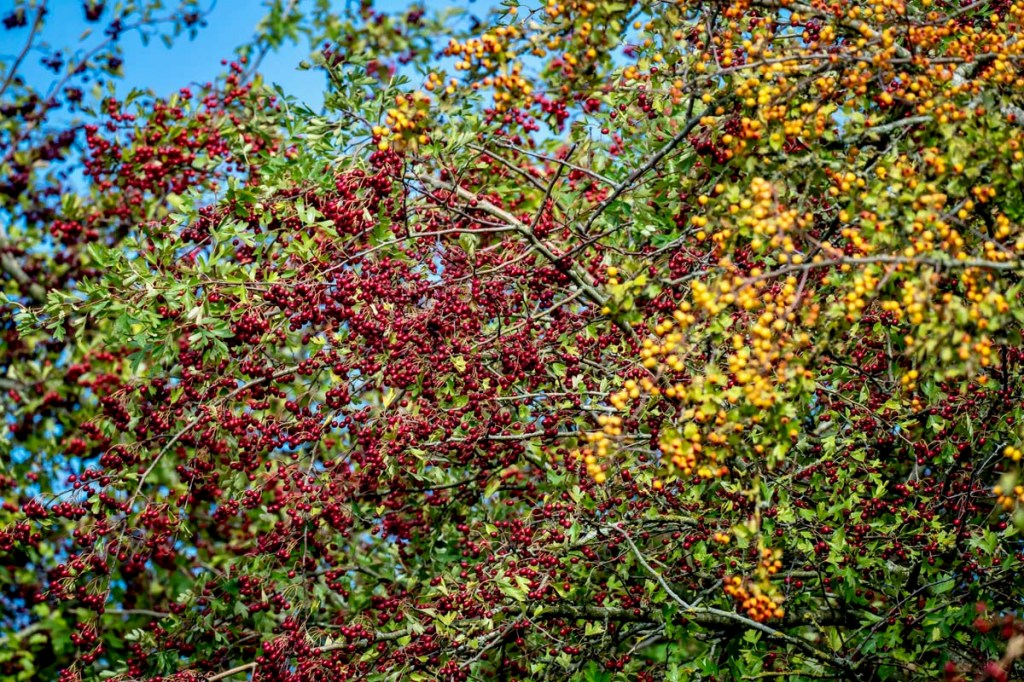
    The autumn colours are beginning to show and the berries on the trees look as though there will be plenty of food for many of the birds this winter.
    The trees on the island beginning to show some colours of autumn

    On Duchess Pond I briefly saw a little grebe (so cute but sadly no photograph) and as well as the mallards, coots and moorhens there was a grey heron and a tufted duck.

    Grey heron flying over Duchess Pond

    Grey heron landing next to the annex pond

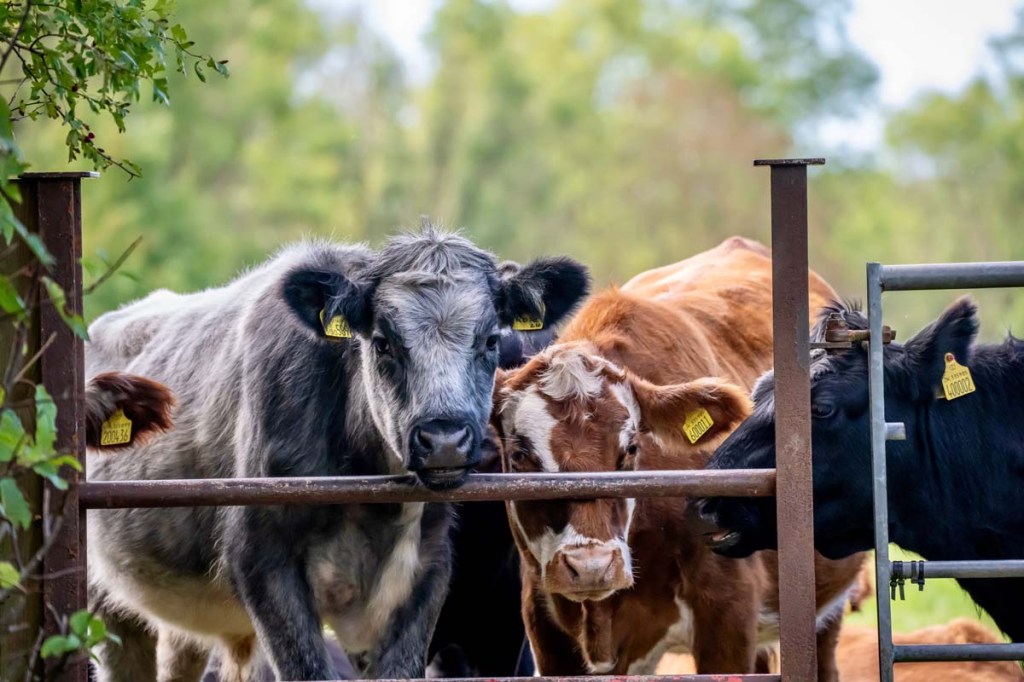
    Cattle looking enviously at the Duchess Pond

    Moorhen straddling the lilies on Duchess Pond
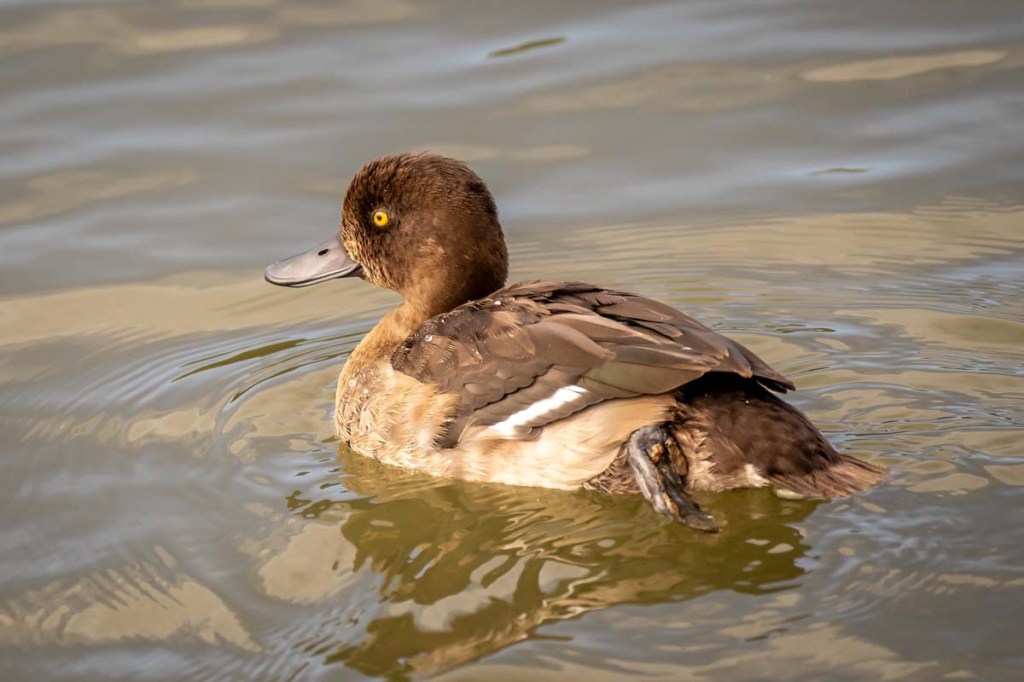
    Tufted duck on Duchess Pond

    Moorhen and reflection

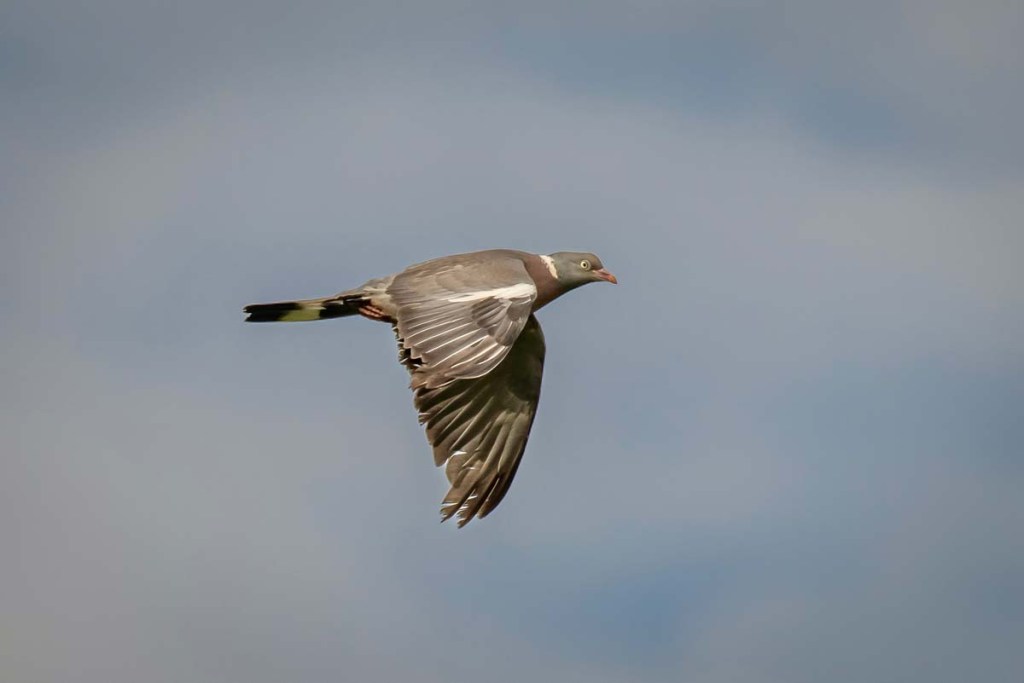
    There are so many wood pigeons around at the moment

    Small white butterfly and bindweed

    Around the pond there were coal tits, greenfinch, goldfinch and chiffchaff but there is still too much cover for photographs.

    I just can’t resist a few more photos of the jay:

  • 19th September 2025 – WWT Slimbridge, Gloucestershire

    19th September 2025 – WWT Slimbridge, Gloucestershire

    What a surprise! Just as we seemed to be moving into autumn we get a late summer’s day. The French call it l’ėtė de la St Martin and we call it an Indian summer, but I’m probably getting carried away as St Martin’s Day isn’t until the 11th November. Anyway it reached 22 degrees in sunny Gloucestershire and, although I was wearing a T-shirt, I wished I was in shorts.
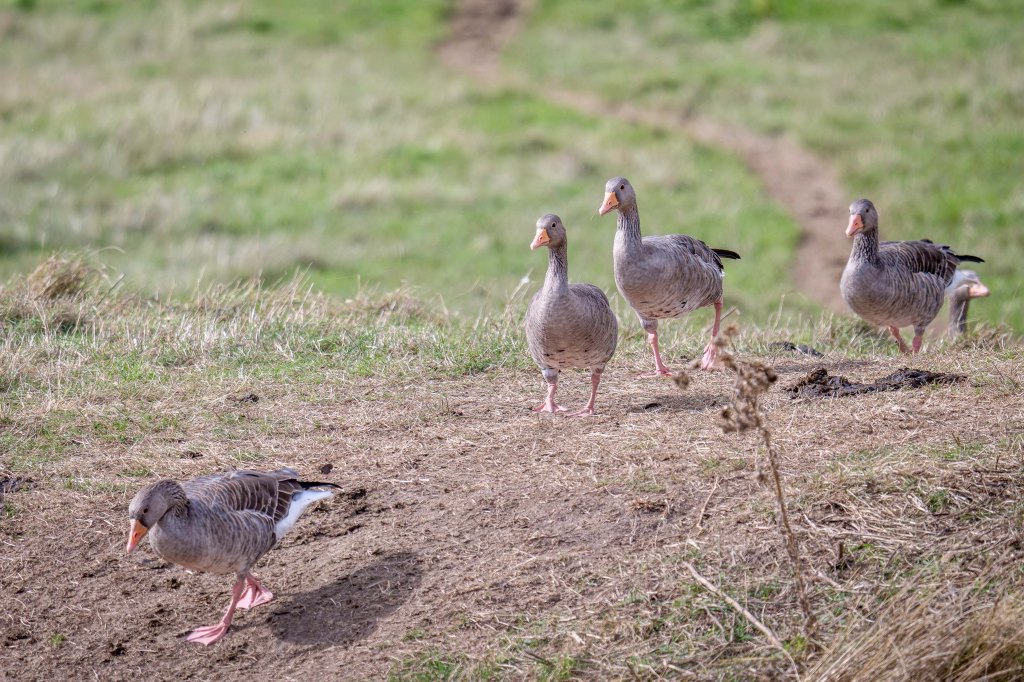
    Slimbridge seemed to be moving on. There were flocks of greylag geese and quite a number of Canada geese too. From our favourite hide there were loads of bar-tailed godwits which were nice to see but difficult to photograph as there didn’t seem to be a focal point. A redshank amidst the group helped a little and then when they scattered from the threat of a peregrine it was easier to pick a focal point. There were some ruff too but very far off. Common snipe are some of our favourite birds but they were quite coy too.

    The highlight of the day was a male grey phalarope (not as attractive as the female) but miles away so don’t hold your breath for any great images.

    A brimstone greeted us on arrival

    There were several big groups of black-tailed godwits like this

    What a beauty – a black swan, certainly no ugly duckling

    Sloes from a blackthorn – think lots of gin!

    Common snipe being very coy

    Black-tailed godwit

    Ruff at the back of the pool

    Lapwings are always present here

    Redshank amongst the godwits

    Redshank jumping for joy

    Godwits take to the air

    Can you spot the grey phalarope? Bang in the middle of my photo with a 400 mm lens and heavily cropped. It looked just as tiny with a x60 telescope. Oh the joys of birding!

    We loved the textiles exhibition too:

  • 29th August 2025 – Chew Valley Lake, Somerset

    29th August 2025 – Chew Valley Lake, Somerset

    A very popular bird watching area local to us is Chew Valley Lake, just a few miles to the south of Bristol. The lake was created in the early 1950s (officially opened in 1956) to provide water for the city of Bristol. I remember at that time standing in the street waving my Union Flag. I hasten to add that this was in no way a demonstration of political affiliation the likes of which we are currently seeing a lot, I was simply lining the street with my Junior School to see Queen Elizabeth II as she made her way to open the lake. That’s what you did for entertainment in those days.

    We last visited Chew Valley on May 16th when, even after a dry start to the summer, the lake was surprisingly full to the brim. We were quite surprised today to see how low the water had dropped over the summer in the very dry spell we have had. Today we had a few showers but I don’t think it would have made much a difference to the water levels.

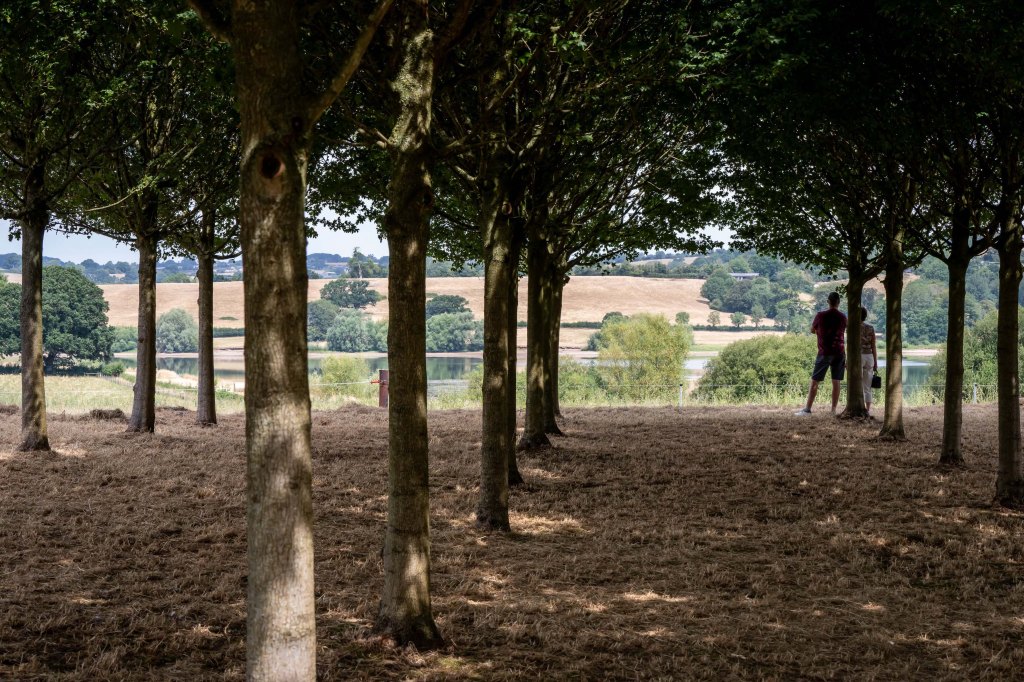
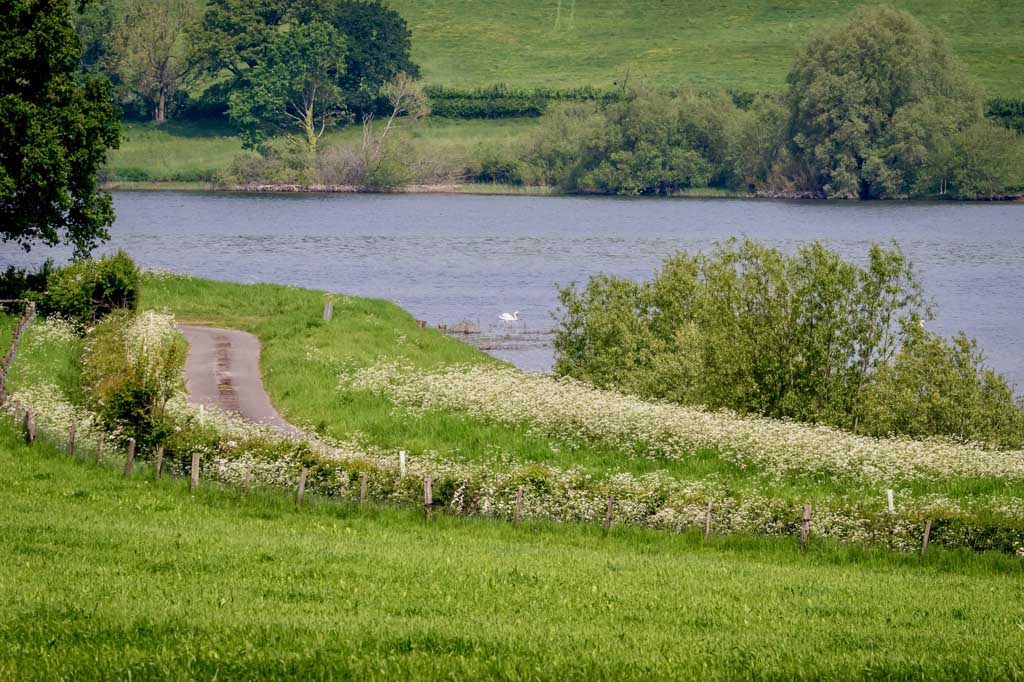
    A distant view of Chew Valley lake (from Herriot’s Bridge) with a chance of rain

    Our main reason for visiting, in fact, is that a white-tailed eagle has been at the lake for the last few days. We had no luck on that score and, as a consequence of the low water levels, we didn’t see that many birds up close.

    Nonetheless, we really enjoyed the scenery and enjoyed another day birding.

    The view from Stratford hide with a peregrine at 2 o’clock (in front of the reeds) and another at 8 o’clock (next to the tree stump)

    A sparrowhawk flying over Herriot’s Bridge.

    A hobby from Herriot’s Bridge

    The view from Herons’ Green – this was totally covered in water in May

    A glossy ibis from Herons’ Green and a greenshank to the left

    Little egrets at Herons’ Green Bay
    You can see how dry it is beneath the black-headed gull in flight

    A small copper butterfly and a painted lady butterfly at Herriot’s Bridge

    We were told the white-tailed eagle was on the island at the back of my photo – I know they are big as we have seen them in Scotland but I don’t think even a very good telescope would have helped

    At least we got to see some birds up close – here a cormorant at Herriot’s Bridge

    … and here an African Grey Parrot whose owner brings it here regularly to take the air – this is England after all!