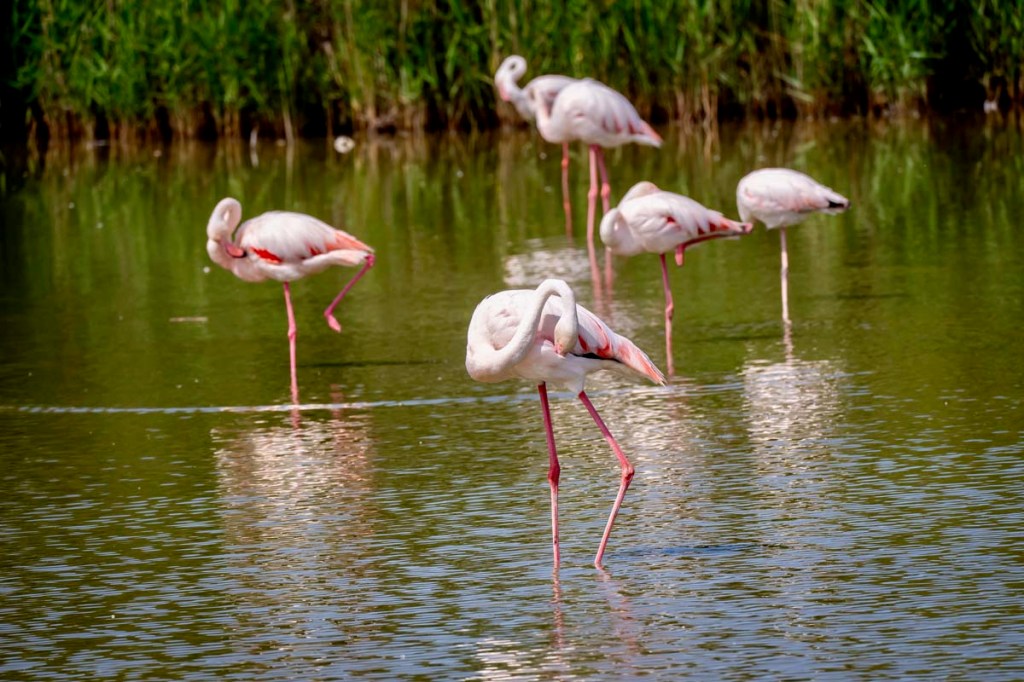
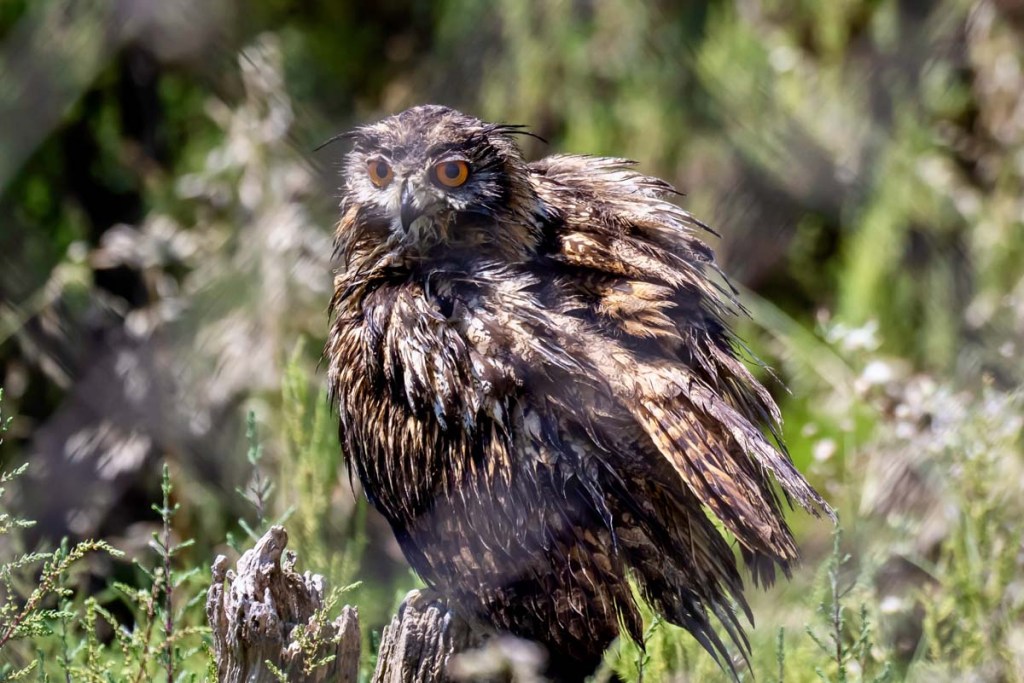
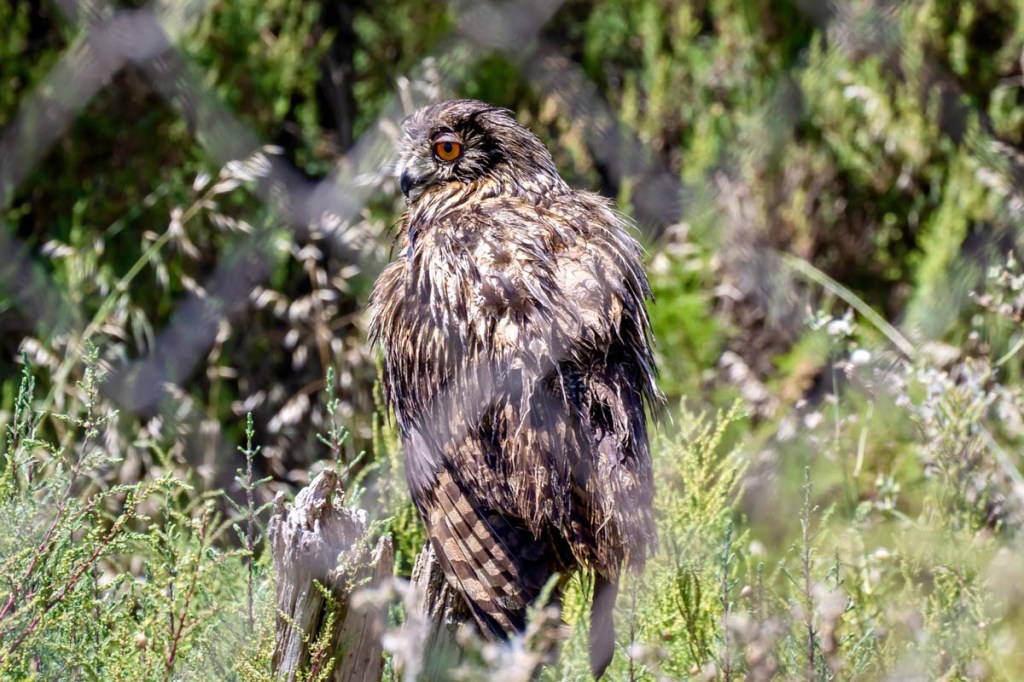
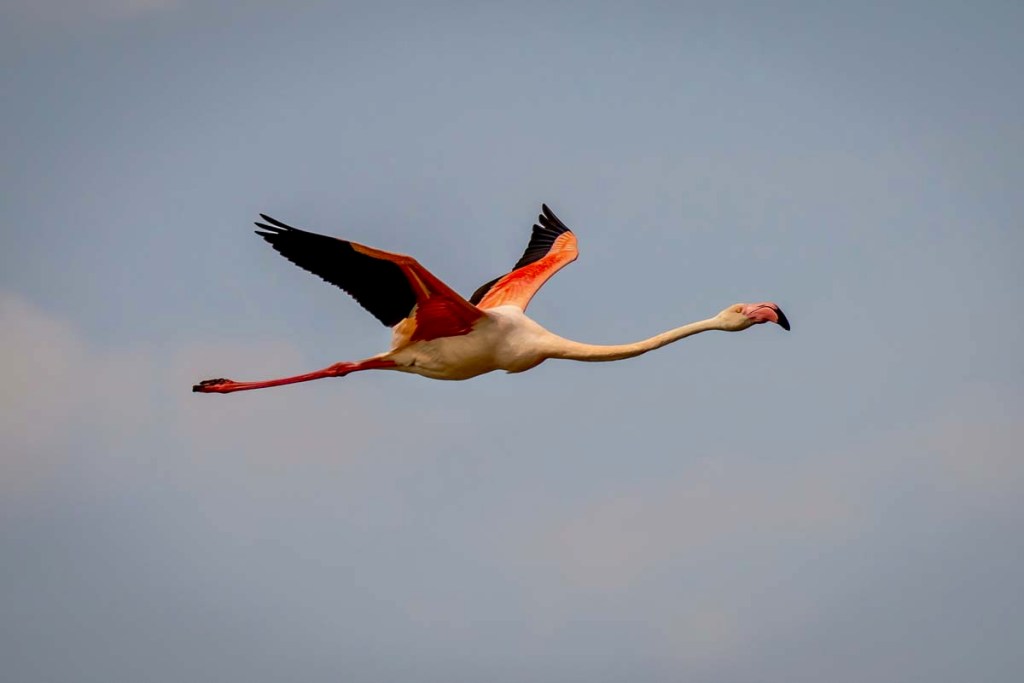
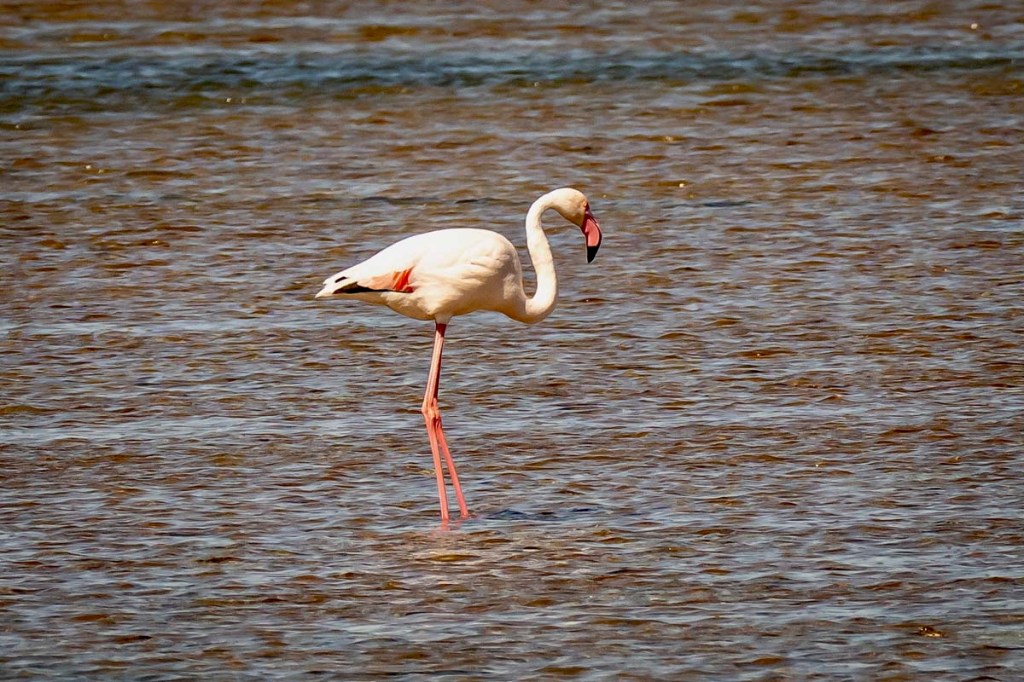
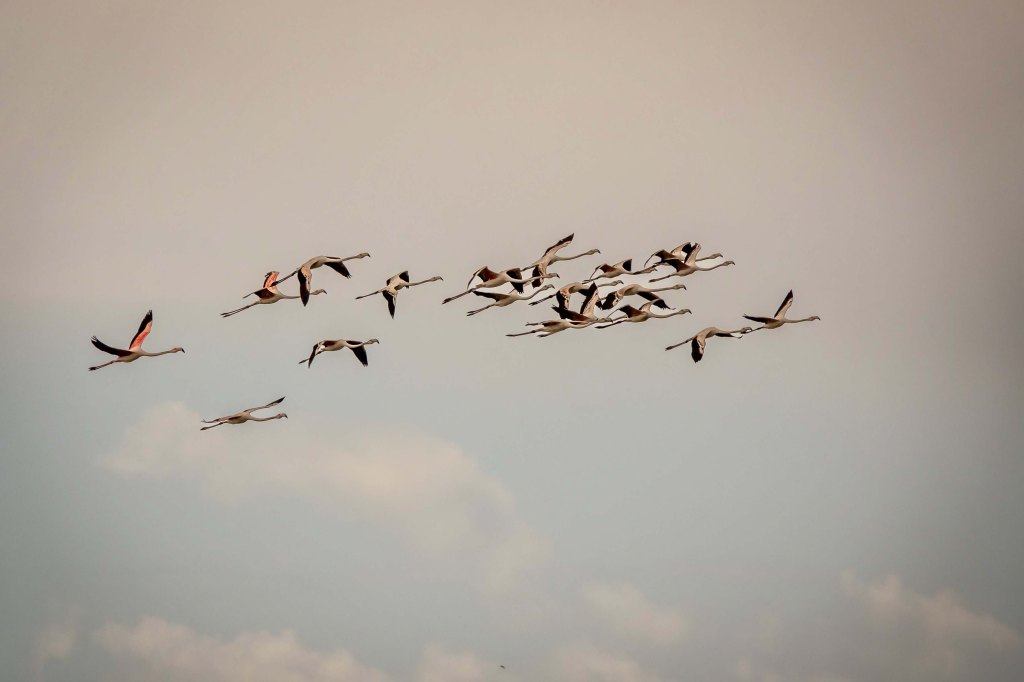
More amazing photo opportunities today at the Parc Ornithogique de Pont de Gau.
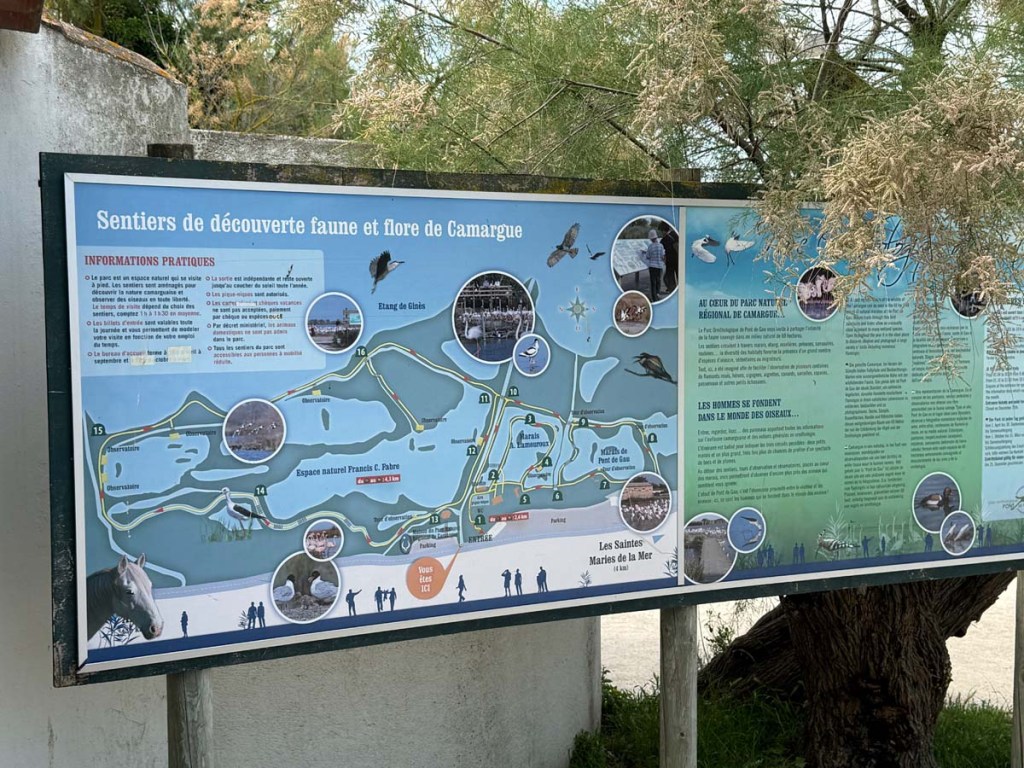

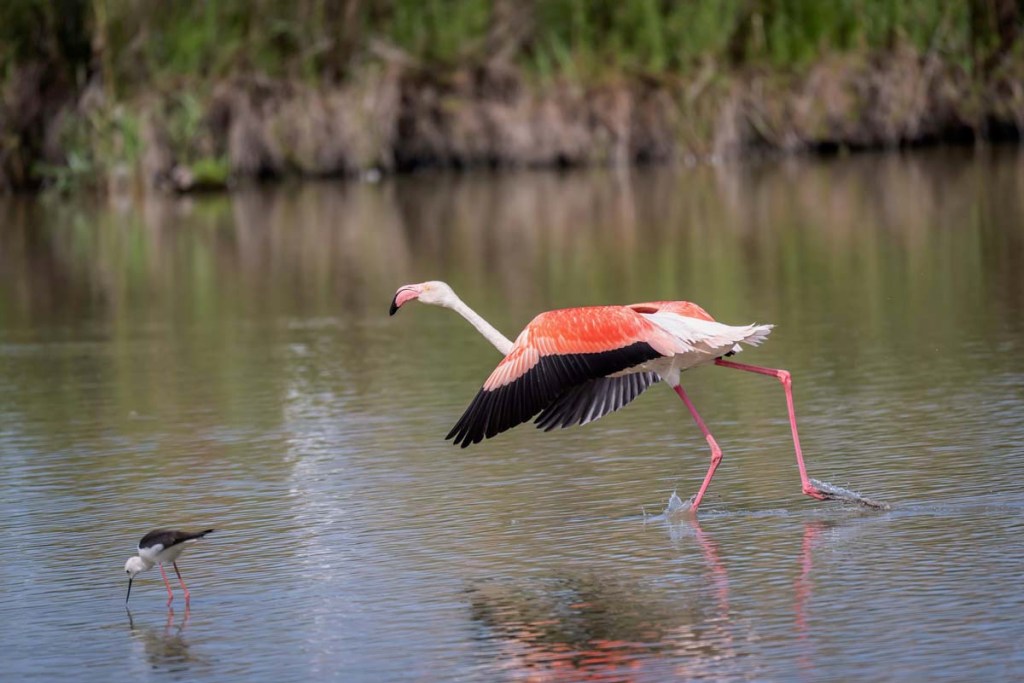

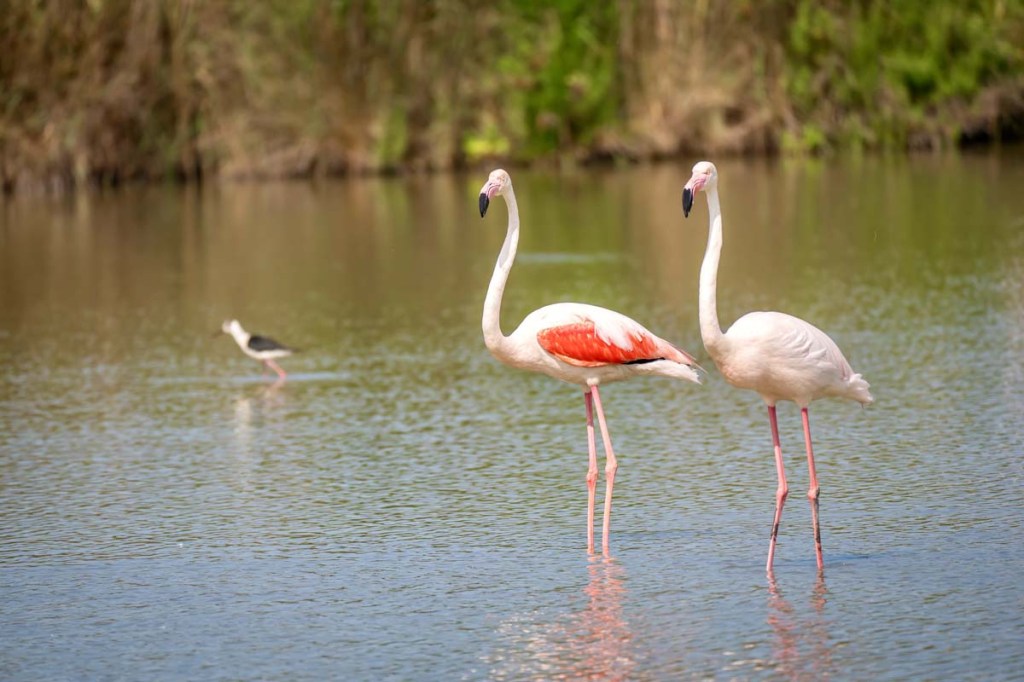
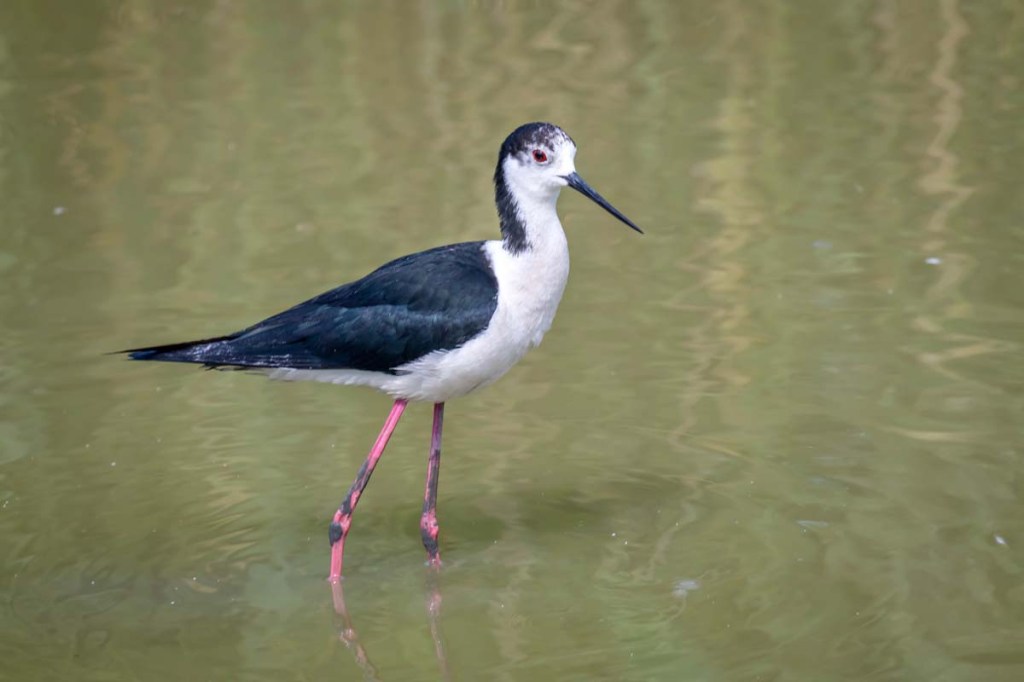





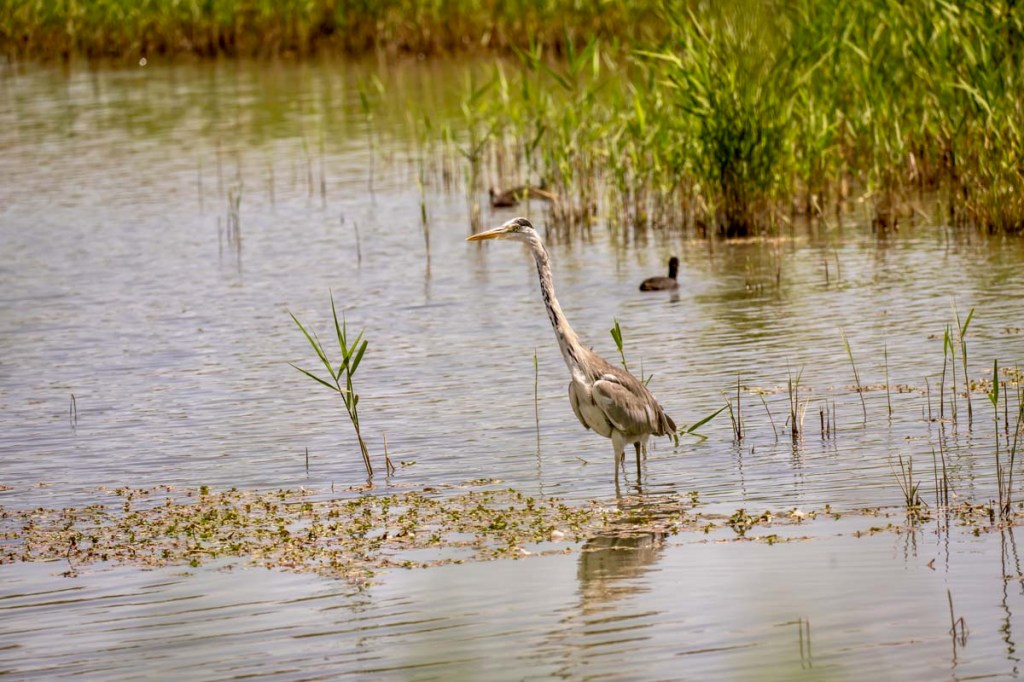
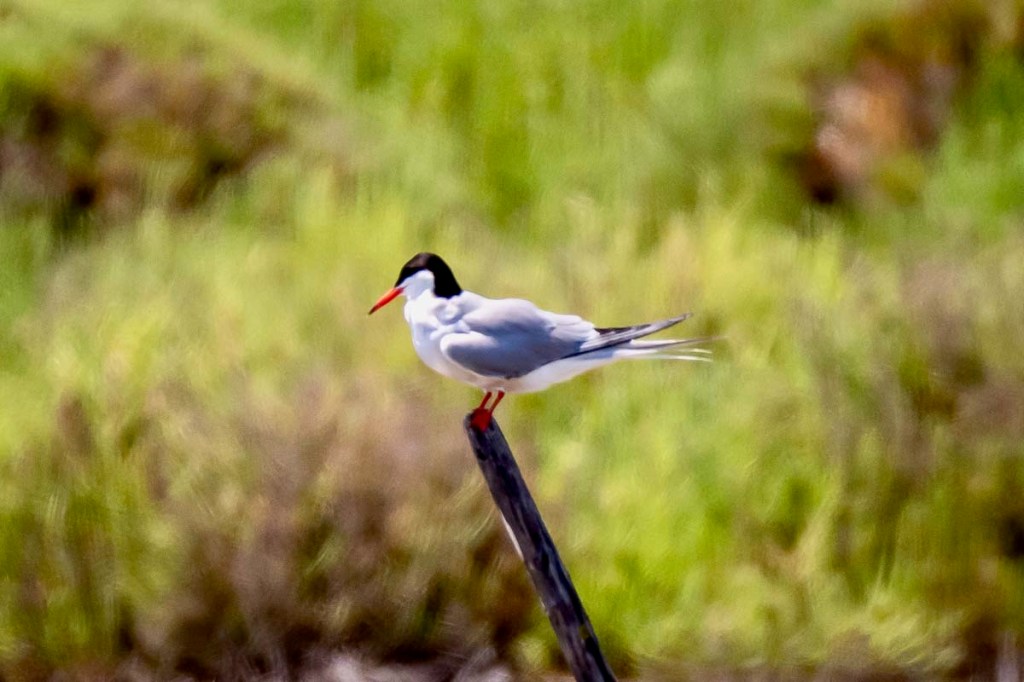


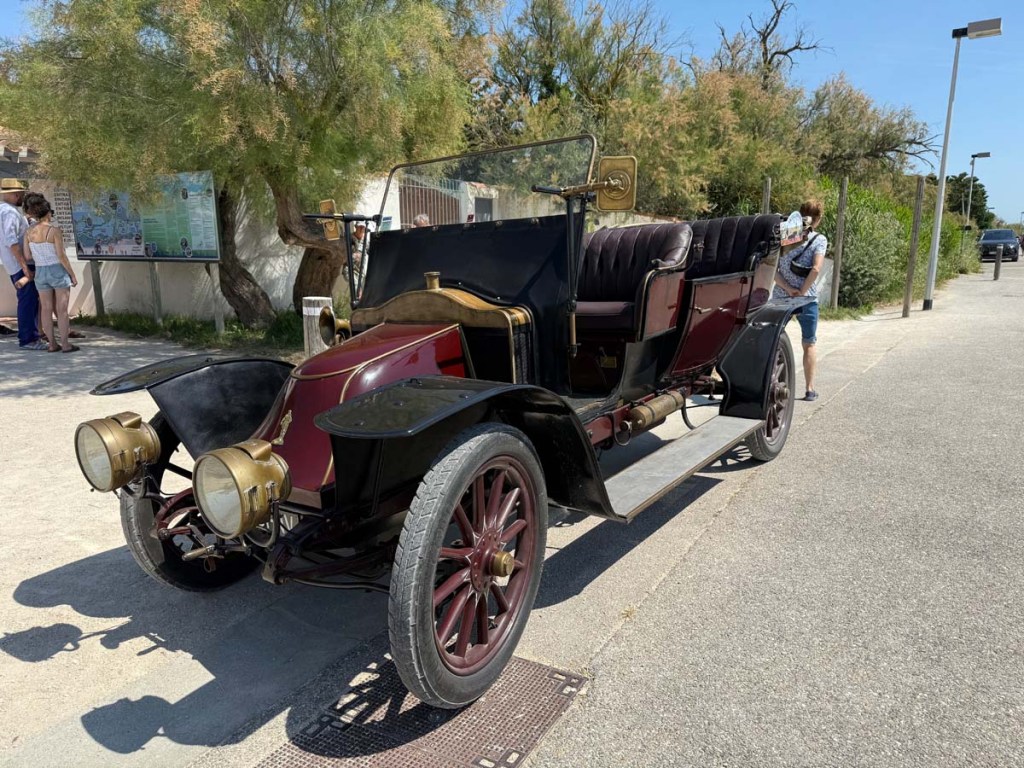


Now I’m wondering what to do with the remaining 1500 photos from today!
Post script:and now for a week to recover on the coast near Marseille.

More amazing photo opportunities today at the Parc Ornithogique de Pont de Gau.
Now I’m wondering what to do with the remaining 1500 photos from today!
Post script:and now for a week to recover on the coast near Marseille.

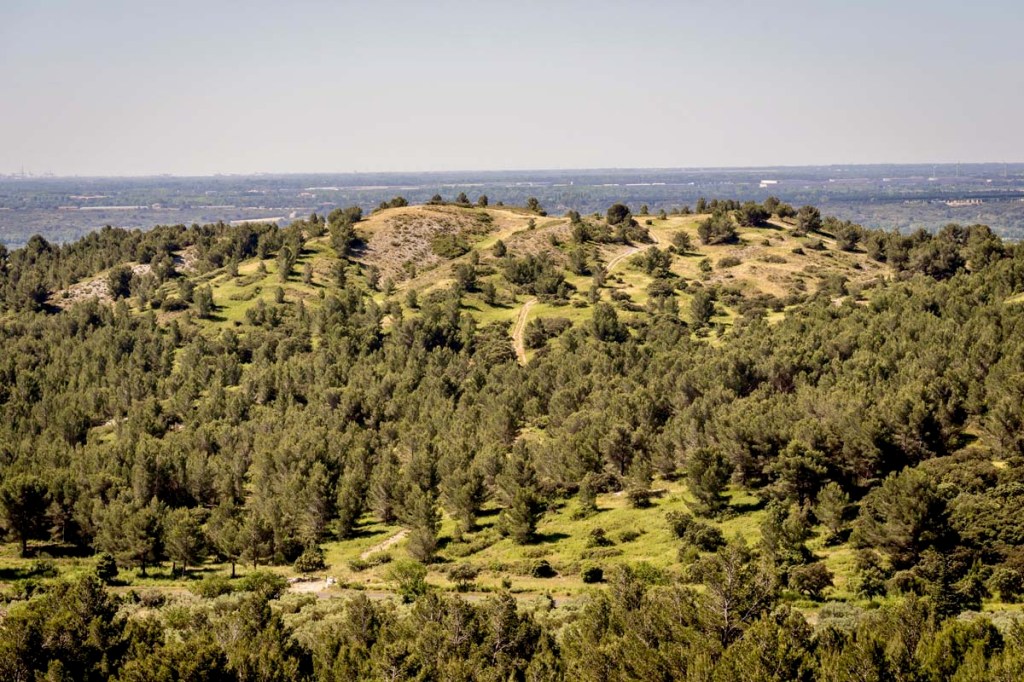
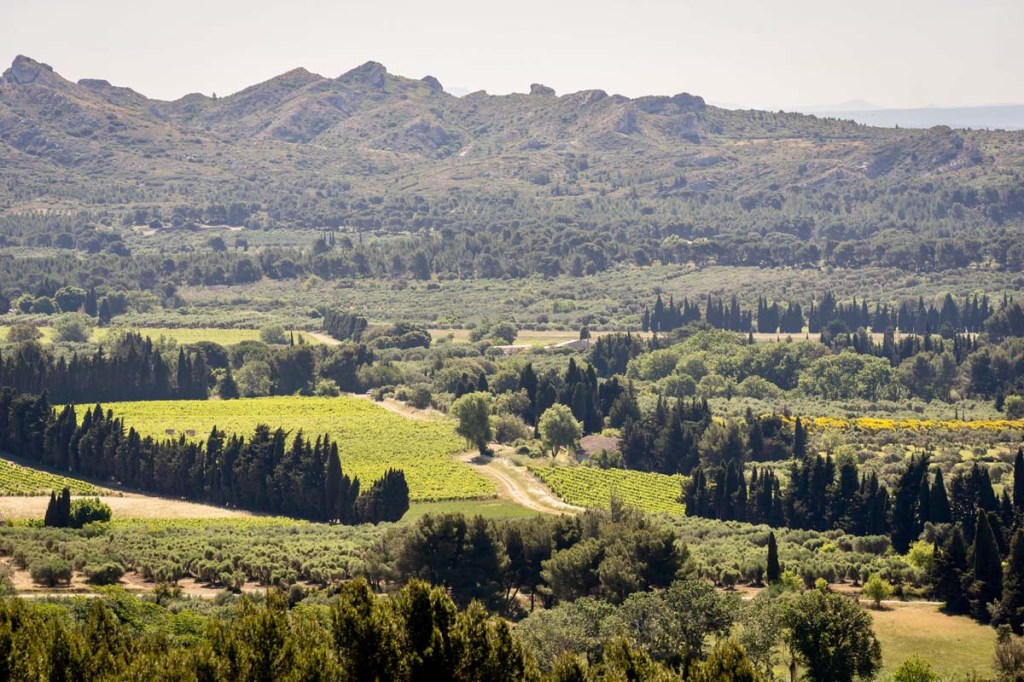
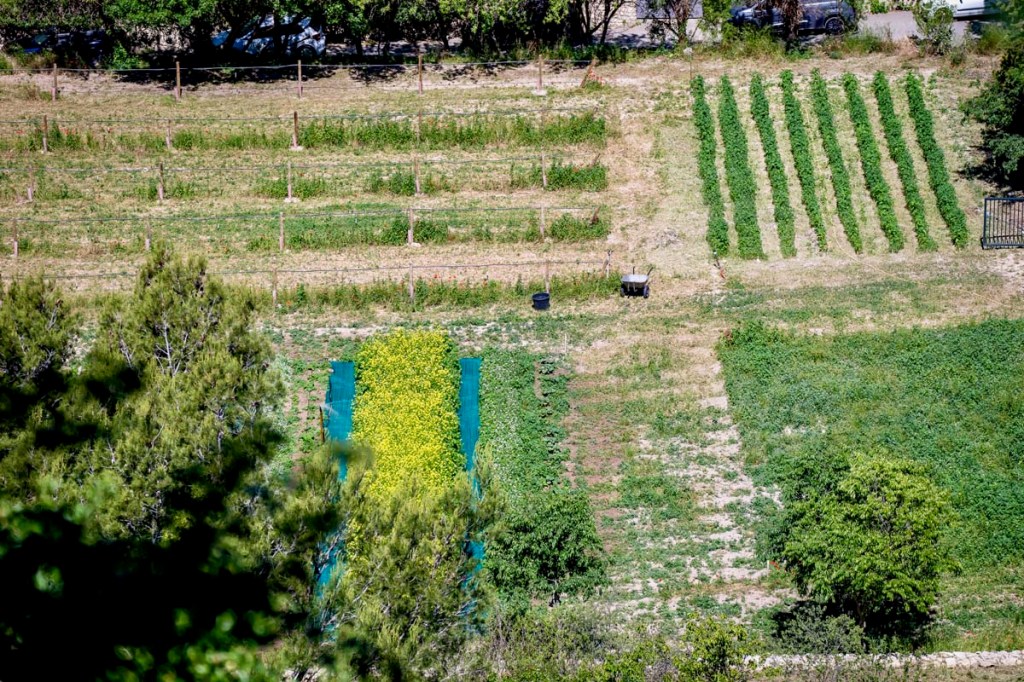
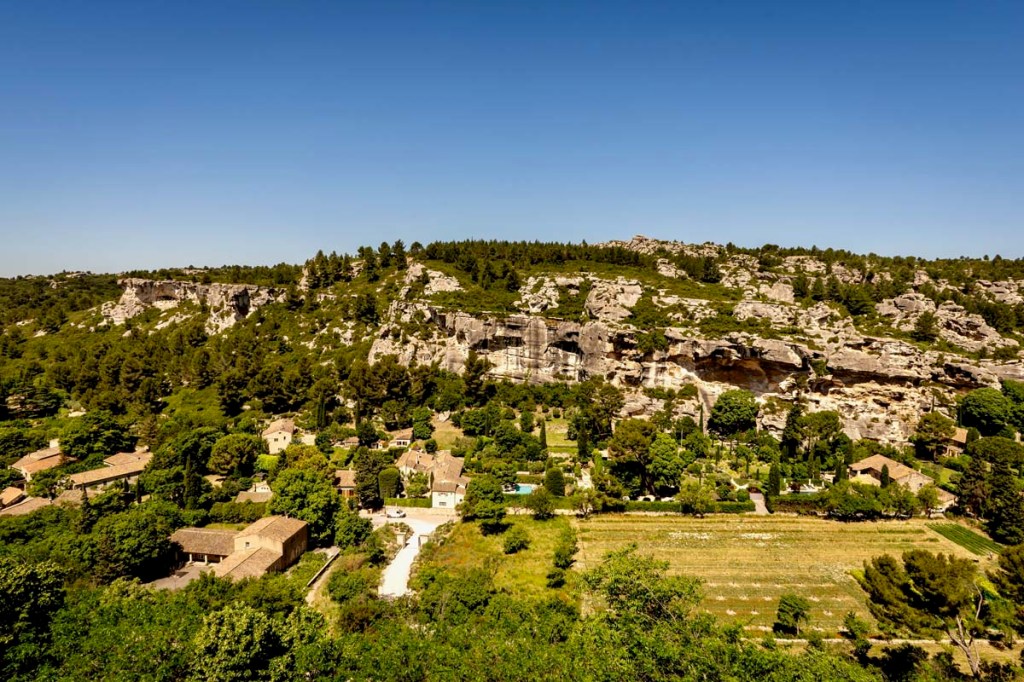
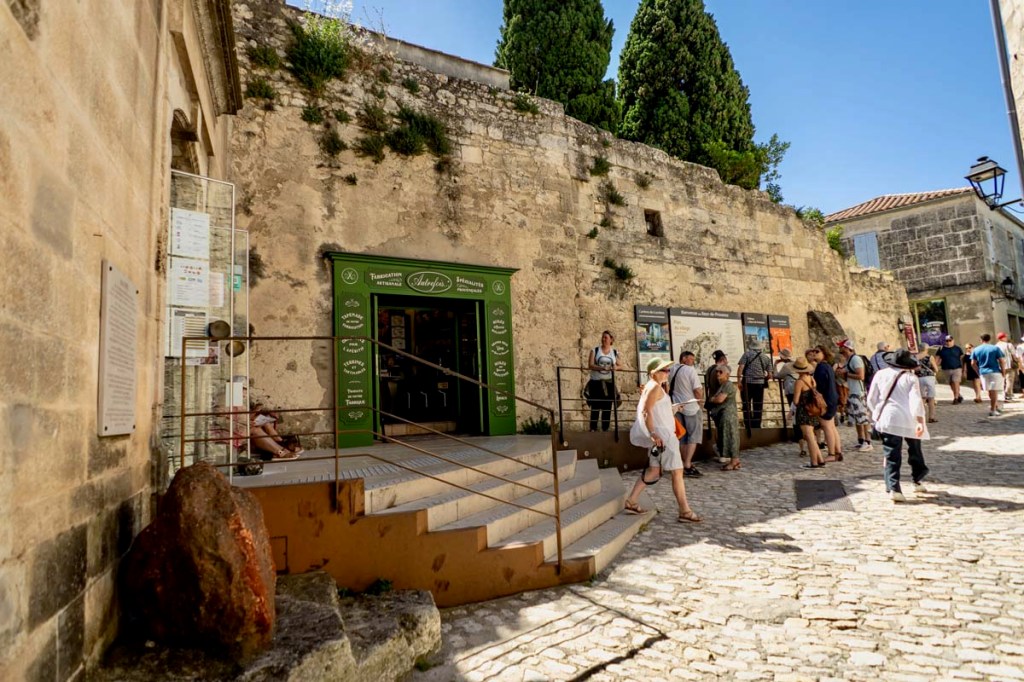
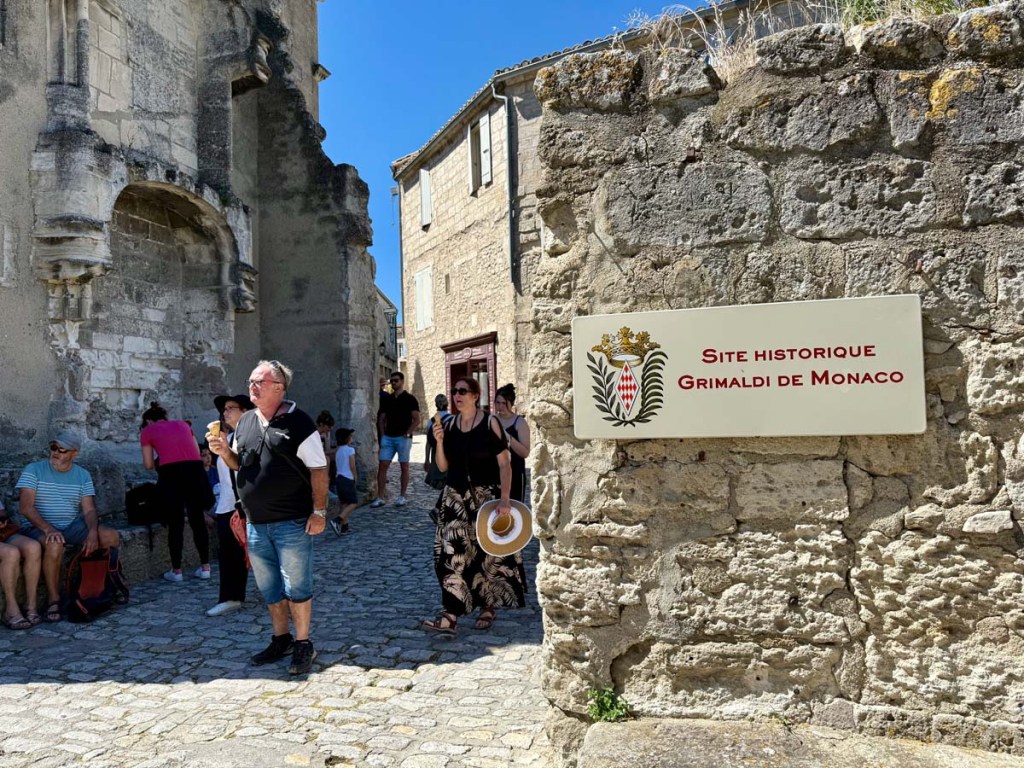
This morning we visited Les Beaux de Provence, a rocky outcrop that is crowned with a ruined castle overlooking the plains to the south located in the foothills of the Alpilles mountains, northeast of Arles. We spent less than an hour and a half birding below the castle as it was very hot; then a similar period of time visiting the beautiful village and, along with many tourists, tasting its ice creams!
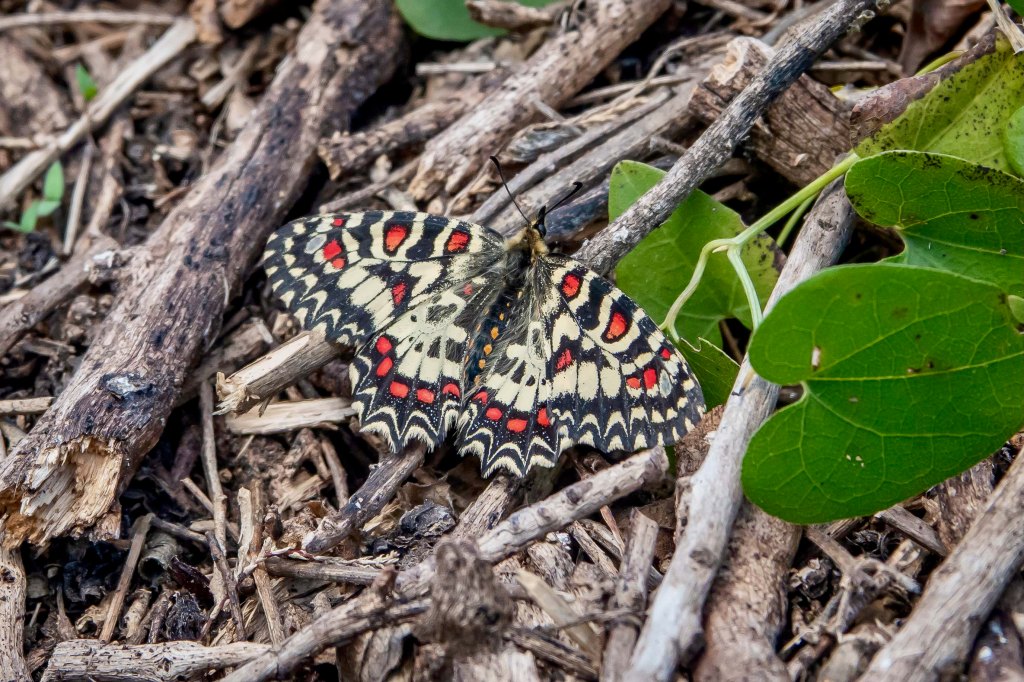
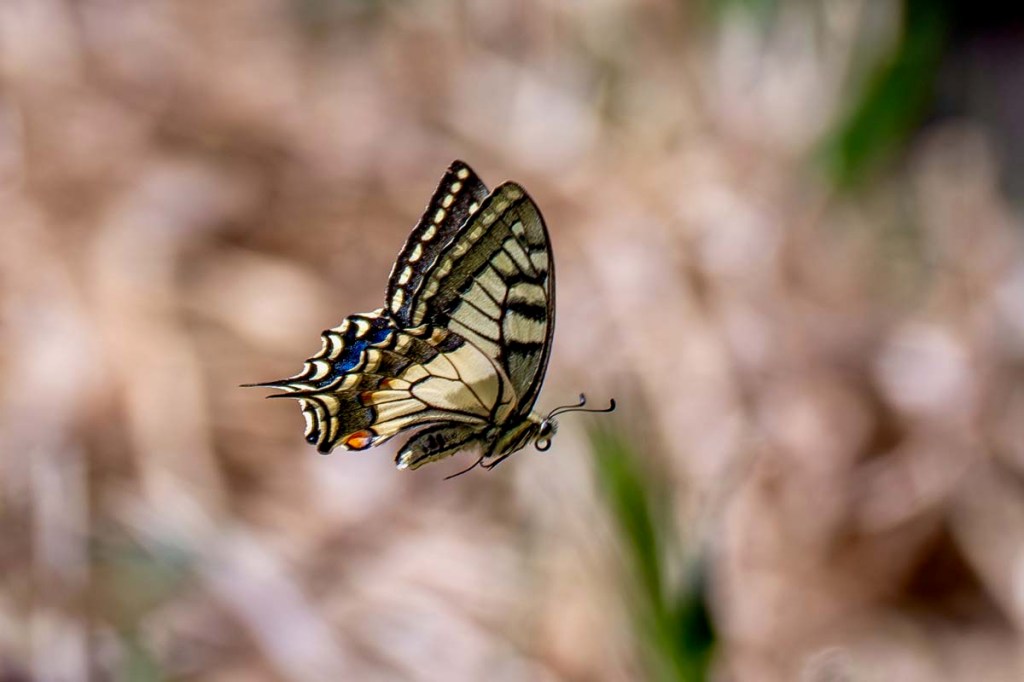
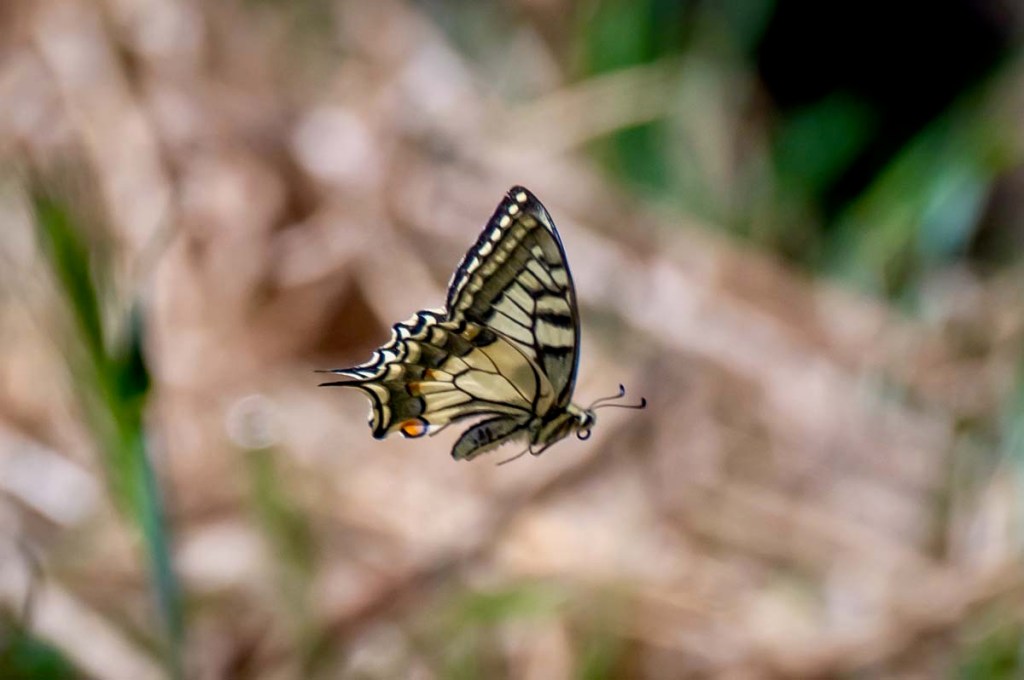
There was one very special moment when I managed to track a swallowtail butterfly for just over a minute and took a huge number of shots of it, mainly in flight. I am happy to share just a few of them with you in this blog.

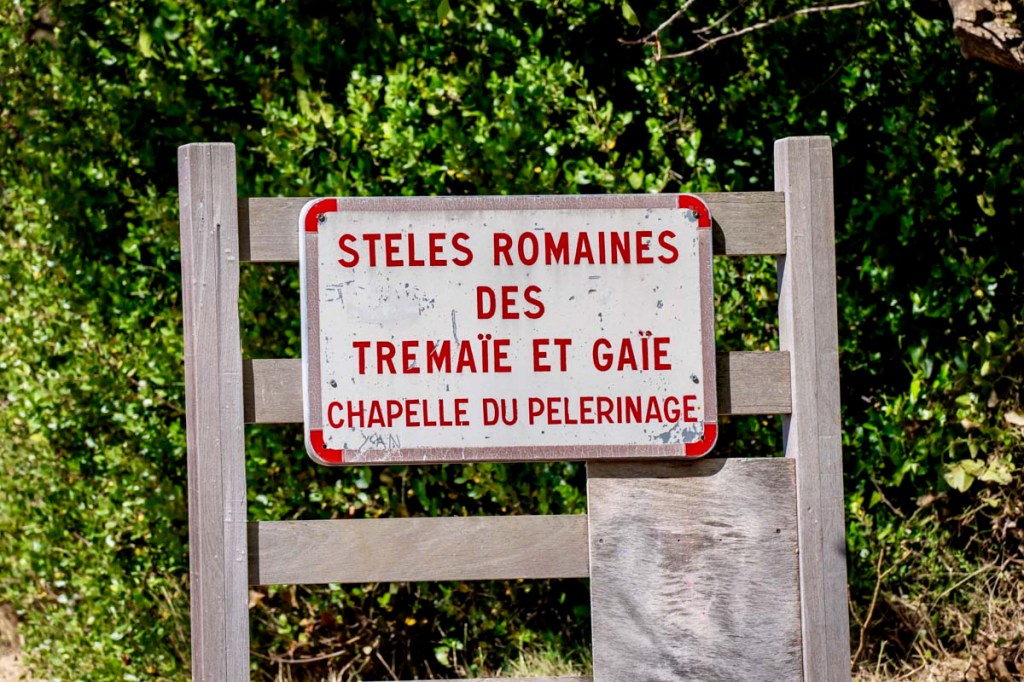

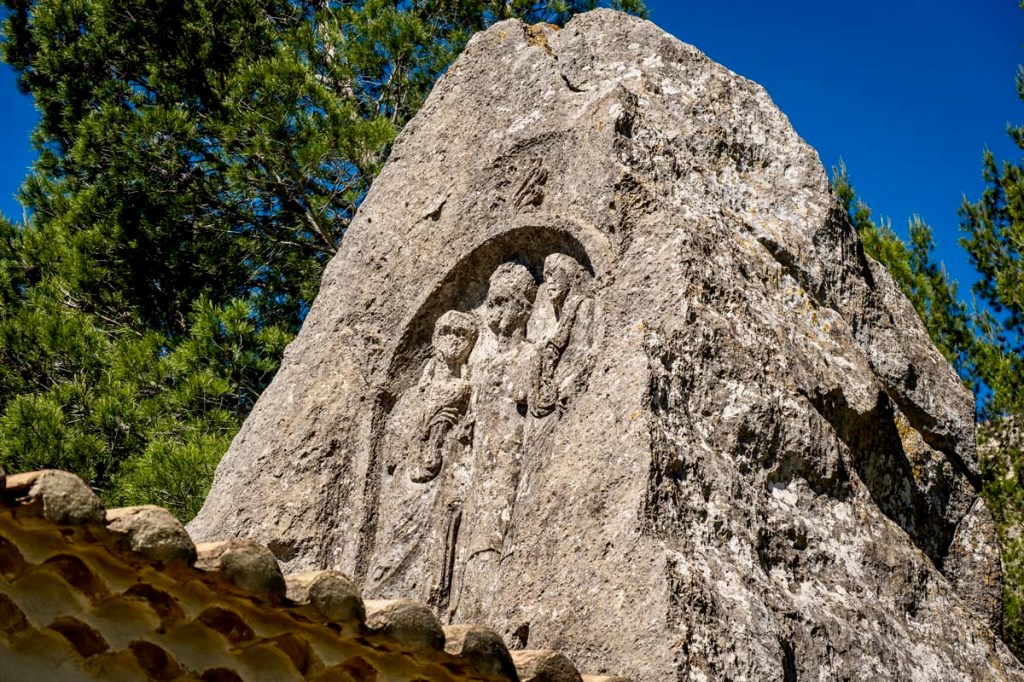
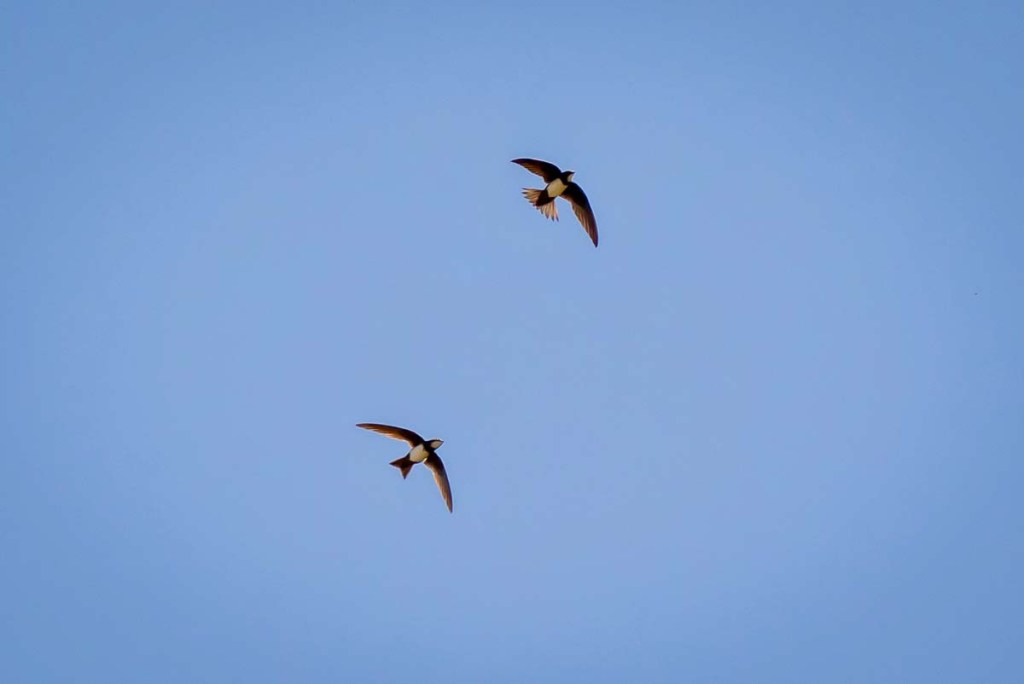

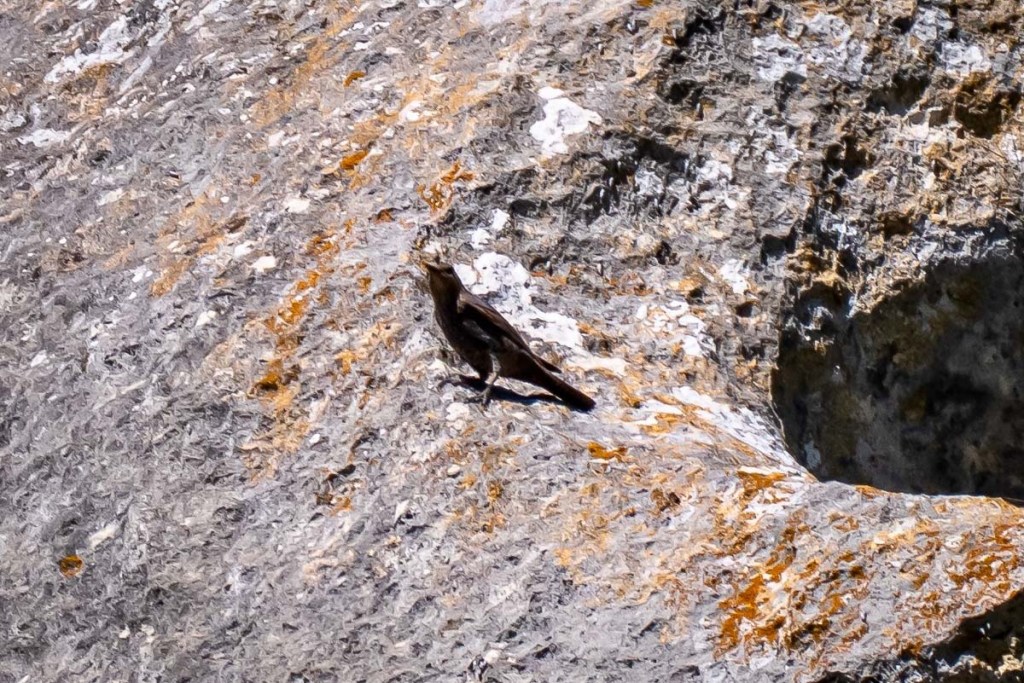
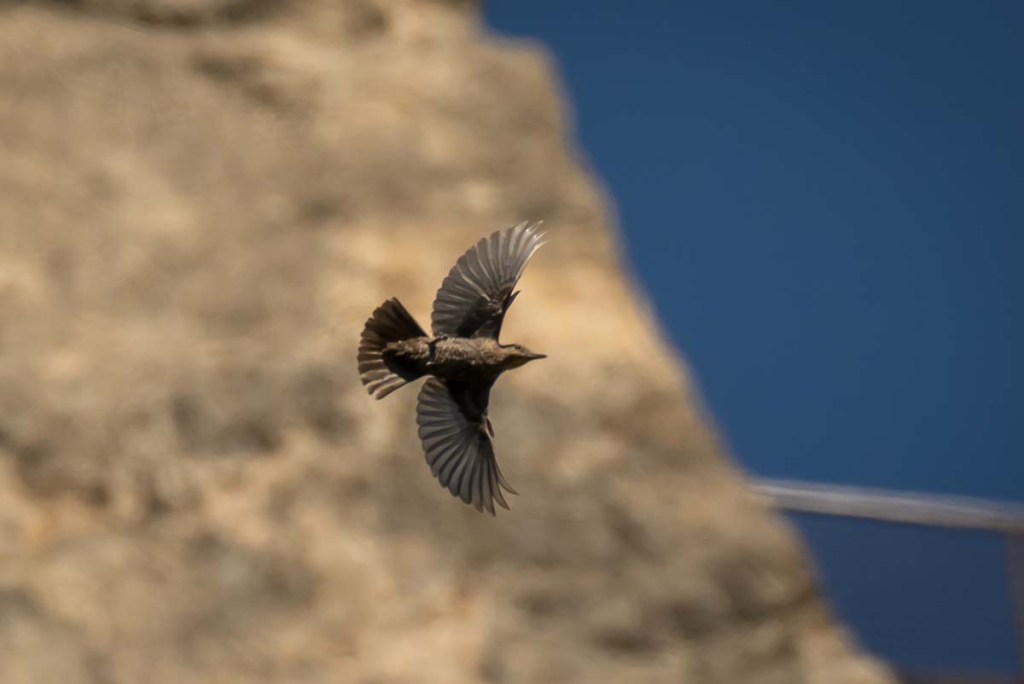





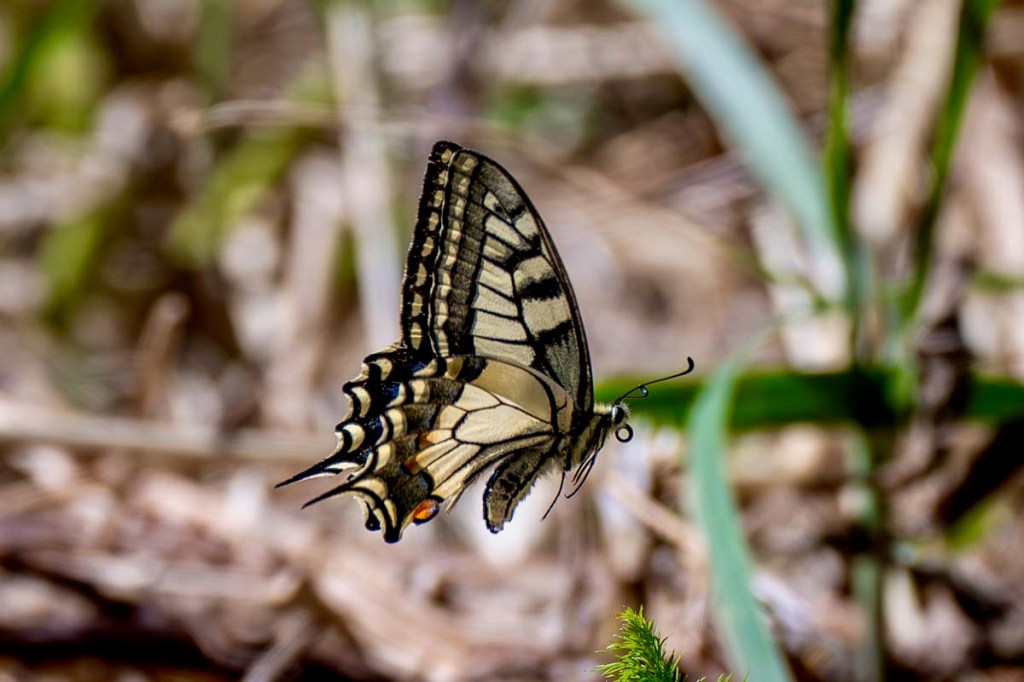
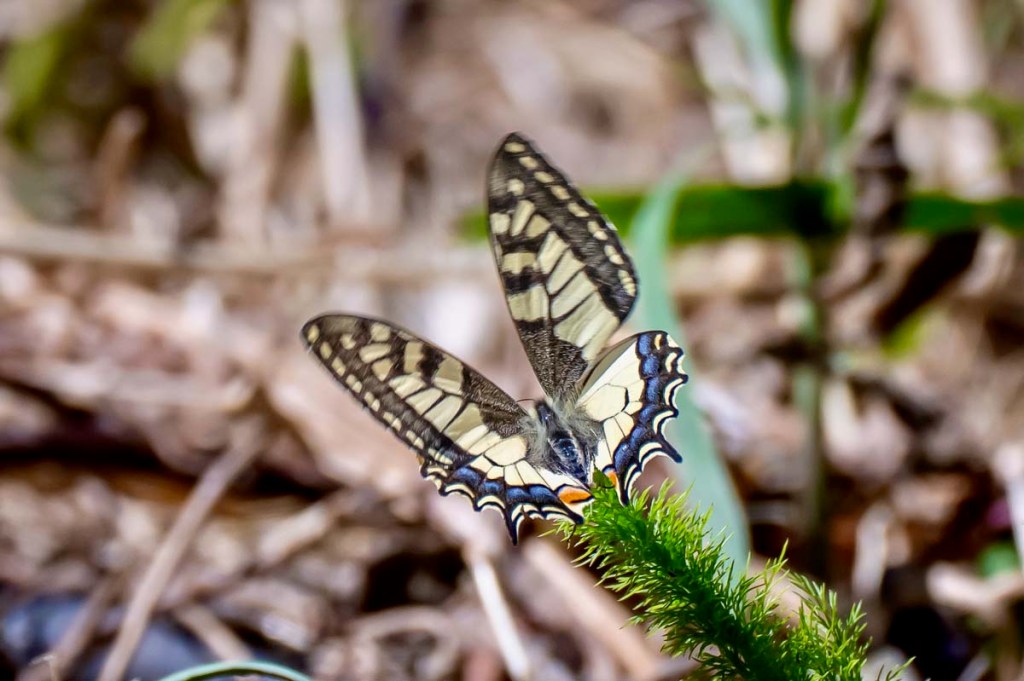

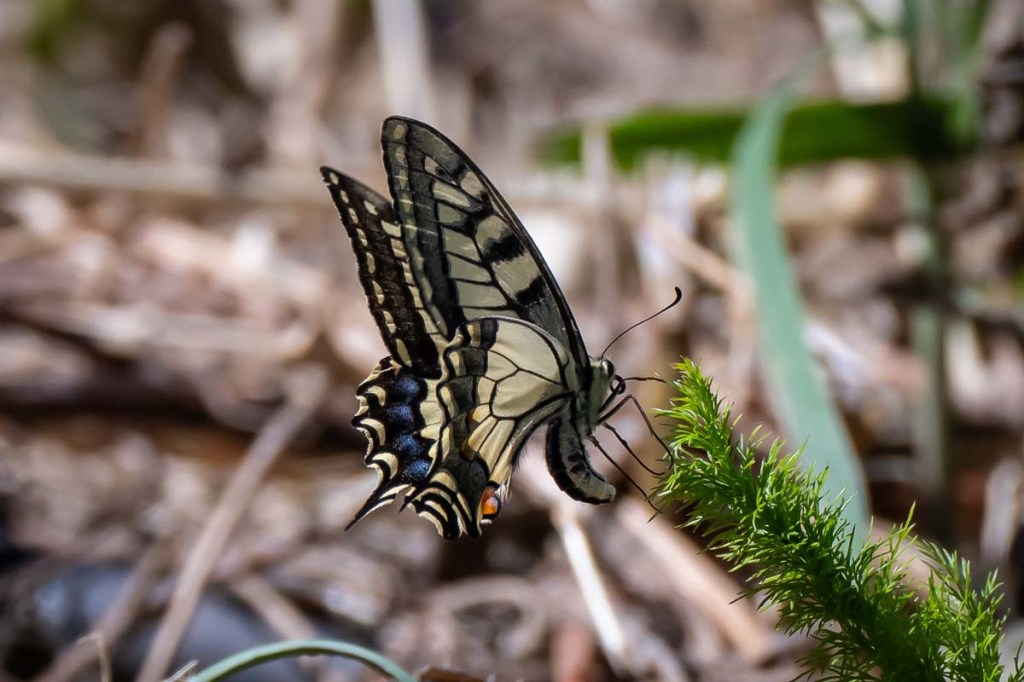



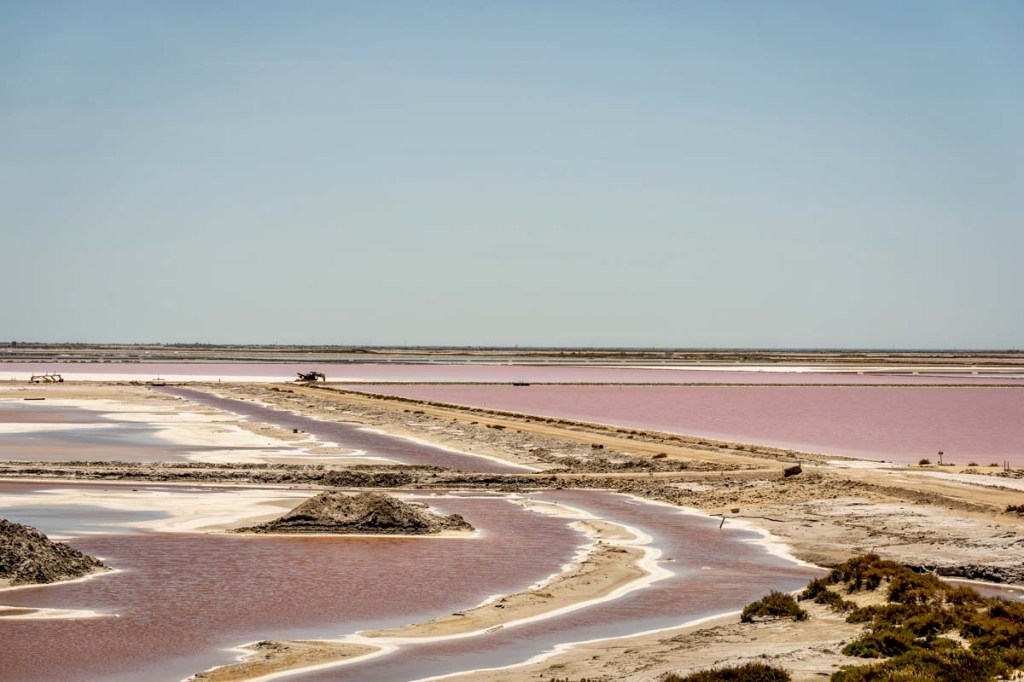
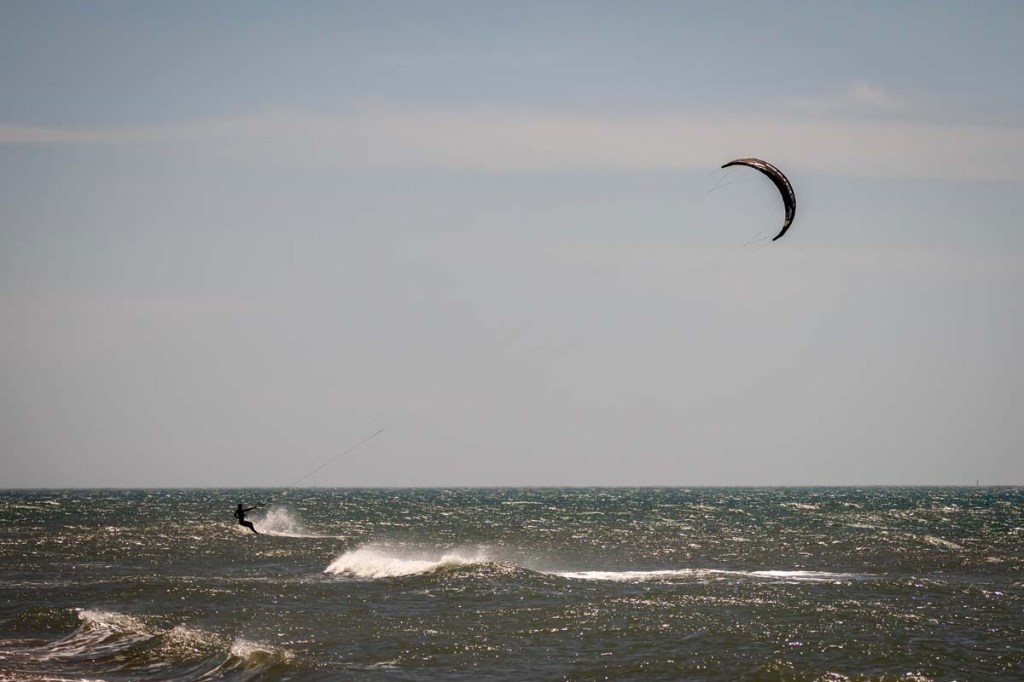
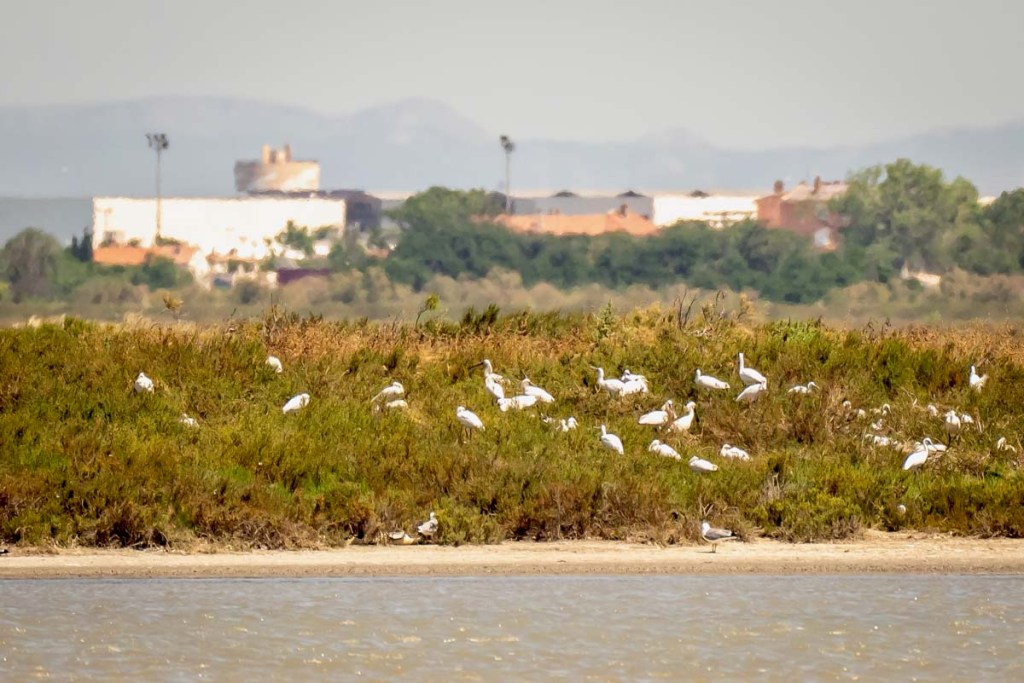
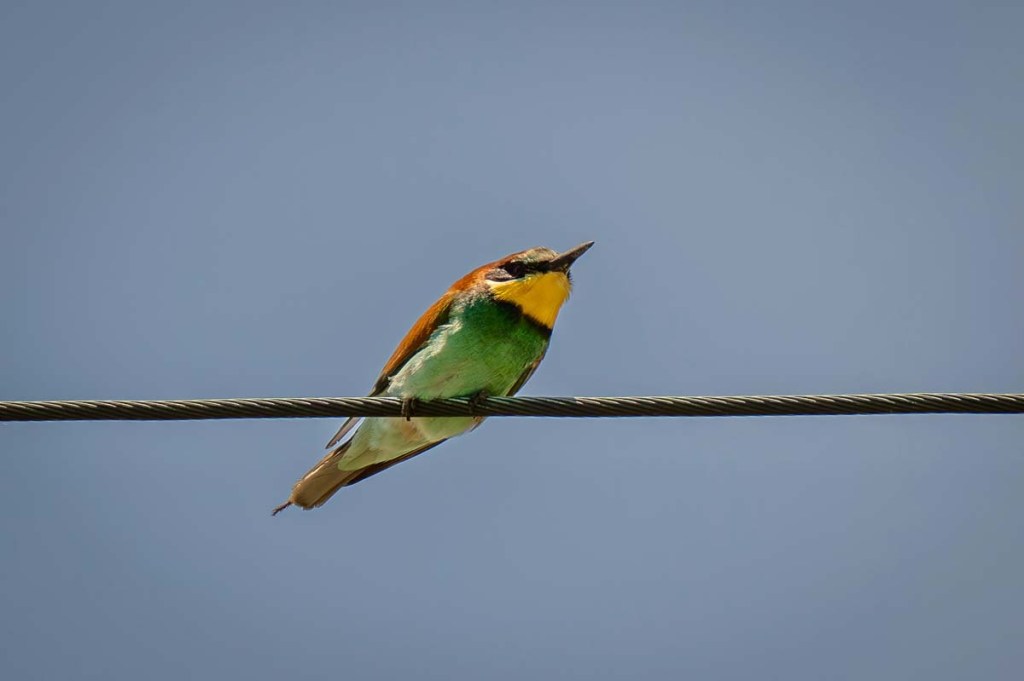
Another great day on our trip to the Camargue with plenty of photo opportunities. I am afraid the photos will have to speak for themselves.
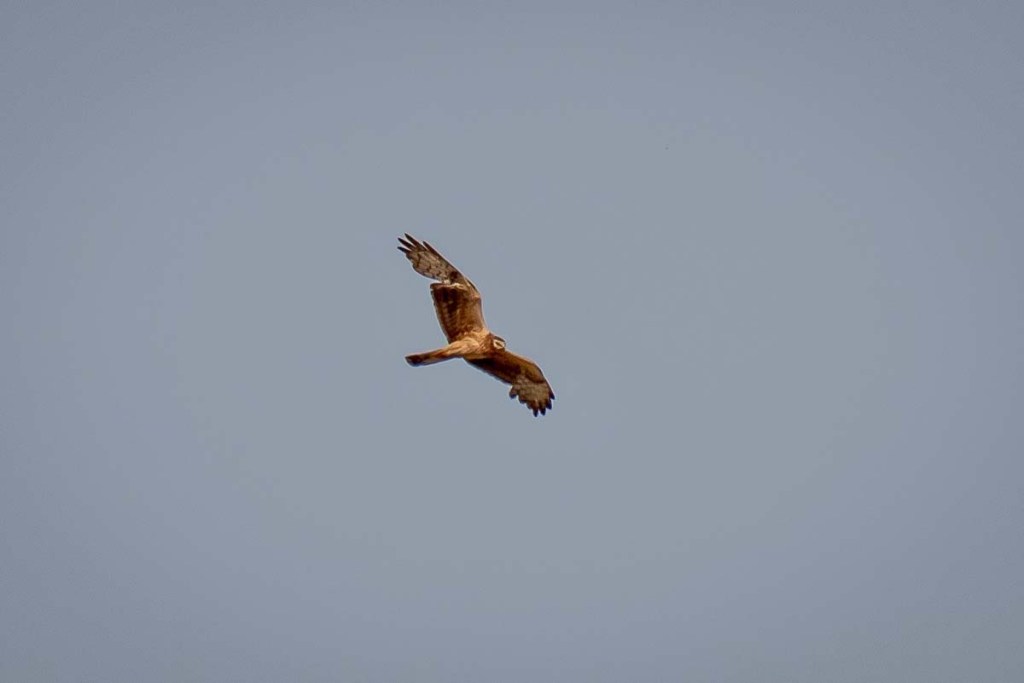

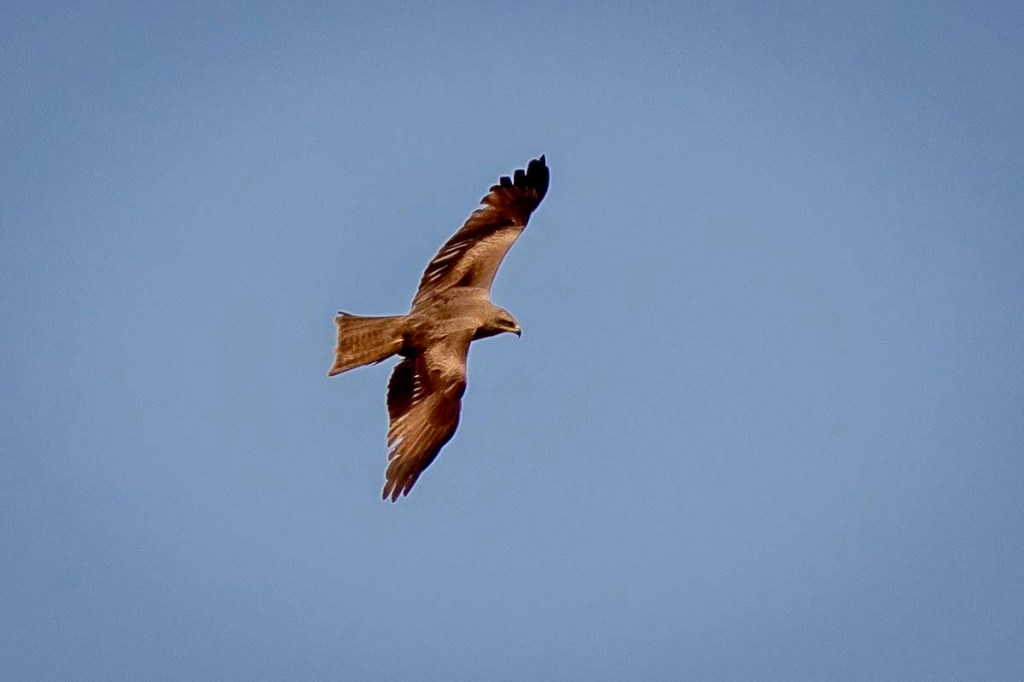
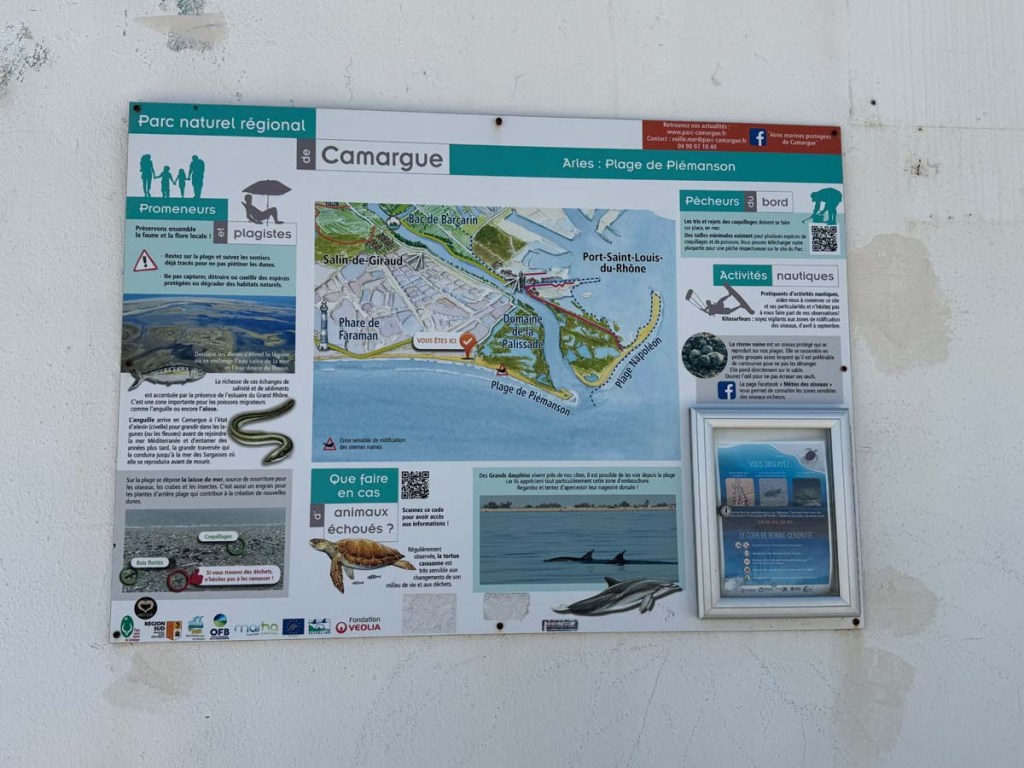
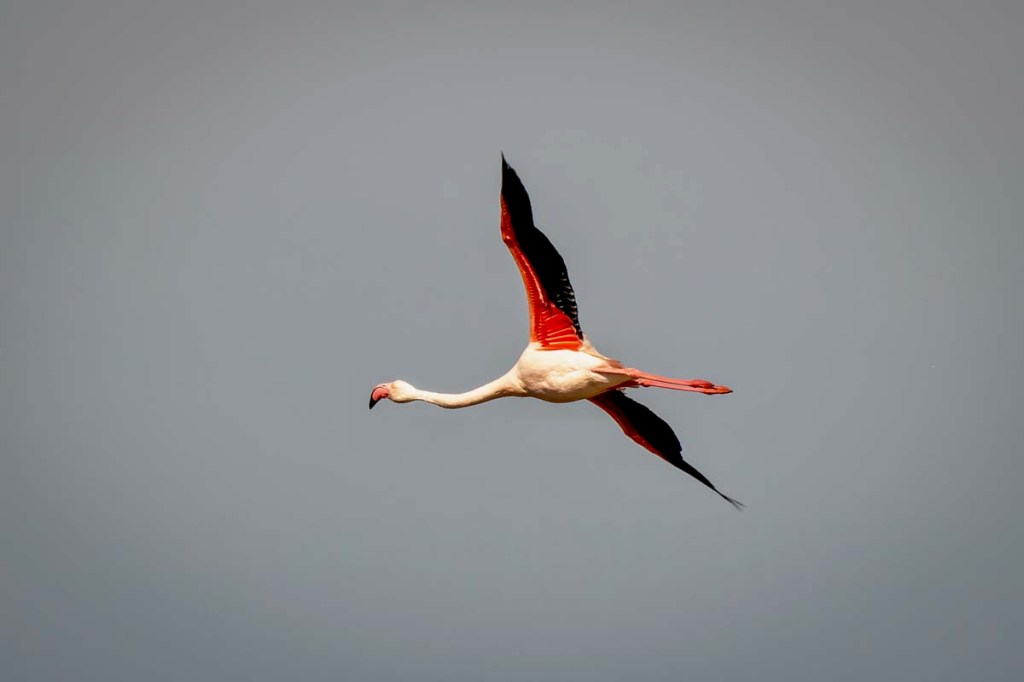




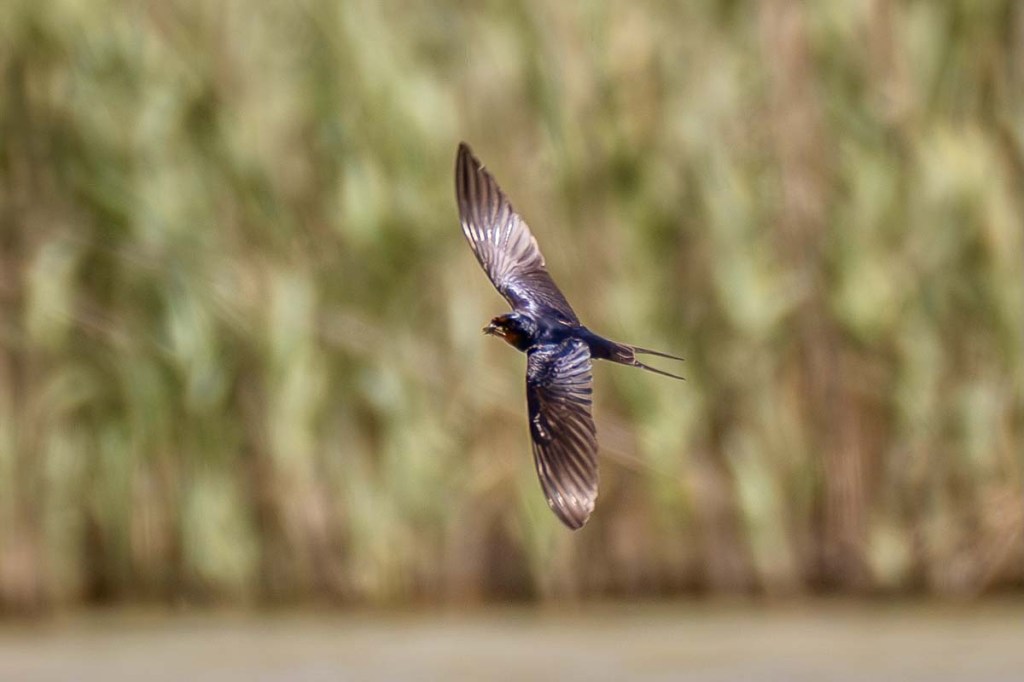
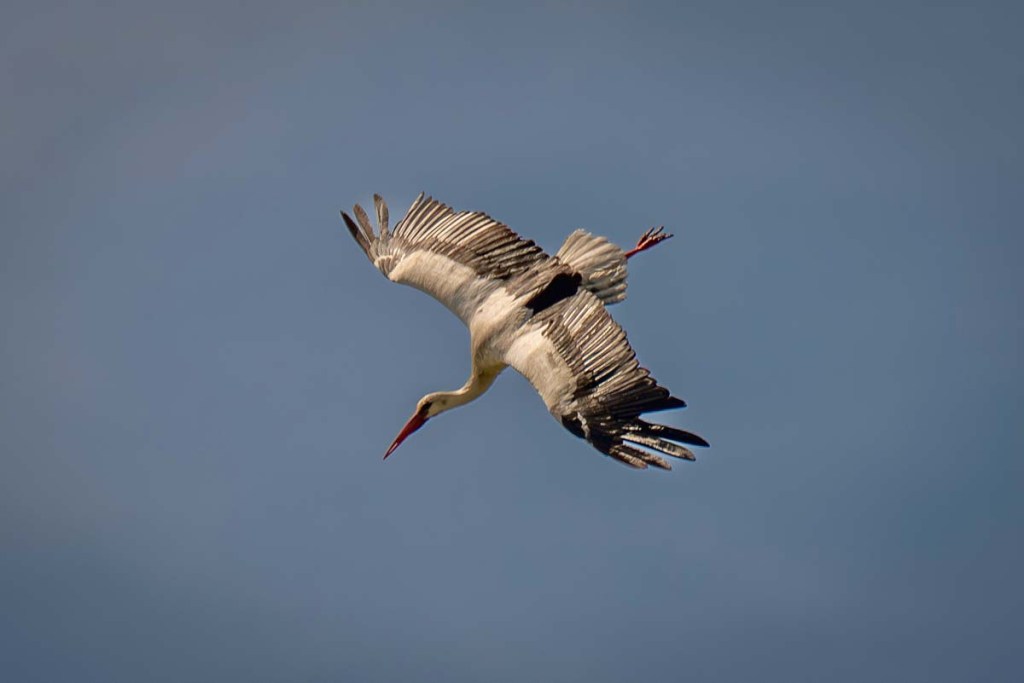
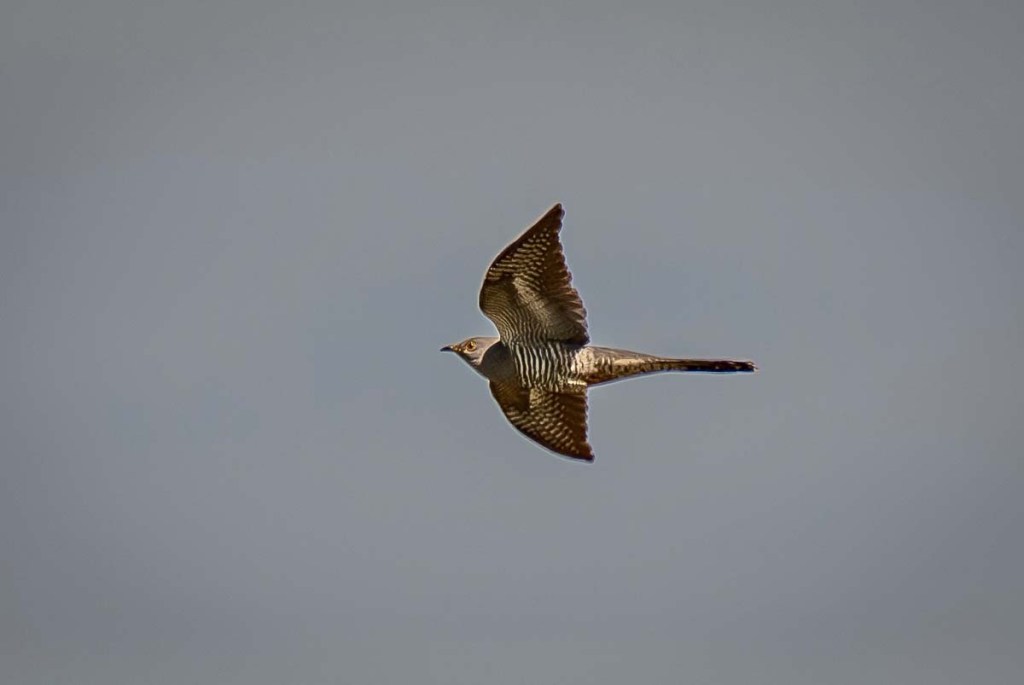
The star of the day: a cuckoo

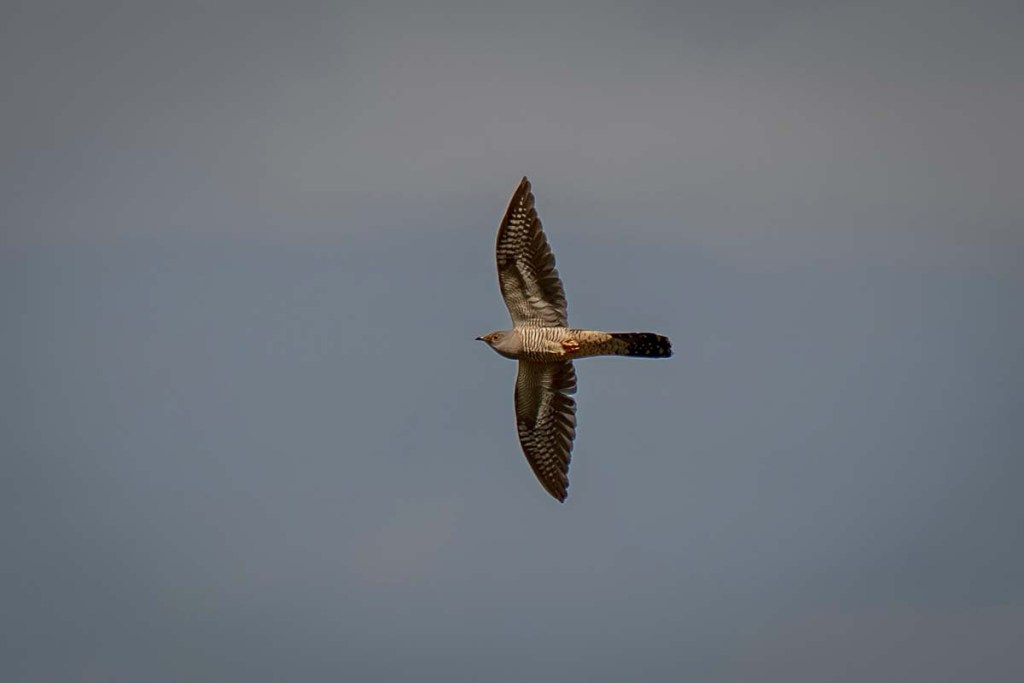


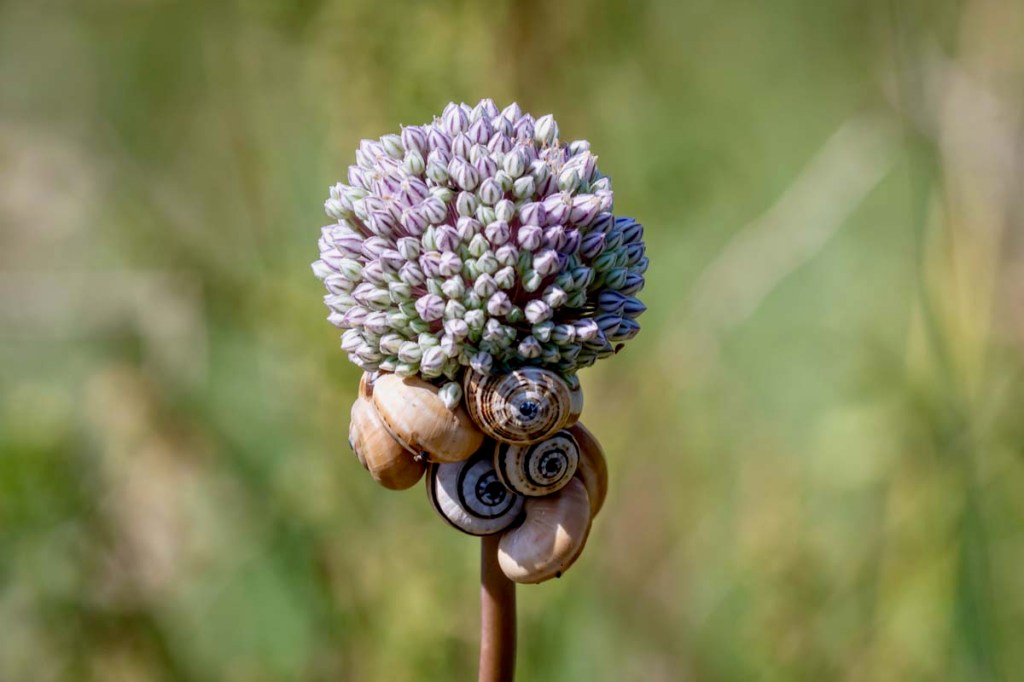
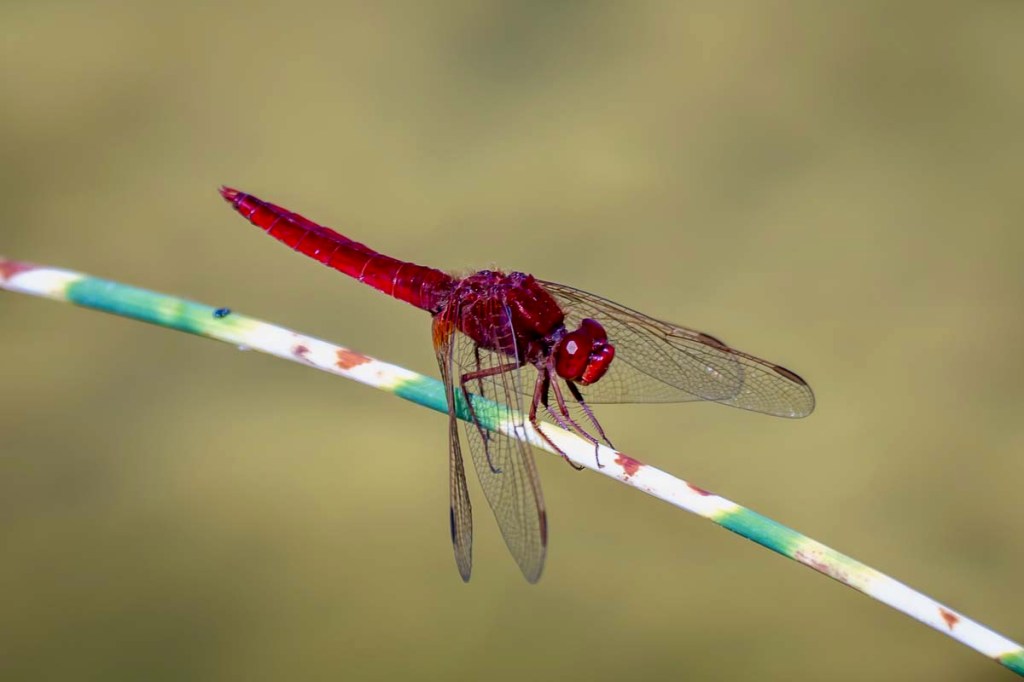
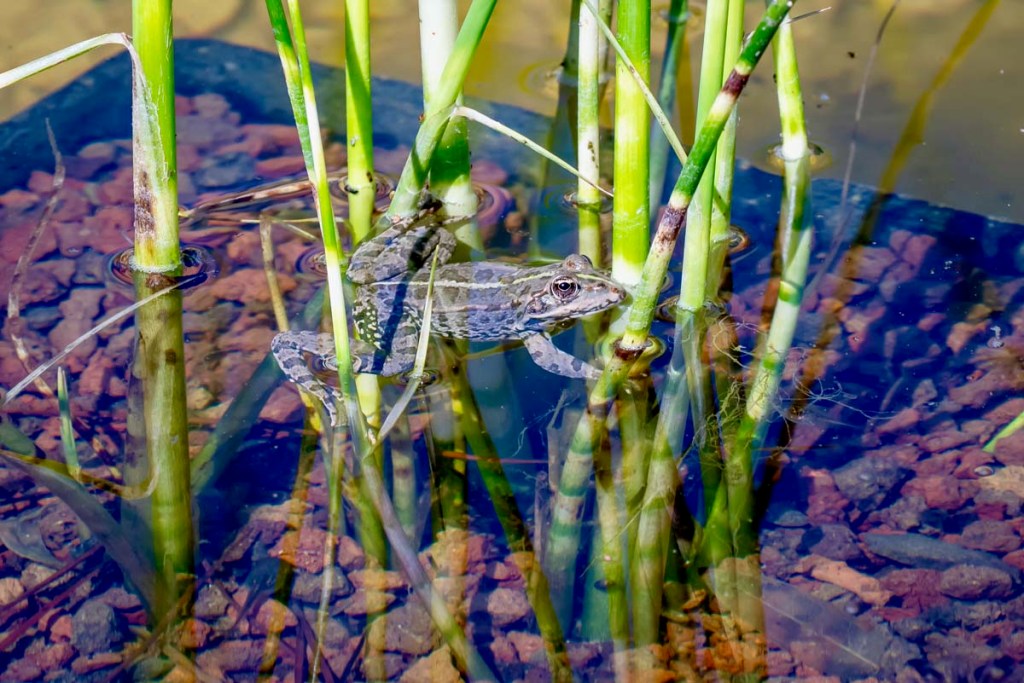


A selection of photos from our first days in The Camargue in the south of France. What a start!

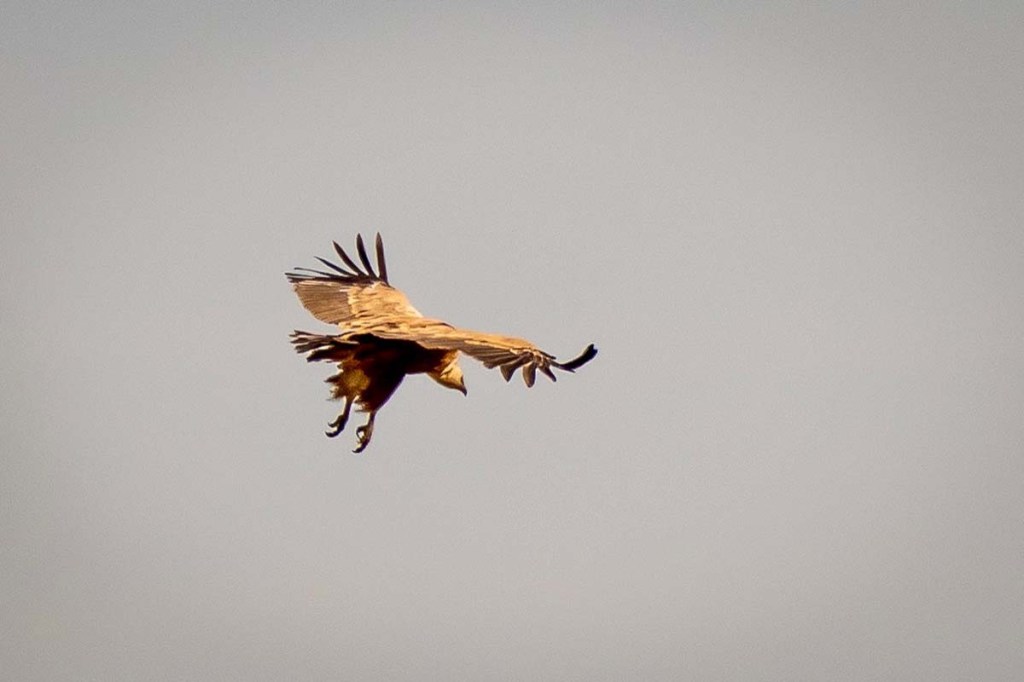


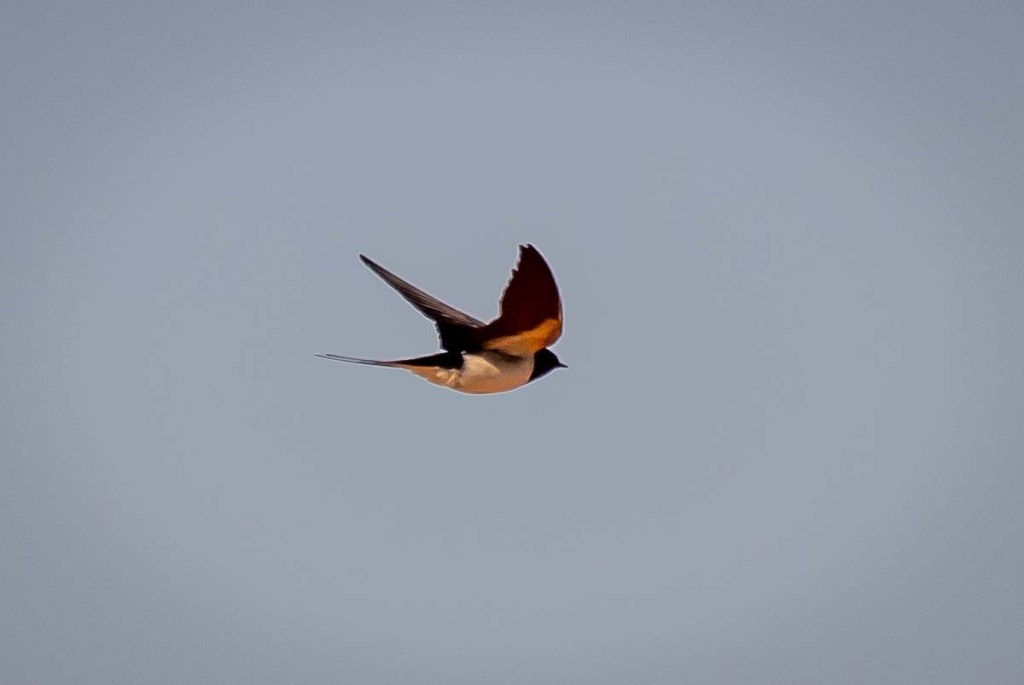
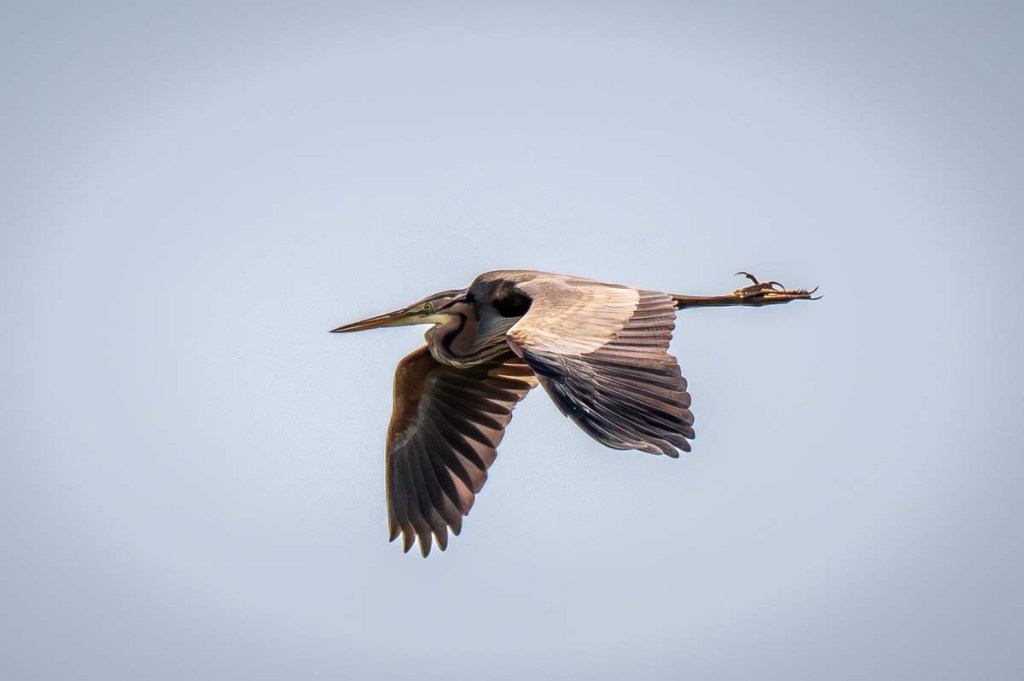
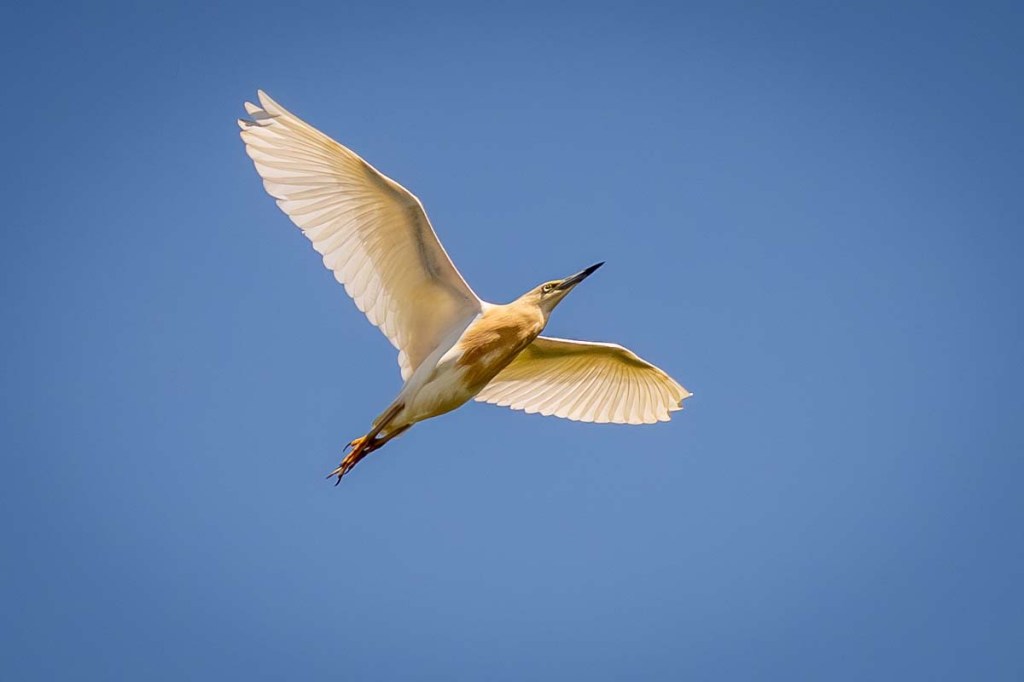
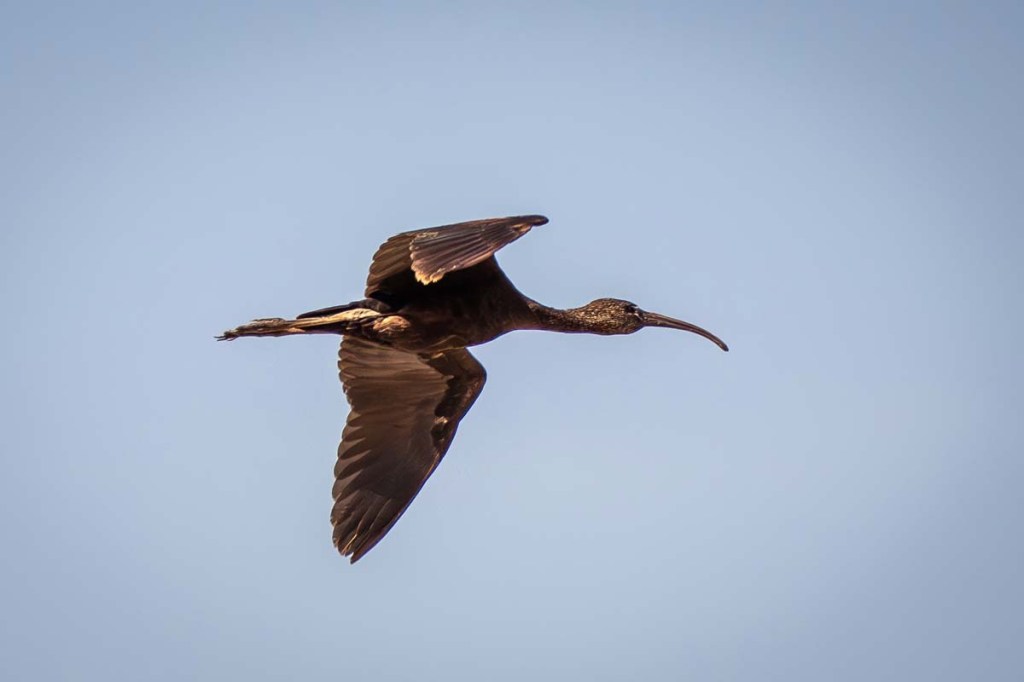


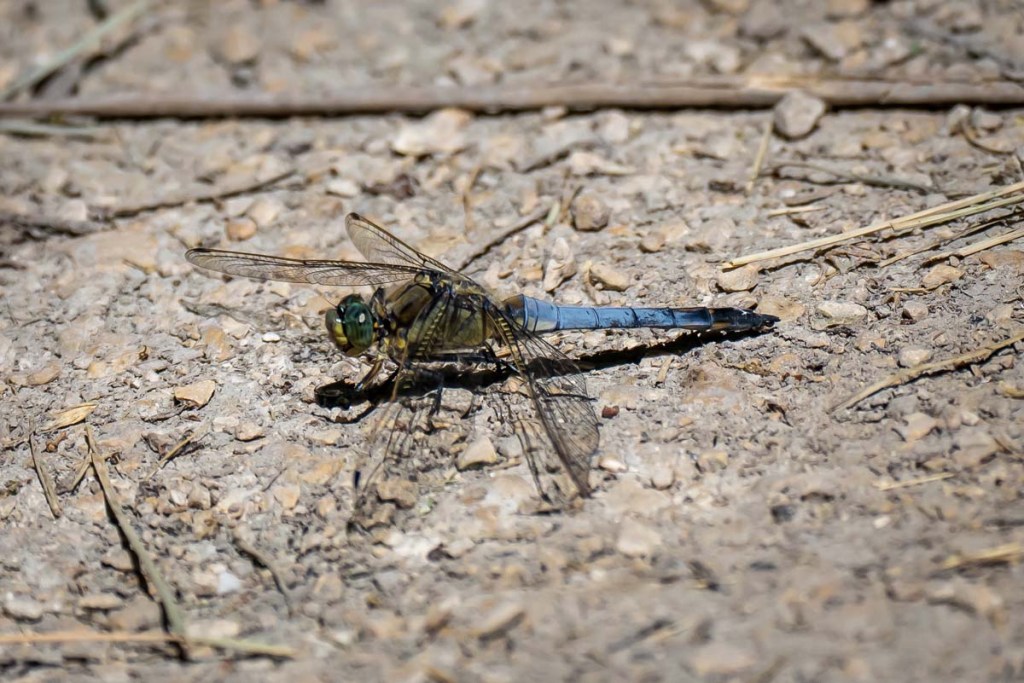

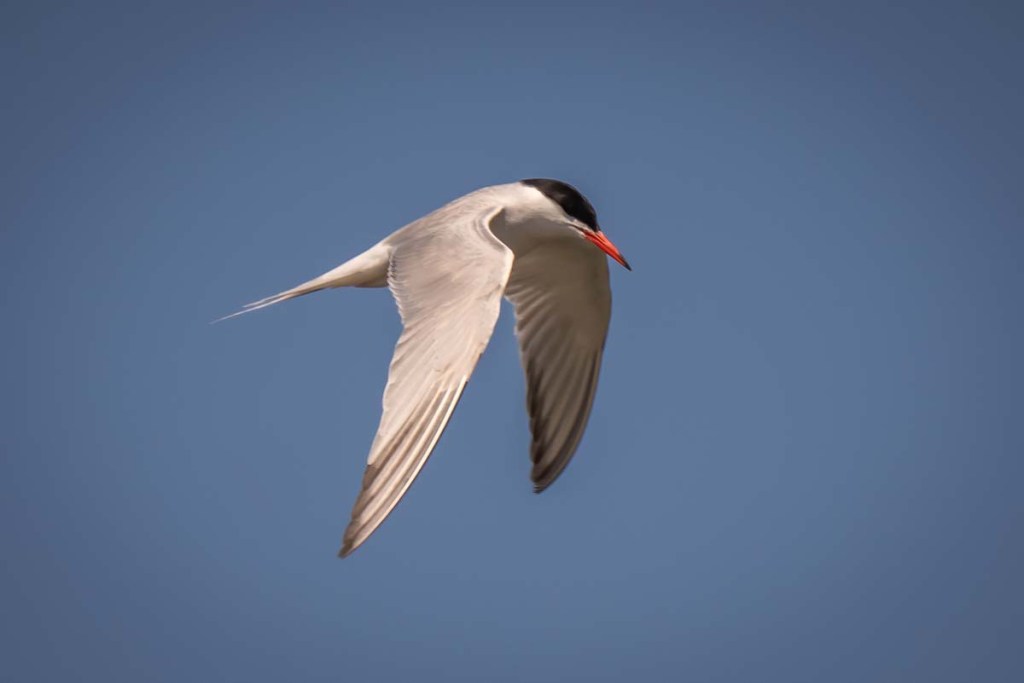
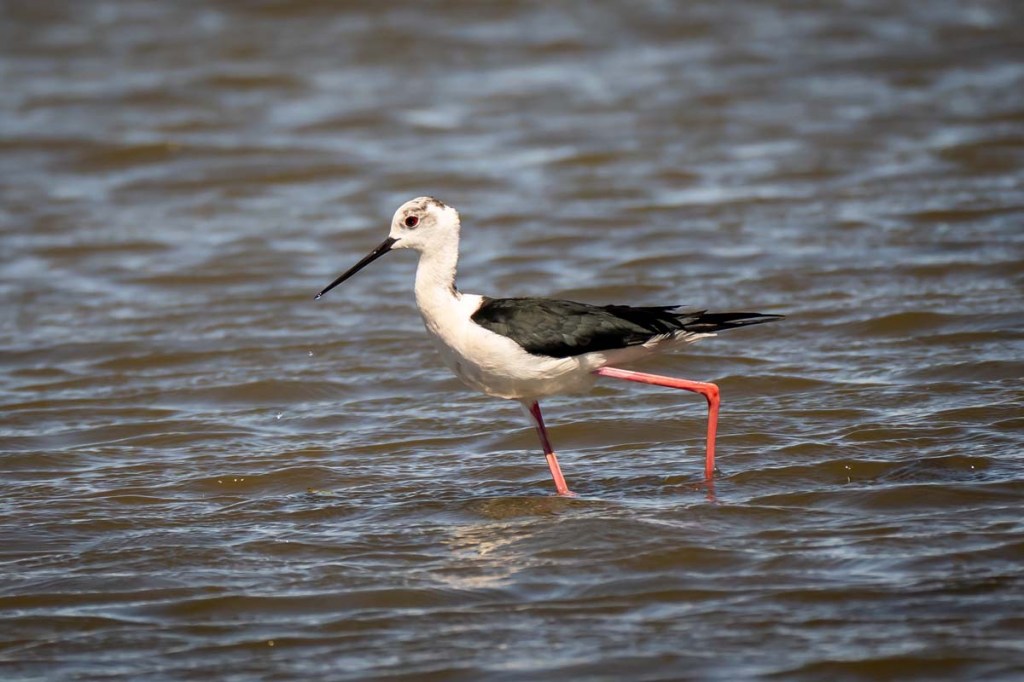

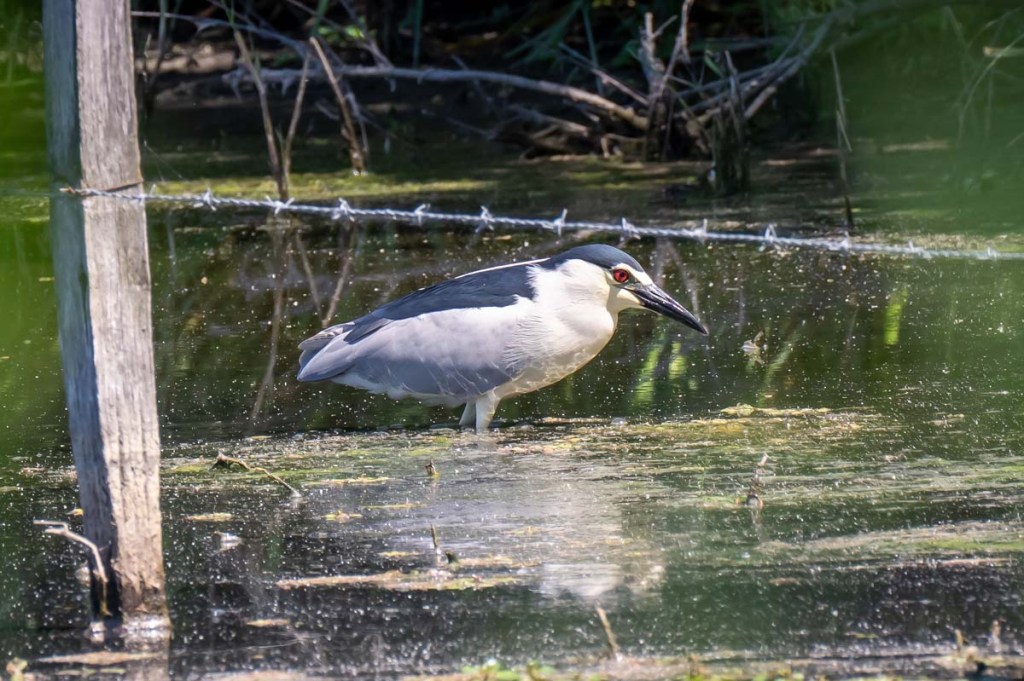


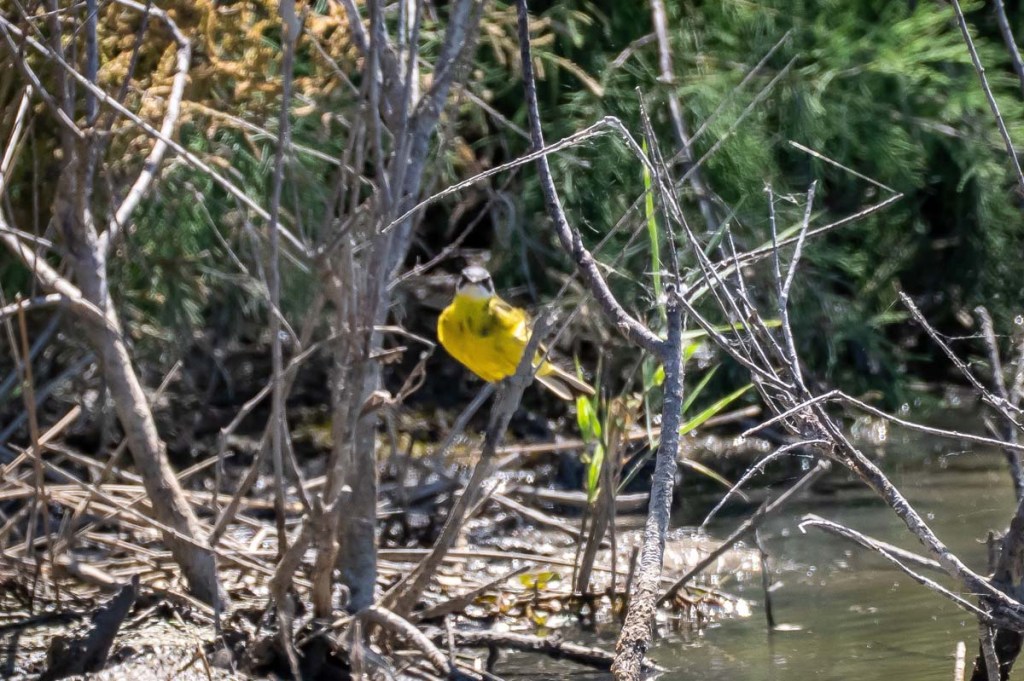


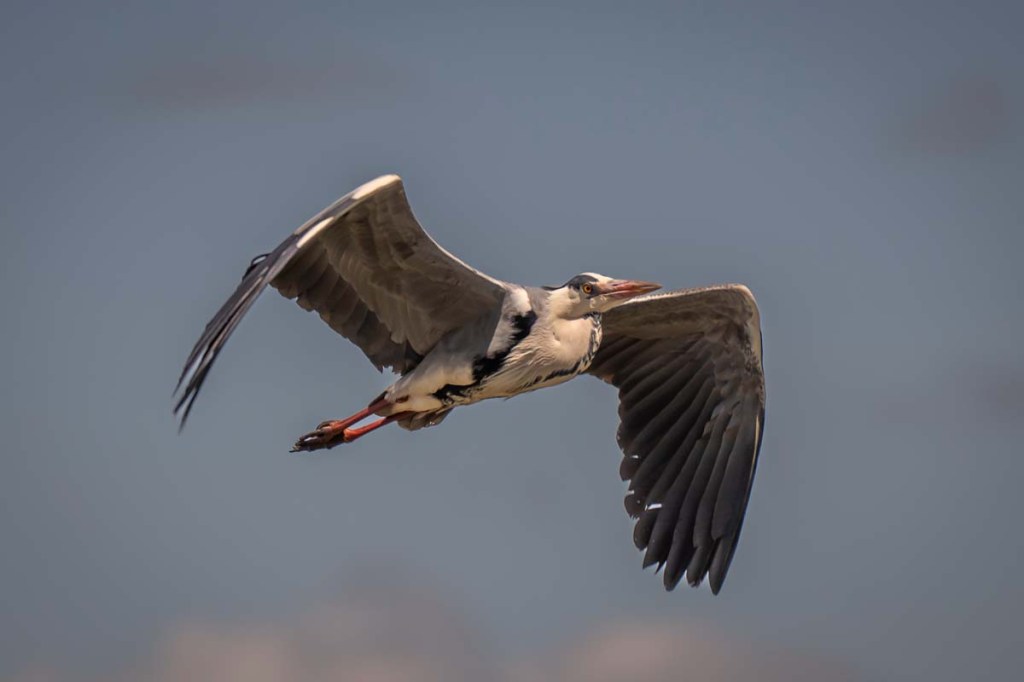
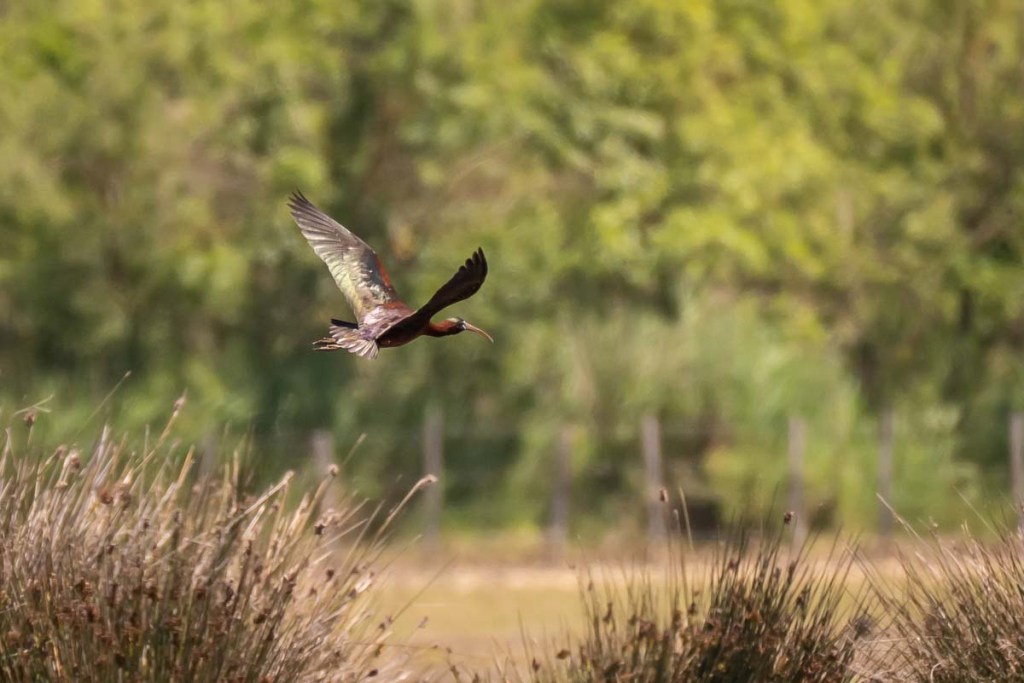


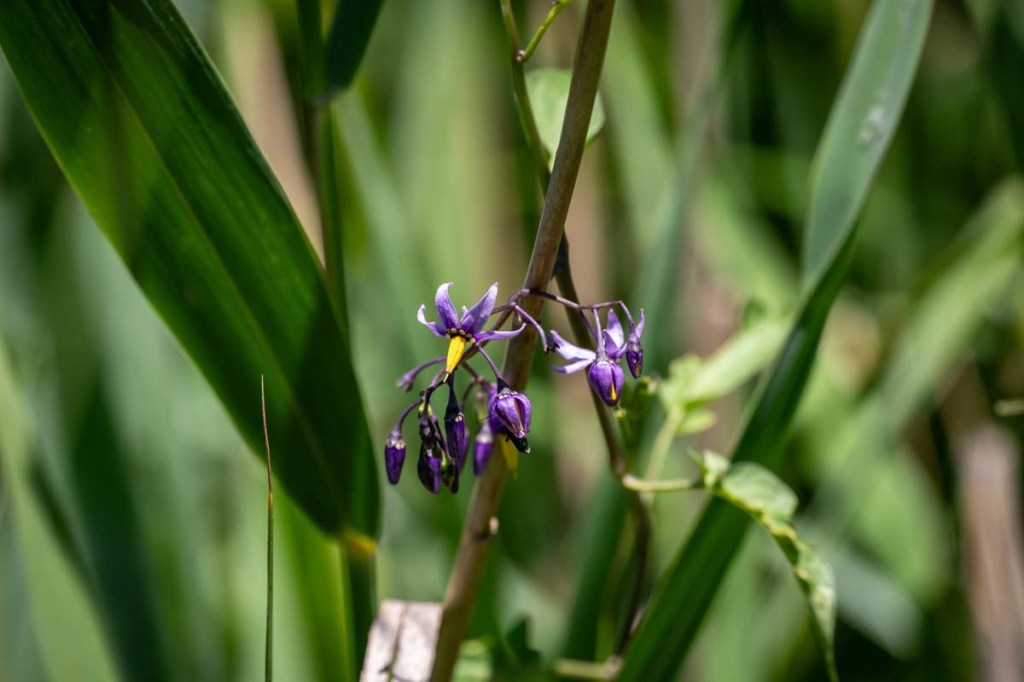


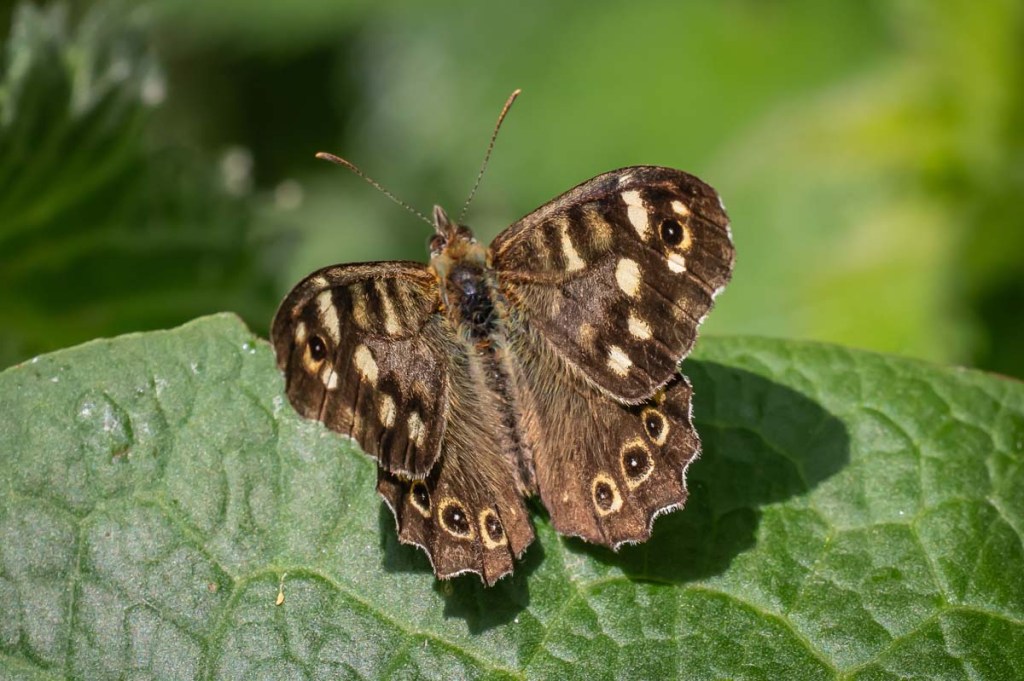
If you have followed my blog through the winter I generally have something to complain about on my visits here: too cold, too wet, poor light, wrong lens, wrong settings, my incompetence etc. Not today: it was just a joy to be here. I’ll let you judge for yourself …



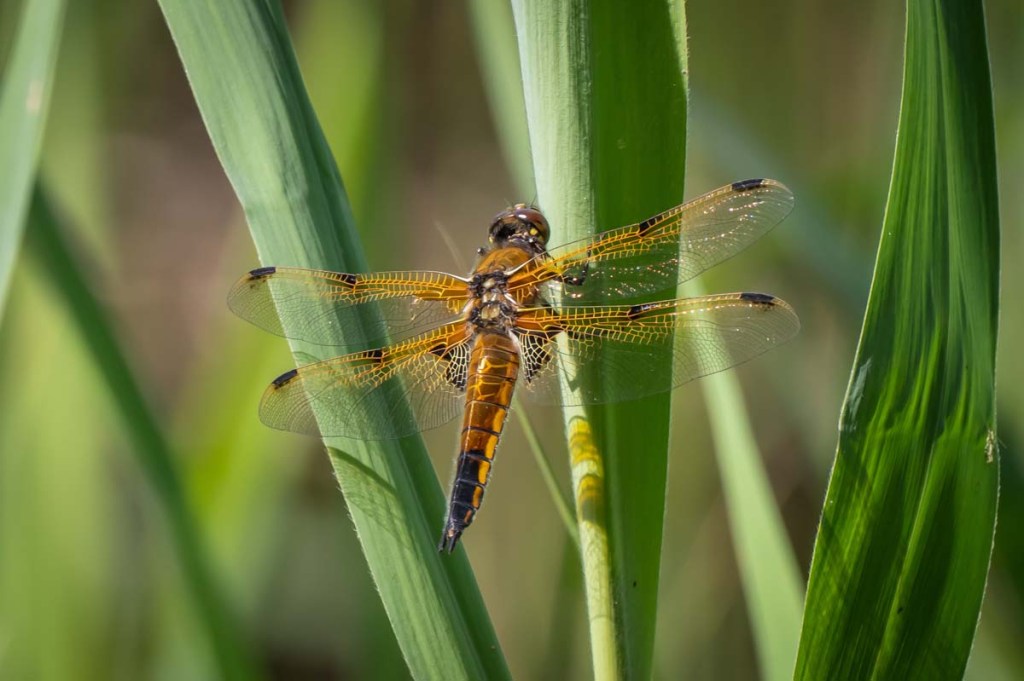
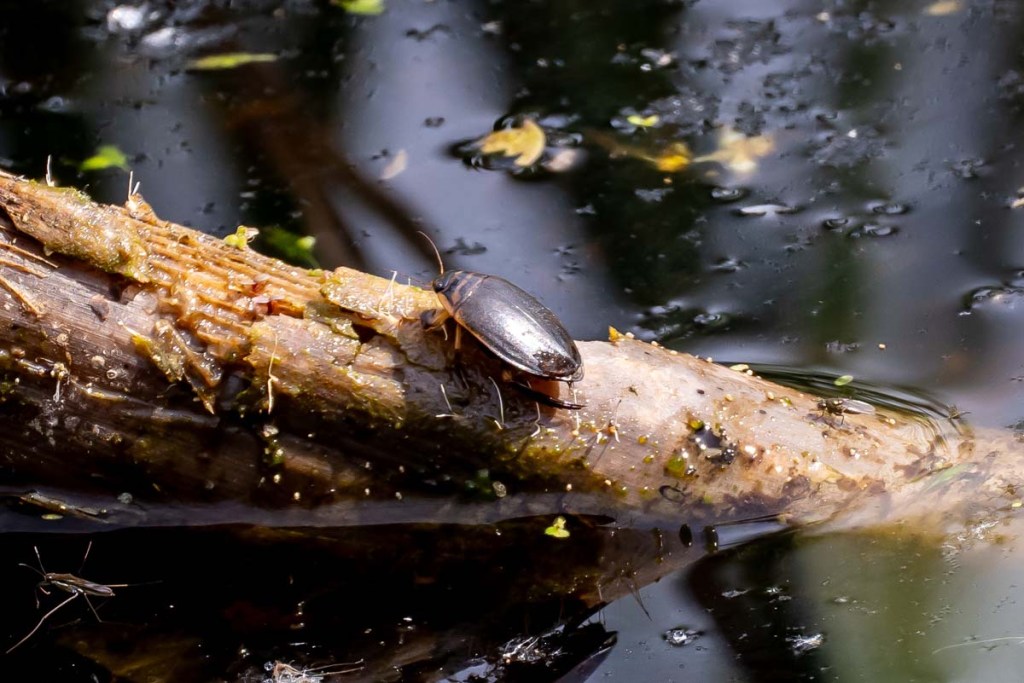

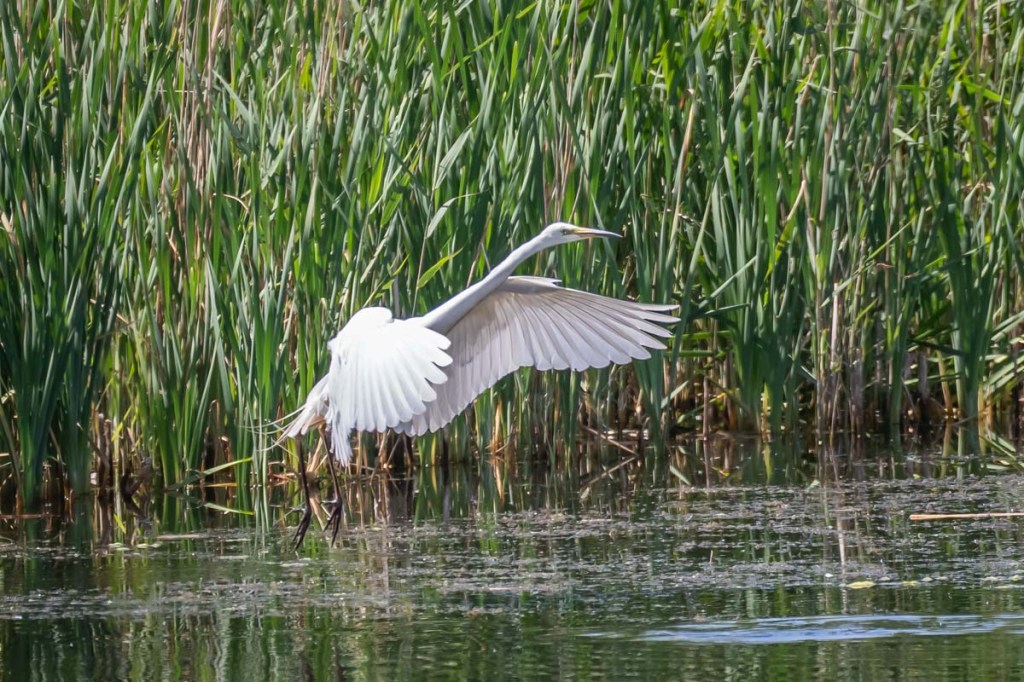
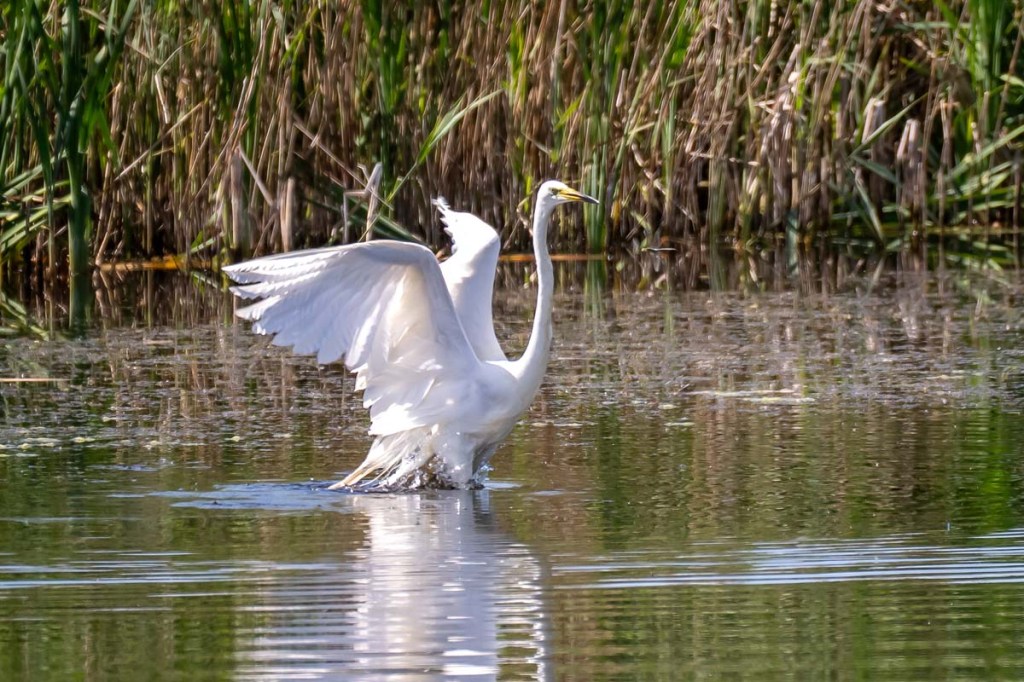
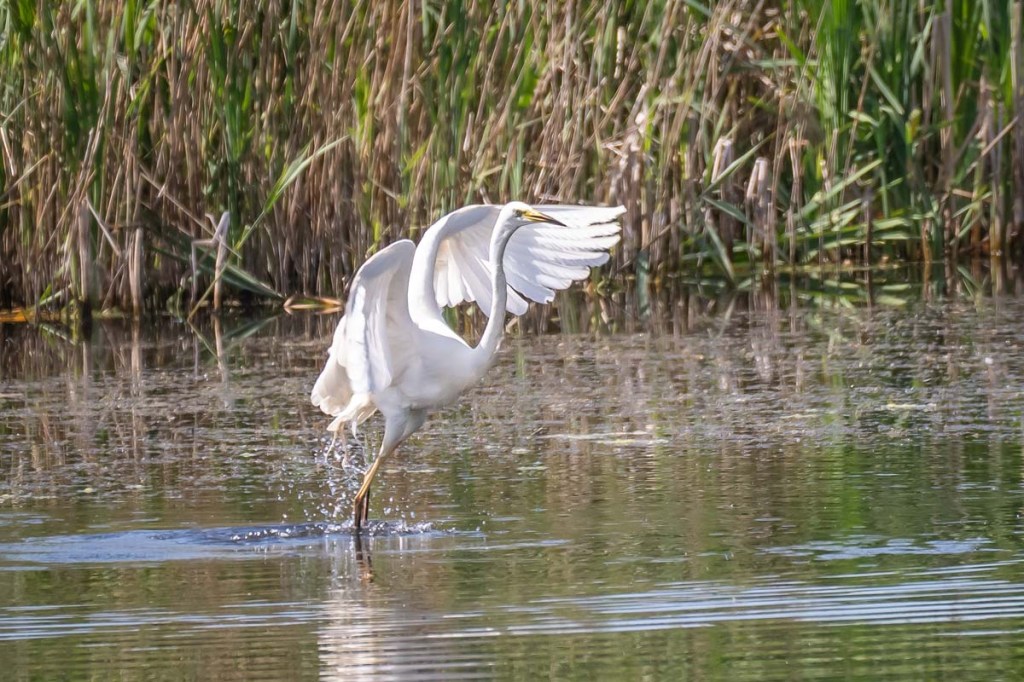


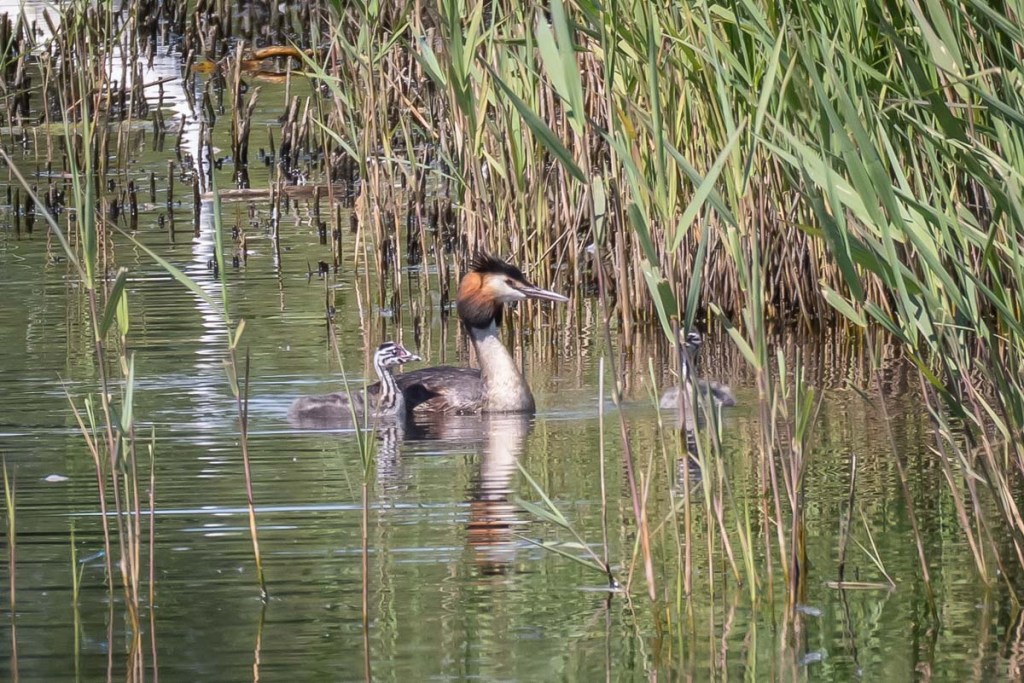
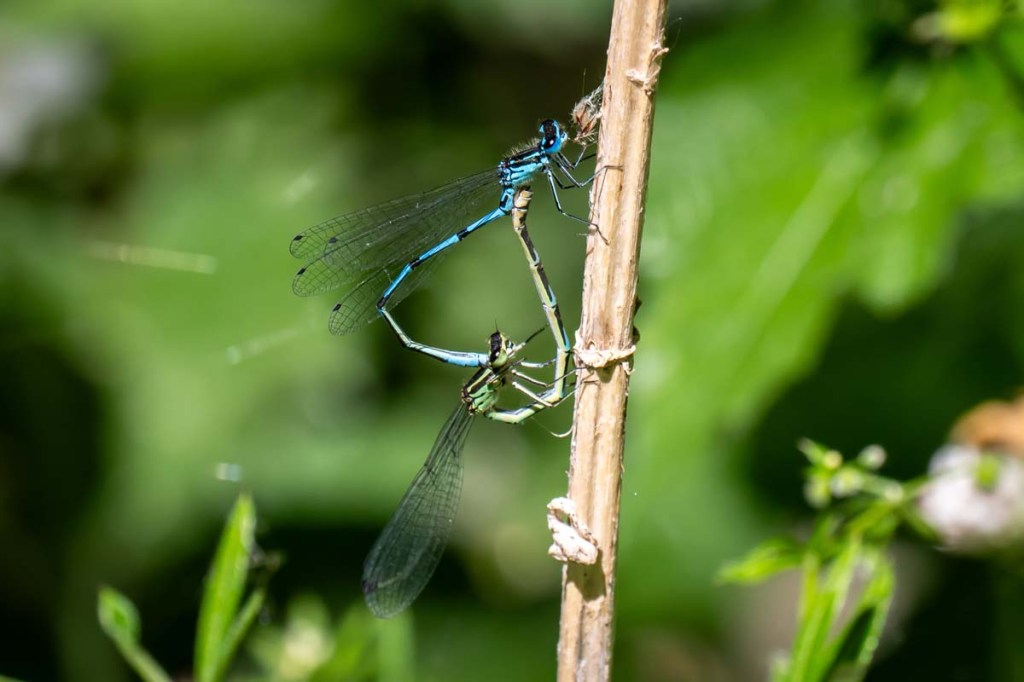
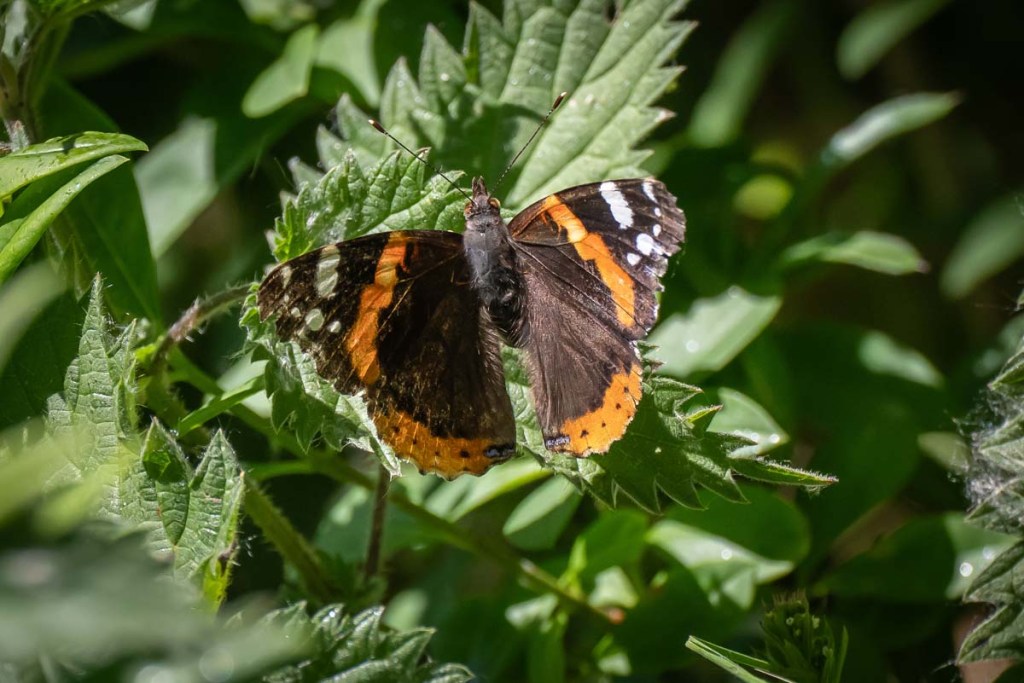


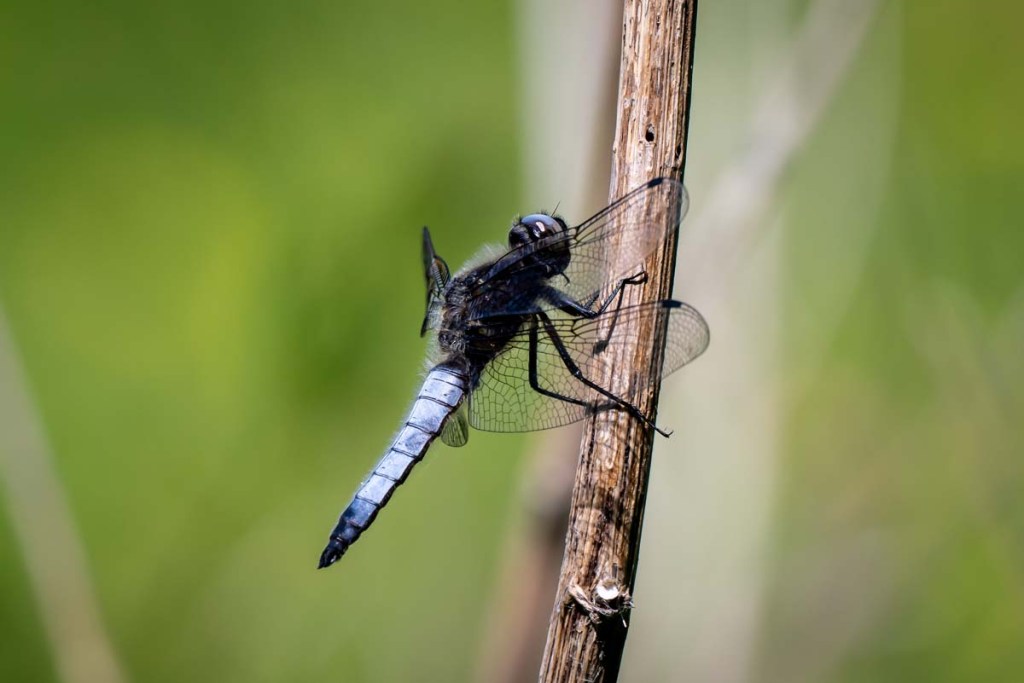


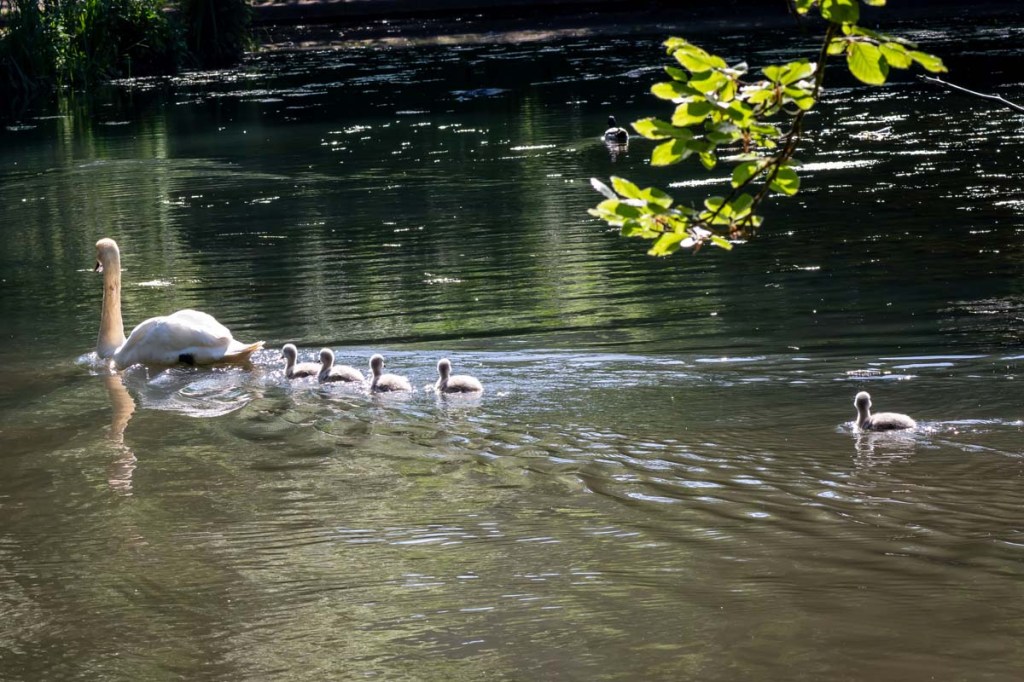
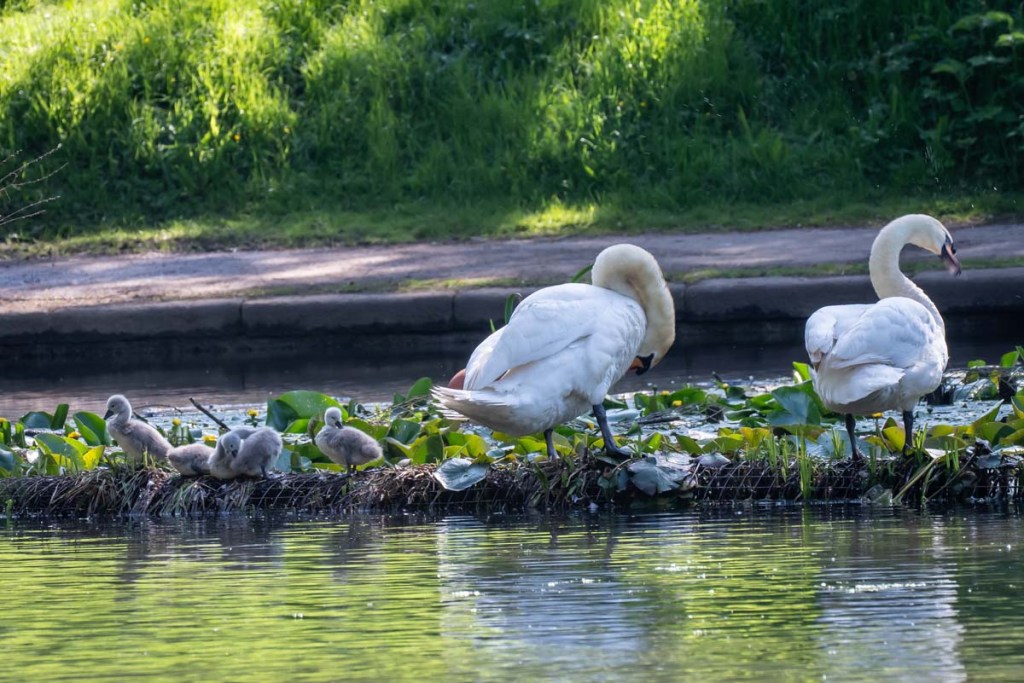
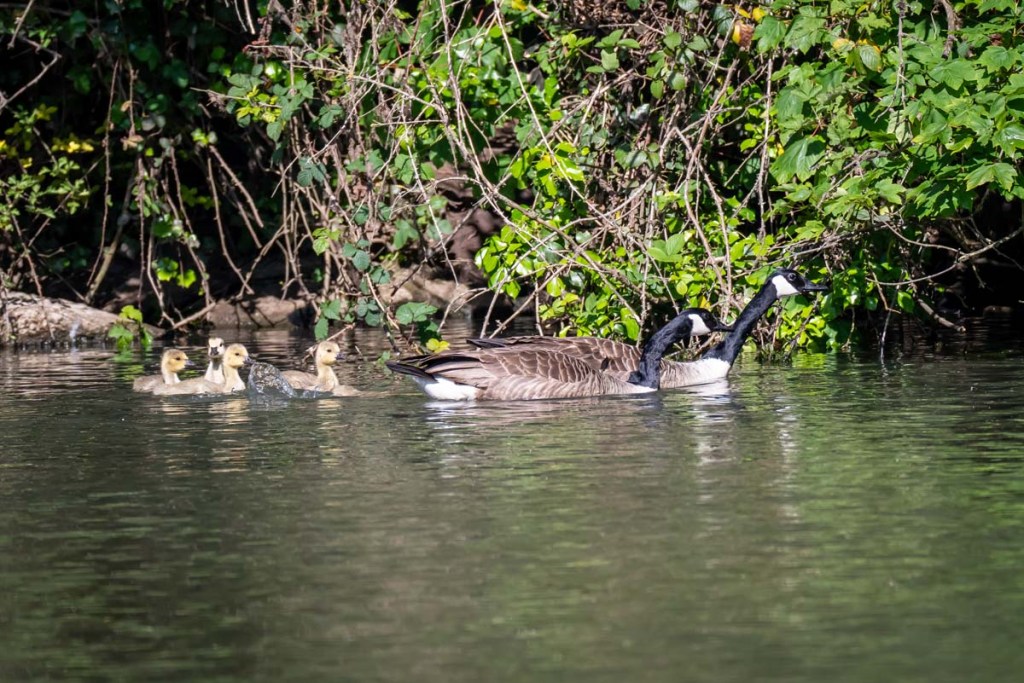
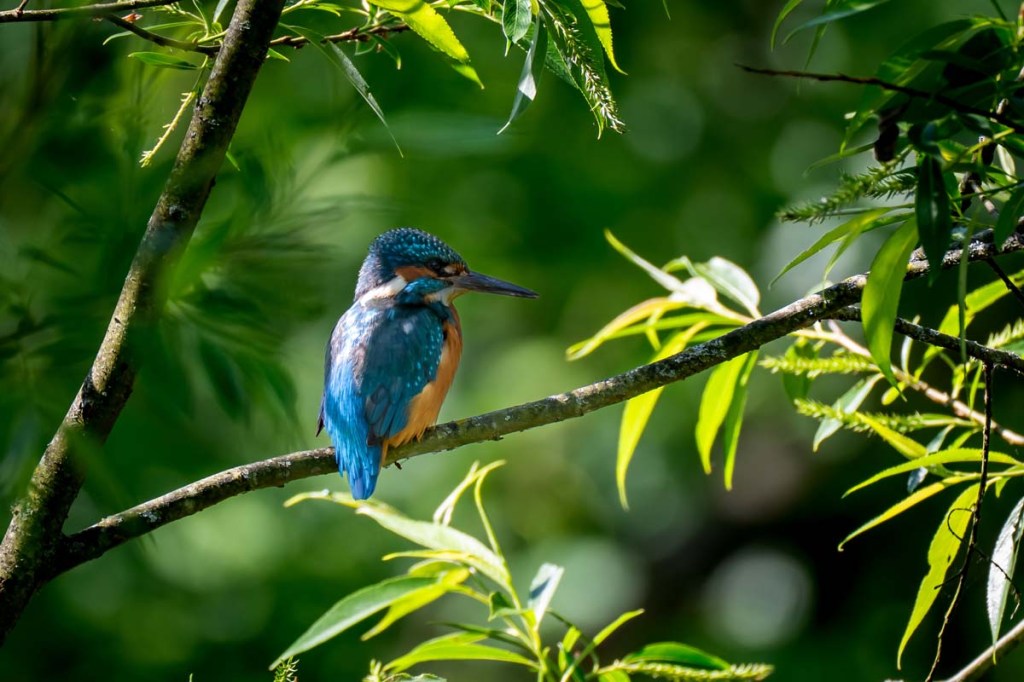
We saw our first mute swan cygnets on our Sunday morning walk around Eastville Park. There were goslings, ducklings and moorhen and coot chicks everywhere. However, our walk was really enlivened by the late appearance of a kingfisher which announced itself very noisily (as they do) so that we couldn’t miss it.




Another great day at Ham Wall. Plenty of sunshine but a cold wind.
Lots of opportunities for great photos but I failed miserably as I was having camera problems which I haven’t got to the bottom of yet!
Editing has saved the day a little but far too many great opportunities missed.
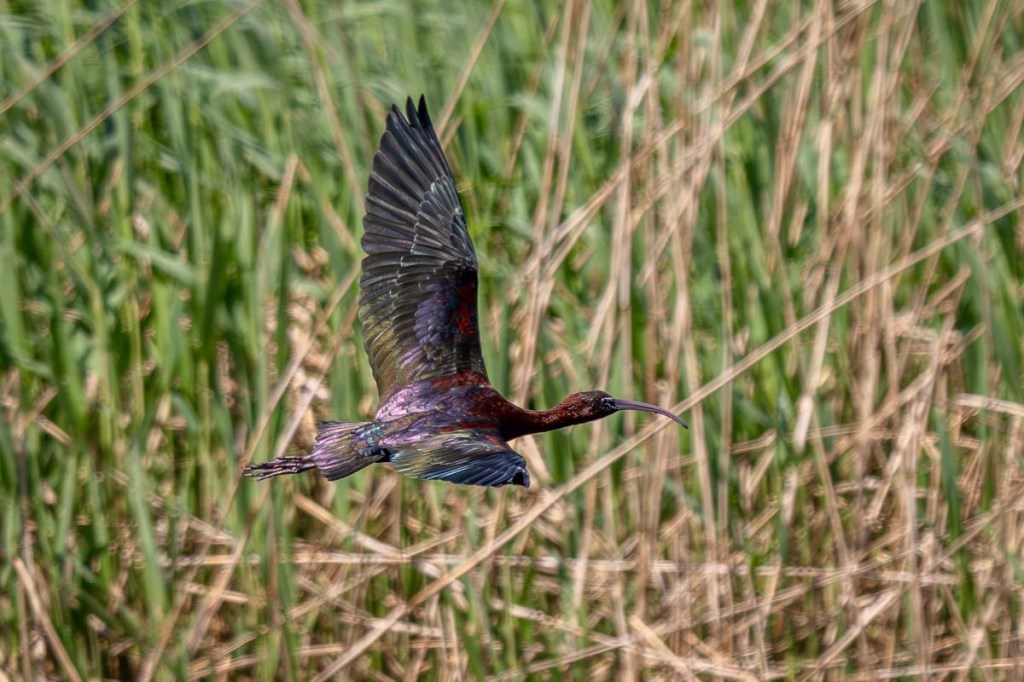
The best of the birds? Glossy ibis, a red kite and a pair of common cranes.

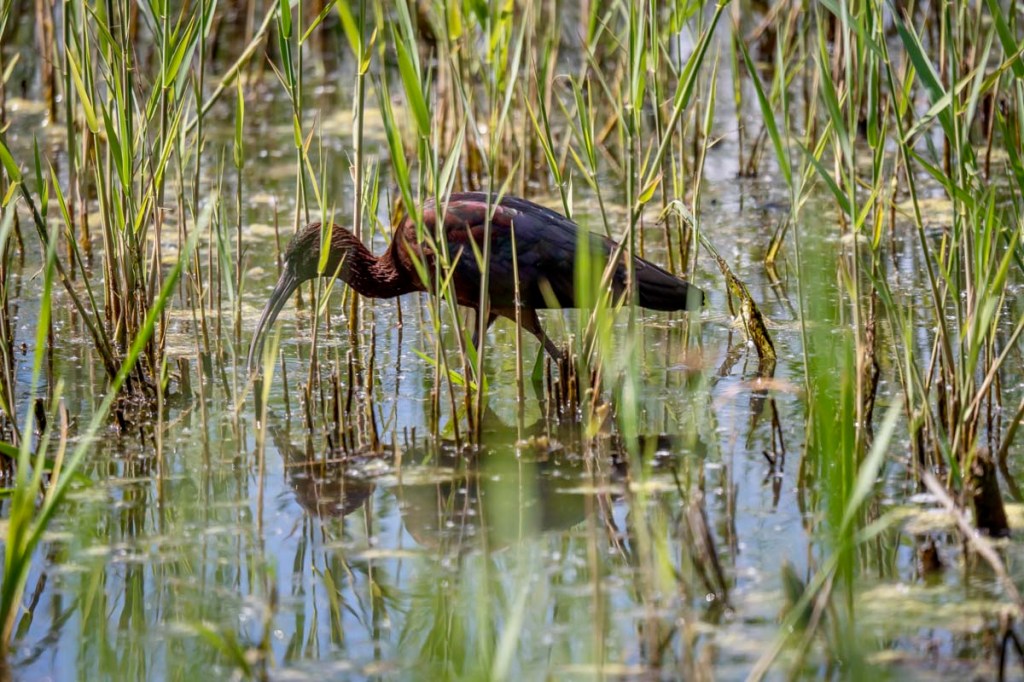
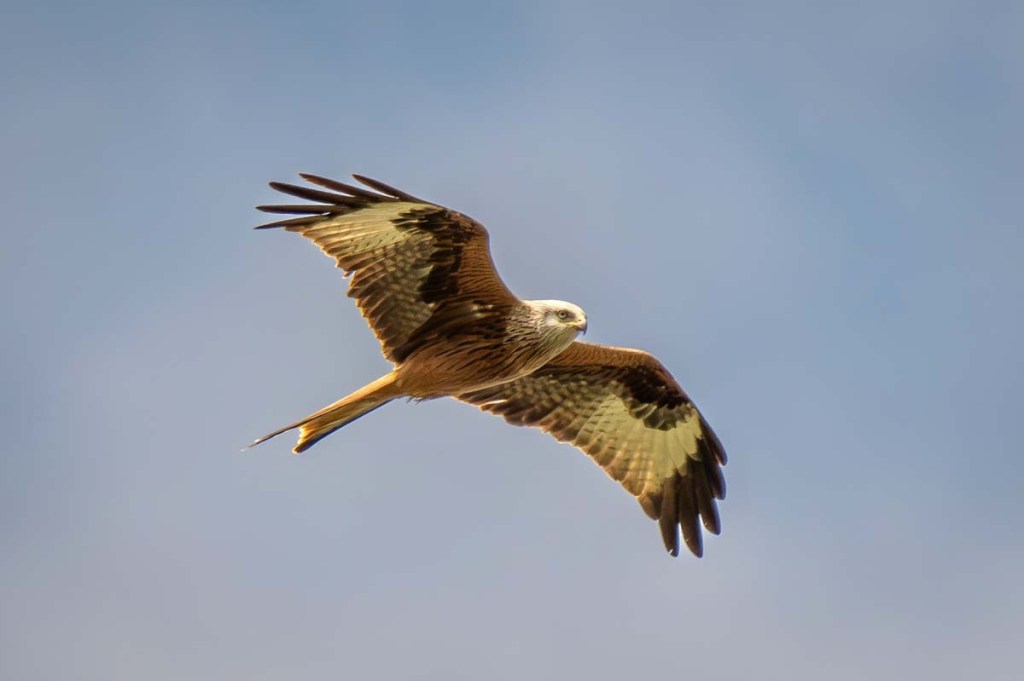


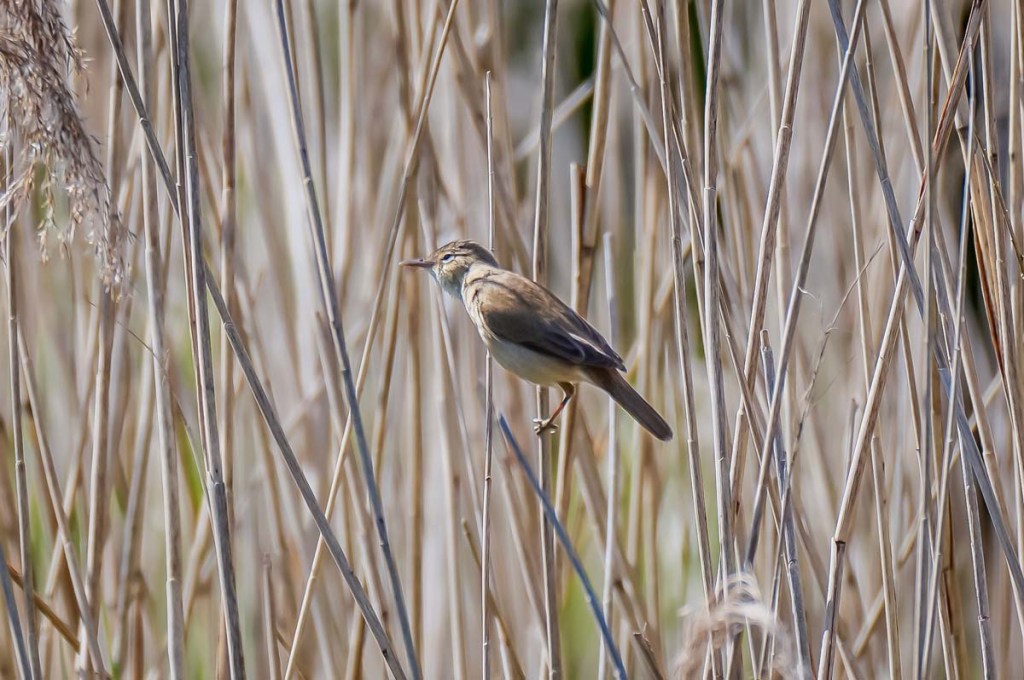


Another trip to Ham Wall on a beautifully sunny and incredibly warm day for late April.
So much wonderful bird song. Clearly the birds were loving it too.
There were lots of people there and so I avoided the hide where the glossy ibis could be seen.
Again there were plenty of views of marsh harriers but a little more distant than last week. I just missed a pair of cranes; by the time I arrived they were hunkered down with their brood.
For me the treat was several very melodious reed warblers and so I will give them prominence on my blog.

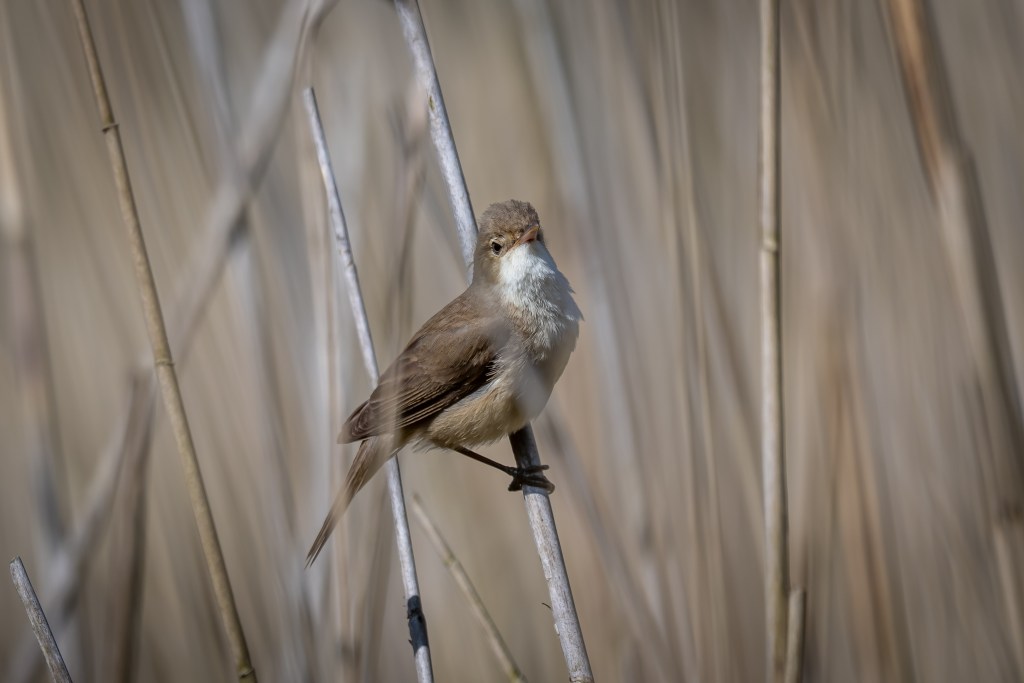

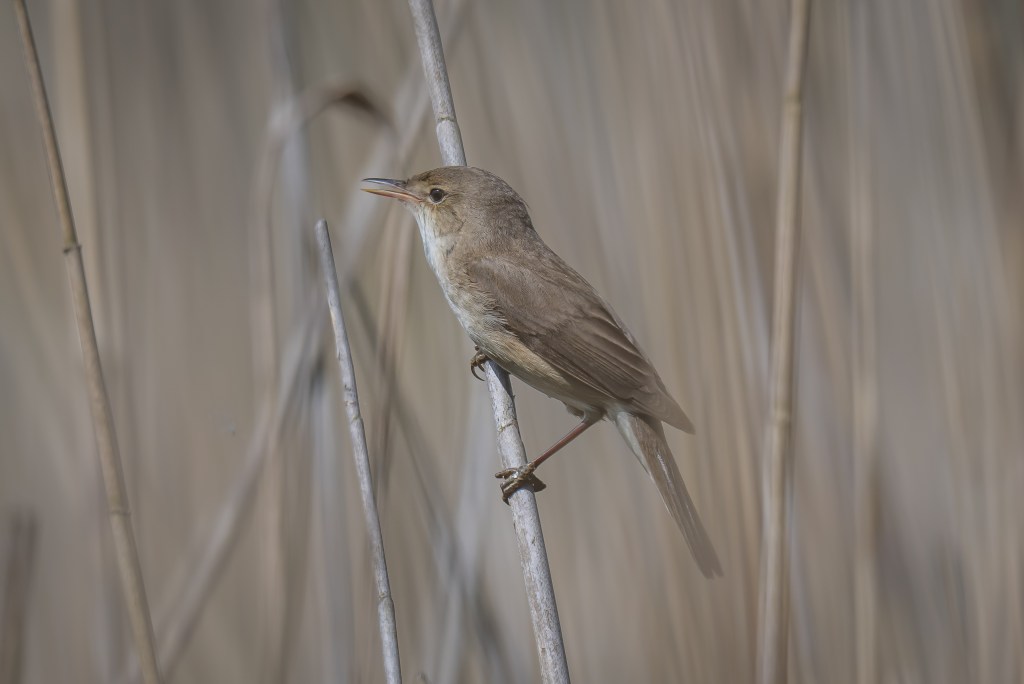
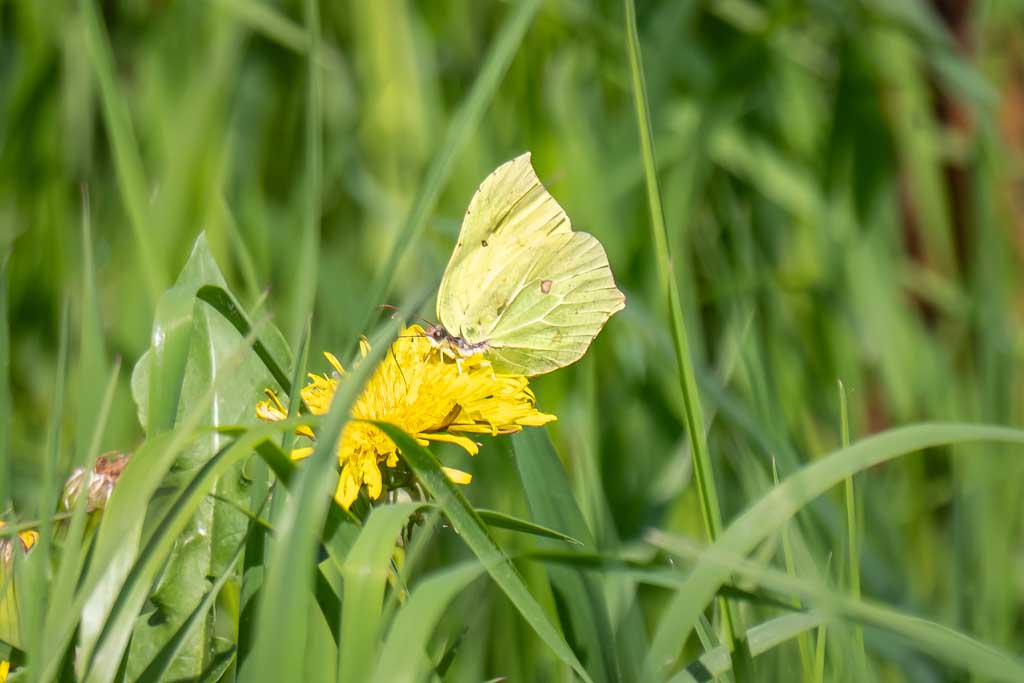

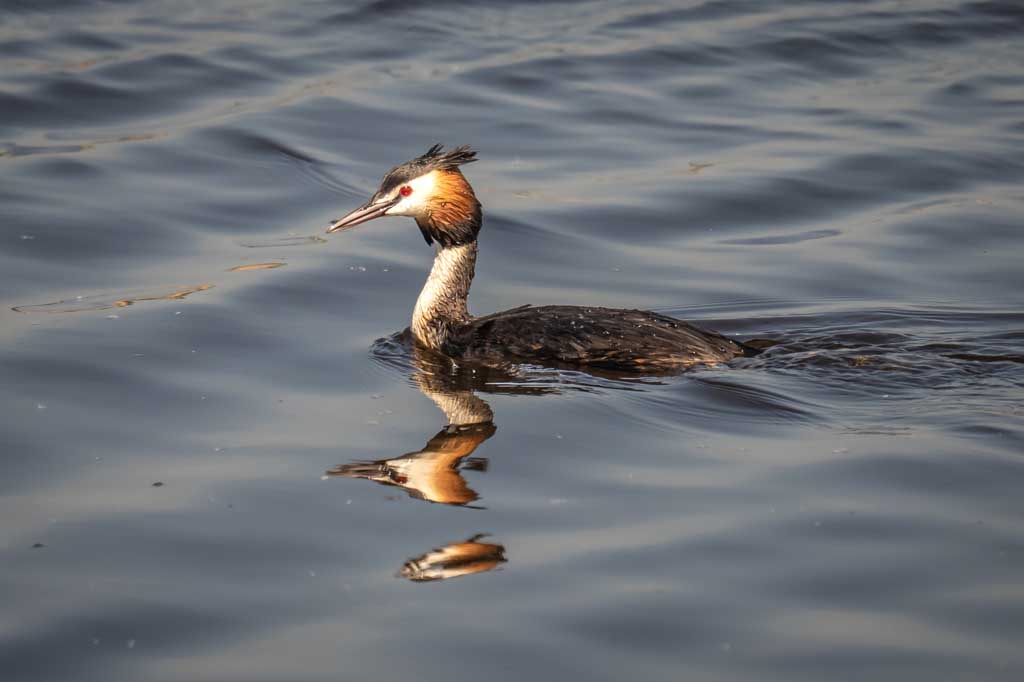

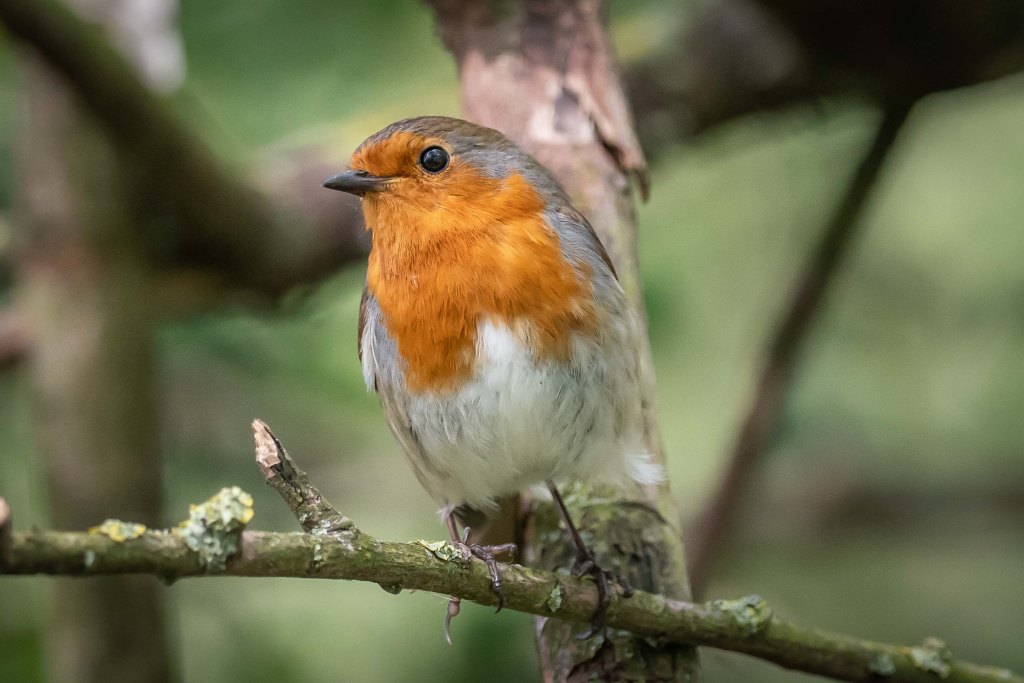
One of the great things about Ham Wall is that, right from the car park, you hear lots of birds at close quarters. The loudest were the blackcaps and the garden warblers but, although I had fleeting views of them, I couldn’t for the life of me get a photograph of therm. I had to settle for robins and dunnocks.

It was nice to feel the sun too, although it was tempered by a cool breeze. I was also very heartened to hear my first cuckoo of the spring.
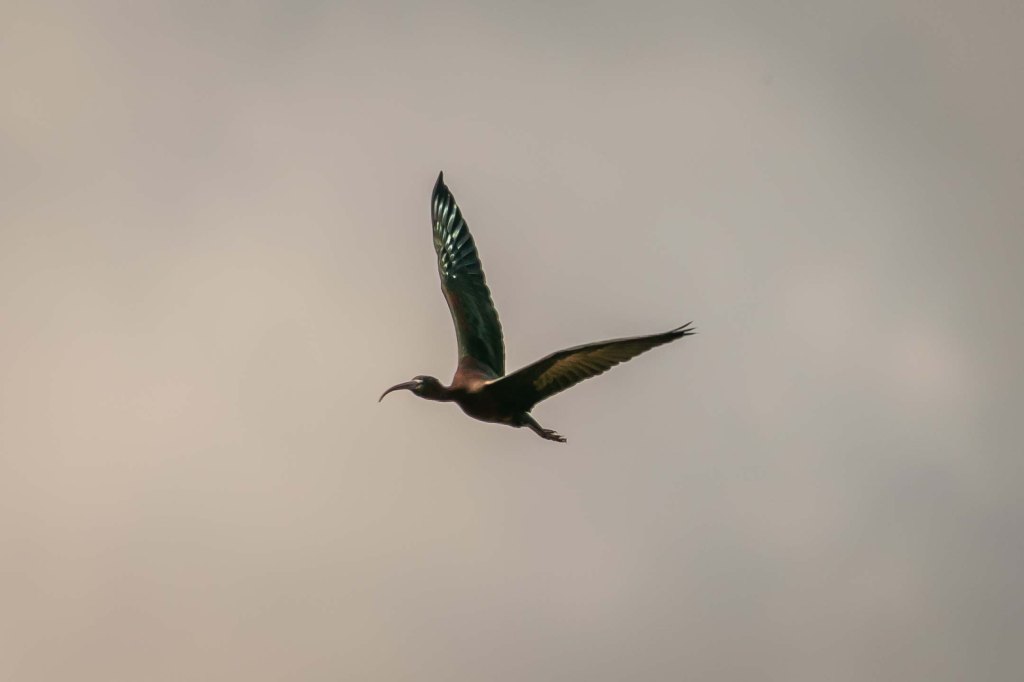
I spent a while trying for photos of a glossy ibis. I thought I had missed it when it flew over me early on but I managed to catch up with it feeding in the reeds close to a hide.


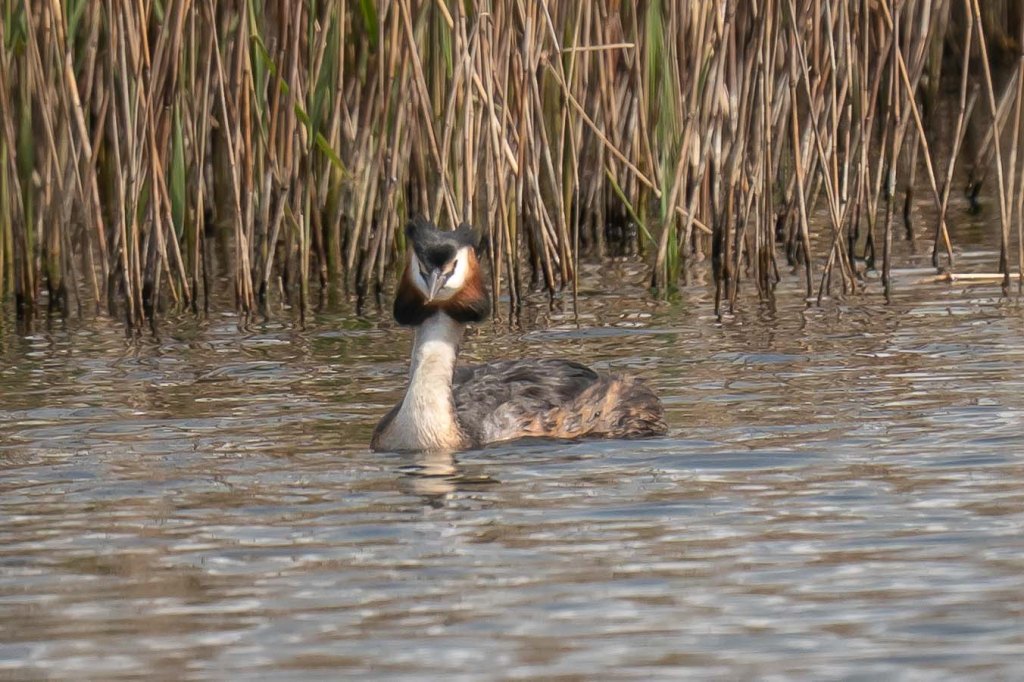
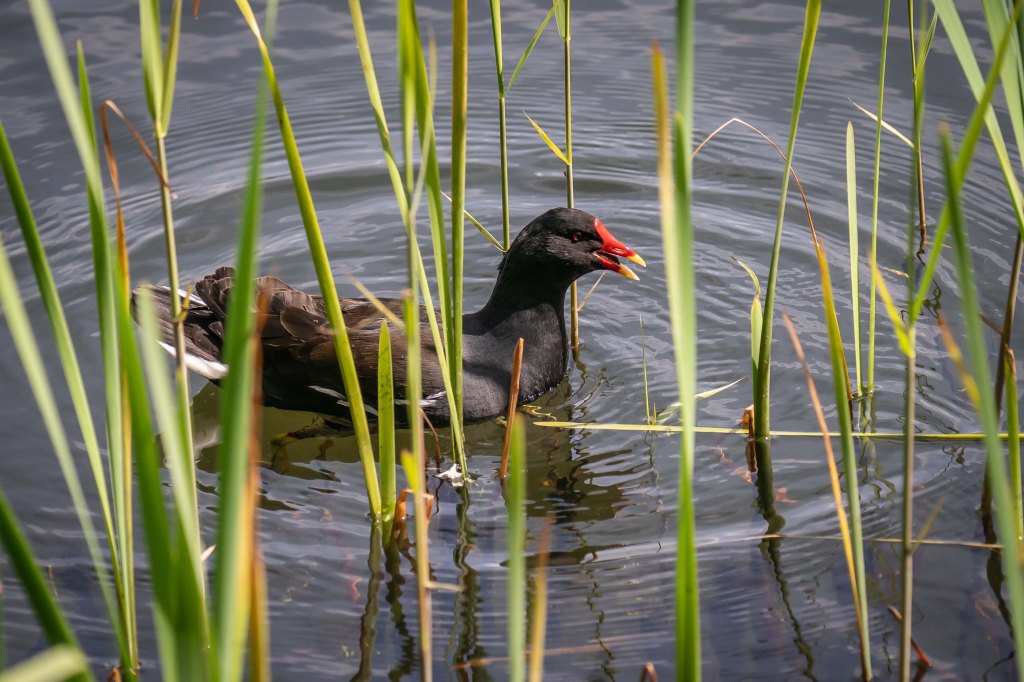

The sun also brought out the butterflies. I saw a few distant orange tipped butterflies and some peacocks at closer range.
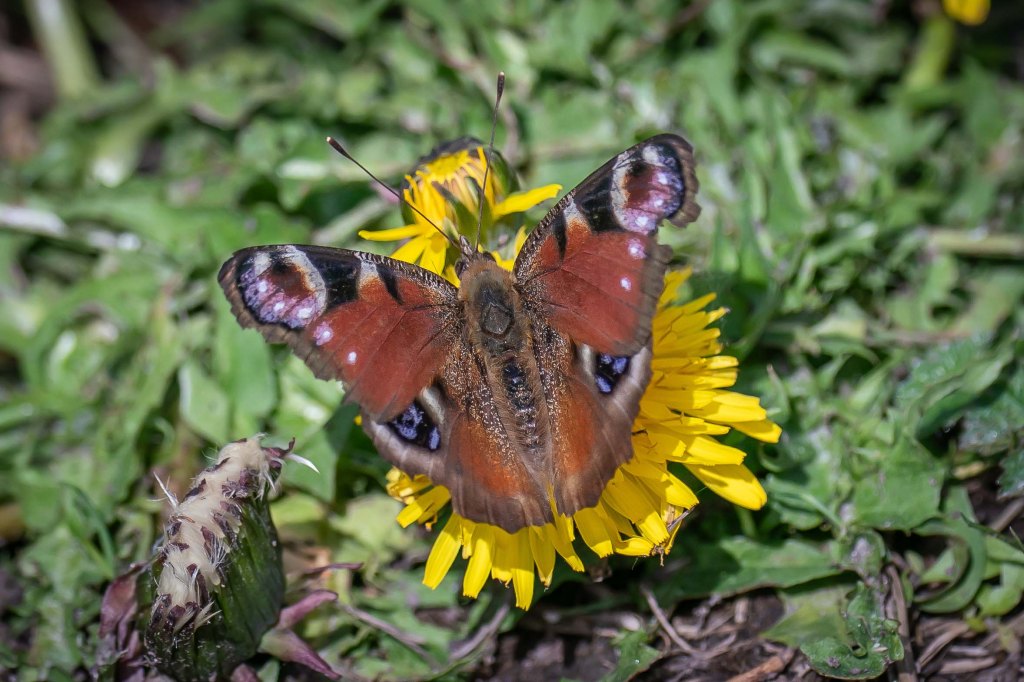
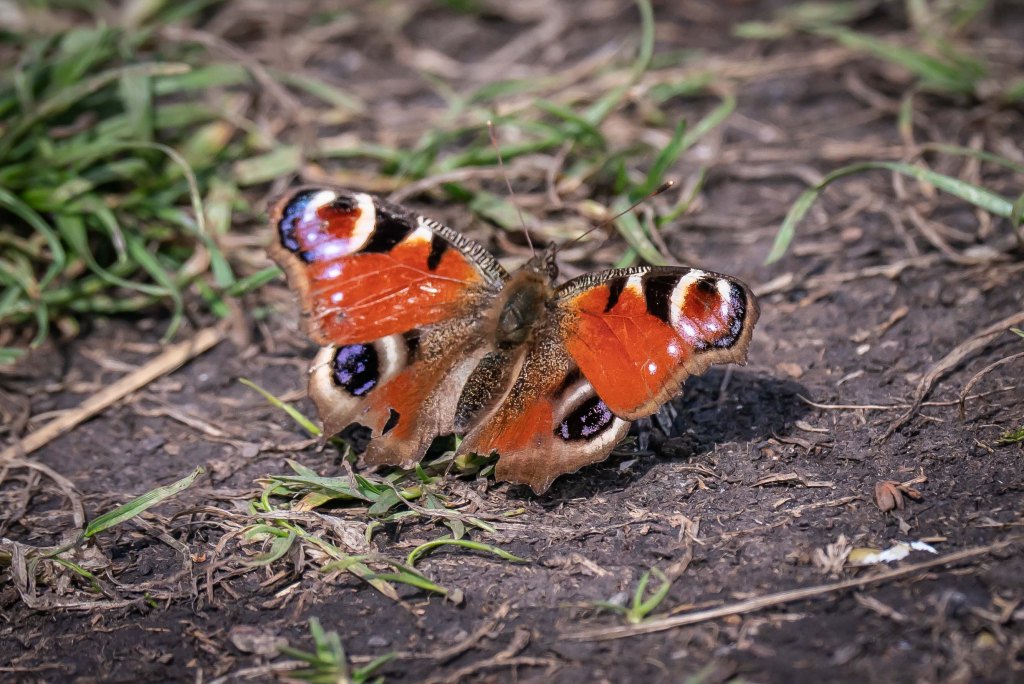
The very best thing about Ham Wall at this time of the year is the booming of bitterns which you hear all around. Unfortunately, I didn’t manage to see one. They are very secretive birds but it is amazing how many times I have managed to see them here.
However, I was compensated, at the Avalon Hide, by close up views of marsh harriers.
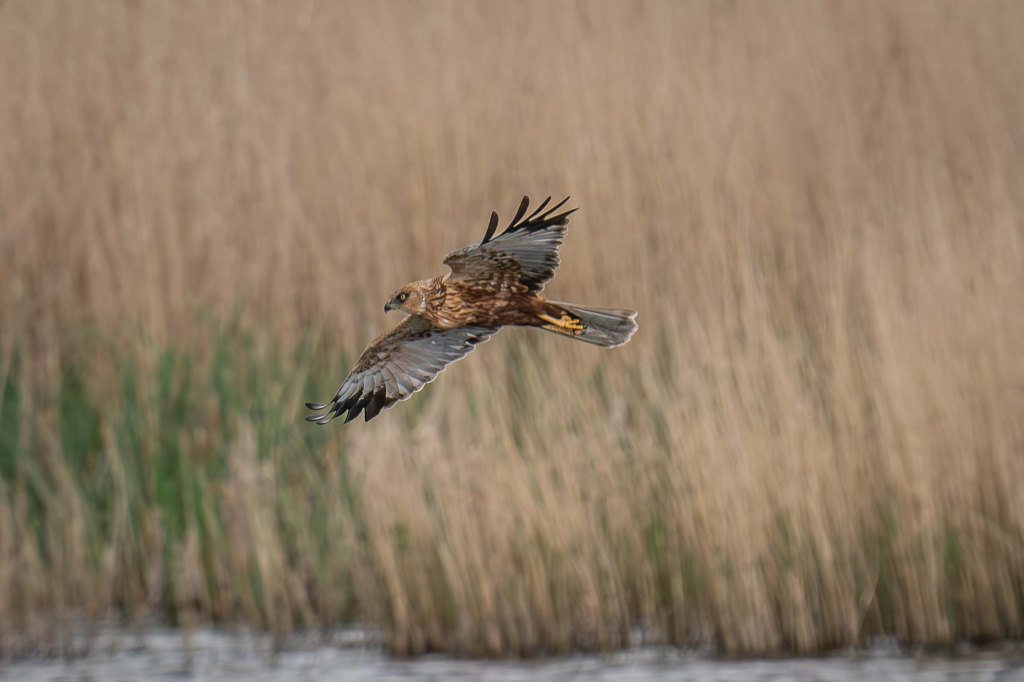

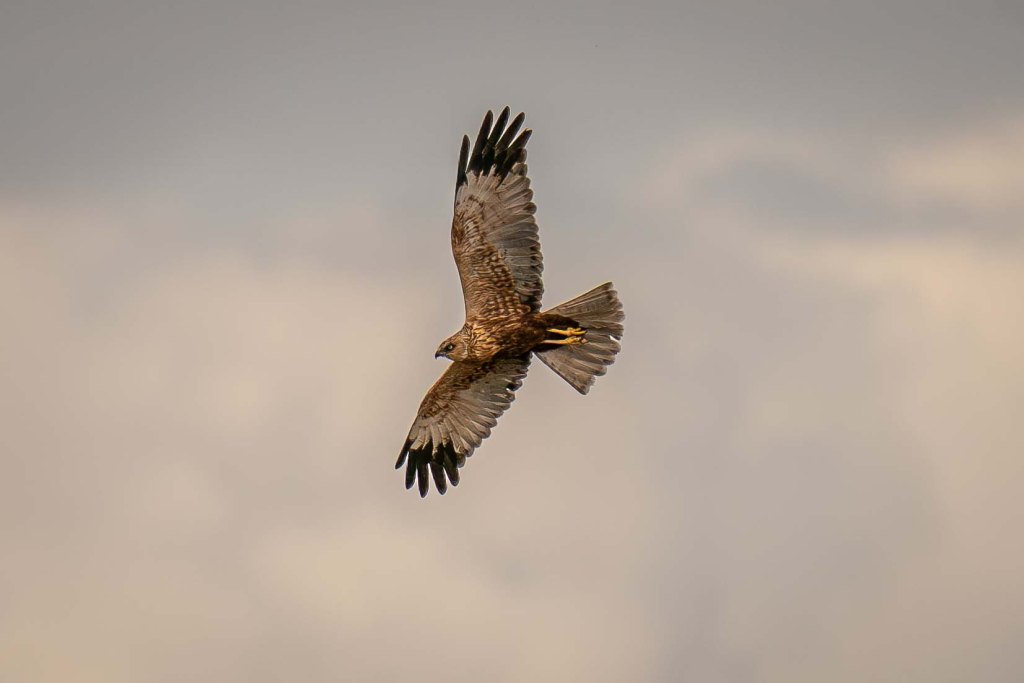

From the Avalon Hide I could see the weather was deteriorating and so headed back to the car park where I arrived just as the rain started.
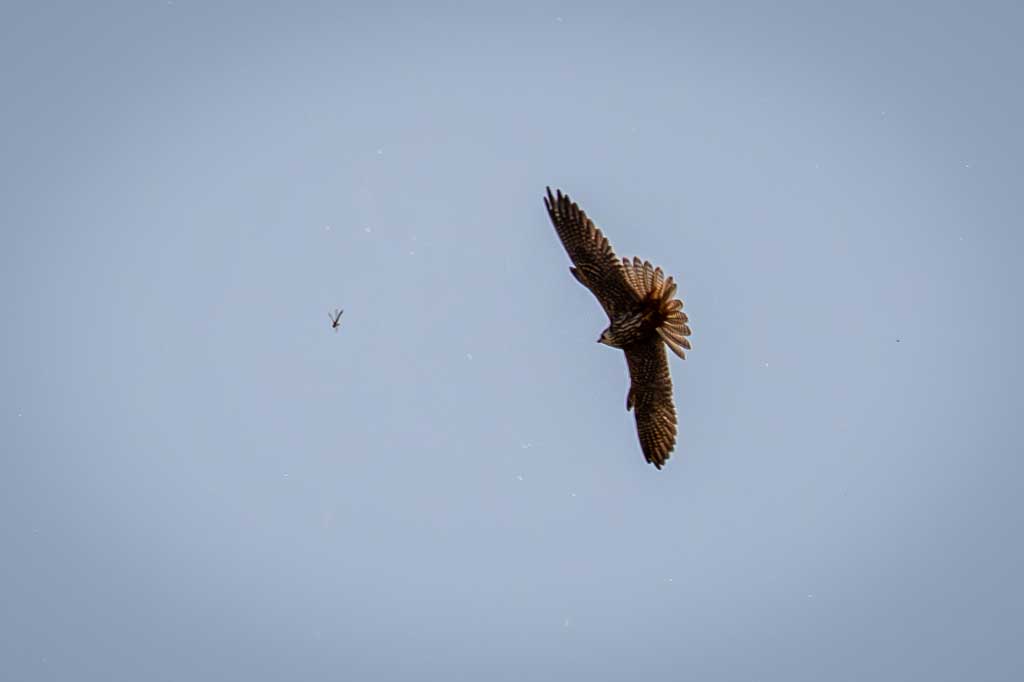
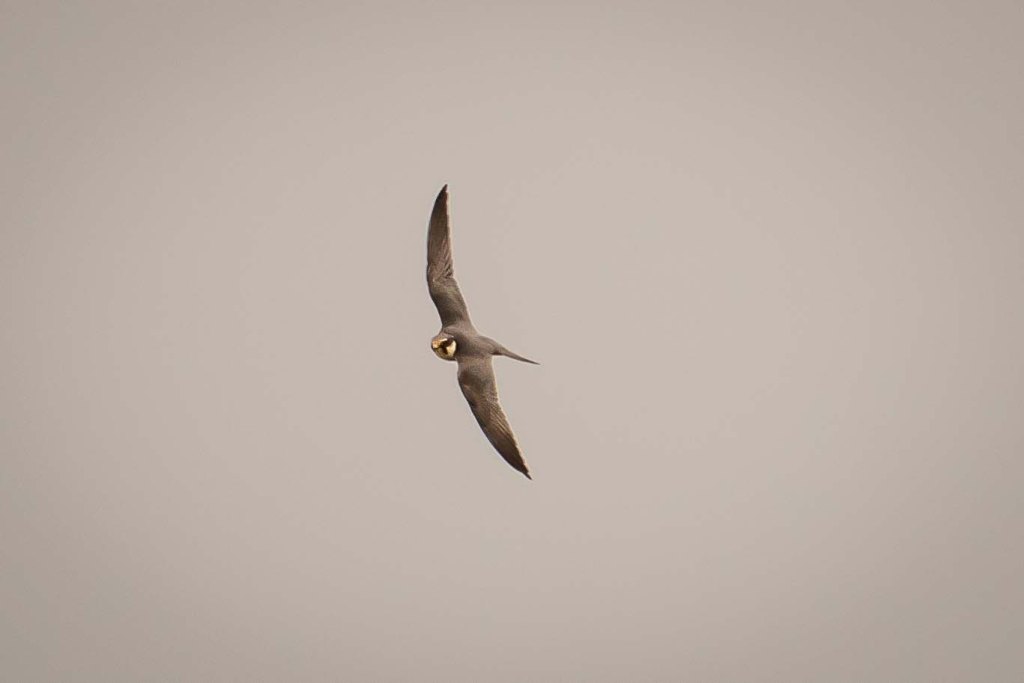
On my way back I had a short stop to watch 3 hobbies hunting dragonfly. By then it felt too cold for dragonflies but the hobbies proved me wrong.


Our last couple of days on The Algarve have been particularly blustery and we have restricted our birdwatching activities, as most days here, to the mornings.
Yesterday we walked around our “local” patch at the Olhão salt pans. Again, probably because the tide was very low, there wasn’t very much to see. The highlights were probably an overhead spoonbill, another Sardinian warbler and some little terns.
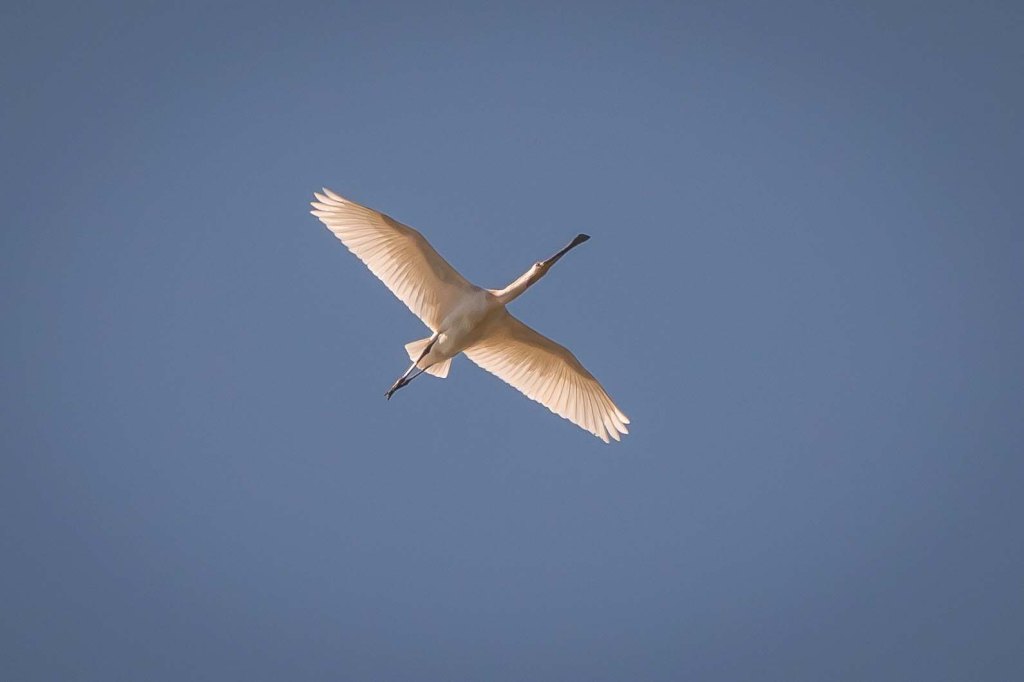

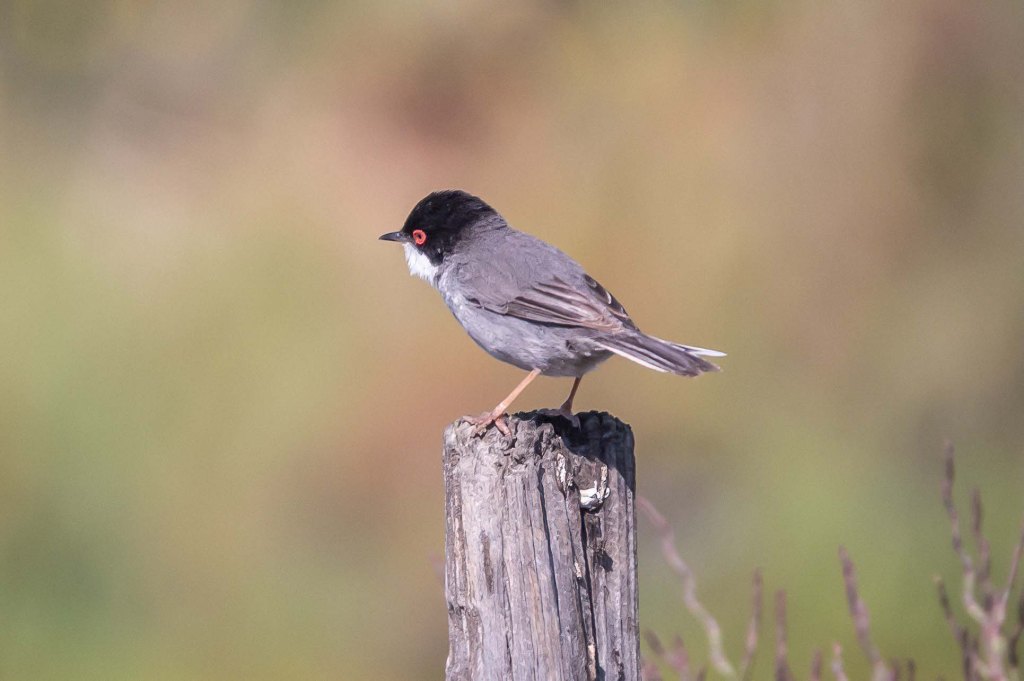
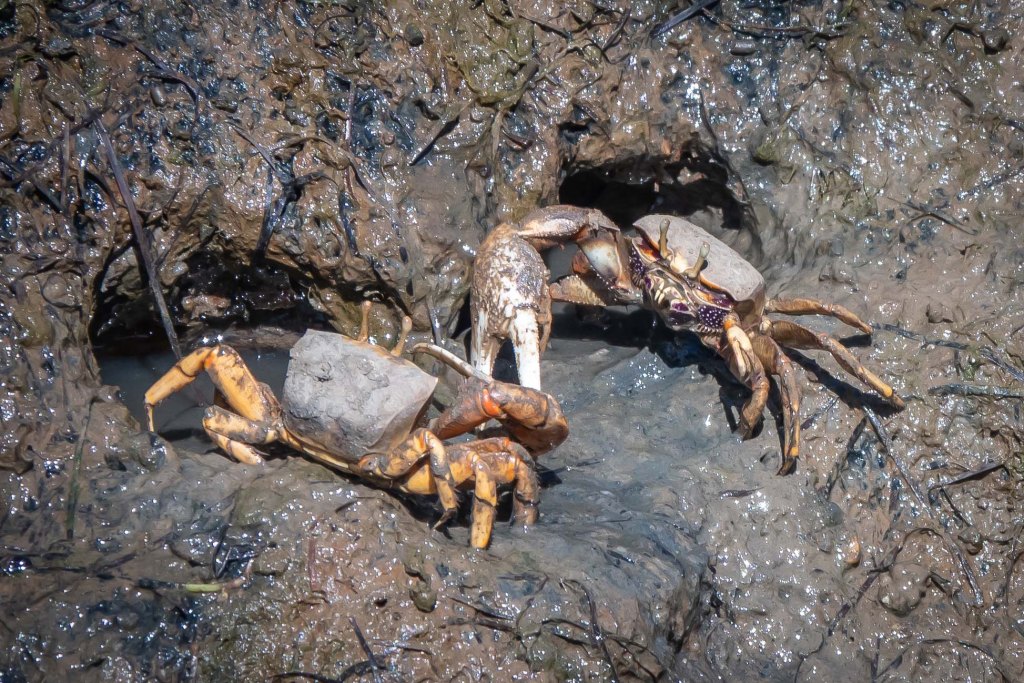
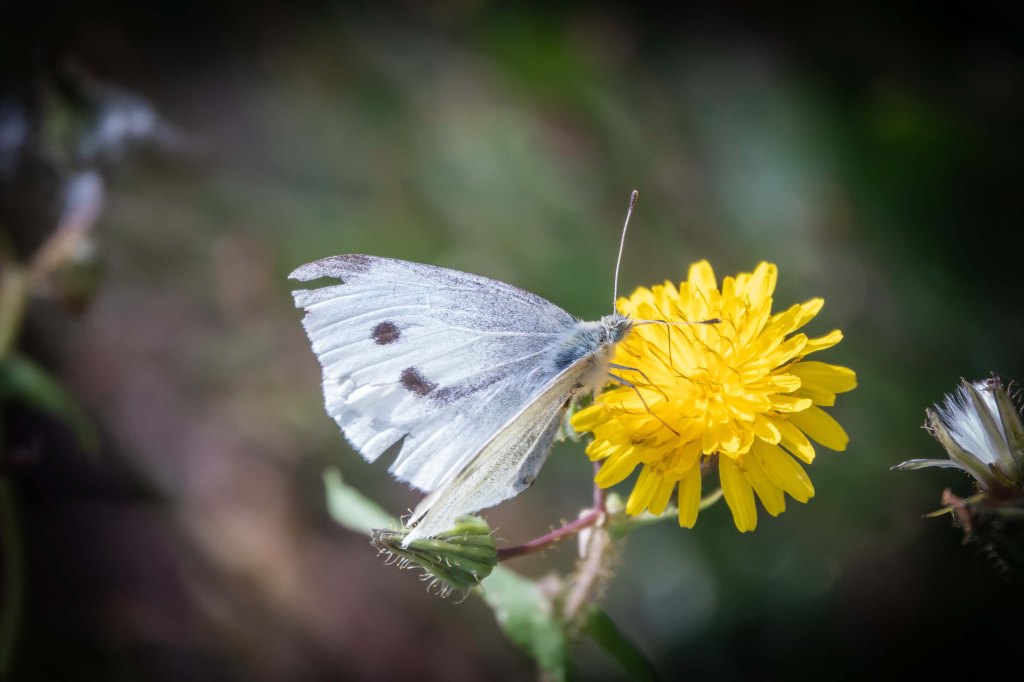

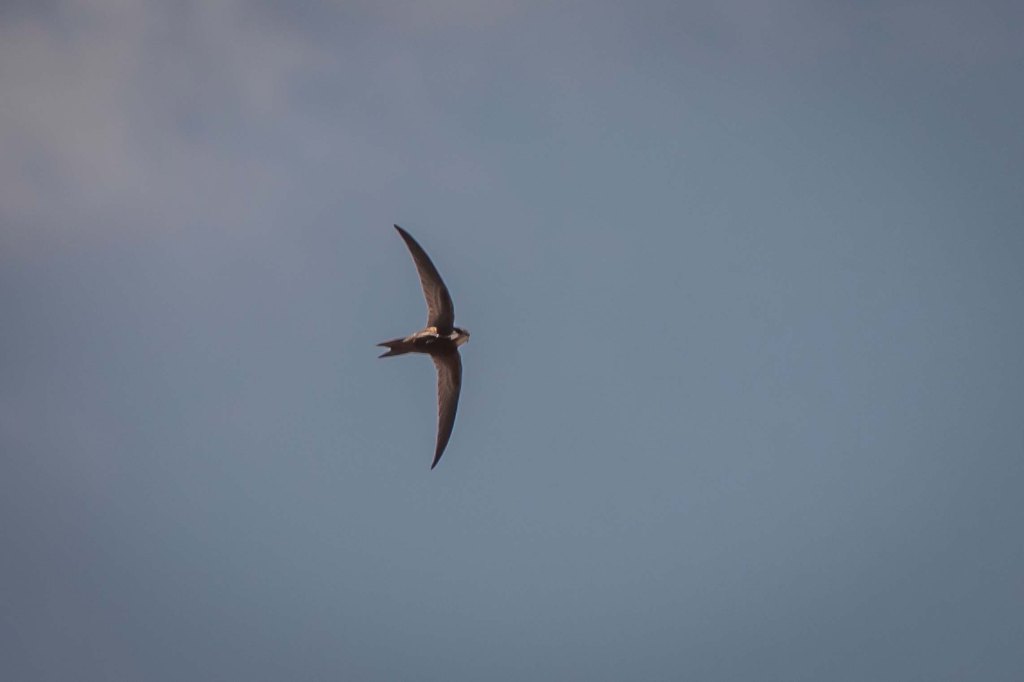
Today we made our way to the area near Fuzeta where we had been a few days ago and walked through to the Arroteia birding area further east.

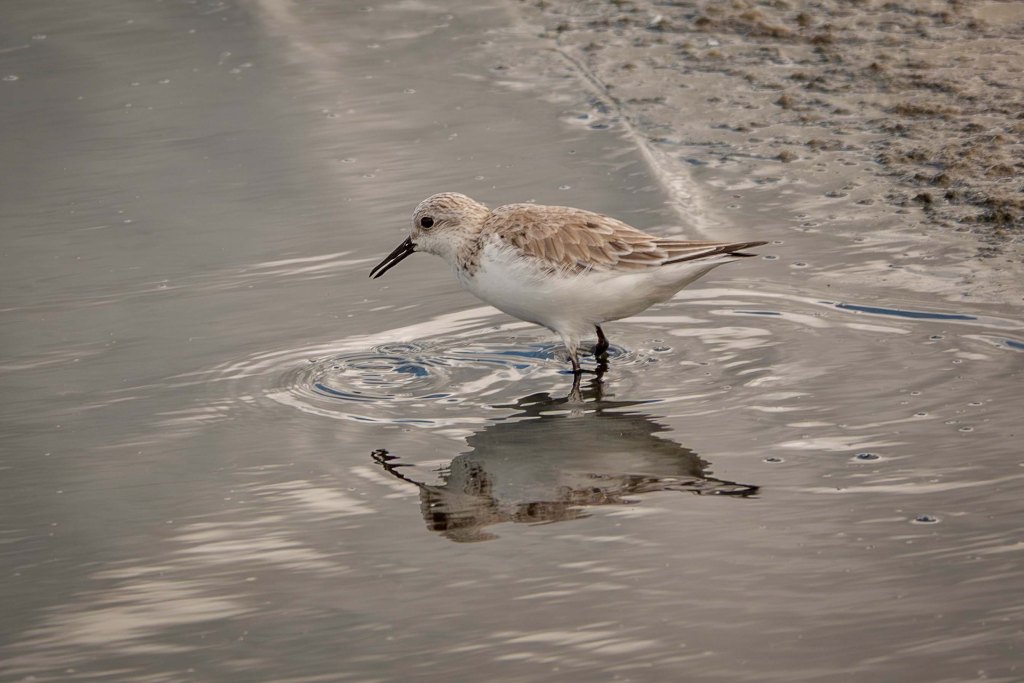


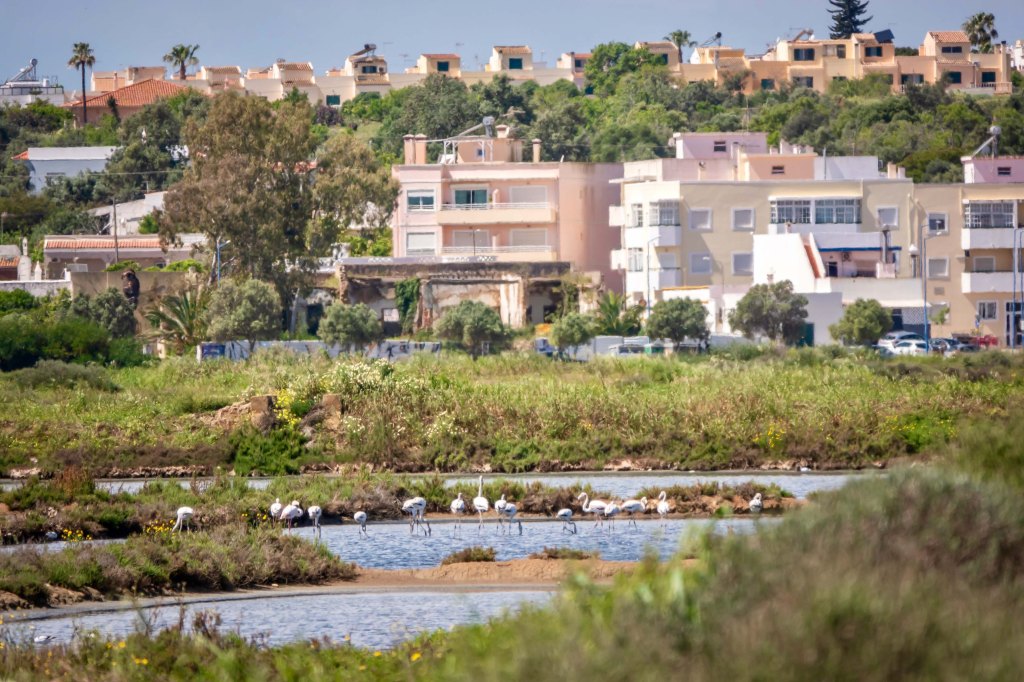

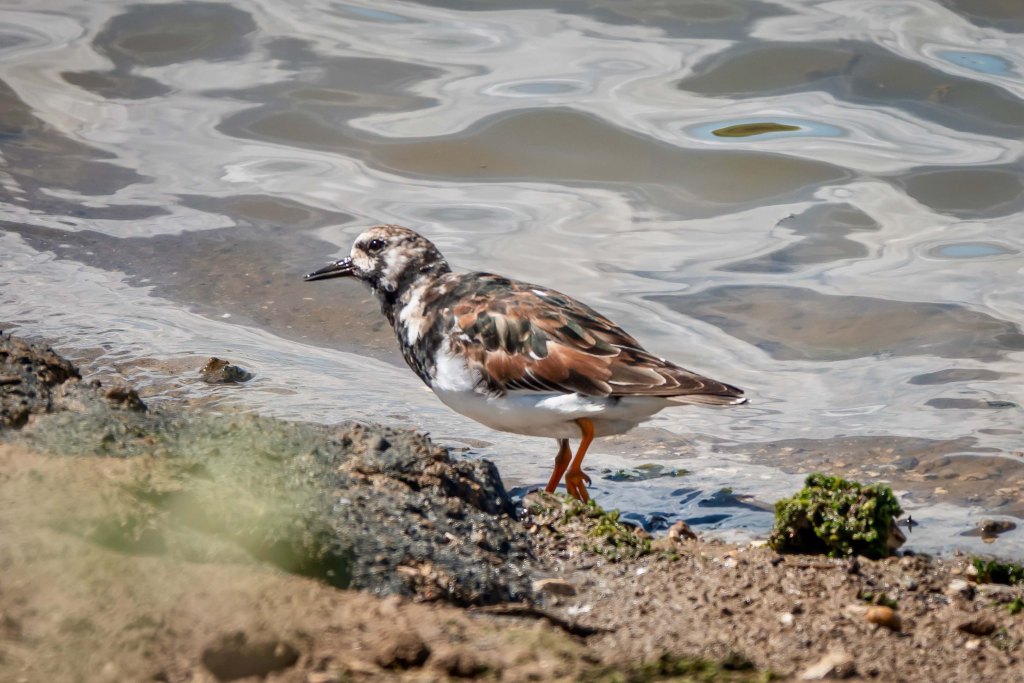

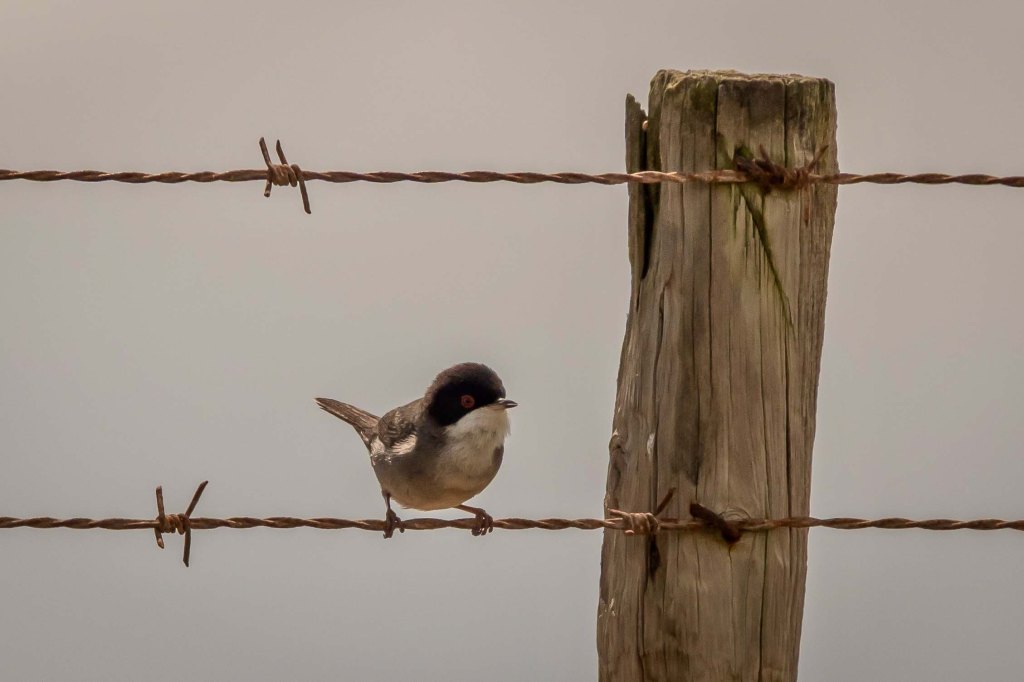

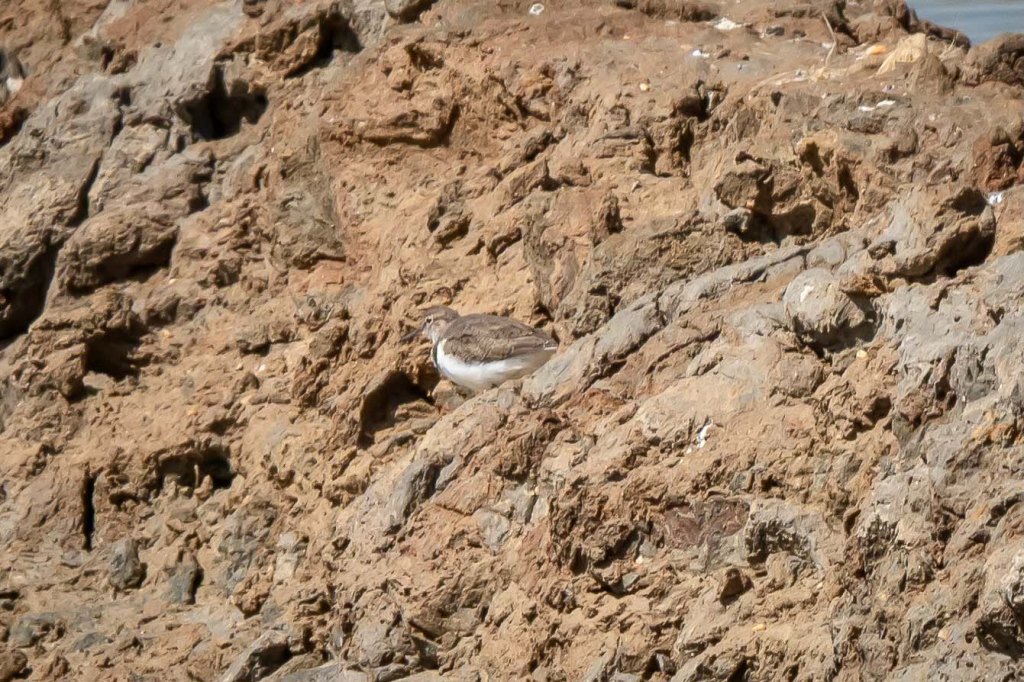


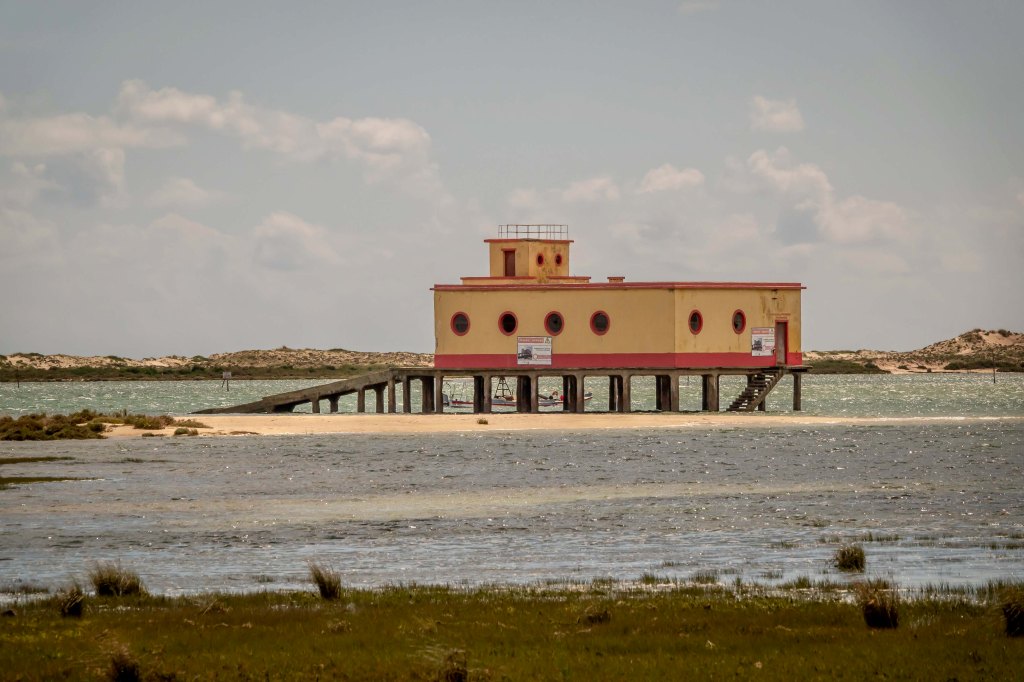

Tavira is a popular tourist destination on The Algarve. However, there were very few people, only those out for a little exercise, as we started from the outskirts of Tavira along the edge of the Tavira salt pans.
The salt pans here are very extensive but, surprisingly, there were very few birds too. Probably, as the tide was low, they had moved out onto the Ria Formosa.

Nonetheless, there was plenty to see and the walk towards the ferry to Tavira Island was very pleasant.

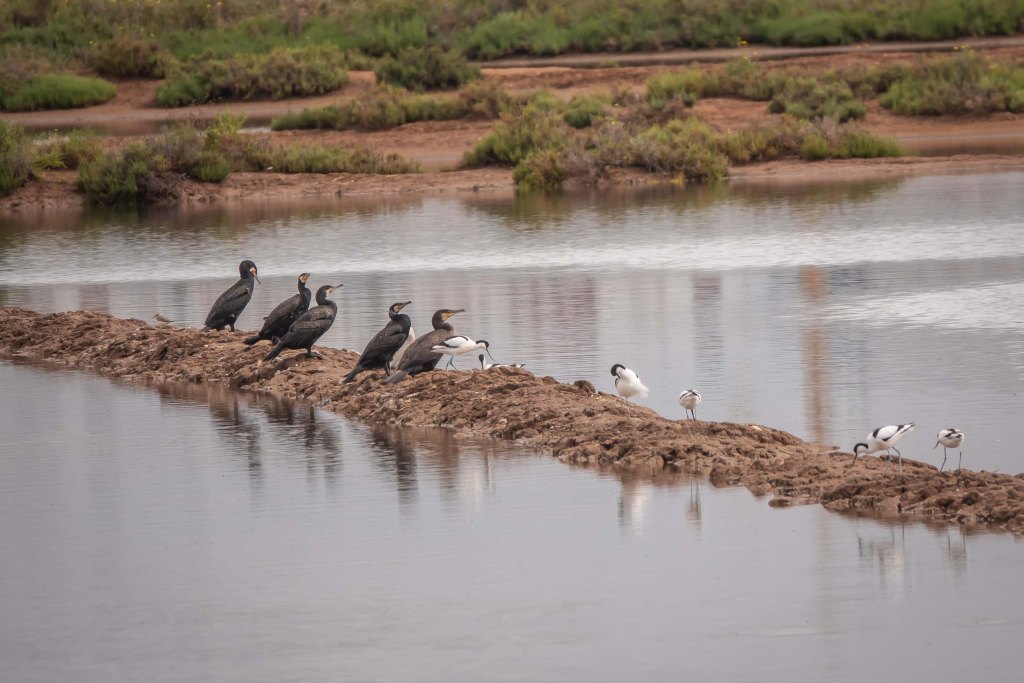


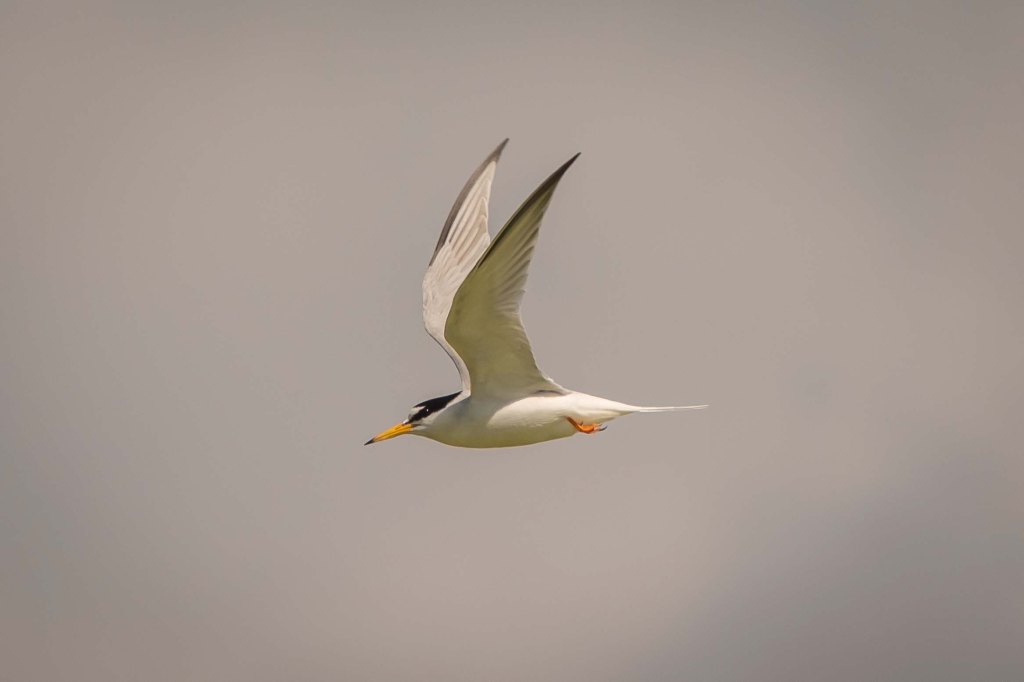
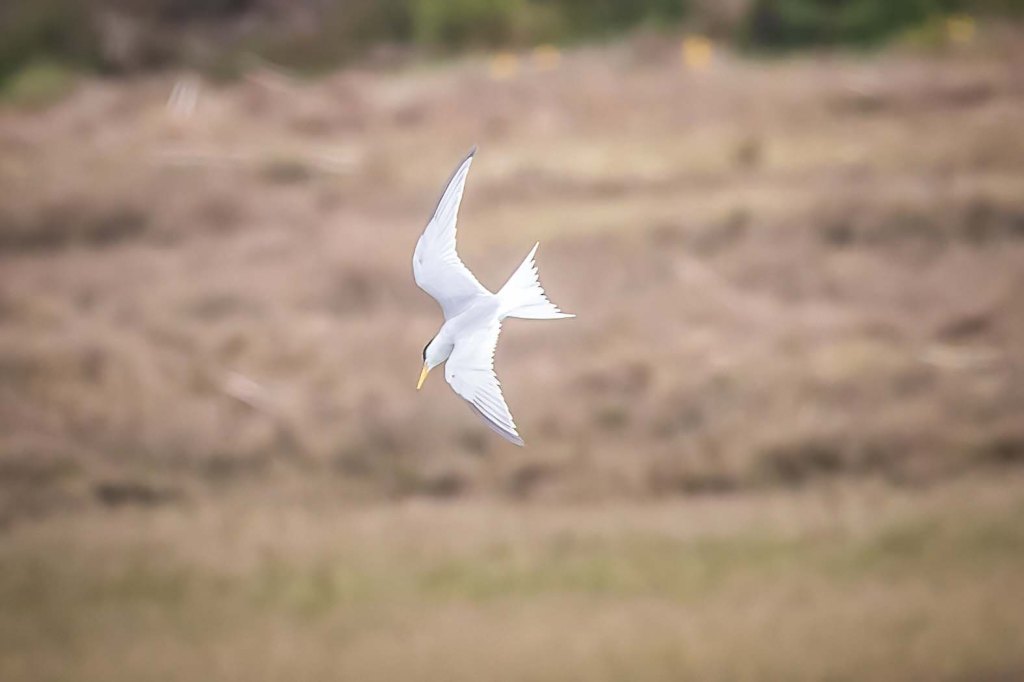
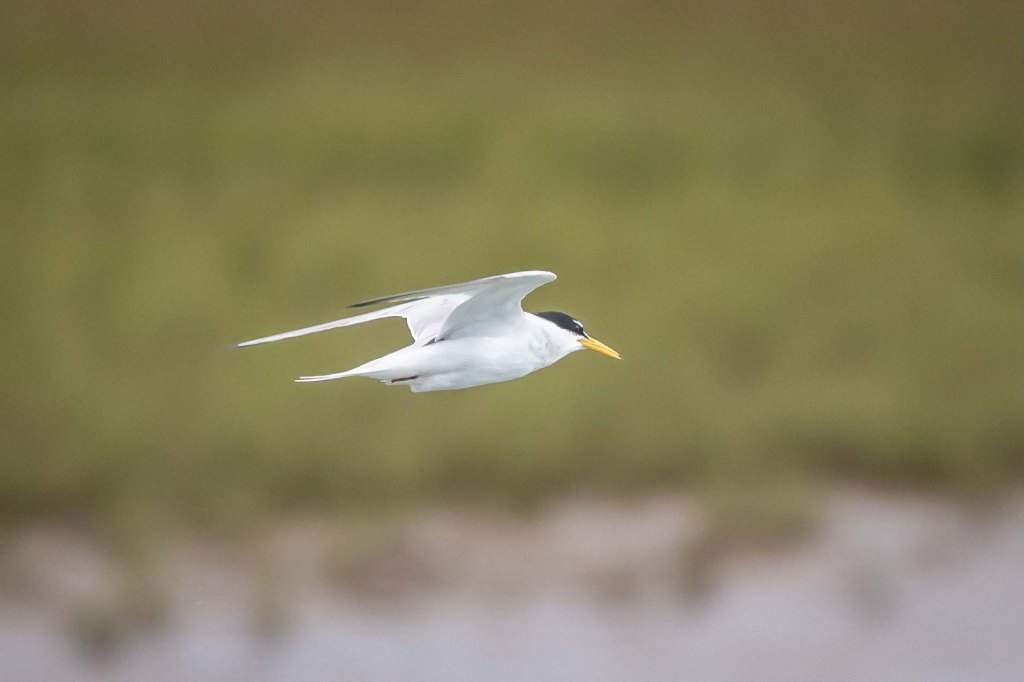
The best of the birds we saw were on the river where several little terns entertained us for a while.
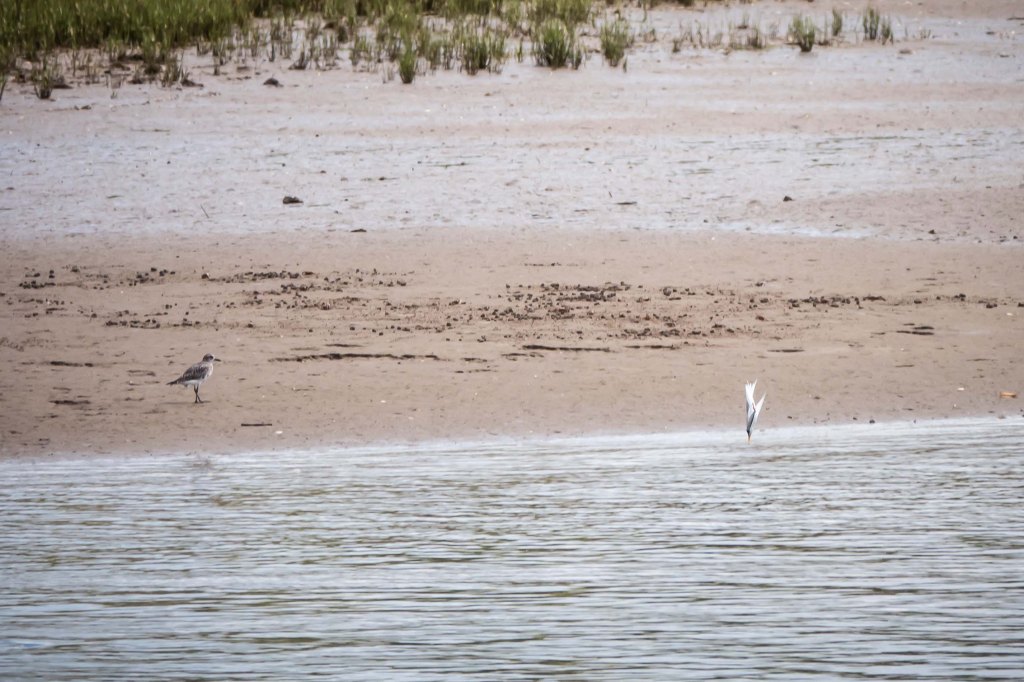
Little tern in full dive


We then headed for Santa Luzia, famous for its octopus restaurants.

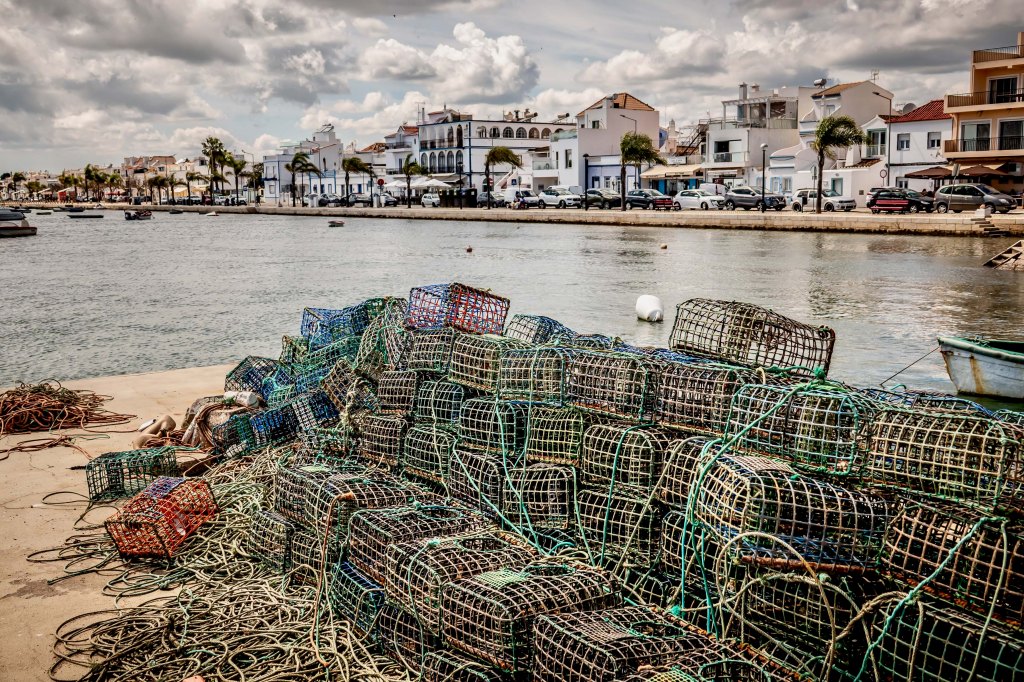

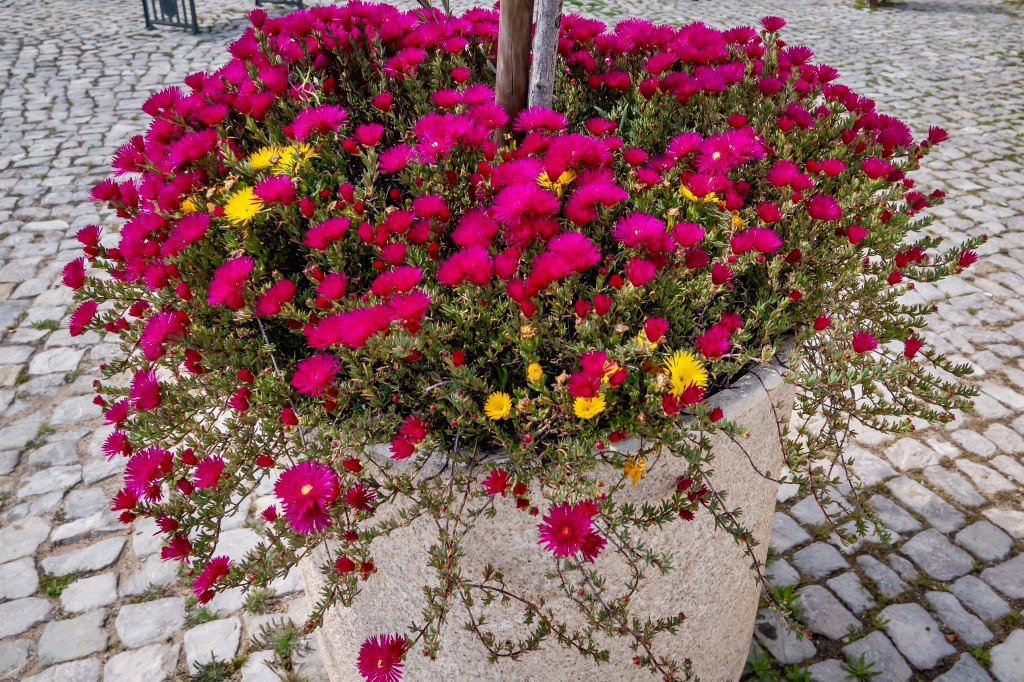
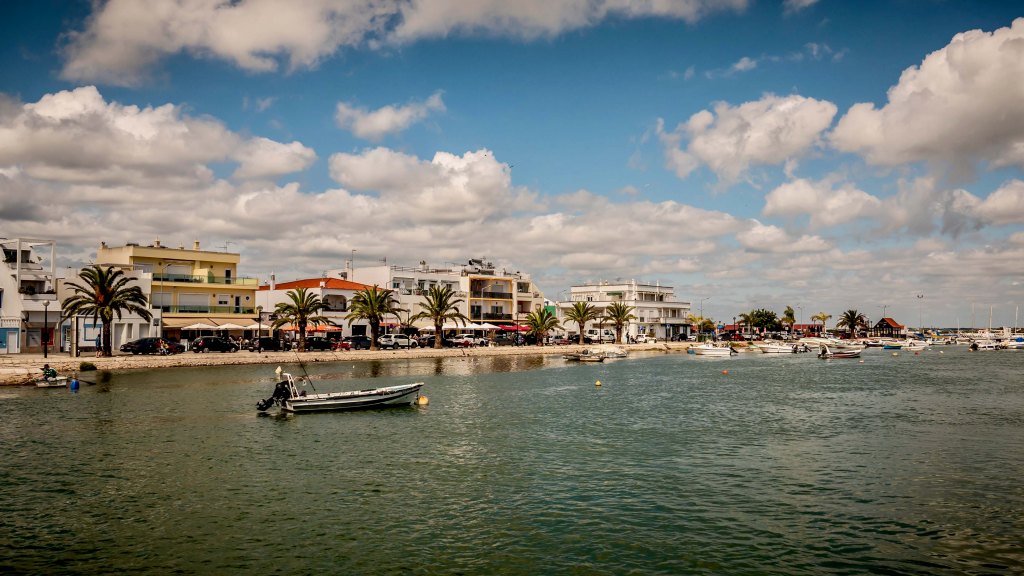
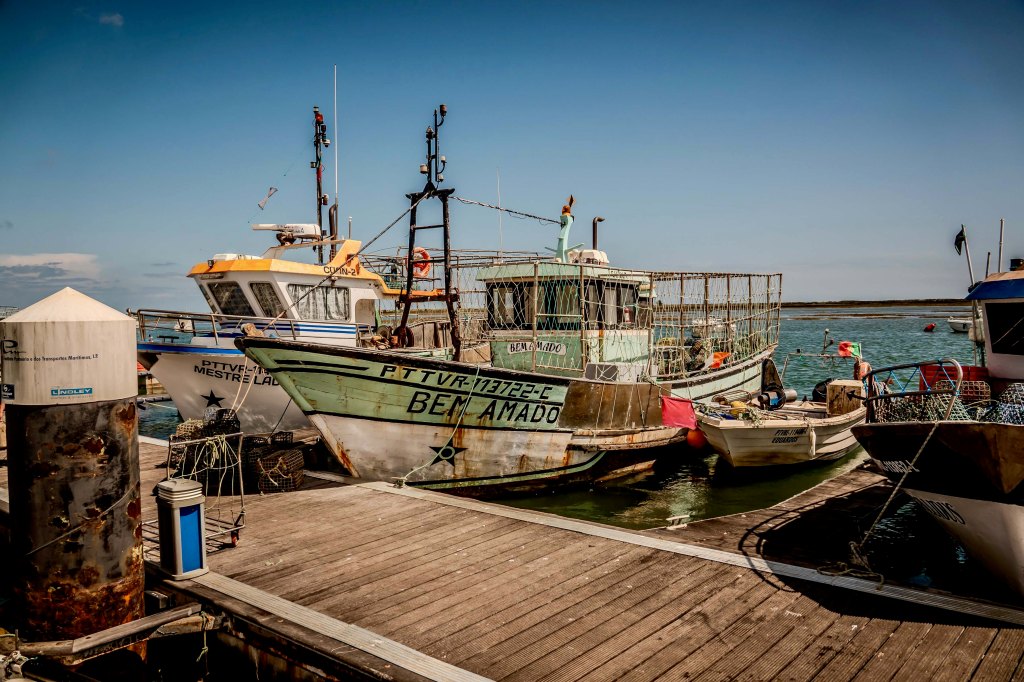

After exploring the Saturday market in Olhão we took a taxi a few kilometres east to Quinta de Marim (or Centro Educação Ambiental de Marim).

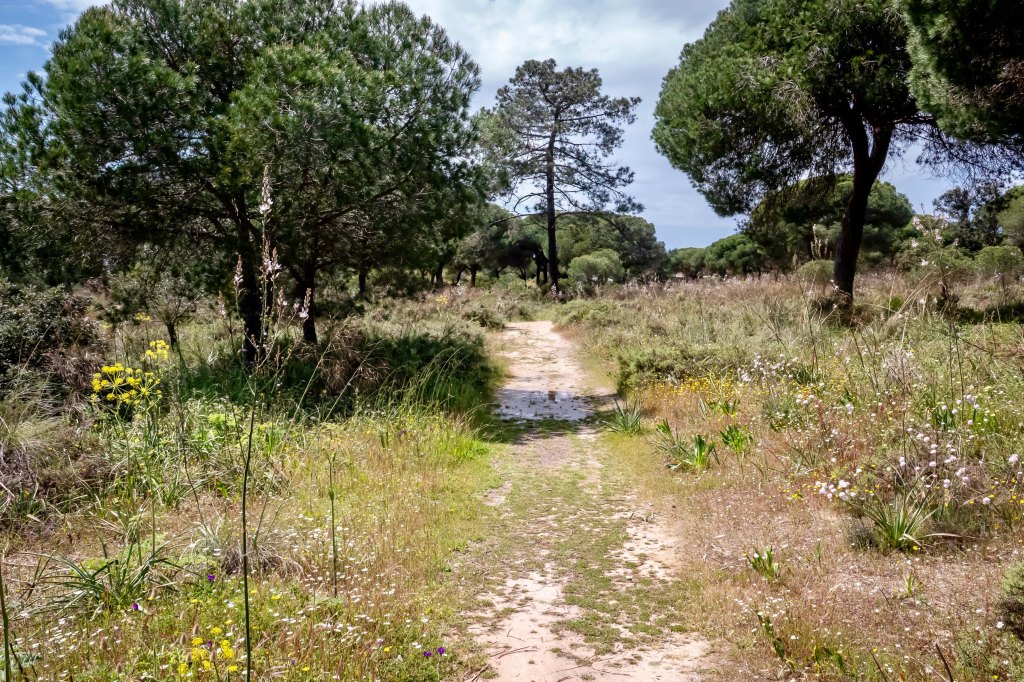
We had visited this estate earlier in the year. The 3 km trail takes you through various ecosystems – dunes, salt marshes and pine woodlands and it was interesting to see the different flora from our last visit in February.
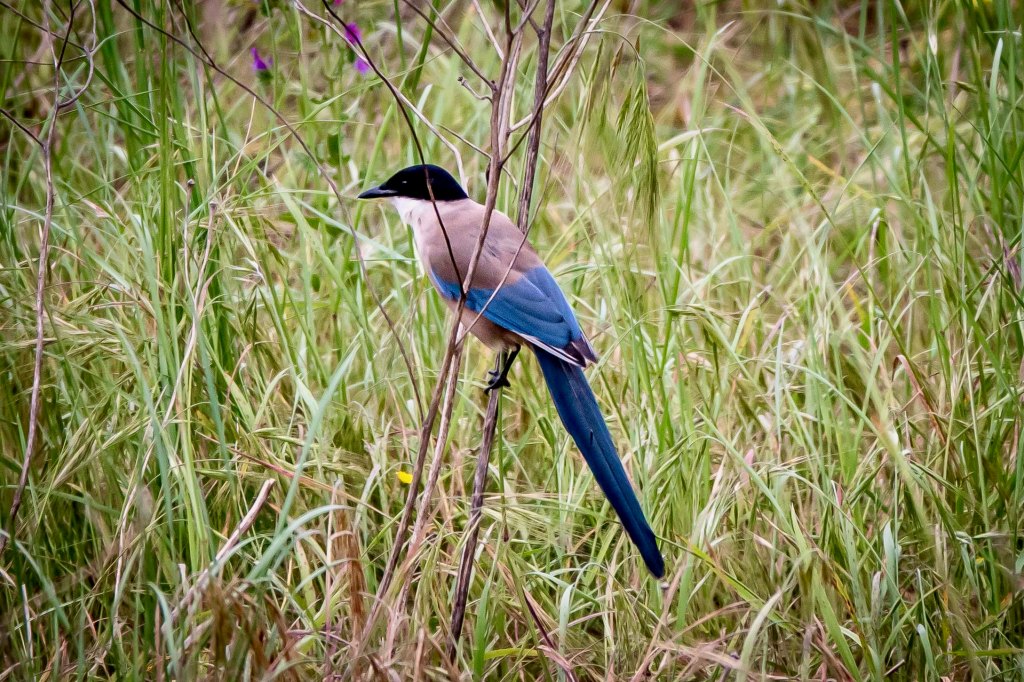

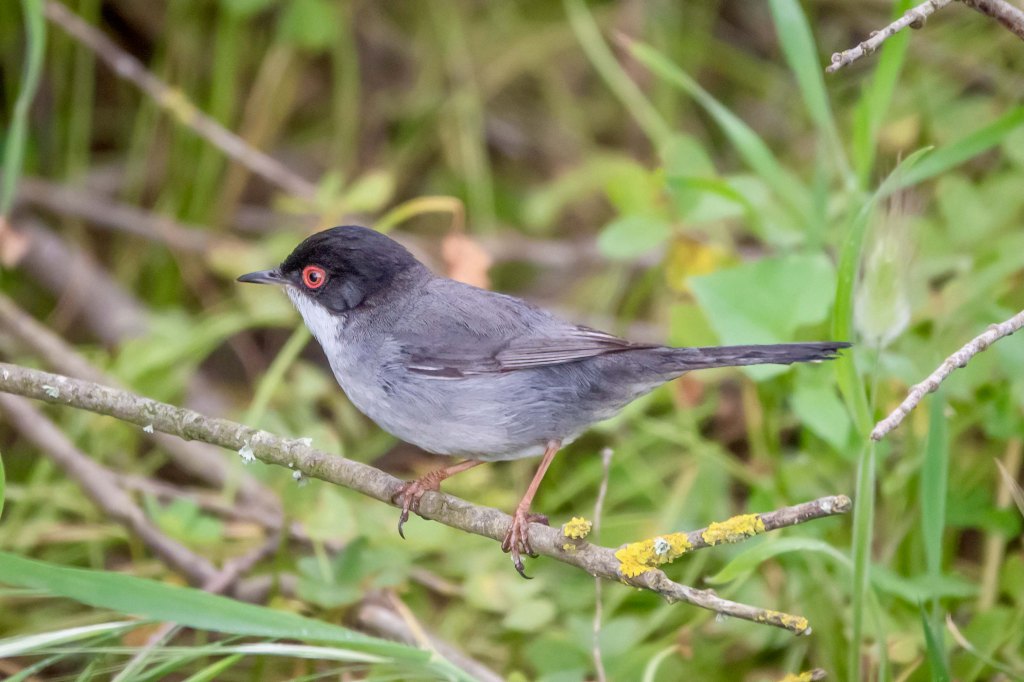
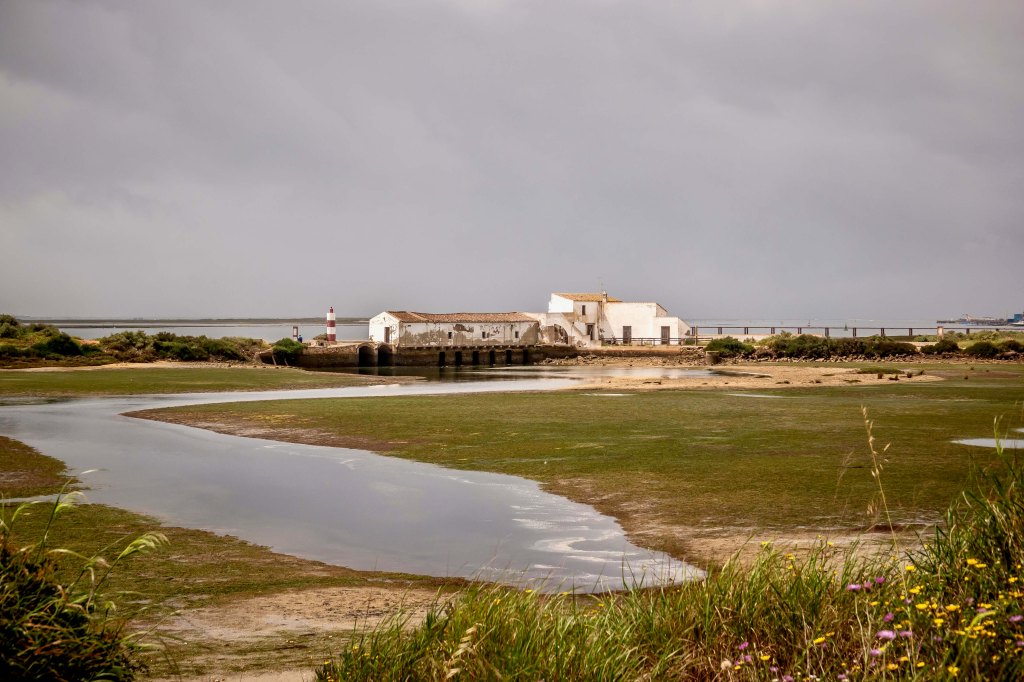

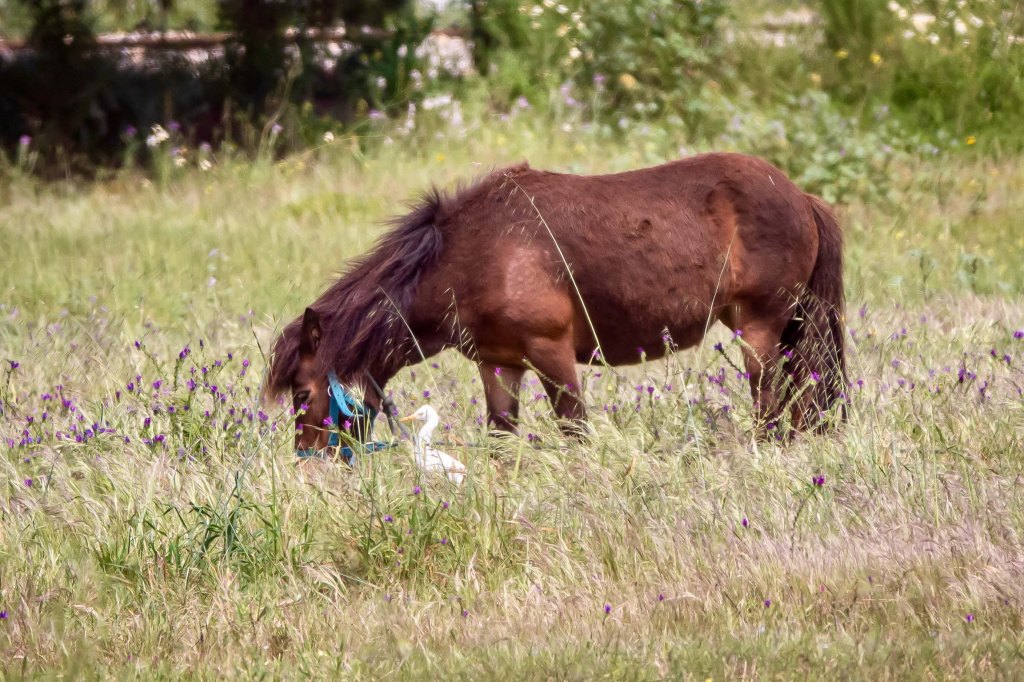
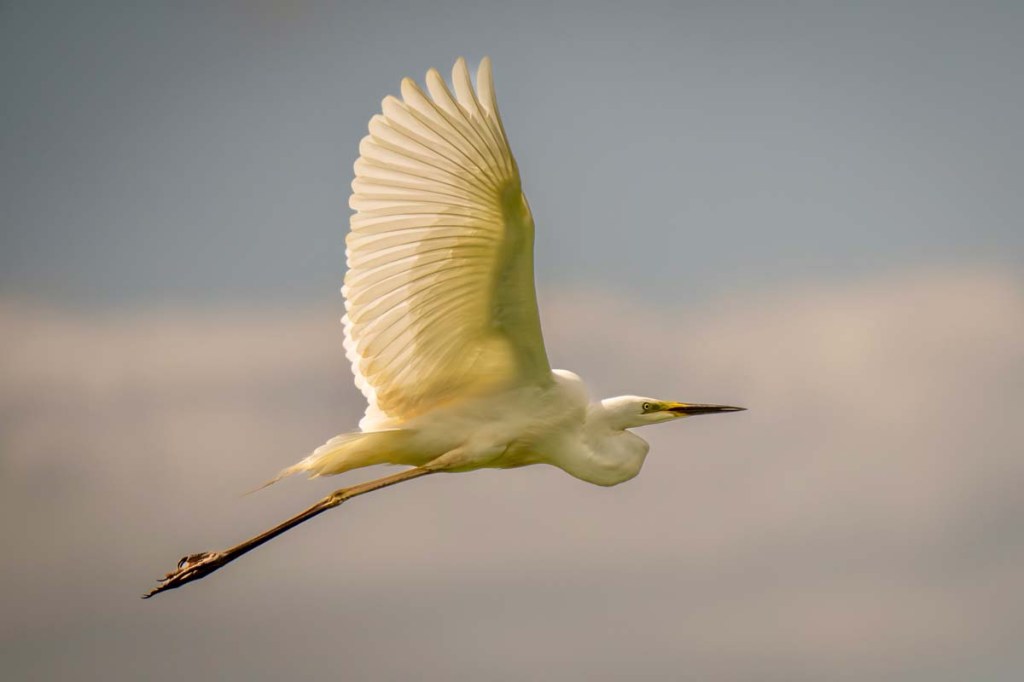
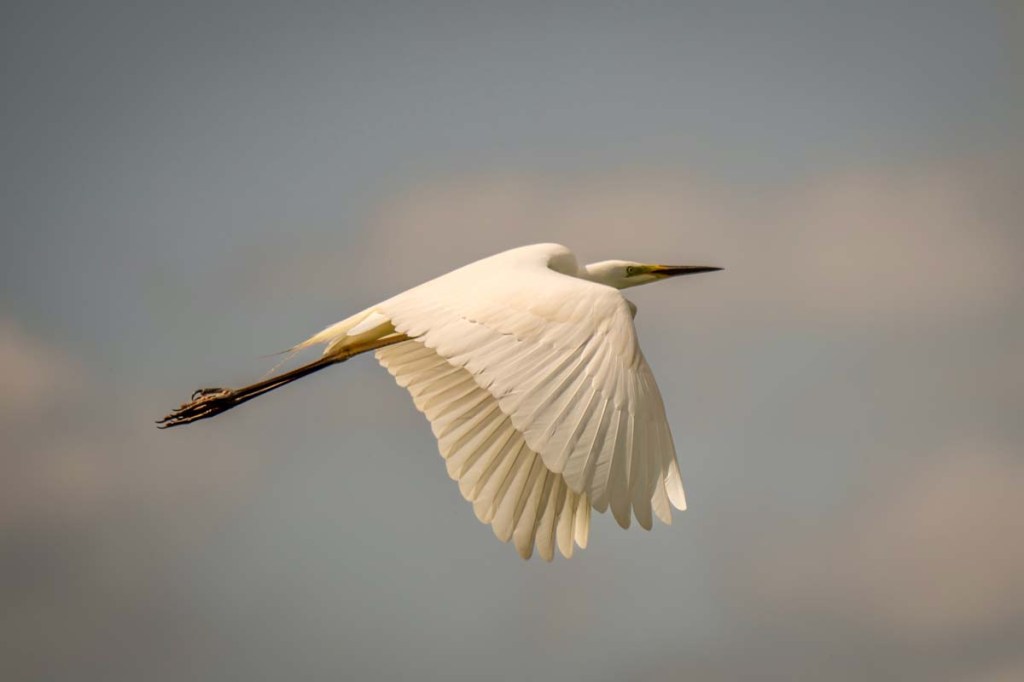
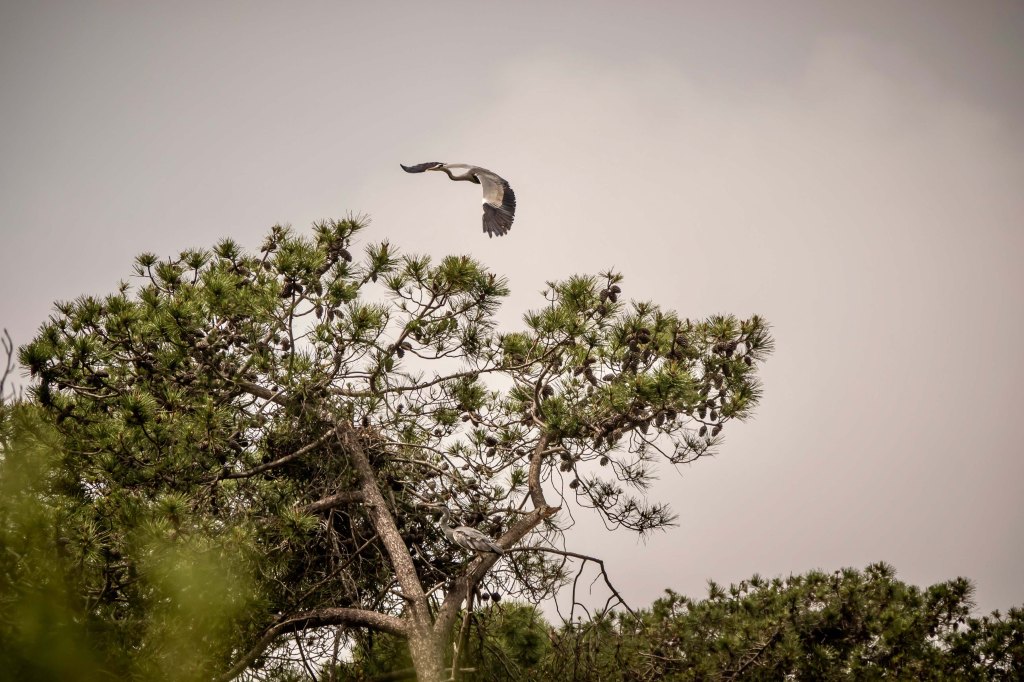
Half way around the circuit there is a hide overlooking a freshwater pond. We spent quite a while here as there was a heavy shower but fortunately there was lots of activity with a huge colony of egrets.


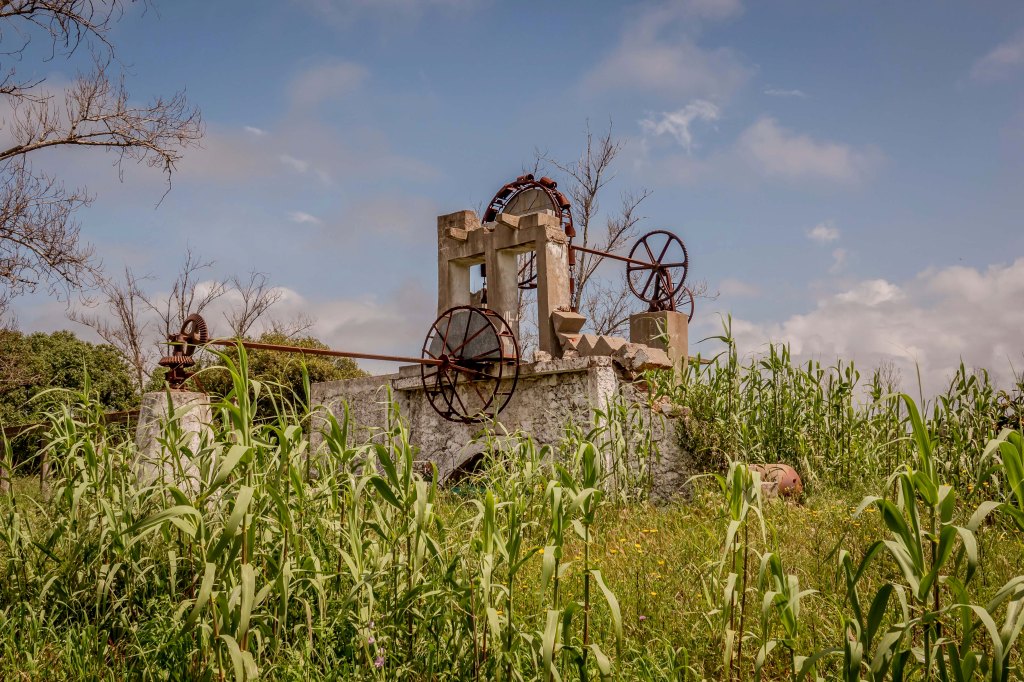
We realised that last time we had missed a pathway and this time, by taking the recommended route, we came across a dilapidated noria. The noria is a device, inherited from the Arabs, used to raise water from a well. The power for the elevation of water was provided by the circular movement of a donkey or a mule. The water drawn from the well is stored in a tank, from where it is distributed through small aqueducts, until it reaches the orchards and vegetäble-gardens.