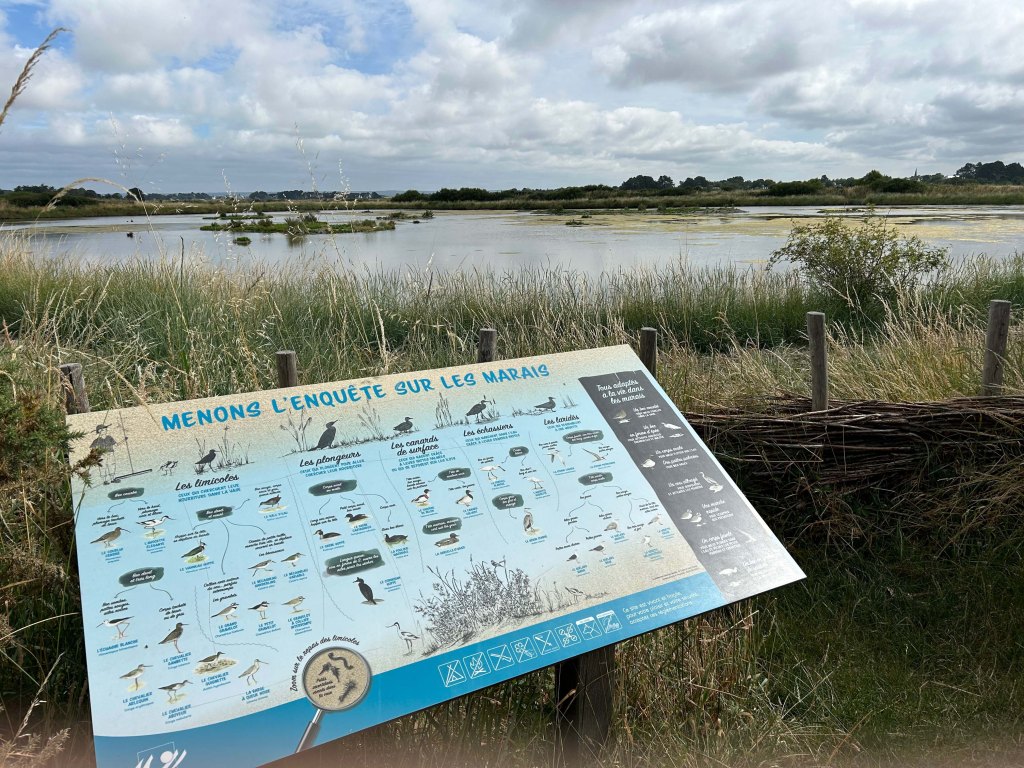
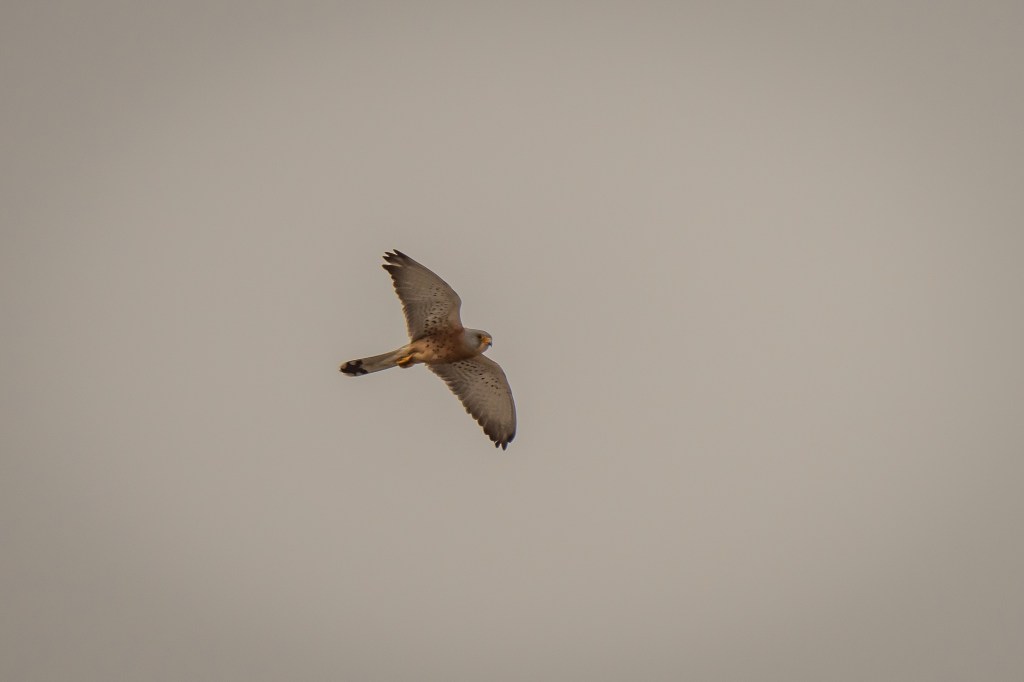
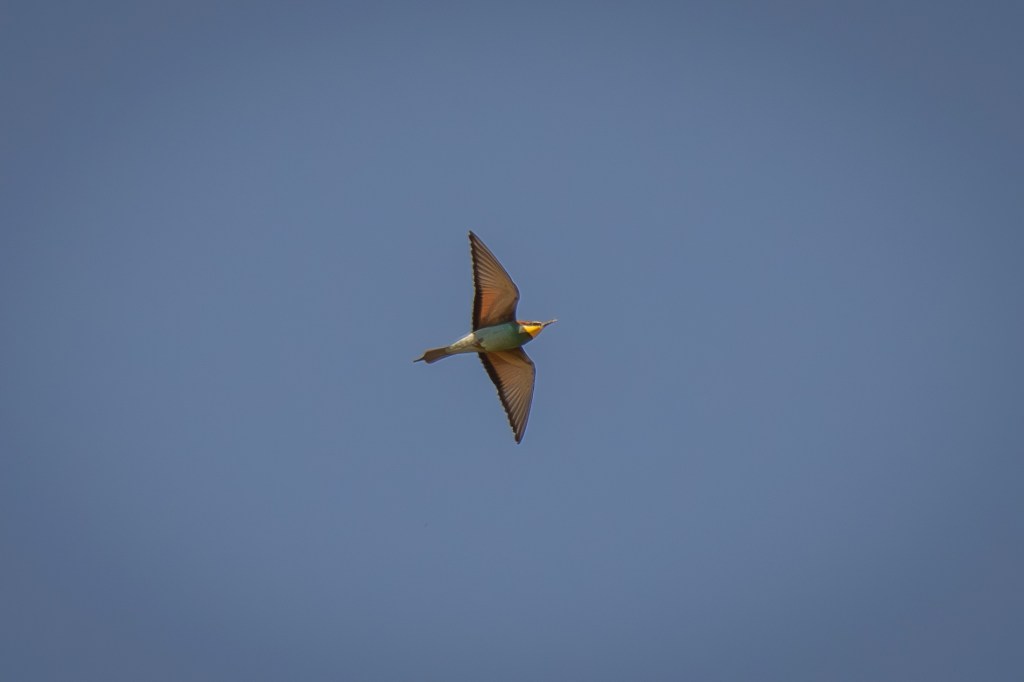
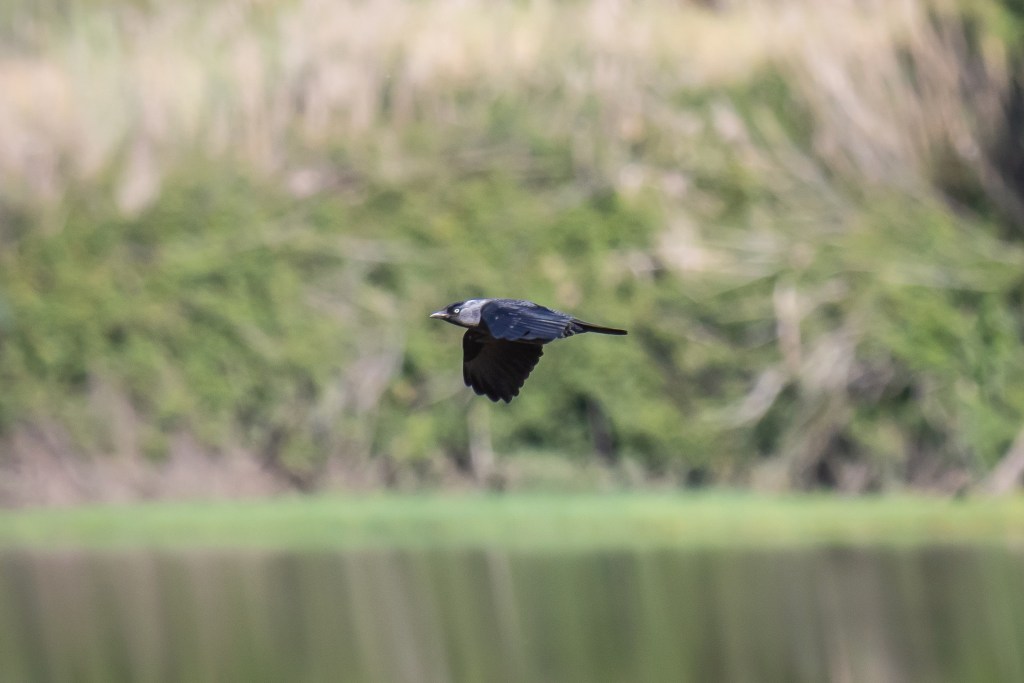
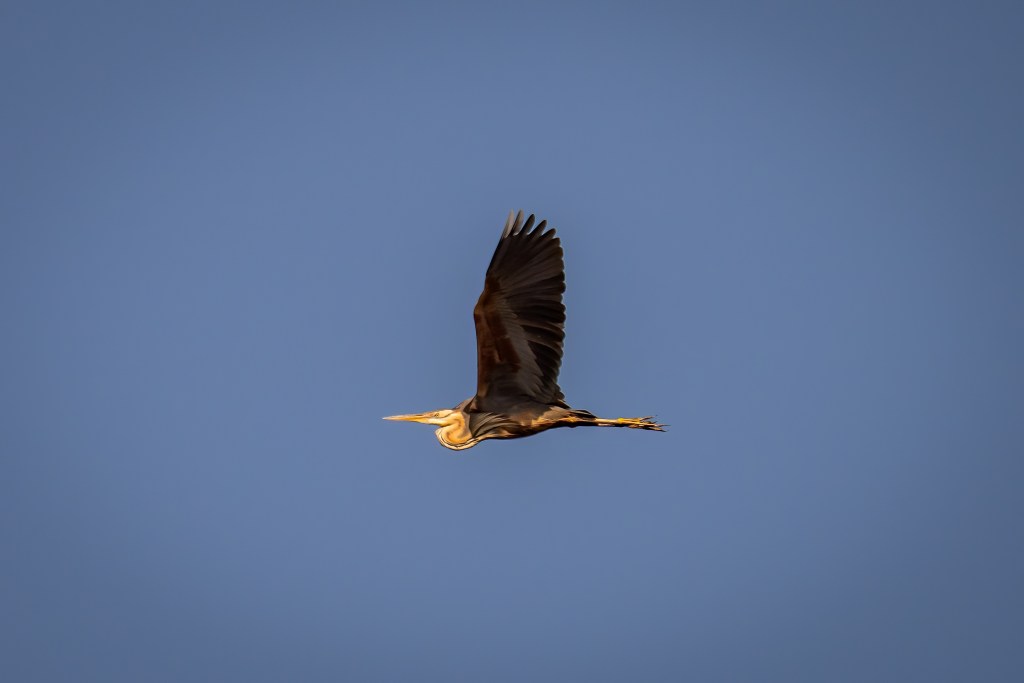
Today we returned to the southern part of the Gulf of Morbihan to visit another nature reserve: the Lasné marshes at St Armel.
A departmental (county council) reserve since 1978, these ancient salt pans, dating from the Middle Ages, have since 2003 been restored and salt is once again produced here. There are now also two shellfish producers that use certain salt pans. The rest of the marsh is for the birds that occur year round on this very favourable site.
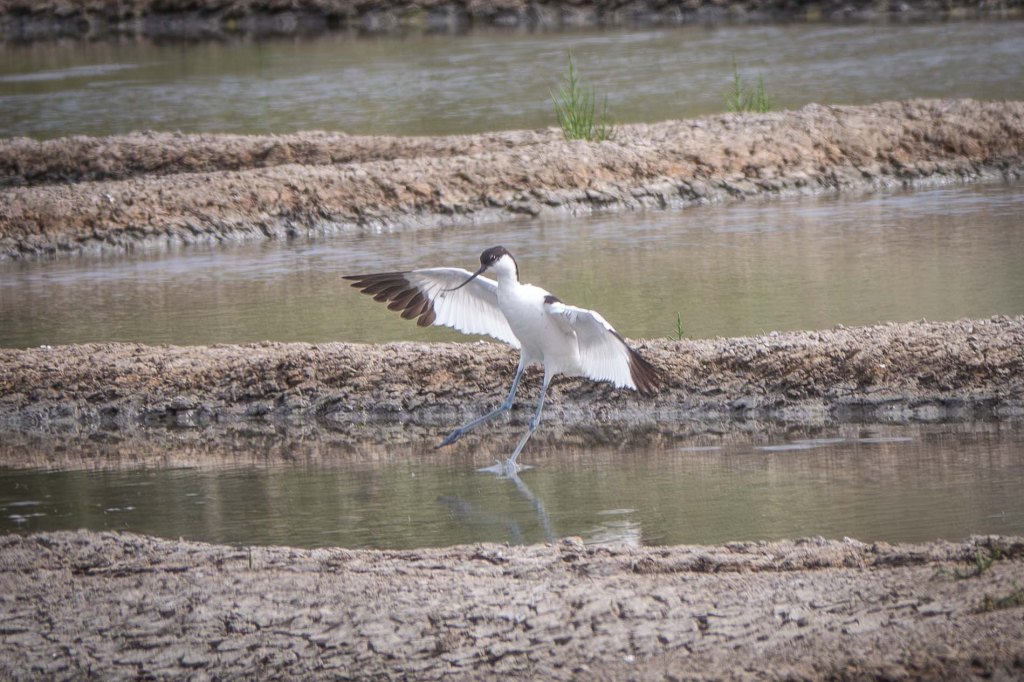
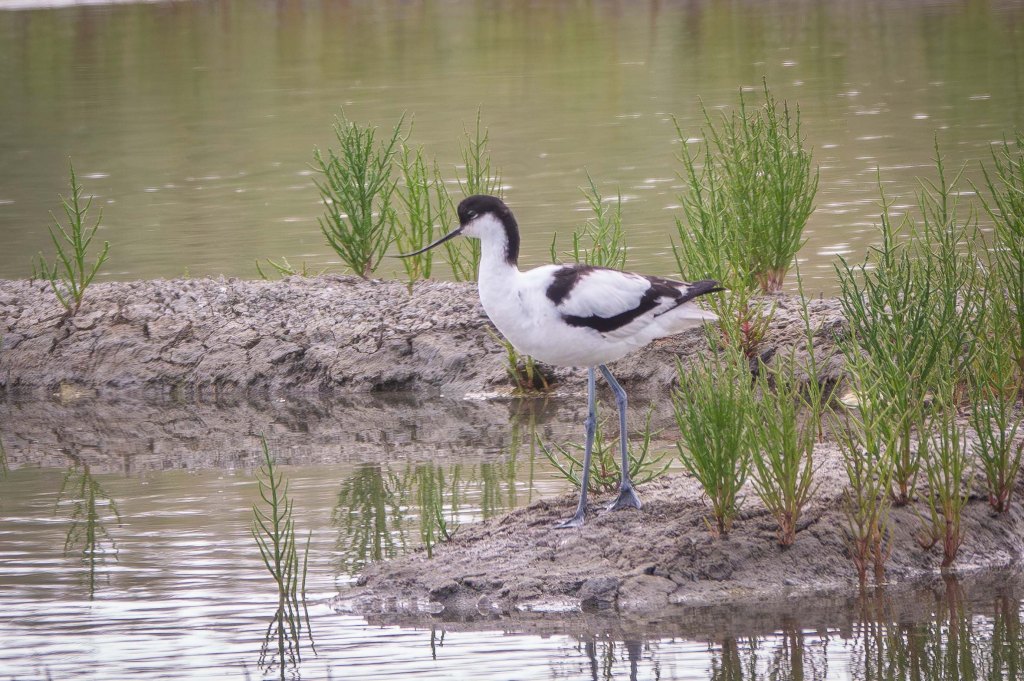
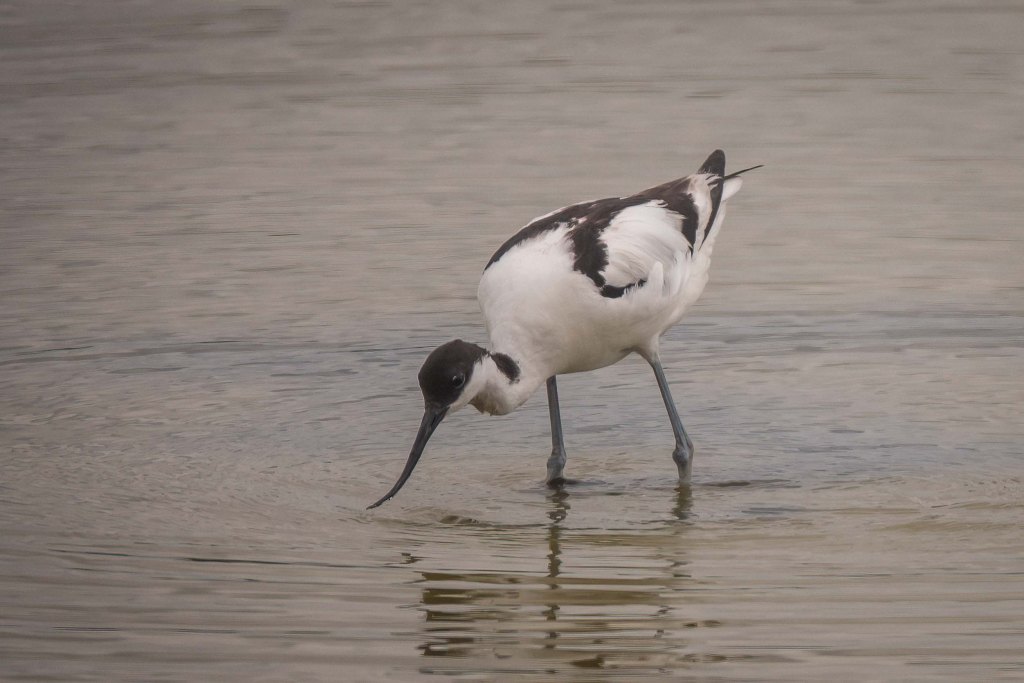
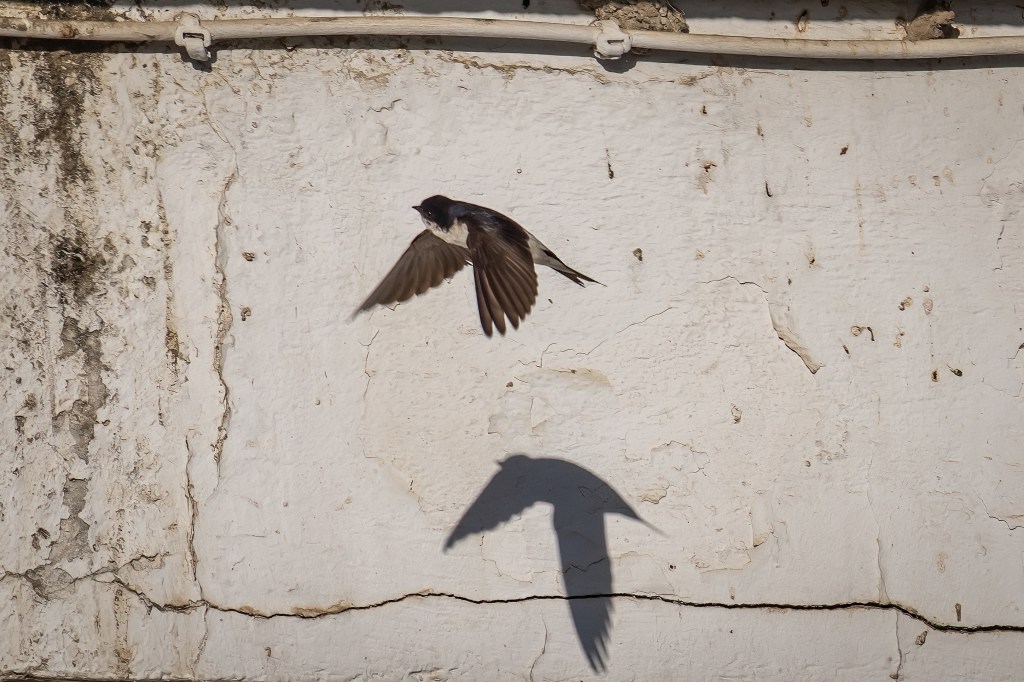
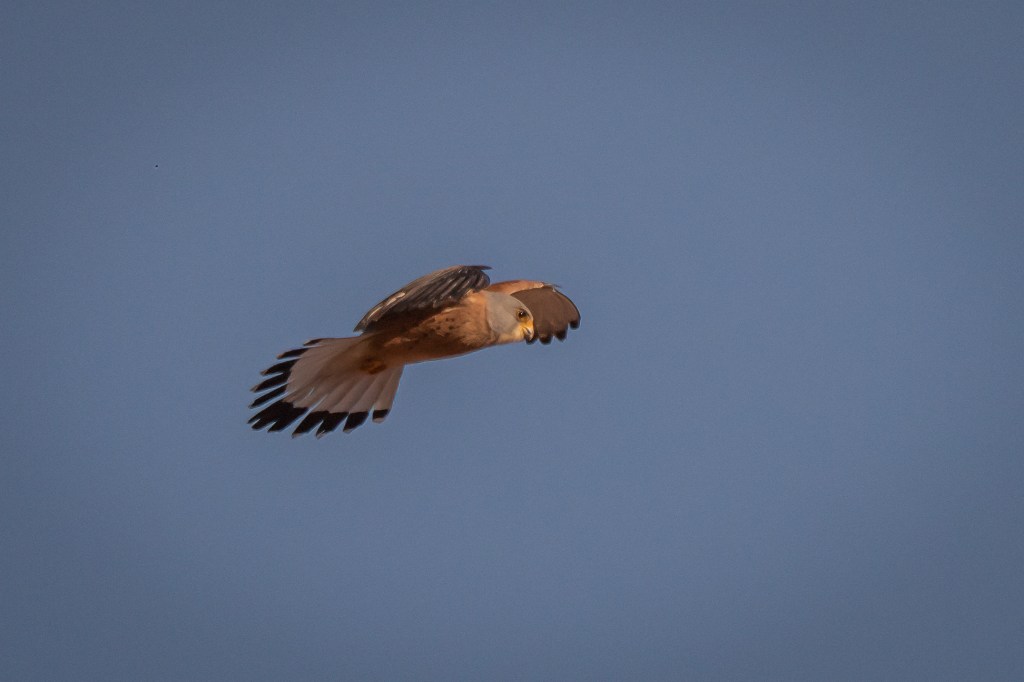
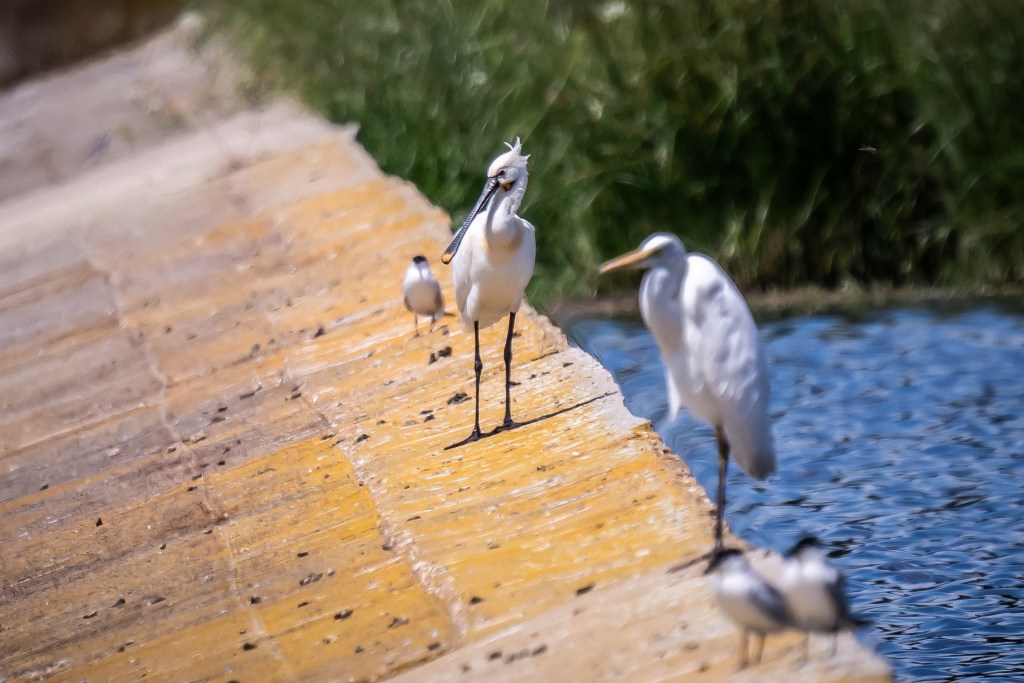
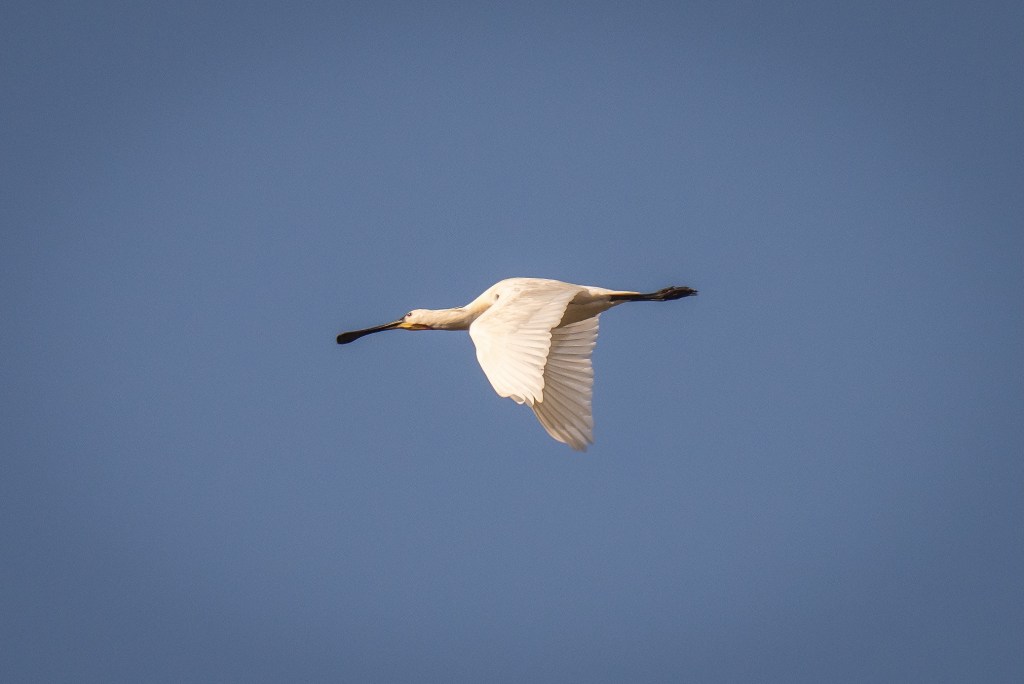
Lasné marshes Avocet landingAvocet chickBlack-winged stiltIt was great to get a view of the avocet’s legsThis kestrel was easily seen off by a black-winged stiltAvocet in flightRedshankI’m not surprised these cyclists were checking their maps
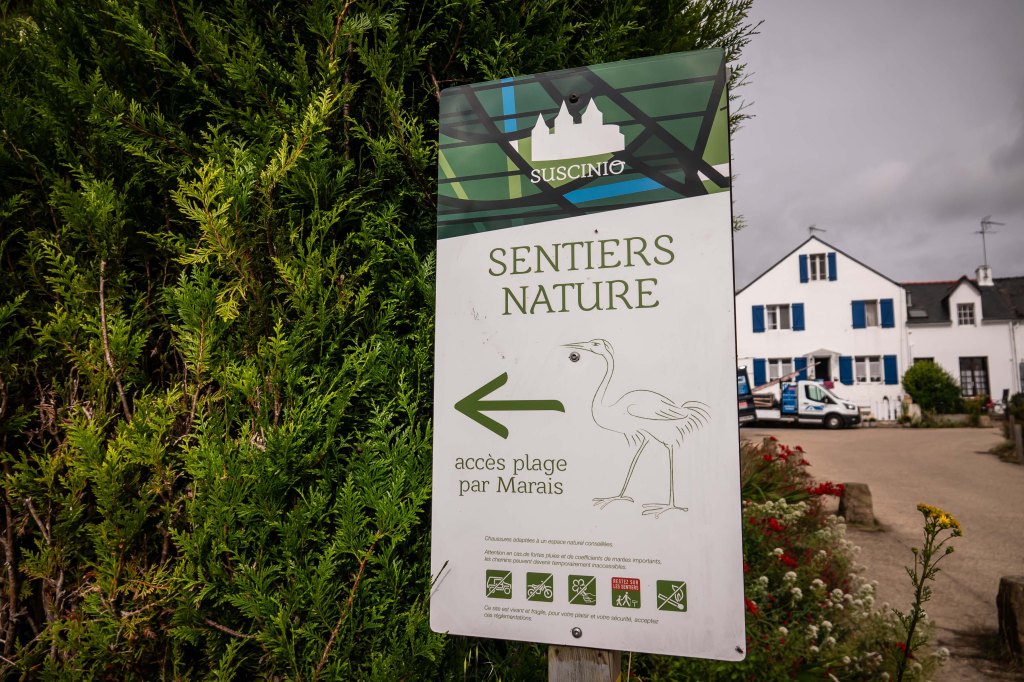
After this visit we headed back to Séné (where we had visited earlier in the week). After lunch in a very friendly Breton Crêperie we returned to the nearby nature reserve. This time we didn’t go round the reserve but followed a few trails which have viewing platforms looking towards the reserve.
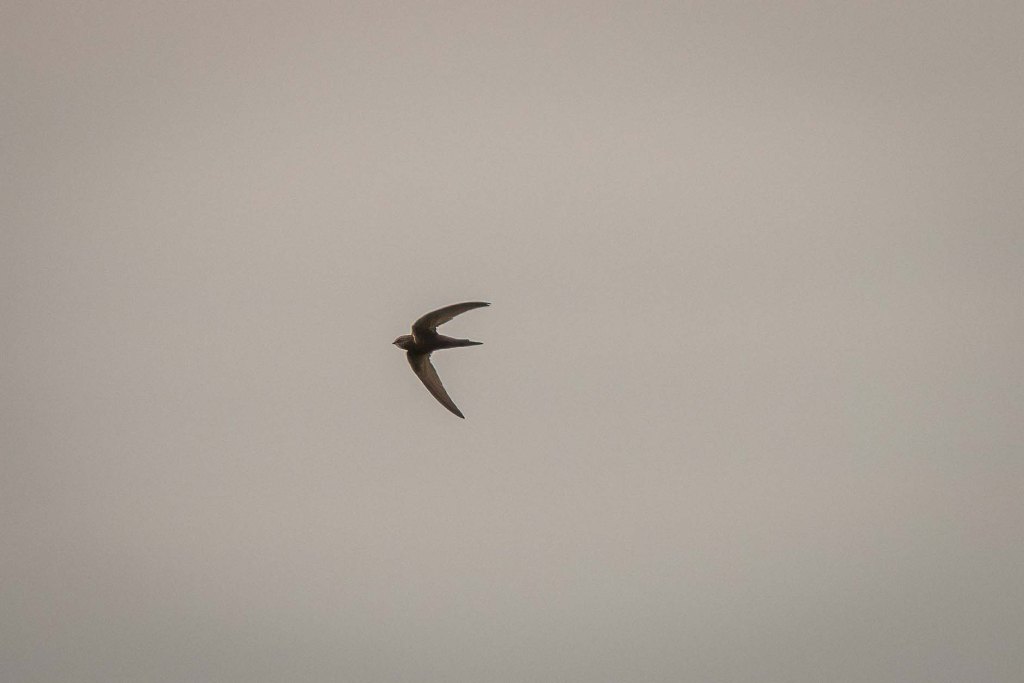
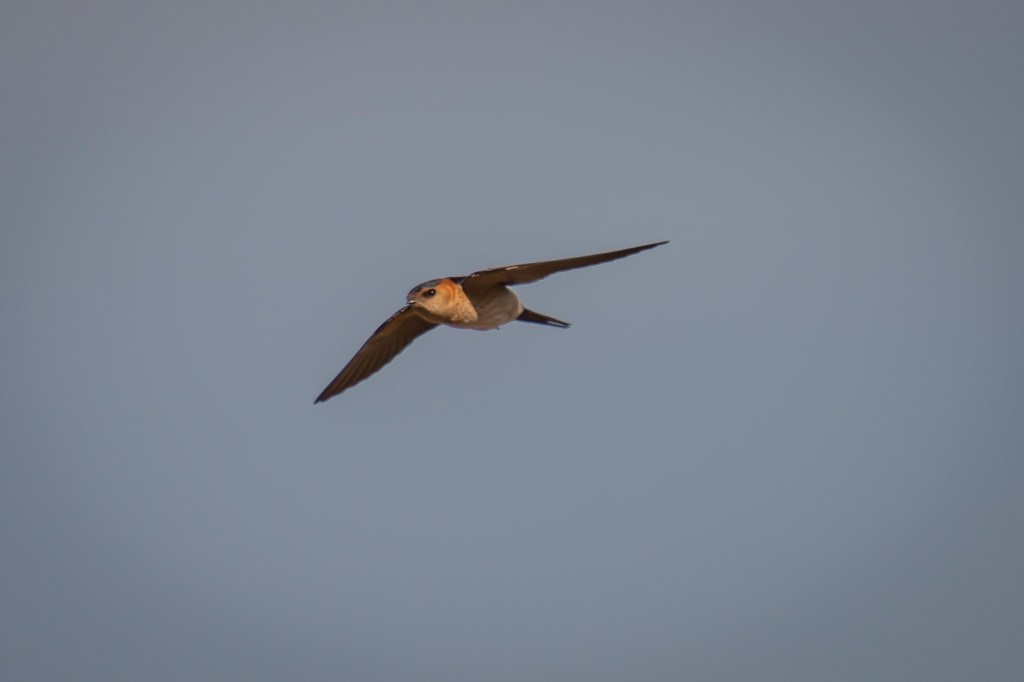
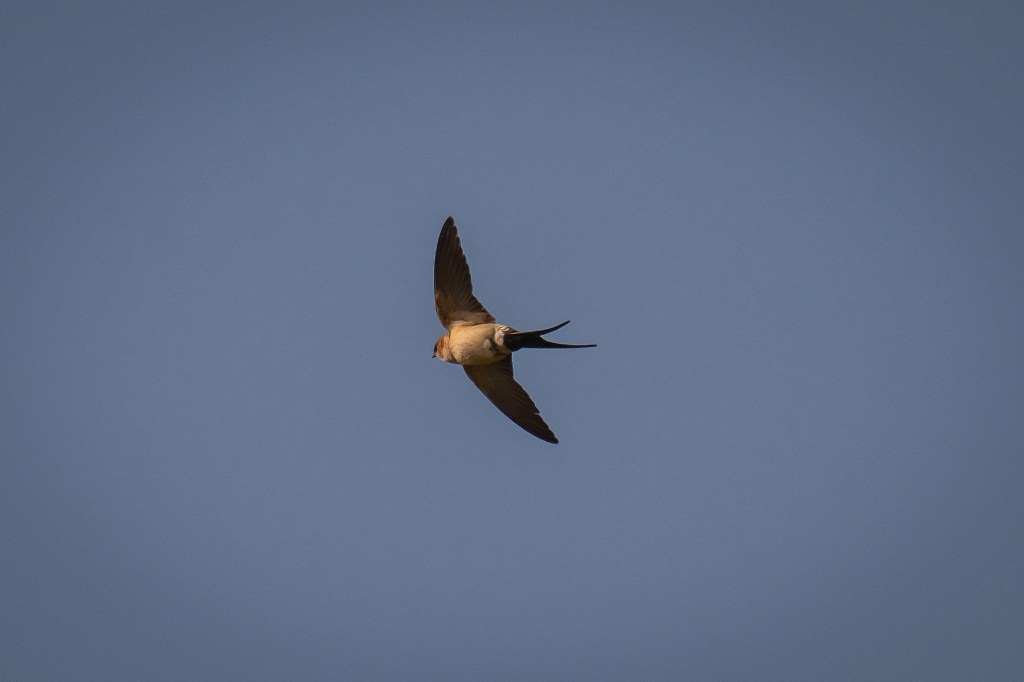
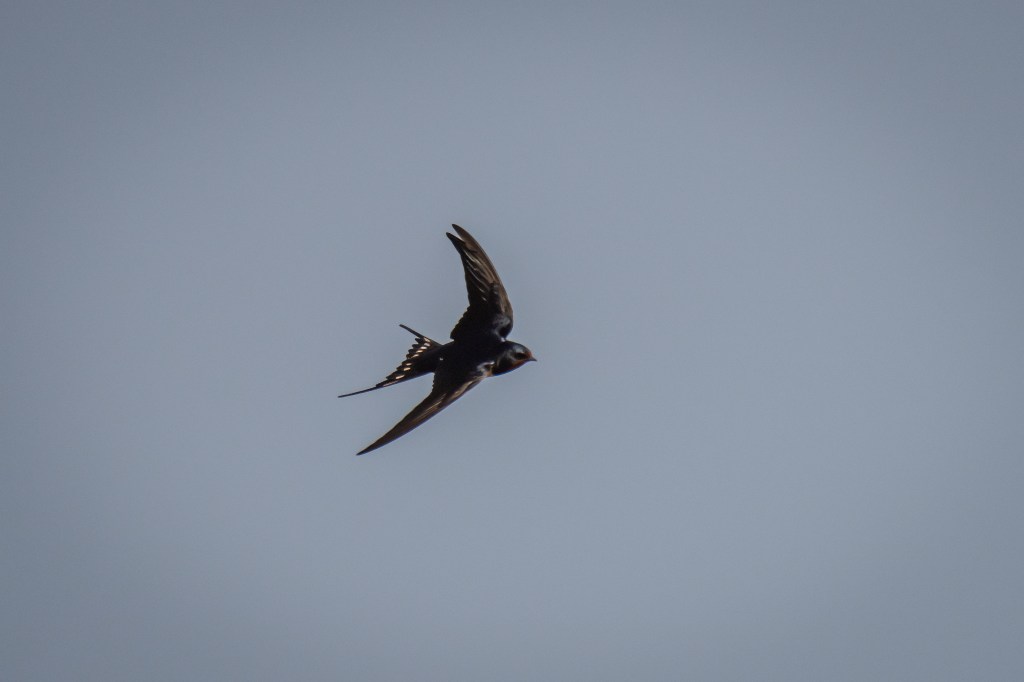
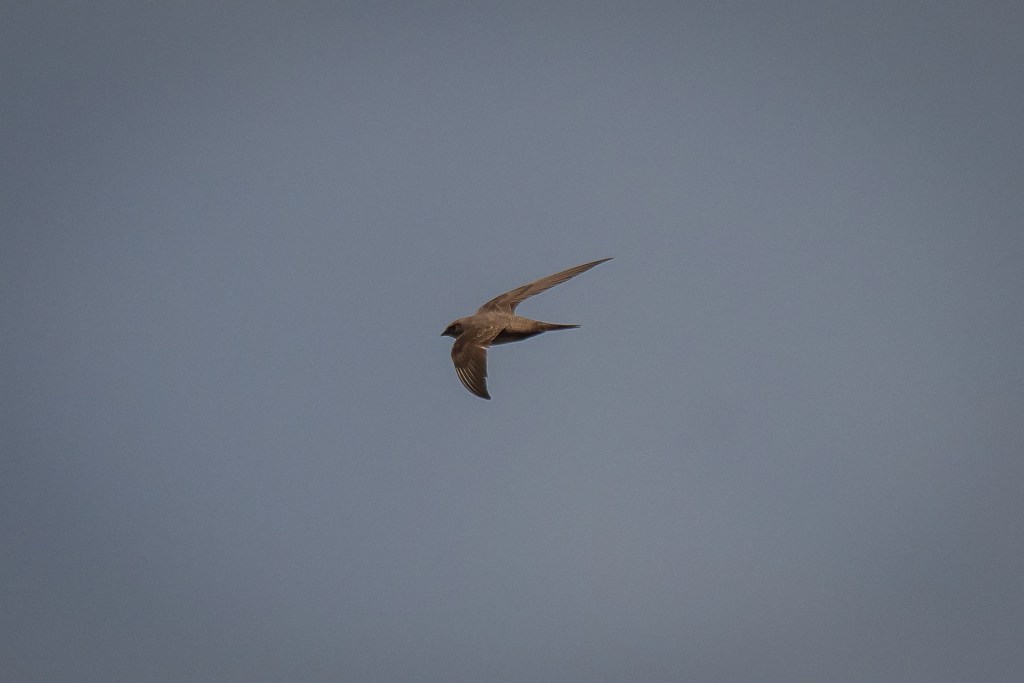
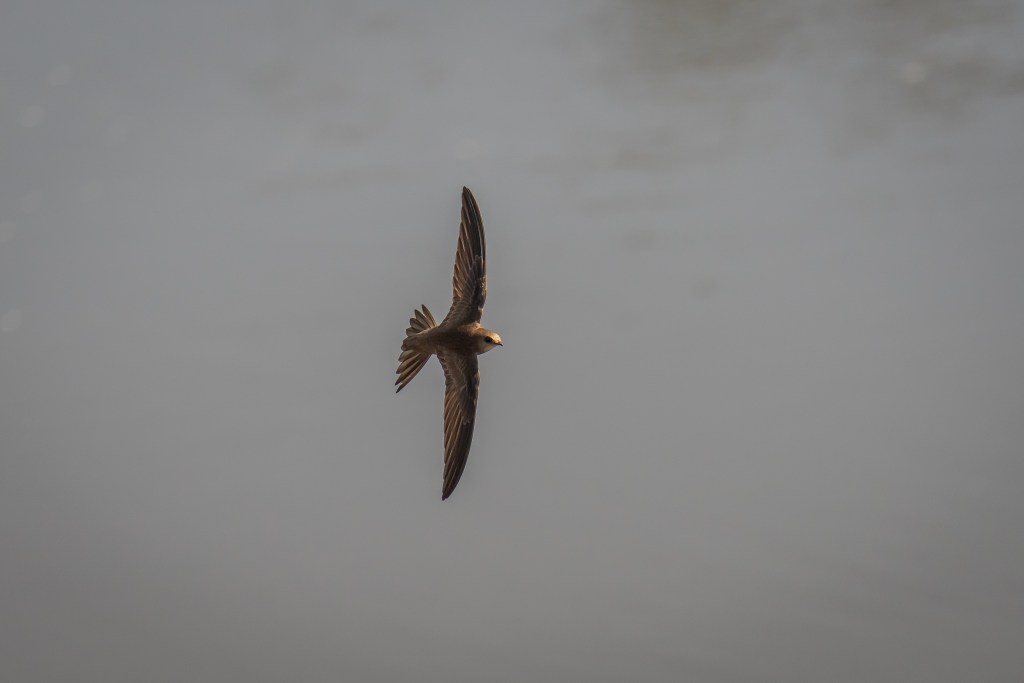
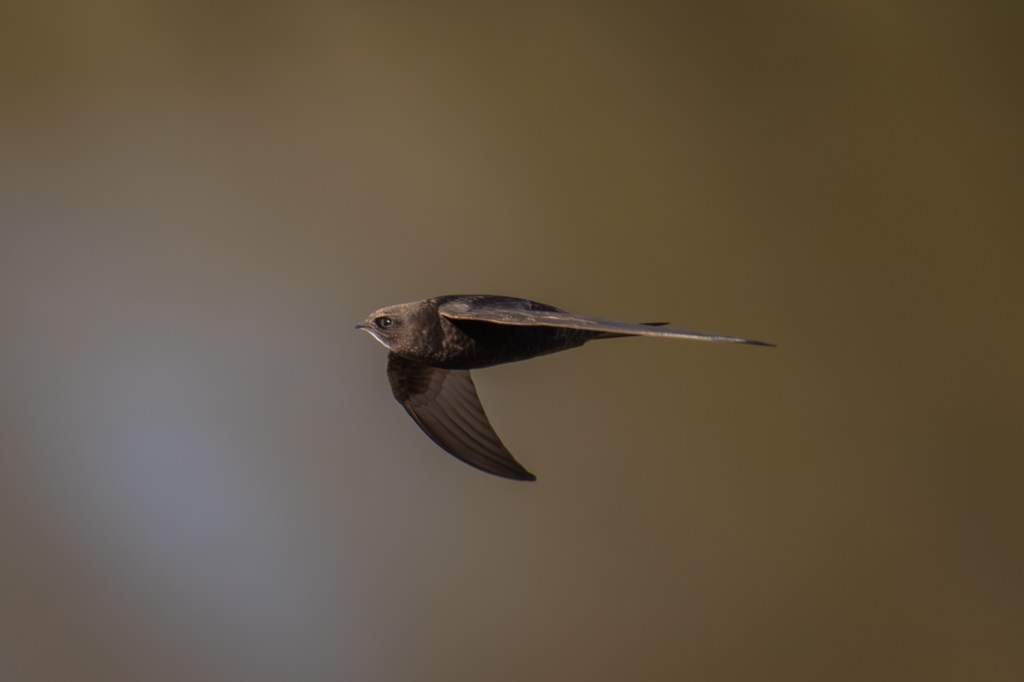
Little egretsA solitary swift
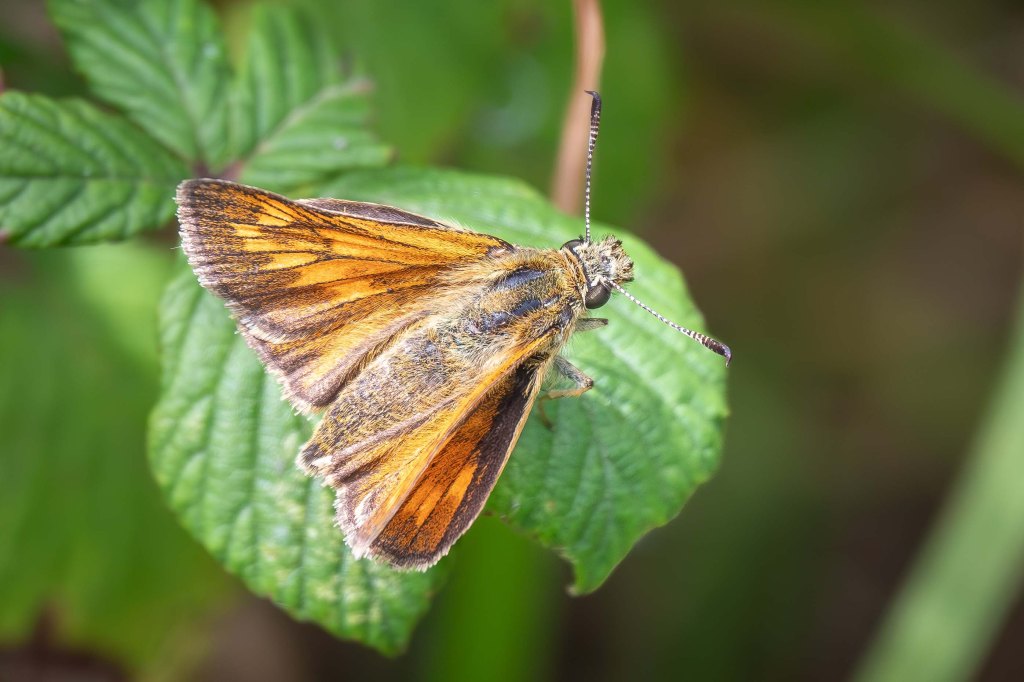
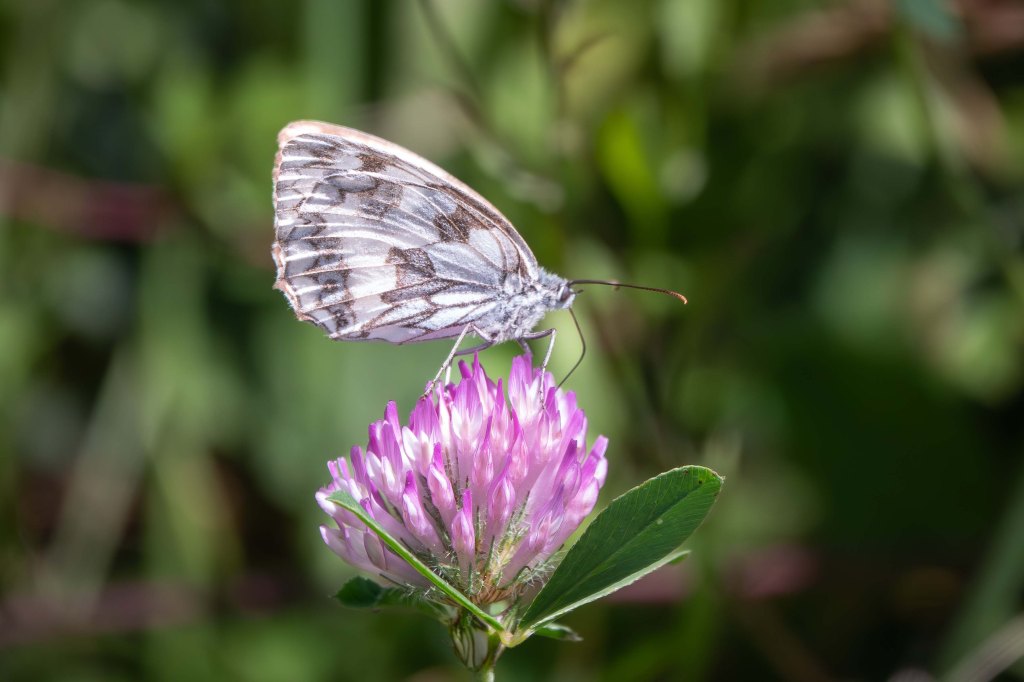
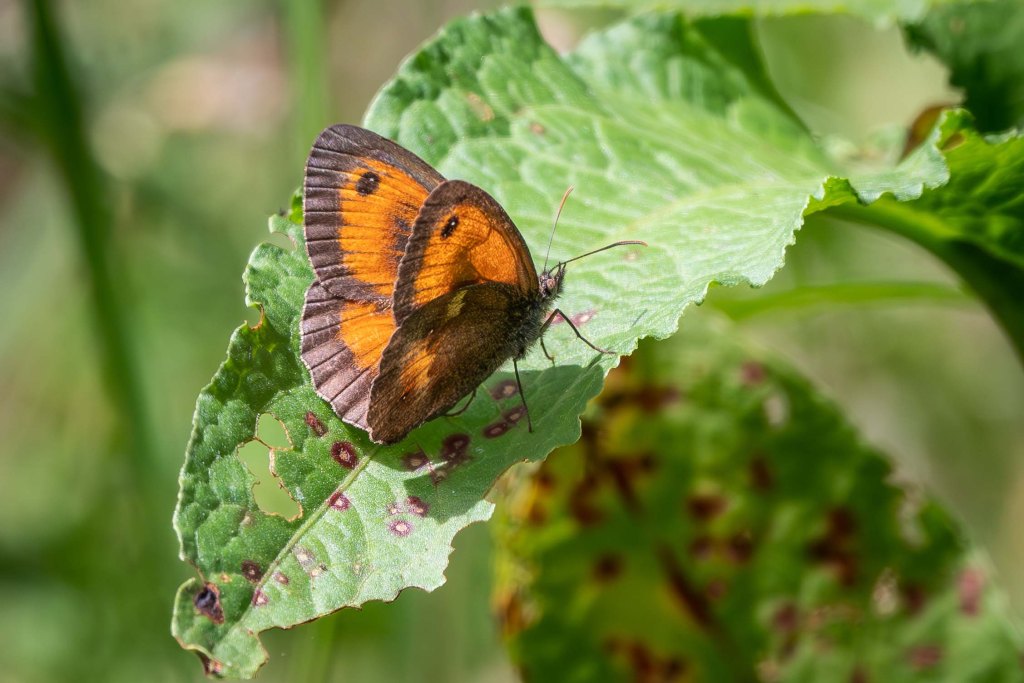
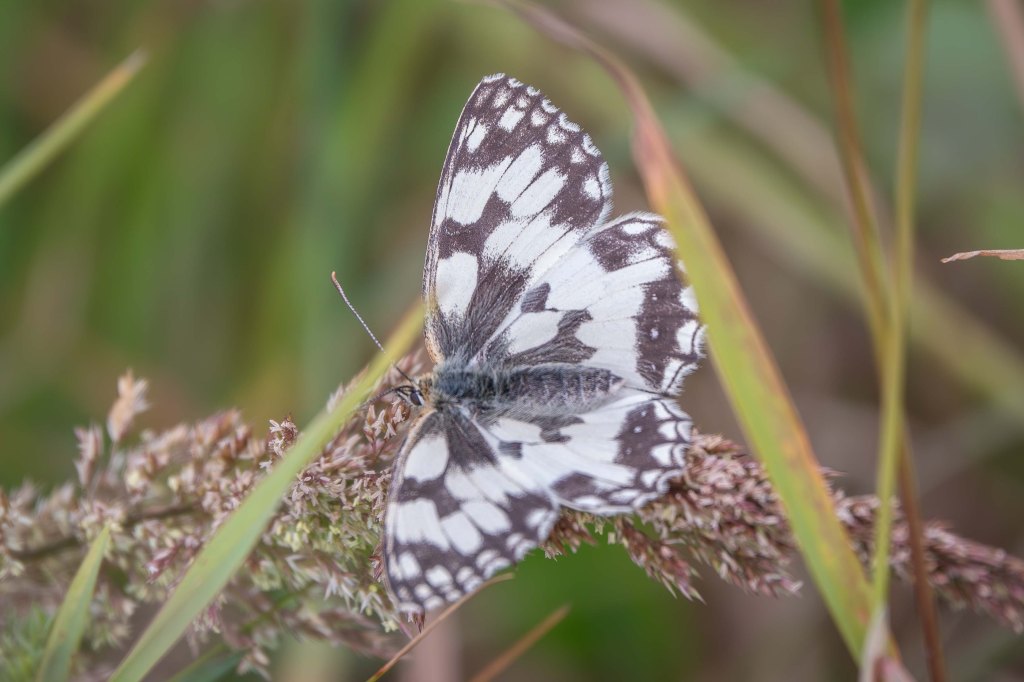
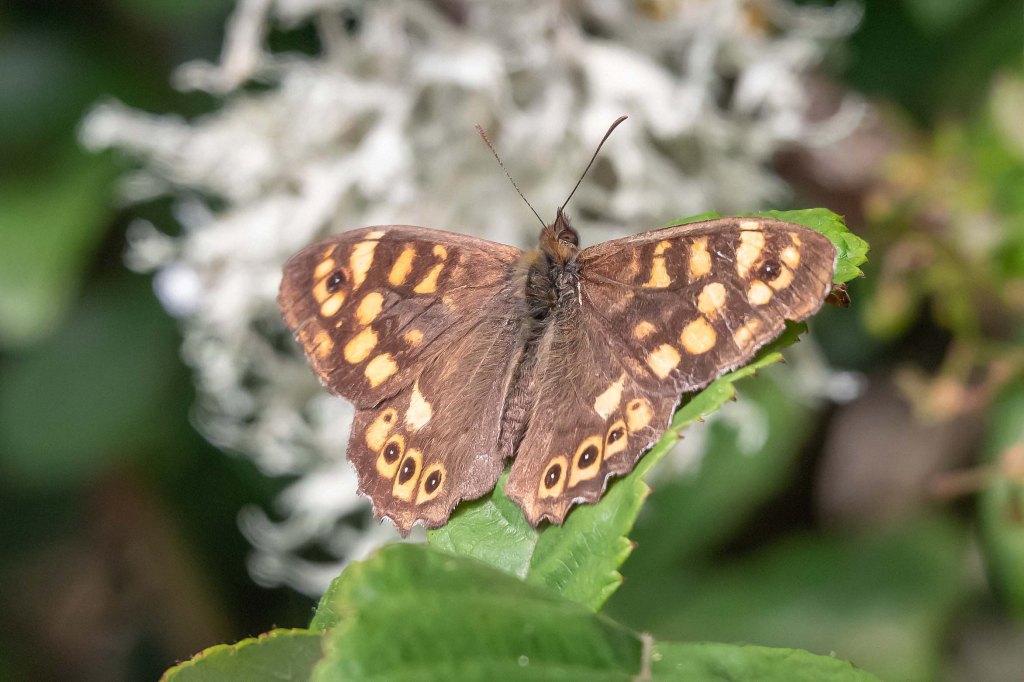
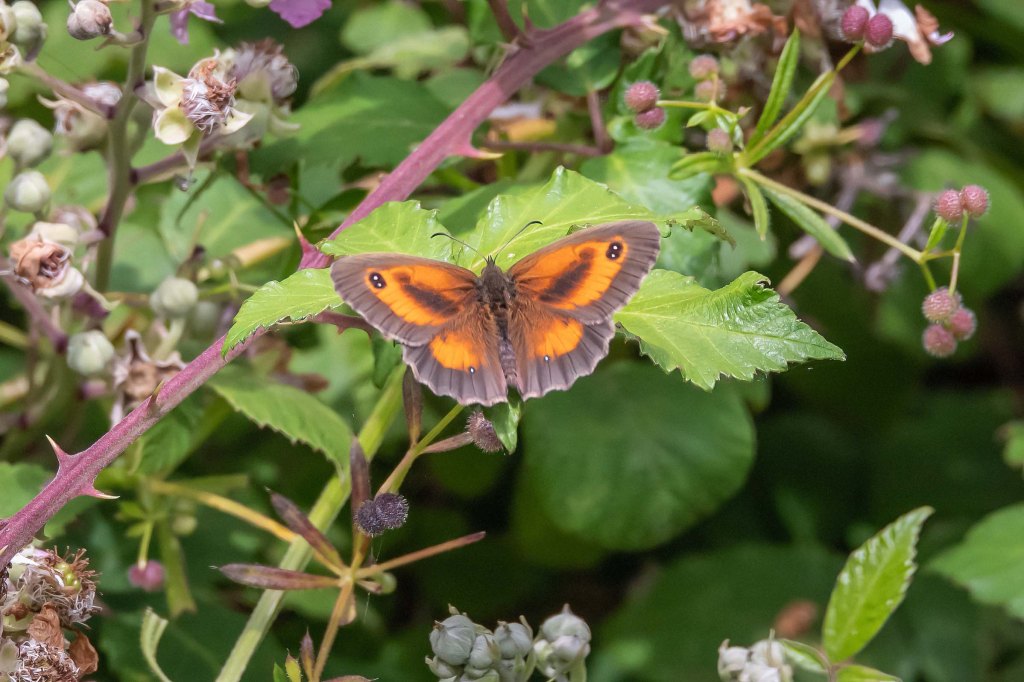
There were plenty of butterflies today and some interesting flora:
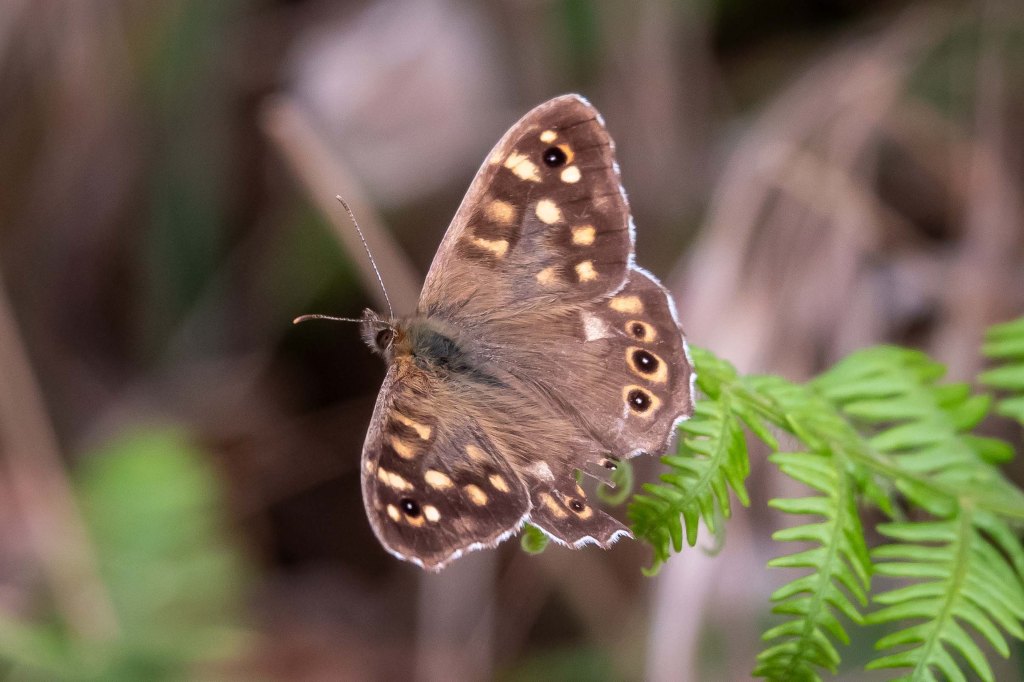
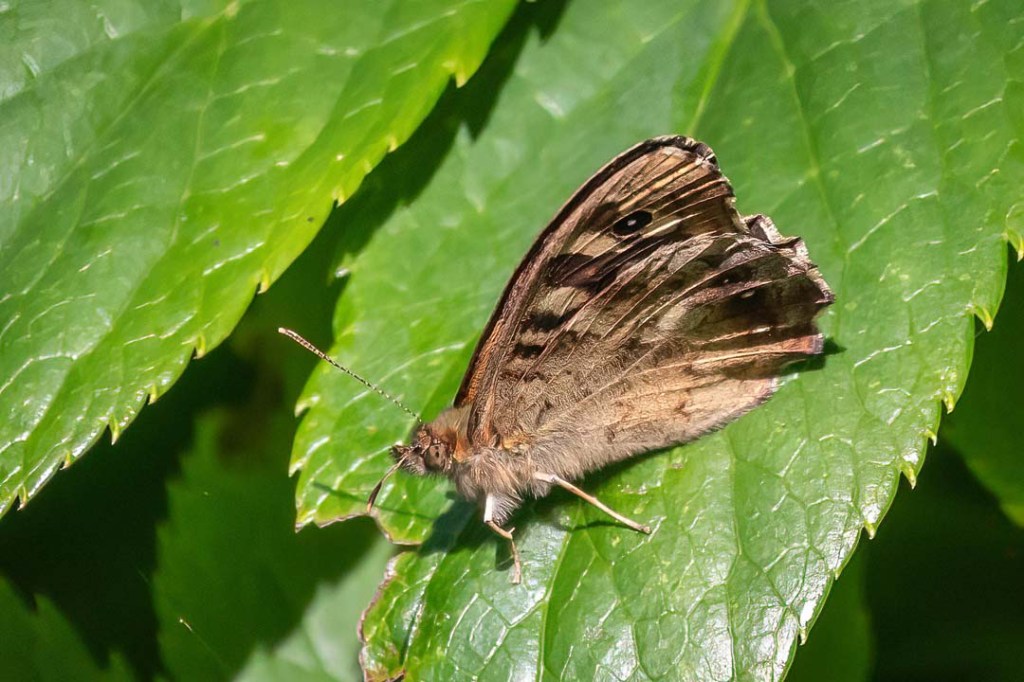
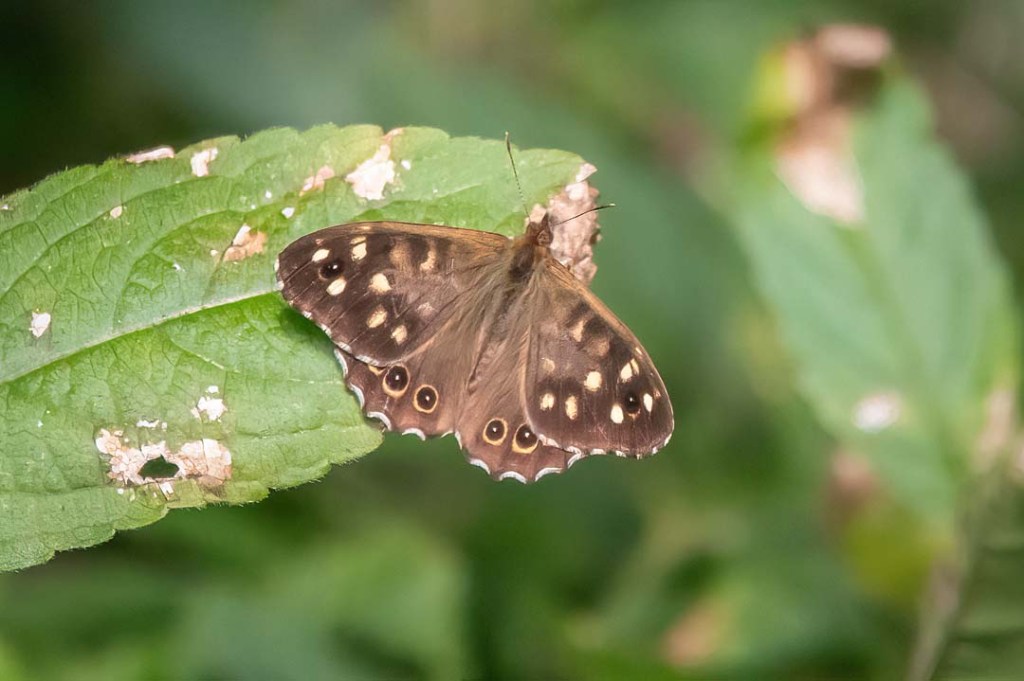
Large skipperMarbled whiteGatekeeperSpeckled woodDeadly night shadeLychen
Just as we were finishing our walk we heard a zitting cisticola. I had just one go at photographing it before it flew off and was quite pleased to get a reasonable shot.
Yesterday was a “birding” day and we saw very few birds, today was a “non-birding” day and we saw loads.
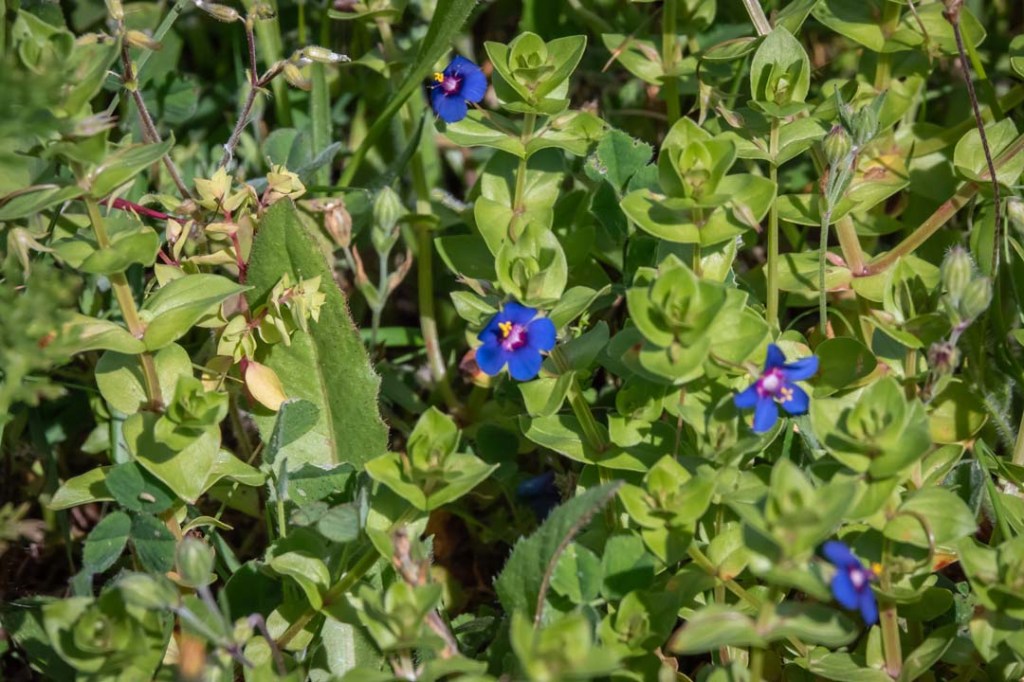
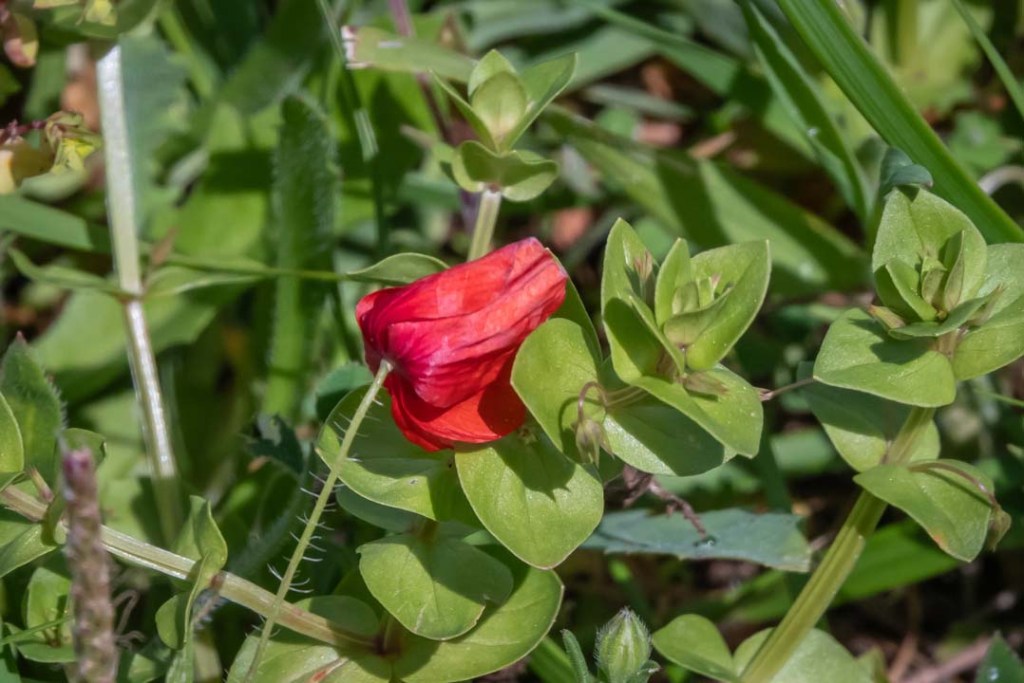
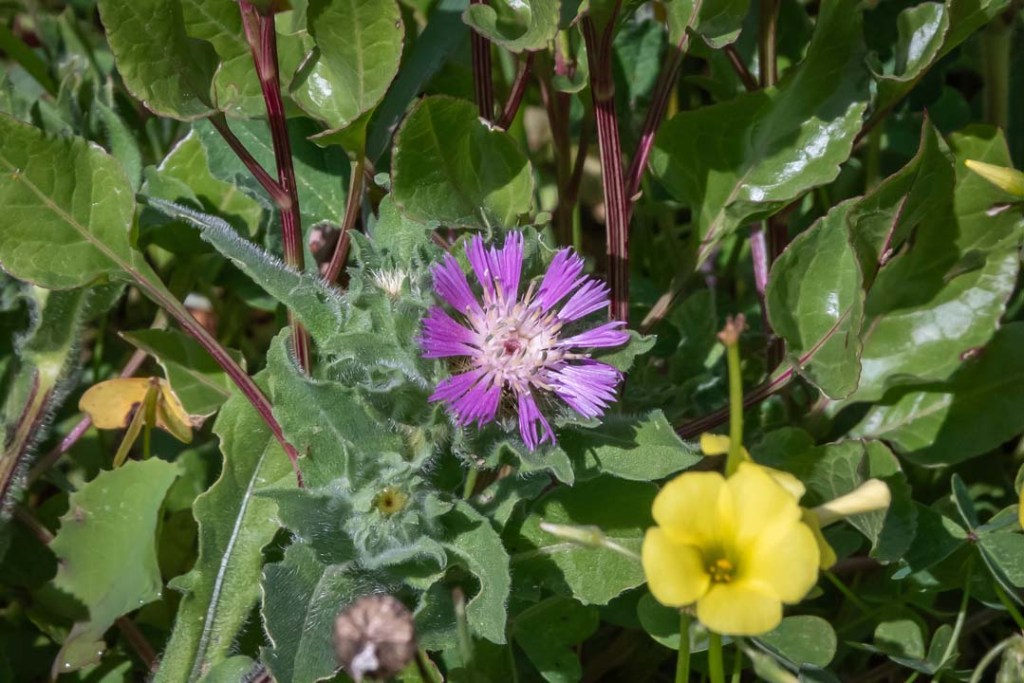
Our visit to the Château de Suscinio brought plenty of surprises: as well as the visit to the wonderfully restored 800 year old castle we had a lovely walk around the natural park which is separated from the gulf of Morbihan by sand dunes which, in themselves, are of great interest with their huge biodiversity.
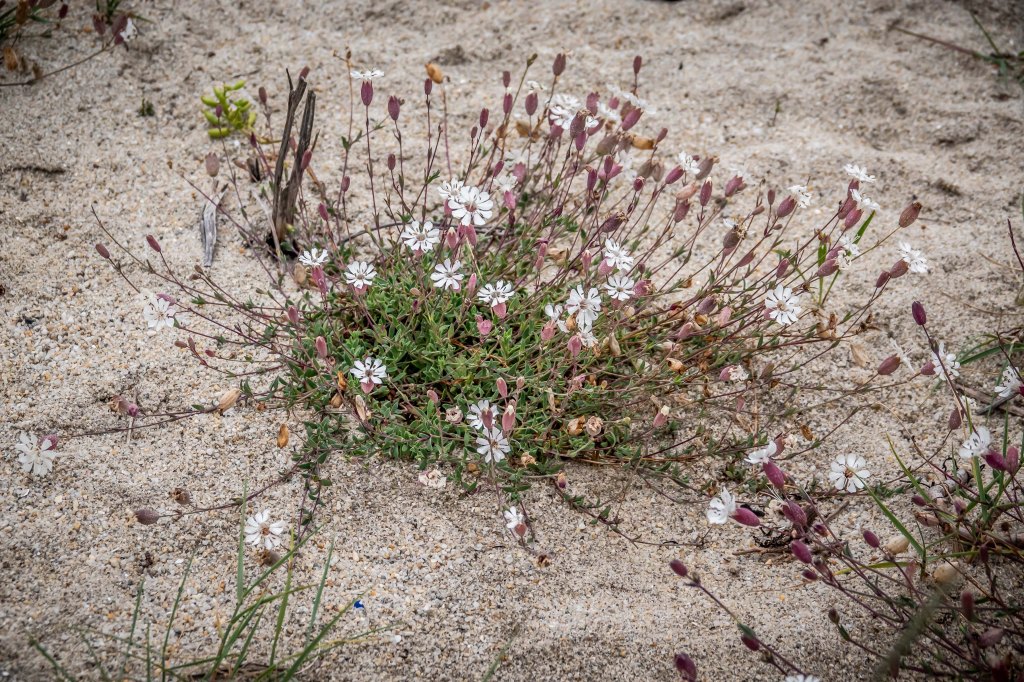
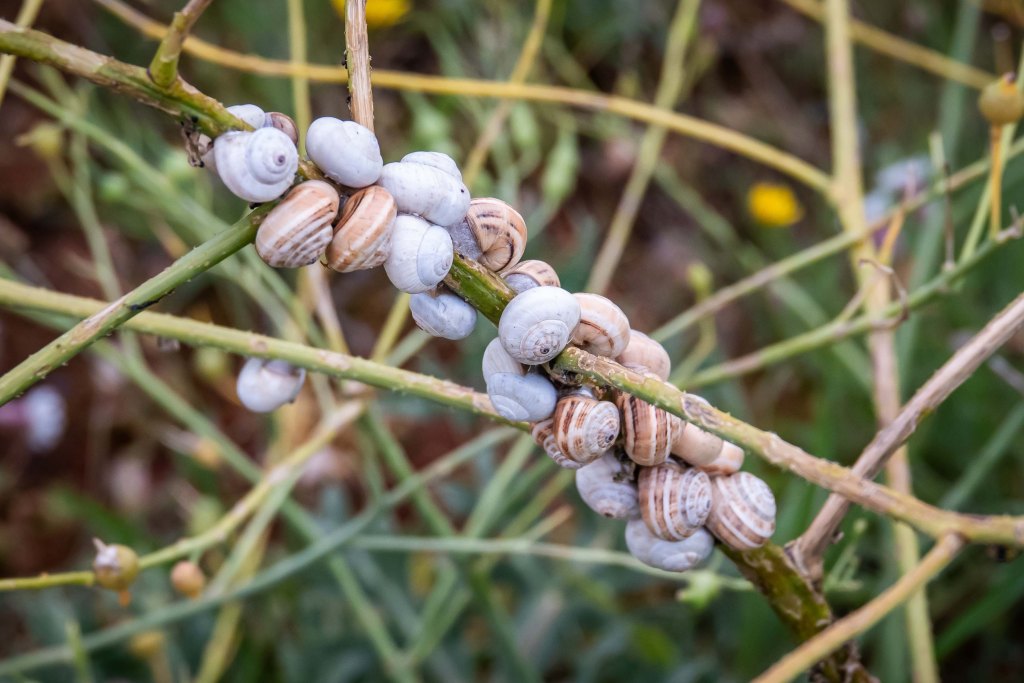
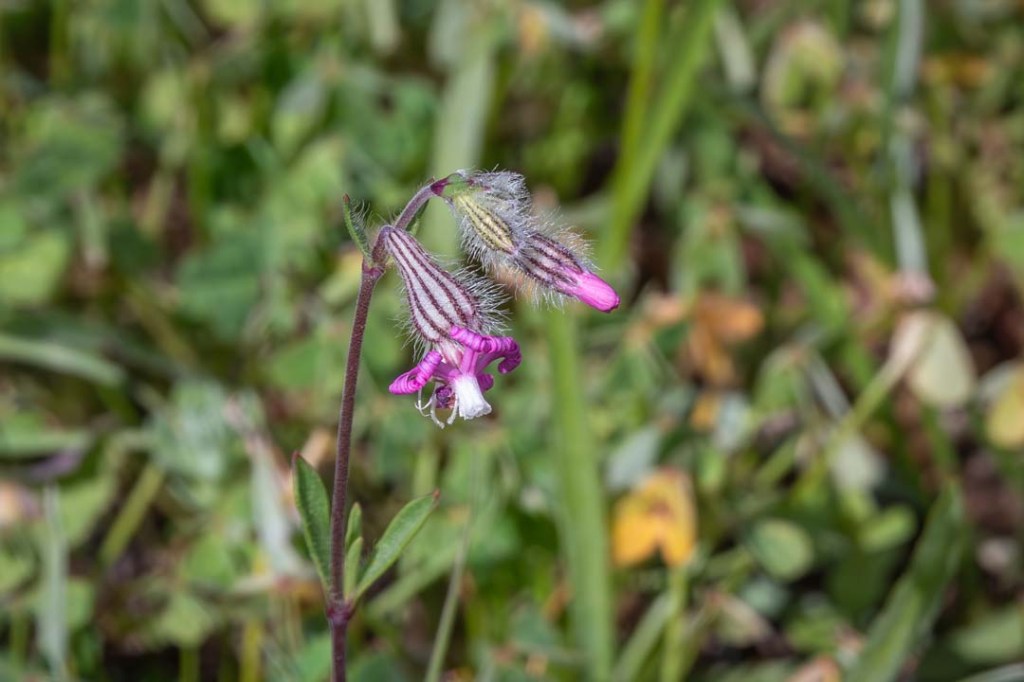
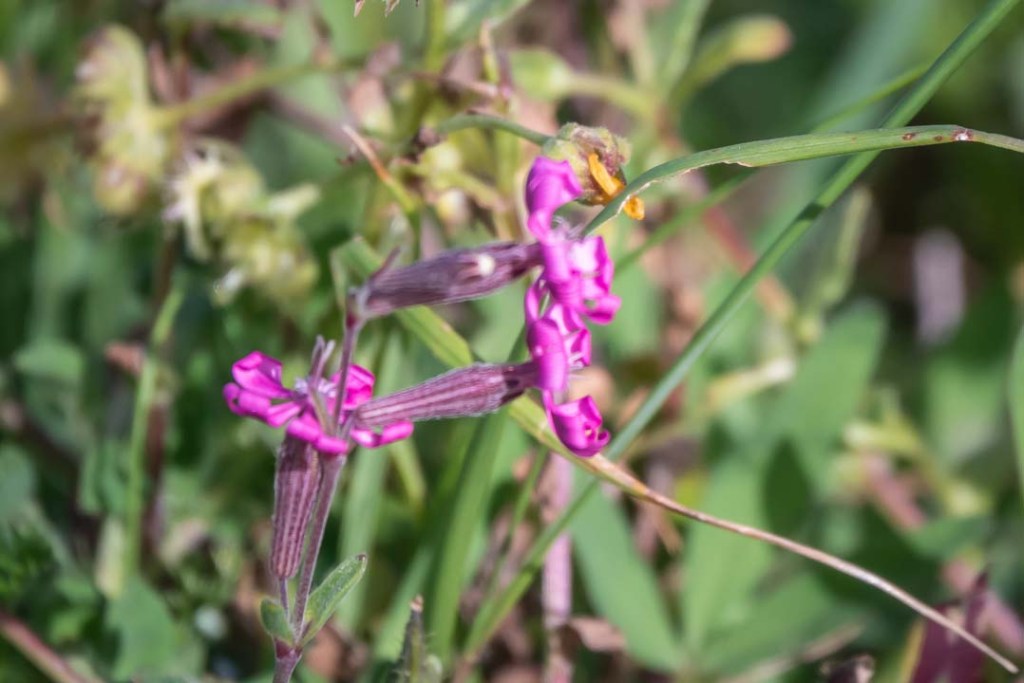
The château de SuscinioSileneSamphireQuite some biodiversity. I think I would have been happier with a swallow-tail butterfly which are seen here.
We saw no bluethroats, which are reported here, but I was not too disappointed as the poor weather, with very poor light, meant that I would have had poor photos. I’m quite happy to wait for better weather to see these beautiful birds .
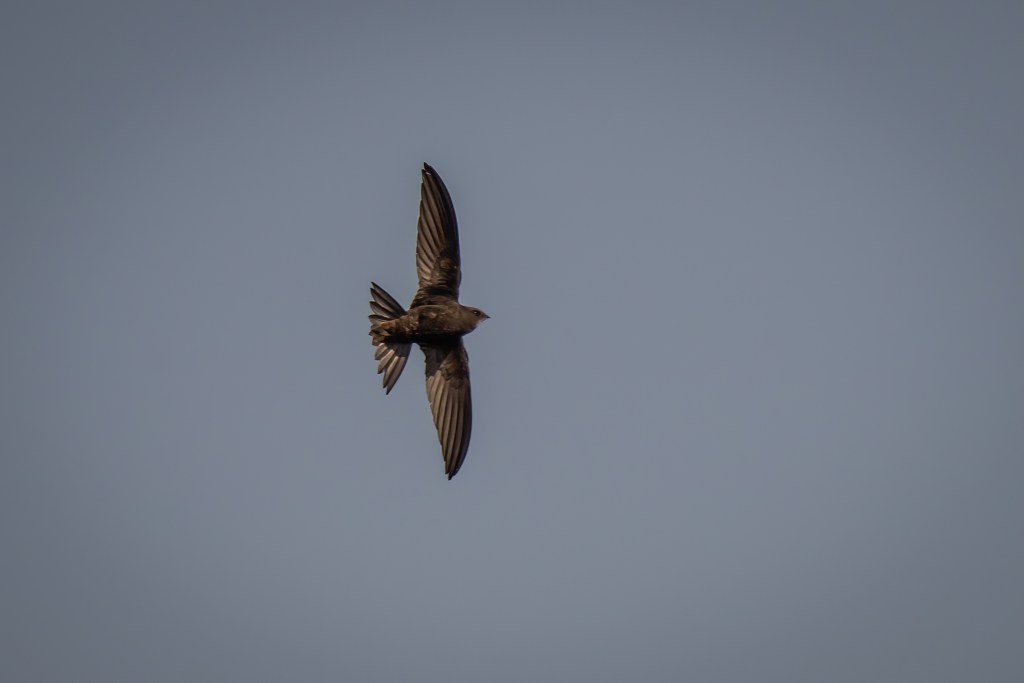
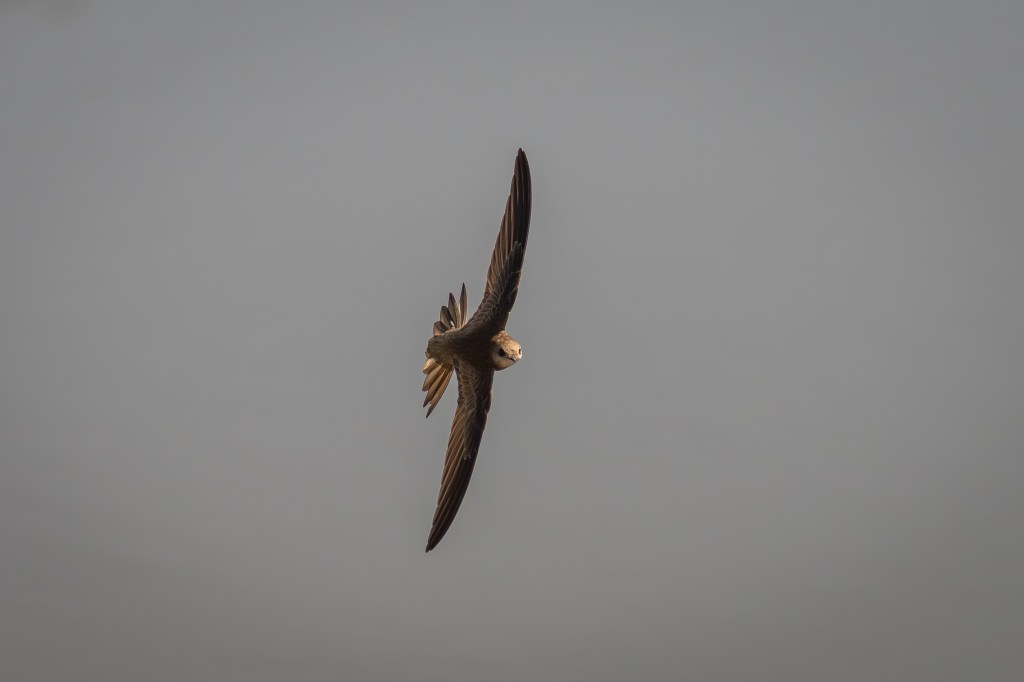
The swifts screeching around the castle were a highlight – you’ll have to take my word for it as I didn’t manage one decent shot of a swift.
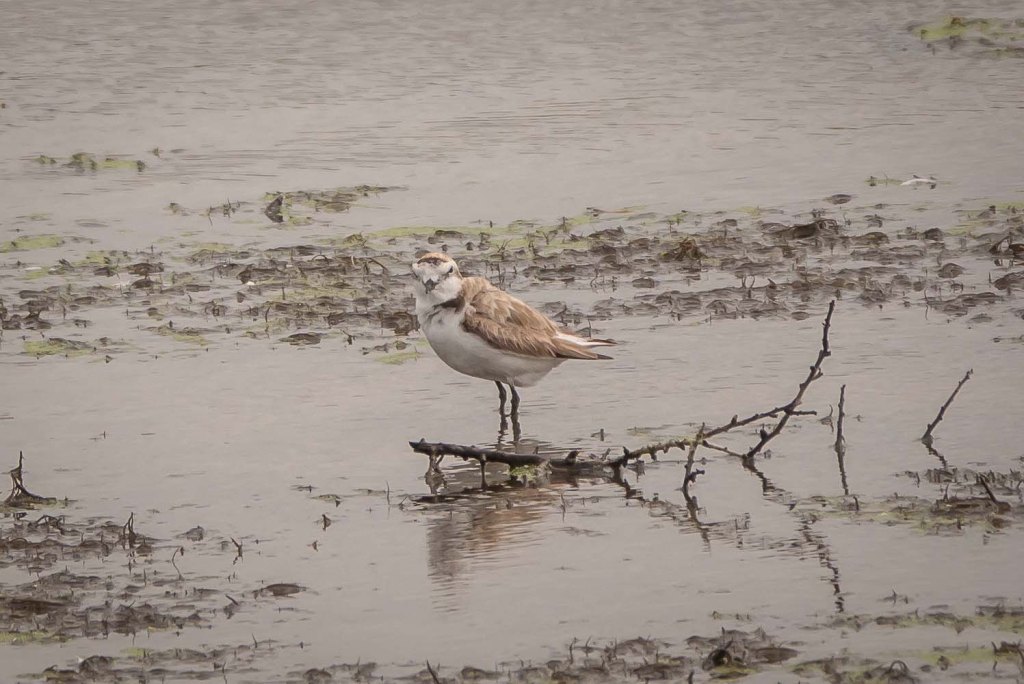
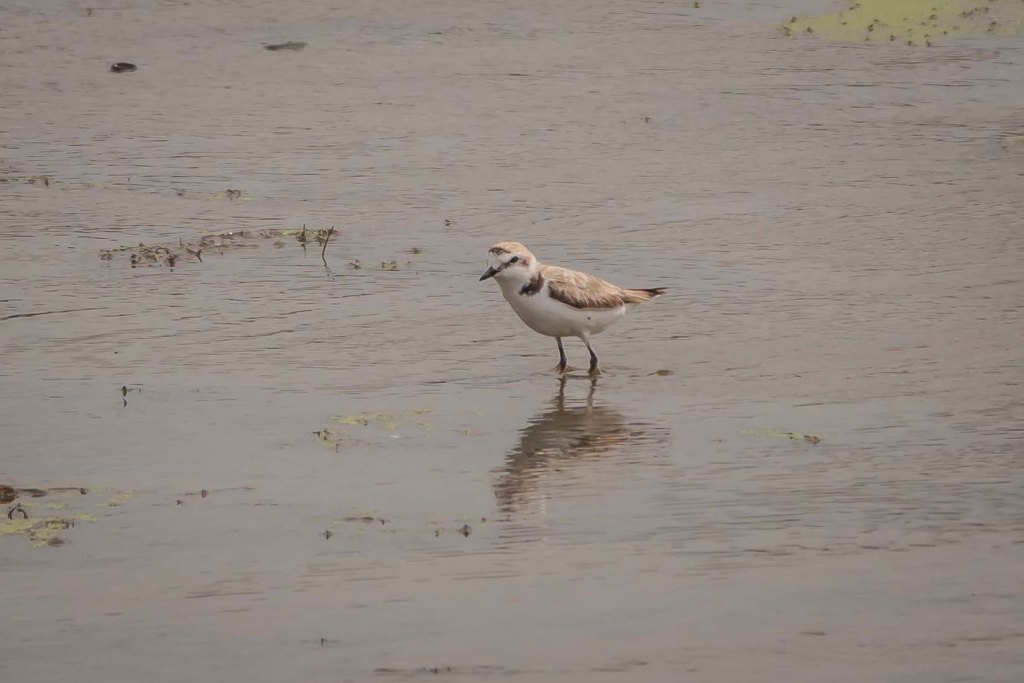
I was, however, very happy to see a Kentish Plover, as these are often reported here. We only managed to see one though.
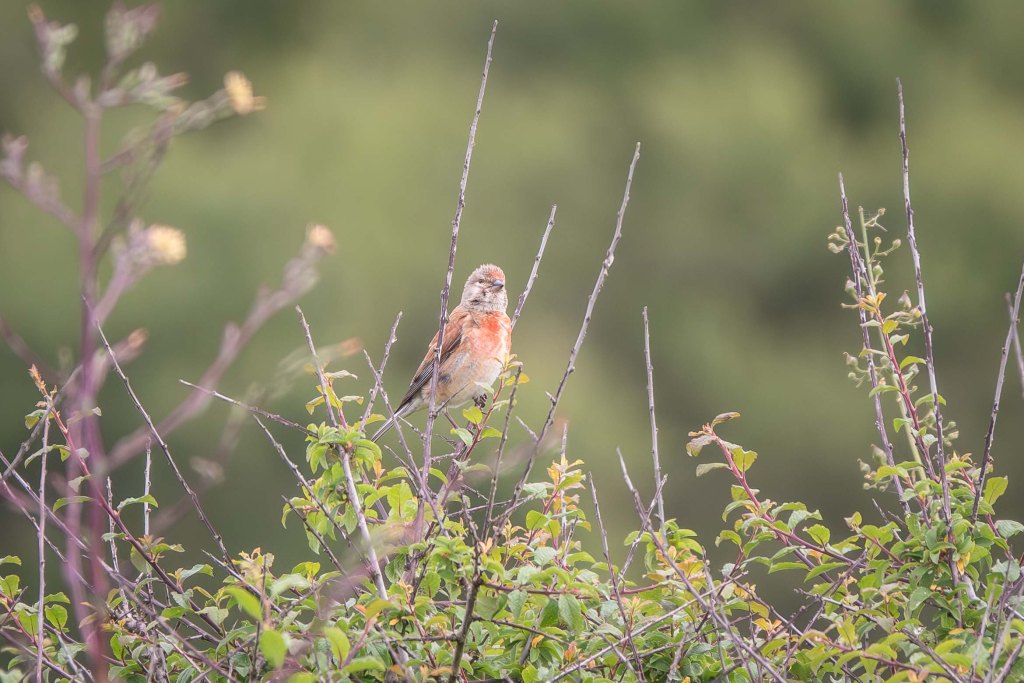
Kentish ploverAt least linnets stand out in the gloomStonechats don’t always pose at the top of a branch
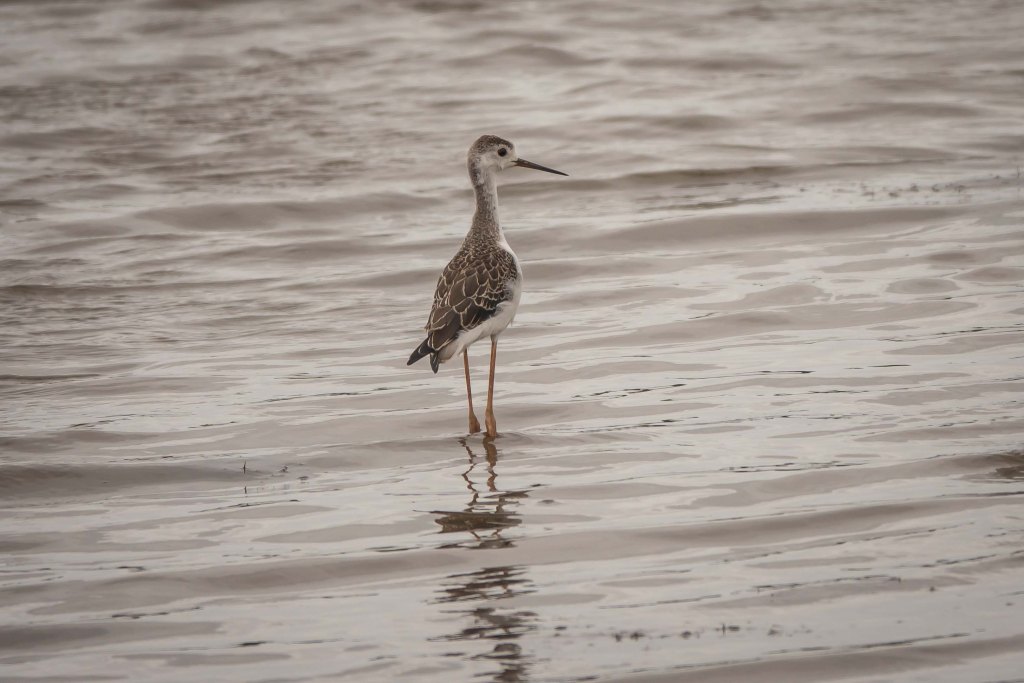
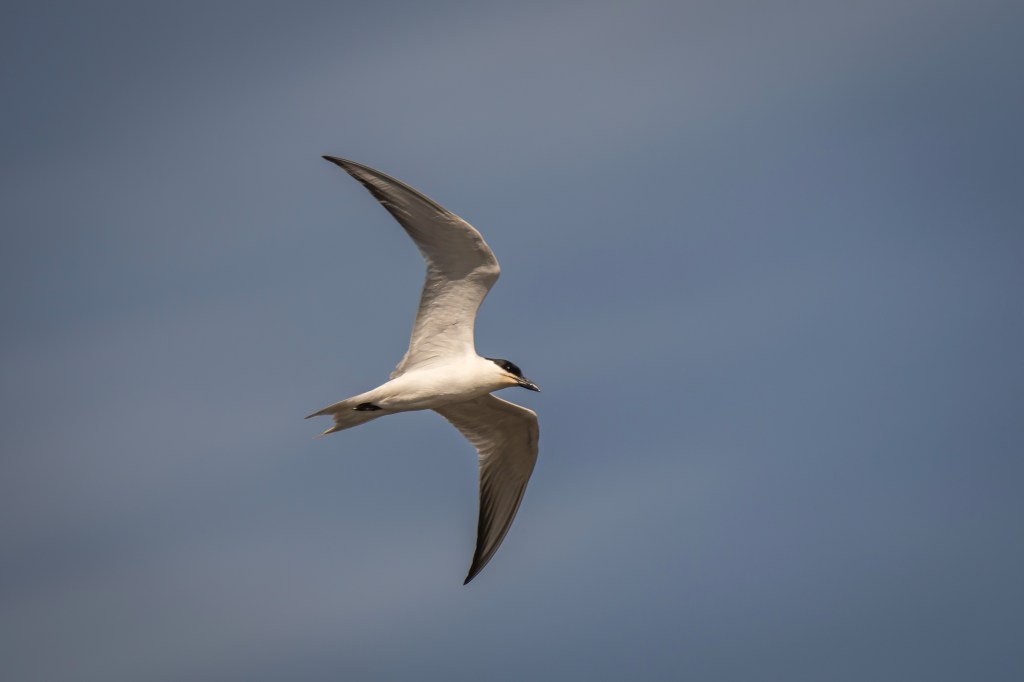
There were plenty of pied avocets, black-winged stilts and common terns which, although not too distant, were quite difficult to photograph in the poor light. I’m not really complaining as if we had wanted to be assured of better weather we wouldn’t have come to Brittany. At my time of life it’s better to be complaining about drizzle than extreme heat!
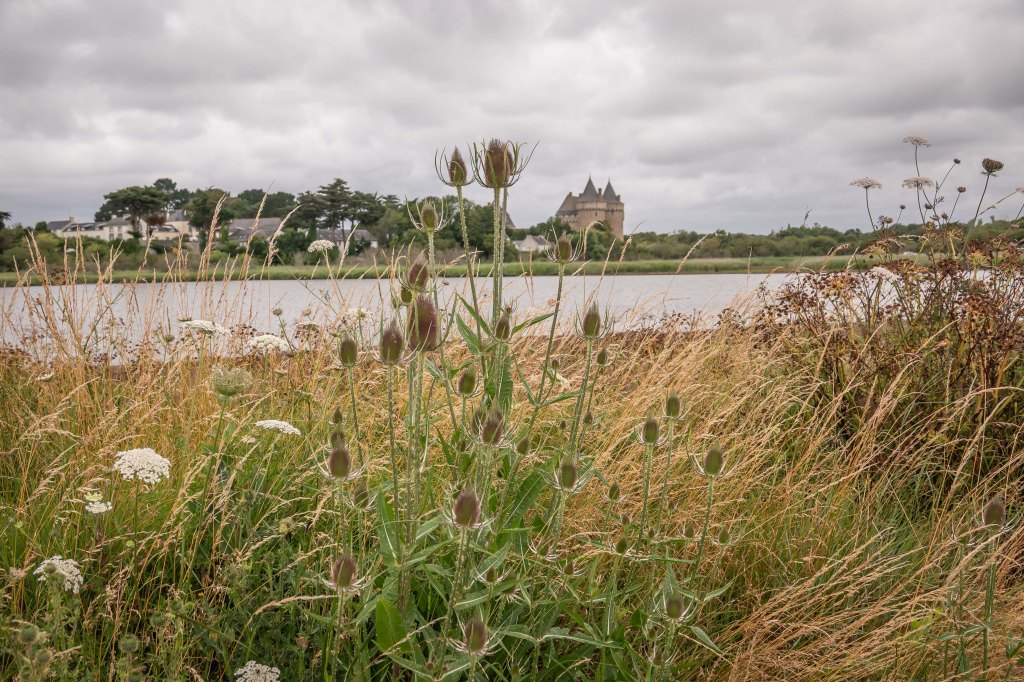
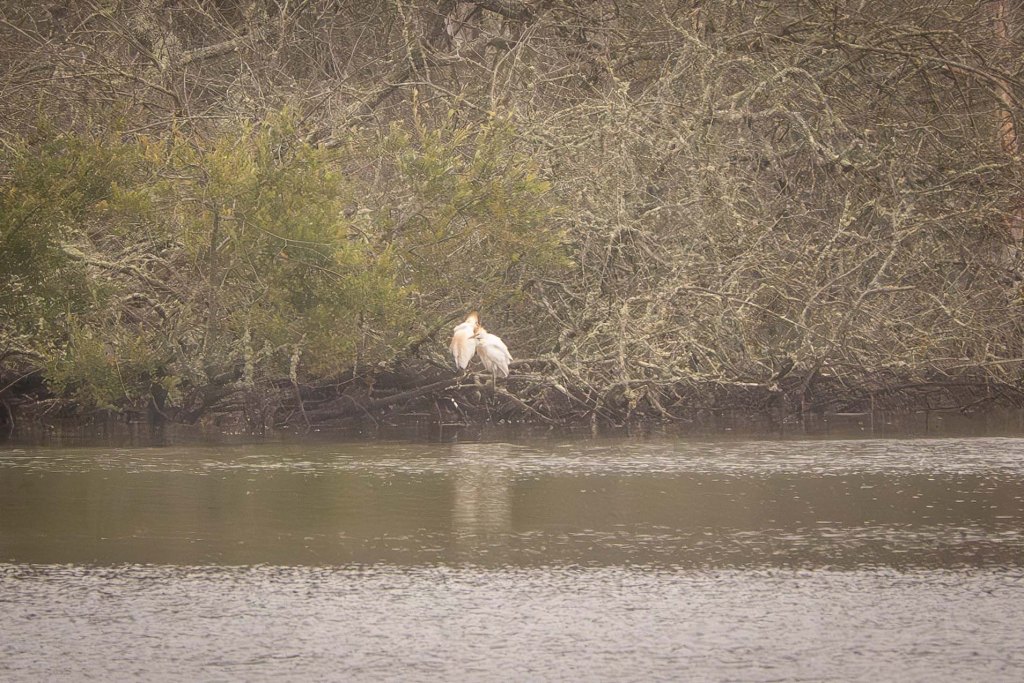
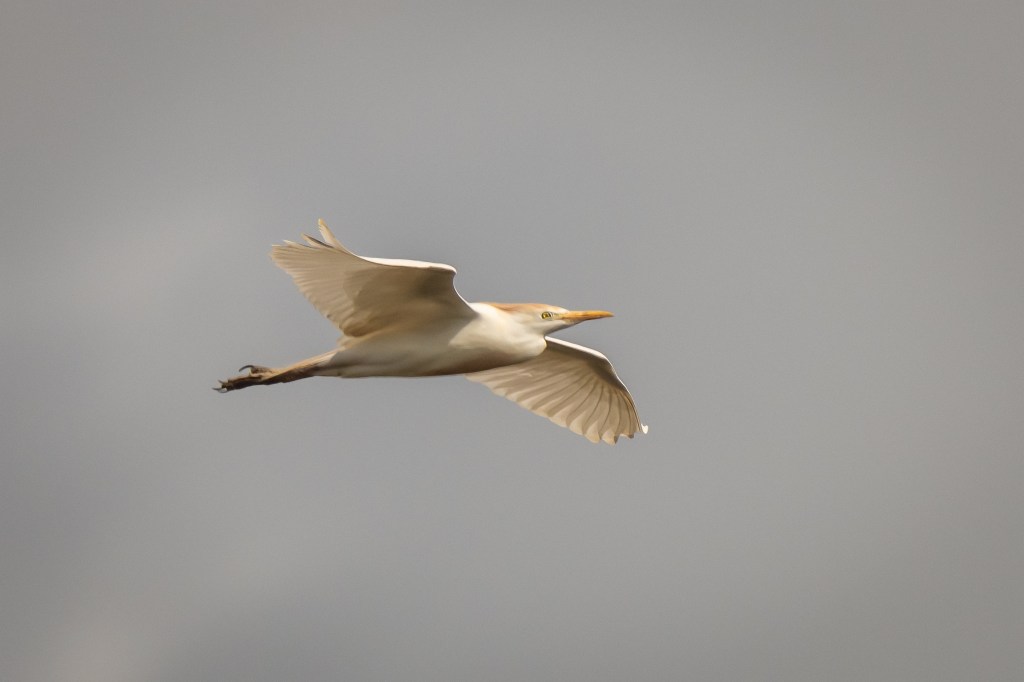
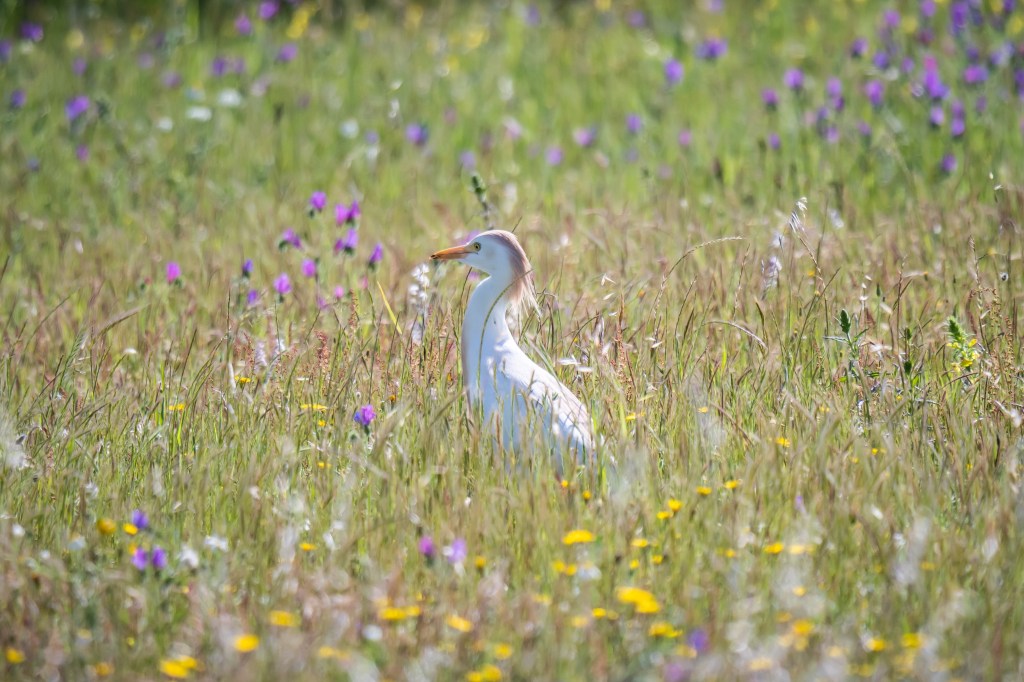
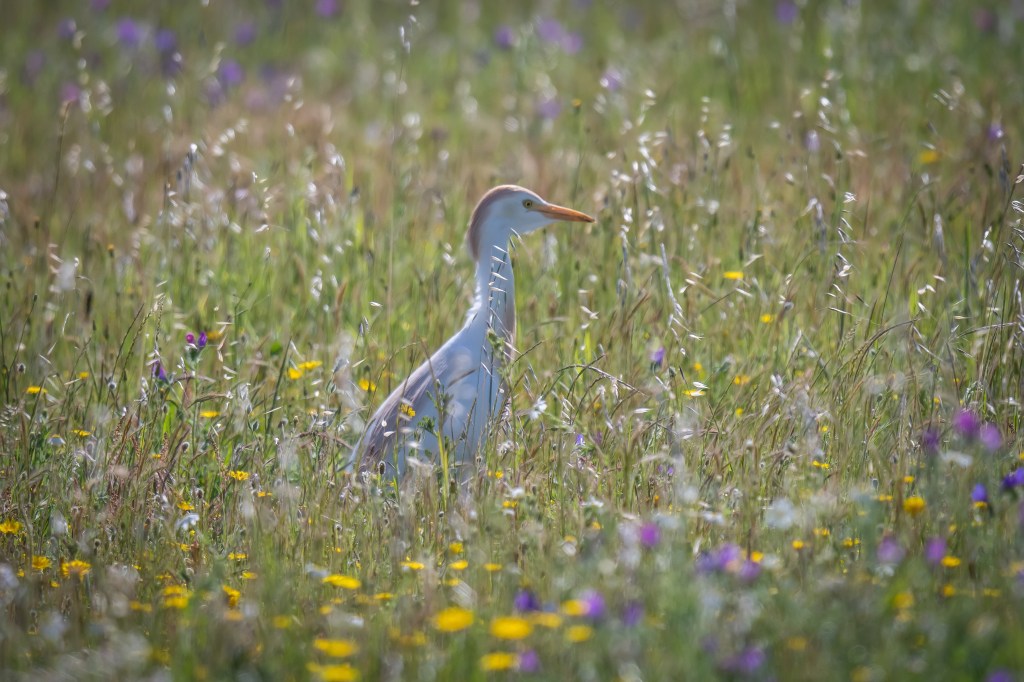
Pied avocetsA pied avocet chickKentish ploverThe château de Suscinio across the waterWild teaselCommon tern swooping to drinkBlack-winged stiltLittle egretCattle egrets across the castle’s lake – by now the rain had fully set in
Supposedly the Marais du Brennegi is a great area for bird watching.
“The ancient salt marshes, sandy peninsula and large mudflats offer a superb environment for observing birds. Among the breeding birds, one can observe Kentish Plover, which generally settle on the large sandy beaches.”
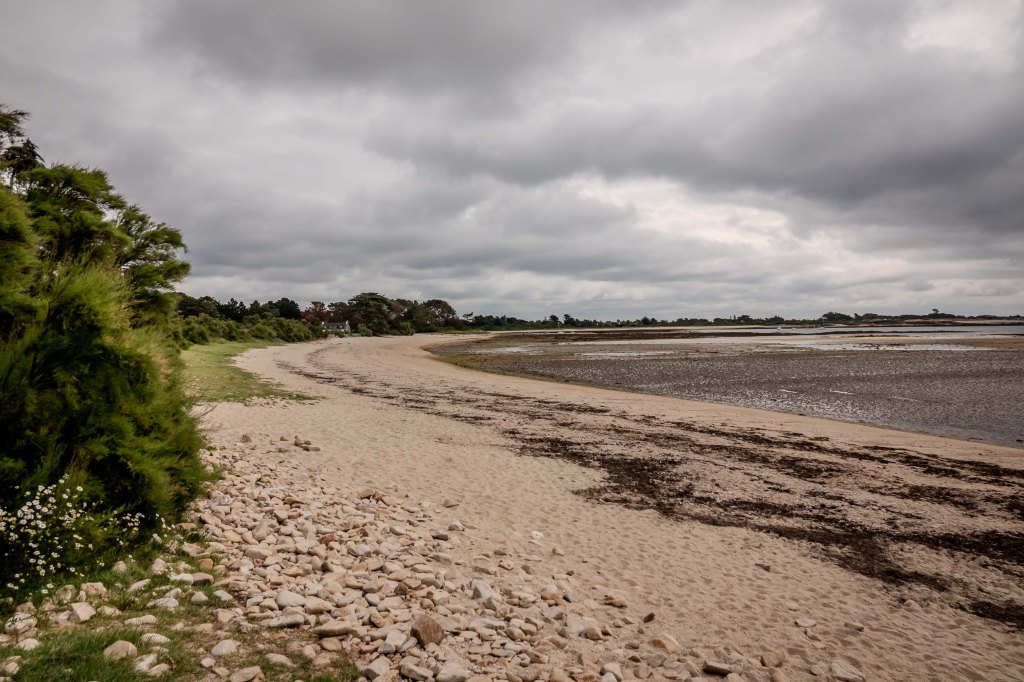
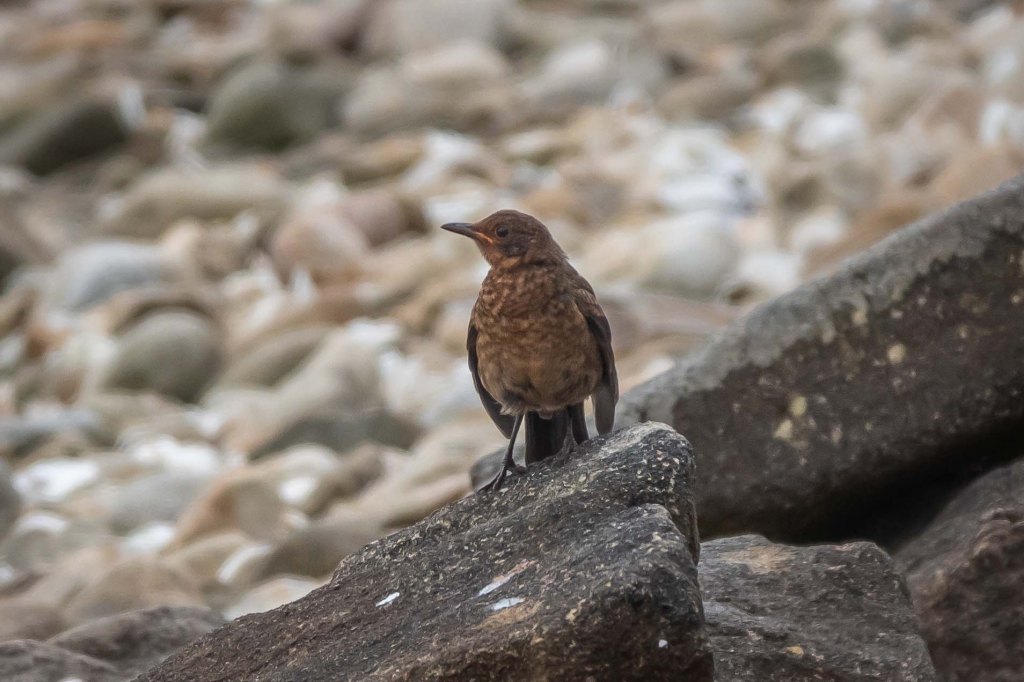
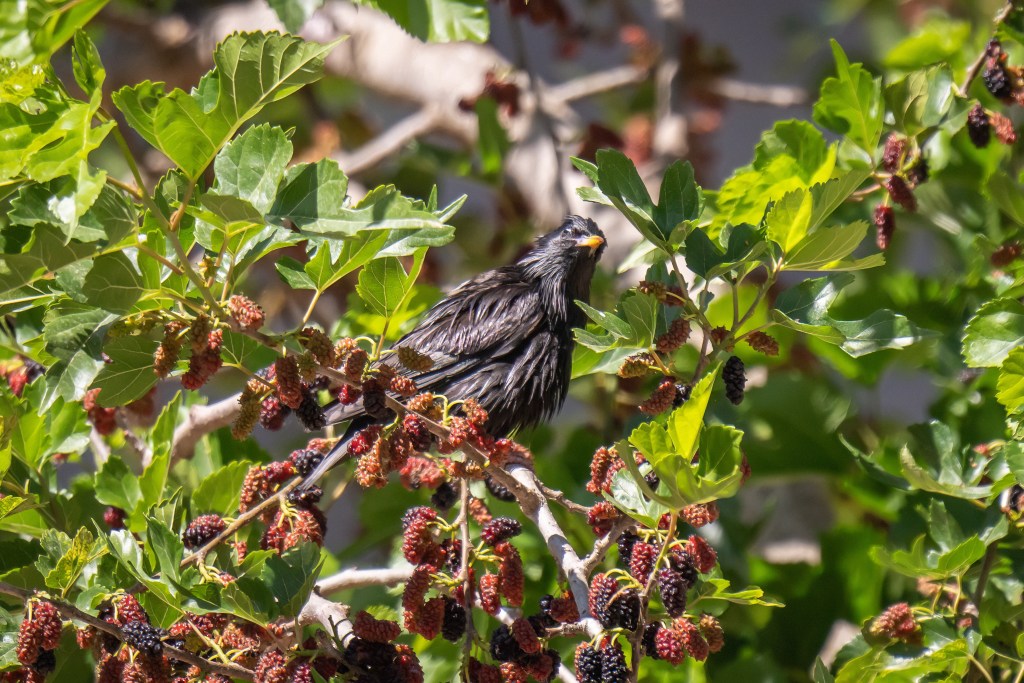
Well, we had a lovely walk but I managed only one bird photo (of a blackbird!) and only one butterfly in focus (although we did see small coppers and a marbled white).
BlackbirdSpeckled wood
However, all along our walk we heard skylarks singing, so we are certainly not complaining. Perhaps, though, they were complaining about the grey skies and the chill wind!
As the French say, “faute de grives on mange des merles” (Beggars can’t be choosers). Well, I certainly wasn’t going to start eating blackbirds so I turned to photographing the flora of the shore line.
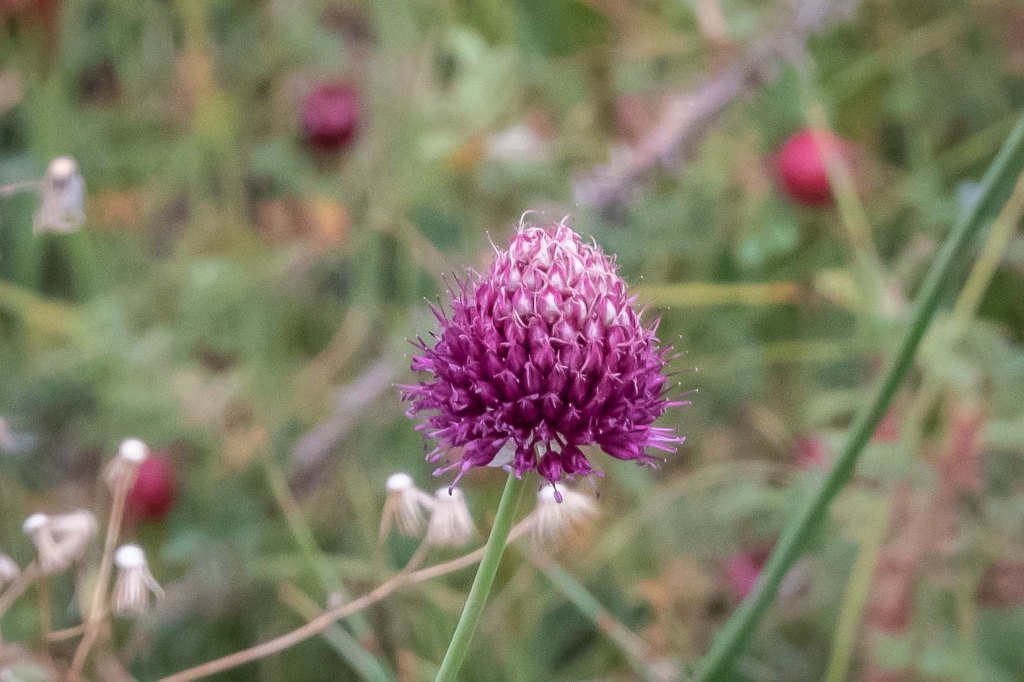
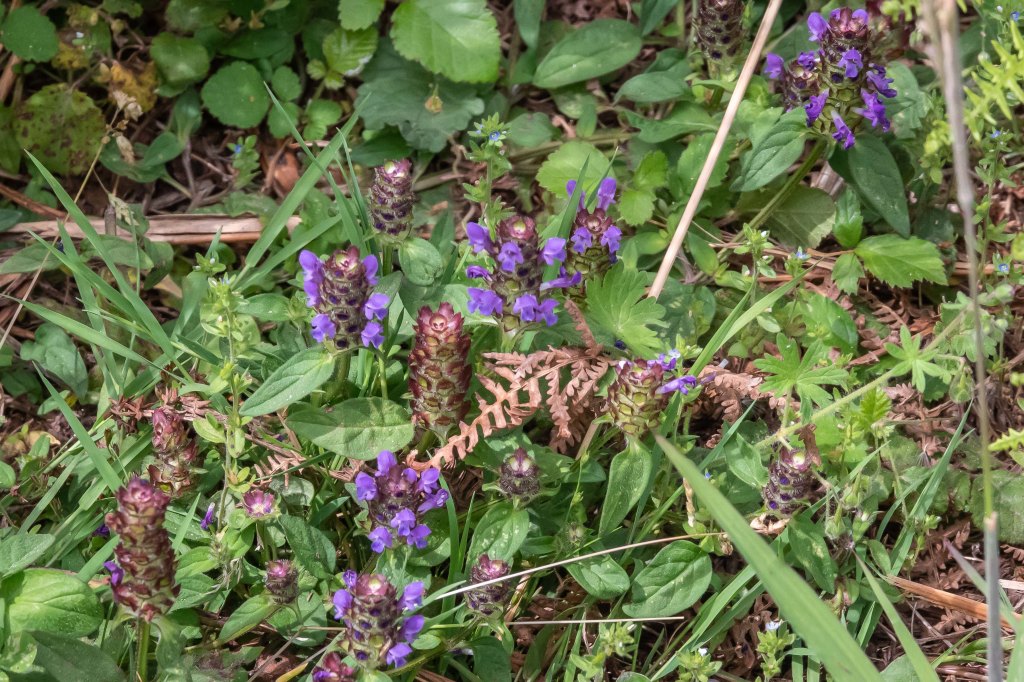
Matthiola sinuata, commonly known as sea stockThe marram grass and the dunes are well protected hereCentaurium erythraea commonly known as European CentauryAllium sphaerocephalon – round-headed garlicIs this (and does this?) Heal-All (prunella vulgaris)
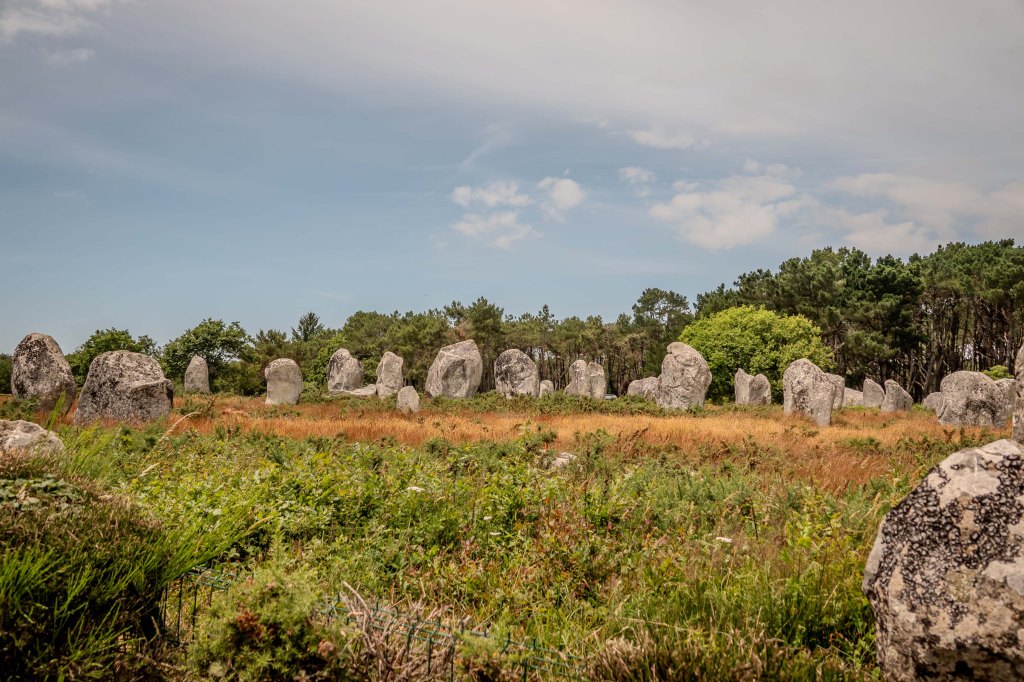
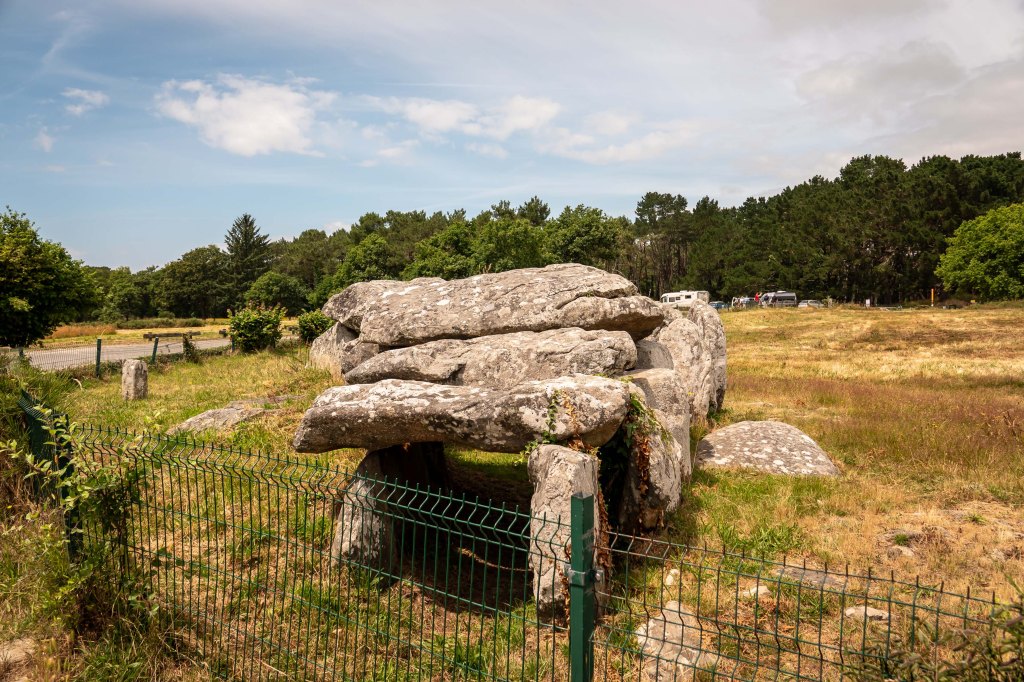
In the afternoon we visited “Les alignements de Carnac” – the most extensive group of conserved megaliths in Europe.
The stone alignments in Carnac were erected in Neolithic times. They are the most famous and most impressive examples of standing stones from this period, with some 3000 standing stones.
We didn’t see them all but that was probably because we had had enough of the chill north-west wind
The largest marsh in the Gulf of Morbihan, the nature reserve covers 530 hectares made up of a mosaic of mud flats, marshes, coastal lagoons and meadows.
There are excellent walkways and a good number of hides. However, the windows in most of the hides do not open and it was often difficult to take photos.
Nonetheless, we made the most of a mainly grey day and saw some terrific birds.
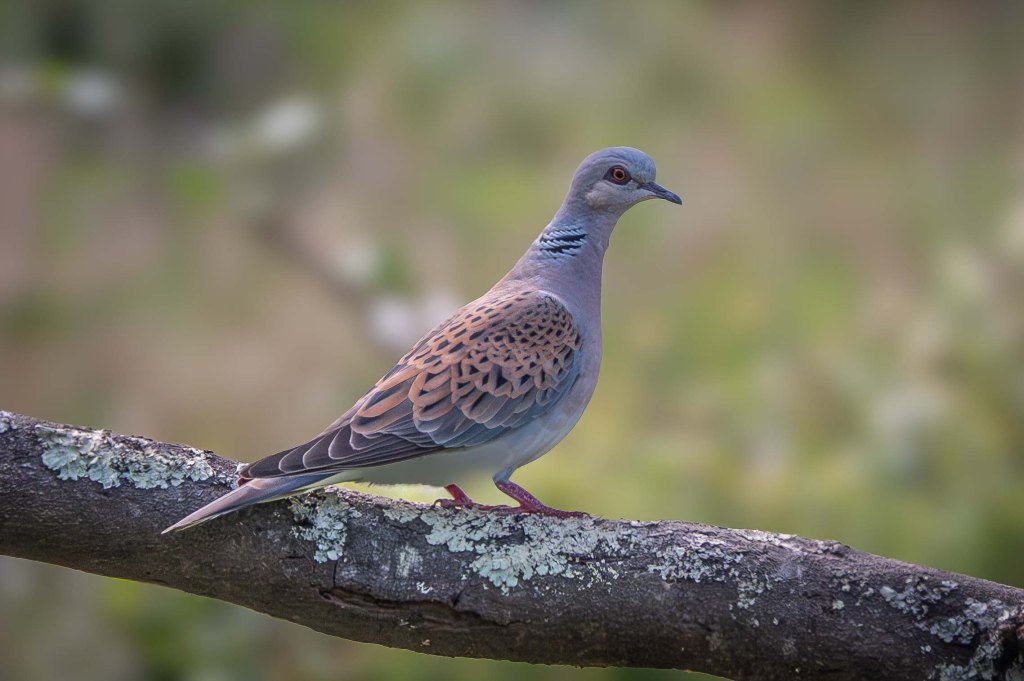
For us a pair of turtle doves were definitely the standout birds, although close ups of avocets, black-winged stilts and a water rail (even through a grubby window) were pretty special.
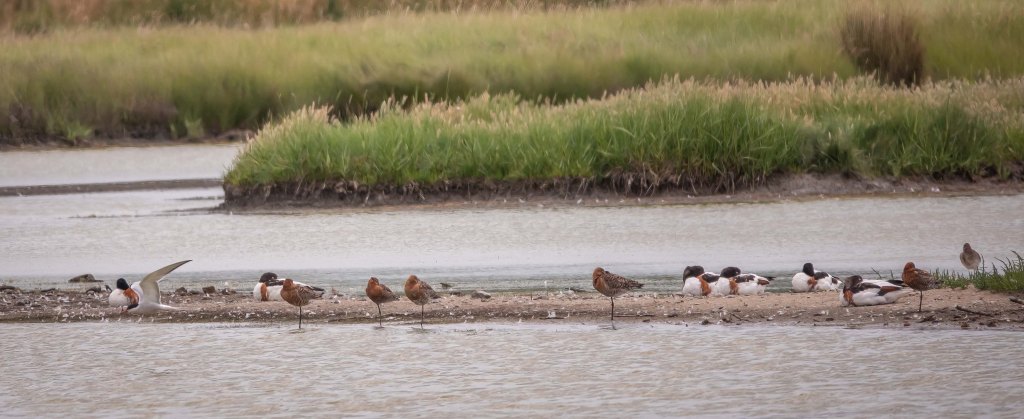
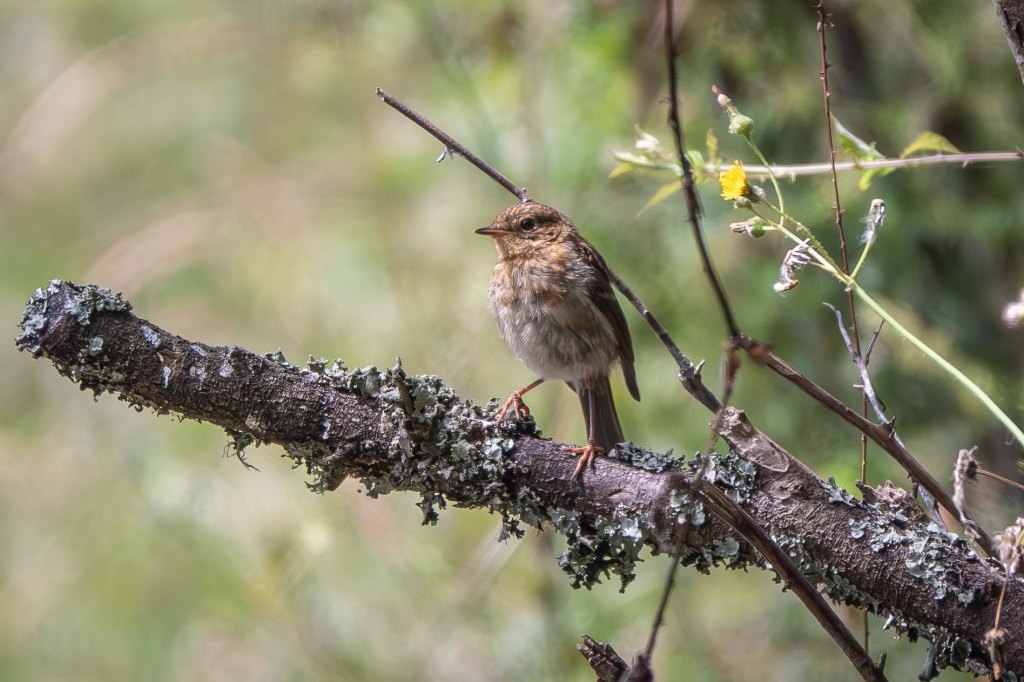
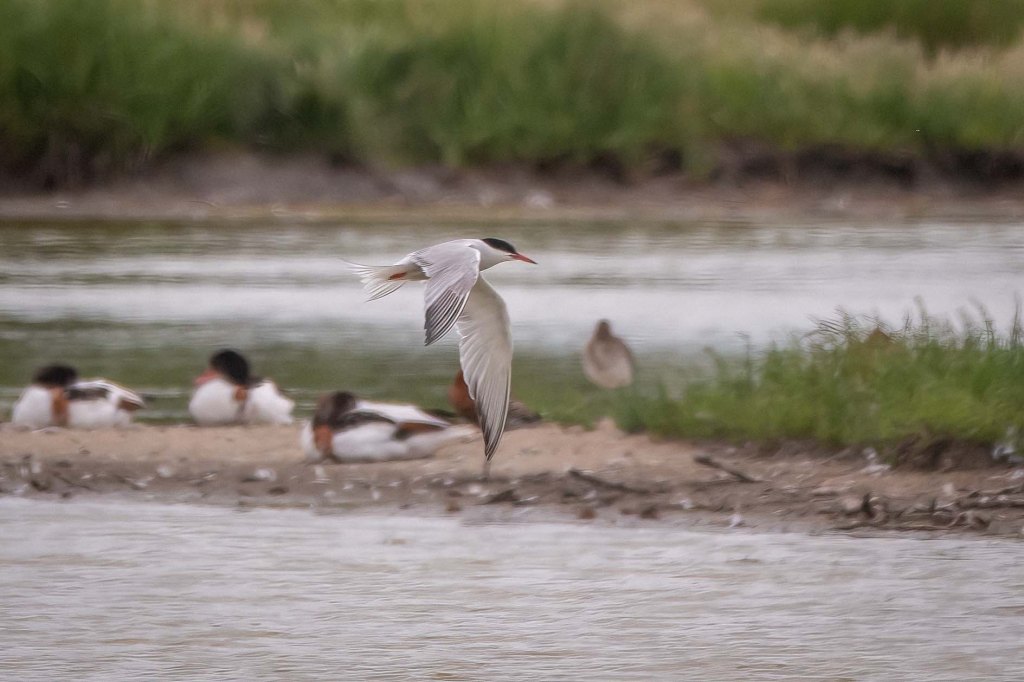
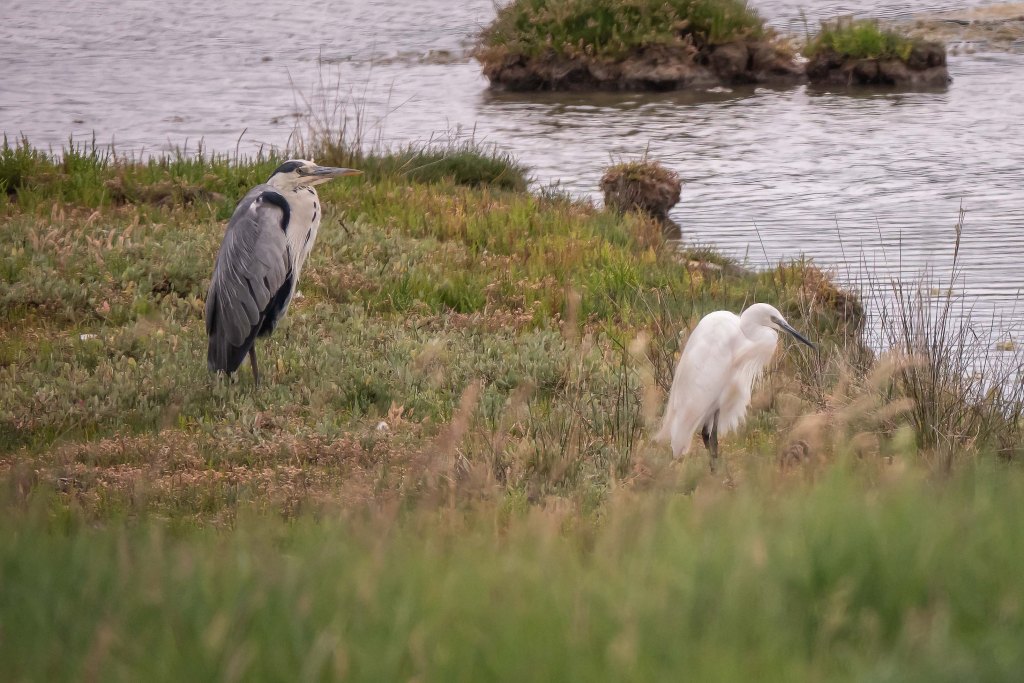
European turtle doveWater railBlack-winged stiltAvocetShelduck and godwitsJuvenile robinStonechatCommon ternGrey heron and little egretLinnet catching the odd ray of sunshineEuropean turtle dove
I spent my teenage years in the Chew Valley and regret that, at that time , I had little interest in nature. I did enjoy the aesthetics of the pretty village cricket grounds and always enjoyed cycling the lanes. I do remember occasionally taking in the wonderful scenery of this beautiful part of the country; but I failed to show interest in the specifics and failed to learn any of the names of the flora or to spend time studying the birdlife. What a waste!
However, I hope I have made up for it in recent years.
This morning we crossed the city before most people were active to visit an amazing garden south of Bristol in the Chew Valley – the Yeo Valley Organic Garden near Blagdon.
The view from the garden caféThe gravel garden
It was a bit early in the day (and still quite fresh) to see the great variety of butterflies that we usually see here at this time of the year. We had to make do with a scruffy Painted Lady and lots of damselflies.
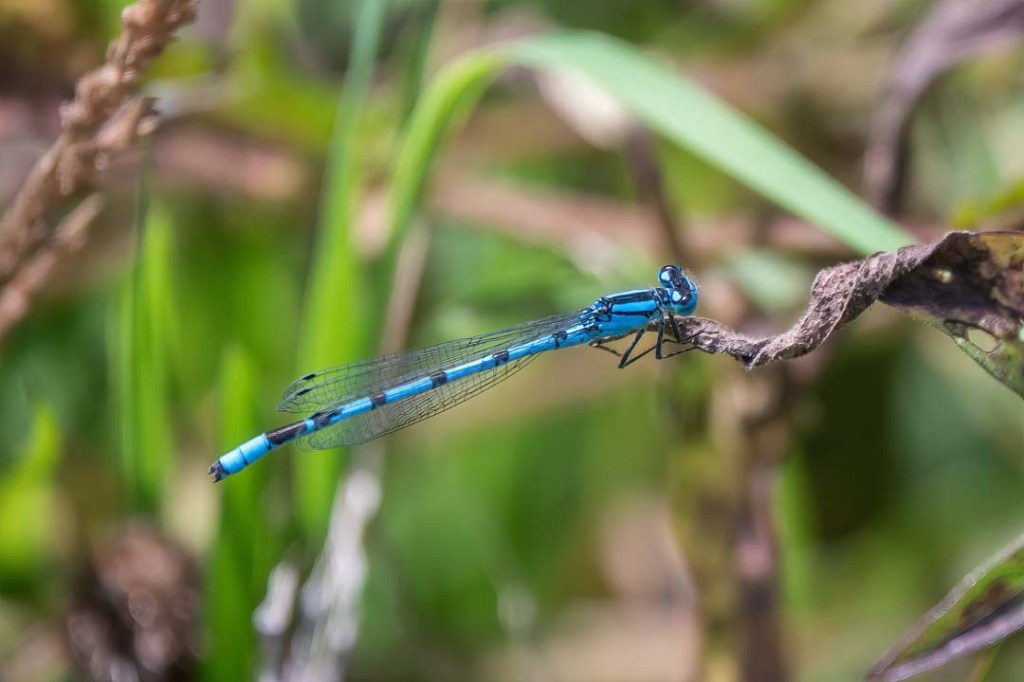
Painted ladyCommon blue damselfly
There were birds to be seen too; notably robins, blackbirds, goldfinches, chaffinches, chiffchaffs , pied wagtails, and swifts and house martins flying across Blagdon Lake.
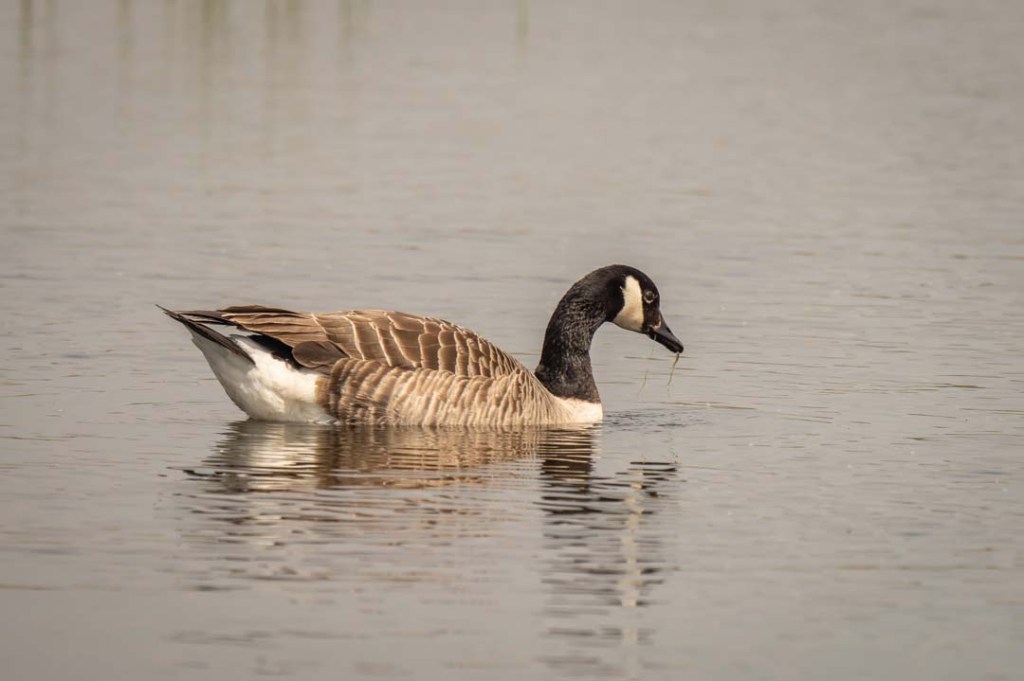
Pied wagtailLots of pollinators in the gardenThe view to Blagdon LakeCanada geese over the lakeSwifts over the lake… and a little closerThe goldfinches were much closer stillChaffinch singing its heart outCommon chiffchaffThe birch groveBig grass bedThe veggie gardenThis bed of alliums was probably my favourite area todayThe red and lime bedsThe bronze gardenThe bronze gardenGlasshouse
Despite the sun not appearing very often the garden still looked stupendous. I hope some of my photos do justice to this lovely garden.
After a tasty lunch at the on site café we stopped off at the village of Ubley and had a quick visit to the local church.
The garden caféUbley Church north façade Ubley Church south façade
Sadly, our return journey across the city was rather tortuous as we got caught up in the traffic of people going Saturday shopping. If they only knew, they would have been much better off driving out into the countryside!
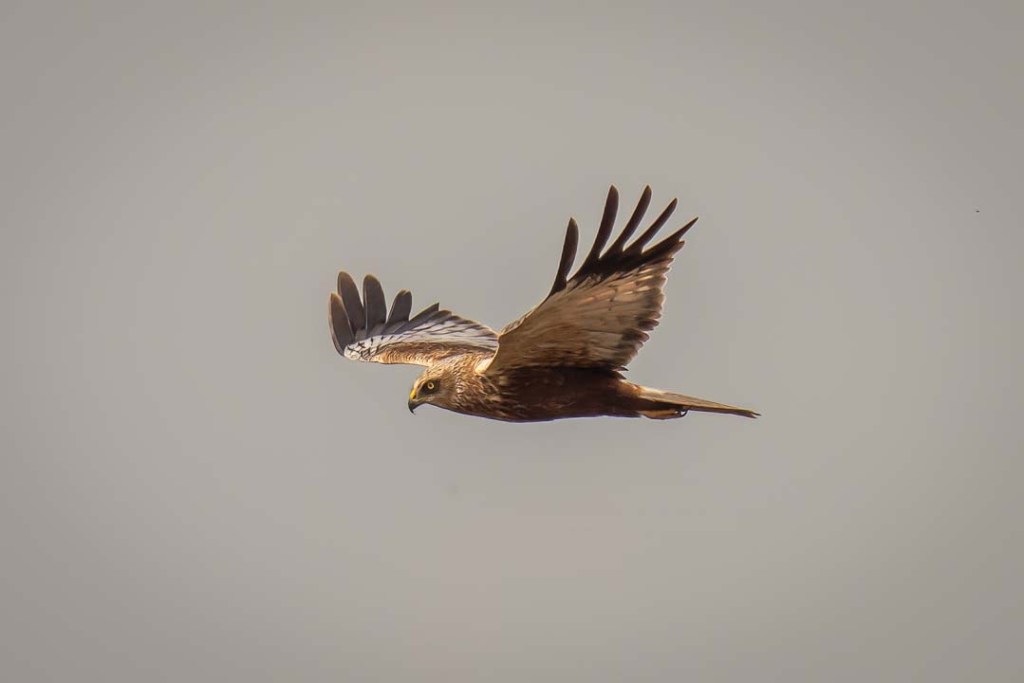
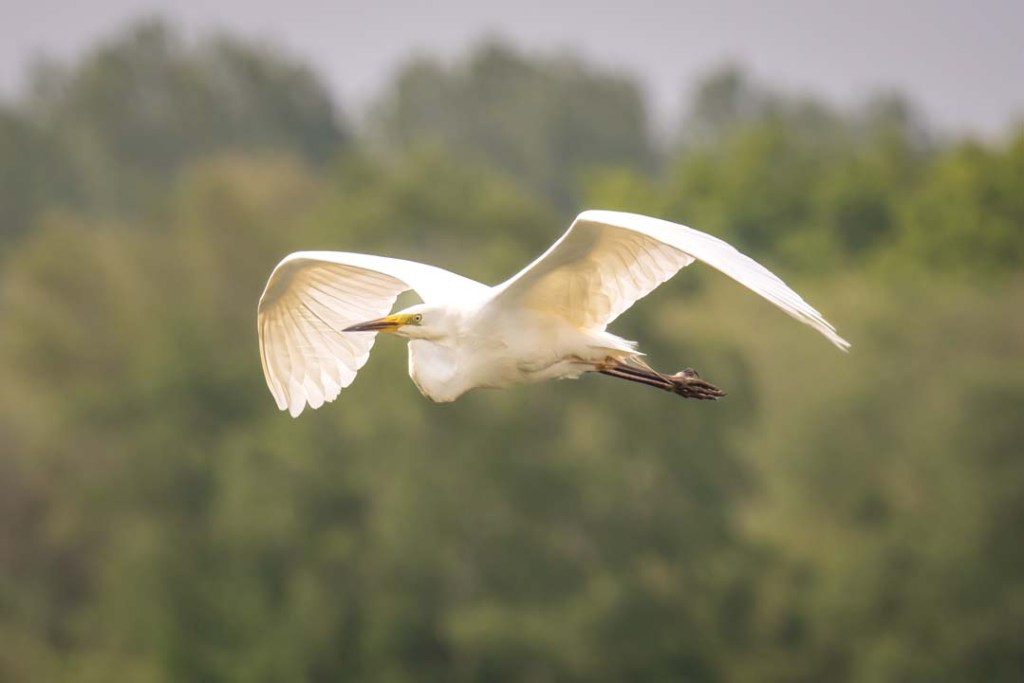
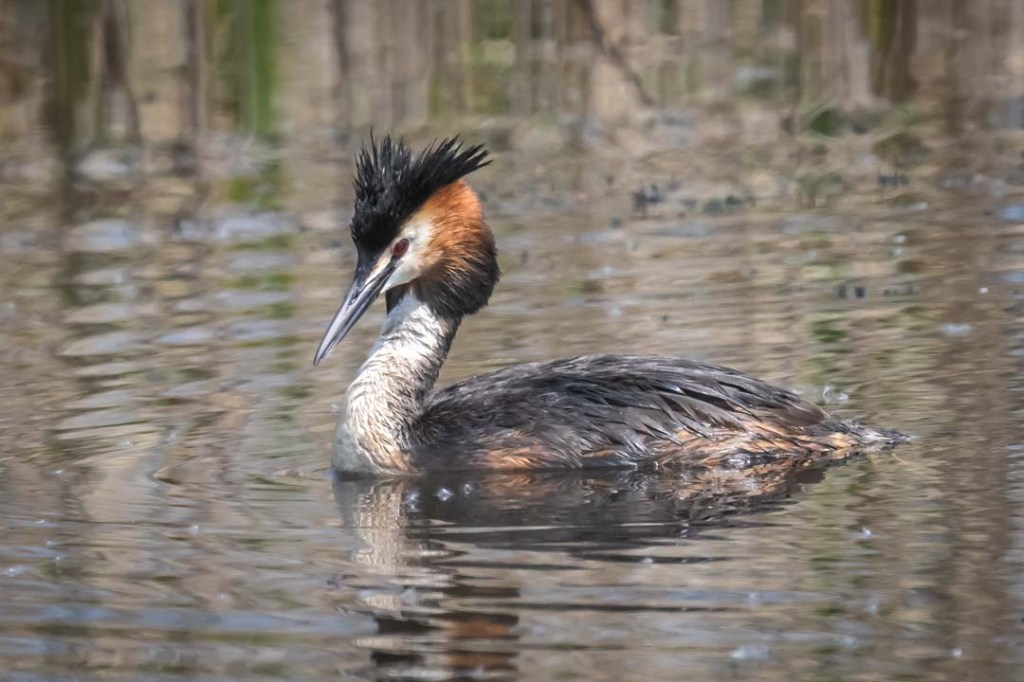
It was rather misty on the Avalon marshes today but it warmed up as the day progressed and it was nice and sunny for my drive home.
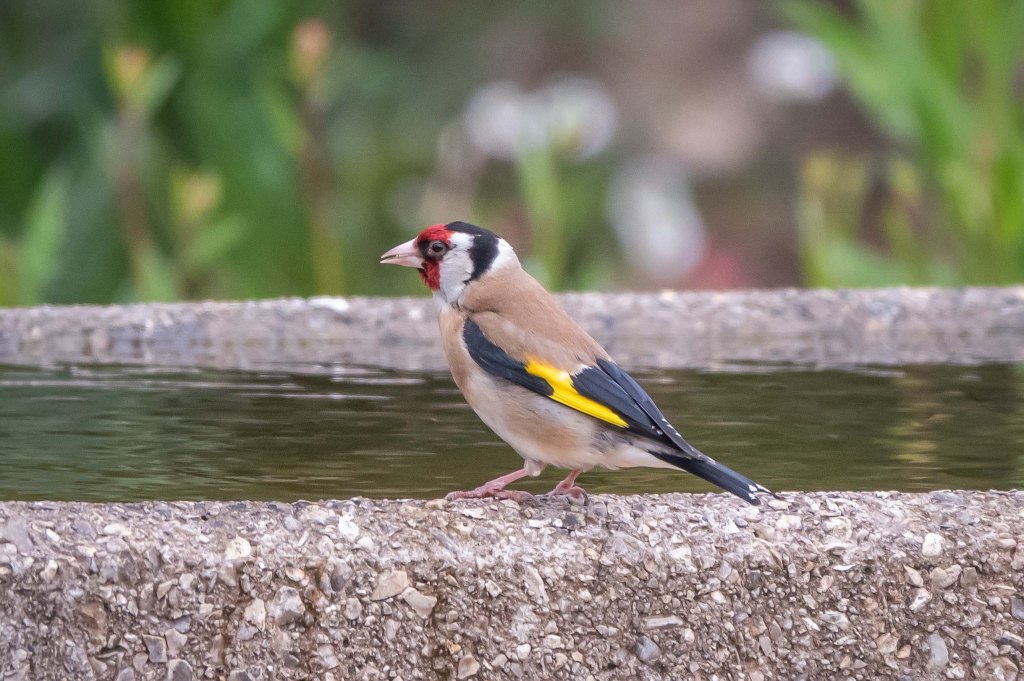
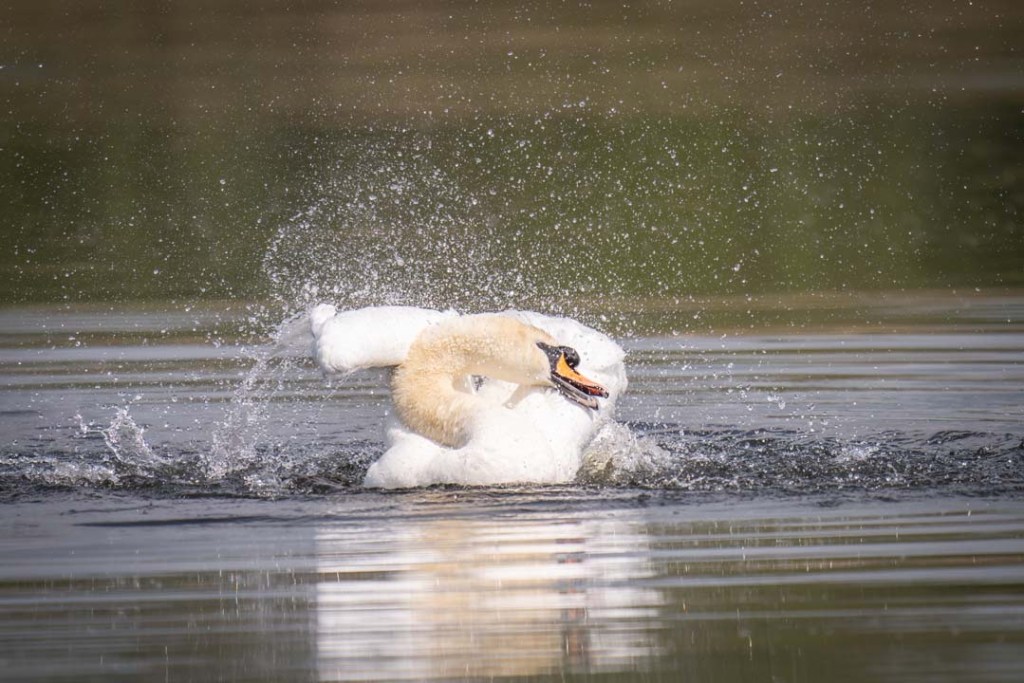
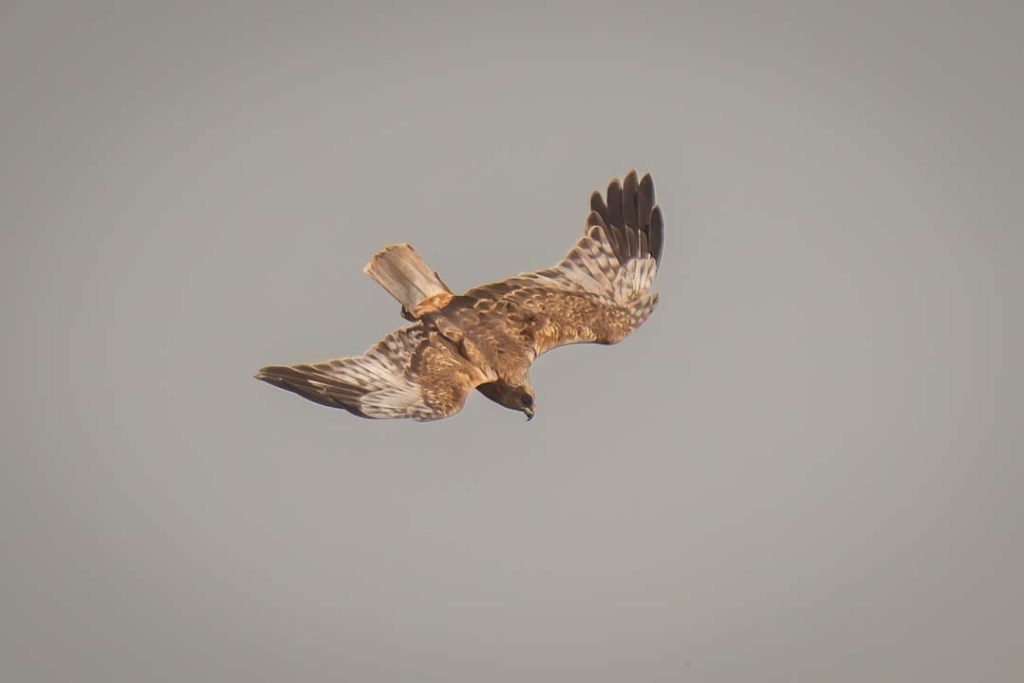
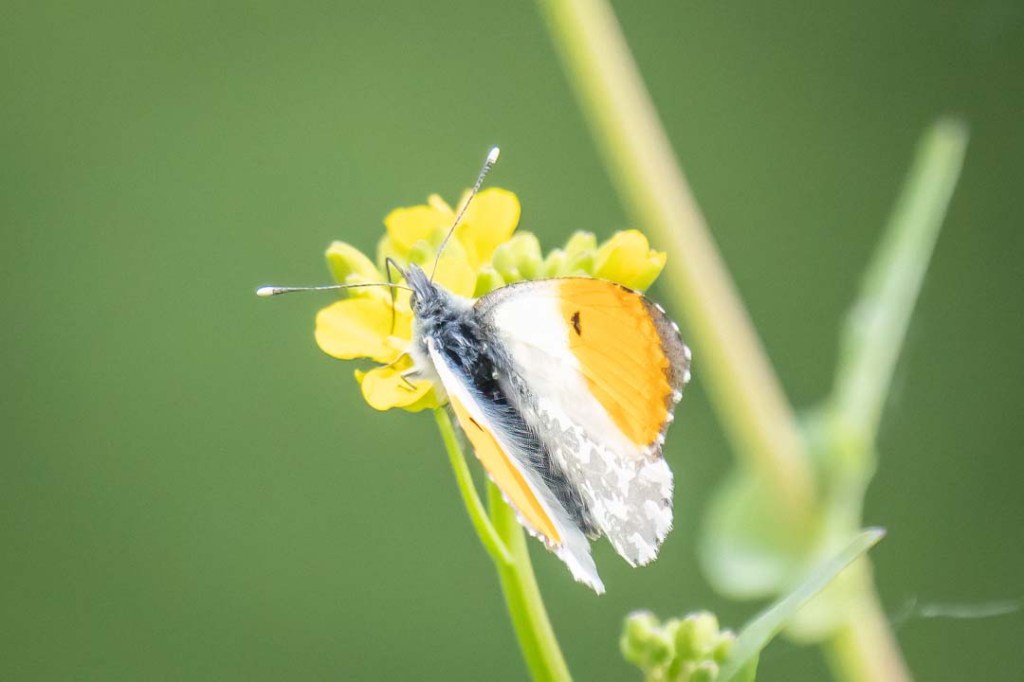
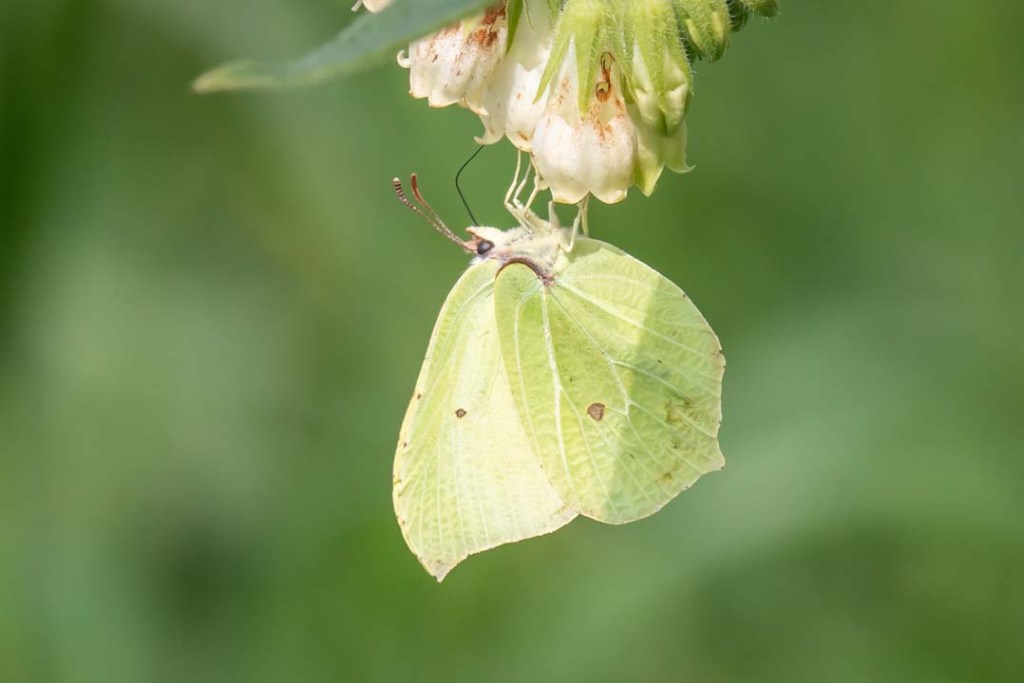
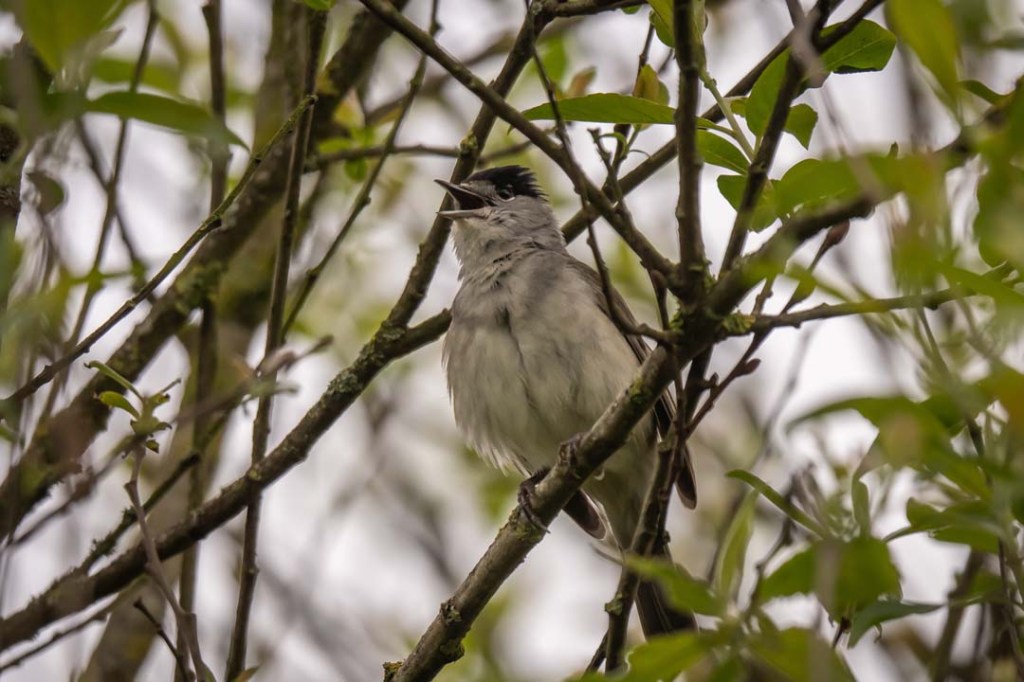
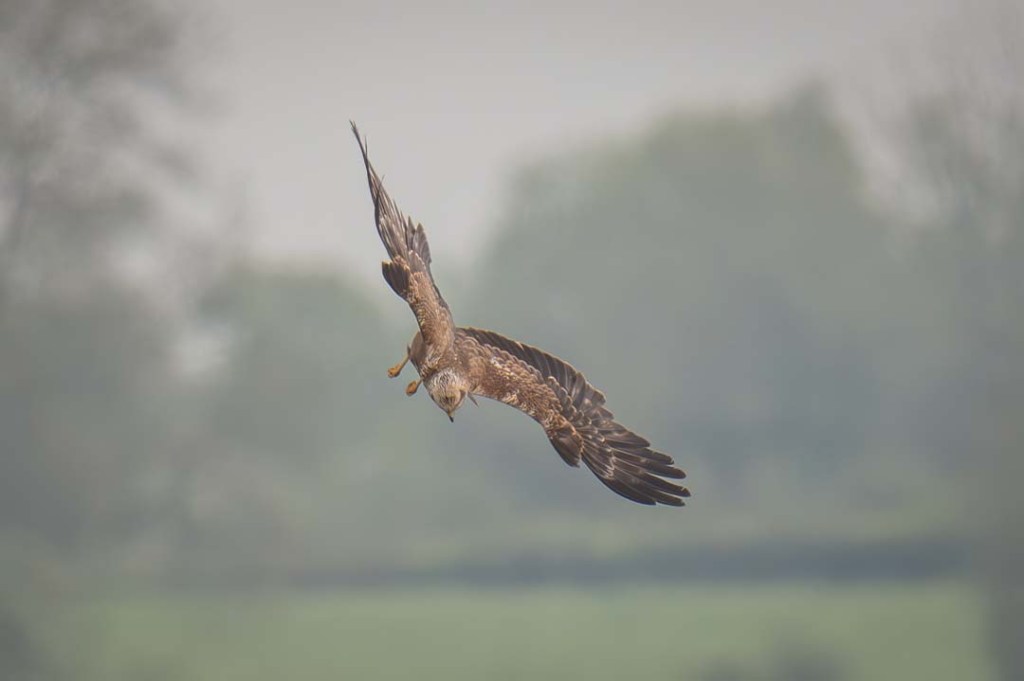
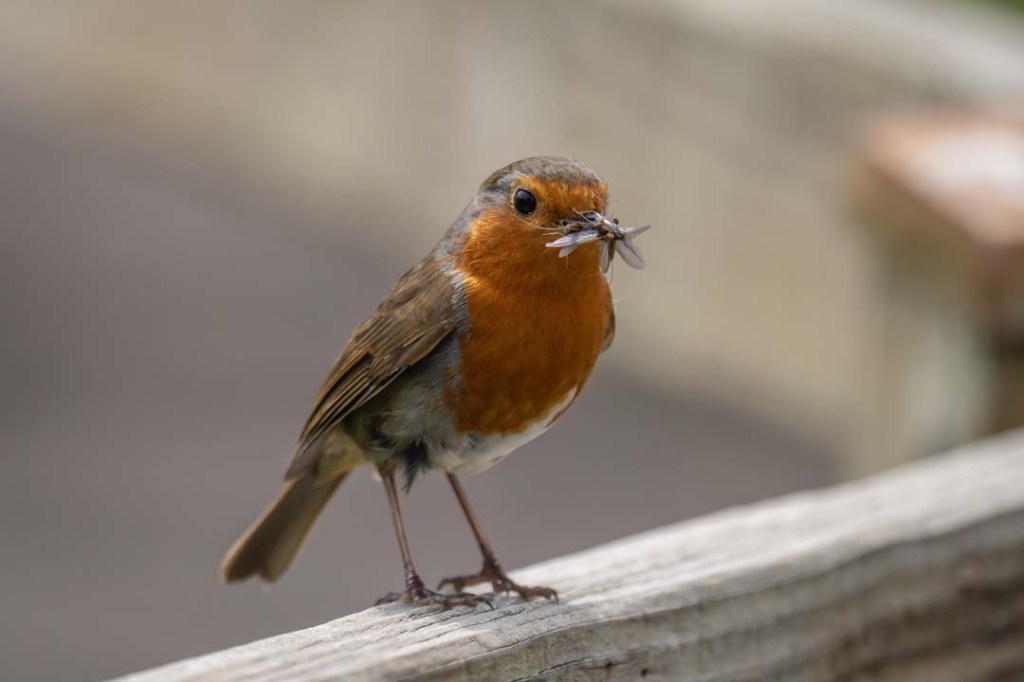
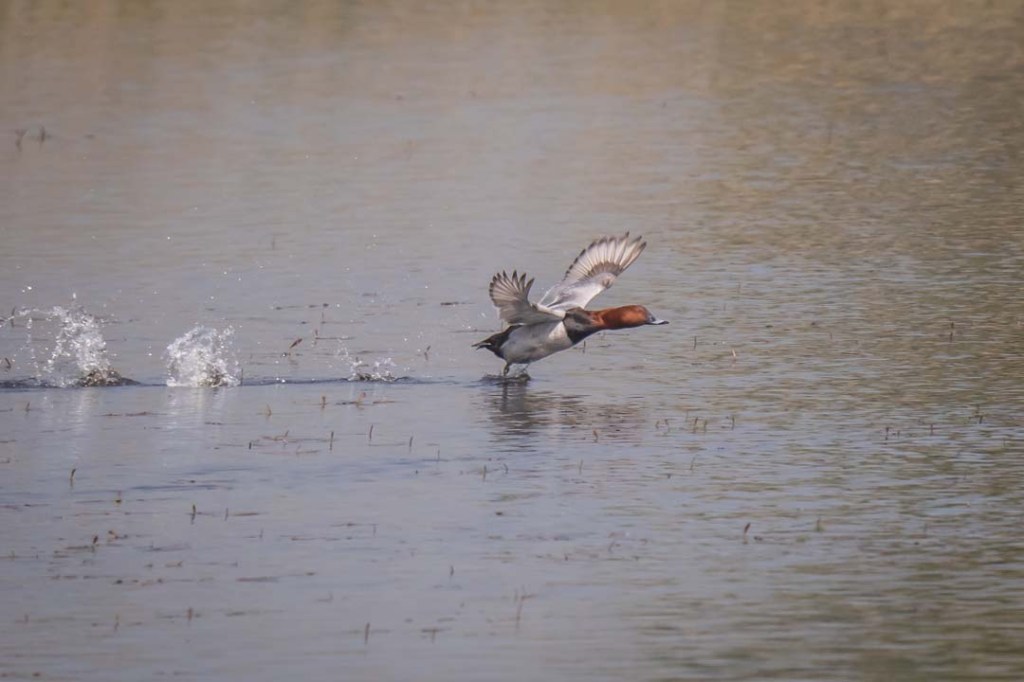
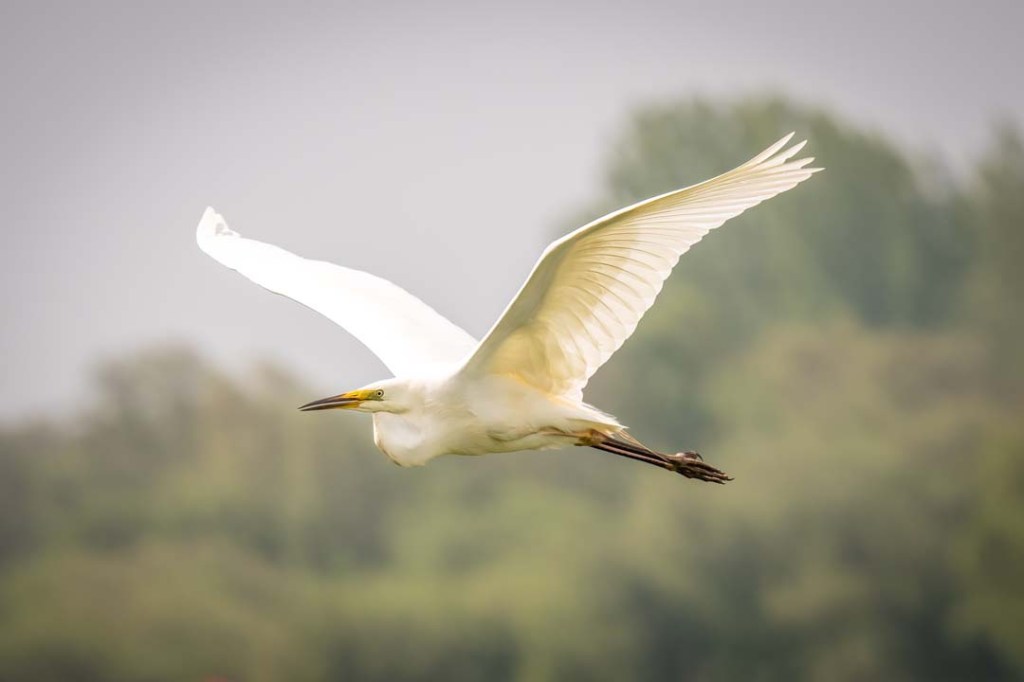
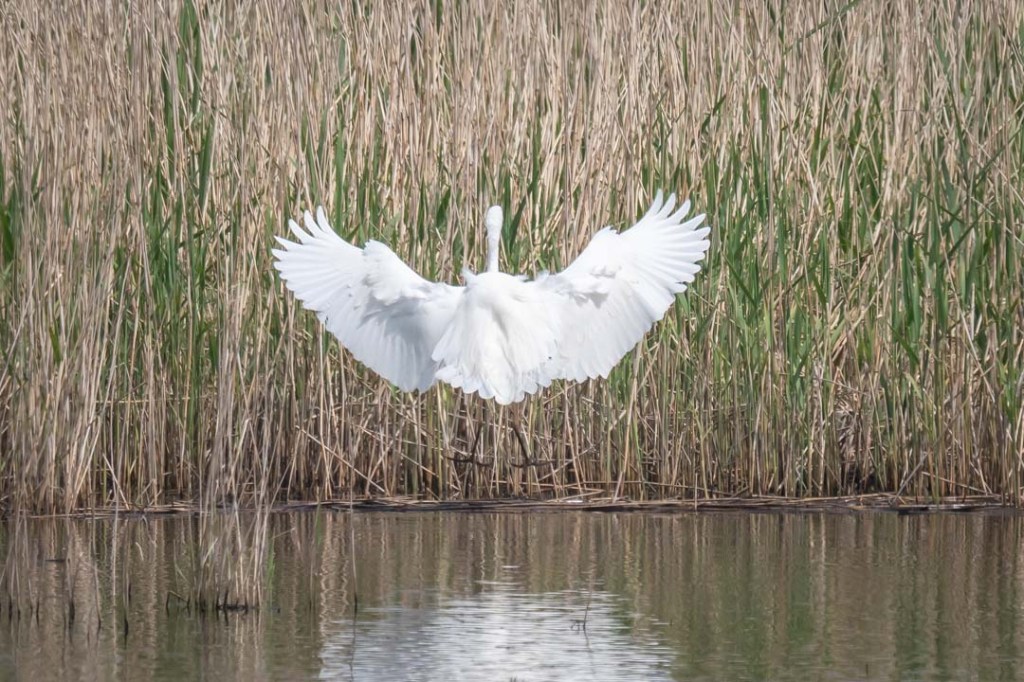
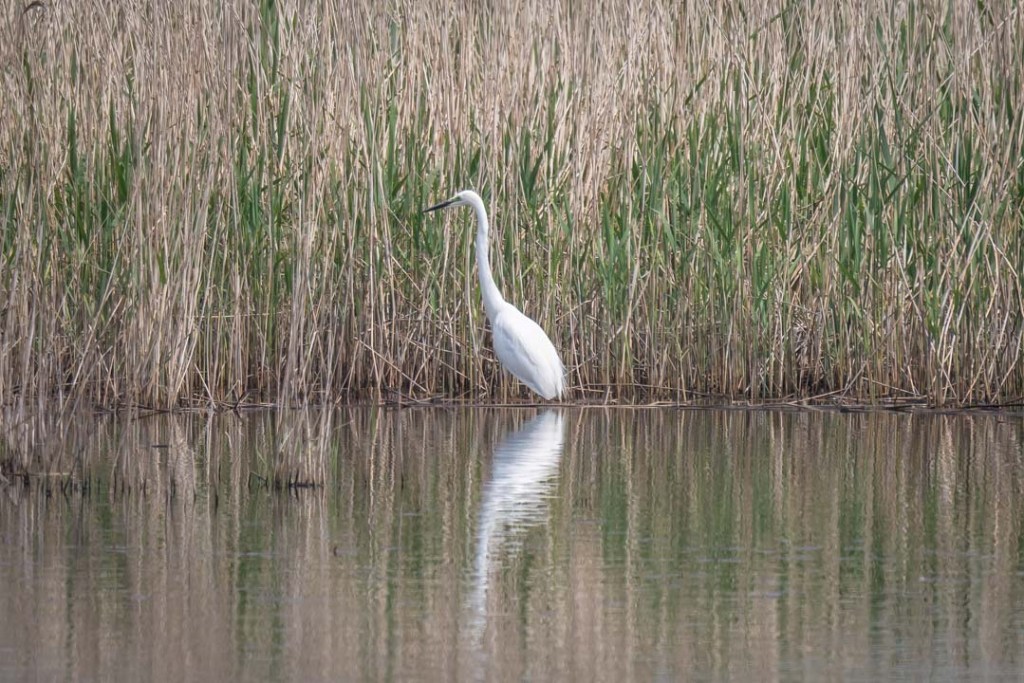
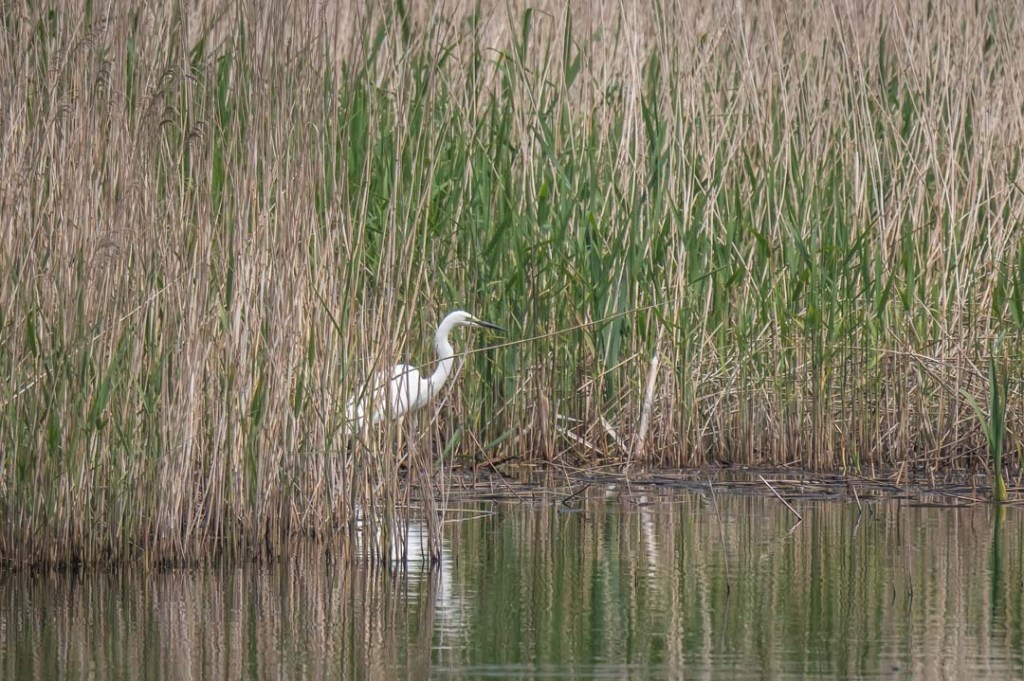
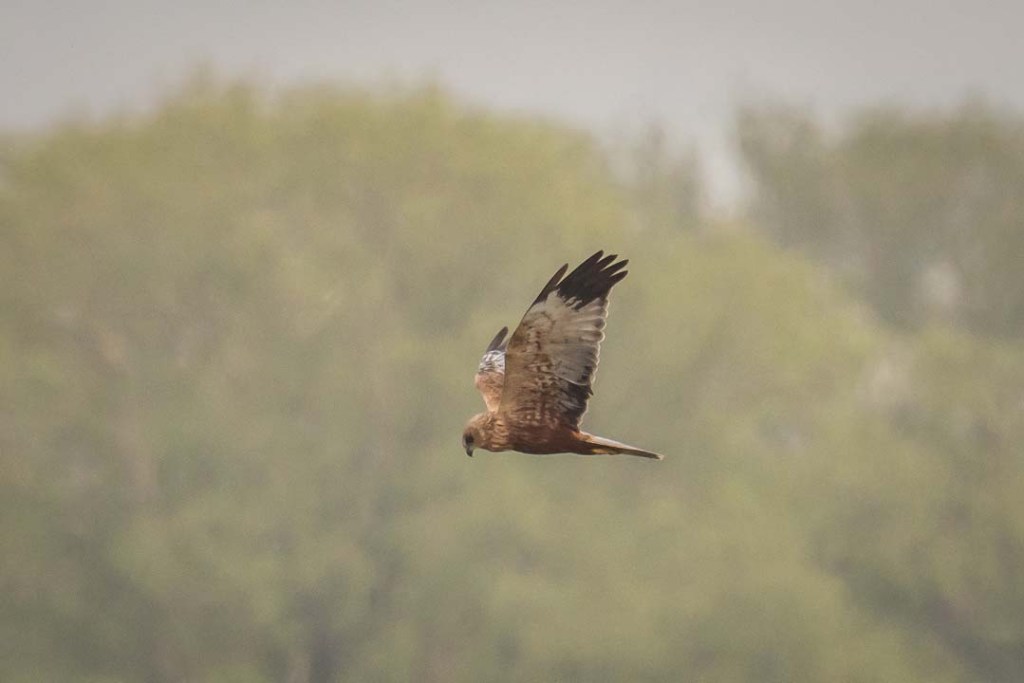
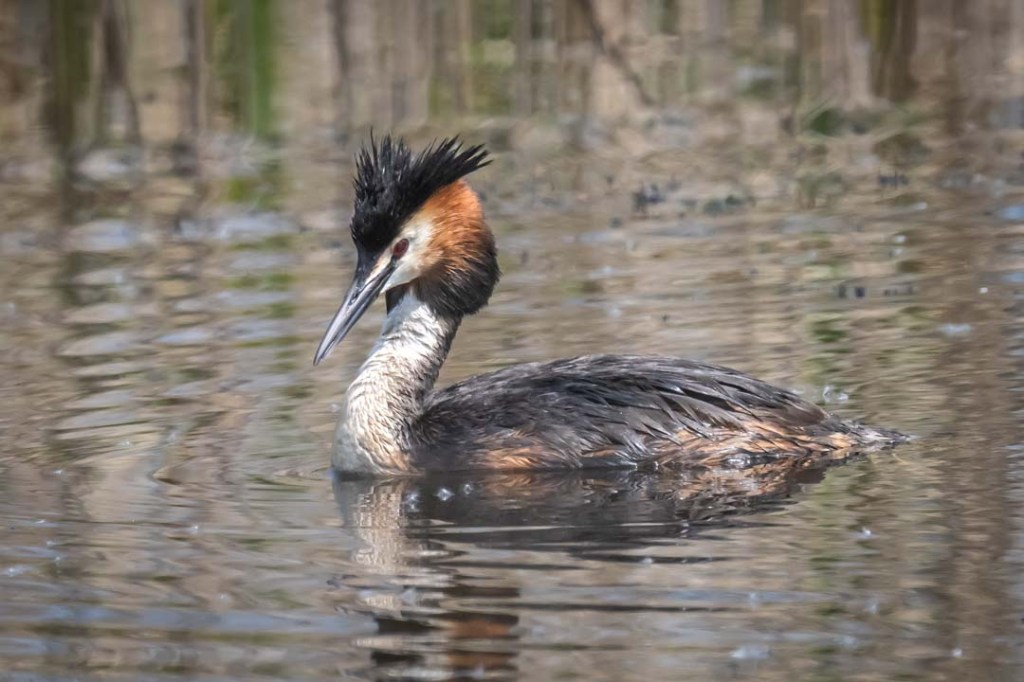
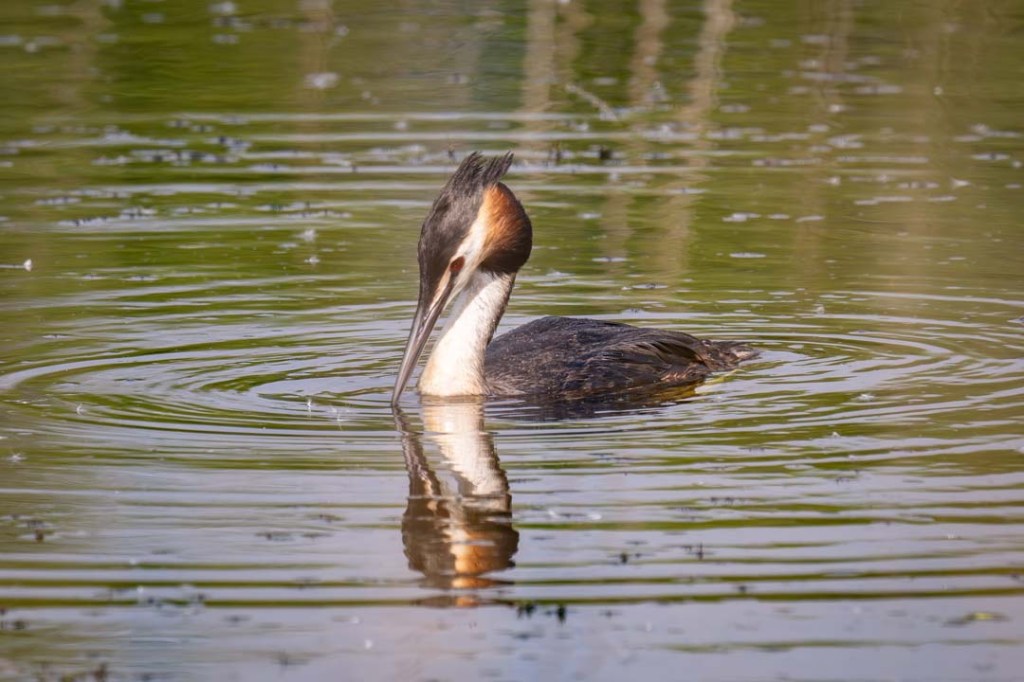
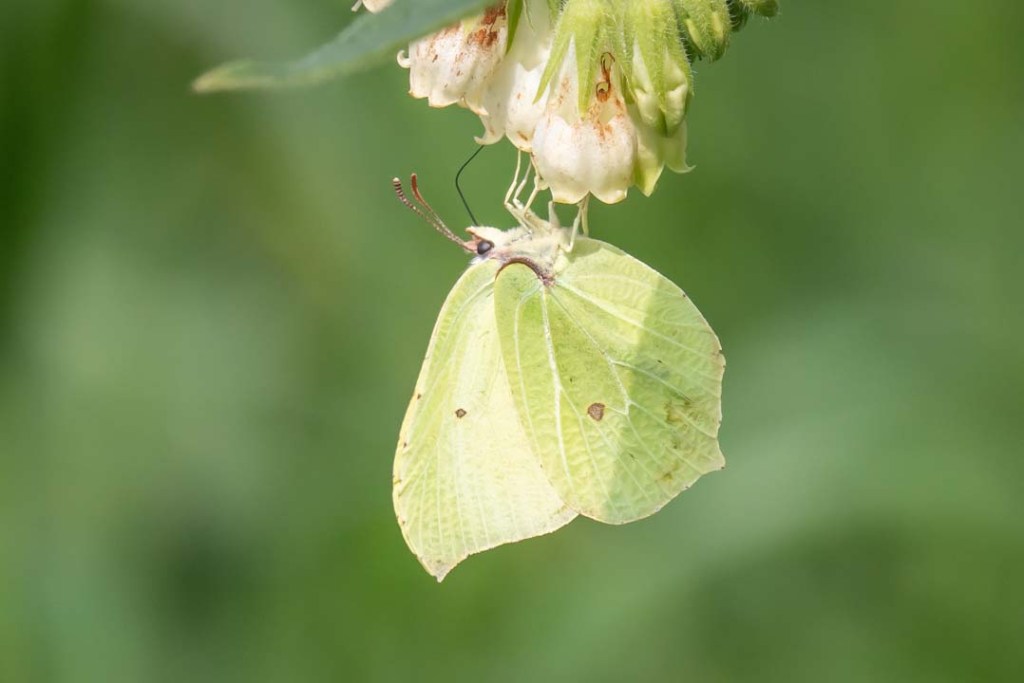
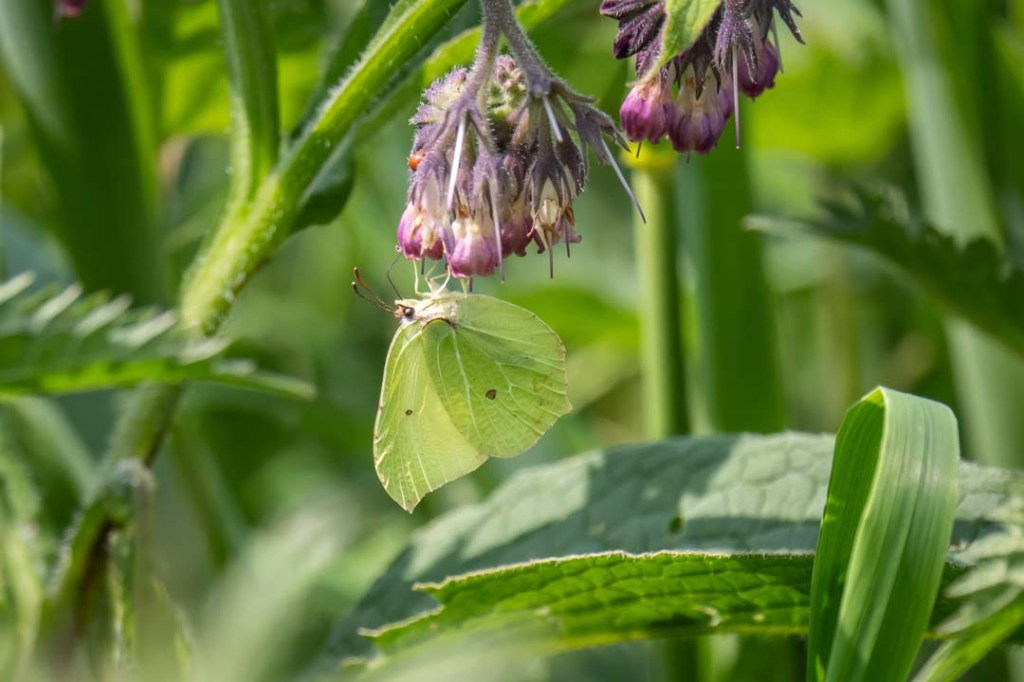
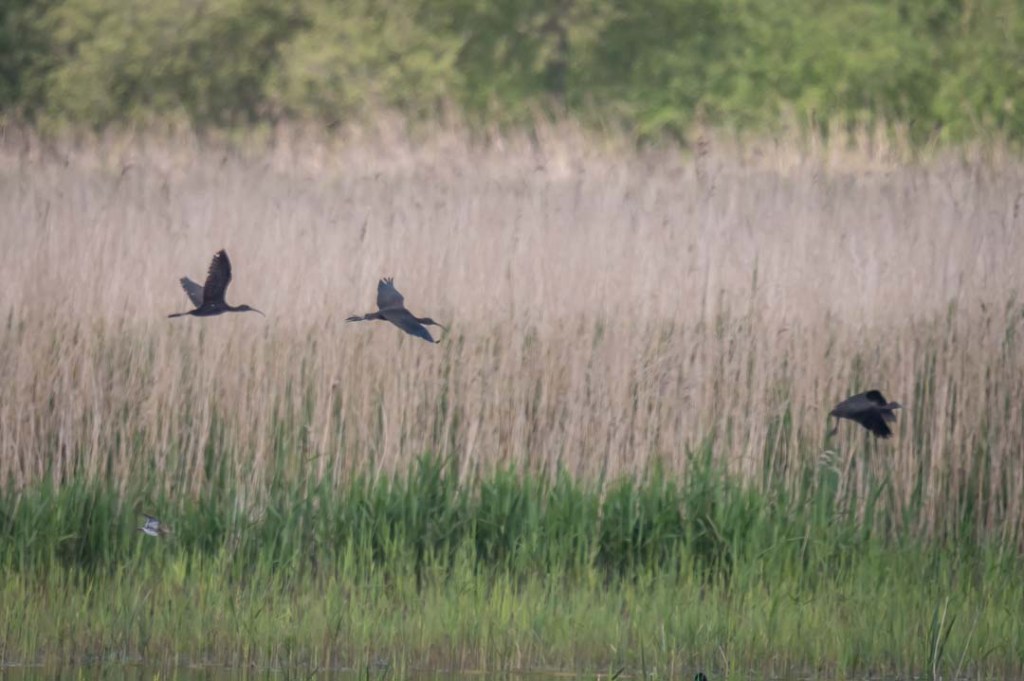
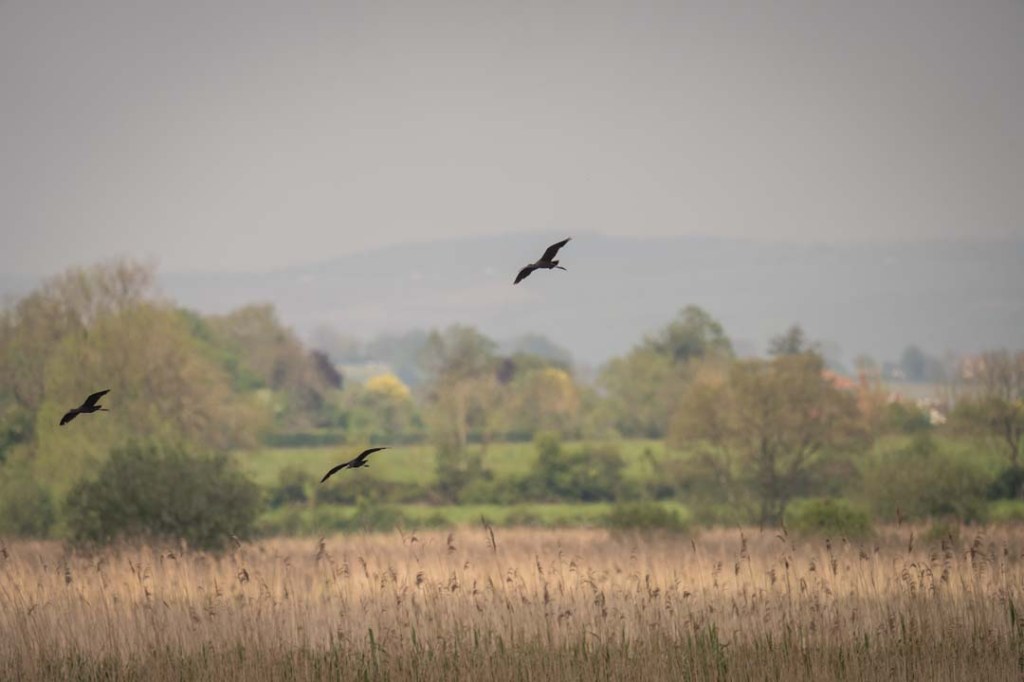
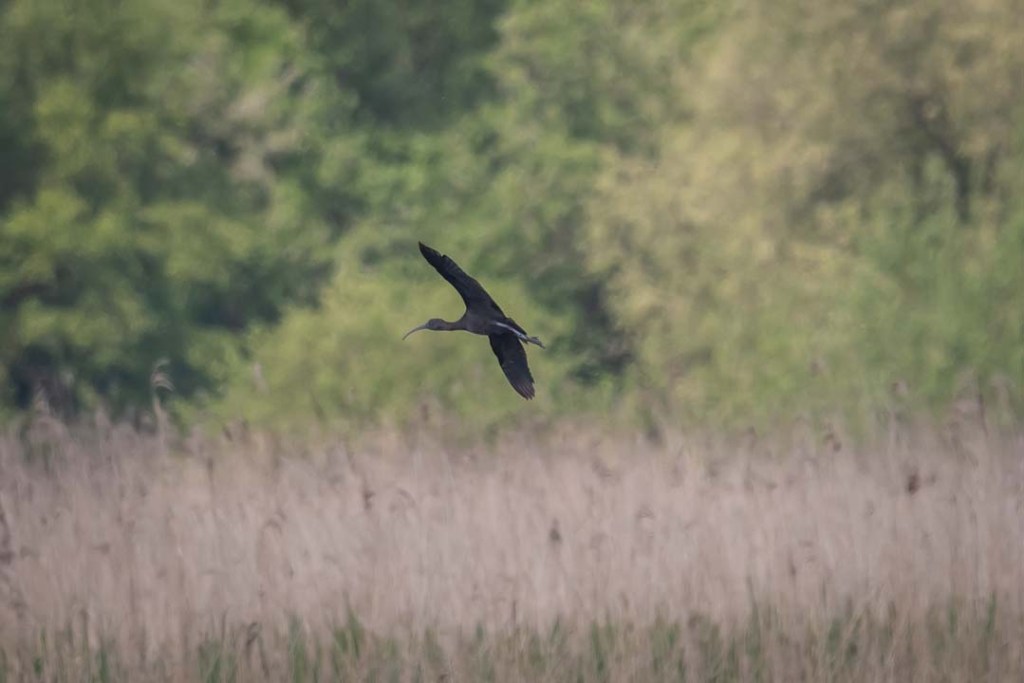
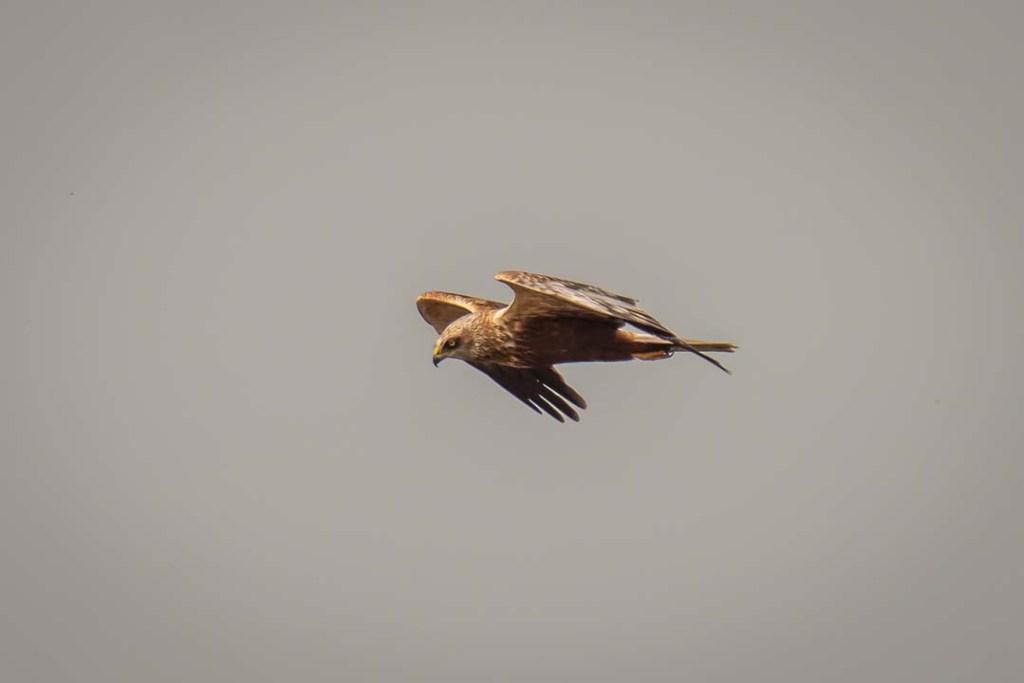
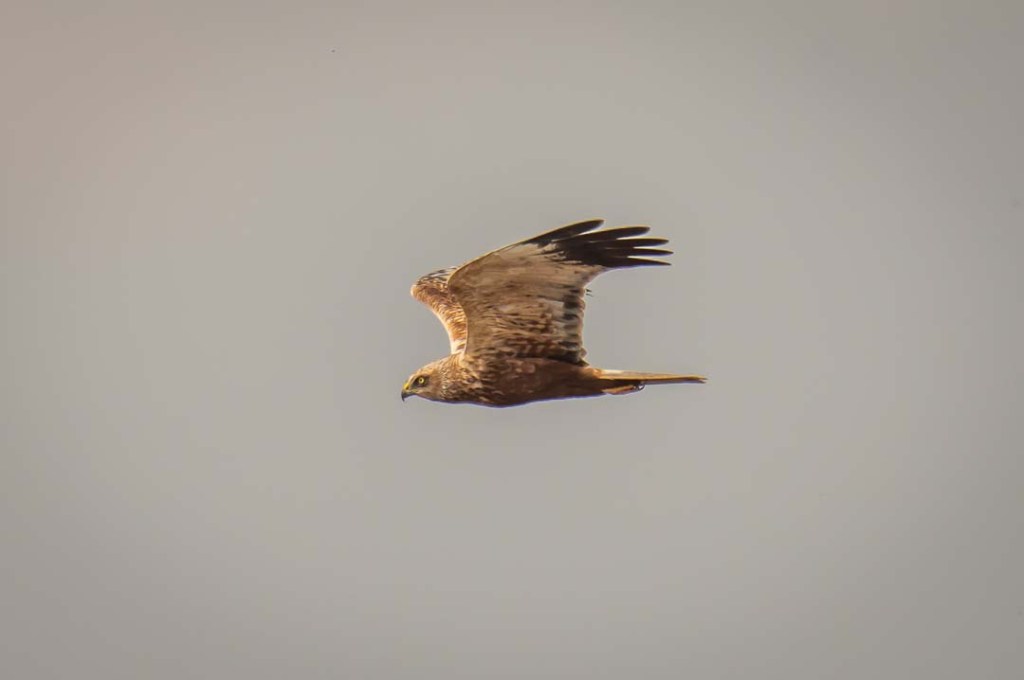
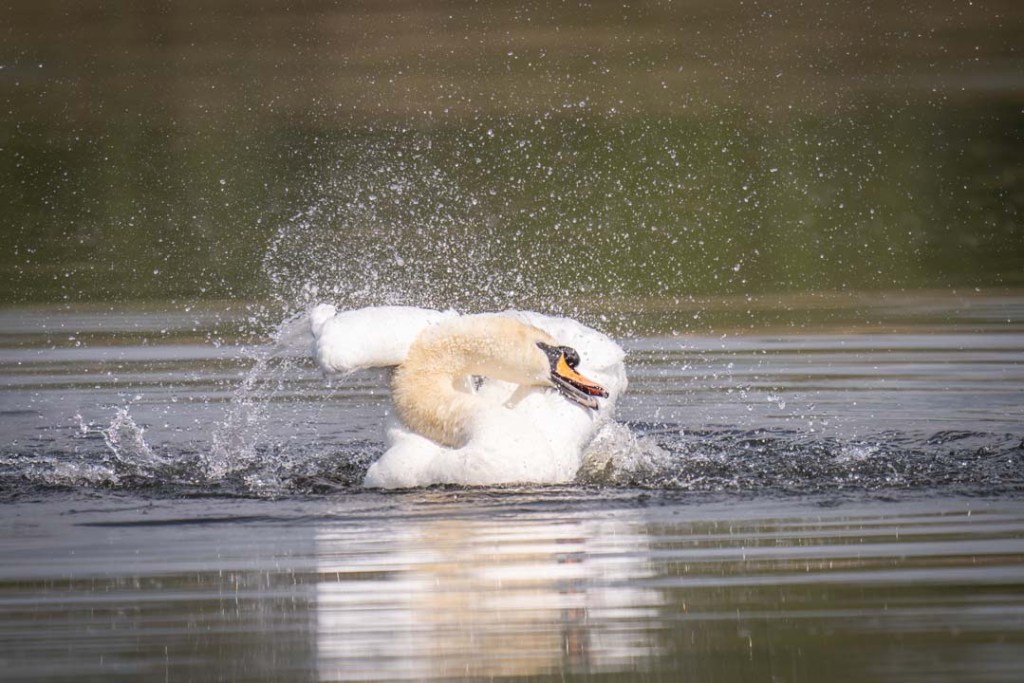
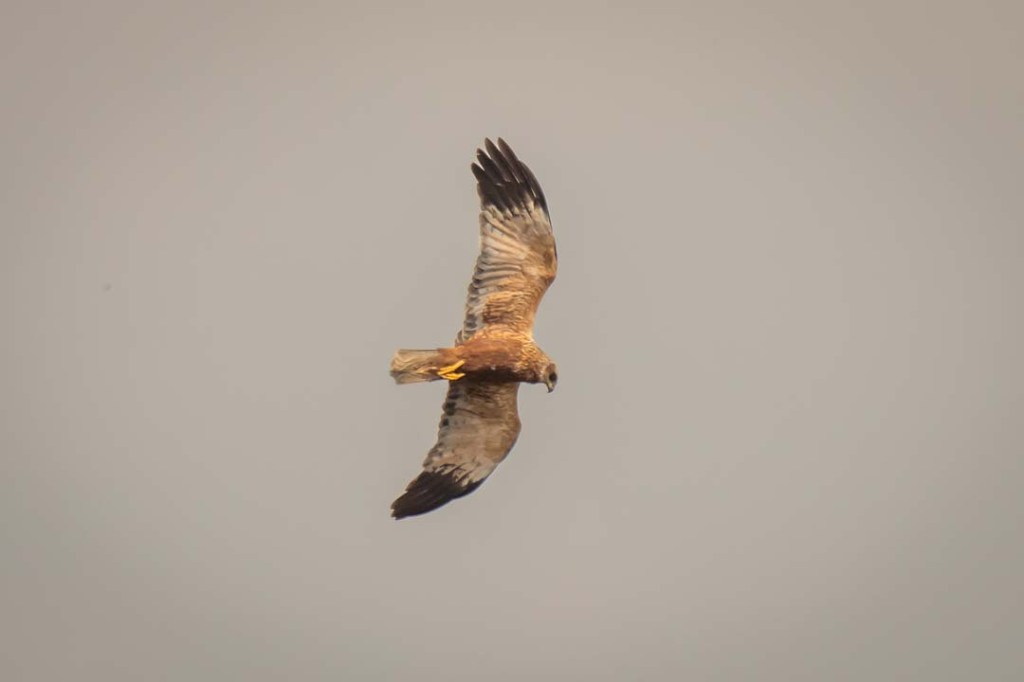
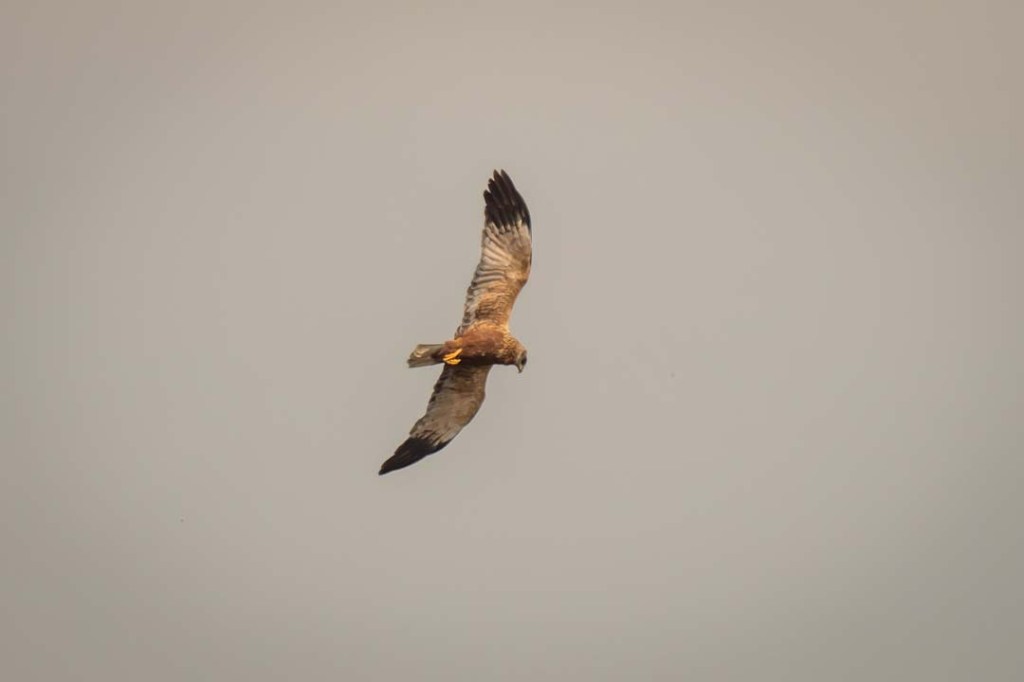
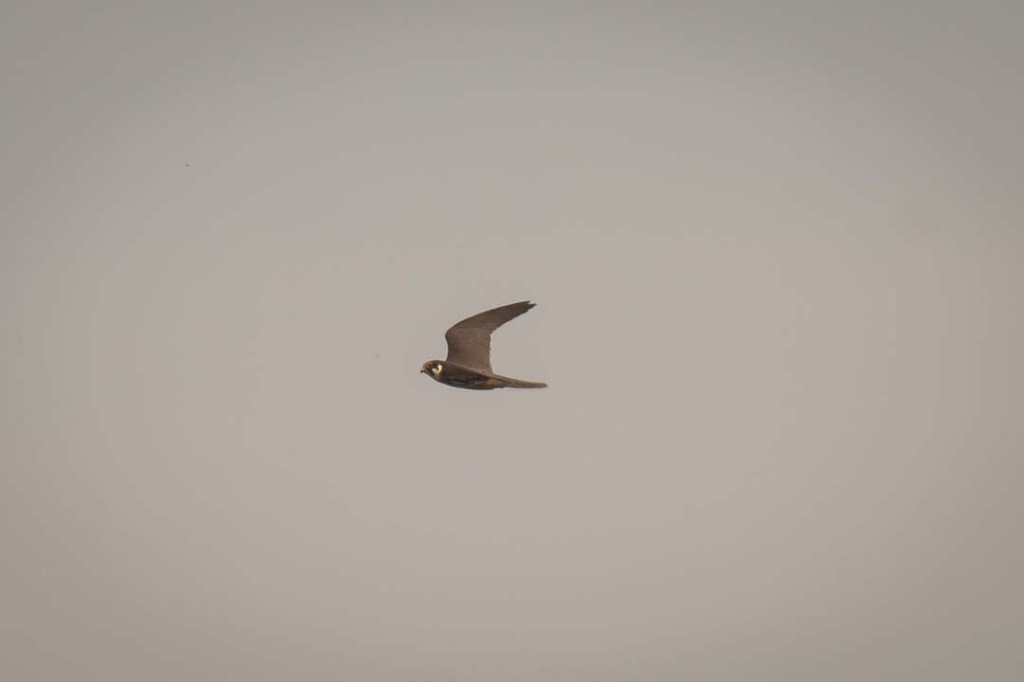
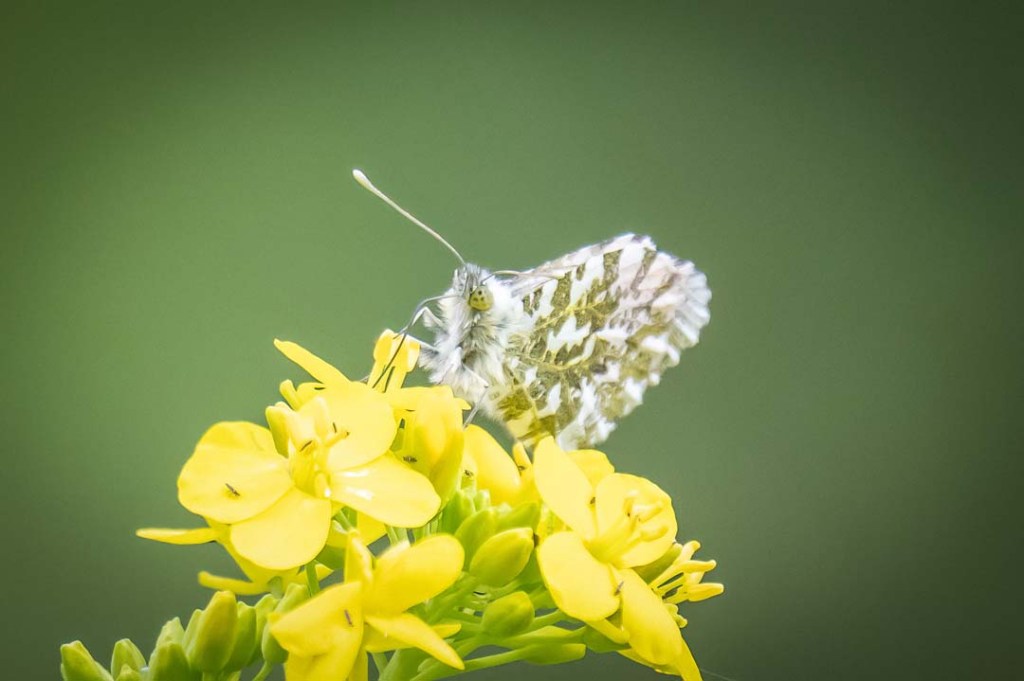
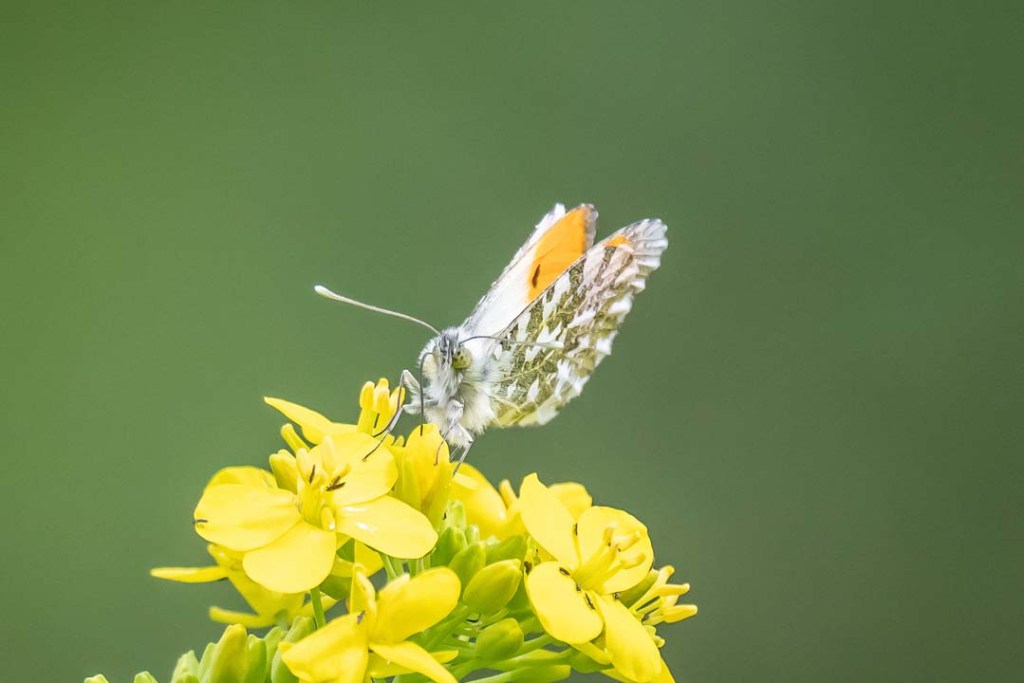
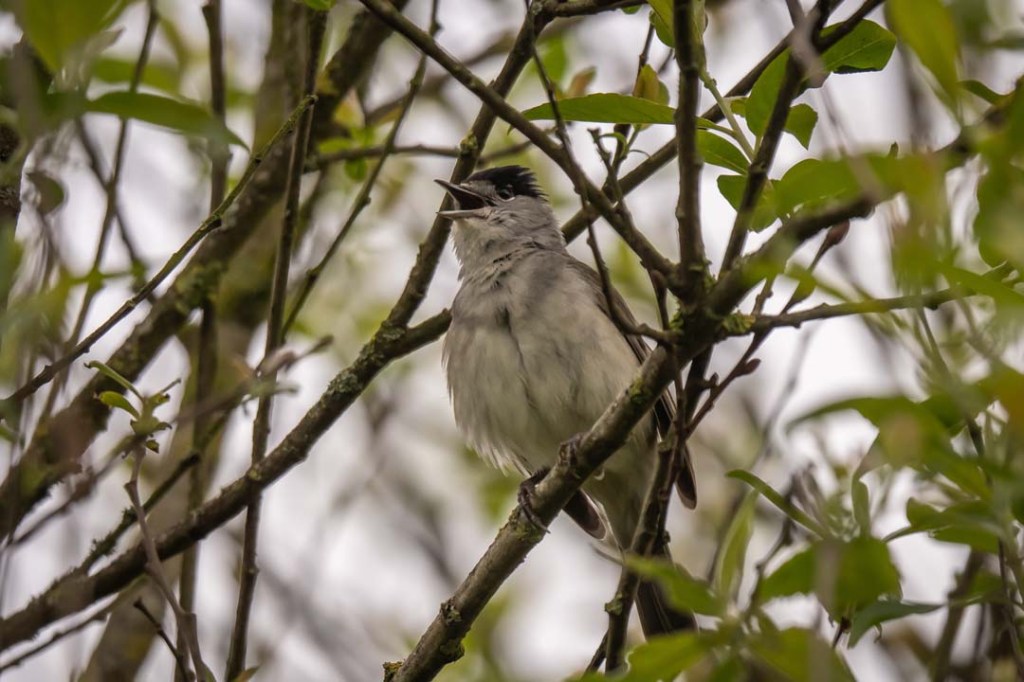
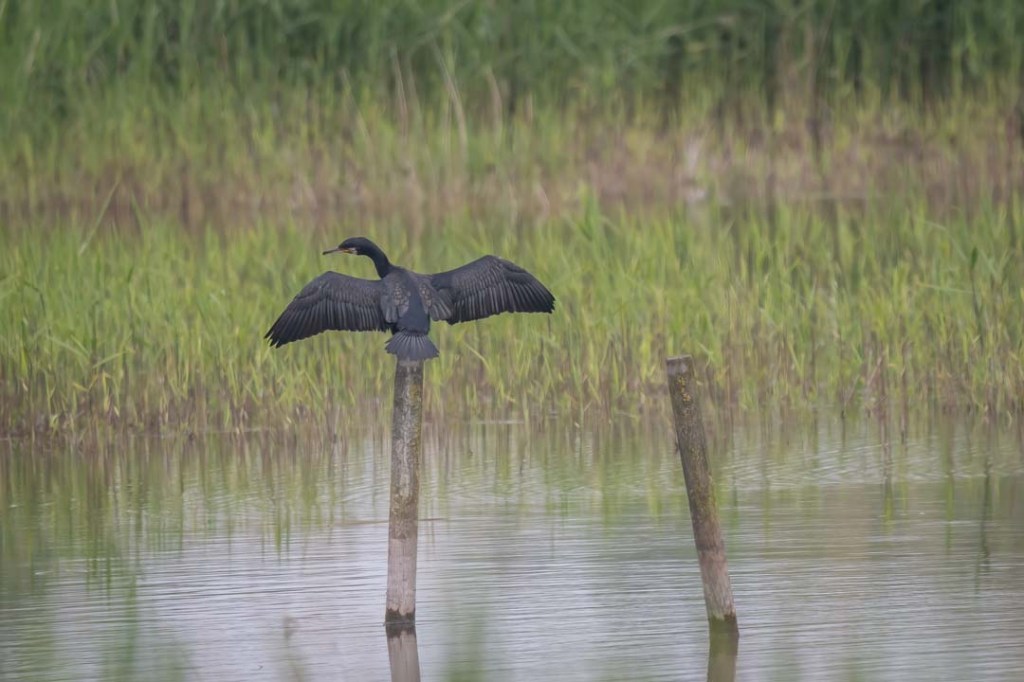
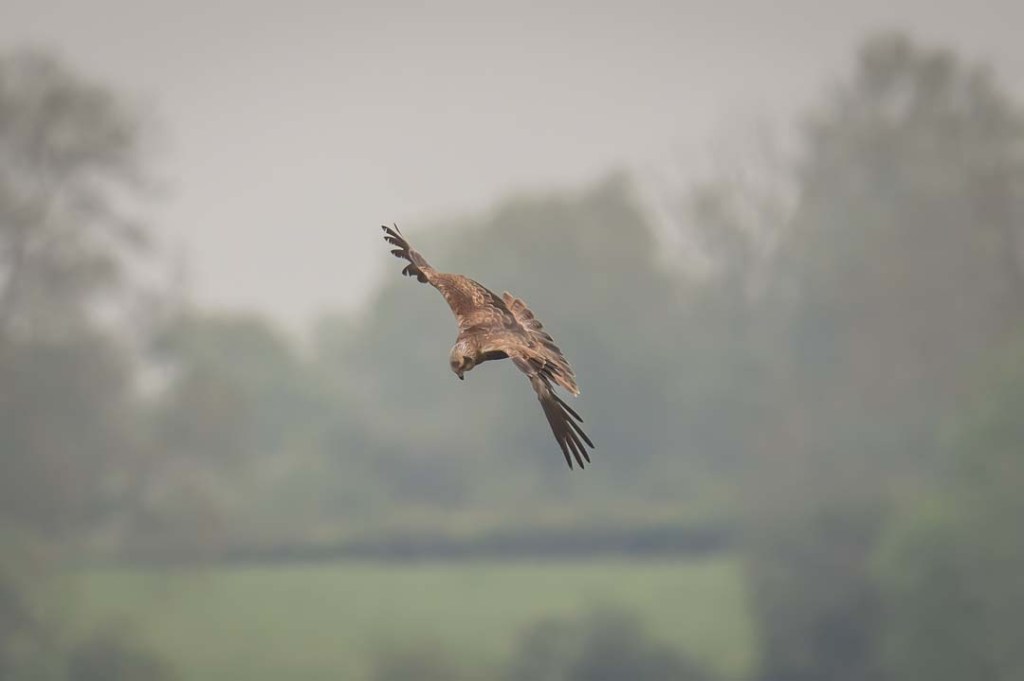
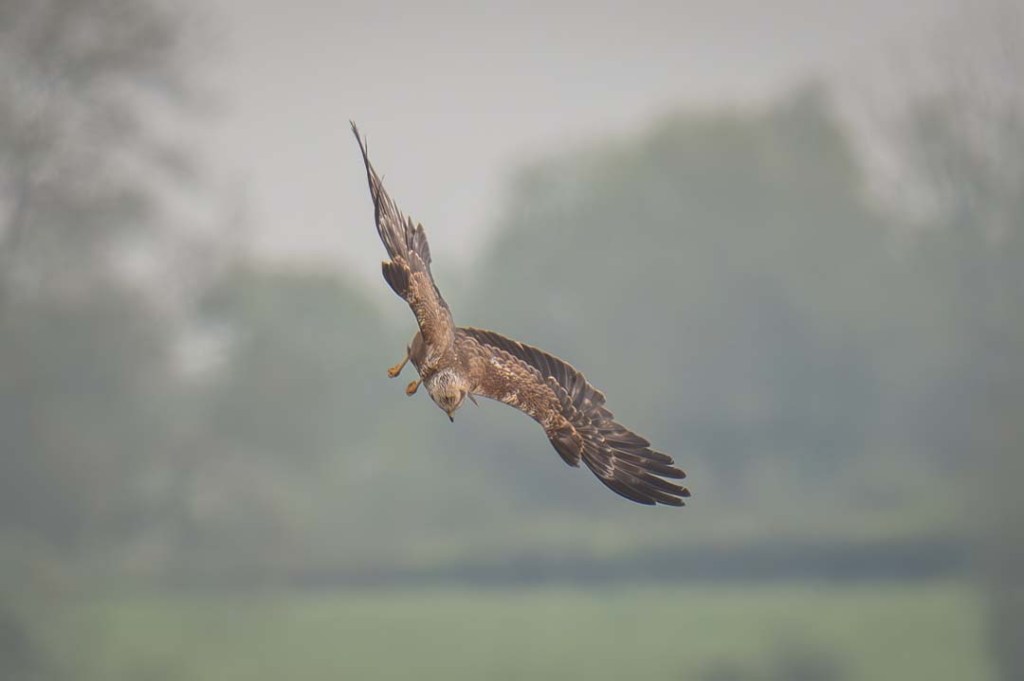
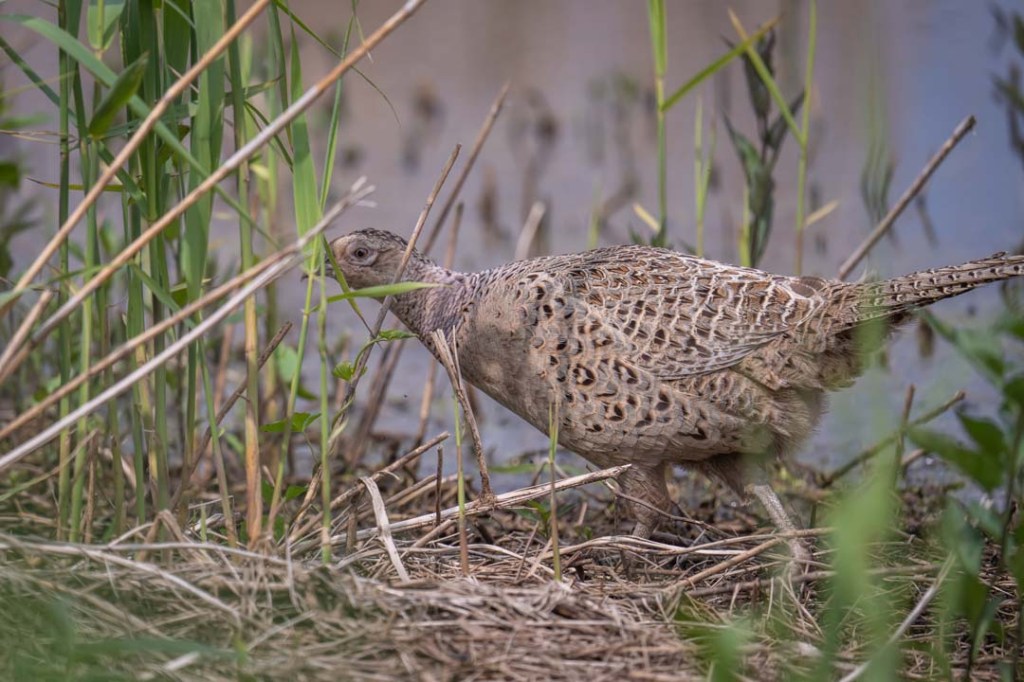
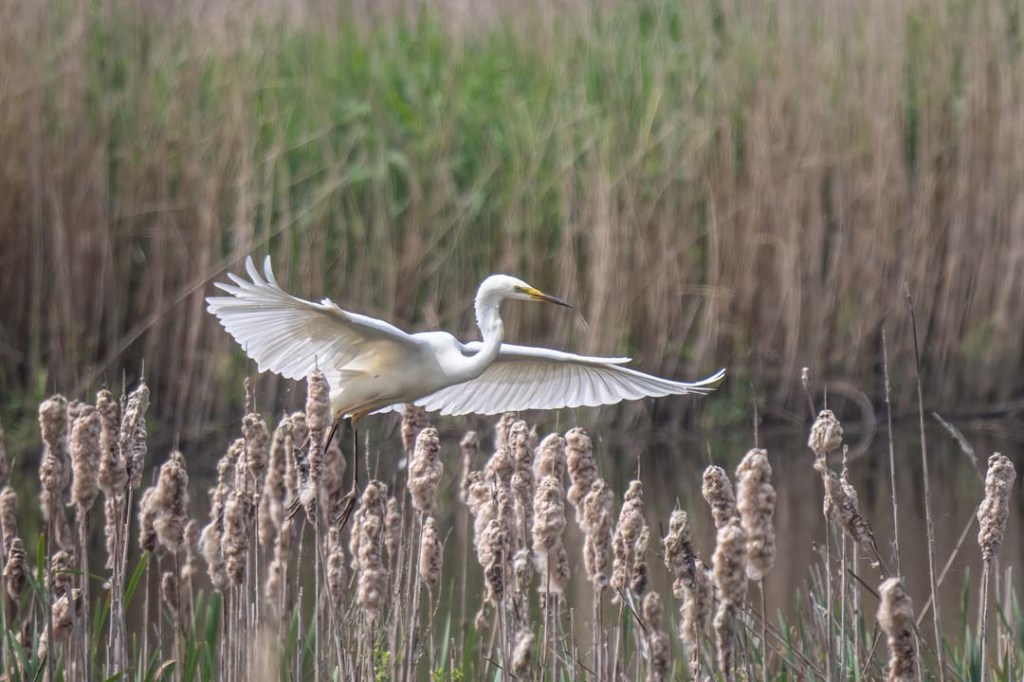
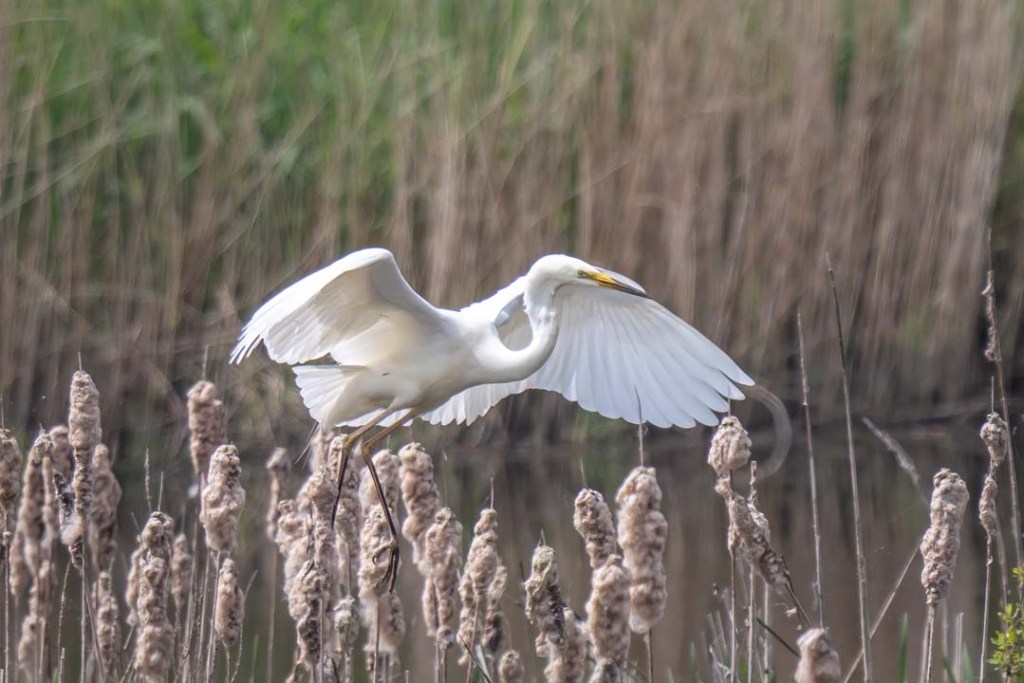
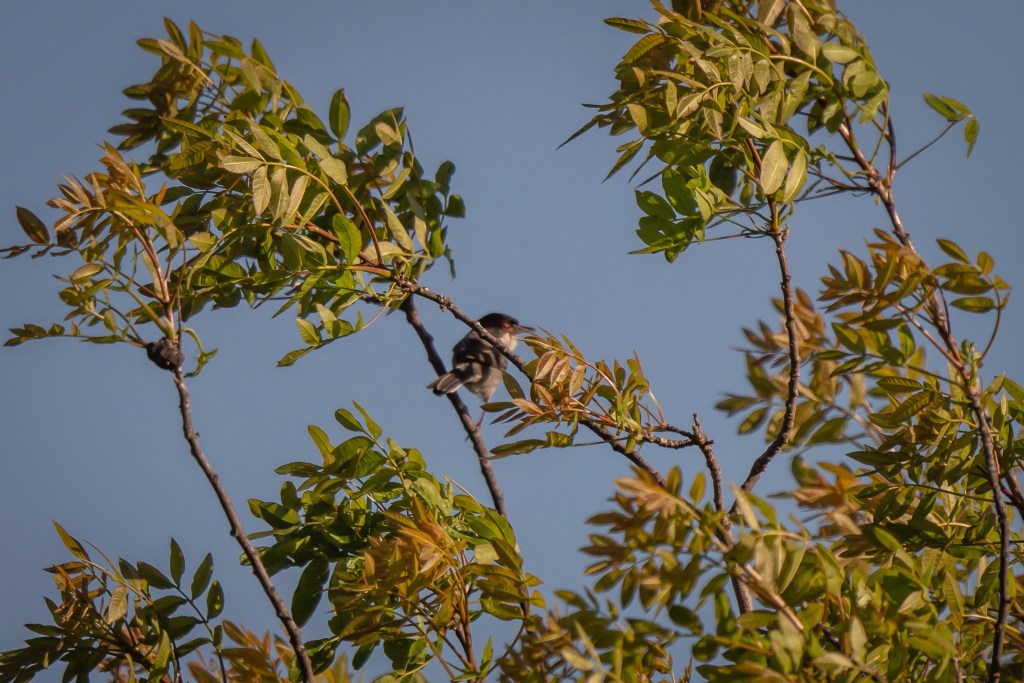
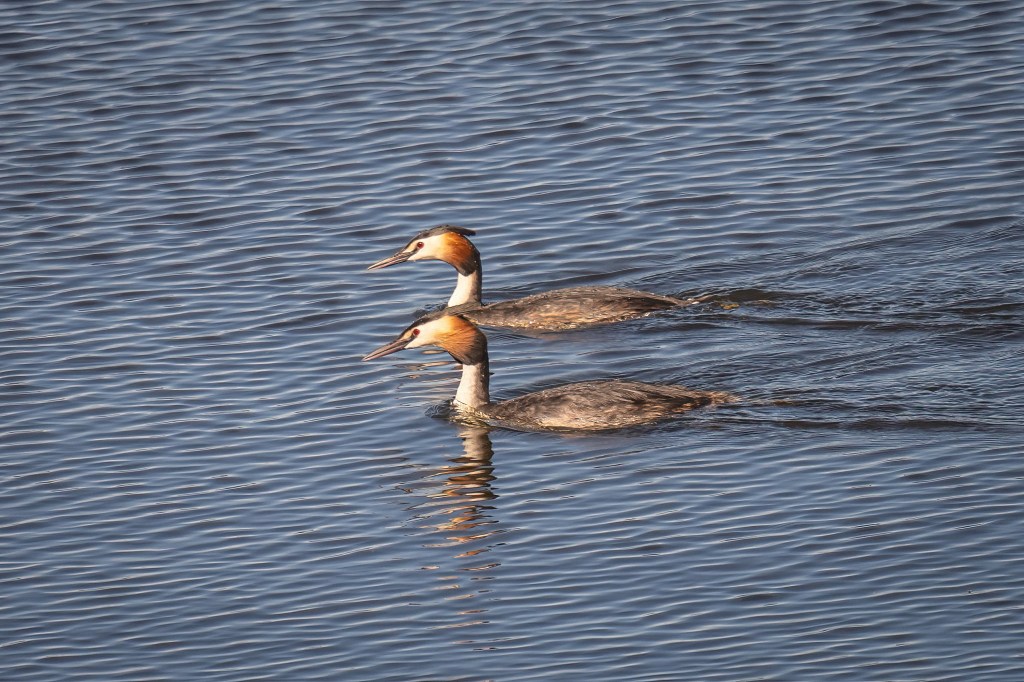
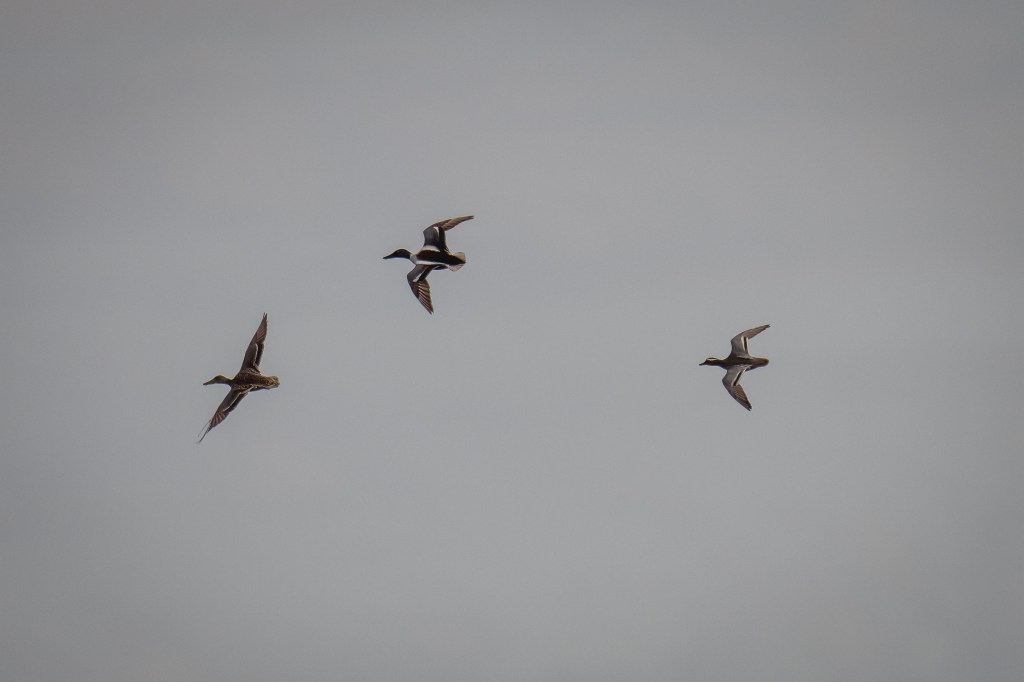
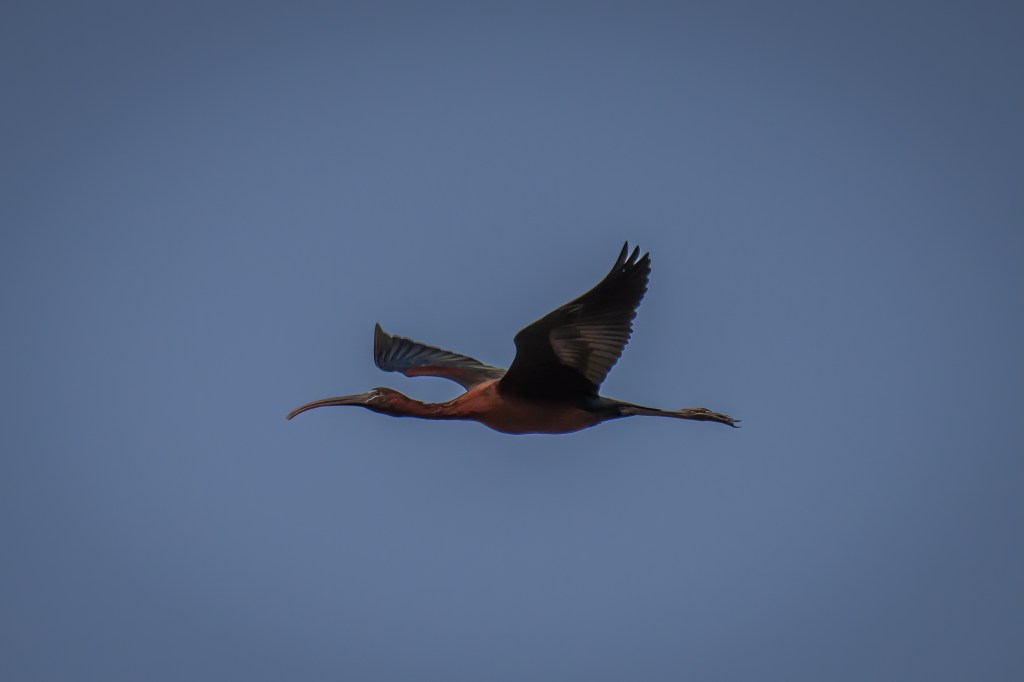
Great white egretGreat crested grebe3 glossy ibisMarsh harrierMute swanMarsh harrierHobbyOrange tip butterflyOrange tip butterflyBrimstone butterflyBlack capMarsh harrierRobin with breakfastPheasantGreat white egretPochard
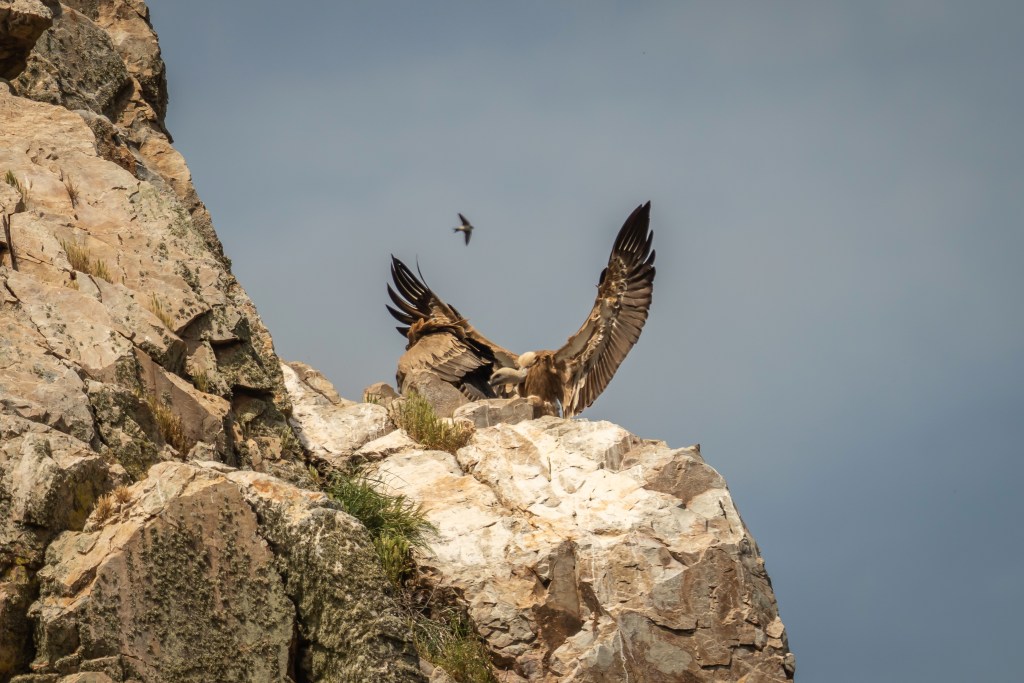
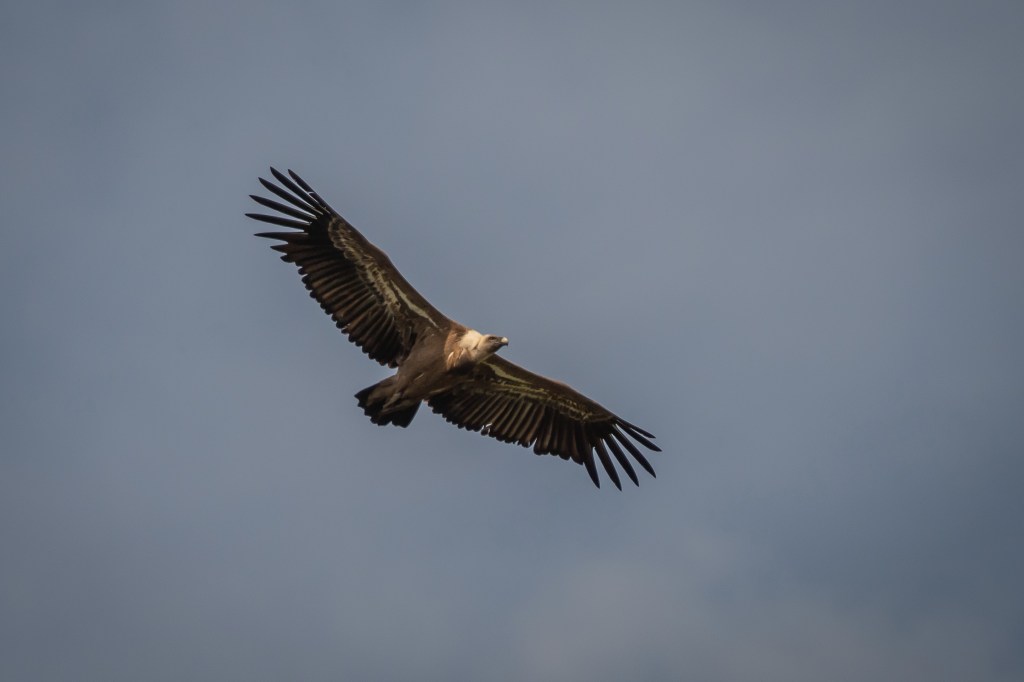
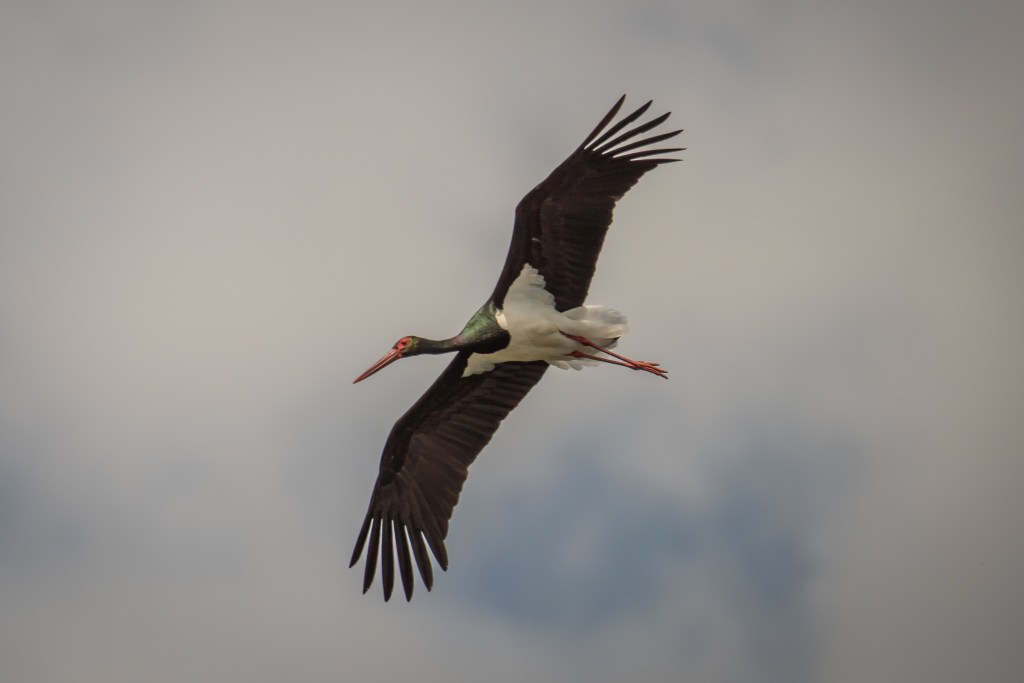
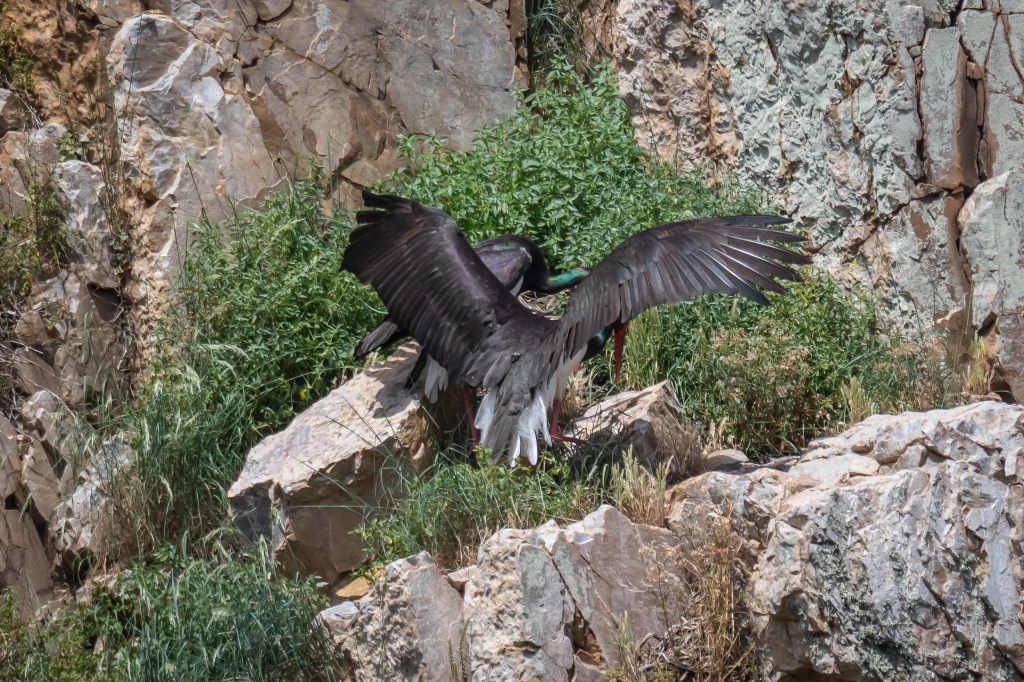
We have had a very happy week immersed in the nature of a wonderful part of Spain, in the company of a small group of like-minded people.
Our fellow birders clearly had a huge knowledge and experience of nature. They also had great observational skills from which Wendy and I benefited enormously.
During the week I have reflected often about the purpose of my blog. I particularly enjoy the mental stimulus it provides and I feel, at my time of life, that the exercising of the grey cells is good for me. It certainly helps me to reflect on what we have done and seen (or heard) on each sortie and it serves as a very important souvenir for us.
I am happy to share my experiences with others but I do not particularly pretend to inform – there are many people who are much better equipped to do that than me.
In this blog I start with a slideshow of some of the bird highlights of the trip and try to show, through my photos, why we had such a wonderful trip.
I follow with a more detailed personal day-by-day breakdown of the trip with relevant photos. I won’t attempt a tour report per se as that would duplicate what Naturetrek offers and my version would certainly be full of inaccuracies.
As a friend once said to me: “We don’t read all the writing, Martin, we just look at the photos”.
On this trip I have taken photos with a Sony A7R Mark IV camera (with a 200-600 lens), a Sony RX10 Mark IV bridge camera and with the camera of my iPhone 14. I recognise that by spending a lot of my time taking photos I will have seen less than others, but I thank our guides who were very generous with their telescopes and gave us plenty of opportunity to see things out of my range.
For me there were some key elements to the success of the tour and I list them in no particular order:
The choice of travel company:
We chose to travel with Naturetrek as we feel they have a very good reputation in the nature travel market and present themselves very well. The organisation before and throughout the tour was faultless. They responded very quickly and fully to any communication we had with them. The small size of the group was a real bonus.
The guides:
We were very fortunate to have two excellent and very experienced guides: they were fundamental to our enjoyment of this trip. First and foremost they were really nice people and genuinely good company. They both had a huge knowledge of the natural world and were very good at sharing it with us.
Dominic Couzens is a leading nature writer, tour leader and lecturer based in the UK. He has now written 50 books largely based on nature, he writes three regular magazine columns, and to date, has had more than 700 published articles. His nature anecdotes enlightened our day from before breakfast until bedtime and he was excellent at spotting things and pointing them out to us.
Keith Hamilton is a very proud West Cumbrian now based in Spain in la Sierra de Gredos with clearly a good knowledge of Extremadura. As well as sharing his knowledge of birds and all things to do with nature he gave us a great insight into Spain, the Spanish people and their language. His love of Spain seems to match his love of Cumbria. One night he also gave us an interesting practical introduction into “mothing”, one of his many passions.
There was continuous banter between the two of them and their ability to work as a team made for a very harmonious group. I also appreciated that they both drove the comfortable hire minibus and car cautiously and we felt safe at all times. They also gave us plenty of “comfort” breaks.
The picnics they provided were very healthy, tasty and refreshing and were often in lovely surroundings.
The accommodation:
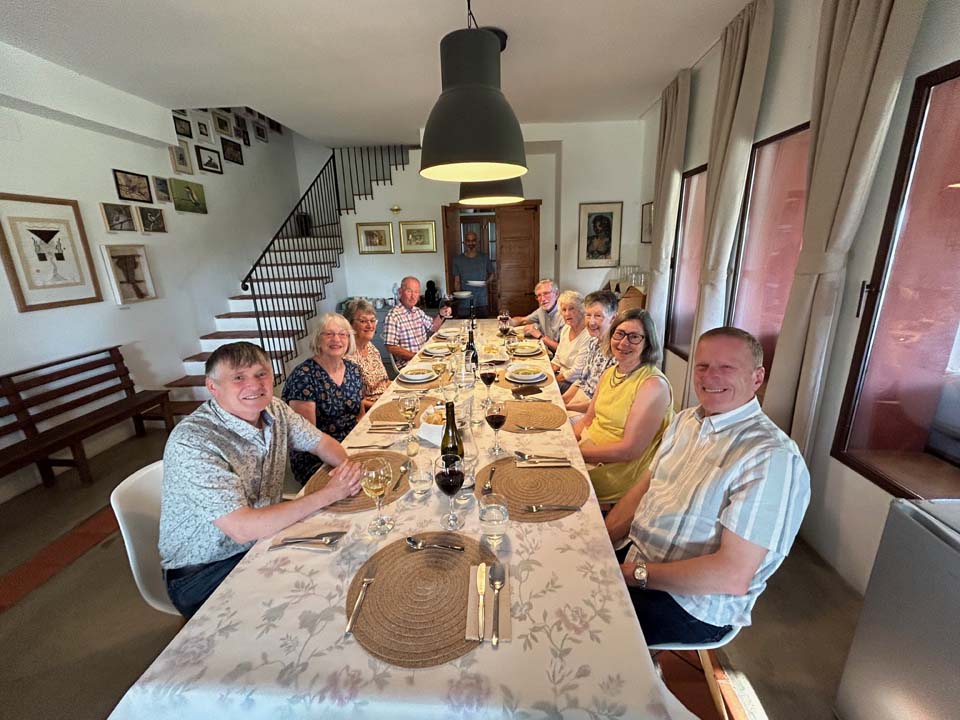
A real highlight of our trip was the accommodation and meals we enjoyed at La Casa Rural Finca Flores Amarillas. Its setting, in the middle of the countryside a few kilometres from the quiet village of Almoharin (an hour south of Trujillo), was stunning. However, the friendly welcome we received from our hosts Paul and Eva even surpassed that. Their Spanish home-cooked food and wine were also always tasty and generous and greatly appreciated by all.
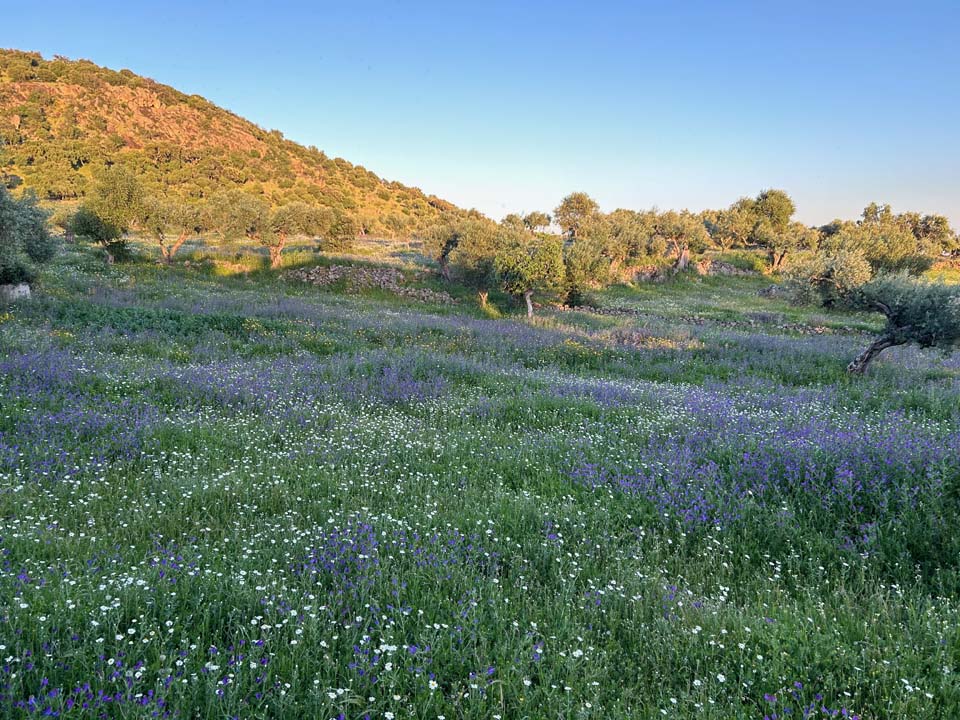
This region of Spain is a hidden jewel. At this time of the year the flora is spectacular as is the bird life.
I felt we were a very harmonious group and I thank our fellow travellers for their good company which was genuinely appreciated.
La última cena
What would I have liked to be different? Not a lot really. I would have appreciated being able to “go birding” a bit like I do in the UK, that is to walk a little more and to spend more time just watching and listening.
It might have meant giving up on one of the top aspects of the tour such as the raptor feeding session or looking for sand grouse and bustards. But then again if we had had good views of the latter I might be seeing things very differently!
Please click on links below for fuller details of the trip day by day:
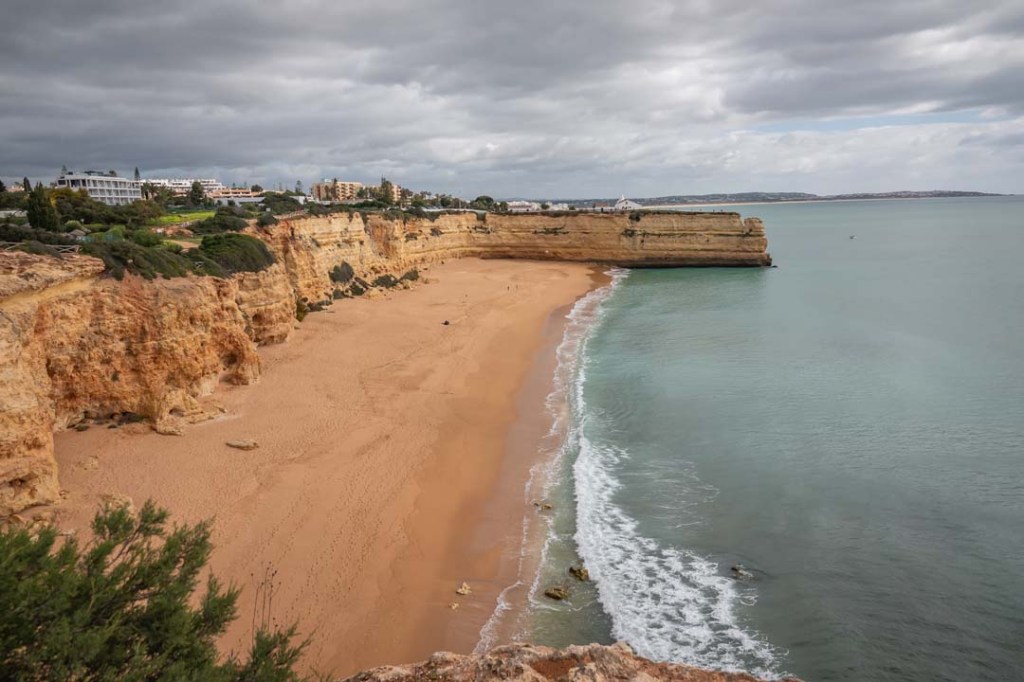
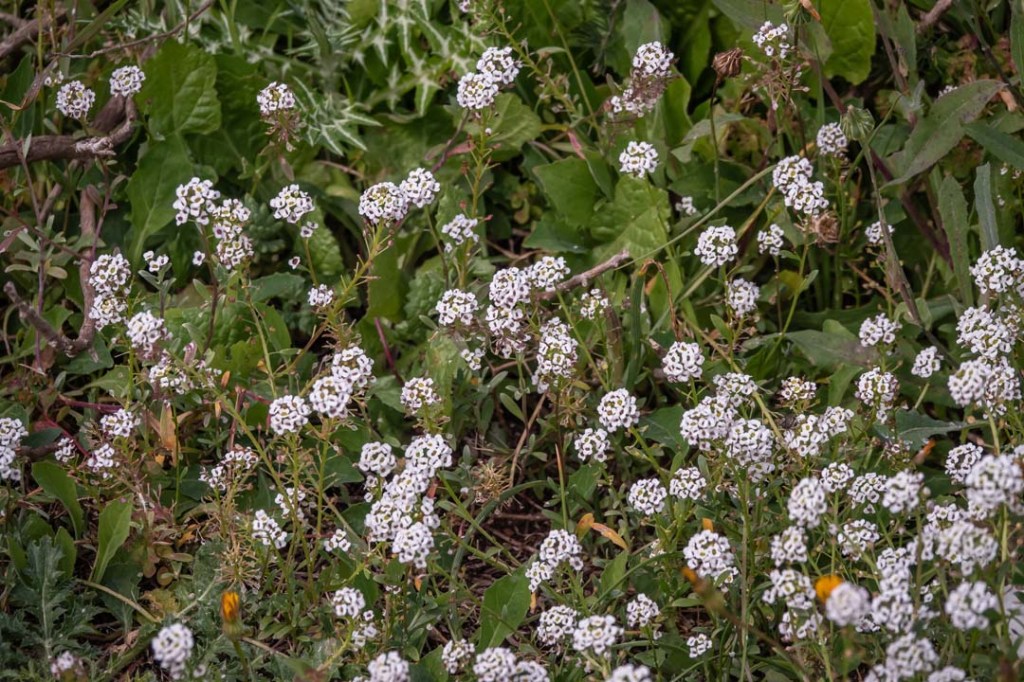
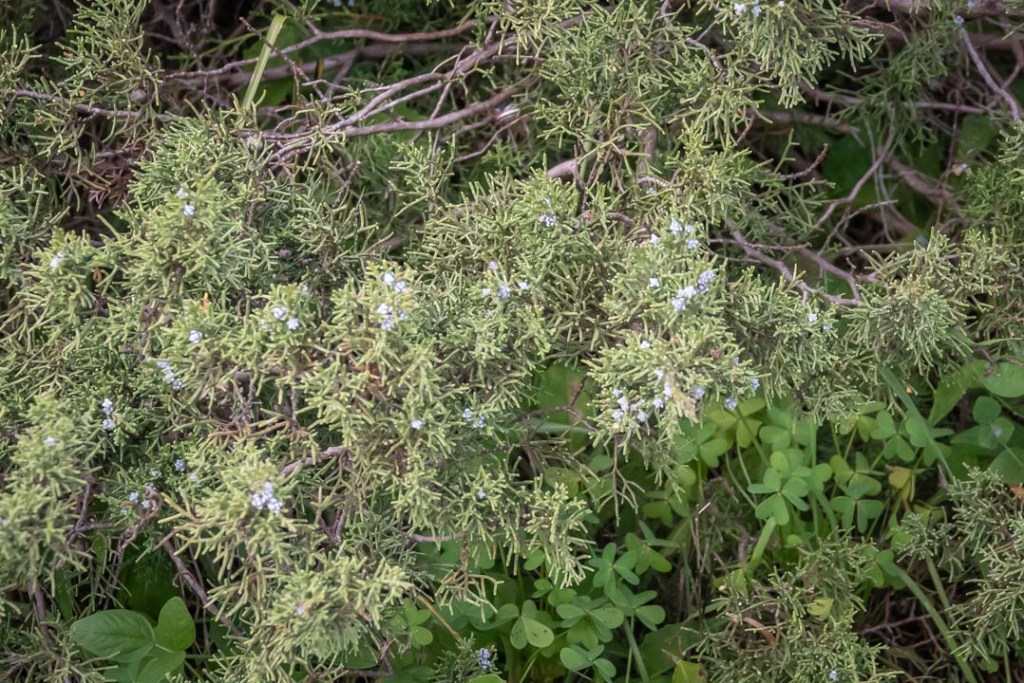
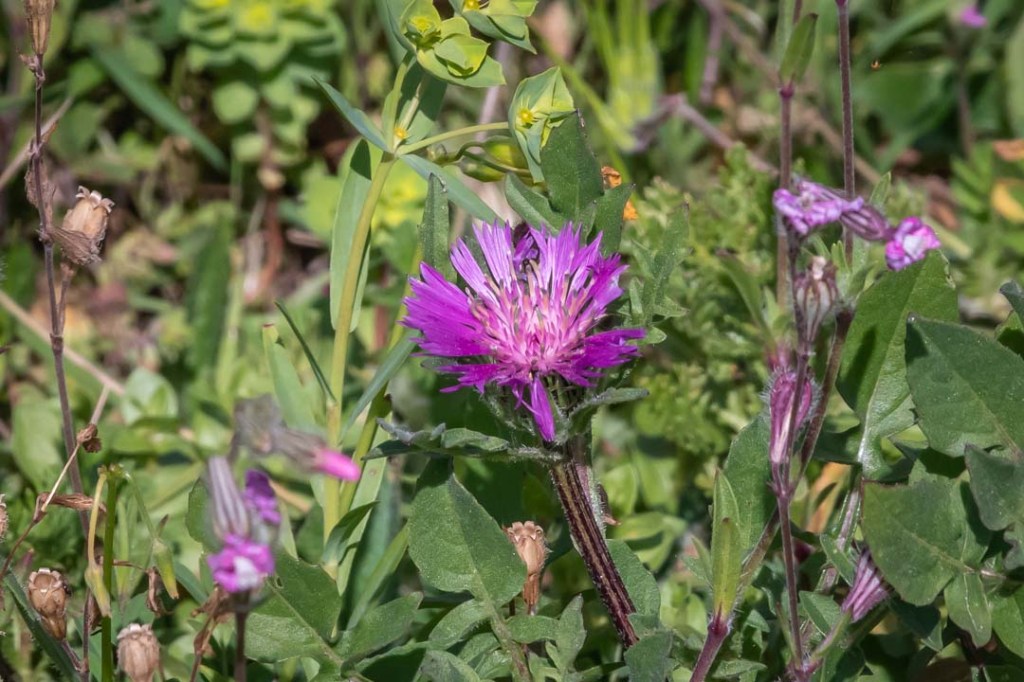
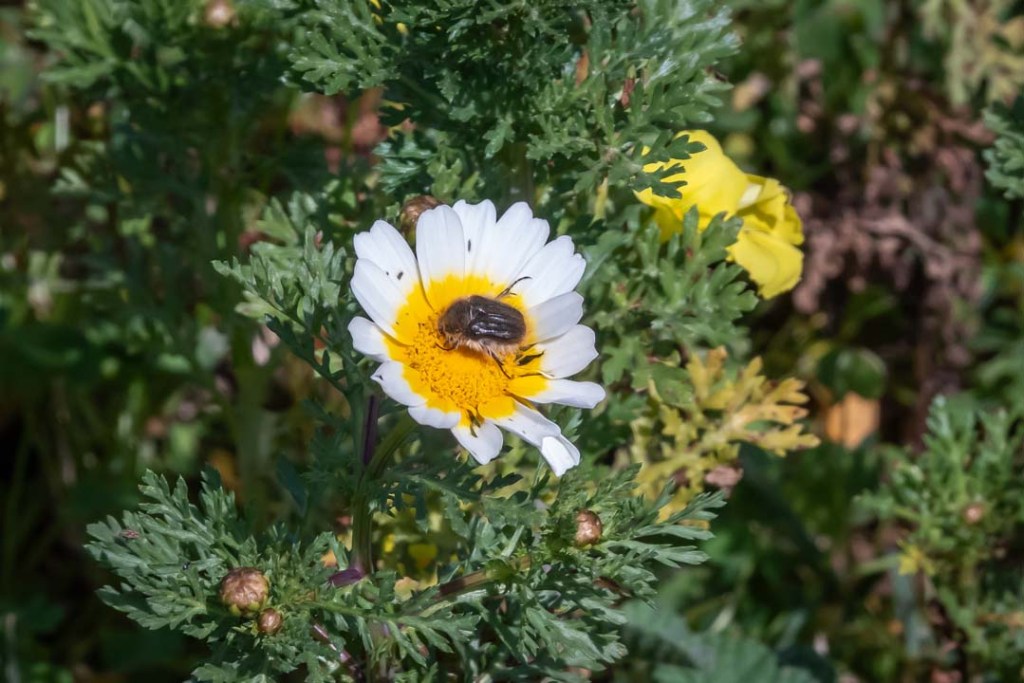
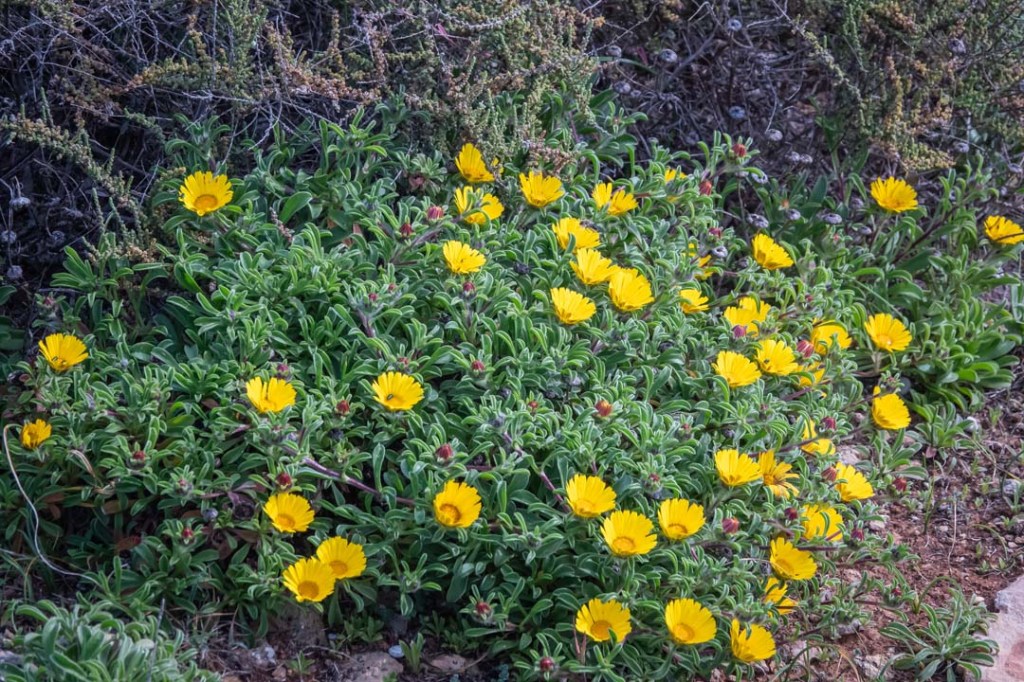
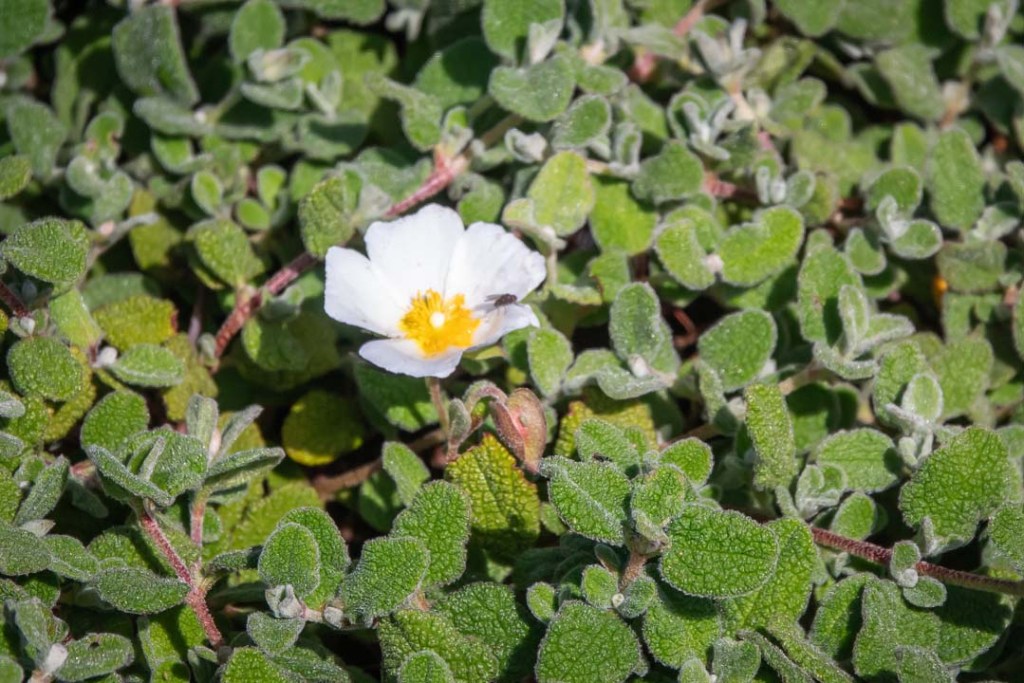
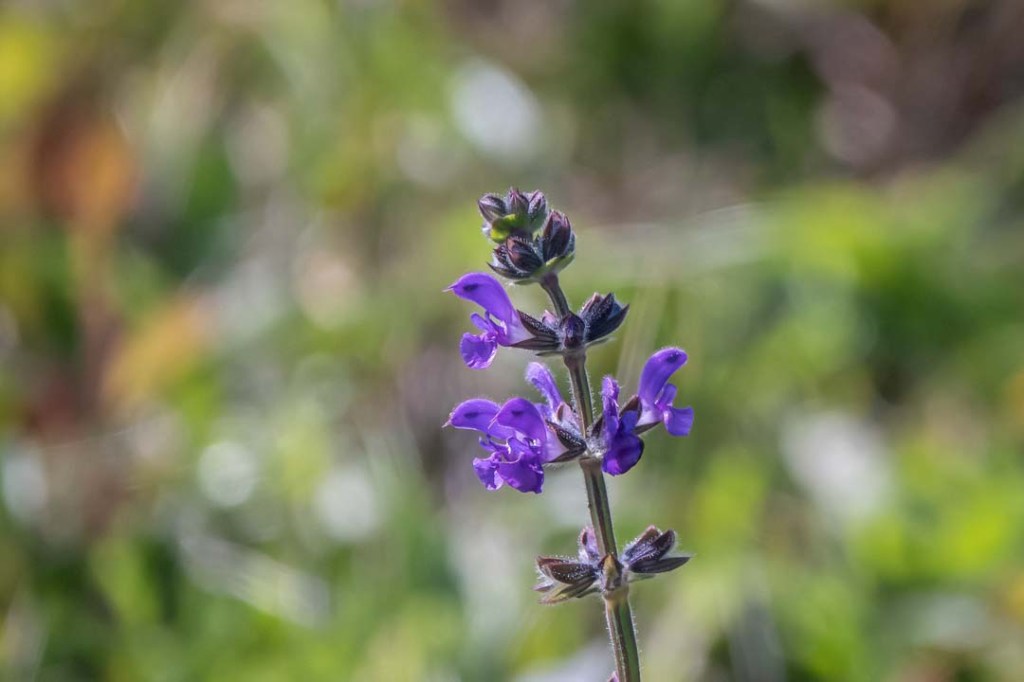
The spring flowers are already quite abundant along the coast of The Algarve but you can’t help feeling that with a little more warmth of spring there will soon be a riot of colour.
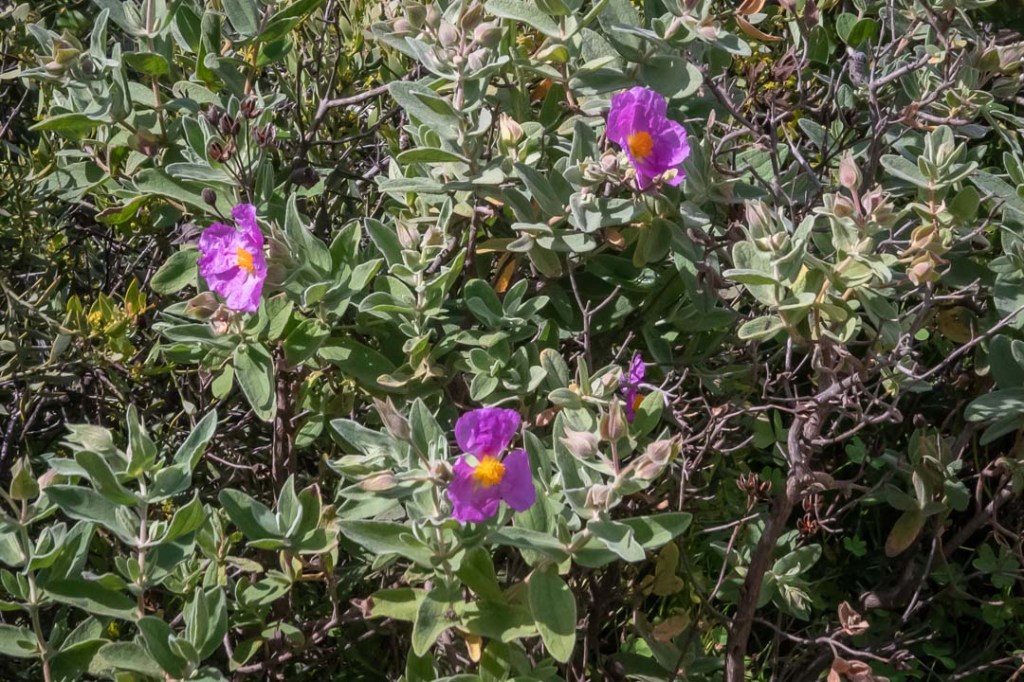
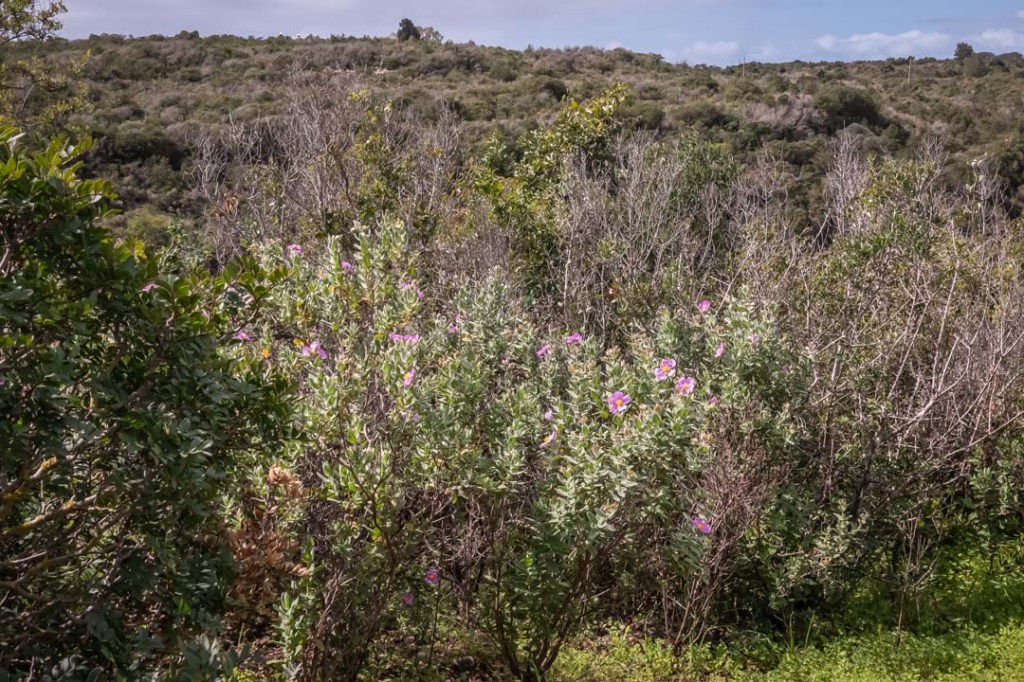
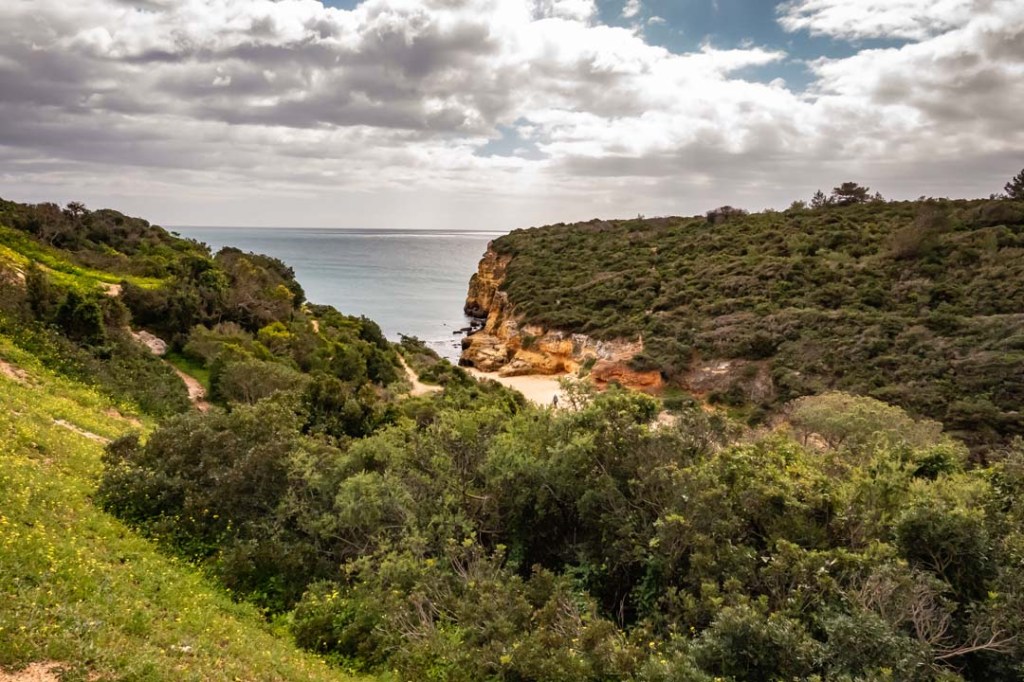
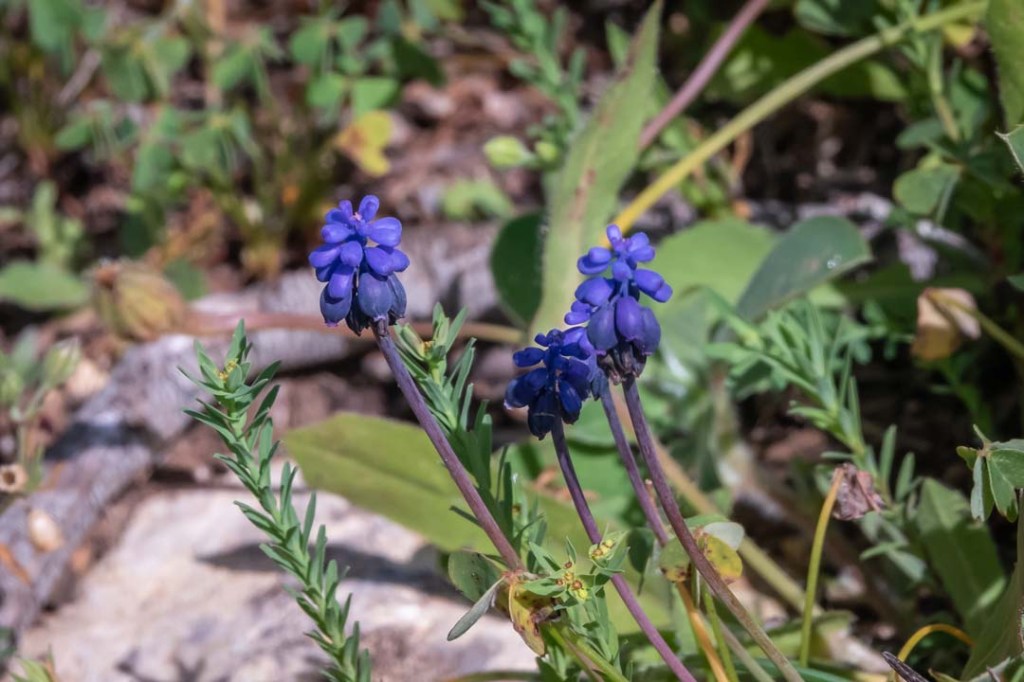
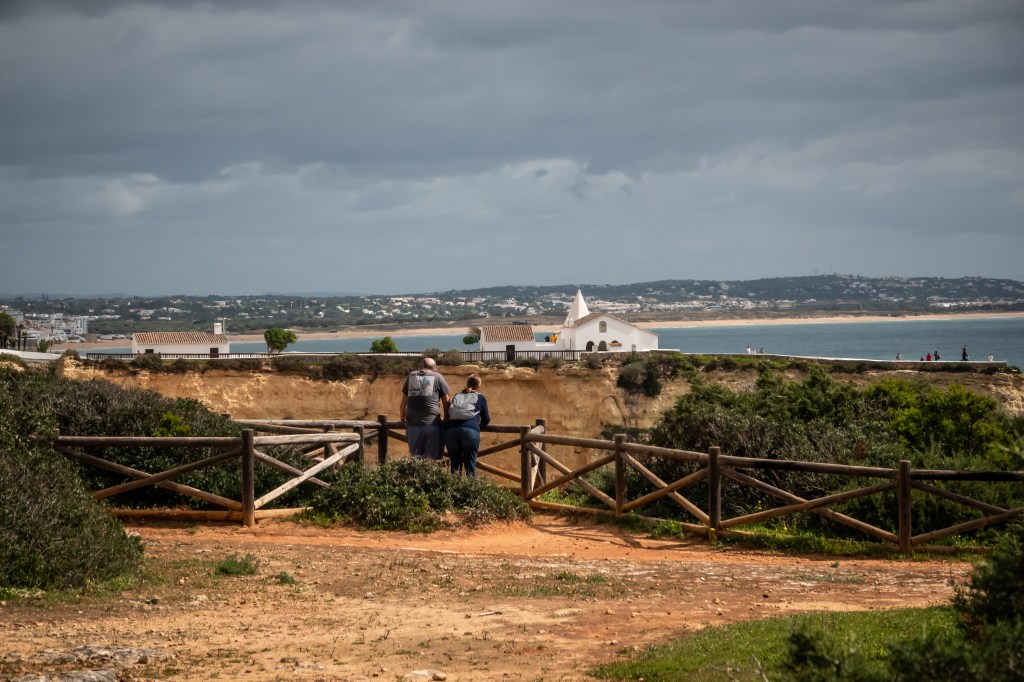
Yesterday afternoon ,as we walked a little from our clifftop hotel in Porches-Armação de Pêra,in the Algarve, up above the Senhora da Rocha beach, we saw lots of examples of the local flora.
Senhora da Rocha beach.Speckled wood butterflyThe Chapel of Nossa Senhora da Rocha perched on the cliff overlooking the Atlantic Ocean
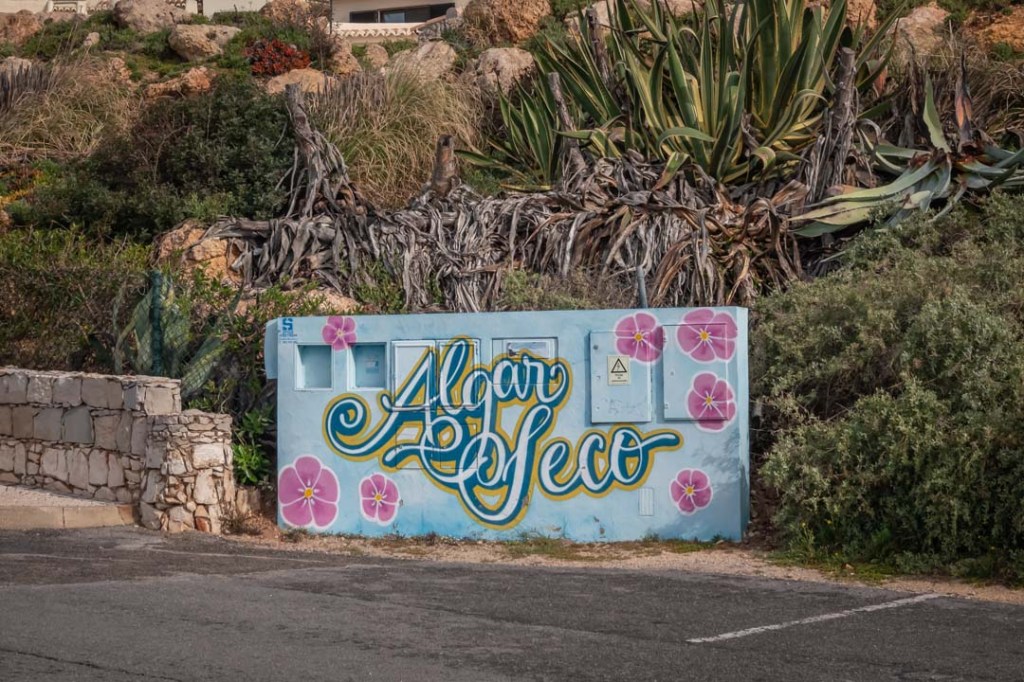
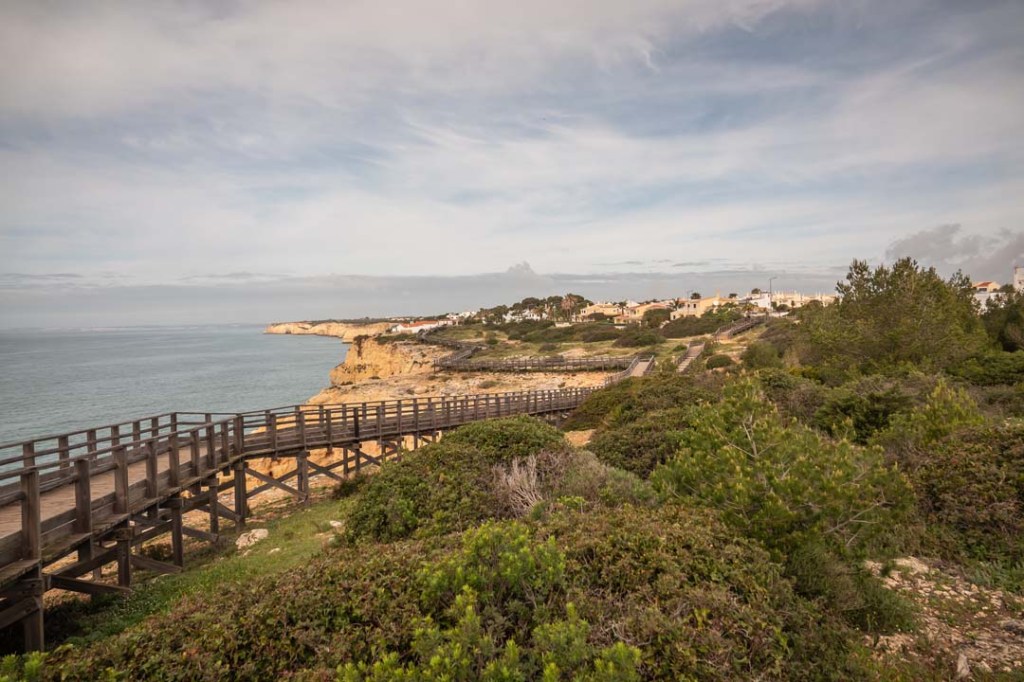
Again this morning we walked another short section of the coast from Algar Seco to the pretty coastal village of Carvoeiro.
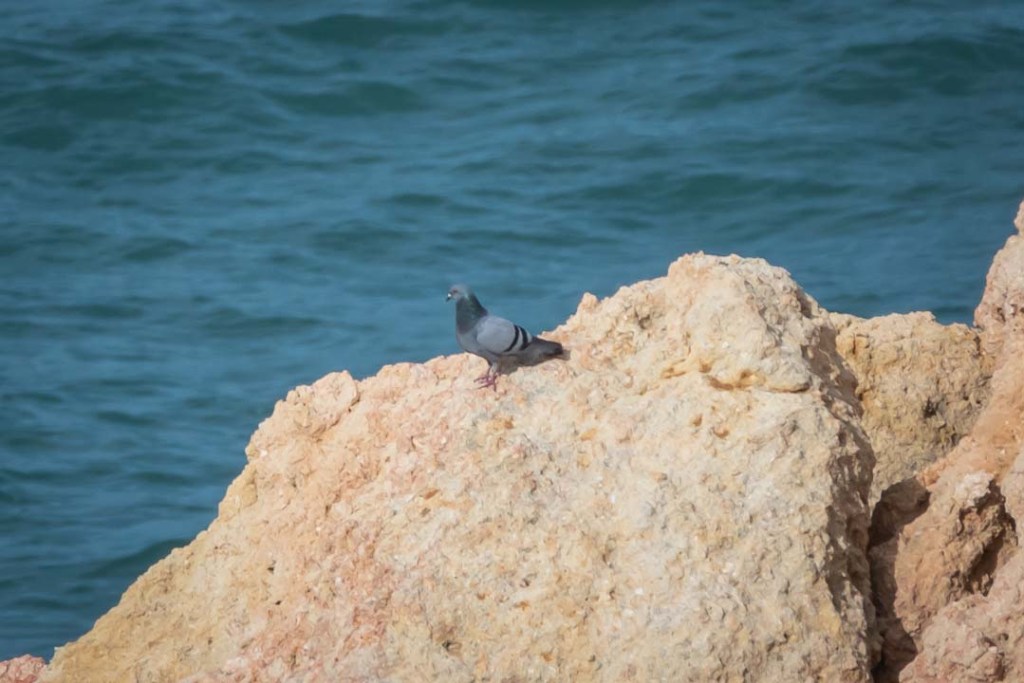
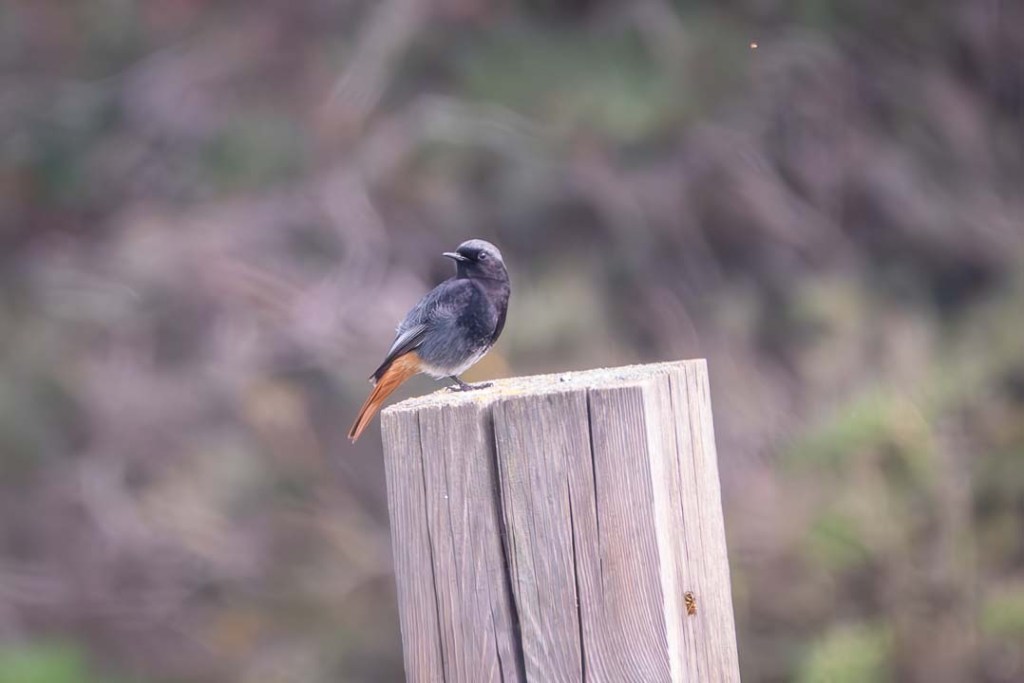
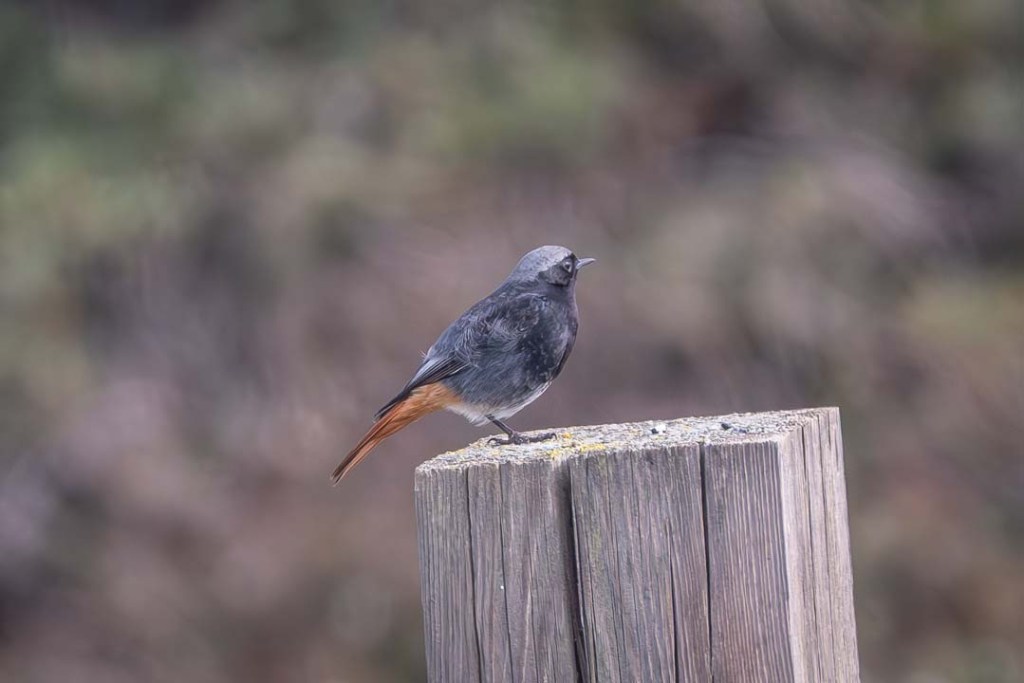
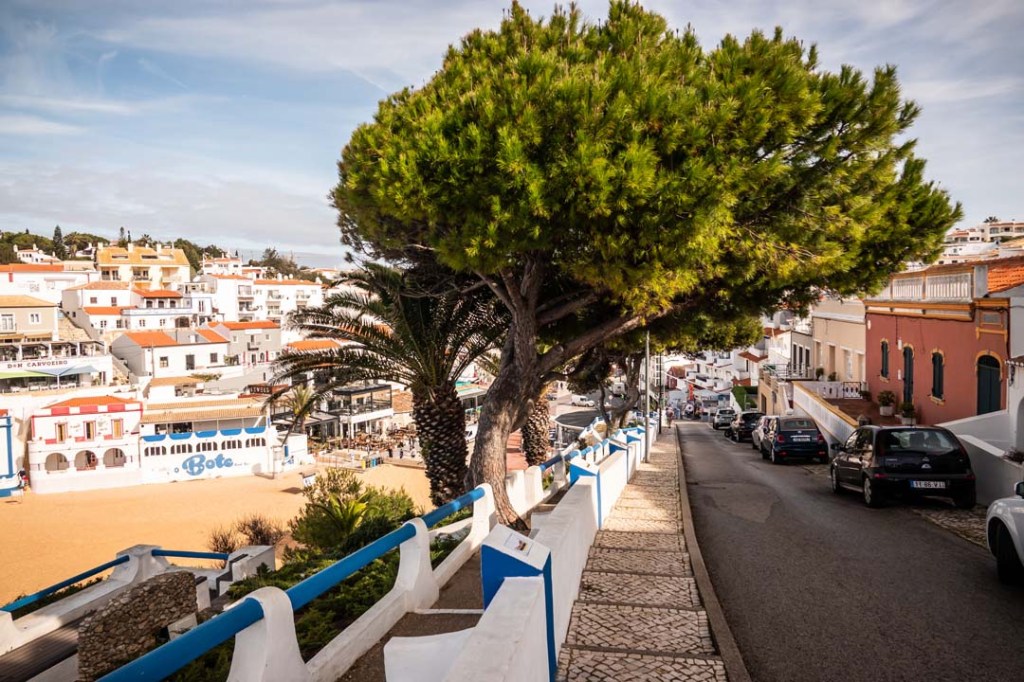
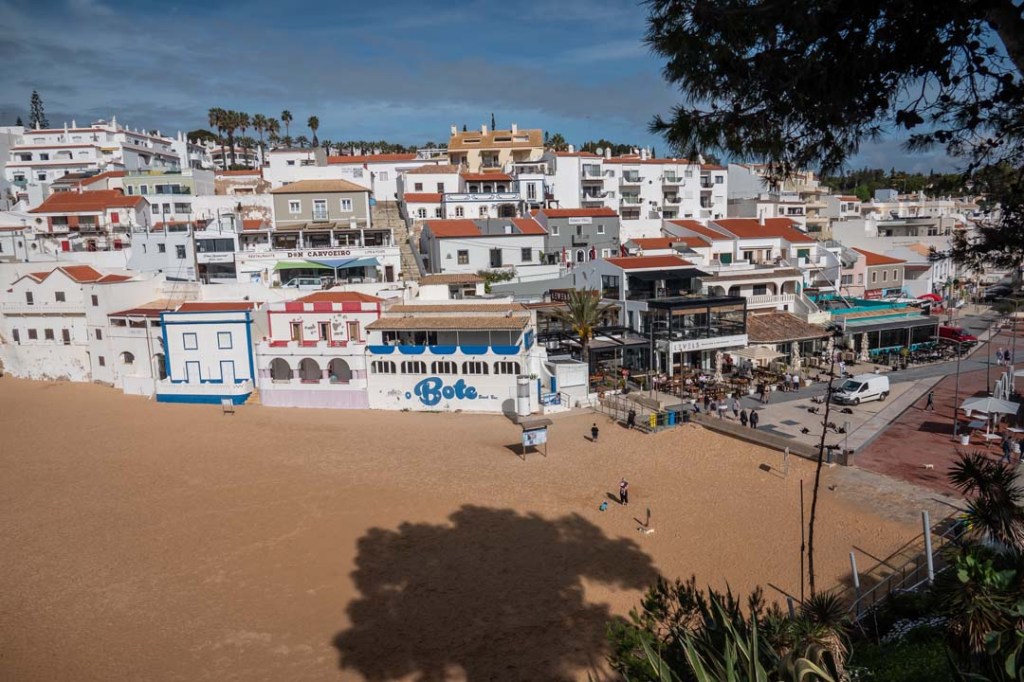
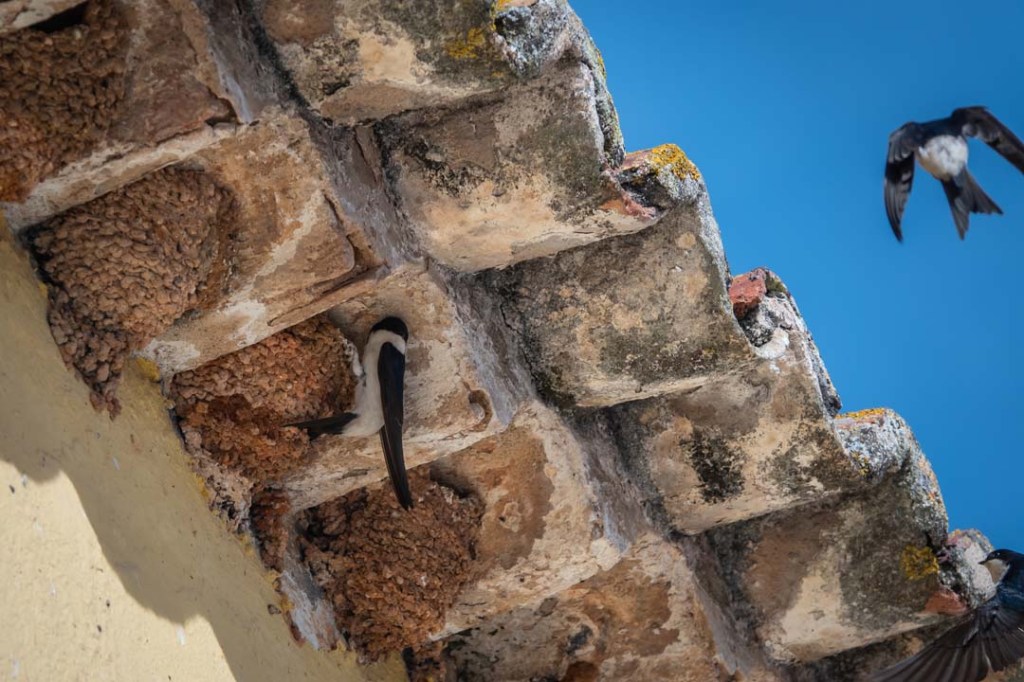
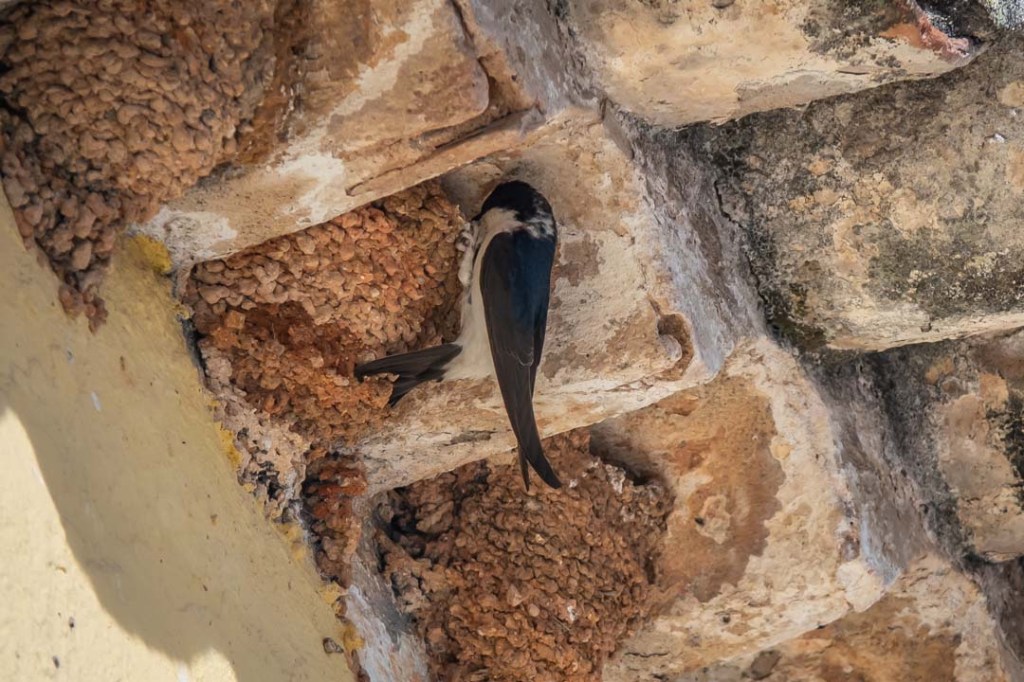
The fascinating clifftop formations carved from the limestone bedrock at Algarve SecoPart of the boardwalk from Algar Seco to CarvoeiroCarvoeiro in the distance There were lots of rock dove on the cliffsBlack redstartBlack redstartA greenfinch welcomed us into CarvoeiroThe approaches to CarvoeiroA different boat for each postCarvoeiroThe beach at CarvoeiroHoopoe at last!House Martins busy nest building in CarvoeiroHouse Martin
Our plans for today were changed last minute as the forecast for the beginning of next week was for strong winds on the south west tip of Portugal. It wasn’t too bad today and so the programme was reversed.
You might get an idea of why you wouldn’t want to be here on a windy day
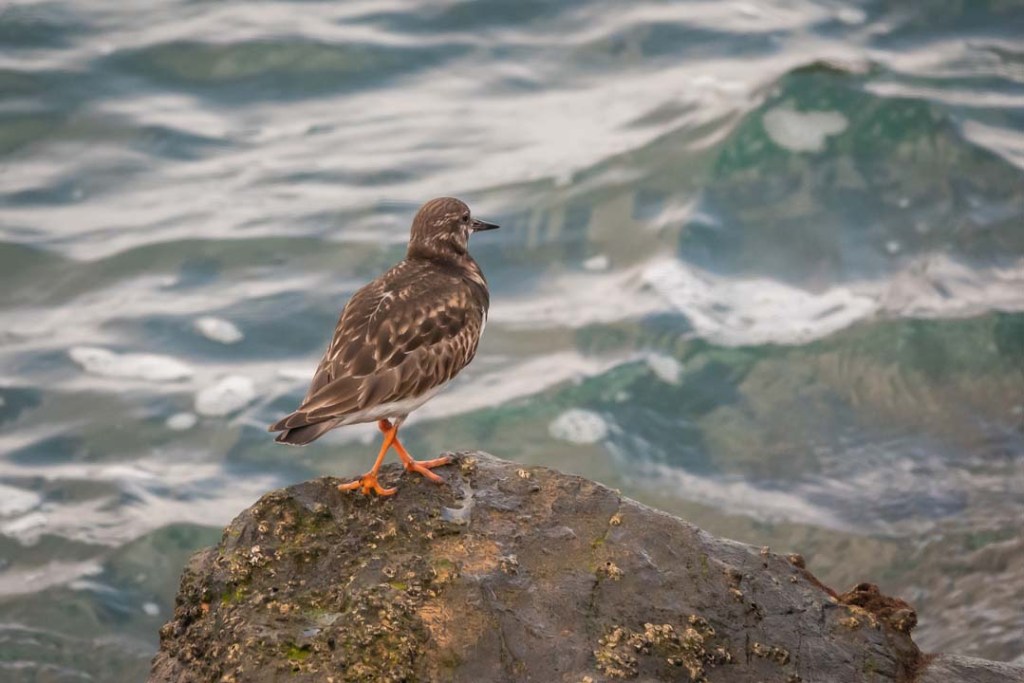
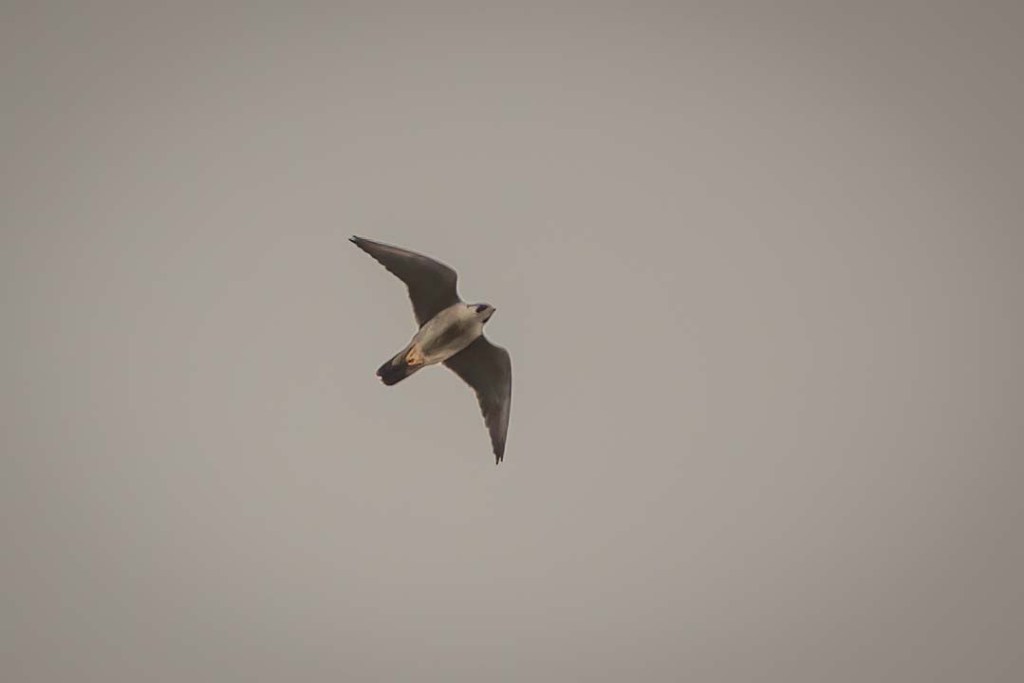
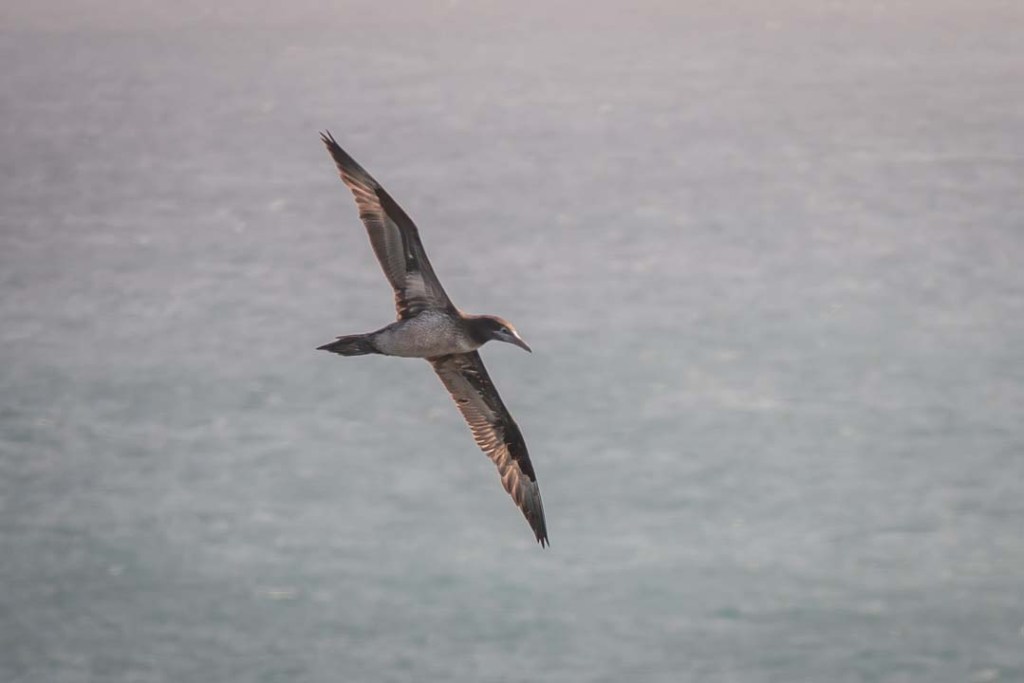
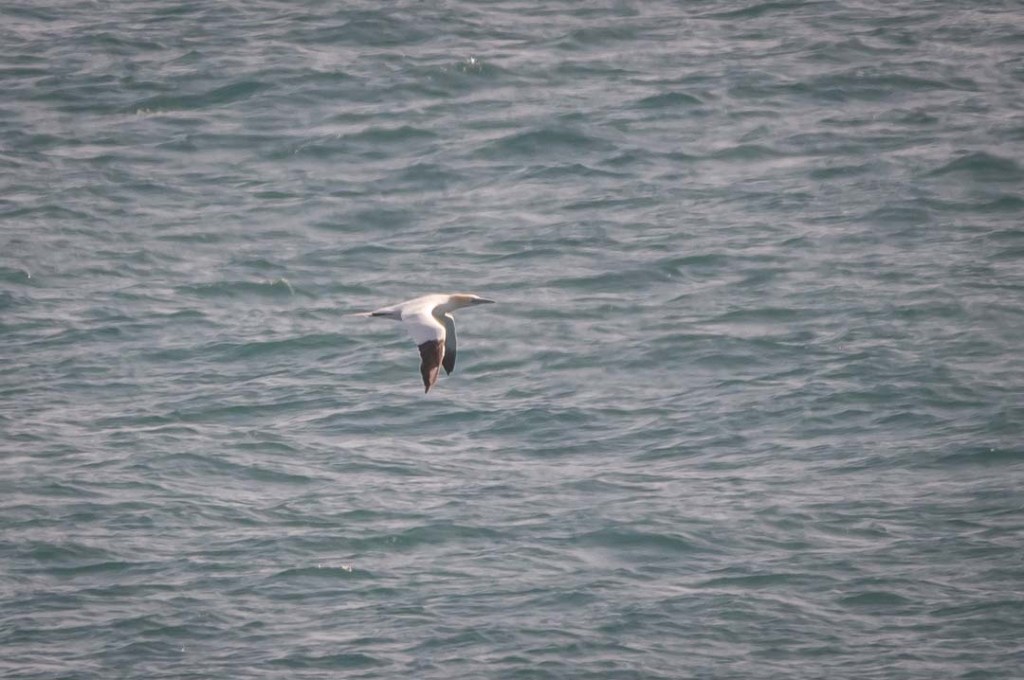
We started our birding in the port of Sagres on the south west coast of Portugal. On the quaysides there was a ruddy turnstone, crag Martins and not much else. We were looking for a purple sandpiper but no luck. As well as the usual gulls we could see cormorants and gannets out at sea. Also way above us there were two peregrine falcons.
Ruddy turnstoneOne of two peregrines overhead
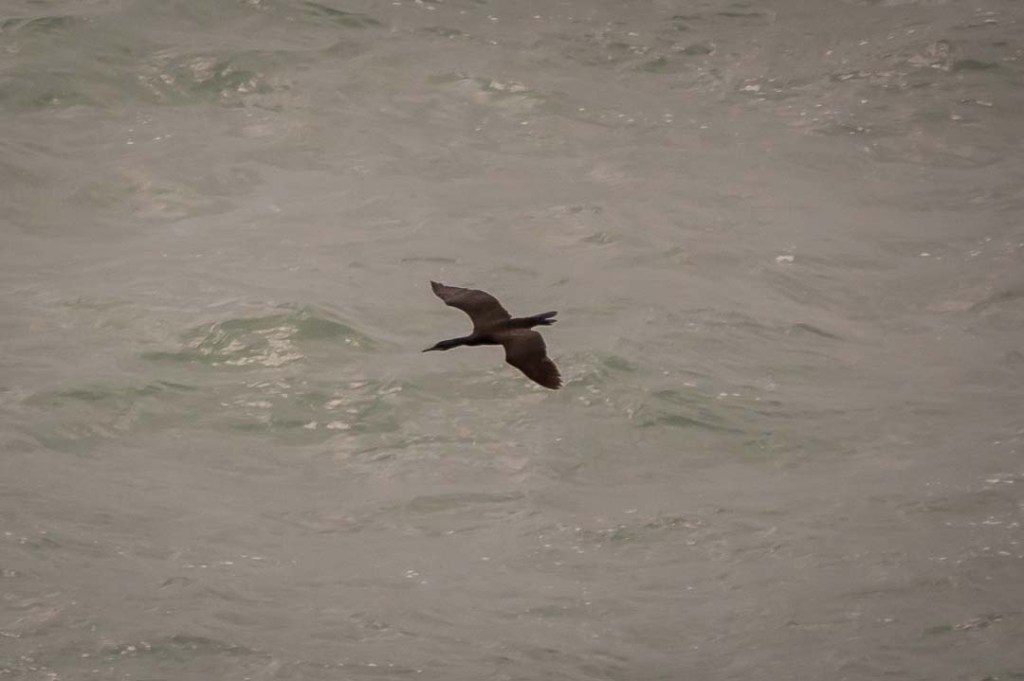
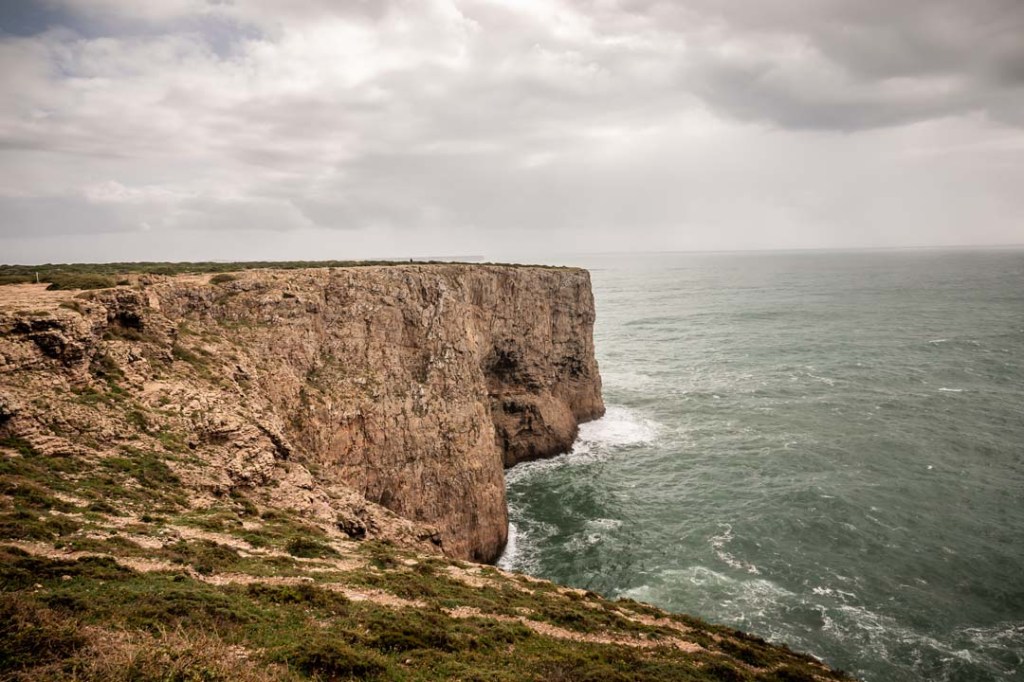
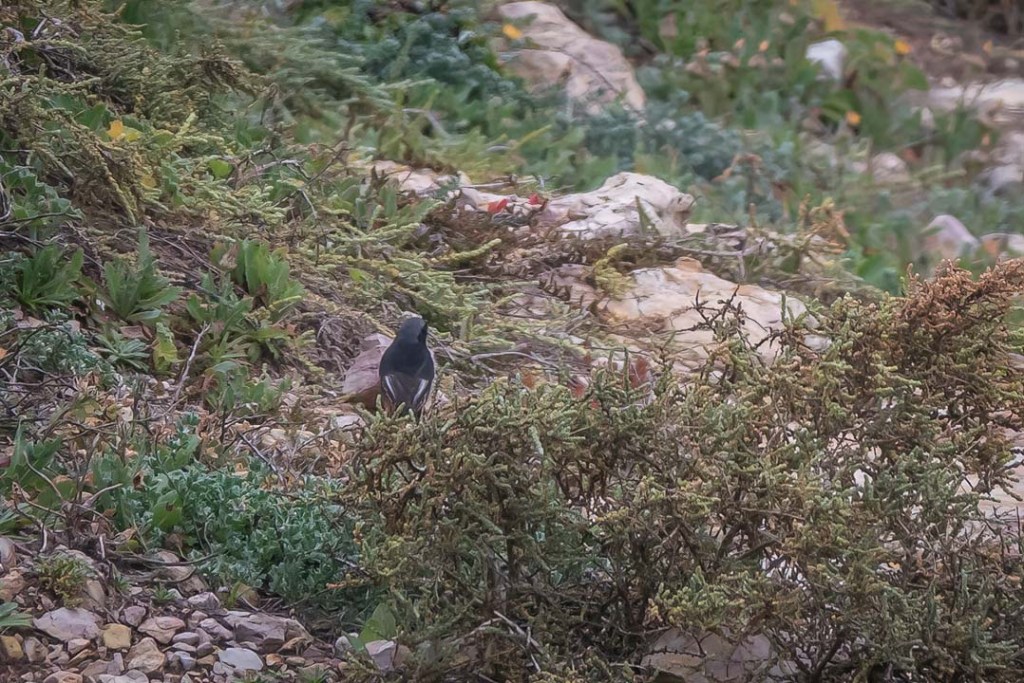
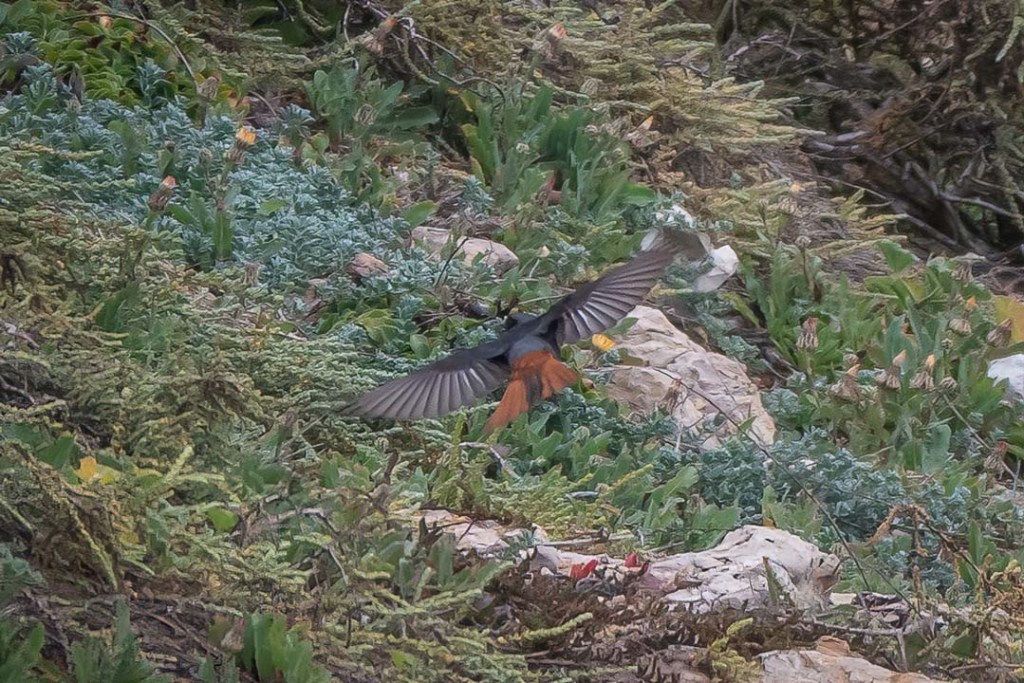
We moved on to the Cape St Vincent (the most south-westerly point of Europe) which is one of the best on-shore birding sites to observe seabirds in the Vicentine Coast Natural Park. Notable species include Cory’s, Balearic, Great and Yelkouan Shearwaters, Parasitic and Pomarine Skuas, Grey Phalarope and Audouin’s Gull. However, in the wind and then rain all I managed to see at sea were Audouin’s Gulls. I was quite happy though to see a black redstart and a shag.
Audouin’s gullOnly room for one at a time.Shag in flightThe headland on a calm dayBlack redstartBlack redstart in flight
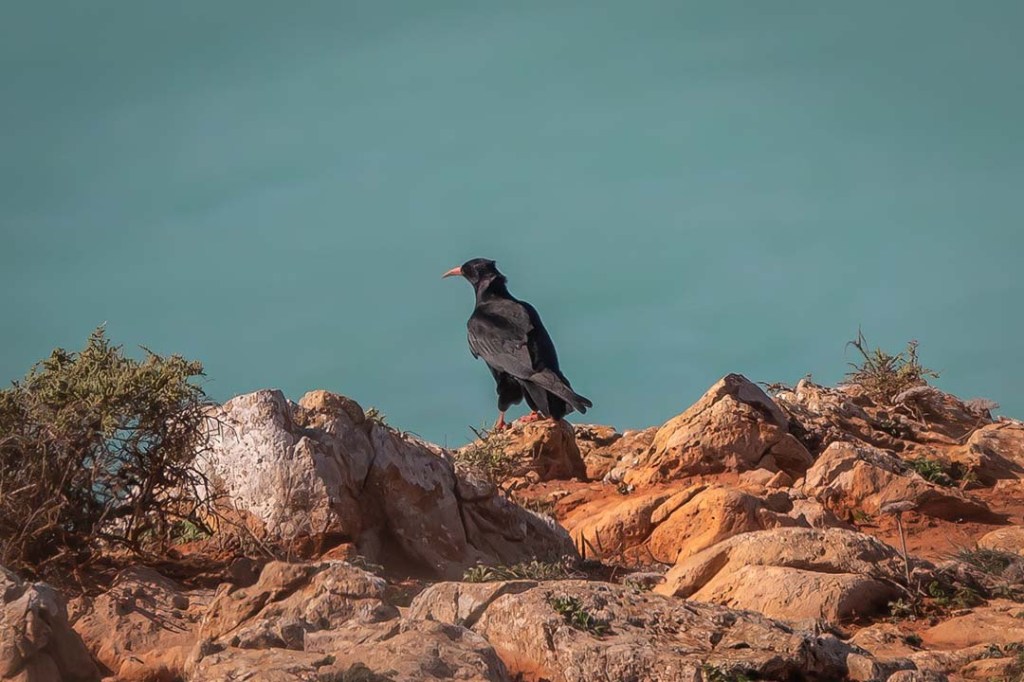
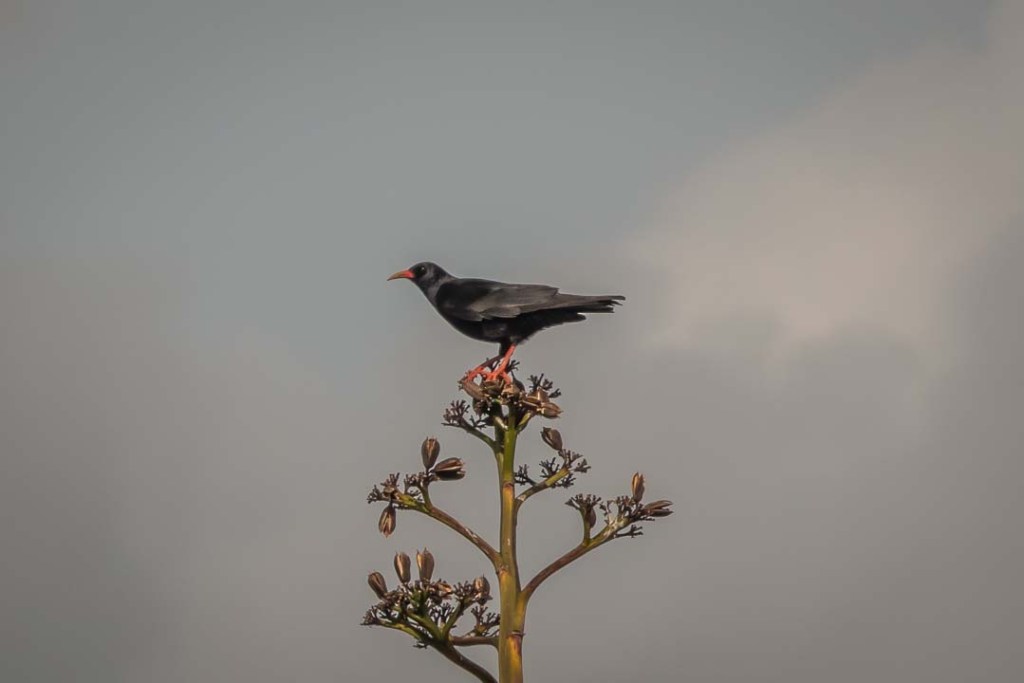
We pottered around inland a bit and had more success. We saw two flocks of choughs with more than 20 birds in each flock. As I was trying to photograph them there was a cry of what I thought was “buzzards” which I ignored but which turned out to be “bustards”. I didn’t see them but luckily Wendy caught sight of two little bustards in flight.
Flock of choughs
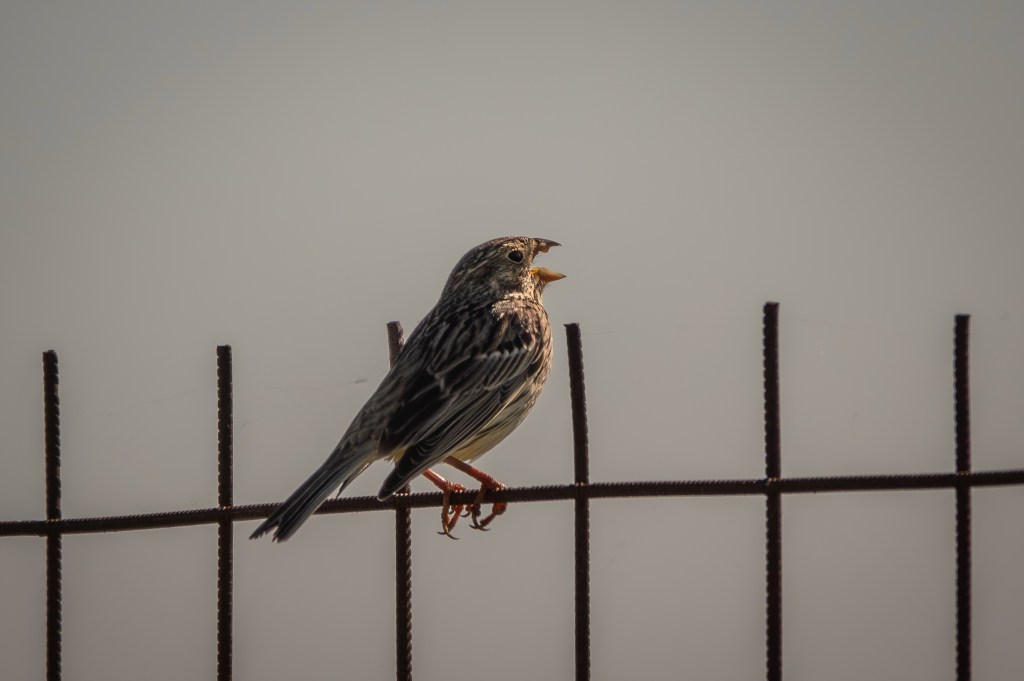
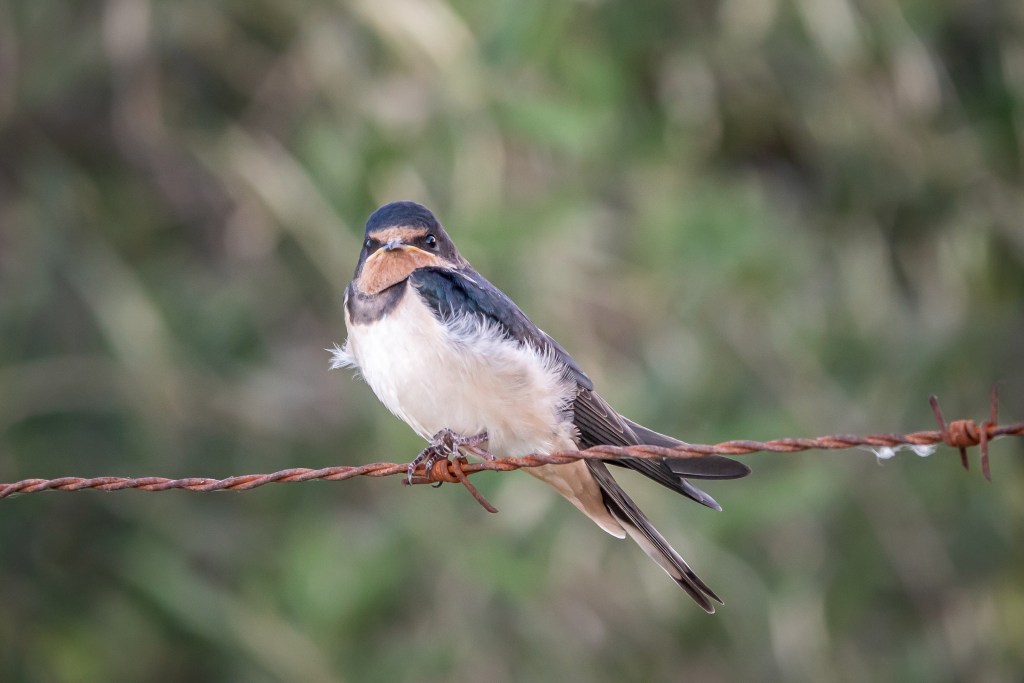
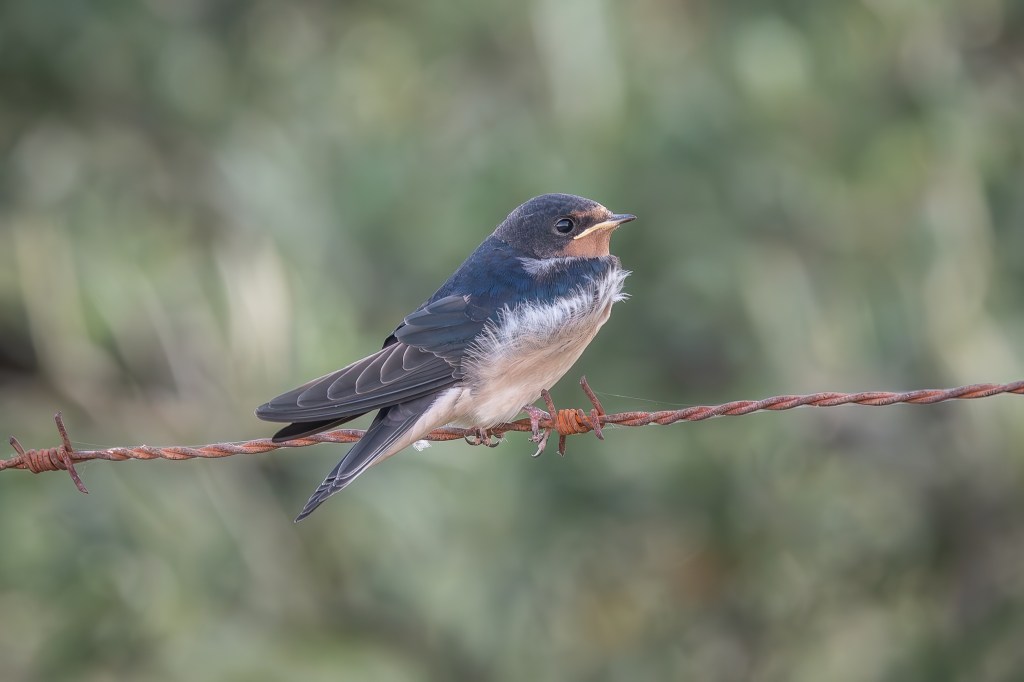
Here again we saw lots of swallows which looked as though they were catching up on food after their long flights from Africa. There were also corn buntings and meadow pipits.
Prince Henry the Navigator at Sagres
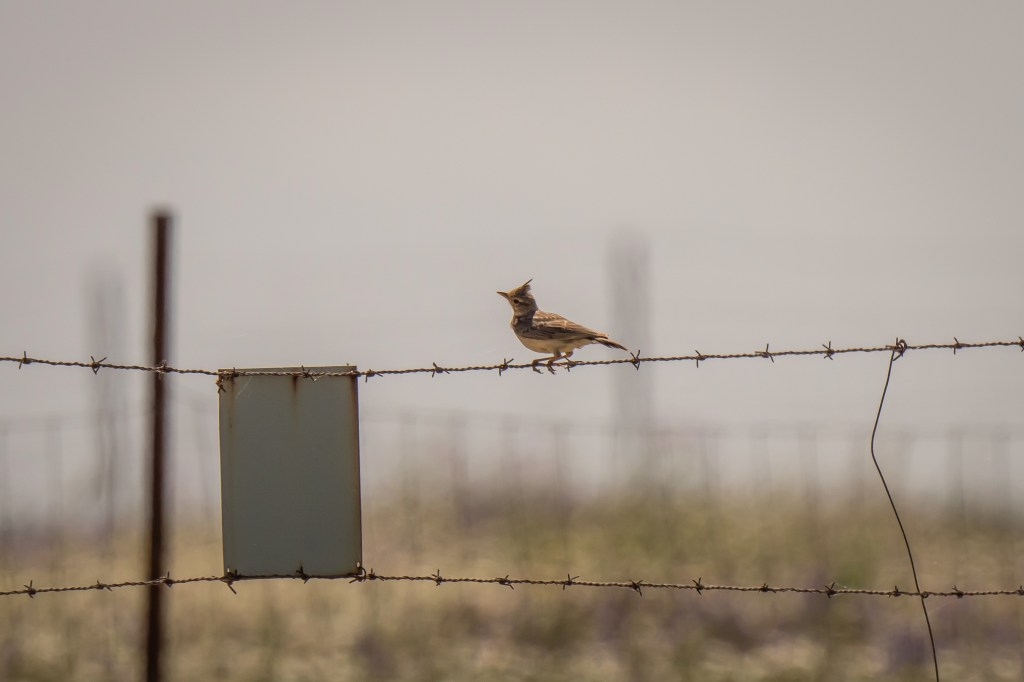
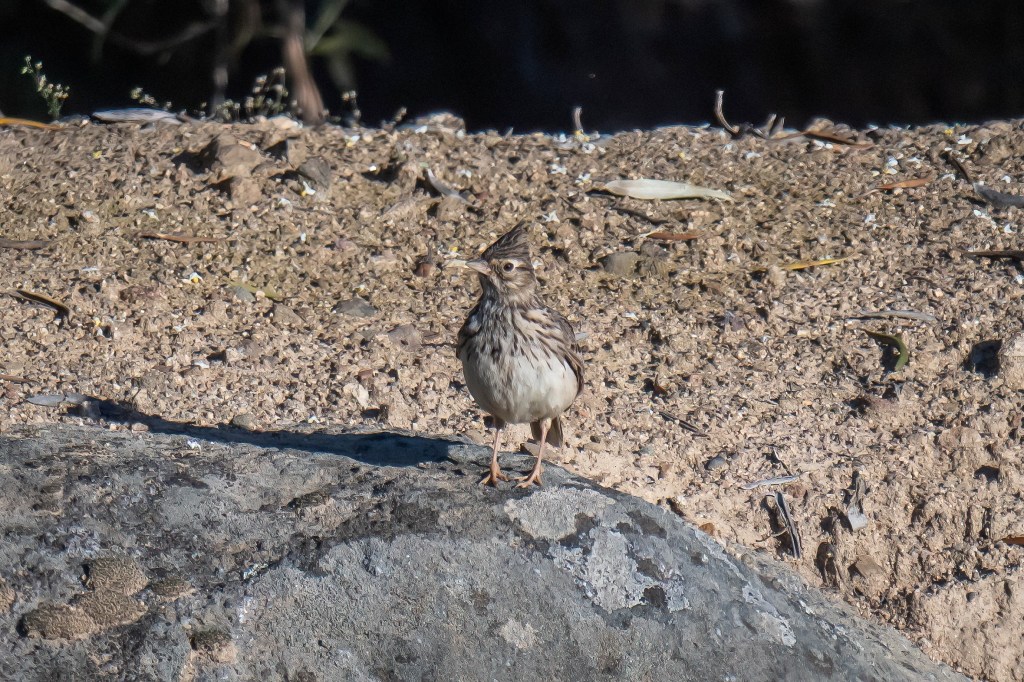
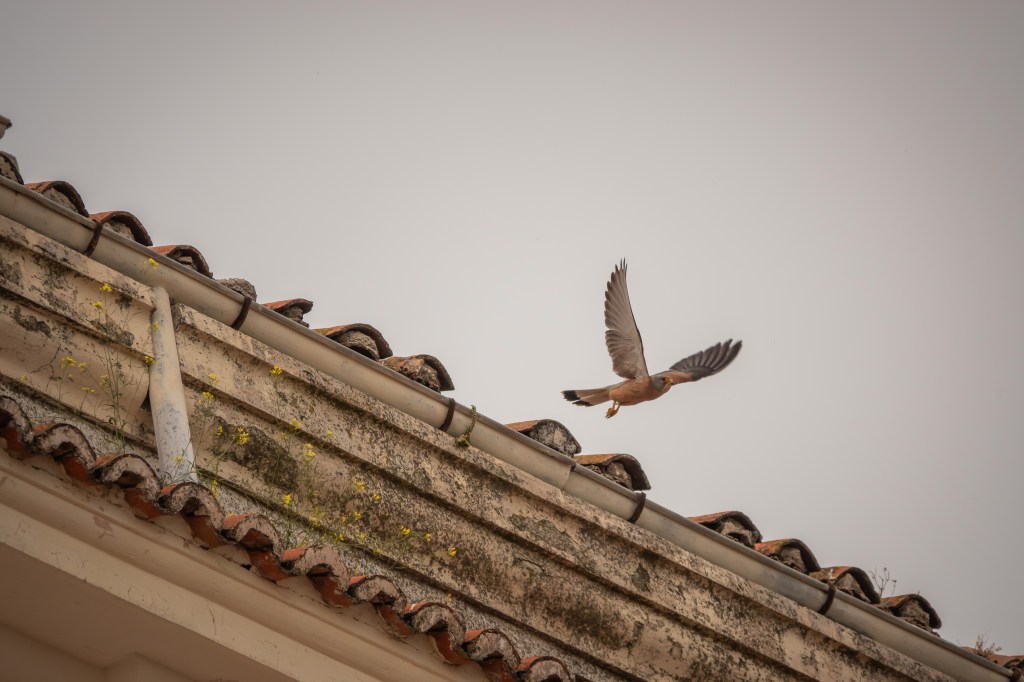
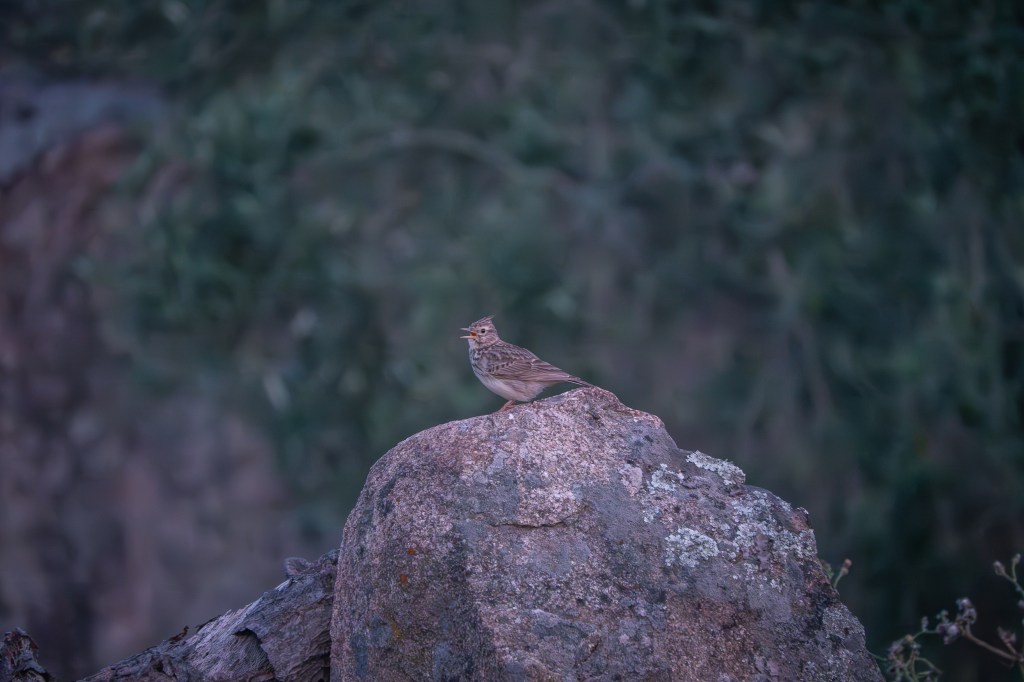
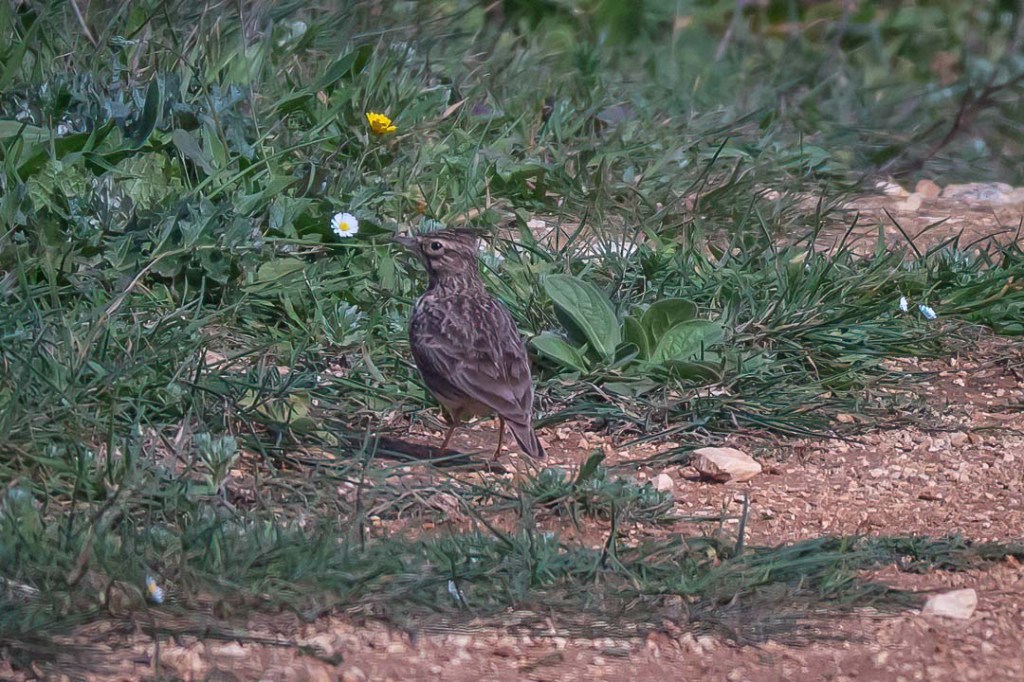
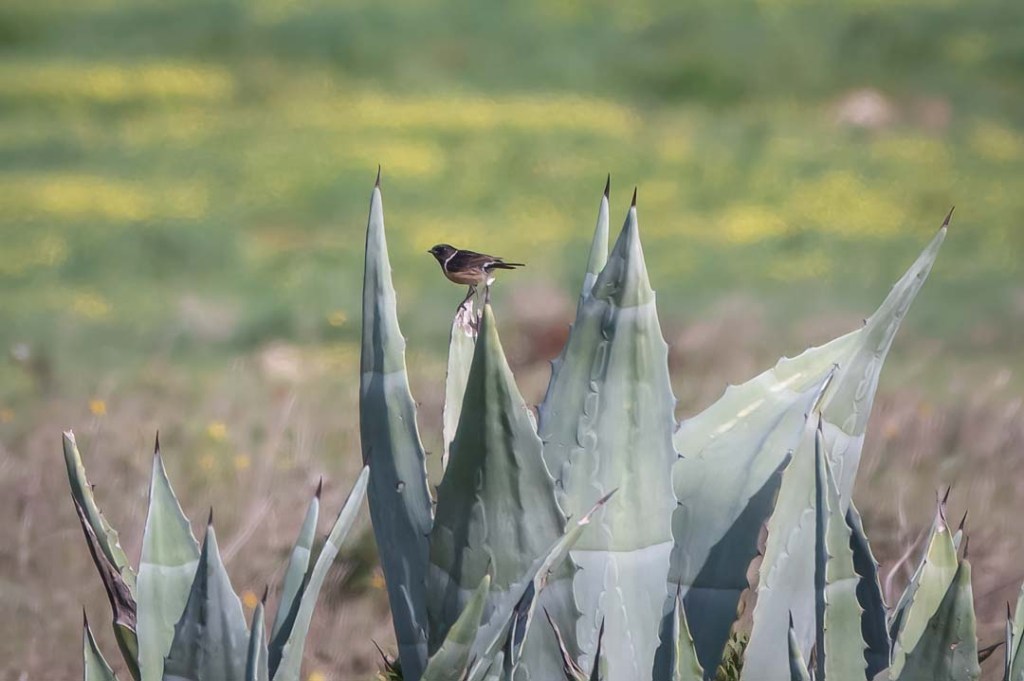
We then returned to Sagres and headed to Ponta da Atalaia / Baleeira Viewing Point. The first bird we saw was a Thekla’s Lark. Maria carefully explained the difference between Thekla’s Lark and Crested Lark but I didn’t hear it as I was too busy photographing the lark, some stonechats and a common kestrel.
Thekla’s LarkCommon kestrelStonechat
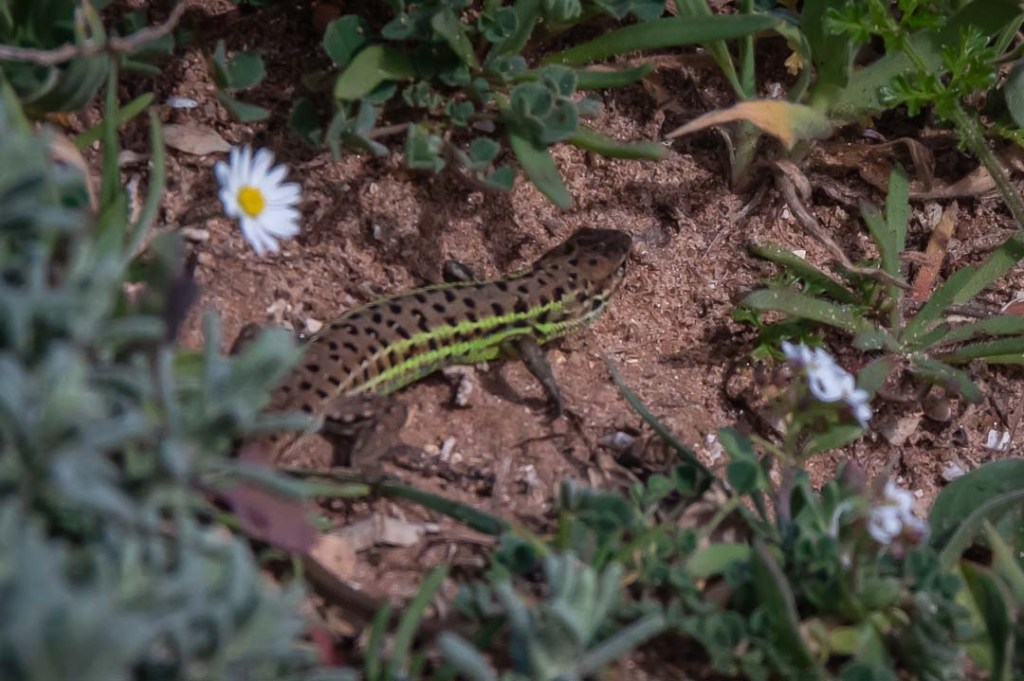
This area was particularly rewarding for seeing the beautiful coastal spring flowers and a few butterflies. We also saw another striking lizard – a Spanish Sand Racer, Maria thought.
Western Psammodromus has been suggested on INaturalistSmall copper butterfly
As far as birds were concerned the most interesting aspect was seeing more choughs, this time displaying by flying high and descending rapidly – a bit like lapwings. Again we had views of gannets.
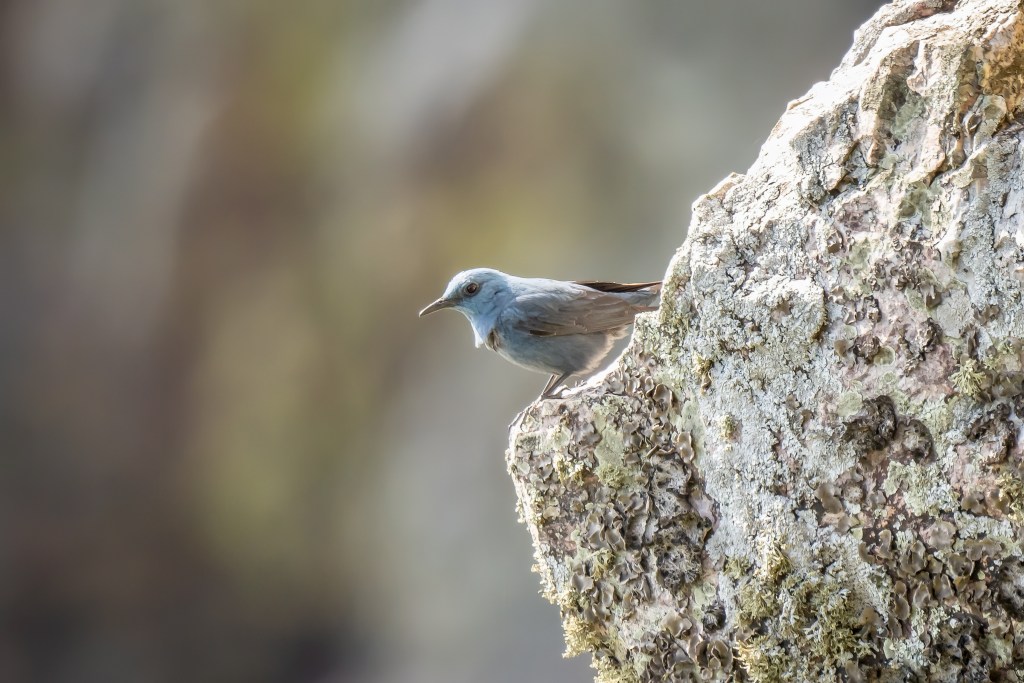
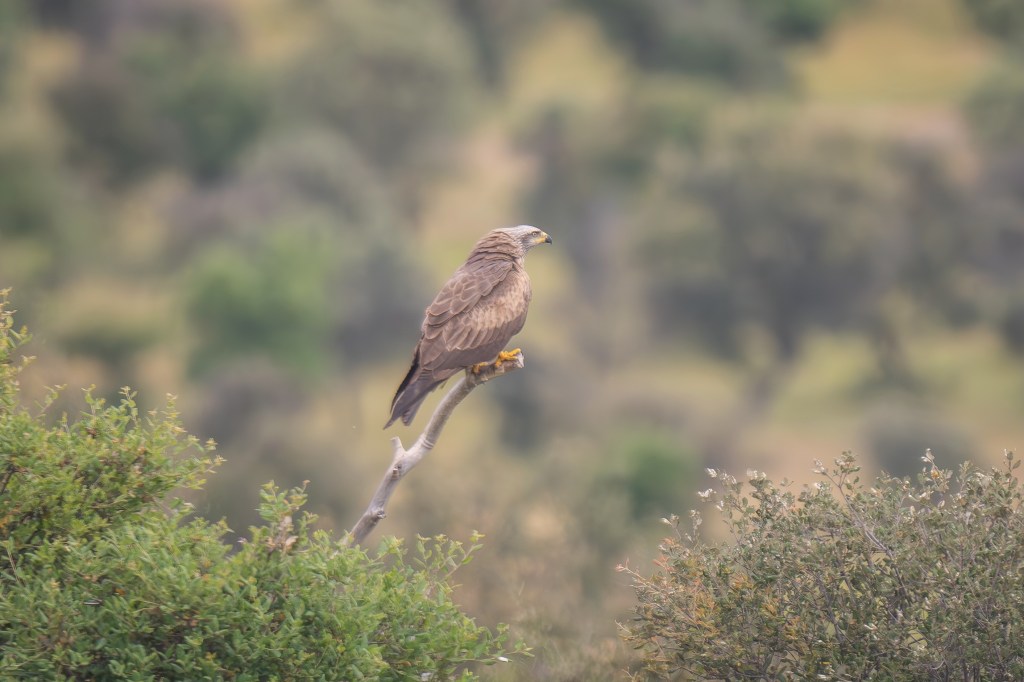
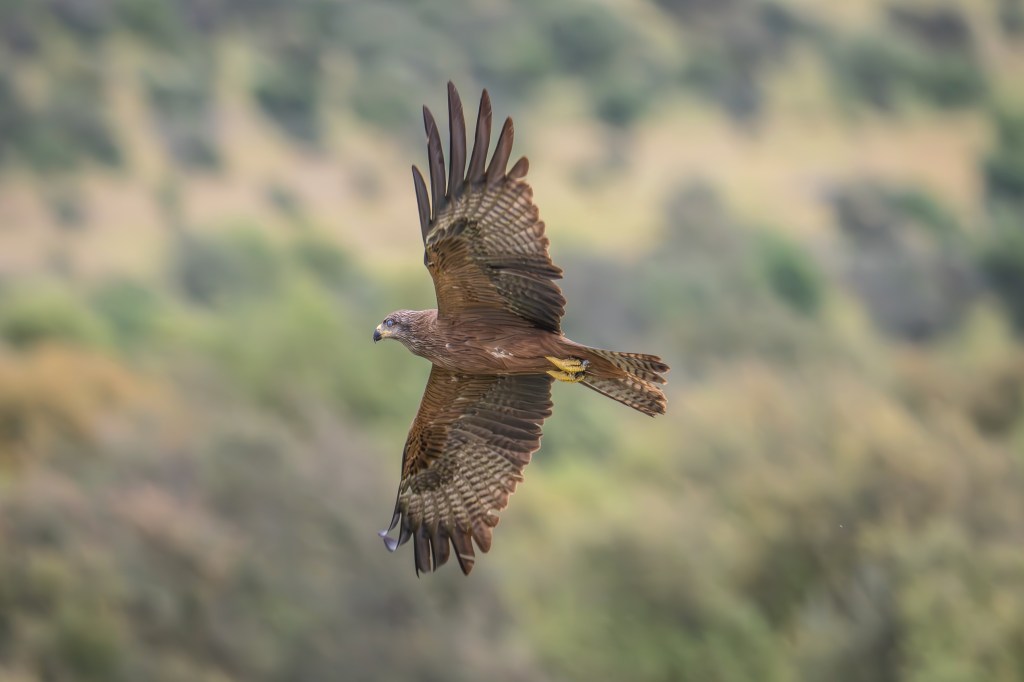
We then had a drive inland to go to Montes da Fóia at Montchique (about 900 meters high) in search of buntings. En route we had a very good view of a black- winged kite from the coach. Maria then related her very interesting views on why she considered these birds closer to owls than eagles (but don’t get me to tell you all of them). On the top of the mountain, in quite cold conditions, all we saw at first were stonechats, robins and meadow pipits but then a blue rock thrush was spotted on a nearby rock. Our guide Rui then saw a small flock of ring ouzel in front of the woods and I managed to catch sight of two of them before they disappeared.
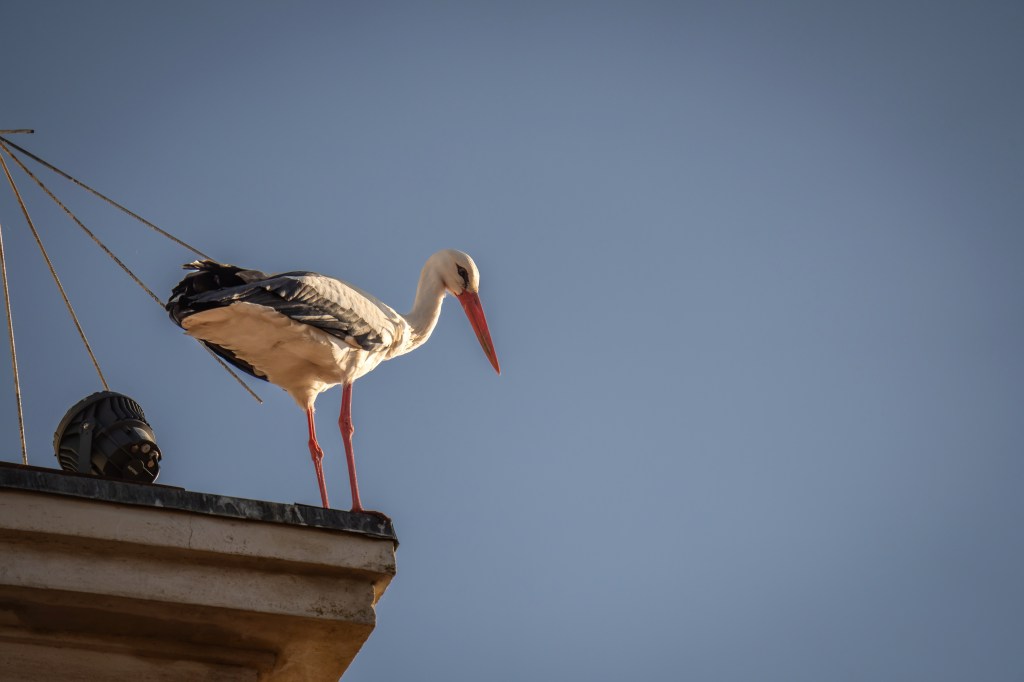
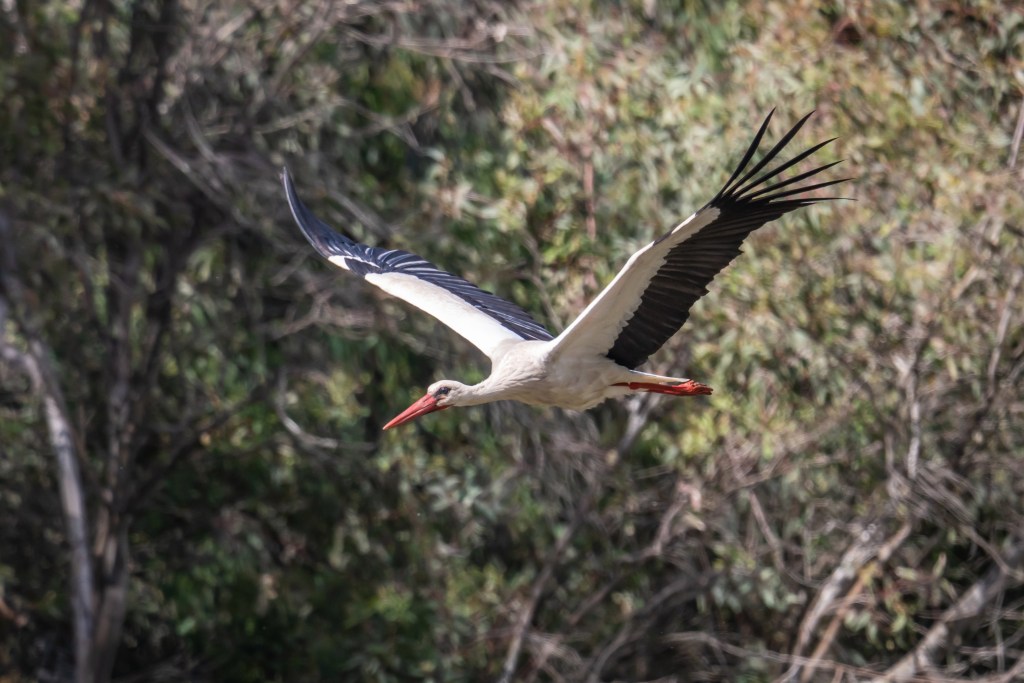
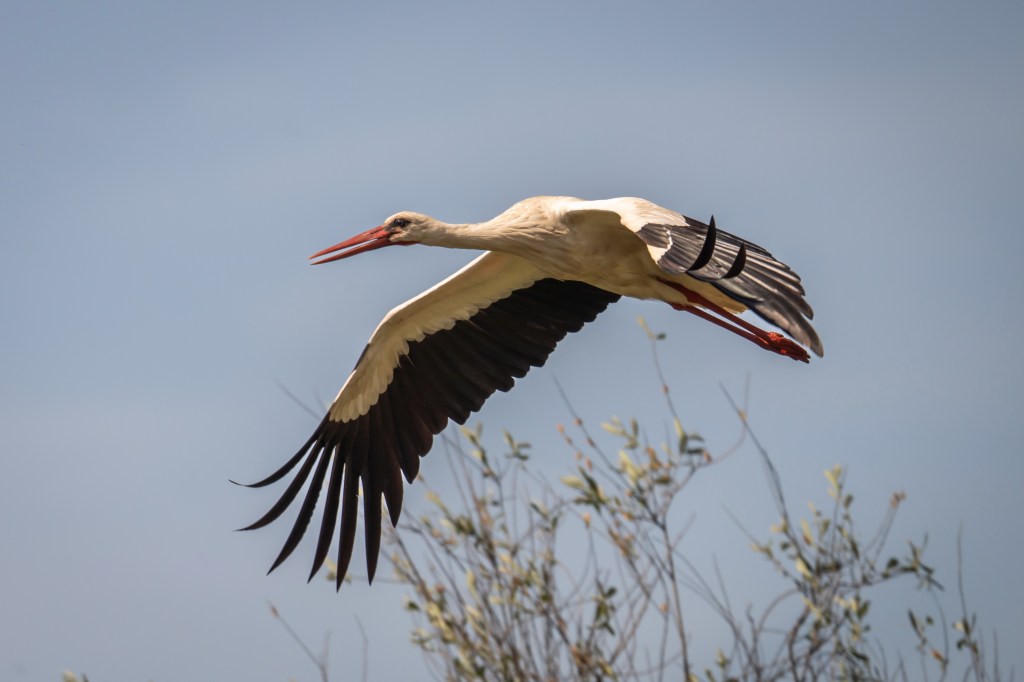
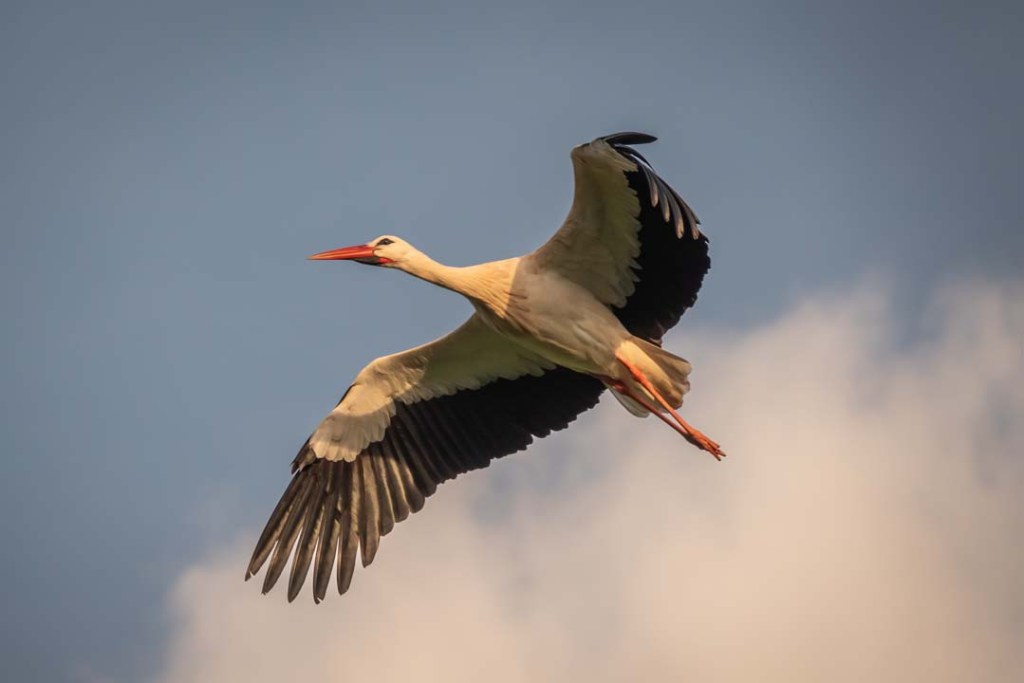
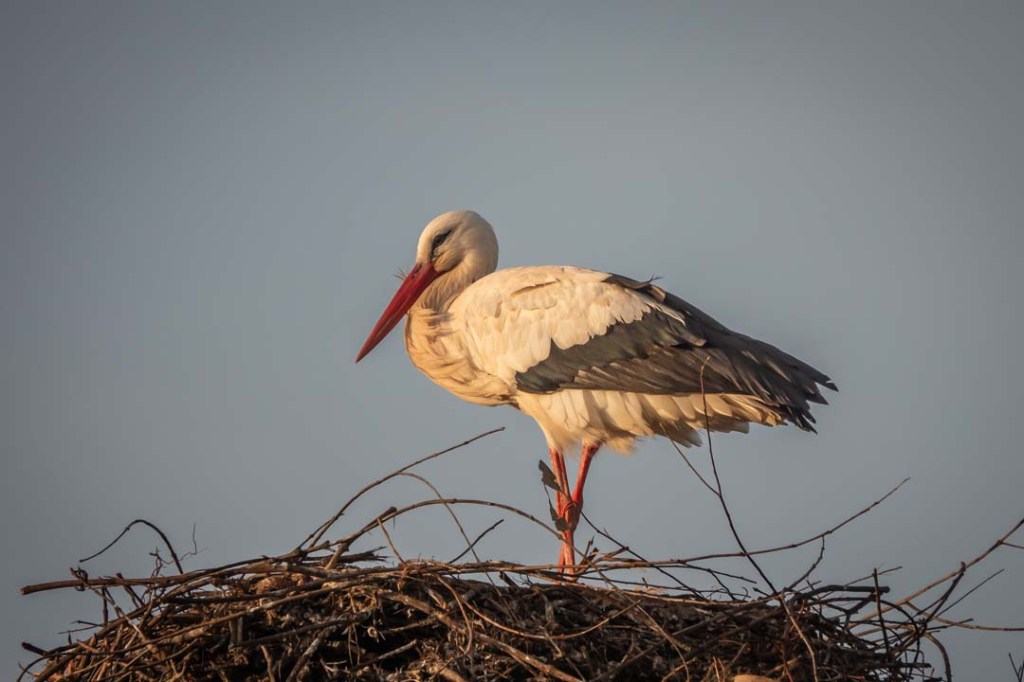
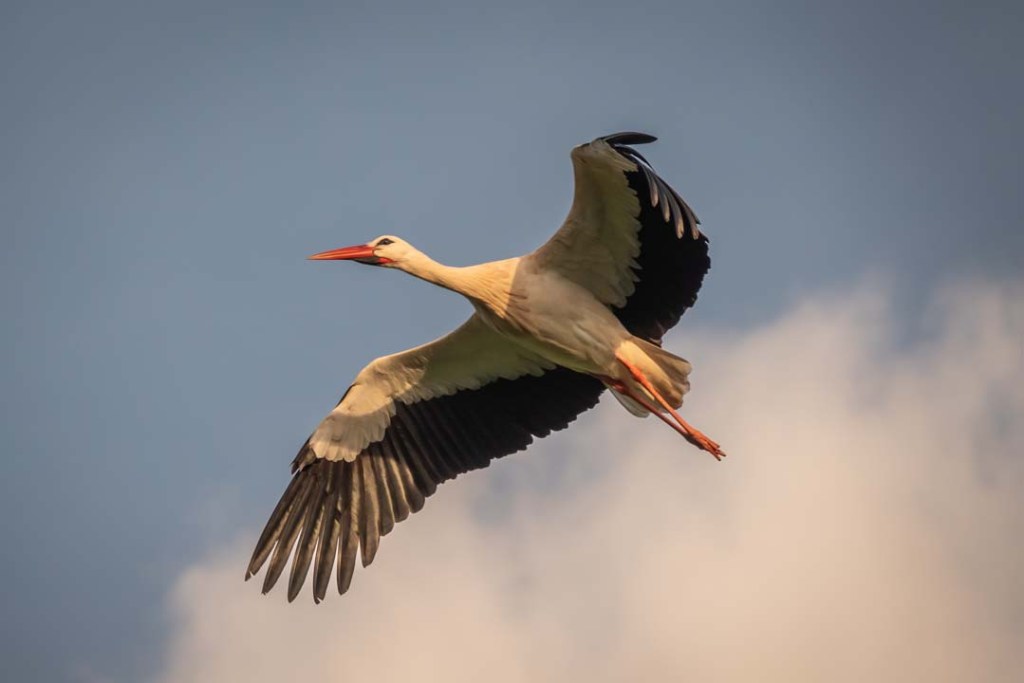
On the way home we stopped briefly to get some photos of a colony of white storks which were nest building down in the plain. I’m not sure the keen birders approved.
White storkWhite storkWhite stork
Another fascinating (and exhausting) day’s birding.
Species observed:
Rock Dove (Wild type); Common Woodpigeon; Collared Dove; Ruddy Turnstone; Audouin’s Gull, Yellow-legged Gull, White Stork; Northern Gannet; Great Cormorant; European Shag; Little Egret; Western Cattle Egret; Black-winged Kite; Common Buzzard; Great Spotted Woodpecker; Common Kestrel, Peregrine Falcon; Common Magpie, Red-billed Chough; Eurasian Skylark; Thekla’s Lark, Crested Lark; Eurasian Crag Martin; Barn Swallow; Red-rumped Swallow; Common Chiffchaff; Common Starling; Spotless Starling;Eurasian Blackbird; Ring Ouzel; European Robin; Black Redstart; Blue Rock Thrush; European Stonechat; House Sparrow; Pied Wagtail/White Wagtail; Meadow Pipit; Common Linnet;European Goldfinch; Corn Bunting
Seen by Wendy: Little Bustard
Seen by others: Red-legged Partridge; Whimbrel; Sardinian Warbler
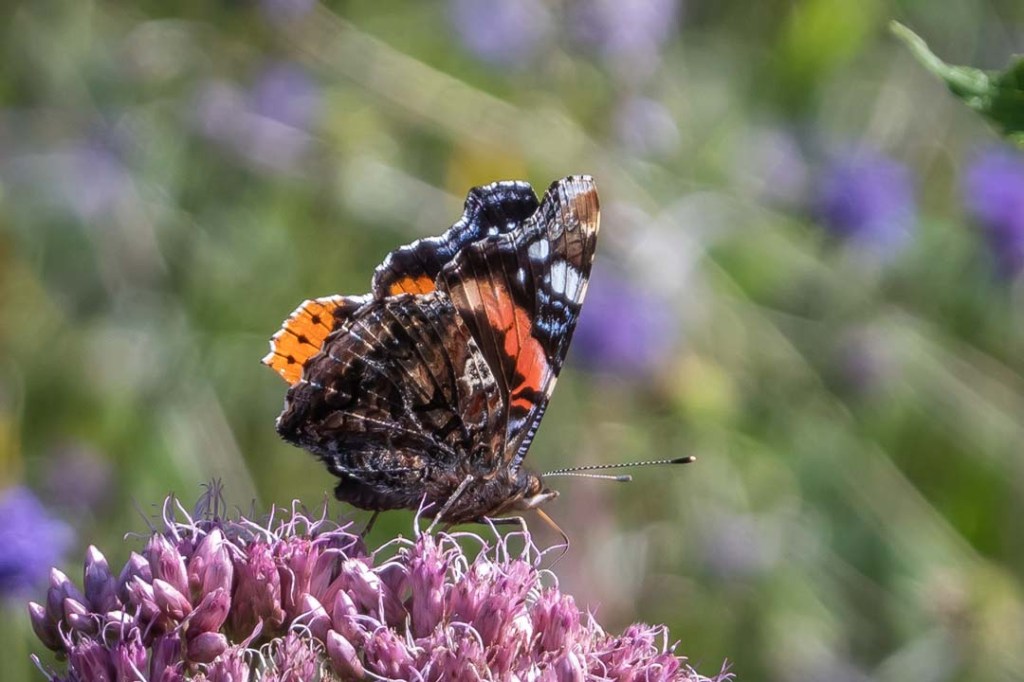
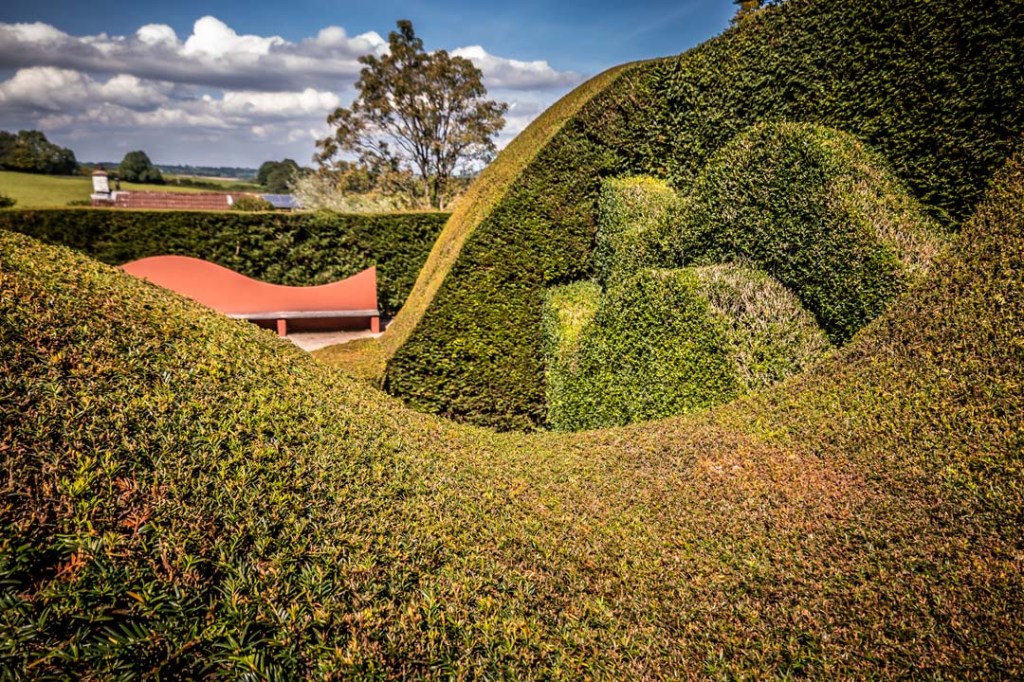
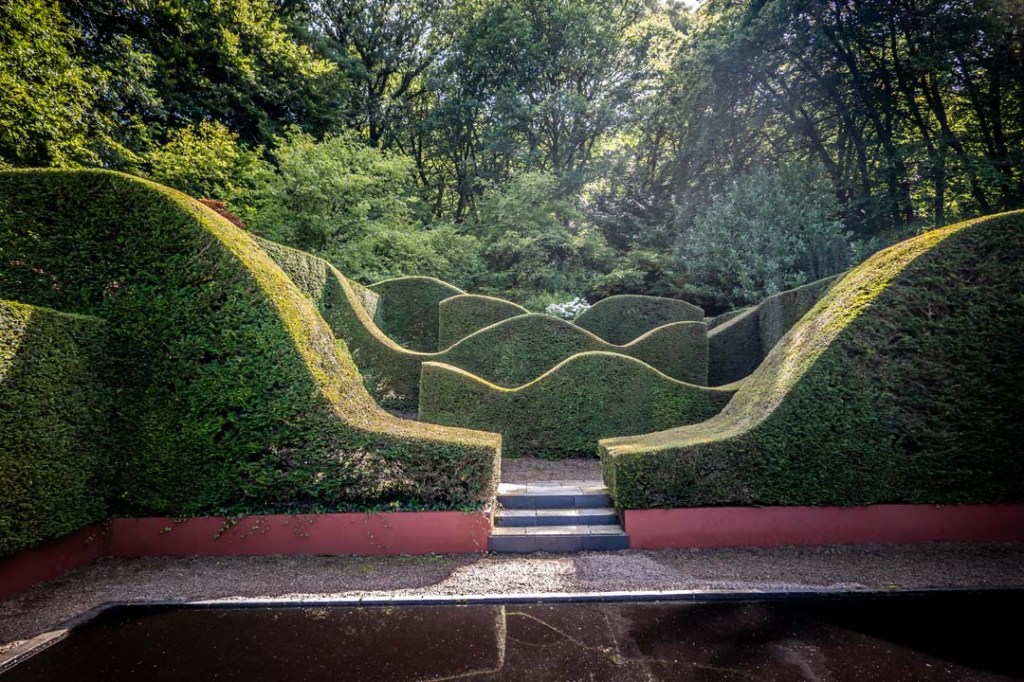
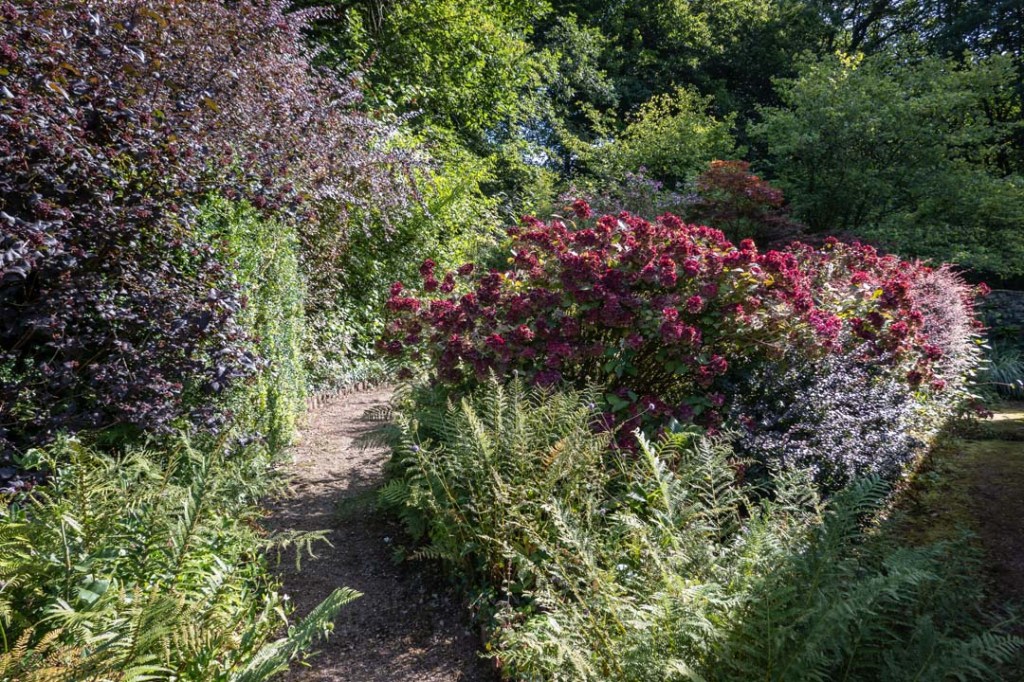
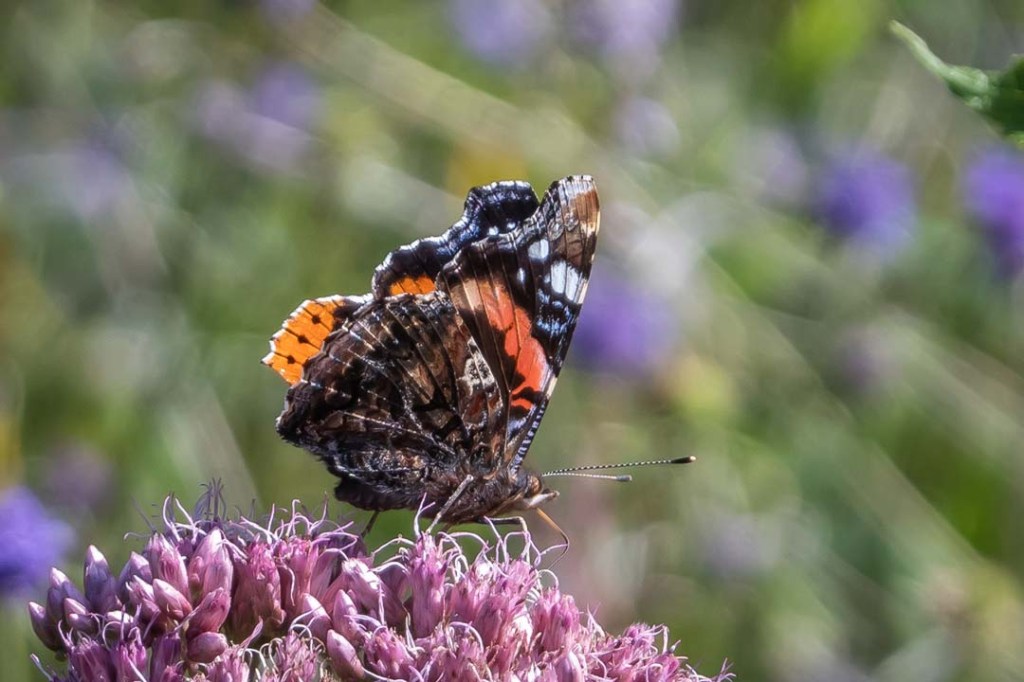
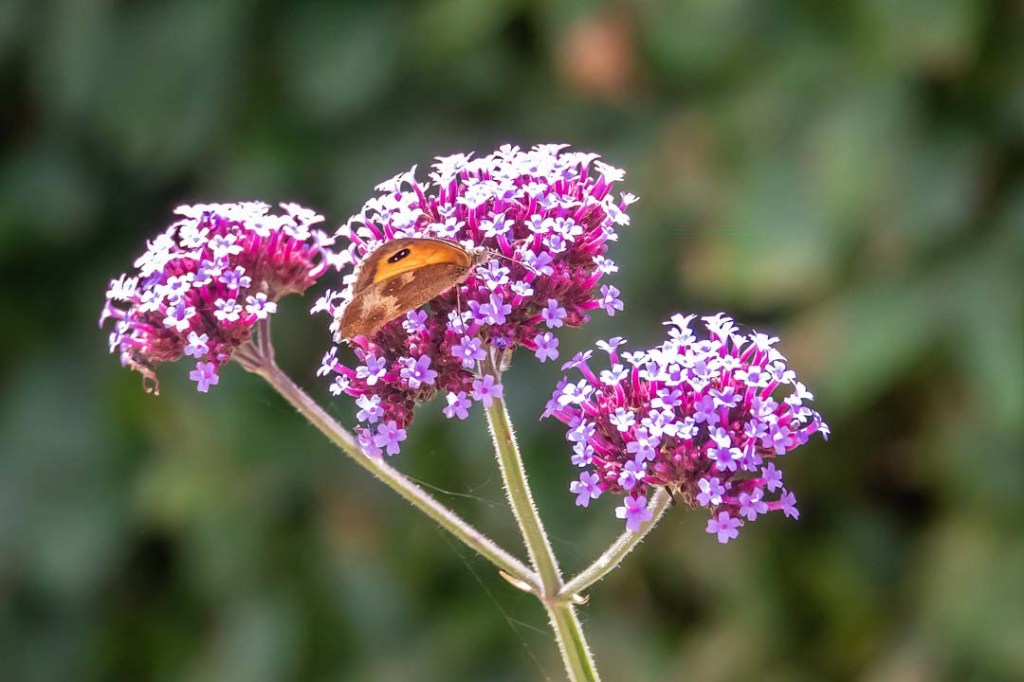
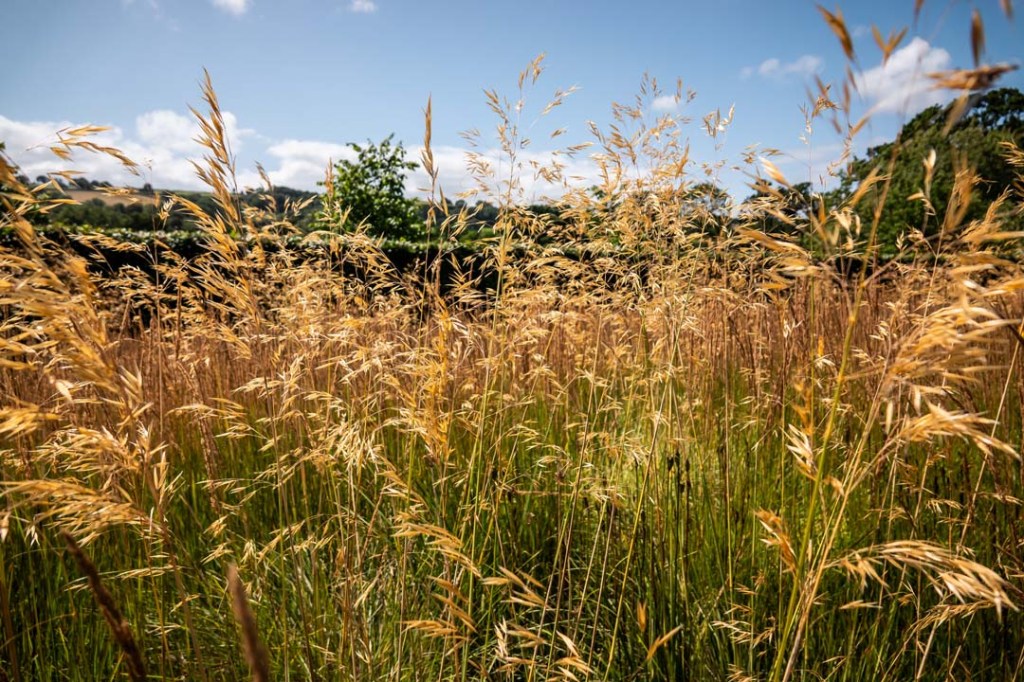
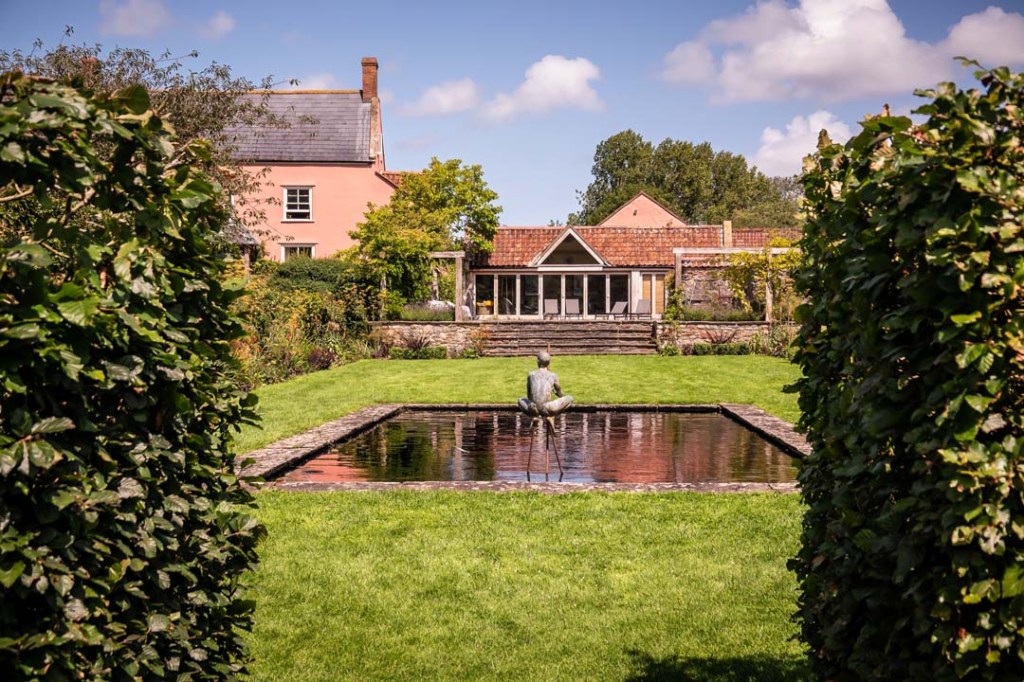
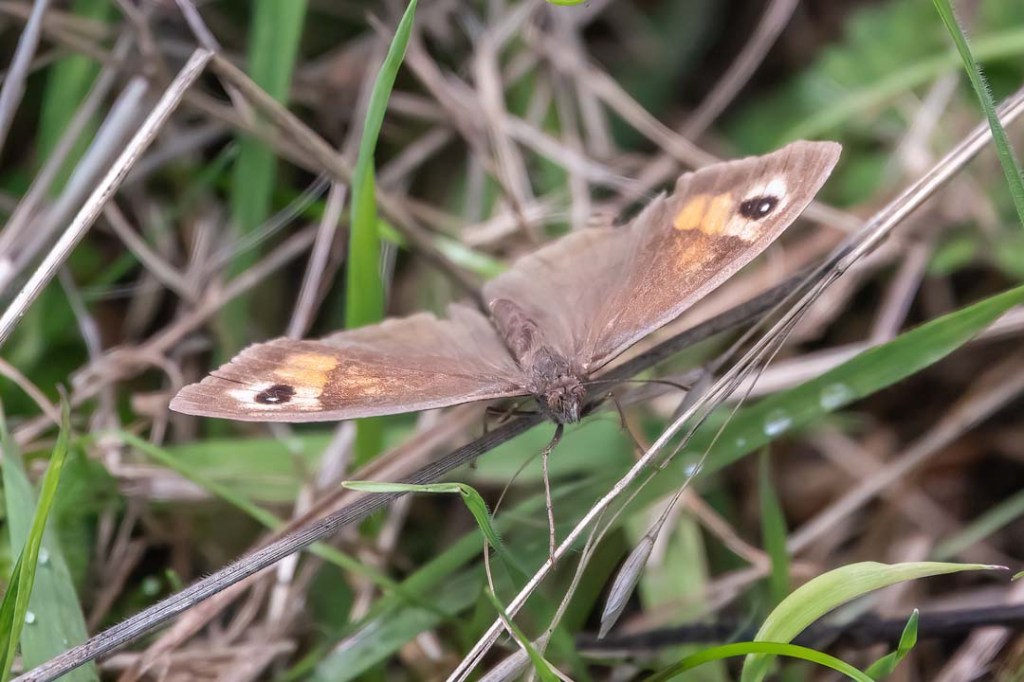
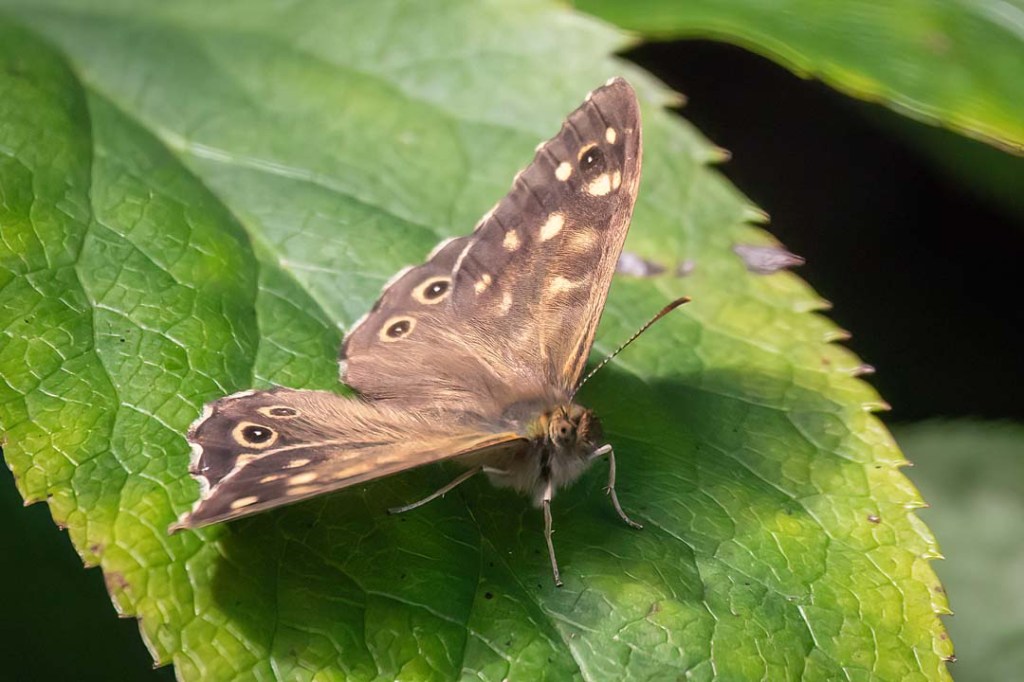
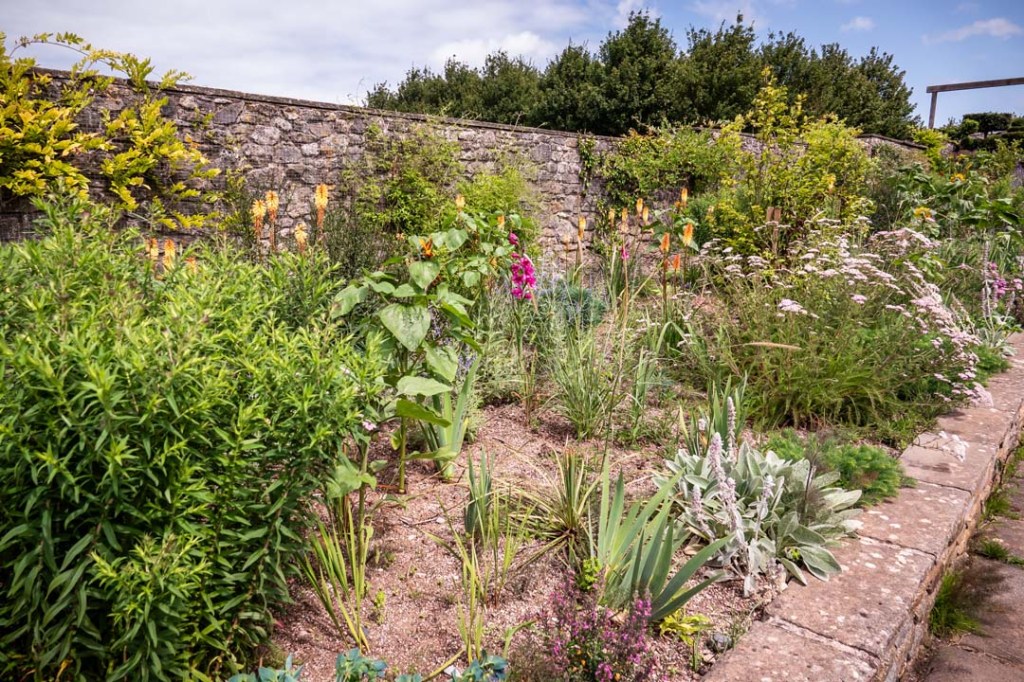
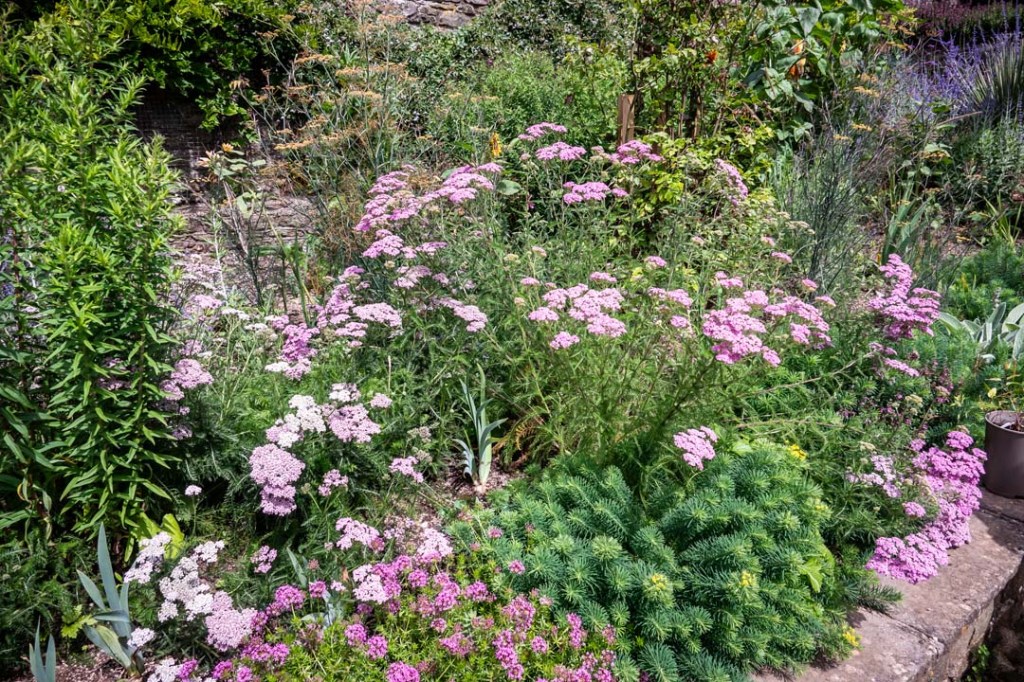
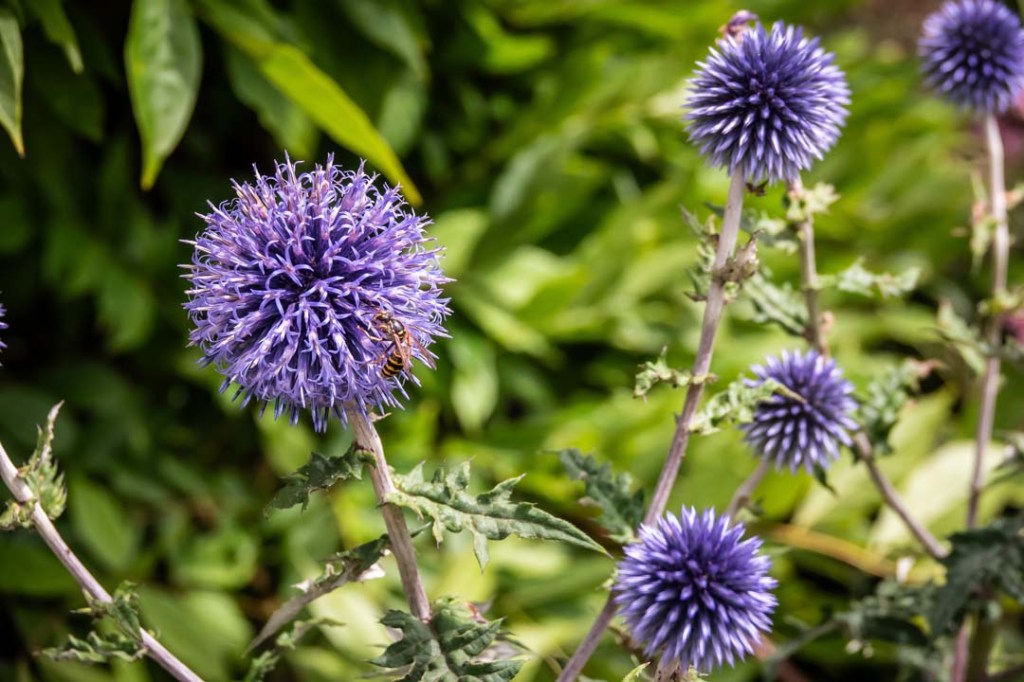
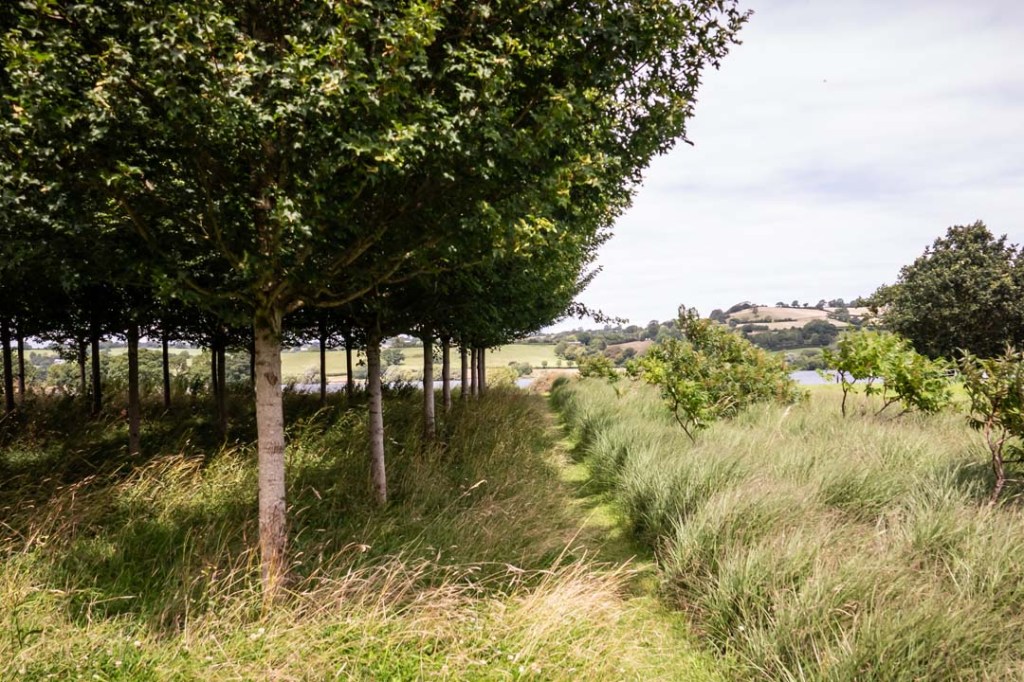
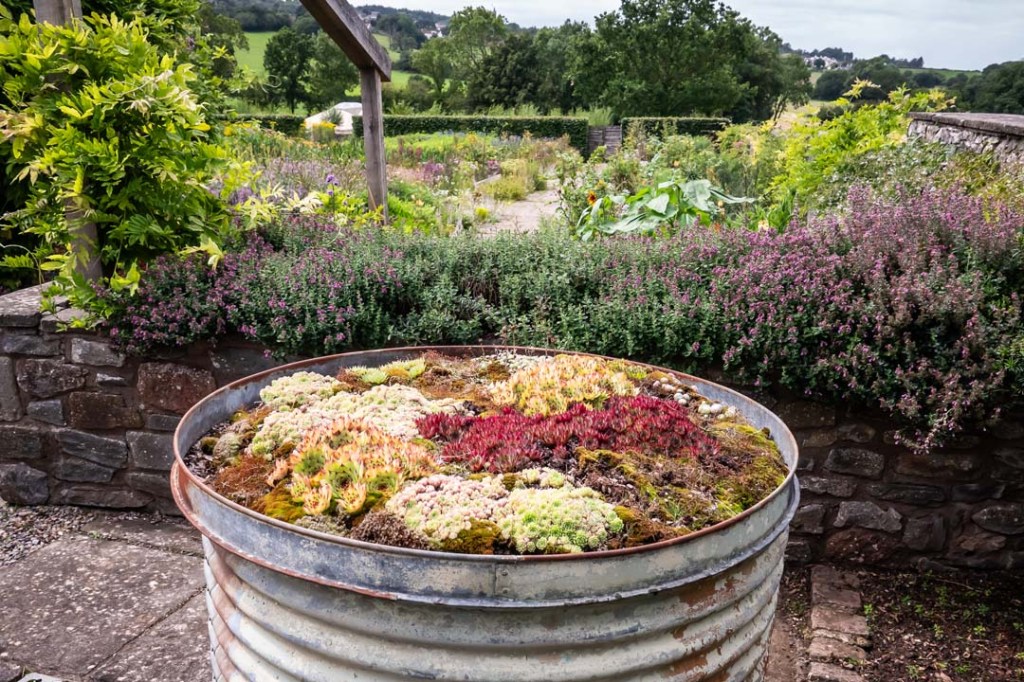
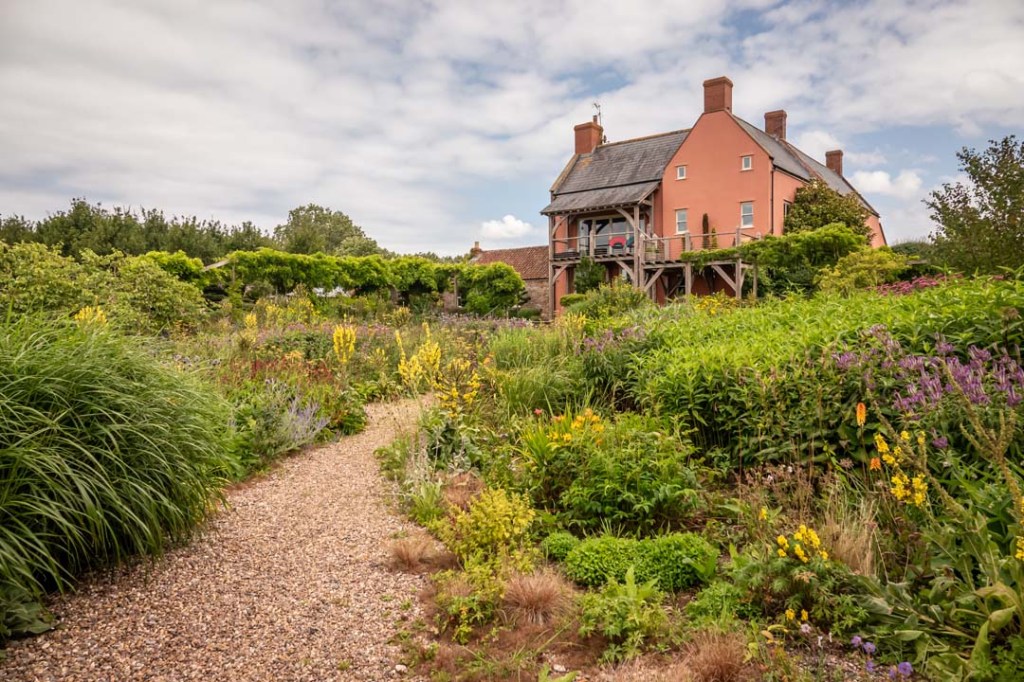
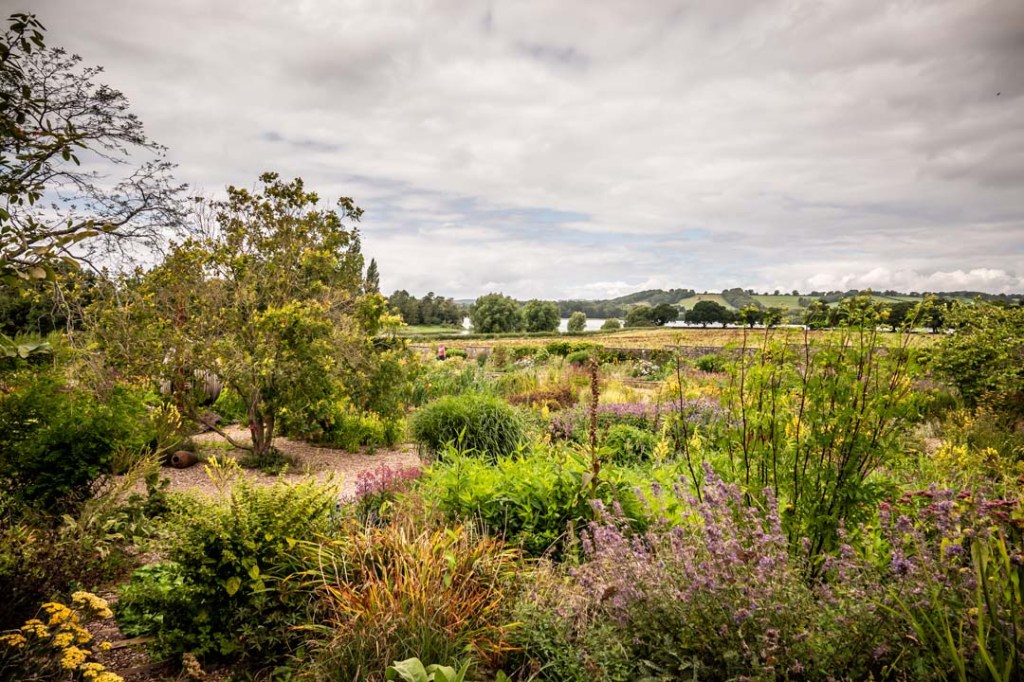
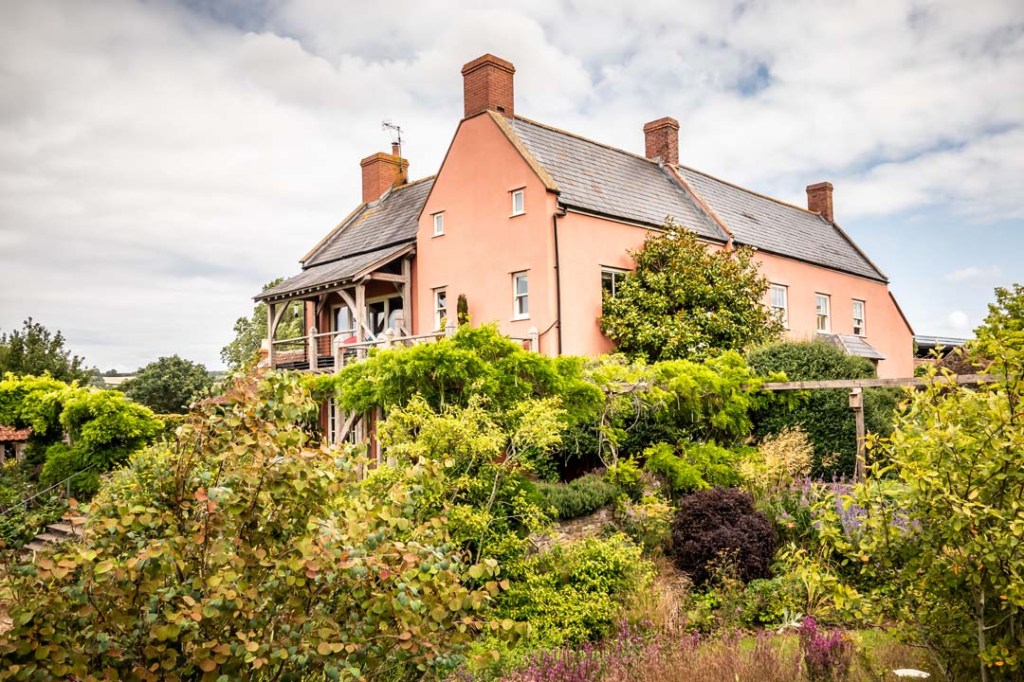
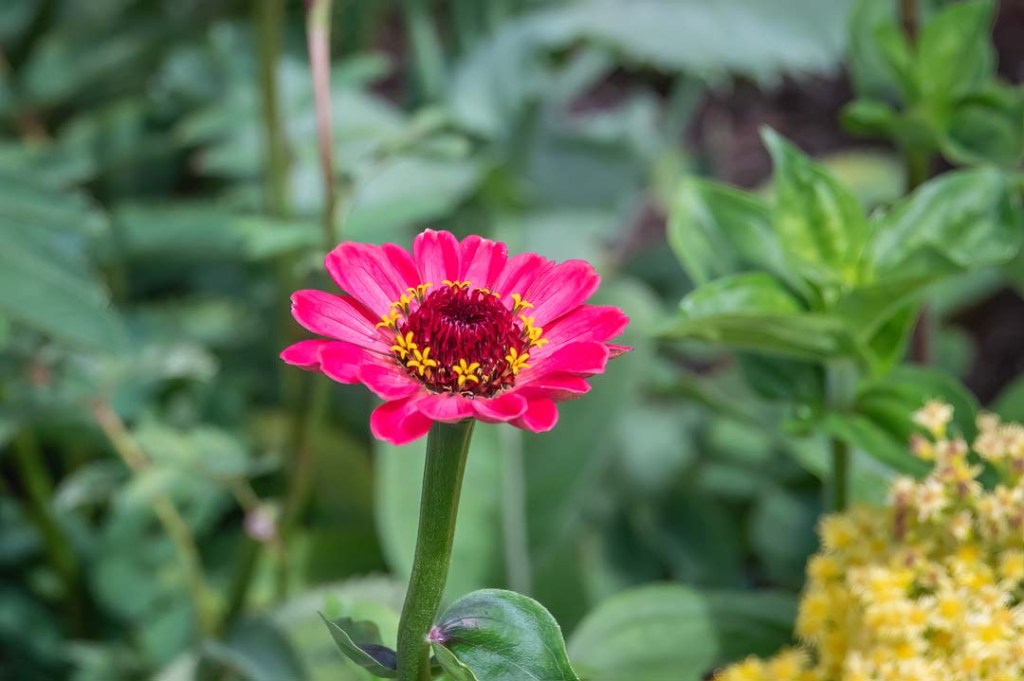
Not a bird in sight (well at least not in my sight) and only one butterfly captured by my camera. However, I have decided that gardens that we visit are well worth recording on my blog as they show nature as fashioned by man (and very often woman).
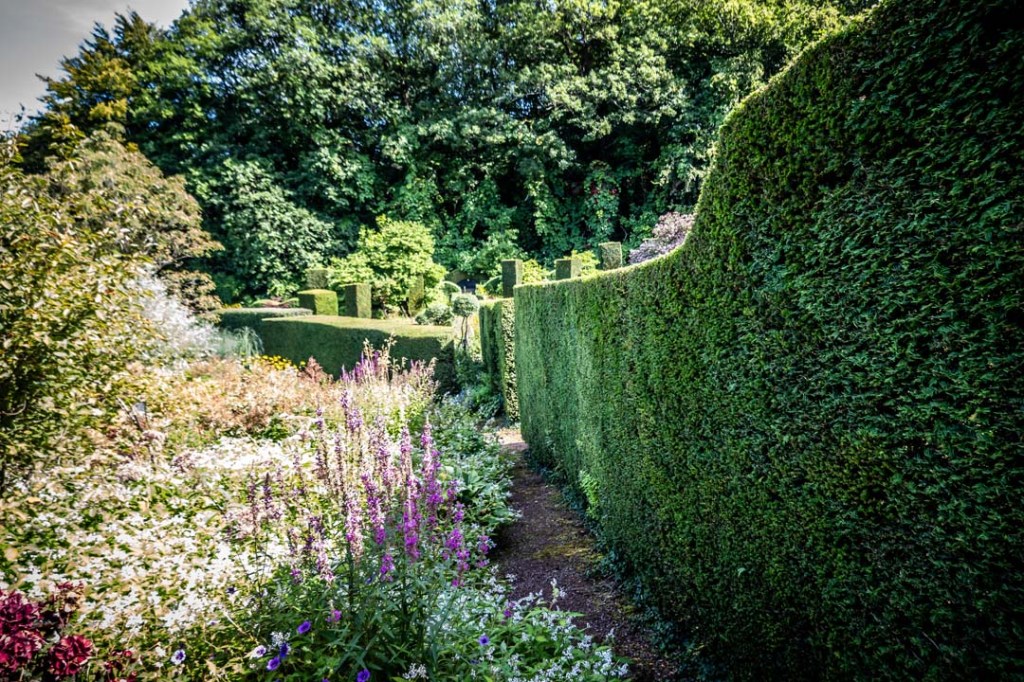
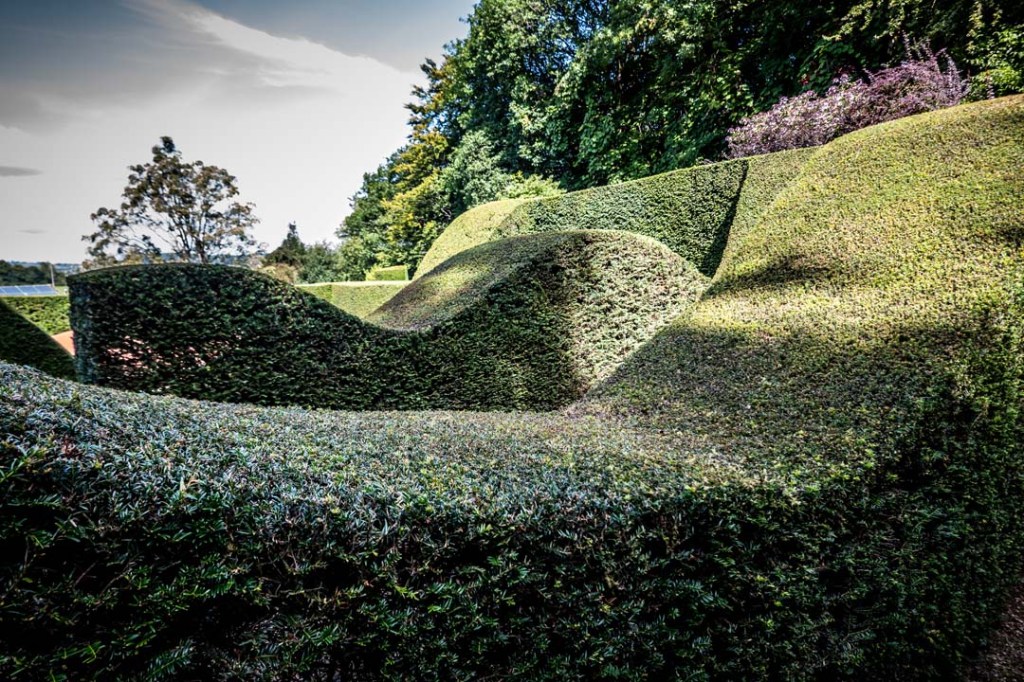
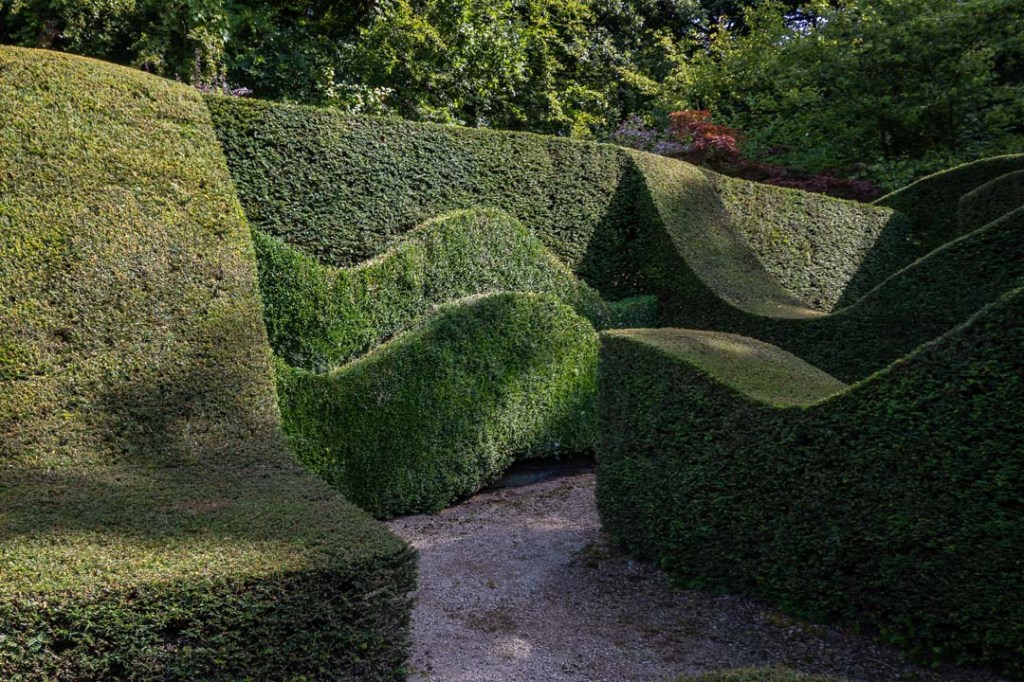
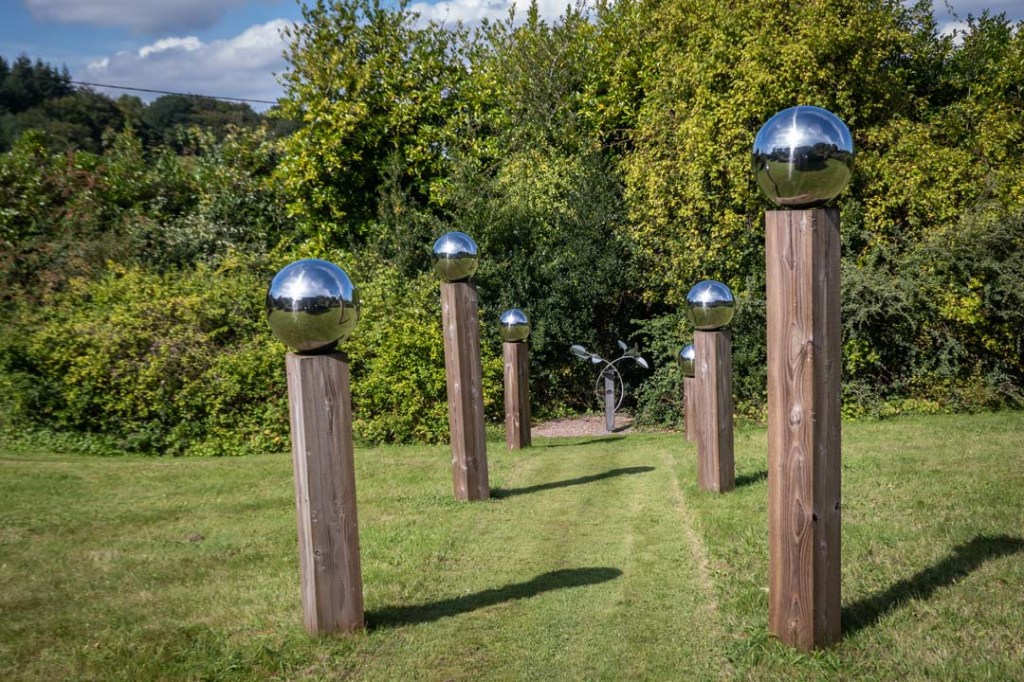
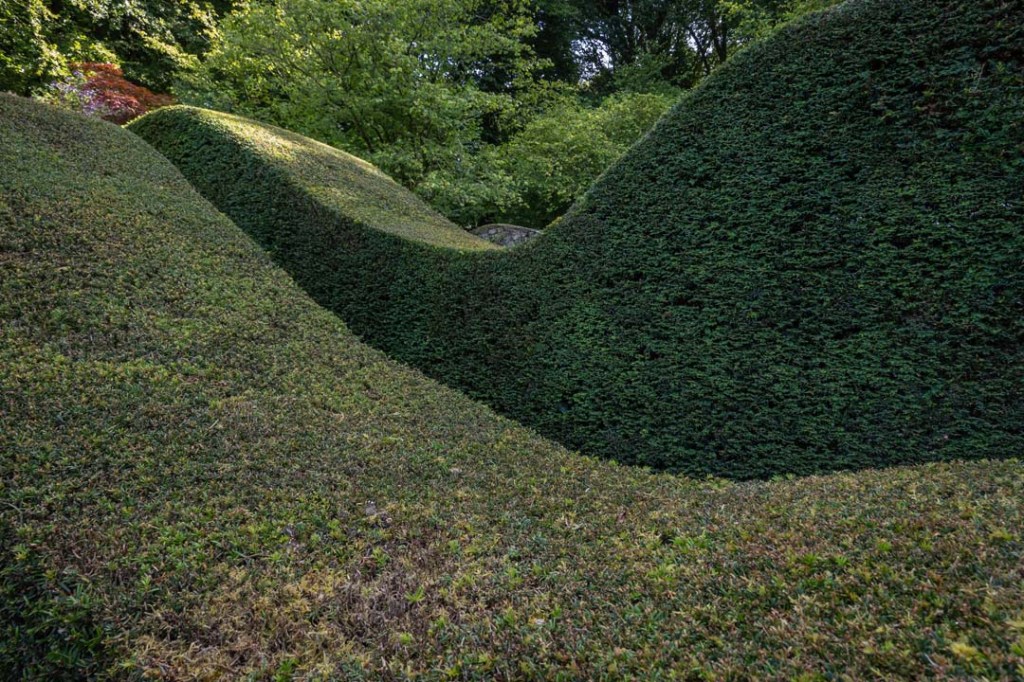
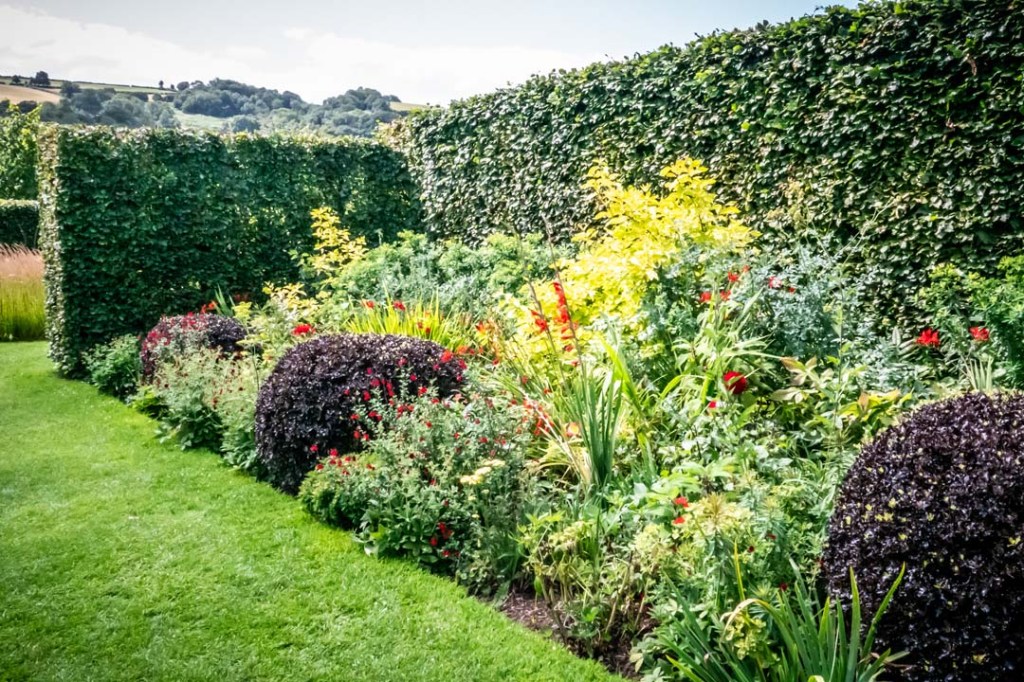
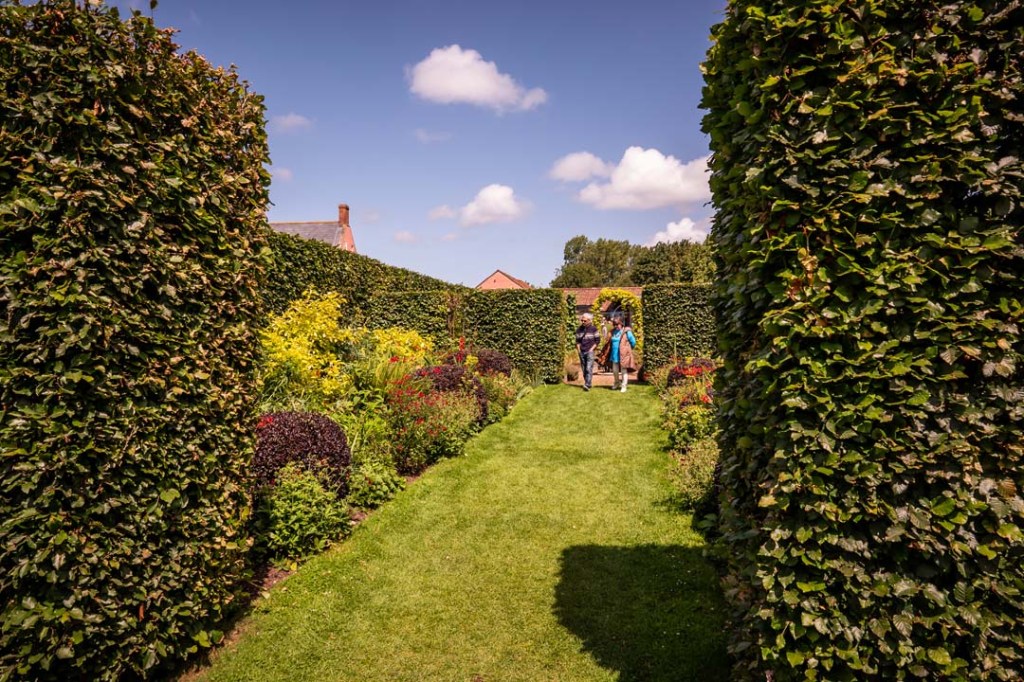
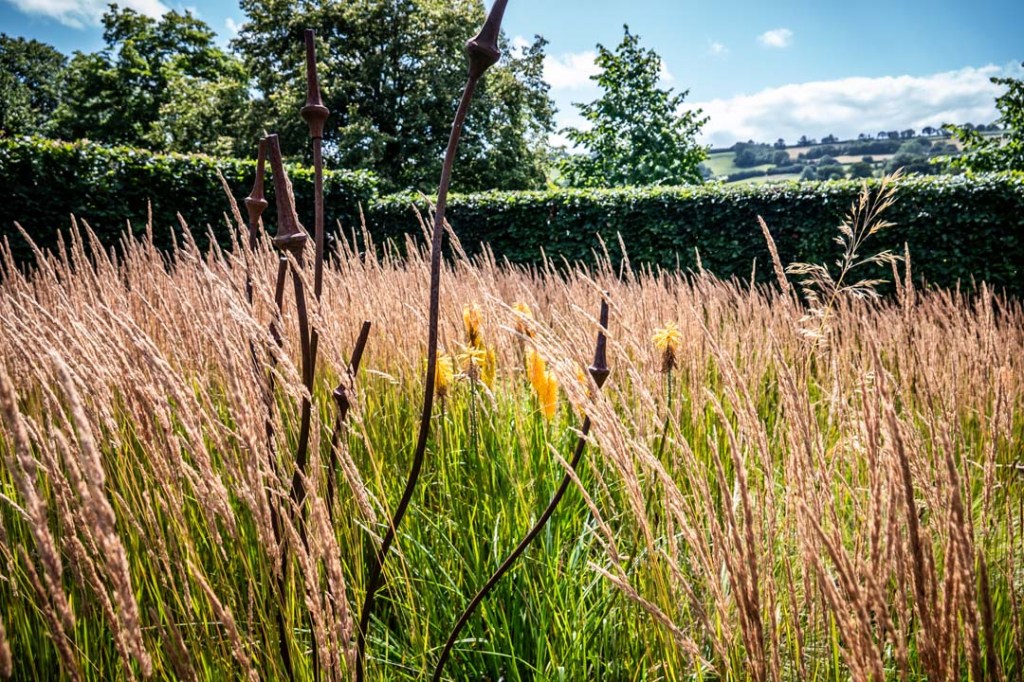
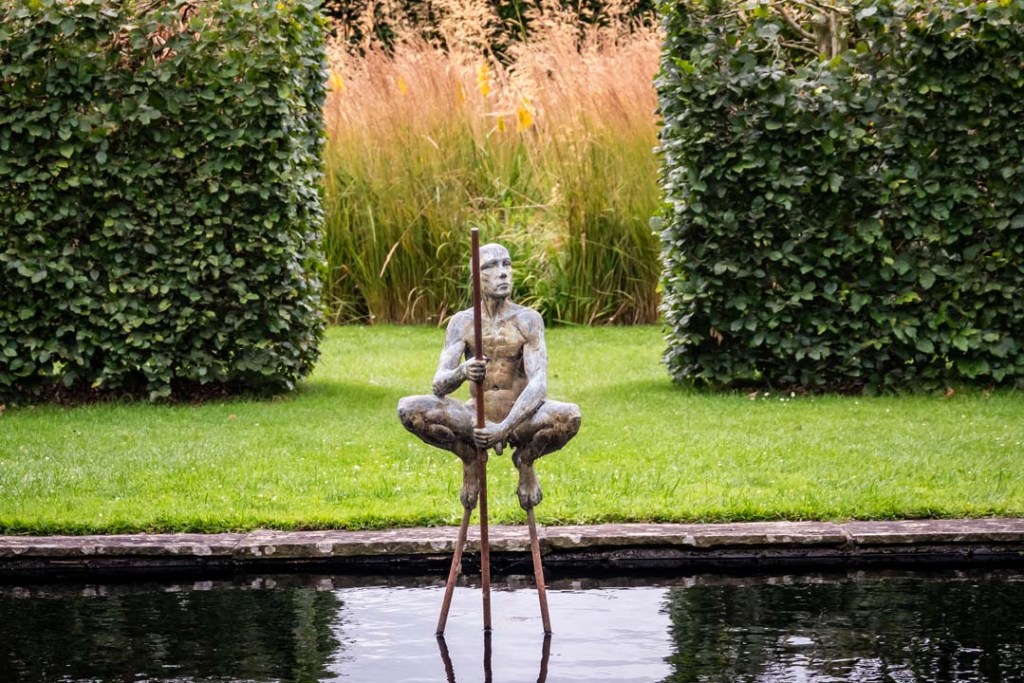
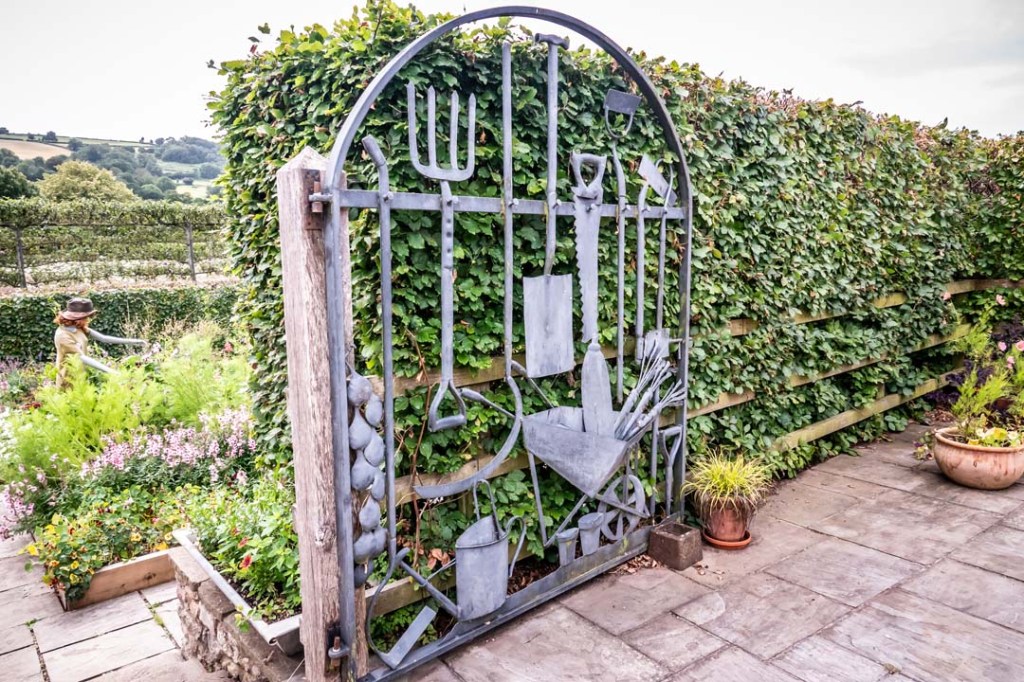
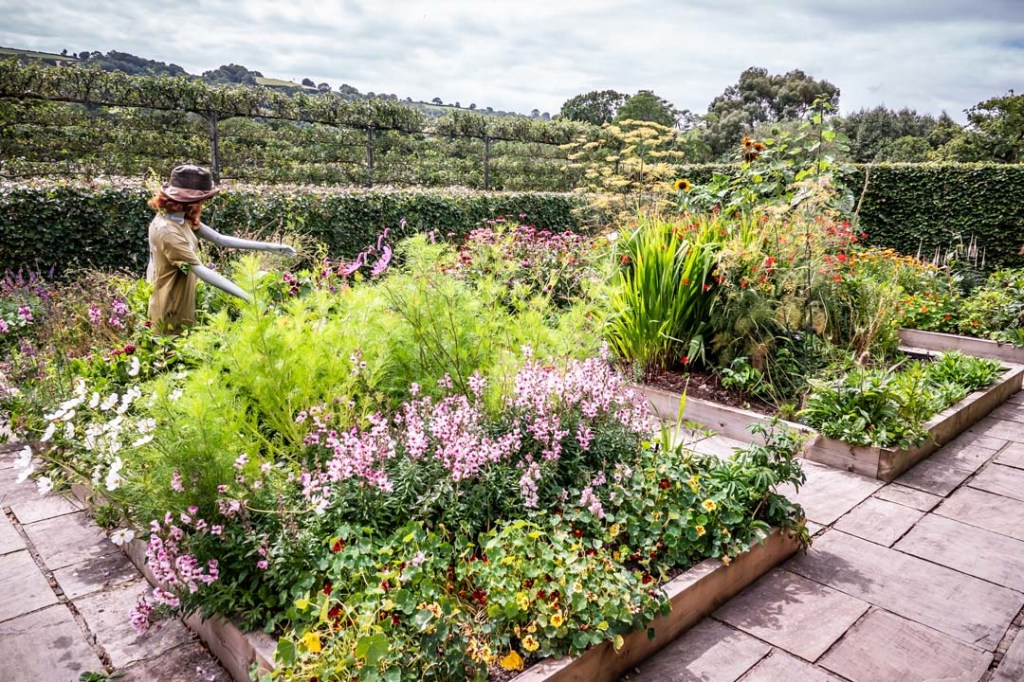
The Veddw House Garden, the garden of Charles Hawes (prize winning garden photographer) and Anne Wareham (garden writer) on the Welsh borders near Devauden up above Tintern Abbey was quite a challenge to photograph with a high sun on a Sunday afternoon – but Sunday afternoon is the only time it is open to the public. How wise of them to keep it to themselves to savour and possibly photograph in the golden hours.
The owners say it’s “all about patterns, shapes, colours, drama, sculptural hedges and views”. I hope you get a sense of all that from my photos.
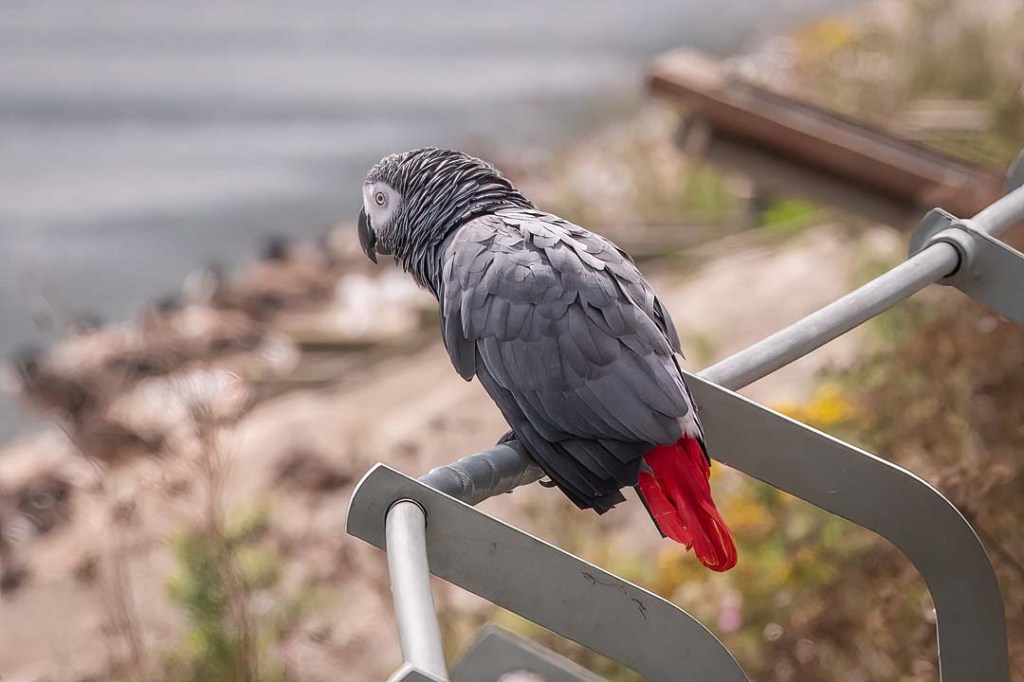
A grey parrot (Psittacus erithacus), also known as the Congo grey parrot, Congo African grey parrot or African grey parrot, at Chew Valley Lake today.
Is this another sign of global warning? I presume not. More likely it was the pet of the owners of a van parked adjacent to it.
We made a brief stop at the lake before visiting Yeo Valley Organic Garden, one of my favourite gardens in the area.
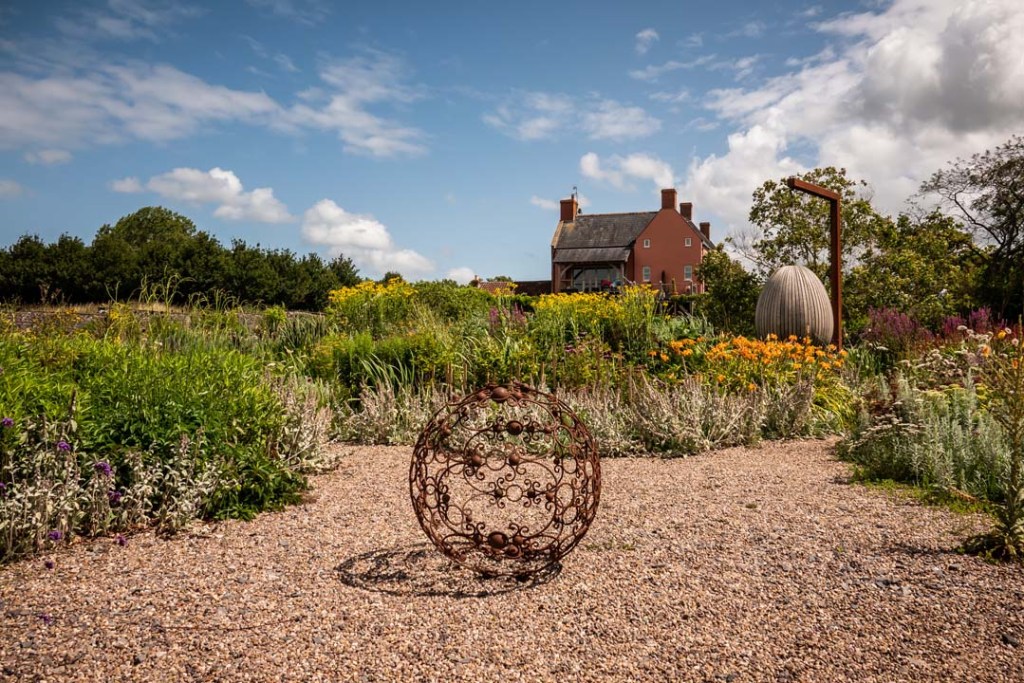
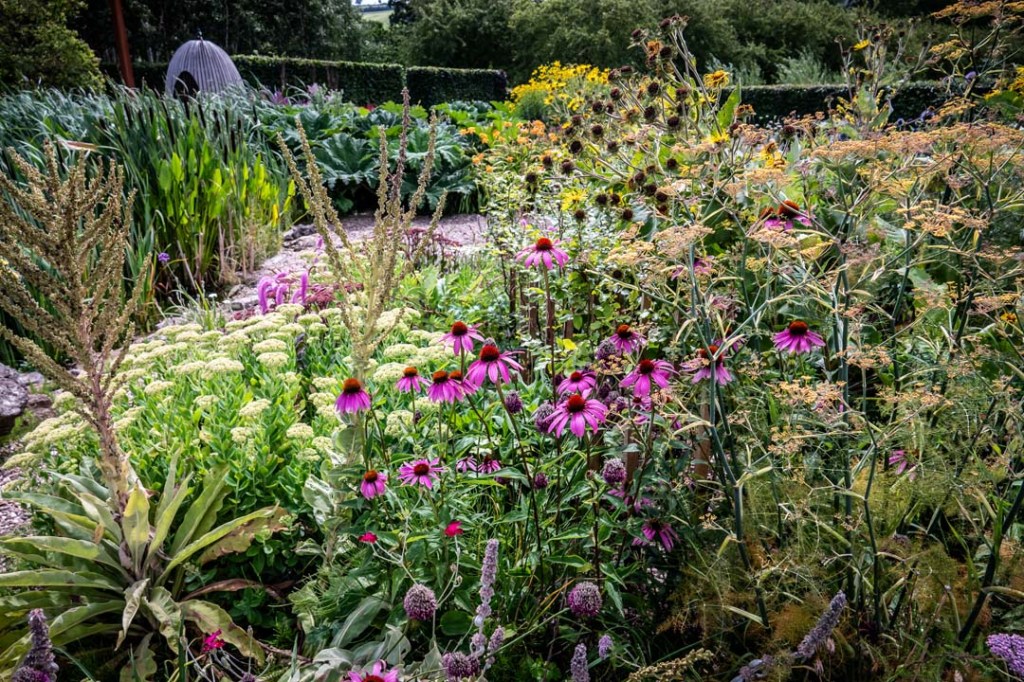
Yeo Valley Organic garden
At this time of the year there is always a chance to see a variety of butterflies , bees and damselflies and yesterday did not disappoint.
Here are some of the ones I managed to photograph whilst still taking in the full beauty of the garden and not ignoring our friends with whom we were visiting the garden.
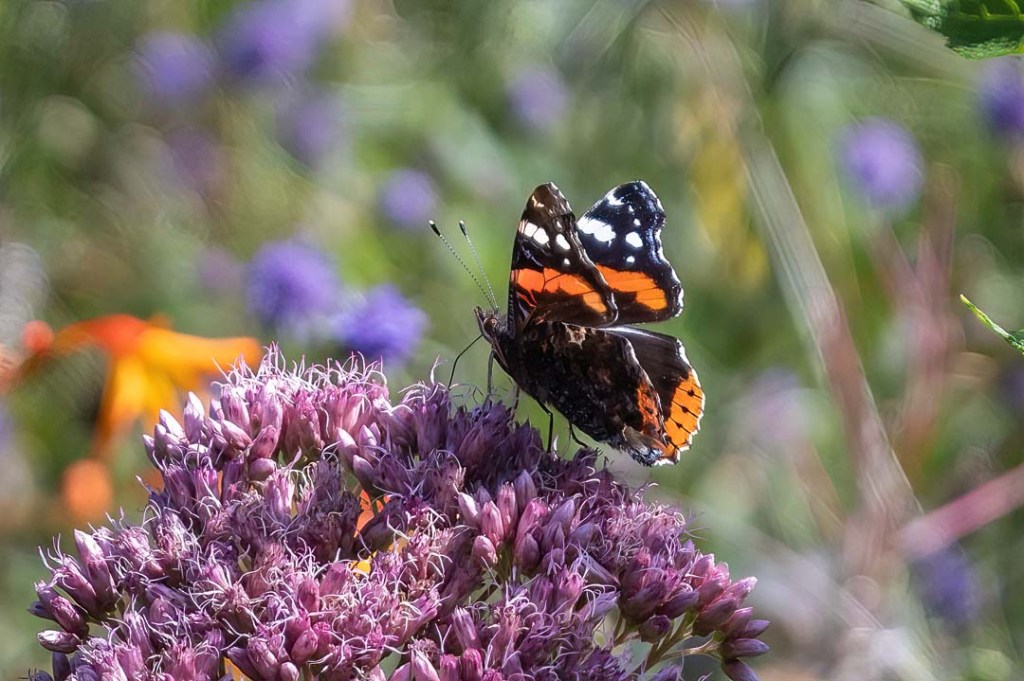
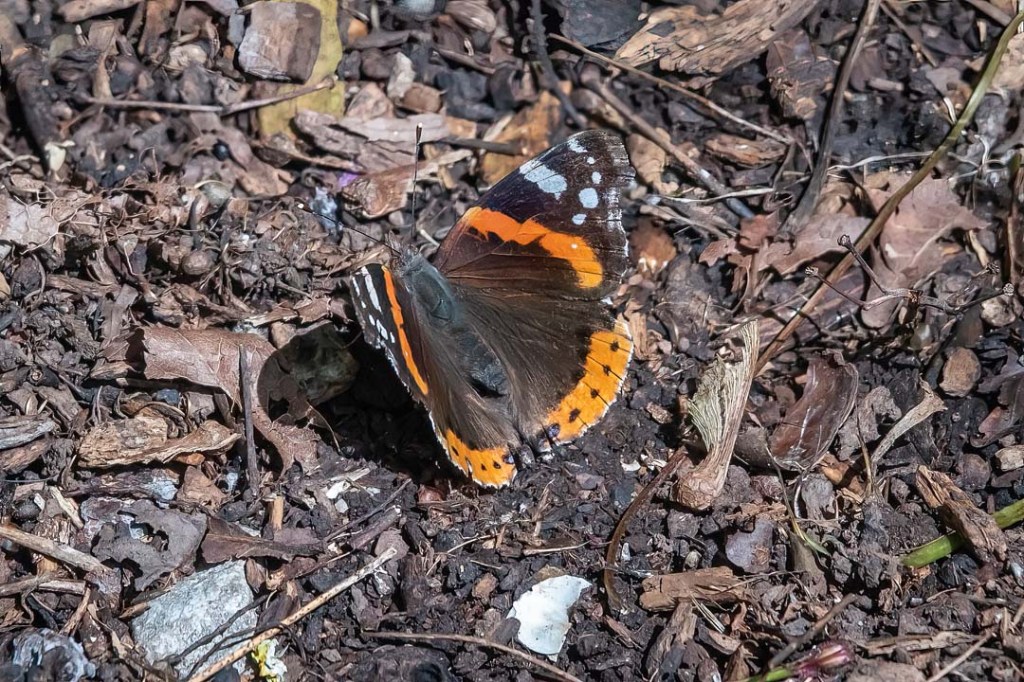
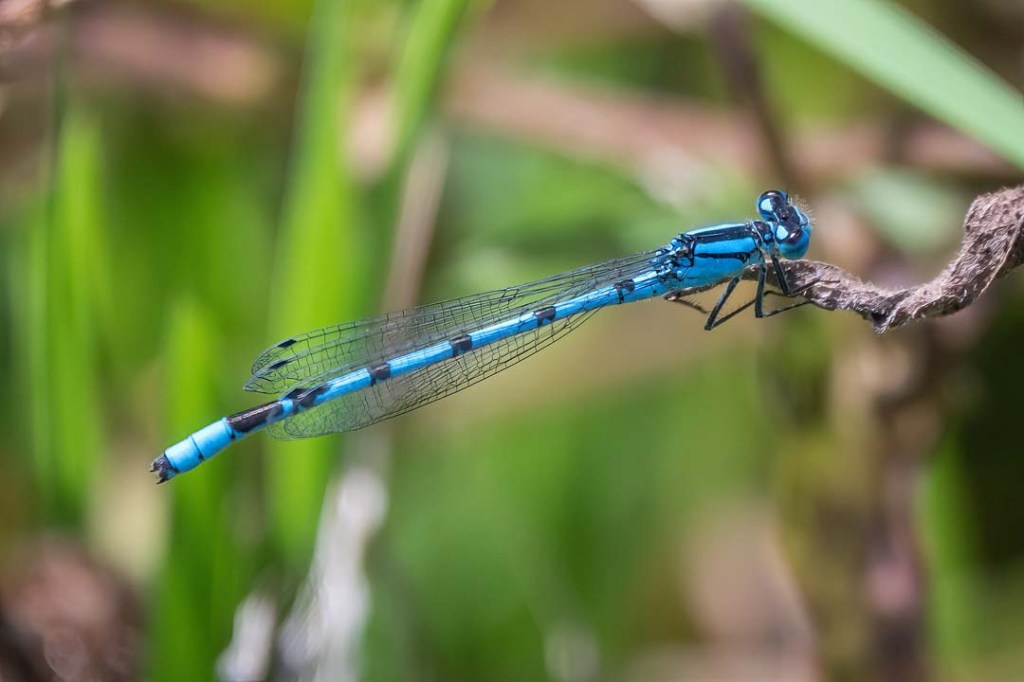
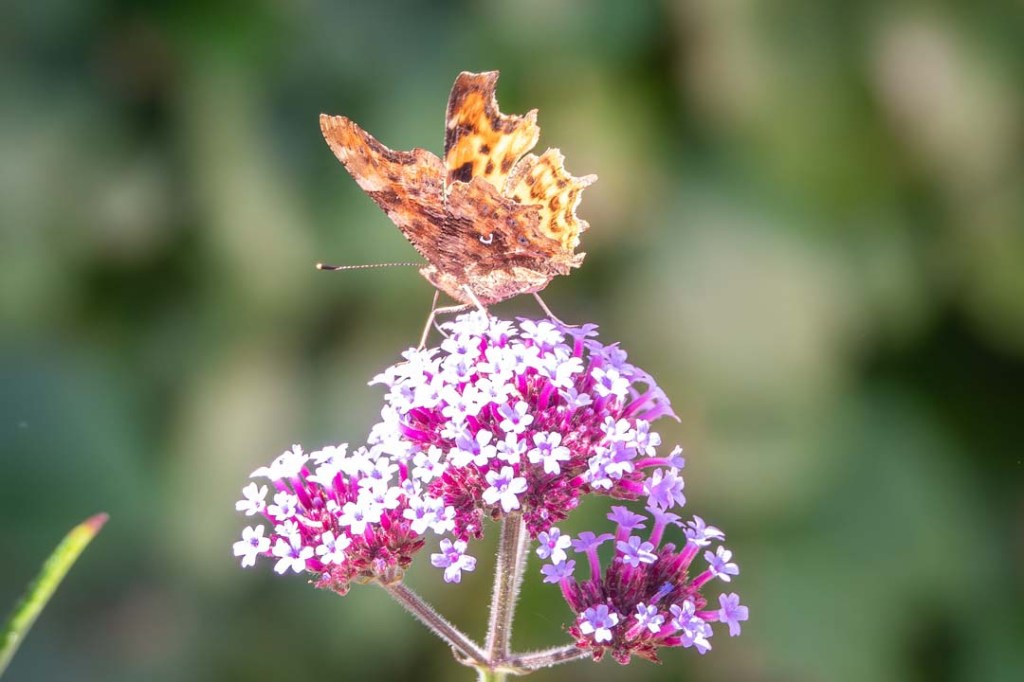
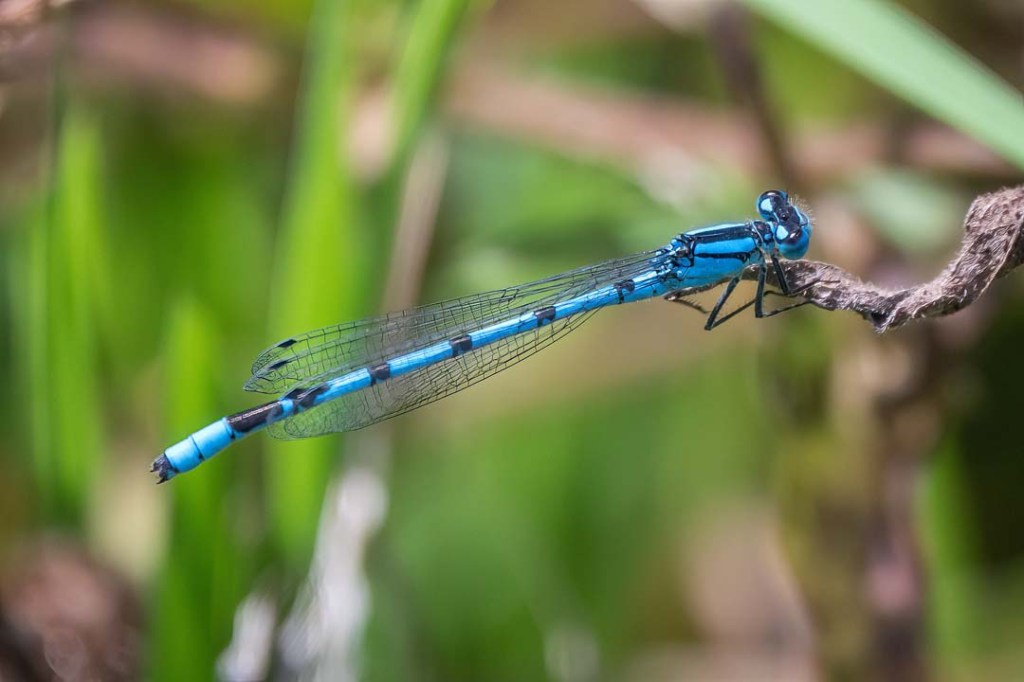
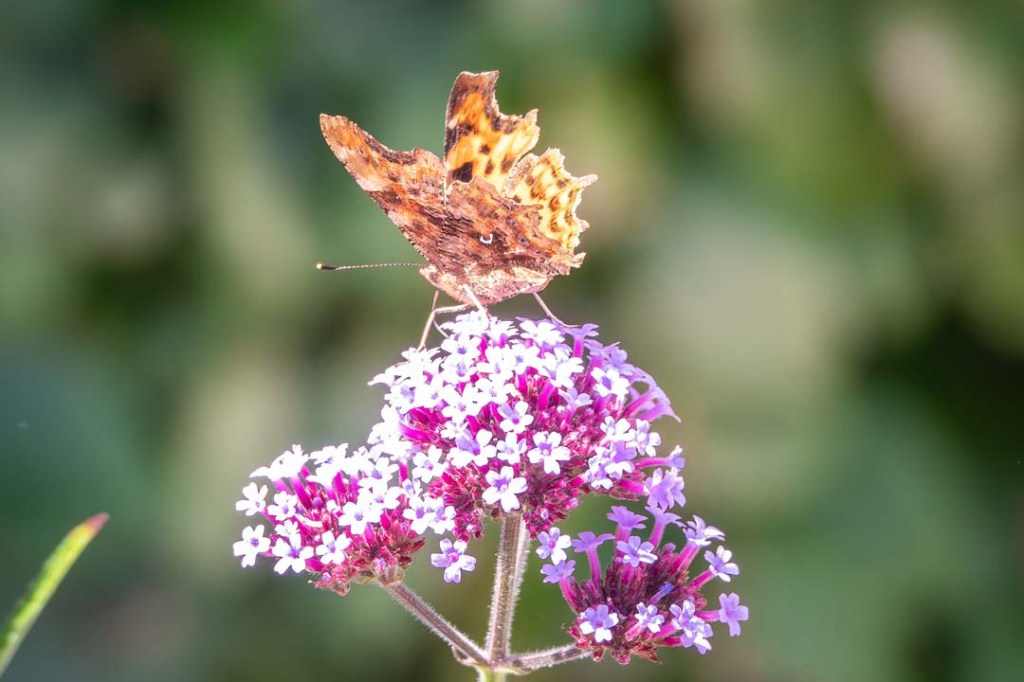
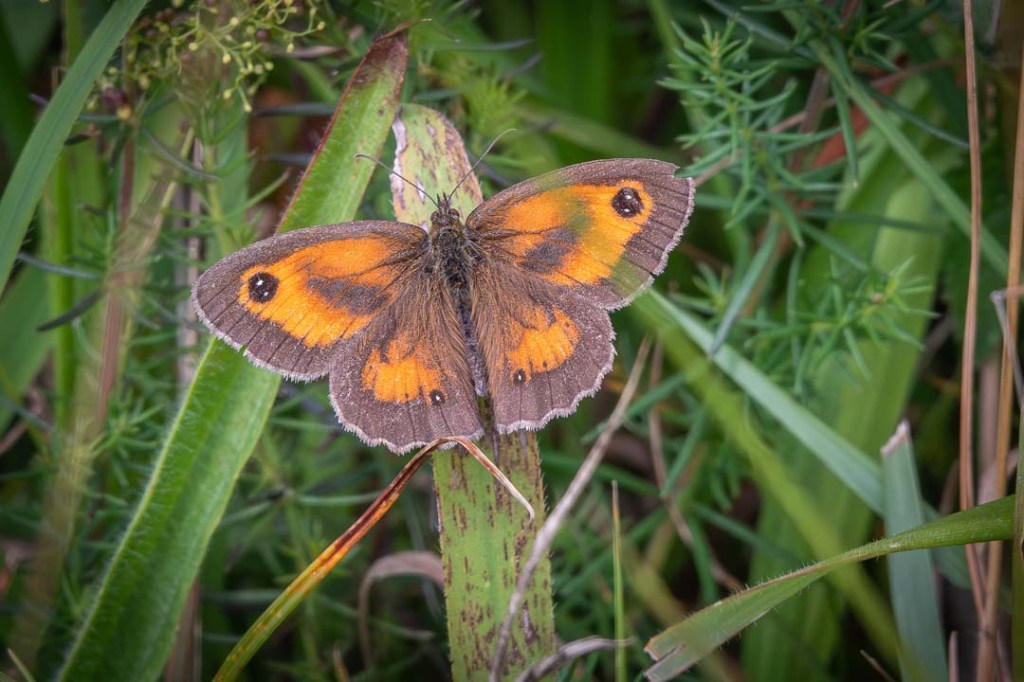
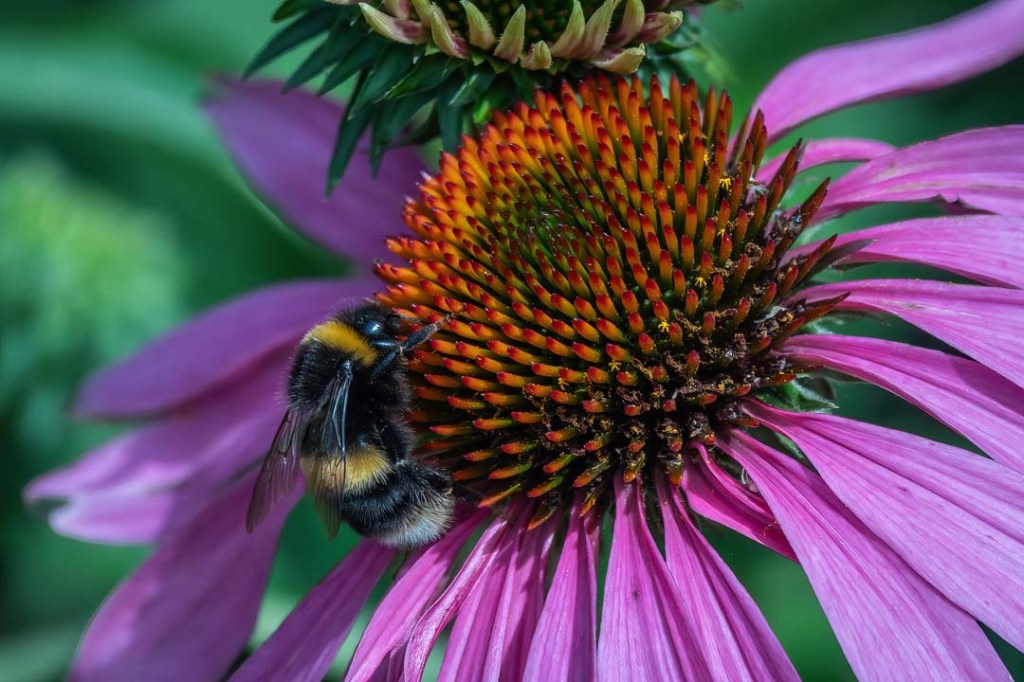
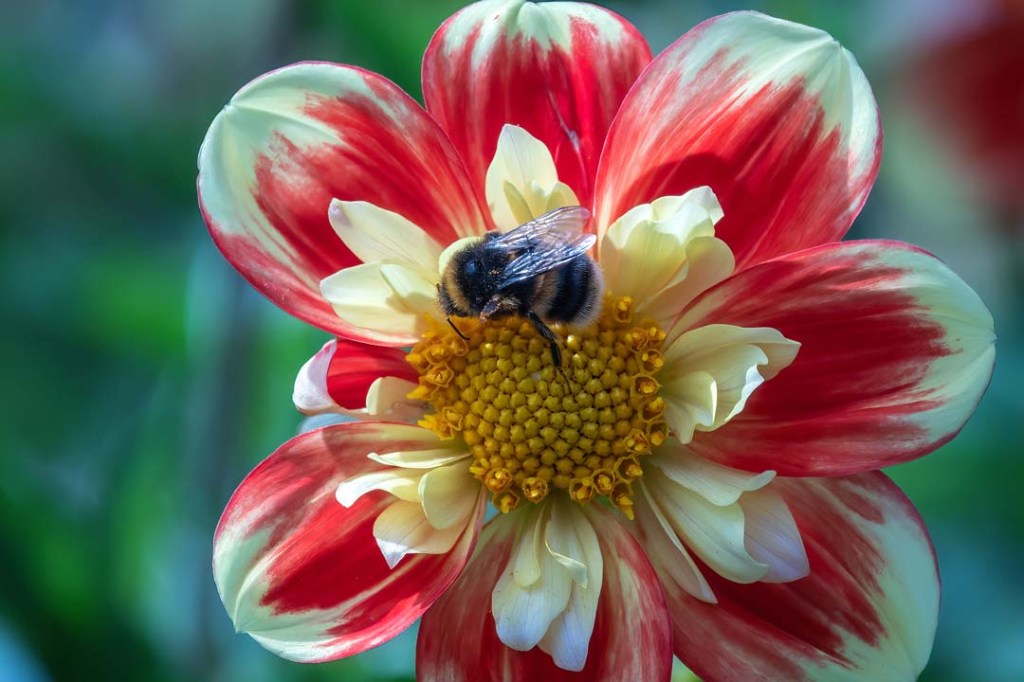
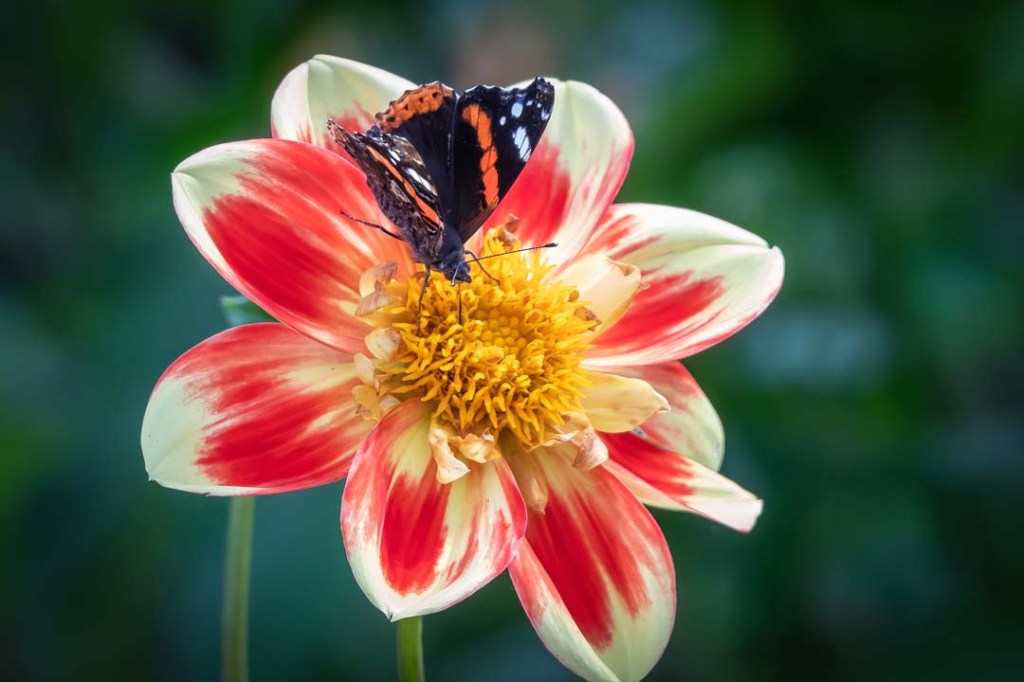
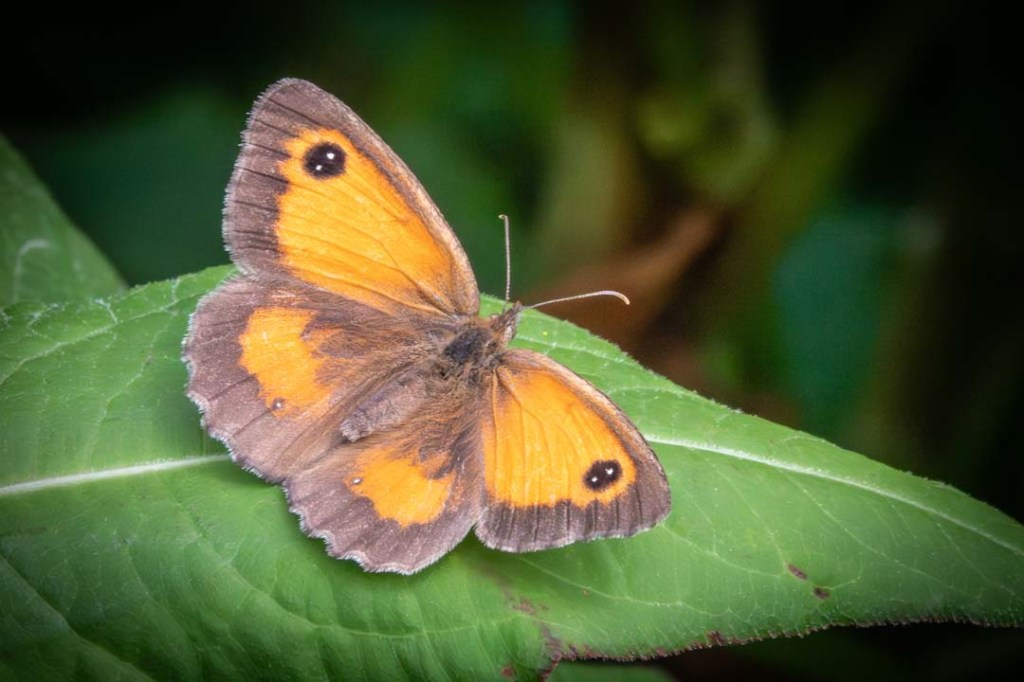
Speckled Wood butterflySpeckled Wood butterflyRed Admiral butterflyCommon Blue DamselflyComma butterflyGatekeeper butterflyBuff-tailed bumblees on Echinacea
Slideshow of my photos from my visit to Chew Valley:
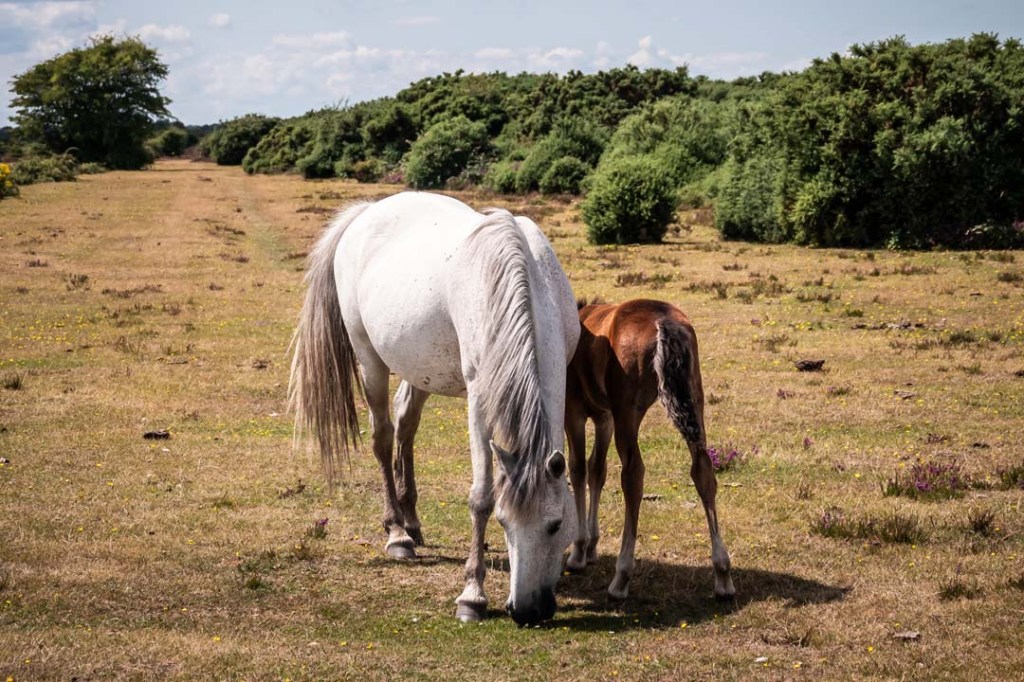
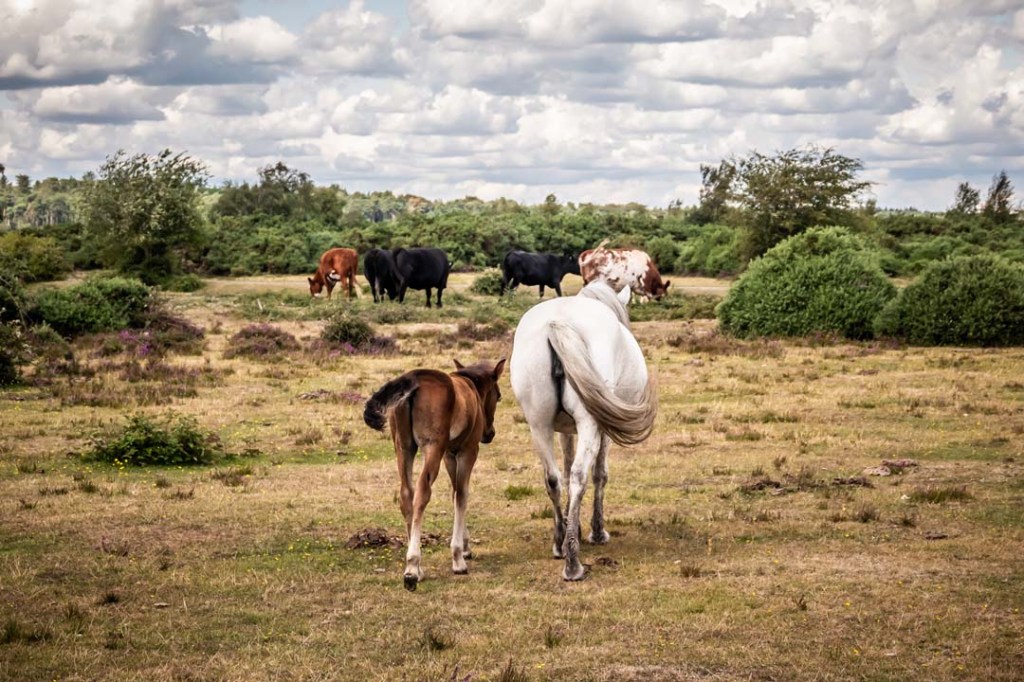
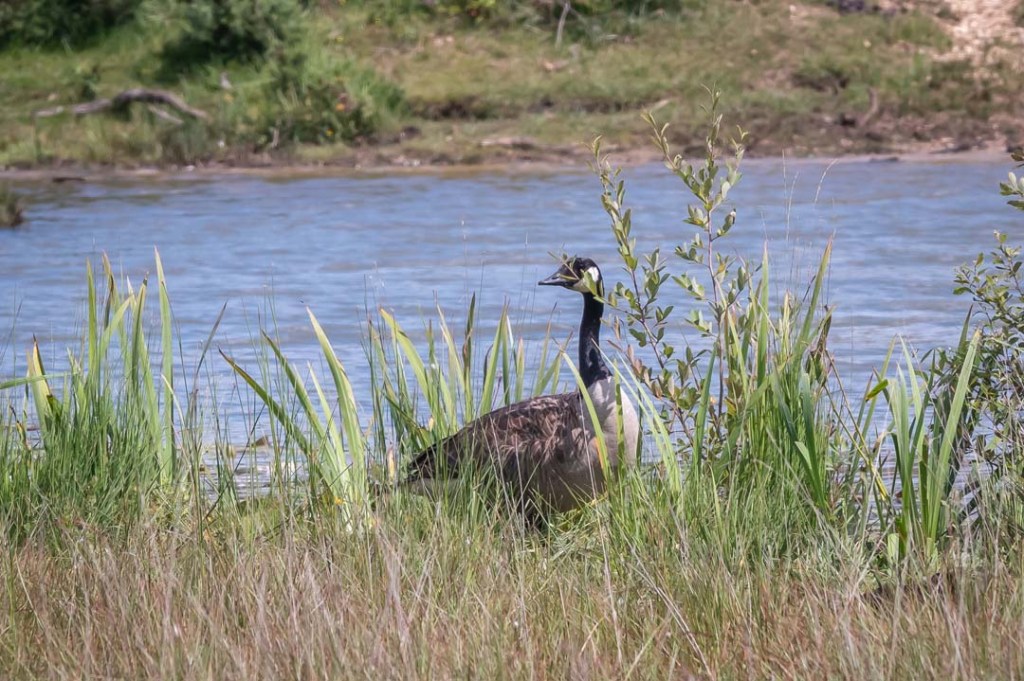
A few days away on the south coast of England around the New Forest doing touristy things gave me gave me the opportunity to take a few nature photos.
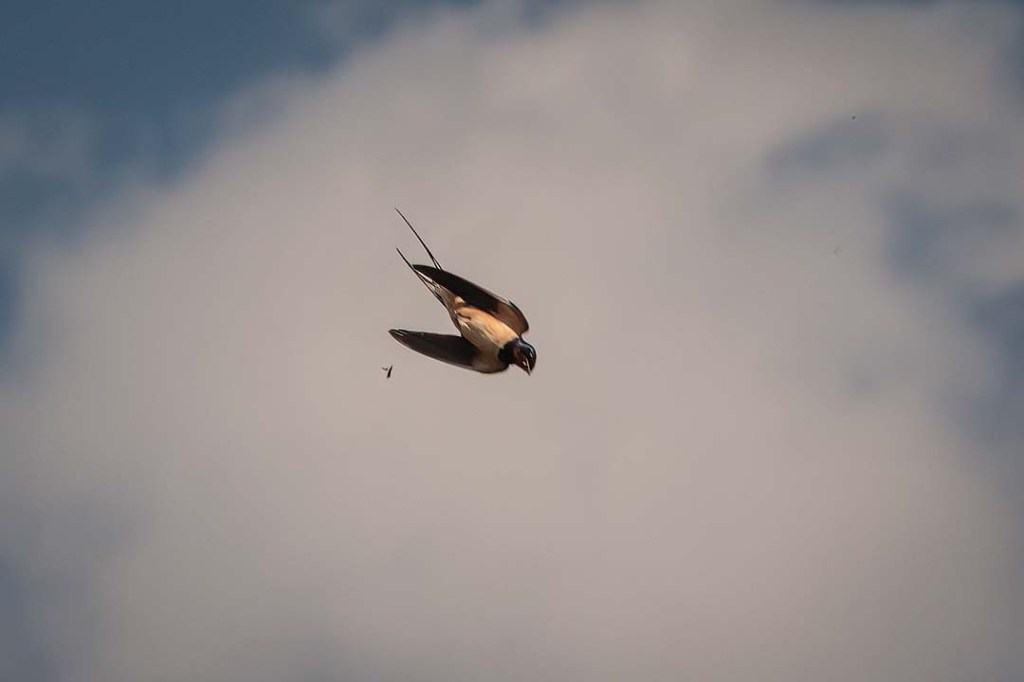
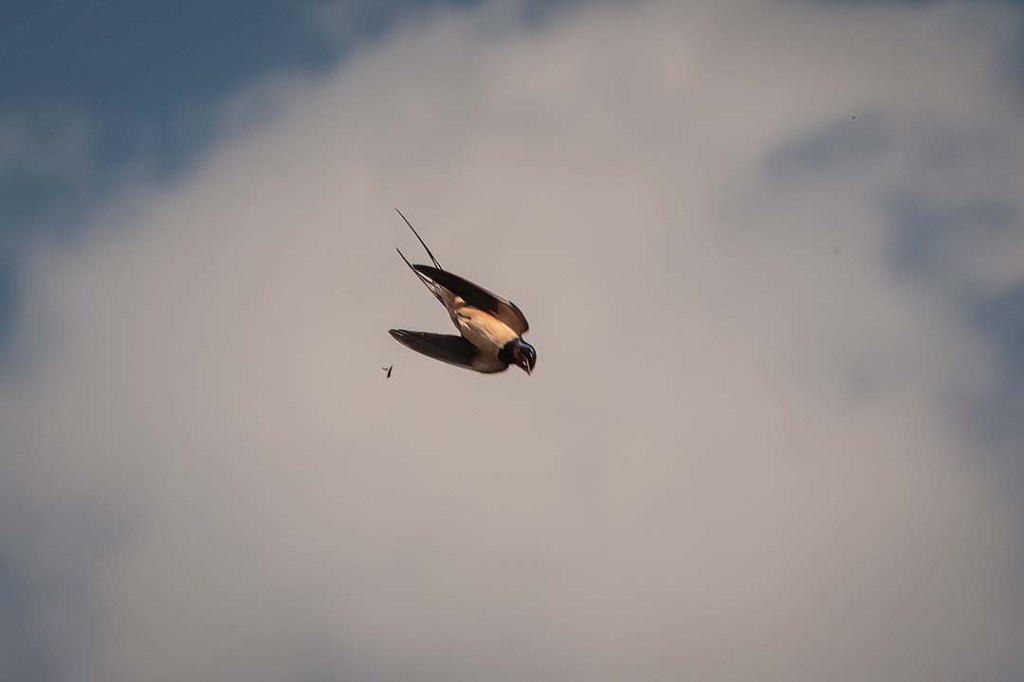
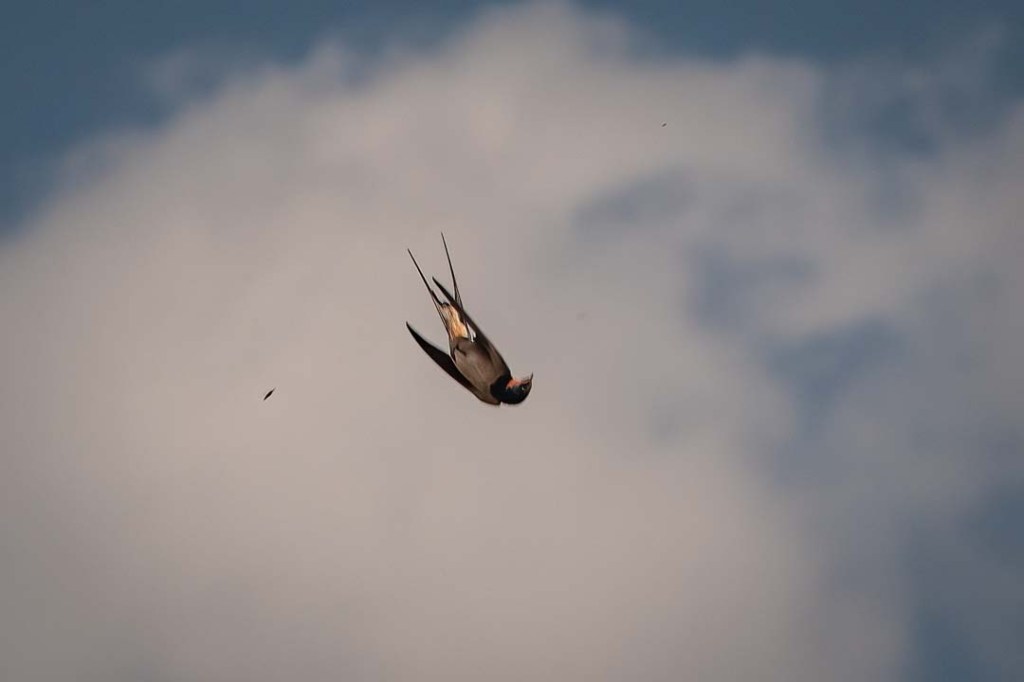
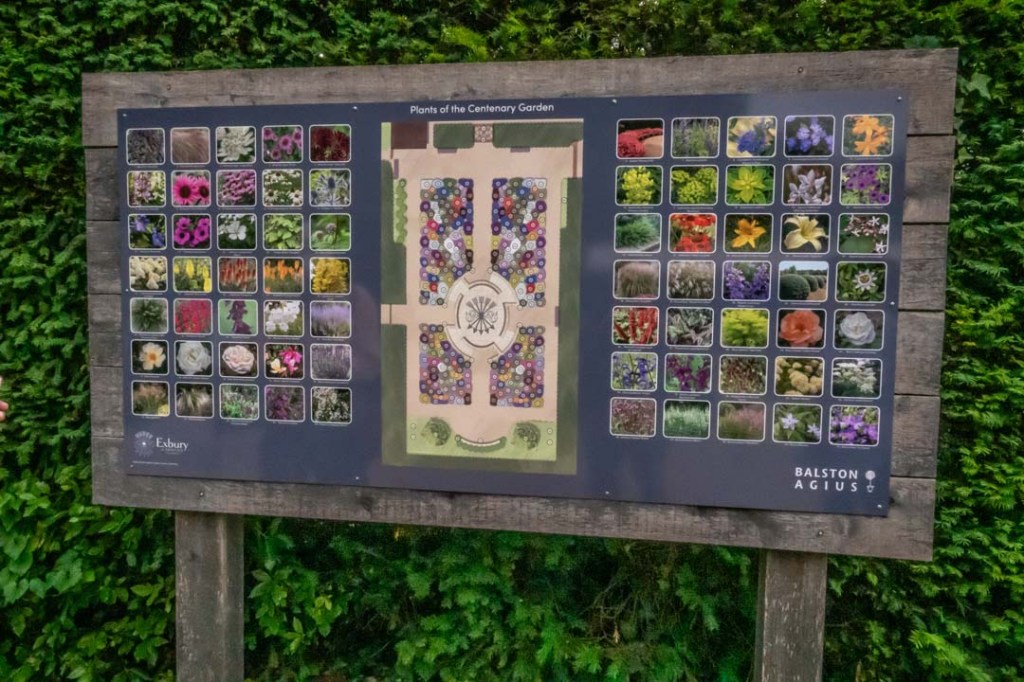
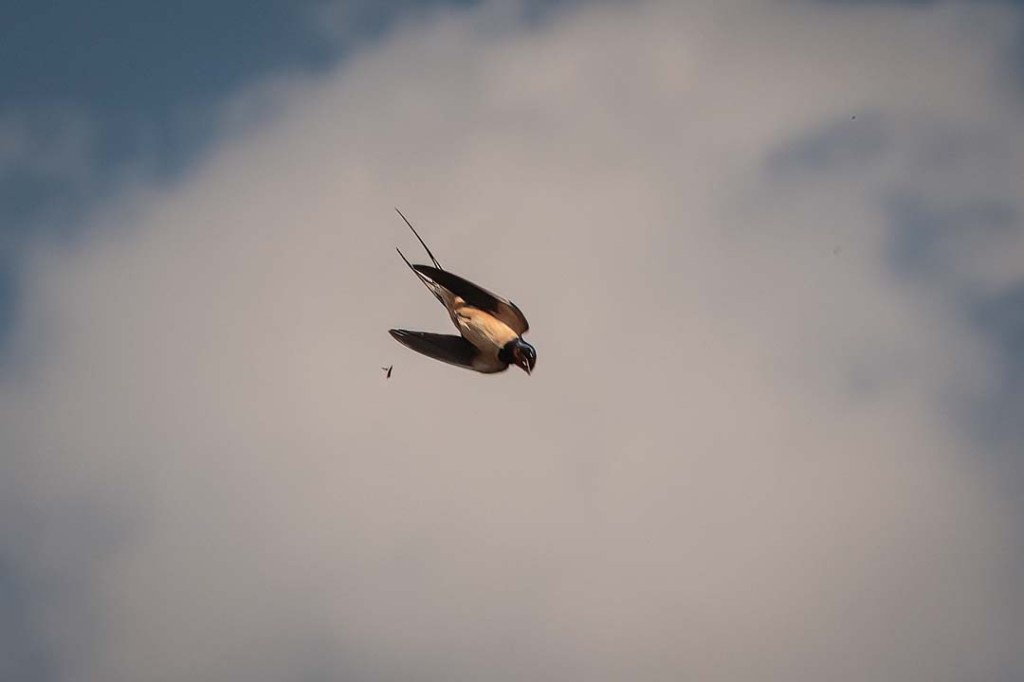
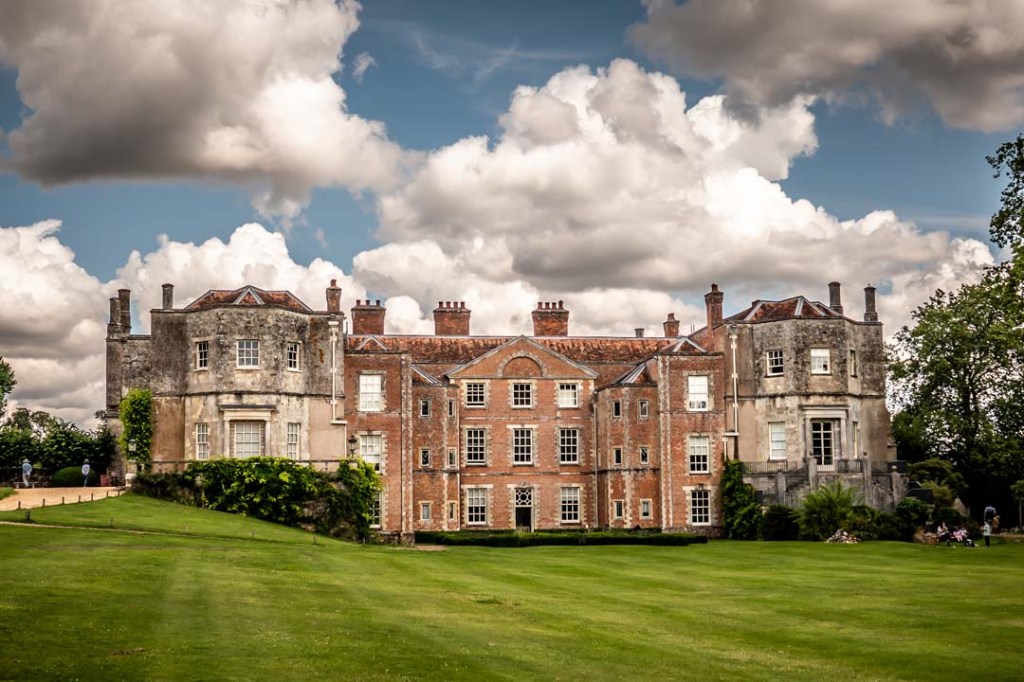
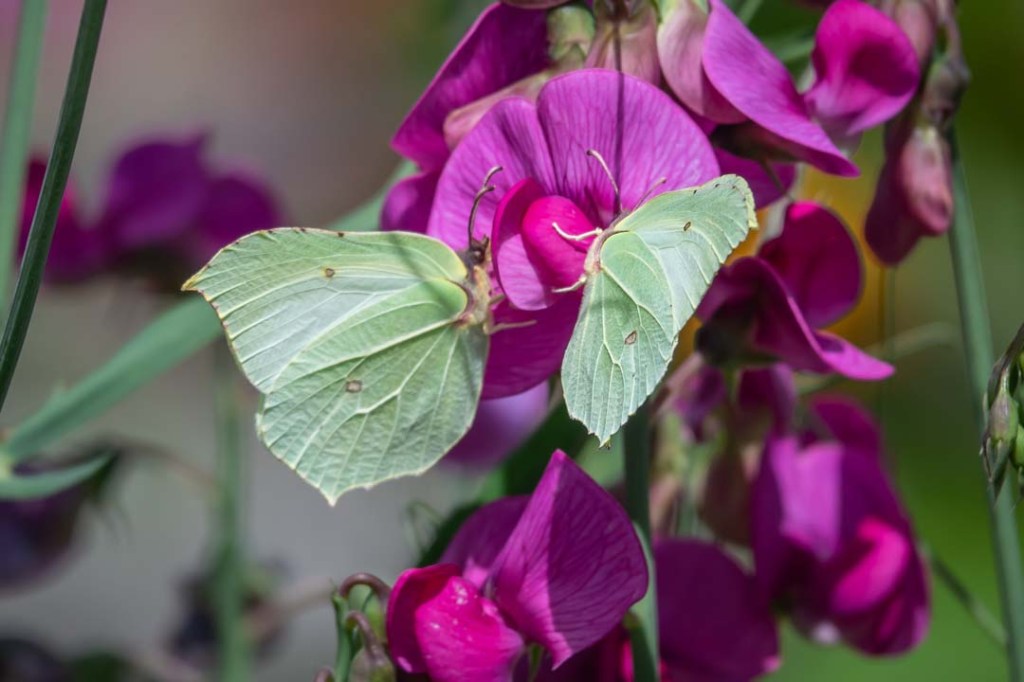
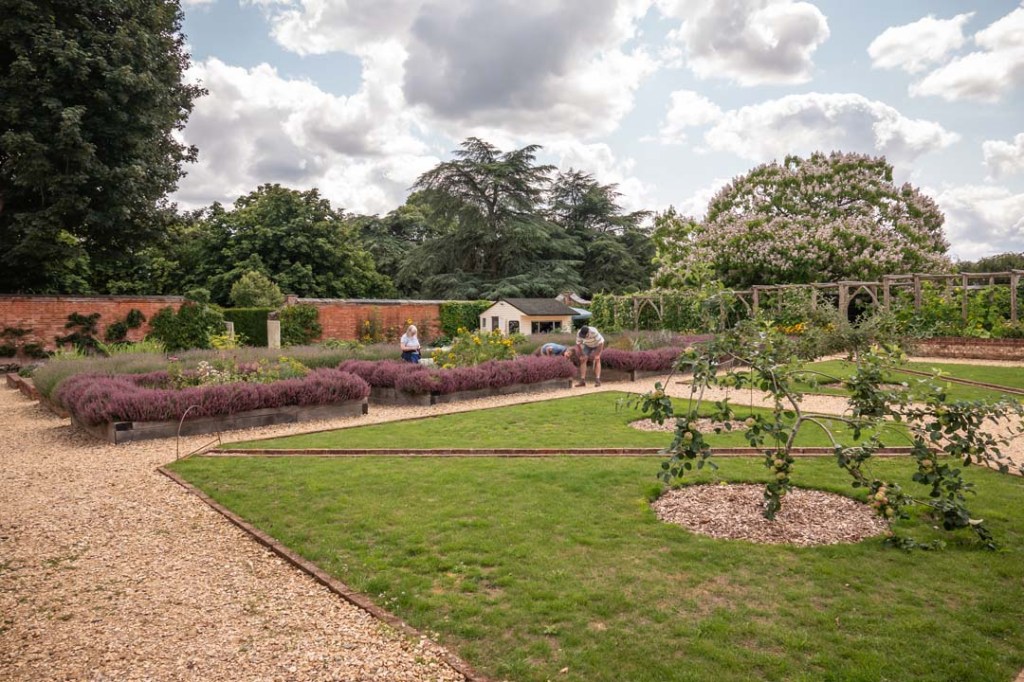
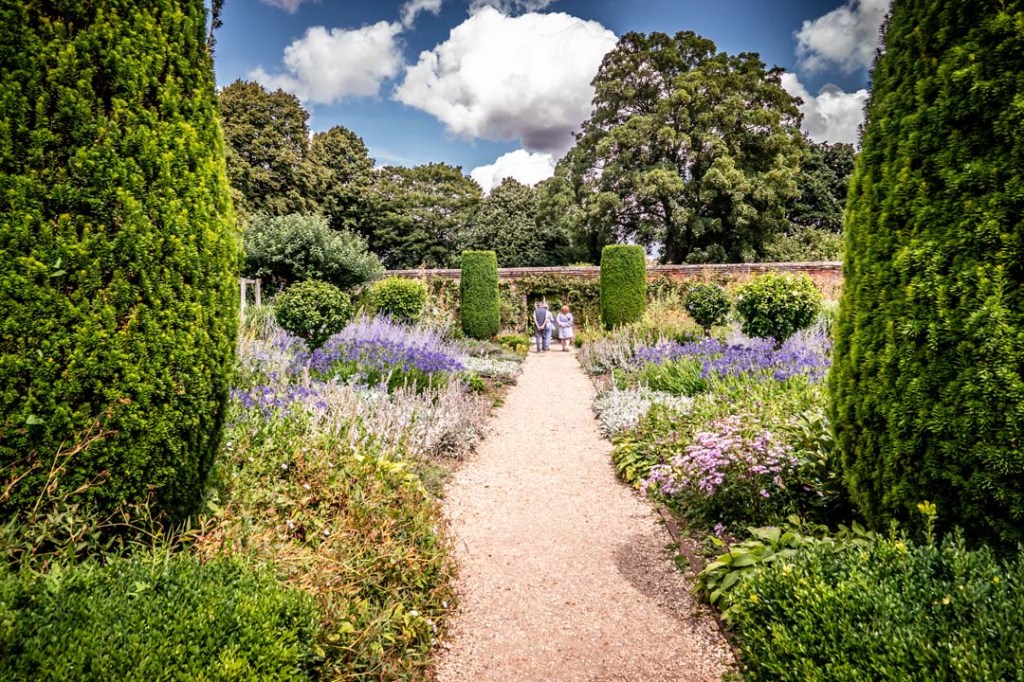
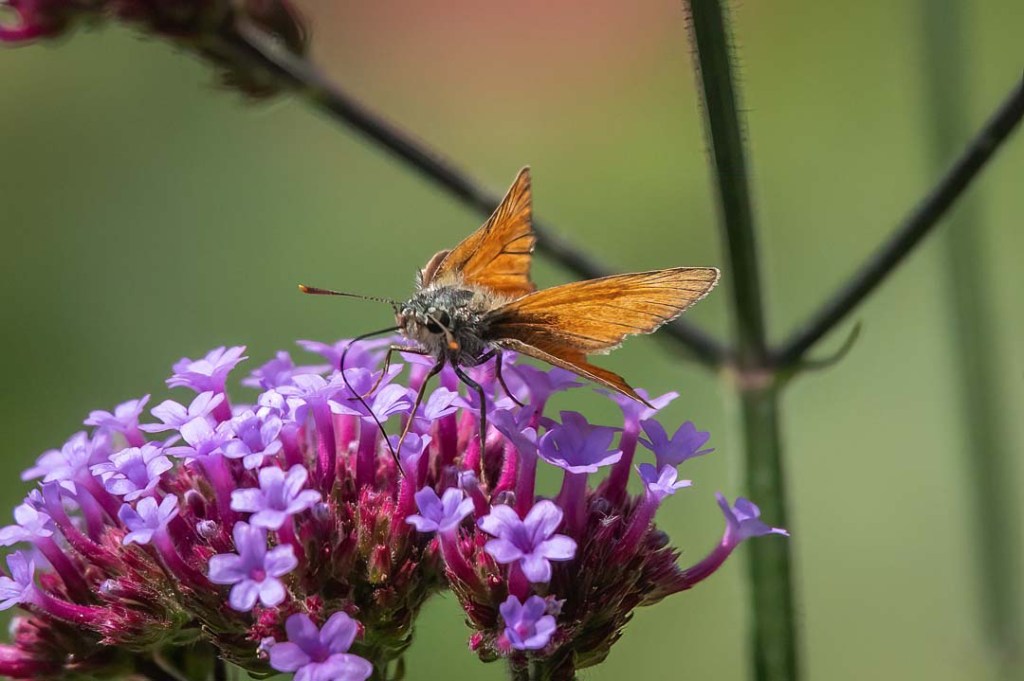
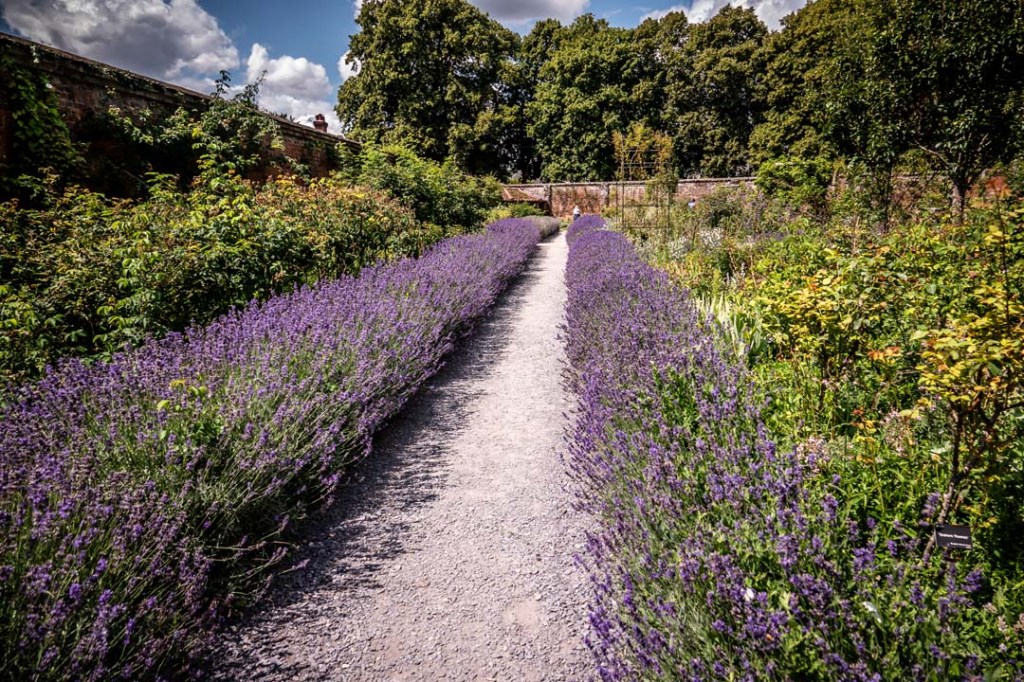
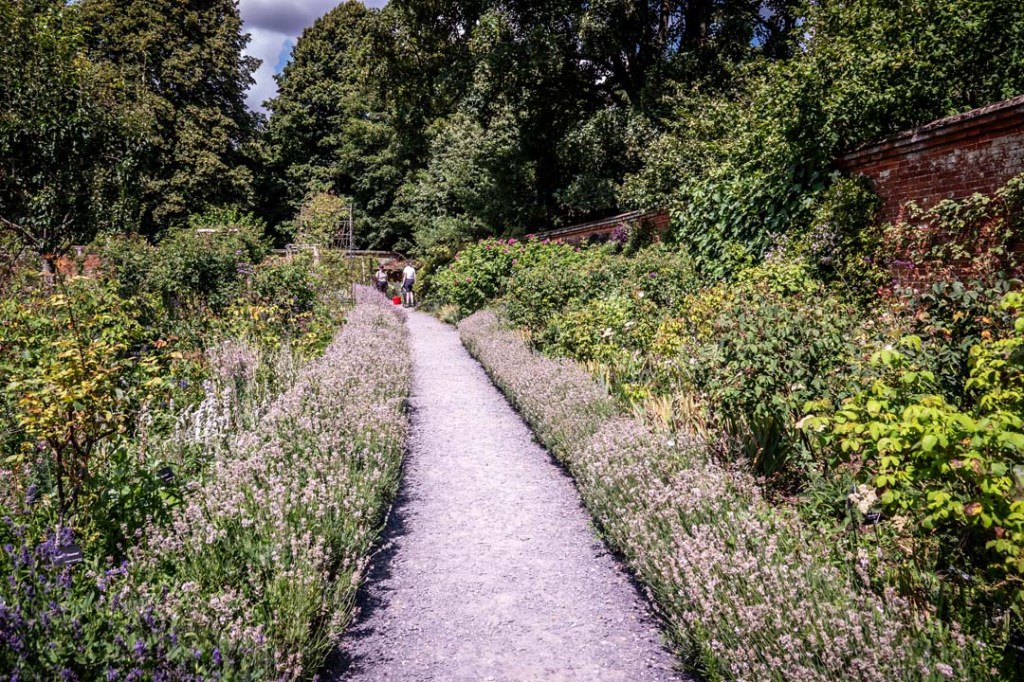
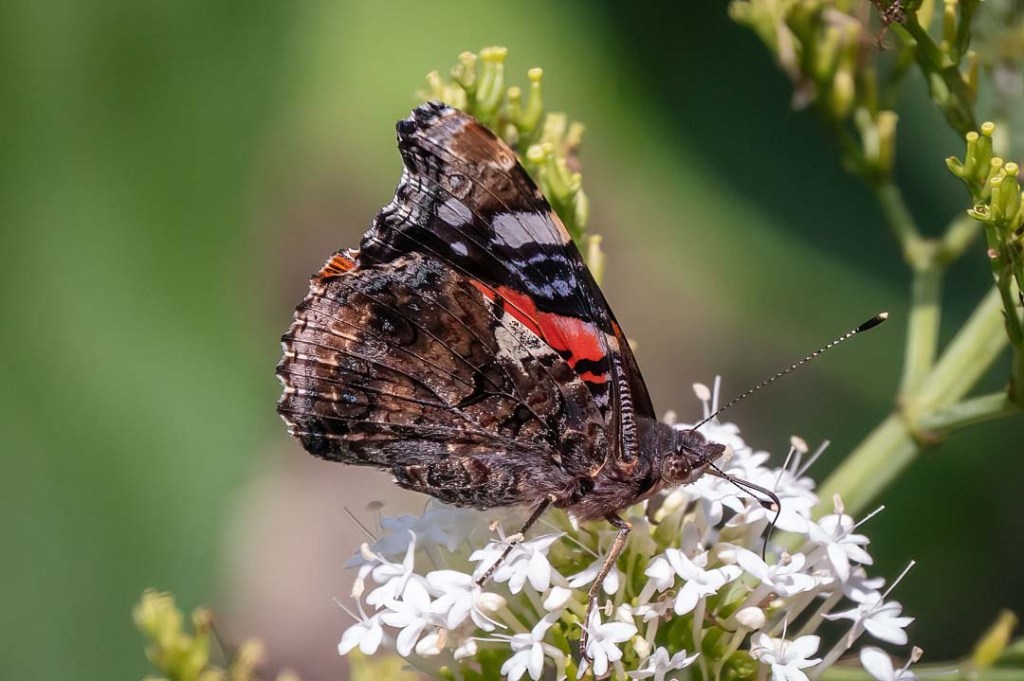
The butterflies were taken at Exbury Gardens near Beaulieu and in the gardens at the National Trust property of Mottisfont near Romsey. The swallows were taken when I had a spare moment at Beaulieu.
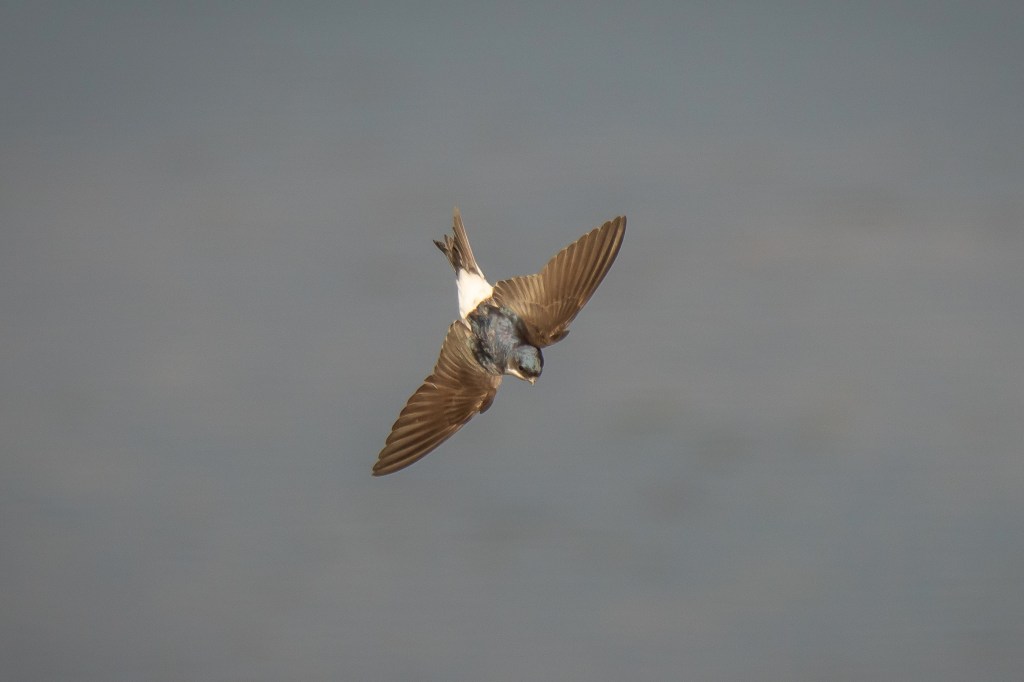
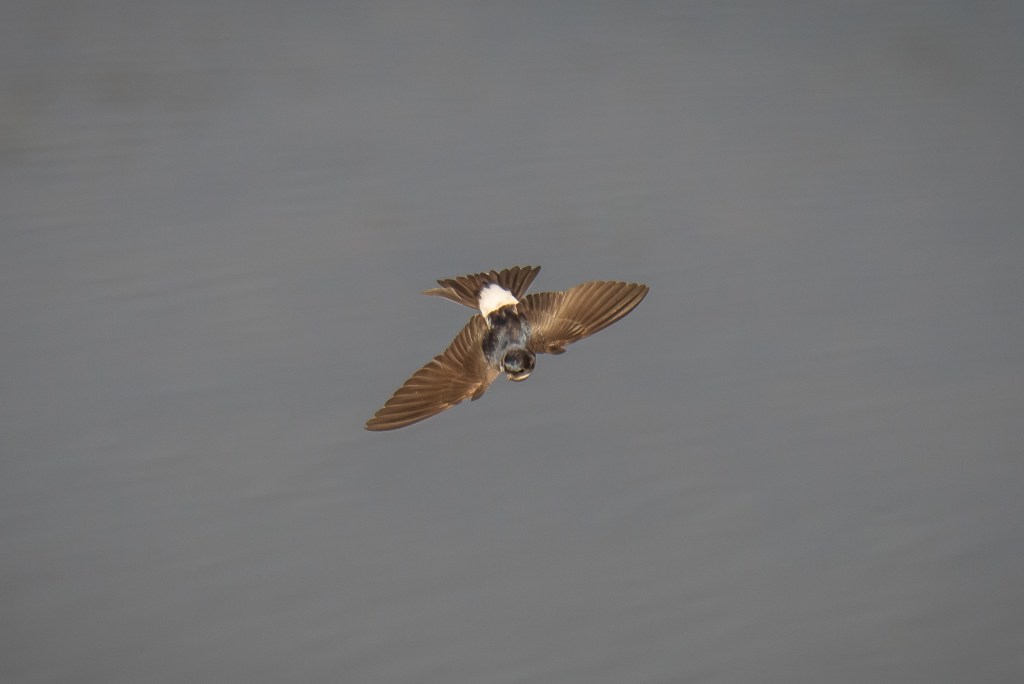
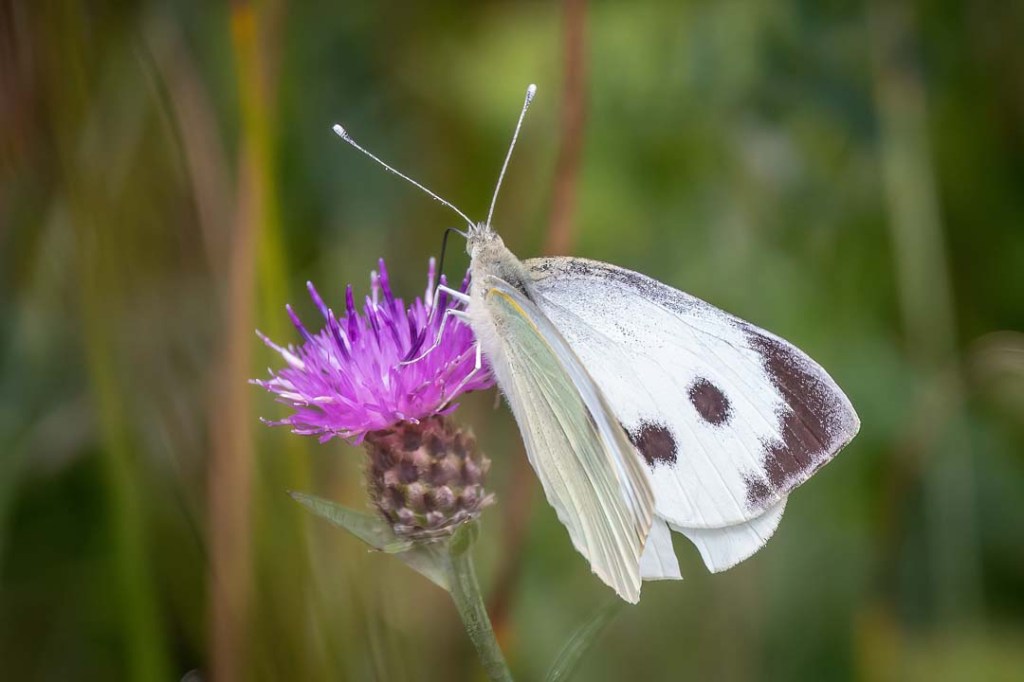
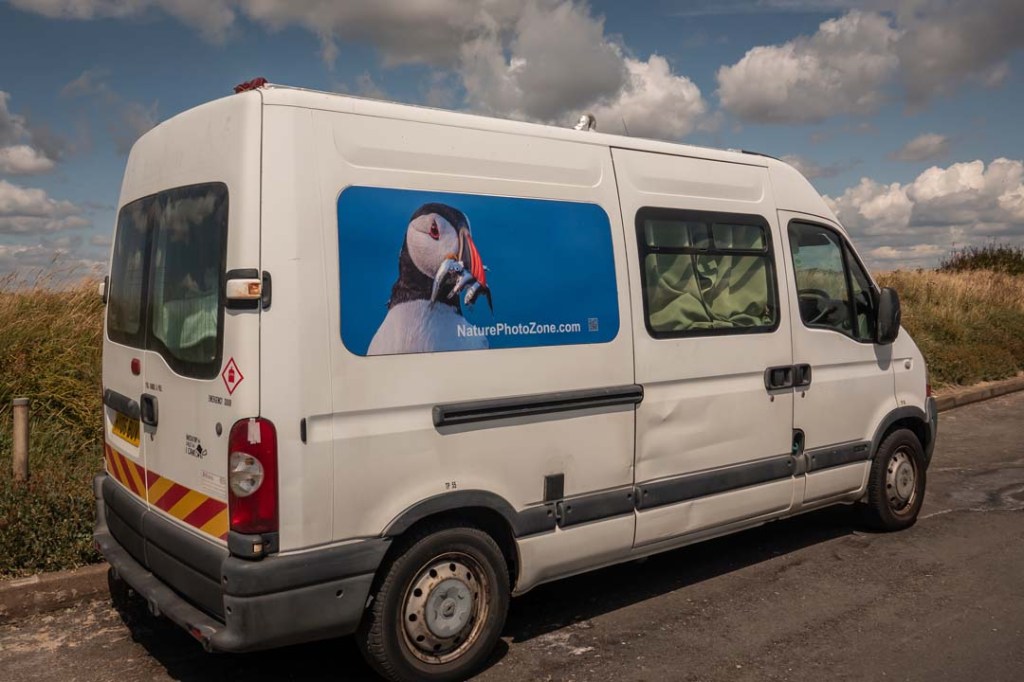
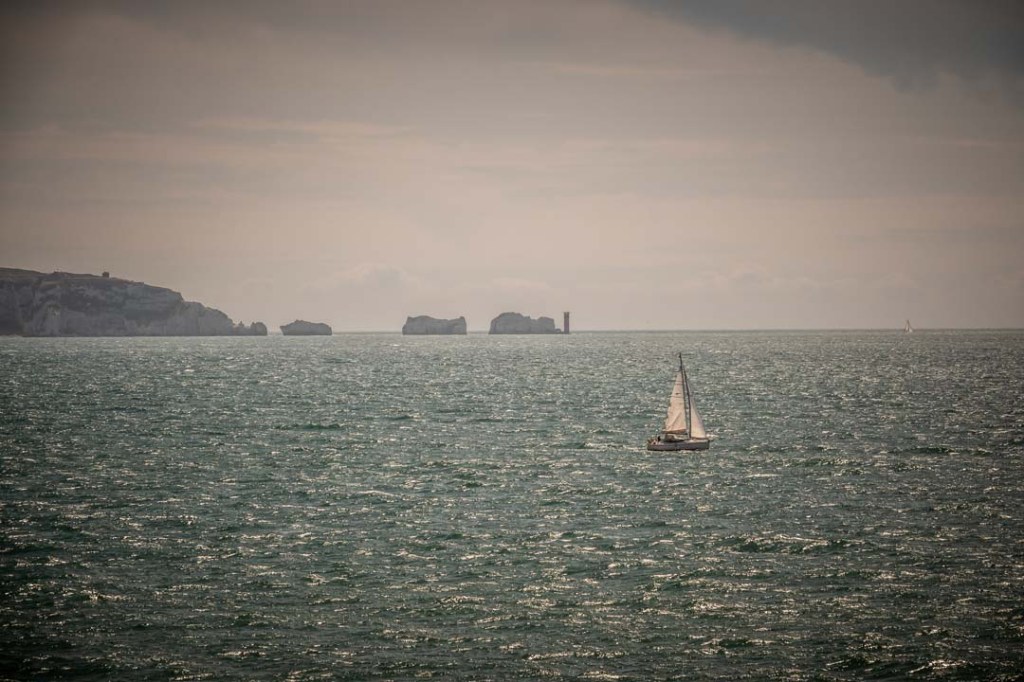
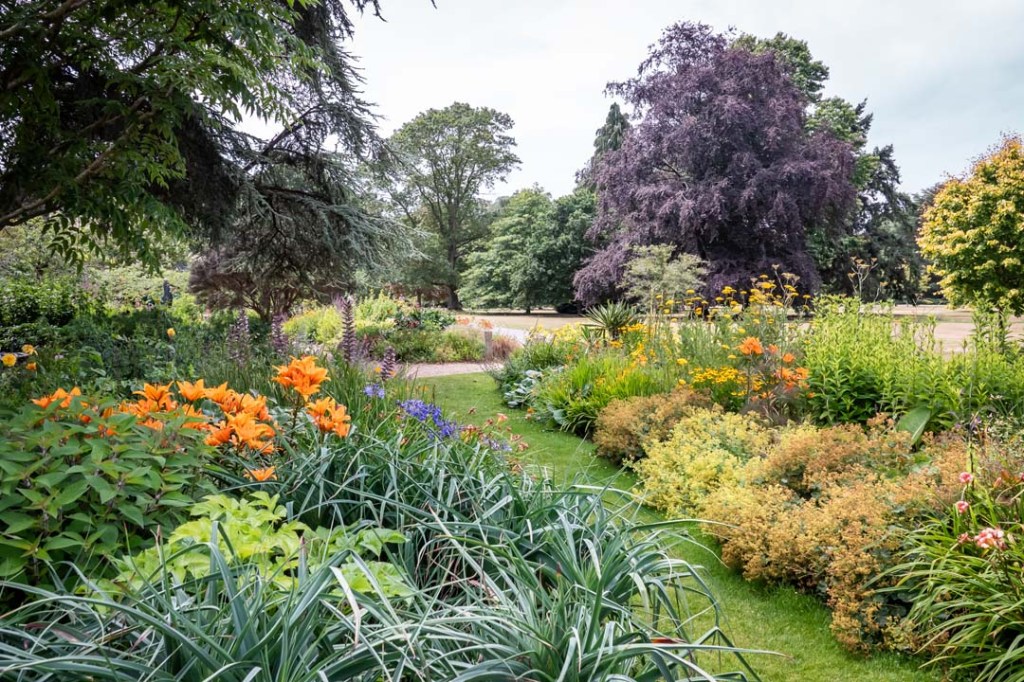
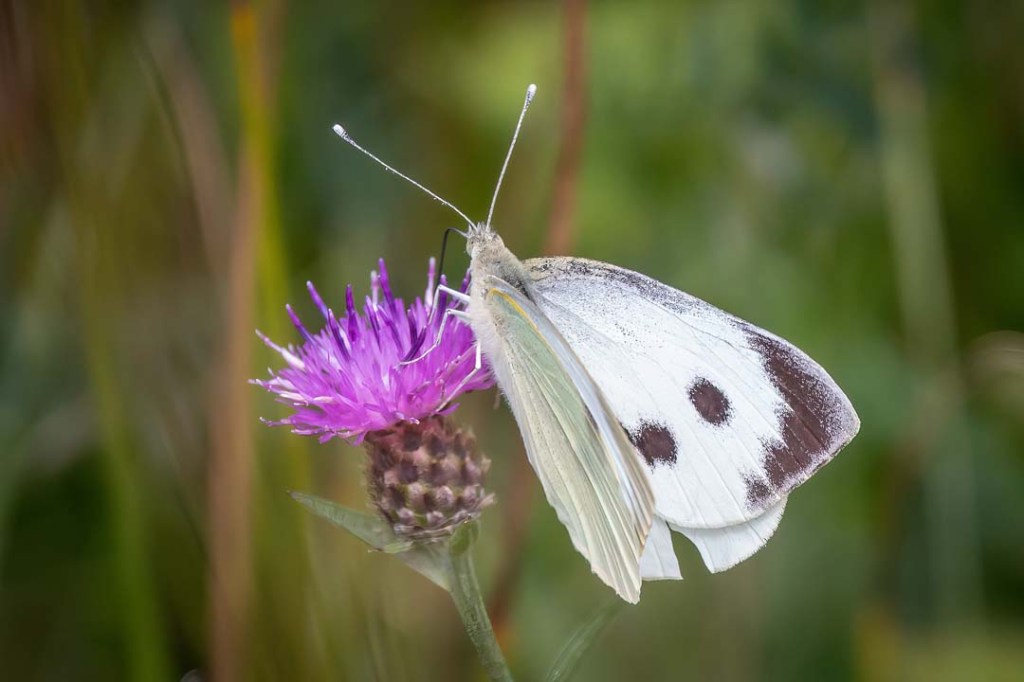
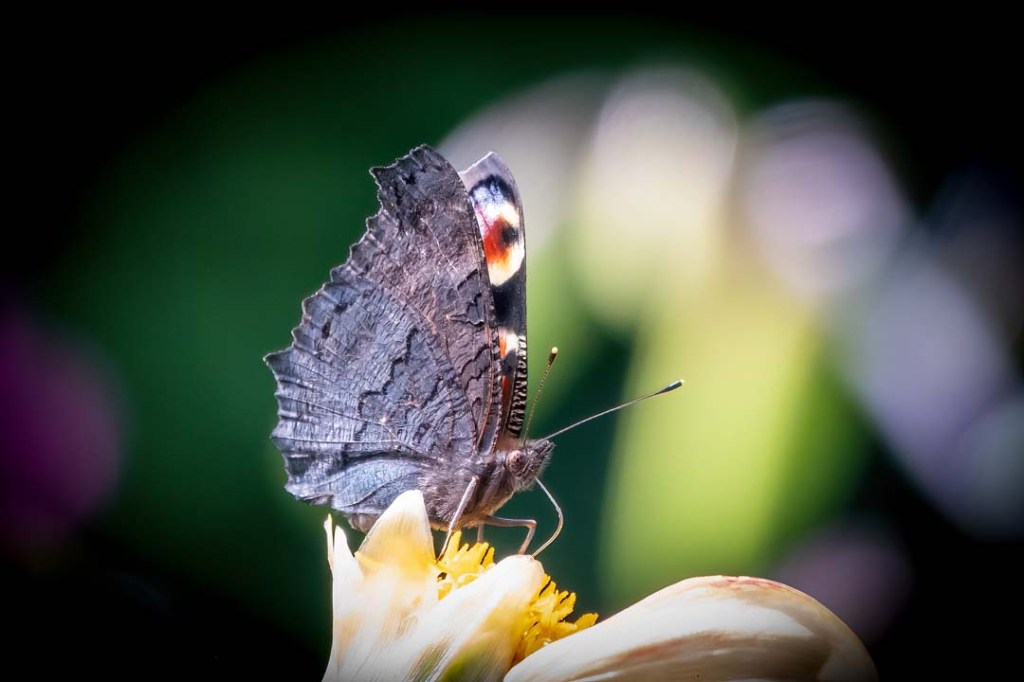
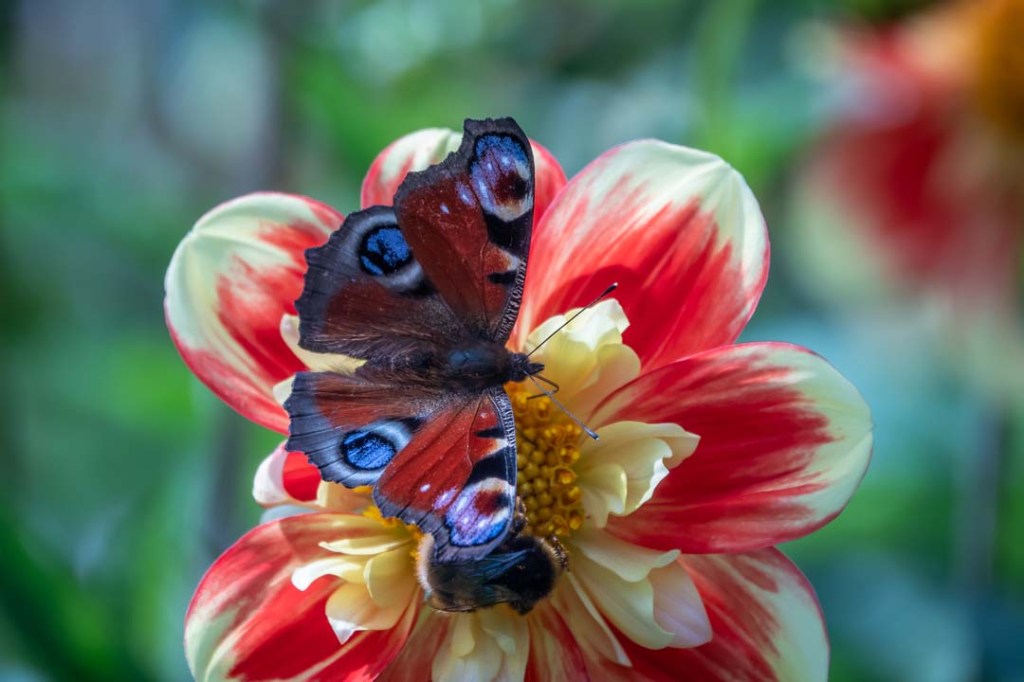
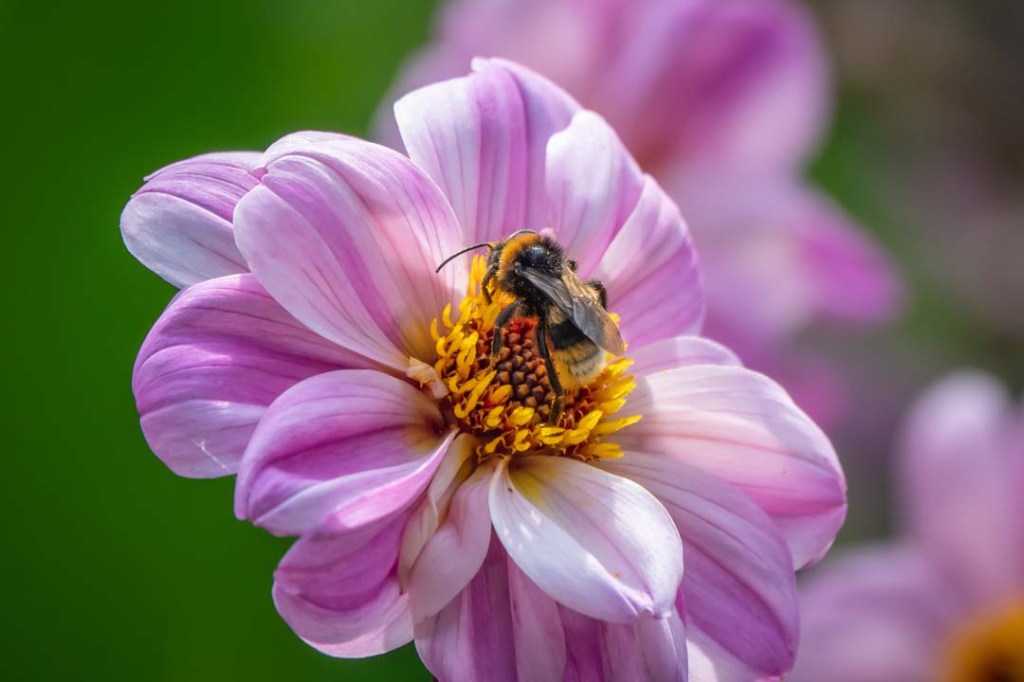
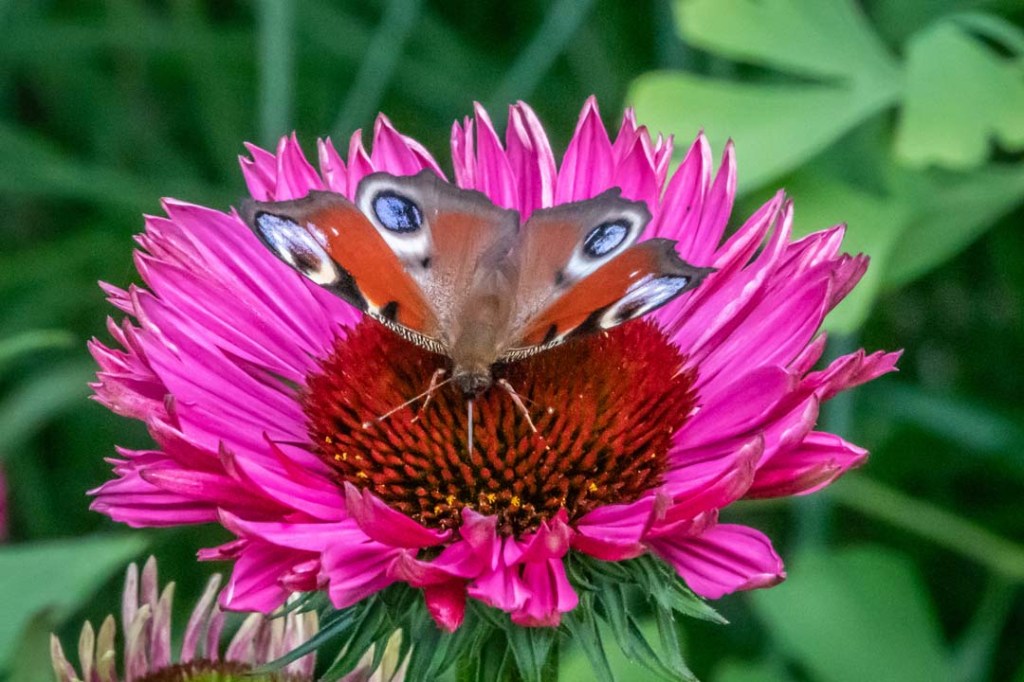
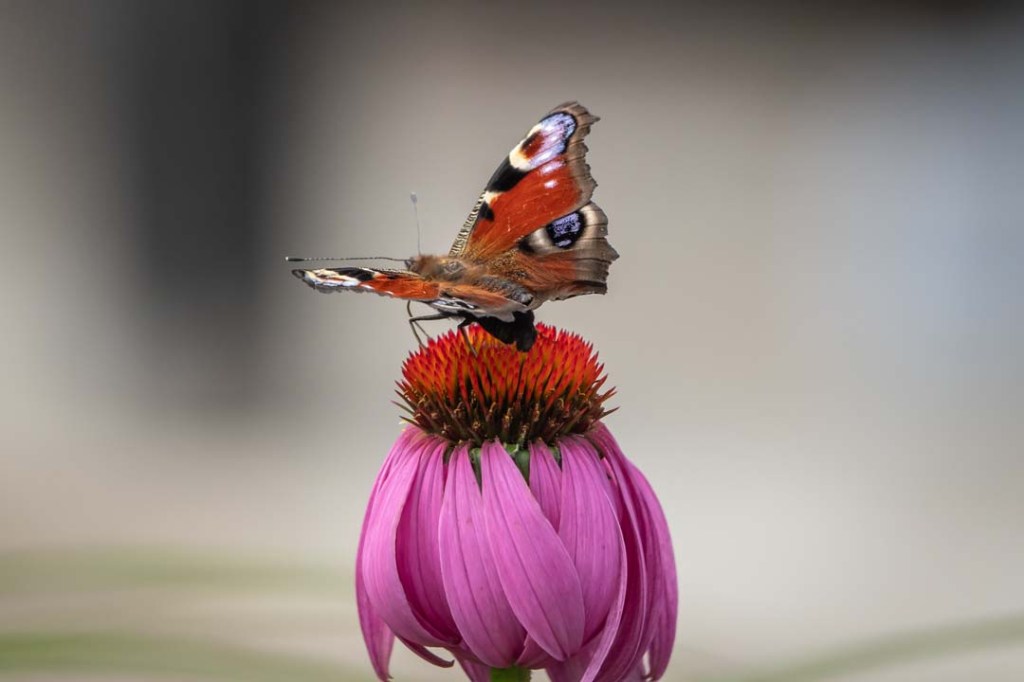
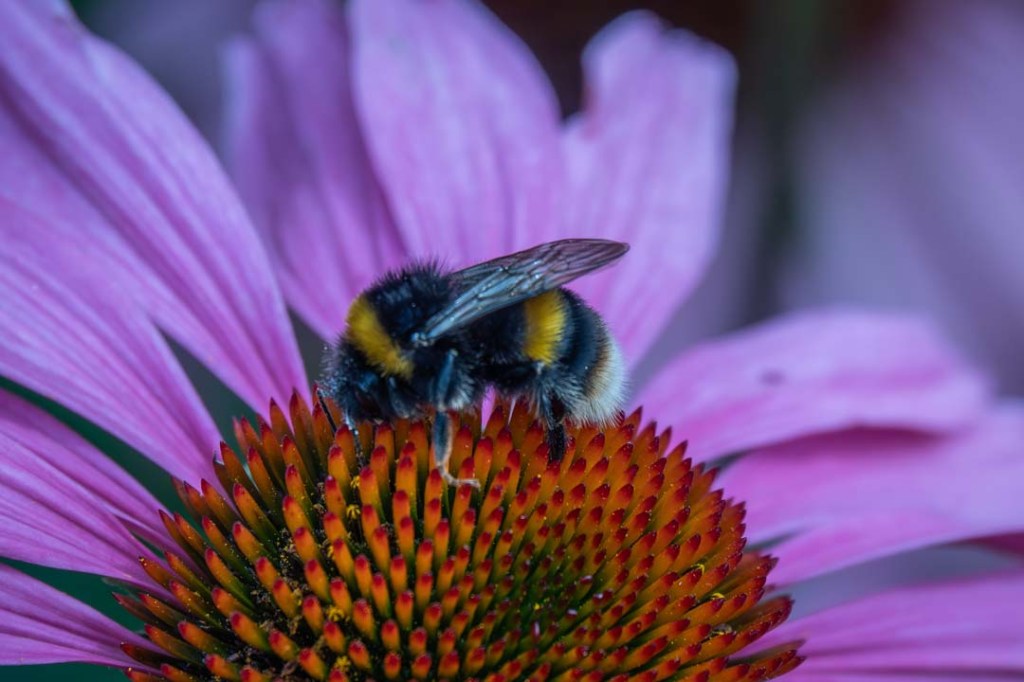
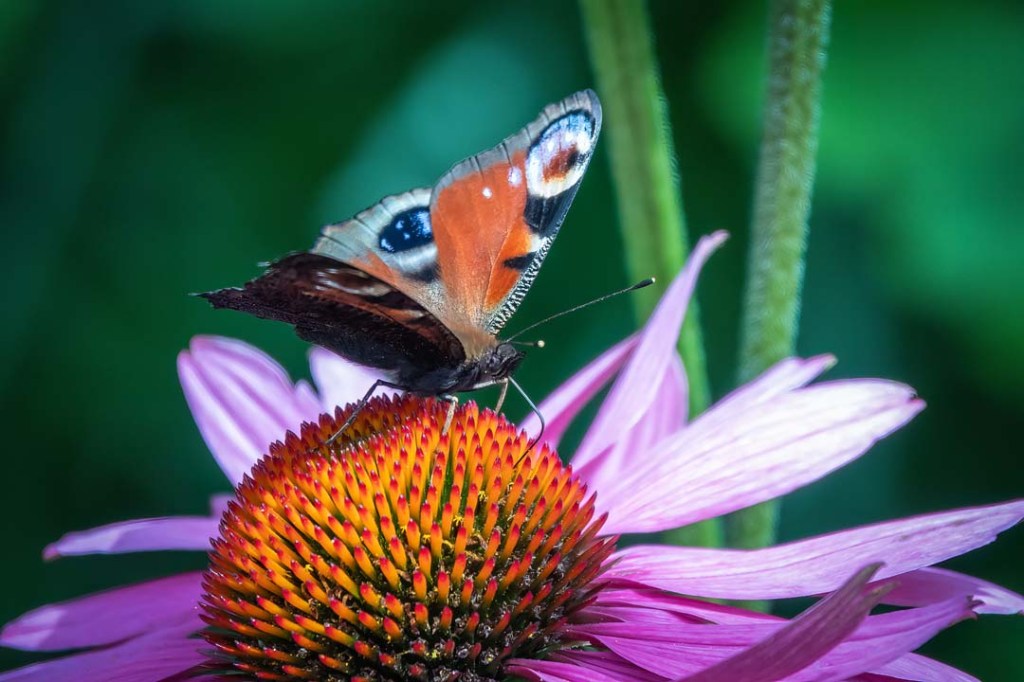
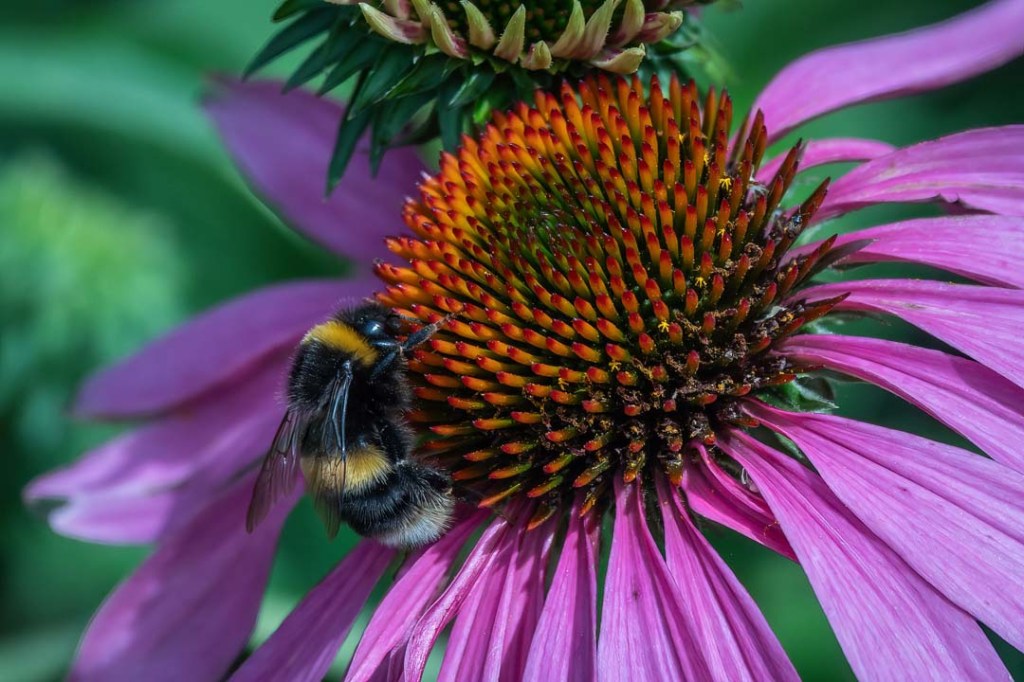
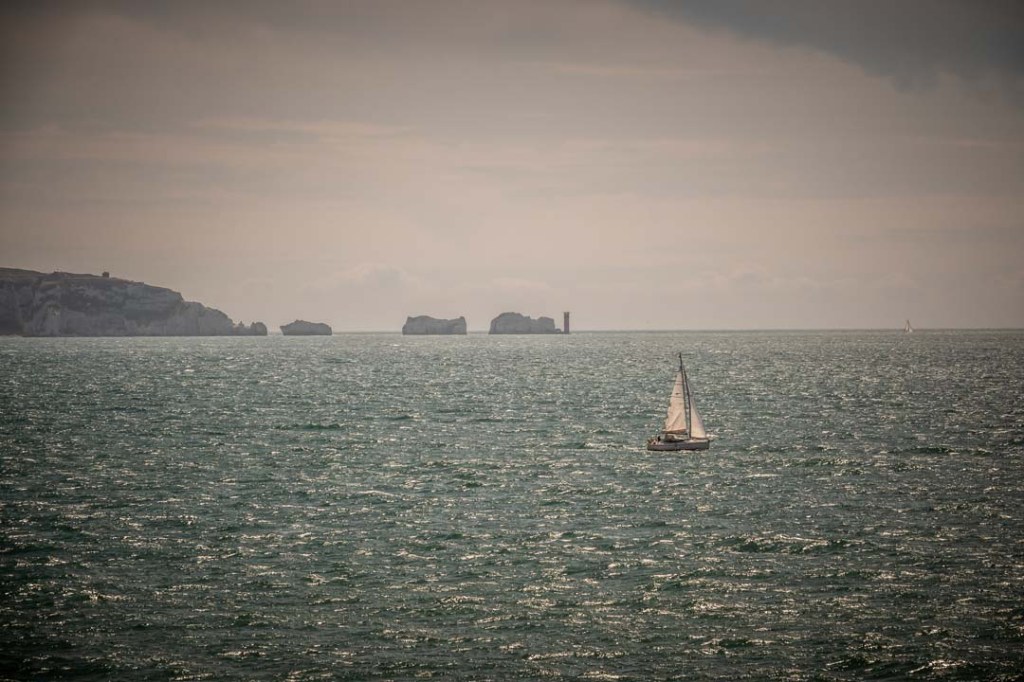
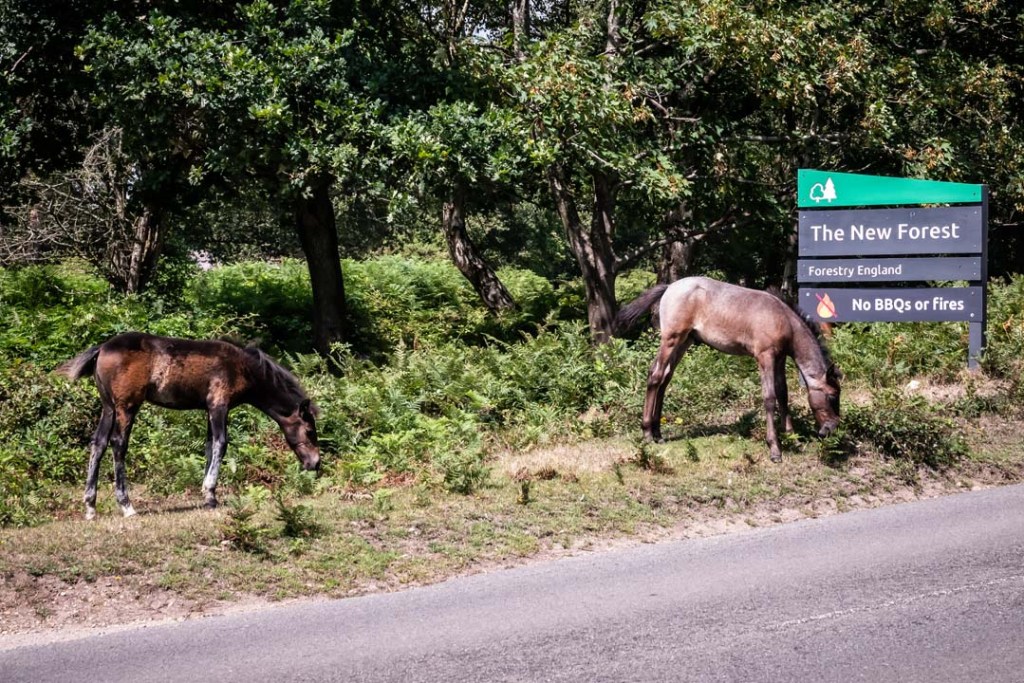
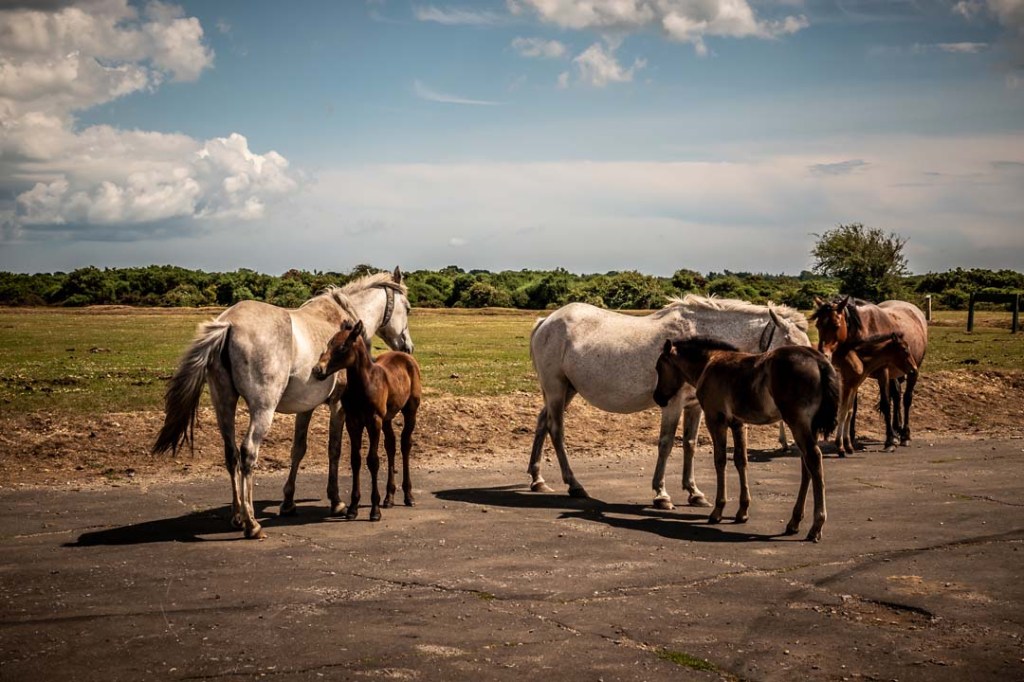
This section of the gardens at Exbury was great for butterflies and bees. Gatekeeper in the meadows at Exbury GardensLarge White butterfly at ExburyPeacock butterfly on Echinacea at Exbury GardensBee on Echinacea at ExburyA moth on thistles at ExburyPuffins at Keyhaven opposite the Isle of Wight – no, just wishful thinkingThe Needles off the Isle of Wight from Milford on SeaPonies in The New ForestPonies in The New ForestPonies and cattle in The New ForestSwallow at Beaulieu Swallow performing acrobatics at BeaulieuSwallow hunting fliesMottisfontBrimstone butterflies on sweat peas in the wonderful walled gardens at Mottisfont
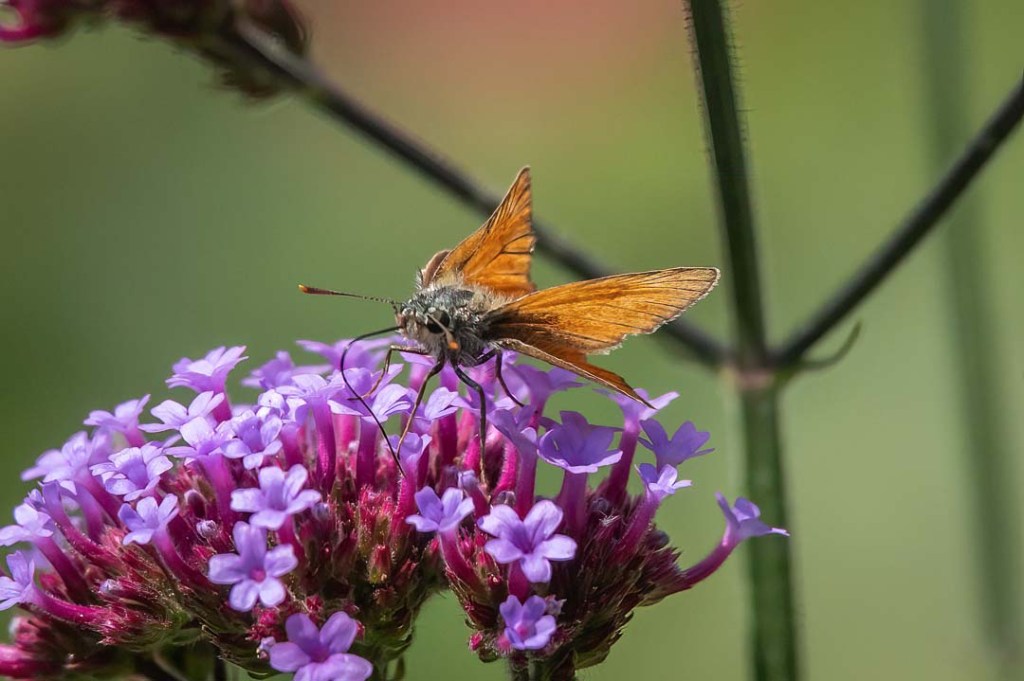
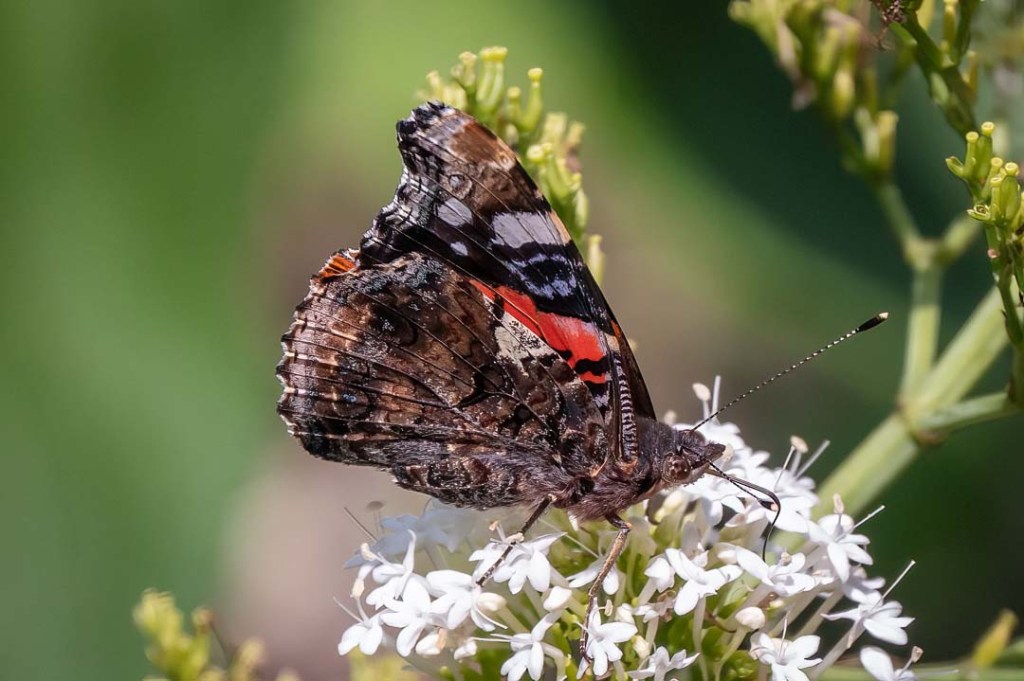
Large skipper butterfly on verbena at MottisfontRed Admiral butterfly at Mottisfont
Slideshow of some of my photos from The New Forest: