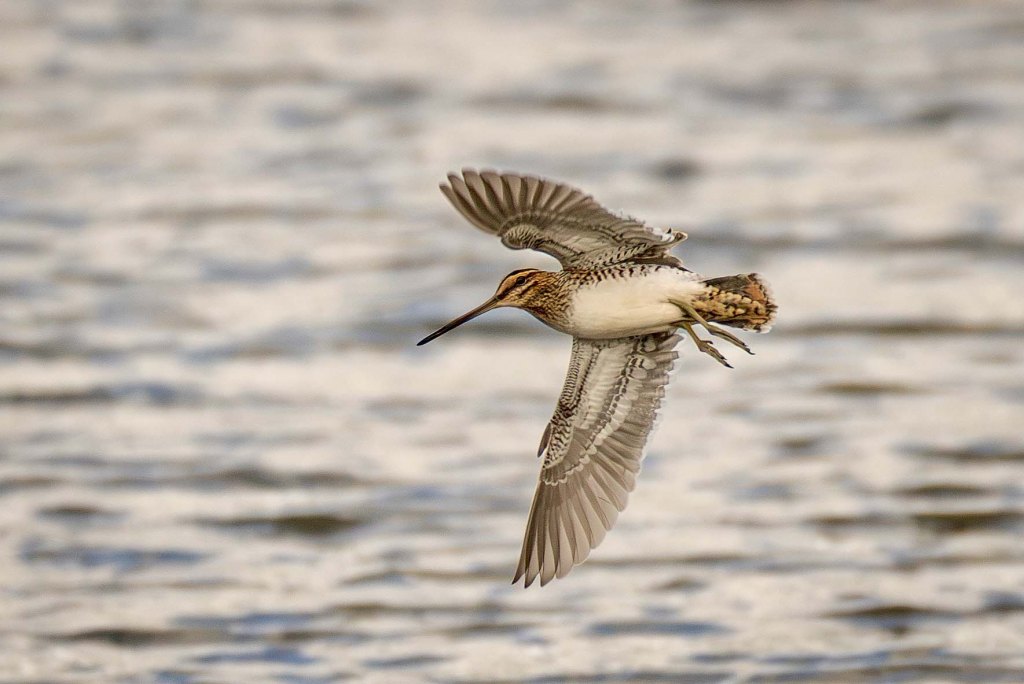
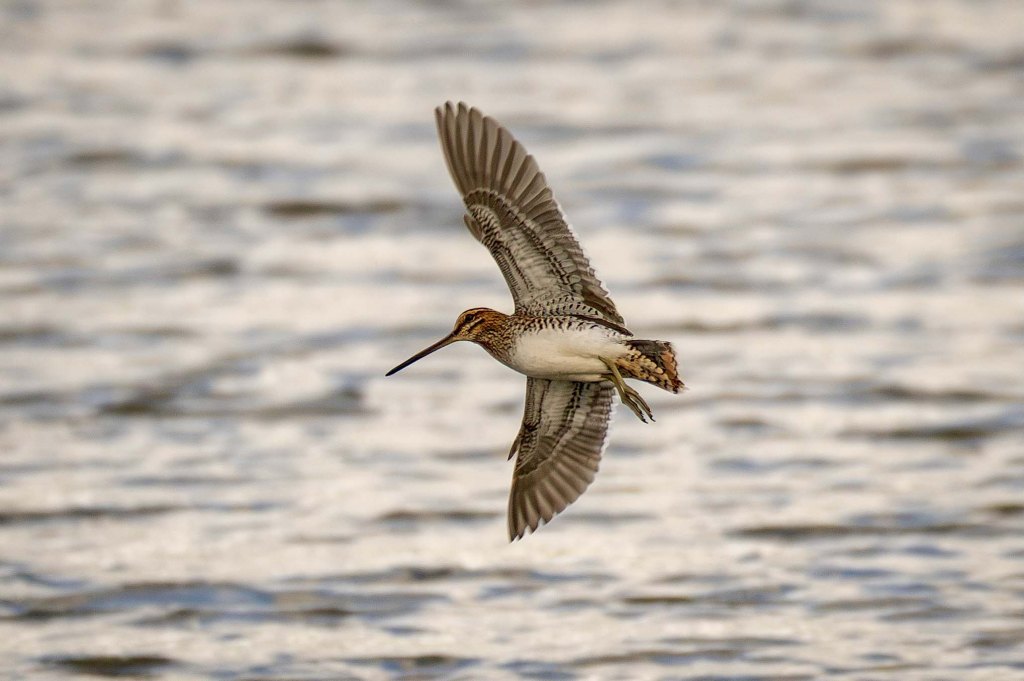
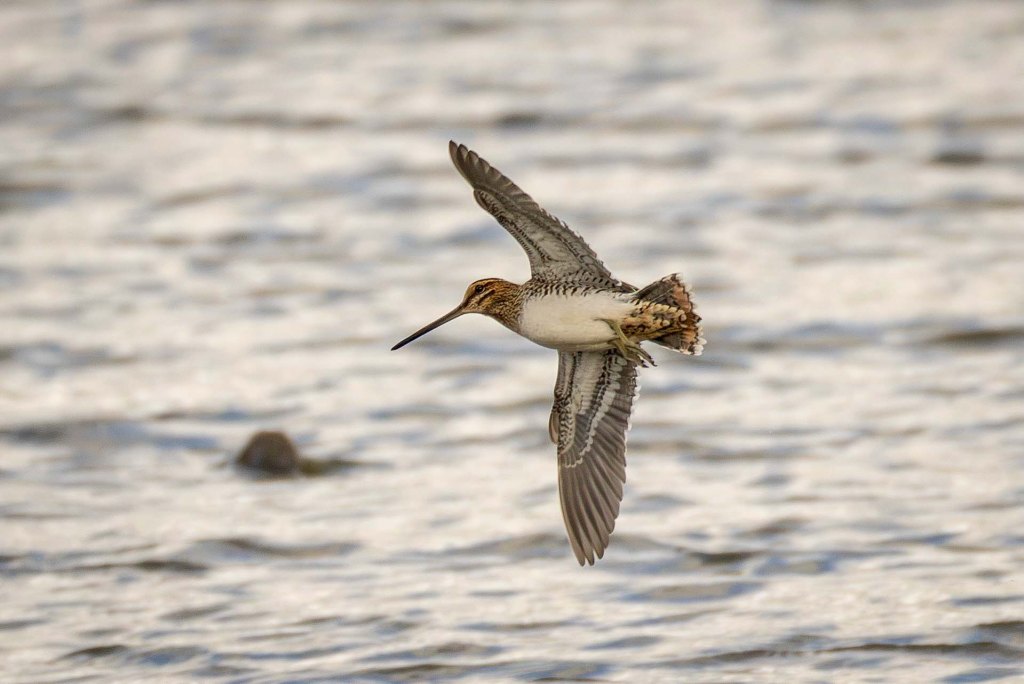
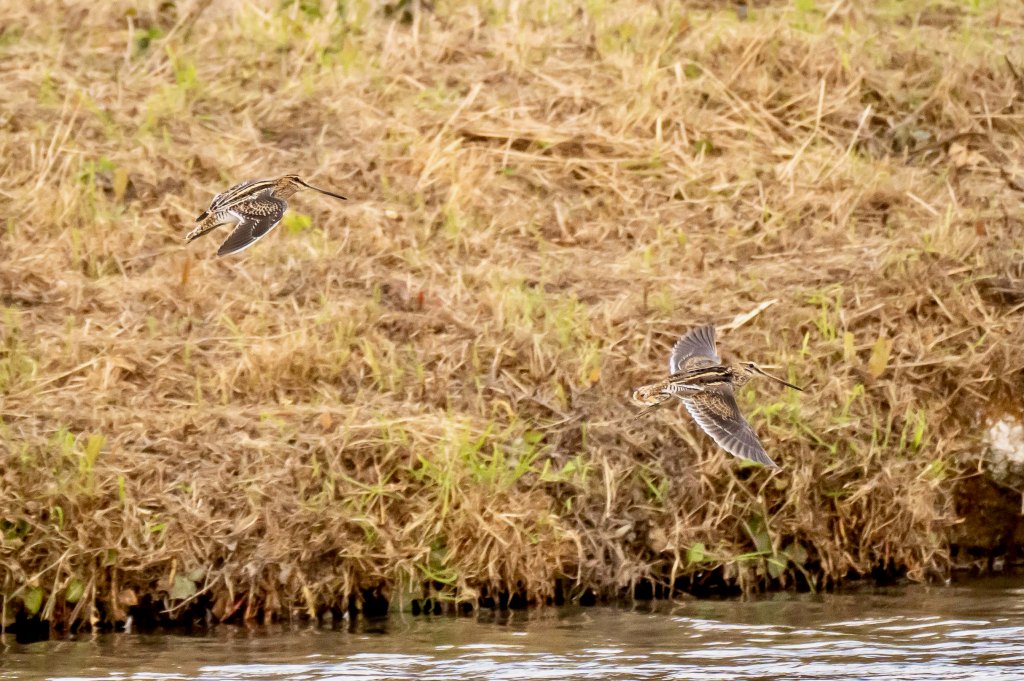
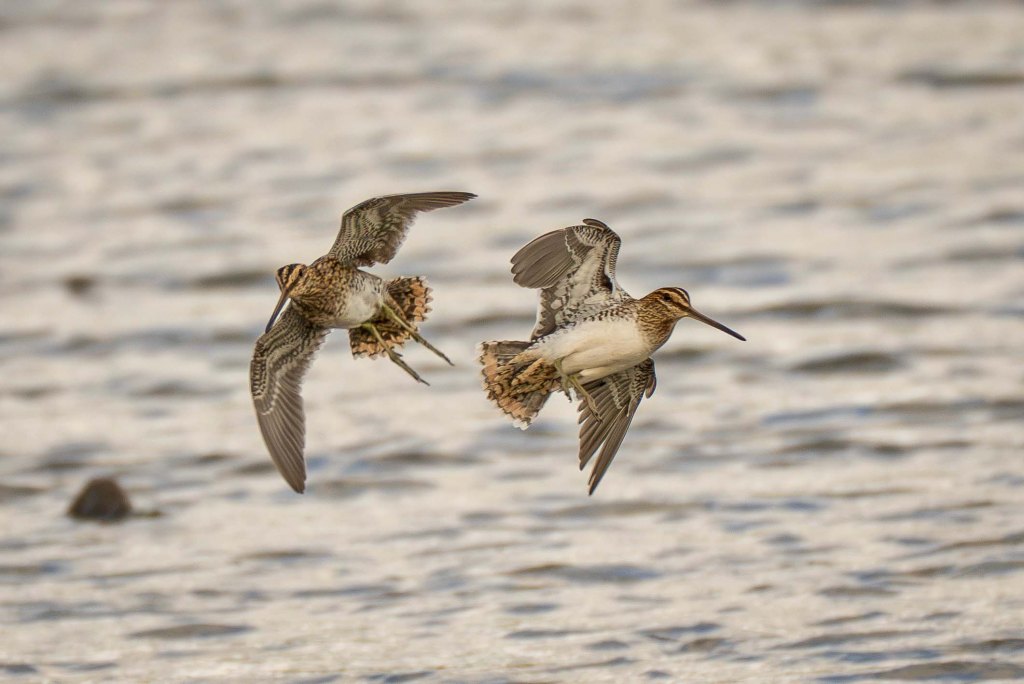
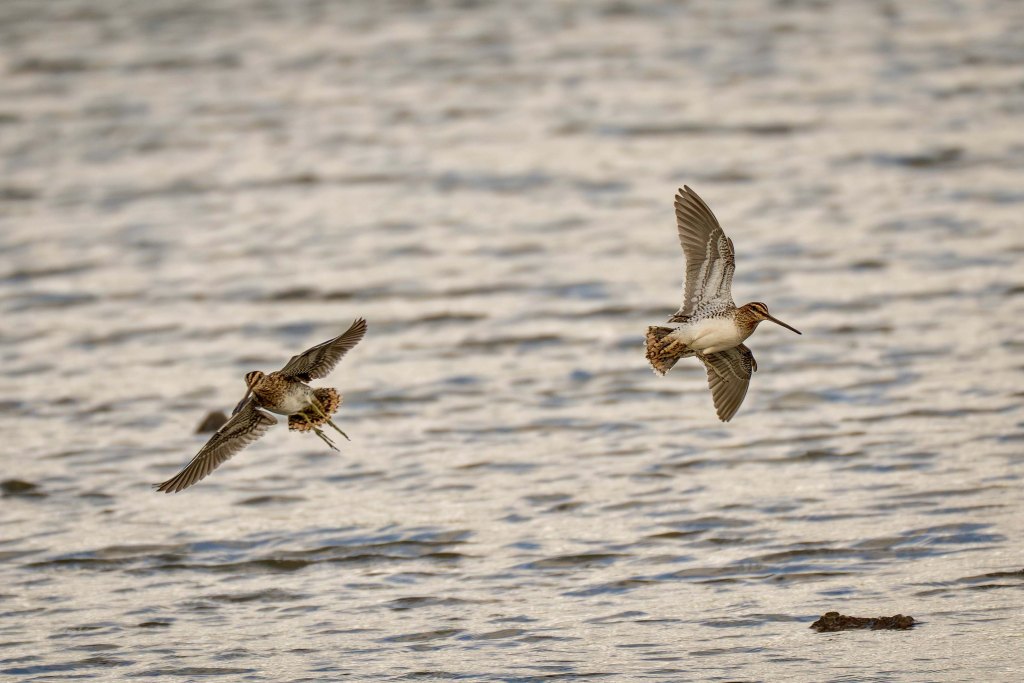
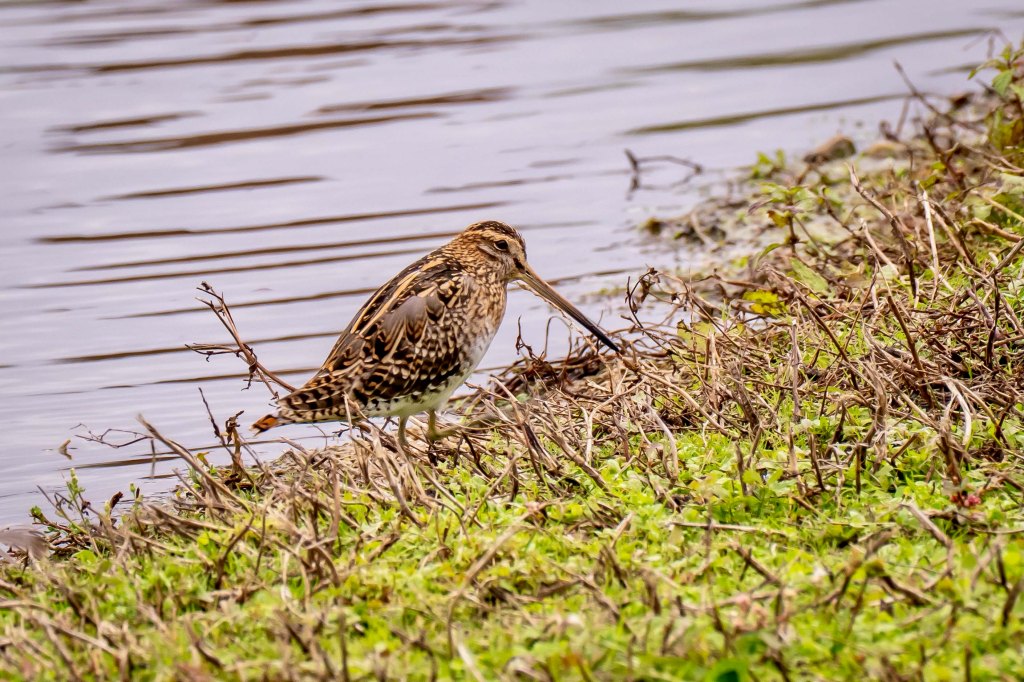
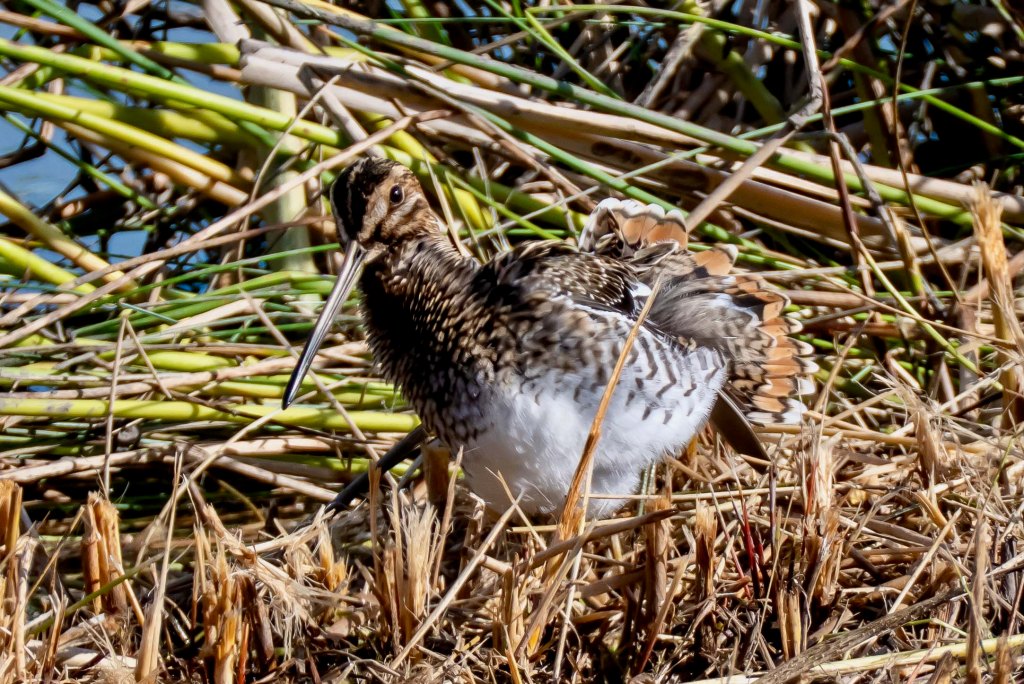
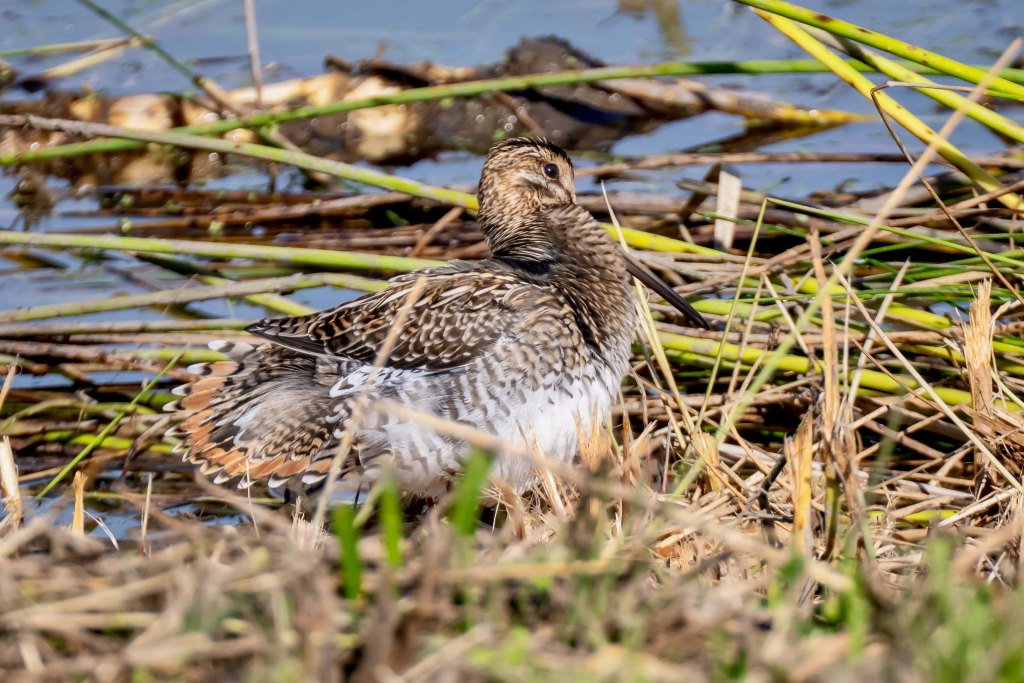
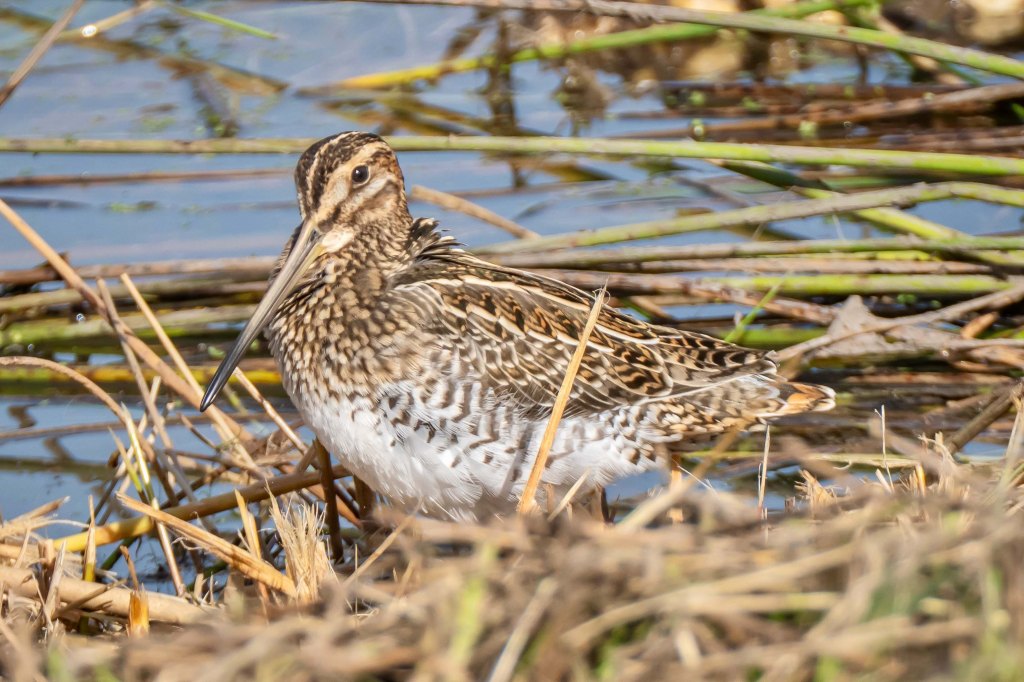
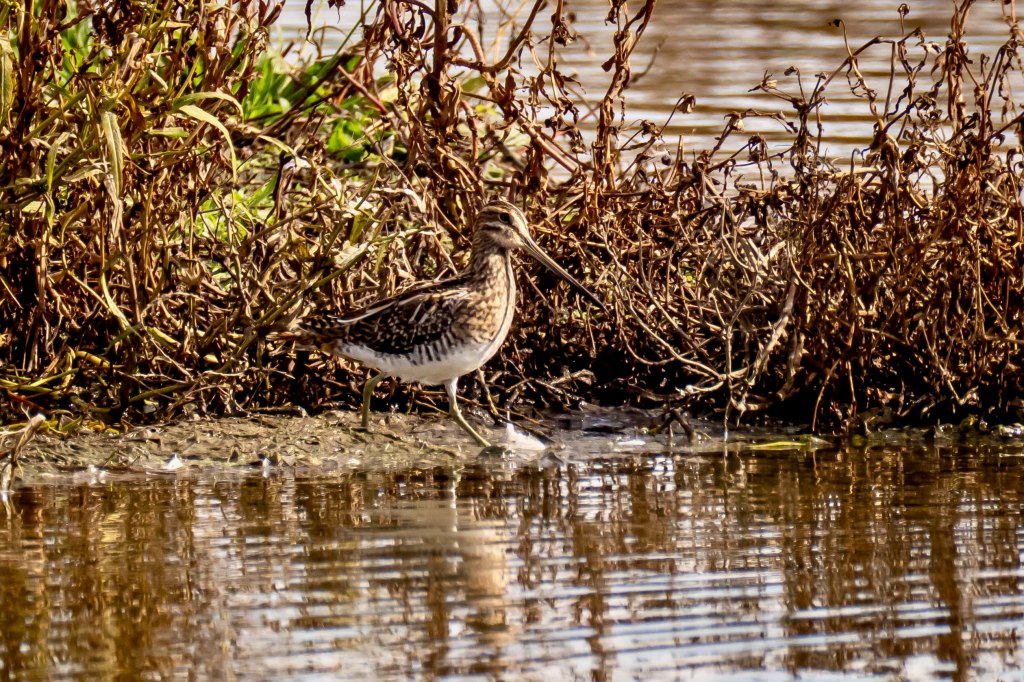
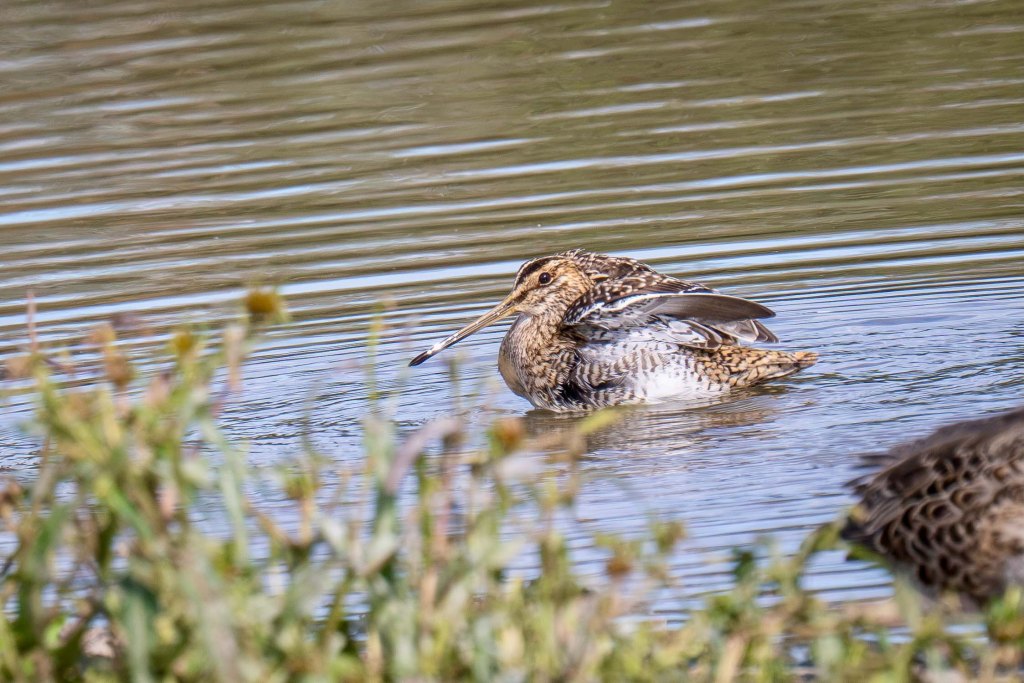
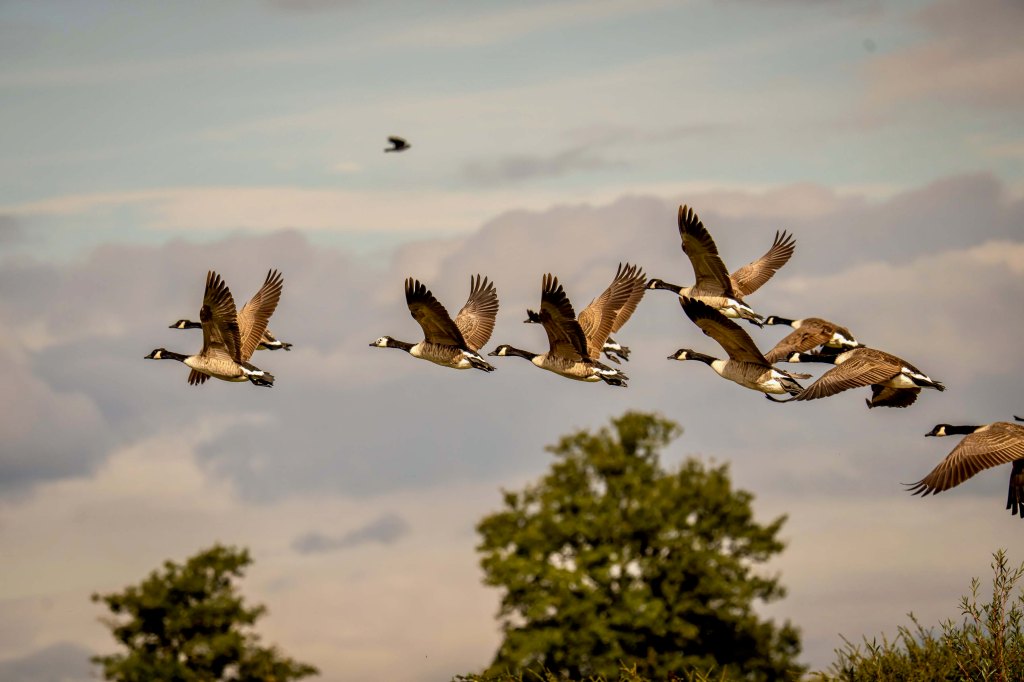
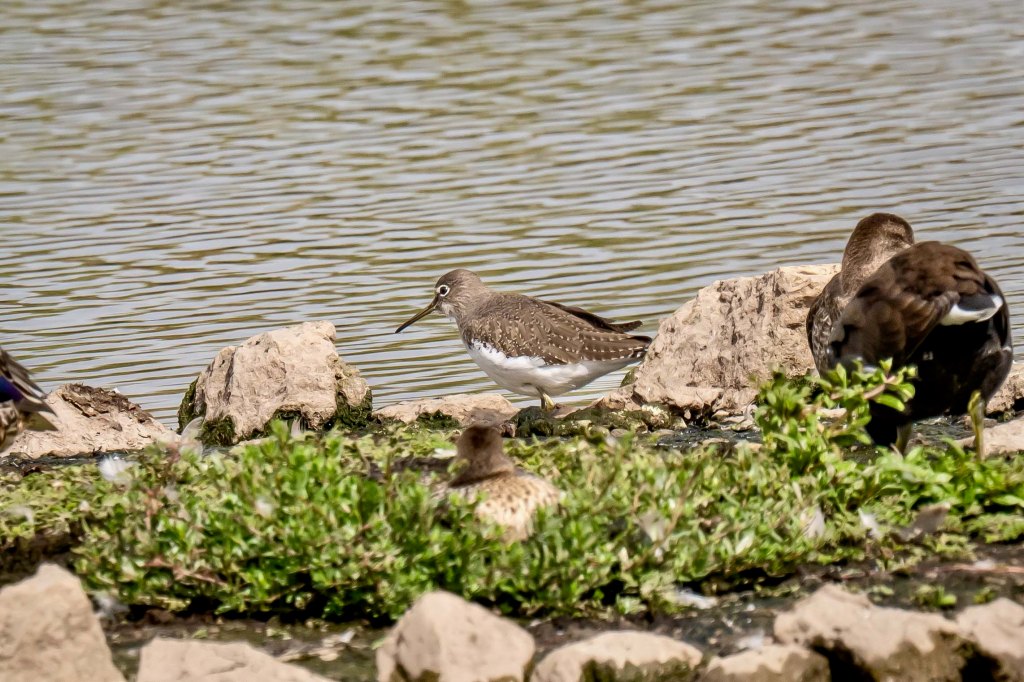
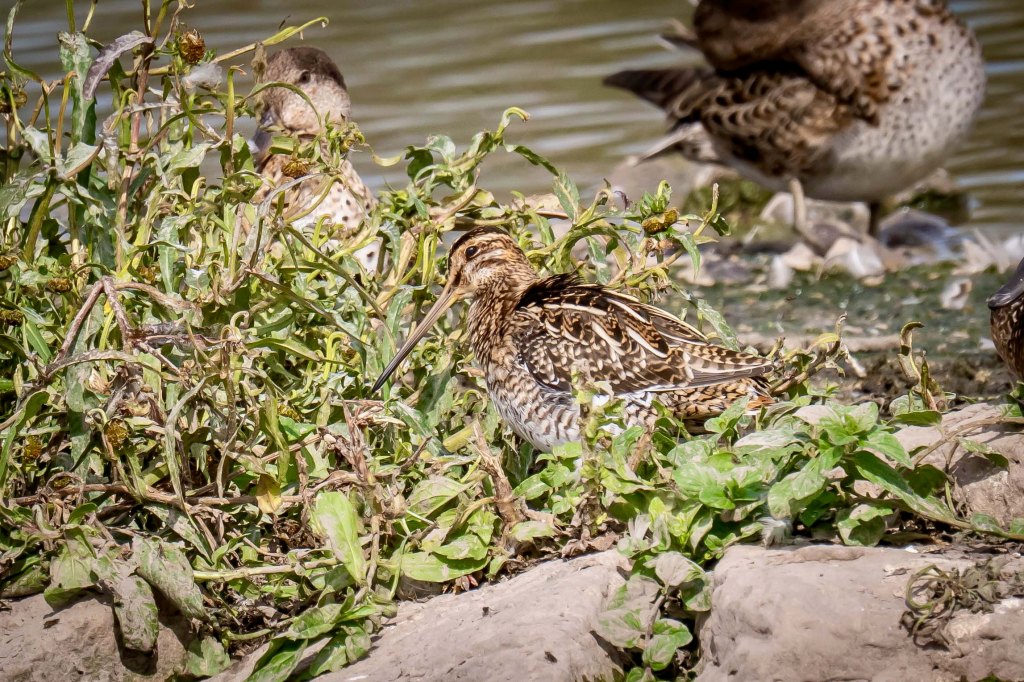
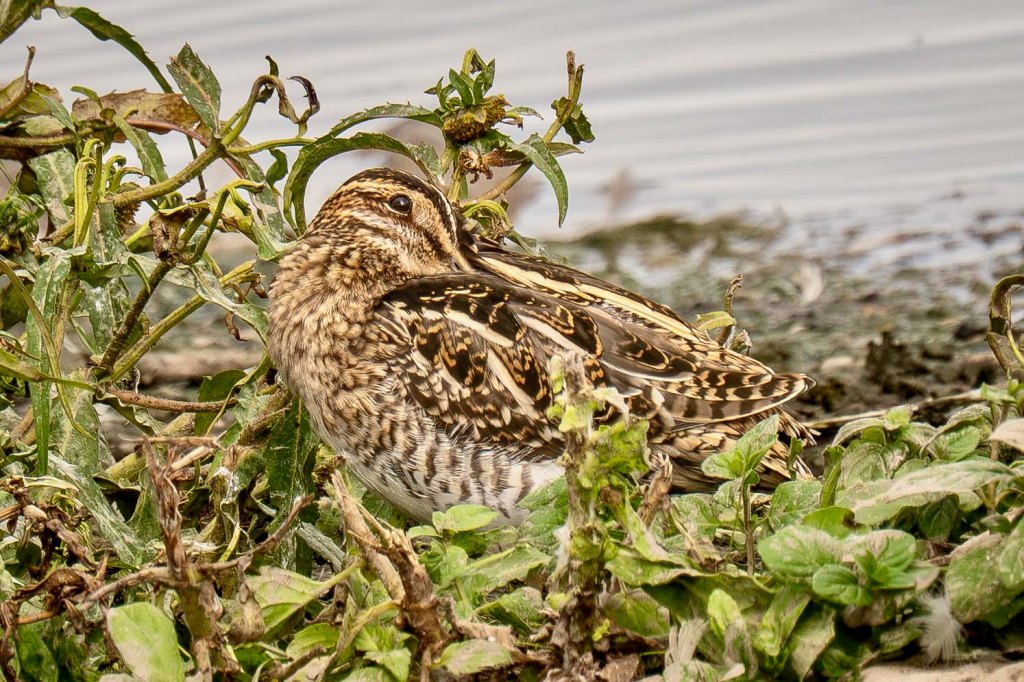
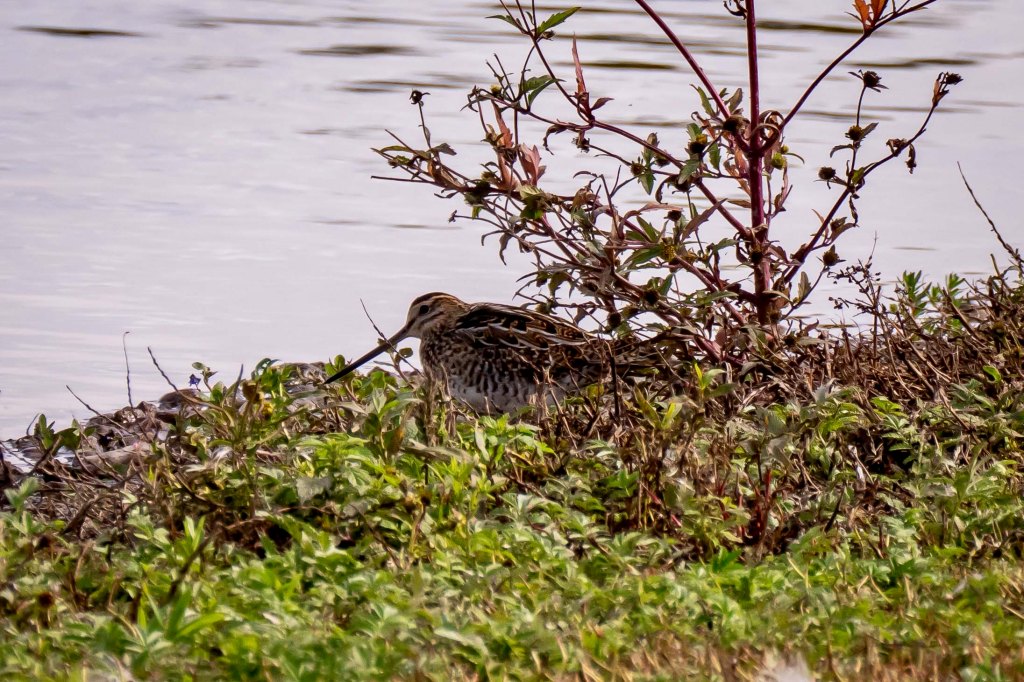
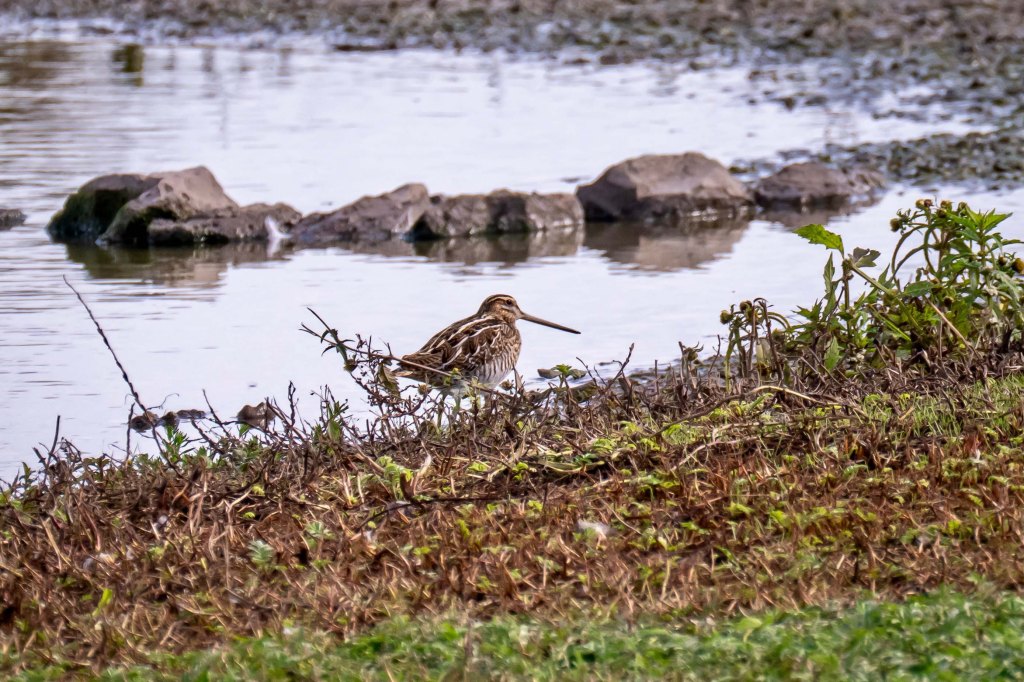
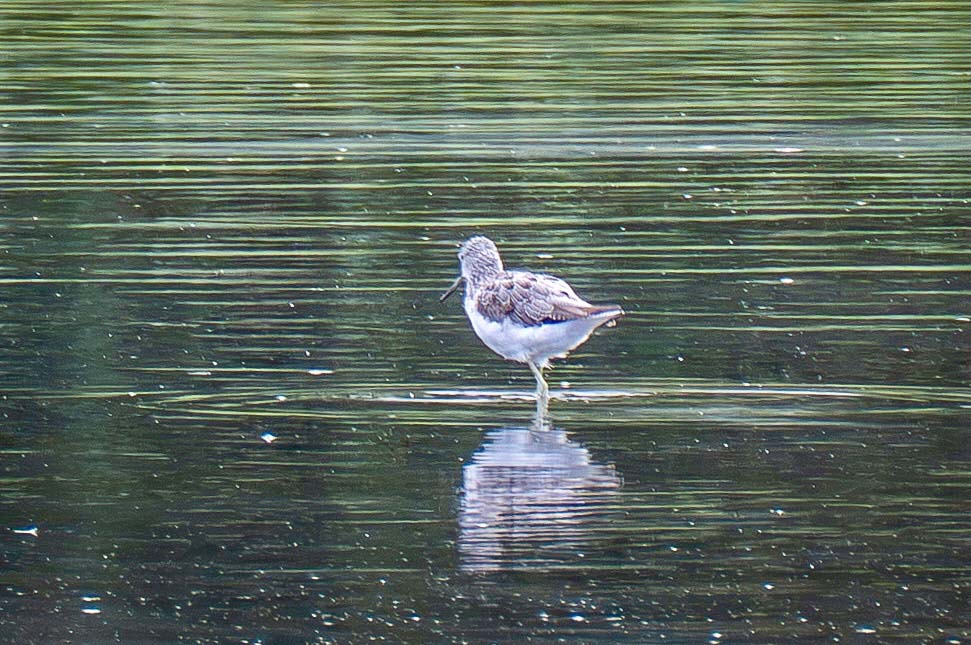
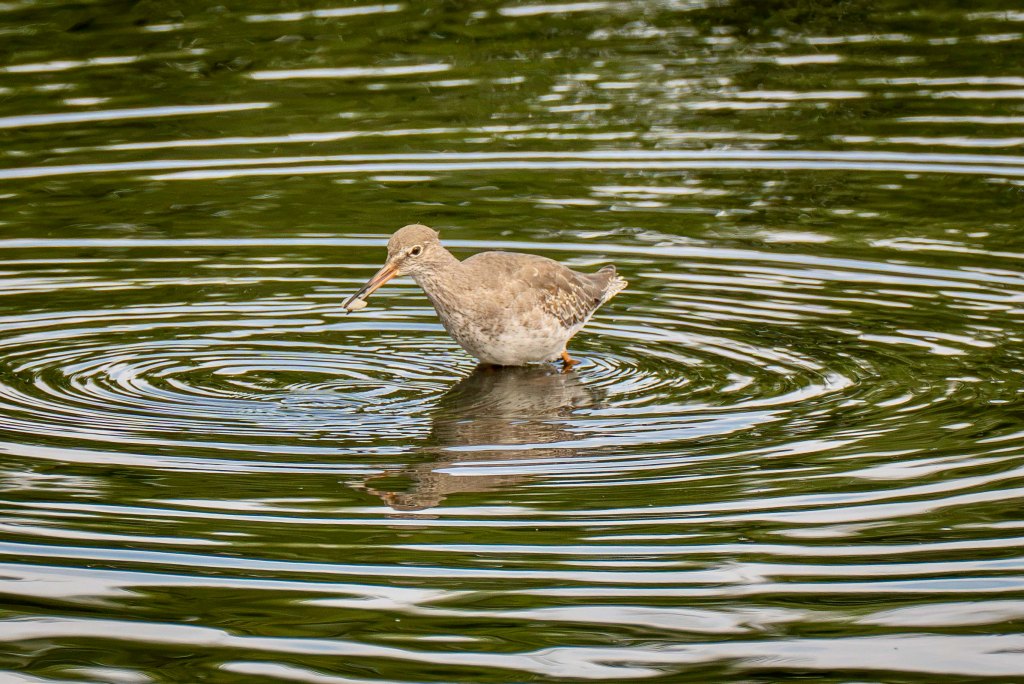
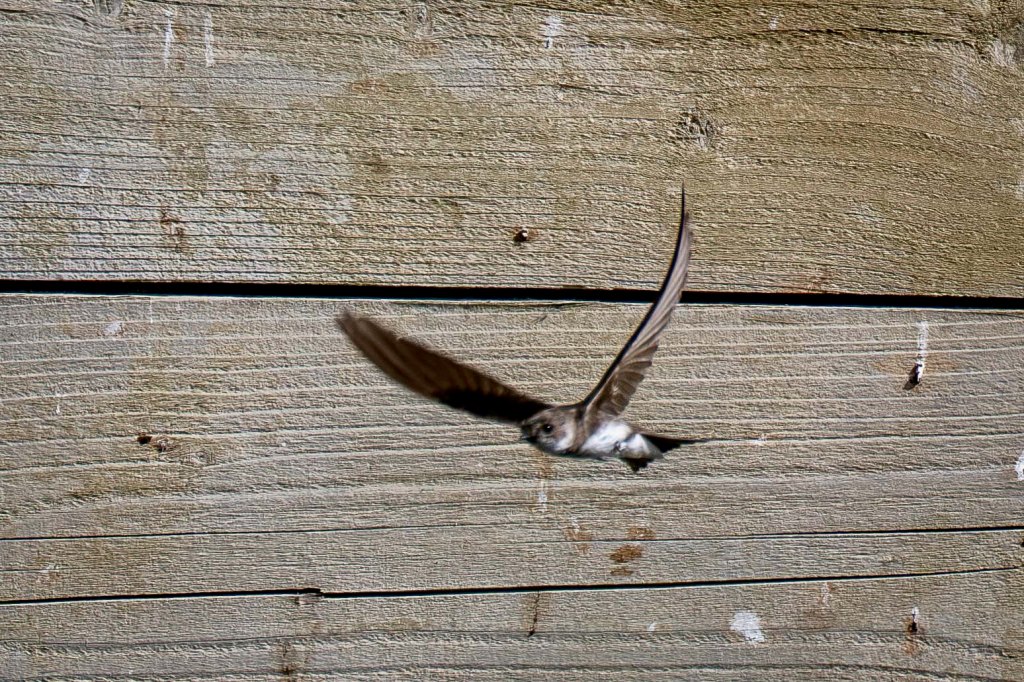
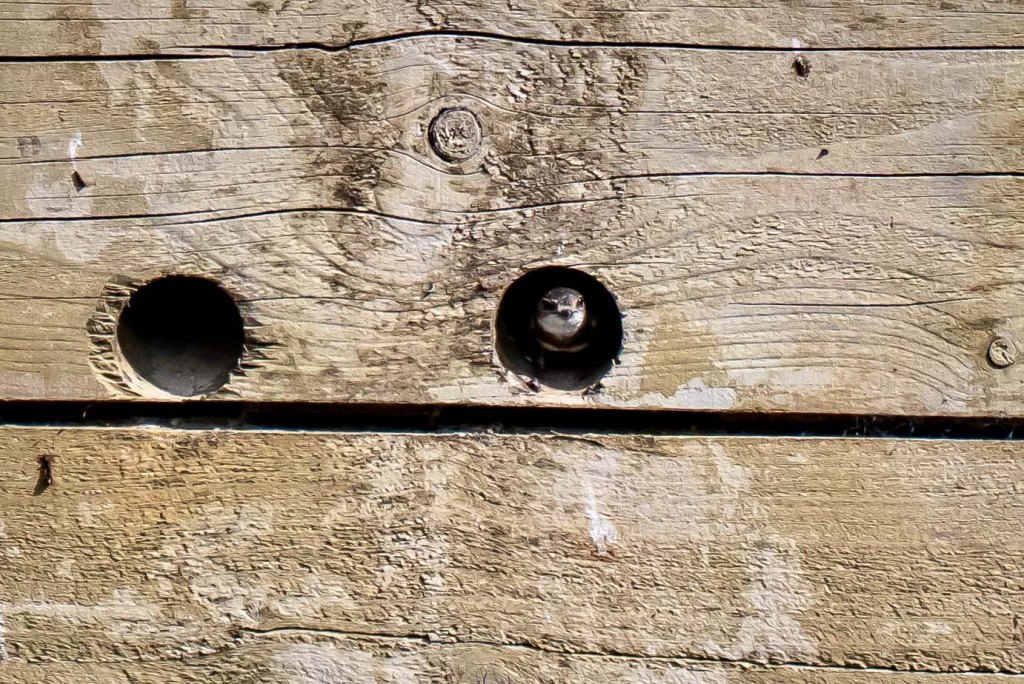
I always try to write a blog about each and every one of our birding days out just to keep a record for myself and to stretch my mind a little when I get home. I nearly didn’t bother today as I had such a paucity of photos as there wasn’t much to photograph and the light was rather poor (as was the cameraman). However, I liked my last burst of photos of a pair of common snipe and decided I ought to post a blog just for them.
Common snipeCommon snipeCommon snipeCommon snipeCommon snipeCommon snipe
We were about to head south to the Somerset Levels but we had a change of mind when a quick check of the weather forecast showed heavy rain whereas just north of us, at Slimbridge, dry weather was predicted.
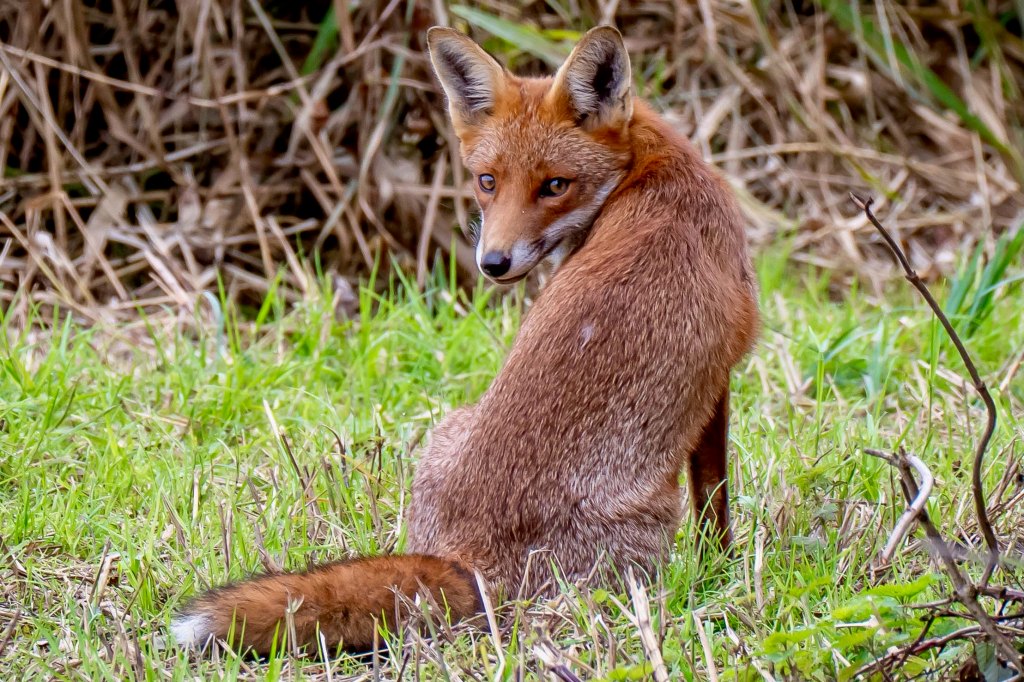
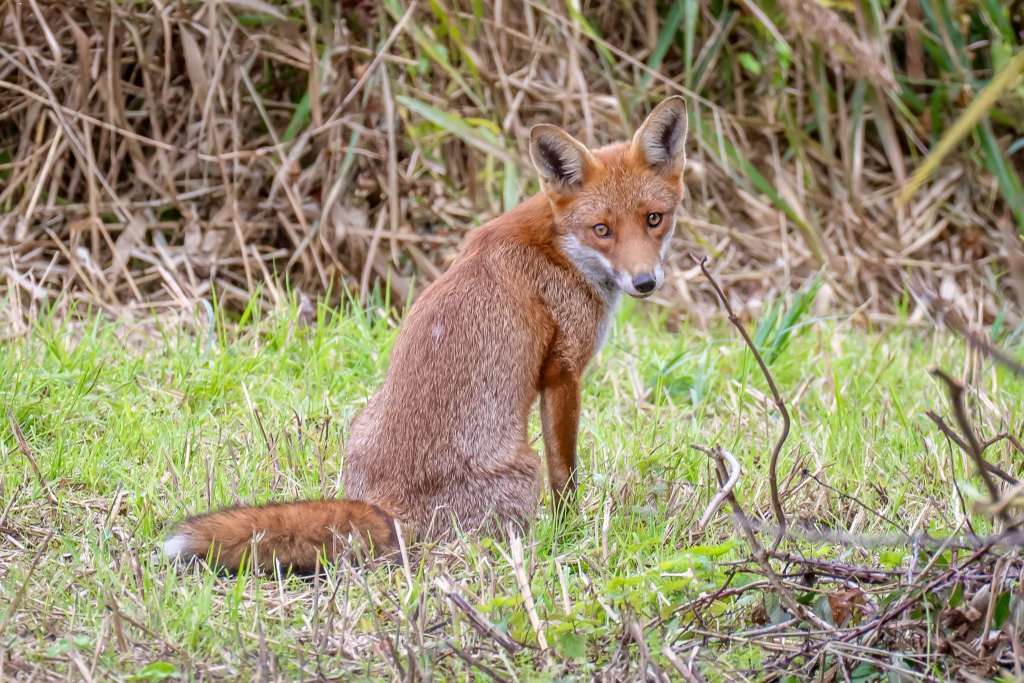
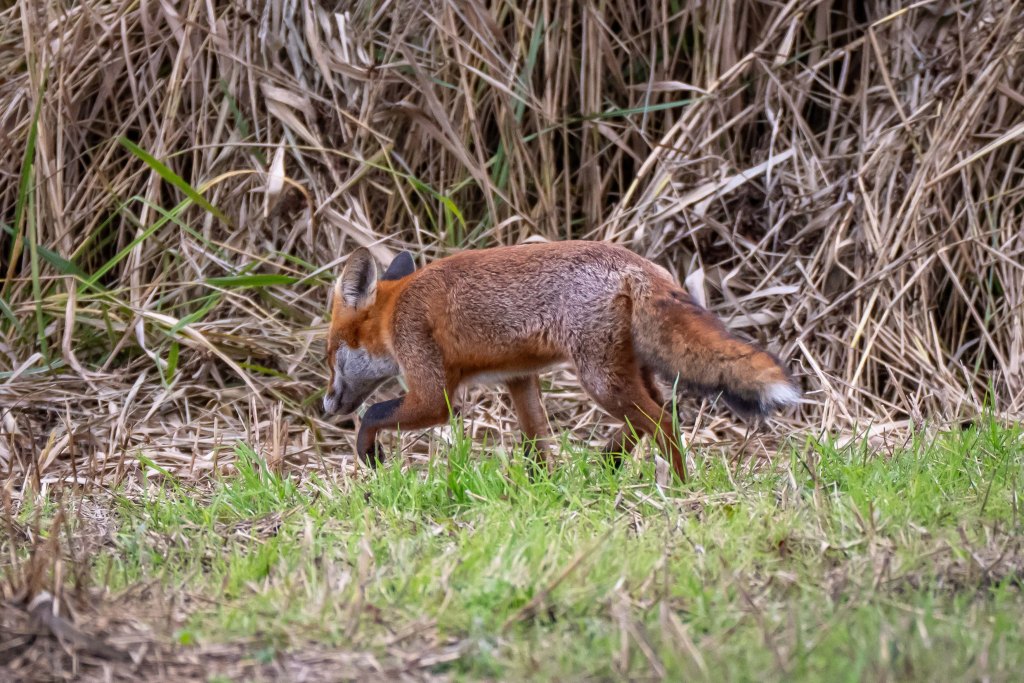
There were more geese on the reserve than previous visits but nothing new to report other than a first sighting for us of a red fox on the reserve. None of the birds seemed to be agitated by the presence of the fox. However, the fox seemed to be in good health and certainly well fed!
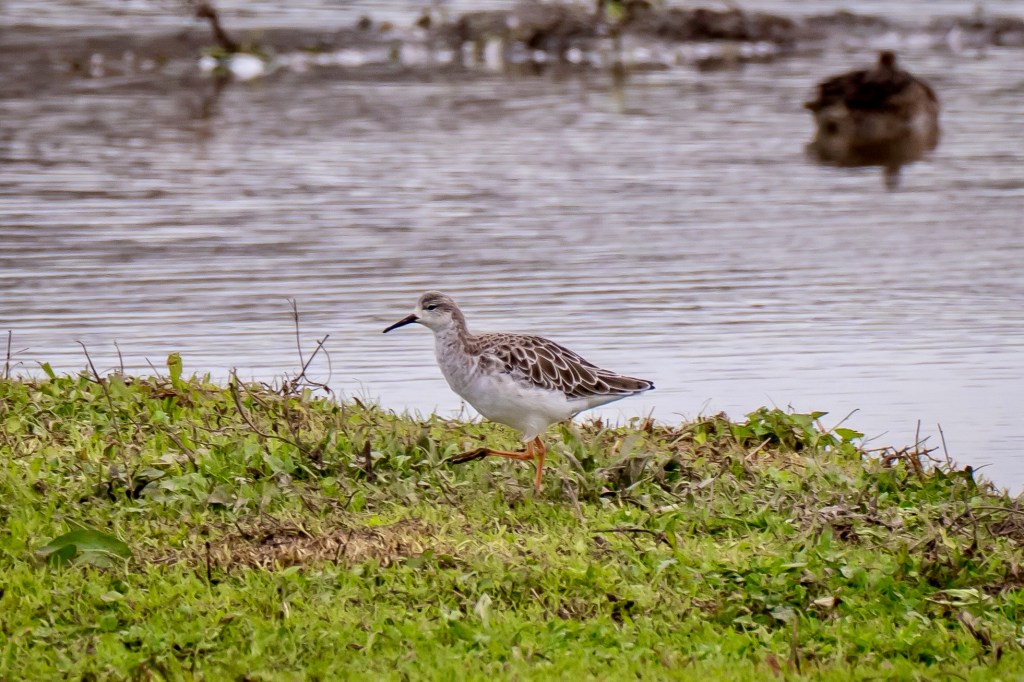
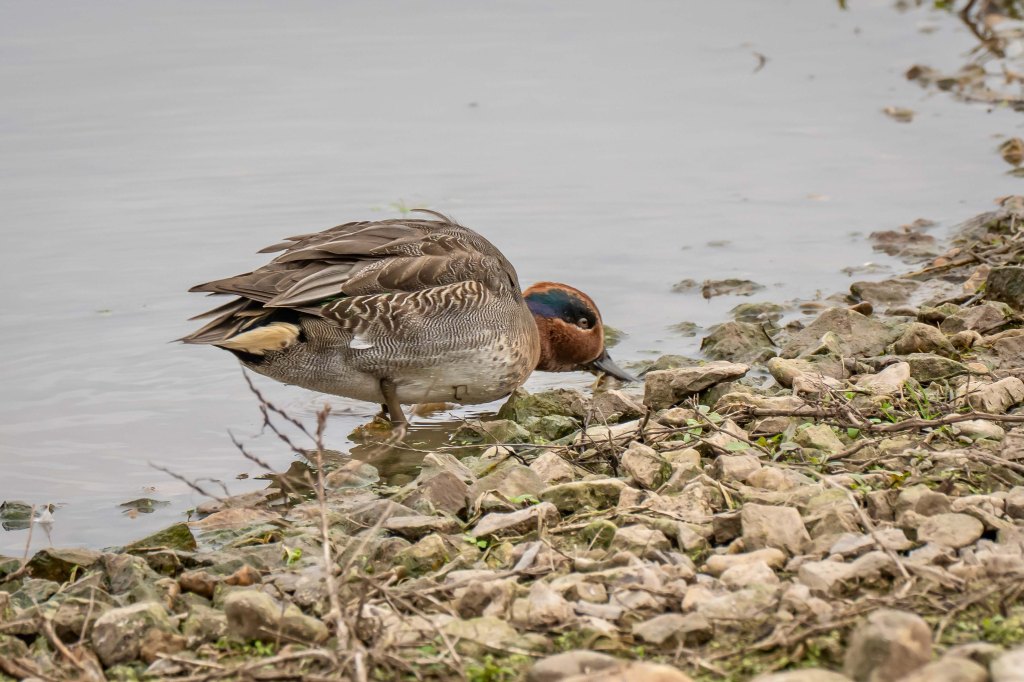
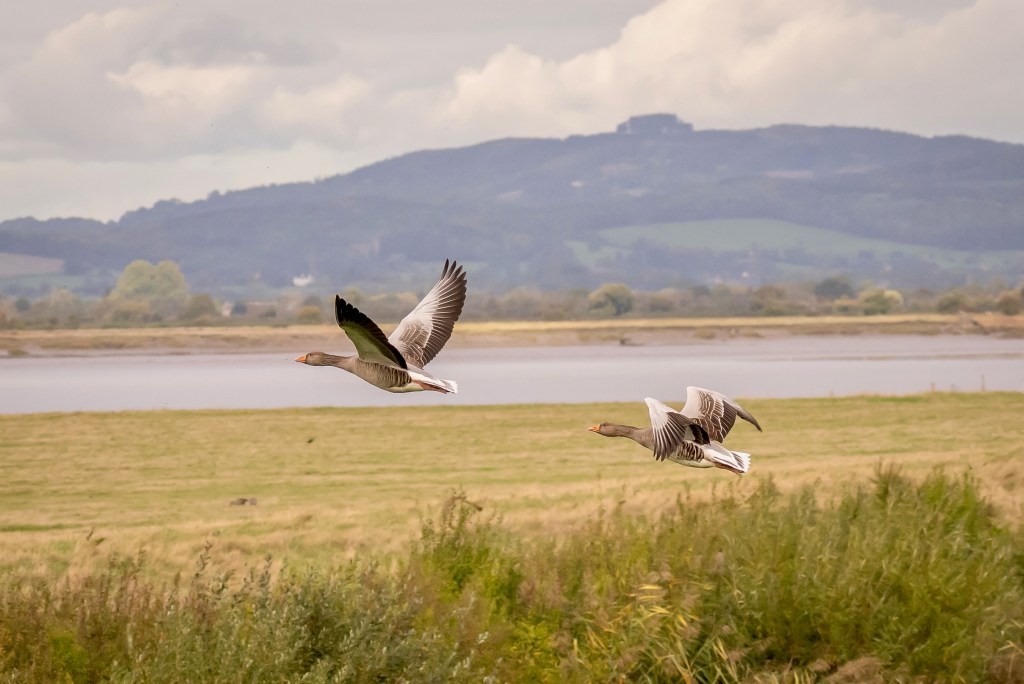
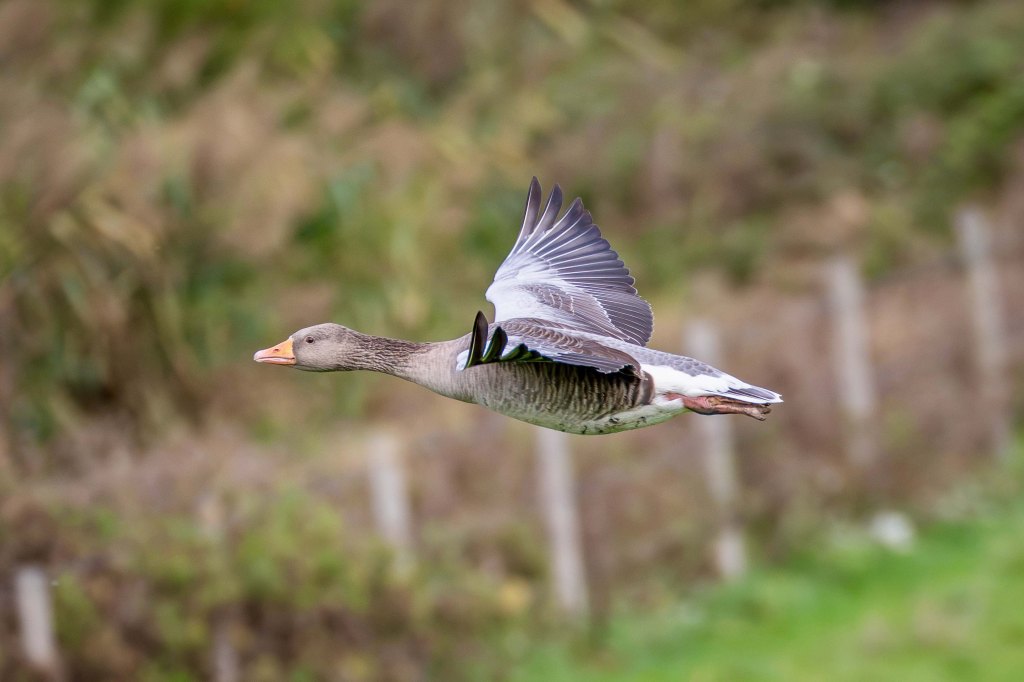
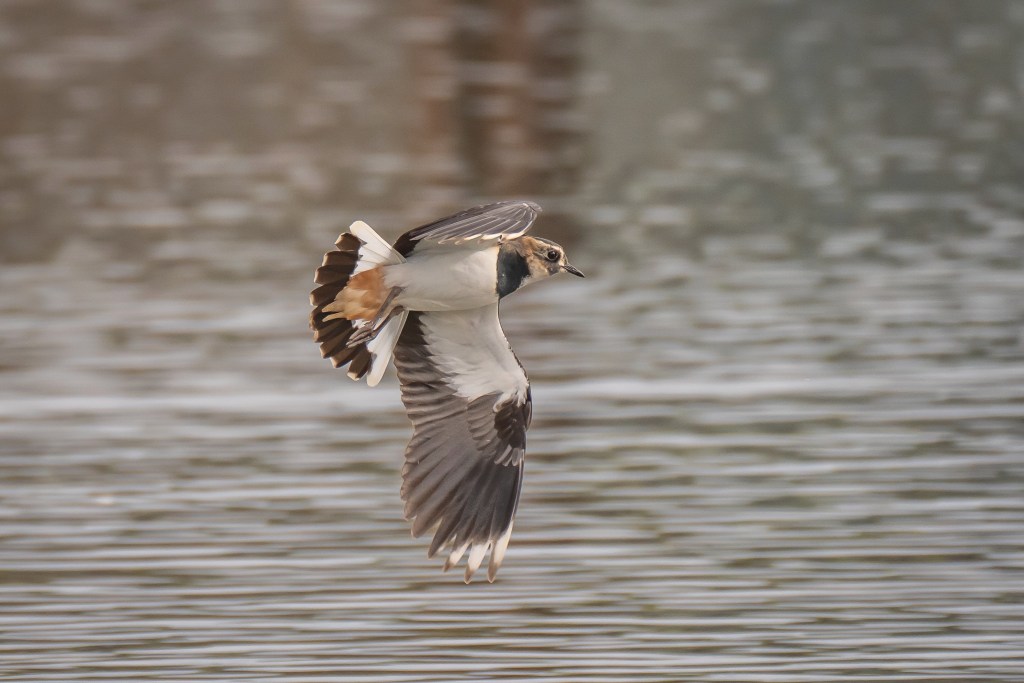
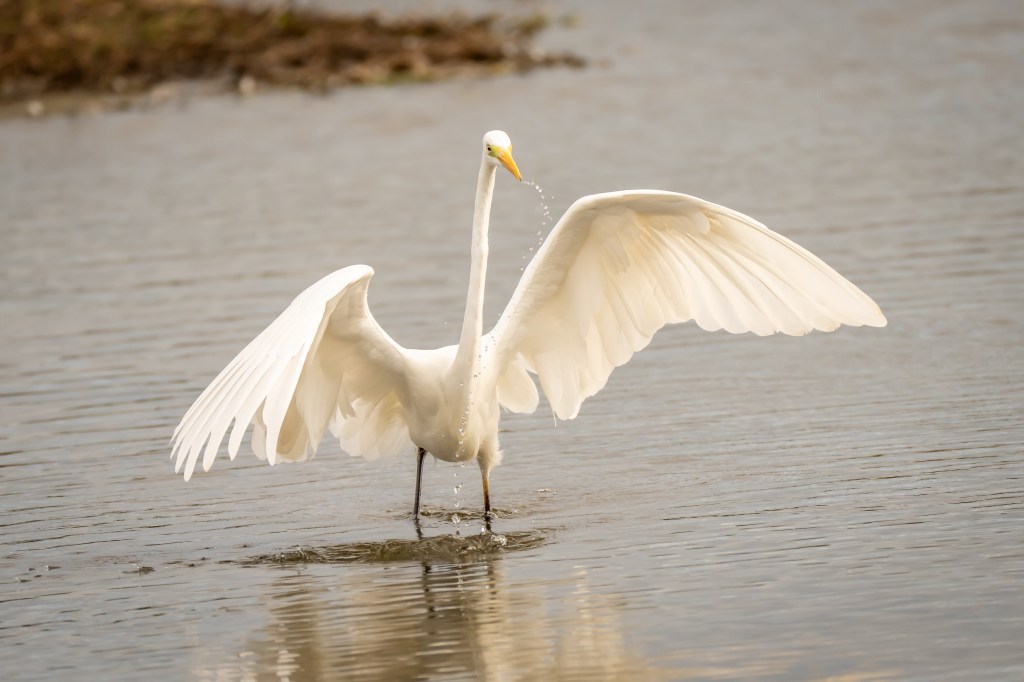
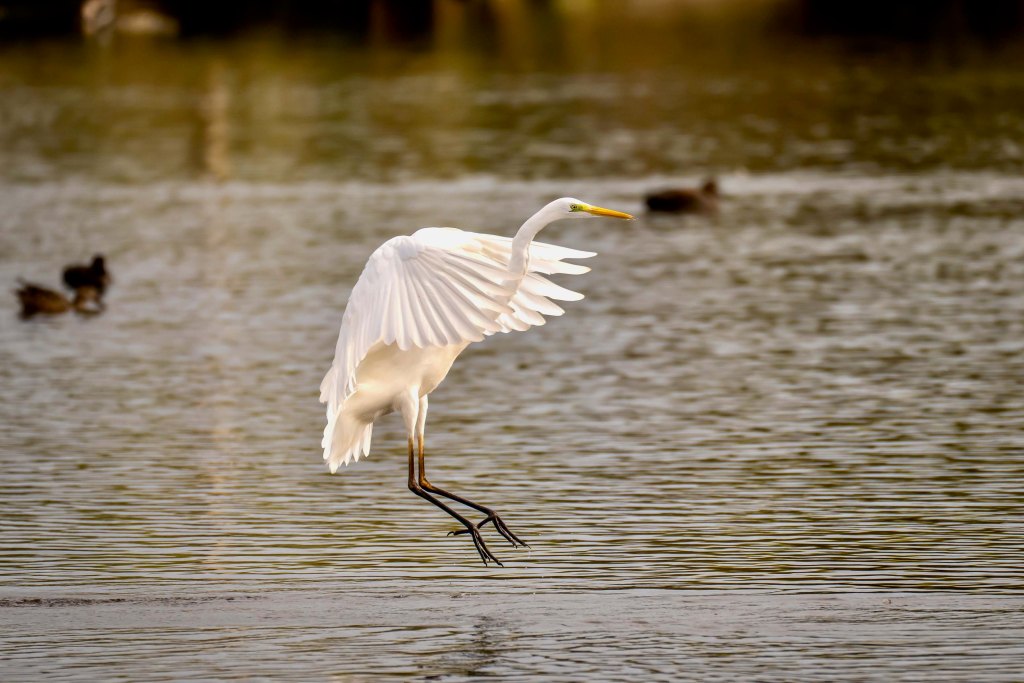
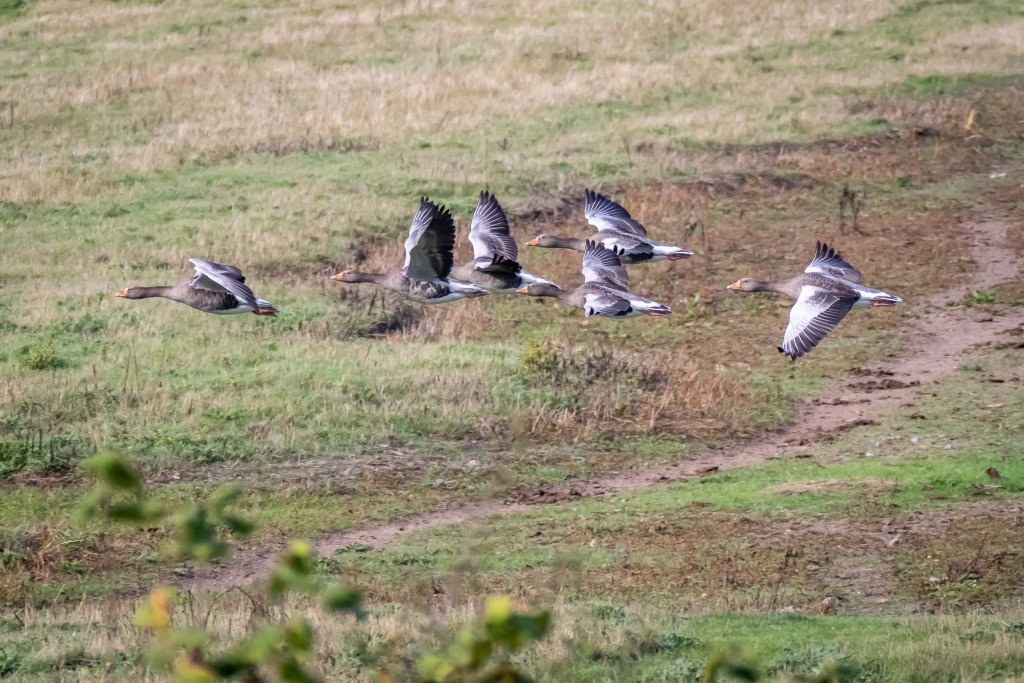
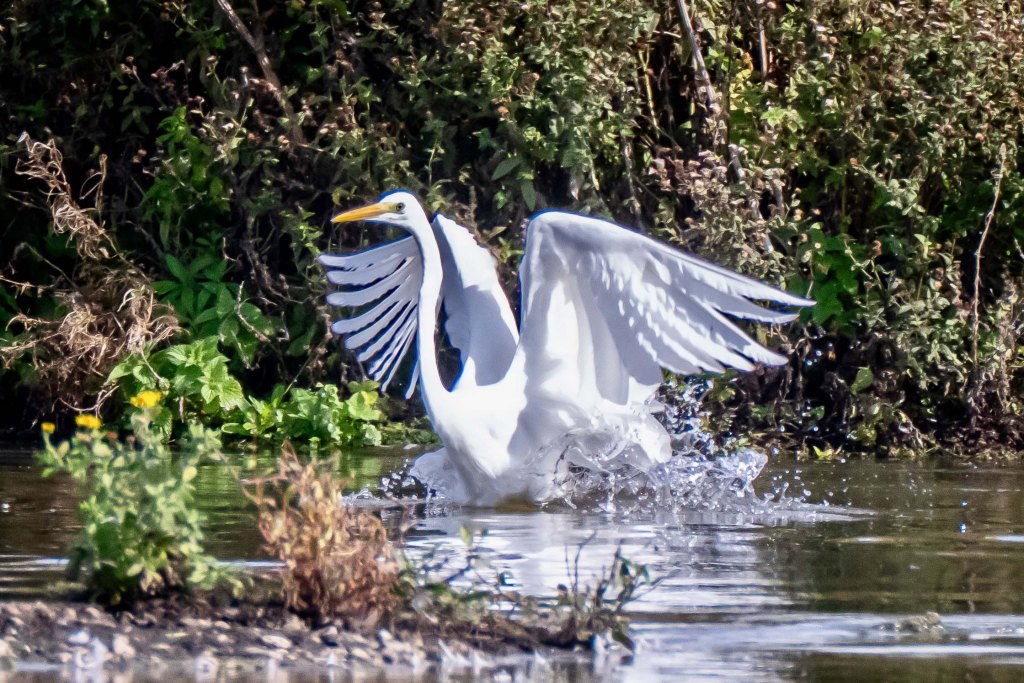
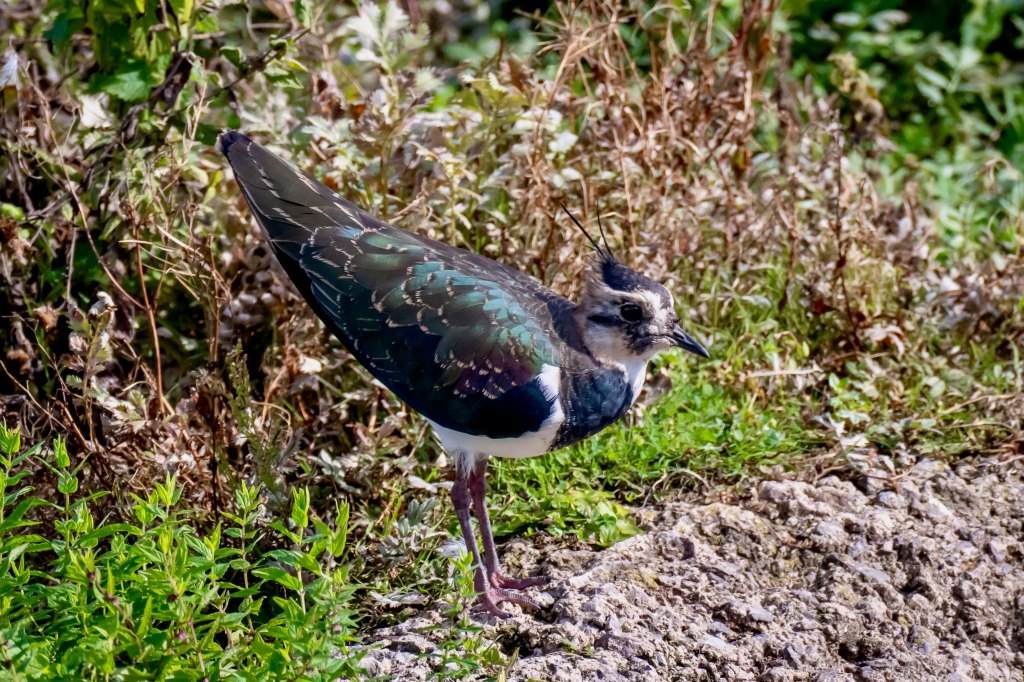
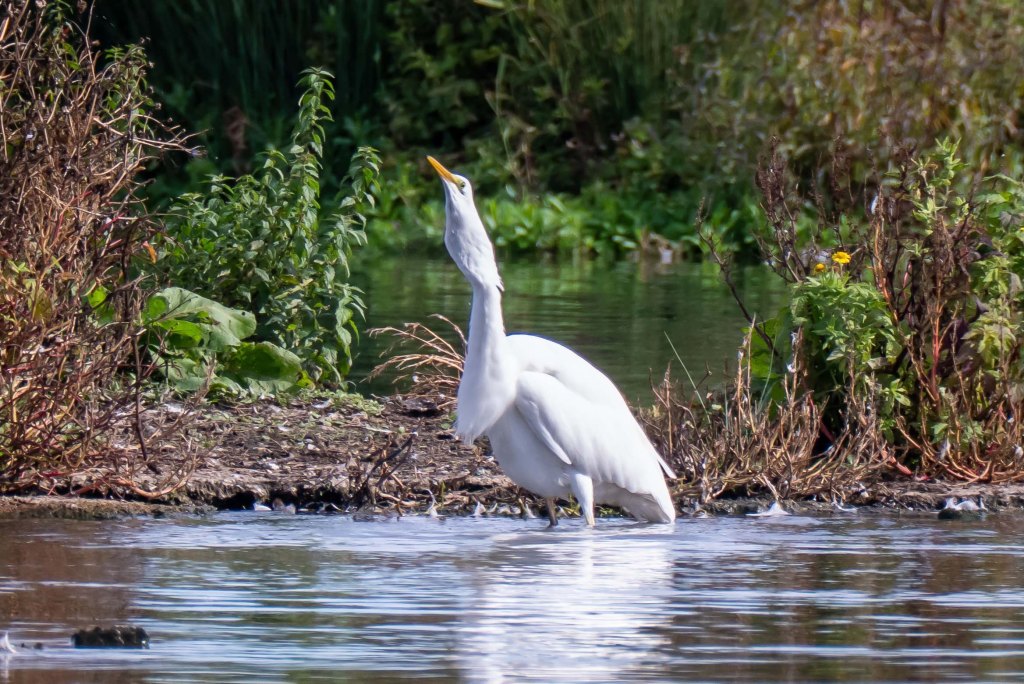
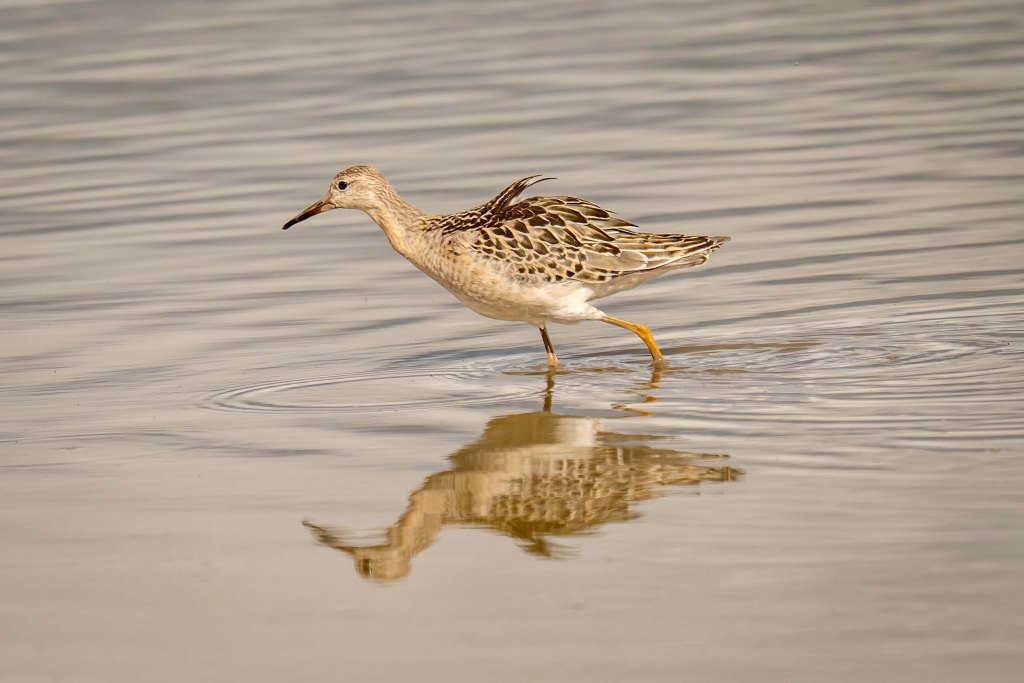
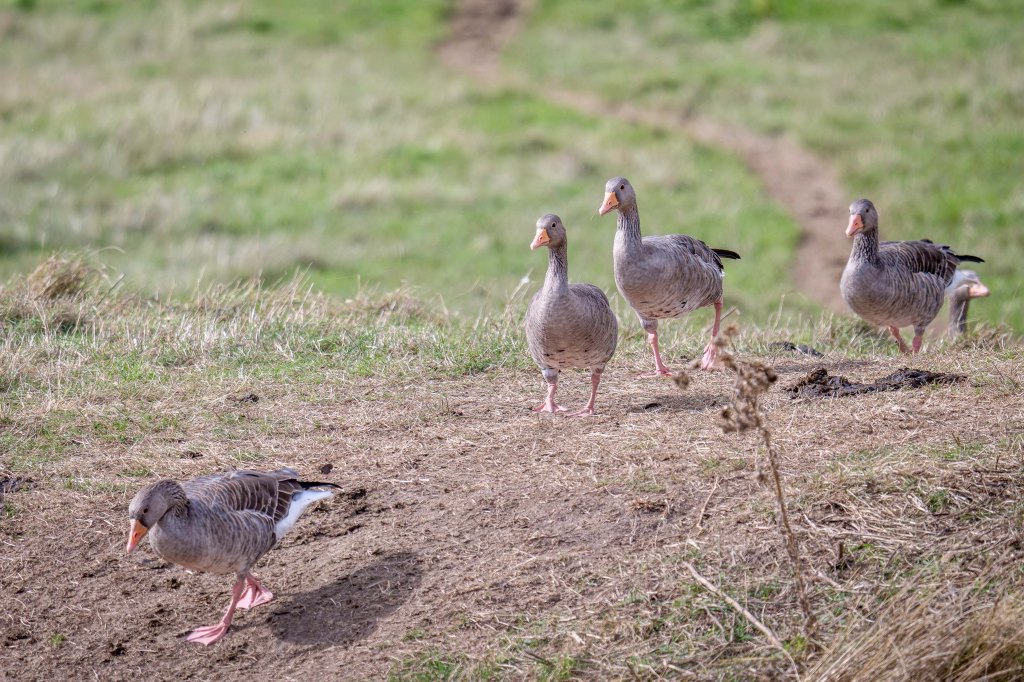
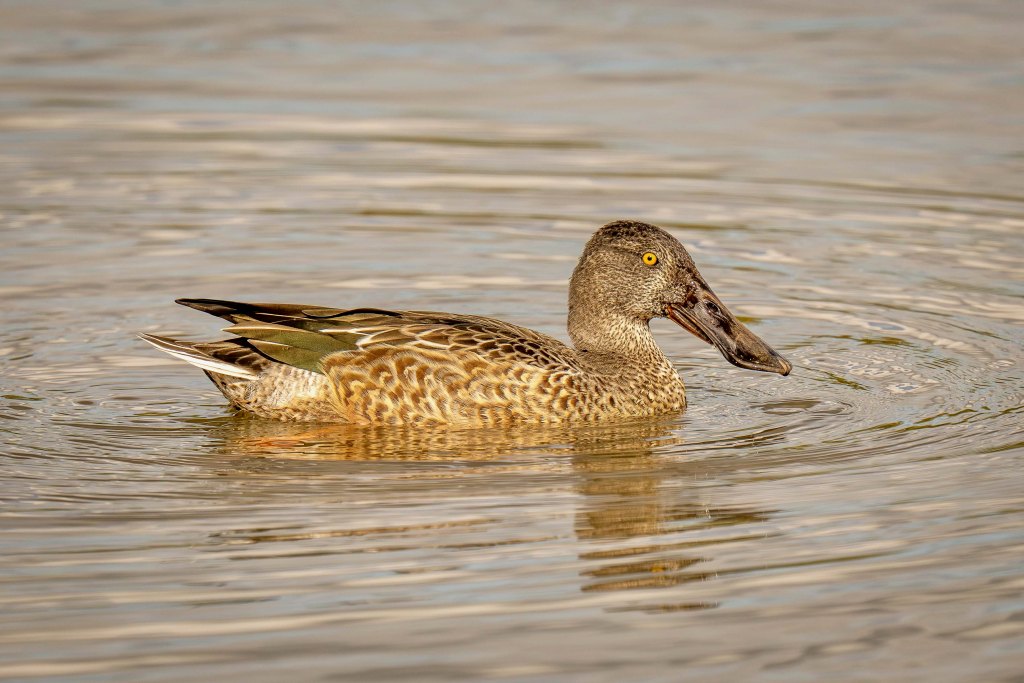
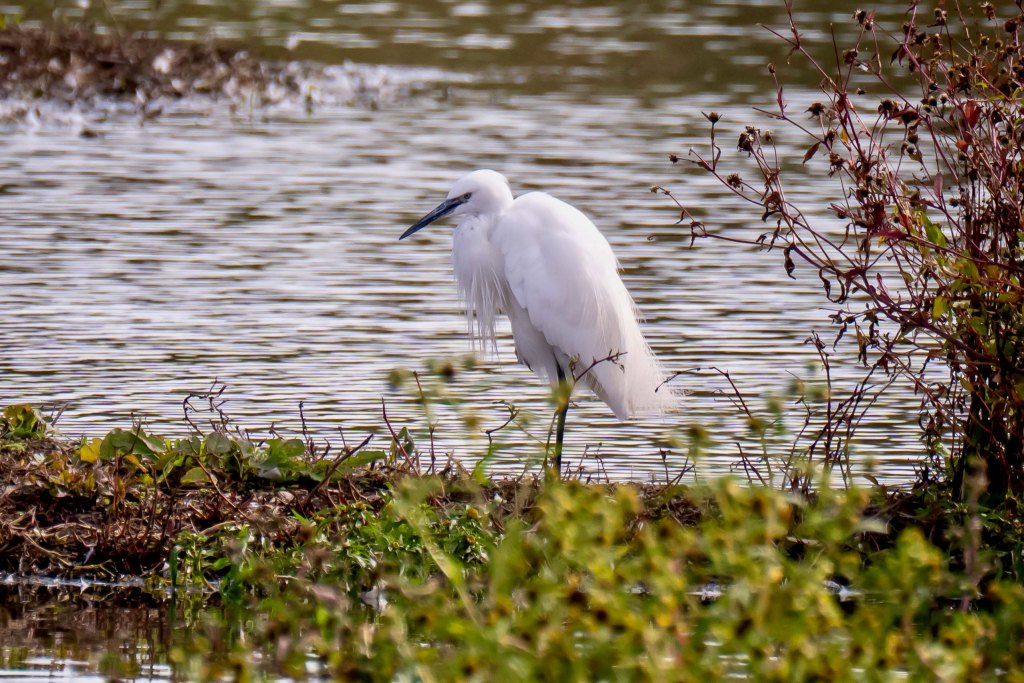
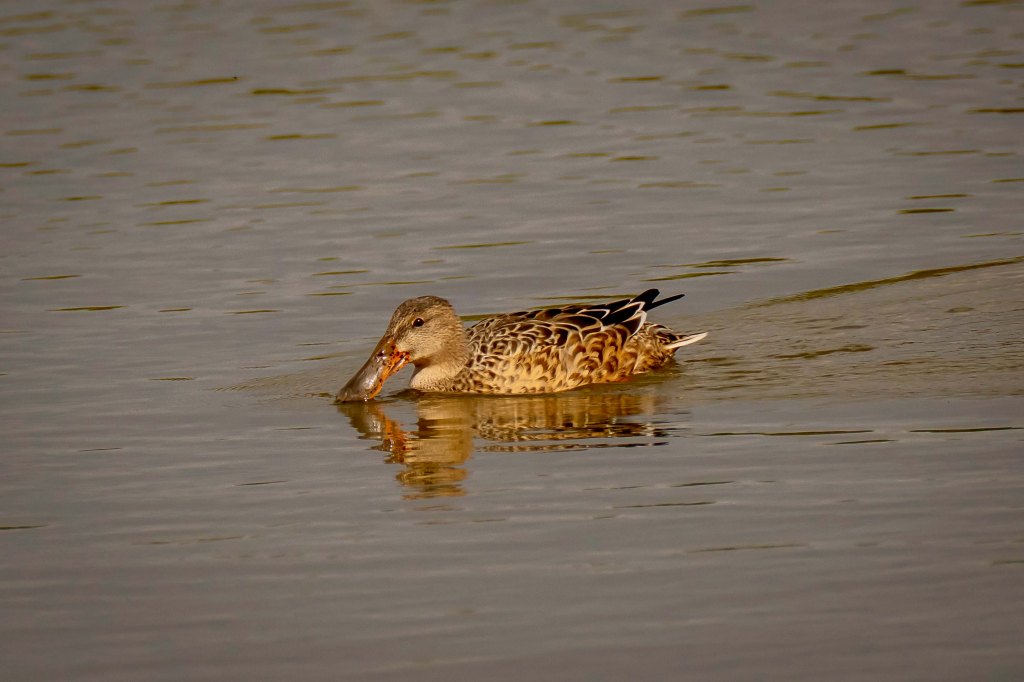
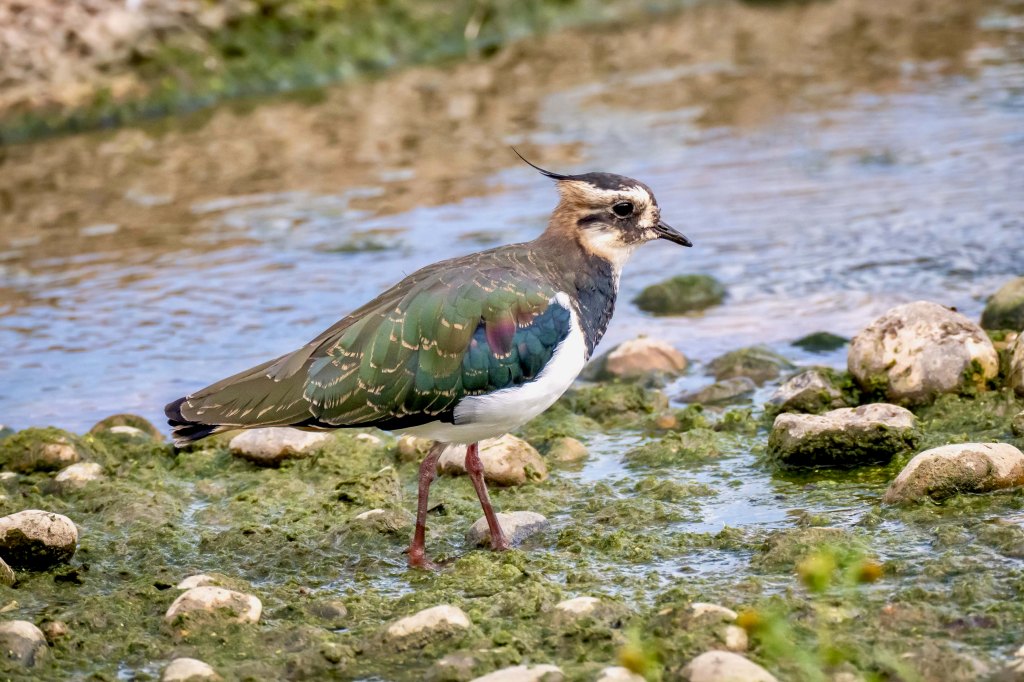
Red foxRed foxRed foxCommon snipeRuffTealGreylag geeseClose up on another greylag gooseNorthern lapwing Great white egret at close proximityGreat white egret landing
“Où sont les soleils d’antan” – with apologies to François Villon
No sun today – the first time for a long time.
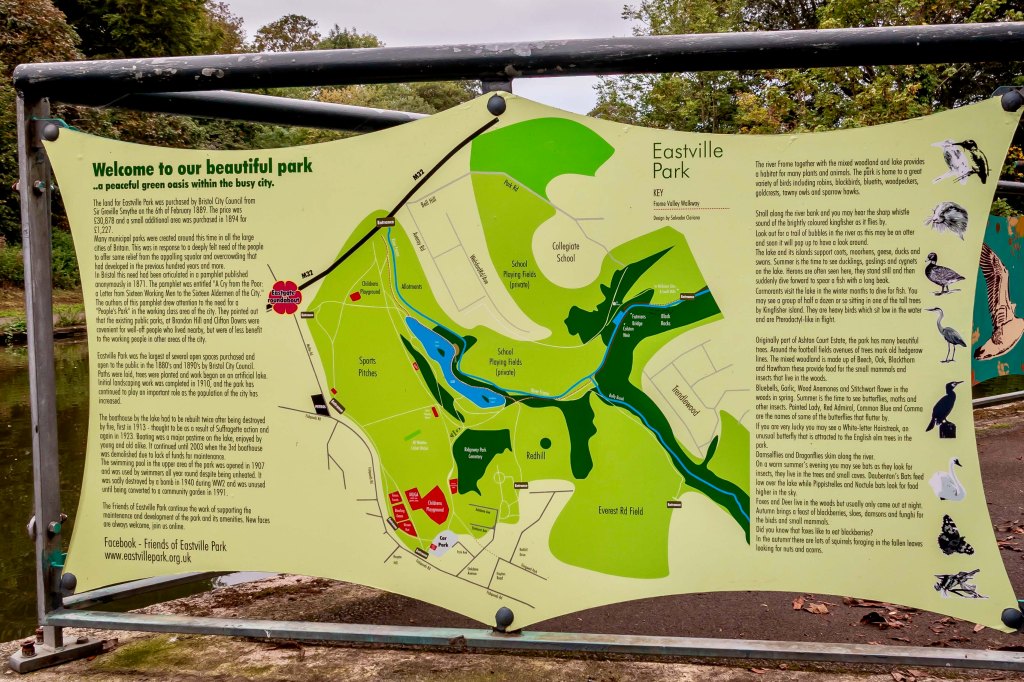
Nonetheless we had a pleasant walk on our local patch – the first time we have managed to get to our local park, Eastville Park in Bristol, for 16 months .
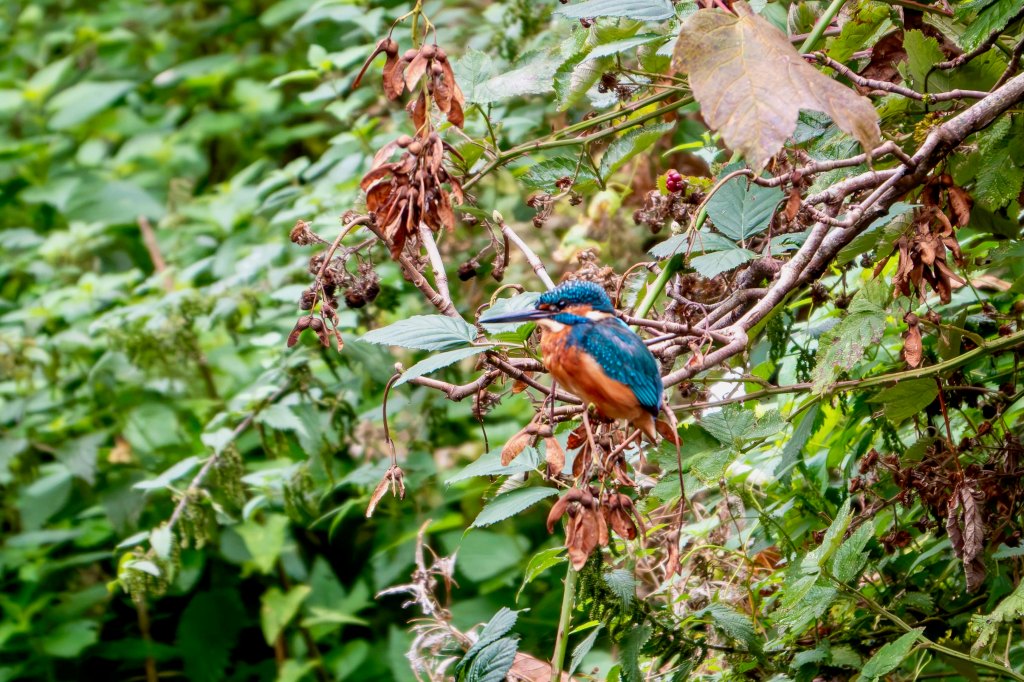
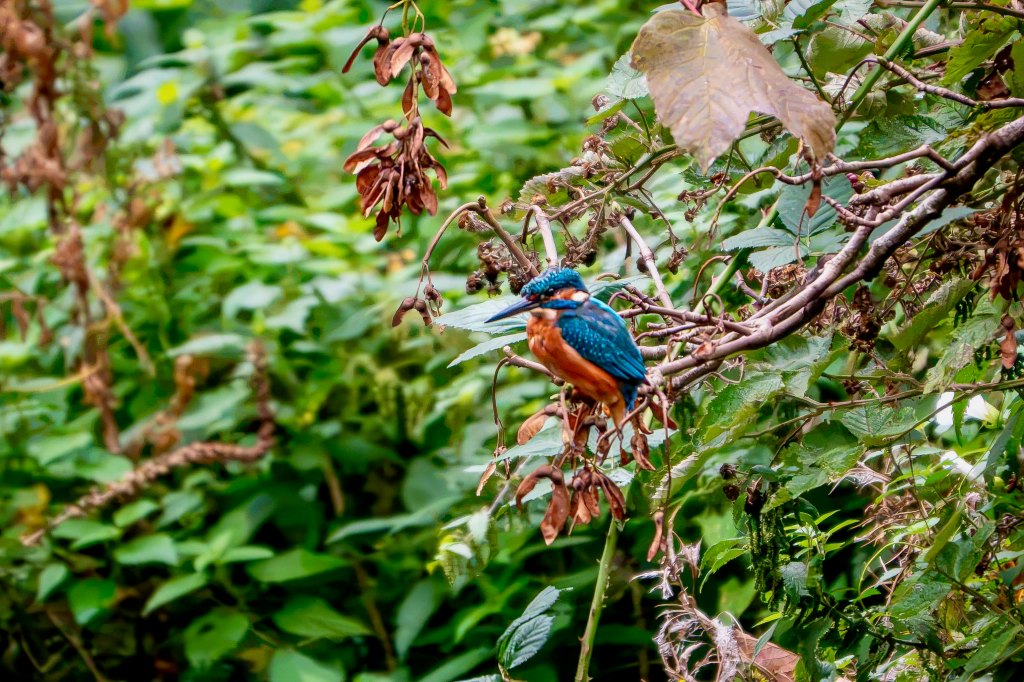
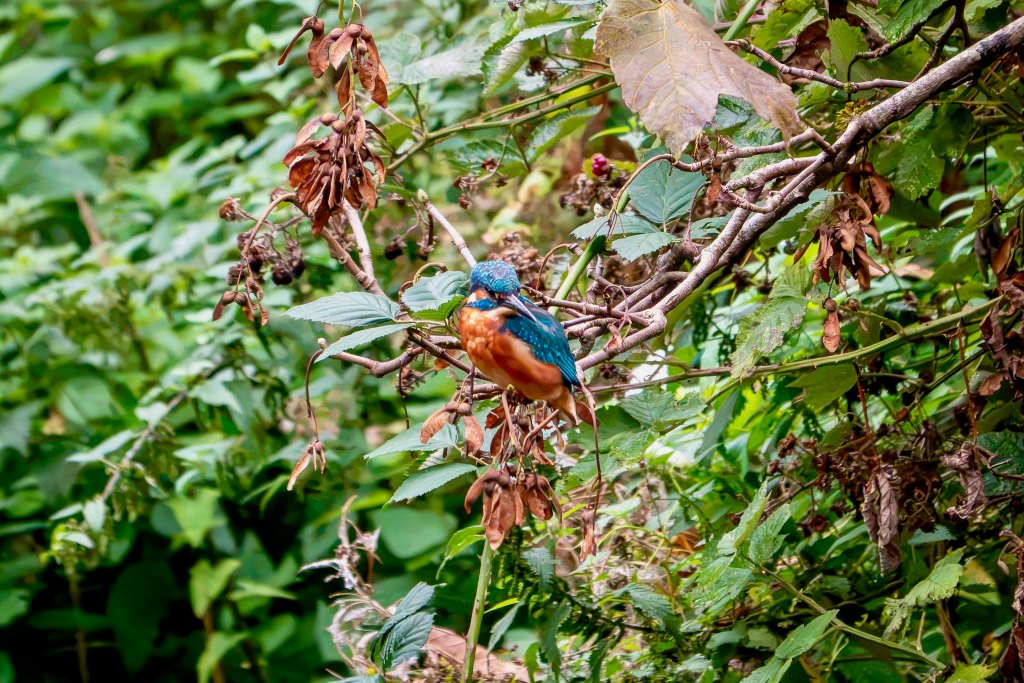
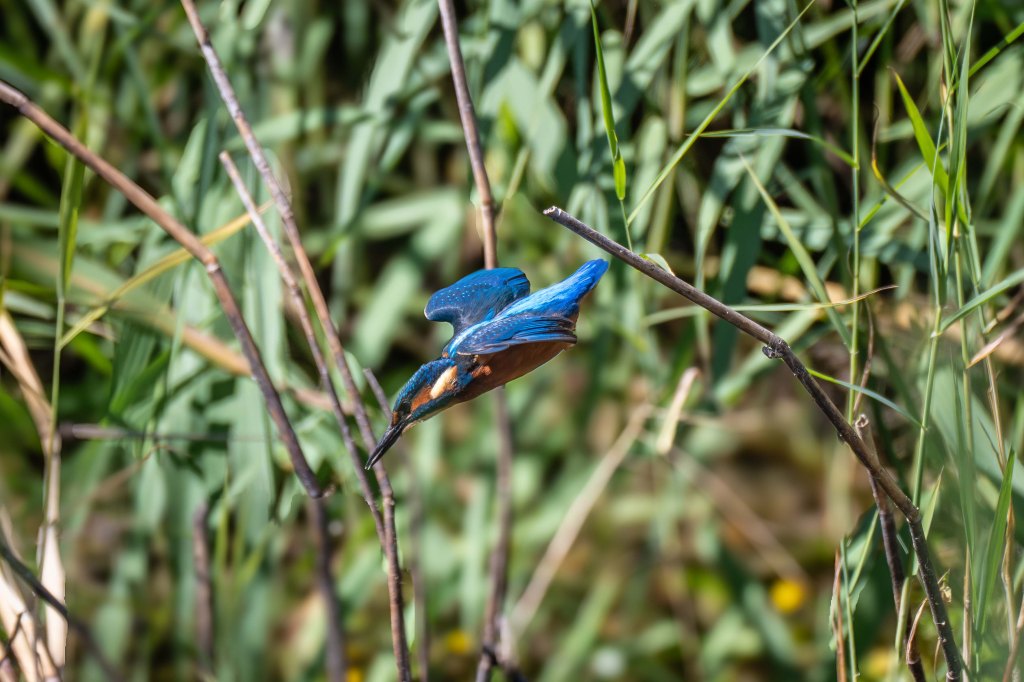
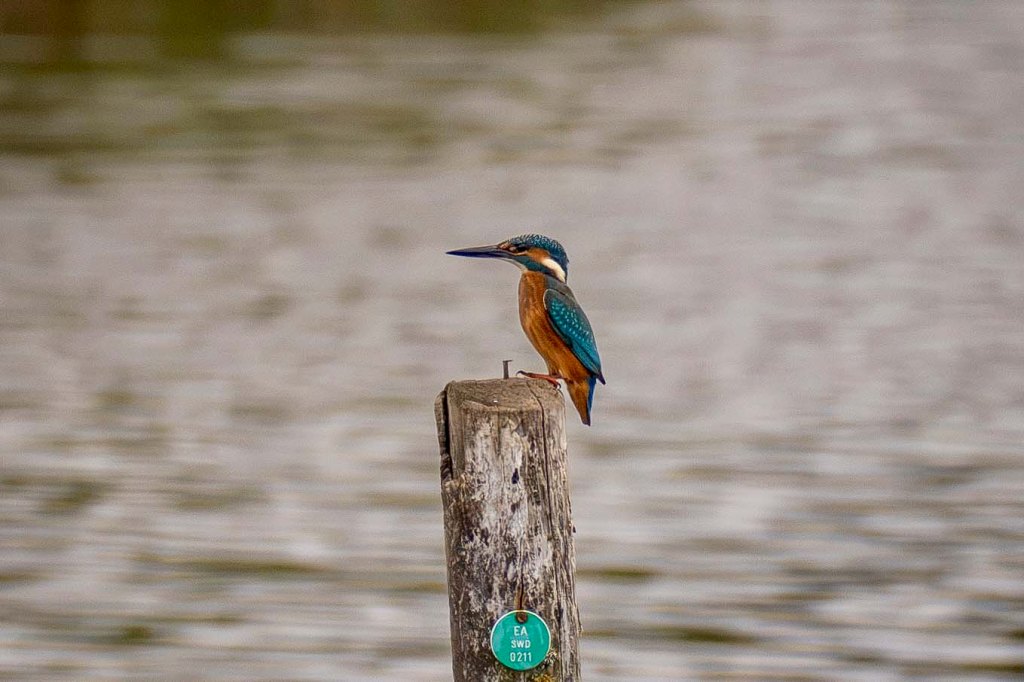
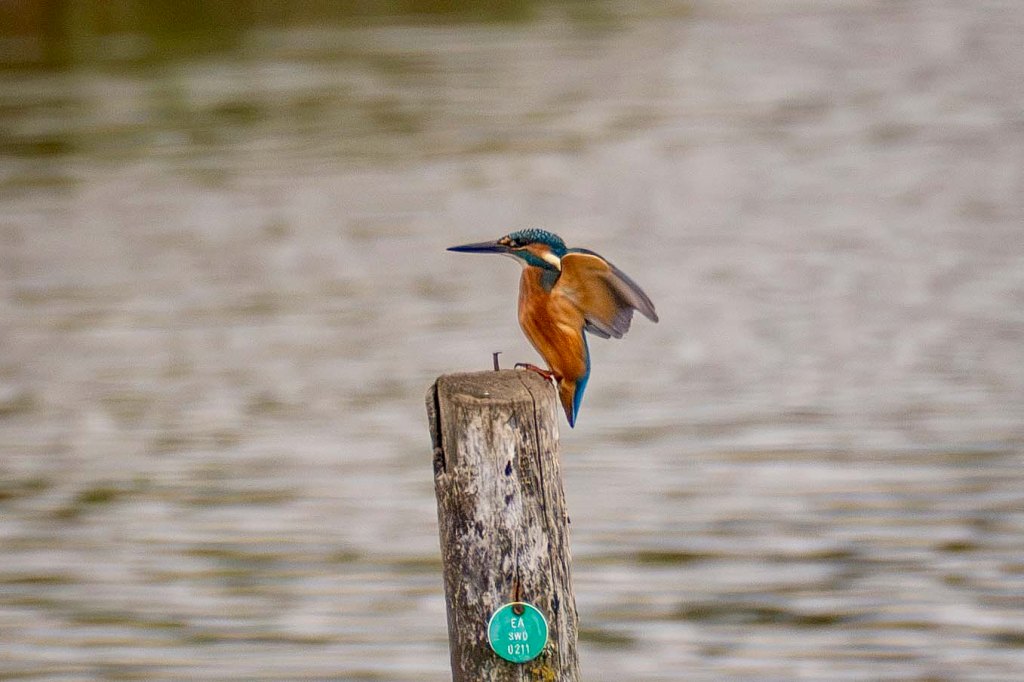
Generally, it’s a great place to see some wildlife and today did not disappoint. I reckon if I see a kingfisher on one of our days out I am never disappointed. Somehow they always manage to lift your spirits.
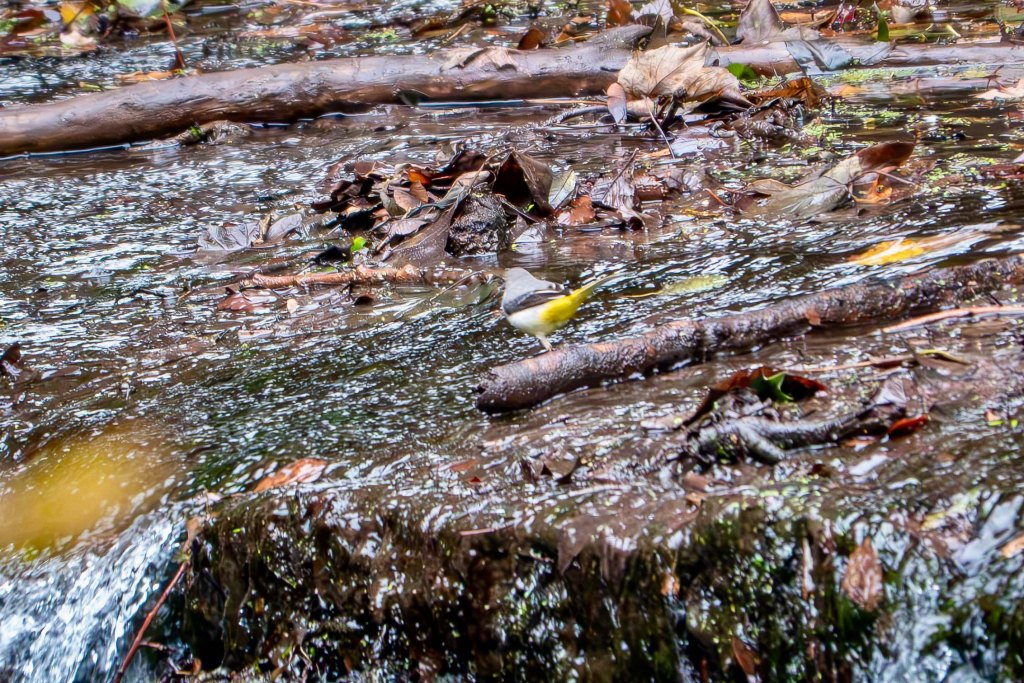
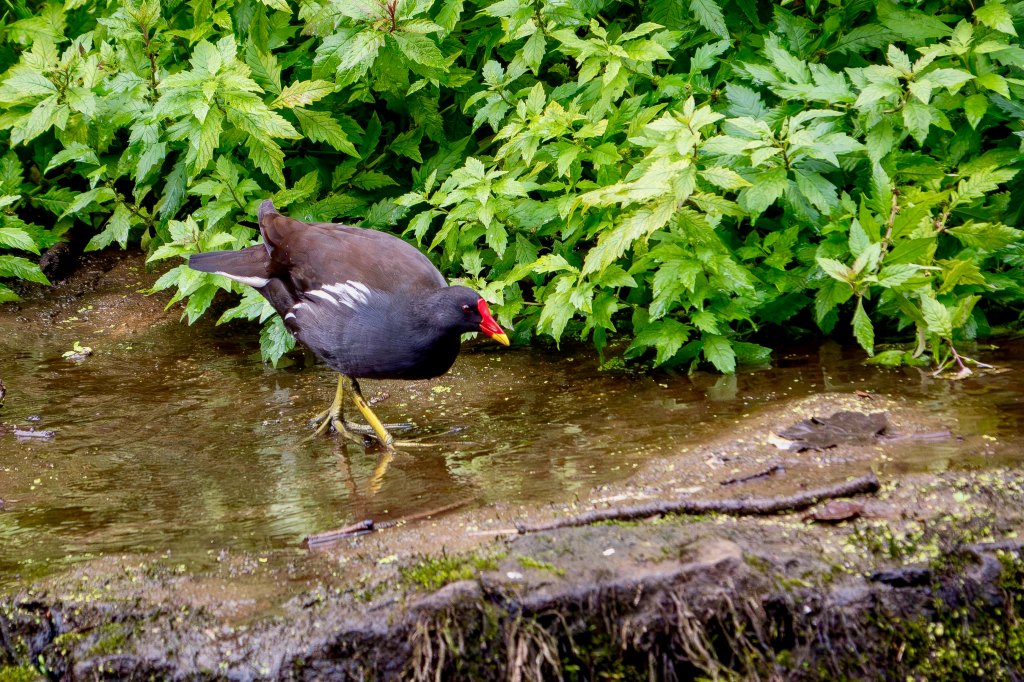
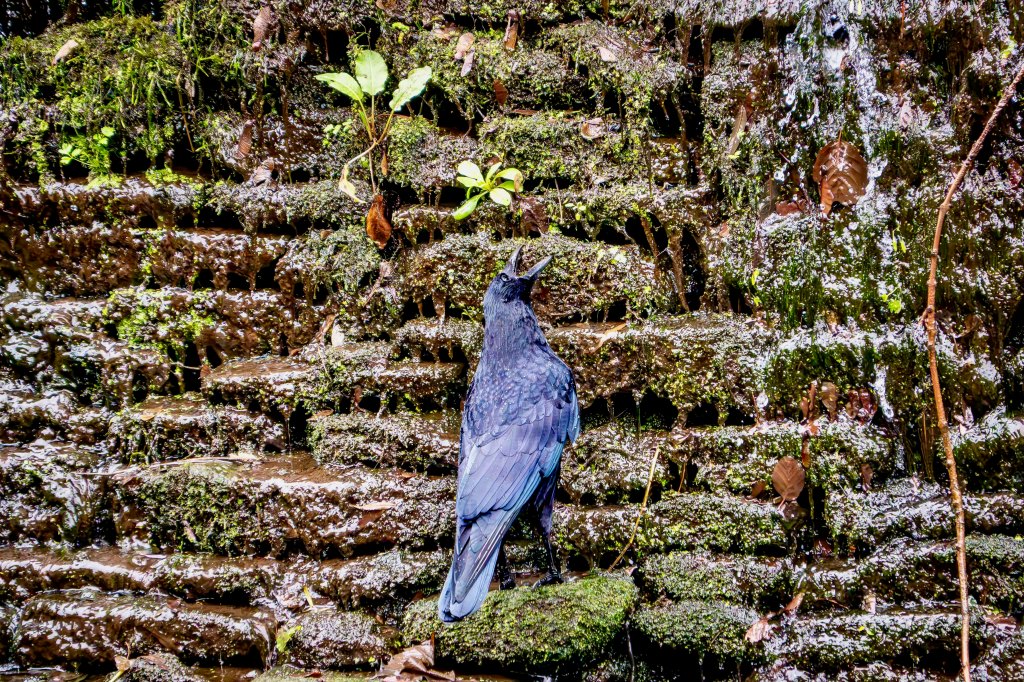
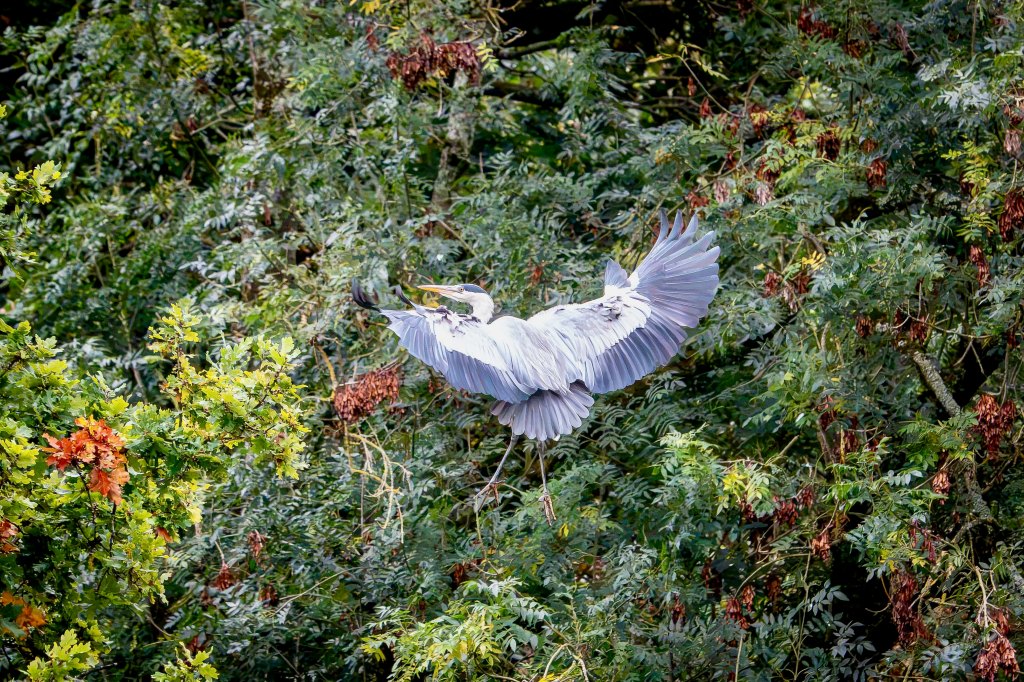
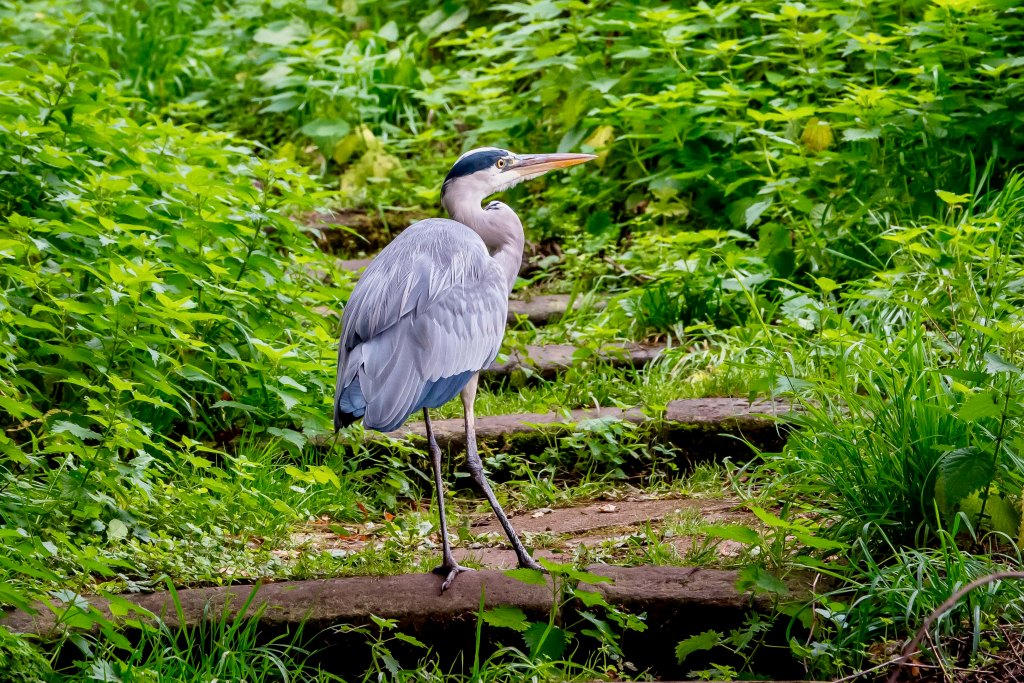
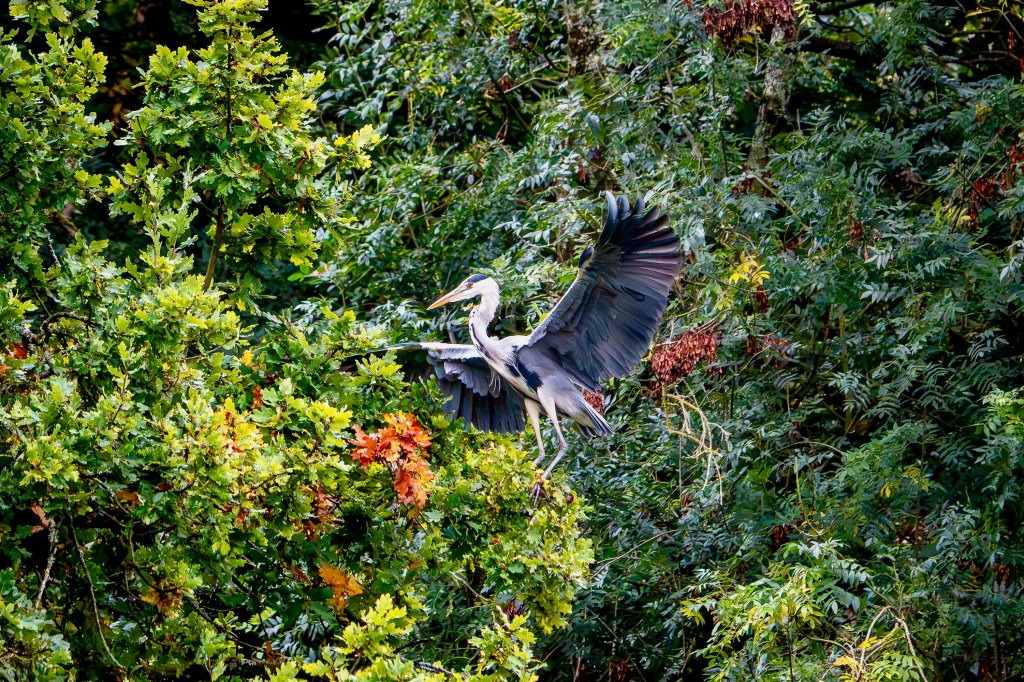
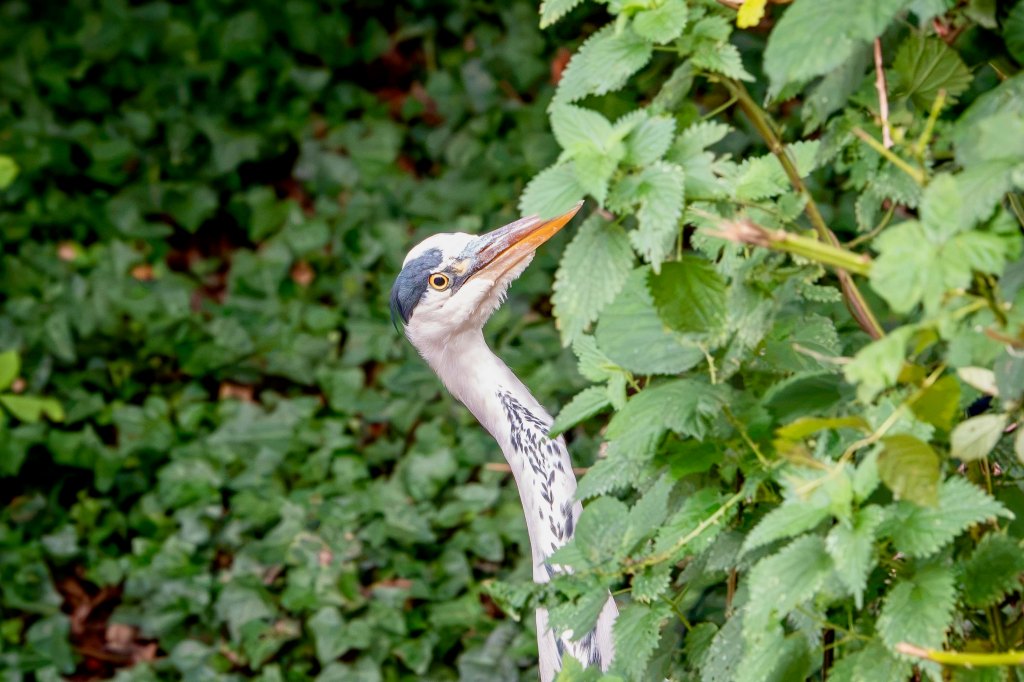
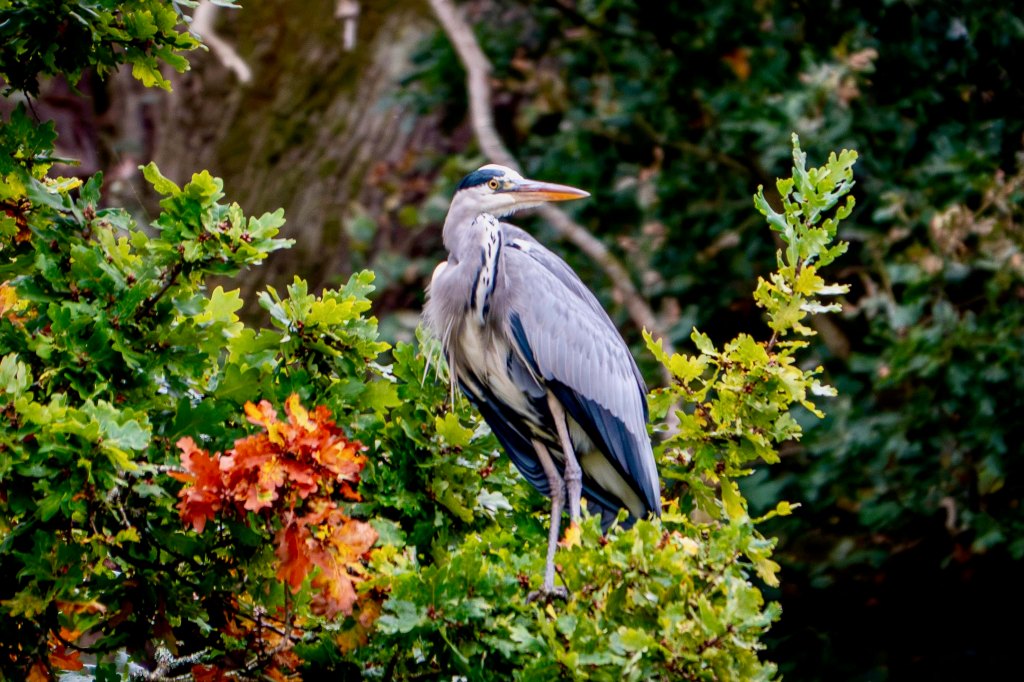
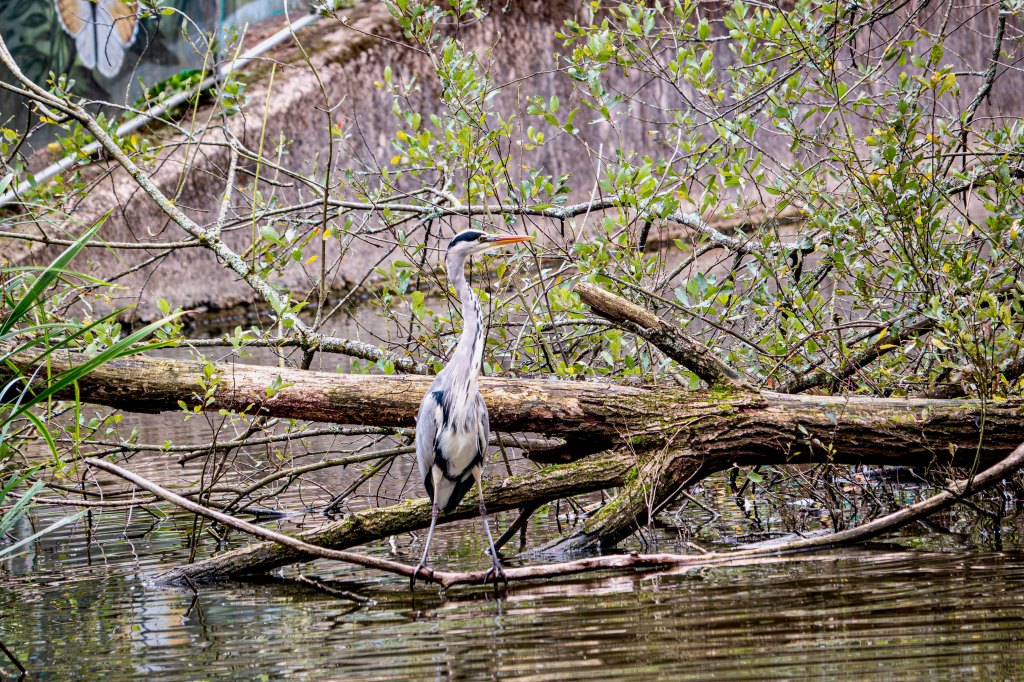
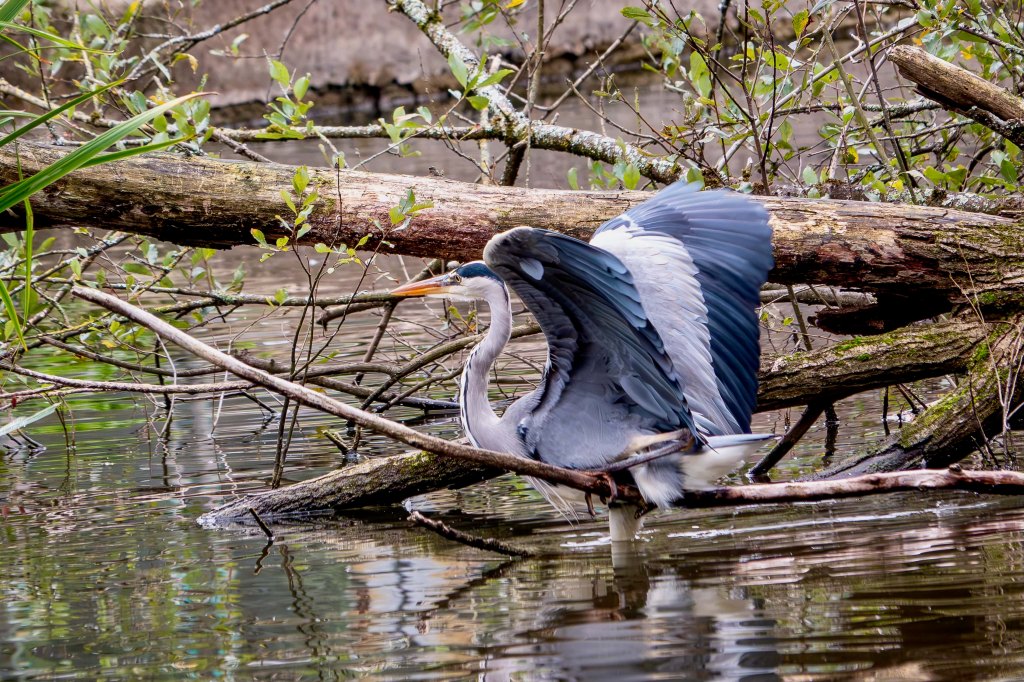
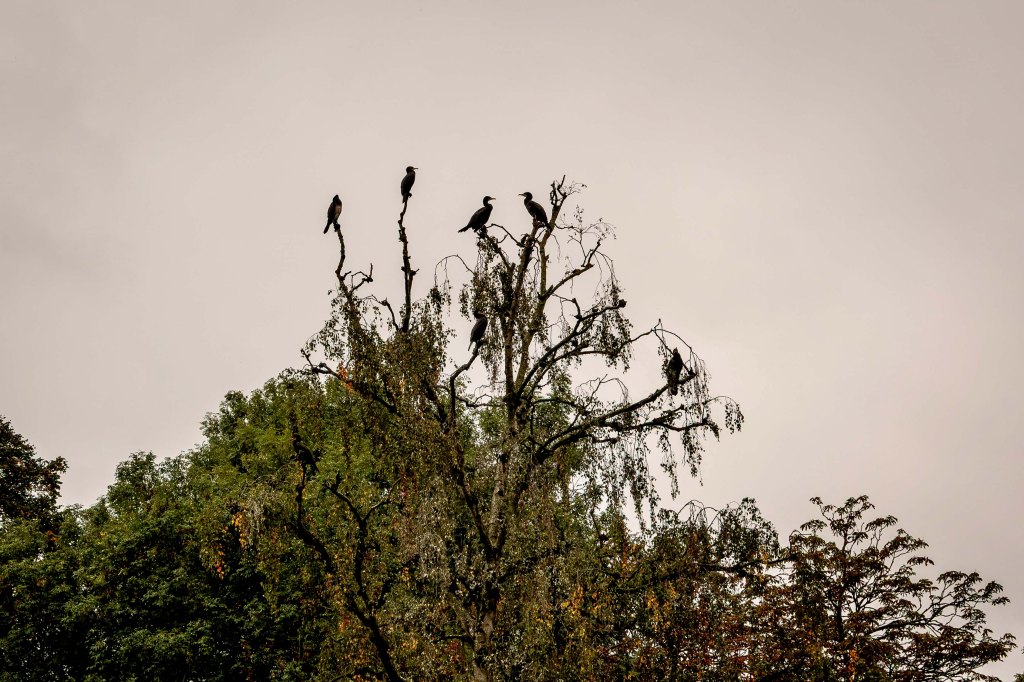
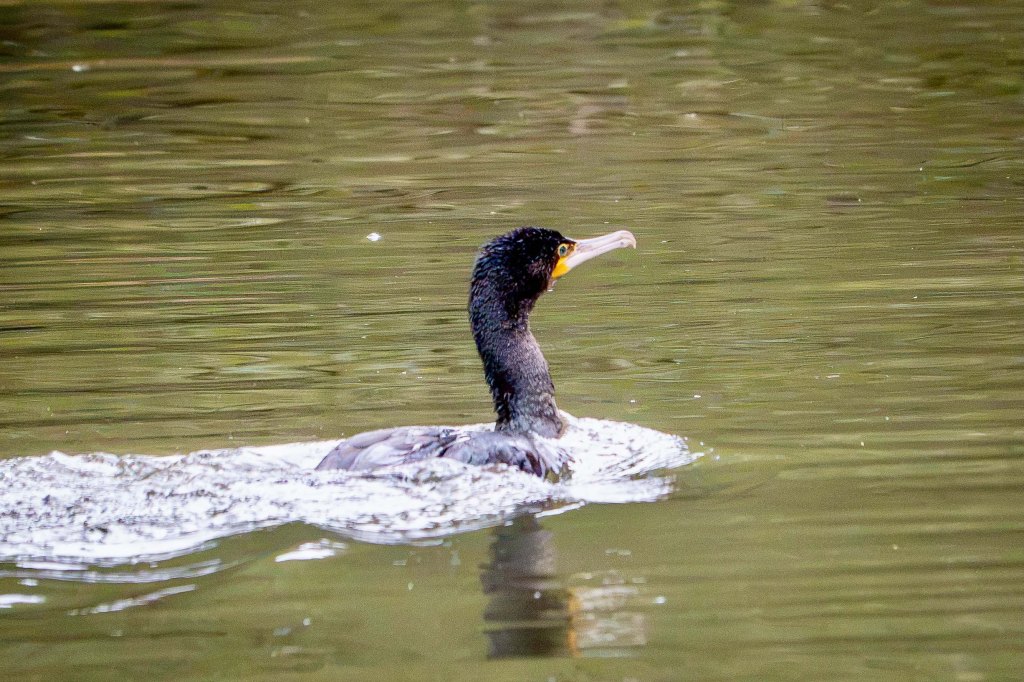
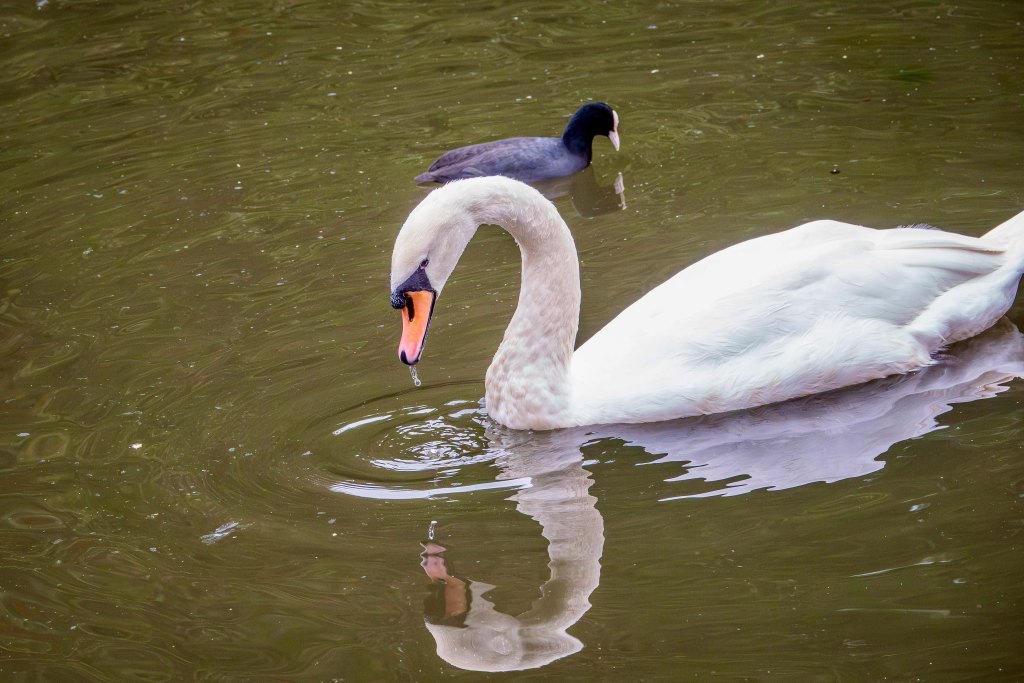
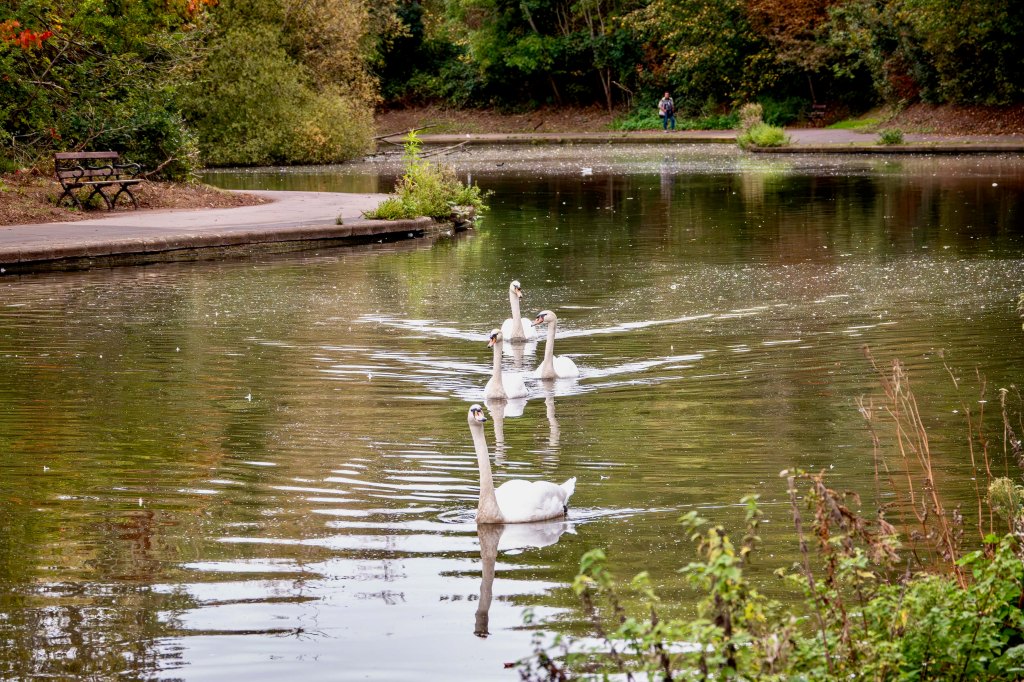
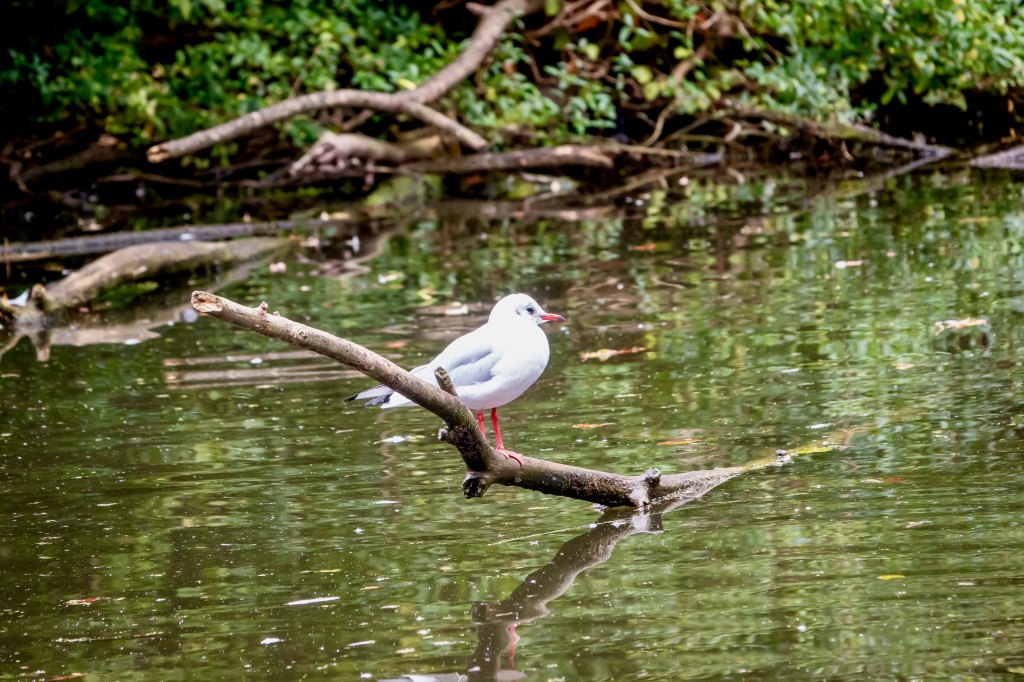
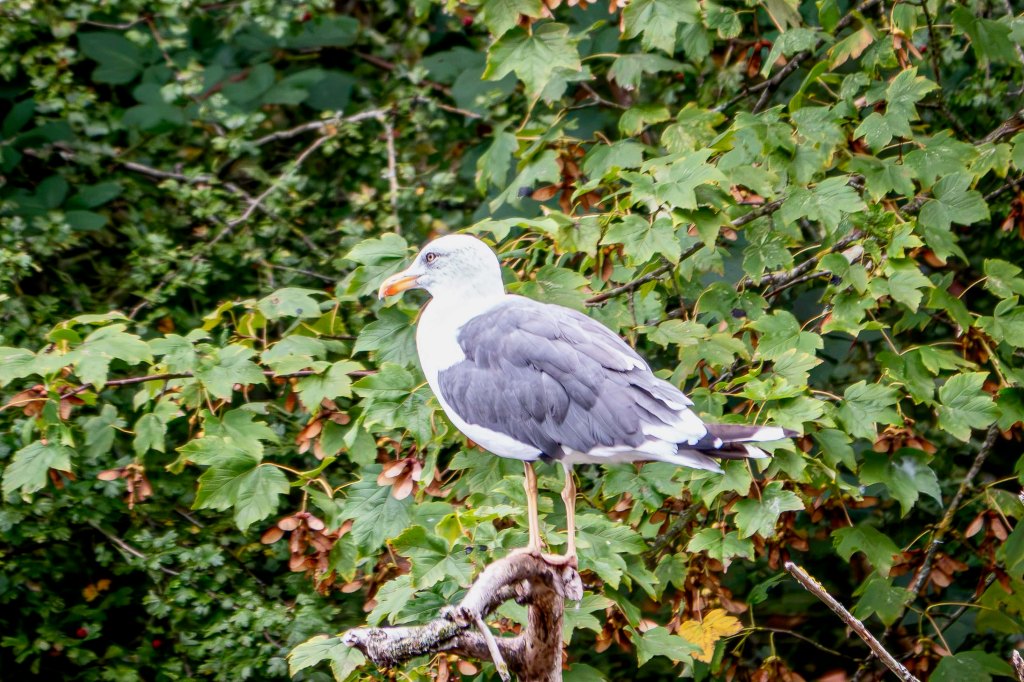
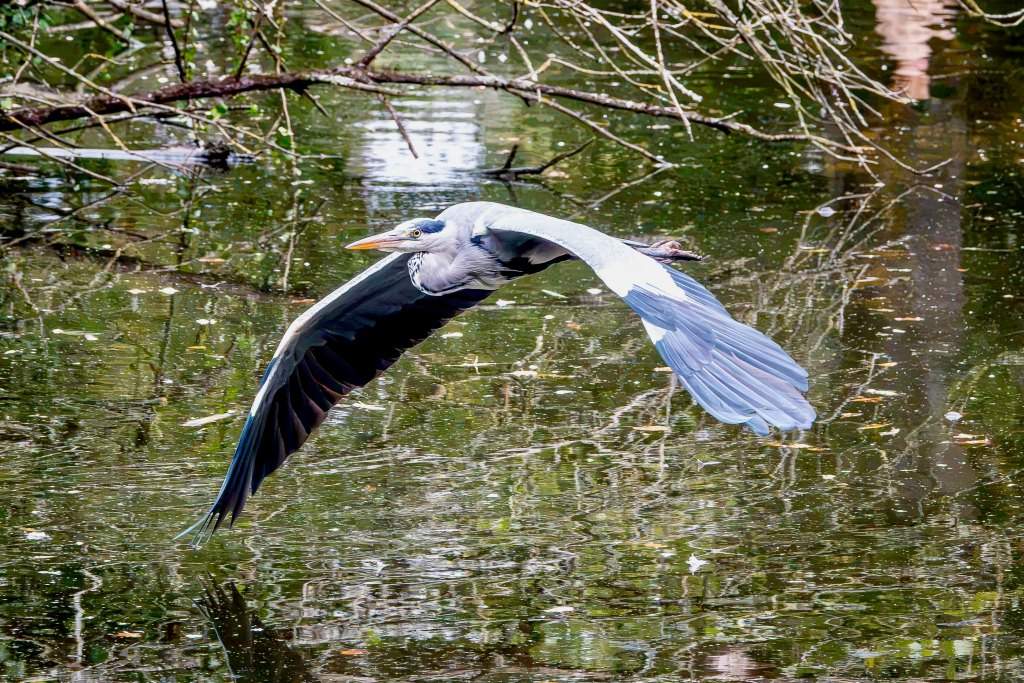
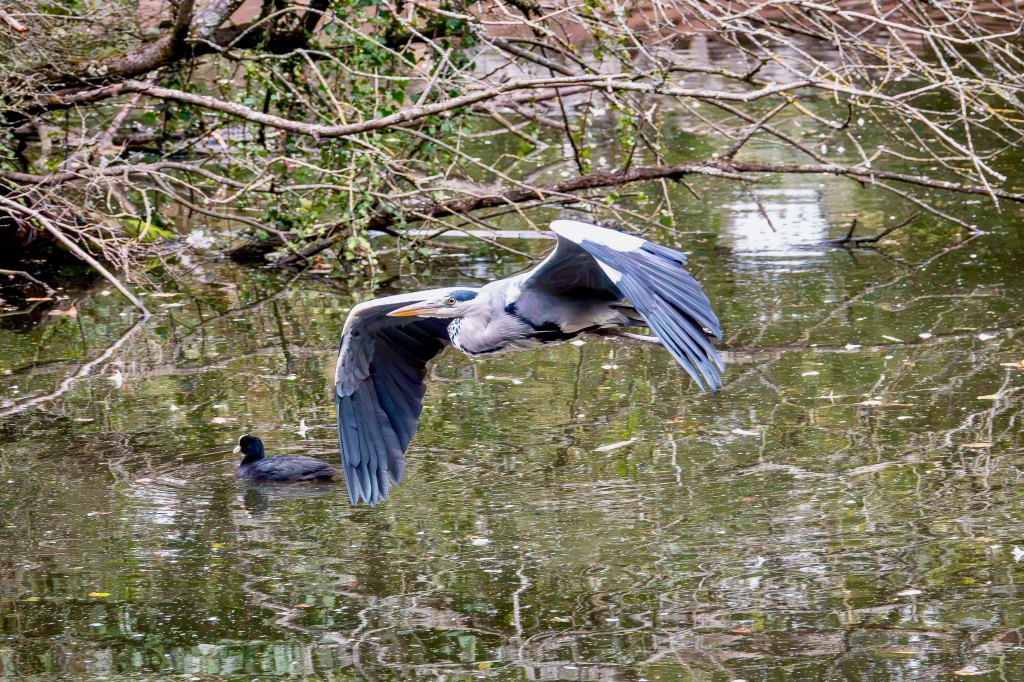
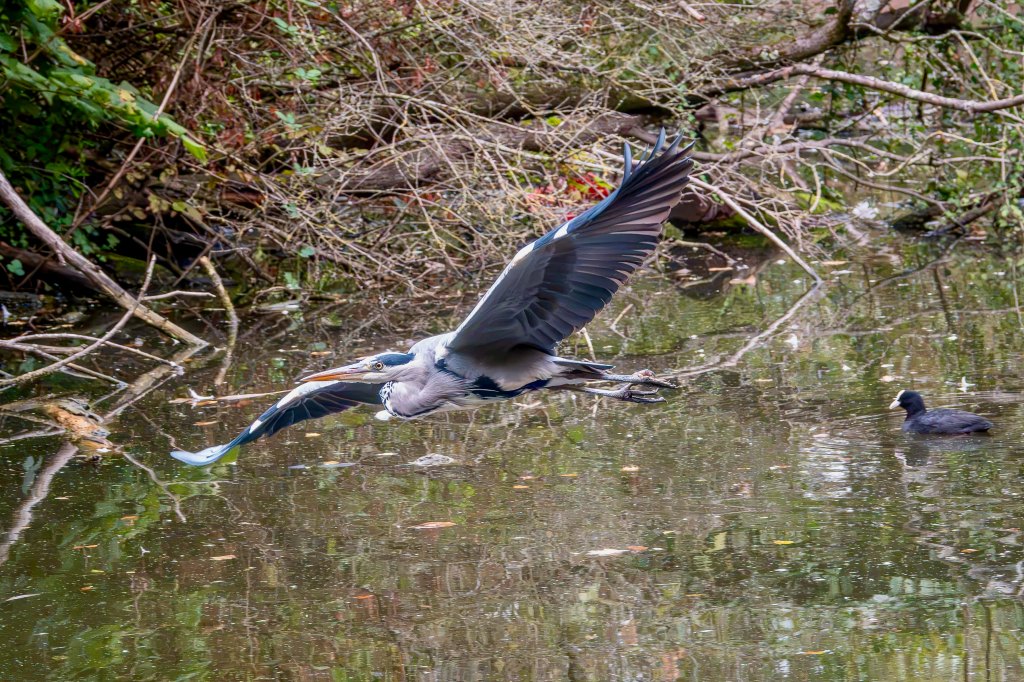
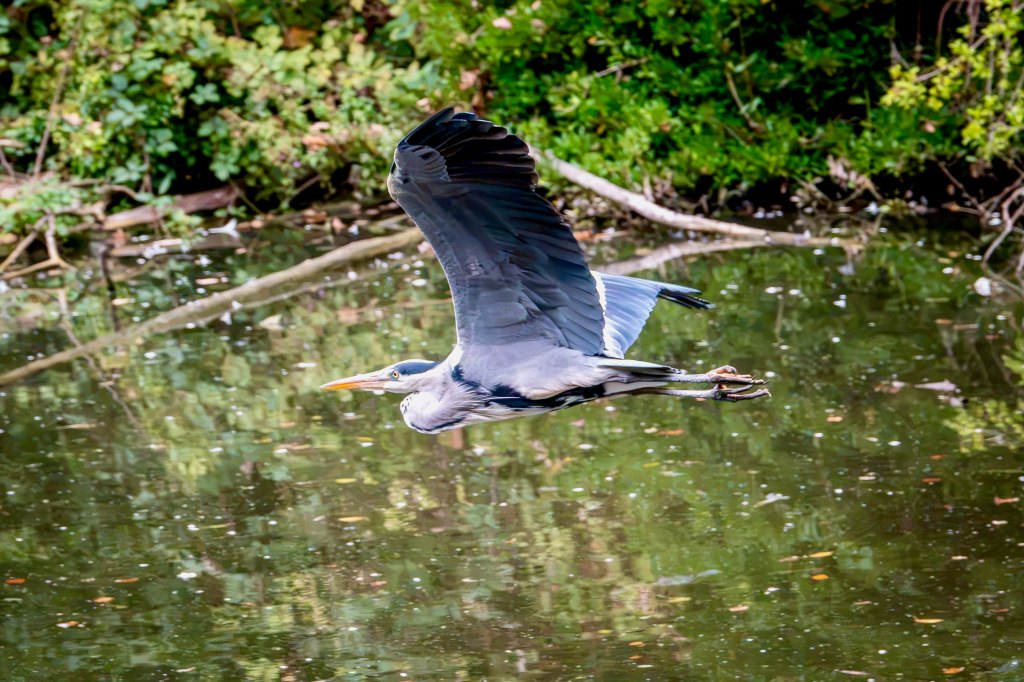
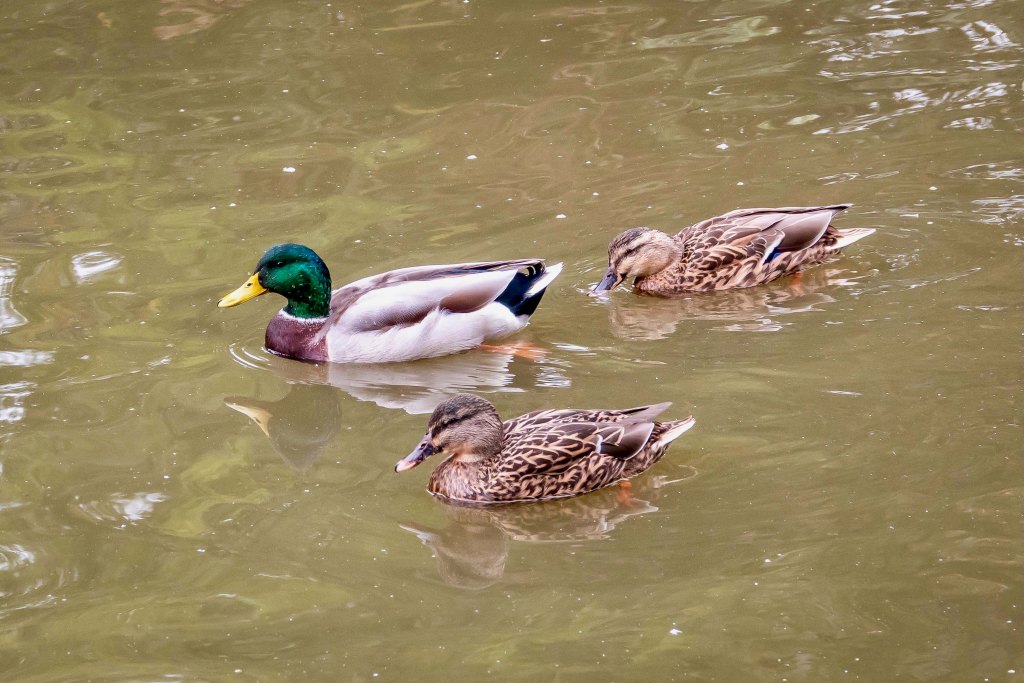
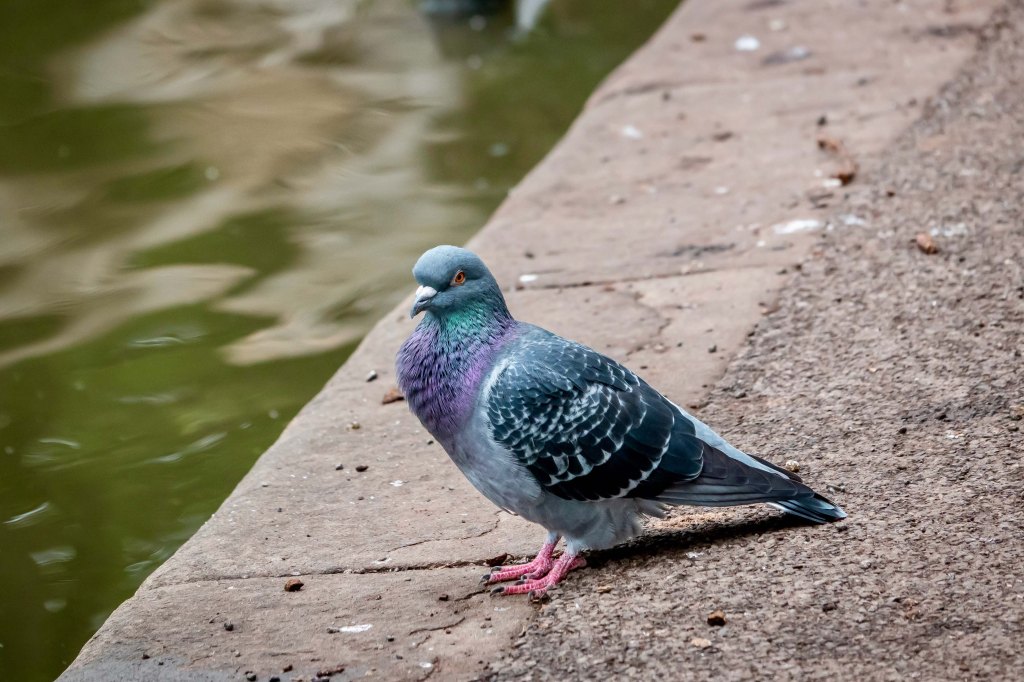
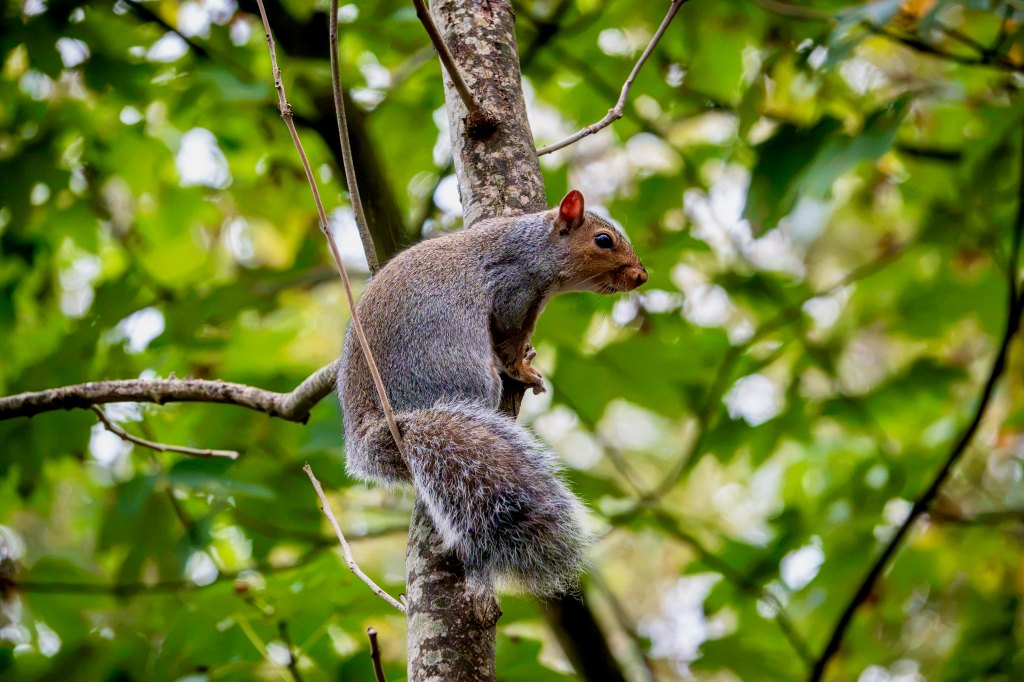
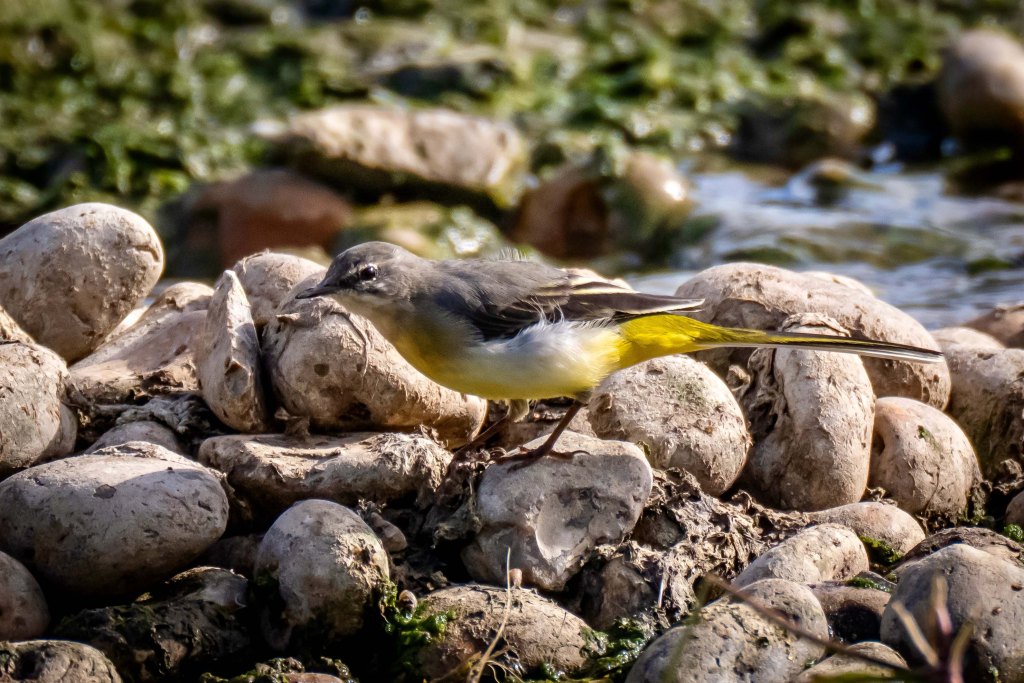
Common kingfisher in the gloomCommon kingfisherThere was a pair of grey wagtails on the weir but it was difficult to make out amongst the fallen leaves – well that’s my excuse for a very poor photo!Not much problem picking out the common moorhen.This crow was both feeding and taking a shower on the front of the weir.There were two herons around the lake and this one spent time in the trees and down at the lakesideFortunately these images have not been tagged or covered in graffiti as were the previous iterationGrey heronGrey heronPeekaboo!Grey heronThe second grey heronOff for some serious fishingThe grey herons were having to share the lake with lots of other competitors – here cormorants waiting their turn.Cormorant actively fishingThere were half a dozen mute swans on the lakeMute swansBlack-headed gullThe much larger black-backed gullGrey heron in flight – part 1Grey heron in flight – part 2Grey heron in flight – part 3Grey heron in flight – part 4The mallards are often forgotten… but everyone loves feeding the pigeons.Grey squirrelThe squirrels can easily fend for themselvesI couldn’t resist a common kingfisher to end with
We were only free for the morning and so we reverted to our “safe place” – the World Wildfowl Trust’s reserve at Slimbridge.
We had a disappointing start, with not very much to see, but our patience prevailed and in the end we were rewarded with some nice birds.
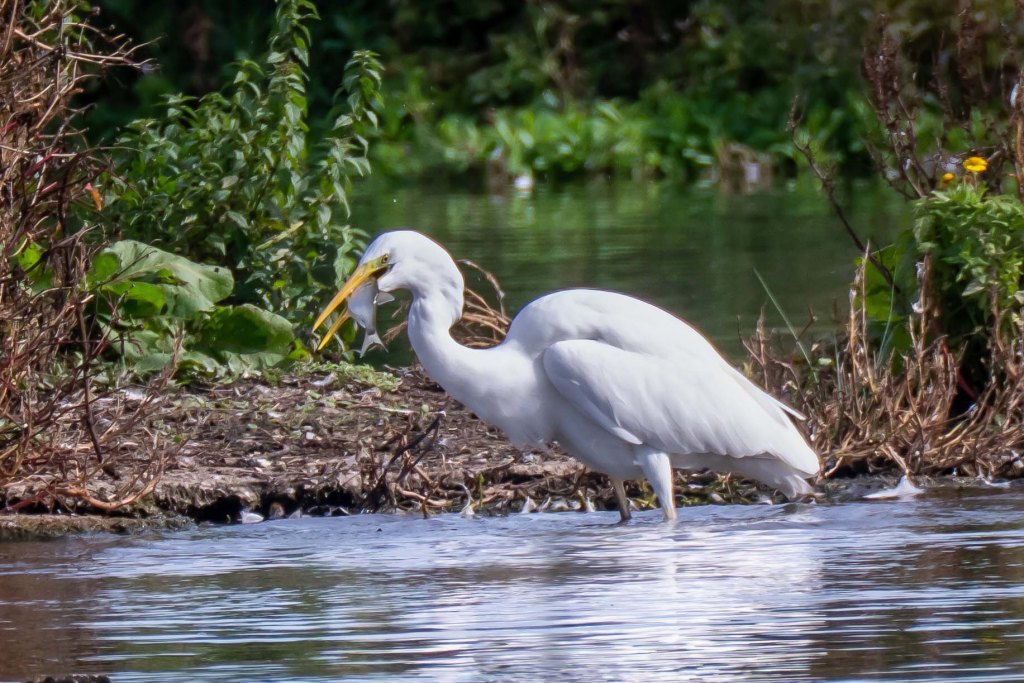
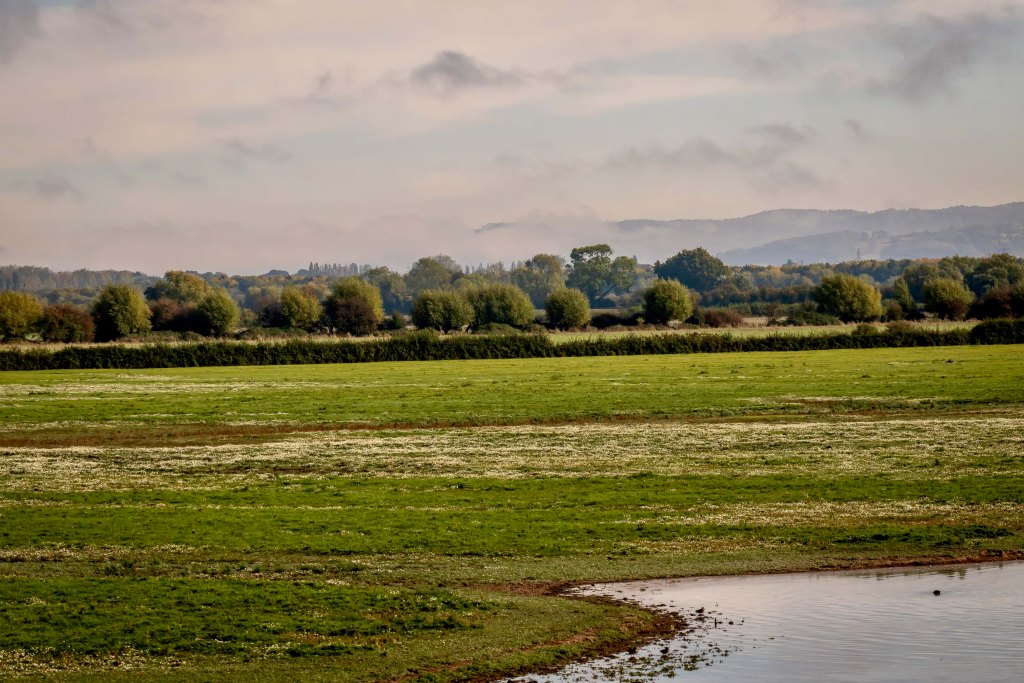
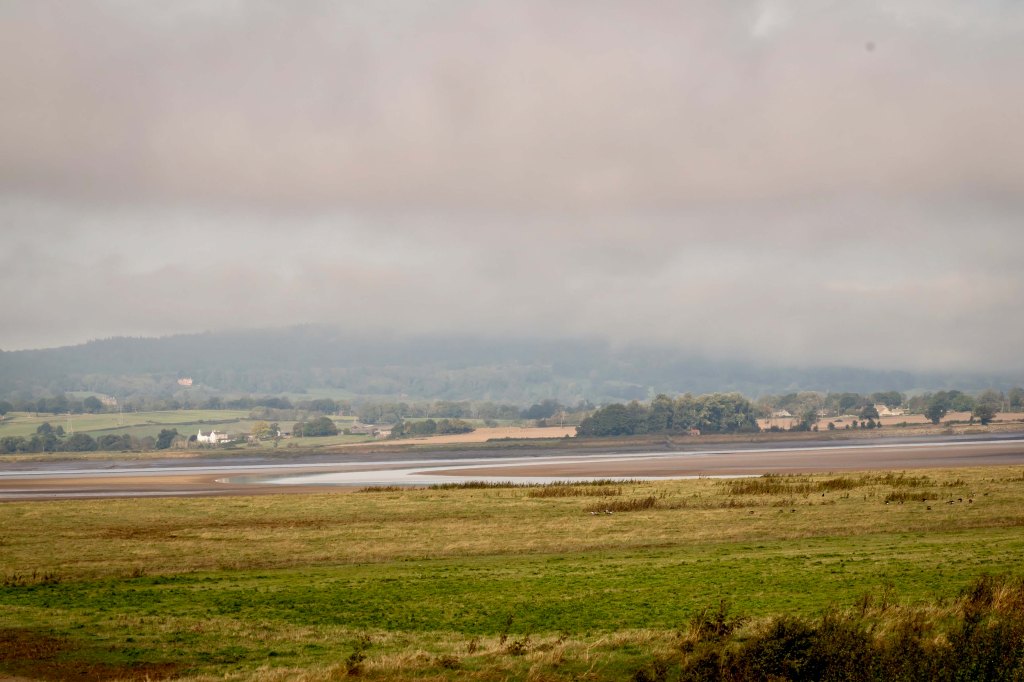
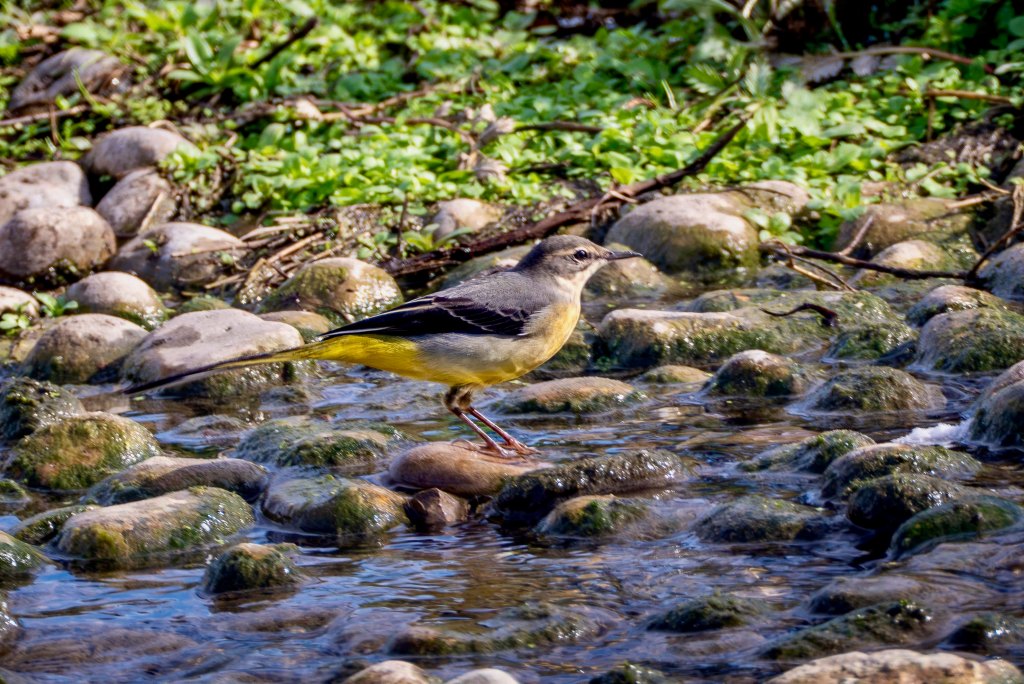
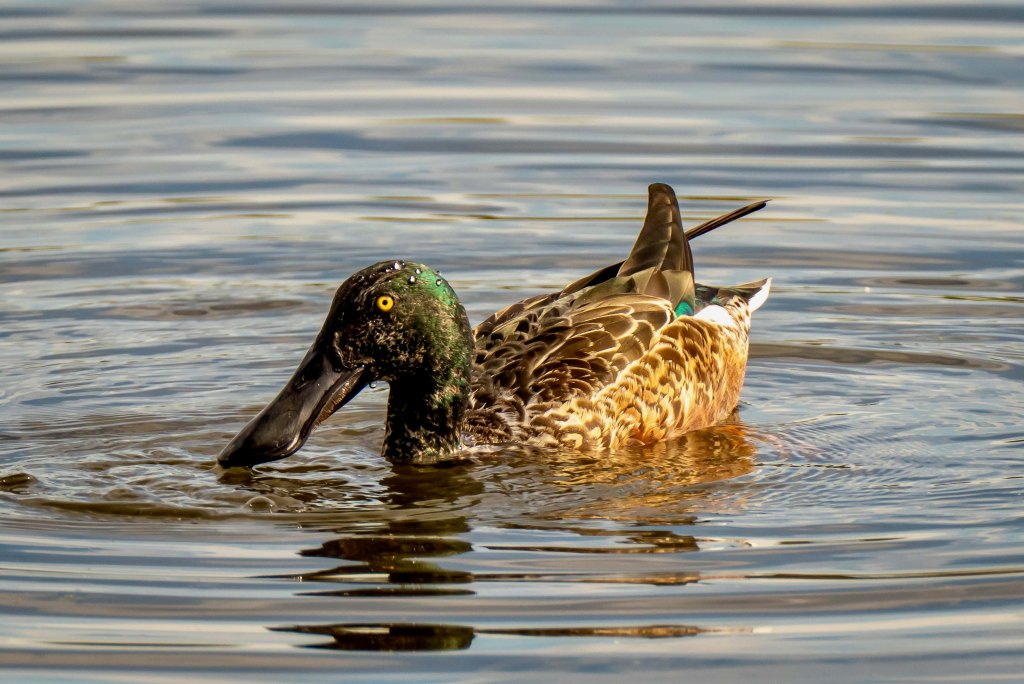
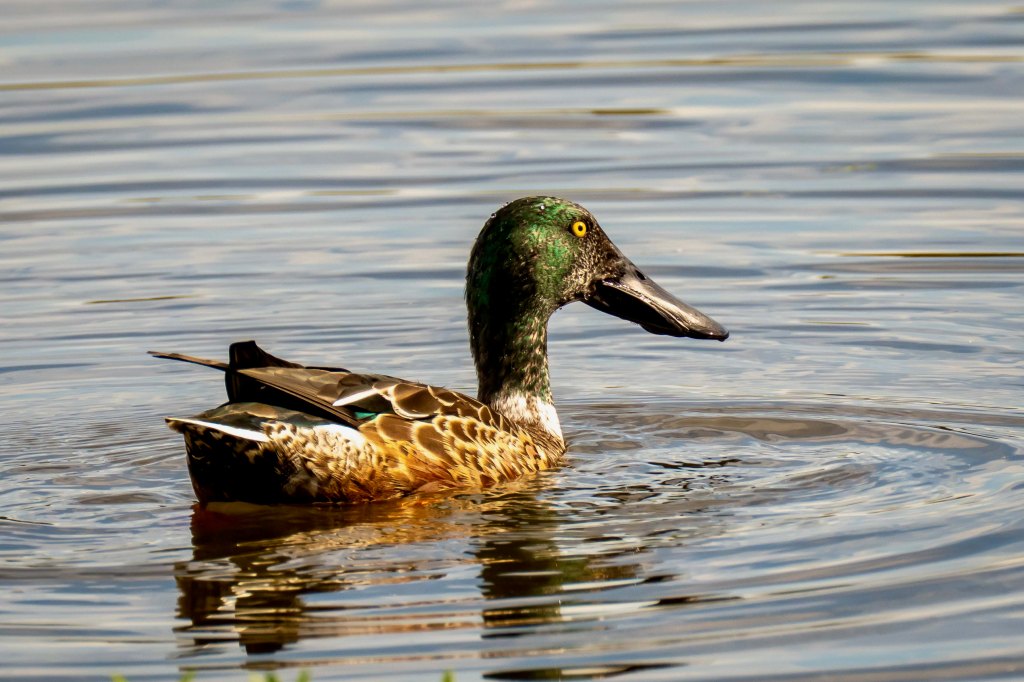
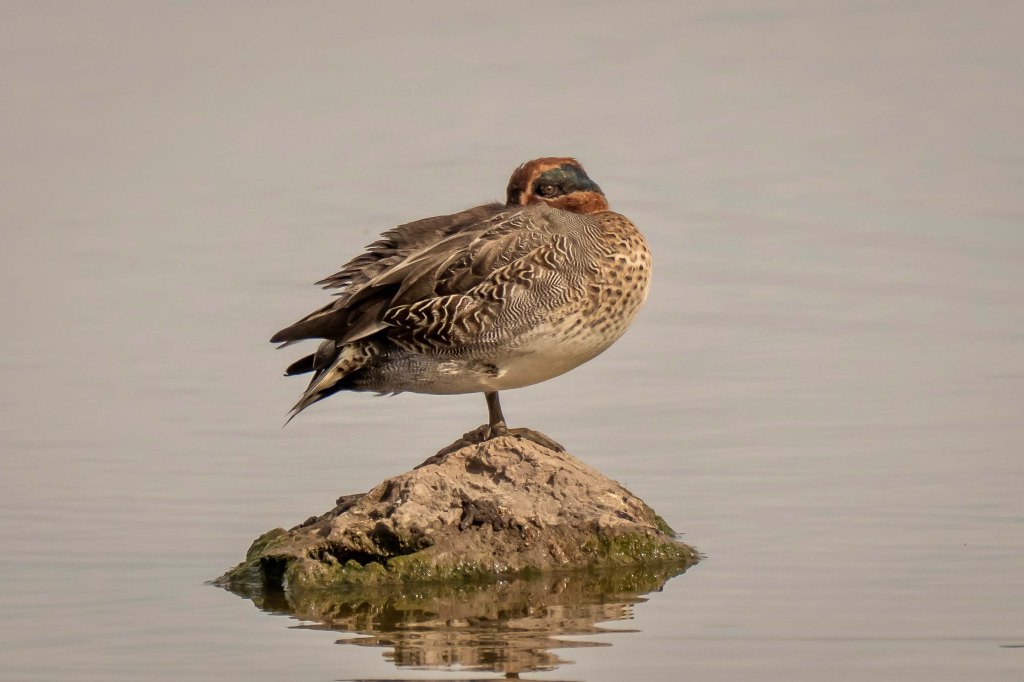
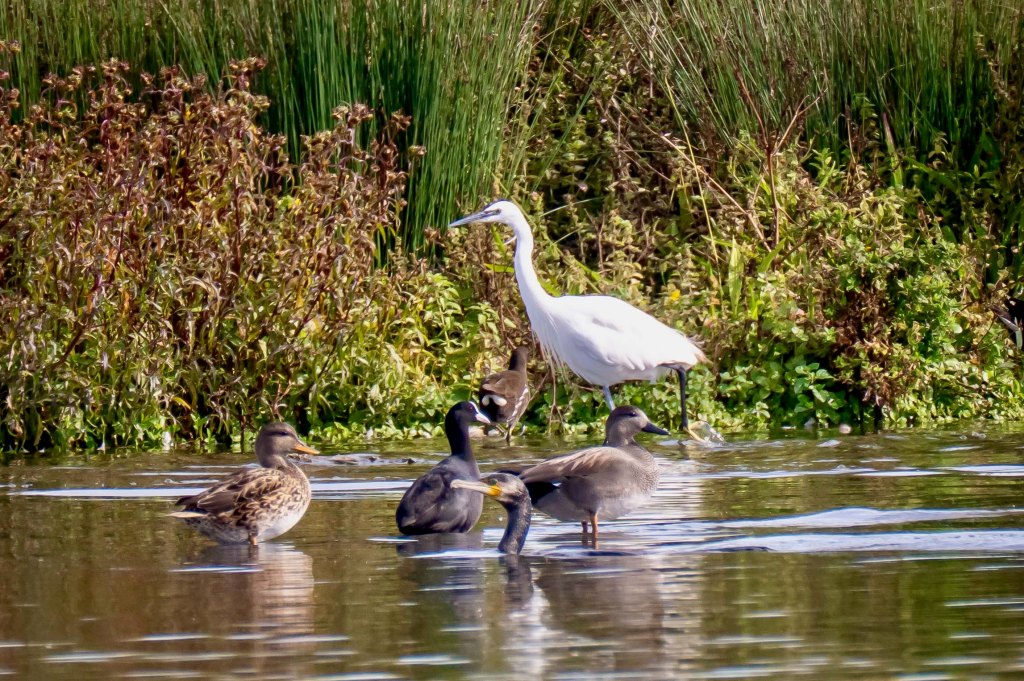
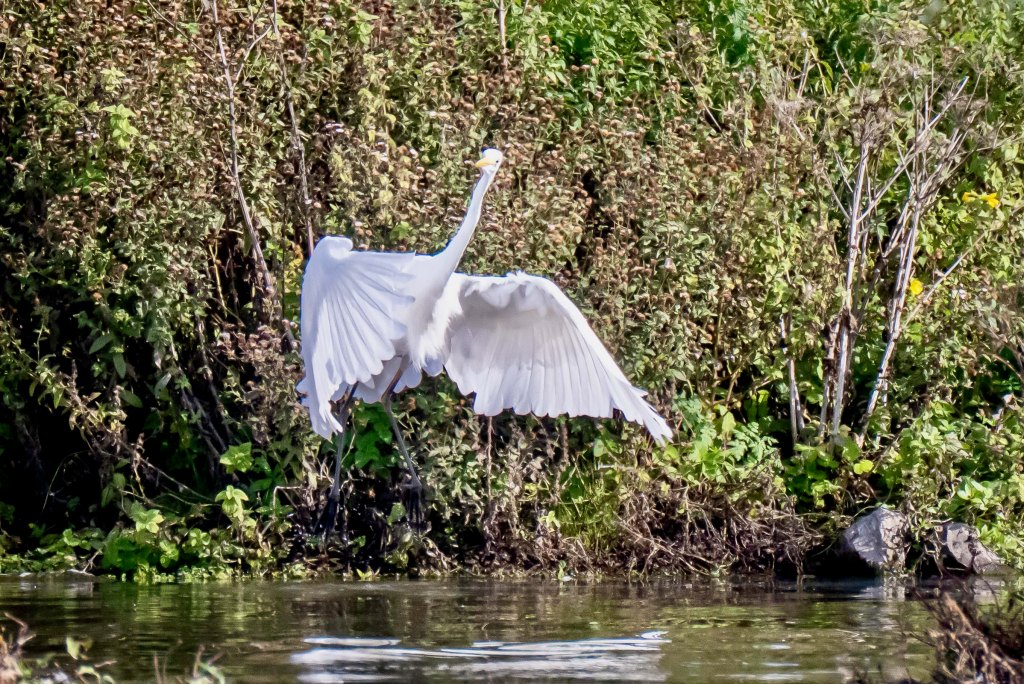
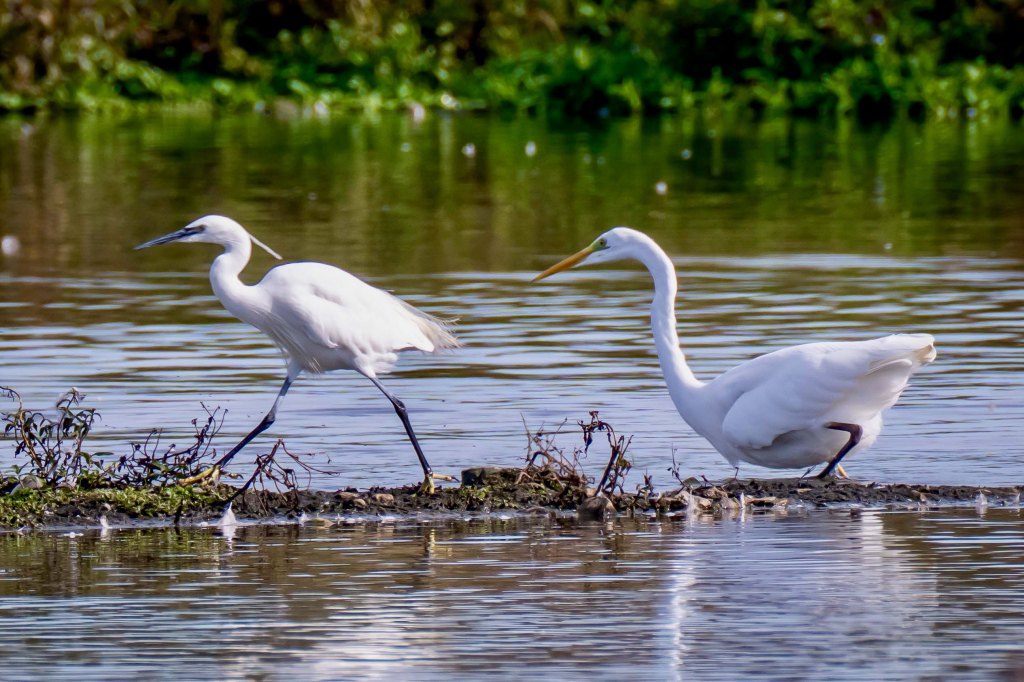
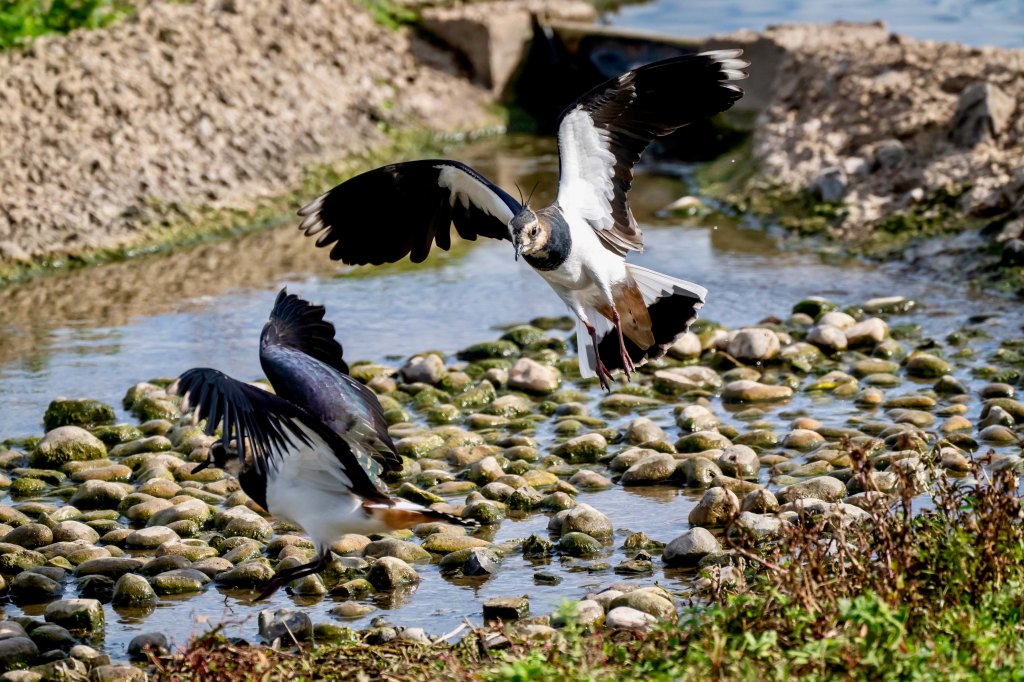
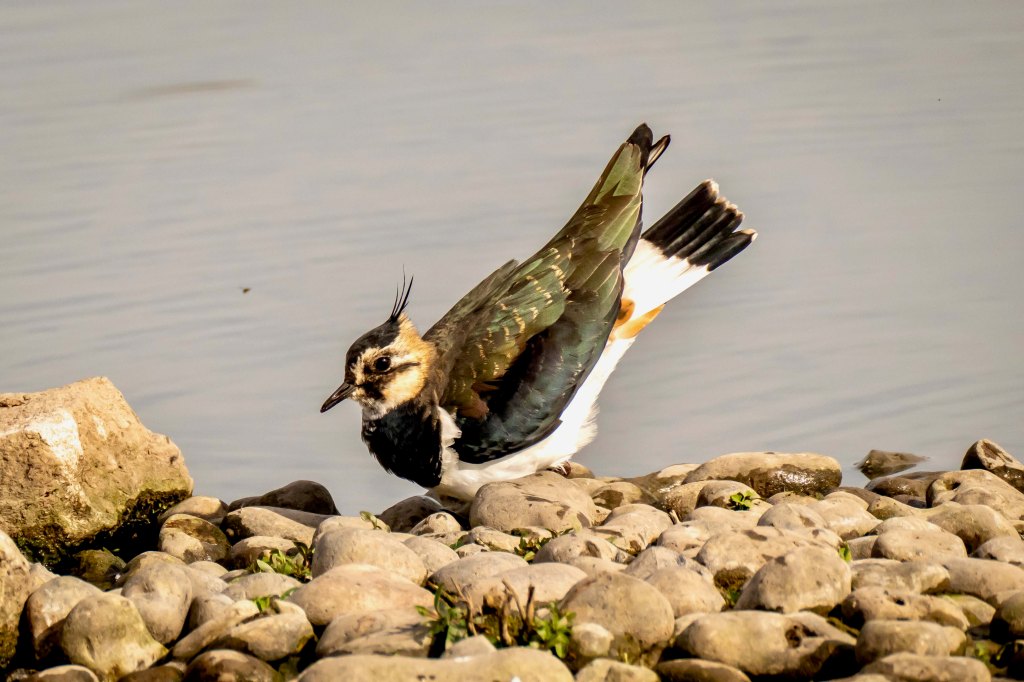
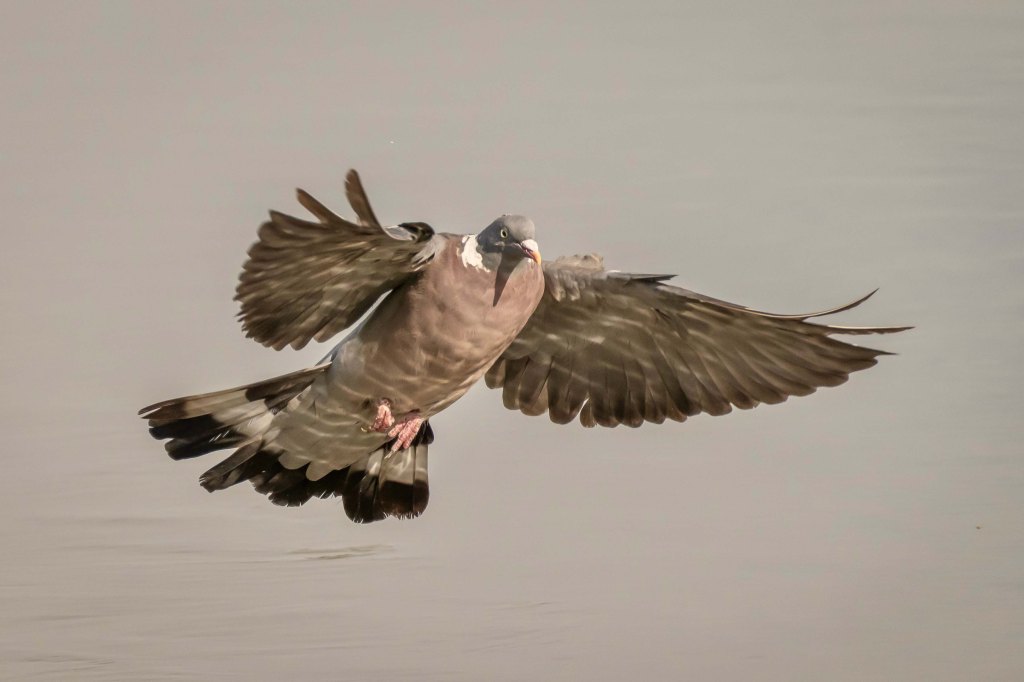
Small flocks of geese are building in numbers – here greylag geese.The morning mist soon burnt off but not on the hills of the Cotswolds in the background.The same looking across the Severn Estuary towards the Forest of DeanA very obliging common snipe displaying its tail feathers.I can’t remember seeing a snipe display its tail feathers like this before, so here’s another shot from a different perspective.This is how I would normally expect to see the common snipeGrey wagtailMale shoveler – from the front Male shoveler – from the backA coy tealCommon moorhenA little egret, moorhen, coot, gadwall and a cormorantGreat white egretLittle egret and great white egretGreat white egretAn aggressive lapwingA much calmer lapwing, having won its territorial advantage“Butter wouldn’t melt in its mouth”!Great white egret with its lunchGreat white egret swallowing its lunchThe common snipe were not as secretive as usualEven a wood pigeon can look threatening when landing very close
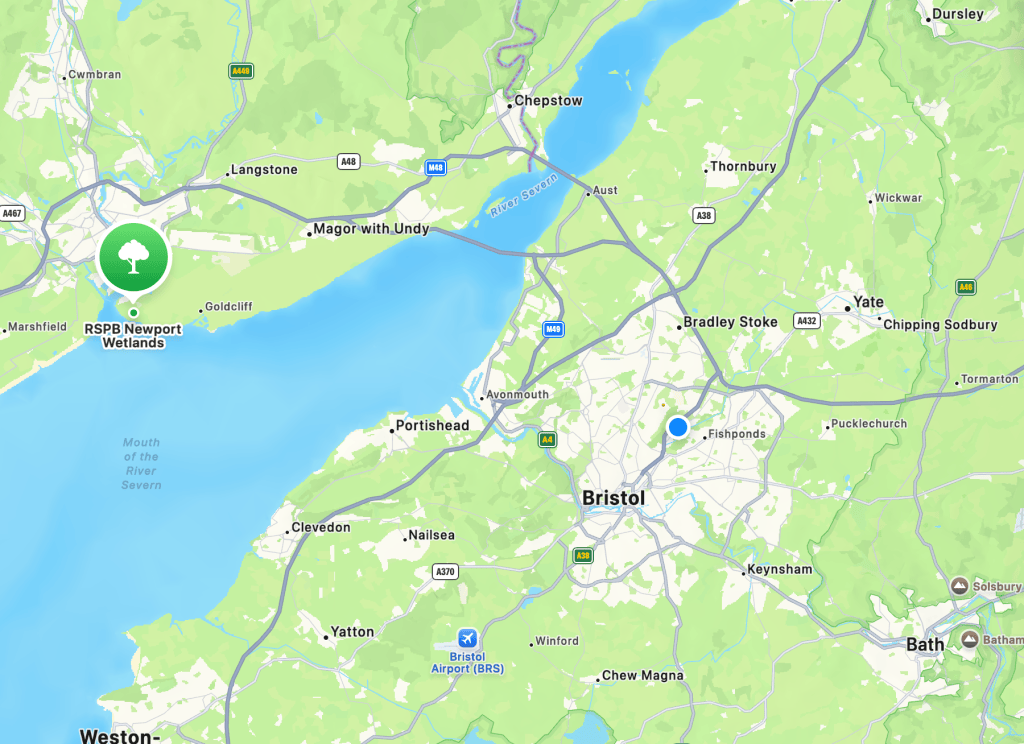
We were looking for a change of venue for birding but didn’t want to travel too far and so opted for RSPB Newport Wetlands on the other side of the Severn Estuary to where we live in north east Bristol.
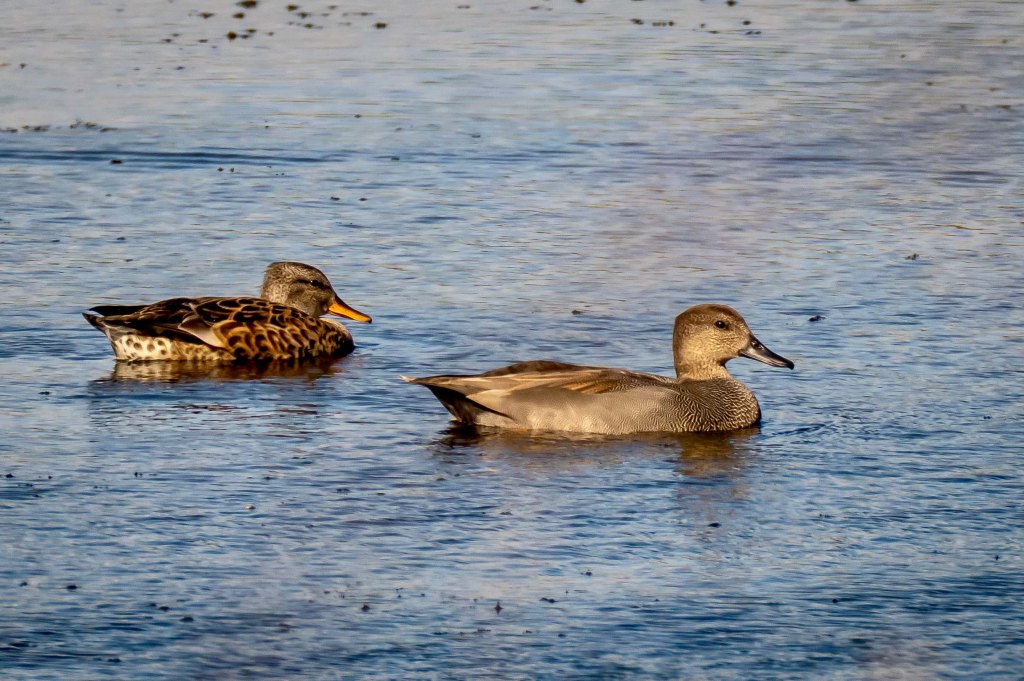
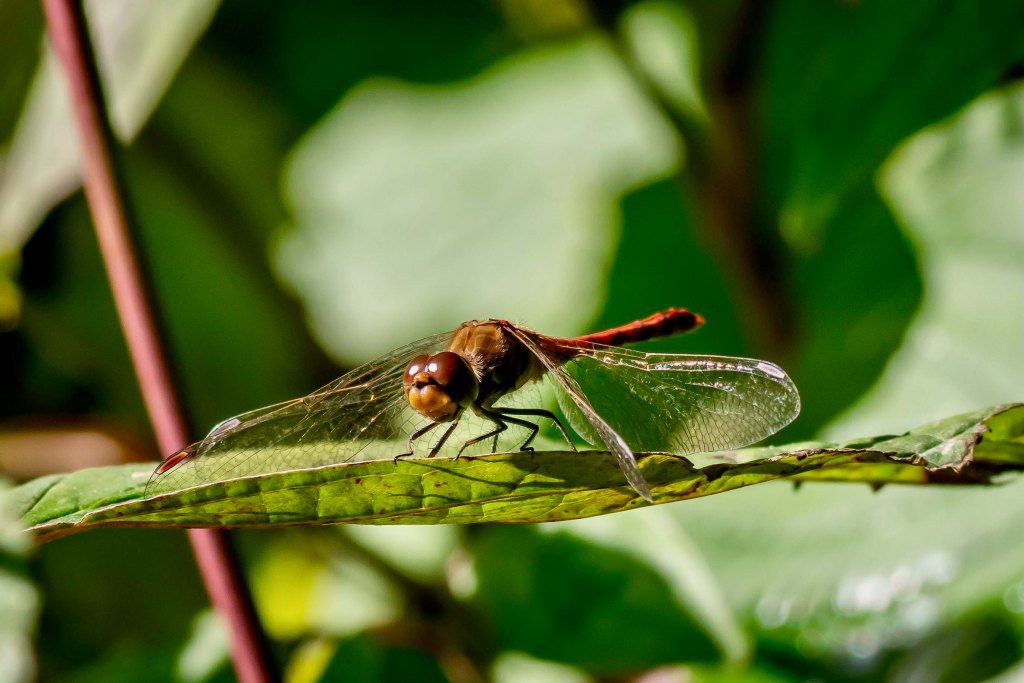
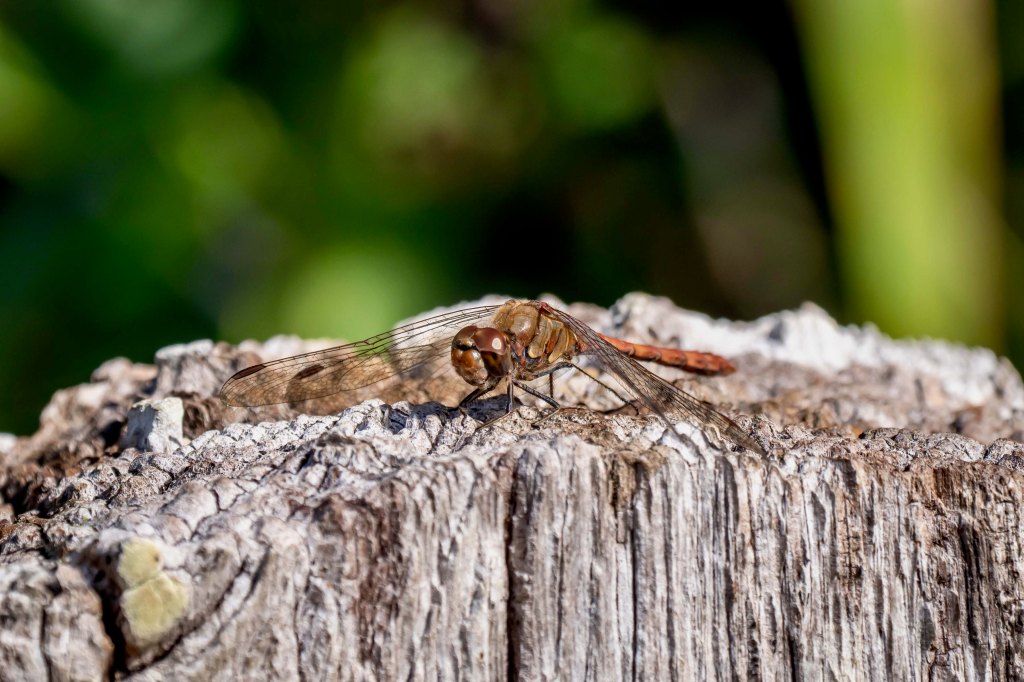
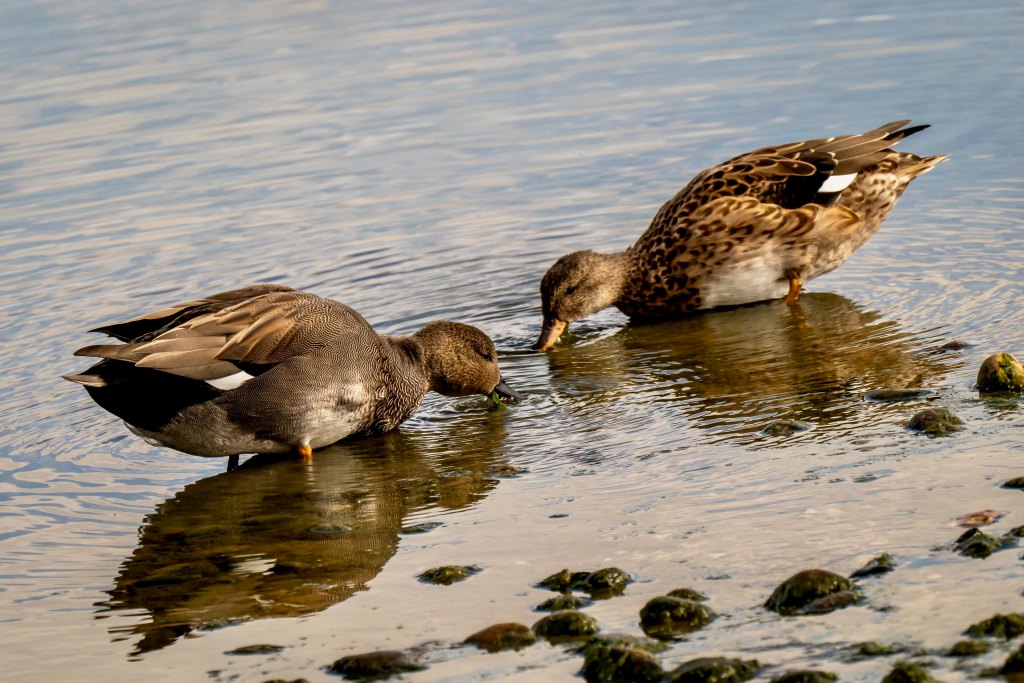
Small numbers of winter fowl on the reserveA pair of gadwallCommon darter
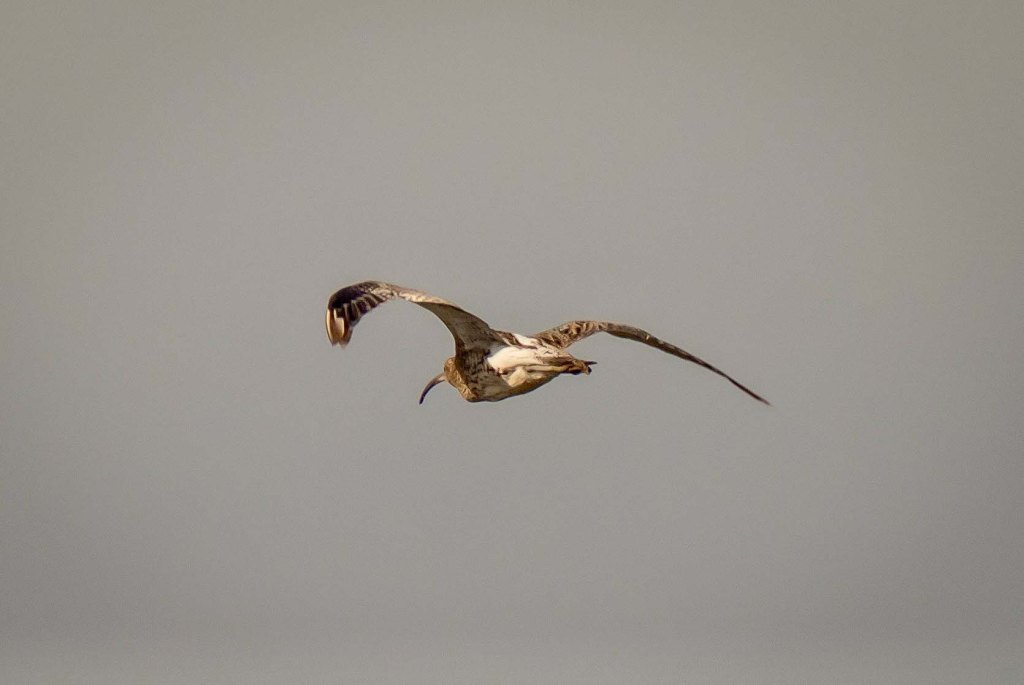
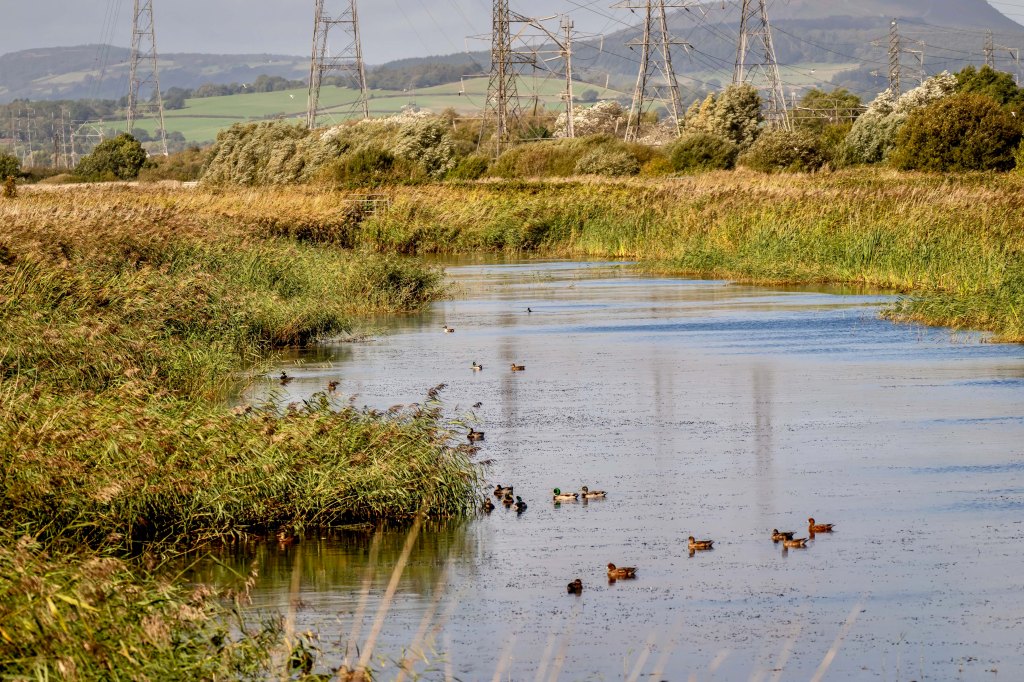
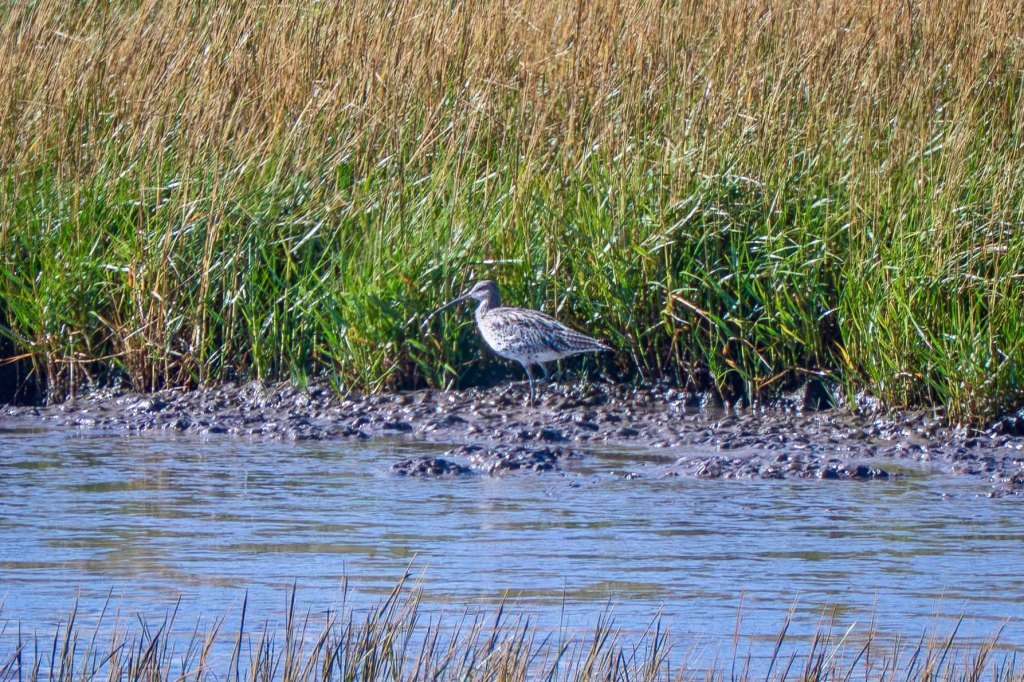
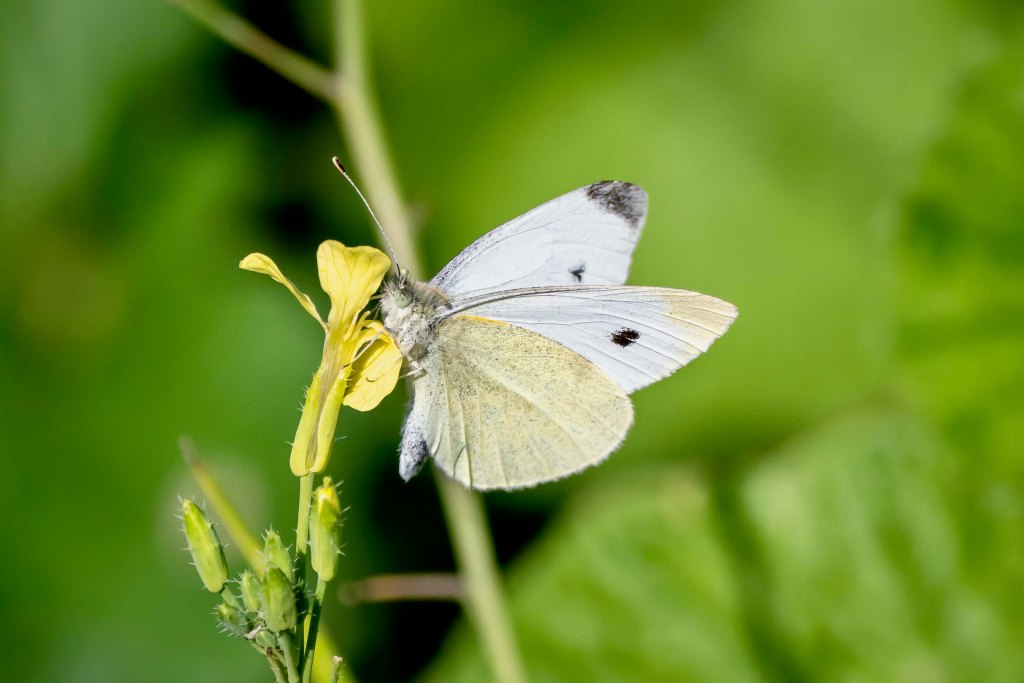
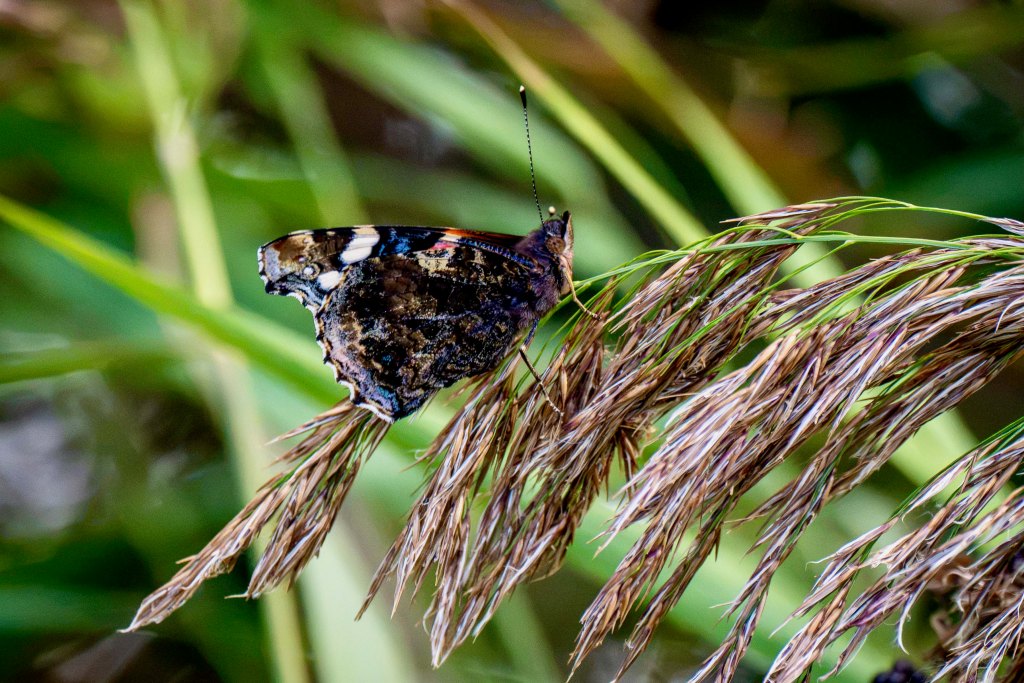
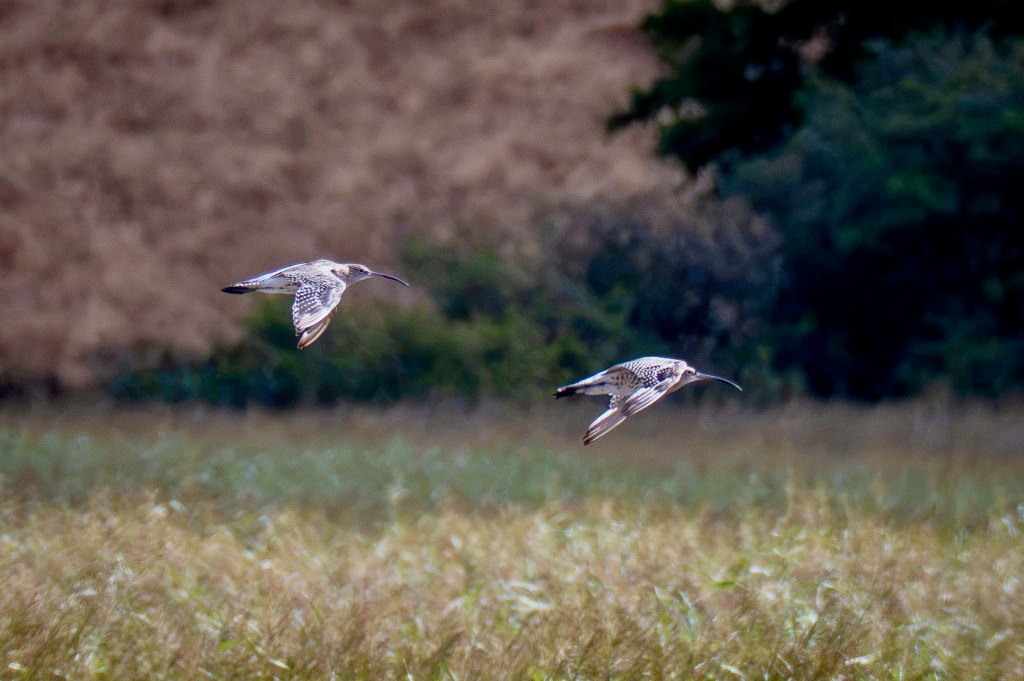
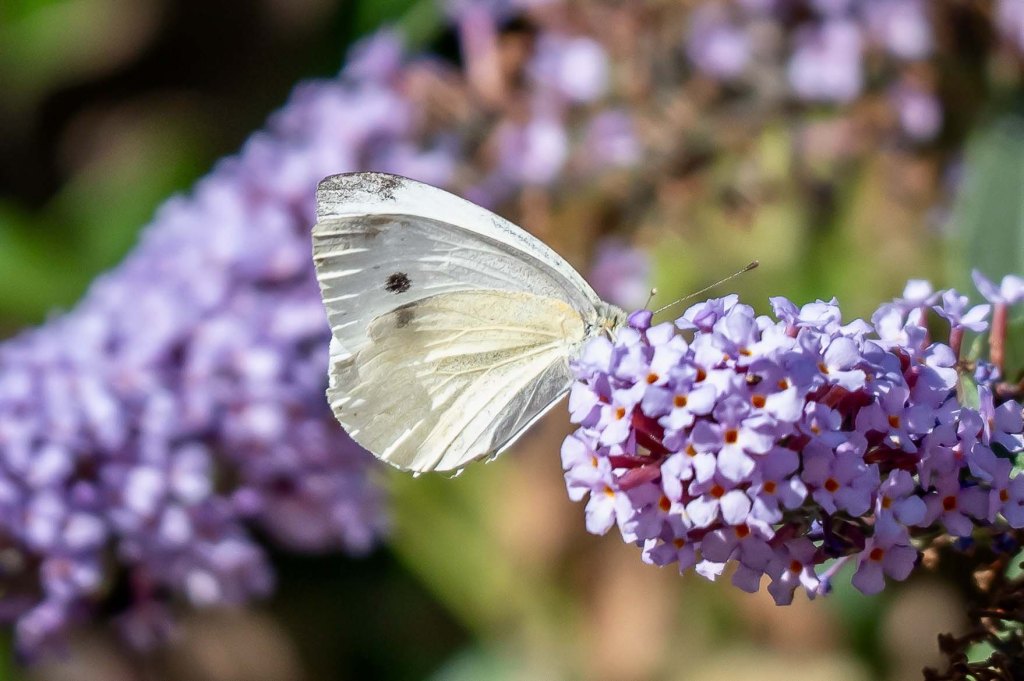
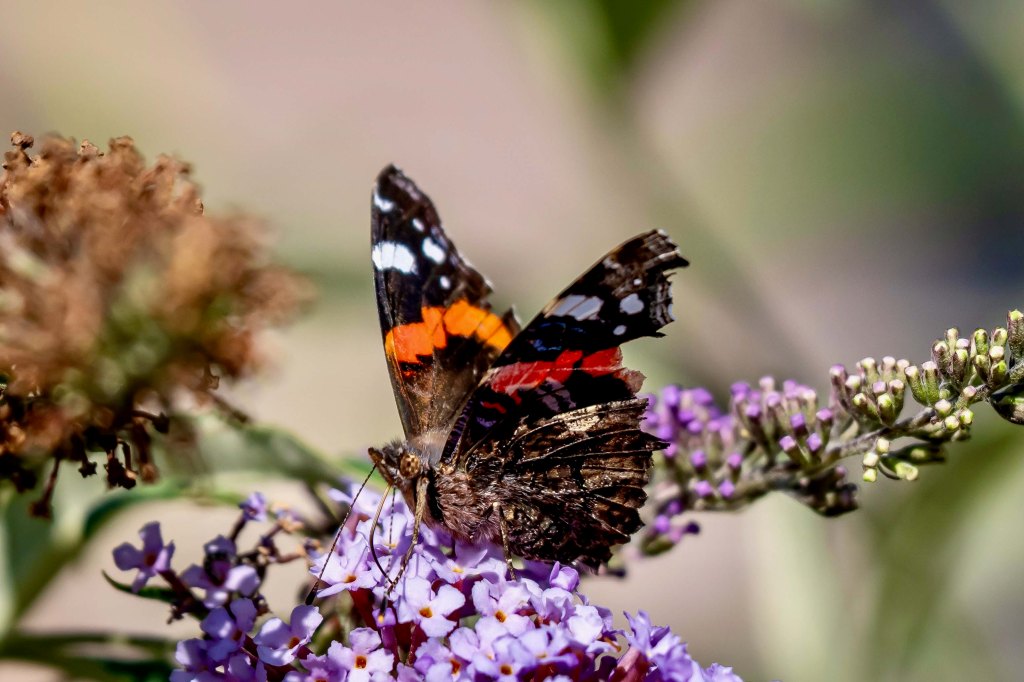
We are still enjoying lovely weather in late September and we had a glorious walk around the reserve on the edge of the Severn estuary. However, we didn’t see very much. There were signs of winter fowl on the reserve such as wigeon, gadwall and teal but only in small numbers. There were plenty of dragonflies and butterflies and there were still a number of house martins (but too fast for my reactions). The best bird was a curlew which flew overhead and then stayed around on the edges of the estuary.
Curlew overheadCurlew on the edge of the Severn estuarySmall white butterflyRed admiralCommon darter
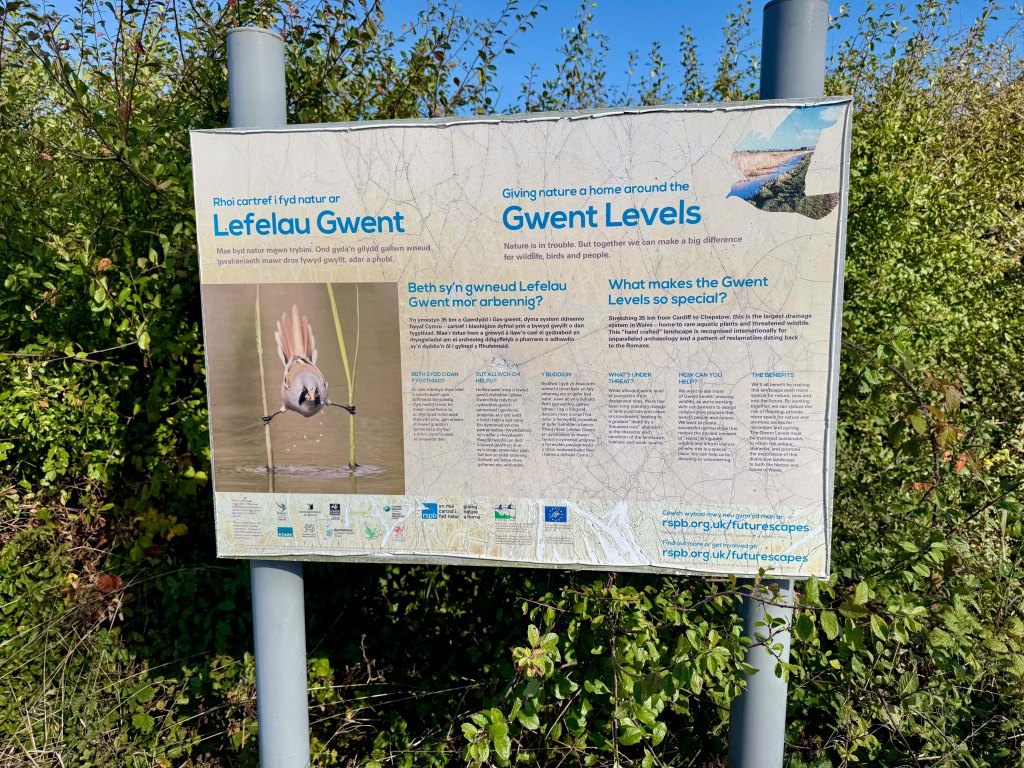
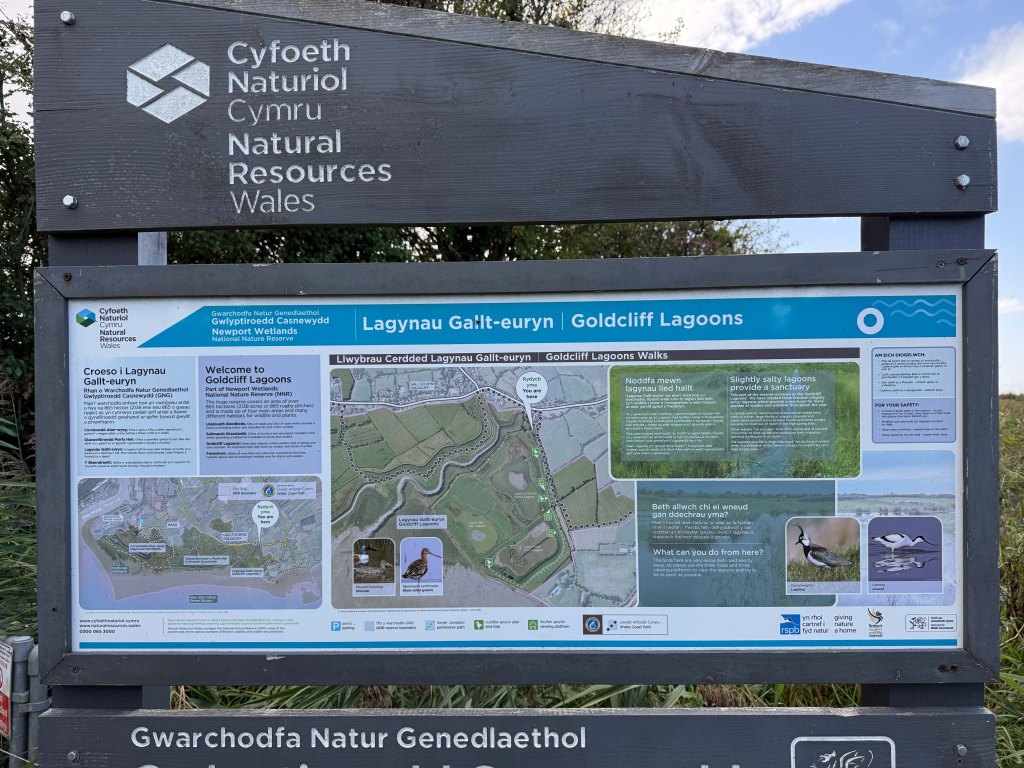
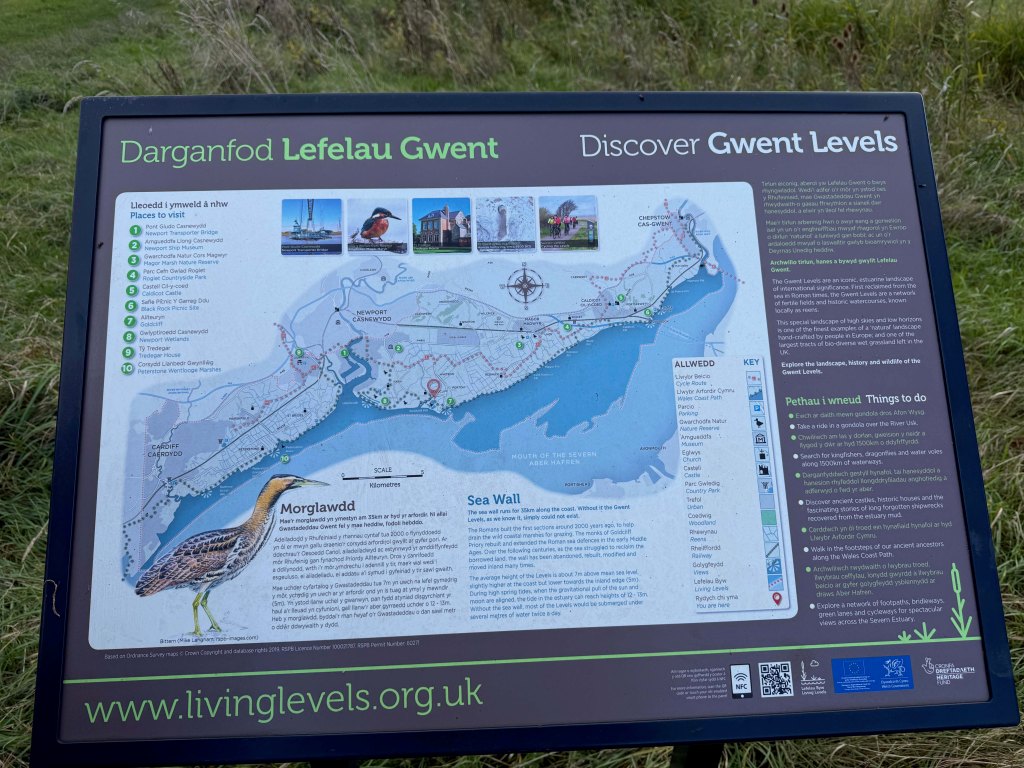
RSPB Newport Wetlands is part of the Gwent Levels which stretch 35 kms from Newport to Chepstow.
Sadly we didn’t see any bearded tits
After lunch we headed to Goldcliff Lagoons but the dry weather meant that the first lagoons were completely dried up and, as rain was threatening, we headed back to the car. We will have another go later in the year as we are bound to pay soon for all the lovely sunshine we have had this summer.
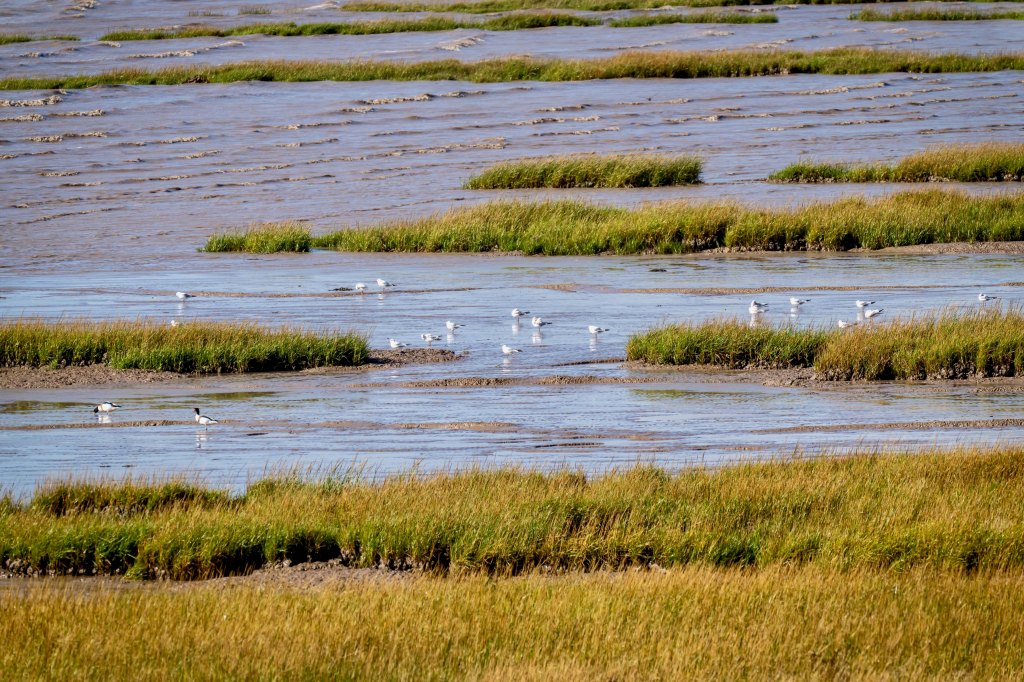
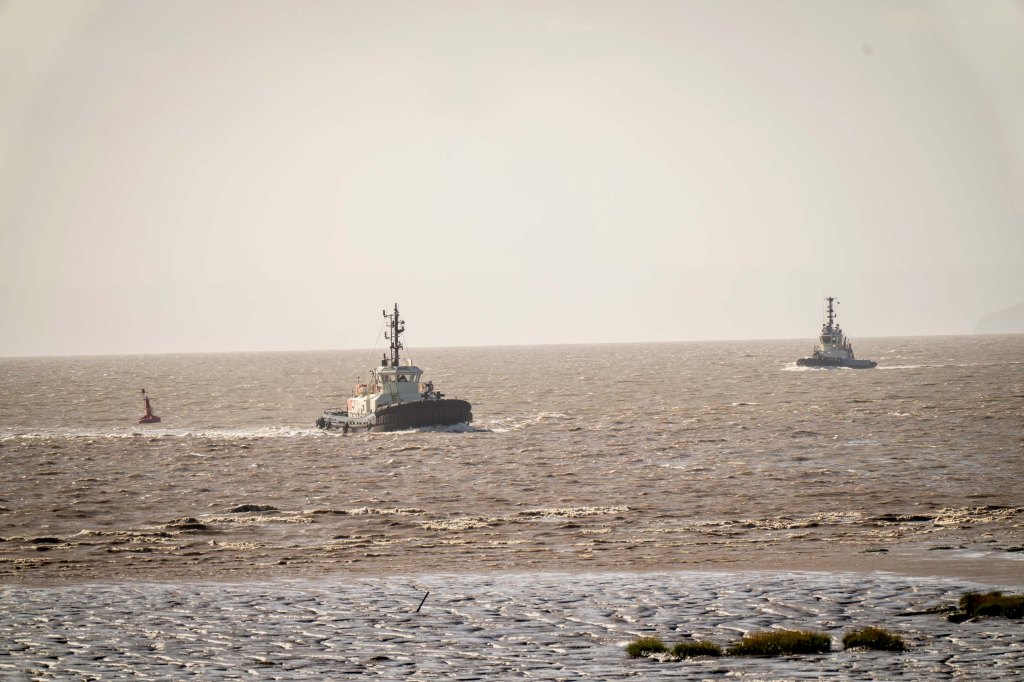
Gulls and shelduck on the edges of the estuaryI have no idea what these tugs were doing on the edge of the estuary but they came very close to the mudflats
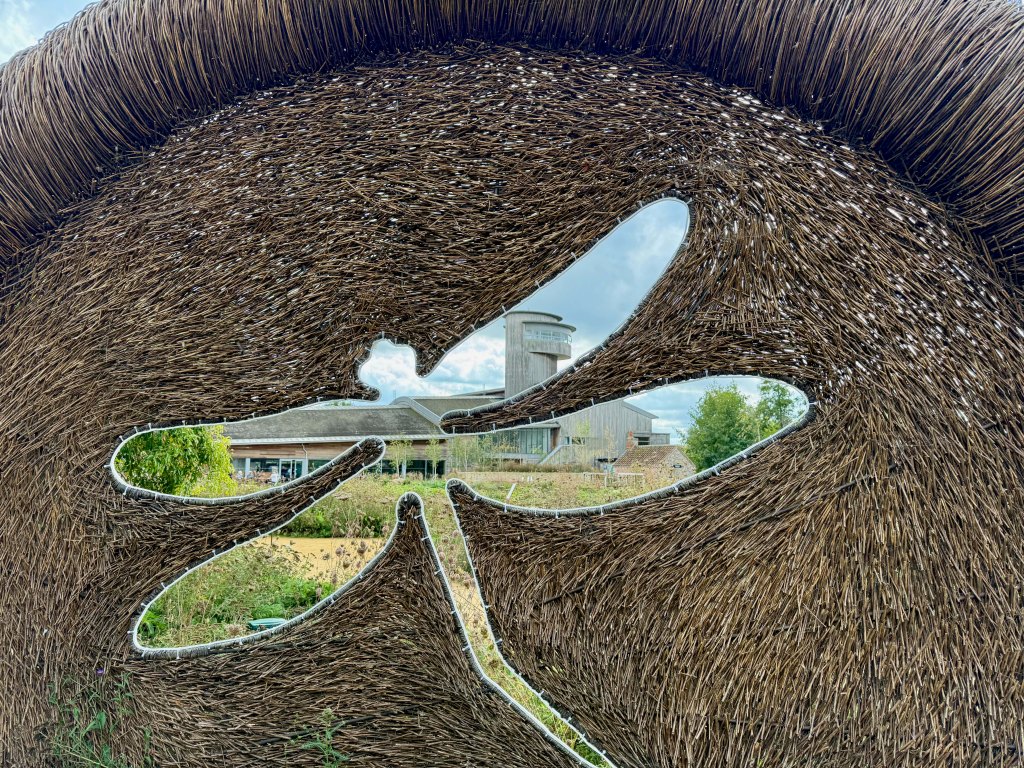
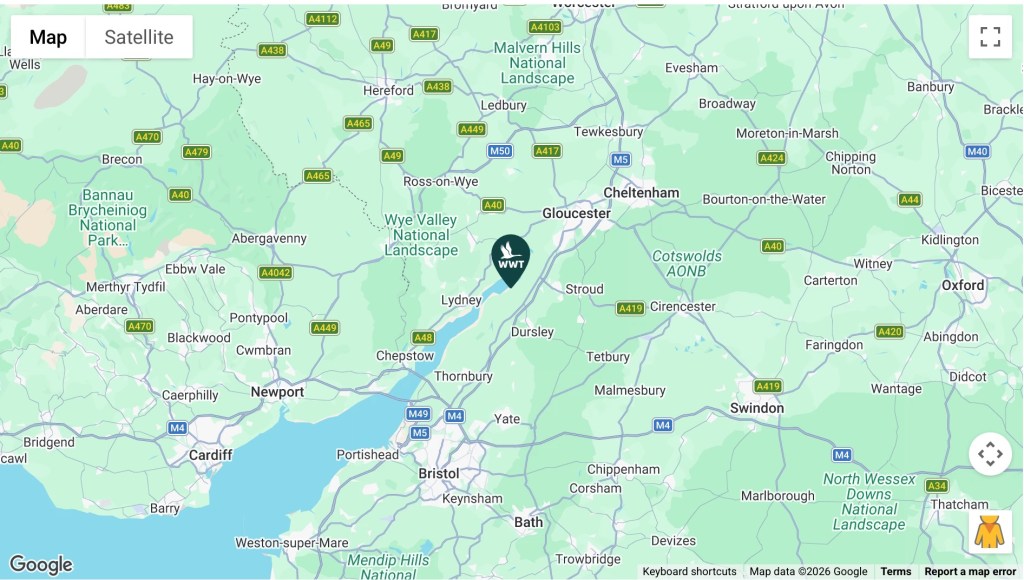
WWT Slimbridge Visitor CentreAn easy trip to WWT Slimbridge as we live on the north side of Bristol
It’s been a while since we have managed to get out birding and so we opted for our safe bet of WWT Slimbridge. Although we have had some rain and the fields have greened up a lot, the water levels are very low and most waders are probably opting for the nearby muddy banks of the Severn Estuary.
However, I hope you agree, there were a few nice birds to see.
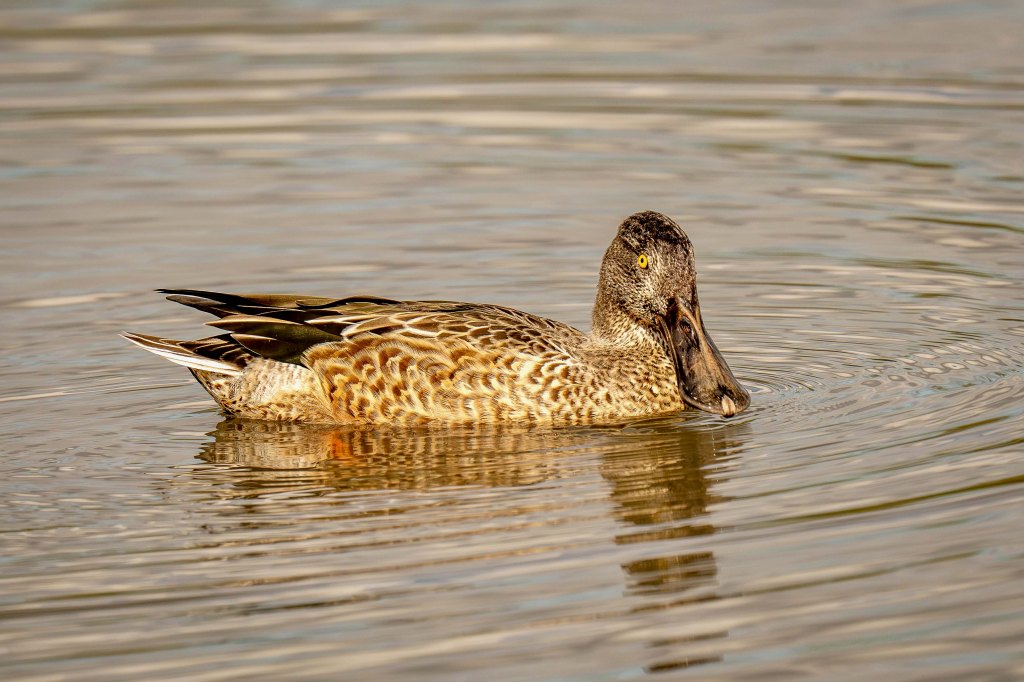
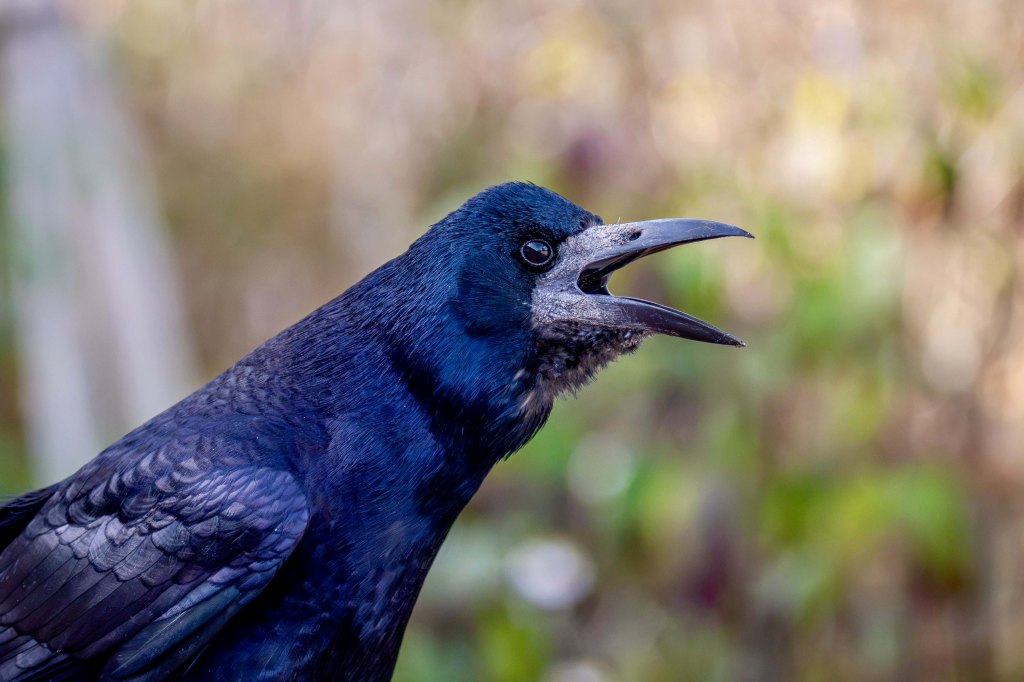
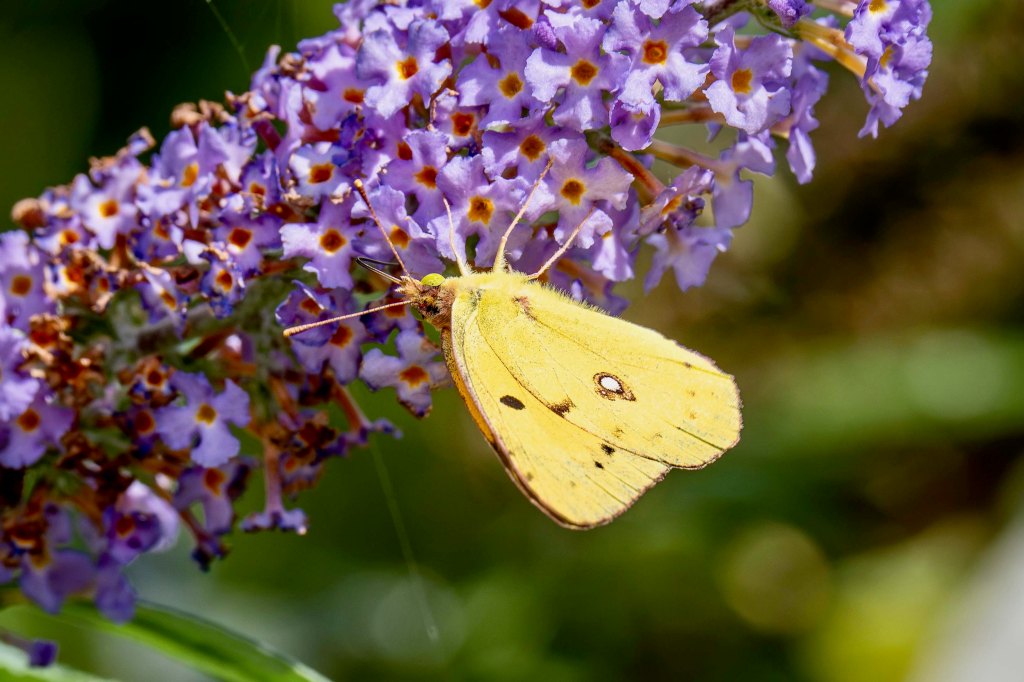
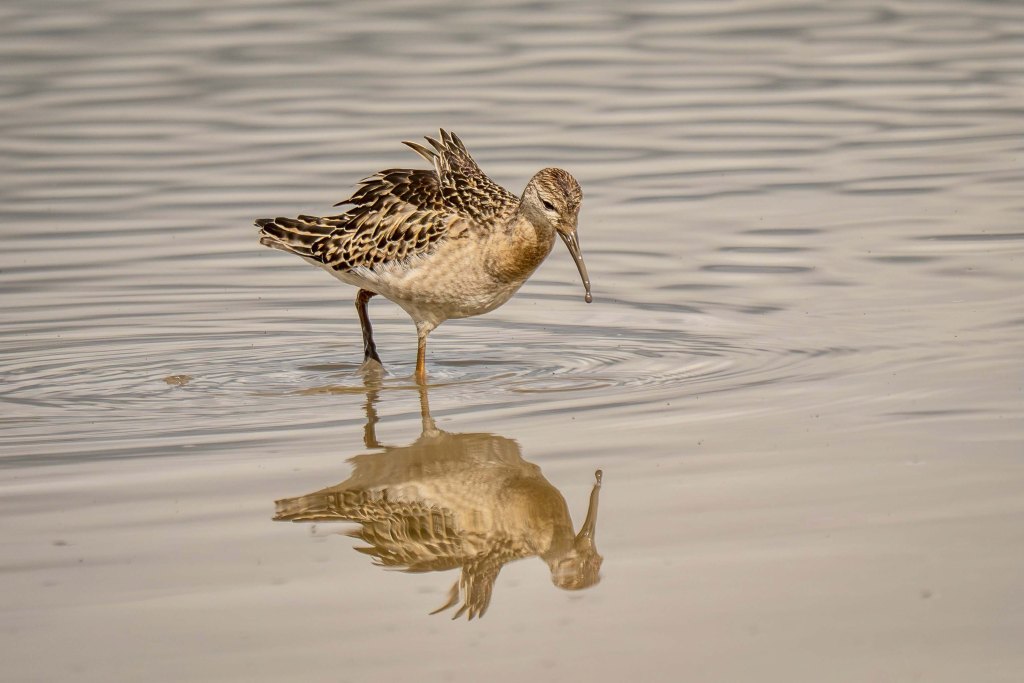
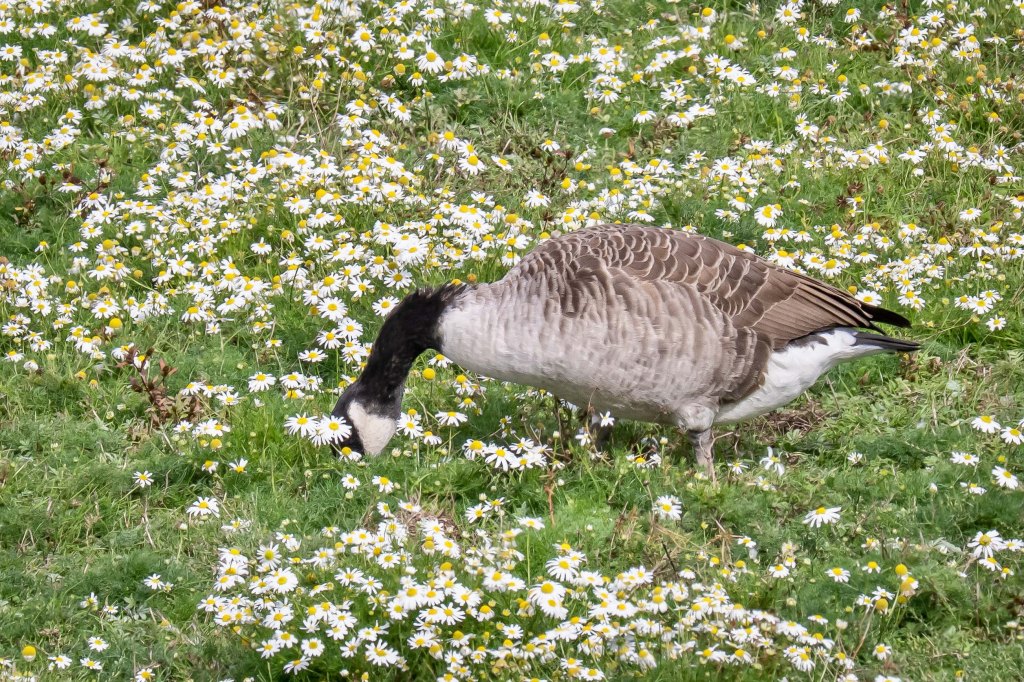
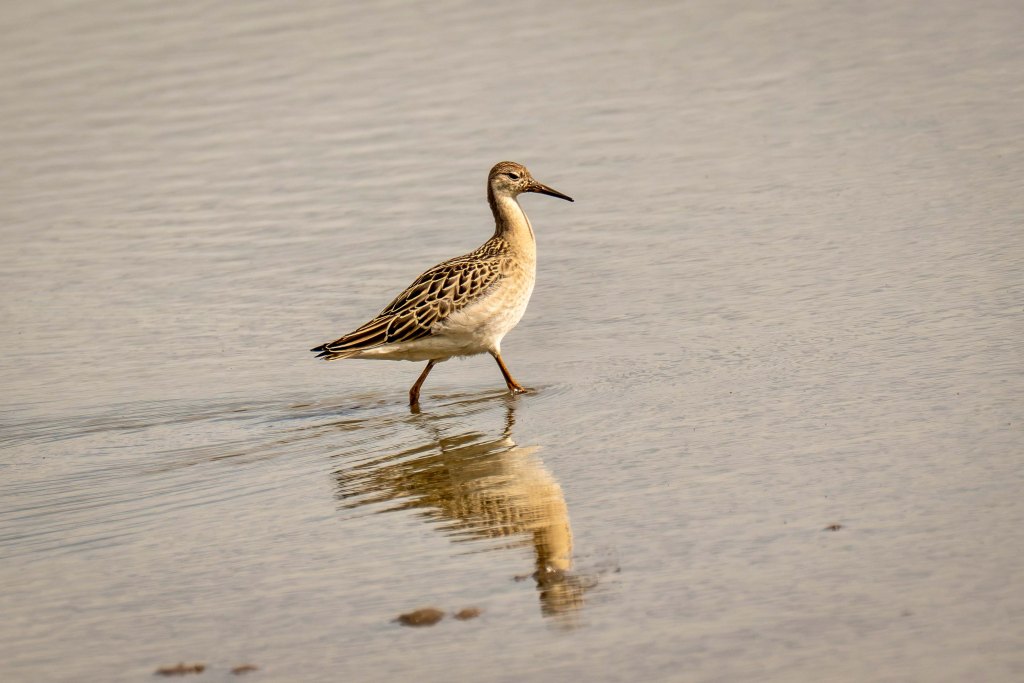
A very raucous rookClouded yellow butterfly – there has been a proliferation of these butterflies locally this year.Common snipeRuffA different ruffCanada goose amongst the daisiesTranshumance of greylag geese? Hardly!My favourite shot of the day – a shovelerA skein of Canada geeseGreen sandpiper – the only one to be seen todayCommon snipe – quite elusive todayIt took a lot of patience to get this photo of the common snipe
For the past couple of weeks I have not felt well enough to get out and about and so I have amused myself by making a few videos from photos I have taken,
I share with you, in this blog, one of these videos of some shots of one of my favourite birds, the common kingfisher. In French it is known as Martin Pêcheur and as a former French teacher I like the fact that I share its name.
We have had some rain in the last few weeks and the countryside is beginning to green up but the pools at Slimbridge were still very low again this morning. We didn’t really see anything very different from our last few visits but it was great to get out and see what was about and take some pics!
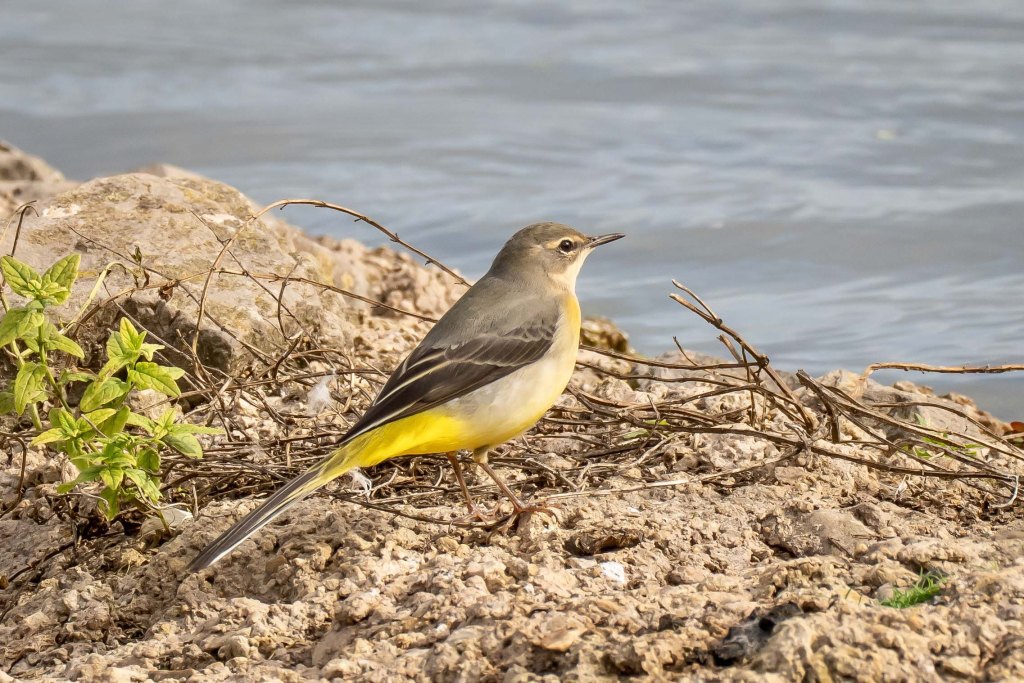
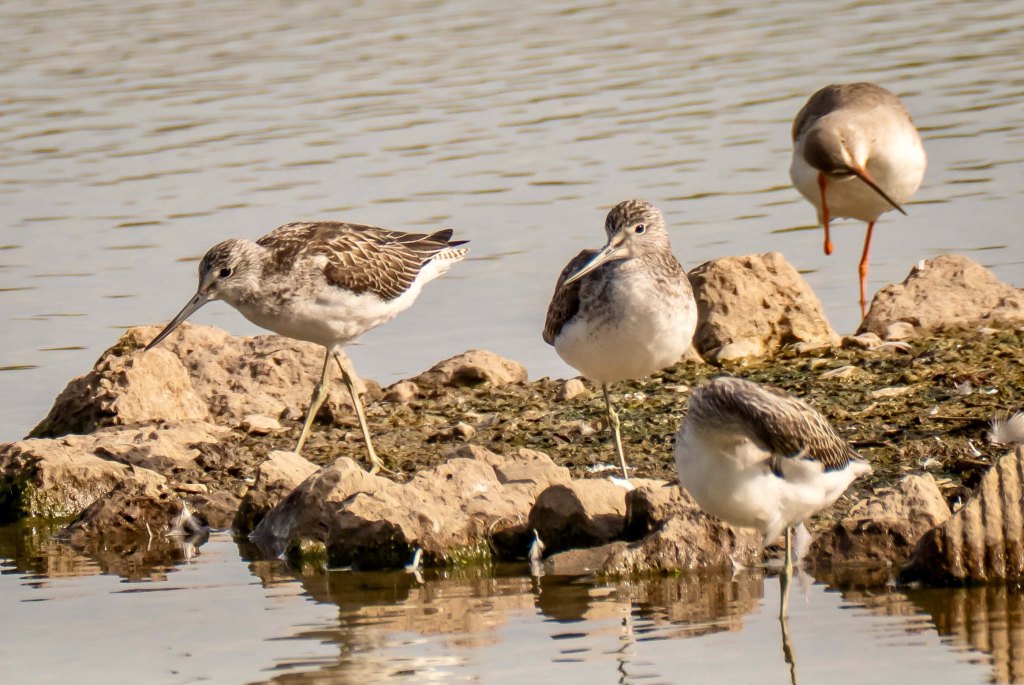
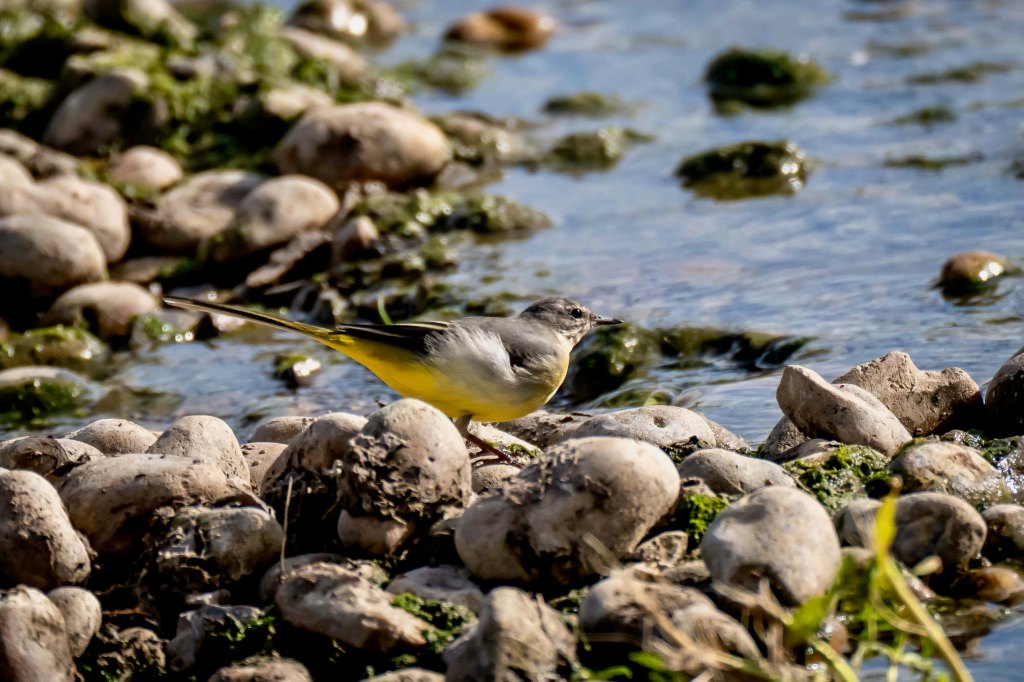
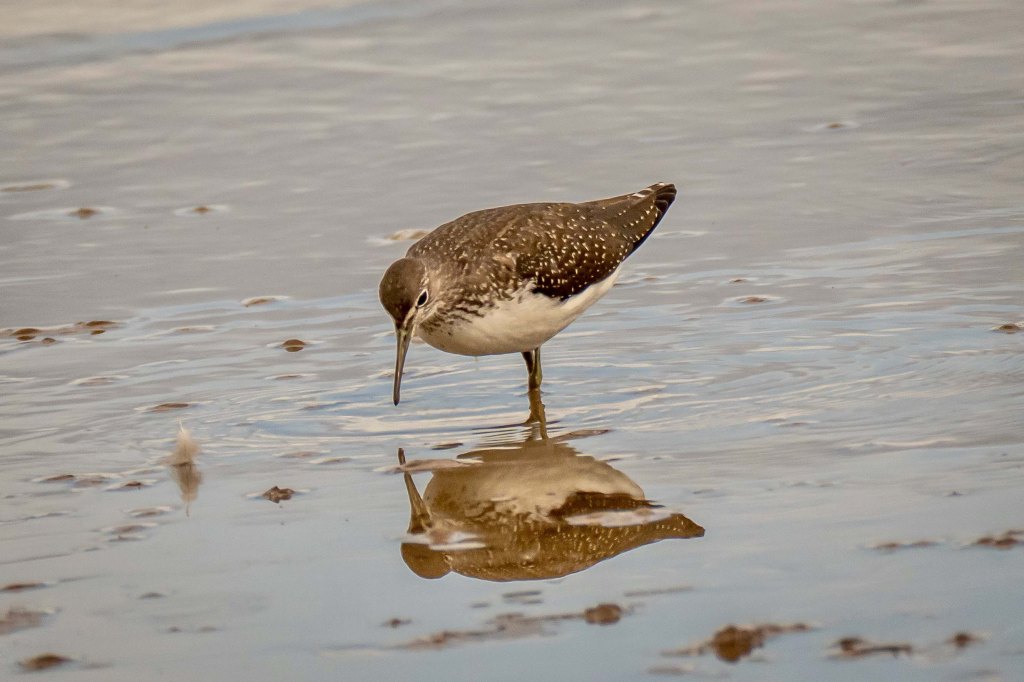
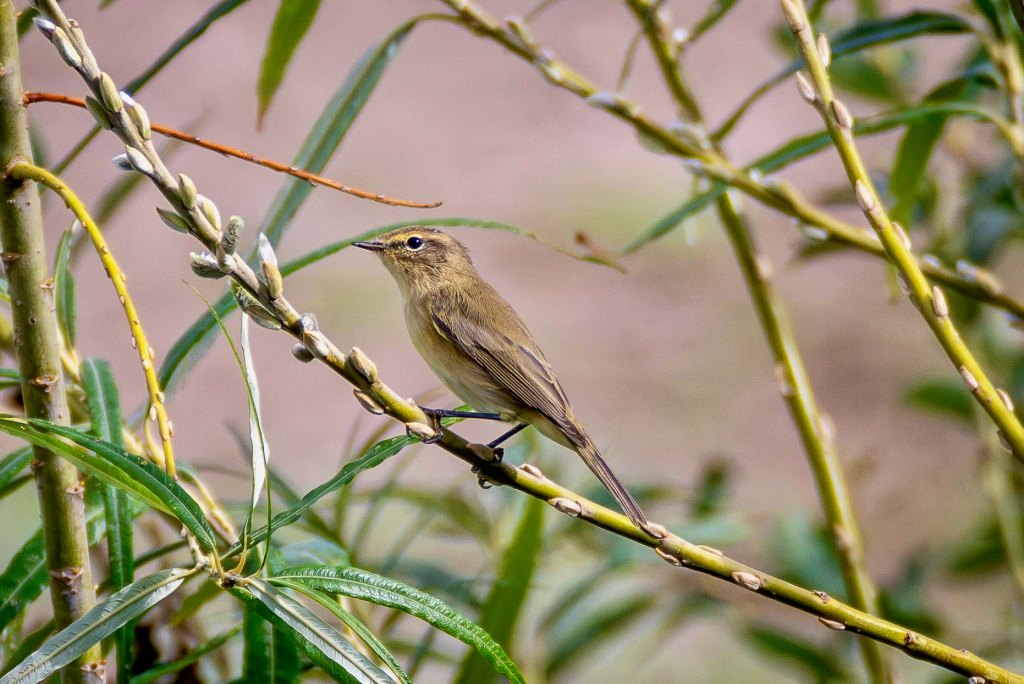
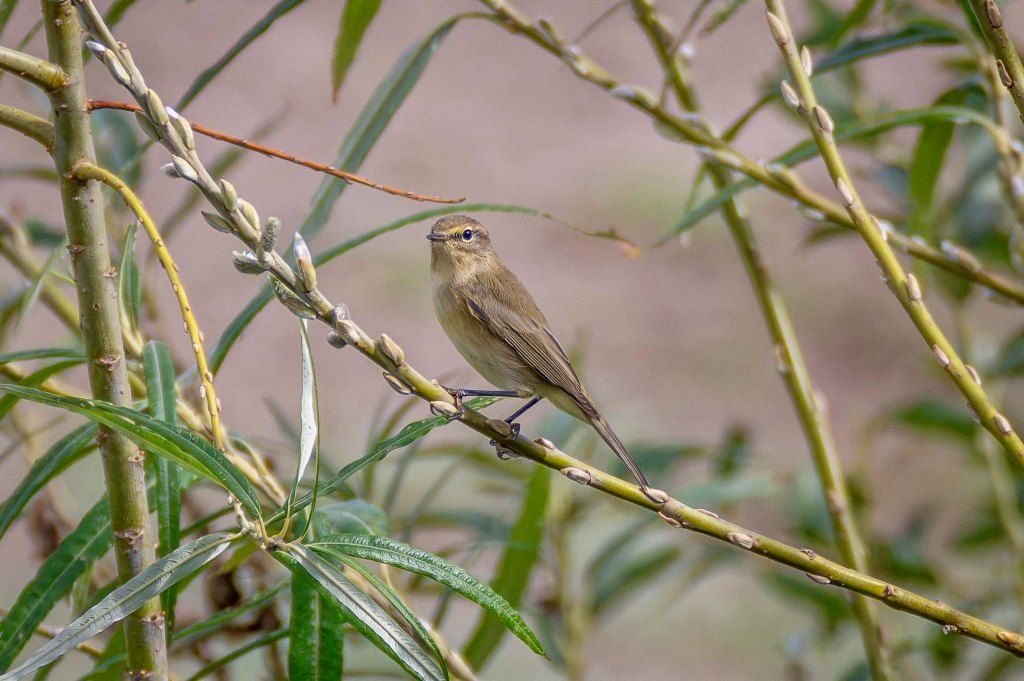
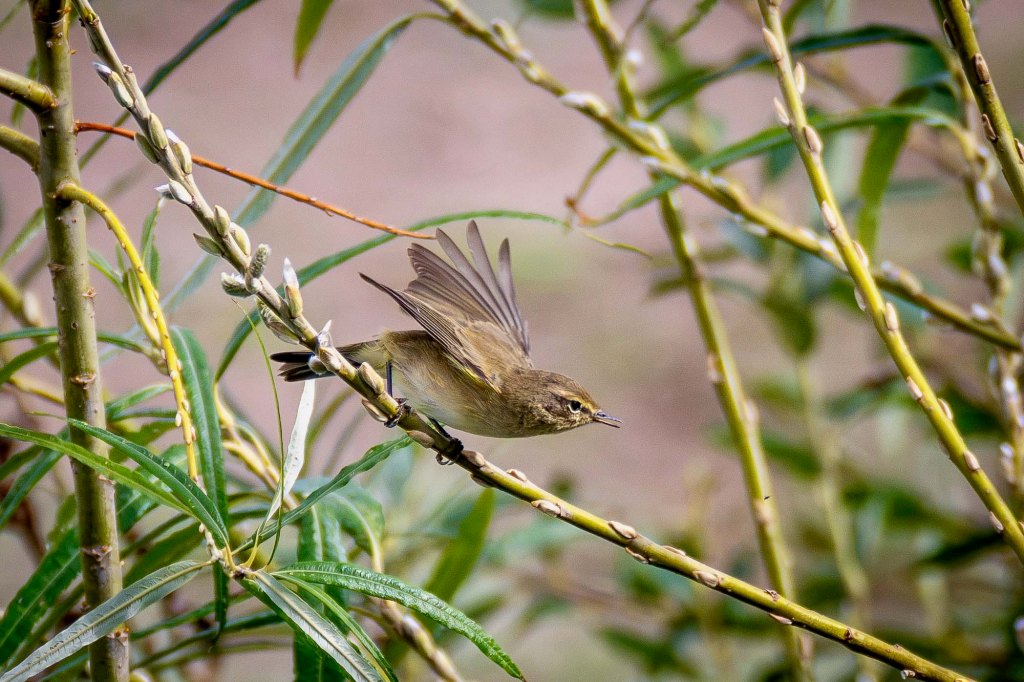
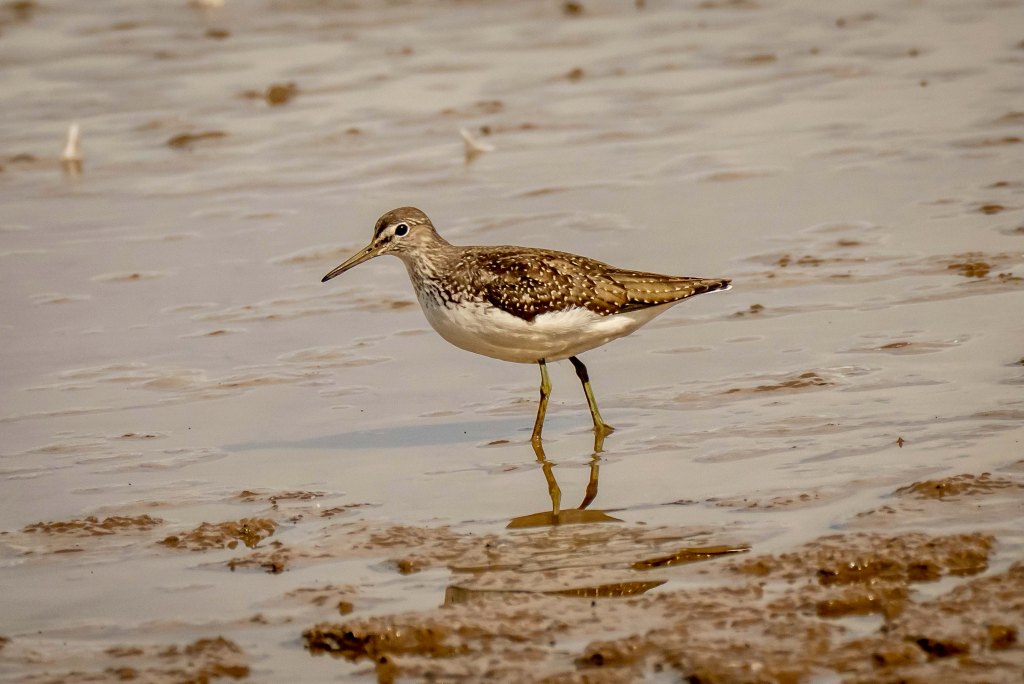
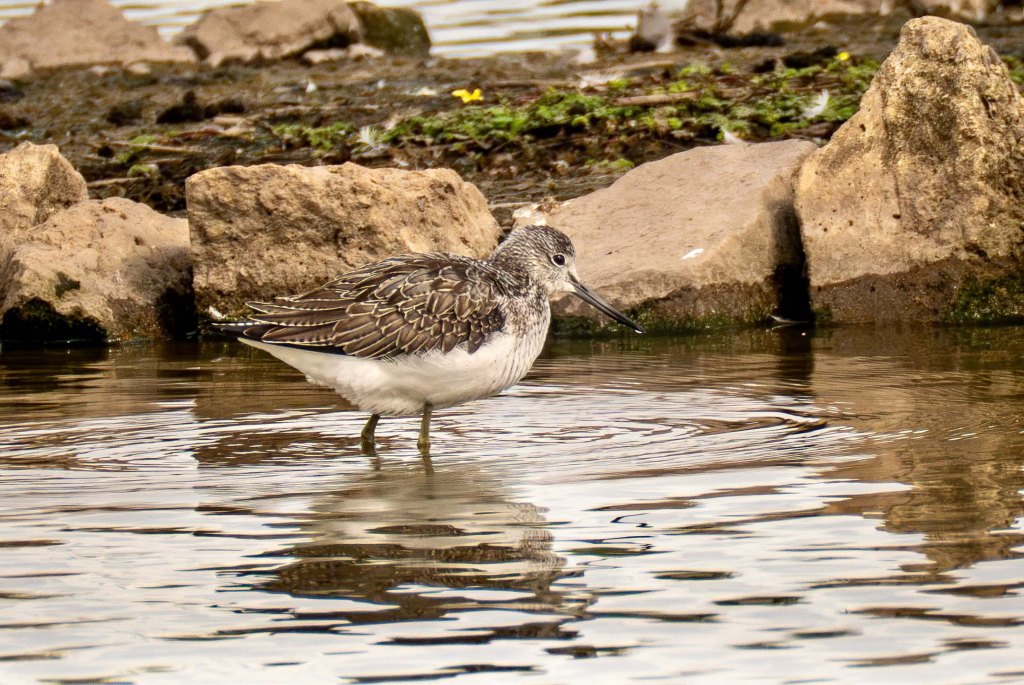
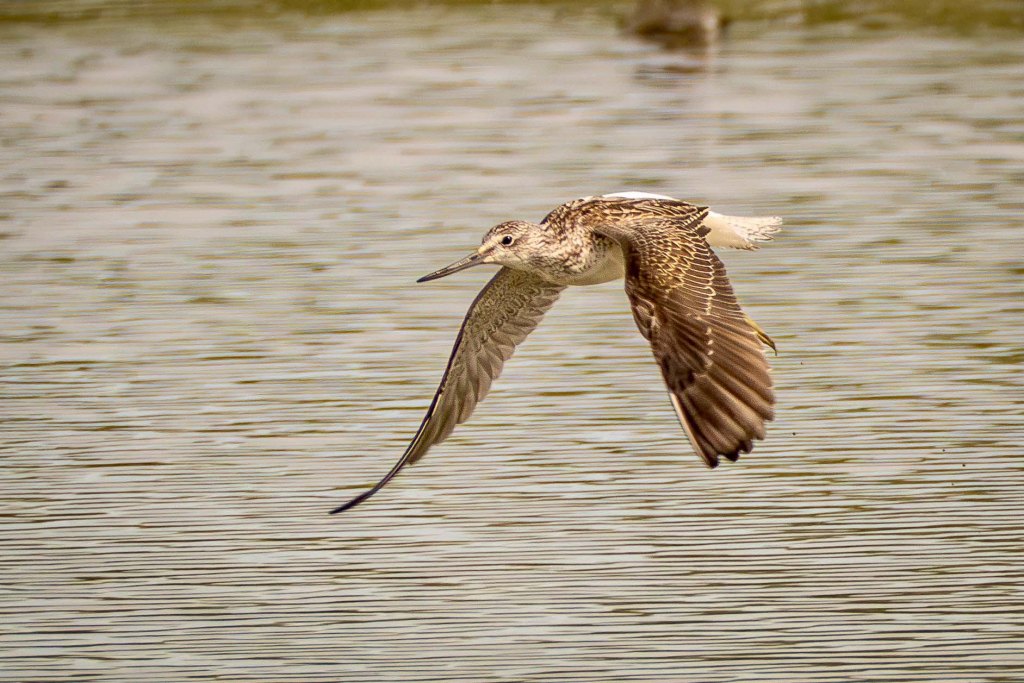
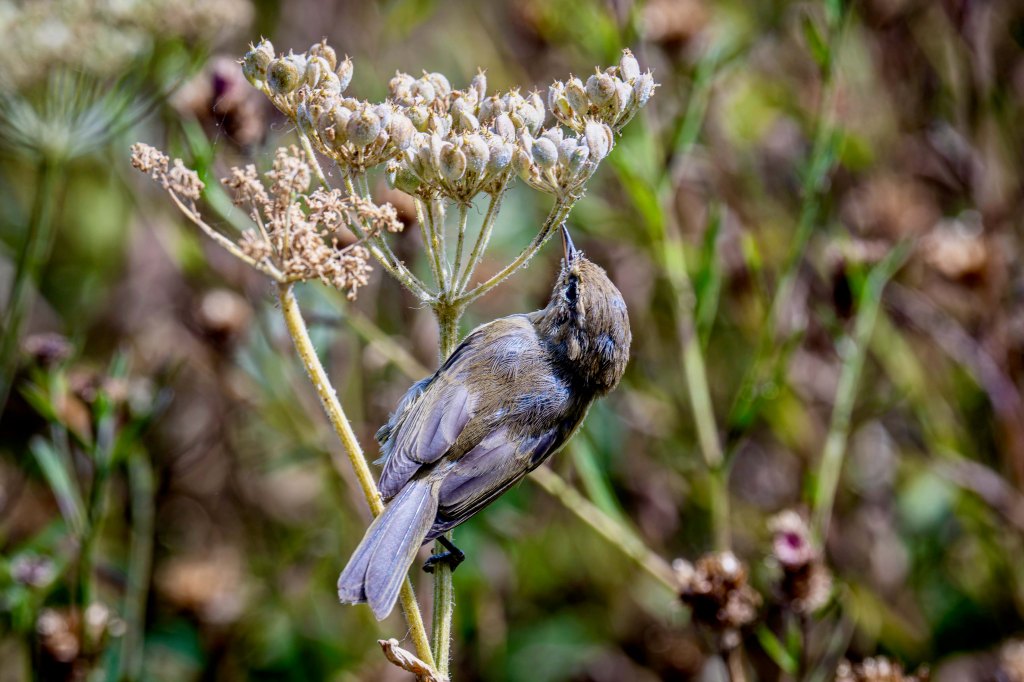
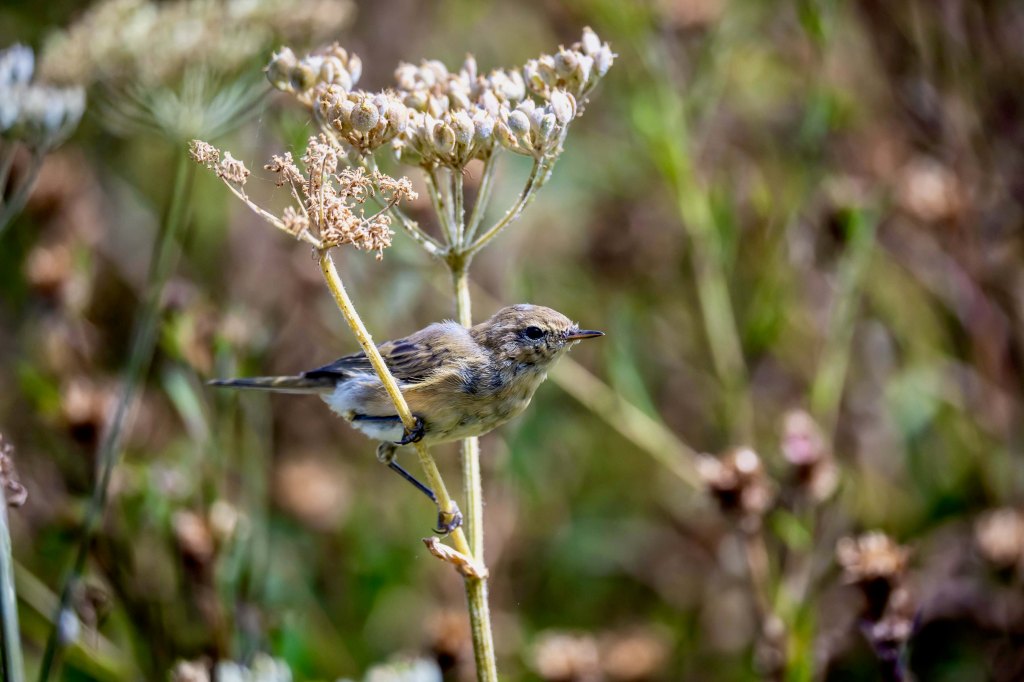
Greenshanks and a redshankGrey wagtailThe common snipe didn’t have much to hide behind as the banks had been clearedCommon snipeA pair of gadwallLittle egretRuffGreen sandpiperCommon chiffchaffCommon chiffchaffCommon chiffchaffGreen sandpiperCommon greenshankCommon greenshank in flightNorthern shovelerLapwing
We have had to be much less adventurous with our holidays this year but nonetheless we have really enjoyed our trips away to the south coast of England. Although the distances travelled have not been very great I was very tired after our last expedition to East Devon (whether it be my health or just old age) and so it was great to relax this weekend and watch some sport and do a little gardening. That doesn’t mean that my camera was very far away and I share a few nature shots from the garden yesterday.
Common carder bee enjoying the salviaCommon carder bee on verbena£8 solar fountain from amazon.co.uk!Holly blue butterflyThe common green bottle fly Lucilia sericata on achilleaAlso on the achillea a thick-legged hoverfly syritta pipiensSmall white butterflyGreen-veined white butterflyHolly blue butterfly
After a mainly sedentary weekend by this morning I was chomping at the bit and we had a trip to WWT Slimbridge.
The highlight of our visit was a common snipe (normally very secretive and well camouflaged) which made an appearance as soon as we arrived in the open right in front of us .
Common snipeCommon snipeRuff and two greenshankGreenshank in flightSpotted redshank
I was very pleased to recognise straightaway the spotted redshank from its feeding habits. I remembered what an old chap (probably younger than me) told me when I starting bird watching, on a trip to Titchwell Marshes in Norfolk, about how the spotted redshank feeds very much like an avocet with a sweeping action whereas the common redshank simply picks at food.
Common redshankLittle egretLittle egretYou can see the effects of the drought we have had from this shot of a group of common crane… and from further awayIt’s not only the farmers who are desperate for rain – the birds need it too – view of the Severn Estuary from the Estuary hide.
We sneaked another morning visit to the wetlands but had to dodge a few showers (what a novelty!).
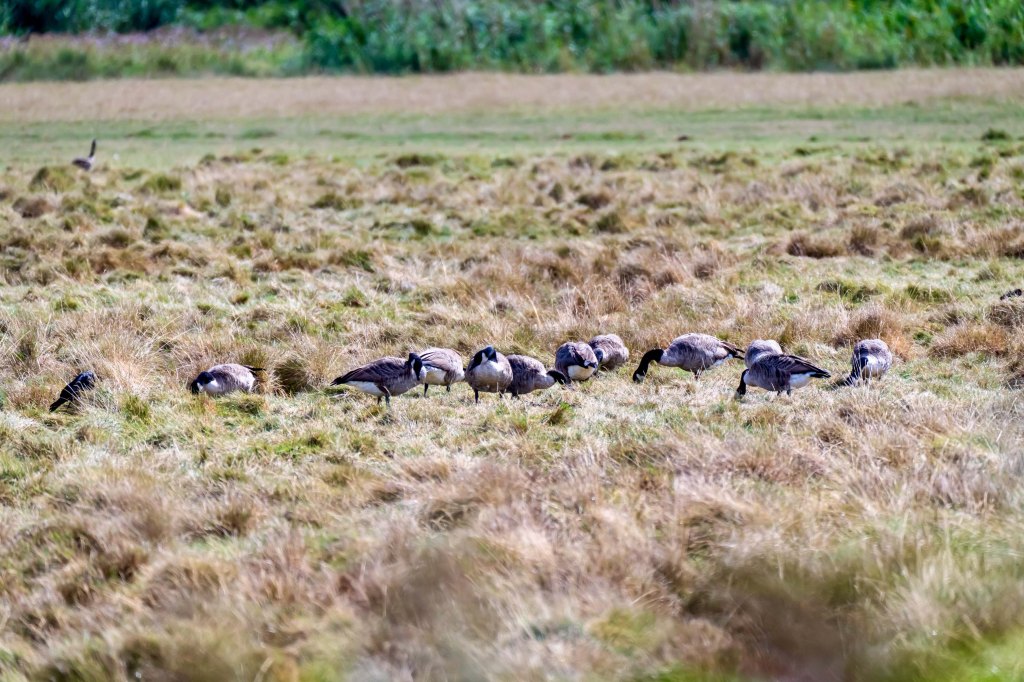
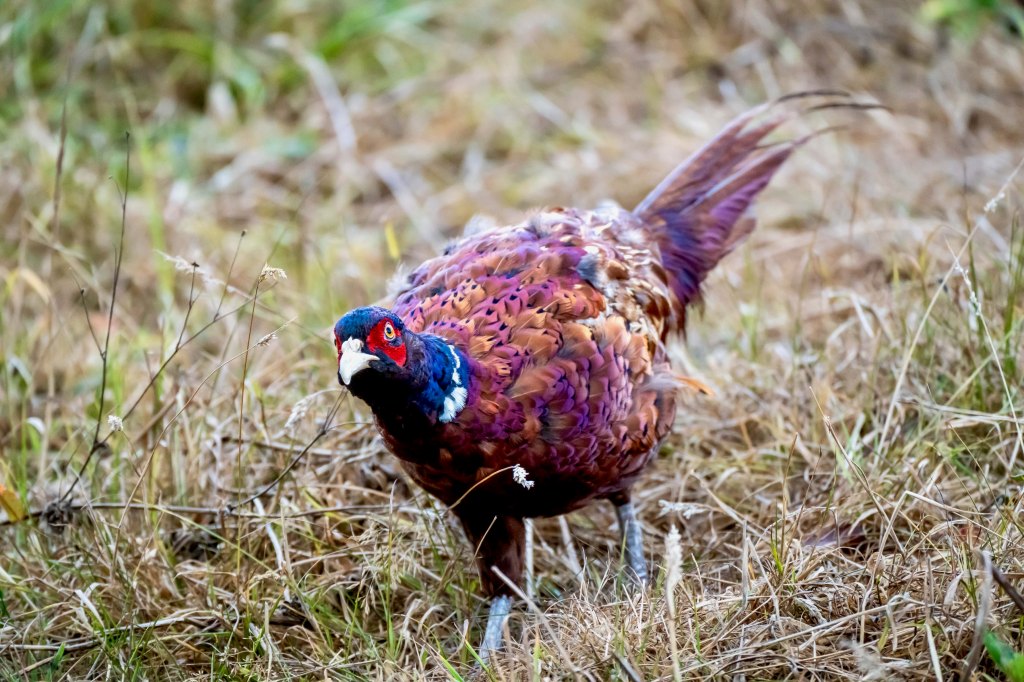
From the tower hide the view across the river AxeEurasian curlew heading down riverCanada geese heading up riverFrom the Tower hide the view across the reserveOystercatchers and black-headed gullsBlack-tailed godwitCommon redshankMainly black-tailed godwitsIn this muddy patch (caused by the tide!) there were a mixture of curlews, whimbrel and common sandpiper, but most beyond my rangeWe ventured a little further (and got wet) only to have a view of these Canada geese feedingAn inquisitive pheasant
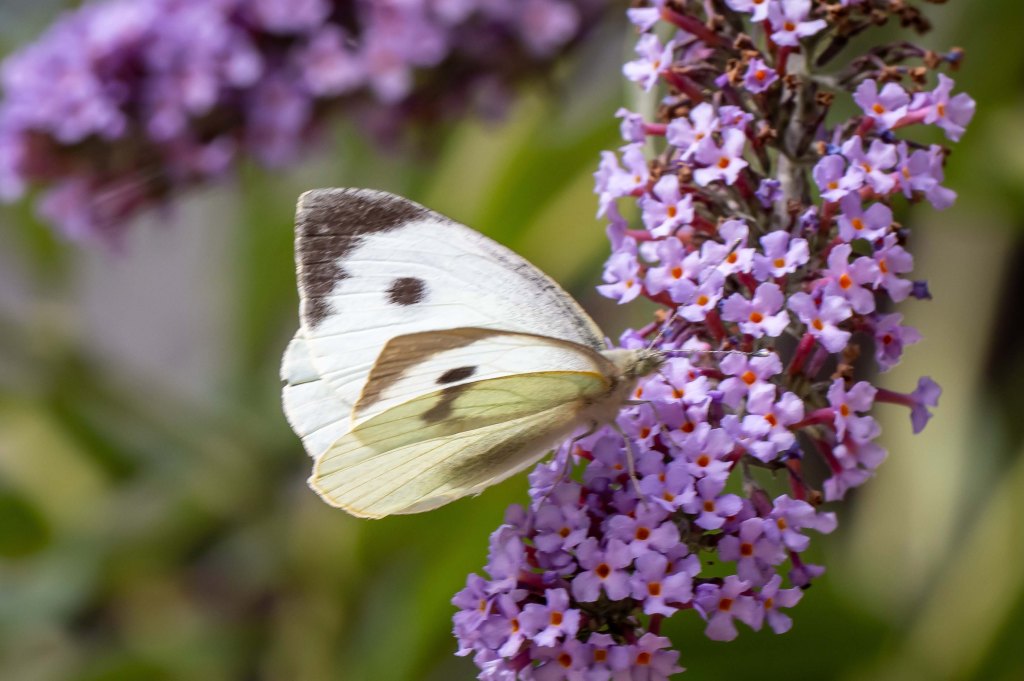
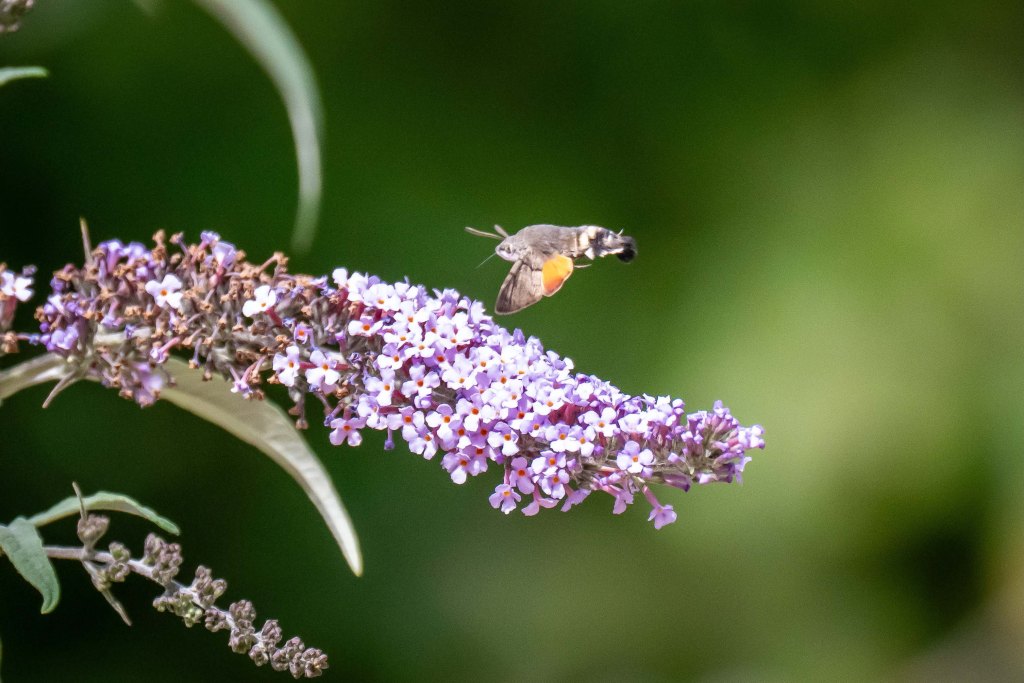
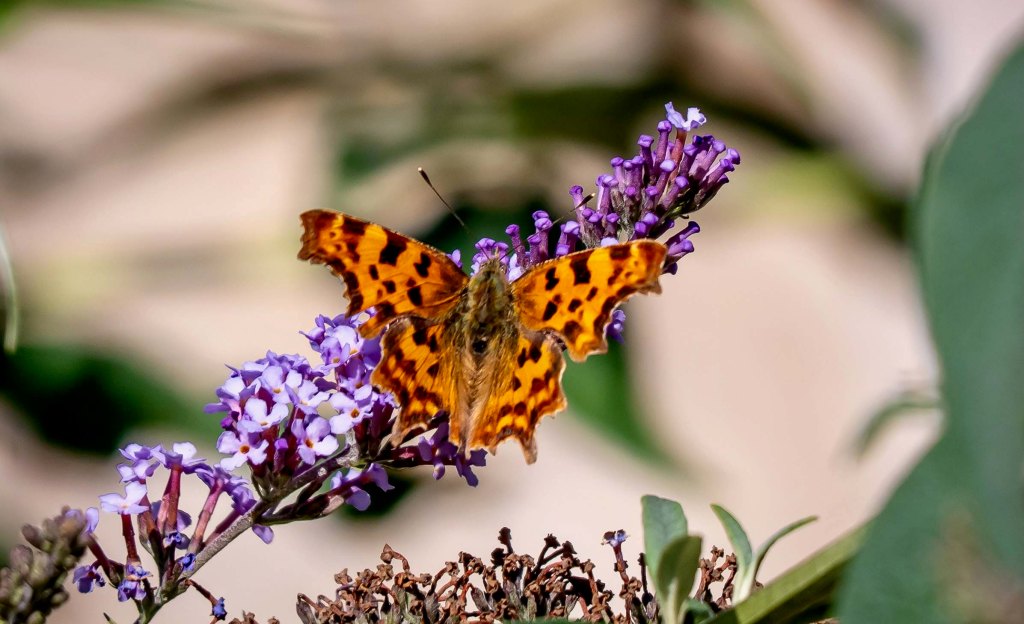
Back at our holiday rental there were butterflies and a hummingbird hawk-moth:
Large whiteHummingbird hawk-mothClouded yellowA very tired peacock butterflyComma butterflySmall whiteRed admiral
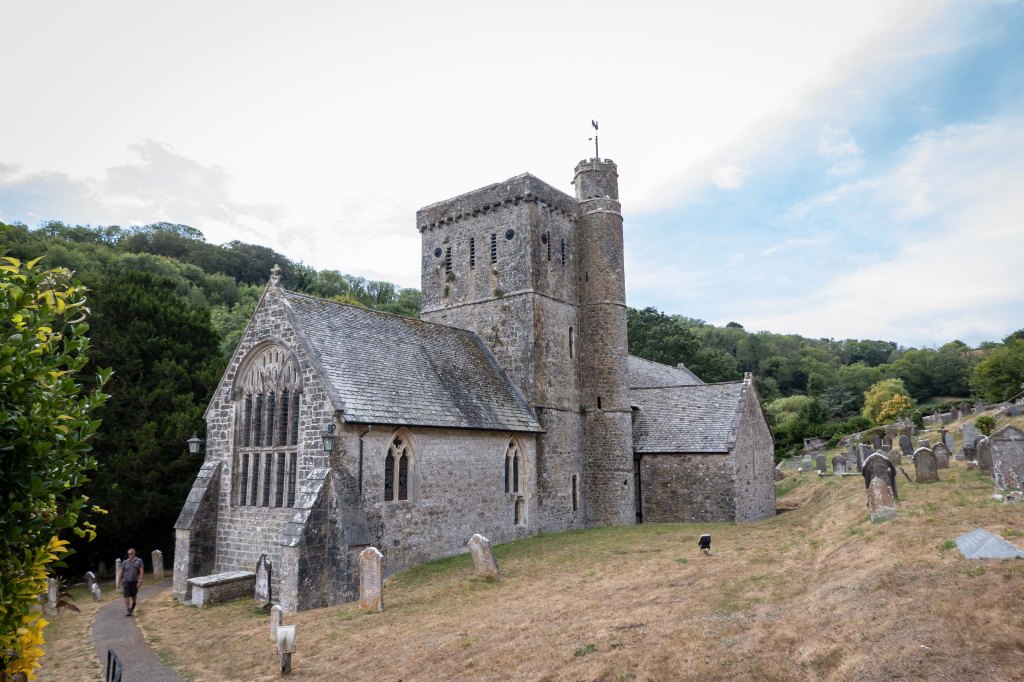
Just for good measure a few of the beaches and other aspects of our visit.
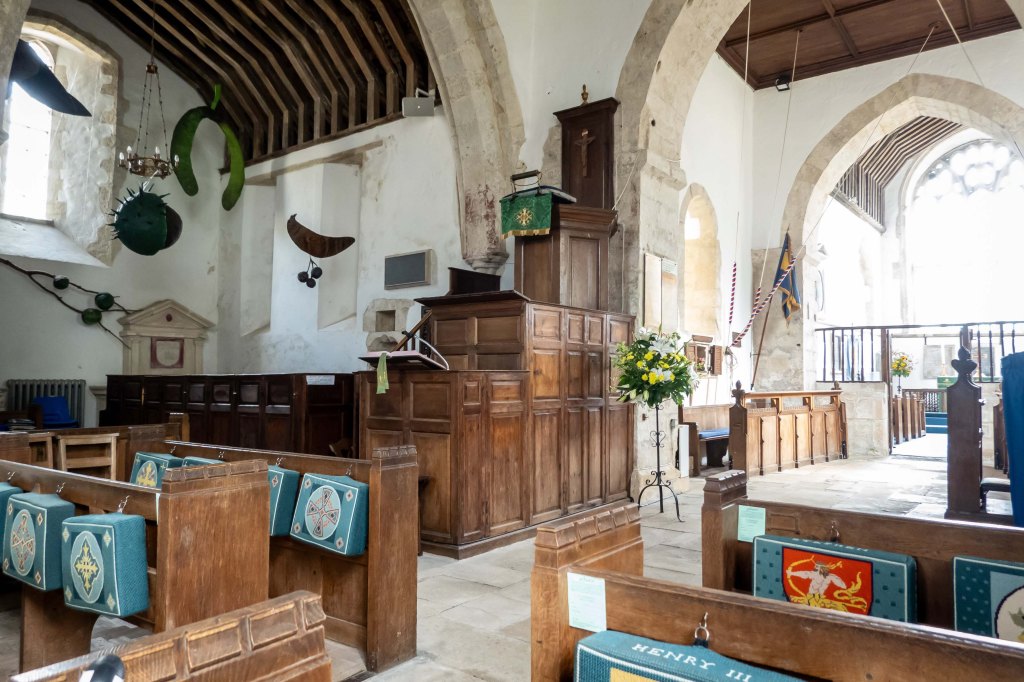
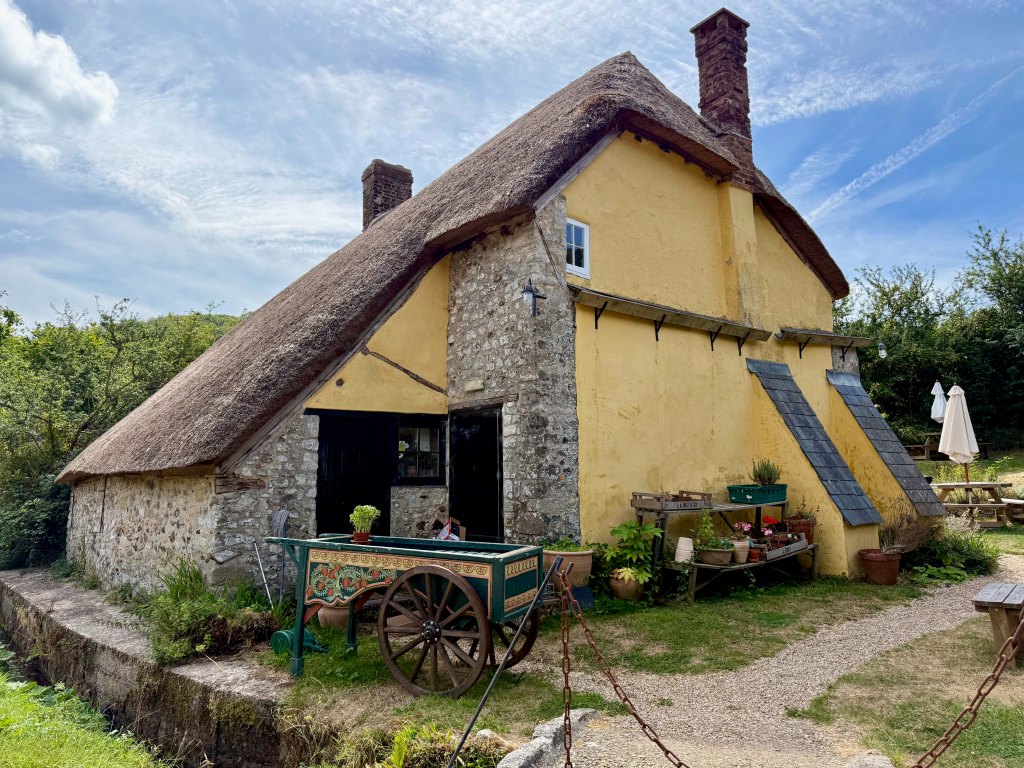
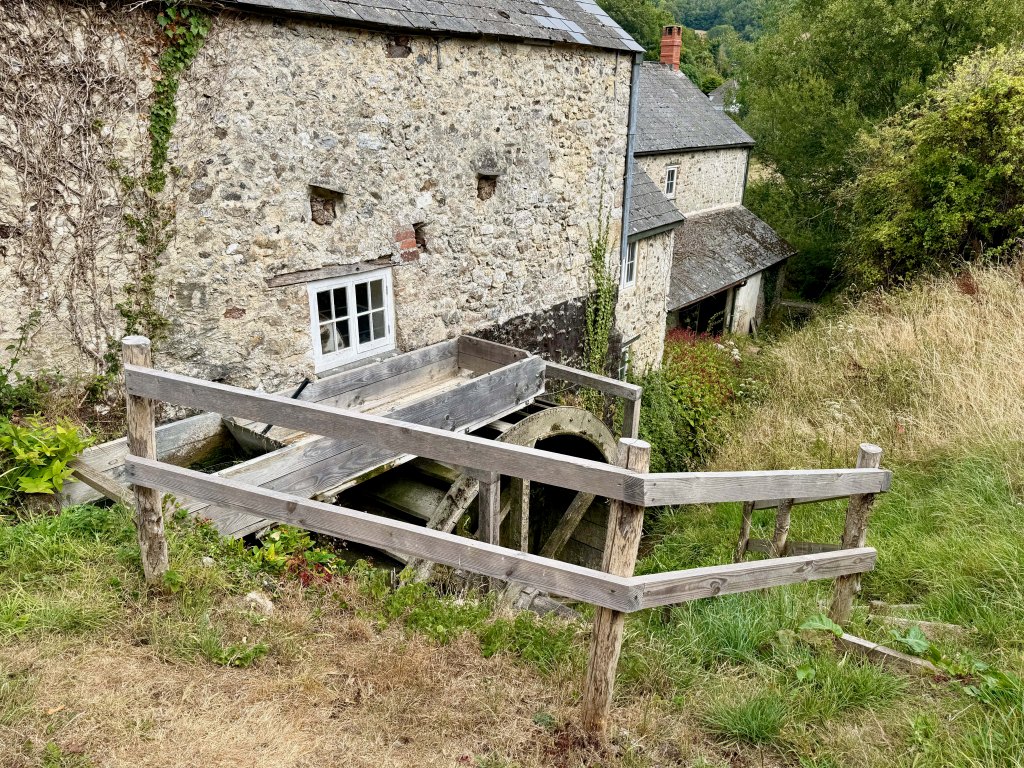
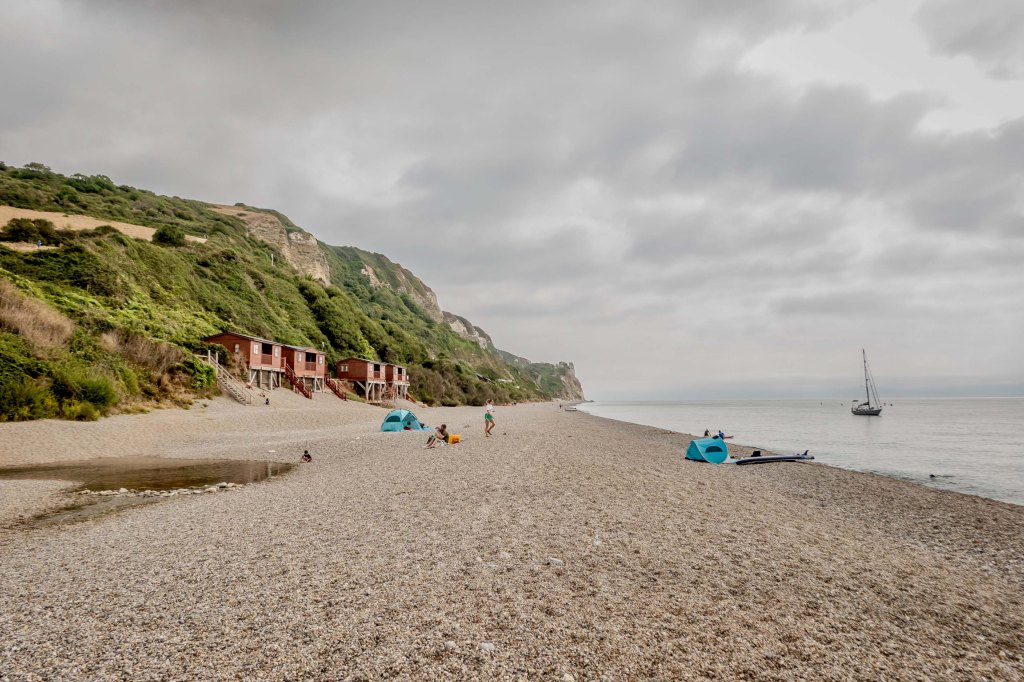
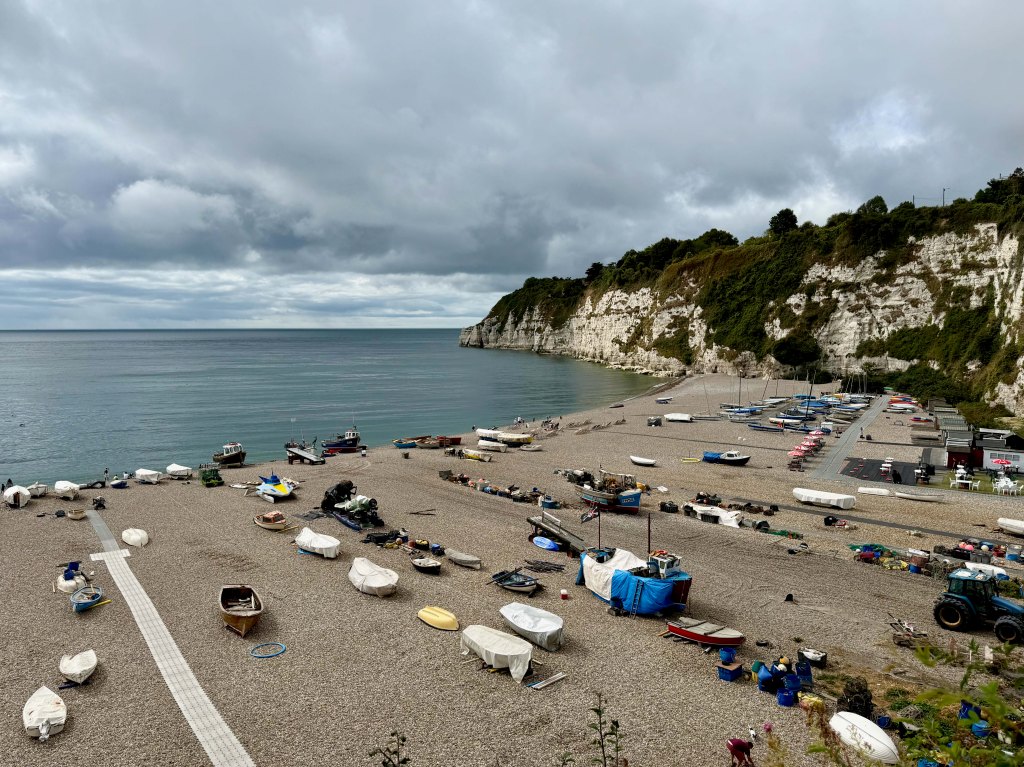
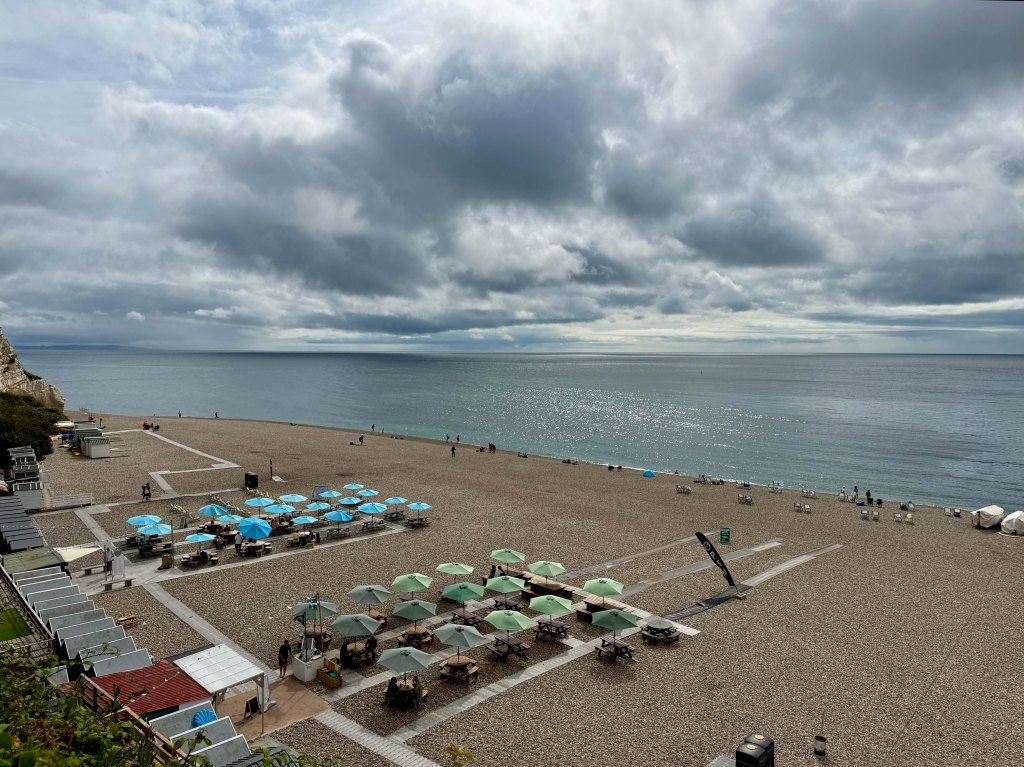
St Winifred’s Church, BranscombeSt Winifred’s Church, BranscombeThe Old Bakery at BranscombeManor Mill, Branscombe. The only working mill to survive of the four originally operating in Branscombe.Branscombe beach and caféBranscombe beach looking eastwardsBeer Beach – still a working fishing portThe beach at Beer
We had another very enjoyable trip to this lovely reserve which features marshland and reedbeds alongside the River Axe just outside Colyford between Seaton and Colyton in the beautiful East Devon countryside. There are five bird hides and nearly 4km of level trails and boardwalks suitable for wheelchair, bike and pushchairs. Just right for us!
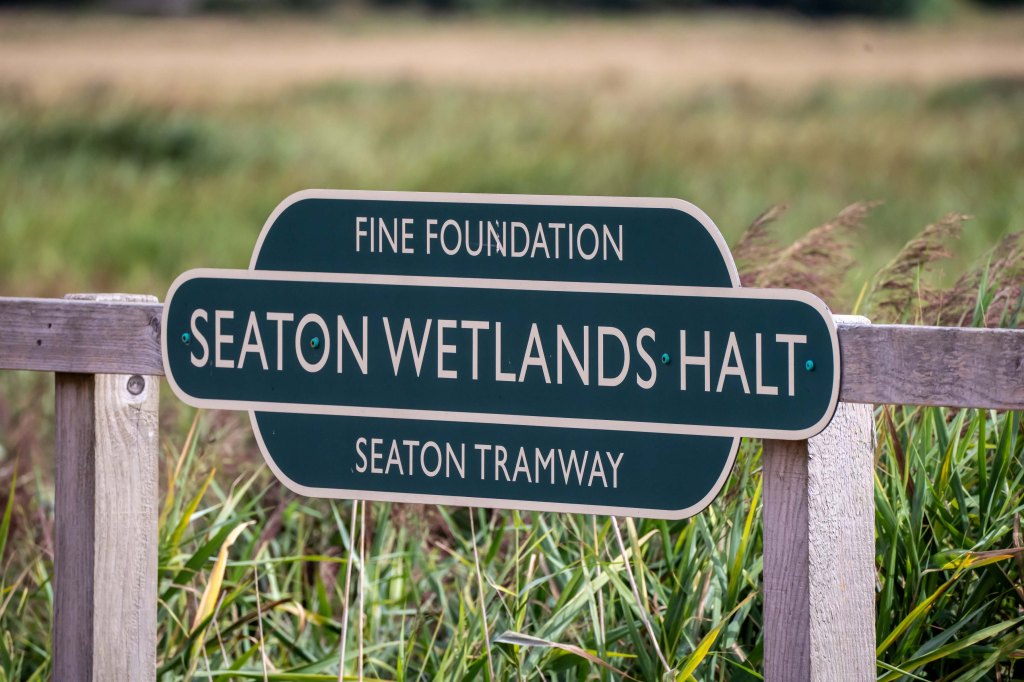
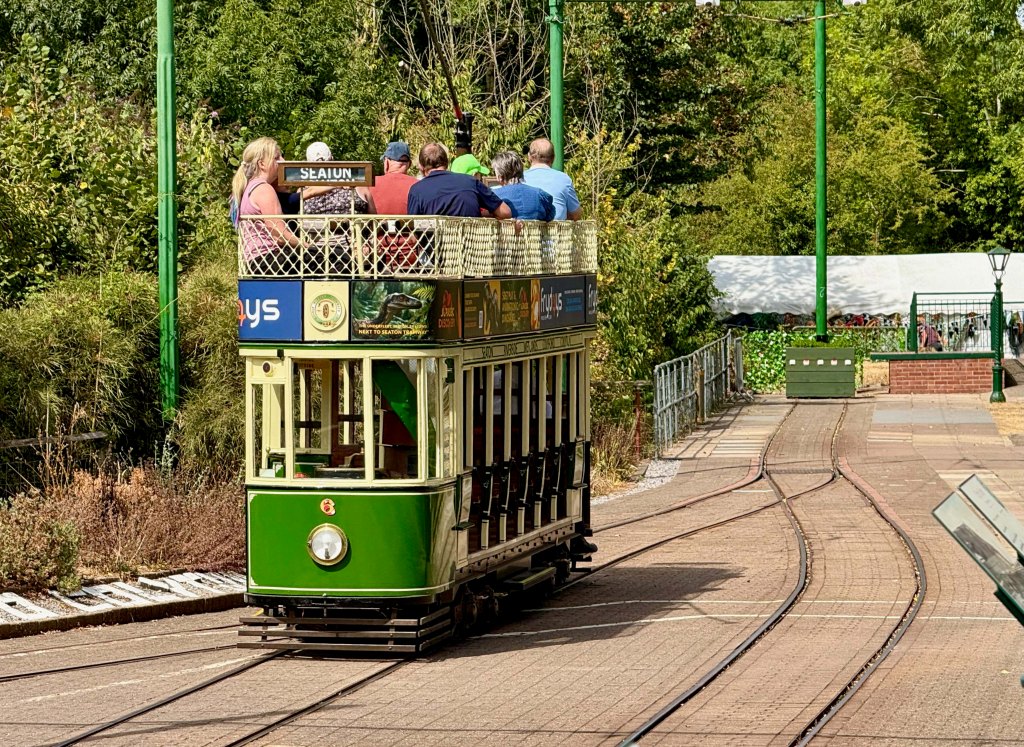
We were blessed with some dismal weather for which we were most grateful after the series of heatwaves we have been enduring. At one point it started to drizzle and we nearly set back as we had left our waterproofs in the car, but we held our nerve and took the tram at the Seaton Wetlands Halt and explored Colyton.
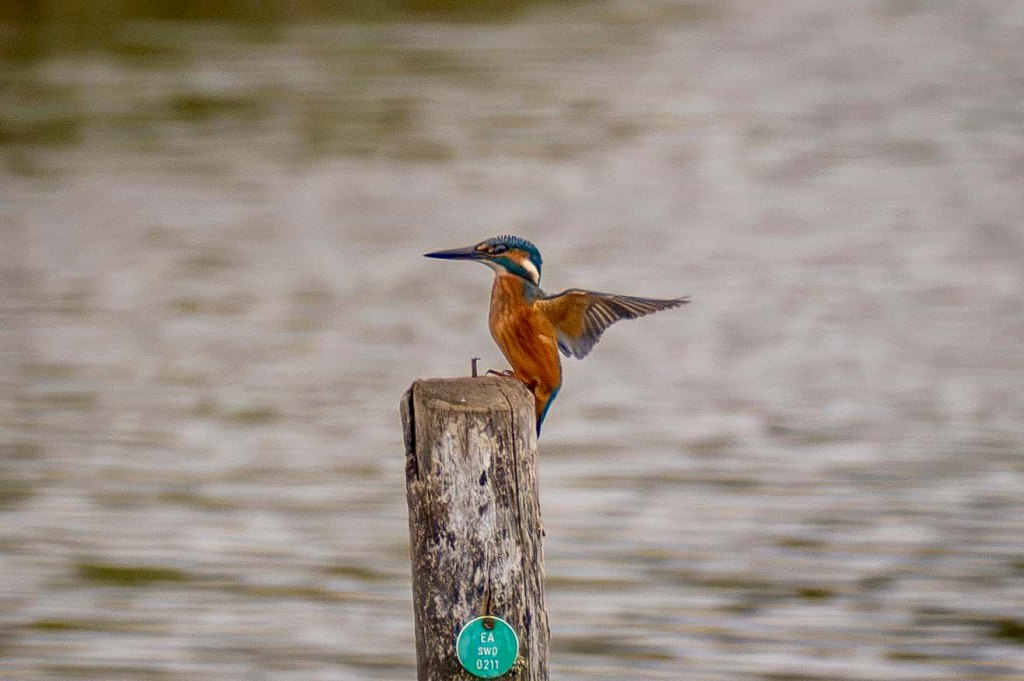
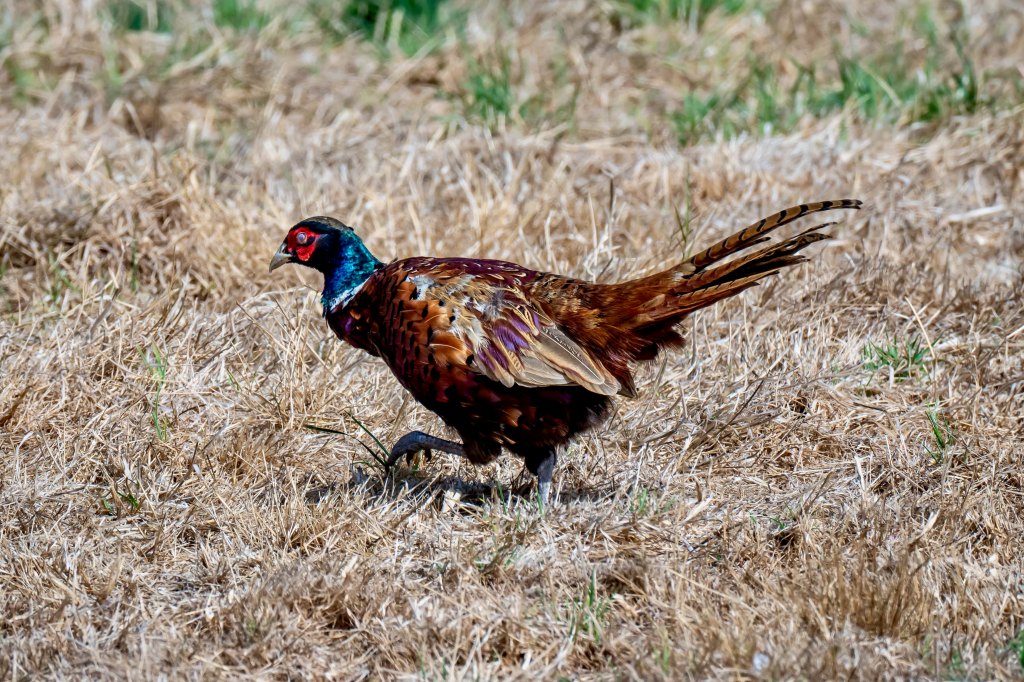
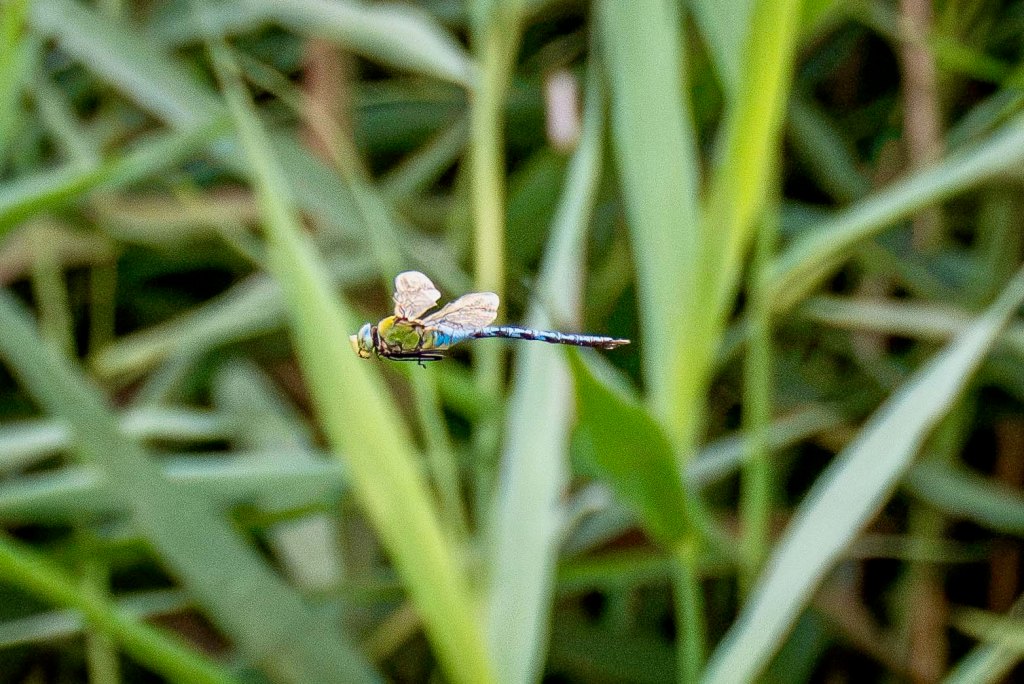
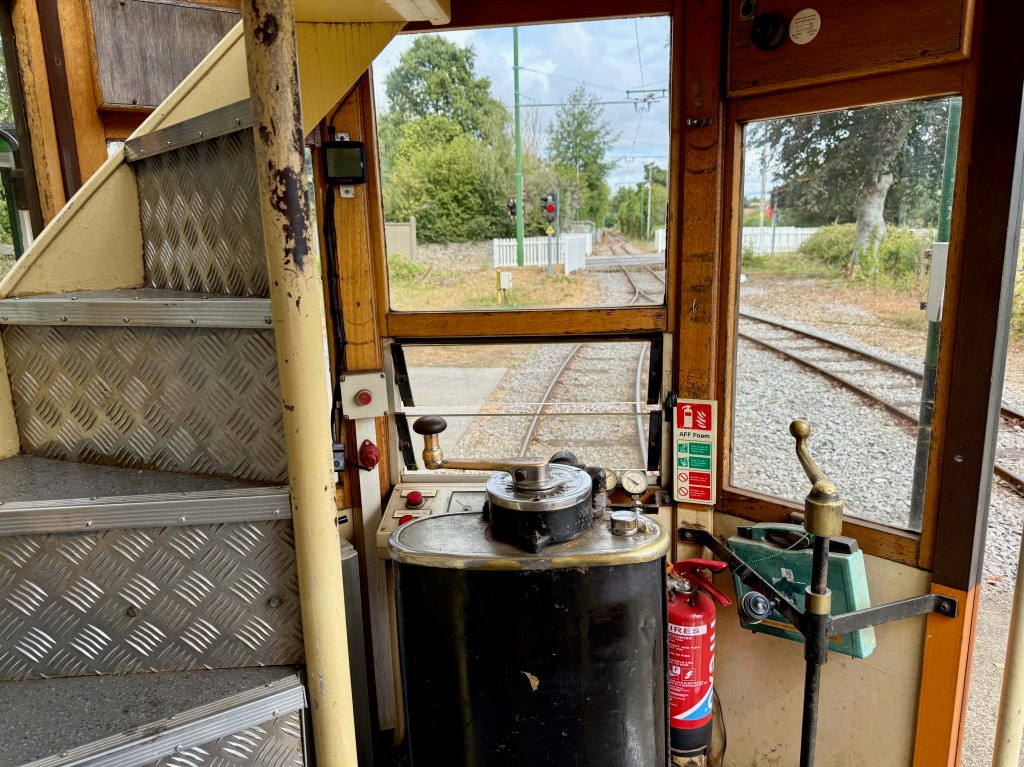
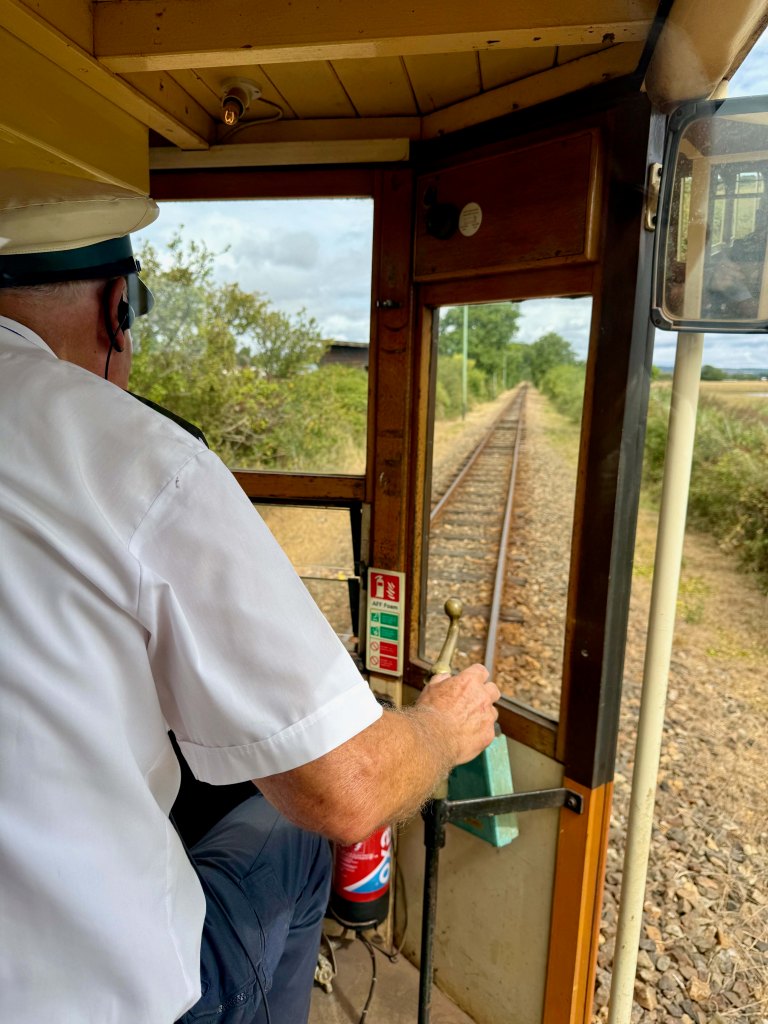
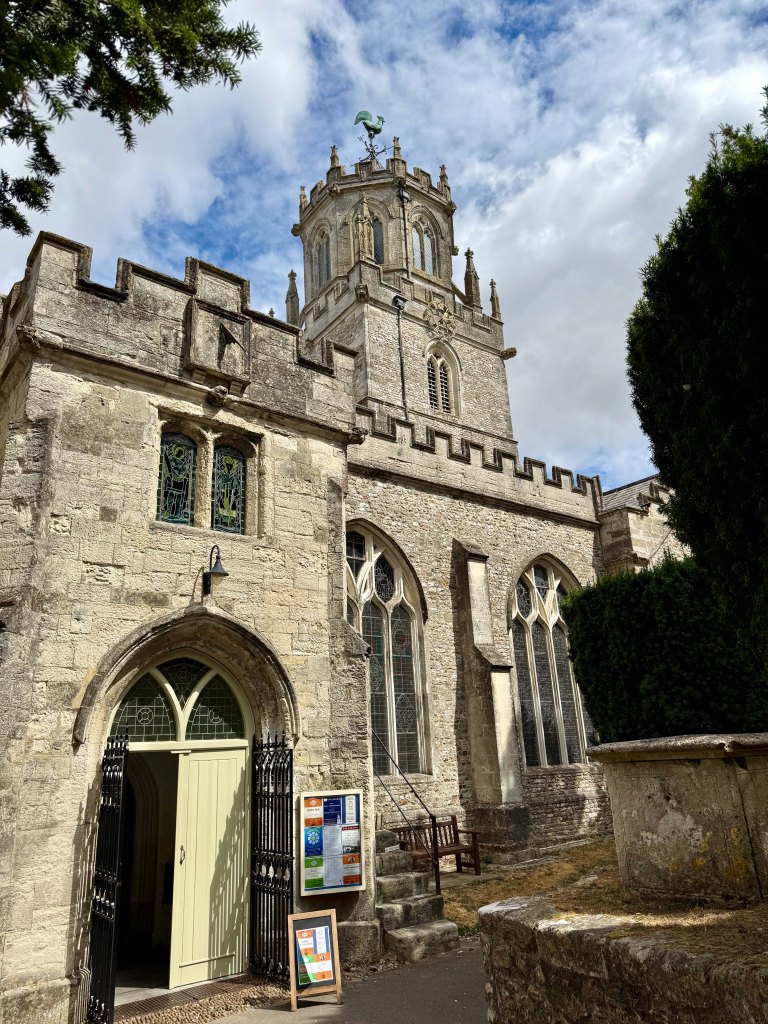
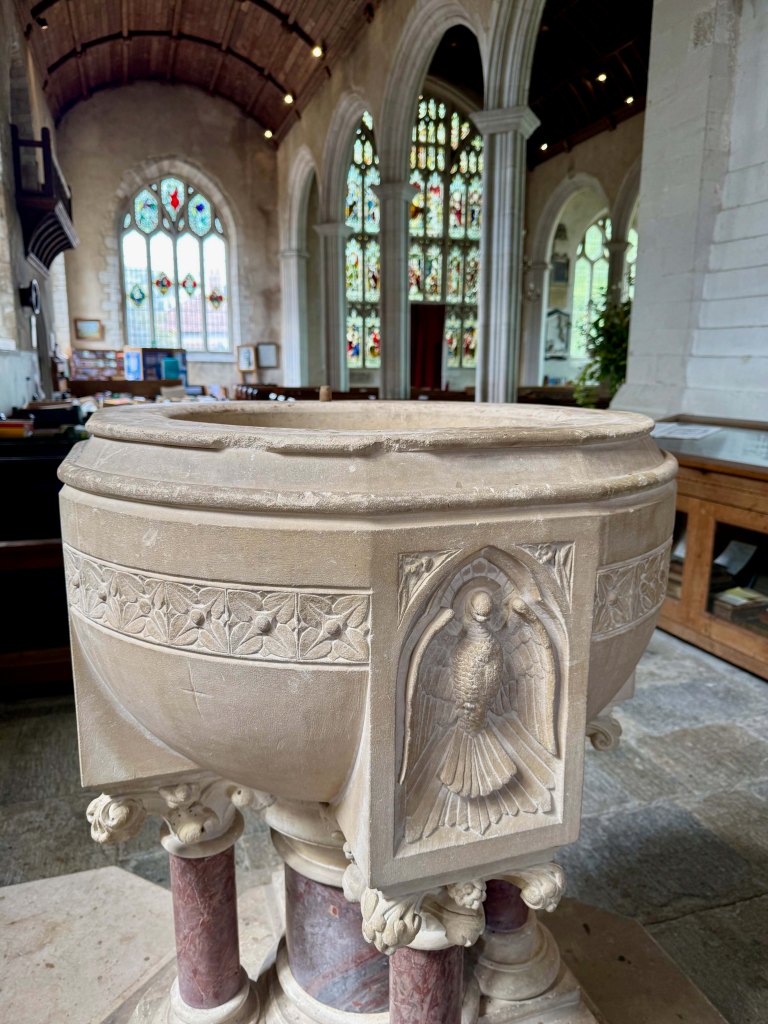
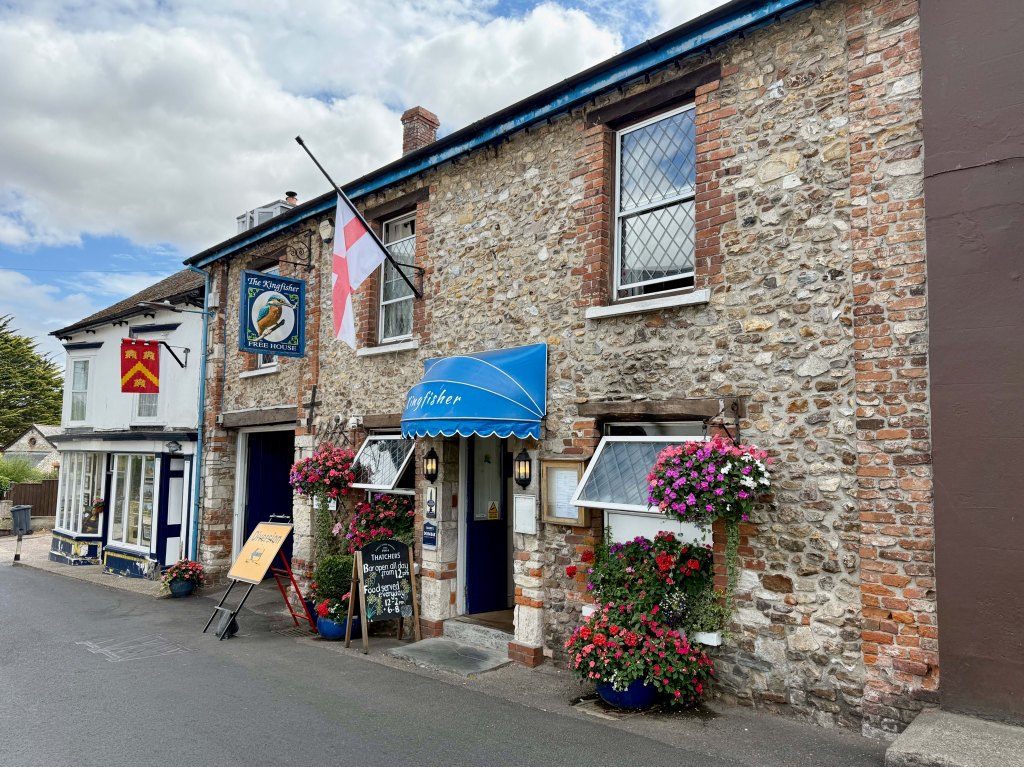
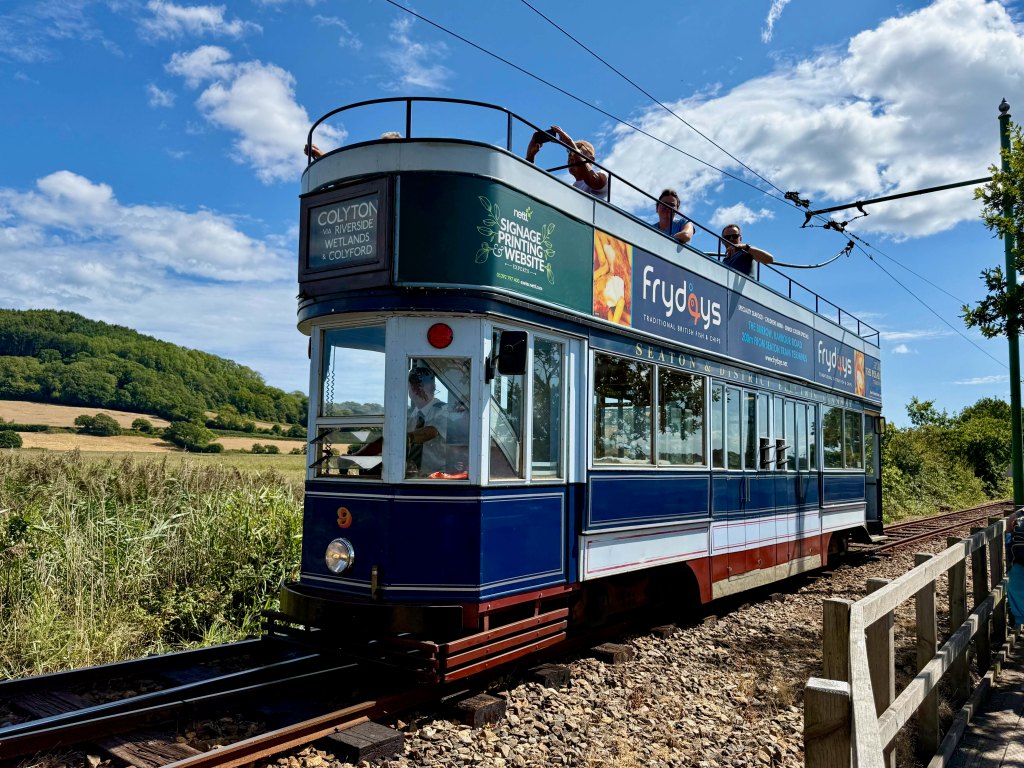
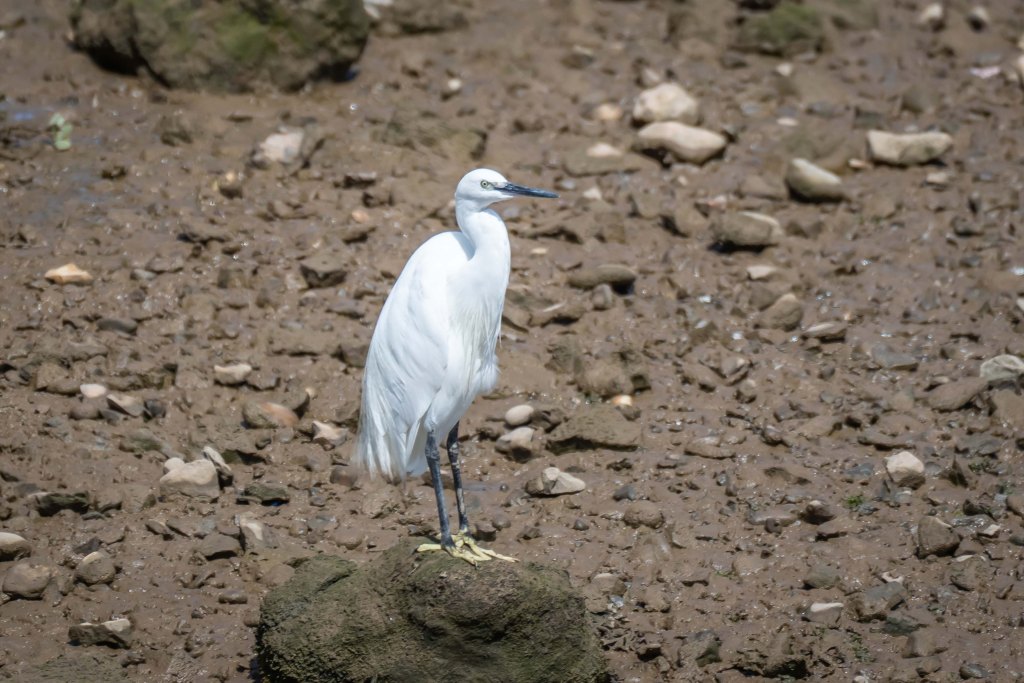
You could tell we were in the English countryside by the presence of this pheasant even though the grass was an unfamiliar colour.A real surprise – drizzleOystercatcherCommon kingfisherCommon kingfisherCommon kingfisherCommon greenshankCommon redshankSand martins – the smallest of the European hirundinesPeekaboo!Emperor dragonfly competing with the sand martinsA pair of reed warblersMeadow brown butterflyOne of the 14 trams on the Seaton Tramway. The trams are narrow gauge (2’9″), purpose built by the company with designs based on some of the heritage trams that served the UK’s towns and cities in the first half of the last century.I was looking forward to a trip on the tramway. I didn’t realise I was going to have to drive it (only joking)This driver certainly knew what he was doingOur tramAt Colyton we visited the church of St AndrewThe font in St Andrew’s church… and we had a spot of lunch – appropriately at the Kingfisher InnLittle egret on the Axe estuary
The best thing about our visit to WWT Slimbridge on another glorious hot summer’s day (apart from the coffee and bacon roll on arrival) was the shade provided by the willow-lined walkway which stretched from one hide to another. We didn’t stay long because we knew the drive home would be very hot and we had seen enough to lift our spirits.
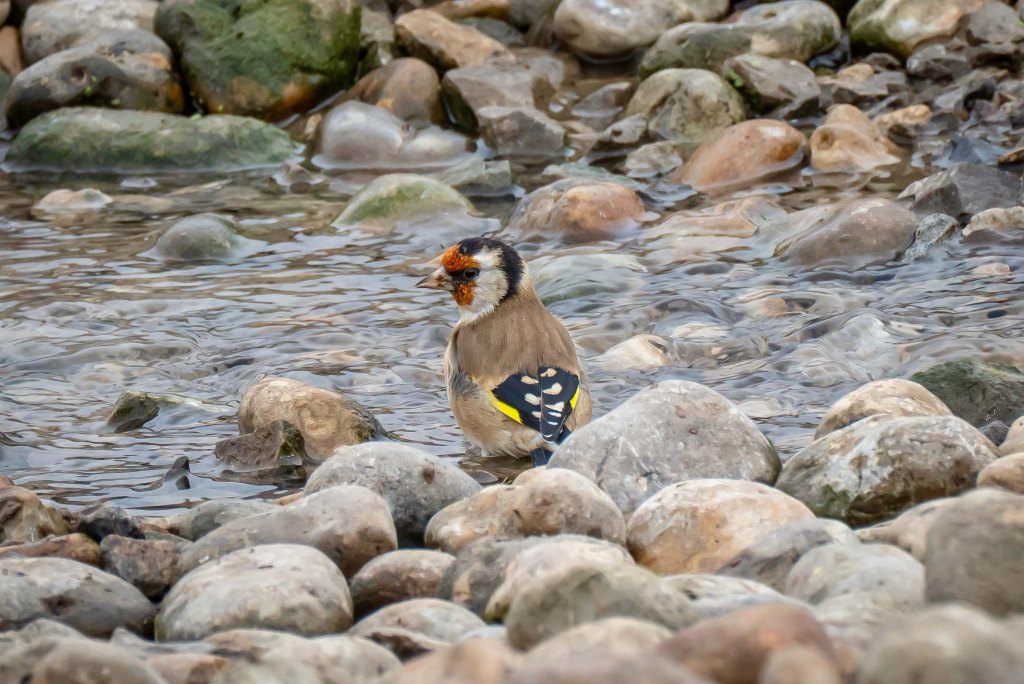
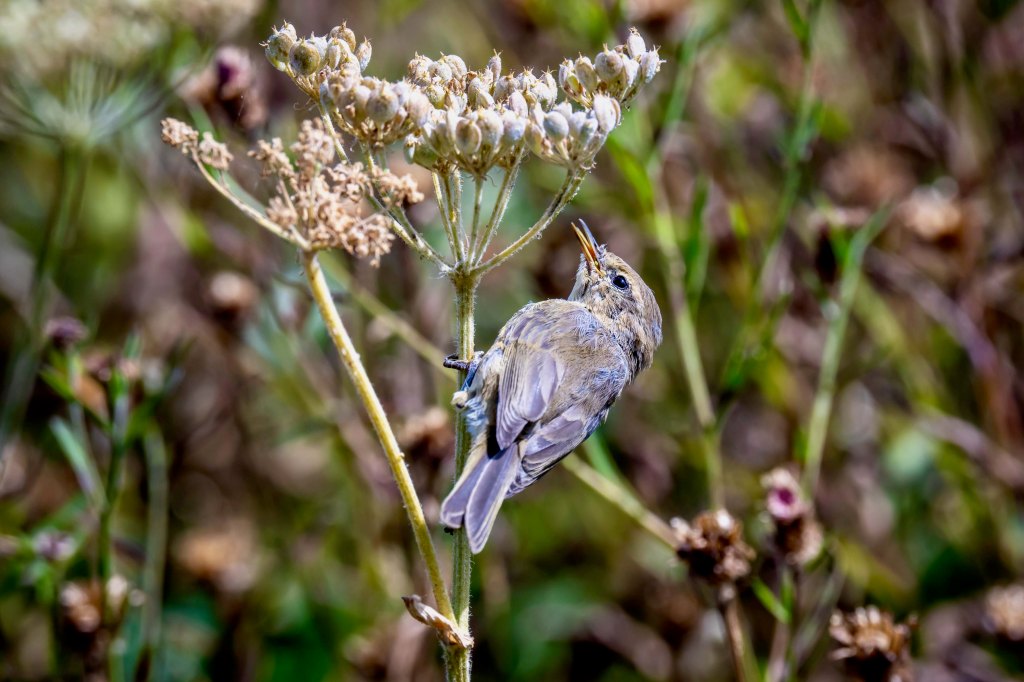
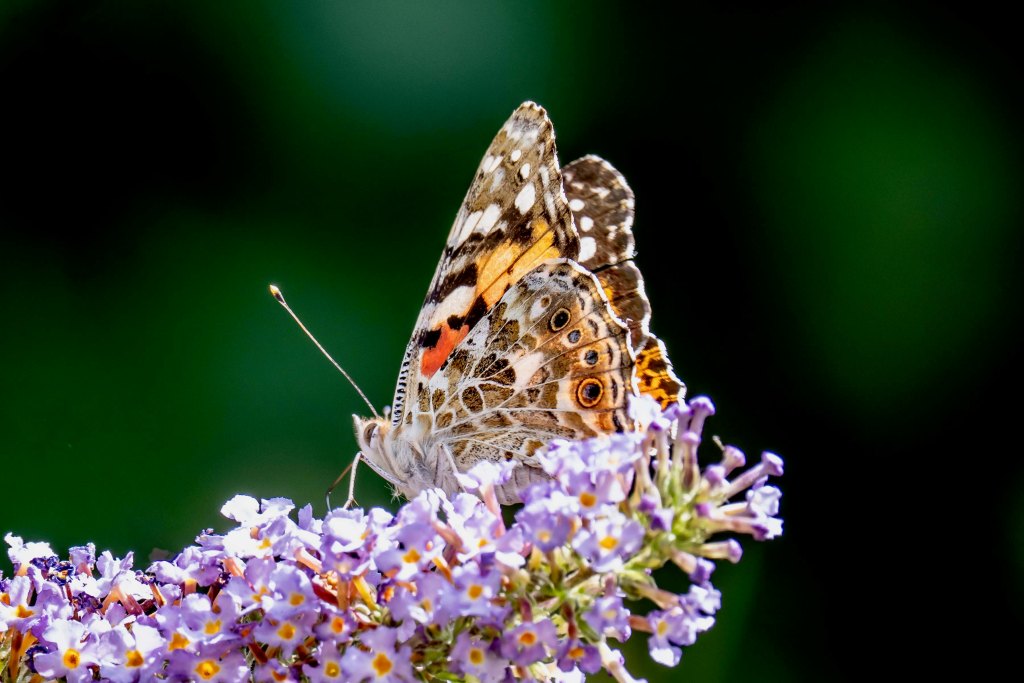
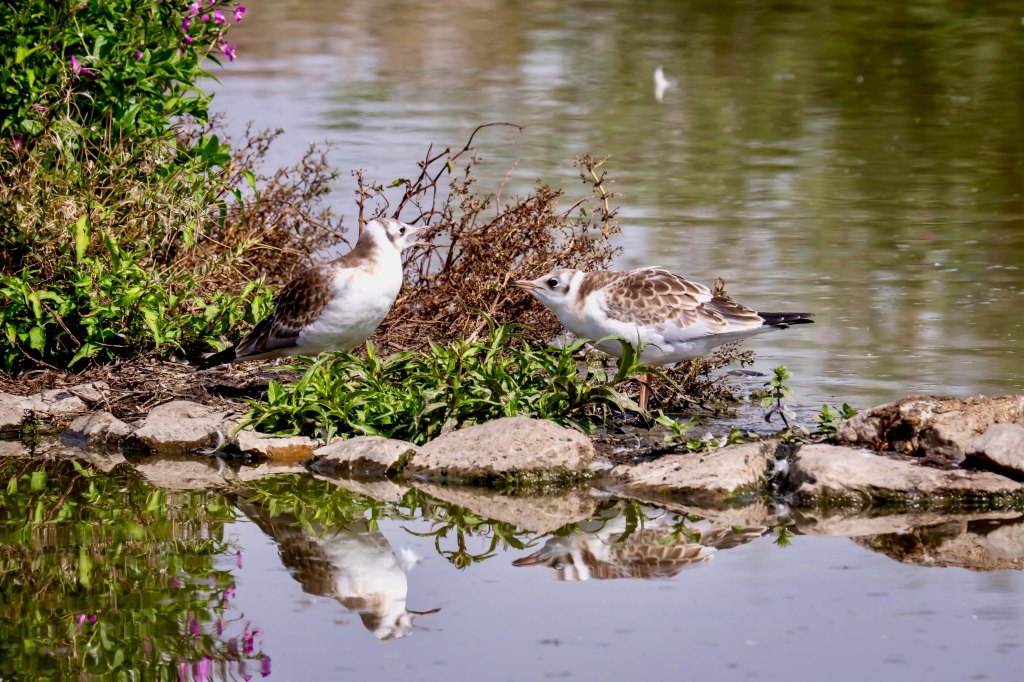
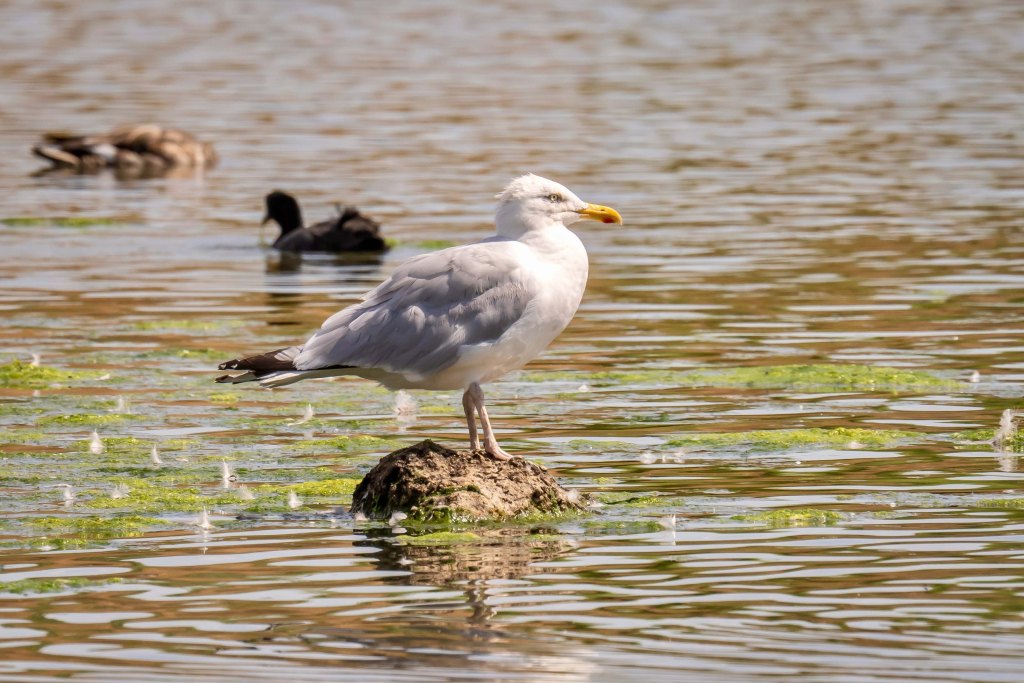
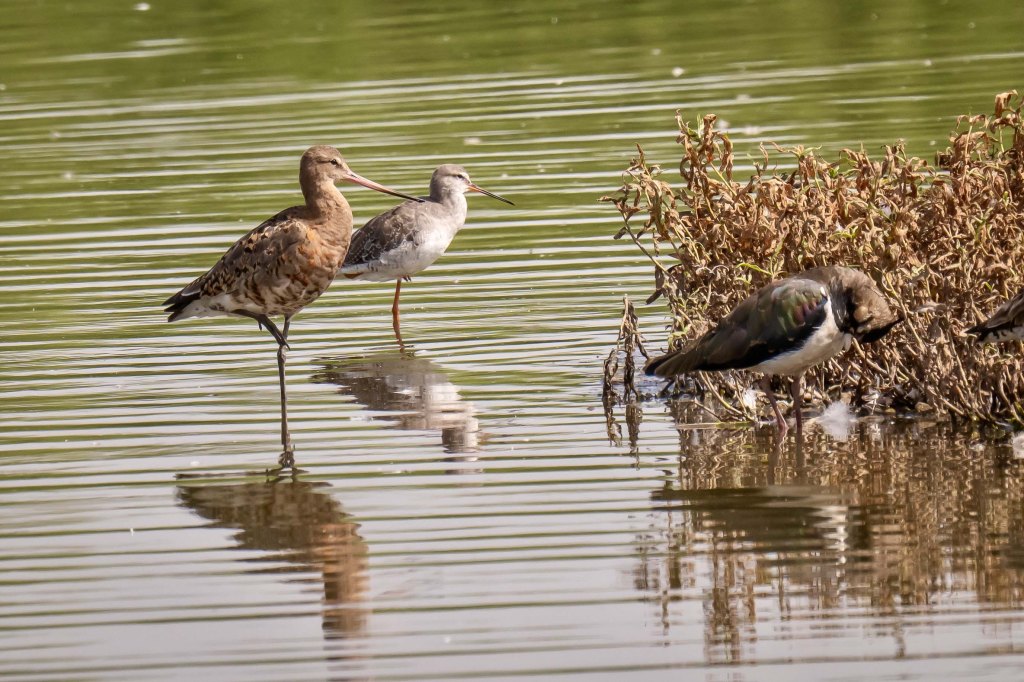
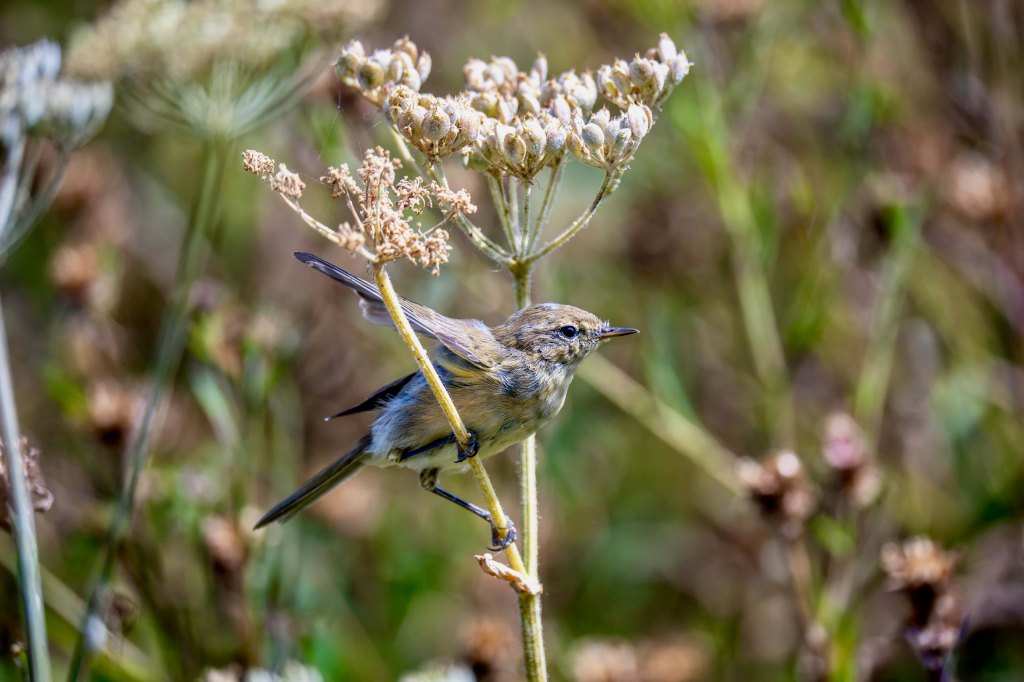
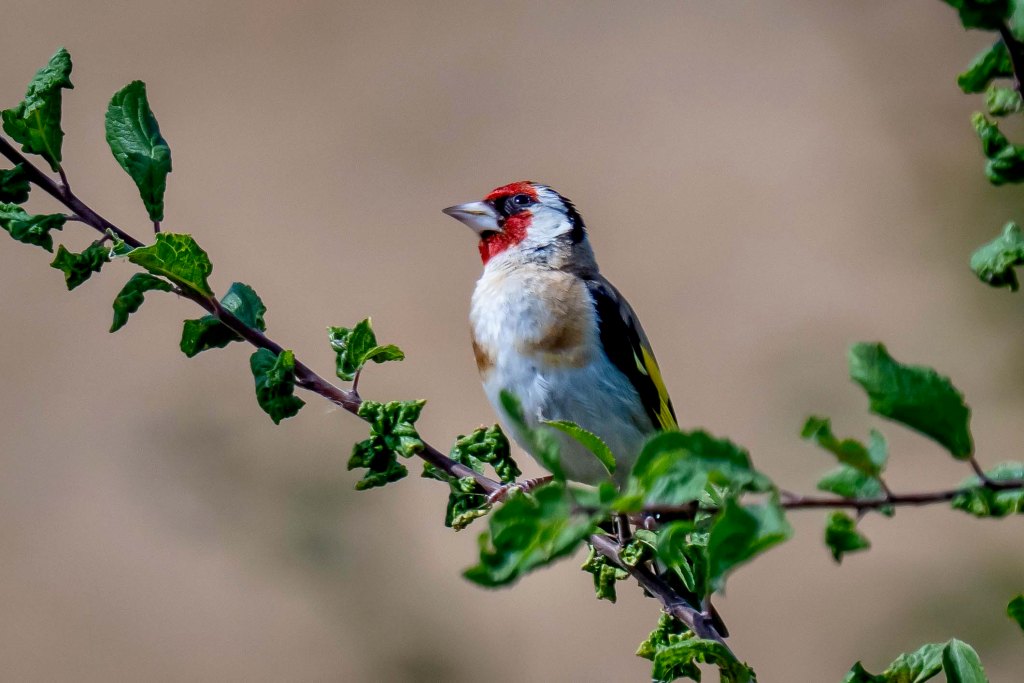
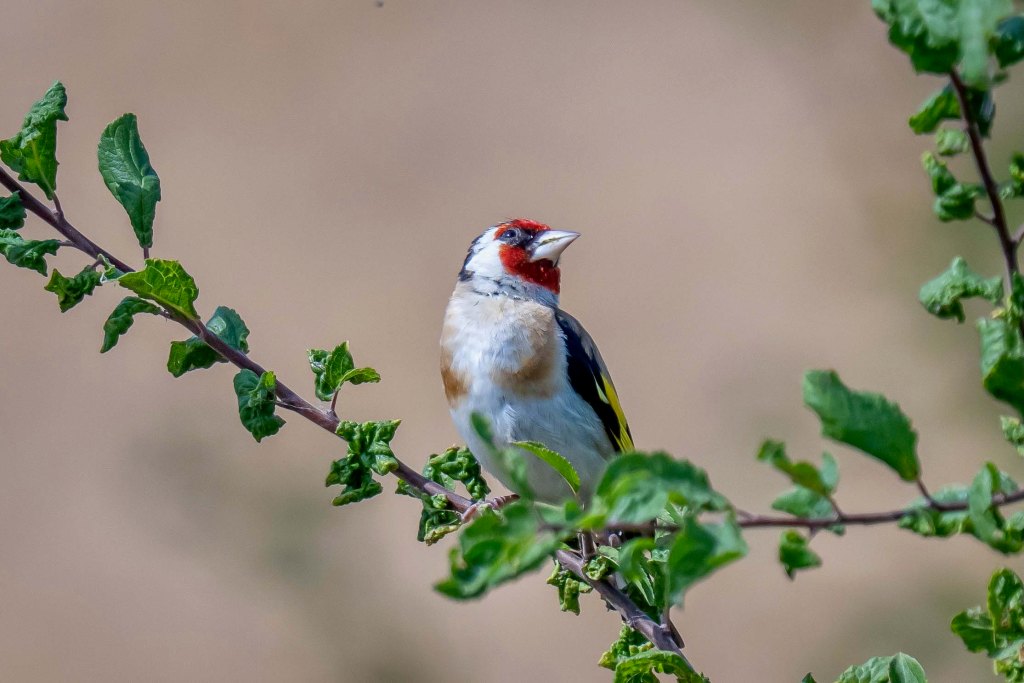
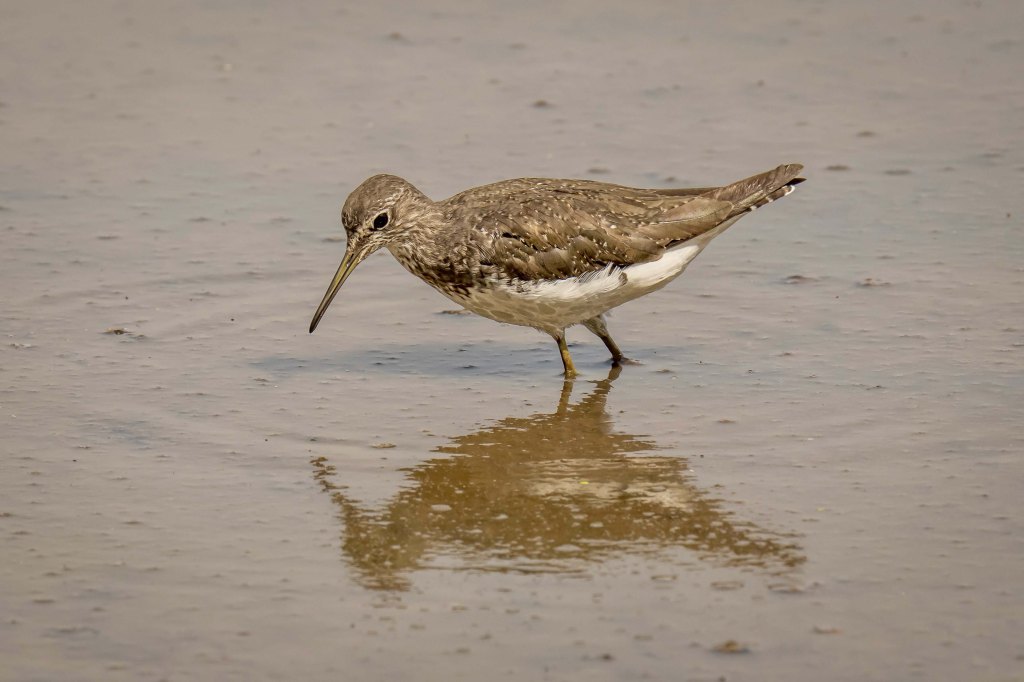
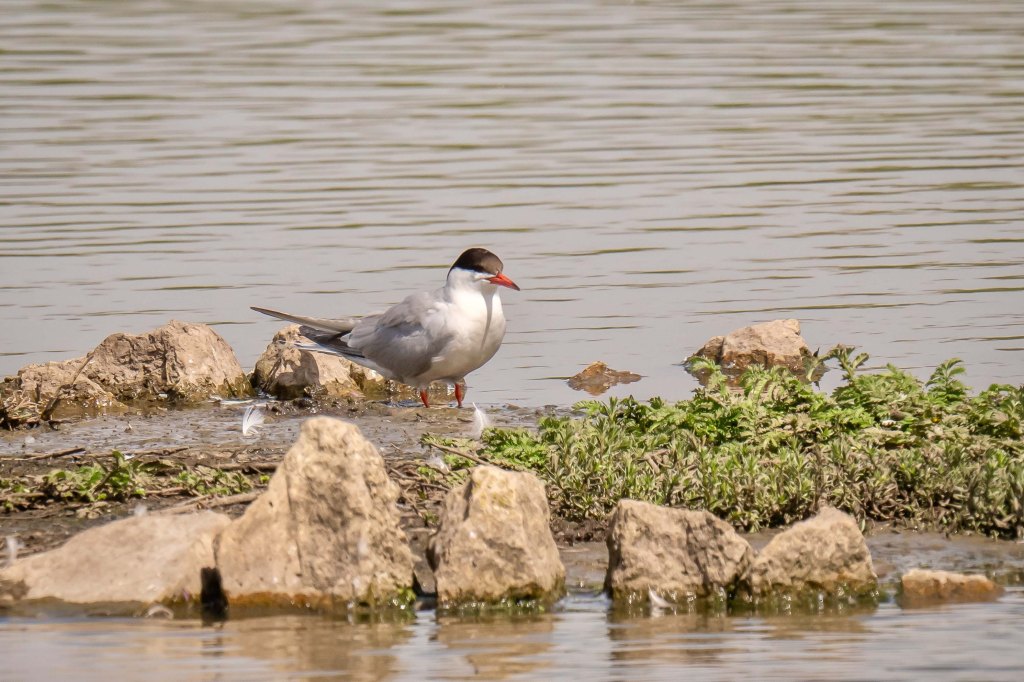
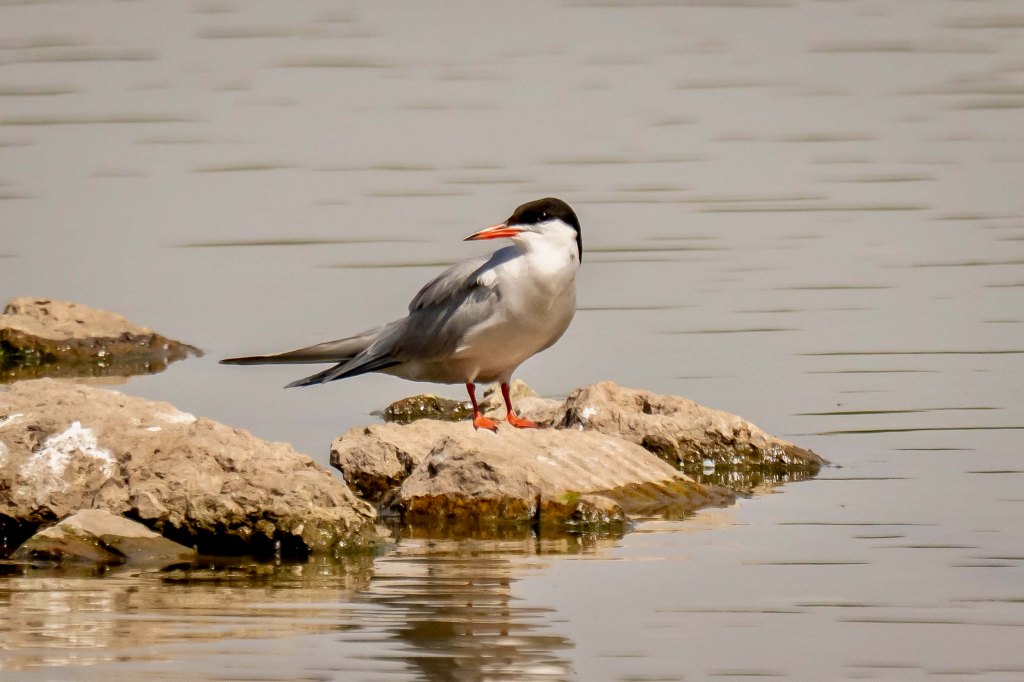
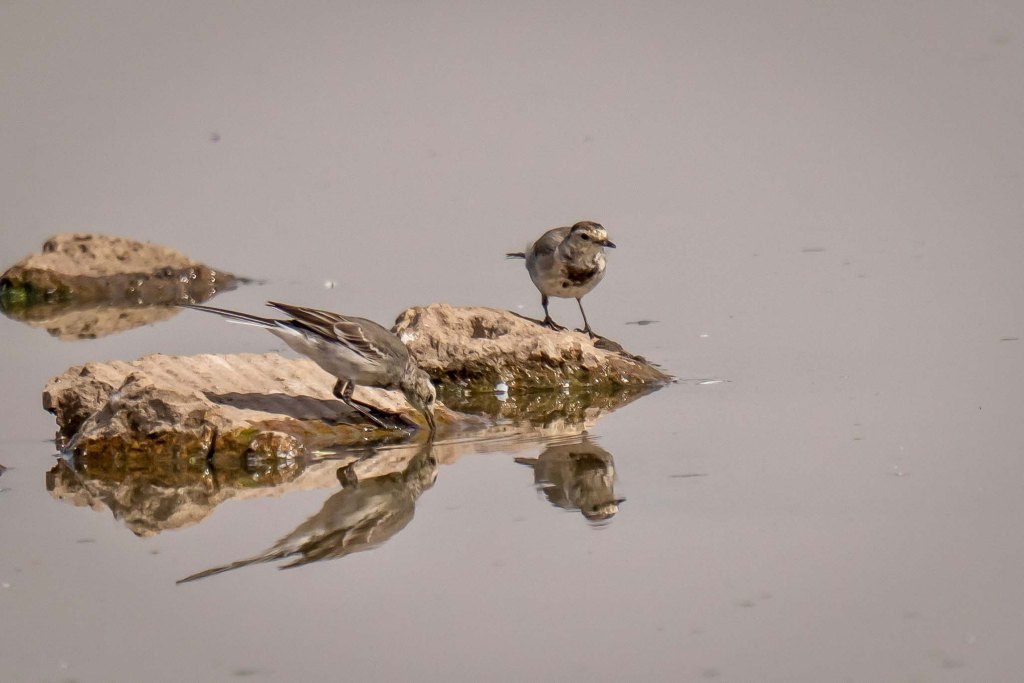
Let’s start with a butterfly (Painted Lady) for a changeGulls don’t feature much on my blog but I’ll give some space to these two black-headed gulls which seemed a bit grumpy in the heat.This European herring gull looked quite sereneBlack-tailed godwit and spotted redshank standing in front of a northern lapwingCommon chiffchaffCommon chiffchaffCommon chiffchaffCommon chiffchaffGoldfinch Goldfinch showing a different profilePied wagtailGreen sandpiperCommon tern… and its partner common ternPied wagtails