I spent my teenage years in the Chew Valley and regret that, at that time , I had little interest in nature. I did enjoy the aesthetics of the pretty village cricket grounds and always enjoyed cycling the lanes. I do remember occasionally taking in the wonderful scenery of this beautiful part of the country; but I failed to show interest in the specifics and failed to learn any of the names of the flora or to spend time studying the birdlife. What a waste!
However, I hope I have made up for it in recent years.
This morning we crossed the city before most people were active to visit an amazing garden south of Bristol in the Chew Valley – the Yeo Valley Organic Garden near Blagdon.
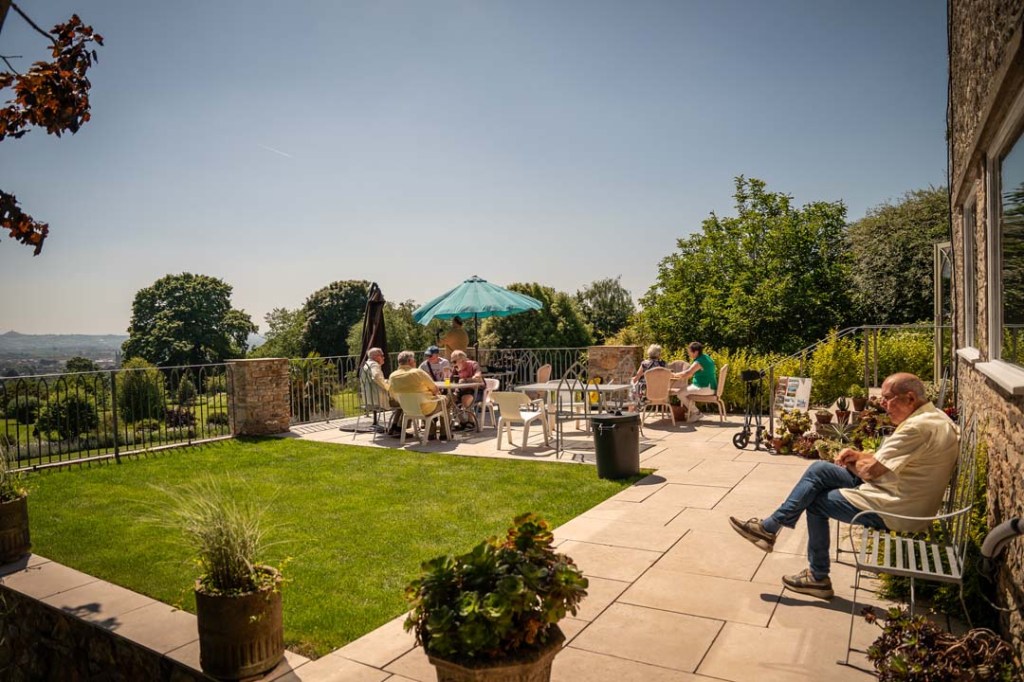
The view from the garden caféThe gravel garden
It was a bit early in the day (and still quite fresh) to see the great variety of butterflies that we usually see here at this time of the year. We had to make do with a scruffy Painted Lady and lots of damselflies.
Painted ladyCommon blue damselfly
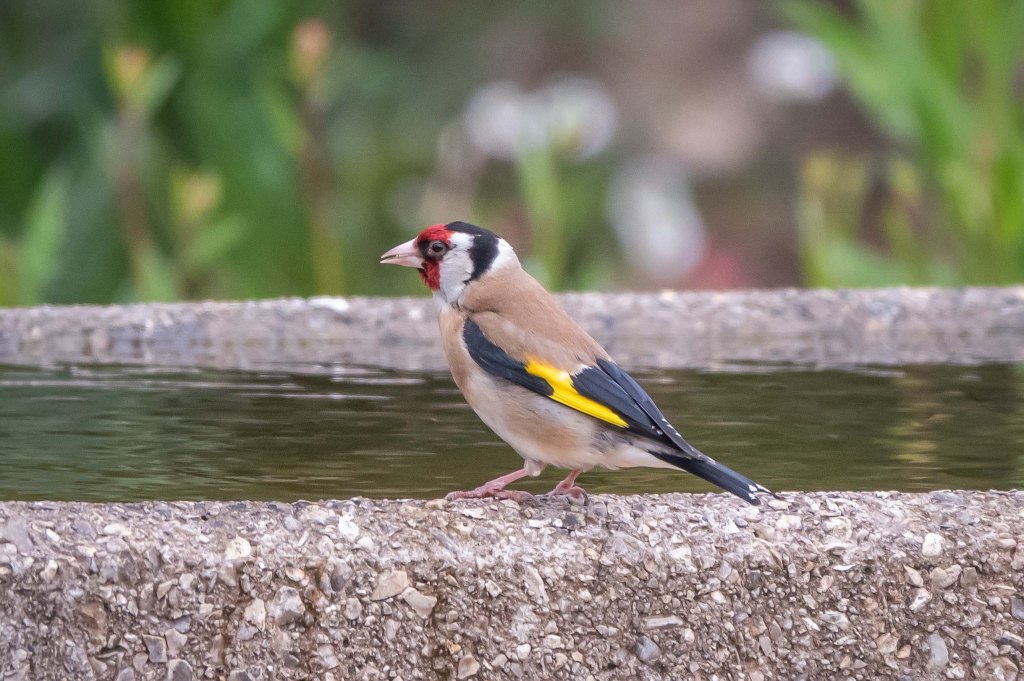
There were birds to be seen too; notably robins, blackbirds, goldfinches, chaffinches, chiffchaffs , pied wagtails, and swifts and house martins flying across Blagdon Lake.
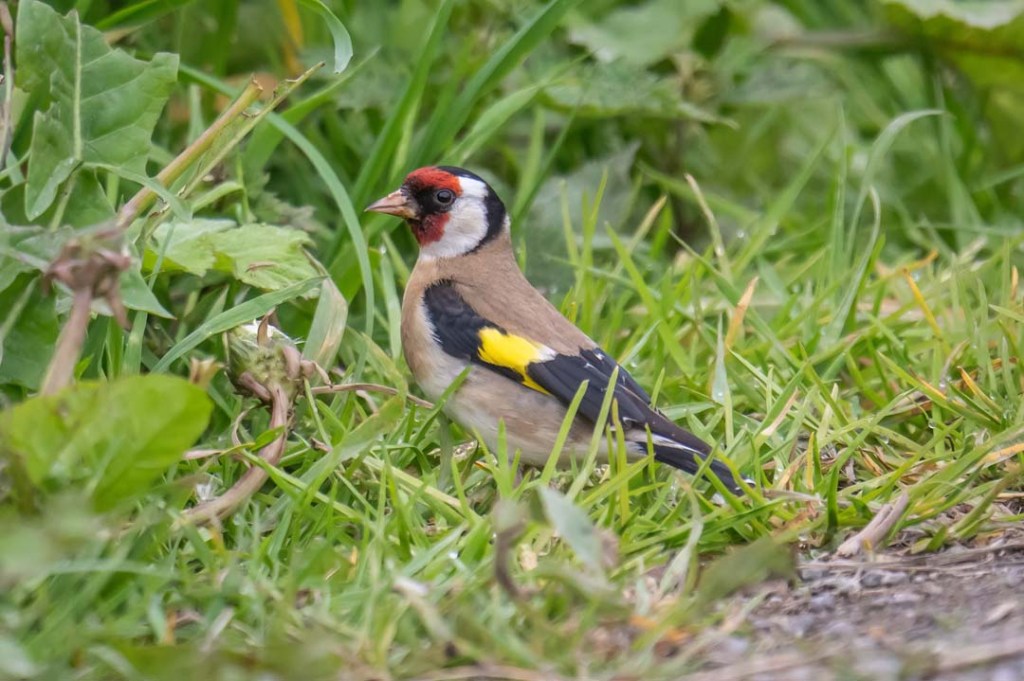
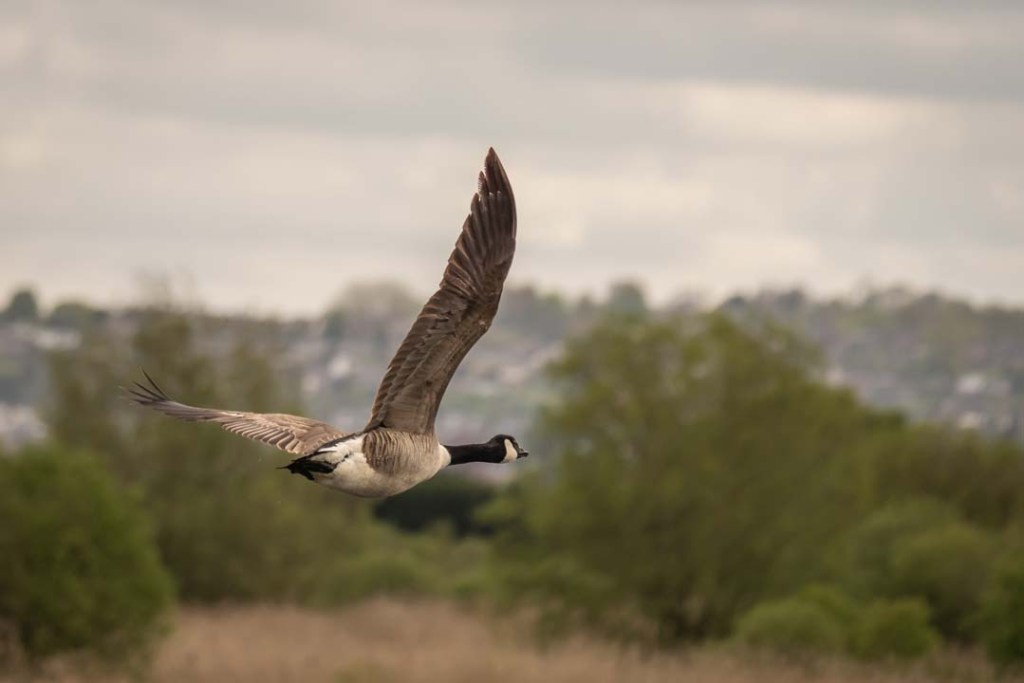
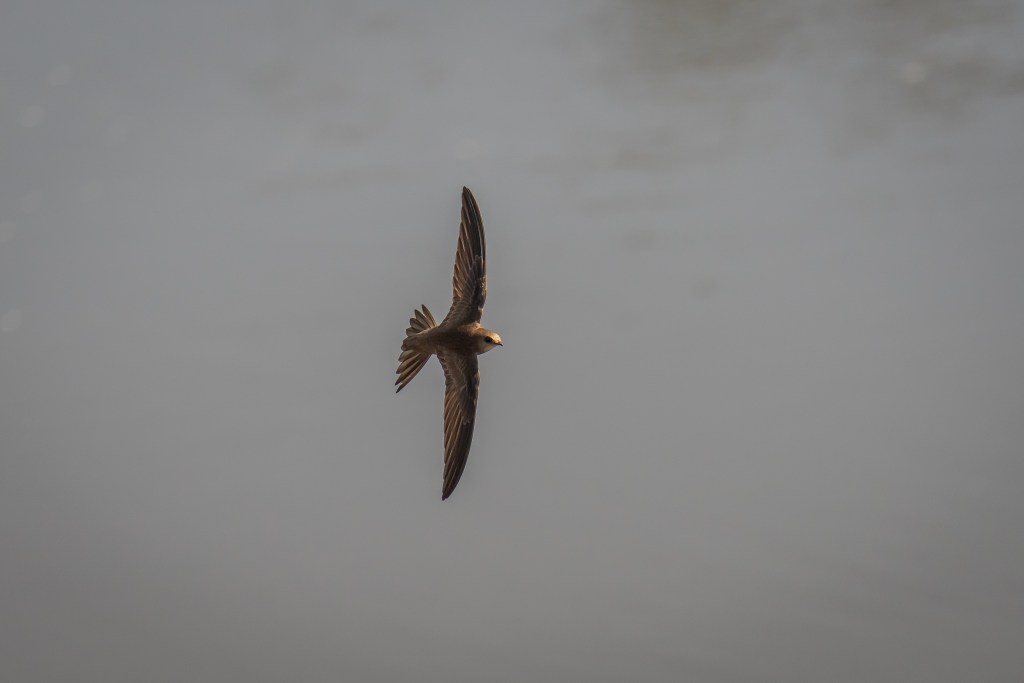
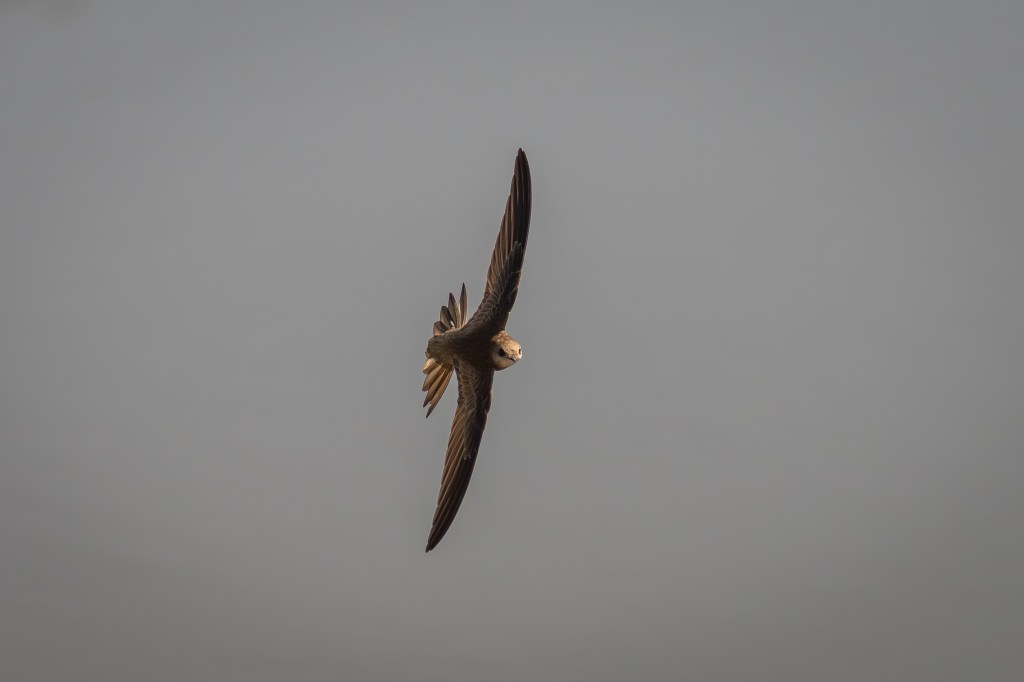
Pied wagtailLots of pollinators in the gardenThe view to Blagdon LakeCanada geese over the lakeSwifts over the lake… and a little closerThe goldfinches were much closer stillChaffinch singing its heart outCommon chiffchaffThe birch groveBig grass bedThe veggie gardenThis bed of alliums was probably my favourite area todayThe red and lime bedsThe bronze gardenThe bronze gardenGlasshouse
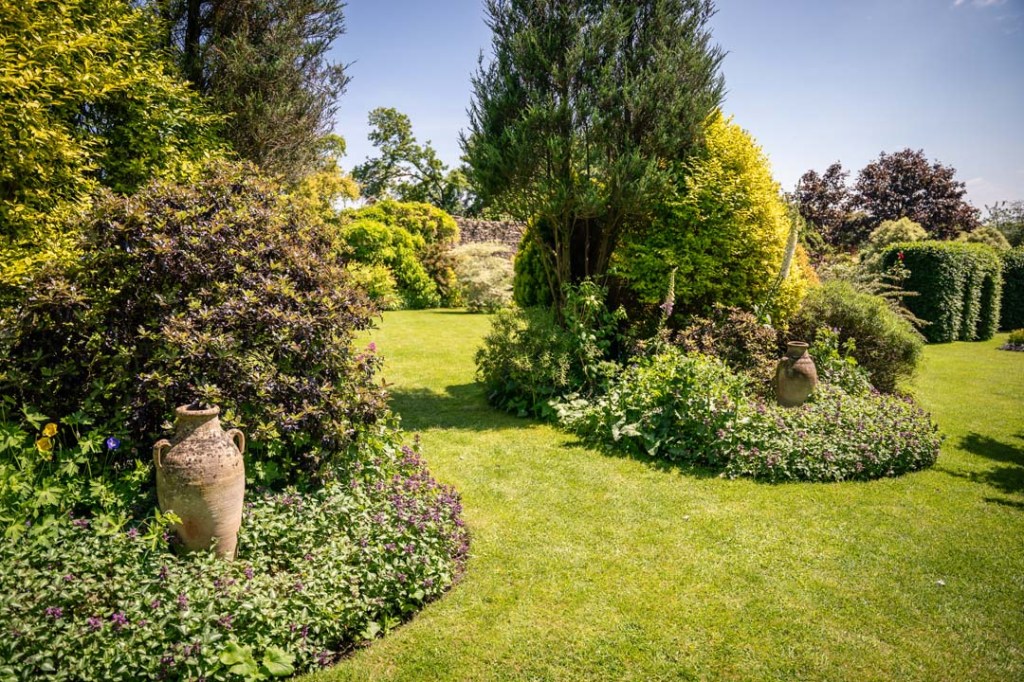
Despite the sun not appearing very often the garden still looked stupendous. I hope some of my photos do justice to this lovely garden.
After a tasty lunch at the on site café we stopped off at the village of Ubley and had a quick visit to the local church.
The garden caféUbley Church north façade Ubley Church south façade
Sadly, our return journey across the city was rather tortuous as we got caught up in the traffic of people going Saturday shopping. If they only knew, they would have been much better off driving out into the countryside!
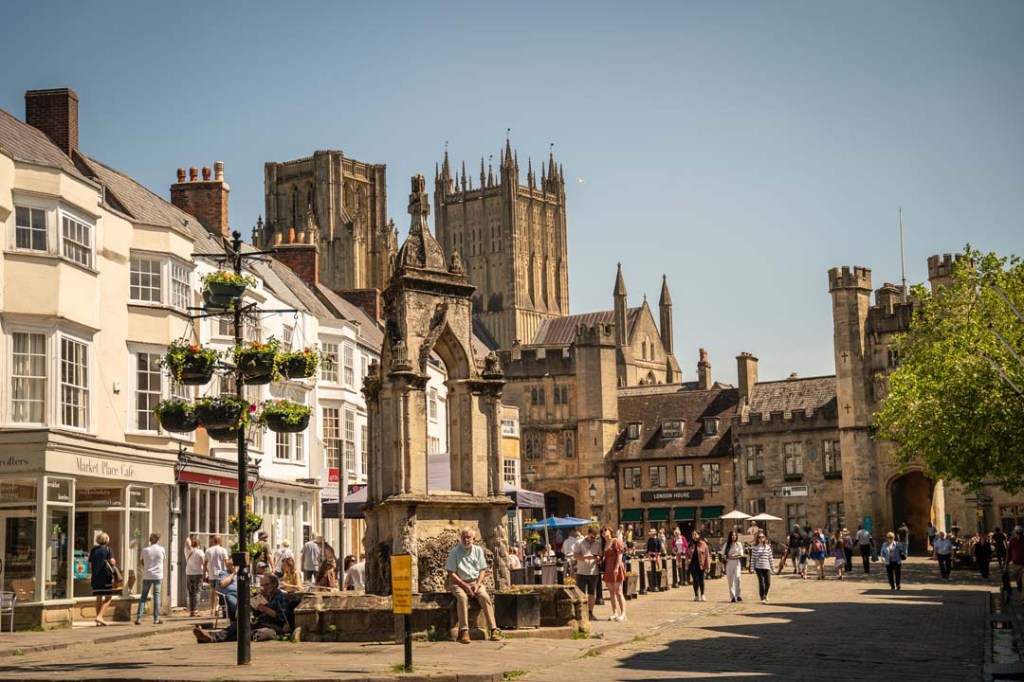
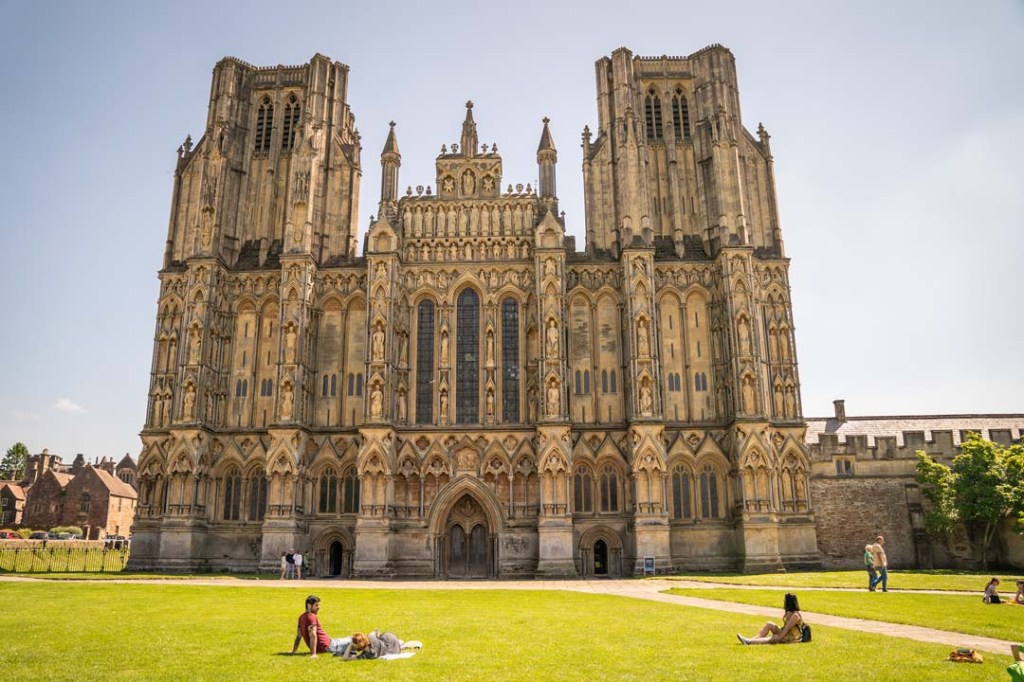
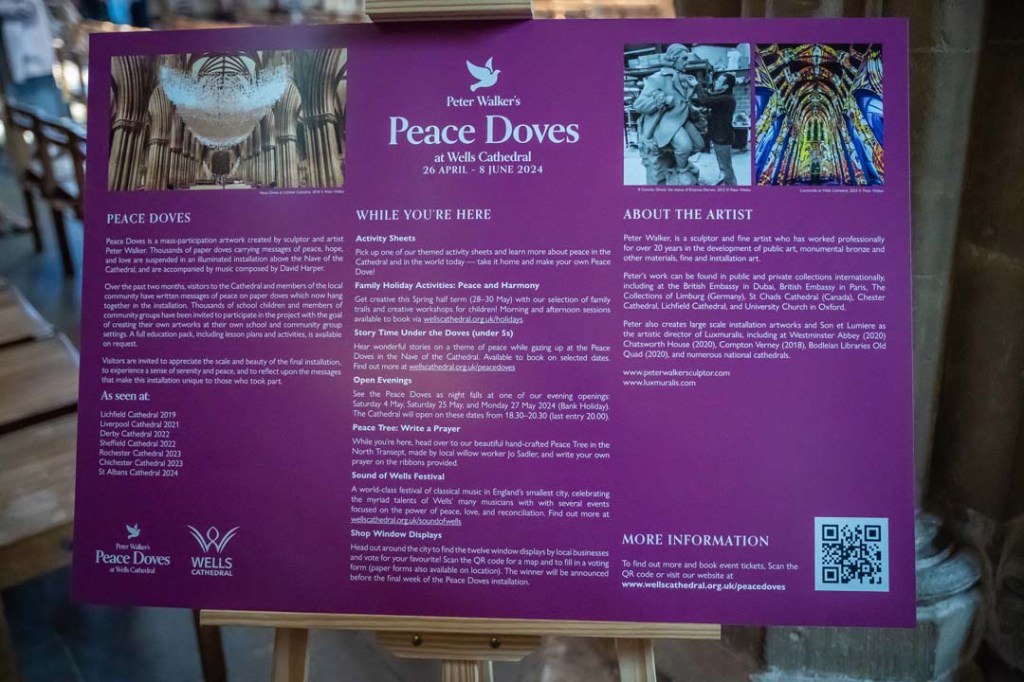
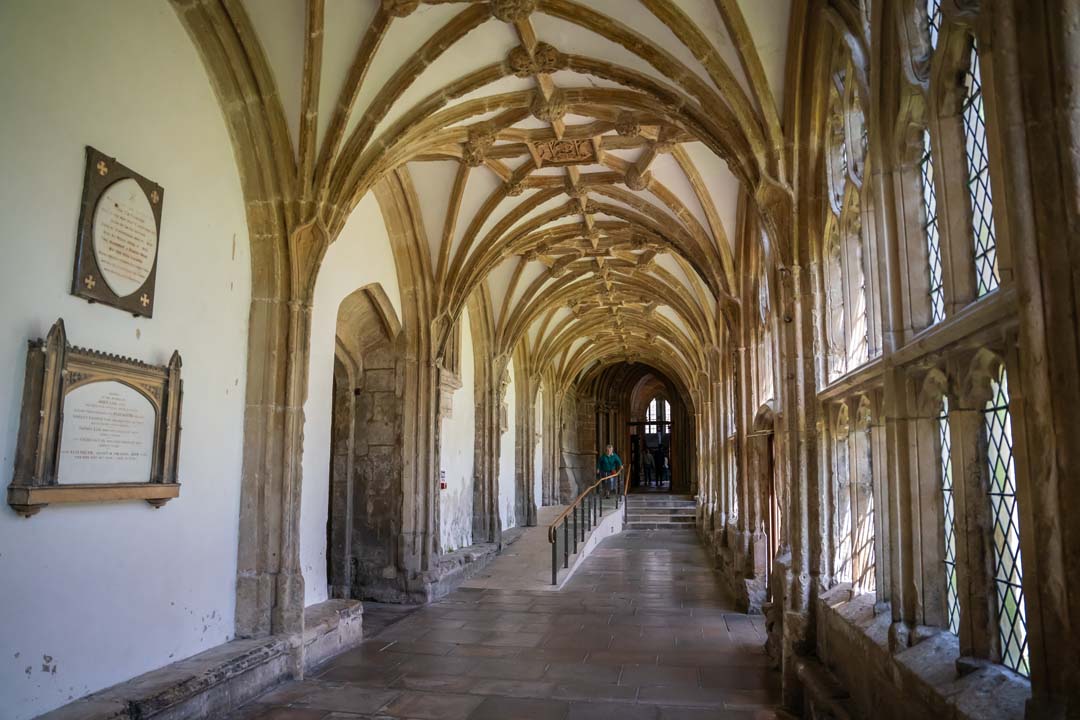
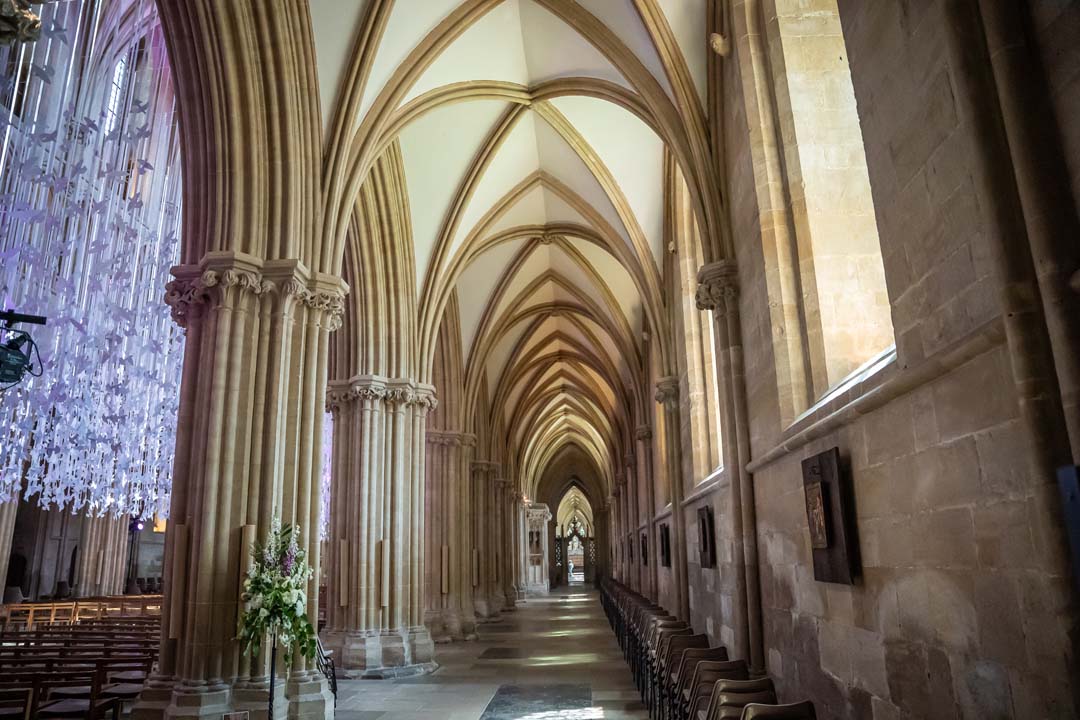
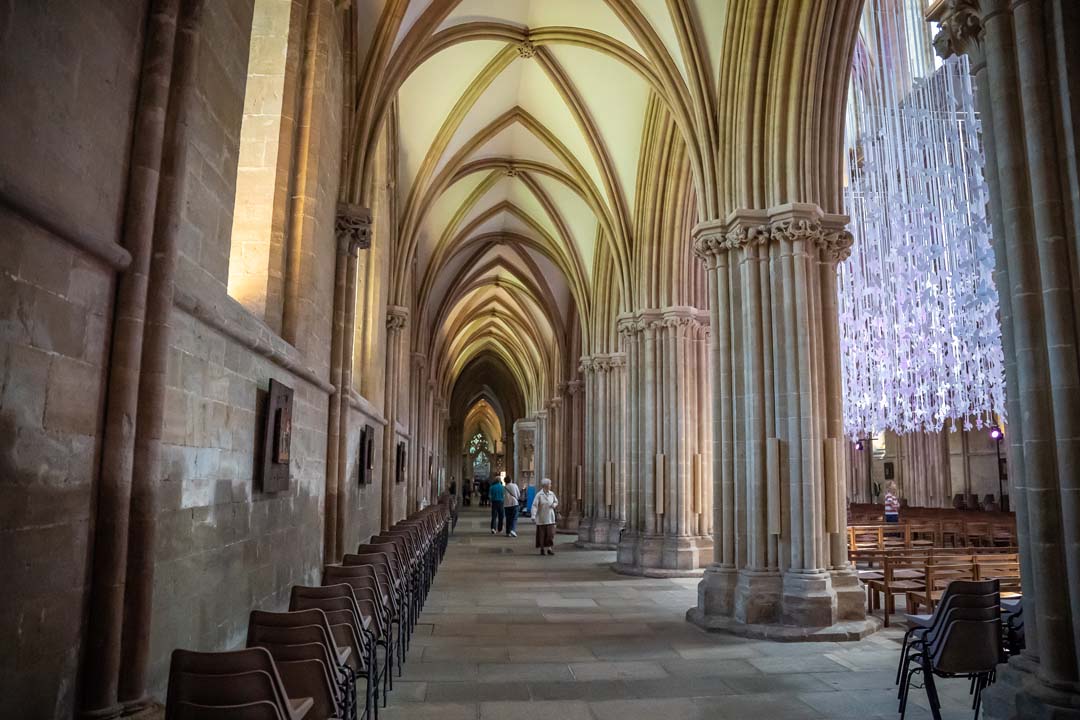
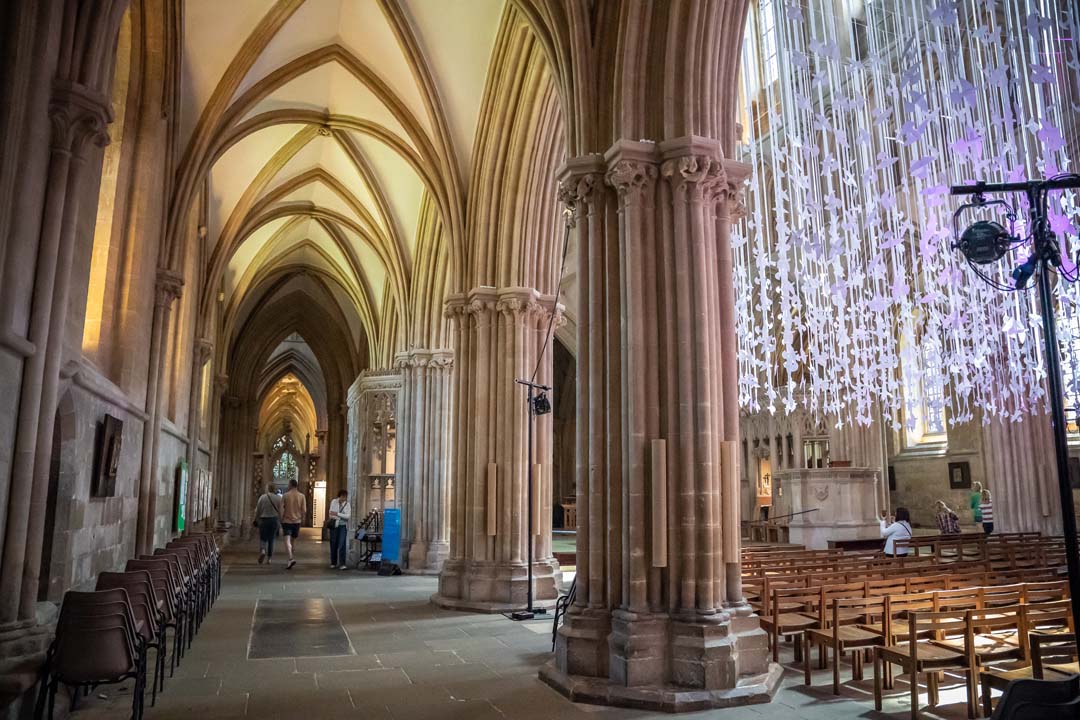
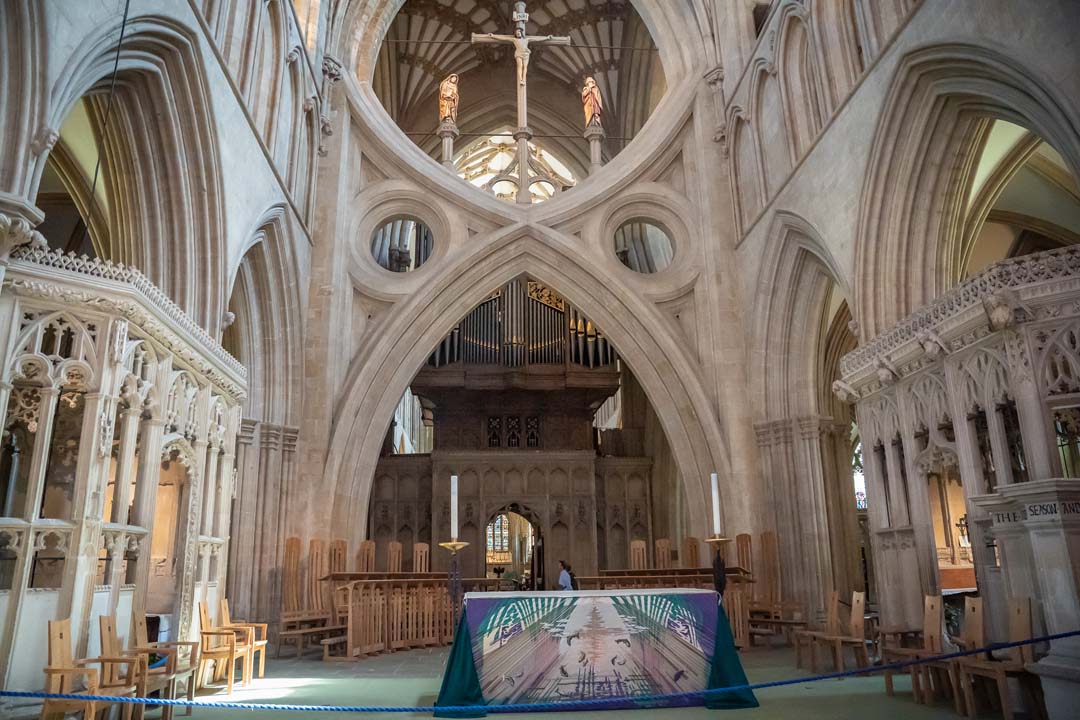
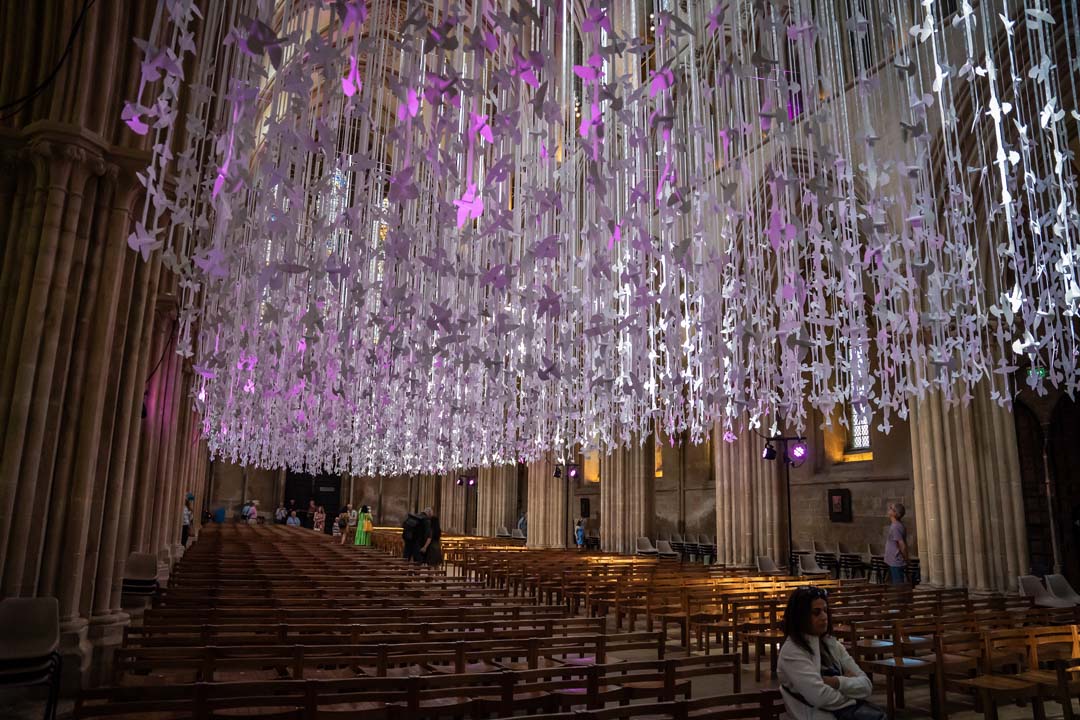
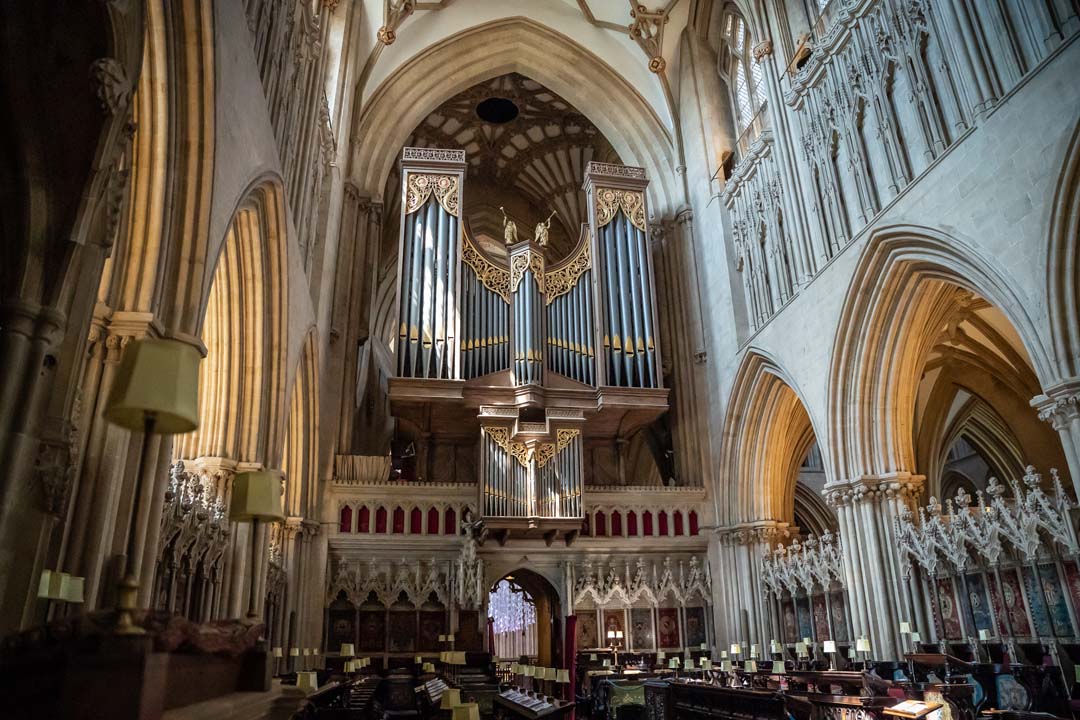
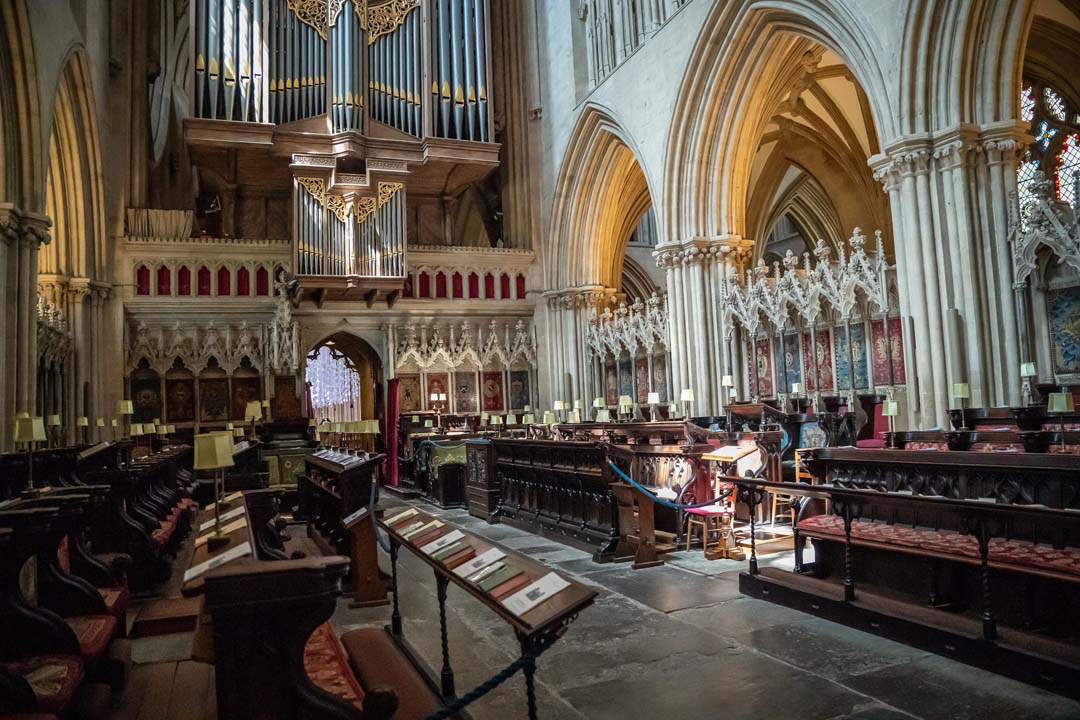
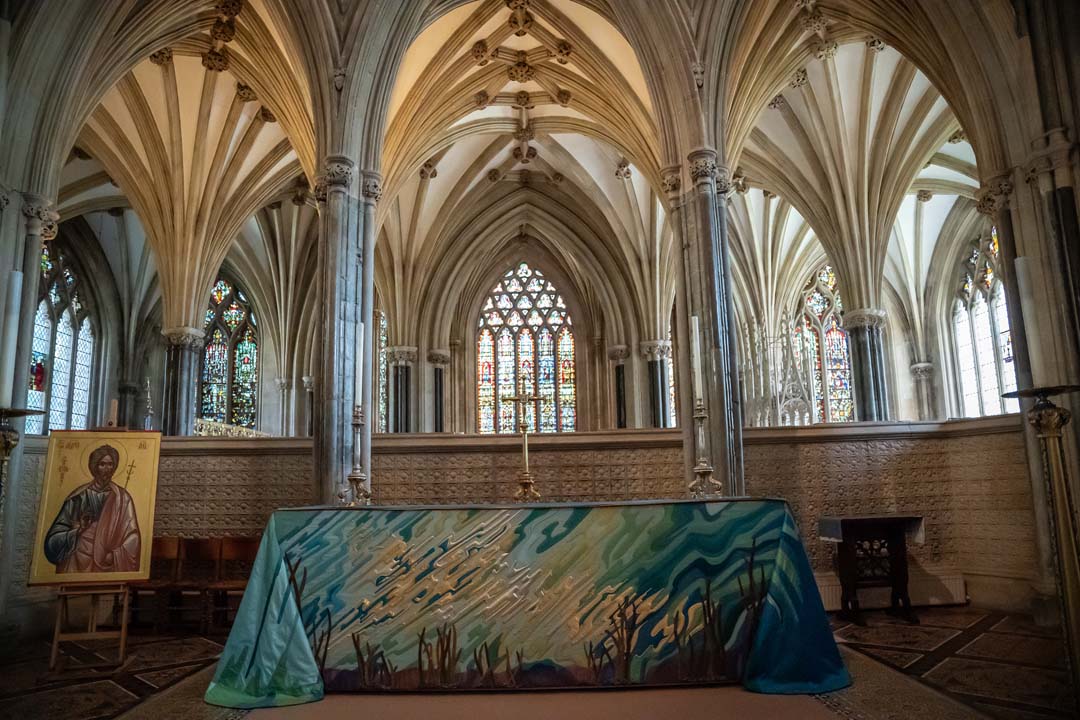
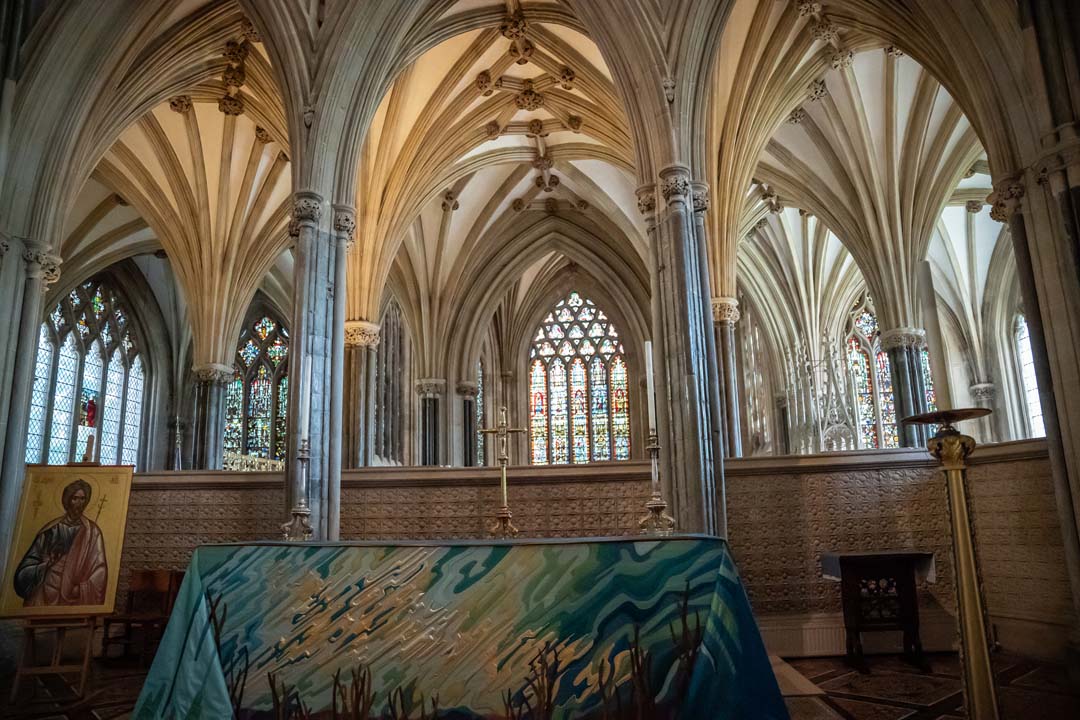
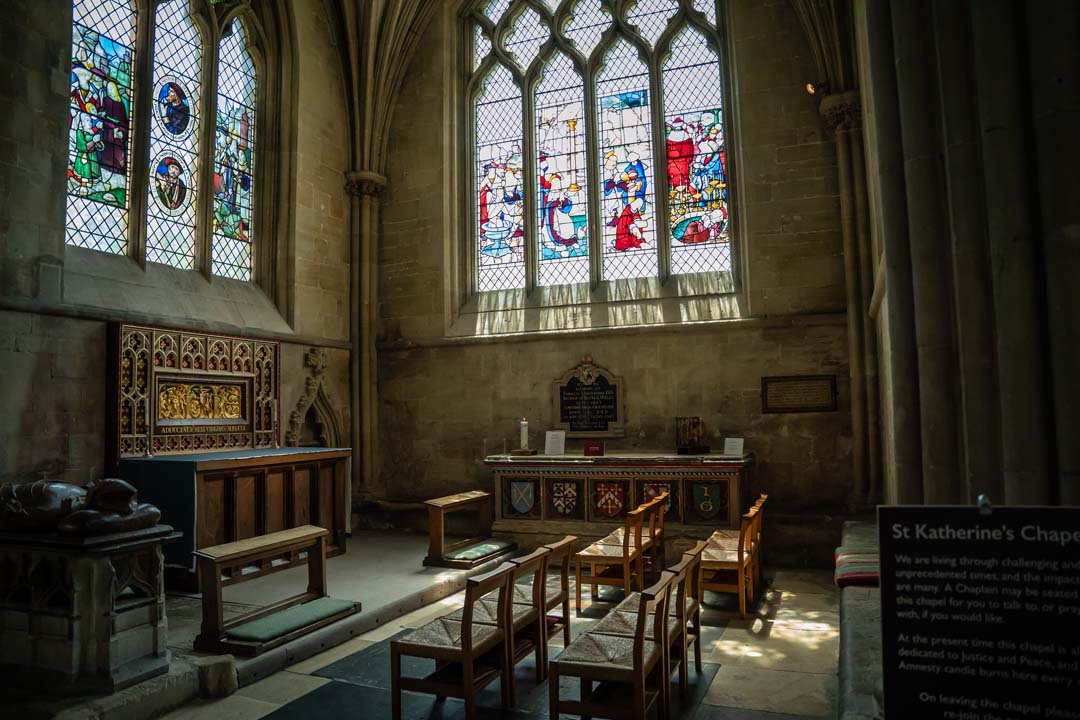
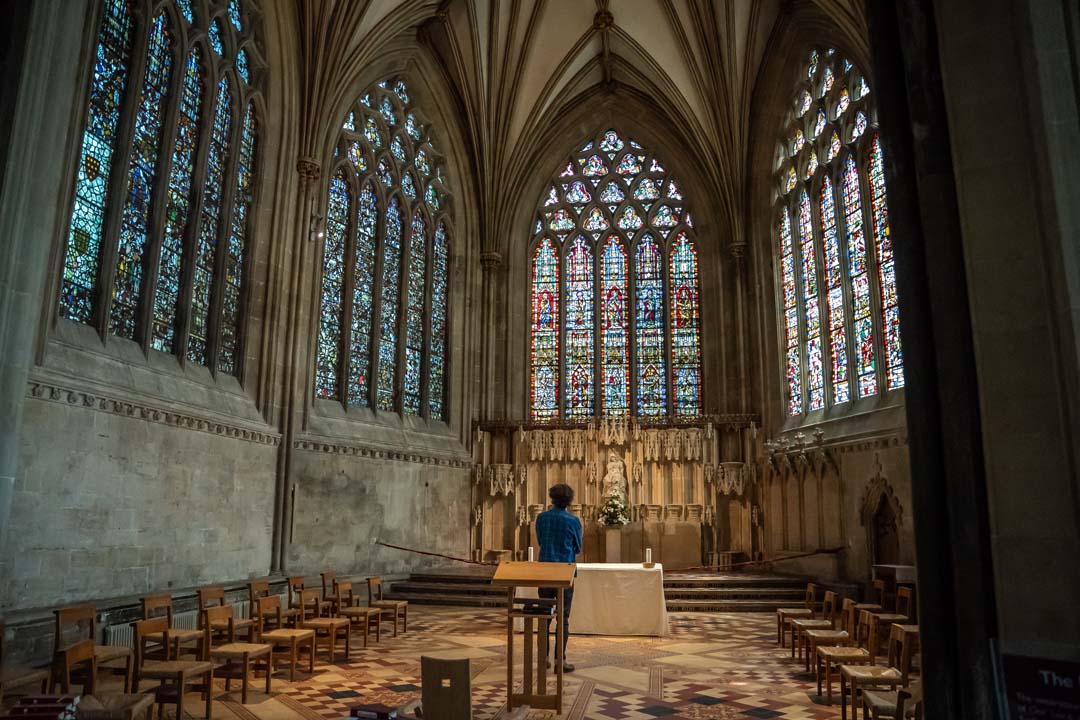
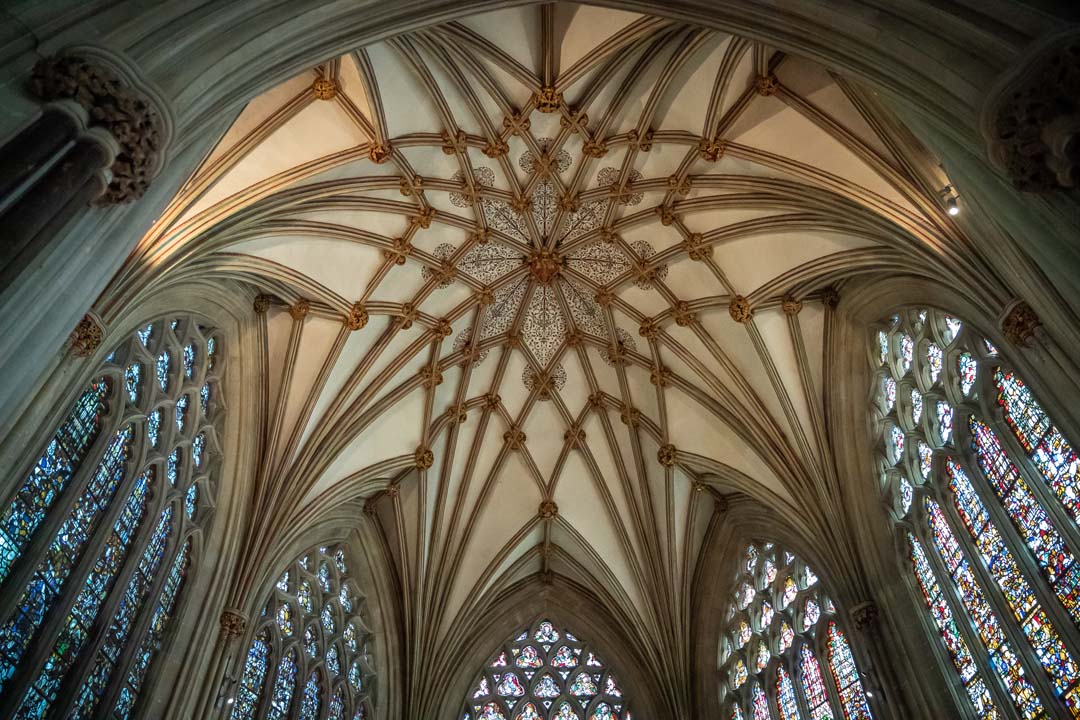
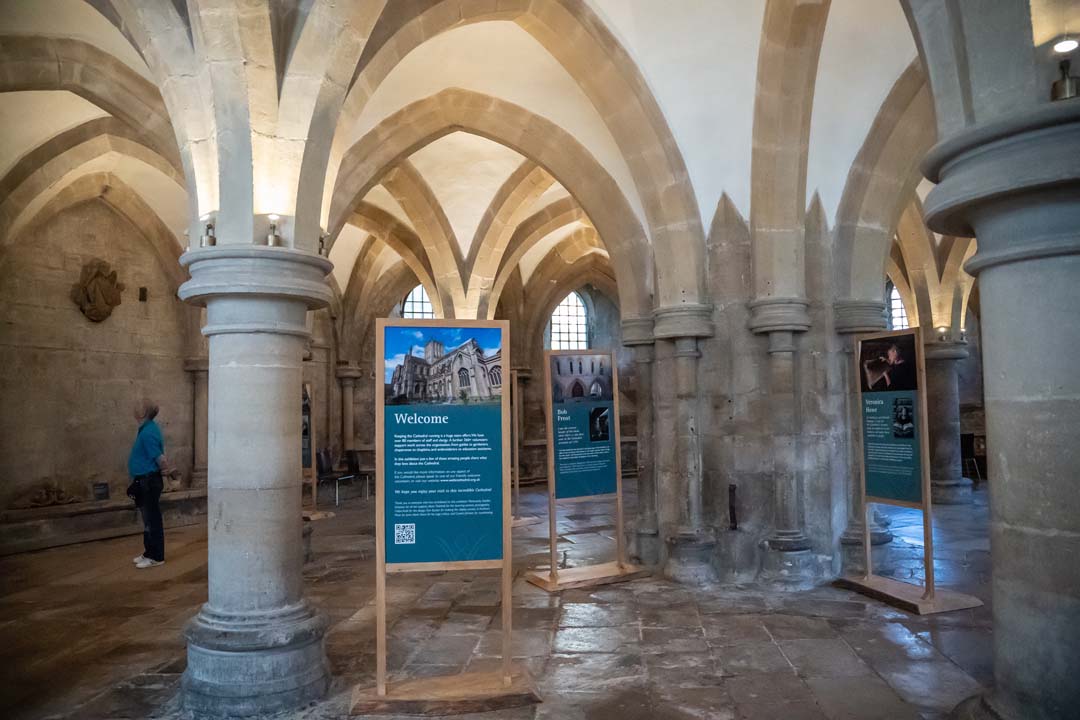
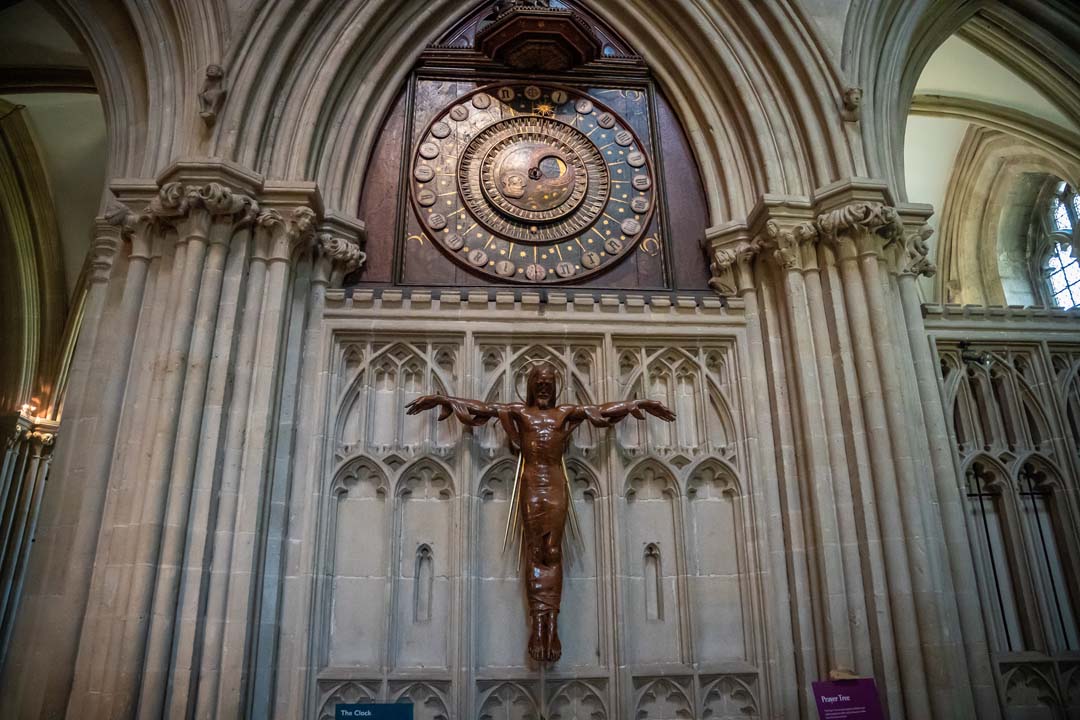
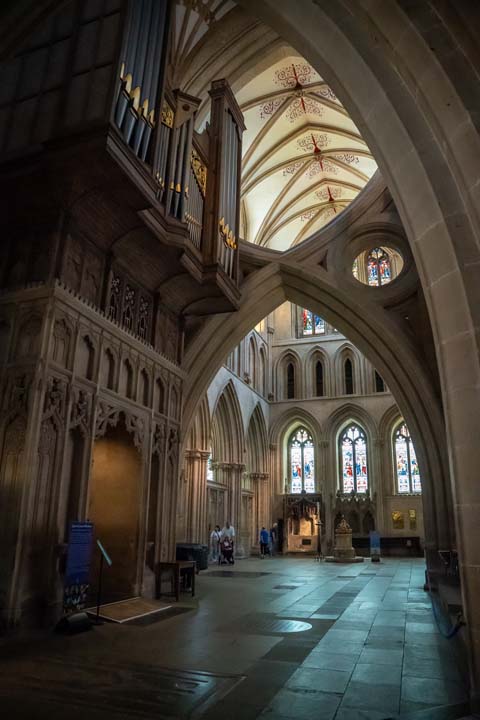
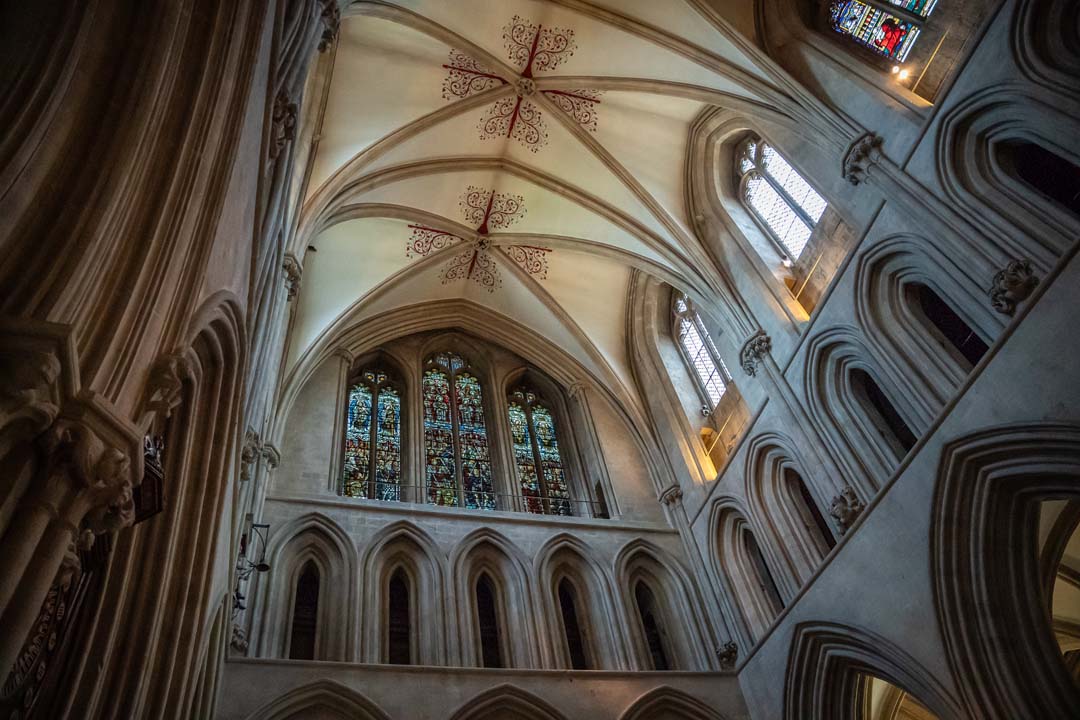
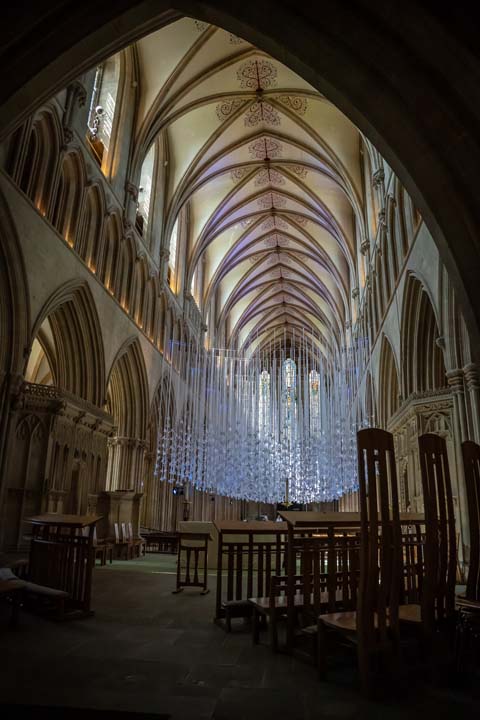
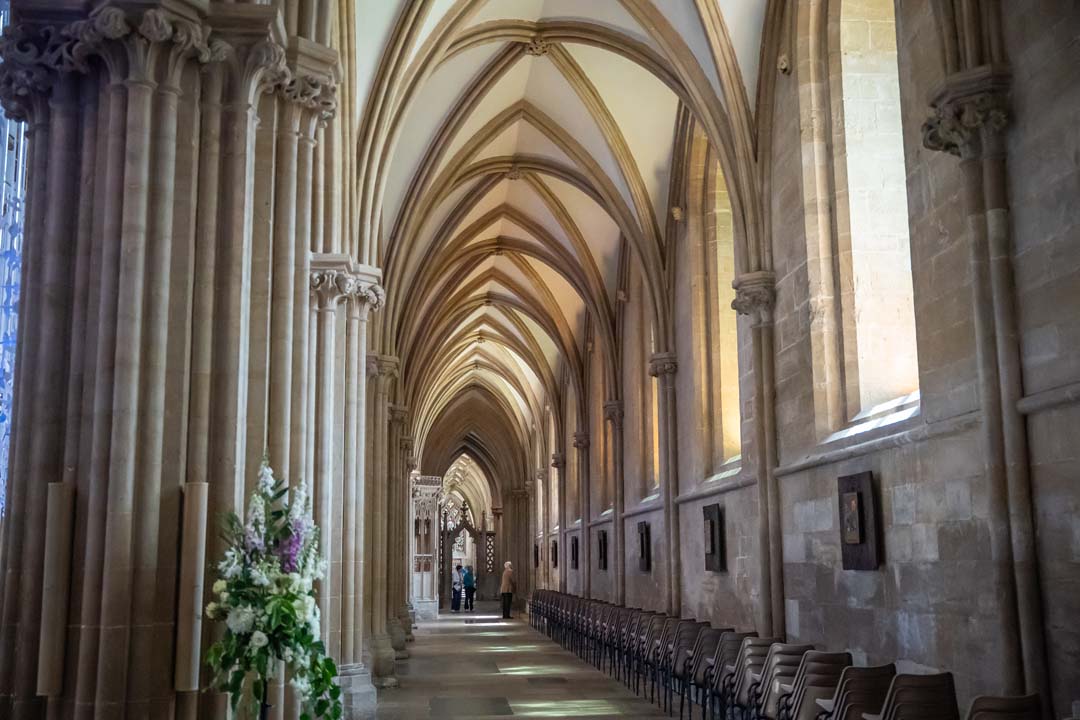
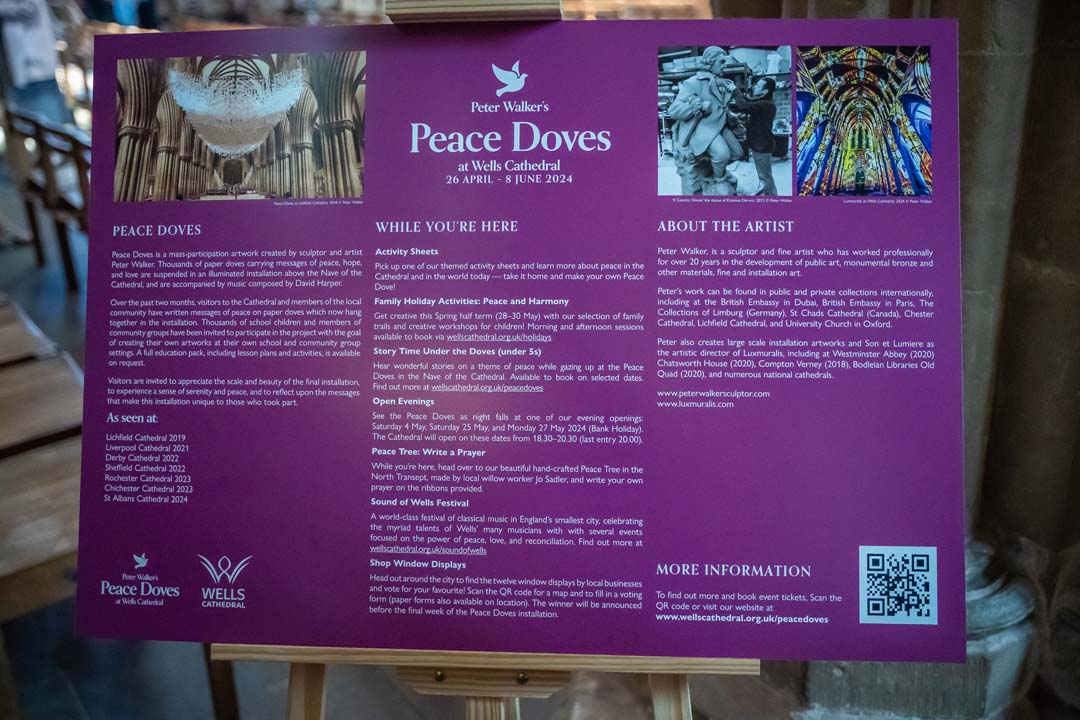
From time to time I publish a blog on this site which has very tenuous links to birds. The justification on this occasion is that on our visit to Wells in Somerset there was an installation in Wells Cathedral by Peter Walker entitled “Peace Doves”.
After our visit to the Cathedral we also visited a local garden, Stoberry Park, which was open as part of the National Garden Scheme and some of my photos could be categorised as “nature” photos.
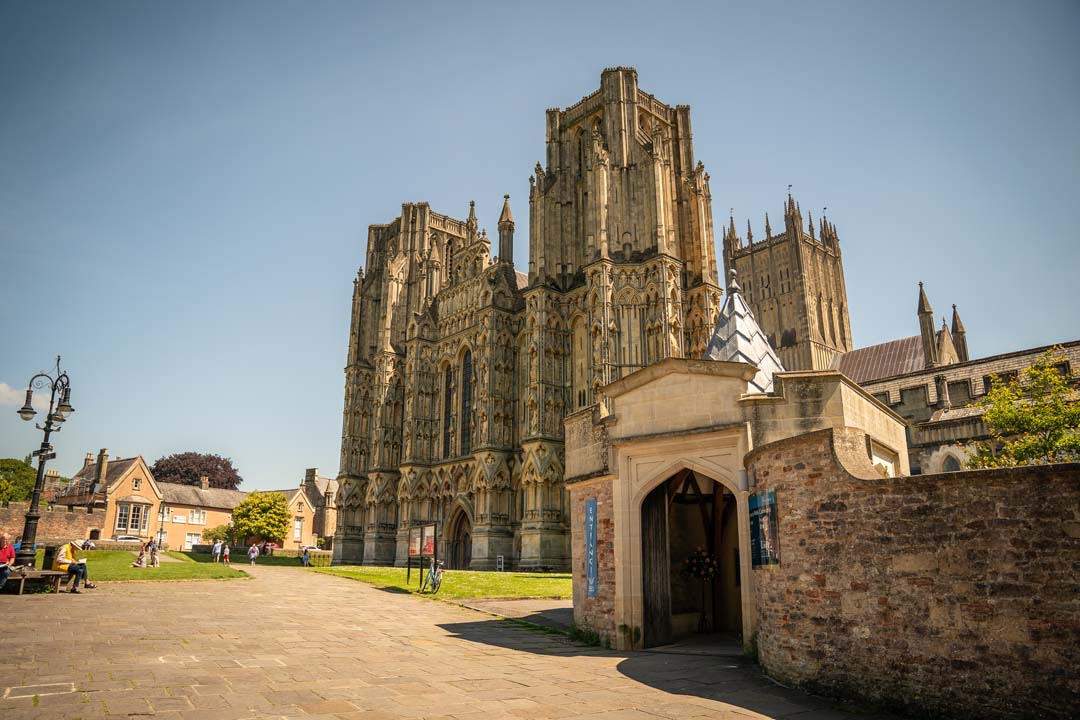
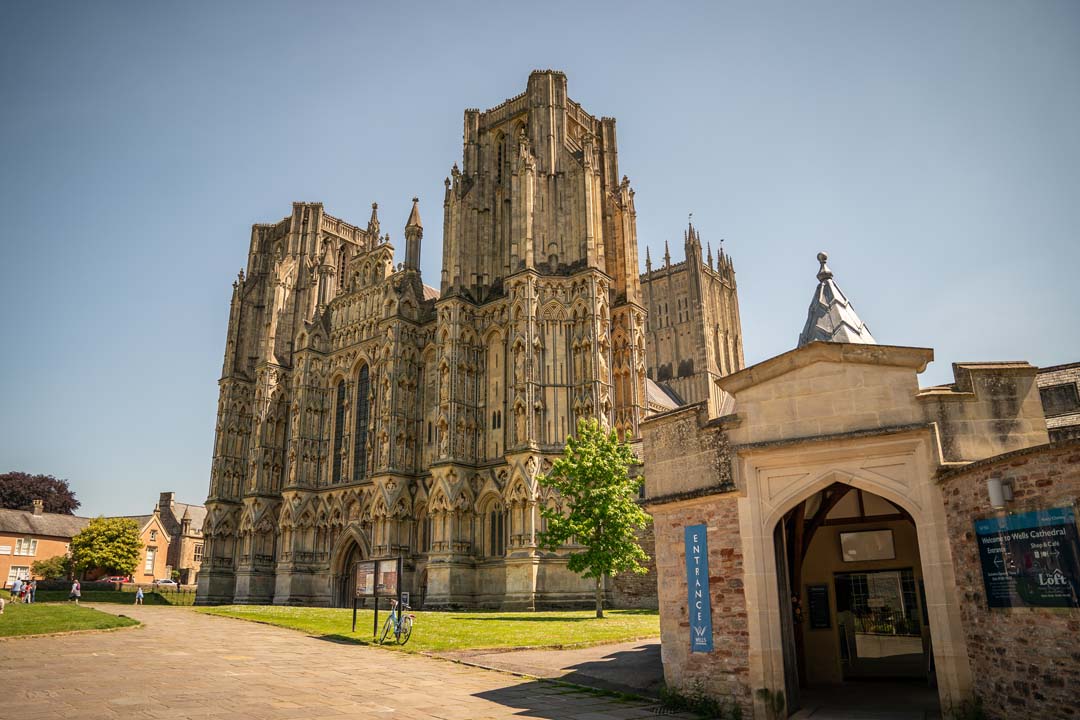
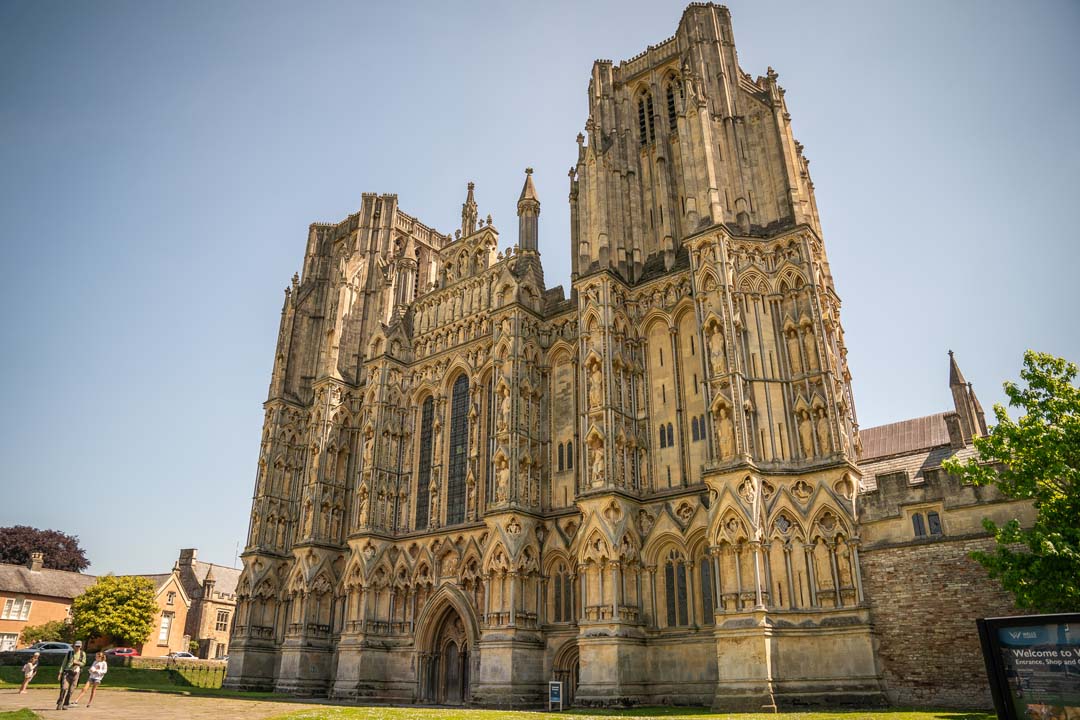
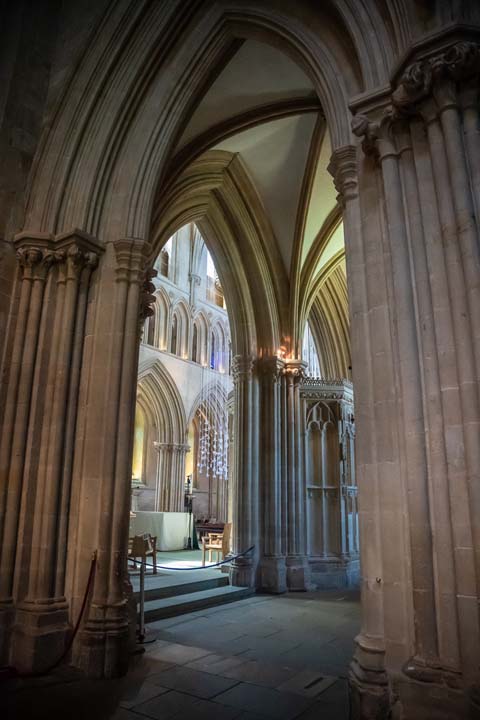
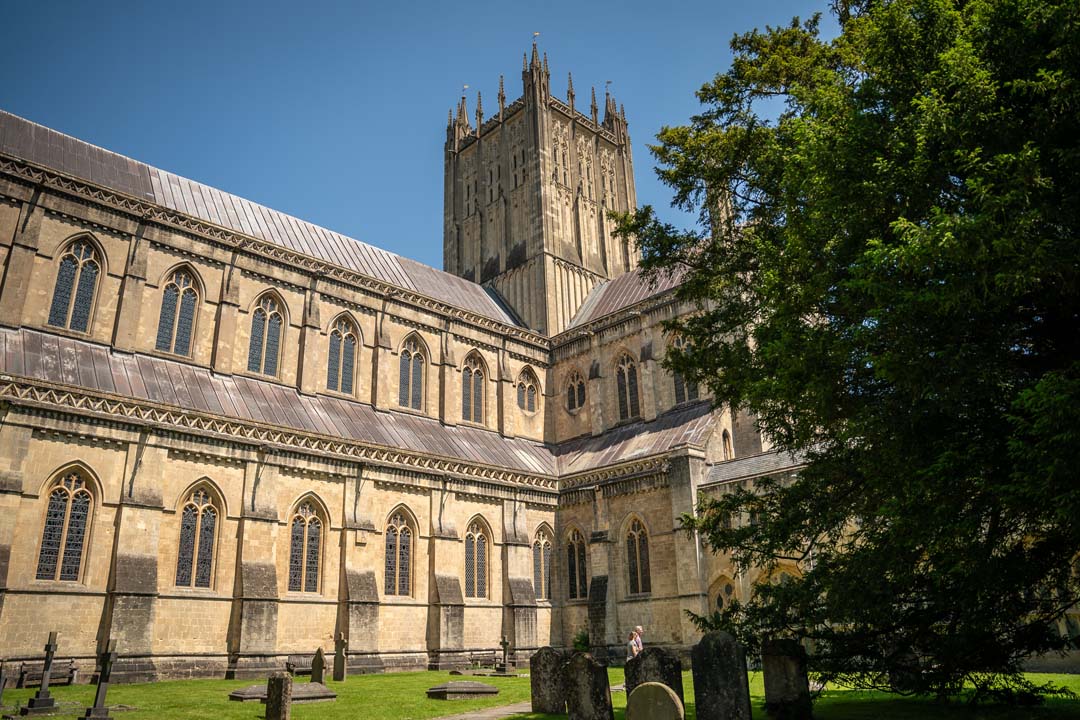
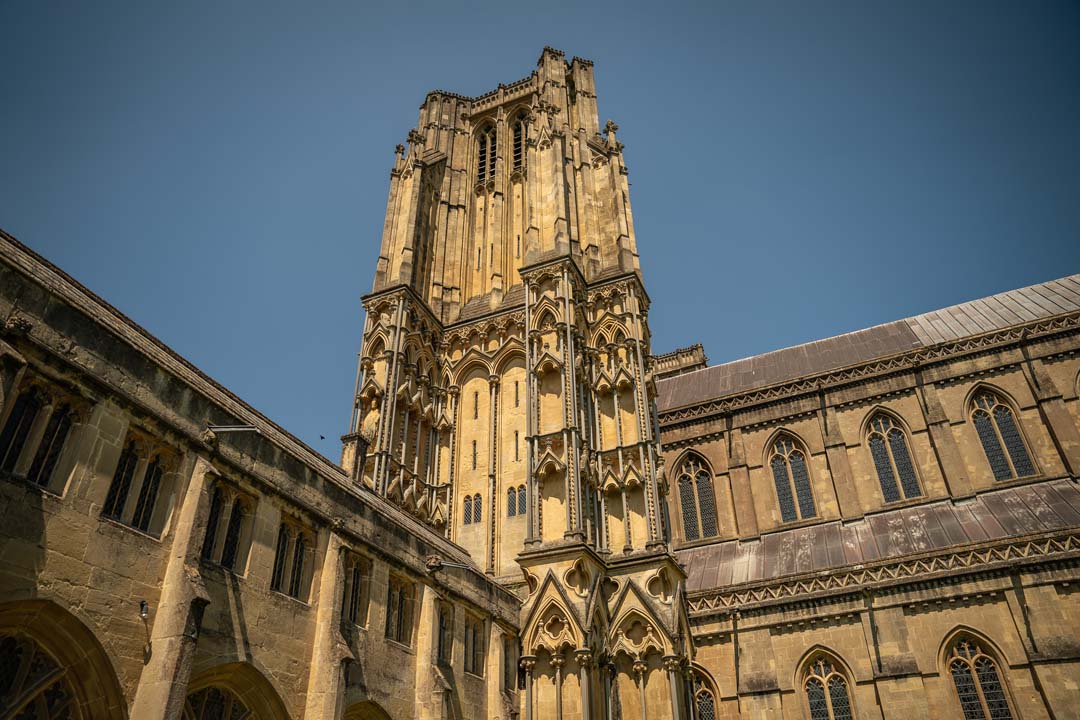
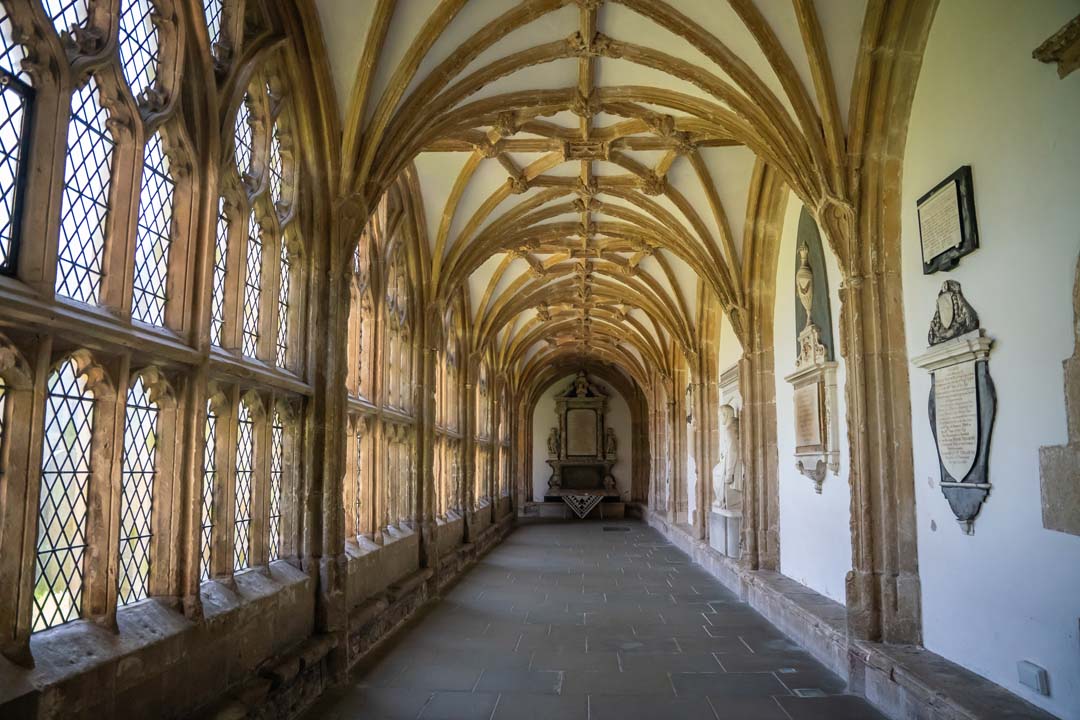
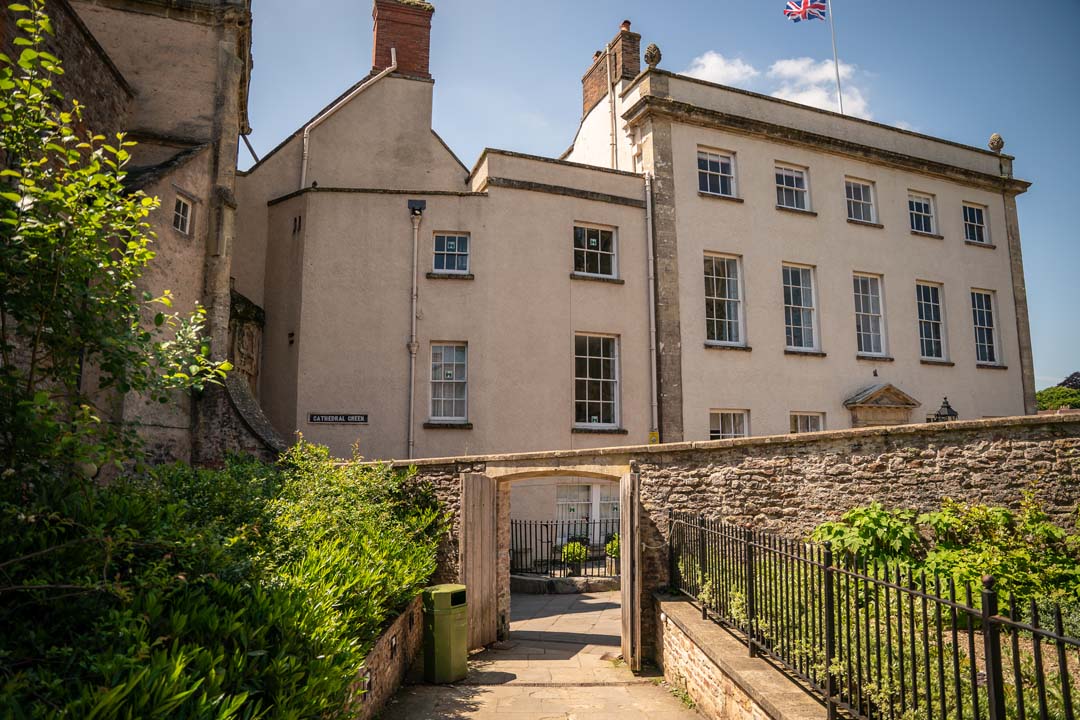
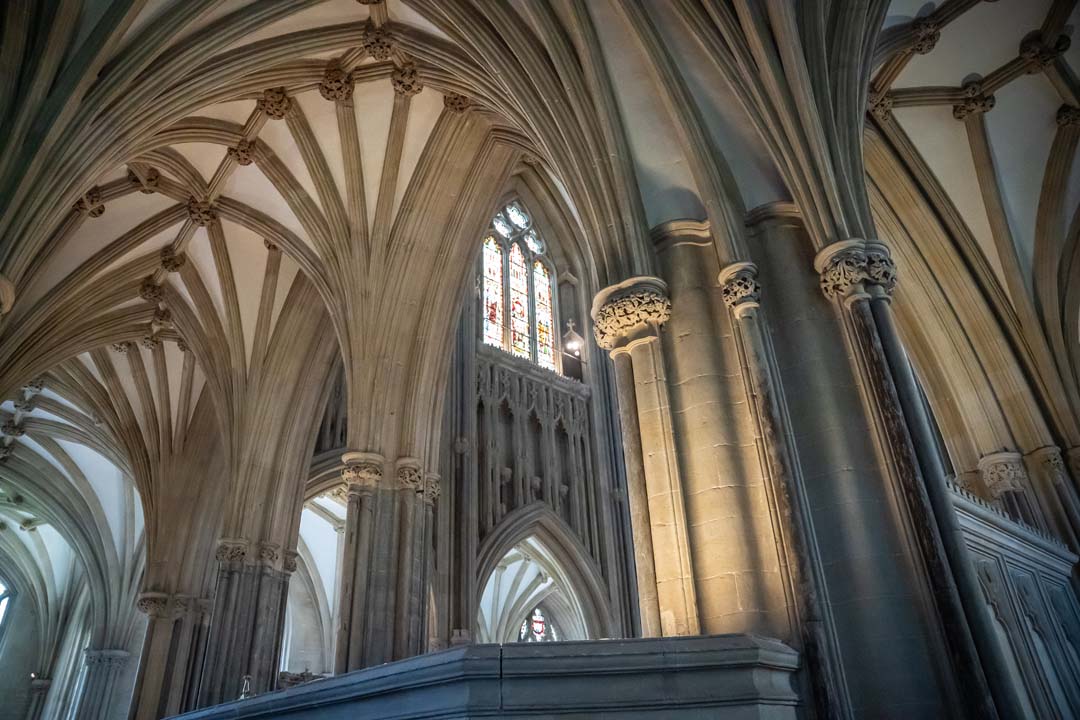
The centre of Wells with the Cathedral behindThe west façade of Wells CathedralThe installation “Peace Doves”
Slideshow of photos of Wells Cathedral:
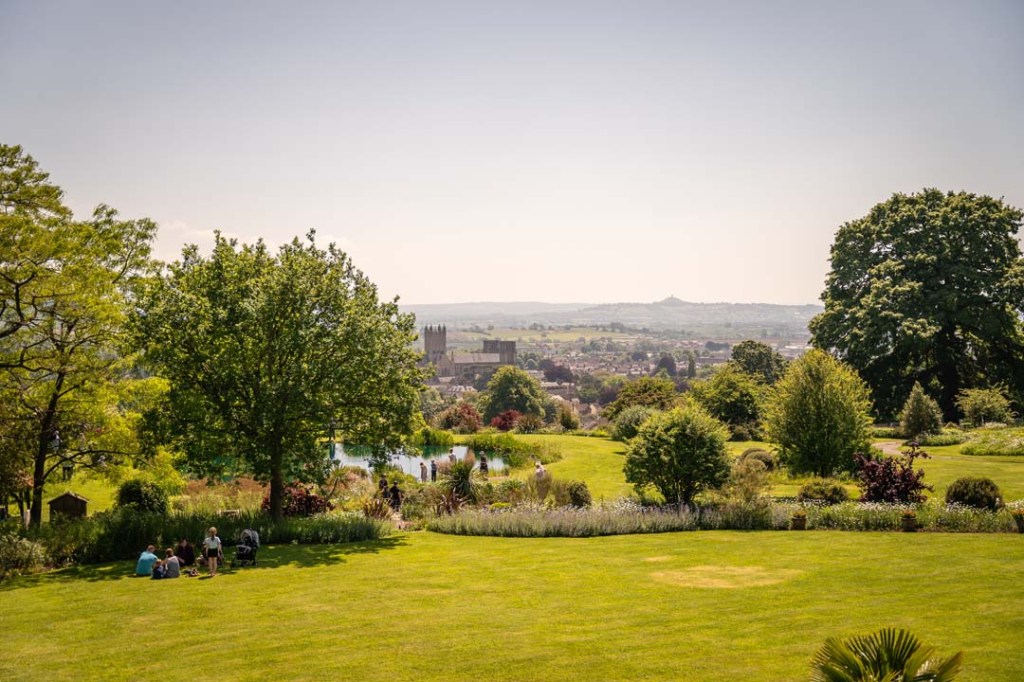
Stoberry Park was just north of Wells and had magnificent views looking down onto Wells Cathedral and beyond to Glastonbury Tor.
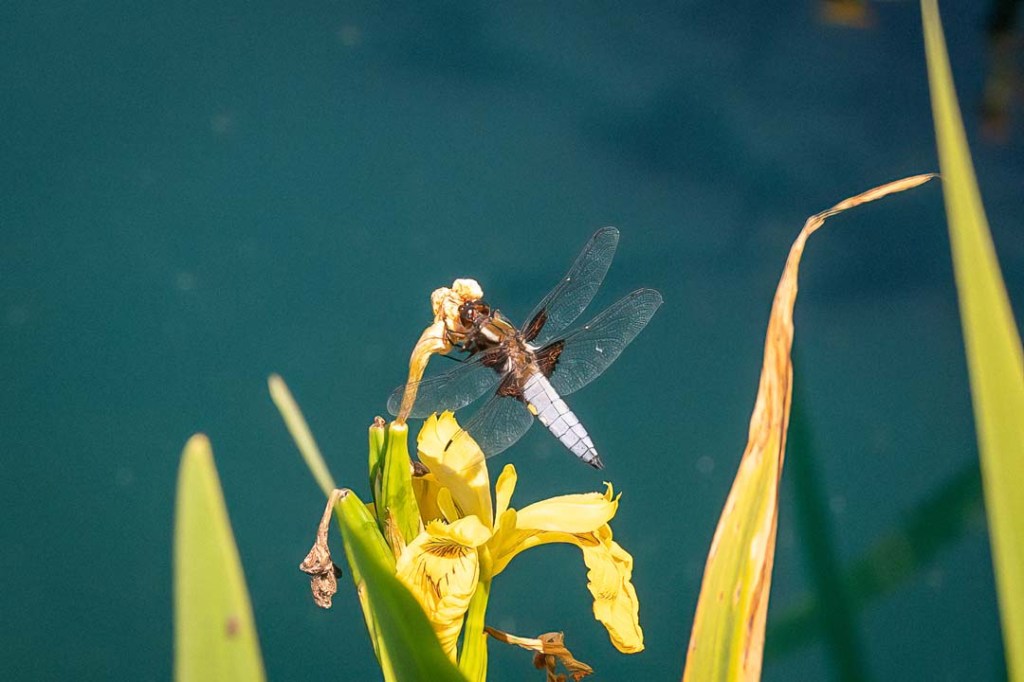
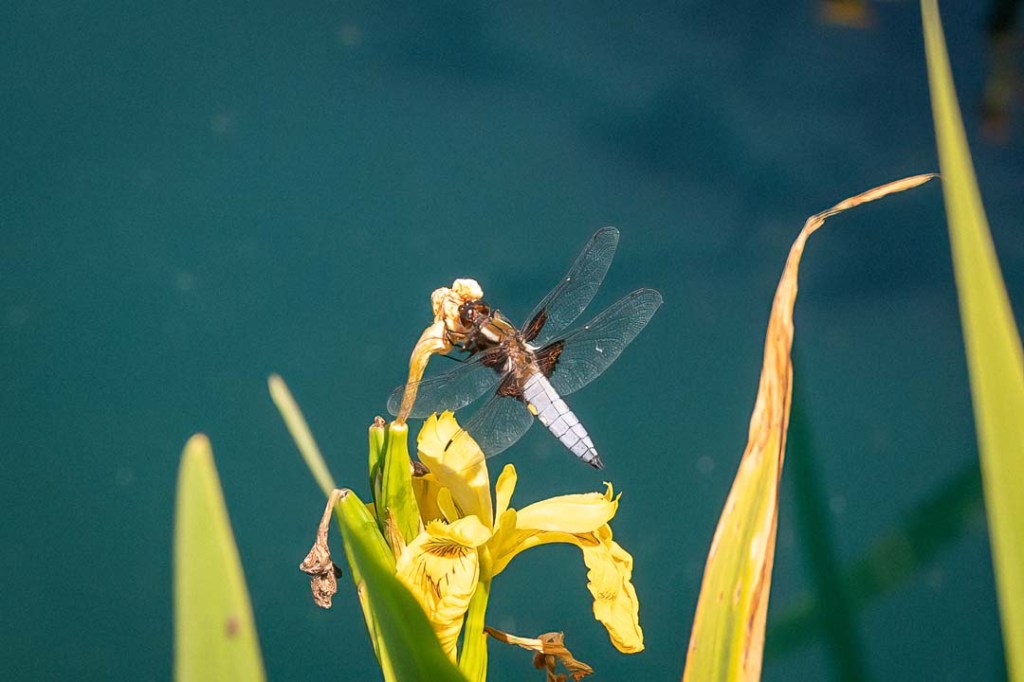
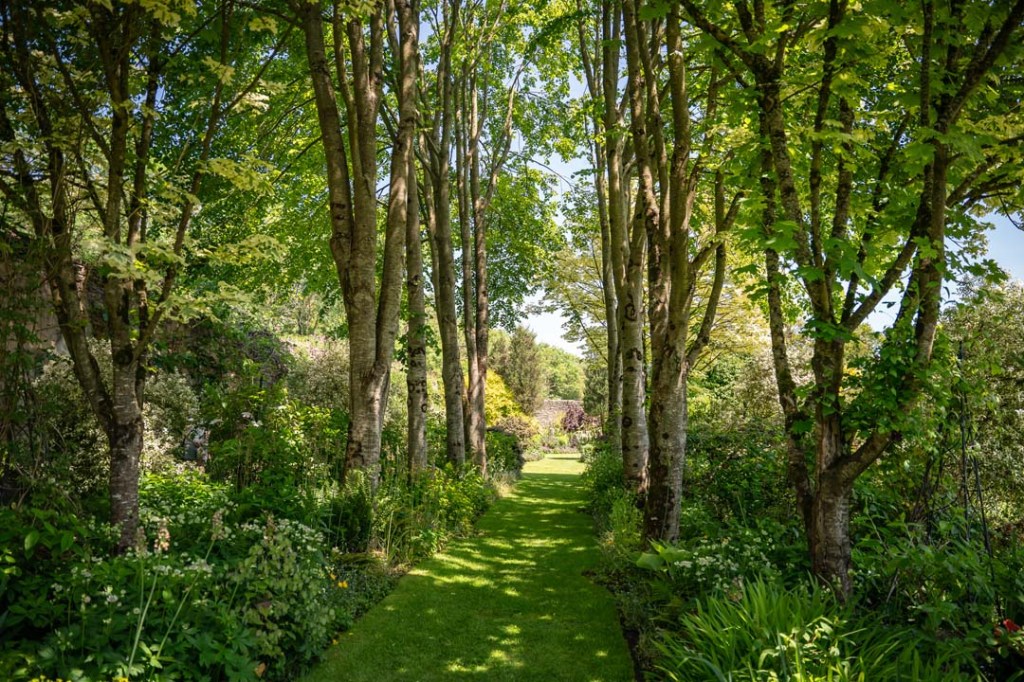
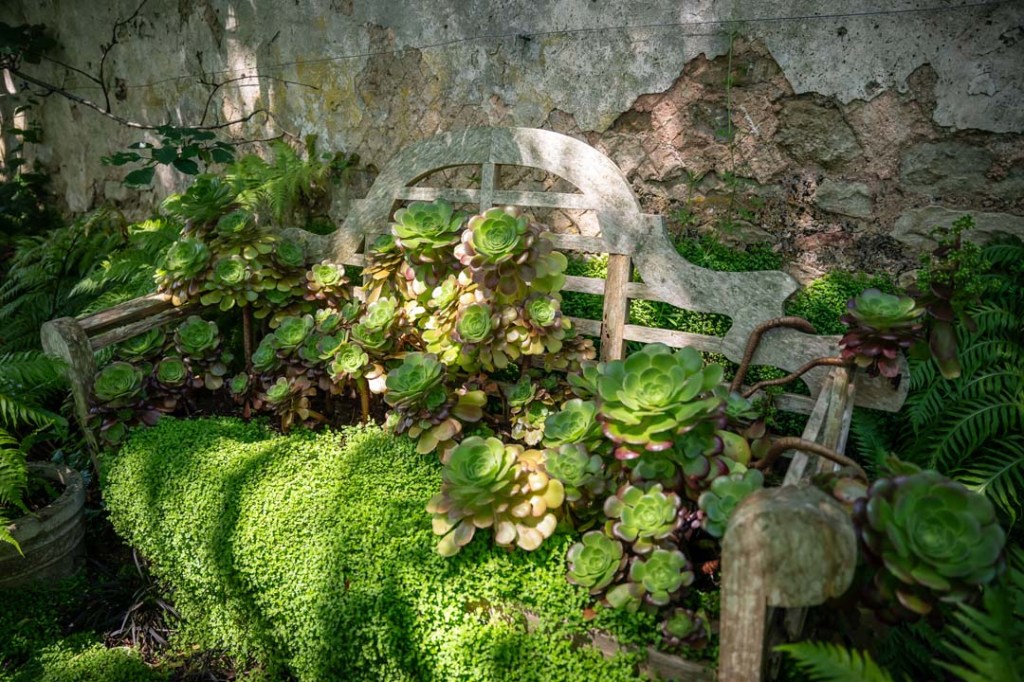
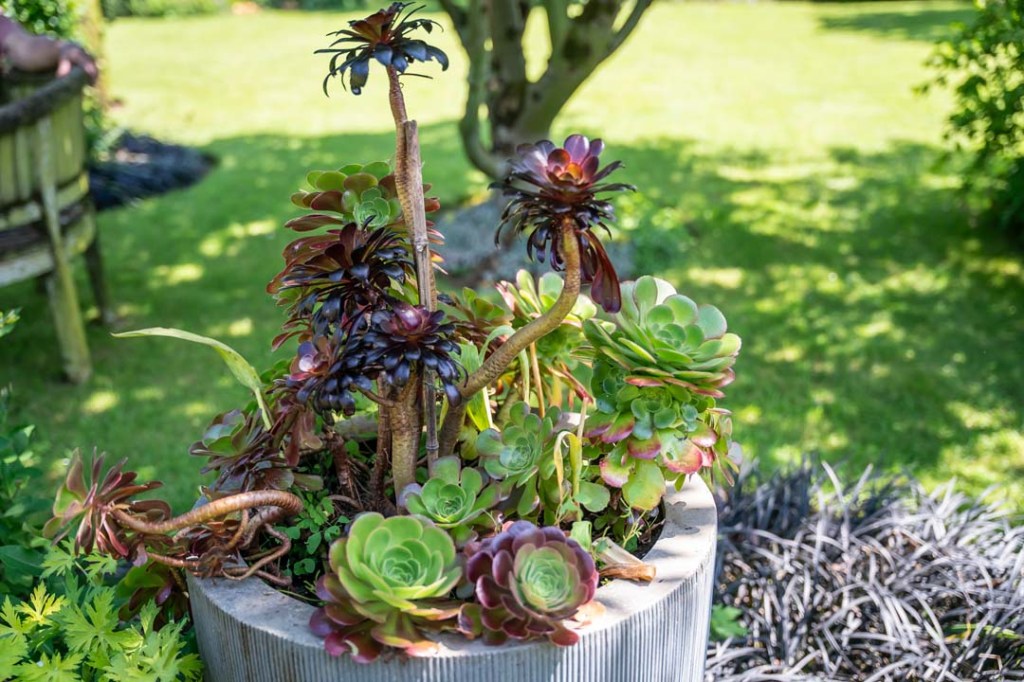
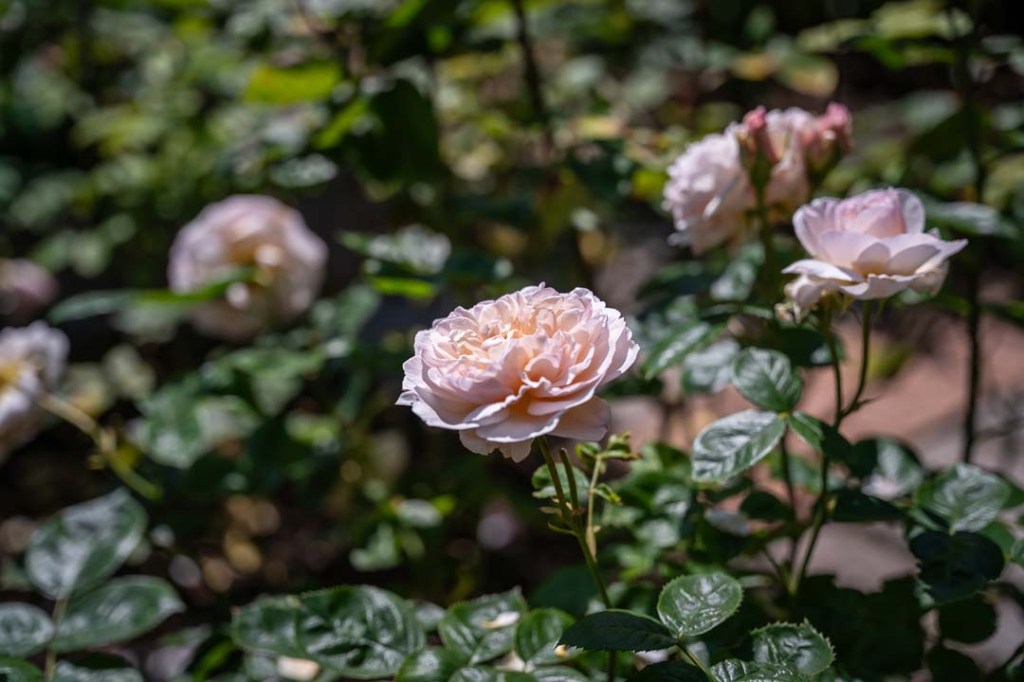
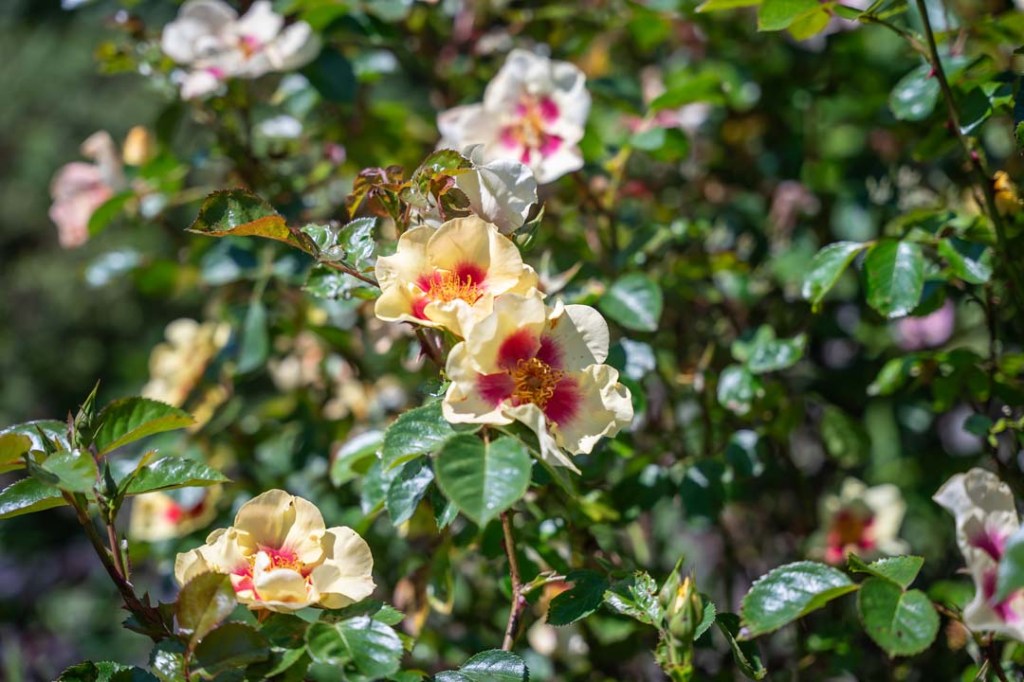
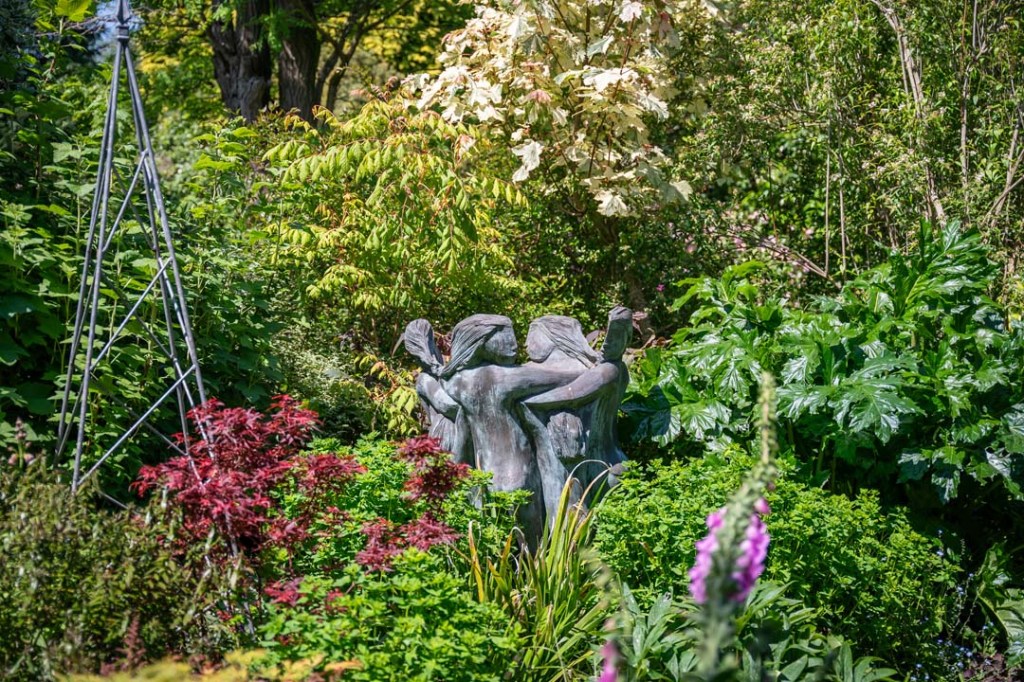
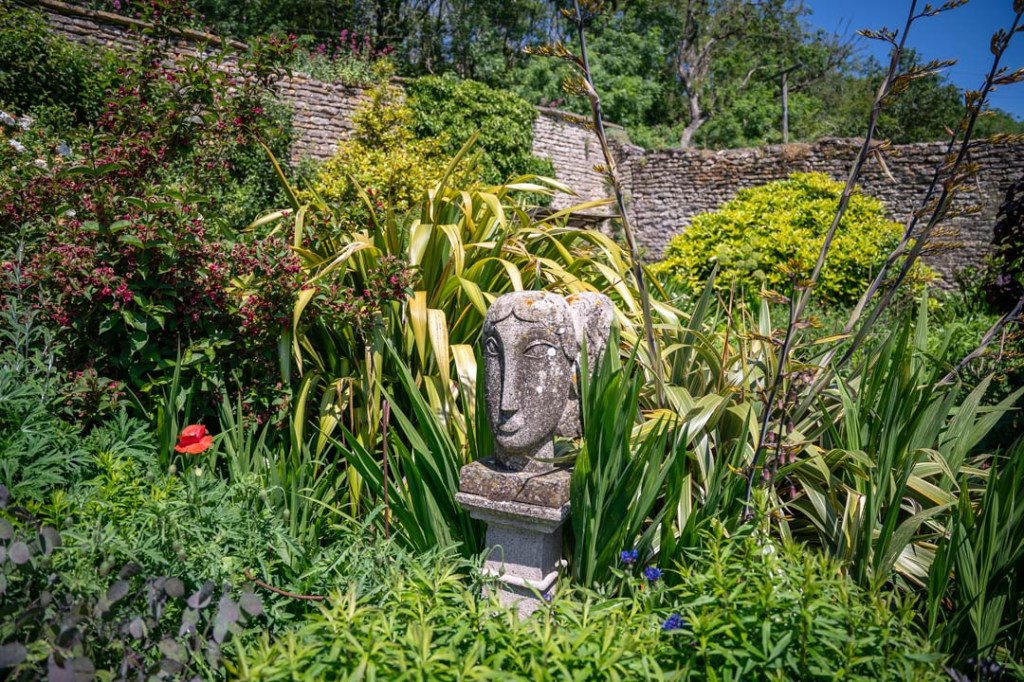
The pond had lots of dragonflies/chasers but I didn’t have the right lens to make the most of the opportunityThe walled garden was spectacular… and featured lots of aeonium which I gather have to be taken into a warm glasshouse each winterThe roses were at their best… ferns tooThe garden featured lots of sculpturesTea and cakes on the lawn were an attraction for many (which we couldn’t resist either)
We have wanted to visit Brownsea Island in Poole Harbour in Dorset for some time. Today, whilst we are having a short stay on the south coast of England, we managed to get there.
Brownsea Island is famous for red squirrels, wildlife and Scouting.
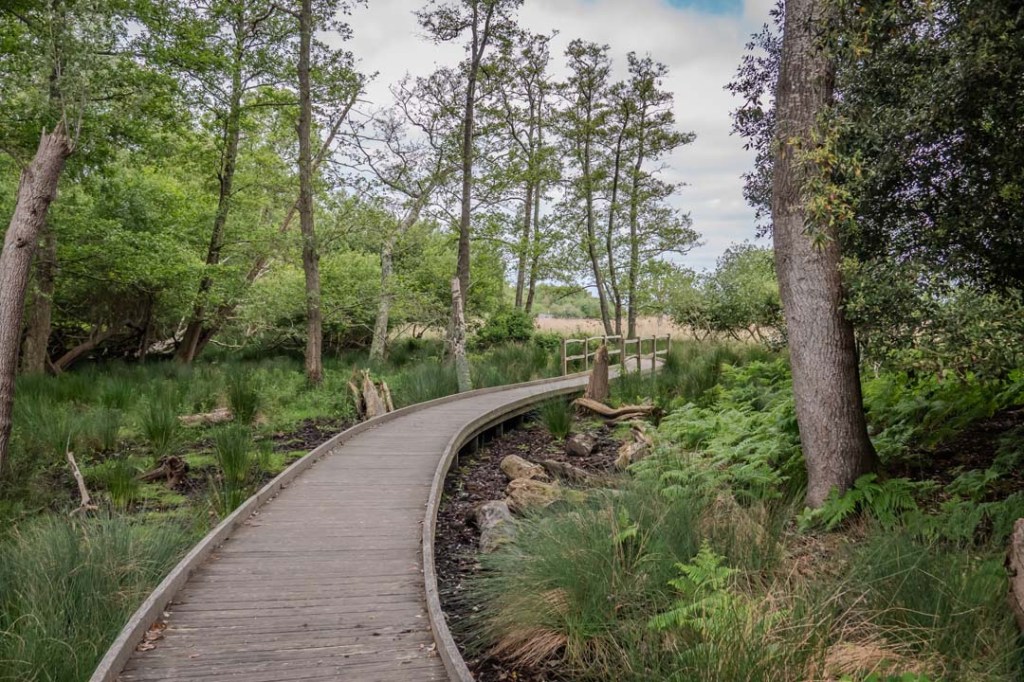
The approach to Brownsea IslandThe start of our walkThere were excellent boardwalks to take us through the wetlands
Plenty of flora on the wetlands
Dorset Wildlife Trust do an excellent job making the wildlife available to all
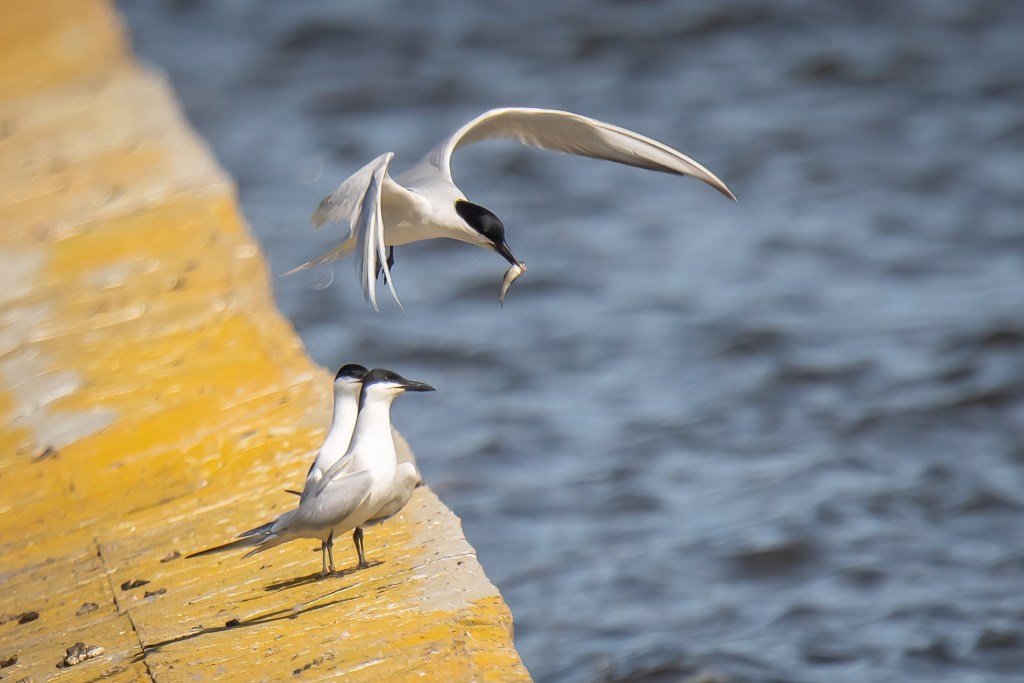
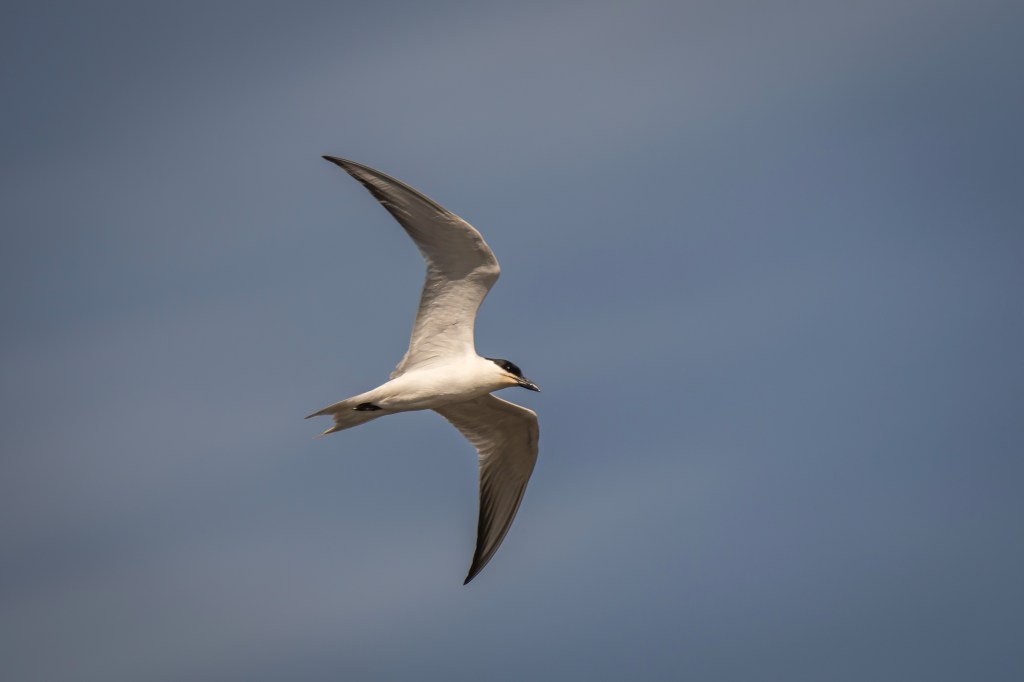
Disappointingly we didn’t see any red squirrels (nor any Scouts) but we did have fun observing close up the common and Sandwich terns who nest on the specially-created gravel islands.
The terns share the gravel islands with black-headed gulls. As yet there weren’t any tern chicks but we saw several black-headed gull chicks. There was quite a lot of squabbling but they all seem to exist together in close proximity.
Sandwich tern up closeSandwich tern with fillingCommon ternsCommon terns with suppliesBlack-headed gullEating or drinking?Sandwich ternCommon tern on the gravel islandsBlack-headed gulls and chicksOn 1 August 1907, 20 boys pitched their tents on Brownsea Island, little realising how important and far-reaching their week would be. Lord Baden-Powell’s (1857-1941) experimental camp, based on scouting skills observed during the Second Boer War (1899-1902), set the foundation for today’s worldwide Scouting and Guiding movements.
A pair of avocet succesfully bred here in 2023 and we did manage to see a solitary avocet.
Avocet
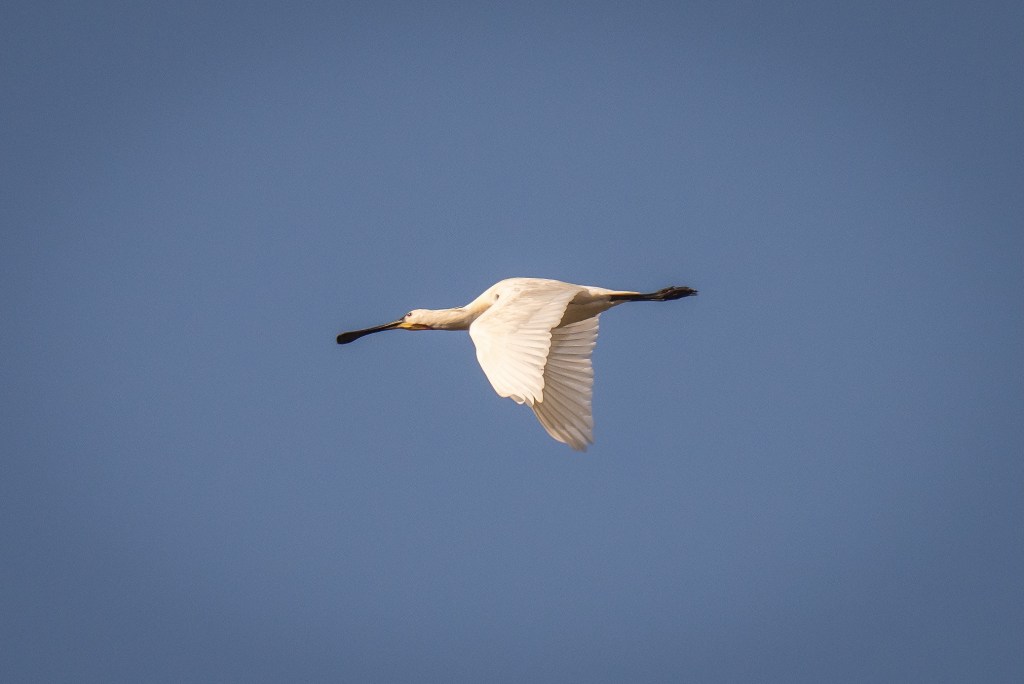
Poole harbour is quite famous for spoonbills and, again, we saw a solitary spoonbill (unfortunately with its spoonbill well hidden).
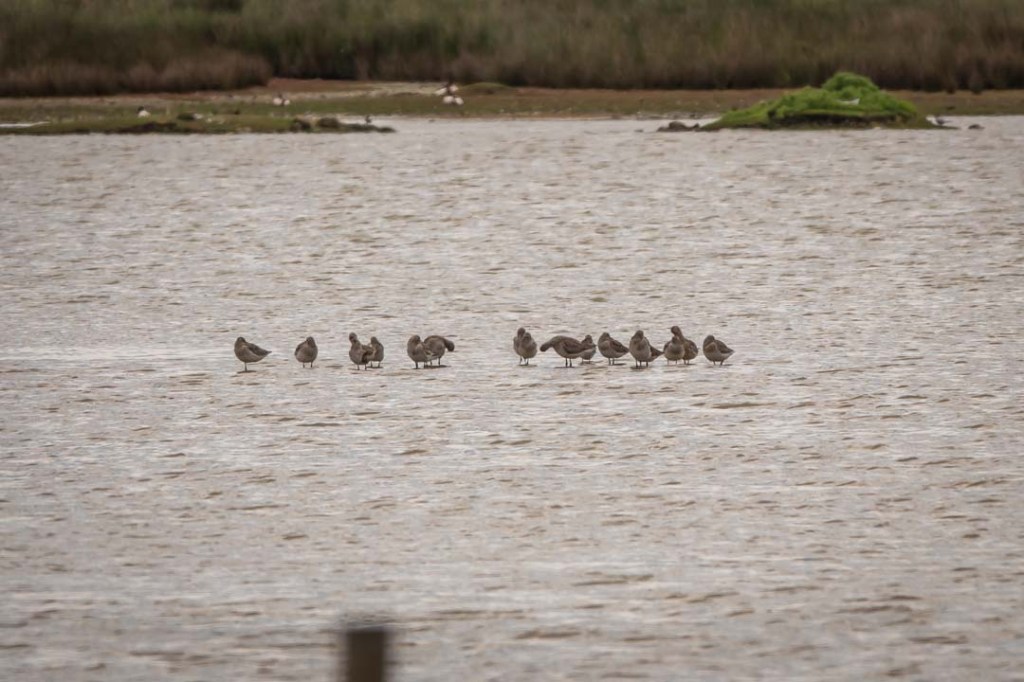
A spoonbill (with spoonbill hidden) to the right of the cormorantsShelduckLittle egretGreylag geese and goslings caused us to make a detour… but there were lovely walks throughoutBar-tailed godwits (we were told)We were led to believe that the hotel was available to John Lewis partnership partners but not customers!
We took the ferry from Sandbanks jetty and we were allowed just over 4 hours on the island. We certainly could have done with a little longer.
View from our balcony back at our airbnb accommodation… of the Isle of Wight
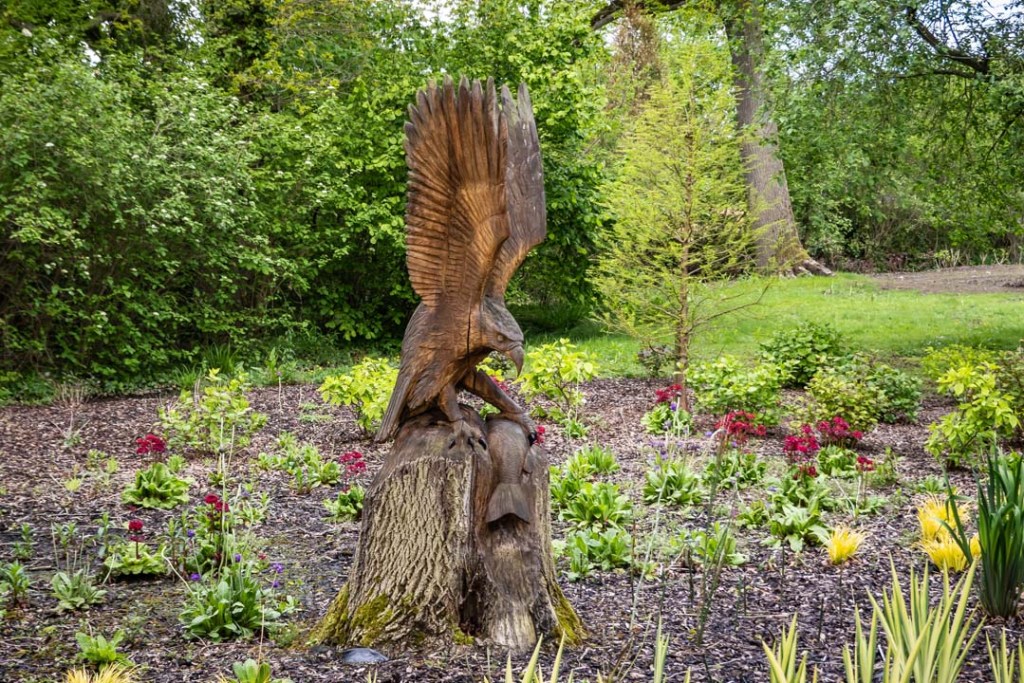
Some of the bird sculptures in the gardens at Highnam Court
This morning we had our first outing of the year to a National Garden Scheme garden.
Highnam Court, 3 miles out of Gloucester on the A40, was supporting the Pied Piper Appeal. Founded in 1992, The Pied Piper Appeal is the leading children’s charity in Gloucestershire. Their mission is to make a difference to the lives of sick and disabled children in the county.
Highnam CourtHighnam CourtA wisteria walk was planted in 2004 to serve as the entrance to the winter garden terrace.Not quite Giverny but still quite beautifulNot all the sculptures were of birdsMagnolias and bluebells still in bloom
We combined our visit to Highnam Court with a visit to Highnam Church which features in Simon Jenkins’ England’s 1000 Best Churches.
The meadows were not too wet to manoeuvre The Holy Innocents Church, Highnam
The Holy Innocents Church, Highnam, is a Grade I Listed Building, one of the most significant Victorian churches in the country. The church was commissioned by Thomas Gambier Parry the owner of the nearby Highnam Court, and was consecrated in 1851. The architecture is gothic revival style, and the church is decorated throughout with frescos painted by Thomas Gambier Parry. Hubert Parry, his son, inherited the estate and is best remembered for his musical setting for Blake’s poem ‘Jerusalem’ and much other memorable church music.
The knave of the Holy Innocents ChurchThe church is decorated throughout with frescos painted by Thomas Gambier Parry. Parry invented the Gambier Parry process of fresco painting.The organThe beautifully carved reredos
In Sir John Benjamin’s words The Church of the Holy Innocents is the most complete Victorian Church in England
Why did I bother to go to the Iberian Peninsula birding when there’s so much to see in the heart of Somerset? Because it’s a darn sight warmer!
It was very windy, very fresh and with the threat of rain throughout for my morning’s birding on the Somerset Levels at RSPB Ham Wall.
The weather may have been dull but from an excitement point of view it was far from that.
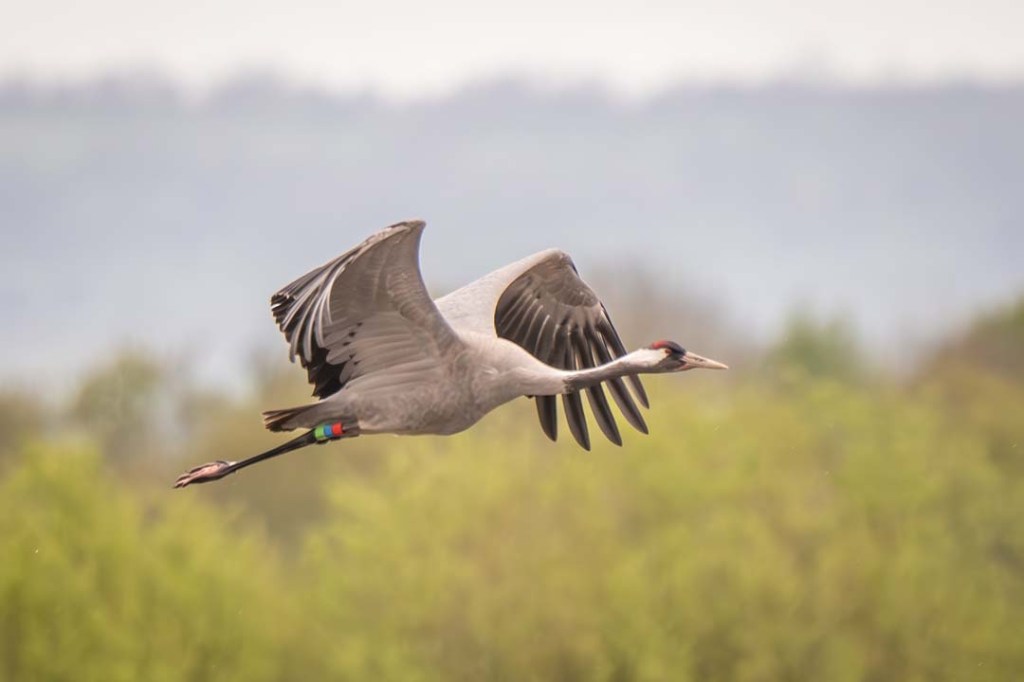
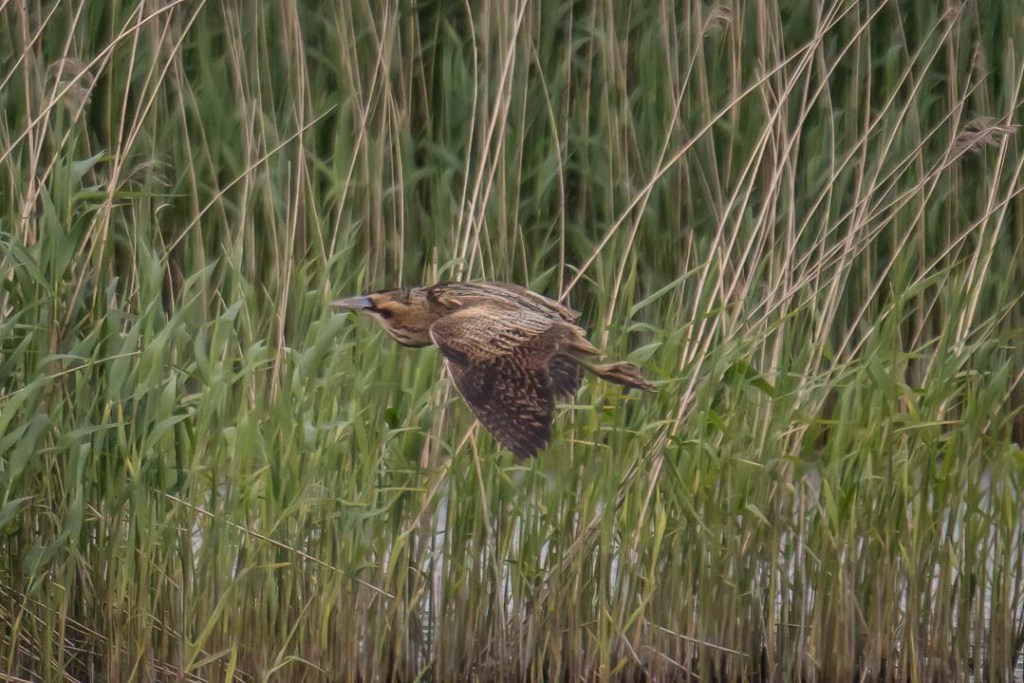
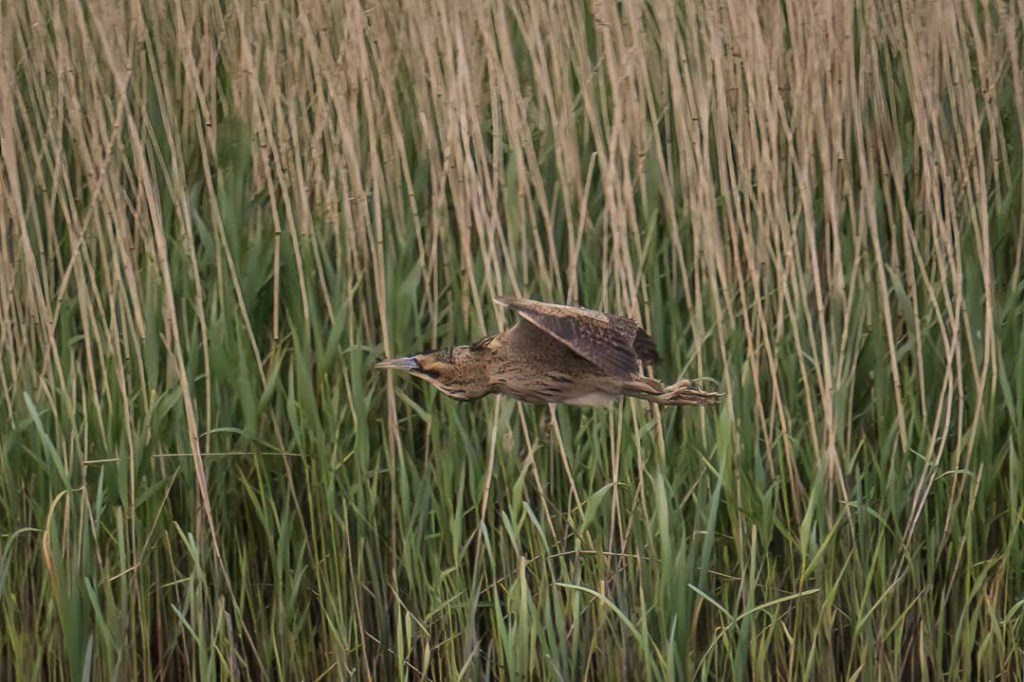
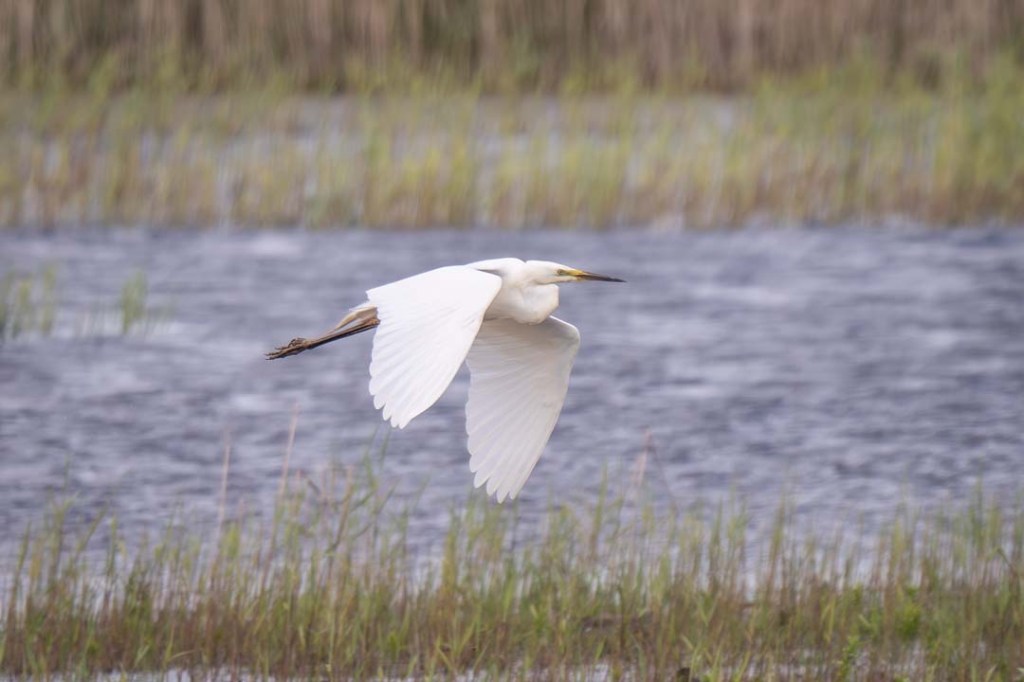
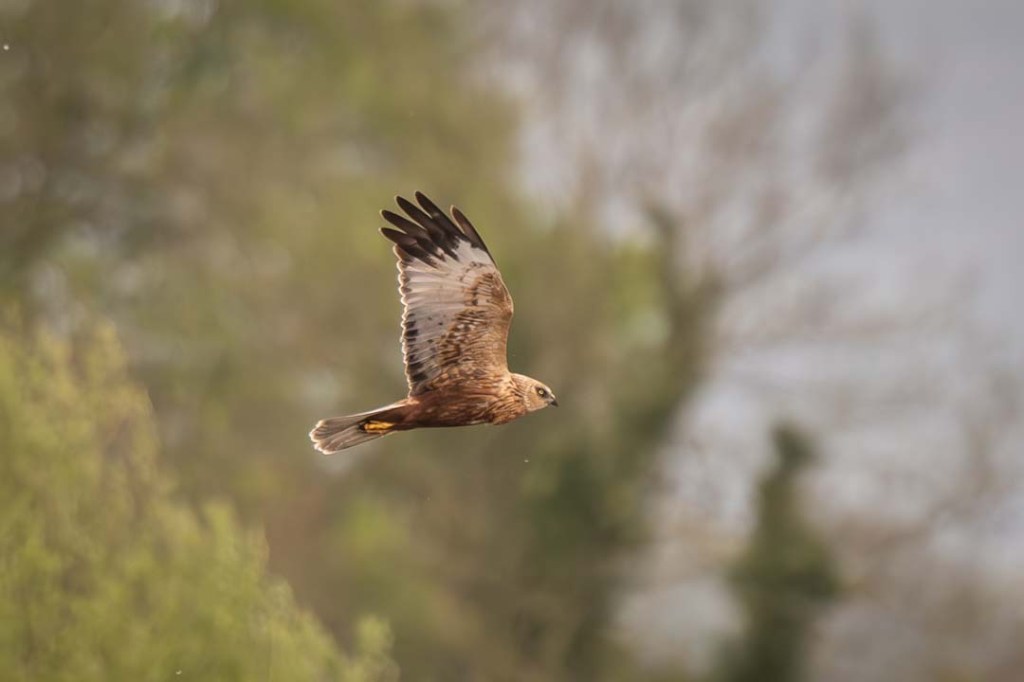
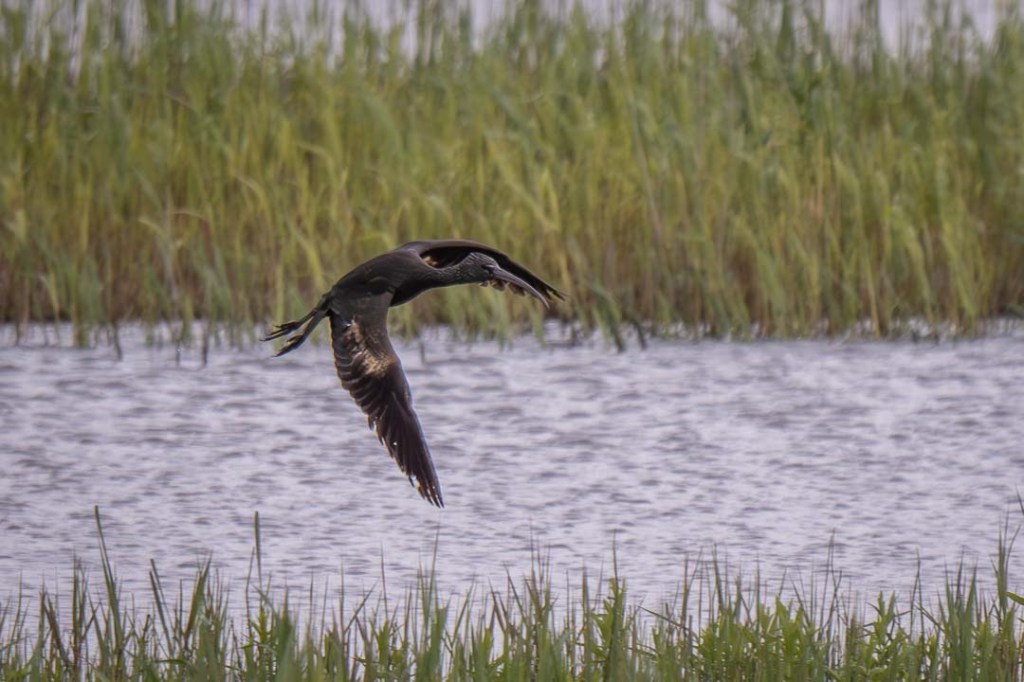
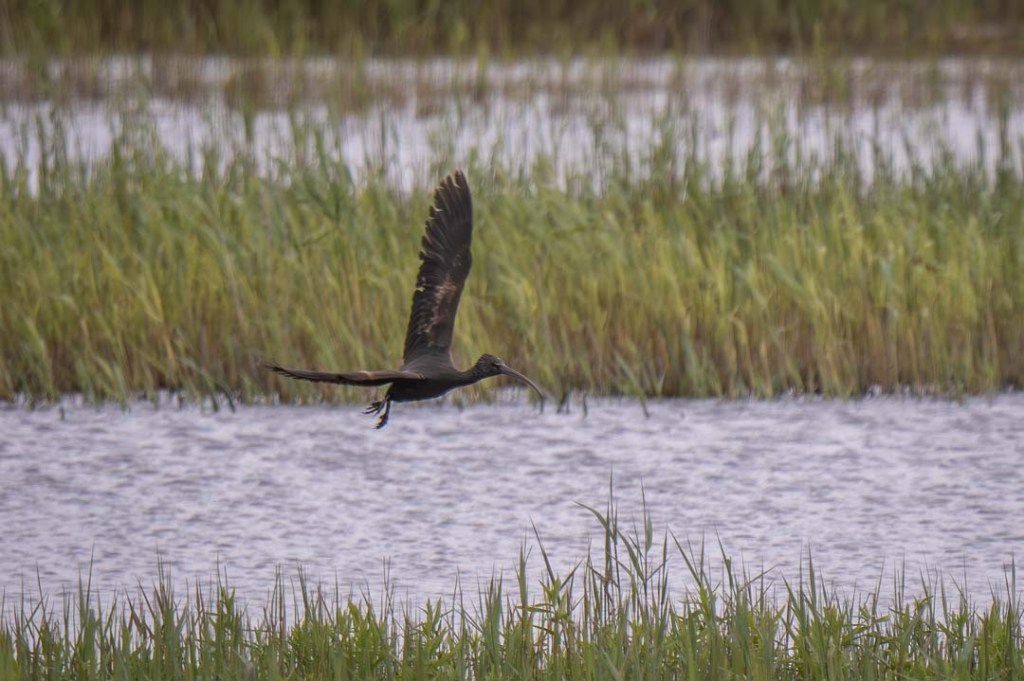
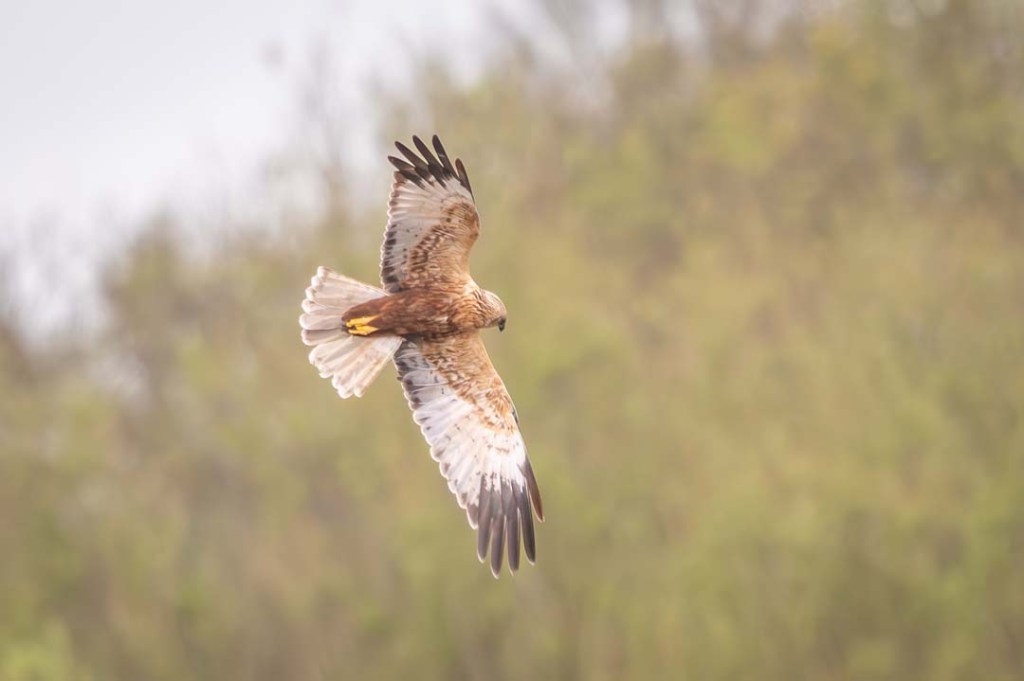
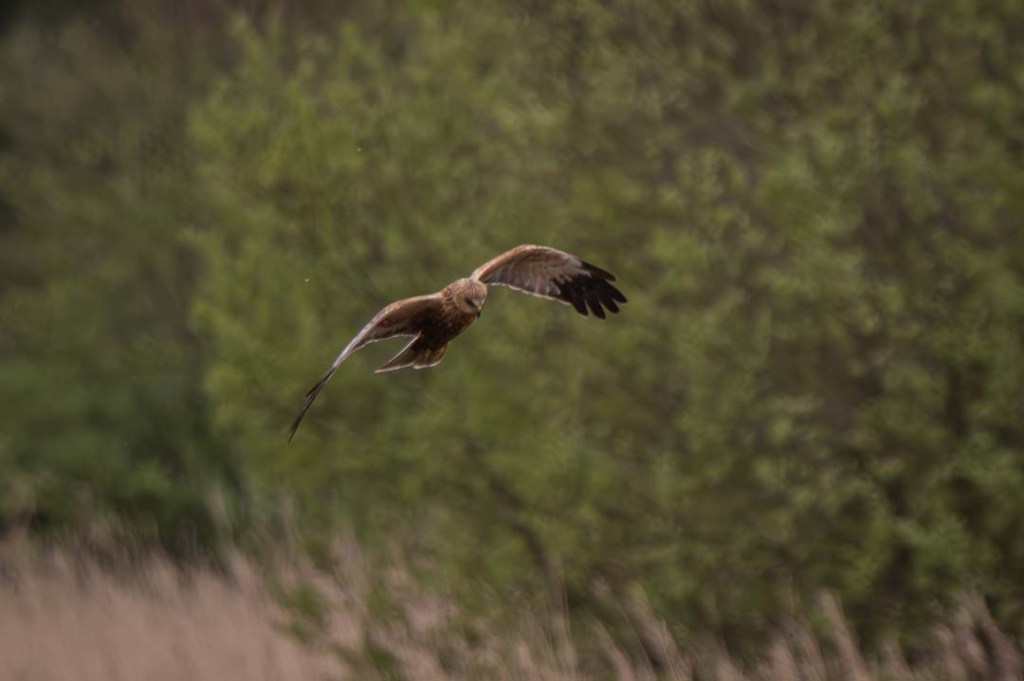
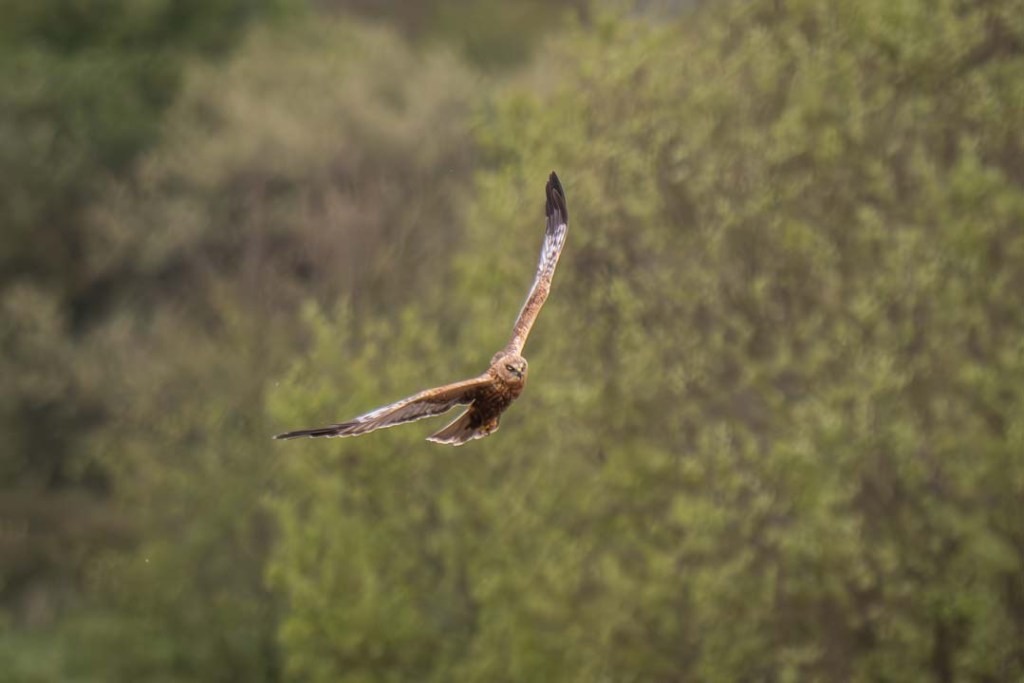
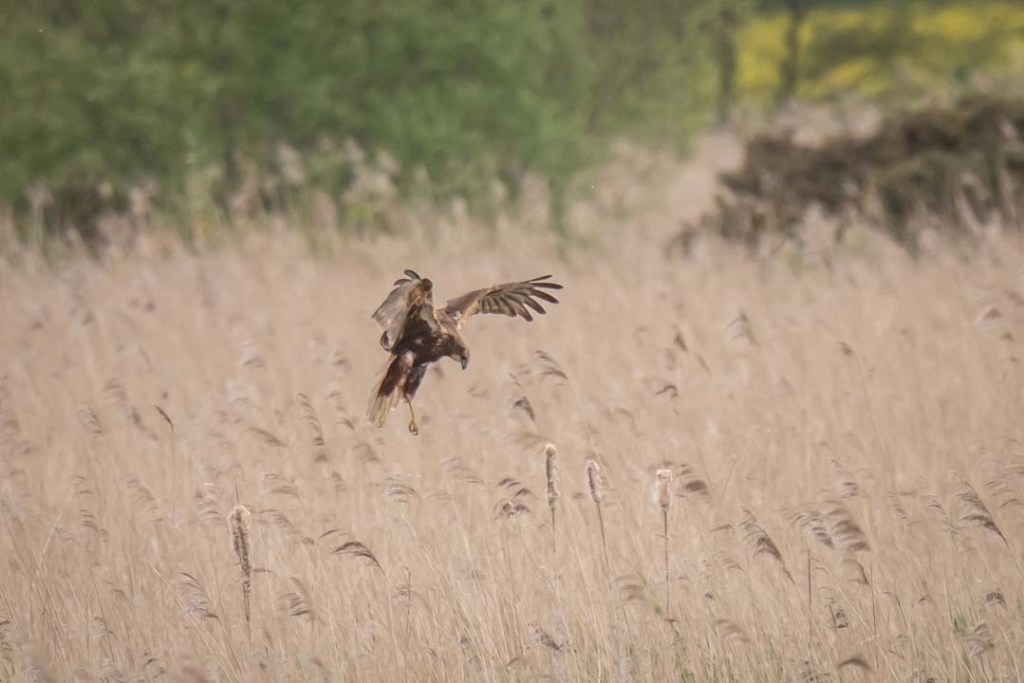
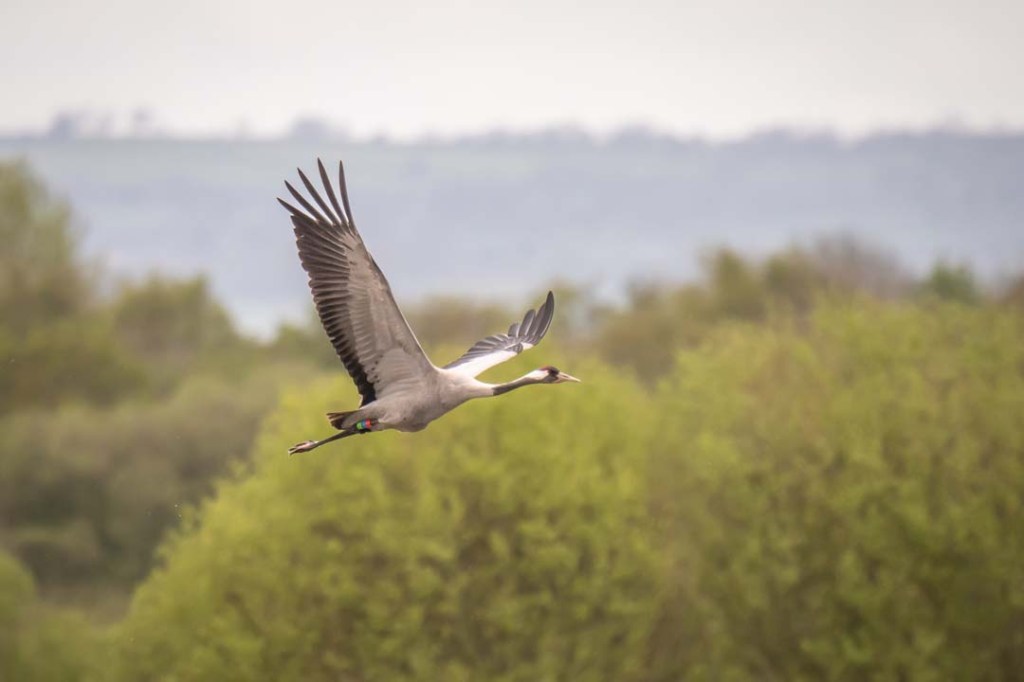
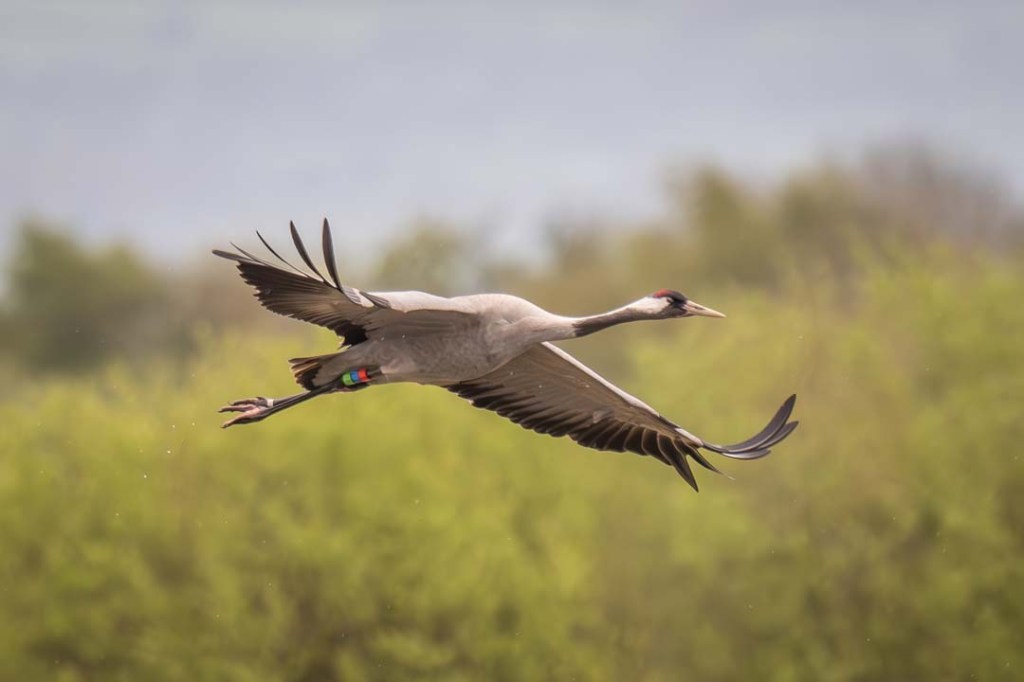
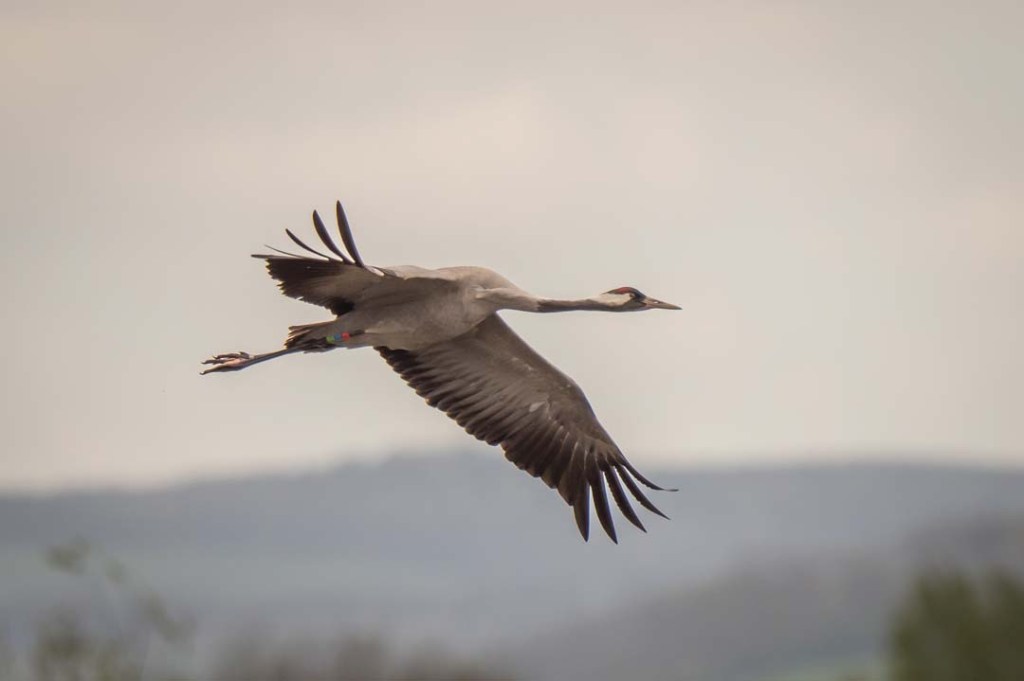
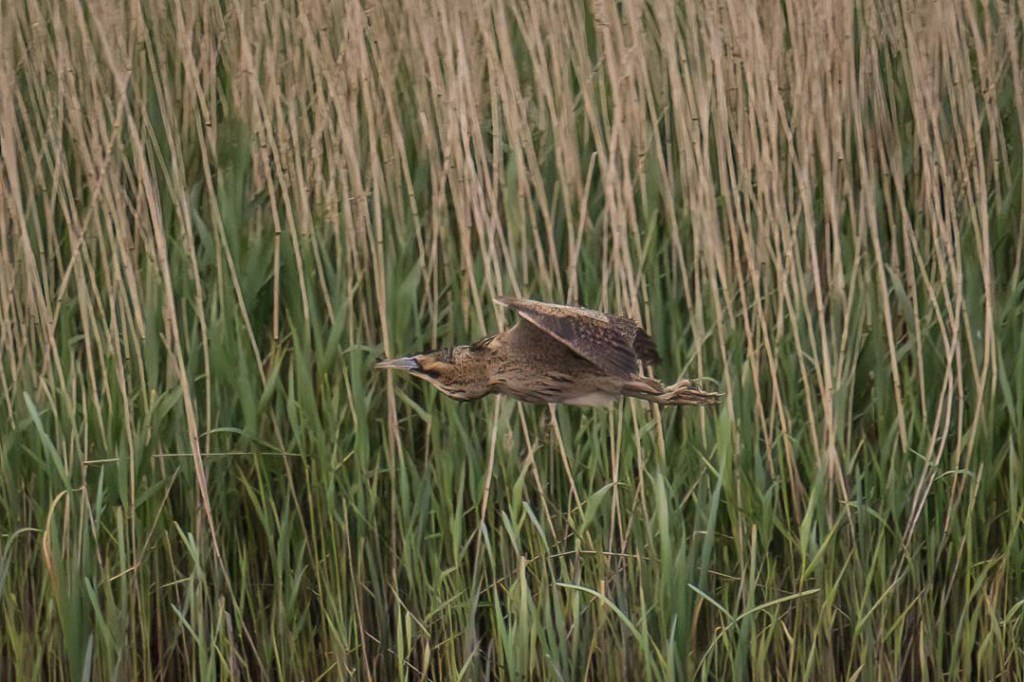
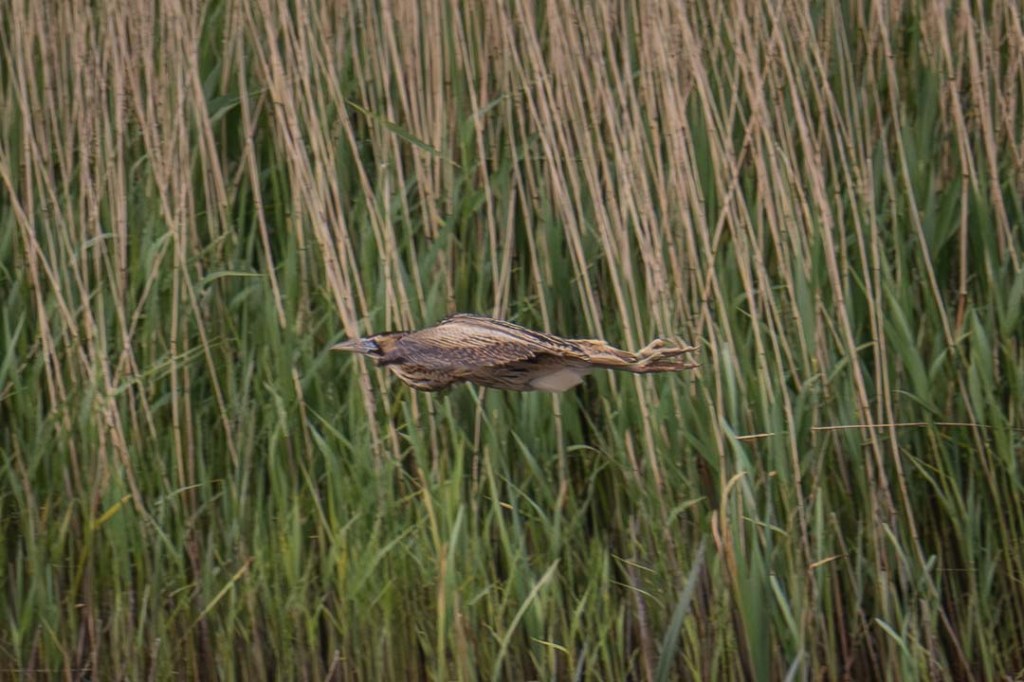
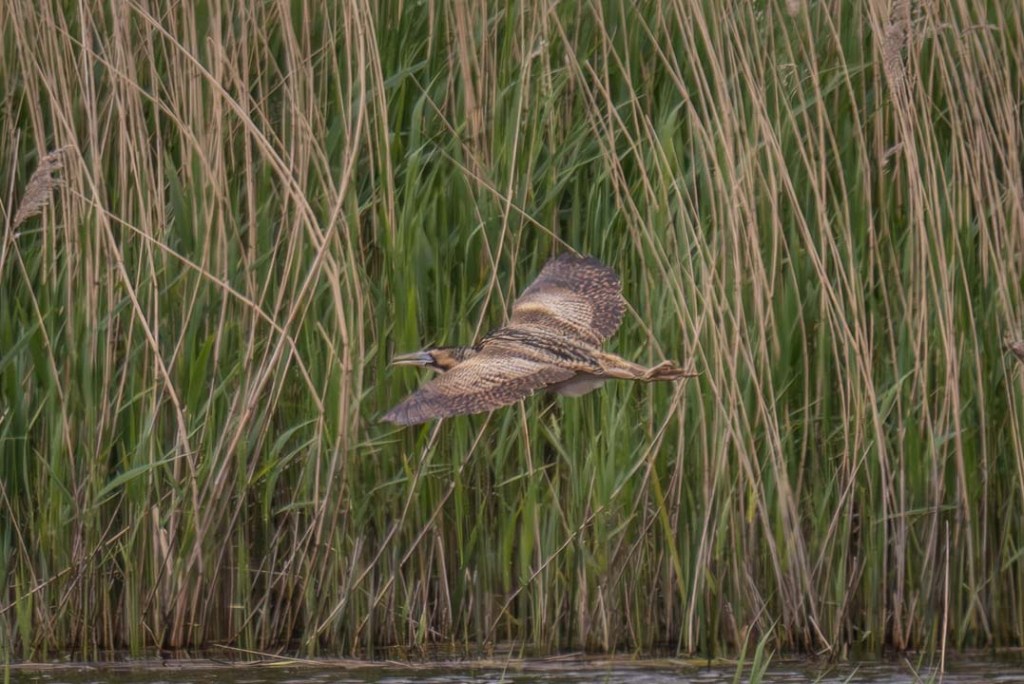
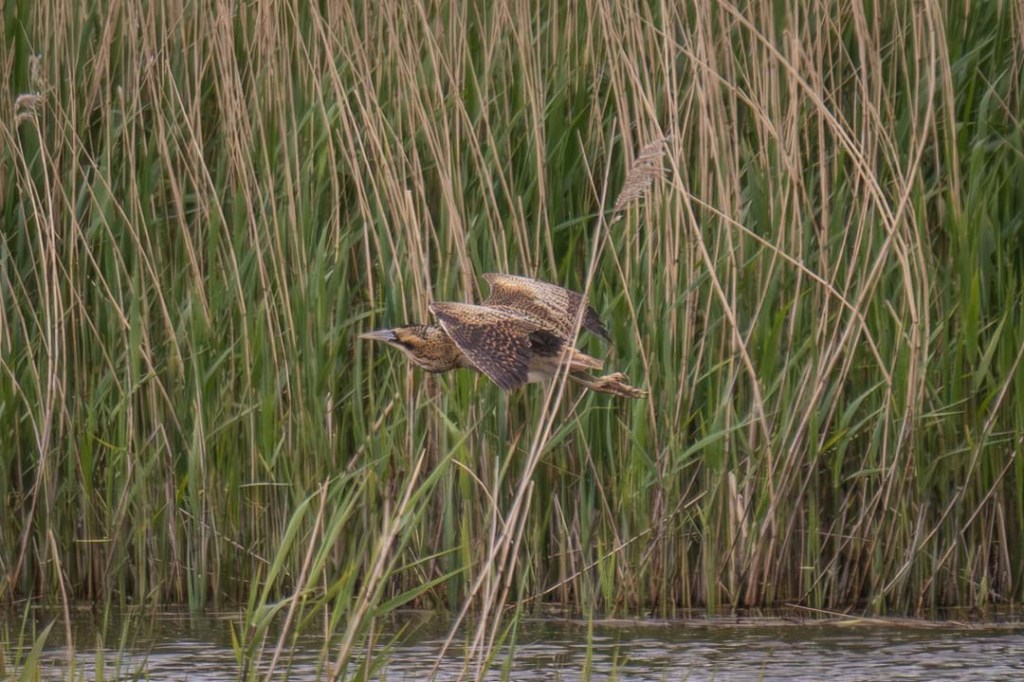
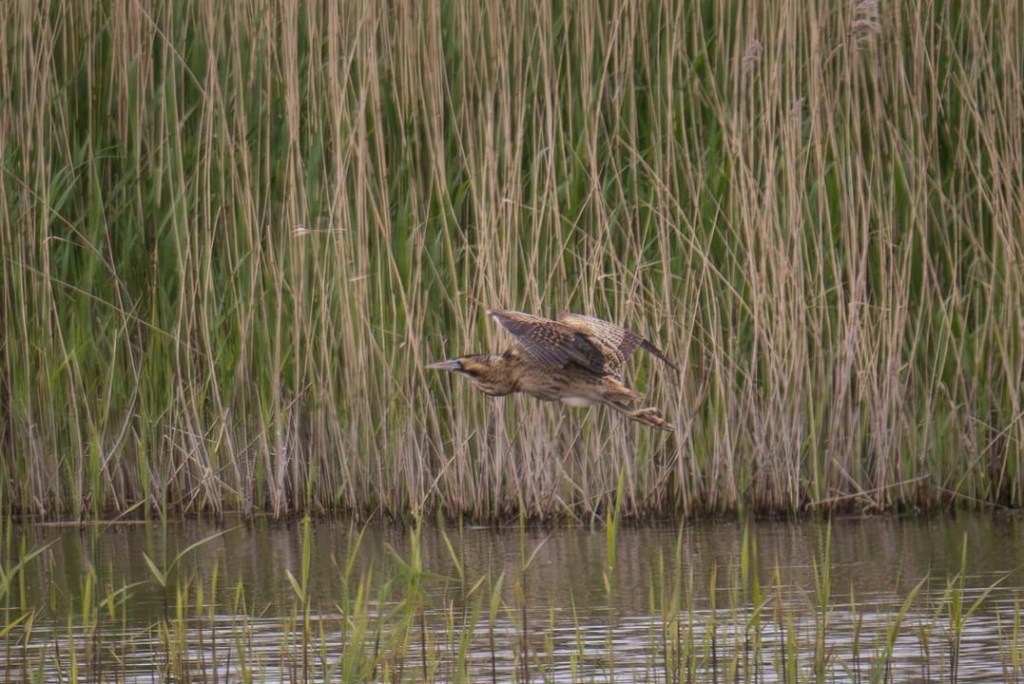
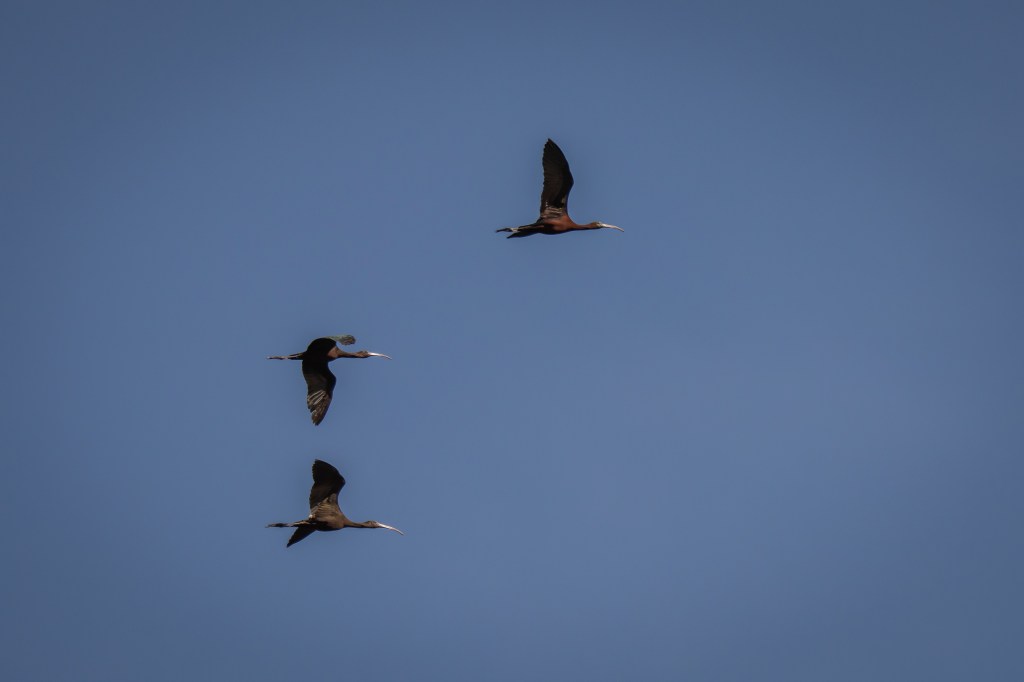
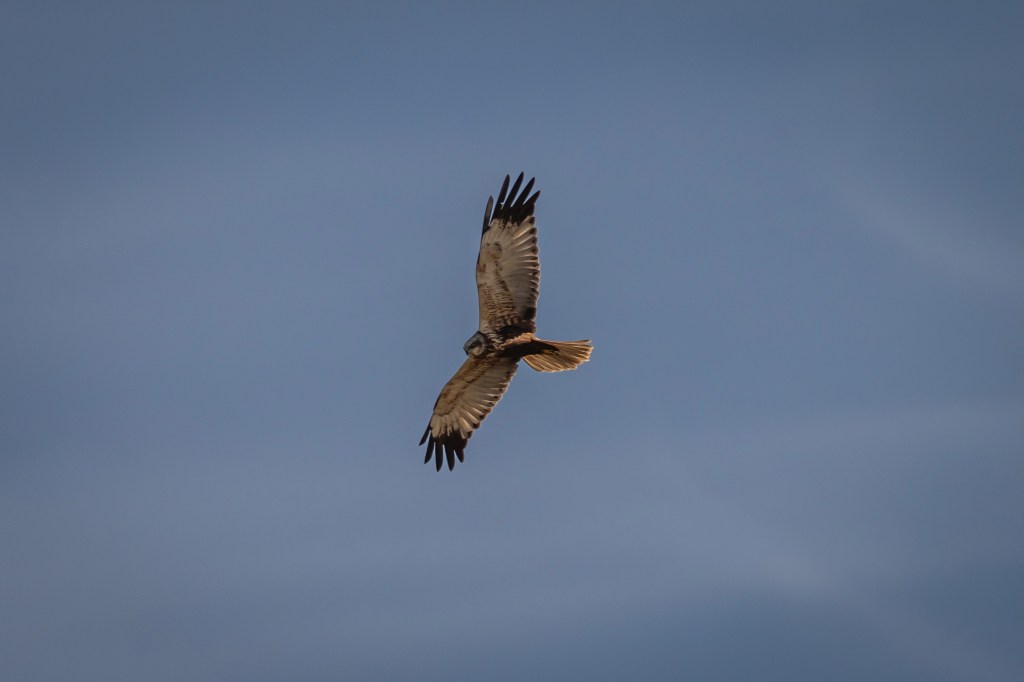
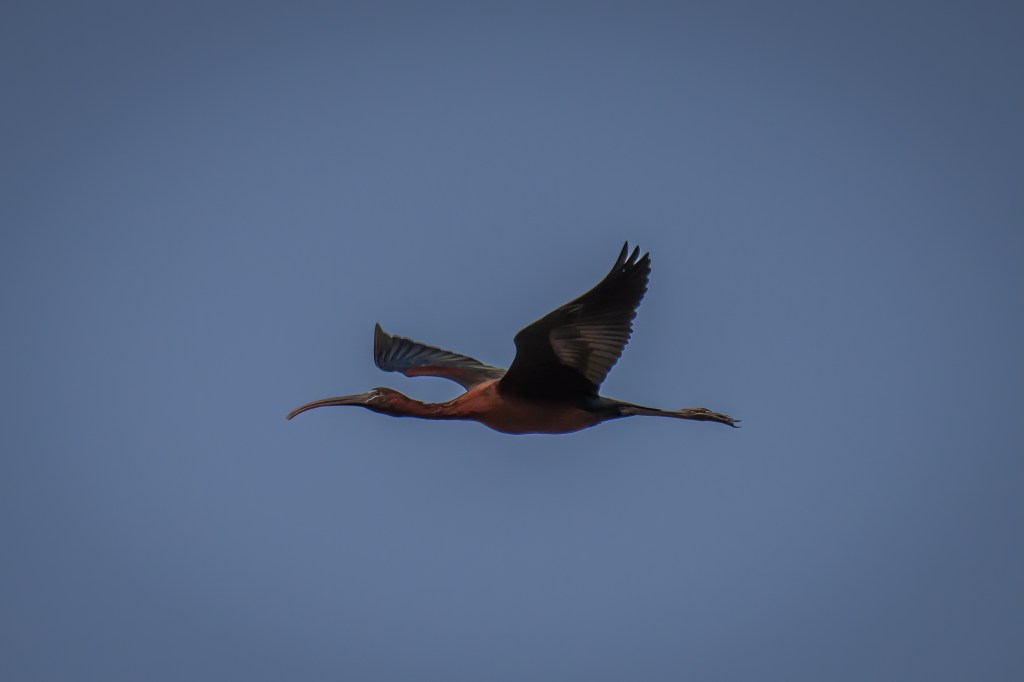
Common craneGreat bitternGlossy ibisMarsh harrier
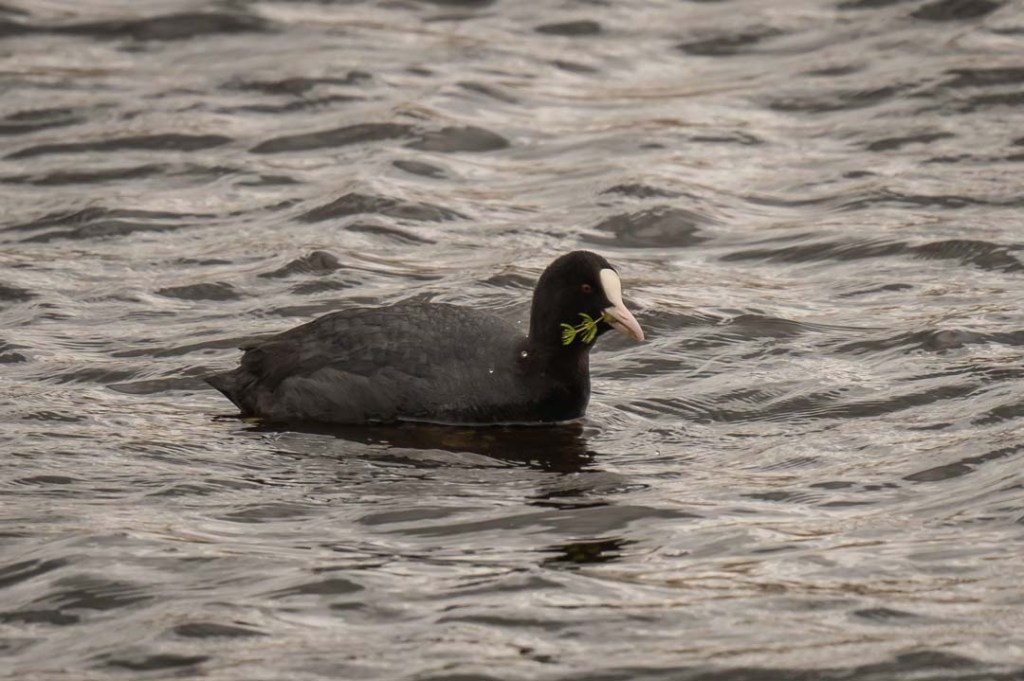
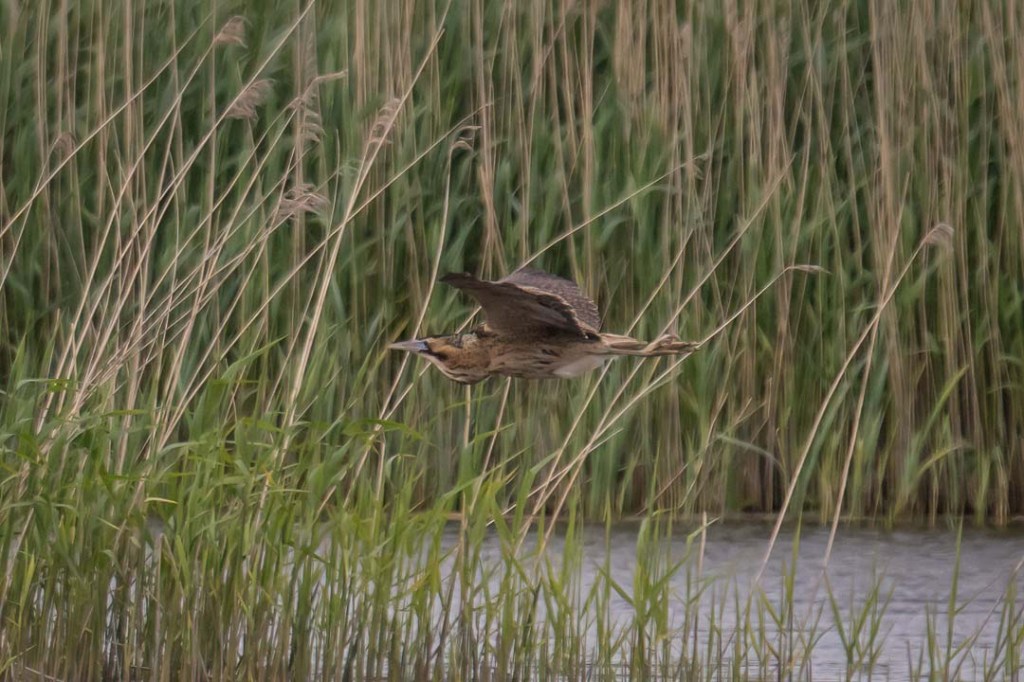
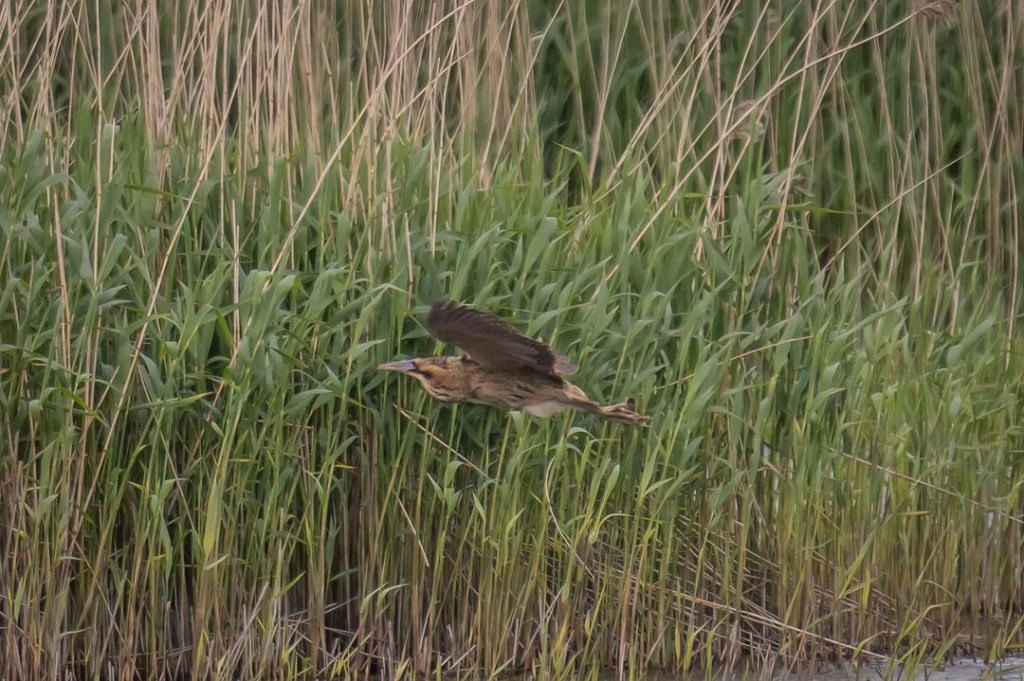
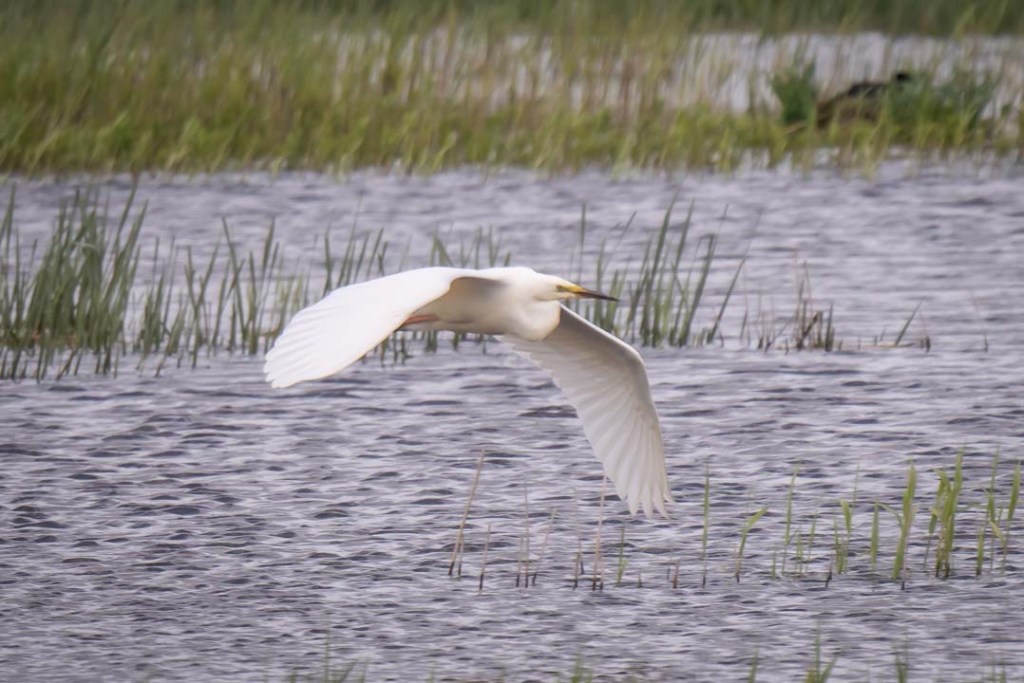
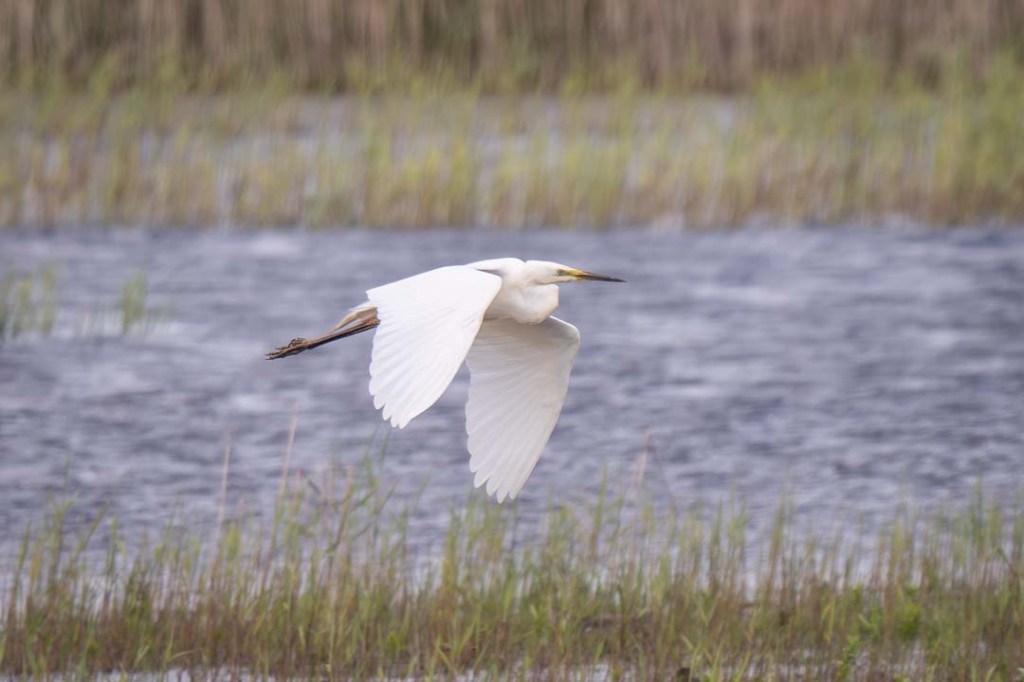
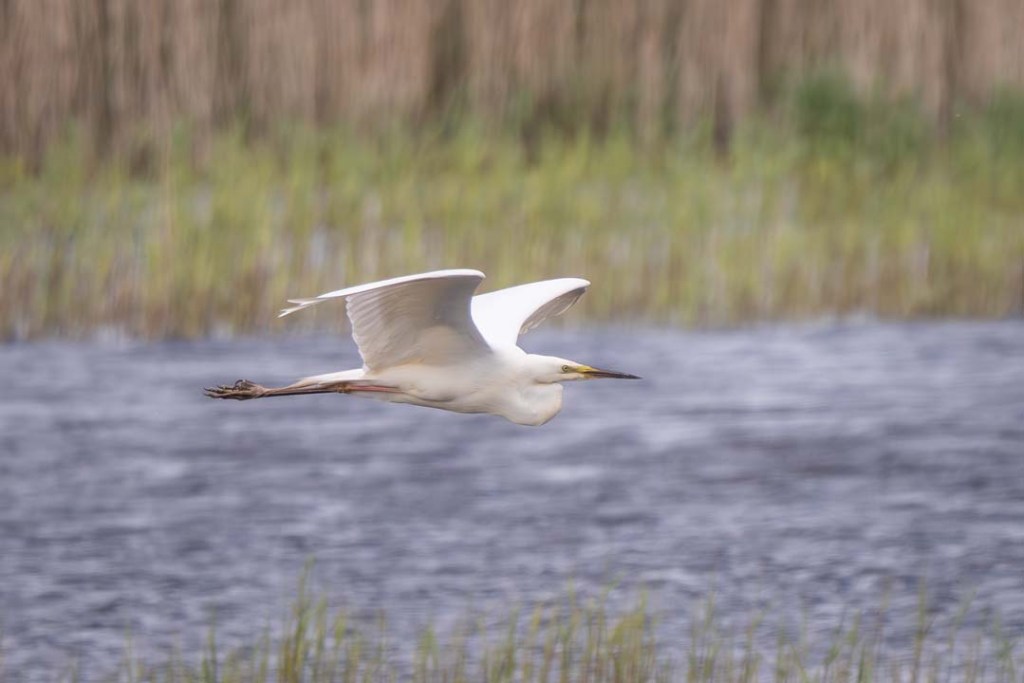
Glossy ibis, common crane, marsh harriers, great white egrets, a hobby and a bittern in flight were the highlights. However, there were plenty of other birds to see too. Quite a joy.
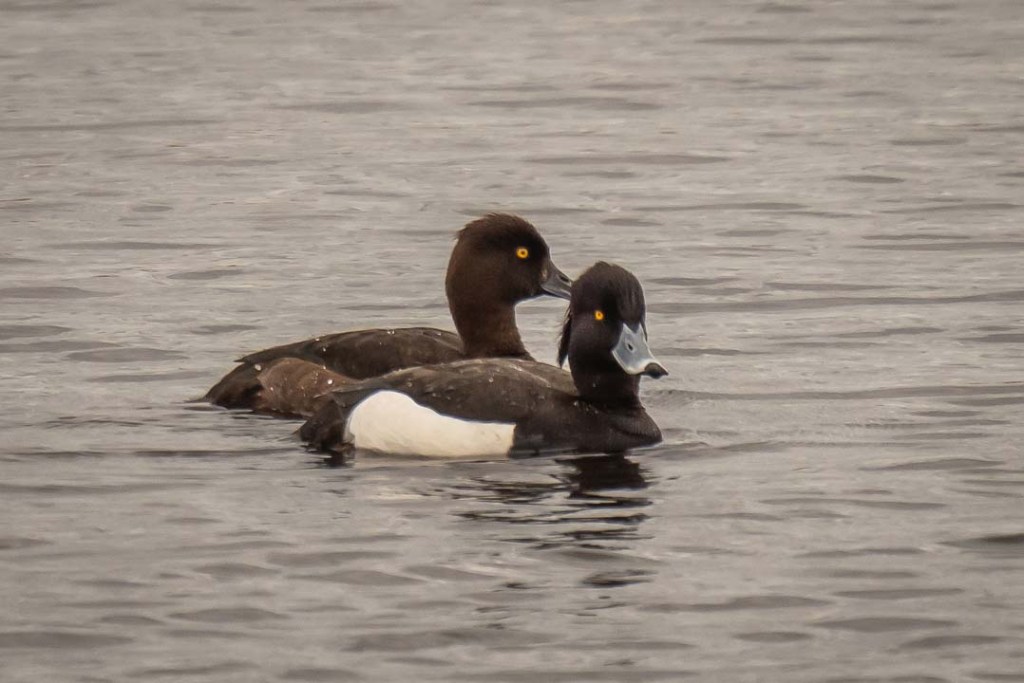
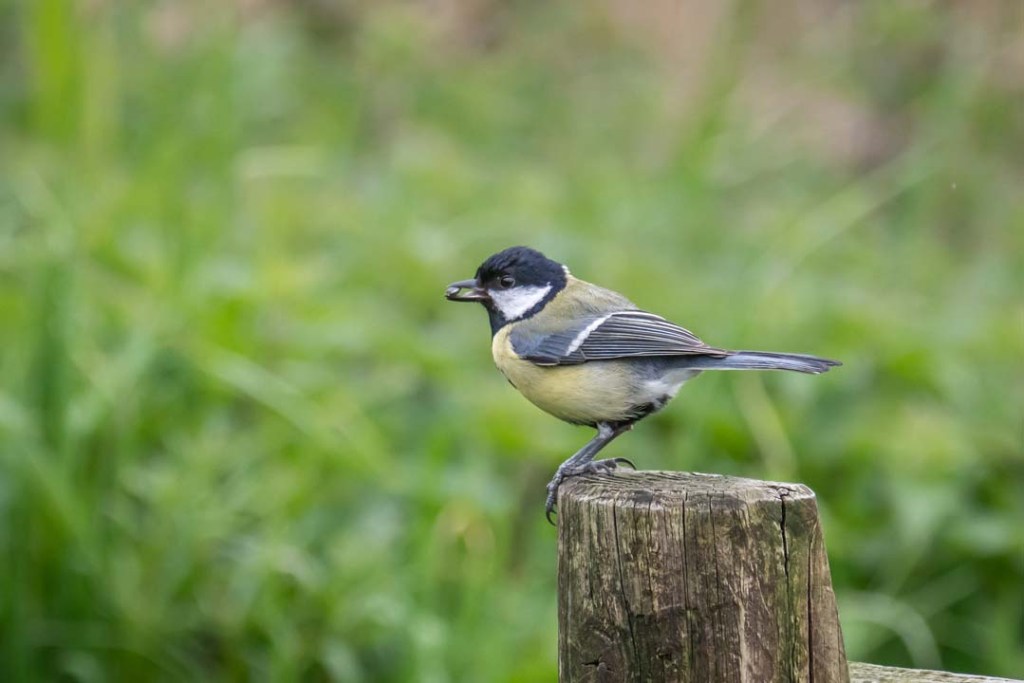
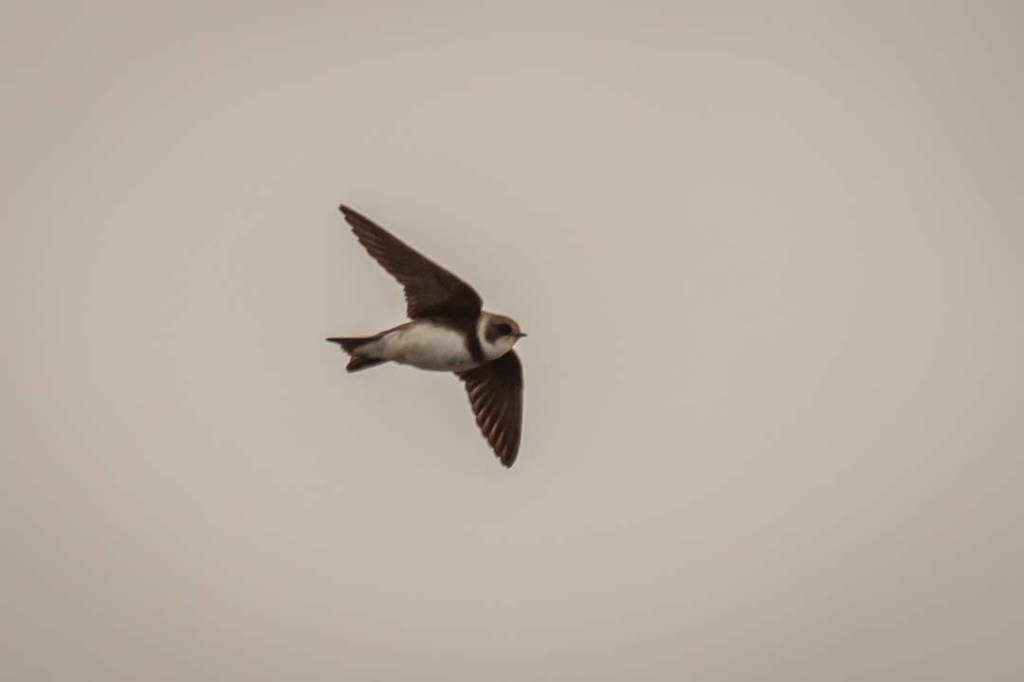
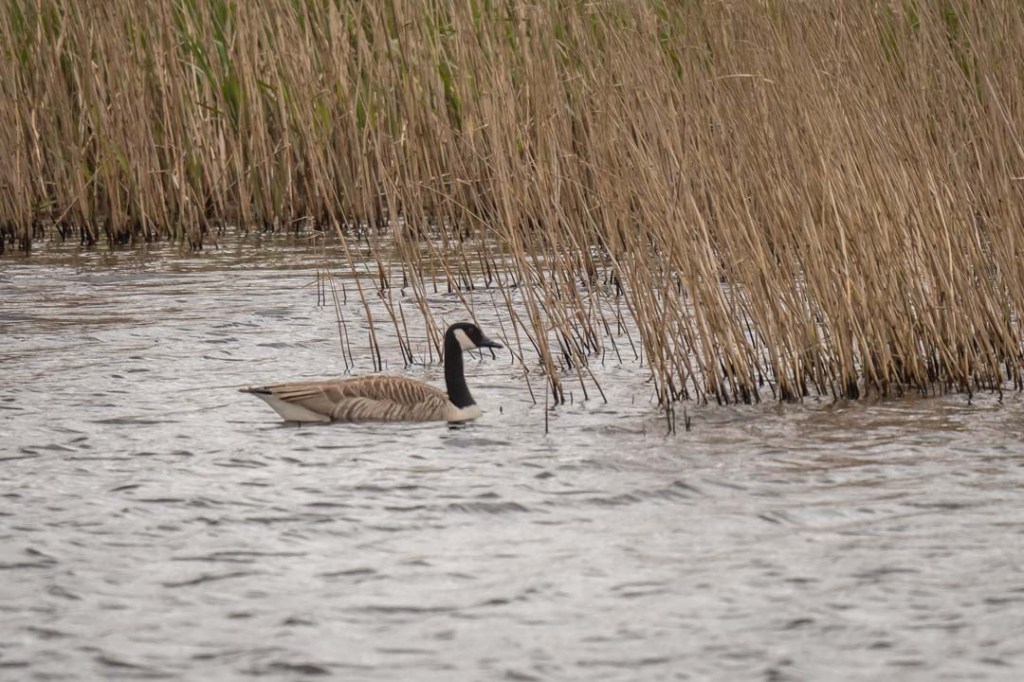
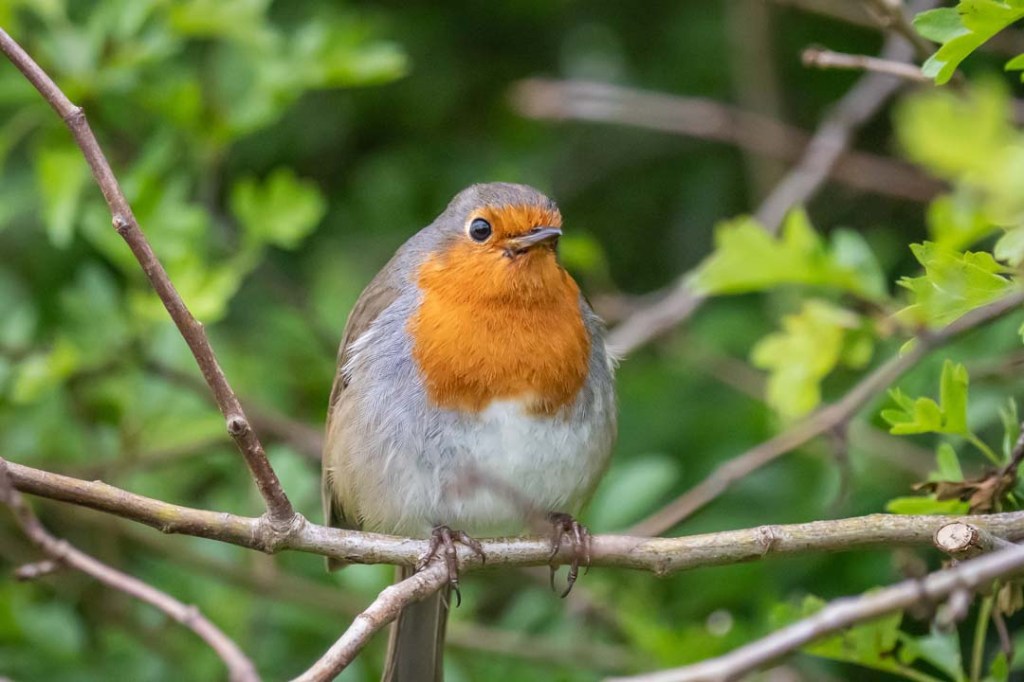
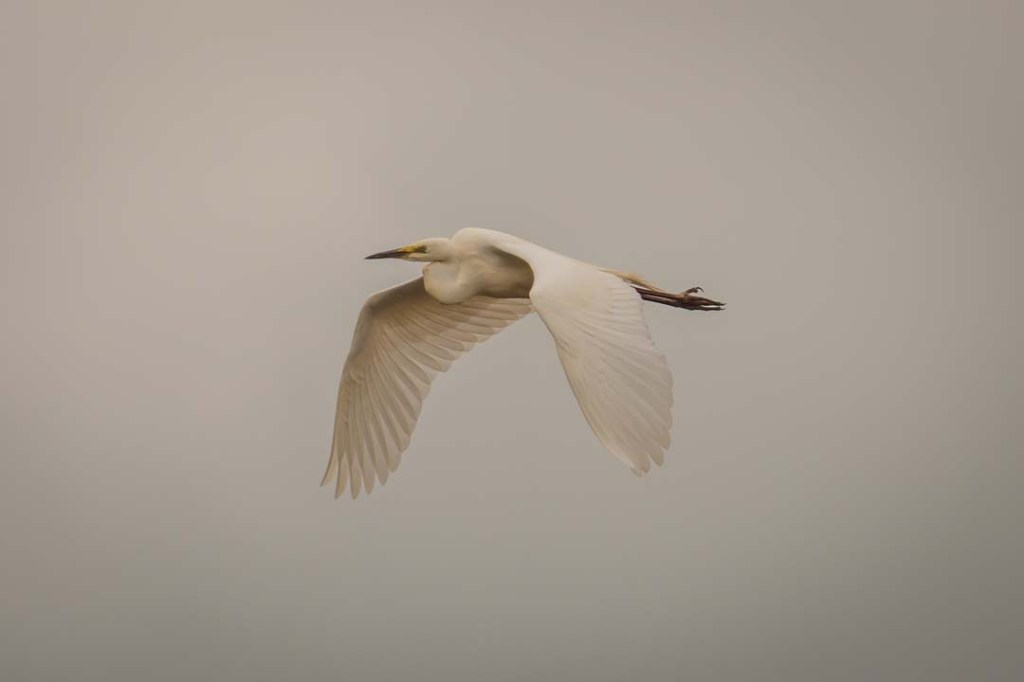
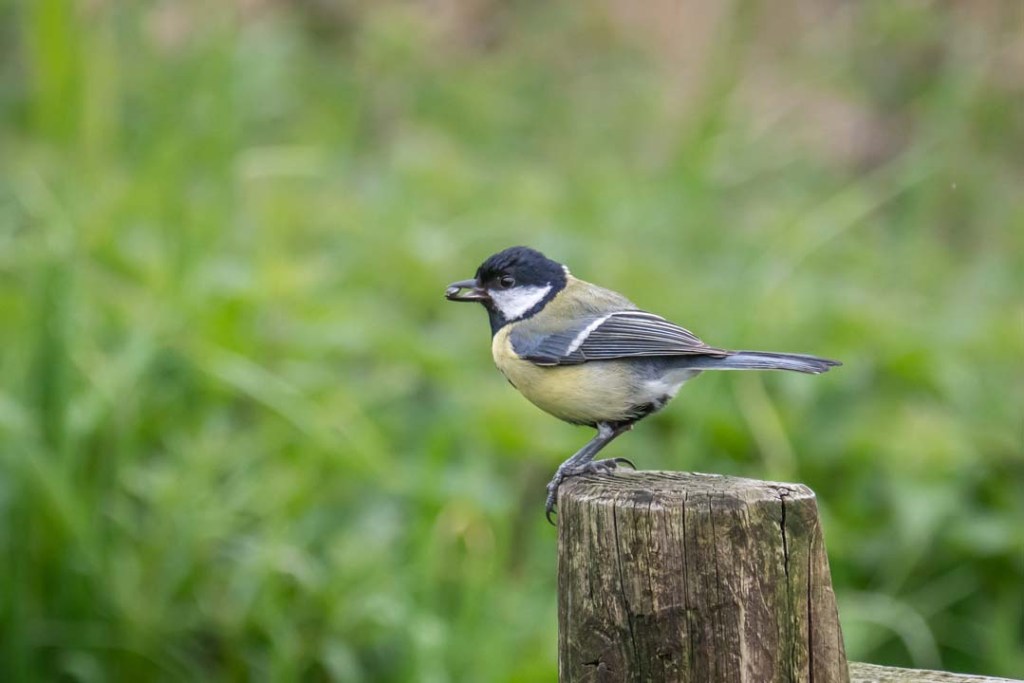
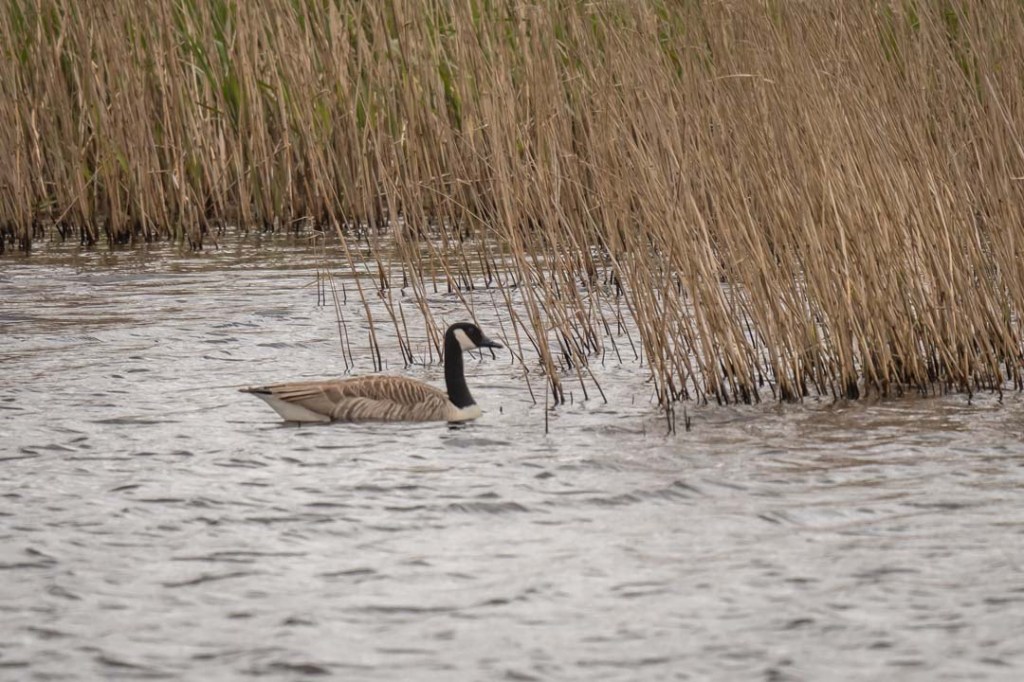
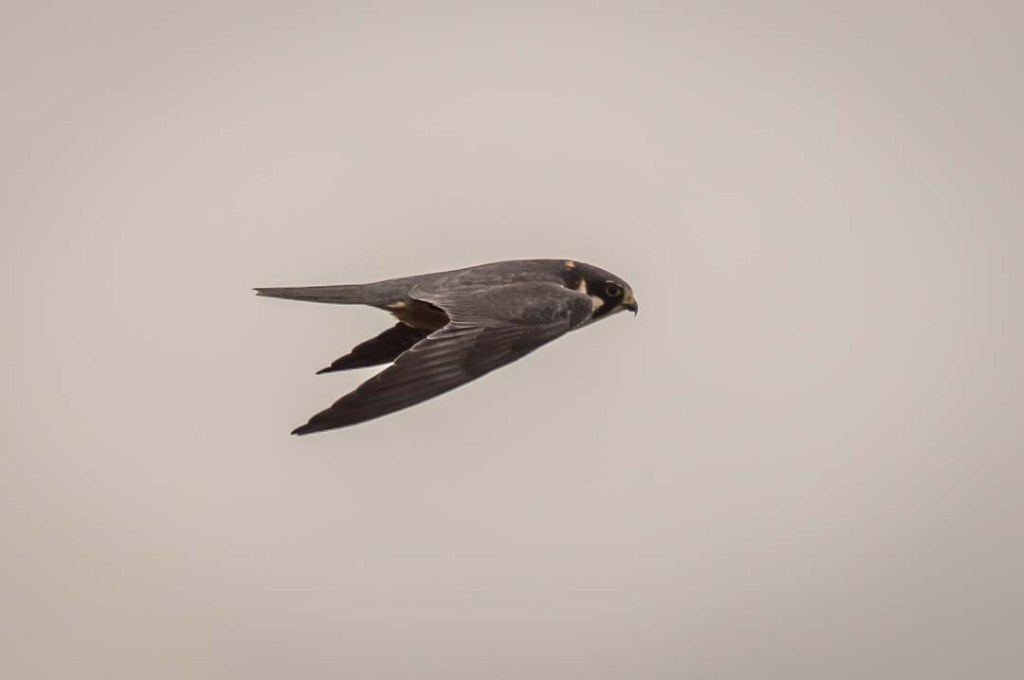
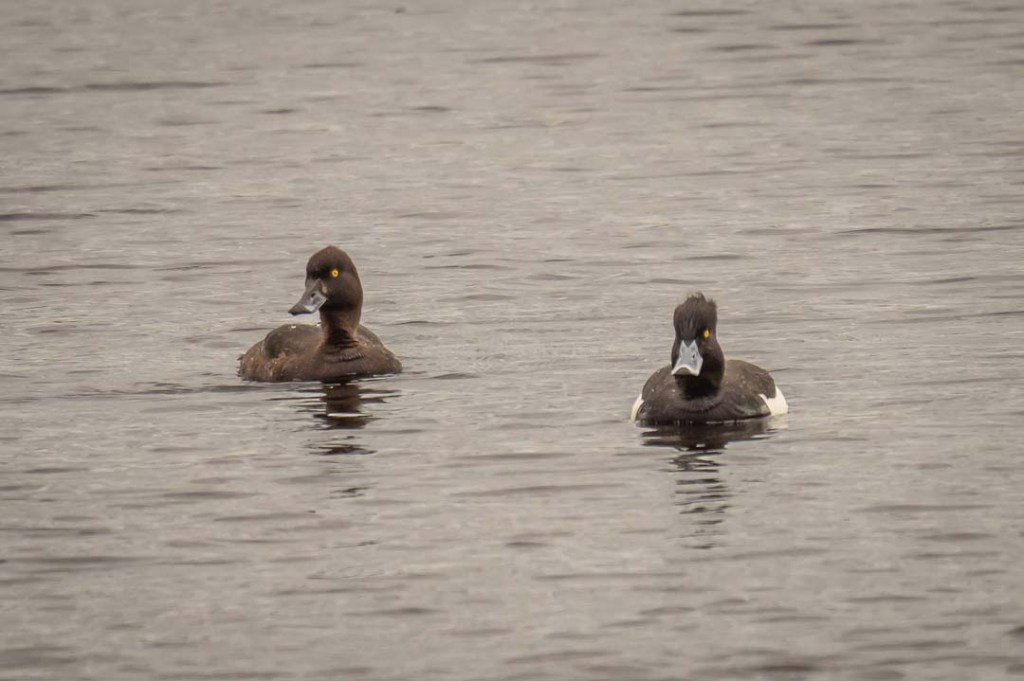
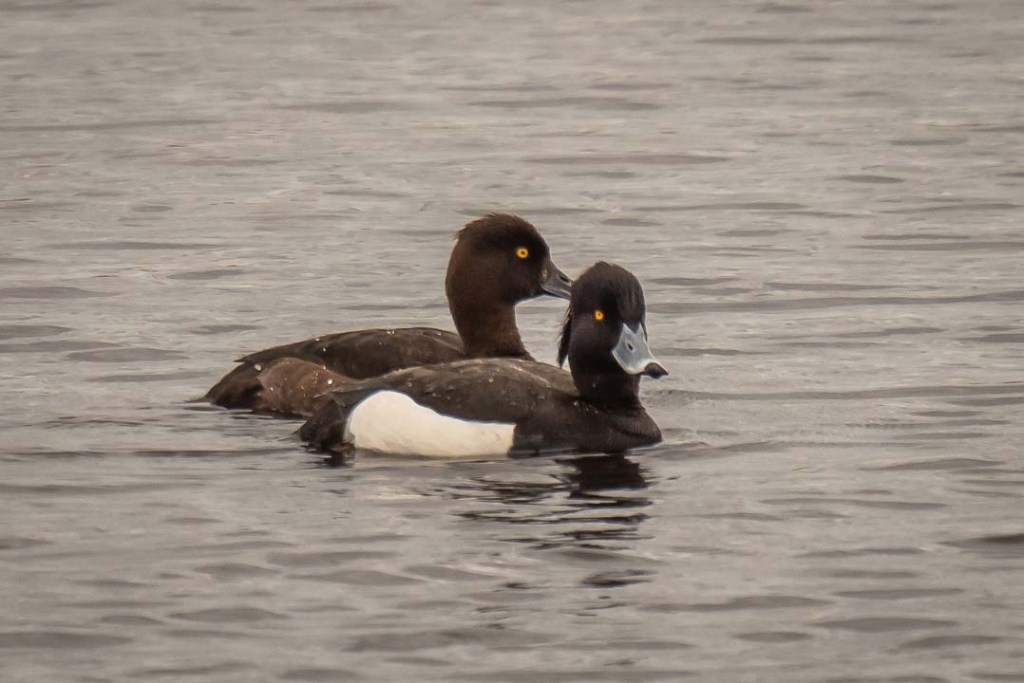
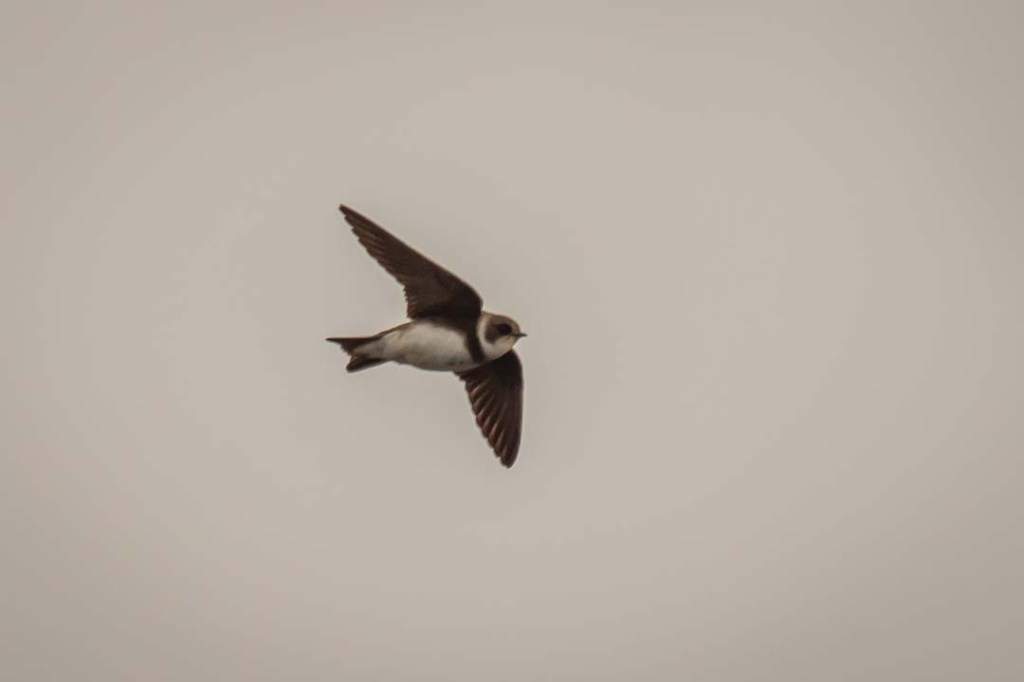
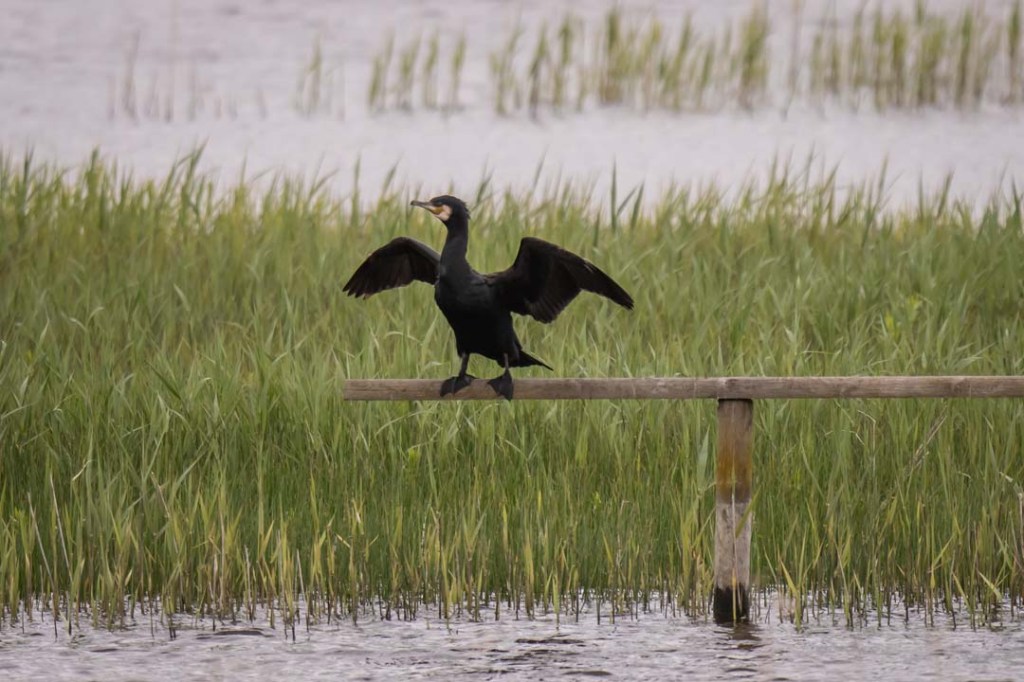
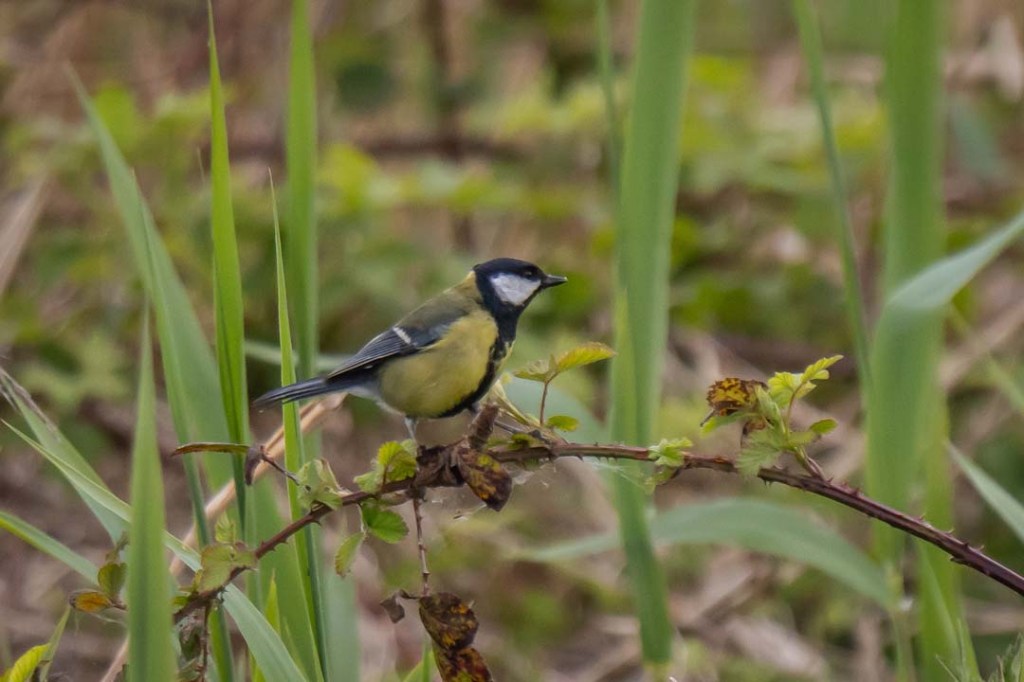
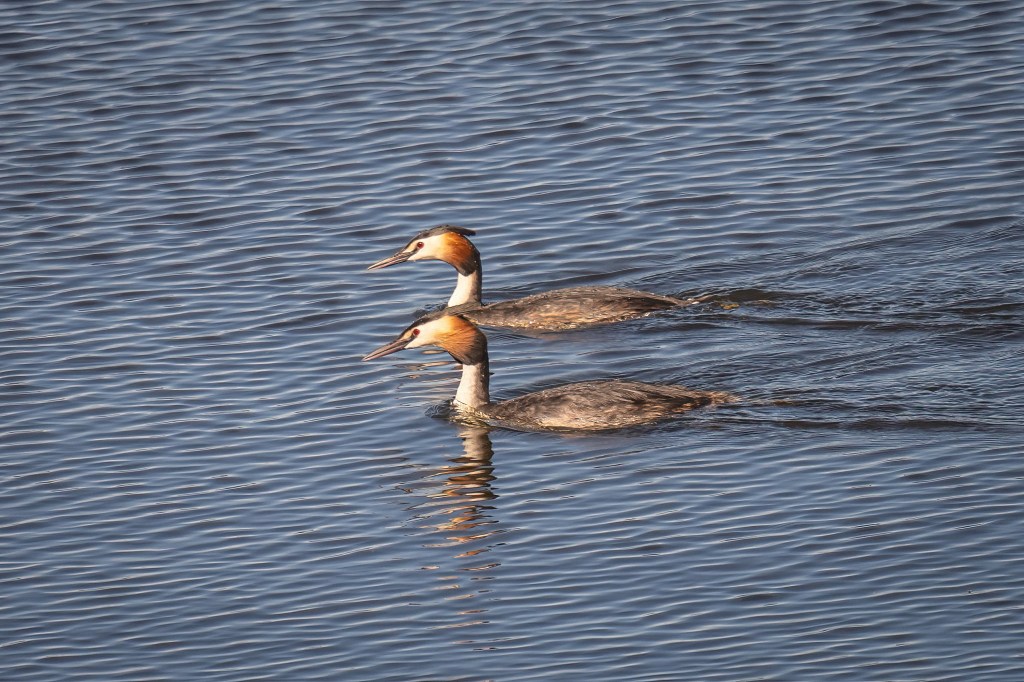
Great bitternGreat bitternEurasian hobbyEurasian hobbyGreat white egretMarsh harrierTufted ducksCommon pochardEuropean robinEuropean goldfinchGreat crested grebeGreat titBlack capBlue titEurasian cootGreat cormorantSand MartinGreylag geeseCanada goosePlenty else to see too
We have had a very happy week immersed in the nature of a wonderful part of Spain, in the company of a small group of like-minded people.
Our fellow birders clearly had a huge knowledge and experience of nature. They also had great observational skills from which Wendy and I benefited enormously.
During the week I have reflected often about the purpose of my blog. I particularly enjoy the mental stimulus it provides and I feel, at my time of life, that the exercising of the grey cells is good for me. It certainly helps me to reflect on what we have done and seen (or heard) on each sortie and it serves as a very important souvenir for us.
I am happy to share my experiences with others but I do not particularly pretend to inform – there are many people who are much better equipped to do that than me.
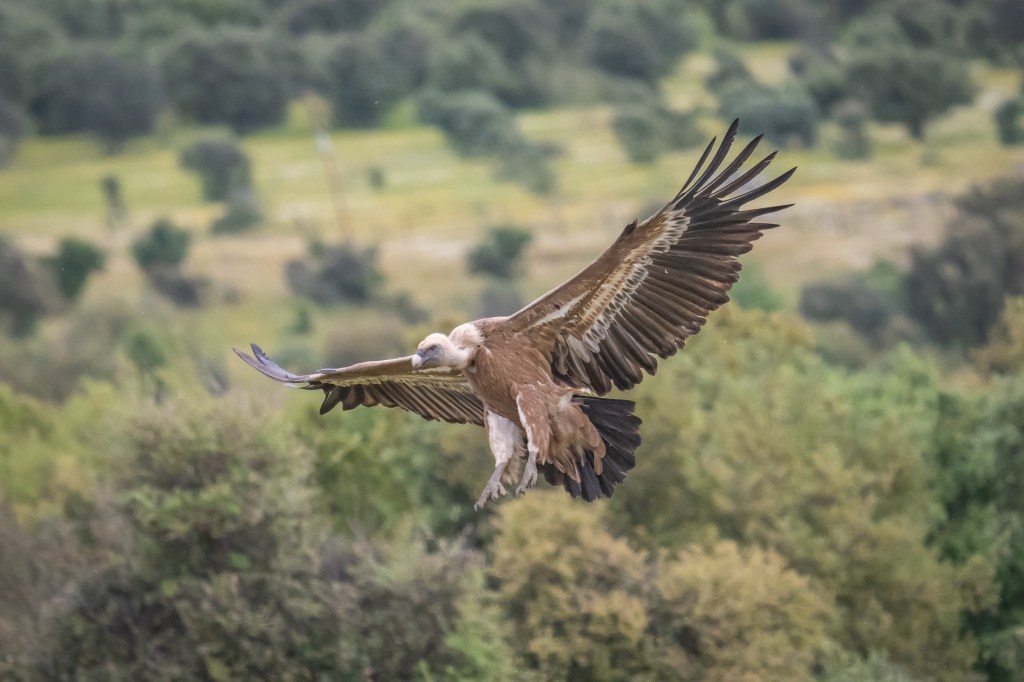
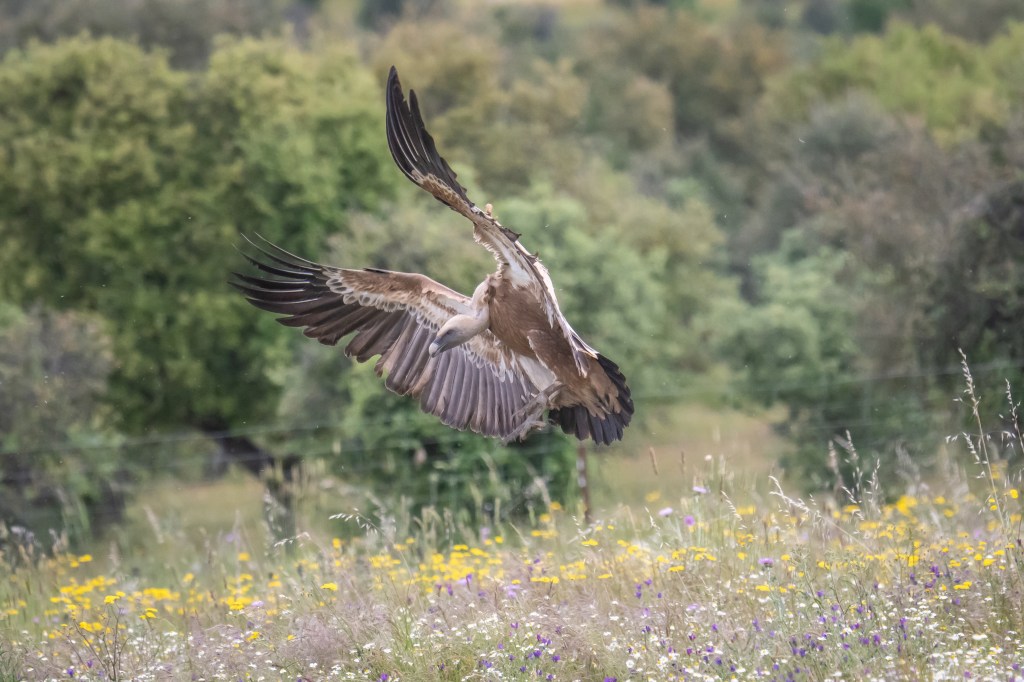
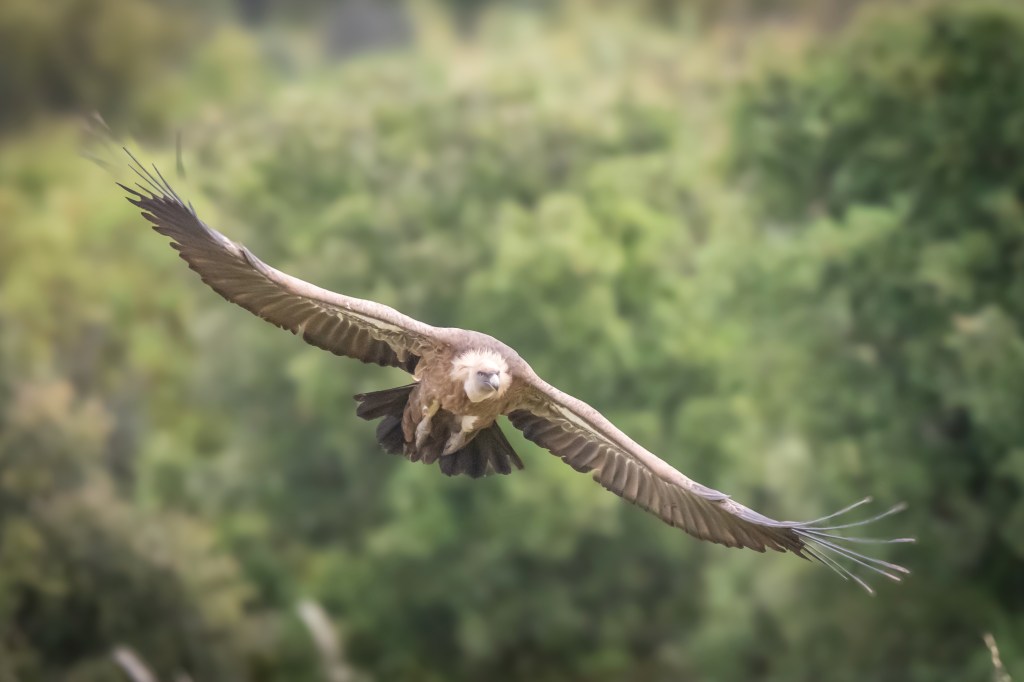
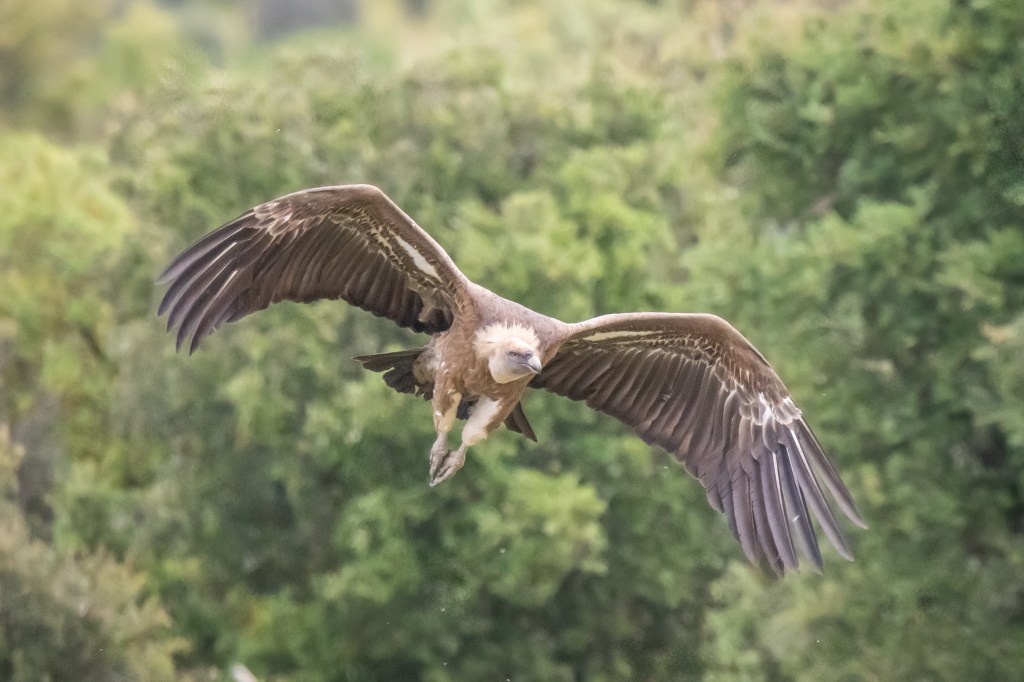
In this blog I start with a slideshow of some of the bird highlights of the trip and try to show, through my photos, why we had such a wonderful trip.
I follow with a more detailed personal day-by-day breakdown of the trip with relevant photos. I won’t attempt a tour report per se as that would duplicate what Naturetrek offers and my version would certainly be full of inaccuracies.
As a friend once said to me: “We don’t read all the writing, Martin, we just look at the photos”.
On this trip I have taken photos with a Sony A7R Mark IV camera (with a 200-600 lens), a Sony RX10 Mark IV bridge camera and with the camera of my iPhone 14. I recognise that by spending a lot of my time taking photos I will have seen less than others, but I thank our guides who were very generous with their telescopes and gave us plenty of opportunity to see things out of my range.
For me there were some key elements to the success of the tour and I list them in no particular order:
The choice of travel company:
We chose to travel with Naturetrek as we feel they have a very good reputation in the nature travel market and present themselves very well. The organisation before and throughout the tour was faultless. They responded very quickly and fully to any communication we had with them. The small size of the group was a real bonus.
The guides:
We were very fortunate to have two excellent and very experienced guides: they were fundamental to our enjoyment of this trip. First and foremost they were really nice people and genuinely good company. They both had a huge knowledge of the natural world and were very good at sharing it with us.
Dominic Couzens is a leading nature writer, tour leader and lecturer based in the UK. He has now written 50 books largely based on nature, he writes three regular magazine columns, and to date, has had more than 700 published articles. His nature anecdotes enlightened our day from before breakfast until bedtime and he was excellent at spotting things and pointing them out to us.
Keith Hamilton is a very proud West Cumbrian now based in Spain in la Sierra de Gredos with clearly a good knowledge of Extremadura. As well as sharing his knowledge of birds and all things to do with nature he gave us a great insight into Spain, the Spanish people and their language. His love of Spain seems to match his love of Cumbria. One night he also gave us an interesting practical introduction into “mothing”, one of his many passions.
There was continuous banter between the two of them and their ability to work as a team made for a very harmonious group. I also appreciated that they both drove the comfortable hire minibus and car cautiously and we felt safe at all times. They also gave us plenty of “comfort” breaks.
The picnics they provided were very healthy, tasty and refreshing and were often in lovely surroundings.
The accommodation:
A real highlight of our trip was the accommodation and meals we enjoyed at La Casa Rural Finca Flores Amarillas. Its setting, in the middle of the countryside a few kilometres from the quiet village of Almoharin (an hour south of Trujillo), was stunning. However, the friendly welcome we received from our hosts Paul and Eva even surpassed that. Their Spanish home-cooked food and wine were also always tasty and generous and greatly appreciated by all.
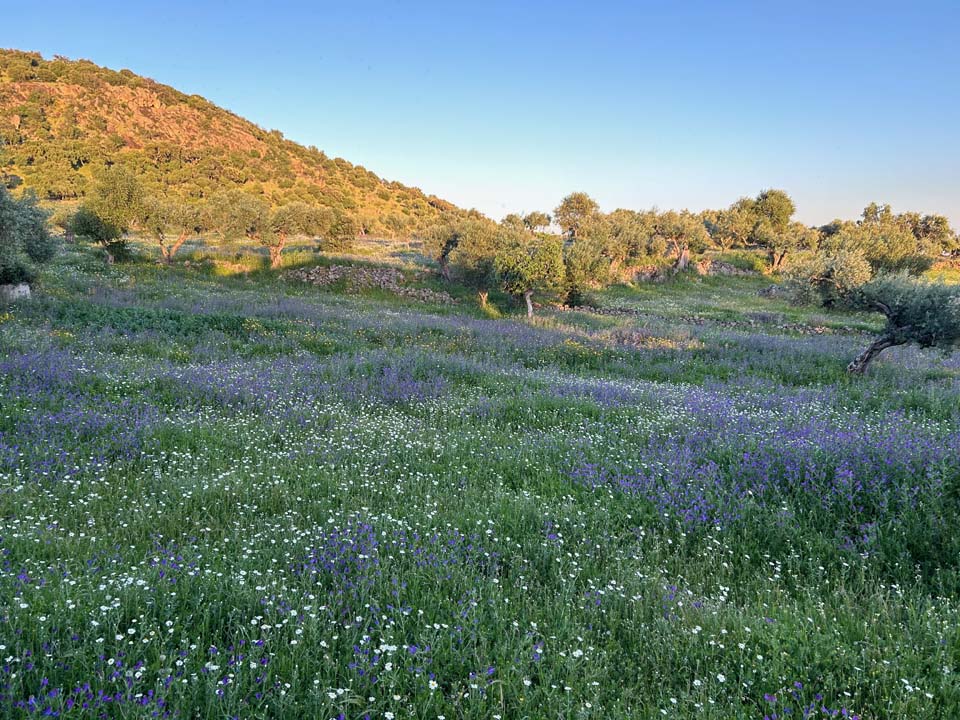
This region of Spain is a hidden jewel. At this time of the year the flora is spectacular as is the bird life.
I felt we were a very harmonious group and I thank our fellow travellers for their good company which was genuinely appreciated.
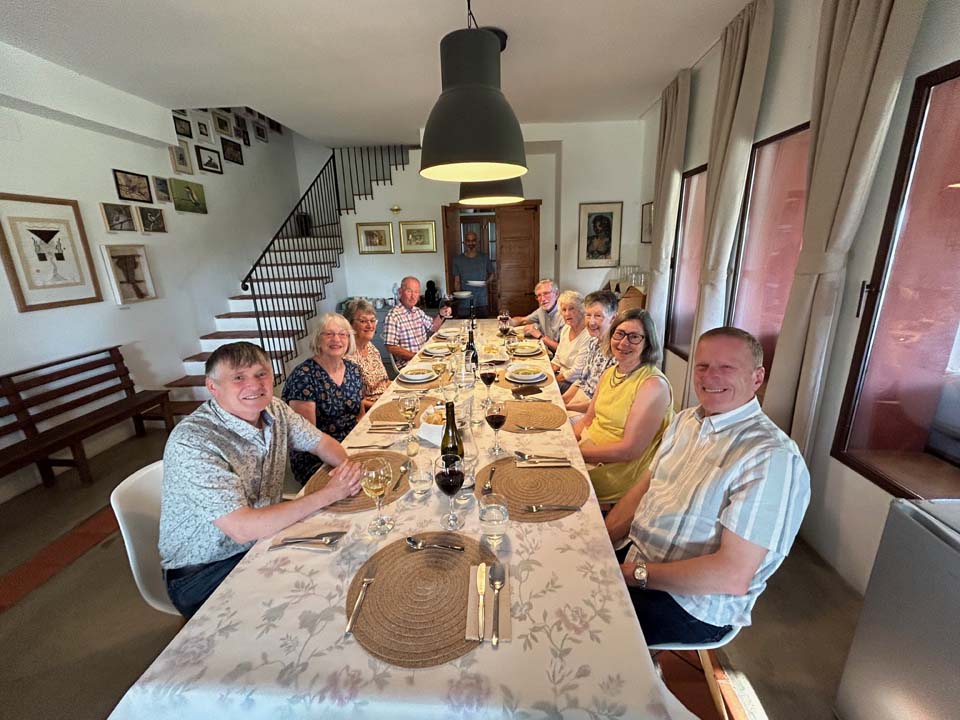
La última cena
What would I have liked to be different? Not a lot really. I would have appreciated being able to “go birding” a bit like I do in the UK, that is to walk a little more and to spend more time just watching and listening.
It might have meant giving up on one of the top aspects of the tour such as the raptor feeding session or looking for sand grouse and bustards. But then again if we had had good views of the latter I might be seeing things very differently!
Please click on links below for fuller details of the trip day by day:
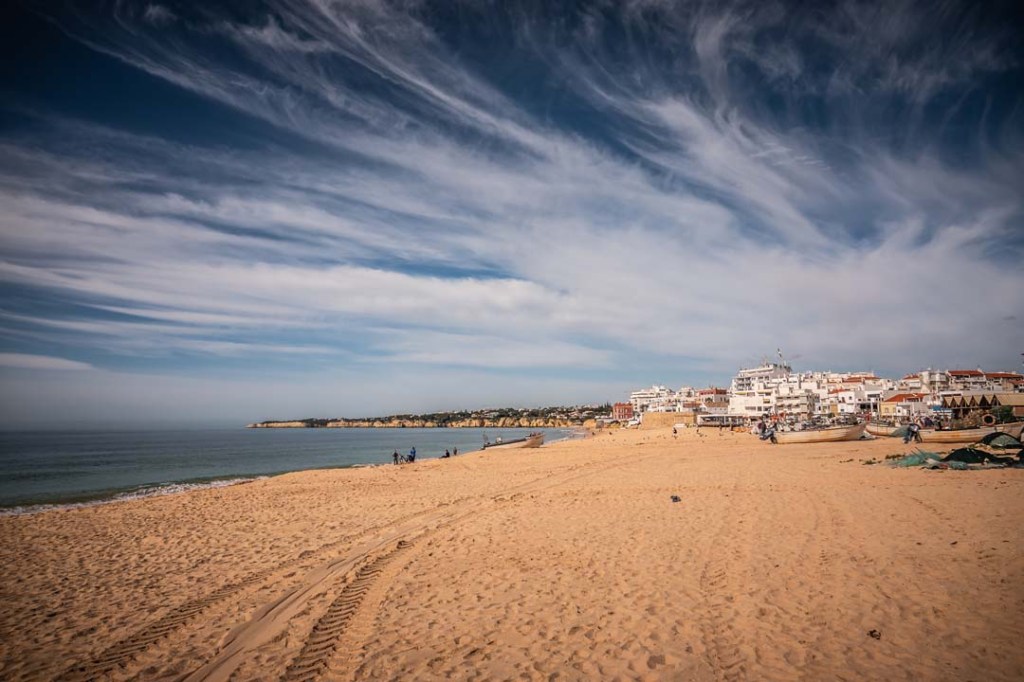
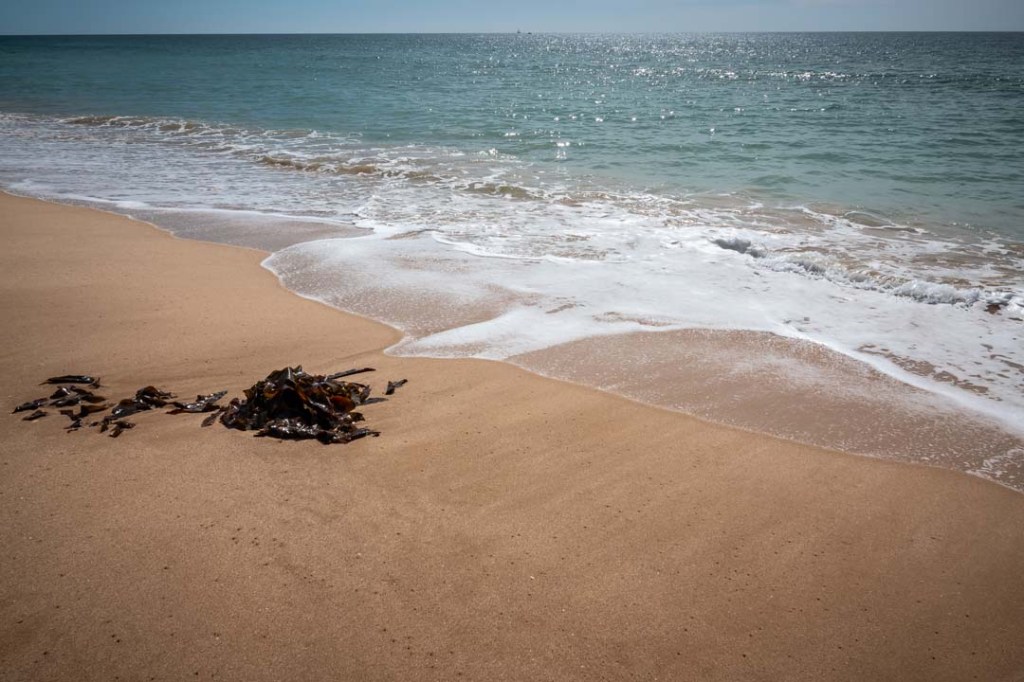
The last day of our holiday in Portugal called for a leisurely walk along the beach at Amação de Pêra. This morning there was some warmth in the sun and it felt even more like spring.
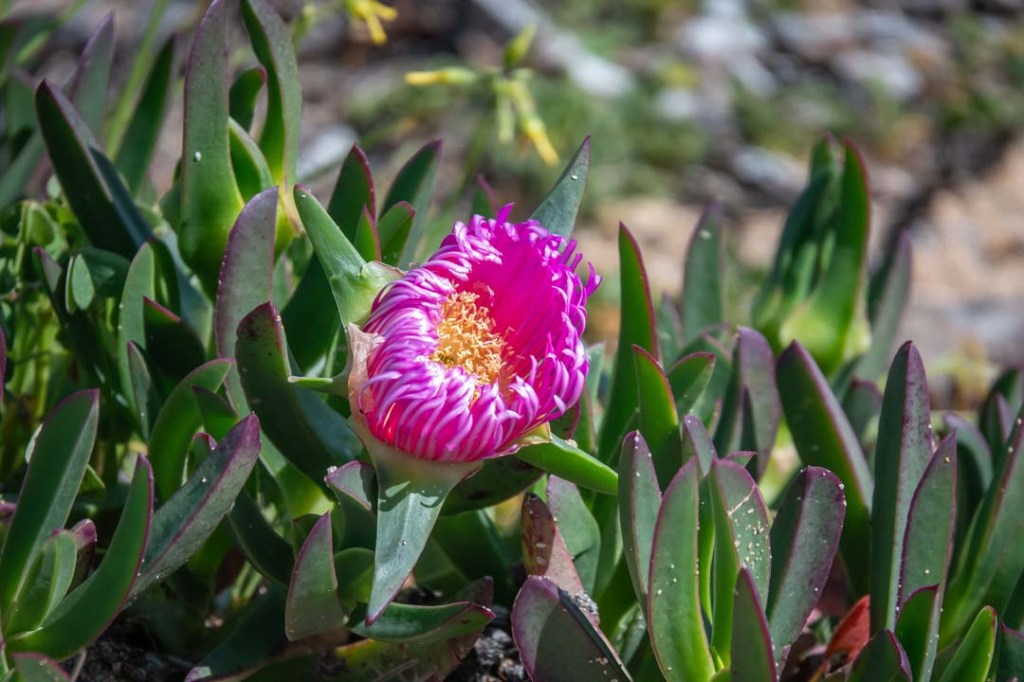
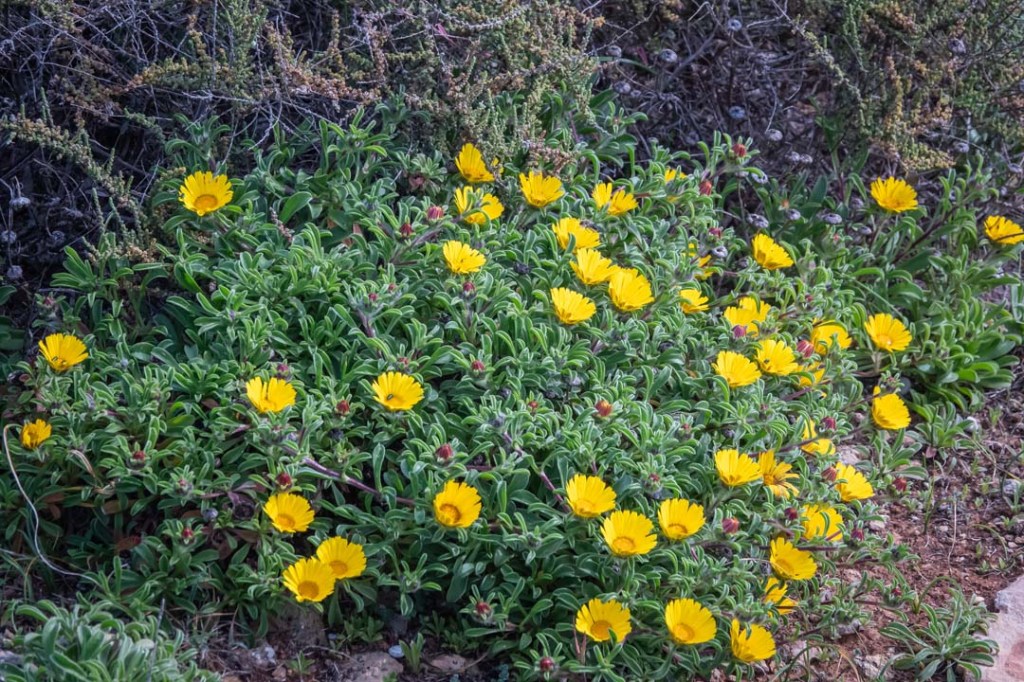
The hottentot fig was out early this morning in the warm sunshine
Carpobrotus edulis is a ground-creeping plant with succulent leaves in the genus Carpobrotus, native to South Africa. Its common names include hottentot-fig, sour fig, ice plant or highway ice plant
We really only expected to see gulls on our walk and so it was a special delight to see some other birds as we made a small diversion to the back of the beach.
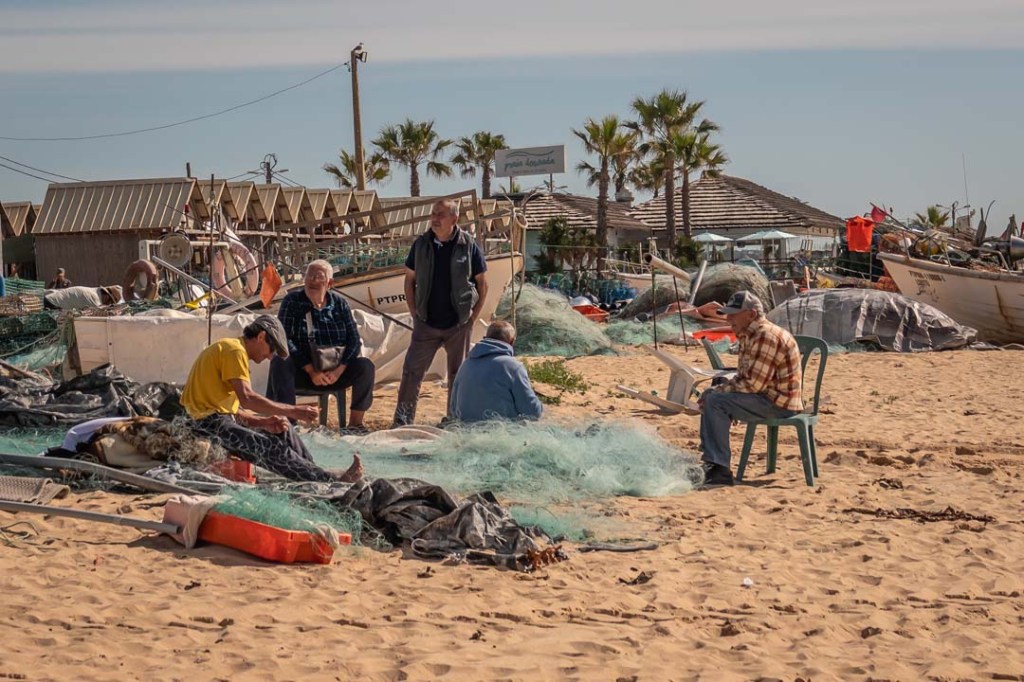
The fishermen, who work from this beach, mending their nets
We first came across a small flock of waxbills and I managed to get just one shot before they disappeared.
Waxbills
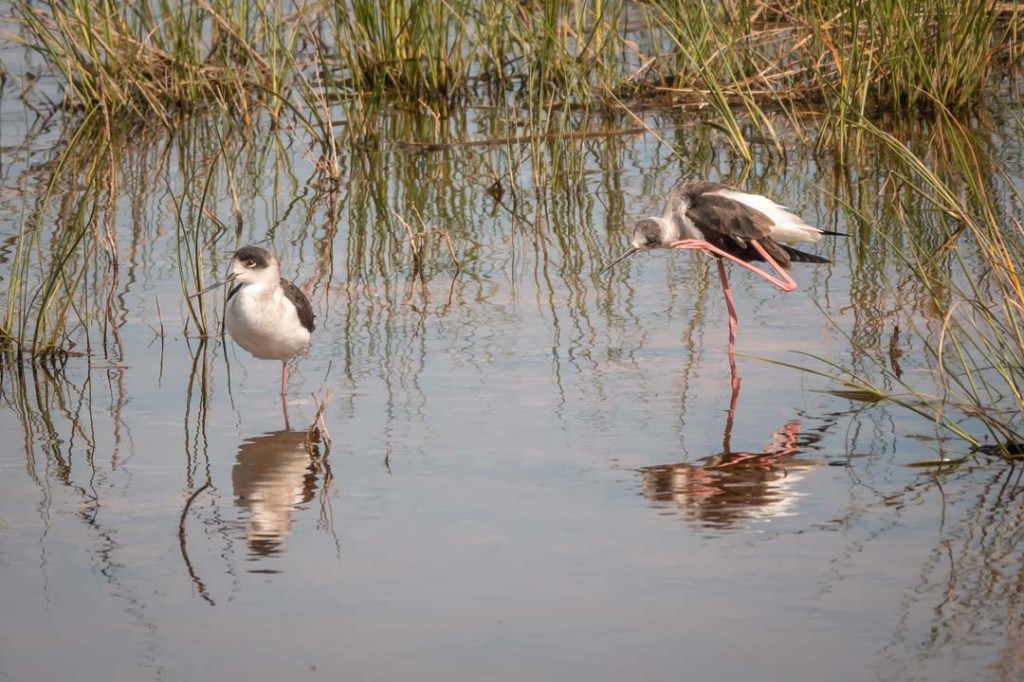
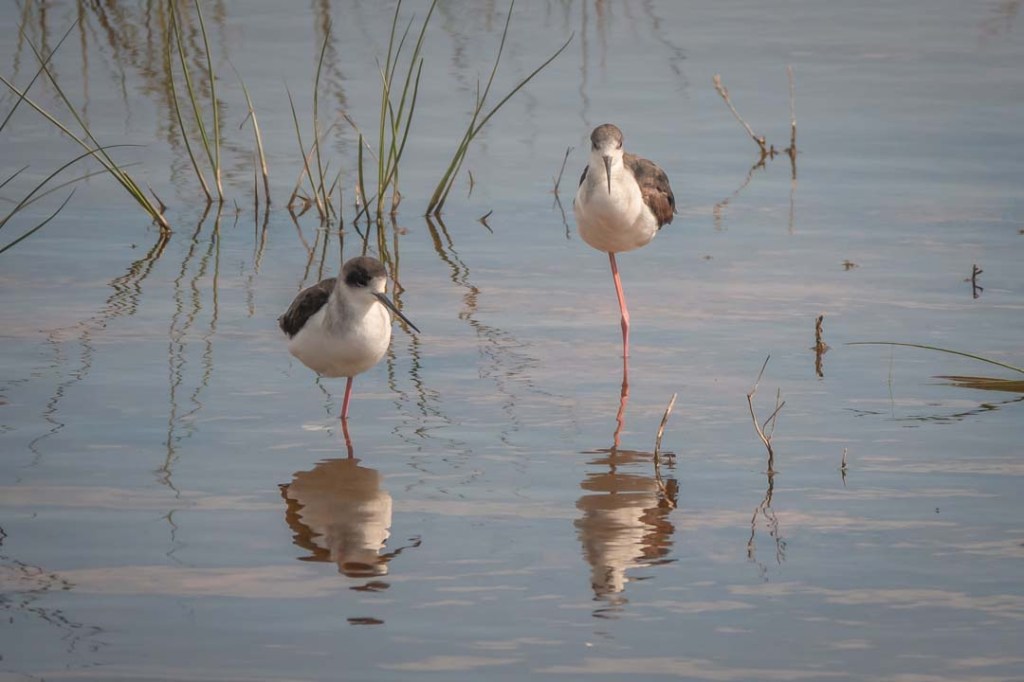
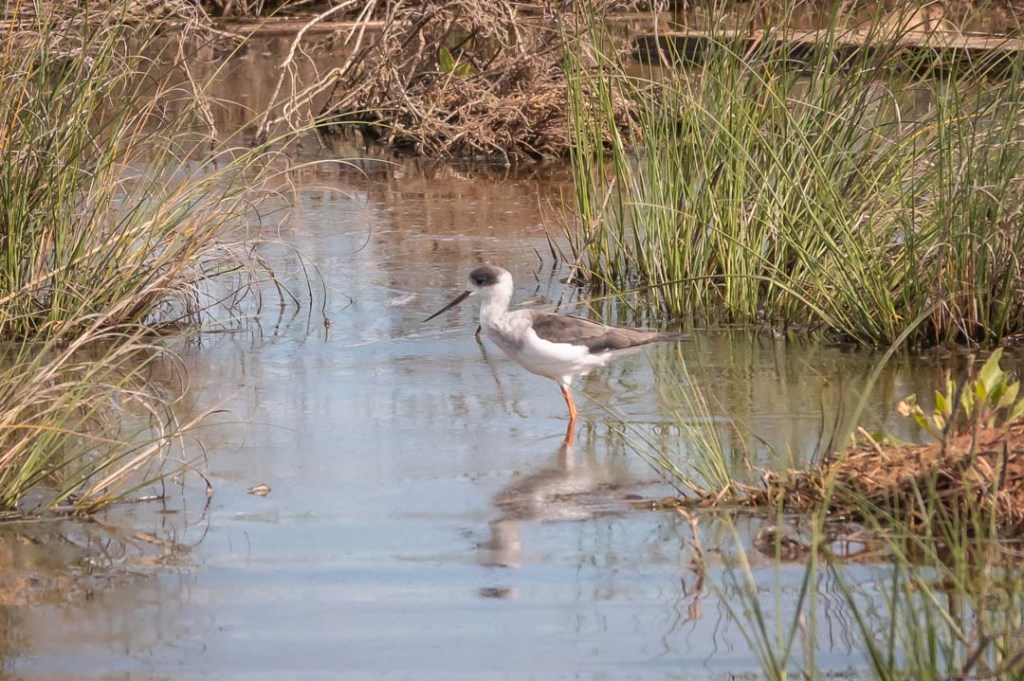
From a new walkway (which isn’t quite open yet) across the marsh we saw black-wing stilts.
The new walkway across the marshBlack-wing stiltsBlack-wing stiltsBlack-wing stilt
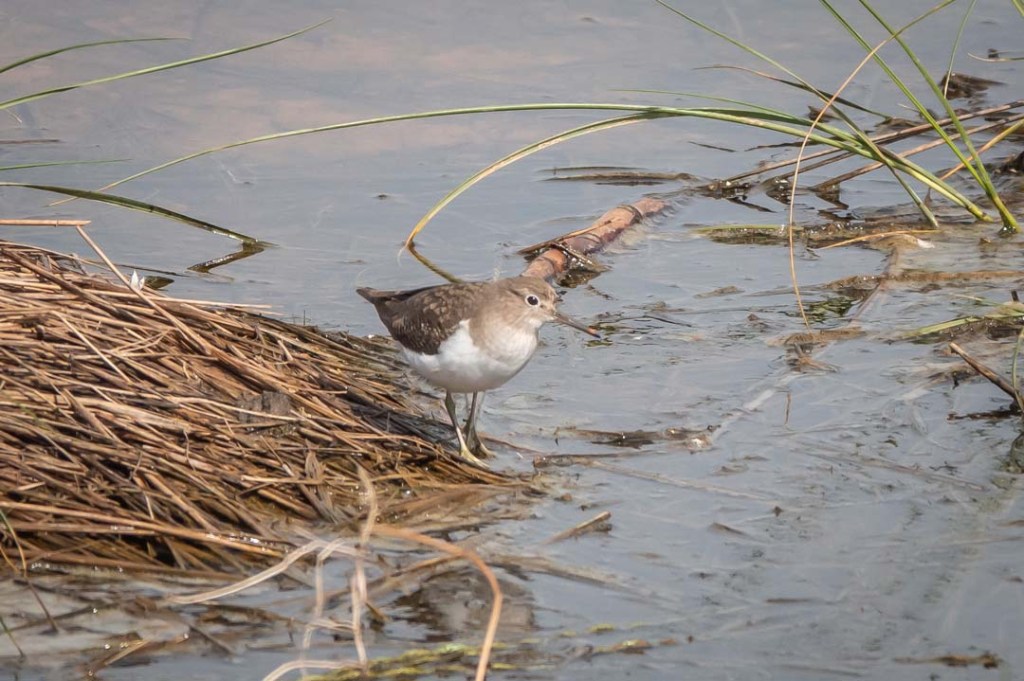
A little further there was a common sandpiper and then a small group of sanderling who didn’t seem at all nervous about our presence.
Common sandpiperCommon sandpiperSanderlingThis tiny bird, a sanderling, came very close
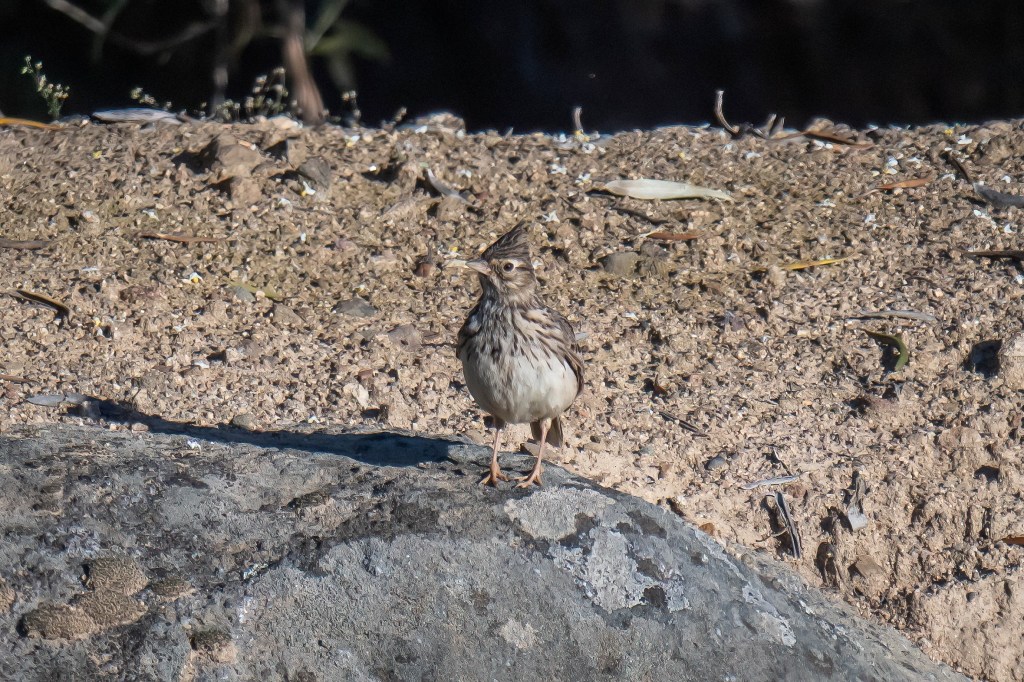
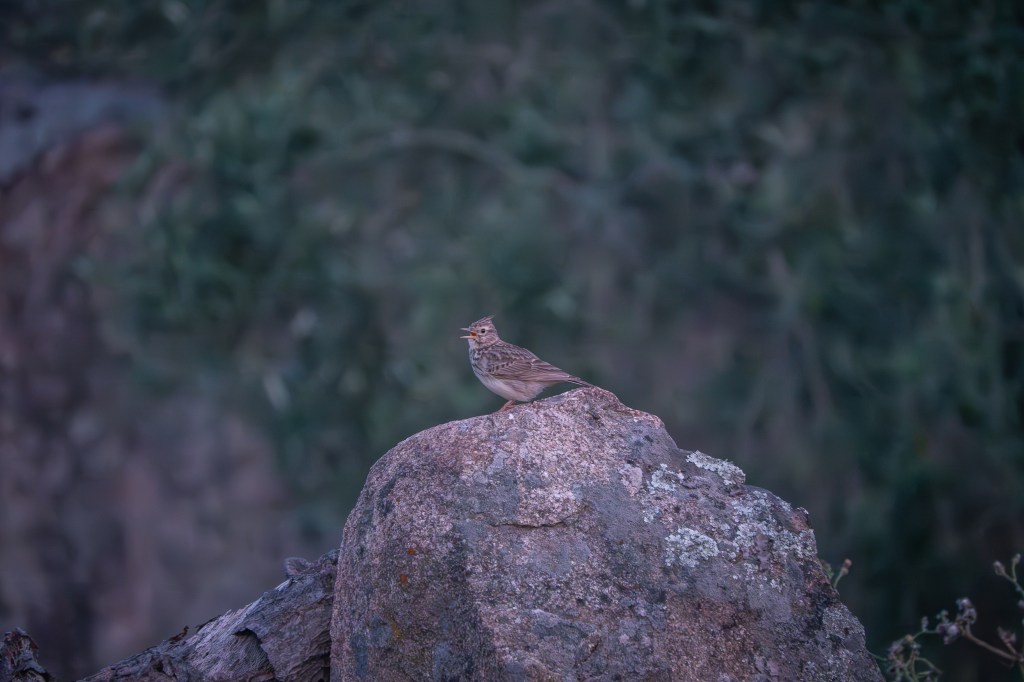
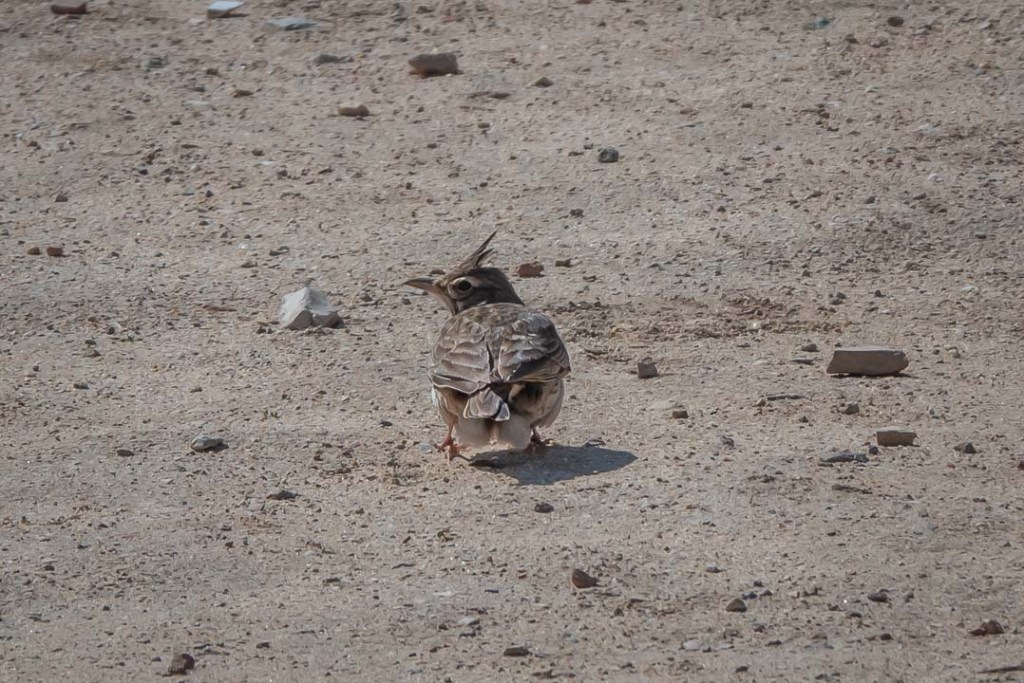
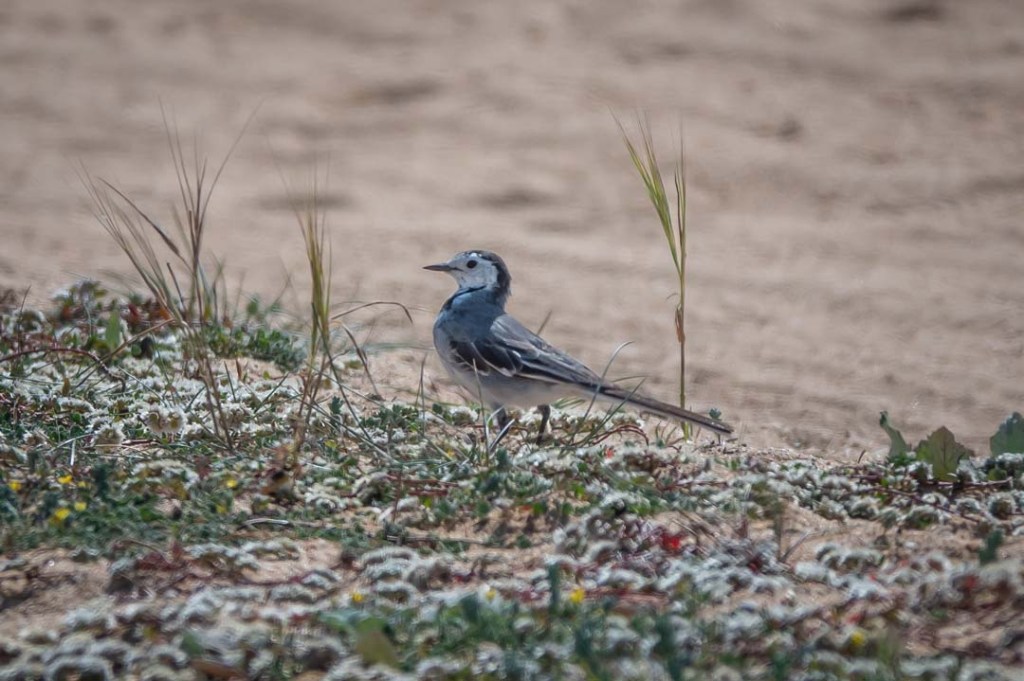
There was just a single crested lark and a white wagtail before we were back on the beach and back in the company of gulls.
Crested larkSanderling
A very pleasant couple of hours to conclude a great holiday on The Algarve.
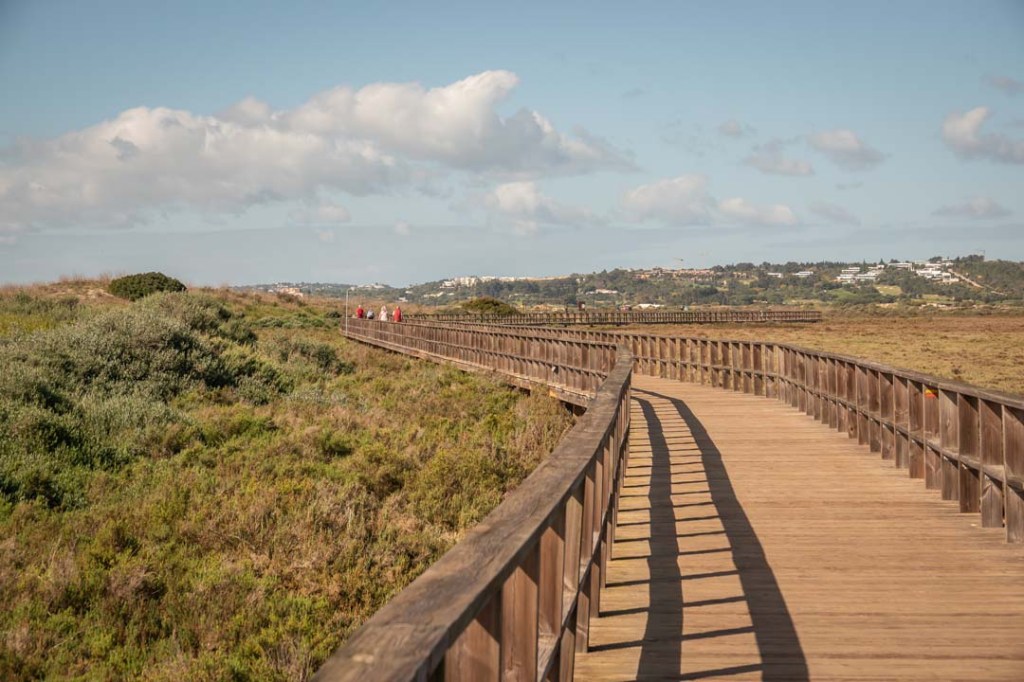
Well, this is definitely my kind of birding. We spent the morning walking along The Passadiços de Alvor, the series of raised walkways that pass through the protected sand dunes of the Ria de Alvor Nature Reserve west of Portimāo.
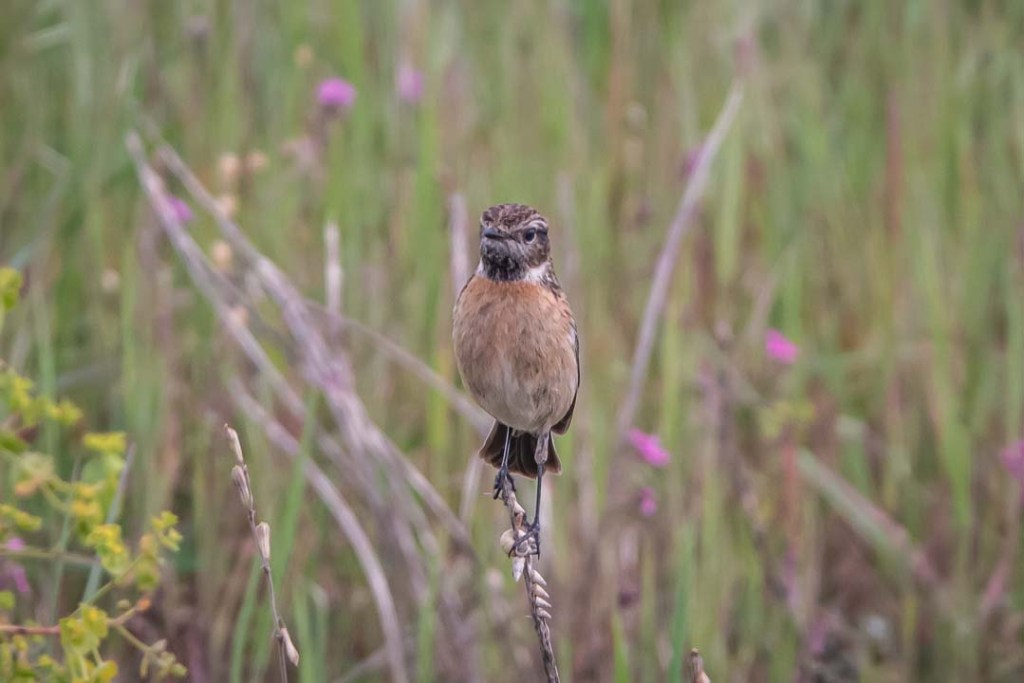
Female stonechatThe Passadiços de AlvorThe Passadiços de Alvor
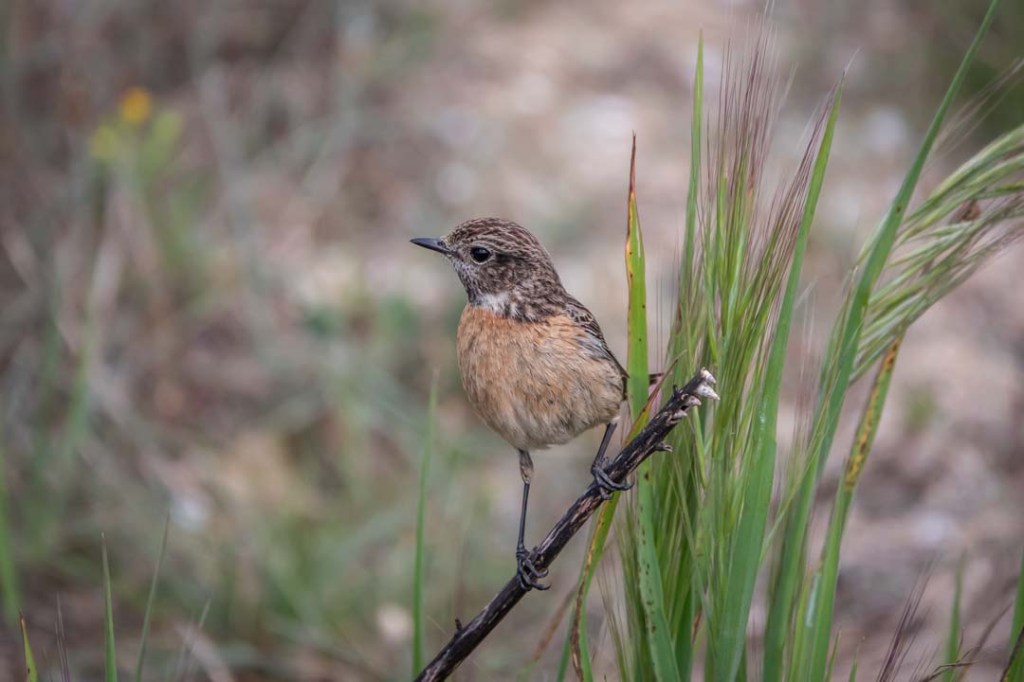
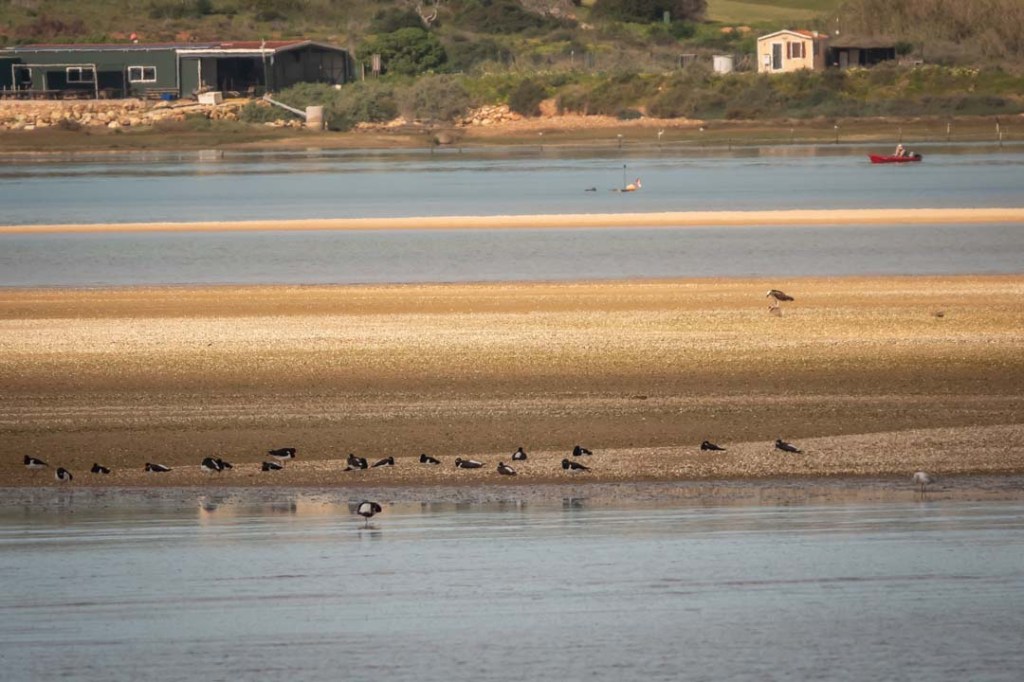
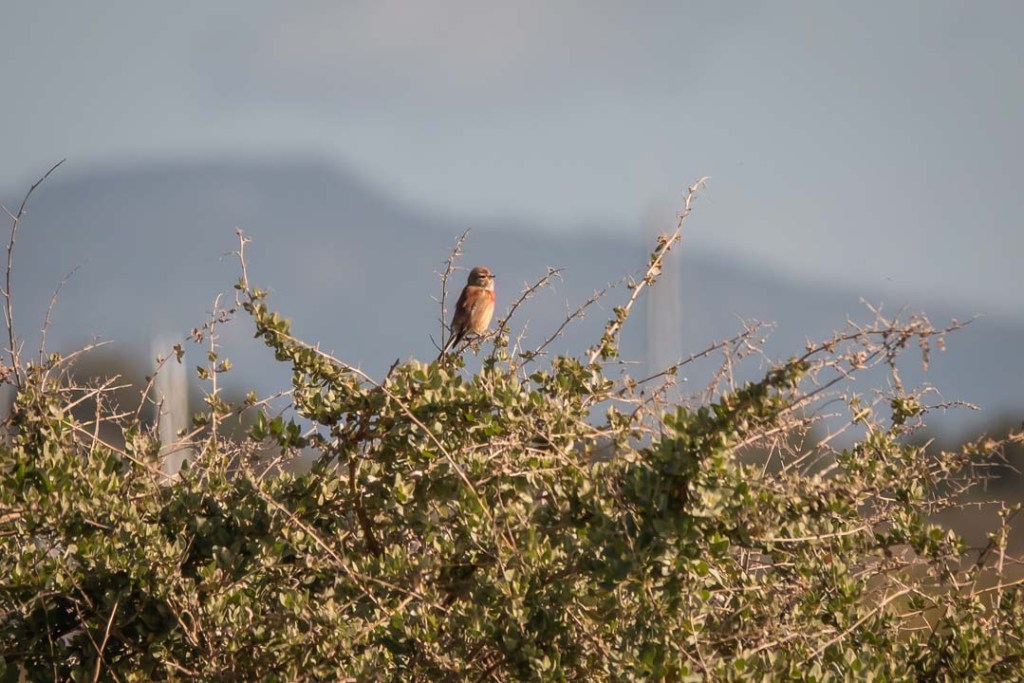
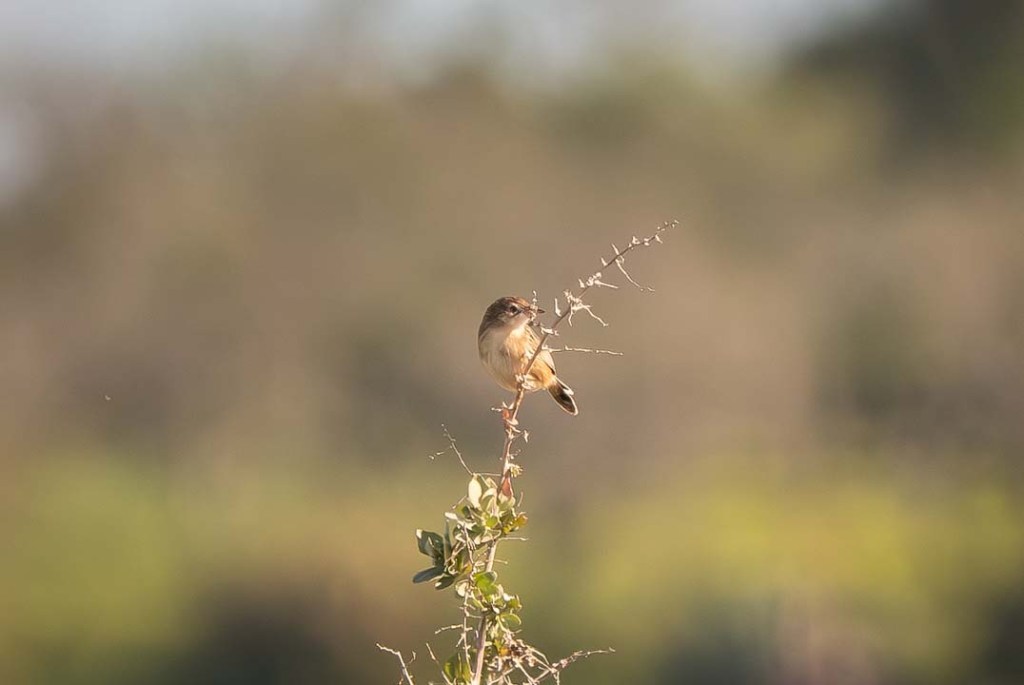
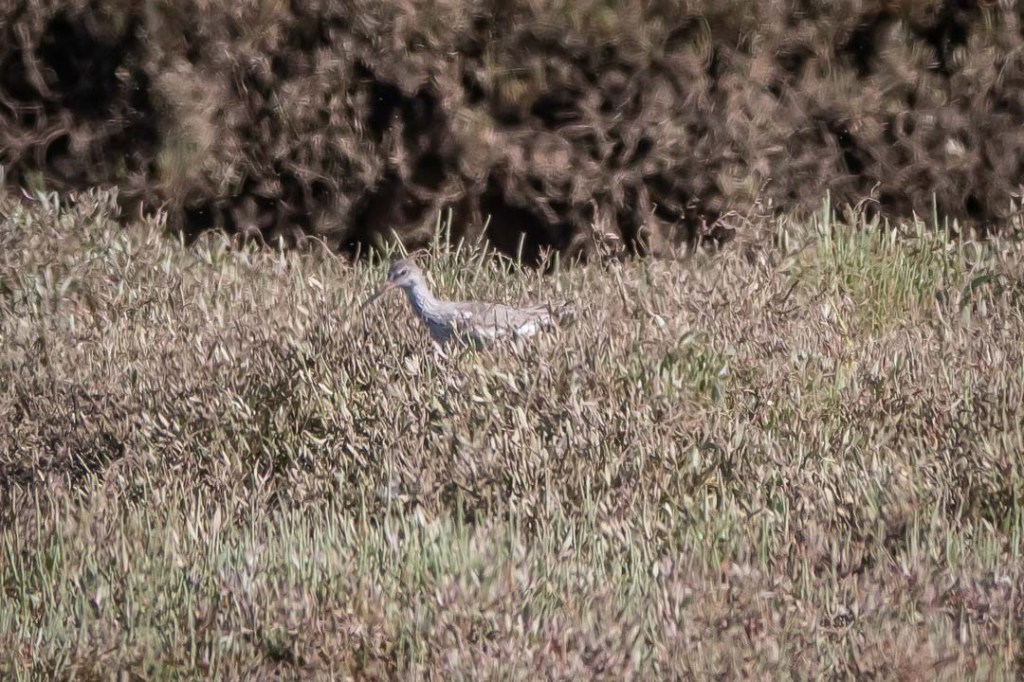
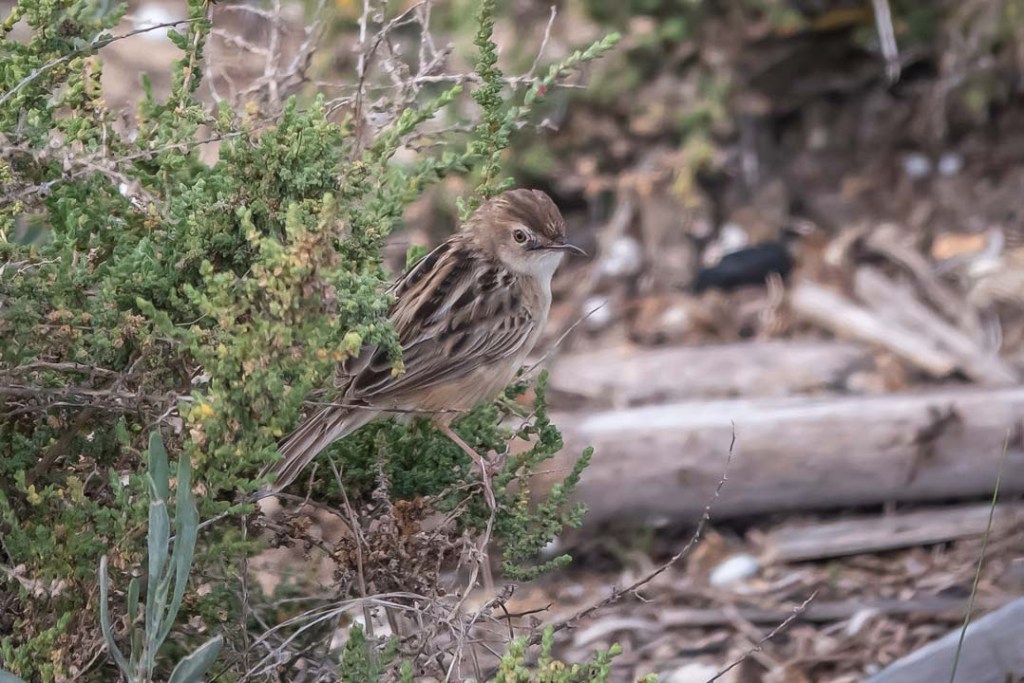
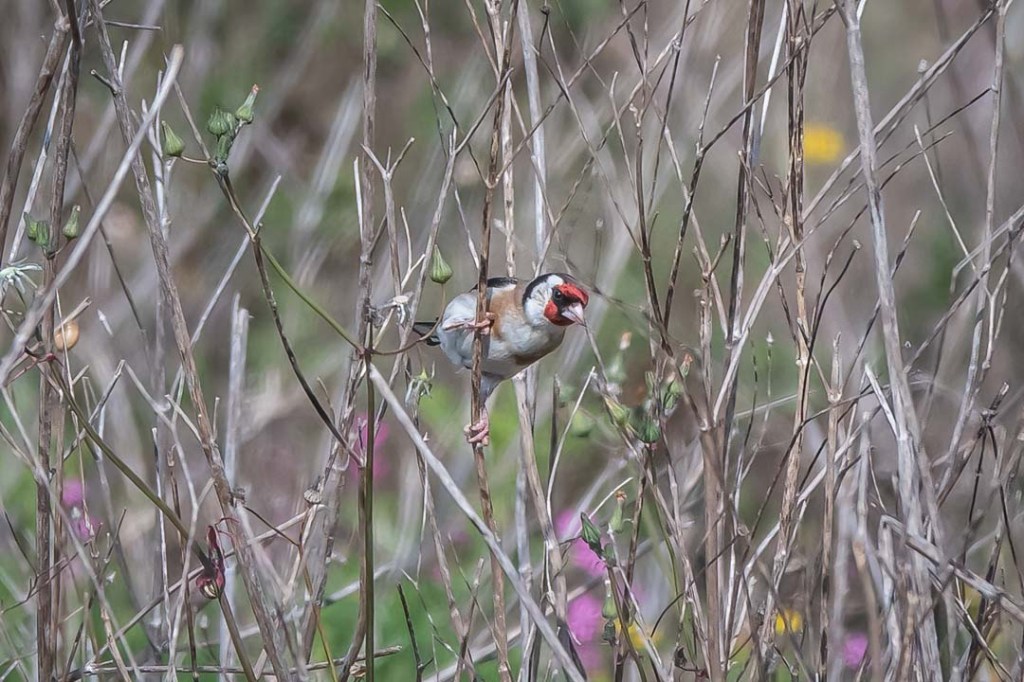
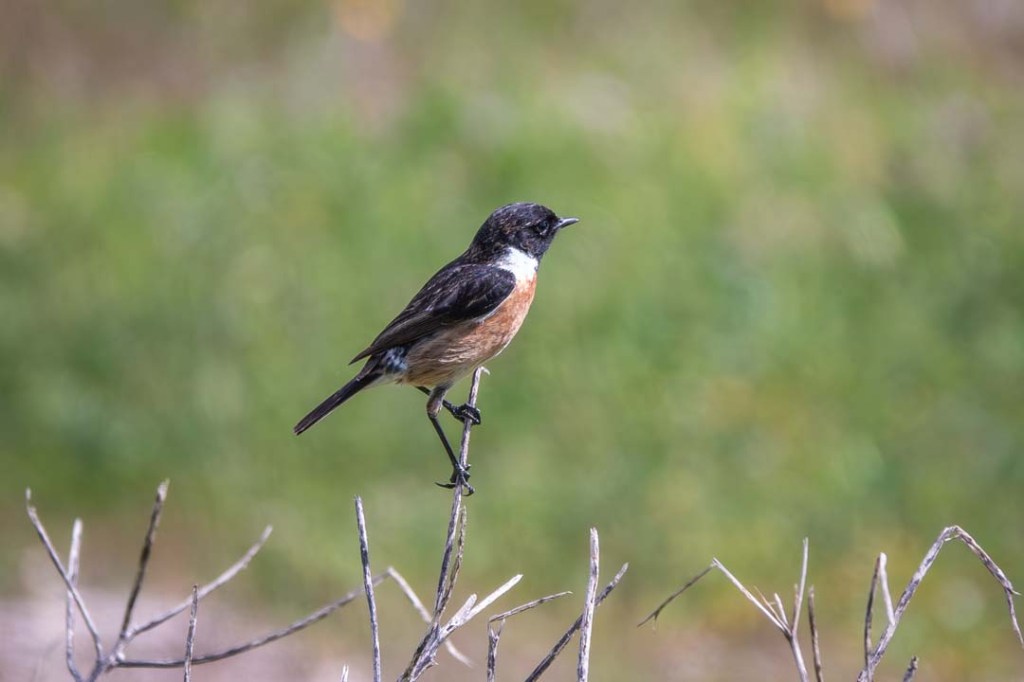
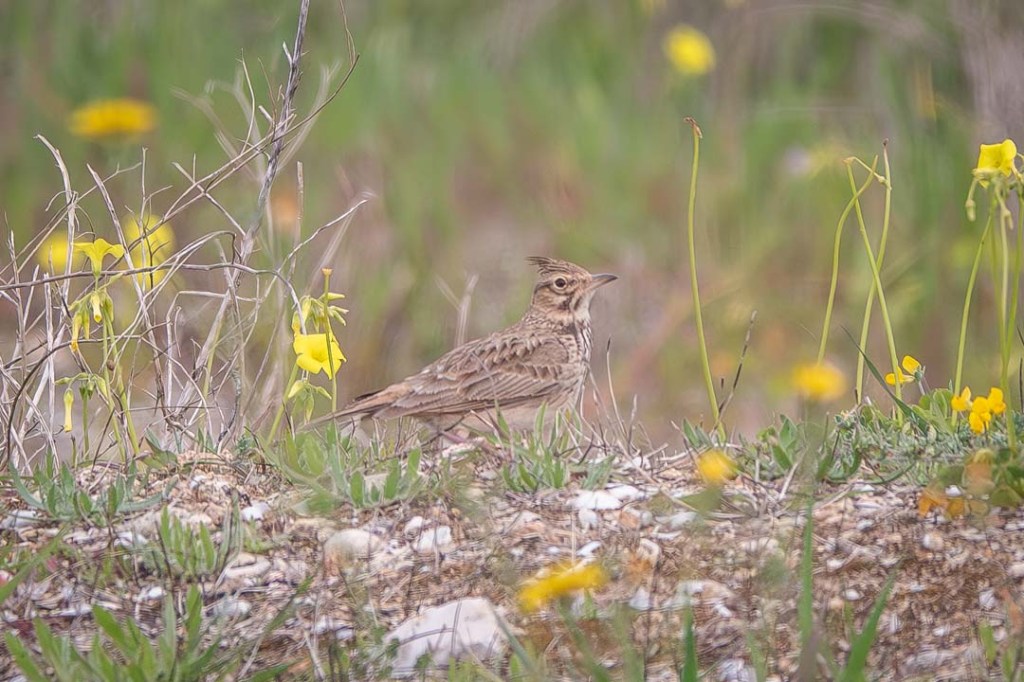
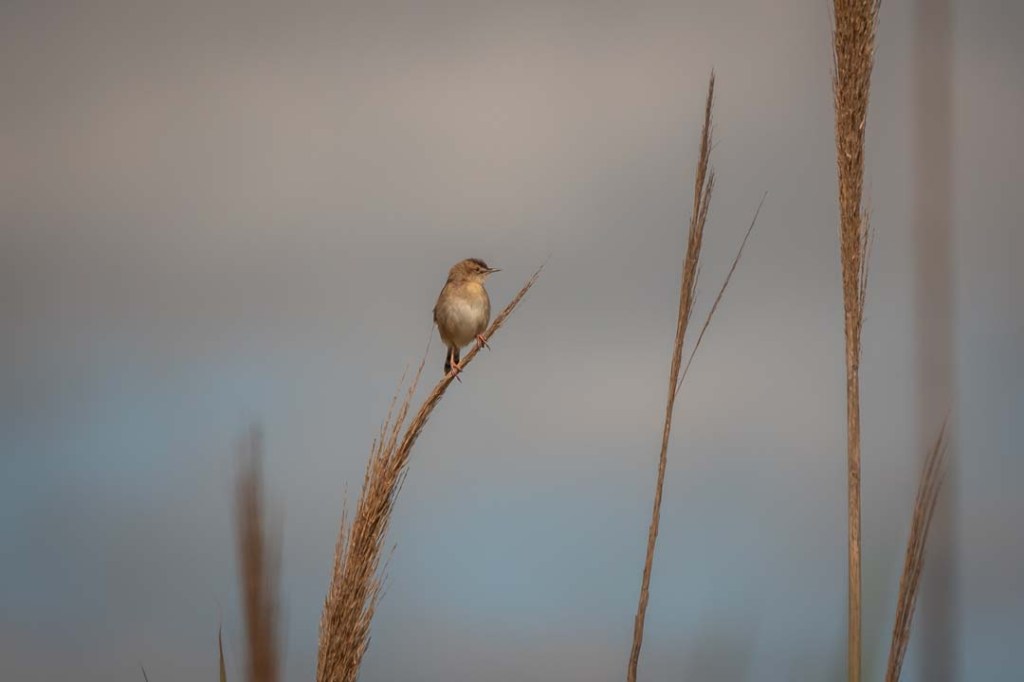
We heard and then saw linnets, crested lark, zitting cisticolas, goldfinch and both male and female stonechats amongst the dunes. On the estuary we could see lots of cormorants, oystercatchers, whimbrel and curlew, common sandpiper and greenshank. I believe I could also make out an osprey feeding on its prey on the sand bank.
A really splendid morning. However, my recollection might have been influenced by the delicious lunch we had in a typical Portuguese restaurant next to the pretty fishing port of Alvor in the company of two other birders from our group who joined us on the trip.
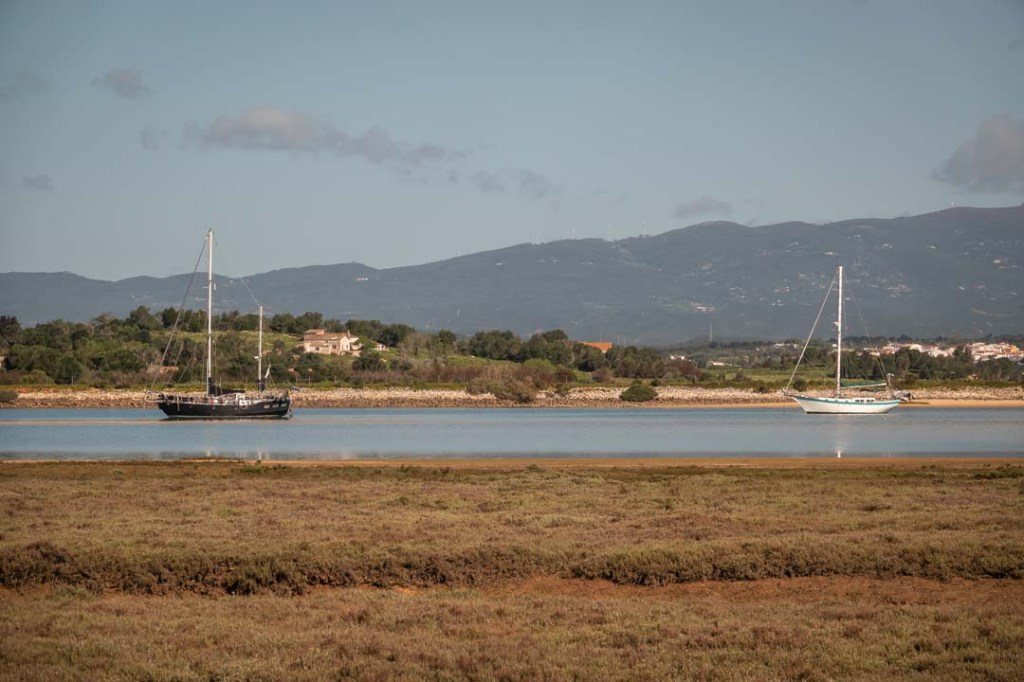
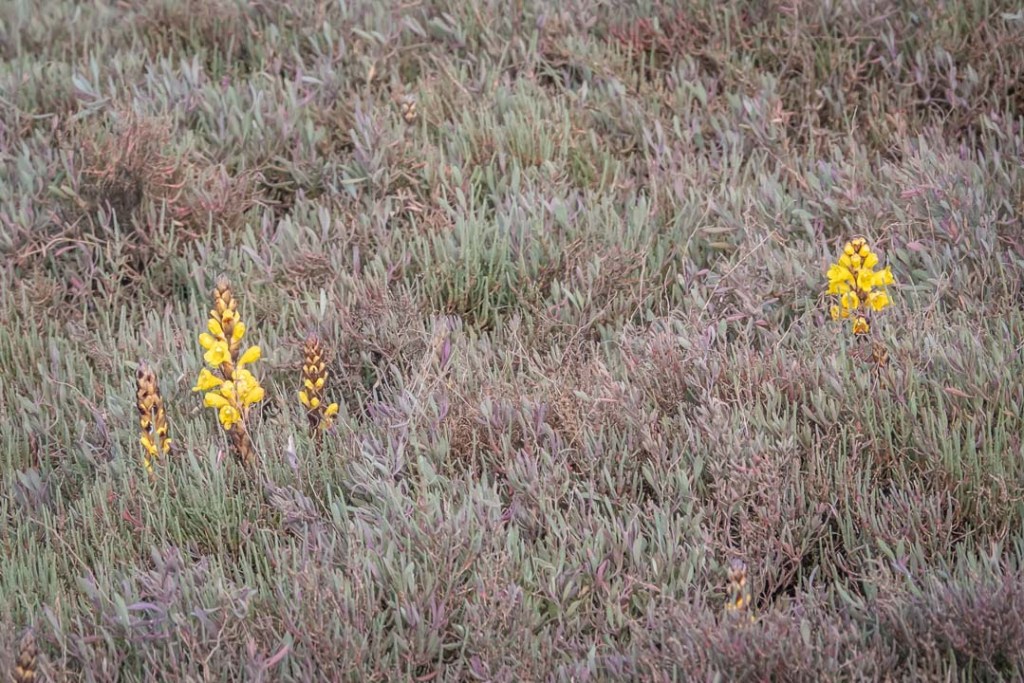
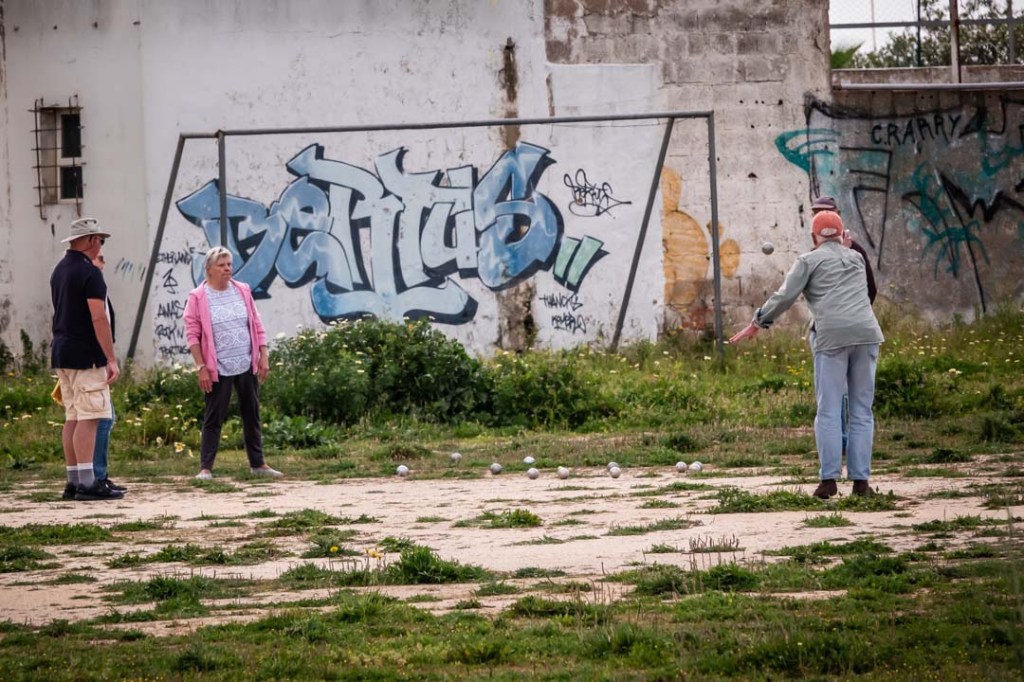
Oystercatchers in the foreground with an osprey on the sandbankThe view across the Ria AlvorLinnetZitting cisticola (were once known as fantail warblers)The pretty port of AlvorFascinating flora amongst the dunes – marsh butterfly lilly A greenshank on the edges of the dunesLots of cormorants with Lagos in the backgroundZitting cisticolaGoldfinchMale stonechatClose up of the male stonechatCrested larkAnother obliging zitting cisticolaLocals playing pétanque on wasteland outside the village… whilst others worked
The spring flowers are already quite abundant along the coast of The Algarve but you can’t help feeling that with a little more warmth of spring there will soon be a riot of colour.
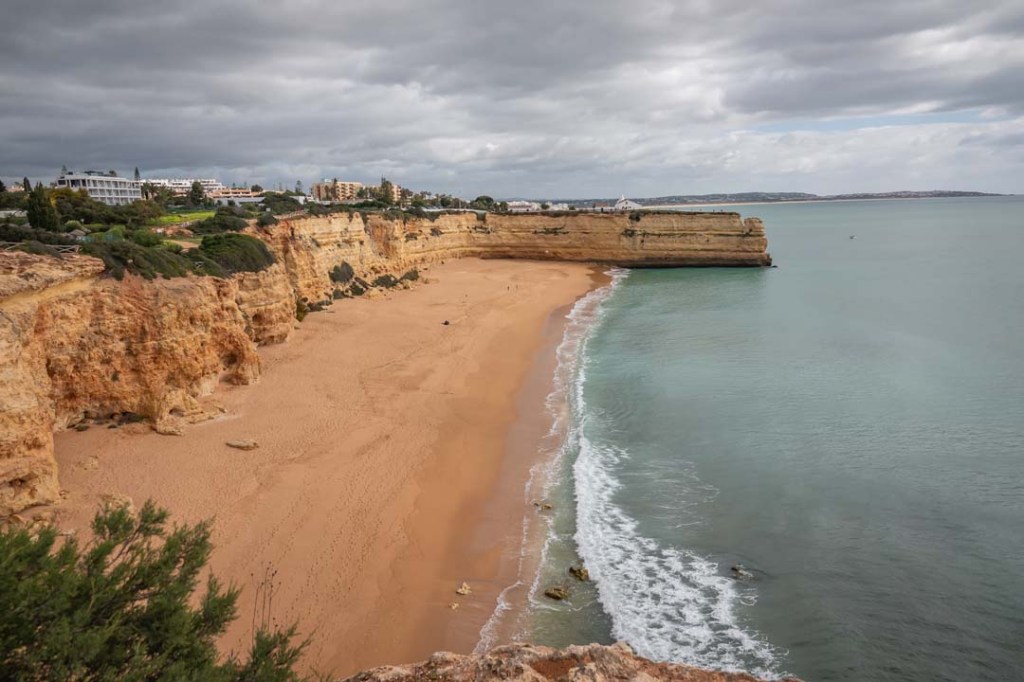
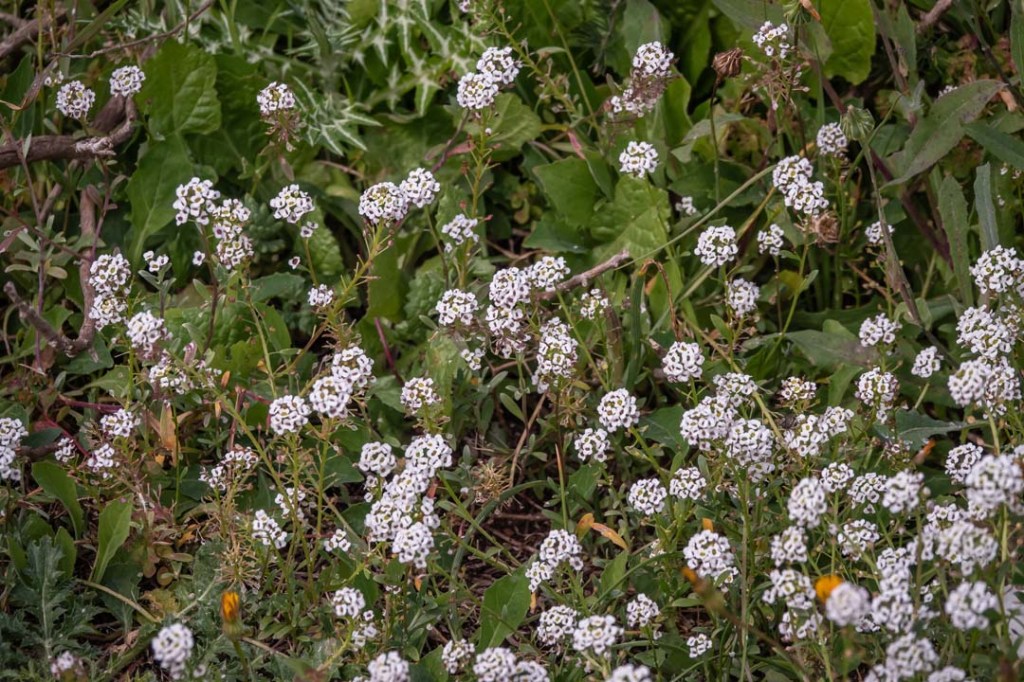
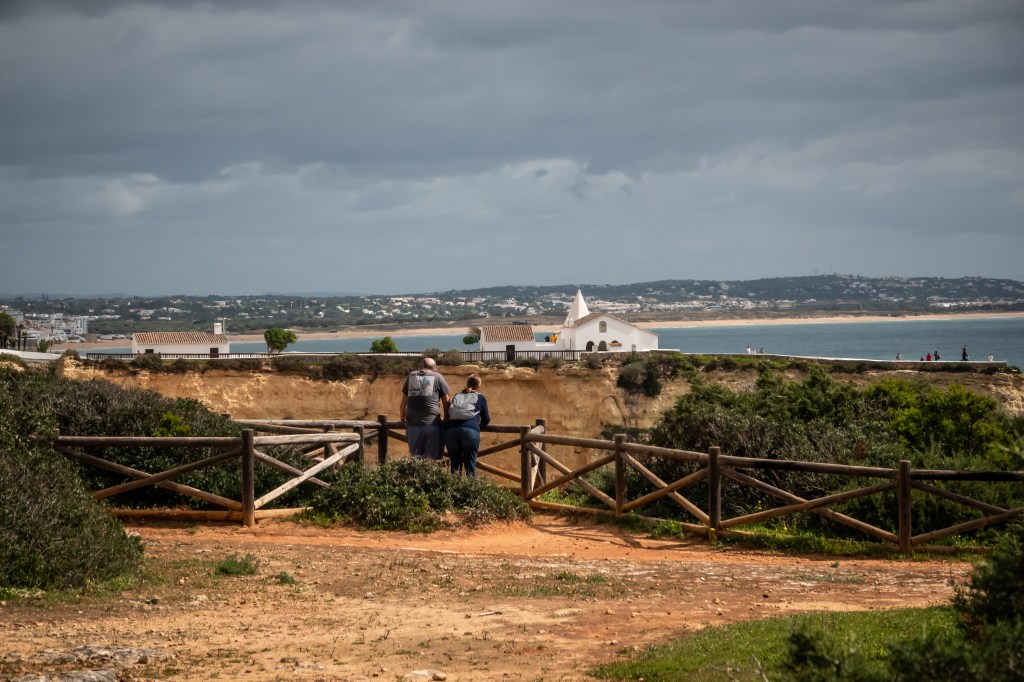
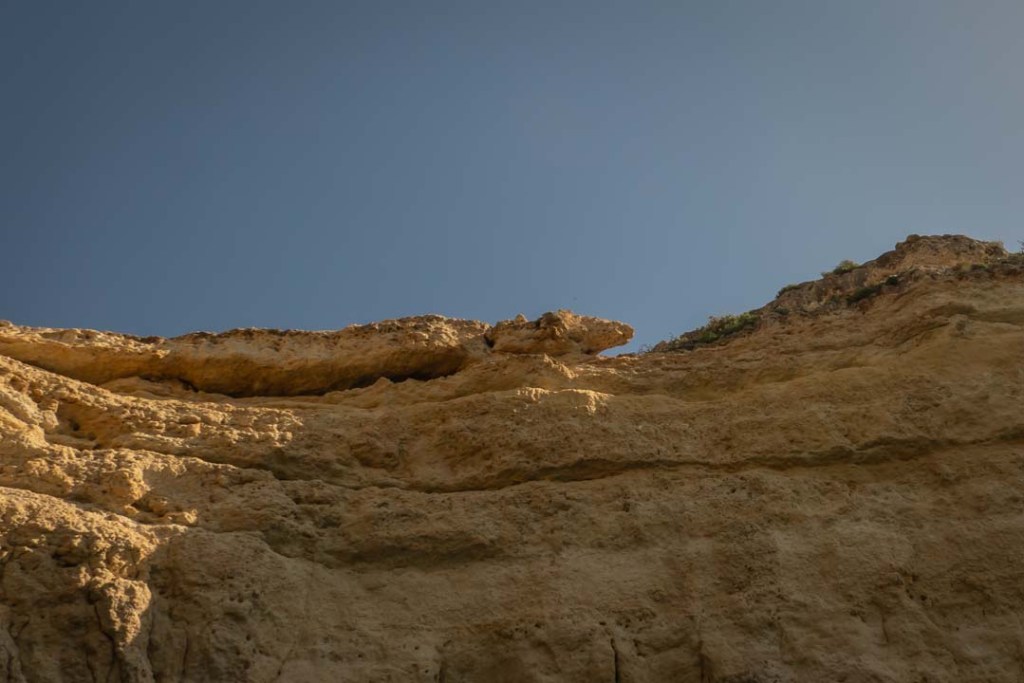
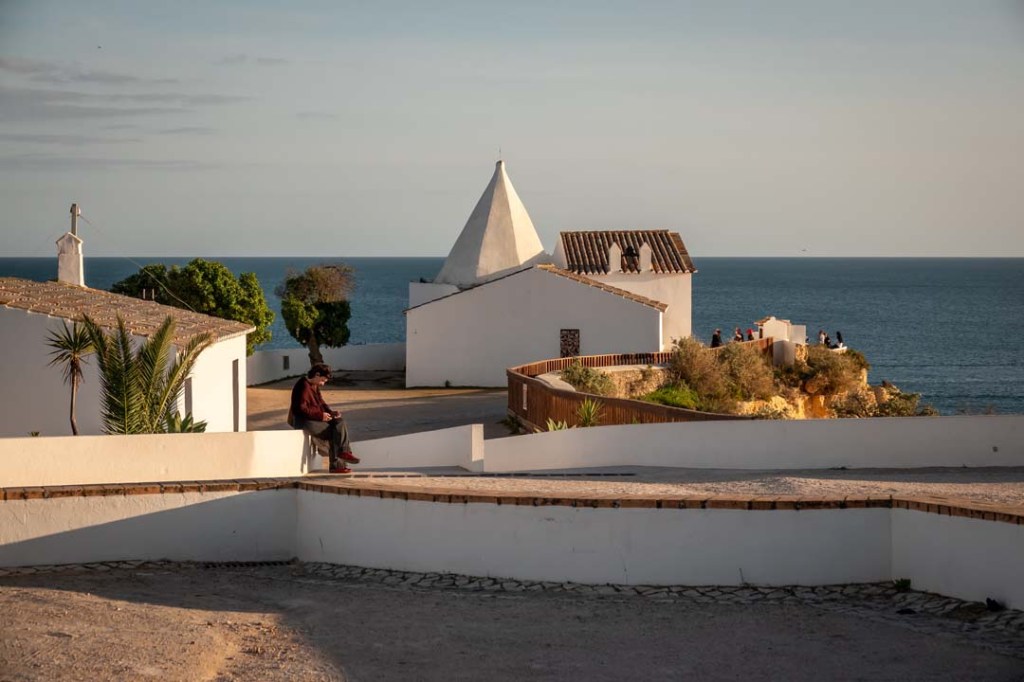
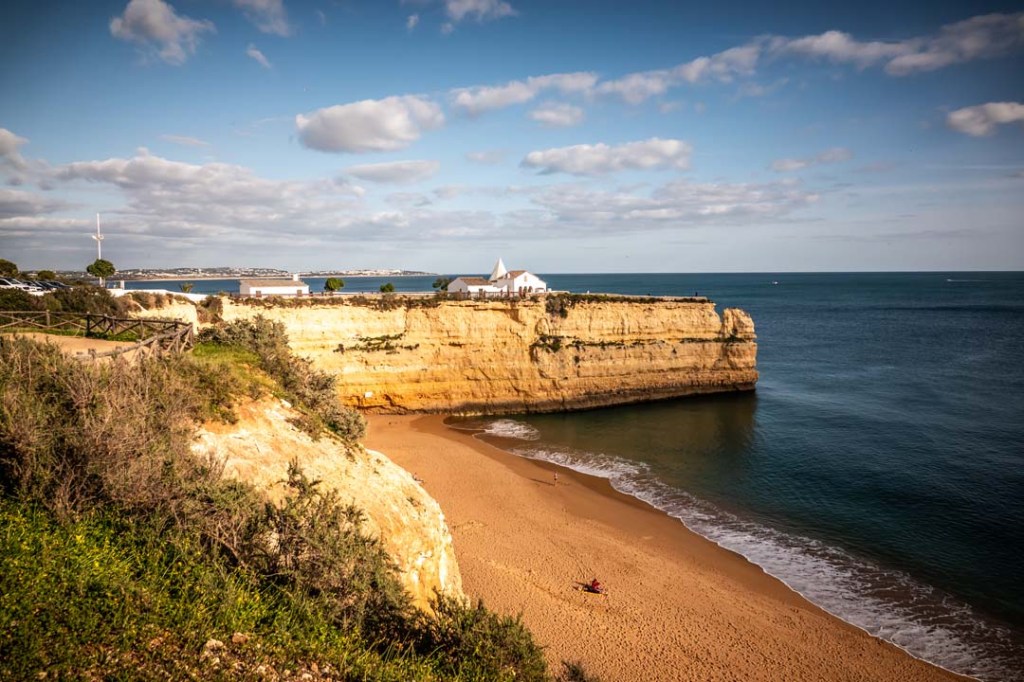
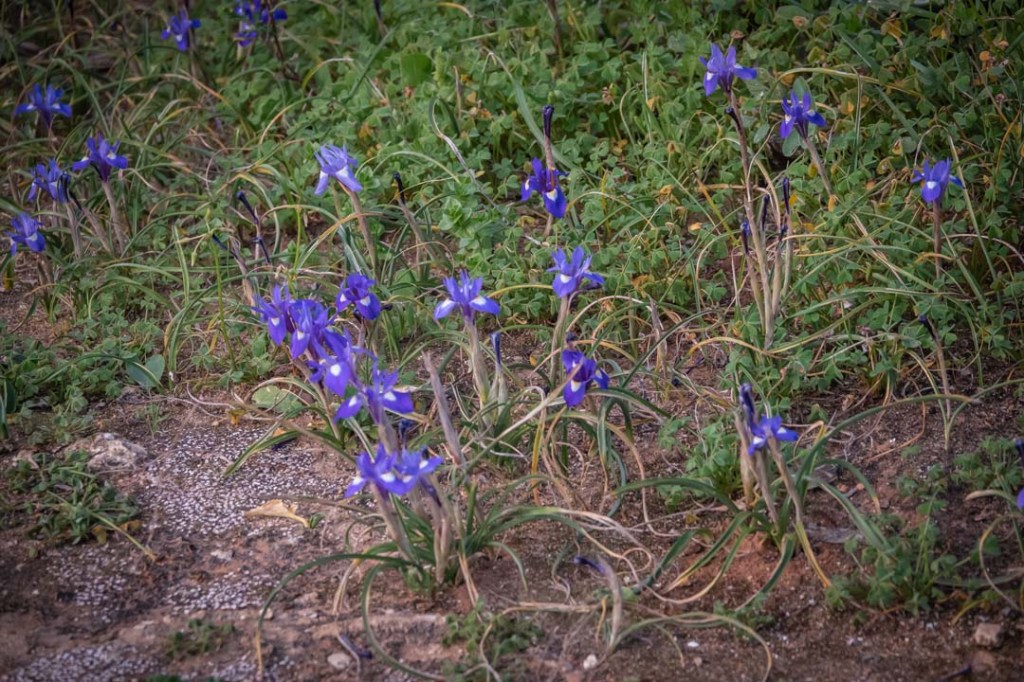
Yesterday afternoon ,as we walked a little from our clifftop hotel in Porches-Armação de Pêra,in the Algarve, up above the Senhora da Rocha beach, we saw lots of examples of the local flora.
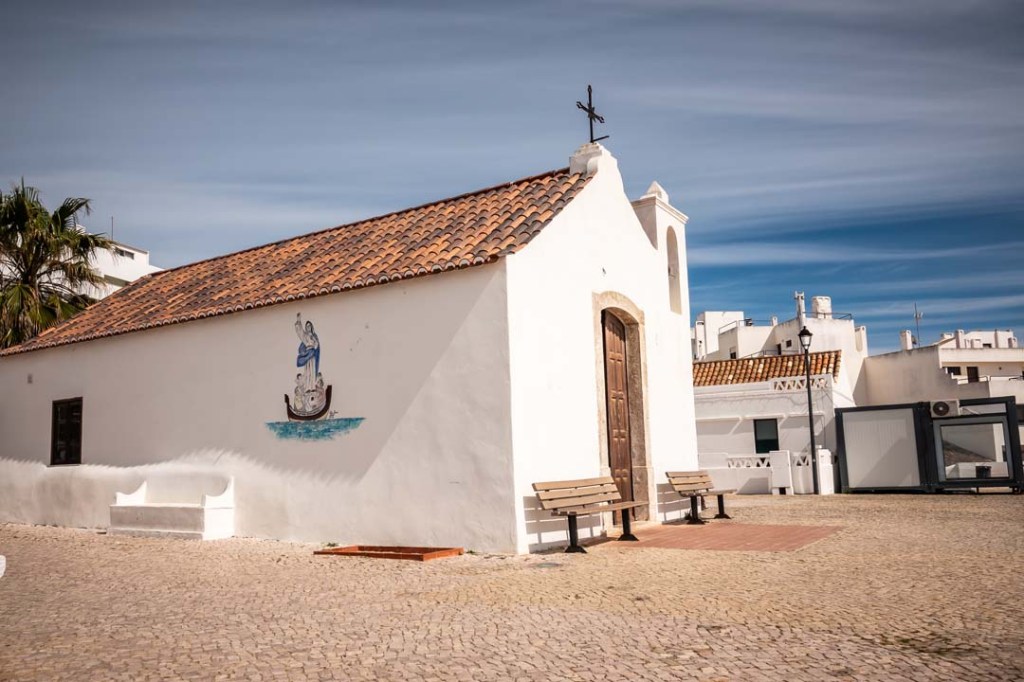
Senhora da Rocha beach.Speckled wood butterflyThe Chapel of Nossa Senhora da Rocha perched on the cliff overlooking the Atlantic Ocean
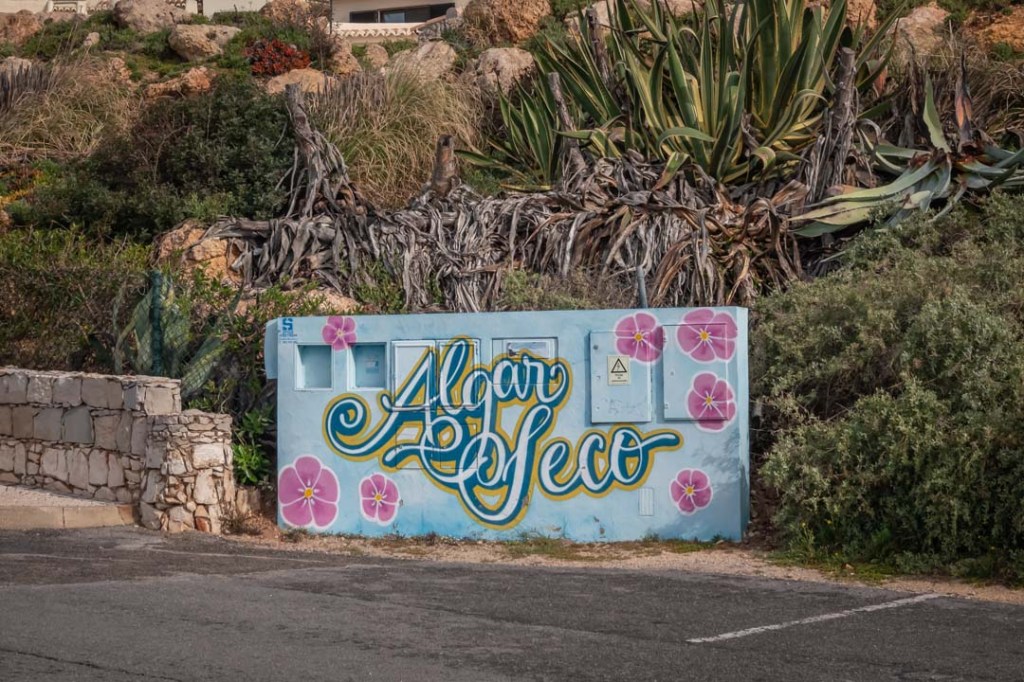
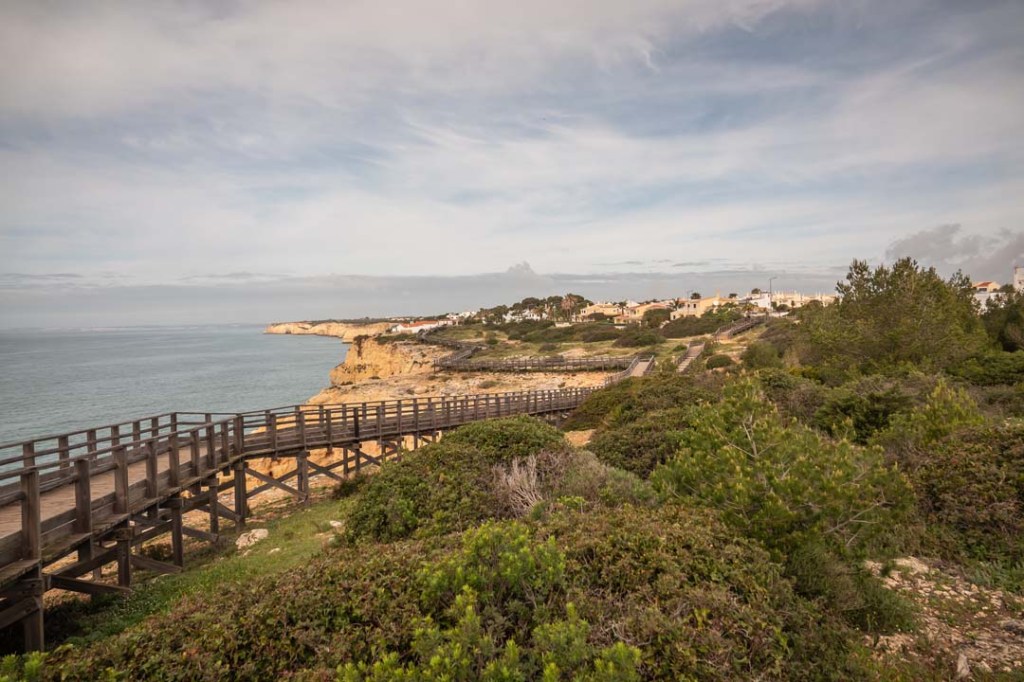
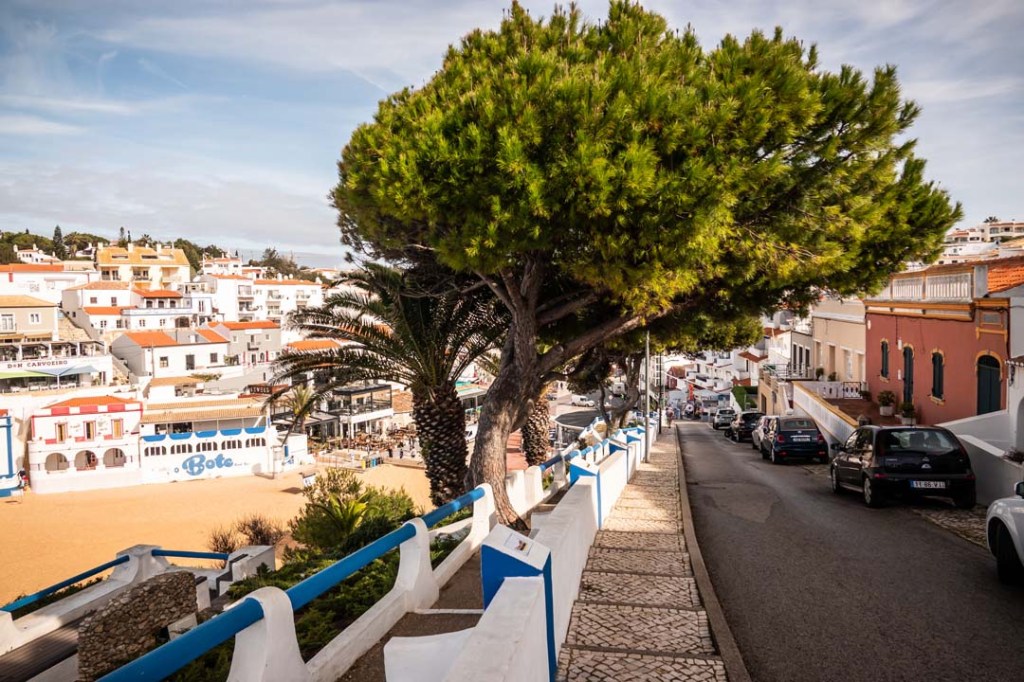
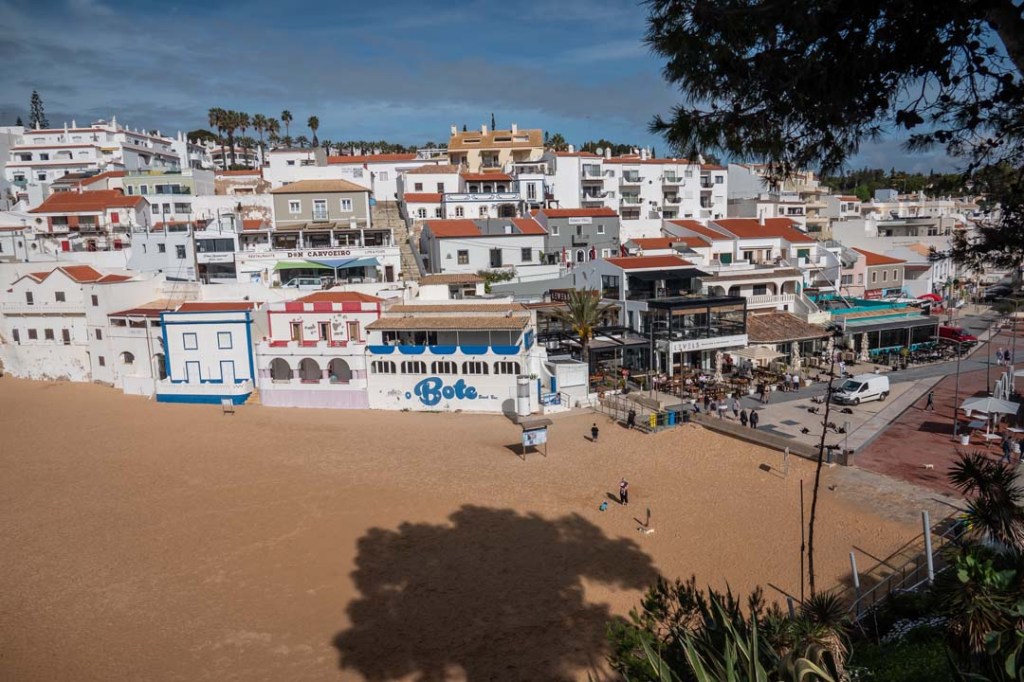
Again this morning we walked another short section of the coast from Algar Seco to the pretty coastal village of Carvoeiro.
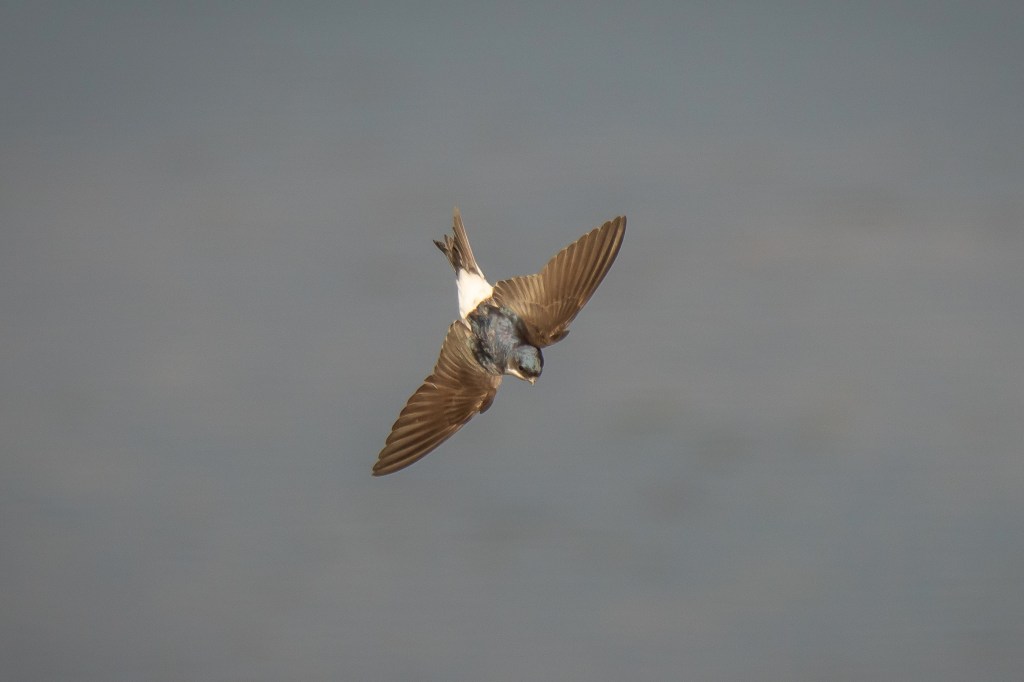
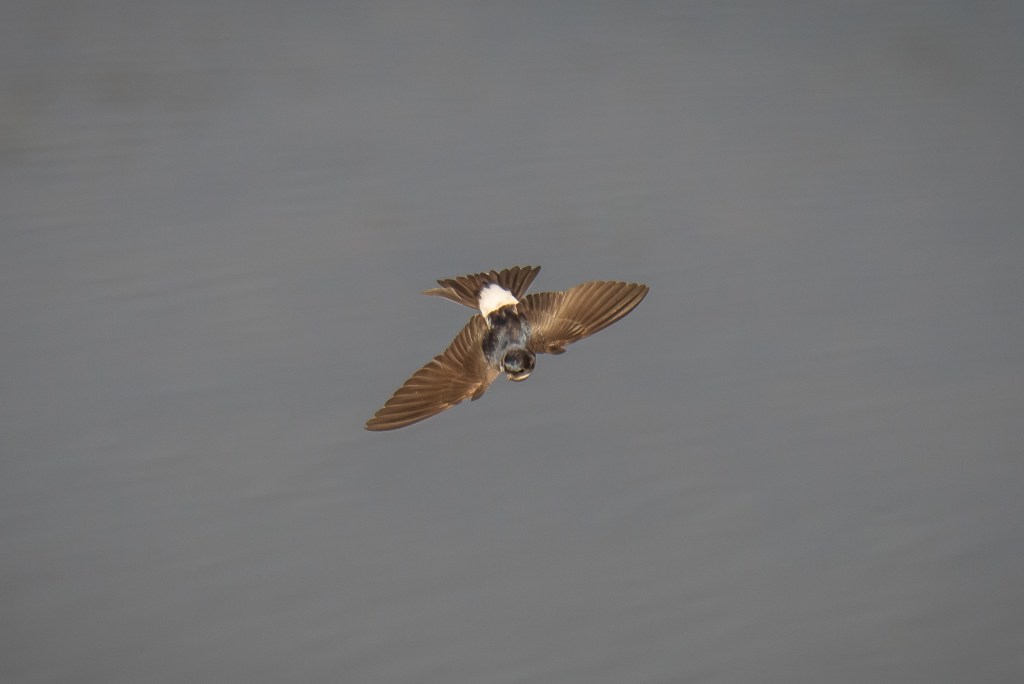
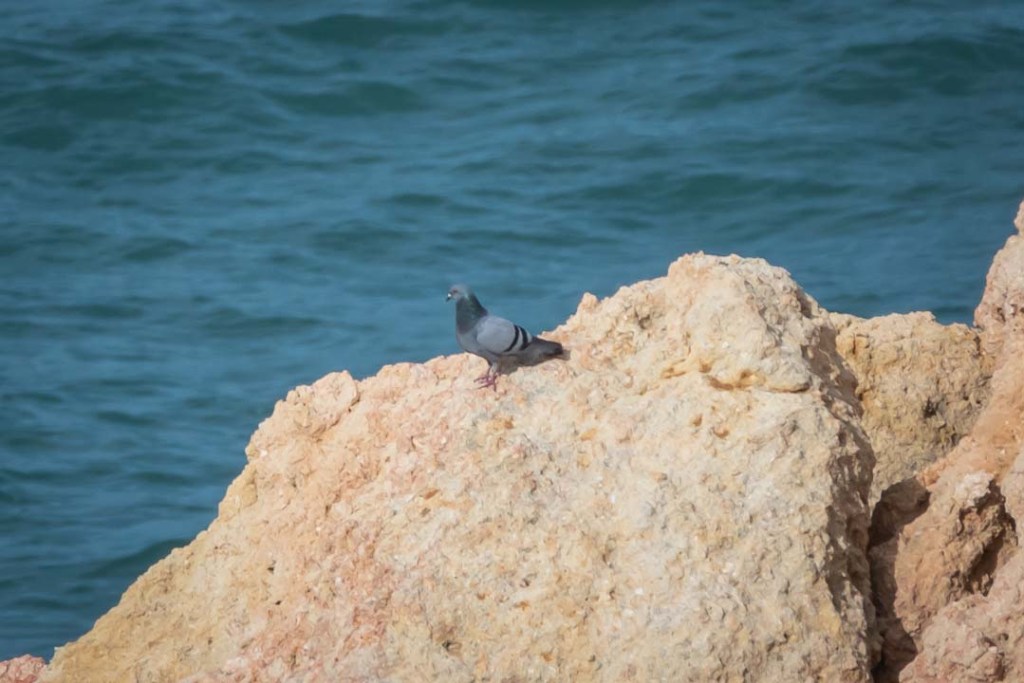
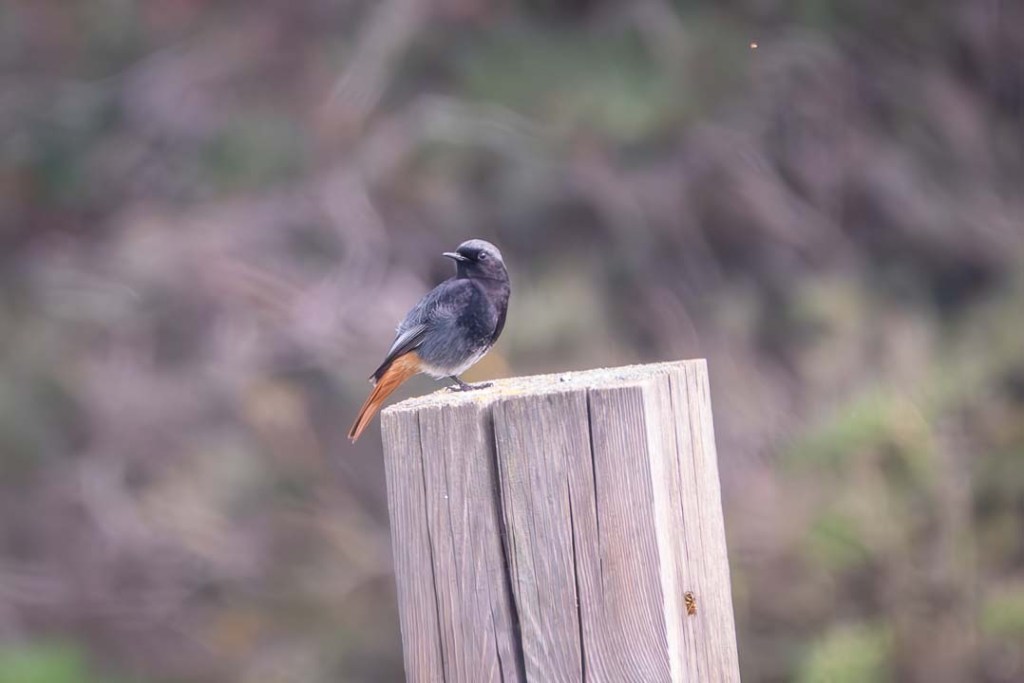
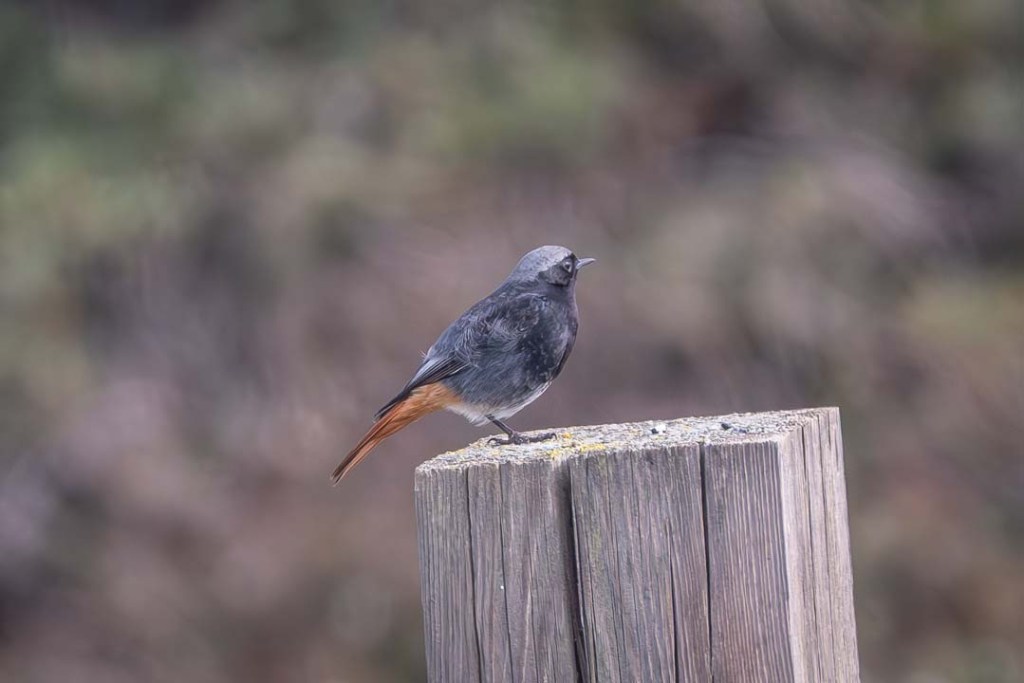
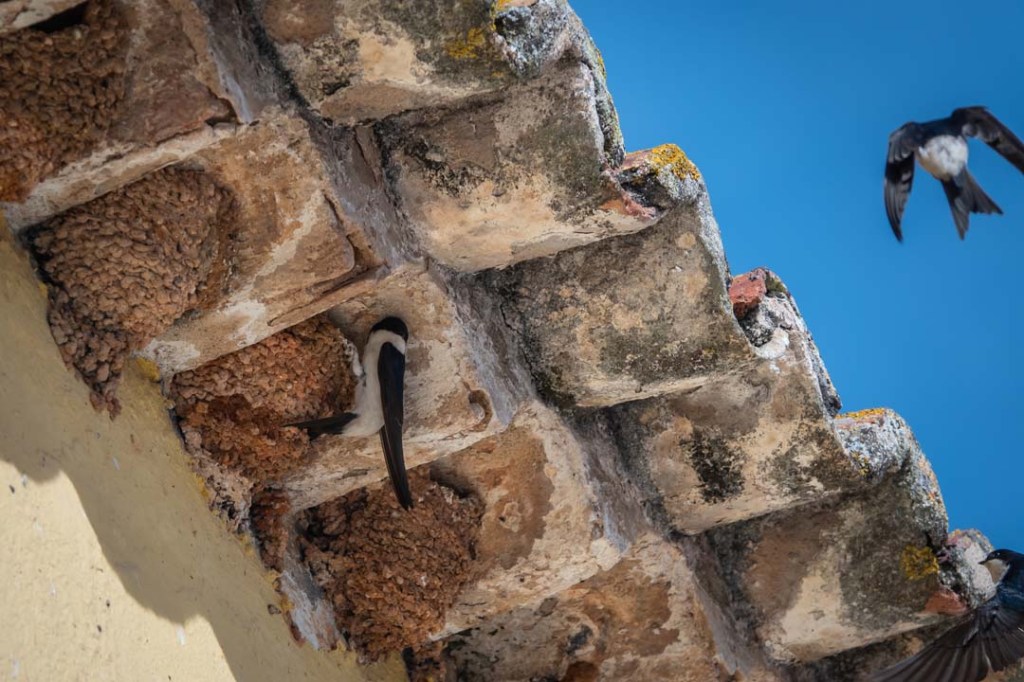
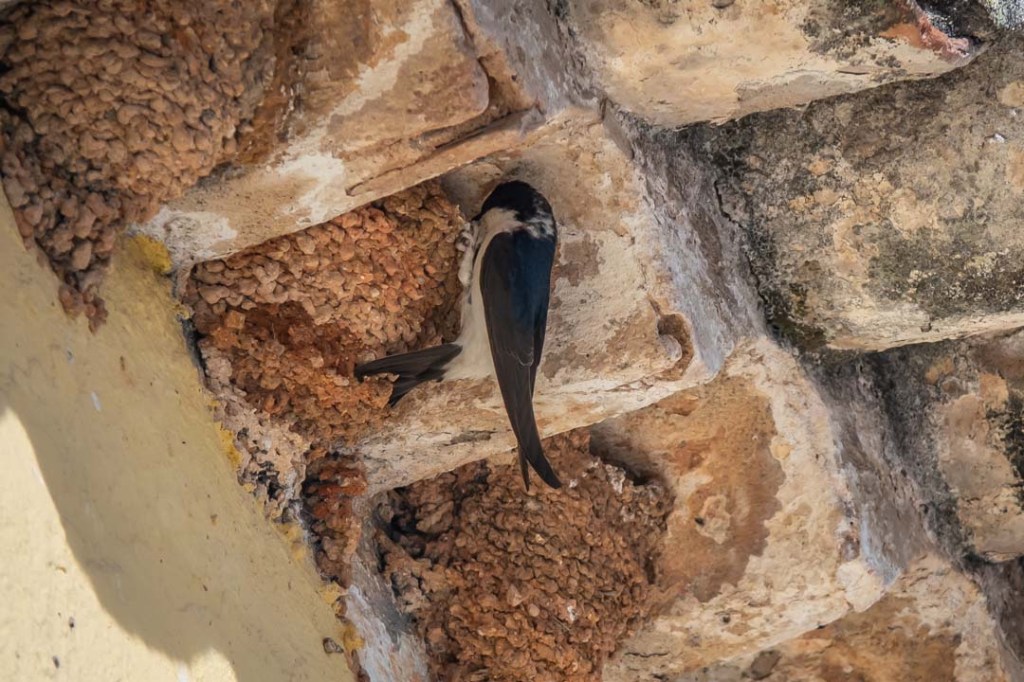
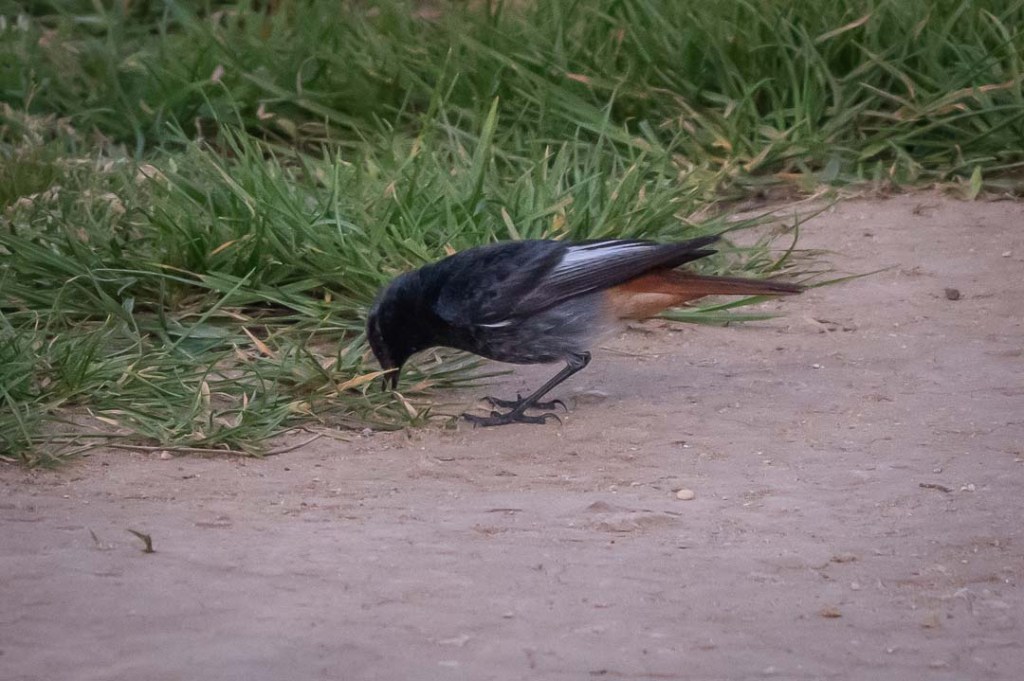
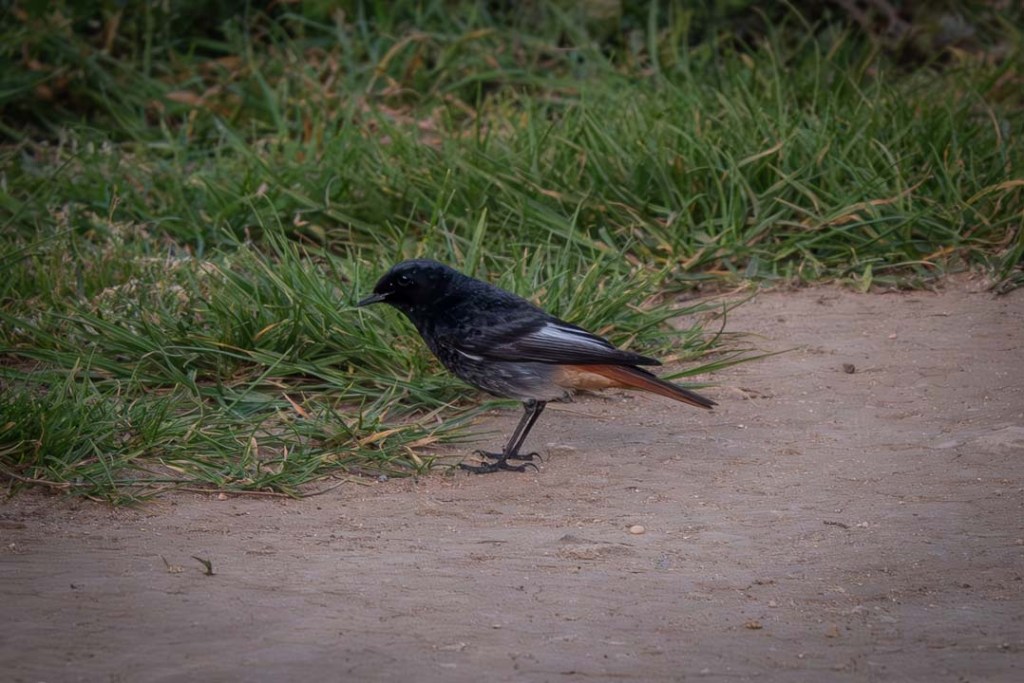
The fascinating clifftop formations carved from the limestone bedrock at Algarve SecoPart of the boardwalk from Algar Seco to CarvoeiroCarvoeiro in the distance There were lots of rock dove on the cliffsBlack redstartBlack redstartA greenfinch welcomed us into CarvoeiroThe approaches to CarvoeiroA different boat for each postCarvoeiroThe beach at CarvoeiroHoopoe at last!House Martins busy nest building in CarvoeiroHouse Martin
This morning we returned to the same area we had visited on our first day on our birding holiday in Portugal. Today was a very different experience. We made no lists, probably saw fewer birds and certainly took fewer photographs. Yet, we really enjoyed meandering around the site and taking in the various aspects of nature.
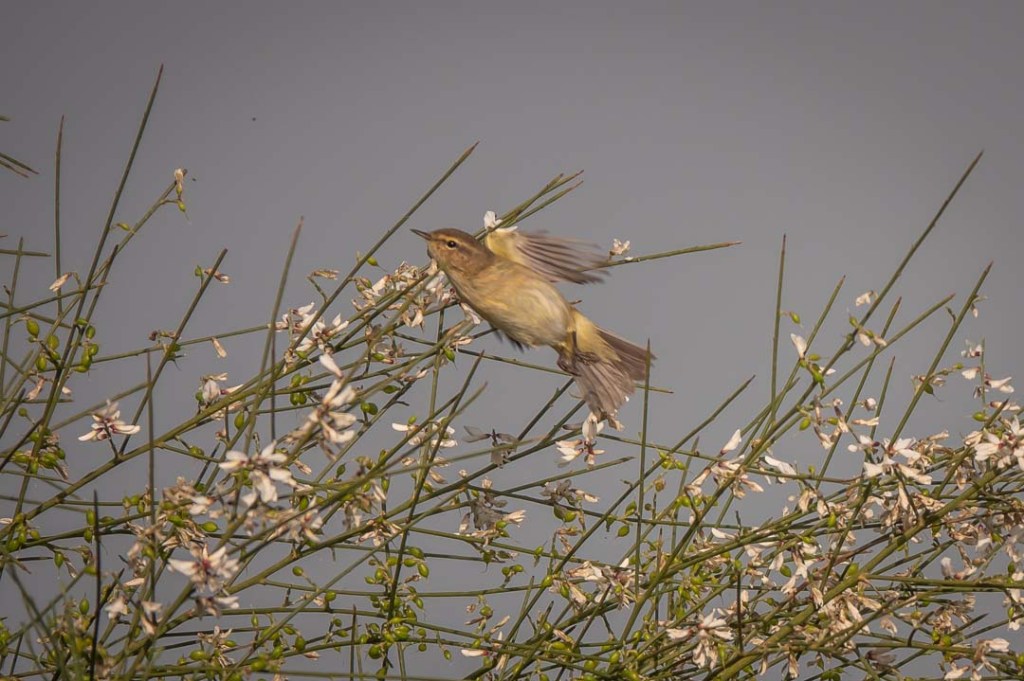
A simple chiiffchaff gave us as much joy as seeing a rarer purple swamphen. I would have loved to see a bluethroat again but we just had to make do with hearing them.
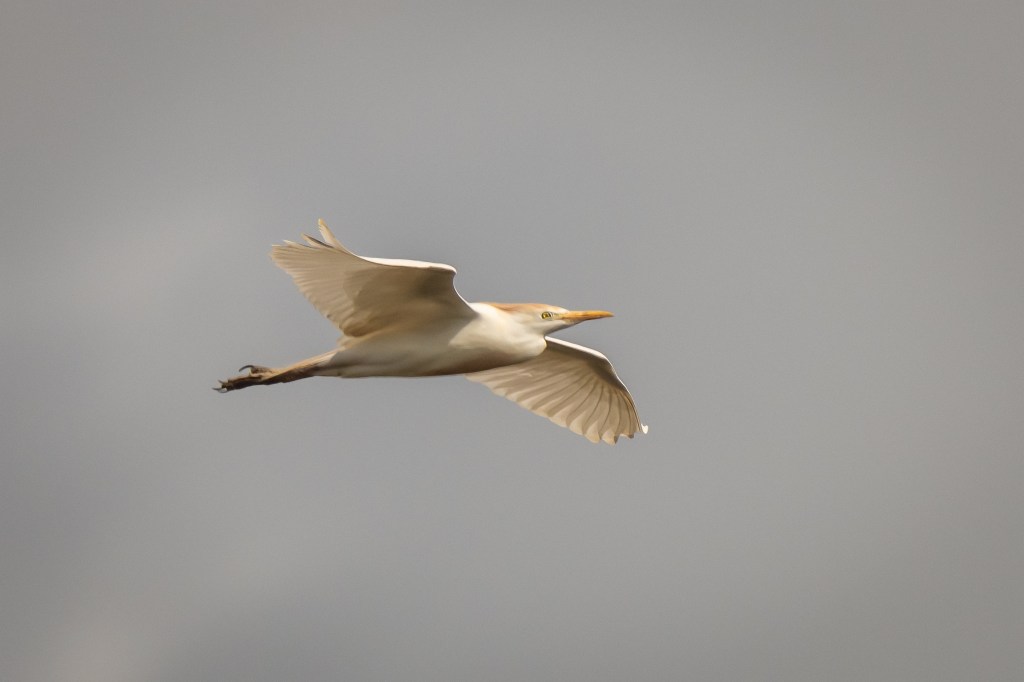
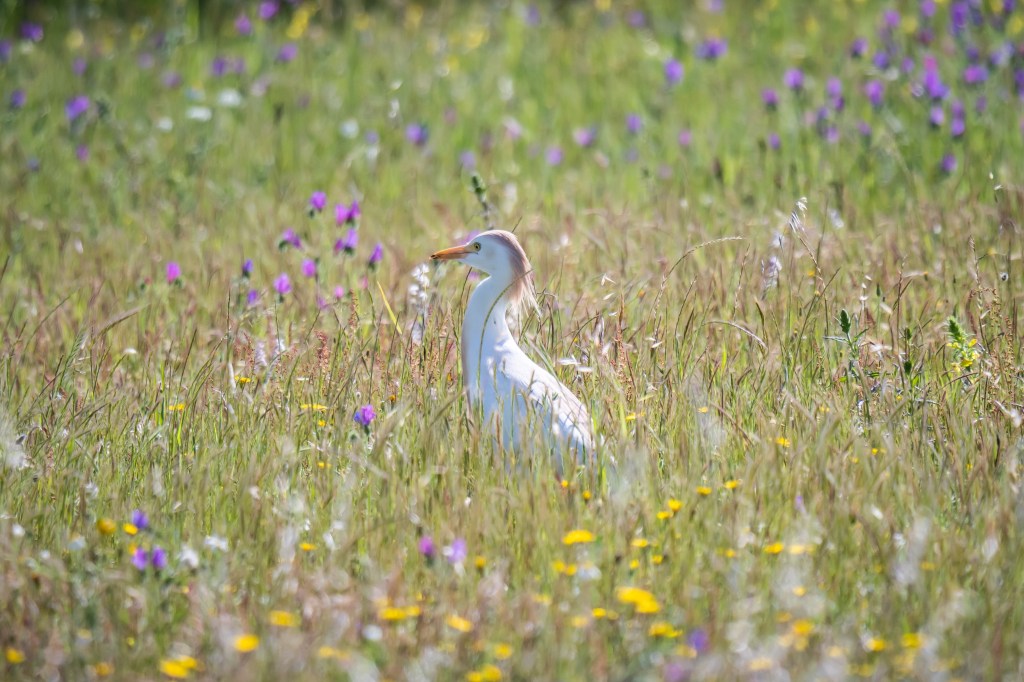
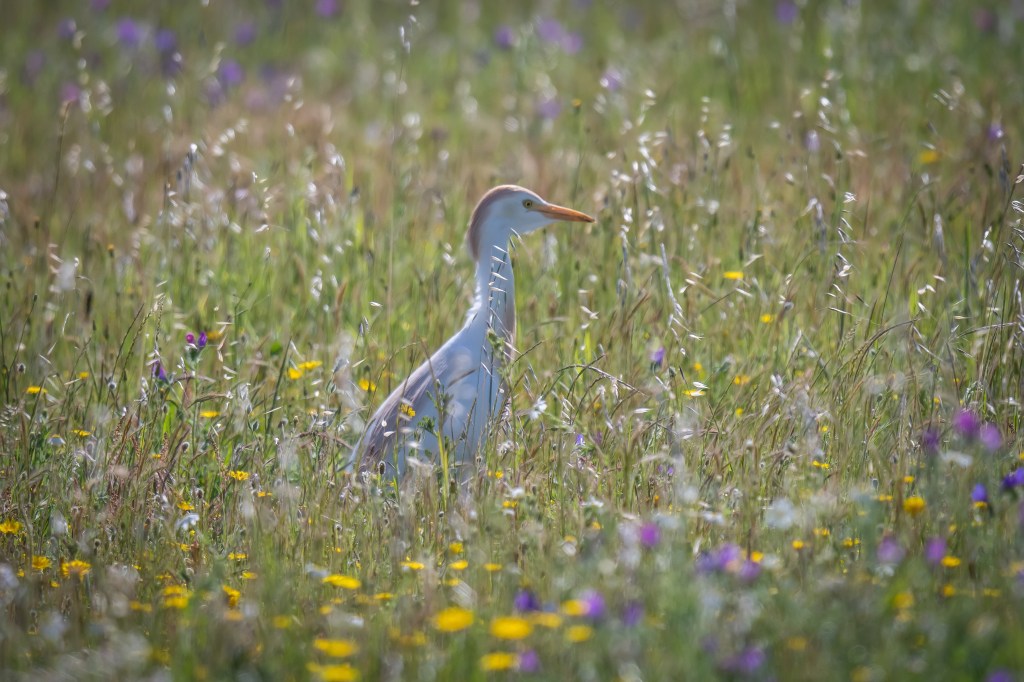
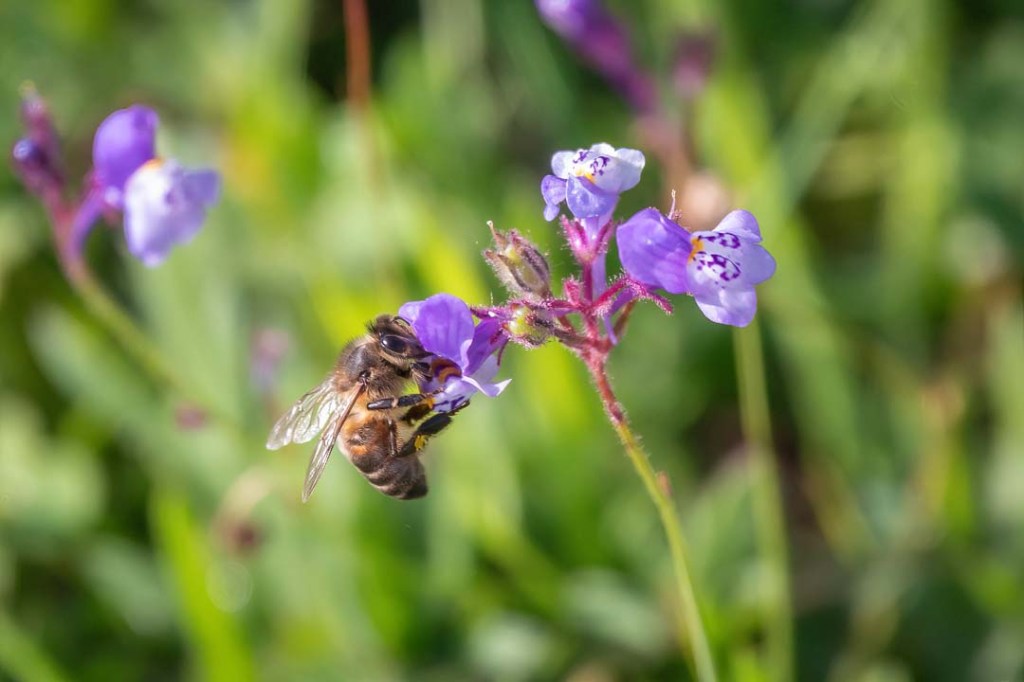
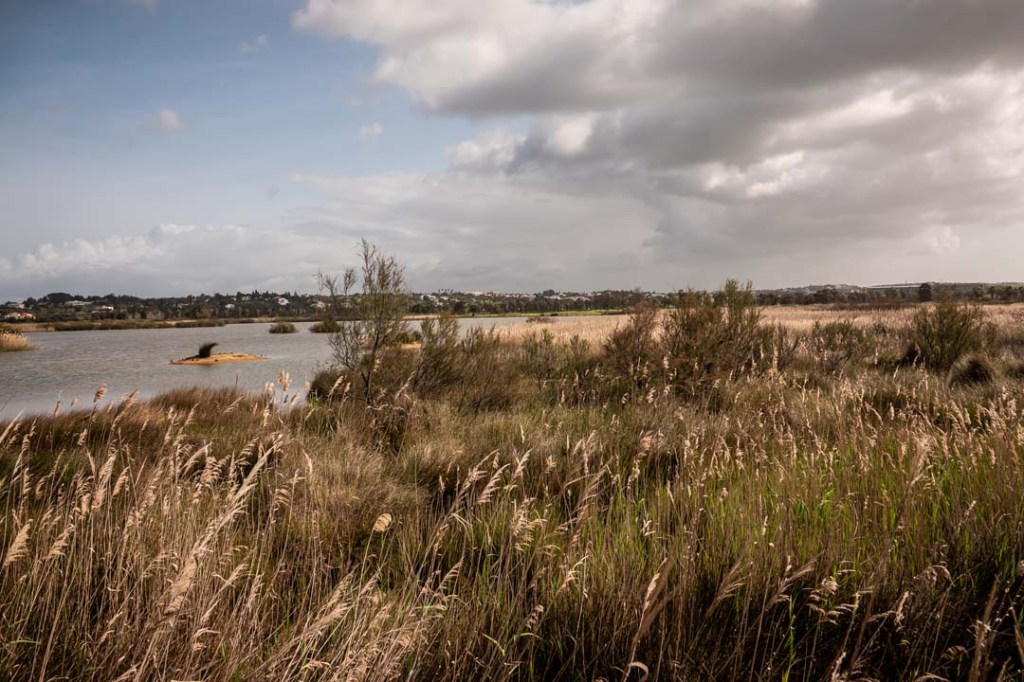
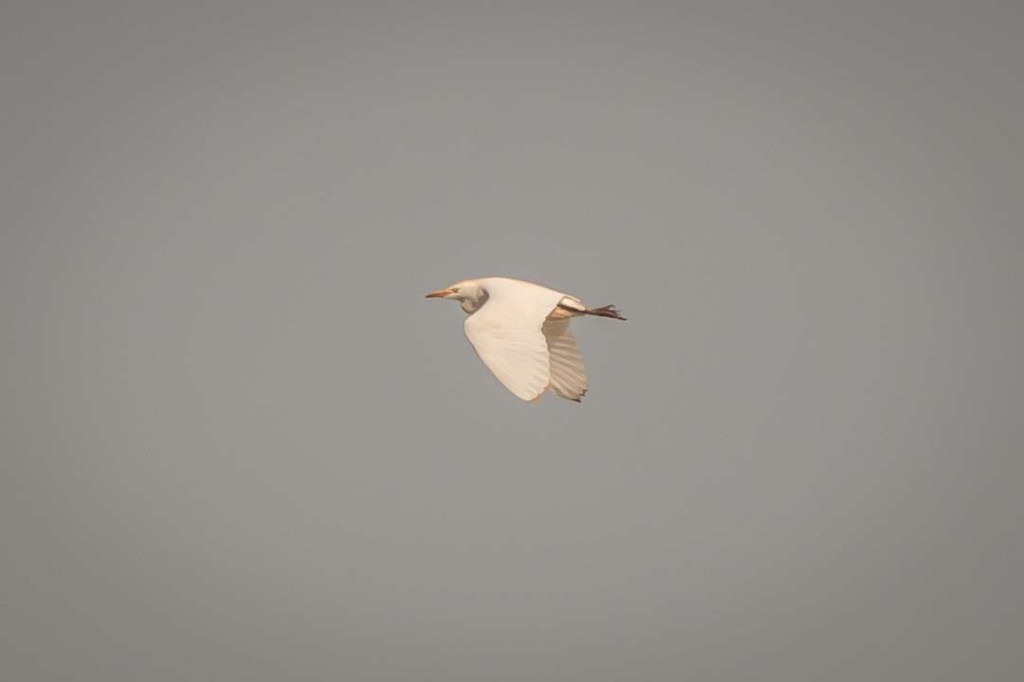
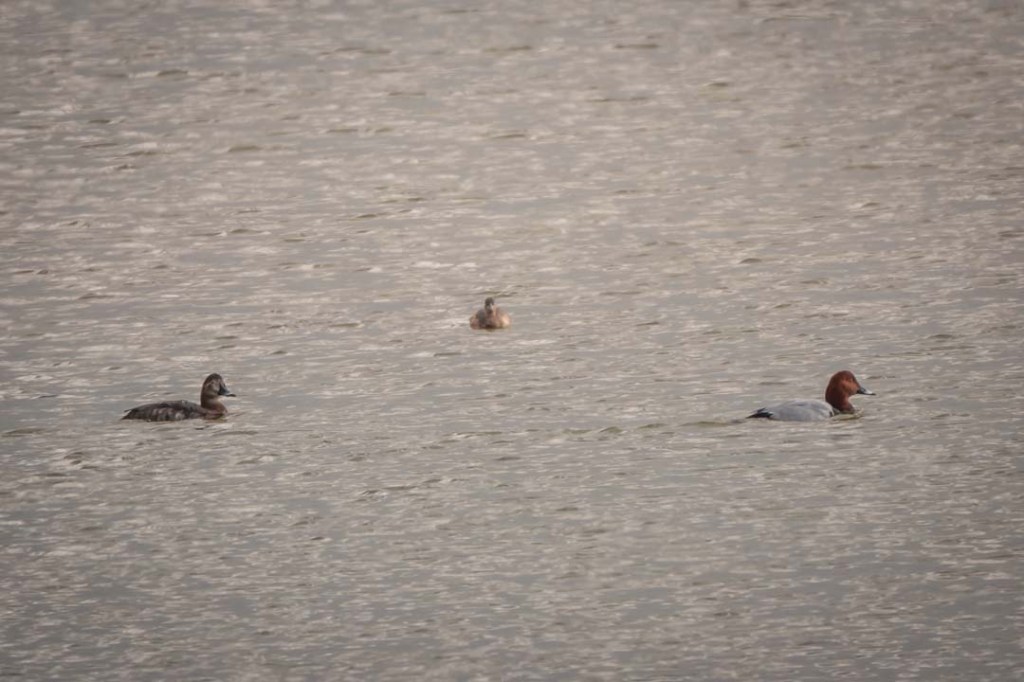
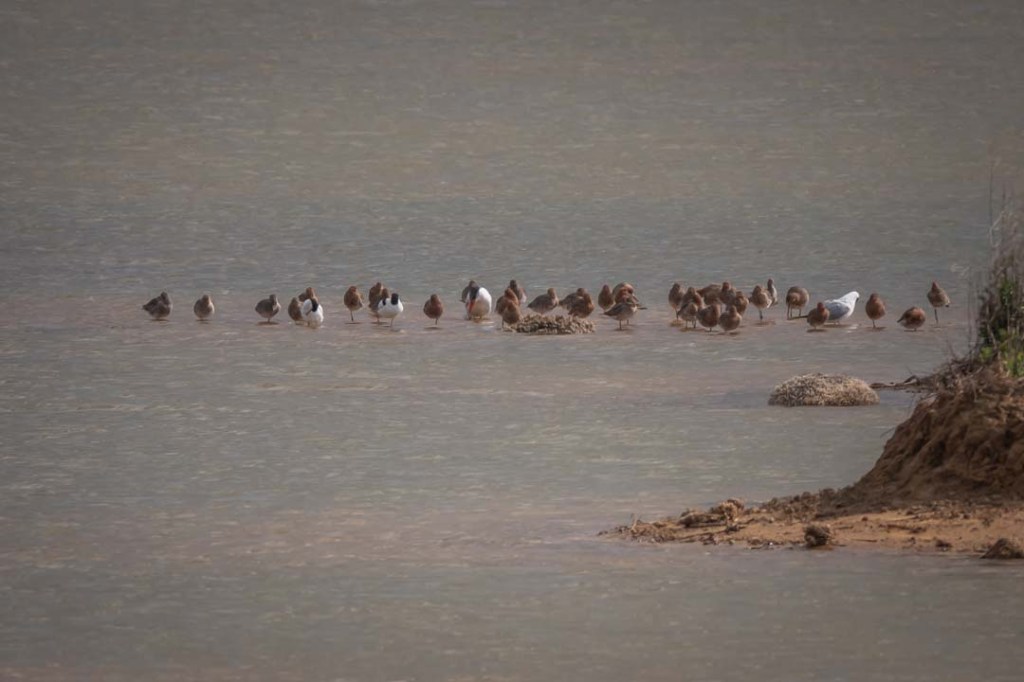
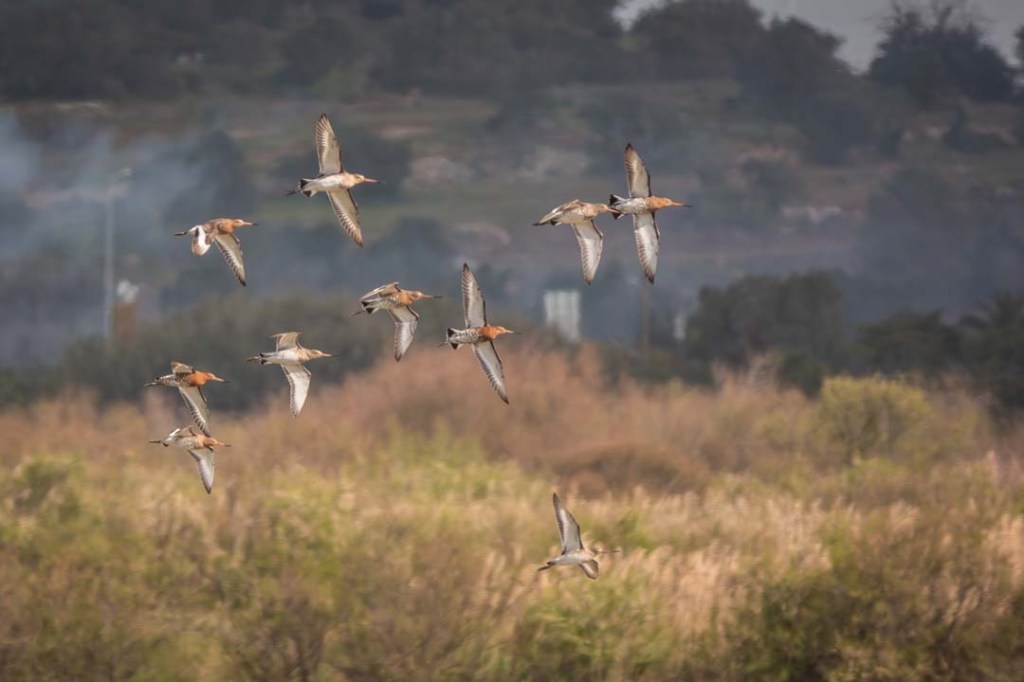
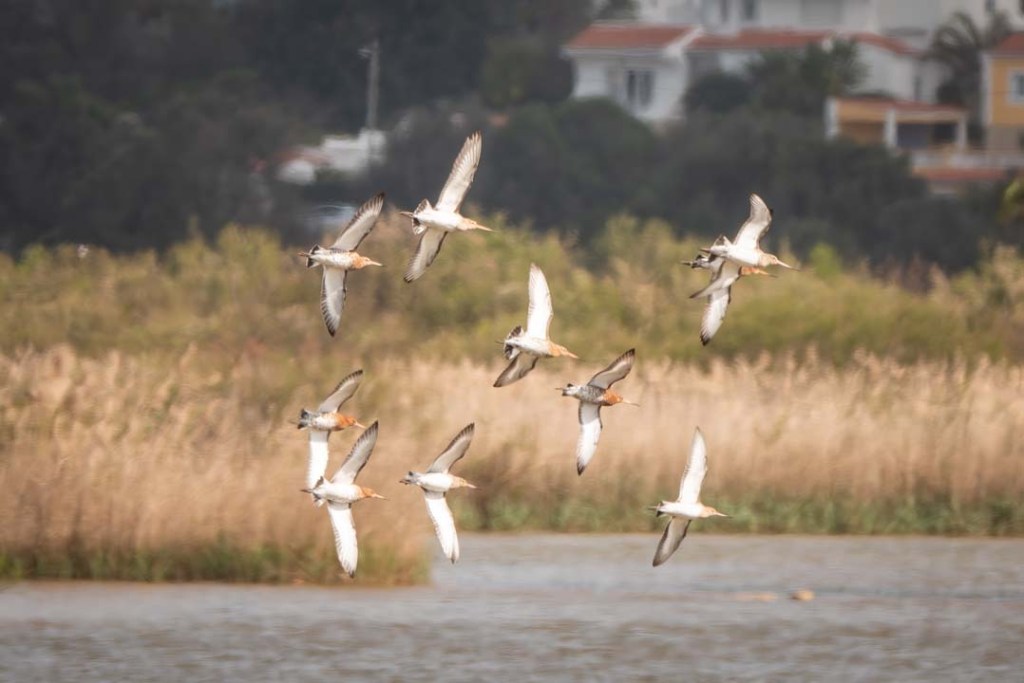
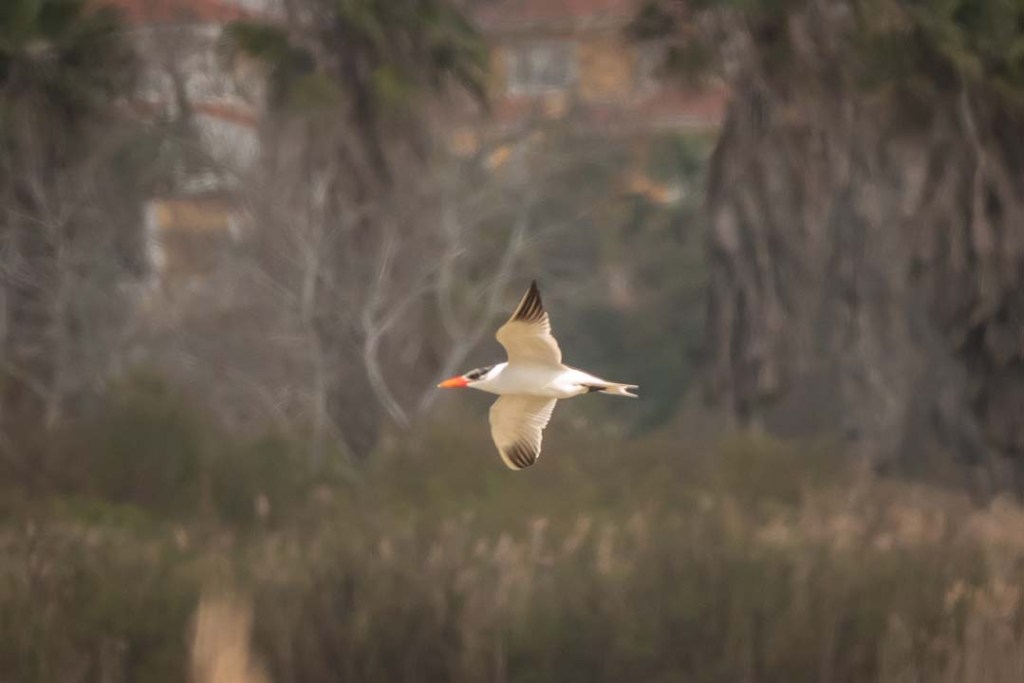
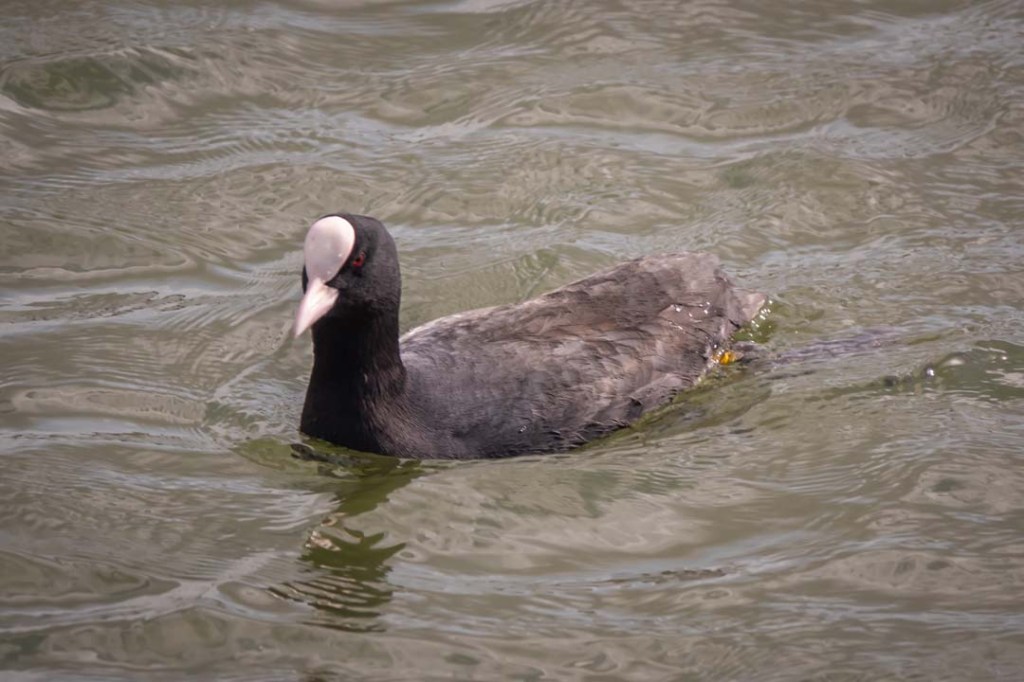
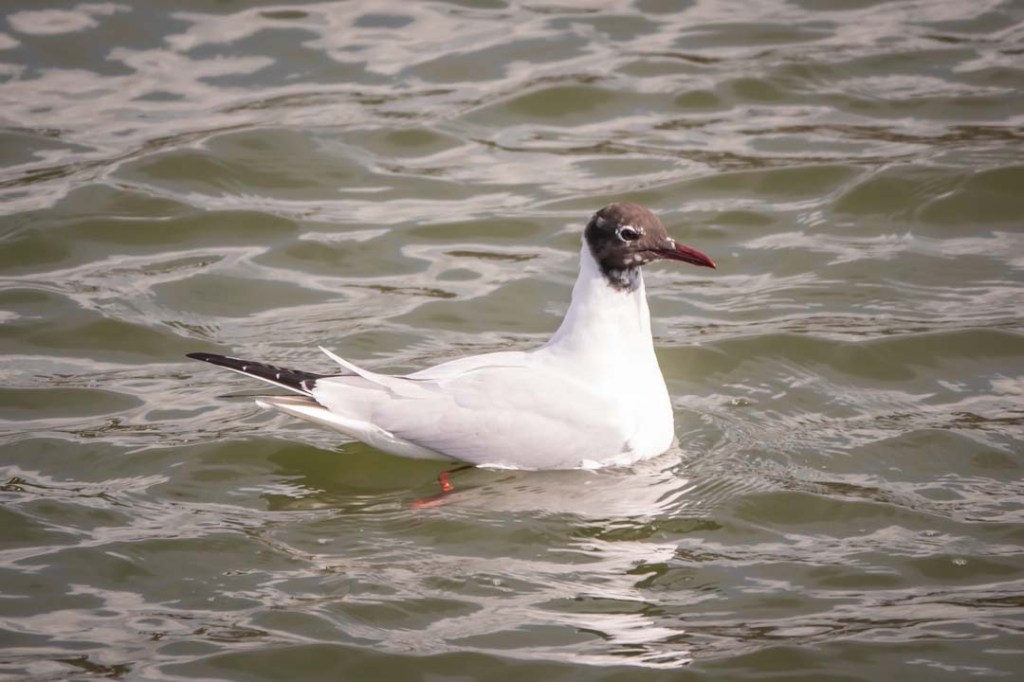
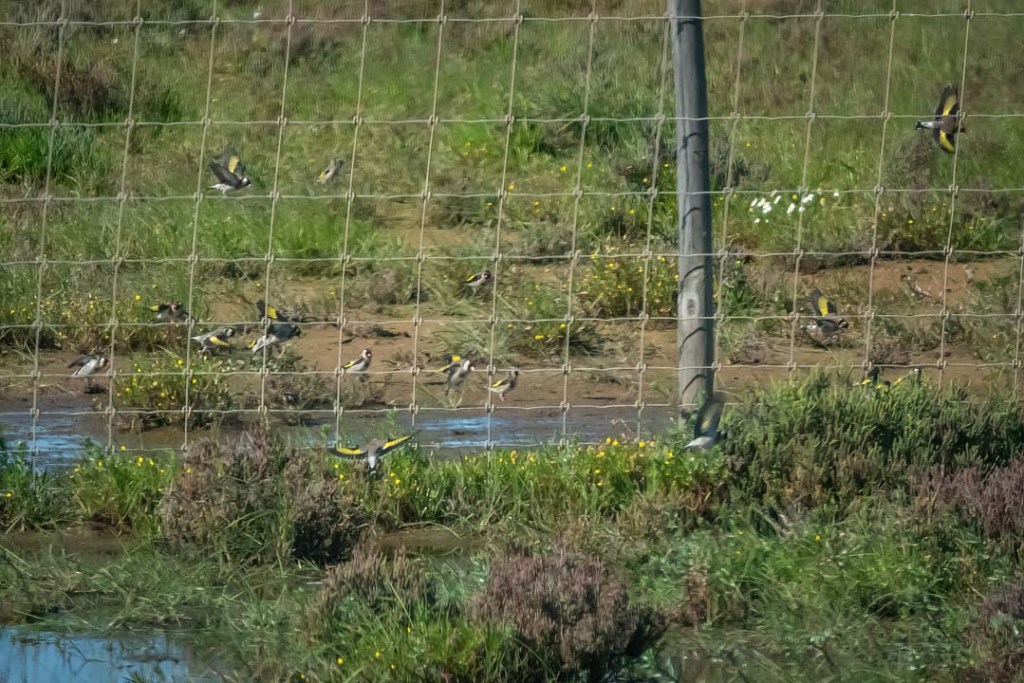
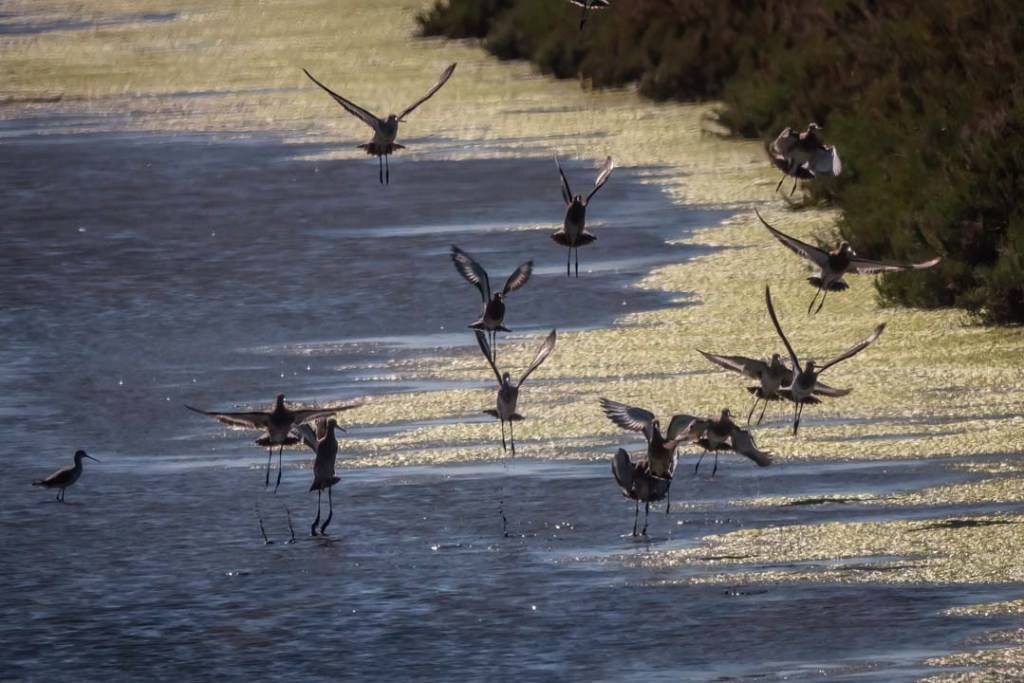
Common chiffchaff amongst the broom… and awayThe white wagtails look a lot cleaner than our pied wagtailsThe bees love the local flora… and so do we.The Iberian magpies are fairly special tooWe could here Zitting Cisticolas and Bluethroats hereCormorants came the closest… but there were still reasonable views of marsh harriersCattle egretThe water on the lake was higher today and there seemed to be fewer birds but common pochard and a little grebe were just about in range for meThe godwits were not particularly spectacular here but I could make out a Caspian tern and some pied avocet amongst themThe best moments came when the black-tailed godwits took to the airThey were just as amazing as they came backCaspian ternMoorhenCootBlack-headed gull
A bit like being at home really, except in Bristol it was snowing this morning!
Our five day birdwatching tour has now finished and we have been enjoying the slower pace by discovering the locality around our hotel at Praia Senhora da Rocha along the coast from Armação de Pêra. There continue to be opportunities for more nature photographs .
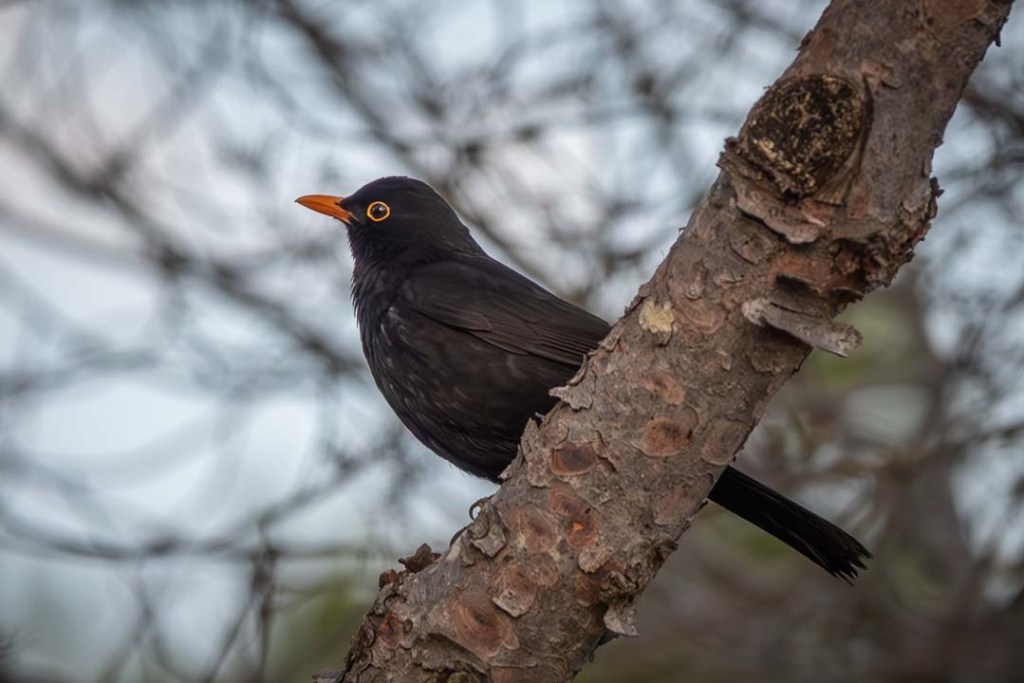
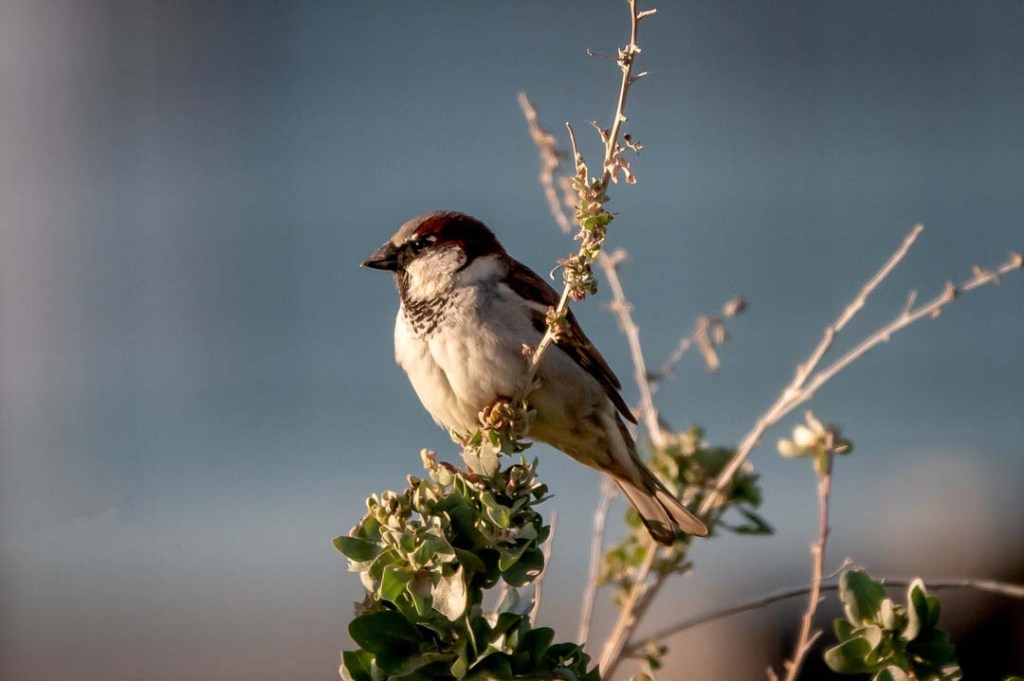
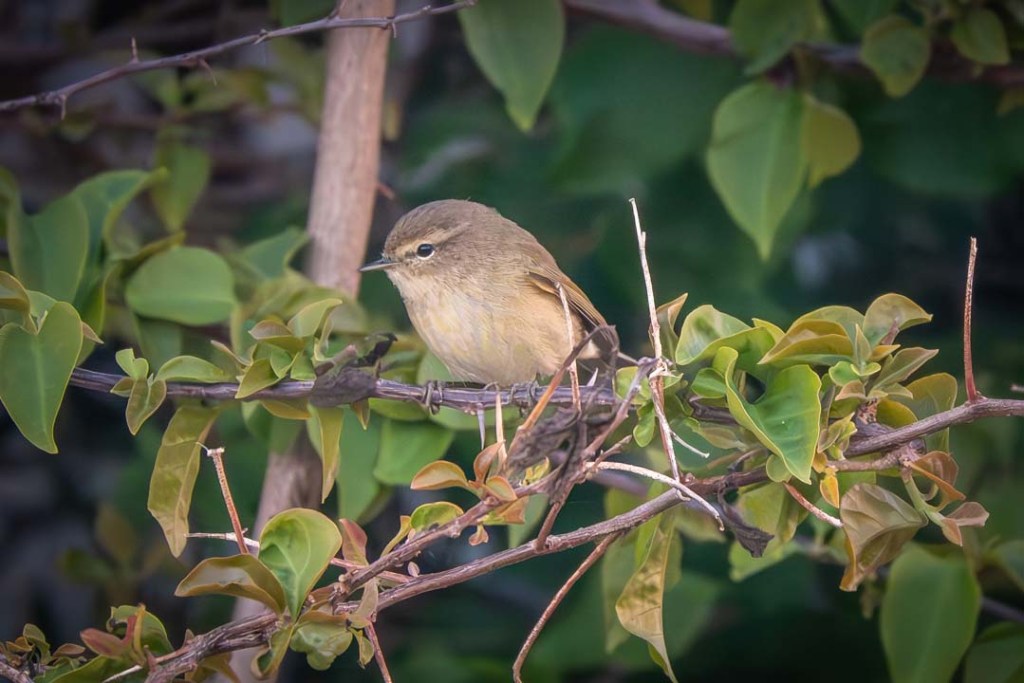
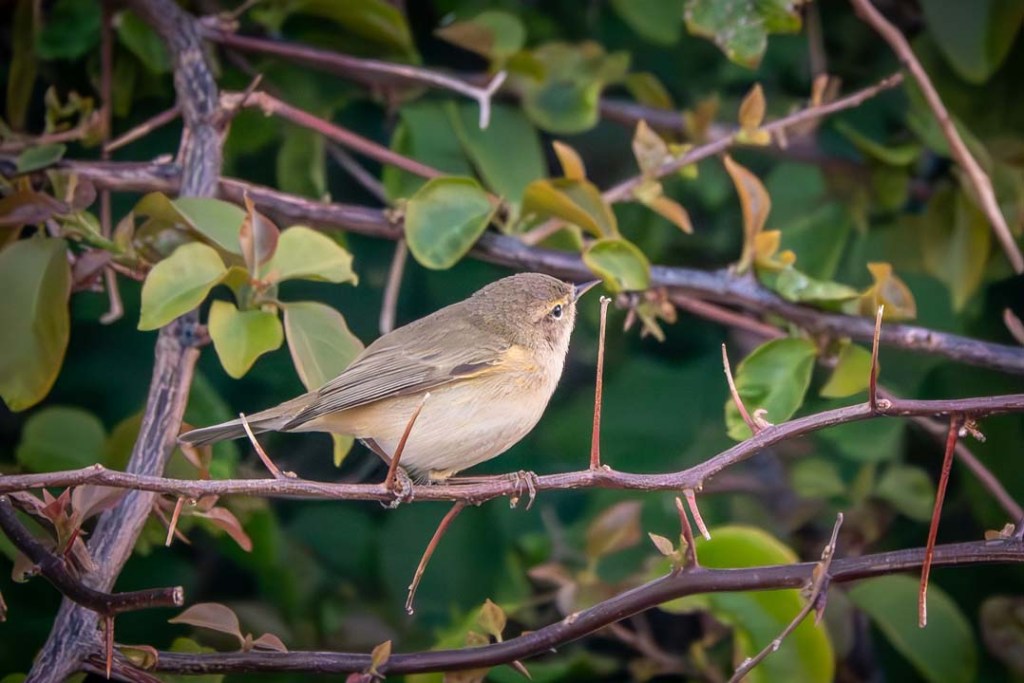
Along the coastal path we had close encounters with a black redstart, a blackbird, house sparrows and chiffchaffs.
Black redstartBlackbirdHouse sparrowCommon chiffchaffCommon chiffchaffBlack redstart
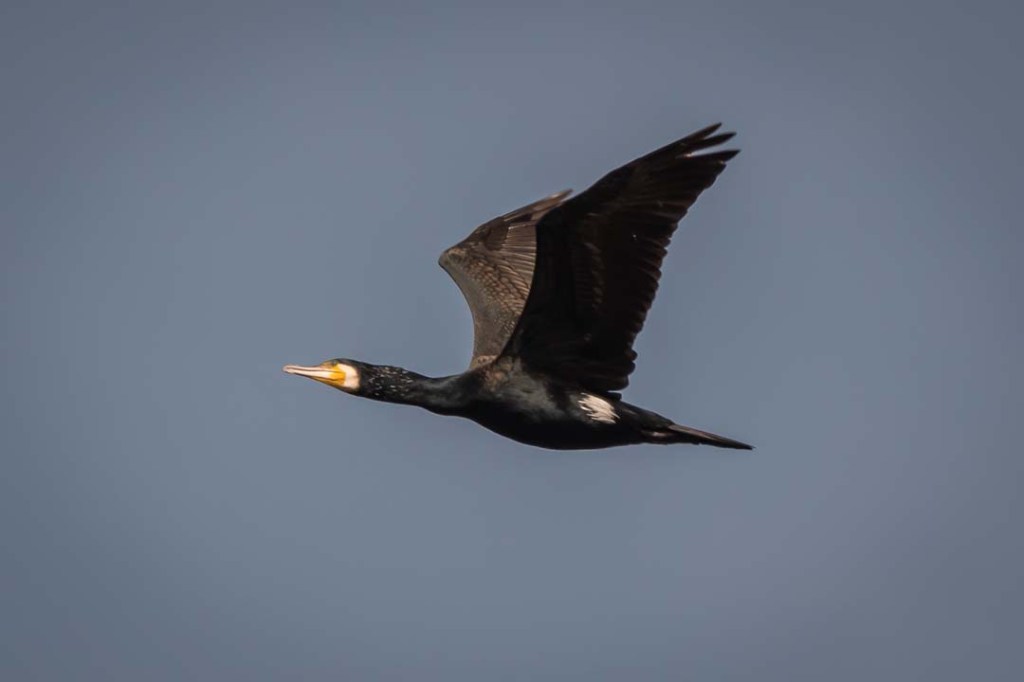
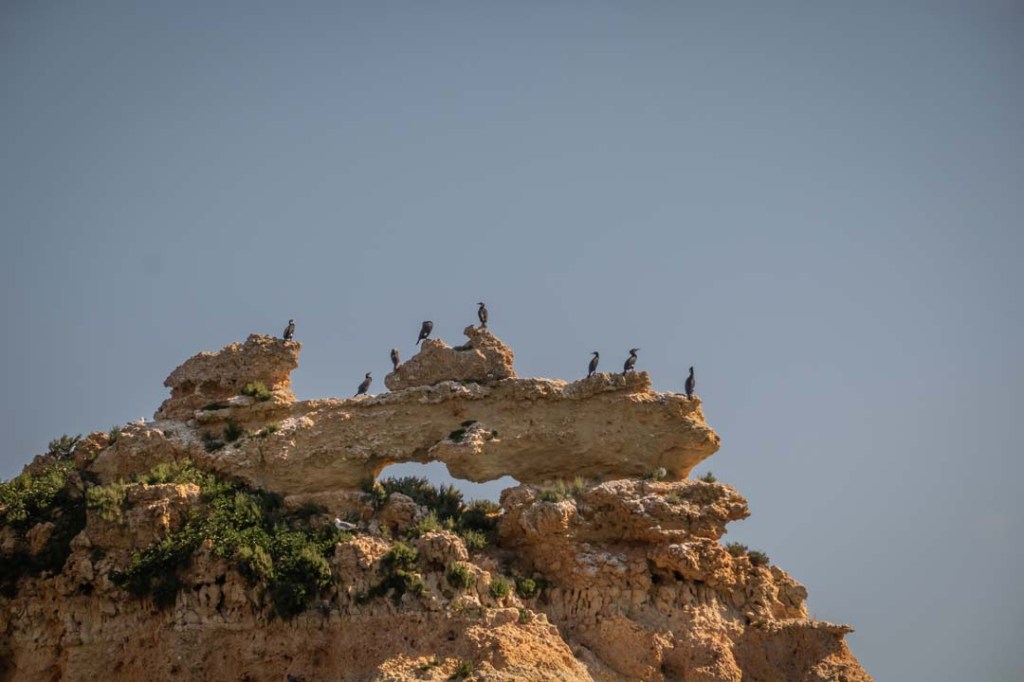
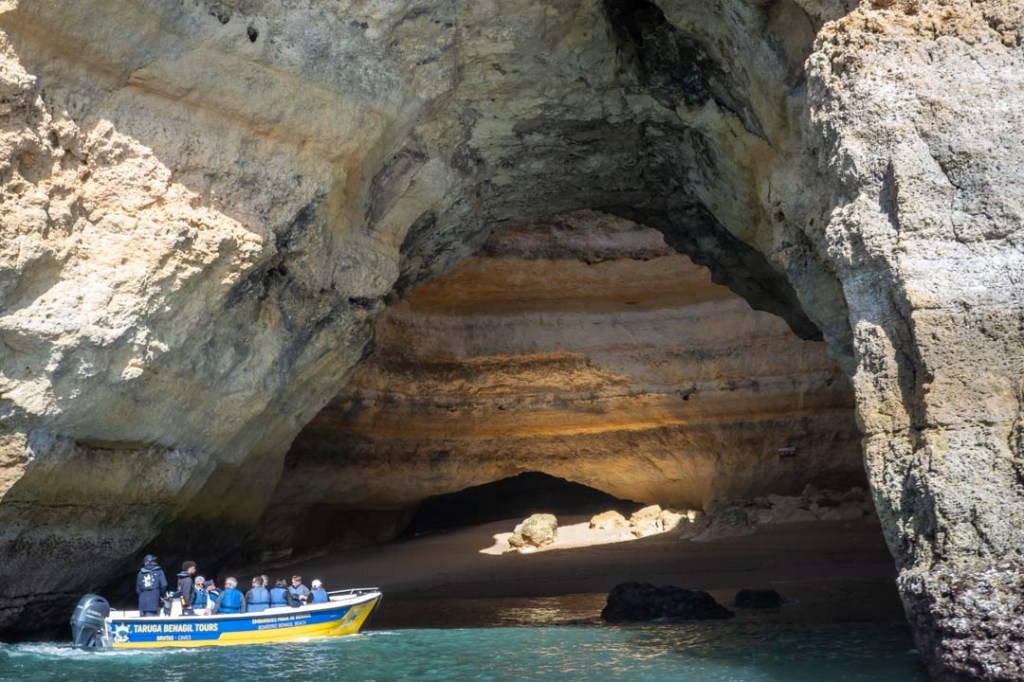
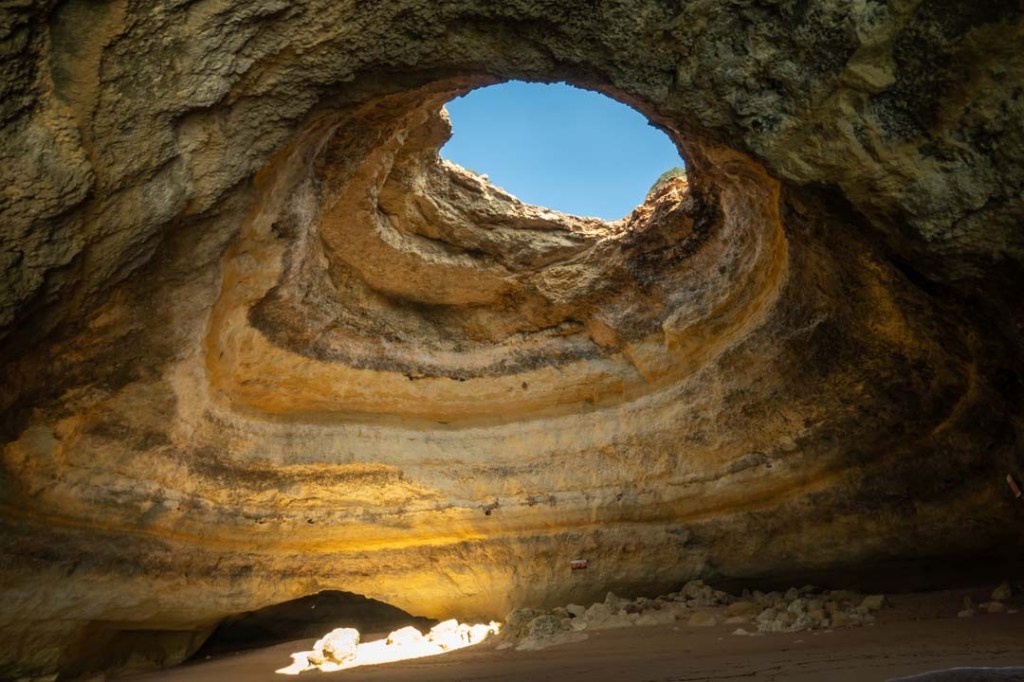
On our visit to the famous Benagil caves there were cormorants and, of course, yellow legged and lesser black-backed gulls.
Cormorants near the caves of BenagilThe caves of BenagilMaybe you can see a crocodile here…or maybe an elephant
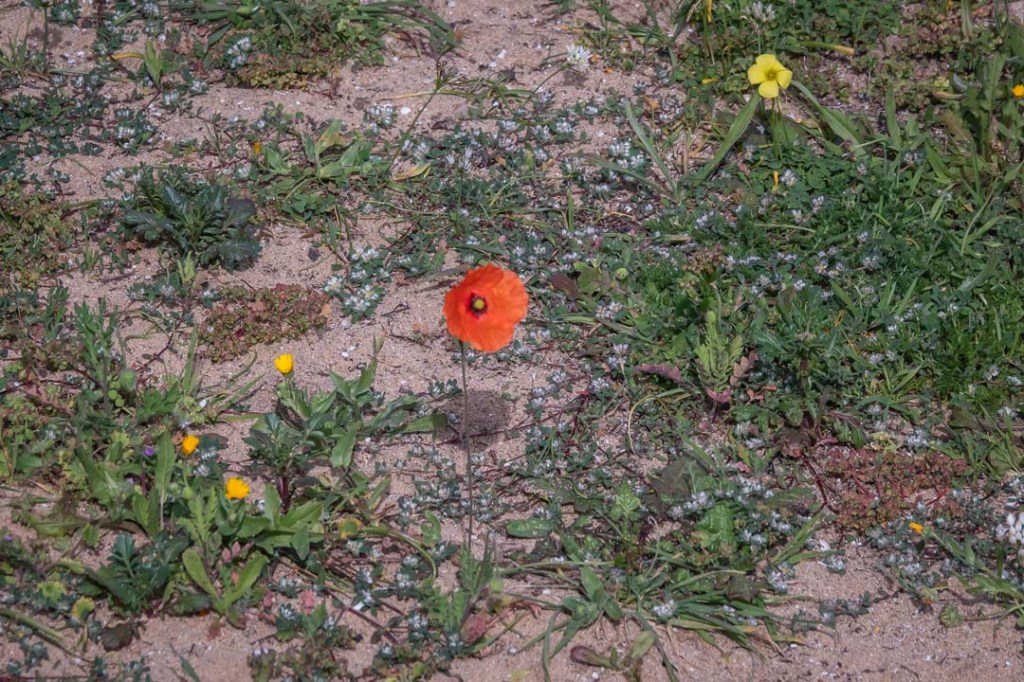
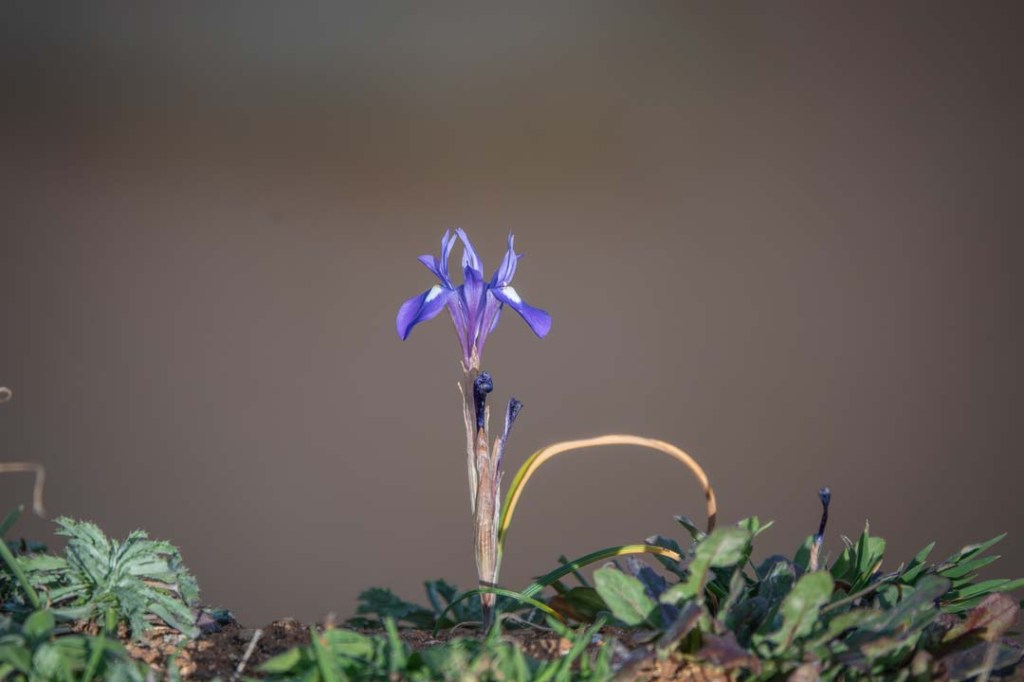
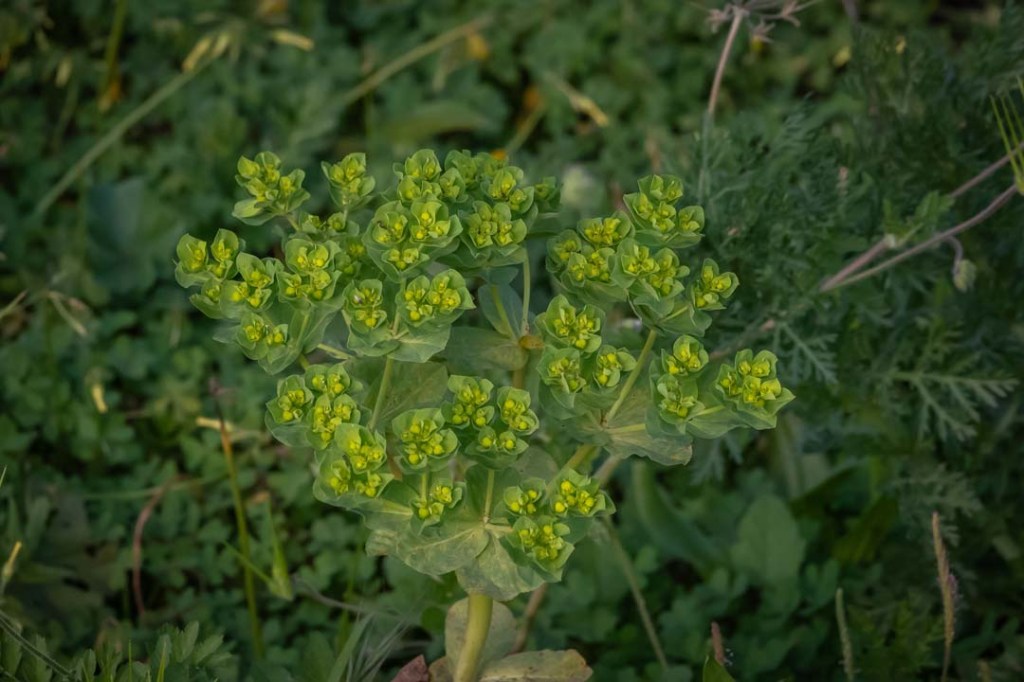
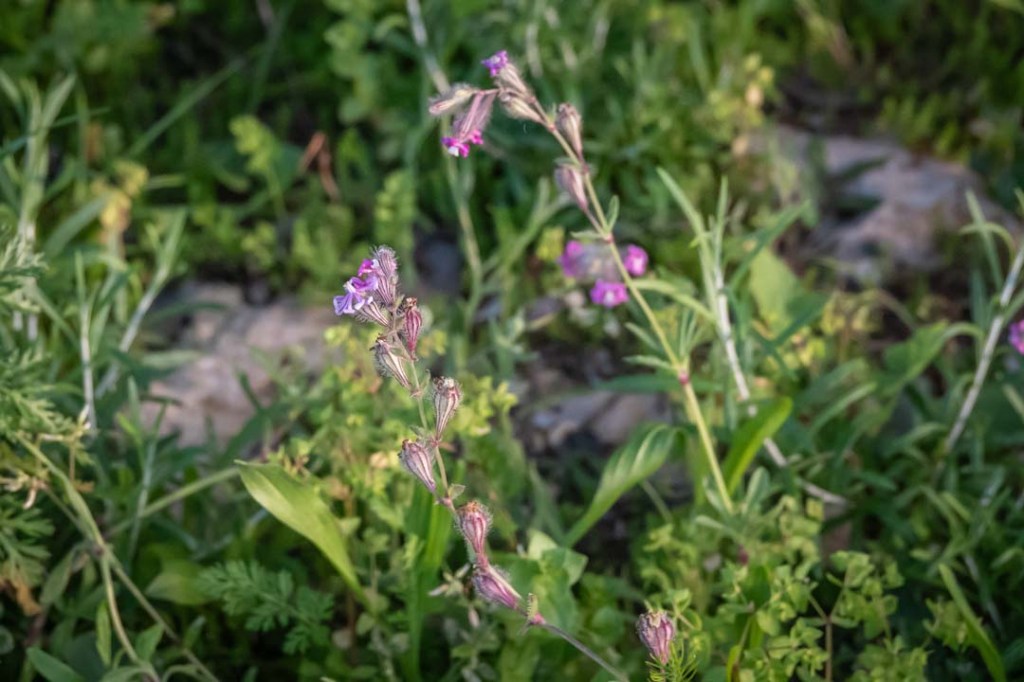
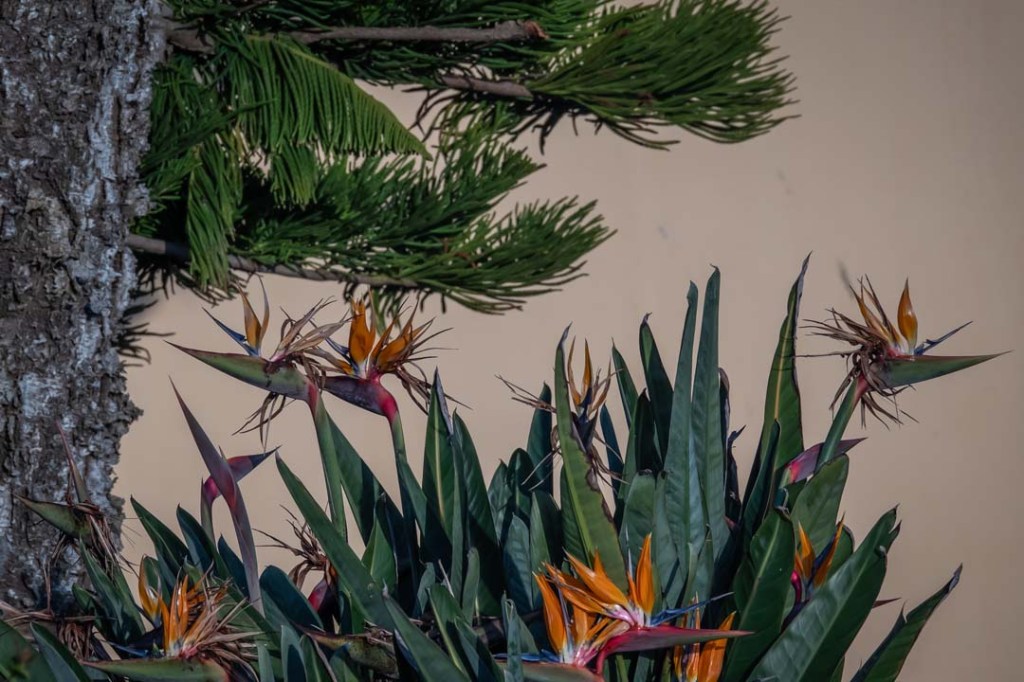
The flora near the church at Praia da Rocha is quite amazing too.
The iconic chapel at Praia da RochaA lovely coastal pathThis euphorbia grows in our garden tooBirds of paradise?
For our fourth day of birding we travelled close to the border with Spain. We started birding at Castro Marim and visited the Castro Marim Nature Reserve visitors centre. The highlights here were a Spanish Imperial eagle and a short-toed snake eagle. There were more saltpans at Santa Luzia and then a study in gulls as we ate our picnic lunch beside the river ar Santa Luzia near Tavira.
On the way home we stopped off near Vilamoura to search for small birds in the pine forests which border the Atlantic coast.
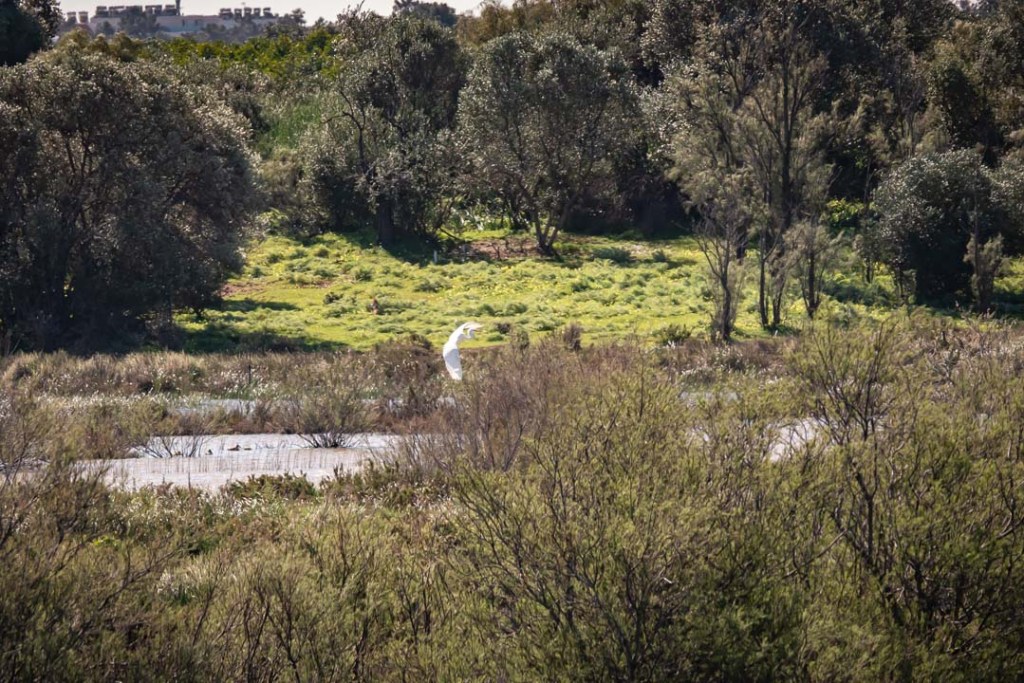
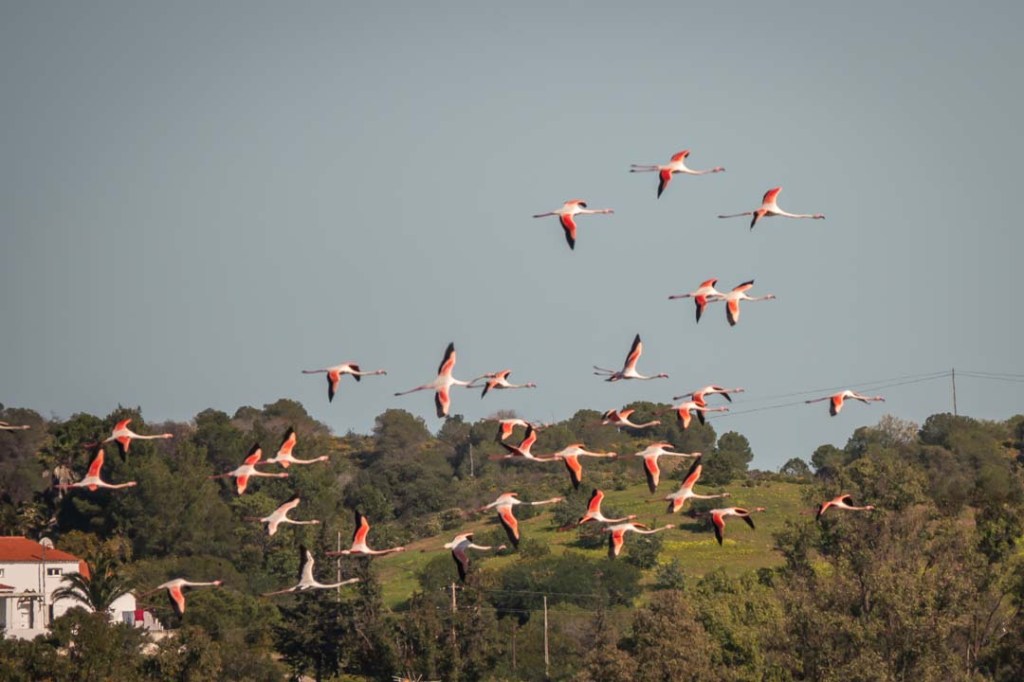
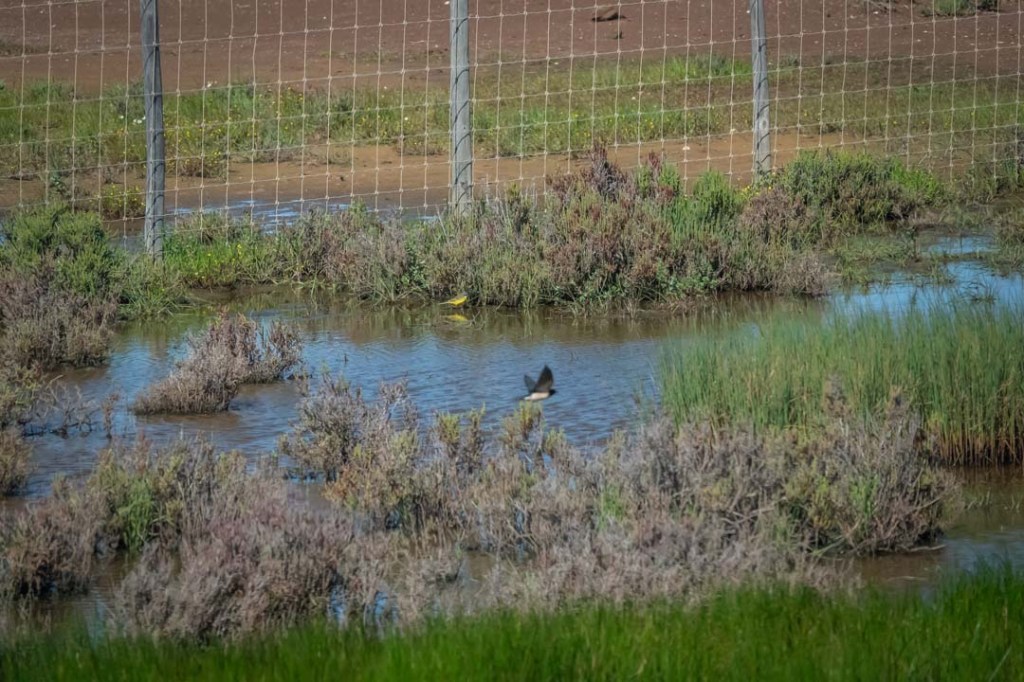
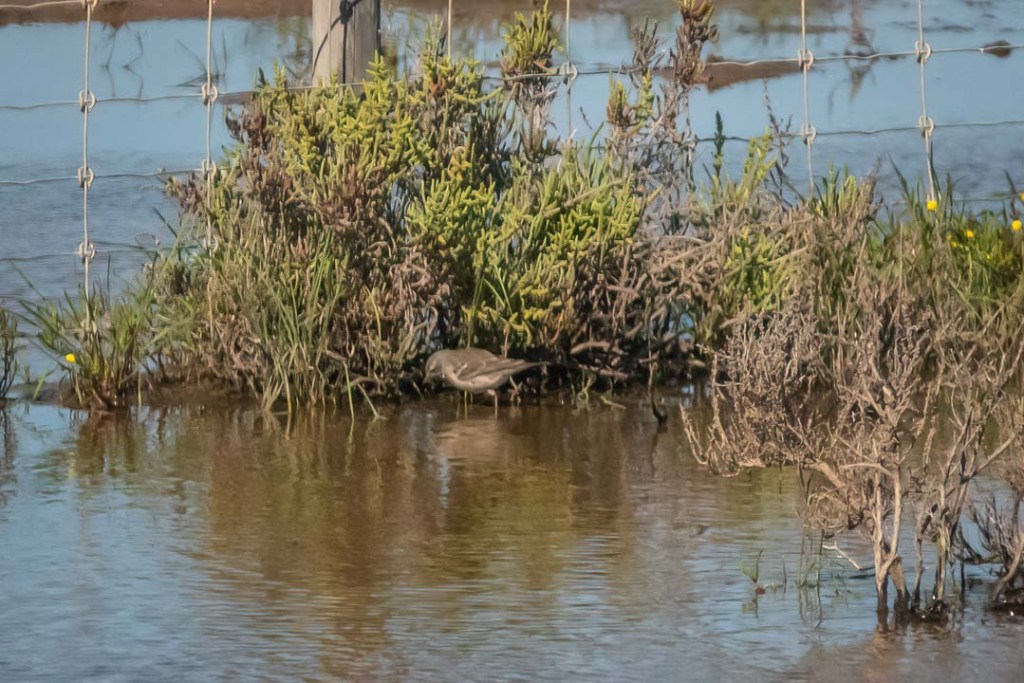
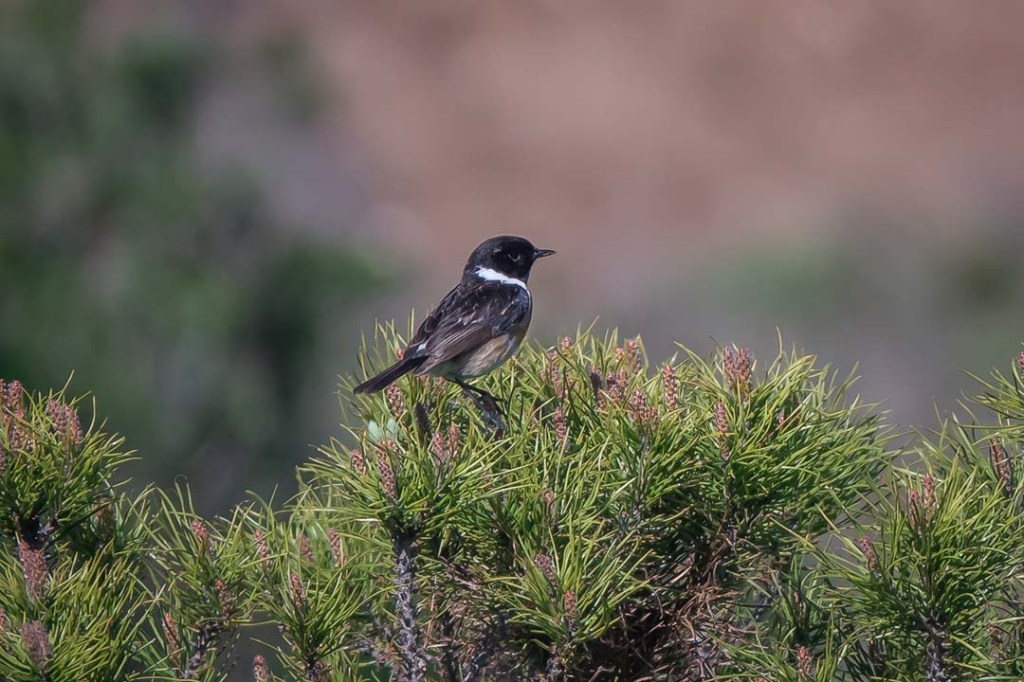
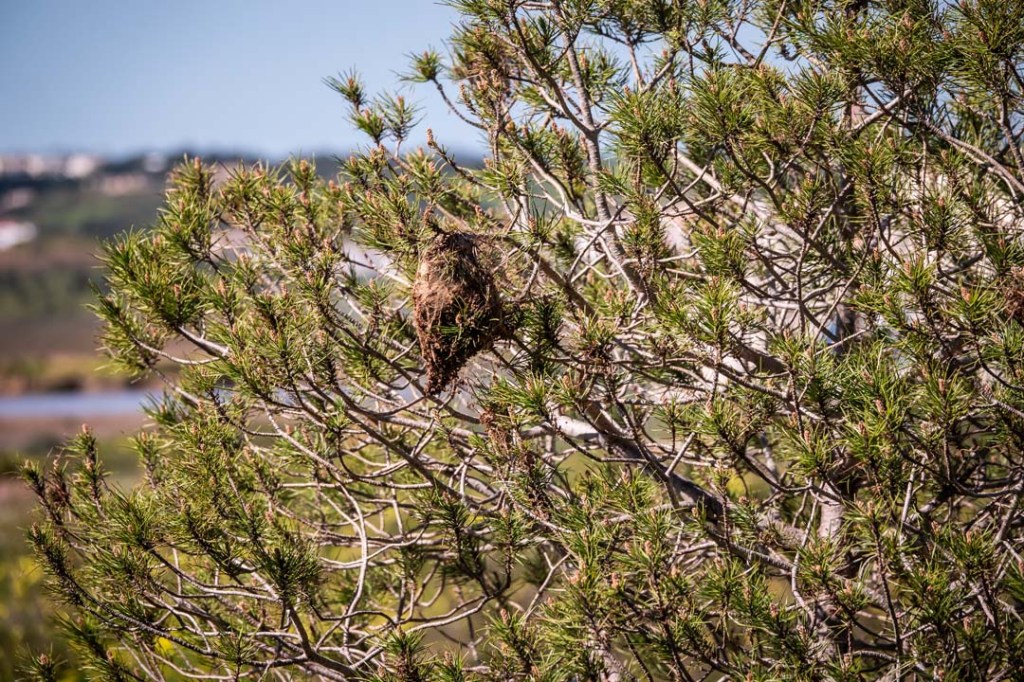
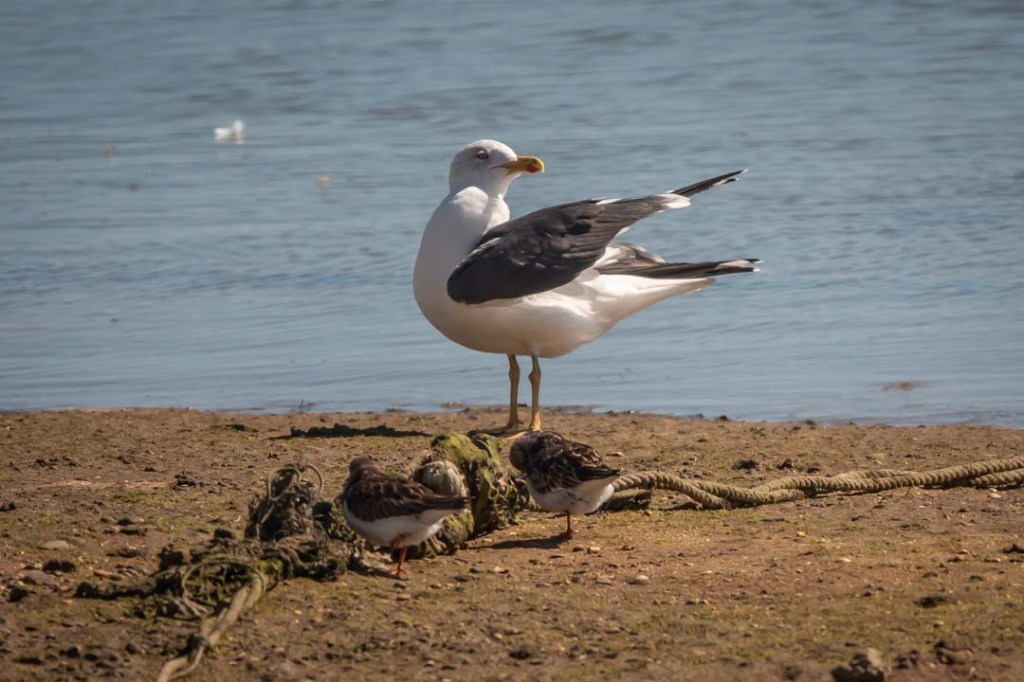
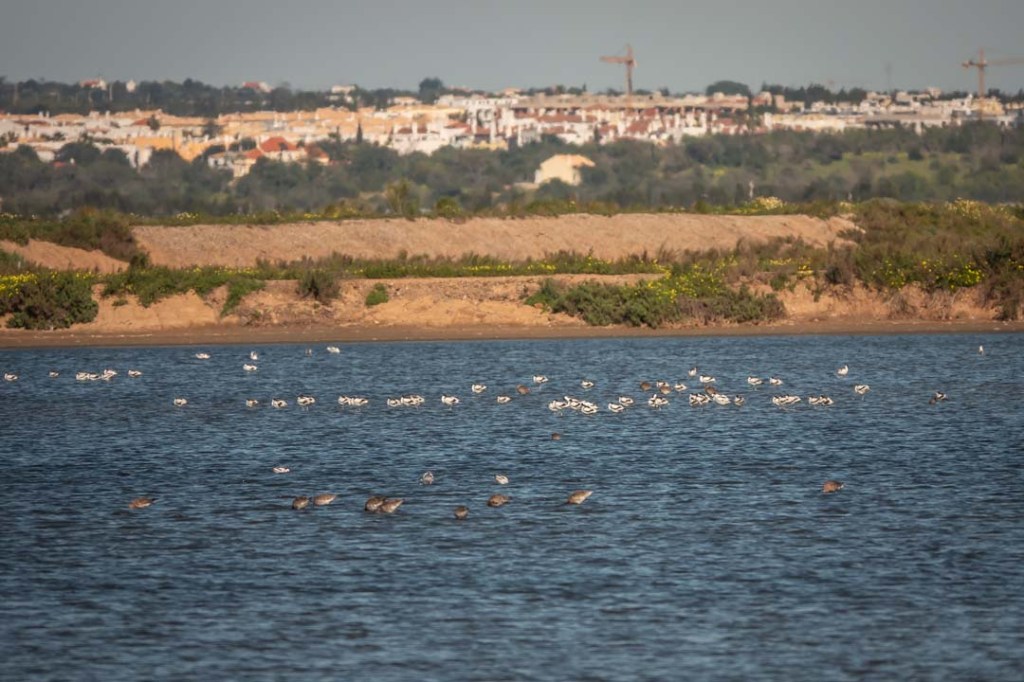
Greater flamingosGreat white egretGreater flamingos in flightGreater flamingosGreater flamingosYellow wagtail and house MartinWater pipitA charm of goldfinches Black-tailed godwits and a spotted redshankSpring has definitely arrived in the AlgarveCommon kestrelThe bridge linking Portugal and SpainThe ubiquitous stonechatA weavers’s nest or a simply caterpillars?More greater flamingosLesser black-backed gull and ruddy turnstones as we ate our picnic lunch at Santa Luzia near TaviraMore saltpansRedshankPied avocets and godwitsGreater flamingos again
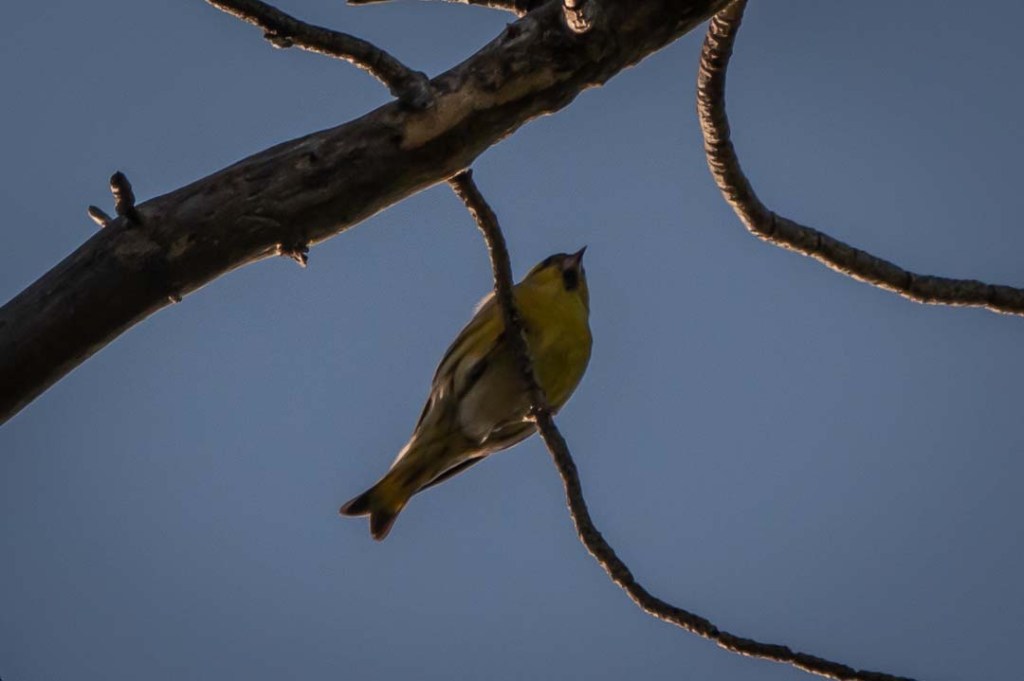
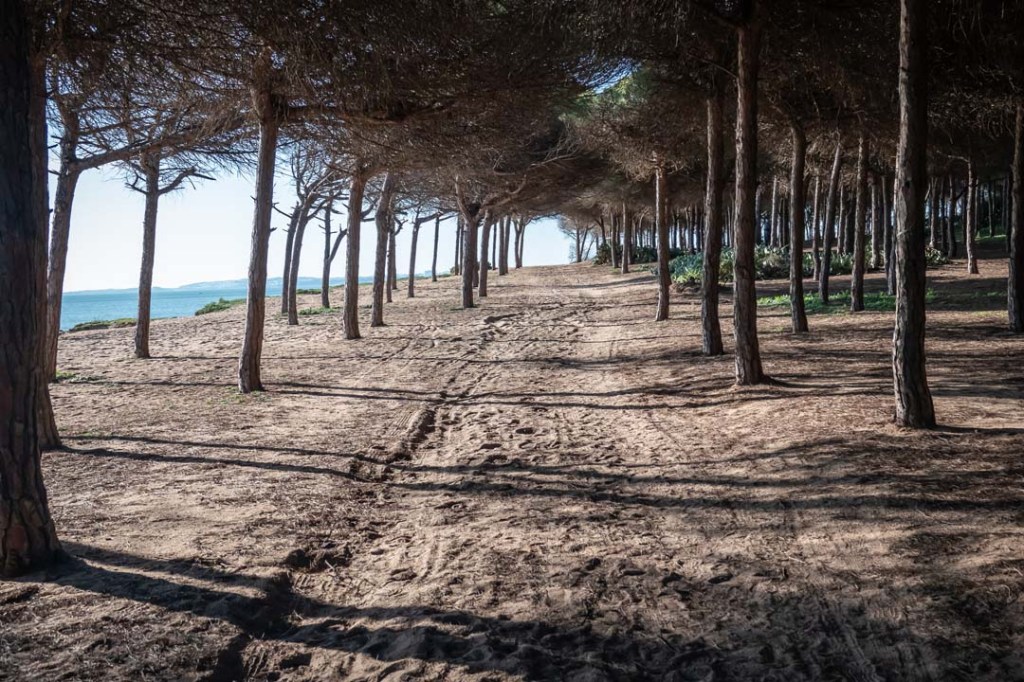
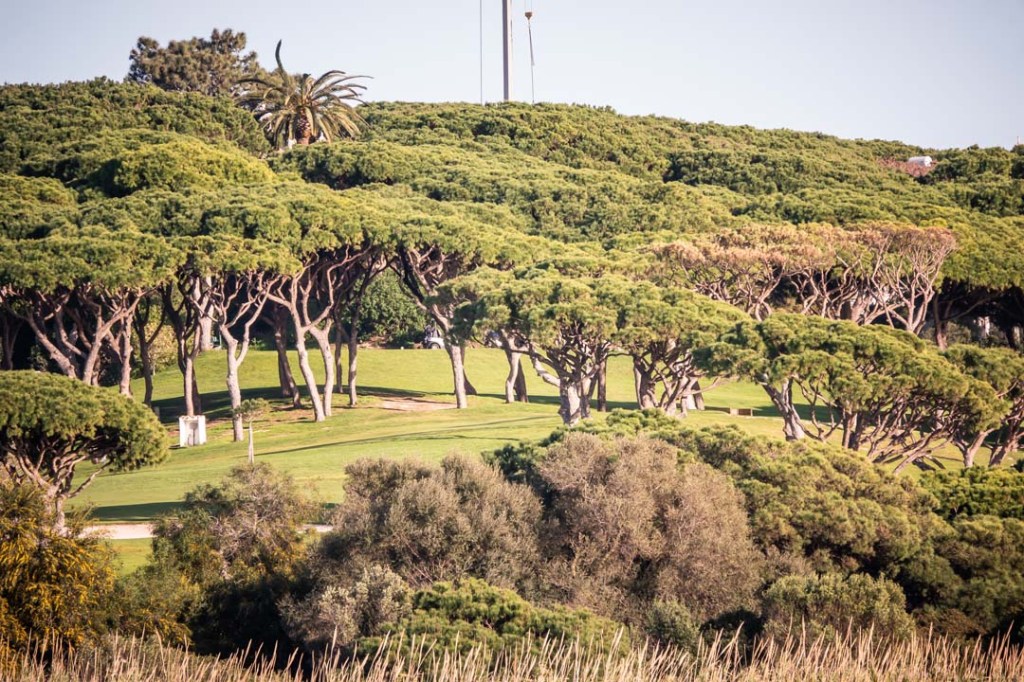
In the pine forests near Vilamoura, as well as views of the golf course, we saw siskins, more marsh harriers across the marshes and a glimpse of the beautiful beaches here.
SiskinPine forests bordering the Atlantic coastThe golf course at VilamouraThe Atlantic coast
A black-winged kite from the coach near the hotel neatly finished off our day
Black-winged kite taken from the coach
Another very full day and again a very rewarding one.
72 species observed
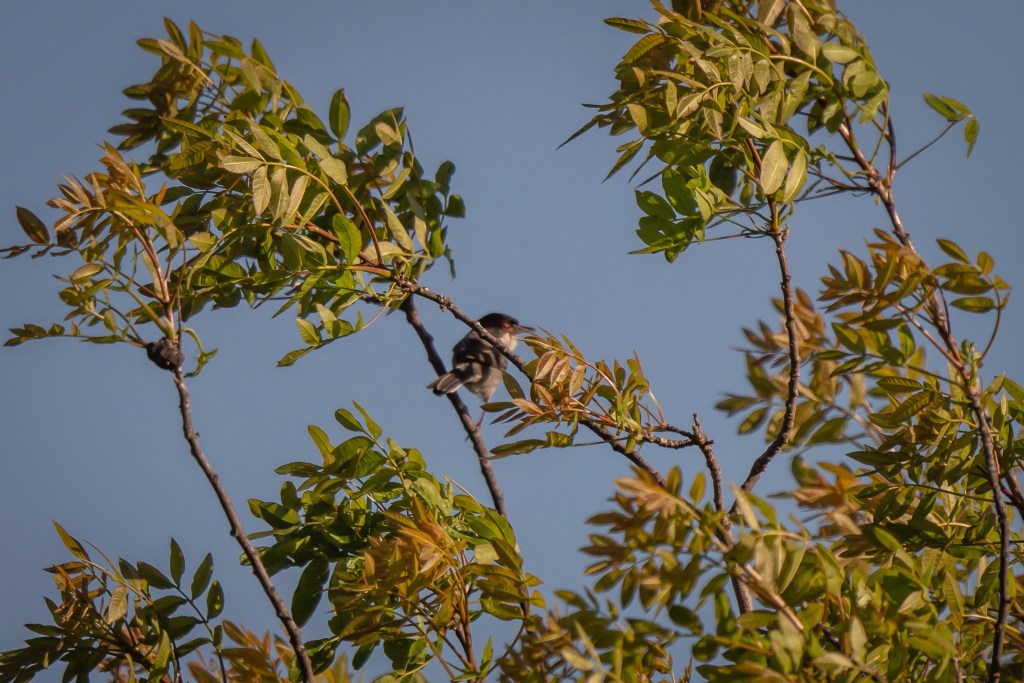
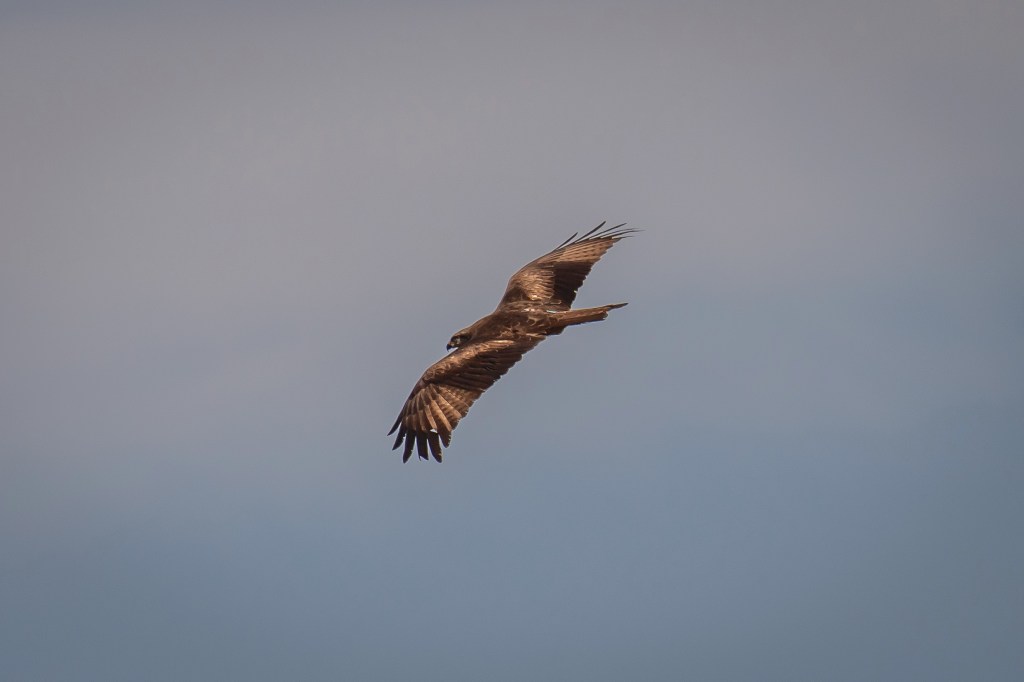
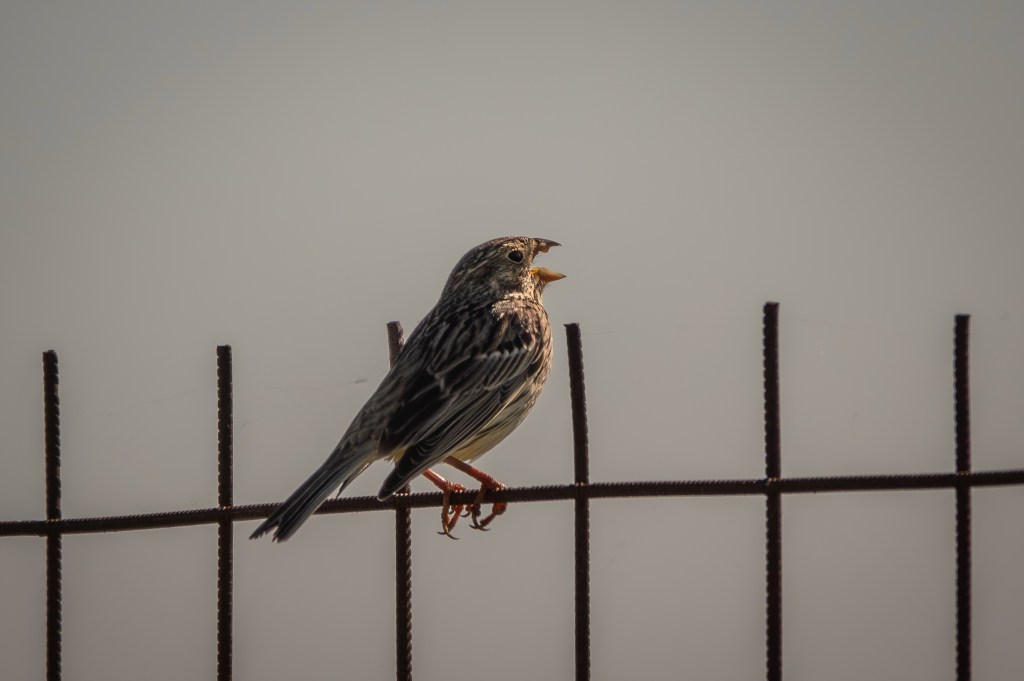
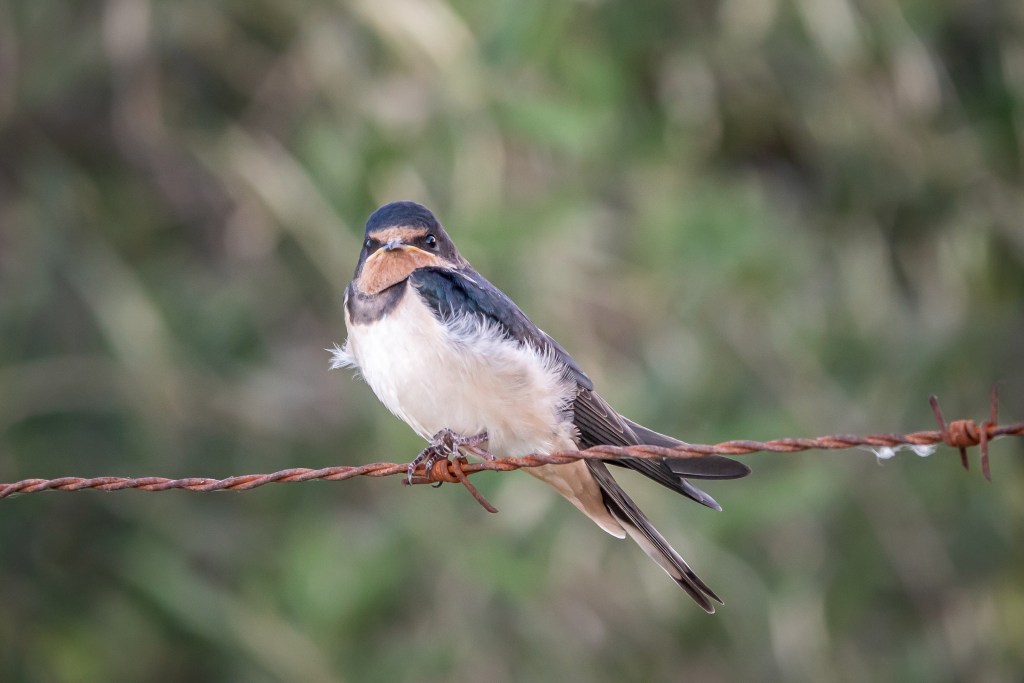
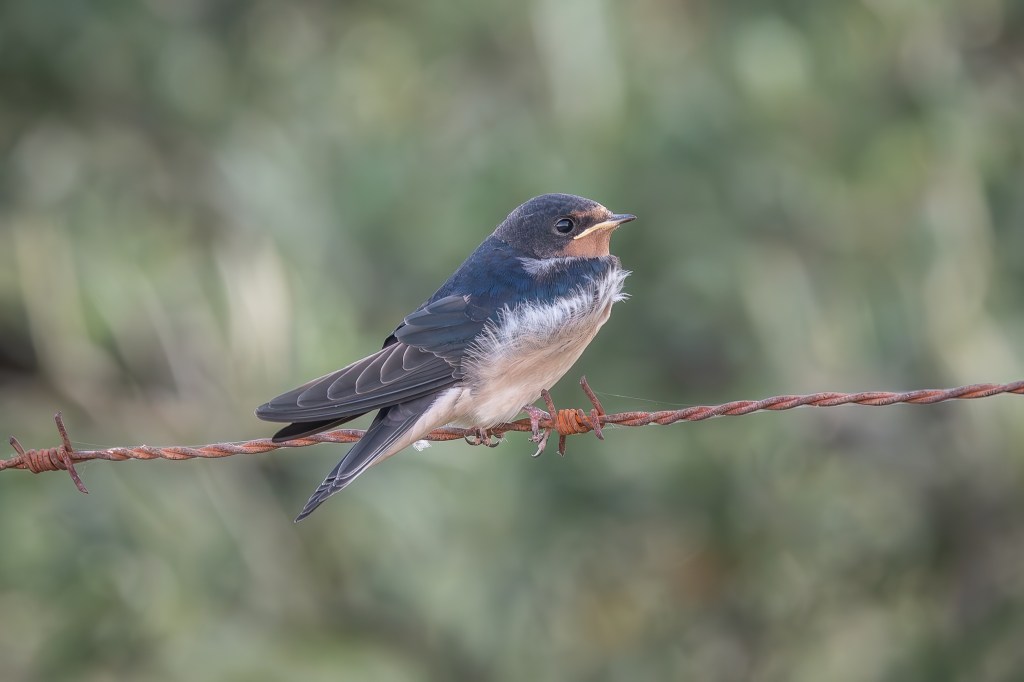
Greater Flamingo; Little Grebe; Common Woodpigeon; Collared Dove; Common Moorhen; Eurasian Coot; Stone-curlew ; Black-winged Stilt; Pied Avocet; Eurasian Oystercatcher ; Grey Plover; Common Ringed Plover; Northern Lapwing; Kentish Plover; Whimbrel; Black-tailed Godwit; Common Redshank; Spotted Redshank; Common Greenshank ; Ruddy Turnstone; Ruff; Sanderling; Dunlin; Little Stint ; Black-headed Gull; Audouin’s Gull; Yellow-legged Gull; Lesser Black-backed Gull ; Caspian Tern; Sandwich Tern ; White Stork; Great Cormorant; Little Egret; Western Cattle Egret ; Great White Egret ; Grey Heron ; Glossy Ibis; Eurasian Spoonbill, Osprey; Black-winged Kites; Short-toed Eagle; Booted Eagle; Western Marsh Harrier; Common Buzzard; Eurasian Hoopoe ; Common Kestrel ; Iberian Magpie; Common Magpie; Crested Tit; Great Tit; Crested Lark; Zitting Cisticola; Barn Swallow; Western House Martin; Common Chiffchaff; Sardinian Warbler ; Short-toed Treecreeper; Spotless Starling; Eurasian Blackbird; European Stonechat; House Sparrow; Spanish Sparrow; Pied Wagtail/White Wagtail; Yellow wagtail; Water Pipit; Common Chaffinch; European Greenfinch; Common Linnet; European Goldfinch; European Serin ; Eurasian Siskin; Corn Bunting








































































































































































 Martin's Bird Blog & Nature Photos