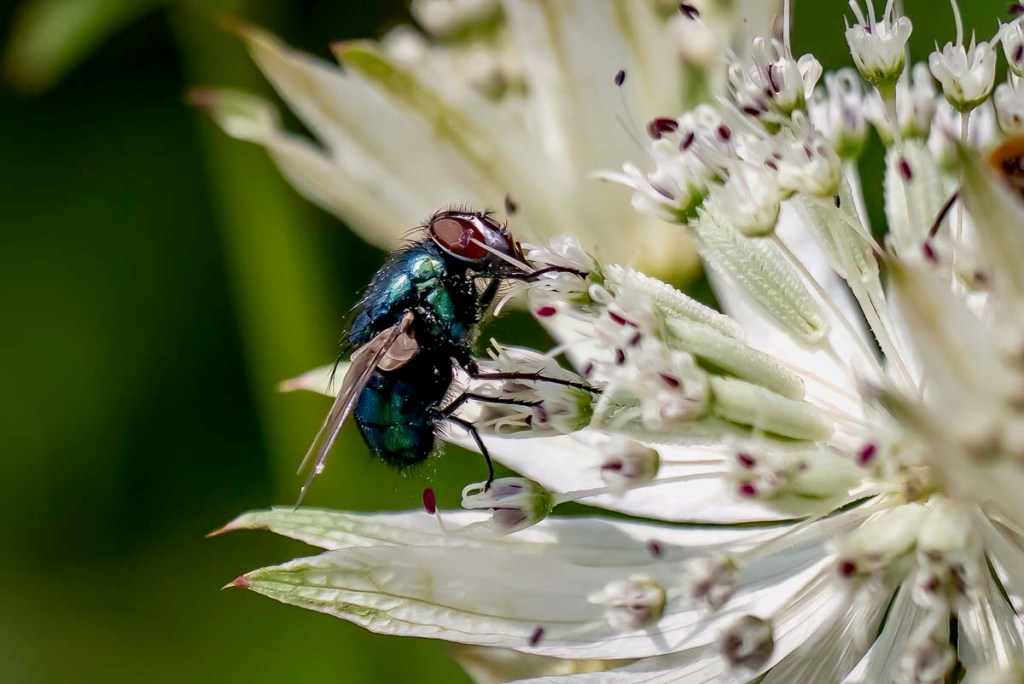
The WWT (Wildlife and Wetlands Trust) is a growing, global community of nature lovers who do brilliant things for nature, especially encouraging young people to engage with nature. However, we visit WWT Slimbridge in the school holidays with some trepidation as we know it is going to be packed with very noisy, excitable children. Yet today (as most times) we were able to visit certain parts of the reserve in relative peace and quiet. The only children we came across were well-behaved and already enthusiastic nature lovers, generally accompanied by knowledgeable and encouraging grandparents.
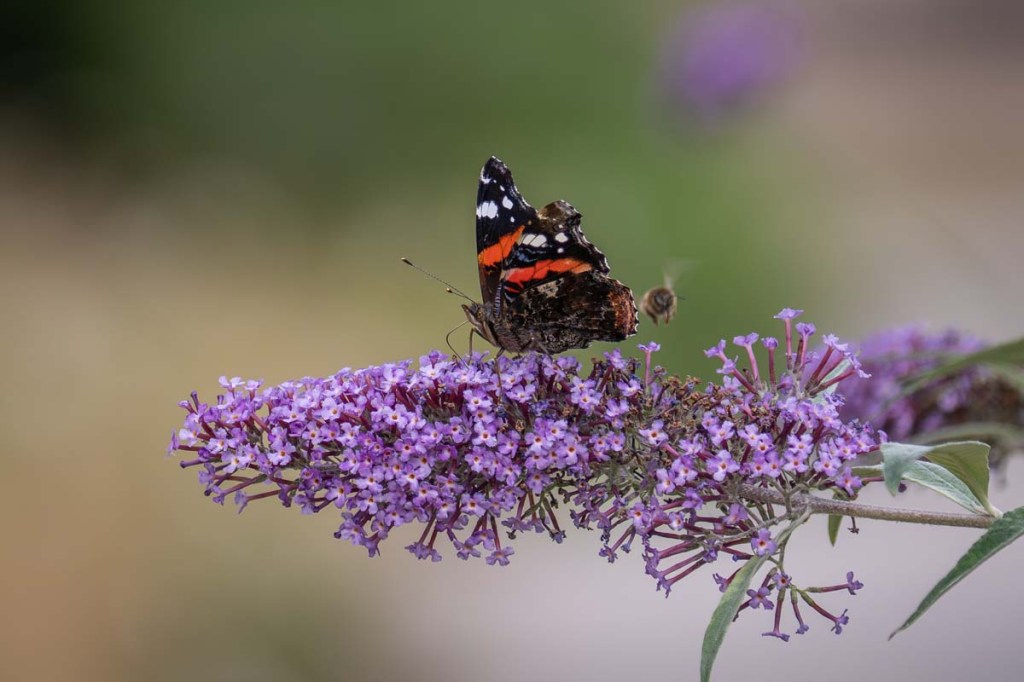
This is the time of the year when many “birders” turn to butterflies but today there was plenty to keep us engaged and the only butterflies of note were red admirals. We had a good walk down to the Severn Estuary and , although the tide was really too high to see much on the water, we saw plenty en route.
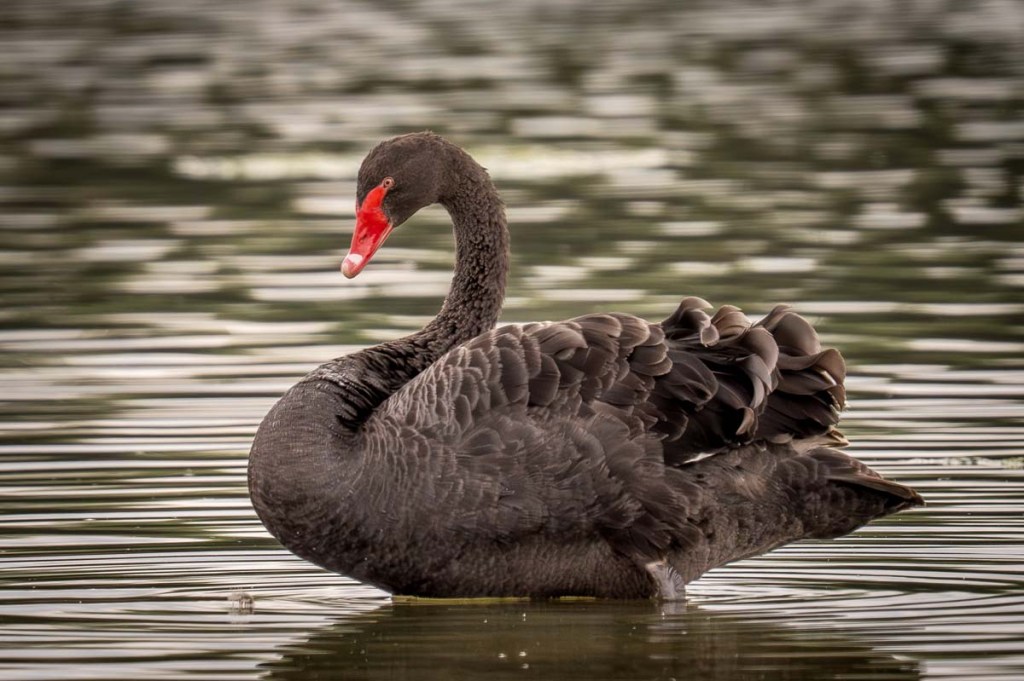
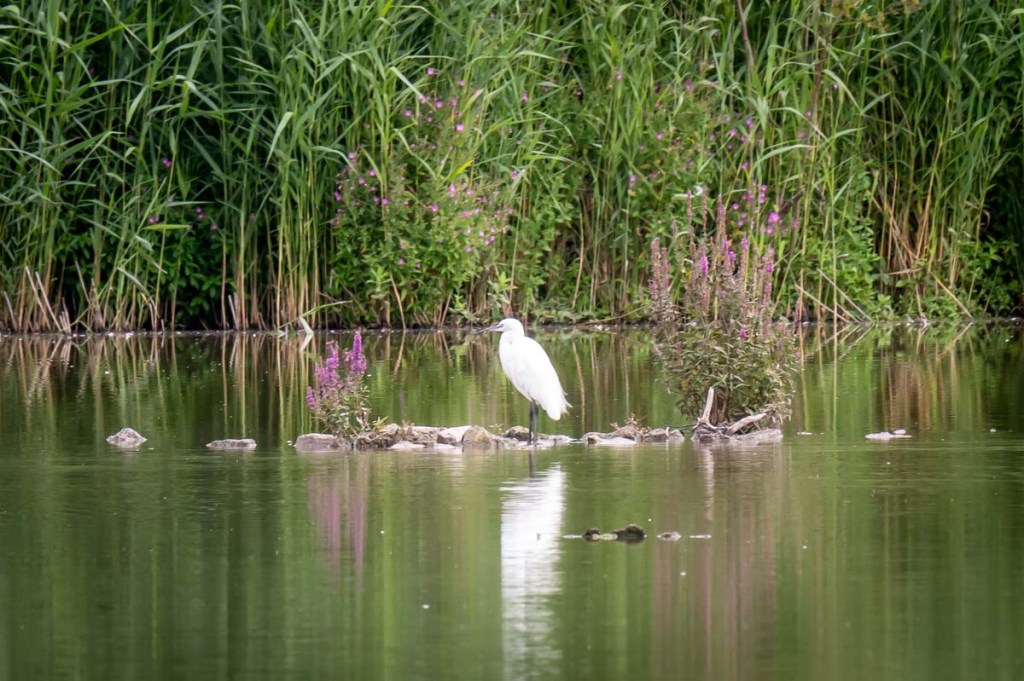
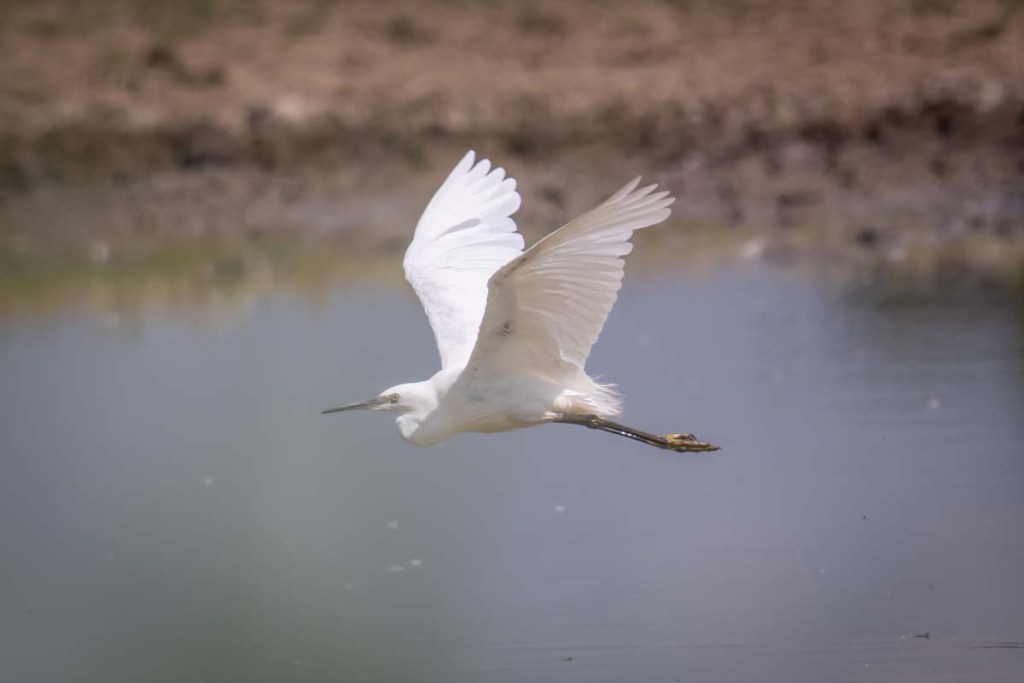
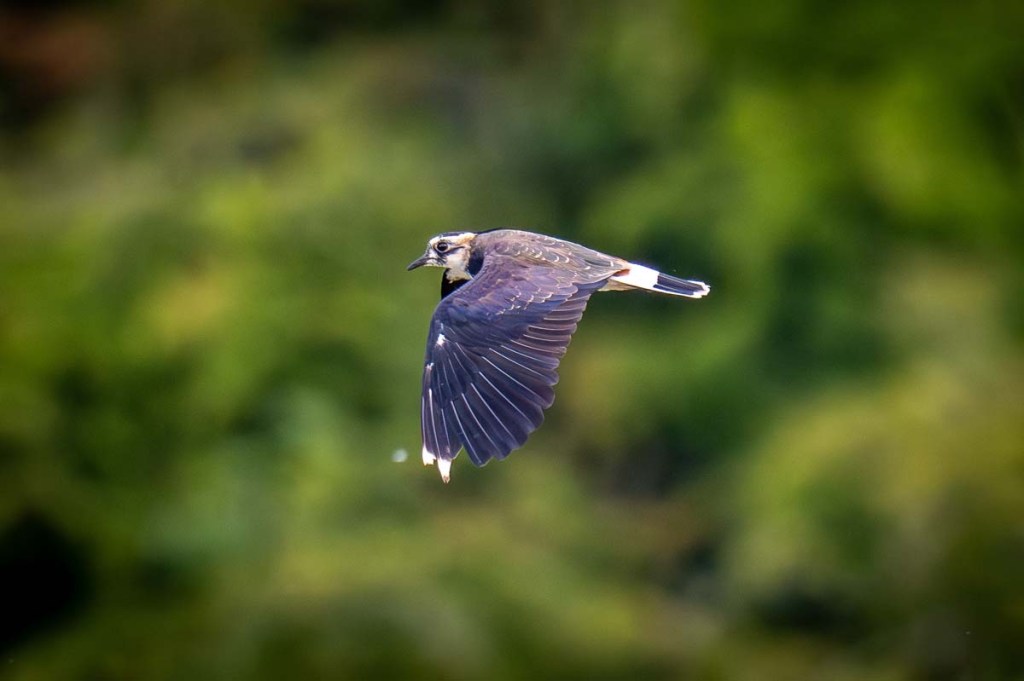
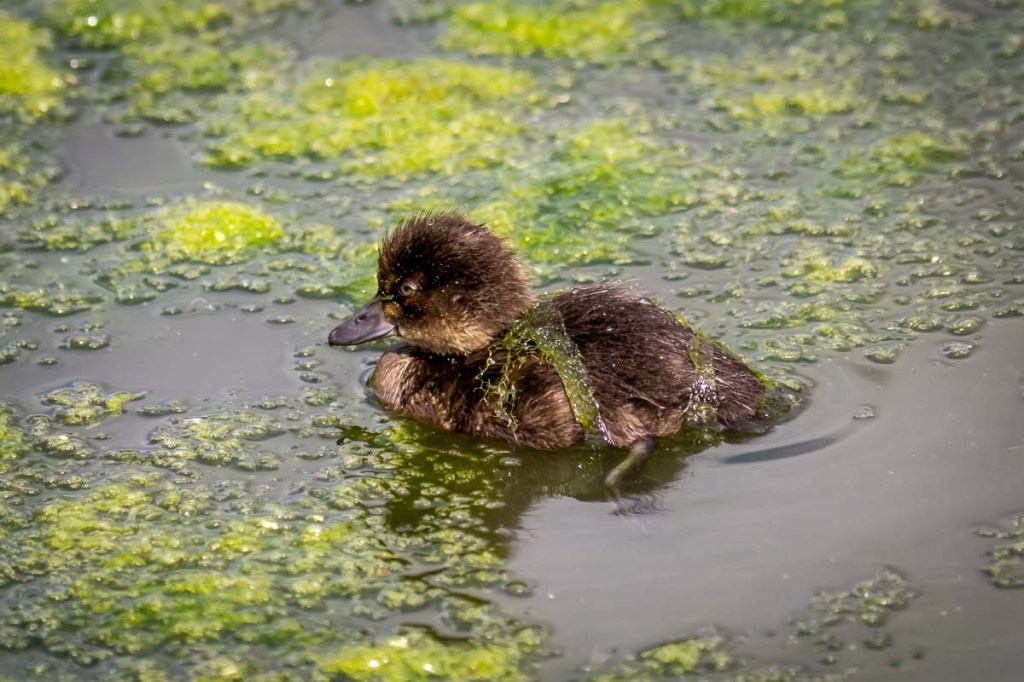
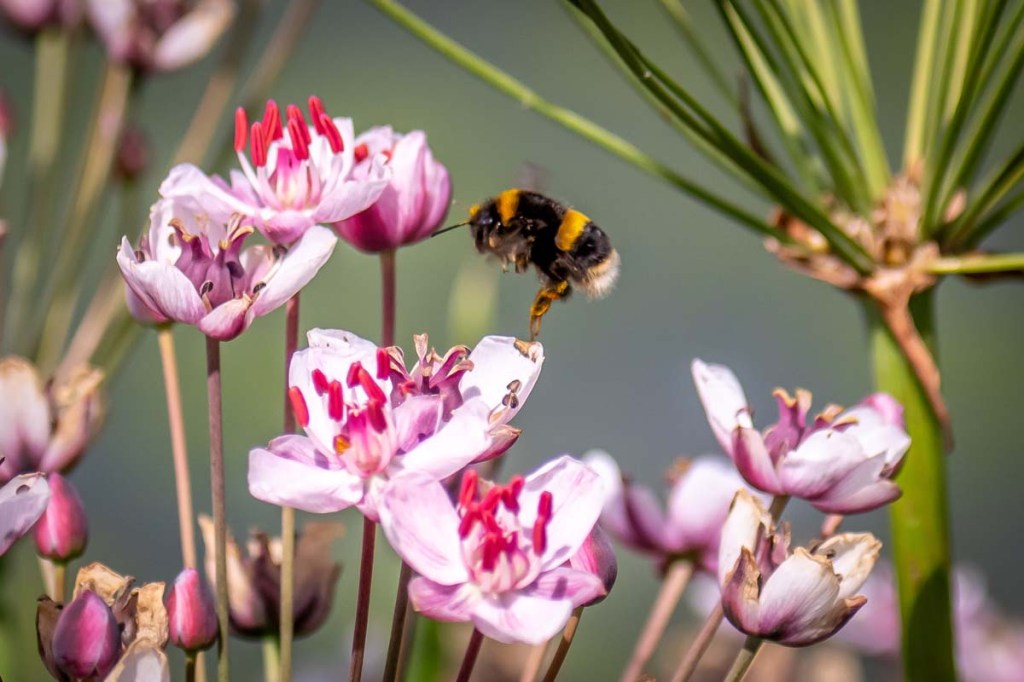
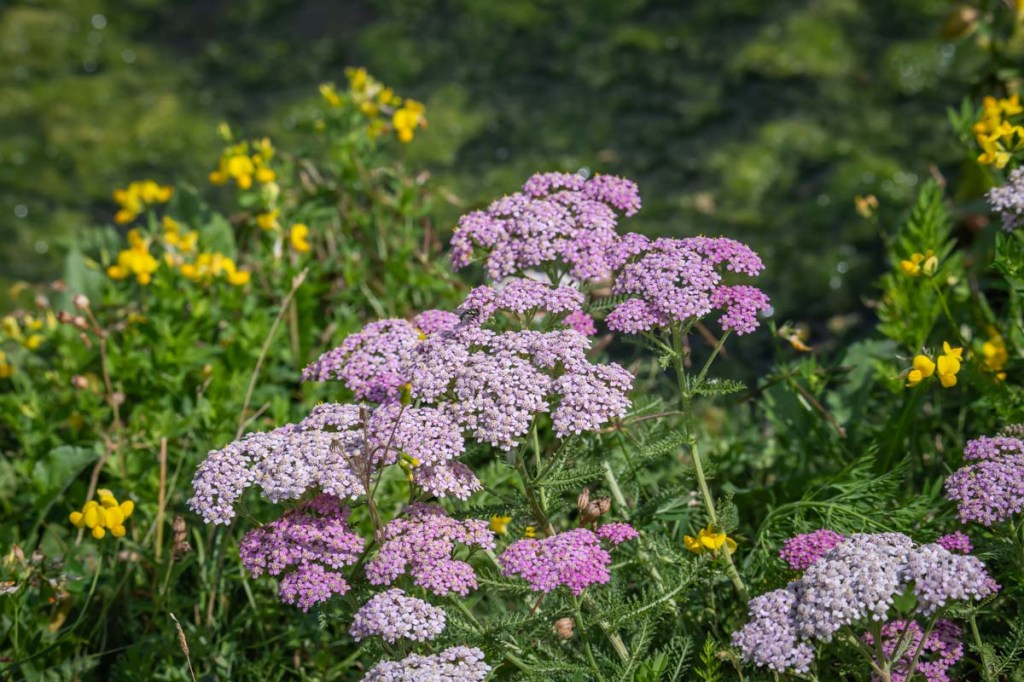
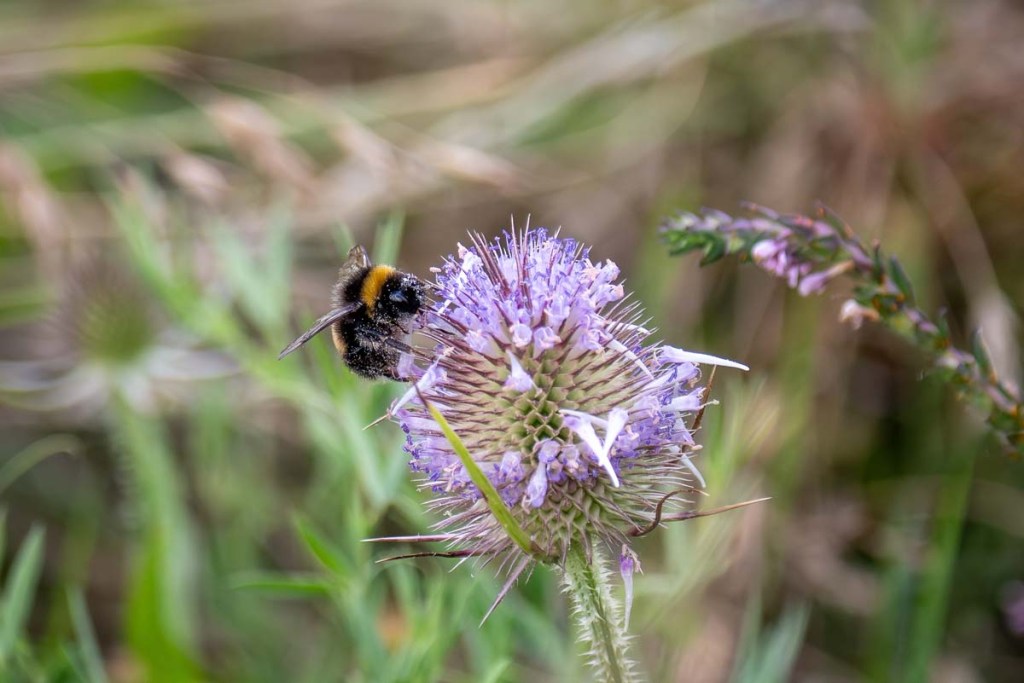
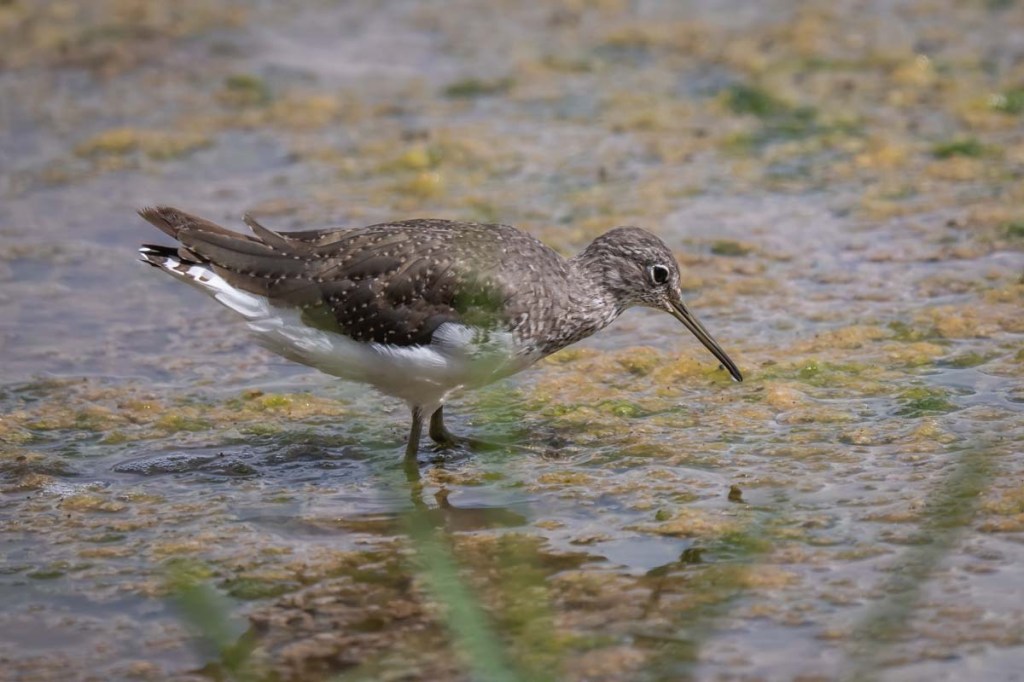
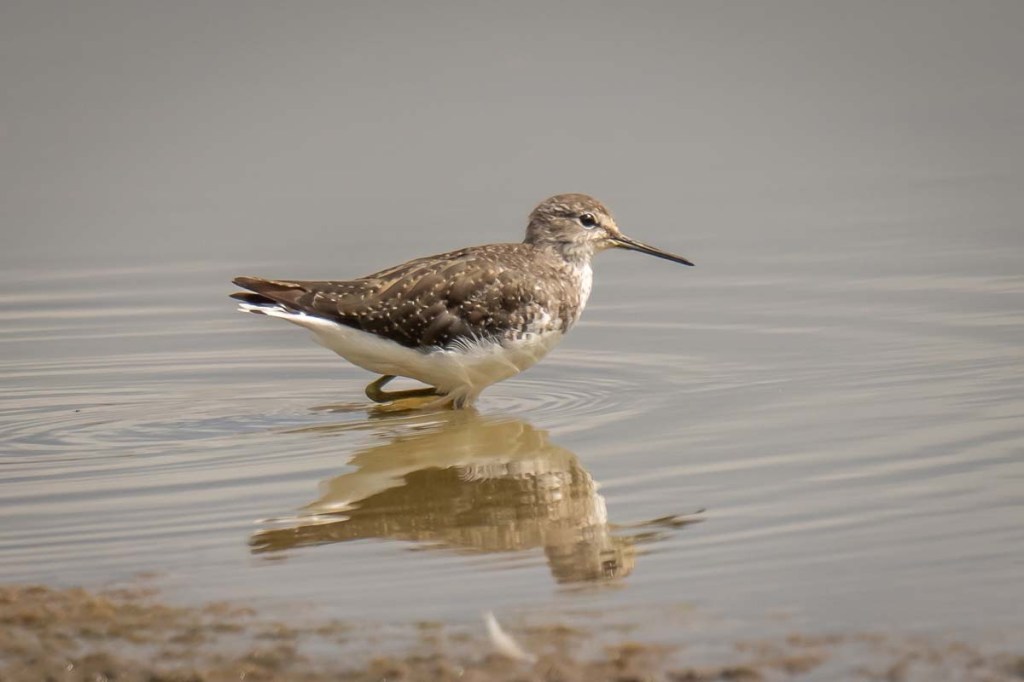
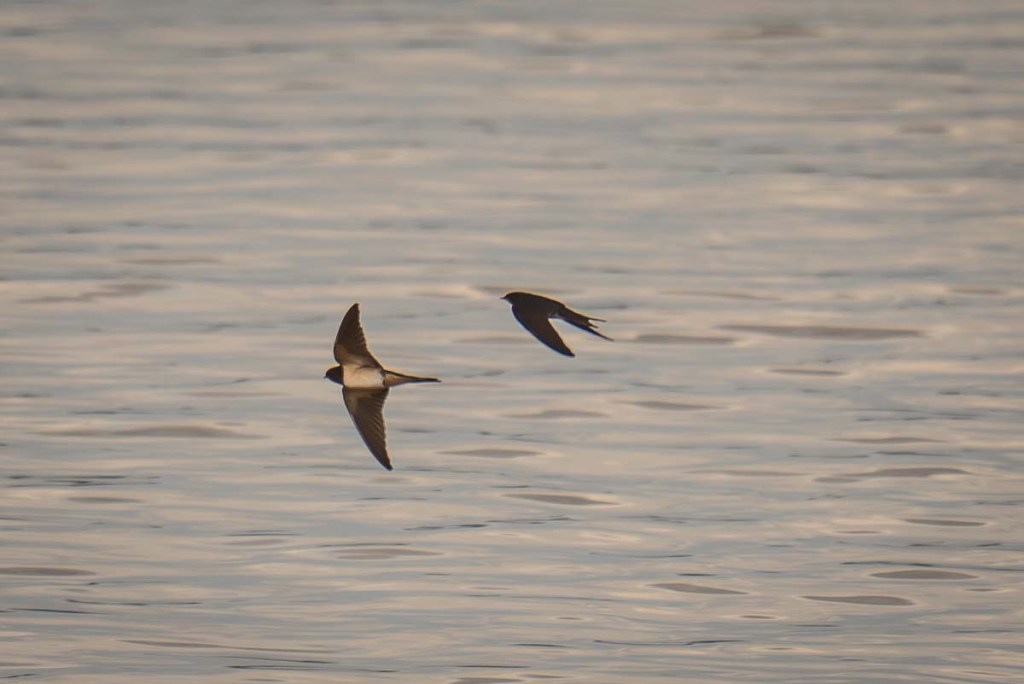
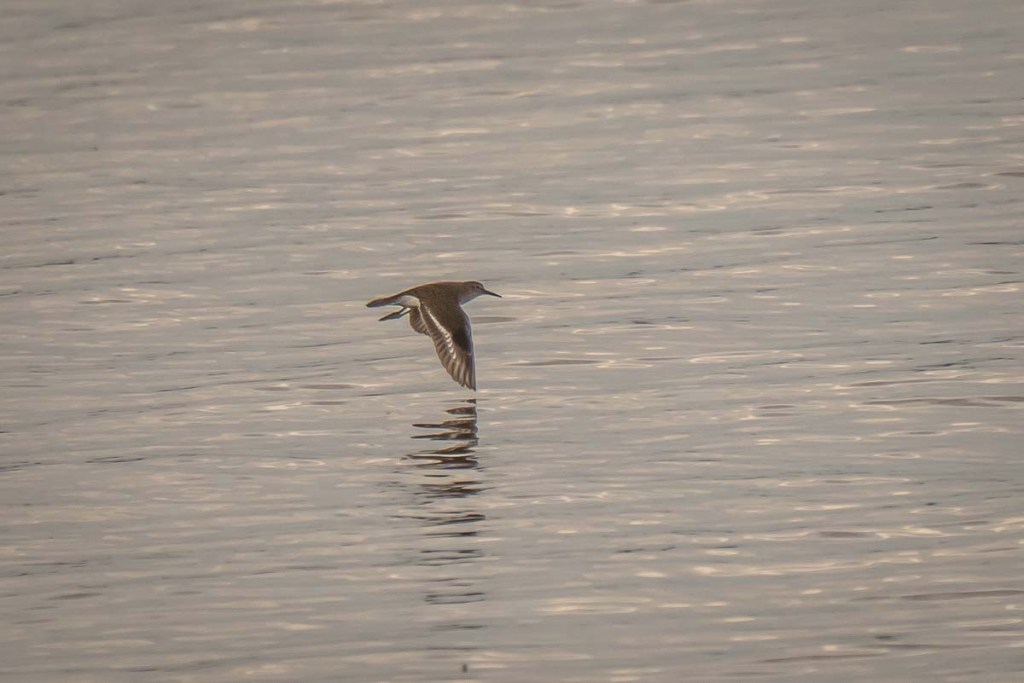
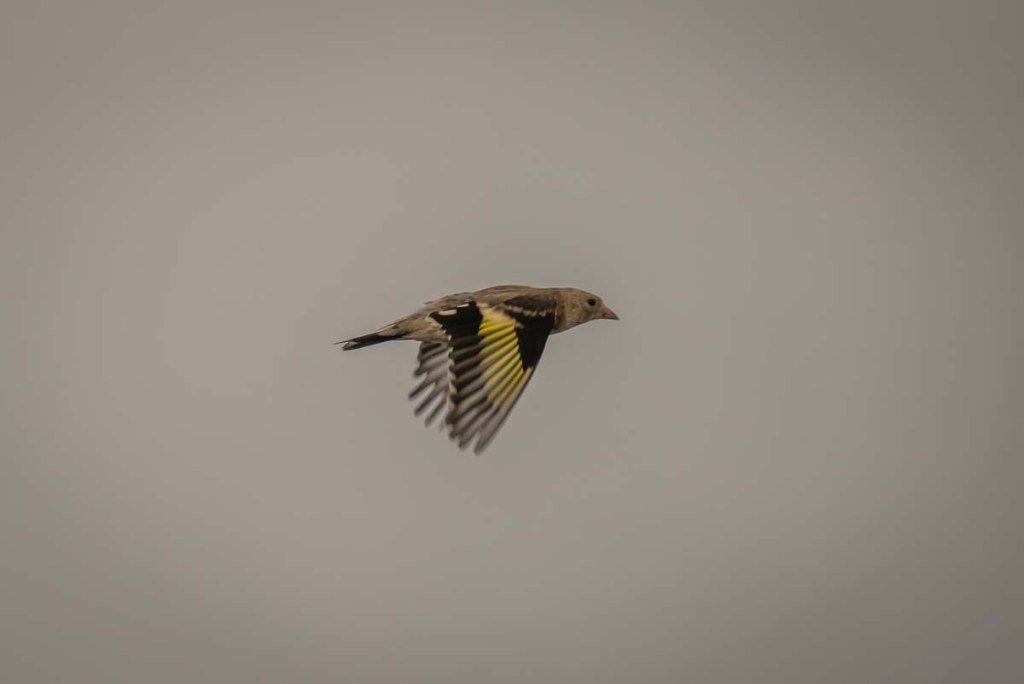
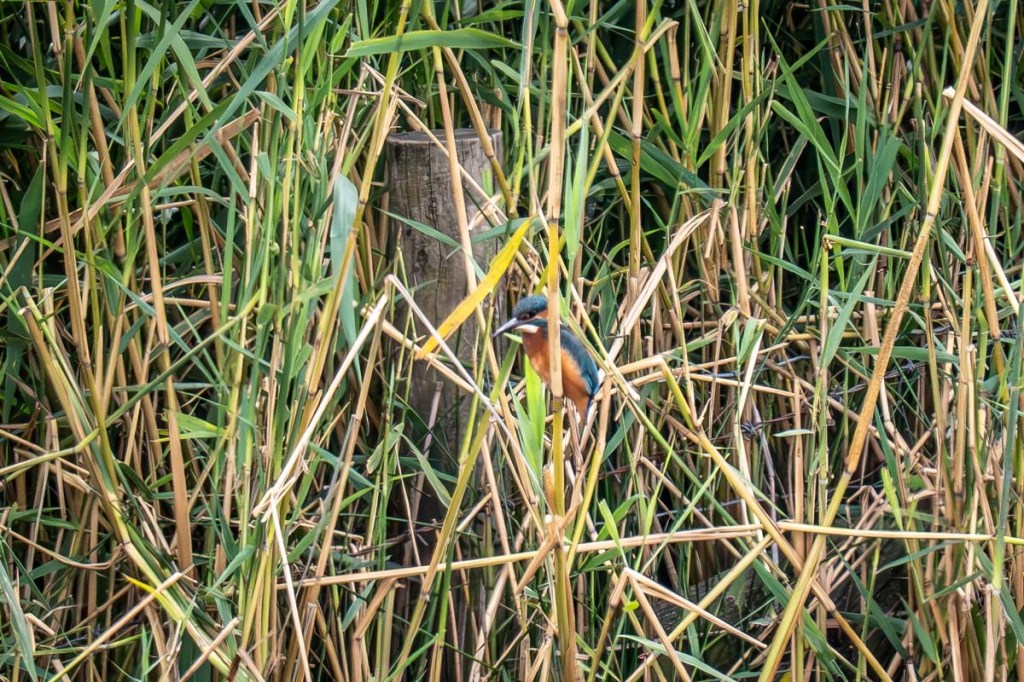
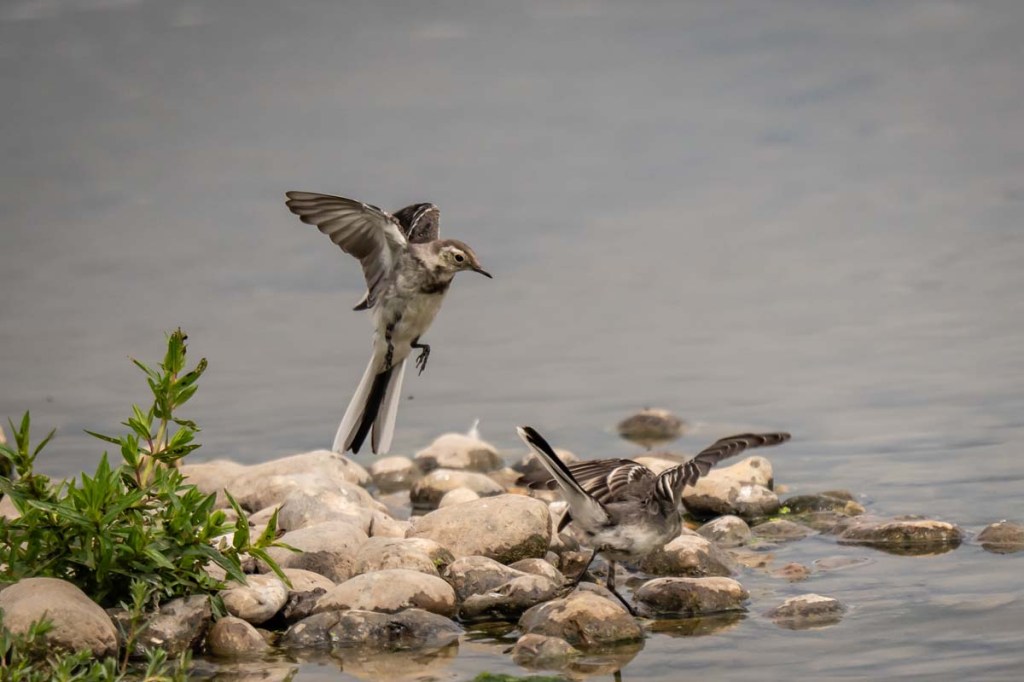
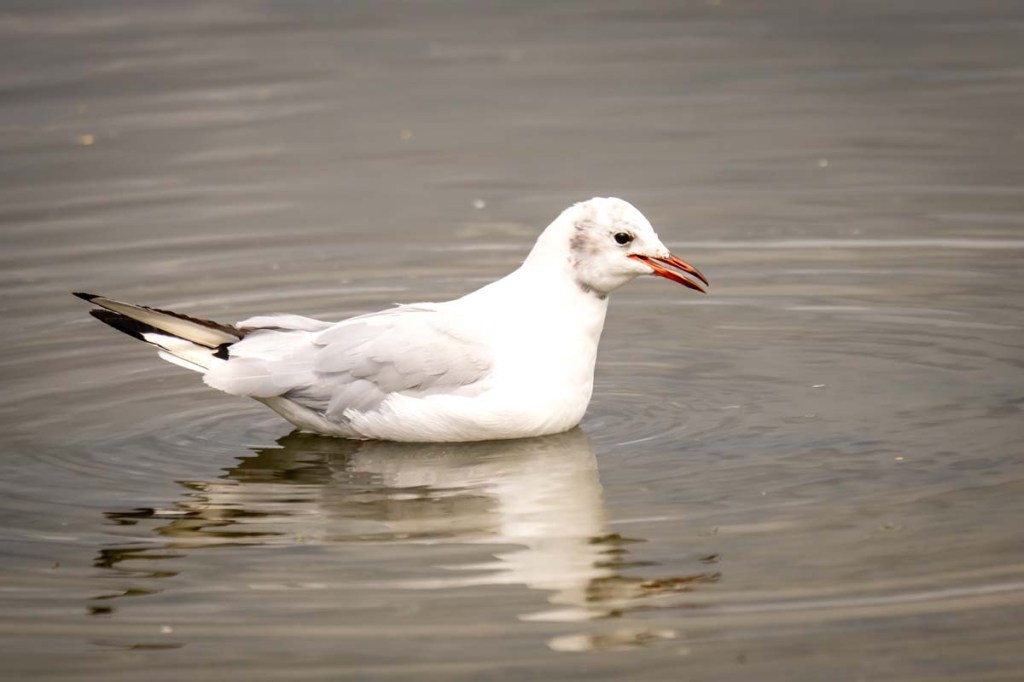
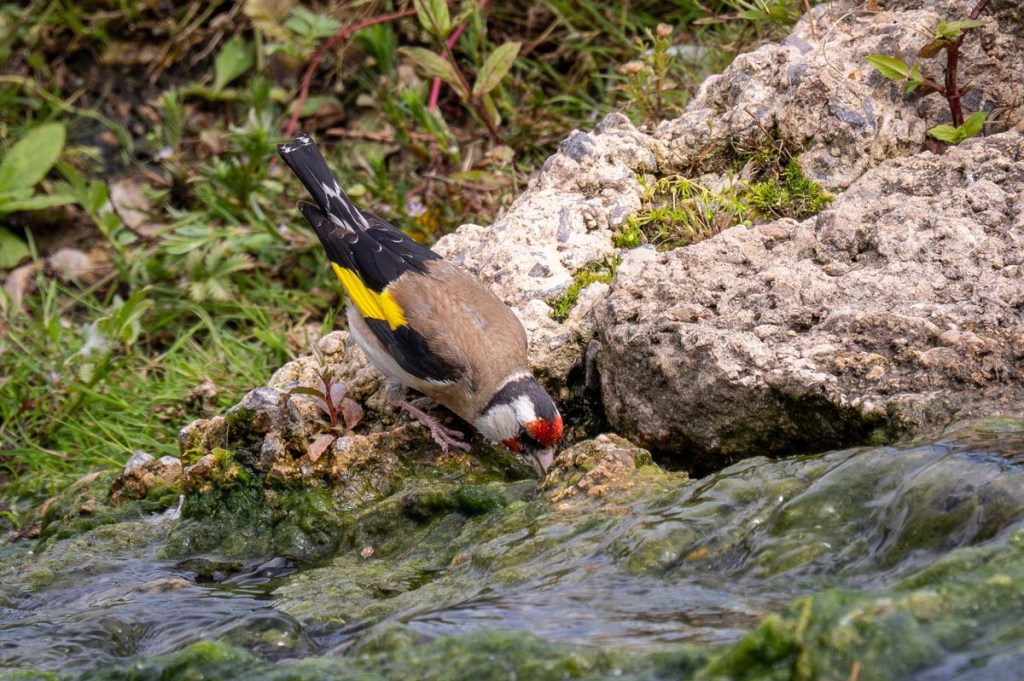
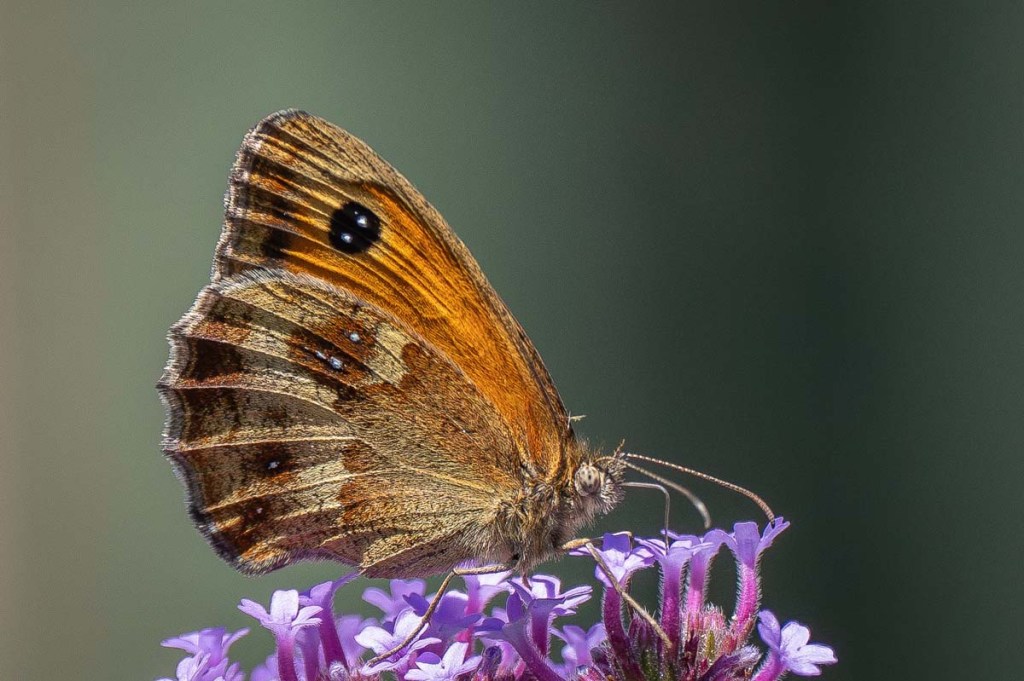
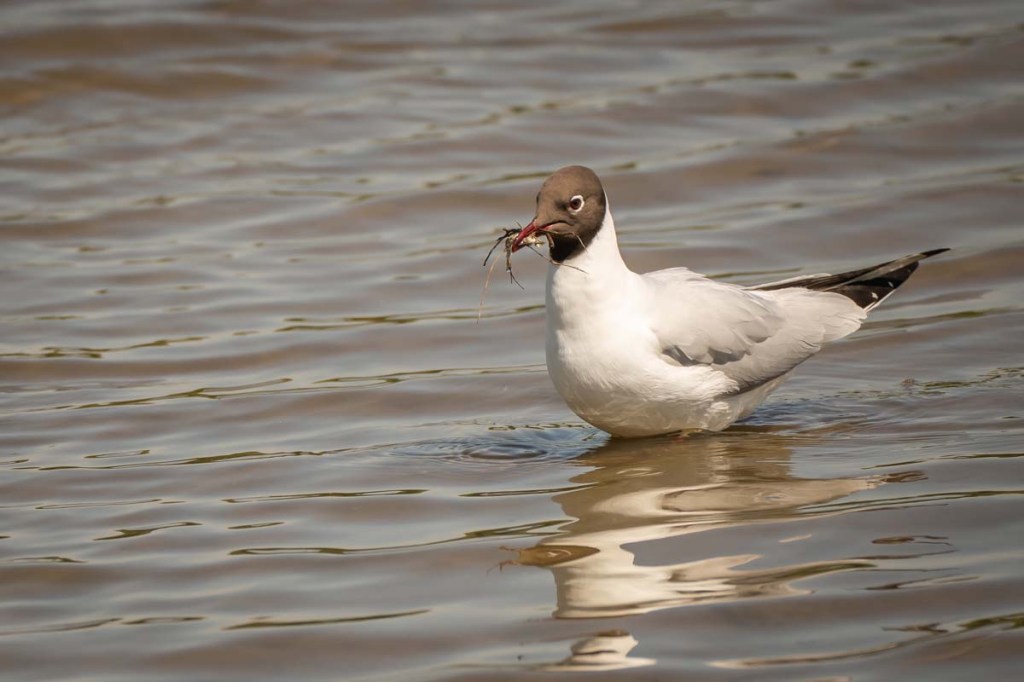
Red admirals are ubiquitous at the moment in this part of the countrySlimbridge is famous for its Bewick and Whooper swans in winter but today there was a black swan.The juxtaposition of this little egret to the black swan was quite splendidA young lapwingWho says we only have LBJs in the UK? Goldfinch having a drink.We are lucky to see so many egrets in this part of the world these days.Little egret in flightLapwing in flightA proud mum tufted duck… and one of her ducklings… and another (only because they are so cute)Clever planting attracts many beesI wish the achillea in my garden was as bright as this cousinOne of five green sandpipersGreen sandpiperGreen sandpiperSand Martin down on the estuaryThe light was poor down by the estuary but I could just capture these barn swallowsCommon sandpiper on the Severn EstuaryGoldfinch in flightKingfisher with a small appetiserKingfisherKingfisherKingfisherKingfisherKingfisherPied/white wagtailPied/white wagtailsBlack-headed gullBlack-headed gullGoldfinch
A spoonbill, common cranes and curlews (heard but not seen) all too far for my lens.
There was even a lovely exhibition of very accomplished textile wall hangings
We are enjoying (or is it enduring?) our second heatwave of the summer and with temperatures reaching 32 ° C today its certainly too hot to go birding; so, I have gone on safari in the garden to amuse myself.
But now I’m finding it a bit too hot to write a blog. Back to the tennis and the cricket then …
But before I go, just a few photos of what I discovered:
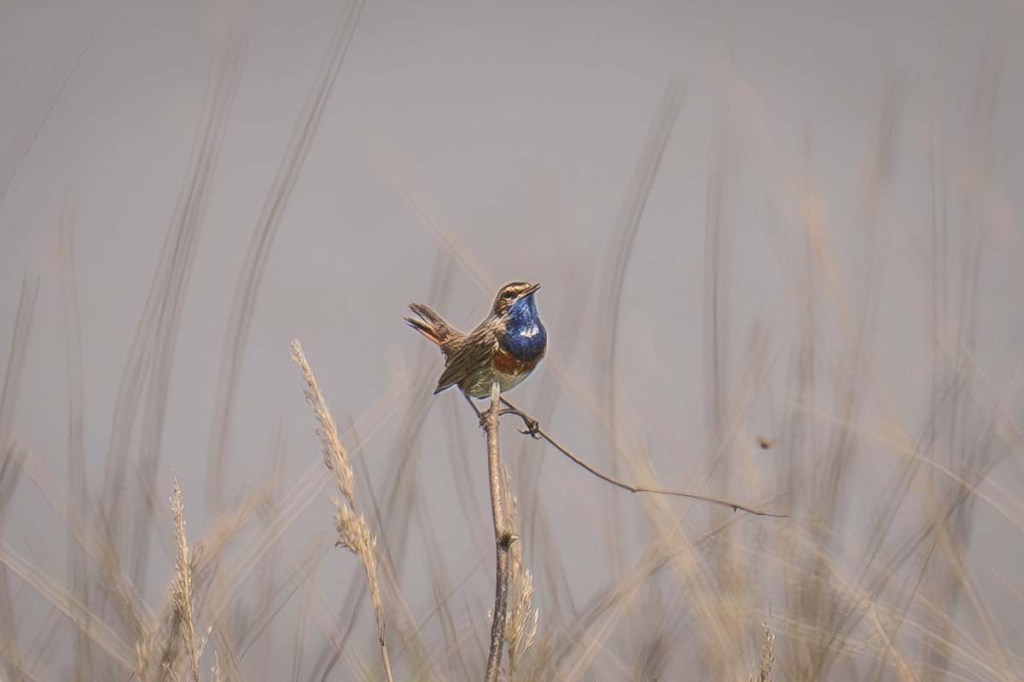
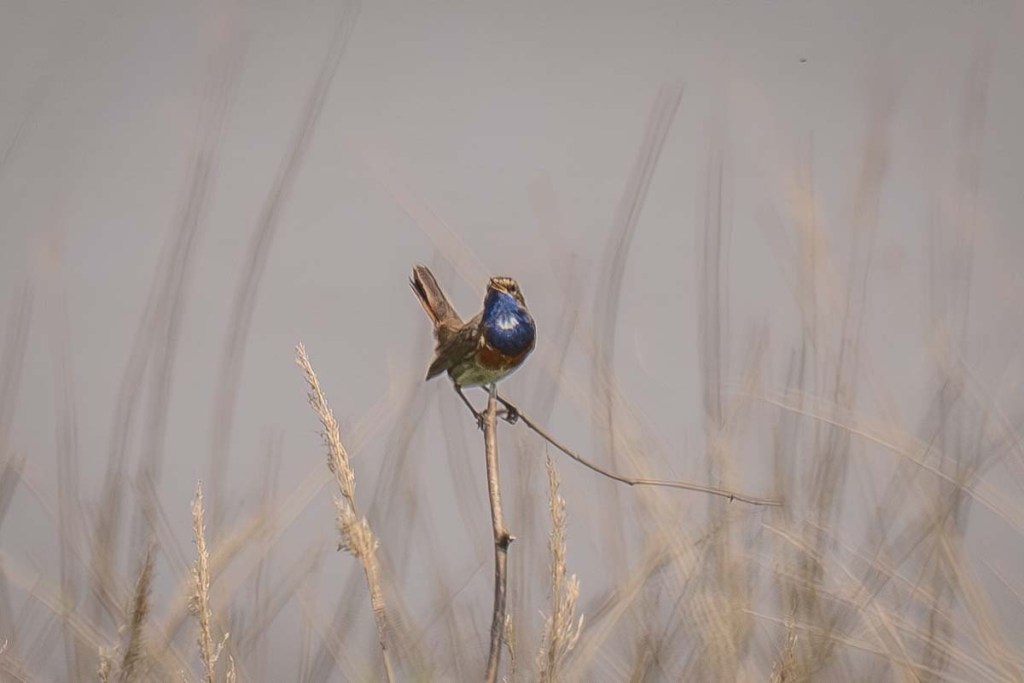
We made our second trip to Slimbridge to try to see the white-spotted bluethroat which has returned to the Severn Estuary for the fifth year running. Normally, the white-spotted subspecies typically breeds on the near continent but this is perhaps a sign that with climate change it is extending its range further north. Sadly, however, this male has so far failed to find a mate. Our luck was in and, after not too long a wait, it made an appearance. Ironically it appeared on a notice board warning not to linger and, showing its discipline, soon moved off. It continued to show well in the reeds.
You would think that singing like this its song would carry both the Bristol and English ChannelWhite spotted bluethroatWhite spotted bluethroatWhite spotted bluethroatWhite spotted bluethroat
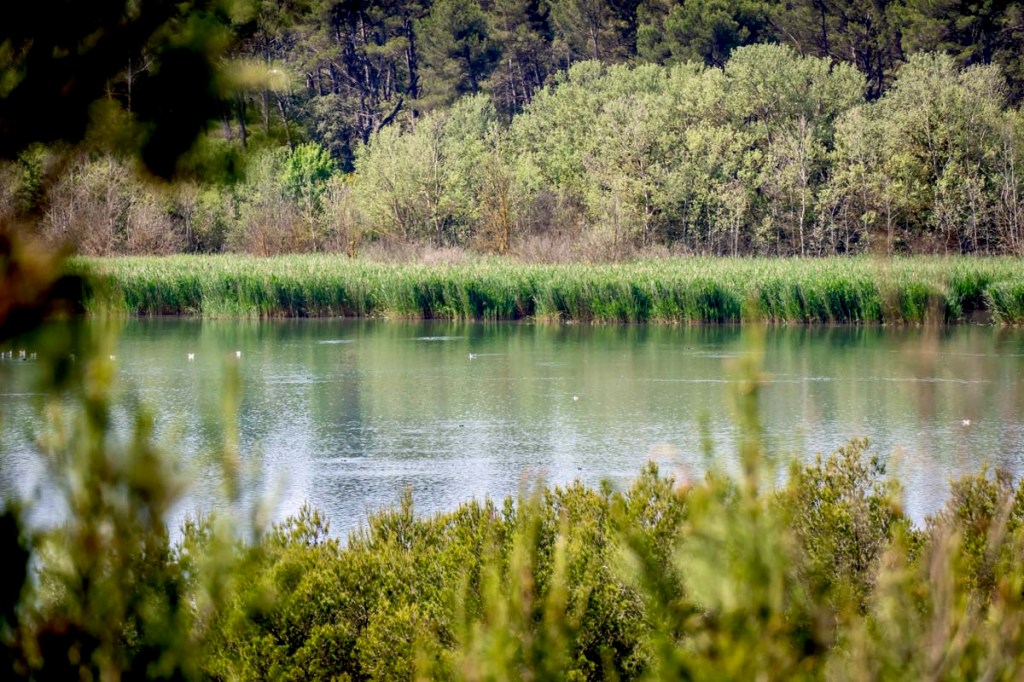
There was plenty else to see on the walk out to the Severn Estuary.
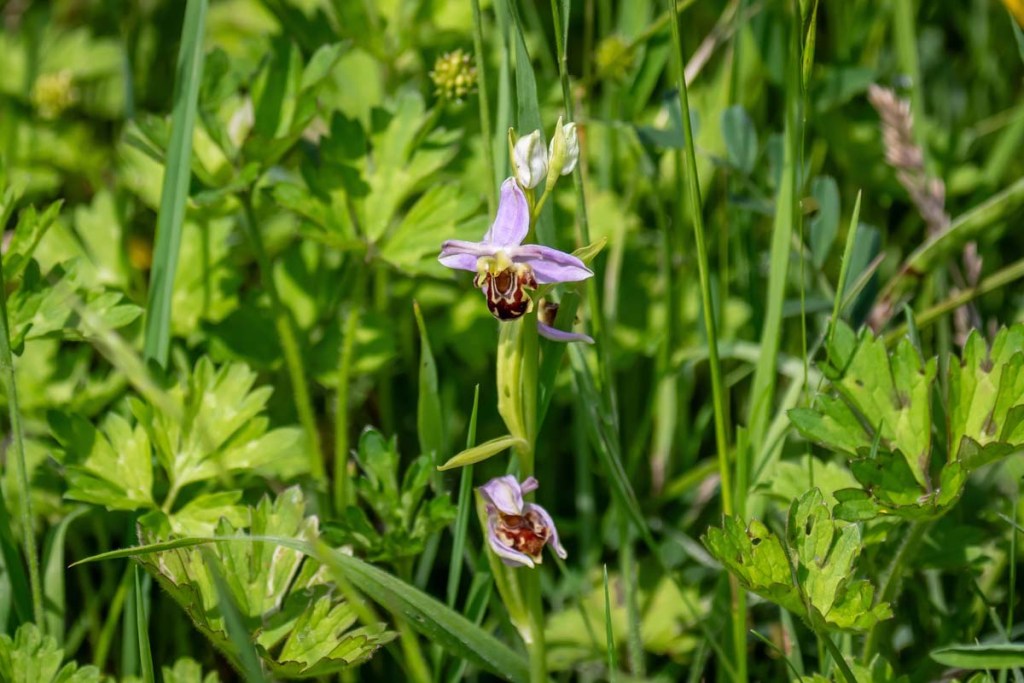
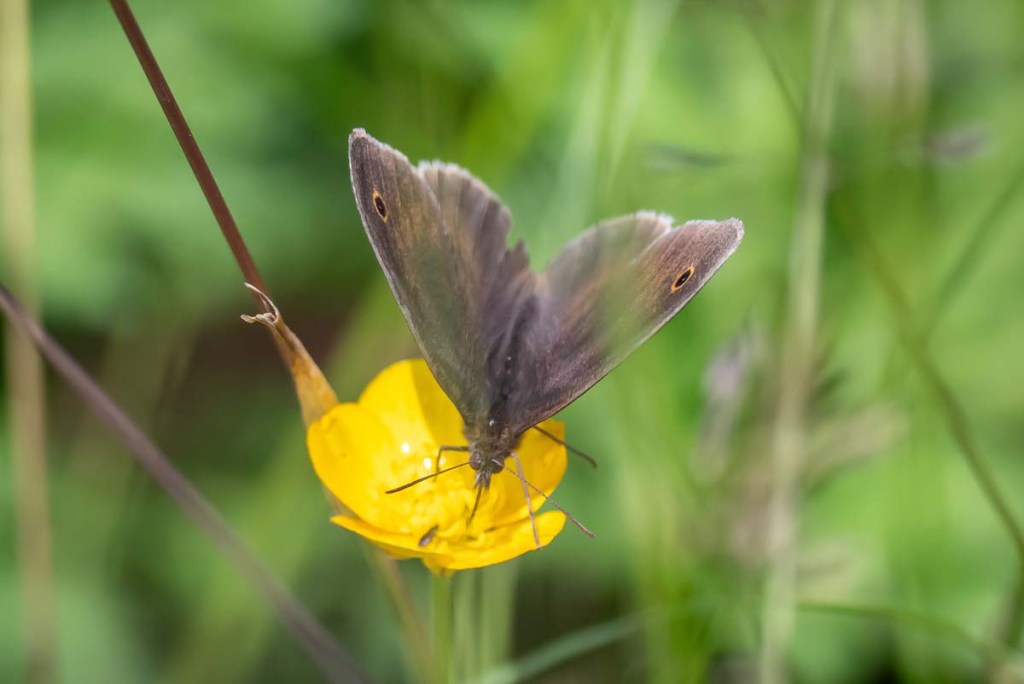
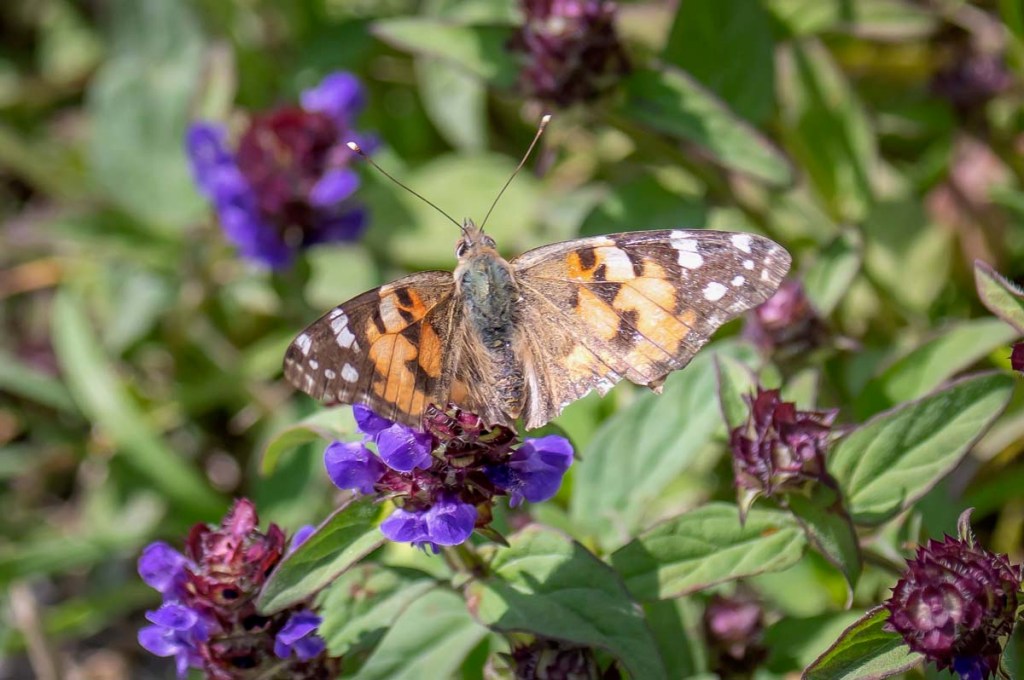
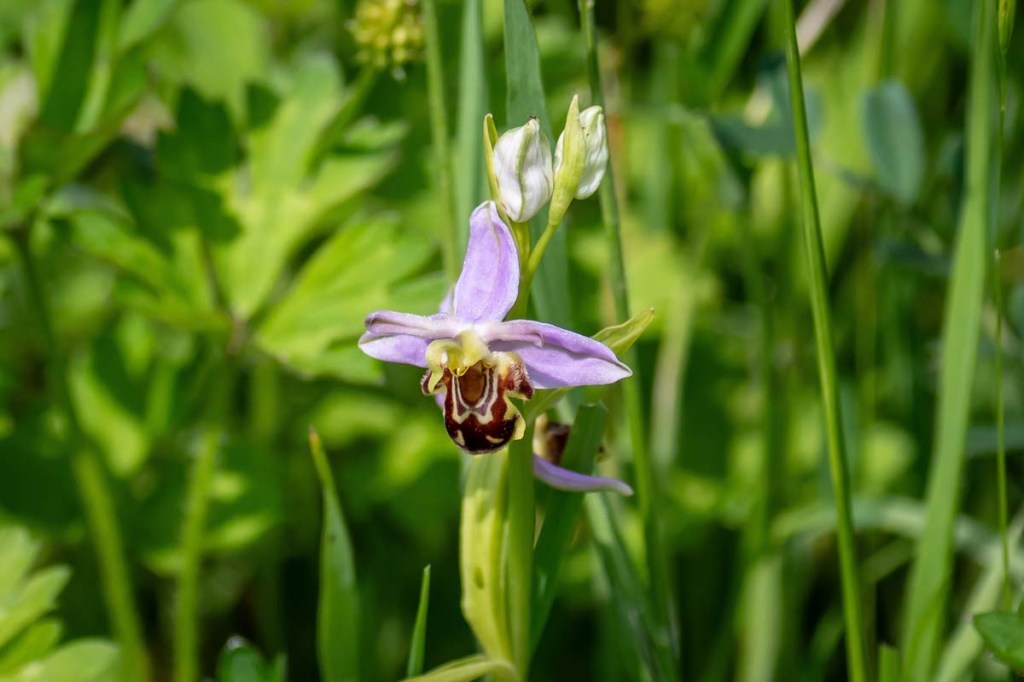
Bee orchidsMeadow brownLarge skipper butterflyPainted lady butterfly
The marbled white escaped my camera
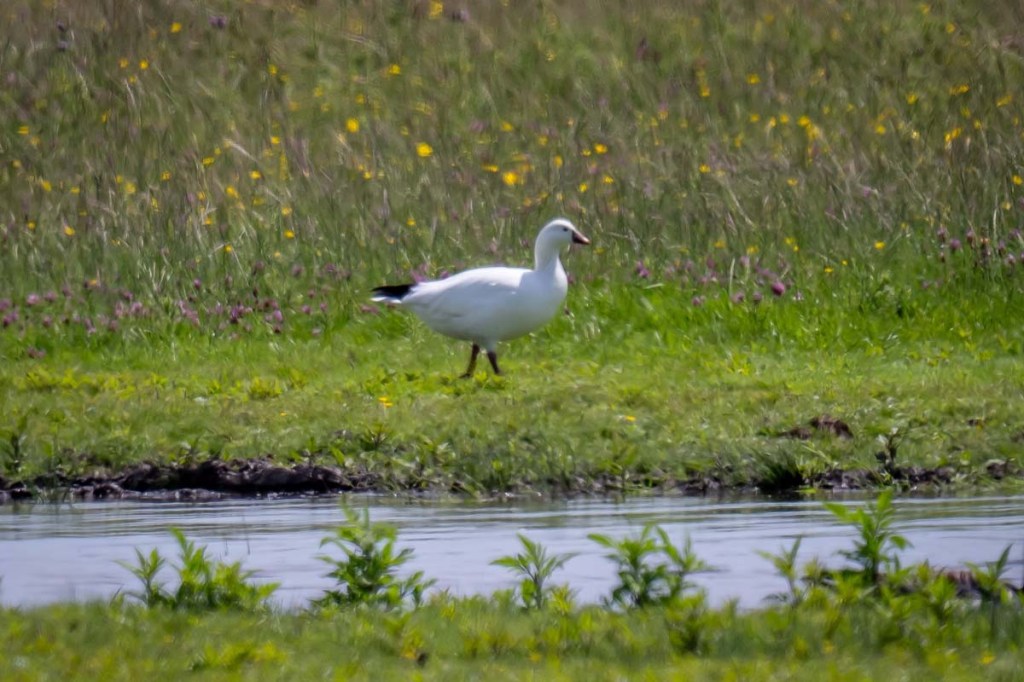
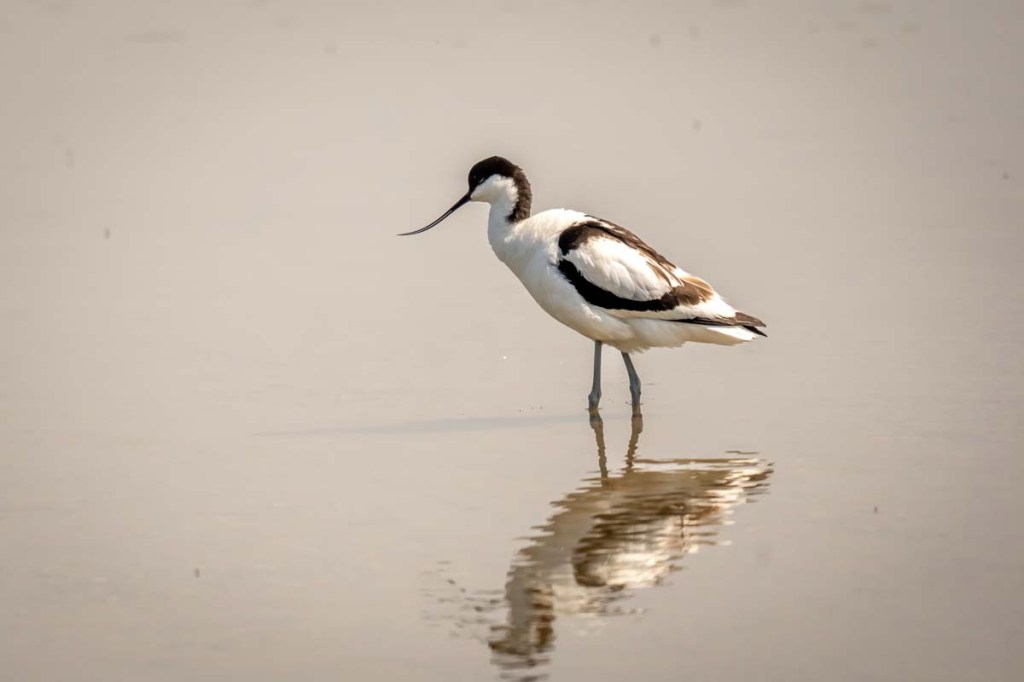
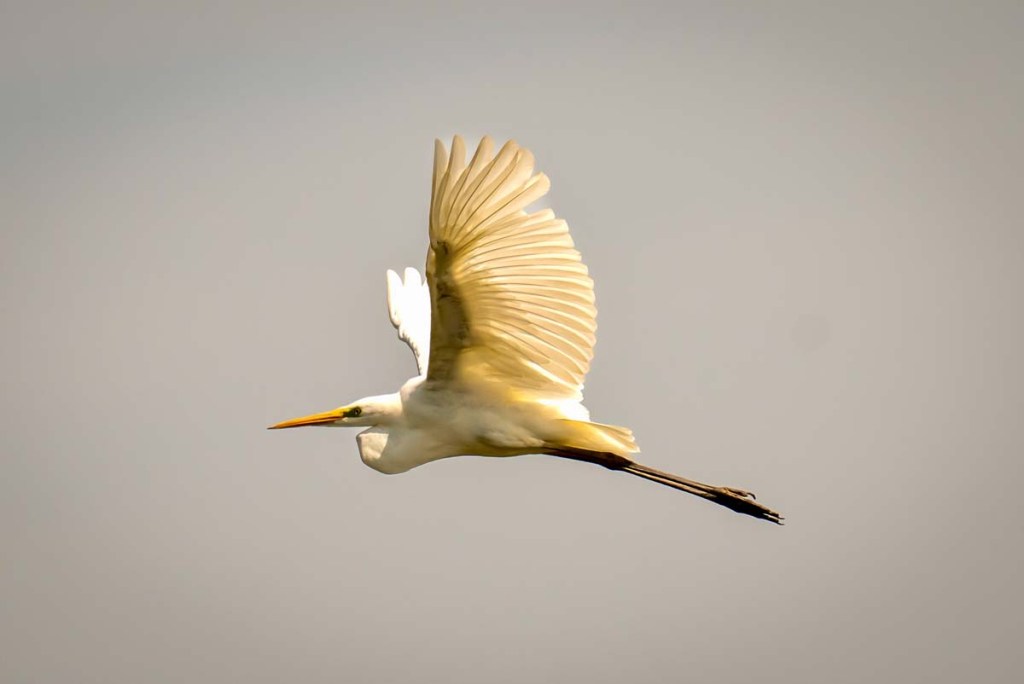
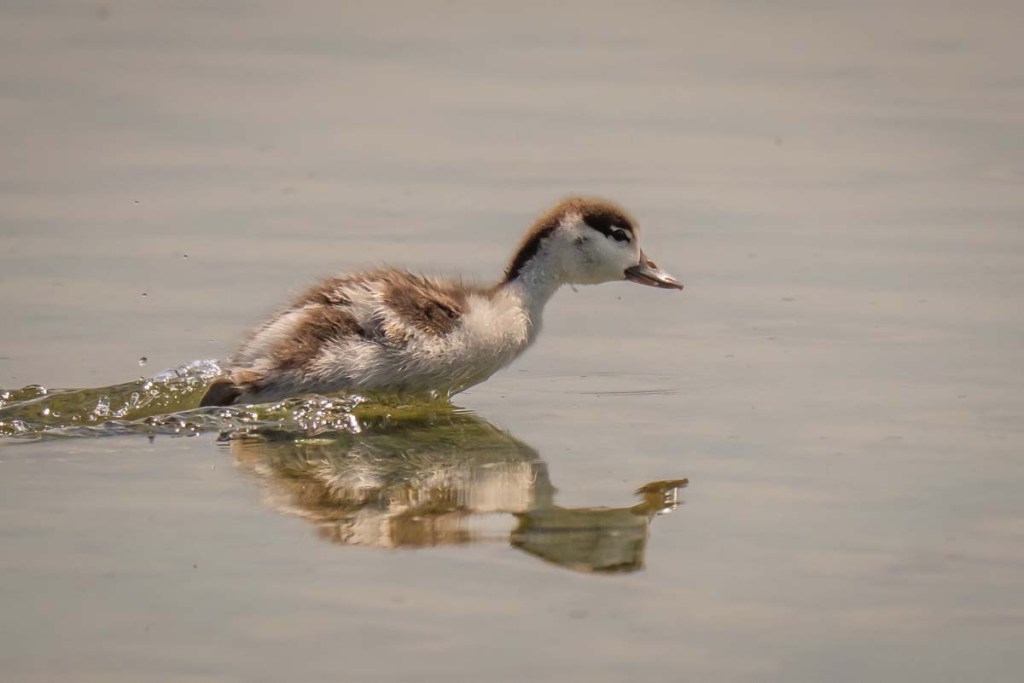
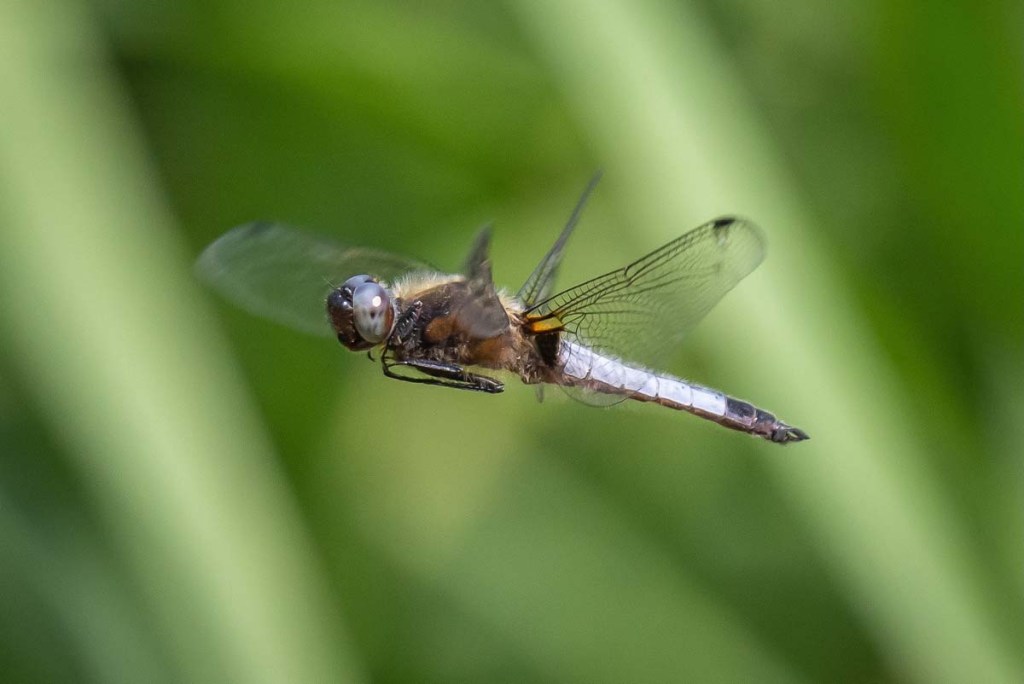
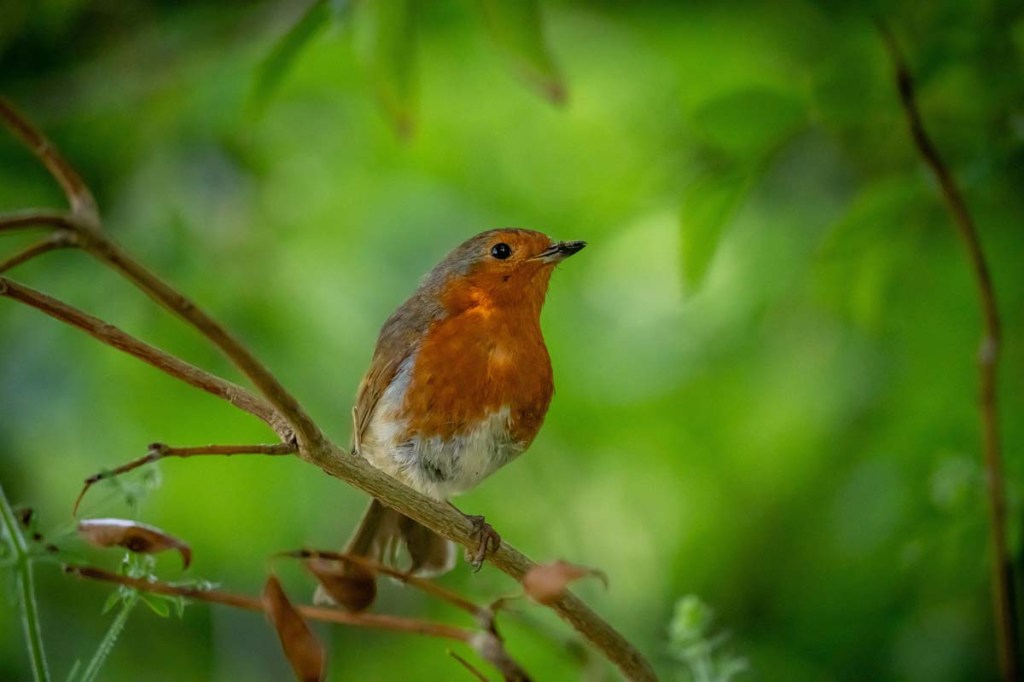
I imagine a hybrid gooseA snow goose or a Ross’s goosePied avocet (or simply avocet as we call them in the UK)Black-headed gullsGreat egretGreat egretGreat egretA shelduck ducklingMore shelduck ducklingsScarce chaseScarce chaserA rather shy robin
Following our week’s nature trip to The Camargue we have spent the last week near to Carry-le-Rouet, a seaside resort 30 kilometres west of Marseille, on the Côte Bleue.
View from the garden of our holiday let of the beach at Rouet plage which is set in a limestone calanque famous along this part of the Mediterranean coast.Rouet plage
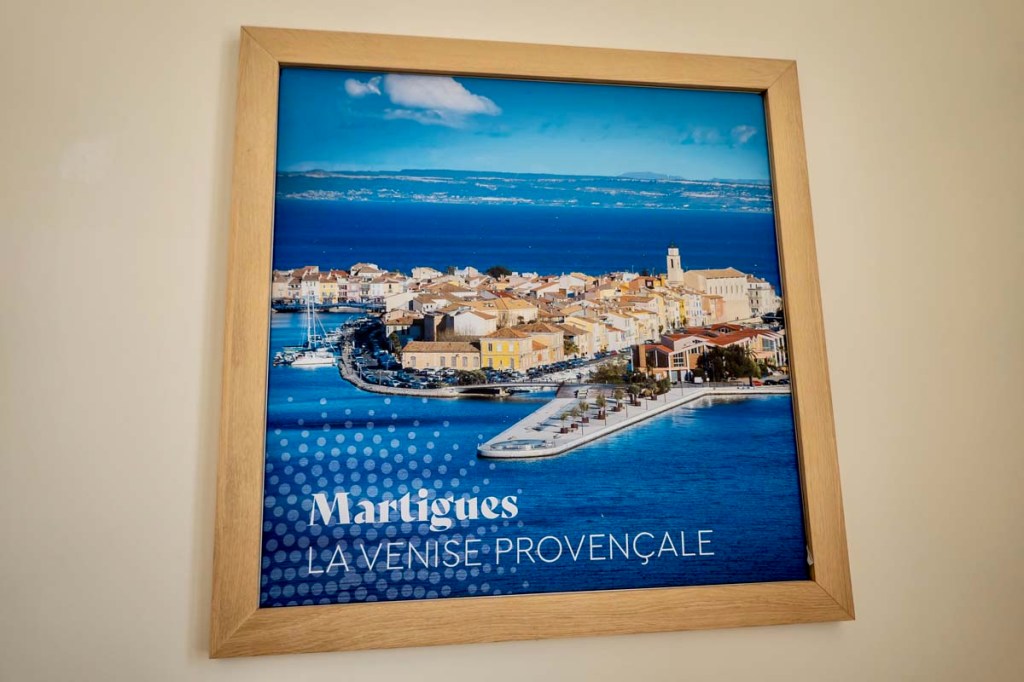
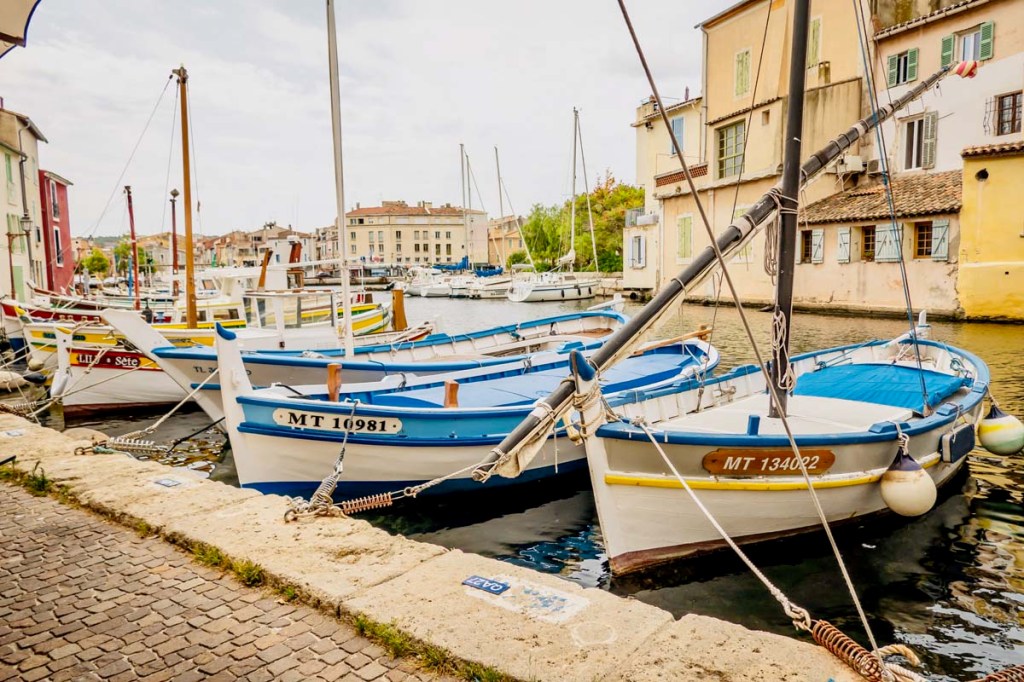
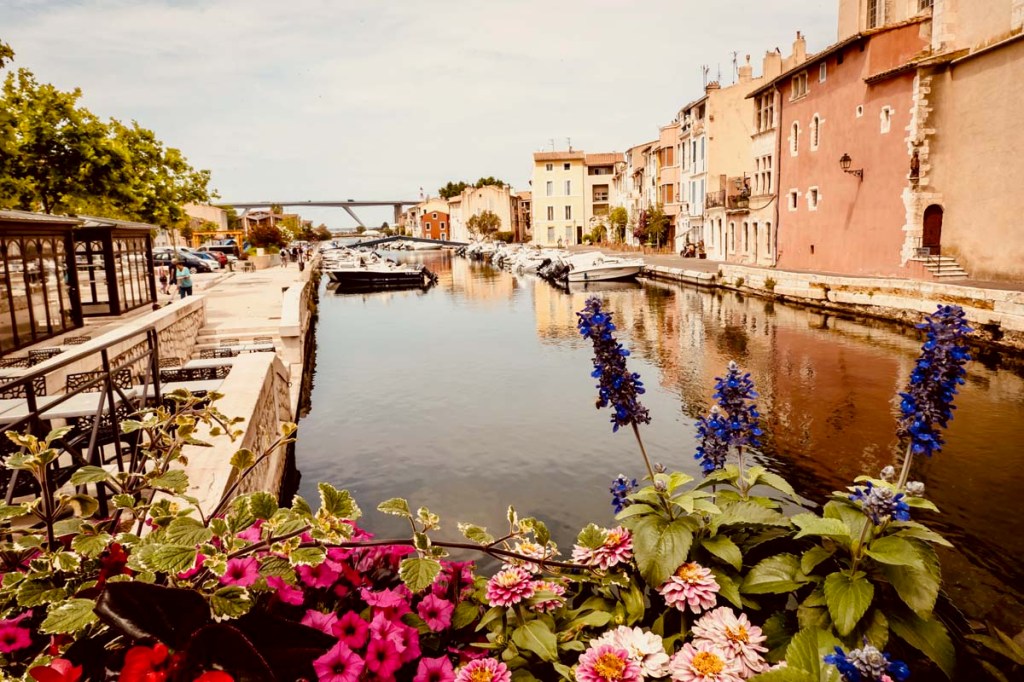
Mainly we have been relaxing in the local area but we have had a couple of trips out: one of a nature interest to Le Bassin de Réaltor near to Cabriès on the road to Aix-en-Provence and another to the nearby town of Martigues, nicknamed the “Provençale Venice” and which is a point of passage between the Mediterranean Sea and the Sea of Martigues (now Etang de Berre), close to the Côte d’Azur.
Our trip to the Bassin de Réaltor wasn’t a total success as, relying on a local source, we ended up high above the reservoir but, as it was extremely hot, we settled for a walk in the wood and an early return to Cabriès for lunch.
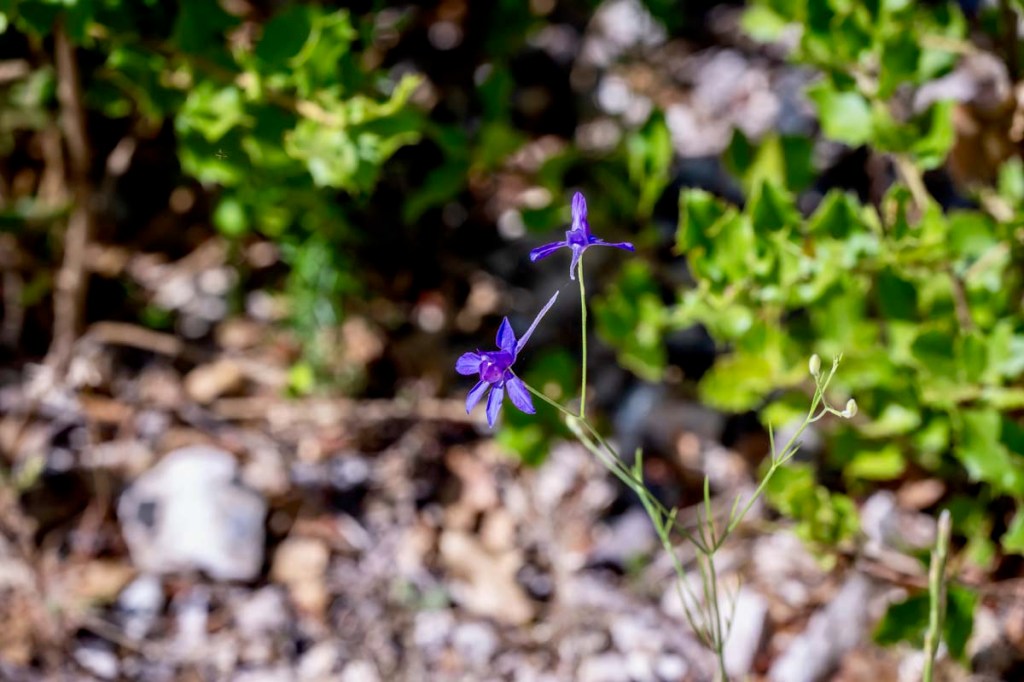
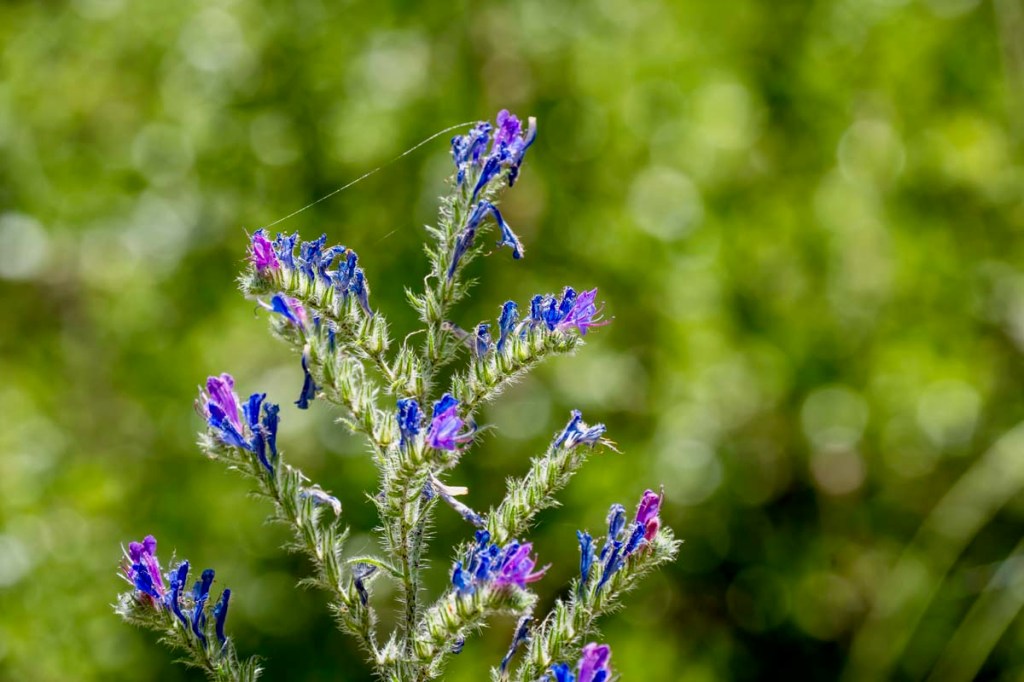
We saw and heard very few birds (perhaps it was too hot for them too) but we did see a few different butterflies and enjoyed the flora in the wood.
The beginning of our walkWe caught glimpses of the Bassin de Réaltor down belowSouthern red admiral butterflySouthern red admiral butterflyBlue spot hairstreak butterflySpanish gatekeeper butterfly
Martigues was beautiful but didn’t give us much opportunity for nature watching (other than a wonderful display of swifts as we ate our lunch in the area know as “le mirror aux oiseaux”) and a yellow-legged gull attempting to steal a fish which looked very much like the merlan (whiting) I had had for lunch.
The view from our table at the restaurant in “le mirror aux oiseaux – the swifts up above were too much for my phone camera!Yellow-legged gull and fishLe miroir aux oiseaux
Apart from those two trips we have stayed locally and spent a lot of time sitting on the terrace with the wonderful view of the Mediterranean below. That didn’t stop me snapping a few pics of anything that came my way.
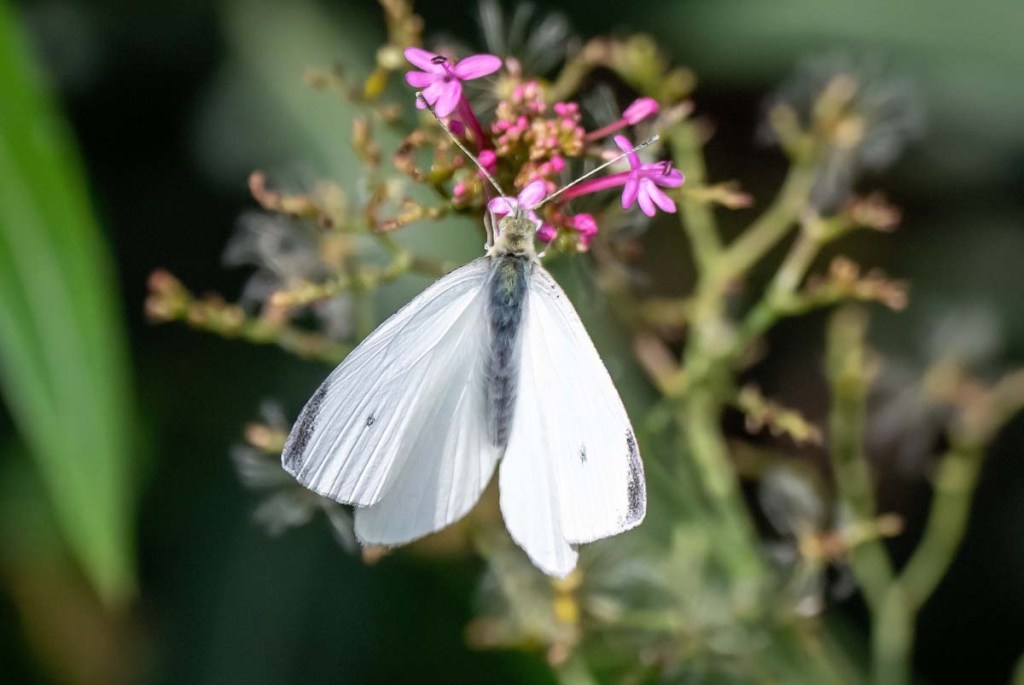
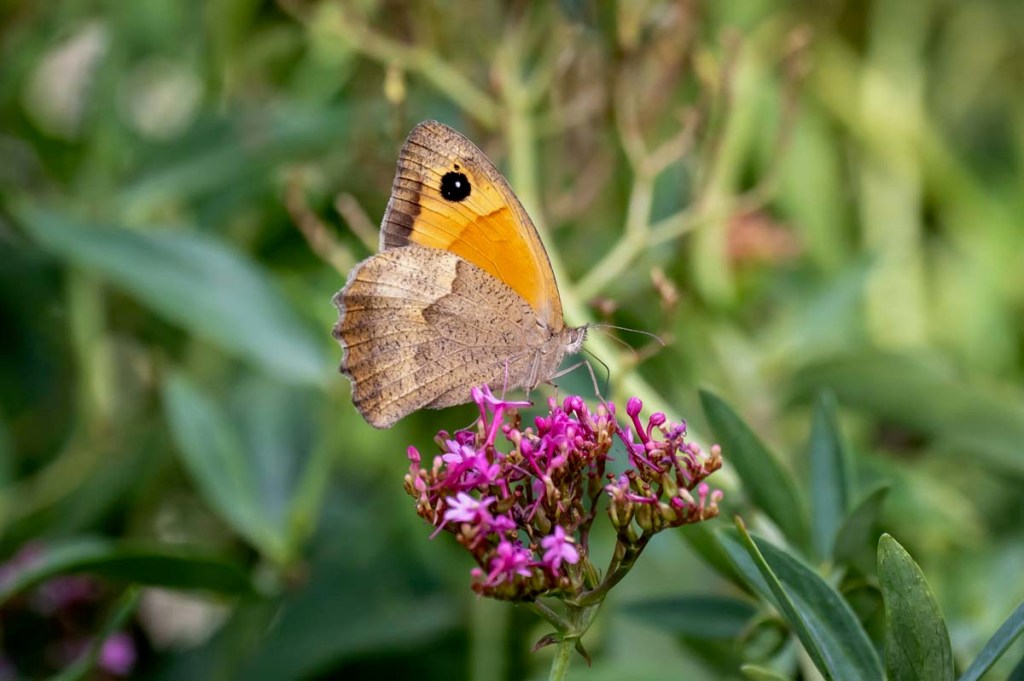
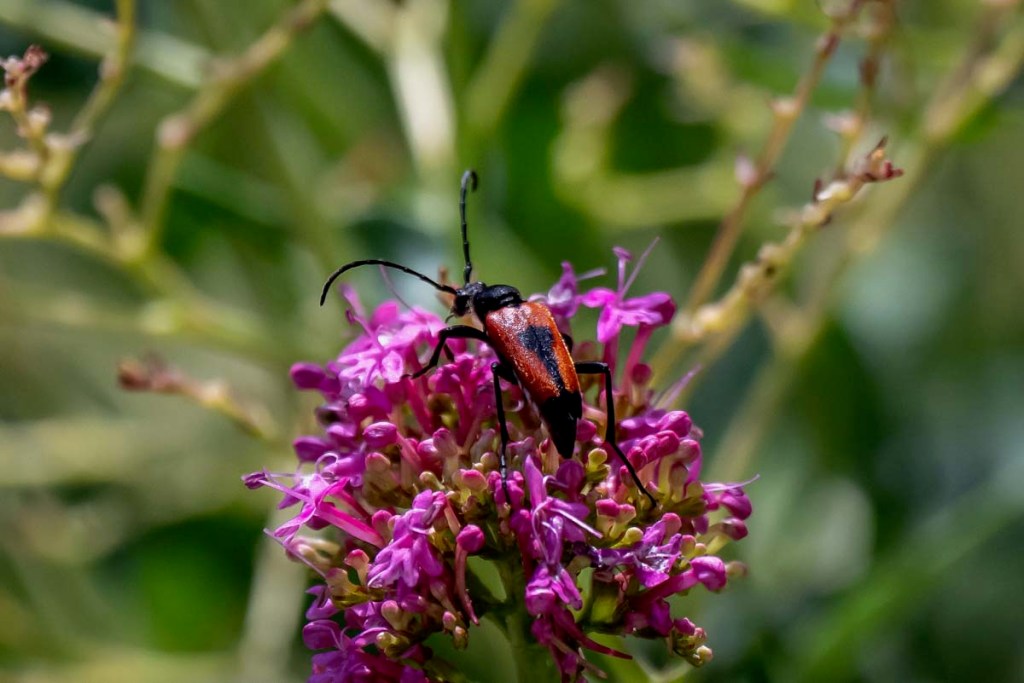
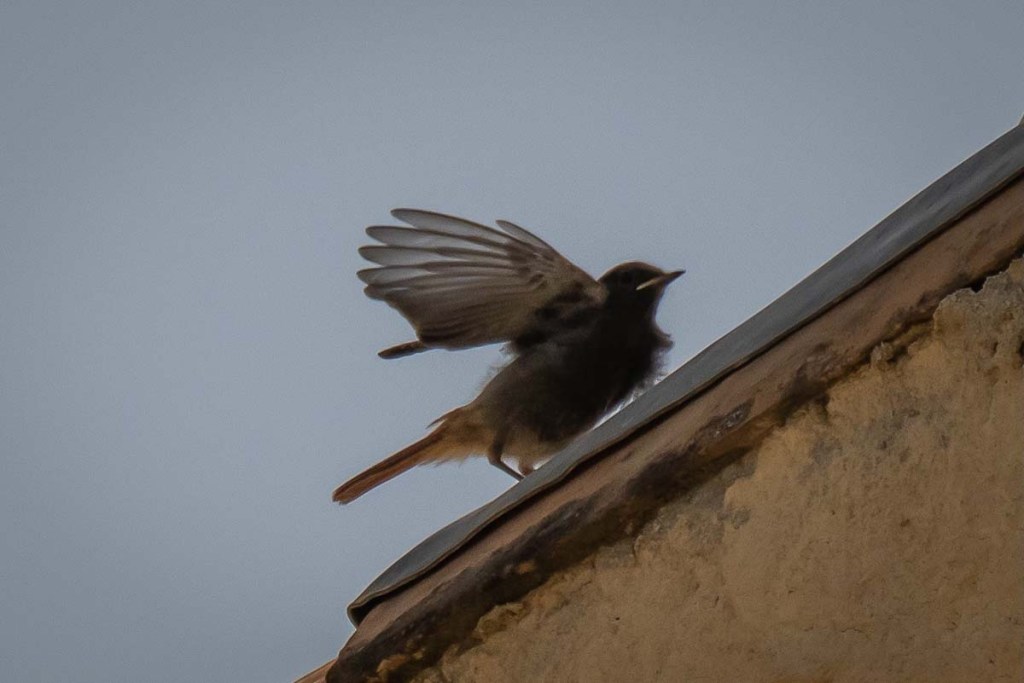
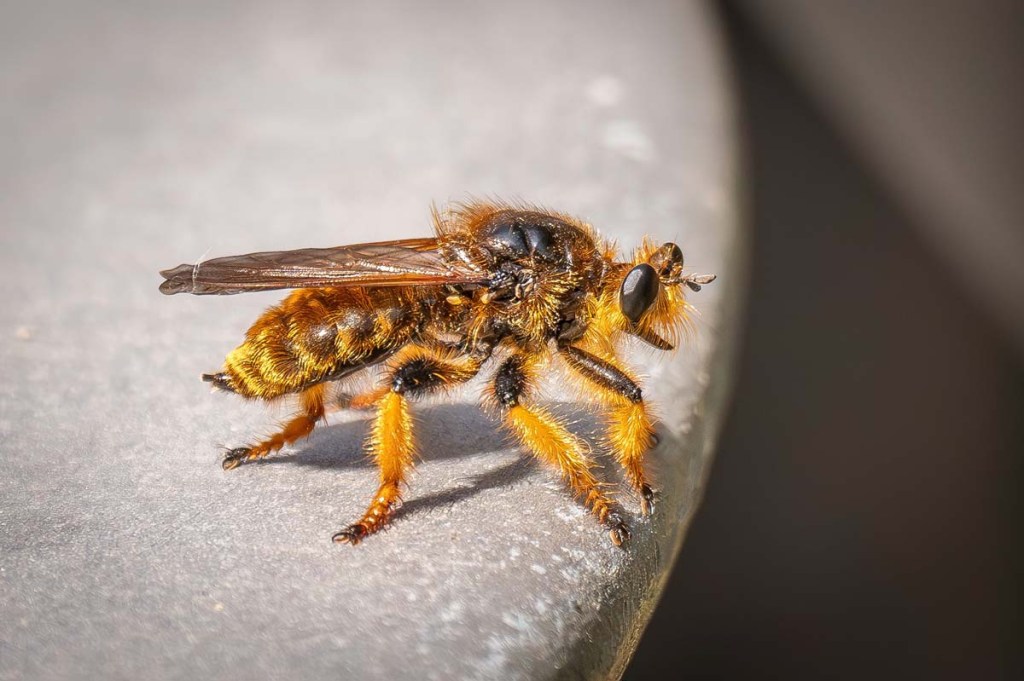
Small-white butterflyGreen-veined white butterflyMylabris quadripunctataMeadow brown butterflyLonghorn beetleTerrible picture of black redstart Common brimstoneCommon brimstoneCommon brimstoneCollared dovesEuropean paper waspRed-legged cannibalfly (apparently)Red-legged cannibalfly (apparently) – certainly frightened me and so I put my camera away
We really enjoyed our recent nature trip to the Camargue. We knew the region a little before this trip as we have visited here a number of times as tourists in the days when we had a motorhome; but this was our first trip here since we have become particularly interested in bird watching.
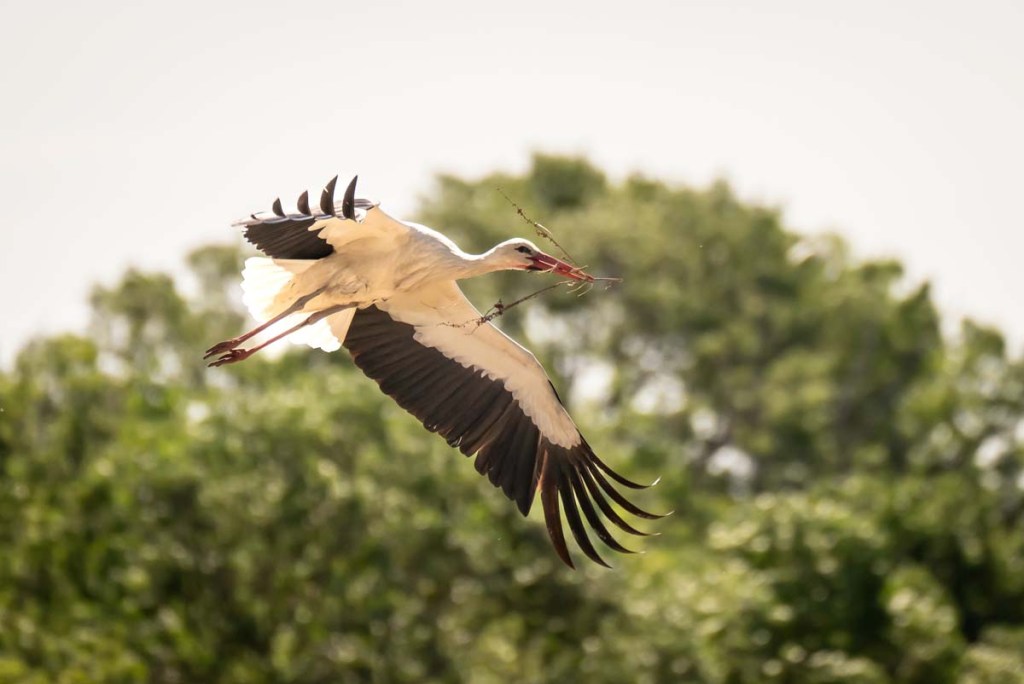
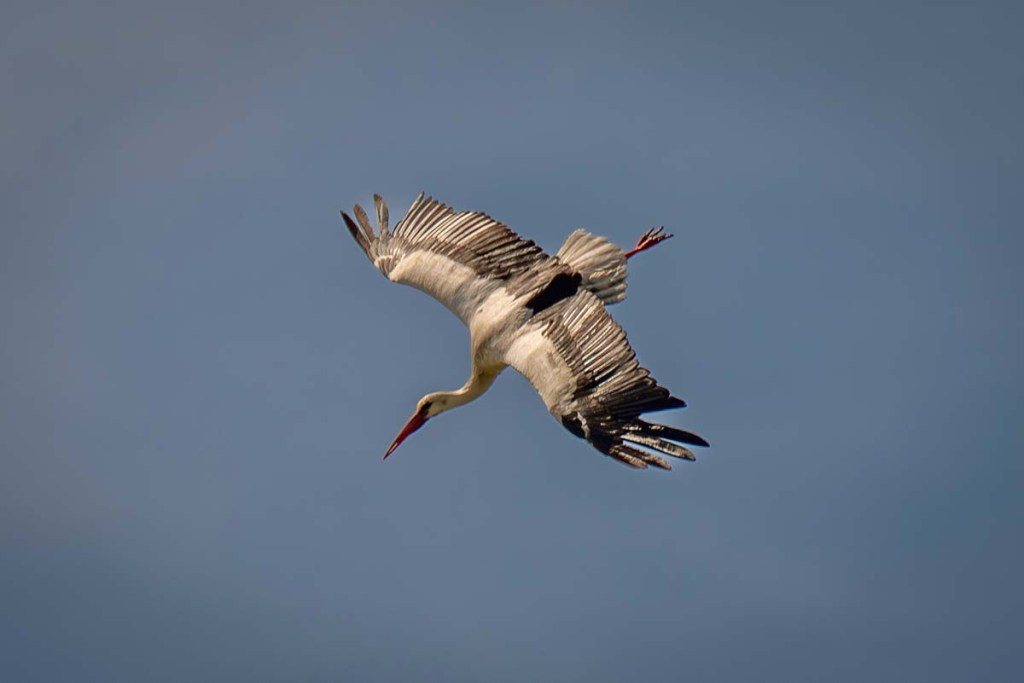
White stork
The week was organised by the speciality nature trip company “Naturetrek” and we have been very pleased with the “Go slow in the Camargue” programme. The administration before the tour was good, the accommodation and food at the hotel was more than adequate for such a trip and the two guides, Marcus John and Neil Murphy, were excellent: they were very knowledgeable, drove the minibuses with care and consideration, produced amazingly good picnic lunches with locally resourced food and drink , had a very good rapport with all the group and made sure everyone saw a fantastic number of birds. Above all they are clearly good chaps and were a pleasure to be with. As well as providing a suitable programme to achieve the programme title of “Go slow in the Camargue” they also offered regular optional early morning walks and late evening sorties. They were the main reasons for the success of the tour.
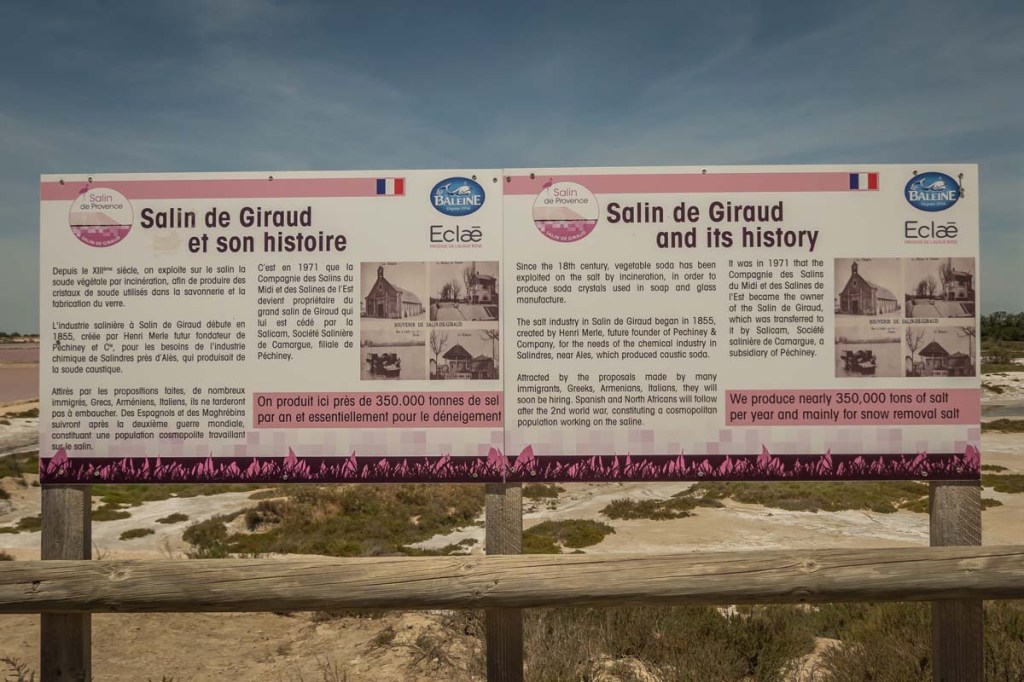
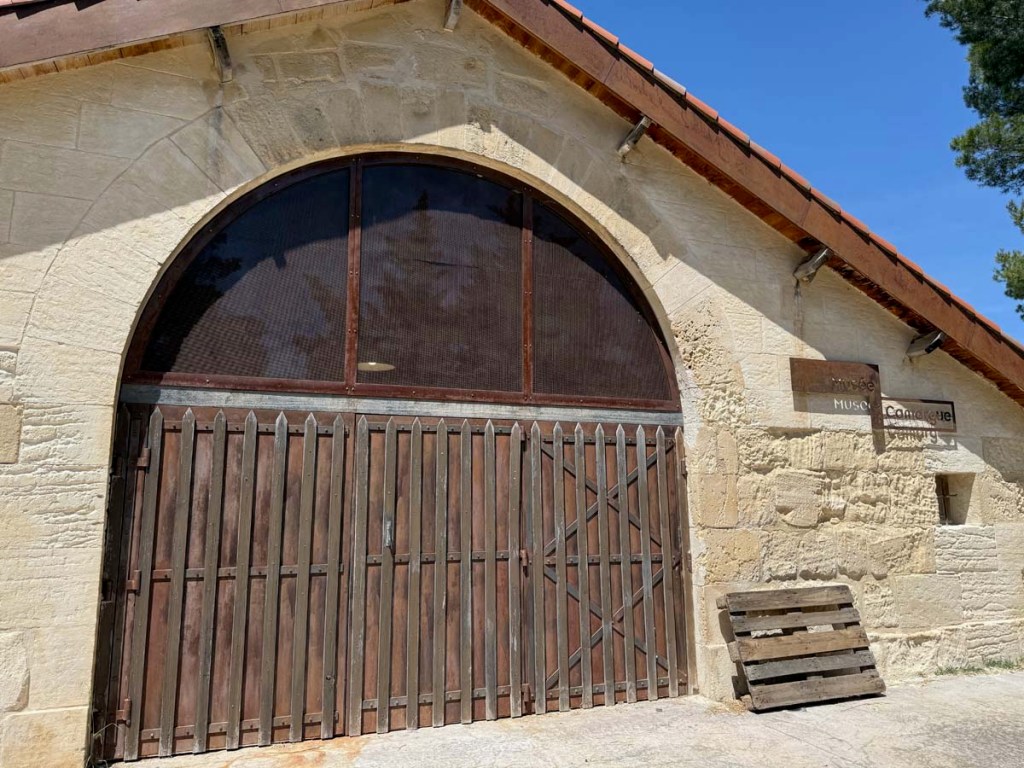
We visited various local nature reserves, stopped often by the roadside in the marshes of the Camargue, had a trip to the coast to see different types of birds and see the salt works (le Salin de Giroud), did a number of other “touristy” visits to Arles, the Roman aqueduct of Barbegal near Fontvielle, Les Baux de Provence and Le Musée de Camargue – all whilst incorporating opportunities for more bird watching.
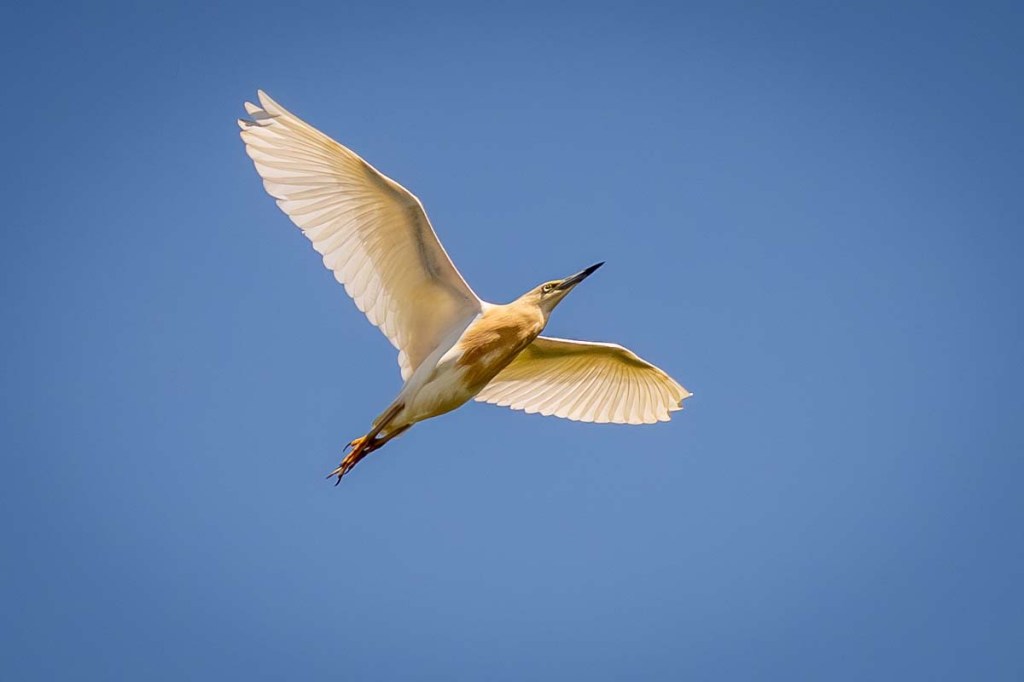
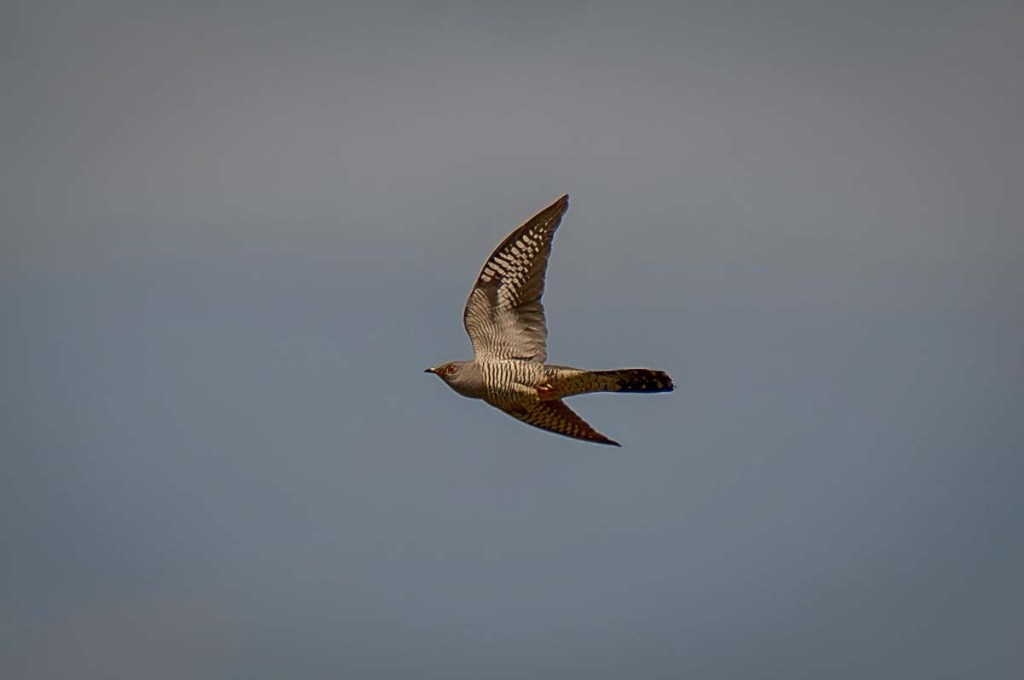
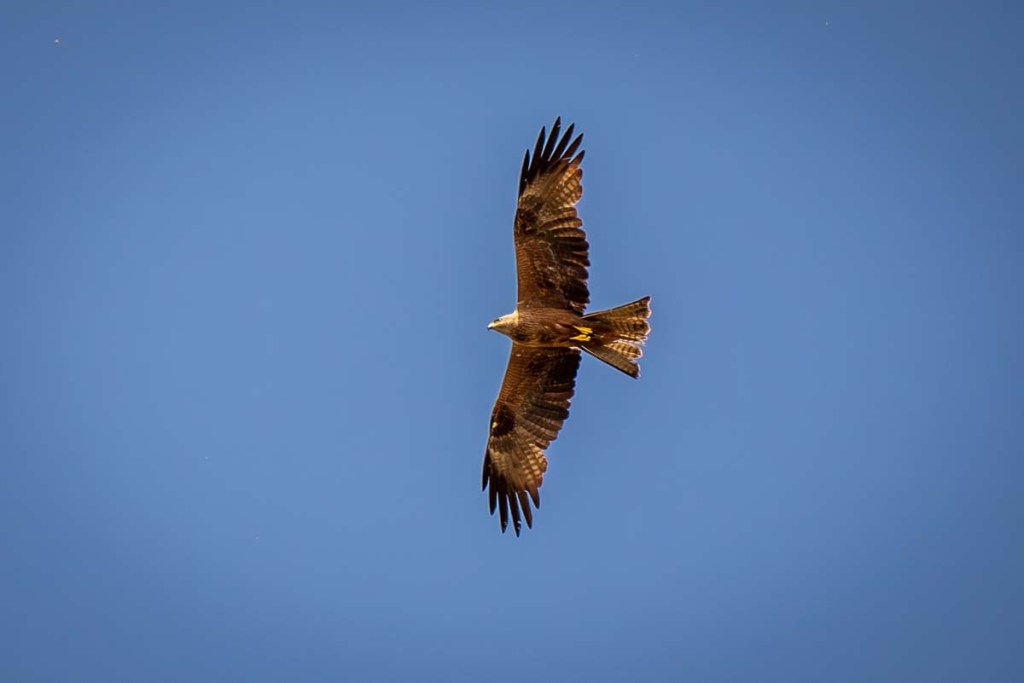
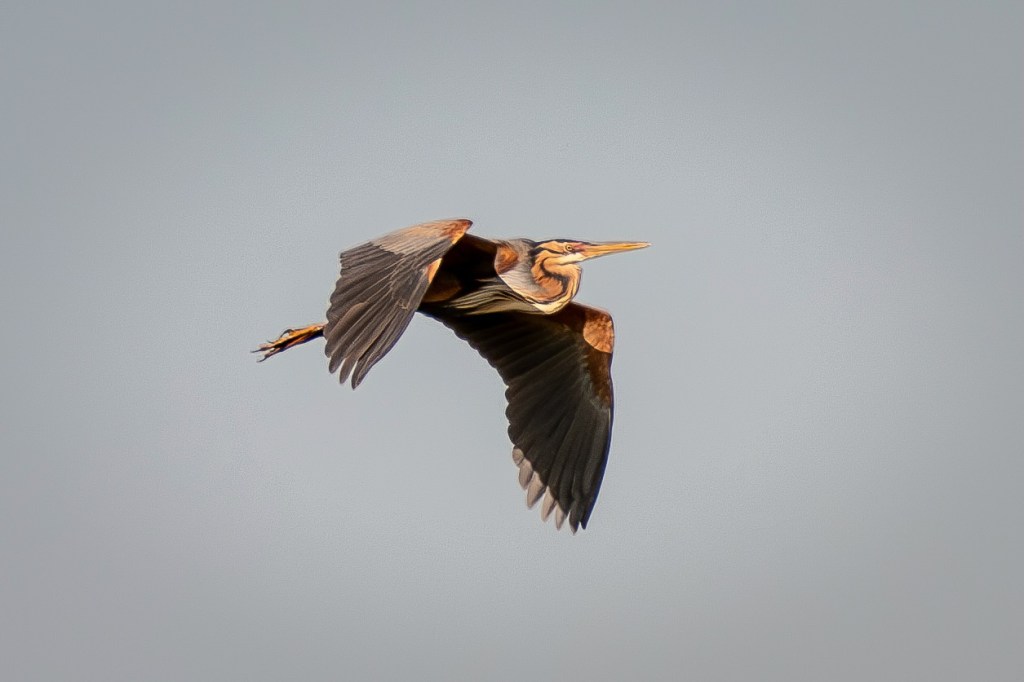
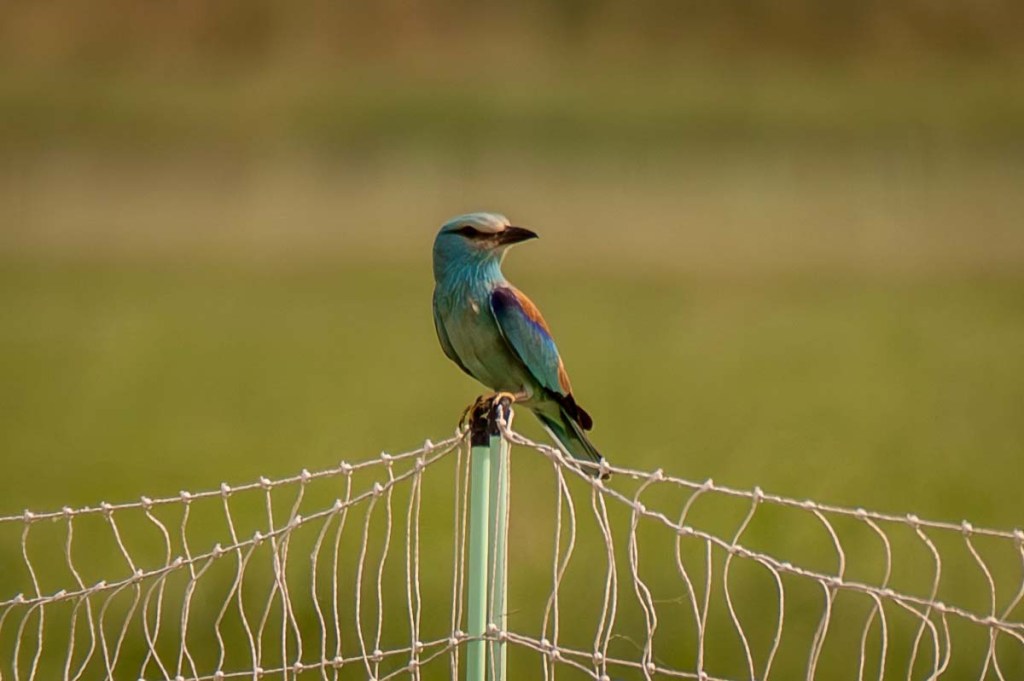
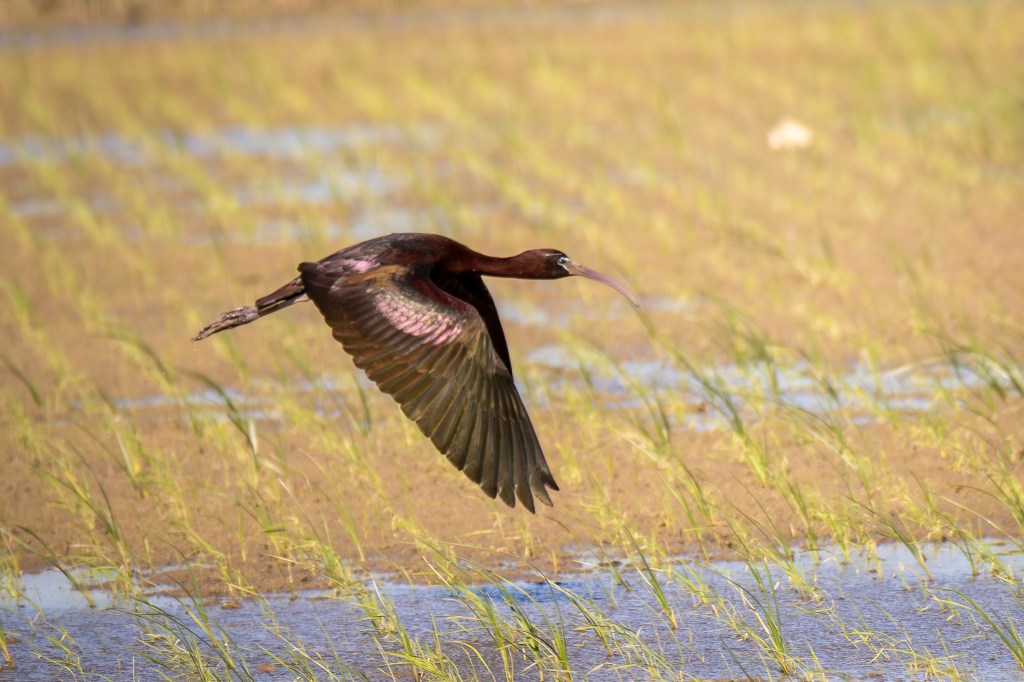
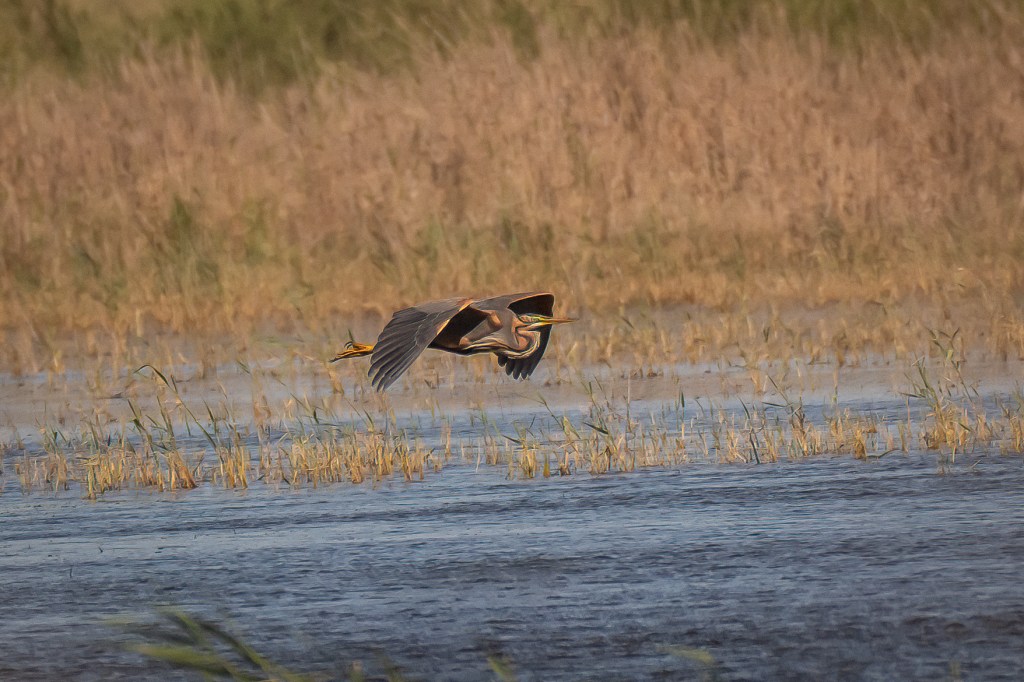
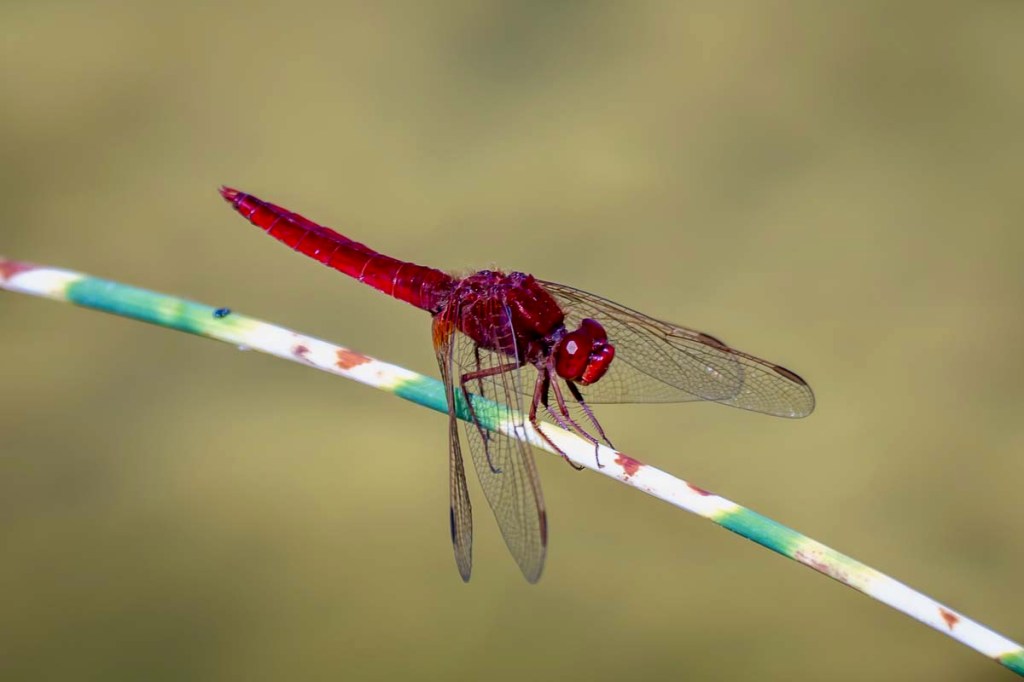
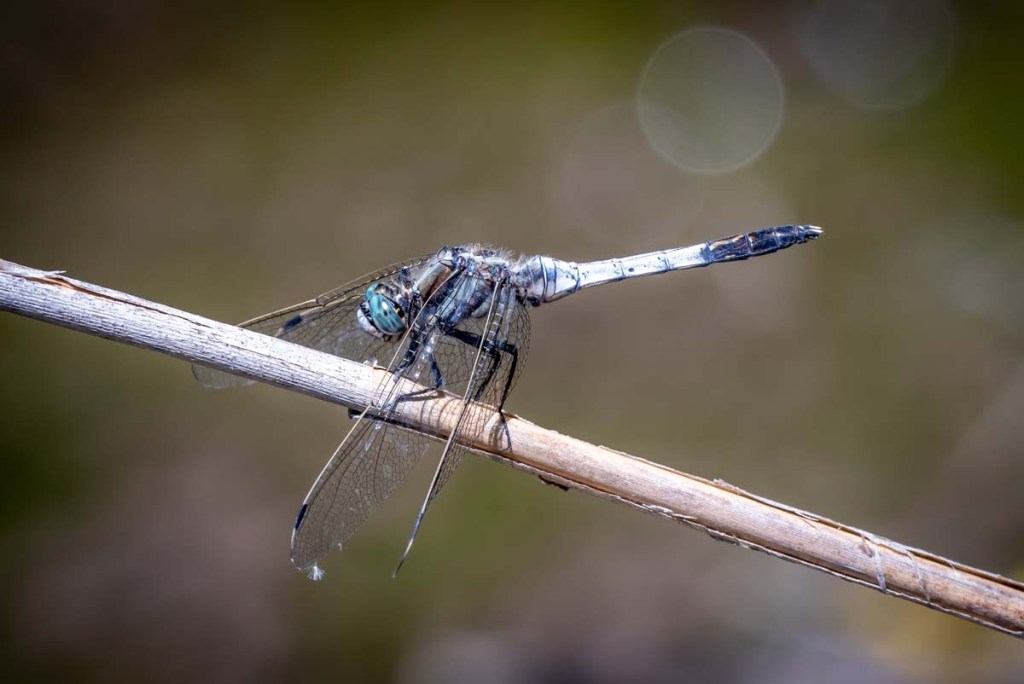
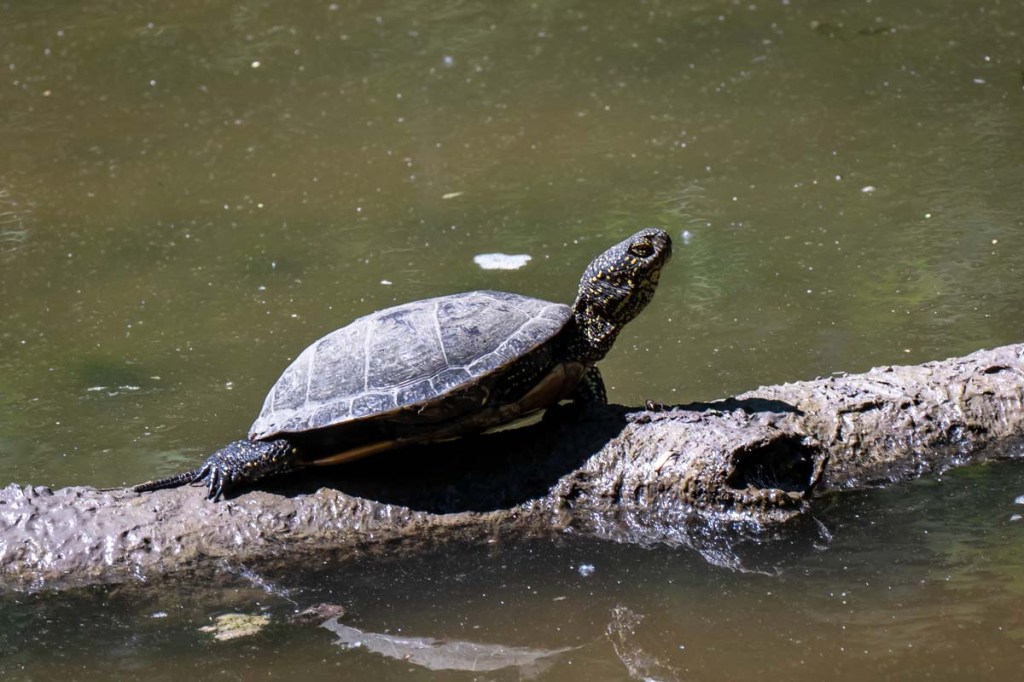
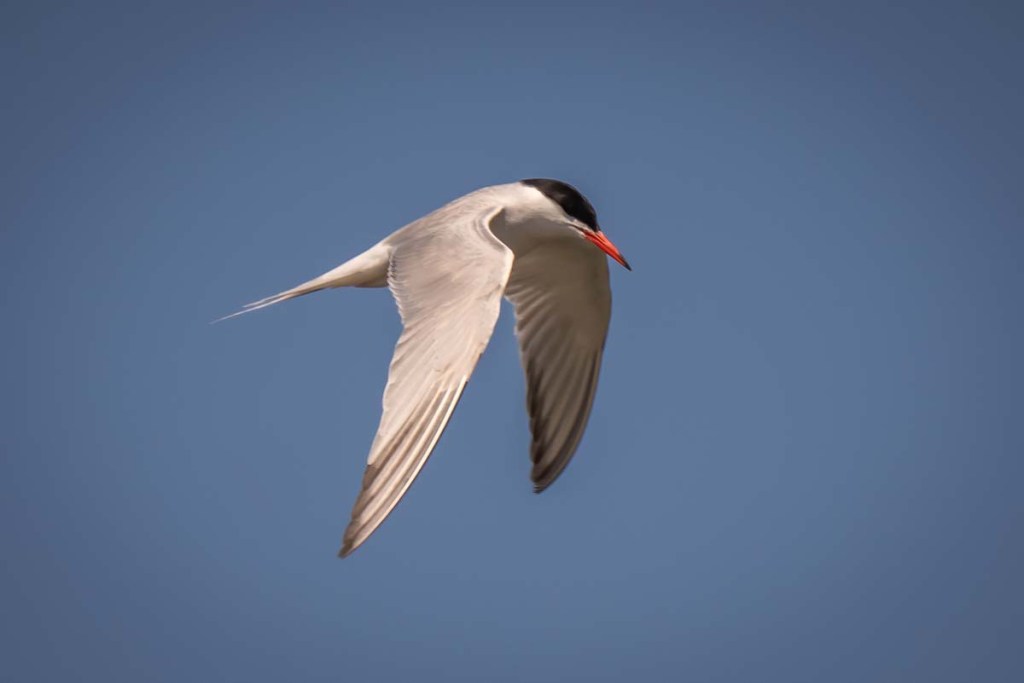
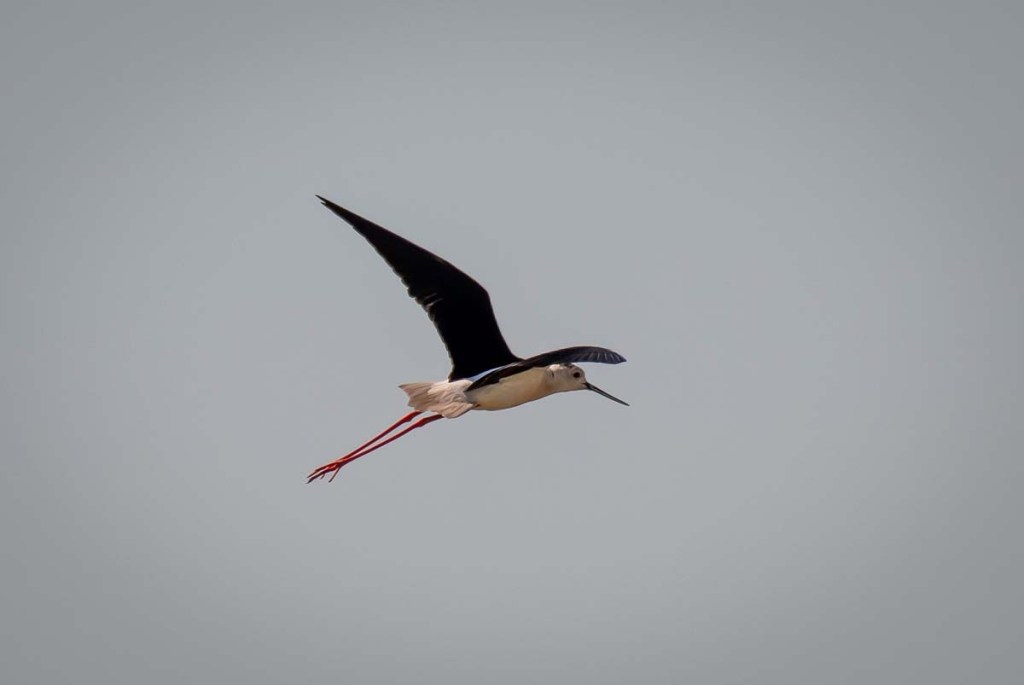
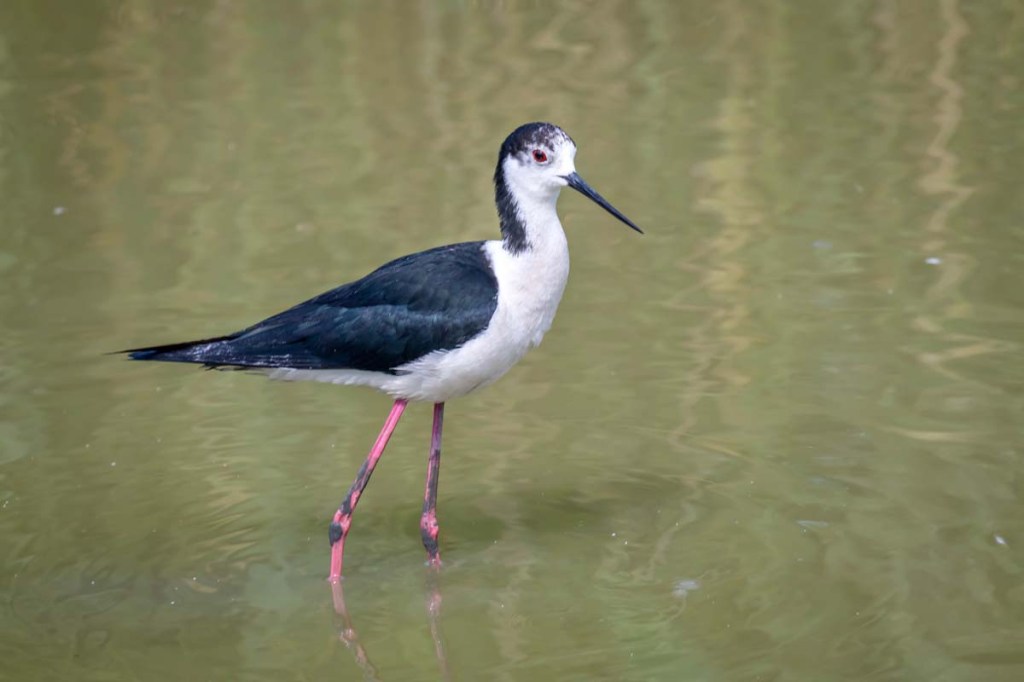
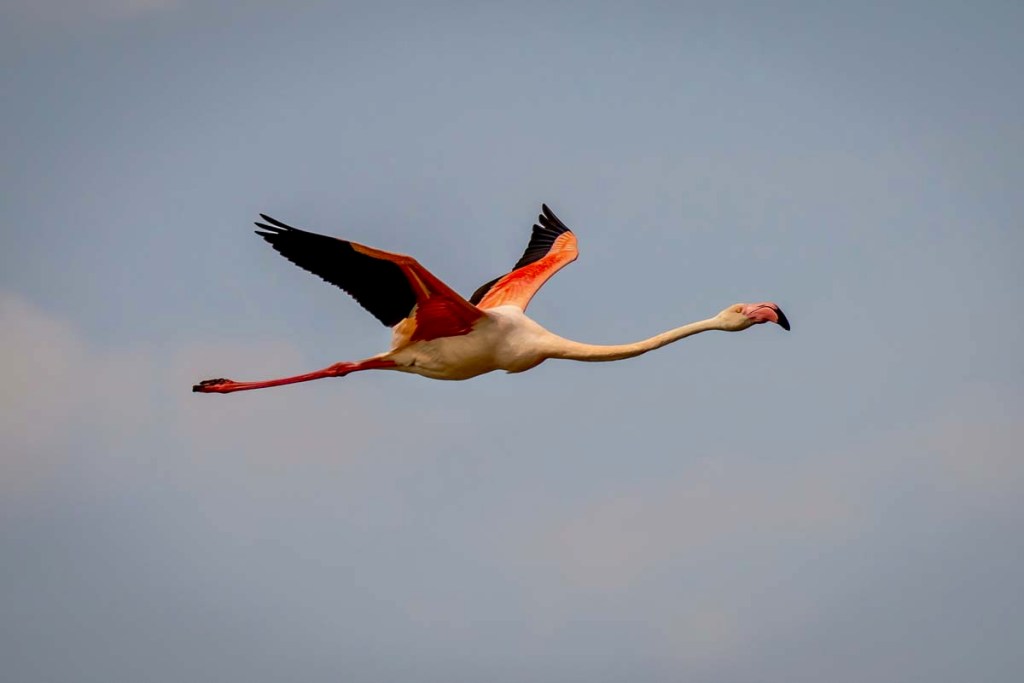
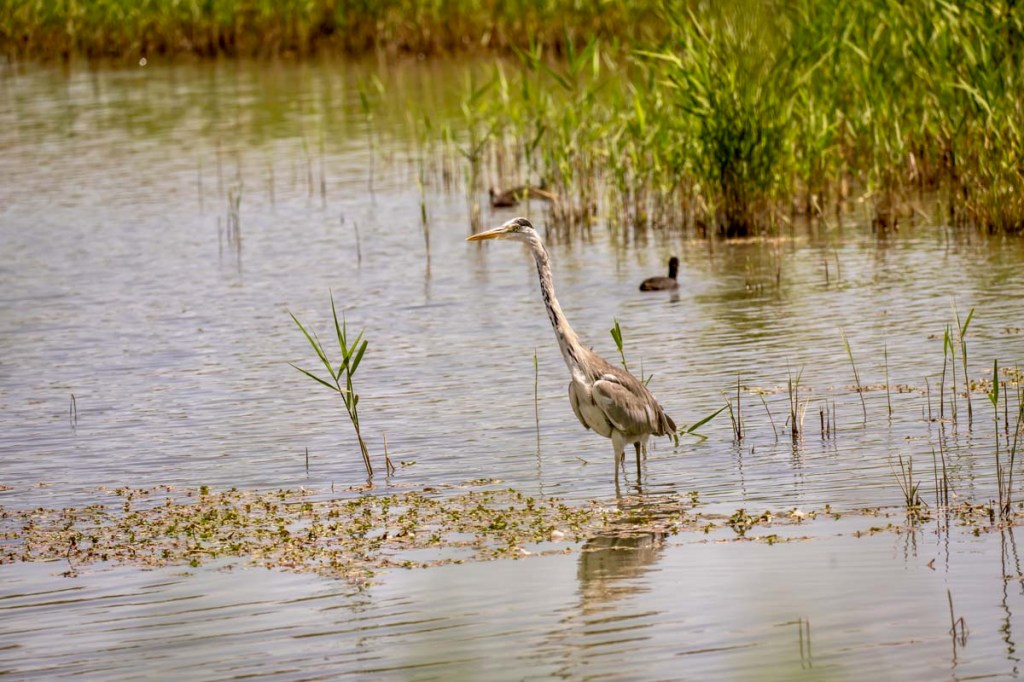
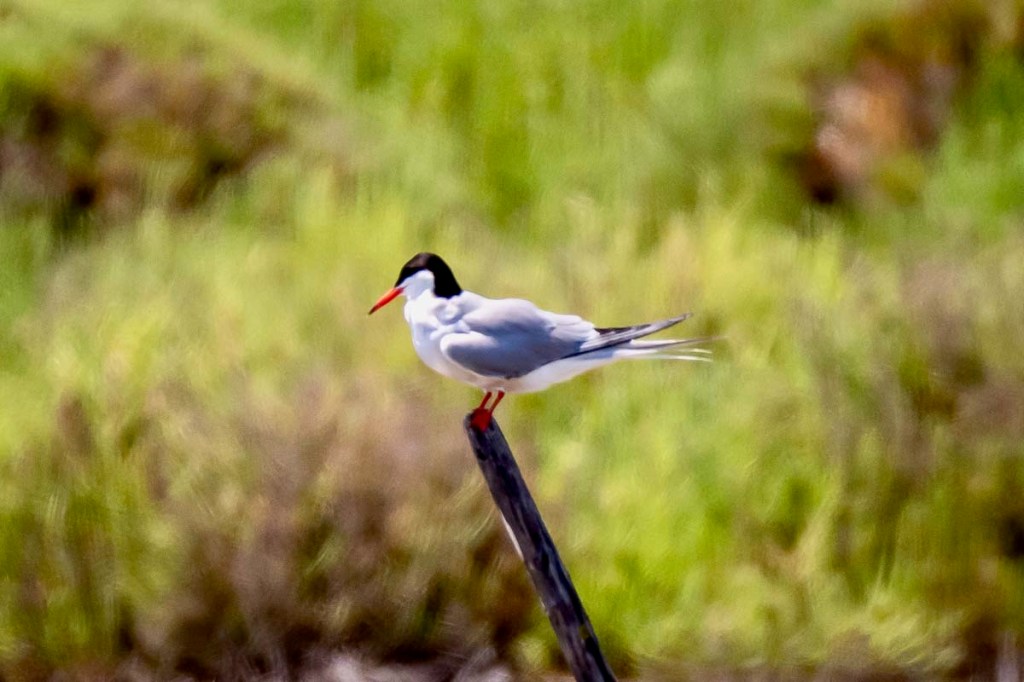
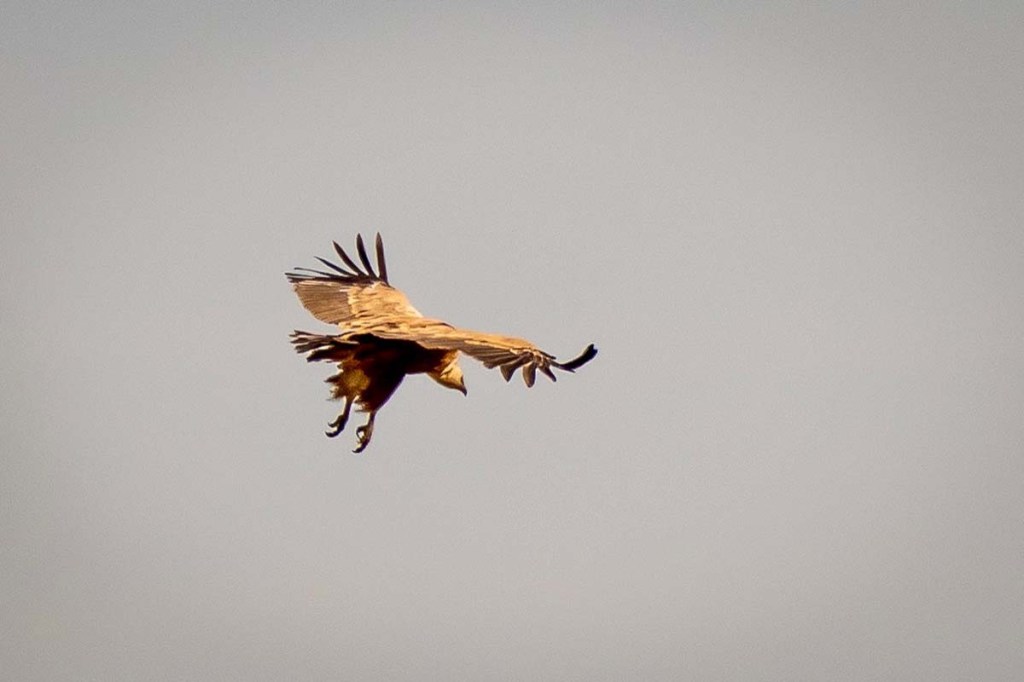
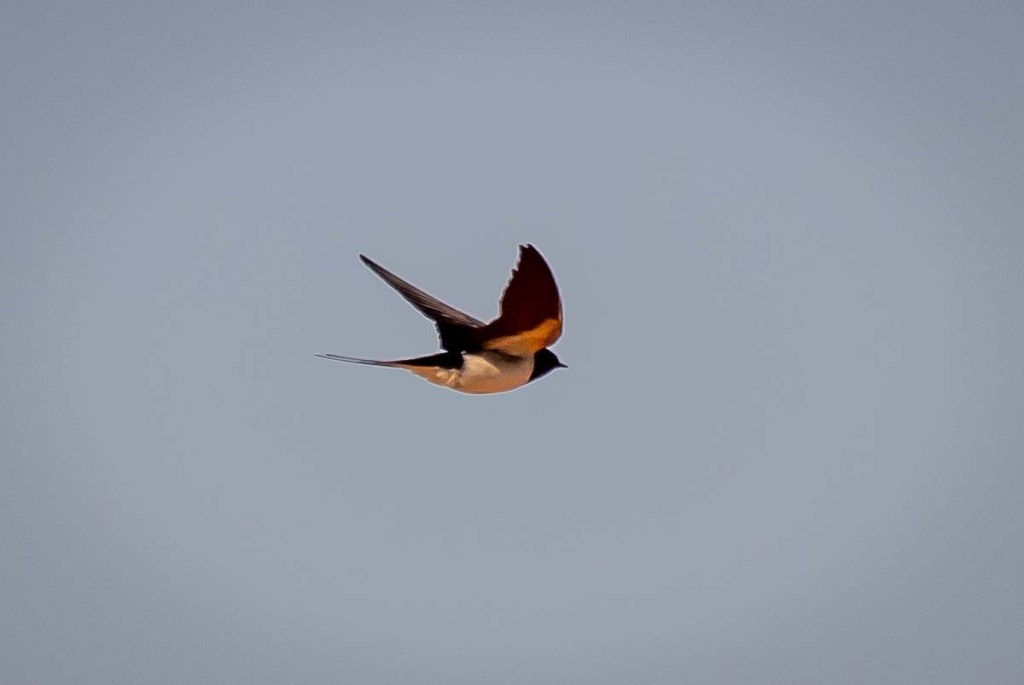
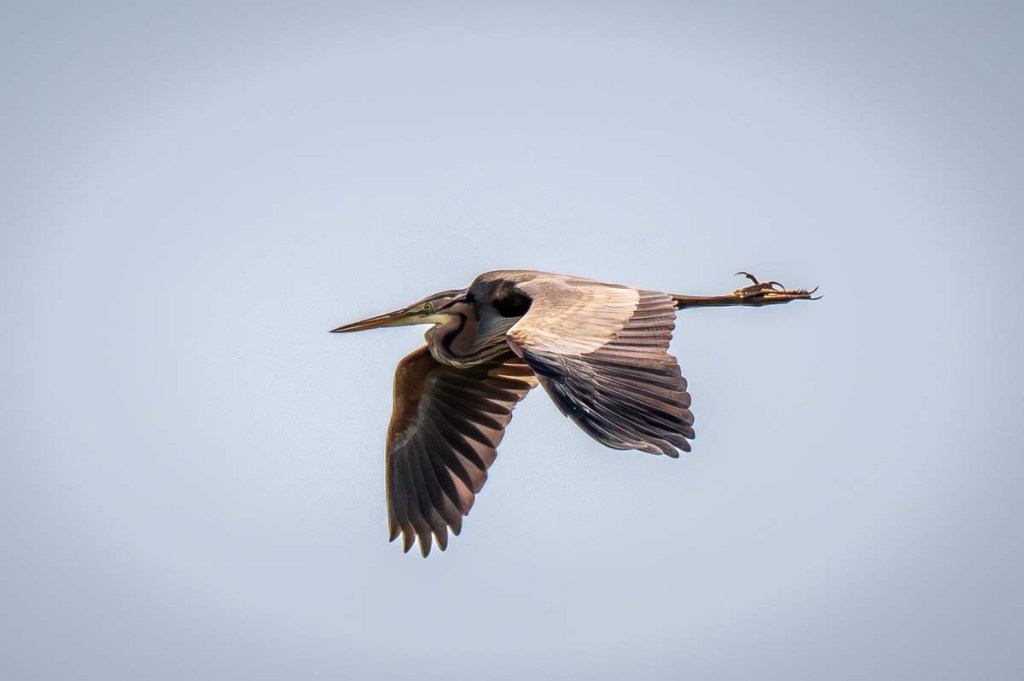
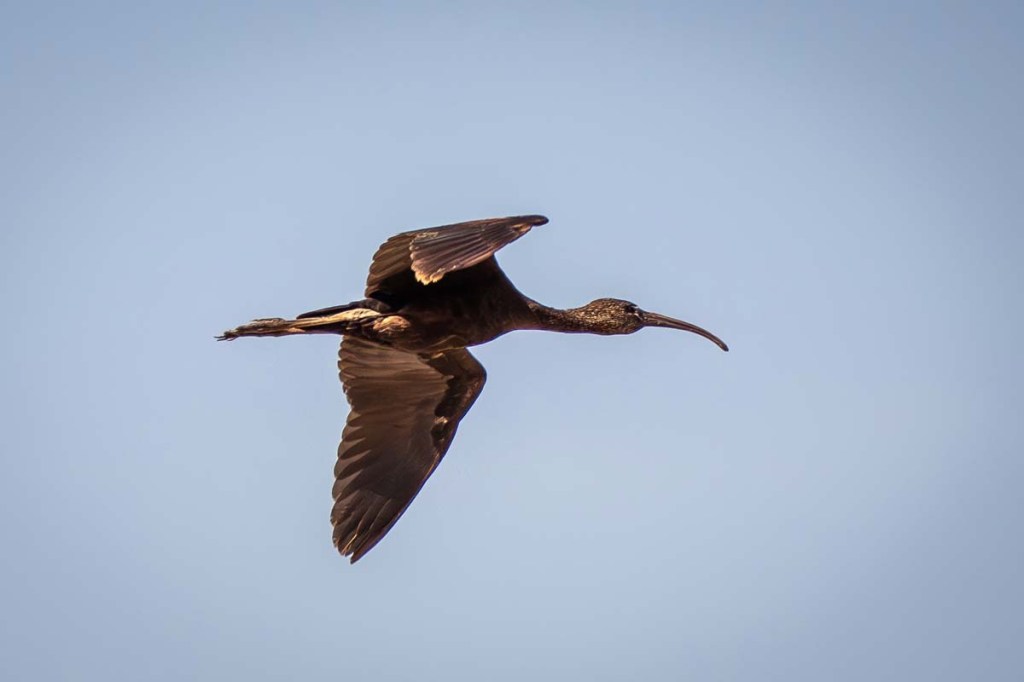
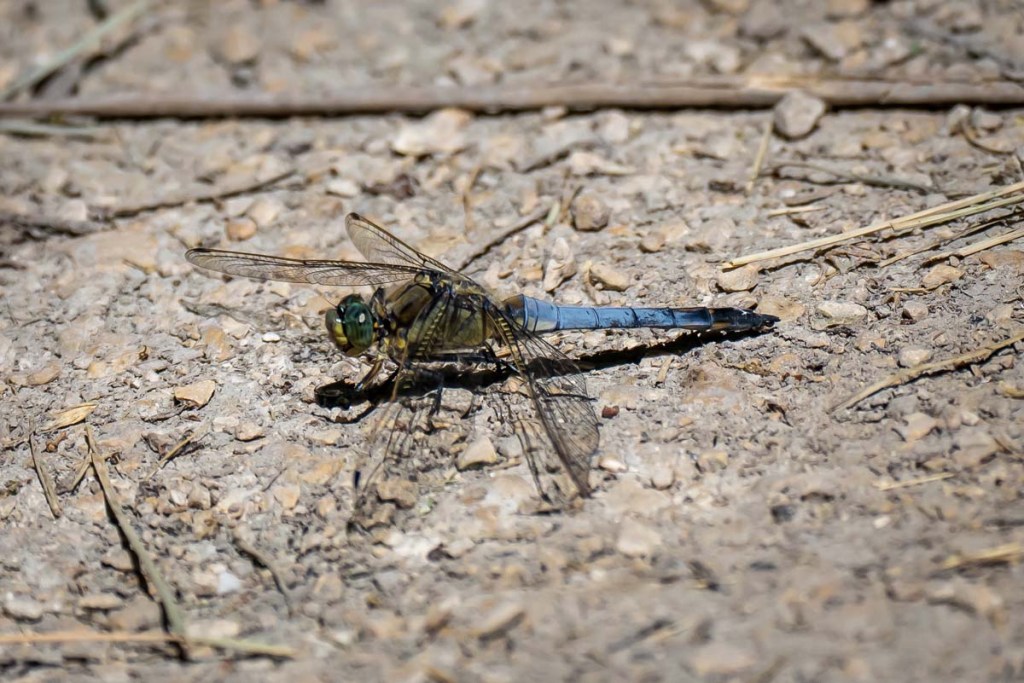
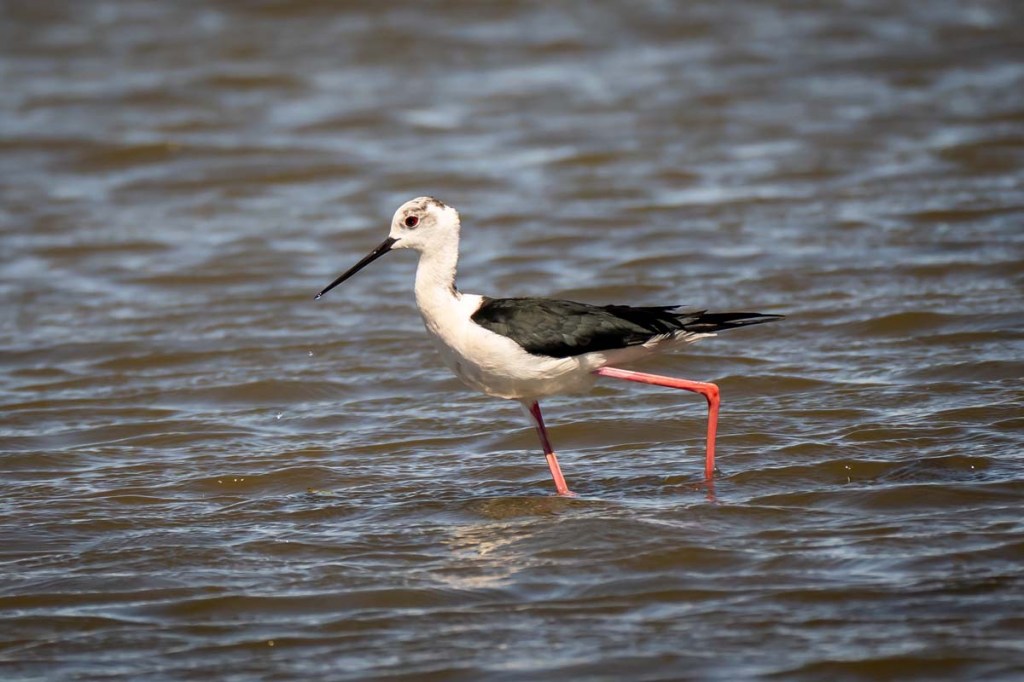
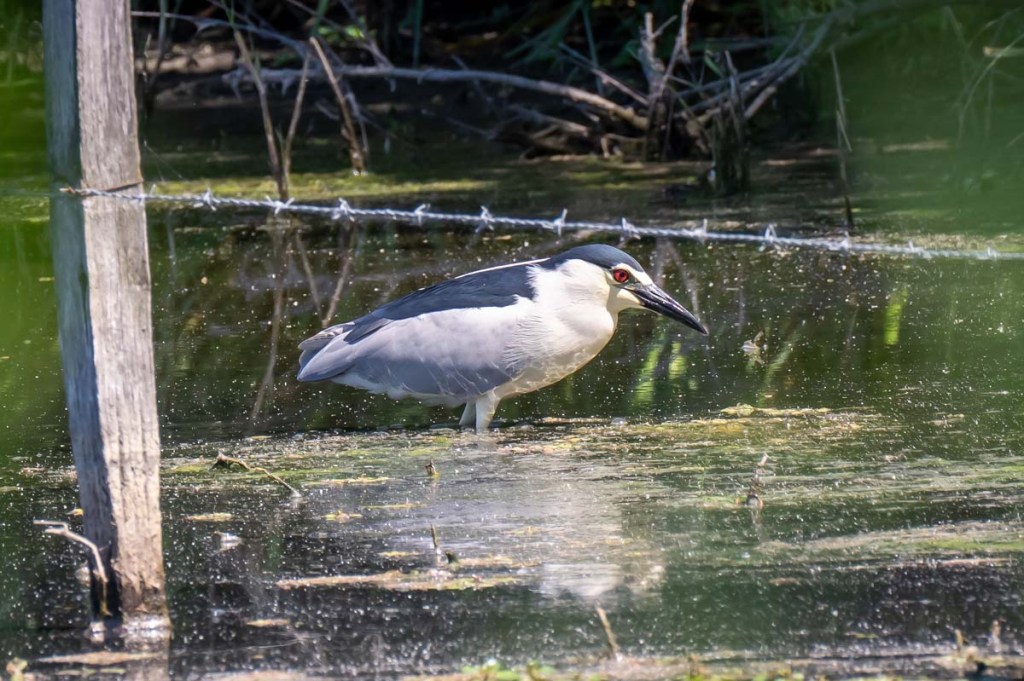
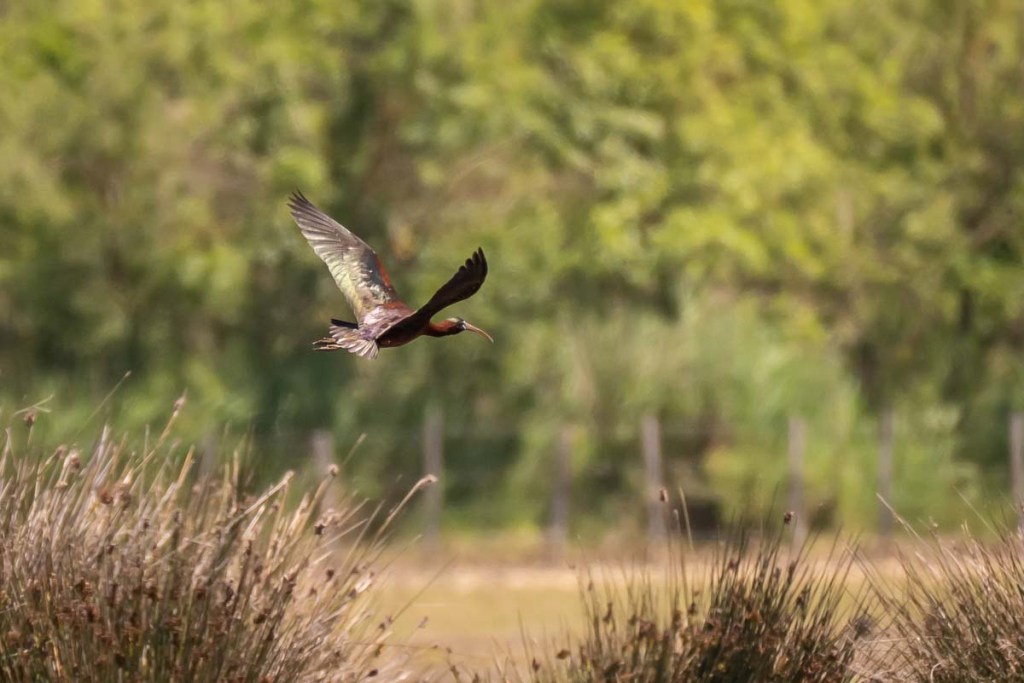
Ruins of the Roman aqueduct of BarbegalLe salin de GiroudLe salin de GiroudPelagic birding (?) at la plage de Piémanson.Gull-billed terns certainly rate high on any of my lists (if I had any)Probably my bird of the week – night heronOne of my favourite reserves in the CamargueAt the Maraiis du Vigueirat reserve we saw grey, purple and, here, squacco heronAnother of the nature reserves we visited which I shall remember for a good sighting of a cuckooCuckoo – great to see as well as hearOne of our picnic venues – beneath a mulberry bushOne swallow doesn’t make a summer – but this one convinced me that we really were in summerHôtel des Granges just outside ArlesWe often saw black kites close over our hotel and enjoyed the song of nightingales throughout the week View from our bedroom window of l’Abbaye de MontmajourHobby on one of the optional early morning walksMy favourite shot from beside the road – six spoonbills seen from le Chemin de Mas d”AgonPurple herons at the same place on the Chemin de Mas d’AgonLet’s hope that one day these beauties are regulars in our skies (but we will probably be in a lot of trouble in other ways!)Le Musée de CamargueI don’t like to see birds in cages but it is worth remembering what amazing things people do in rescuing such birdsLes Arènes d’ArlesPhotographic exhibition in the streets of ArlesEuropean roller seen on one of our optional evening tripsOur visit to Les Baux de ProvenceMy favourite memory of les Baux de Provence – a swallowtail butterflyOur guide Marcus was relieved that I was able to get a shot of a bee eater, certainly after all the banter I gave him. Glossy ibis were regularly seen in the rice fields The rice fields brought us loads of beautiful birds and many interesting beers tooPurple heron at the Marais de Mas d”AgonHow can such big birds, such as this white stork, be so agile?It wasn’t all about the birds – Orange-tipped orange dropwingFlora and faunaWhite-tailed skimmerTerrapin at the Marais de VigueiratCoypuIt wouldn’t be the Camargue without greater flamingosCommon tern was the most common of the terns we sawBlack-winged stilts were seen at all the reservesBlack-winged stiltSo many of the glossy ibis, herons and storks with juvenilesGrey heronsWhite storksSpanish gatekeepers seemed much brighter than the gatekeepers we see in the UKPainted lady butterflyLarge skipper butterflyFalse ilex hairstreak butterfly at Les Baux de ProvenceDid I mention the swallowtail?
Oh and I nearly forgot … those wonderful wild horses of the Camargue:
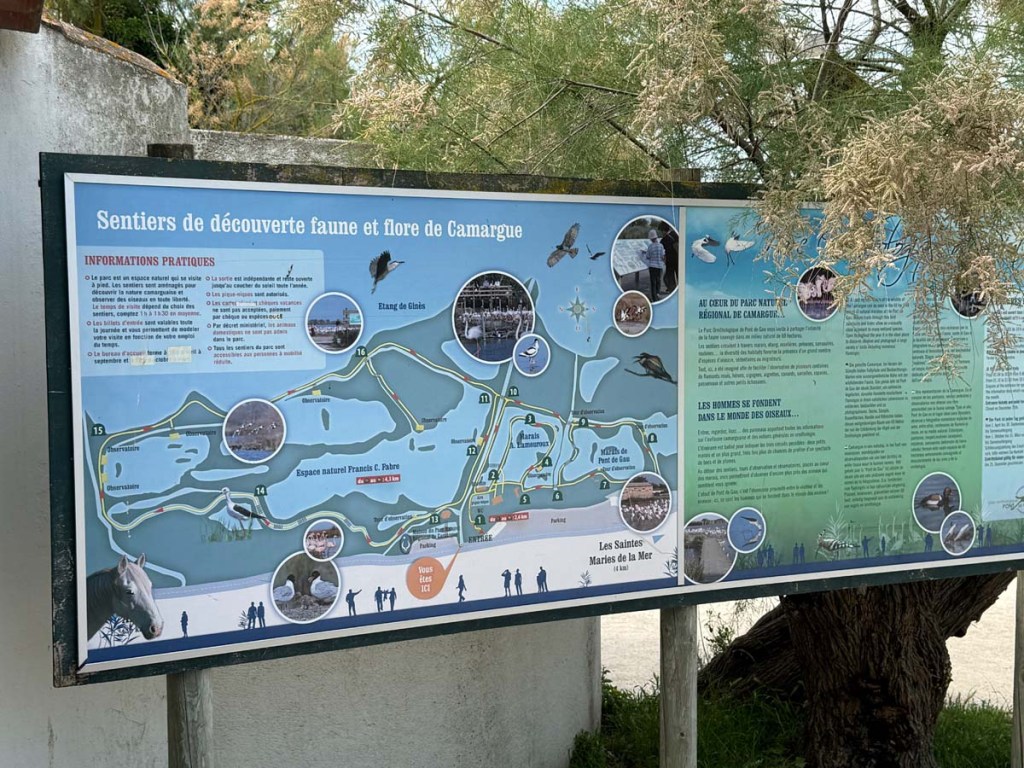
More amazing photo opportunities today at the Parc Ornithogique de Pont de Gau.
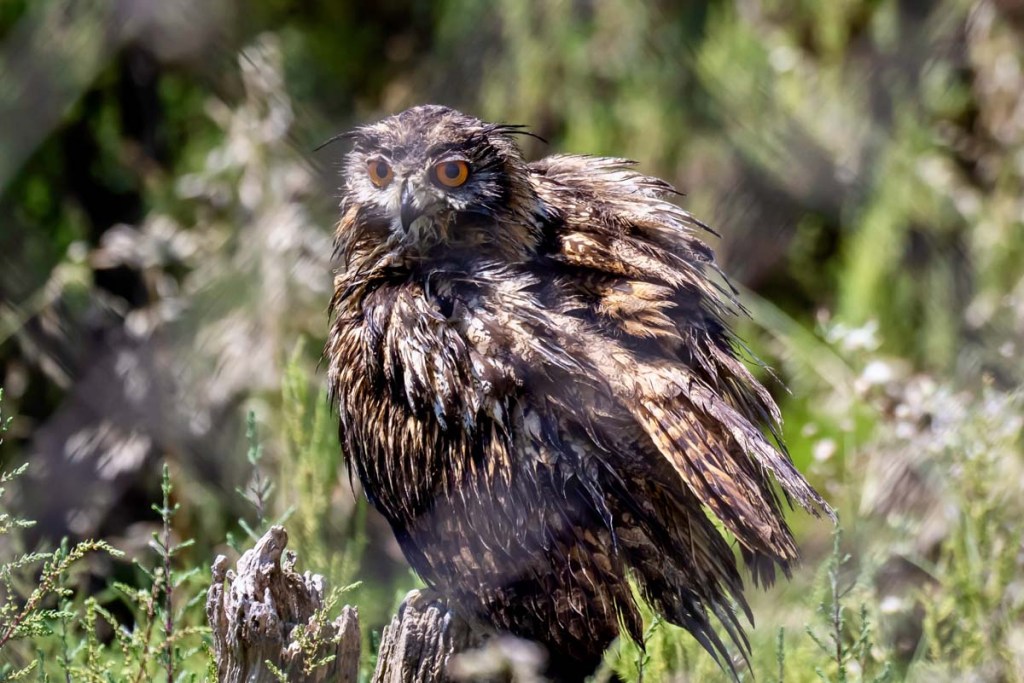
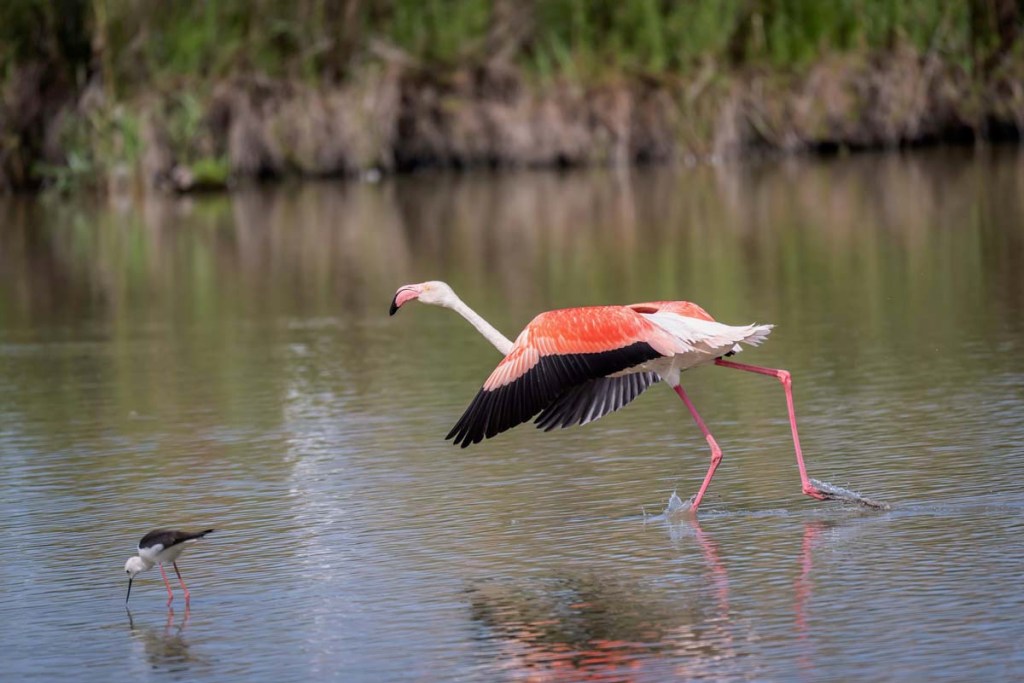
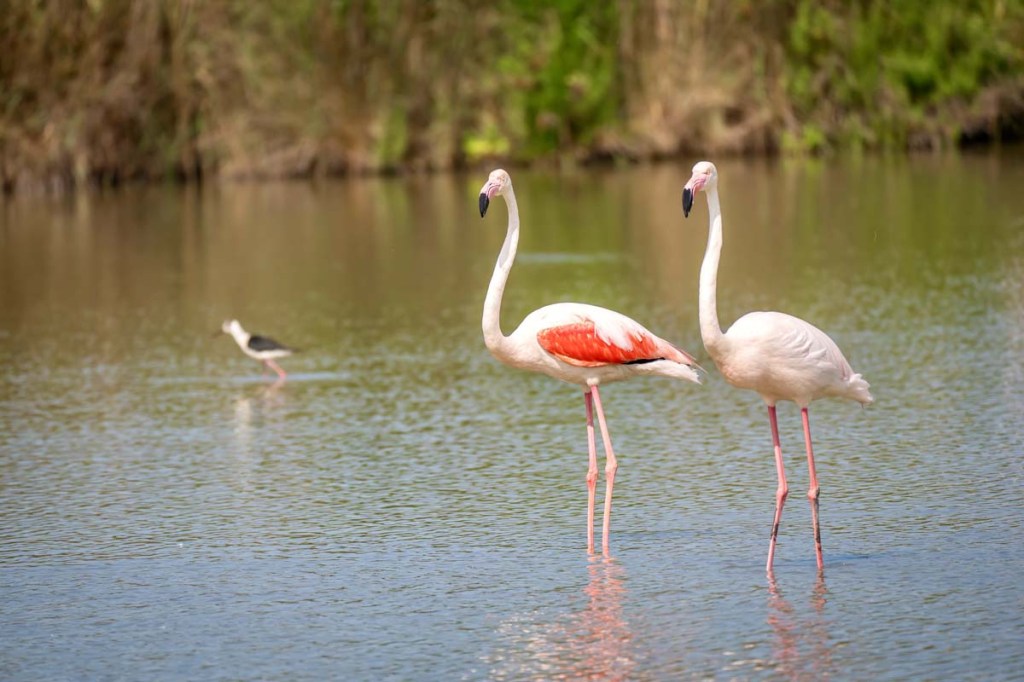
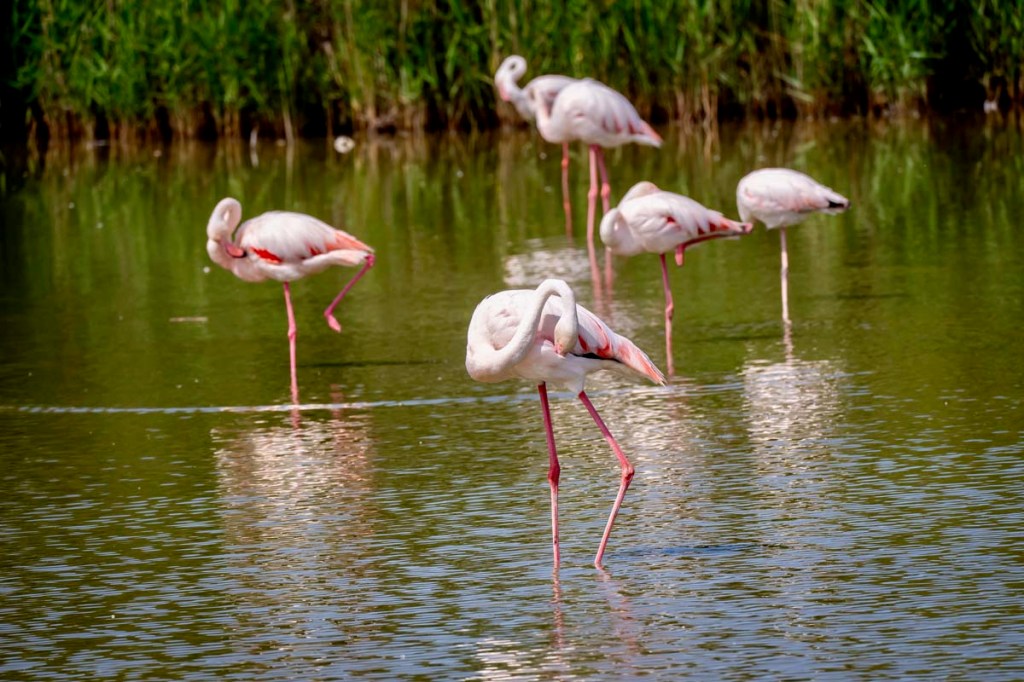
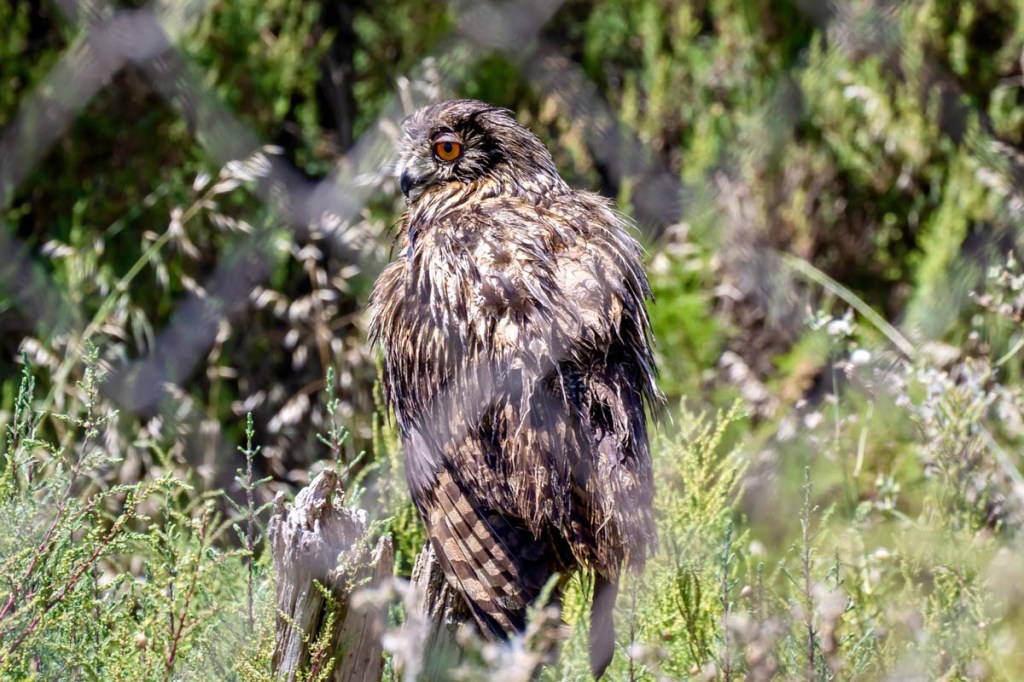
Greater flamingoGreater flamingoGreater flamingoGreater flamingosBlack-winged stiltGreater flamingosGrey heronGlossy ibis and hungry youngstersA rescue Eagle owlA rescue eagle owlGlossy ibisGreater flamingoCattle egretGrey heron with juvenilesGrey heronGrey heronCommon ternSmall white butterflyGreat willow herb Not our transport for the dayBee eater on our way back to the hotel
Now I’m wondering what to do with the remaining 1500 photos from today!
Post script:and now for a week to recover on the coast near Marseille.
A selection of photos from our first days in The Camargue in the south of France. What a start!
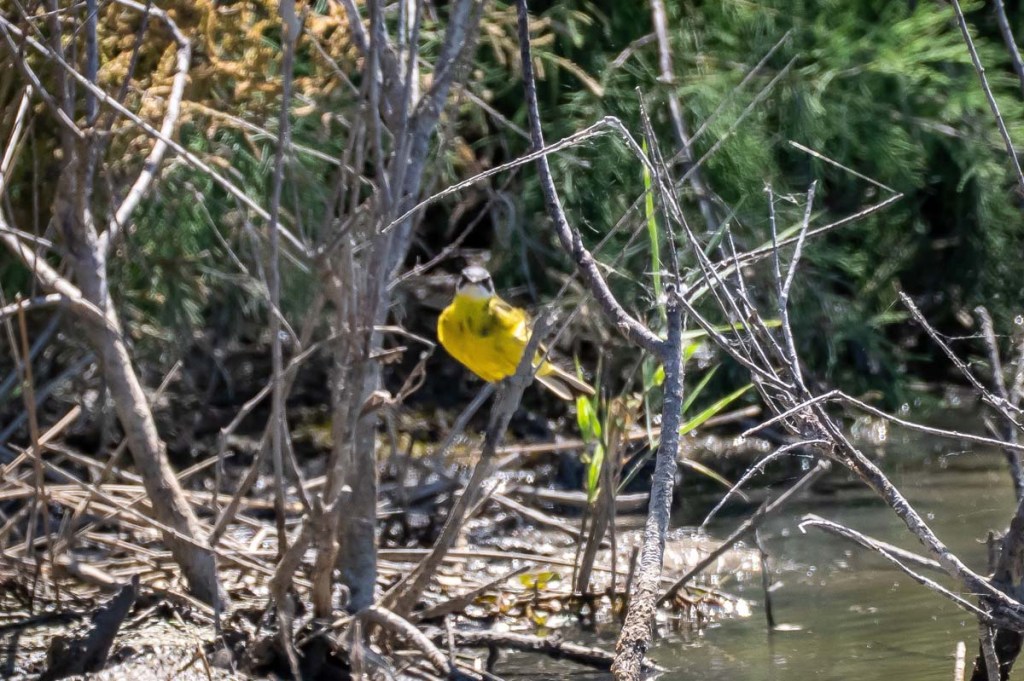
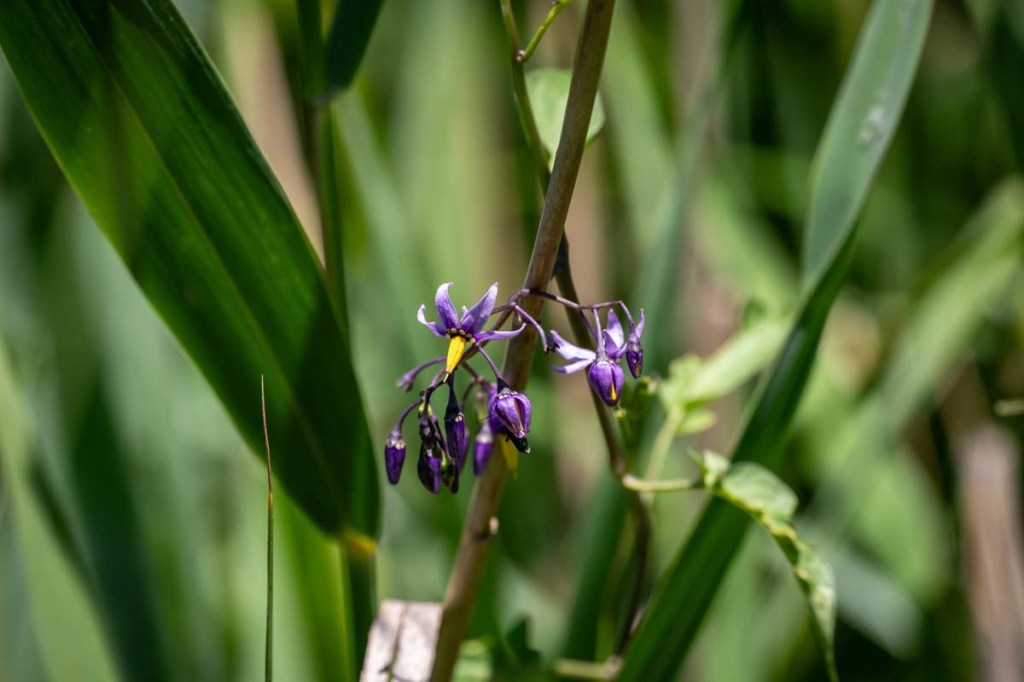
Black kite over the hotel near ArlesGriffon vulture near the hotel near ArlesGriffon vulture near the hotel near ArlesWhite stork with nesting material at the Marais du Vigueirat ReserveGlossy ibis at the Marais du Vigueirat ReserveCattle egret at the Marais du Vigueirat ReserveSwallow at the Marais du Vigueirat ReservePurple heron at the Marais du Vigueirat reserveSquacco heron at the Marais du Vigueirat ReserveGlossy ibis at the Marais du Vigueirat ReserveCoypu at the Marais du Vigueirat Reserve Painted lady butterfly at the Marais du Vigueirat ReserveBlack-tailed skimmer at the Marais du Vigueirat ReserveTerrapin at the Marais du Vigueirat ReserveCommon tern at the Marais du Vigueirat ReserveBlack-winged Stilt at the Marais du Vigueirat ReserveLittle egret and lunch at the Marais du Vigueirat ReserveNight heron at the Marais du Vigueirat ReserveNight heron at the Marais du Vigueirat ReserveWhite stork and young at the Marais du Vigueirat ReserveWhite-tailed skimmer at the Marais du Vigueirat ReserveSpeckled wood butterfly at the Marais du Vigueirat ReserveYellow wagtail at the Marais du Vigueirat ReserveLarge skipper butterfly at the Marais du Vigueirat ReserveFemale demoiselle of some sort at the Marais du Vigueirat ReserveCamargue horeses at the Marais du Vigueirat ReserveGull-billed terns and red-crested pochard at the Marais du Vigueirat ReserveGrey heron at the Marais du Vigueirat ReserveGlossy ibis at the Marais du Vigueirat ReserveSquacco heron at the Marais du Vigueirat ReserveCamargue wild horsesBittersweet or nightshade at the Marais du Vigueirat ReserveIris at the Marais du Vigueirat Reserve
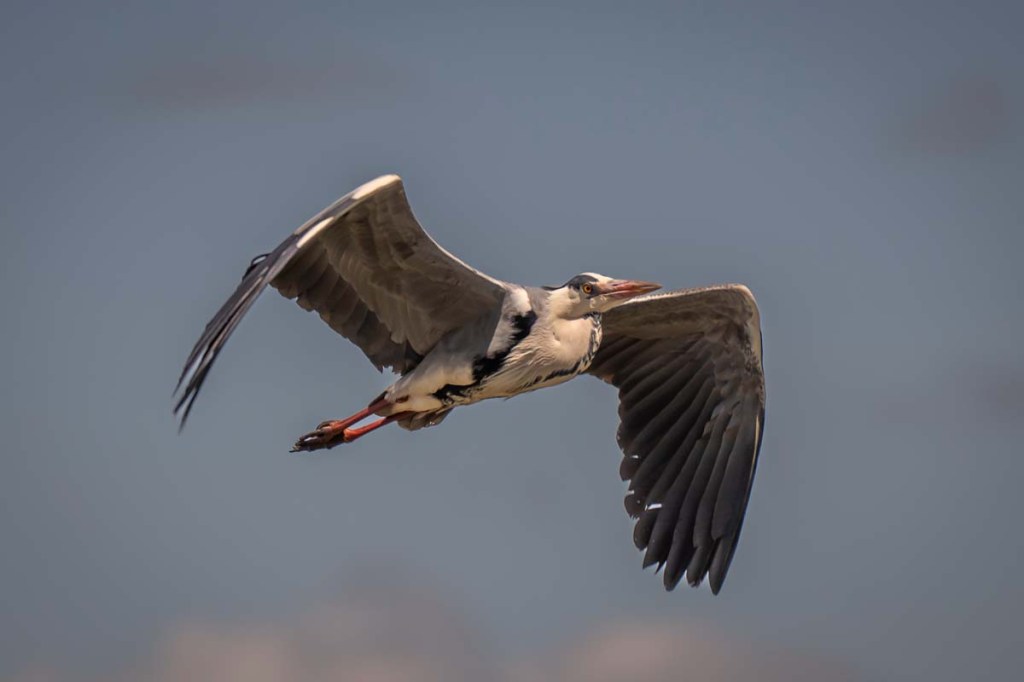
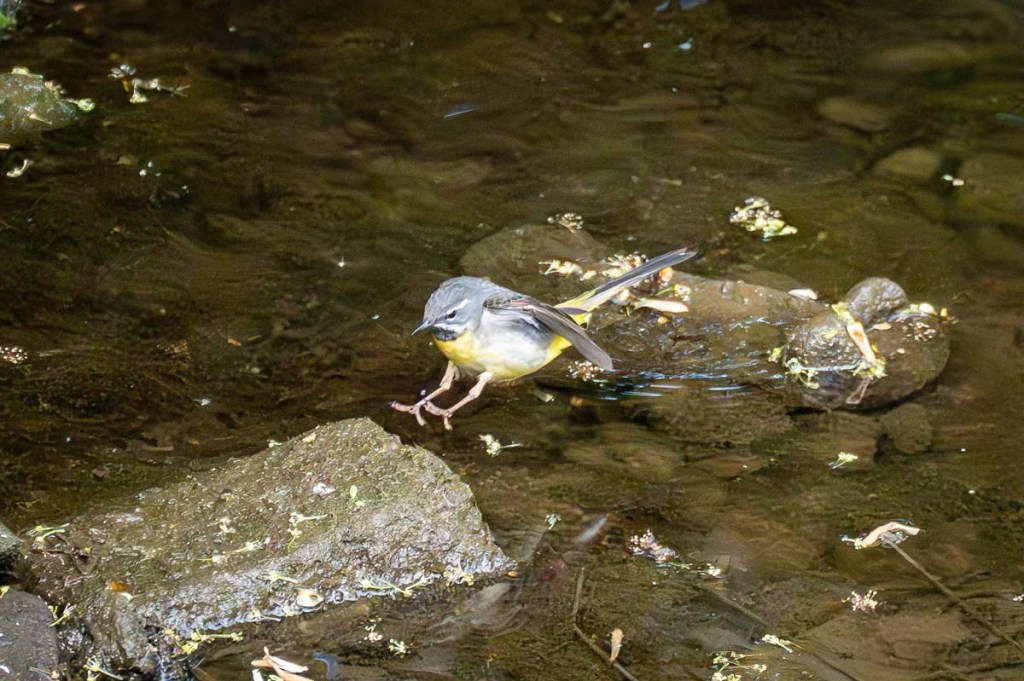
A walk around the park this morning brought a few surprises: the 14 goslings we had seen earlier in the week had all gone, presumably predated, and a grey heron, which we have not seen for a while, was back (presumably from the heronry to which they disappear at this time of the year).
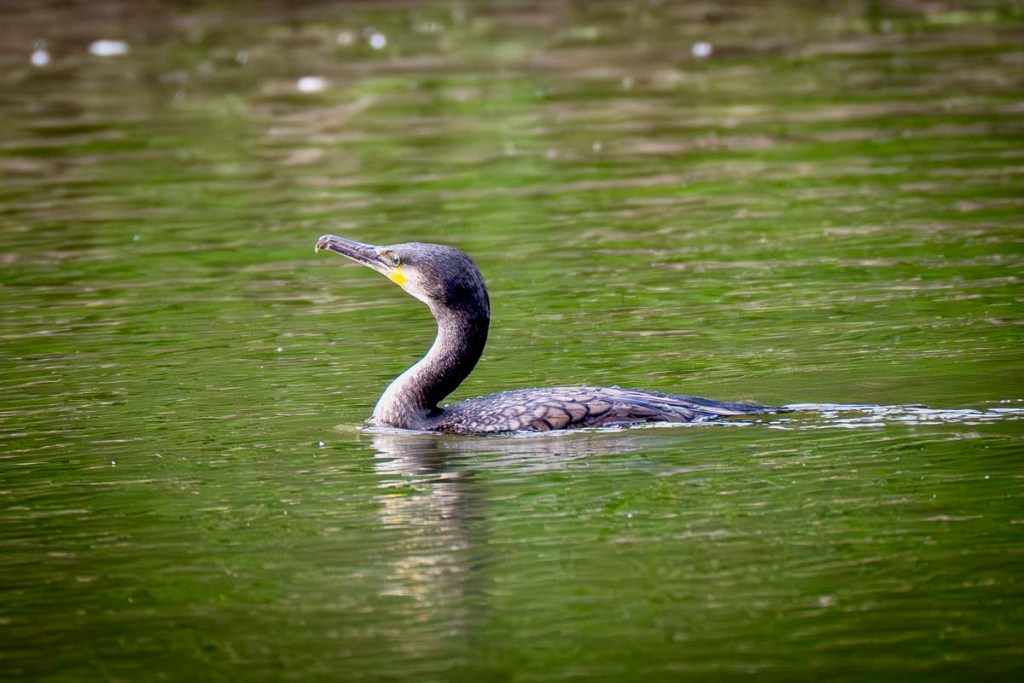
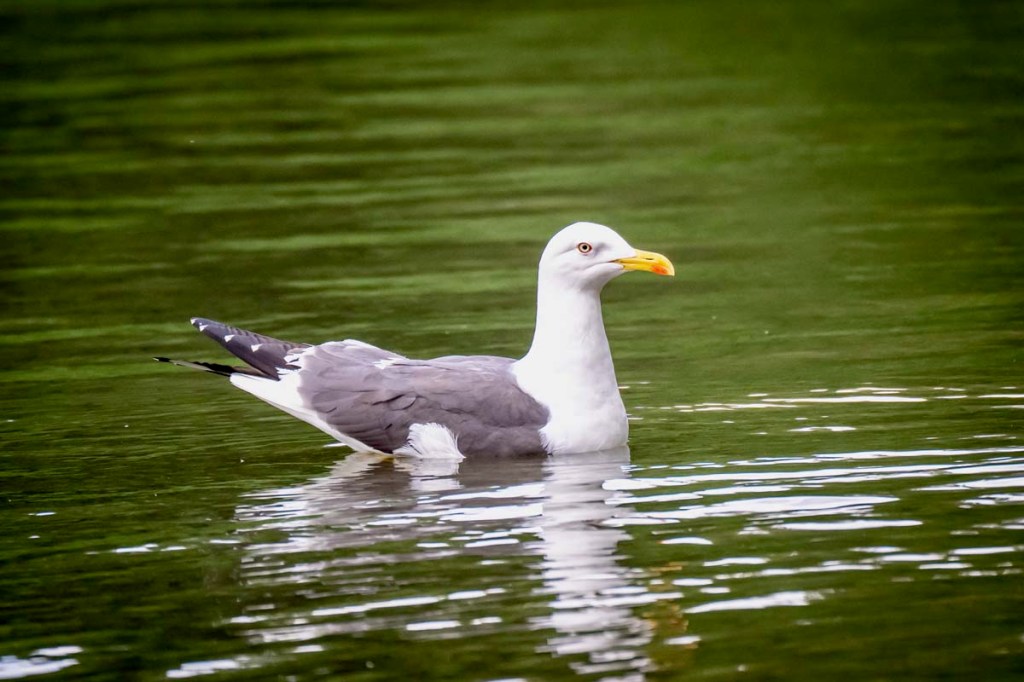
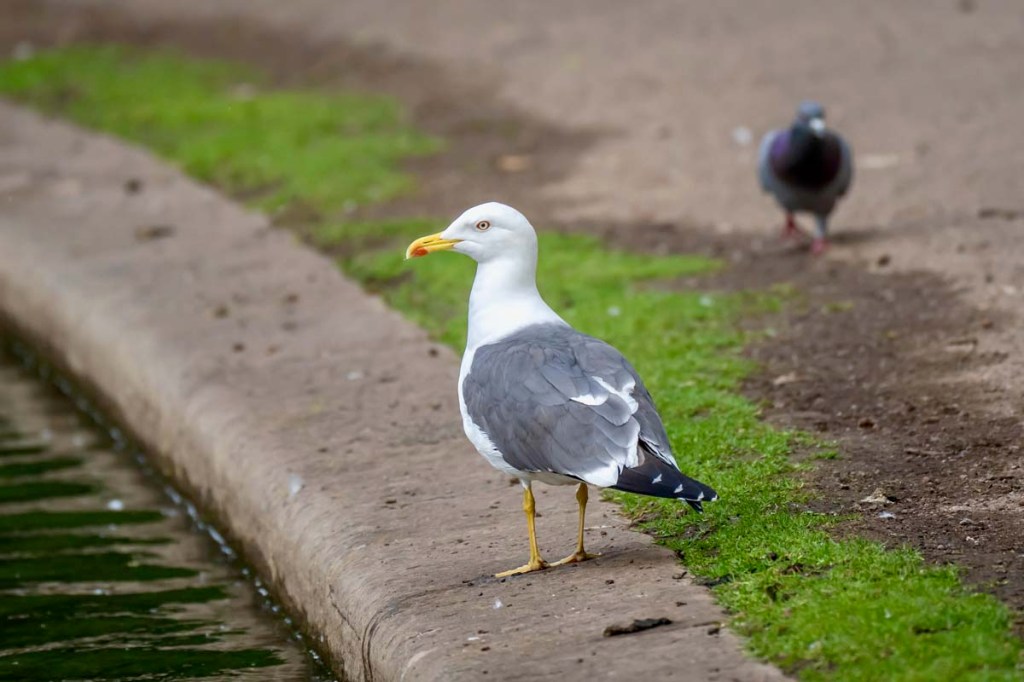
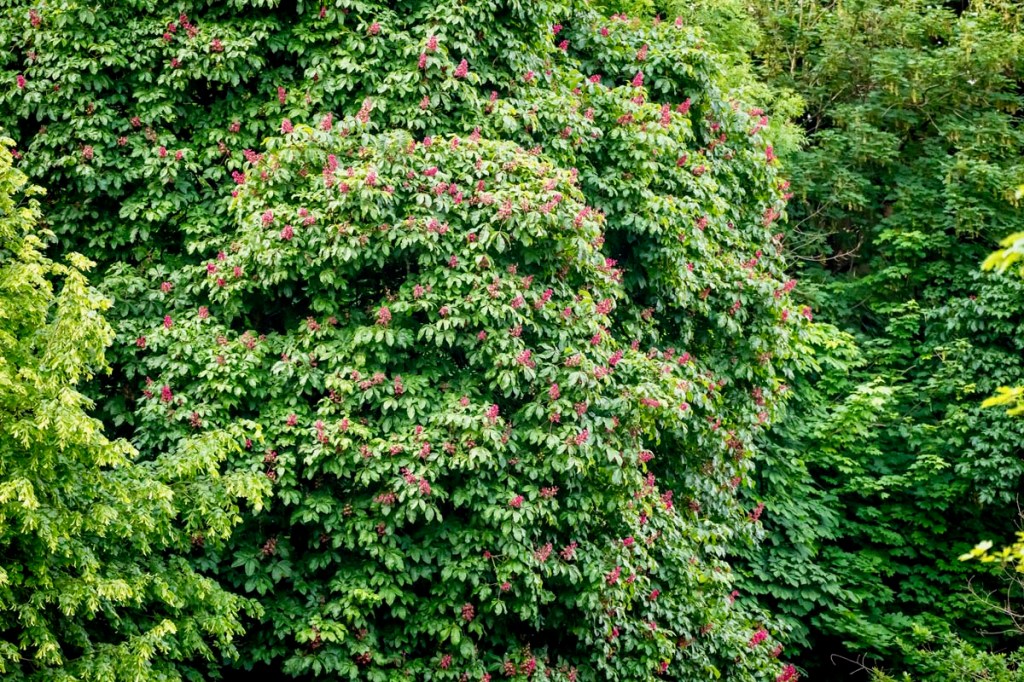
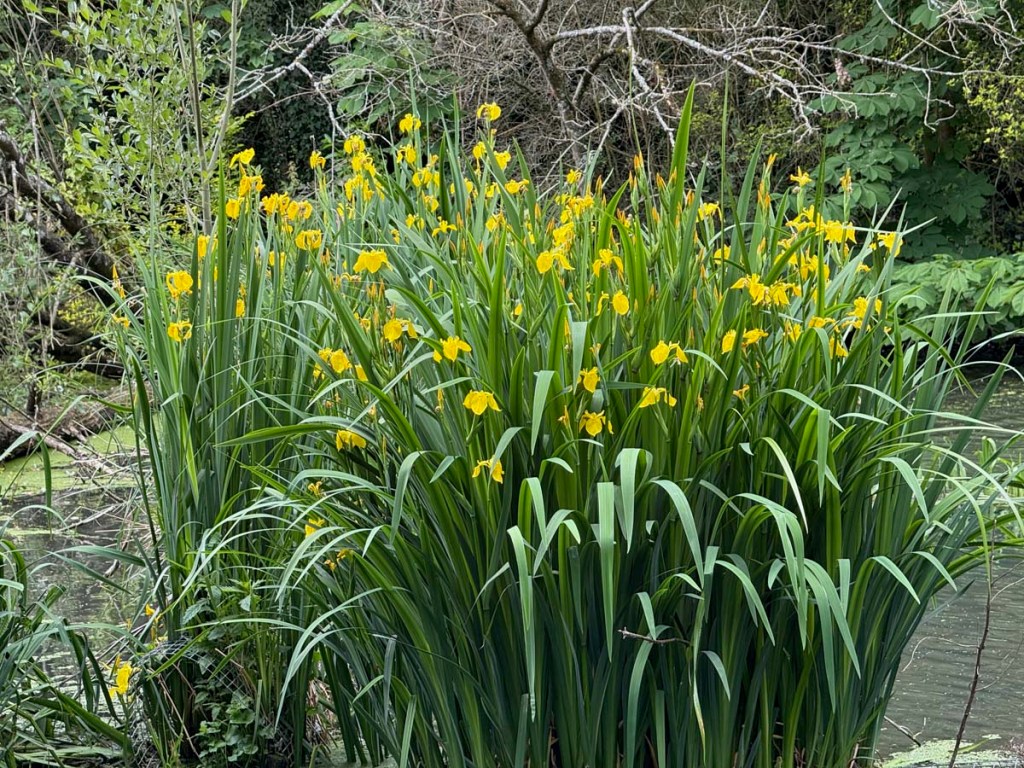
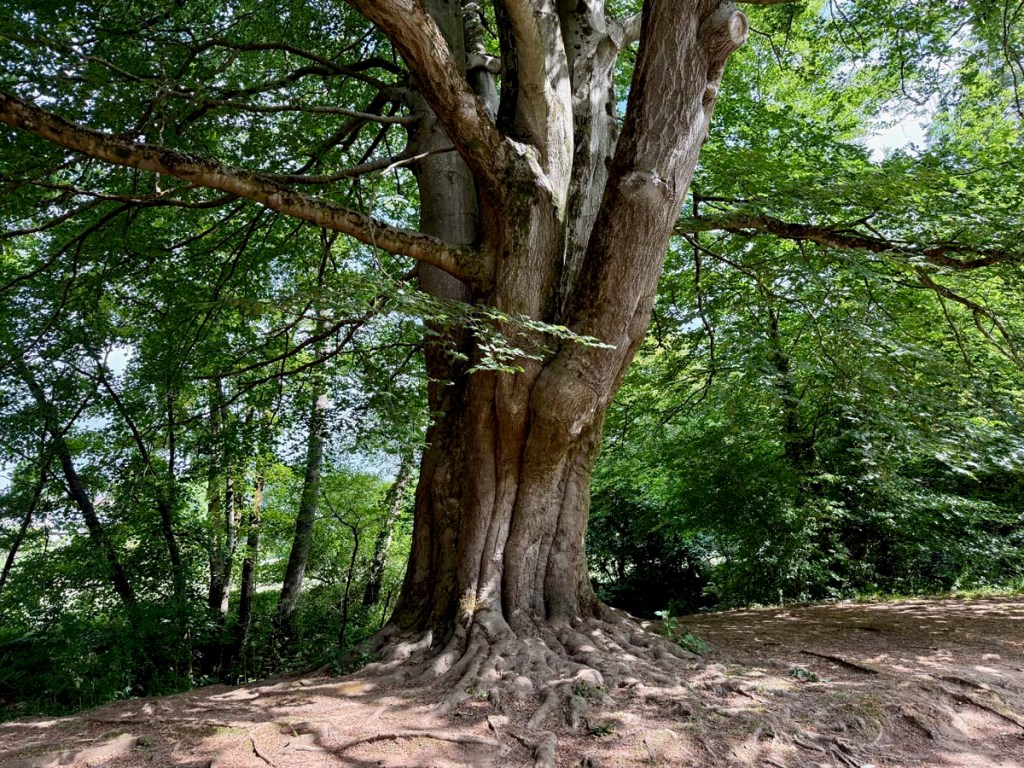
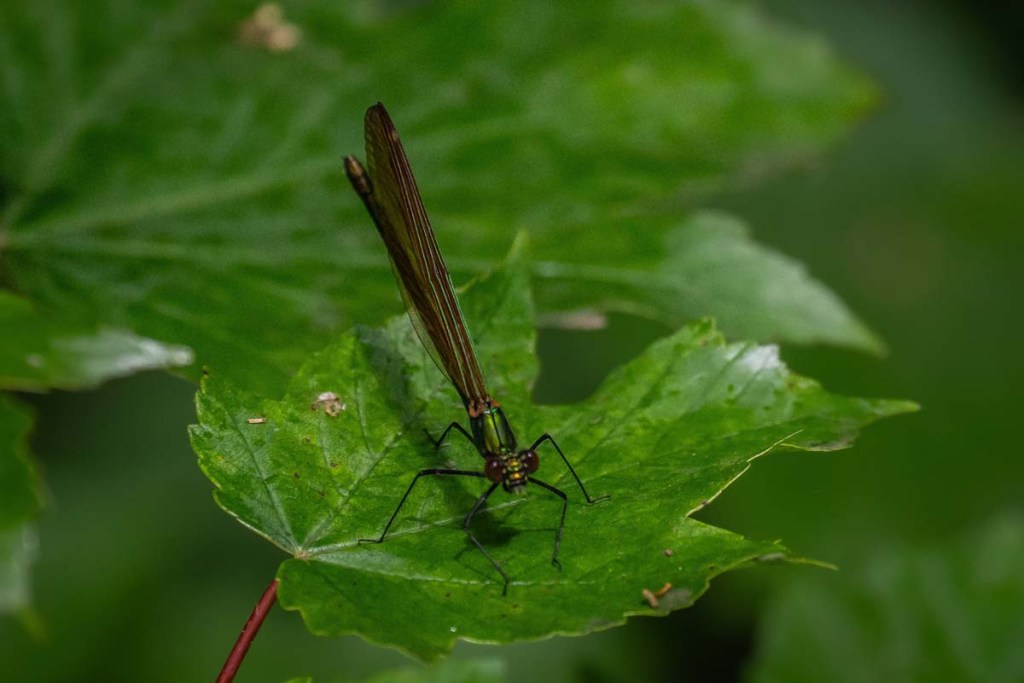
A grey wagtail leaping from one stone to another on the River FromeA wren, one of the noisiest birds but often the most difficult to see, beneath the tree canopy.The grey heron pretending to sleepThe five cygnets were safeA cormorant gorging on the fish stocks in the park lakeLesser black-backed gull, surely no 1 suspect for the disappearance of the goslingsLesser black-backed gullMute swan keeping a keen eye on its cygnetsThe grey heron perching on a fallen tree in the middle of the lake. There was an earlier attempt to remove the tree but coots had already started nesting there.Close up of the grey heronRed horse chestnut, popular in large gardens and parks in BritainThe lake in the parkYellow flags on the park lakeA beautiful hornbeam between the park lake and the River FromeWe sat opposite the kingfishers nest on the River Frome for a while but there was no action this morningBeautiful demoiselleFemale beautiful demoiselleBeautiful demoiselle in flight
We are very lucky that we have two parks very close to where we live in the middle of the city of Bristol: Eastville Park, a Victorian city park with children’s playgrounds, green spaces and a lake and a river where we regularly see common kingfishers and dippers; and Stoke Park Estate which is a local Site of Nature Conservation Interest (SNCI) covering over 100 hectares. Stoke Park Estate is also designated as a Regionally Important Geological and Geomorphological Site (RIGS): an important place for geology and geomorphology. The site has species-rich grasslands, woodland, scrub, and ponds. It is home to wildlife like great crested newts, dragonflies and glow worms.
I spent the afternoon wandering around the fishing lake which is also known as Duchess Pond.
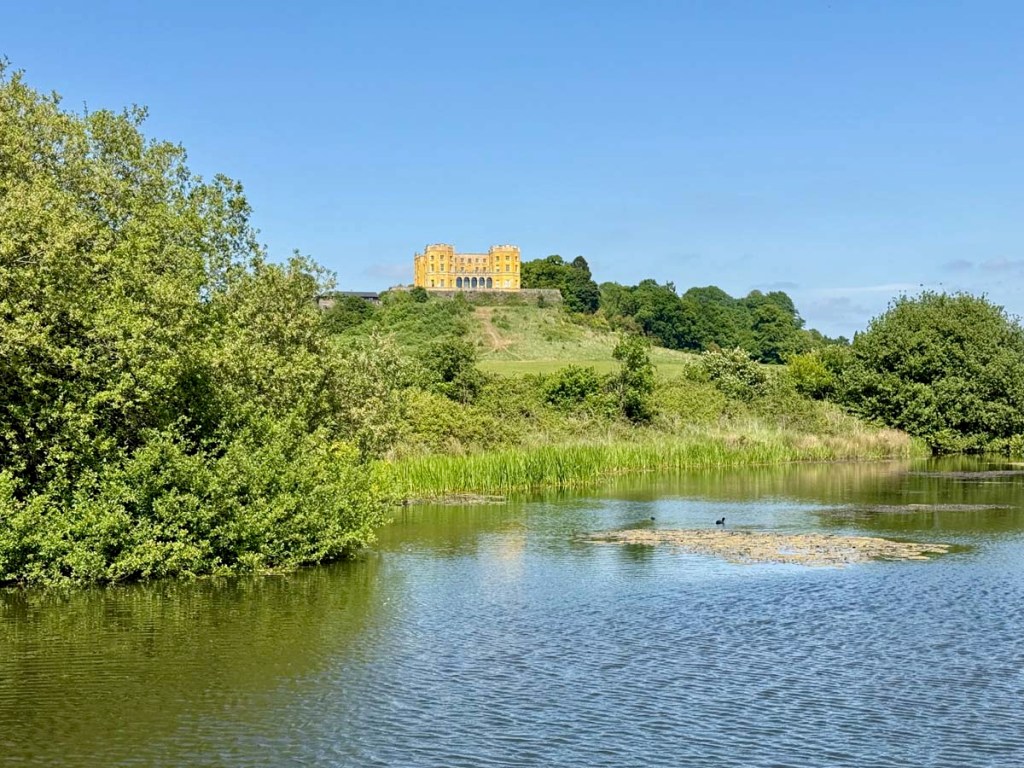
This is the annexe to the main fishing lake (Duchess Pond) with a view of the yellow Dower House, built in 1563 as a private stately home, but now converted to private flats.The main fishing lake (Duchess Pond)
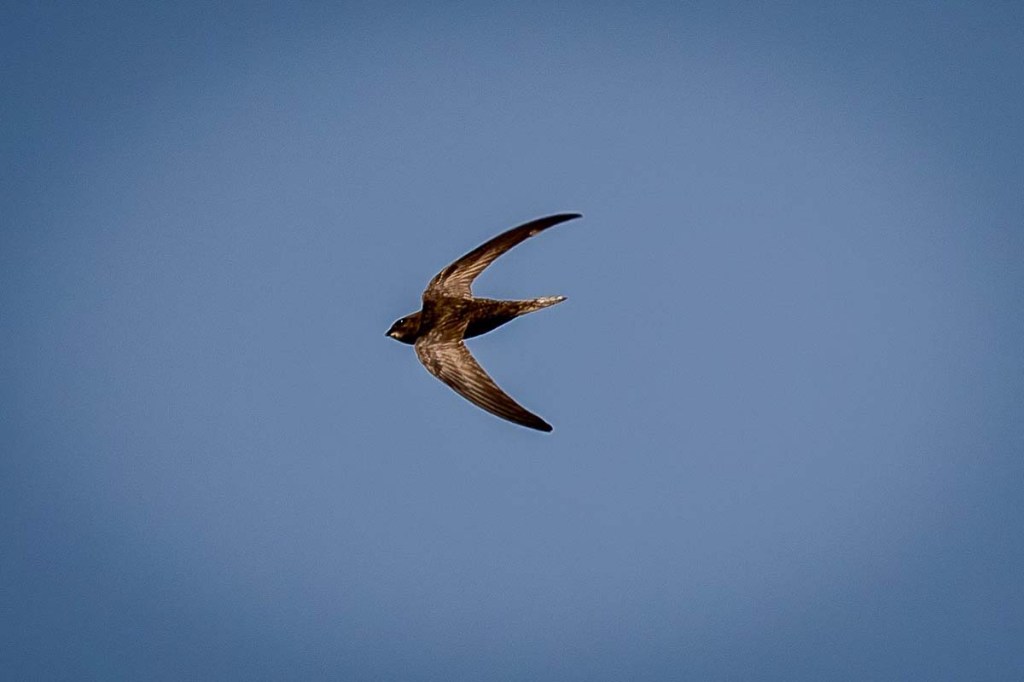
3 swifts passed over briefly but sadly didn’t reappear. However I was pleased to get some shots with the one chance I had.
Common swiftCommon swiftCommon swiftCommon swift
A kestrel appeared briefly but stayed in line with the sun (I’m sure to stop me photographing it).
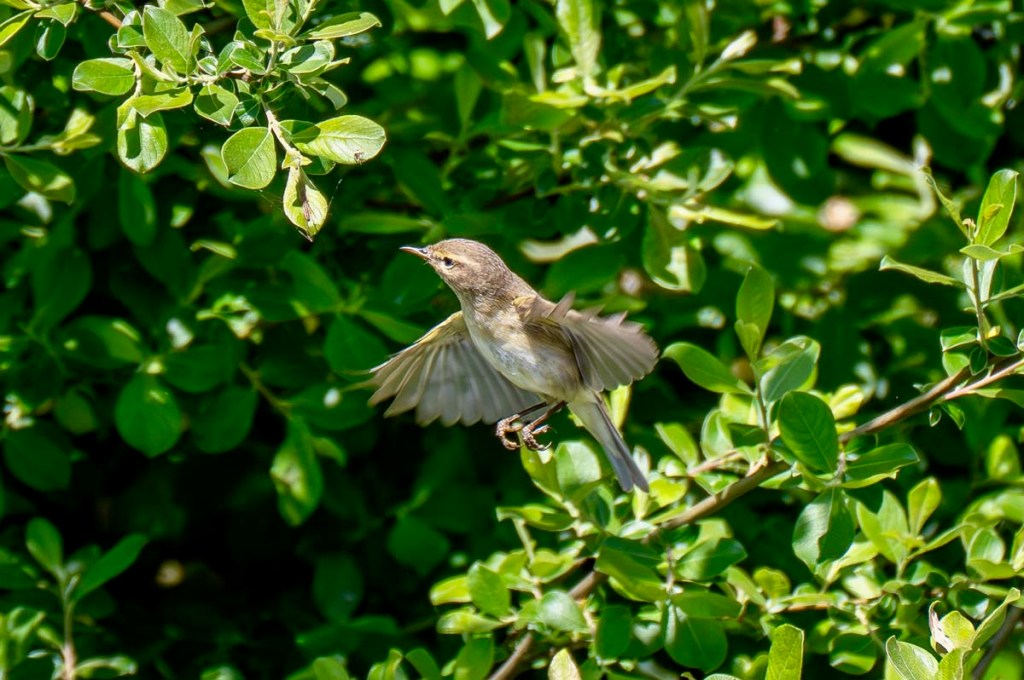
I caught a glimpse of a chiffchaff and was pleased to get some shots as they are quite elusive at this time.
ChiffchaffChiffchaffChiffchaff
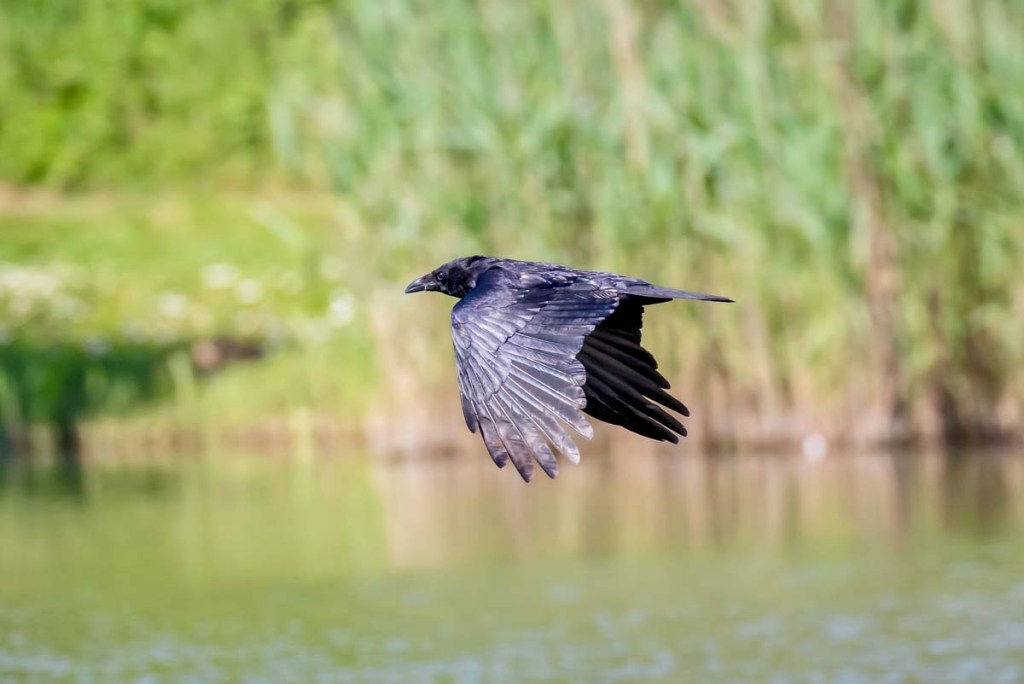
There were plenty of carrion crows too (not so elusive!).
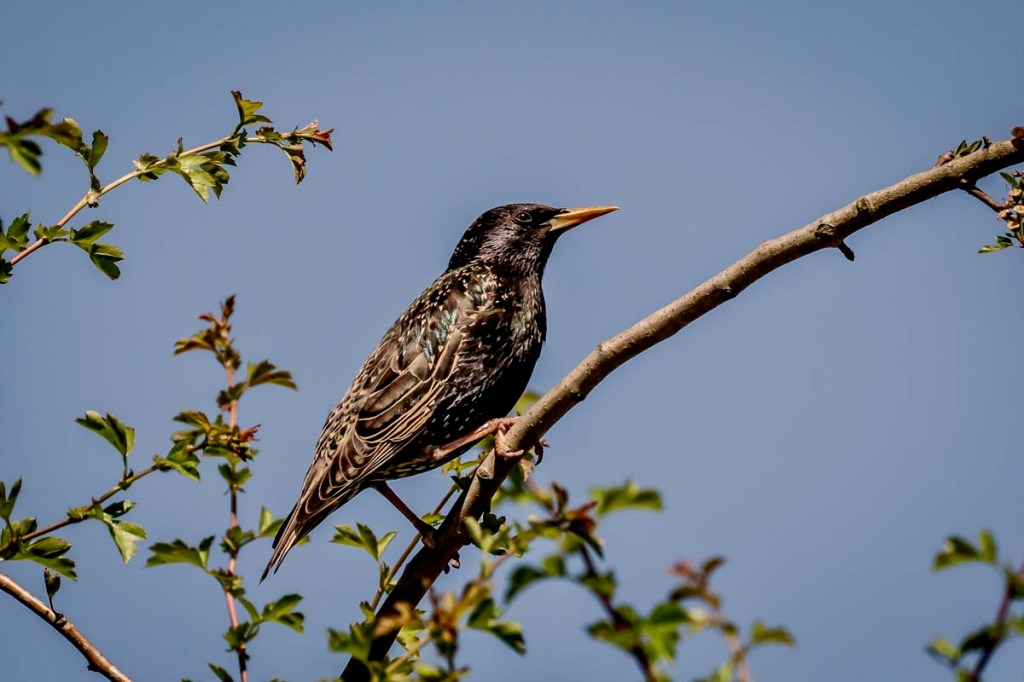
Carrion crowStarling – don’t they look splendid with the sun on their plumage?
There were lots of(Canada Goose) goslings, ducklings and coot and moorhen chicks.
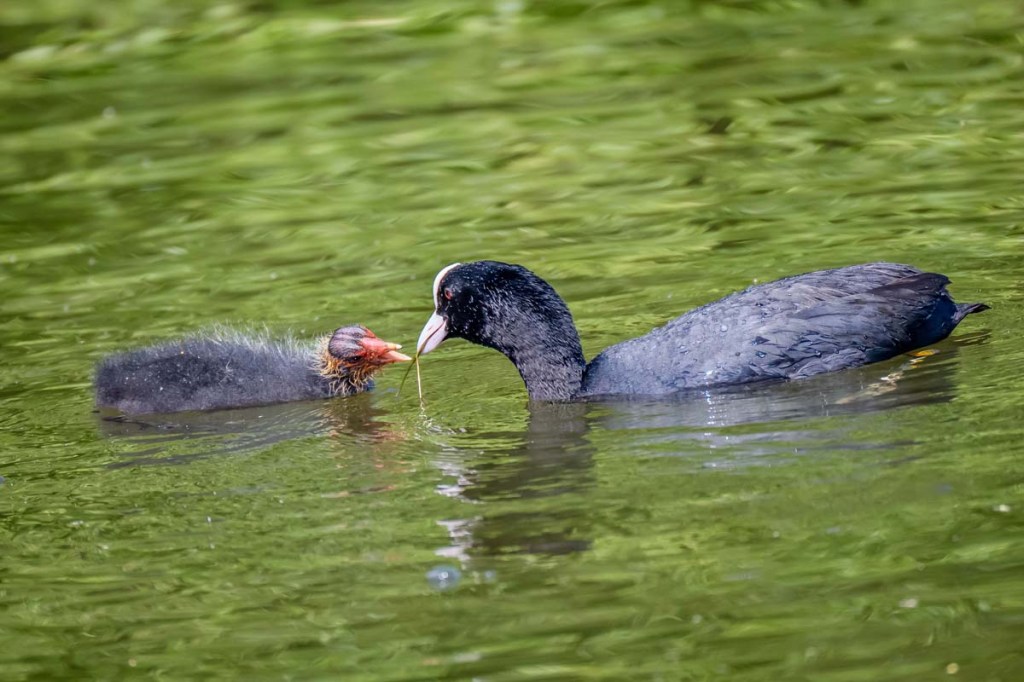
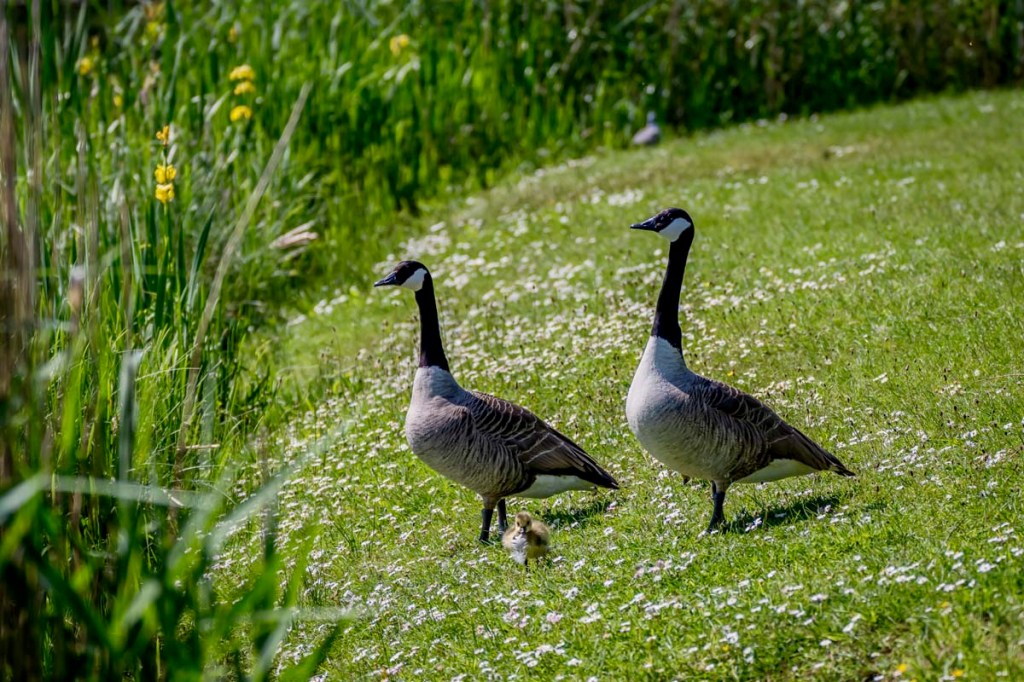
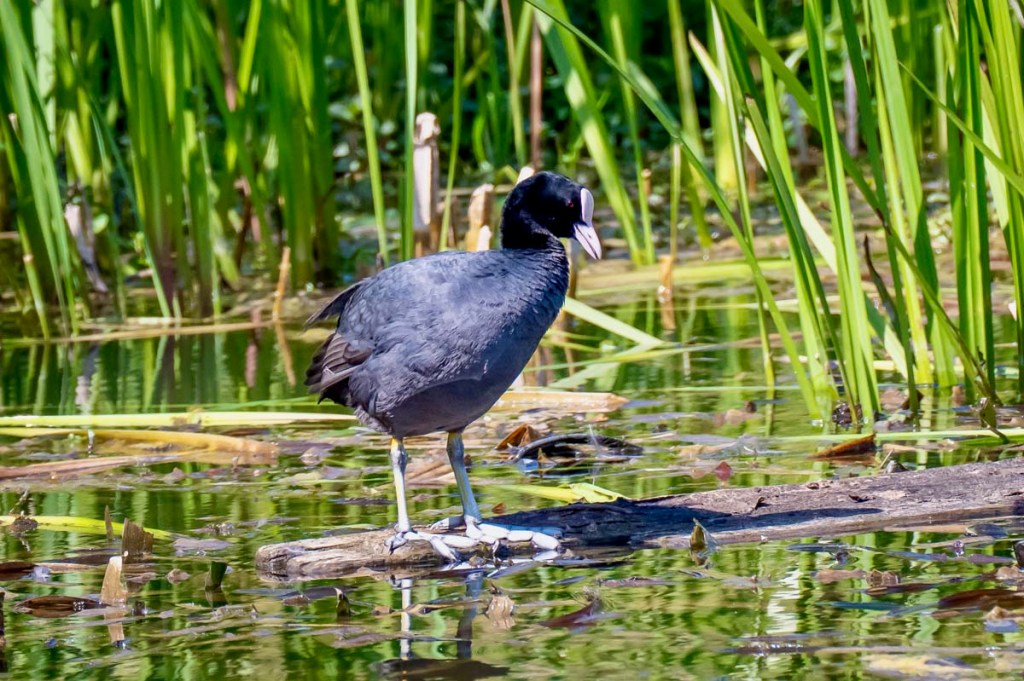
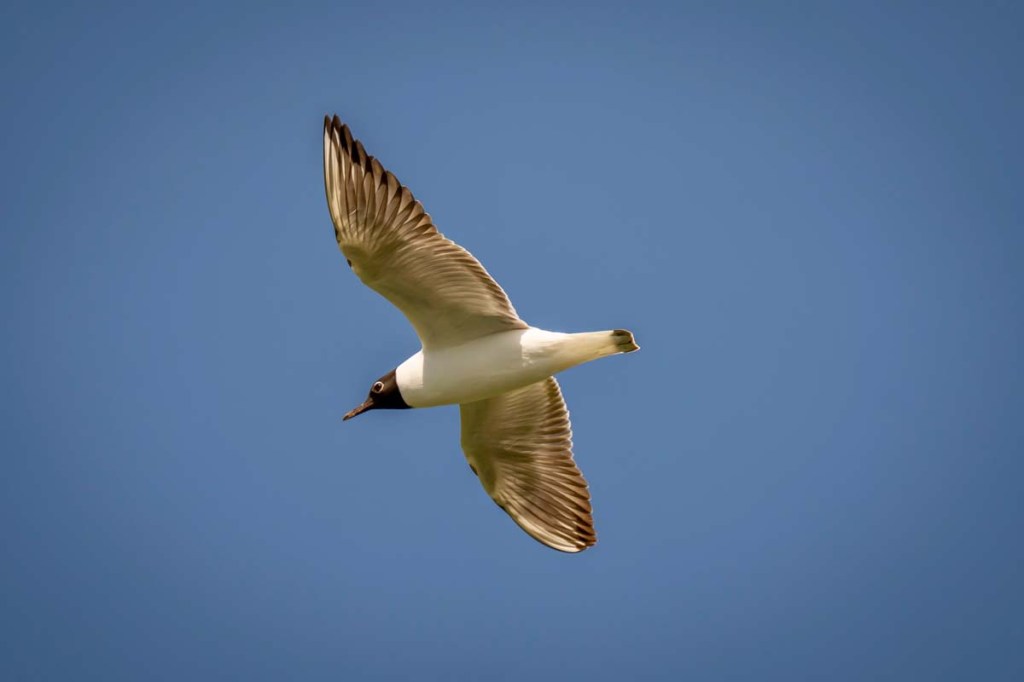
Coot and chickDucklingsCanada geese and goslingMoorhenCoot – look at the size of their feetCoot chickBlack-headed gull (probably looking for ducklings or chicks)
All around the lake there were dragonflies and damselflies which always prove a great challenge to photograph. I am not very knowledgeable with these and am only hazarding a guess at what was what.
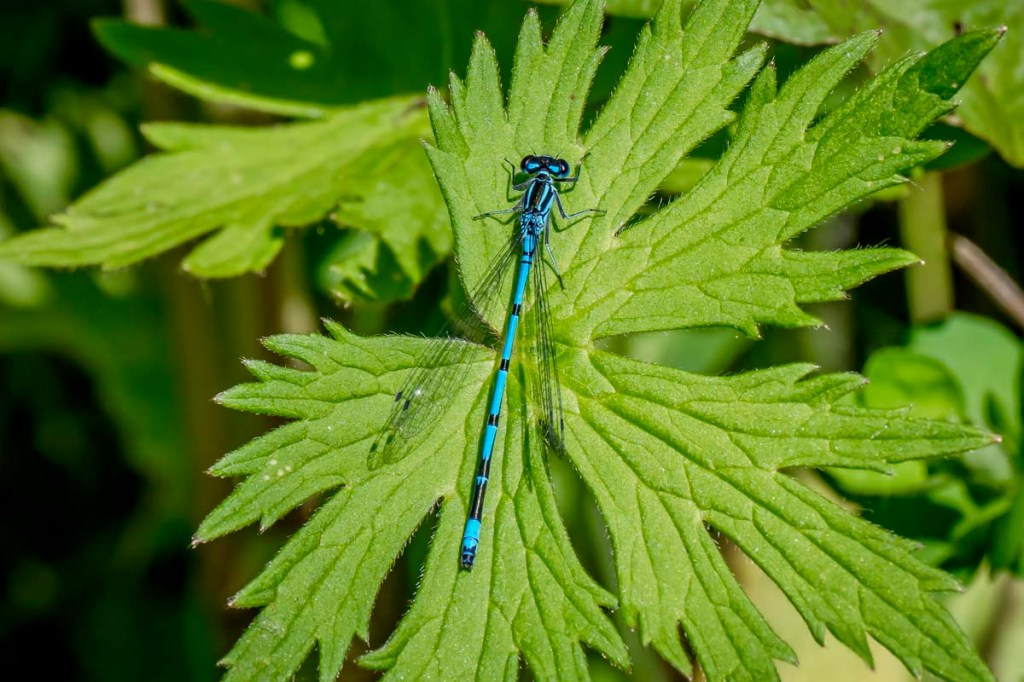
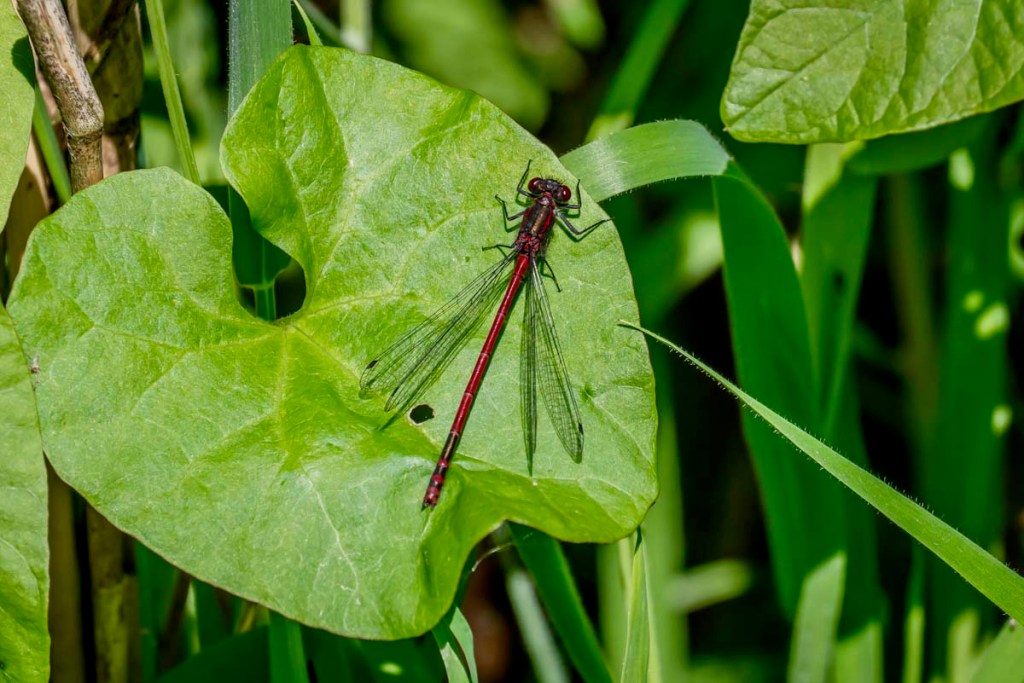
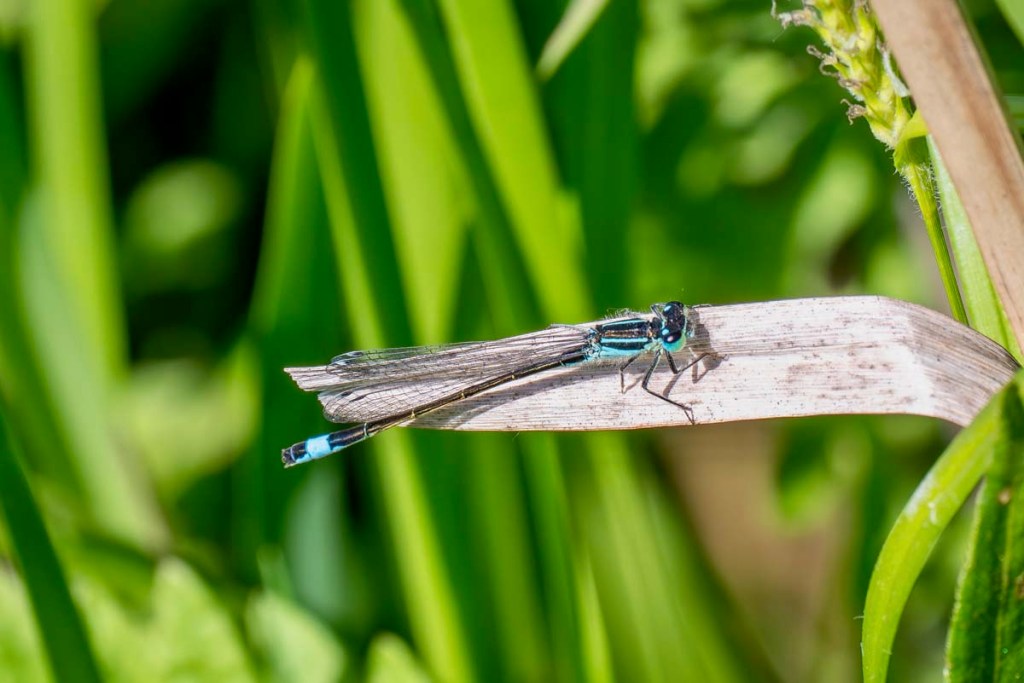
Scarce chaserScarce chaser in flightScarce chaser looking straight at me.Azure damselflyLarge red damselflyBlue-tailed damselflyA common carder bee for good measureStoke Park Estate and the Dower House
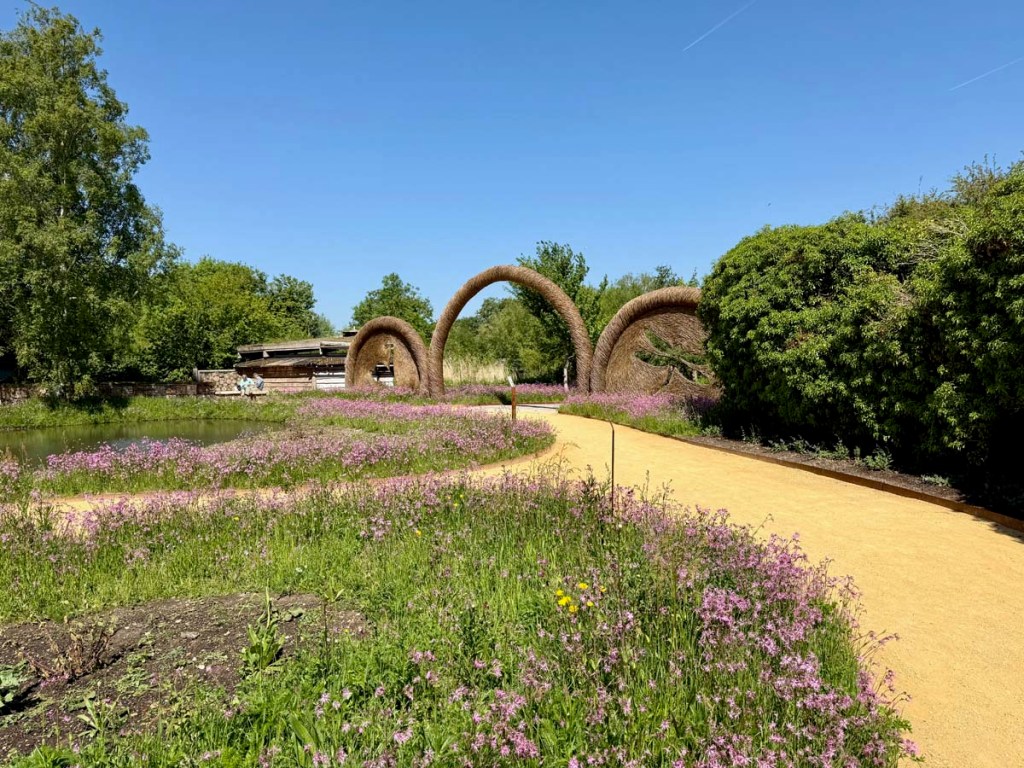
It’s the first time we have seen the new ‘Estuary Shoreline’ landscape at Slimbridge. It’s situated in front of the Kingfisher café and, although we had our doubts as we saw it being developed through the winter, we were very impressed with what the talented Grounds Team have achieved in designing it and building it in-house.
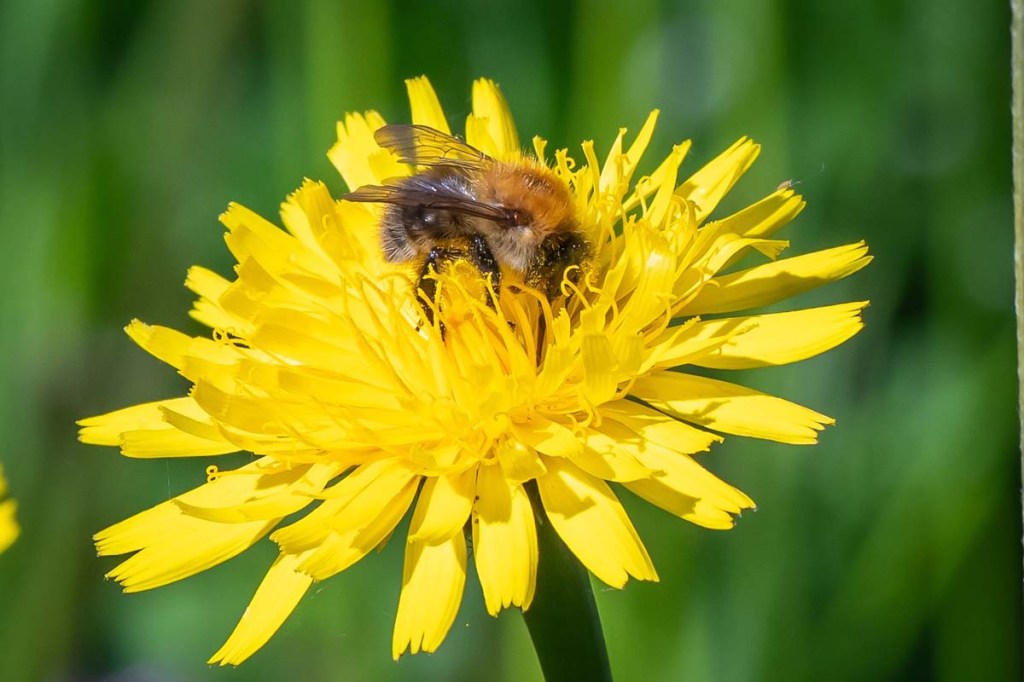
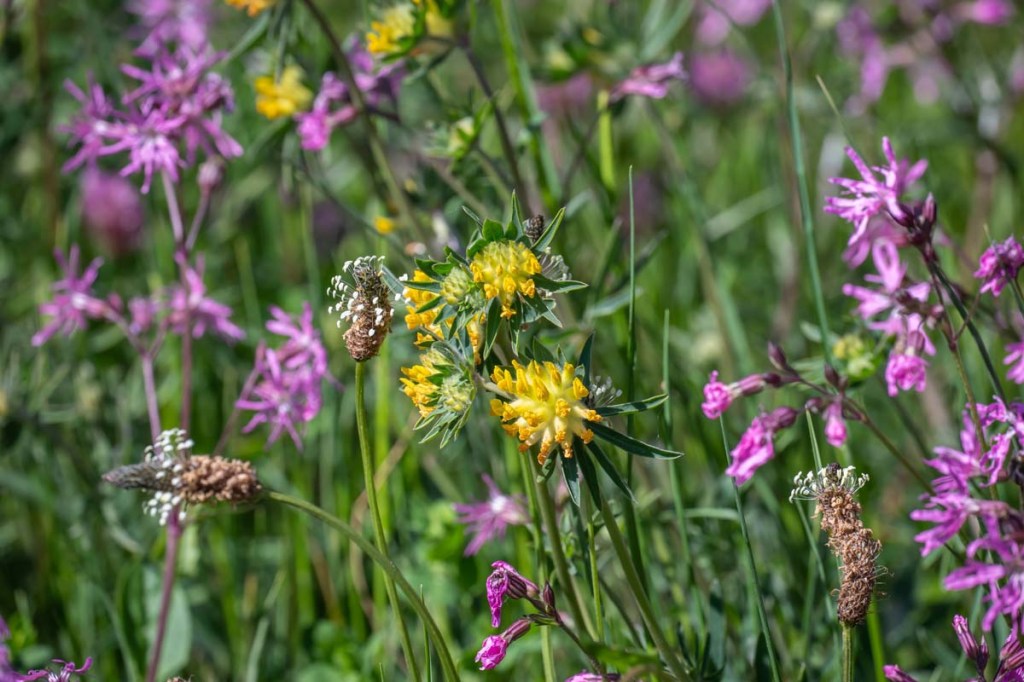
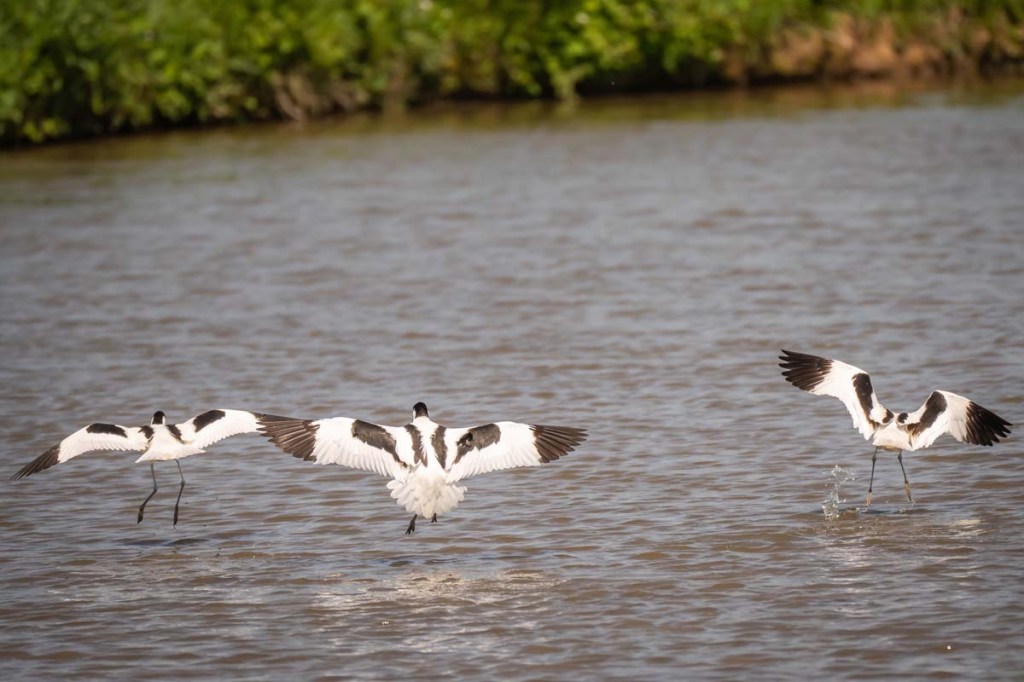
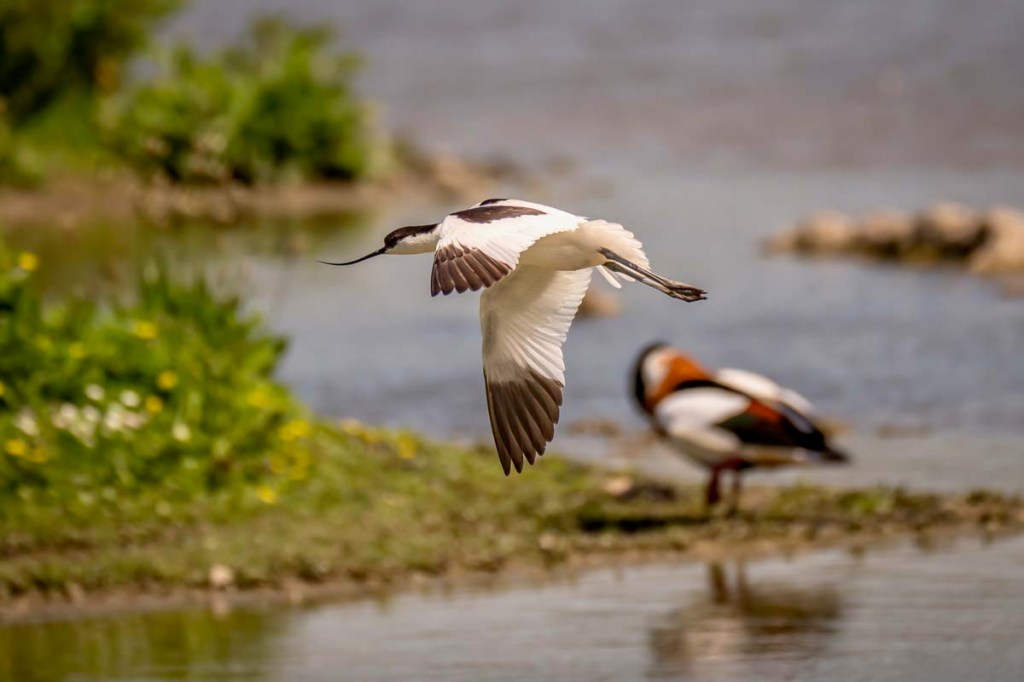
The new ‘Estuary Shoreline’ landscapeWonderful wild flowers enhanced the new landscapeThe bees (early nesting bumblebee) were loving the new plantings at the “Estuary Shoreline landscape”Common carder beeShelduck looked magnificent in their breeding plumageThe avocets probably stole the showA very handsome shoveler duck
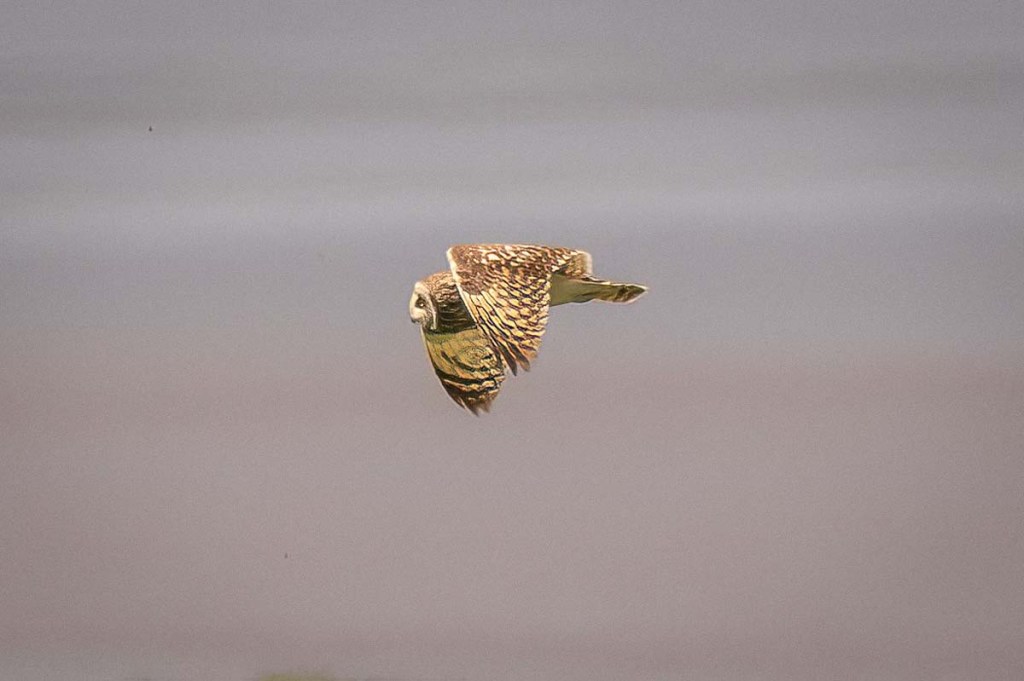
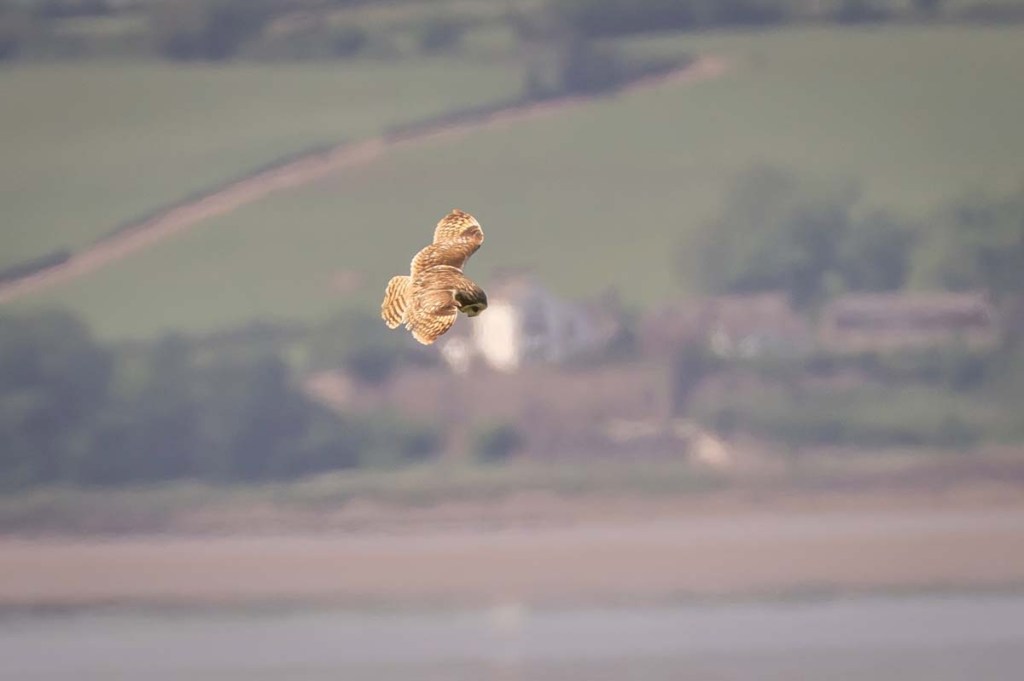
It was a joy to walk out to the estuary and, although the white spotted bluethroat which has returned here for the fifth year in a row evaded us, we did enjoy the display by a short-eared owl.
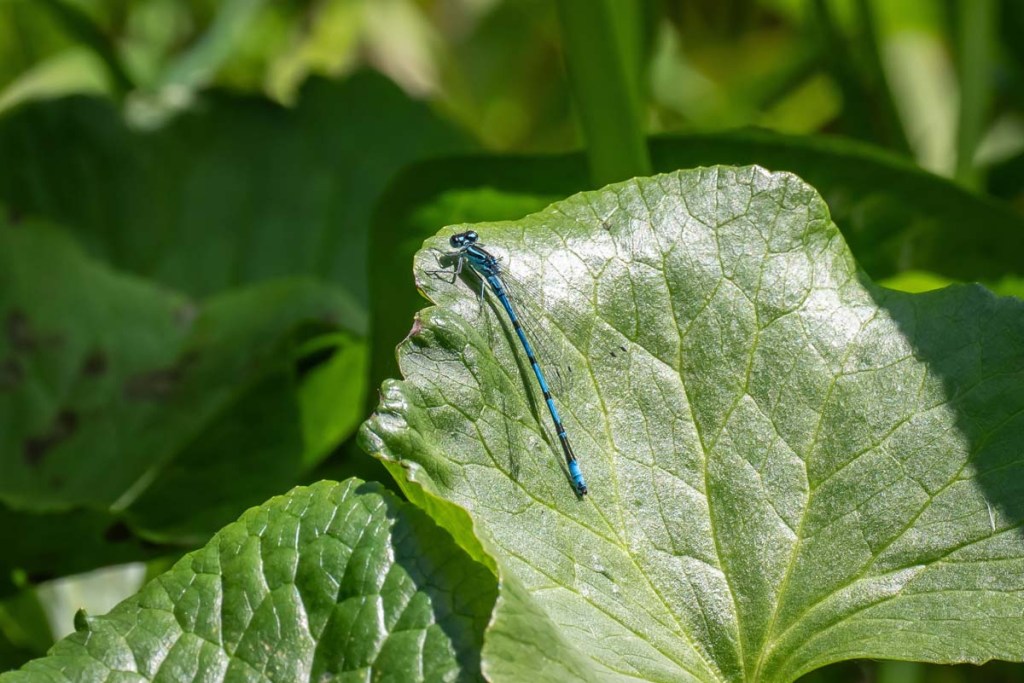
Short-eared owlShort-eared owlShort-eared owlShort-eared owlShort-eared owlShort-eared owlShort-eared owlShort-eared owlThere were plenty of these azure damselflies to seeAvocets Avocet flying over shelduckAvocetBlack-headed gull with nesting materialAvocet on its nest
Tavira is a popular tourist destination on The Algarve. However, there were very few people, only those out for a little exercise, as we started from the outskirts of Tavira along the edge of the Tavira salt pans.
The salt pans here are very extensive but, surprisingly, there were very few birds too. Probably, as the tide was low, they had moved out onto the Ria Formosa.
The start of the salt pans at Tavira
Nonetheless, there was plenty to see and the walk towards the ferry to Tavira Island was very pleasant.
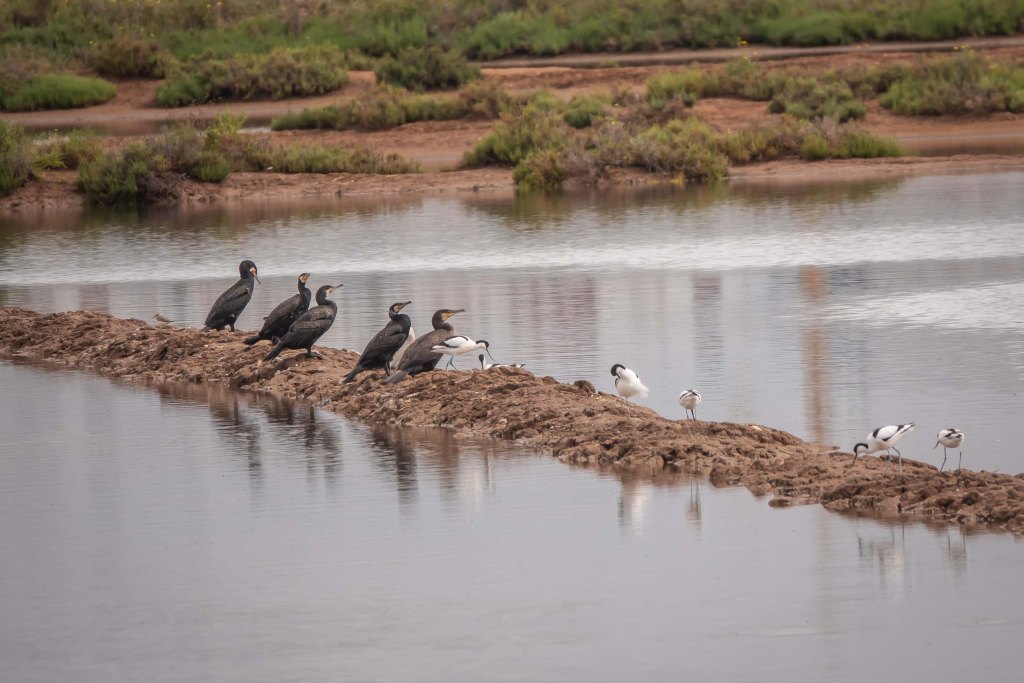
Avocets were the principal birds on viewA few cormorants too3 eurasian spoonbills and a grey heronMore avocetsCrabs everywhere
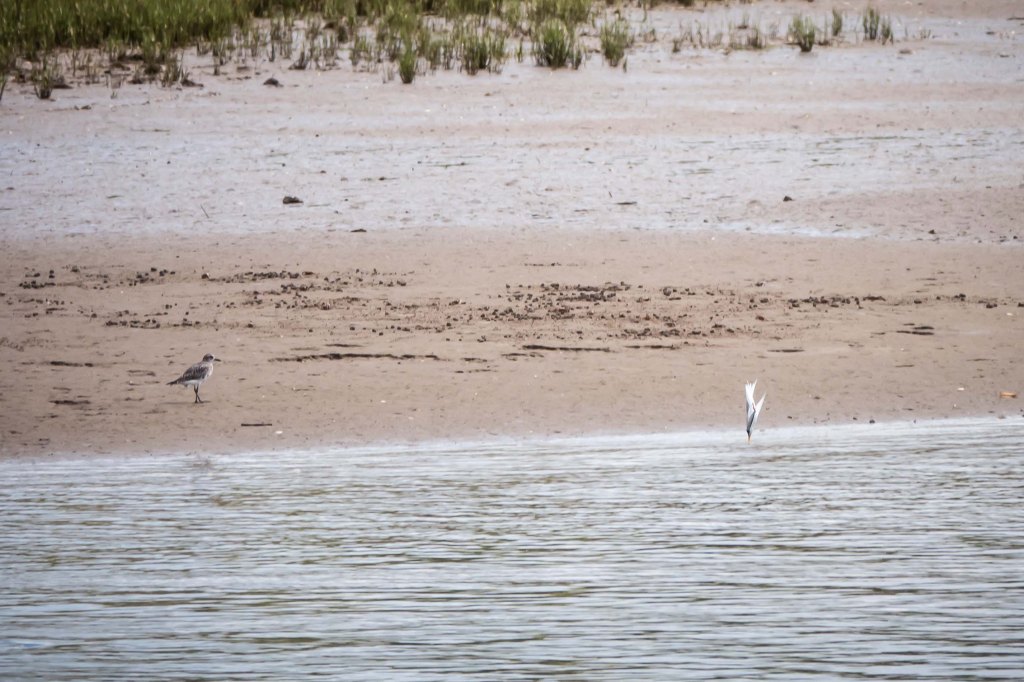
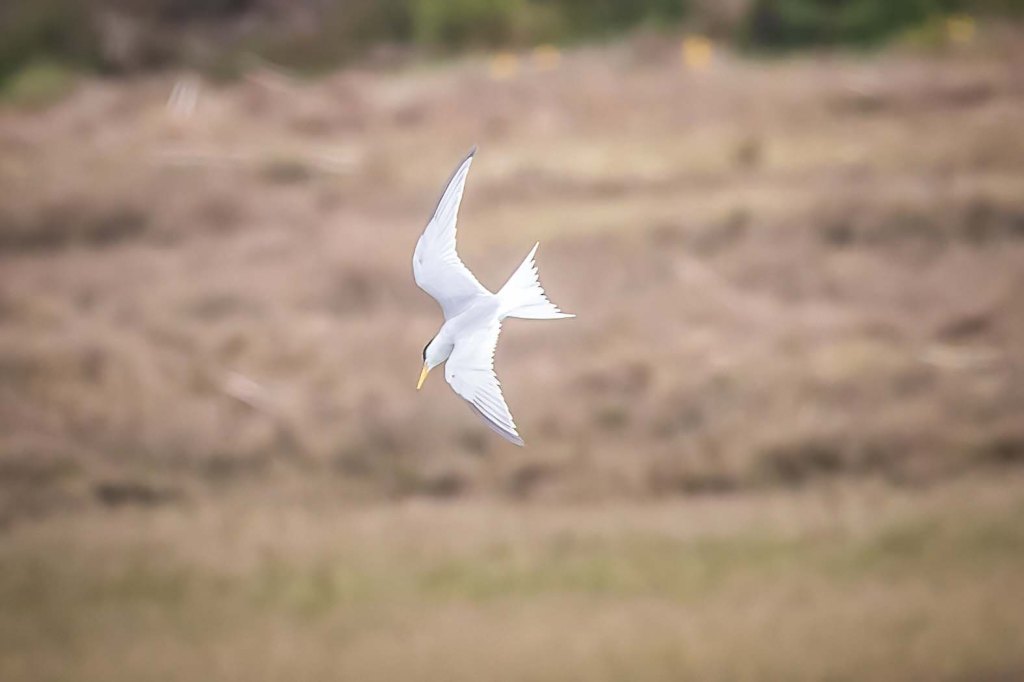
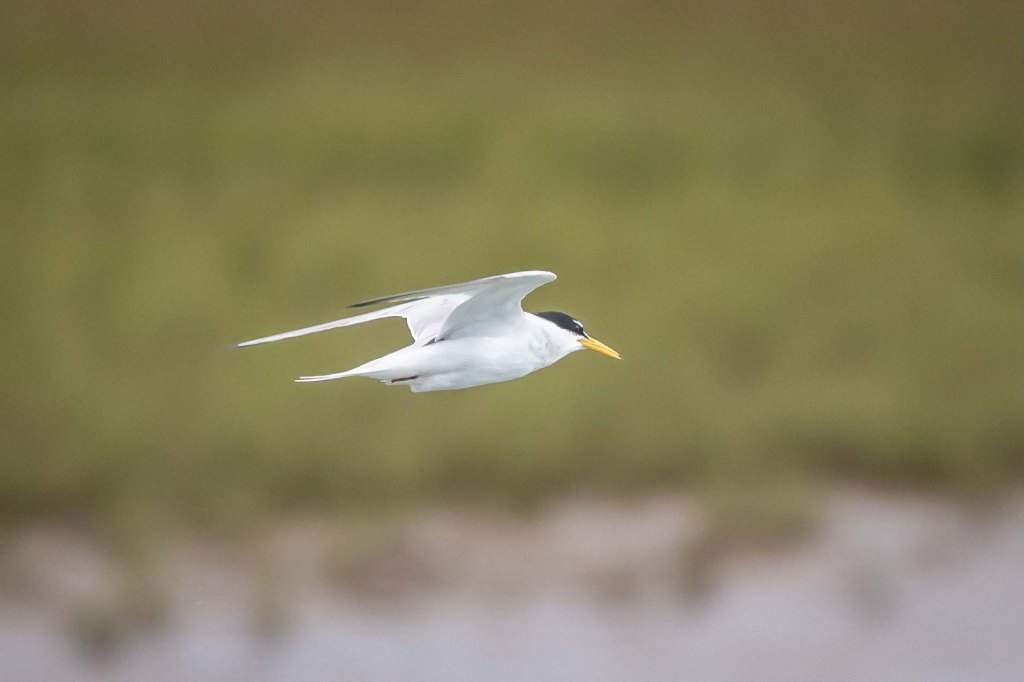
The best of the birds we saw were on the river where several little terns entertained us for a while.
Little tern in full dive
Little ternLittle ternLittle ternEuropean red-rumped swallowEuropean red-rumped swalllow
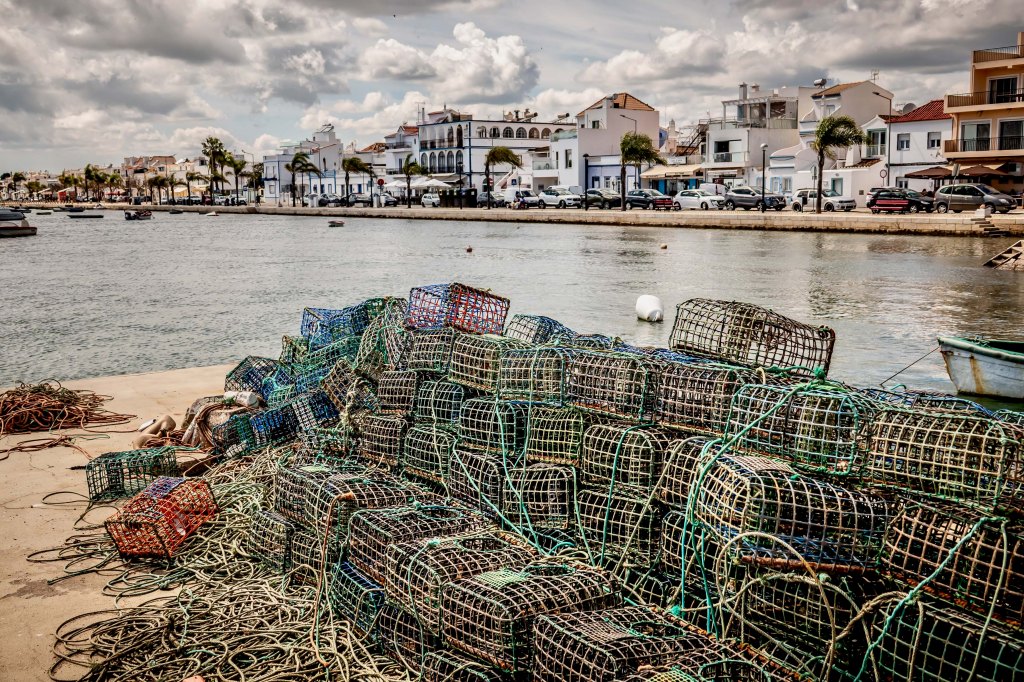
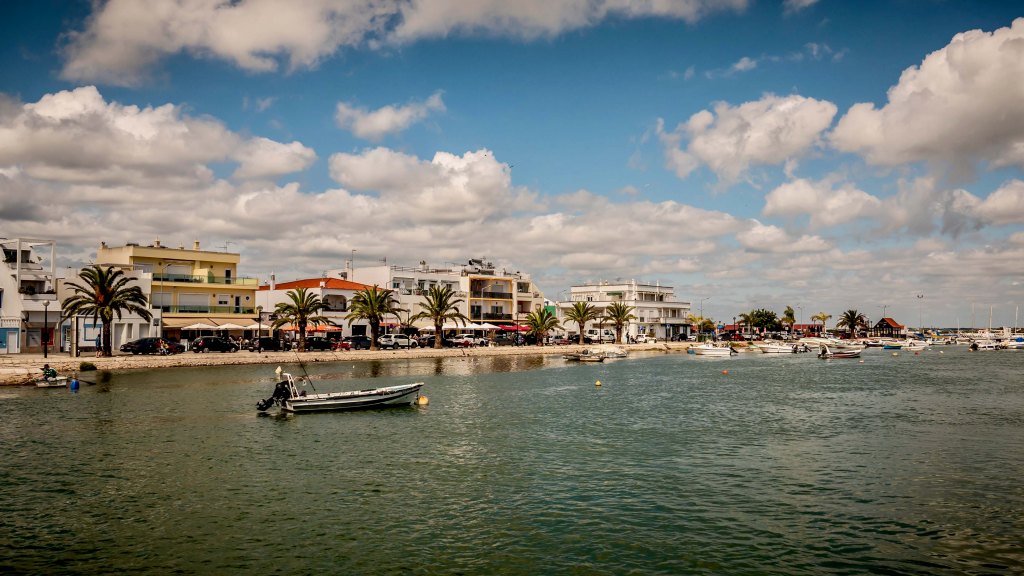
We then headed for Santa Luzia, famous for its octopus restaurants.
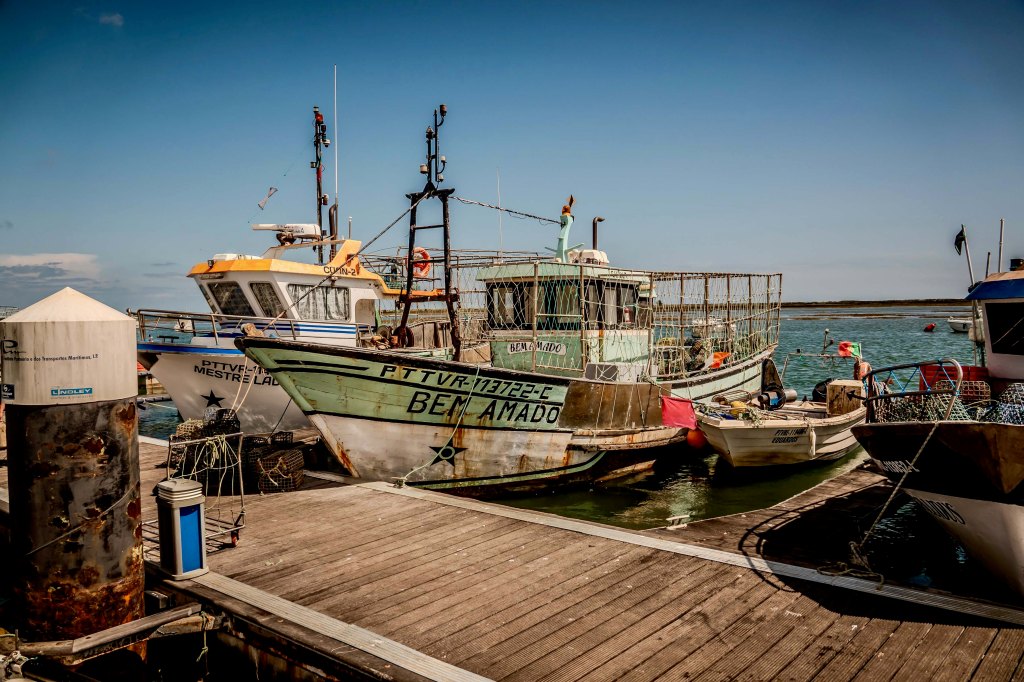
The rising tide at Santa LuziaSanta LuziaSanta LuziaThe climate is clearly very temperate hereThe port of Santa Luzia is very pretty …… but clearly a working port.
After exploring the Saturday market in Olhão we took a taxi a few kilometres east to Quinta de Marim (or Centro Educação Ambiental de Marim).
The market at Olhão we a plentiful supply of snails
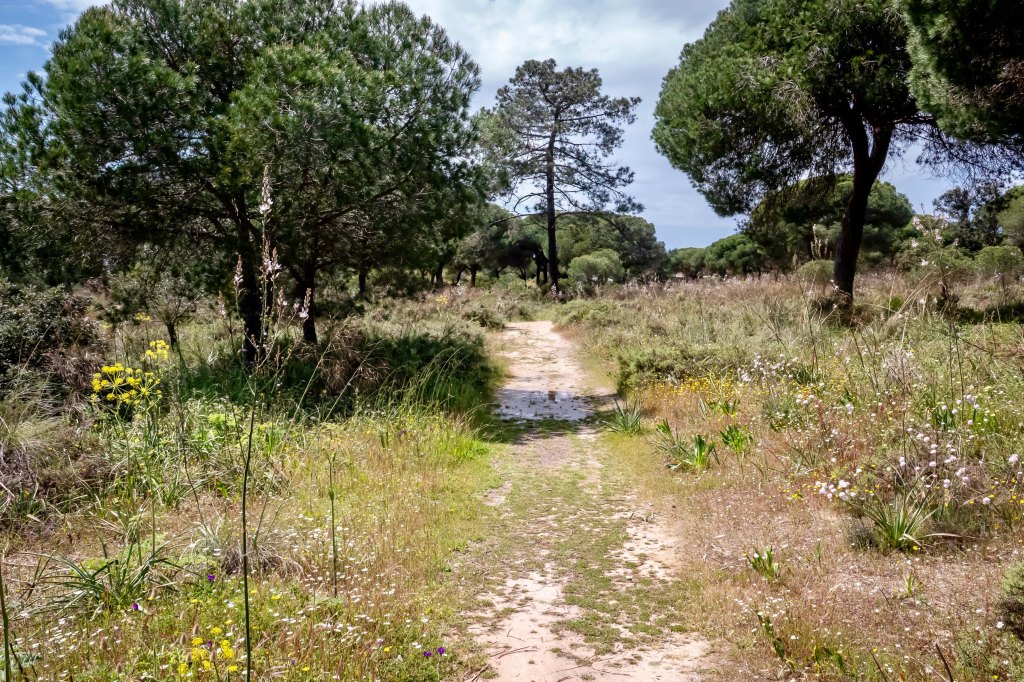
We had visited this estate earlier in the year. The 3 km trail takes you through various ecosystems – dunes, salt marshes and pine woodlands and it was interesting to see the different flora from our last visit in February.
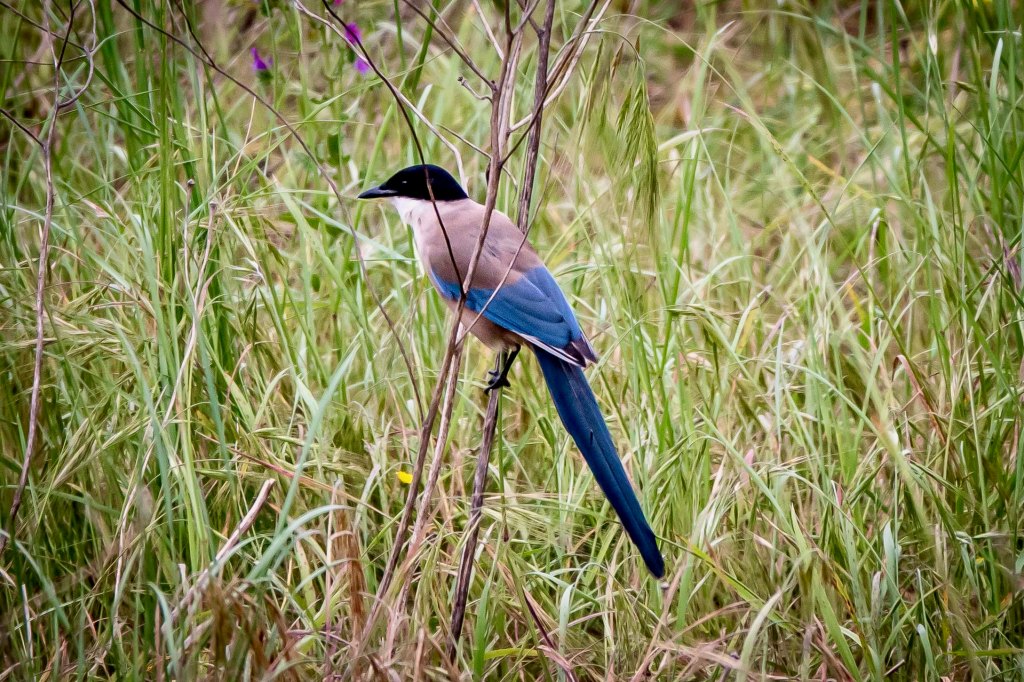
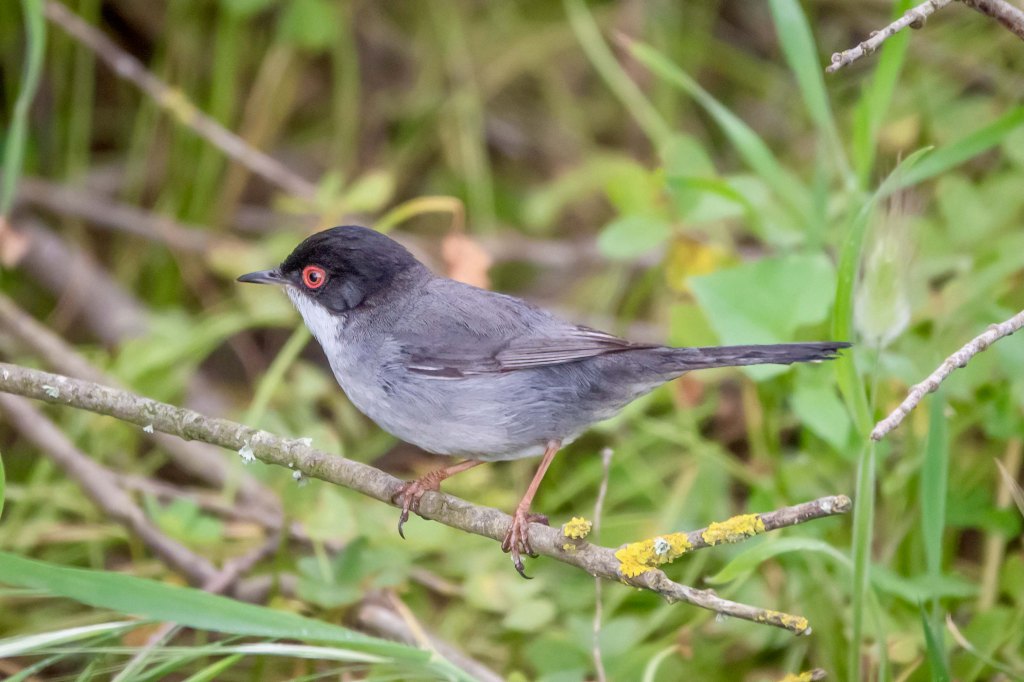
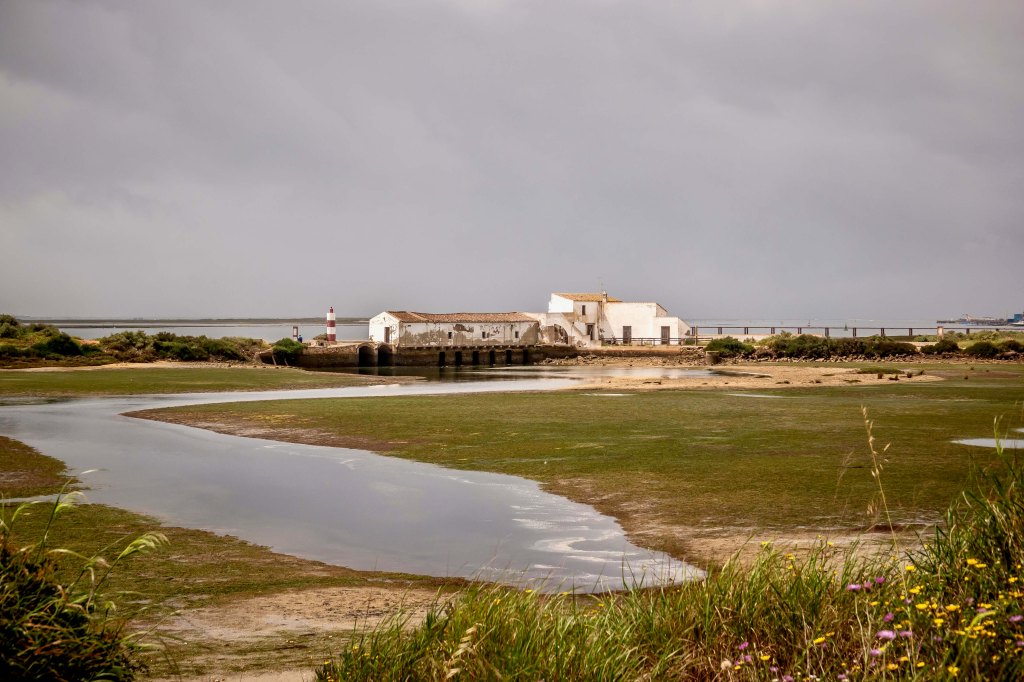
The Iberian azure-winged magpies seem to love the pine woodlandsSpeckled wood butterflySardinian warblerQuinta de Marim tidal millGrey heron practising its ballet
Half way around the circuit there is a hide overlooking a freshwater pond. We spent quite a while here as there was a heavy shower but fortunately there was lots of activity with a huge colony of egrets.
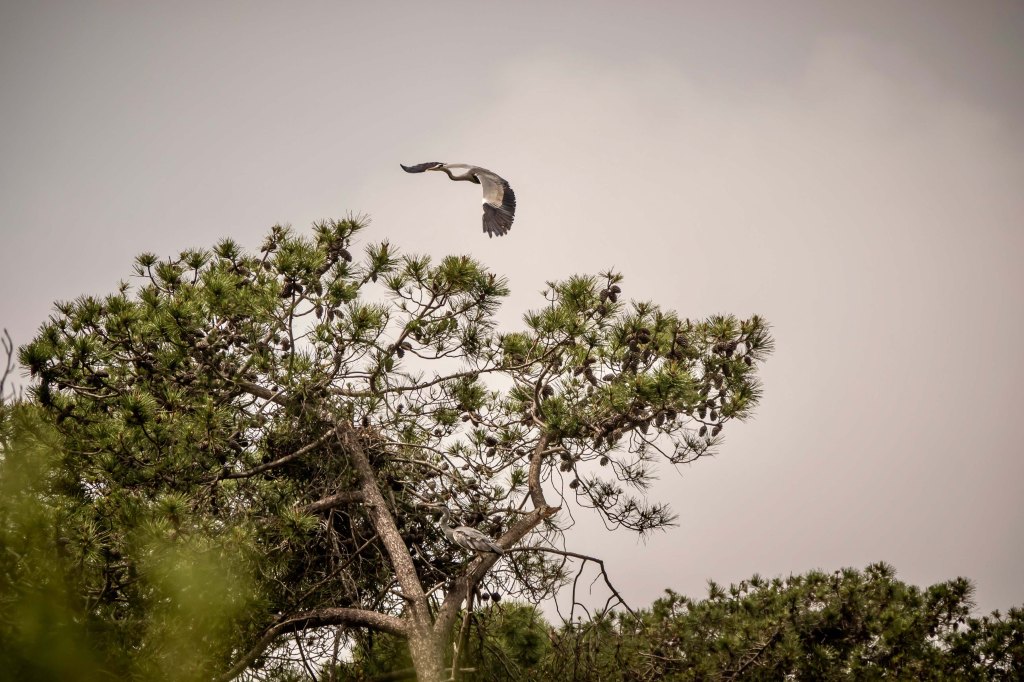
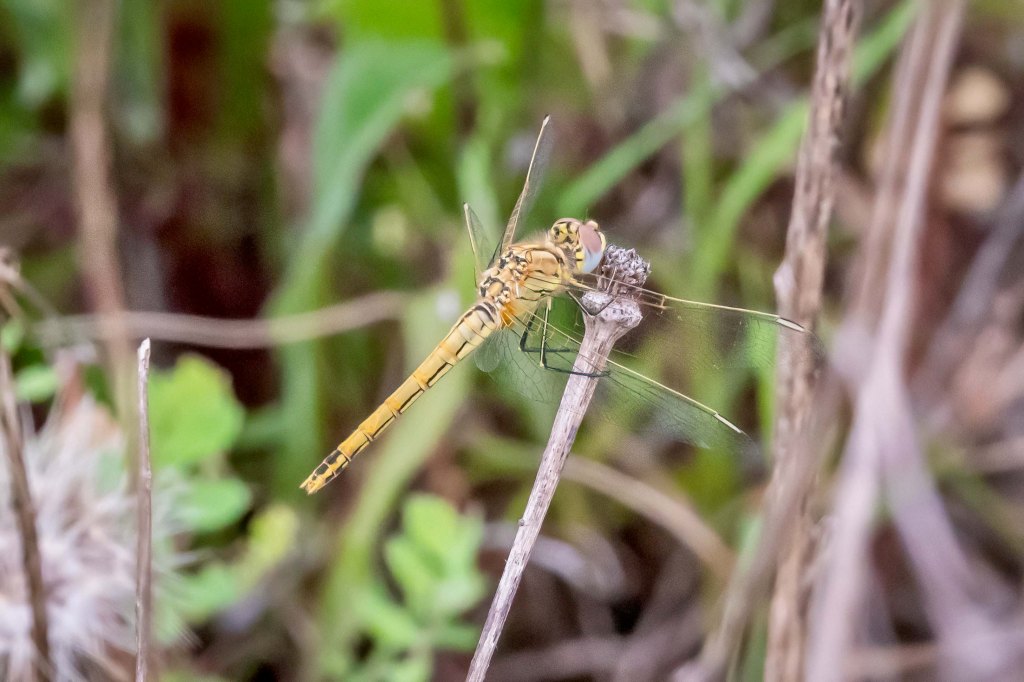
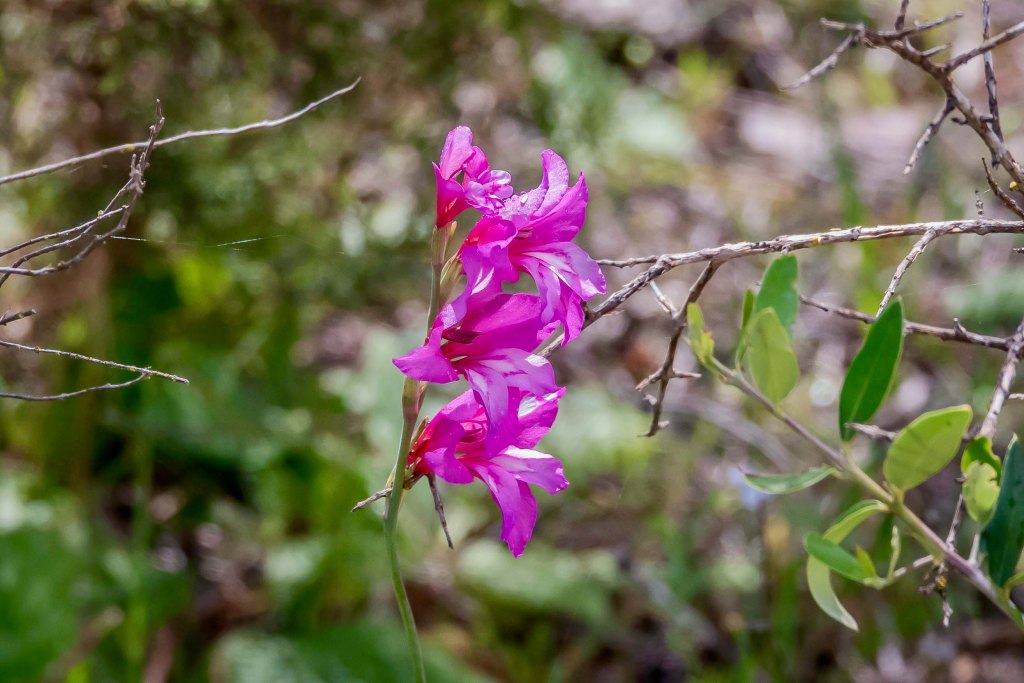
The colony of egretsPochardColony of egrets (little and cattle) – some with their young and others still building their nestsLittle grebeCattle egret looking for nesting materialsThere were also large numbers of grey herons around this pondRed-veined darterWild gladiolus
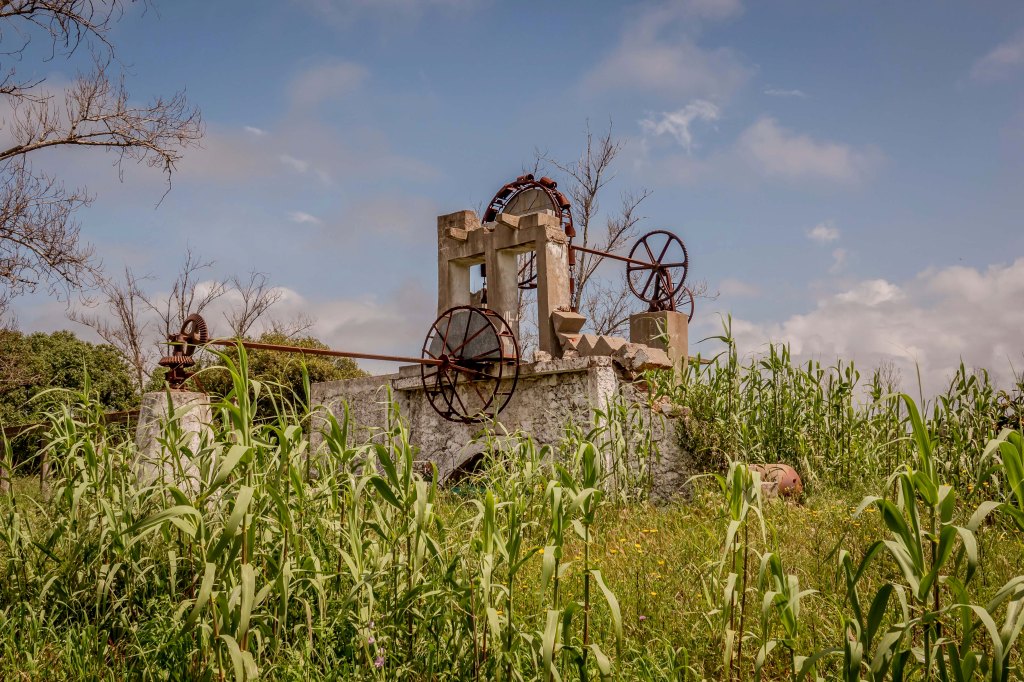
We realised that last time we had missed a pathway and this time, by taking the recommended route, we came across a dilapidated noria. The noria is a device, inherited from the Arabs, used to raise water from a well. The power for the elevation of water was provided by the circular movement of a donkey or a mule. The water drawn from the well is stored in a tank, from where it is distributed through small aqueducts, until it reaches the orchards and vegetäble-gardens.
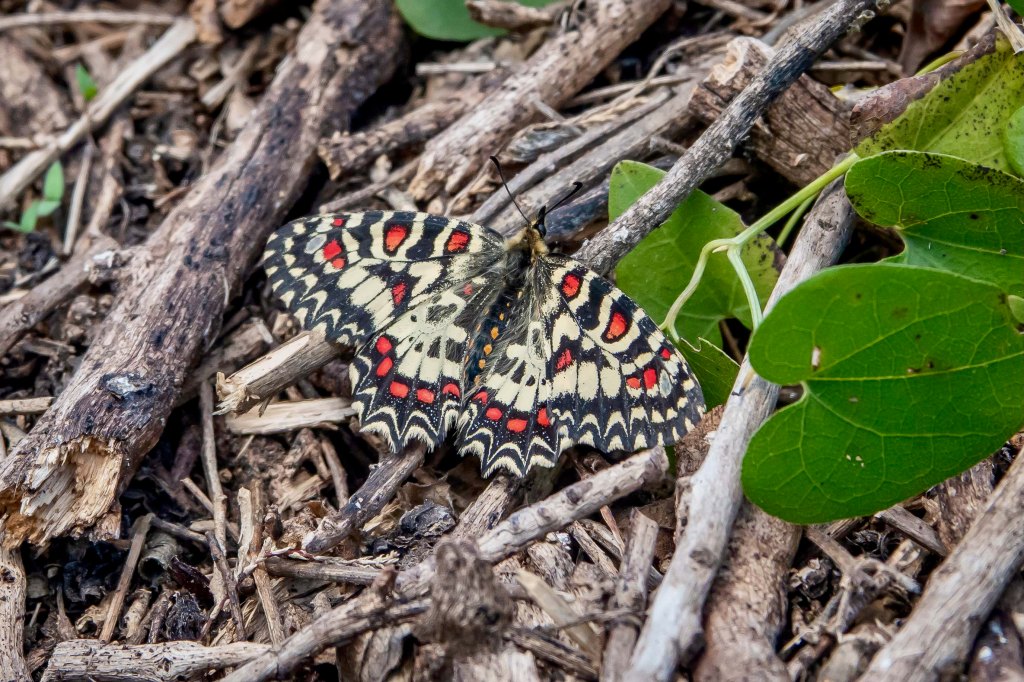
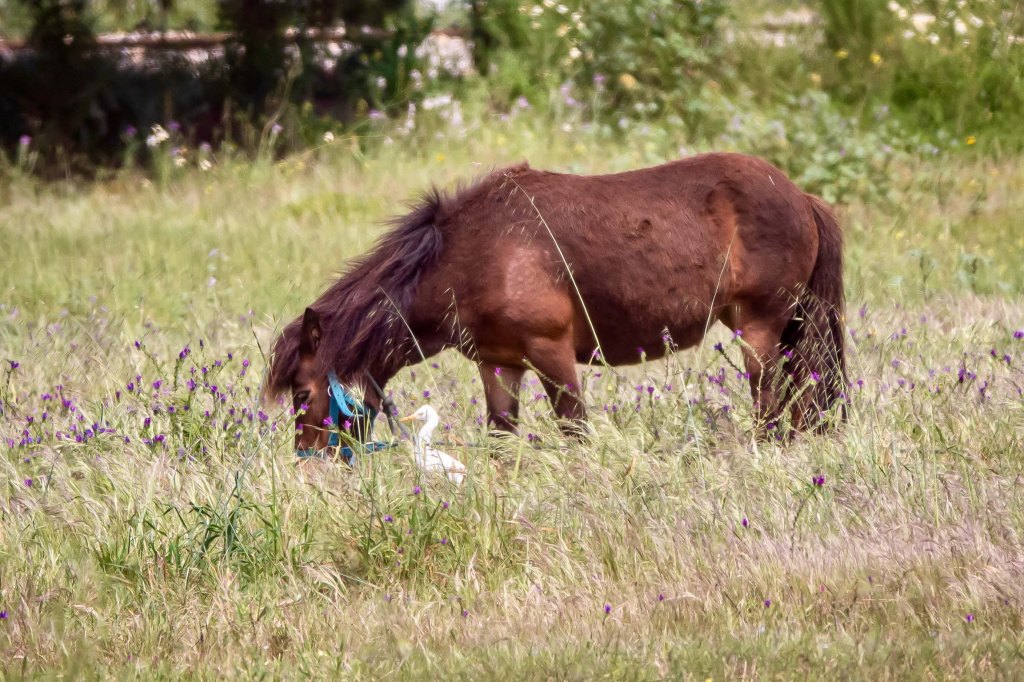
NoriaNoriaRed legged partridge at the very spot where we had seen a hoopoe in FebruaryThe correct path!Spanish festoon butterflyCattle egret next to the horse