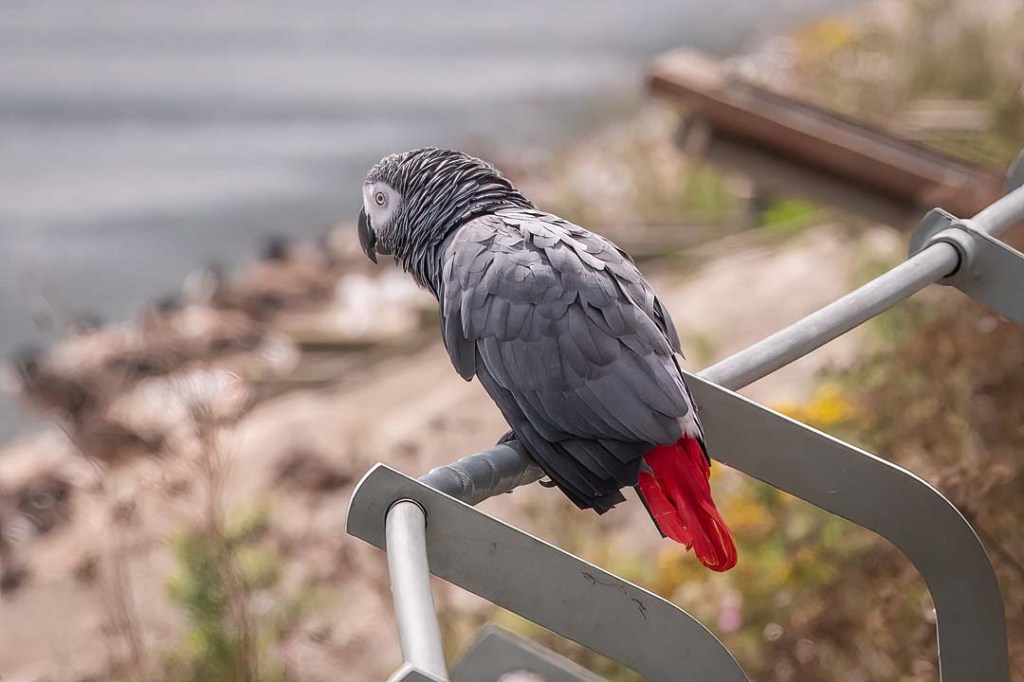
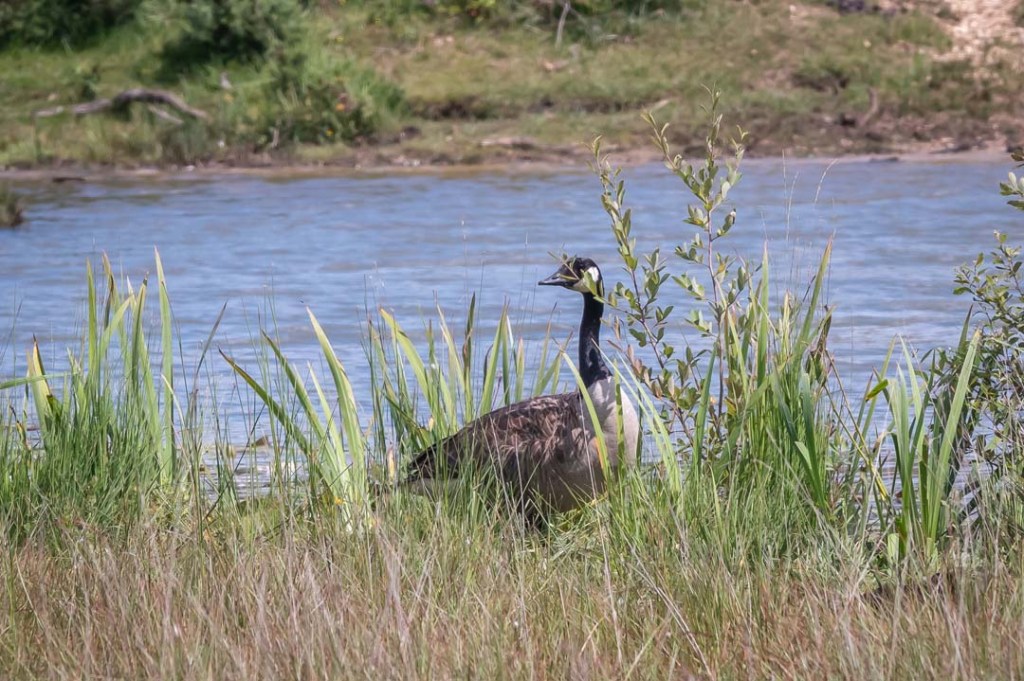
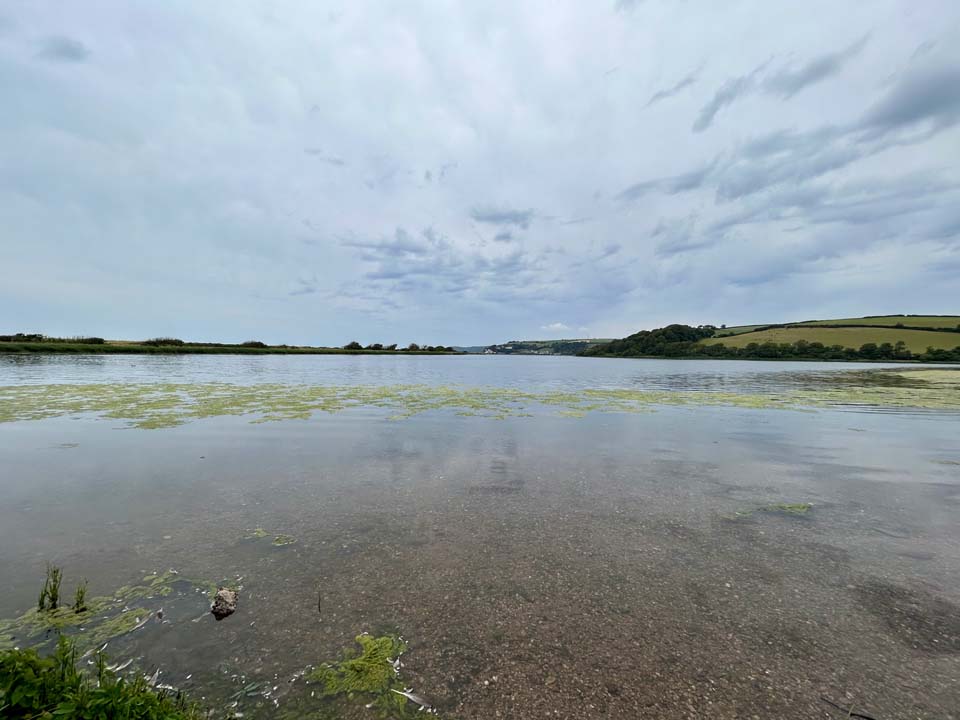
A grey parrot (Psittacus erithacus), also known as the Congo grey parrot, Congo African grey parrot or African grey parrot, at Chew Valley Lake today.
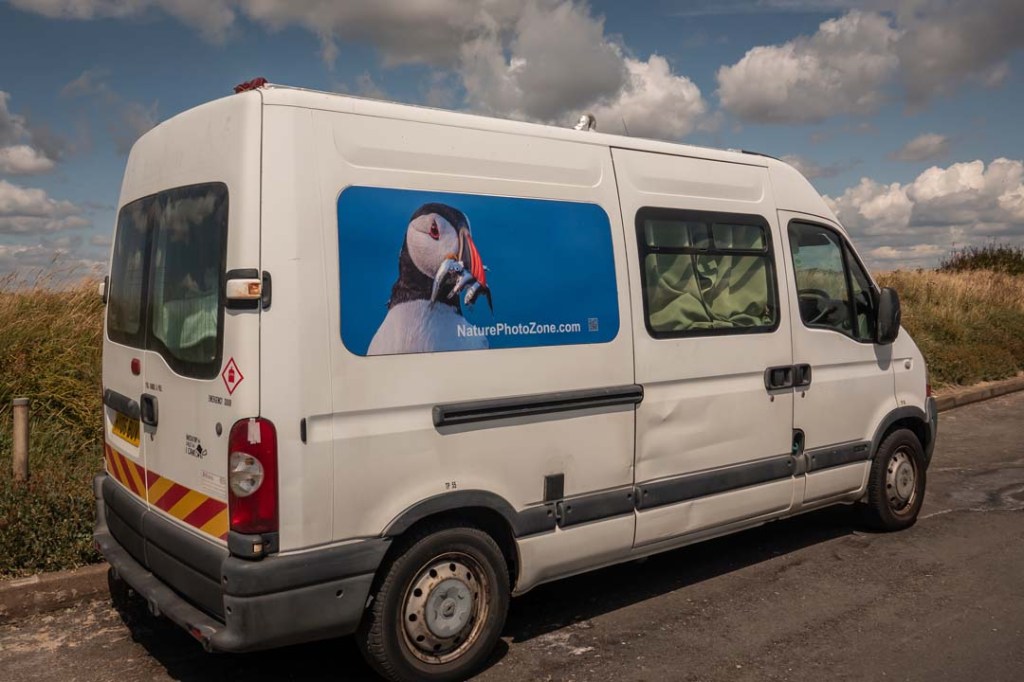
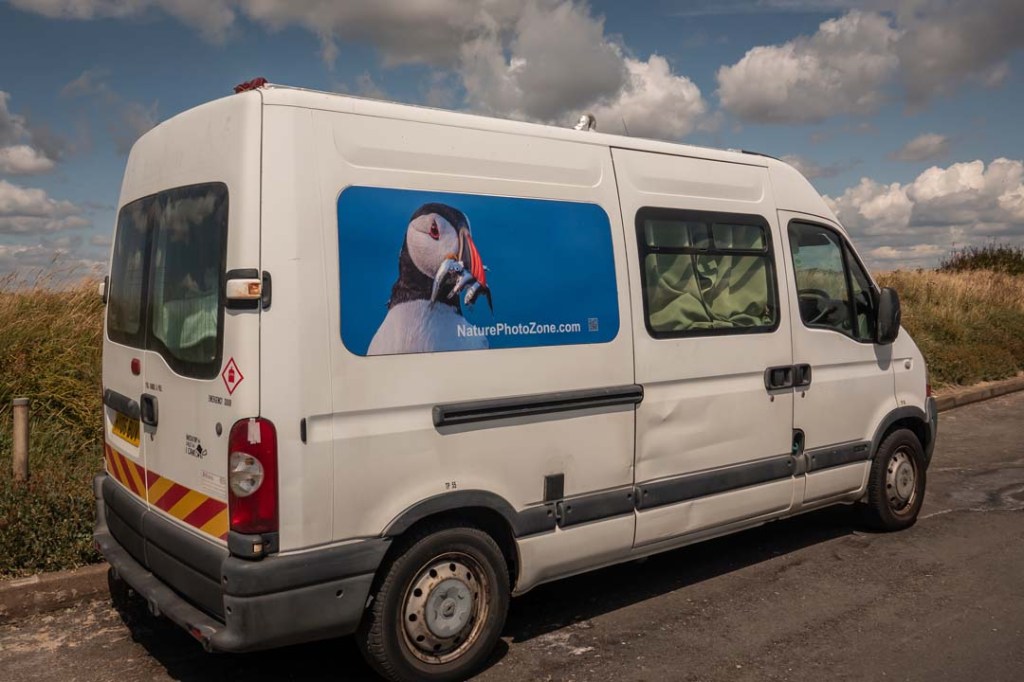
Is this another sign of global warning? I presume not. More likely it was the pet of the owners of a van parked adjacent to it.
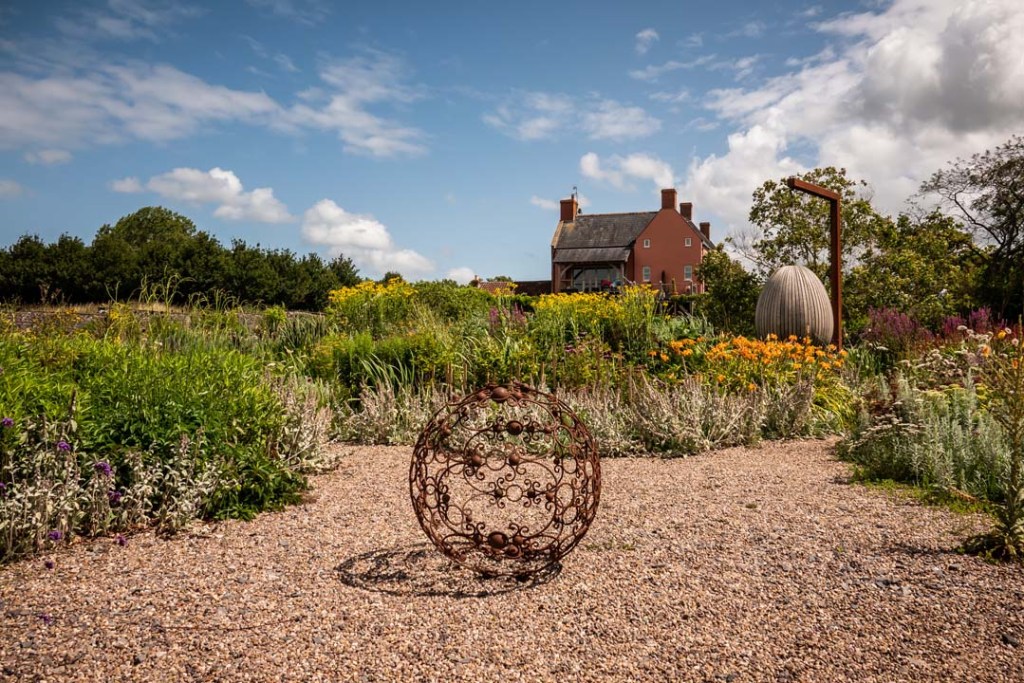
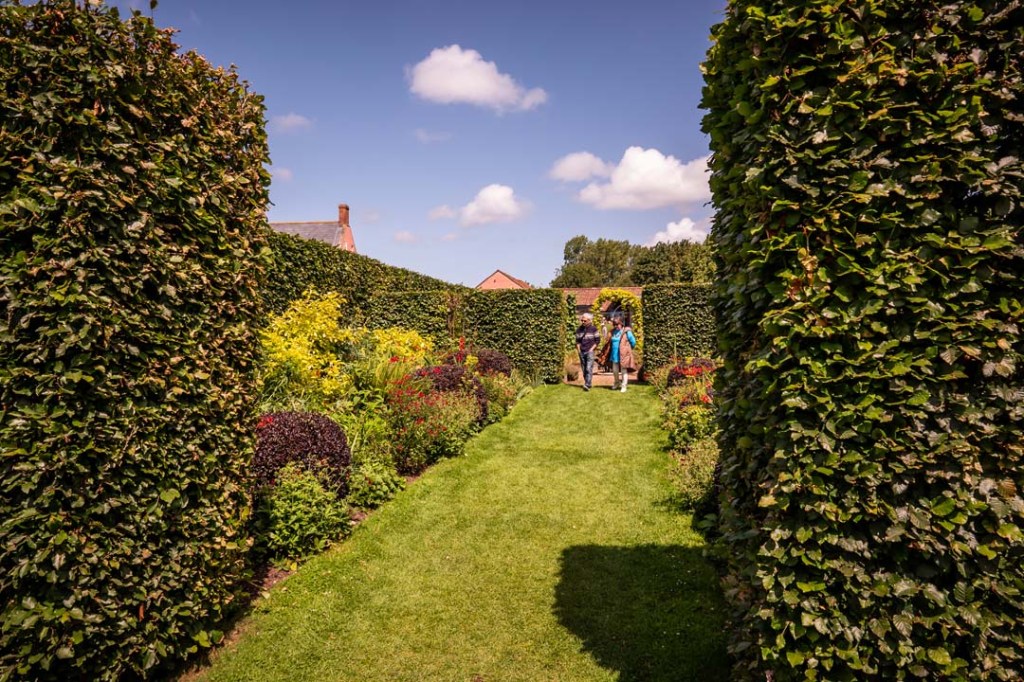
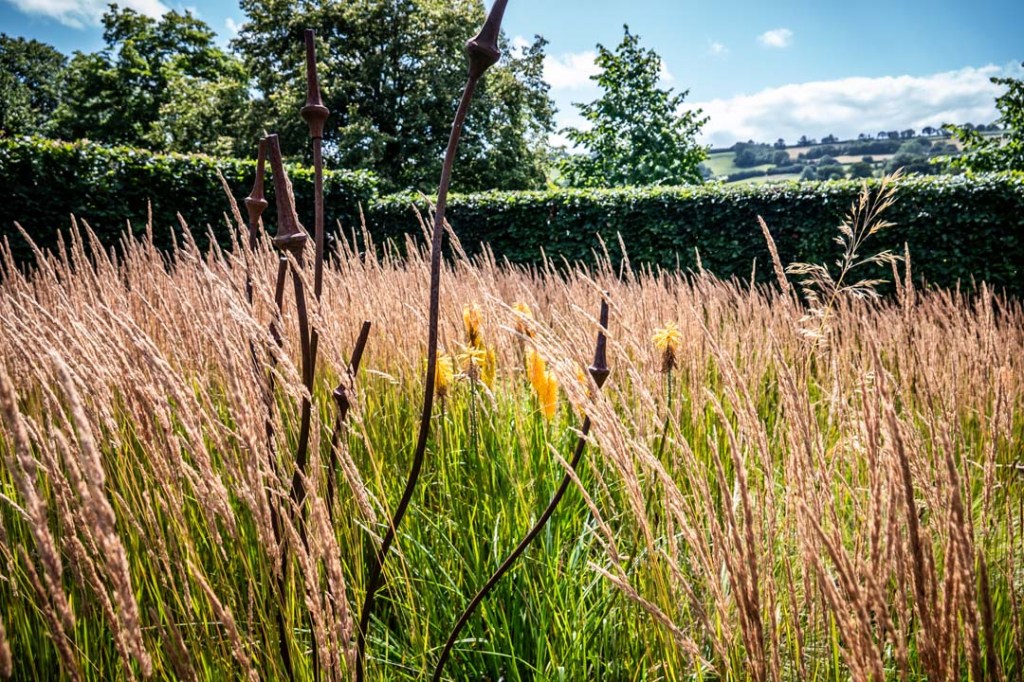
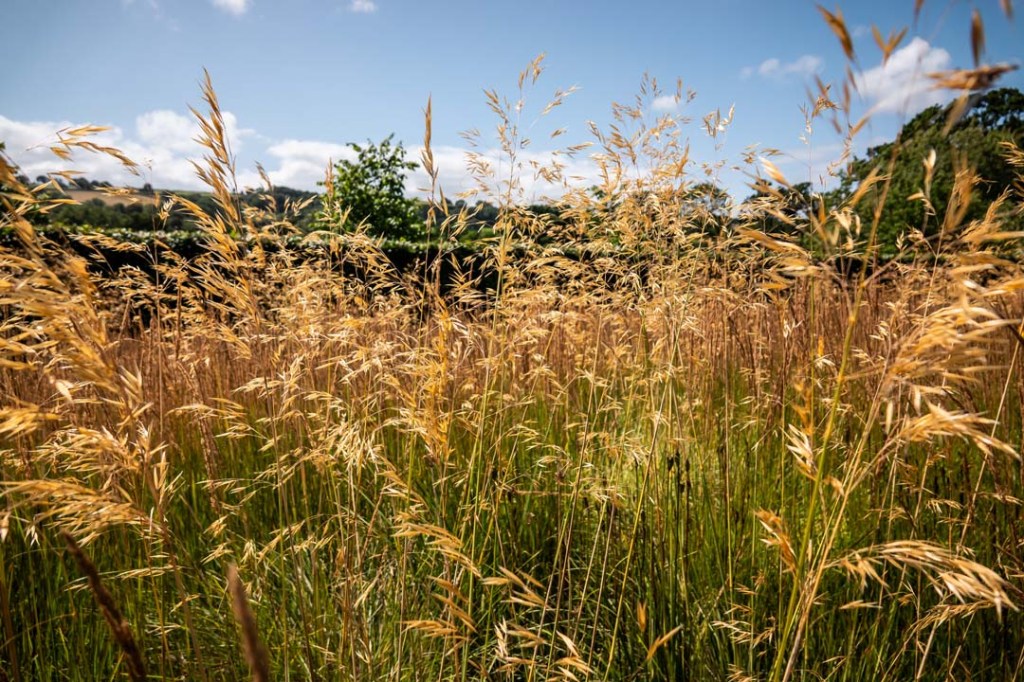
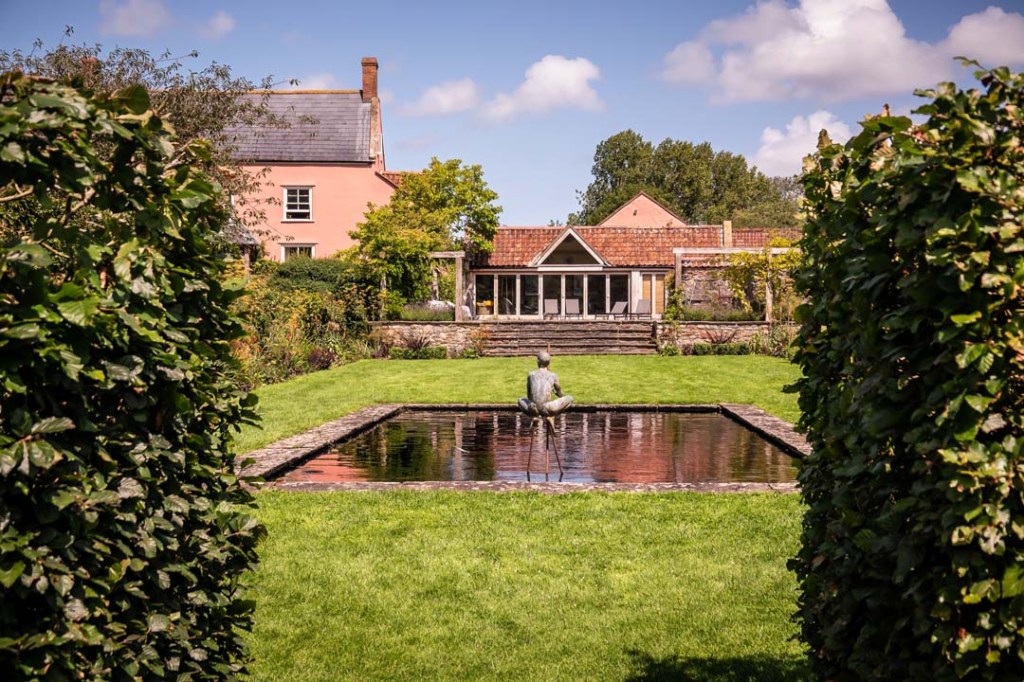
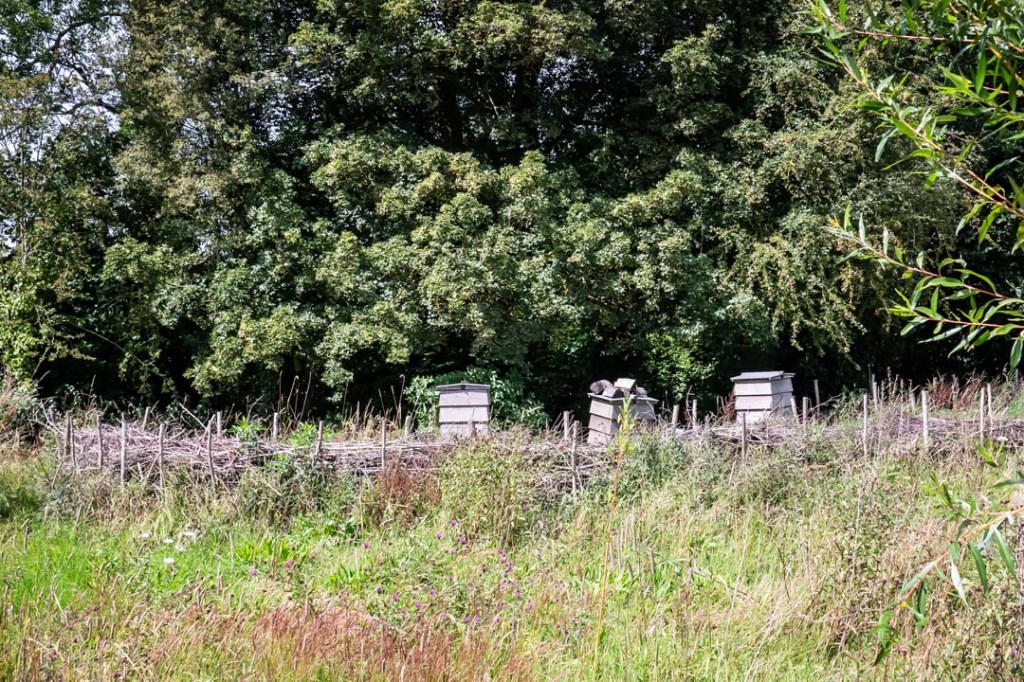
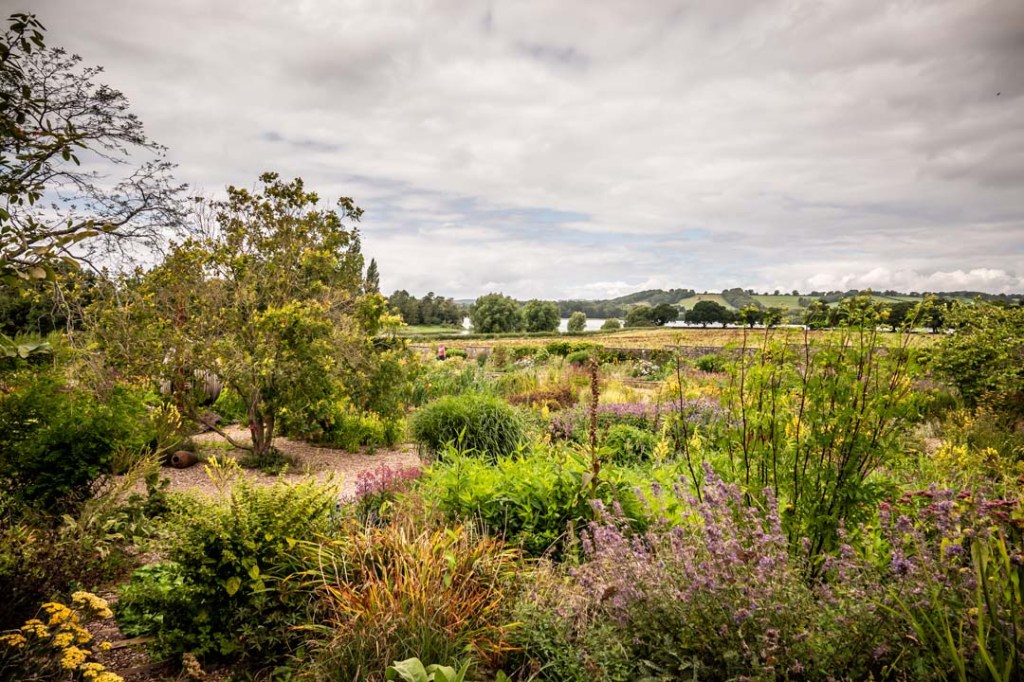
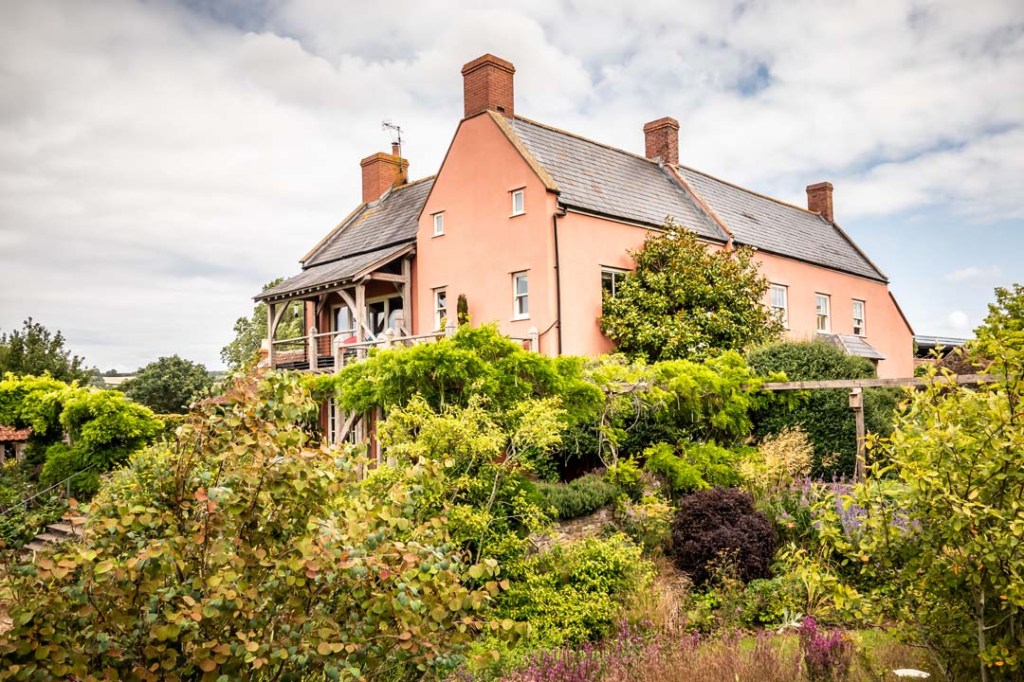
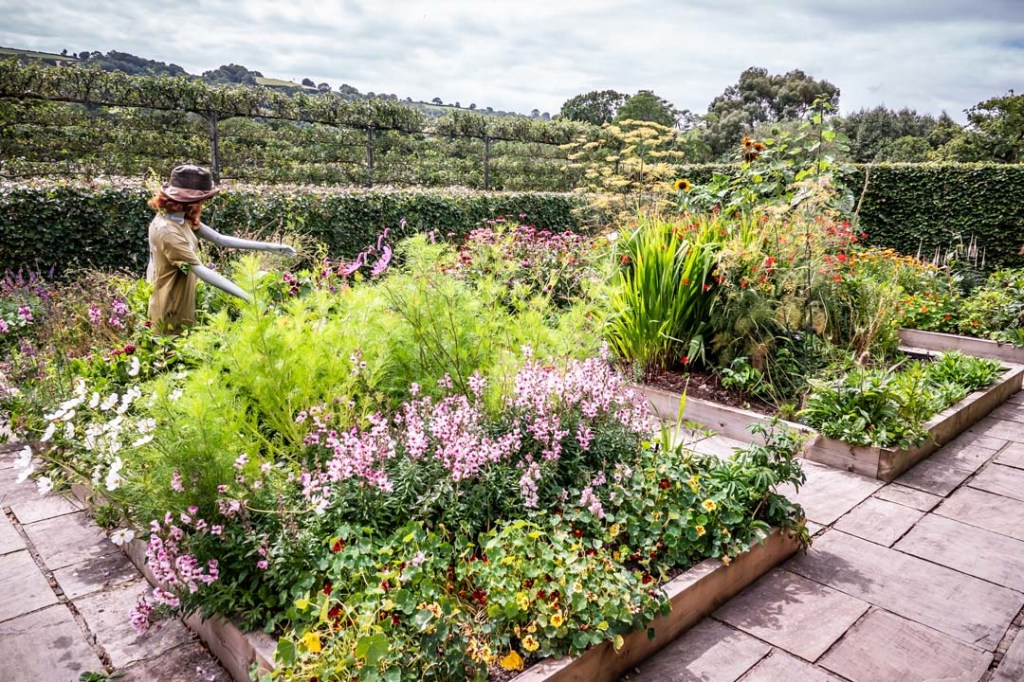
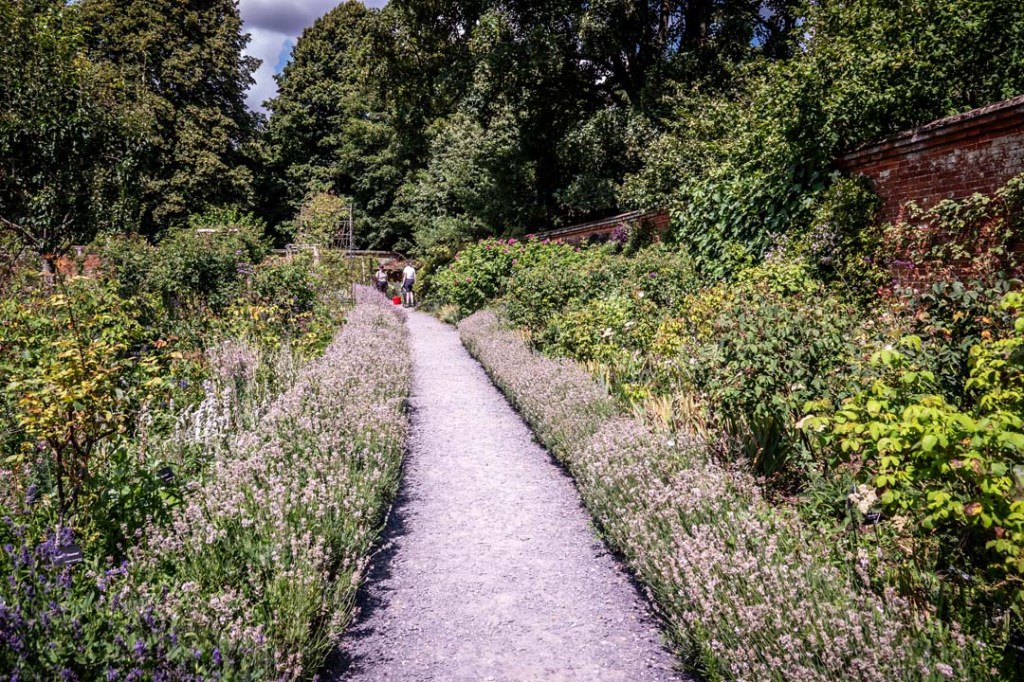
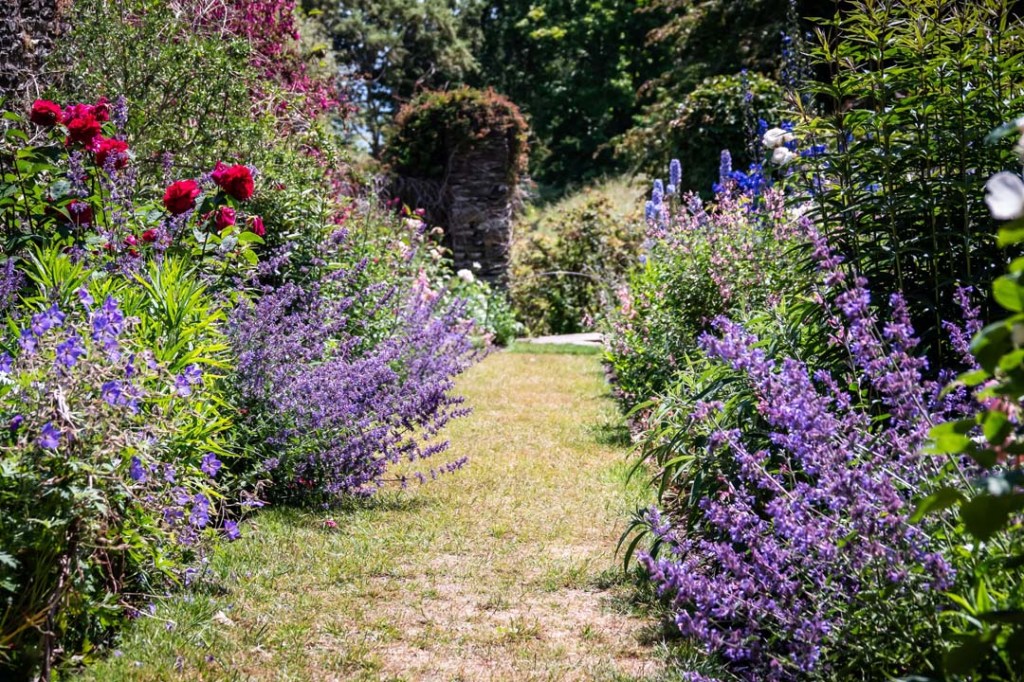
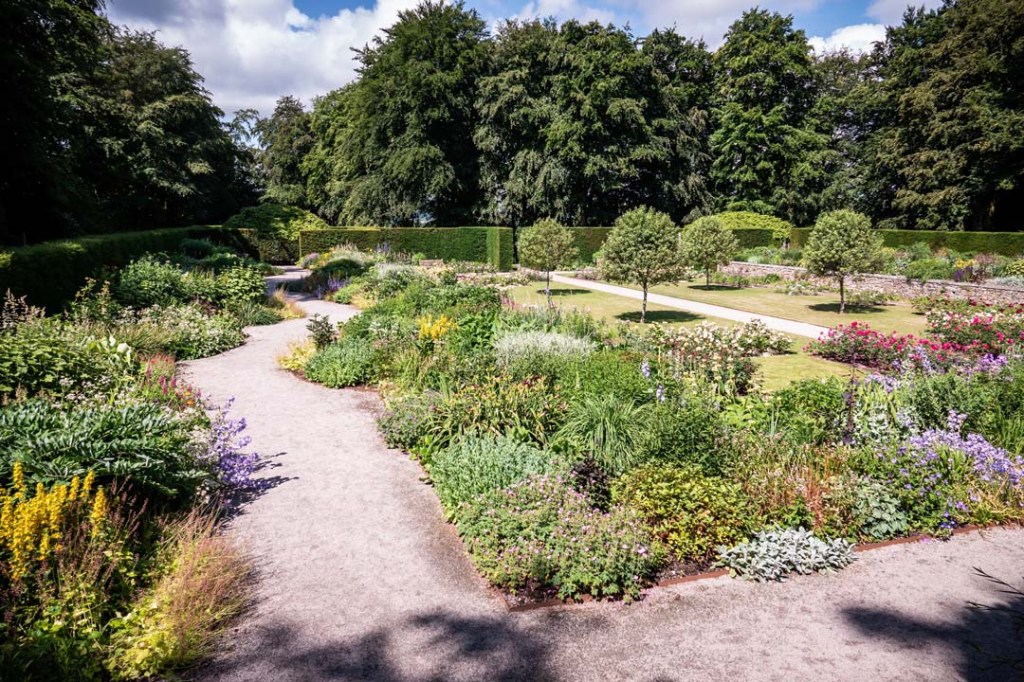
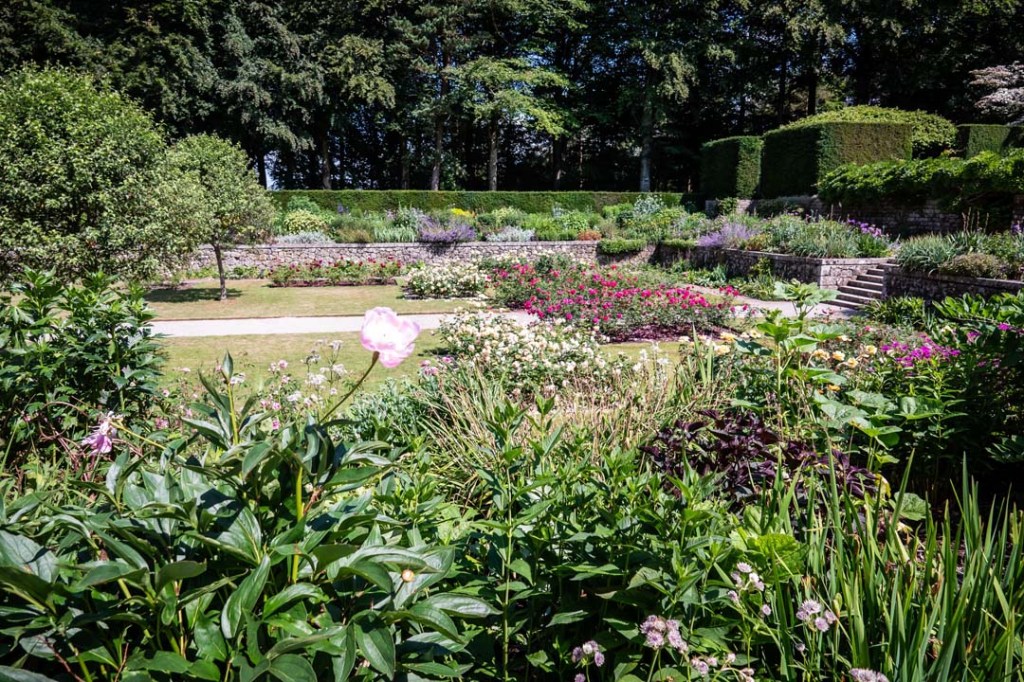
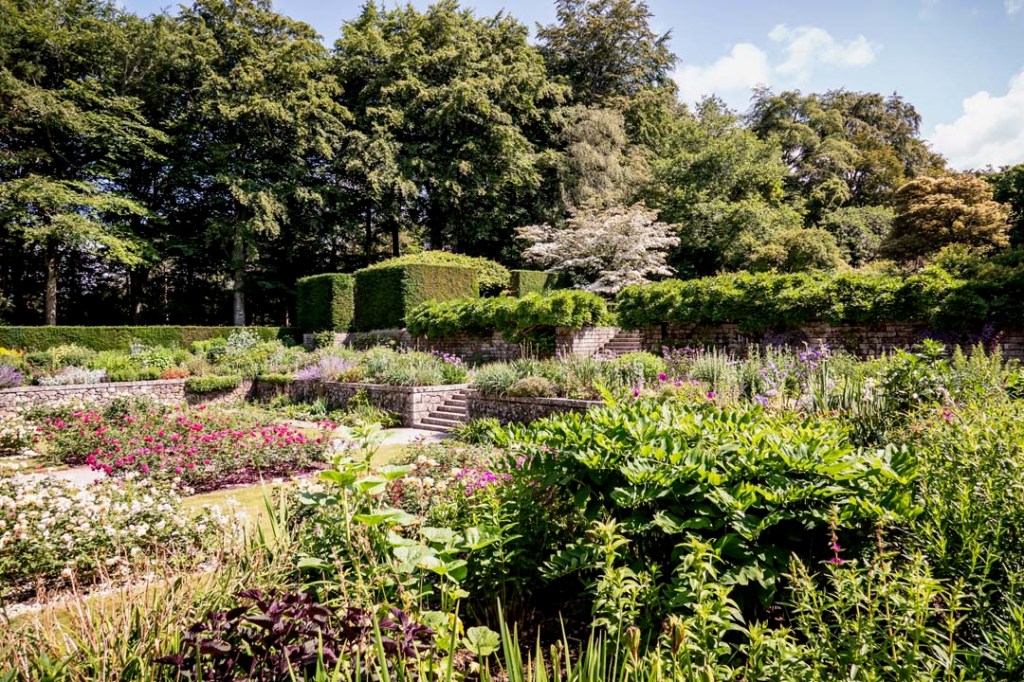
We made a brief stop at the lake before visiting Yeo Valley Organic Garden, one of my favourite gardens in the area.
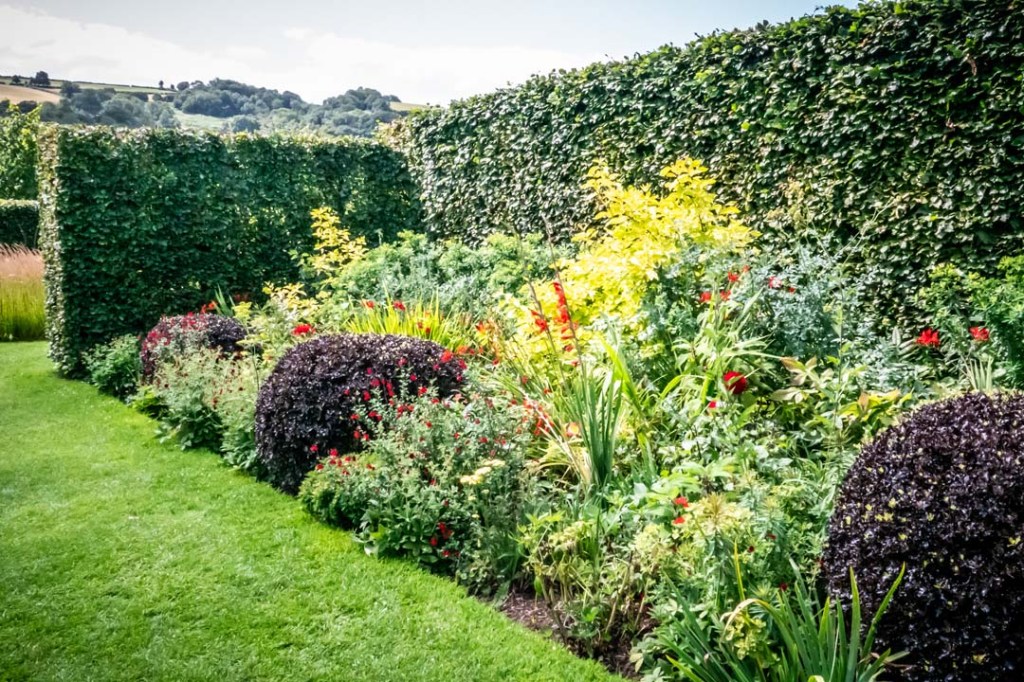
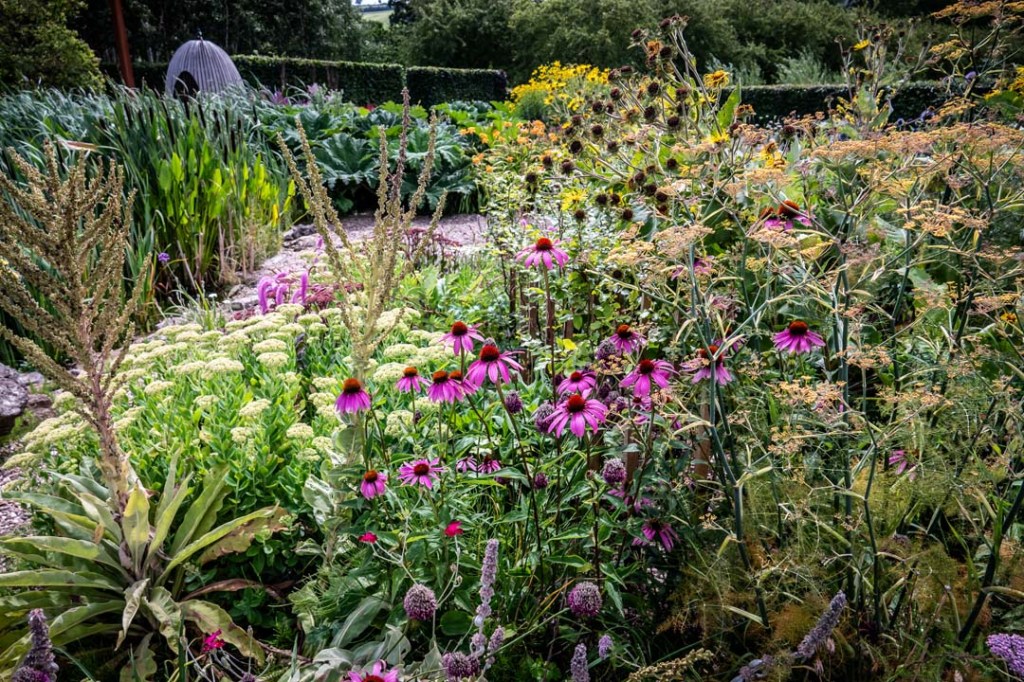
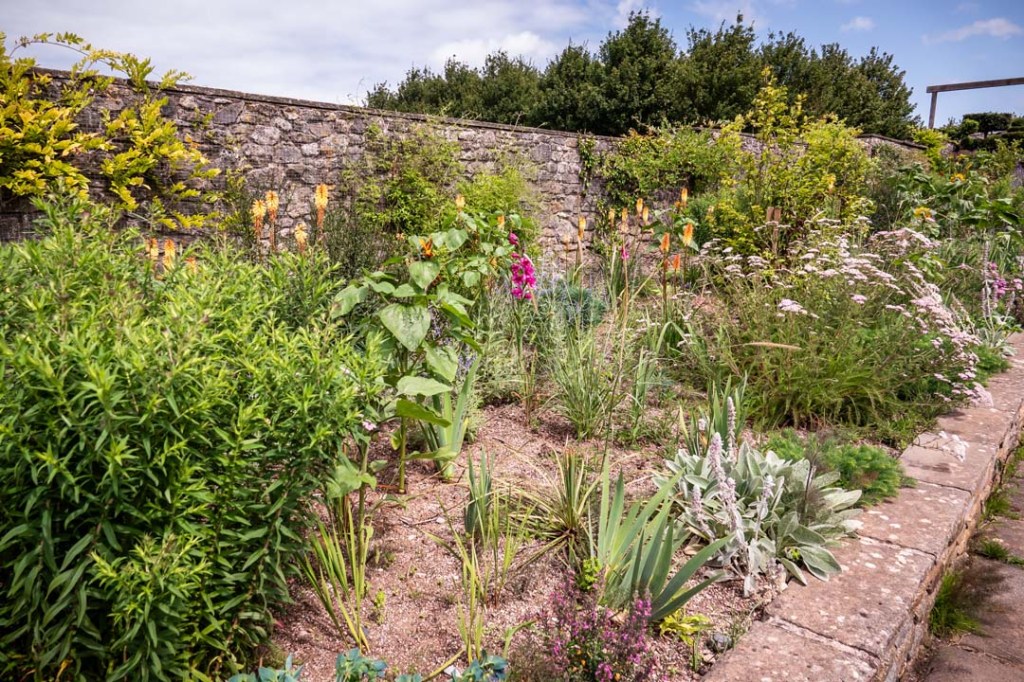
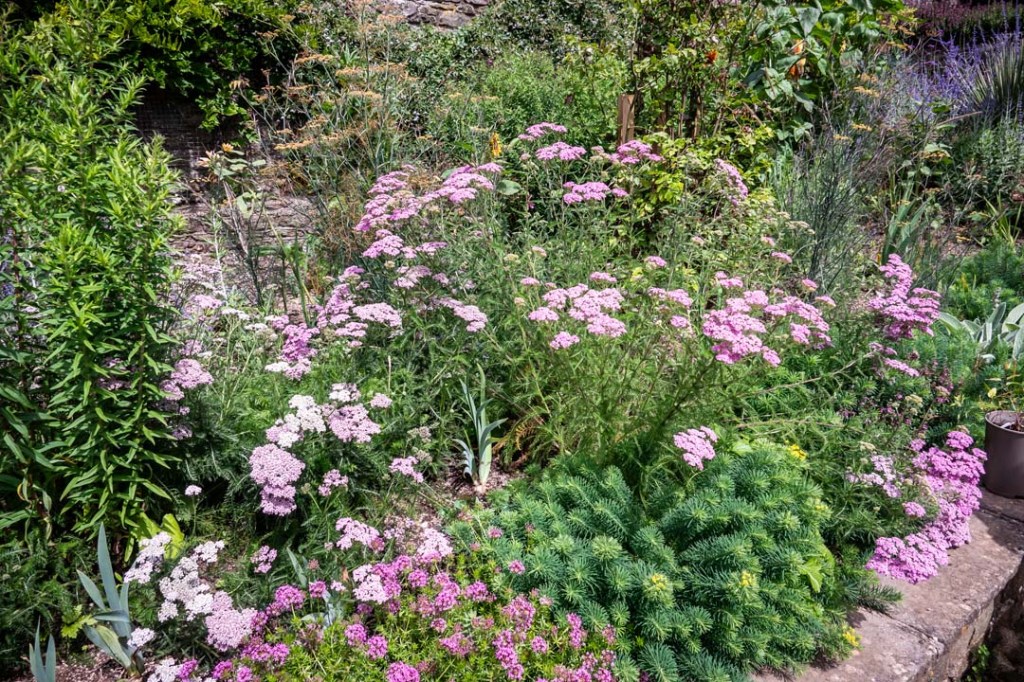
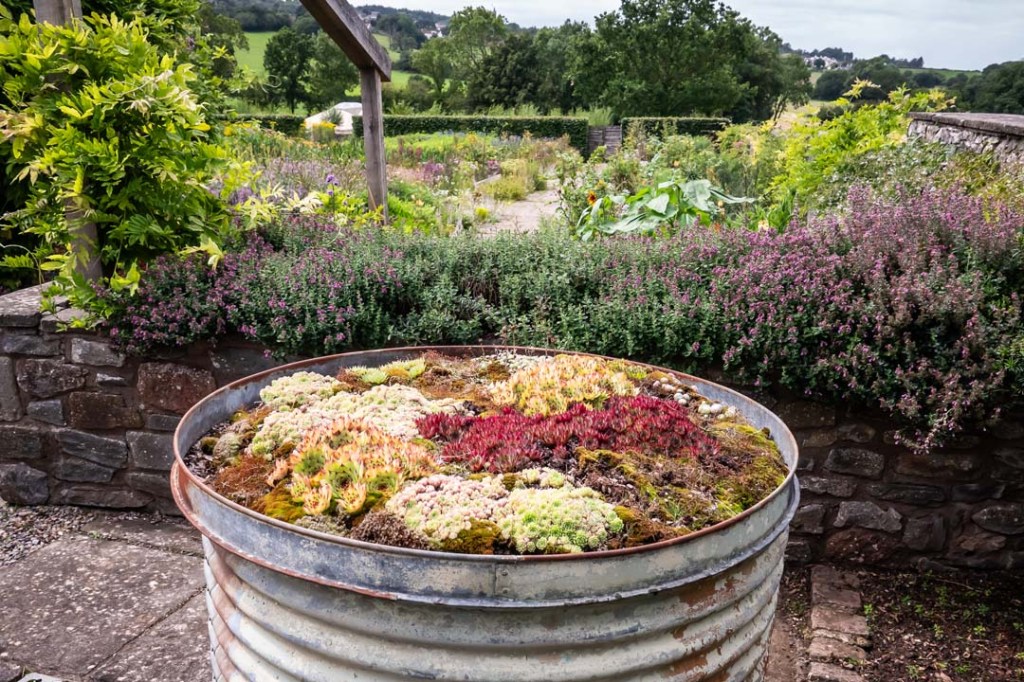
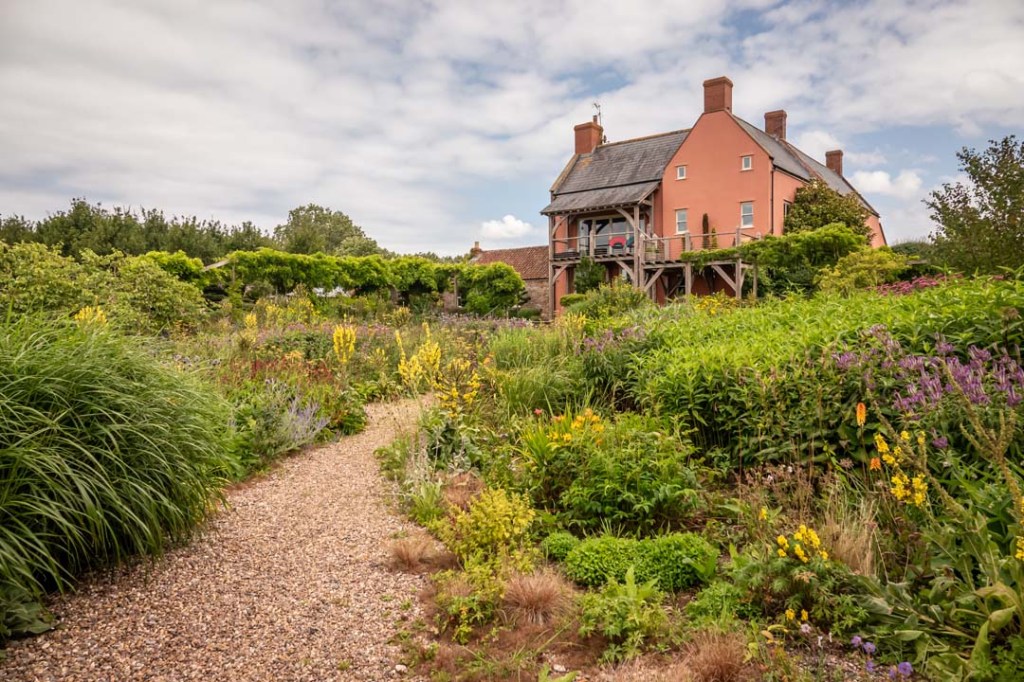
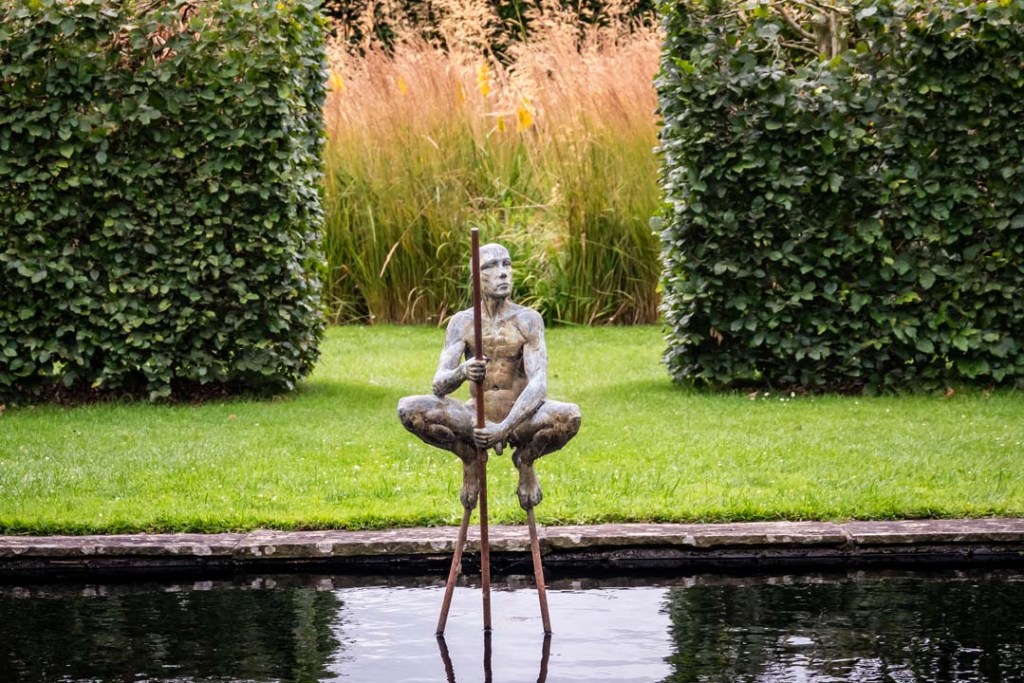
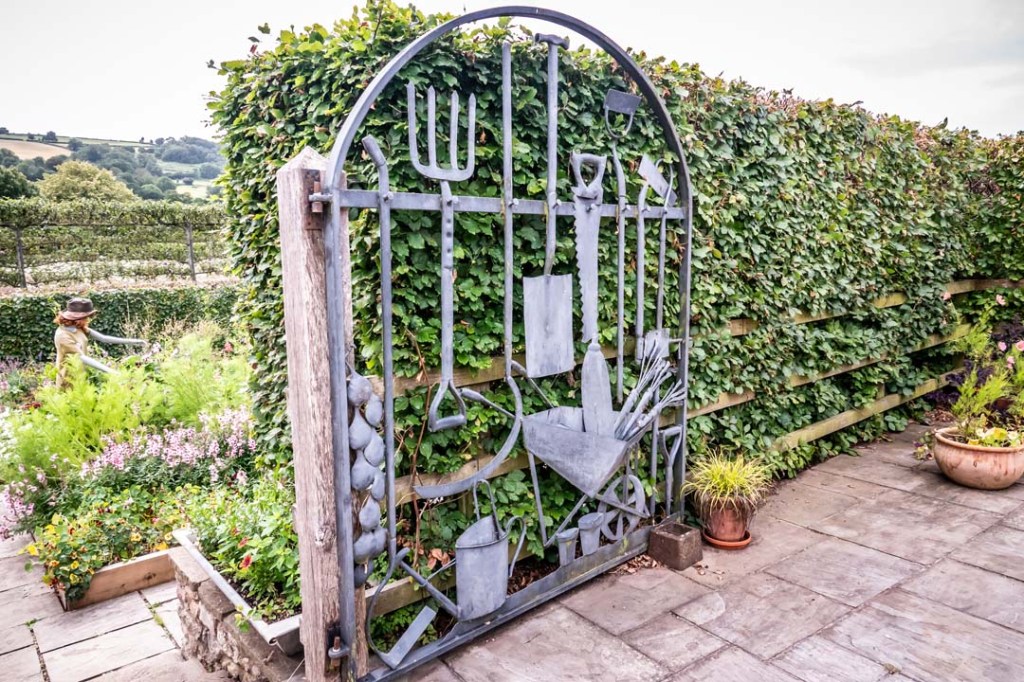
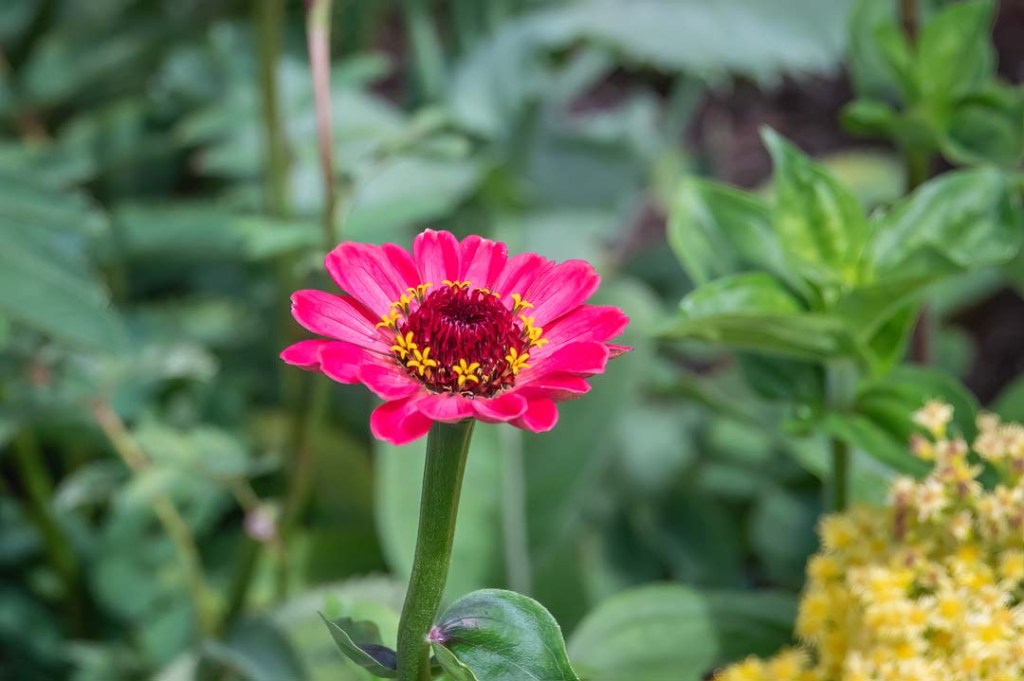
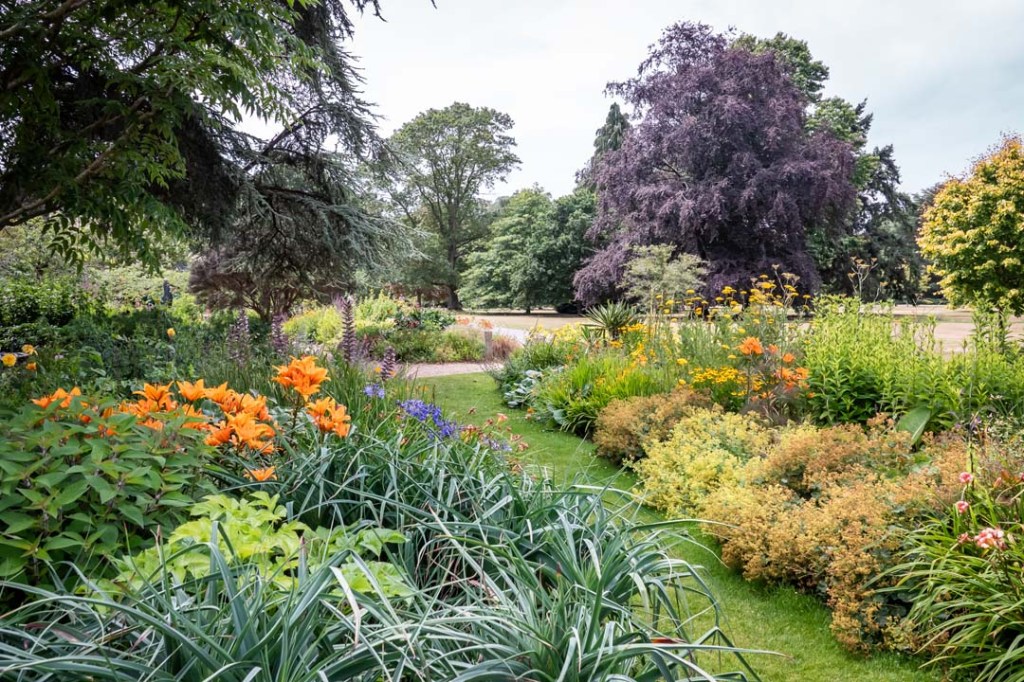
Yeo Valley Organic garden
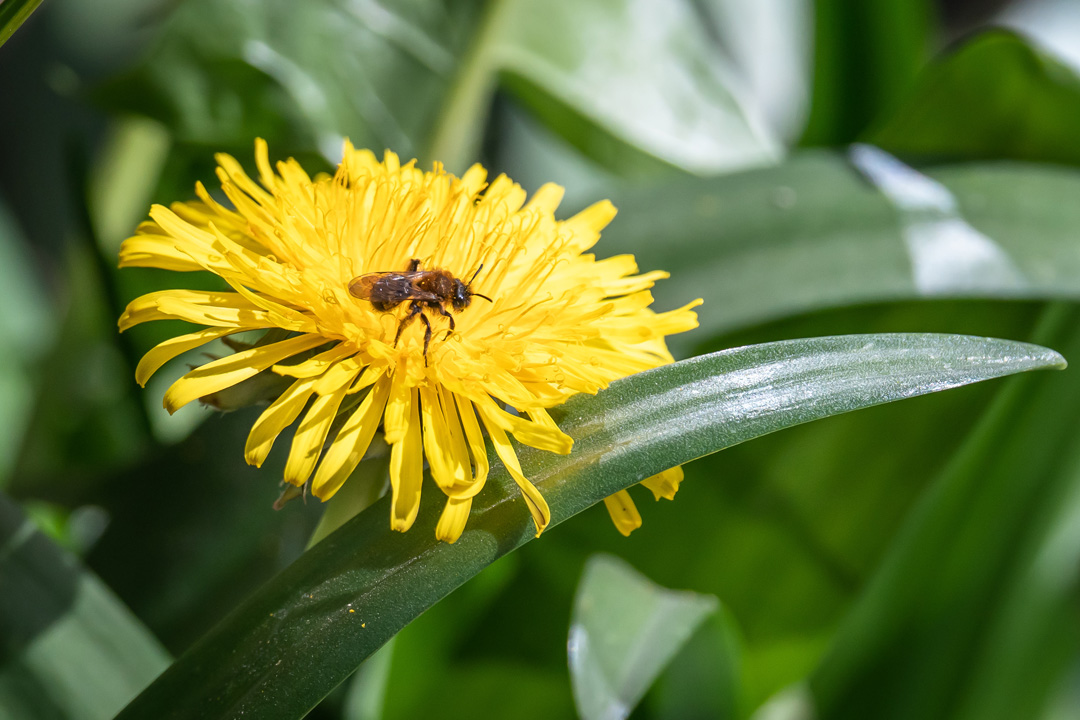
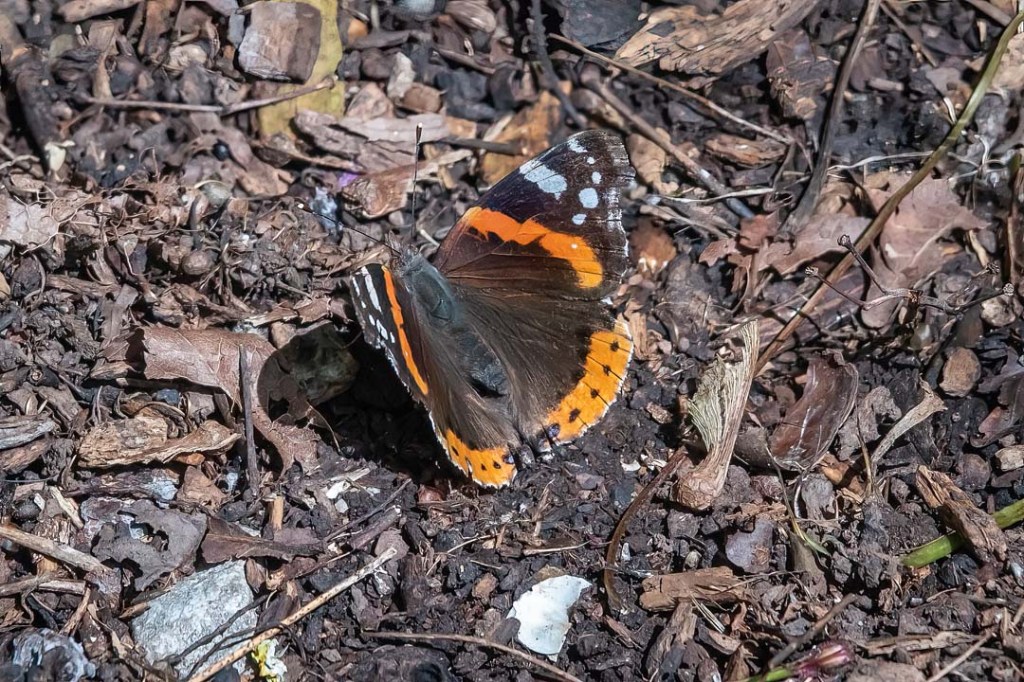
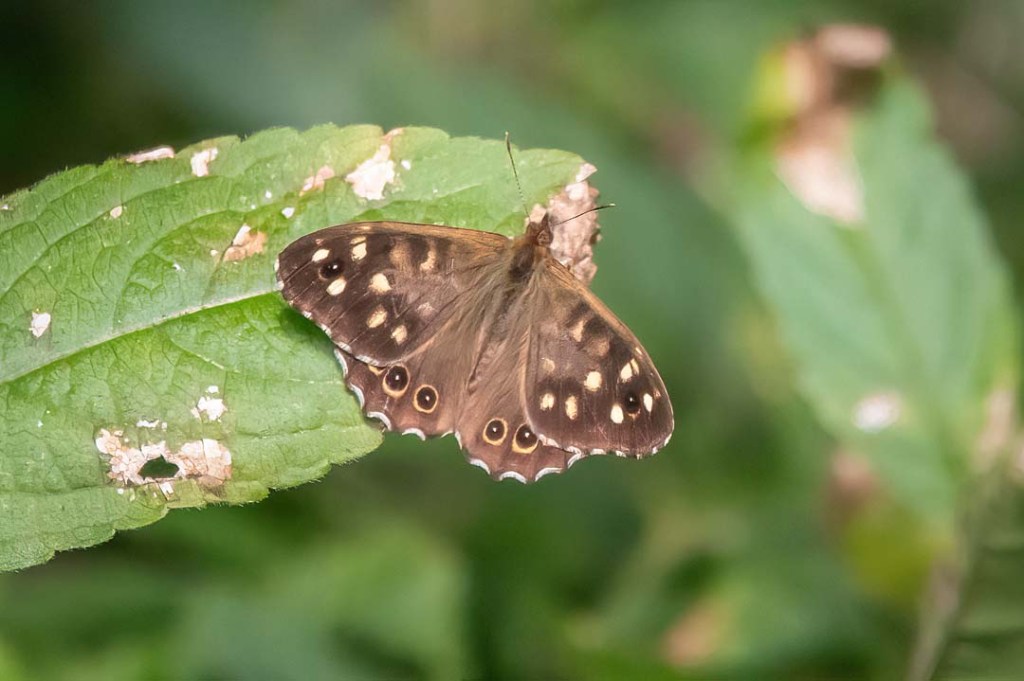
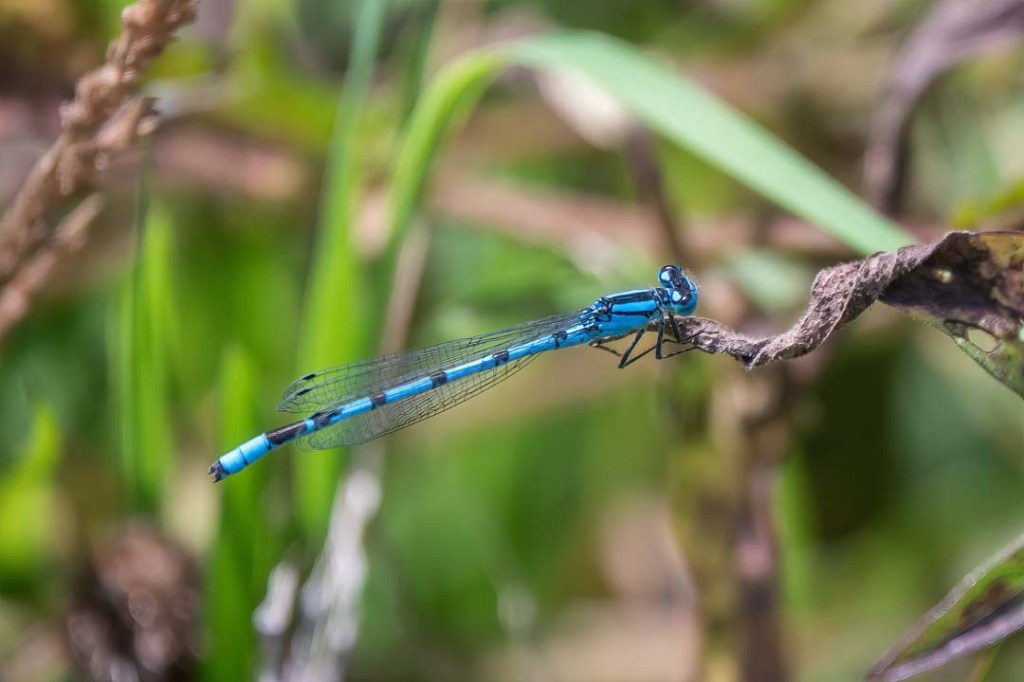
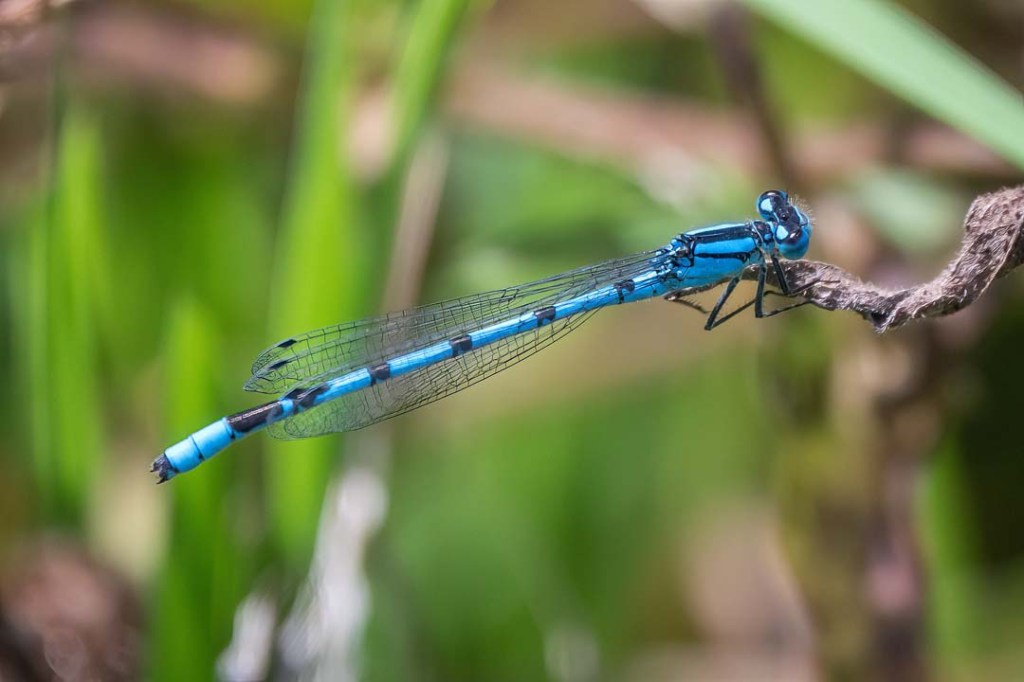
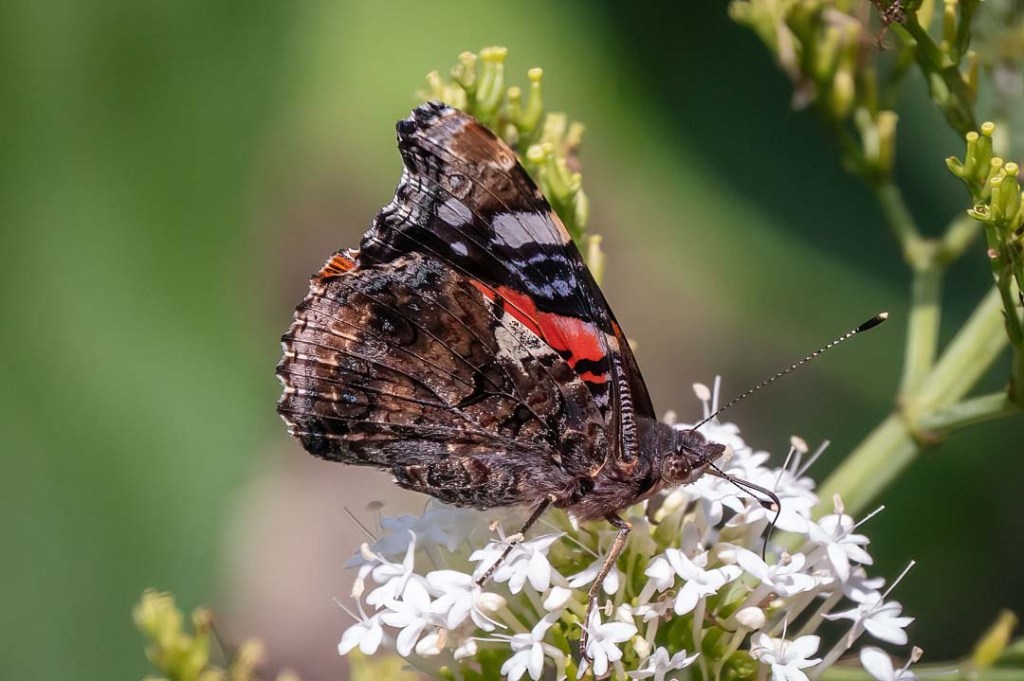
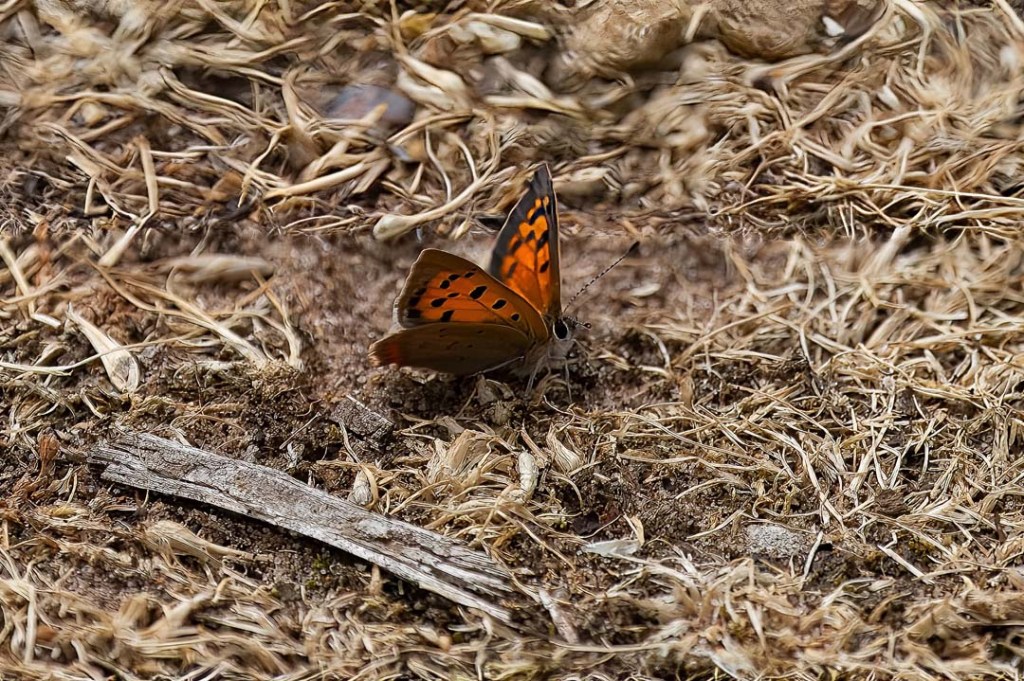
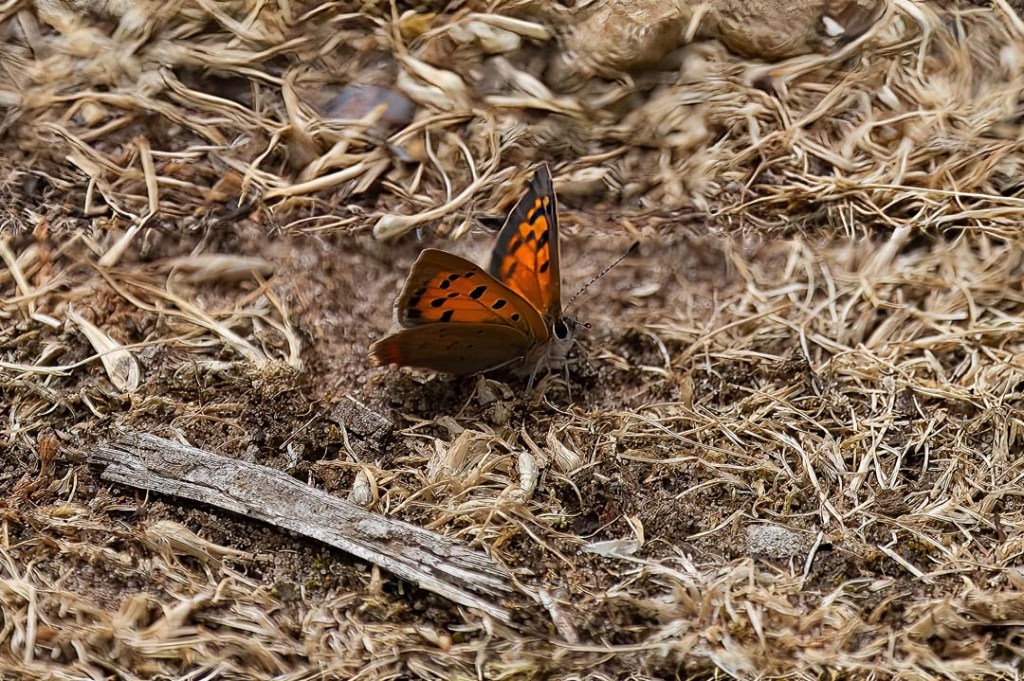
At this time of the year there is always a chance to see a variety of butterflies , bees and damselflies and yesterday did not disappoint.
Here are some of the ones I managed to photograph whilst still taking in the full beauty of the garden and not ignoring our friends with whom we were visiting the garden.
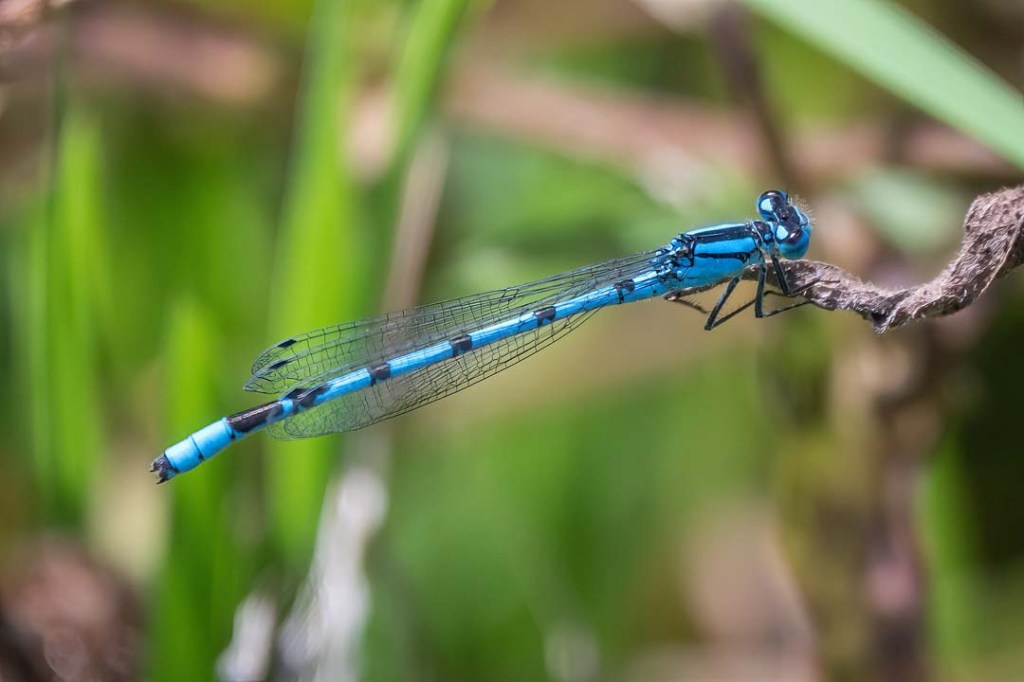
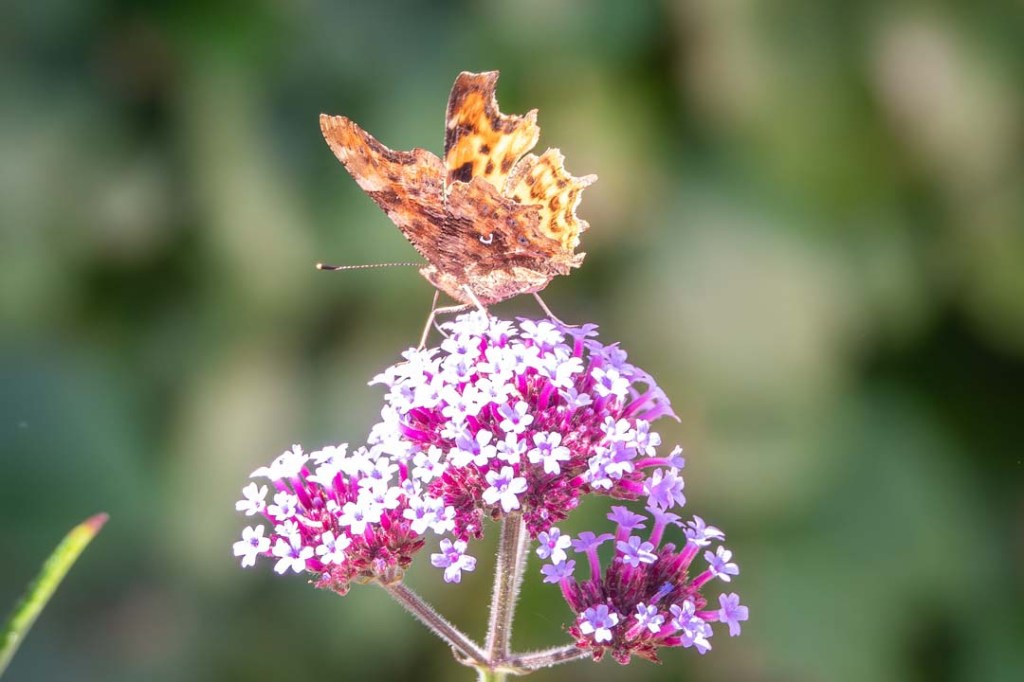
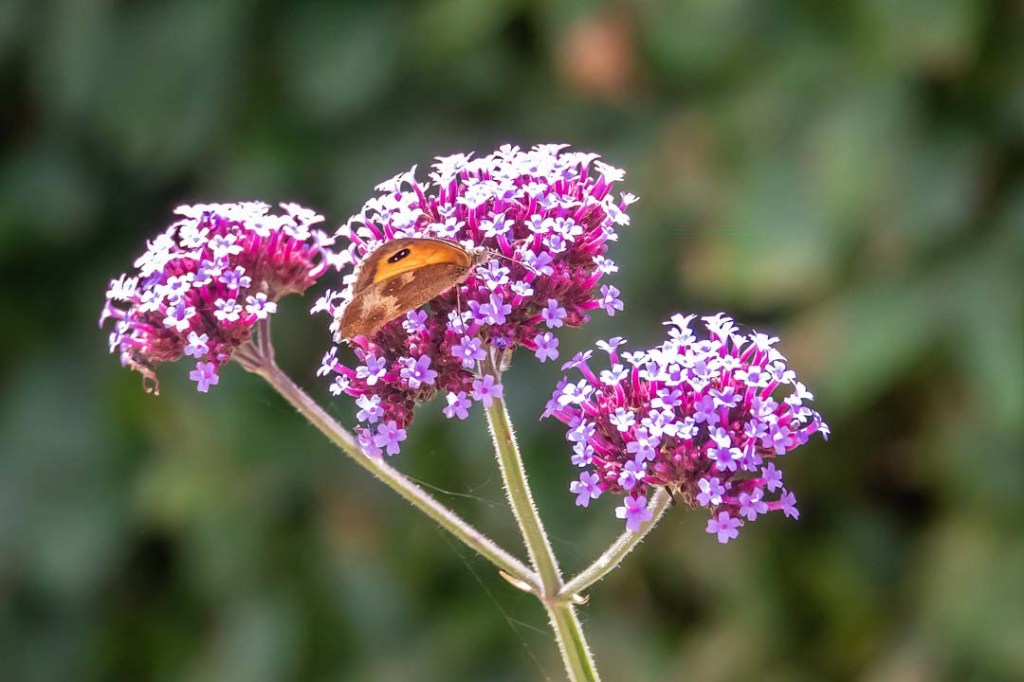
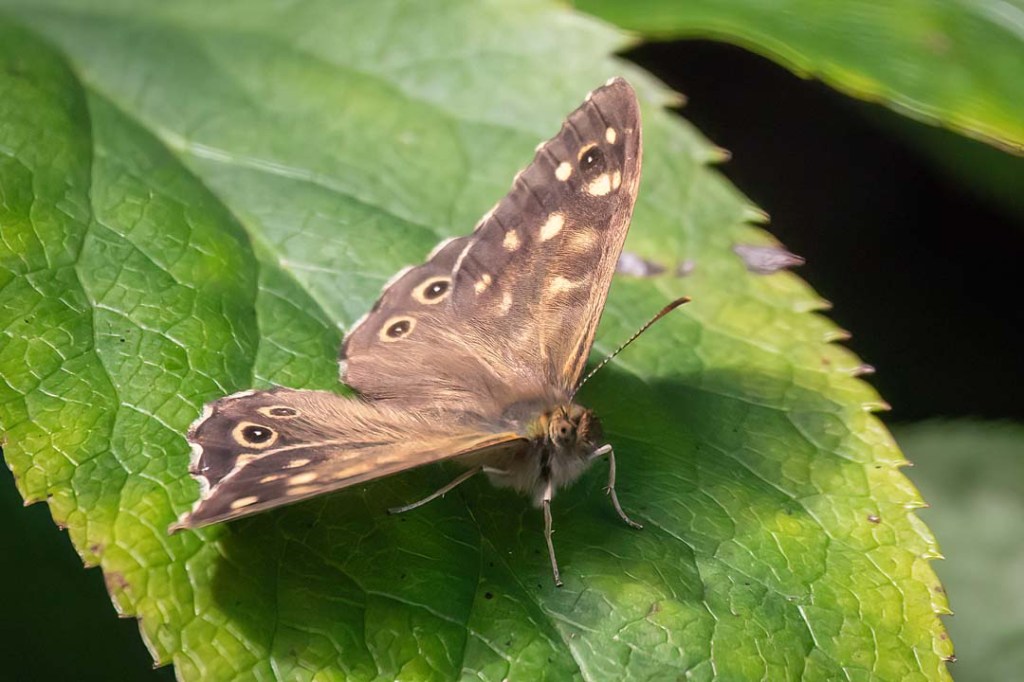
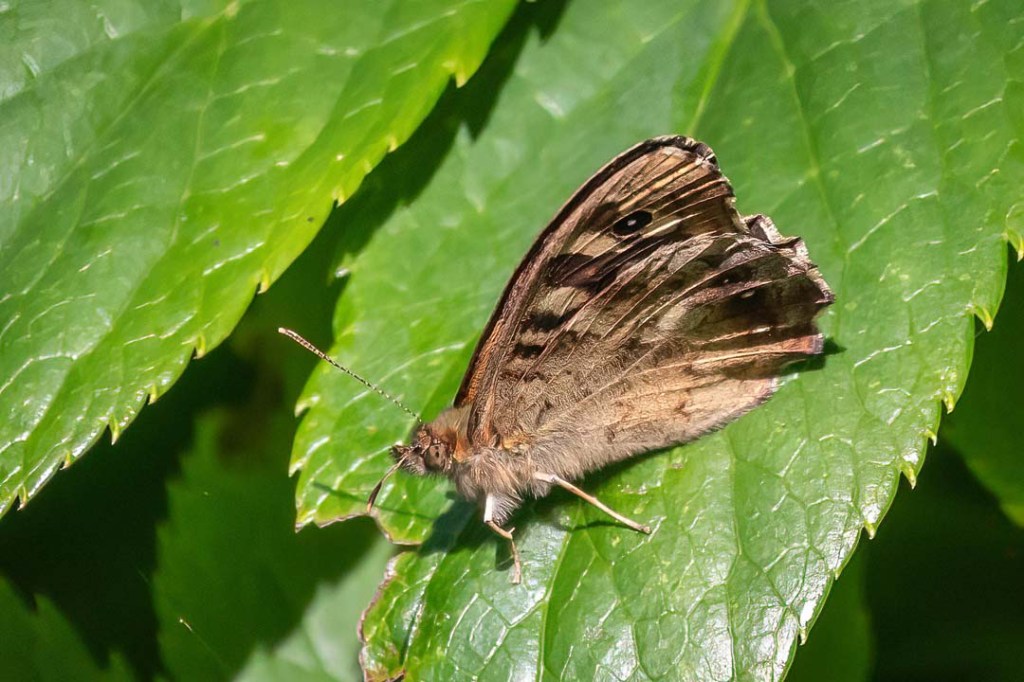
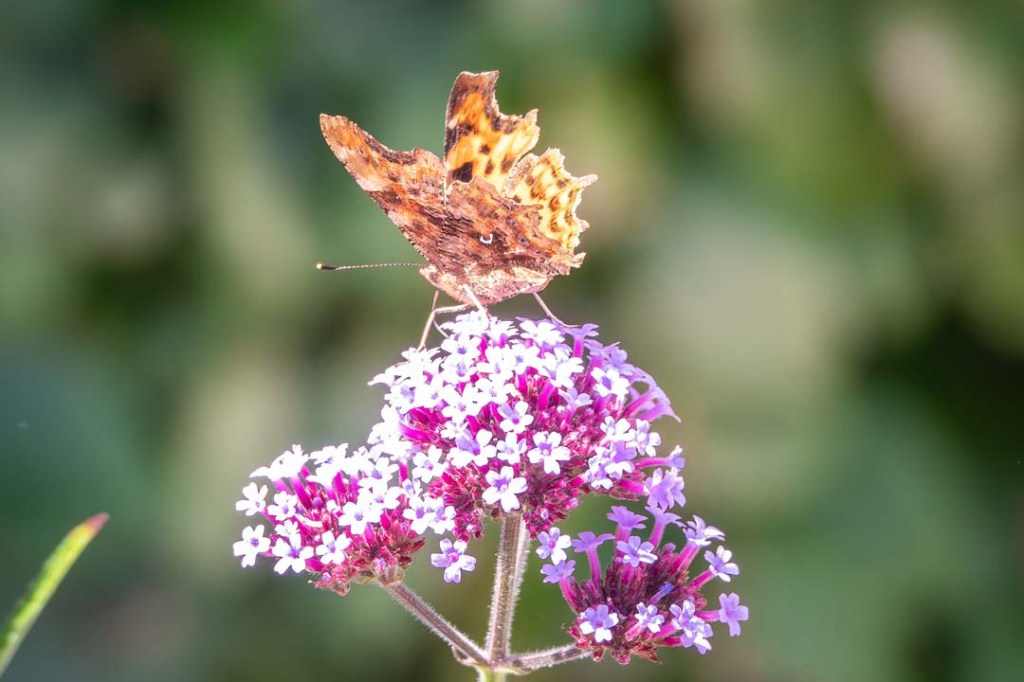
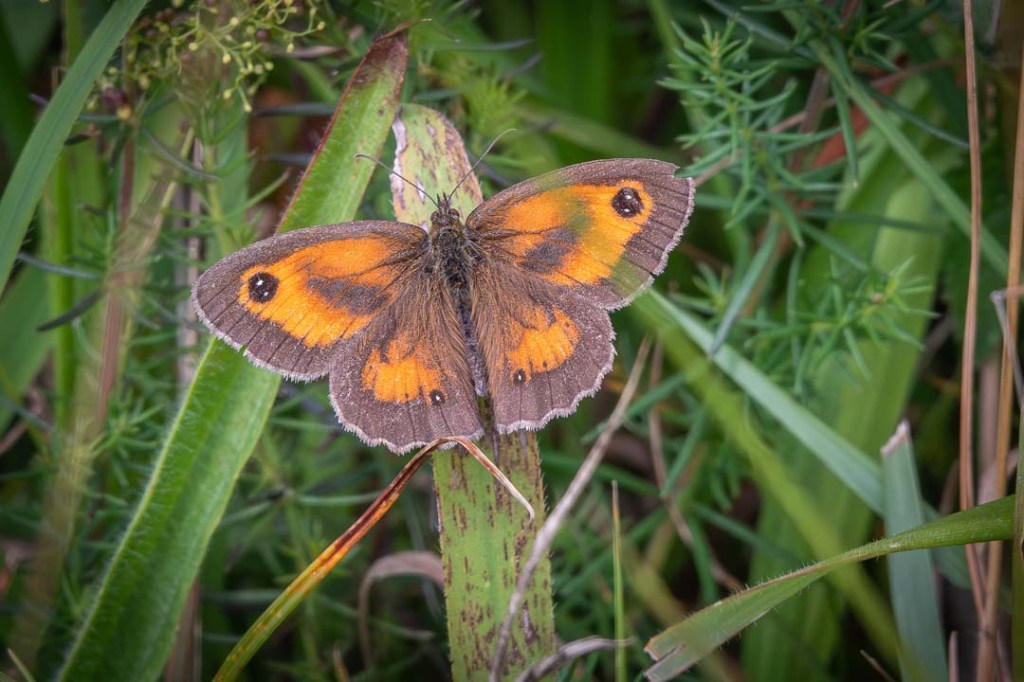
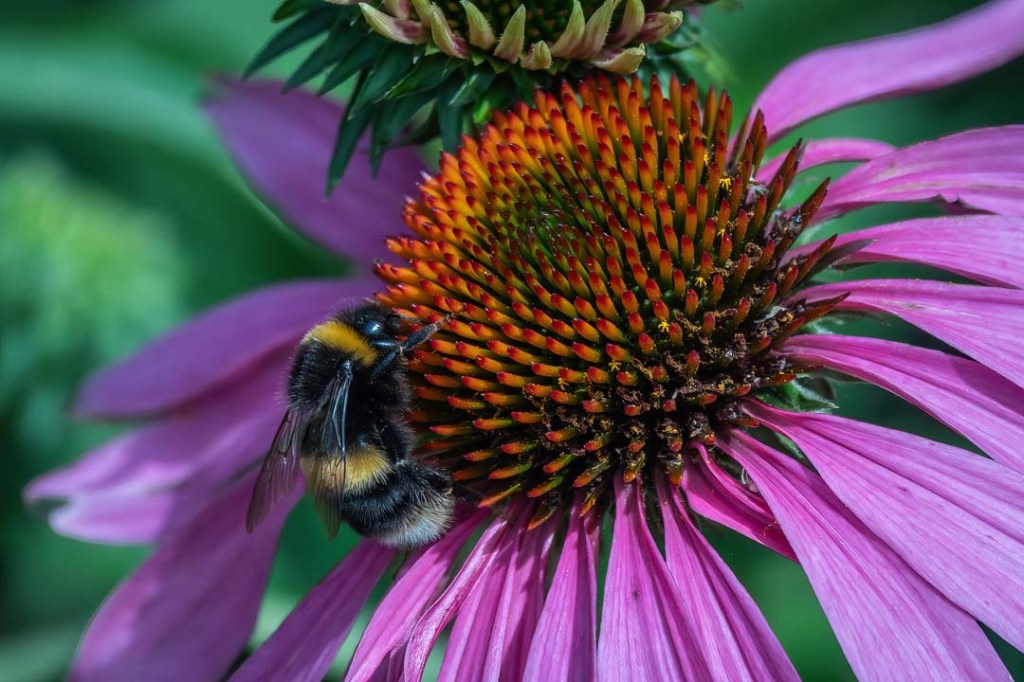
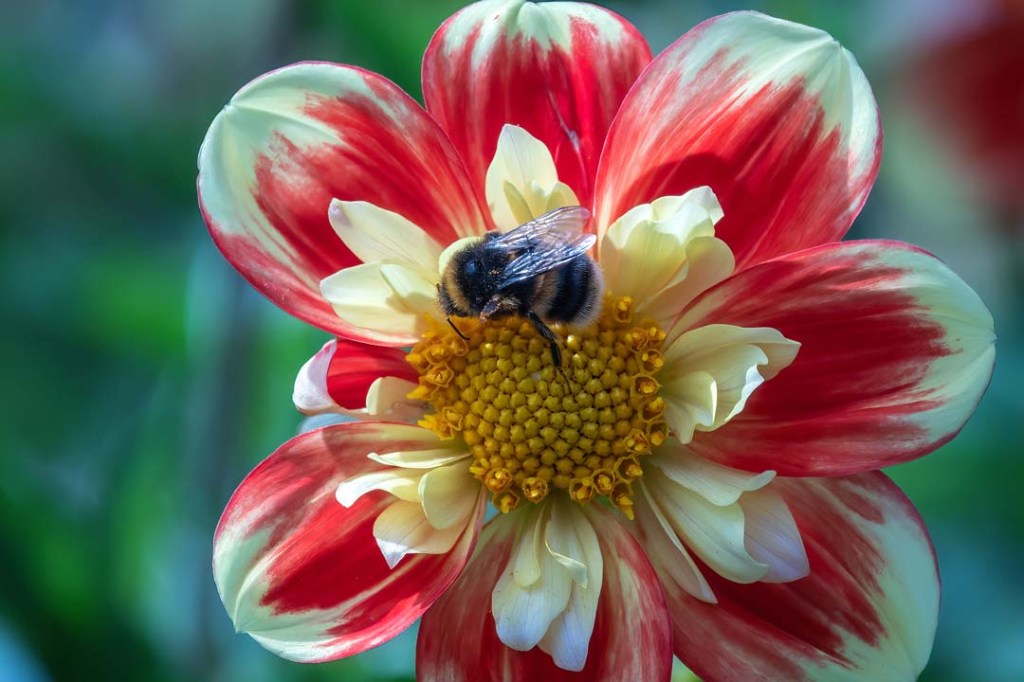
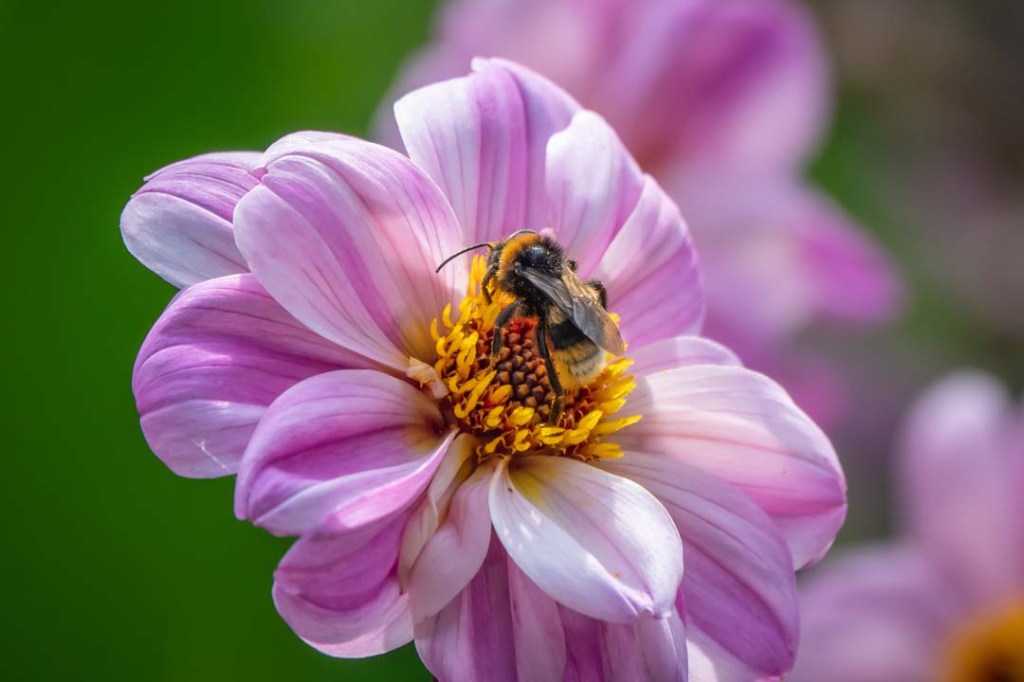
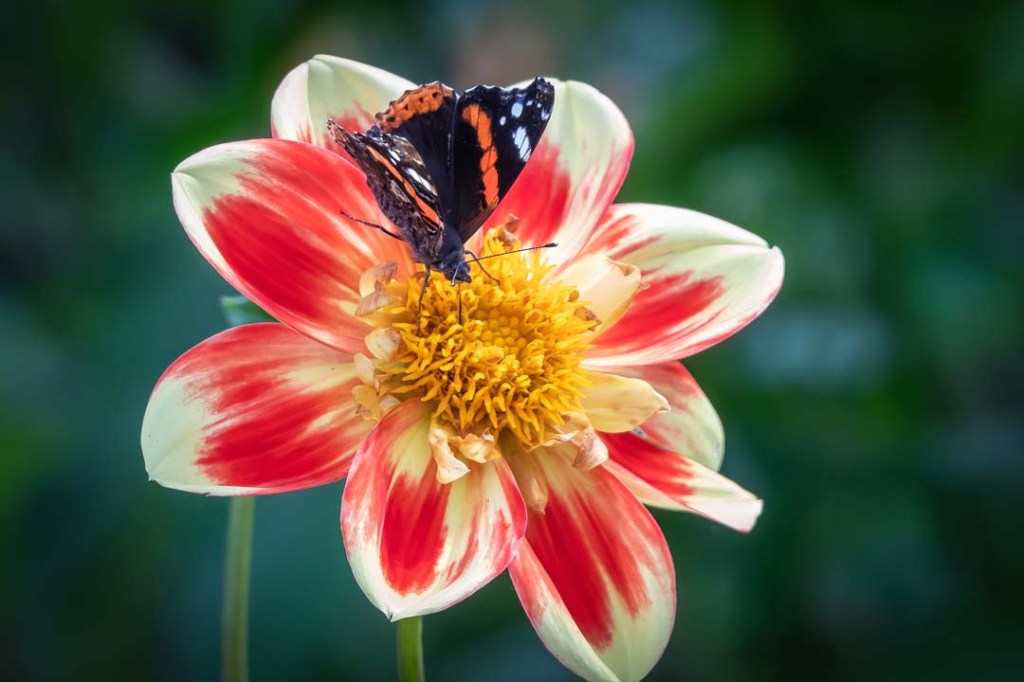
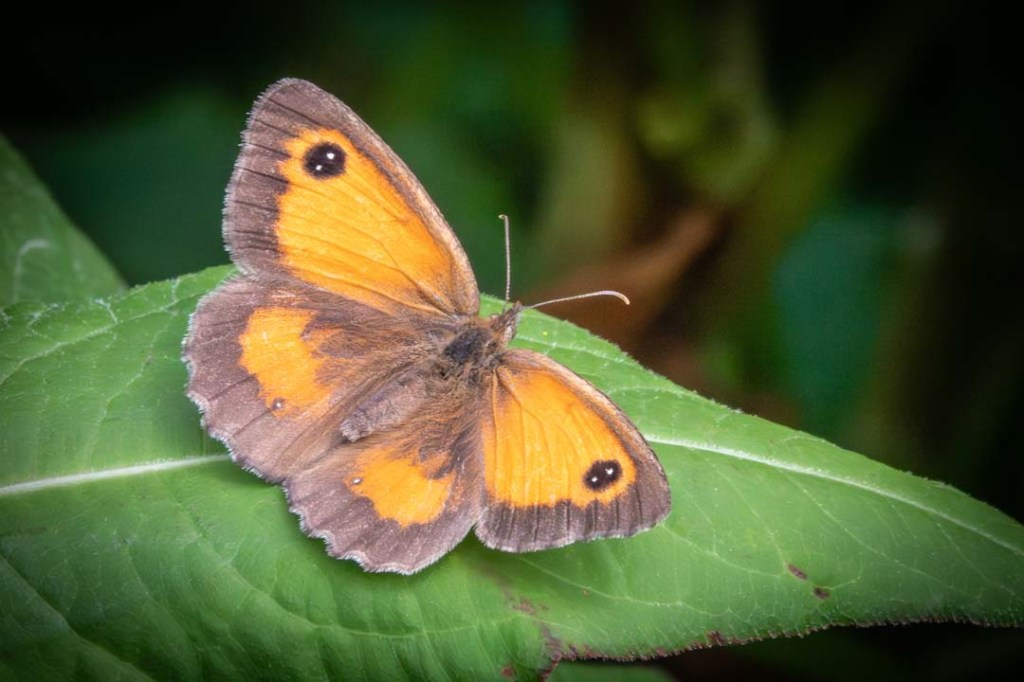
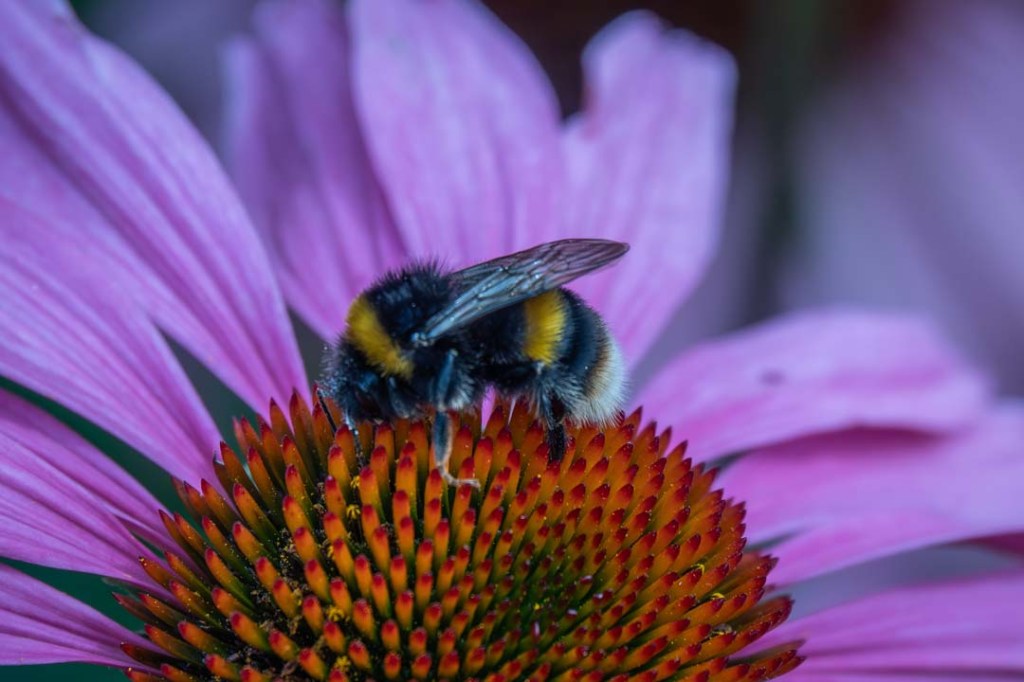
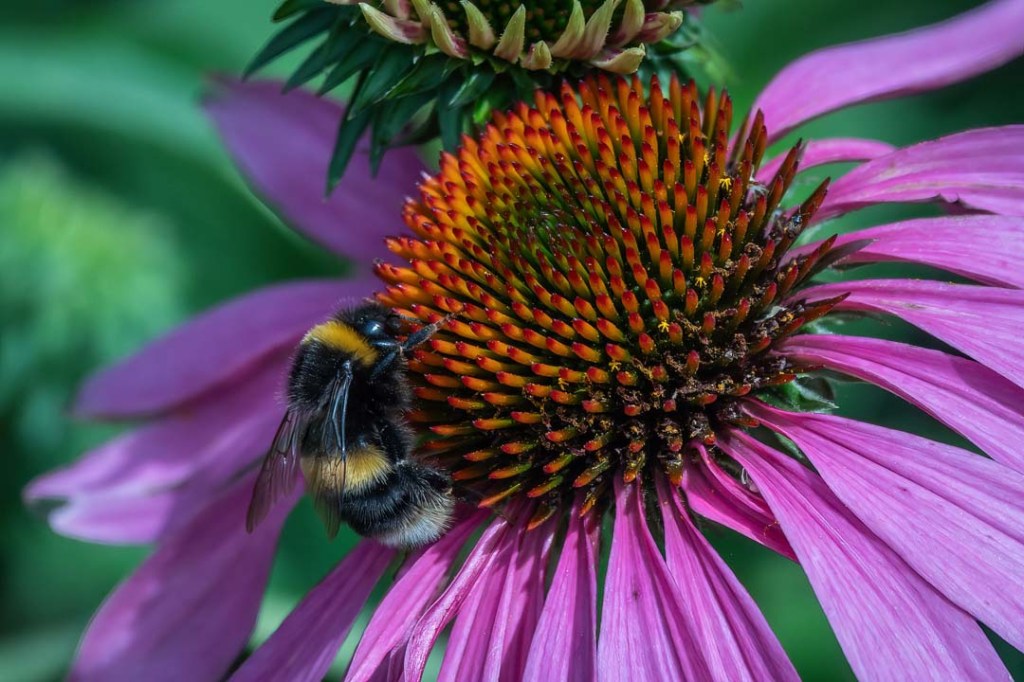
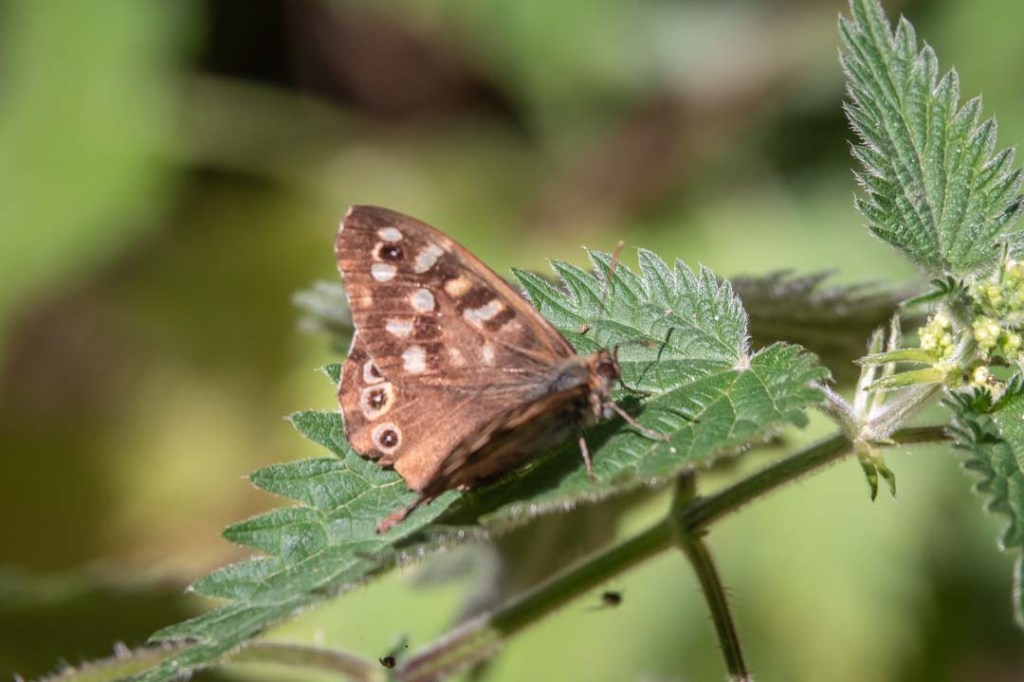
Speckled Wood butterflySpeckled Wood butterflyRed Admiral butterflyCommon Blue DamselflyComma butterflyGatekeeper butterflyBuff-tailed bumblees on Echinacea
Slideshow of my photos from my visit to Chew Valley:
A few days away on the south coast of England around the New Forest doing touristy things gave me gave me the opportunity to take a few nature photos.
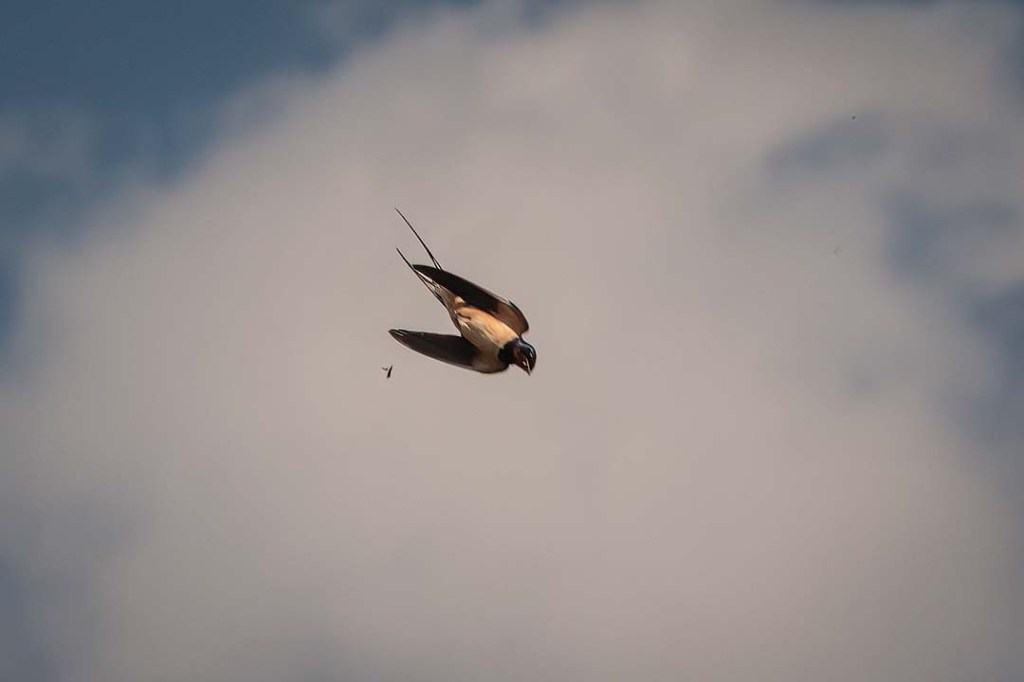
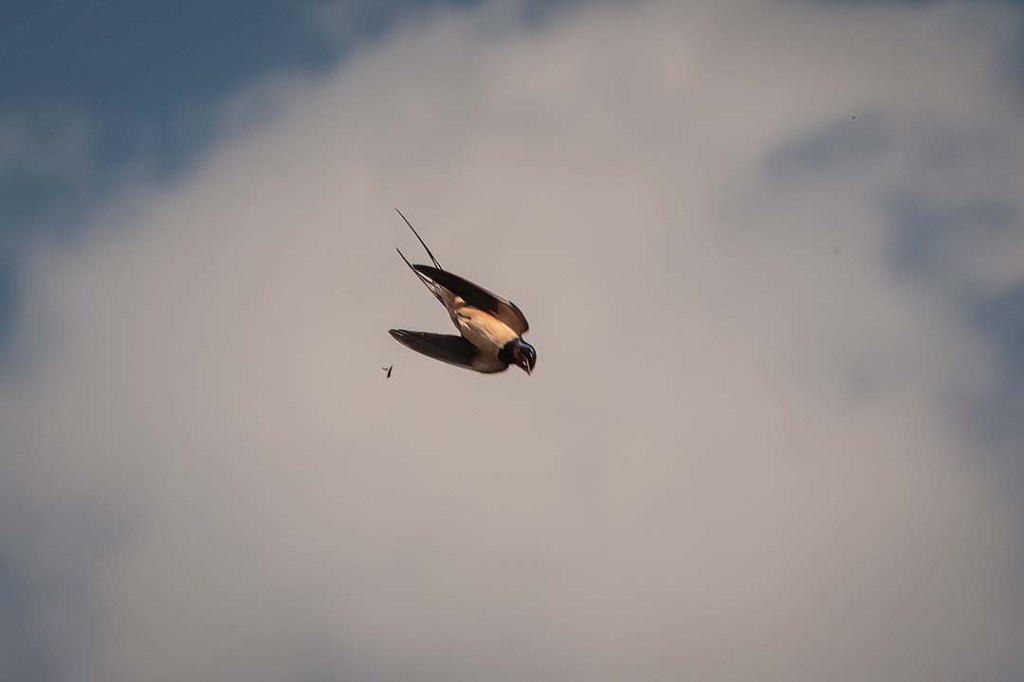
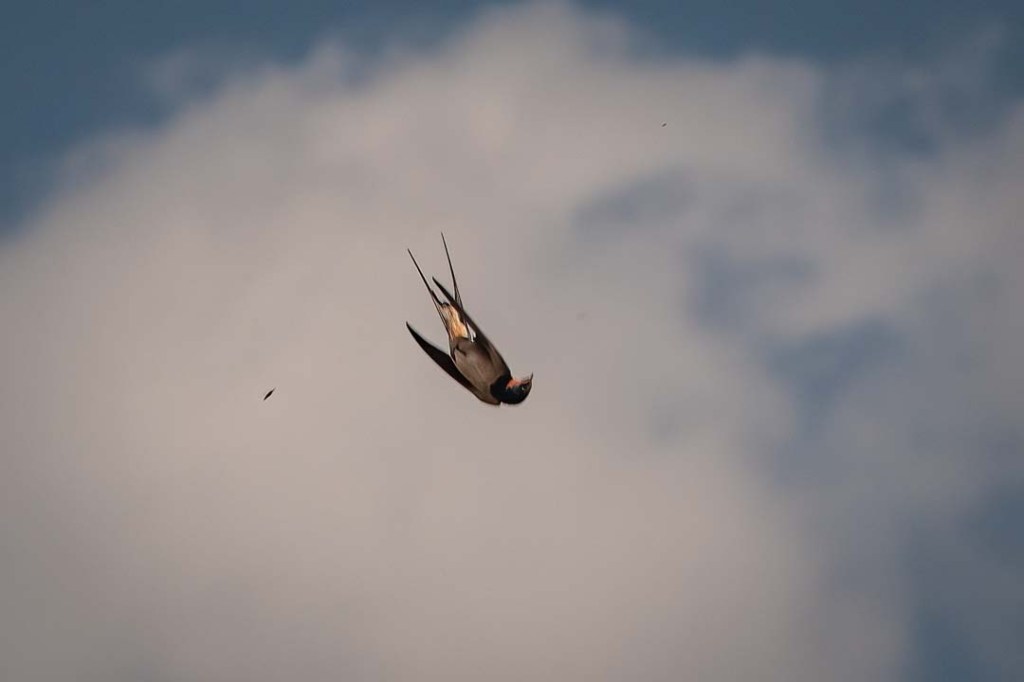
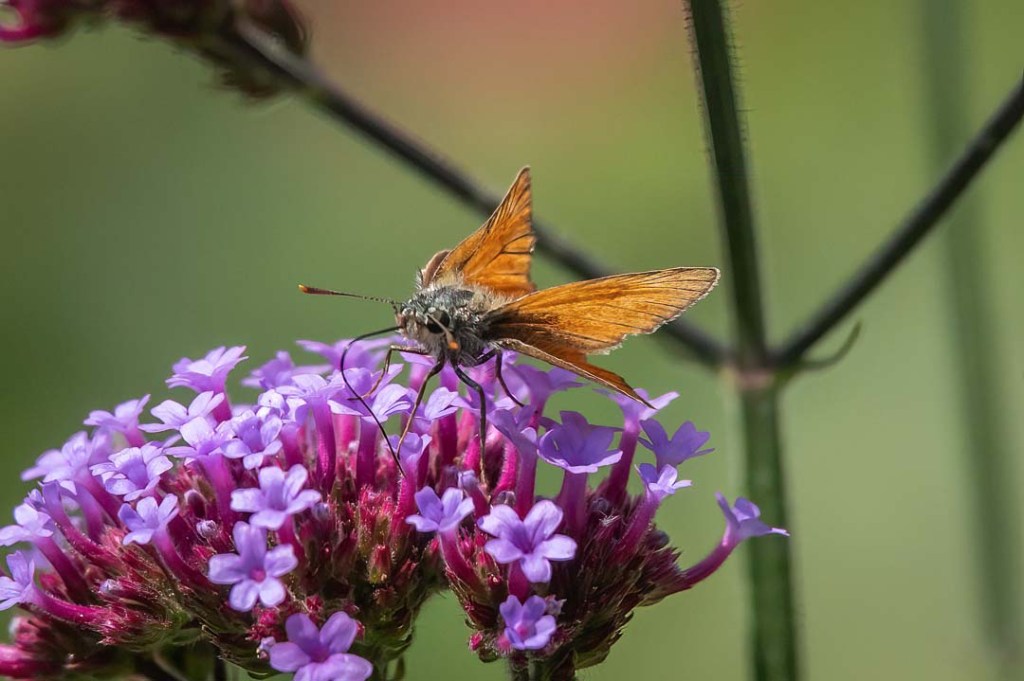
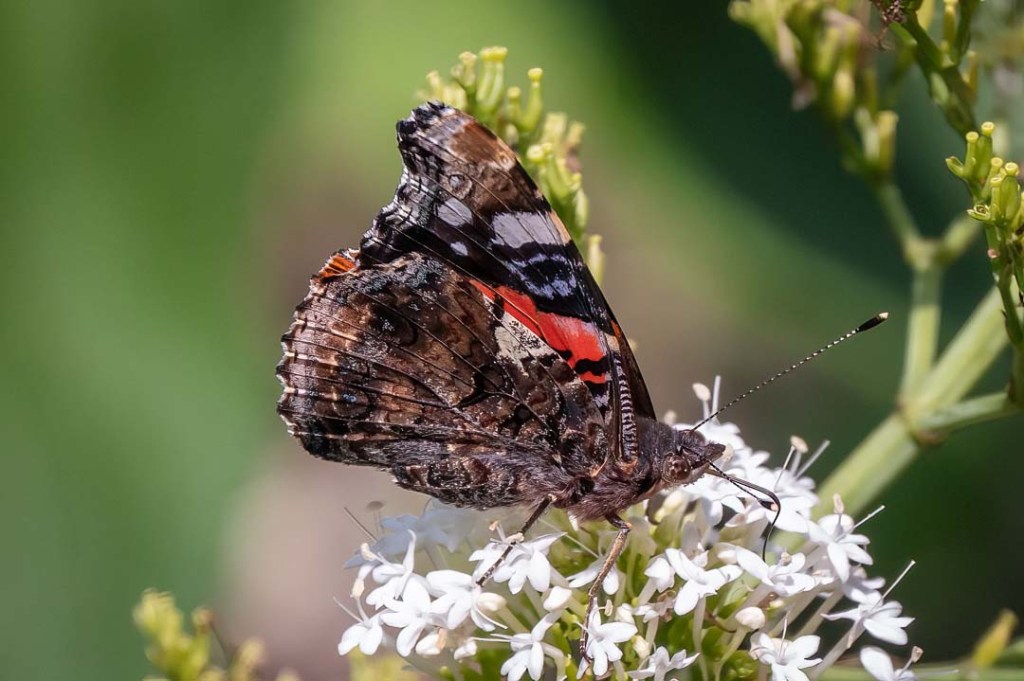
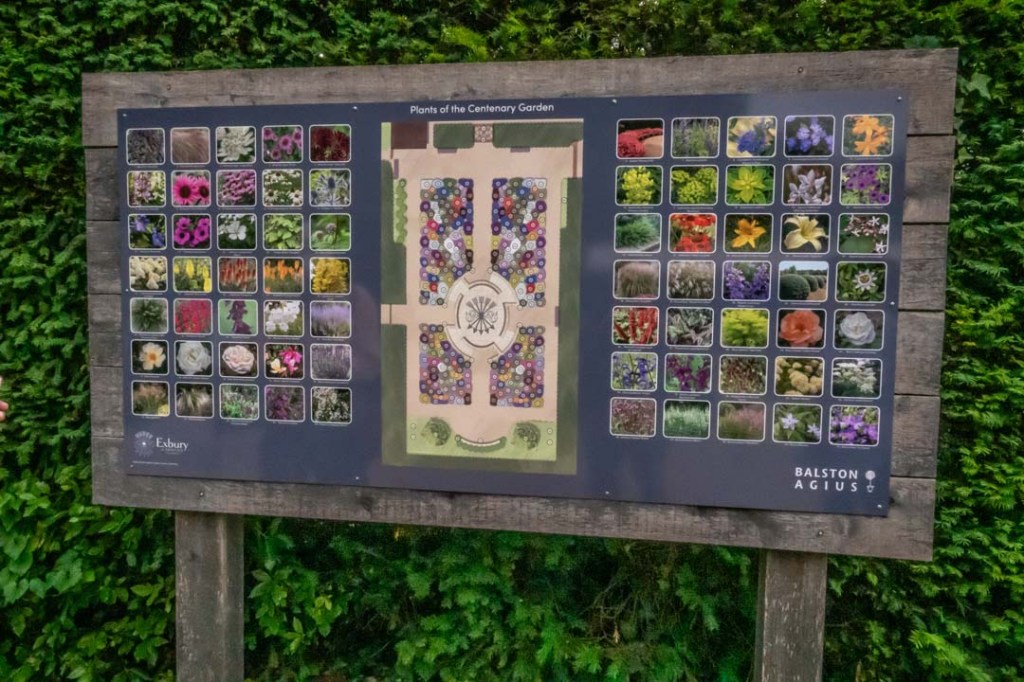
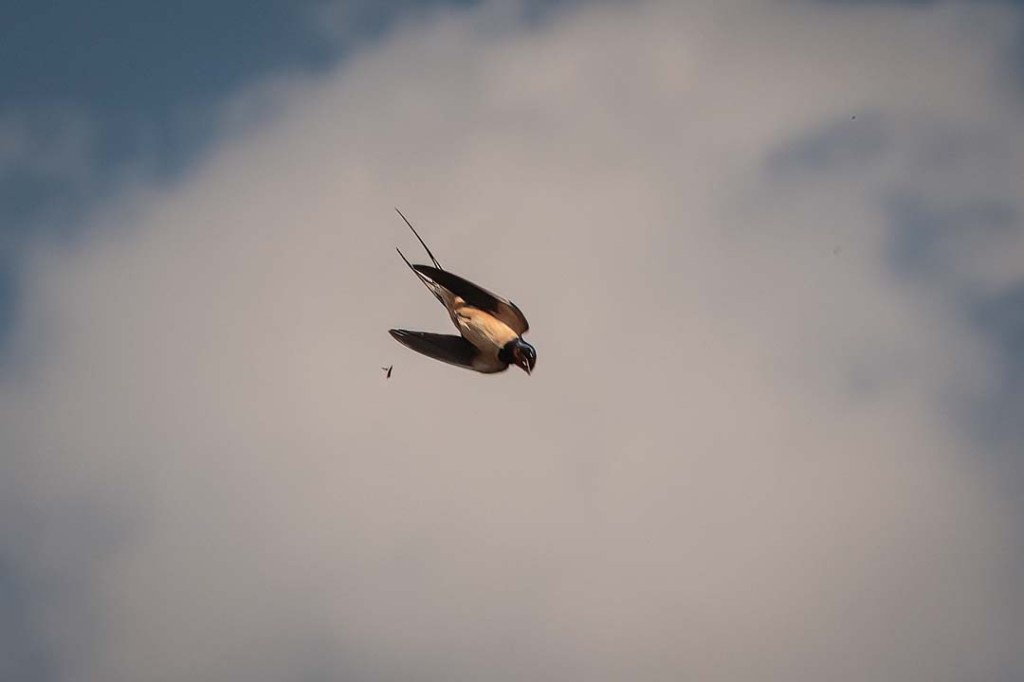
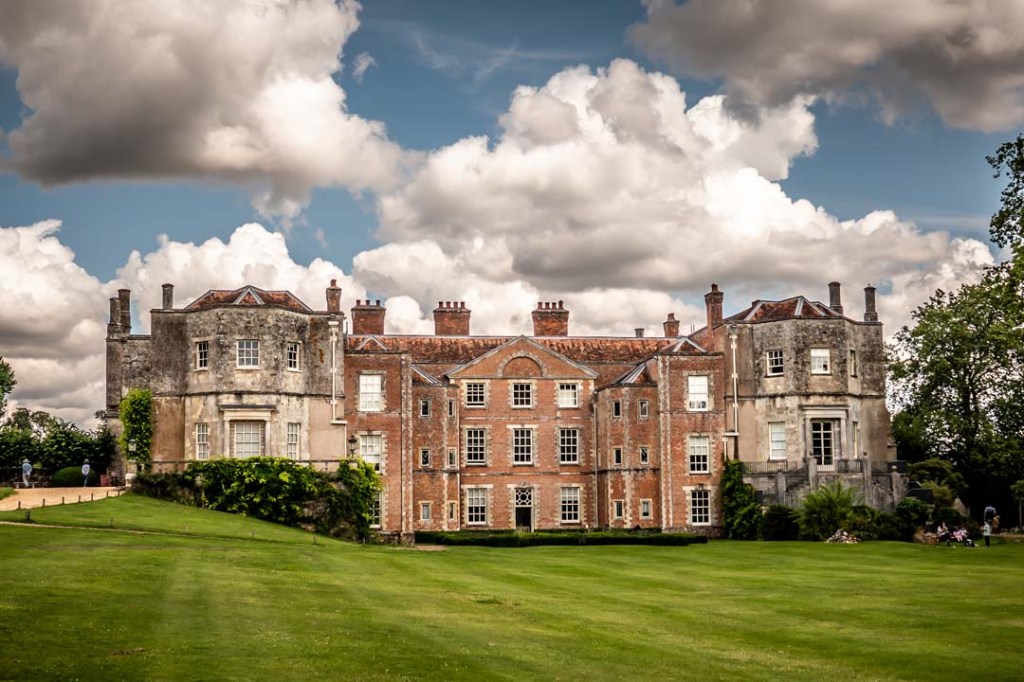
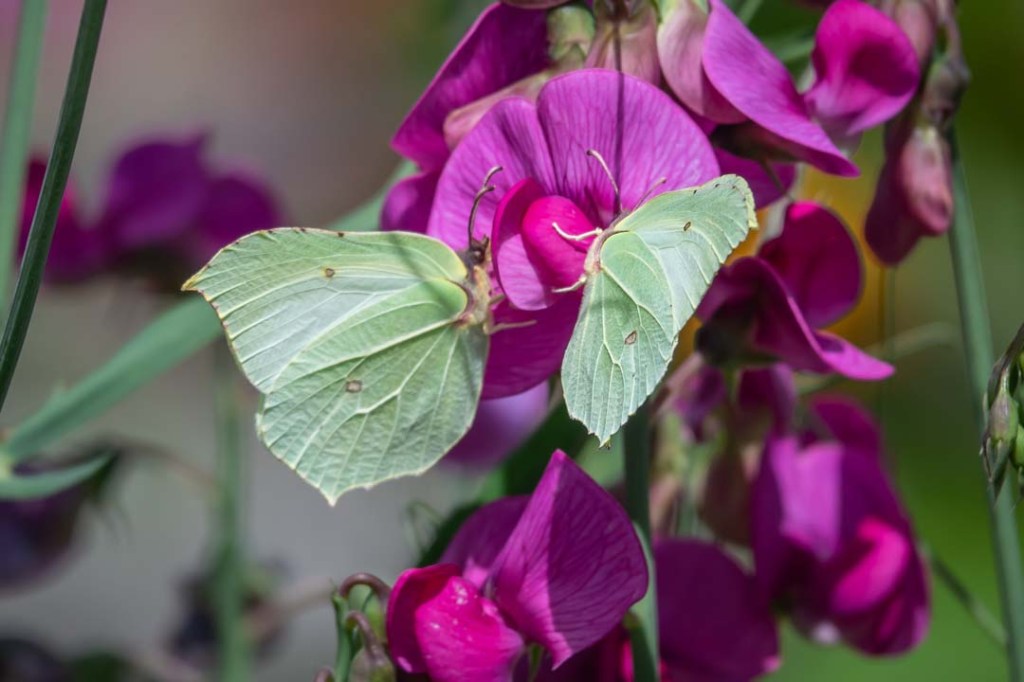
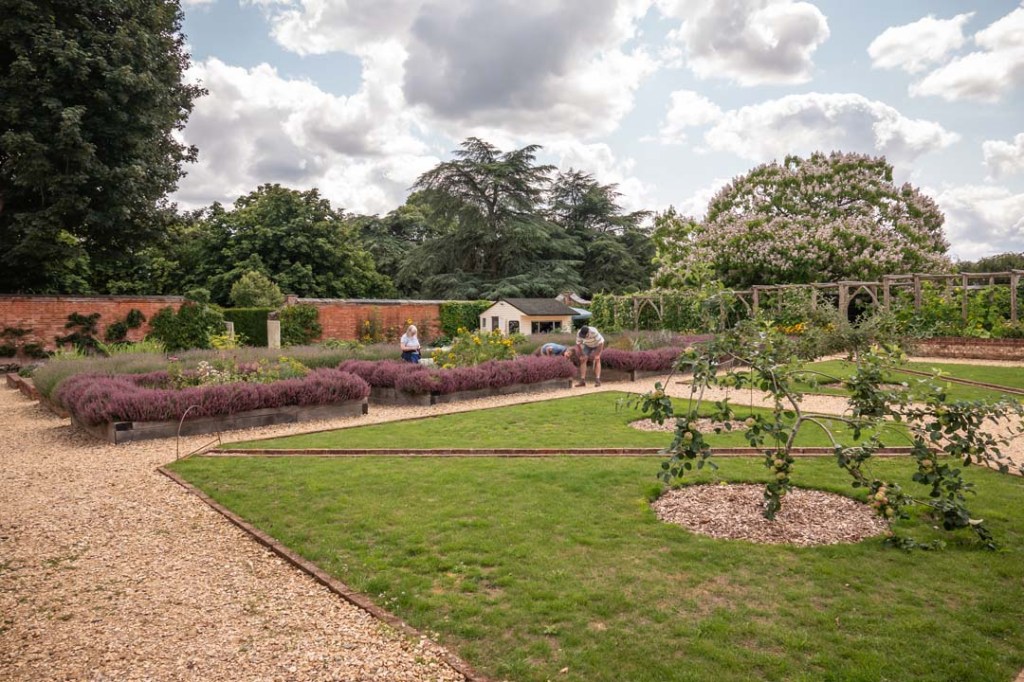
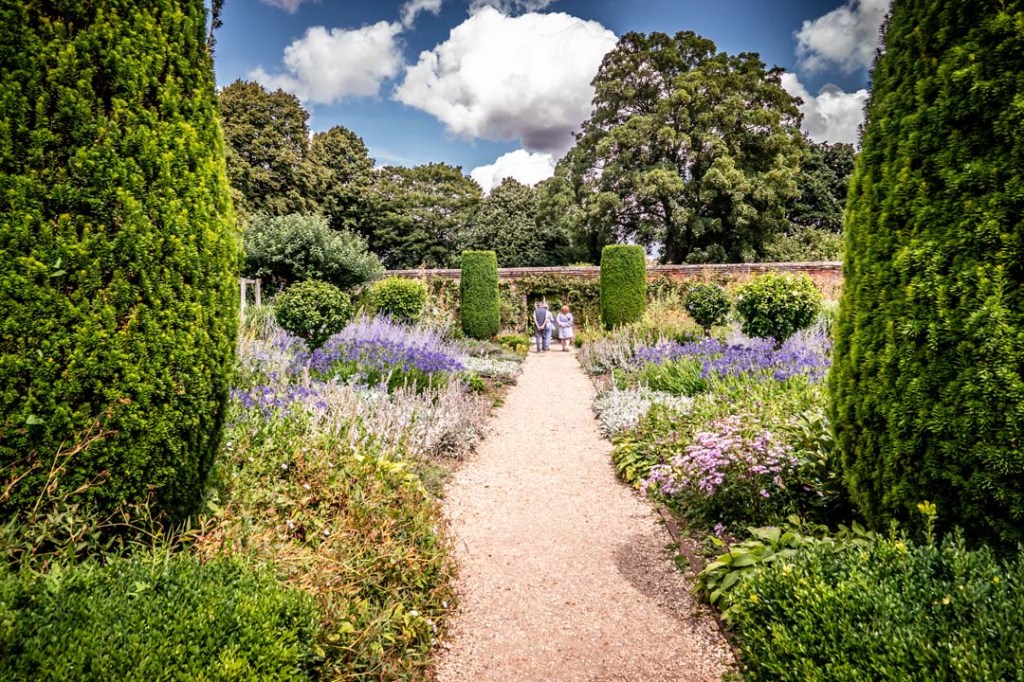
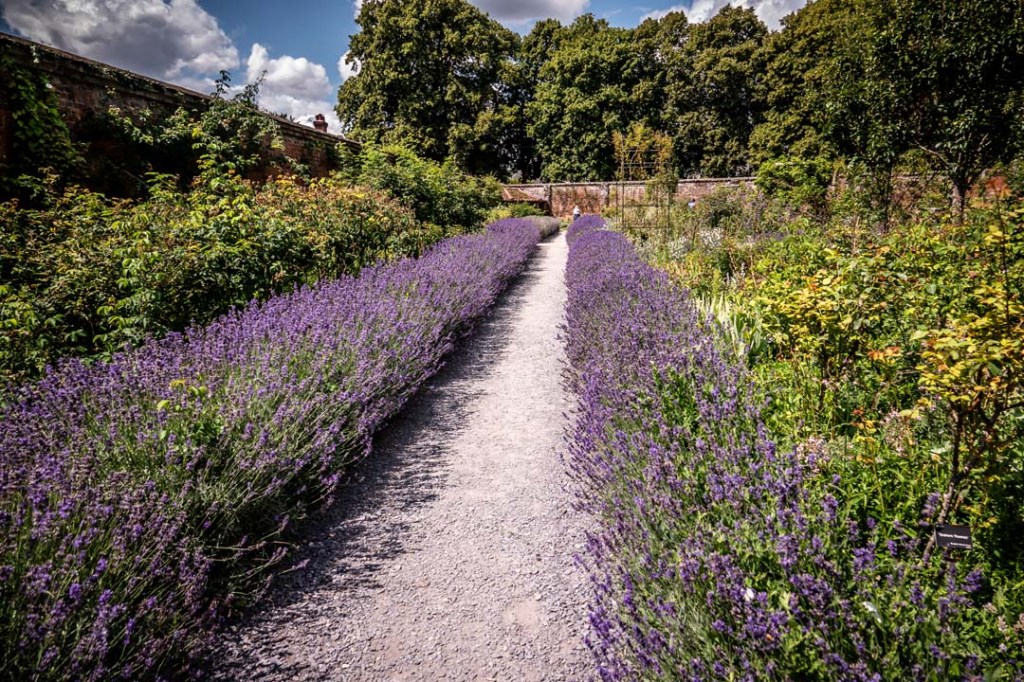
The butterflies were taken at Exbury Gardens near Beaulieu and in the gardens at the National Trust property of Mottisfont near Romsey. The swallows were taken when I had a spare moment at Beaulieu.
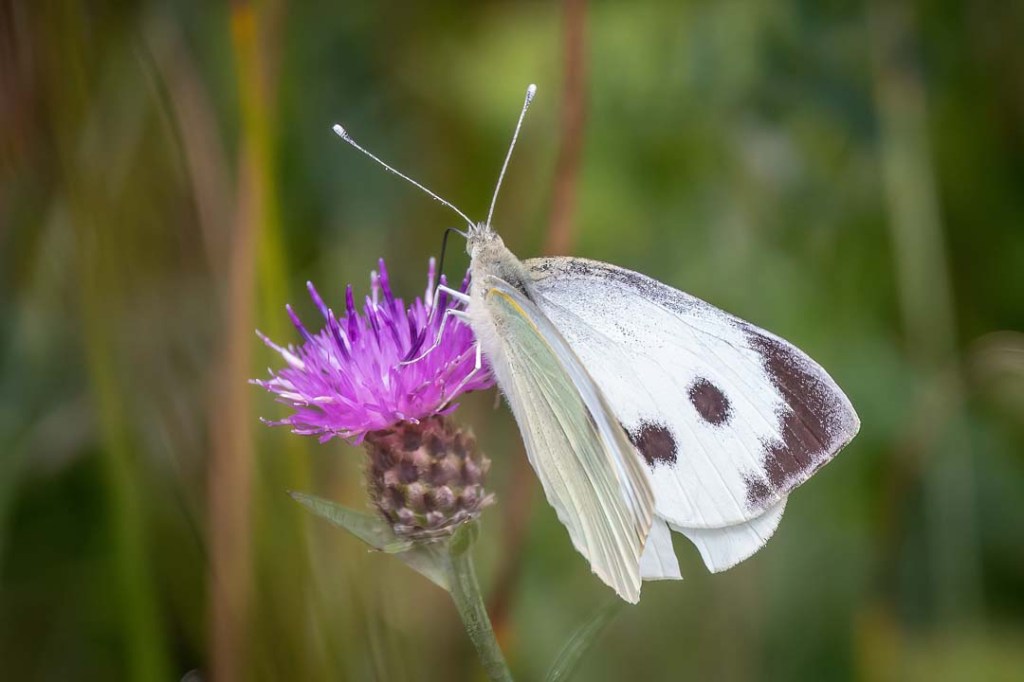
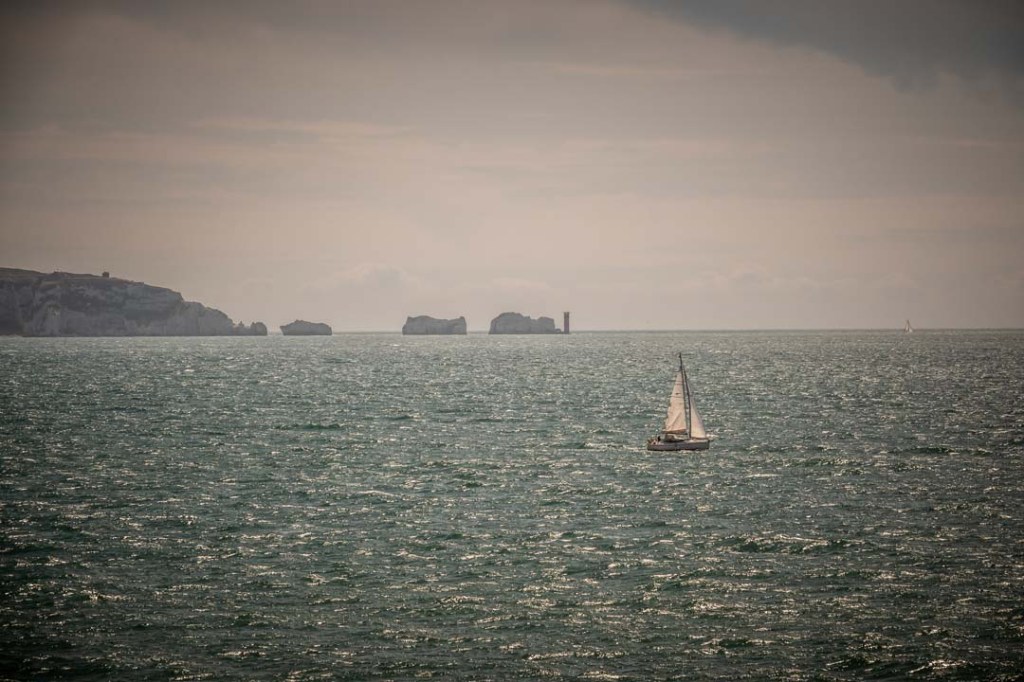
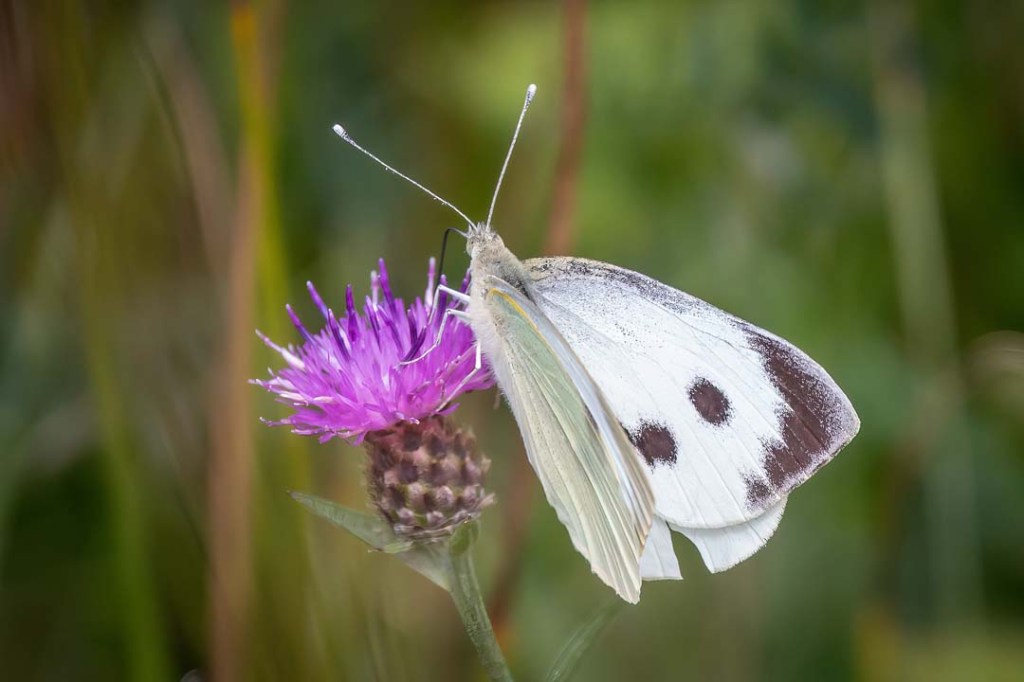
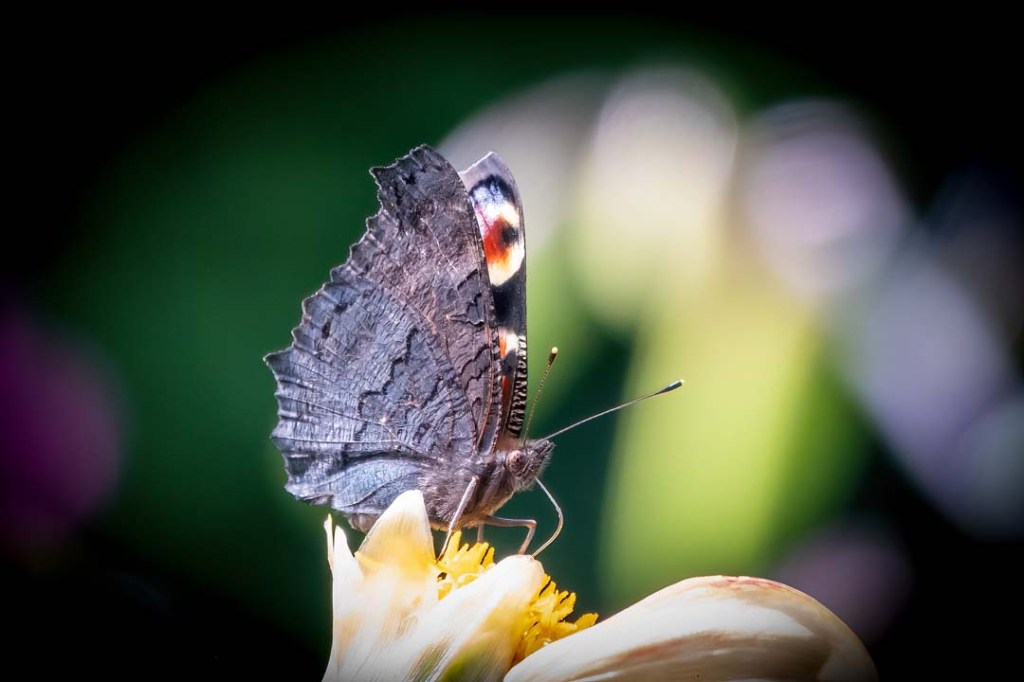
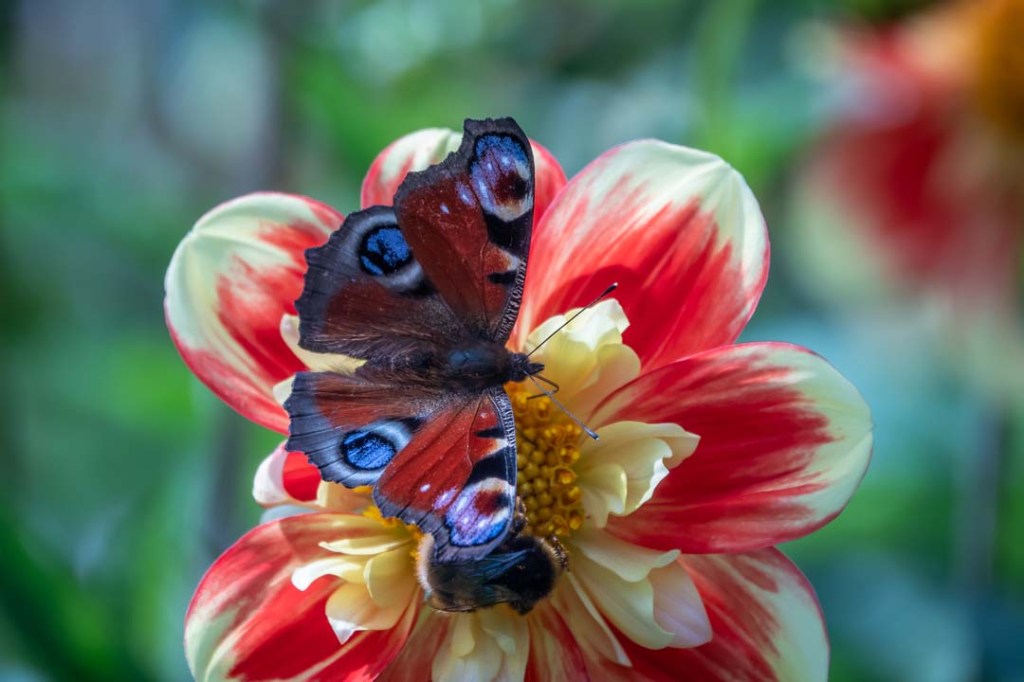
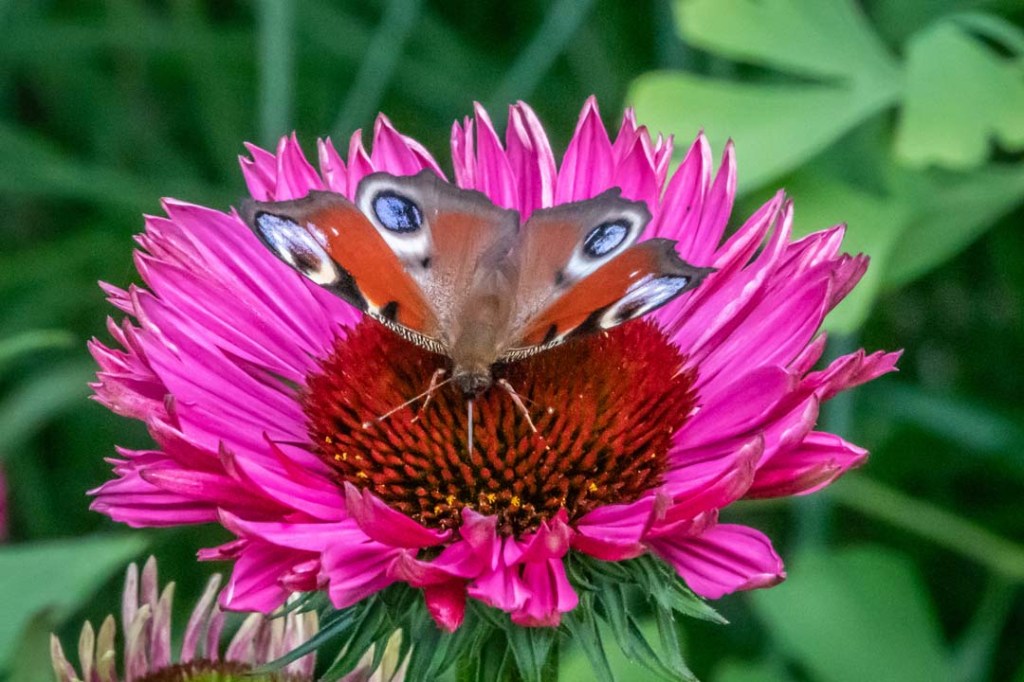
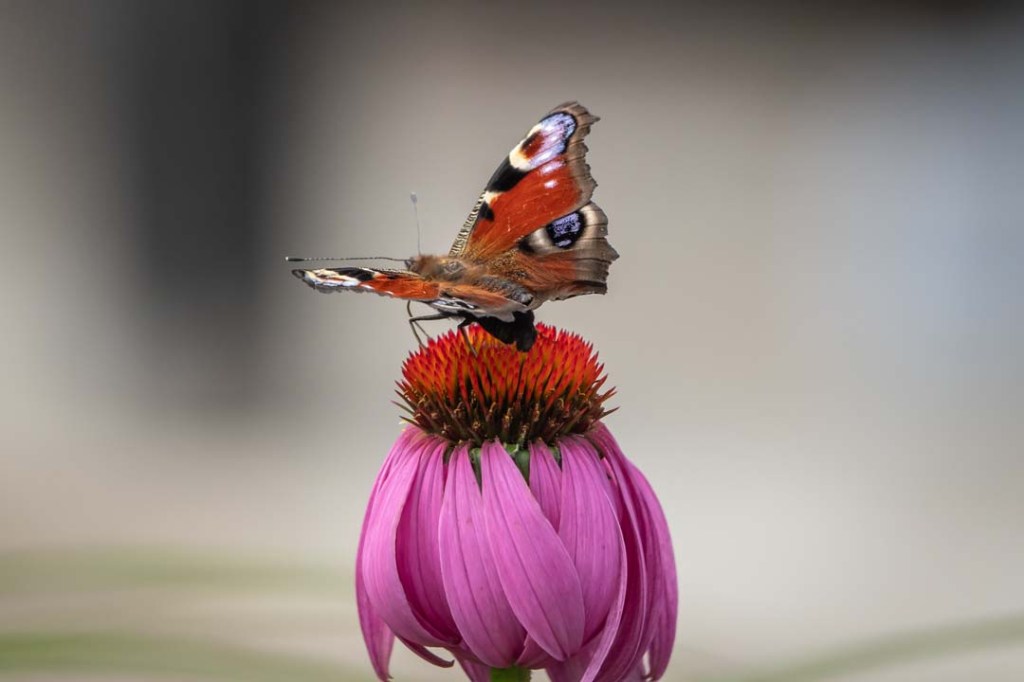
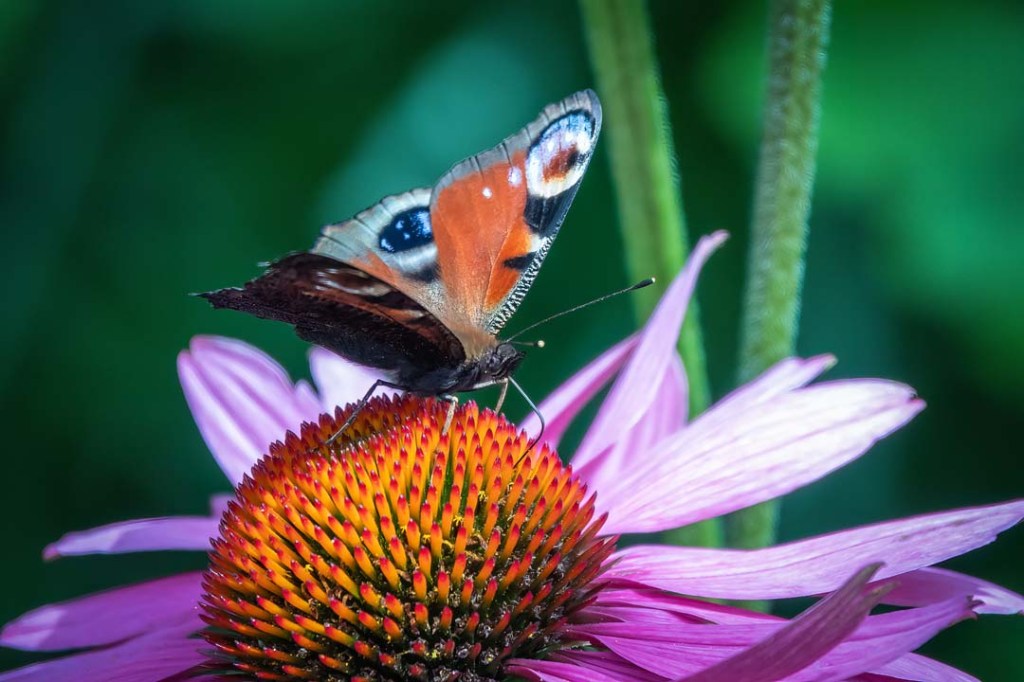
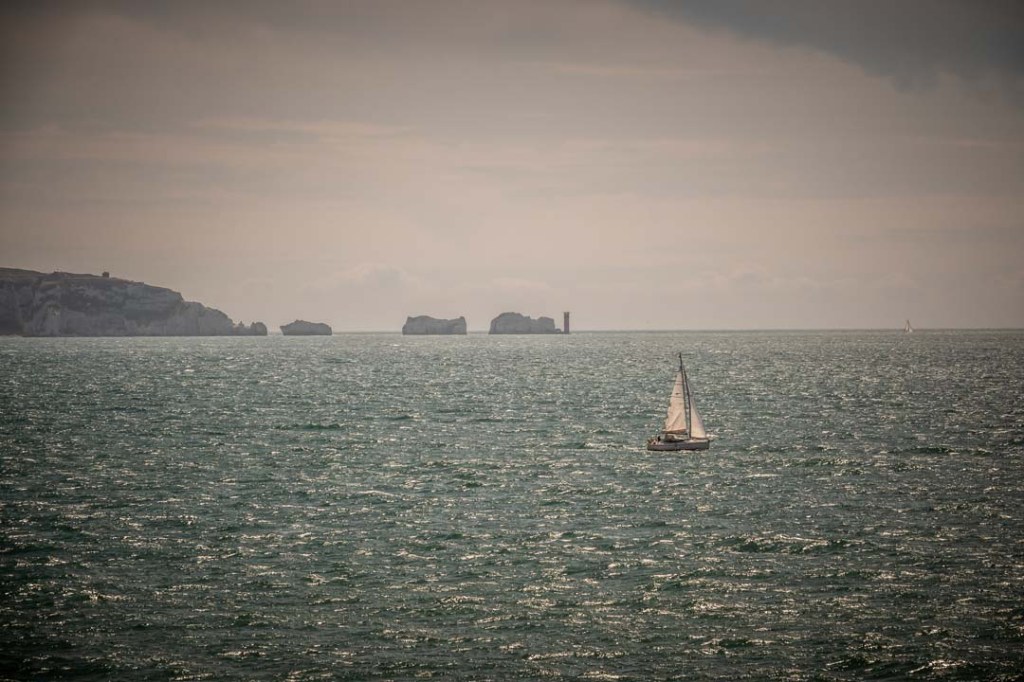
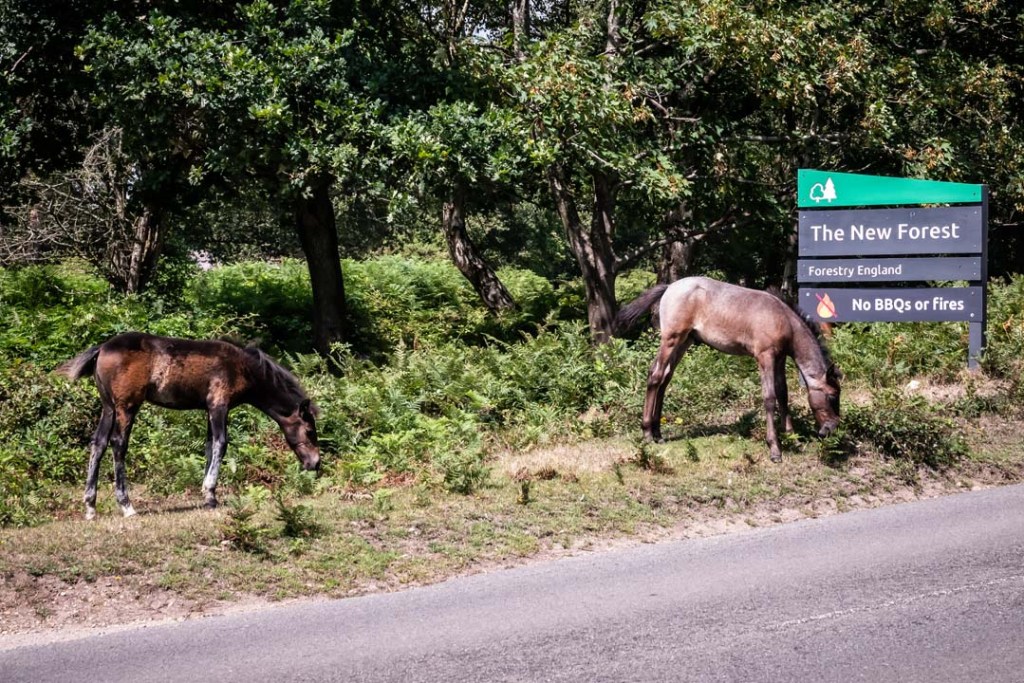
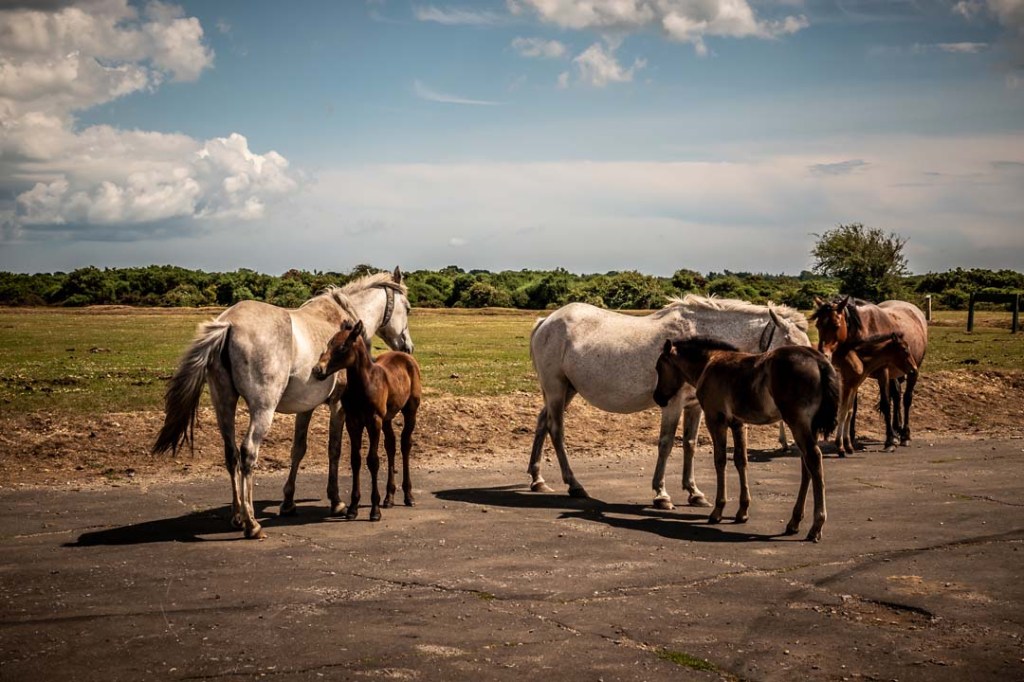
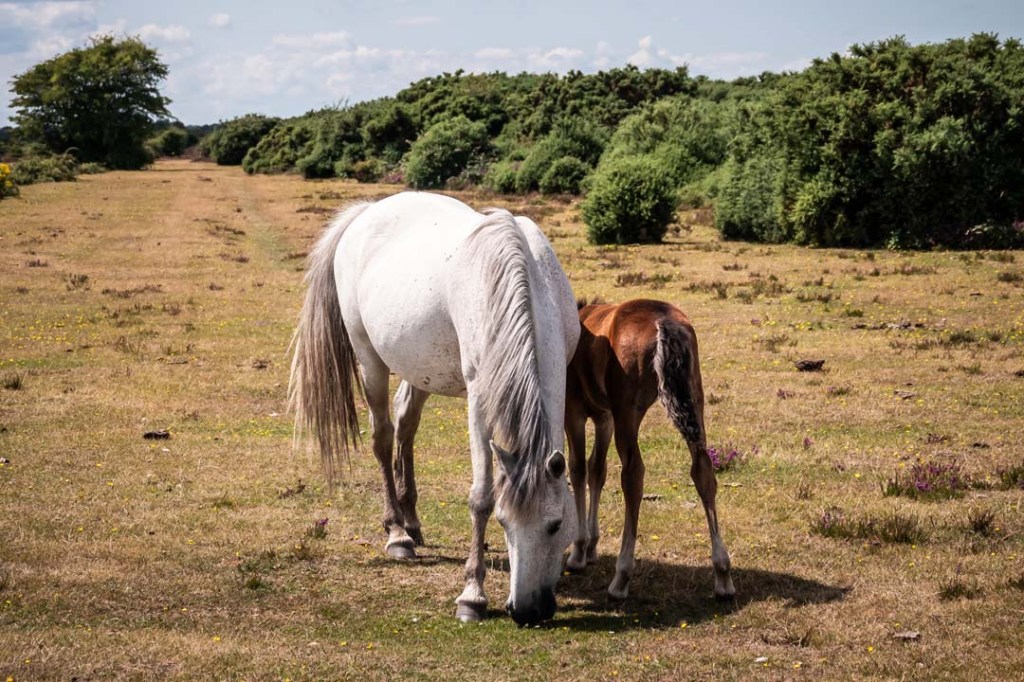
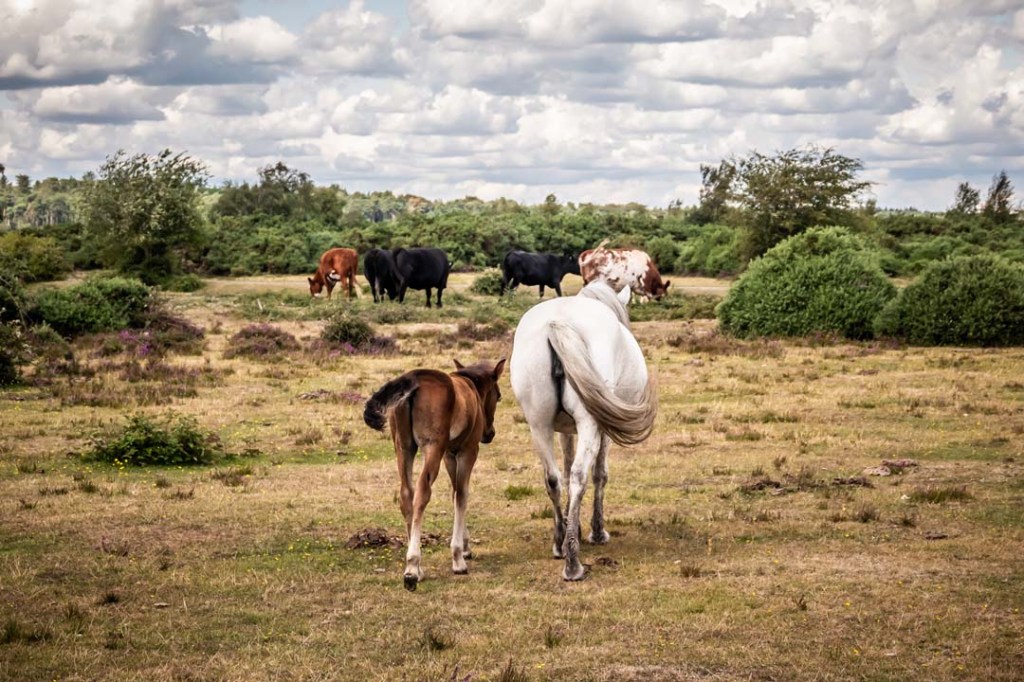
This section of the gardens at Exbury was great for butterflies and bees. Gatekeeper in the meadows at Exbury GardensLarge White butterfly at ExburyPeacock butterfly on Echinacea at Exbury GardensBee on Echinacea at ExburyA moth on thistles at ExburyPuffins at Keyhaven opposite the Isle of Wight – no, just wishful thinkingThe Needles off the Isle of Wight from Milford on SeaPonies in The New ForestPonies in The New ForestPonies and cattle in The New ForestSwallow at Beaulieu Swallow performing acrobatics at BeaulieuSwallow hunting fliesMottisfontBrimstone butterflies on sweat peas in the wonderful walled gardens at Mottisfont
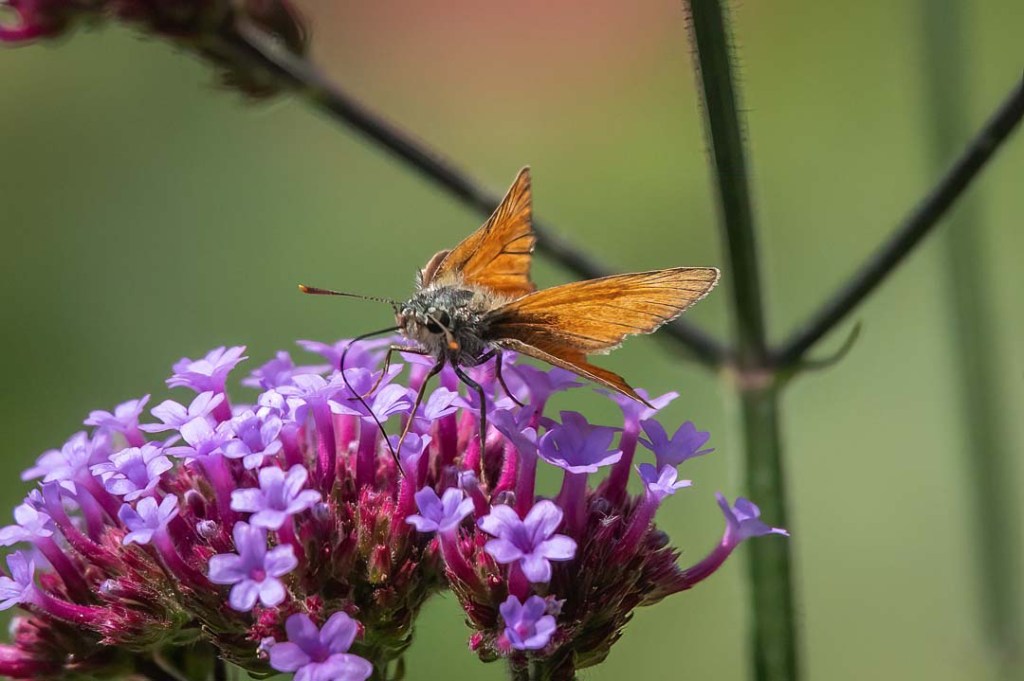
Large skipper butterfly on verbena at MottisfontRed Admiral butterfly at Mottisfont
Slideshow of some of my photos from The New Forest:
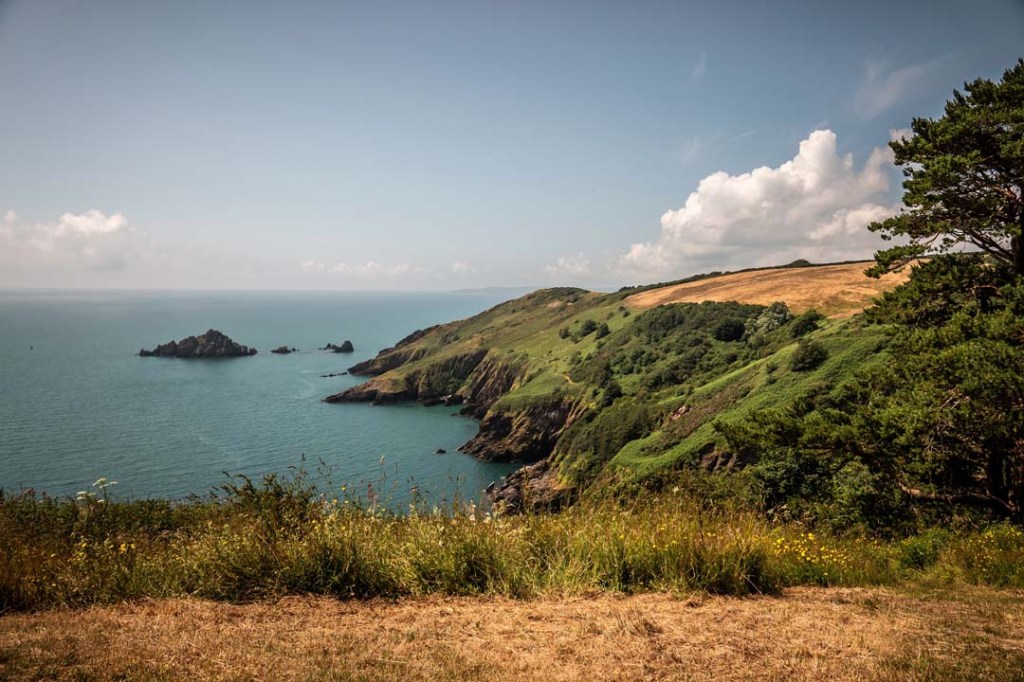
We have been on holiday in south Devon and, although not a birding holiday, there were a few opportunities to photograph some of the delights of nature at this time of the year.
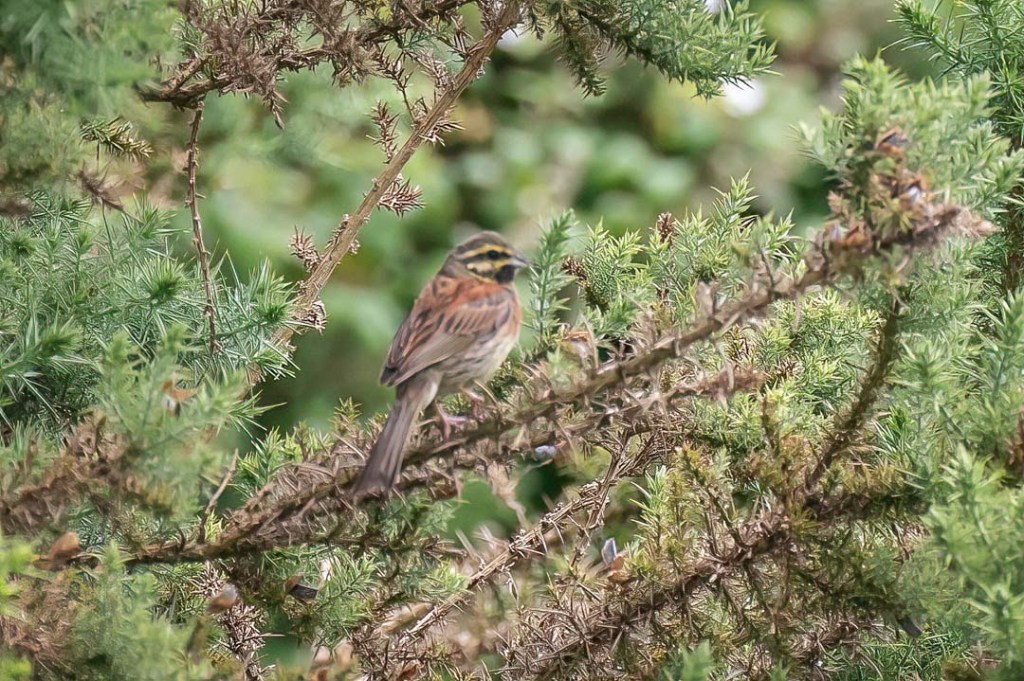
I suppose the most exciting moment was seeing a bird that I had never seen before – a cirl bunting.
The cirl (pronounced sirl) bunting is a small finch-like bird which is a close relative of the yellowhammer.
Cirl buntings were once widespread and common across much of southern England, but in recent years, they have become rare and only found in south Devon, mostly confined to coastal farmland between Plymouth and Exeter.
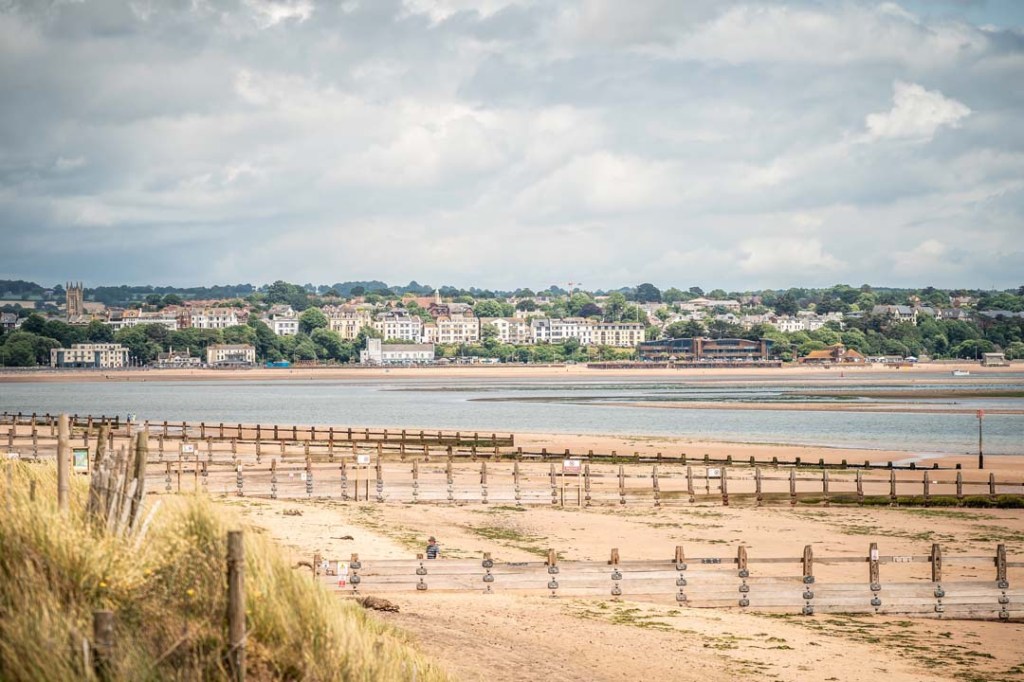
We saw the cirl bunting on a visit to Dawlish Warren Nature Reserve and, although we saw three of them, it was such a fleeting moment which might explain why I have published an out-of-focus photo of the male as my headline photo.
Cirl bunting
The Dawlish Warren website has this to say about the reserve:
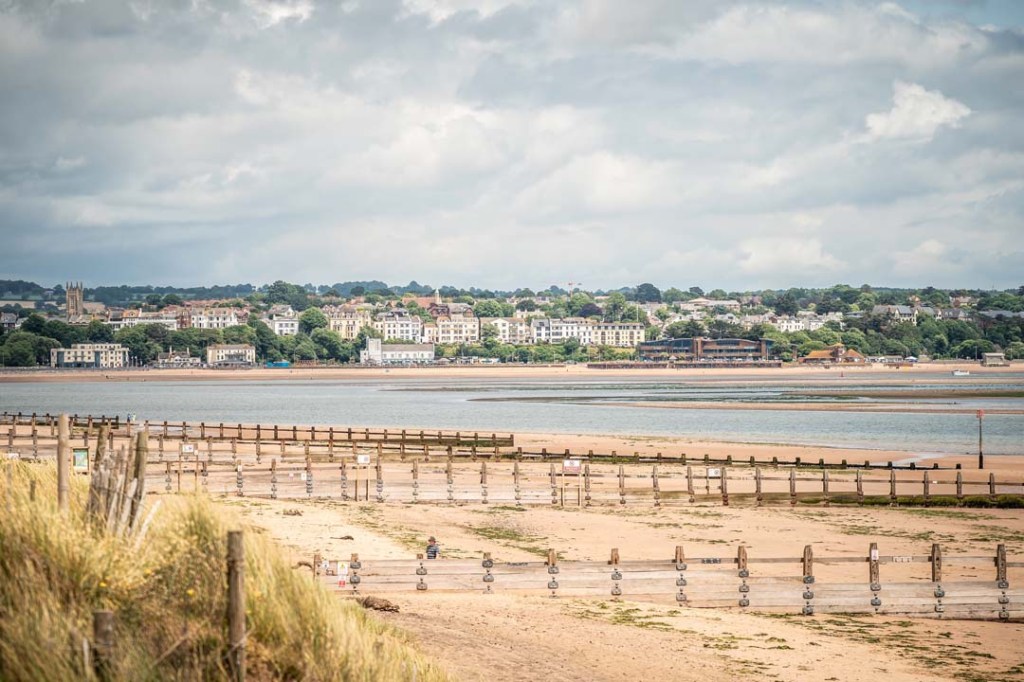
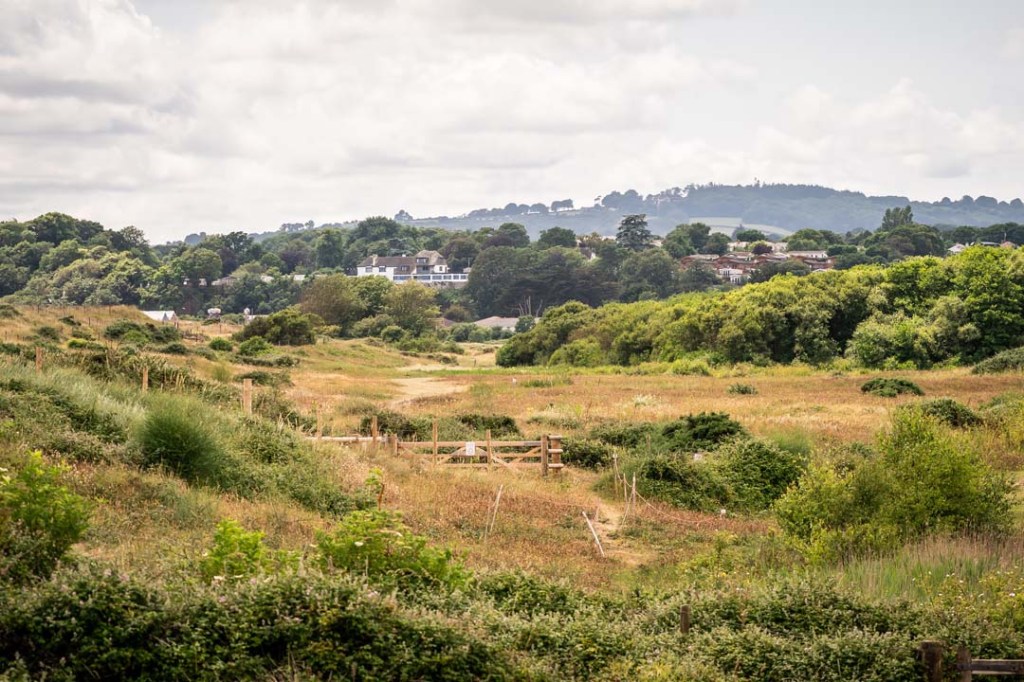
“Dawlish Warren National Nature Reserve is an area of grassland, sand dunes, mudflats and centres on a 1½ mile long sandspit/beach across the mouth of the Exe Estuary. Dawlish Warren is an important holiday resort and is visited by thousands of people each year.
As part of the Exe Estuary it is one of the most important places for wildfowl and wading birds in the whole of the South West. Thousands of birds come to feed, on migration, or to spend the winter here.
The dunes and grassland have a host of special plants. Over 600 different types of flowering plants have been recorded on the Warren. This varied Reserve has many different habitats including salt marsh, fresh water ponds, wet meadows and woodland.
The Warren is so important that it is protected for its wildlife by both national and international law.”
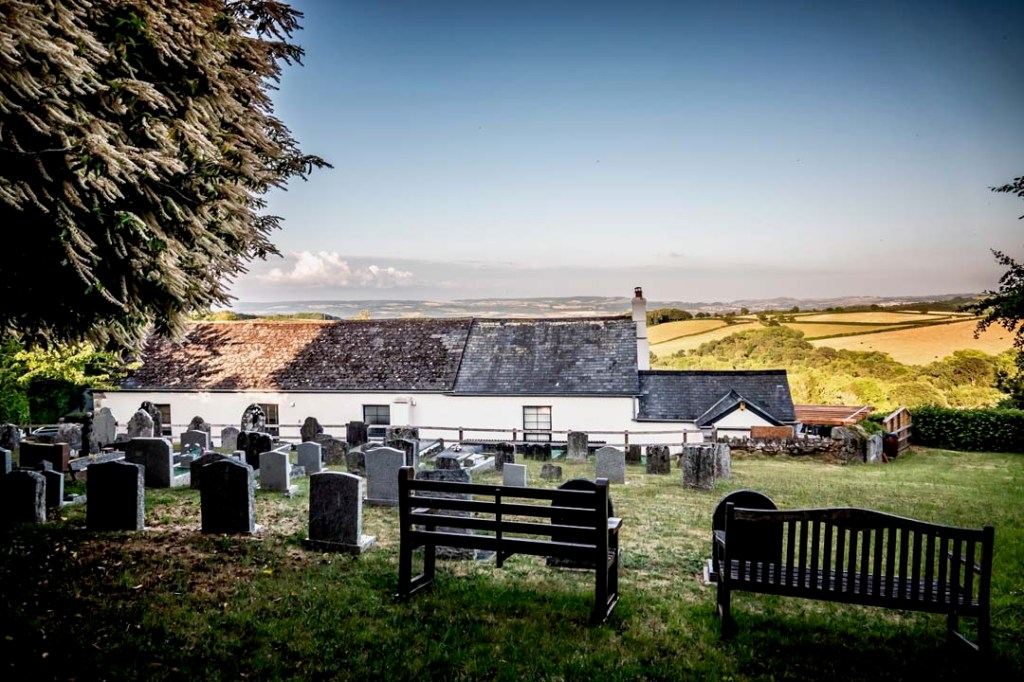
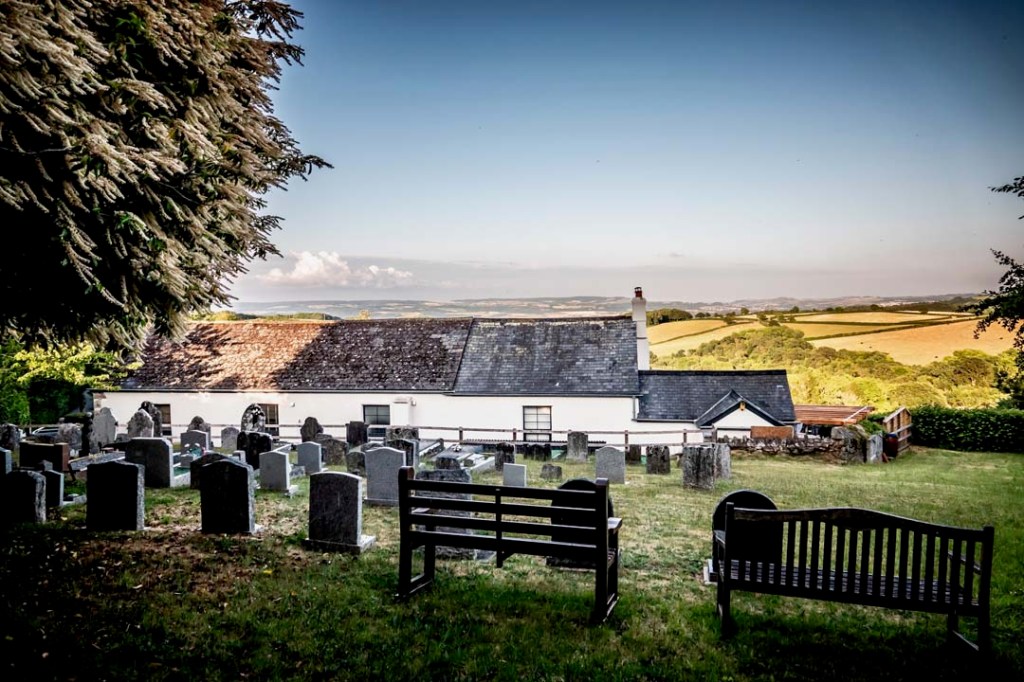
In Devon we were staying in a converted Wesleyan Chapel on the edge of Dartmoor which was well situated to visit Dartmoor, other nature reserves (Stover Country Park and Slapton Ley) and visit a few National Trust properties (Coleton Fishacre, Compton Castle and Castle Drago) with magnificent gardens which were at their very best at this time of the year.
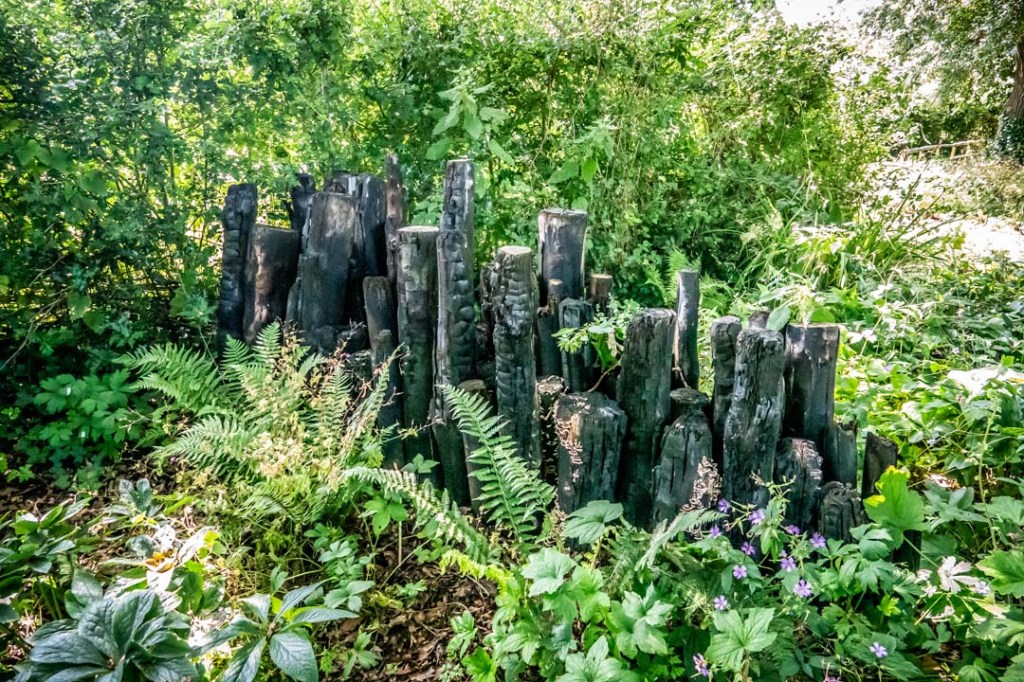
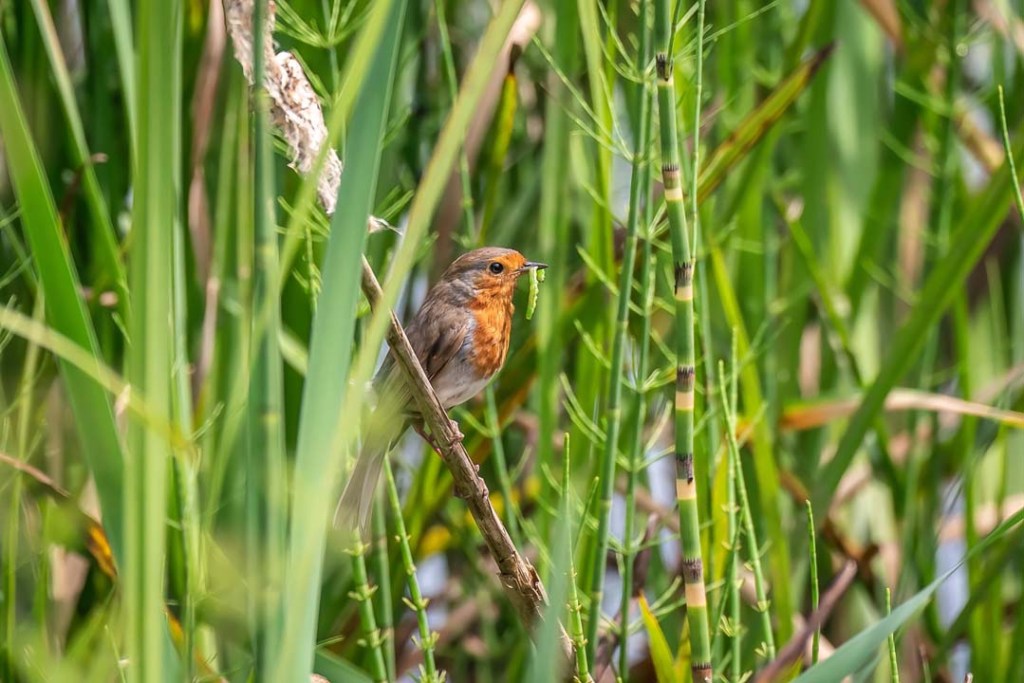
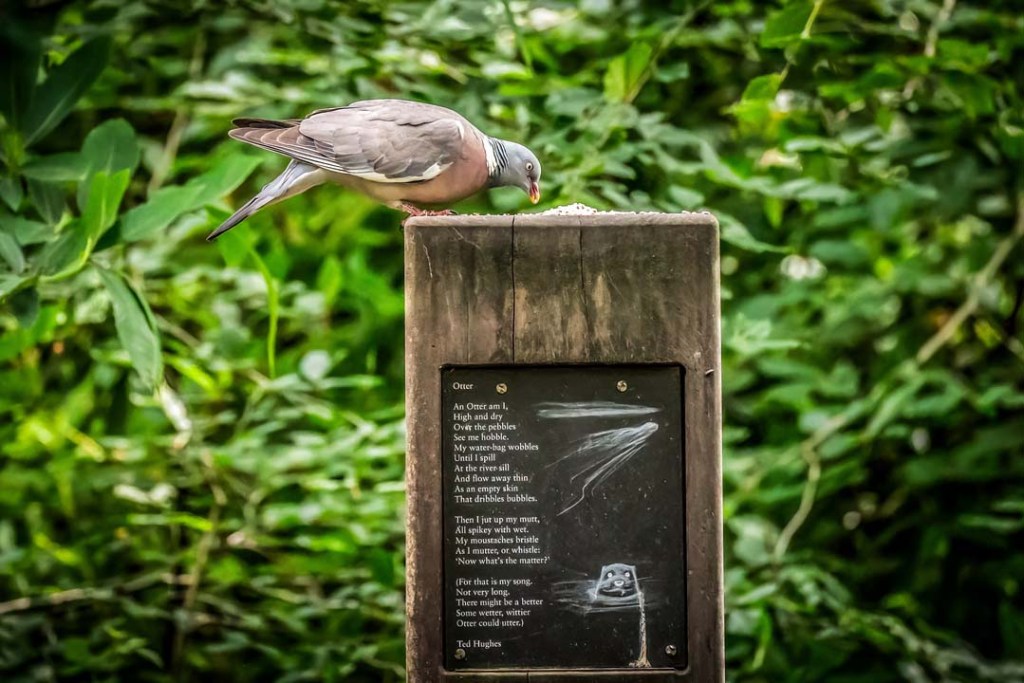
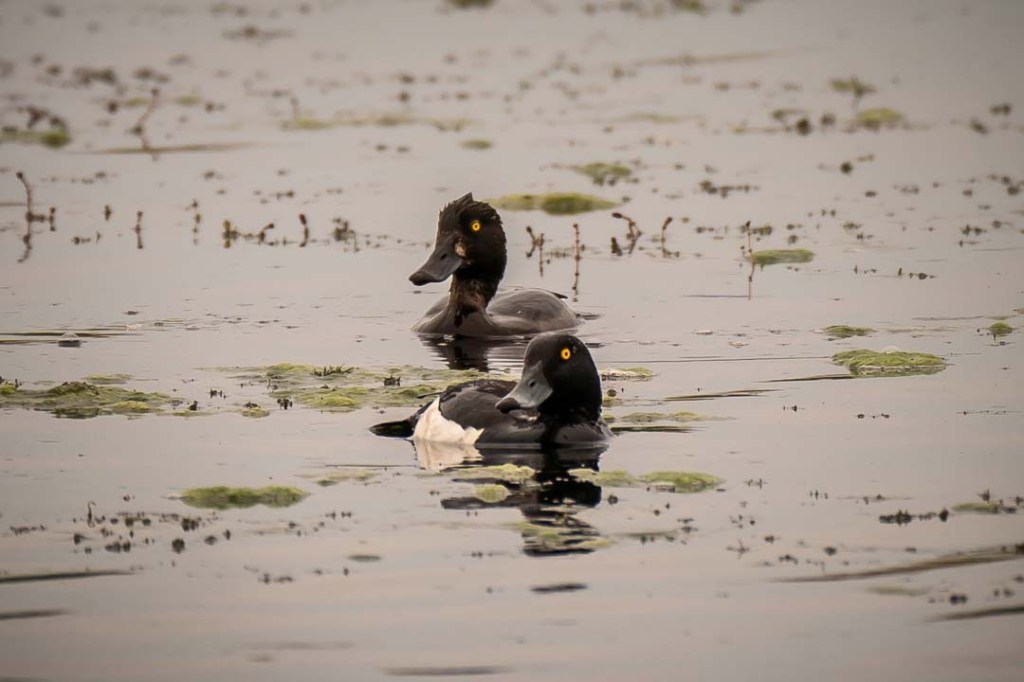
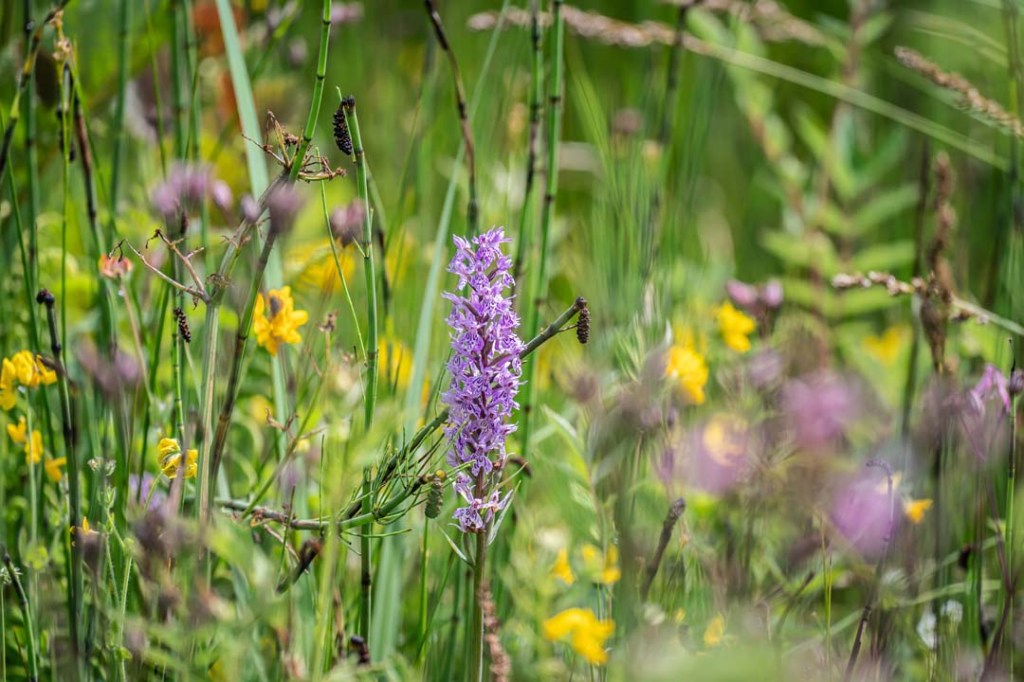
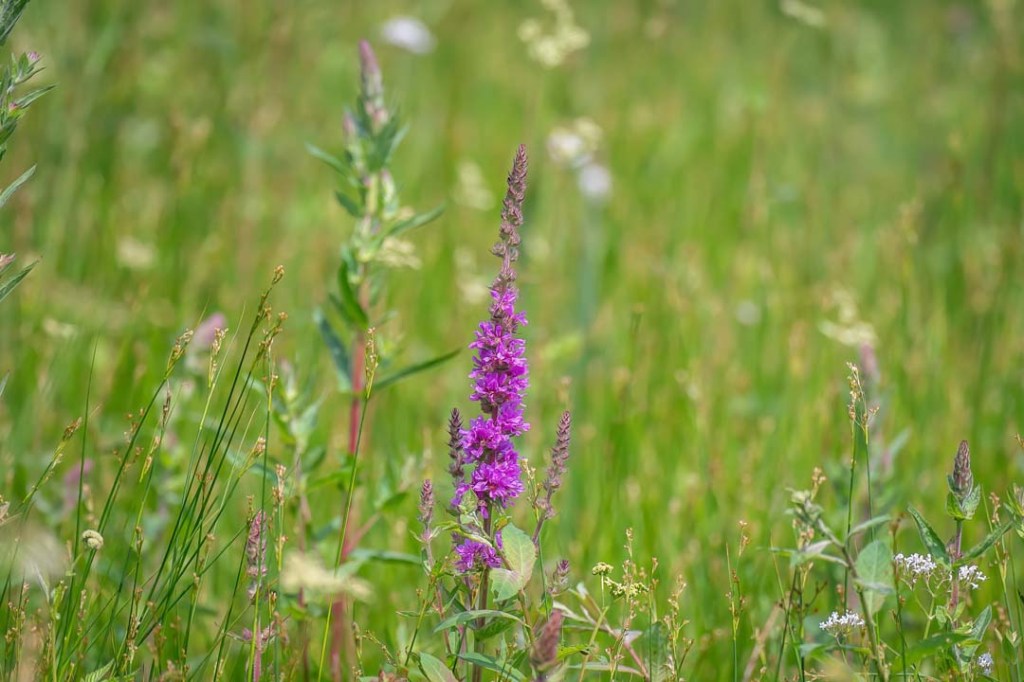
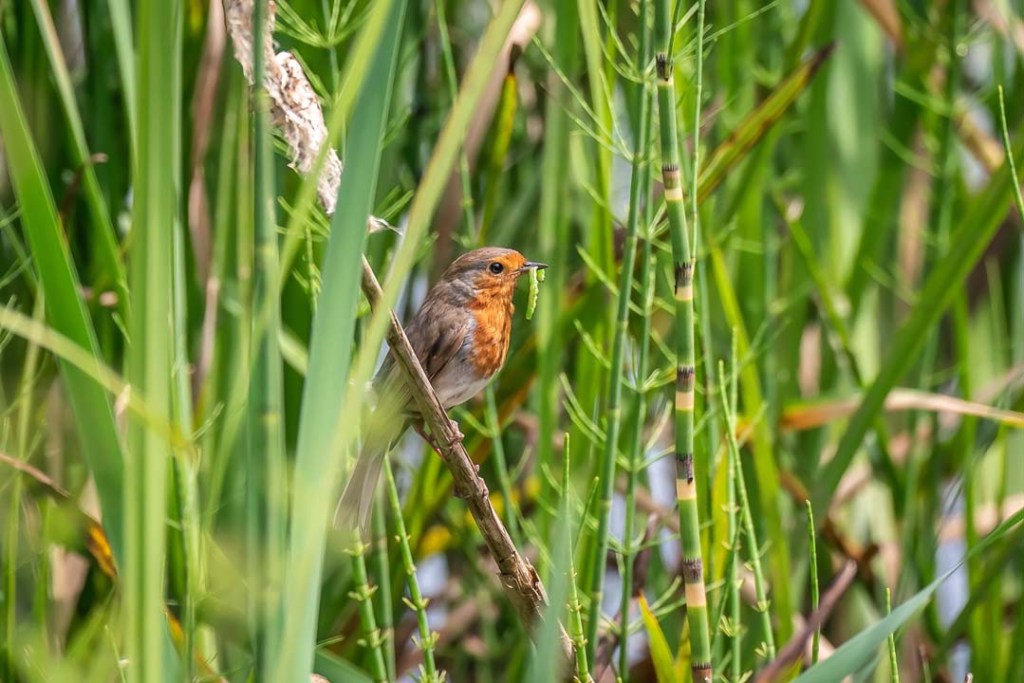
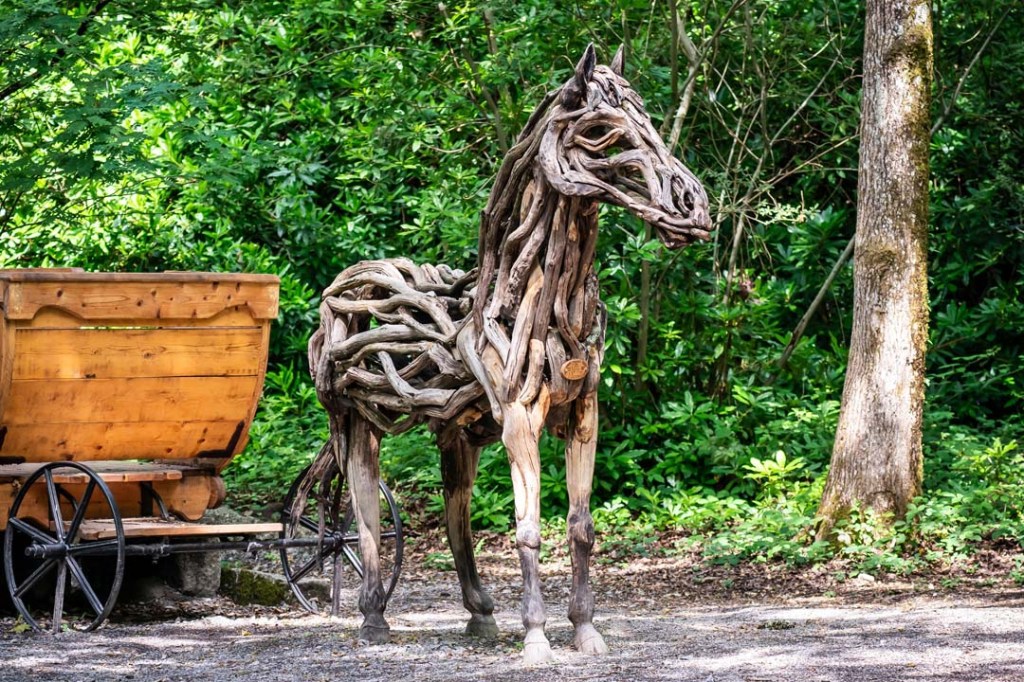
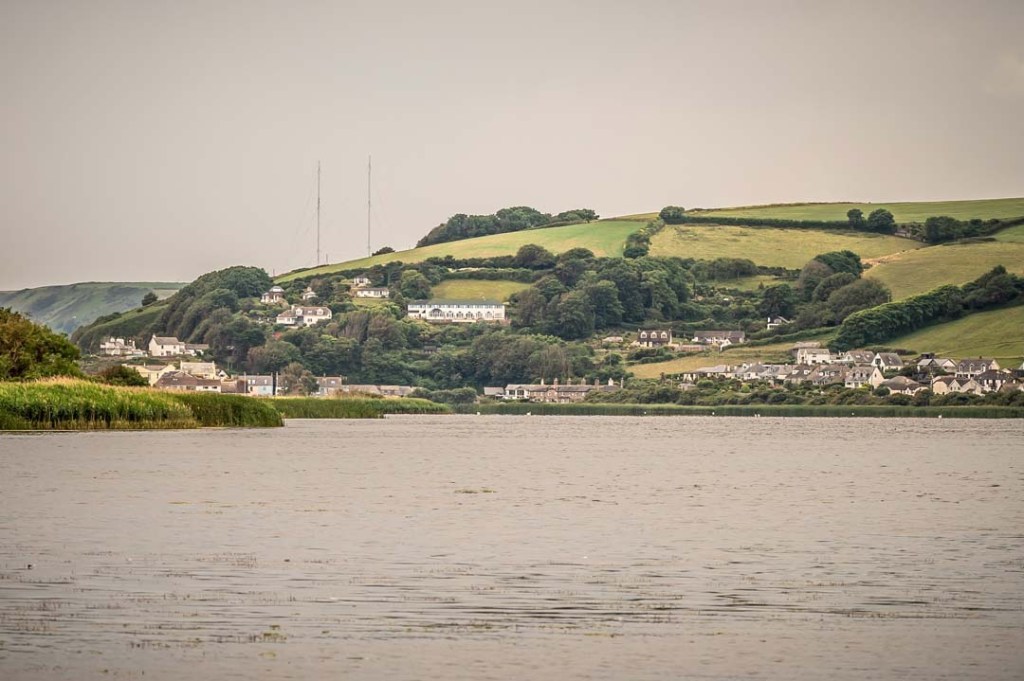
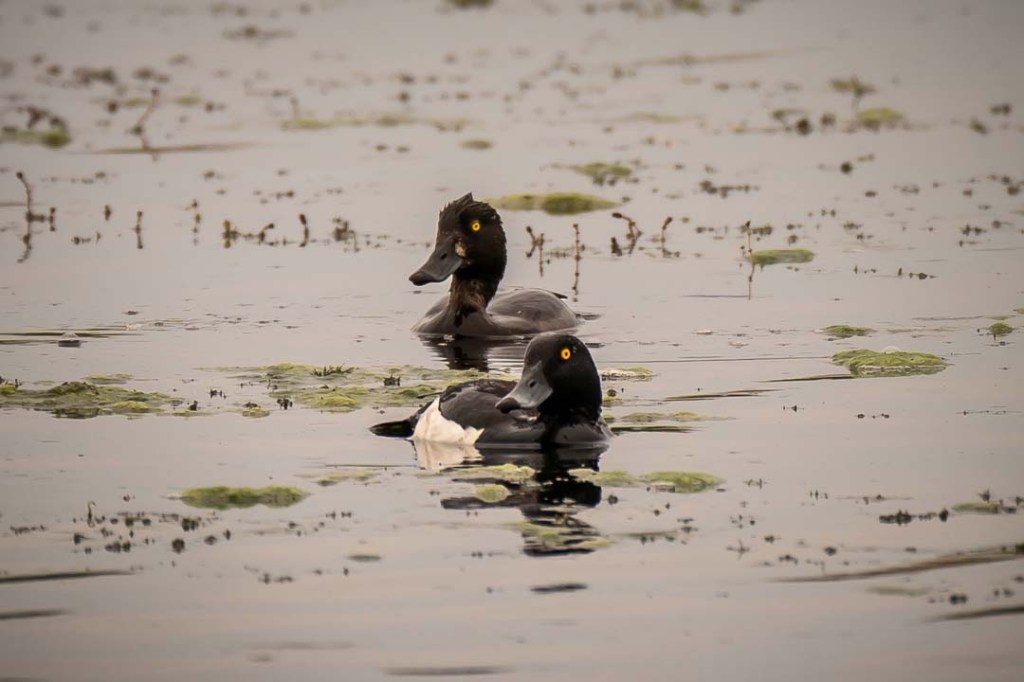
The Wesleyan Chapel with views across the rolling hills of DevonGreat Crested Grebe surrounded by flies at Stover Country ParkCommon spotted orchid at Stover Country ParkPurple loosestrife at Stover Country ParkThere was always a robin to greet us at every venue we visited but this one (at Stover Country Park) had its mind on other mattersThe squirrels at Stover Country Park were amazingly tameThere was an interesting Ted Hughes (the poet) trail at Stover Country ParkDriftwood sculpture at Stover Country ParkA dull morning at Slapton LeyTufted ducks at Slaton Ley
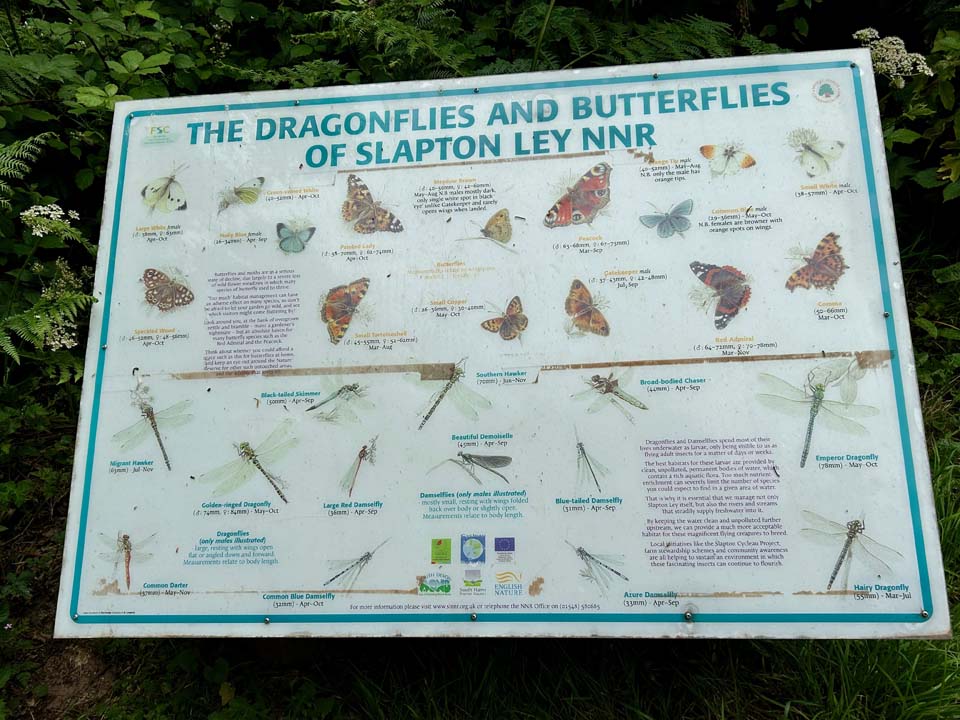
We had really nice weather all week except one morning when we visited Slapton Ley. We did get good views of reed warblers, bullfinches and a few tufted ducks but it should have been a great place to see dragonflies and butterflies. However, it was too early on a grey day to have any joy.
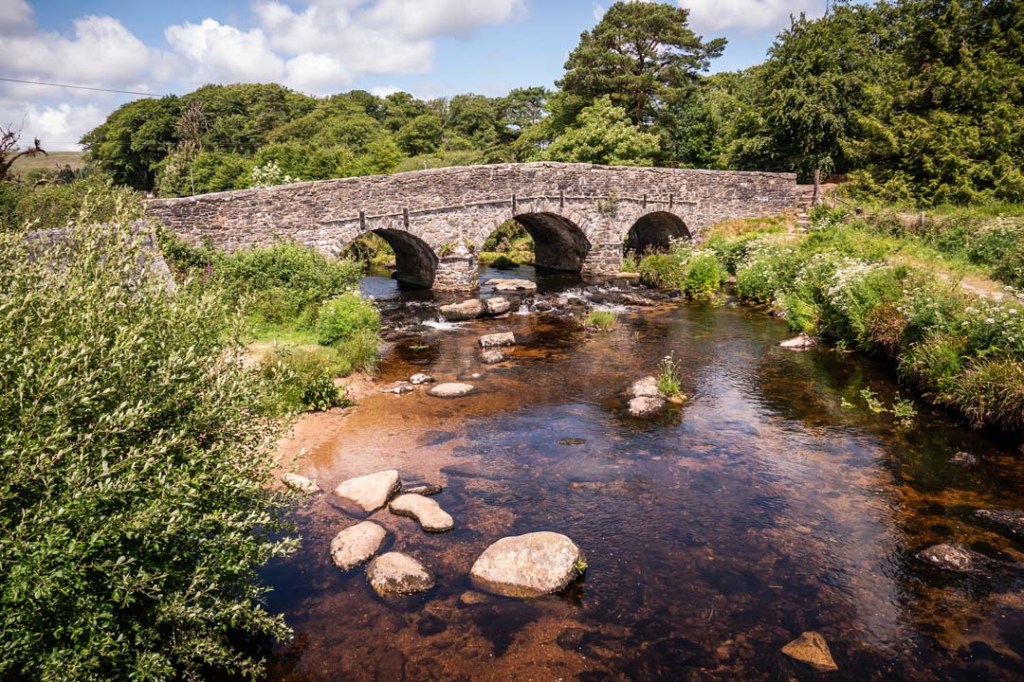
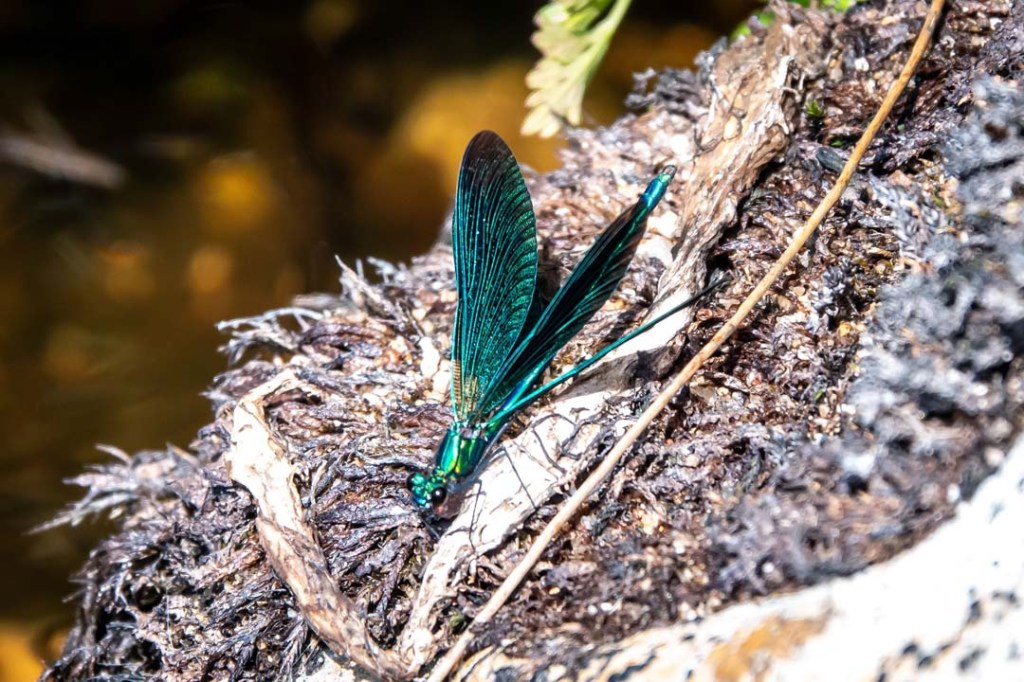
We were luckier with dragonflies and damselflies when visiting Two Bridges on Dartmoor.
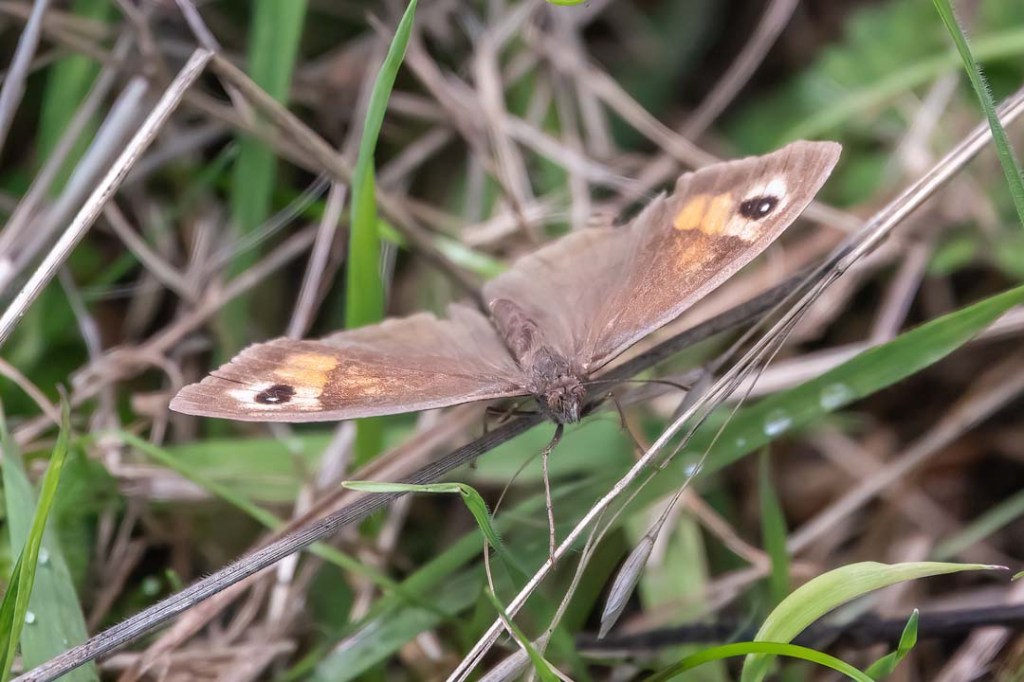
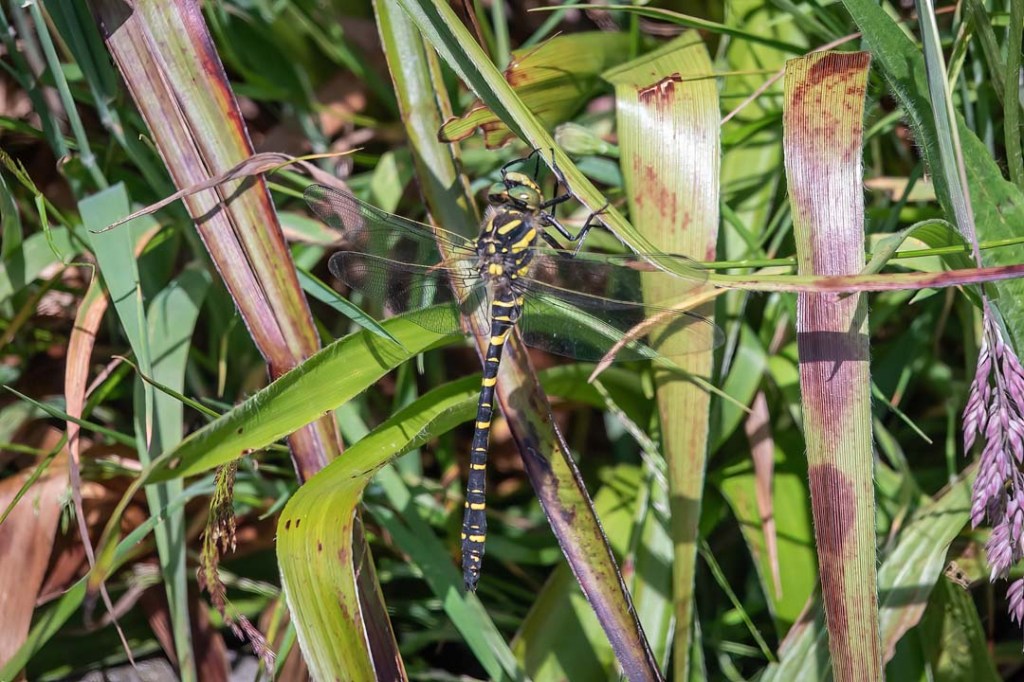
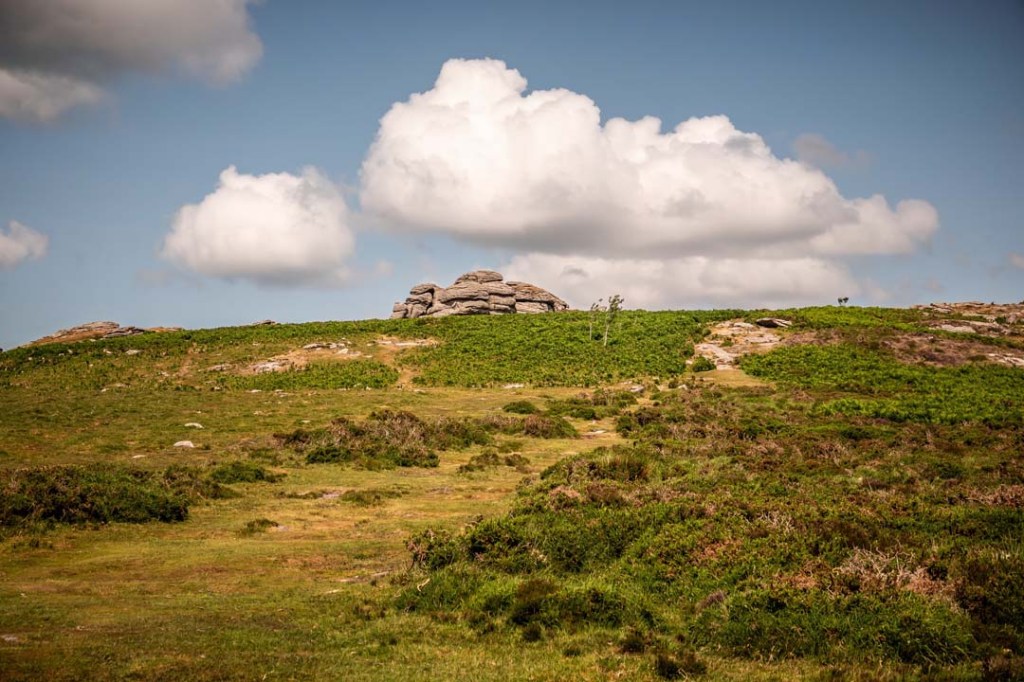
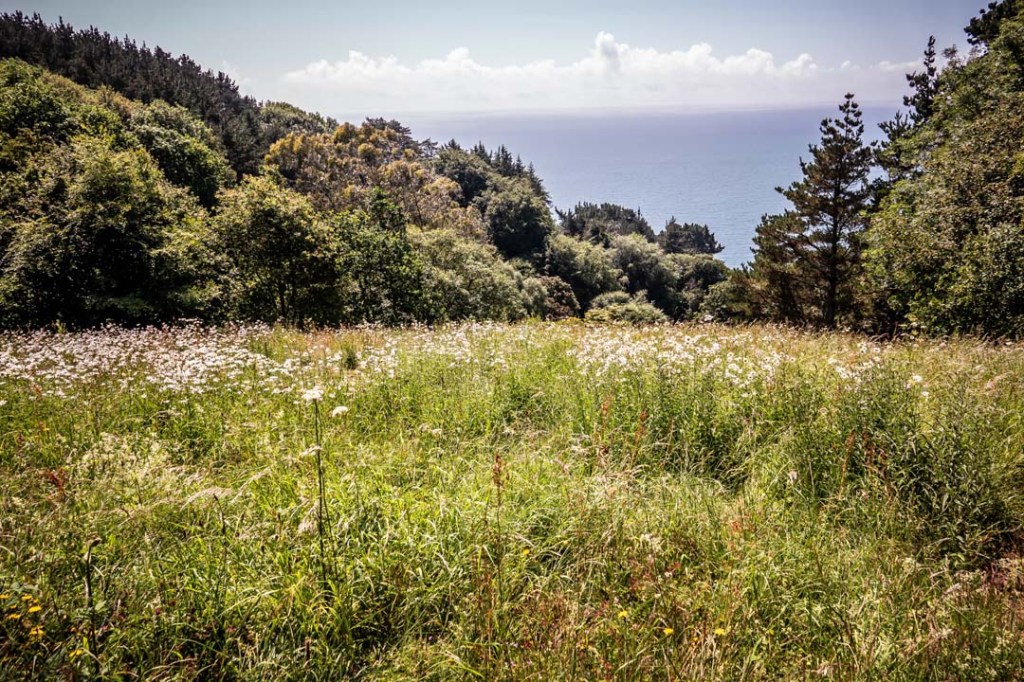
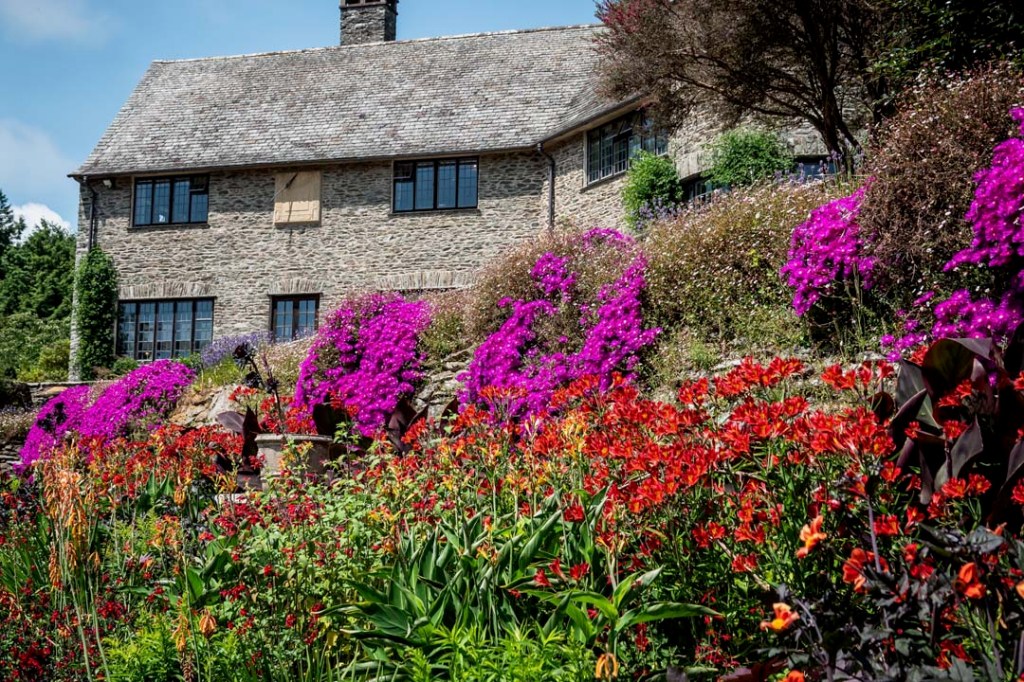
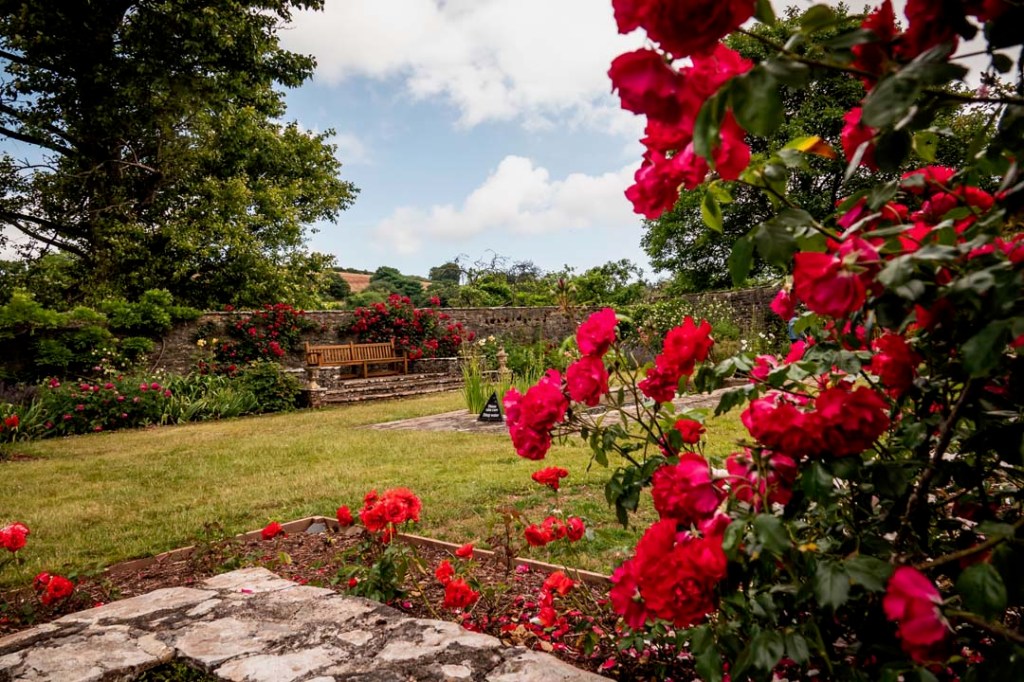
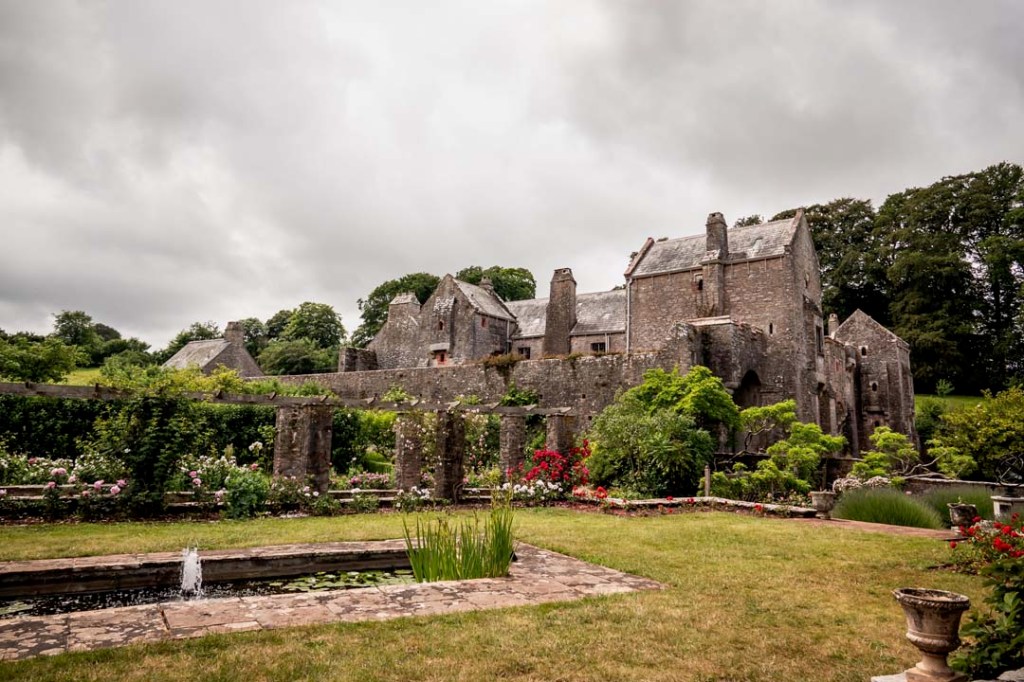
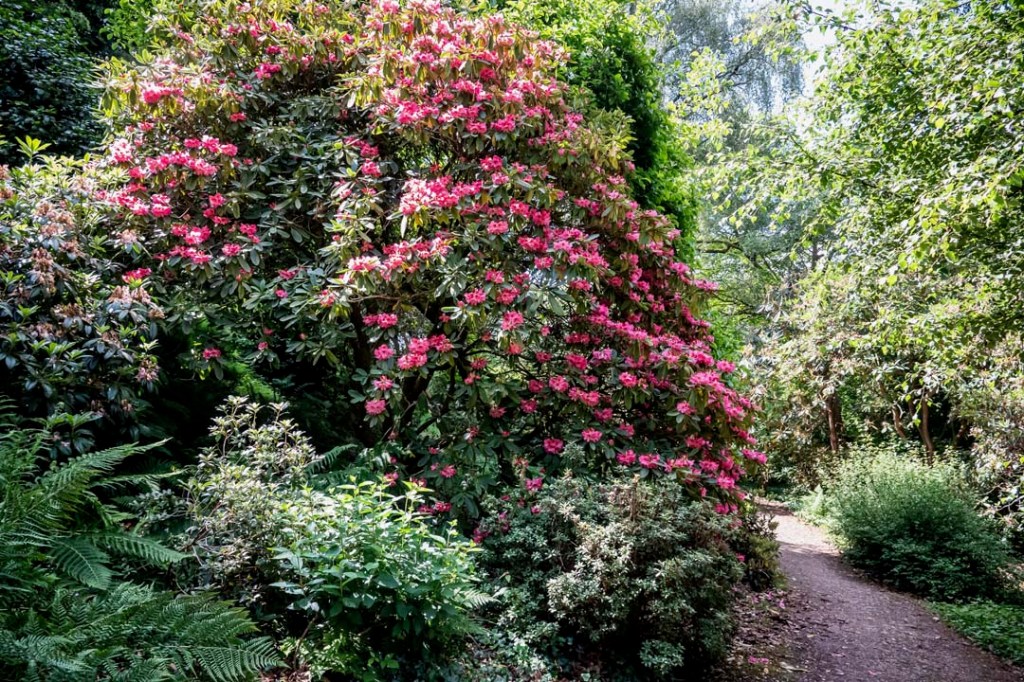
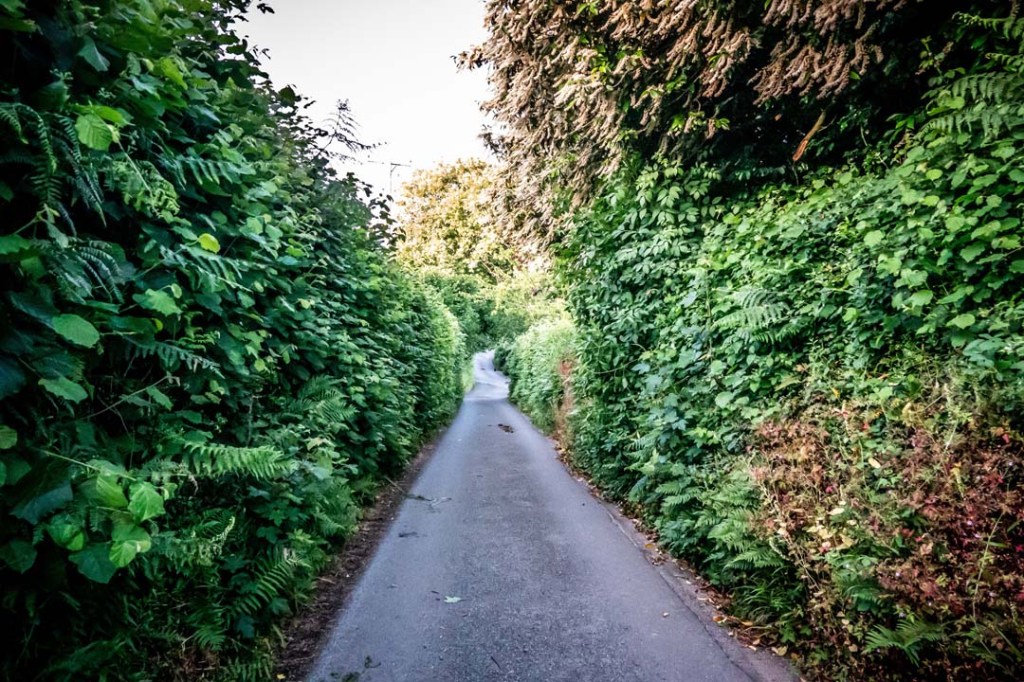
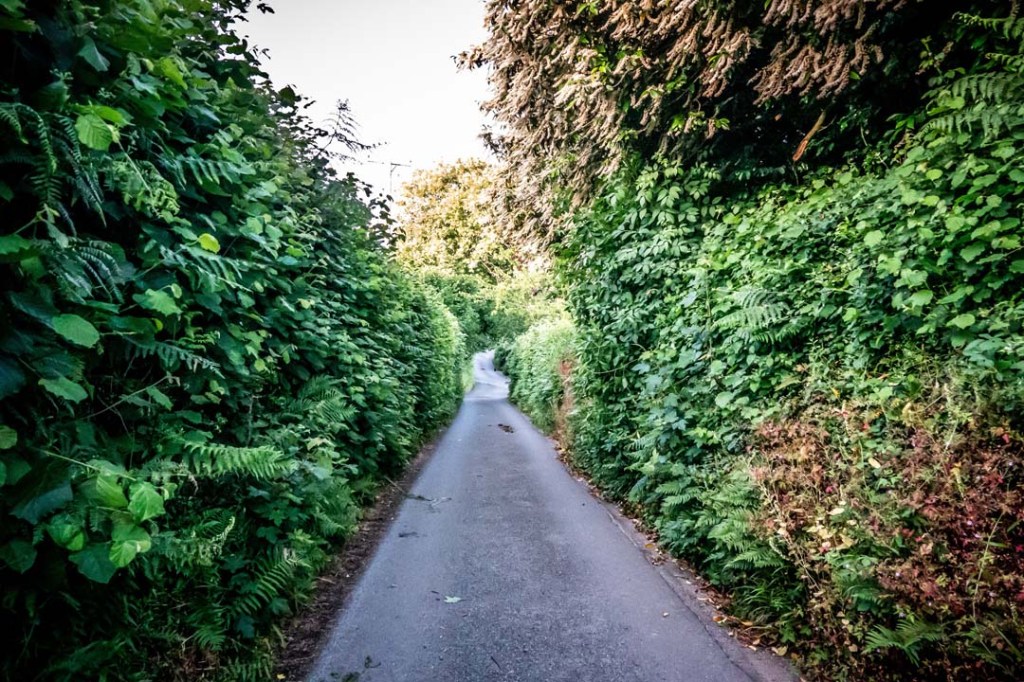
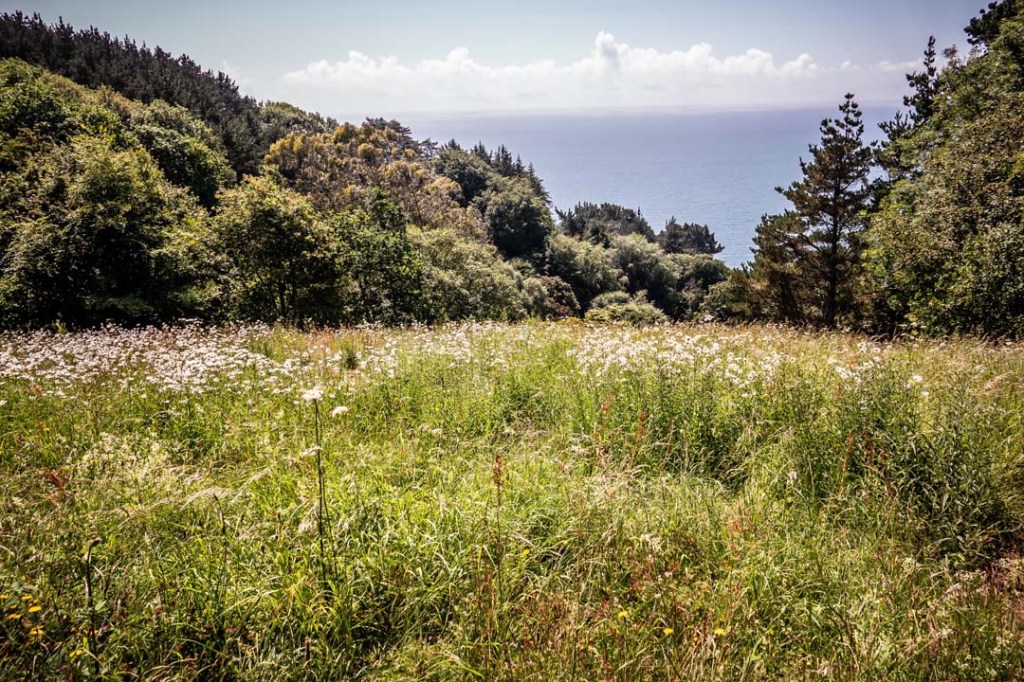
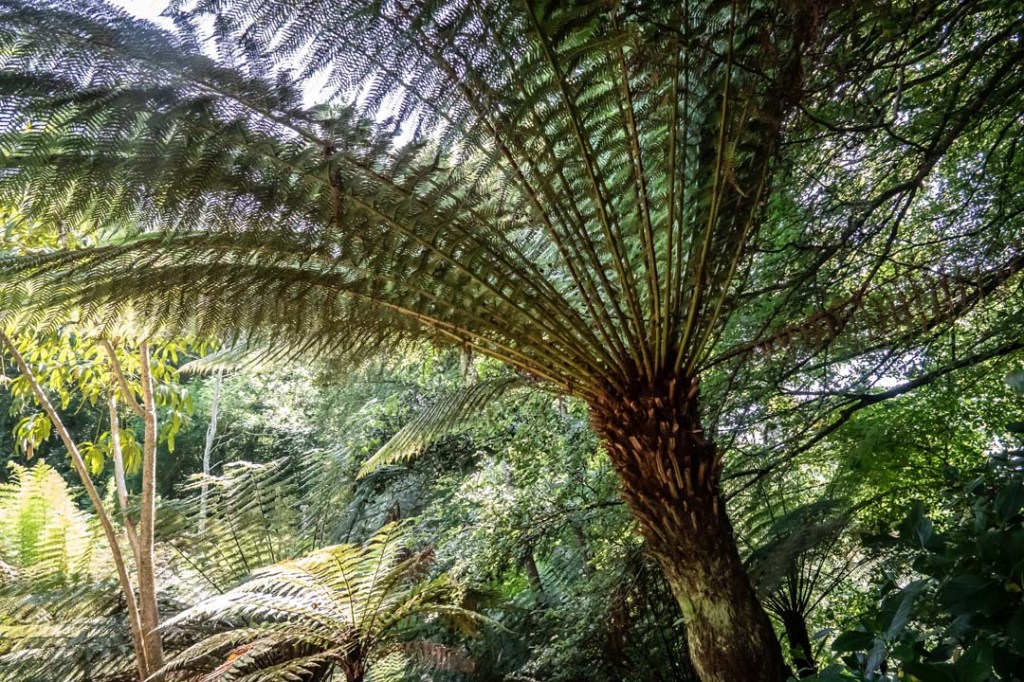
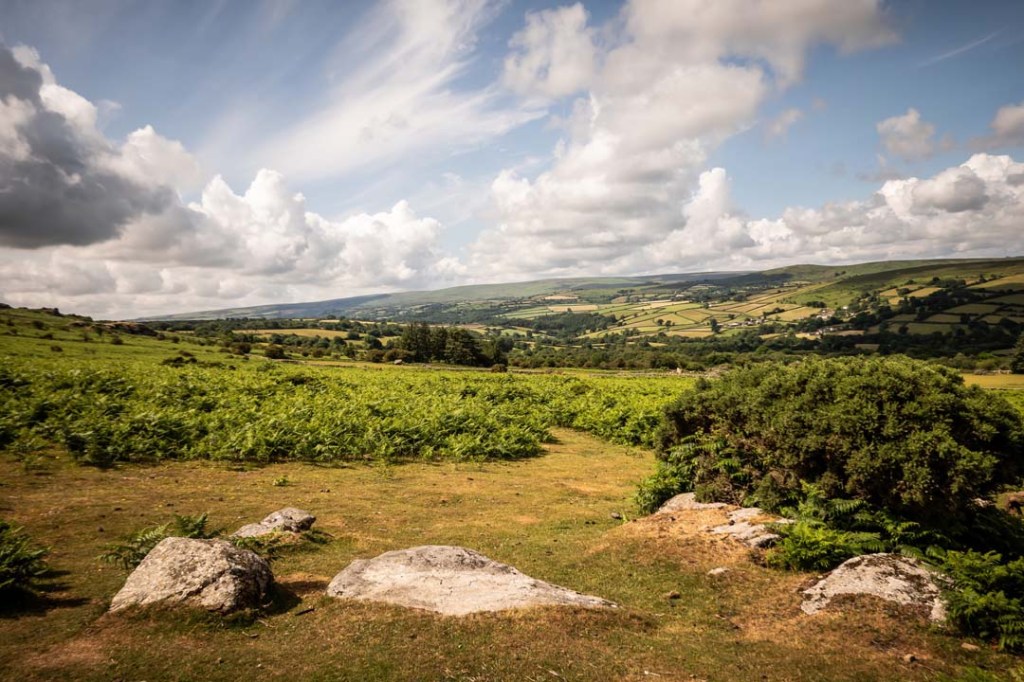
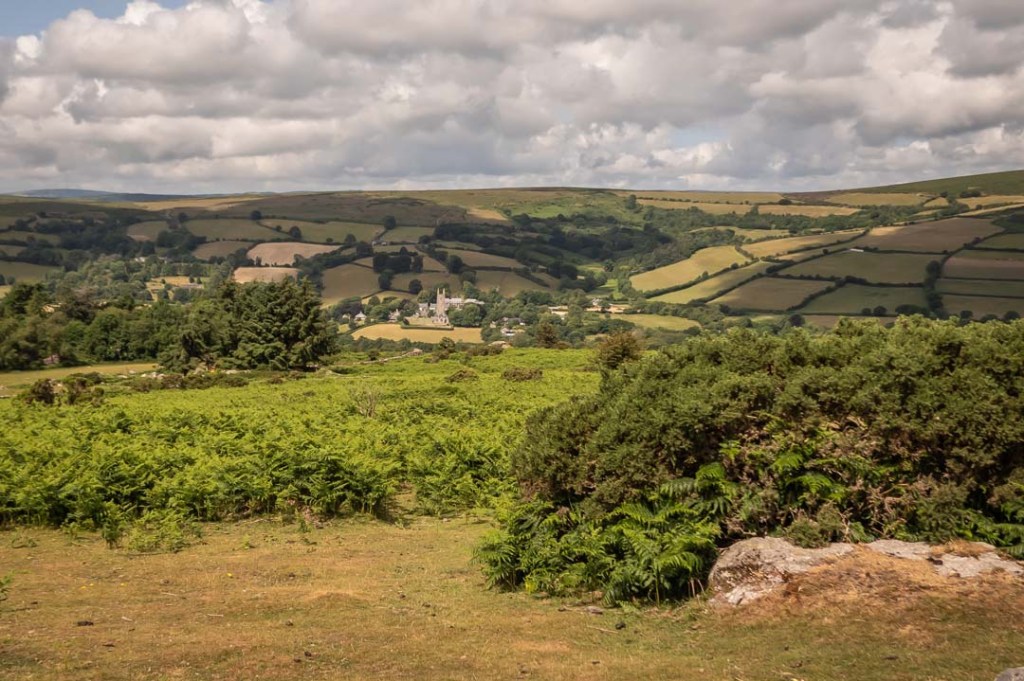
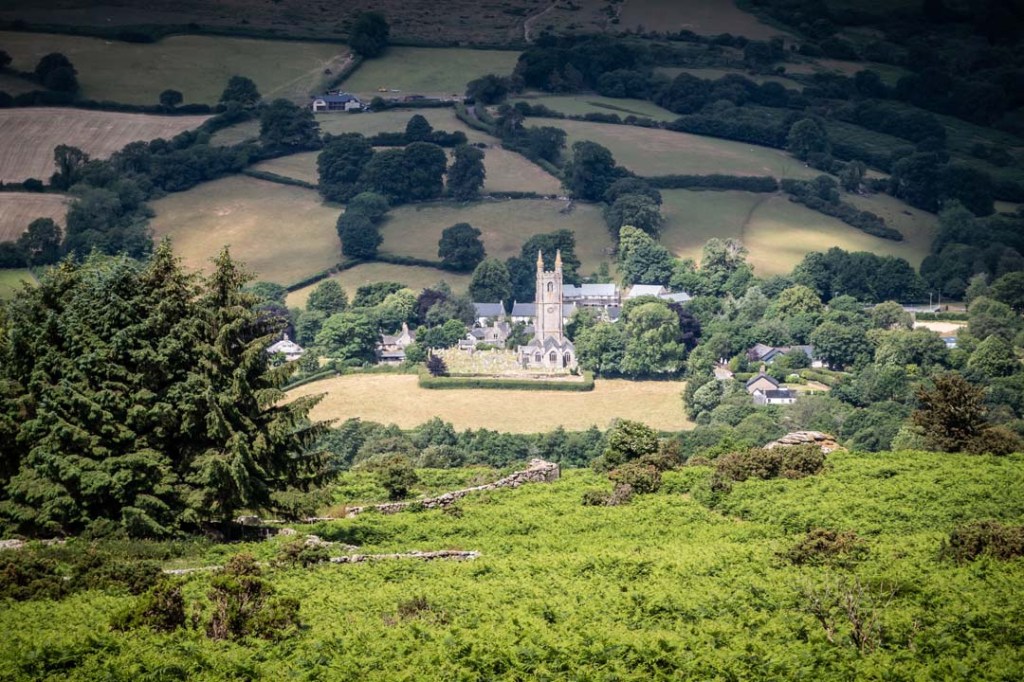
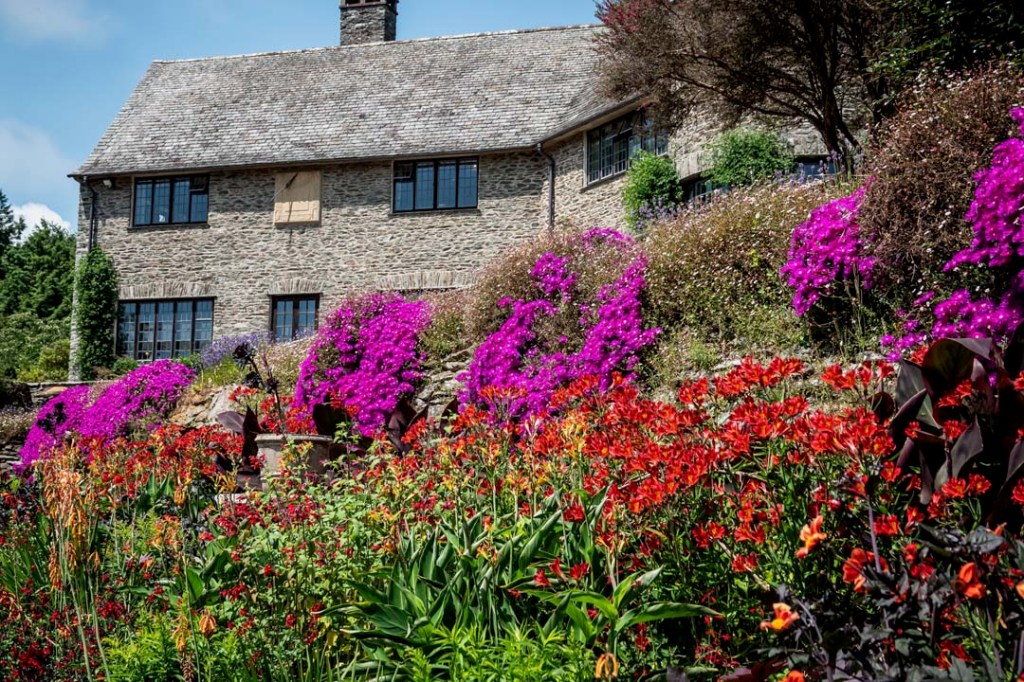
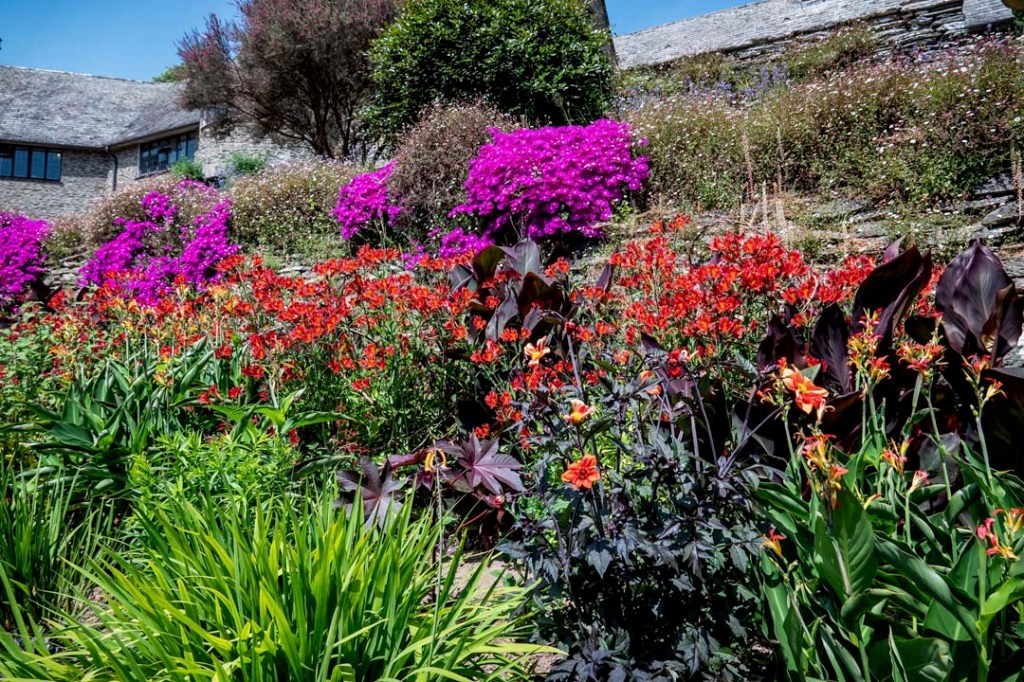
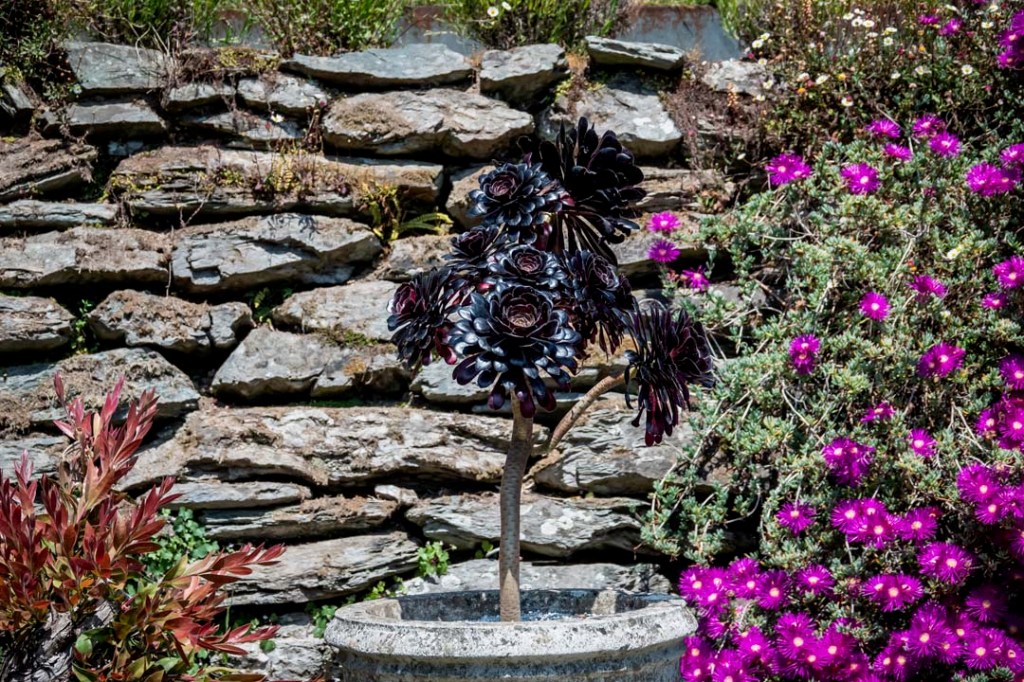
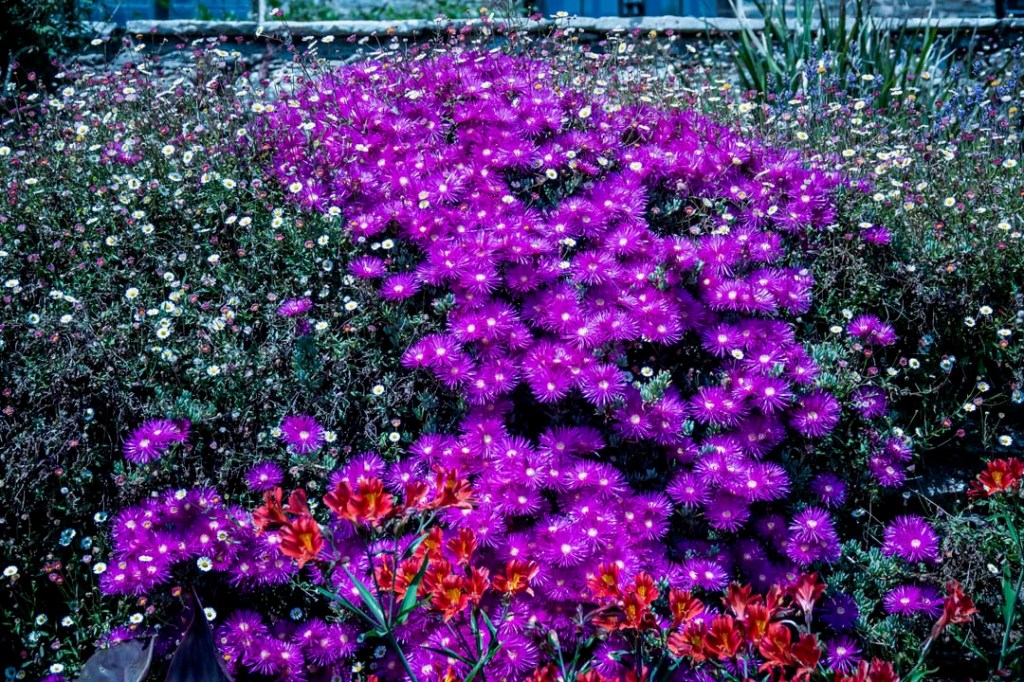
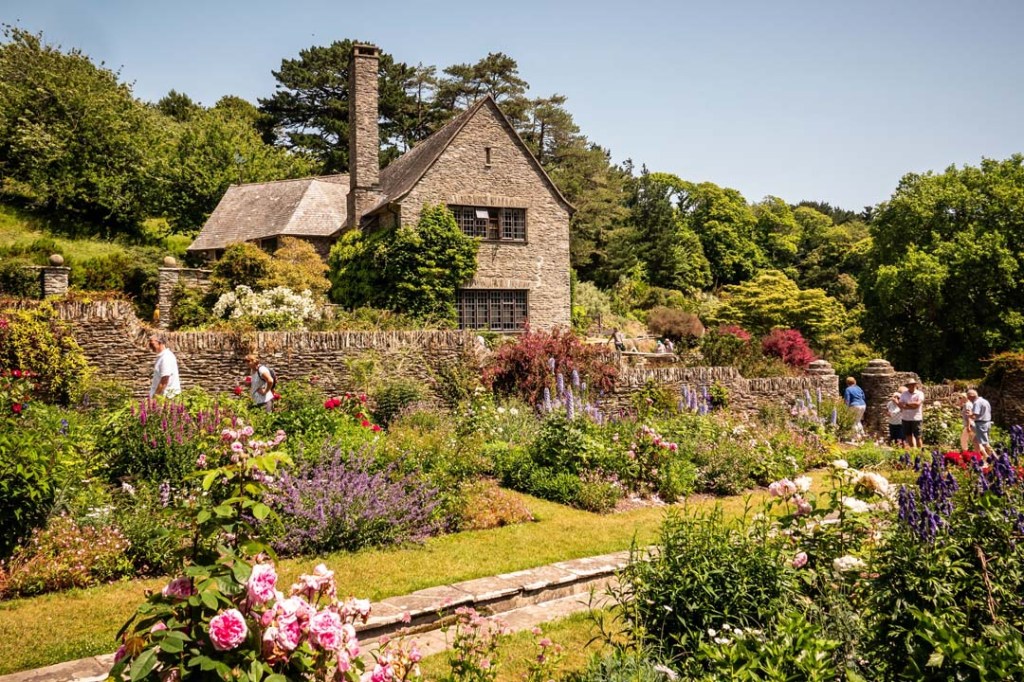
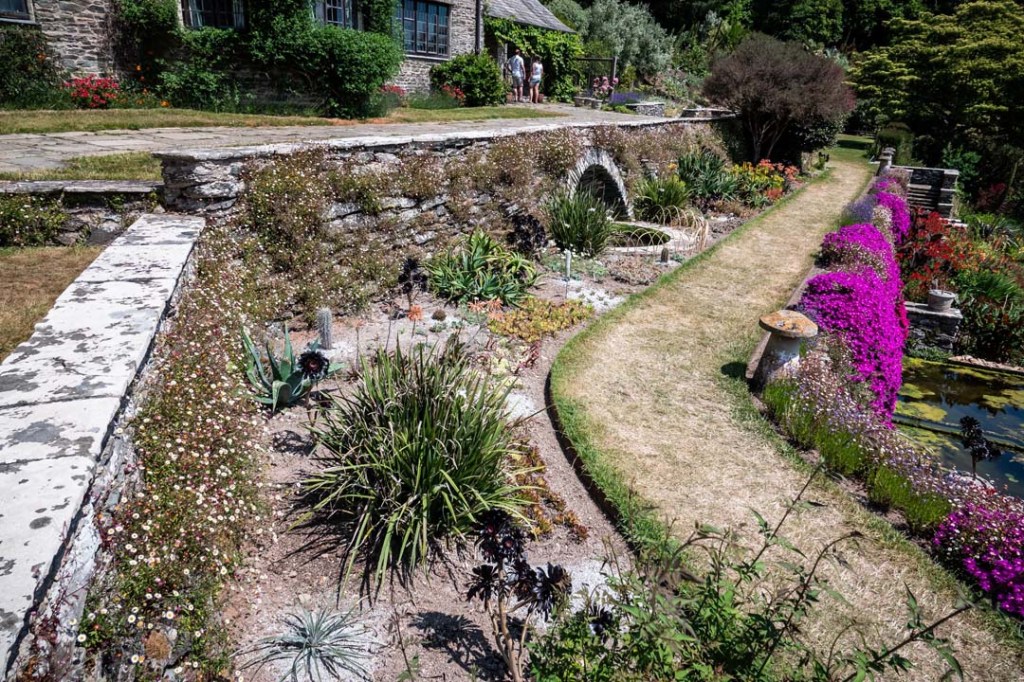
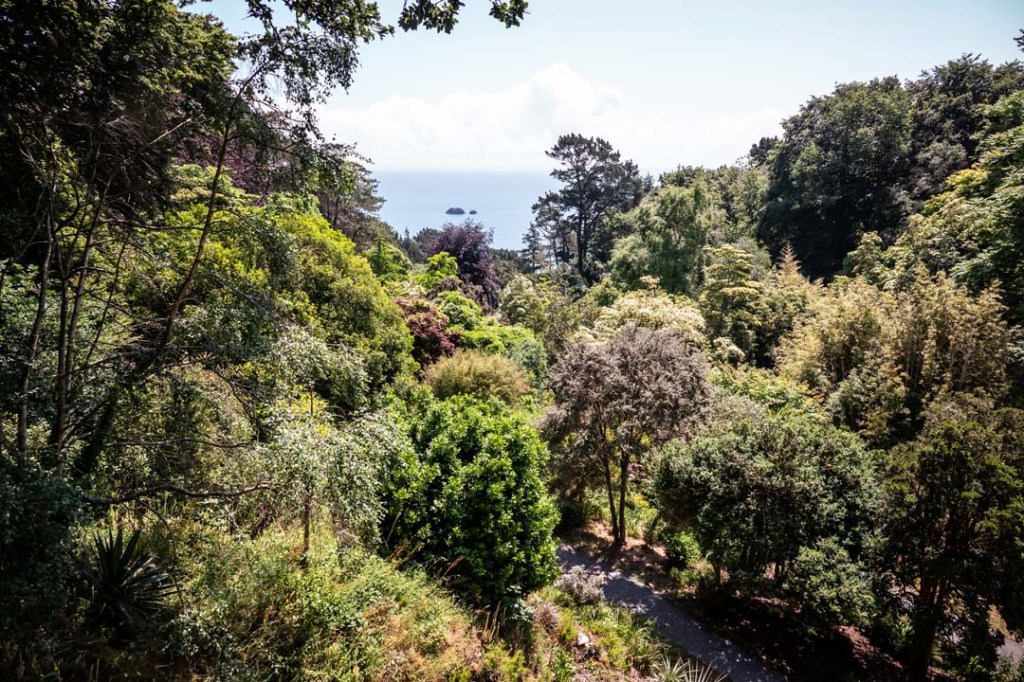
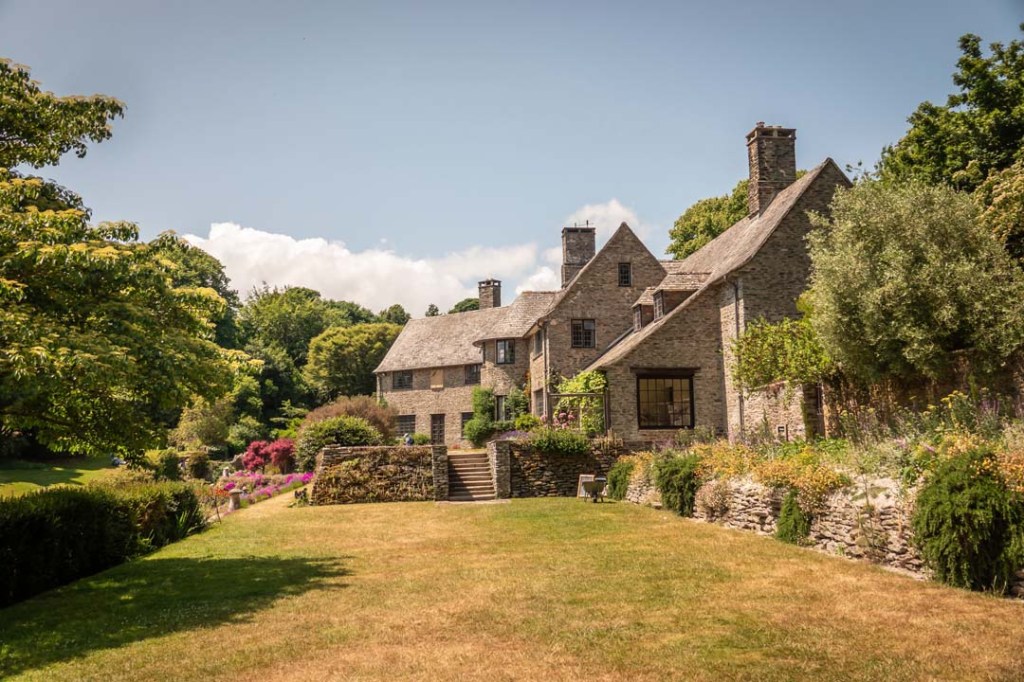
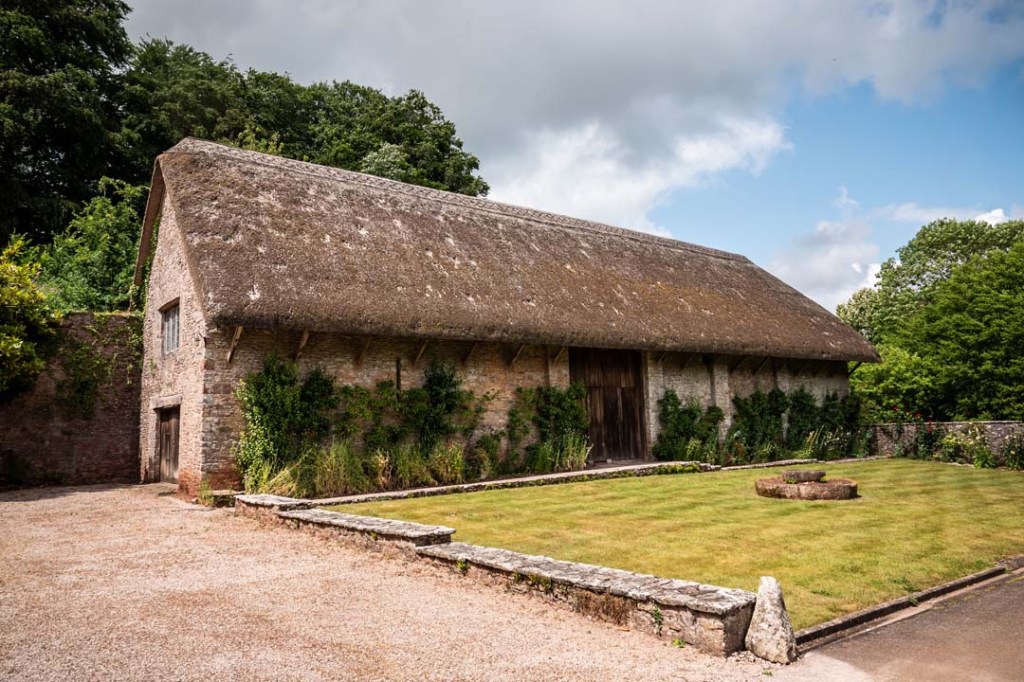
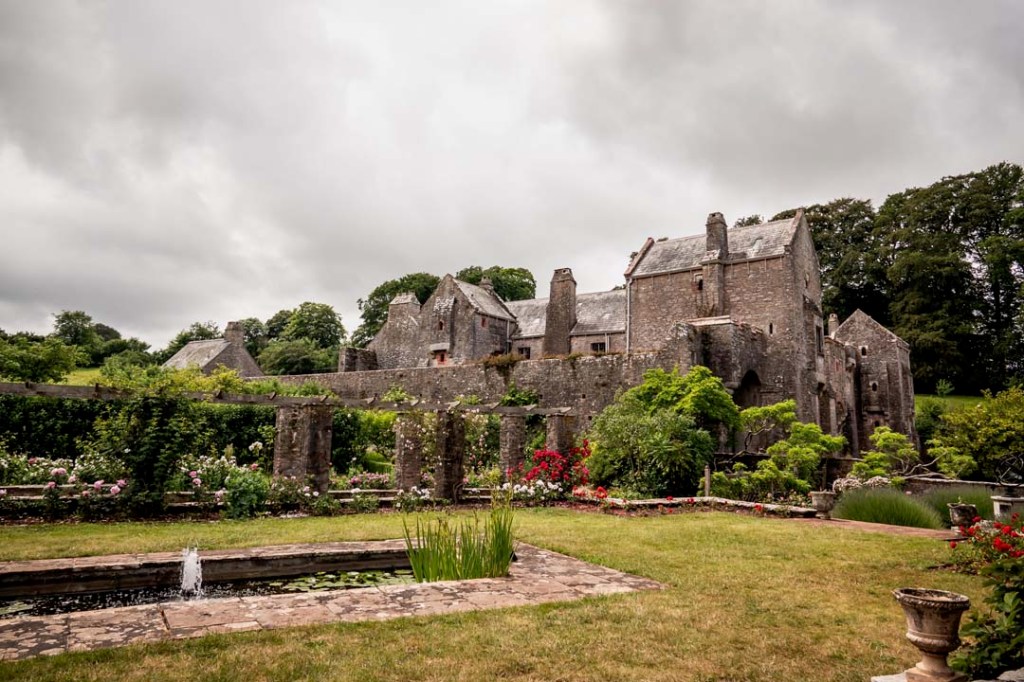
Beautiful demoiselleGolden-ringed dragonfly on DartmoorWidecombe-in-the-MoorThe birds were very elusive on Dartmoor although skylarks and meadow pipits were easy to hear.Speckled Wood butterfly at Coleton Fishacre (NT)Wild meadows at Coleton Fishacre encourage wildlife – the 1920s country retreat of the D’Oyly Carte family complete with tropical garden by the sea1920s country retreat of the D’Oyly Carte family. Arts and Crafts exterior, Art Deco interiors, servants quarters, sea views.Coleton Fishacre – RHS-accredited coastal valley garden. Exotic plants, herbaceous borders and sea views. Bordered by woodland and wildflowers.Lampranthus roseus have no problems with the mild south Devon climate at Coleton FishacreThe roses at Compton Castle were at their best Compton CastleThe medieval barn at Compton CastleCastle Drogo – the last castle to be built in England in the 1920sFormal terraces at Castle DrogoThe formal gardens at Castle DrogoThe rhododendron gardens at Castle Drogo Fantastic views from every aspect at Castle DrogoWe seemed to spend a lot of our holiday driving along the amazing high hedged Devon lanes with small birds constantly flying out in front of us
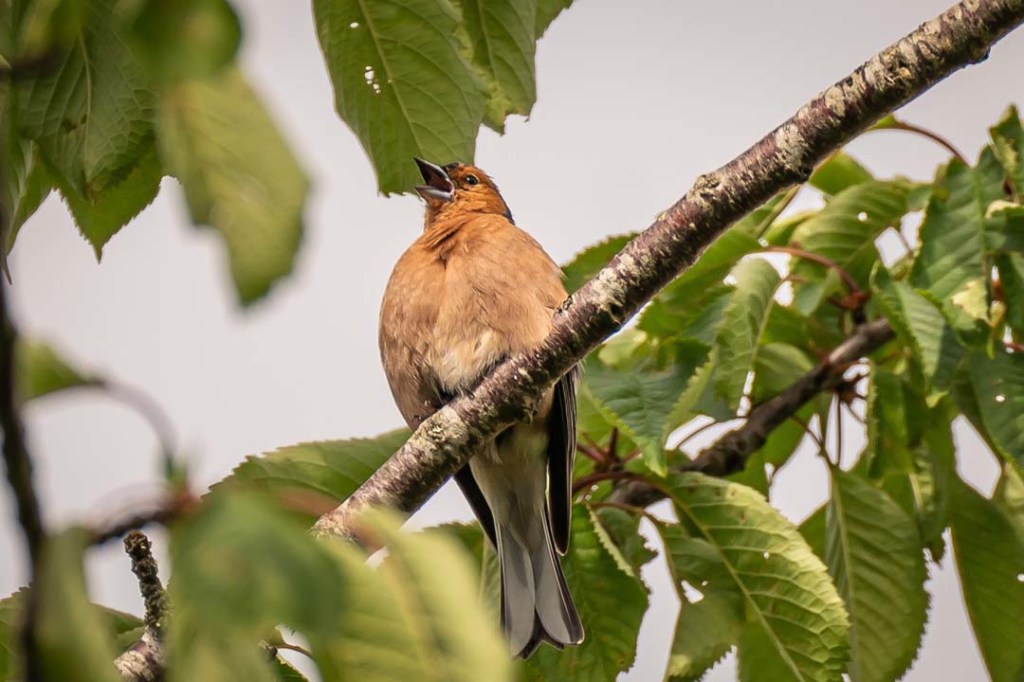
The contenders for the most cheerful song birds of our holiday :
I managed to get a short fix of nature this morning whilst self-isolating at home but I didn’t stay long outside as, with a strong north-easterly wind, the temperatures had plummeted.
The bird feeders in our garden continue to go down but I get little or no opportunity to photograph the birds on them because as soon as I go in to our small back garden the birds disappear. I can see them from the bathroom window but that’s too geeky for even me to photograph them from there. Consequently I am restricted to photographing birds discretely with a long lens in neighbours’ gardens or on nearby rooftops.
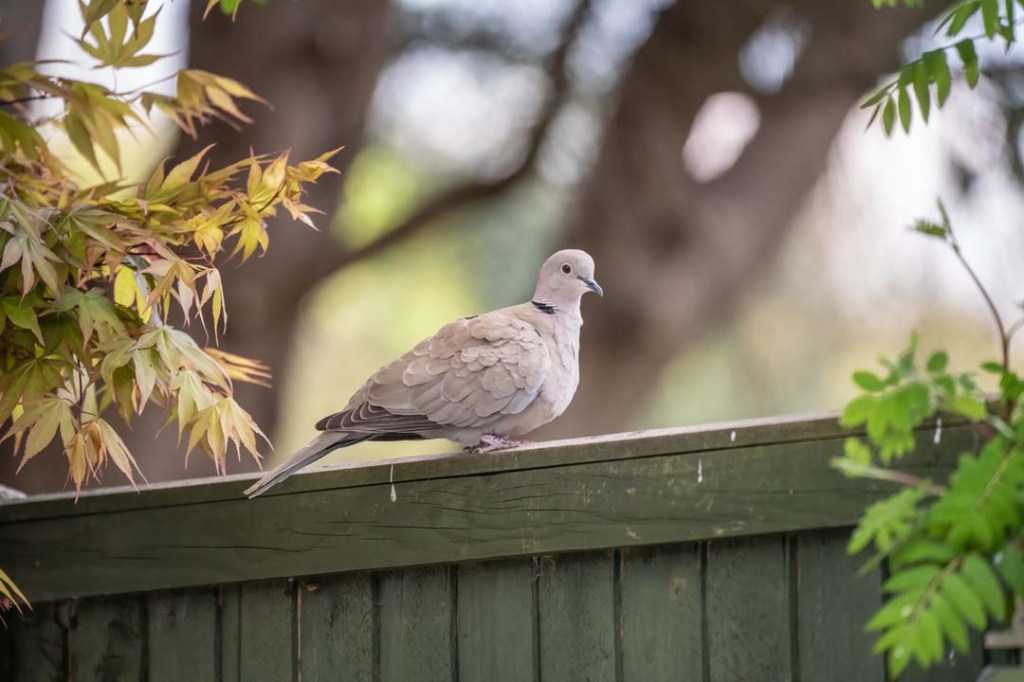
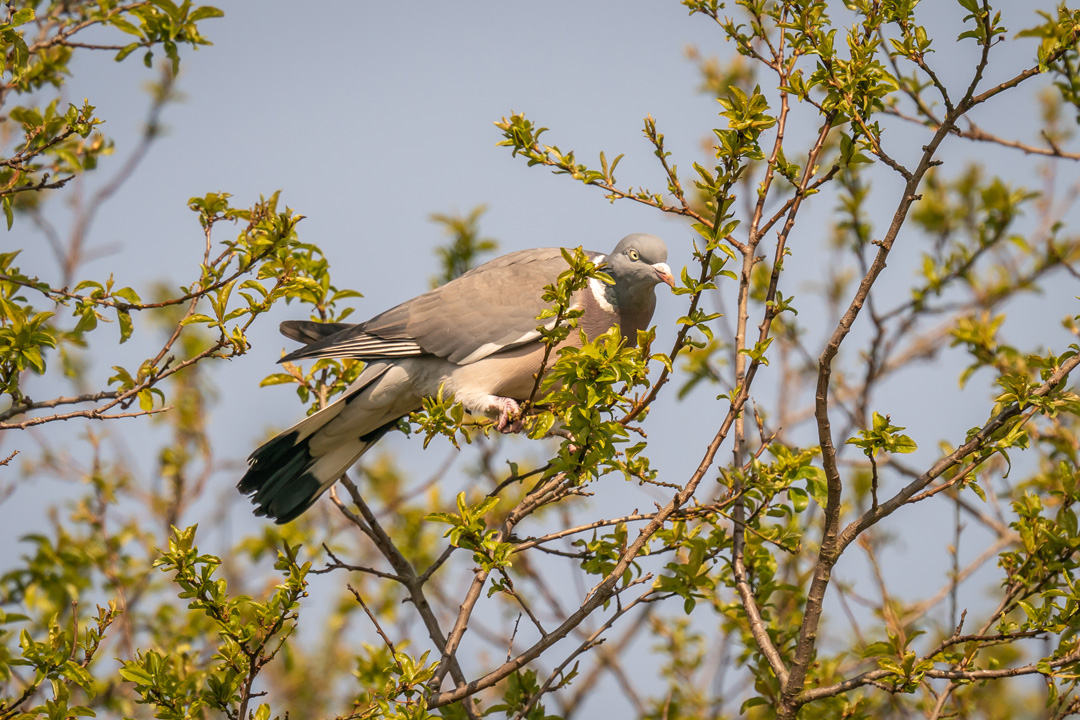
The woodpigeons were easy to spot but I didn’t see any of the collareddoves which have been around recently.
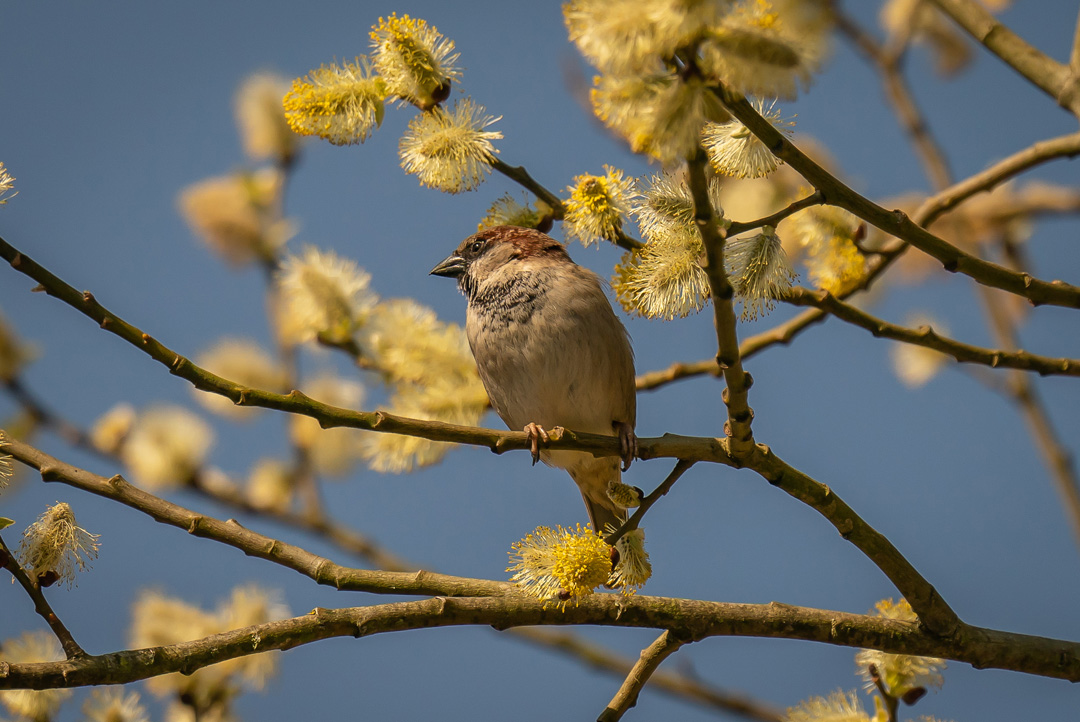
There seemed to be more housesparrows this morning. It is very encouraging to see them as, although once quite abundant locally, they had disappeared in recent years.
Male sparrow
Female sparrow
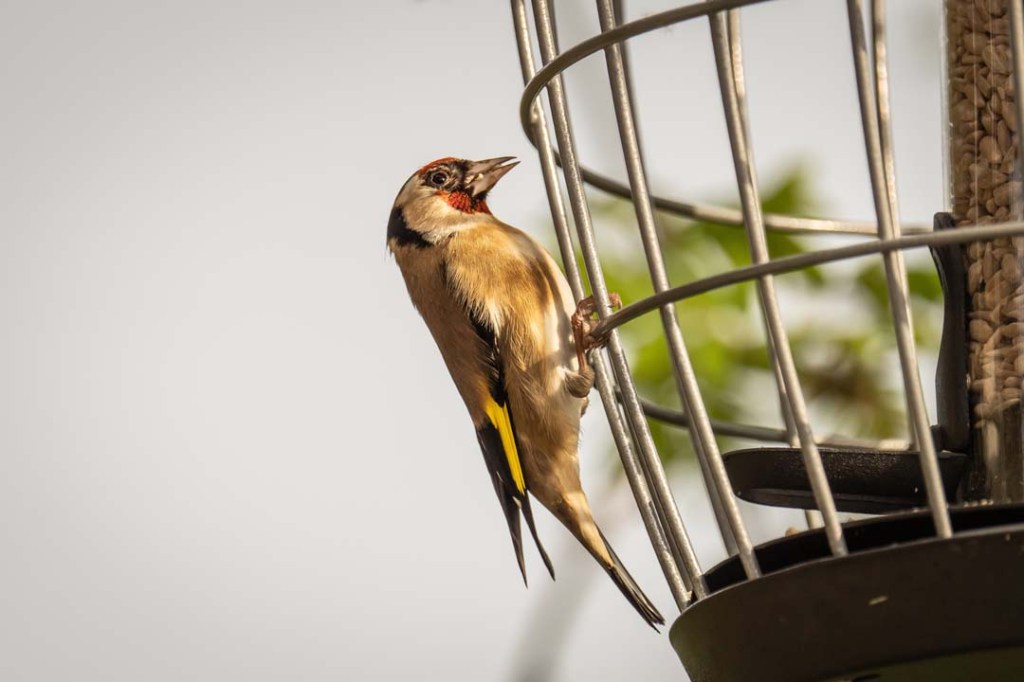
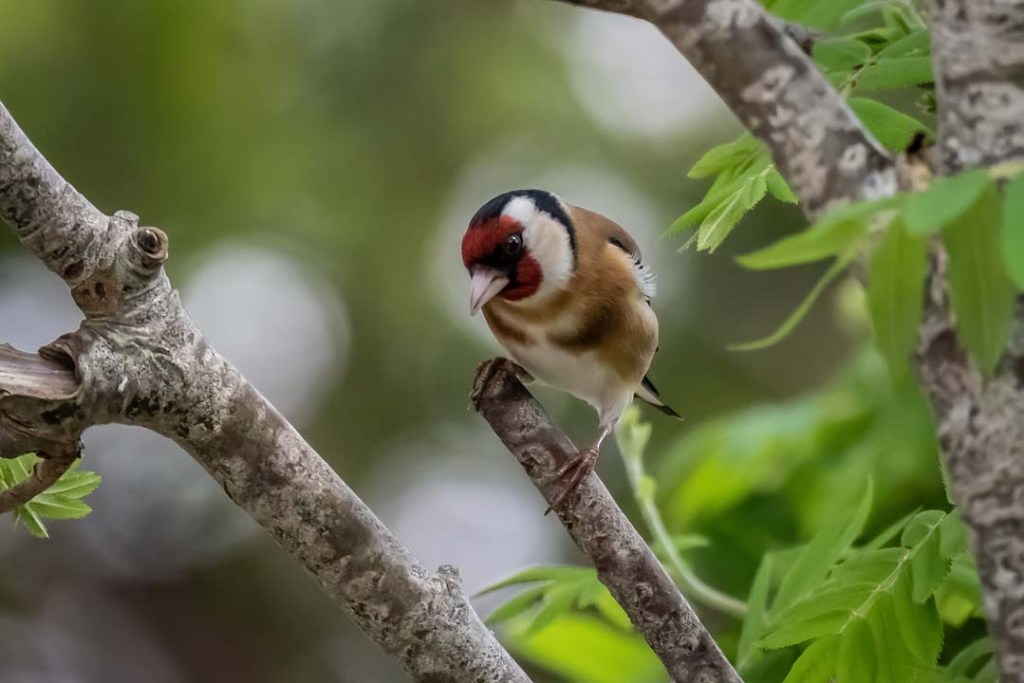
I could hear goldfinches but didn’t see any today.
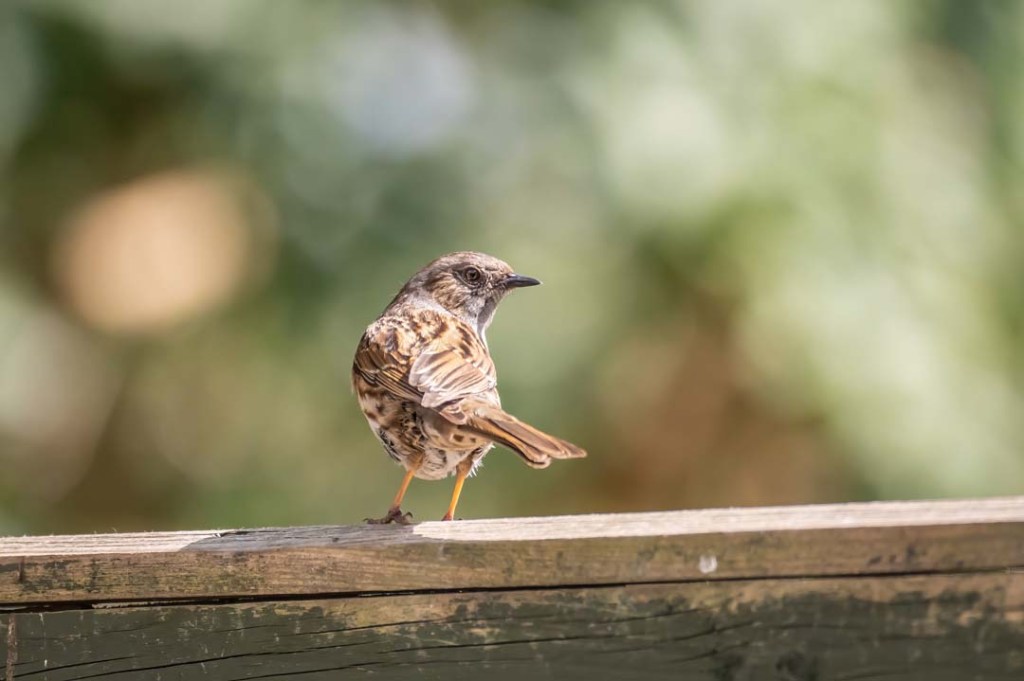
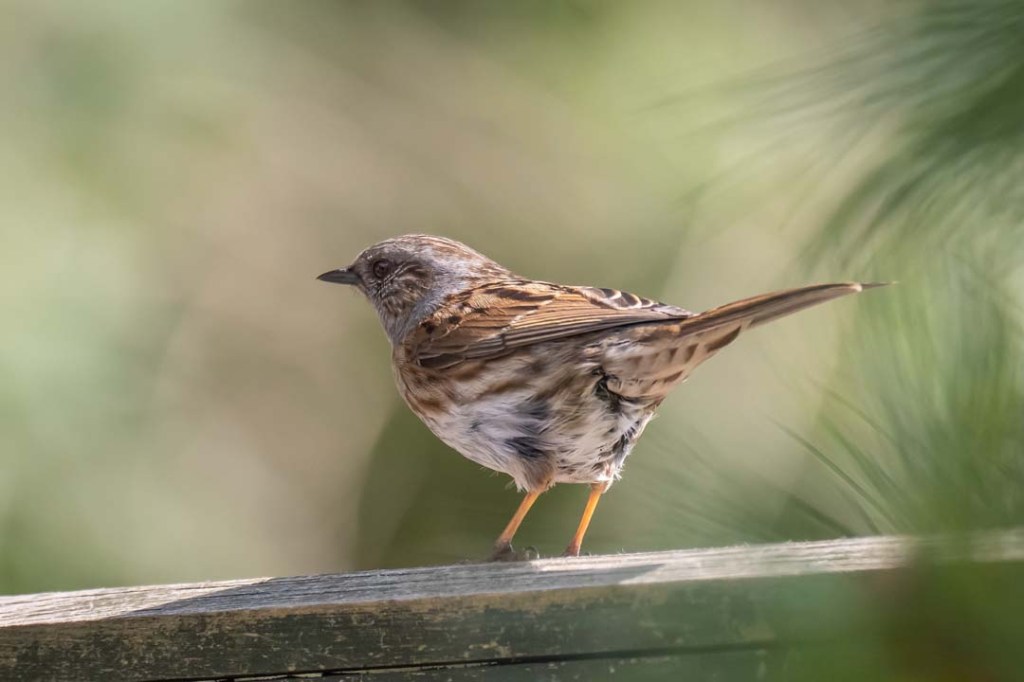
The dunnocks appeared again and instantly made for the car across the road to look at themselves in the wing mirrors or at their reflections in the car windows.
Dunnock getting ready for the day ahead
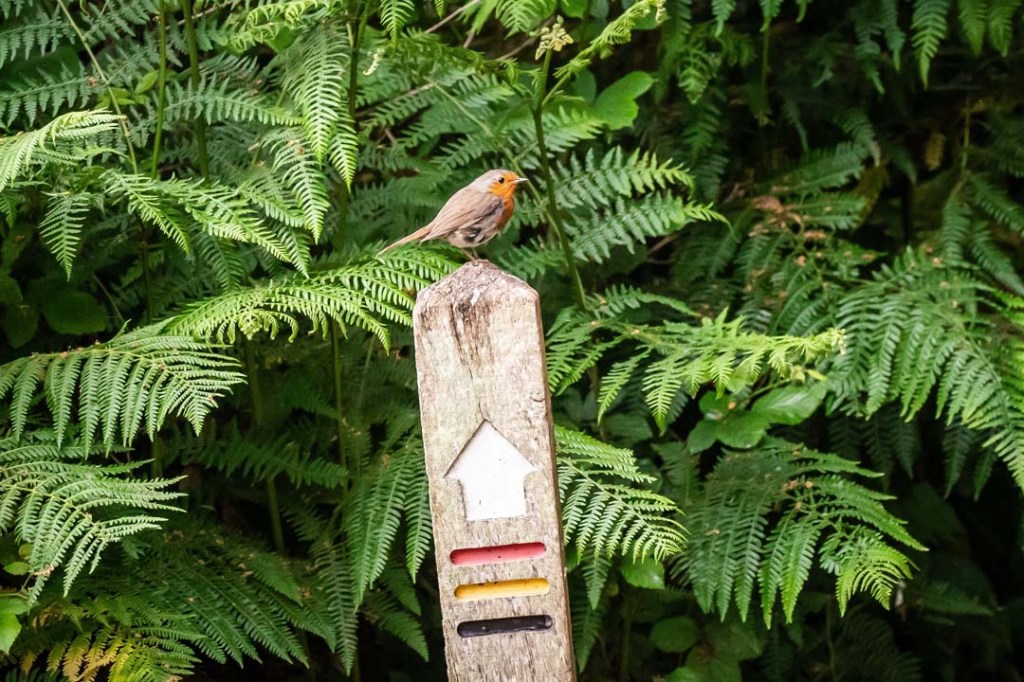
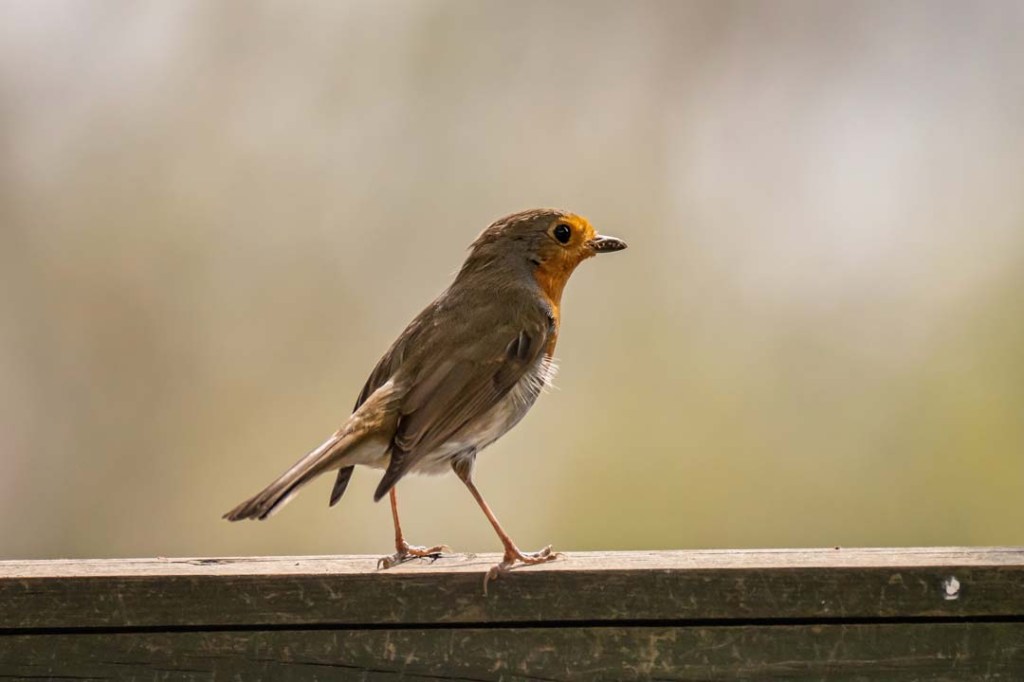
On the same wall I also saw a robin.
\European robin
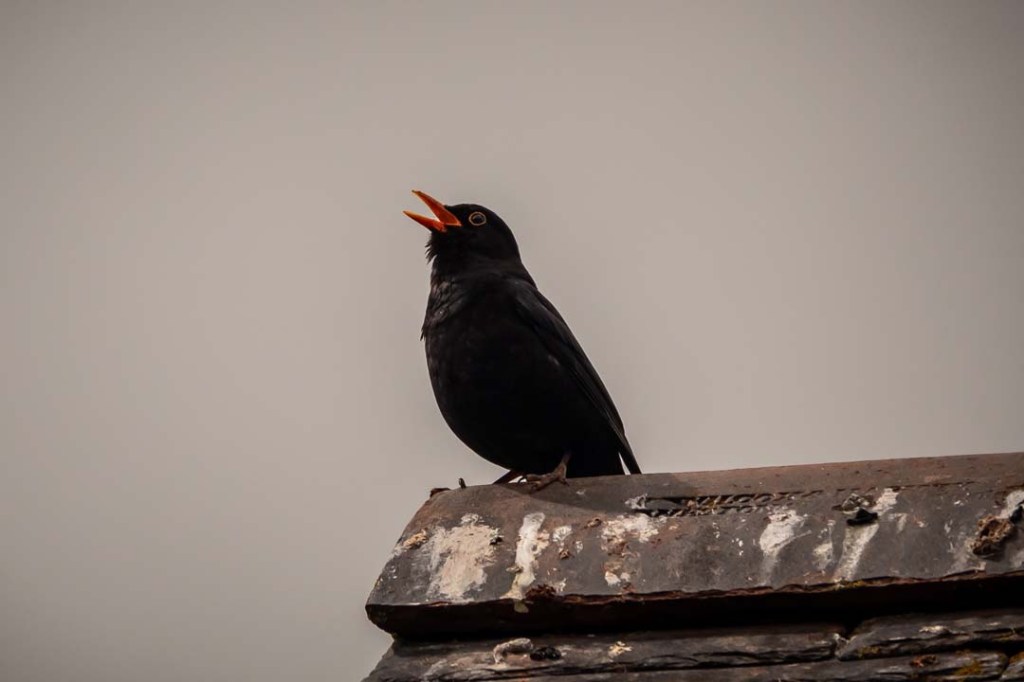
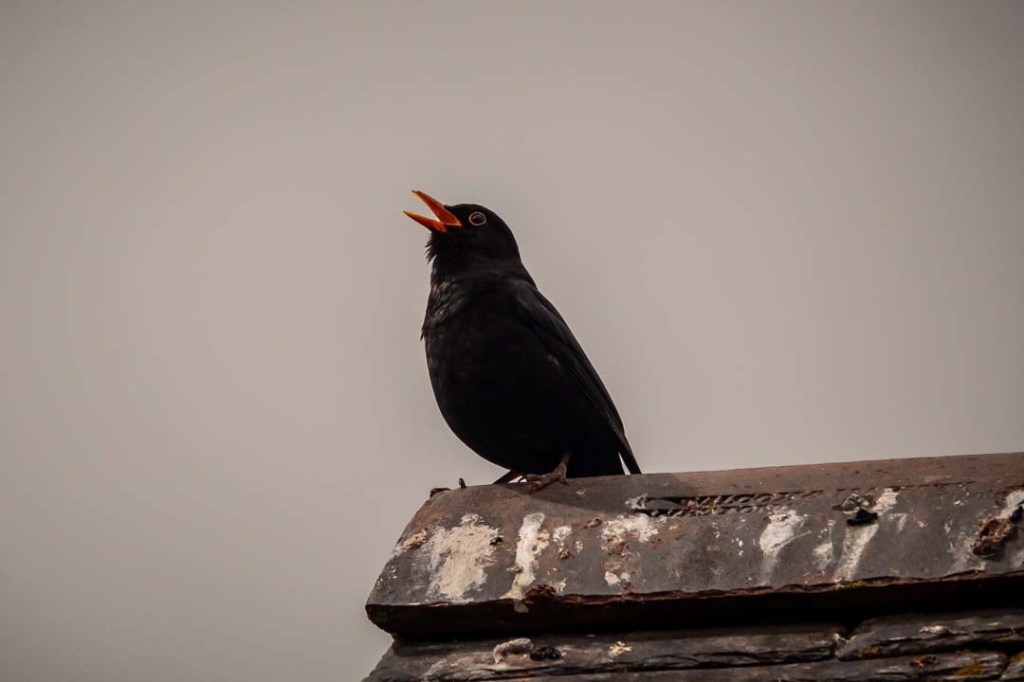
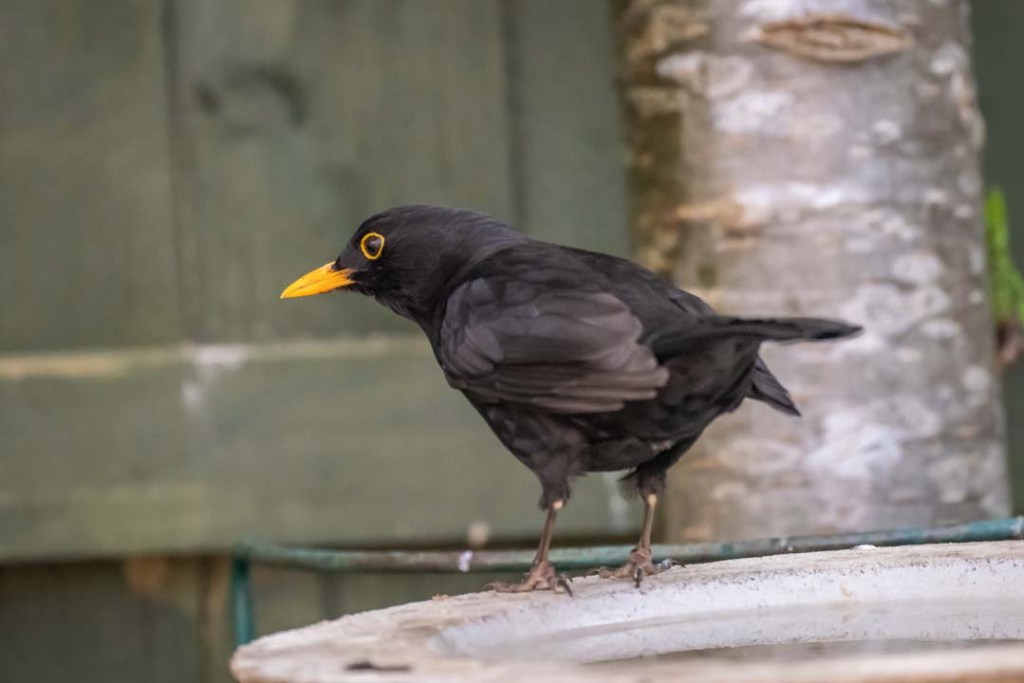
In a distant garden there were a pair of blackbirds. I haven’t seen any locally recently but I have heard them. That’s the next thing – recording bird song!
The best I could manage of this male blackbird
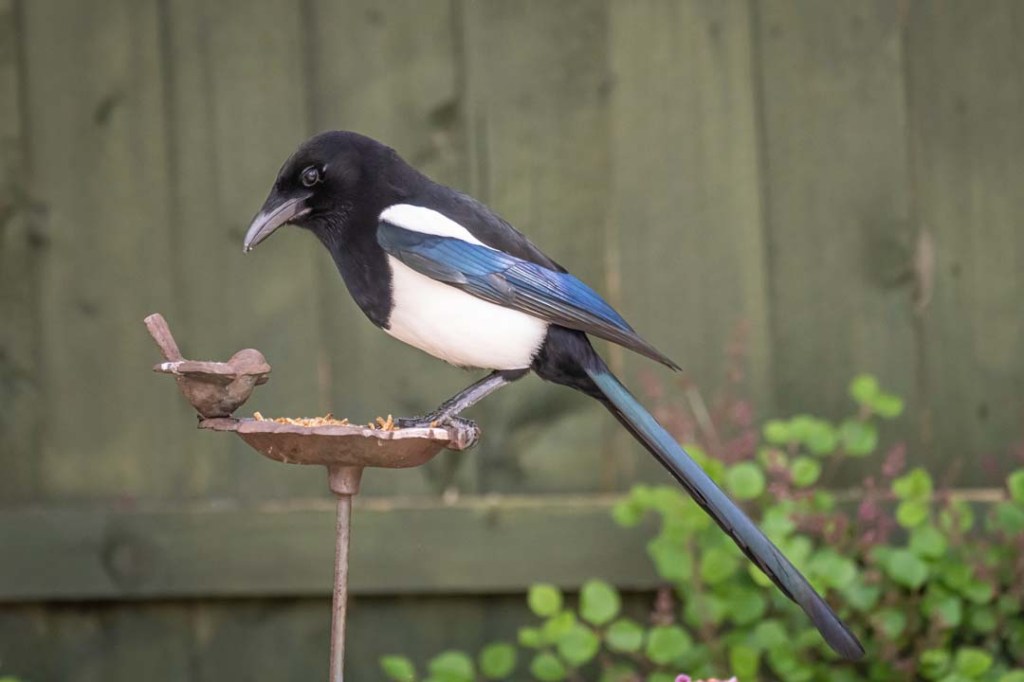
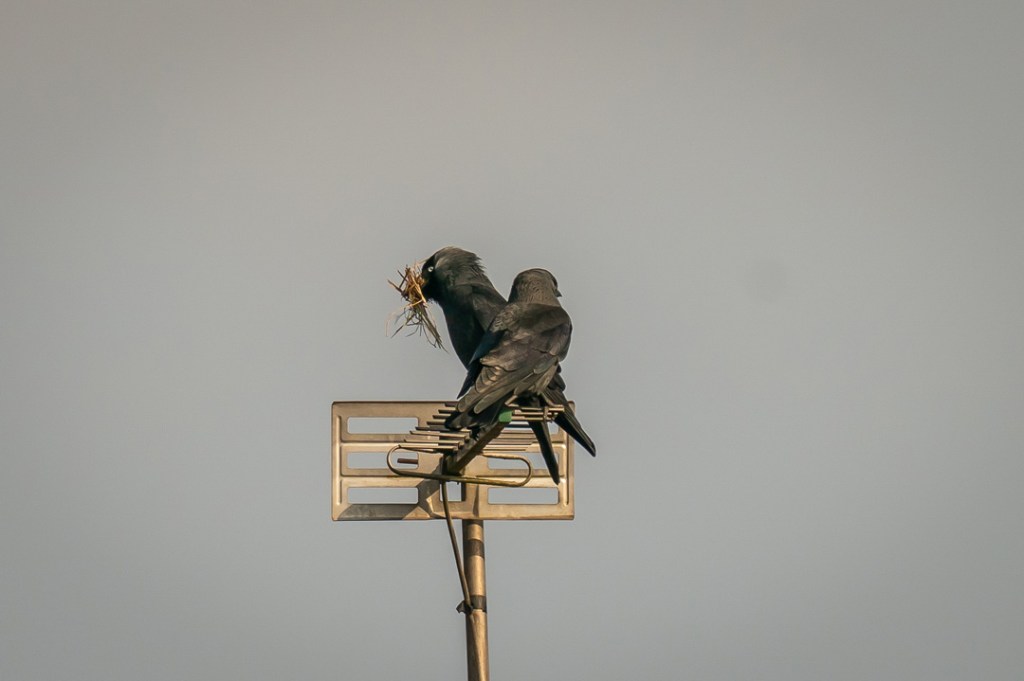
On the roof tops there were jackdaws, crows and magpies.
Two jackdaws
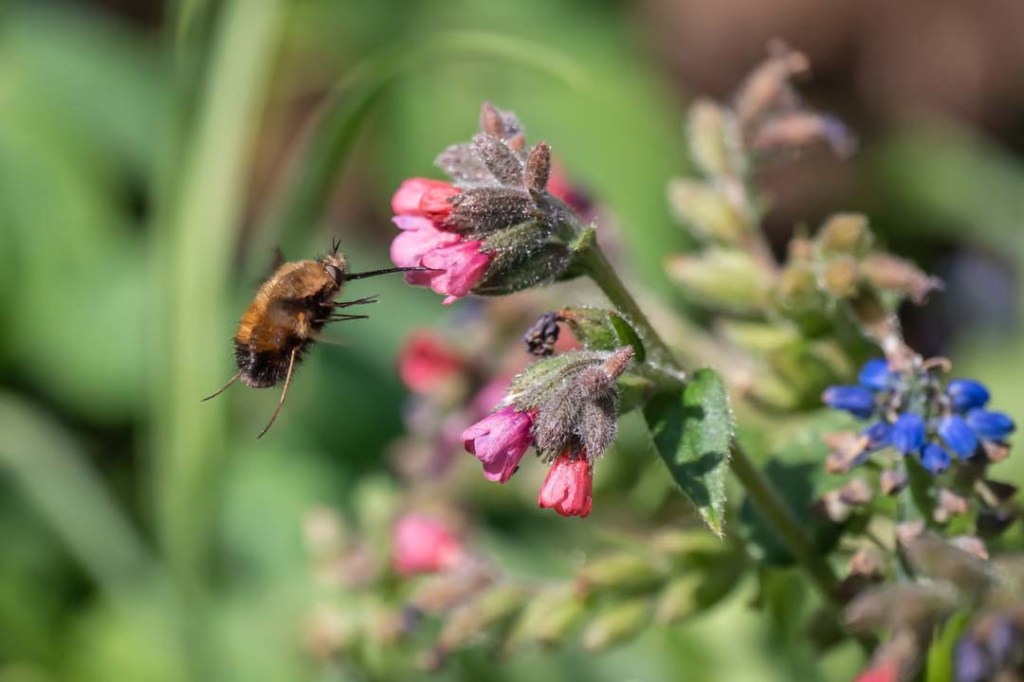
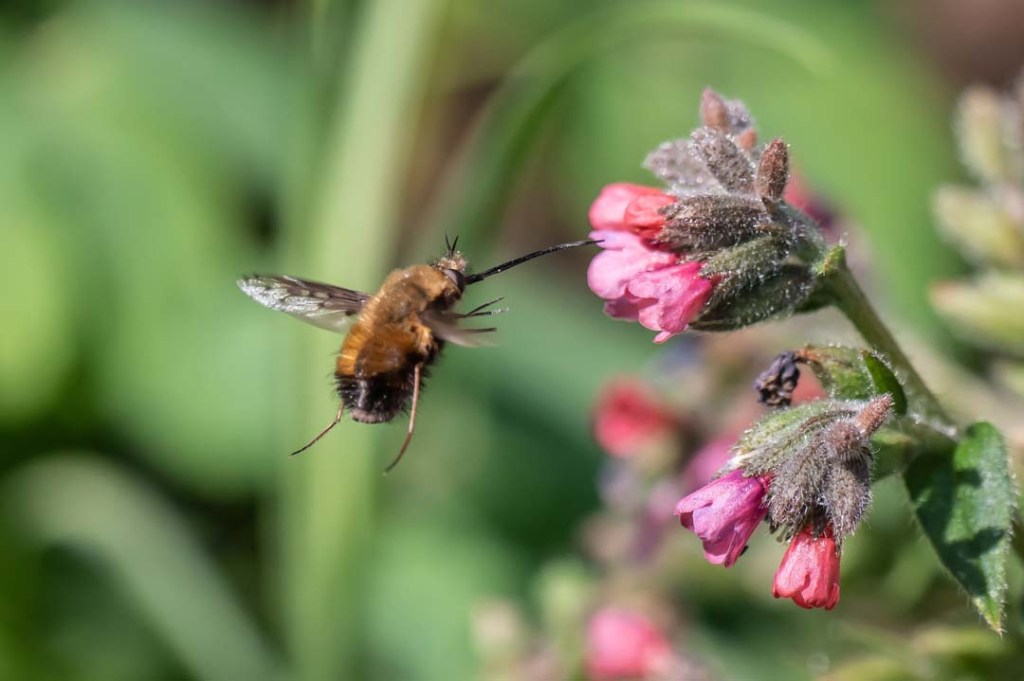
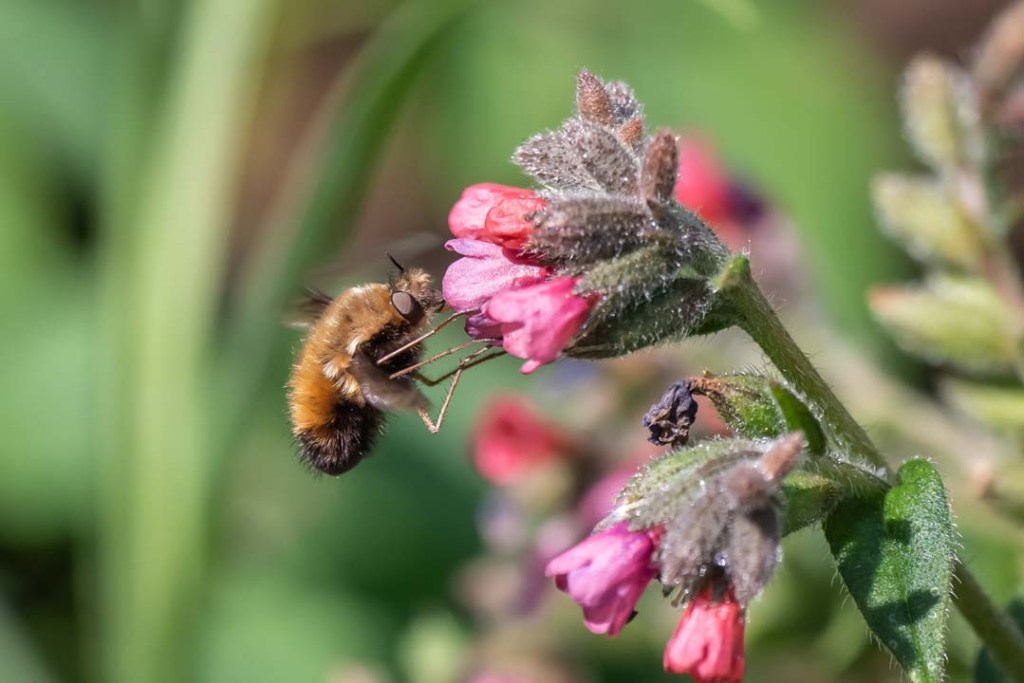
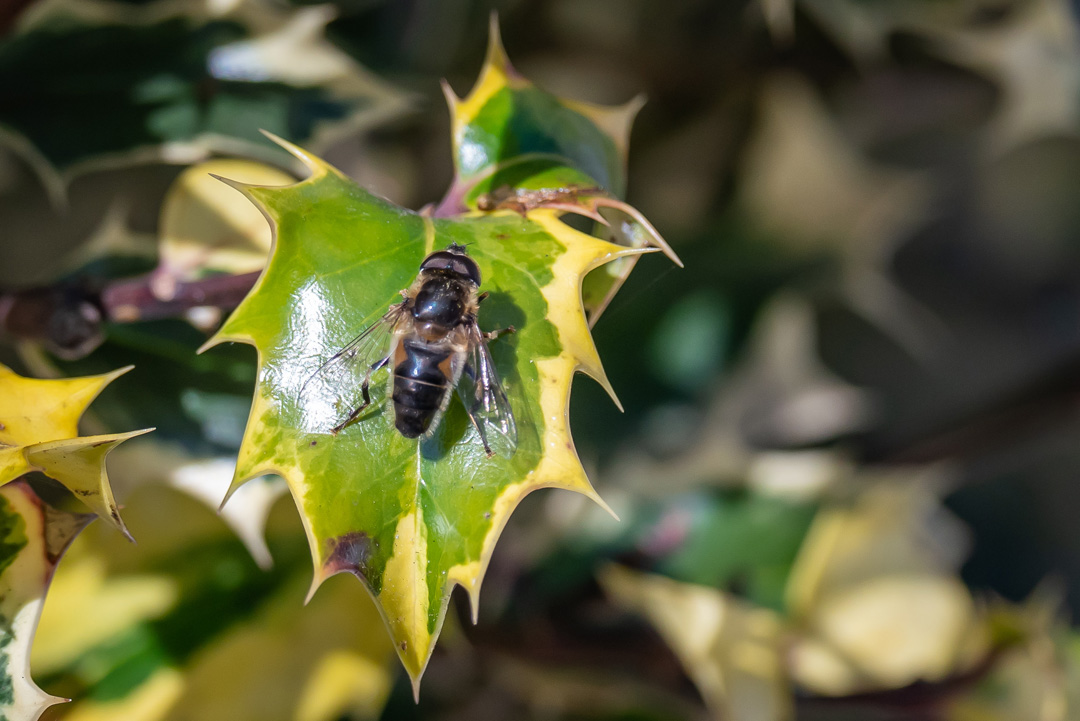
Before going in I spotted a huge bee busy on a flowering red currant next to the back door.
I made a mental note to myself to learn the names of different types of bees. As Simon Barnes writes in the Sunday Times today:
” I can’t kiss you. I can’t buy you a pint. I can’t invite you to drop by and watch the football. All I can offer is the best thing in the world. Nature”. He goes on to say:
“It all starts with noticing. The second stage is seeking the name, and that will give a greater intimacy, as names do.”
But enough was enough and I disappeared indoors to find some chores to do.
We have been self-isolating at home all week. We had a 7 am walk in our local park last Saturday but didn’t feel safe as people, especially runners, came very close to us (even though I often pretended to be looking for a bird in the bushes). On Sunday we travelled to the Forest of Dean where we managed some exercise in isolation. However, reading what NHS workers had to say, and pleading with us to stay at home, we have remained at home. Neighbours and friends have helped with shopping. It has seemed very strange because it has always been in our nature to help others and now we find we can only help by staying at home.
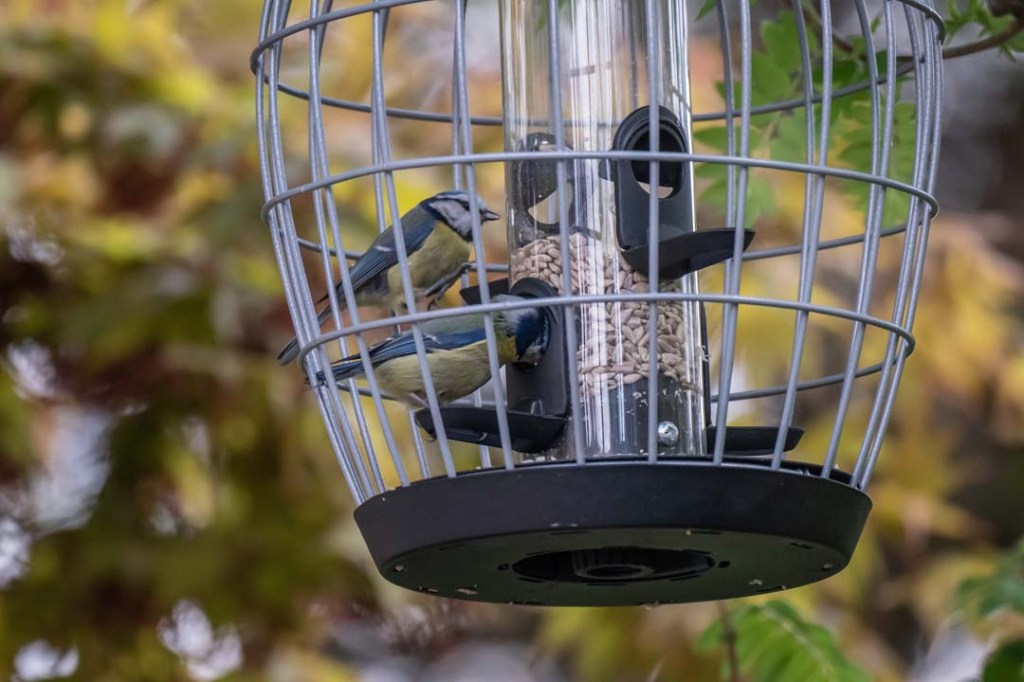
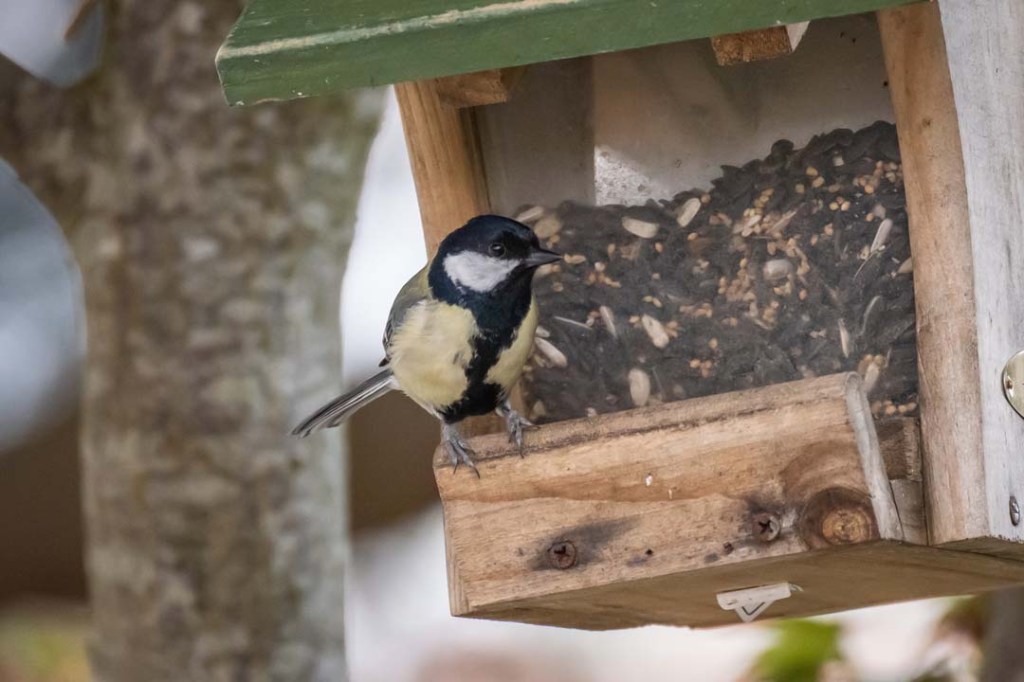
To some extent I have enjoyed painting fences, building garden storage, cleaning the patio and so on as the weather has been wonderful for this time of the year. However, I have missed my camera (and nature) and today I self-indulged by taking photos from in and around our tiny urban garden. If I can’t go to nature, I’ll have to let nature come to me. I could see a herring gull, goldfinches, sparrows, dunnocks, wood pigeons and collared doves, jackdaws, crows, starlings, blackbirds, a robin (only heard), blue tits and great tits (only heard),bees and a peacock butterfly.
Unfortunately, all of the birds (except the blackbird on the washing line) were outside of the garden and I hope that neighbours don’t think I am being a voyeur with a long lens. I hope my photos are the proof of it.
























































































































 Male sparrow
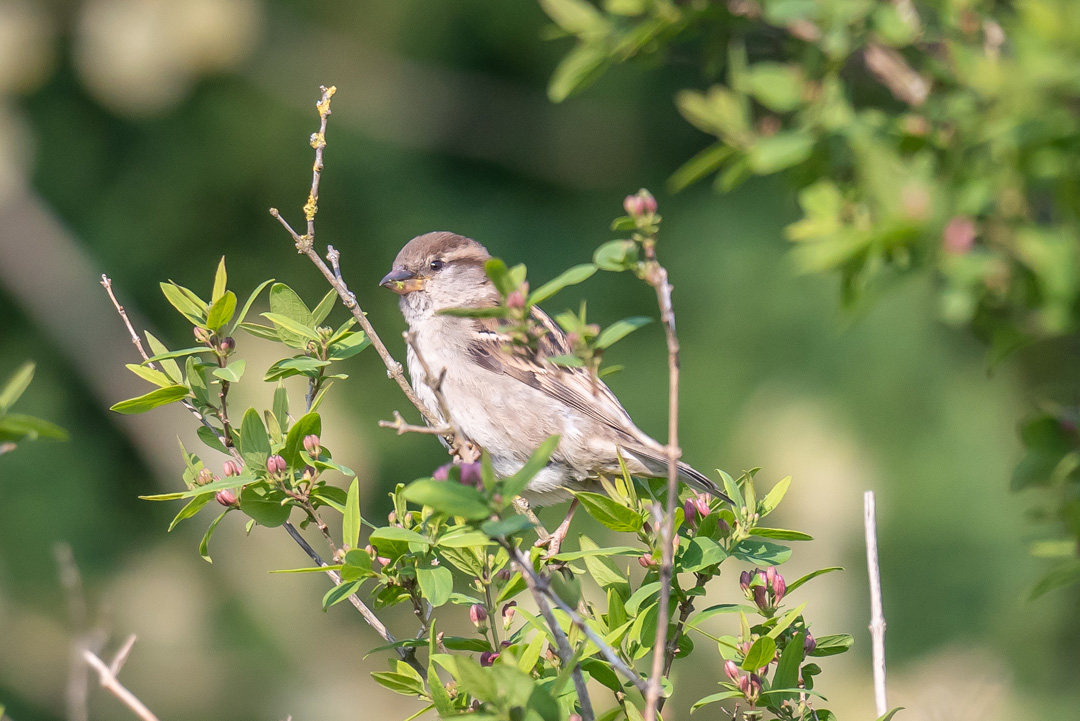 Female sparrow
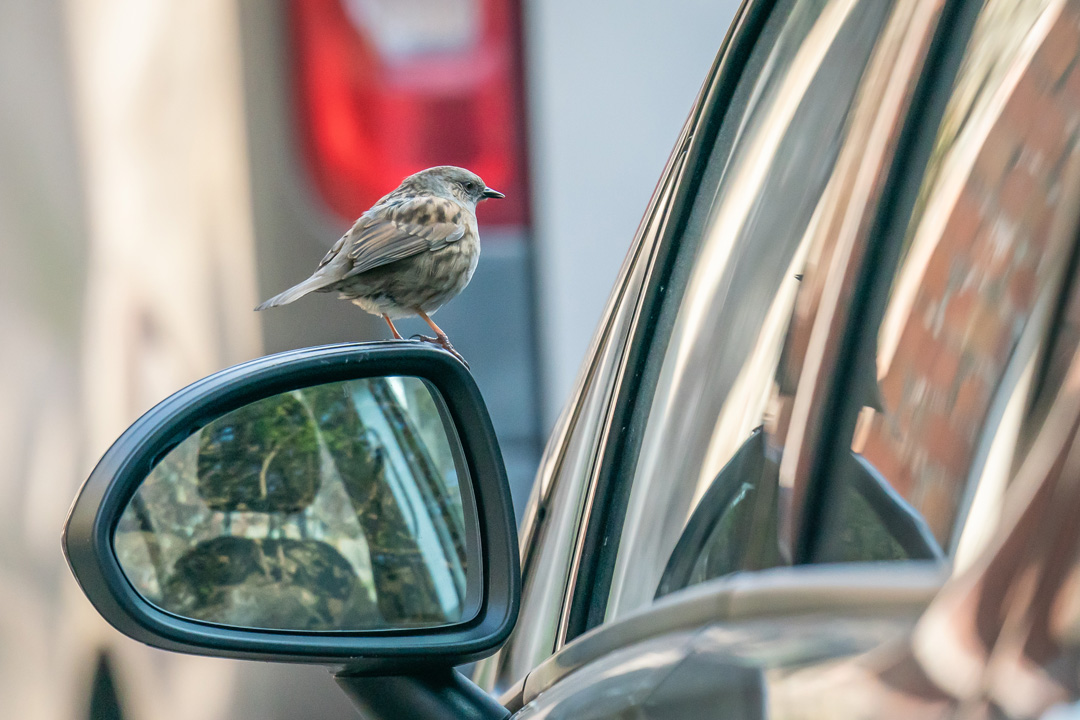 Dunnock getting ready for the day ahead
 \
\ European robin
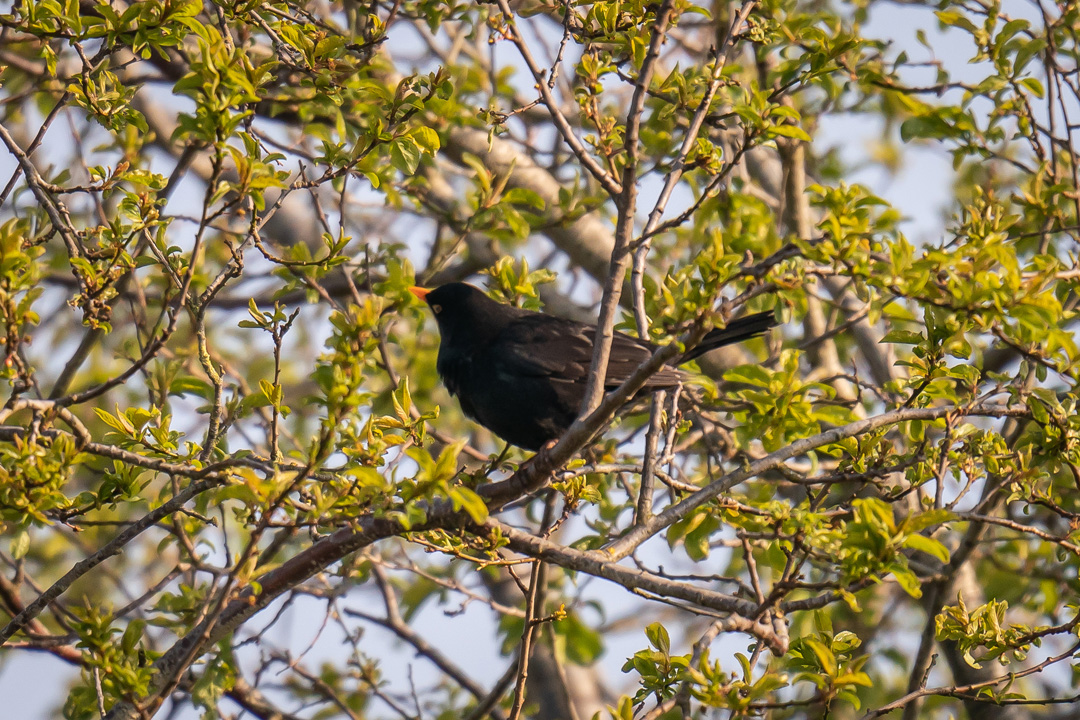 The best I could manage of this male blackbird
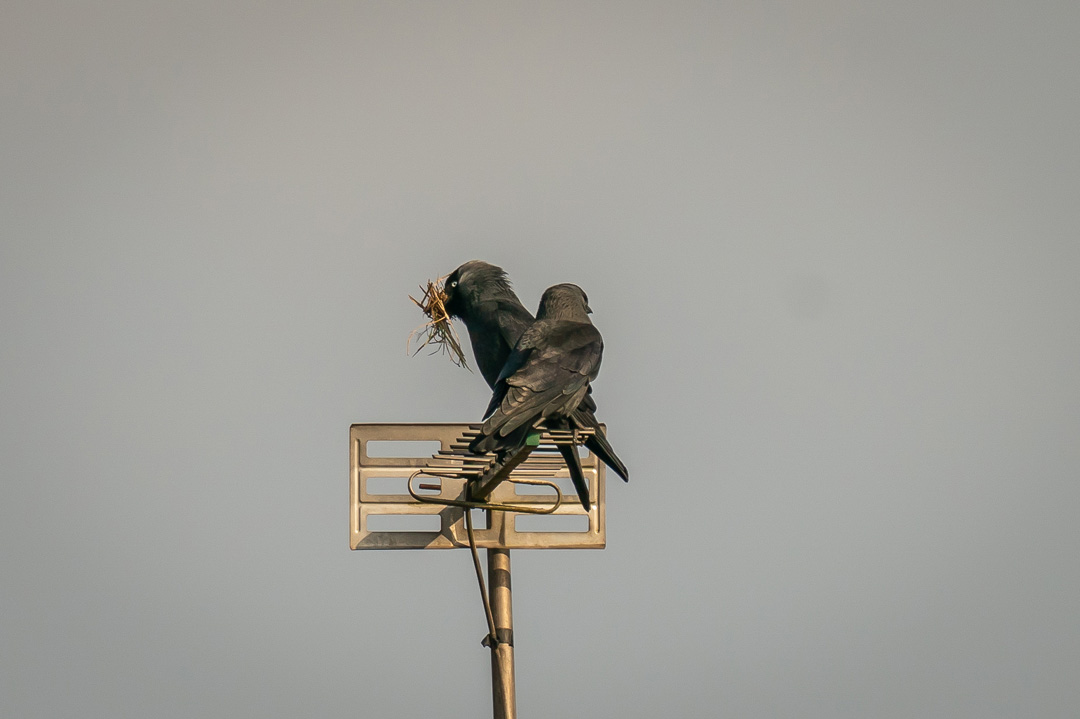 Two jackdaws

 Goldfinch
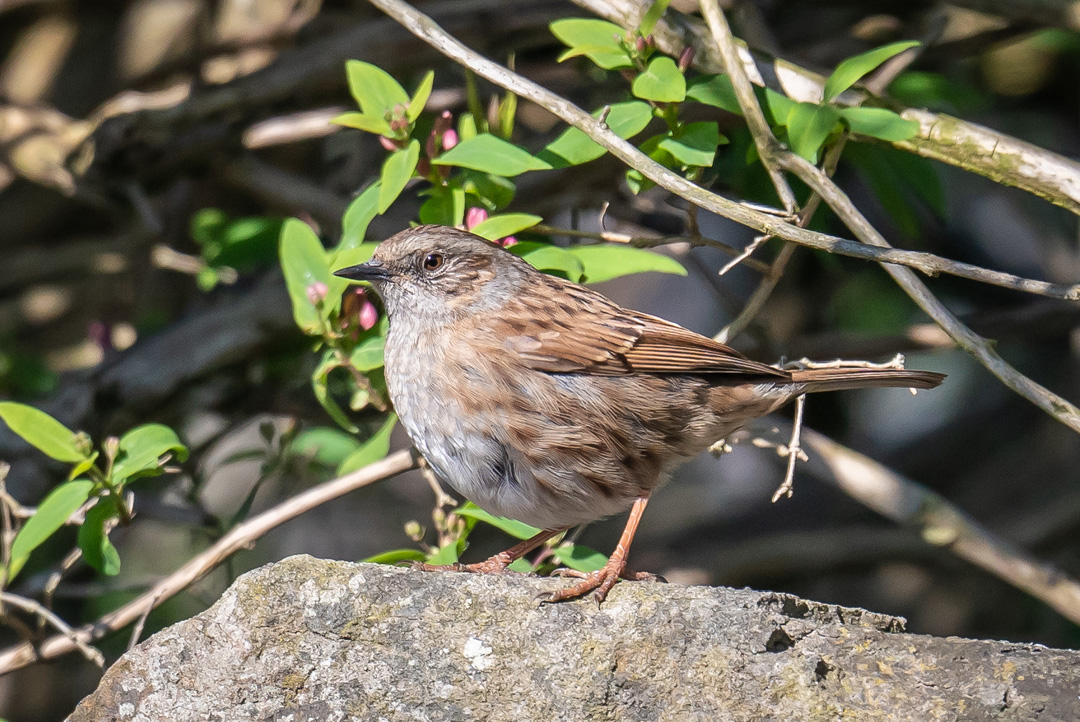 Dunnock
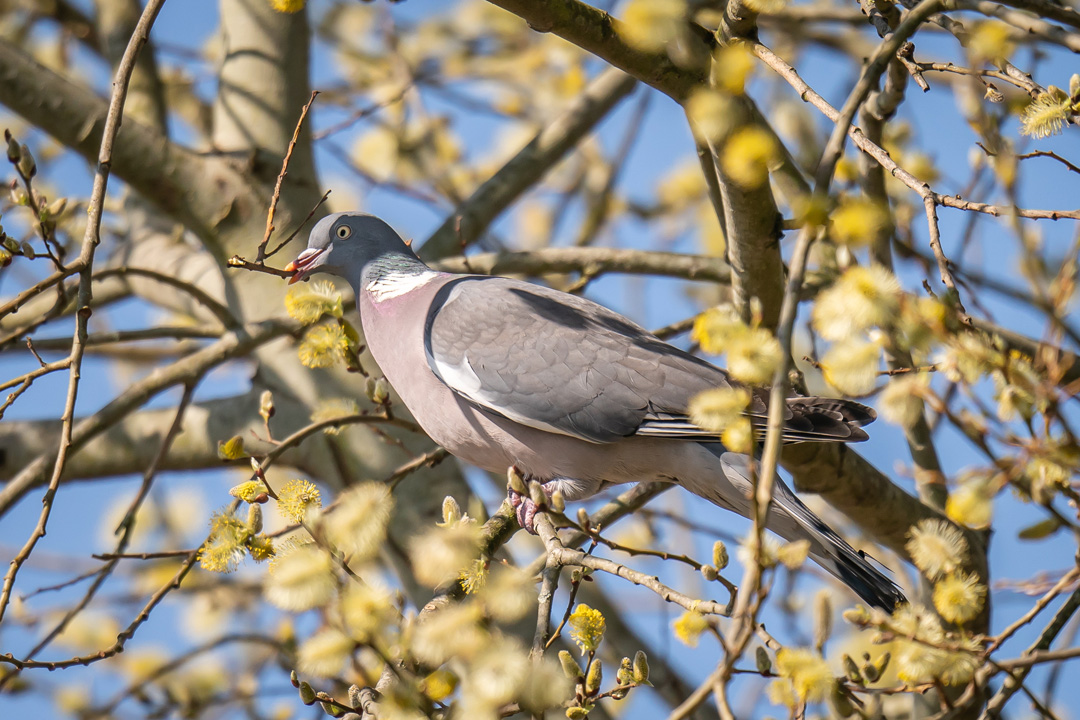 Wood pigeon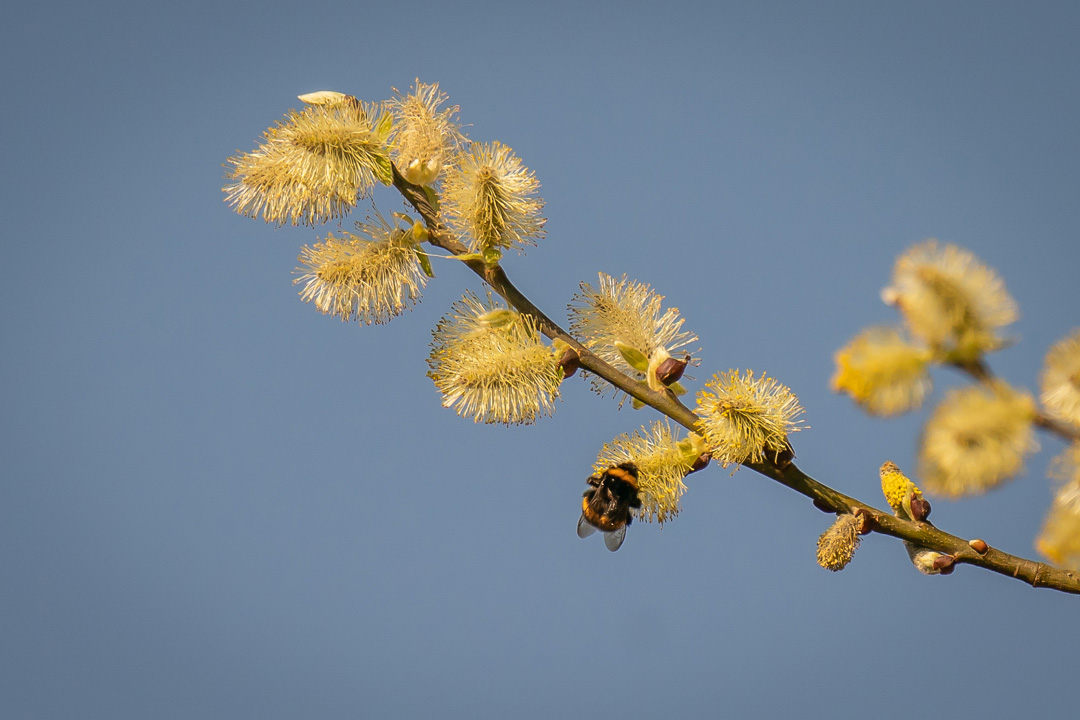
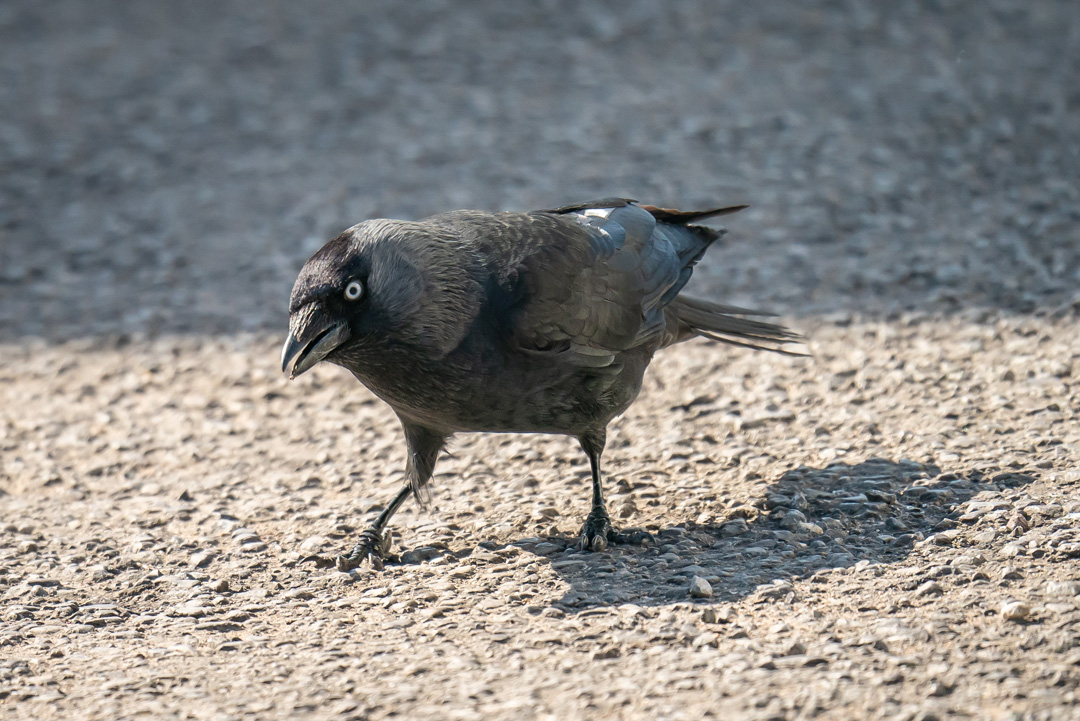 Jackdaw
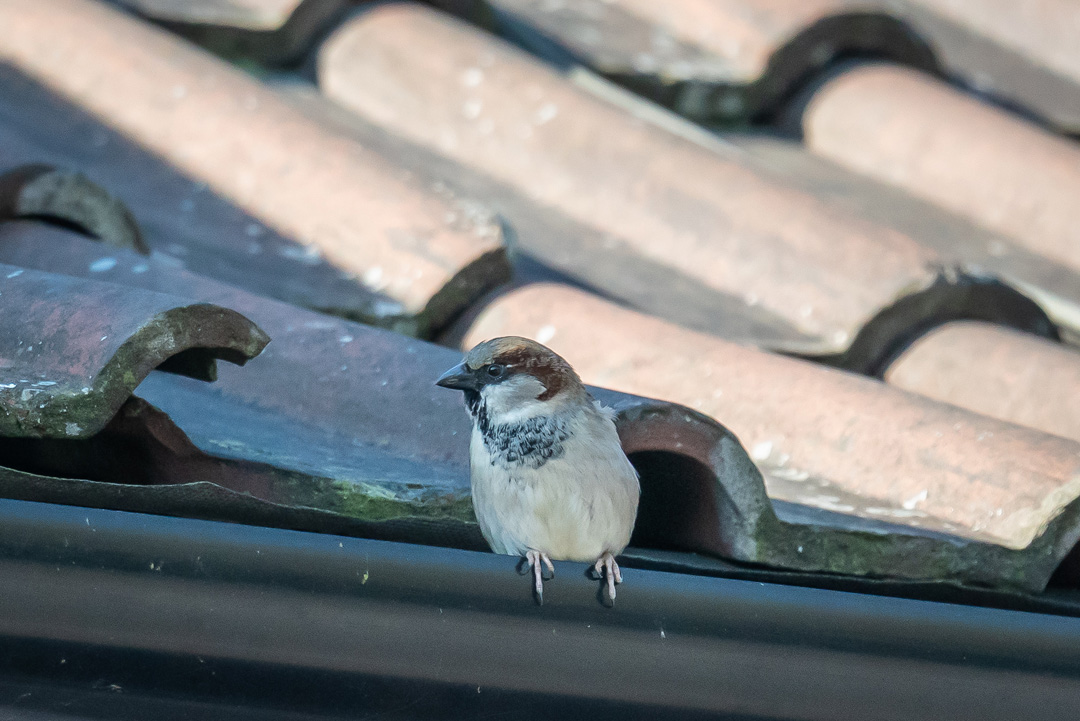 Male sparrow
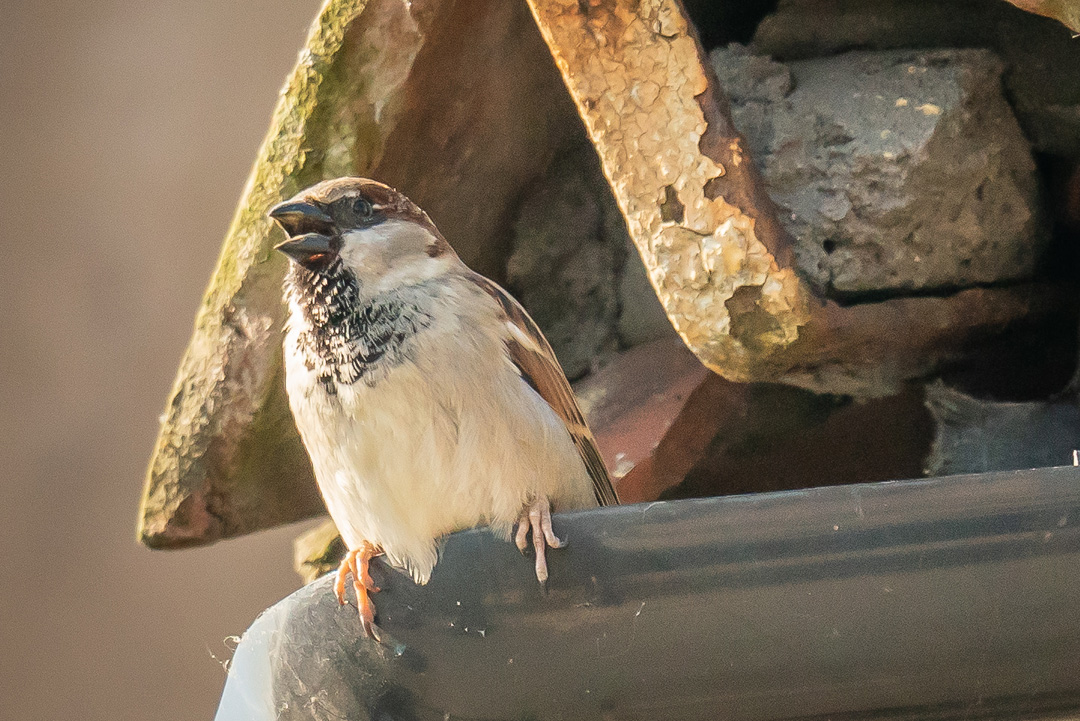 Male sparrow
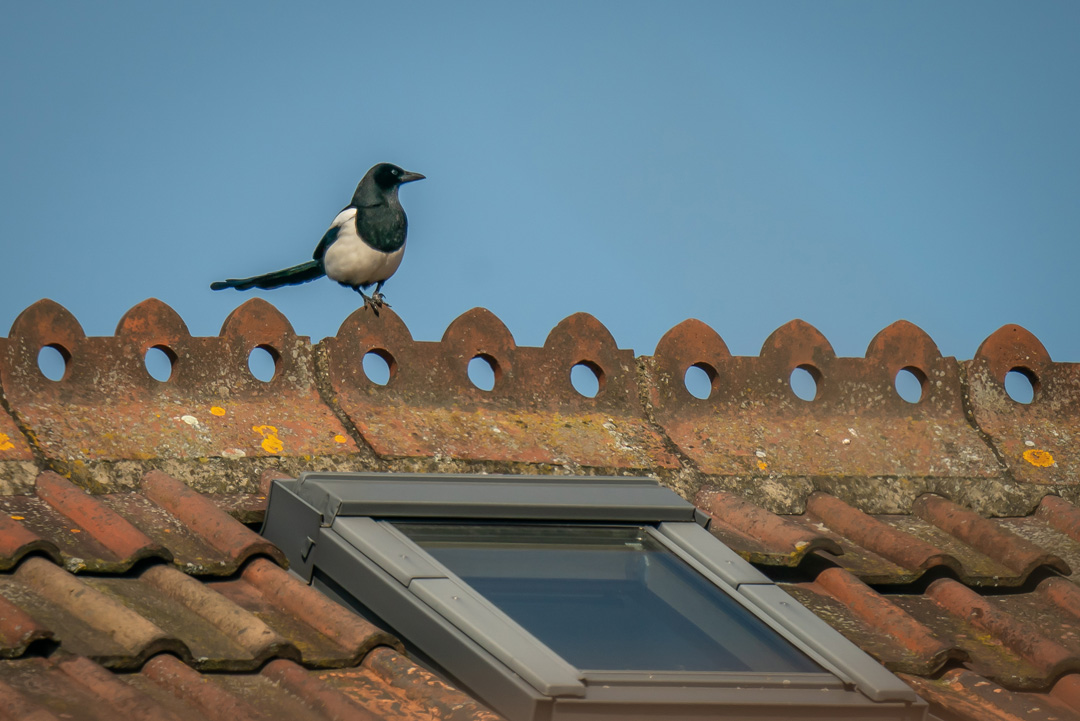 Magpie
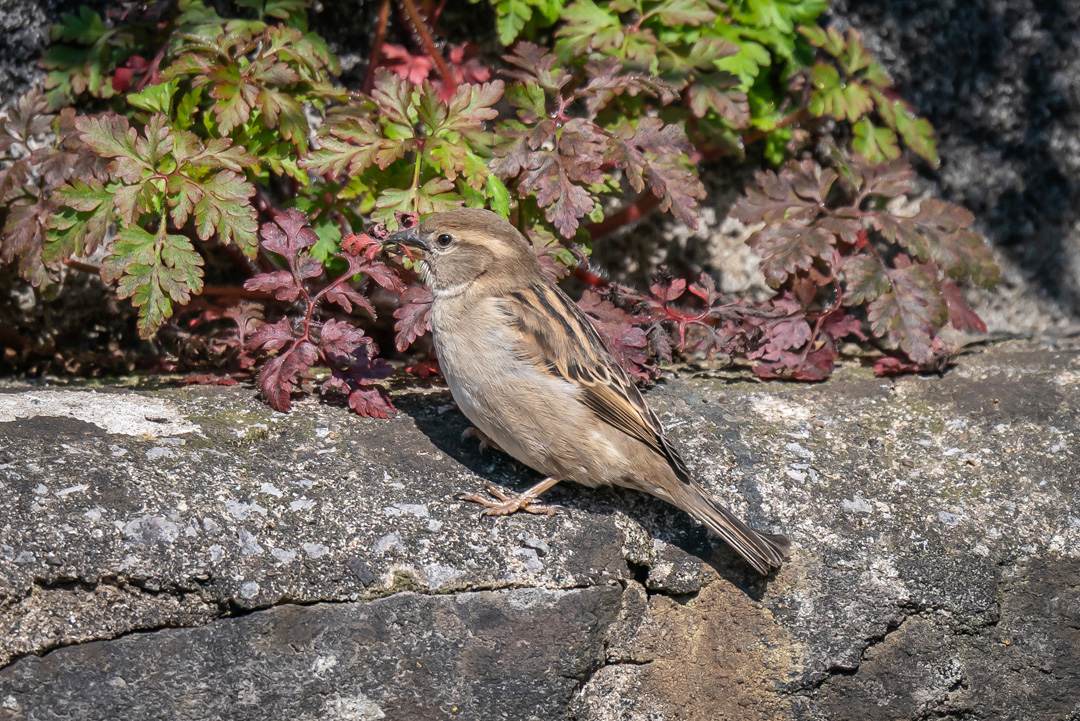 Female sparrow
 Dunnock
 Female sparrow
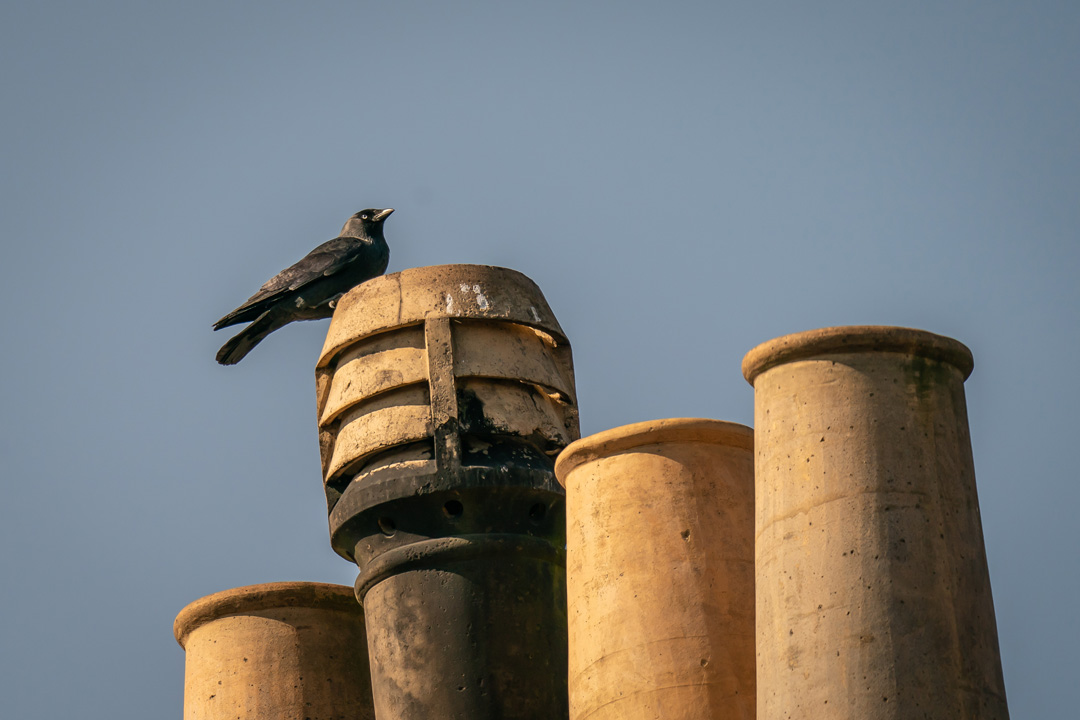 Jackdaw
 Dunnocks
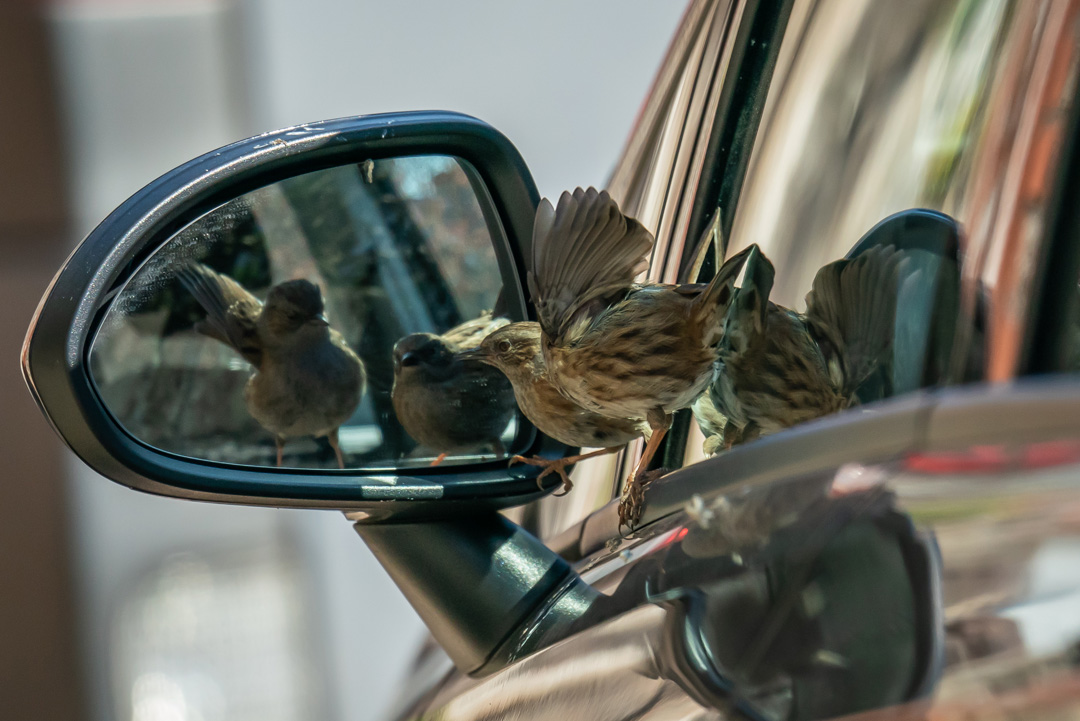 Dunnocks
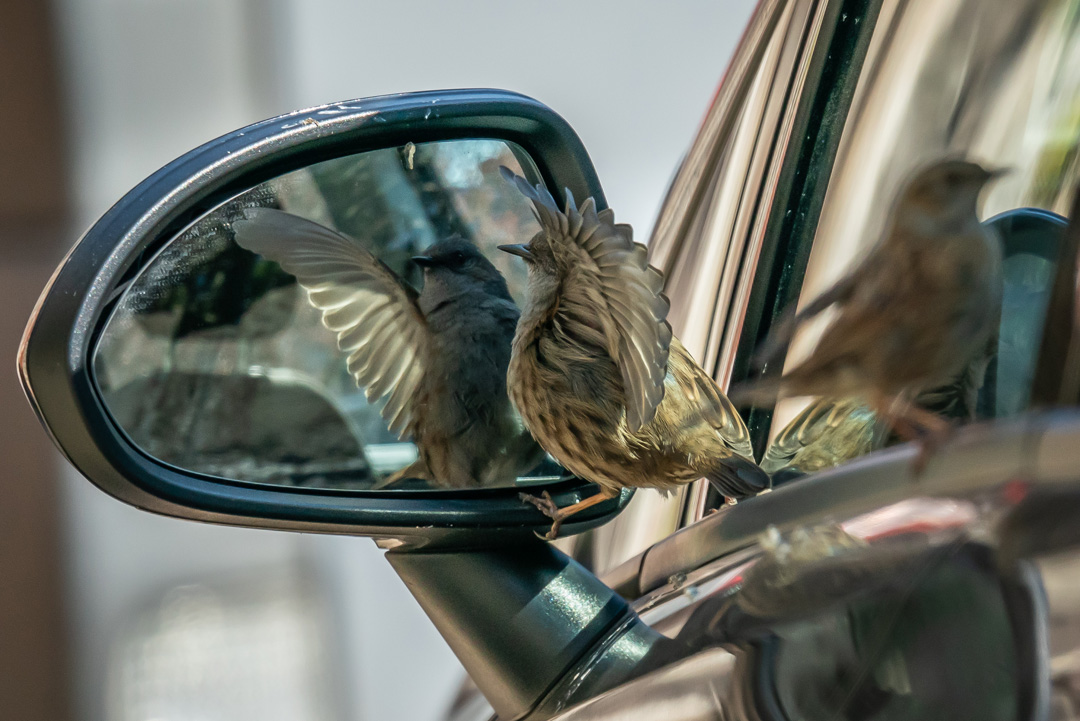 Dunnocks
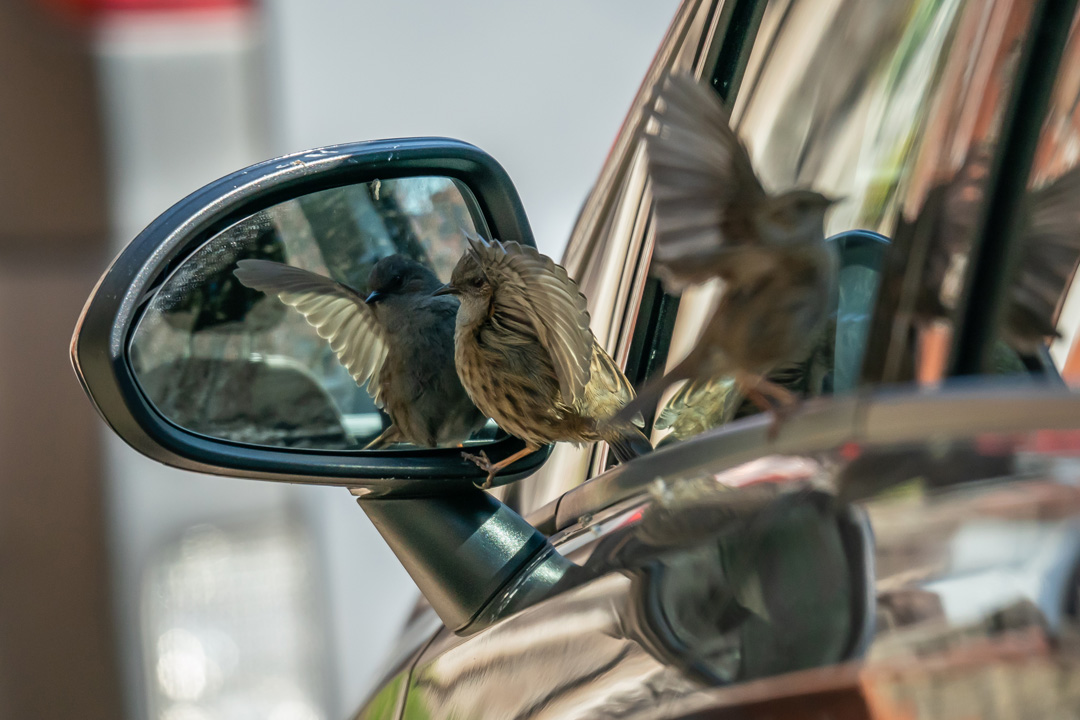 Dunnocks
 Female sparrow
 Female sparrow
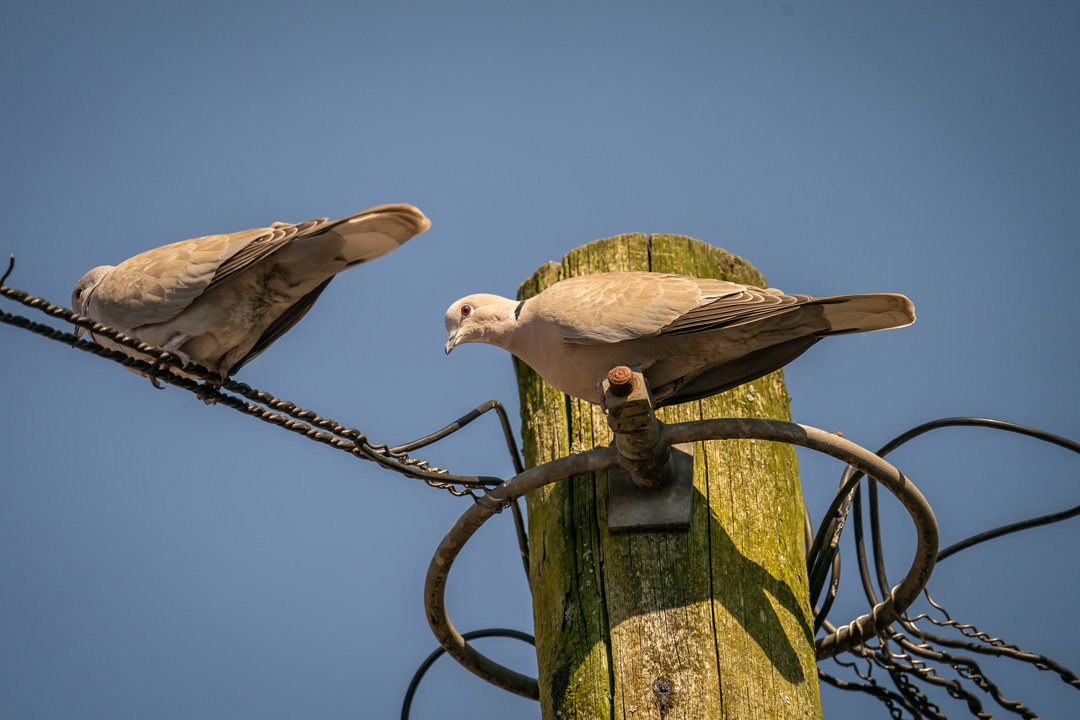 Collared doves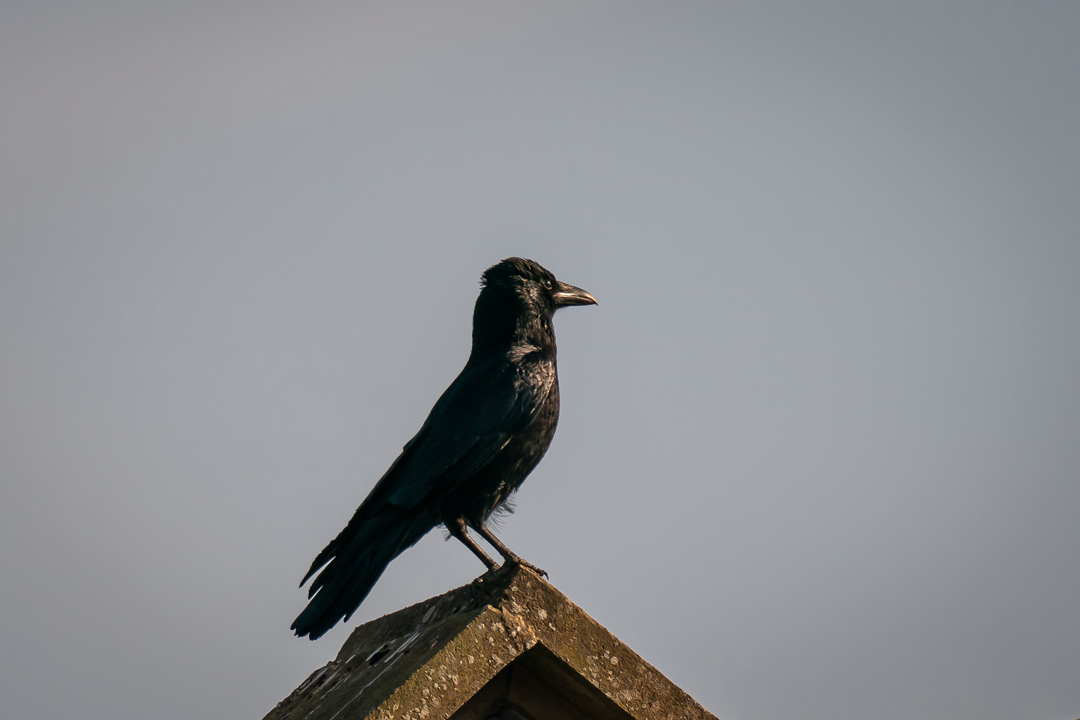
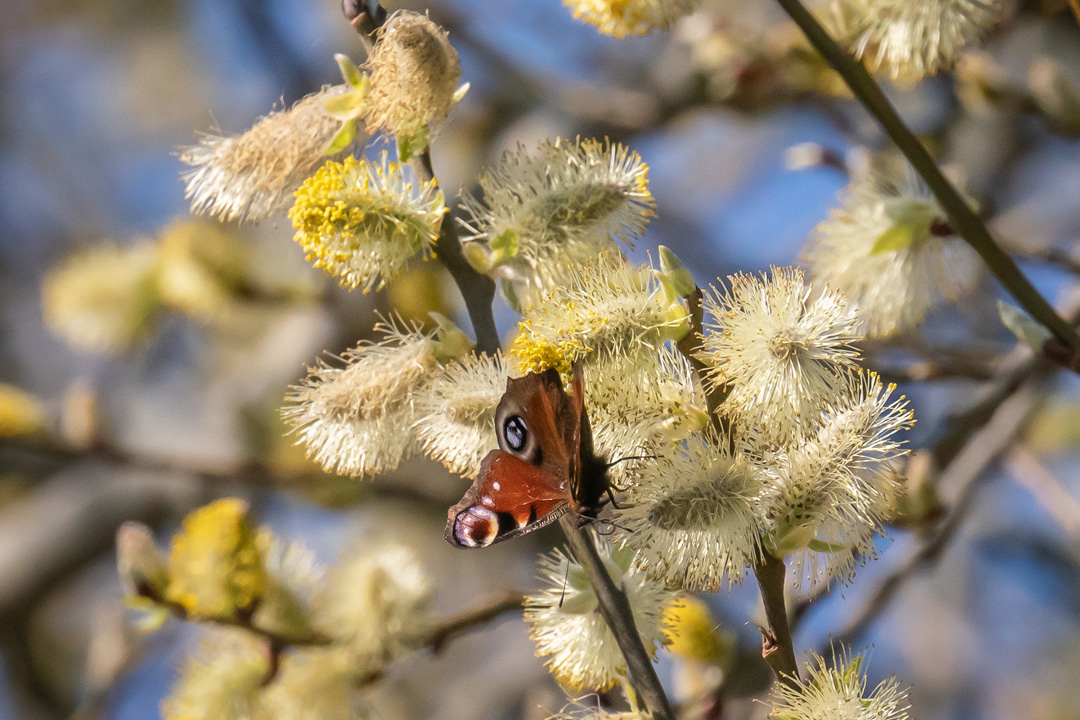 Peacock butterfly