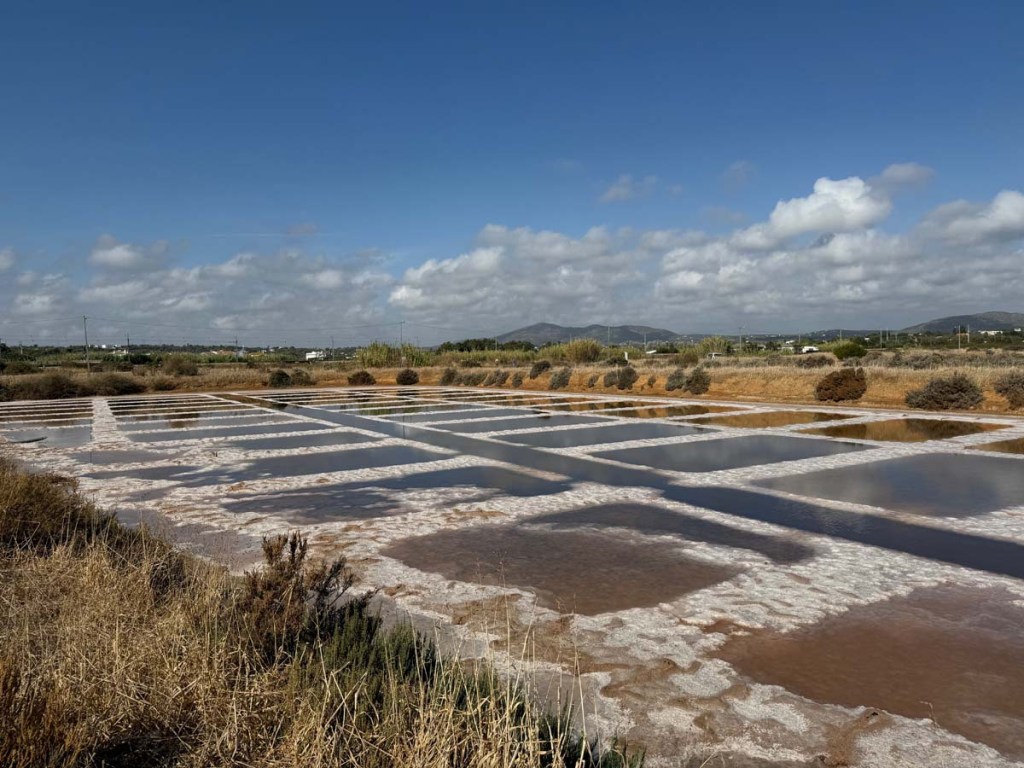
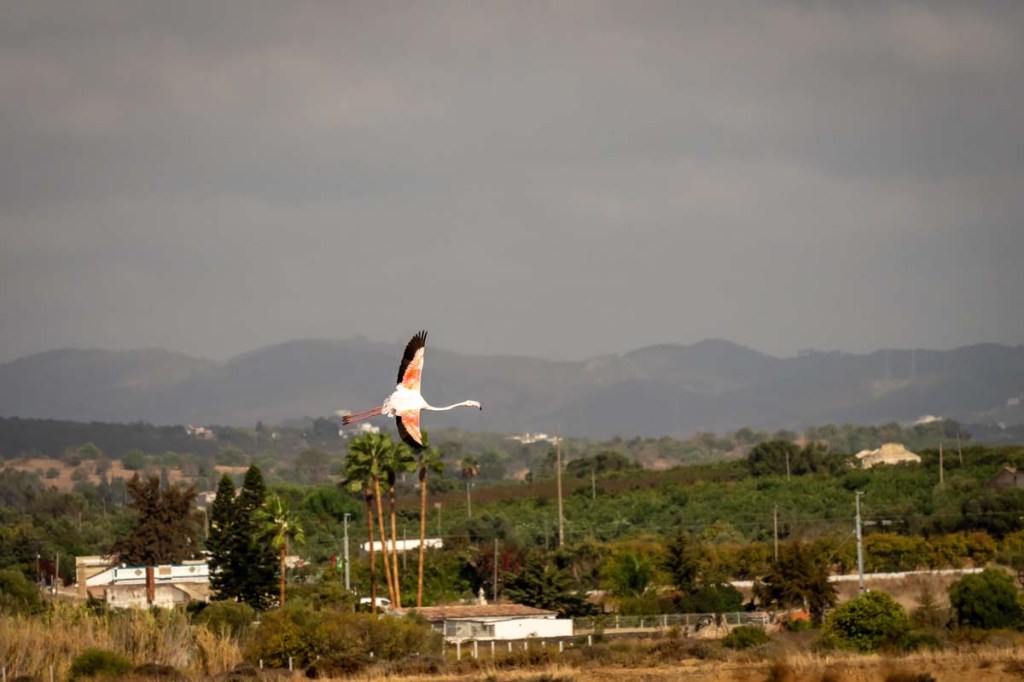
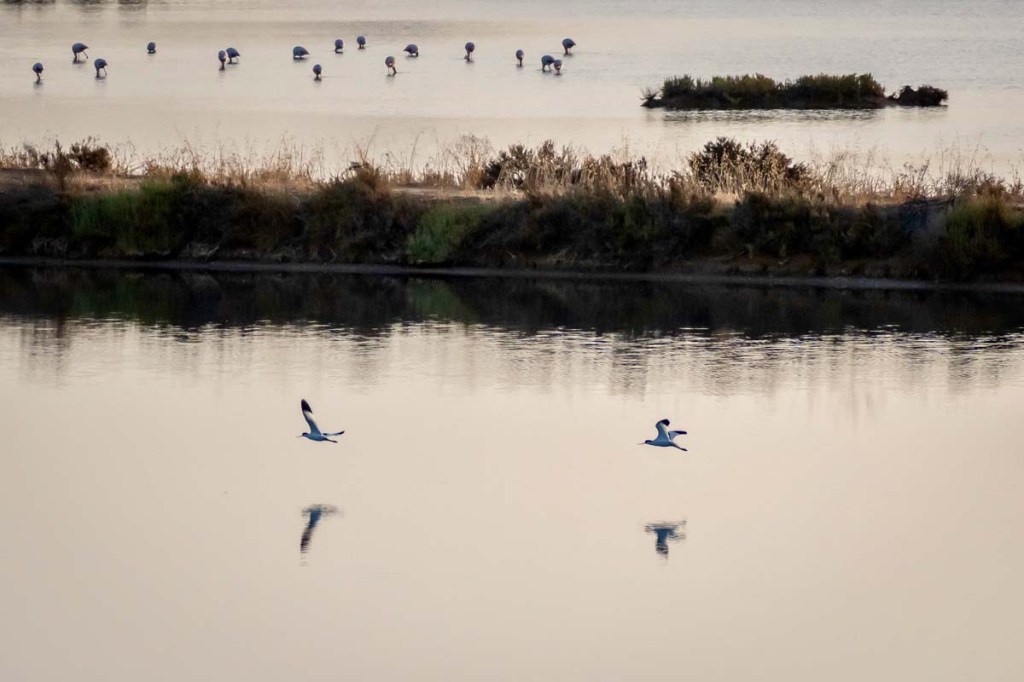
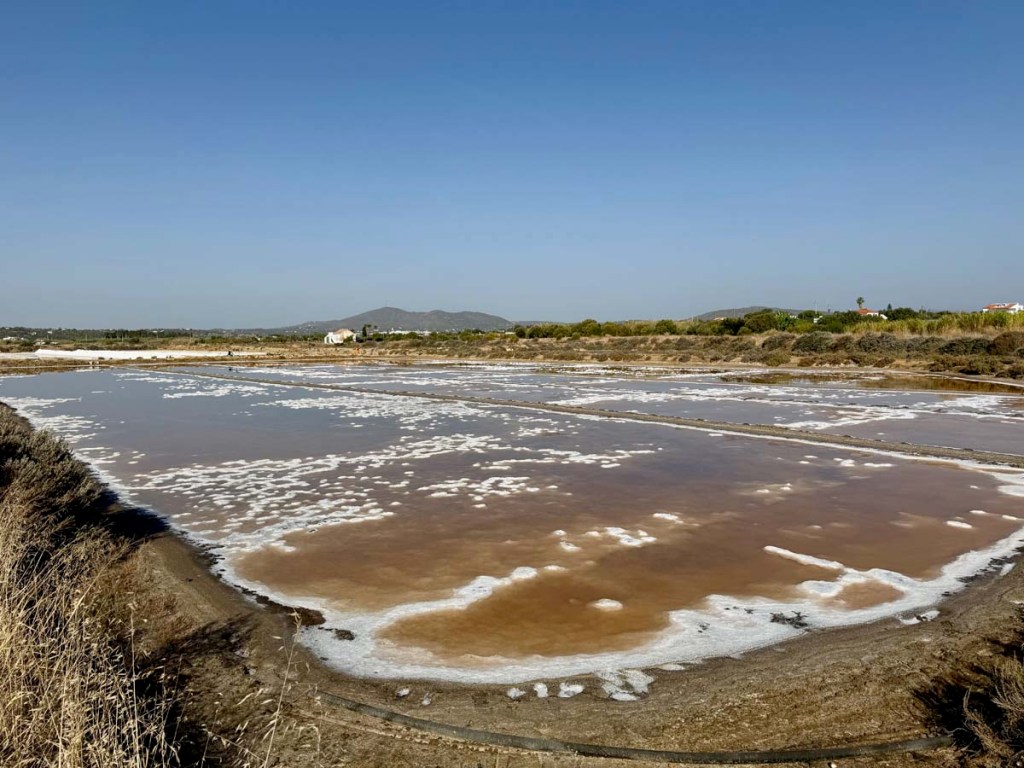
Today we have been exploring the salt pans of Fuseta from where we have had some glorious views of the birdlife and the scenery of this part of Portugal. We stopped off at a small café/restaurant on the far side of the pans and extended our stay to include lunch – all of which was incredibly good value.
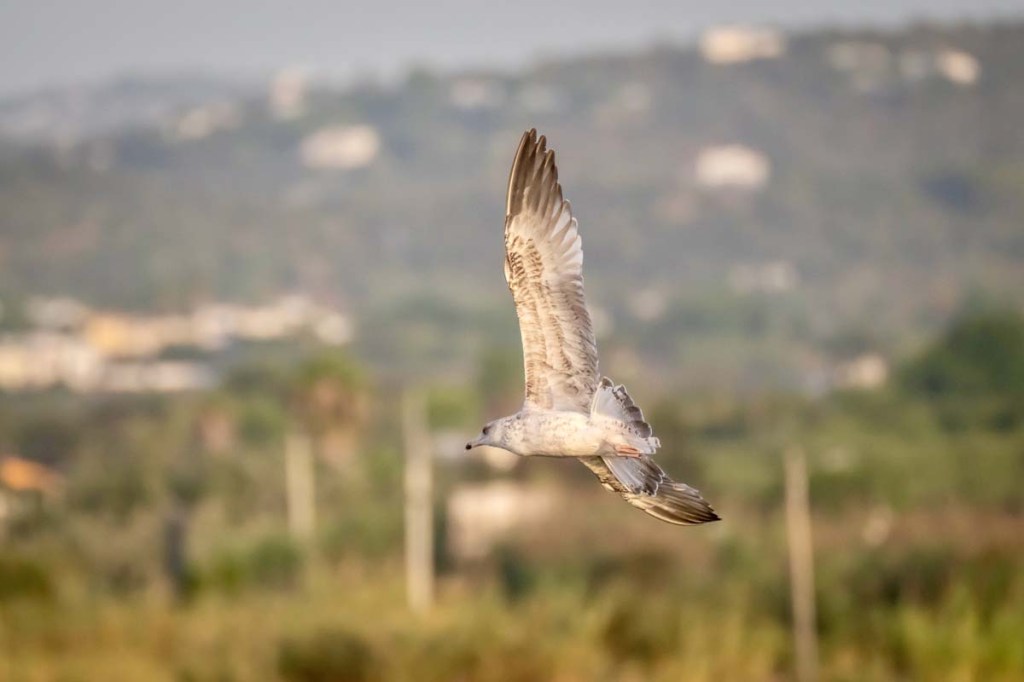
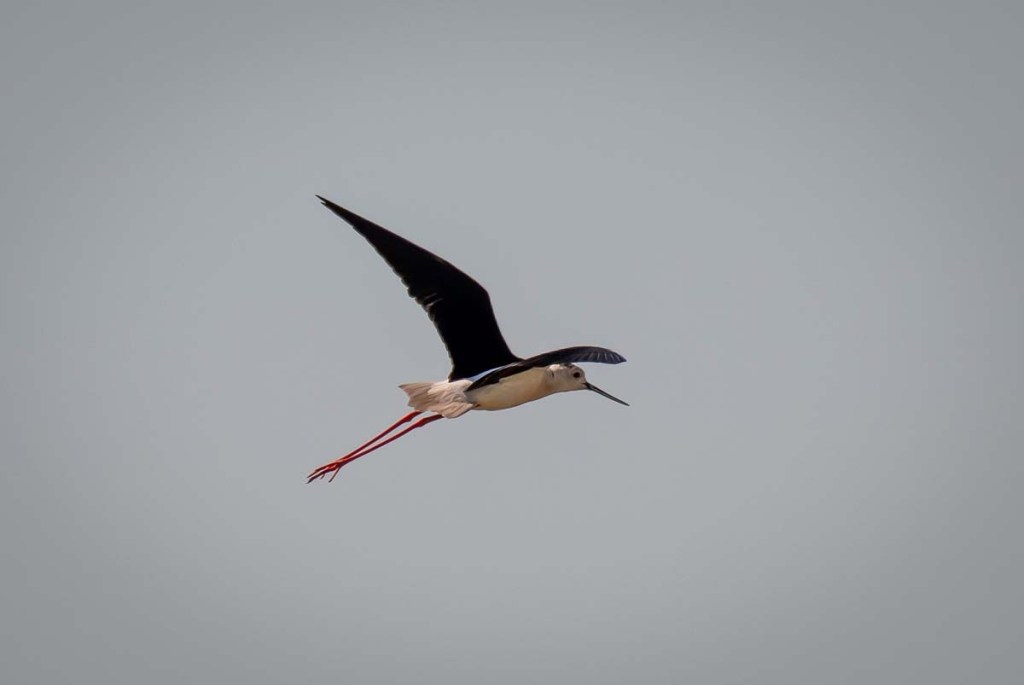
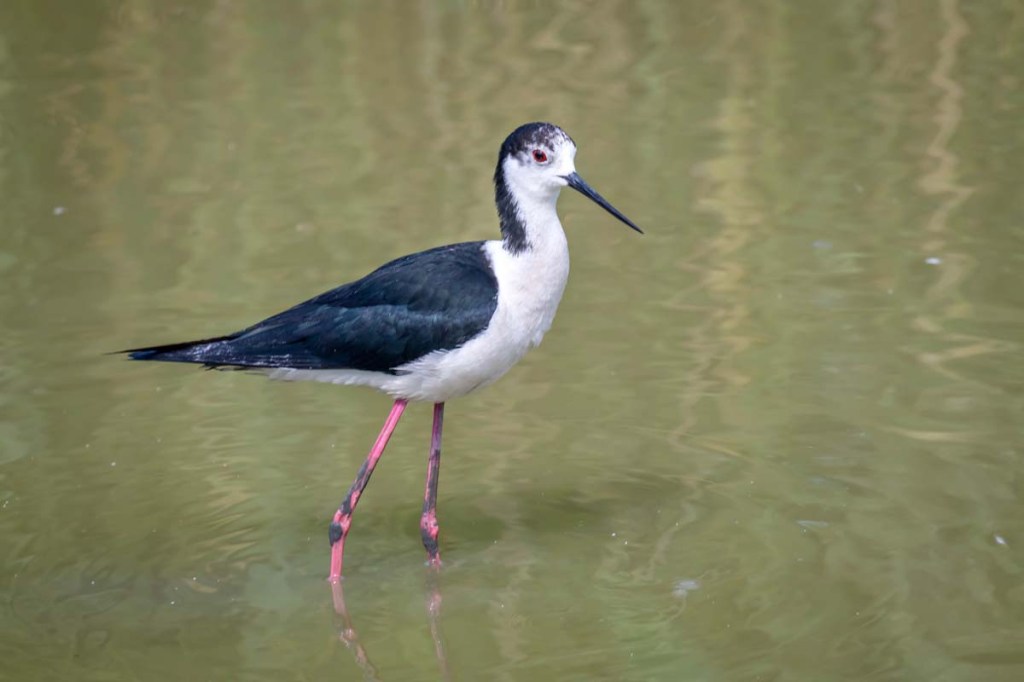
Salt pans of FusetaSalt pans of FusetaGreater flamingoGreater flamingosGreater flamingos coming in to landGreater flamingo seemingly walking on waterAmazing views of gulls tooBlack-winged stilts and a ruddy turnstoneI can’t work this one out. Yellow legs and (apparently) slim bill. Maybe a common gull? (Over to you Michael).More gulls and the church at Fuseta in the background
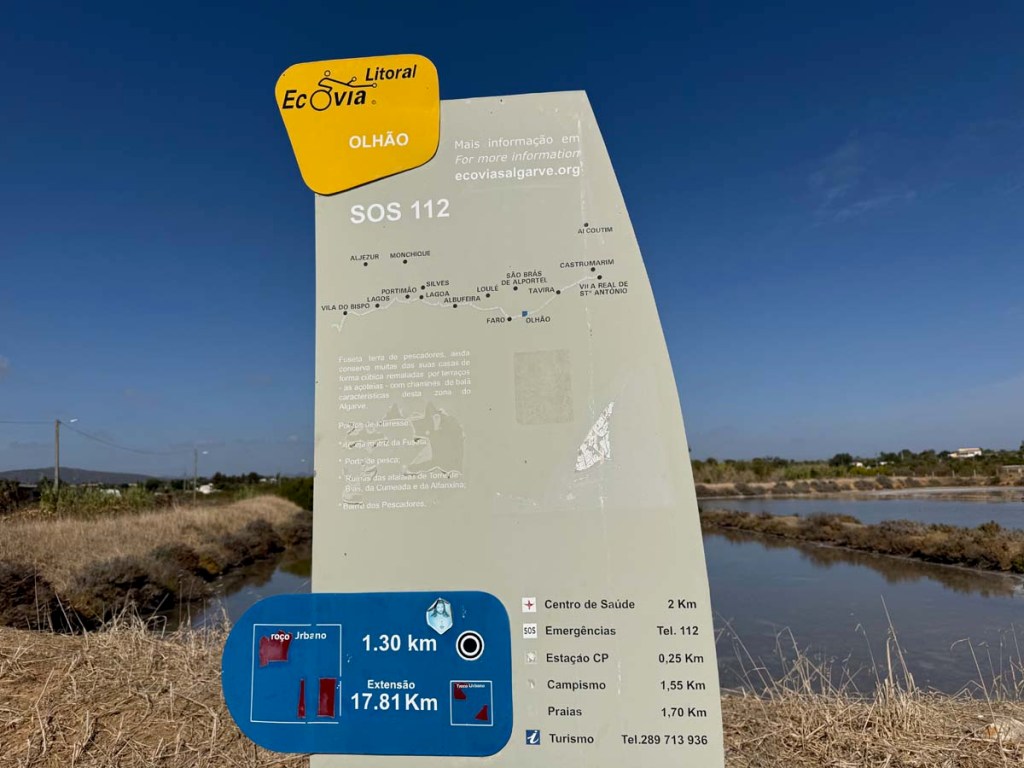
The walk back seemed further but we had a good stop as, incredibly, we bumped in to two men on bikes on the long distance cycle track through the Algarve who I used to teach as boys nearly 50 years ago back in Bristol in the UK. I am always amazed that such encounters ever happen.
The long distance cycle track through The Algarve
We were quite happy to encounter a few spoonbills too, but I had to take the photos through a net as they were on private property. Manual focus helped somewhat.
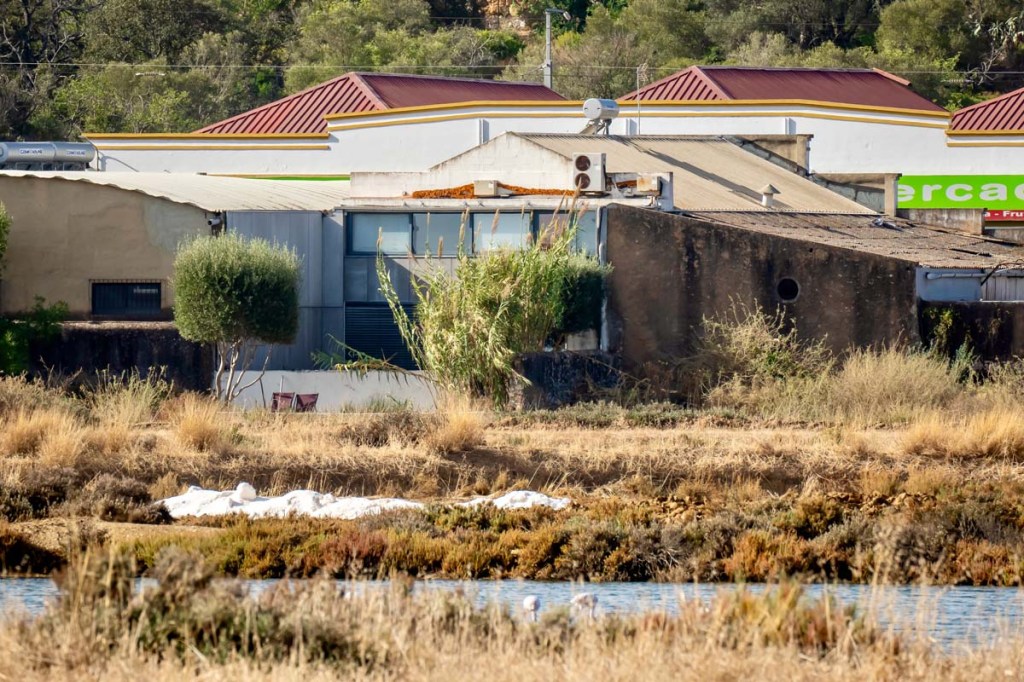
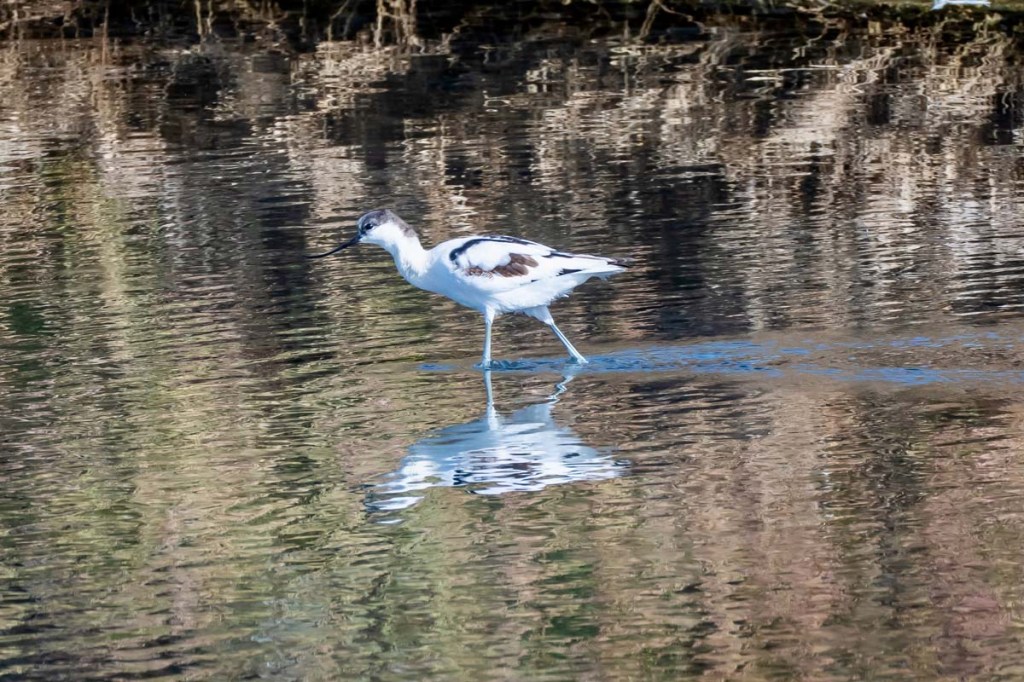
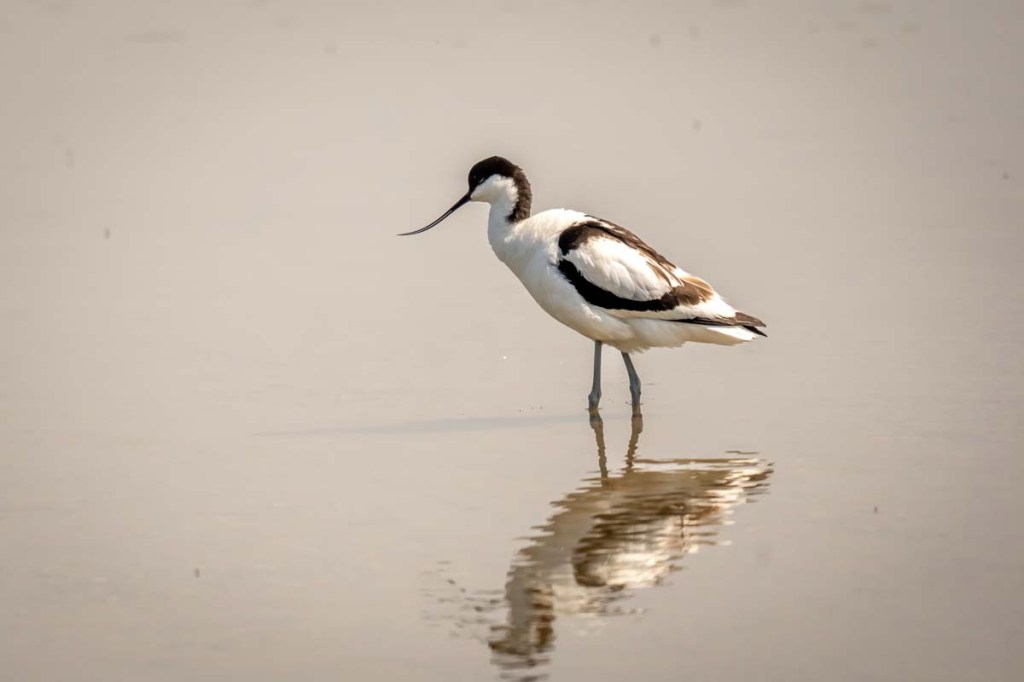
Eurasian spoonbillsEurasian spoonbillMore views of the salt pans and salt mountain – there must be other ingredients too with all those gulls!Pied avocetsCarline thistles, I believe
Back at base we had a relaxing time where I managed a few of the birds I was hoping to see.
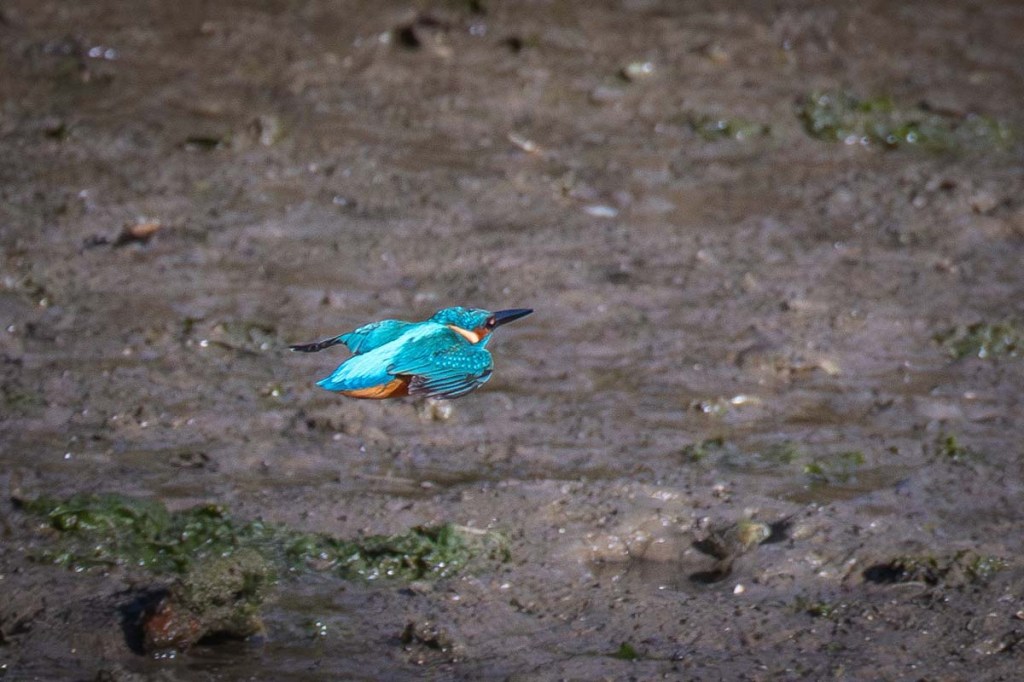
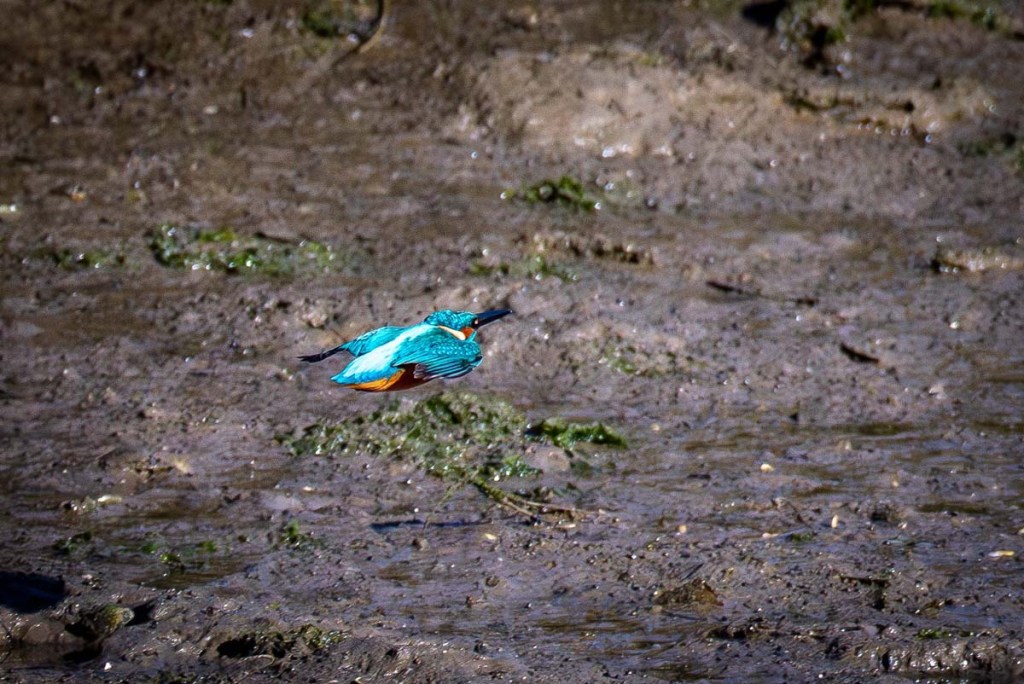
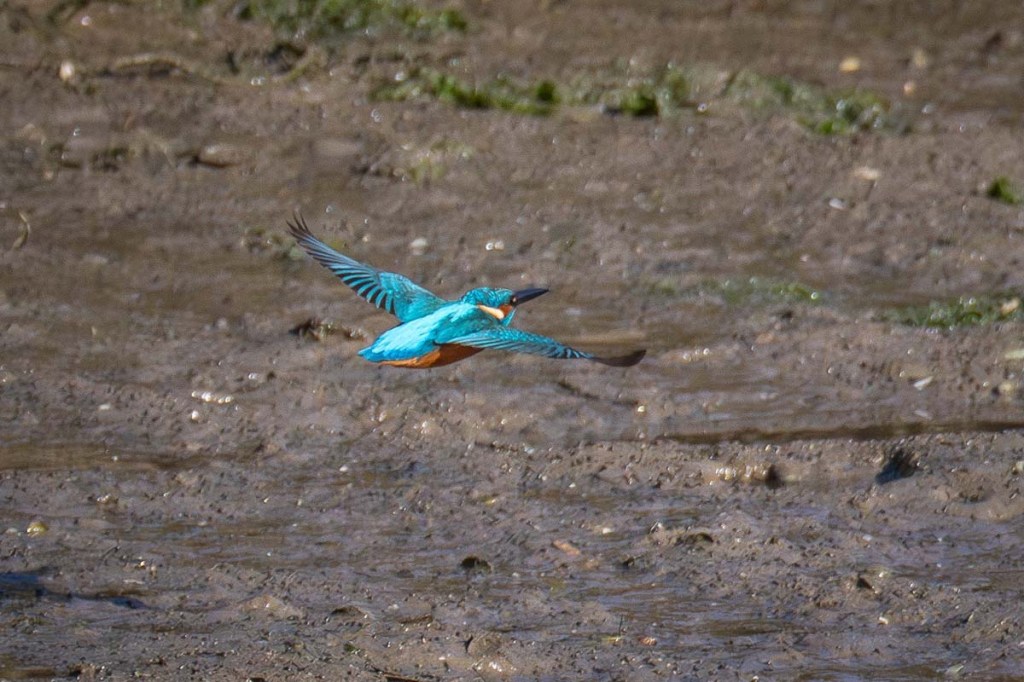
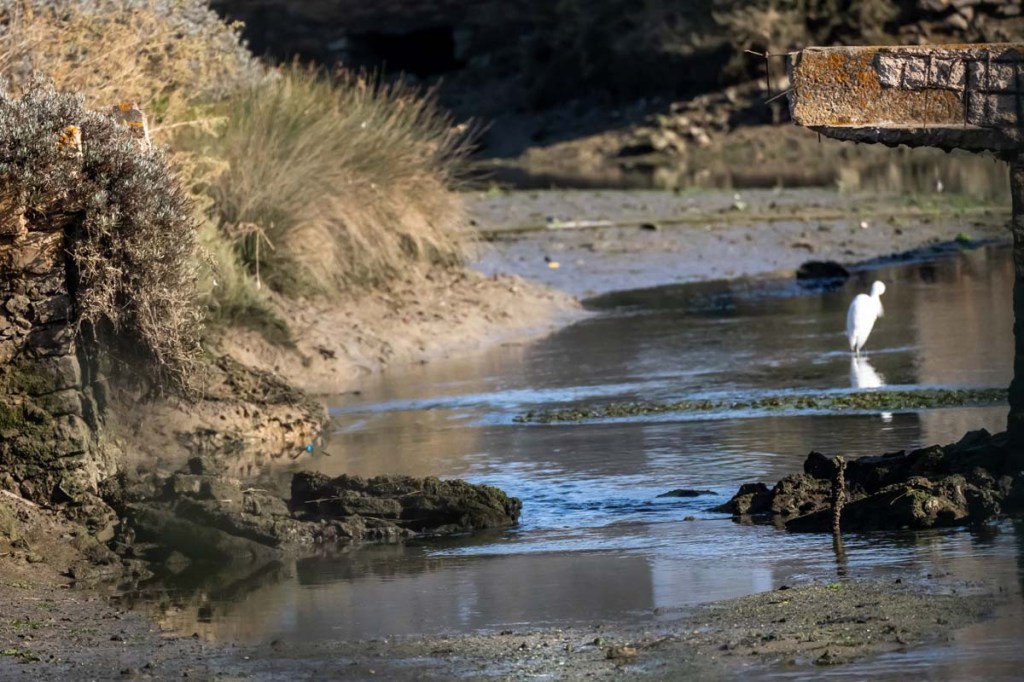
Sardinian warbler had escaped me until nowCommon ringed plover in flightThe one bird I was keen to photograph – the common kingfisher (sort of my signature bird – Martin Pêcheur in French)Common kingfisherCommon kingfisherStill in my viewfinderCan you spot it here? I’ll give you a clue – bottom left.Pied avocets settling down for the nightHowever the greater flamingos were still quite frisky
Whilst Portugal was going to the polls in the country’s local elections (which are apparently poised to be another win for Europe’s far right) we were taking it easy on a stroll through the salt pans of Fuseta. We weren’t alone – there seemed to be be more people cycling, running and walking along the long distance path along the Algarve than heading to the polls. But to be fair, listening to the voices in the local square at lunch time there were more French people than Portuguese. This may be one of the reasons why the Portuguese are complaining about the cost of housing – the problem is particularly critical in Lisbon, where average home prices have shot up by nearly 80 percent over the last five years and are currently hovering at €5,769 per square meter.
We were so refreshed from the rest over the last few days that we were up to see the sun rising. And what a treat it was with a flock of spoonbills flying over the sun.
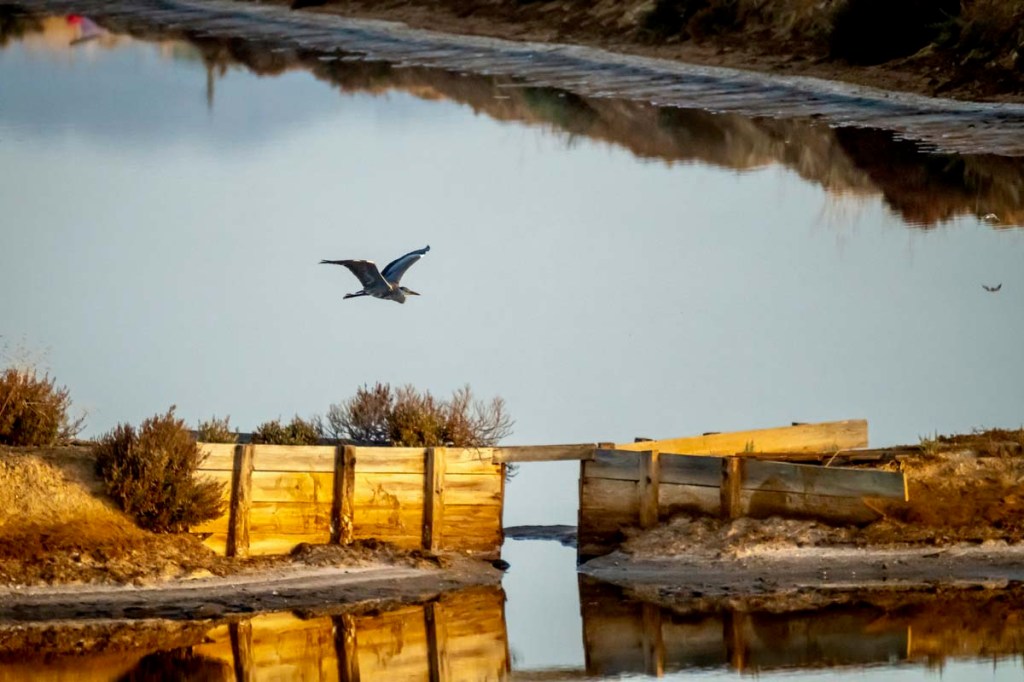
Spoonbills flying over the rising sunSpoonbillsThe flamingos had flown away last night but they were back when we awoke this morning.An early morning grey heron Pied avocets in the foreground
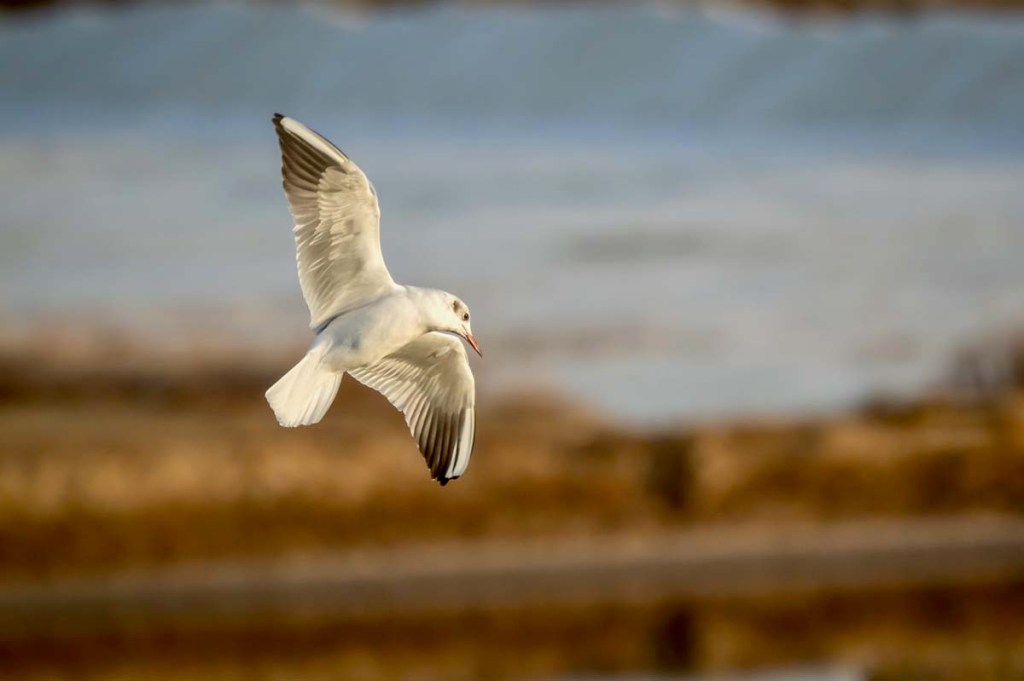
I’m not a great fan of gulls but they looked good as the sun rose:
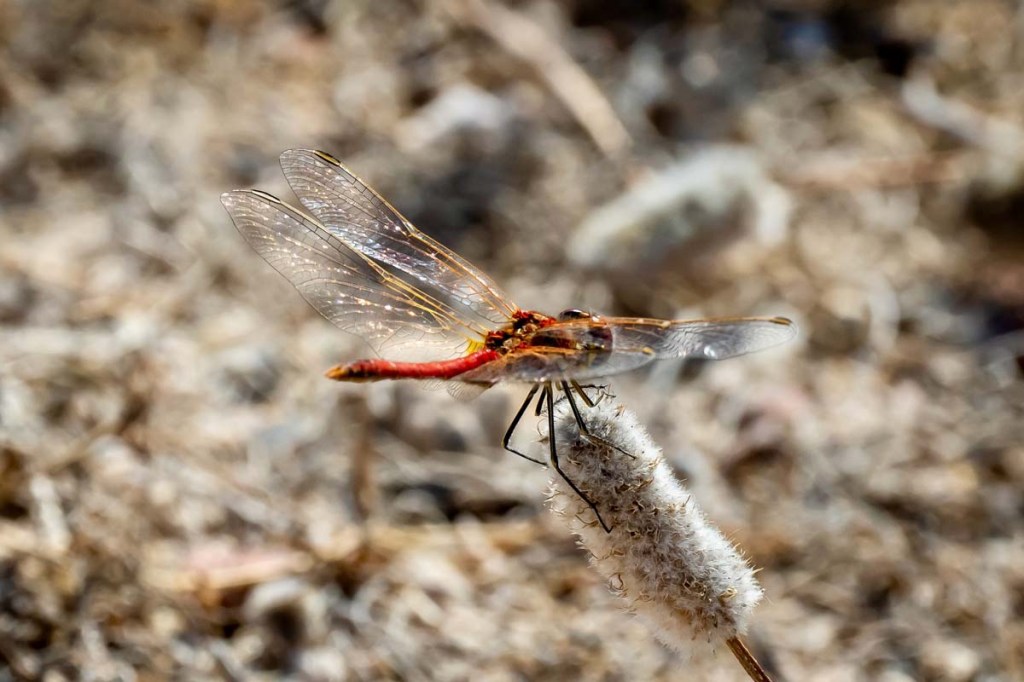
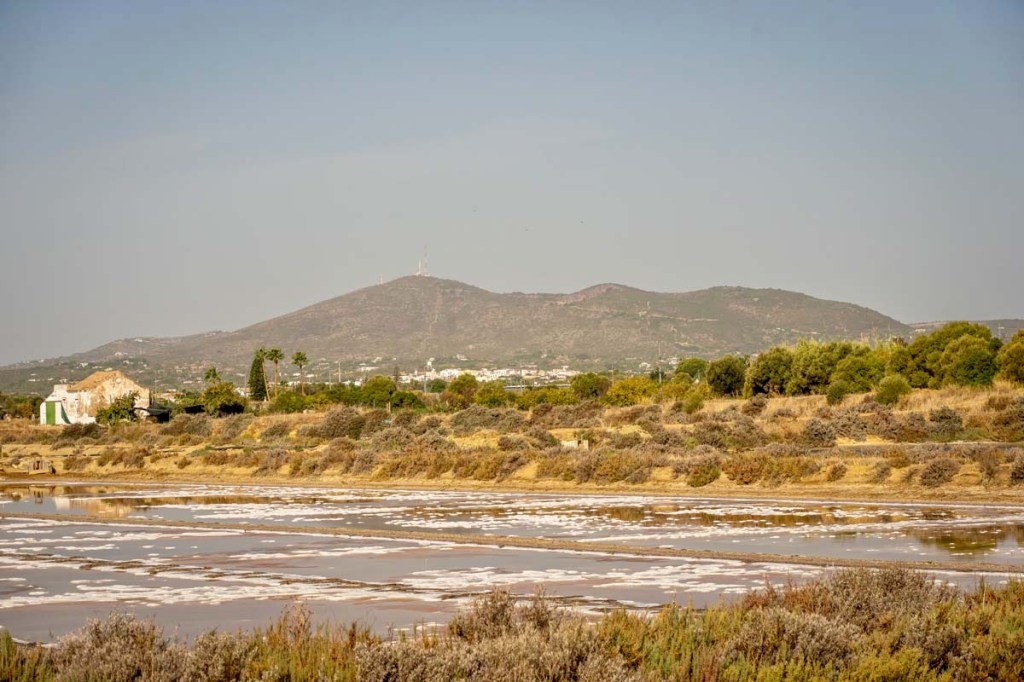
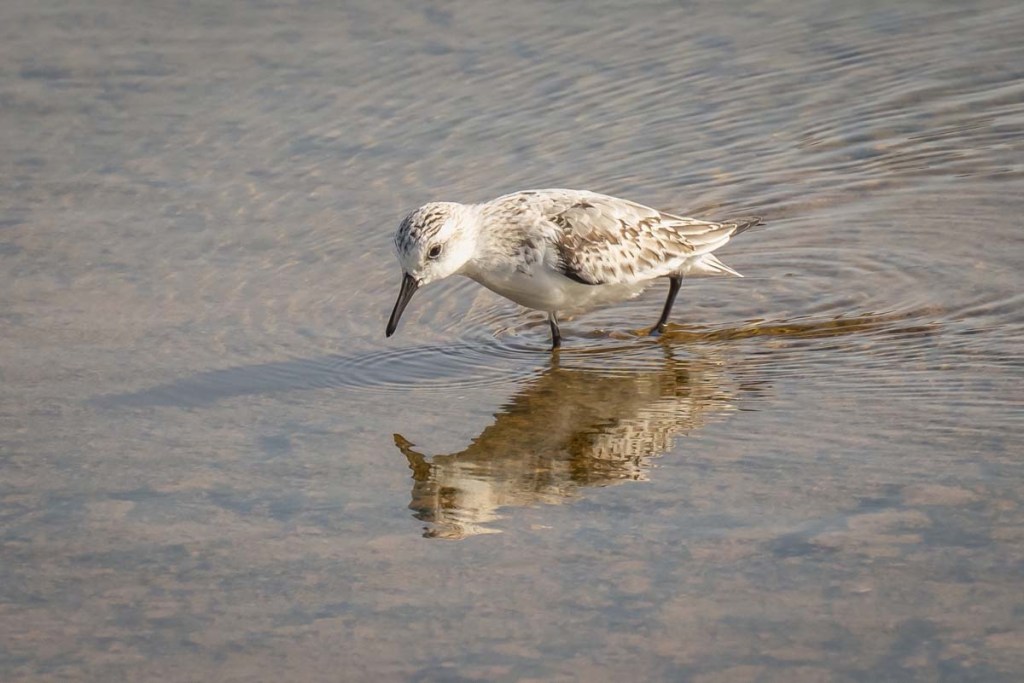
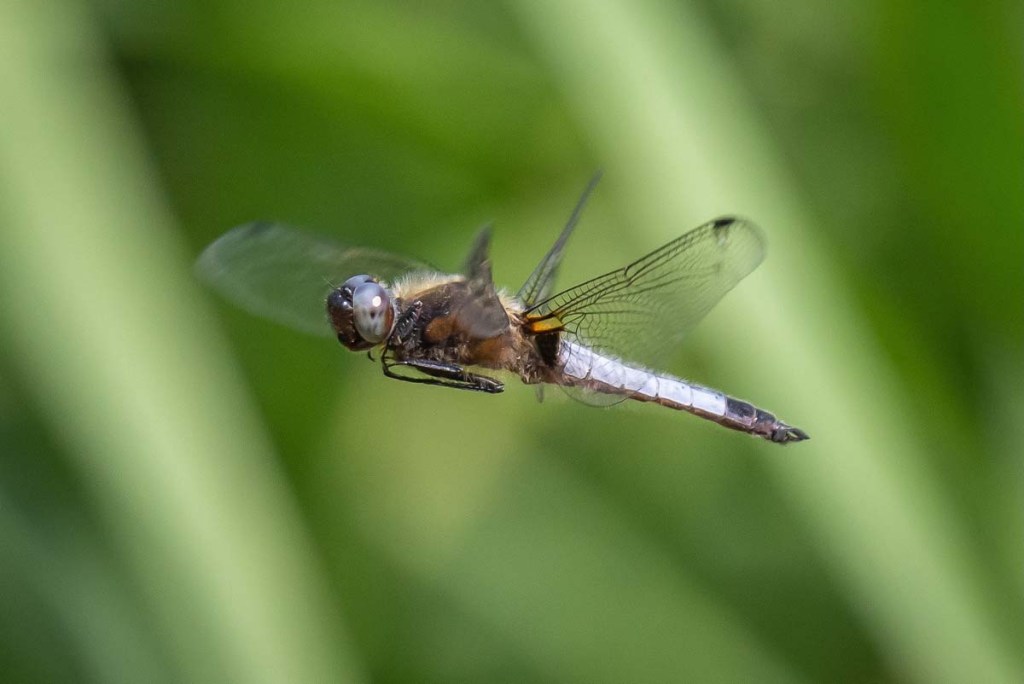
Yellow-legged gullBlack-headed gullA crested lark at the beginning of our walkThe railway station just 5 minutes from our apartment on the outskirts of FusetaOur apartment (a converted carpenter’s workshop) seen from the other side of the salt pansA pied avocetStill dragonfly season hereAcross the salt pans to the mountains in the backgoundBlack-winged stiltSanderlingSalt mountain from the other sideLooking back at FusetaThe salt pans of FusetaThe salt pans of Fuseta
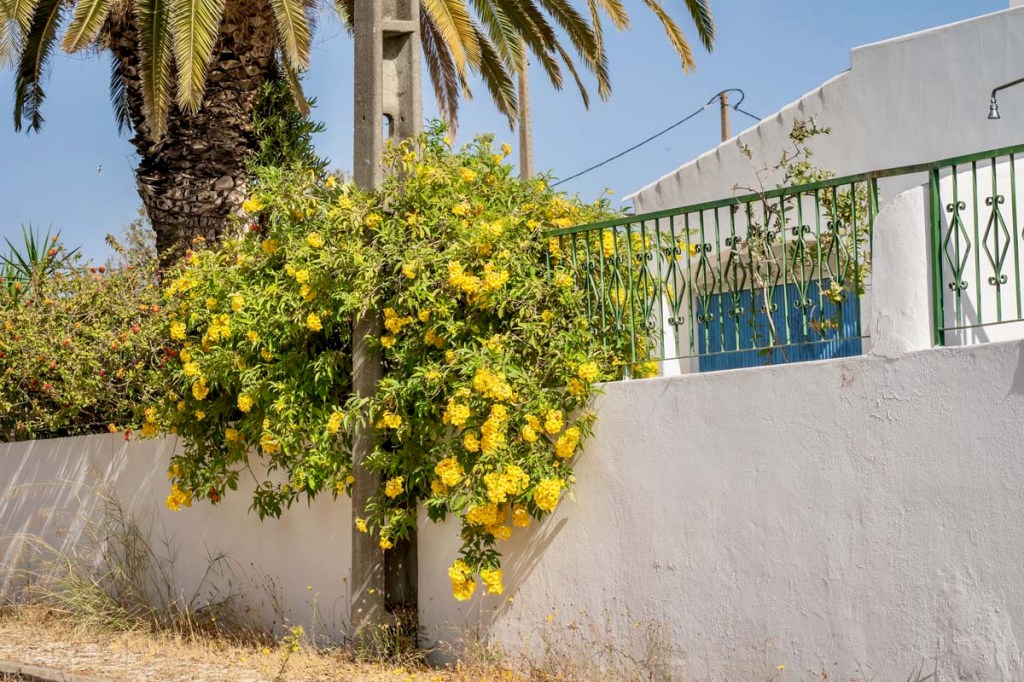
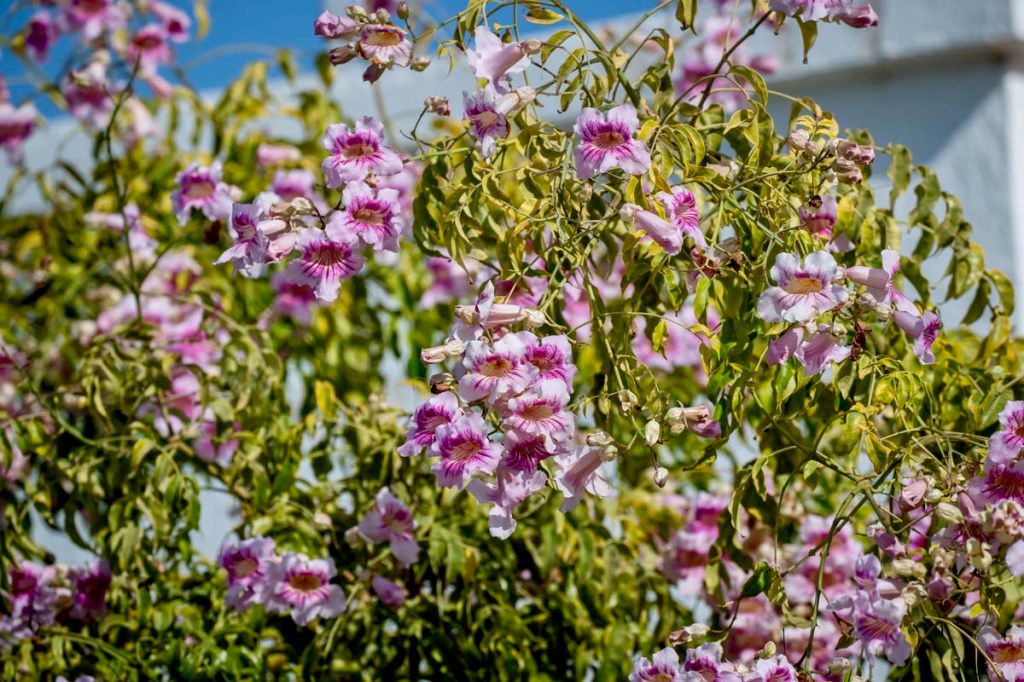
As we approached the village we were heading for there were lots of plants still in flower.
At the village we discovered the café/restaurant was closed and so we headed back to Fuseta.
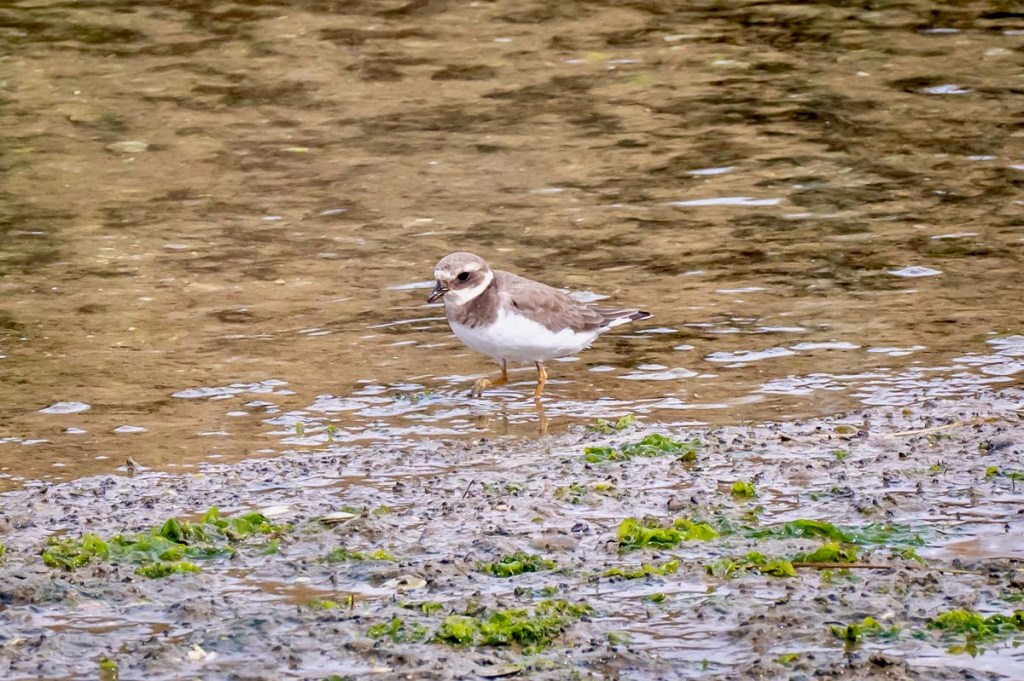
View from our terraceCommon ringed plover in the stream by our terraceRedshank in the same place… and a curlew sandpiper
Just time this morning for a stroll over to one of our local parks before the rain came.
Duchess Pond in Stoke Park Estate
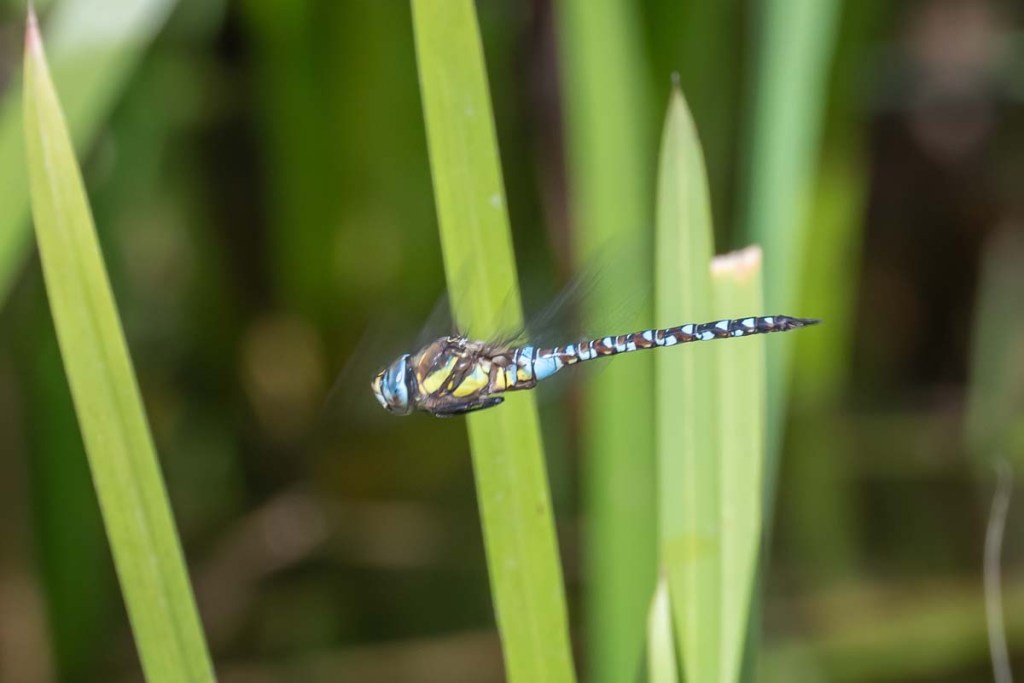
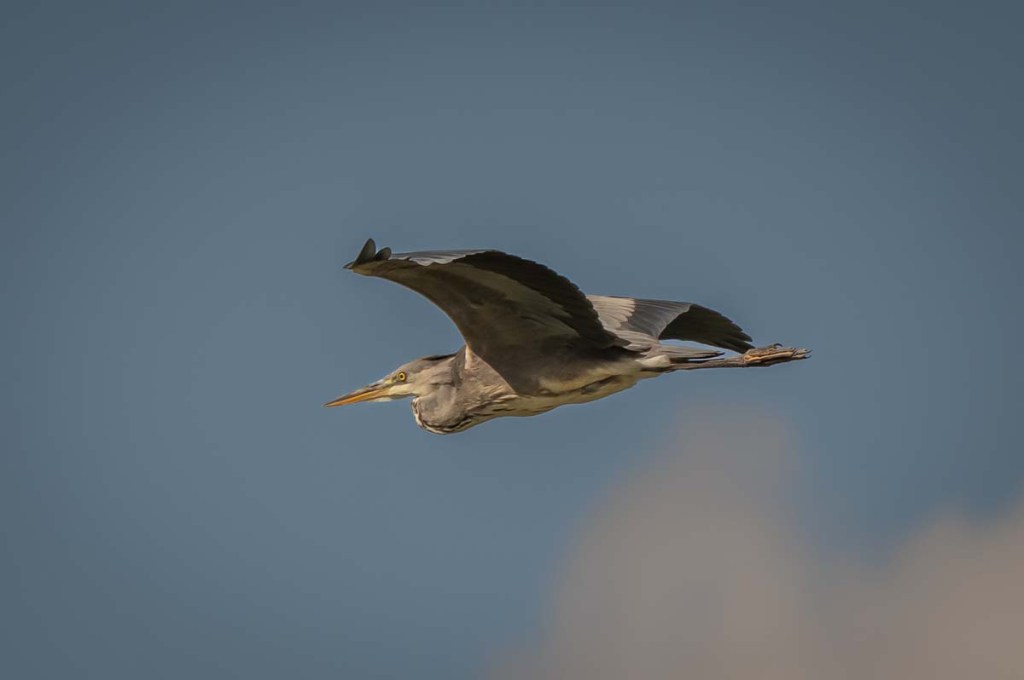
There are still plenty of dragonflies around but I didn’t see much in the way of bird life except for a grey heron (and coots and moorhens) although redstarts have been reported recently.
Common darterMigrant hawkerGrey heronGrey heronGrey heron
It’s a lovely spot but not as wonderful as it looks because it’s next to the motorway and very noisy.
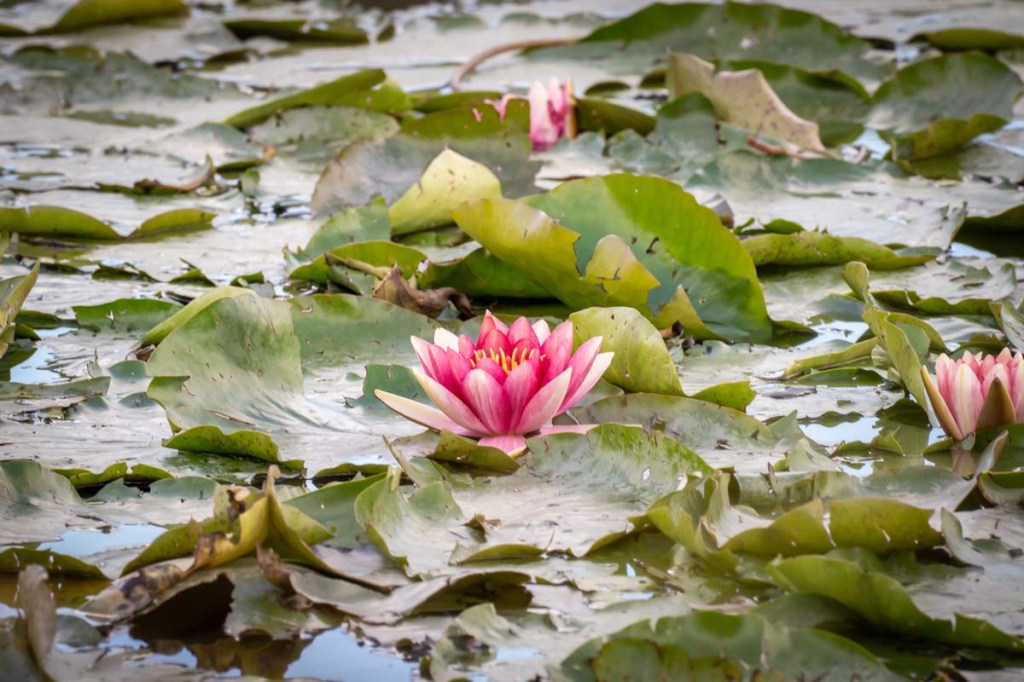
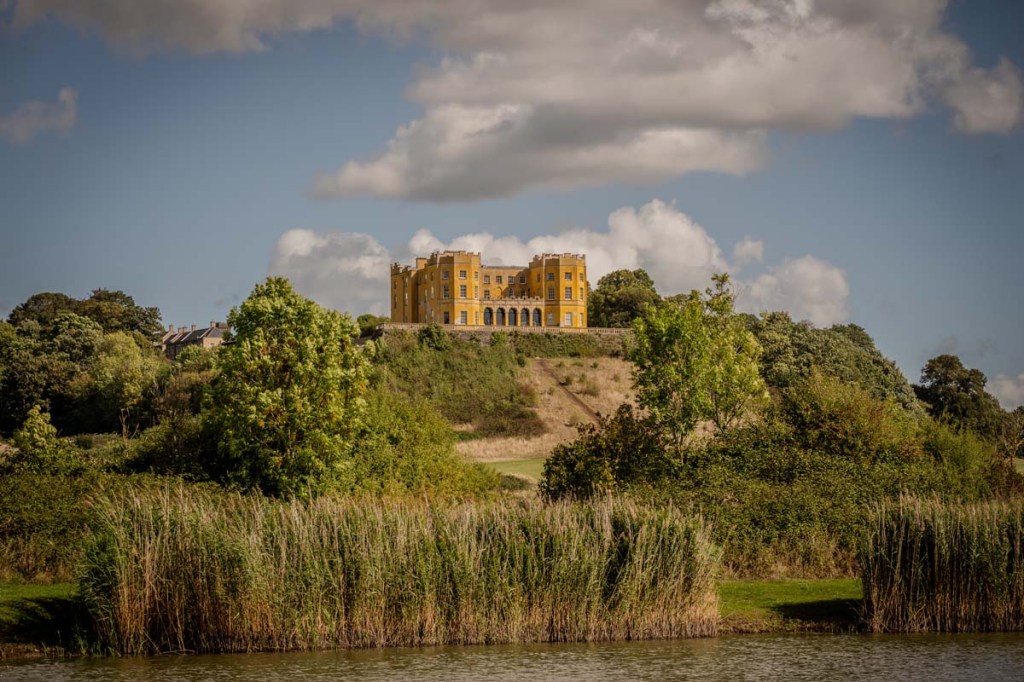
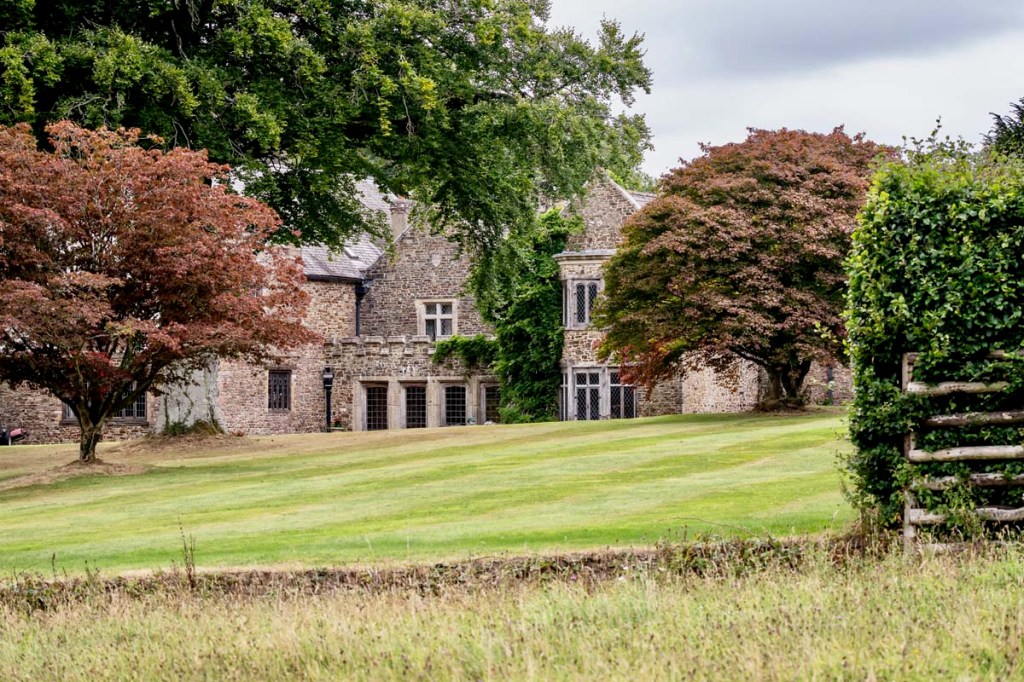
The grey heron didn’t seem to be affected by the noiseCommon dartersThe lily pads look wonderful at the momentThe Dower House (now apartments) on the edge of the park
When I was young my mum and dad, bless them, took me to Slimbridge a couple of times: I can’t say I was very impressed; I was more into team games and I would rather get muddy by diving around on the sports field than sloshing about in wellies. My parents obviously thought it a worthy thing to do but clearly I don’t think it was really in their DNA either and so, as it was fairly expensive, we didn’t go too often.
I can’t believe how much we love going there now. I know we dodge the hordes of children (and their parents/grandparents) by heading for the hides (rather than the pens with lots of exotic birds) but I do recognise that Slimbridge is a fabulous place and does amazing work to get youngsters interested in wildlife.
Sadly we see lots of bad parenting there but today we met a young boy (and his dad) as we were heading out to the Severn Estuary who stopped us and told us that if we continued on this pathway we could follow a walkway which took us down to the estuary where we might see, if we looked carefully, curlew and ringed plovers. We were both impressed that his dad didn’t interrupt him but allowed him to be our advisor. This young boy was thoroughly enjoying his day and clearly his dad had encouraged him enough to reach this point. It was a very refreshing encounter.
Down on the estuary we clearly didn’t look carefully enough as we only heard a curlew and the ringed plovers were too far away for our “old” eyes.
On the estuary we saw lots of egrets and grey herons.
However, we did see loads whilst we were at Slimbridge. I hope you enjoy some of my photos from today.
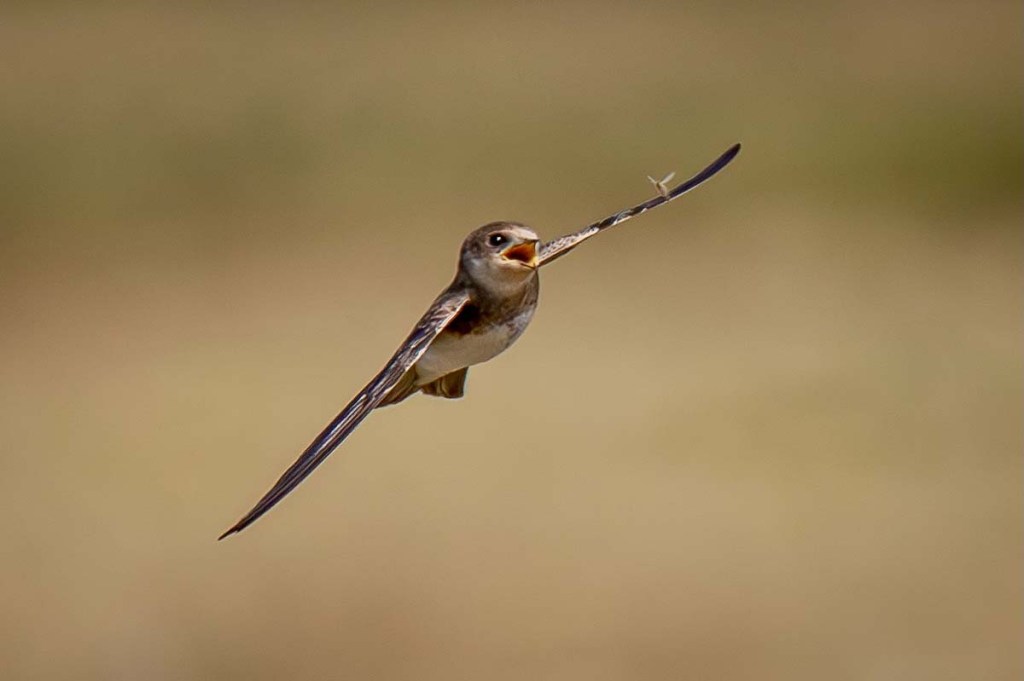
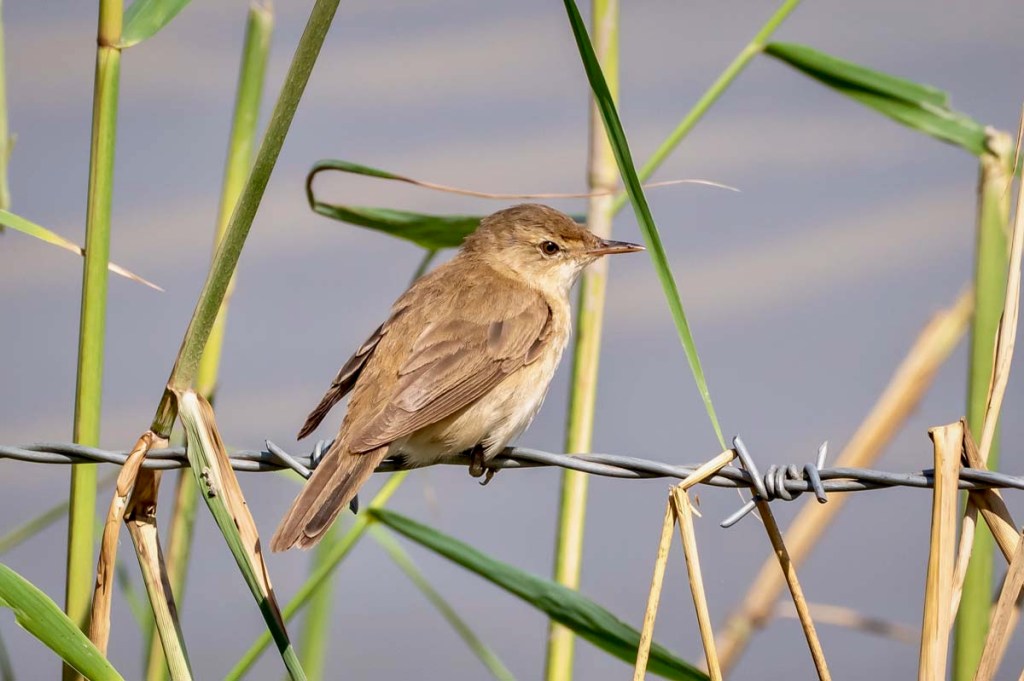
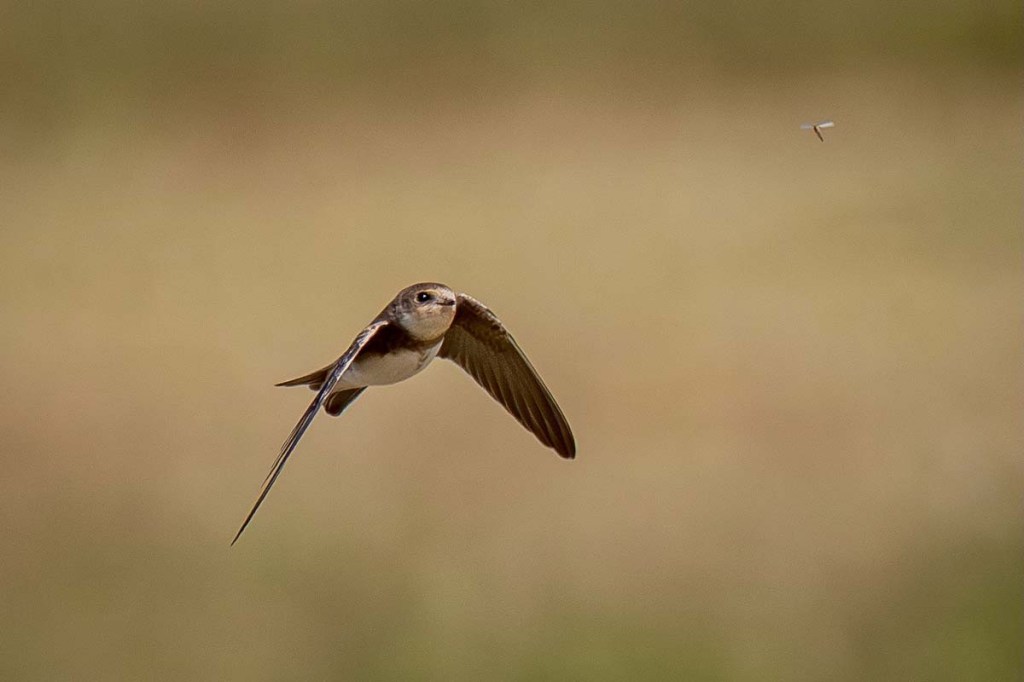
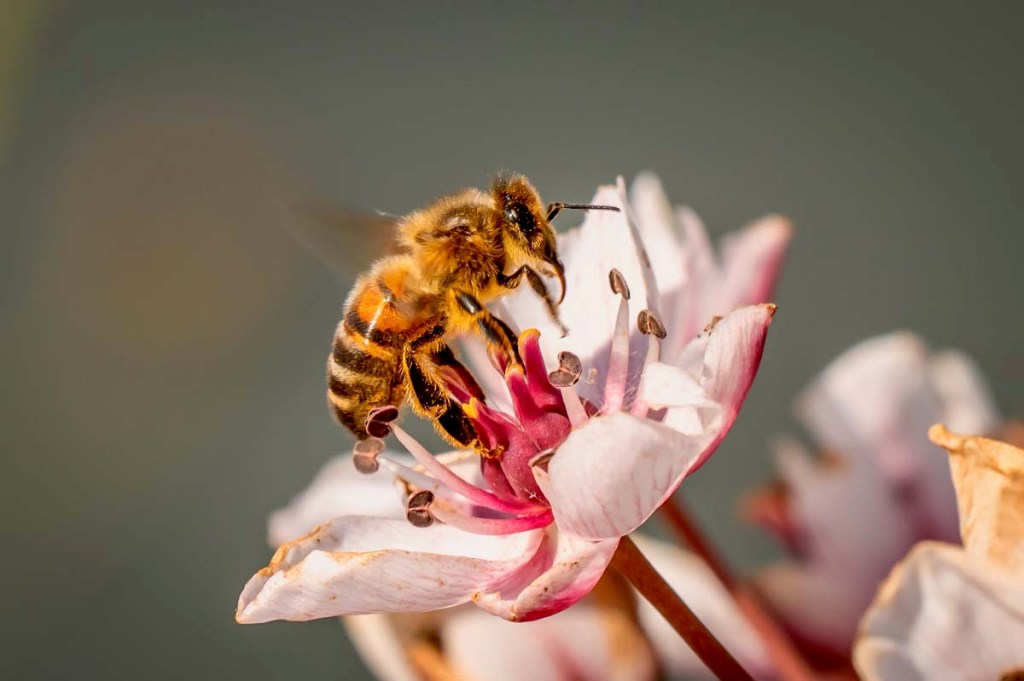
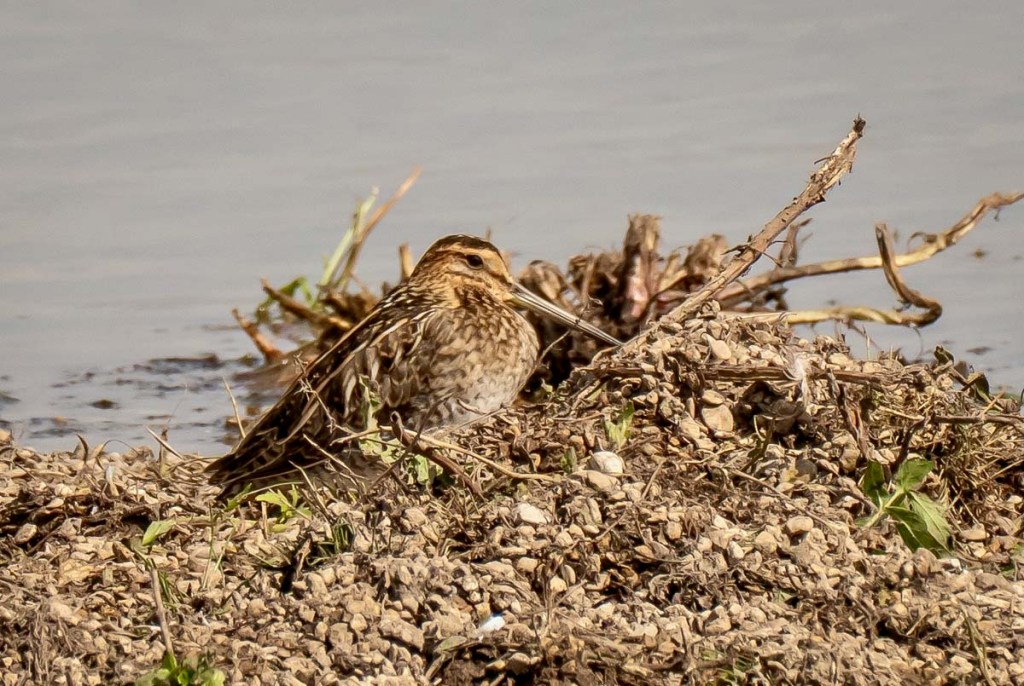
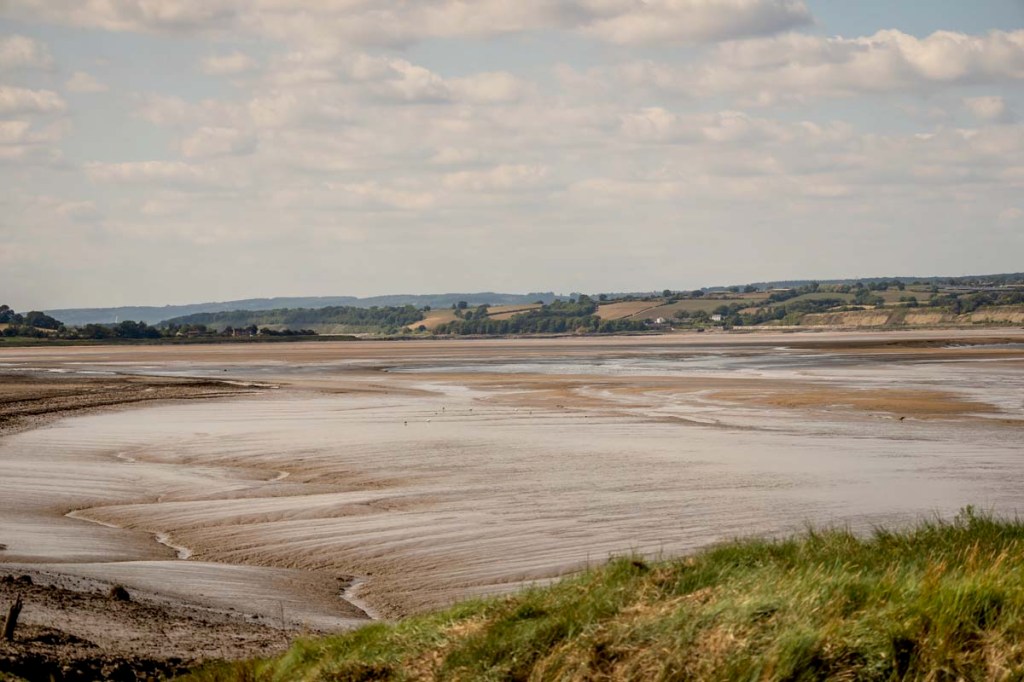
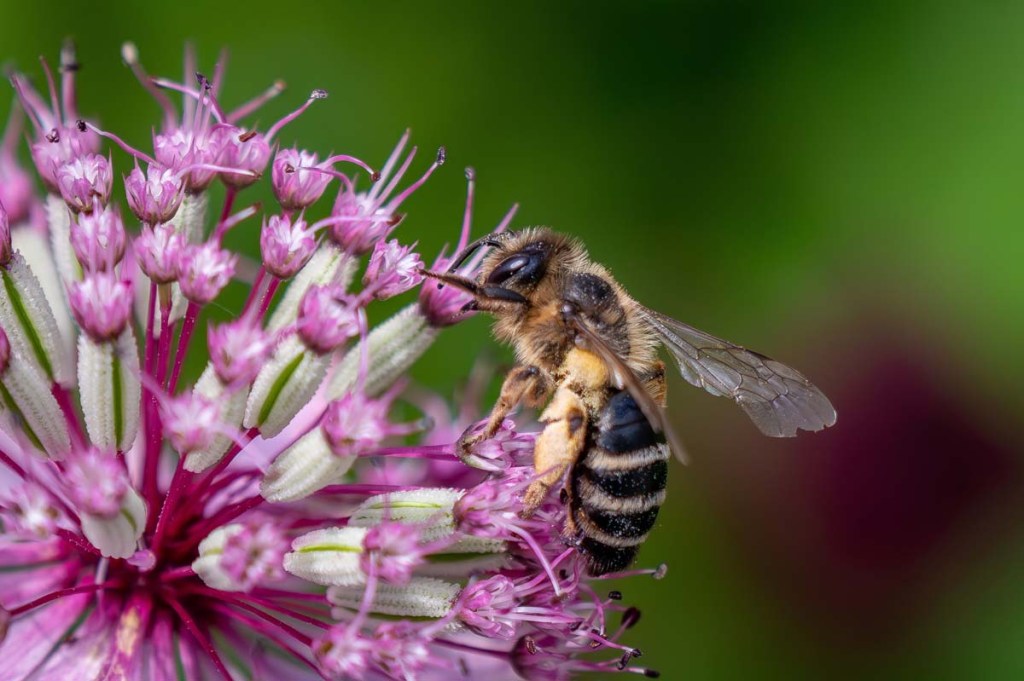
Probably my photo of the day, a Cetti’s warbler, if I am correctReed warblerReed warblerSand Martin chasing fly (top right)Sand Martin about to gorge its preySwallowSwallowGrey heronHoney beeWaspMigrant hawkerCommon snipeRock dovesCommon snipeTufted duckling practising its divingThe beauty of the Severn Estuary
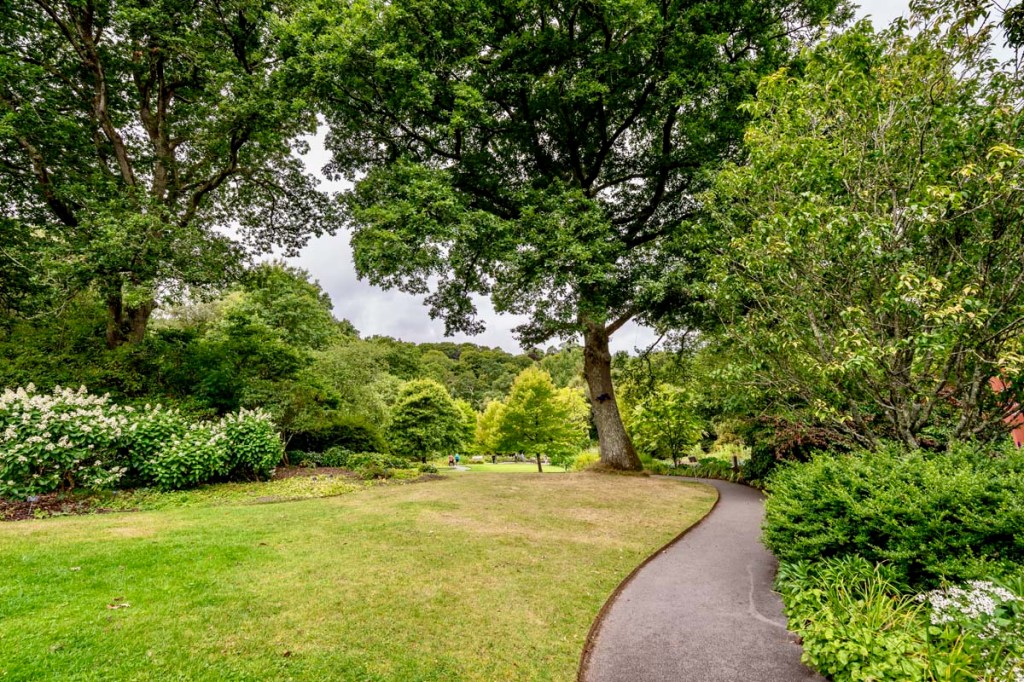
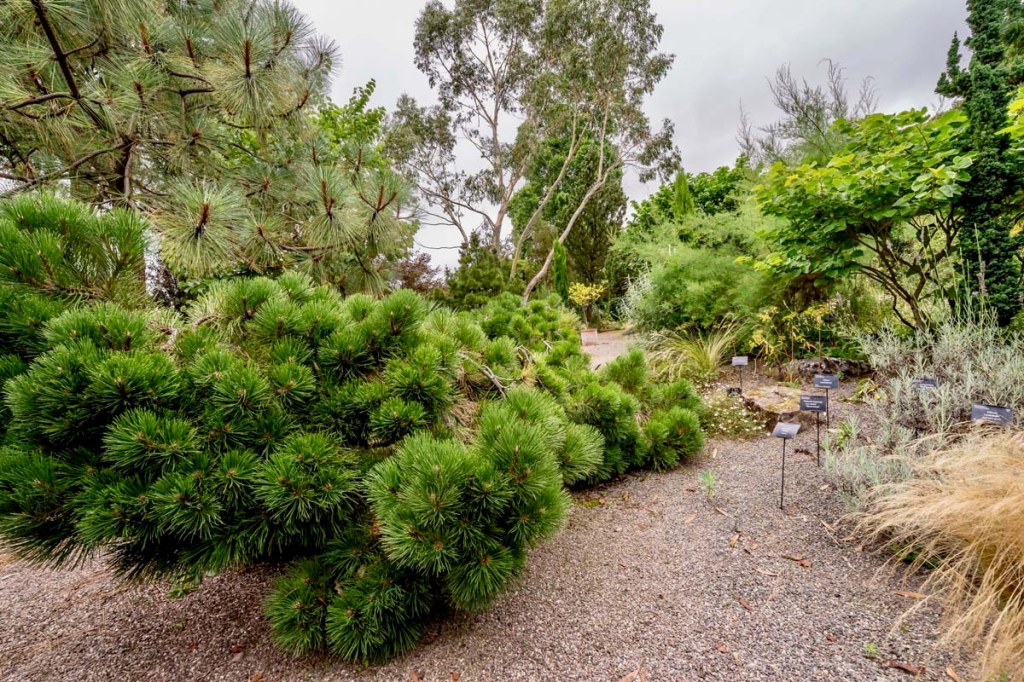
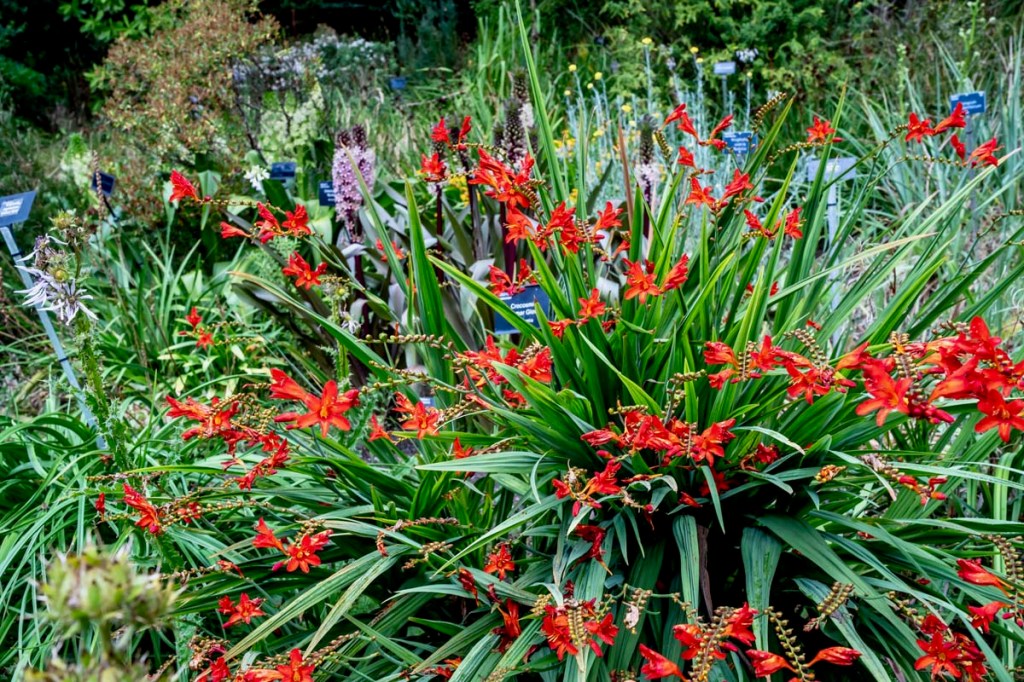
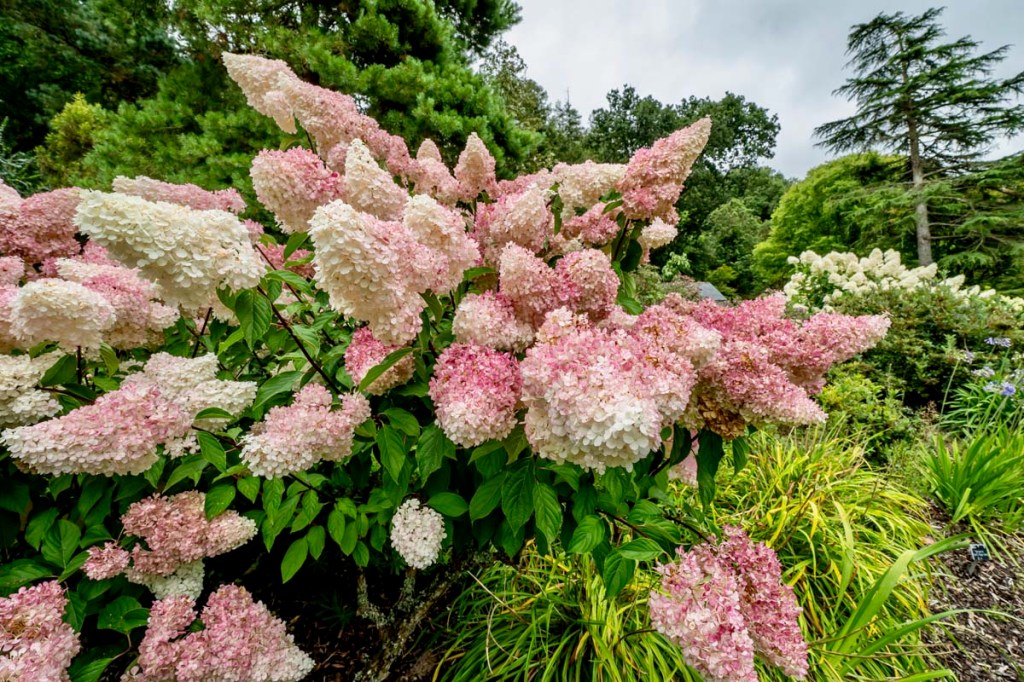
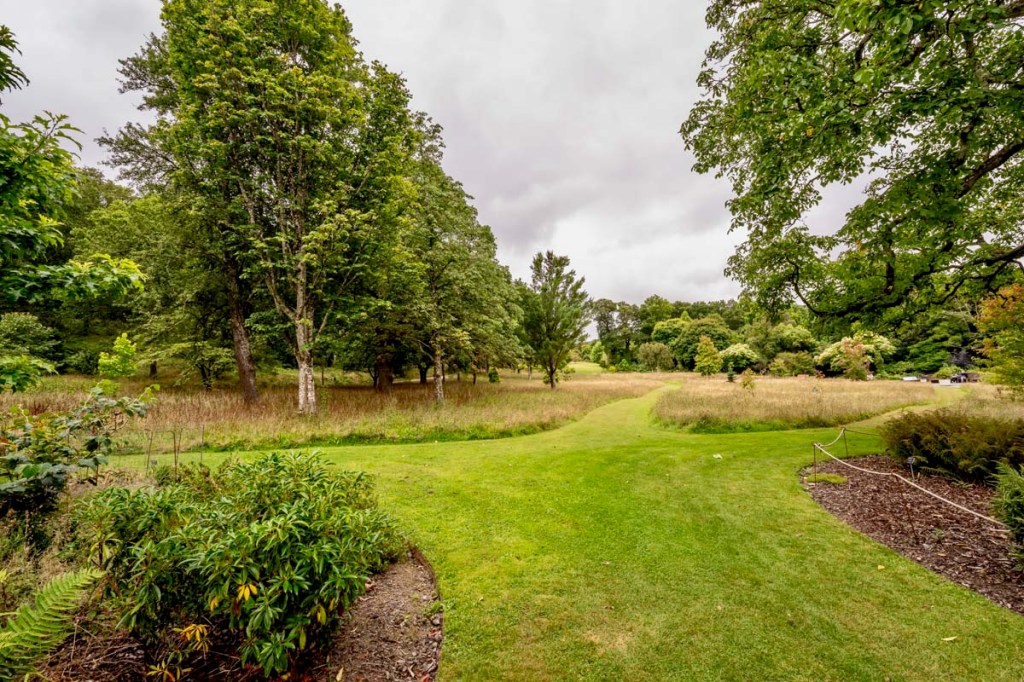
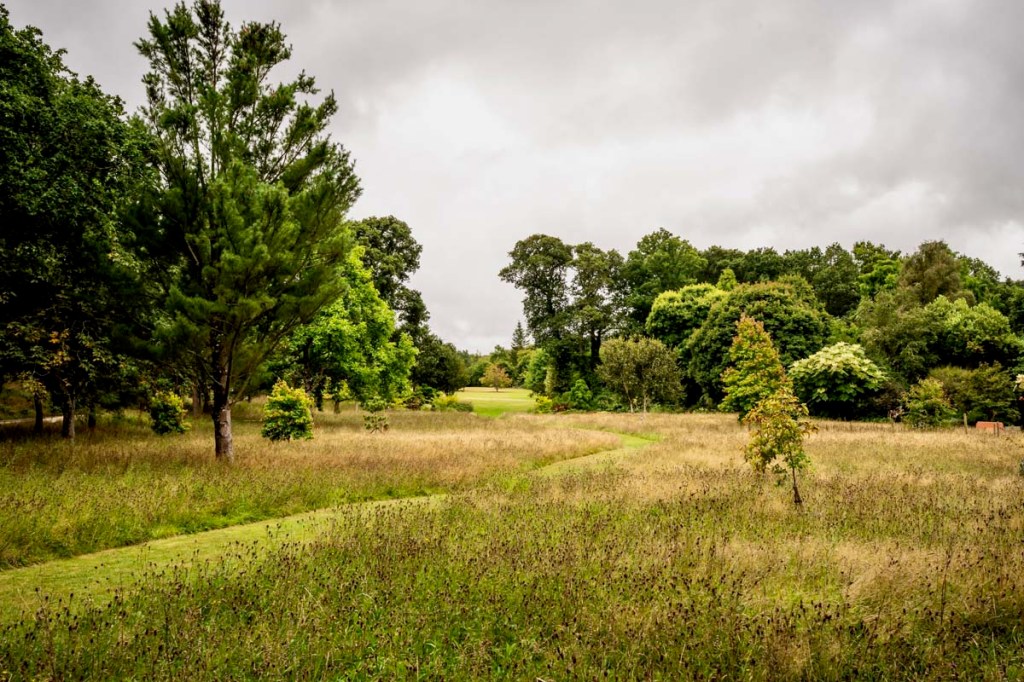
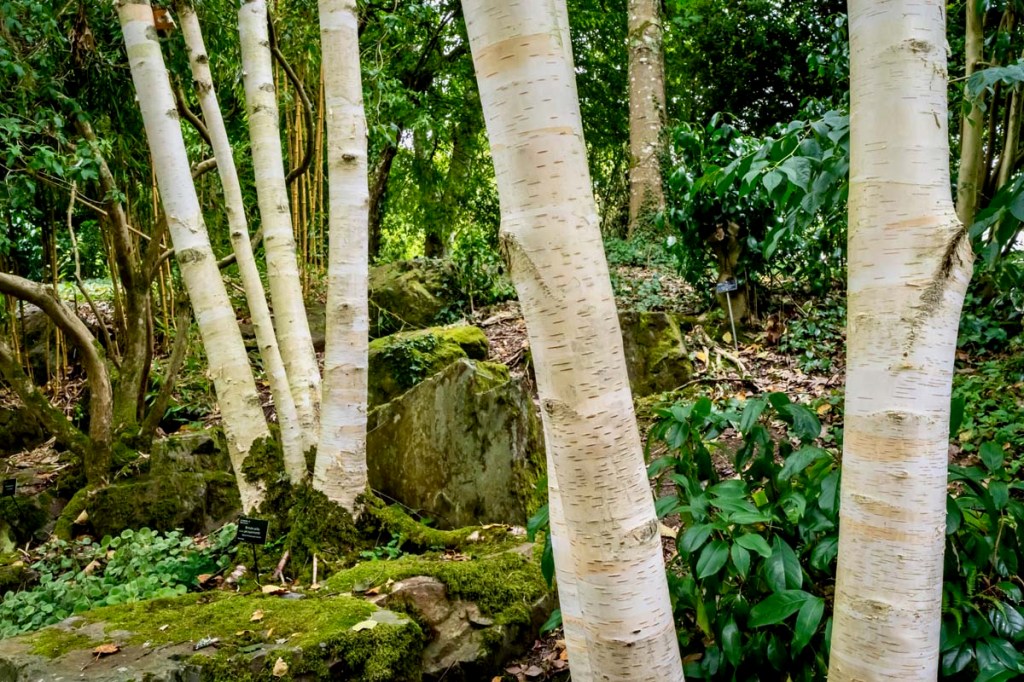
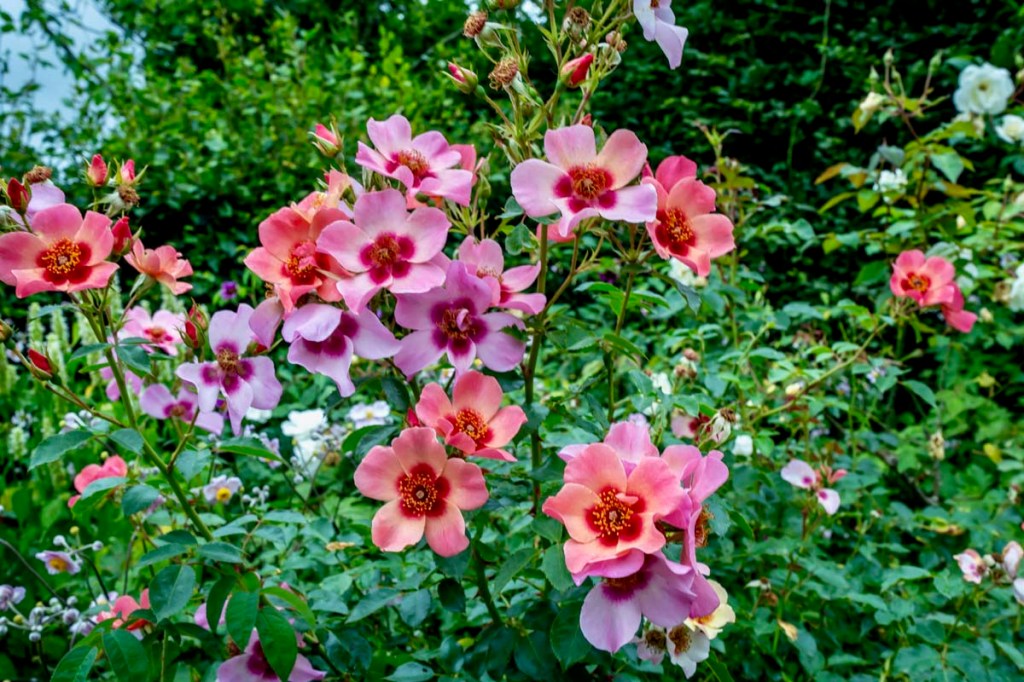
We managed to get to visit the RHS Garden Rosemoor near Great Torrington today.
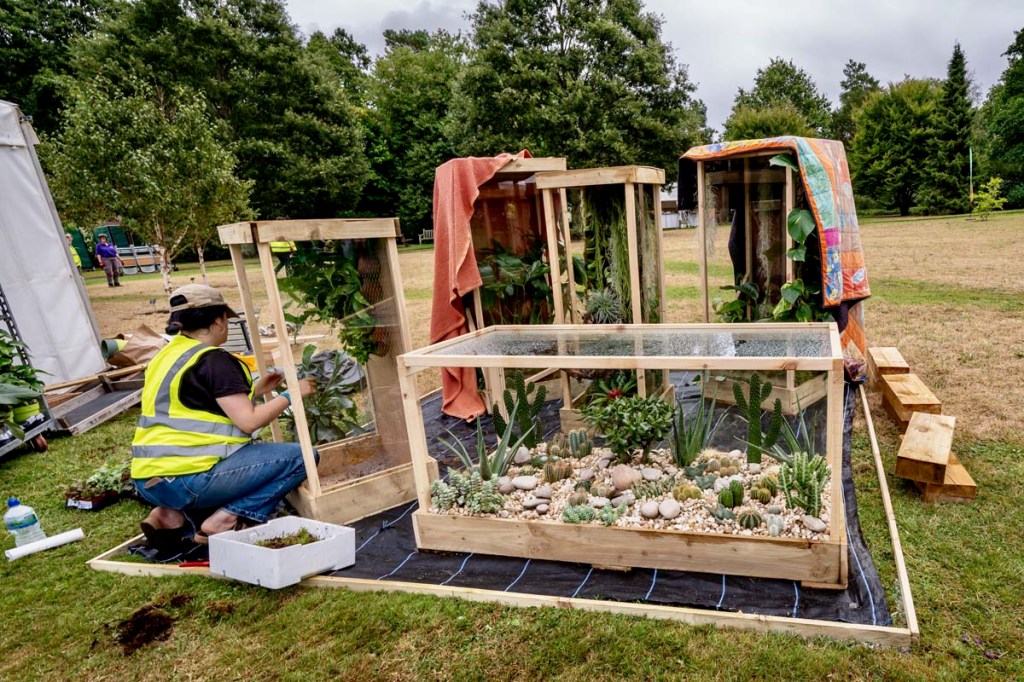
They were busy getting ready for their annual flower show which starts tomorrow. That and the dull weather meant that there were not too many people around, although more than my photos suggest – hoorah!
Hope you enjoy the photos as much as we enjoyed the garden (in spite of a short rain shower).
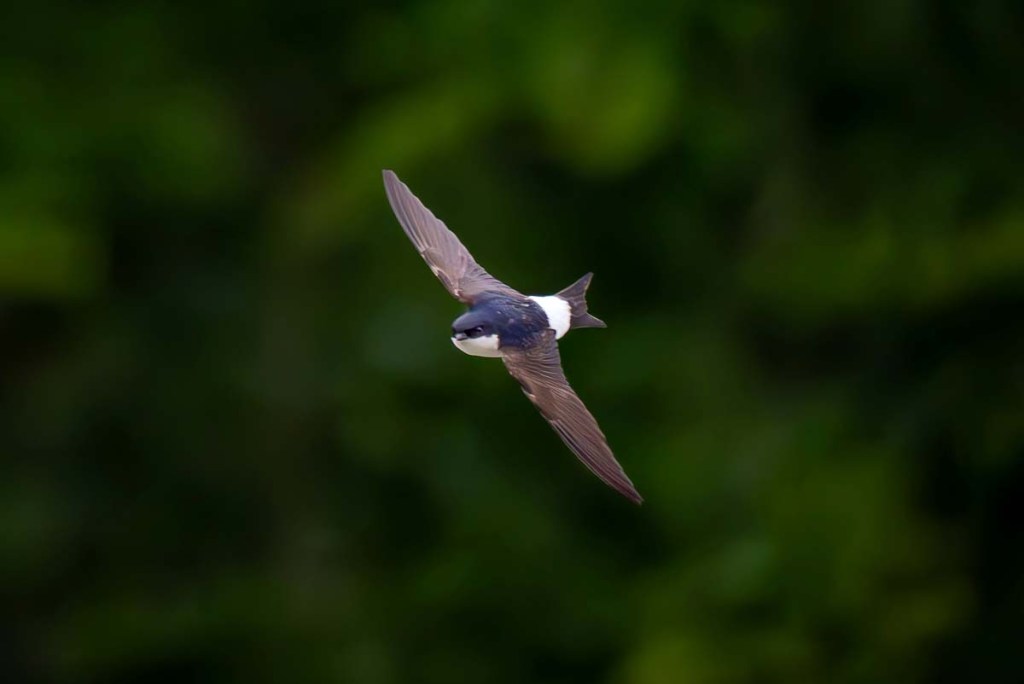
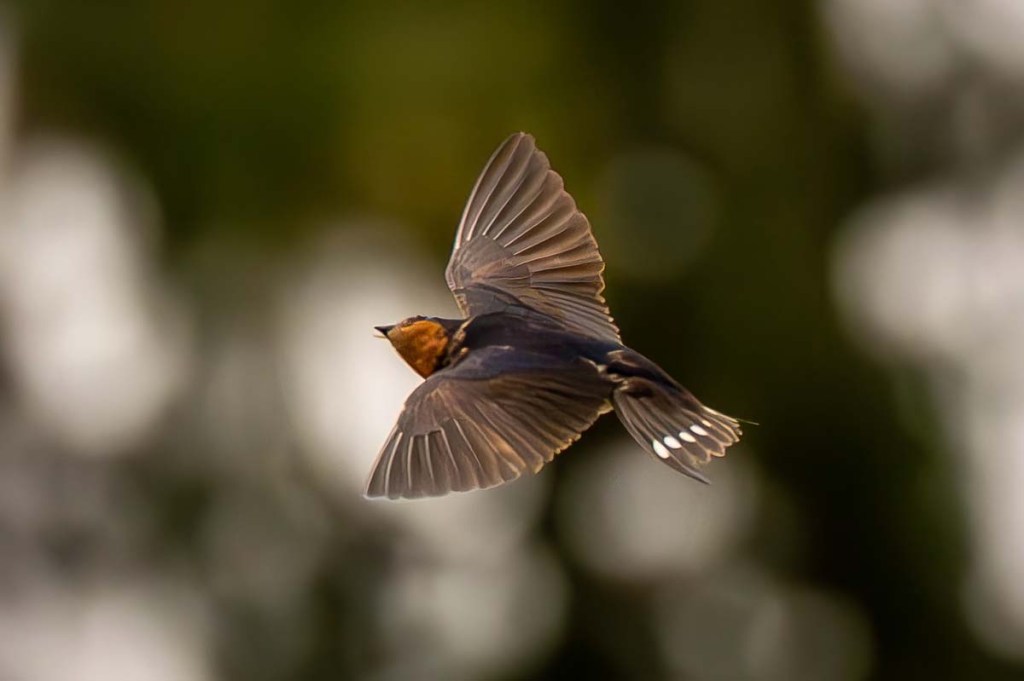
We saw and heard a fair number of birds (common buzzard, carrion crow, goldfinches, gold crest, blue tit, chaffinch, stock dove, wood pigeon, great spotted woodpecker, house martins and swallows) but especially enjoyed the trees and shrubs.
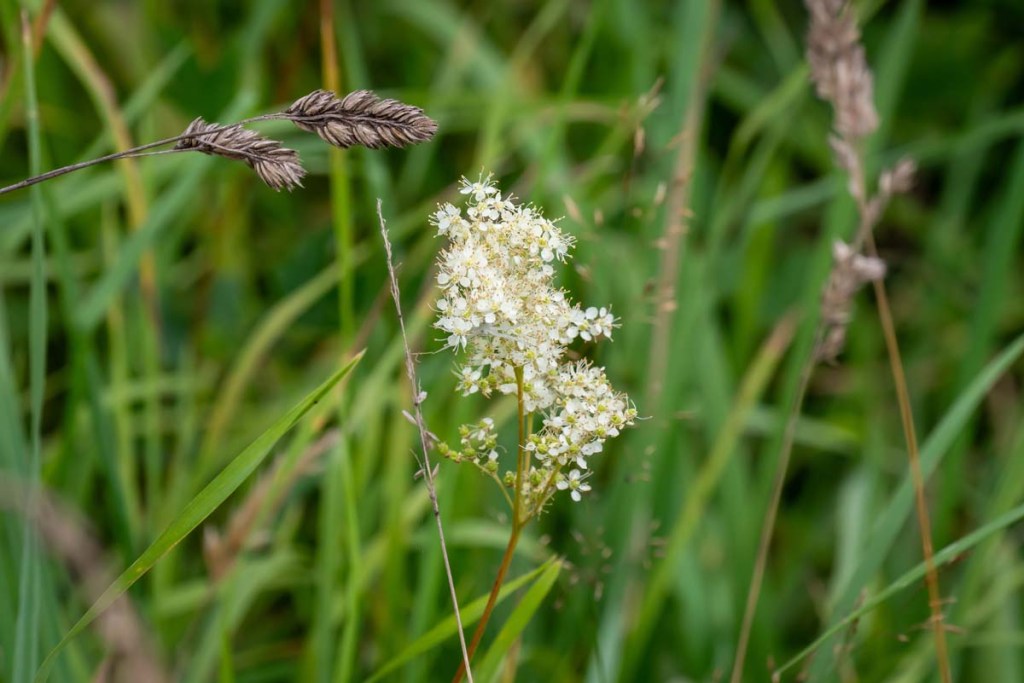
GoldfinchesSwallowHouse MartinSwallowMeadow sweetThere’s an insect in there among the grassesGreat spotted woodpecker
The WWT (Wildlife and Wetlands Trust) is a growing, global community of nature lovers who do brilliant things for nature, especially encouraging young people to engage with nature. However, we visit WWT Slimbridge in the school holidays with some trepidation as we know it is going to be packed with very noisy, excitable children. Yet today (as most times) we were able to visit certain parts of the reserve in relative peace and quiet. The only children we came across were well-behaved and already enthusiastic nature lovers, generally accompanied by knowledgeable and encouraging grandparents.
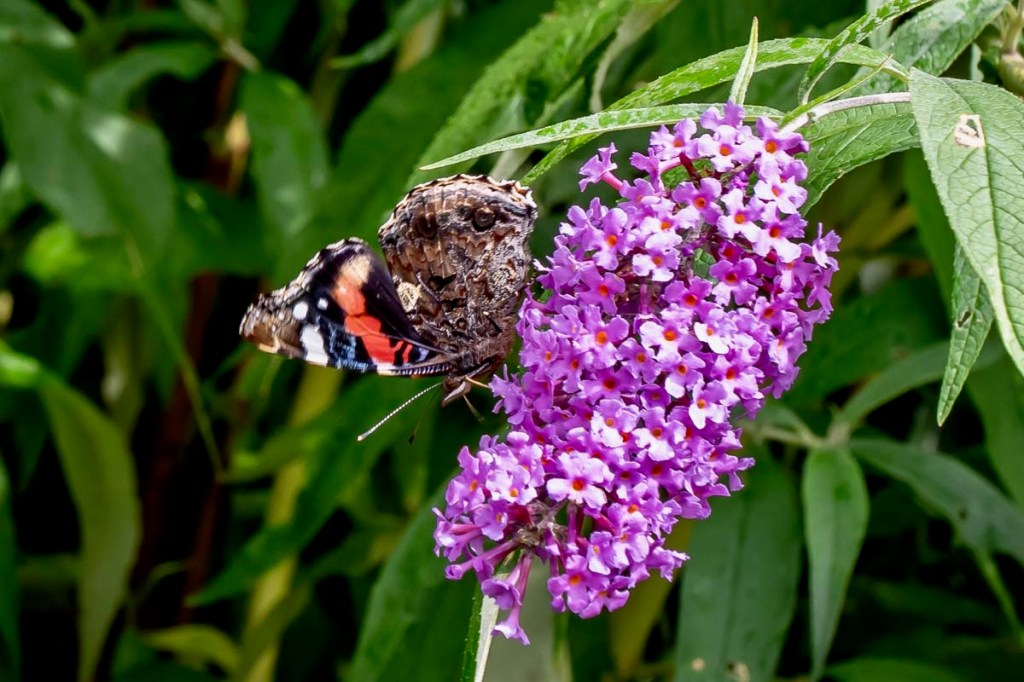
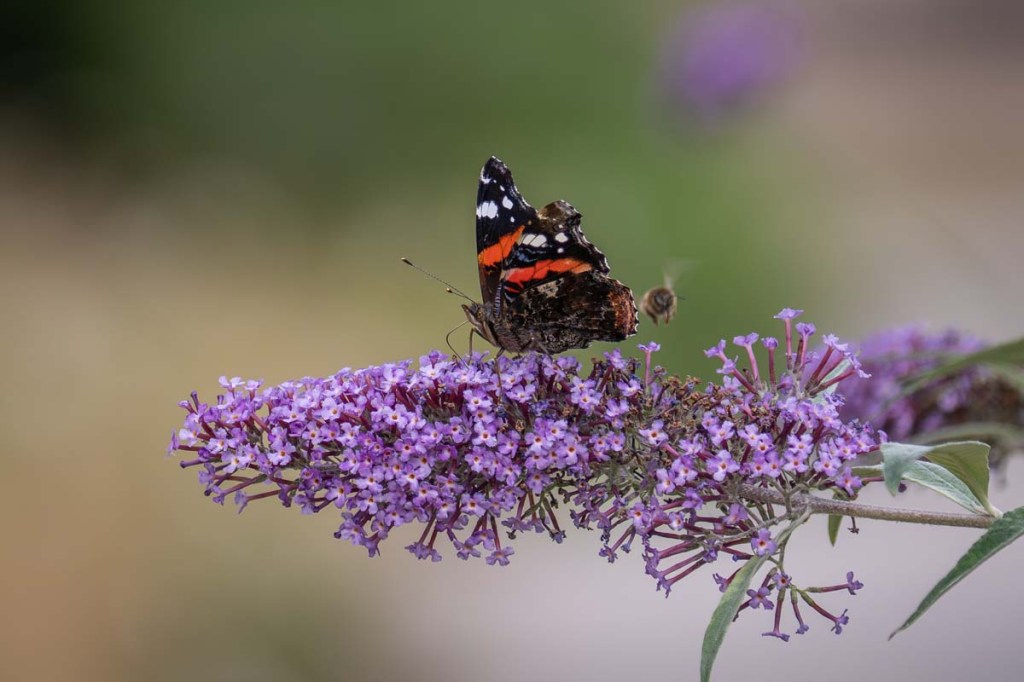
This is the time of the year when many “birders” turn to butterflies but today there was plenty to keep us engaged and the only butterflies of note were red admirals. We had a good walk down to the Severn Estuary and , although the tide was really too high to see much on the water, we saw plenty en route.
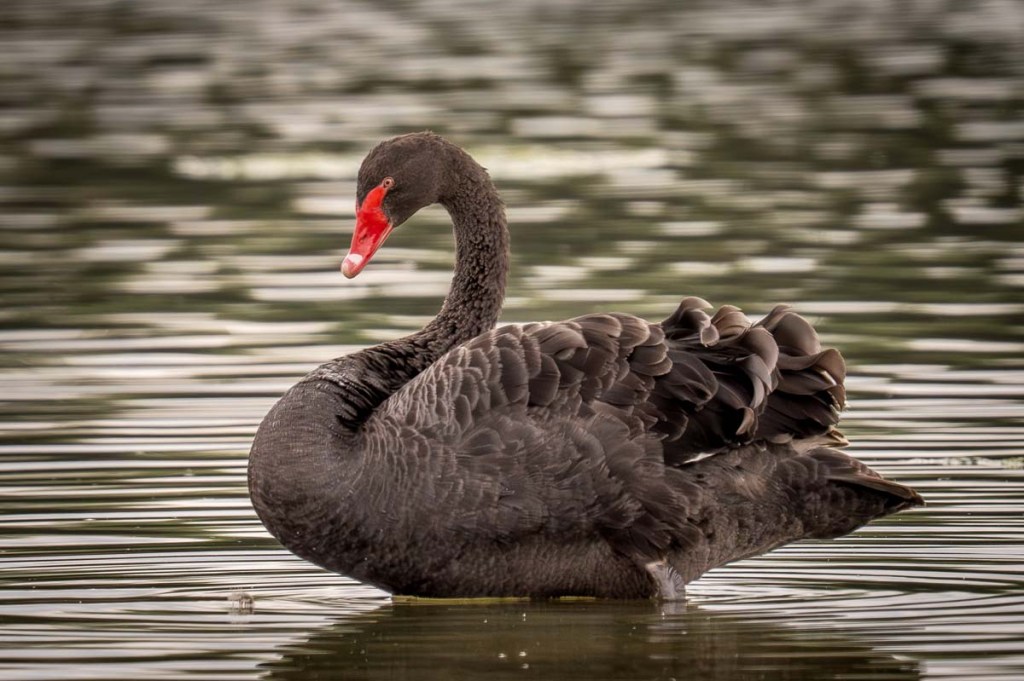
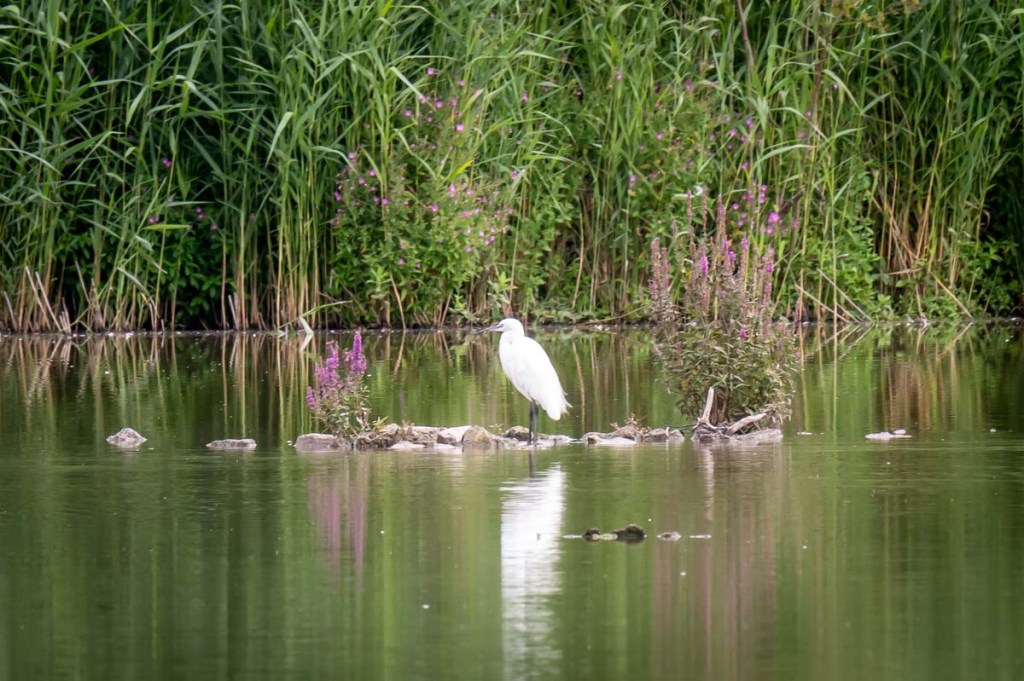
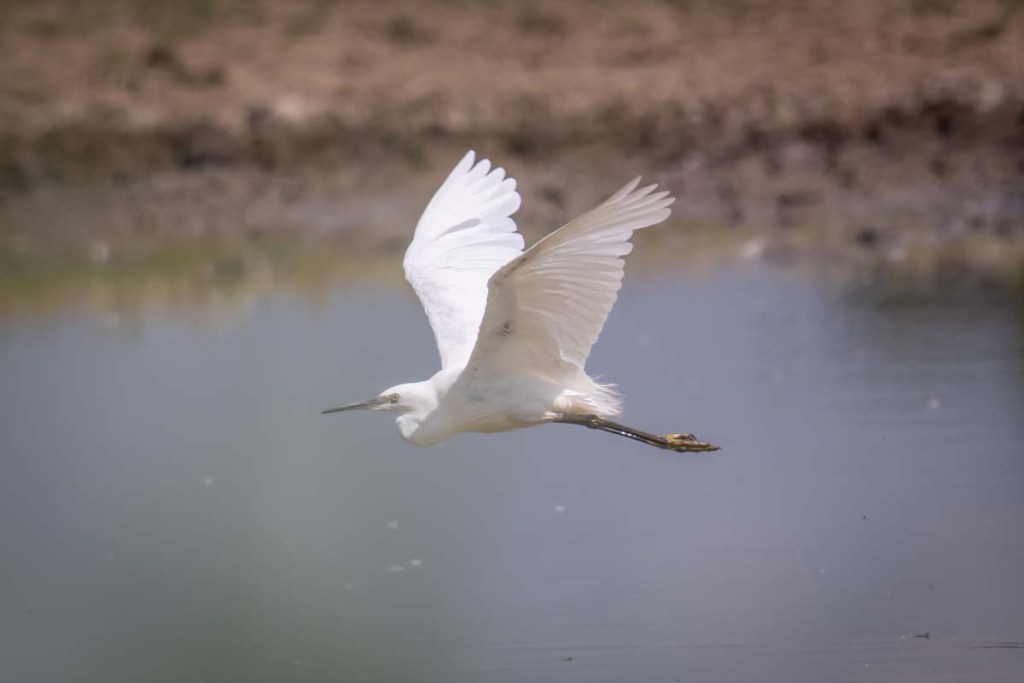
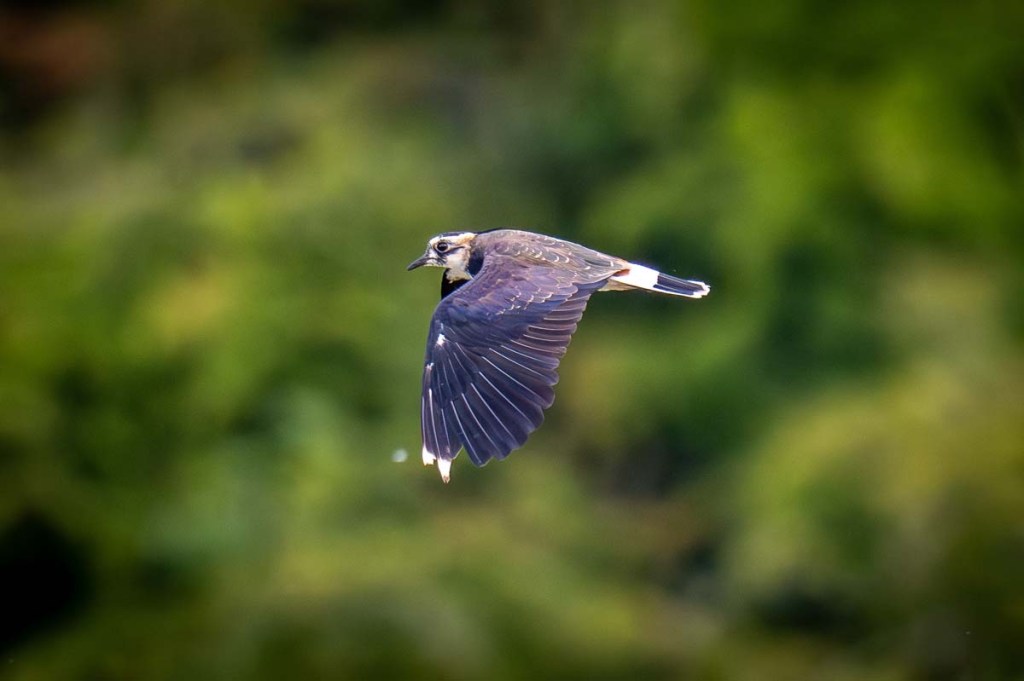
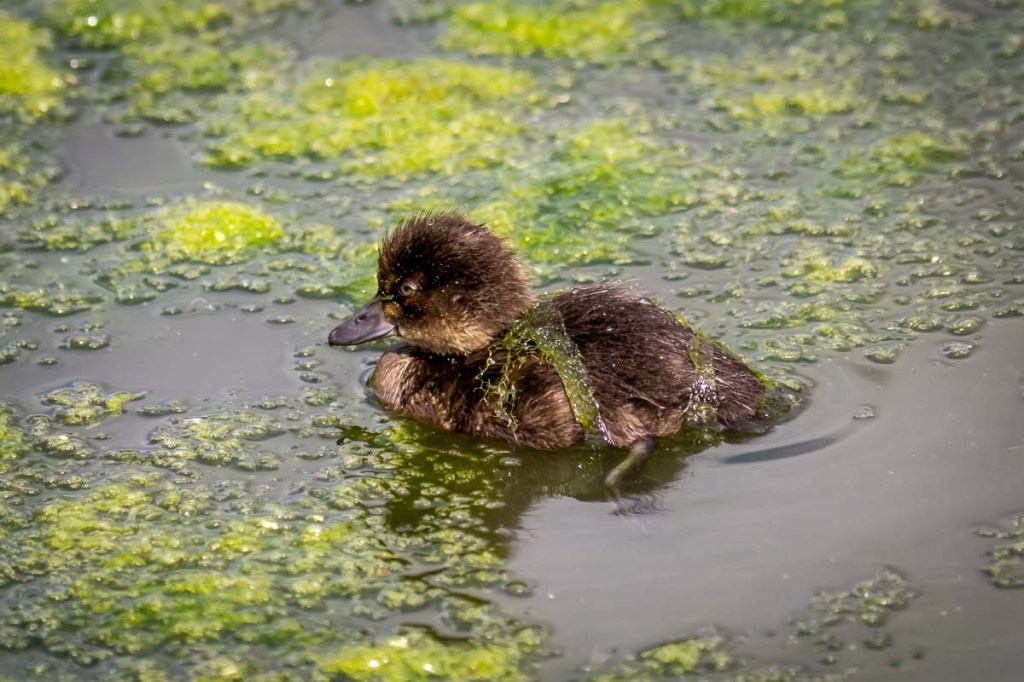
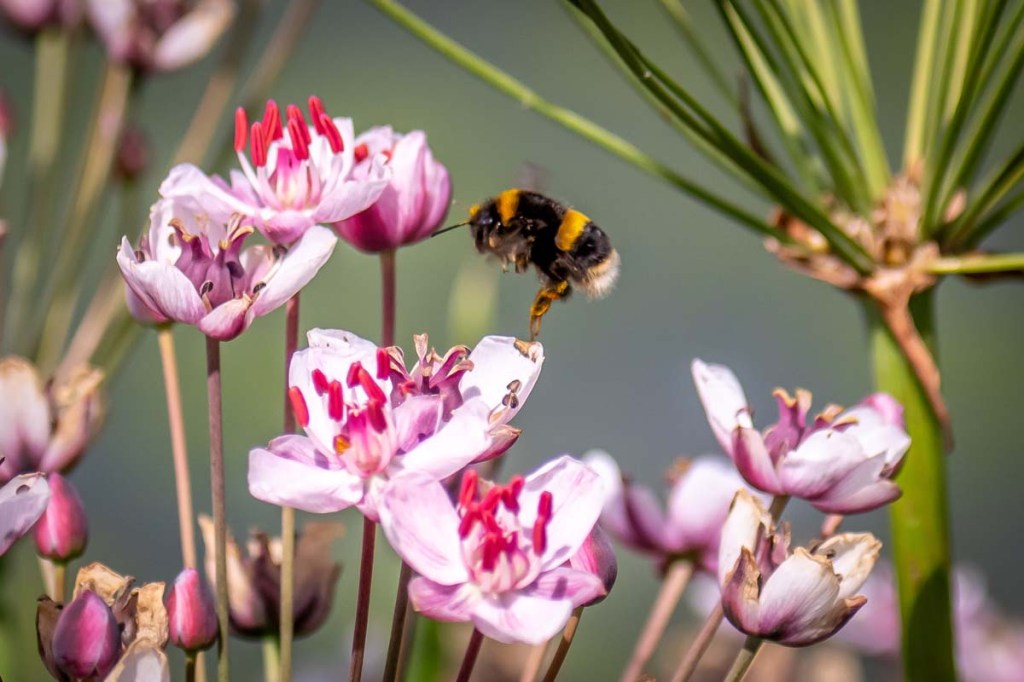
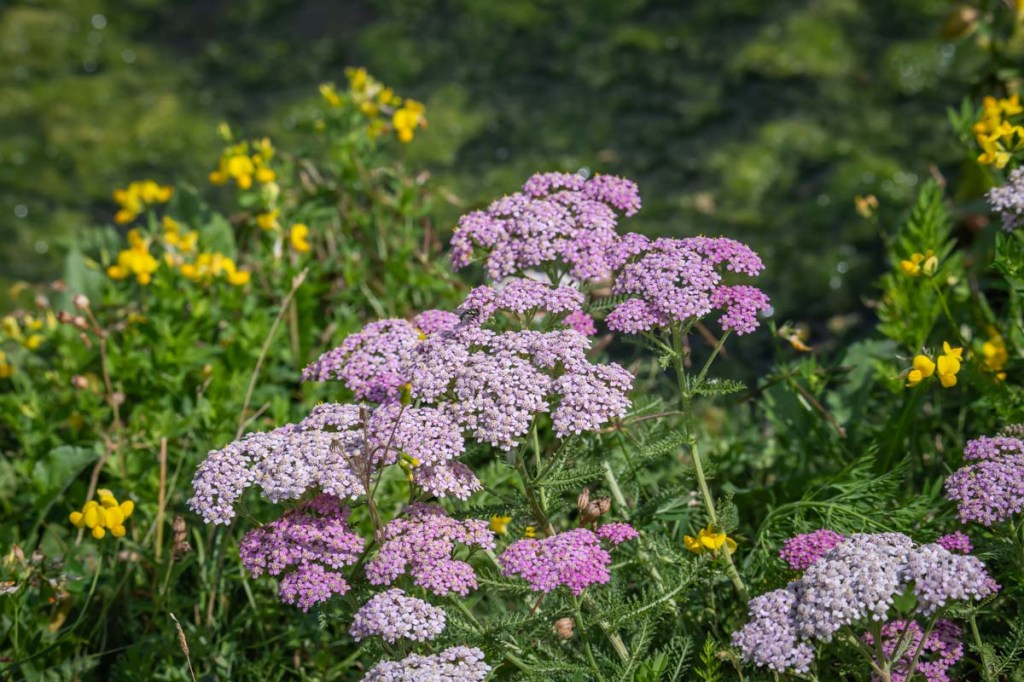
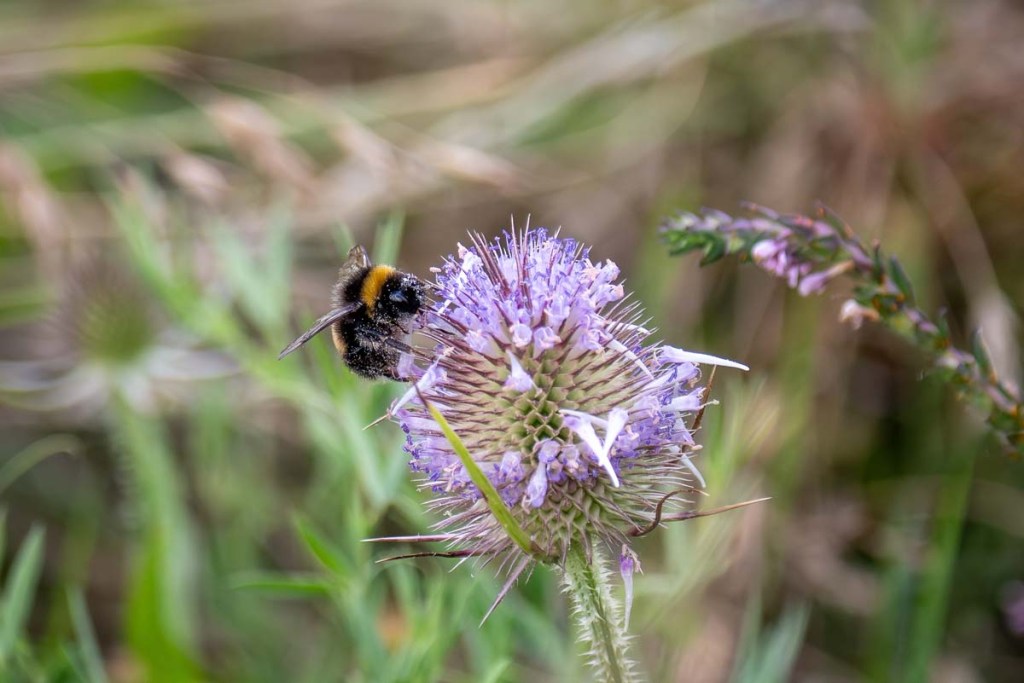
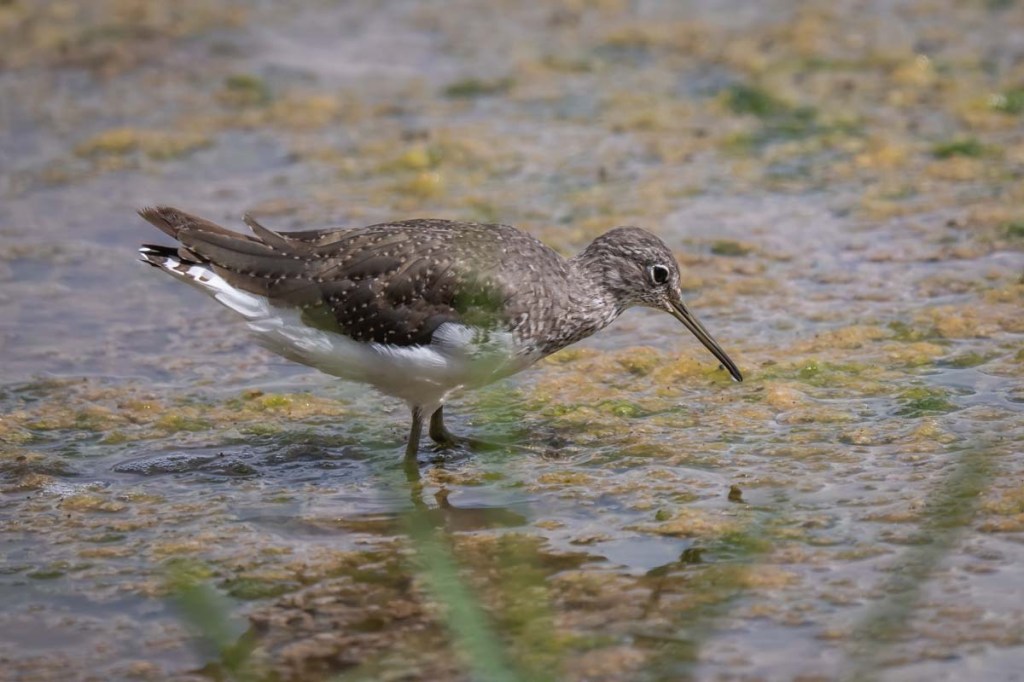
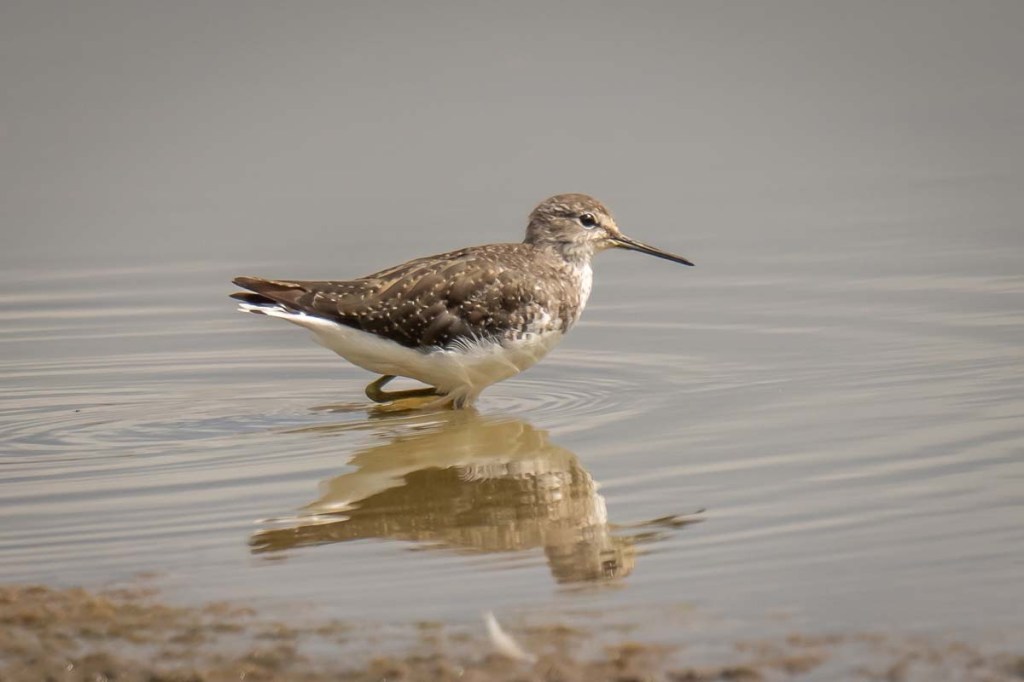
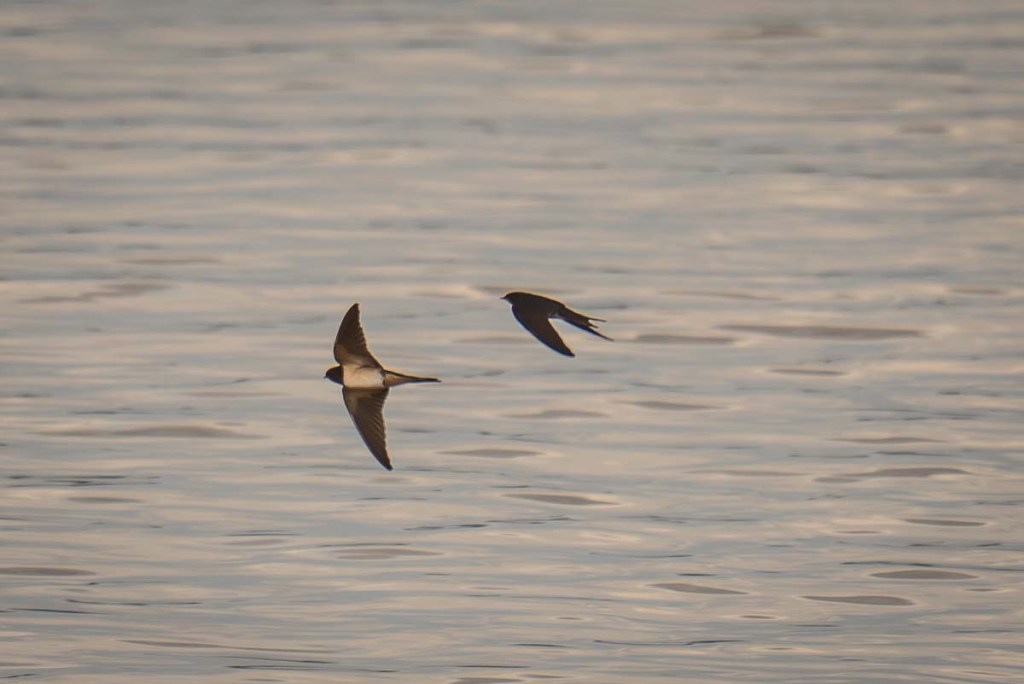
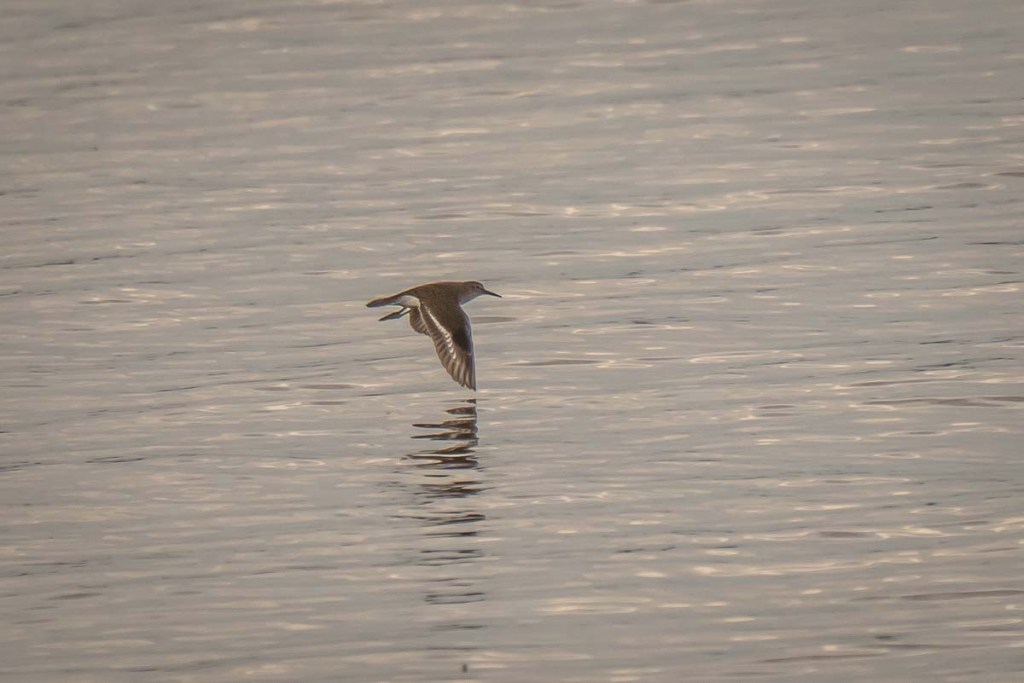
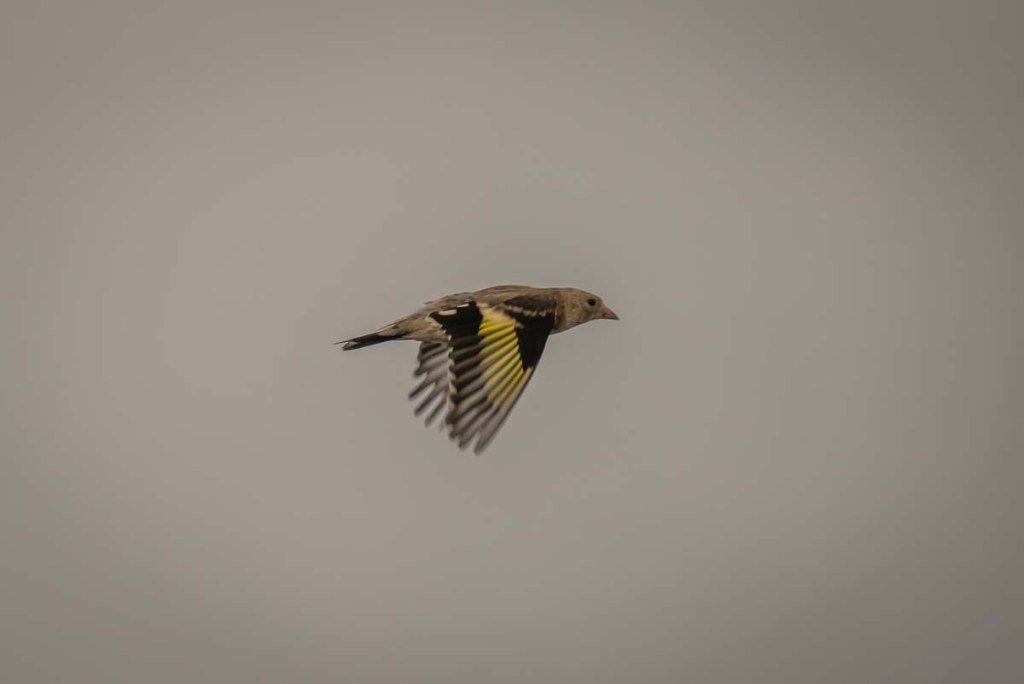
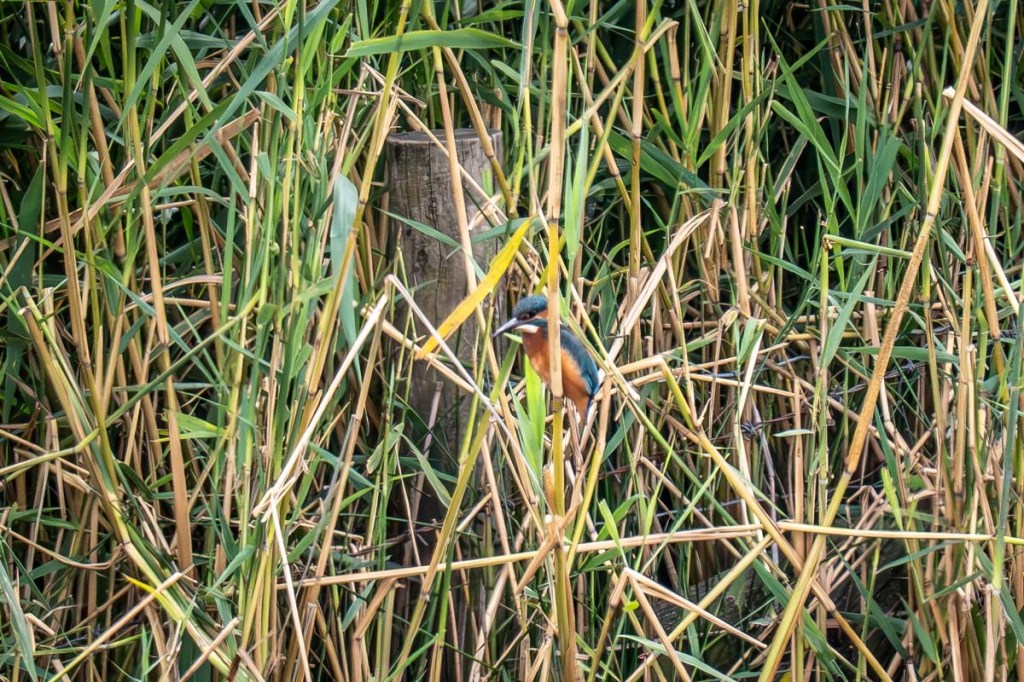
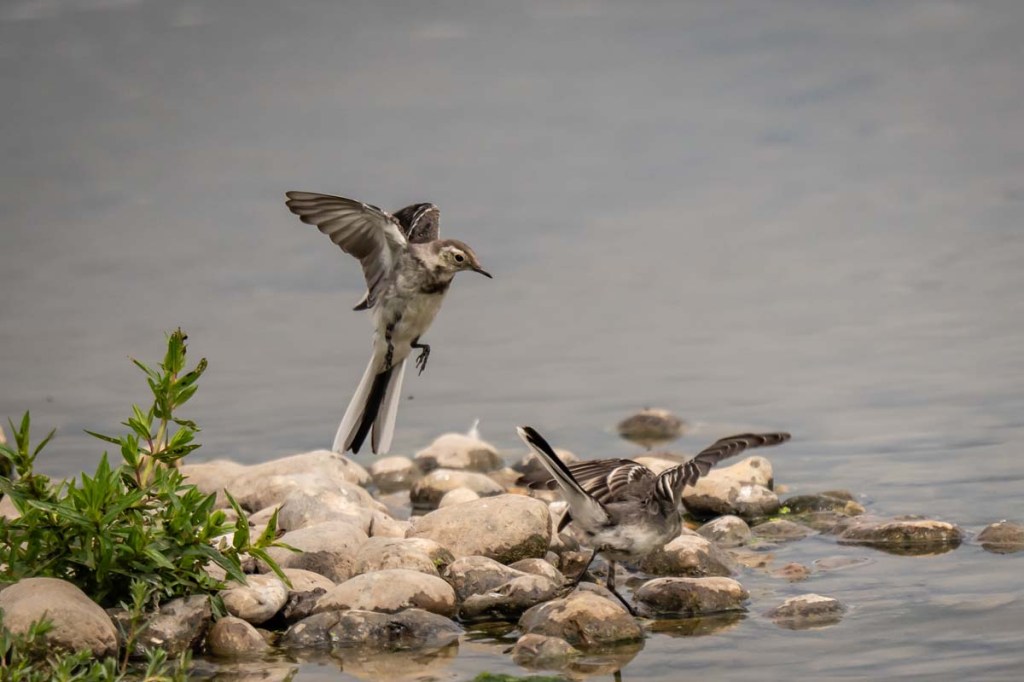
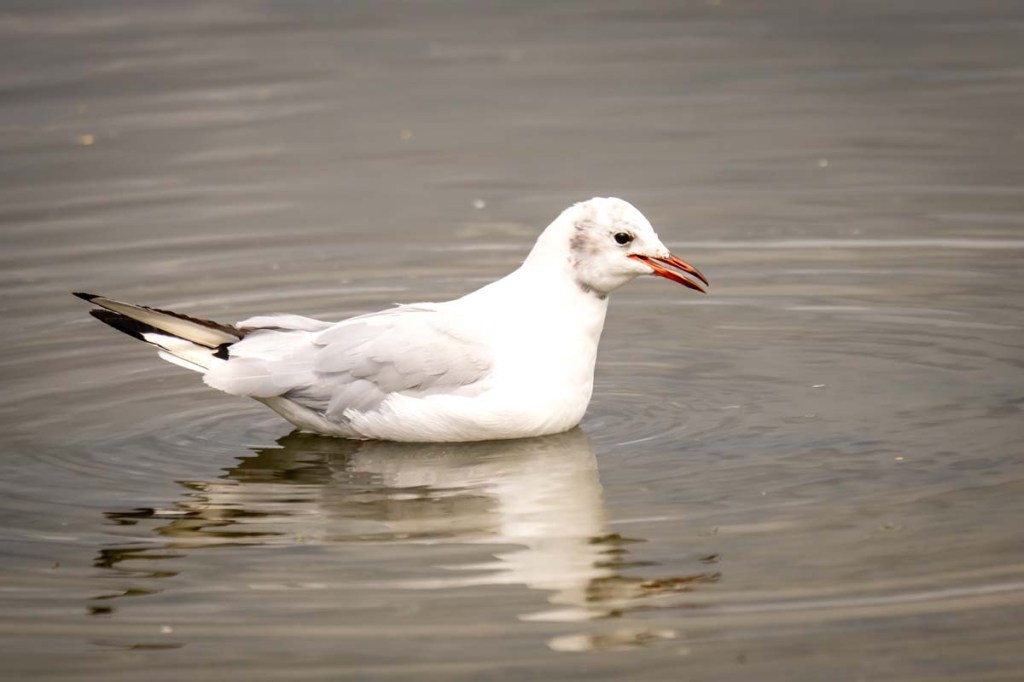
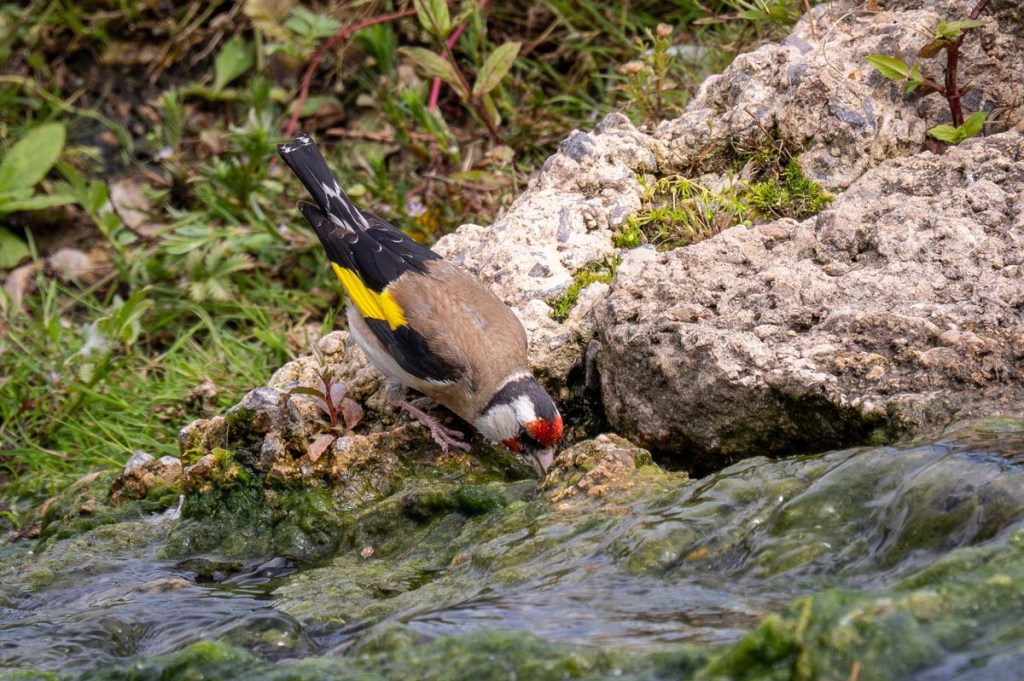
Red admirals are ubiquitous at the moment in this part of the countrySlimbridge is famous for its Bewick and Whooper swans in winter but today there was a black swan.The juxtaposition of this little egret to the black swan was quite splendidA young lapwingWho says we only have LBJs in the UK? Goldfinch having a drink.We are lucky to see so many egrets in this part of the world these days.Little egret in flightLapwing in flightA proud mum tufted duck… and one of her ducklings… and another (only because they are so cute)Clever planting attracts many beesI wish the achillea in my garden was as bright as this cousinOne of five green sandpipersGreen sandpiperGreen sandpiperSand Martin down on the estuaryThe light was poor down by the estuary but I could just capture these barn swallowsCommon sandpiper on the Severn EstuaryGoldfinch in flightKingfisher with a small appetiserKingfisherKingfisherKingfisherKingfisherKingfisherPied/white wagtailPied/white wagtailsBlack-headed gullBlack-headed gullGoldfinch
A spoonbill, common cranes and curlews (heard but not seen) all too far for my lens.
There was even a lovely exhibition of very accomplished textile wall hangings
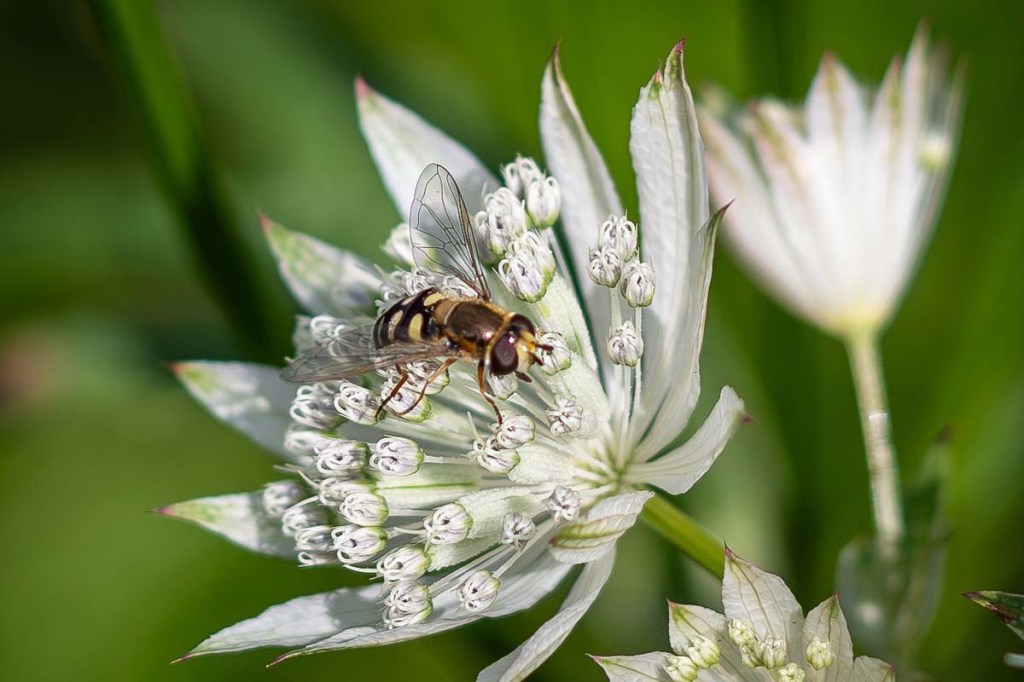
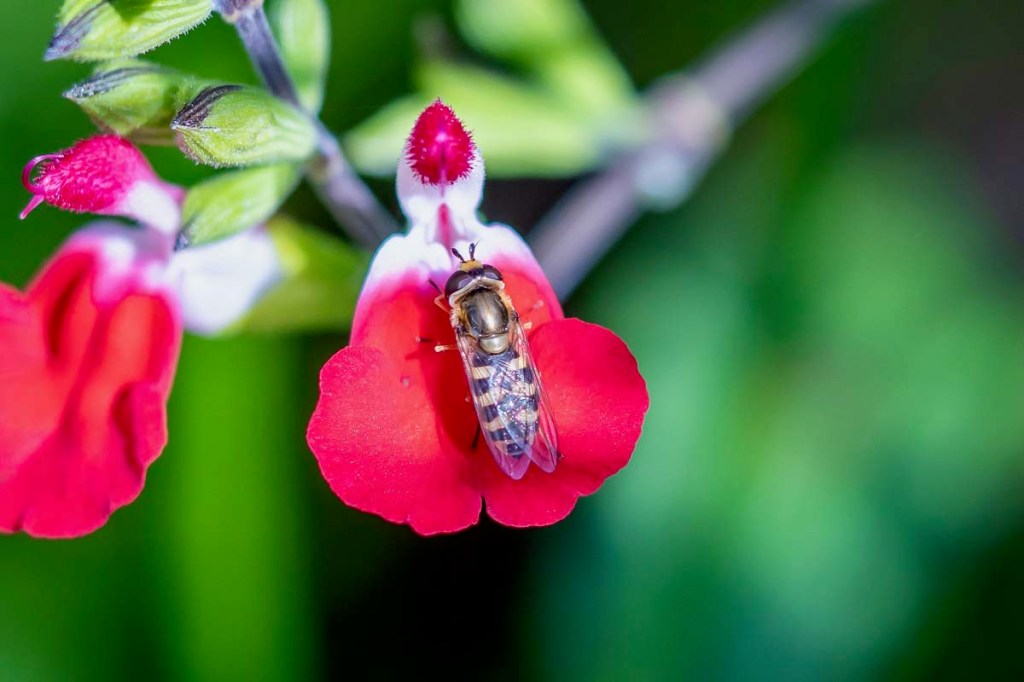
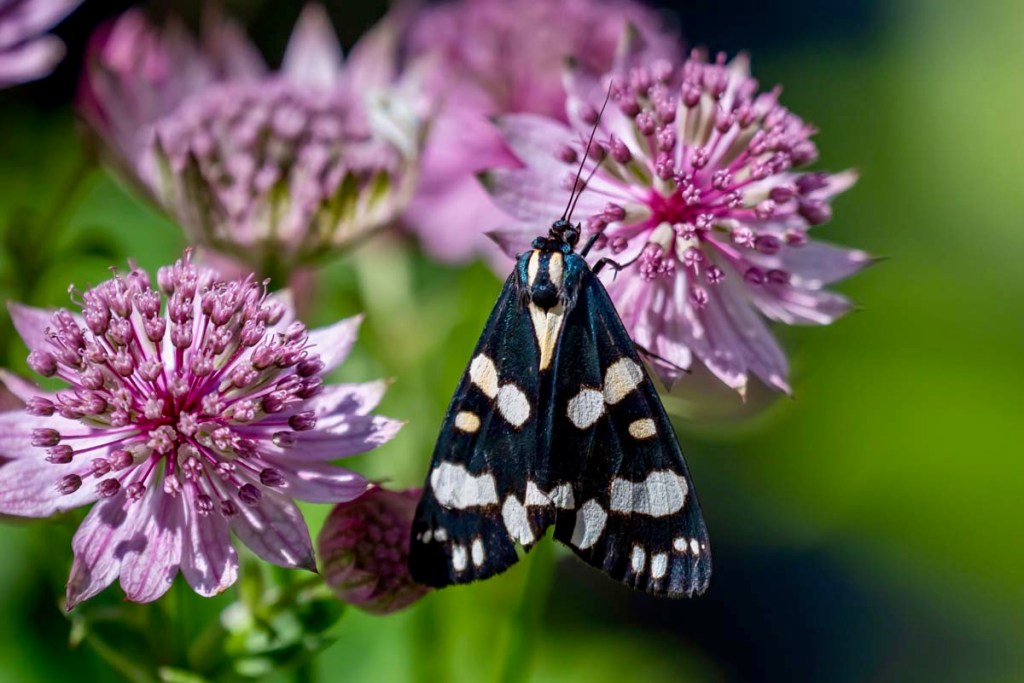
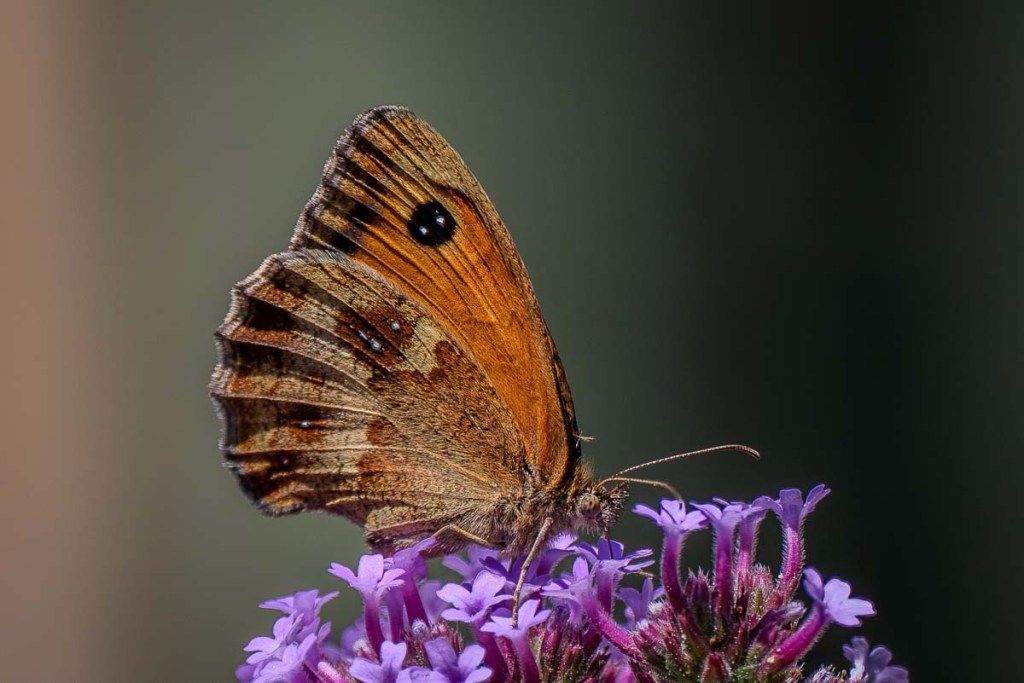
We are enjoying (or is it enduring?) our second heatwave of the summer and with temperatures reaching 32 ° C today its certainly too hot to go birding; so, I have gone on safari in the garden to amuse myself.
But now I’m finding it a bit too hot to write a blog. Back to the tennis and the cricket then …
But before I go, just a few photos of what I discovered:
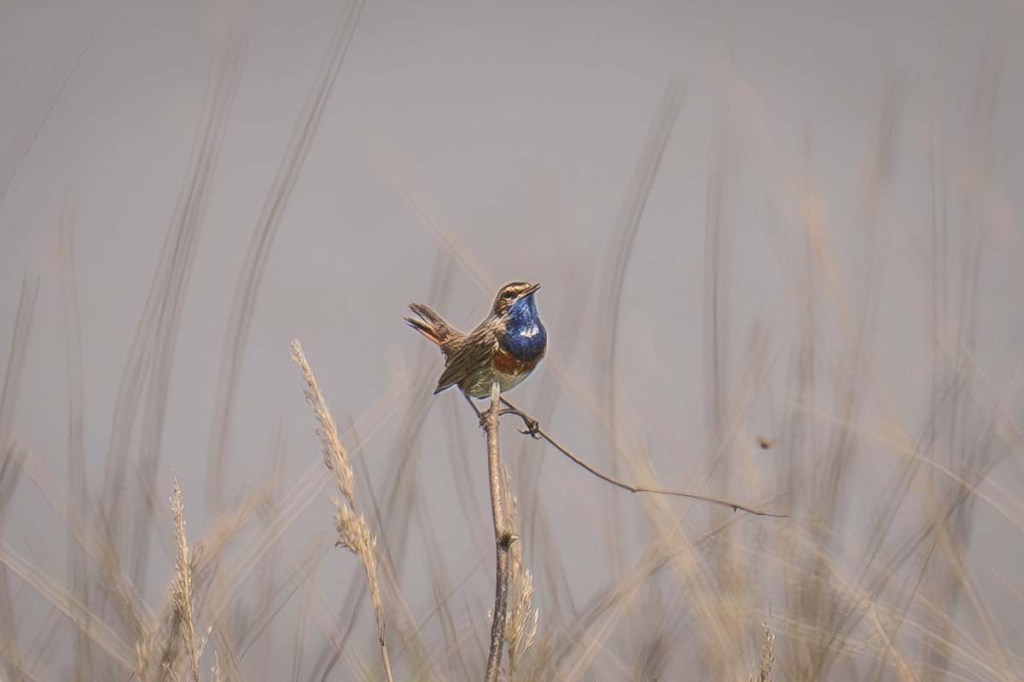
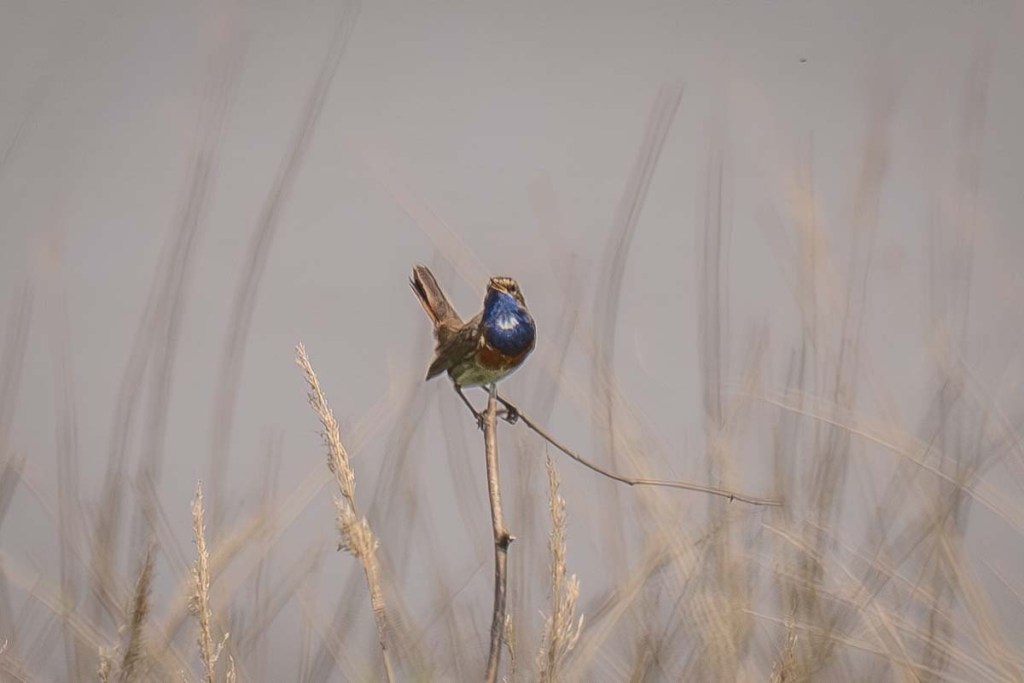
We made our second trip to Slimbridge to try to see the white-spotted bluethroat which has returned to the Severn Estuary for the fifth year running. Normally, the white-spotted subspecies typically breeds on the near continent but this is perhaps a sign that with climate change it is extending its range further north. Sadly, however, this male has so far failed to find a mate. Our luck was in and, after not too long a wait, it made an appearance. Ironically it appeared on a notice board warning not to linger and, showing its discipline, soon moved off. It continued to show well in the reeds.
You would think that singing like this its song would carry both the Bristol and English ChannelWhite spotted bluethroatWhite spotted bluethroatWhite spotted bluethroatWhite spotted bluethroat
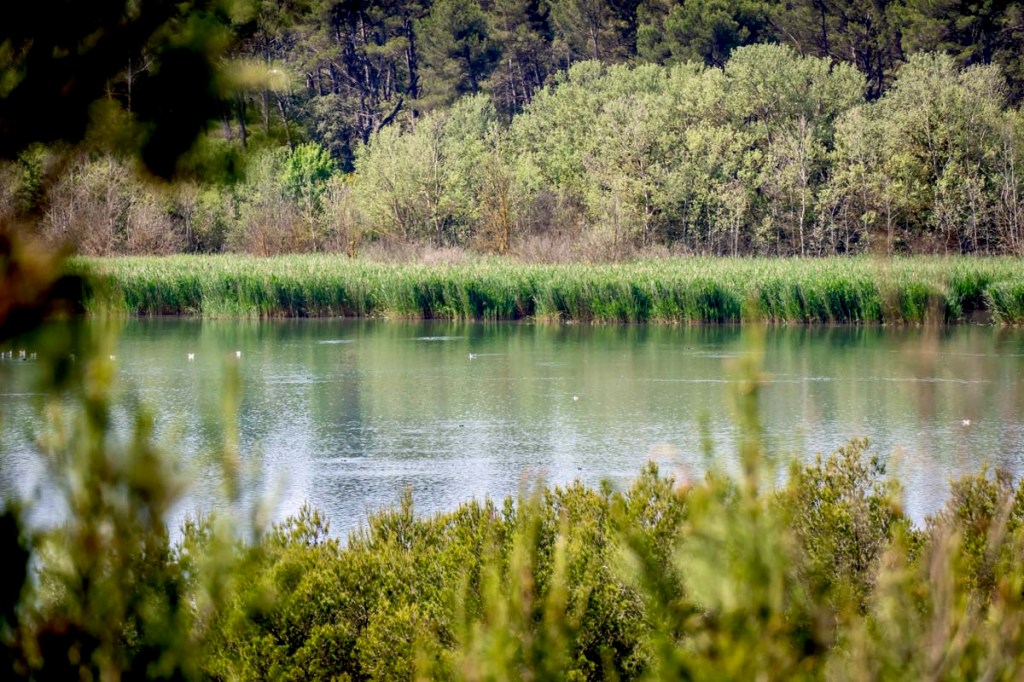
There was plenty else to see on the walk out to the Severn Estuary.
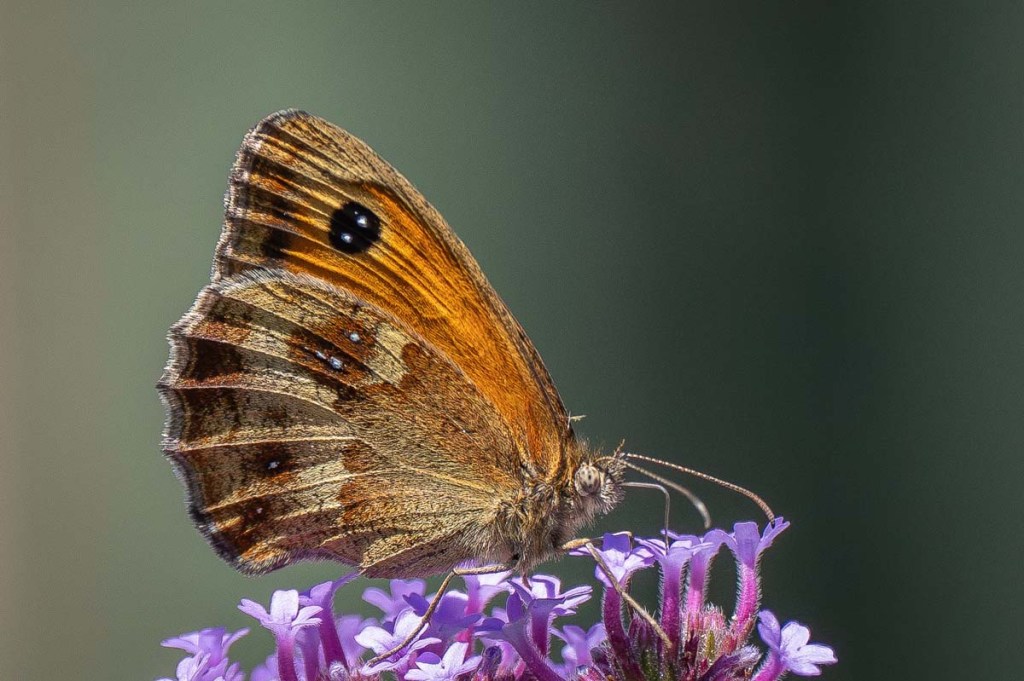
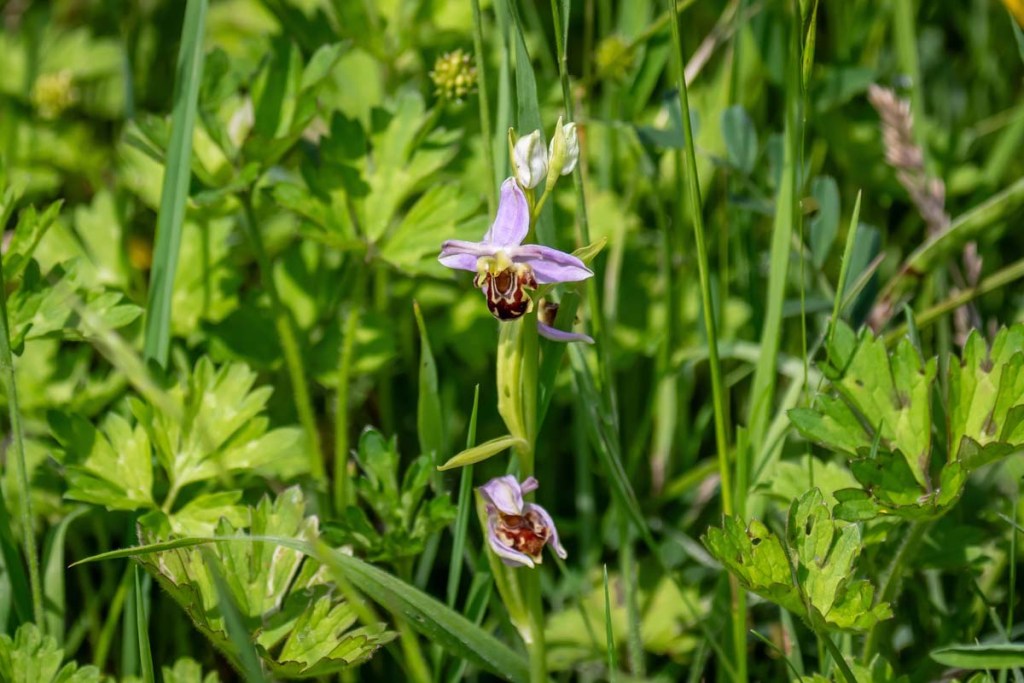
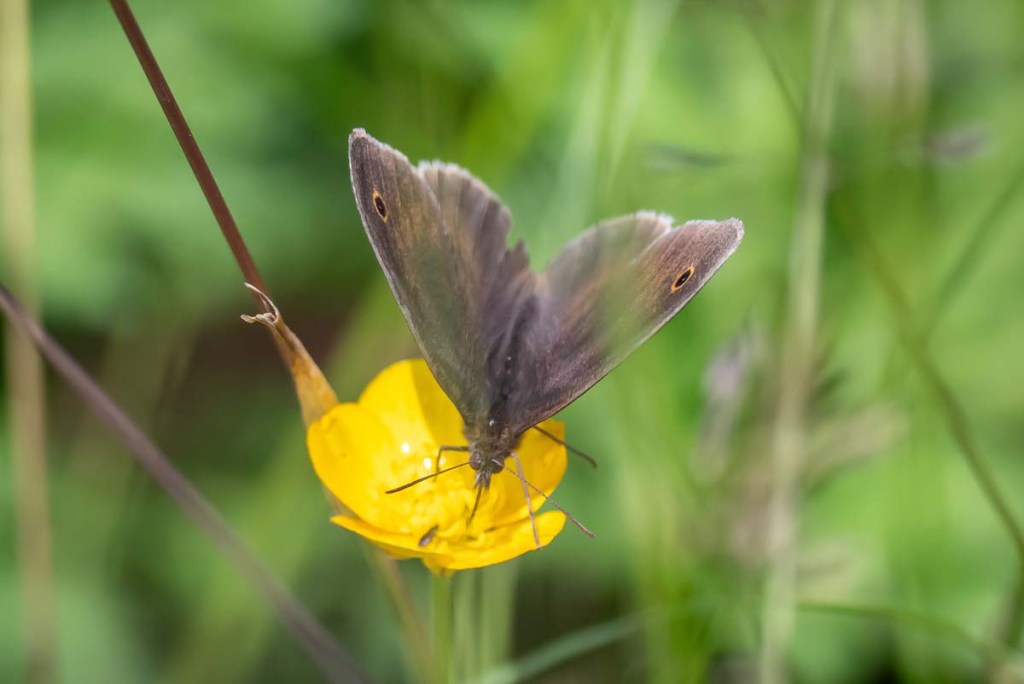
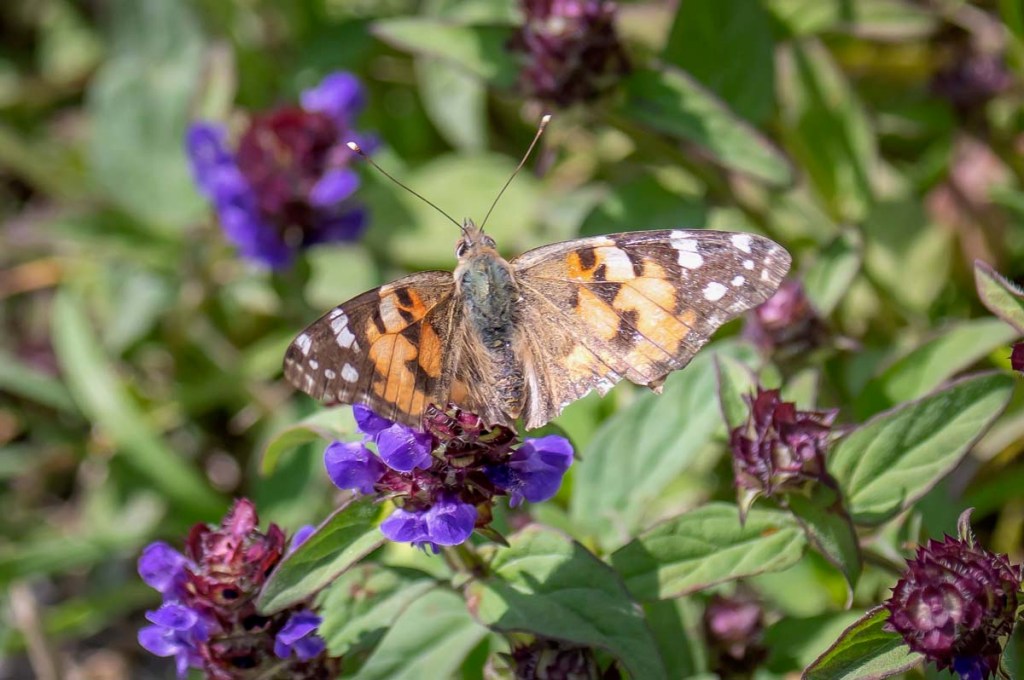
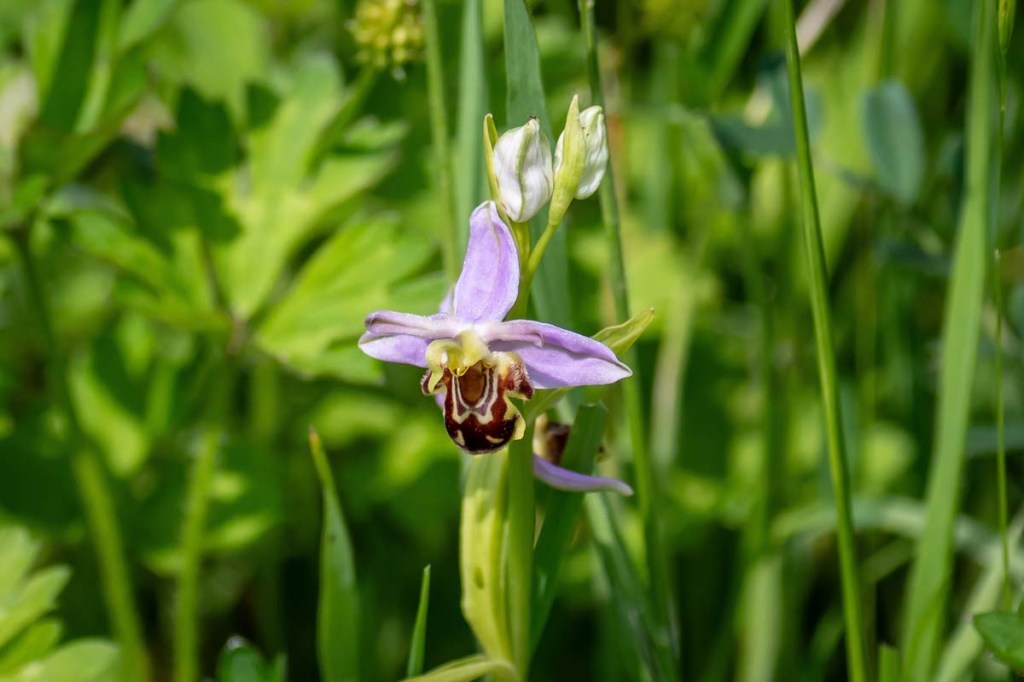
Bee orchidsMeadow brownLarge skipper butterflyPainted lady butterfly
The marbled white escaped my camera
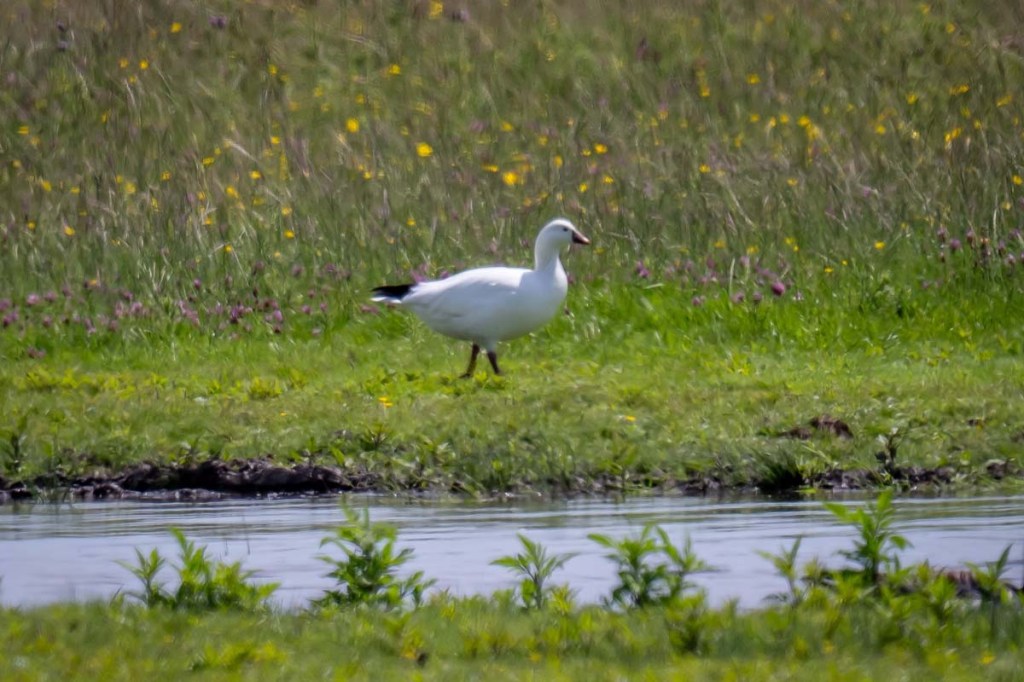
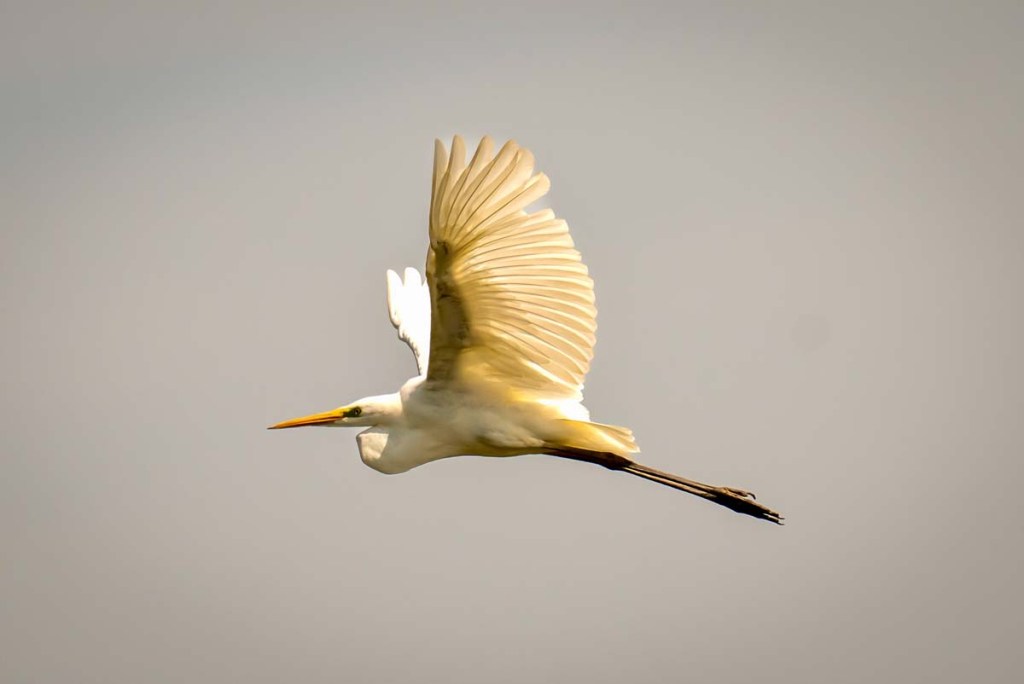
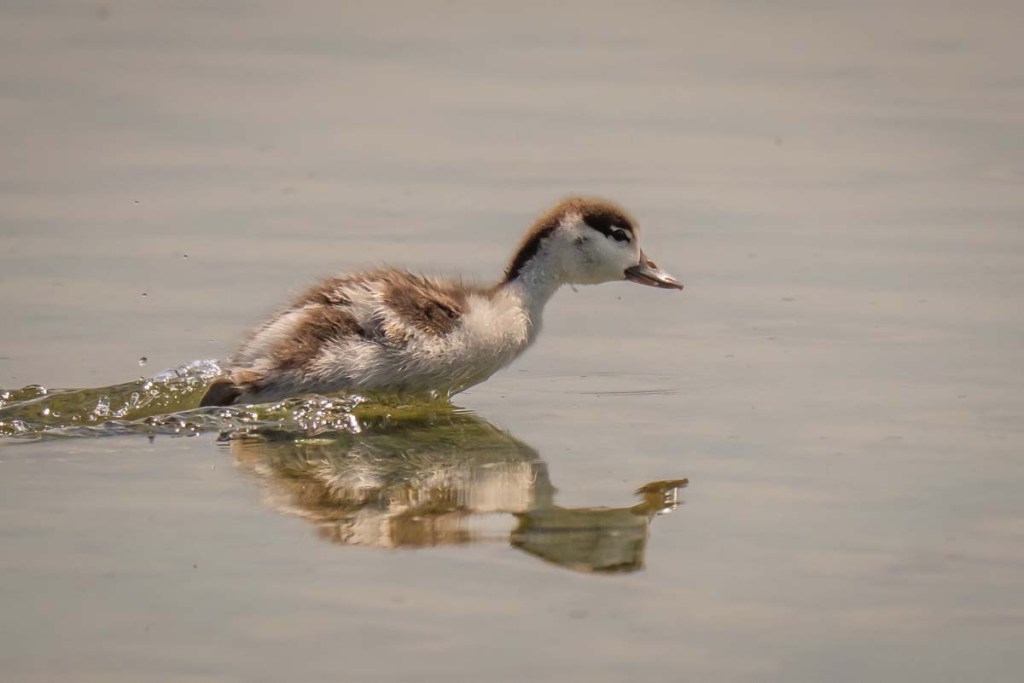
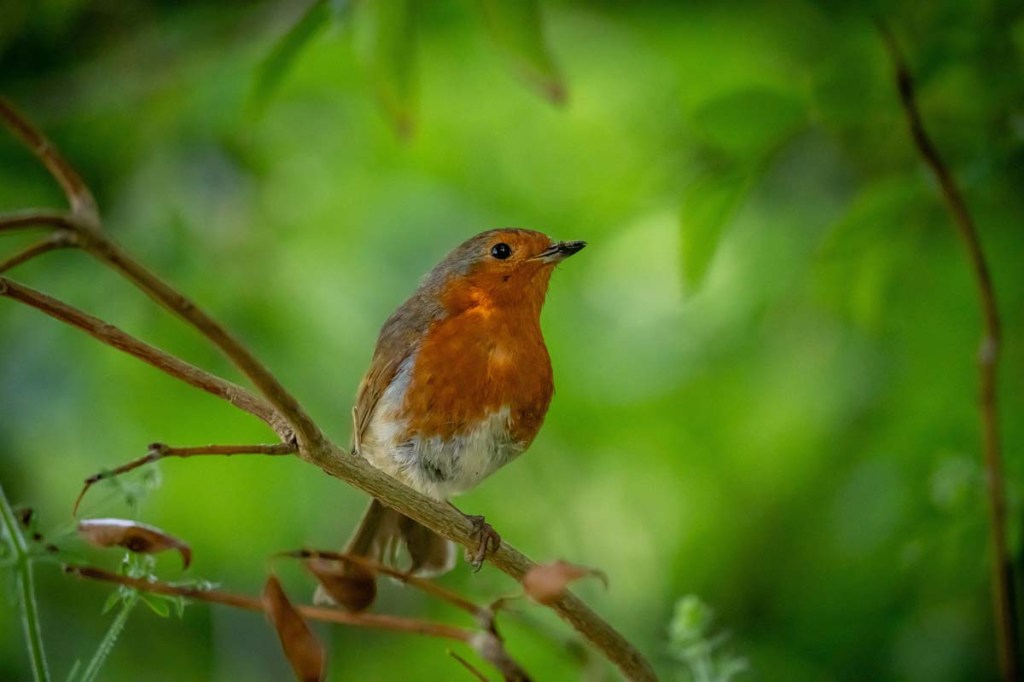
I imagine a hybrid gooseA snow goose or a Ross’s goosePied avocet (or simply avocet as we call them in the UK)Black-headed gullsGreat egretGreat egretGreat egretA shelduck ducklingMore shelduck ducklingsScarce chaseScarce chaserA rather shy robin
Following our week’s nature trip to The Camargue we have spent the last week near to Carry-le-Rouet, a seaside resort 30 kilometres west of Marseille, on the Côte Bleue.
View from the garden of our holiday let of the beach at Rouet plage which is set in a limestone calanque famous along this part of the Mediterranean coast.Rouet plage
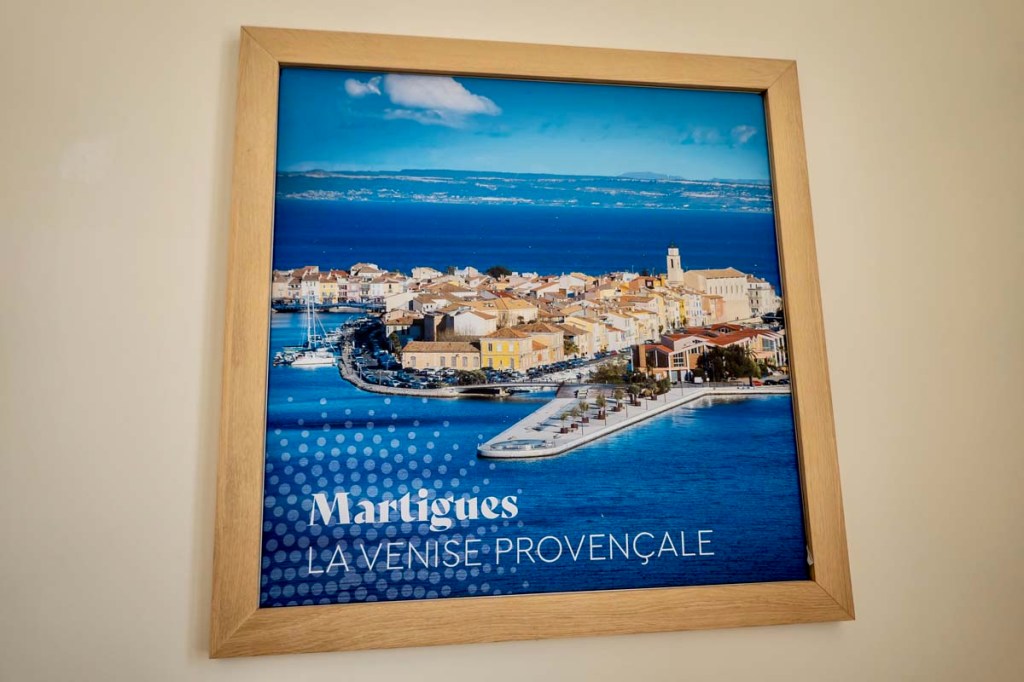
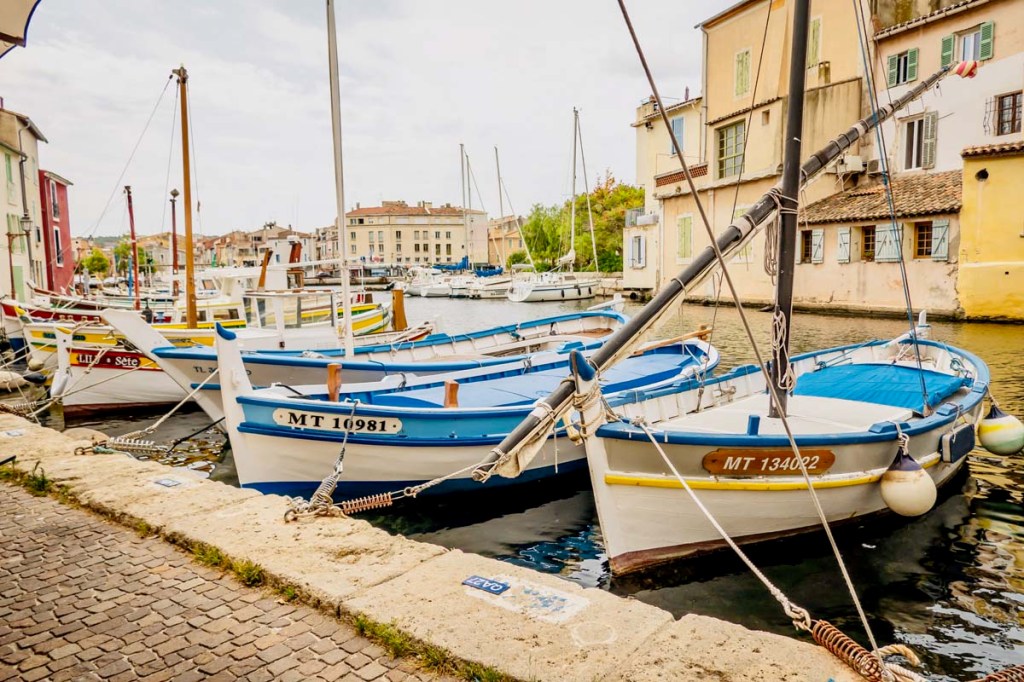
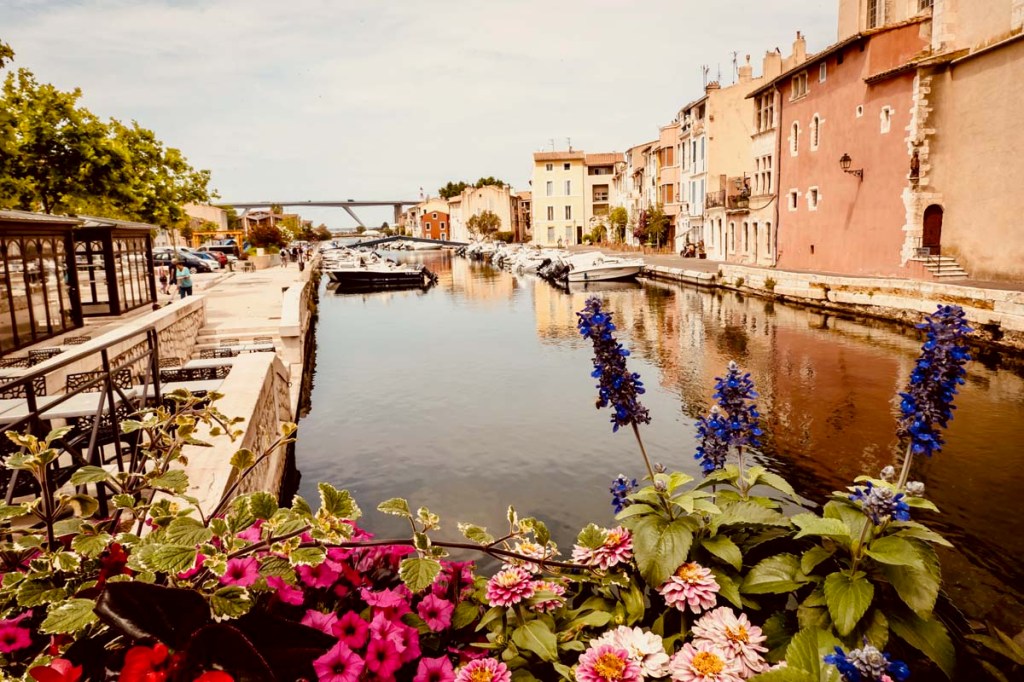
Mainly we have been relaxing in the local area but we have had a couple of trips out: one of a nature interest to Le Bassin de Réaltor near to Cabriès on the road to Aix-en-Provence and another to the nearby town of Martigues, nicknamed the “Provençale Venice” and which is a point of passage between the Mediterranean Sea and the Sea of Martigues (now Etang de Berre), close to the Côte d’Azur.
Our trip to the Bassin de Réaltor wasn’t a total success as, relying on a local source, we ended up high above the reservoir but, as it was extremely hot, we settled for a walk in the wood and an early return to Cabriès for lunch.
We saw and heard very few birds (perhaps it was too hot for them too) but we did see a few different butterflies and enjoyed the flora in the wood.
The beginning of our walkWe caught glimpses of the Bassin de Réaltor down belowSouthern red admiral butterflySouthern red admiral butterflyBlue spot hairstreak butterflySpanish gatekeeper butterfly
Martigues was beautiful but didn’t give us much opportunity for nature watching (other than a wonderful display of swifts as we ate our lunch in the area know as “le mirror aux oiseaux”) and a yellow-legged gull attempting to steal a fish which looked very much like the merlan (whiting) I had had for lunch.
The view from our table at the restaurant in “le mirror aux oiseaux – the swifts up above were too much for my phone camera!Yellow-legged gull and fishLe miroir aux oiseaux
Apart from those two trips we have stayed locally and spent a lot of time sitting on the terrace with the wonderful view of the Mediterranean below. That didn’t stop me snapping a few pics of anything that came my way.
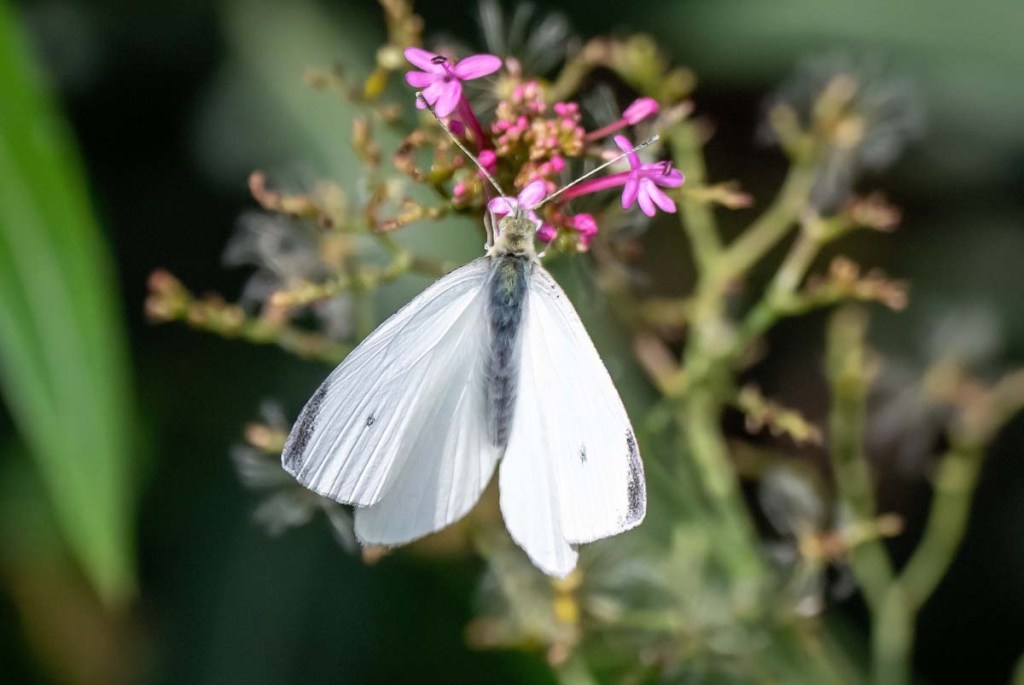
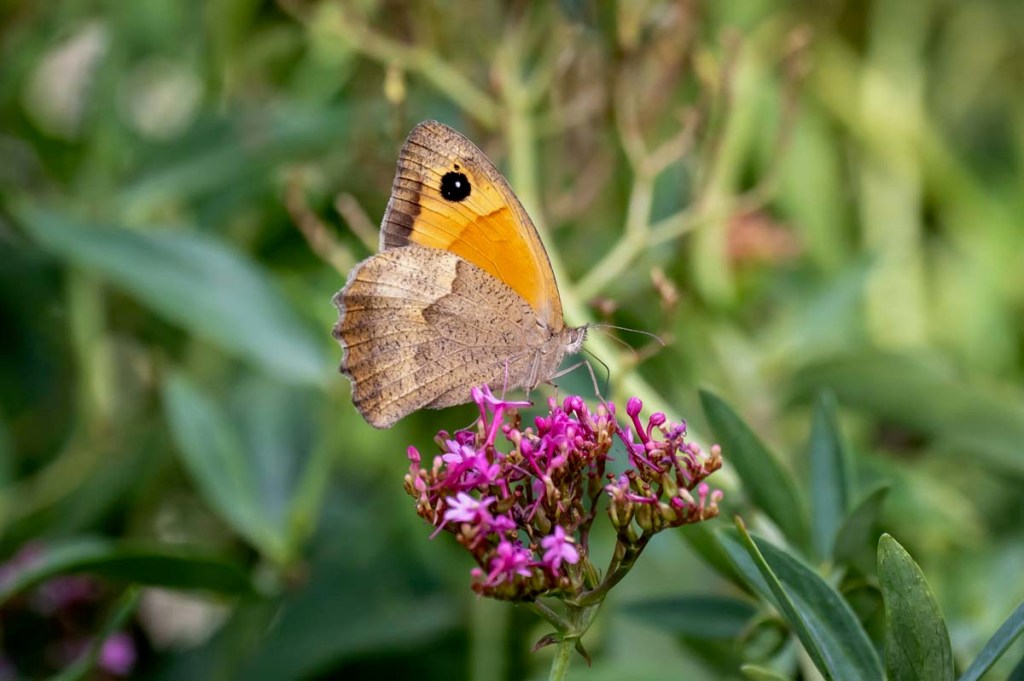
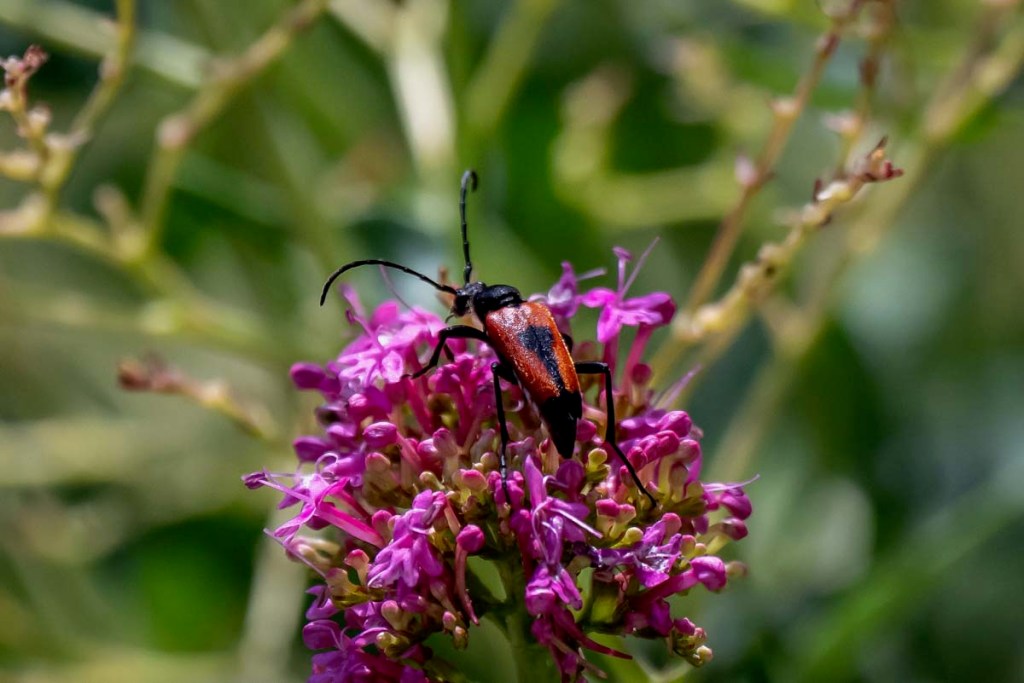
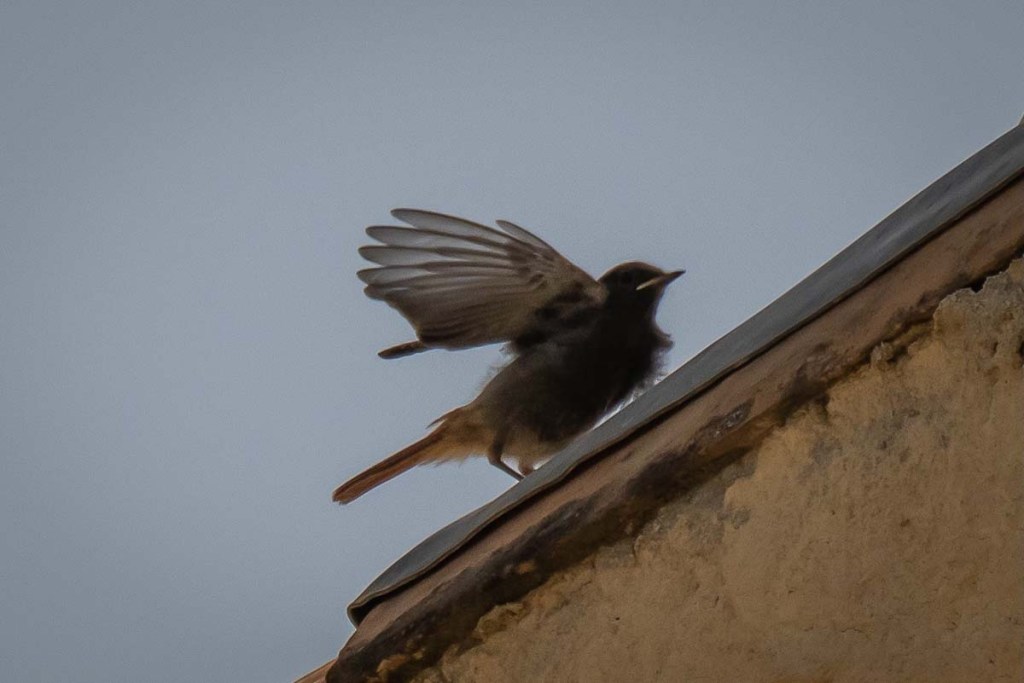
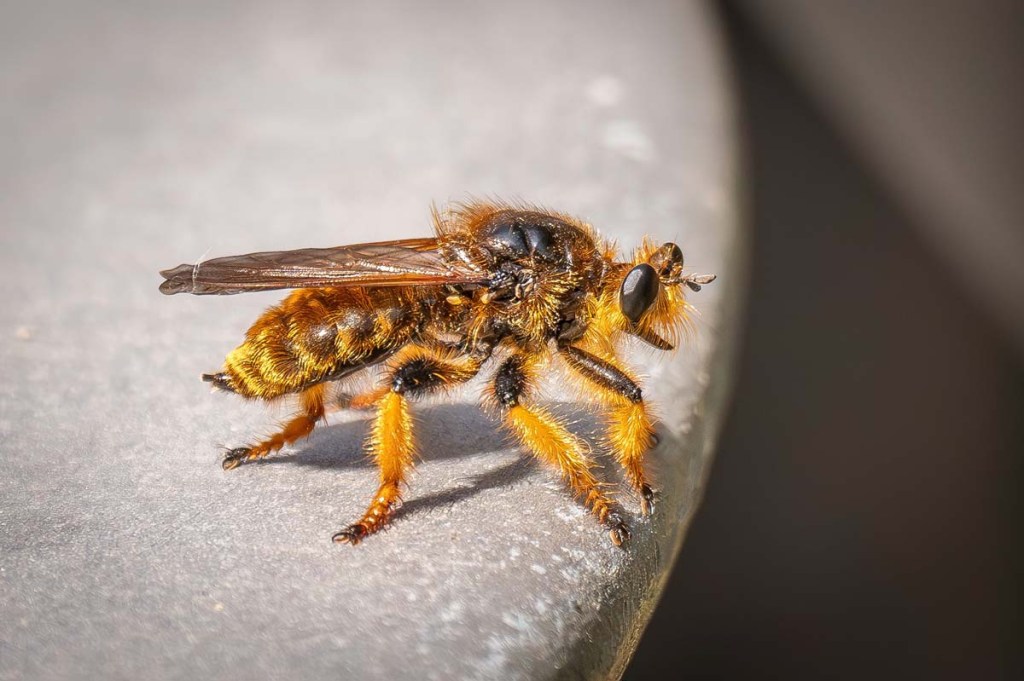
Small-white butterflyGreen-veined white butterflyMylabris quadripunctataMeadow brown butterflyLonghorn beetleTerrible picture of black redstart Common brimstoneCommon brimstoneCommon brimstoneCollared dovesEuropean paper waspRed-legged cannibalfly (apparently)Red-legged cannibalfly (apparently) – certainly frightened me and so I put my camera away
We really enjoyed our recent nature trip to the Camargue. We knew the region a little before this trip as we have visited here a number of times as tourists in the days when we had a motorhome; but this was our first trip here since we have become particularly interested in bird watching.
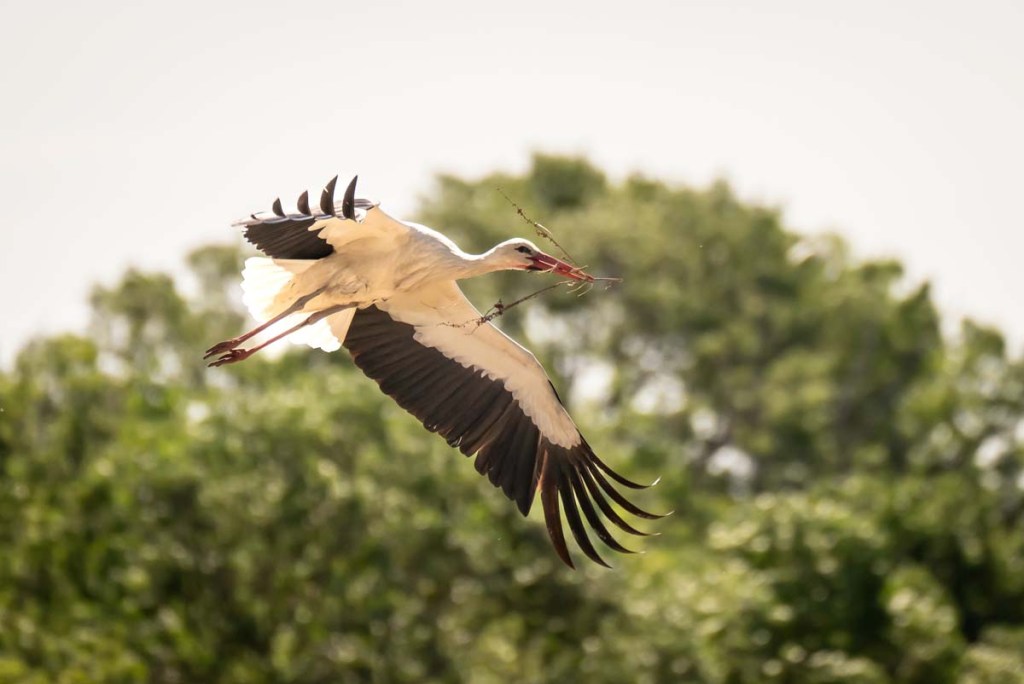
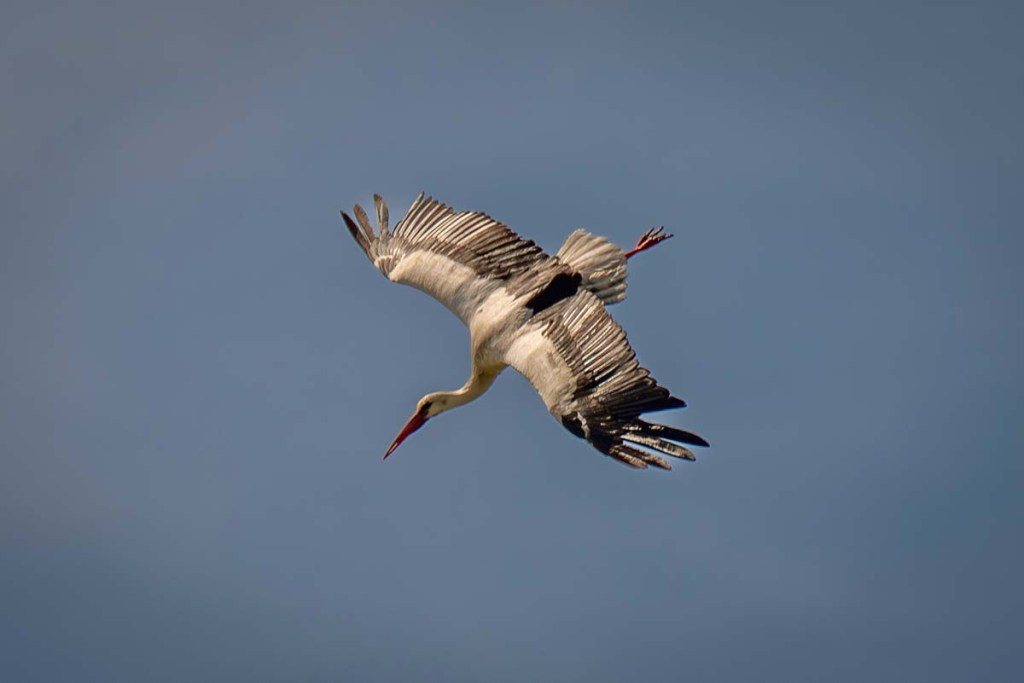
White stork
The week was organised by the speciality nature trip company “Naturetrek” and we have been very pleased with the “Go slow in the Camargue” programme. The administration before the tour was good, the accommodation and food at the hotel was more than adequate for such a trip and the two guides, Marcus John and Neil Murphy, were excellent: they were very knowledgeable, drove the minibuses with care and consideration, produced amazingly good picnic lunches with locally resourced food and drink , had a very good rapport with all the group and made sure everyone saw a fantastic number of birds. Above all they are clearly good chaps and were a pleasure to be with. As well as providing a suitable programme to achieve the programme title of “Go slow in the Camargue” they also offered regular optional early morning walks and late evening sorties. They were the main reasons for the success of the tour.
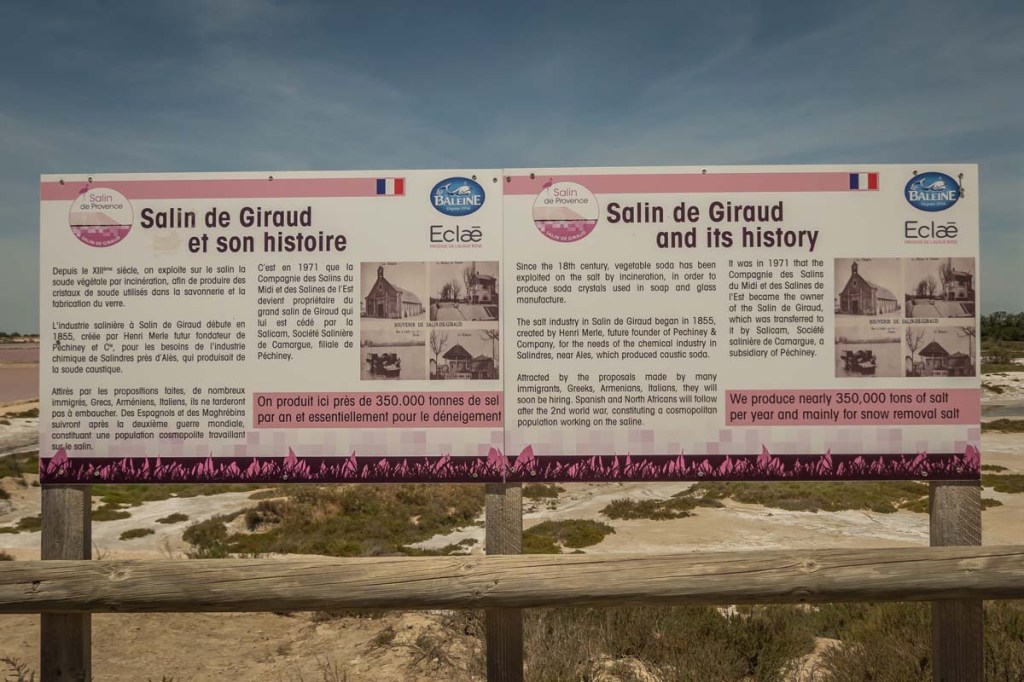
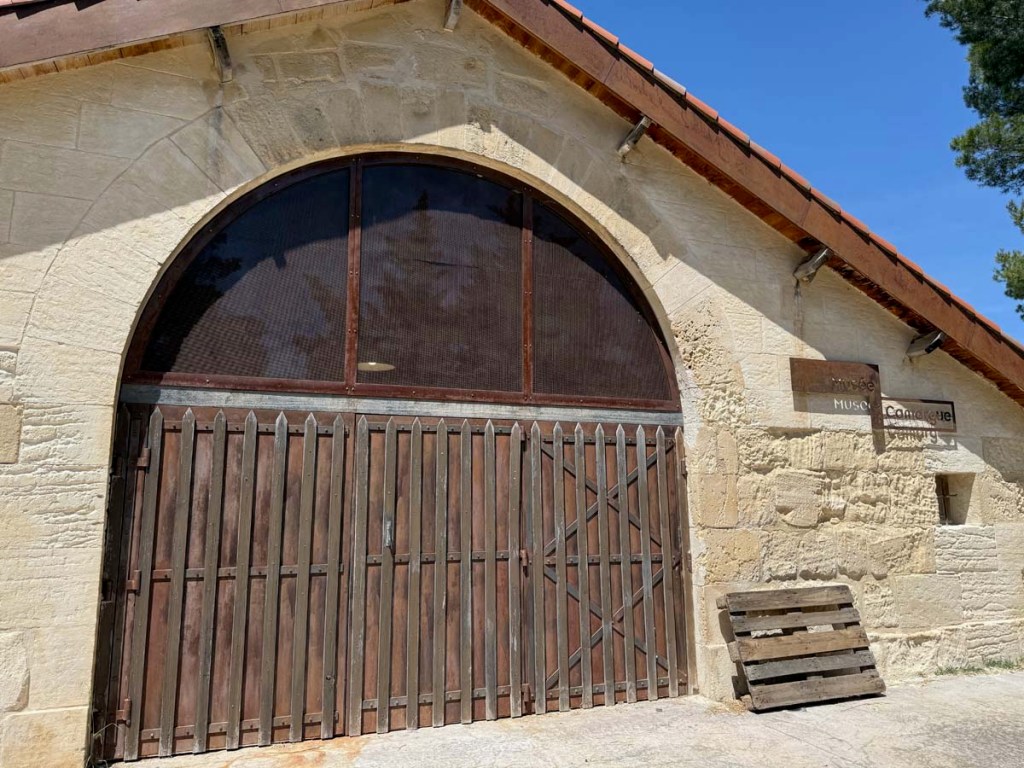
We visited various local nature reserves, stopped often by the roadside in the marshes of the Camargue, had a trip to the coast to see different types of birds and see the salt works (le Salin de Giroud), did a number of other “touristy” visits to Arles, the Roman aqueduct of Barbegal near Fontvielle, Les Baux de Provence and Le Musée de Camargue – all whilst incorporating opportunities for more bird watching.
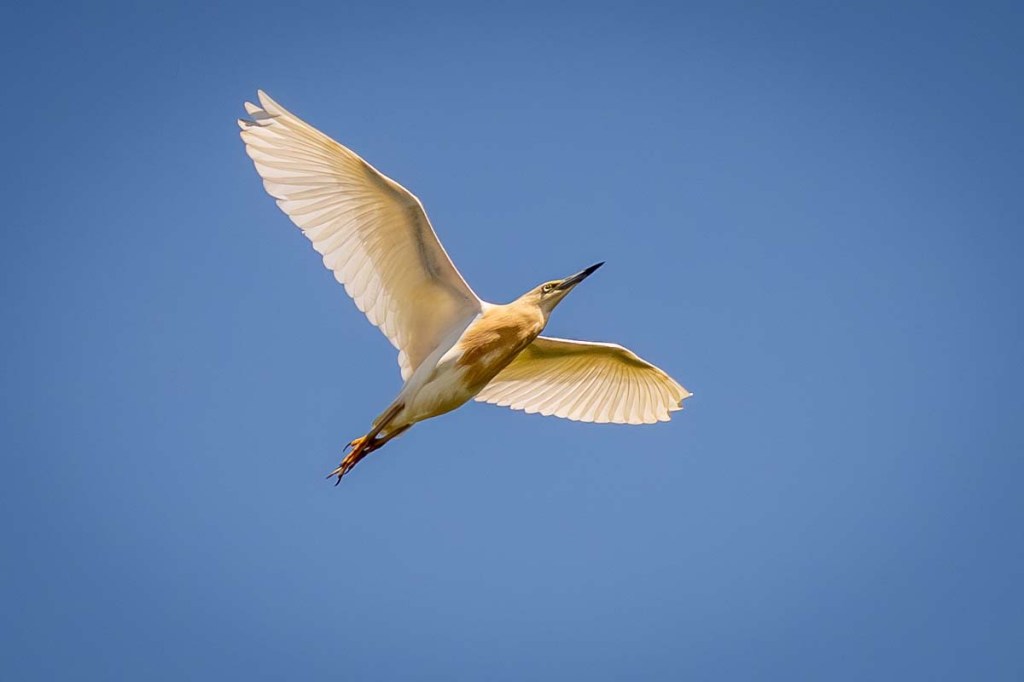
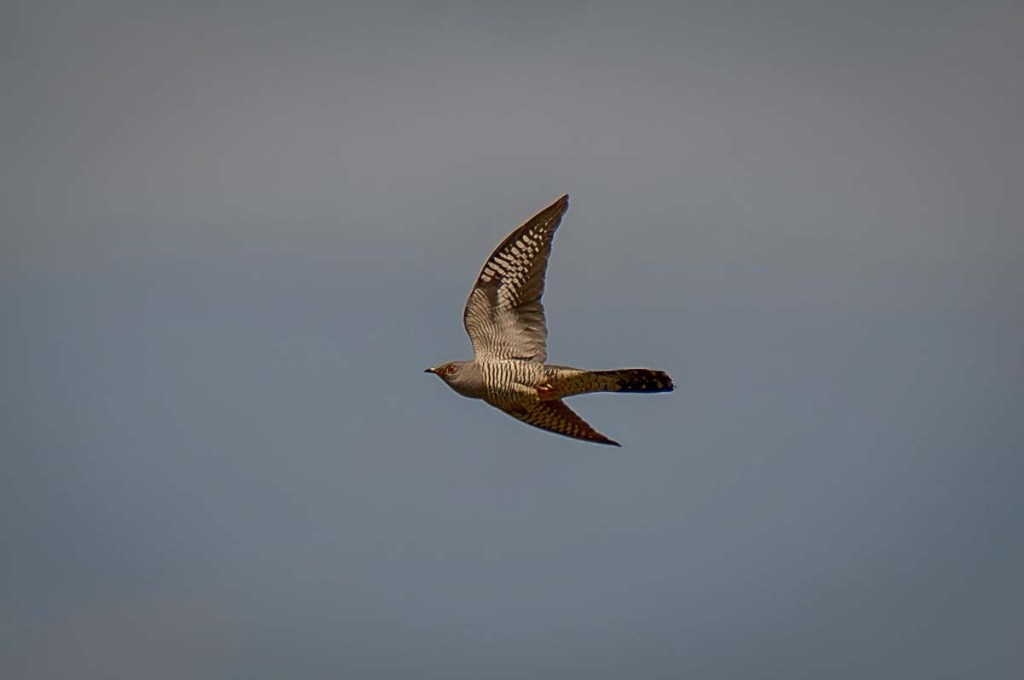
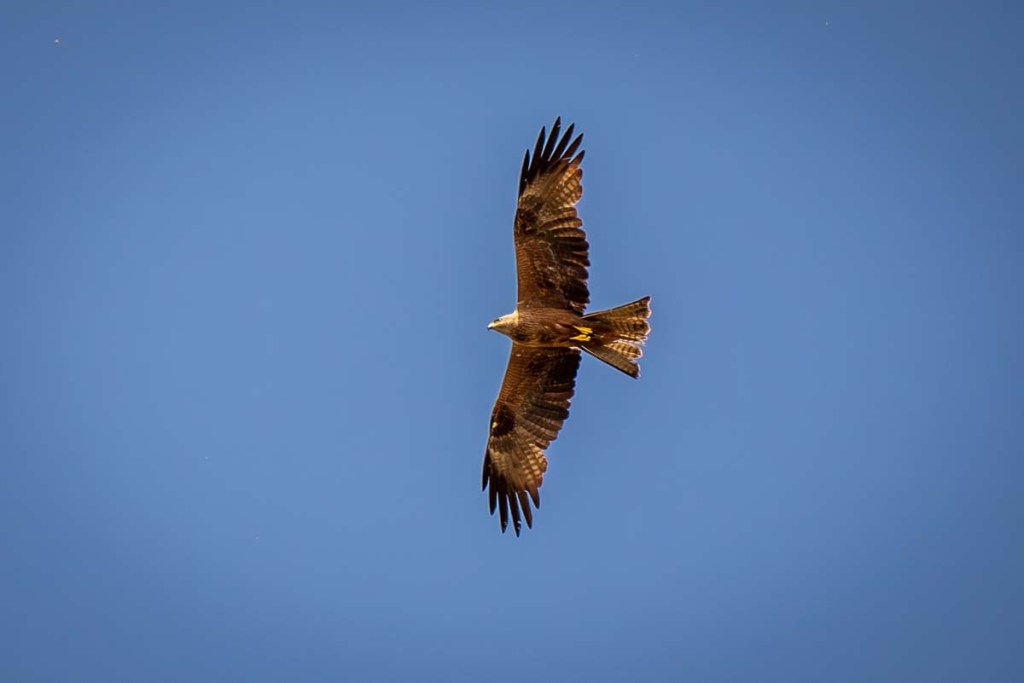
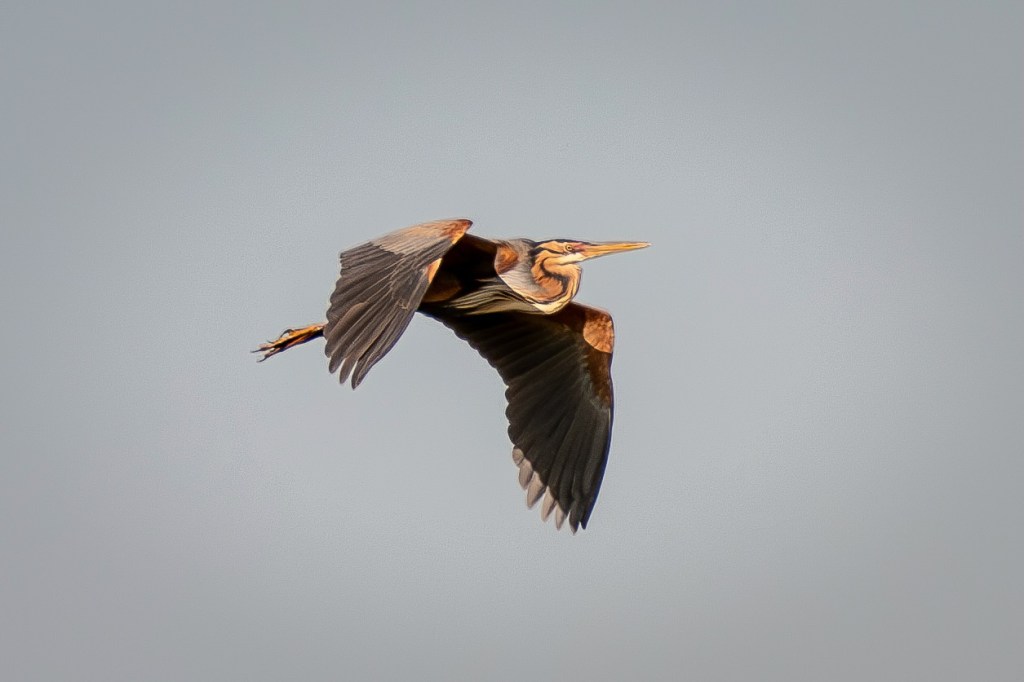
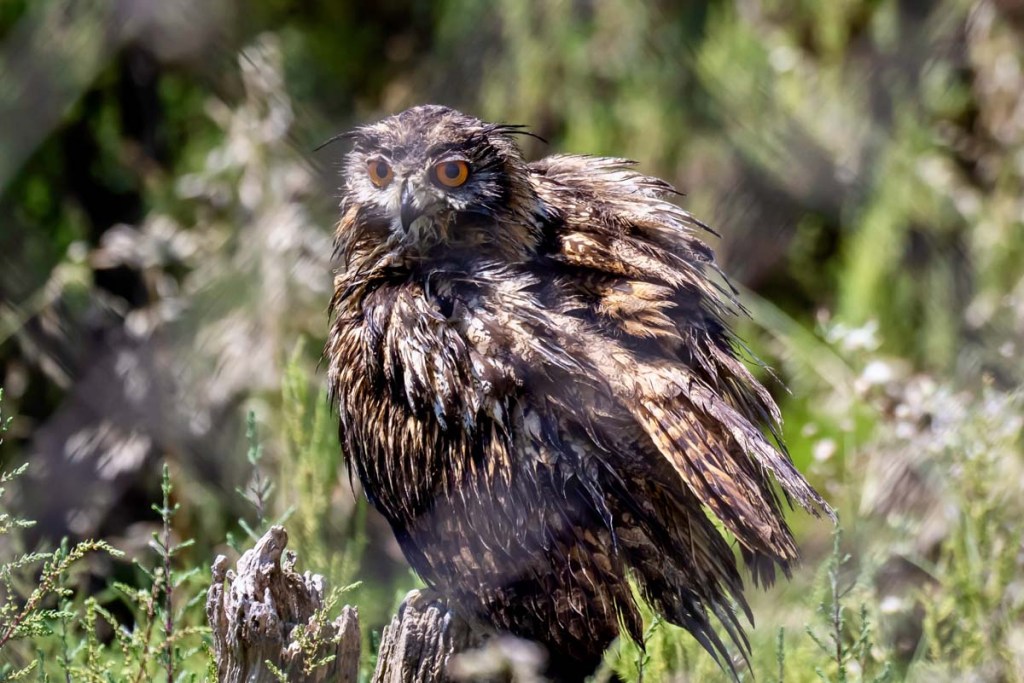
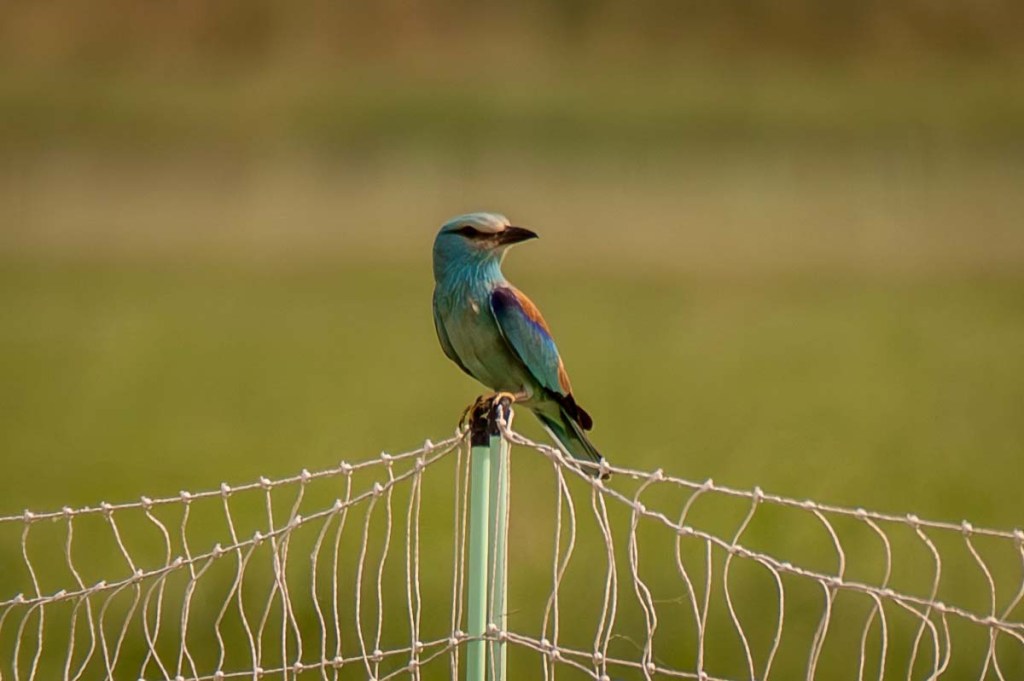
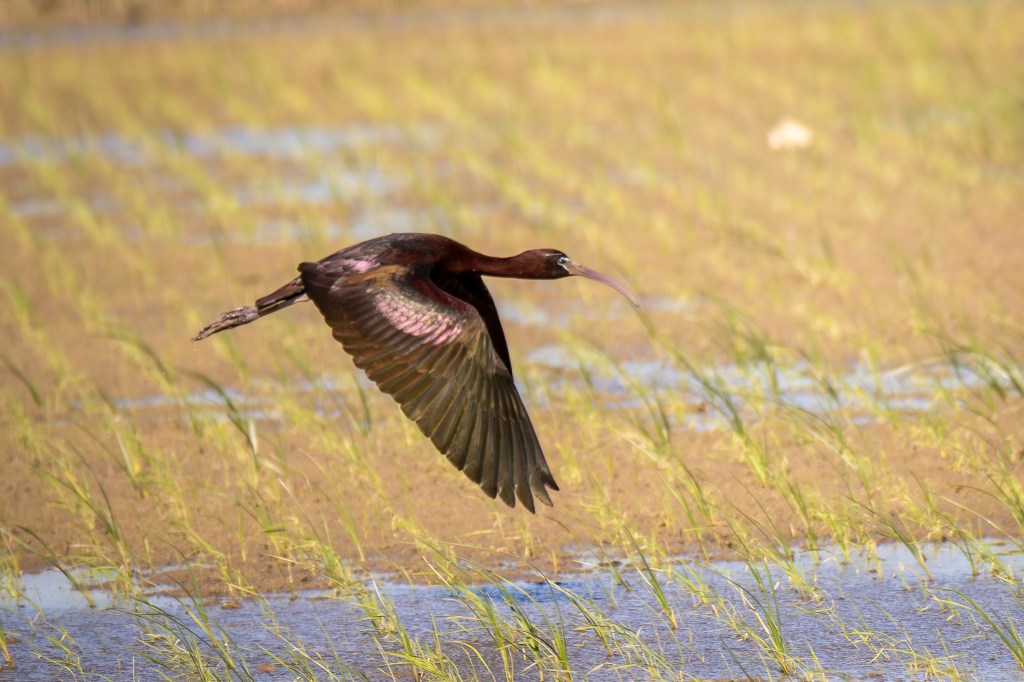
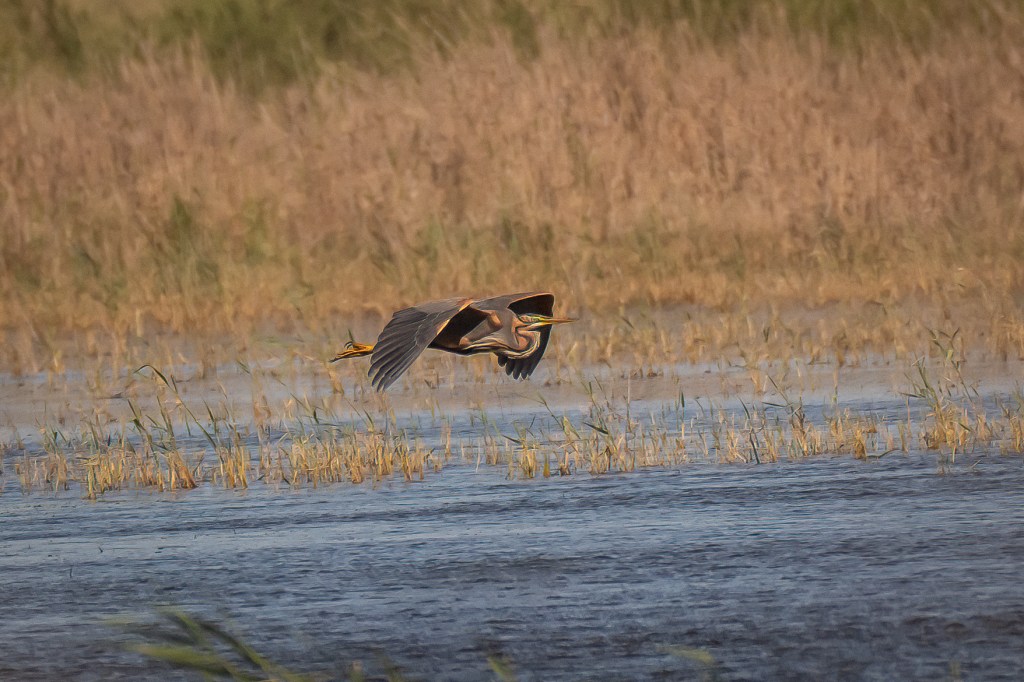
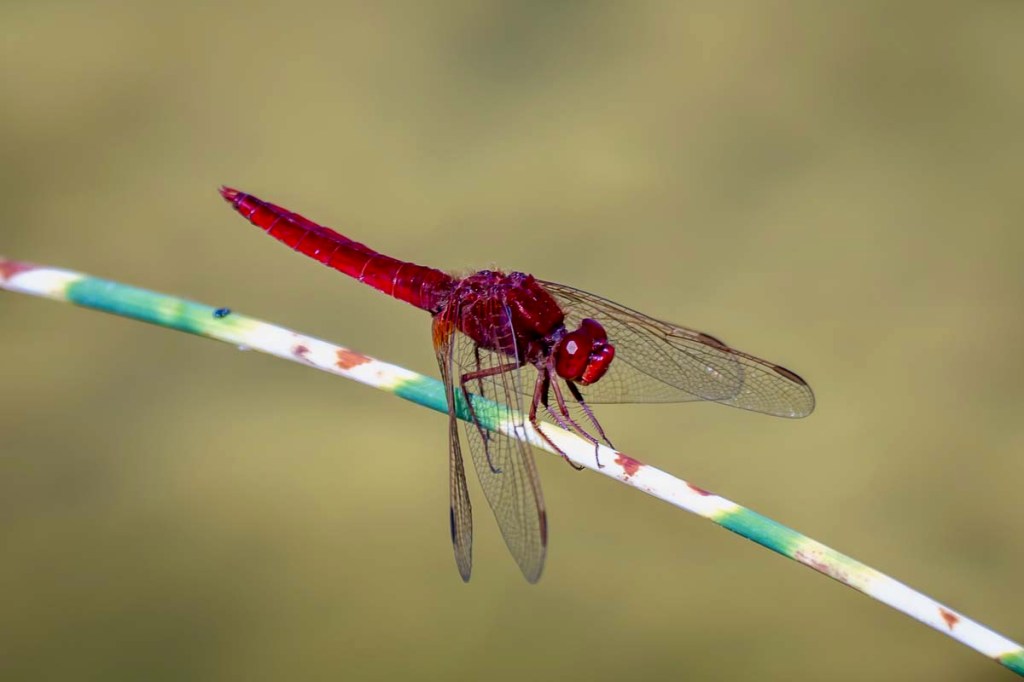
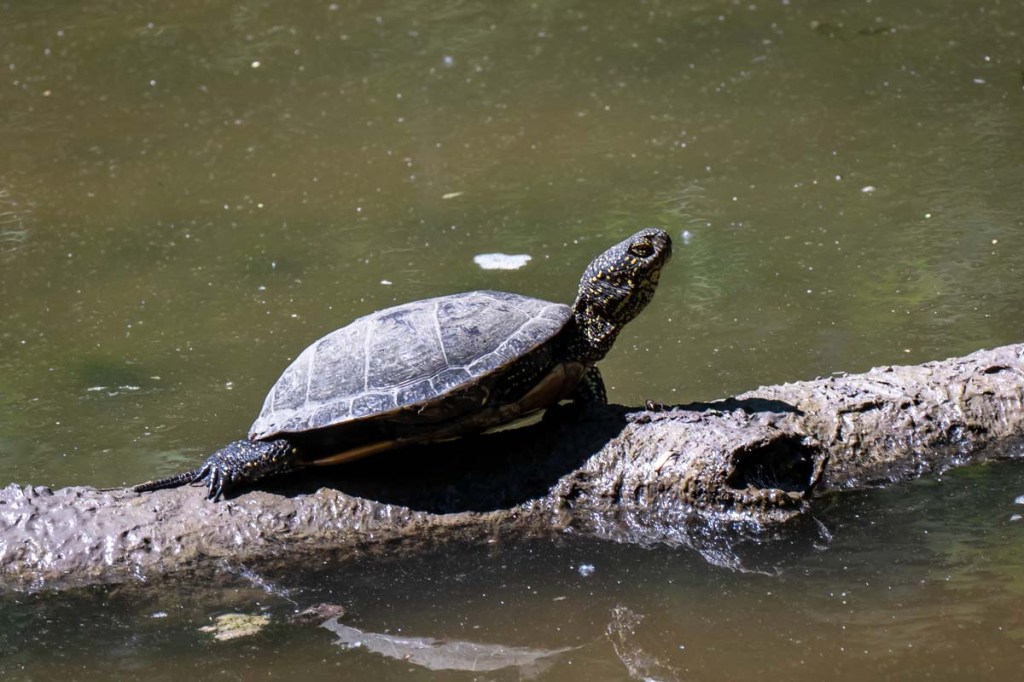
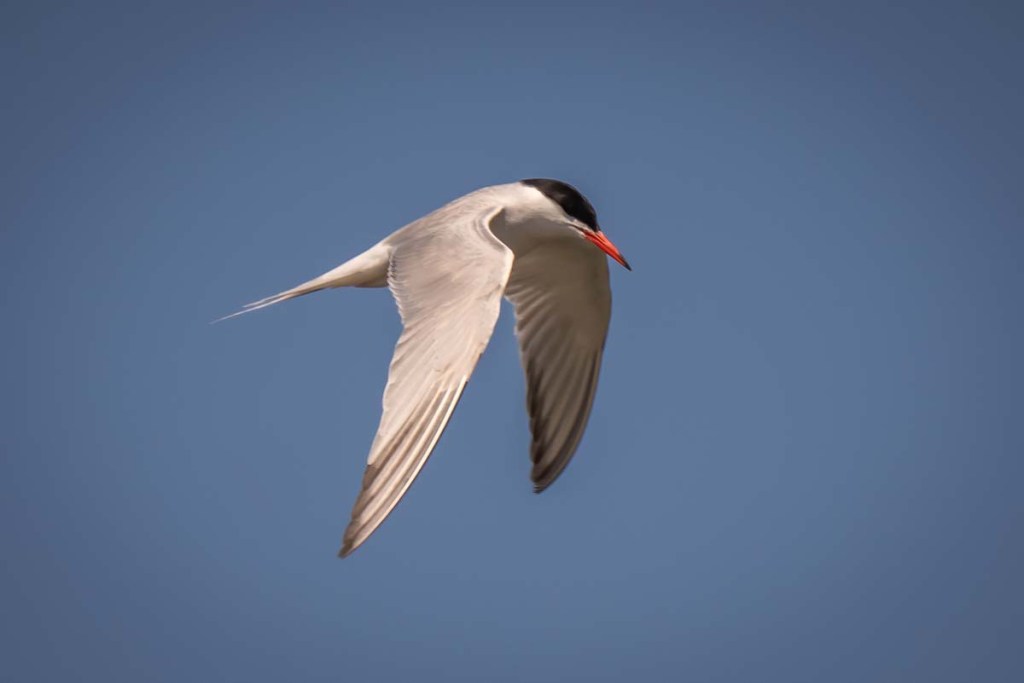
Ruins of the Roman aqueduct of BarbegalLe salin de GiroudLe salin de GiroudPelagic birding (?) at la plage de Piémanson.Gull-billed terns certainly rate high on any of my lists (if I had any)Probably my bird of the week – night heronOne of my favourite reserves in the CamargueAt the Maraiis du Vigueirat reserve we saw grey, purple and, here, squacco heronAnother of the nature reserves we visited which I shall remember for a good sighting of a cuckooCuckoo – great to see as well as hearOne of our picnic venues – beneath a mulberry bushOne swallow doesn’t make a summer – but this one convinced me that we really were in summerHôtel des Granges just outside ArlesWe often saw black kites close over our hotel and enjoyed the song of nightingales throughout the week View from our bedroom window of l’Abbaye de MontmajourHobby on one of the optional early morning walksMy favourite shot from beside the road – six spoonbills seen from le Chemin de Mas d”AgonPurple herons at the same place on the Chemin de Mas d’AgonLet’s hope that one day these beauties are regulars in our skies (but we will probably be in a lot of trouble in other ways!)Le Musée de CamargueI don’t like to see birds in cages but it is worth remembering what amazing things people do in rescuing such birdsLes Arènes d’ArlesPhotographic exhibition in the streets of ArlesEuropean roller seen on one of our optional evening tripsOur visit to Les Baux de ProvenceMy favourite memory of les Baux de Provence – a swallowtail butterflyOur guide Marcus was relieved that I was able to get a shot of a bee eater, certainly after all the banter I gave him. Glossy ibis were regularly seen in the rice fields The rice fields brought us loads of beautiful birds and many interesting beers tooPurple heron at the Marais de Mas d”AgonHow can such big birds, such as this white stork, be so agile?It wasn’t all about the birds – Orange-tipped orange dropwingFlora and faunaWhite-tailed skimmerTerrapin at the Marais de VigueiratCoypuIt wouldn’t be the Camargue without greater flamingosCommon tern was the most common of the terns we sawBlack-winged stilts were seen at all the reservesBlack-winged stiltSo many of the glossy ibis, herons and storks with juvenilesGrey heronsWhite storksSpanish gatekeepers seemed much brighter than the gatekeepers we see in the UKPainted lady butterflyLarge skipper butterflyFalse ilex hairstreak butterfly at Les Baux de ProvenceDid I mention the swallowtail?
Oh and I nearly forgot … those wonderful wild horses of the Camargue:
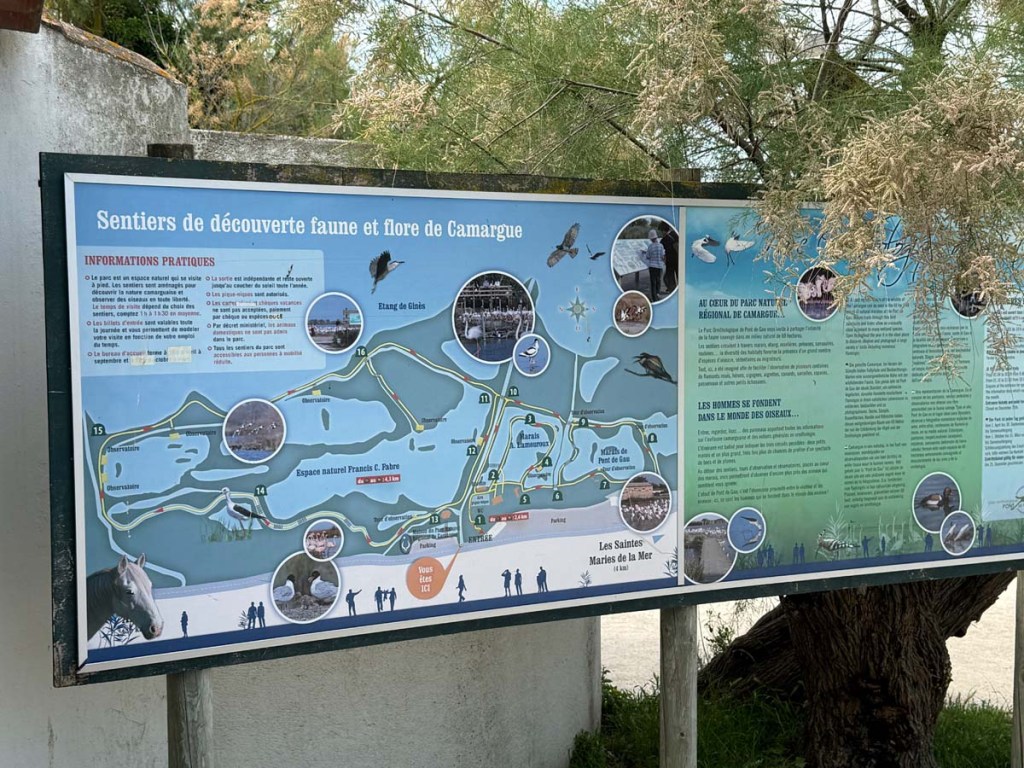
More amazing photo opportunities today at the Parc Ornithogique de Pont de Gau.
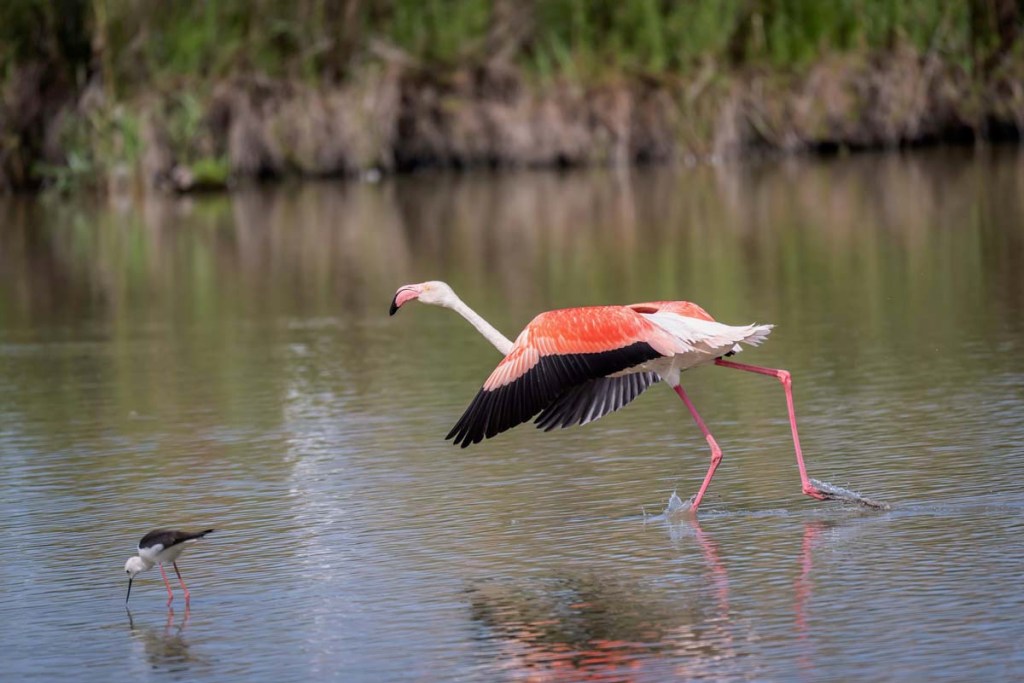
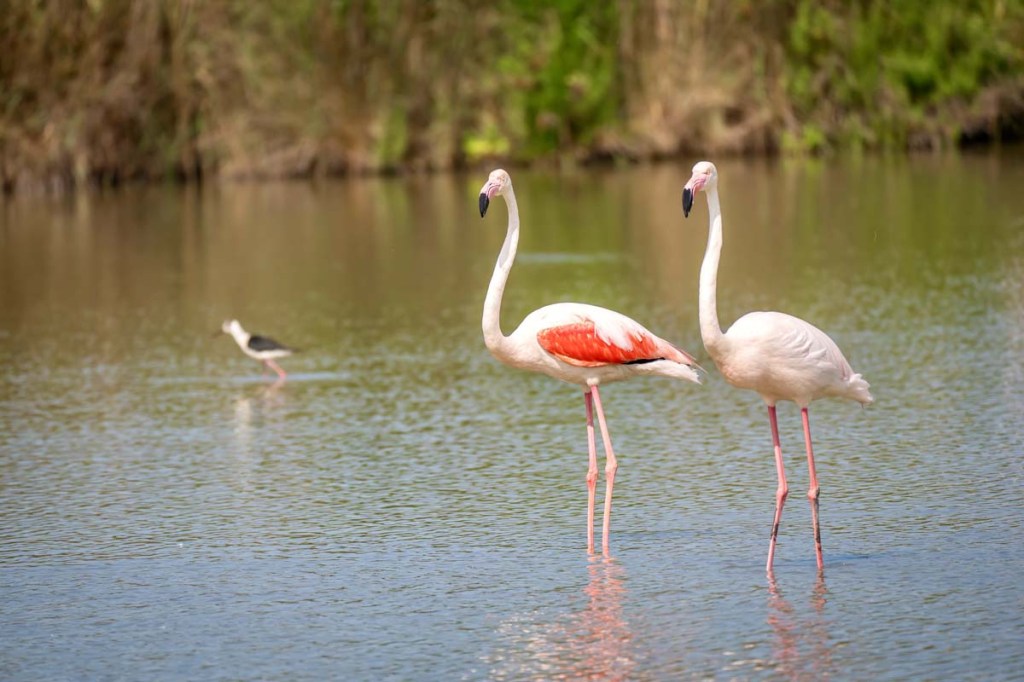
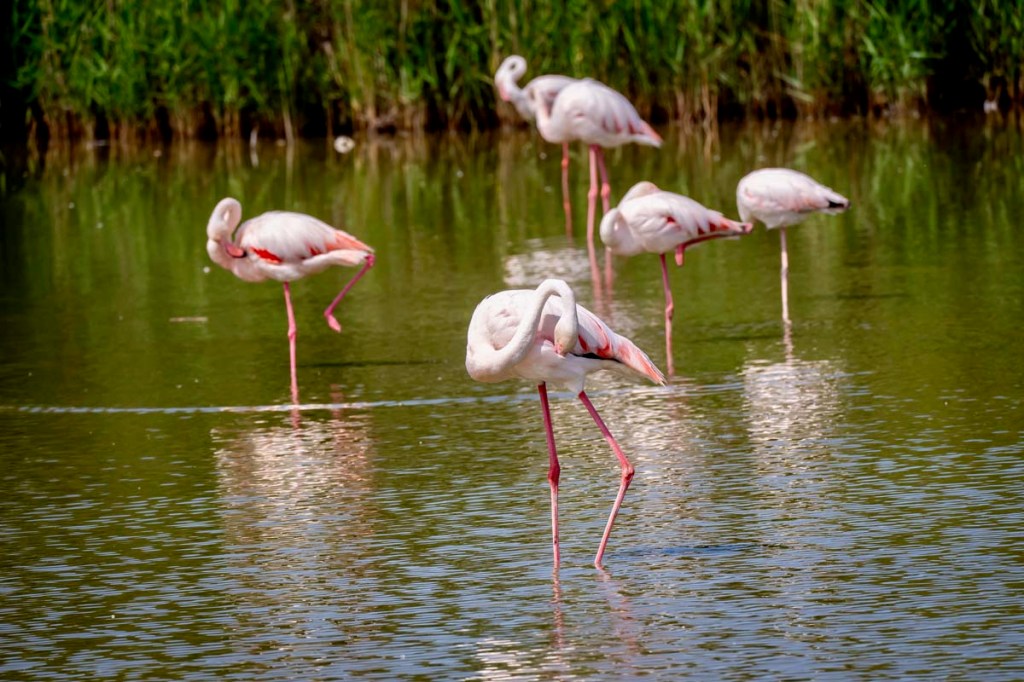
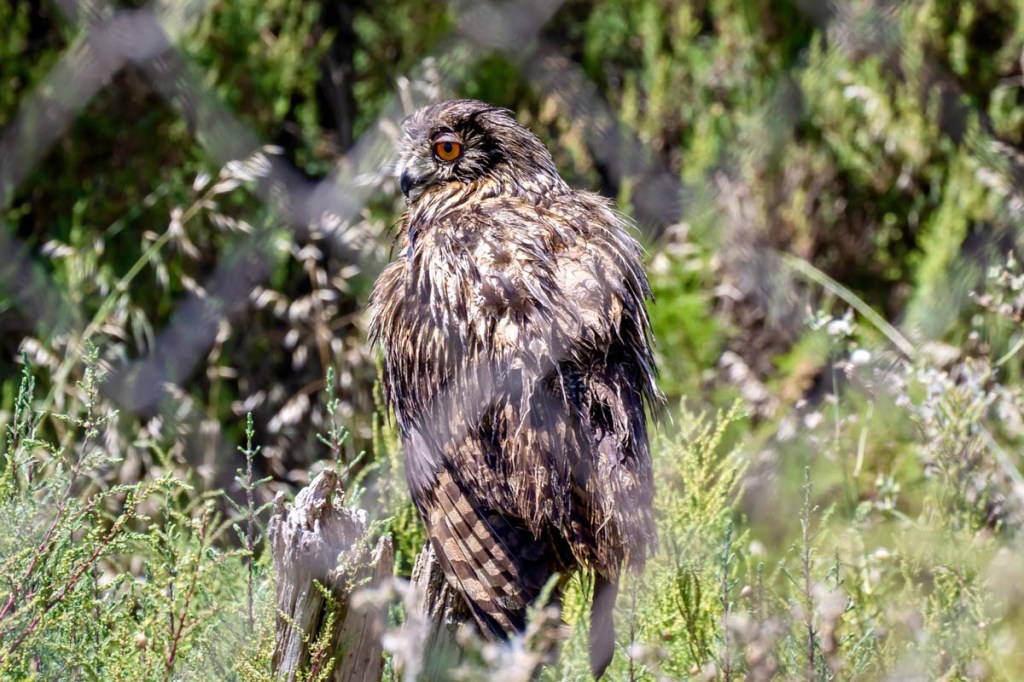
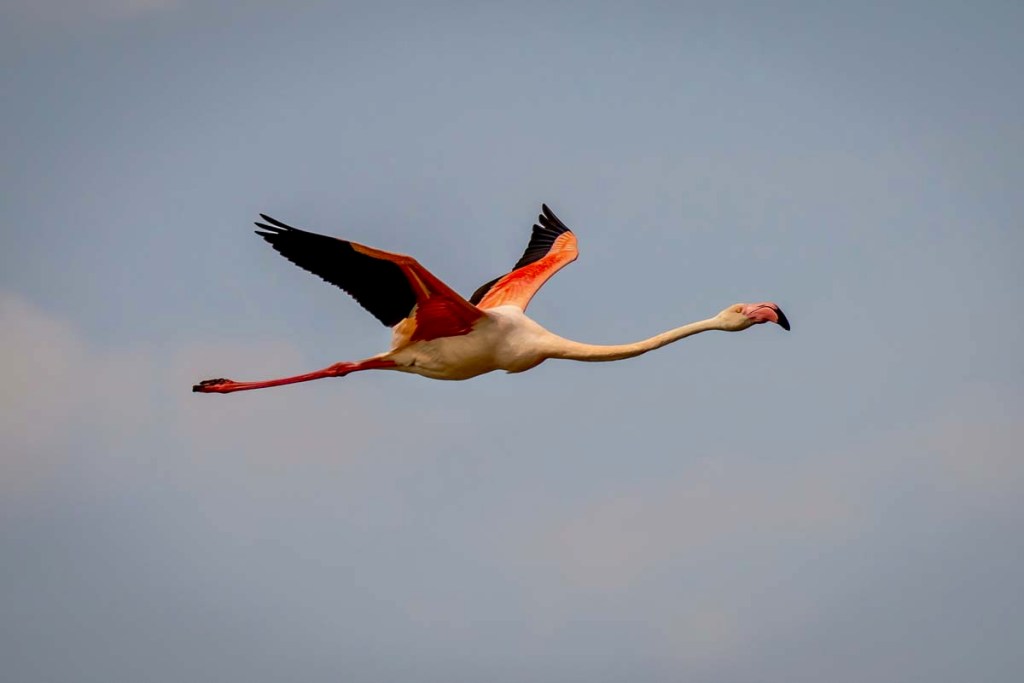
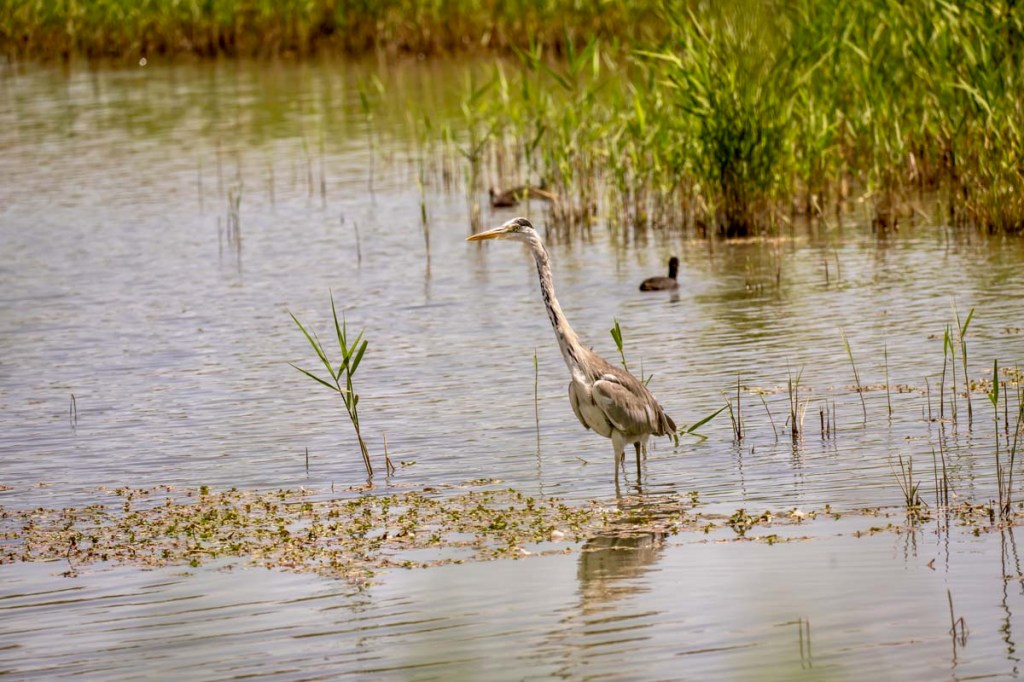
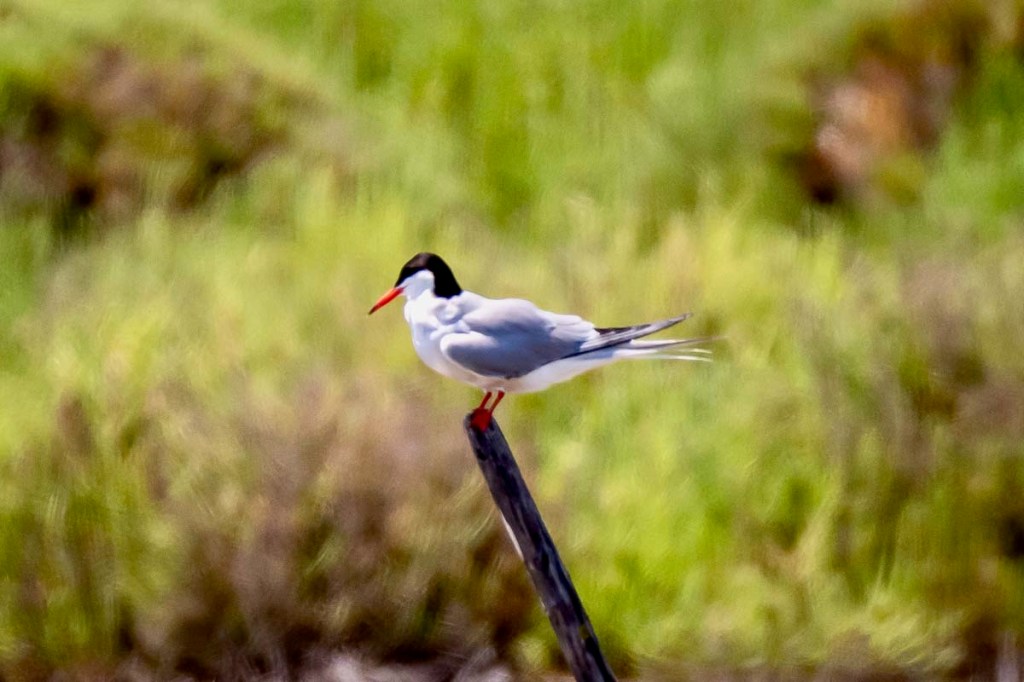
Greater flamingoGreater flamingoGreater flamingoGreater flamingosBlack-winged stiltGreater flamingosGrey heronGlossy ibis and hungry youngstersA rescue Eagle owlA rescue eagle owlGlossy ibisGreater flamingoCattle egretGrey heron with juvenilesGrey heronGrey heronCommon ternSmall white butterflyGreat willow herb Not our transport for the dayBee eater on our way back to the hotel
Now I’m wondering what to do with the remaining 1500 photos from today!
Post script:and now for a week to recover on the coast near Marseille.


















































































































 Martin's Bird Blog & Nature Photos