After exploring the Saturday market in Olhão we took a taxi a few kilometres east to Quinta de Marim (or Centro Educação Ambiental de Marim).
The market at Olhão we a plentiful supply of snails
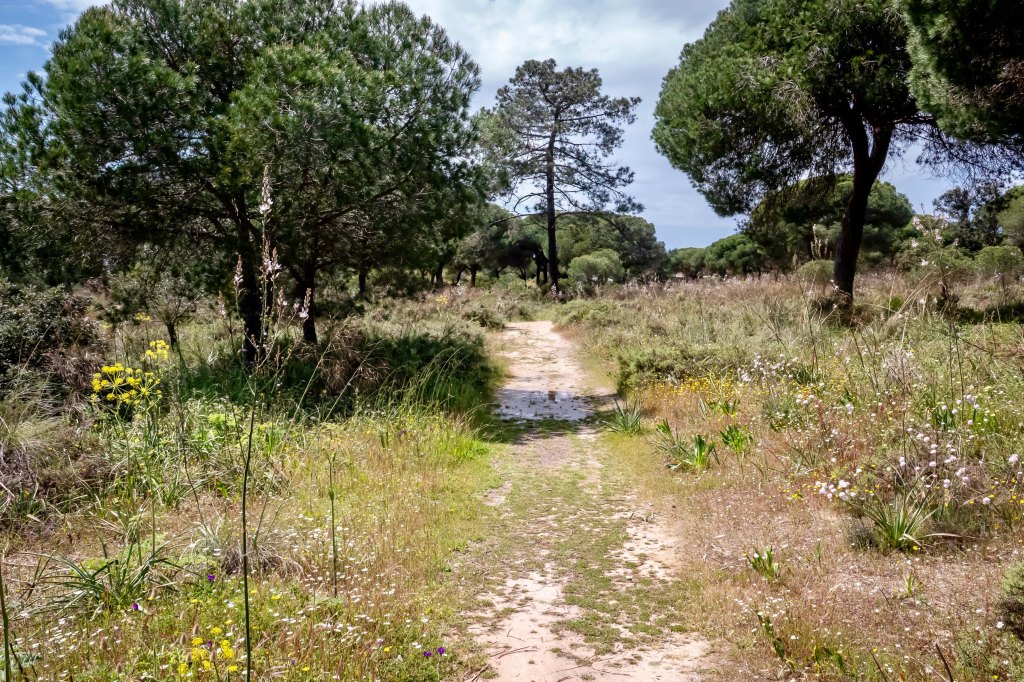
We had visited this estate earlier in the year. The 3 km trail takes you through various ecosystems – dunes, salt marshes and pine woodlands and it was interesting to see the different flora from our last visit in February.
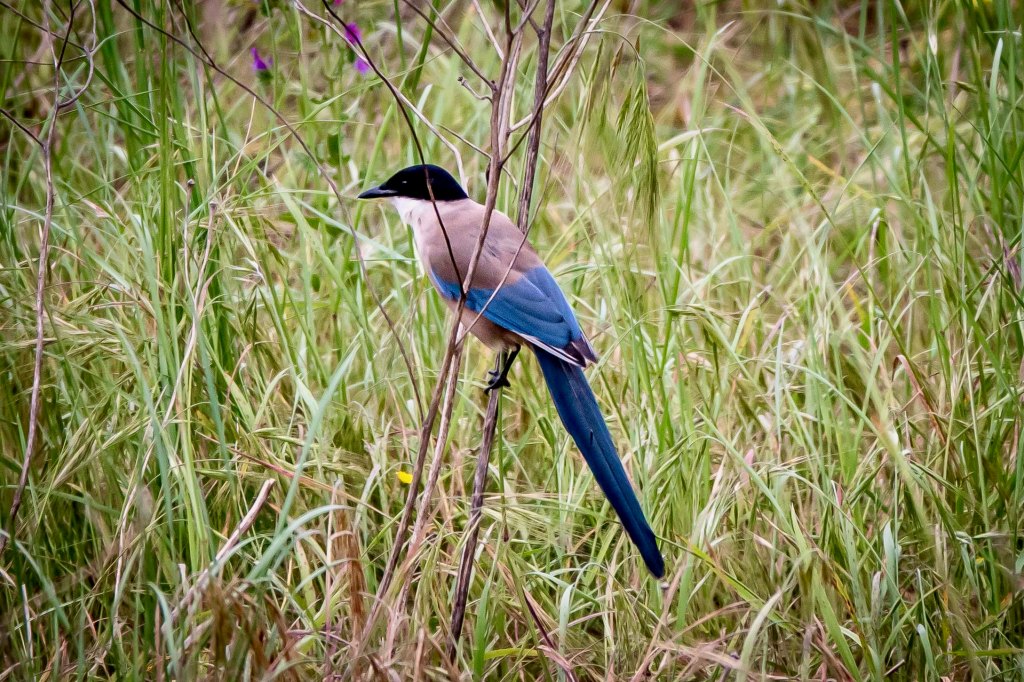
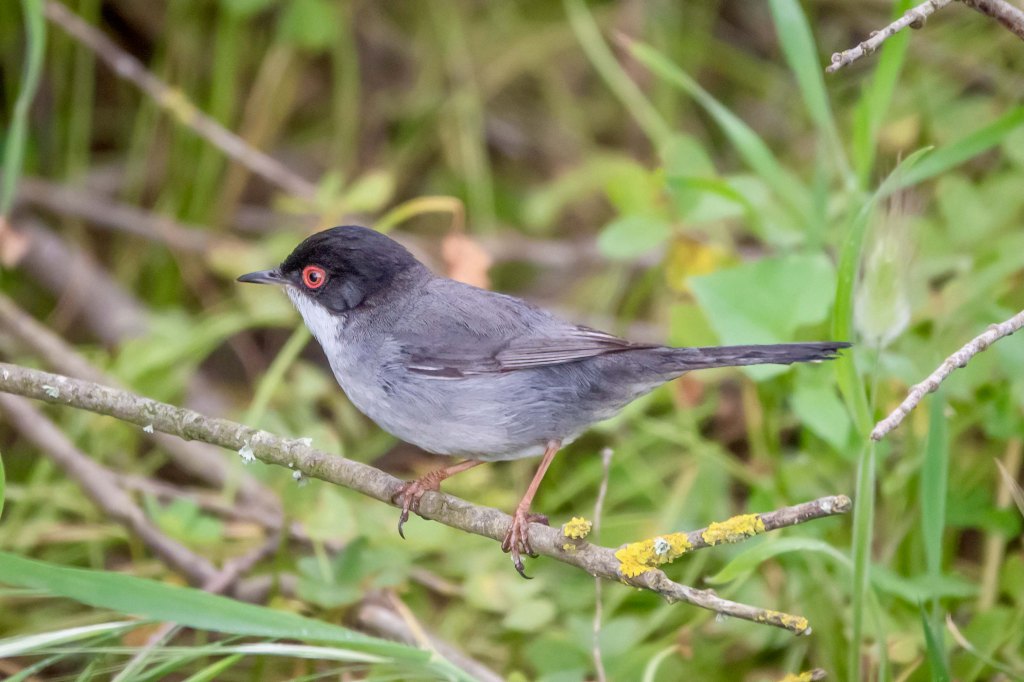
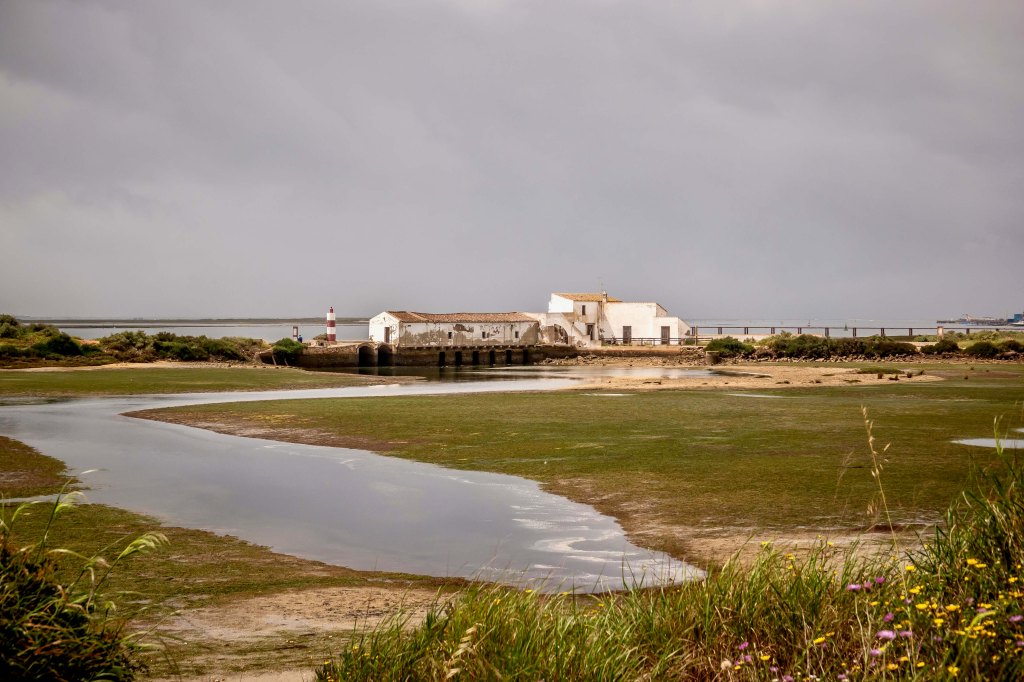
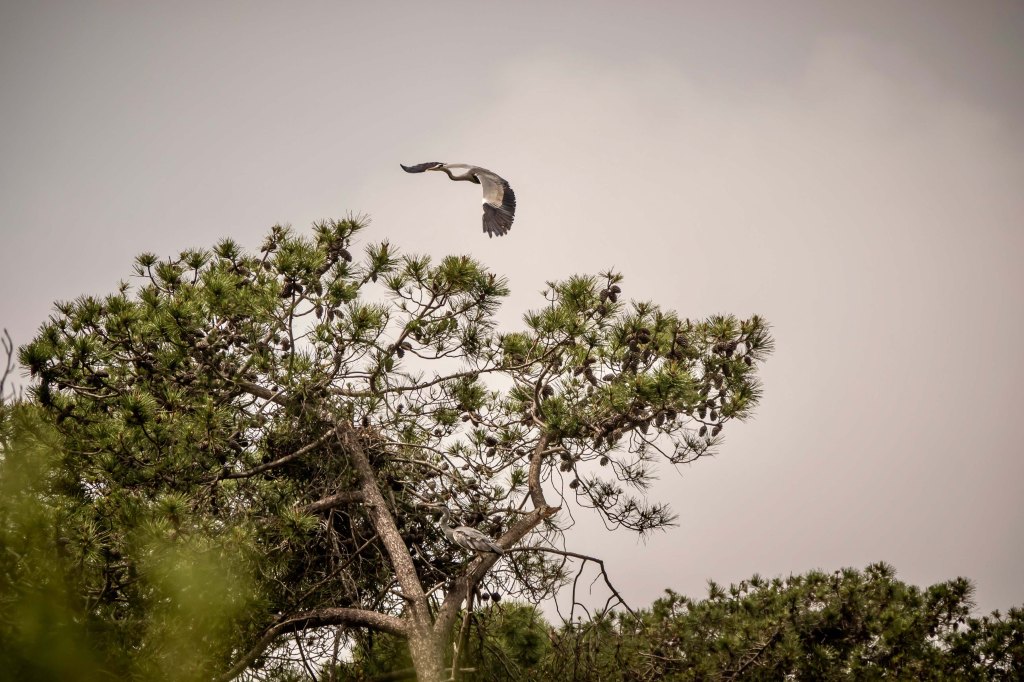
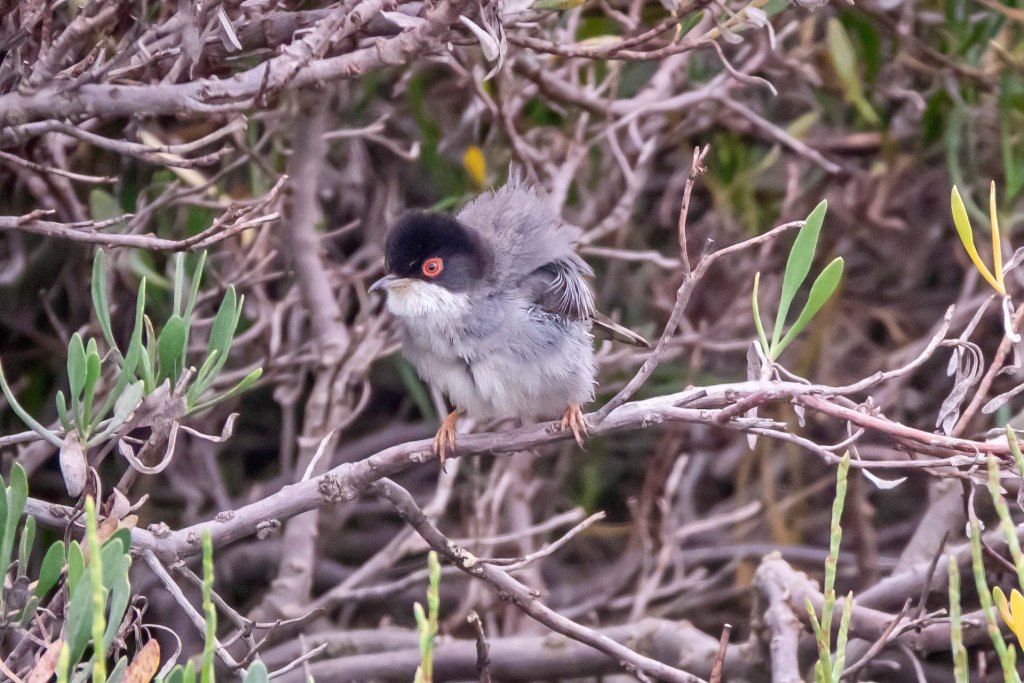
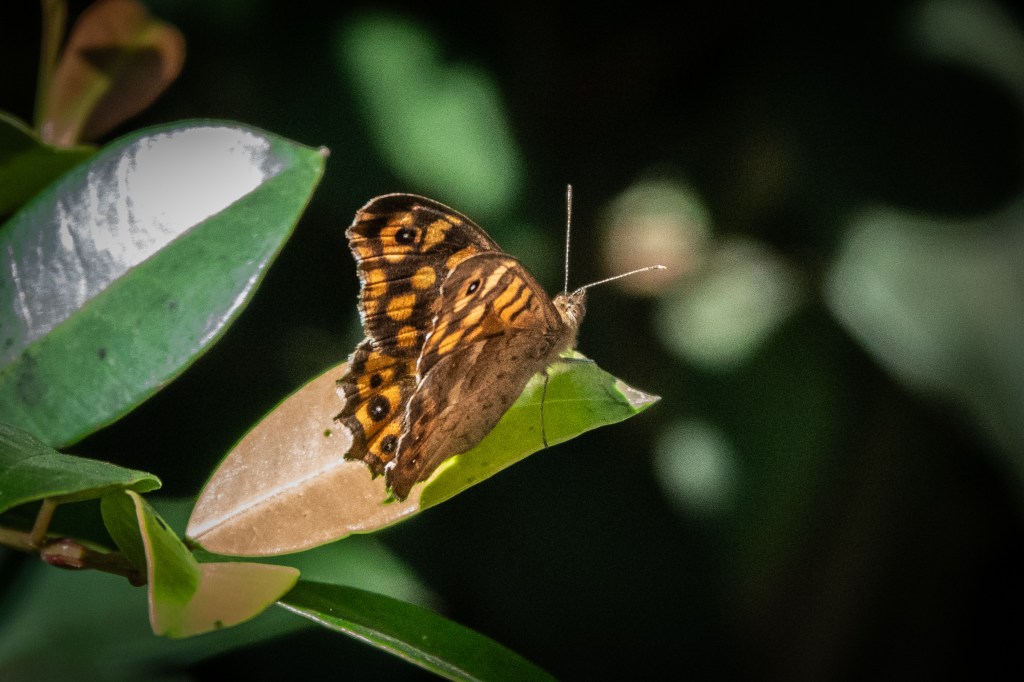
The Iberian azure-winged magpies seem to love the pine woodlandsSpeckled wood butterflySardinian warblerQuinta de Marim tidal millGrey heron practising its ballet
Half way around the circuit there is a hide overlooking a freshwater pond. We spent quite a while here as there was a heavy shower but fortunately there was lots of activity with a huge colony of egrets.
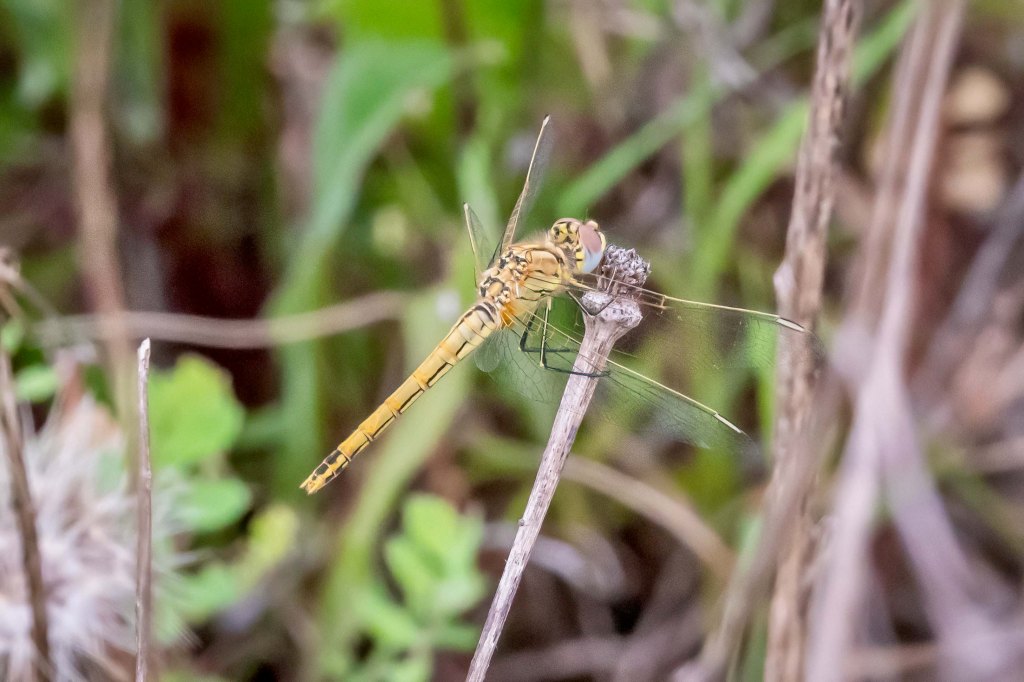
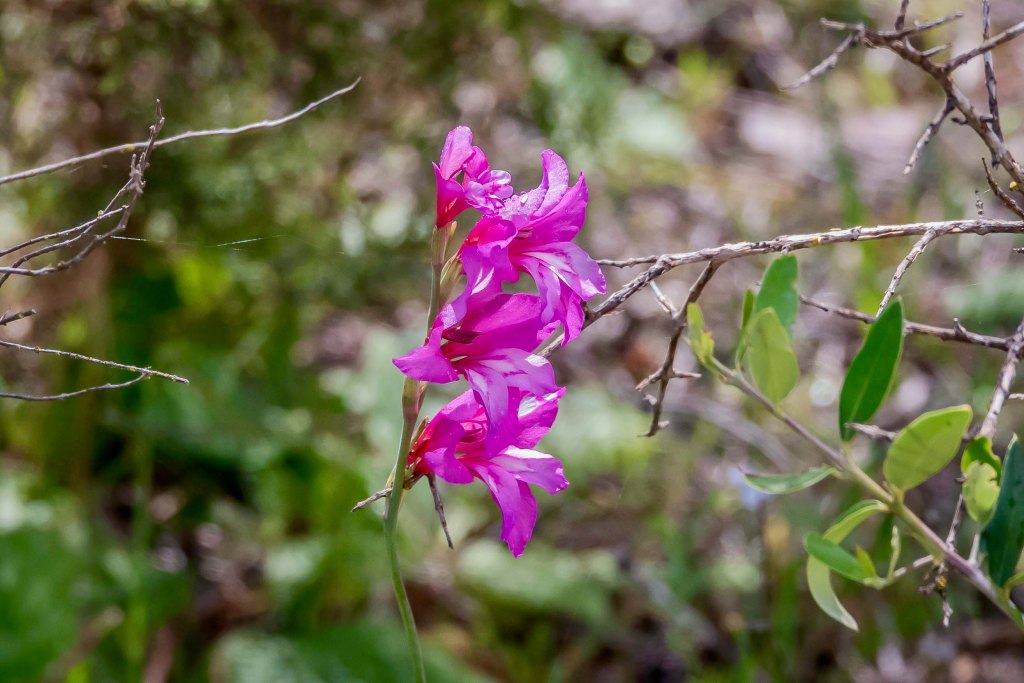
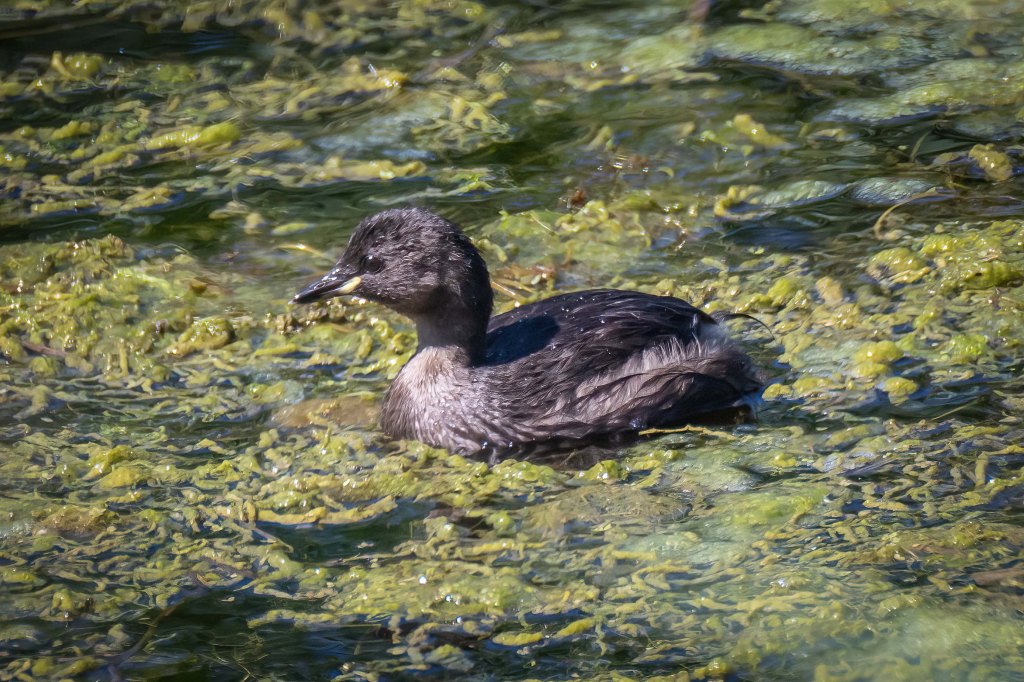
The colony of egretsPochardColony of egrets (little and cattle) – some with their young and others still building their nestsLittle grebeCattle egret looking for nesting materialsThere were also large numbers of grey herons around this pondRed-veined darterWild gladiolus
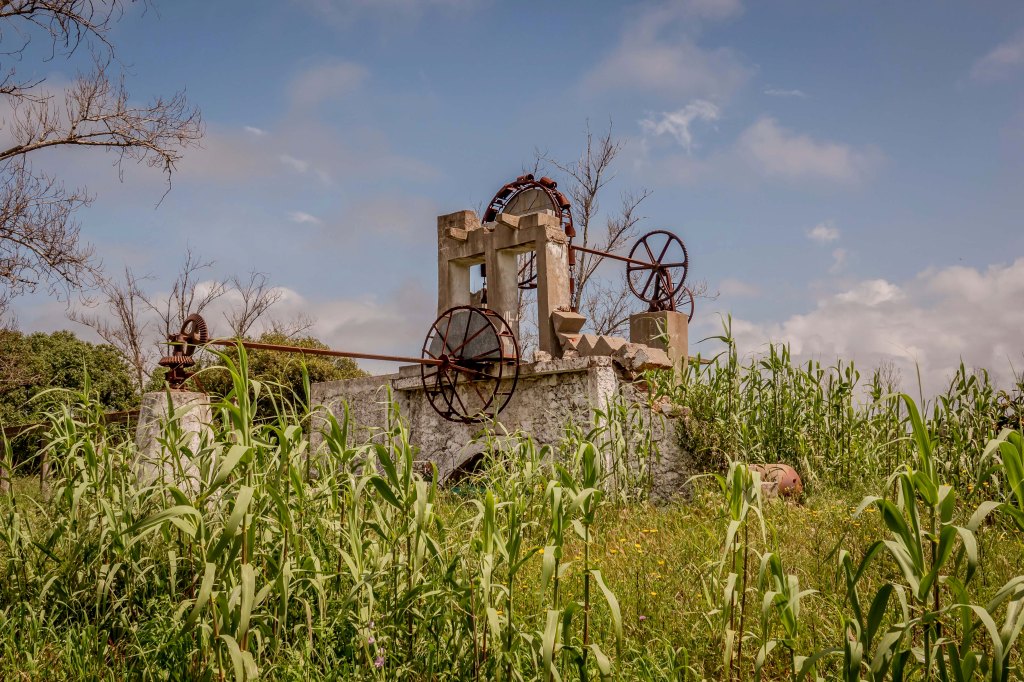
We realised that last time we had missed a pathway and this time, by taking the recommended route, we came across a dilapidated noria. The noria is a device, inherited from the Arabs, used to raise water from a well. The power for the elevation of water was provided by the circular movement of a donkey or a mule. The water drawn from the well is stored in a tank, from where it is distributed through small aqueducts, until it reaches the orchards and vegetäble-gardens.
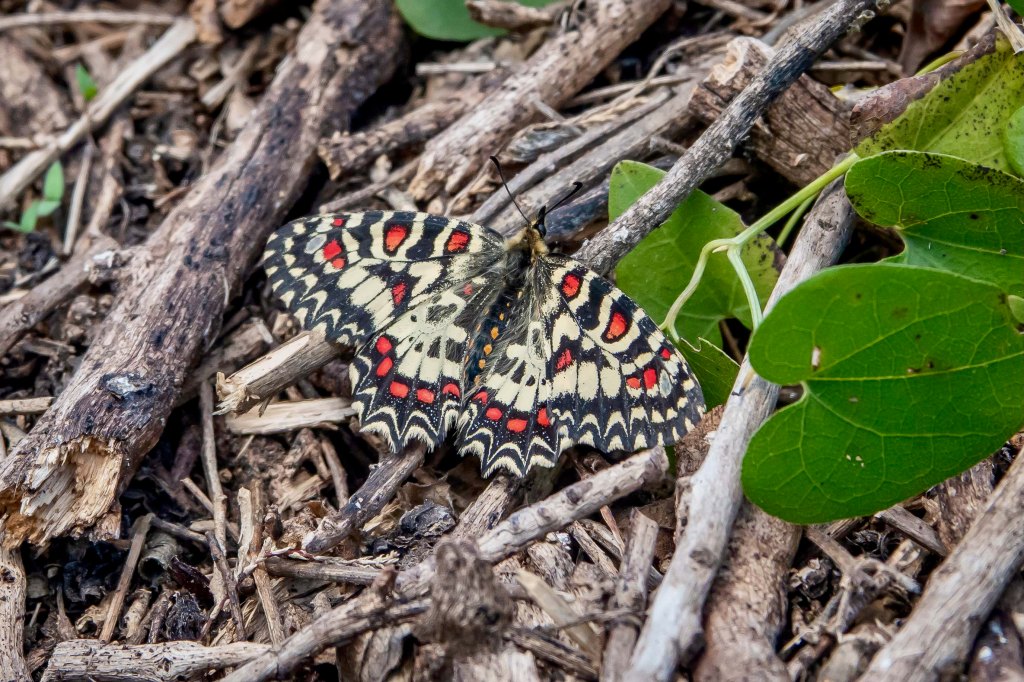
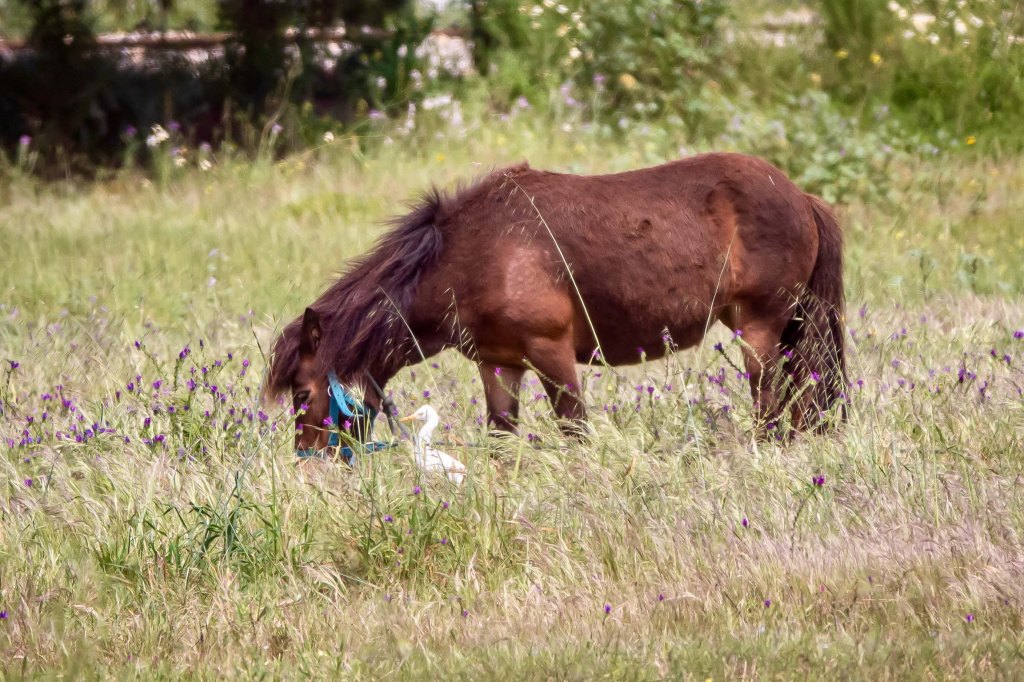
NoriaNoriaRed legged partridge at the very spot where we had seen a hoopoe in FebruaryThe correct path!Spanish festoon butterflyCattle egret next to the horse
We were rather devastated yesterday when, setting off for a walk around the salt pans at Olhão right next to our hotel, we found the path had been closed by a new construction project. We abandoned our plans and decided to take the ferry to Culatra, one of the islands in the Ria Formosa.
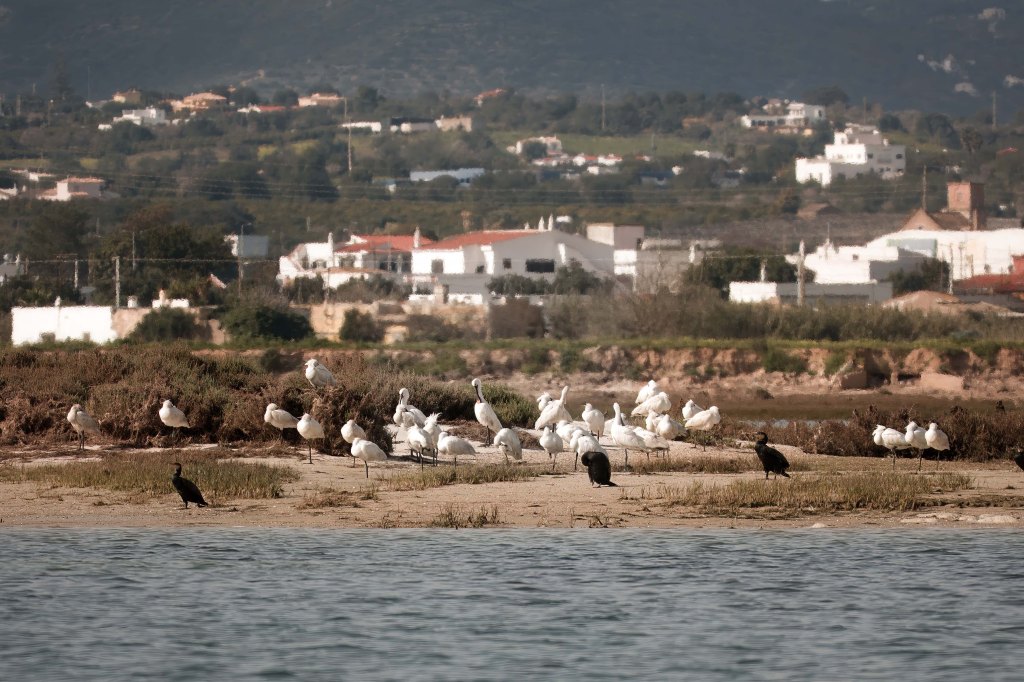
There were limited birding opportunities but from the ferry we saw a distant colony of spoonbills and egrets.
Spoonbills and egrets
On Culatra there were plenty of yellow legged gulls and lesser black-backed gulls as well some Audouin gulls.
Audouin gull
On the return journey we could see oystercatchers and a small flock of common ringed plovers which easily overtook the ferry.
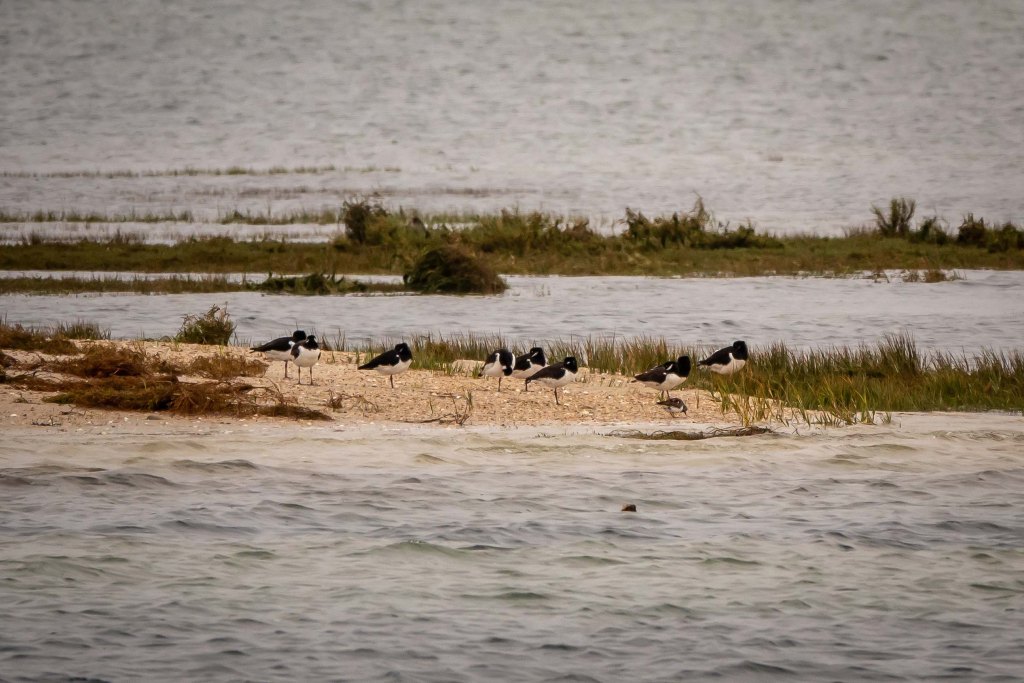
OystercatchersCommon ringed plover
Today we managed to find a way around the blocked path without too much of a detour and, despite the disappointing cloudy conditions, enjoyed a very enjoyable walk around the salt pans. We were well rewarded with plenty of birds and a pleasant walk.
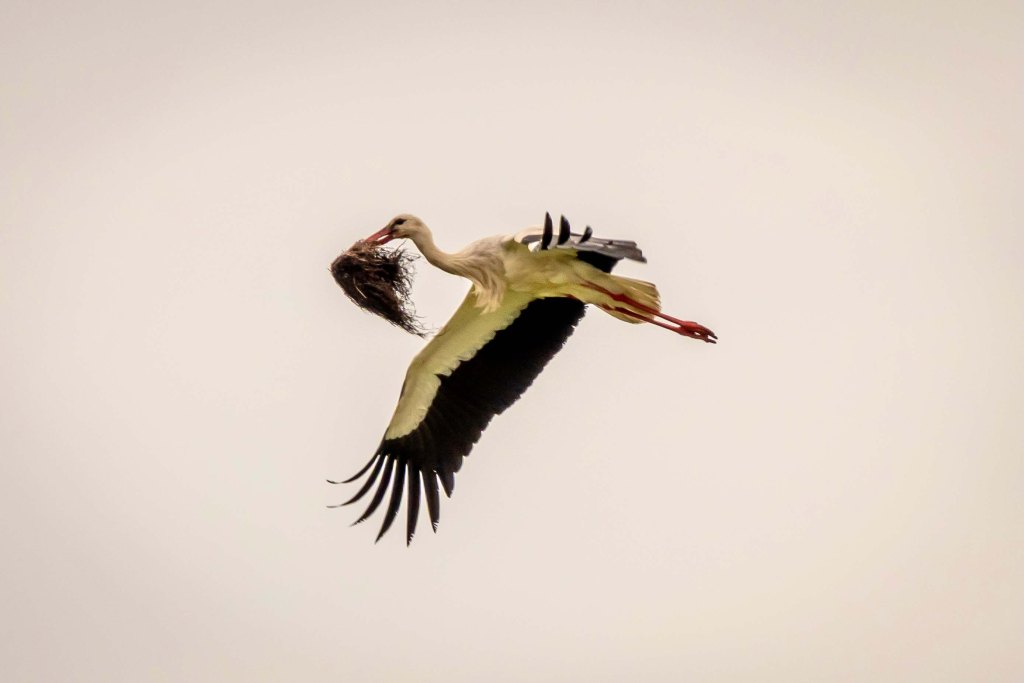
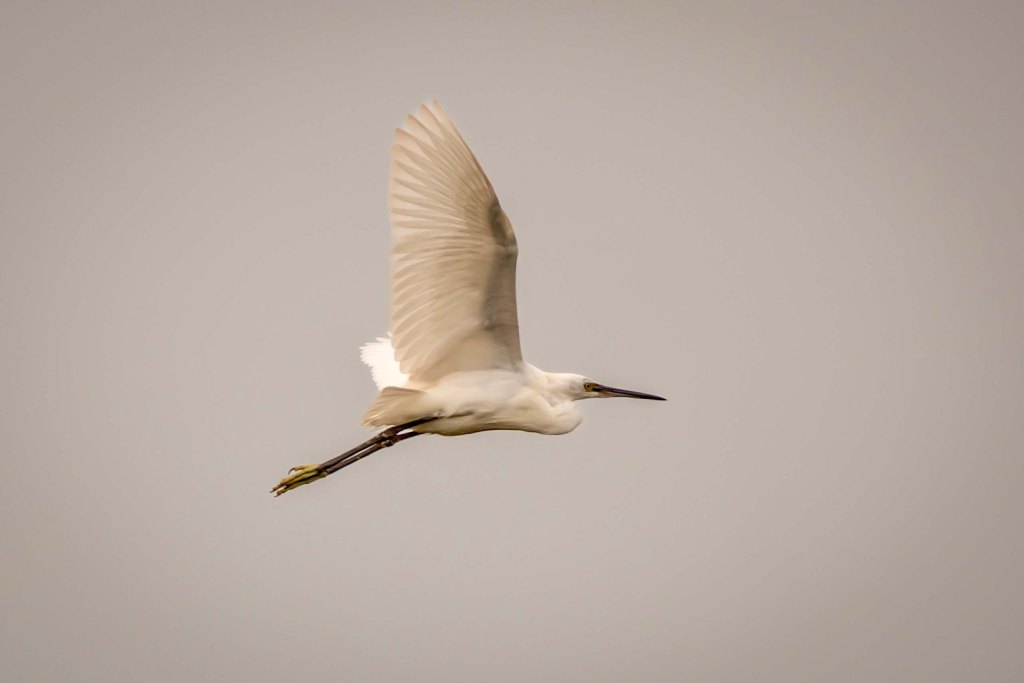
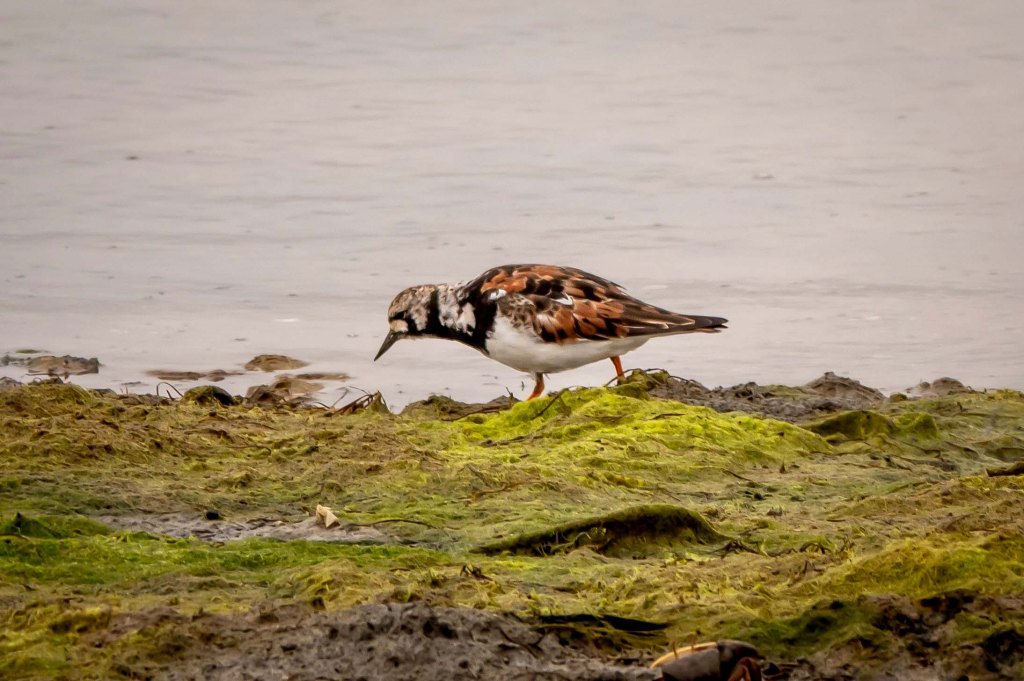
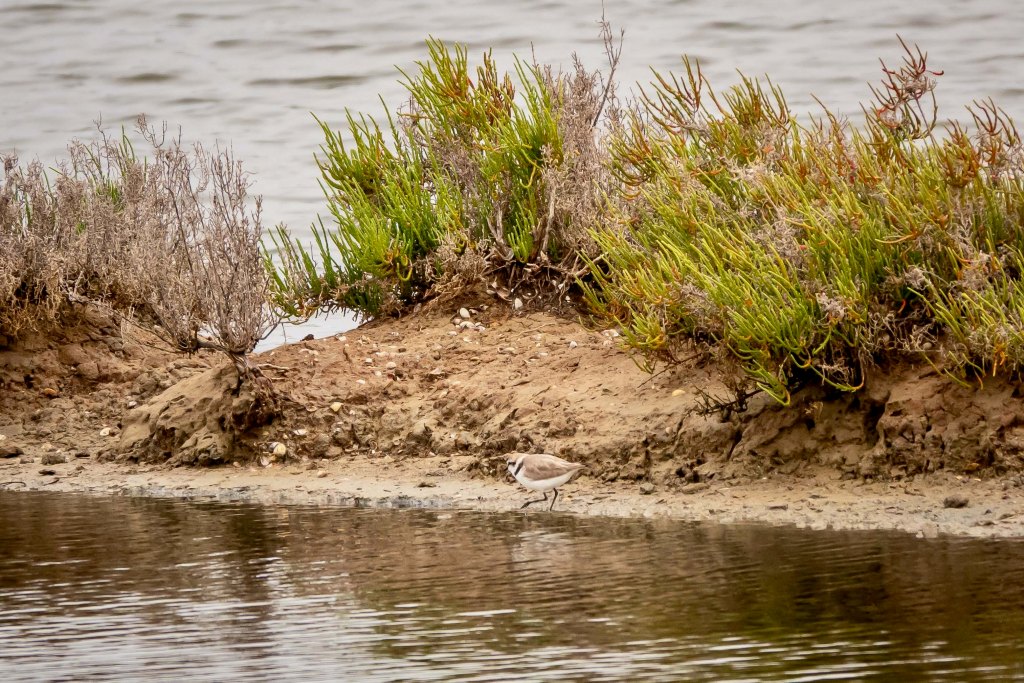
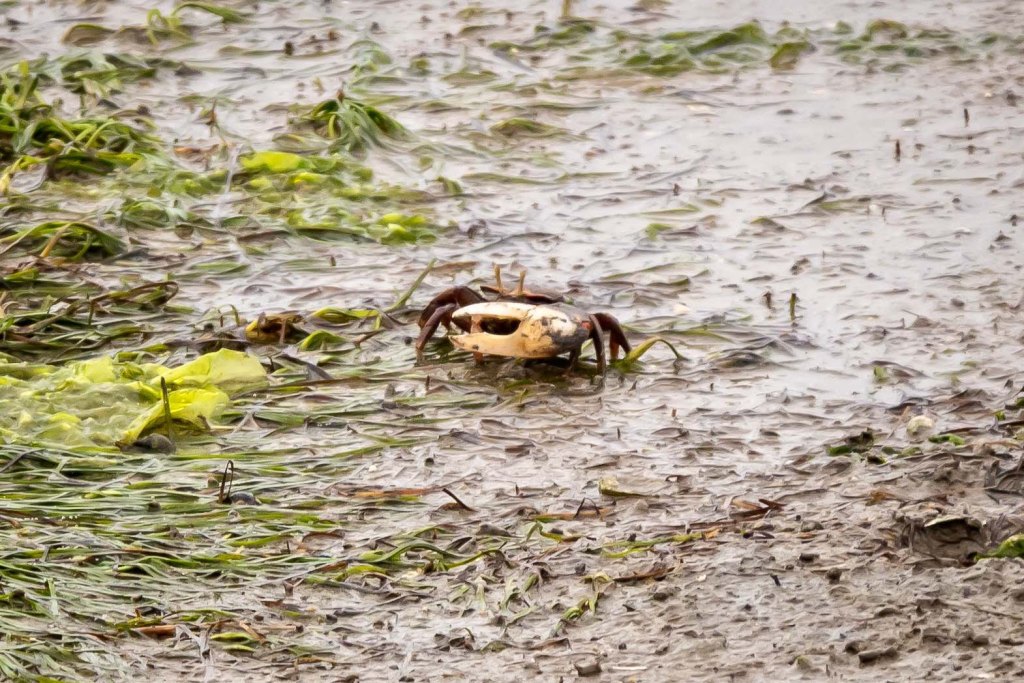
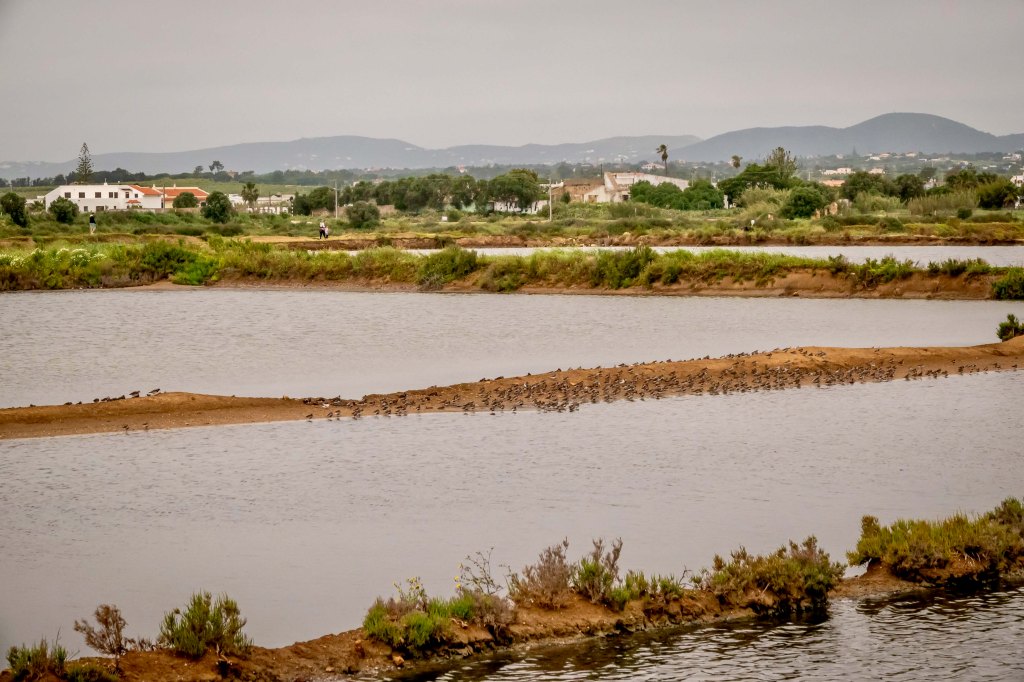
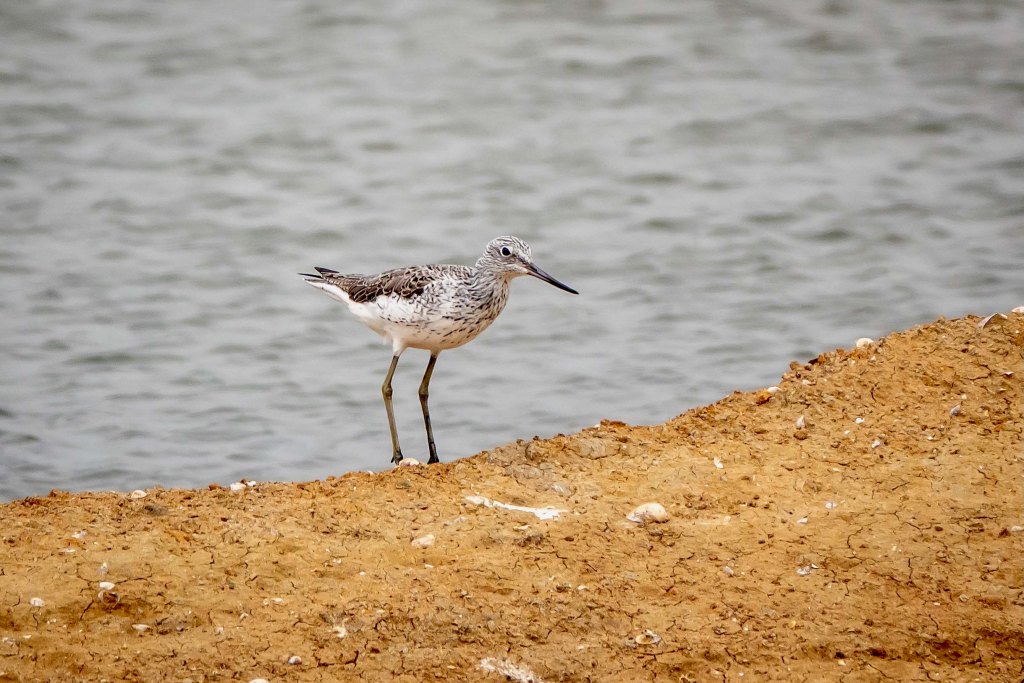
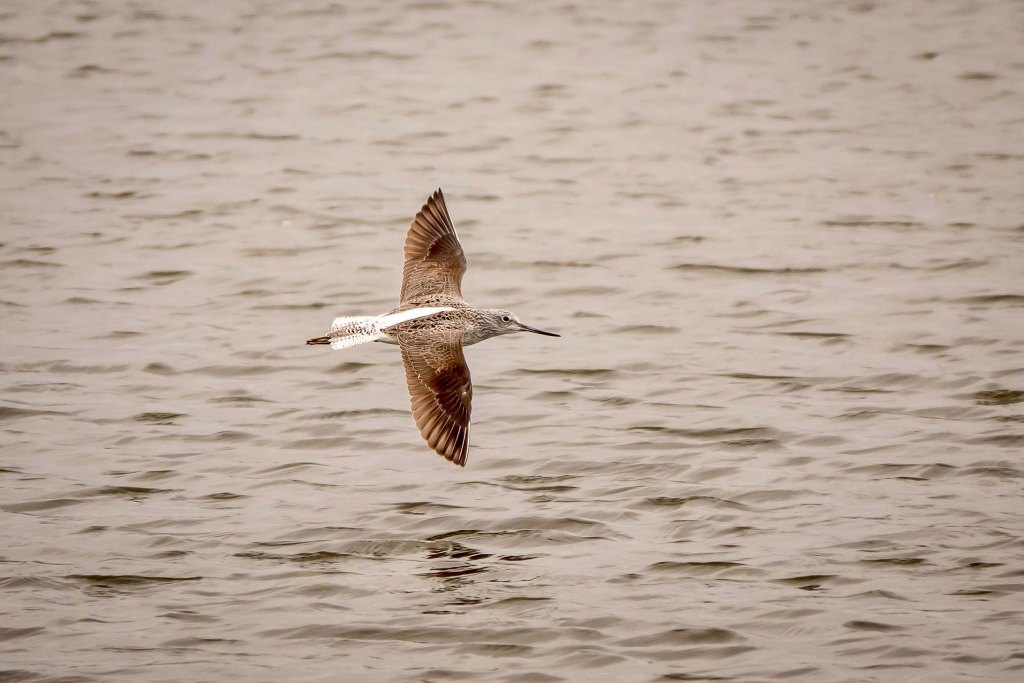
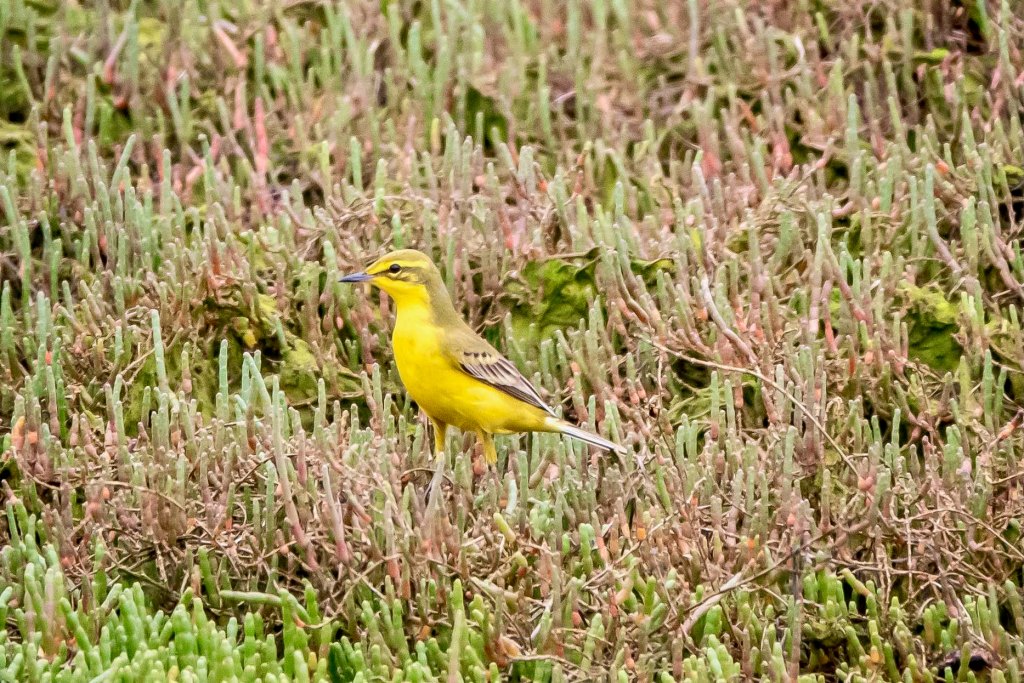
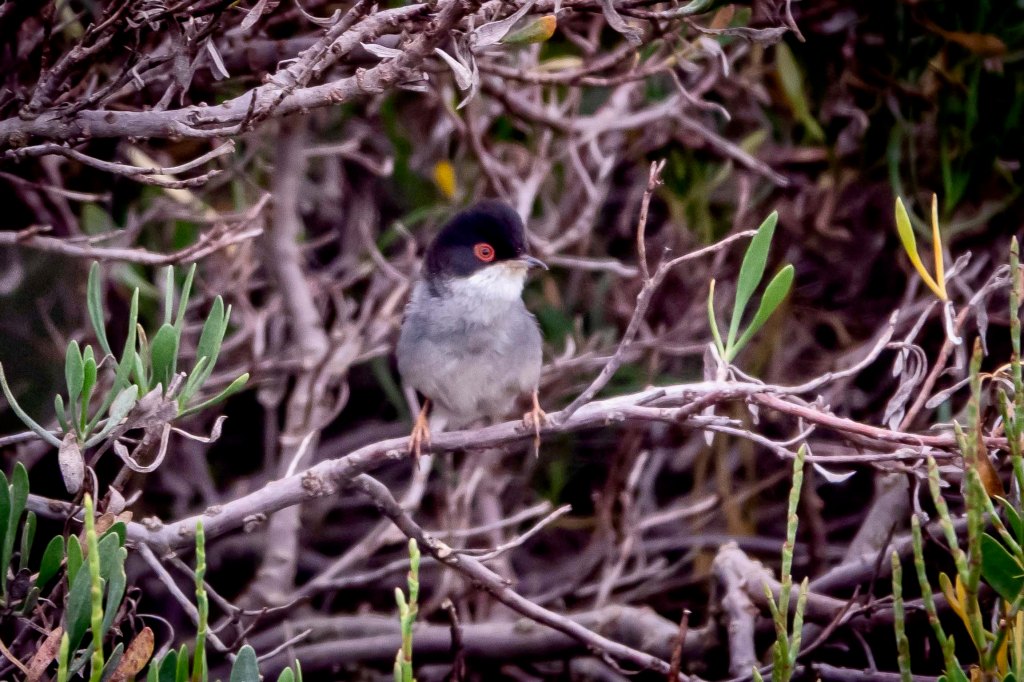
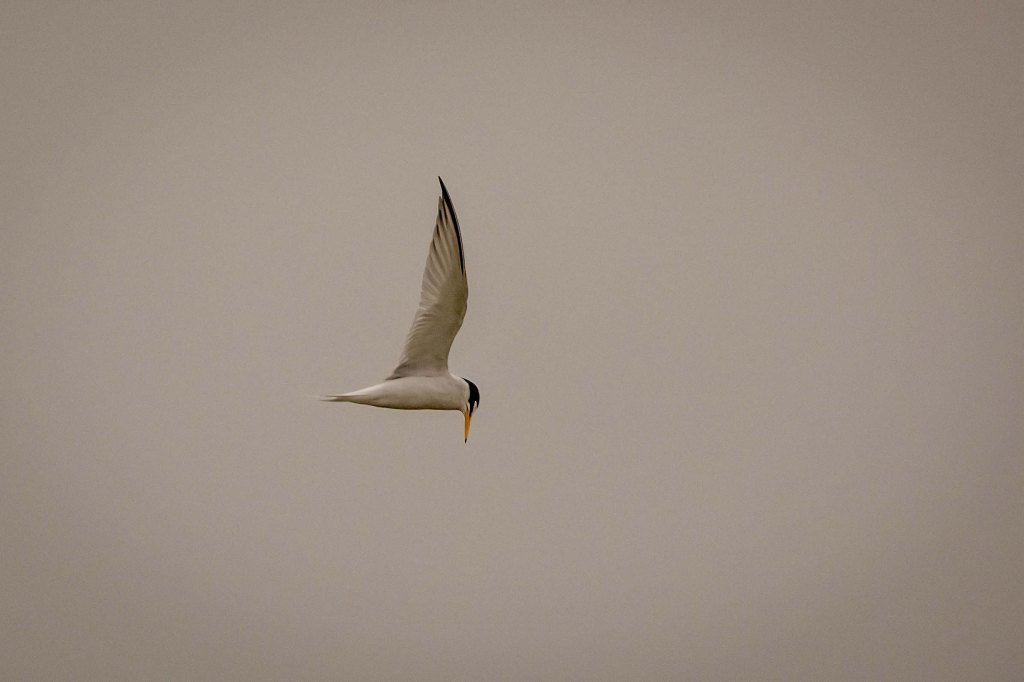
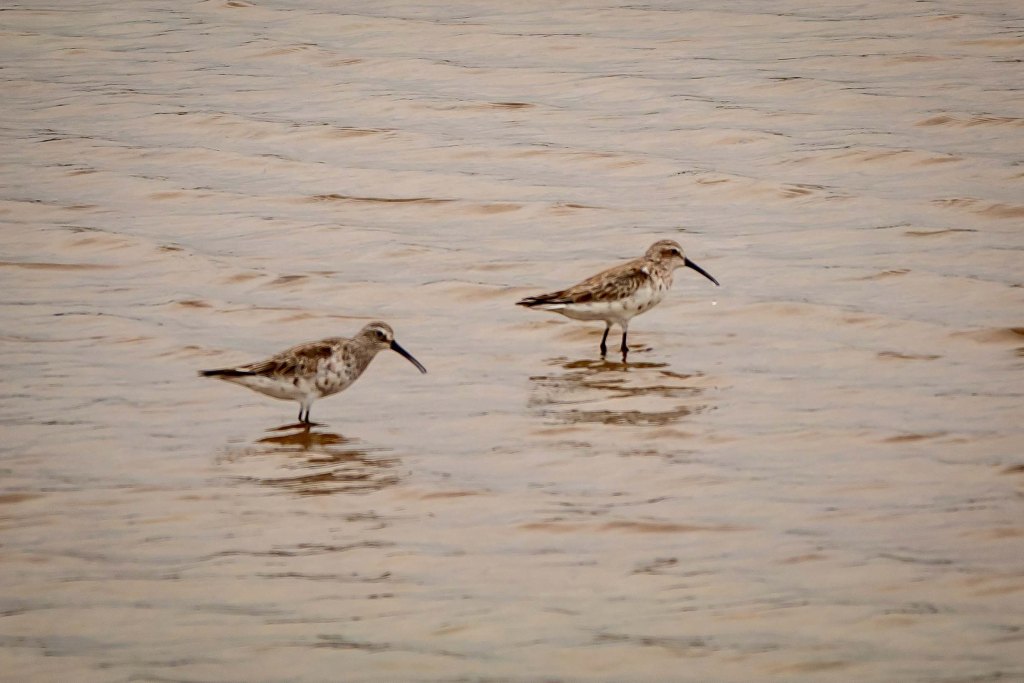
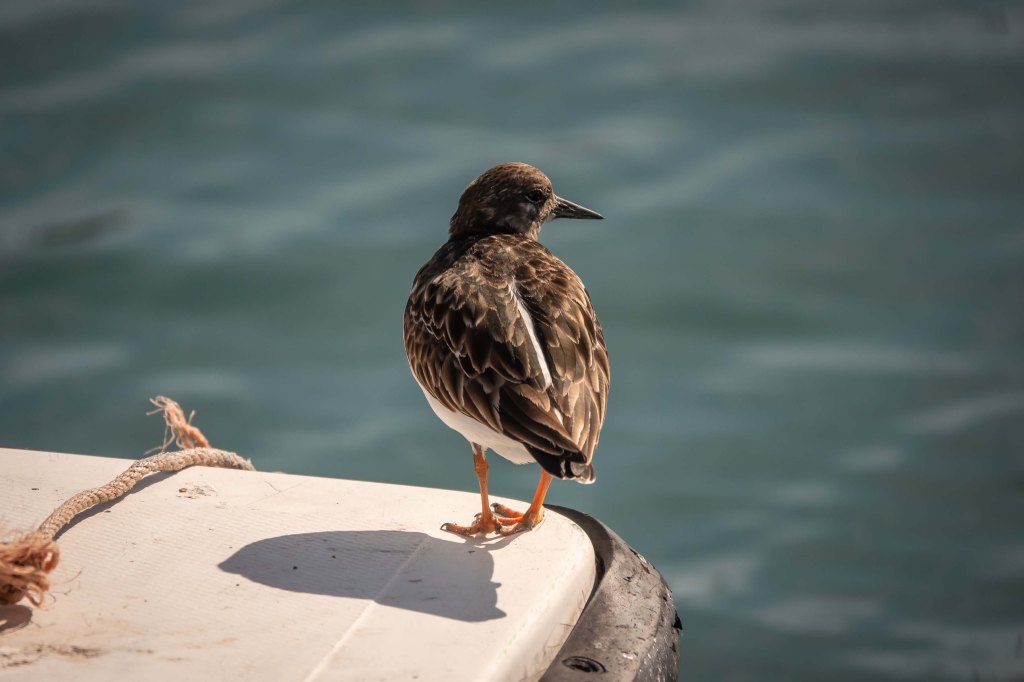
White stork with nesting material Little egret over the salt pansRuddy turnstoneOn several of the salt pans there were large number of wadersA shelduck stands proud of the grey plover, dunlin, sanderlings and ruddy turnstonesKentish ploverThe first of several western yellow wagtails which we saw around the salt pansA black-winged stiltCommon ringed ploverCrabs everywhereA view inland across the salt pans A little tern behind the dunlinCommon greenshankCommon greenshank in flight3 more western yellow wagtails appearedWestern yellow wagtailSardinian warblerSardinian warblerLittle ternThese looked larger than dunlin and I wondered if they were curlew sandpiperView back across the salt pans towards OlhãoWhite storkWhite stork with mini snackWhite stork building a nest on a chimney towerThe white storks should be pretty safe up there
We made the most of the sunny and calm conditions to take a three hour trip around the Ria Formosa lagoon, located in the Algarve, in southern Portugal.
In 2010, the lagoon was recognised as one of the country’s seven natural wonders and the series of barrier islands connects to the sea through six inlets, one of which is artificial to allow easier access to the port of Faro.
We spent half an hour on the tiny island of Armona, just enough time to visit the village with its charming minute houses which are mainly used as holiday homes and to savour the tropical feel of the island.
The approach to the public toiletsLarge white butterflyA typical holiday homeClear water and sandy beaches of ArmonaRuddy turnstone
We then moved on to the larger island of Culatra which has a permanent population of about 1,000 people who are mainly involved in the fishing trade.
The island has an extensive sandy beach on its ocean side to which we made our way across the protected sand dunes on a raised wooden walkway. It was warm enough to sit on the beach next to a bar and enjoy a beer.
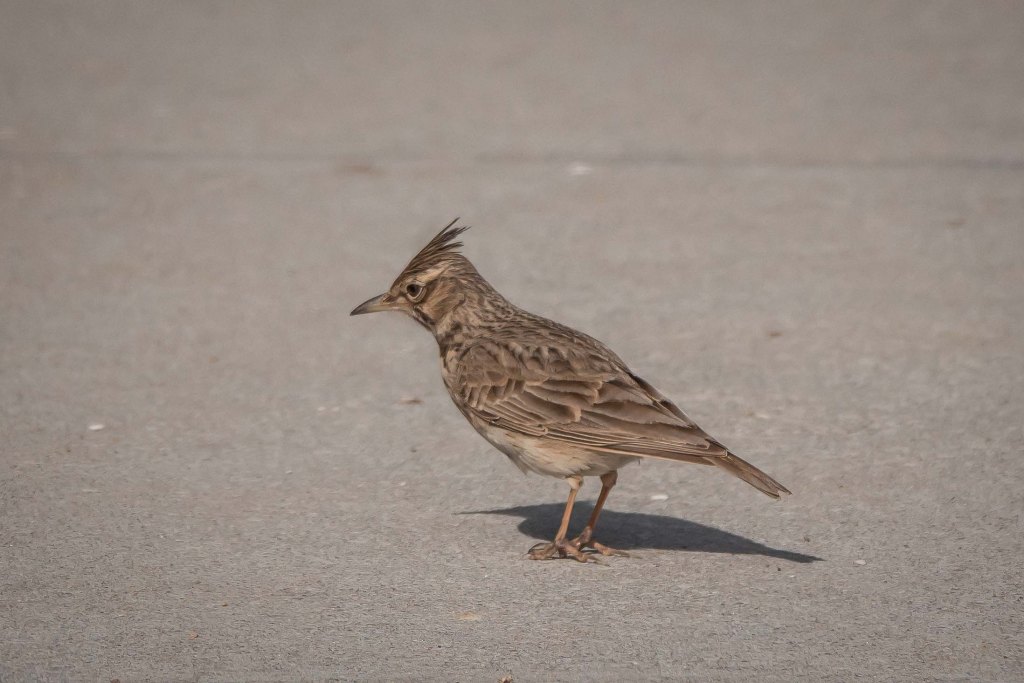
The walkway to Praia da CulatraThe best of the bird life on the island – a crested larkYellow-legged gull
As the tide was high most of the sandbanks were submerged and so, apart from gulls and cormorants, we saw very little bird life, except on the return journey we saw a small colony of spoonbills.
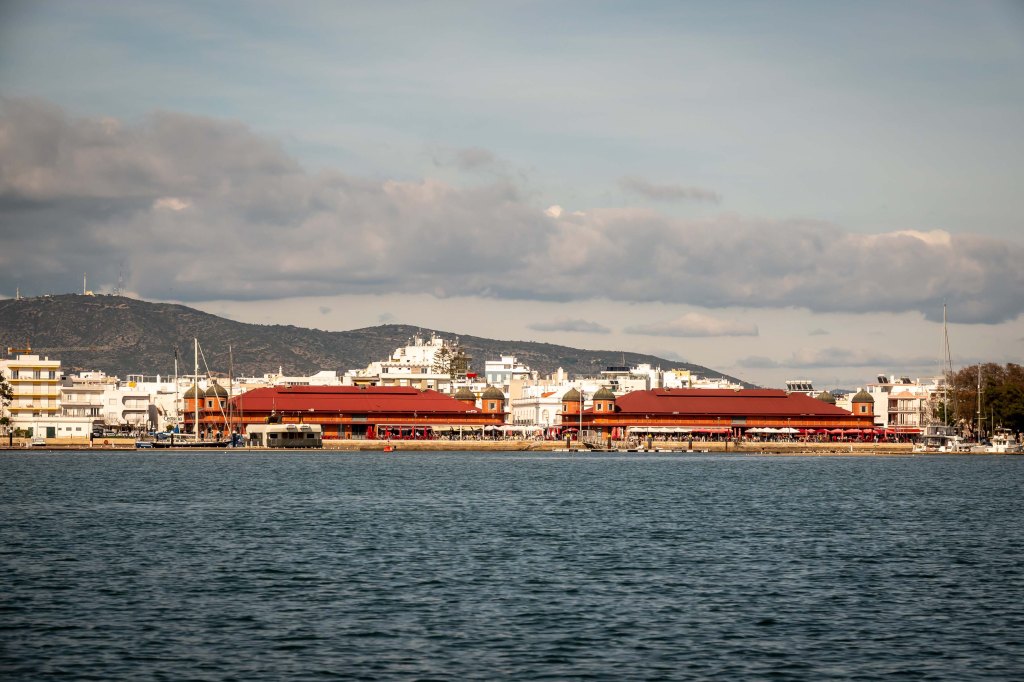
Eurasian spoonbillsThe covered markets of Olhão seen from the lagoon.
In the evening we had another walk around the Salinas de Olhão, next to our hotel.
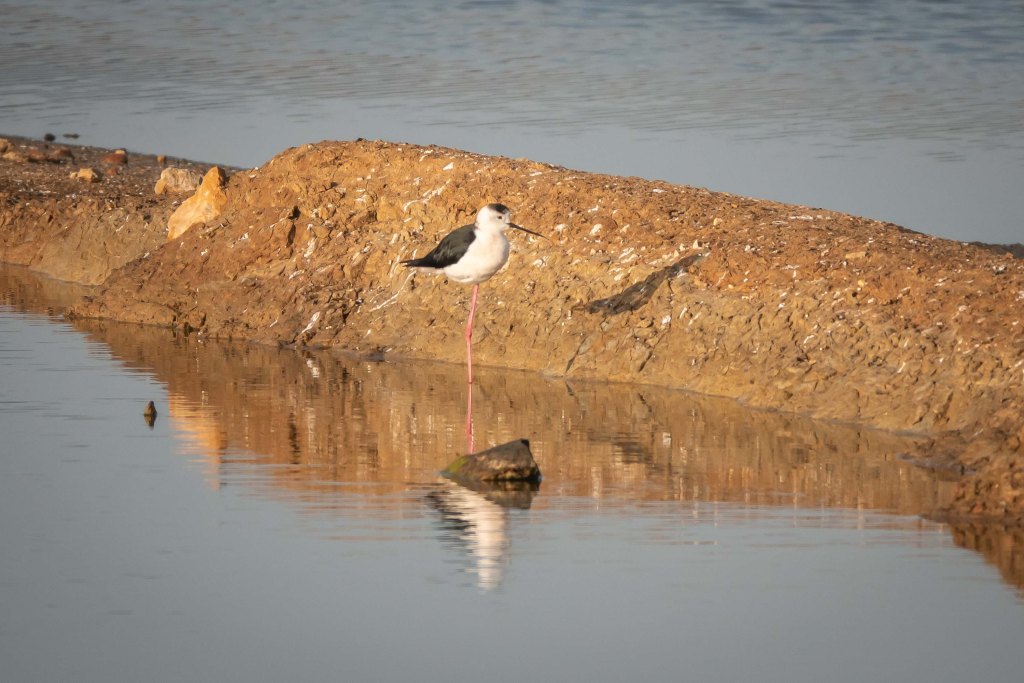
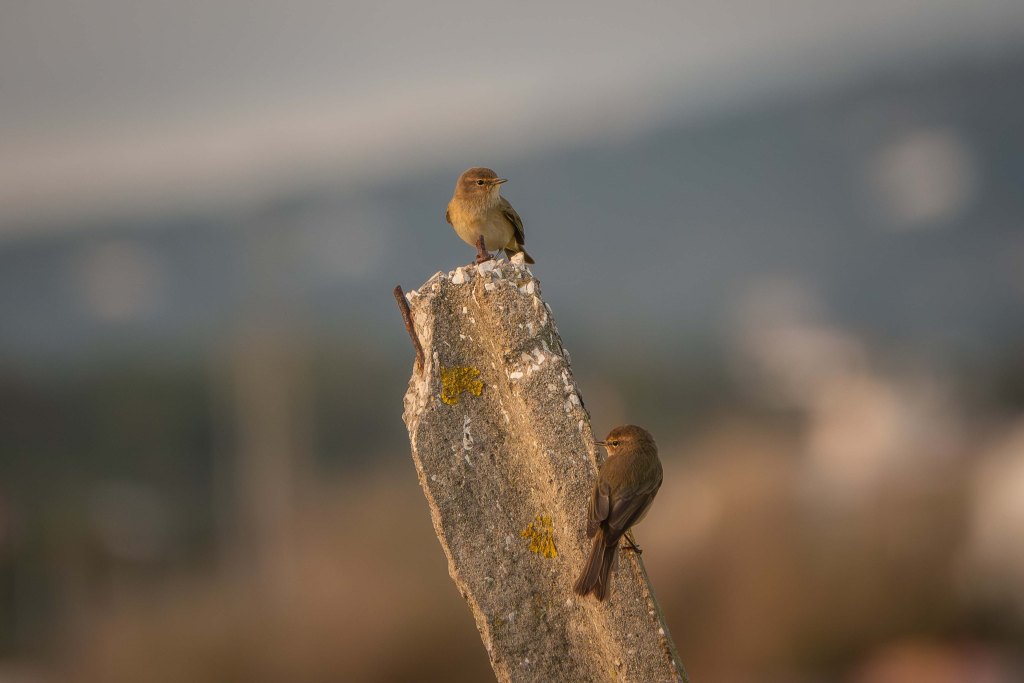
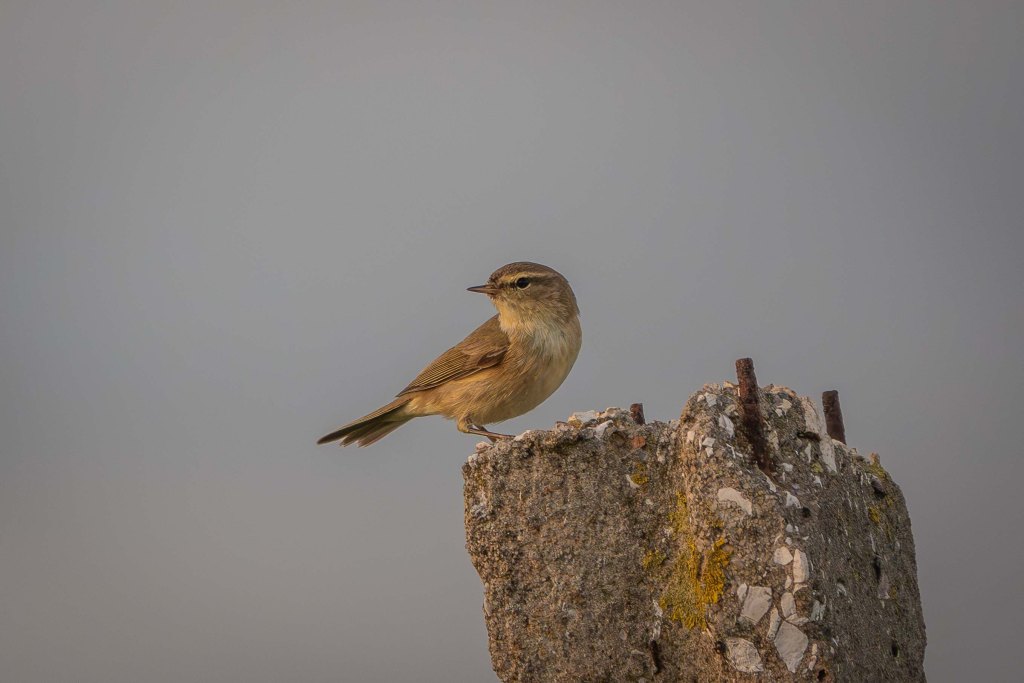
Black-winged stilt in the evening sunshineLittle egretChiffchaffChiffcaffChiffchaff catching its last meal of the day
Our second day proper of the natural history trip was a very good one with lots of interesting birds and plants to see in a variety of venues on the Akrotiri Peninsula, about an hour’s drive to the east of Paphos.
We had mixed weather but managed to stay dry all day. However the light was not good and not very conducive for good photos or, indeed, any photos at all.
We started at the Zakaki bird hide which, although it had fabulous large posters of the birds to be seen, was poorly managed and we couldn’t see much through the giant reeds.
Not a lot to be seen from this hide
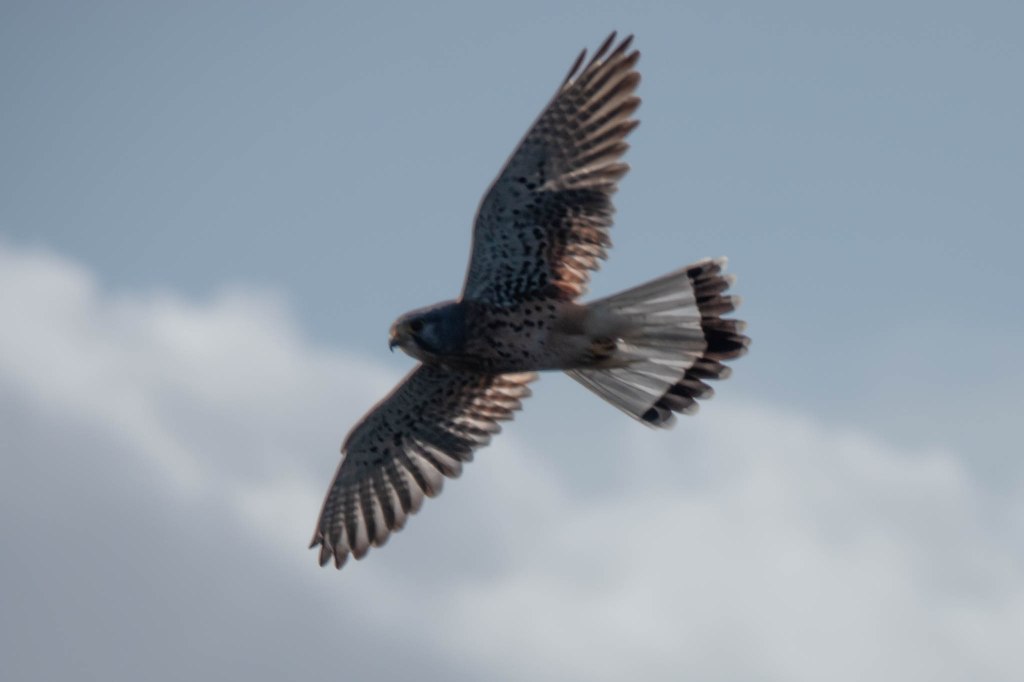
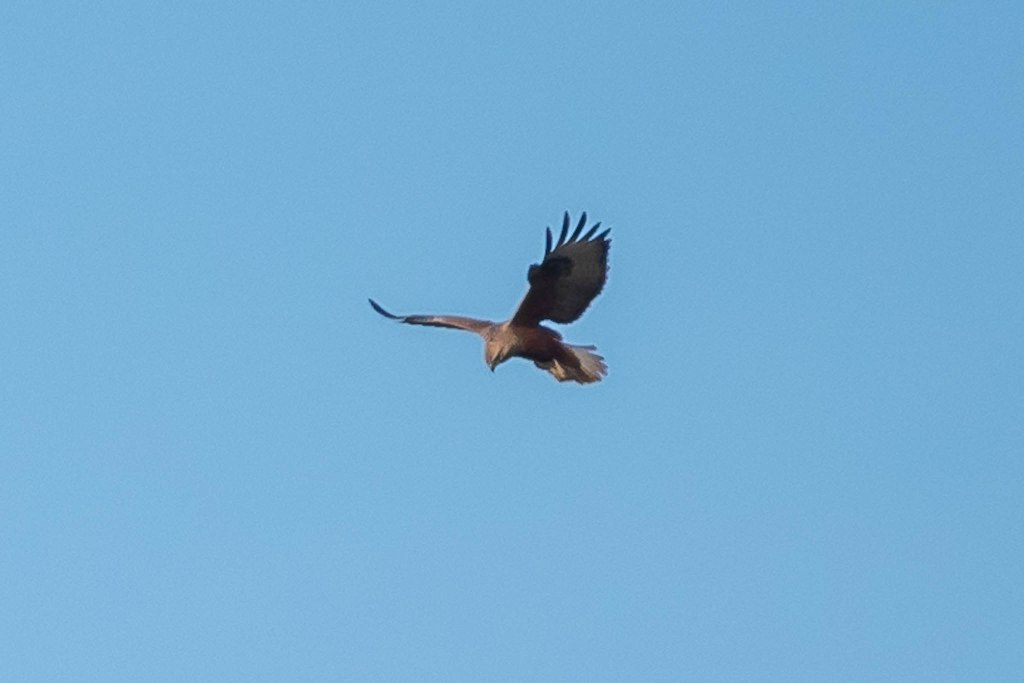
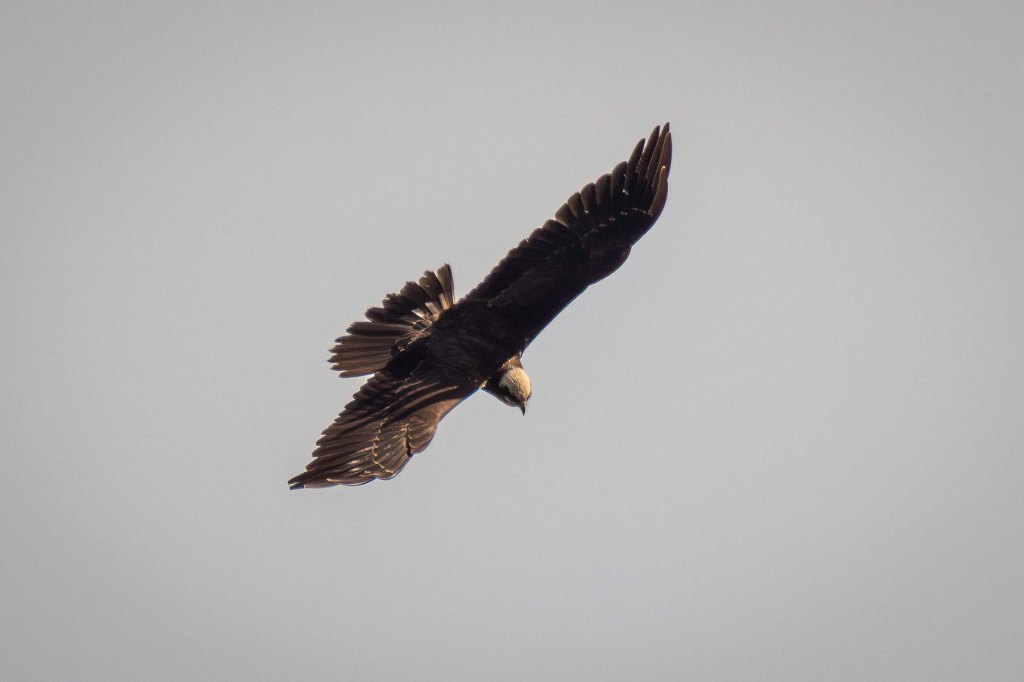
Locally we did have lots of sightings of marsh harriers and a kestrel and some of the group saw a male hen harrier. Despite my attempt to take plenty of photos, I achieved very little. When will I ever learn that tiny specks in my view finder will never produce decent photos?
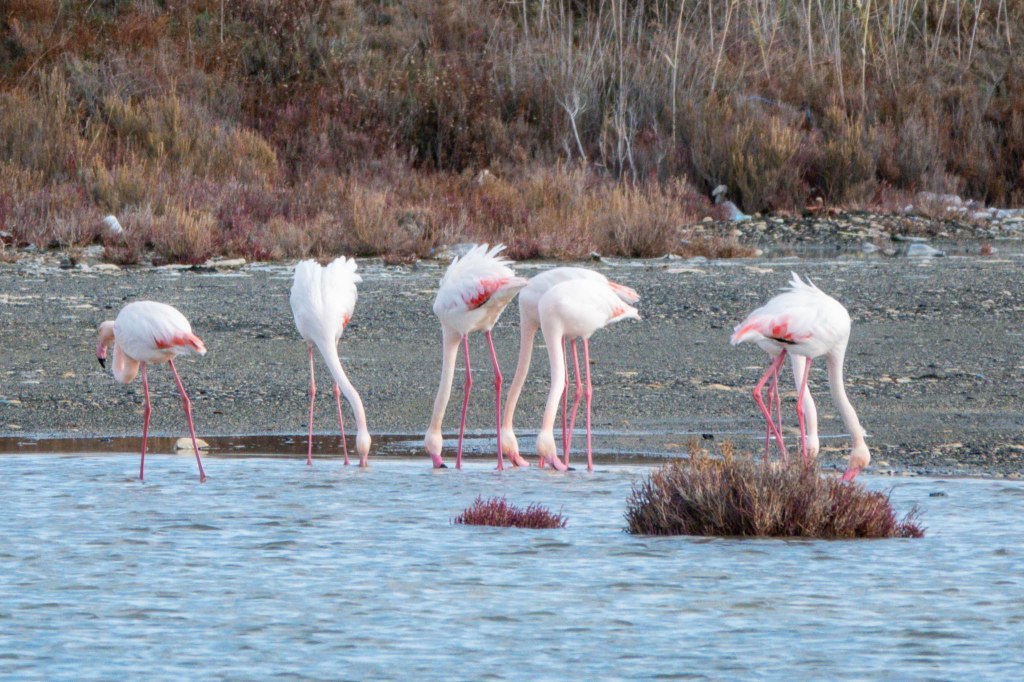
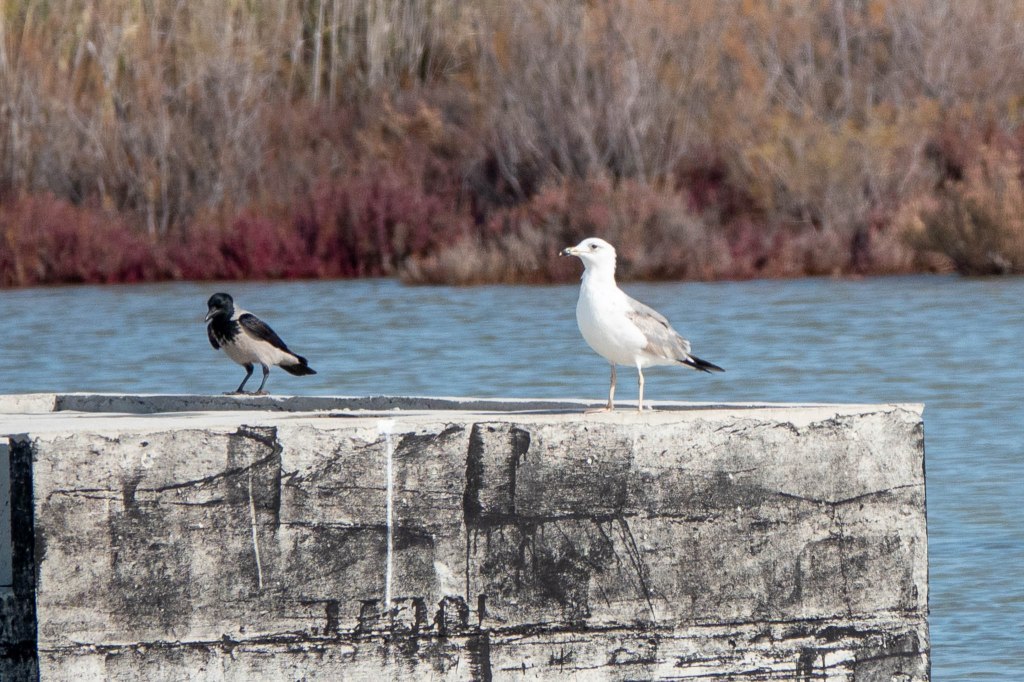
We walked further along the road to a pool next to the sea where there were greater flamingos and lots of gulls (mainly black-headed but some slender-billed and one larger one which caused lots of discussion without a definitive id.).
Greater flamingosGreater flamingosLots of discussion about this gull – Michael Sammut from Malta tells me it’s a sub-adult yellow-legged gull
We drove west along some mud flats (Lady’s Mile) but saw very little.
We crossed the estuary on the low tide in the coach and eventually arrived at a monastery (no one around – they must have all been in chapel) where we parked and walked to Bishop’s Pool. The walk here was very interesting with people spotting lots of butterflies, a hummingbird moth, carpenter bees and many interesting plants.
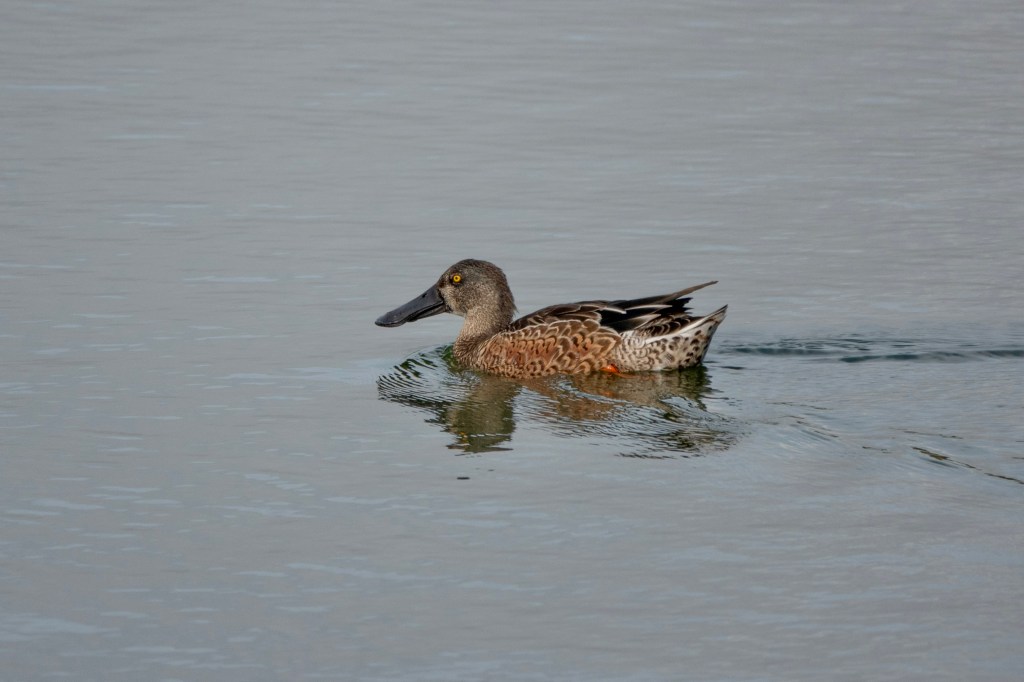
At the pool there were lots of ducks including shovelers, little grebes and, the best of the pick, a ferruginous duck.
Ferruginous duck
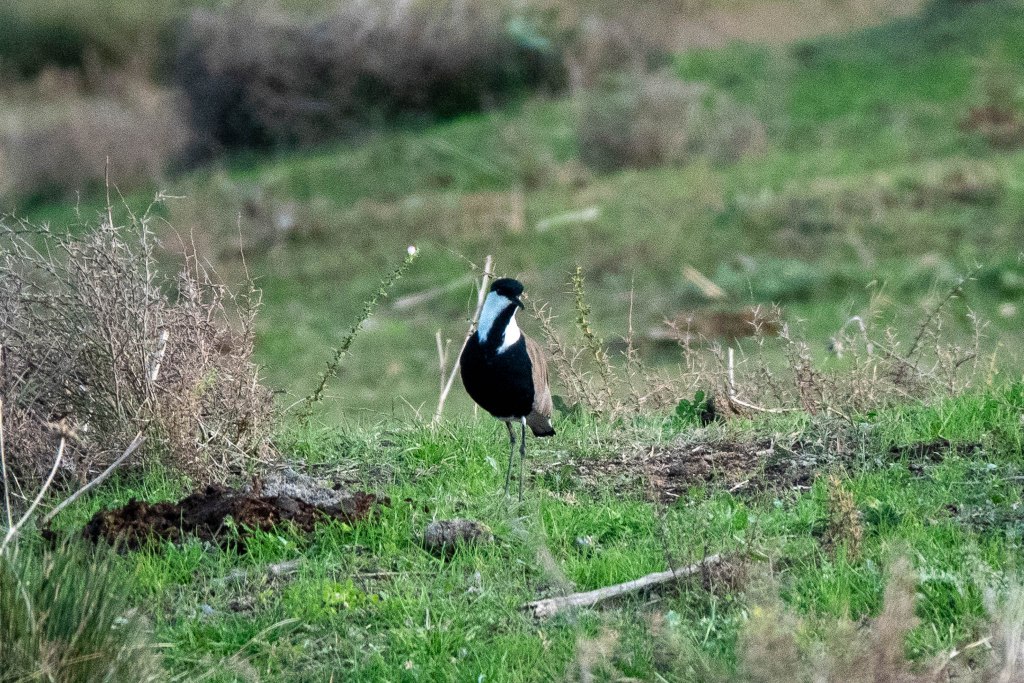
After lunch we moved on to a wetlands where there was plenty to see but impossible to photograph as it was into the poor light. The highlight here were spur winged plovers.
Spur-winged plover
Our last visit was to the Kensington Cliffs where we were treated to views of a long legged buzzard and a peregrine. We also looked more closely at a variety of the vegetation on the cliff tops.
Close up of a kestrel which spoiled my view of the ferruginous duckLong-legged buzzardPeregrine falconFavourite plant of the day – Friar’s cowlA romantic moment for a couple on the edge of the cliffs – a first sighting for me of such a cultural event.
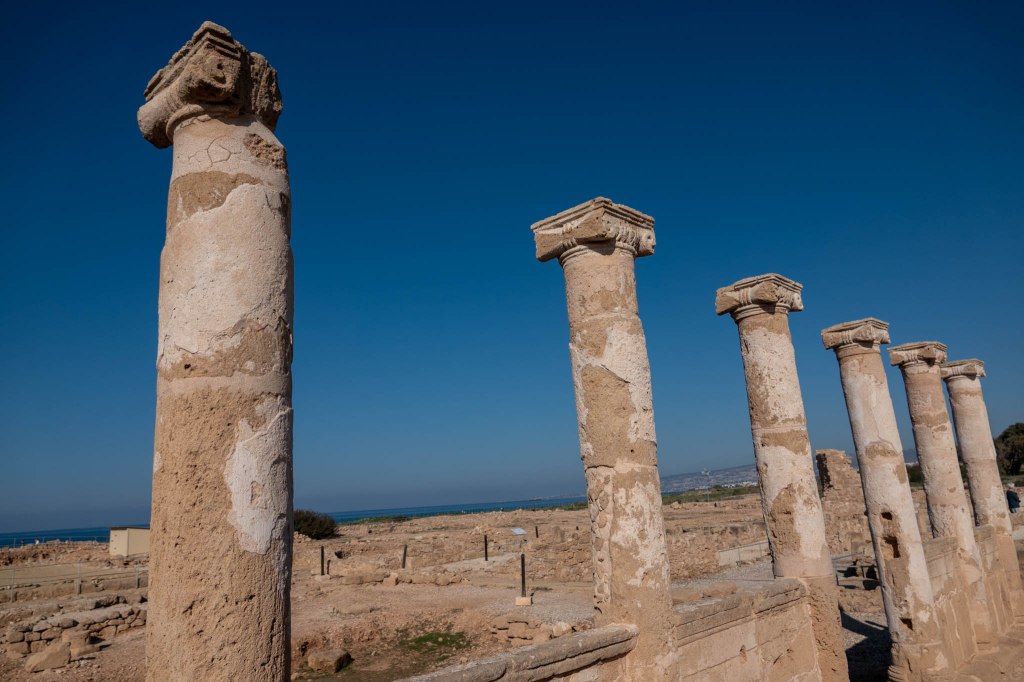
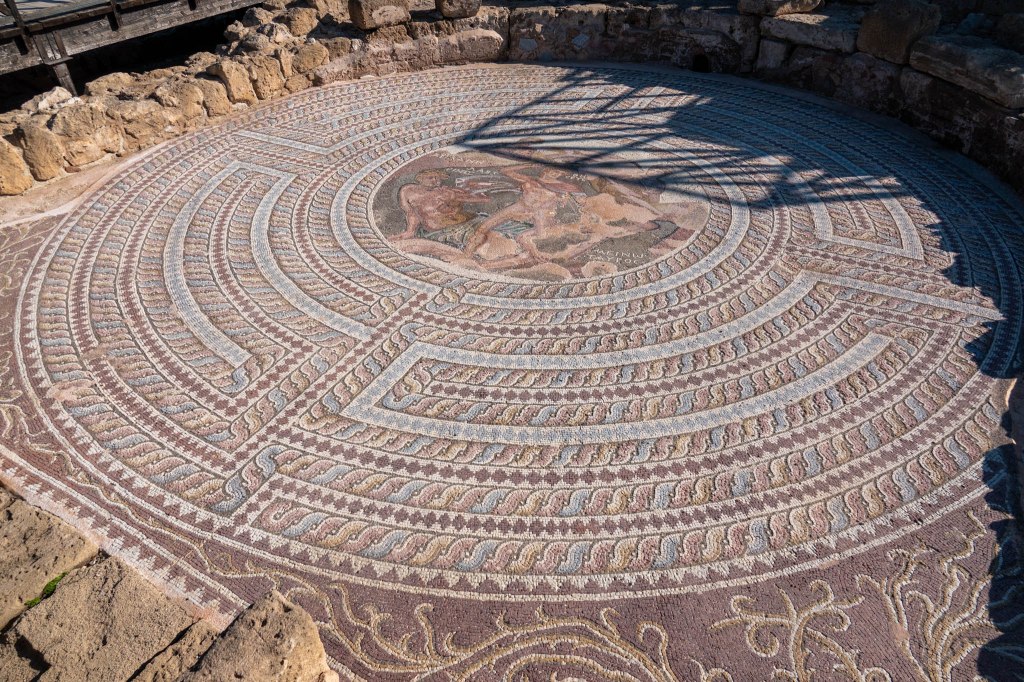
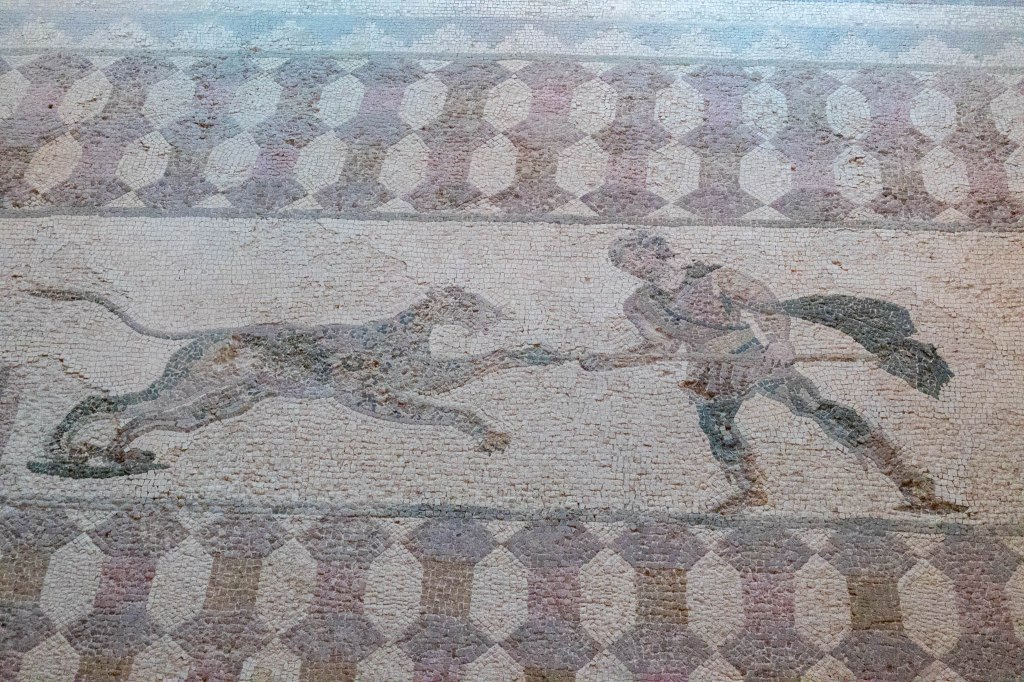
Yesterday we explored the headland near to the Archeological site at Paphos and today we more or less covered the same region; but this time inside the confines of the site. It was a wonderful visit and I shall include a few photos of the site and, in particular, the mosaics but there were lots of opportunities to see birds and some interesting plants.
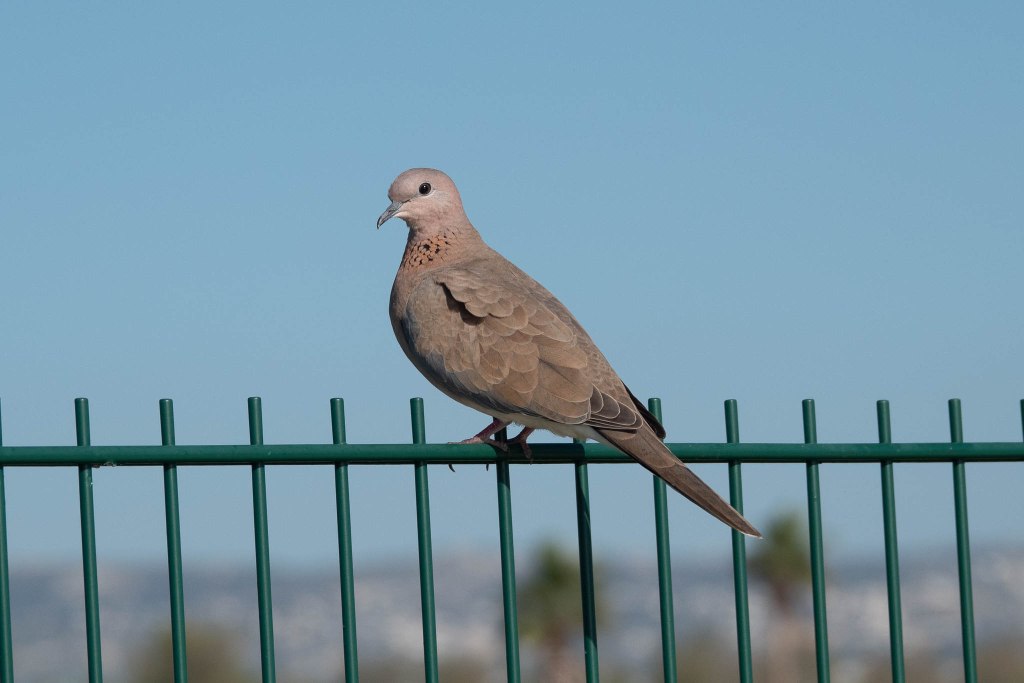
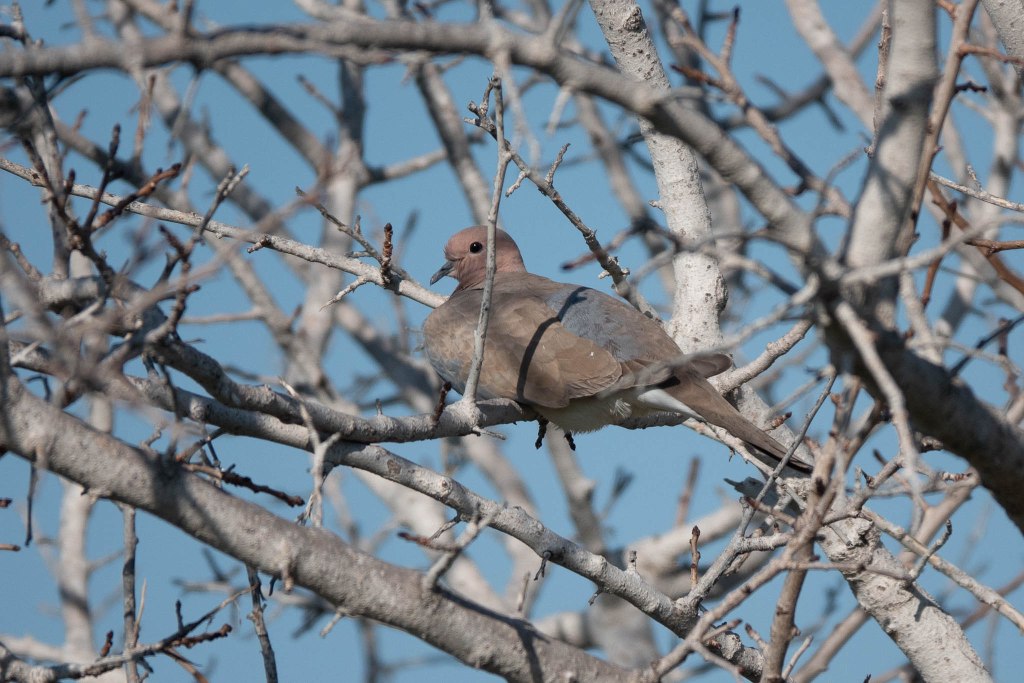
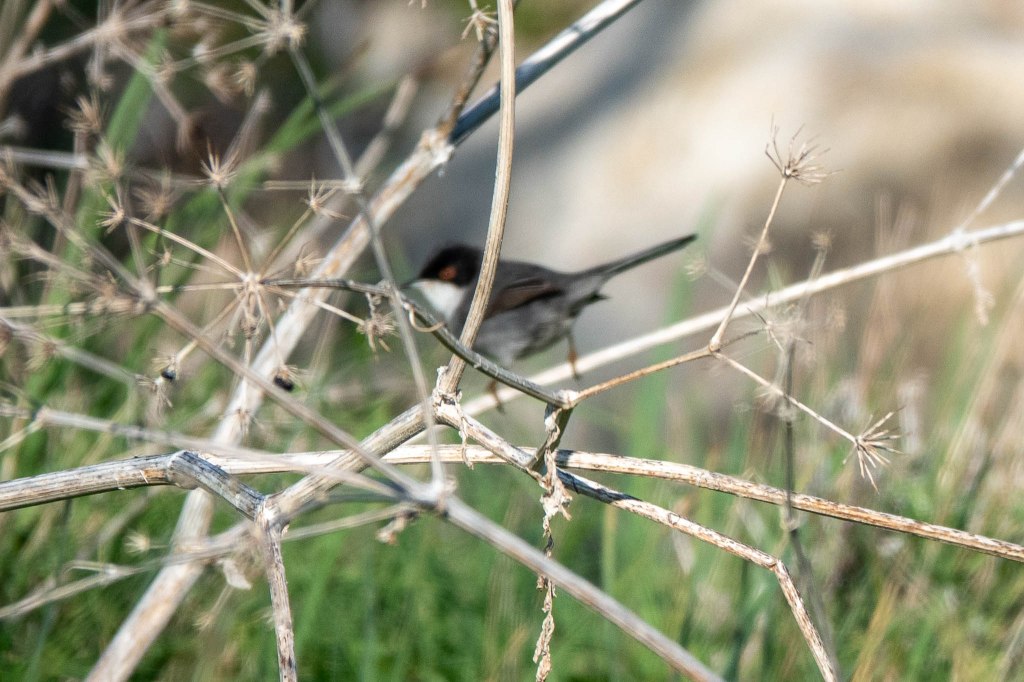
The first sighting was of a laughing dove (another first for me, except I now realise that I saw one yesterday) and then a Sardinian warbler.
Laughing doveNormally I wouldn’t publish such a poor photo but I was very pleased to see this bird- a male Sardinian warbler
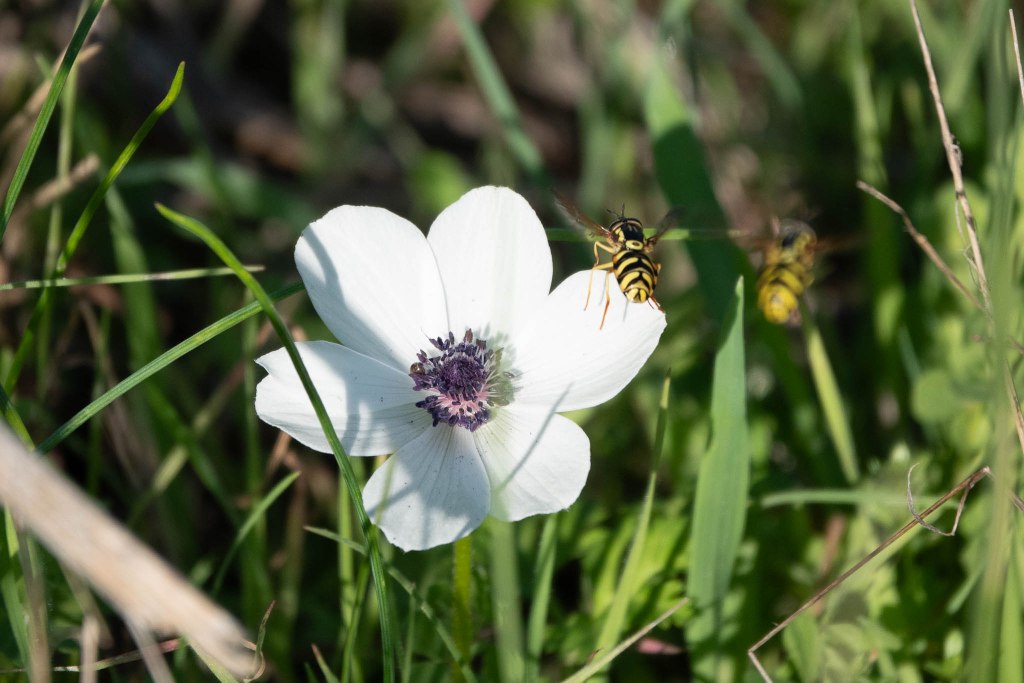
There were lots of of these Anemone coronarias – some were a much darker purple
Anemone coronaria
The other interesting plant which was prevalent was a Leontodon tuberosus.
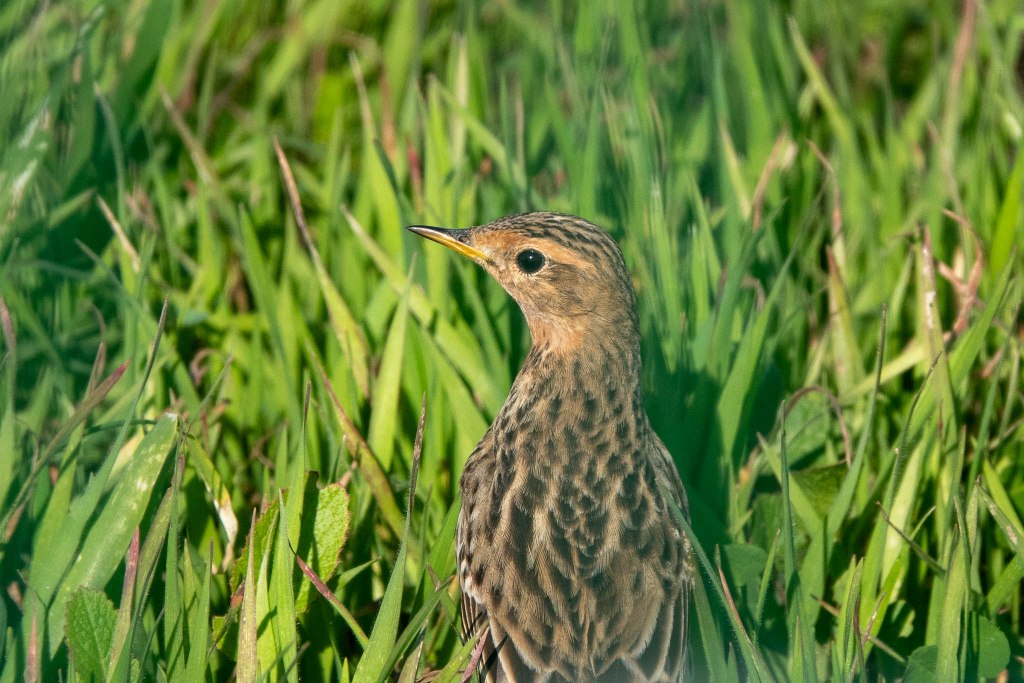
Leontodon tuberosusThe only butterfly photo of the day – a large whiteRed-throated pipit close upNot so close up – a common chiffchaffStonechats everywhereCrested lark on the ruins
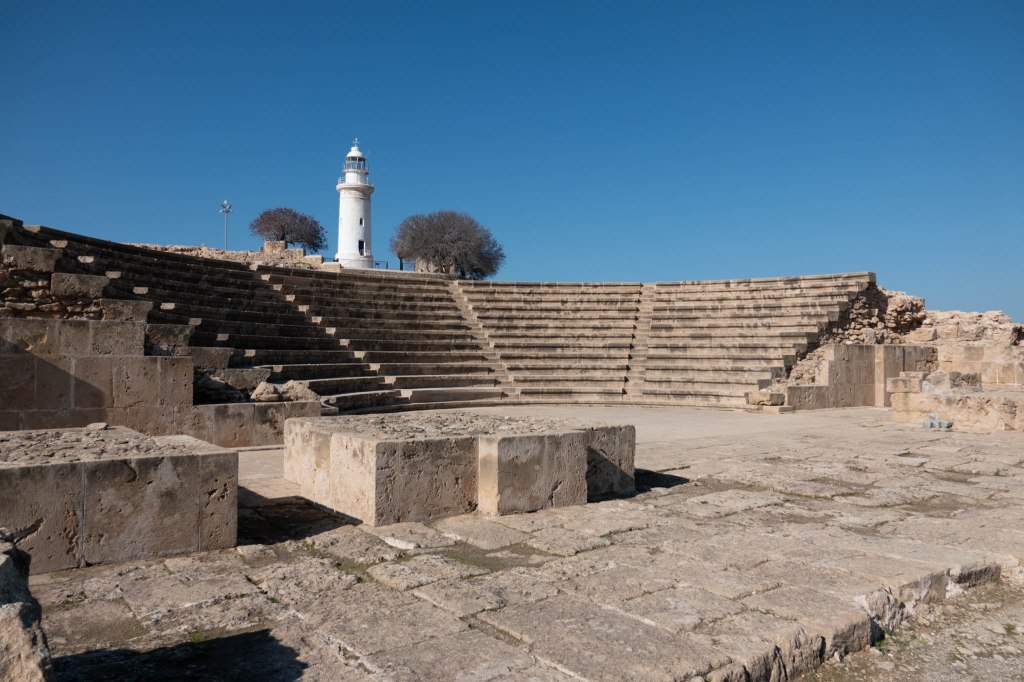
Just a few of the ruins and mosaics for a flavour of what we saw (I will come back to this when I have more time and band width).
And a few more birds to conclude:
Laughing doveLinnet
The locals certainly have stamina here (or perhaps it was a Russian gymnast).
Whilst I was admiring his skills I missed a flock of golden plovers nearby.
We have arrived in Paphos in Cyprus where we are spending a couple of days before joining a two-centre natural history tour over Christmas based firstly here in Paphos and then on the Akomas Peninsula.
Today we have had a recce around the Paphos headland and acclimatised ourselves to the local climate on a sunny day with a gentle breeze and temperatures in the high teens – rather different to the rain and storms back home.
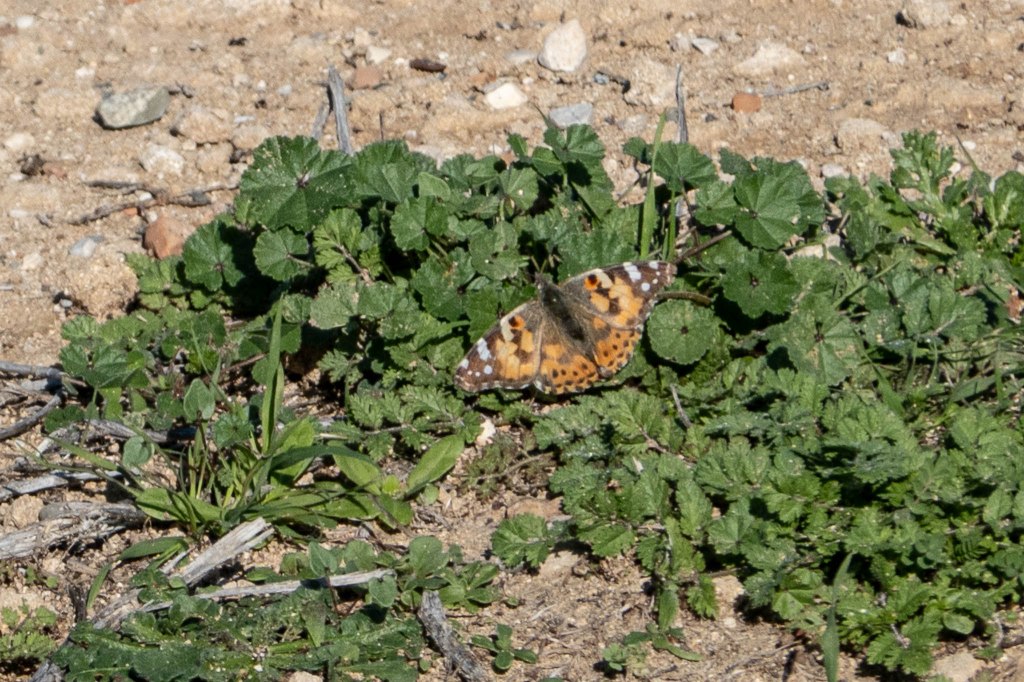
There have been opportunities of a few bird photos and even a painted lady butterfly but we’ve focussed more on settling ourselves in and enjoying the local cafés and restaurants.
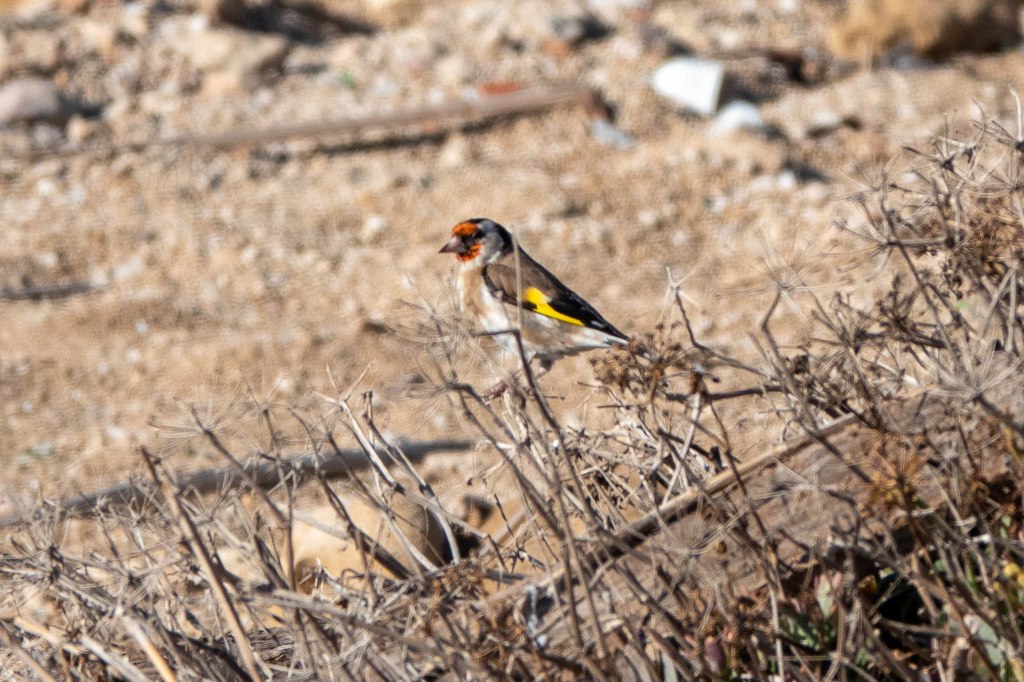
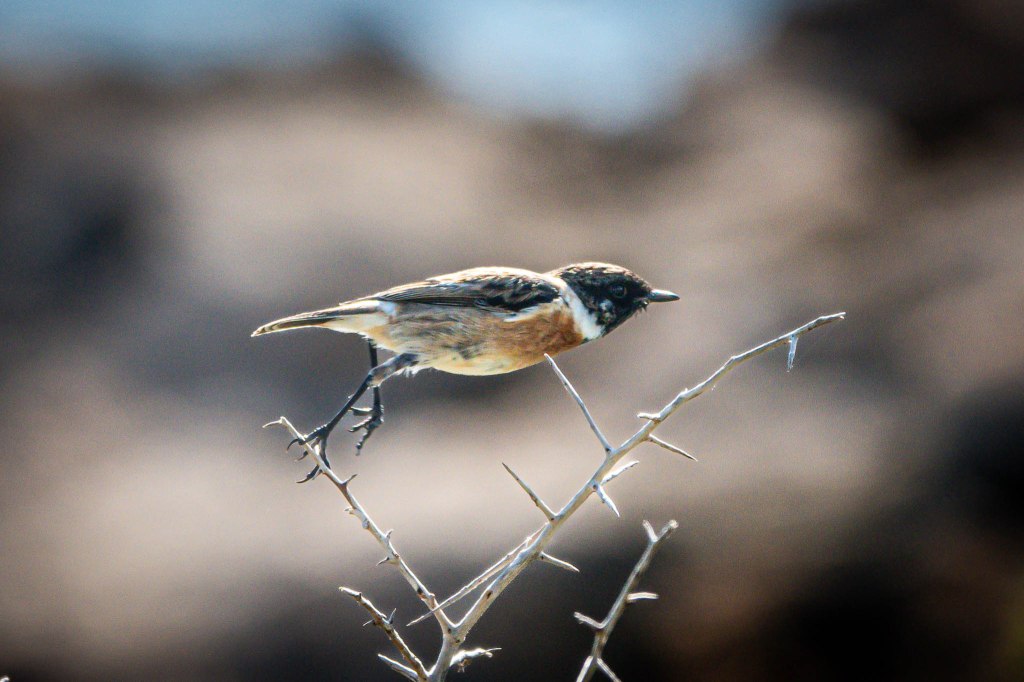
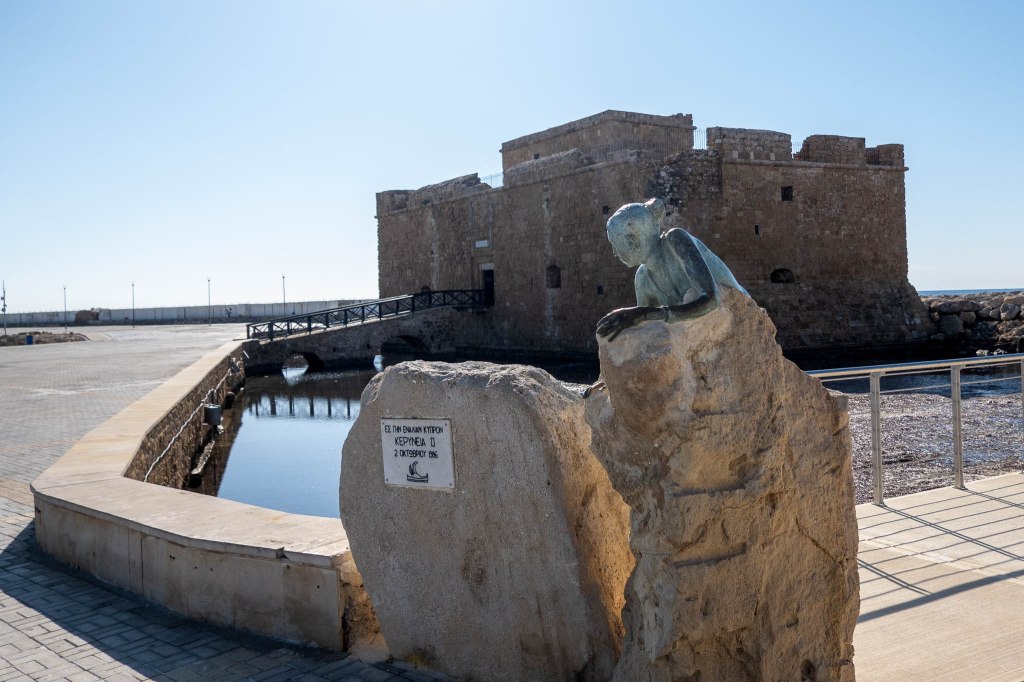
StonechatRed-throated pipit was a first for me (if that is what this is) Hooded crowLaughing doveGoldfinchKestrelStonechatPainted lady butterflyCrested larkThe Paphos headlandPaphos CastleThe little fishermanJust to remind ourselves that it really is Christmas time here.
We are enjoying a short stay based in Faro on the Algarve in Portugal.
It’s not really a ‘birding’ holiday but we have come equipped with walking boots, binoculars and, in my case, a bridge camera.
Our first ‘birding’ opportunity was in the Ria Formosa Nature Park to the west of Faro, along the São Lourenço trail which winds its way between the Ria Formosa and the Sāo Lourenço golf course. There were a few bird hides along the way but we didn’t spend any time in them as we were able to enjoy the bird life as we walked the trail and benefited fully from the pleasant weather.
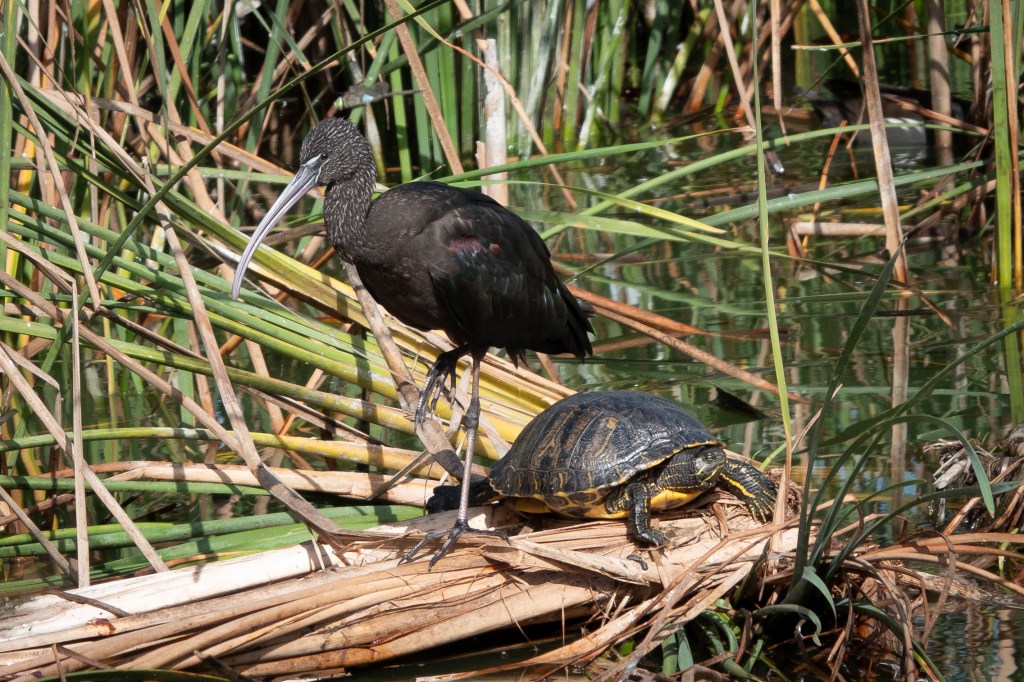
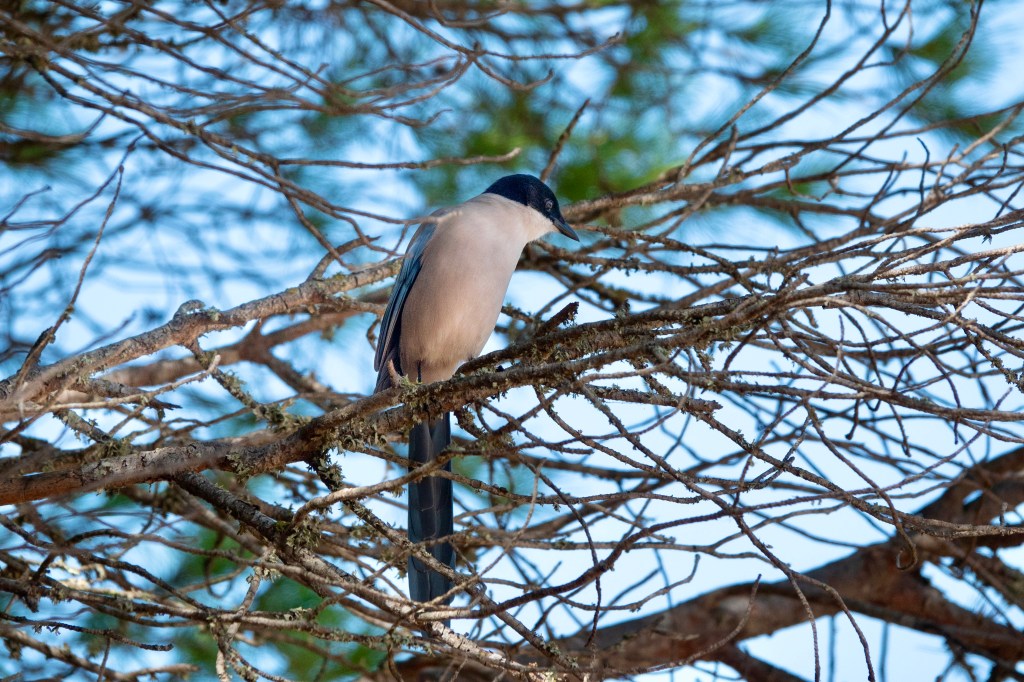
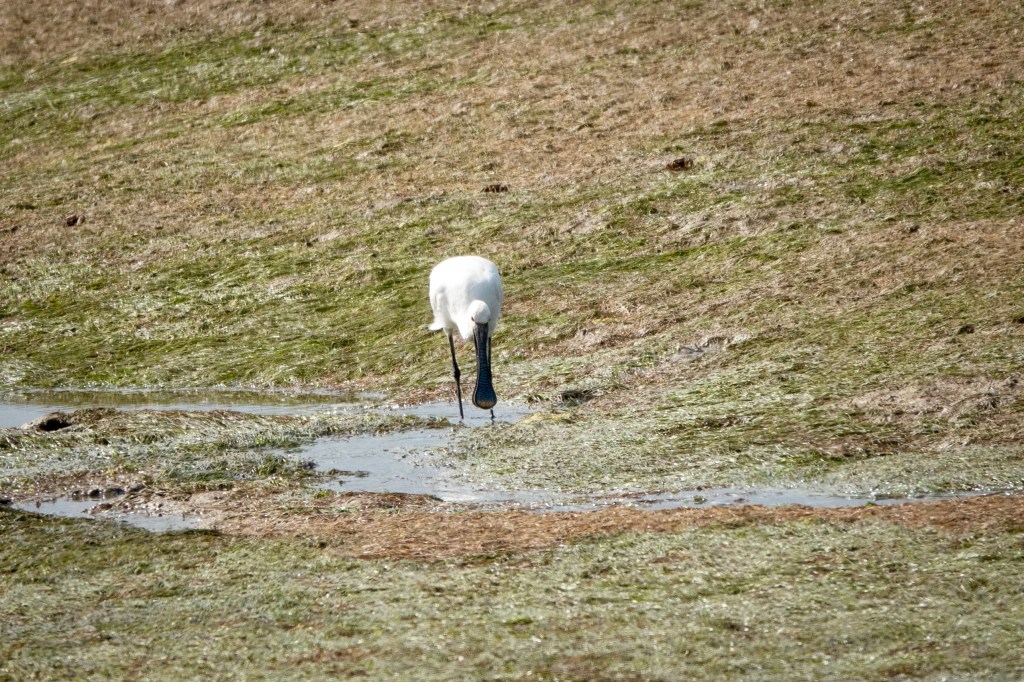
Along the estuary there were lots of waders, spoonbills, little egrets and storks. On the edges of the golf course we saw hoopoe, Iberian magpies, glossy ibis and lots of waterfowl on the golf course lakes.
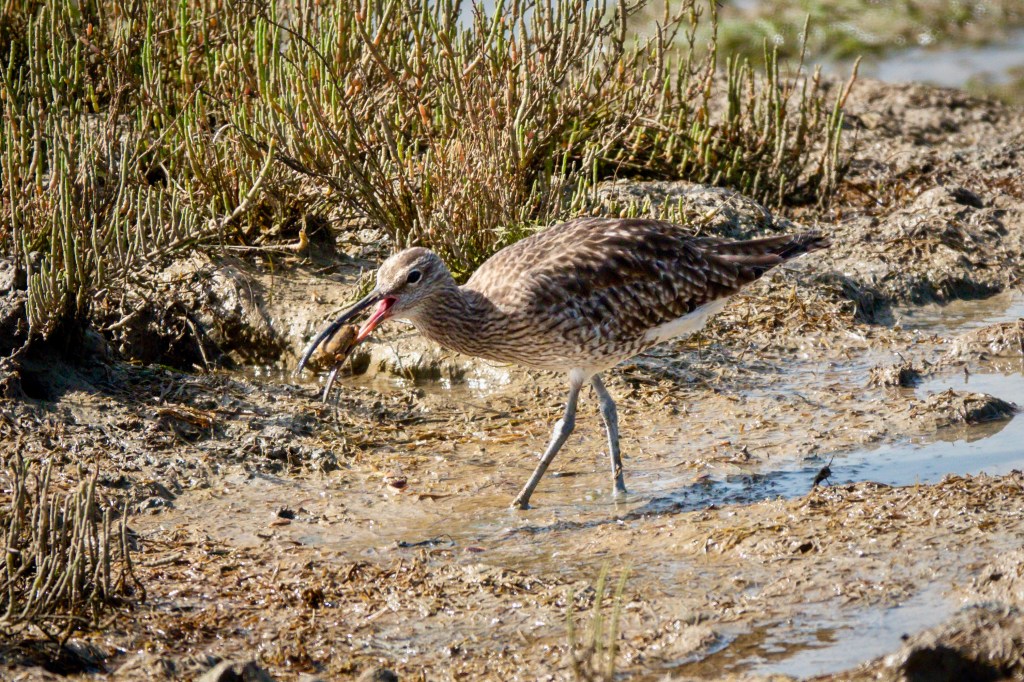
My first photo of the day was a speckled wood butterflyGlossy ibis and yellow-bellied terrapinIberian magpieGadwallA flyover hoopoeWhimbrel devouring crabSpoonbillGreenshankCommon storkGreater flamingoShovelerPurple swamphenThe lake on the Sāo Laurenço golf courseA wooden bridge crosses the Ria Formosa to the beach and Gigí’s restaurantIt was warm enough to be on the beach but everyone was walking, running, cycling and birdwatching
We had a fantastic seafood lunch in Gigi’s beach restaurant at Quinta do Lago, which our taxi driver told us sometimes has a 6 month waiting list. The restaurant was quite rustic but the same could not be said of the clientele – that is until we arrived.
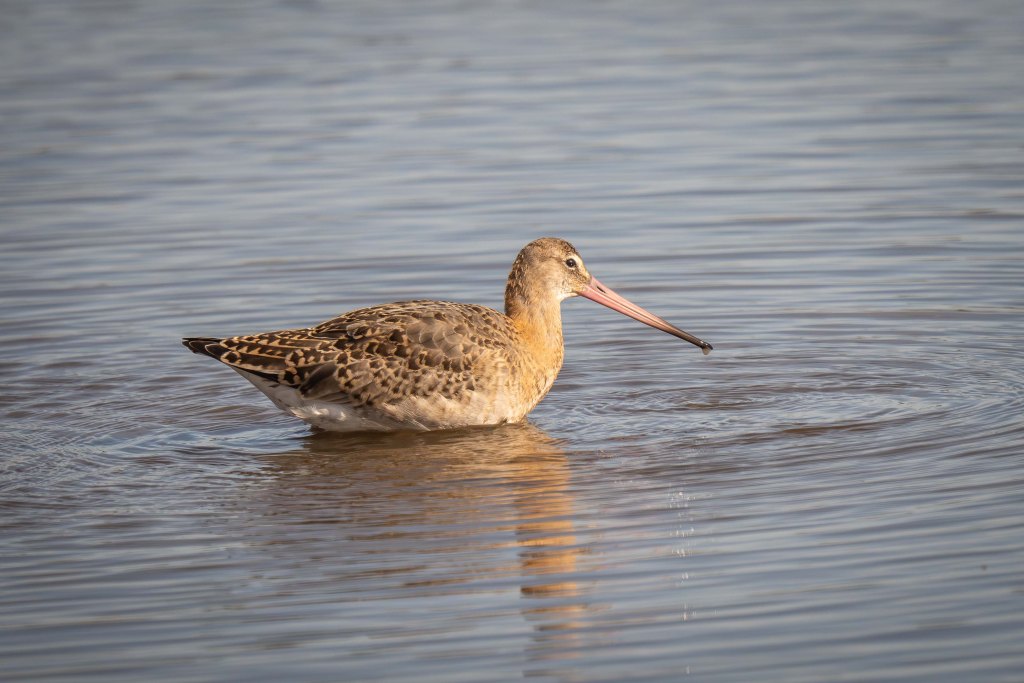
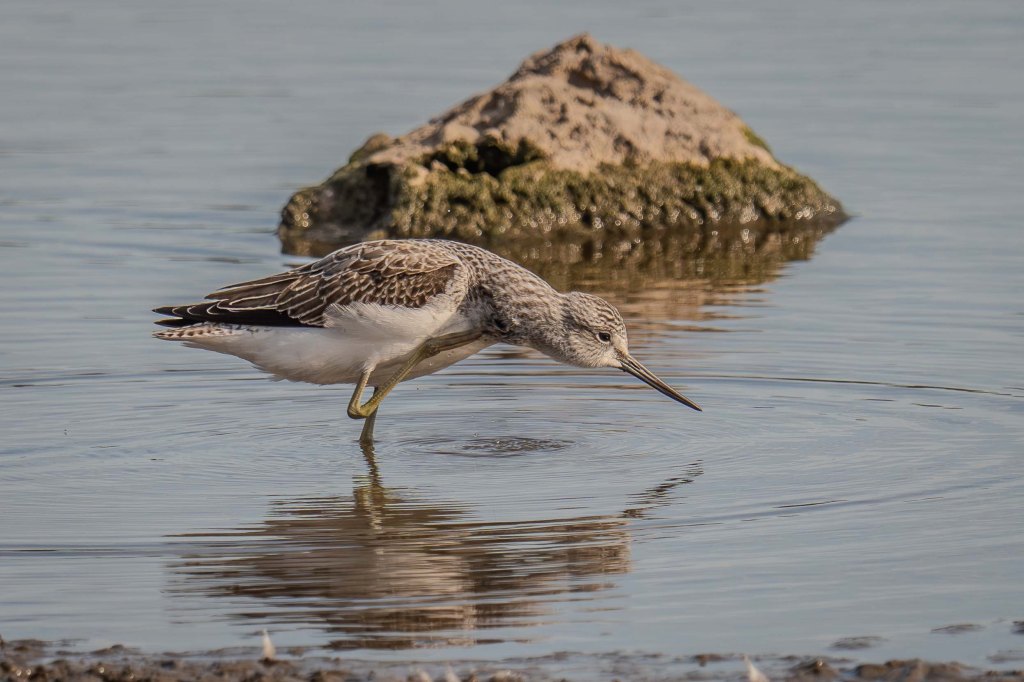
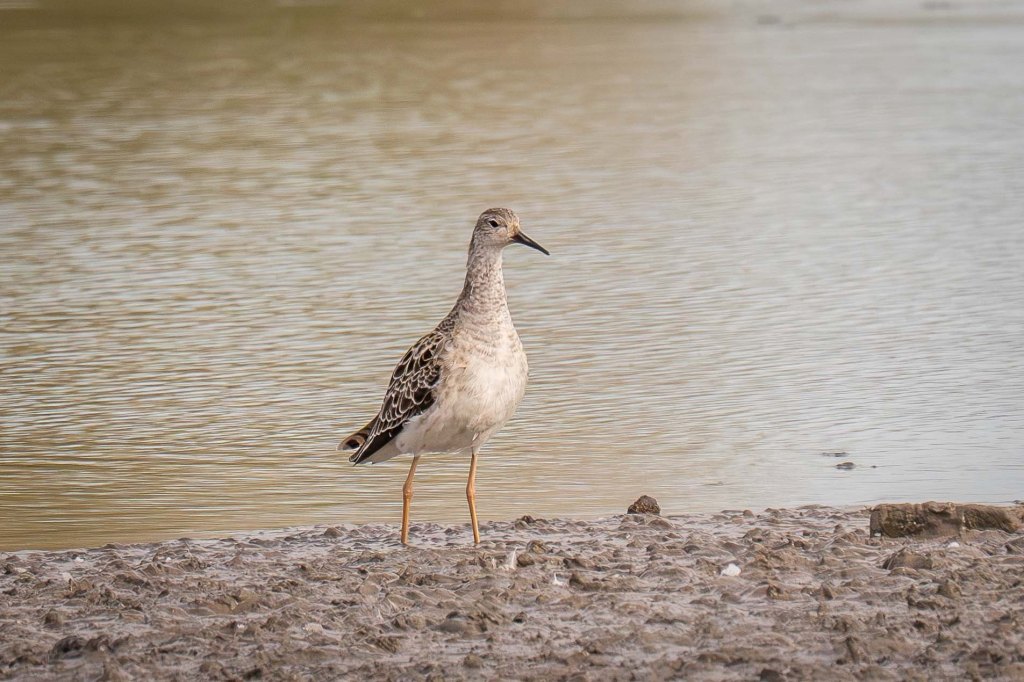
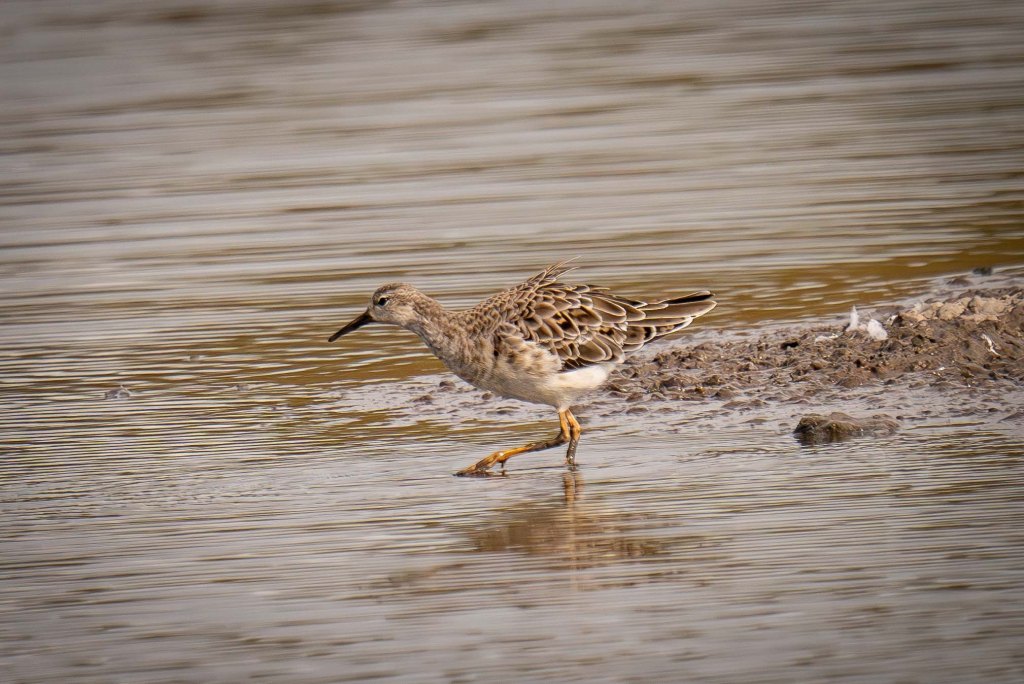
A beautiful start to the day encouraged us to venture north from Bristol to spend a while at the World Wetlands Trust reserve at Slimbridge. We were well rewarded with close ups of black-tailed godwits, common greenshank, common redshank, northern lapwings, a little egret, Canada and Greylag geese and a green sandpiper.
Unfortunately, the beautiful light didn’t last long and nor did we.
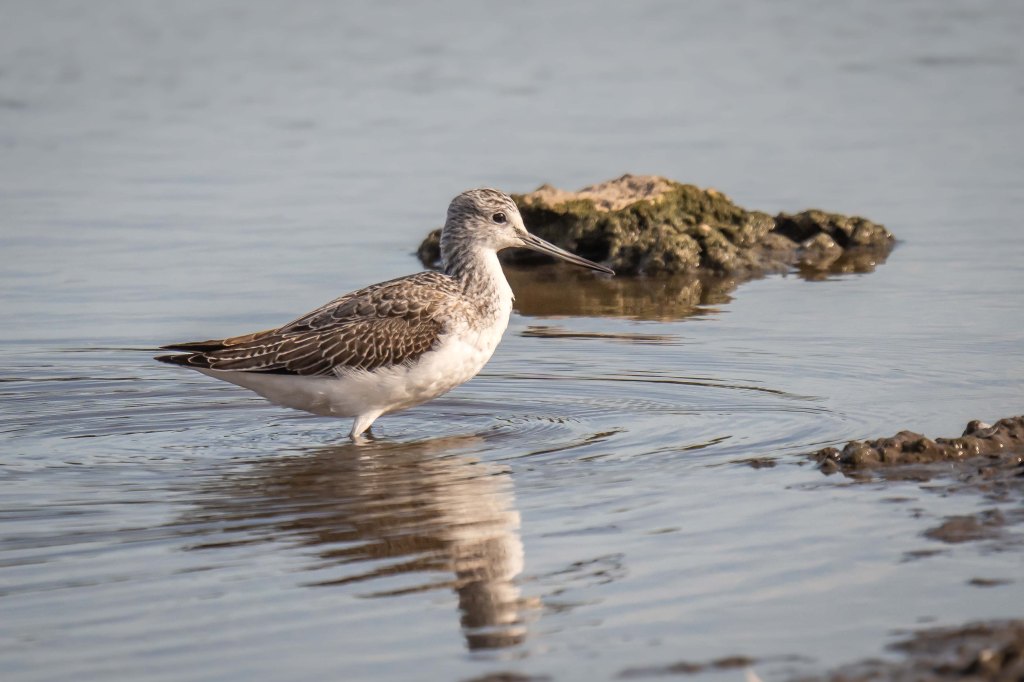
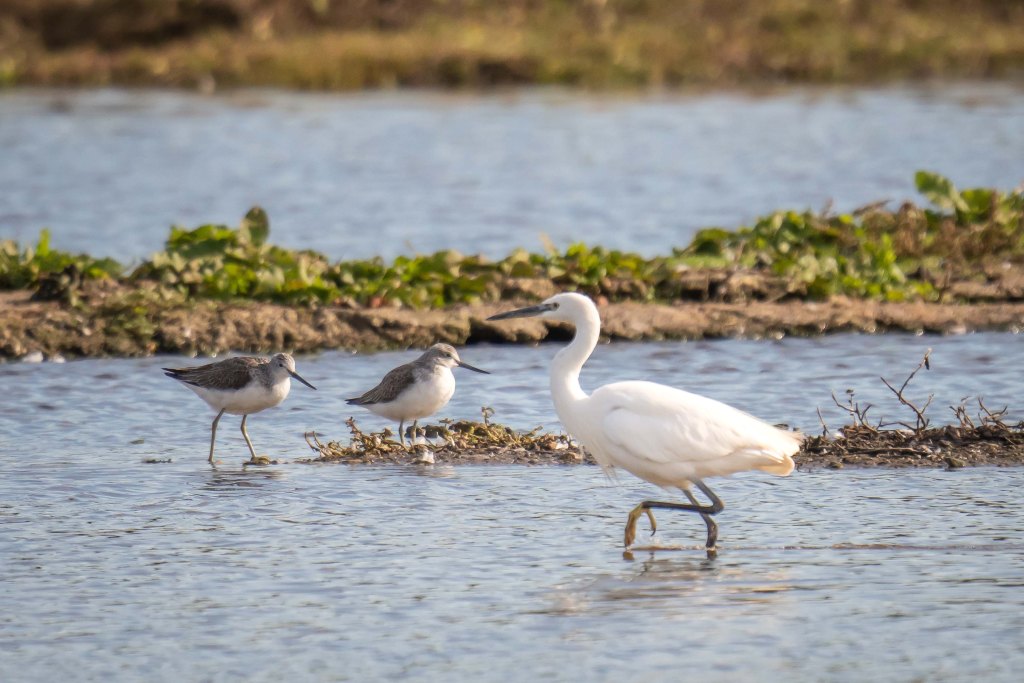
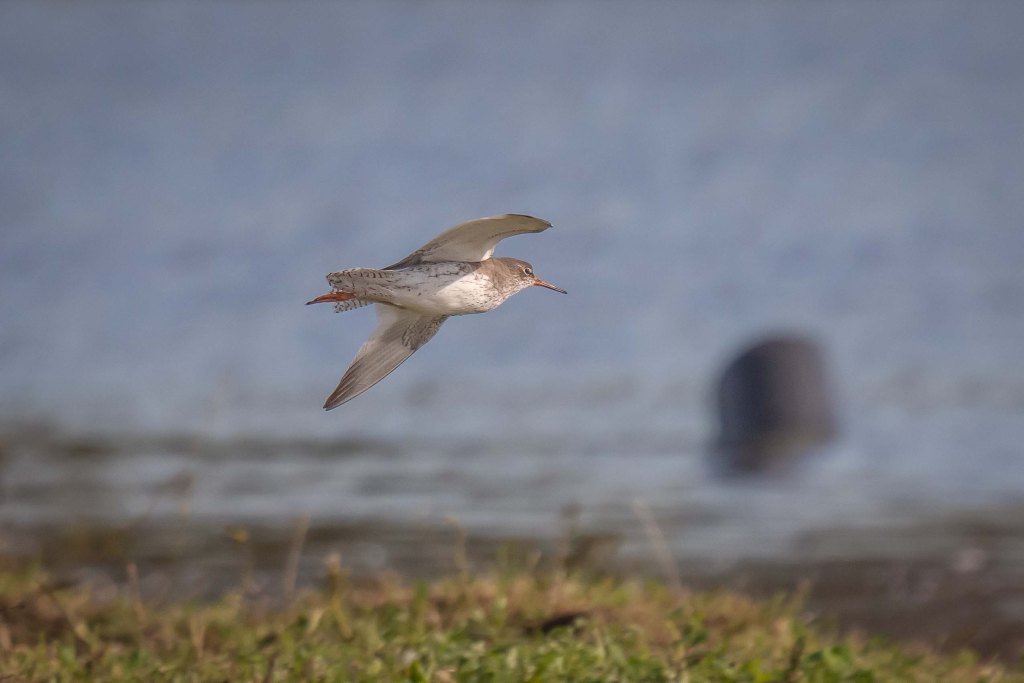
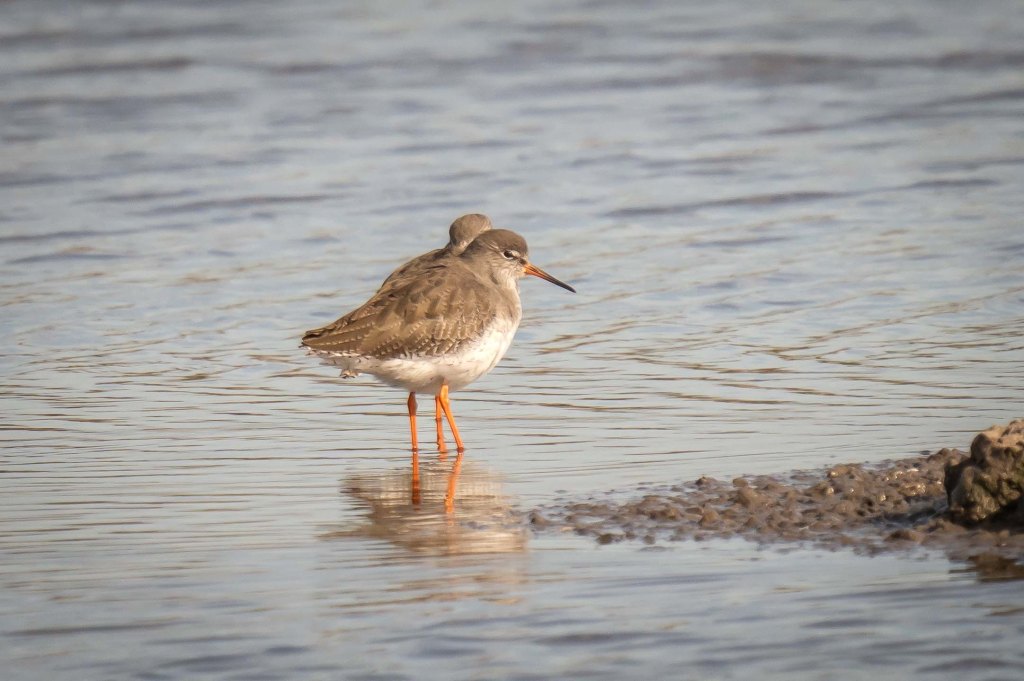
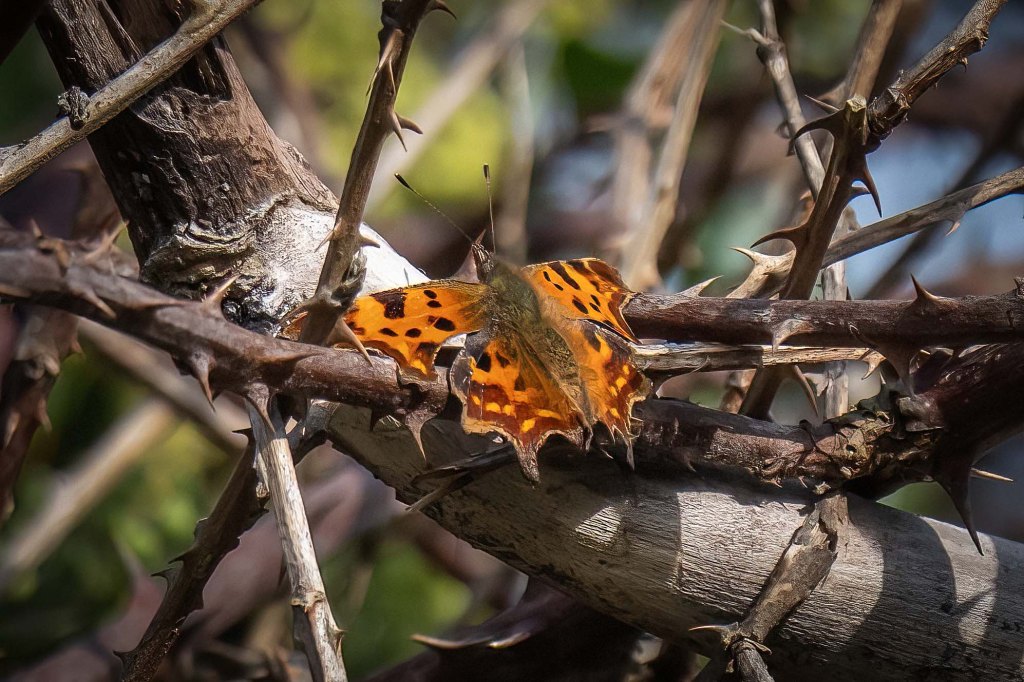
Black-tailed godwitBlack-tailed godwitCommon greenshankCommon greenshankCommon greenshankCommon greenshank and little egretNorthern lapwing and little egretCommon redshank in flightCommon redshank with their feet firmly on the groundCanada geeseEurasian tealGreylag geeseClose up of a northern lapwing showing its beautiful iridescent plumage to best effectRuffRuffGreen sandpiperGreen sandpiperRuffComma butterfly
Bliss. The schoolchildren are finally back to school and we now have all these wonderful outdoors spaces to ourselves. When we started our visit in the morning sunshine it was even too early for pre-school age children. Perhaps their parents/grandparents/childminders were too exhausted after looking after their older siblings for a few weeks? Spare a thought for teachers who have them in their care for much longer periods.
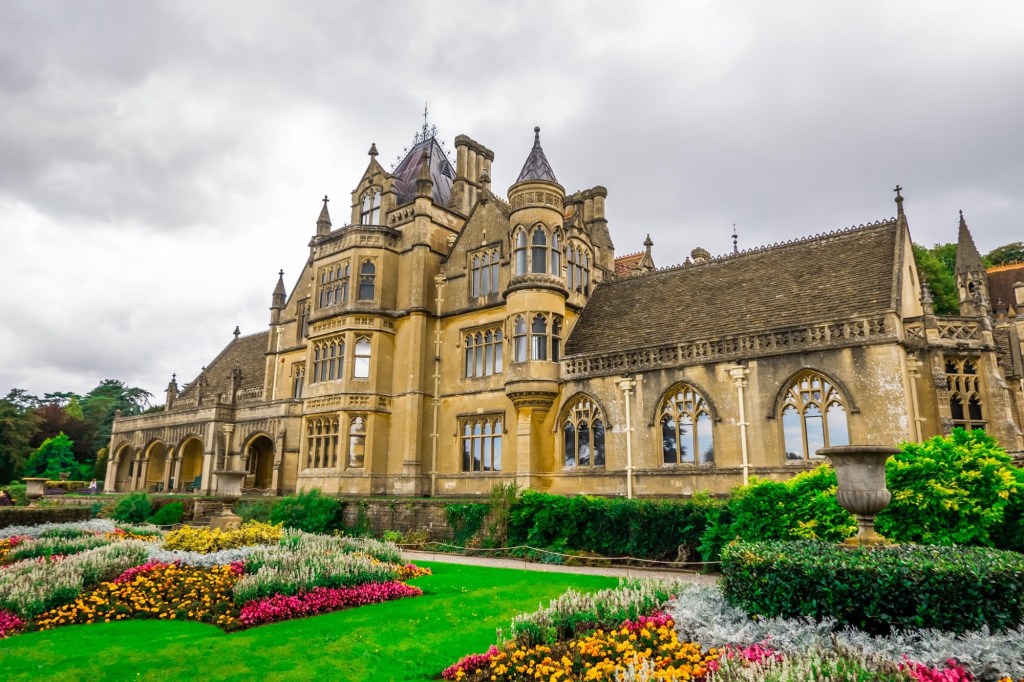
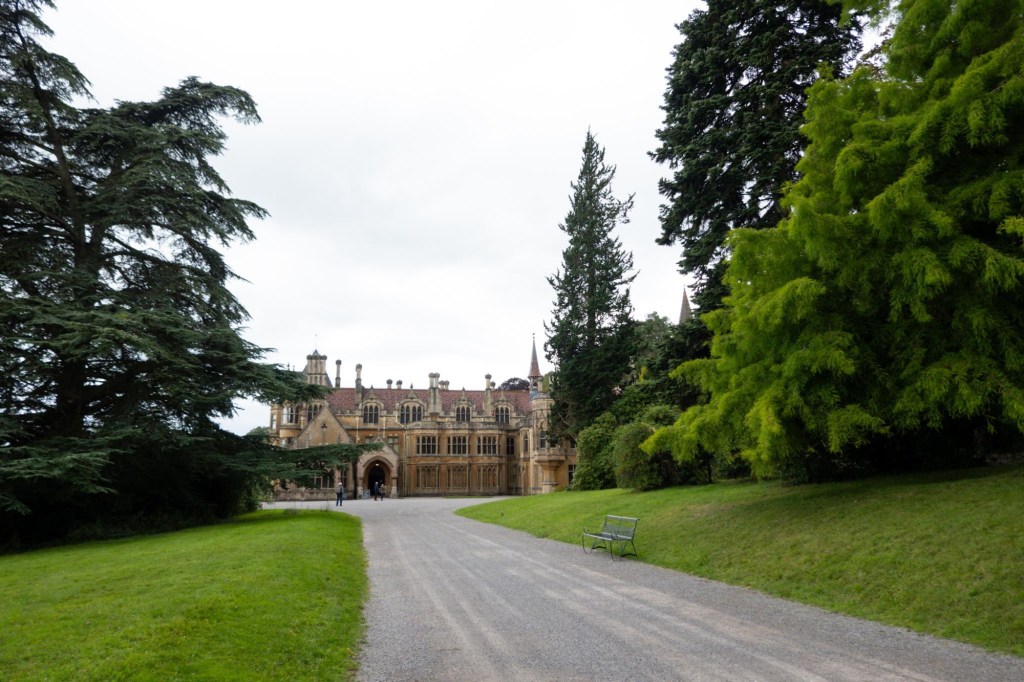
And how we enjoyed Tyntesfield, an ornate Victorian Gothic Revival house with extensive garden and parkland, just a stone’s throw from Bristol.
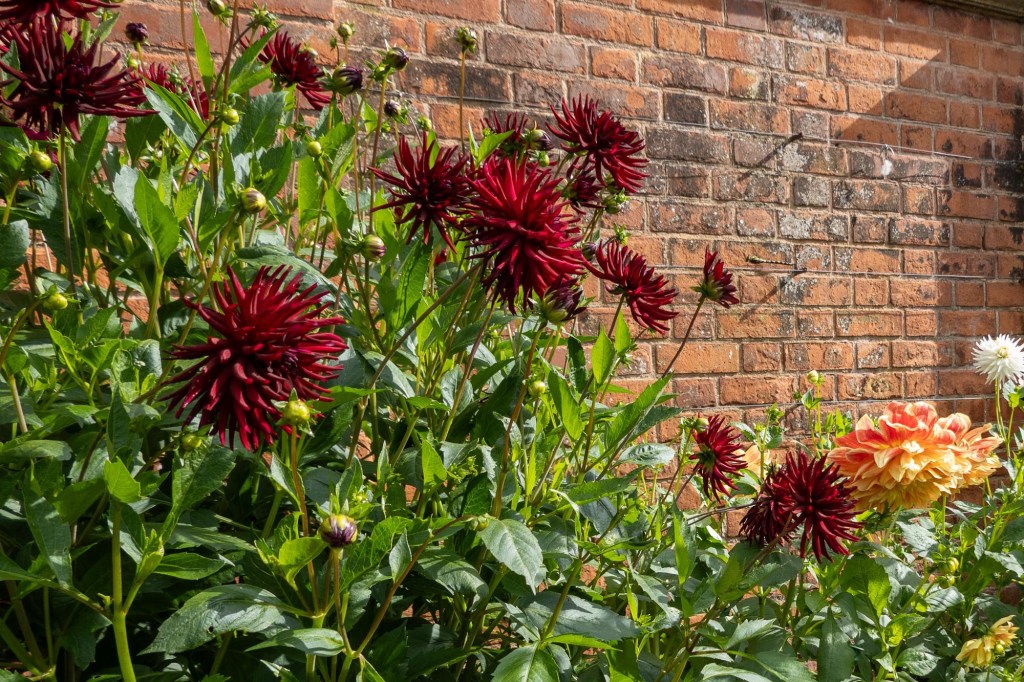
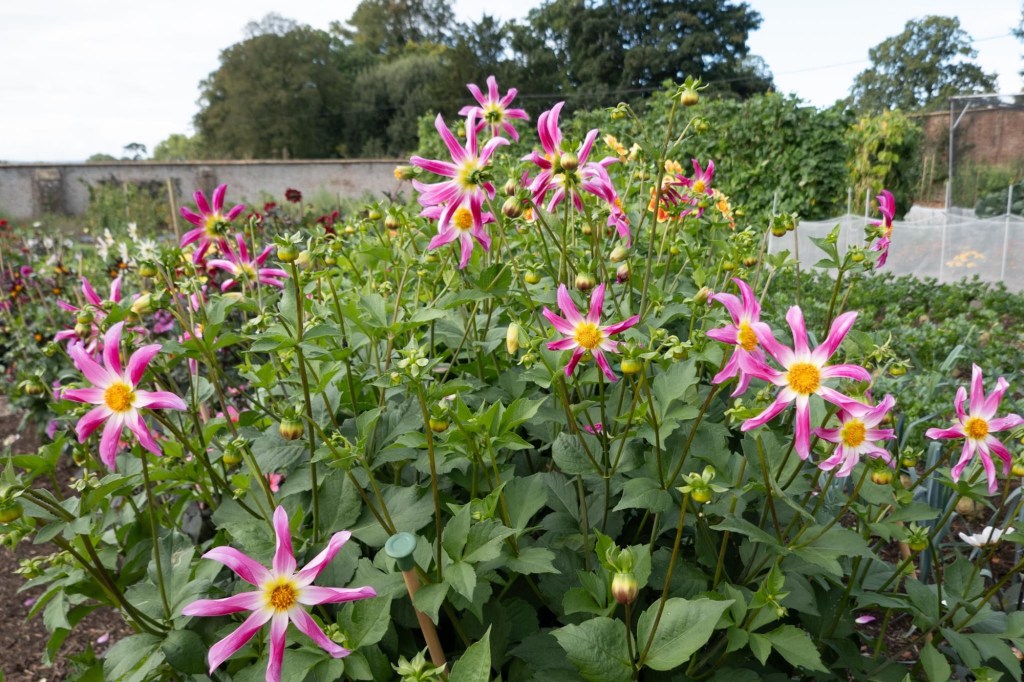
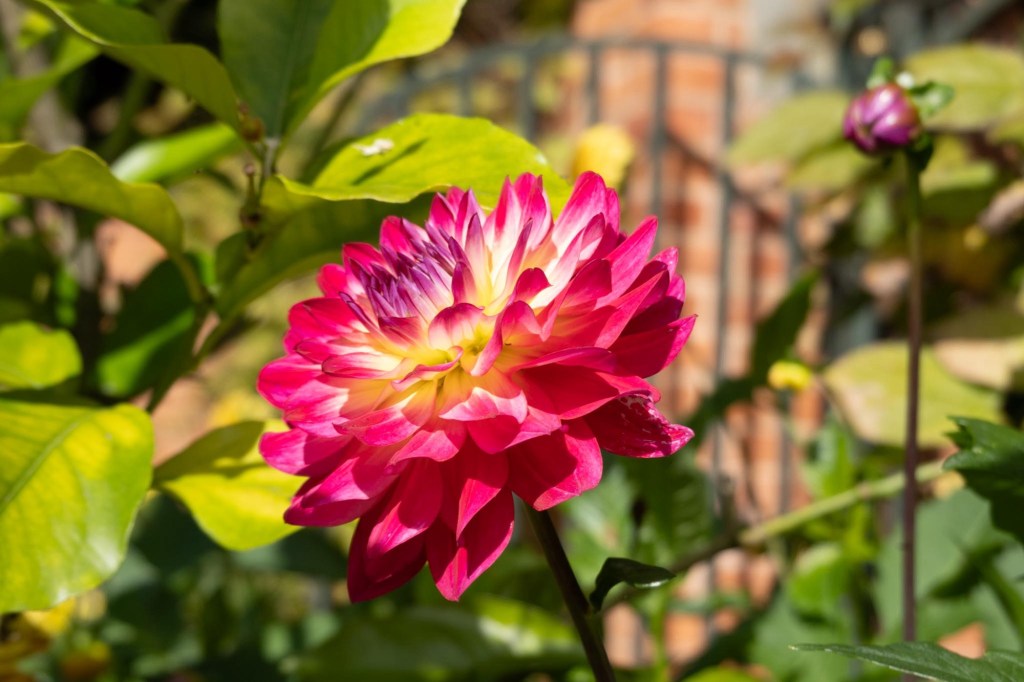
We didn’t actually see many birds, and I certainly didn’t photograph any, but there were a few butterflies and the flowers in the walled garden and around the orangerie were well worth photographing and recording in a blog.
A small copper butterfly which has been very rare in these parts this summer
The only downside seemed to be a strange smell in the air which, we presumed, must have been some sort of spreading of fertiliser. How appropriate was that as the house was paid for by the vast fortune made by William Gibbs, the owner of the monopoly on exporting valuable bird droppings from Peru.
A glorious day to end our stay in Norfolk: we started the day with a hobby at Cley Marshes and ended with three swallows (that is the Three Swallows pub along the border of Cley next the Sea and Newgate village).
Eurasian hobby
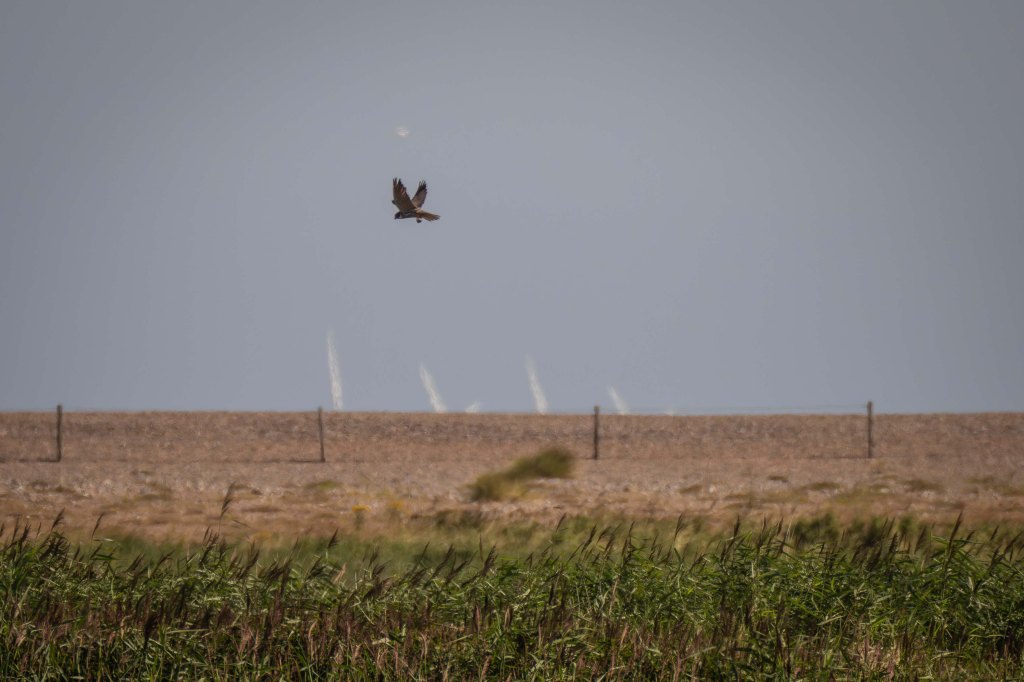
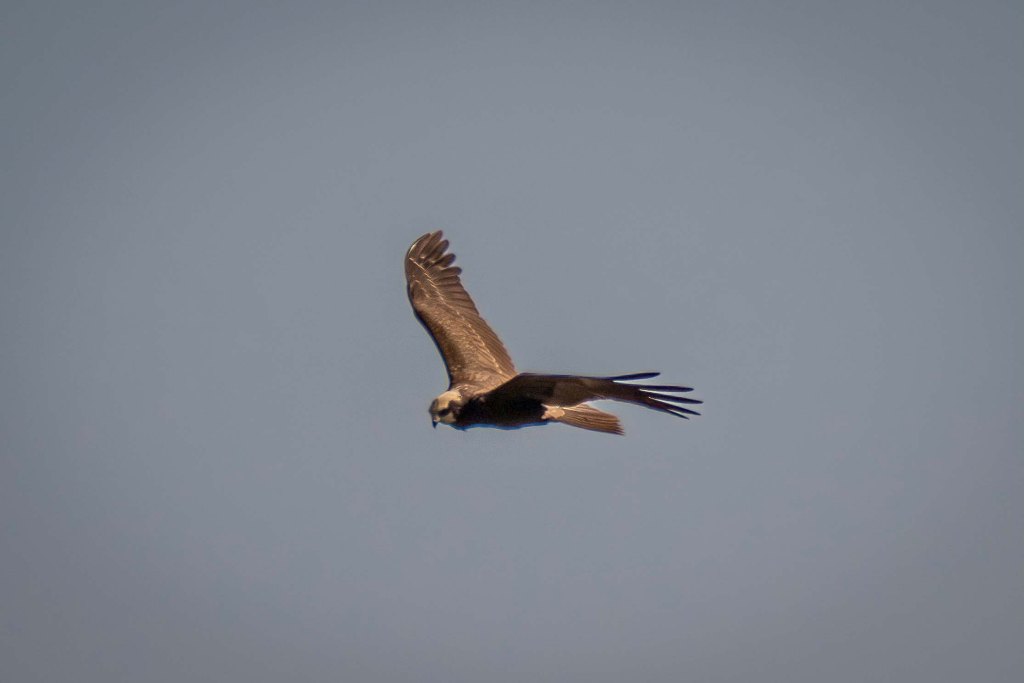
Although we haven’t seen many marsh harriers until yesterday, we made up for it today.
Marsh harrierMarsh harrier
As we made our way out to the Avocet hide we met a volunteer who warned us that, despite the glorious sunshine , the light was not good in the hides in that area. He was right. We weren’t very good at taking his advice as he told us the scones back at the visitors’ centre were very good, but when we got there, a little later, the smell of the bacon was irresistible. All very good though.
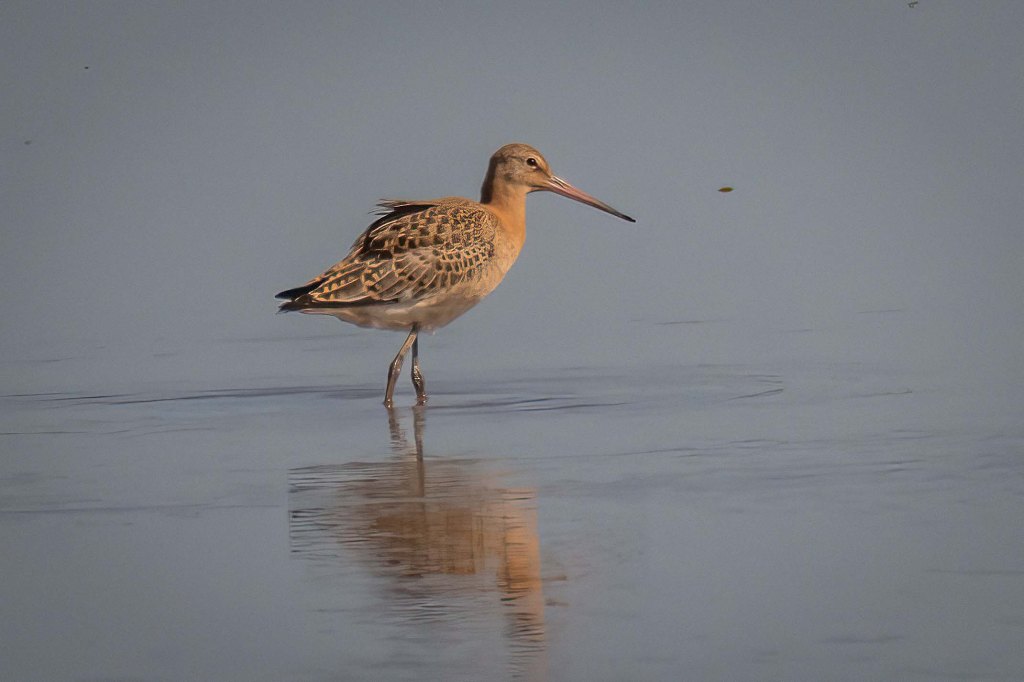
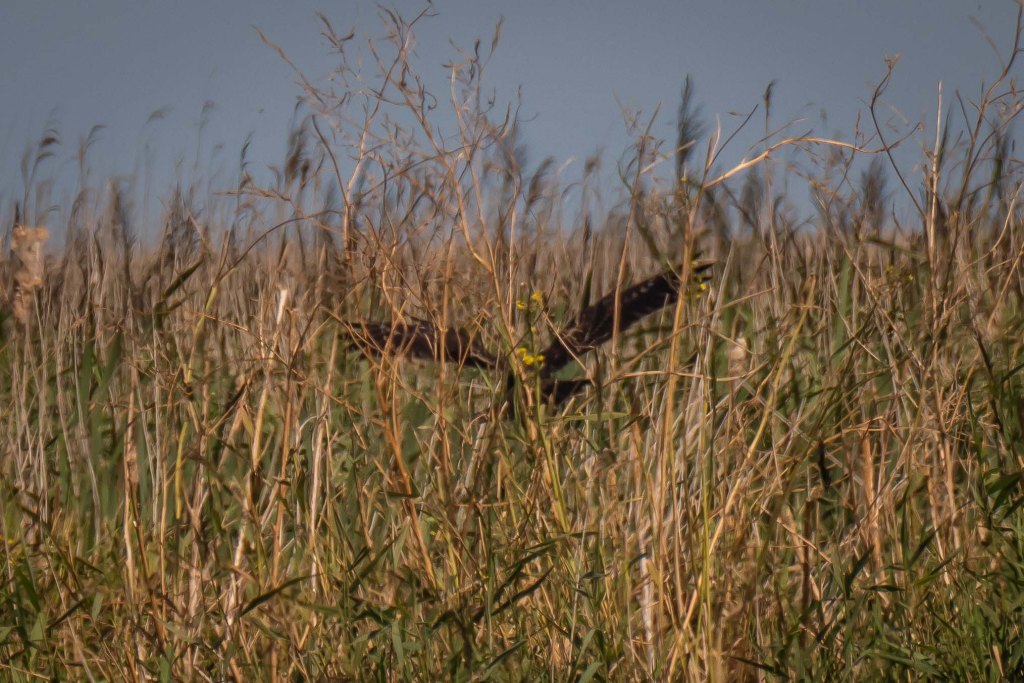
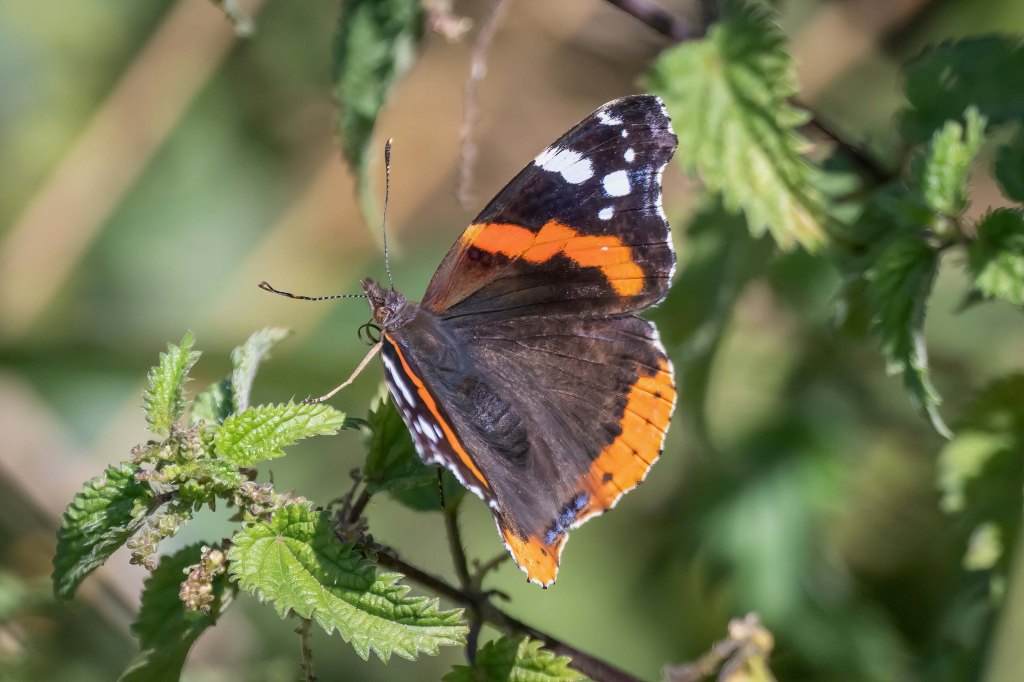
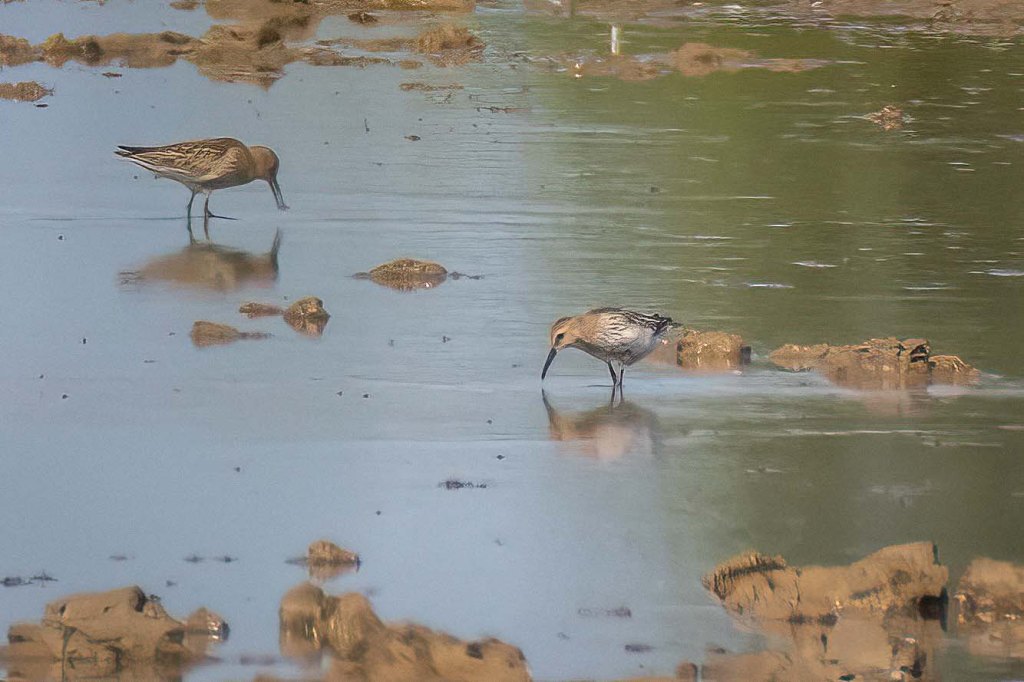
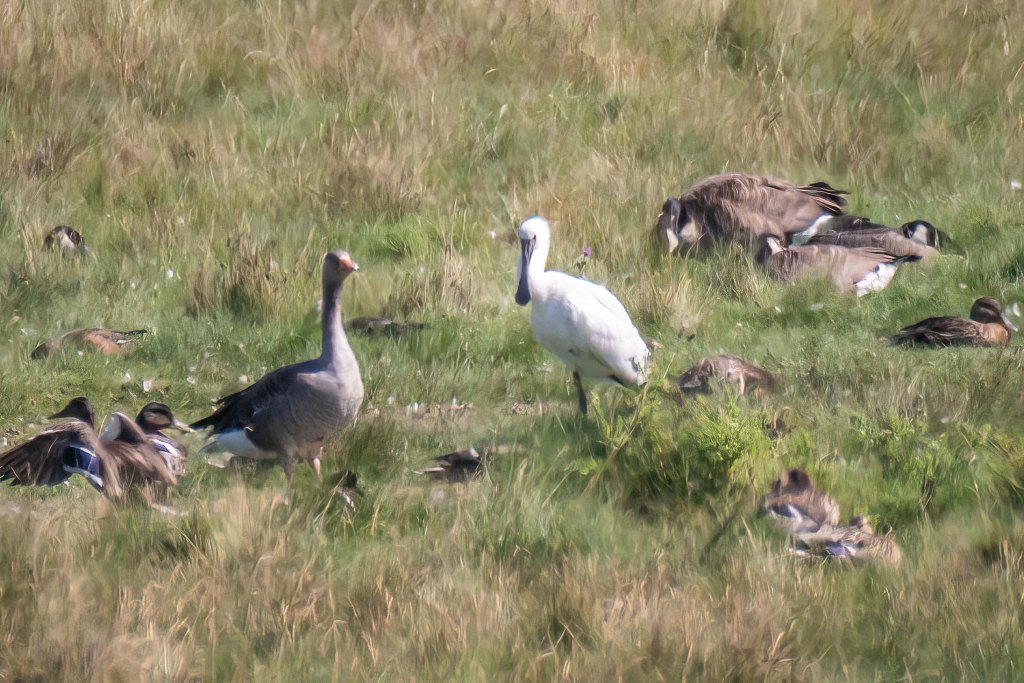
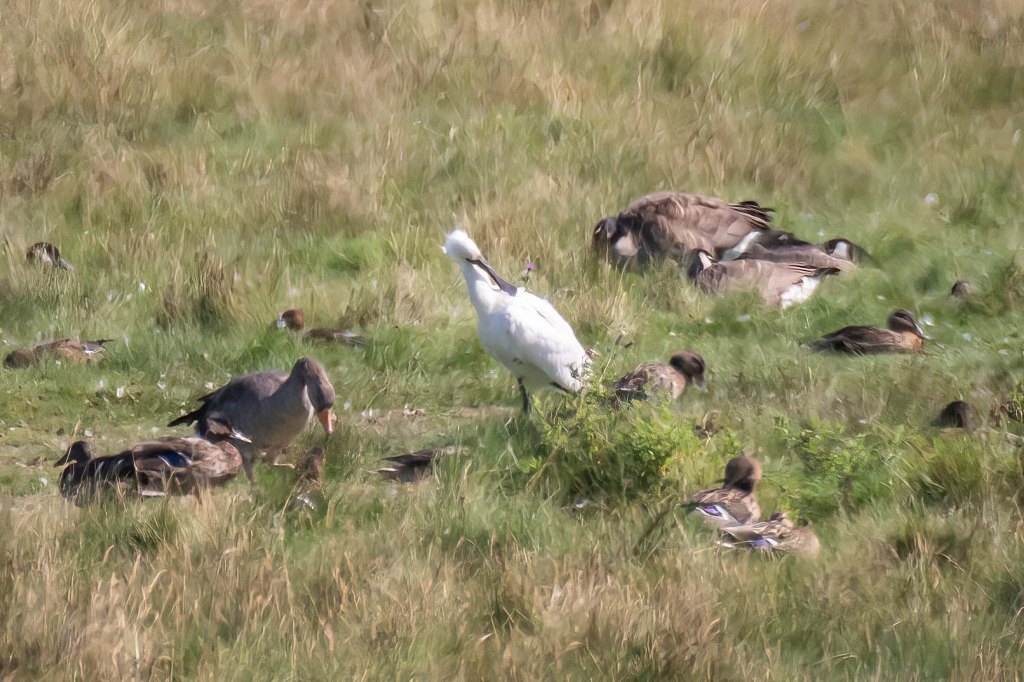
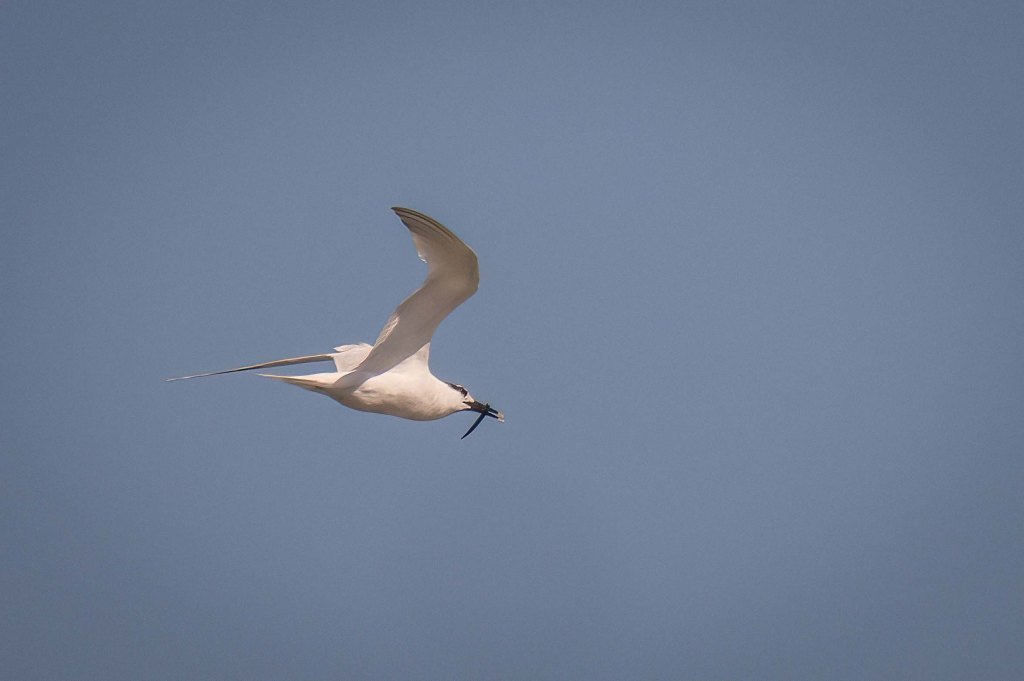
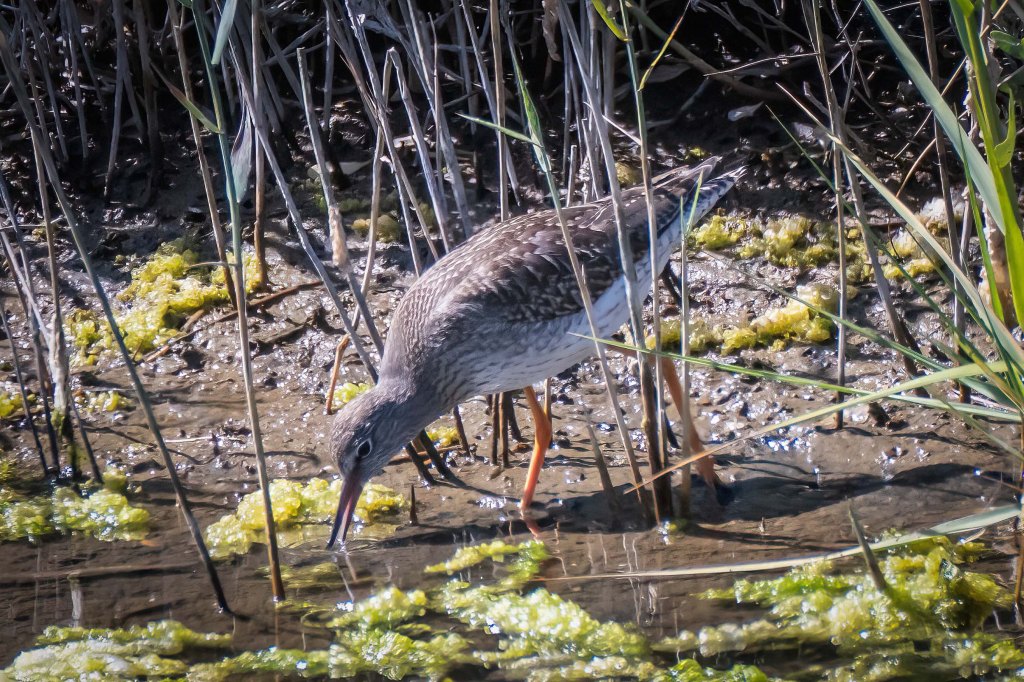
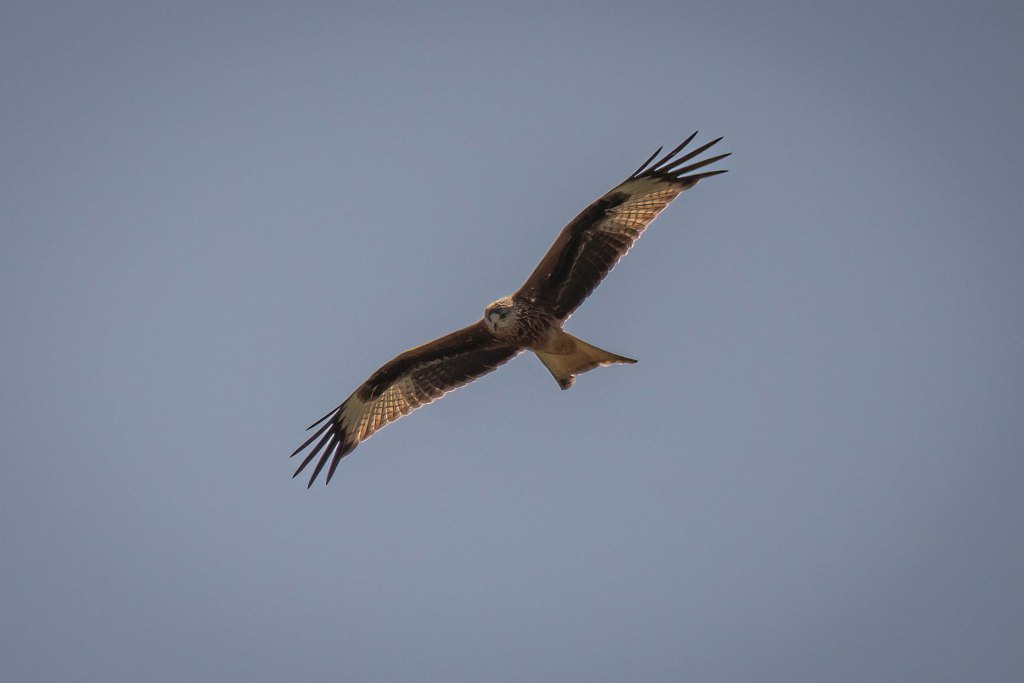
Not terribly good light in the hide eitherI’m not sure what this was just in front the hide. Linnet?When the birds faced the light, as this black-tailed godwit did, we were ok.Distant cattle egretsRinged ploversAnother marsh harrier bringing the breakfast back… and another settling into the reeds.Red admiral amongst the nettlesDunlin from the Bishops’ hide. (Not an ecclesiastical reference; the hide seemed to be named after Mr. and Mrs. Bishop)Little grebeSpoonbill amongst the geeseSpoonbill preeningAnd another spoonbill further back on the sea poolNorfolk hawker? Well we were in Norfolk!Sandwich tern from the beachRedshank on its own in a small poolRed kite caused mayhem on the ground
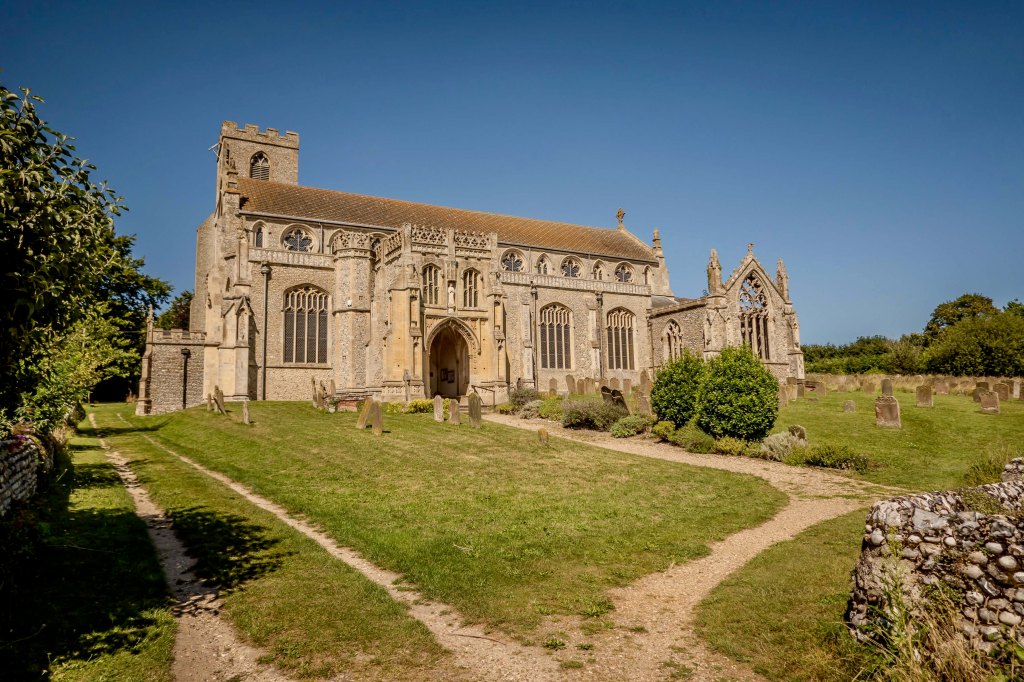
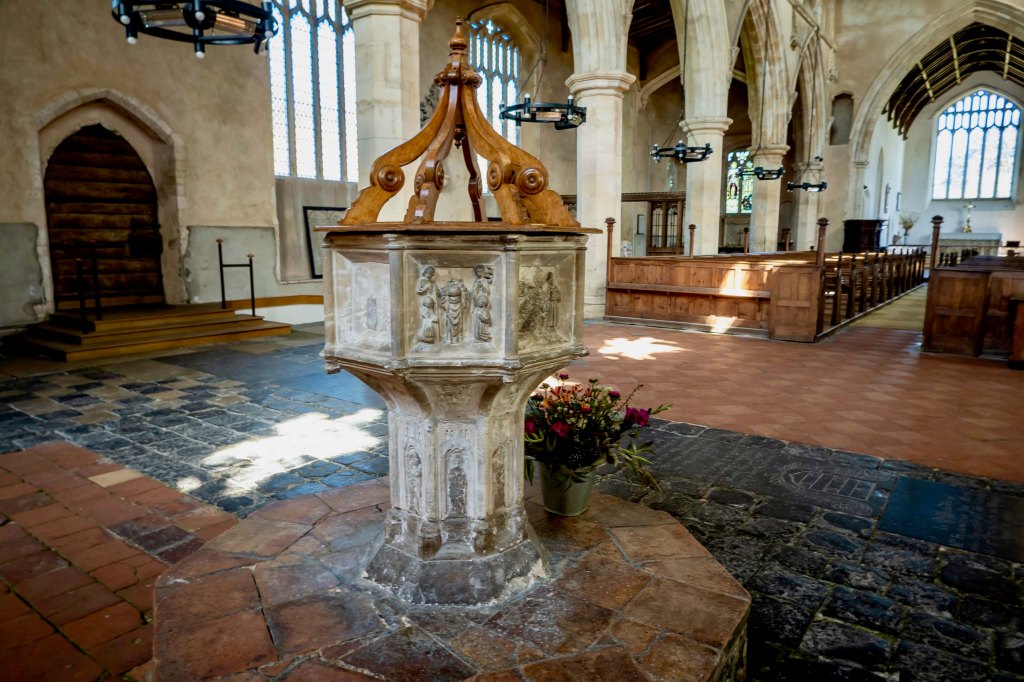
After the pub we visited the church at Cley which is certainly not next the sea, but so magnificent that it will probably warrant another blog.
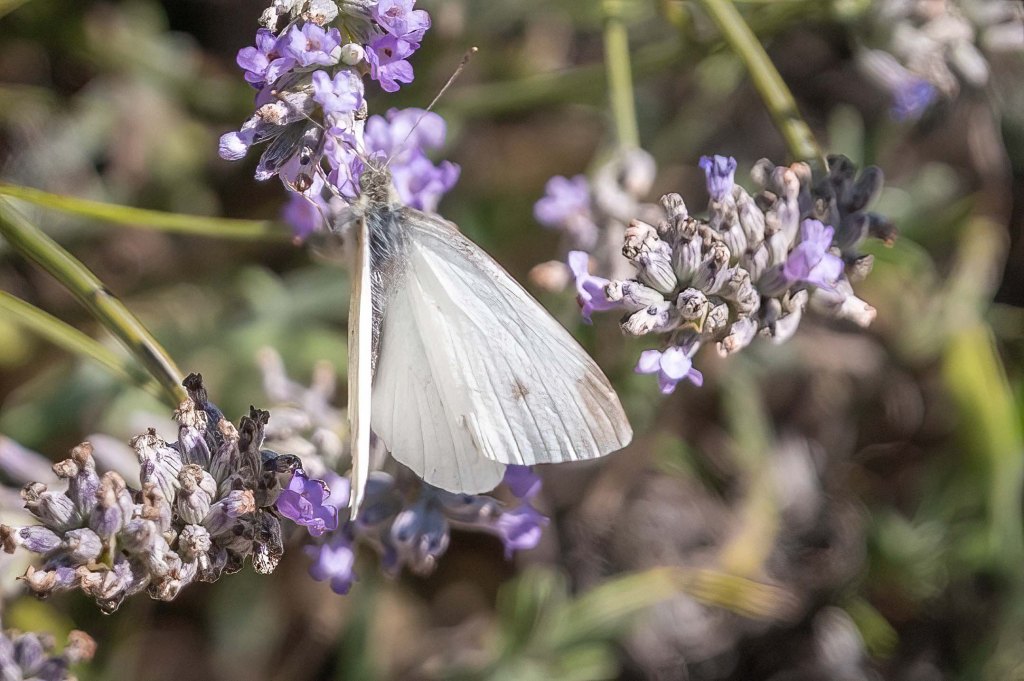
St Margaret, Cley-next-the-SeaSmall white in the church yard enjoying the lavender (I hope as much as we enjoyed the beer and indeed the whole week)
Almost a non-birding day; except that on our walk this morning to Wiveton Hall we did see our first marsh harrier of the week across the marshes.
A few years ago, on our first visit to Wiveton Hall, we had met the eccentric owner, Desmond, whose popular BBC programme “Normal for Norfolk” documented his adventures and the daily delights of life around the Hall, on the farm and in the café. No such luck today. However, the coffee was very good and was worth the walk.
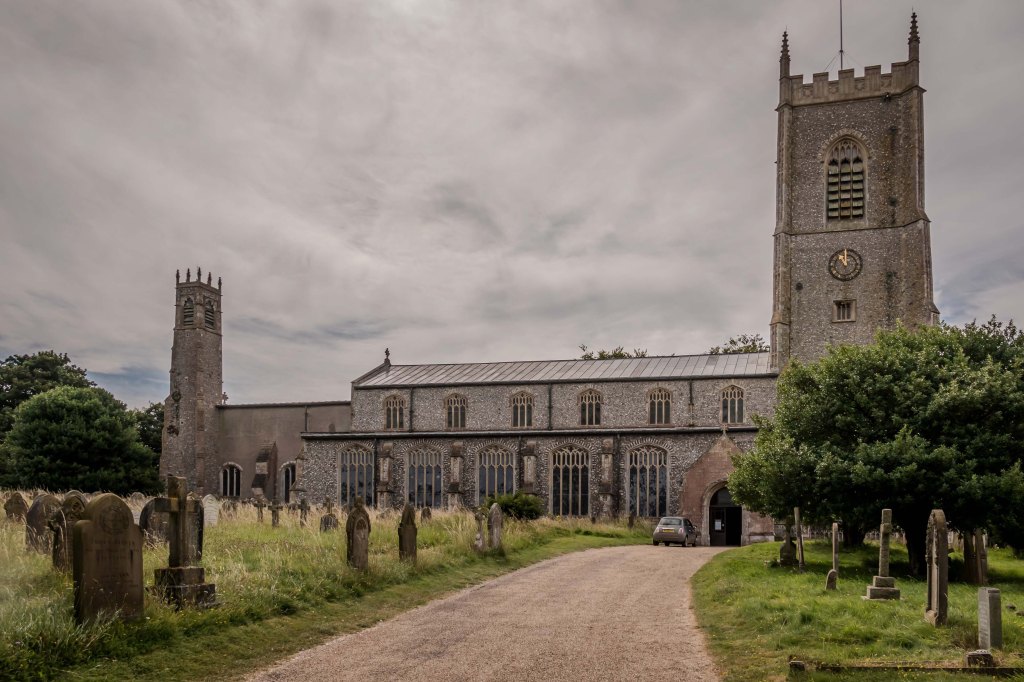
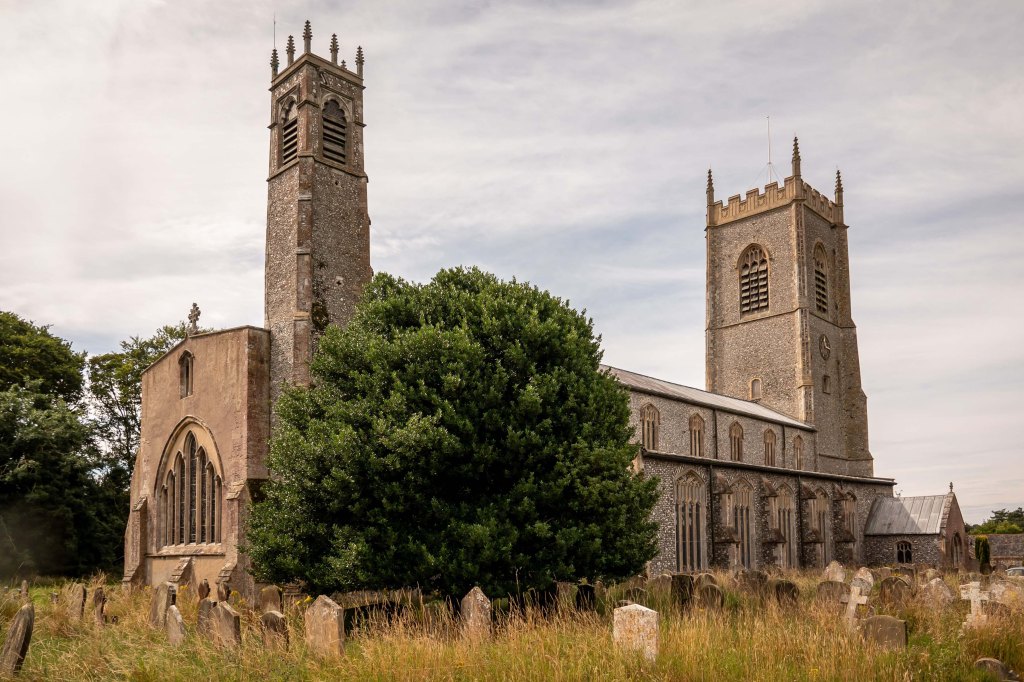
From here we carried on to visit St Nicholas Church, Blakeney. I hope you agree that the inclusion of the visit is warranted here in that there was a wildlife aspect to our visit.
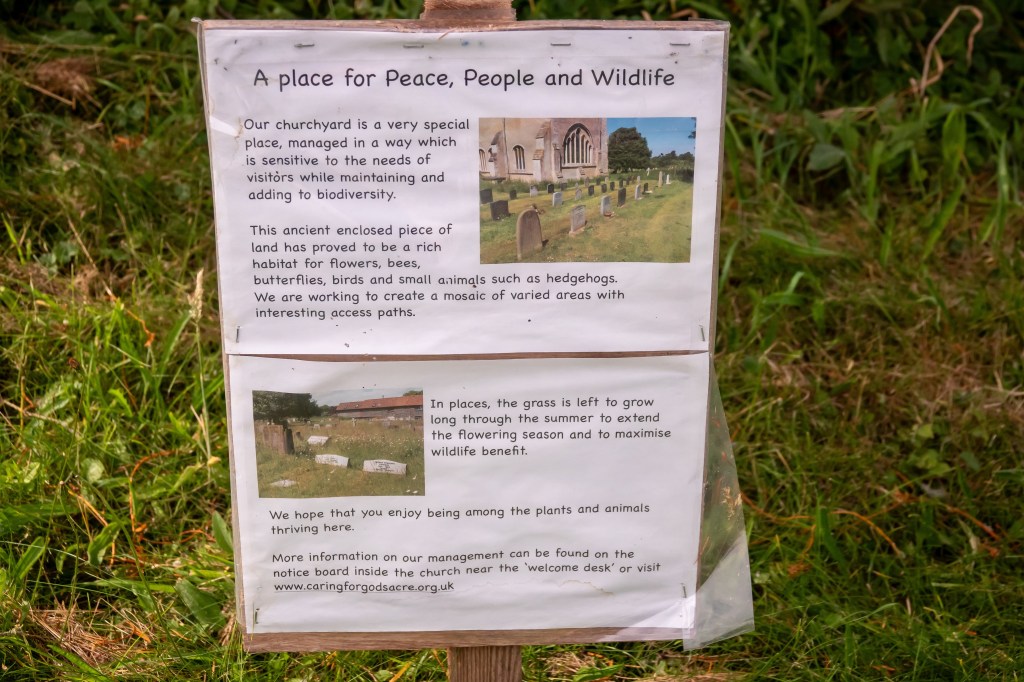
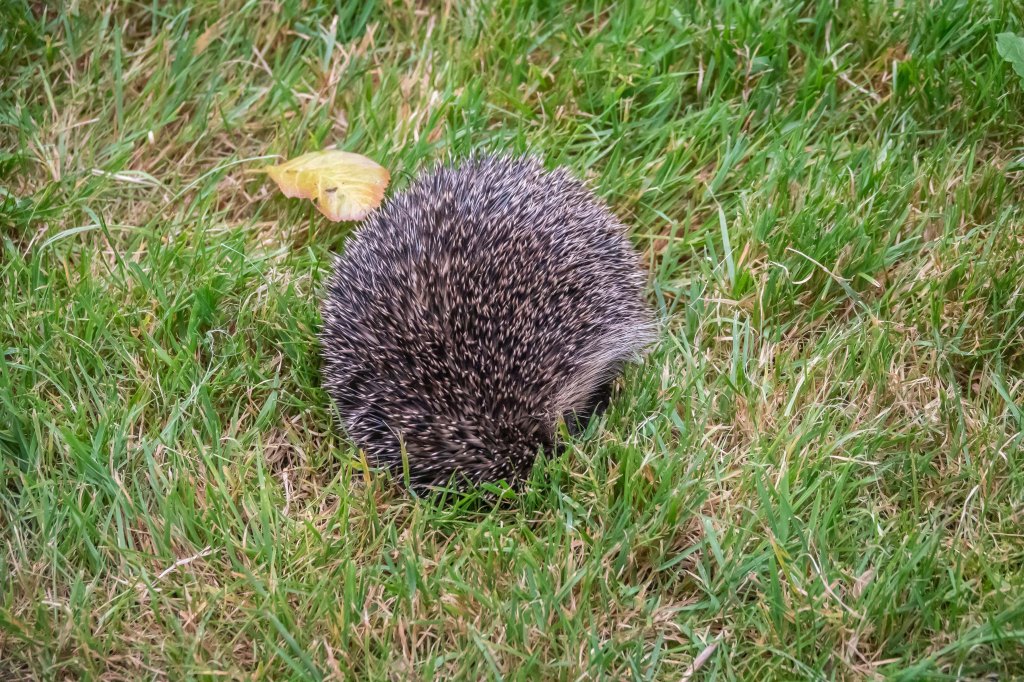
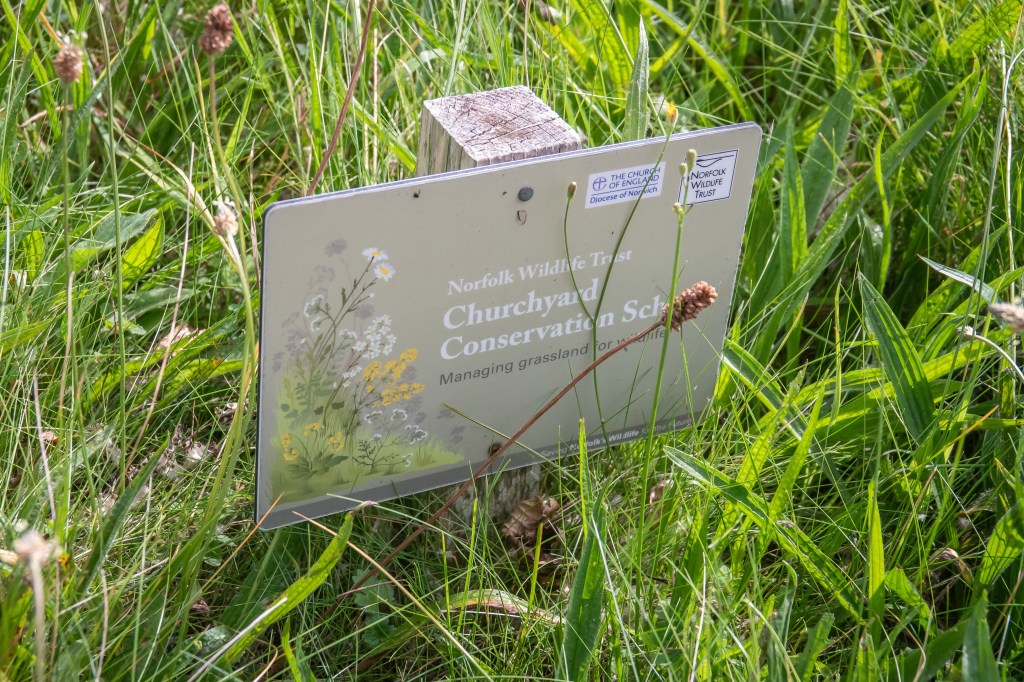
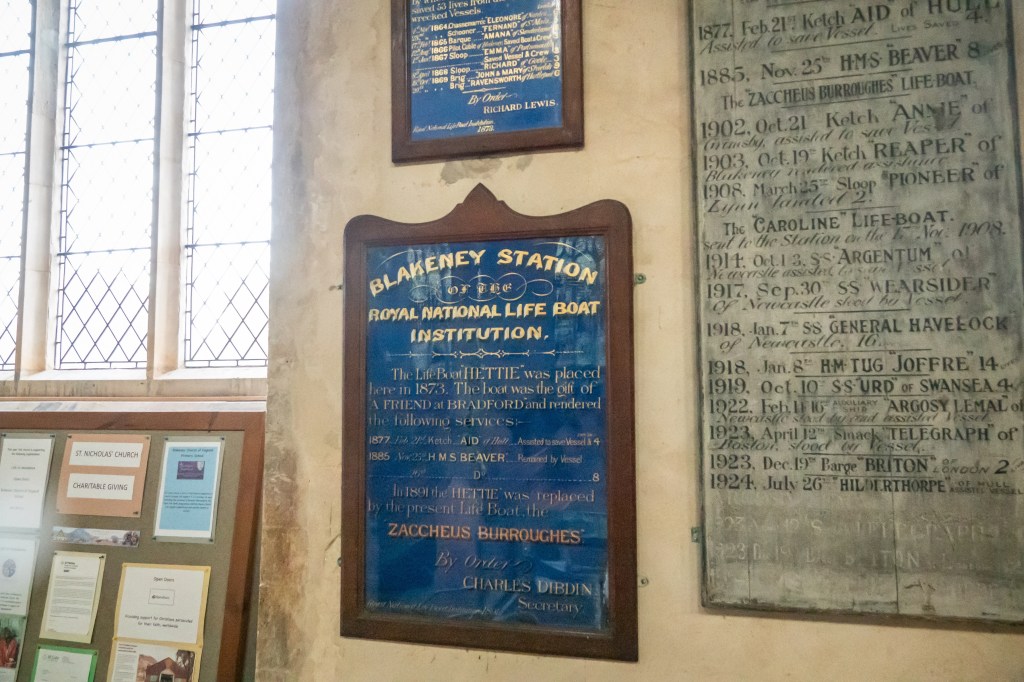
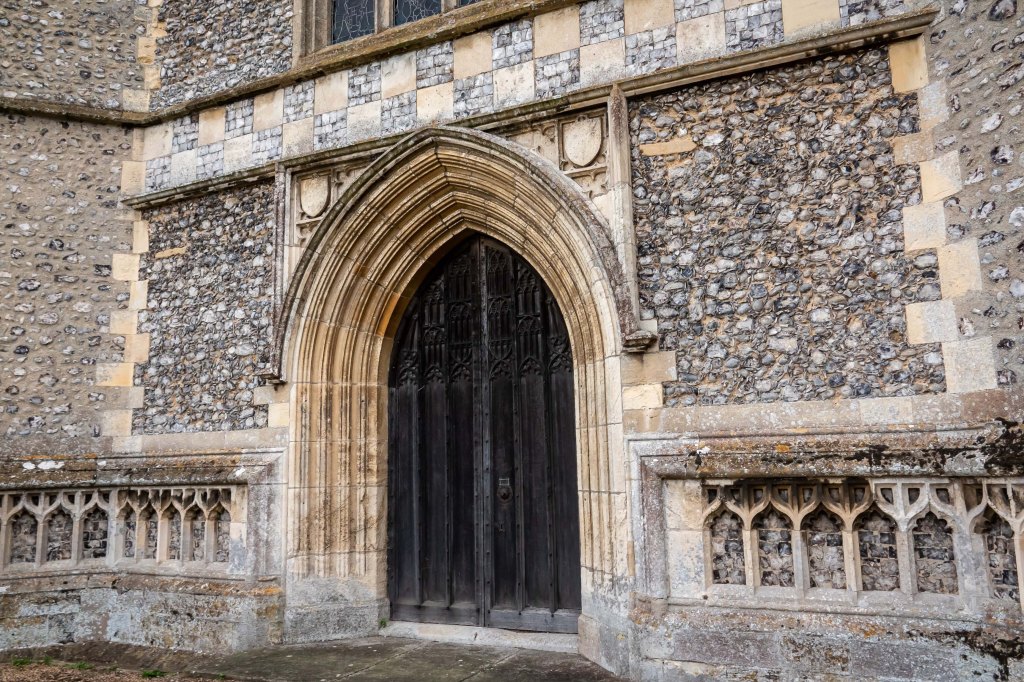
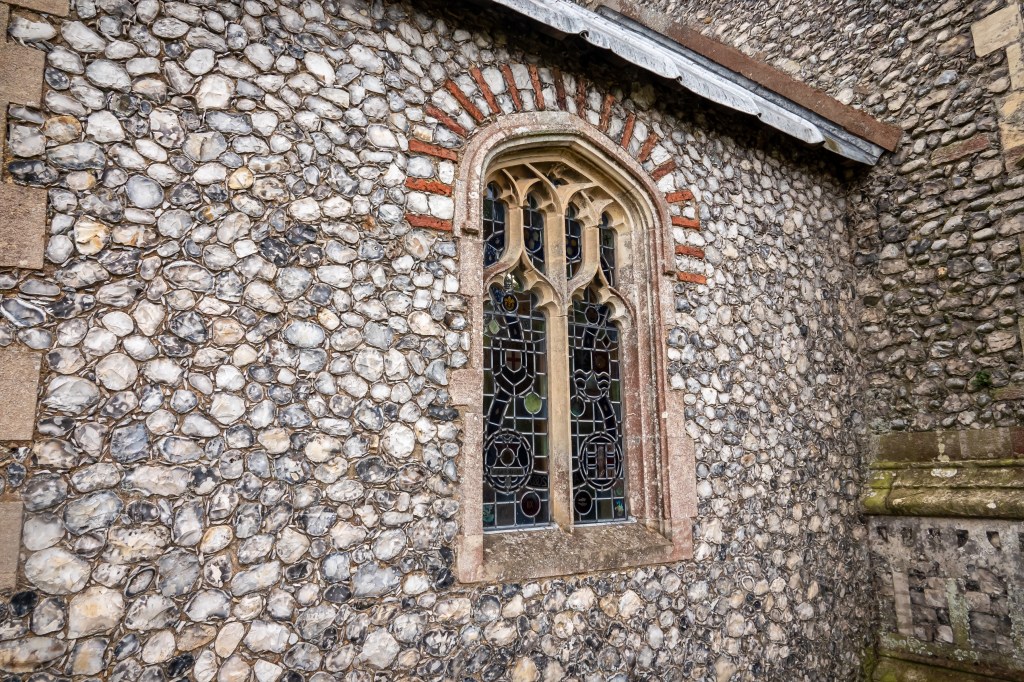
St Nicholas , Blakeney famous for its two towers: one at the west and a curious, spindly beacon rising to the south-east of the chancel whose purpose is not really known. It seems that the church’s policy is having a good effect.Simon Jenkins in his book of England’s 1000 Best Churches says “the earliest and most interesting part of the interior is the chancel , dating from a Carmelite friary founded here in 1296”.“The rare stepped seven-lancet east window is unusual for this late date. The only other medieval seven-lighter extant is at Ockham in Surrey”The nave is PerpendicularThe significance of Blakeney’s coastal position is well recorded hereMost of the church is flint coated …… except the chancel is mainly covered in concrete.
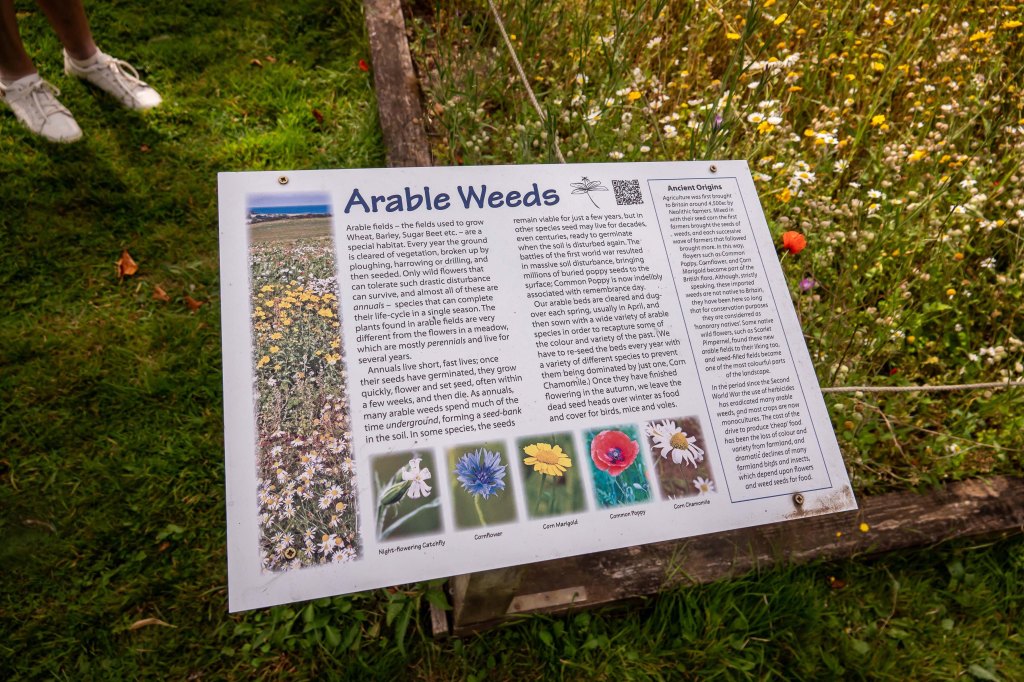
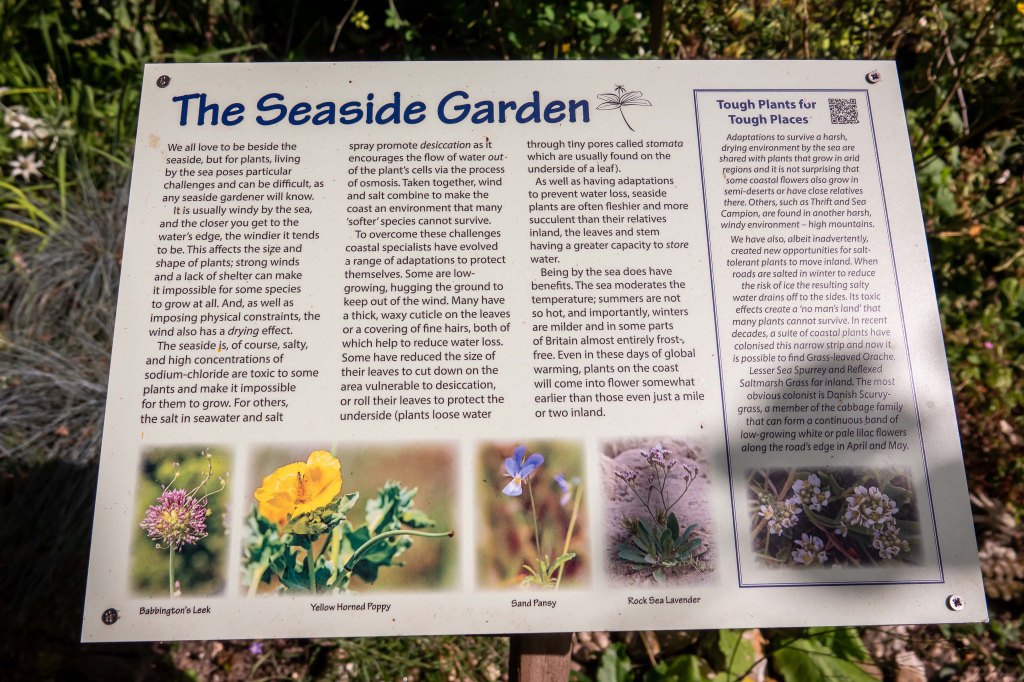
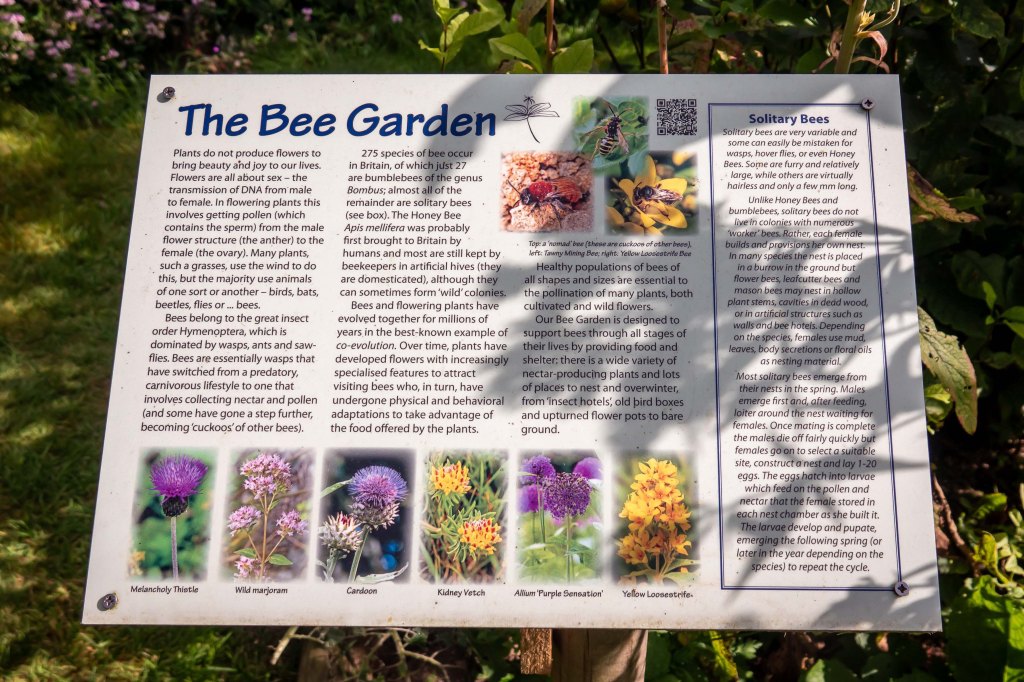
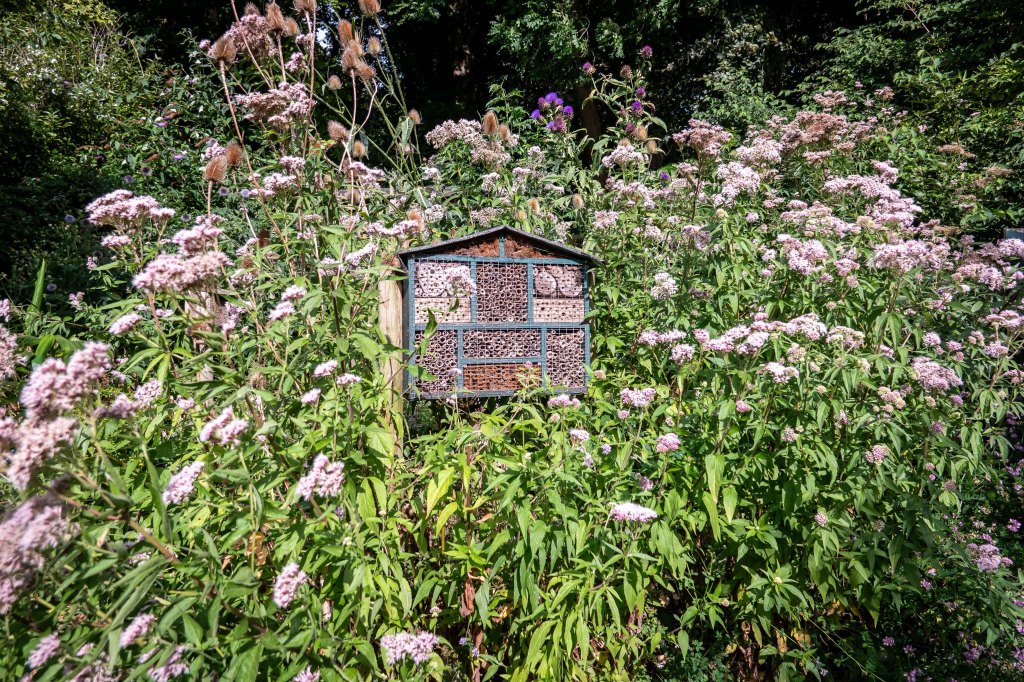
In the afternoon we visited NATURAL SURROUNDINGS, Norfolk’s Wildlife-Gardening & Wildflower Centre next to Bayfield Hall, just a stone’s throw from Blakeney.
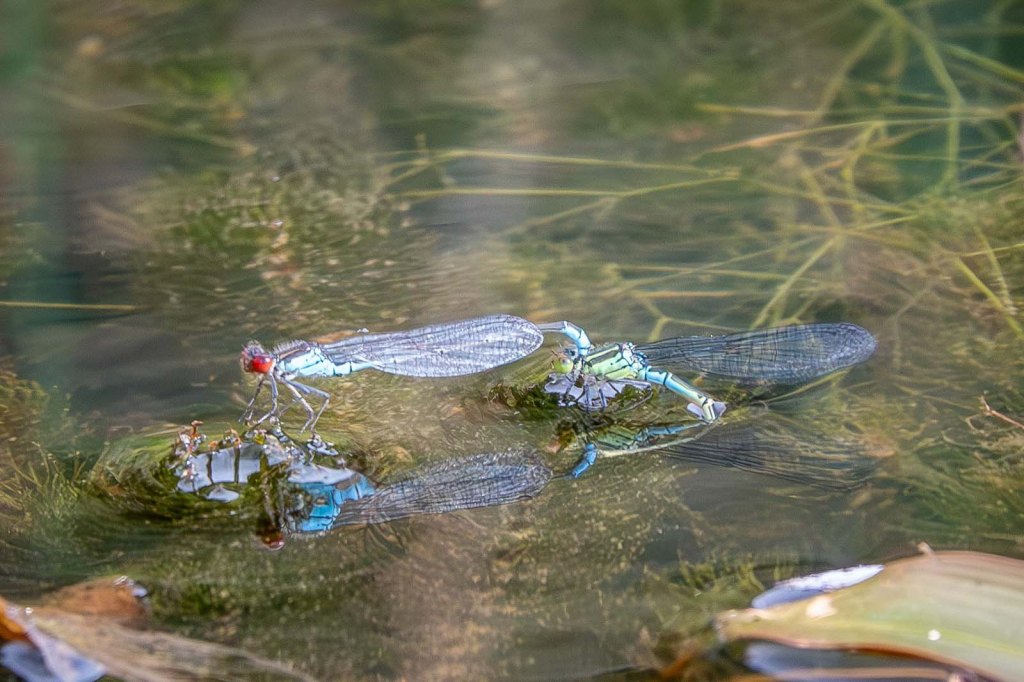
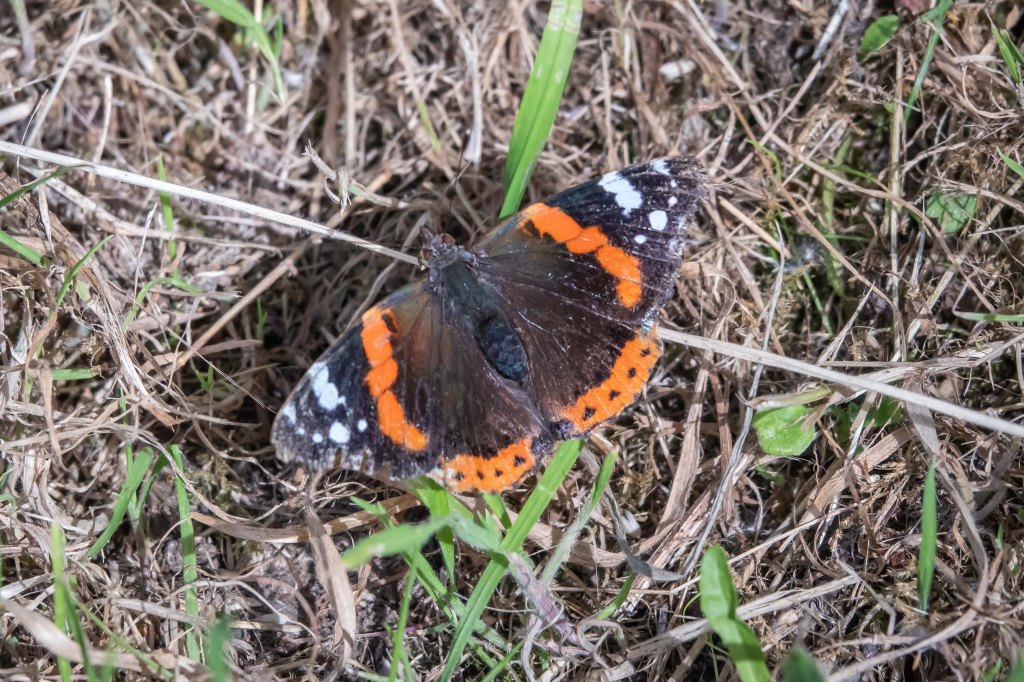
Small red-eyed damselflyHouse flyDefinitely the stars of the showRed Admiral
A very informative and enjoyable visit. Did I forget to mention that there’s a very good café with much too generous portions of cakes?












































































 Martin's Bird Blog & Nature Photos