It was definitely fresher this morning on my walk to the local park.
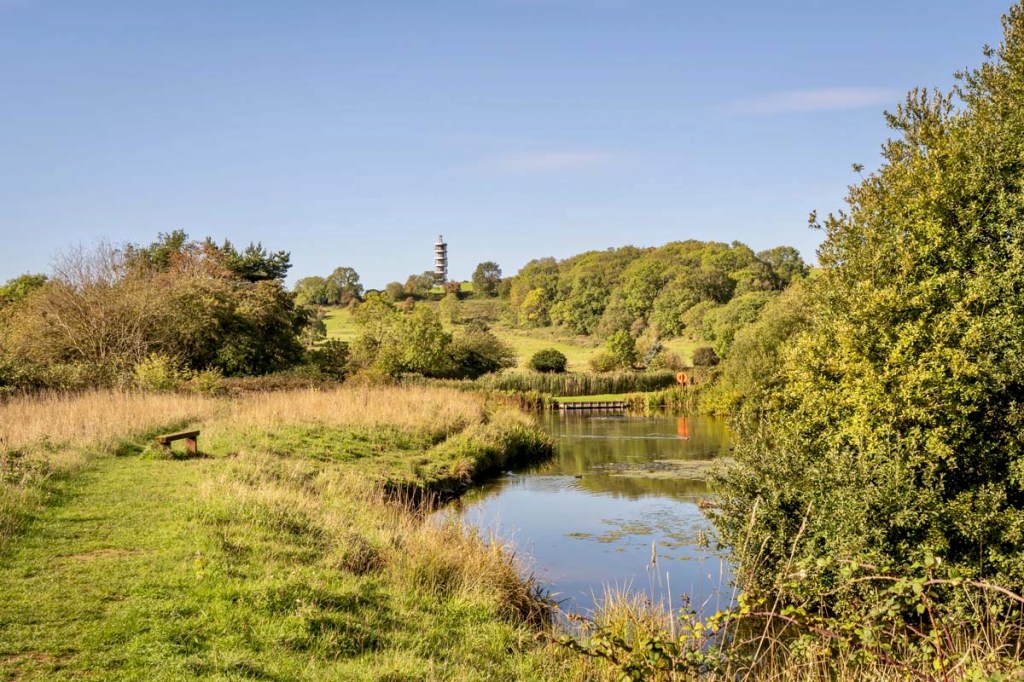
The annex to the main pond with the telecommunications tower on the hill at the backThe view away from Duchess Pond with the Dower House on the hill
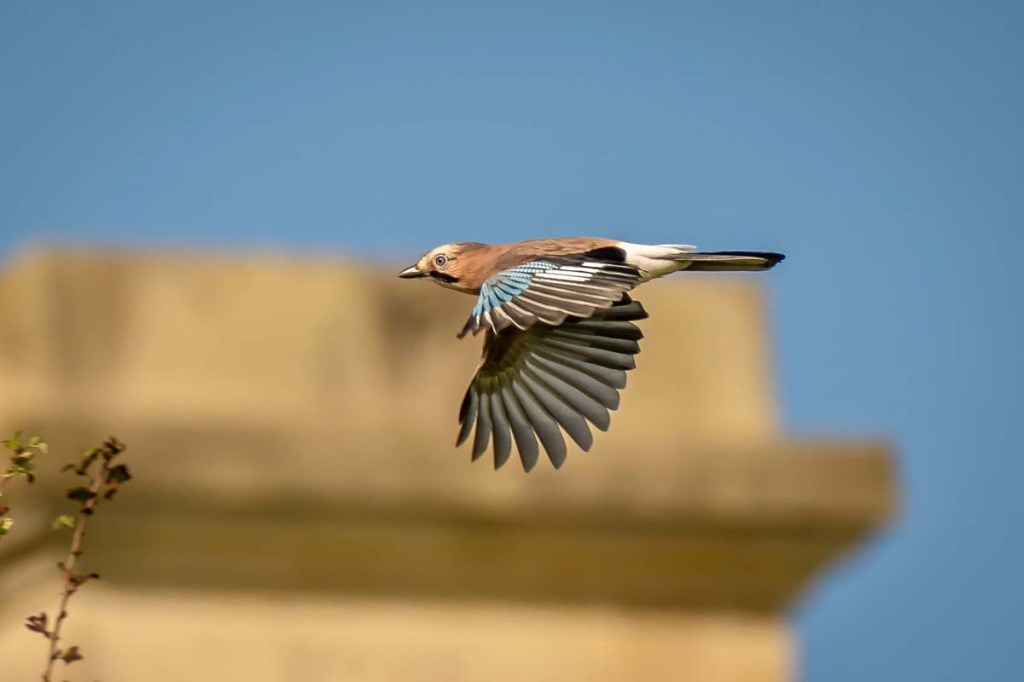
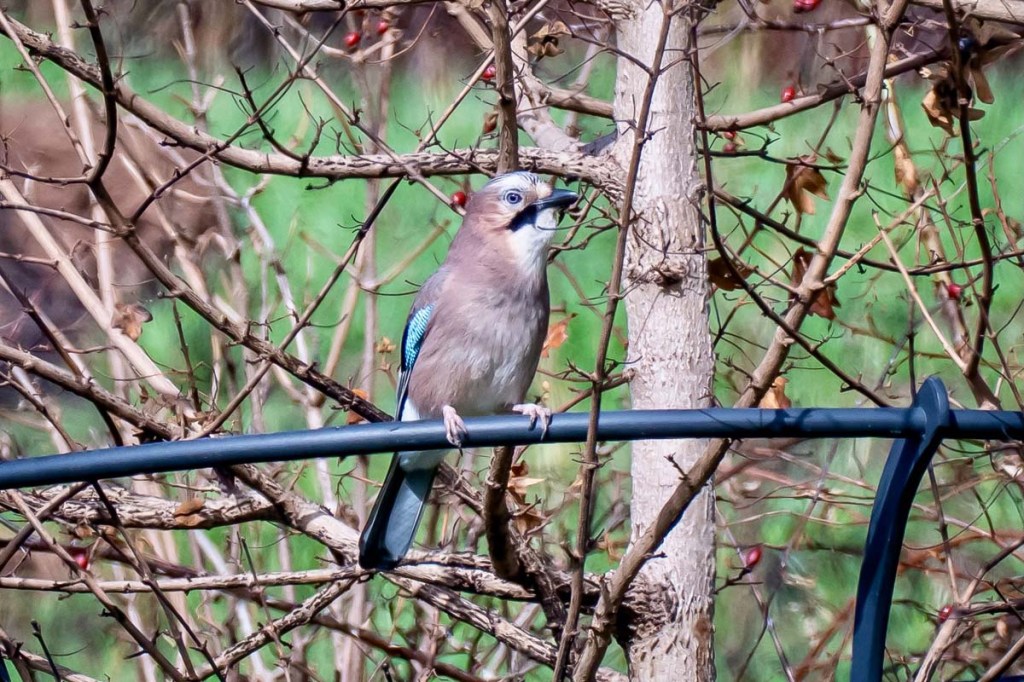
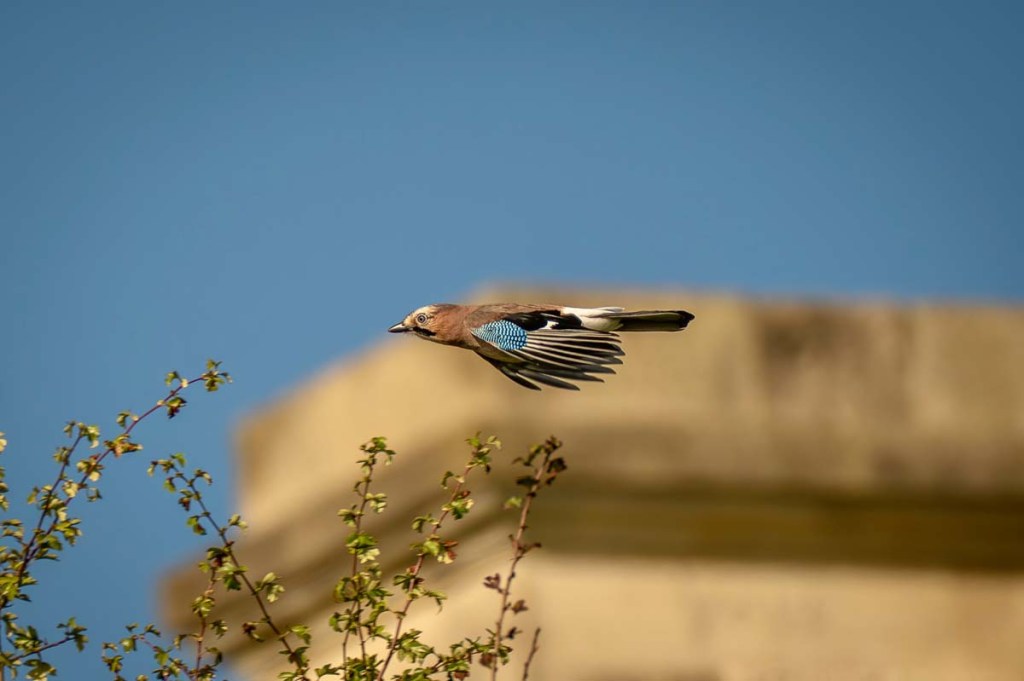
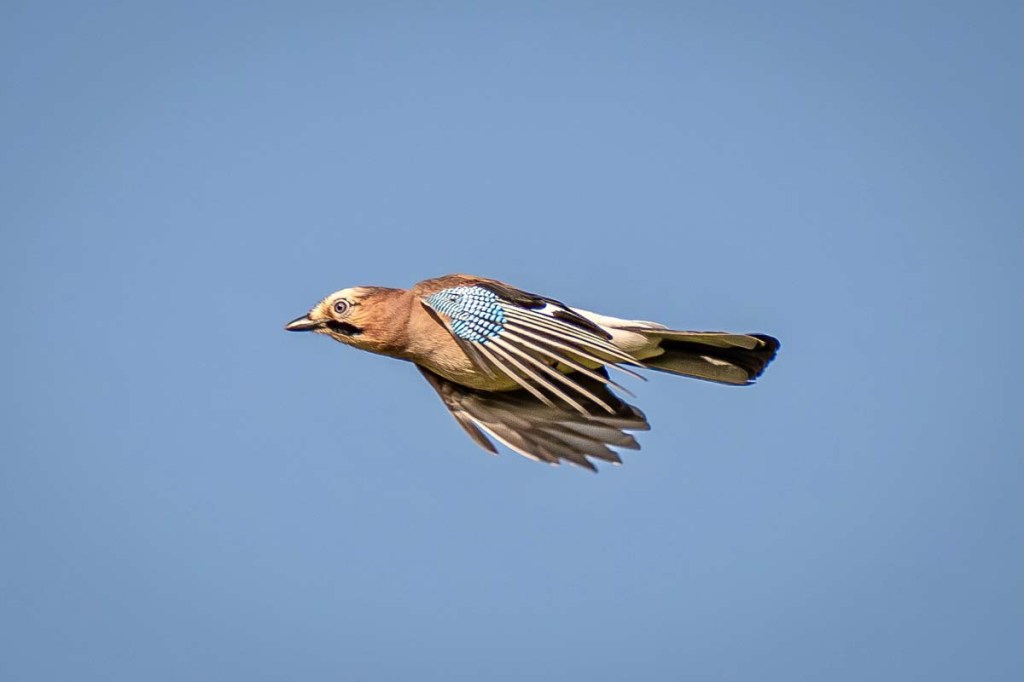
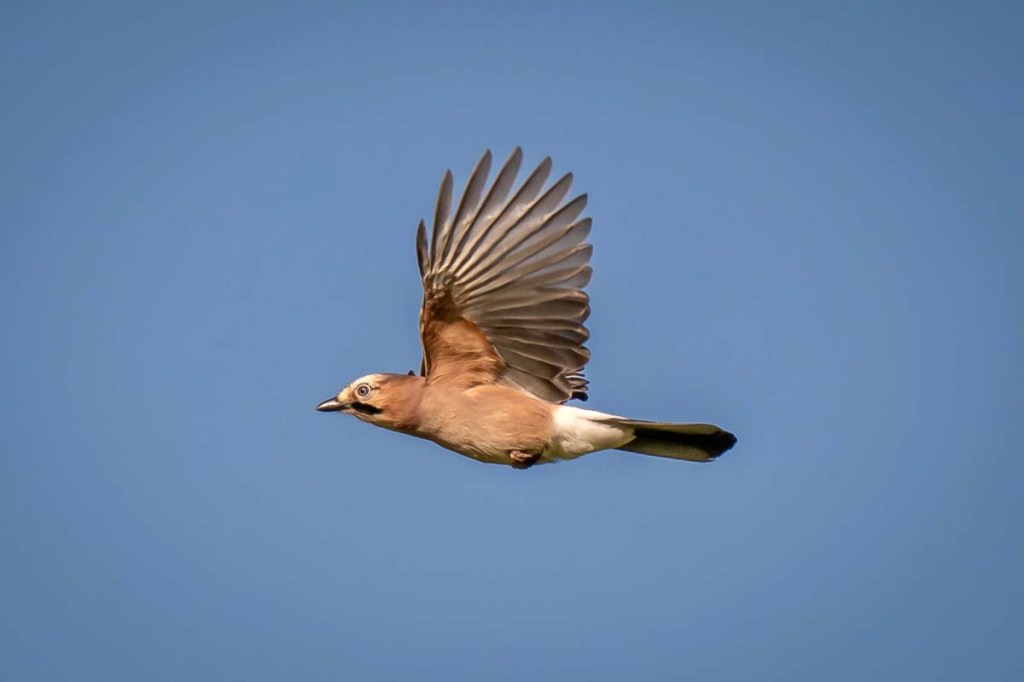
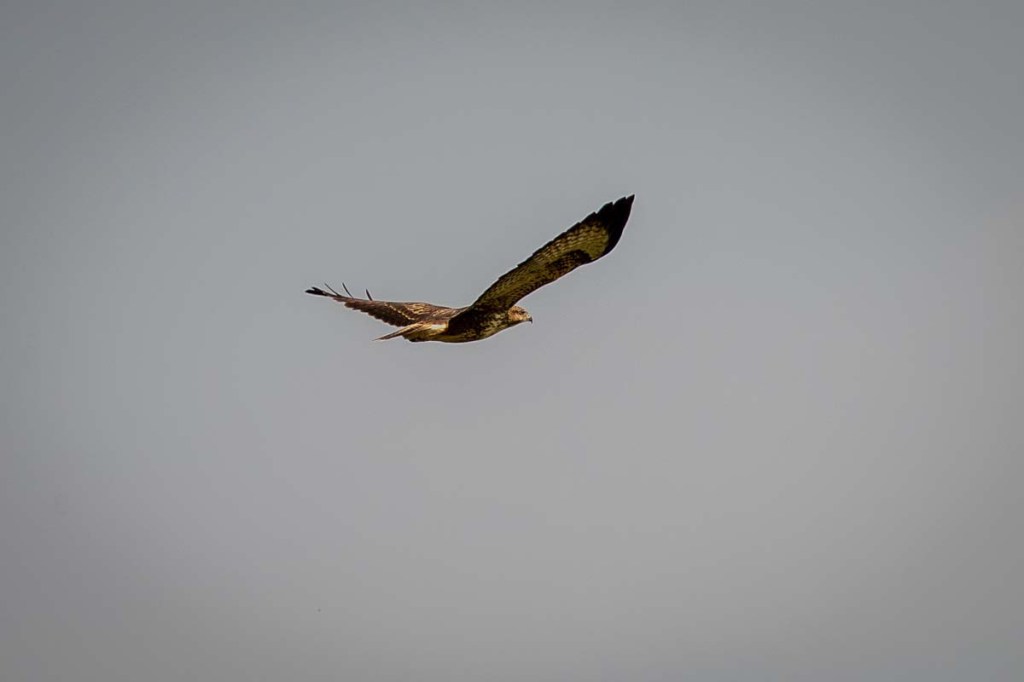
My highlight was a jay, but I loved watching a sparrow hawk and a pair of buzzards testing each other out.
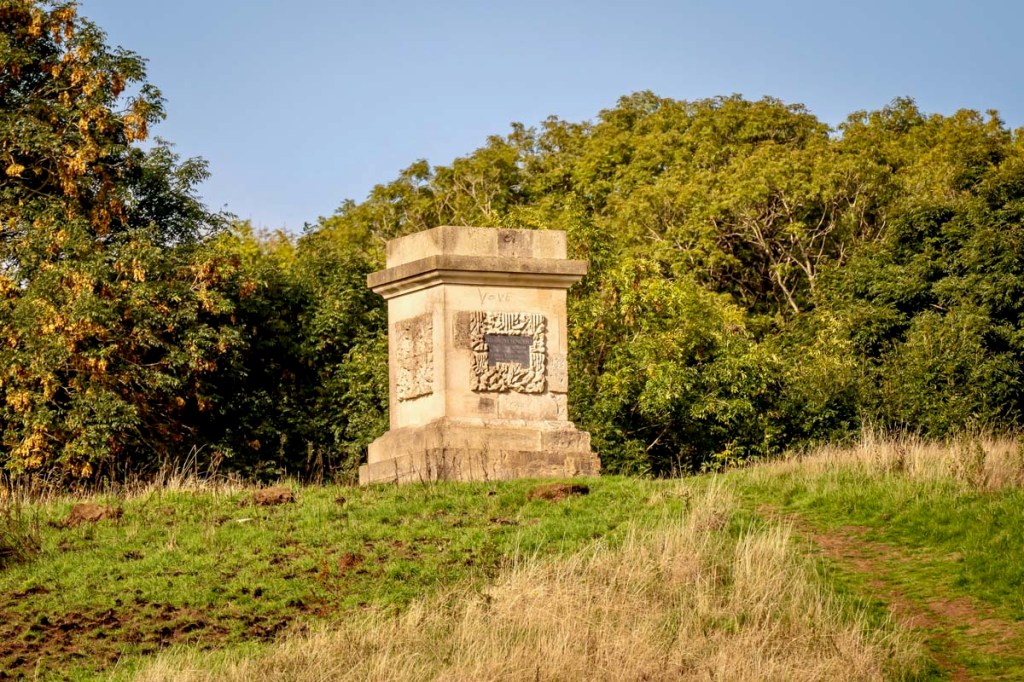
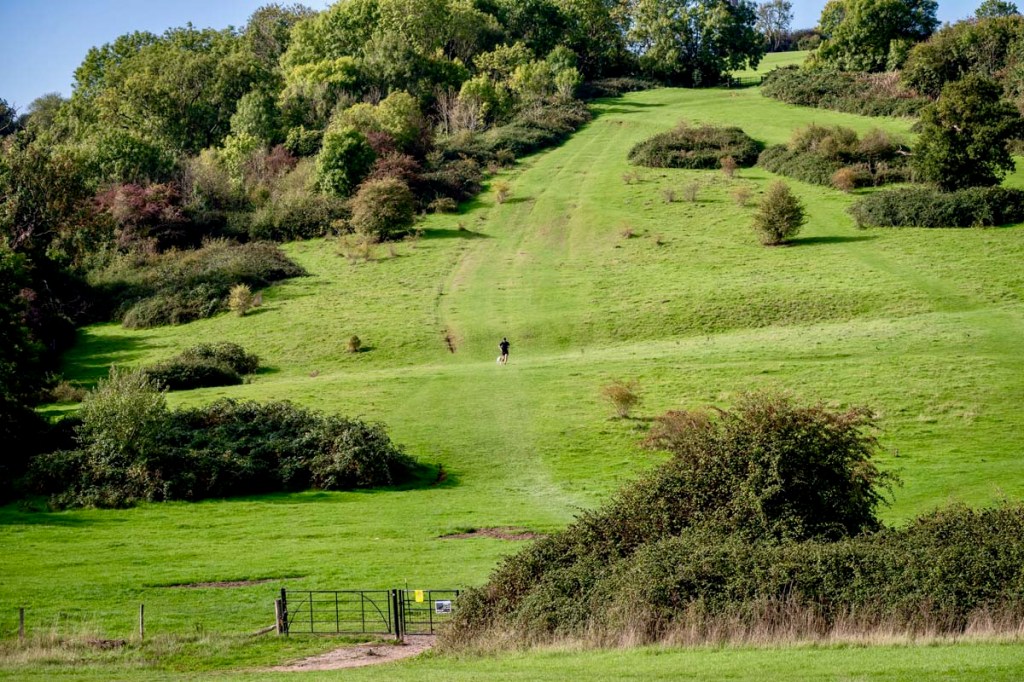
JayJay in flight in front of Lady Elizabeth Somerset’s obeliskJay in flight – down beatJay in flight – up beatLady Elizabeth Somerset’s obelisk overlooking the whole park, the obelisk was erected in 1762. It was built by Thomas Paty. It bears a Latin inscription to the Duke of Beaufort’s niece, whose death it commemorates. She died when she fell from her horse here. It is listed Grade IIView from close to the monumentA delight for walkers and runnersSparrowhawkOne of two common buzzards
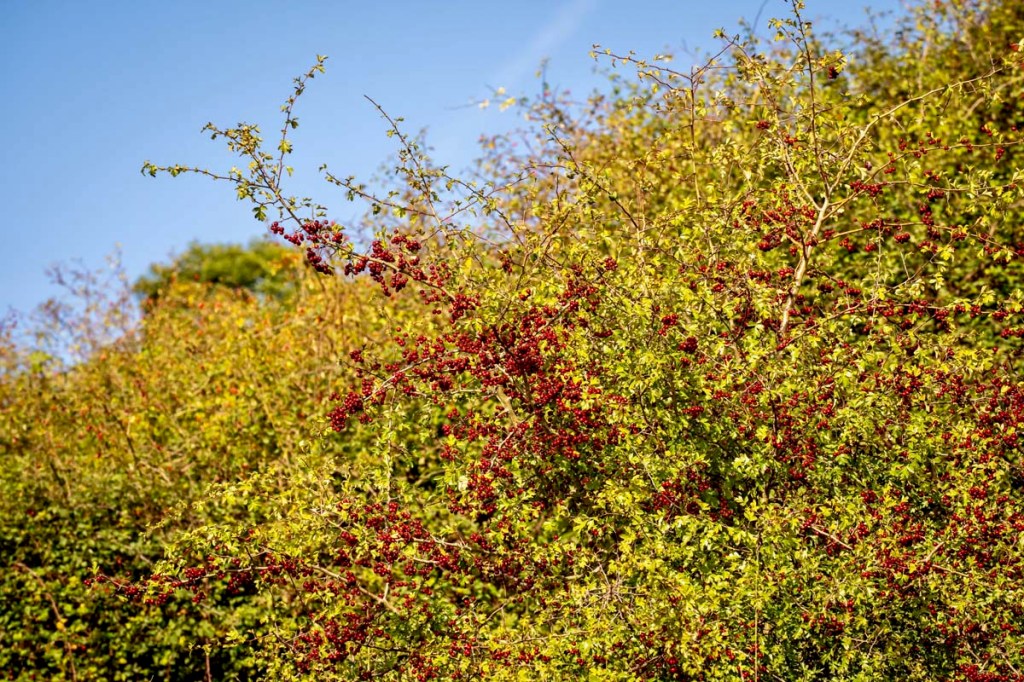
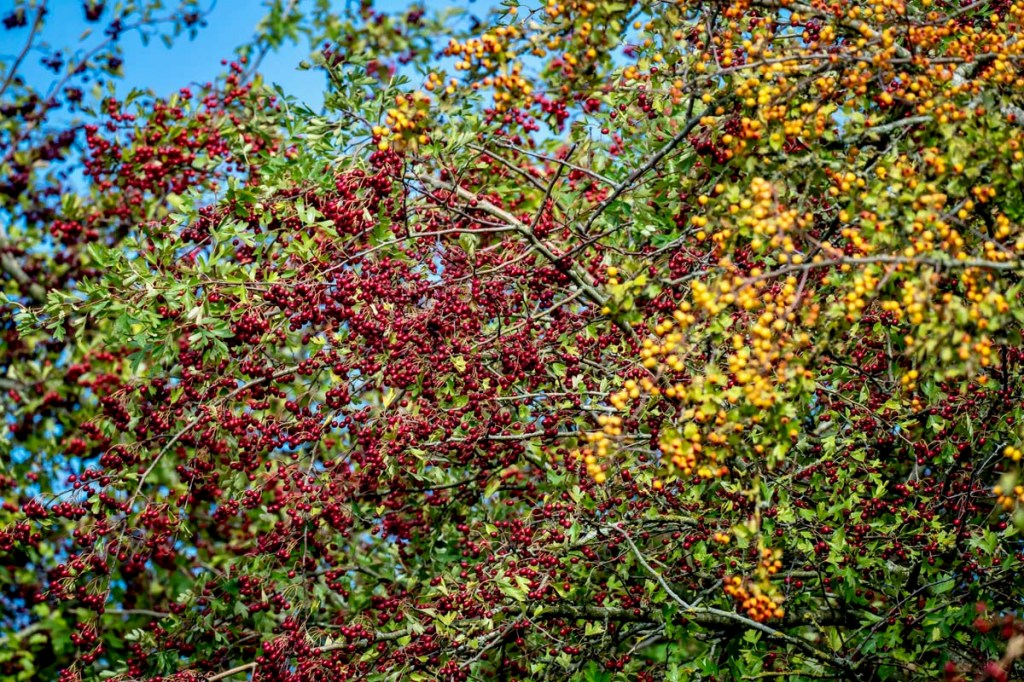
The autumn colours are beginning to show and the berries on the trees look as though there will be plenty of food for many of the birds this winter.
The trees on the island beginning to show some colours of autumn
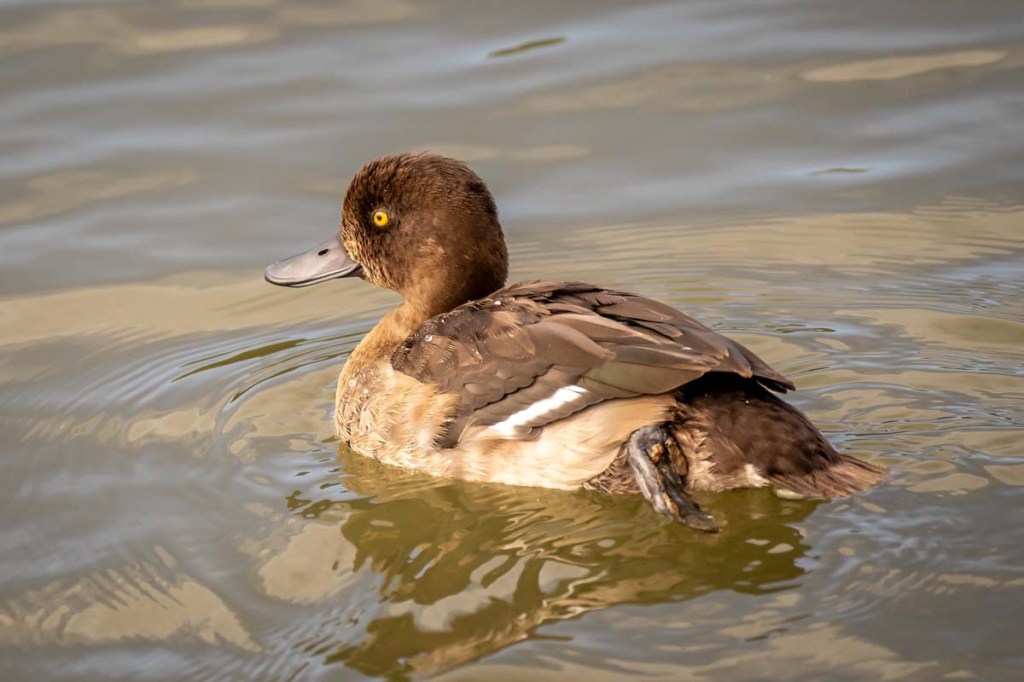
On Duchess Pond I briefly saw a little grebe (so cute but sadly no photograph) and as well as the mallards, coots and moorhens there was a grey heron and a tufted duck.
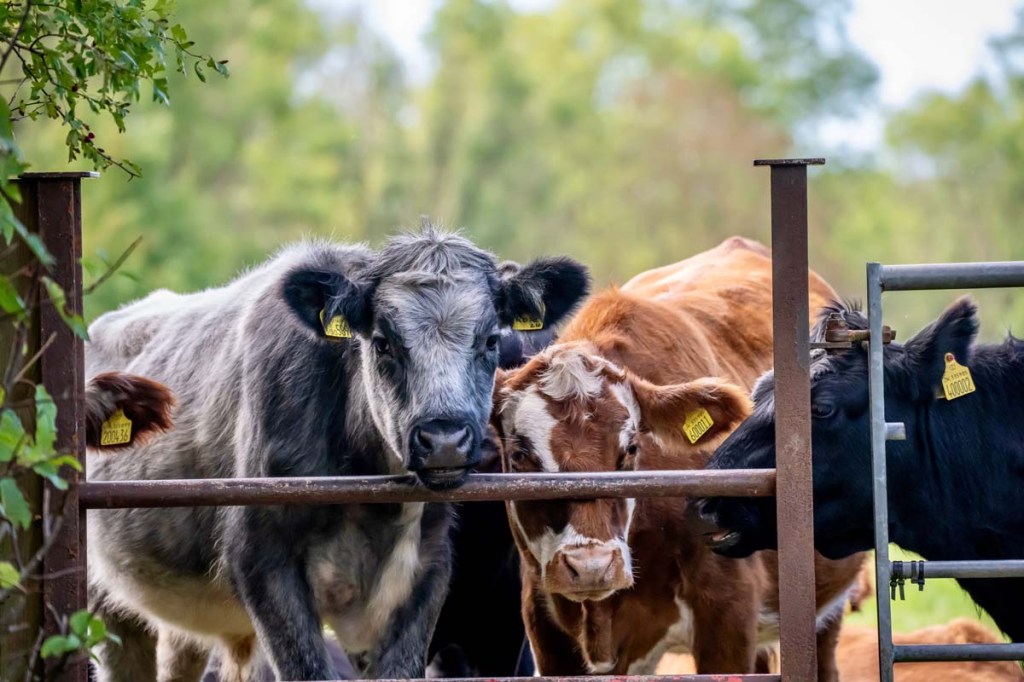
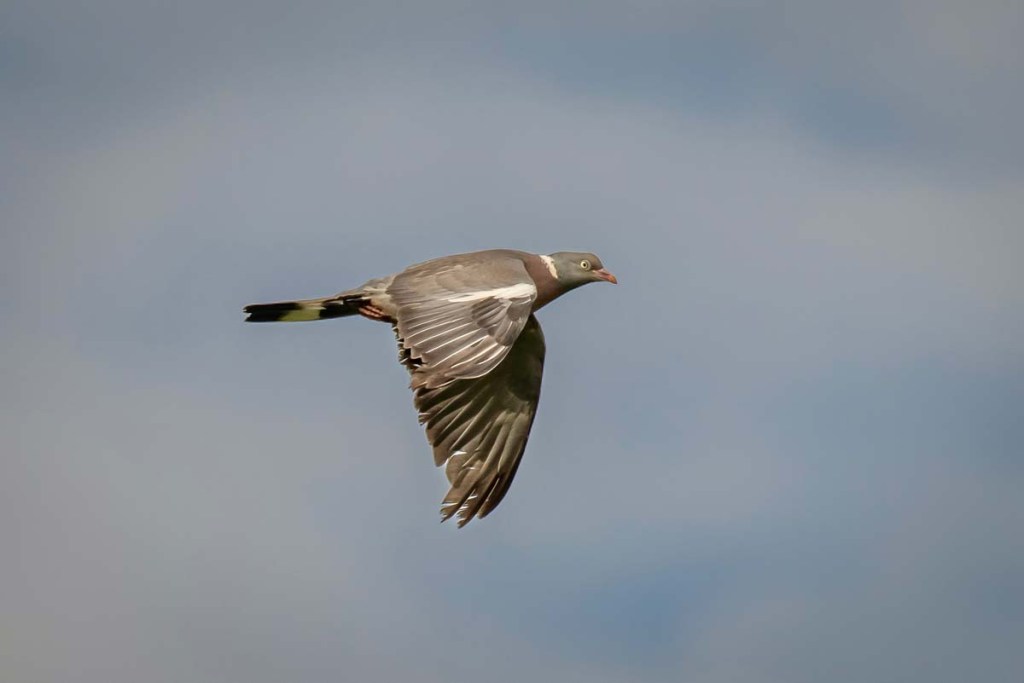
Grey heron flying over Duchess PondGrey heron landing next to the annex pondCattle looking enviously at the Duchess PondMoorhen straddling the lilies on Duchess PondTufted duck on Duchess PondMoorhen and reflectionThere are so many wood pigeons around at the momentSmall white butterfly and bindweed
Around the pond there were coal tits, greenfinch, goldfinch and chiffchaff but there is still too much cover for photographs.
What a surprise! Just as we seemed to be moving into autumn we get a late summer’s day. The French call it l’ėtė de la St Martin and we call it an Indian summer, but I’m probably getting carried away as St Martin’s Day isn’t until the 11th November. Anyway it reached 22 degrees in sunny Gloucestershire and, although I was wearing a T-shirt, I wished I was in shorts.
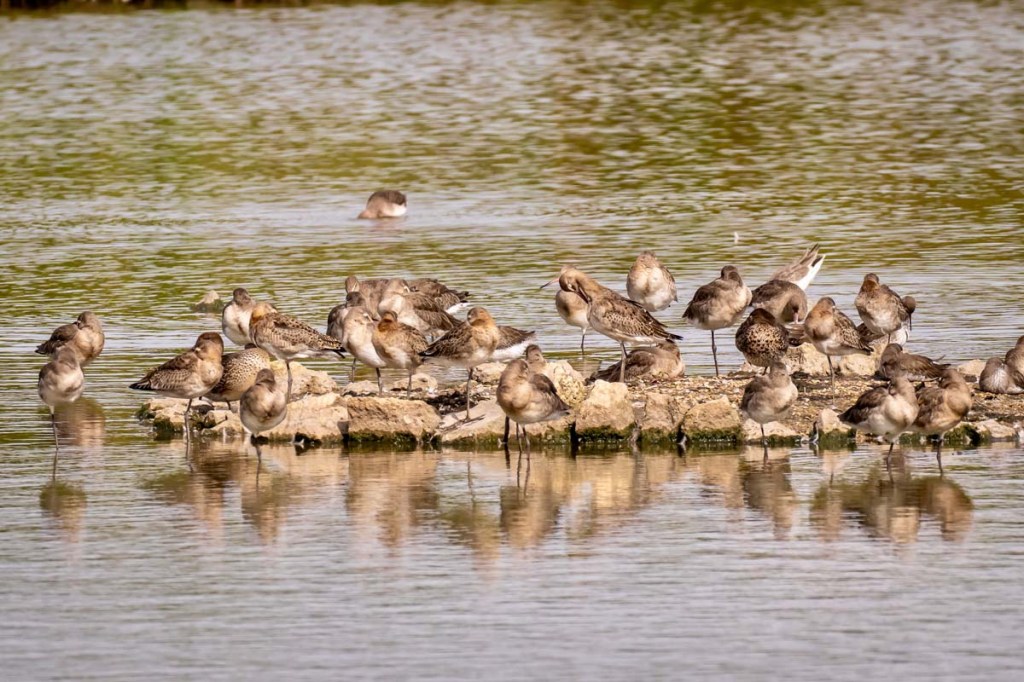
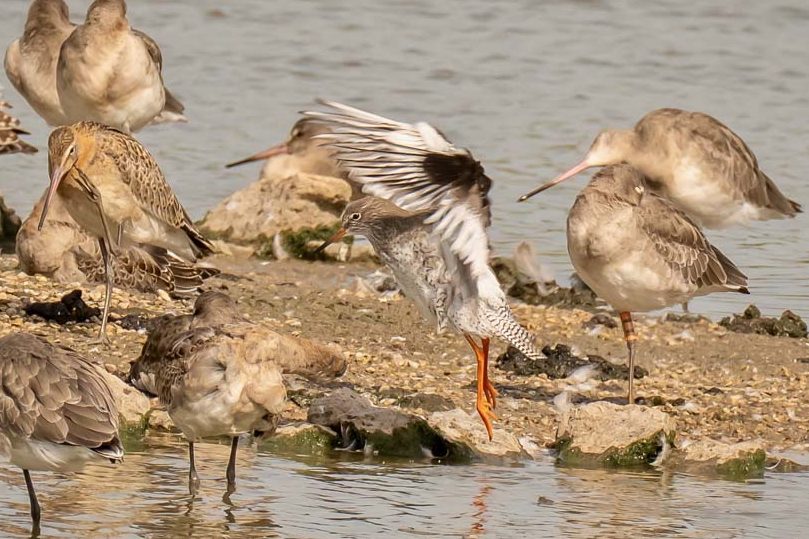
Slimbridge seemed to be moving on. There were flocks of greylag geese and quite a number of Canada geese too. From our favourite hide there were loads of bar-tailed godwits which were nice to see but difficult to photograph as there didn’t seem to be a focal point. A redshank amidst the group helped a little and then when they scattered from the threat of a peregrine it was easier to pick a focal point. There were some ruff too but very far off. Common snipe are some of our favourite birds but they were quite coy too.
The highlight of the day was a male grey phalarope (not as attractive as the female) but miles away so don’t hold your breath for any great images.
A brimstone greeted us on arrivalThere were several big groups of black-tailed godwits like this
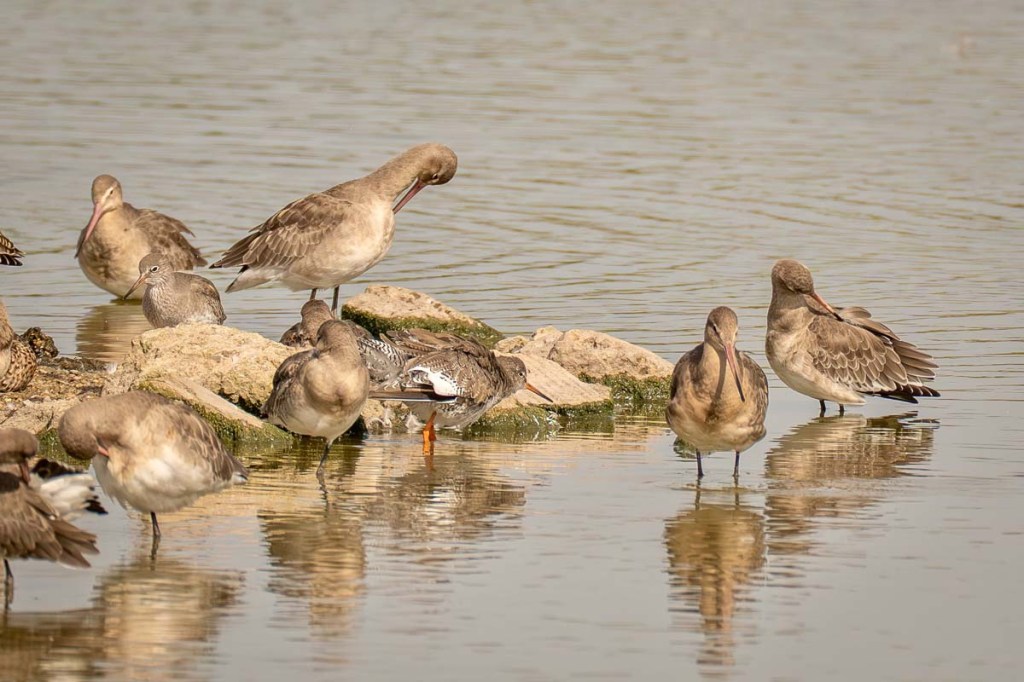
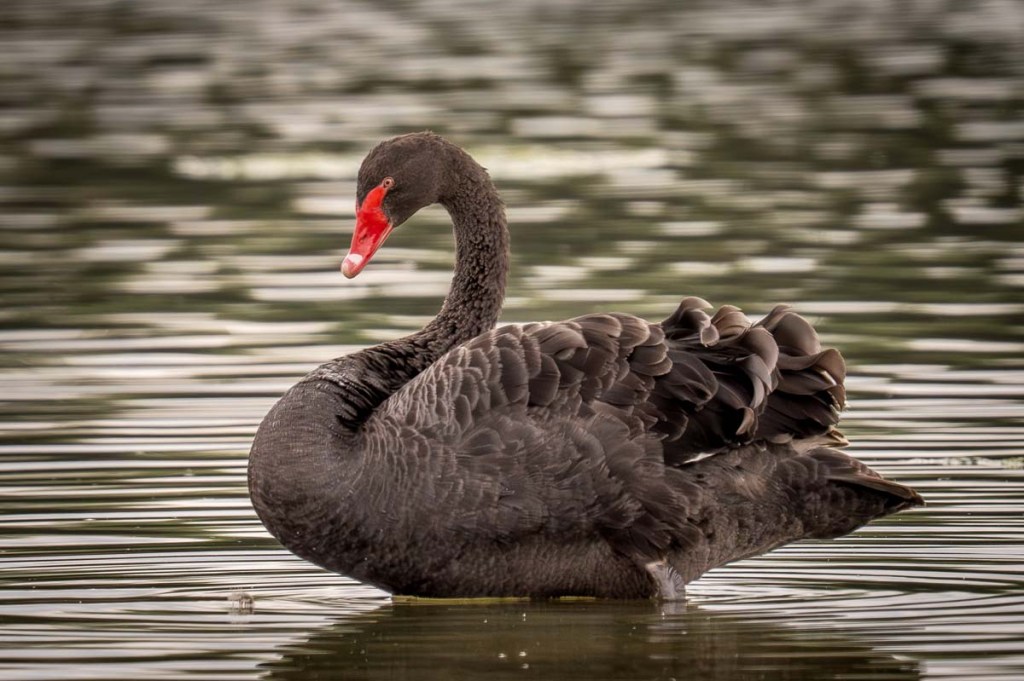
What a beauty – a black swan, certainly no ugly ducklingSloes from a blackthorn – think lots of gin!Common snipe being very coyBlack-tailed godwitRuff at the back of the poolLapwings are always present hereRedshank amongst the godwitsRedshank jumping for joyGodwits take to the airCan you spot the grey phalarope? Bang in the middle of my photo with a 400 mm lens and heavily cropped. It looked just as tiny with a x60 telescope. Oh the joys of birding!
A very popular bird watching area local to us is Chew Valley Lake, just a few miles to the south of Bristol. The lake was created in the early 1950s (officially opened in 1956) to provide water for the city of Bristol. I remember at that time standing in the street waving my Union Flag. I hasten to add that this was in no way a demonstration of political affiliation the likes of which we are currently seeing a lot, I was simply lining the street with my Junior School to see Queen Elizabeth II as she made her way to open the lake. That’s what you did for entertainment in those days.
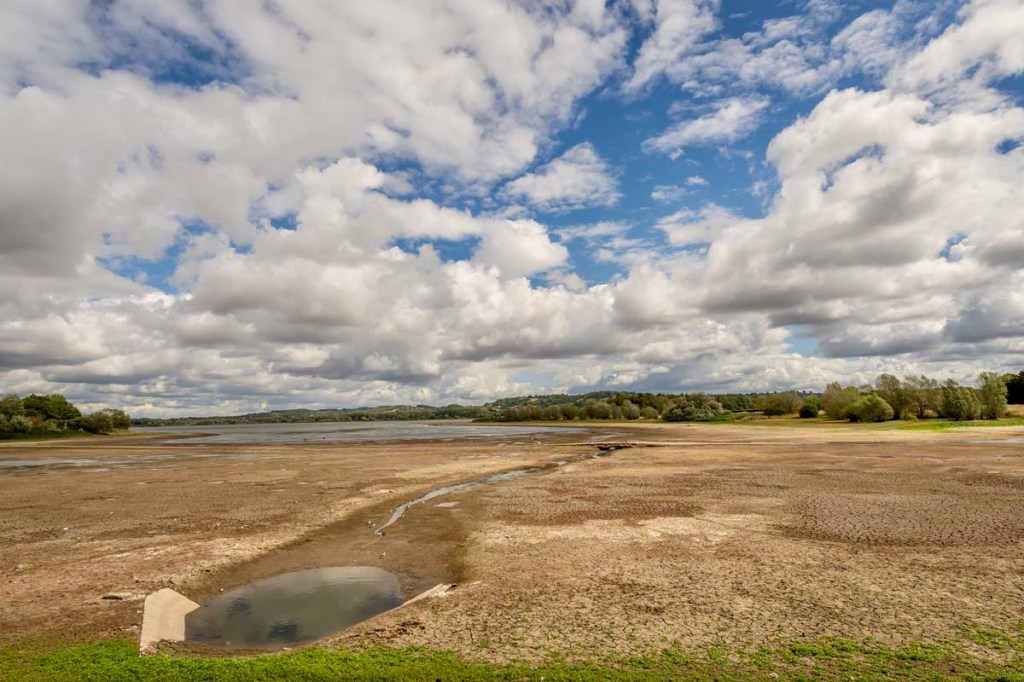
We last visited Chew Valley on May 16th when, even after a dry start to the summer, the lake was surprisingly full to the brim. We were quite surprised today to see how low the water had dropped over the summer in the very dry spell we have had. Today we had a few showers but I don’t think it would have made much a difference to the water levels.
A distant view of Chew Valley lake (from Herriot’s Bridge) with a chance of rain
Our main reason for visiting, in fact, is that a white-tailed eagle has been at the lake for the last few days. We had no luck on that score and, as a consequence of the low water levels, we didn’t see that many birds up close.
Nonetheless, we really enjoyed the scenery and enjoyed another day birding.
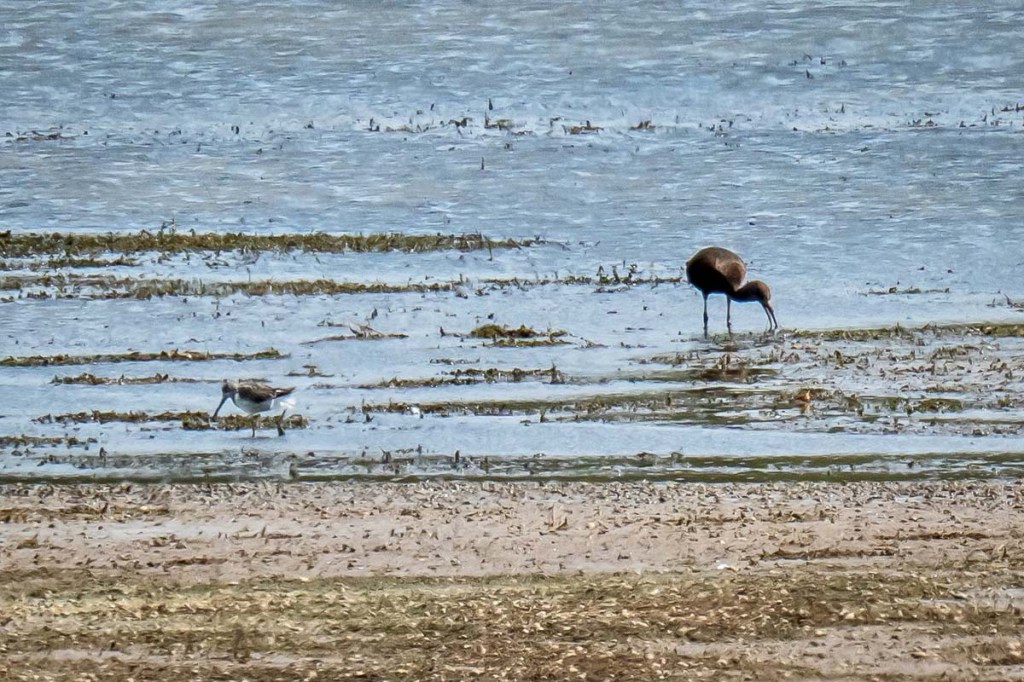
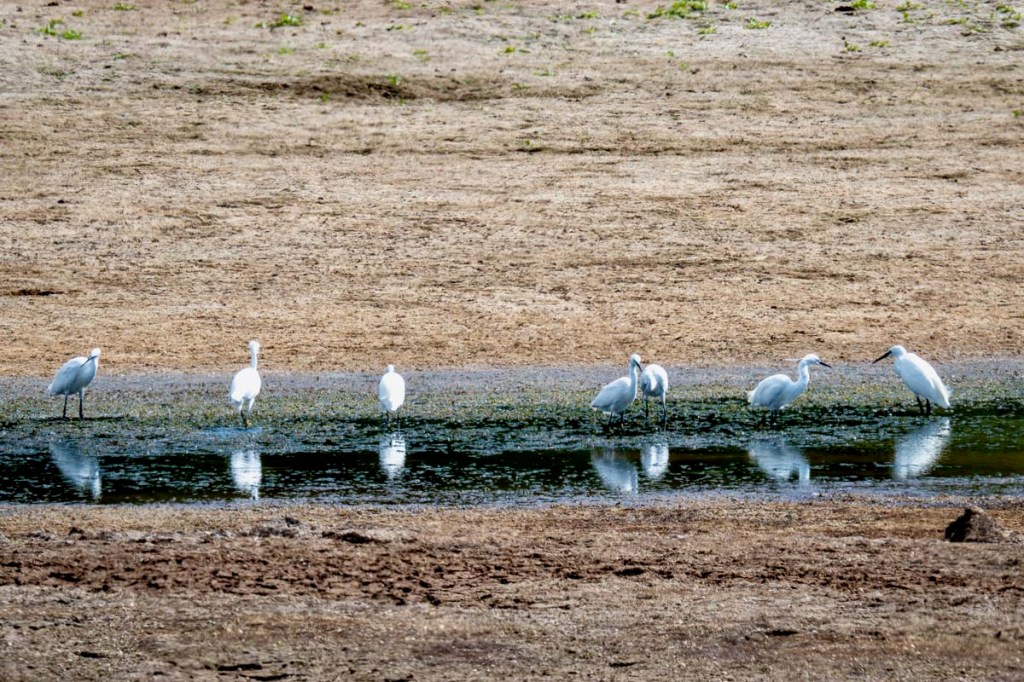
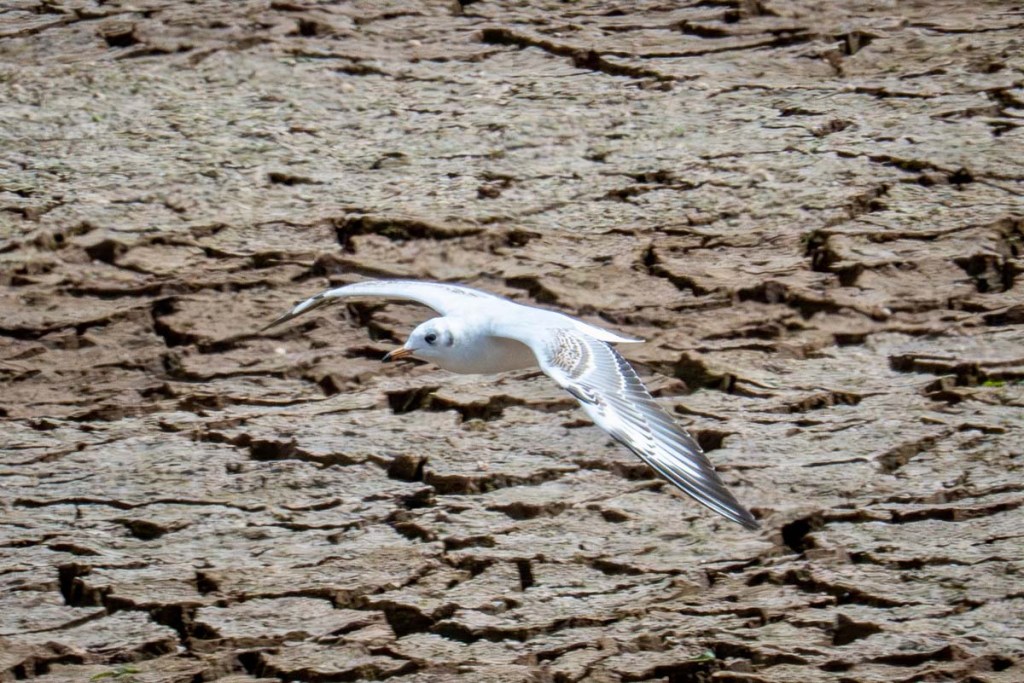
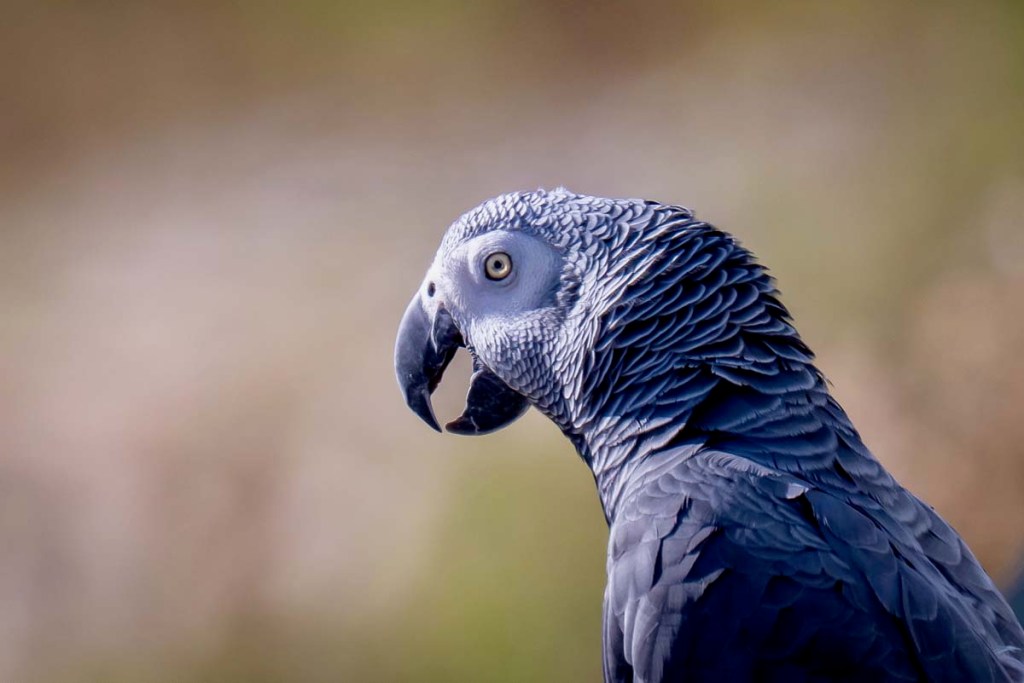
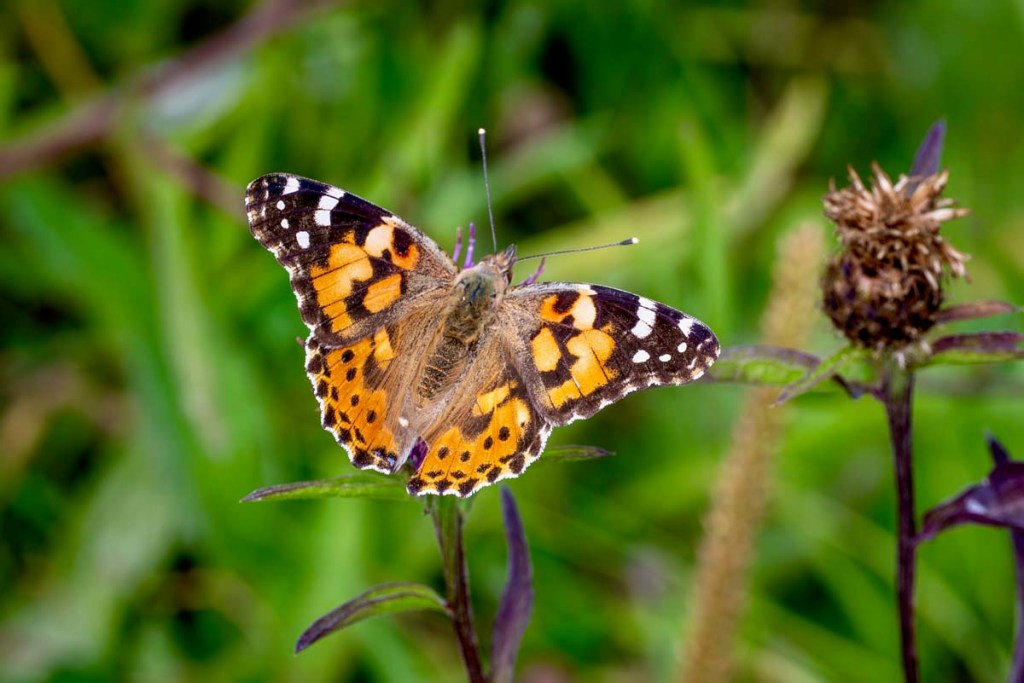
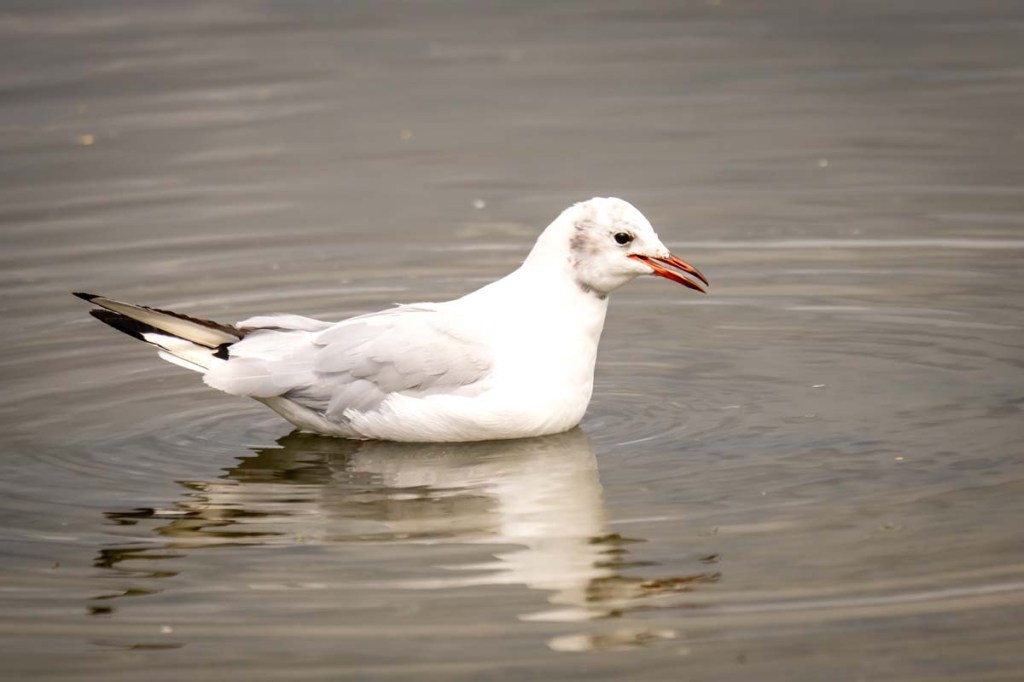
The view from Stratford hide with a peregrine at 2 o’clock (in front of the reeds) and another at 8 o’clock (next to the tree stump)A sparrowhawk flying over Herriot’s Bridge.A hobby from Herriot’s BridgeThe view from Herons’ Green – this was totally covered in water in MayA glossy ibis from Herons’ Green and a greenshank to the leftLittle egrets at Herons’ Green BayYou can see how dry it is beneath the black-headed gull in flightA small copper butterfly and a painted lady butterfly at Herriot’s BridgeWe were told the white-tailed eagle was on the island at the back of my photo – I know they are big as we have seen them in Scotland but I don’t think even a very good telescope would have helped At least we got to see some birds up close – here a cormorant at Herriot’s Bridge… and here an African Grey Parrot whose owner brings it here regularly to take the air – this is England after all!
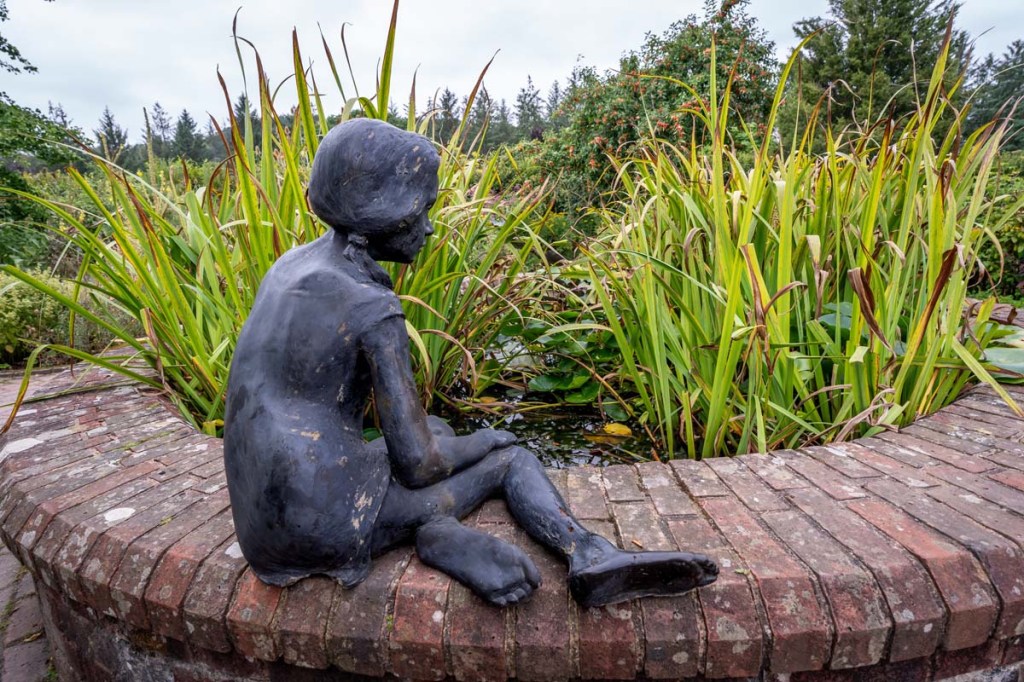
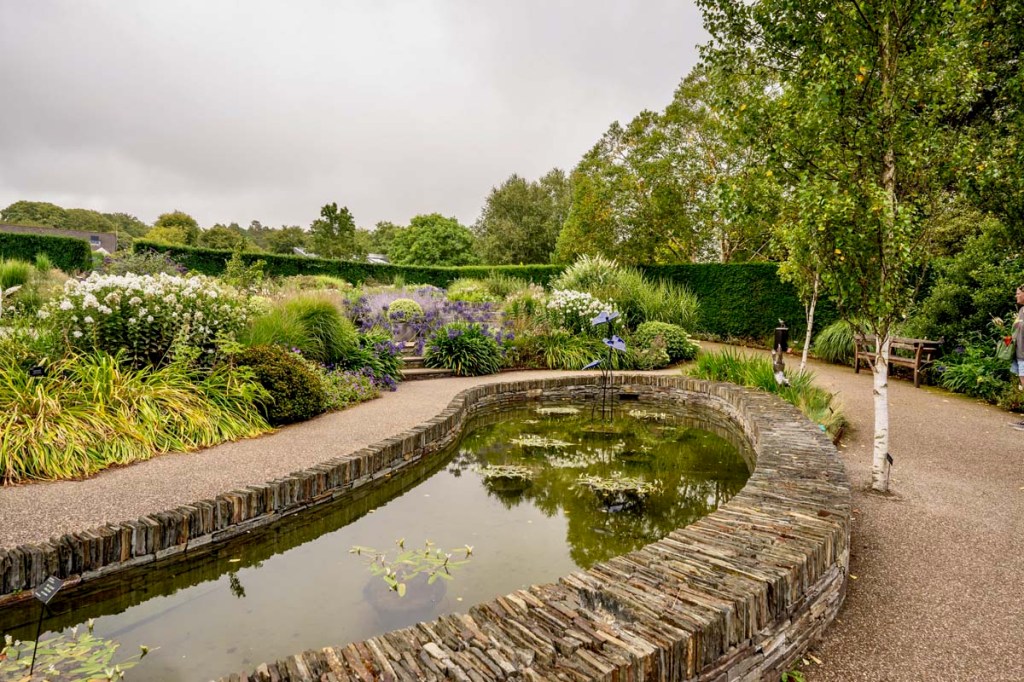
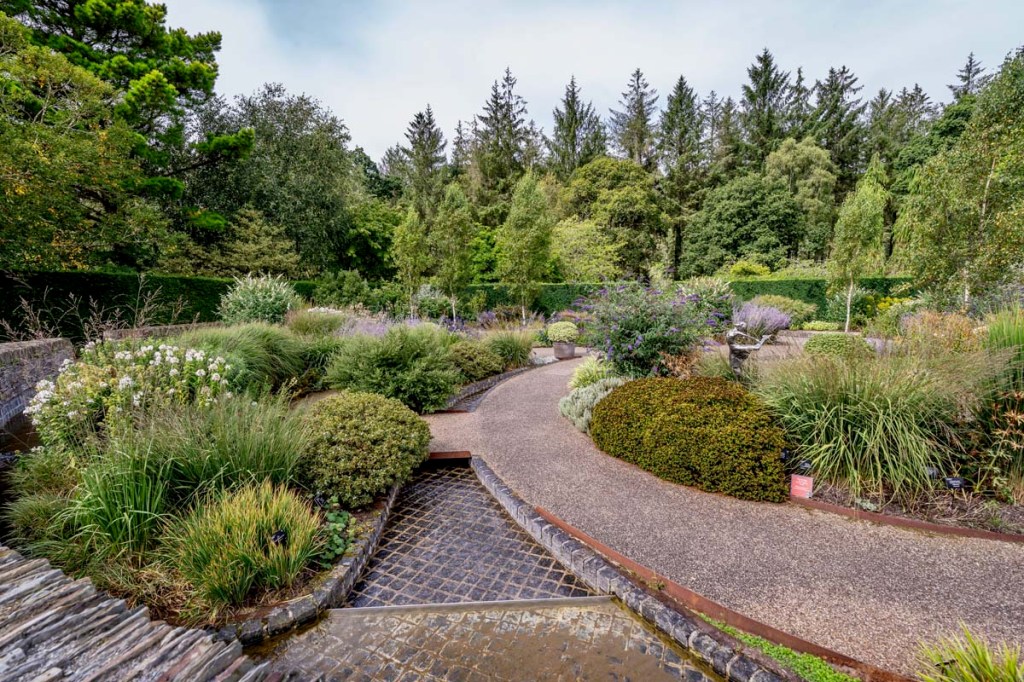
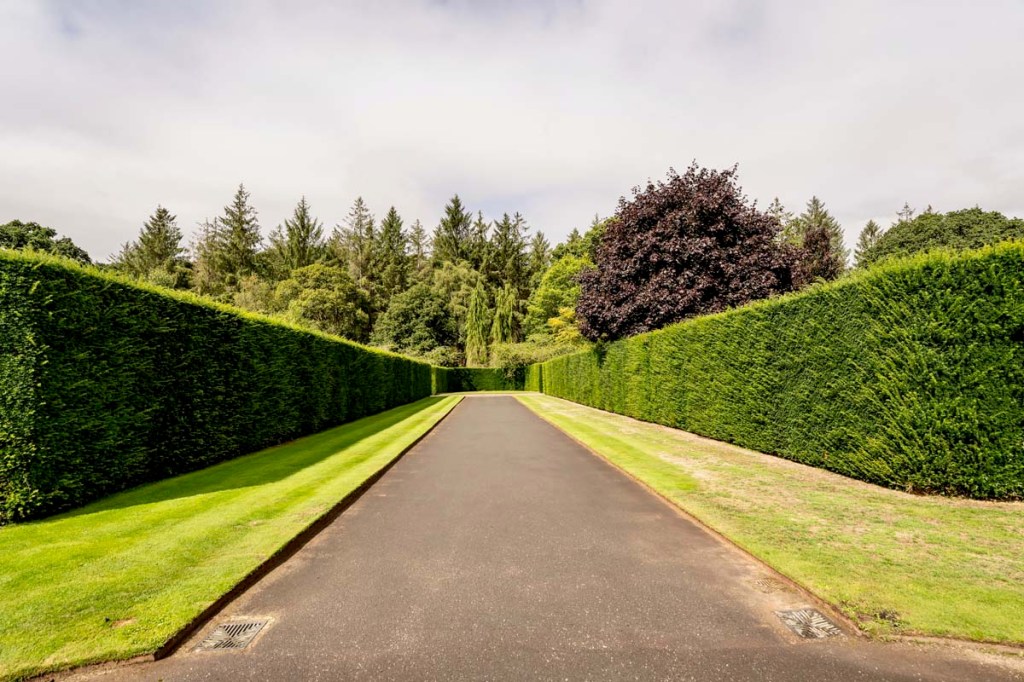
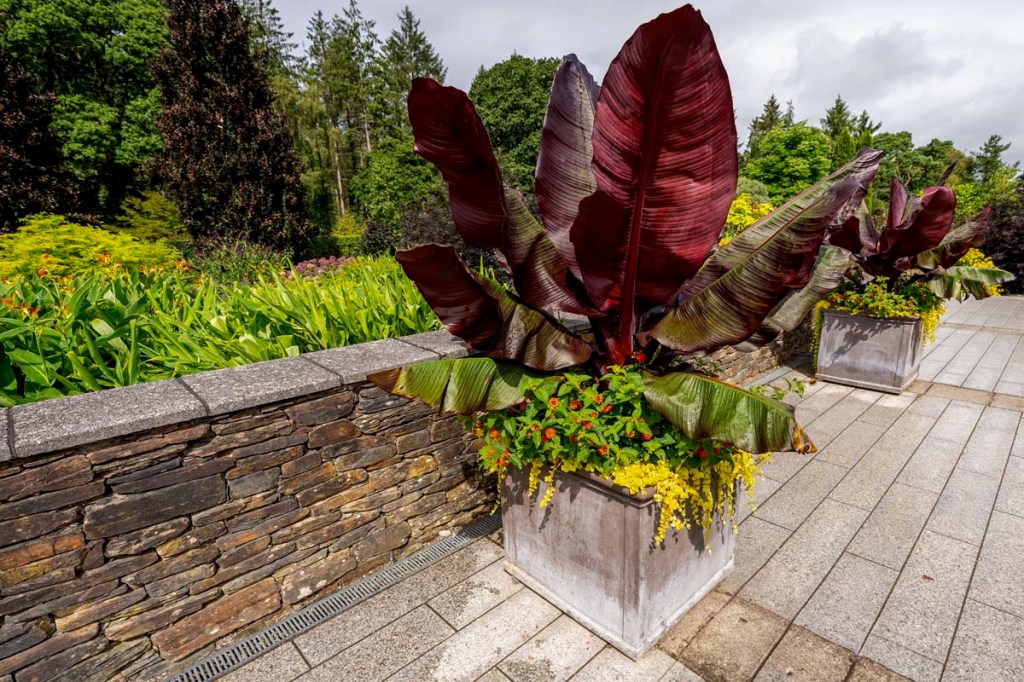
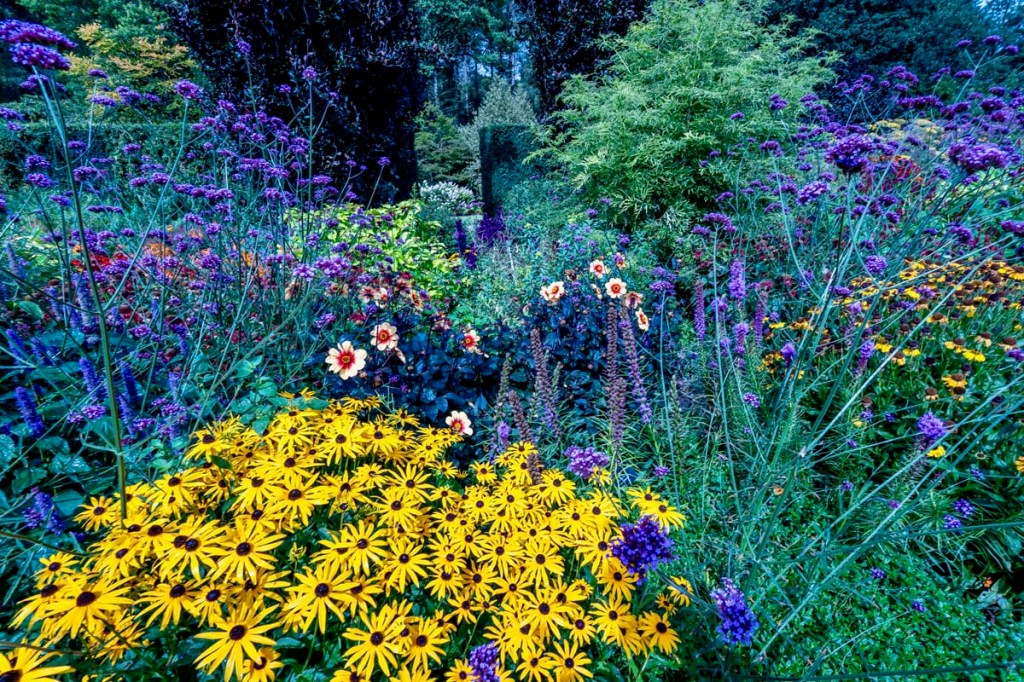
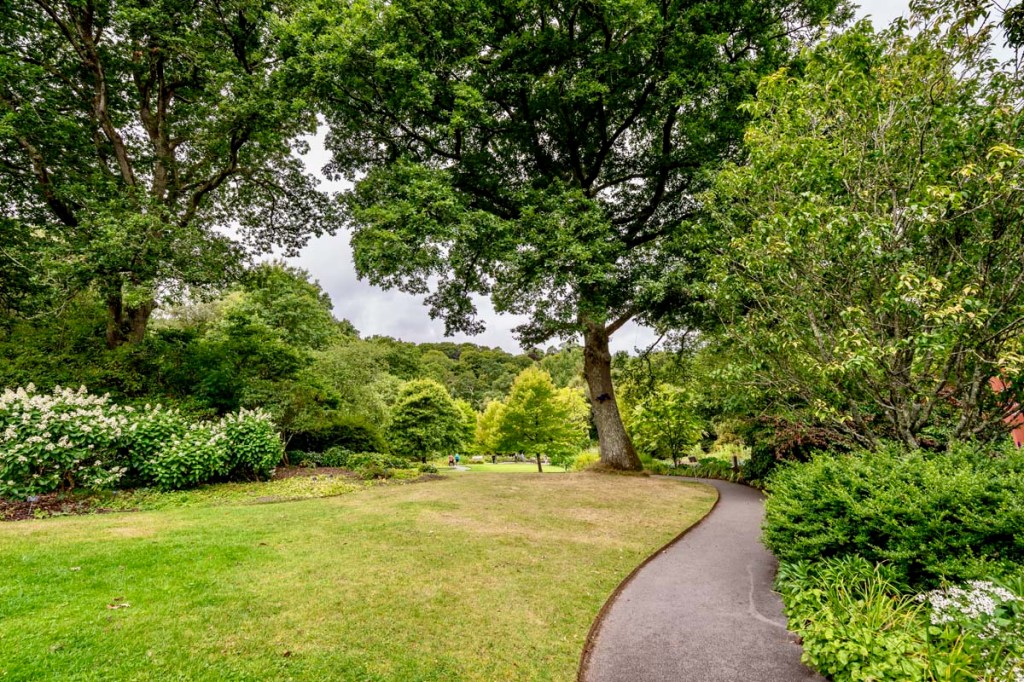
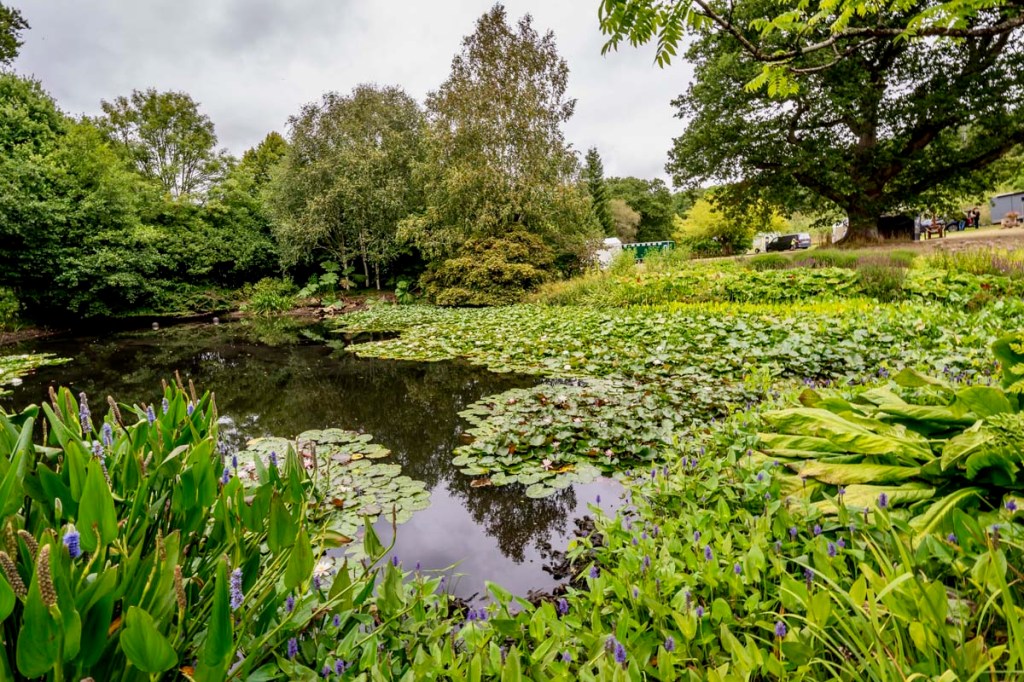
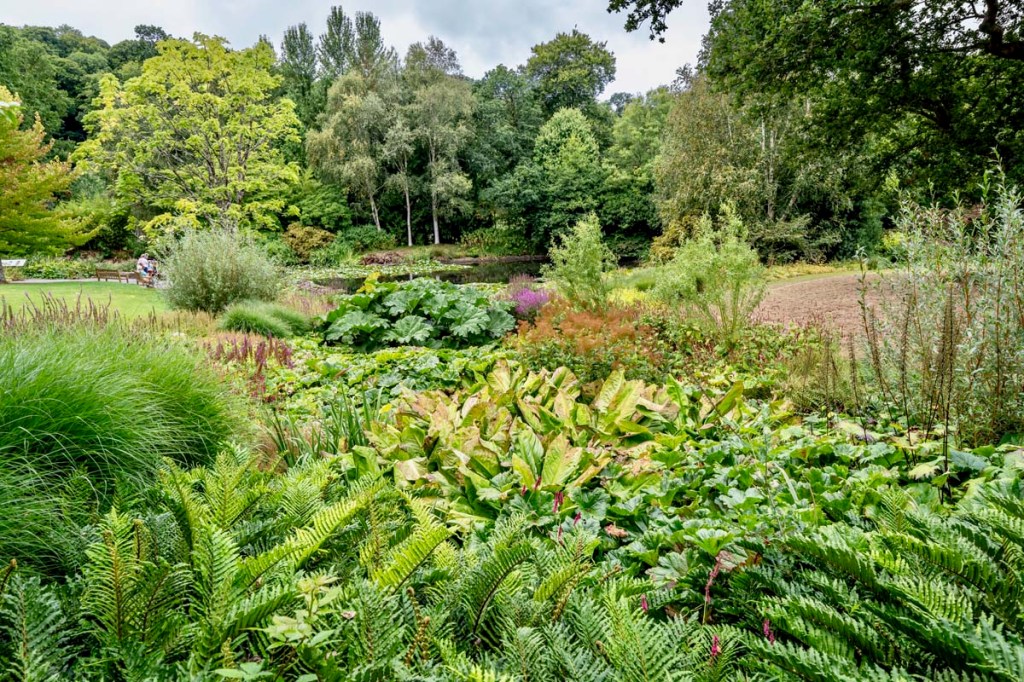
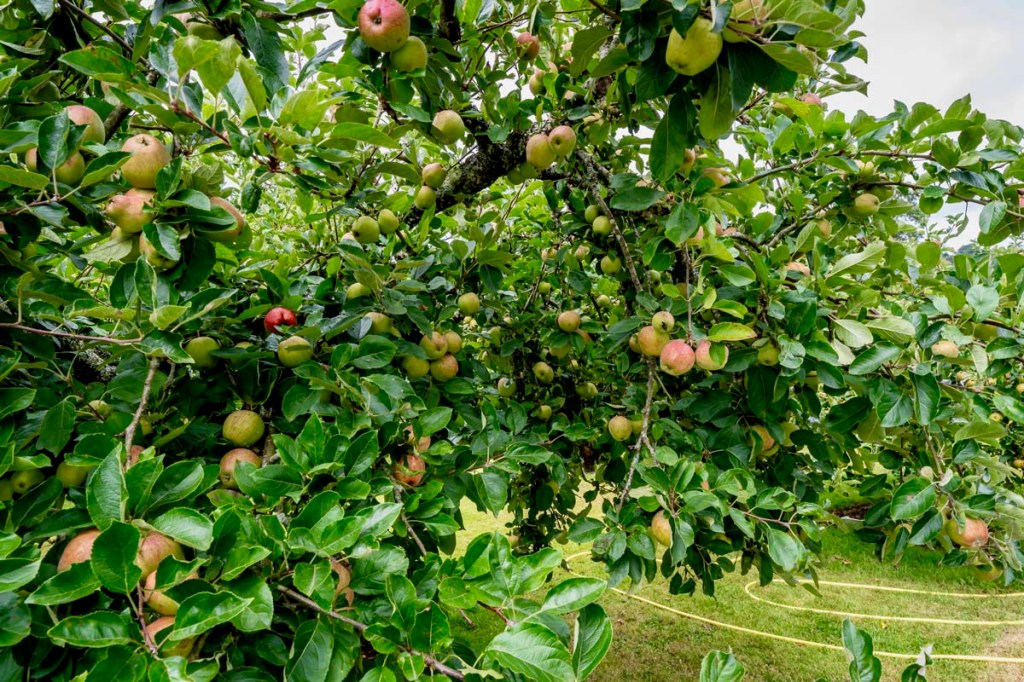
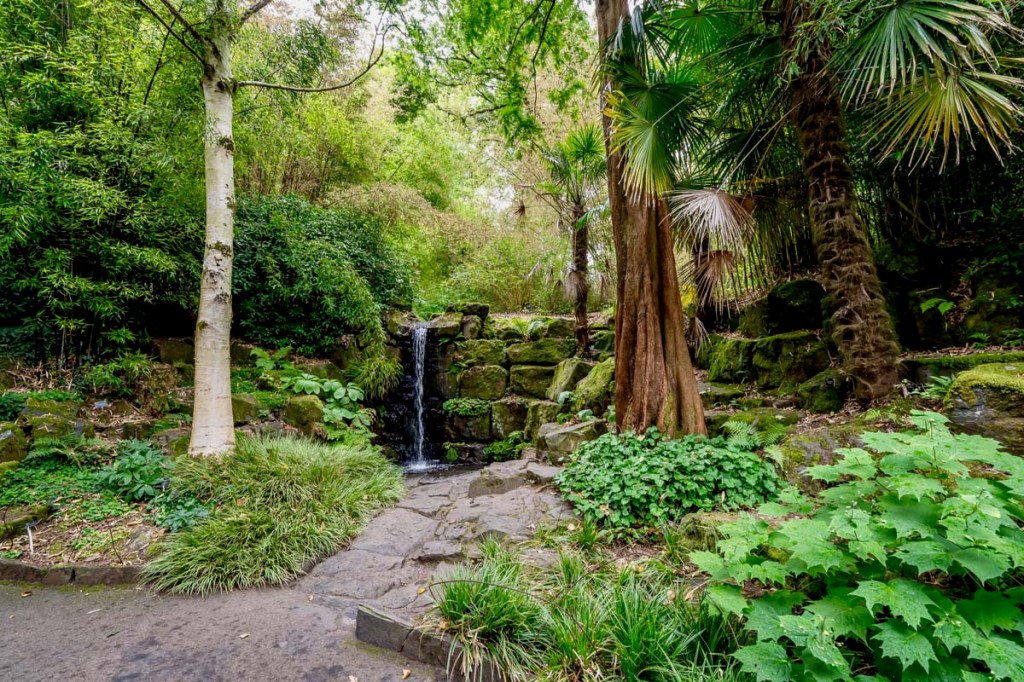
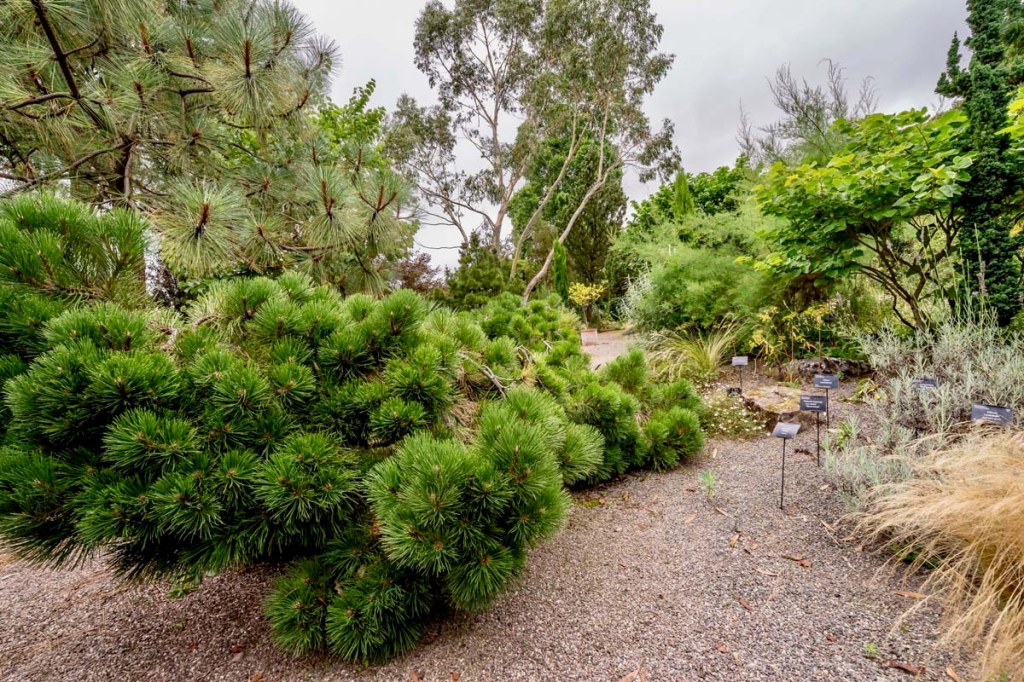
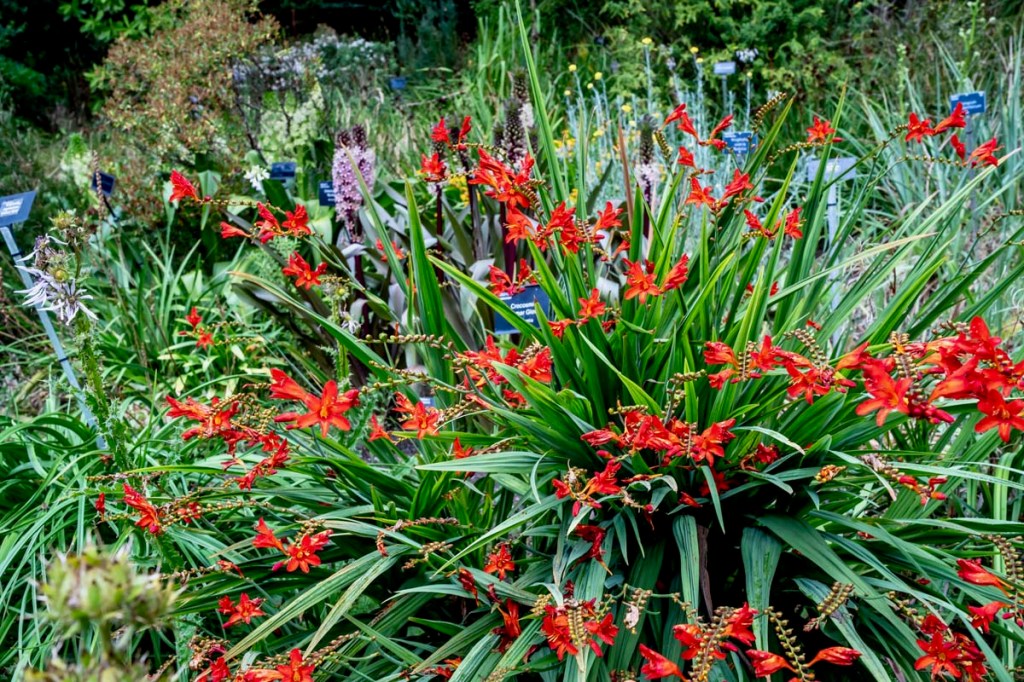
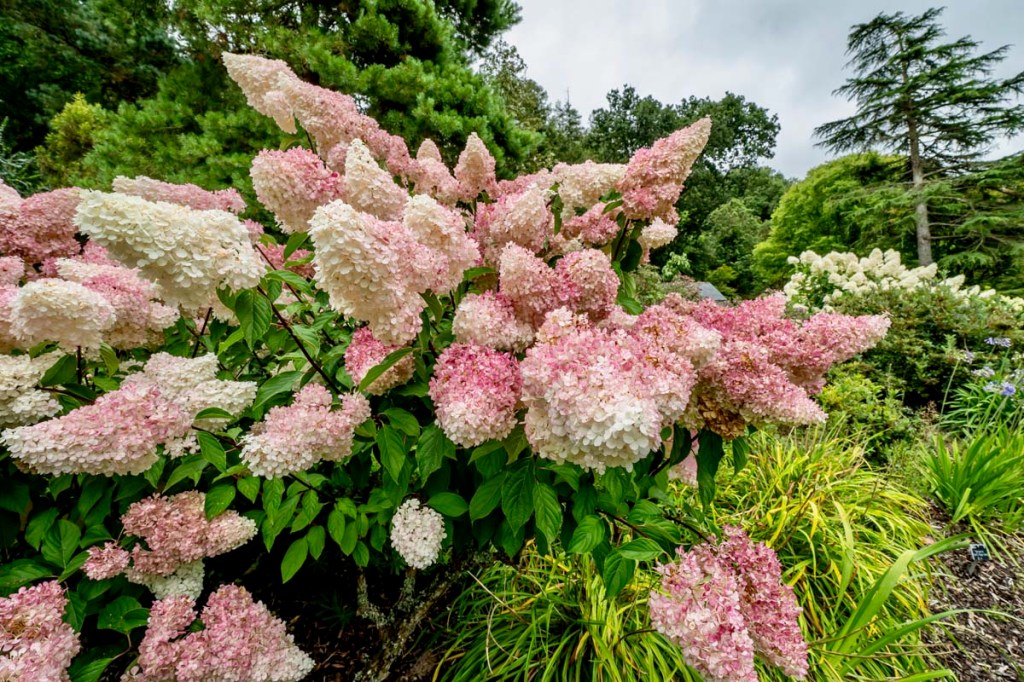
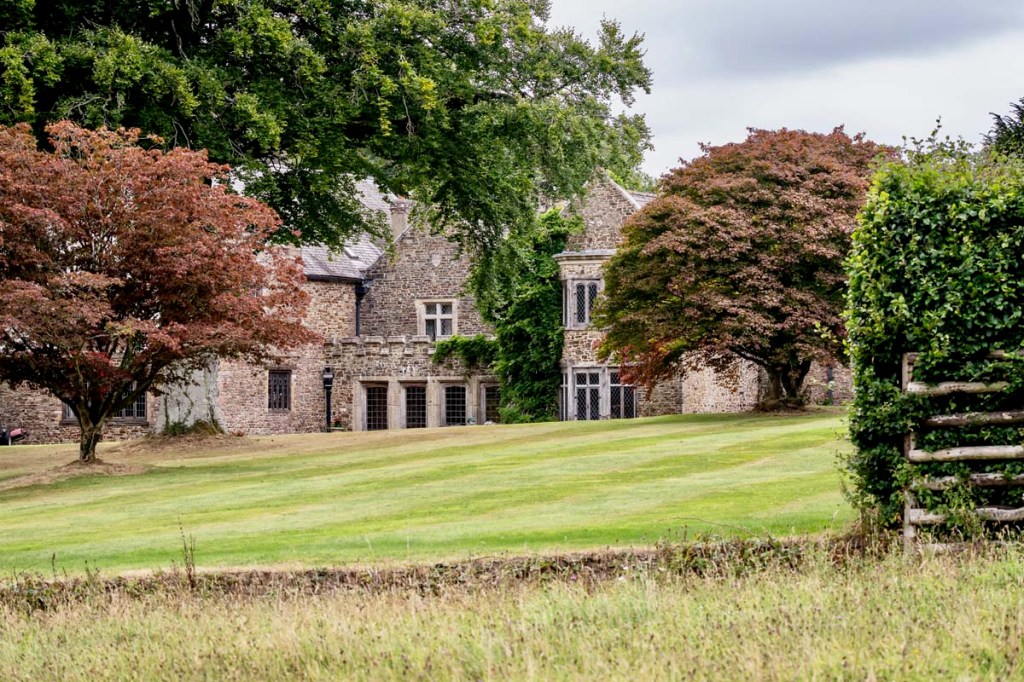
We managed to get to visit the RHS Garden Rosemoor near Great Torrington today.
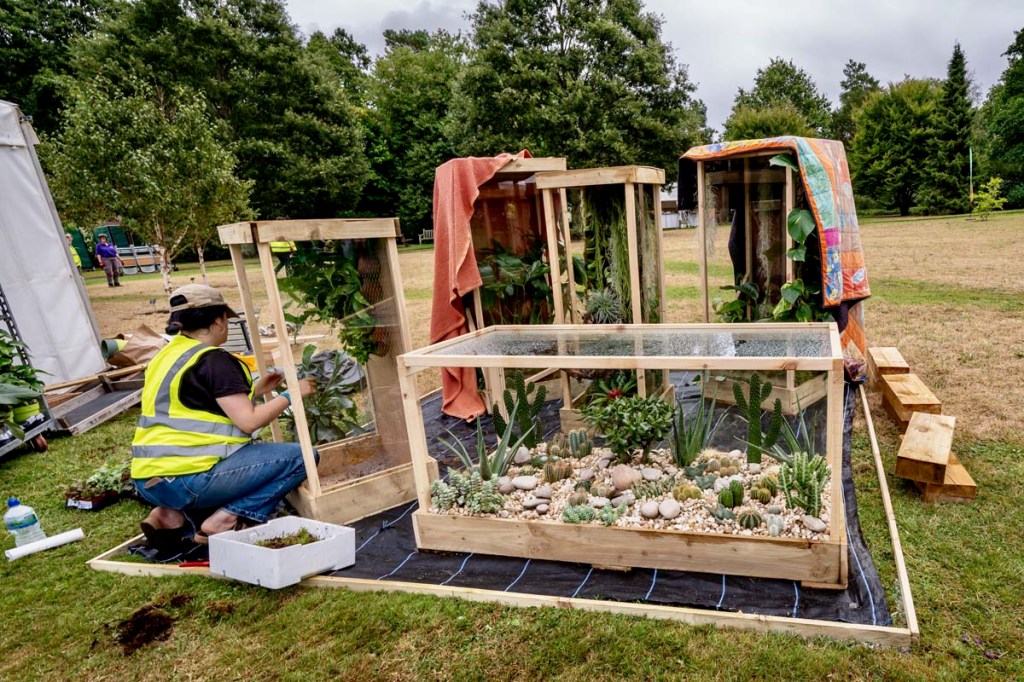
They were busy getting ready for their annual flower show which starts tomorrow. That and the dull weather meant that there were not too many people around, although more than my photos suggest – hoorah!
Hope you enjoy the photos as much as we enjoyed the garden (in spite of a short rain shower).
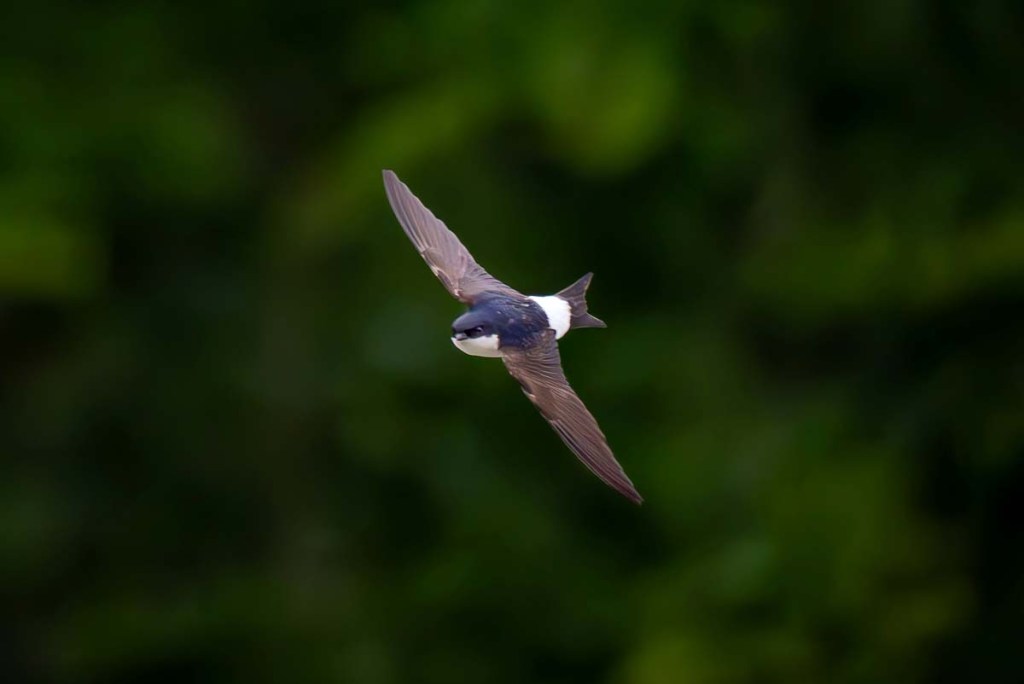
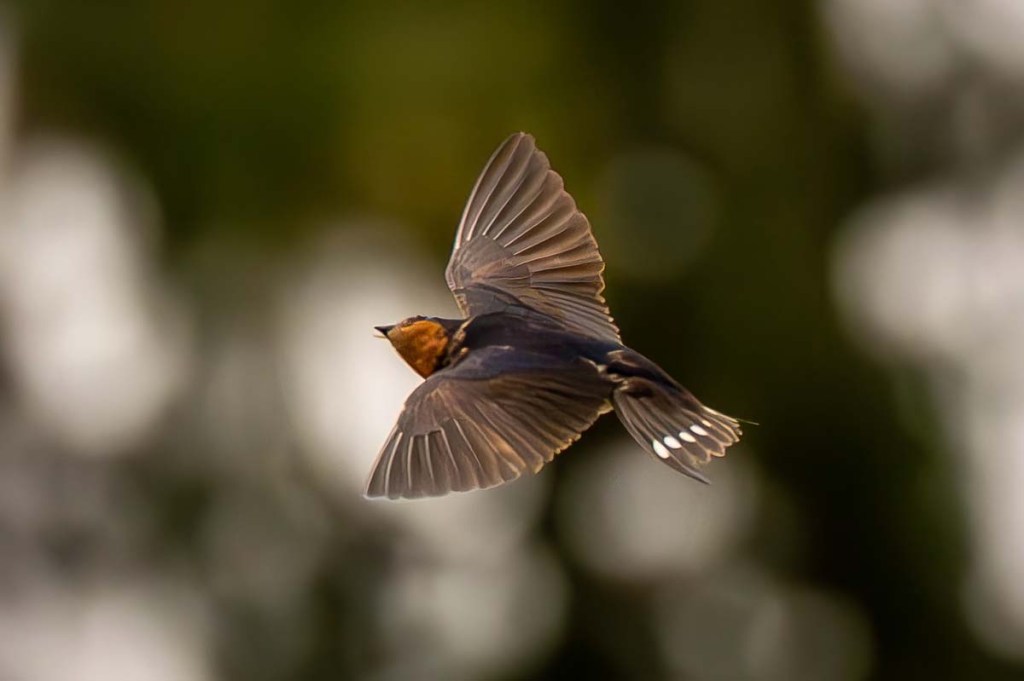
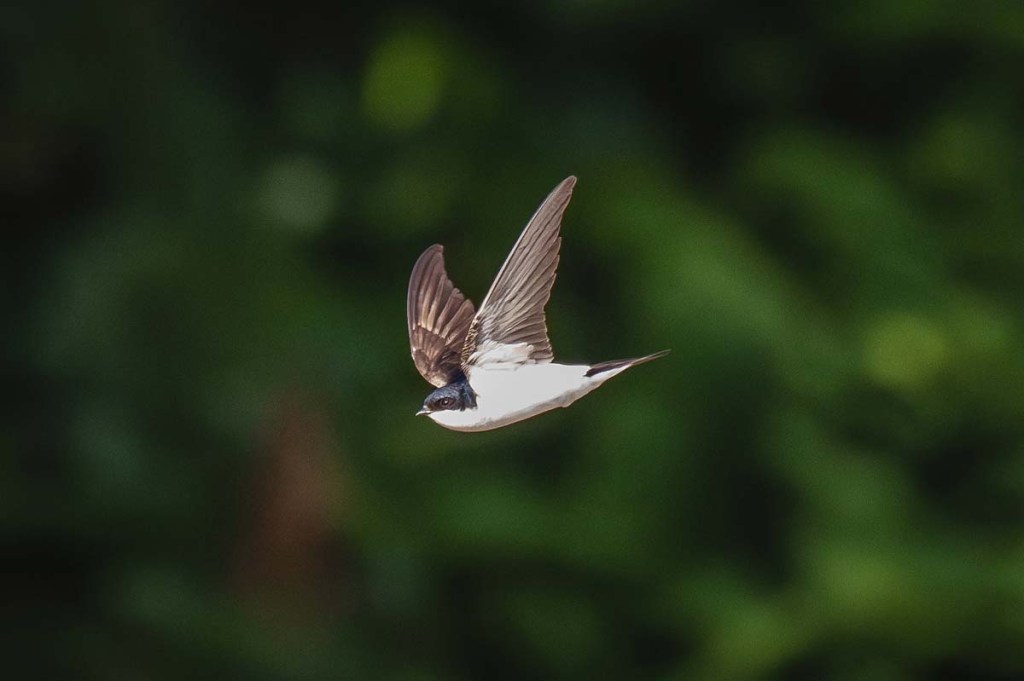
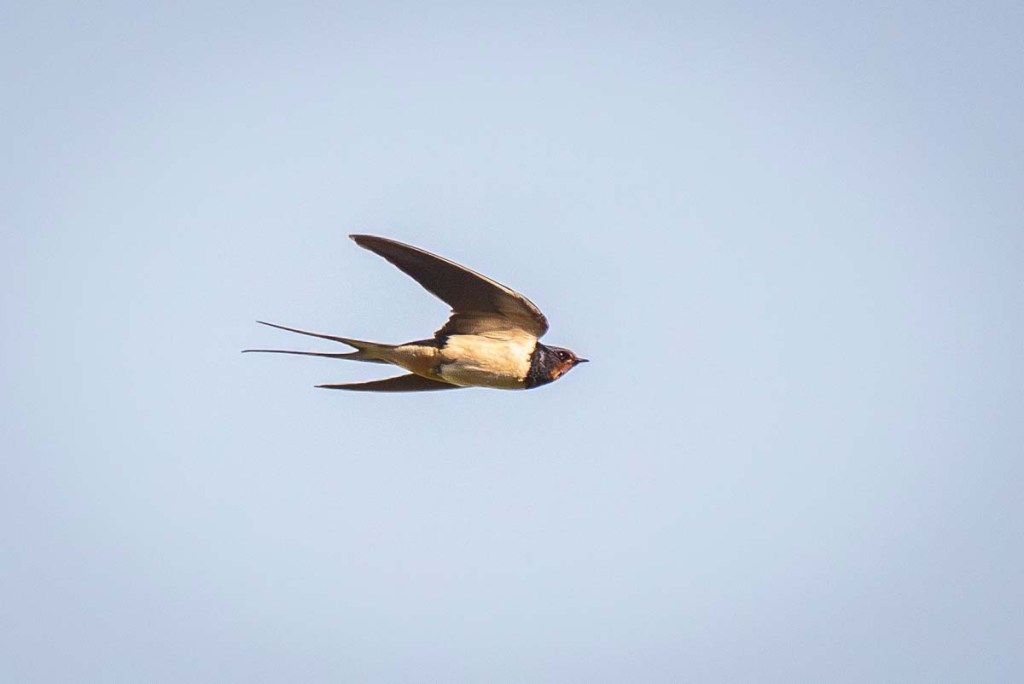
We saw and heard a fair number of birds (common buzzard, carrion crow, goldfinches, gold crest, blue tit, chaffinch, stock dove, wood pigeon, great spotted woodpecker, house martins and swallows) but especially enjoyed the trees and shrubs.
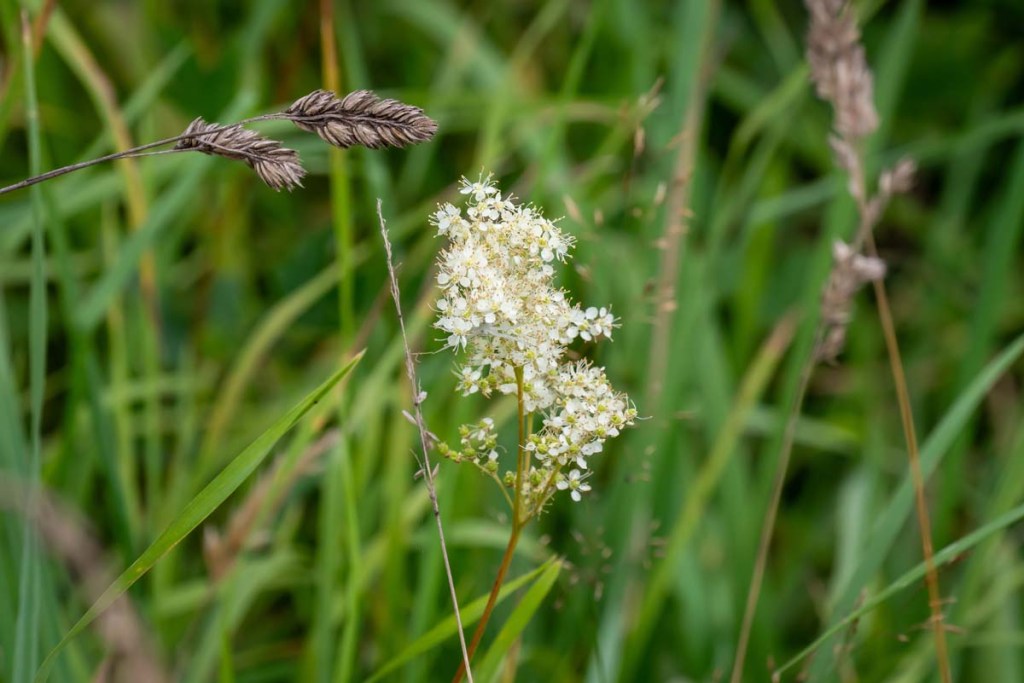
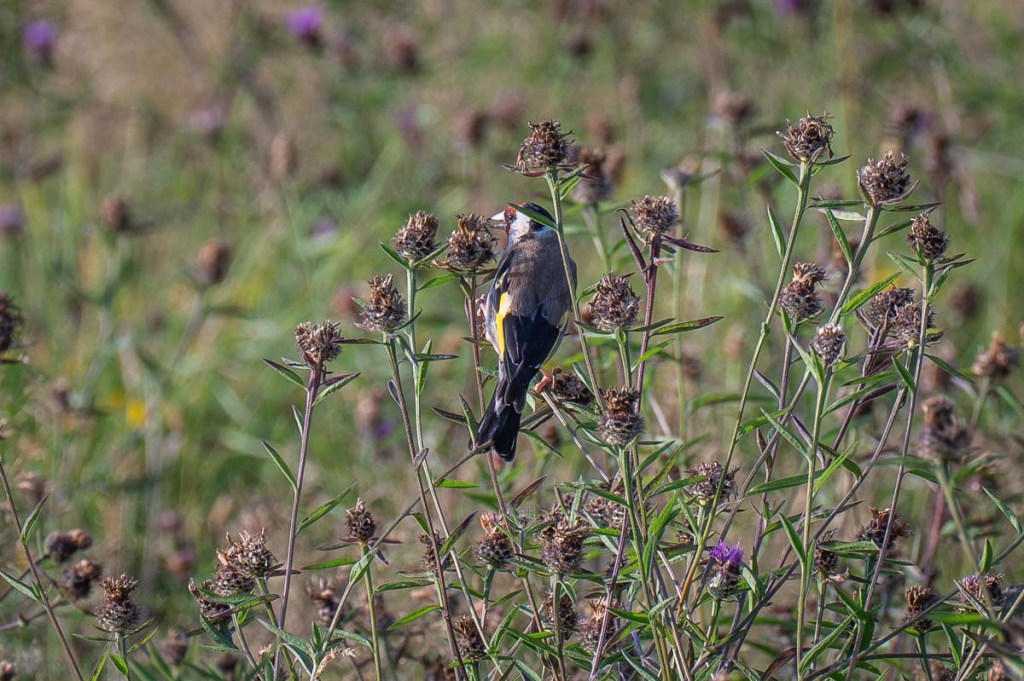
GoldfinchesSwallowHouse MartinSwallowMeadow sweetThere’s an insect in there among the grassesGreat spotted woodpecker
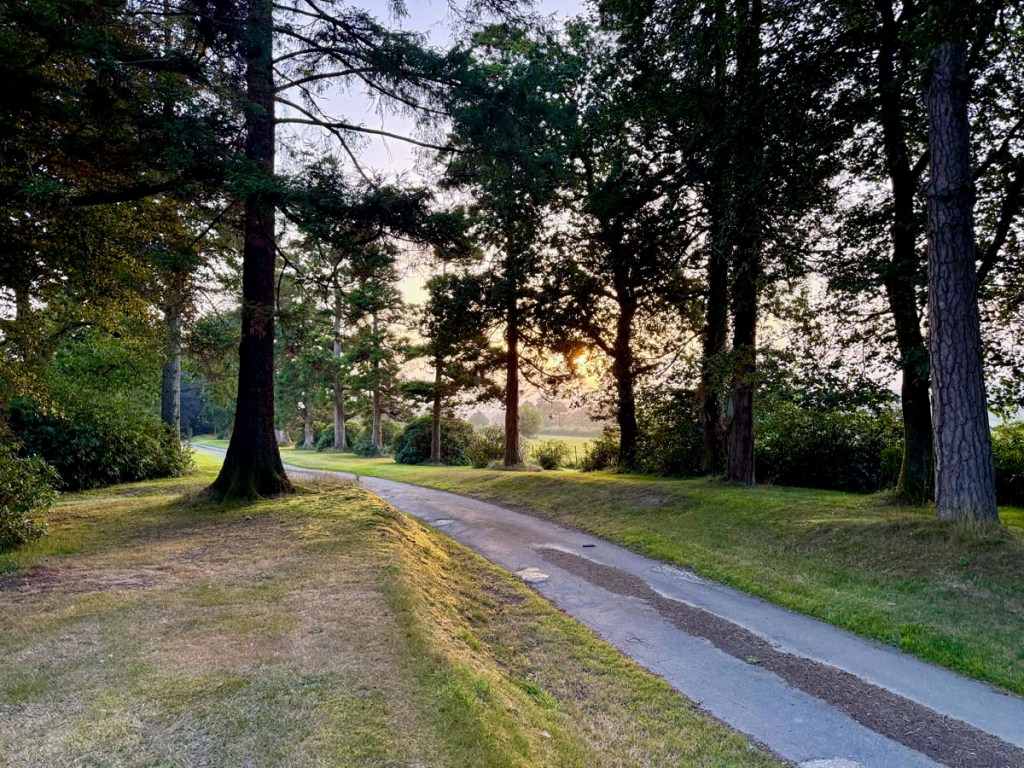
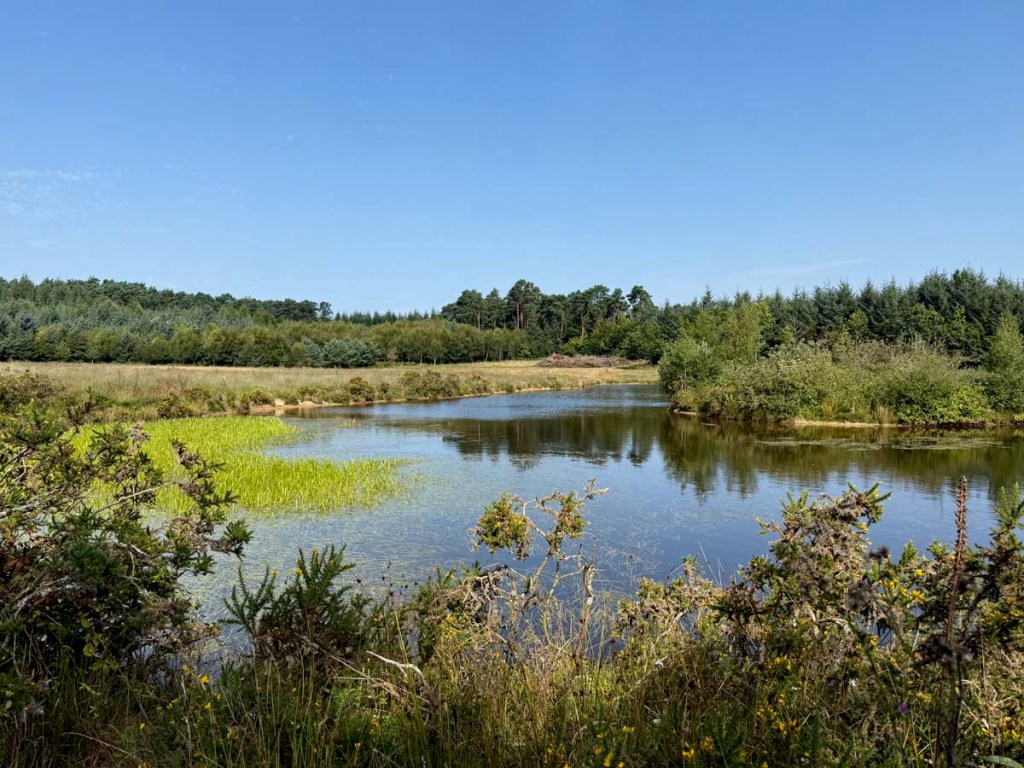
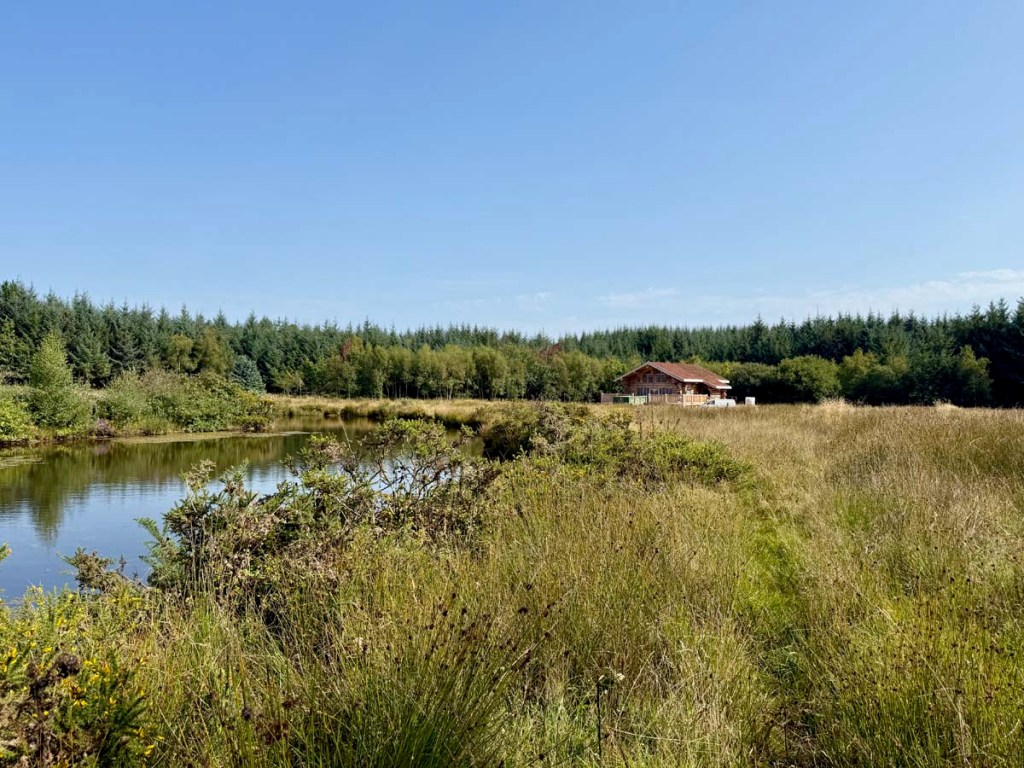
Photos from a slightly different morning walk on the Stafford Barton Estate in Devon before it got too hot for us with temperatures reaching 30C in the afternoon.
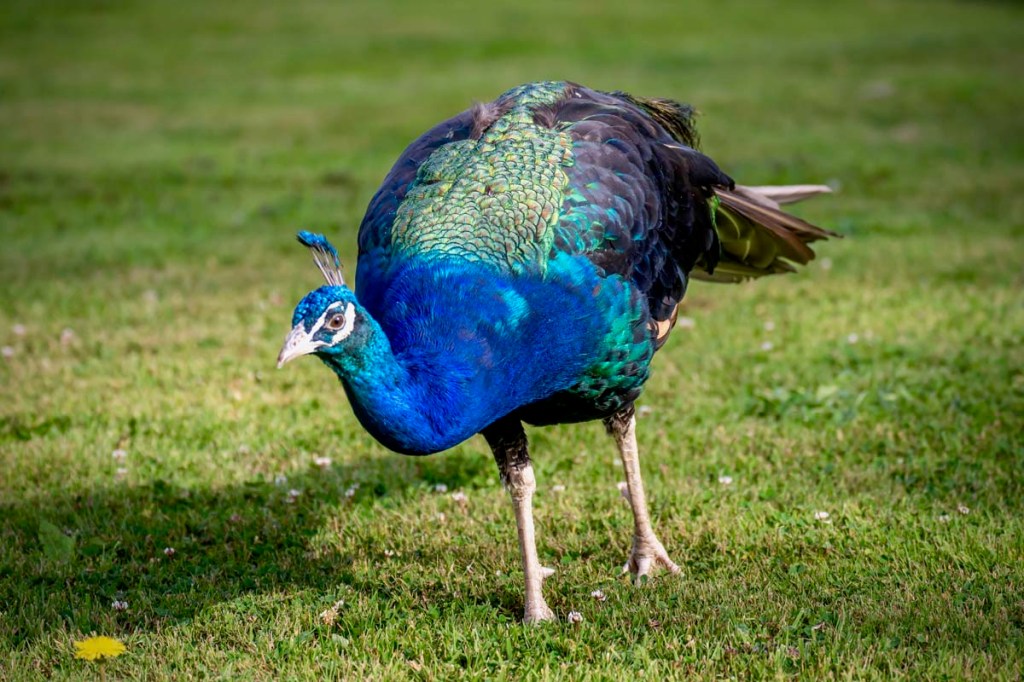
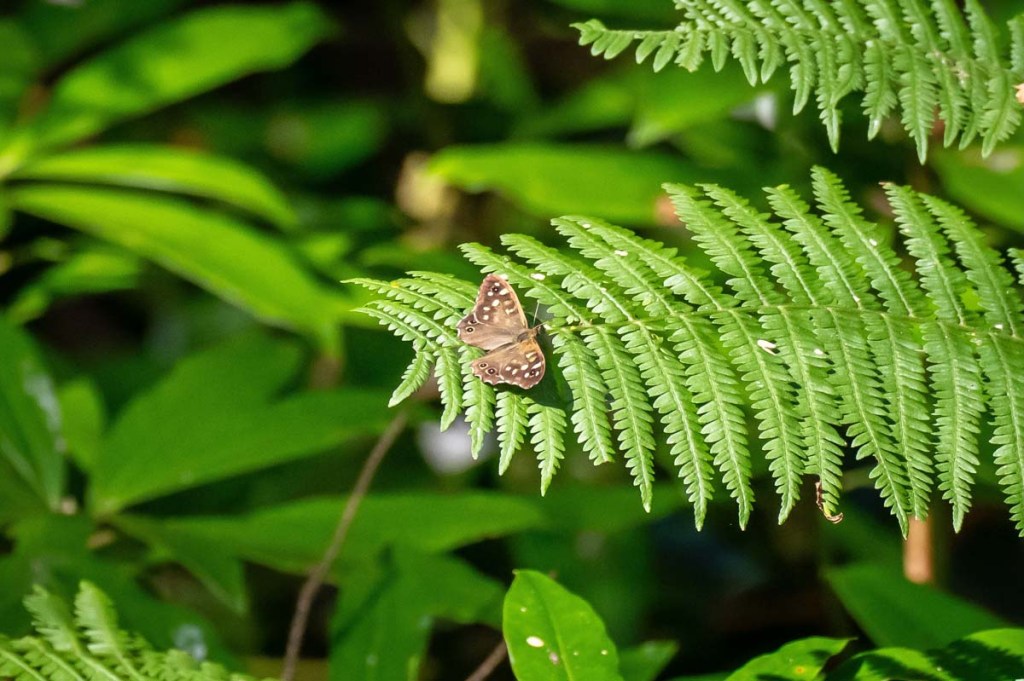
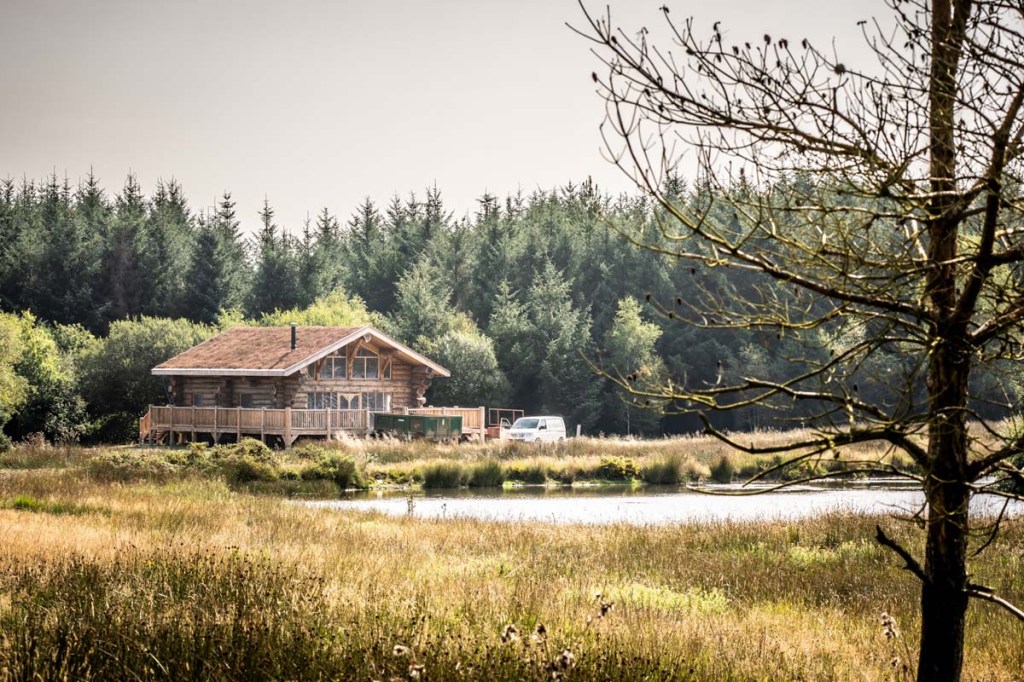
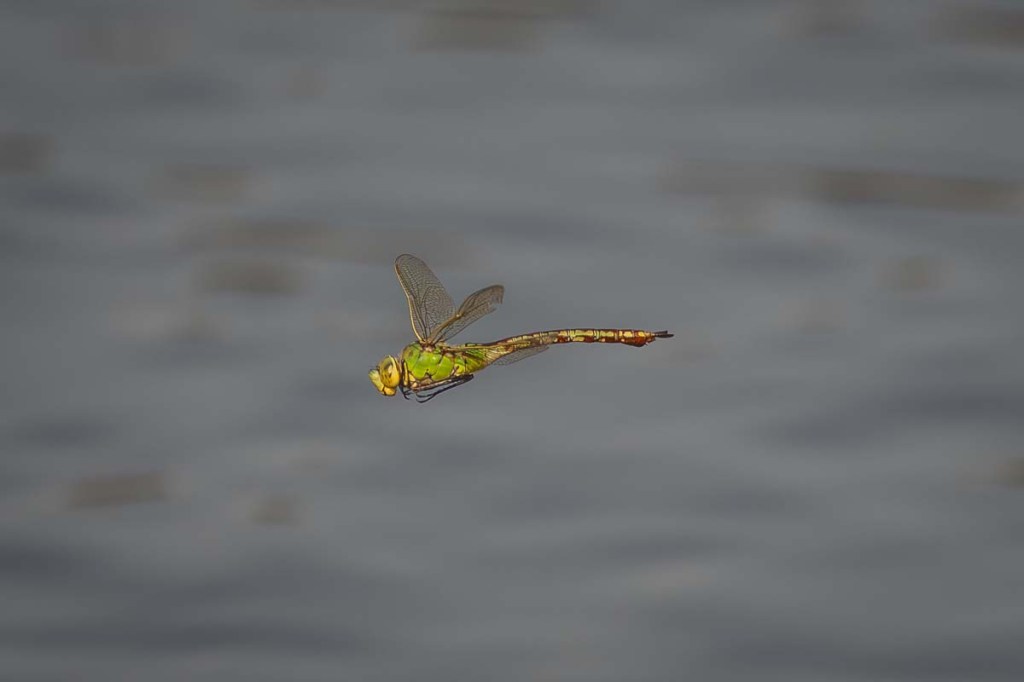
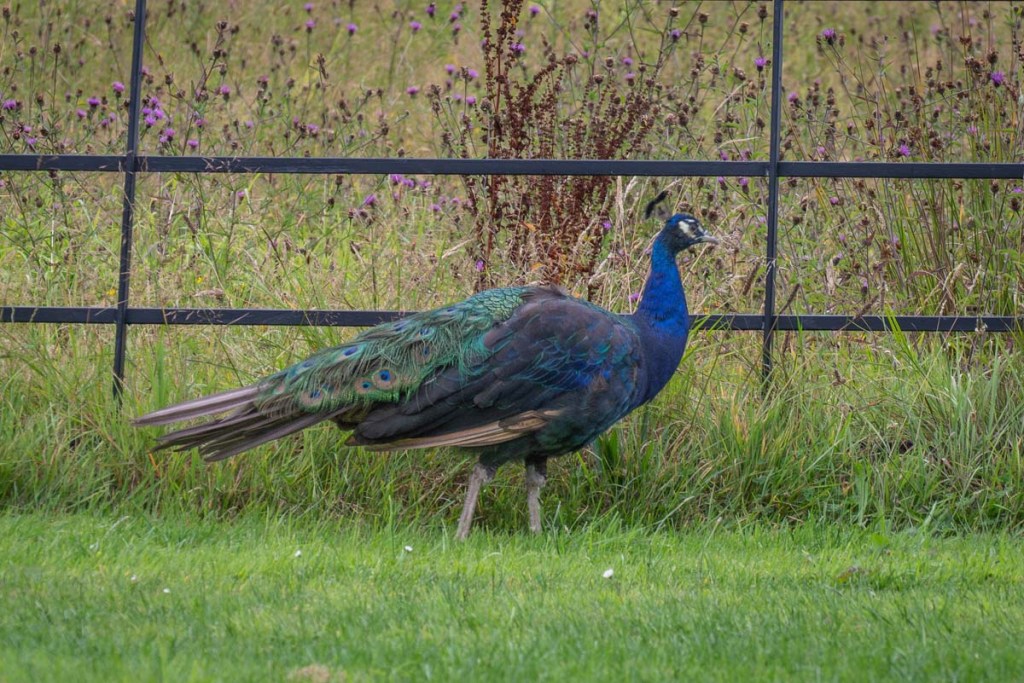
The peacock joined us for our breakfast coffeeGoldfinches waiting for their opportunitySpeckled wood butterfly in the woodsScandinavian style log cabin under construction on the estate with its lovely sedum roofEmperor dragonflyMid-air collision averted just in timeEmperor dragonfly heading straight for meMust be great seeing the seasons change hereEmperor dragonflyDon’t know much about these – water boatmen I presumeDamselfliesFortunately plenty of shade on the way homeCommon buzzard showing us the way
For 47 years of my working life as a teacher I had to take my holidays with the majority of the population in July and August. So now, in my retirement, we rarely go away at this time of the year. However, it’s such an exceptionally wonderful summer that we could’t resist another trip when we saw a cottage advertised on a private estate in north Devon. It’s a beautiful part of the country and only just over a 100 miles from home. The fact that there is a major RHS garden just down the road was an added attraction. So far we haven’t visited RHS Garden Rosemoor as we are so enjoying the peace and quiet of the gardens, the heaths and the woodland of the estate and visiting a couple of local nature reserves.
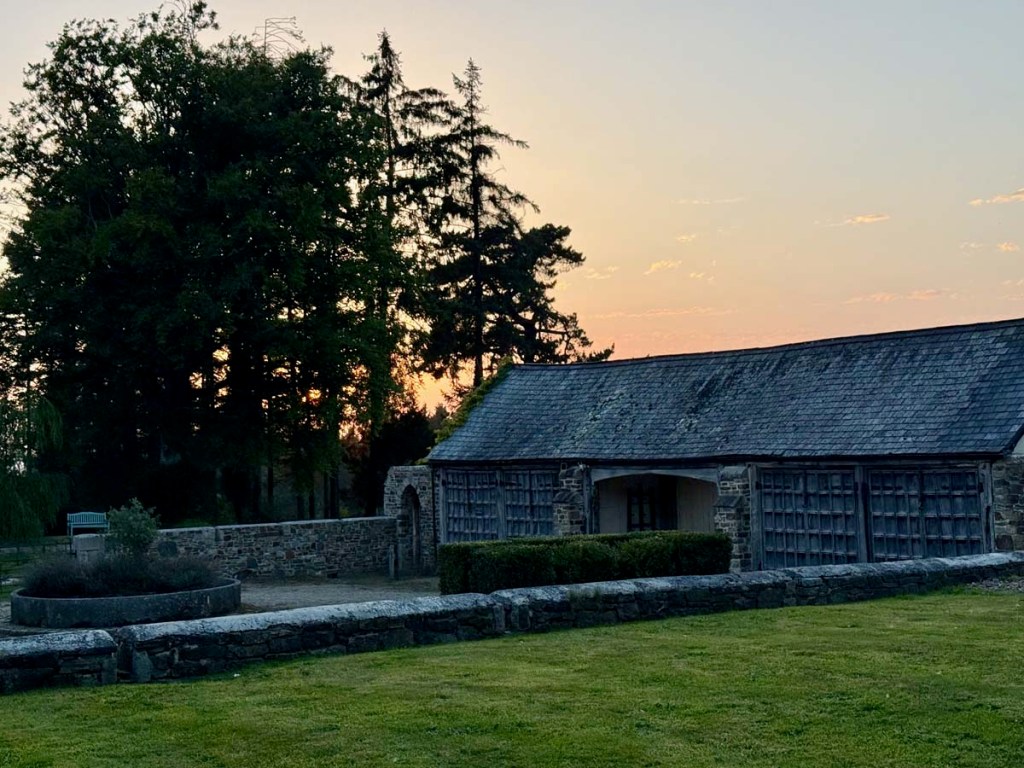
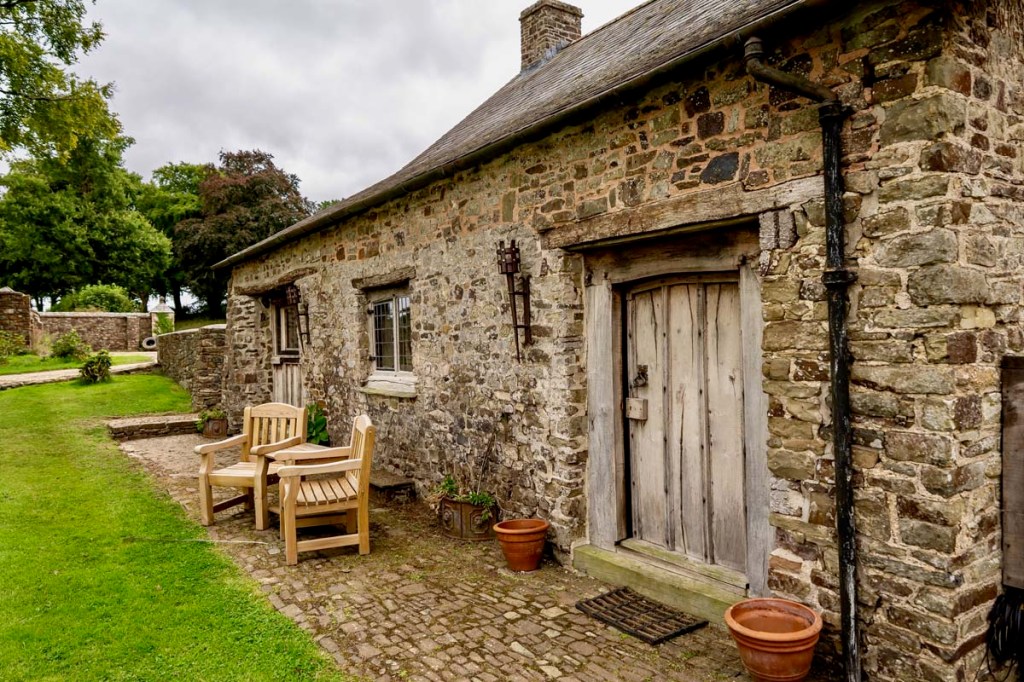
Stafford Barton in north DevonStafford Barton’s peacockOur accommodation – the Old StablesA very warm Devon welcome with cream sponge and a selection of local cidersVery comfortable and cosy inside
The estate took on a different tone on our second full day here when the owners opened the gardens to the local villages and we were treated to live music, local ales and ciders and cream teas on the lawns. What is there not to like about all this?
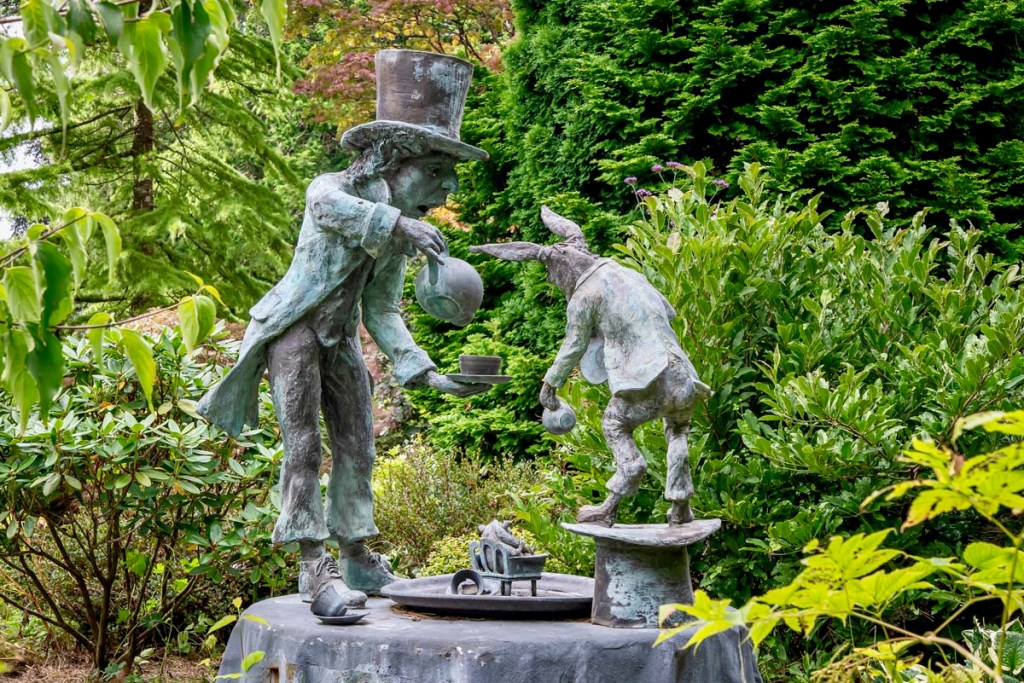
Getting ready for the garden partyThe gardens were looking spectacular for the garden partyThe mad hatter’s tea party before the garden party startedEnglish country life at its very best
This is such a special place that I wanted to keep a memory of the estate and so have prepared a separate page which you can share by following this link to Stafford Barton Estate August 2025
Stafford Barton between Dolton and Iddesleigh (where we had lunch in the Duke of York pub on our first day and where I last stayed 55 years ago- now immortalised in Michael Morpurgo’s “War Horse”)
As for the nature opportunities: so far I have been able to practice my camera skills on the house martins and swallows but have had some difficulty capturing the large flocks (a charm indeed!) of goldfinches which swoop down to gorge on the seed heads in the lovely meadows which are left for the wildlife. There has been plenty of wildlife to photograph and keep me busy on our walks too.
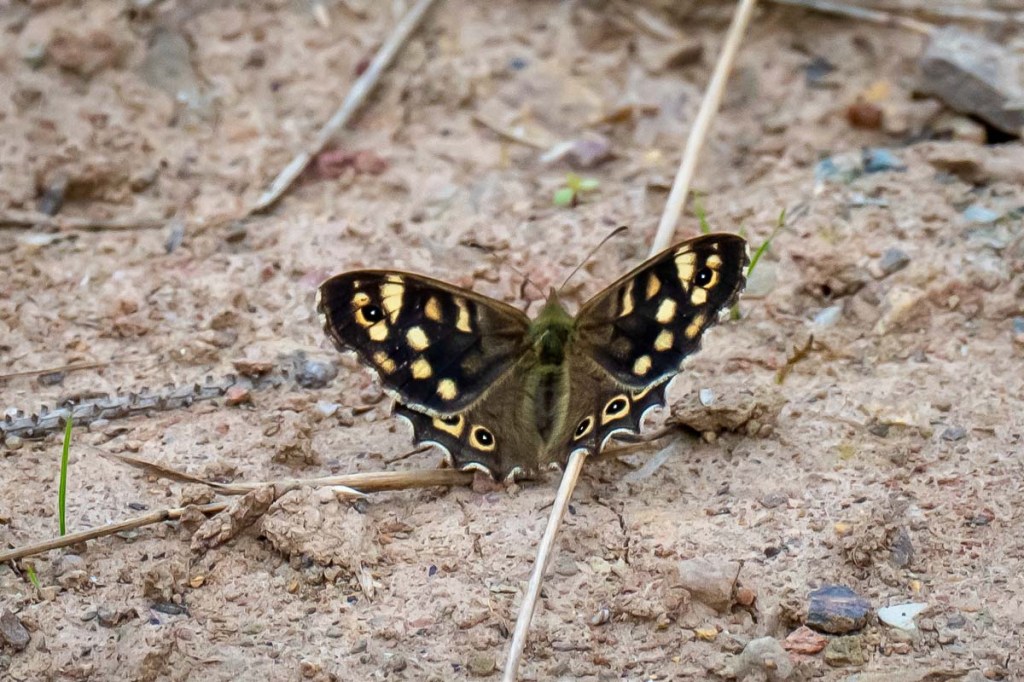
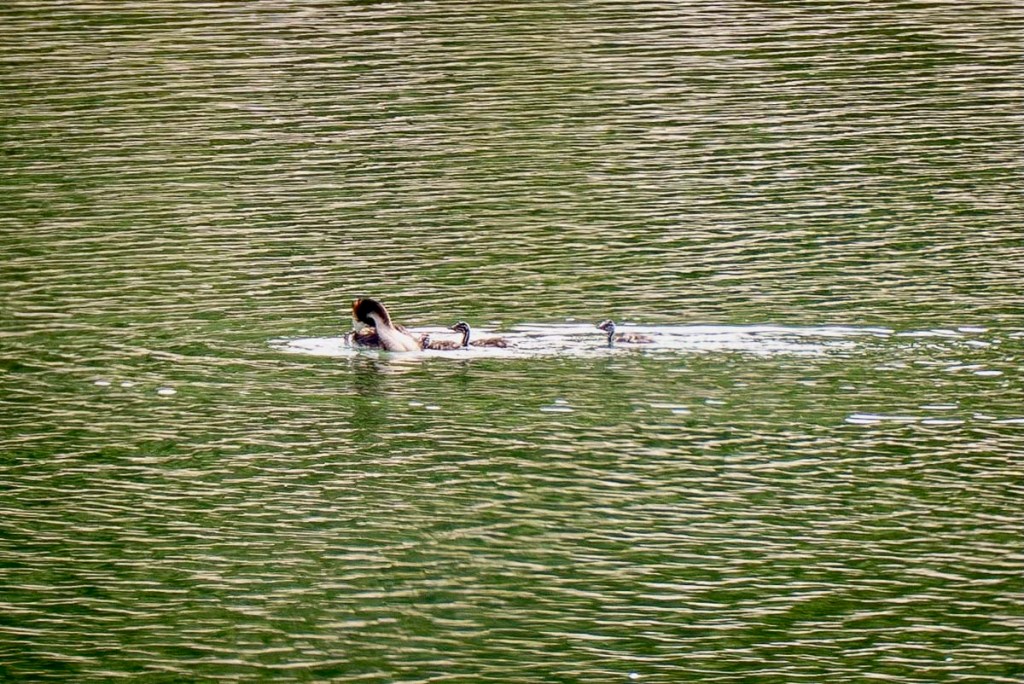
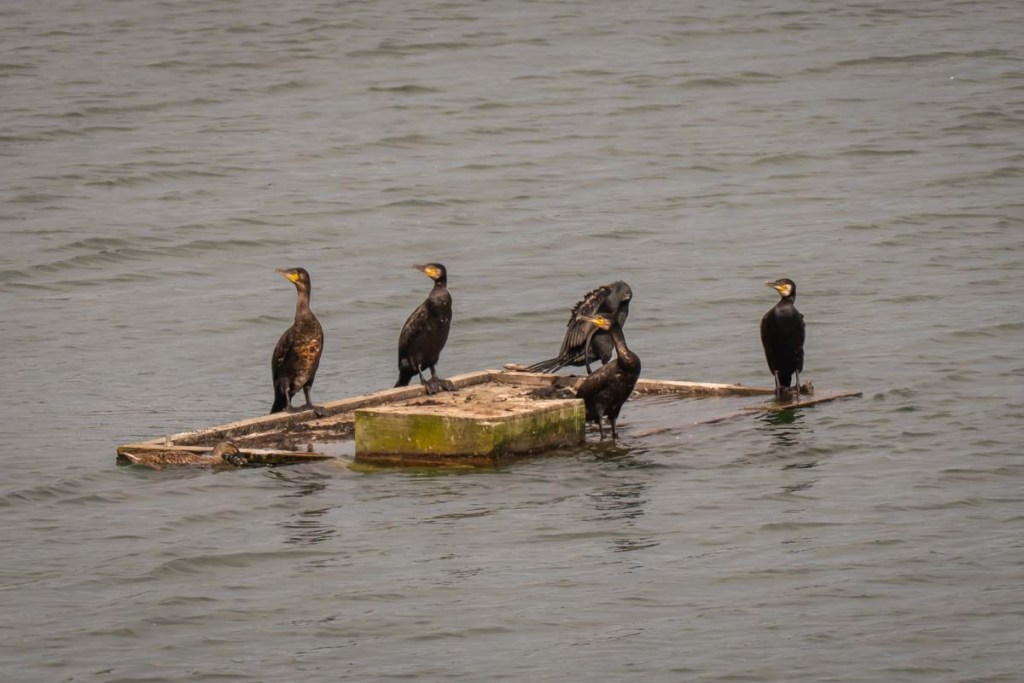
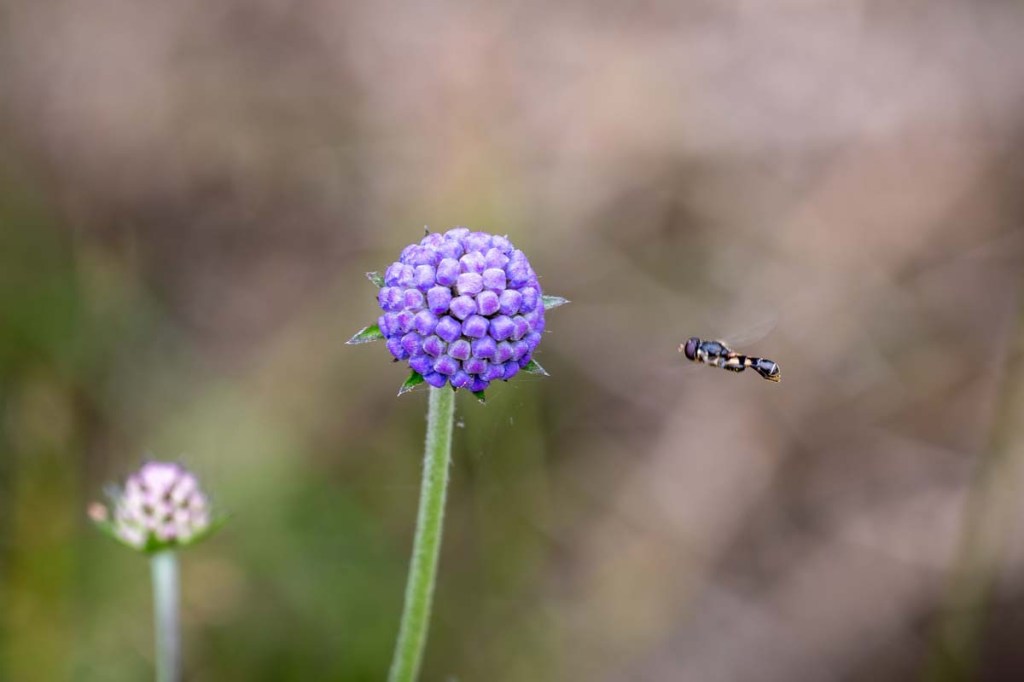
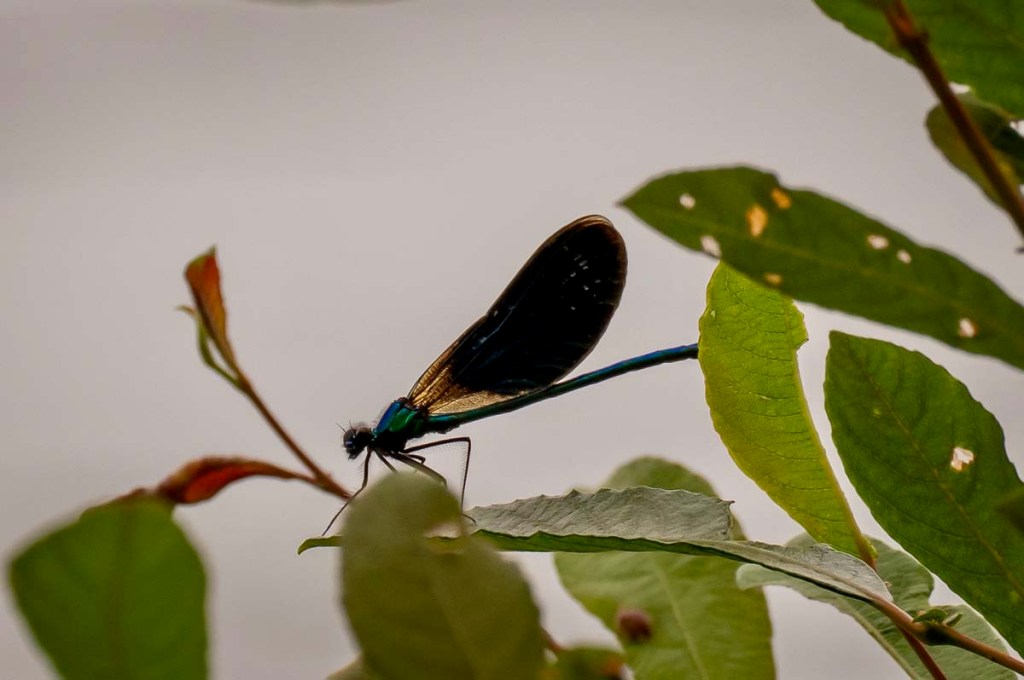
House martinHouse martinSwallowSwallowHouse martinHouse martinSwallowGoldfinch gorging on seed headsGoldfinch beating a hasty retreatA very small section of a charm of goldfinchesBuzzard on our walk through the estateBuzzard calling loudly Holly blue butterfly on our visit to Halsdon Nature ReservePainted lady butterfly at Stafford BartonCommon darter dragonfly at Stafford BartonSpeckled wood butterfly at Stafford BartonGate keeper butterfly at Stafford BartonNo deer to be seen yet but plenty of signs of wildlife on our walk at Stafford BartonA bucolic scene at Stafford BartonClear paths through the woodlands … and across the heathUnderwing of painted lady butterfly at Stafford BartonScarlet pimpernel at Stafford BartonSo many insects attracted by the wild flowers on the Stafford Barton estateThe view from our porchOur walk on the third dayA section of the quarry at Meeth Quarry nature reserveSmall white Butterly at Meeth Quarry nature reserveCommon blue damselfly at Meeth Quarry nature reserveSpeckled wood butterfly at Meeth Quarry nature reserveBeautiful heather in full colour everywhere at Meeth Quarry nature reserveLittle grebe at Meeth Quarry nature reserveGreat crested grebe with chicks on its back at Meeth Quarry nature reserveTime for a swimCanada geese at Meeth Quarry nature reserveCormorants at Meeth Quarry nature reserveCentaury at Meeth Quarry nature reserveDevil’s bit scabious at Meeth Quarry nature reserveBeautiful demoiselle at Meeth Quarry nature reserve
That’s three day’s done with three more to go. I thought I wouldn’t get a chance to do a blog during the holiday as the only fault I could find with our accommodation was that the broad band was slow and yet three days in and the owner has got BT Open Reach to upgrade it! What service!
The WWT (Wildlife and Wetlands Trust) is a growing, global community of nature lovers who do brilliant things for nature, especially encouraging young people to engage with nature. However, we visit WWT Slimbridge in the school holidays with some trepidation as we know it is going to be packed with very noisy, excitable children. Yet today (as most times) we were able to visit certain parts of the reserve in relative peace and quiet. The only children we came across were well-behaved and already enthusiastic nature lovers, generally accompanied by knowledgeable and encouraging grandparents.
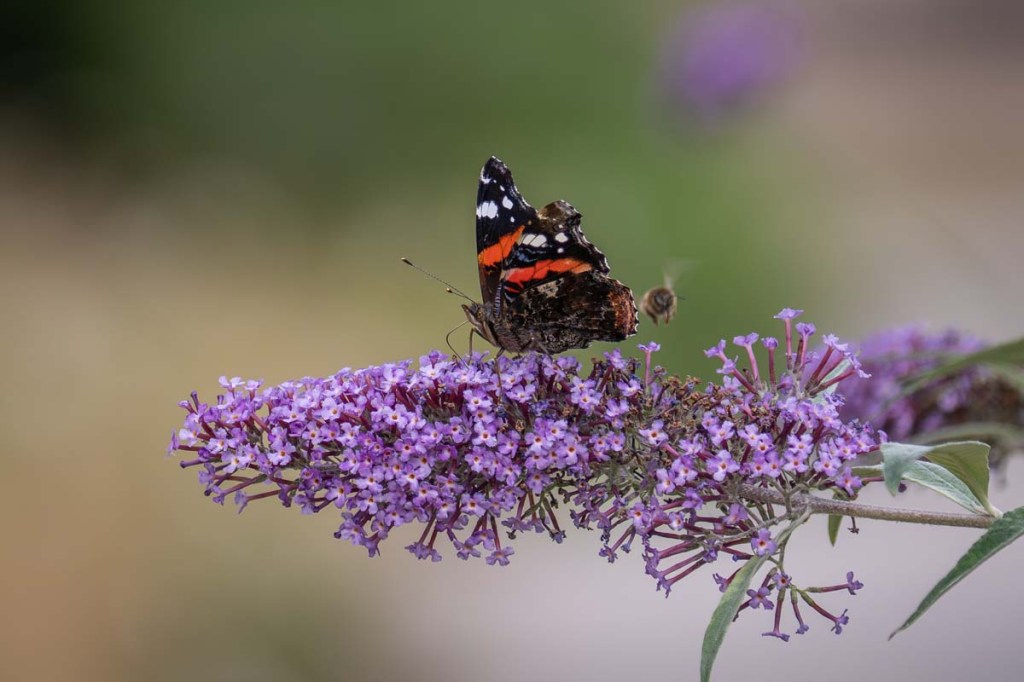
This is the time of the year when many “birders” turn to butterflies but today there was plenty to keep us engaged and the only butterflies of note were red admirals. We had a good walk down to the Severn Estuary and , although the tide was really too high to see much on the water, we saw plenty en route.
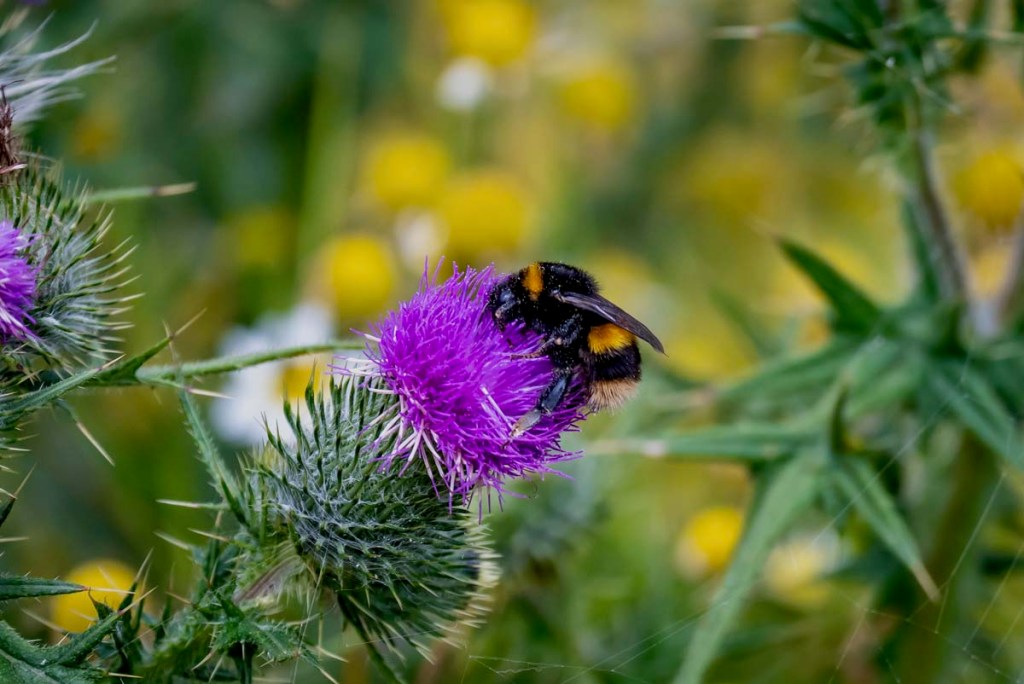
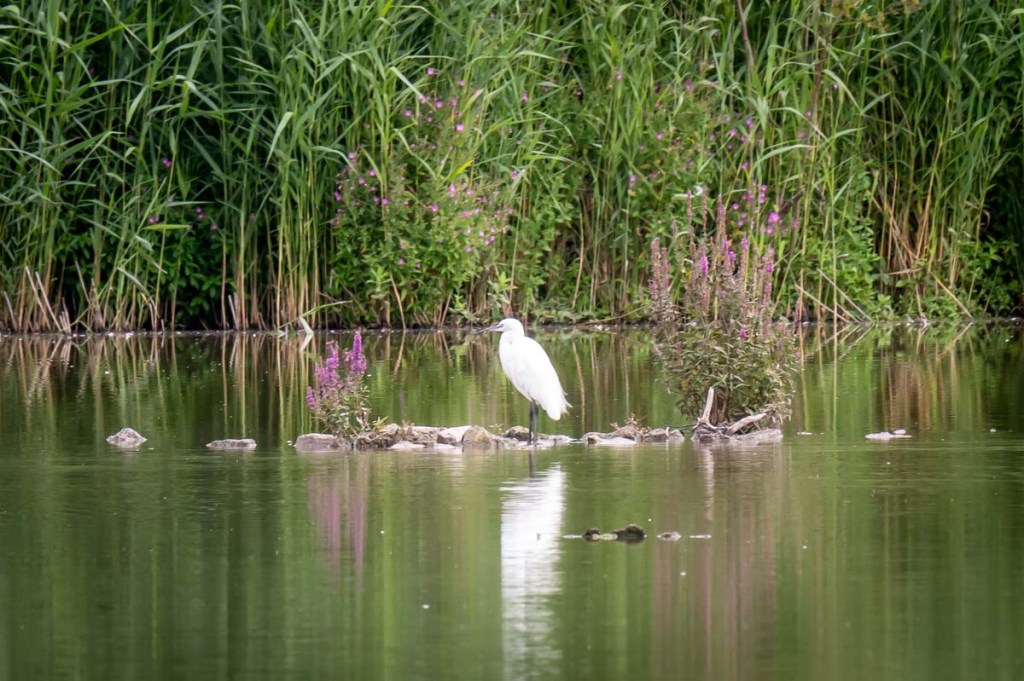
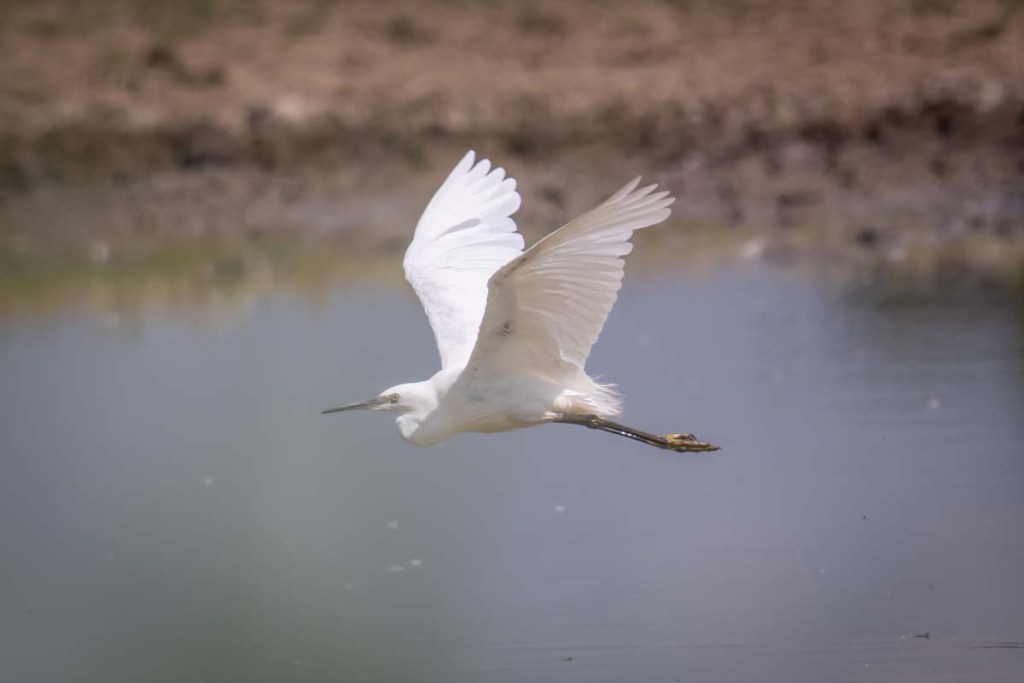
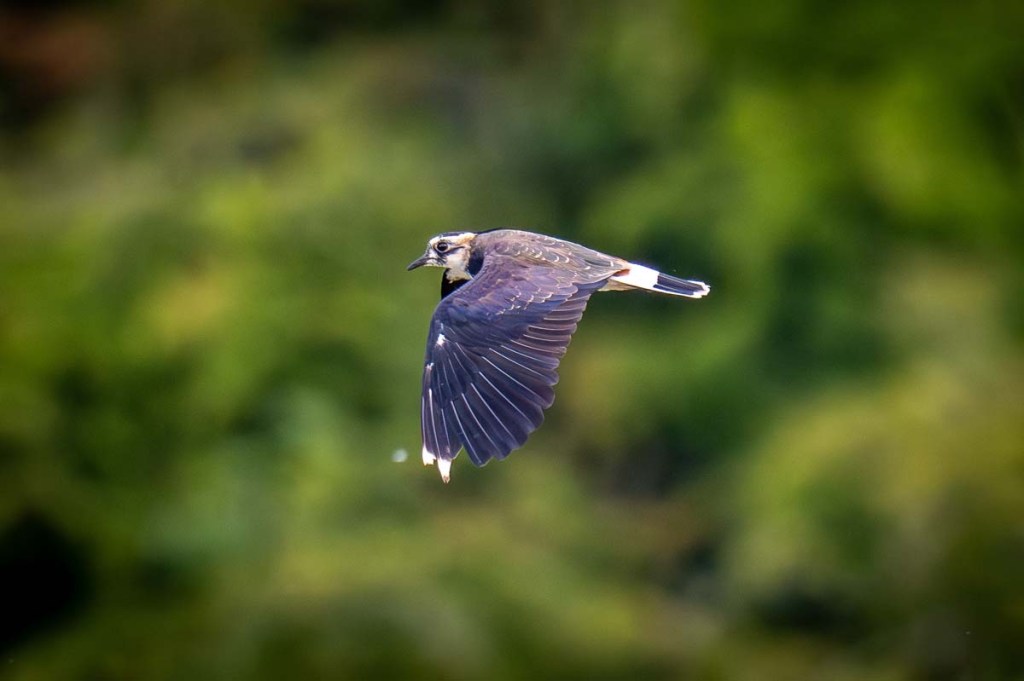
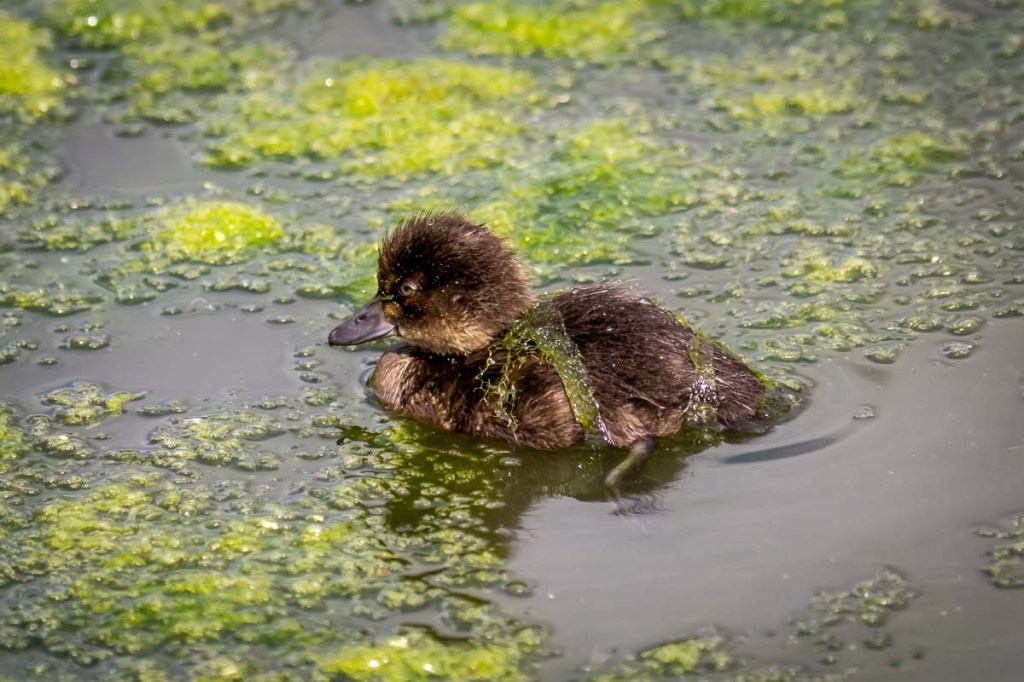
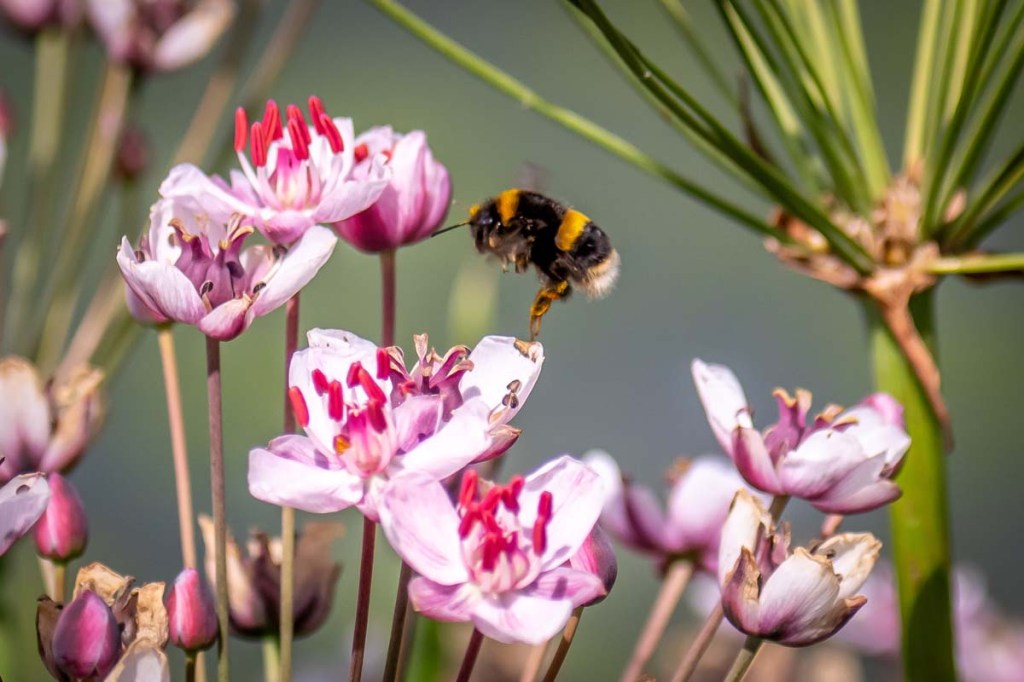
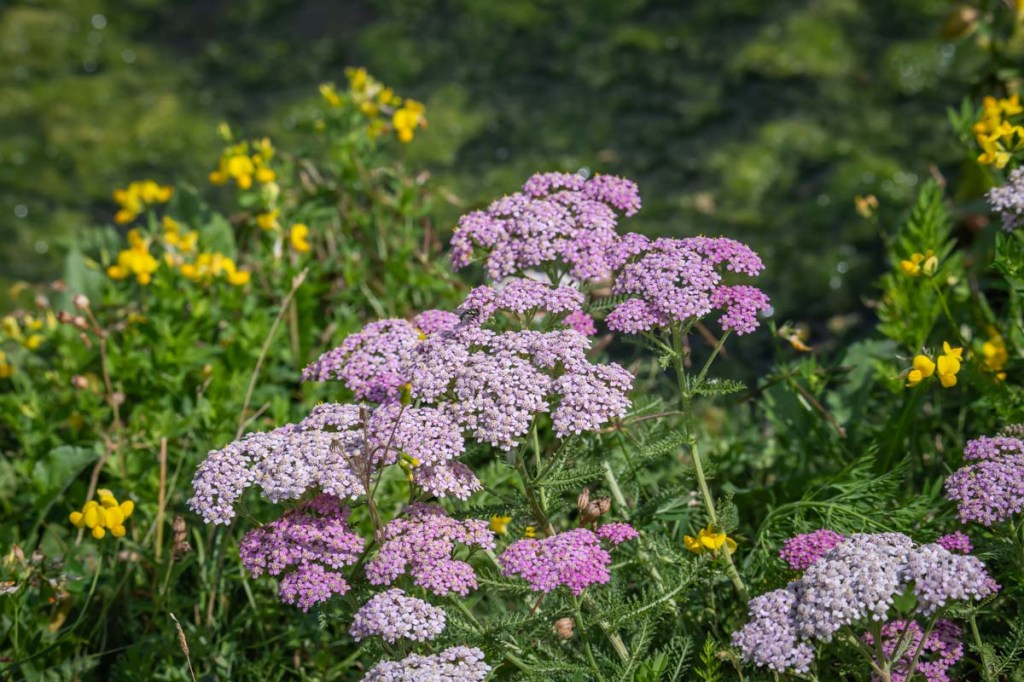
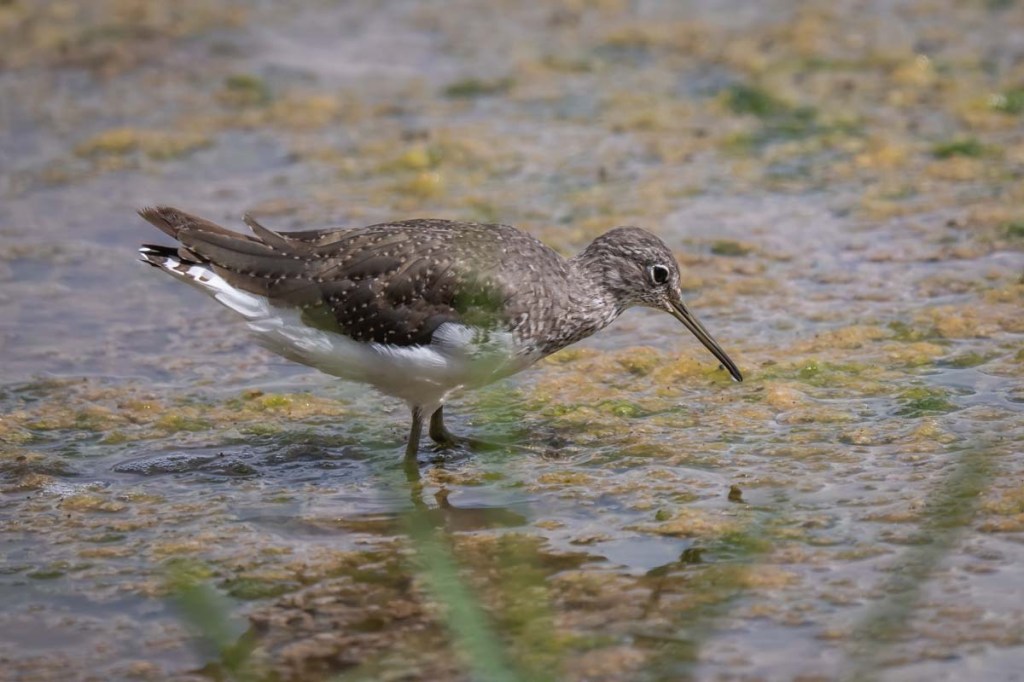
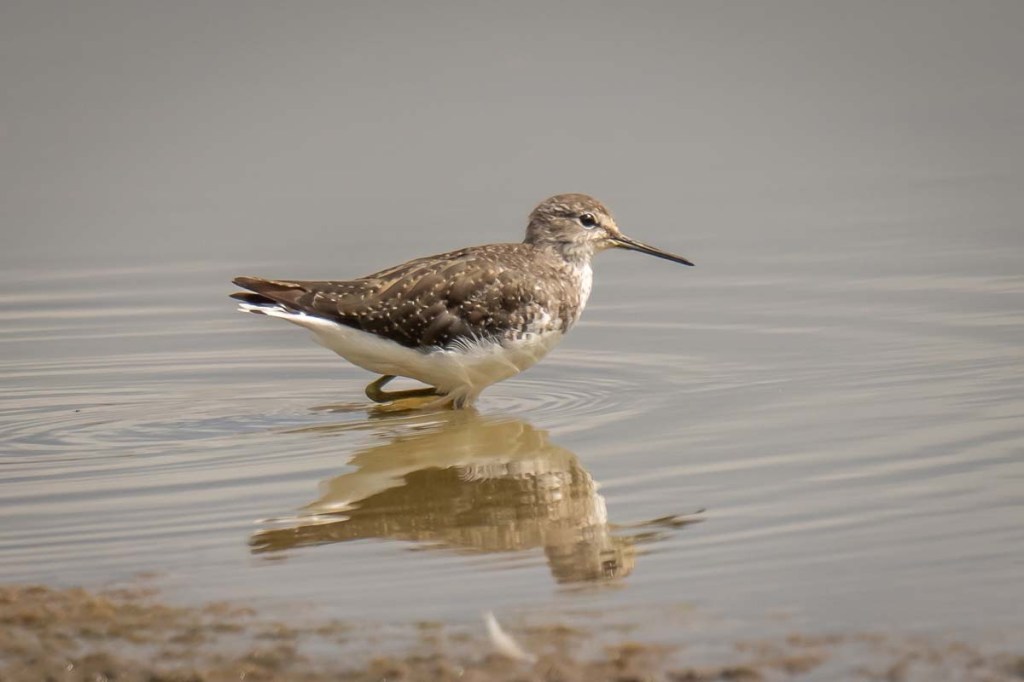
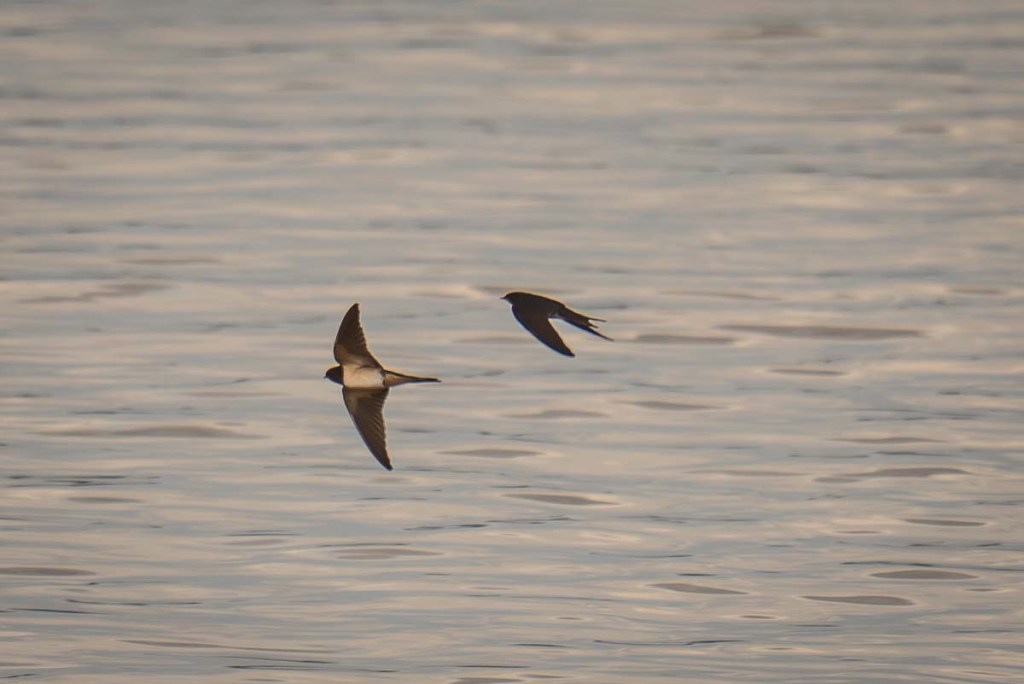
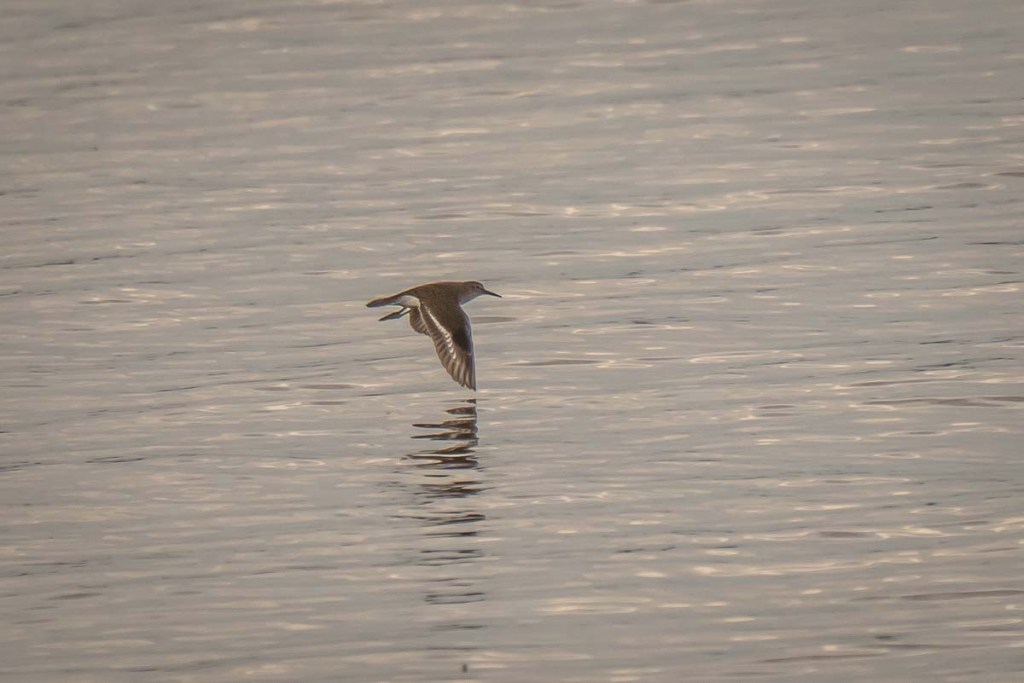
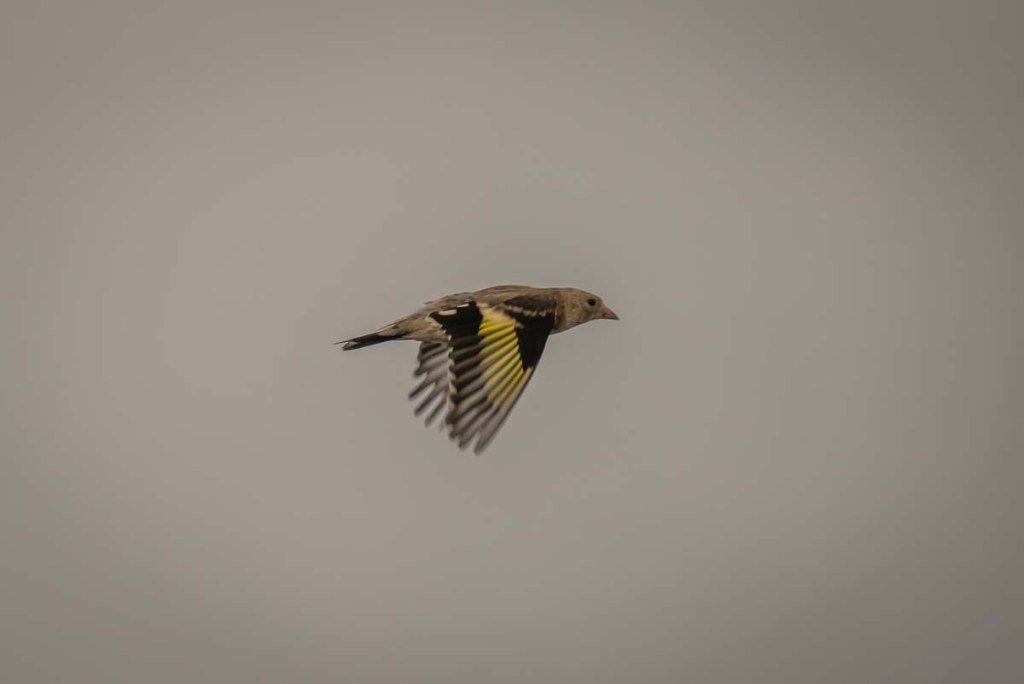
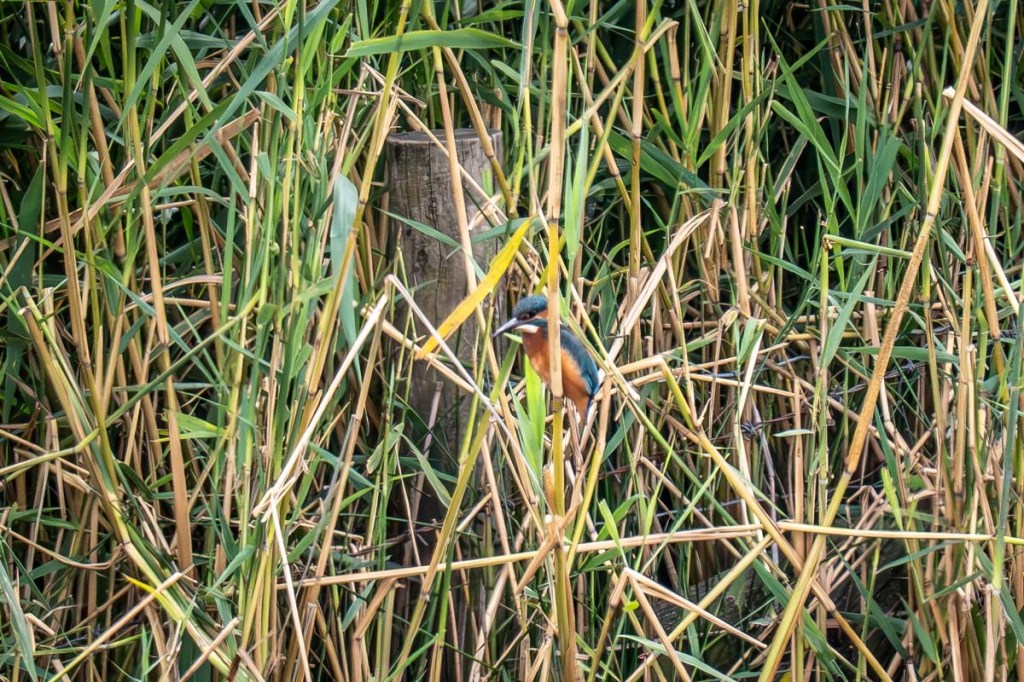
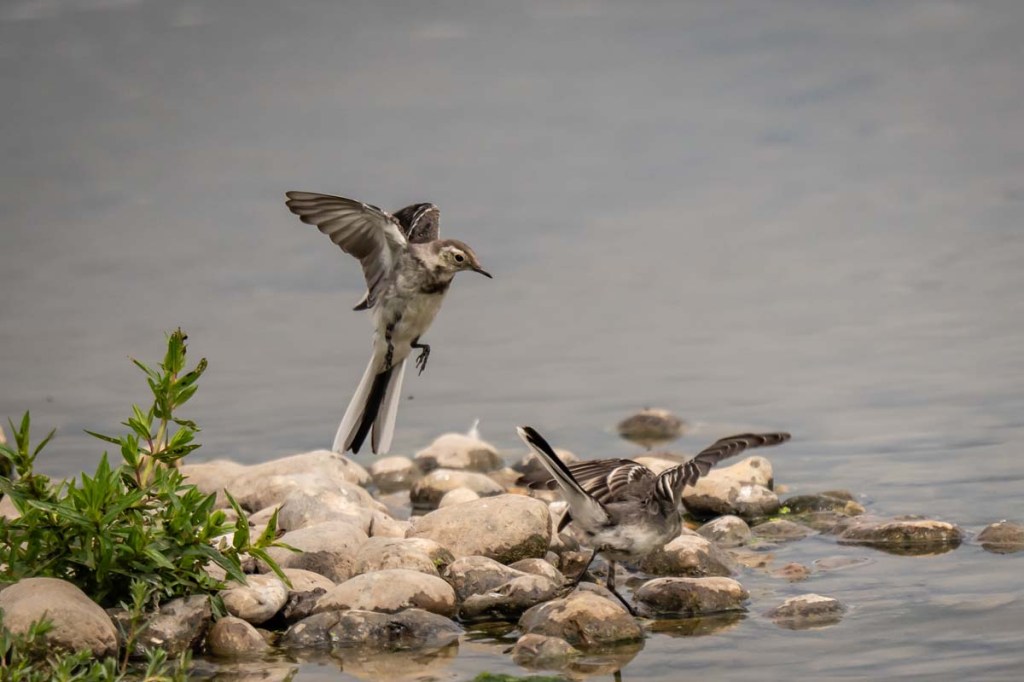
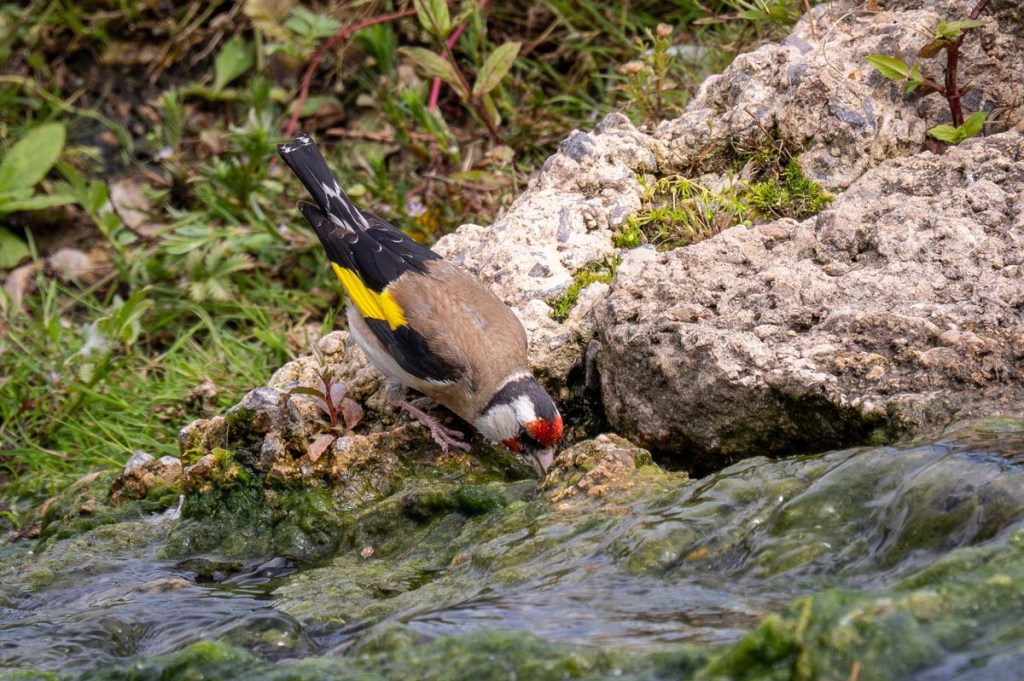
Red admirals are ubiquitous at the moment in this part of the countrySlimbridge is famous for its Bewick and Whooper swans in winter but today there was a black swan.The juxtaposition of this little egret to the black swan was quite splendidA young lapwingWho says we only have LBJs in the UK? Goldfinch having a drink.We are lucky to see so many egrets in this part of the world these days.Little egret in flightLapwing in flightA proud mum tufted duck… and one of her ducklings… and another (only because they are so cute)Clever planting attracts many beesI wish the achillea in my garden was as bright as this cousinOne of five green sandpipersGreen sandpiperGreen sandpiperSand Martin down on the estuaryThe light was poor down by the estuary but I could just capture these barn swallowsCommon sandpiper on the Severn EstuaryGoldfinch in flightKingfisher with a small appetiserKingfisherKingfisherKingfisherKingfisherKingfisherPied/white wagtailPied/white wagtailsBlack-headed gullBlack-headed gullGoldfinch
A spoonbill, common cranes and curlews (heard but not seen) all too far for my lens.
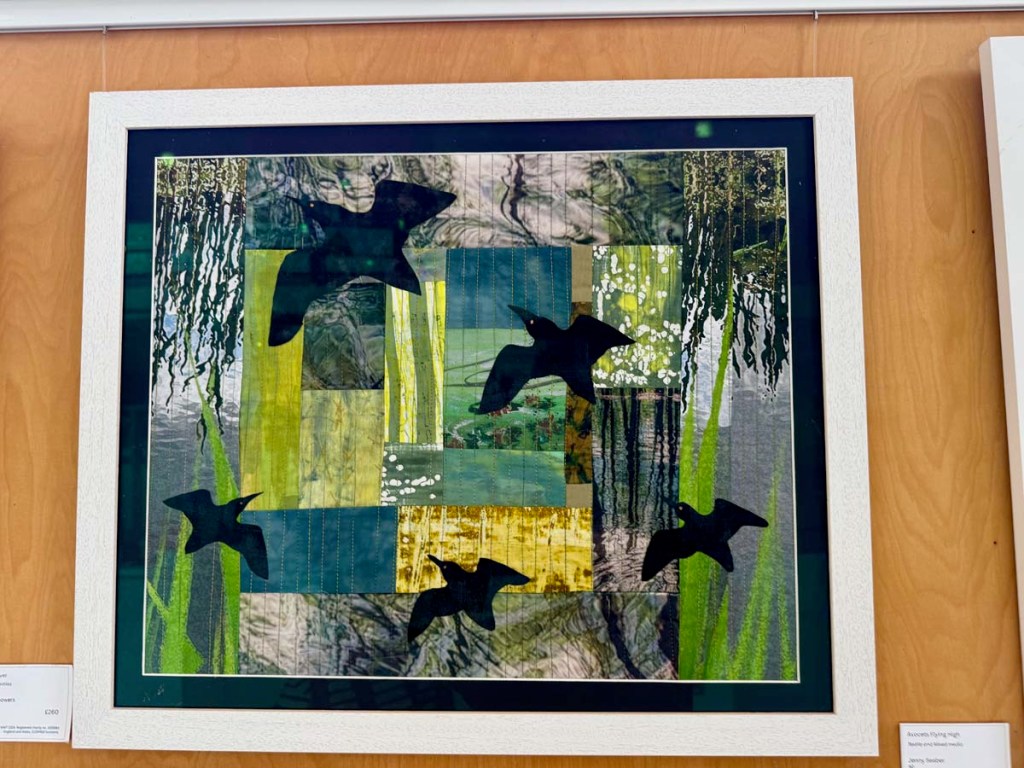
There was even a lovely exhibition of very accomplished textile wall hangings
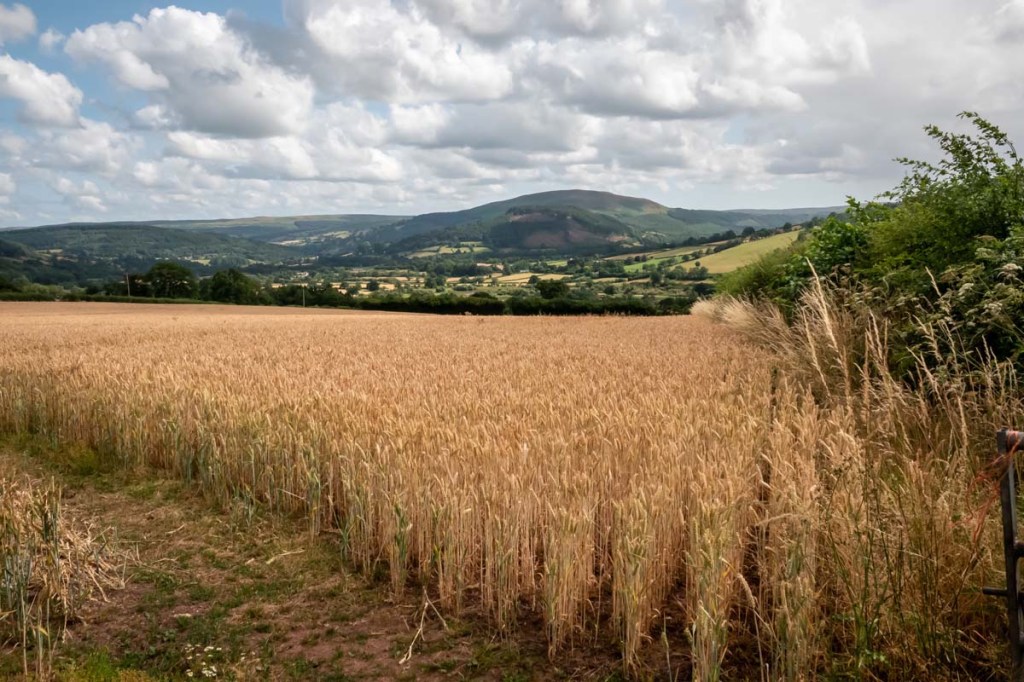
We have had a few days away in and around Brecknockshire in Wales. We started at Talybont-on-Usk which is only 55 miles away from where we live in Bristol and easily reached in well under 2 hours, driving through some stunningly beautiful countryside.
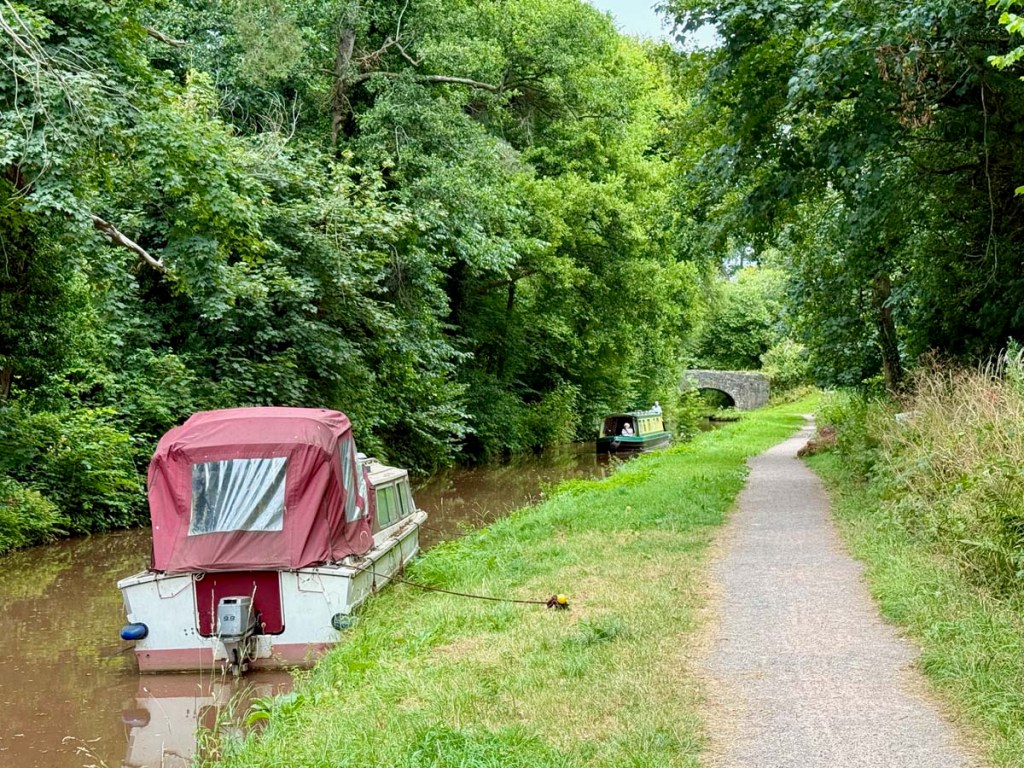
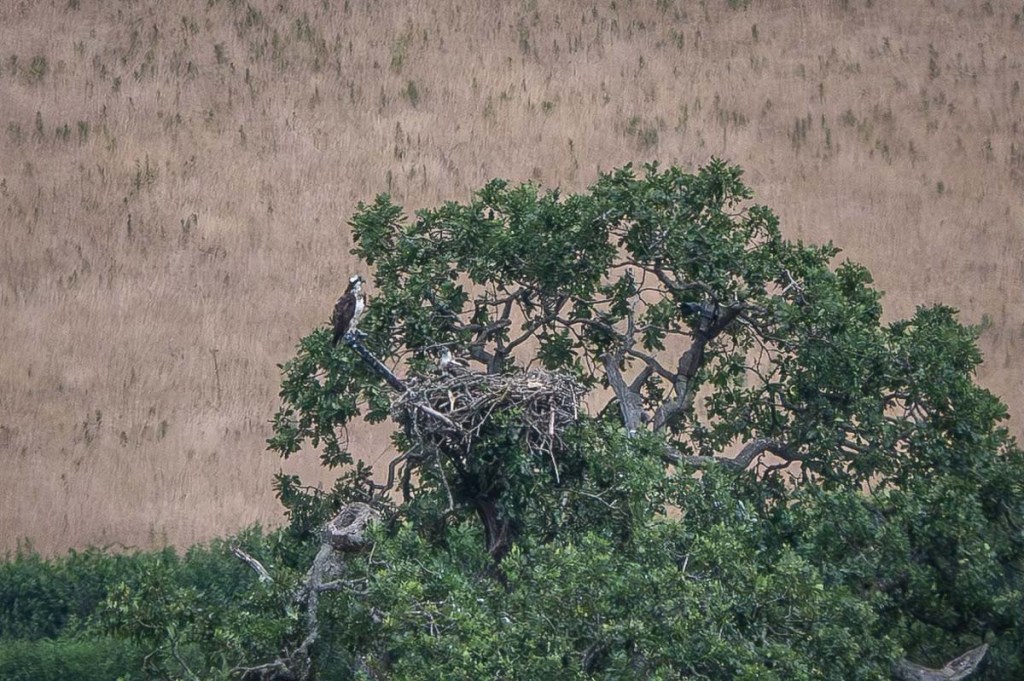
We wanted to see if we could see a pair of ospreys who have produced a chick for the first time. We walked along the Montgomeryshire and Brecon Canal where we knew there was a vantage point where we could see (at some distance) the nest.
The Montgomeryshire and Brecon Canal at Talybont-on-UskThe female osprey (right) joining the male who was busy devouring a fish about 300 metres away from the nest
After all the hot weather we have had it was much nicer for us walking in the much cooler conditions. However, we hadn’t really counted on rain and , although we had views of both male and female and the chick, it was not ideal conditions for photography.
The female osprey with chick in the nest.
There’s a great website with webcams of the ospreys at https://www.uskvalleyospreys.org where you can really see what’s going on.
The weather brightened later on and we had a walk around a section of a nearby lake at Llangors.
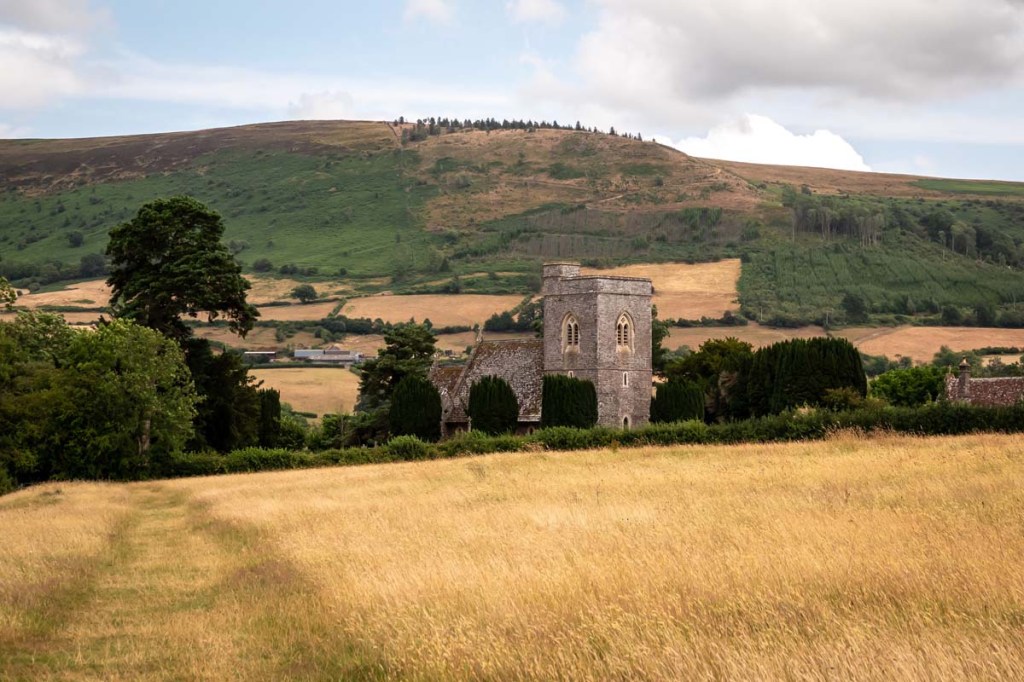
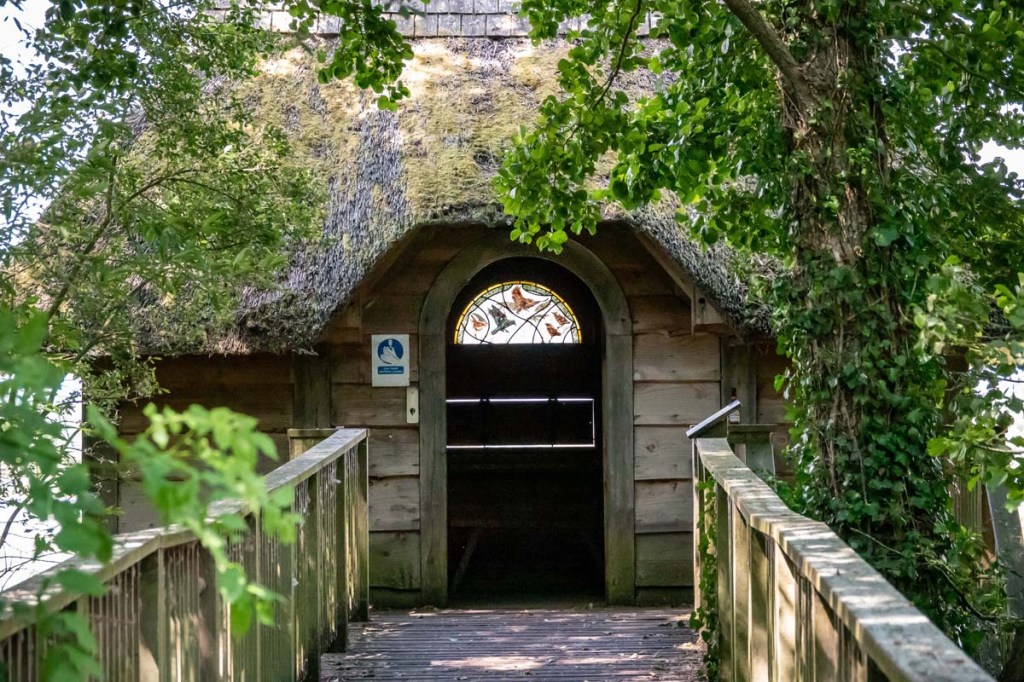
There were lots of Canada geese and cormorants on this section of the lake at the start of our walk at Llangasty Talyllyn on the south side of the lakeThe church at Llangasty TalyllynLooking north across the lakeThe thatched bird hide with a stained glass window – they take their birding seriously here in WalesThe stained glass window in the hide
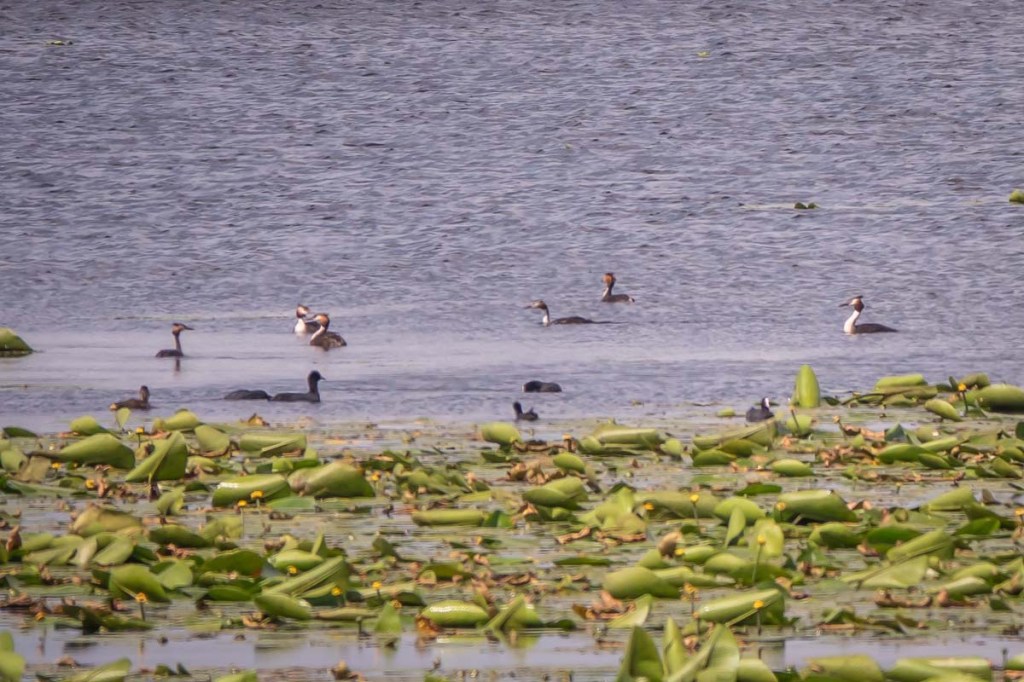
From the hide we had distant views of large numbers of great crested grebe and coots and a much closer view of a passover buzzard.
The buzzard passing in front of of the hide above the lily padsBuzzardLoads of great crested grebes
On our way back we suddenly came across a patch of ground with all sorts of wildlife:
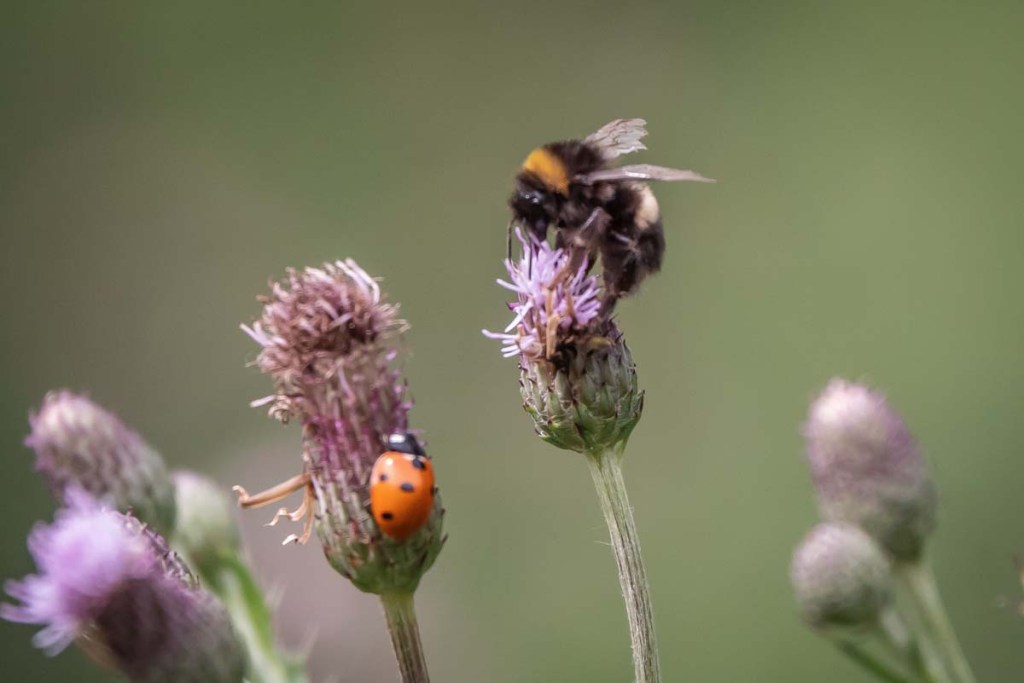
Large skipper butterflyA rather weather-beaten meadow brown butterflyBee and ladybirdPeacock butterfly and common waspCommon blue damselfly Green-veined whiteSoldier beetleHoverflyThe views of the environs of the lake were quite stunning…as were the views of the Brecon Beacons on our way to our pub accommodation at the Griffin at Felin Fach near BreconFelinfach GriffinBrecon Beacons
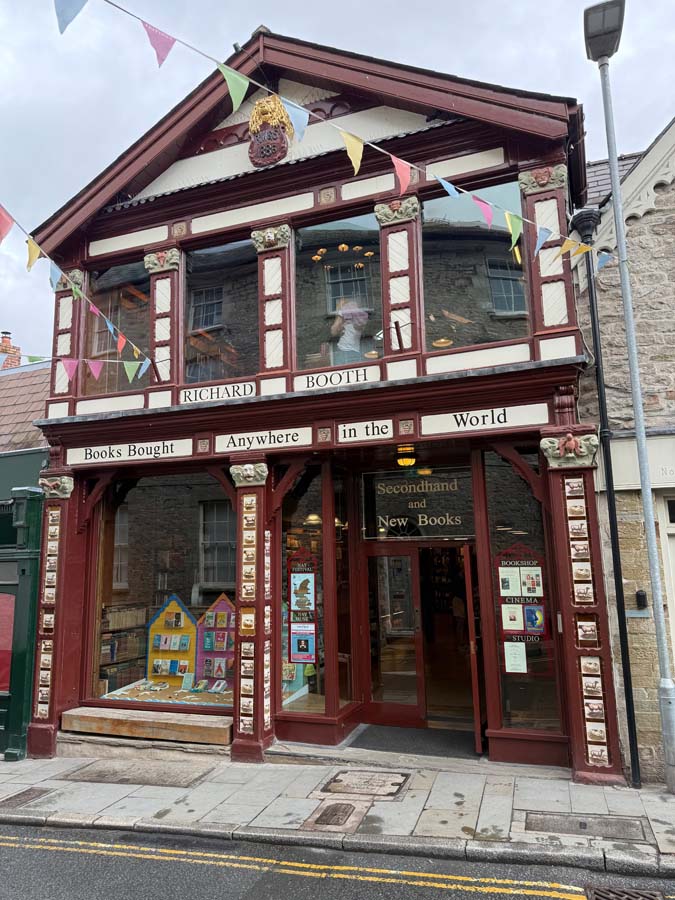
We were very unlucky with the weather on the second day and were forced to dash between showers visiting bookshops in Hay-on-Wye which is famous as a book town and for its literary festivals.
One of the many bookshops in Hay-on-Wye
After a snack lunch (the meals were so good at the Griffin we restricted ourselves to one Welsh Cake with our coffee at lunchtime) we set off for Llanthony Priory but we failed to reach our destination as the road was inexplicably closed for several hours just short of our destination. So, we made do with the stunning scenery in the Black Mountains and made our way back to our accommodation.
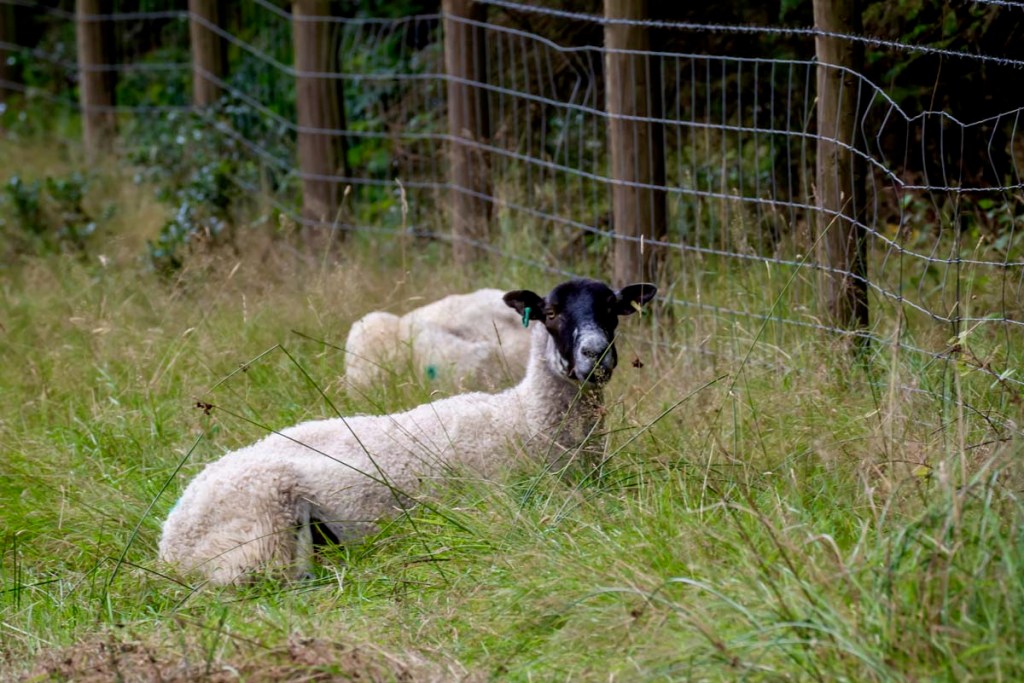
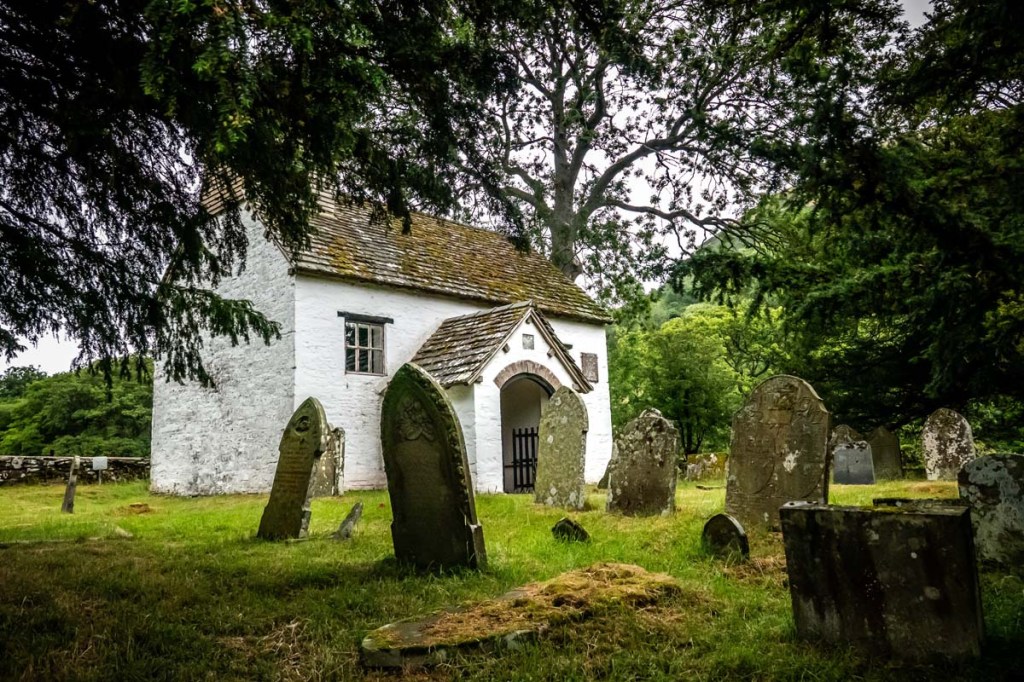
Fortunately there are plenty of passing placesThe weather did not spoil our enjoyment of the viewsWe got as far as this sweet little chapel… and enjoyed seeing the wild ponies… and sheep
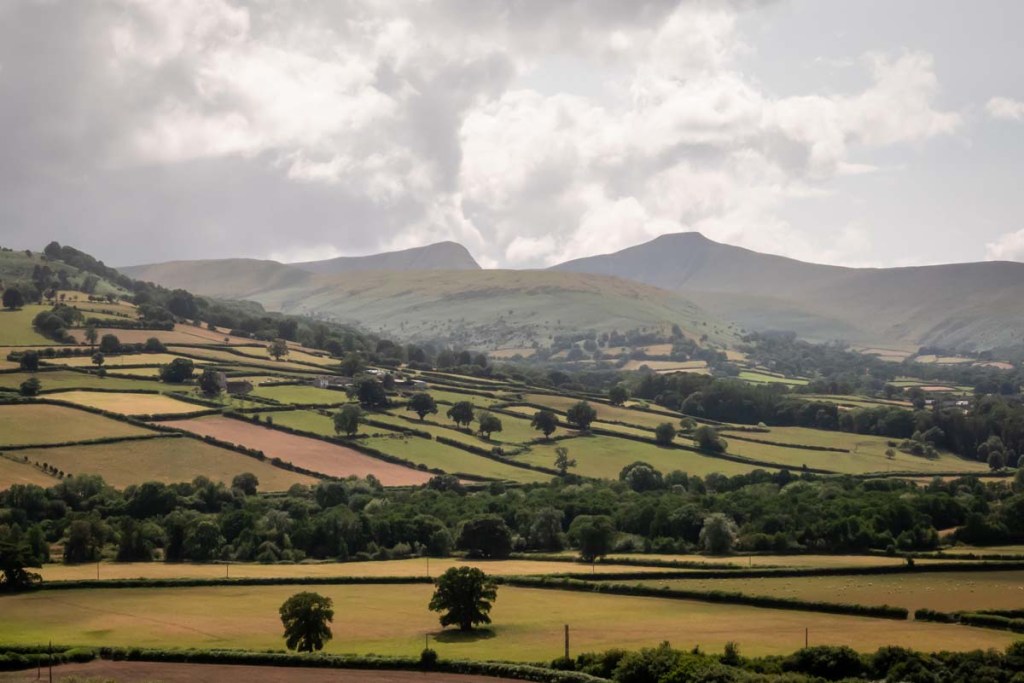
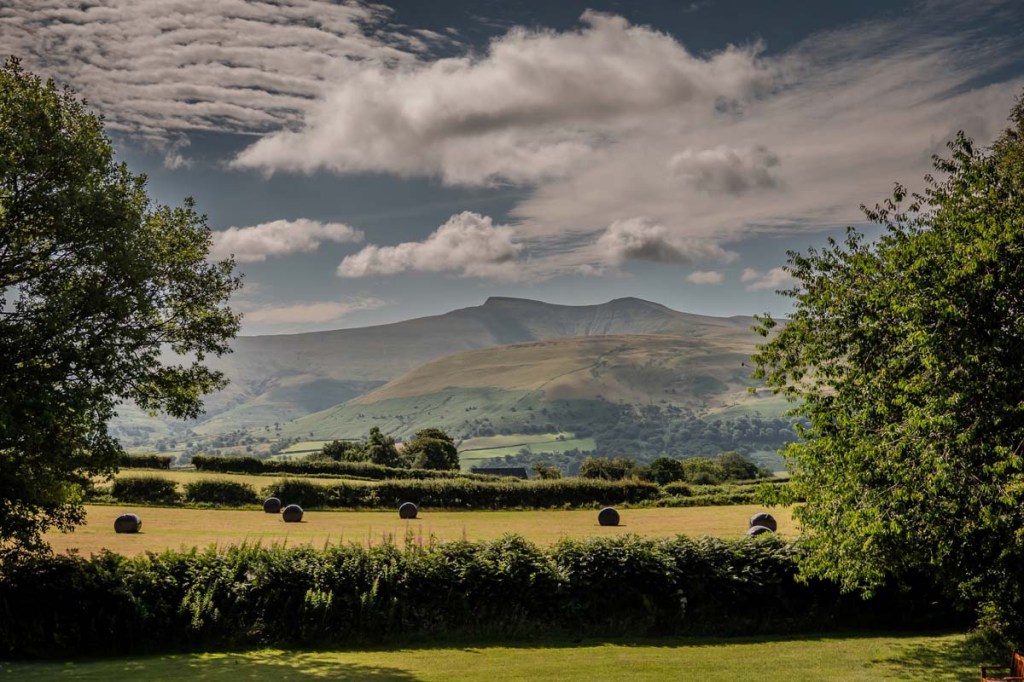
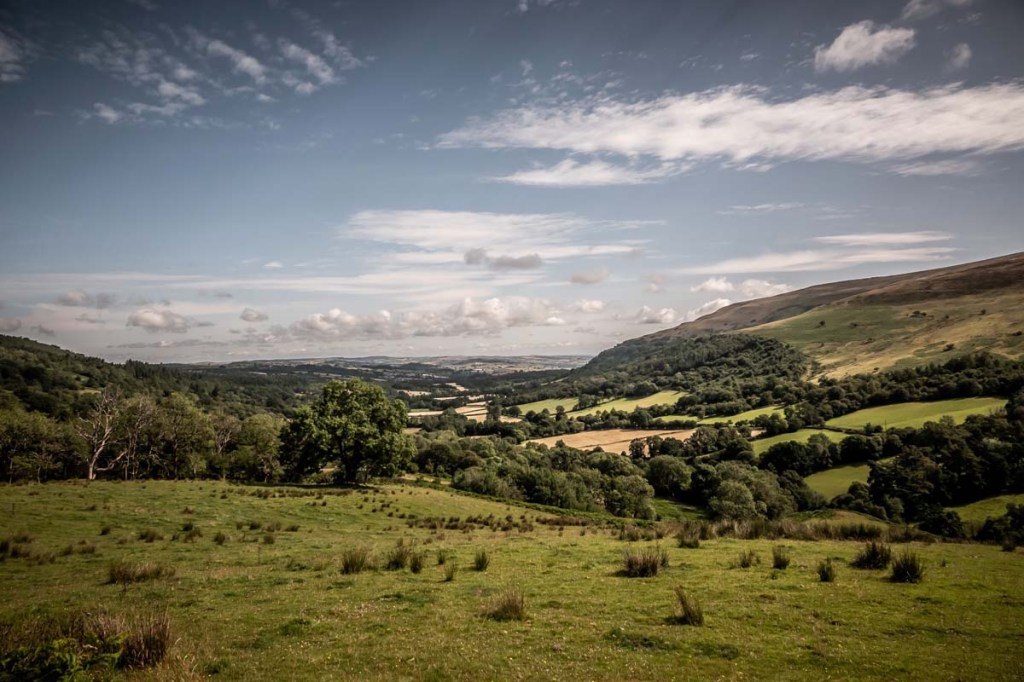
The next day there were more stunning views of the Brecon Beacons.
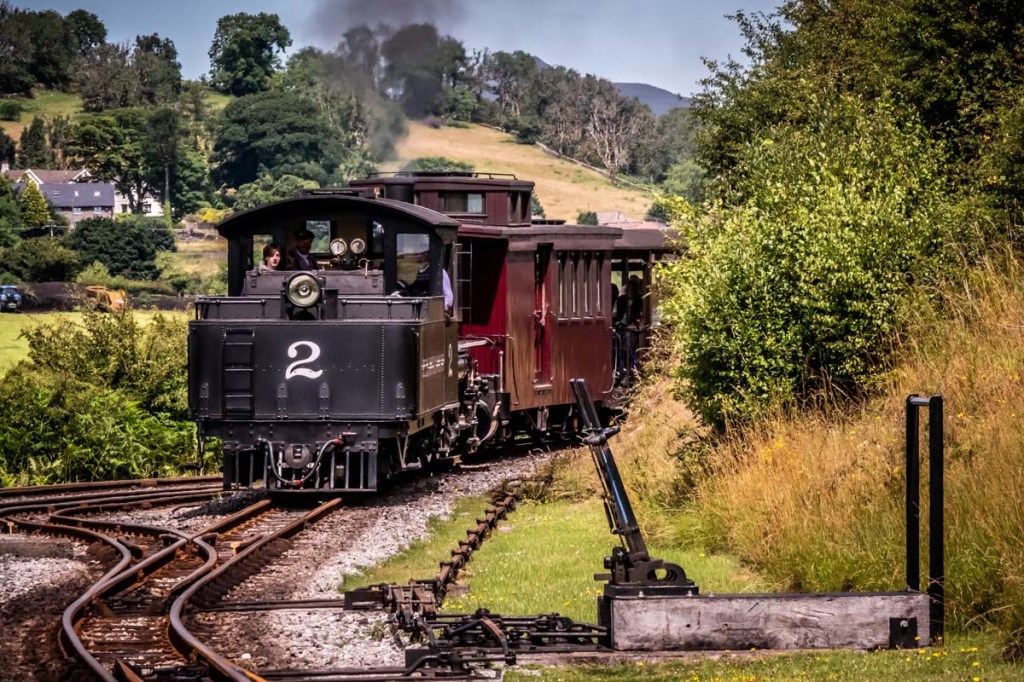
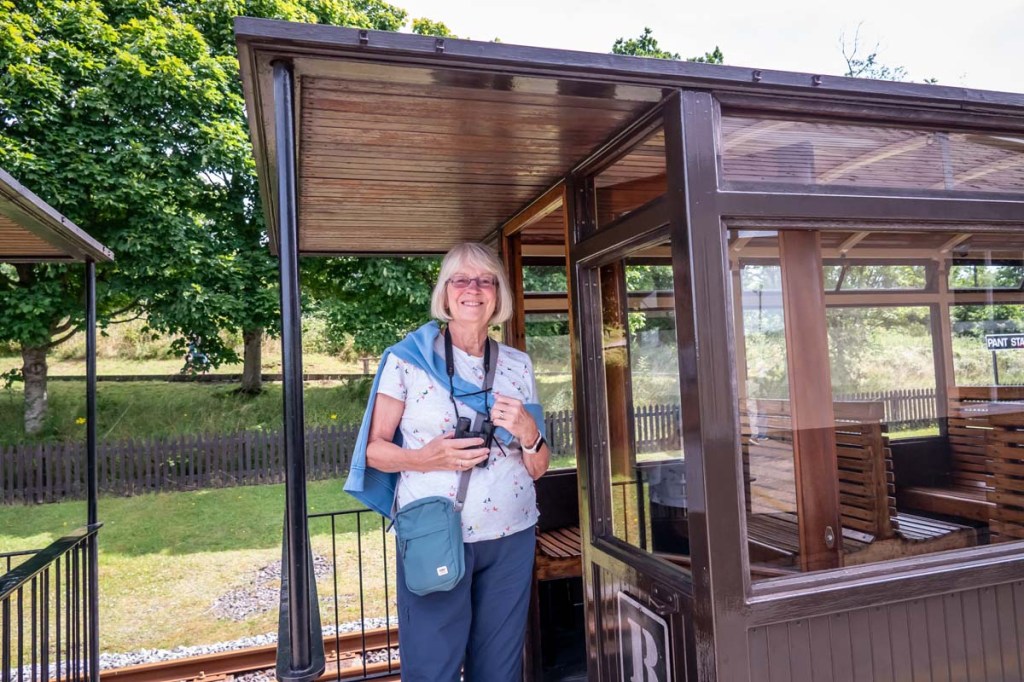
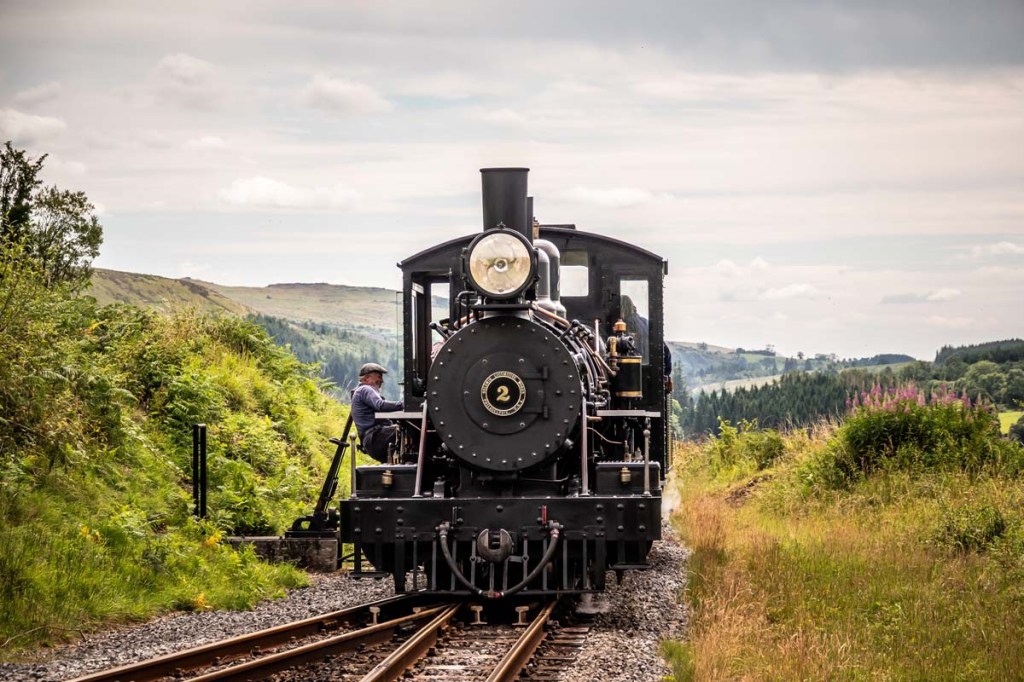
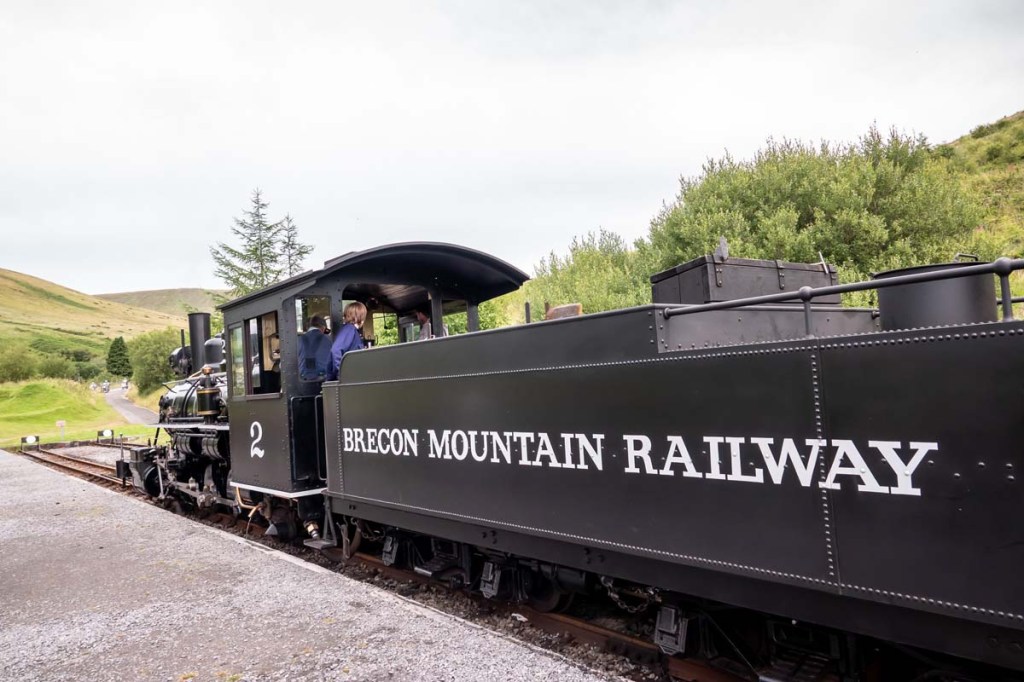
The Brecon BeaconsView back down through the valley towards BreconIt’s quite some years since we have climbed Pen-y-fan. You can just make out some of the early starters at the top We were going to climb a 1000 feet or so but by a much easier route on the Brecon Mountain Railway… starting from Pant station near Merthyr TydfilAll-weather carriagesNot quite Darjeeling or Shimla but a lot of fun all the same
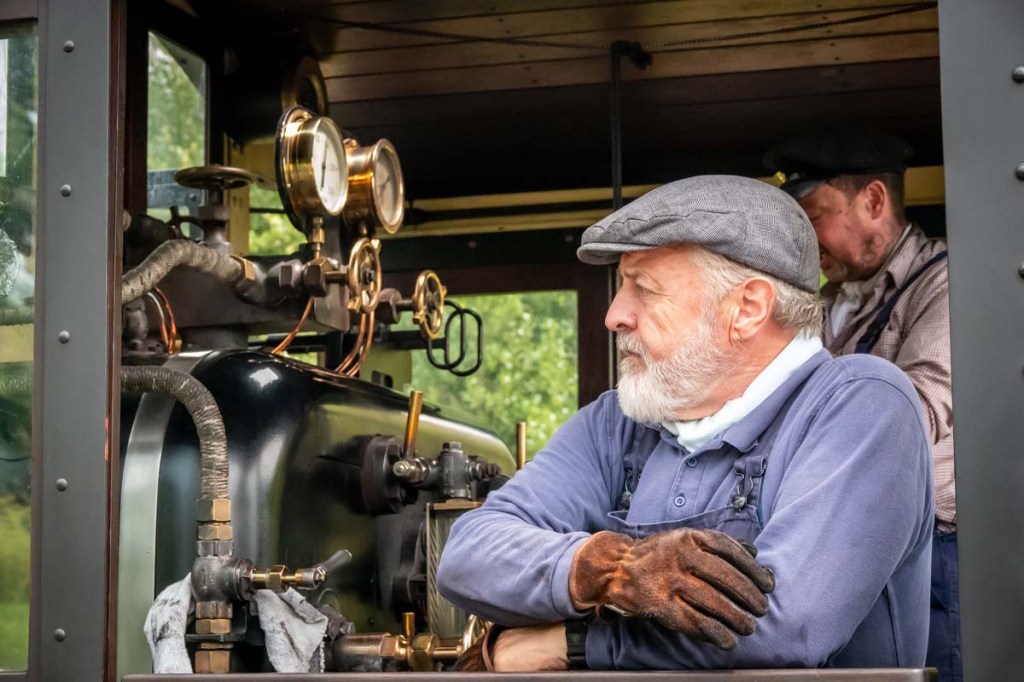
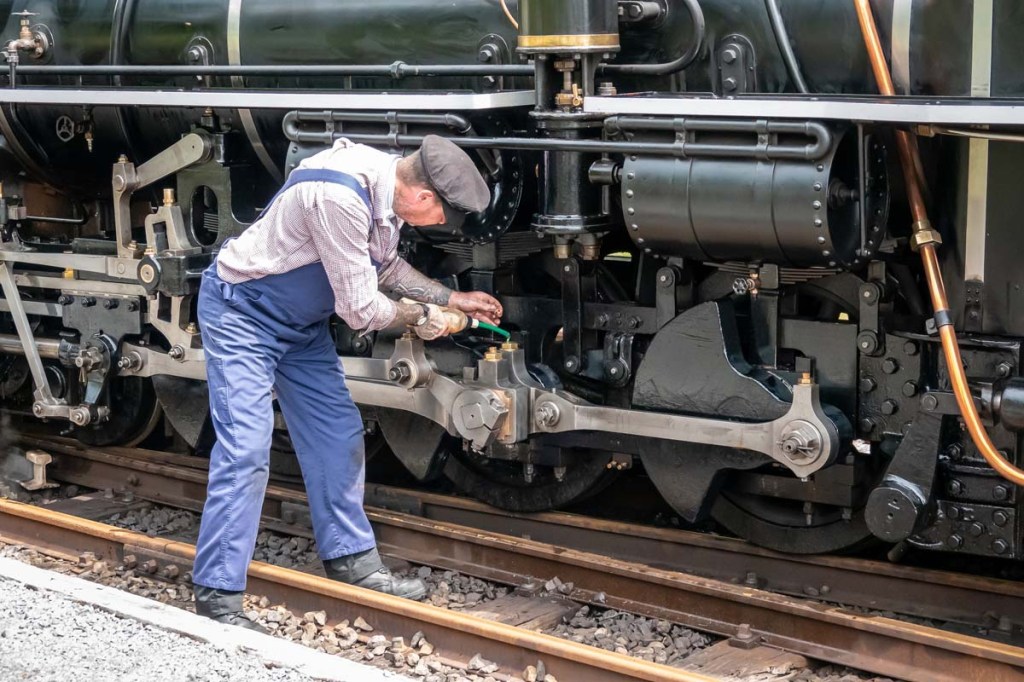
For the real train buffs a few more shots of the locomotive which was made in Philadelphia but spent all its working life between mines in South Africa from where it was rescued and restored by amazing volunteers from this part of Wales.
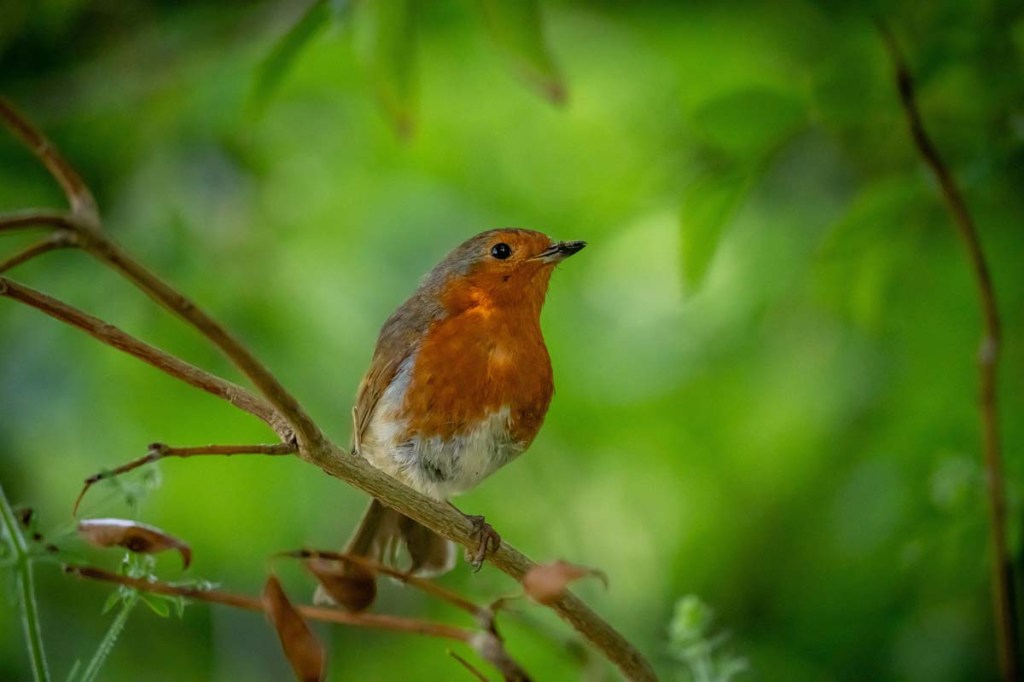
All restored by enthusiastic volunteersThe Brecon Mountain Railway fuelled by coal from Columbia!There’s generally a robin to save the day when I haven’t taken many bird photos
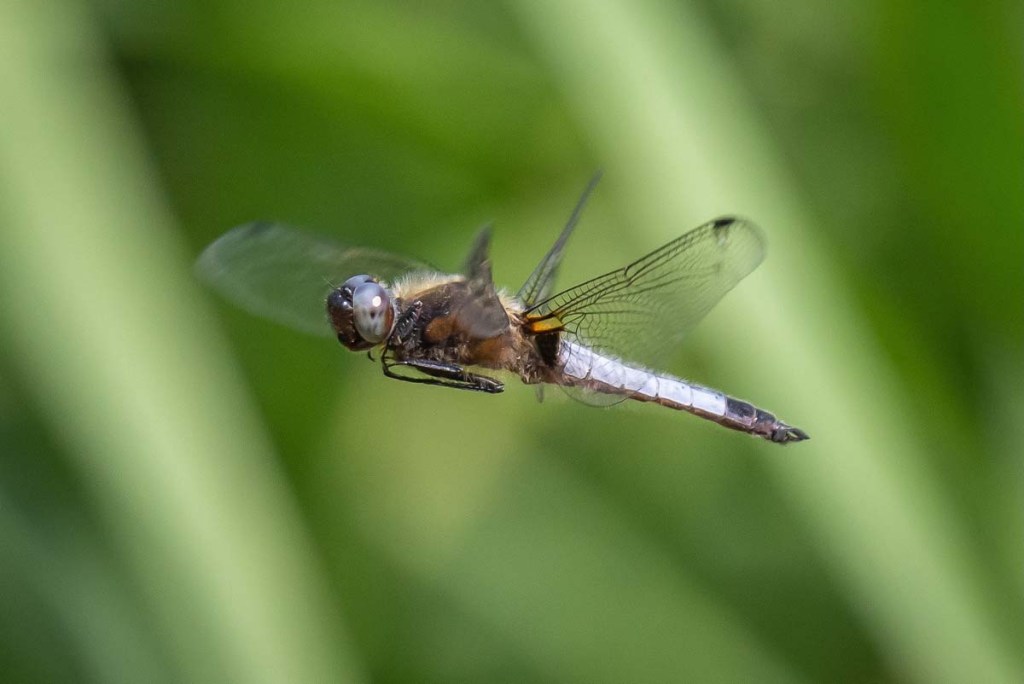
We are enjoying (or is it enduring?) our second heatwave of the summer and with temperatures reaching 32 ° C today its certainly too hot to go birding; so, I have gone on safari in the garden to amuse myself.
But now I’m finding it a bit too hot to write a blog. Back to the tennis and the cricket then …
But before I go, just a few photos of what I discovered:
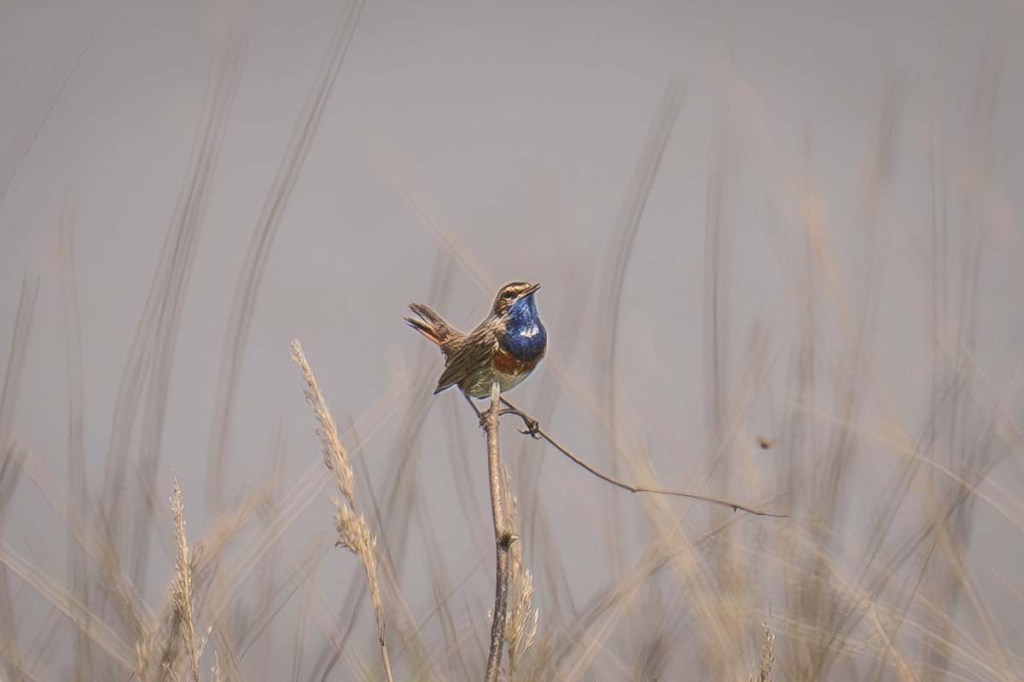
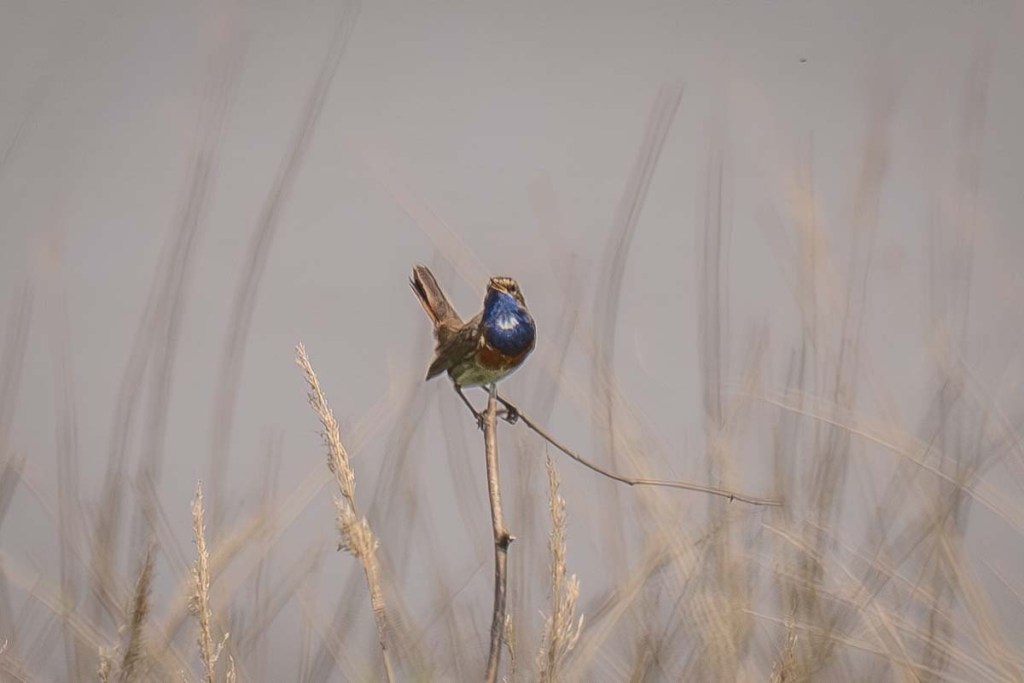
We made our second trip to Slimbridge to try to see the white-spotted bluethroat which has returned to the Severn Estuary for the fifth year running. Normally, the white-spotted subspecies typically breeds on the near continent but this is perhaps a sign that with climate change it is extending its range further north. Sadly, however, this male has so far failed to find a mate. Our luck was in and, after not too long a wait, it made an appearance. Ironically it appeared on a notice board warning not to linger and, showing its discipline, soon moved off. It continued to show well in the reeds.
You would think that singing like this its song would carry both the Bristol and English ChannelWhite spotted bluethroatWhite spotted bluethroatWhite spotted bluethroatWhite spotted bluethroat
There was plenty else to see on the walk out to the Severn Estuary.
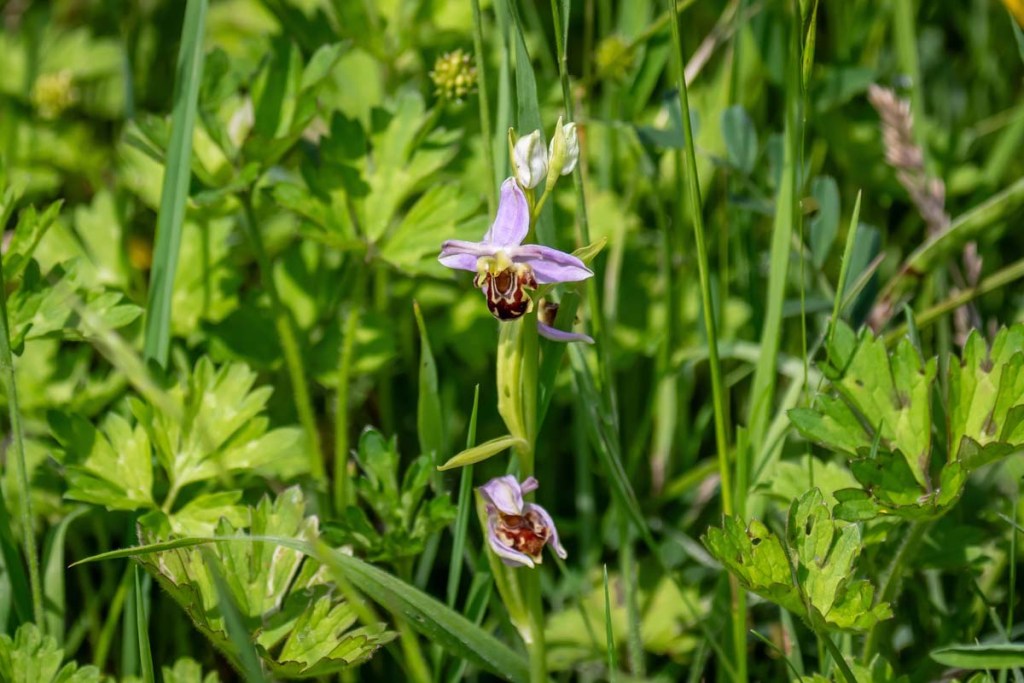
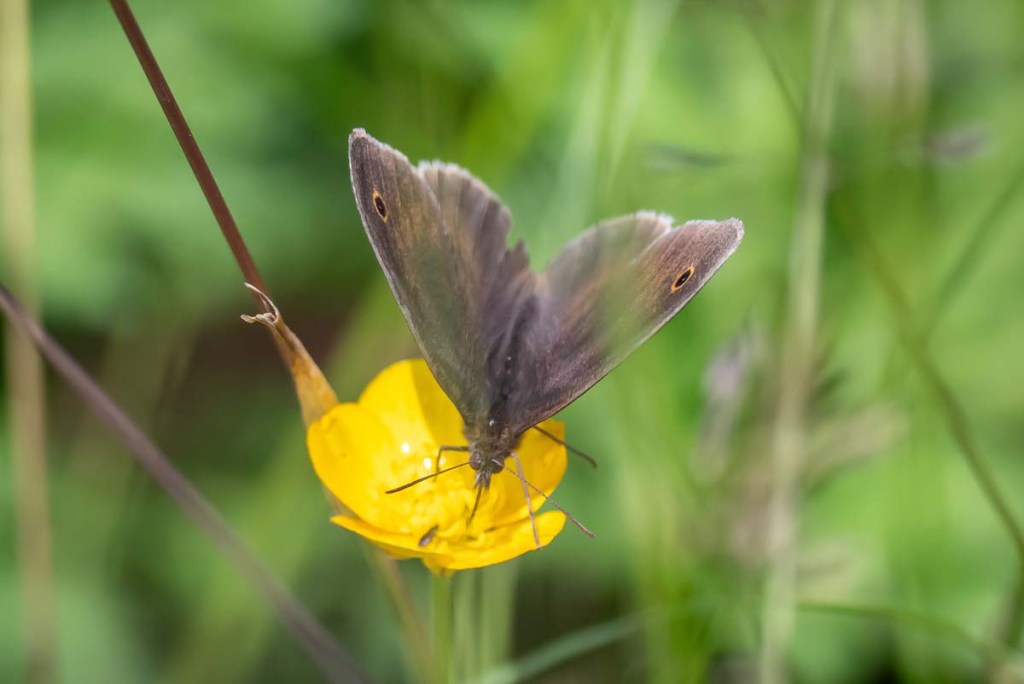
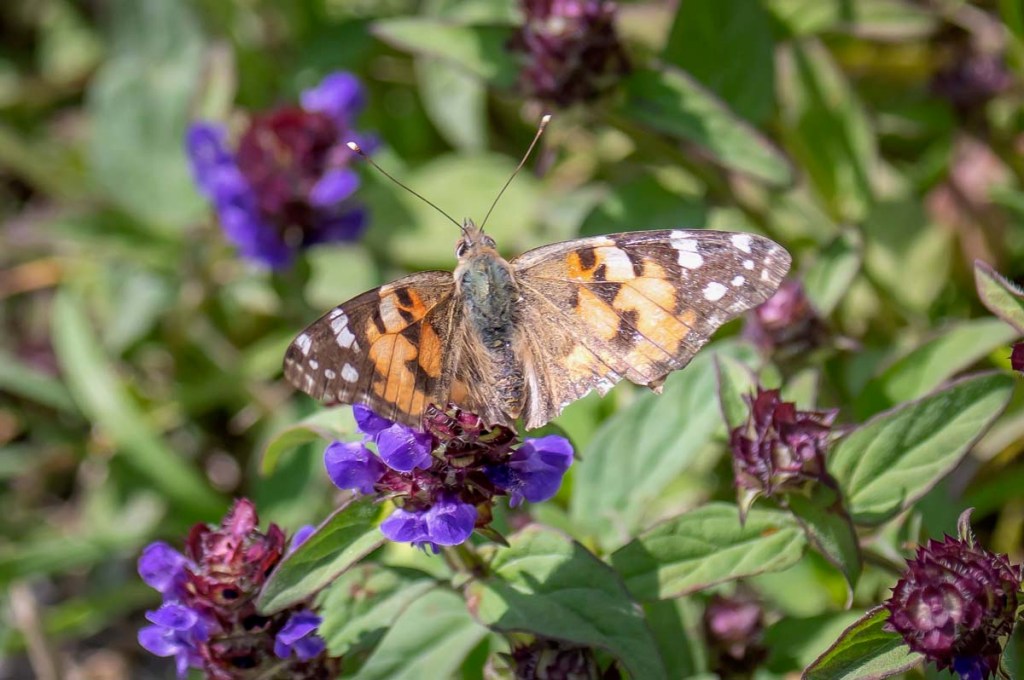
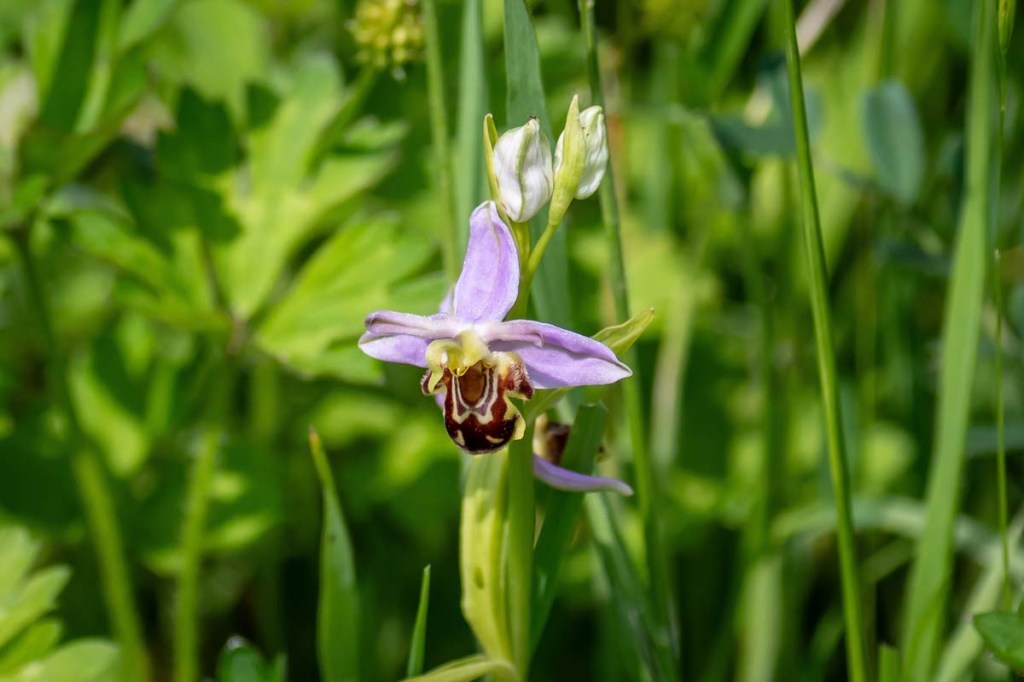
Bee orchidsMeadow brownLarge skipper butterflyPainted lady butterfly
The marbled white escaped my camera
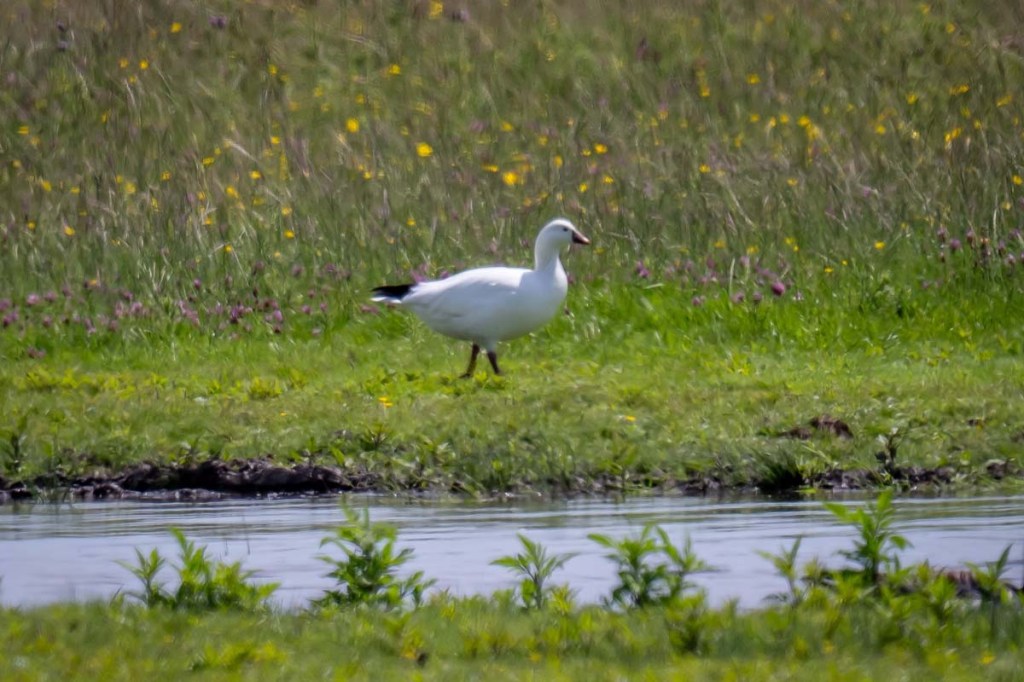
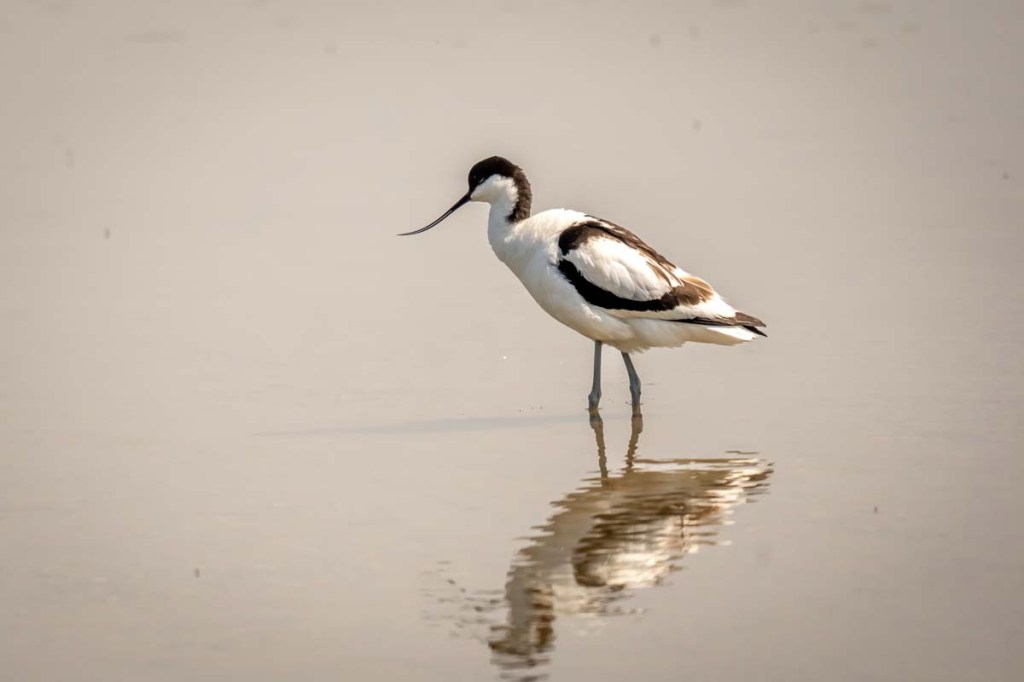
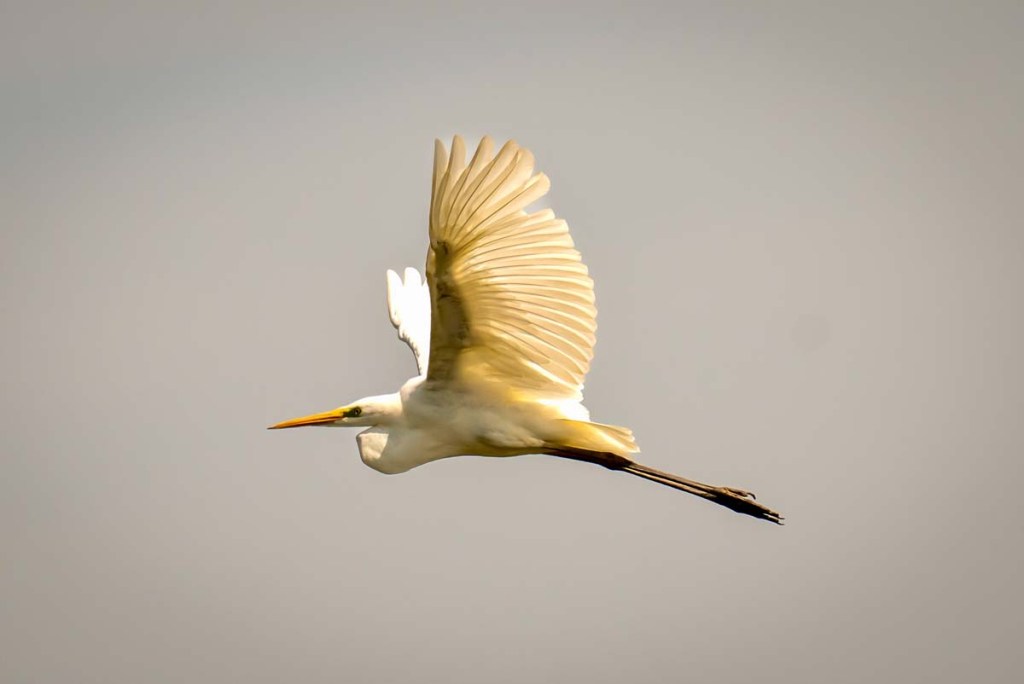
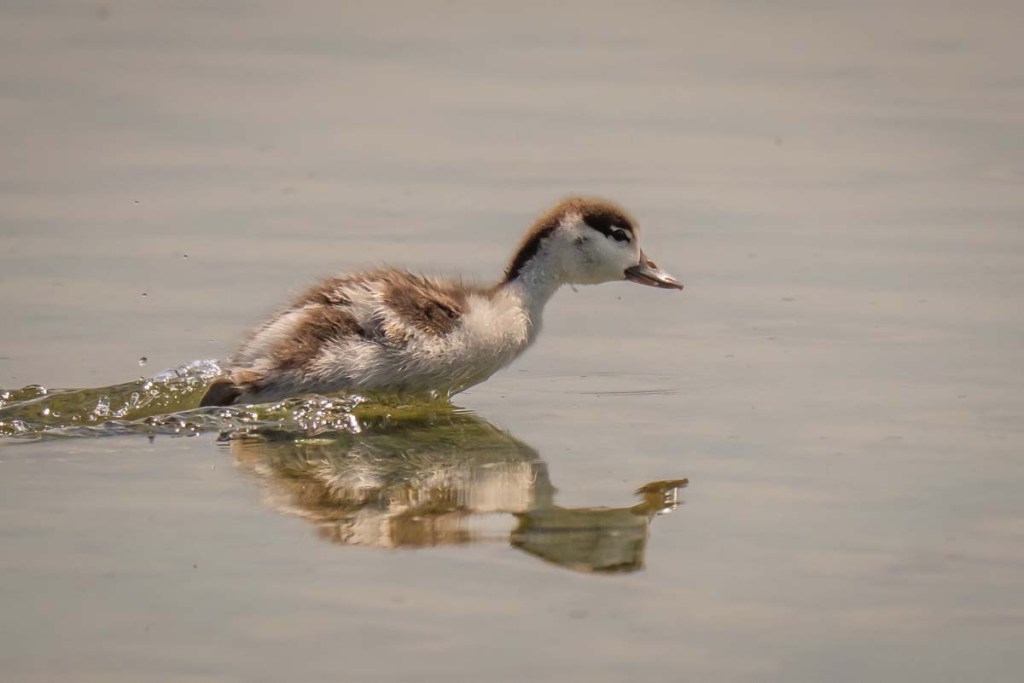
I imagine a hybrid gooseA snow goose or a Ross’s goosePied avocet (or simply avocet as we call them in the UK)Black-headed gullsGreat egretGreat egretGreat egretA shelduck ducklingMore shelduck ducklingsScarce chaseScarce chaserA rather shy robin
Following our week’s nature trip to The Camargue we have spent the last week near to Carry-le-Rouet, a seaside resort 30 kilometres west of Marseille, on the Côte Bleue.
View from the garden of our holiday let of the beach at Rouet plage which is set in a limestone calanque famous along this part of the Mediterranean coast.Rouet plage
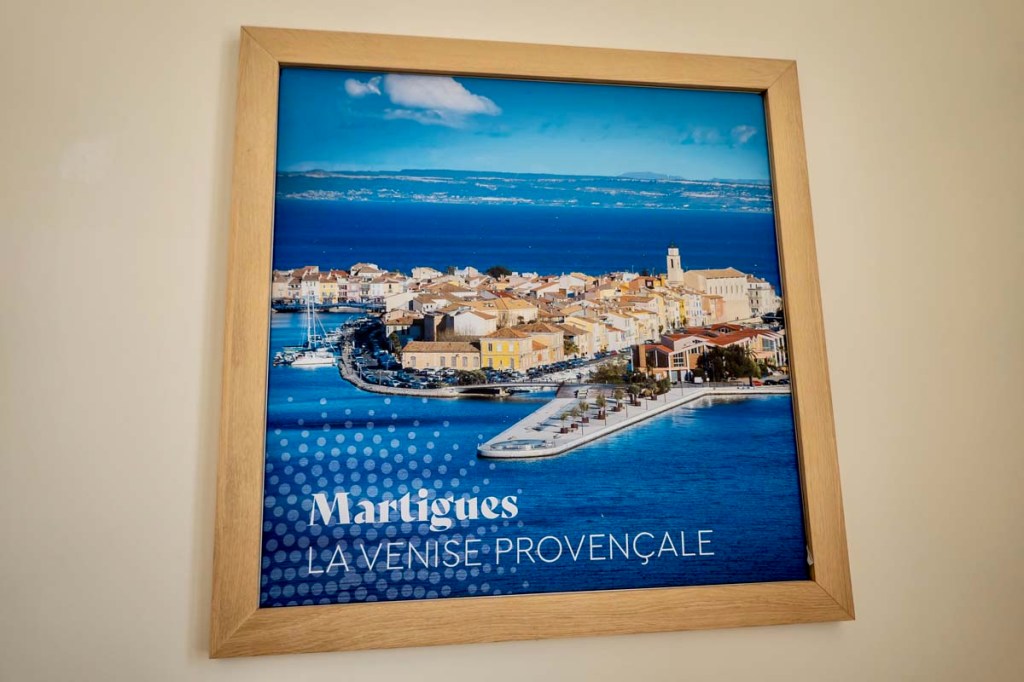
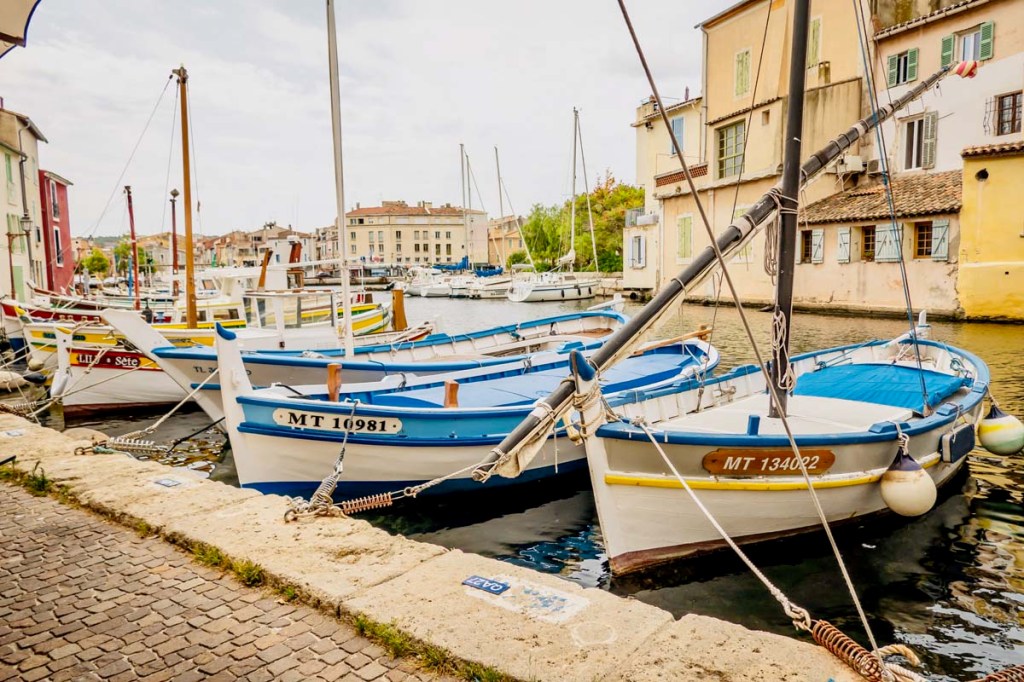
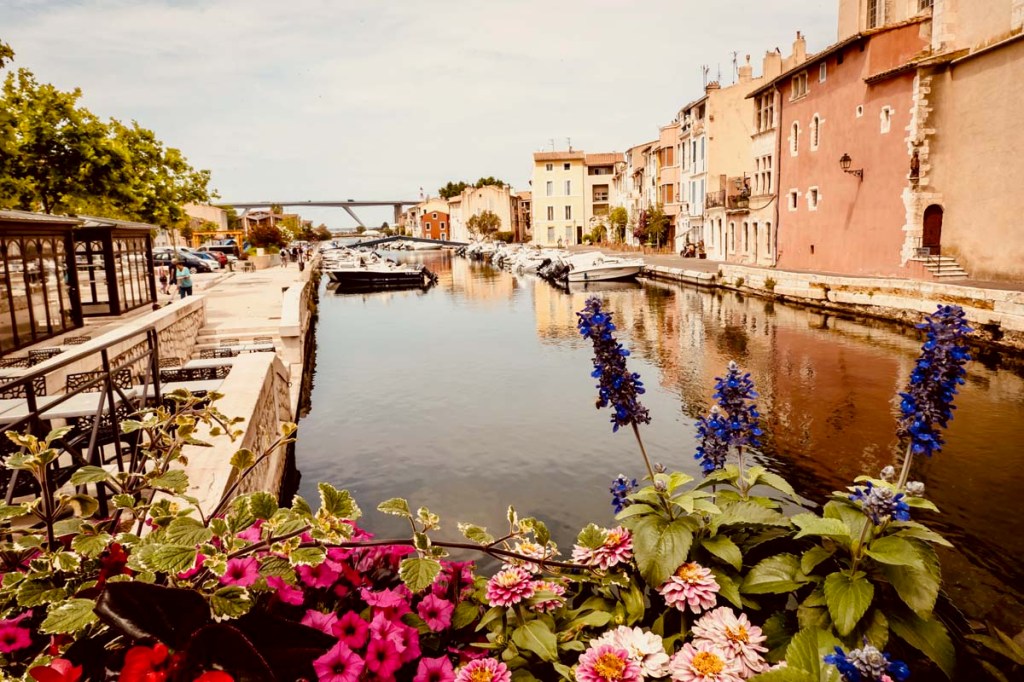
Mainly we have been relaxing in the local area but we have had a couple of trips out: one of a nature interest to Le Bassin de Réaltor near to Cabriès on the road to Aix-en-Provence and another to the nearby town of Martigues, nicknamed the “Provençale Venice” and which is a point of passage between the Mediterranean Sea and the Sea of Martigues (now Etang de Berre), close to the Côte d’Azur.
Our trip to the Bassin de Réaltor wasn’t a total success as, relying on a local source, we ended up high above the reservoir but, as it was extremely hot, we settled for a walk in the wood and an early return to Cabriès for lunch.
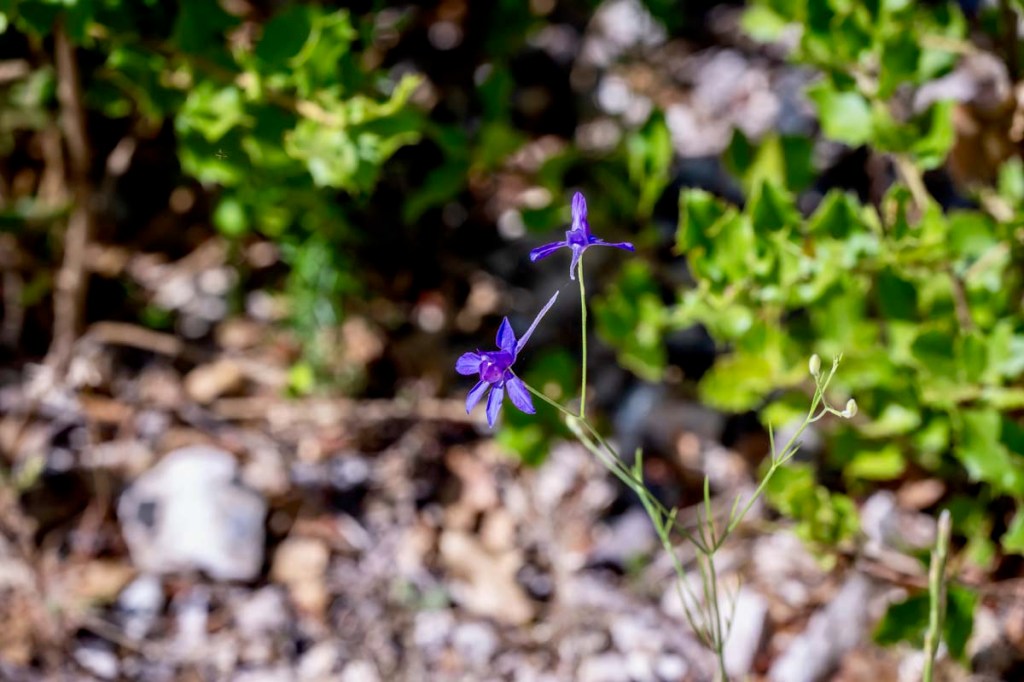
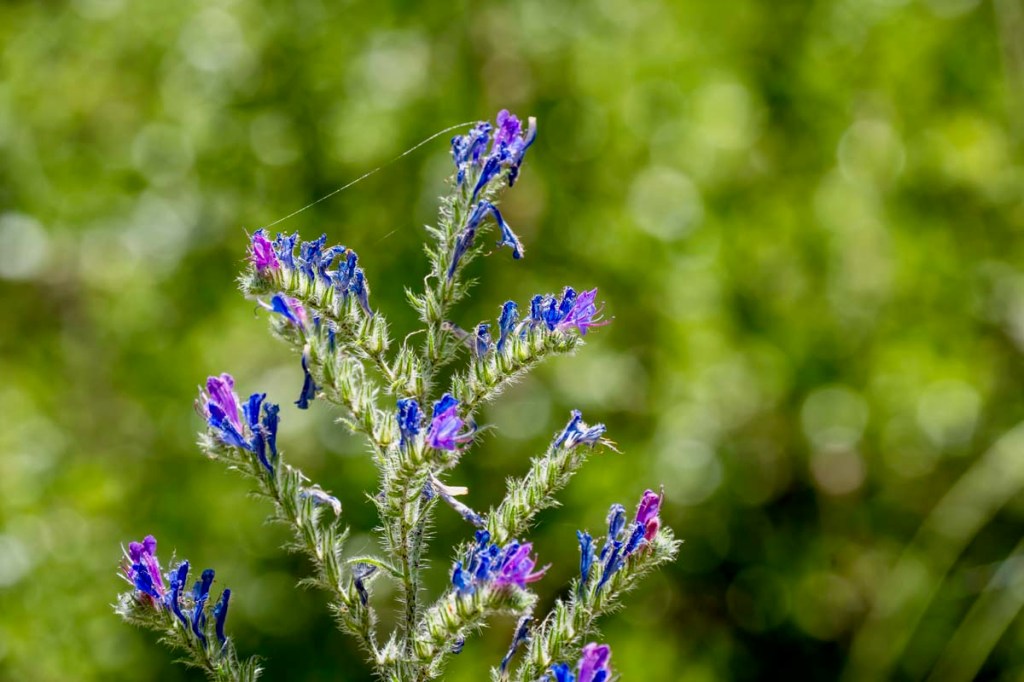
We saw and heard very few birds (perhaps it was too hot for them too) but we did see a few different butterflies and enjoyed the flora in the wood.
The beginning of our walkWe caught glimpses of the Bassin de Réaltor down belowSouthern red admiral butterflySouthern red admiral butterflyBlue spot hairstreak butterflySpanish gatekeeper butterfly
Martigues was beautiful but didn’t give us much opportunity for nature watching (other than a wonderful display of swifts as we ate our lunch in the area know as “le mirror aux oiseaux”) and a yellow-legged gull attempting to steal a fish which looked very much like the merlan (whiting) I had had for lunch.
The view from our table at the restaurant in “le mirror aux oiseaux – the swifts up above were too much for my phone camera!Yellow-legged gull and fishLe miroir aux oiseaux
Apart from those two trips we have stayed locally and spent a lot of time sitting on the terrace with the wonderful view of the Mediterranean below. That didn’t stop me snapping a few pics of anything that came my way.
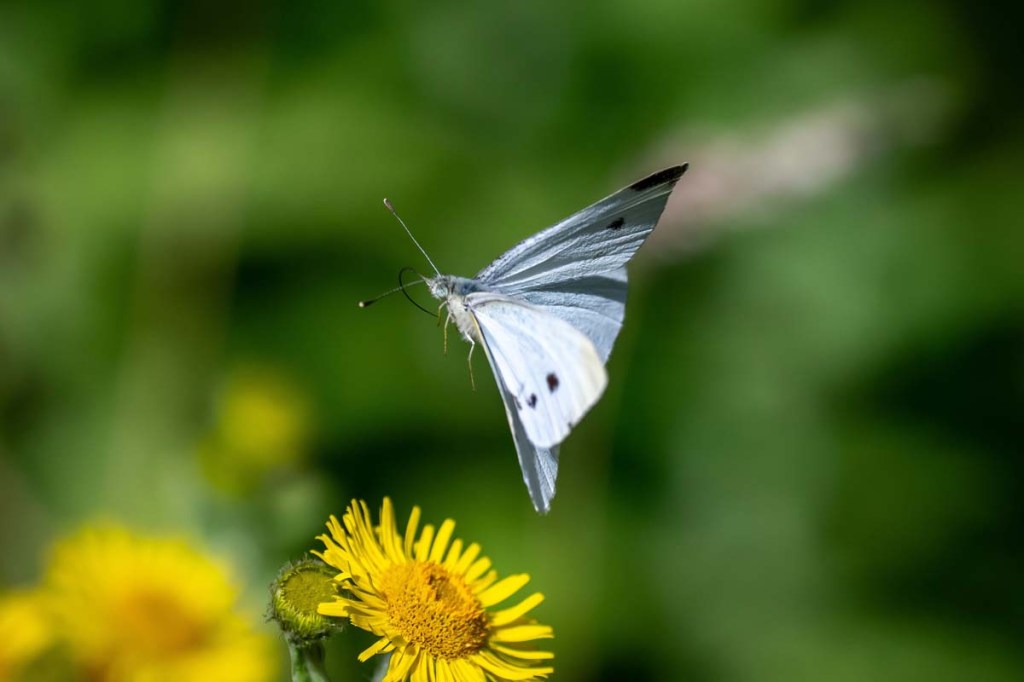
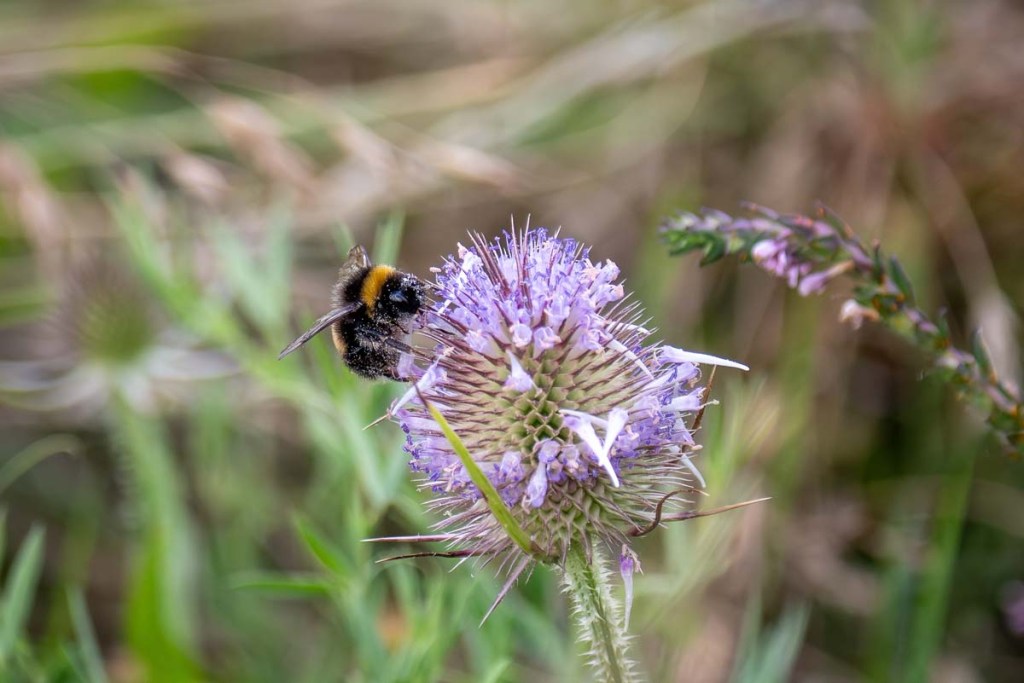
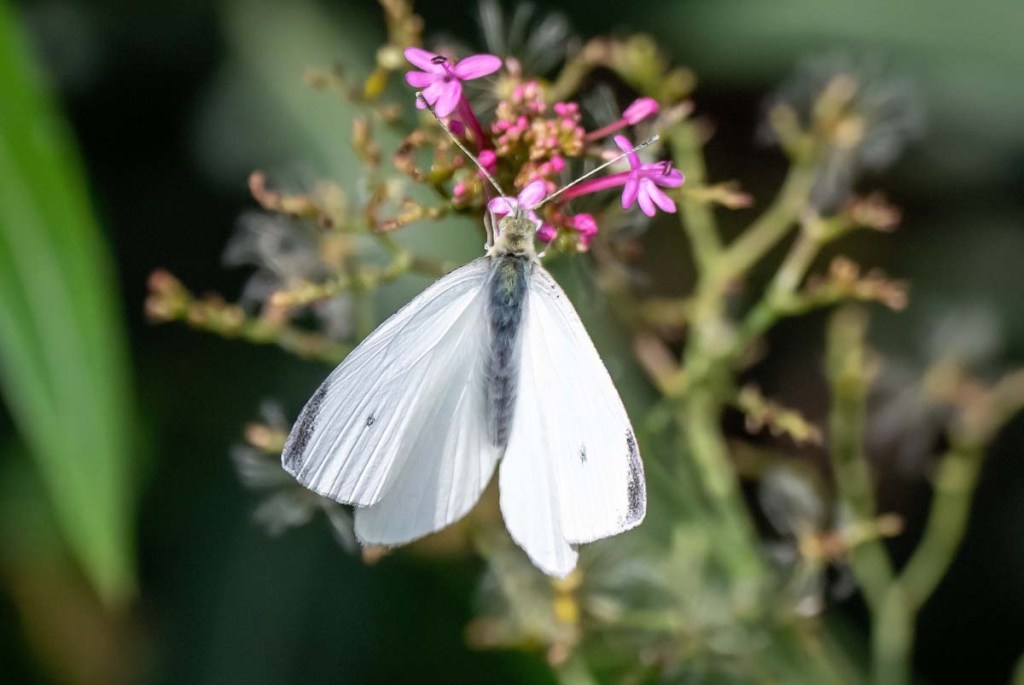
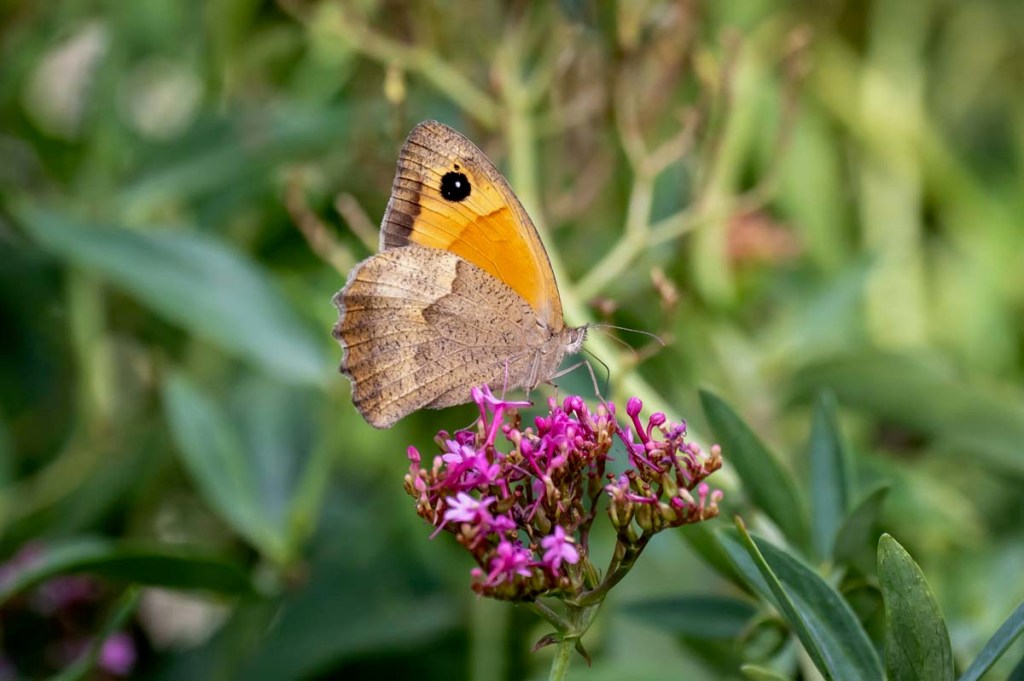
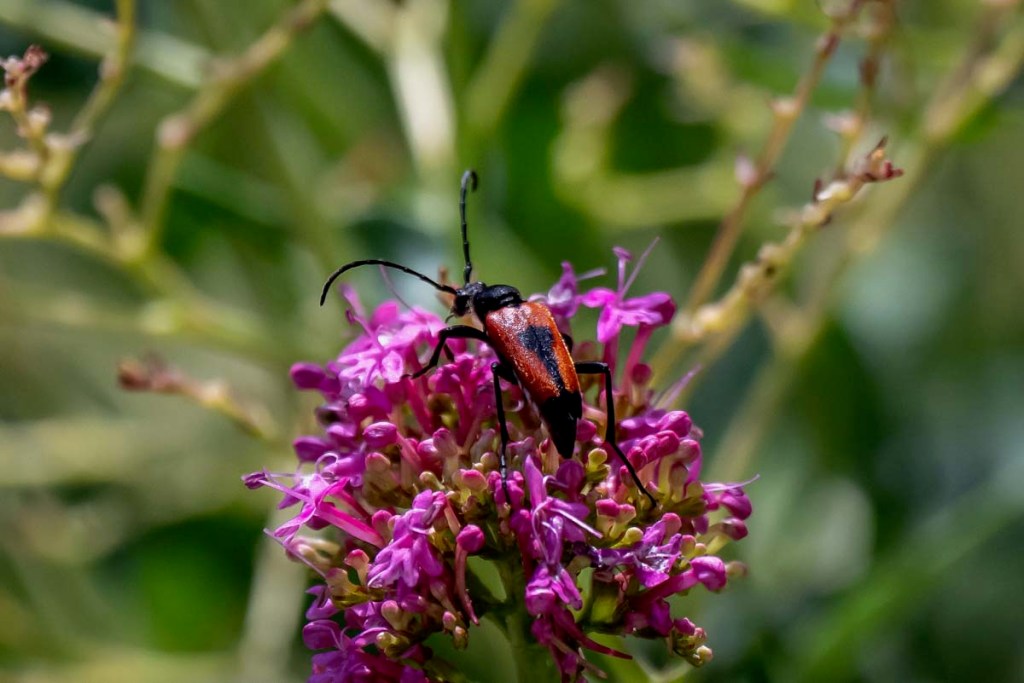
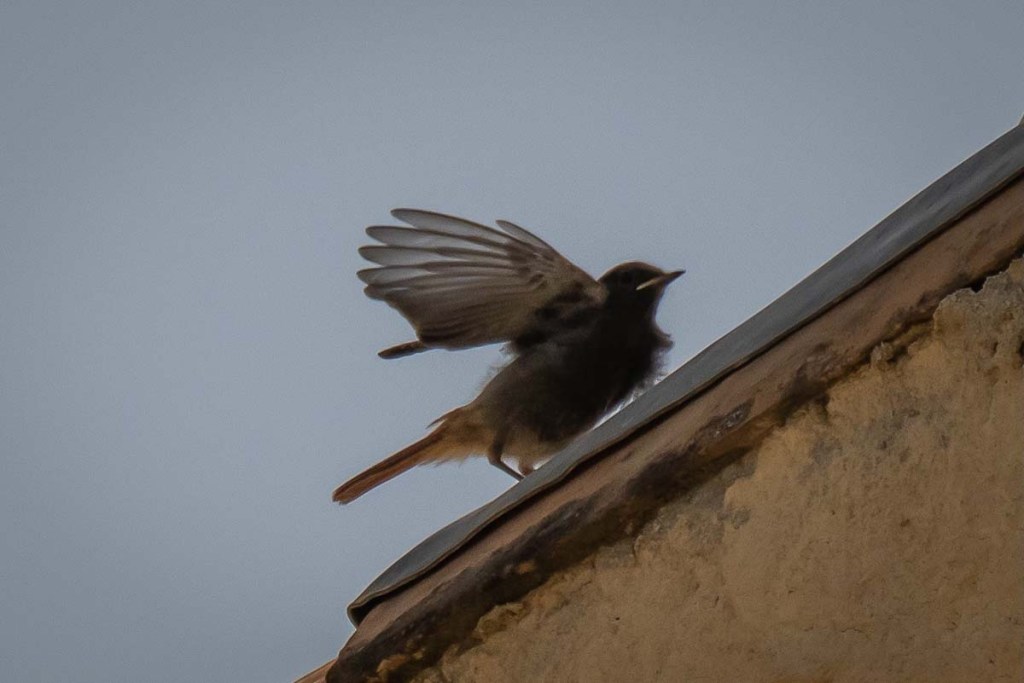
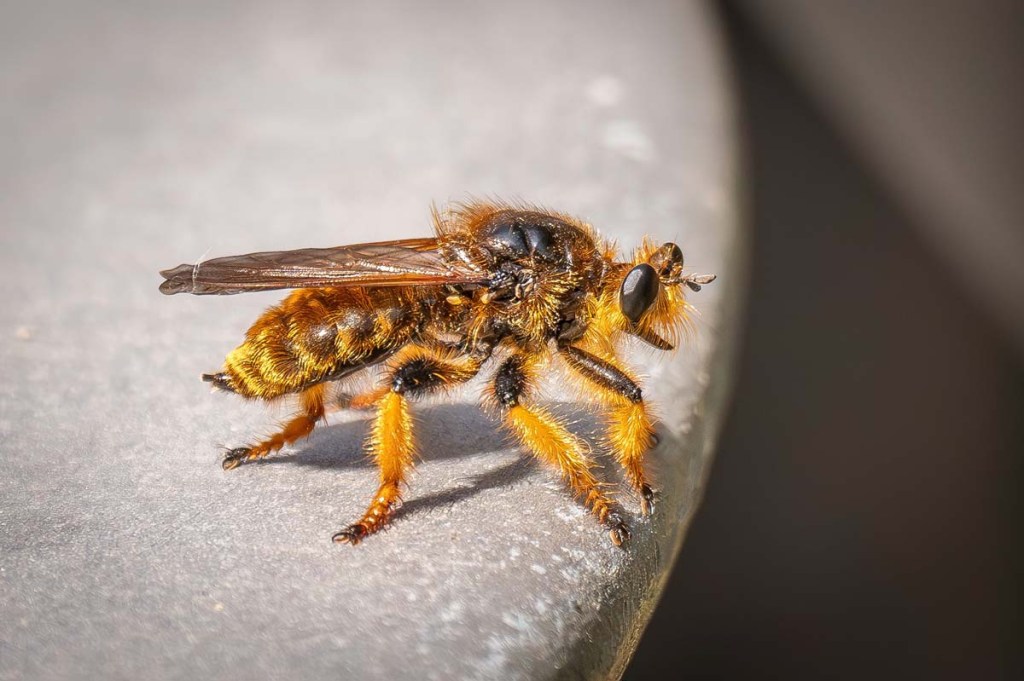
Small-white butterflyGreen-veined white butterflyMylabris quadripunctataMeadow brown butterflyLonghorn beetleTerrible picture of black redstart Common brimstoneCommon brimstoneCommon brimstoneCollared dovesEuropean paper waspRed-legged cannibalfly (apparently)Red-legged cannibalfly (apparently) – certainly frightened me and so I put my camera away

























































































































 Martin's Bird Blog & Nature Photos