Category: Blog

  • 24th February 2019 – Wye Valley

    24th February 2019 – Wye Valley

    This slideshow requires JavaScript.

    Rather excited by spotting a Sparrowhawk in our local park we decided, as it was such an amazing day for February (or indeed any month), that we would go further afield and try to see some other raptors. And so we went in search of peregrine falcons or goshawks at Symonds Yat on the edge of the Forest of Dean. (As I said in an earlier blog the removal of tolls on the Severn Bridge will entice us across the Severn Estuary more and more).

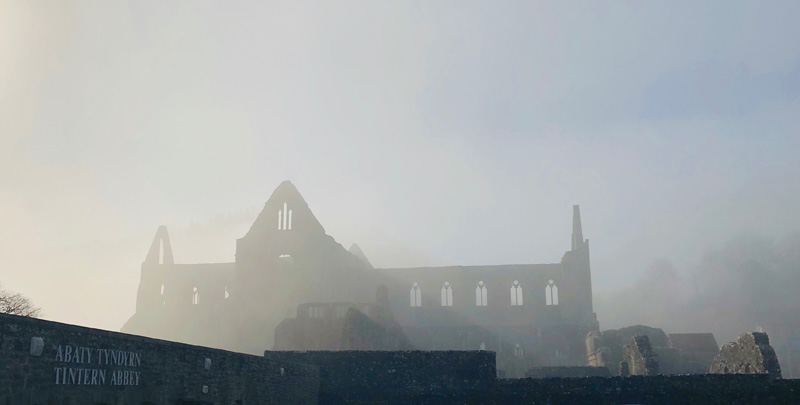
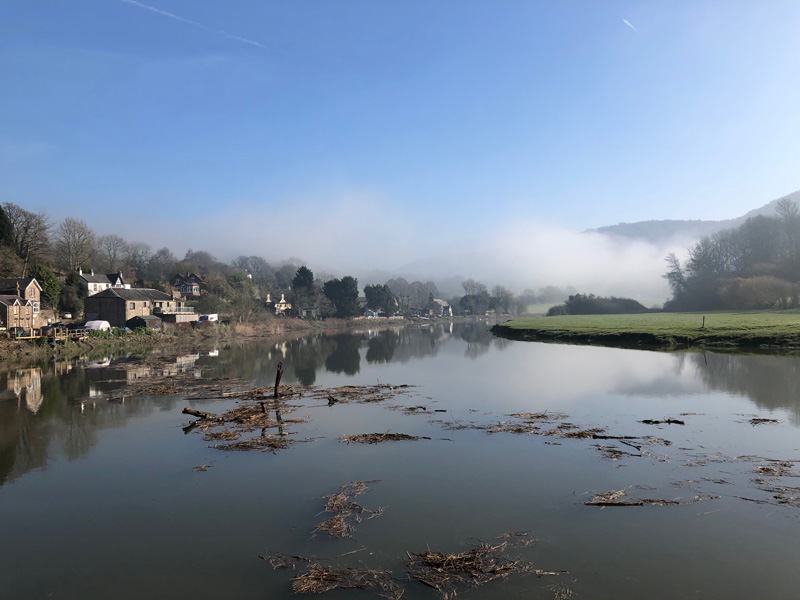
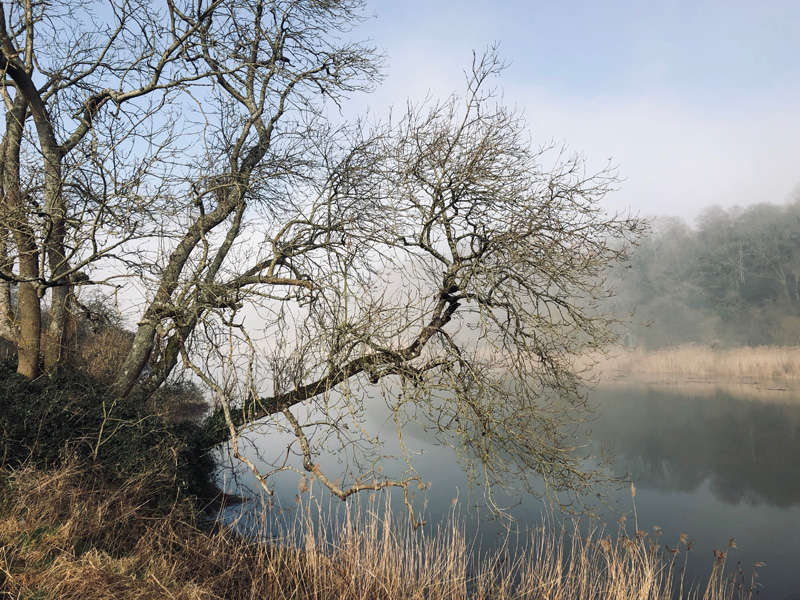
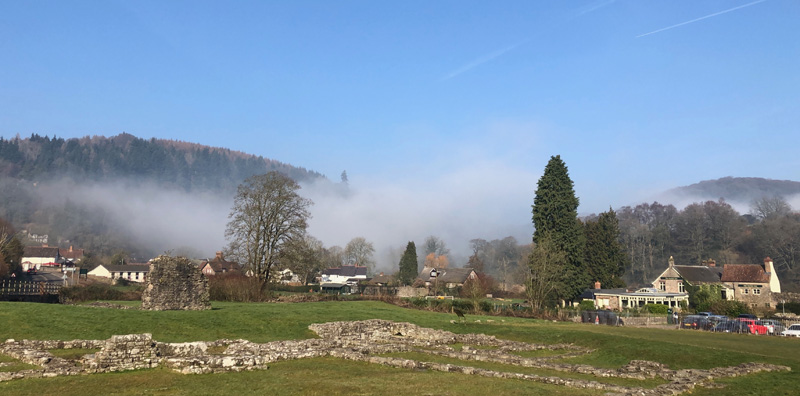
    Even at 10 o’clock in the morning it was beautifully sunny and quite warm. However, as we descended towards the Severn Estuary we were suddenly shrouded in fog. It was very foggy as we crossed the bridge but as we drove up through the Wye Valley the fog started to lift and we stopped for a while at Tintern Abbey.

    IMG_4991Tintern Abbey in the fog

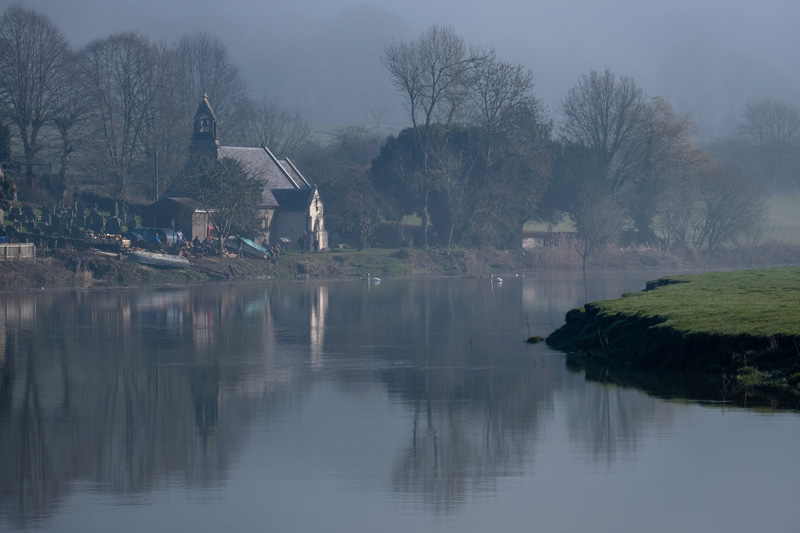
    DSCF7453The River Wye in the fog

    IMG_5070The fog began to lift on the River Wye
    IMG_4996

    IMG_5061

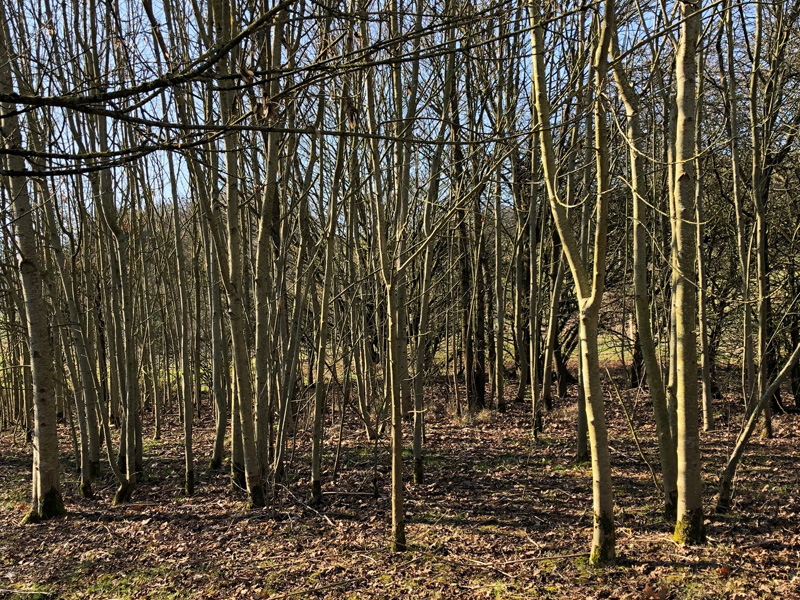
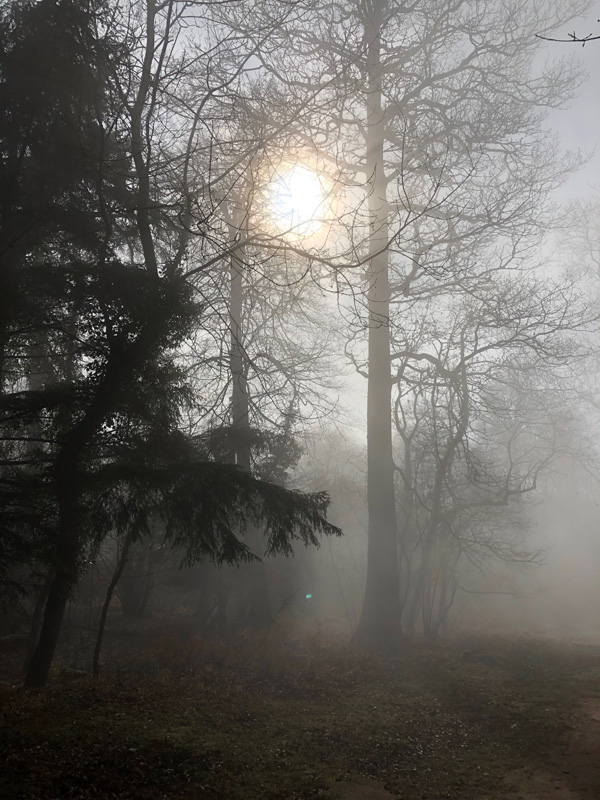
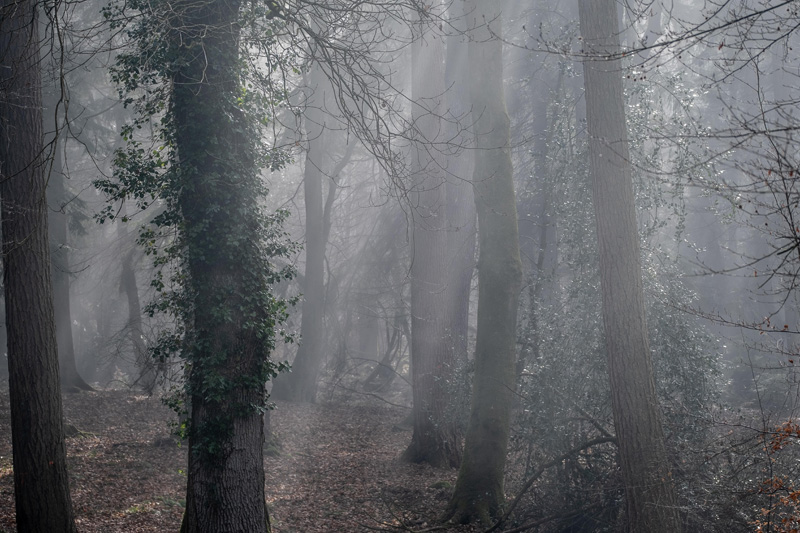
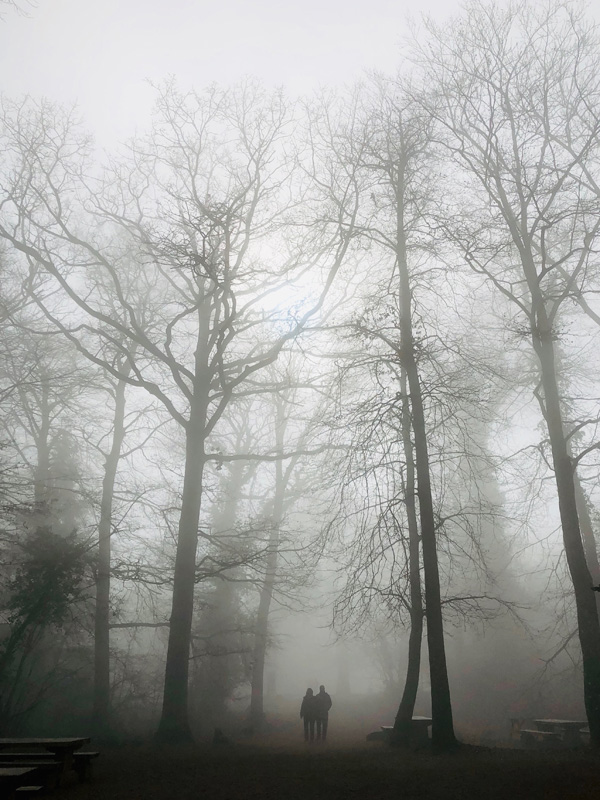
    Yet when we got to Symonds Yat Rock, even at a higher altitude, the woods were totally enveloped in fog. We could see nothing other than very atmospheric woods.

    IMG_5074

    IMG_5075

    DSCF7468The woods at Symonds Yat Rock

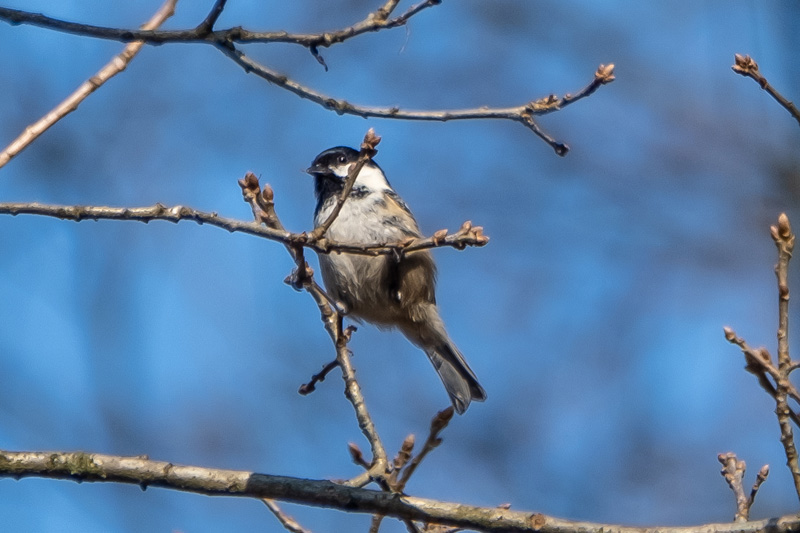
    Just as we were leaving Symonds Yat Rock the sun broke through for a moment and we were rewarded with the sight of a small number of coal tits.

    DSCF7479Coal tit

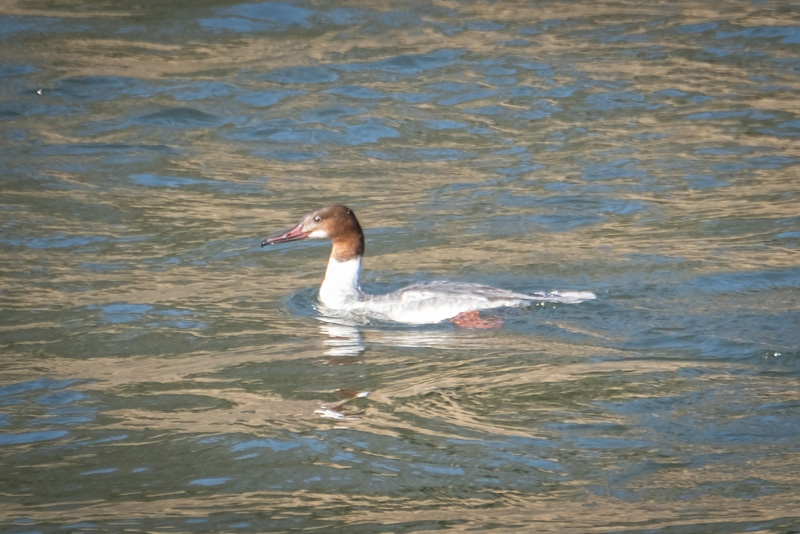
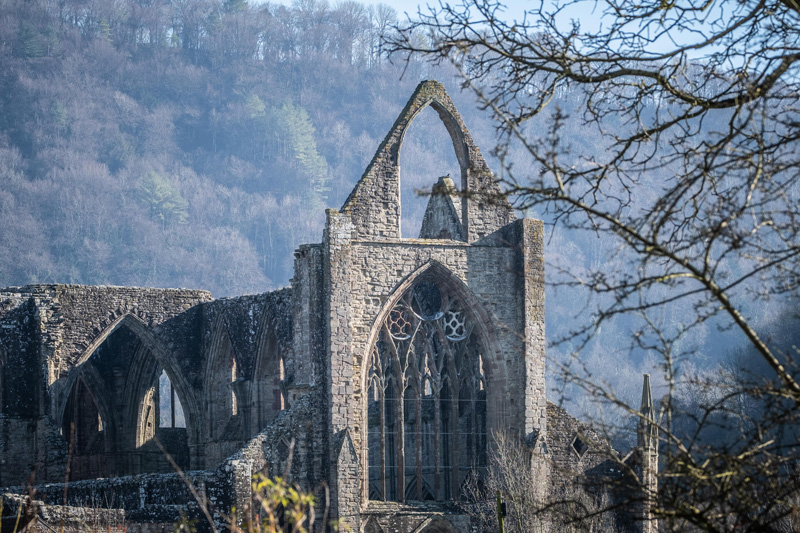
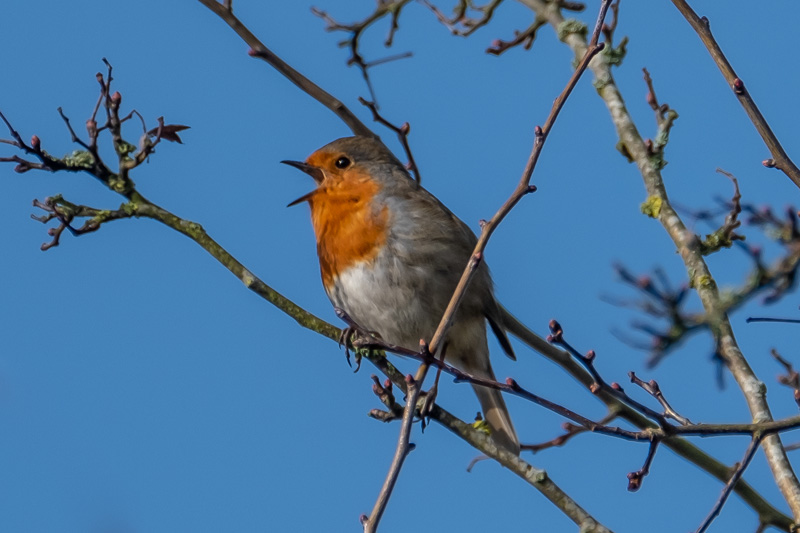
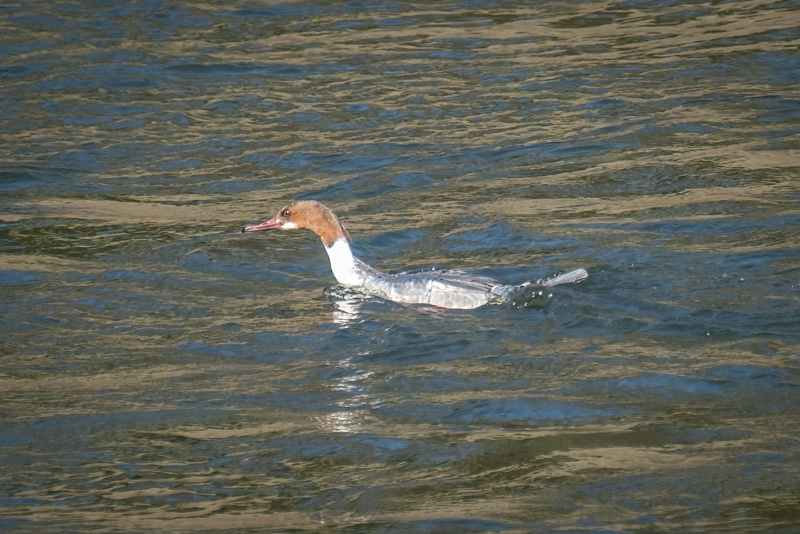
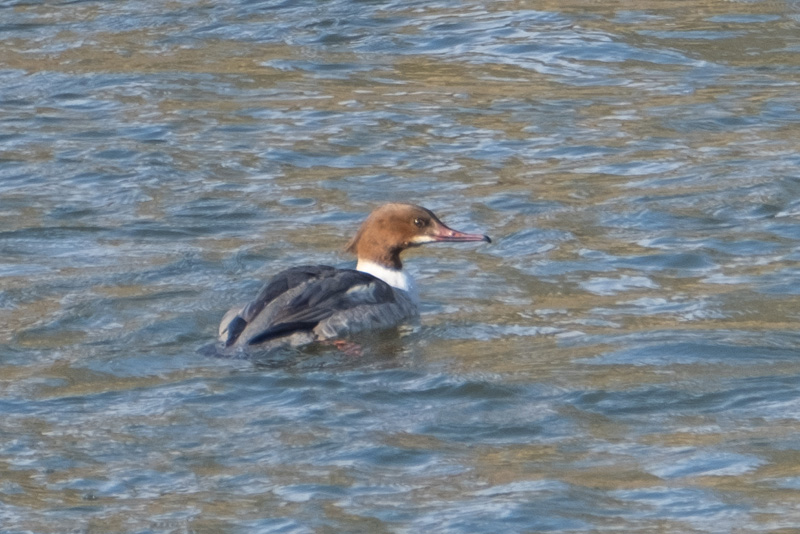
    Back down in the Wye Valley it was really sunny and we stopped again at Tintern Abbey (indeed it was warm enough to sit outside a café and have an ice cream!). There were a few birds around (robins, dunnock and blue tits) and much to my surprise I spotted a couple of Goosanders fishing in the River Wye.

    DSCF7575The remains of Tintern Abbey

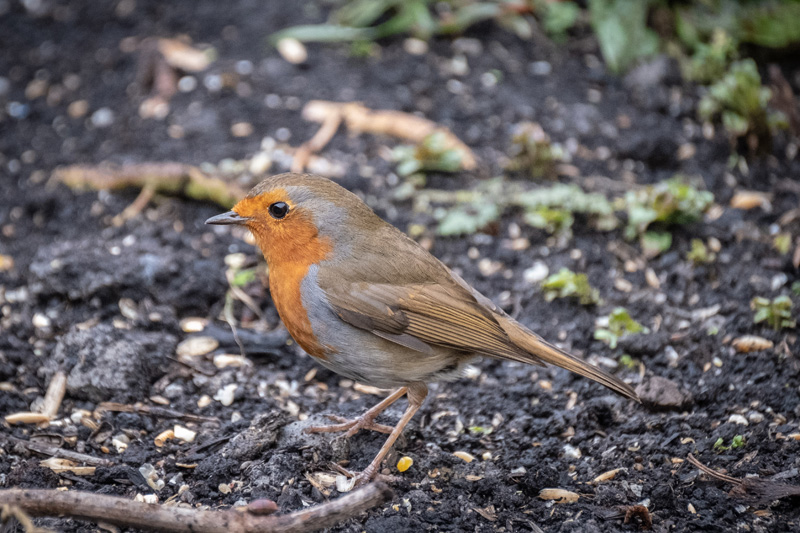
    DSCF7451Robin

    DSCF7521Dunnock

    DSCF7555

    DSCF7487Goosander

    We stopped at Aust on the way back to see if we could see short-eared owls but there was nothing to be seen.

    Not many birds, and certainly no raptors, but a wonderful day out.


  • 22nd February 2019 – Eastville Park

    22nd February 2019 – Eastville Park

    This slideshow requires JavaScript.

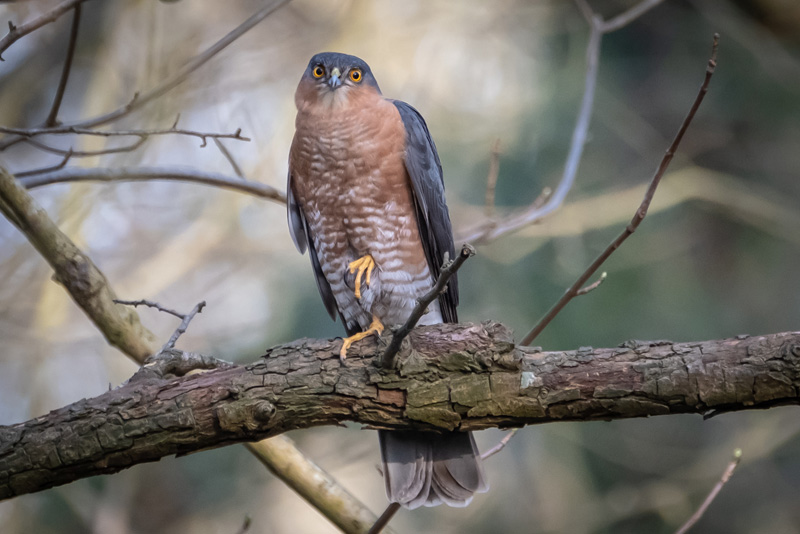
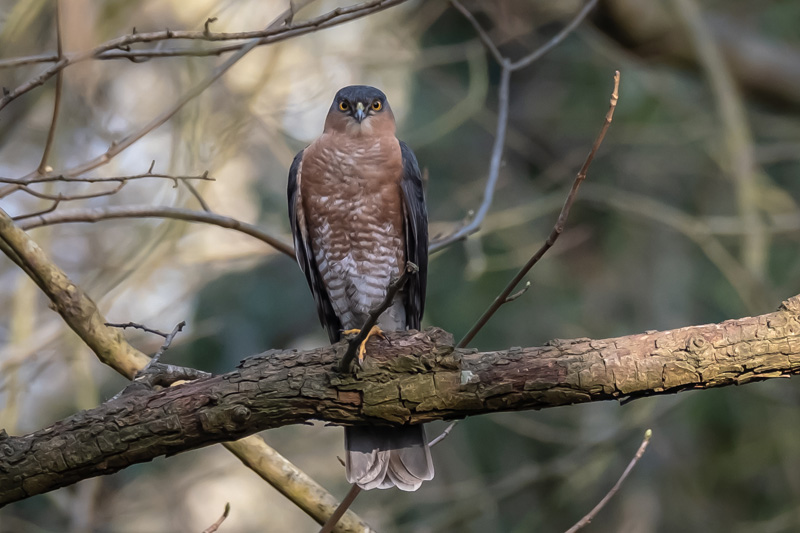
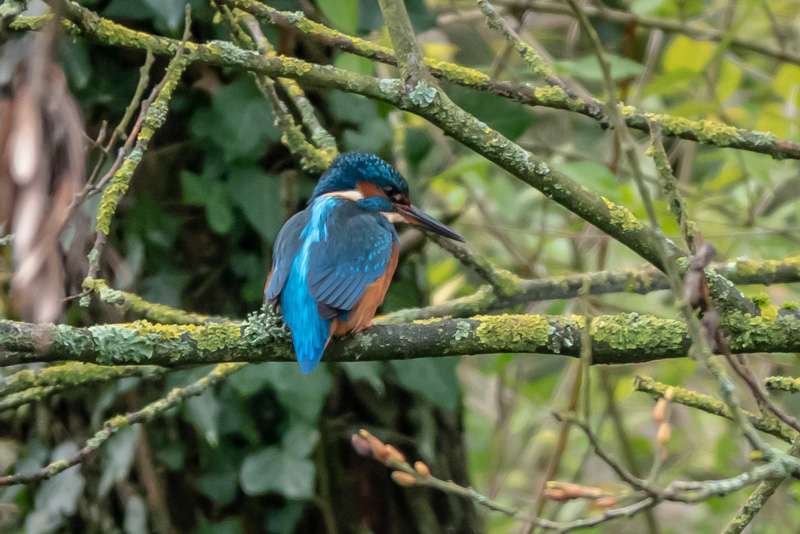
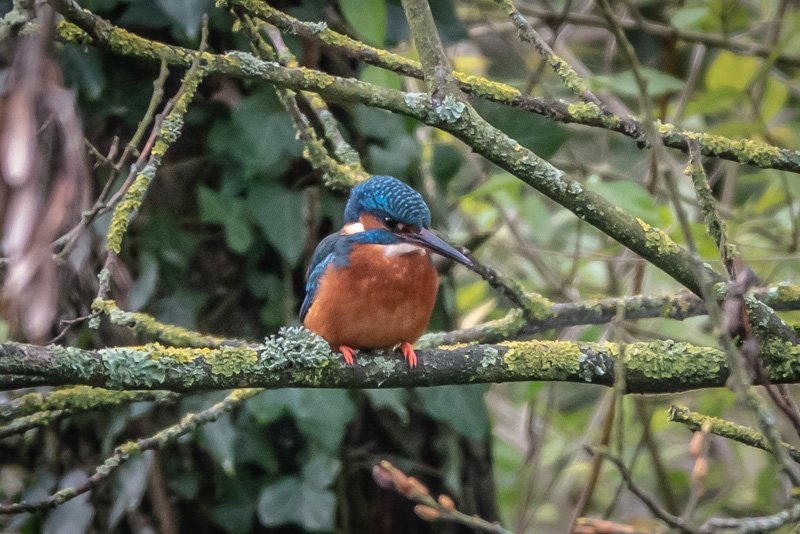
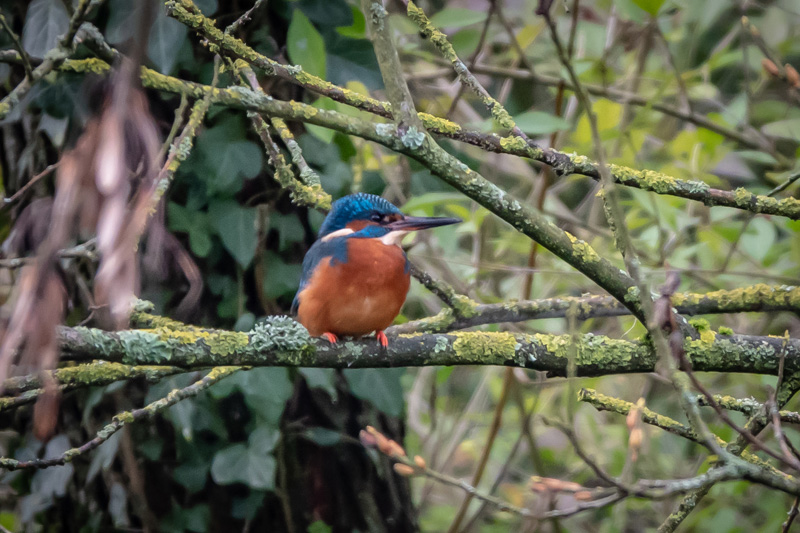
    It was a beautiful sunny day and there were lots of photographers in the park this afternoon but we all decided that it was not going to be our day (no kingfishers, no grey herons, no dippers, no grey wagtails). And then just as I was heading home I caught sight of a beautiful sparrowhawk in Fishponds Brook. It was quite happy to provide me with full and side profiles and I was quite happy to snap away.

    DSCF7342

    DSCF7336

    DSCF7369

    The best of the rest were a long-tailed tit and a pied wagtail.

    DSCF7283Long-tailed tit

    DSCF7311Pied wagtail

    DSCF7272Blackbird

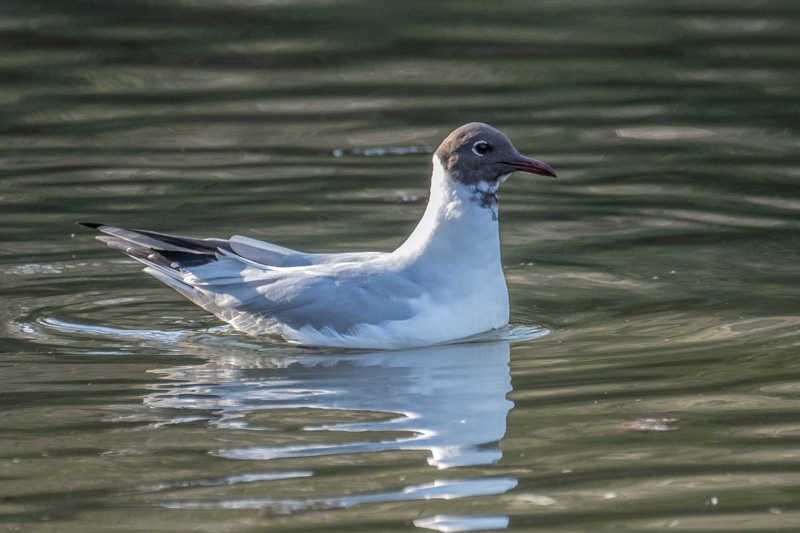
    DSCF7299The black-headed gull has got its black head back


  • 18th February 2019 – Somerset Levels

    18th February 2019 – Somerset Levels

    It was good to get out into the country today and to one of my favourite birding spots at RSPB Ham Wall on the Somerset Levels. However, we got caught in a torrential downpour at the beginning of our walk and for most of the visit the light was poor. However, the weather brightened up enough for us to have a picnic al fresco and to enjoy watching passerines near the bird feeders close to the reception.

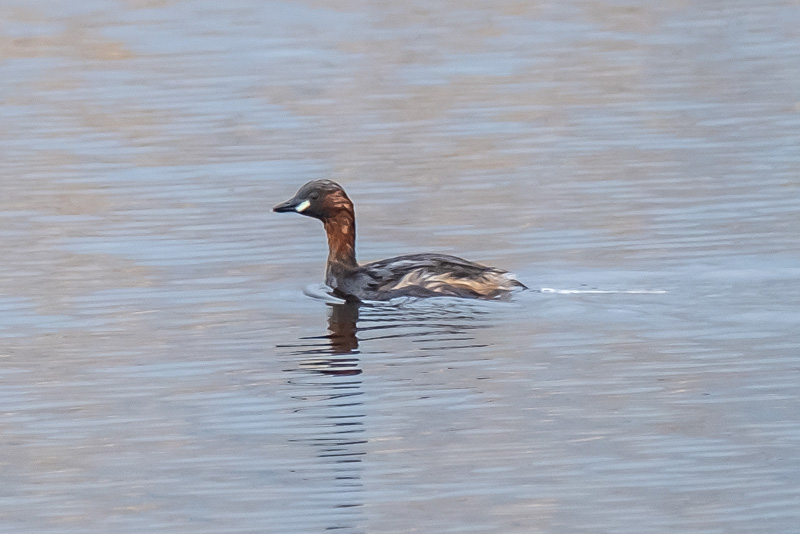
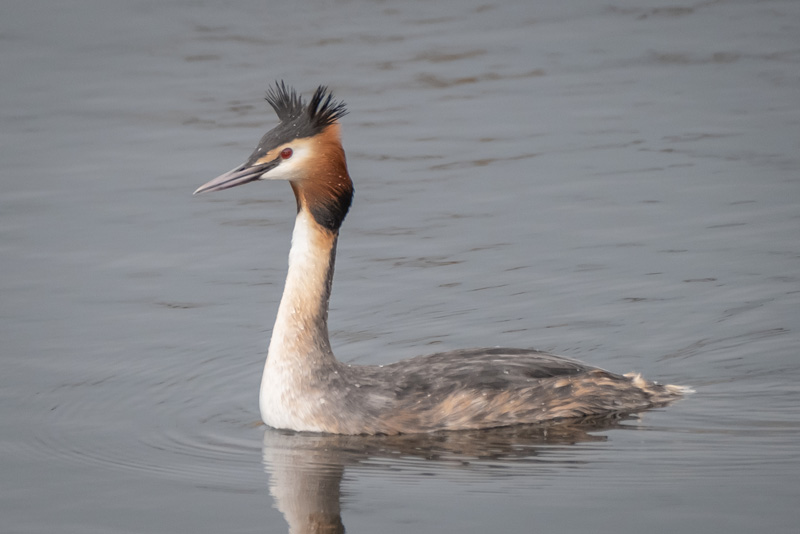
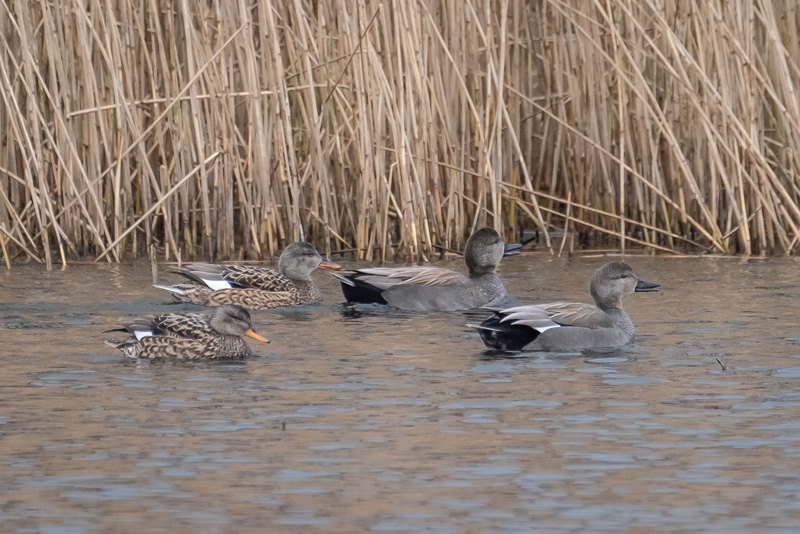
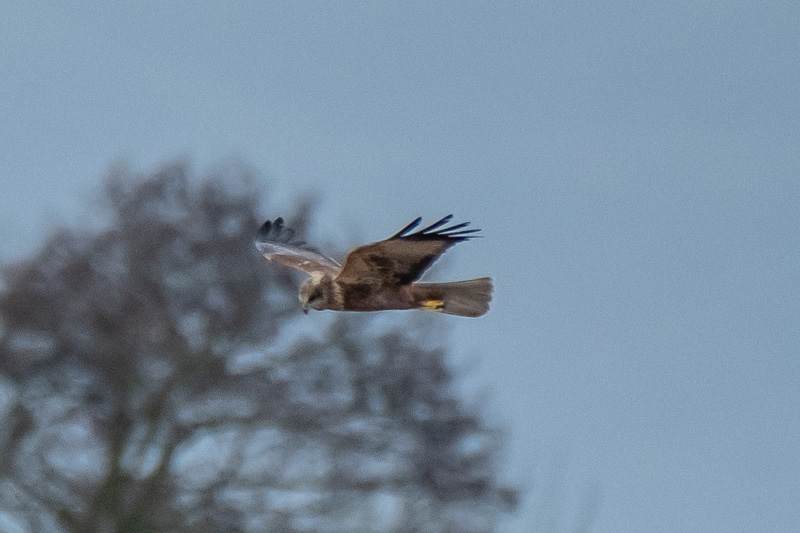
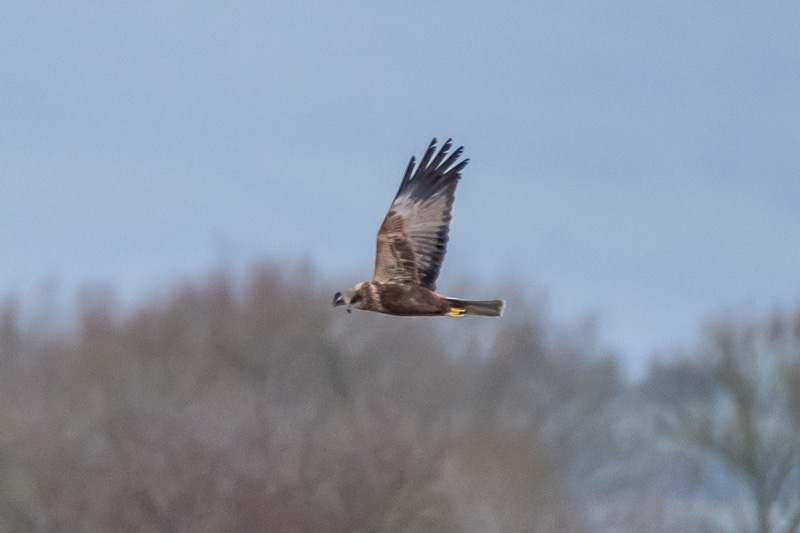
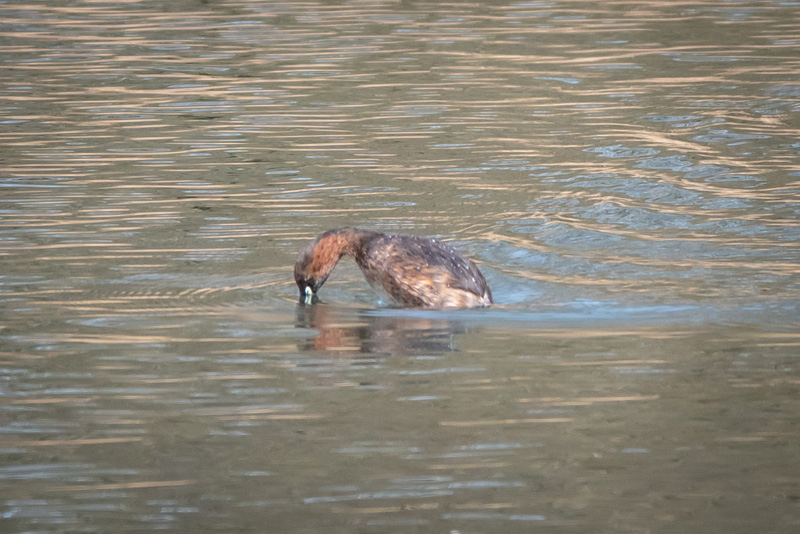
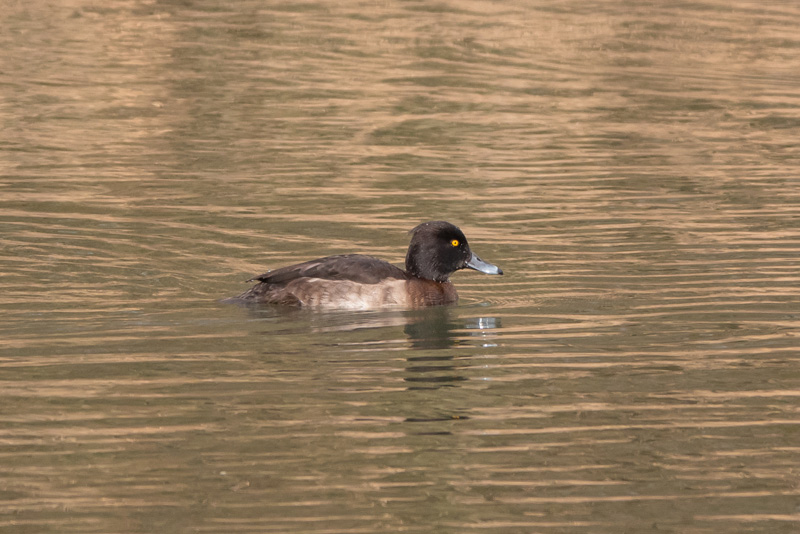
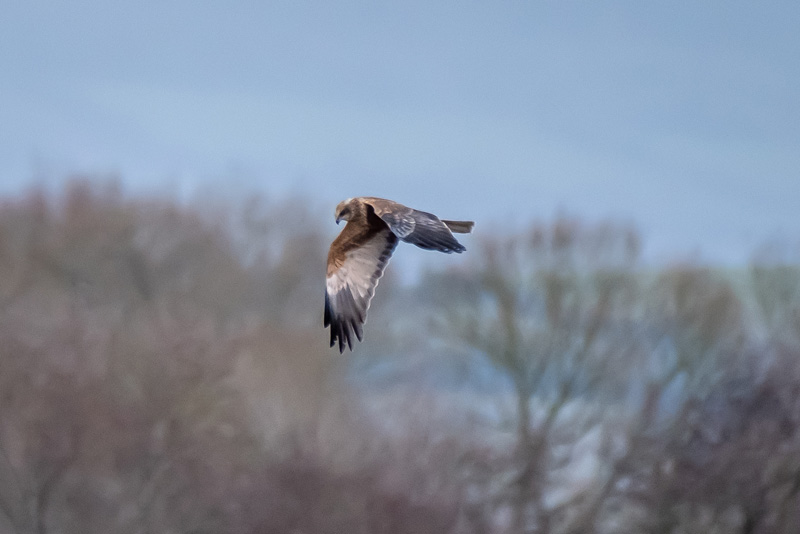
    The best of the birds were a marsh harrier and great crested grebes, although it was too early in the year to see the grebes’ famous courting rituals. We obviously need to come back in a few weeks time.

    DSCF6681Tufted ducks

    DSCF6774Little grebe

    DSCF6797

    DSCF6839Great crested grebe

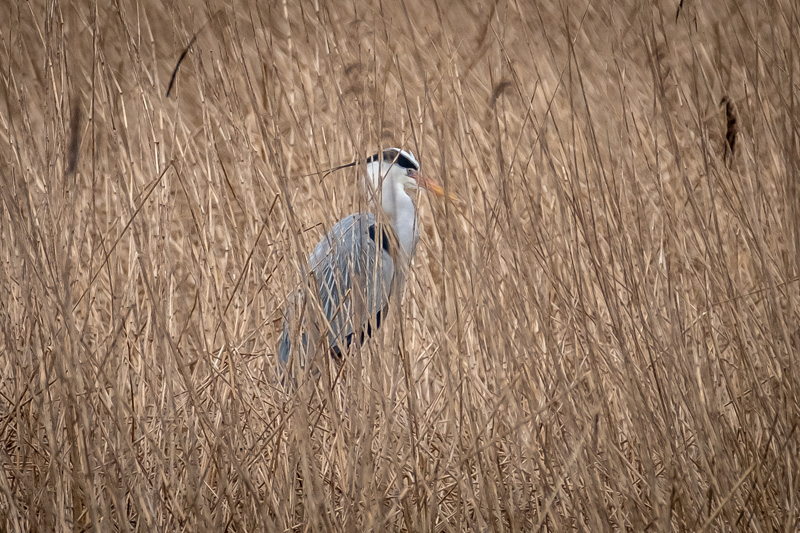
    DSCF6787Grey heron hiding in the reeds

    DSCF6856Gadwall

    DSCF6917Great white egret

    DSCF6955

    DSCF6958

    DSCF6960Male marsh harrier

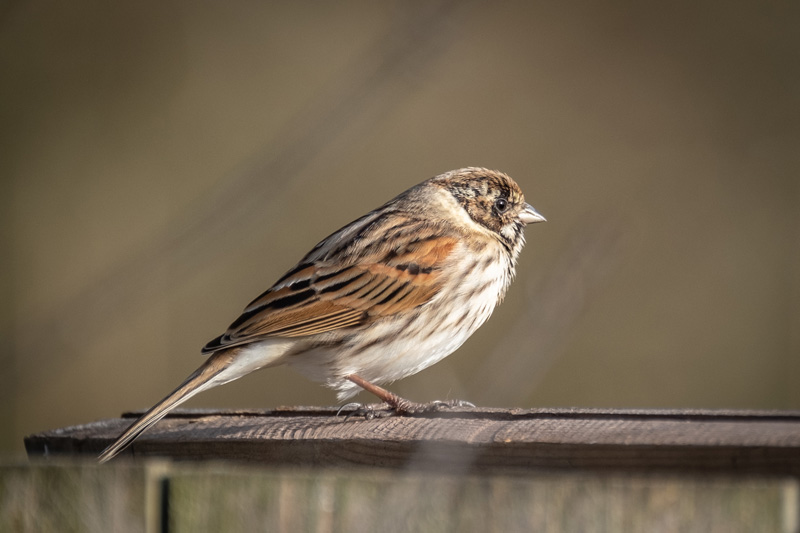
    DSCF7169Female reed bunting

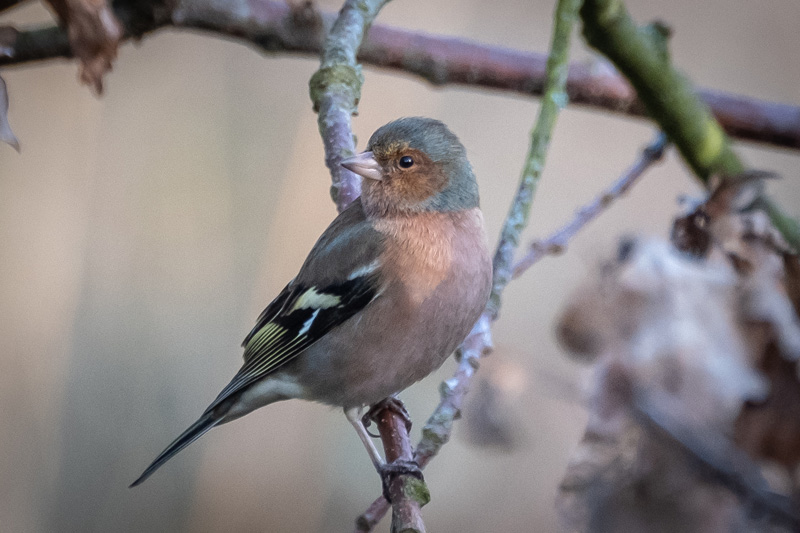
    DSCF7183Male chaffinch

    DSCF7202Great tit

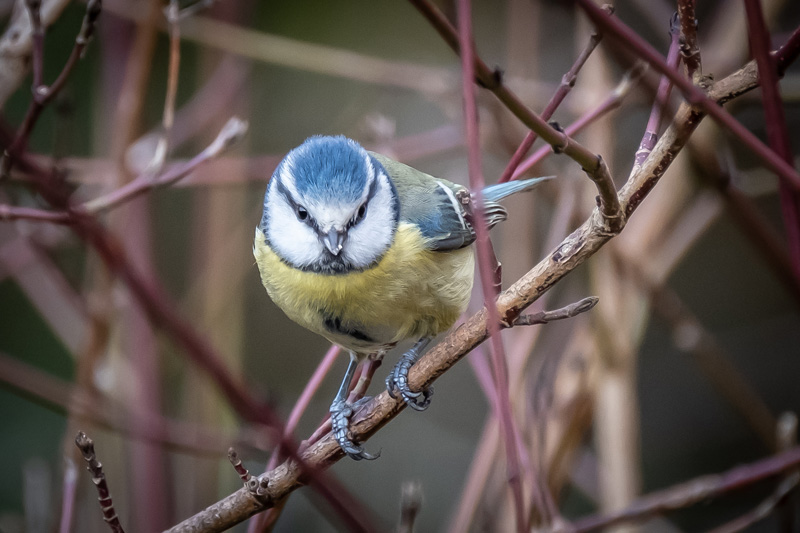
    DSCF7041Blue tit

    DSCF7039Robin

    Click below for gallery of photos from today


  • 15th February 2019 – Eastville Park

    15th February 2019 – Eastville Park

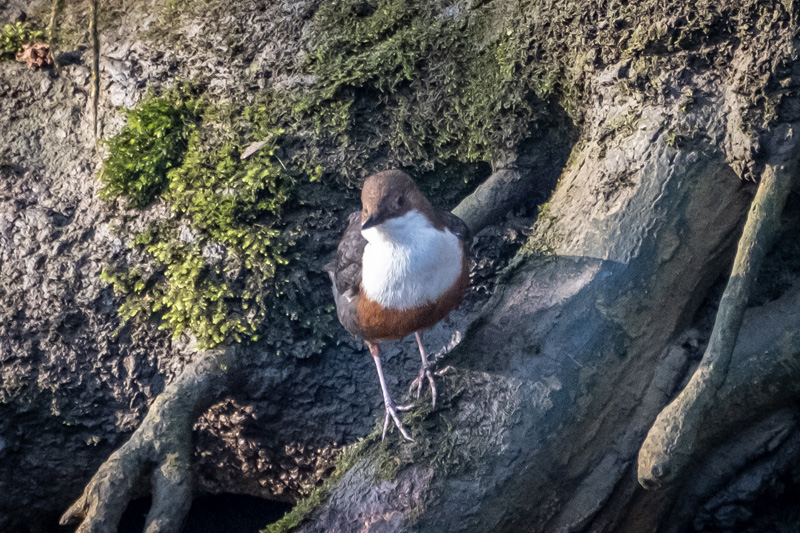
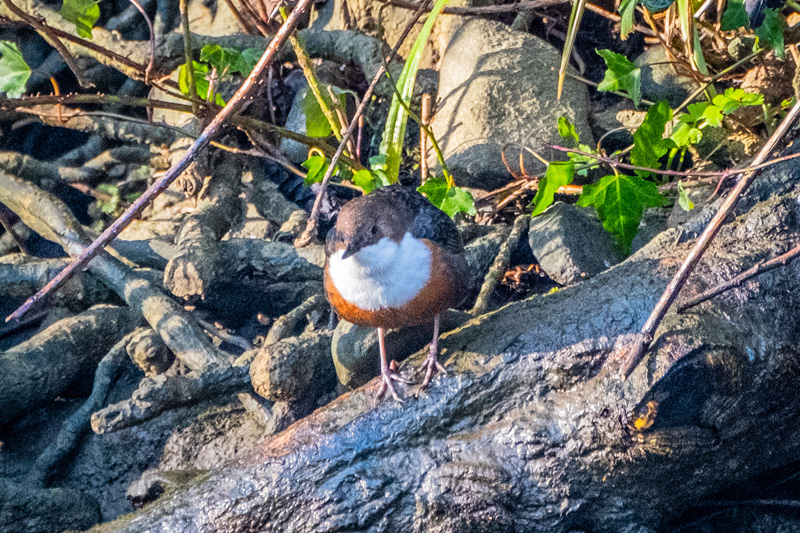
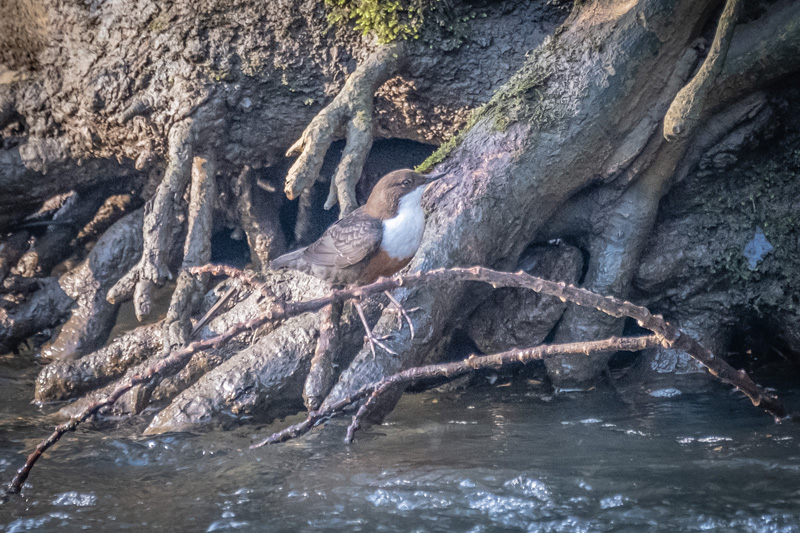
    We only had time for a very brief walk around the park – so brief we didn’t even catch sight of a kingfisher. However, we were lucky to see a dipper on the River Frome opposite Fishponds Brook. It’s amazing to see this little chunky stout bird in the city when it normally inhabits the banks of fast-moving upland rivers. They are unique among passerines for their ability to dive and swim underwater and they have a characteristic bobbing motion when perched beside the water, giving them their name. This one did plenty of bobbing but only occasionally submerged its head below the water and never once foraged in the water – it must have considered that the water was flowing too strongly.

    DSCF6115

    DSCF6122

    DSCF6183

    DSCF6207

    All around we could hear robins and caught sight of them regularly. I even saw two feeding close together on the ground. These two weren’t so fiercely territorial.

    DSCF6386

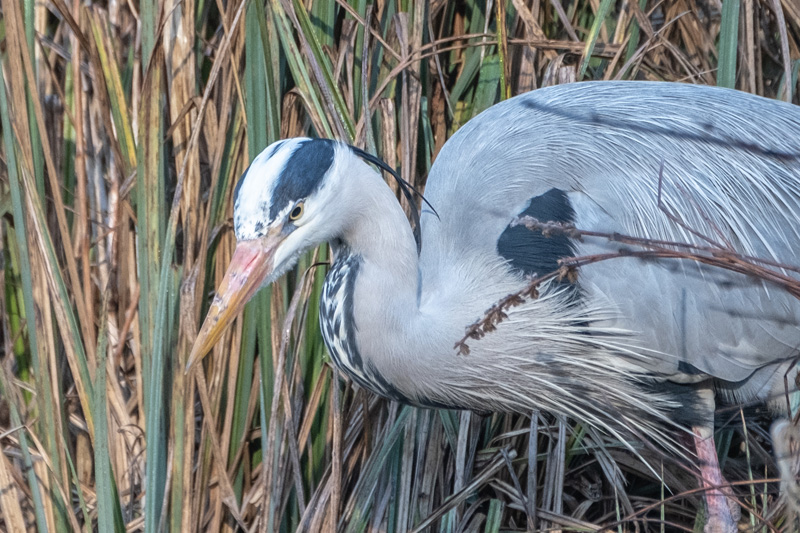
    On the lake there was just one grey heron and, as I said, not a single kingfisher to be seen. There were plenty of cormorants in the trees above the lake and a great spotted woodpecker could be heard drumming nearby.

    DSCF6304

    DSCF6275

    On Tawny Lake there was the tawny owl but, as usual, it was difficult to get a full view of it.

    DSCF6320

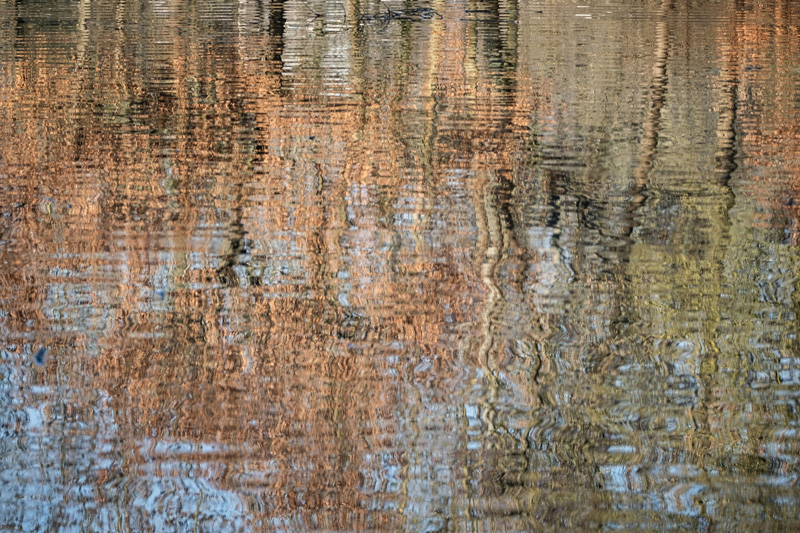
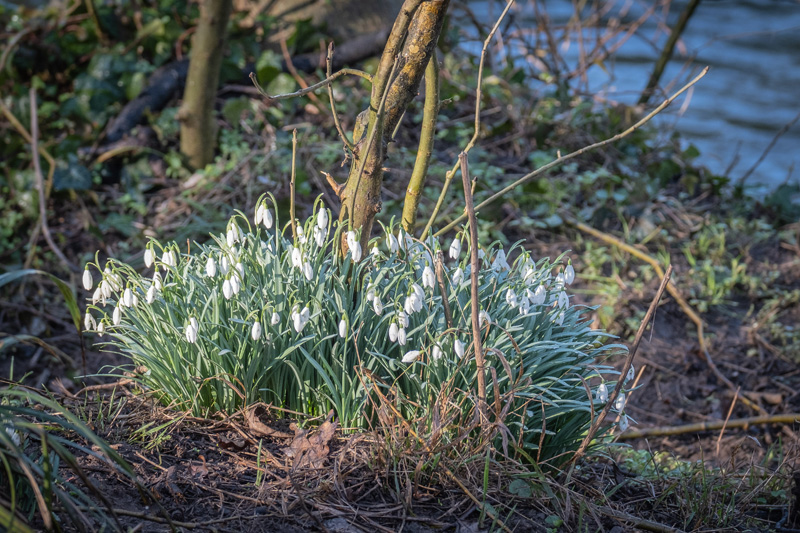
    The snowdrops looked great in the sunshine and there were some lovely rusty reflections in the lake.

    DSCF6255

    DSCF6325

    Click below for gallery of photos from this morning:


  • 13th February 2019 – Forest of Dean

    13th February 2019 – Forest of Dean

    A pleasant day was forecast and we fancied a walk in the country. However, we weren’t  sure how muddy it would be after recent rain and so opted for a walk through the woods at RSPB Nagshead in the Forest of Dean, along tracks which we knew would not be too onerous. The recent removal of tolls from the Severn Bridges is certainly going to entice us across the Severn Estuary more often.

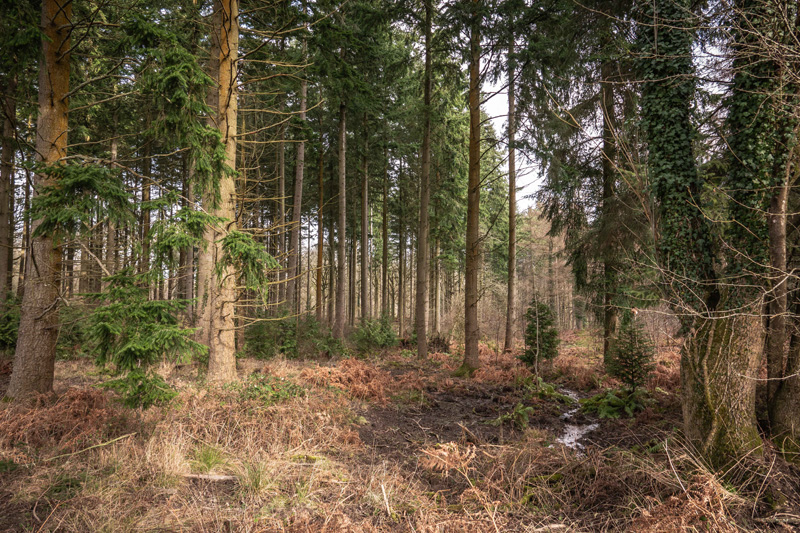
    The Forest of Dean is one of the surviving ancient woodlands in England with more than 110 square kilometres of mixed woodland and lots of fairly rare birds (such as hawfinch and crossbills)  often reported there. However today at RSPB Nagshead we saw very few birds at all. The woodland, though, held plenty of charm.

    DSC08405

    DSC08411

    DSC08419

    I did, however, have plenty of opportunities to photograph birds when we stopped a little further on at Cannop Ponds where there were a variety of ducks.

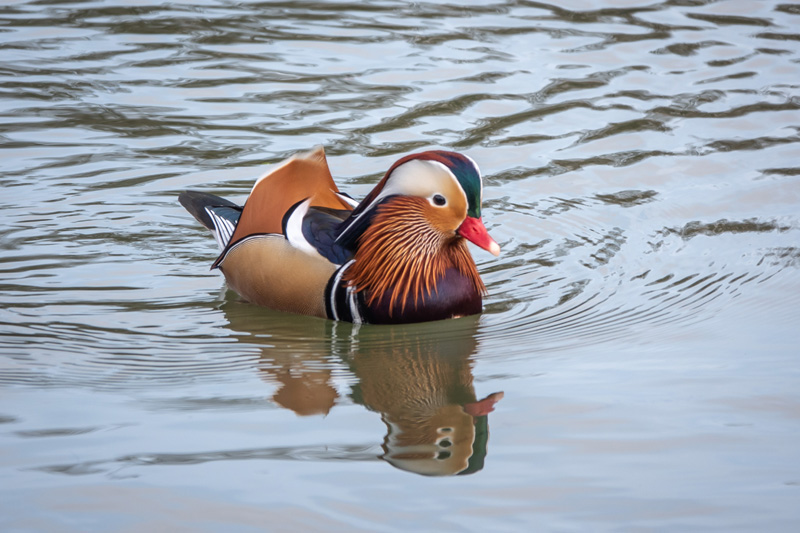
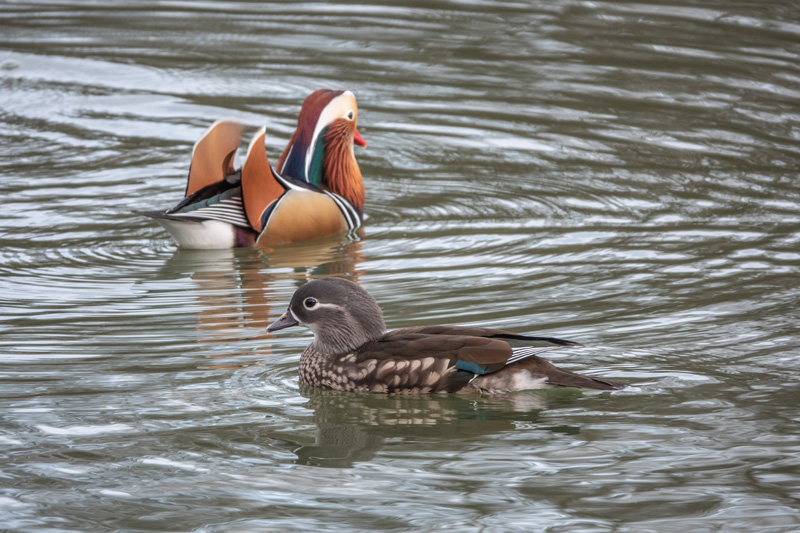
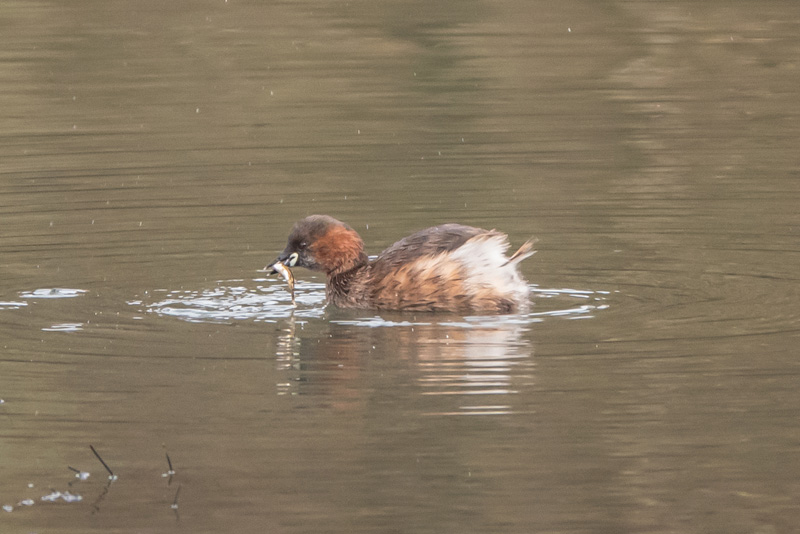
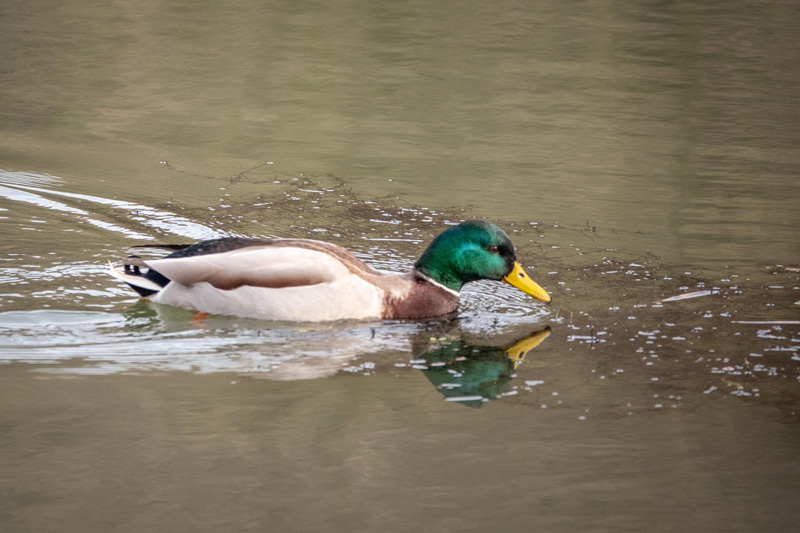
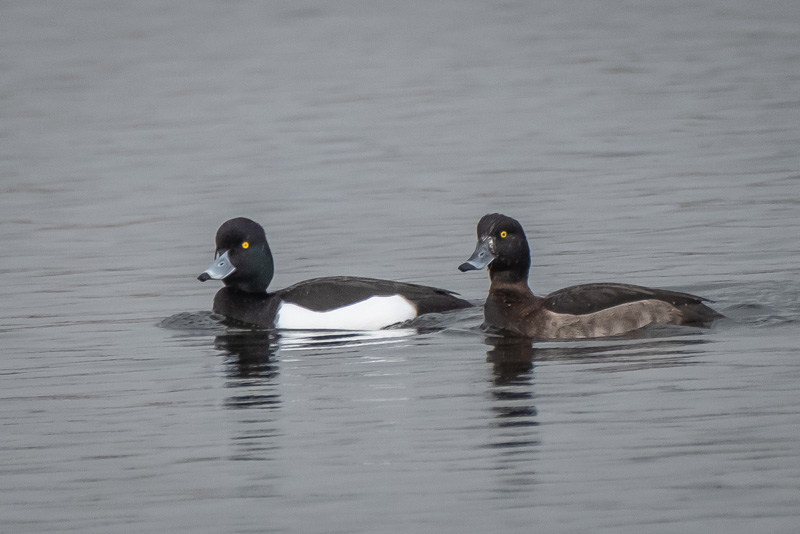
    Mallards are looking very attractive at this time of year but nowhere near as attractive as the mandarin ducks, which I hardly ever see other than here where they appear in fairly large numbers. There were also tufted ducks and a couple of little grebe which, busy diving, were quite a challenge to photograph.

    DSC08442Male mandarin duck

    DSC08743Female mandarin duck

    DSC08448

    DSC08686Successful dive for this little grebe

    DSC08621Little grebe

    DSC08554Diving little grebe

    DSC08711Male tufted duck

    DSC08602Female tufted duck

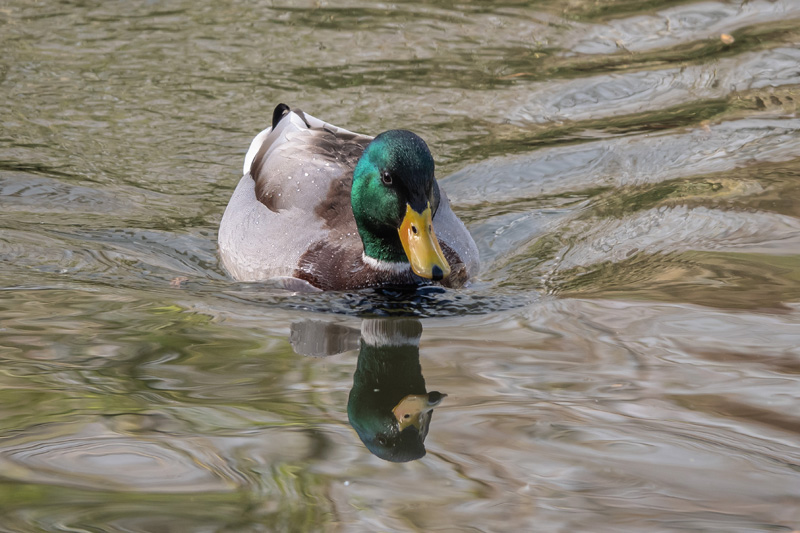
    DSC08561Male mallard

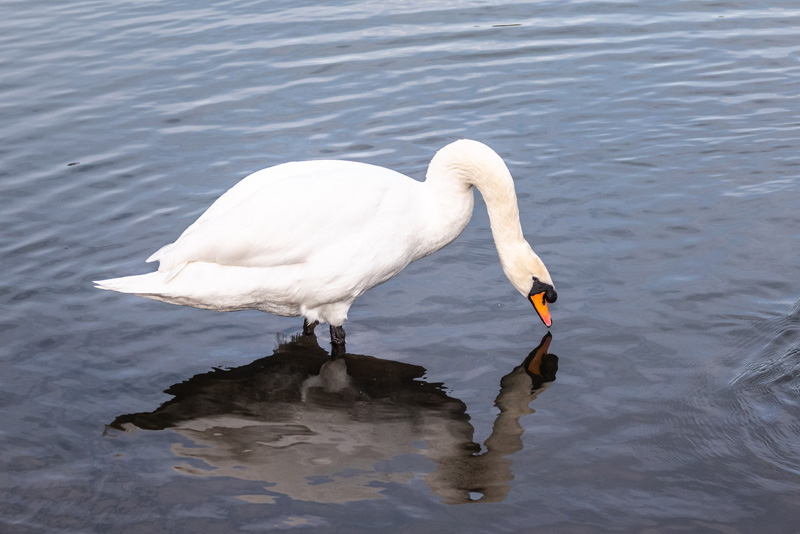
    DSC08476The mute swans are always beautiful

    DSC08460Coot

    Click below for gallery of photos from today:


  • 10th February 2019 – Eastville Park

    10th February 2019 – Eastville Park

    It’s always nice to come home. However, this time it has been challenging as the weather has been very wet and windy and it’s been difficult to get out and about. We did manage to dodge the showers this morning and even saw a little sunshine when we went for a walk in our local park.

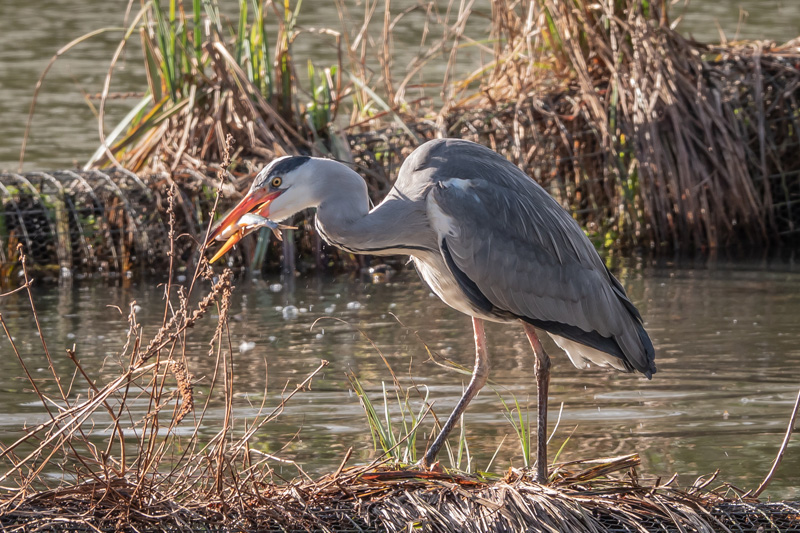
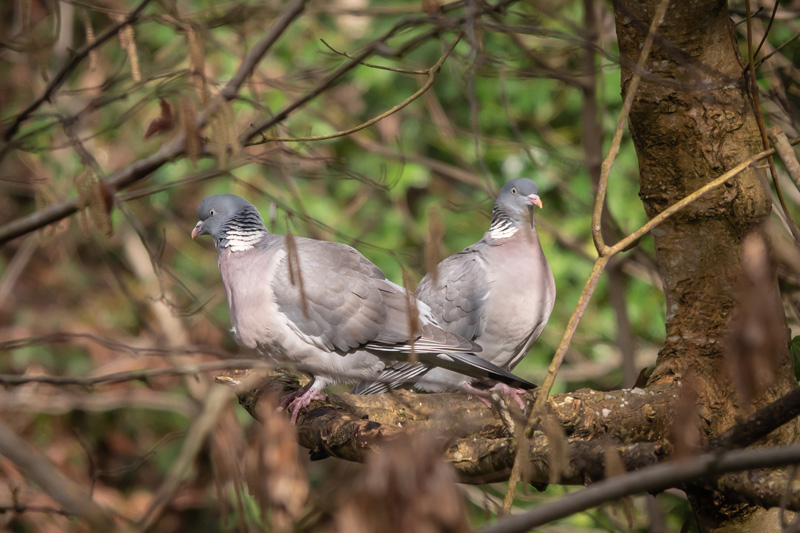
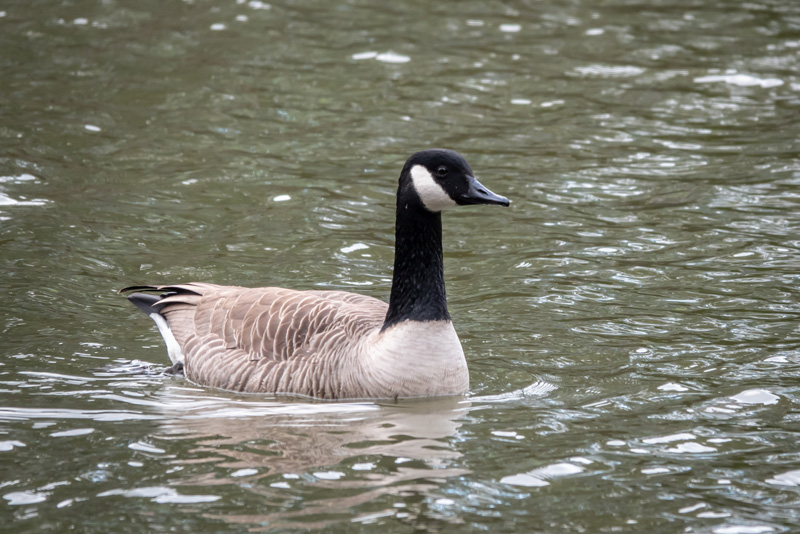
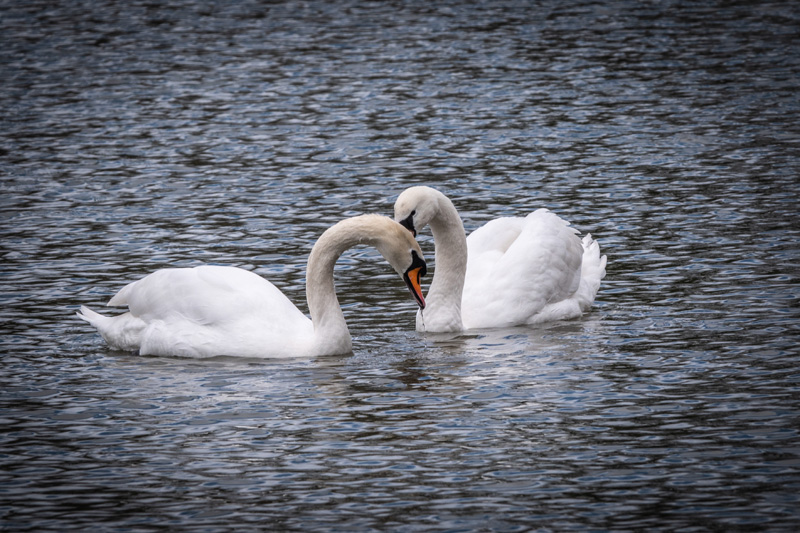
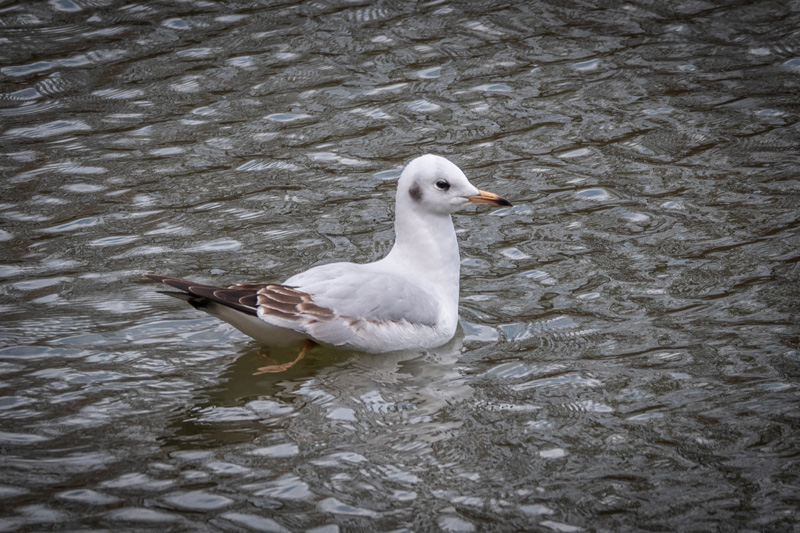
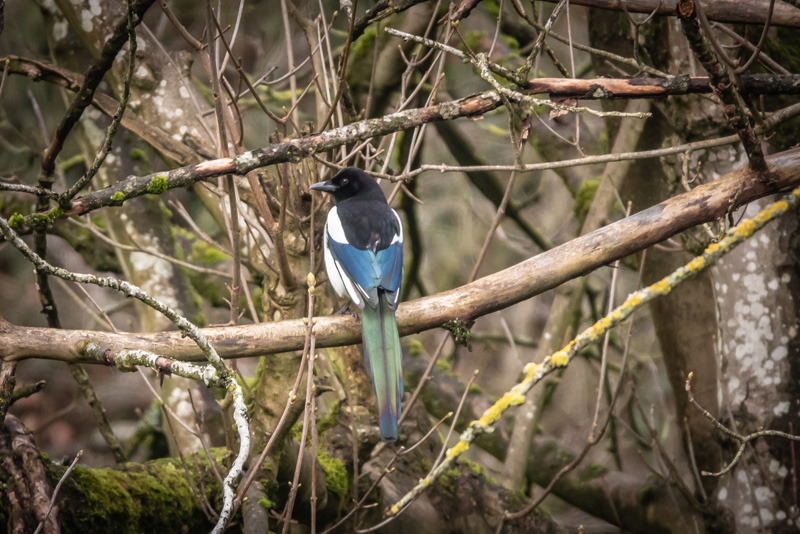
    It was reassuring to see some of the regulars, especially as we had several views of a kingfisher (on the newly named Kingfisher Island) and a tawny owl (on the newly named Tawny Island). But there were lots of birds about and we saw great tits, long-tailed tits, over 100 black-headed gulls, 2 mute swans, a robin, a great-spotted woodpecker, a few Canada geese, some coots, a grey heron (who had some success fishing) and a magpie (whose feathers looked very iridescent in the sunshine). There were even mallards mating which suggested (along with the daffodils, wild chives and catkins) that spring is nor so far away.

    DSC08277Robin

    DSC08303Tawny owl

    DSC08329

    DSC08341Female kingfisher

    DSC08369Grey heron

    DSC08393Wood pigeons

    DSC08296Canada goose

    DSC08313Mute swans

    DSC08318Black-headed gull

    DSC08379Mallard

    DSC08386Grey heron

    DSC08402Magpie

    Click below for gallery of photos from this morning:

  • 1st February 2019 – Strandfontein birding area

    1st February 2019 – Strandfontein birding area
     

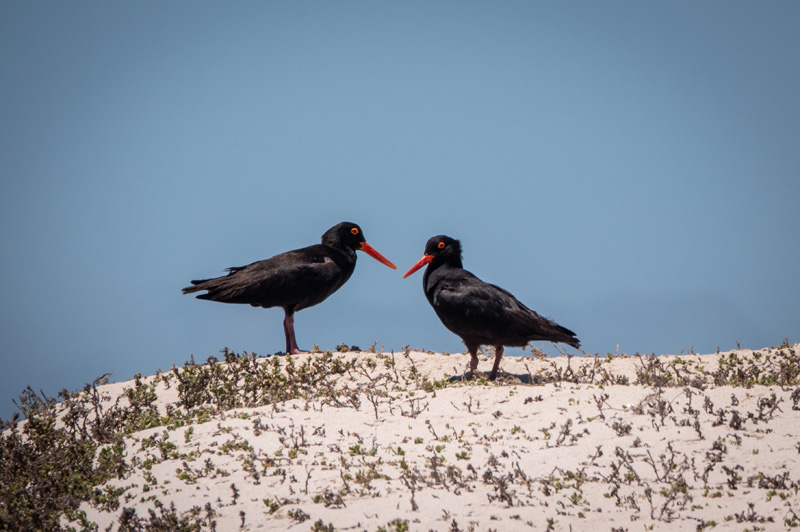
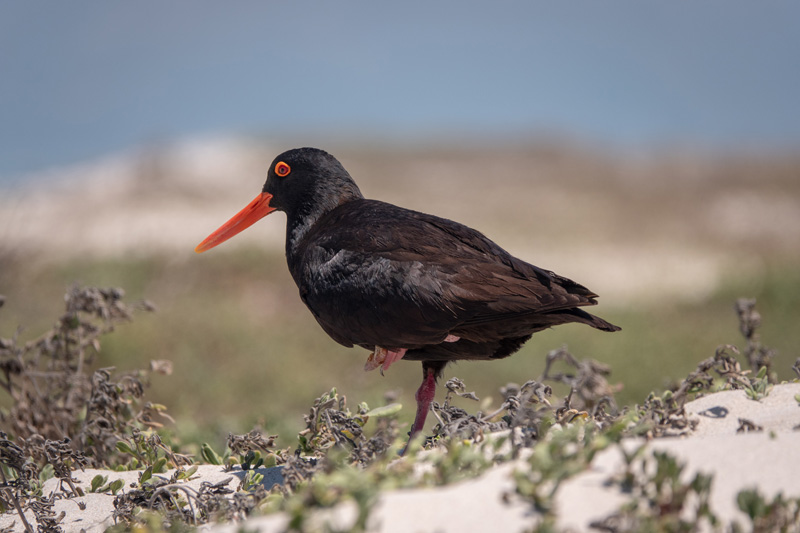
    Our last few days in and around Cape Town were spent visiting friends and doing tourist activities. However, we did manage to pack in one more trip to the birding area at Strandfontein. It was a last minute decision and we didn’t even have binoculars with us (although I did have a camera!) but once again we had lovely close-up views of the birds. The best were barn swallows, African black oyster catchers and African sacred ibis.

    DSC07647

    DSC07634

    DSC07611Barn swallows

    DSC07696

    DSC07713African black oystercatchers

    DSC07423

    DSC07411

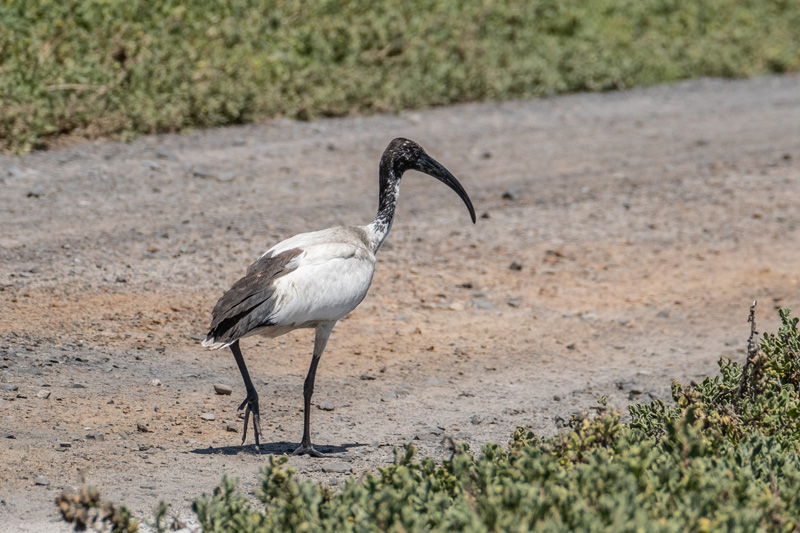
    DSC07424African Sacred Ibis

    DSC07681

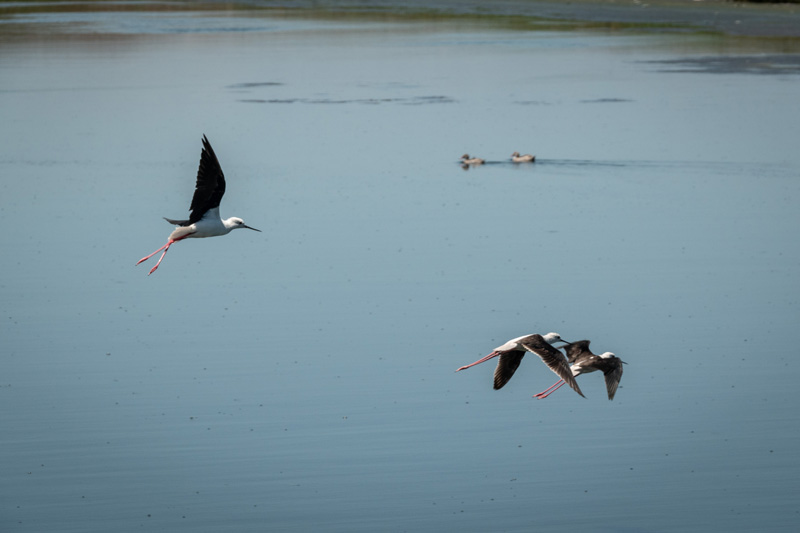
    DSC07388Black-winged stilts

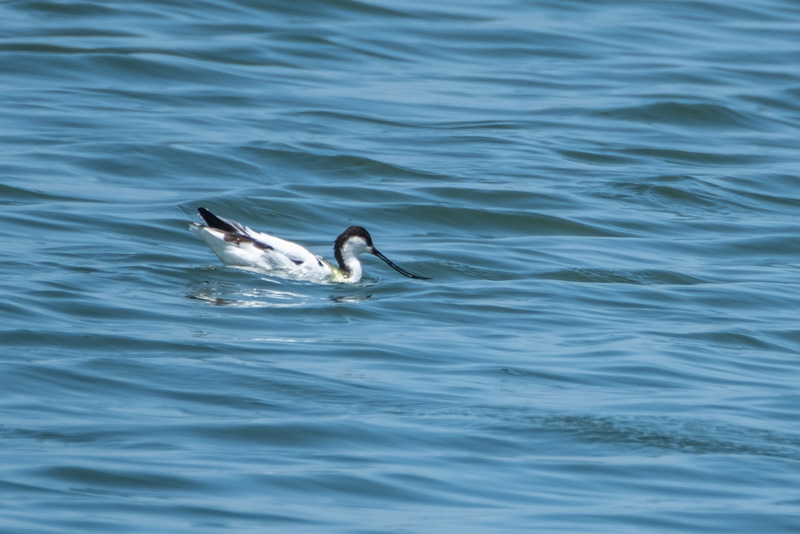
    DSC07371Pied avocet

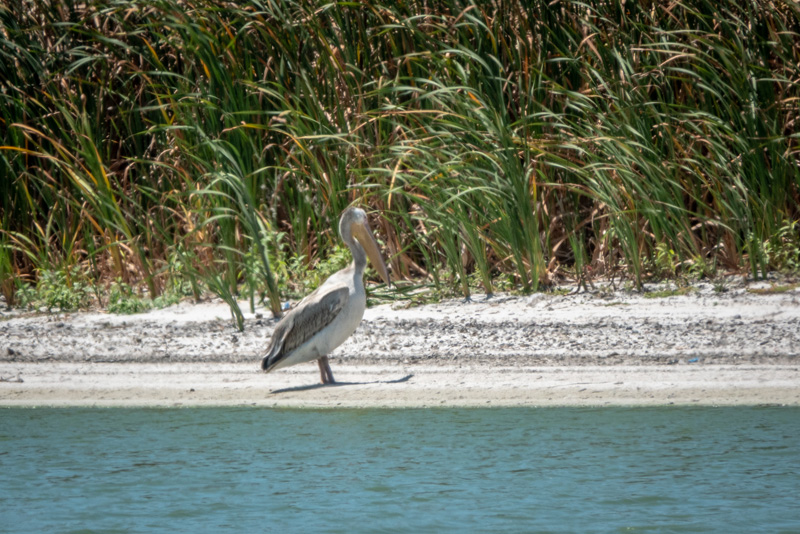
    DSC07557Great white pelican

    DSC07514Southern Masked Weaver

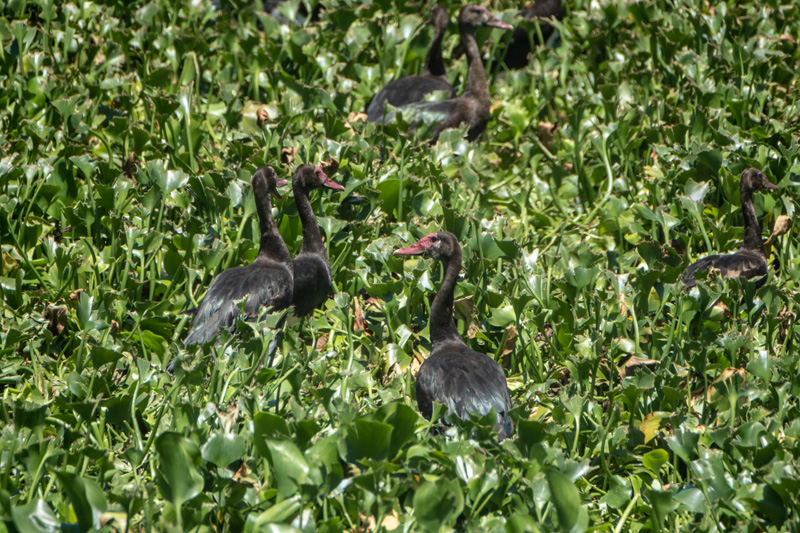
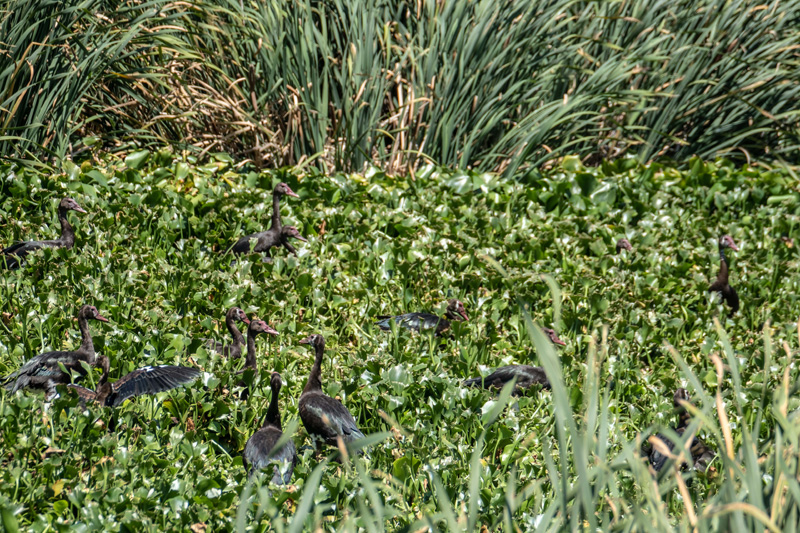
    DSC07395Spur-winged goose

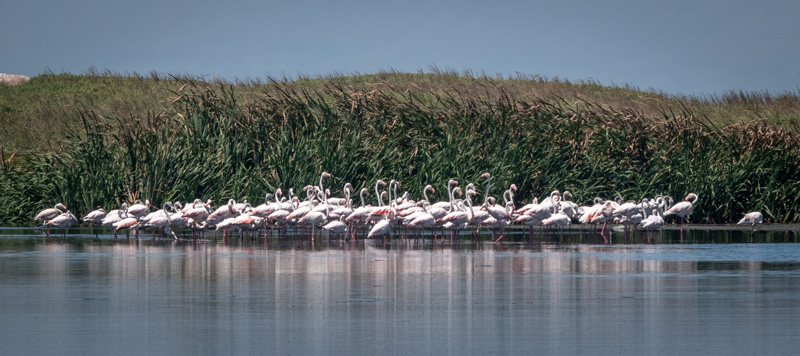
    DSC07786

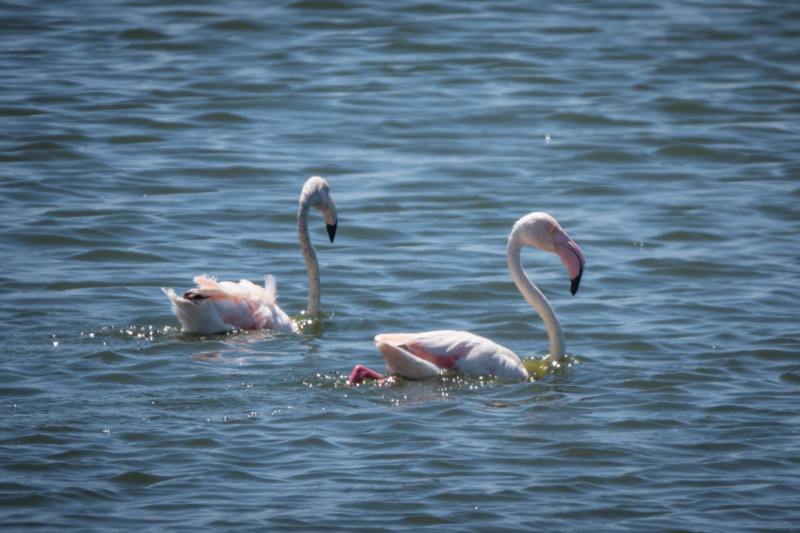
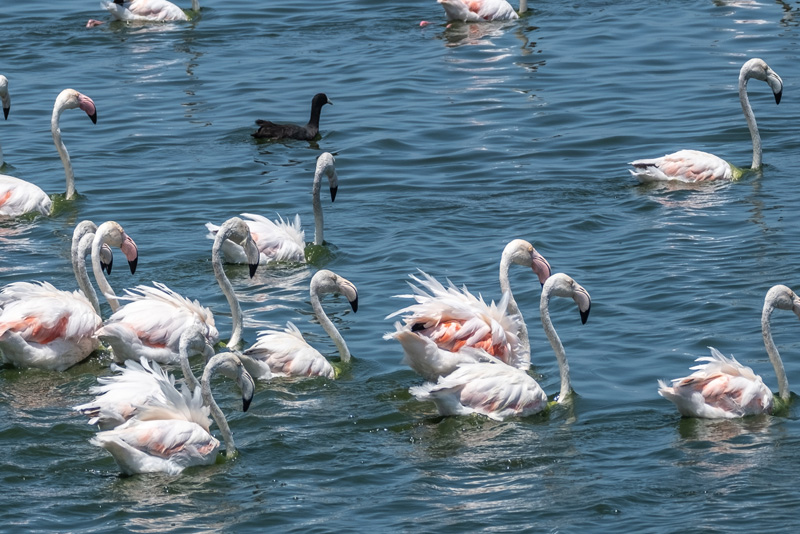
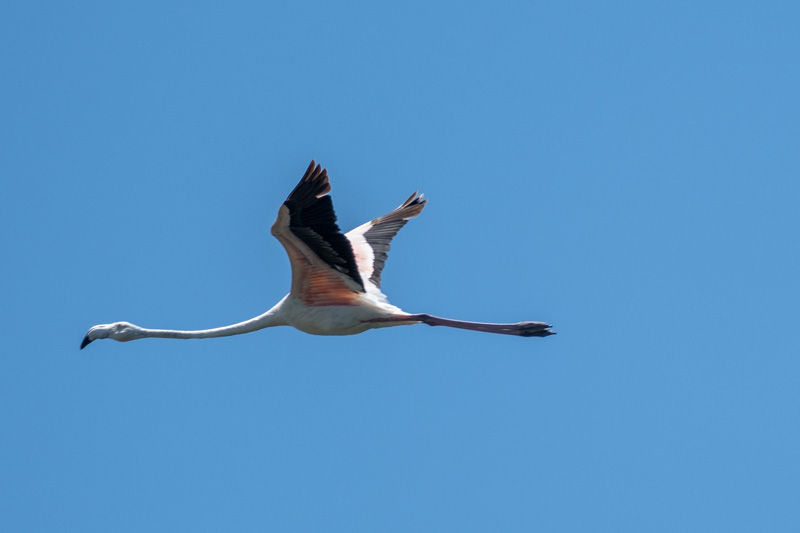
    DSC07744Greater flamingos

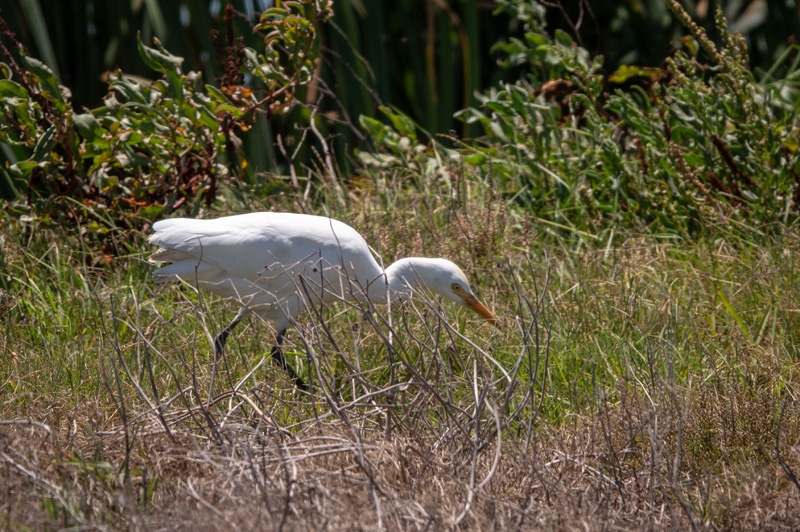
    DSC07361Cattle egret

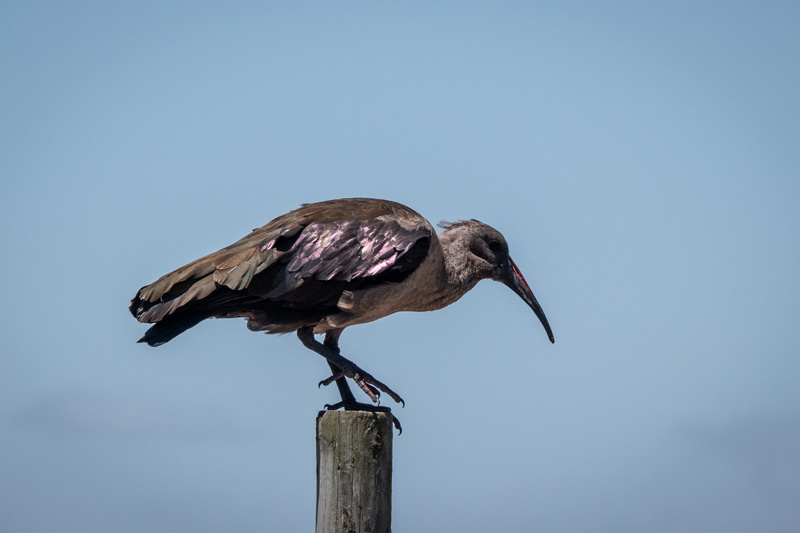
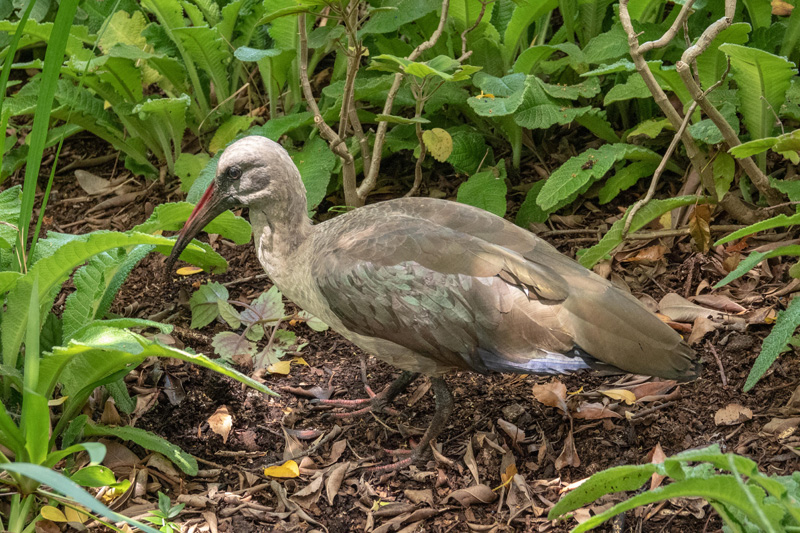
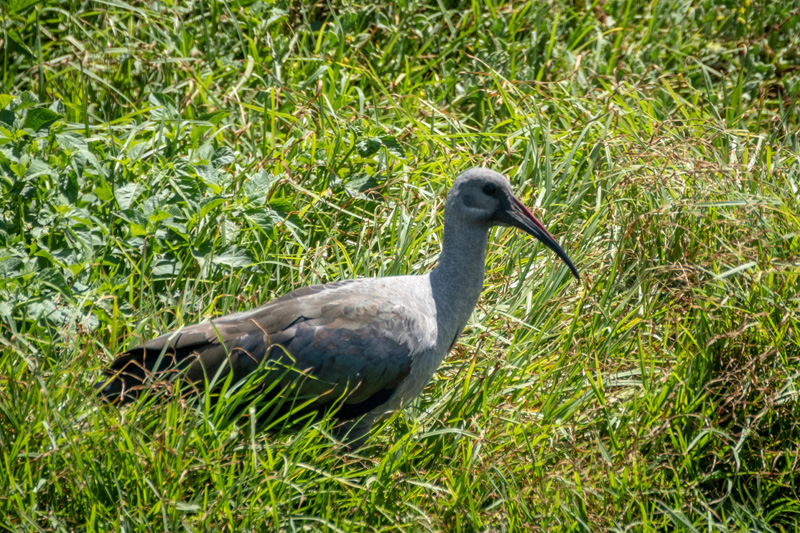
    DSC07794Hadeda ibis

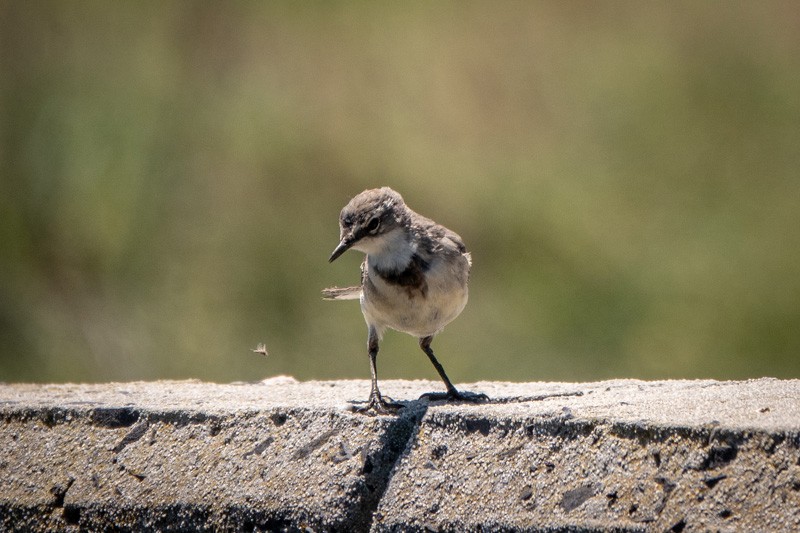
    DSC07496Cape Wagtail

    Click below for gallery of photos.


  • 31st January 2019 – Kirstenbosch National Botanical Garden

    31st January 2019 – Kirstenbosch National Botanical Garden

    We couldn’t imagine coming to Cape Town without visiting the Kirstenbosch National Botanical Garden near Newlands Cricket Ground (where we spent yesterday at an international one day cricket match between South Africa and Pakistan).

    Kirstenbosch is an important botanical garden nestled at the eastern foot of Table Mountain in Cape Town. The garden is one of ten National Botanical Gardens covering five of South Africa’s six different biomes and administered by the South African National Biodiversity Institute.

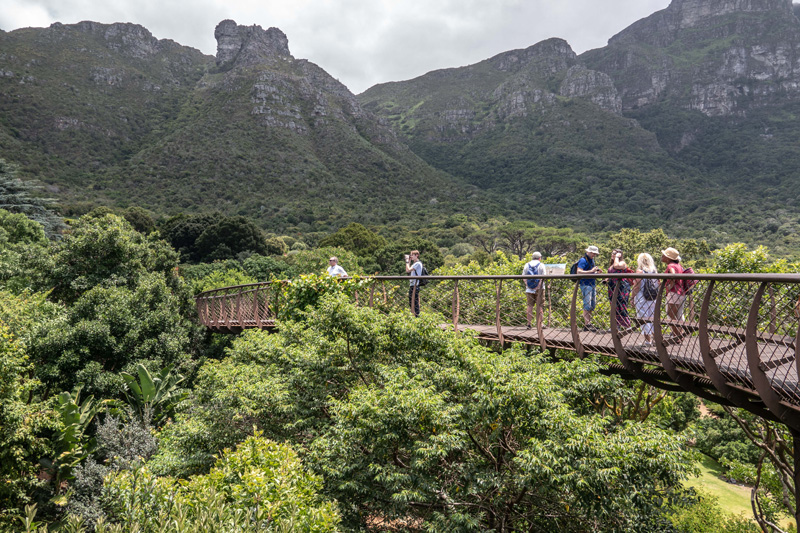
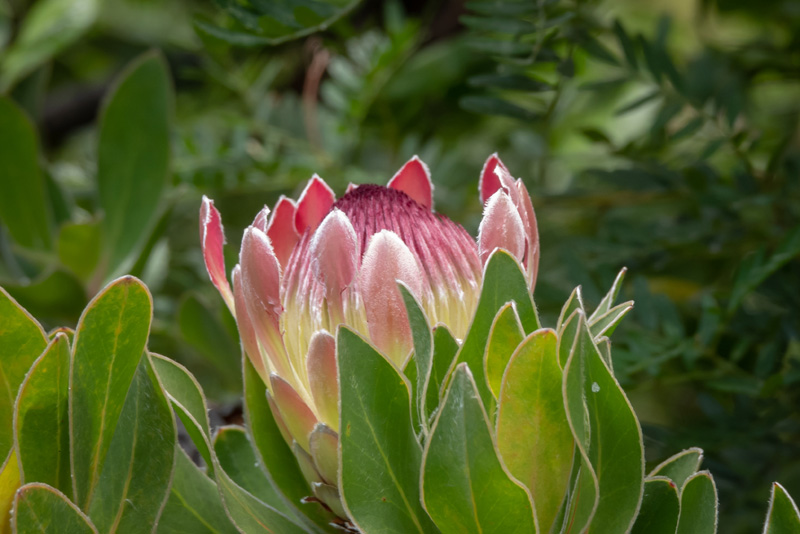
    Kirstenbosch includes a fragrance garden, a medicinal garden, 2,500 species of plants found on the Cape Peninsula, a Protea garden (best seen in spring!), a braille trail, and a cycad amphitheatre. There is also the Botanical Society Conservatory, which houses plants from the continent’s more arid regions. In more recent years we have been able to enjoy a walk along the Centenary Tree Canopy Walkway – affectionately known as the Boomslang. This 130-metre steel-and-timber bridge snakes its way through and over the trees of the Arboretum, providing stunning views of the Garden and the Cape Flats.

    dsc07136Tree Canopy Walkway

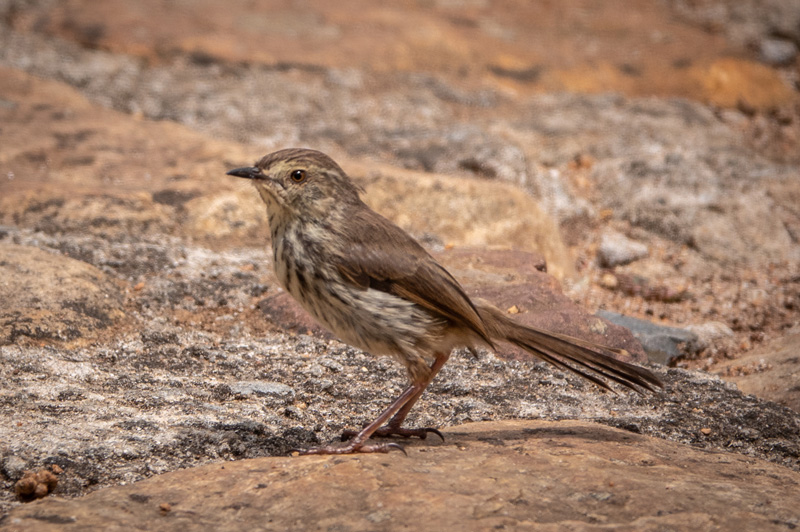
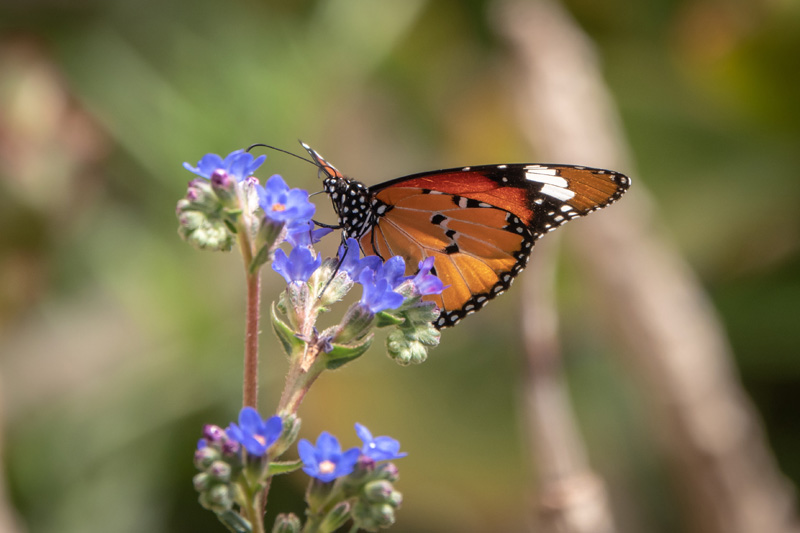
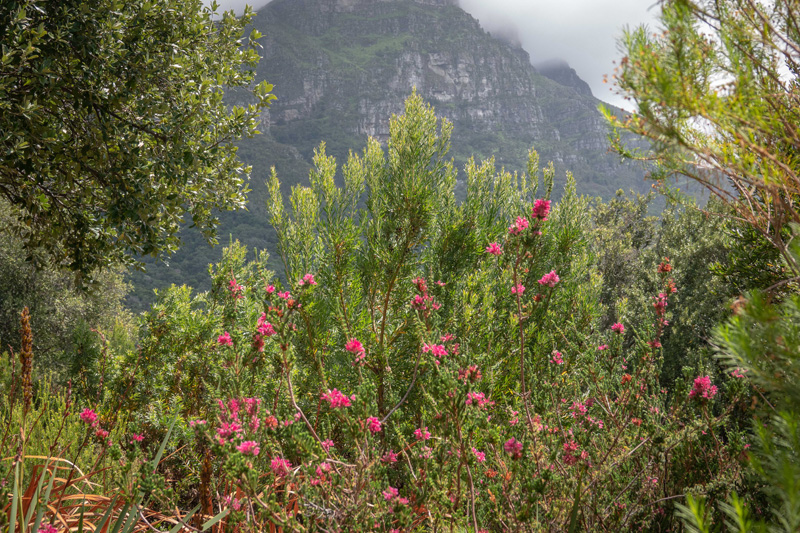
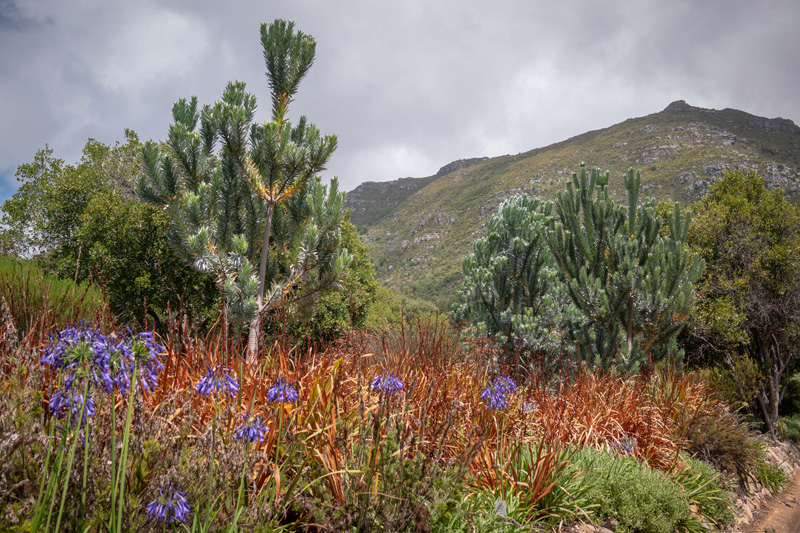
    Here we have previously seen some really good bird life including sun birds, sugar birds and even a Spotted Eagle Owl. We wern’t so lucky this year but there were  a few species of birds and butterflies and the flora was magnificent.

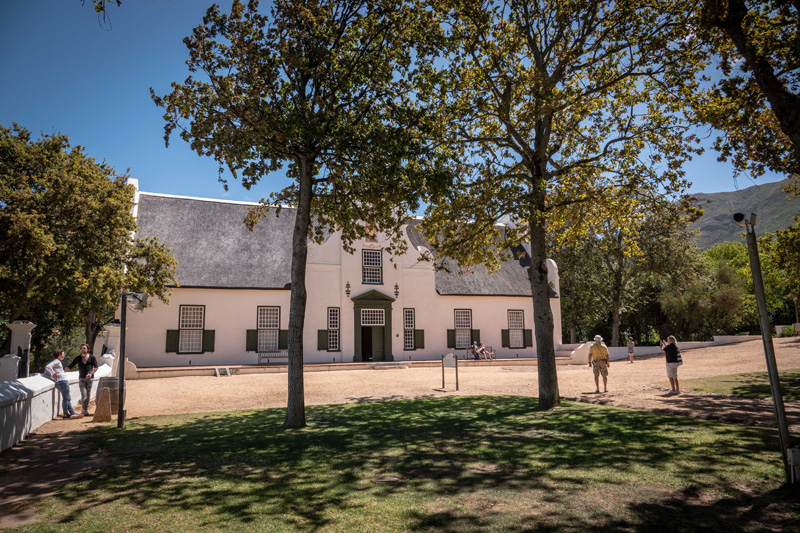
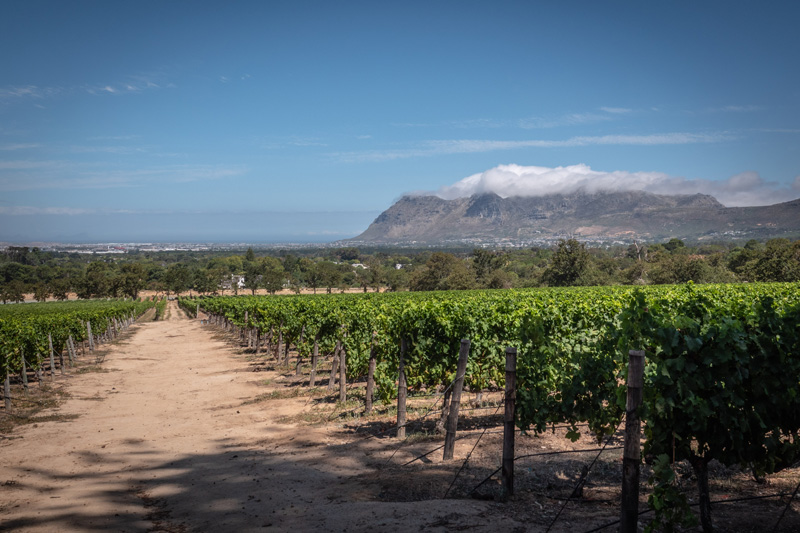
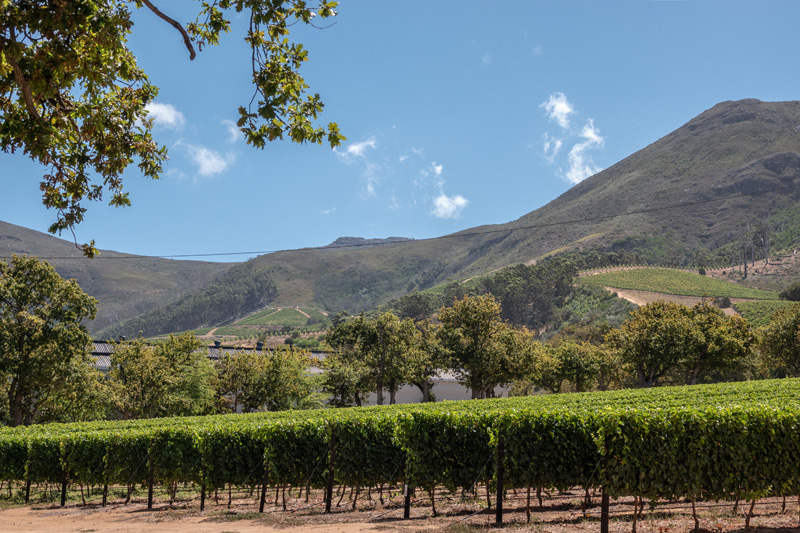
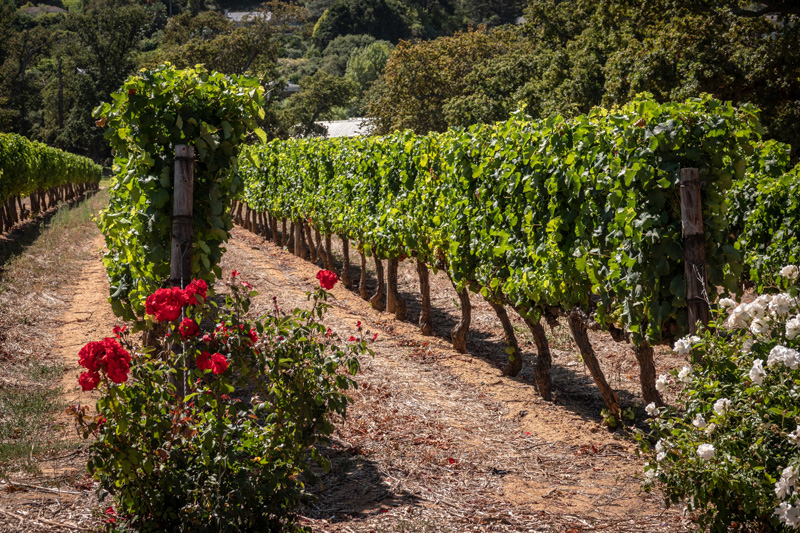
    After our visit we went to the nearby vineyard of Groot Constantia and studied the vines (and enjoyed some of the results of the winemakers efforts).

    dsc07016

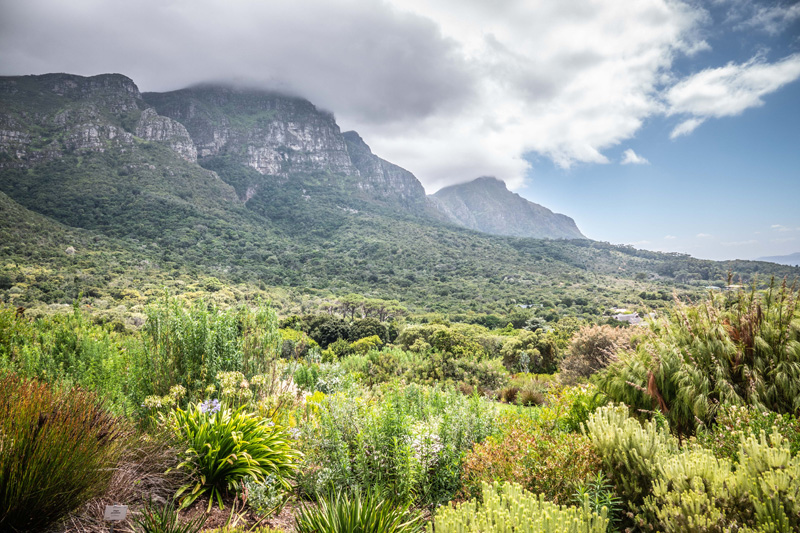
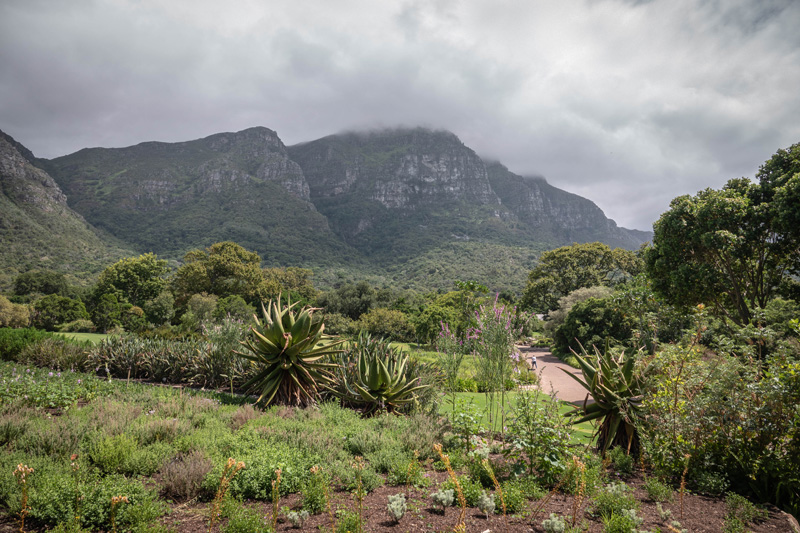
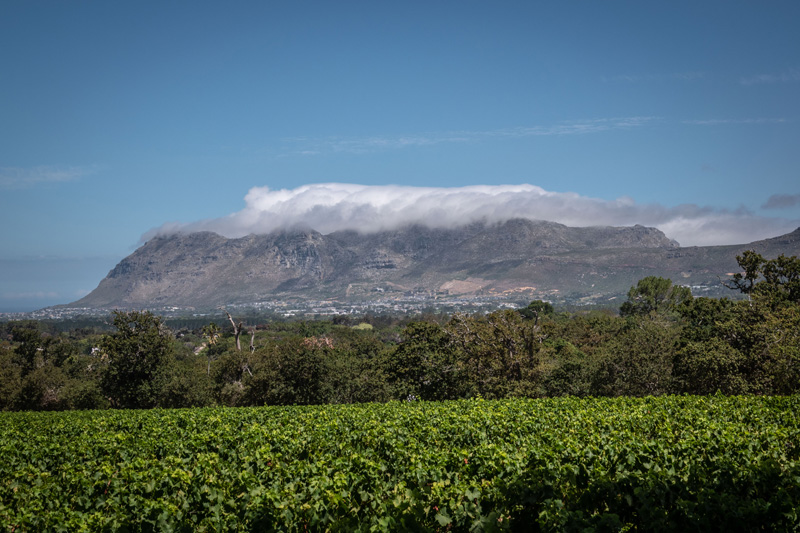
    dsc06917Views of the gardens toward Table Mountain

    Birds and butterflies

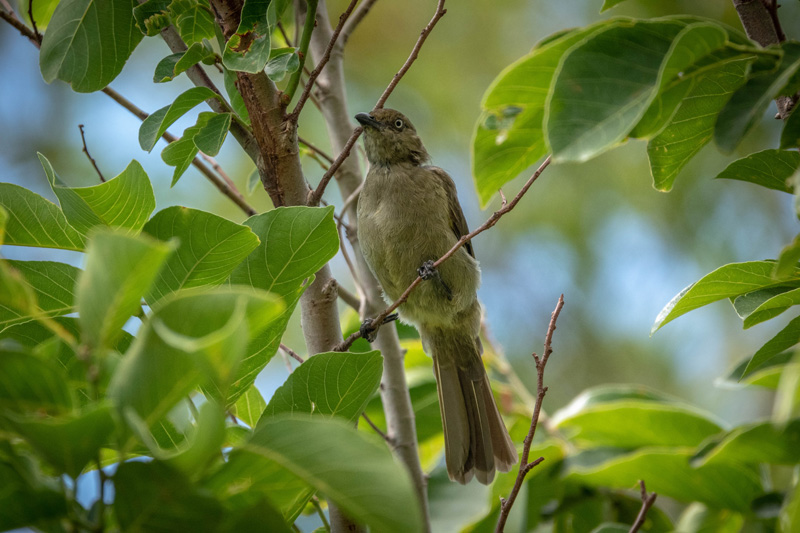
    dsc06927Sombre Greenbul?

    dsc06938African Dusky Flycatcher?

    dsc06949

    dsc06980Cape Batis

    dsc07048Cape Spurfowl

    dsc07133Hadeda Ibis

    dsc07198

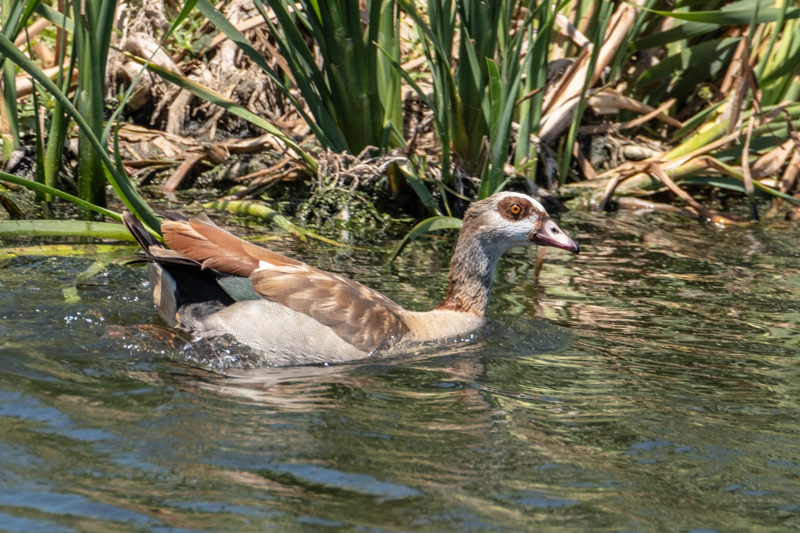
    dsc07224Egyptian Goose

    dsc07230Normal view of Egyptian Goose

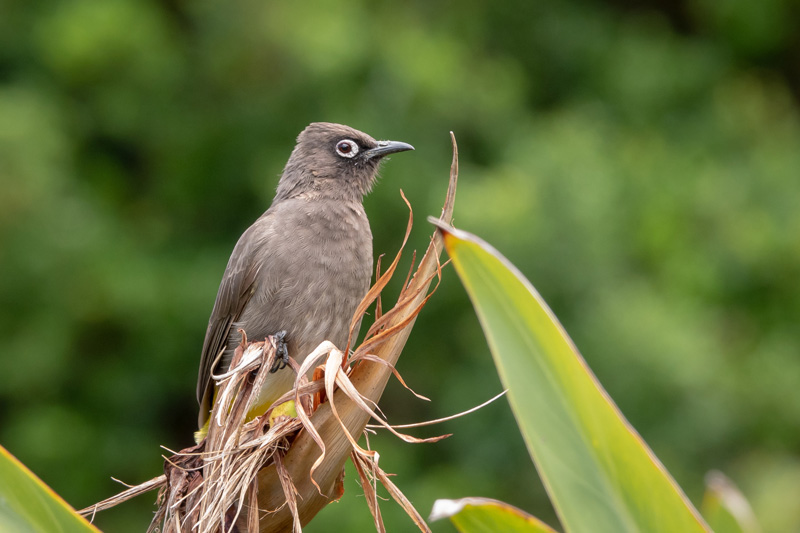
    dsc07263Cape Bulbul
    dsc06955

    dsc06933

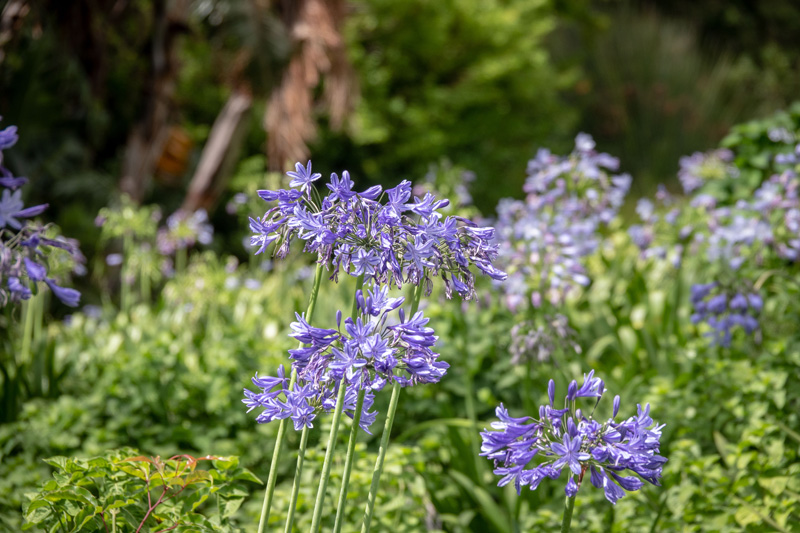
    Selection of flora

    dsc06918

    dsc07005

    dsc07008

    dsc07032

    dsc07037

    dsc07066

    dsc07074

    dsc07079

    dsc07083

    dsc07084

    dsc07095

    dsc07096

    dsc07102

    dsc07105

    dsc07108

    dsc07117

    dsc07120

    dsc07122

    dsc07127

    dsc07165

    dsc07168

    dsc07203

    Groot Constantia

    dsc07274

    dsc07277

    dsc07292

    dsc07300

    dsc07304

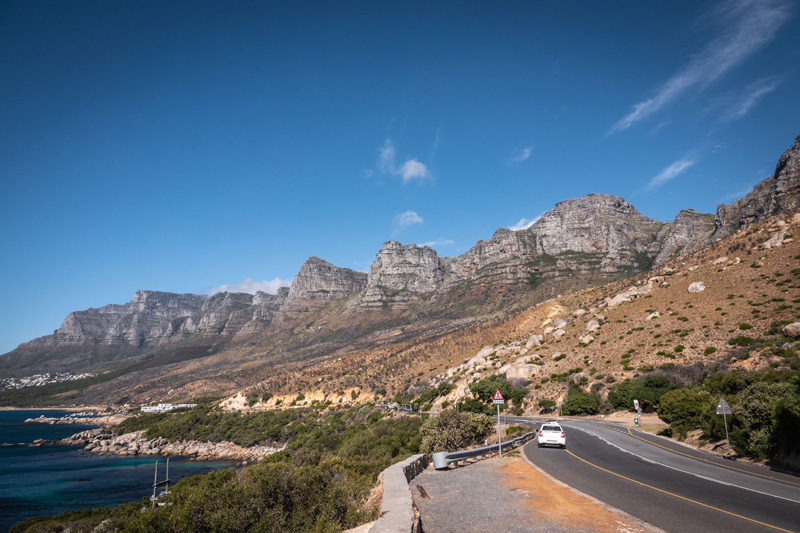
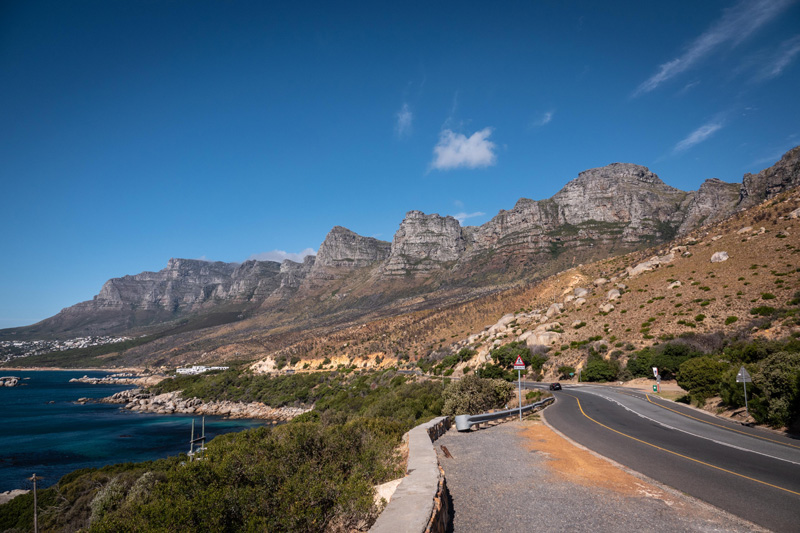
    A few photos of the route back to our accommodation in Camps Bay

    dsc07306The Twelve Apostles (at the back of Table Mountain)
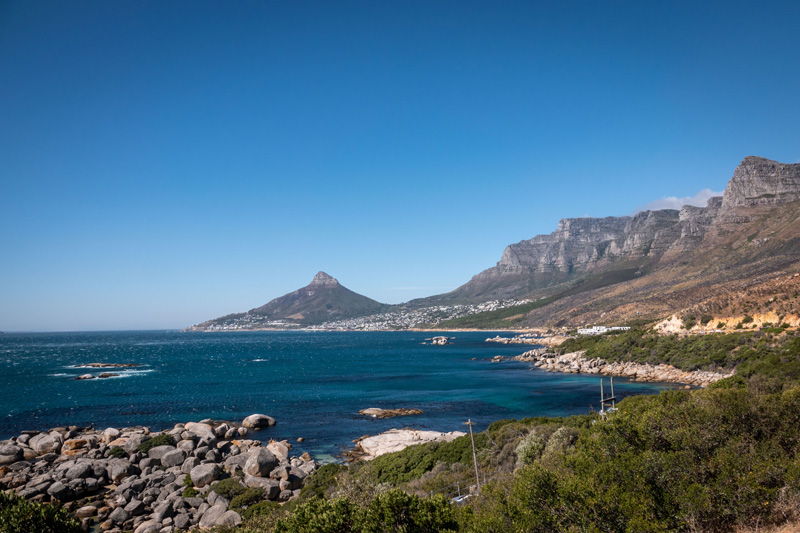
    dsc07307Camps Bay in the distance

    dsc07309

    Click below for a gallery of photos from today:


  • Tuesday 29th January 2019 – False Bay Nature Reserve

    Tuesday 29th January 2019 – False Bay Nature Reserve

    Another amazing day on this amazing continent. Our hosts Merryl and Steve really indulged us today and and took us to, what I consider to be, the best place I have ever been for bird watching – False Bay Nature Reserve.

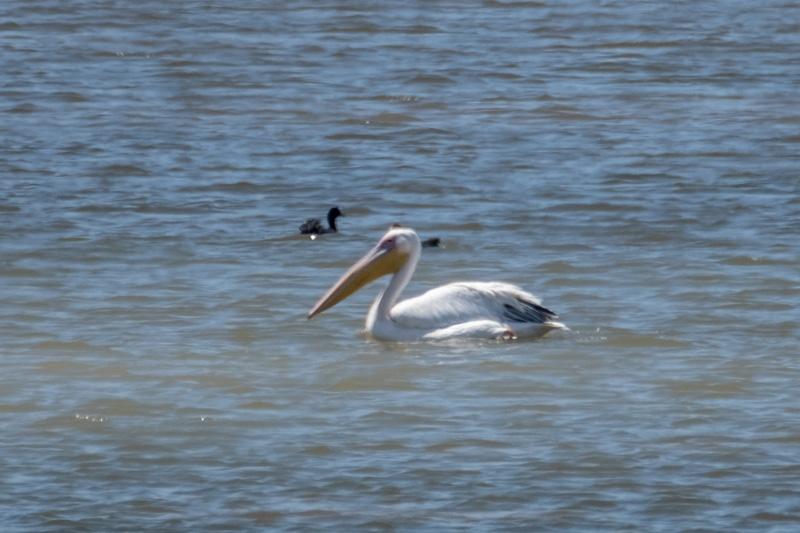
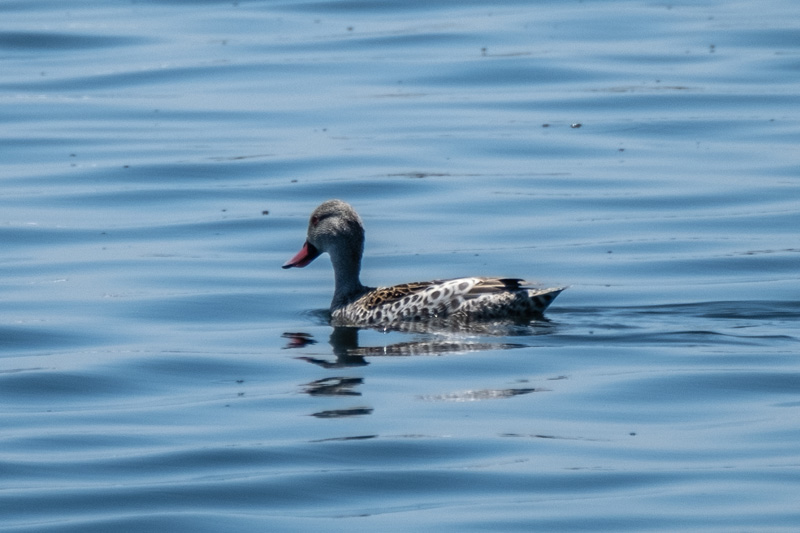
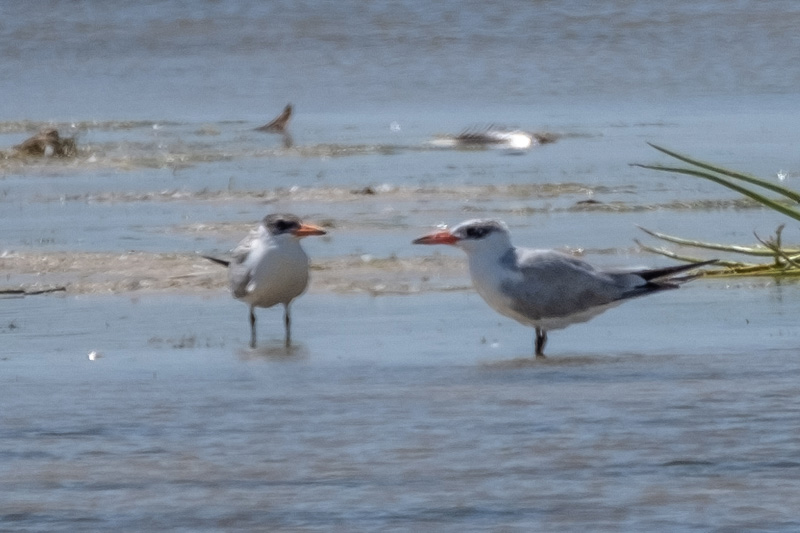
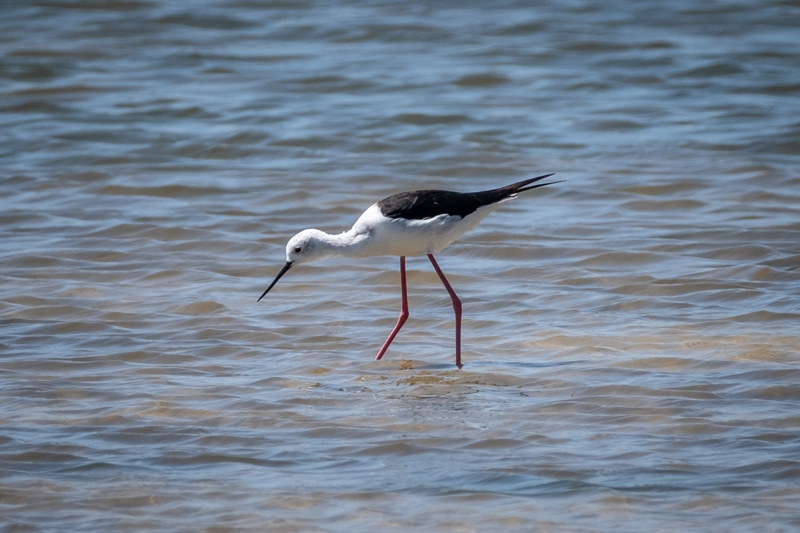
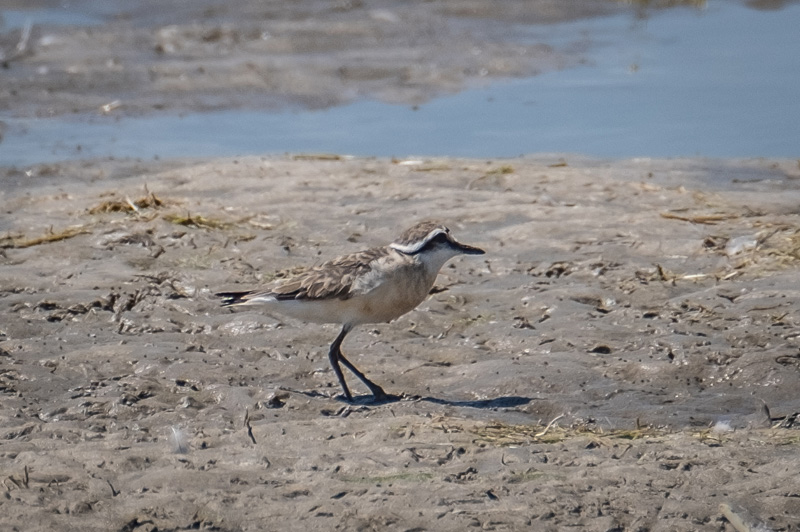
    The highlights in the main centre at Rondevlei were pelicans, African sacred ibis, glossy ibis, spoonbills, various plovers, black-winged stilts, little egrets, Cape wagtails, Cape teal, red-billed teal, Egyptian geese, Blacksmith lapwings and loads that I haven’t identified yet. It was quite windy and there didn’t seem to be many little birds darting around the beautiful vegetation but there was no reason to complain.

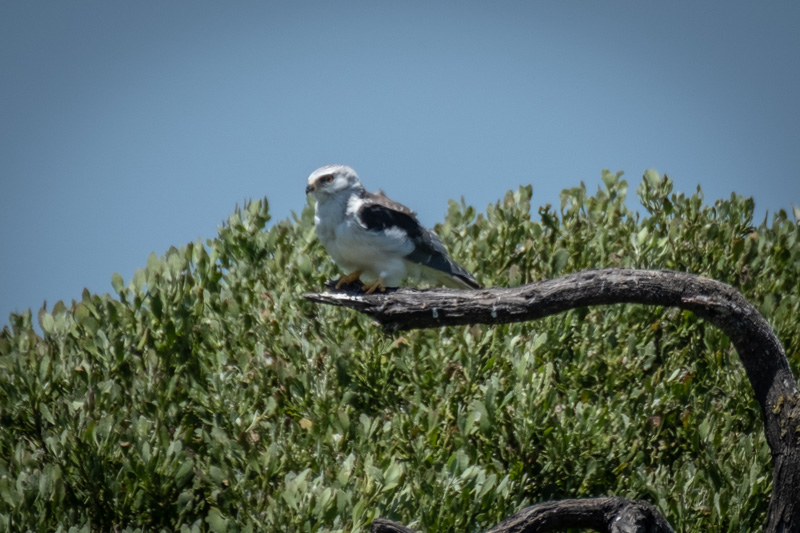
    When we moved on to the lakes near the sewerage works (Strandfontein birding area) it was just as exciting as our visit last year, with all of the above plus flamingos, Hadeda ibis, little grebes, barn swallows, pied avocets, and a raptor which I think may have been a black-shouldered kite.

    You visit this section by car and you get to see the birds really close up. The birds are not bothered by the cars which aren’t numerous anyway – we didn’t see another car at all today and only two last year.

    There was certainly so much else to see but I didn’t want to push my luck too much; our hosts had been so accommodating and the thought of a lunch by the beach at Muizenburg was even more enticing than an overdose of birds.

    Thanks Merryl and Steve for a very special day.

    dscf5492Beautiful vegetation

    img_4321An amazing setting

    img_4324Very accommodating hosts

    dscf5952Glossy ibis

    dscf5918

    dscf5870

    dscf5752Flamingos

    dscf5993Black-shouldered kite ?

    dscf5859Egyptian goose

    dscf5809Pied avocet

    dscf5830Sacred ibis

    dscf5676Pelican

    dscf5749Red-billed teal

    dscf5703Cape teal

    dscf5638Cape wagtail

    dscf5588Spoonbills and pelicans 

    dscf5577Terns

    dscf5536Black-winged stilt

    dscf5551Kittlitz plover

    dscf5556Three-banded plover

    dscf5922Flamingo

    dscf6034Hadeda ibis

    dscf6035Spur-winged goose

    dscf6039

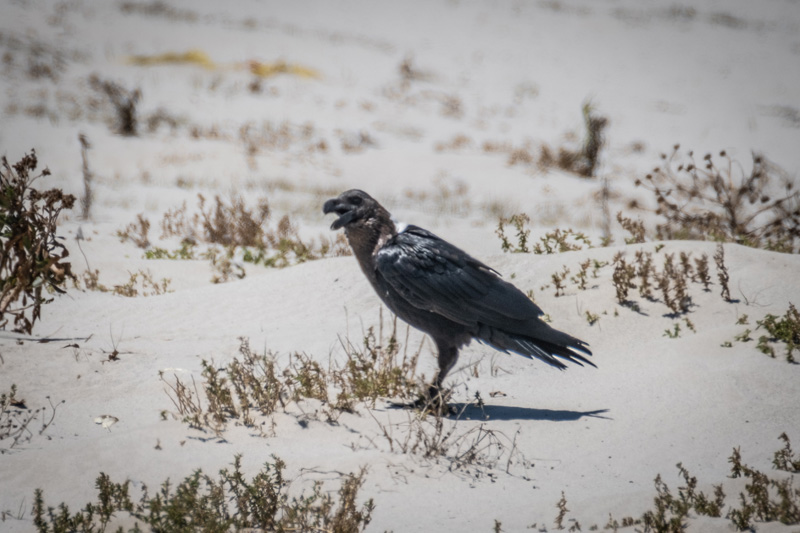
    dscf6070White-necked raven

    Click below for a gallery of some of today’s photos:


  • Monday 28th January 2019 – Hout Bay

    Monday 28th January 2019 – Hout Bay

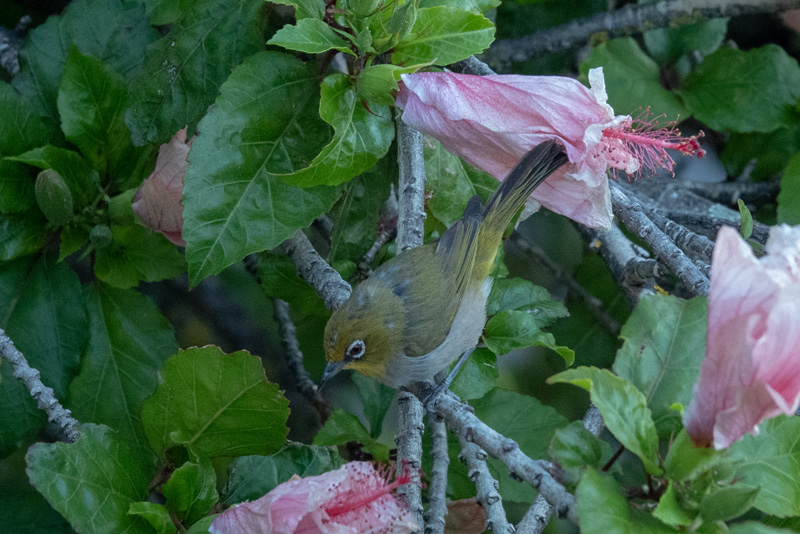
    Whilst I was looking out at the beautiful view from the balcony of our excellent accommodation in Camps Bay (51, Camps Bay) I saw some Cape White-eye feeding off the nectar of the tree right in from of me.

    dsc06527A room with a view

    dsc06503

    dsc06505Cape White-eye

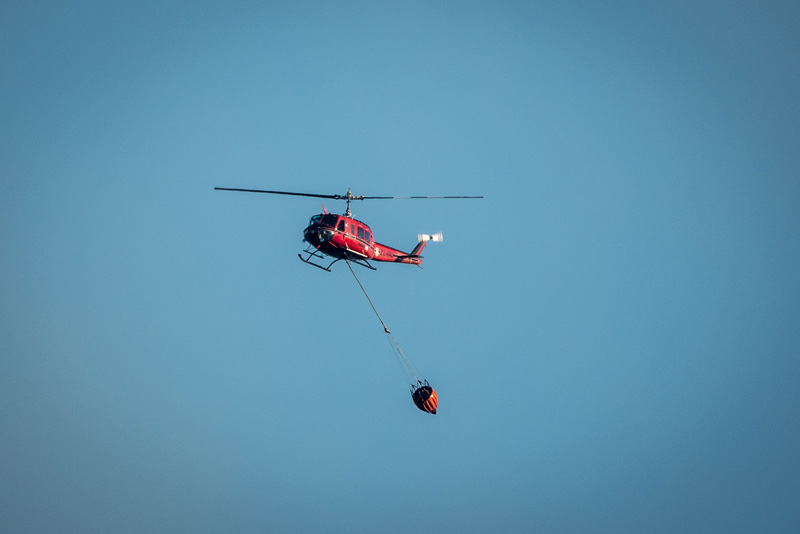
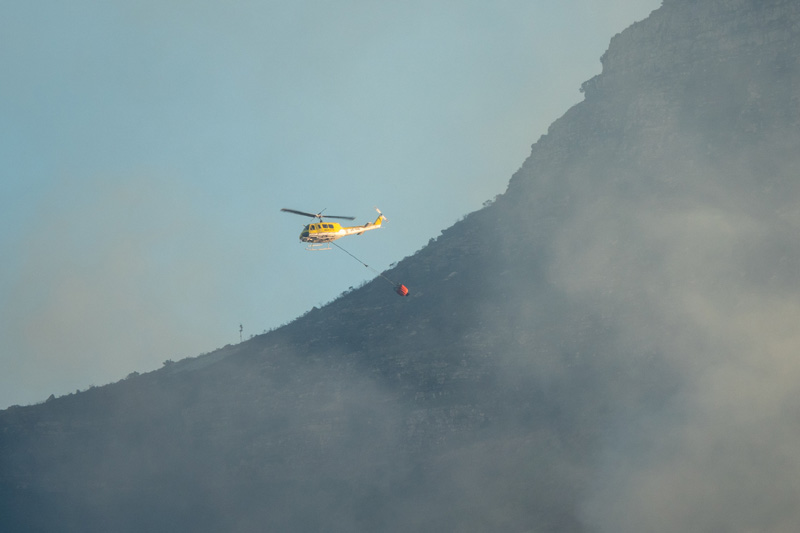
    A little worryingly behind us I could see a fire rampaging on the hillside of the Lion’s Head. However, the fire brigade seemed to be coping well with their helicopters.

    dsc06494

    dsc06495

    dsc06522

    dsc06514

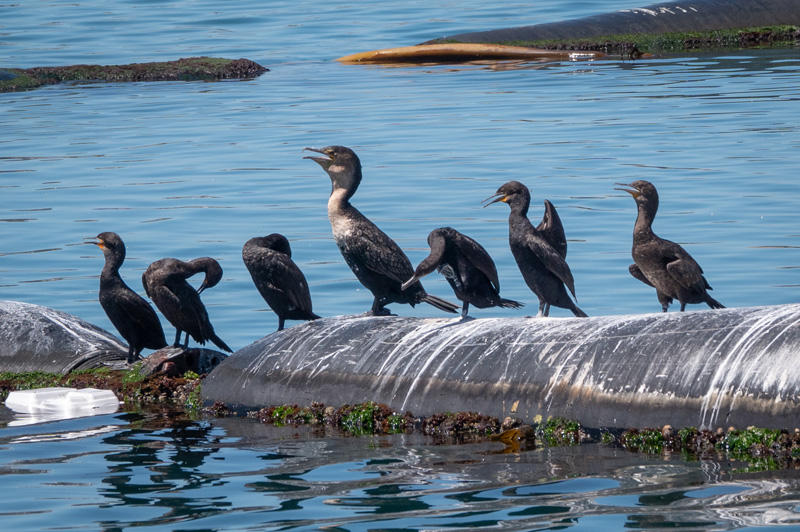
    We then drove to Hout Bay and had a walk along the beach. Even quite early in the morning the temperature was around 30 degrees, but with the gentlest of breezes coming off the sea it was bearable. As we walked we saw a few cormorants (Cape and Bank Cormorants), some distant Kelp Gulls and a Swift Tern.

    dsc06534

    dsc06563

    dsc06551Swift Tern

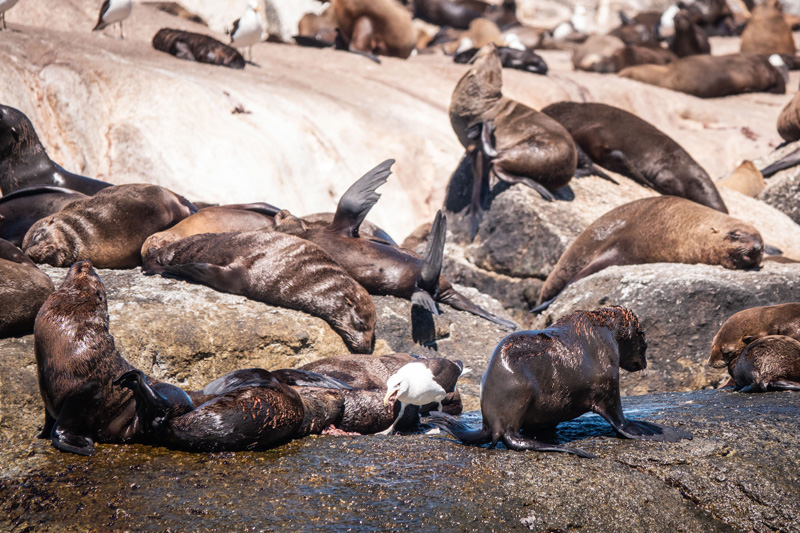
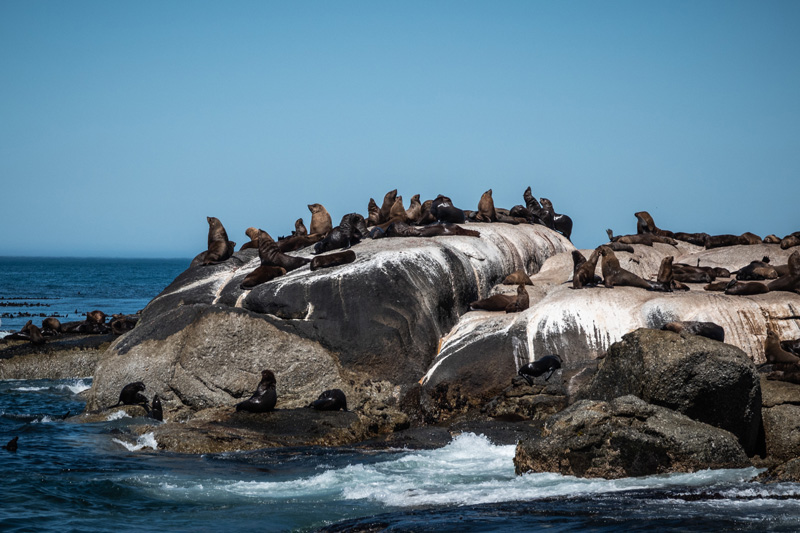
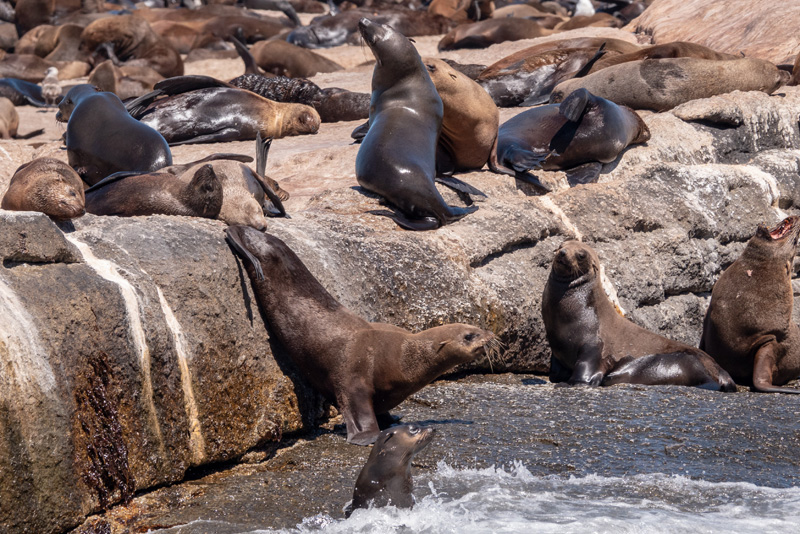
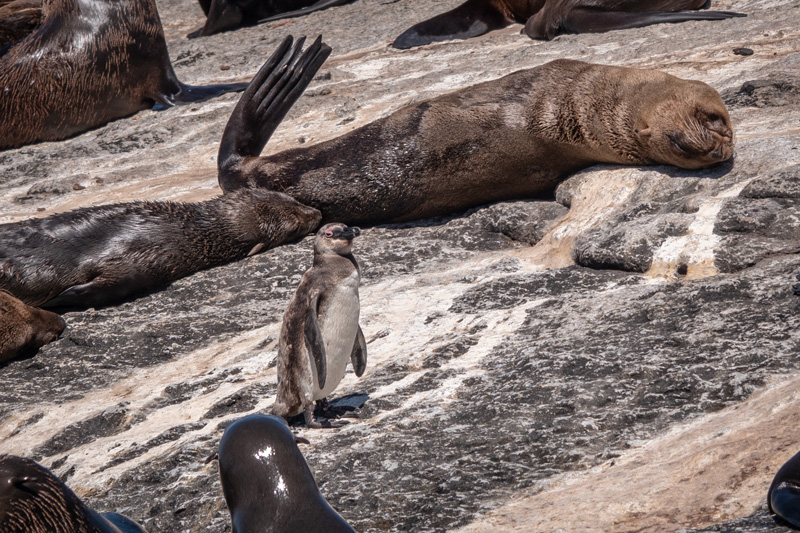
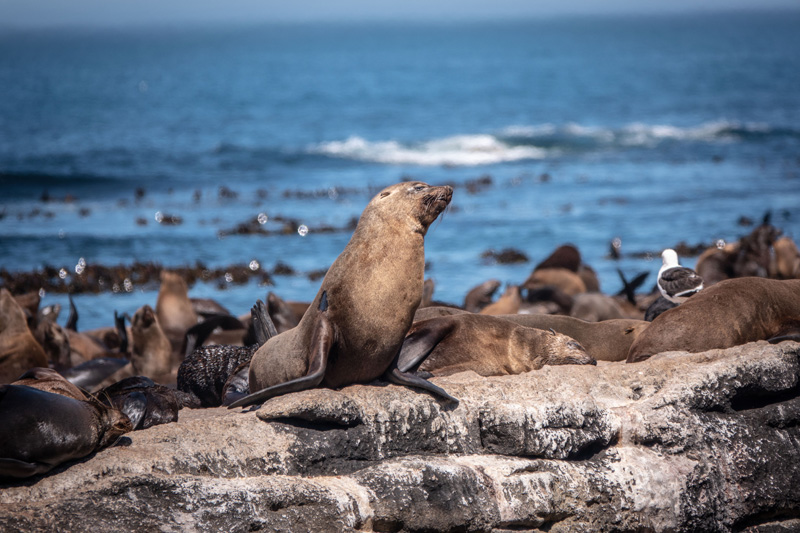
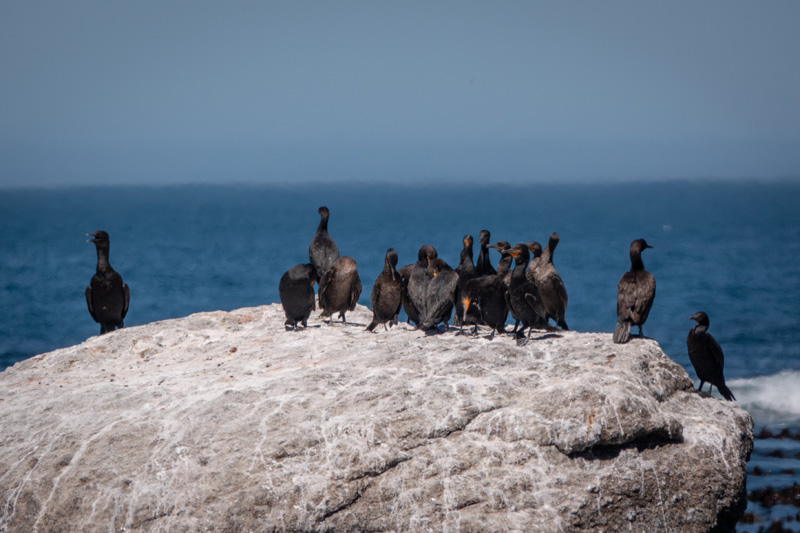
    As it was getting even hotter we decide to take a boat trip to Duiker Island, the Seal Colony, where we could view thousands of wild Cape Fur Seals close up in their beautiful natural habitat. There were also lots of Cape and Bank Cormorants, some Kelp Gulls and even one Penguin.

    dsc06649

    dsc06714

    dsc06718A Kelp Gull

    dsc06682

    dsc06739

    dsc06748A solitary penguin (Lost and Found?)

    dsc06761

    dsc06785

    dsc06793

    dsc06895

    dsc06908Pet seal?

    dsc06830Chapman’s Peak (outside looking in)

    Click below for gallery of photos:


  • Saturday 26th January 2019 (afternoon) – Victoria Falls from the air

    Saturday 26th January 2019 (afternoon) – Victoria Falls from the air

    I’ll let the photos speak for themselves of the hugely impressive natural phenomena of the Zambezi River and the Victoria Falls seen from the air.

    dscf5100-2

    dscf5172-2

    dscf5194-2

    dscf5220-2

    dscf5236-2

    dscf5243-2

    dscf5311

    dscf5340

    dscf5395

    dscf5469

    Click below for gallery of photos from this afternoon’s flight.

  • Saturday 26th January 2019 (morning) – Victoria Falls, Zimbabwe

    Saturday 26th January 2019 (morning) – Victoria Falls, Zimbabwe

    Friday 25th January 2019

    Windhoek to Victoria Falls

    Our flight to Victoria Falls was slightly delayed and so we  had just 20 minutes to drop off our bags before departing for a visit to a local Zimbabwean woman’s home to hear about local customs and to take part in a meal of local products. It was particularly interesting hearing about family attitudes to boys and girls forming relationships and the role of aunties and uncles.

    By the time we returned to the hotel there was no opportunity for any wildlife photos.

    Saturday 26th January 2019

    We had yet another early start as we set off to visit the Victoria Falls. We stopped en  route to visit an ancient Baobab, believed to be between 1000 and 1500 years old.

    dscf4866-2

    dscf4865-2

    At the entrance to the park we had a talk from our local guide about the Falls and, in particular, the story of their discovery by Dr Livingston. It was very interesting but, with the roar of the Falls in the background we were all desperate to move on to get our first sight of them.

    dscf4875-2

    Walking through the park we could see and hear plenty of bird life amongst the very green vegetation which was interspersed with lots of orchids and other plants such as Deadly Nightshade.

    dsc06430

    dsc06433

    dsc06447

    As we had not had even the slightest glimpse of the Falls (except, what even Livingston had considered to be, clouds of smoke) until we were well into the park, it was indeed a magical moment when we did at last get a glimpse of them.

    dsc06432Our very first glimpse of the Falls

    We had nine major view points along the pathway, many of them quite precariously close to the cliff edge which was extremely slippery from the spray. It was not perfect weather for photographs as the sky was quite hazy and the spray was, at times, very heavy. However, there was no doubt that the Falls were an amazing sight to see.

    dscf4908-2

    dscf4925-2

    dscf4951-2

    dscf4964

    dscf4996-2

    dscf5007

    dscf5016

    dscf5061

    dscf5072

    dscf5075

    dscf5081

    In the afternoon w elected to take a short helicopter ride to see the Falls. This was an expensive excursion and the flight only lasted 12-13 minutes. Nonetheless, this was a most amazing experience and enabled us to see (and photograph) the Falls at their best.

    Two of the younger members of our “ Namibian Group” took a microlight flight which sounded even more amazing than our flight, lasting longer and even presenting opportunities to see wildlife from the air.

    Click below for gallery of photos from this morning: