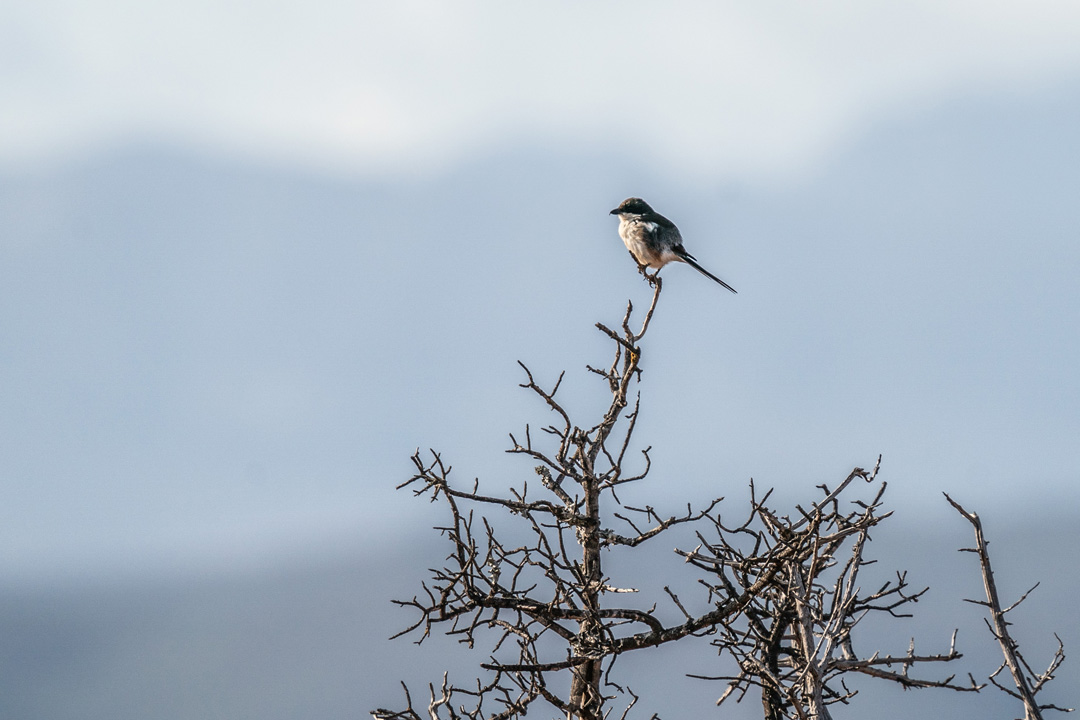
Category: Blog

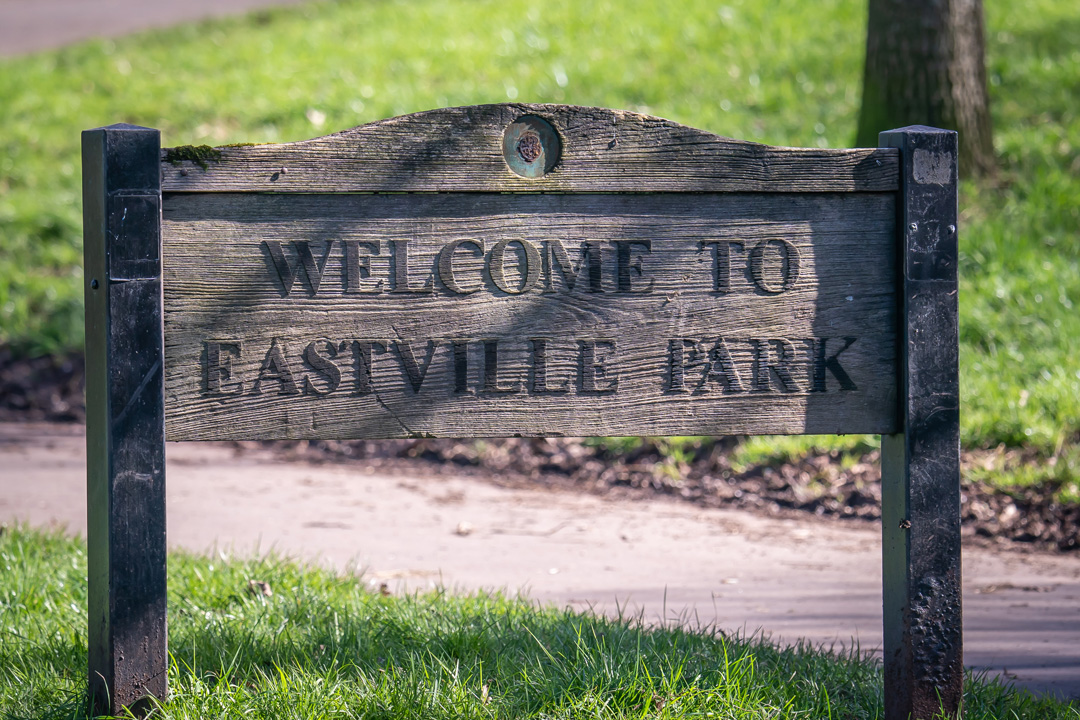
  • 25th February 2020 – Eastville Park, Bristol

    25th February 2020 – Eastville Park, Bristol

    Back to reality! I decided not to be a wimp and got out for a walk this morning. Light showers were forecast and I must admit it wasn’t raining when I left home. But when I arrived at the lake at Eastville Park it began to rain and continued to pour until I got home. Light shower indeed!

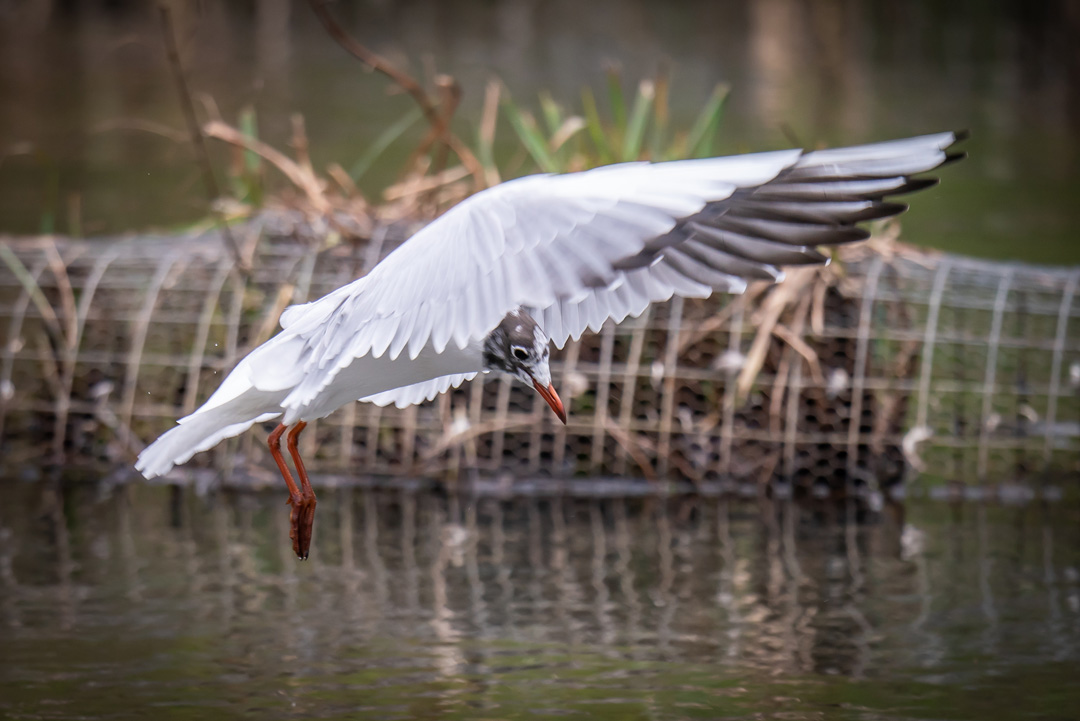
    I caught a glimpse of a kingfisher but anything moving faster than a hovering black-headed gull didn’t get captured by my camera!

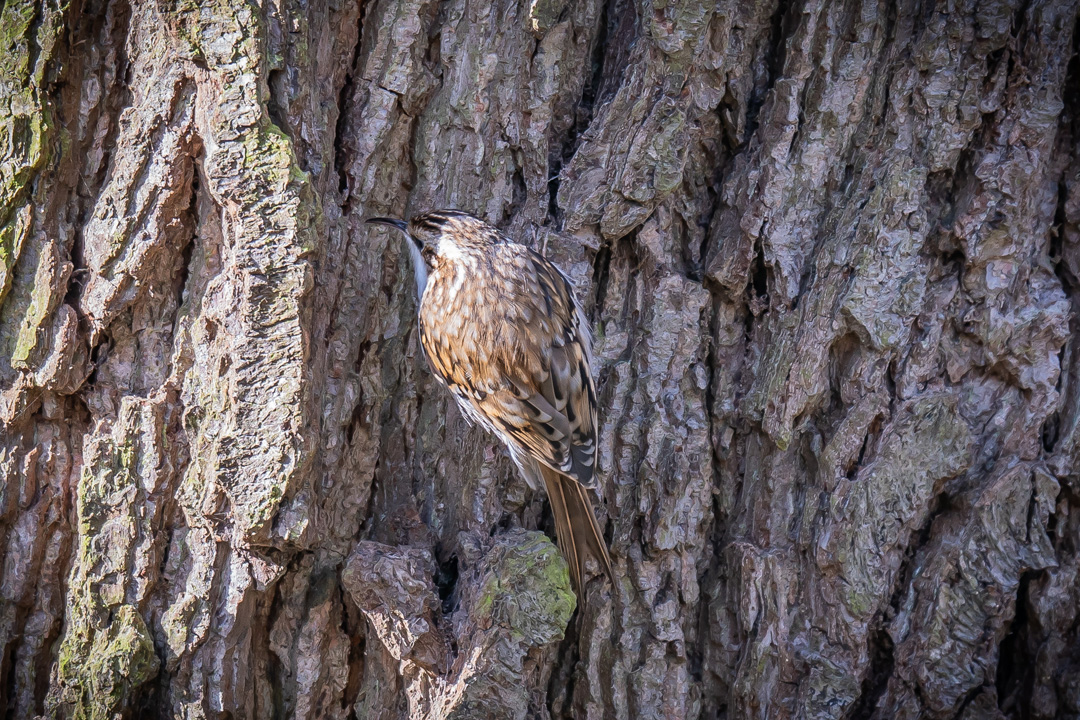
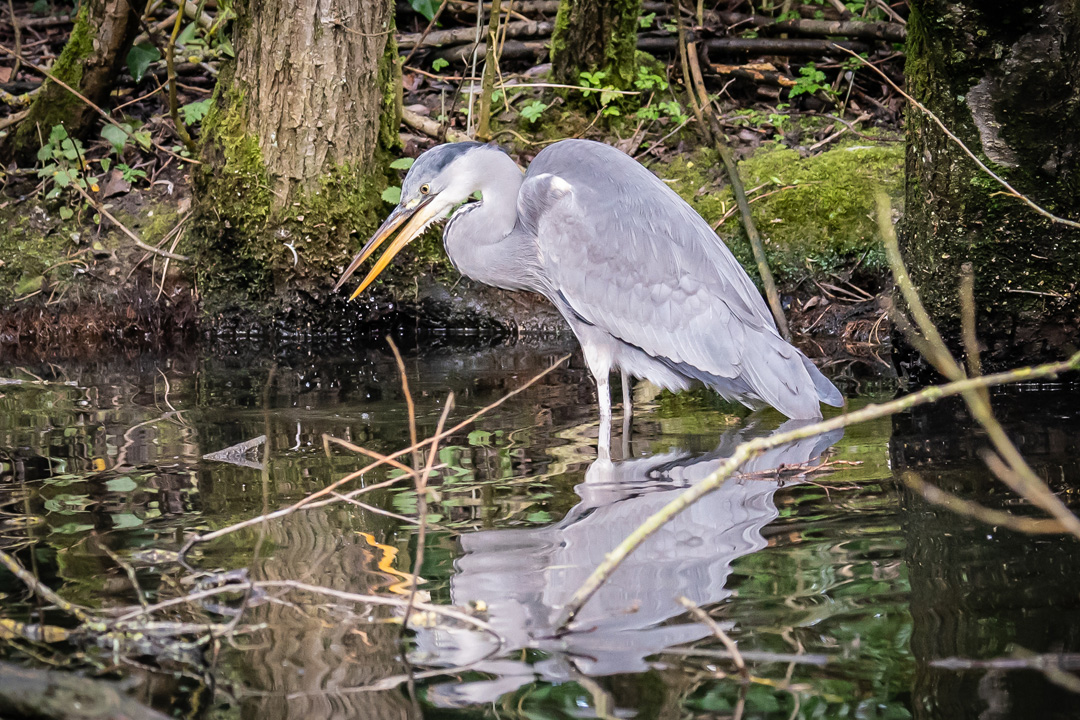
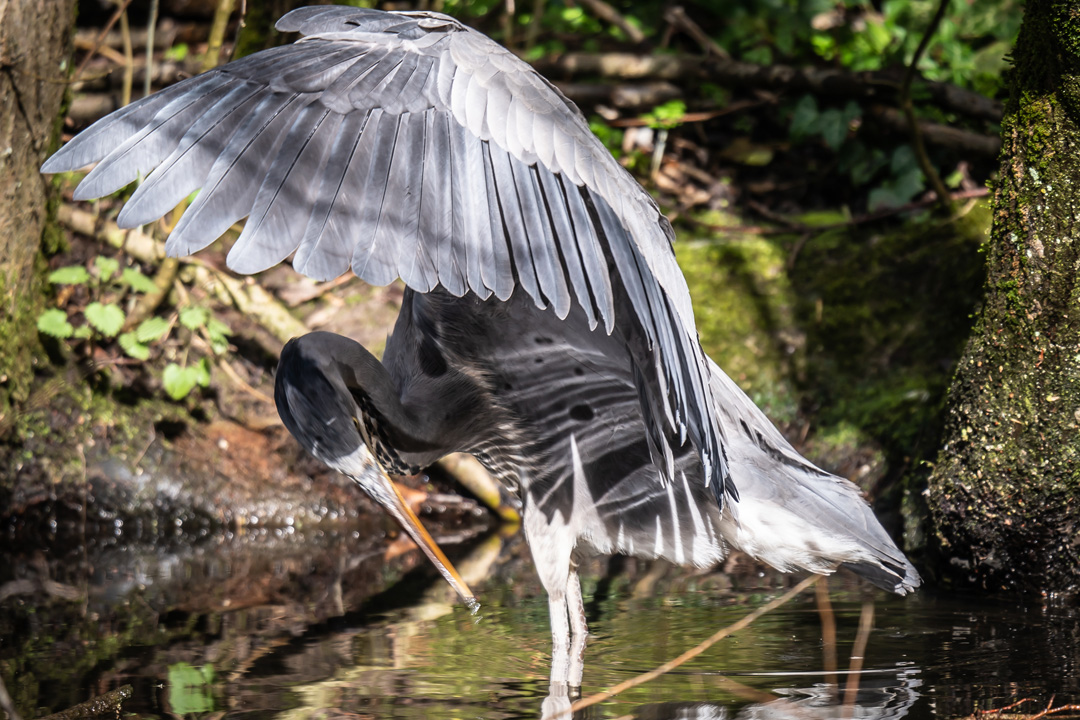
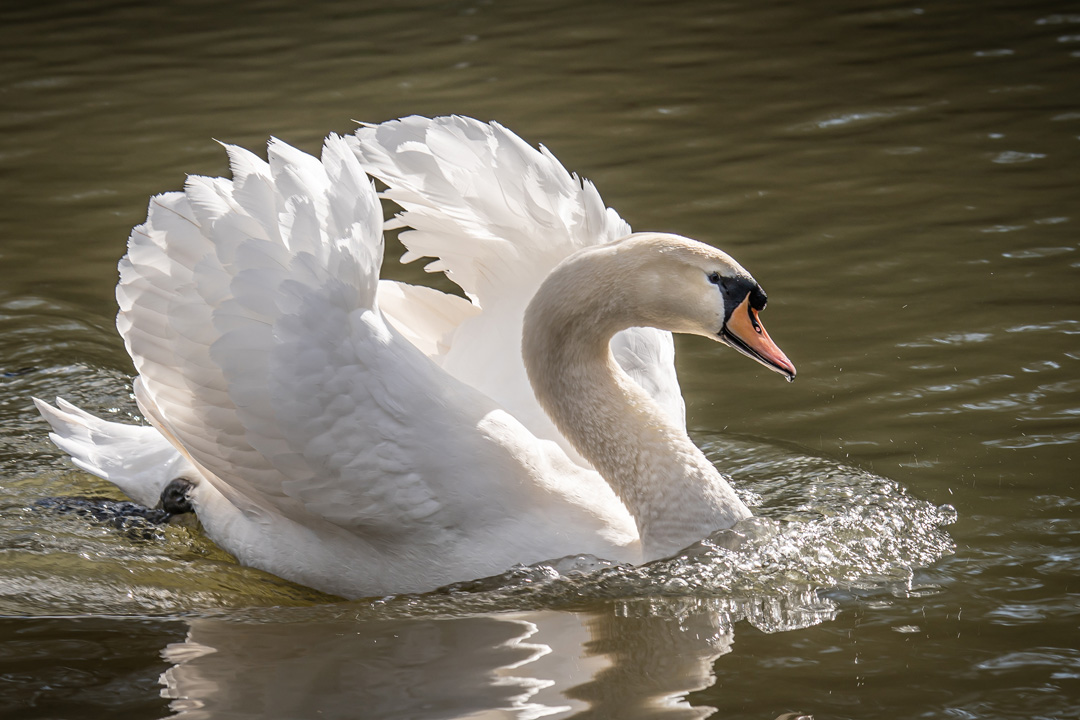
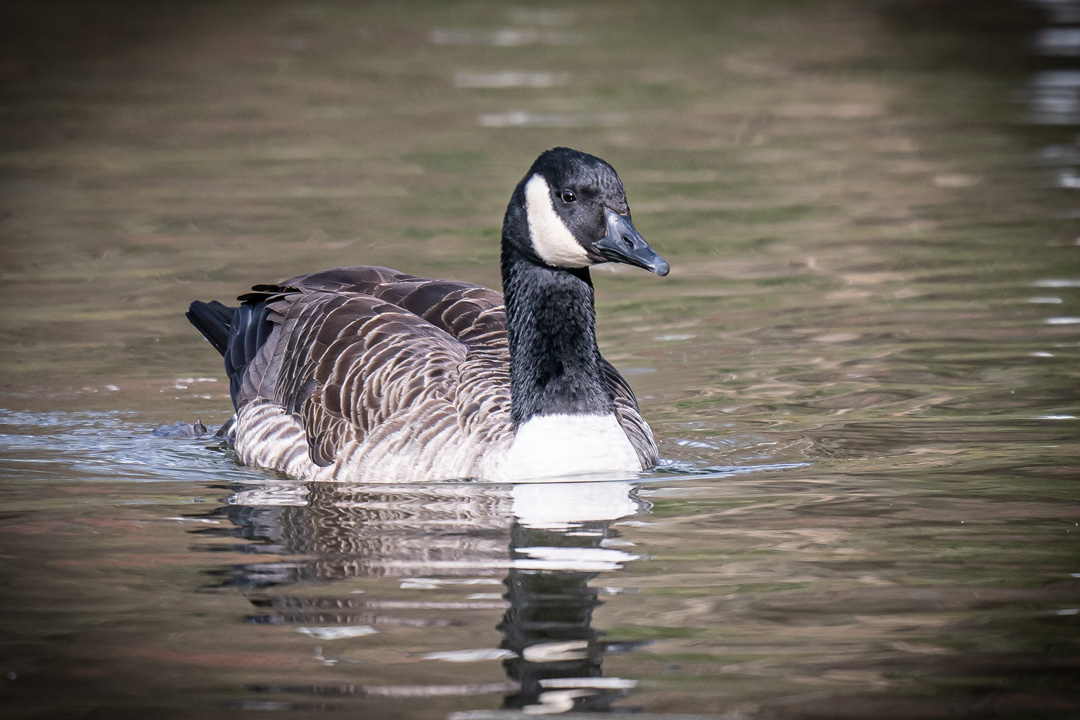
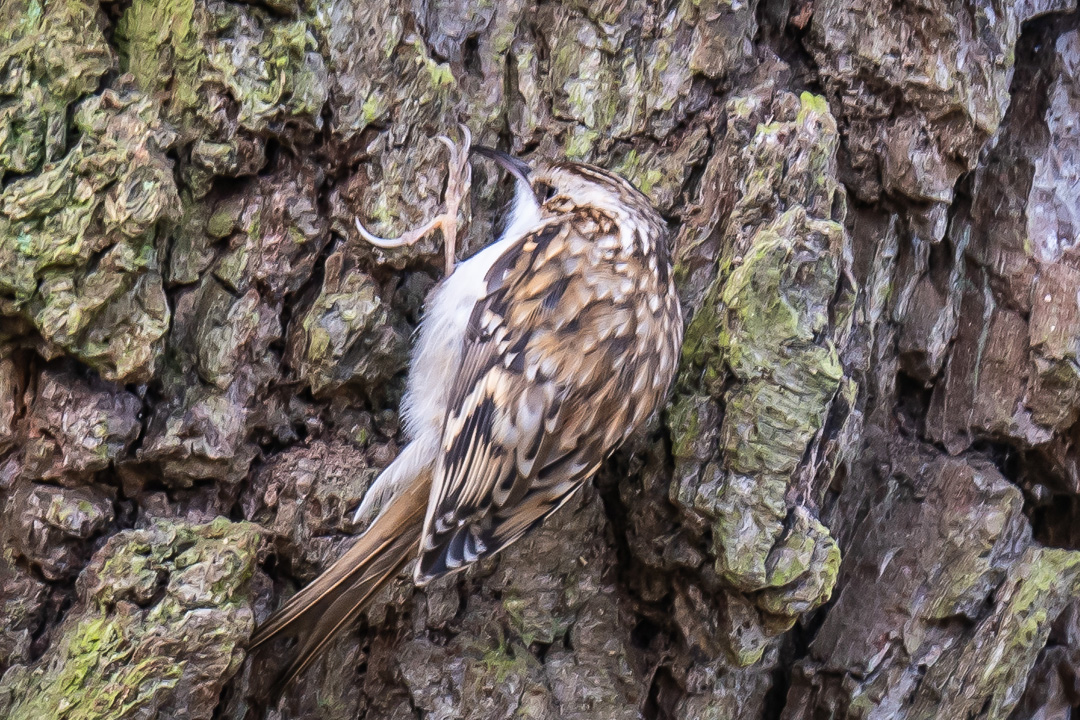
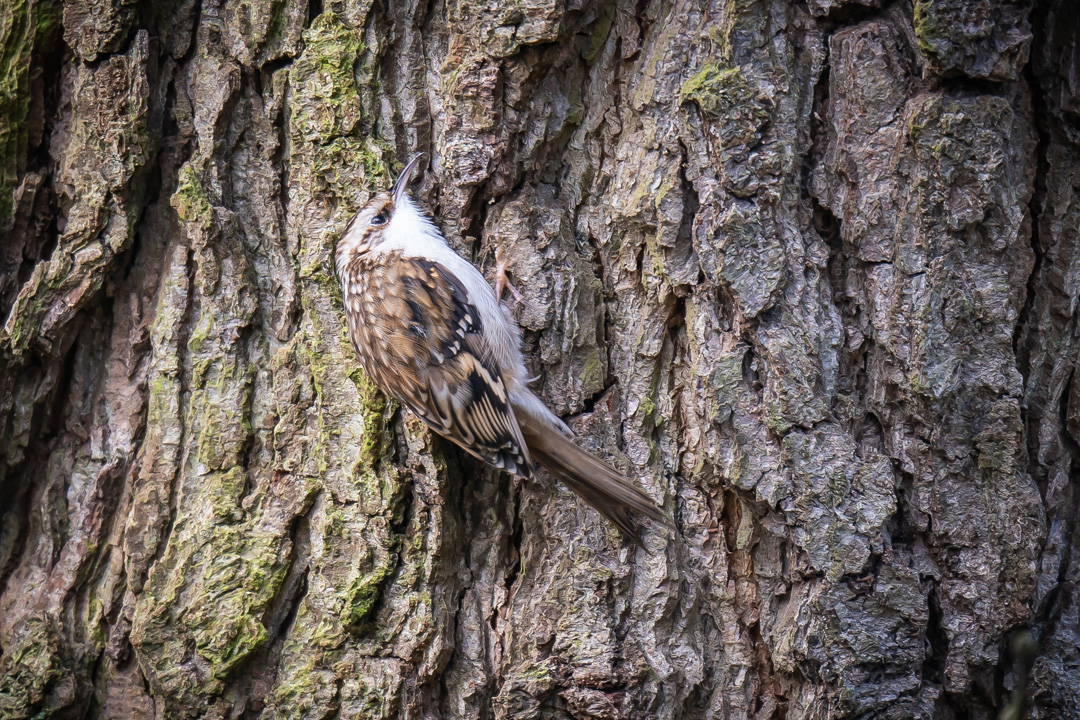
    The only way I could make any of the birds look interesting was to try and get in close.

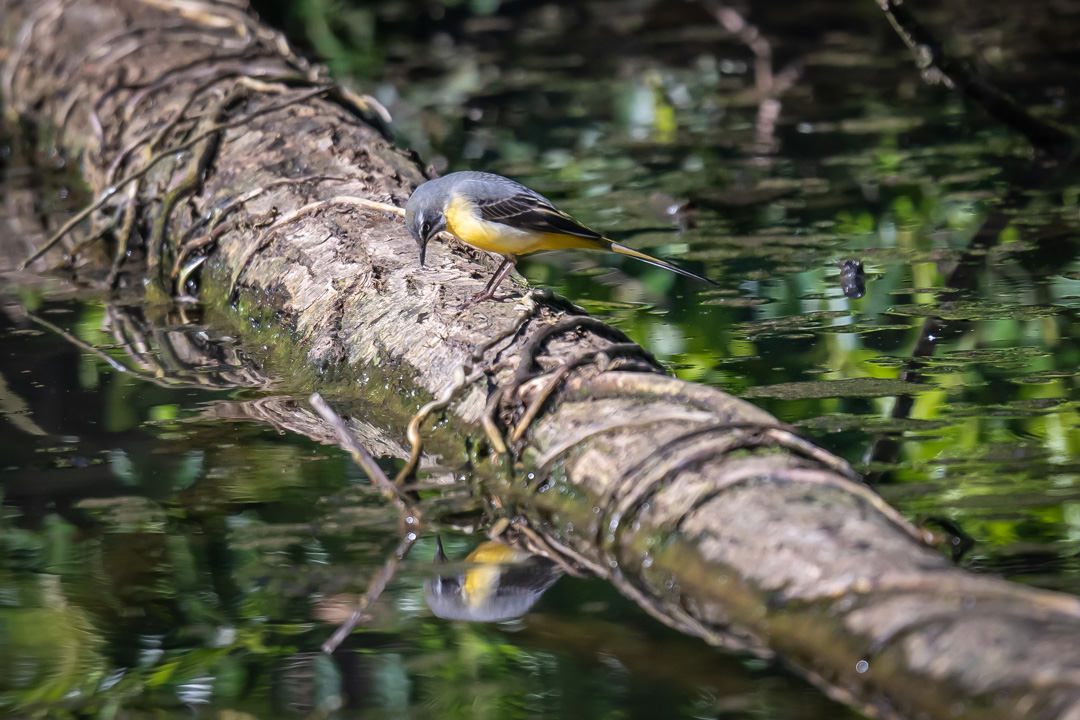
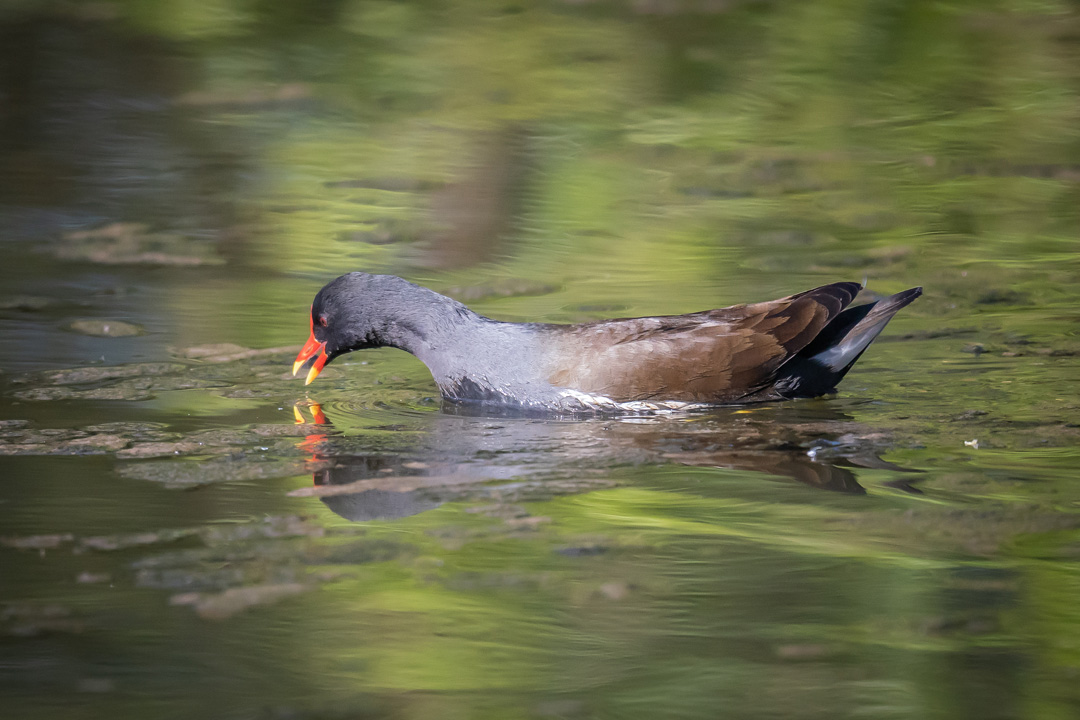
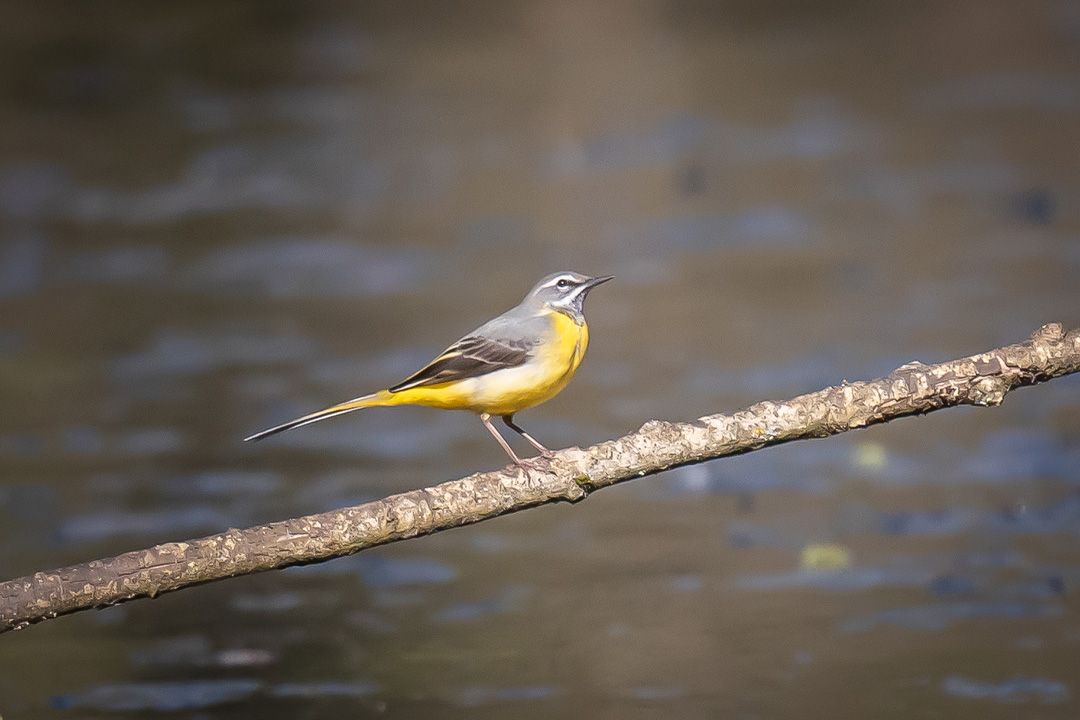
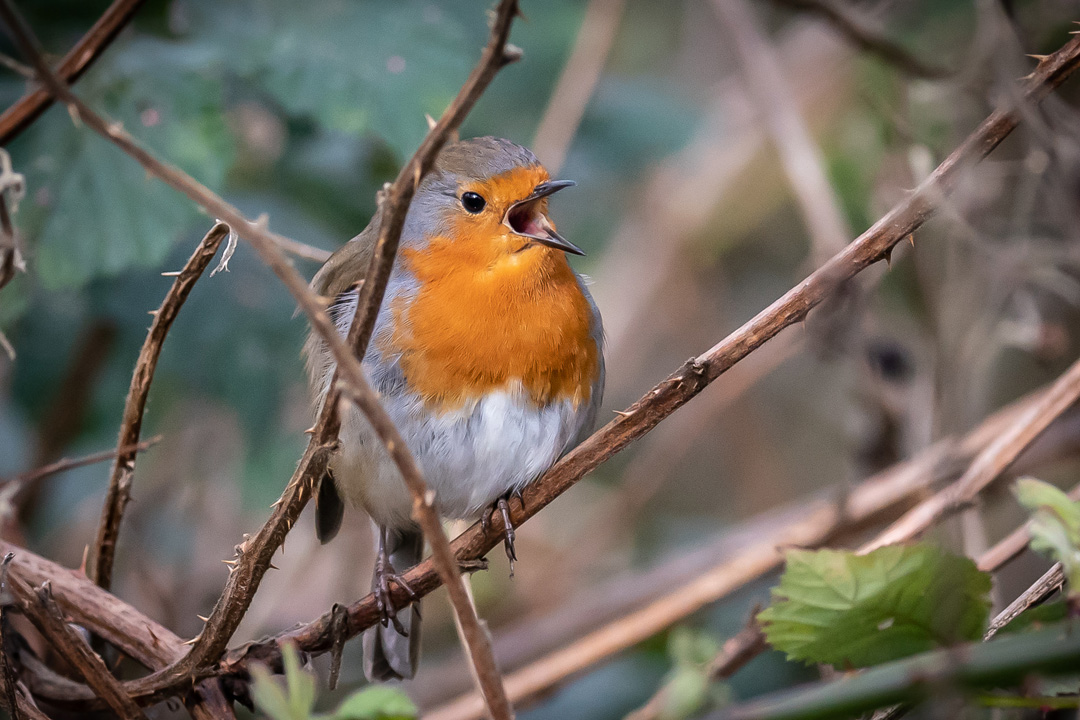
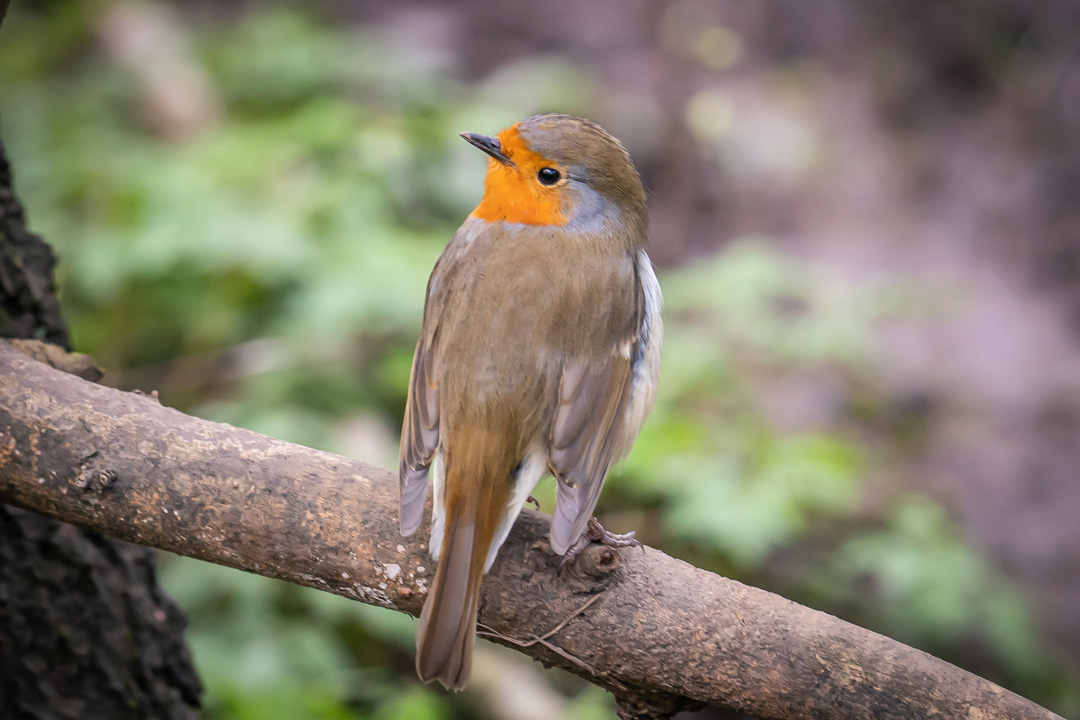
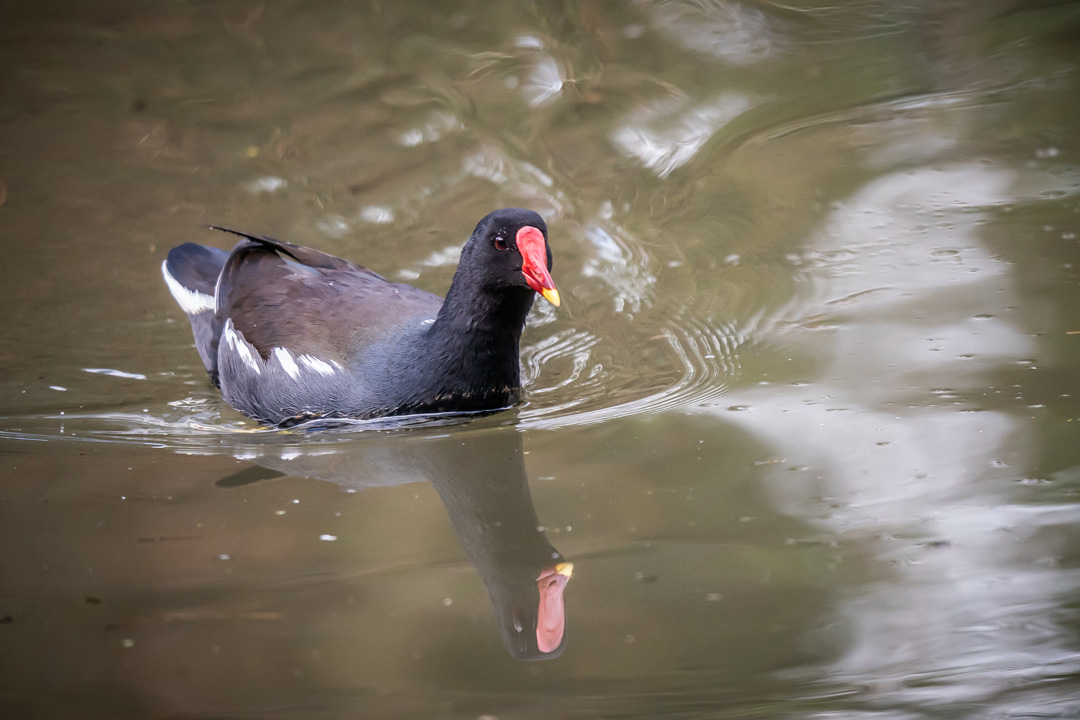
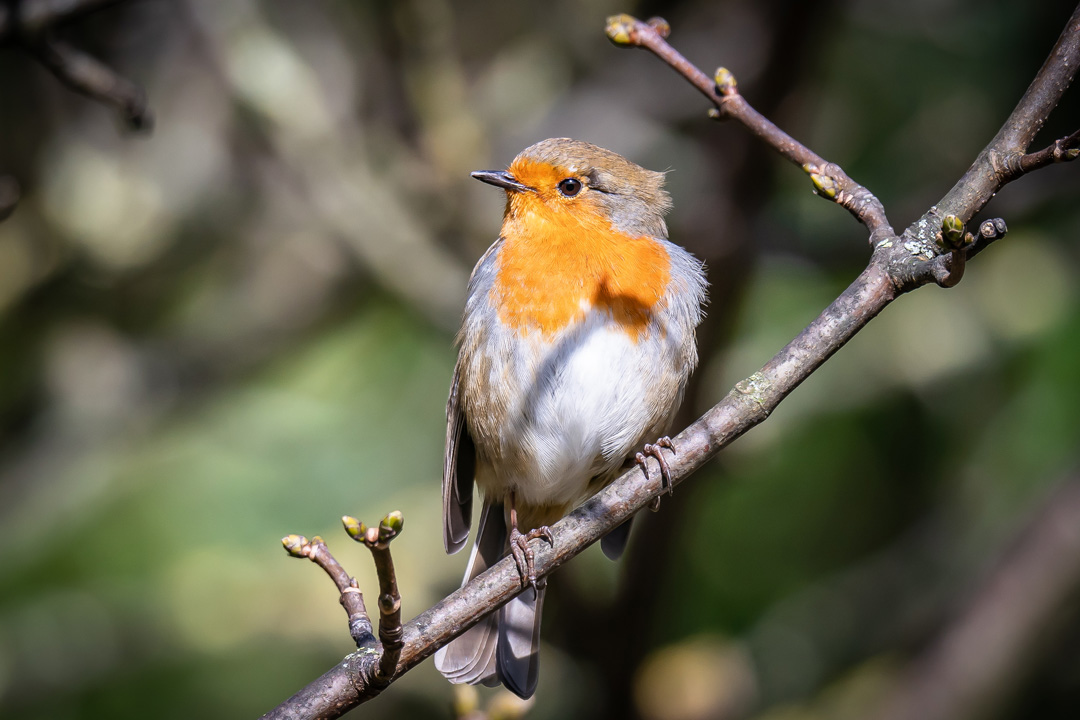
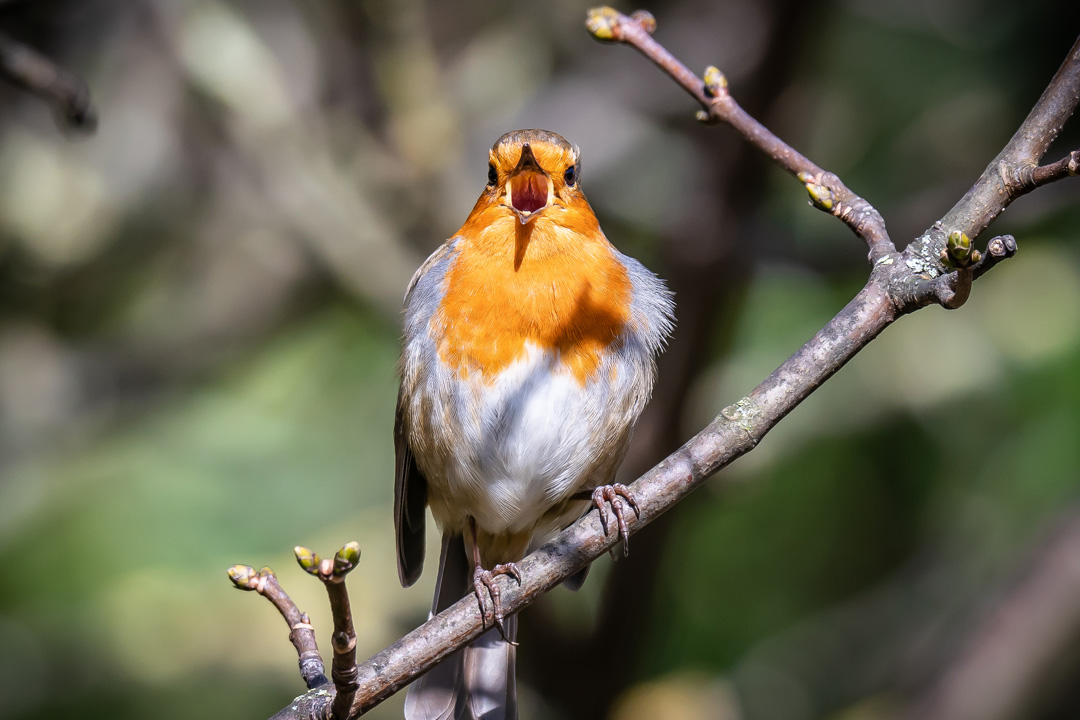
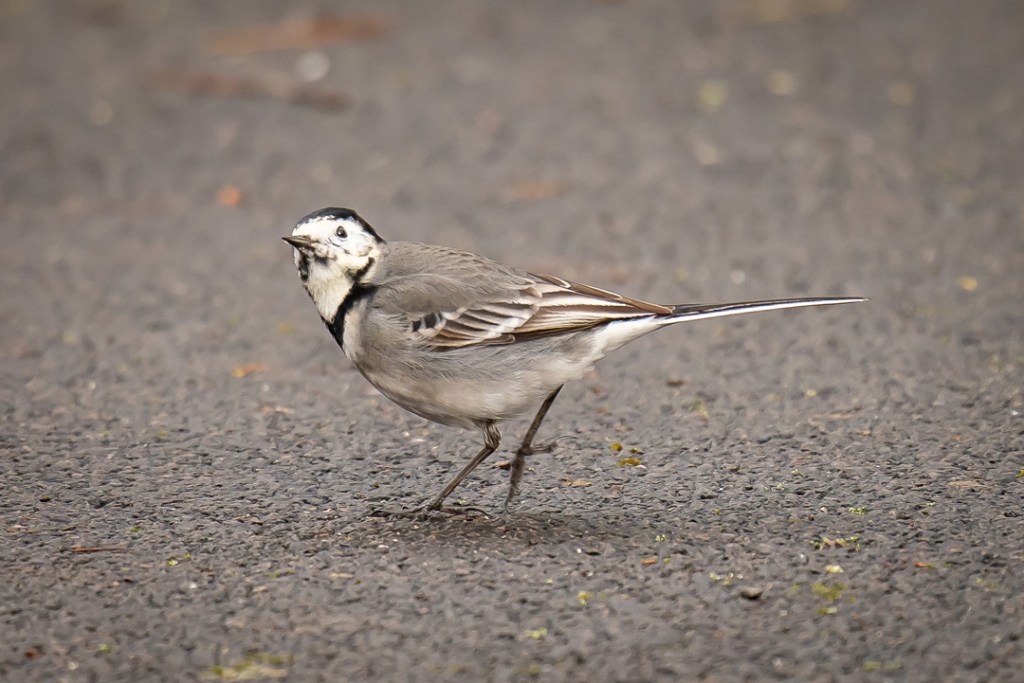
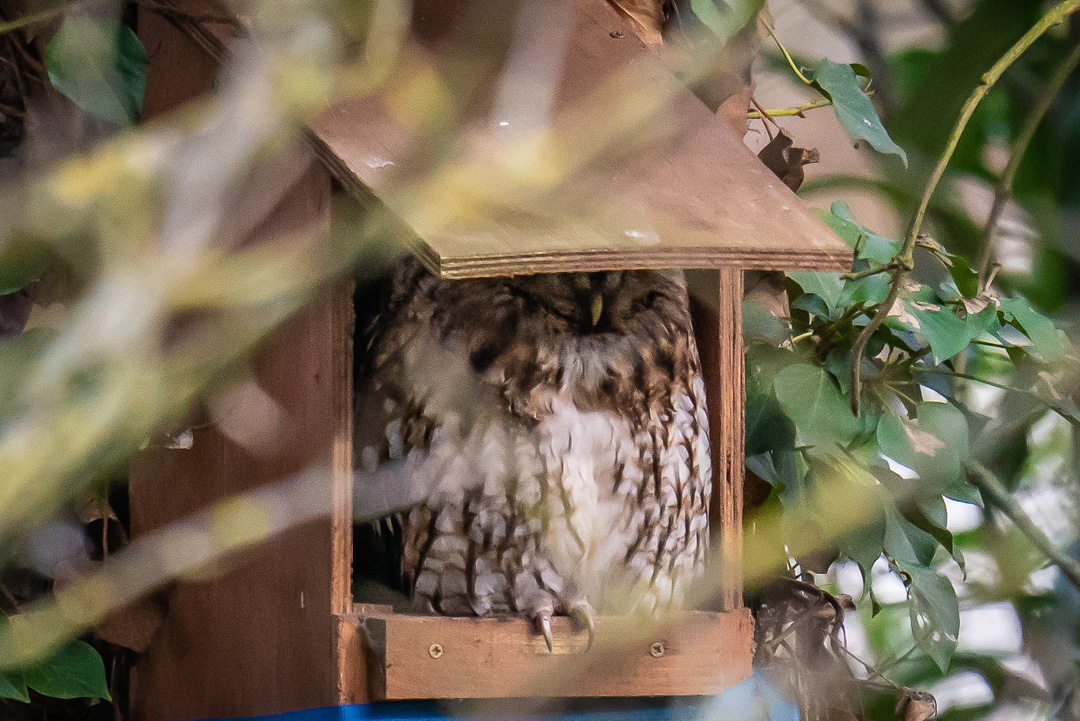
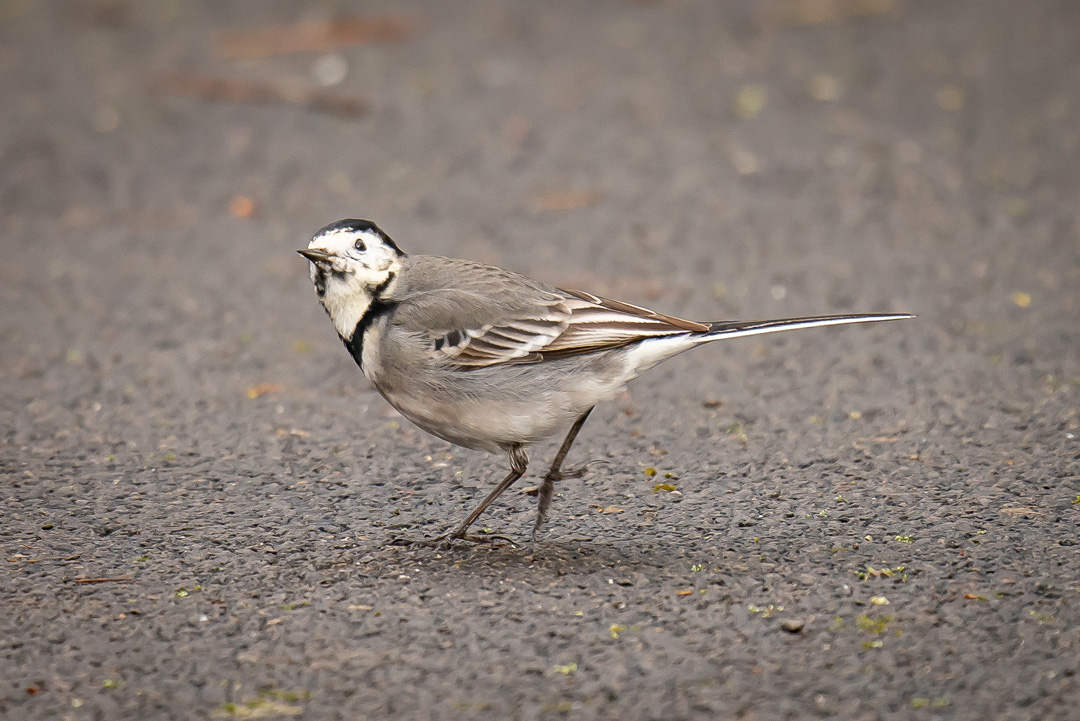
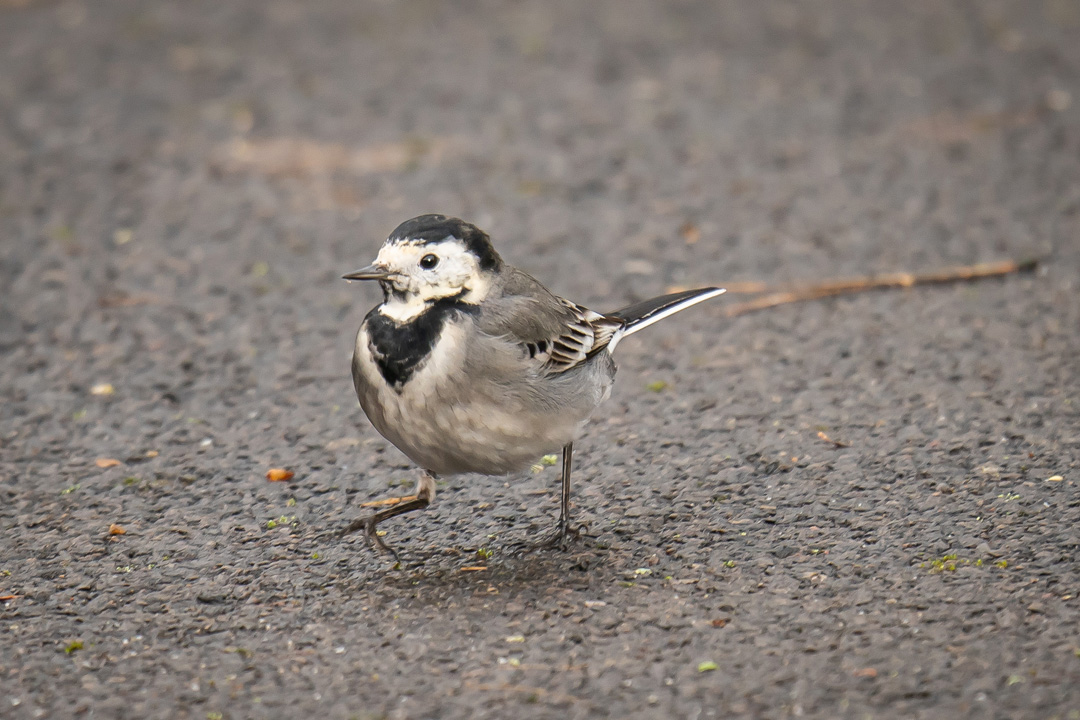
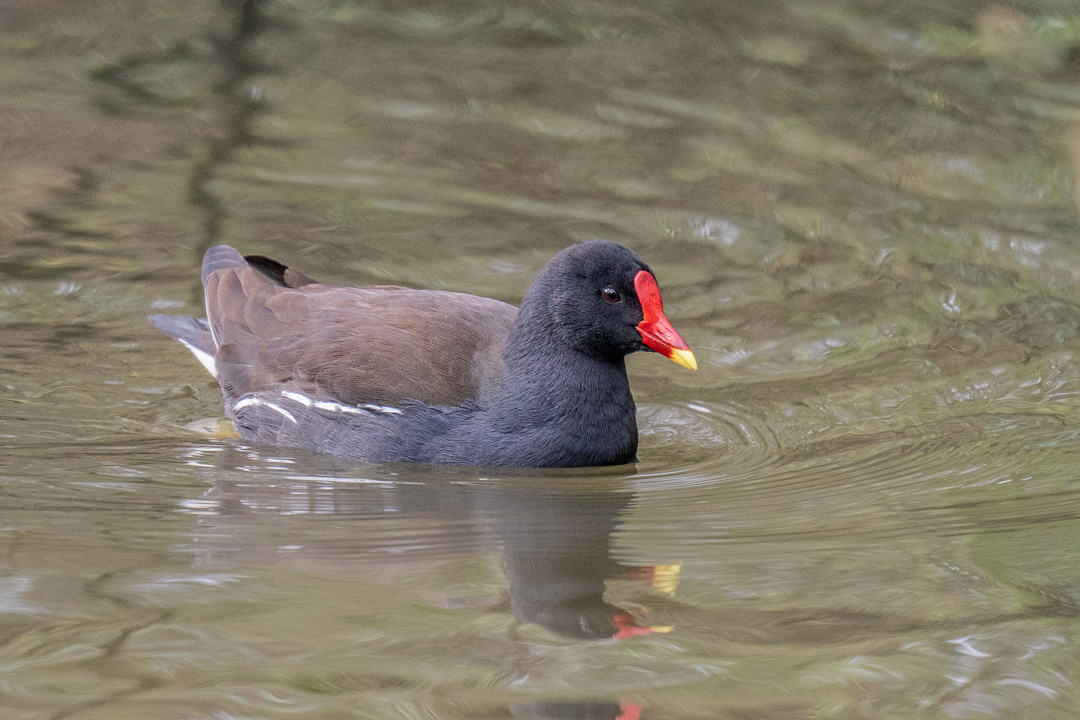
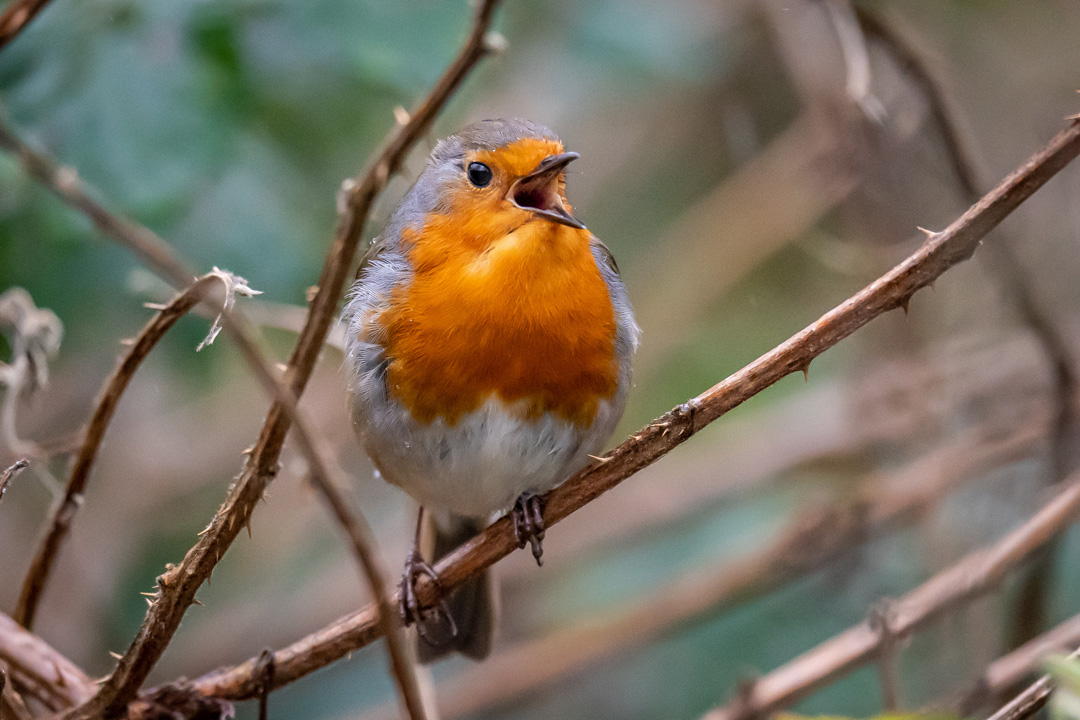
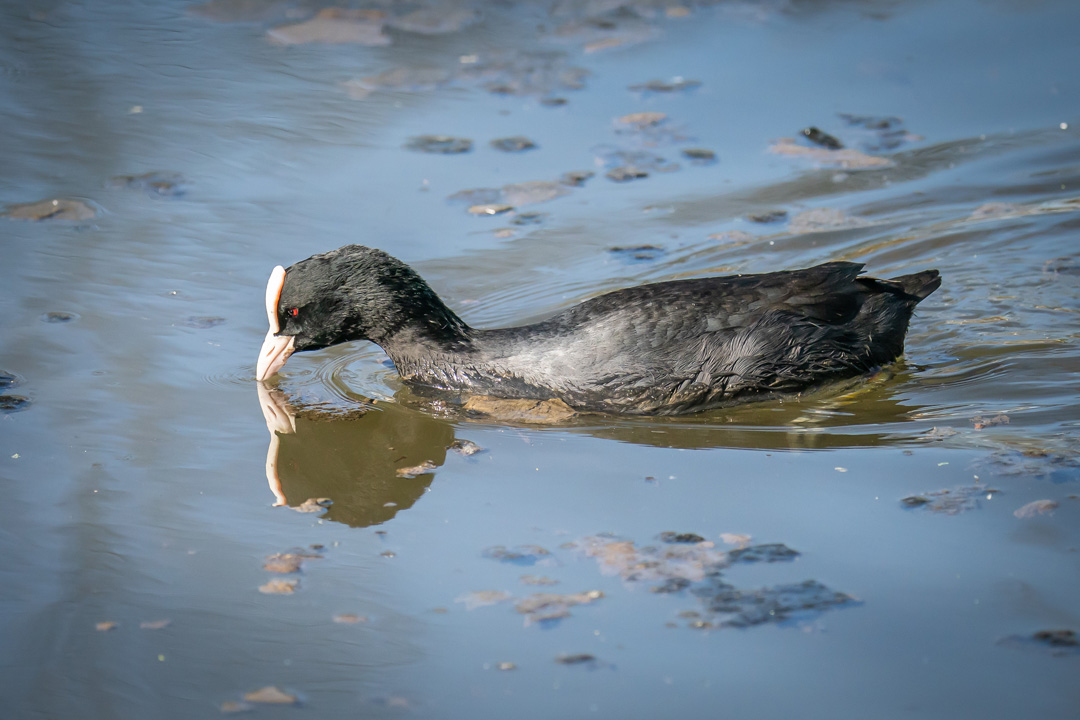
    The highlight was being able to see the tawny owl on the island and a pied wagtail which followed me around the lake. A coot and a moorhen came close too. What did the robin find to be so cheerful about?

    This slideshow requires JavaScript.


    DSC01661Tawny Owl

    DSC01603Brightly coloured pigeon (it wasn’t the sun catching its plumage!)

    DSC01742Pied wagtail

    DSC01750Pied wagtail

    DSC01780Coot

    DSC01738Moorhen

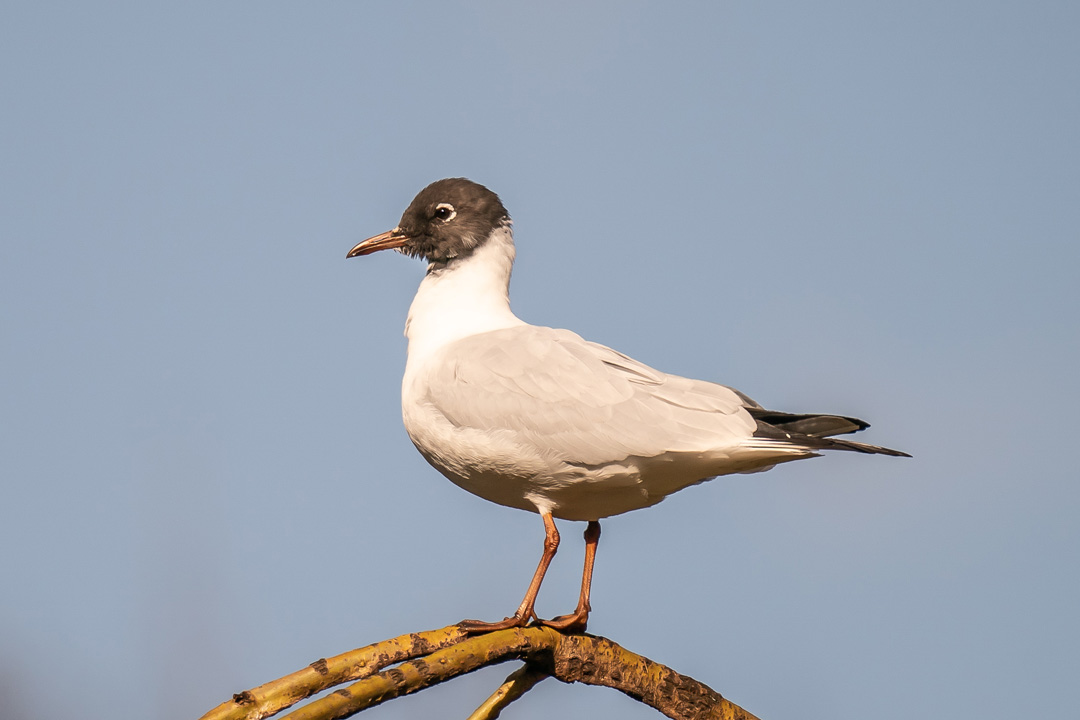
    DSC01792Black-headed gull

    DSC01762Cormorant

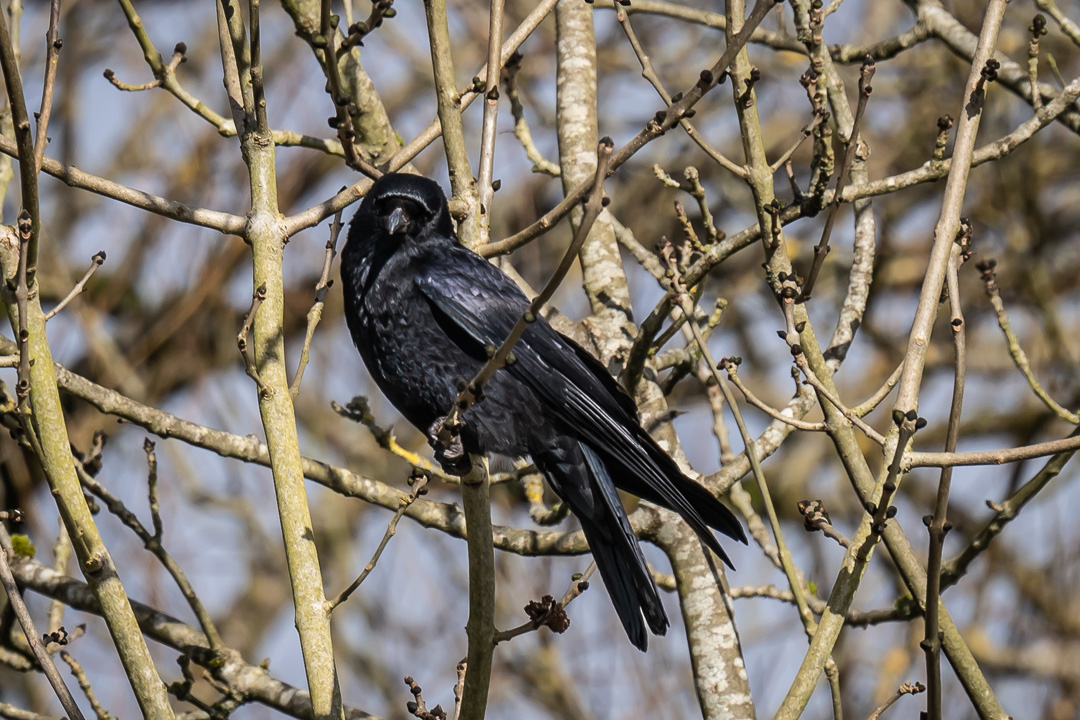
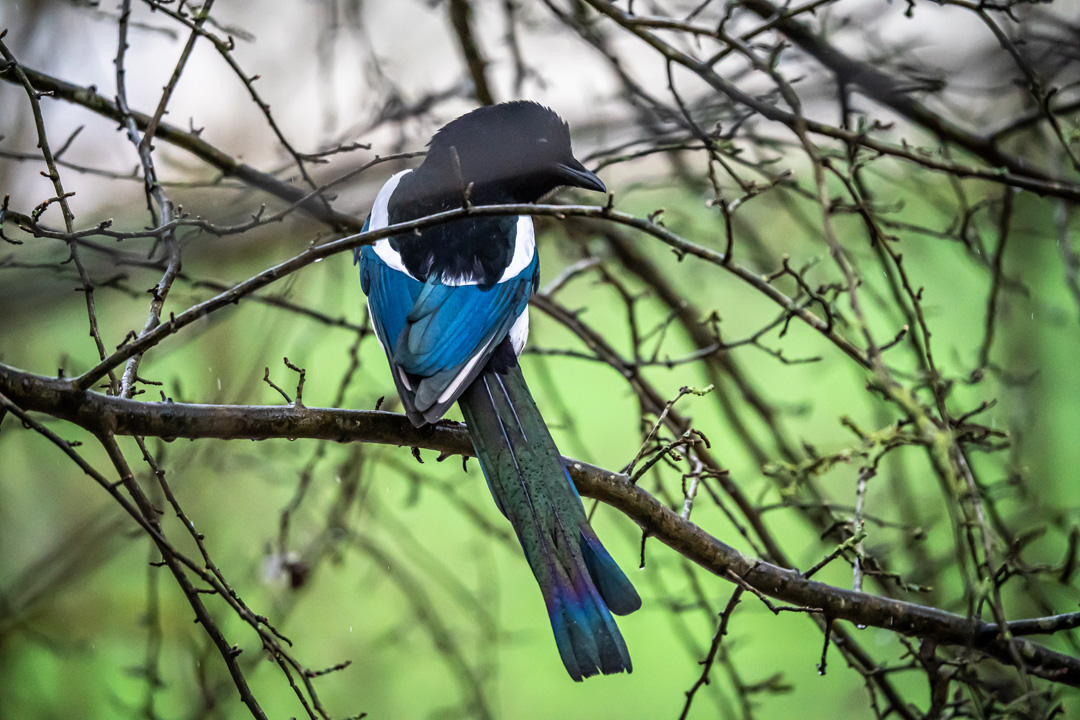
    DSC01821Magpie

    DSC01815Robin

  • Birds of South Africa January/February 2020

    Birds of South Africa January/February 2020

    In this blog I have tried to compile a record of the different birds we saw on our holiday to South Africa in January and February 2020.

    We started our holiday with a safari trip to the Thornybush Private Game Reserve in Greater Kruger. Although the main focus of the trip was to observe the animals in the park there were plenty of opportunities to see lots of birds.

    We spent three nights at the Chapungu Lodge in Greater Kruger and took part in 6 game drives (3 in the morning from 5 am to 8am and 3 in the afternoon from 4 pm to 7 pm).

    We then flew back to Johannesburg and then on to Port Elizabeth. From there we drove along the Garden Route to Cape Town stopping (for 2 or 3 nights each time) at St Francis Bay, Knysna, Oudtshoorn, Robertson, and Franschoek. When we arrived in Cape Town we spent 10 nights in Camps Bay.

    We were due to do a bird watching trip up the Kromme River in St Francis but this was cancelled due to persistent rain. The only other organised bird watching trip was to the Kogelberg Biosphere Reserve when we were staying in Cape Town.

    Not all our time was spent bird watching We managed to pack lots in to our holiday including seeing South Africa play England in a cricket ODI at Newlands and visits to lots of vineyards and botanical gardens.

    I have tried to show a variety of the birds we saw at each place. Although I am very pleased with many of the photos others are not so good but are included for ID purposes. Currently there is no particular order to the birds but they are generally in the order in which we saw them.

    Please note: I am still adding photos to this collection and continuing the process of identifying and labelling them.

    Click on heading for each place (on the following pages there will be a link to return to this page or use the back button on your browser)

    I would like to thank Larry Sweetland and David Swanepoel for help with identifying birds in this blog.

    Birds of Thornybush Private Game Reserve, Greater Kruger

    DSC05205

    Birds of Knysna

    DSC05807

    Birds of Oudtshoorn

    DSC06954

    Birds of Robertson

    DSC08523

    Birds of Strandfontein Birding Area, False Bay Coastal Park

    DSC09515

    Birds of Kogelberg Biosphere Reserve

    DSC01135

    Birds of Camps Bay

    DSC00022

    Birds of Blouberg Strand and nearby lagoons

    DSC05709

    Birds of Kirstenbosch National Botanical Gardens

    DSC06622

  • 10th February 2020 – Kirstenbosch National Botanical Gardens, Cape Town

    10th February 2020 – Kirstenbosch National Botanical Gardens, Cape Town

    This slideshow requires JavaScript.

    We spent the last day of our wonderful trip to South Africa visiting the Kirstenbosch National Botanical Garden. Their website says “Kirstenbosch is acclaimed as one of the great botanic gardens of the world. Few gardens can match the sheer grandeur of the setting of Kirstenbosch, against the eastern slopes of Cape Town’s Table Mountain”. Indeed Kirstenbosch is one of our favourite gardens in the world. We have visited it several times and even visited it on this trip with some friends just over a week ago when we arrived in Cape Town.

    It was a bit cooler today and even quite chilly as the cloud came down late in the afternoon. (Although, the other side of the mountain in Camps Bay, where we have been  staying, it had been sunny and hot all day.

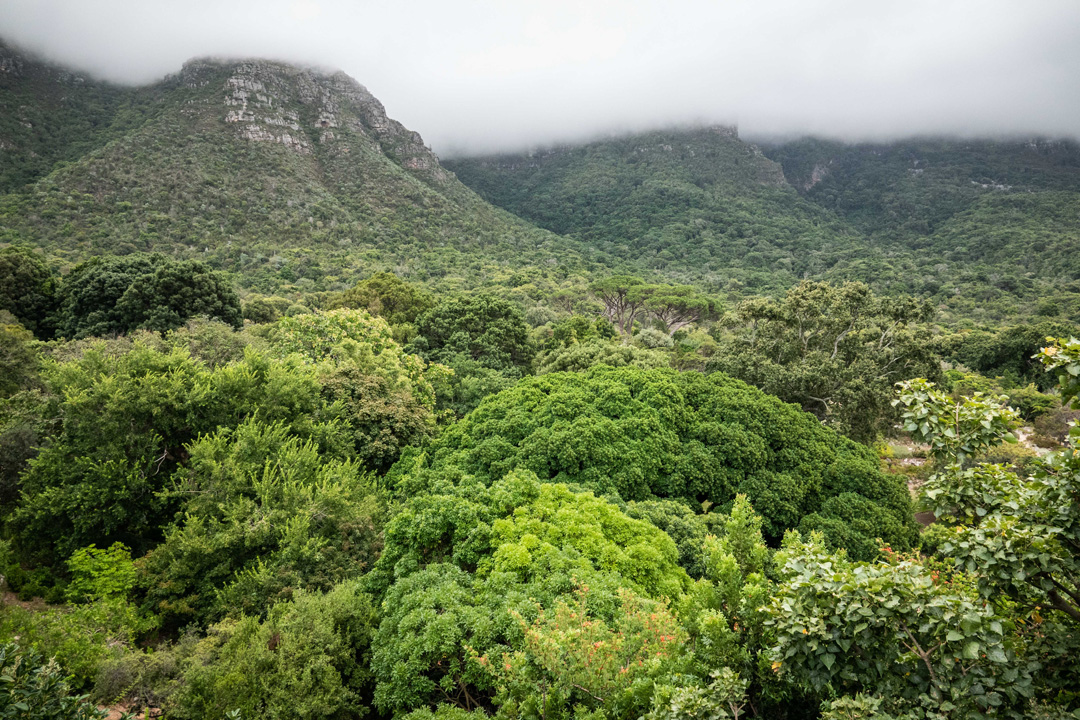
    DSC06807View across Kirstenbosch National Botanical Garden from the Tree Canopy Walk.

    DSC06768Tree Canopy Walkway

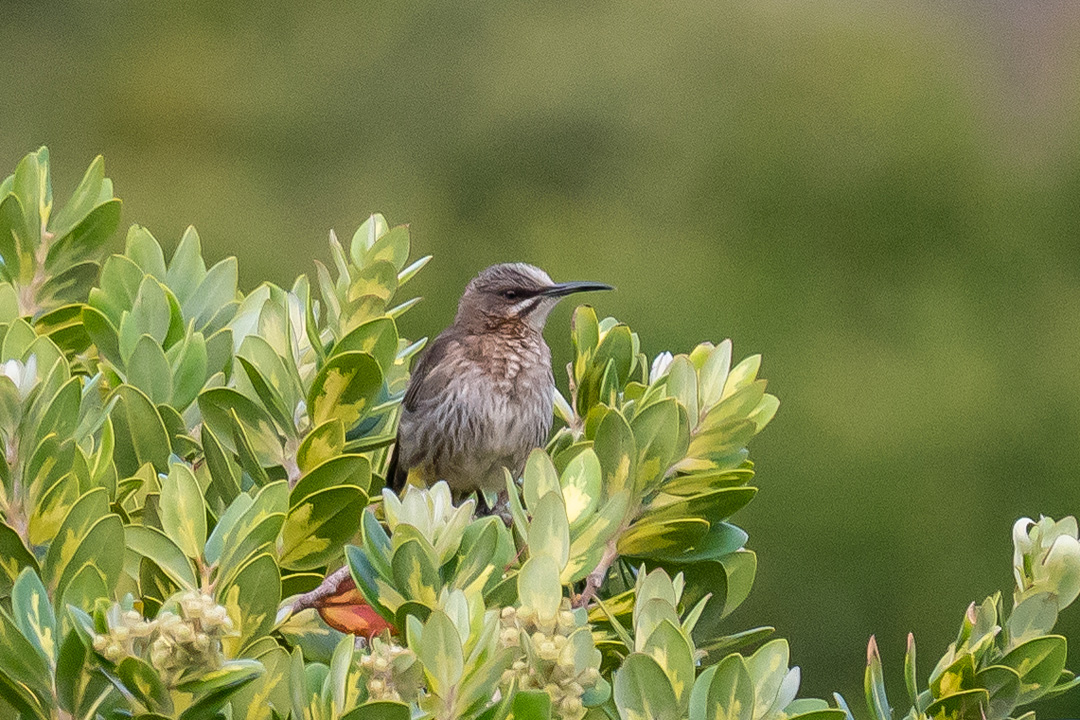
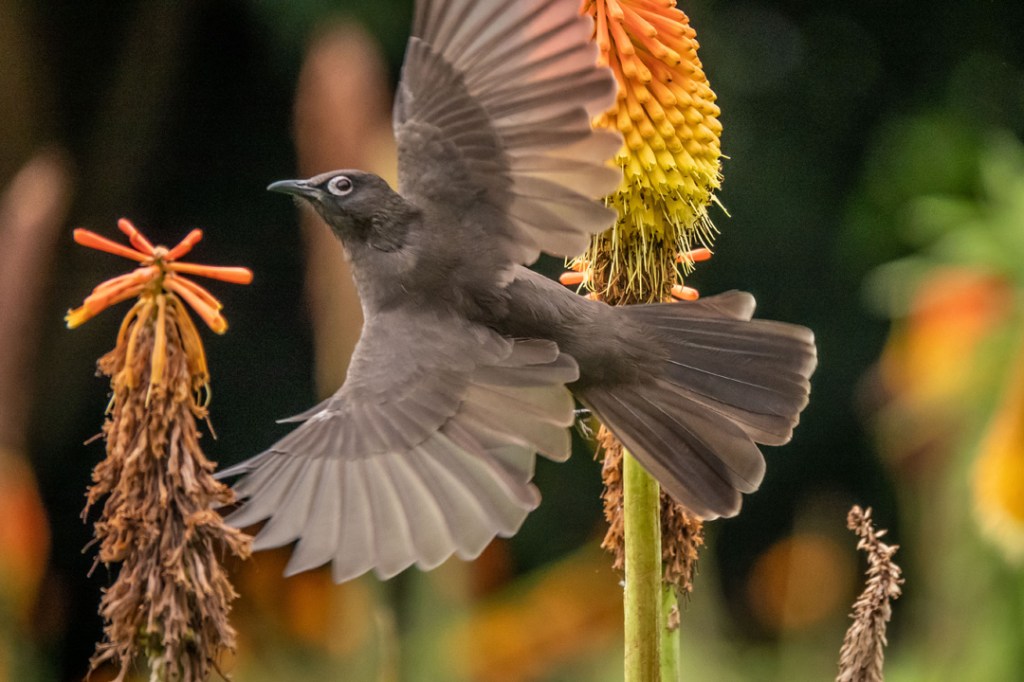
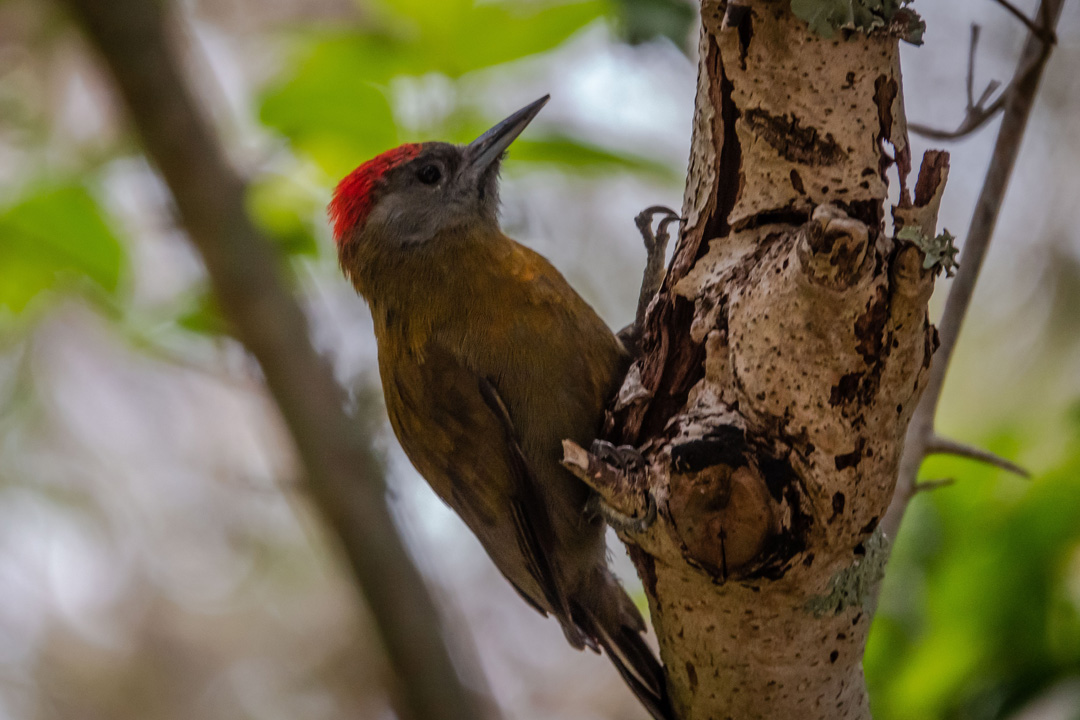
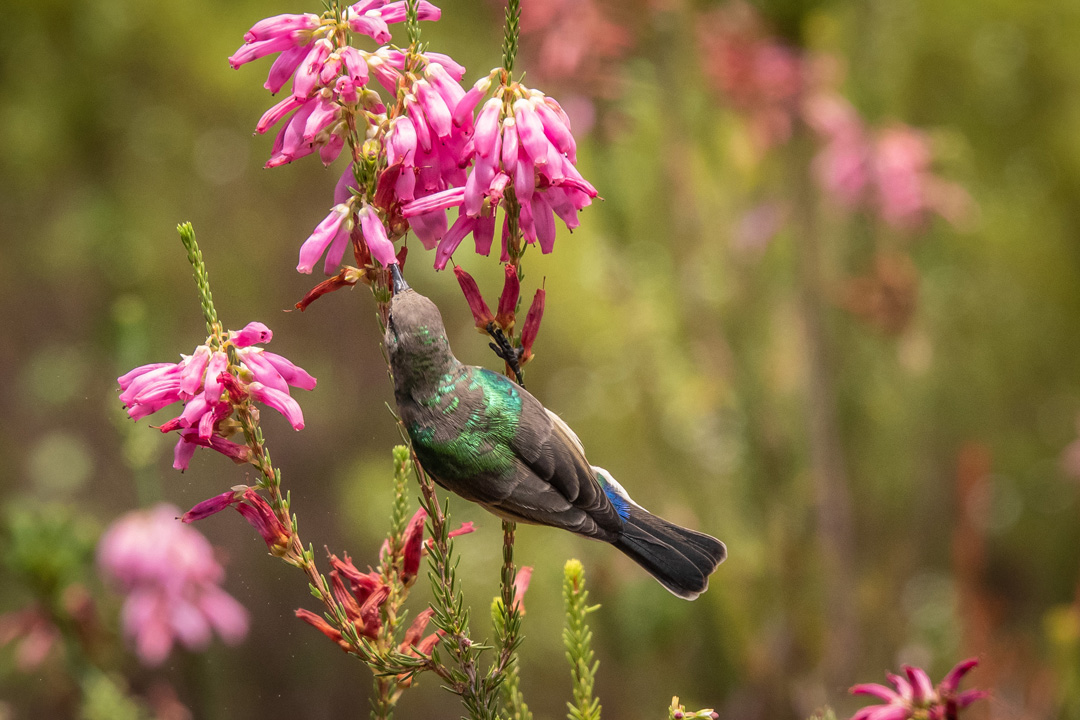
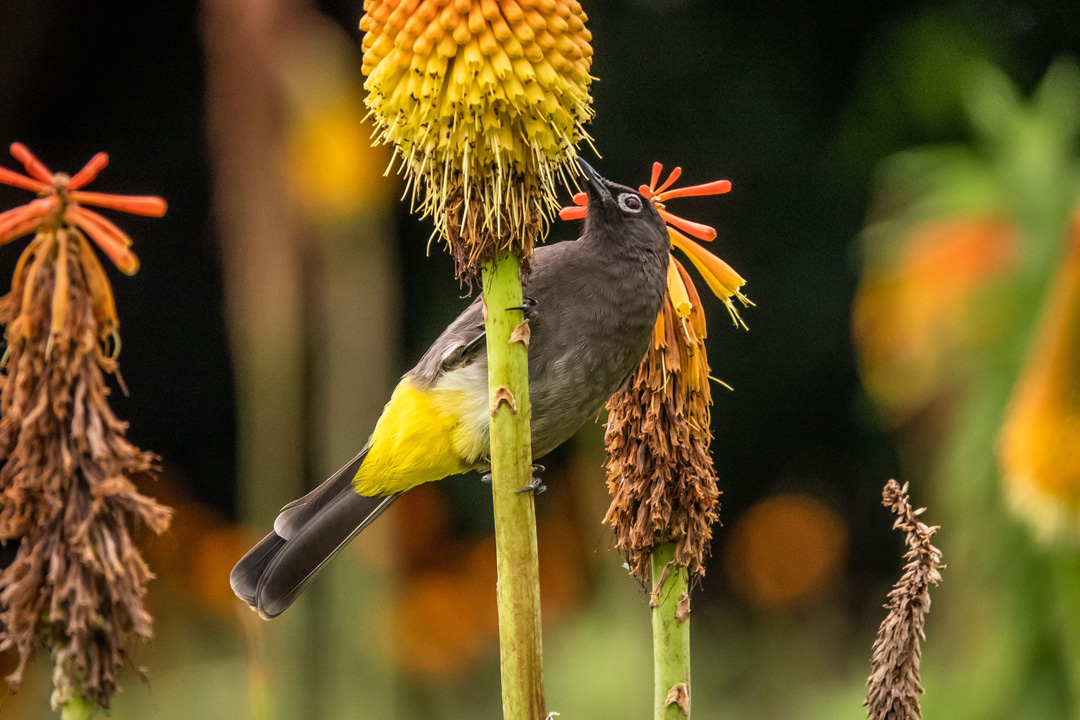
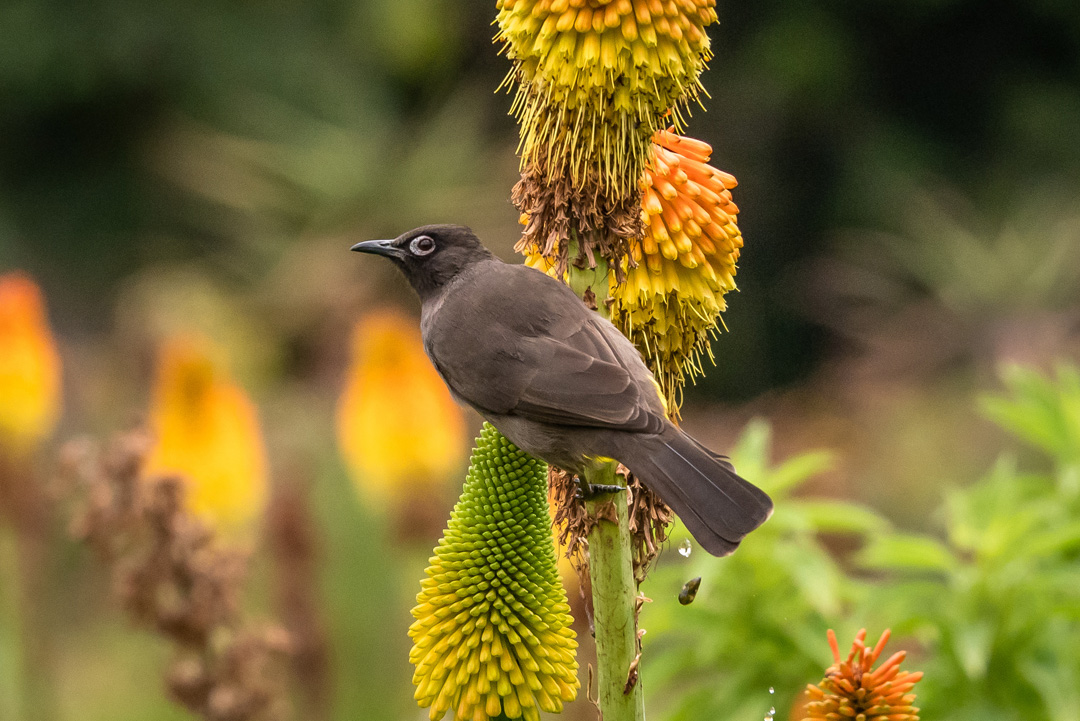
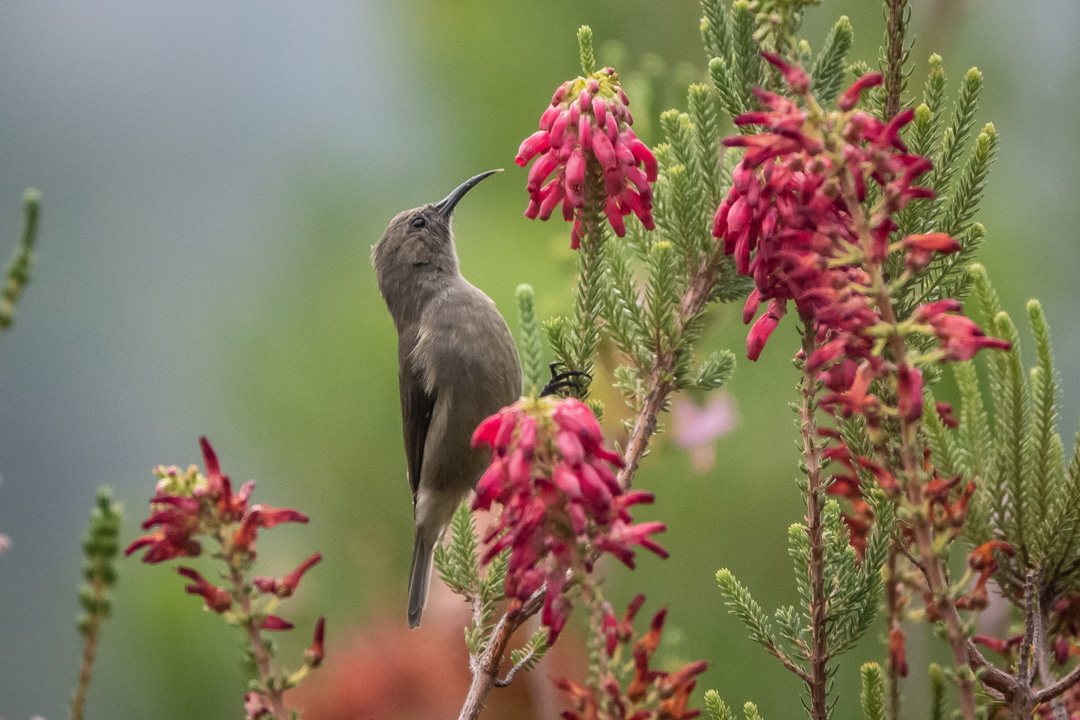
    Today we saw more birds than last week (clearly I must have been talking too much last week) and even saw a new bird for us, an Olive Woodpecker. But the stars of the day were the Lesser Double-collared Sunbirds which we saw several times feeding in the Ericas. We also had plenty of sightings of Cape Bulbuls.

    DSC06156Olive Woodpecker

    DSC06140Olive Woodpecker

    DSC06219Lesser Double-collared Sunbird

    DSC06217Lesser Double-collared Sunbird

    DSC06225Lesser Double-collared Sunbird

    DSC06597Cape Bulbul

    DSC06558Cape Bulbul

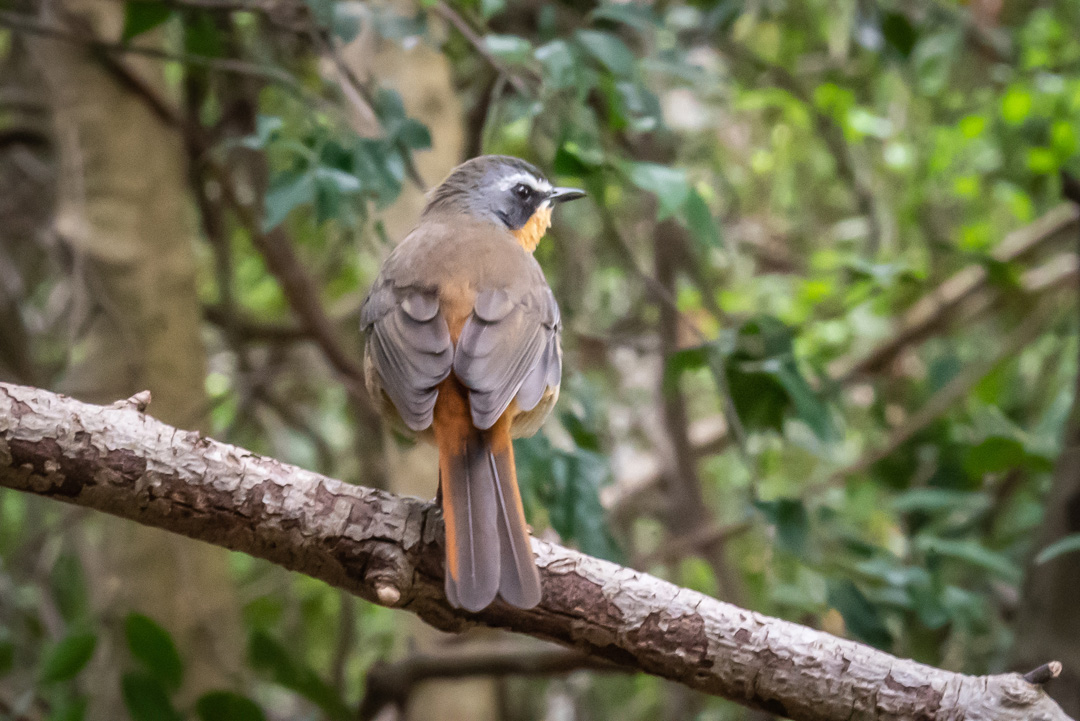
    DSC06622Cape Bulbul

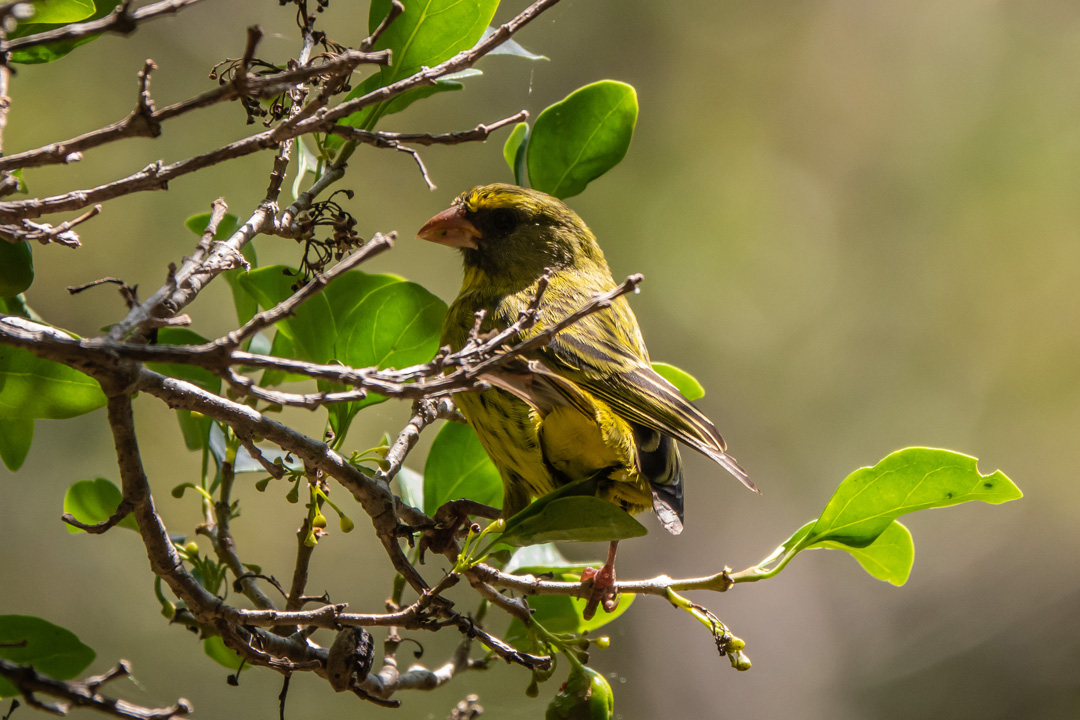
    DSC06190Forest Canary

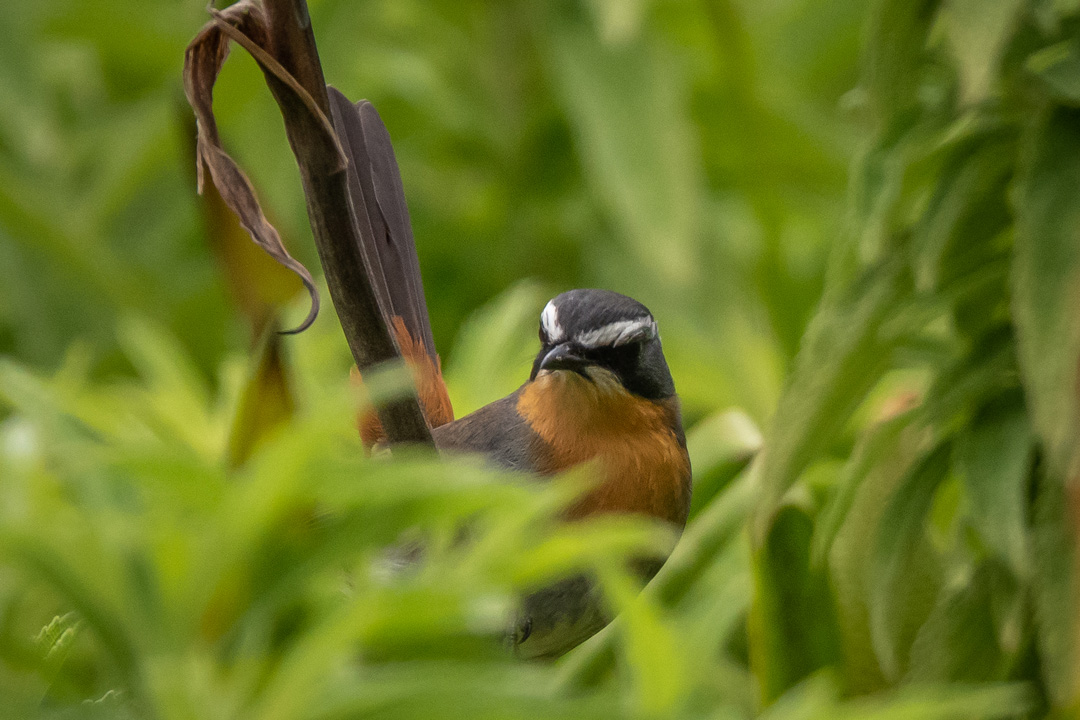
    DSC06657Cape Robin-Chat

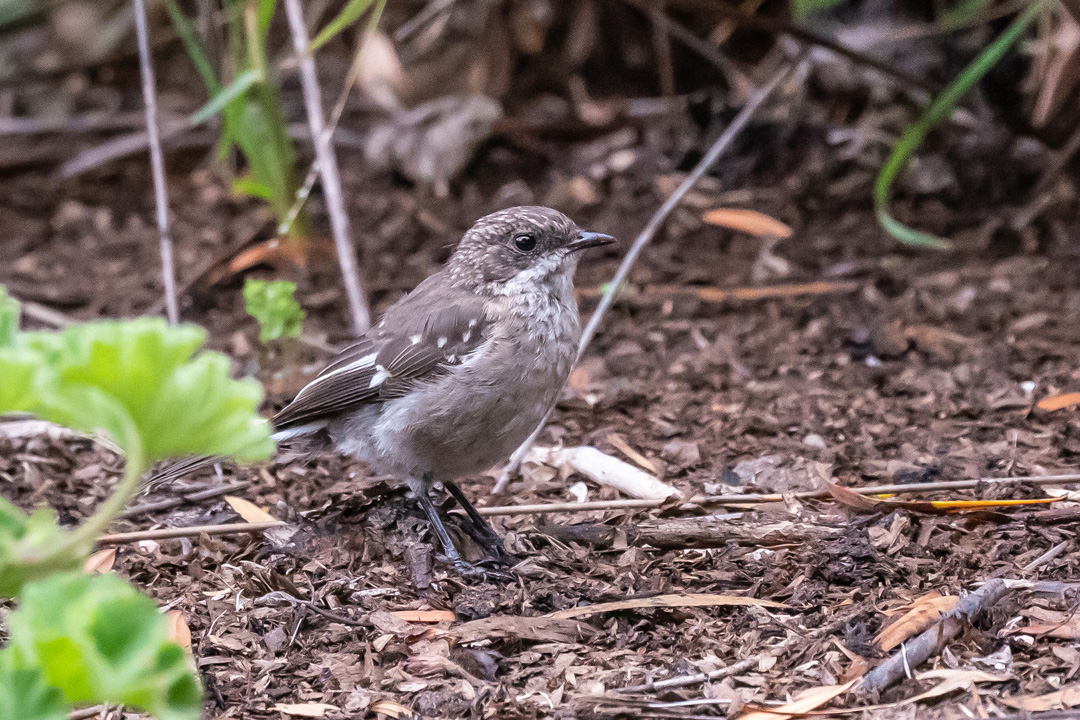
    DSC06512Juvenile Cape Robin-Chat

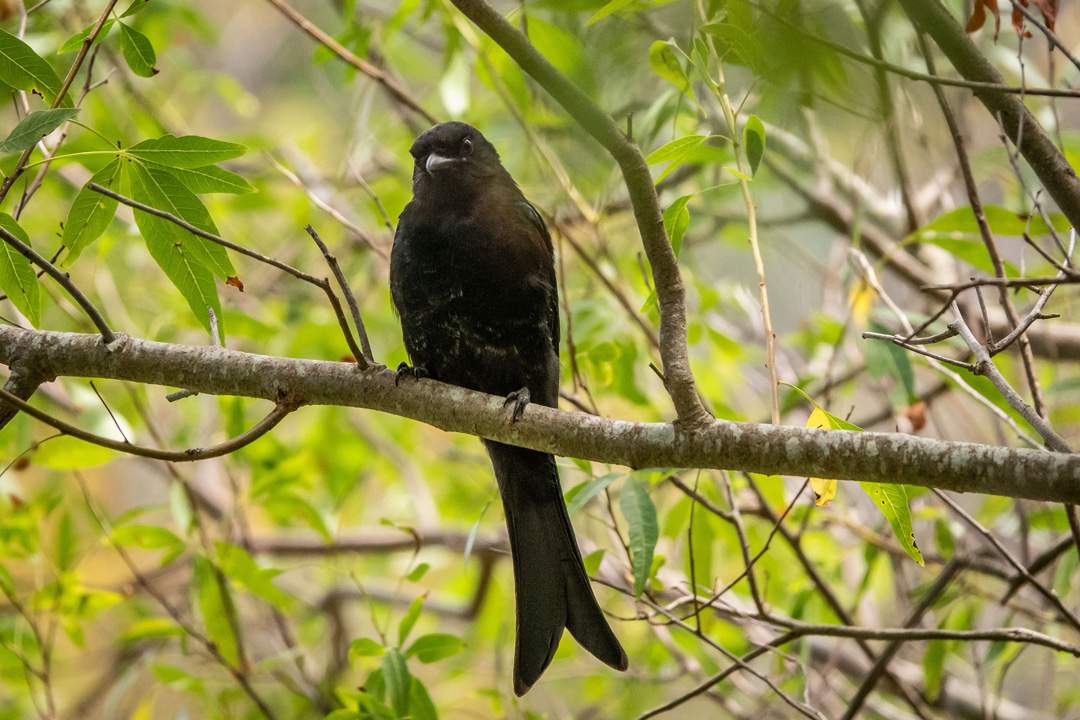
    DSC06488Fork-tailed Drongo

    DSC06320

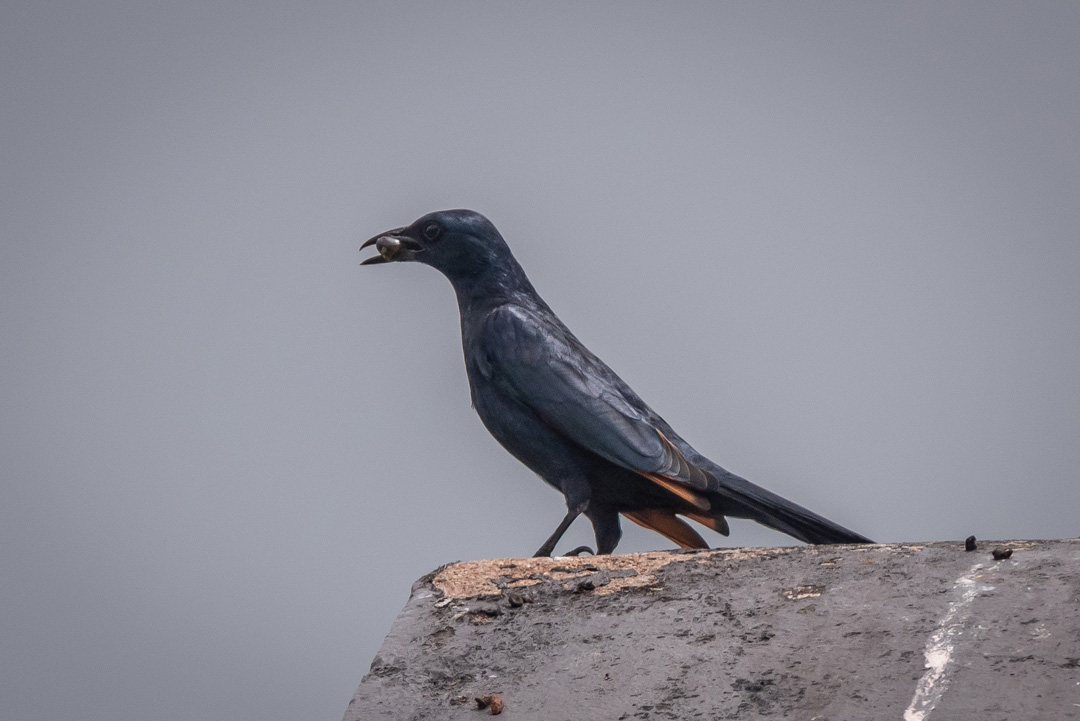
    DSC06532Red-winged Starling

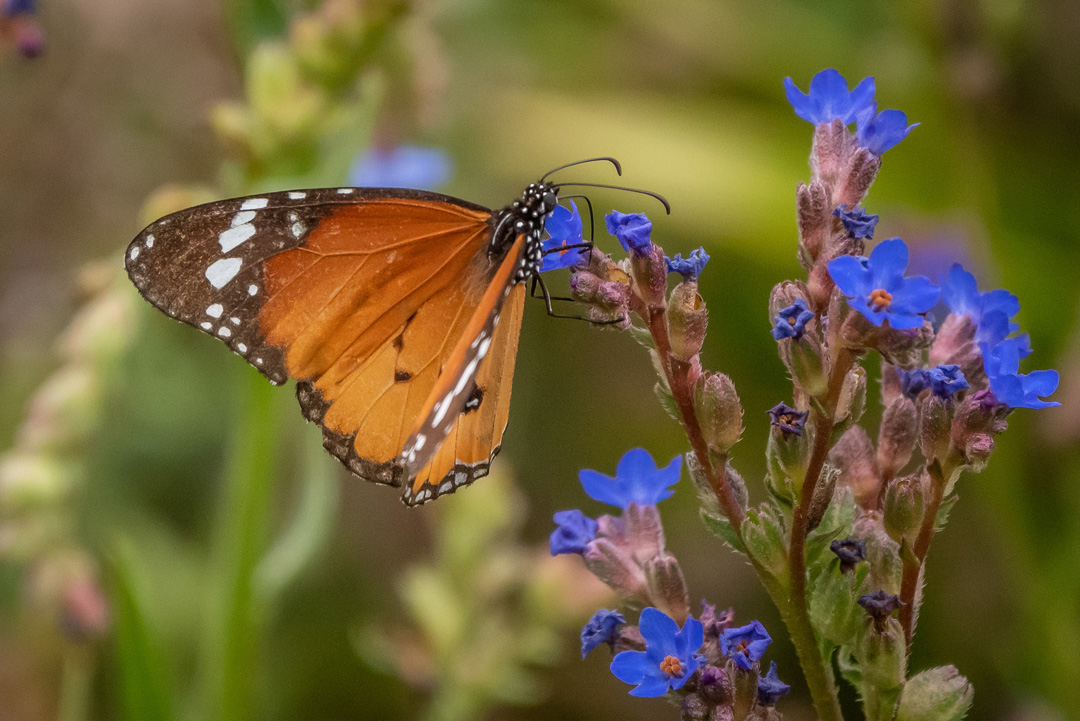
    DSC06747Butterflies too!

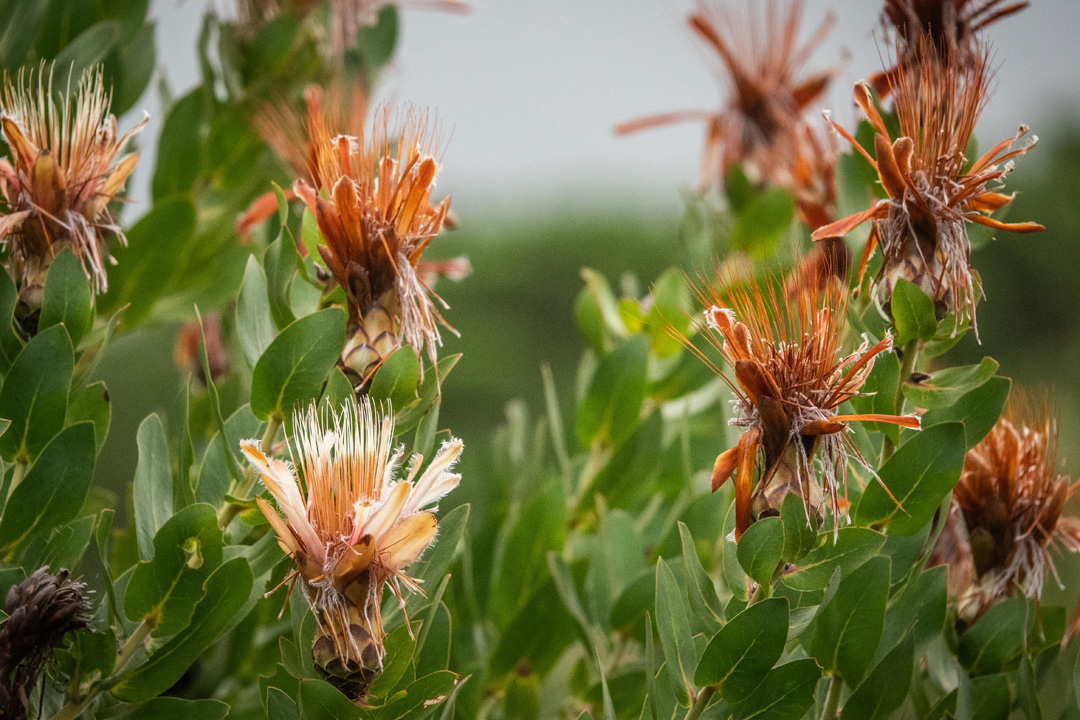
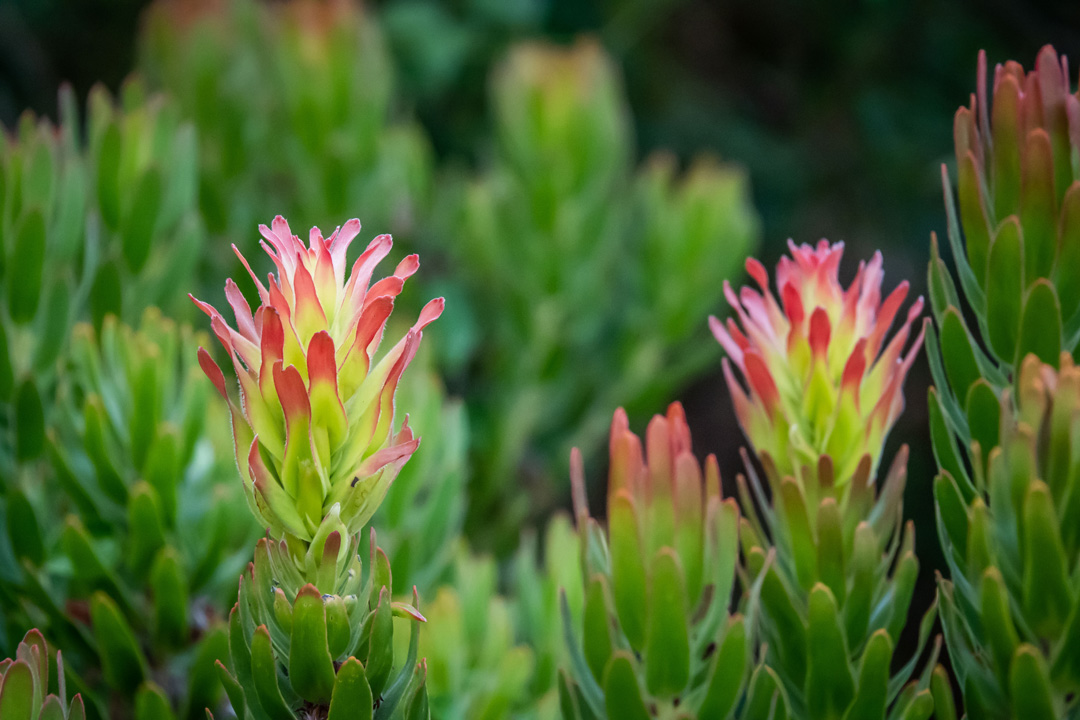
    … and lots of beautiful plants:

    DSC06887

    DSC06896

    DSC06899

    DSC06902

    What a great way to end our trip.


  • 6th February 2020- Kogelsberg Biosphere Reserve

    6th February 2020- Kogelsberg Biosphere Reserve

    For our last nature trip on our holiday to South Africa we booked our first ever guided  birding trip through the company “Birding Africa” (https://www.birdingafrica.com/) to the Kogelsberg Biosphere Reserve.

    “Birding Africa” were very efficient in their administration and our guide David Swanepoel was superb. David quickly assessed our capabilities and designed a programme which was very suitable for us. He clearly had an amazing knowledge of birds and was excellent at spotting and pointing them out to us (not an insignificant skill!). We really enjoyed David’s company throughout the day. He drove us safely and was most a most engaging and interesting character. We arrived safely back at our apartment in Camps Bay after a very full day, exhausted but exhilarated

    DSC01026

    I have taken the following article about the reserve from https://www.kbrc.org.za which I find most fascinating:

    “Just an hour out of Cape Town at the southern tip of Africa, lies an area of such natural beauty and floral diversity as to be recognized as perhaps world’s greatest biodiversity hot-spot. Size for size, the 100,000 hectare UNESCO designated Kogelberg Biosphere Reserve is home to the most complex biodiversity on our planet with more than 1,880 different plant species … the next richest is the South American rainforest with just 420 species per 10,000 square kilometers!

    Biosphere reserves are ‘new concept’ reserves: no fences to keep ‘people’ out and ‘nature’ in. It is the commitment of local communities, farmers, conservation agencies and local government that protects the magnificent landscapes and unique biodiversity.

    The Kogelberg Biosphere Reserve begins in the Atlantic Ocean, 7.5 km off a rugged, rocky shore interspersed by glorious, golden sandy beaches. A zig-zag ribbon of narrow coastal plain is squeezed between the ocean and huge sandstone mountains. Contorted by their tumultuous birth some 300 million years ago, these awesome folded mountains and highland valleys are home to the more than 1,880 different species of plants. Seventy seven (77) species within the Kogelberg Biosphere Reserve occur nowhere else on earth. To put this in perspective, the whole of the UK has just twenty two (22) endemics.”

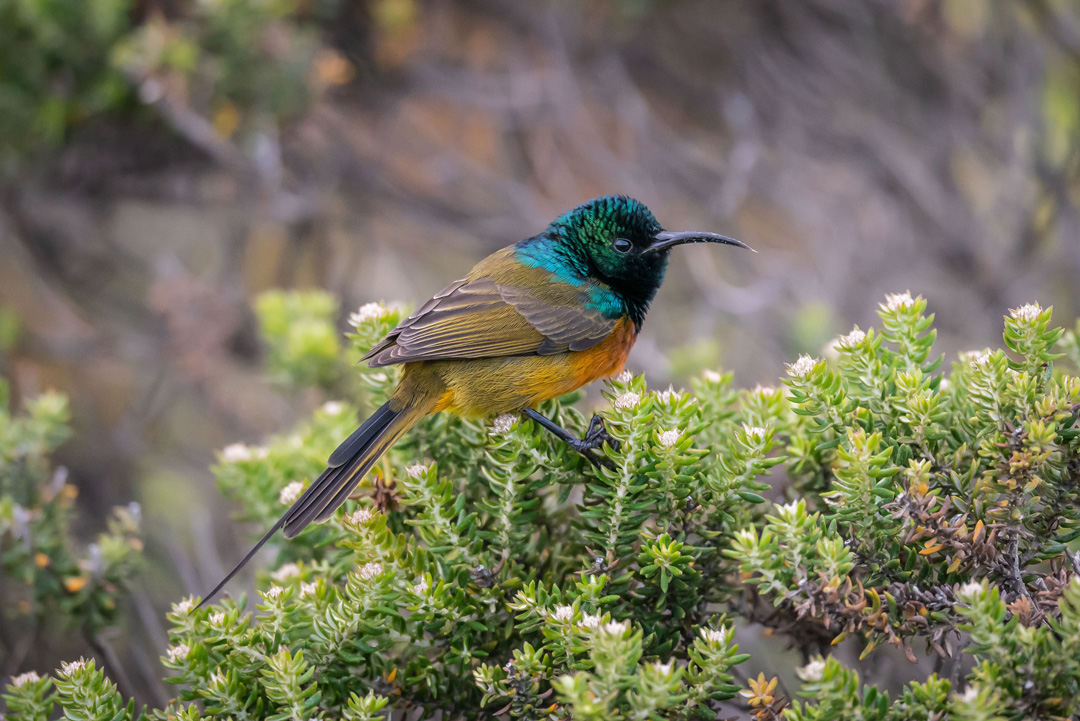
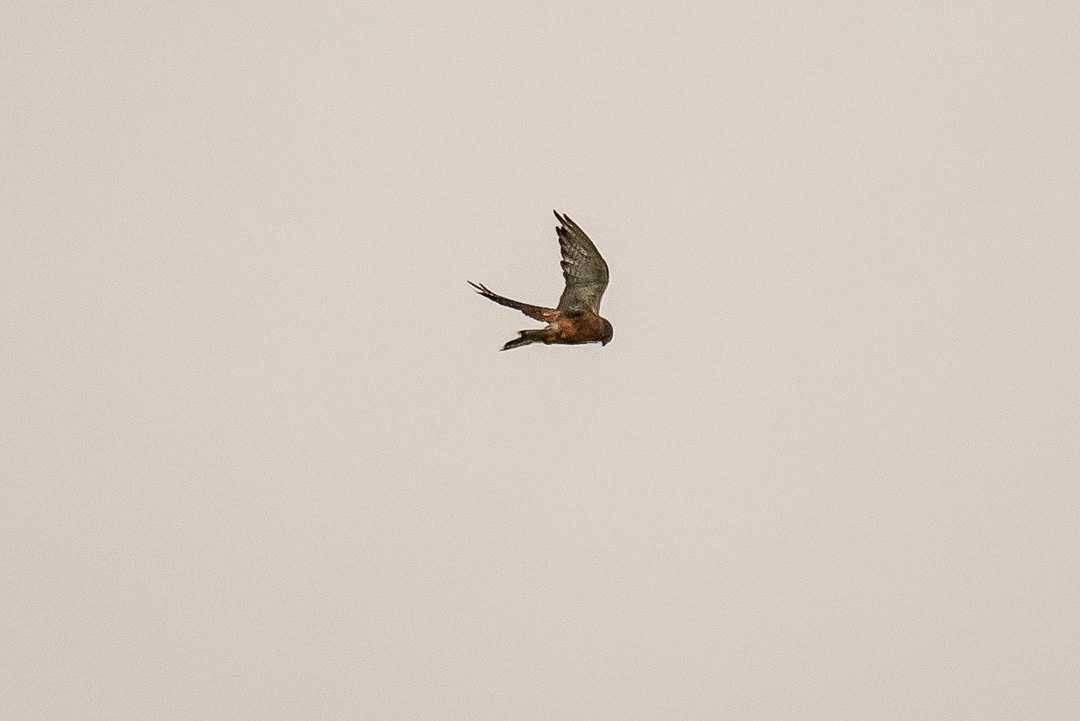
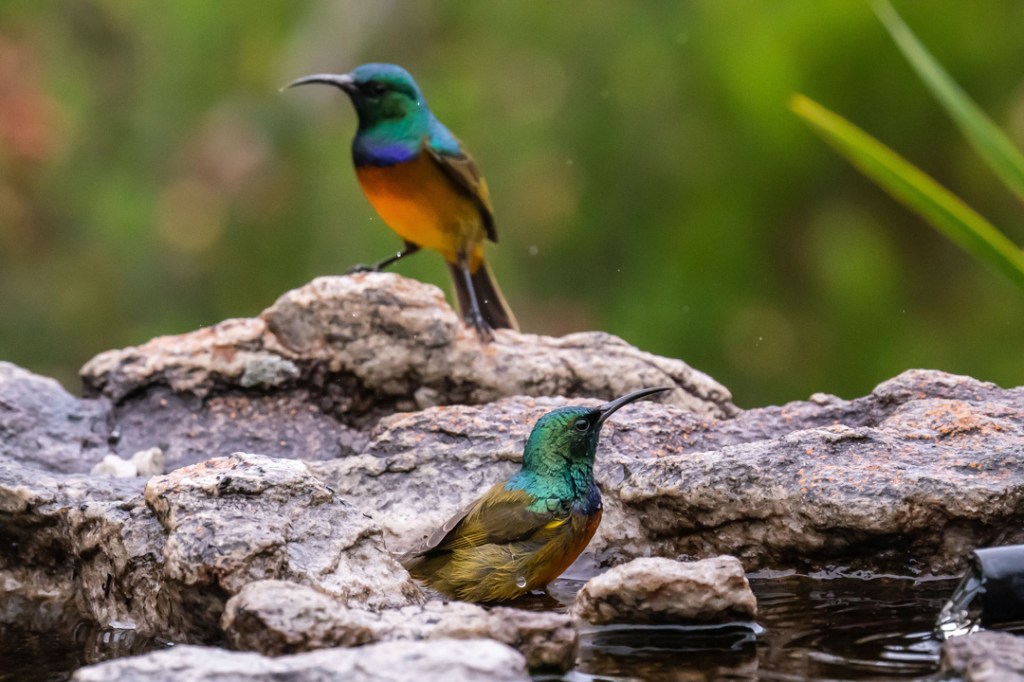
    Our birding experience started at Rooi-els (about an hour and a half from Camps Bay) where we went looking for Cape Rock Jumpers. David heard them but they did not show themselves to us. However, we had very good views of Orange-breasted and Southern Double-collared Sunbirds, Cape Bunting and several Familiar Chats, which was more than enough to keep us happy. As we walked along the pathway we also saw a Neddicky, a Cape Rock Thrush, a Cape Sugarbird and Red-winged Starlings. Even more distant up above us we could see a Rock Kestrel, White-necked Ravens and a Rock Martin.
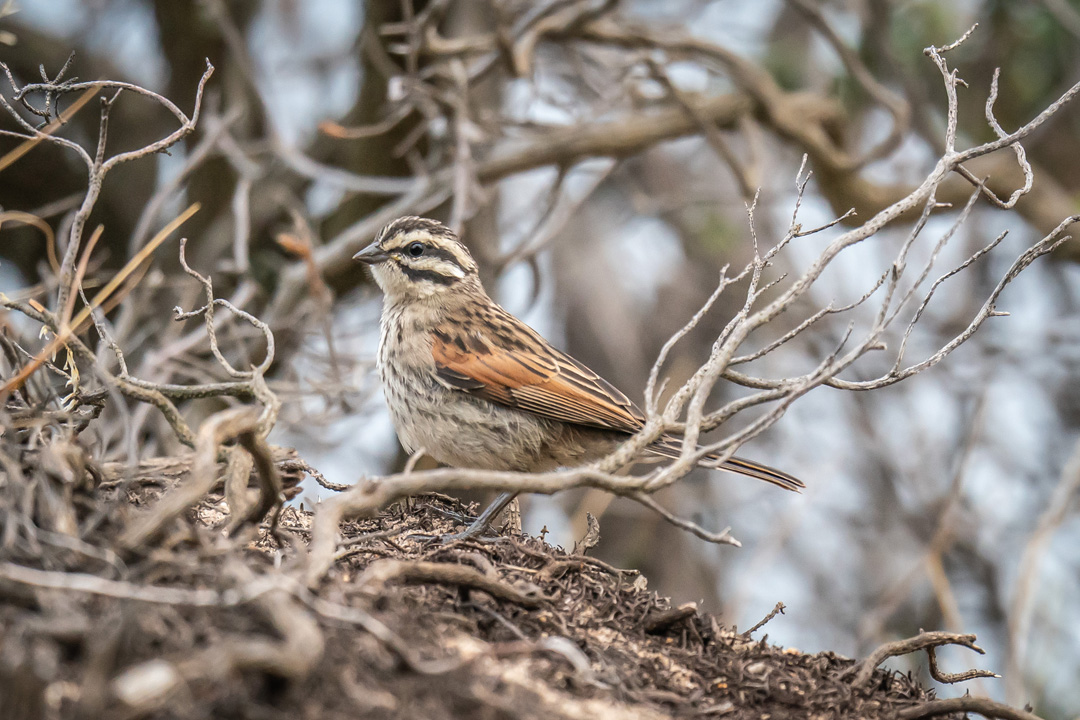
    DSC00066Cape Bunting

    DSC00068Orange-breasted Sunbird

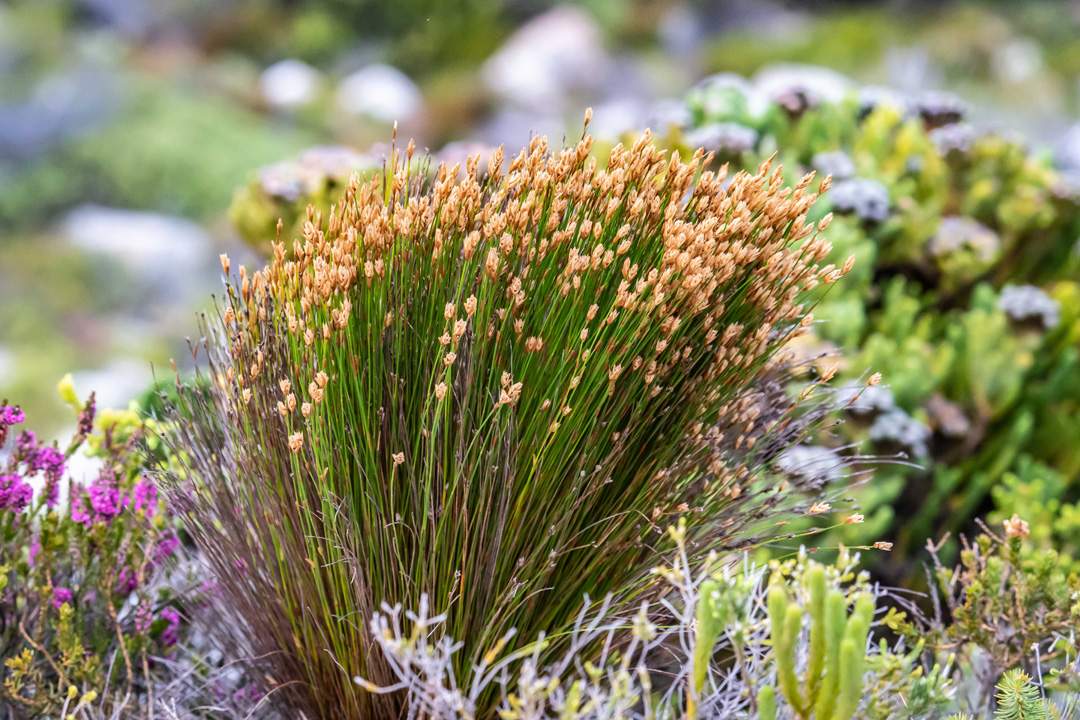
    DSC00337There’s no bird hiding here – I was just fascinated by all the different vegetation

    DSC00198Familiar chat

    DSC00132-EditRock Kestrel

    DSC00261Cape Rock Thrush

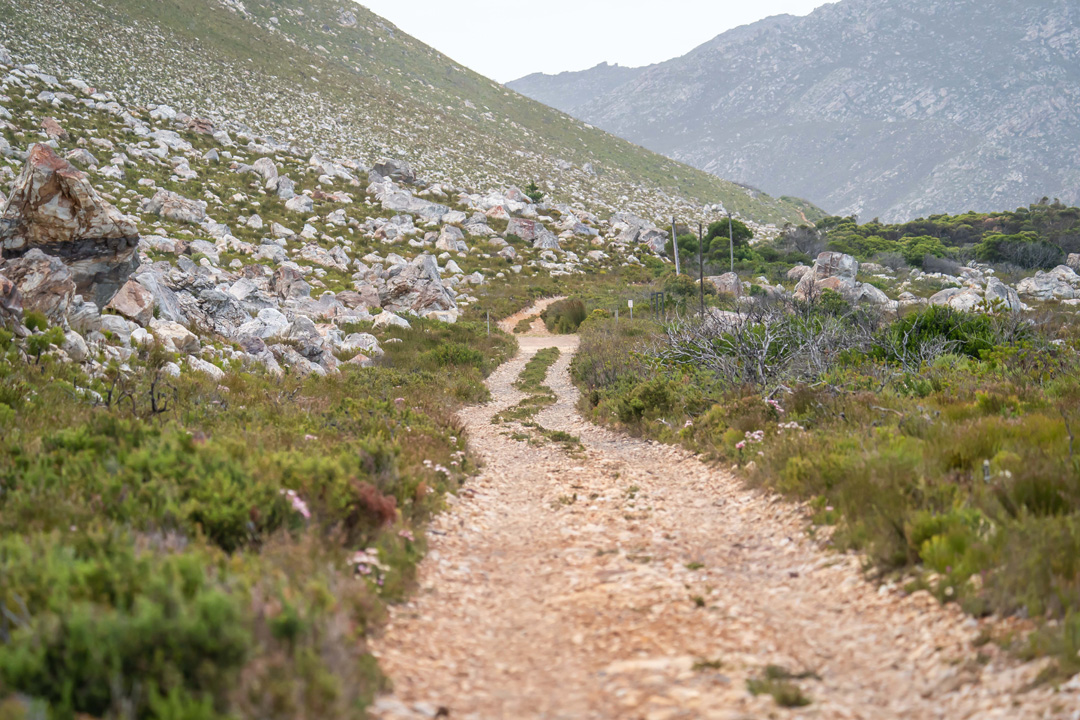
    DSC00211The path we explored at Rooi-els

    DSC00366

    DSC00280Orange-breasted Sunbird

    DSC00363Cape Sugarbird

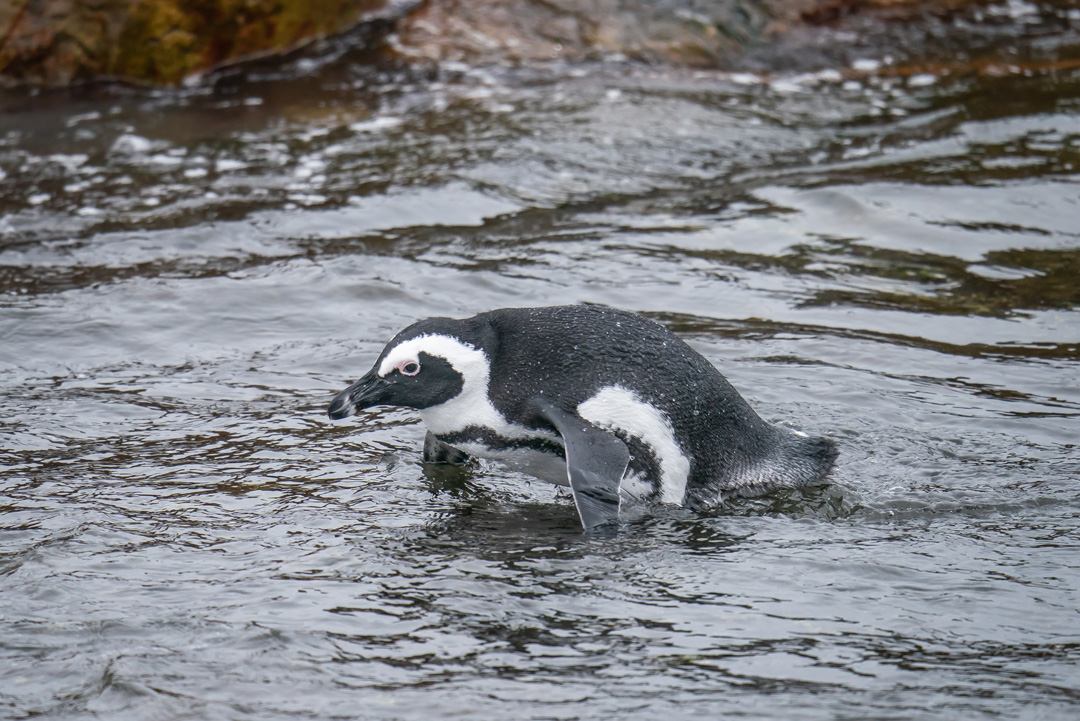
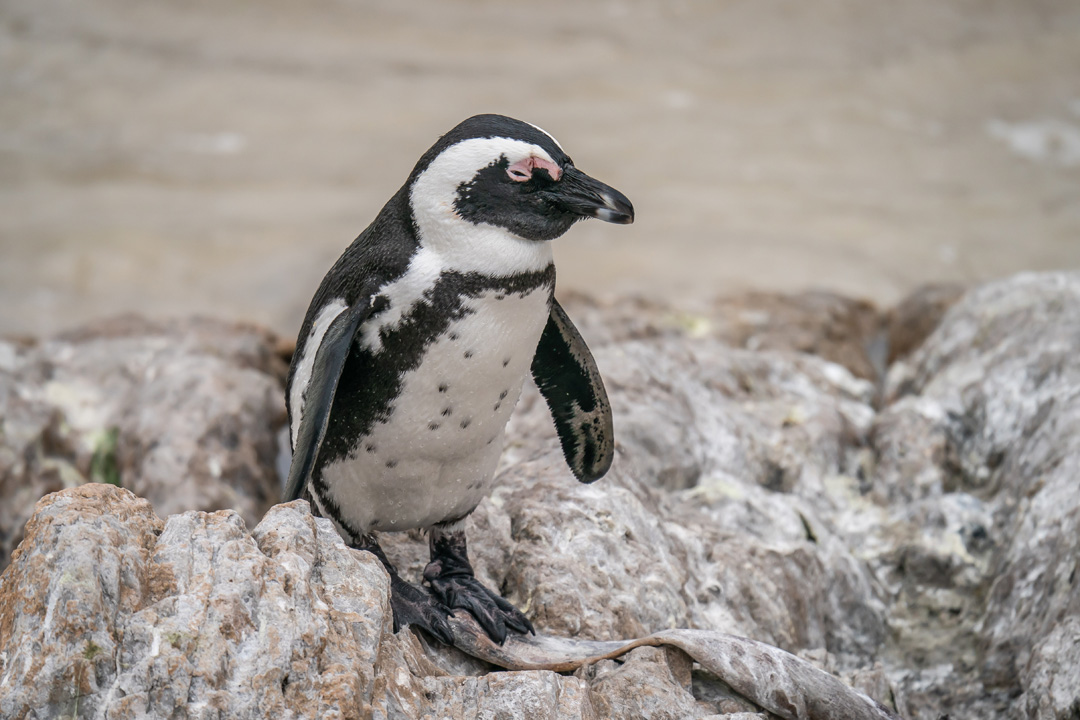
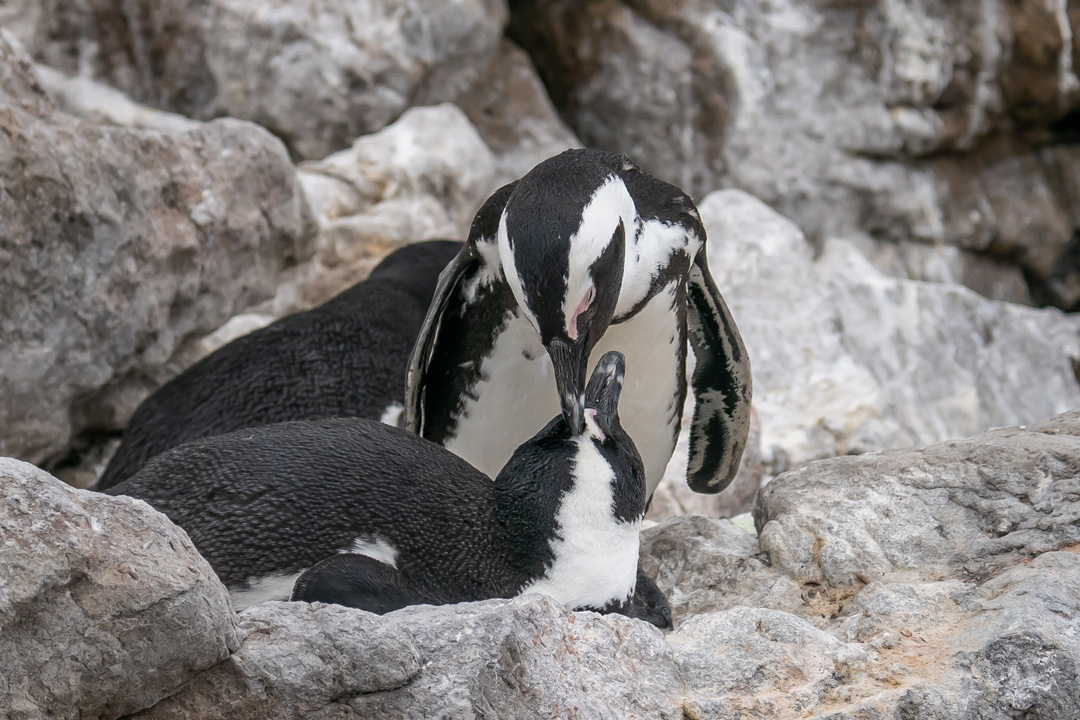
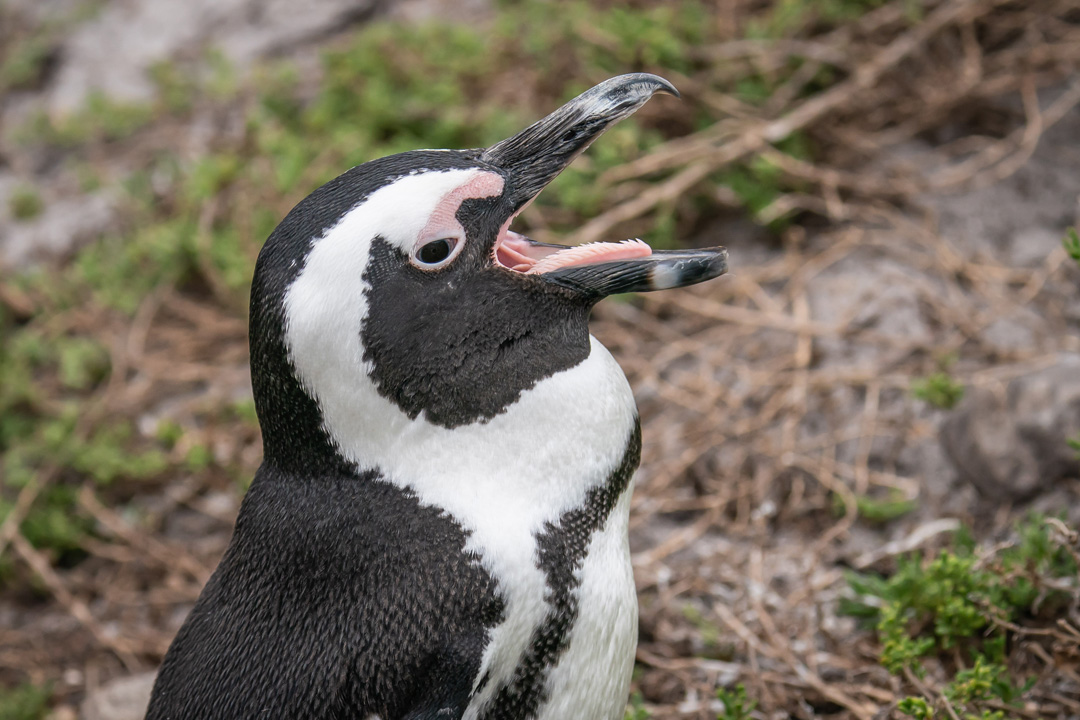
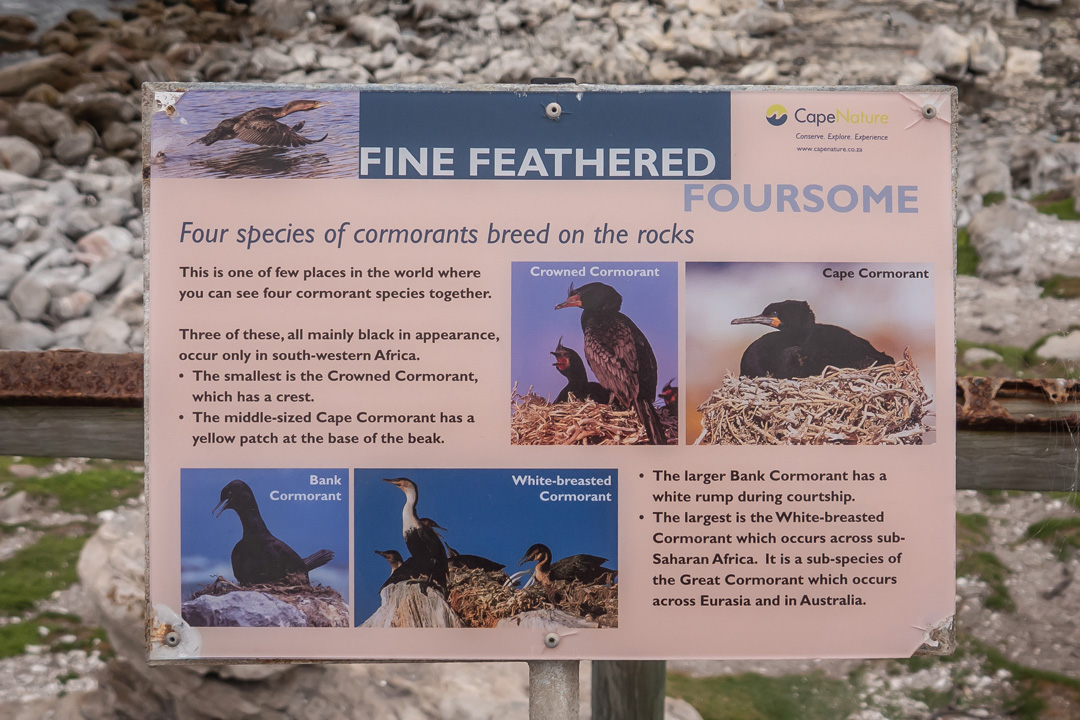
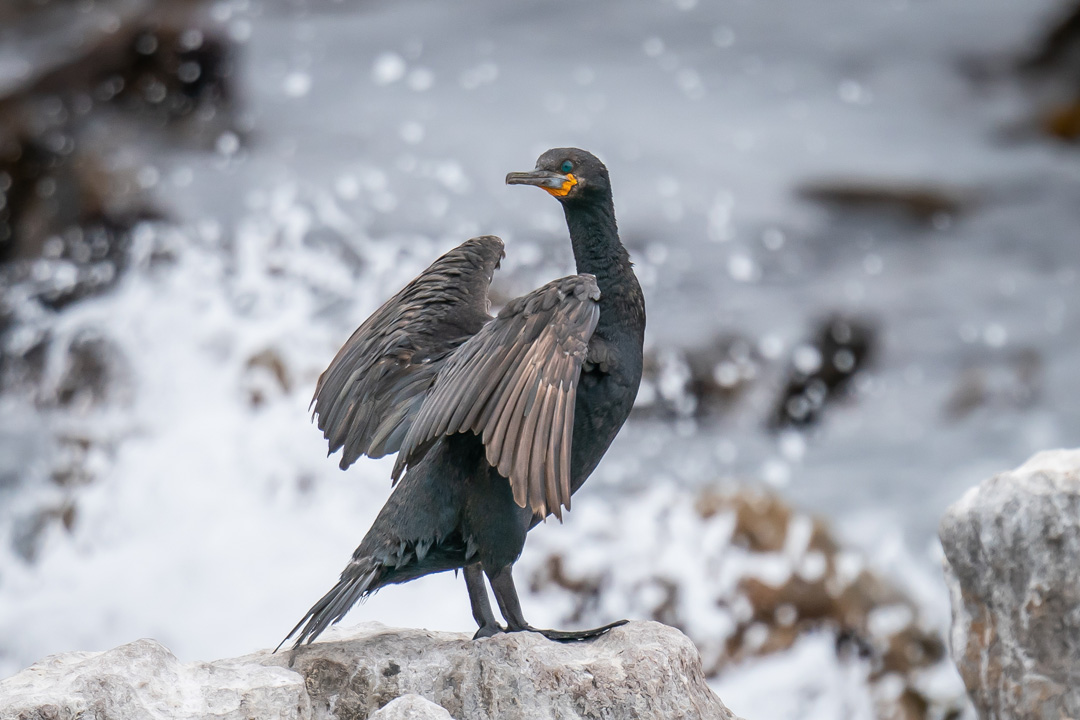
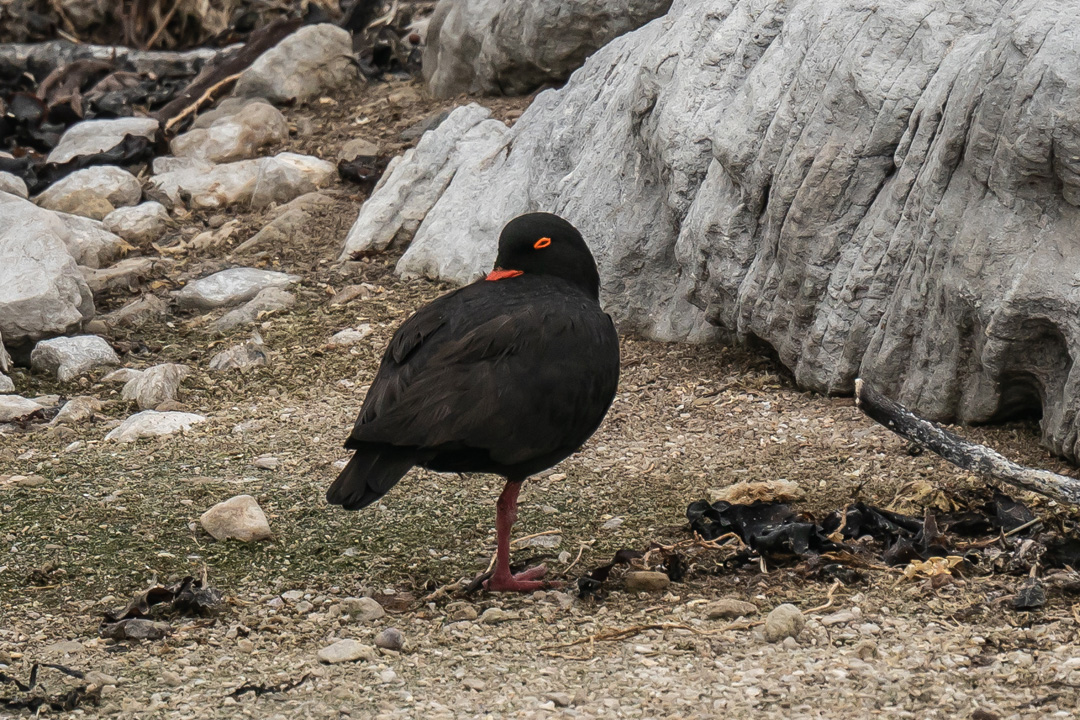
    After a coffee break at Betty’s Bay we moved on to Stony Point (a former whaling station) to see African Penguins. We were also fascinated by the four different types of cormorant which we spotted (Cape, Crowned, Bank and White-breasted) We also saw Water Thick-knees and an African Black Oystercatcher amongst the rocks as well as dassies. These little furry creatures are, unbelievably, the closest living relative to African elephants.
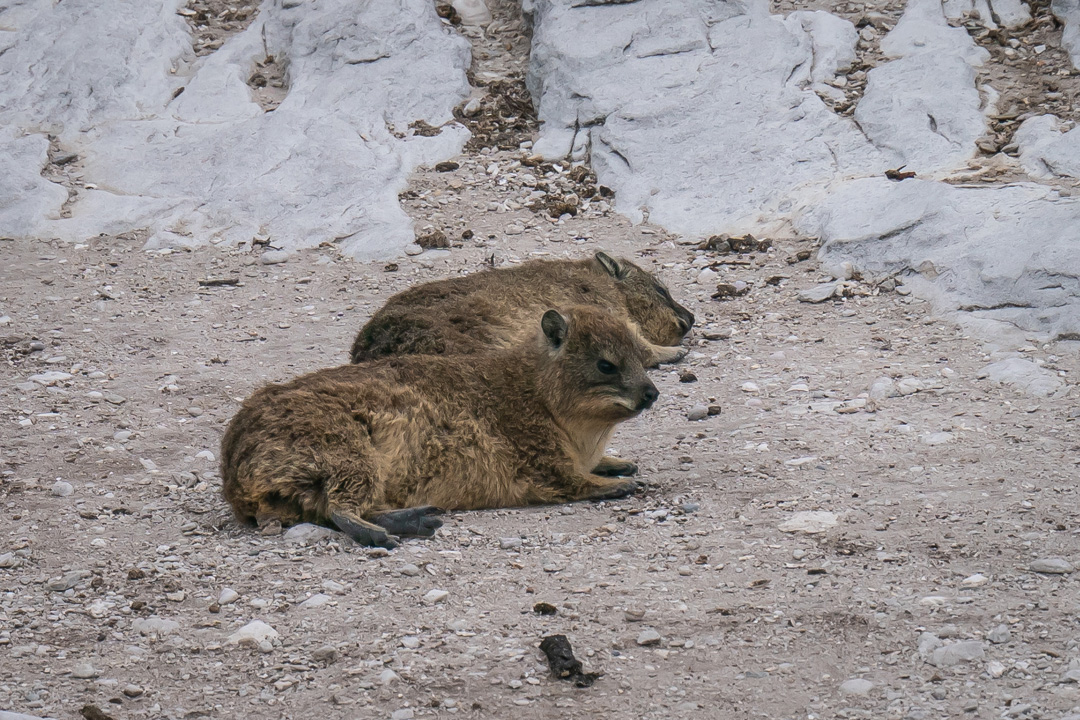
    DSC00833Dassies

    DSC00517

    DSC00537

    DSC00538

    DSC00566

    DSC00700

    DSC00712African Penguins

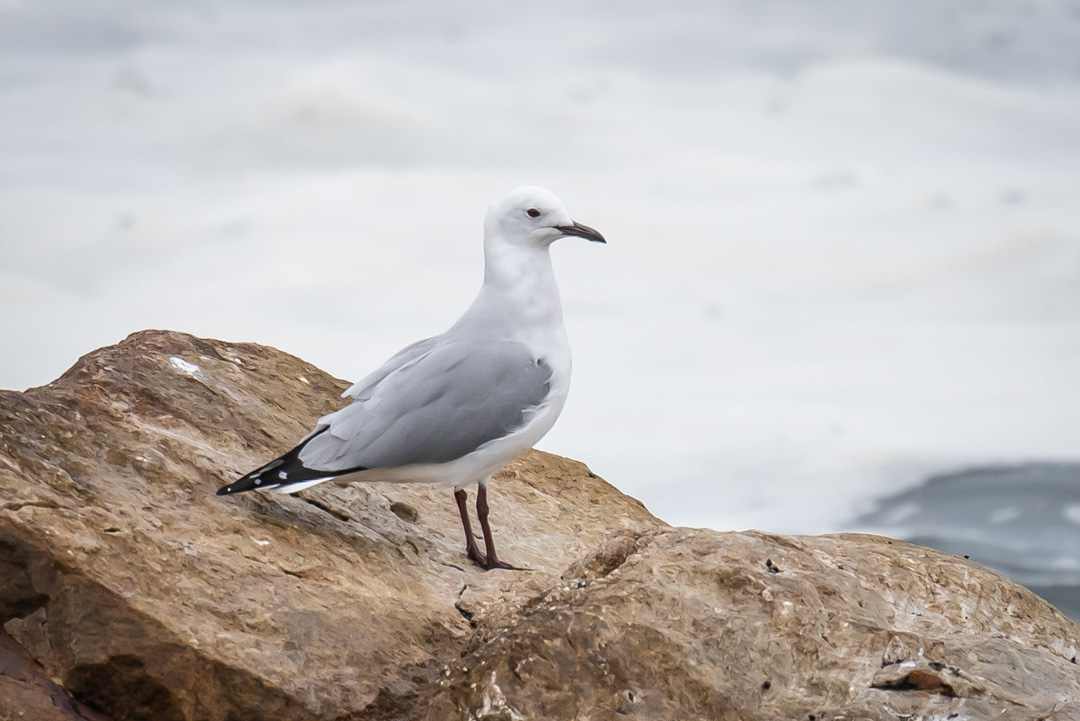
    We also saw lots of Cape Wagtails, Kelp Gulls,  Hartlaub’s Gull and a Sandwich Tern.

    DSC00435

    DSC00437Kelp gull

    DSC00594Hautlaub’s Gull

    DSC05892

    DSC00915Bank Cormorant

    DSC00945White-breasted Cormorant

    DSC00741Cape Cormorant

    DSC00621Crowned Cormorant

    DSC00798Water Thick knees

    DSC00814African Black Oystercatcher

    After Stony Point we went to the Harold Porter National Botanical Gardens. Here David picked out all sorts of birds for us. For me the stand out ones were Orange-breasted and Southern Double-collared Sunbirds. We also saw  Fiscal Flycathers,  Cape Robin-ChatKaro Prinia,  Cape White-eye,  Malachite Sunbird, Red-eyed Dove, Sombre Greenbul, Forest Canary,  Cape Canary and an African Dusky Flycatcher. Flitting past were also Greater-striped Swallows and Black Saw-wing. I did attempt some shots but I would be too embarrassed to show the results.
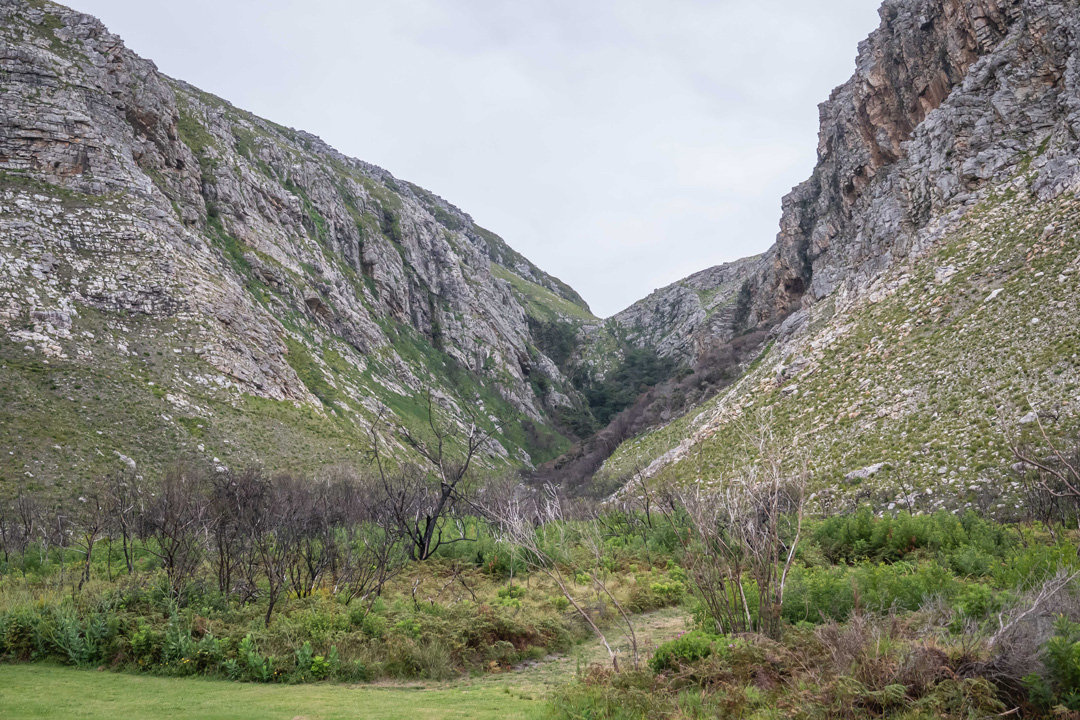
    DSC05899Harold Porter National Botanical Garden
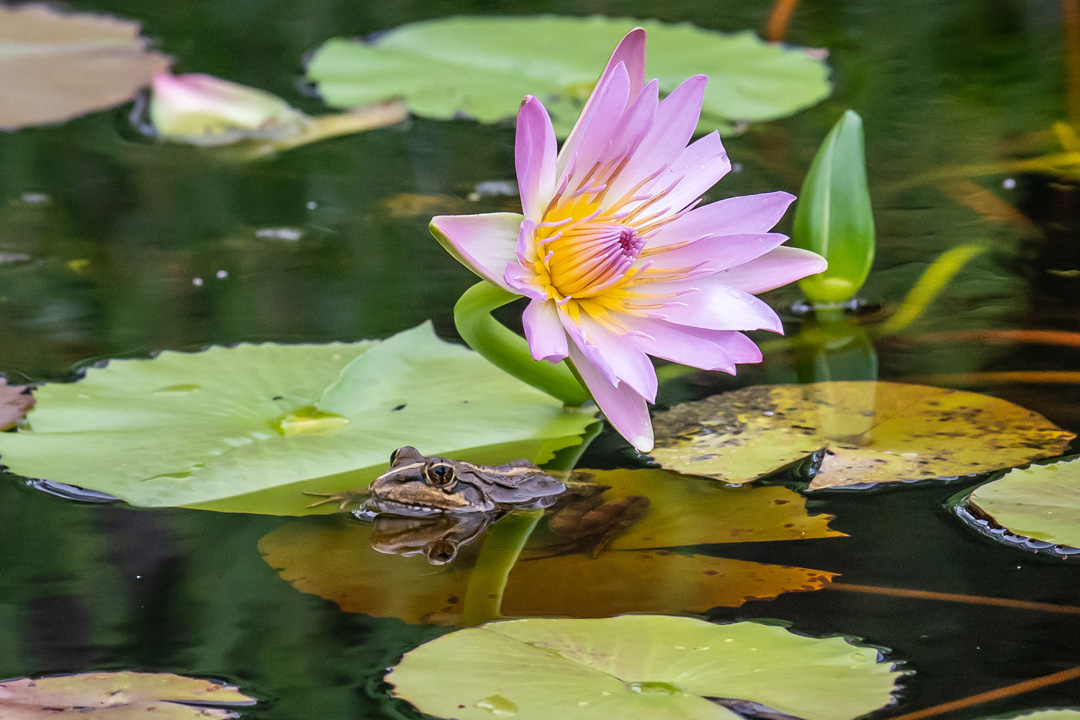
    DSC00998Water-lillies and frogs

    DSC01037 Southern Double-collared Sunbird

    DSC01075Juvenile Fiscal Flycatcher

    DSC01149Cape Canary

    DSC01101Forest Canary

    DSC01108

    DSC01135Orange-breasted Sunbird

    DSC01170Cape Canary

    DSC01175 Southern Double-collared Sunbird

    DSC01216Orange-breasted Sunbird

    DSC01224Orange-breasted Sunbird

    DSC01242Orange-breasted Sunbird

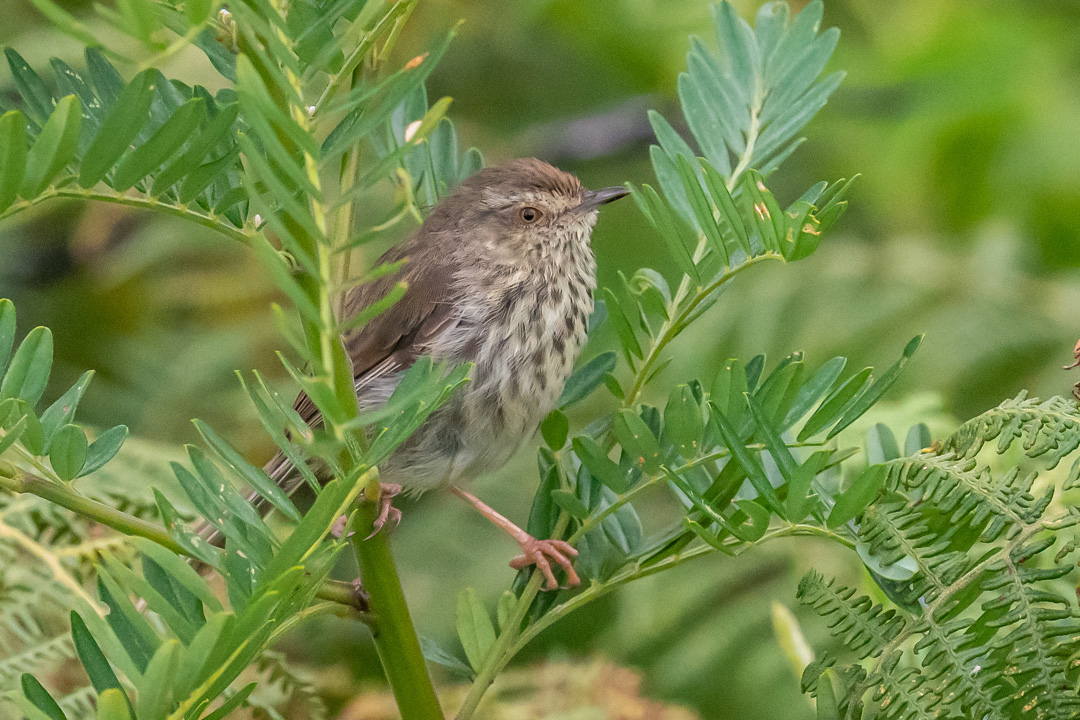
    DSC01267Karoo Prinia

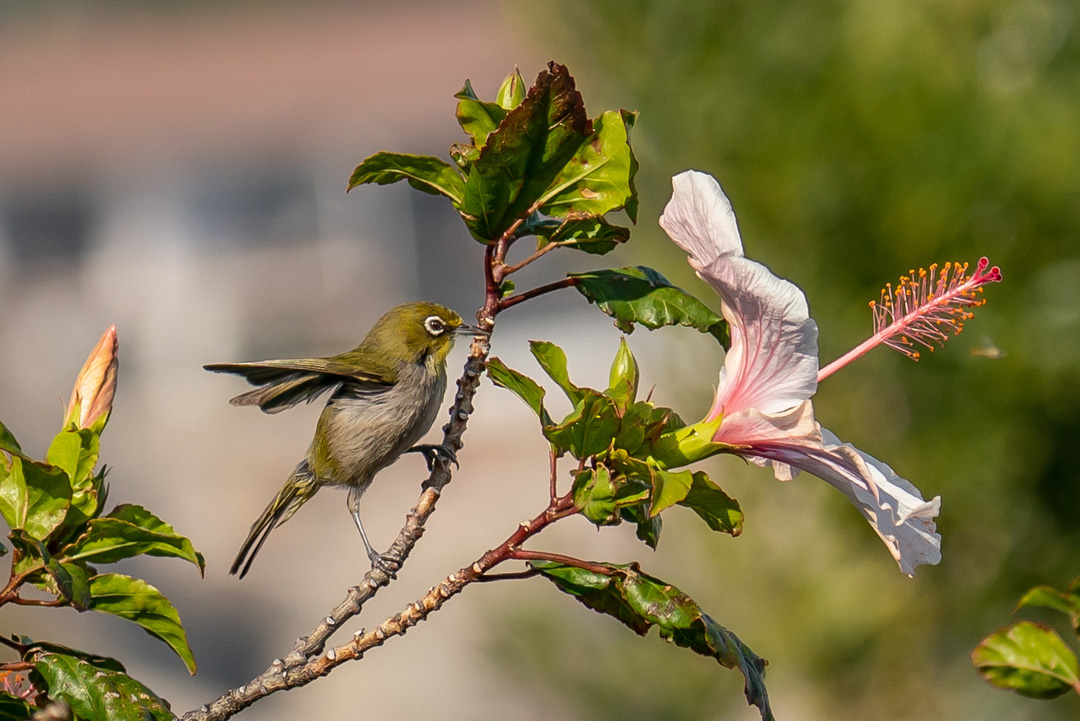
    DSC01321Cape White-eye

    DSC01432African Dusky Flycatcher

    DSC01476Cape Robin-chat

    After the Harold Porter National Botanical Garden we returned to Betty’s Bay for a late lunch.

    On our route back to Camps Bay we stopped off at at Pardeviei Wetland at Somerset West but the water was very low and, although we could see lots of birds (including Blacksmith Lapwing, Black-winged Stilts and Pied Avocets) in the distance, we felt that we had had enough and set off to face the Cape Town traffic.

    The weather was not very kind to us as it was very windy and quite grey. In a way that may have been a blessing as we might have been even more exhausted if it had been a hot sunny day. Nonetheless an amazing day where we saw over 50 different species.


    This slideshow requires JavaScript.
     

  • Friday 31st January 2020 – Strandfontein Sewerage Works, Western Cape SA

    Friday 31st January 2020 – Strandfontein Sewerage Works, Western Cape SA

    The Cape Flats Waste Water Treatment Works, or simply Strandfontein as it is known to birders, also forms part of the False Bay Nature Reserve. It really is a marvel for birders as you can drive around the gravel paths and see and photograph birds at close quarters.

    Strandfontein features more than 300 hectares of reed-fringed detention ponds and dunes connected by gravel roads that are usually in good condition, although on this occasion we did have one terrifying moment when we got stuck in  a very deep section of slurry which had been deposited on one of the paths.and which demanded all our driving skills and ingenuity in to order to extricate from a very embarrassing situation.

    In the end it was really worthwhile and we saw an amazing amount of birds in a very short trip.

    This slideshow requires JavaScript.
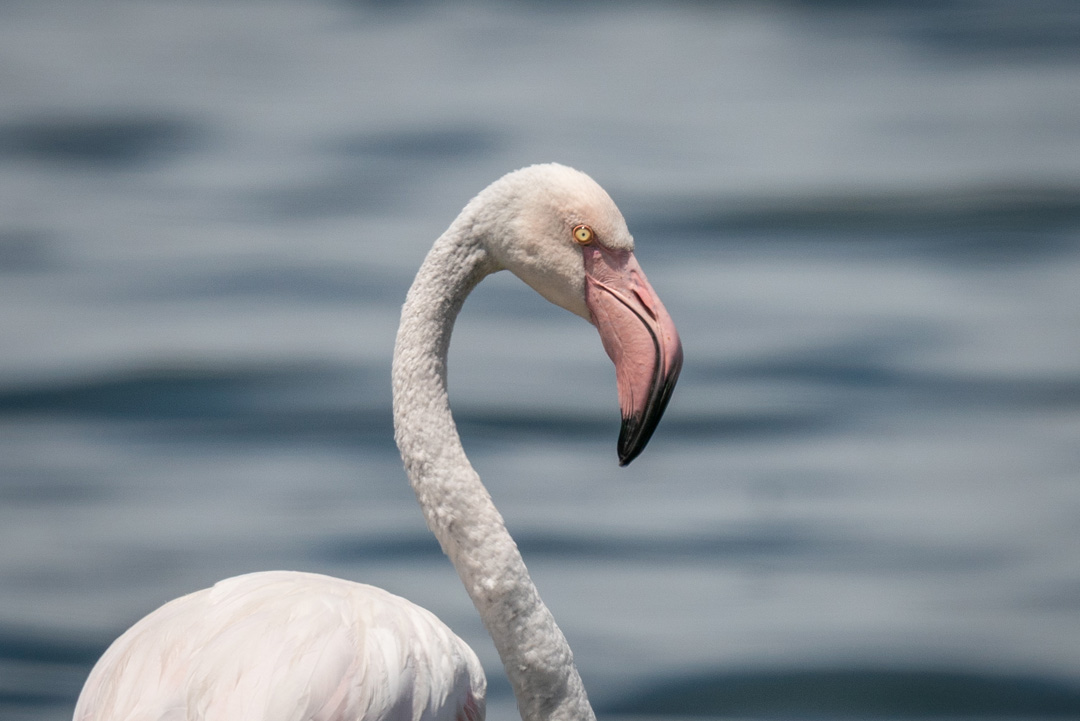
    DSC08934Greater flamingo

    DSC09420Greater flamingo

    DSC09898Greater flamingo

    DSC09820Cape weaver

    DSC09754Black-winged stilt

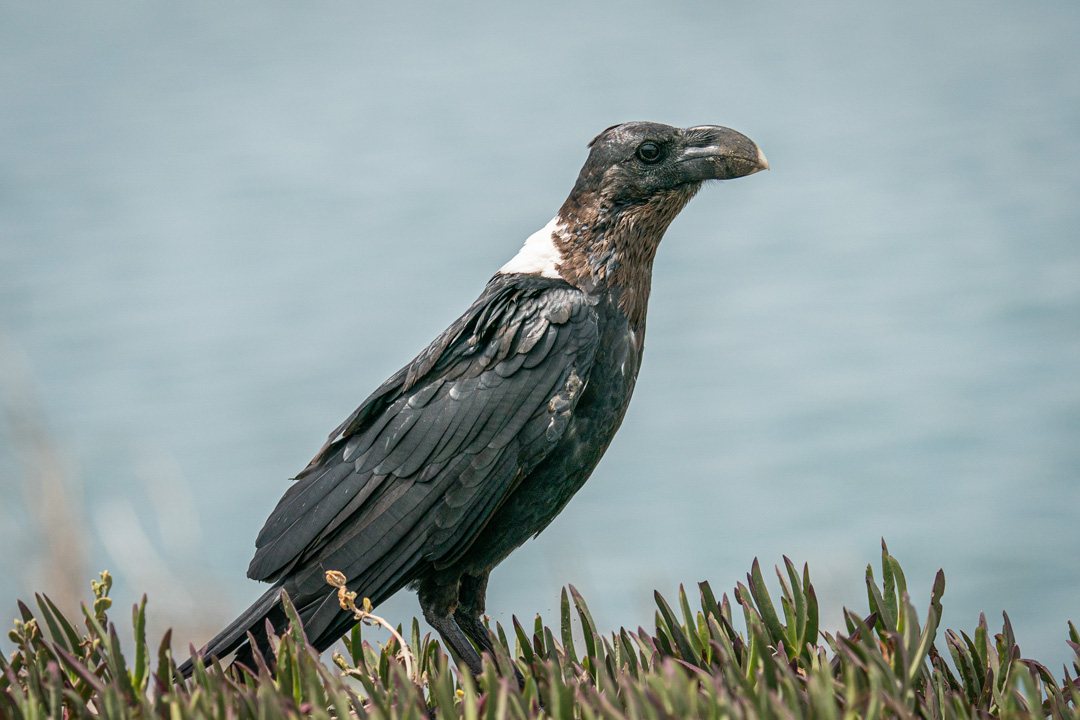
    DSC09727White-necked raven

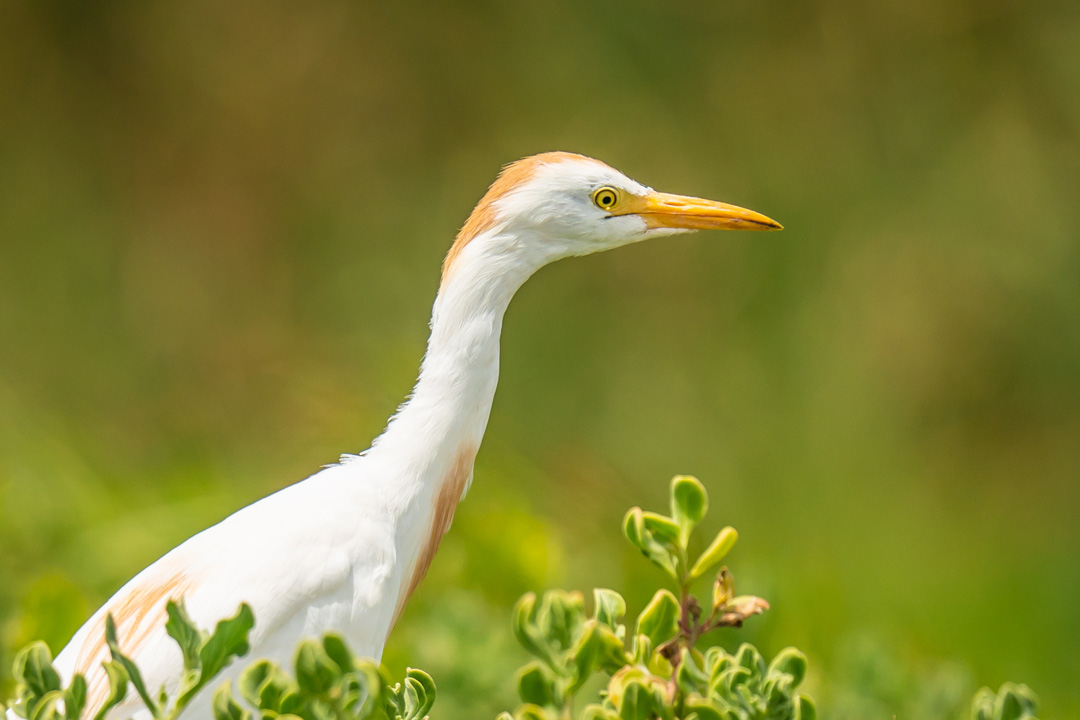
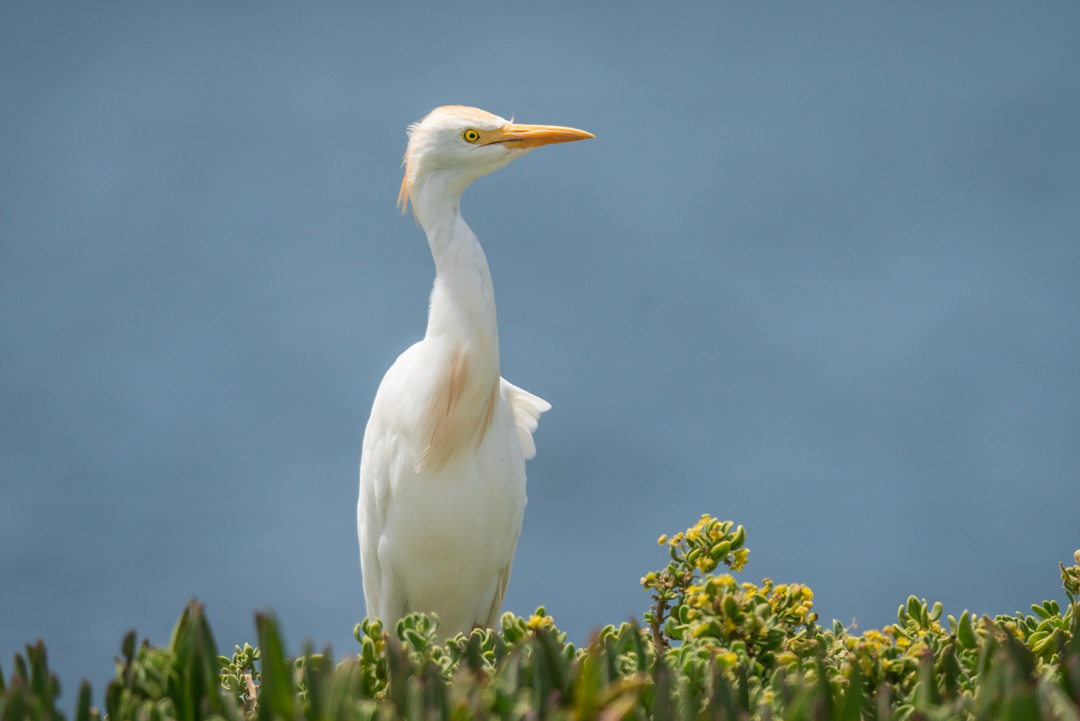
    DSC09577Cattle egret

    DSC09537Cattle egret

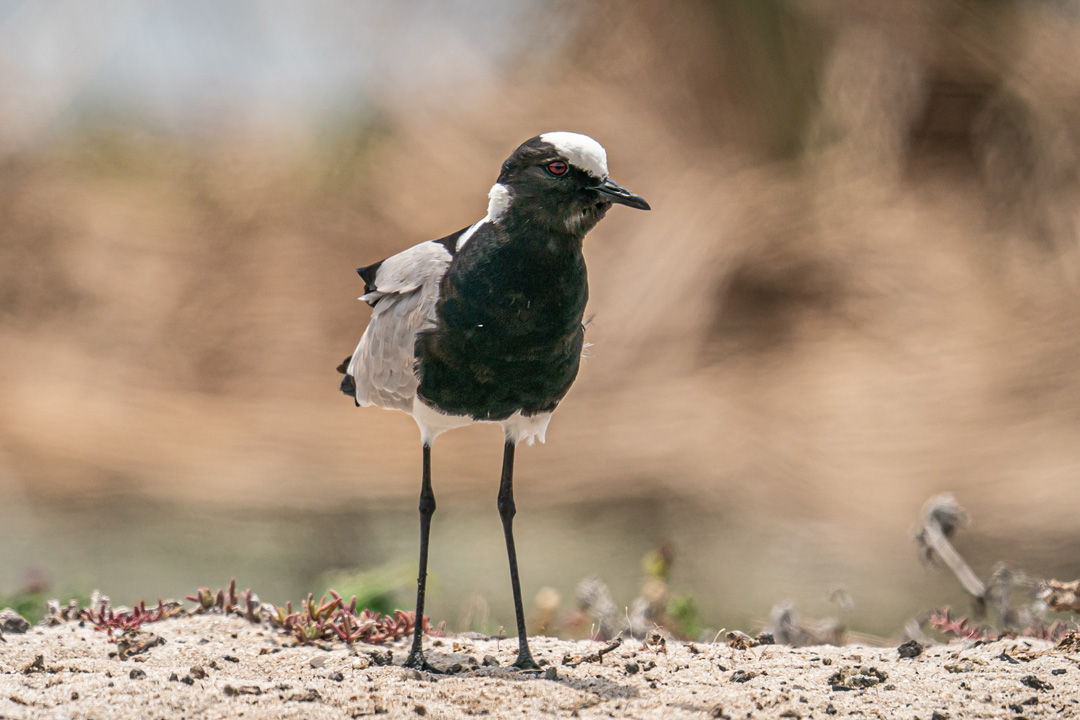
    DSC09605Blacksmith lapwing

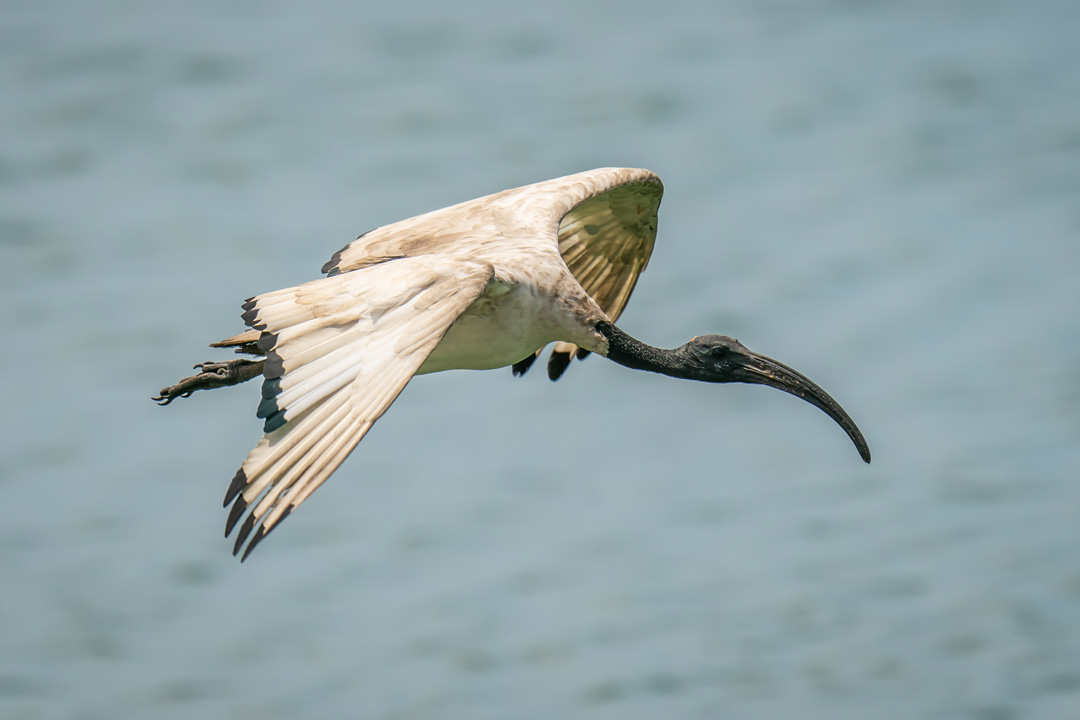
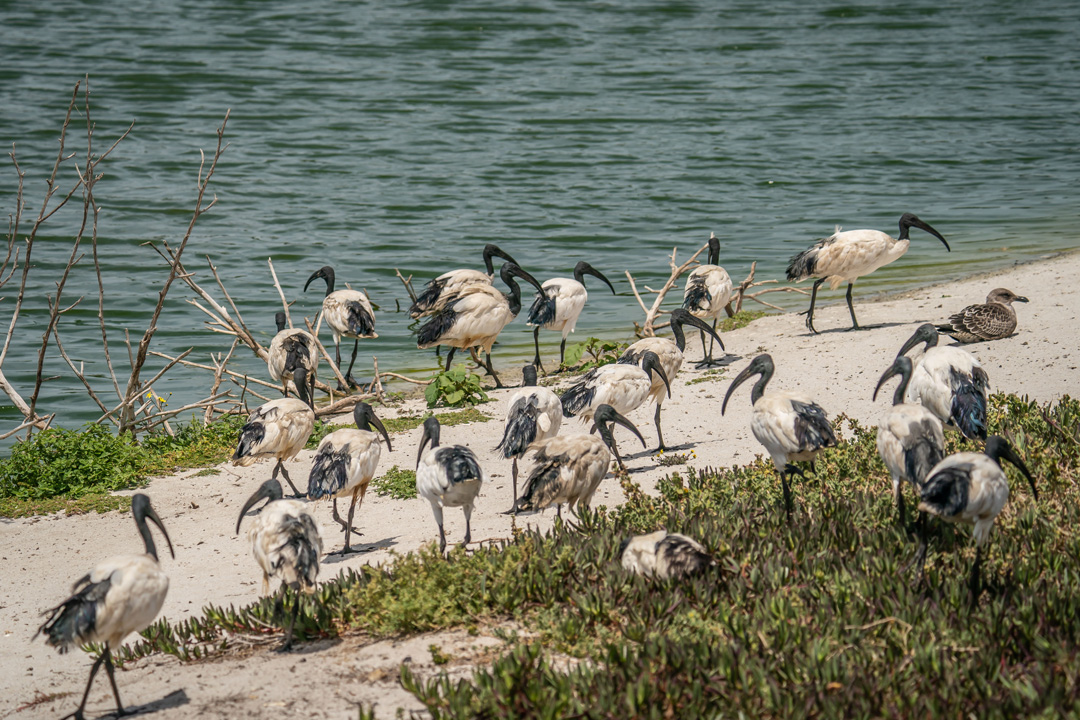
    DSC09482African sacred ibis

    DSC09478African sacred ibis

    DSC09392African sacred ibis

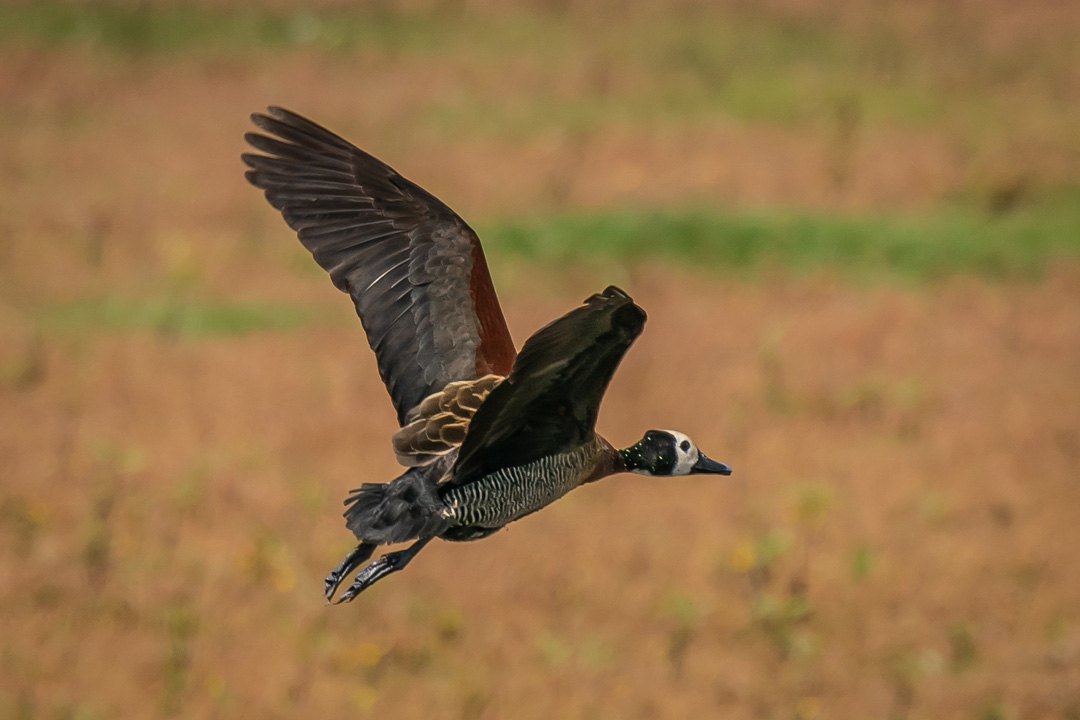
    DSC09118White-faced whistling duck

    DSC09128White-faced whistling duck

    DSC09313

    DSC09302

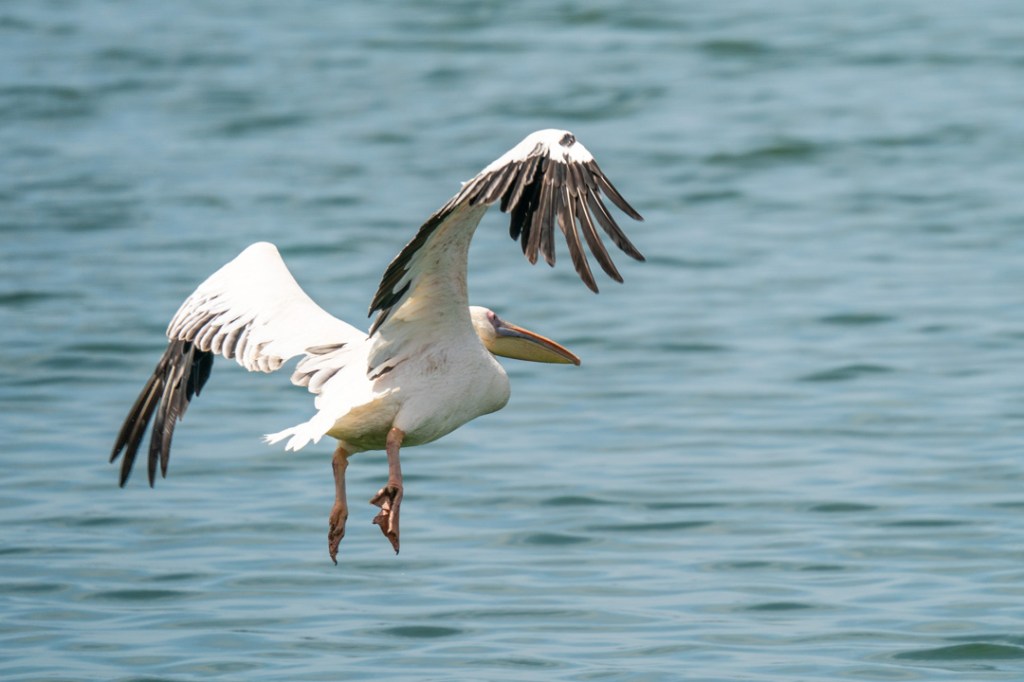
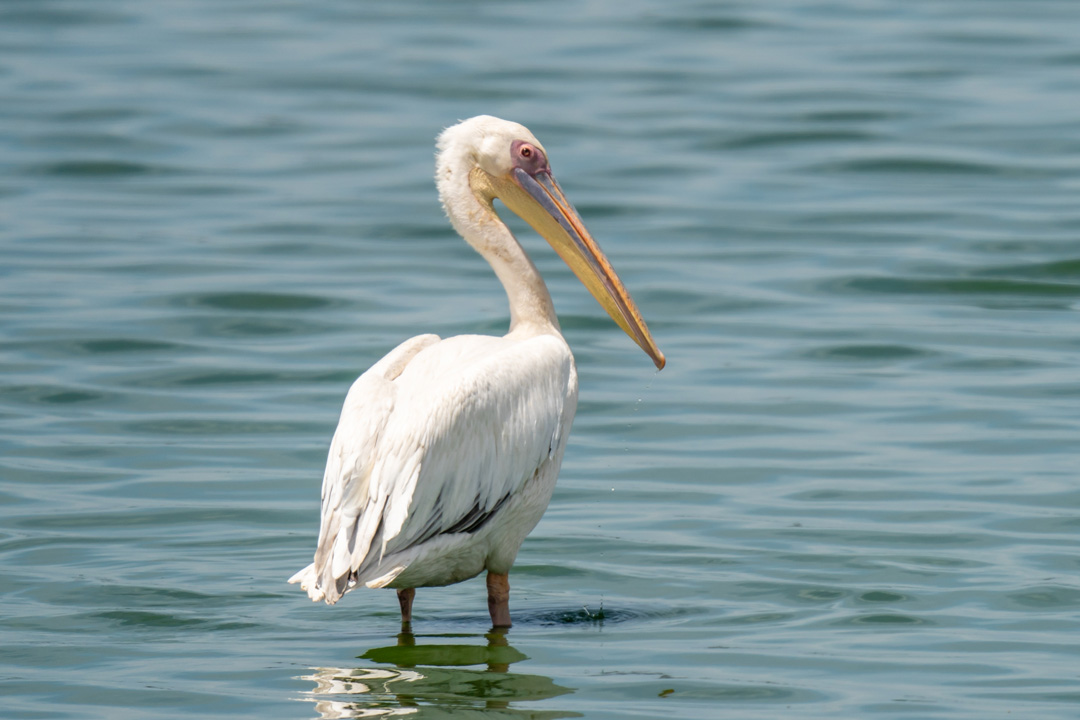
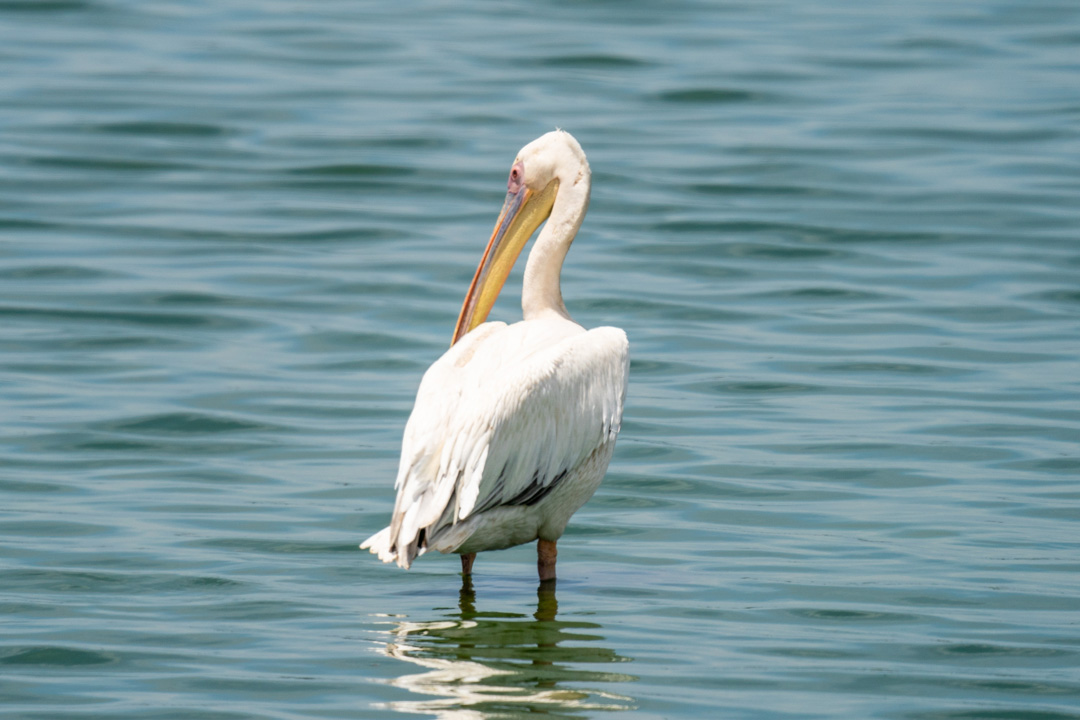
    DSC09325Great white pelican

    DSC09010African sacred ibis and glossy ibis

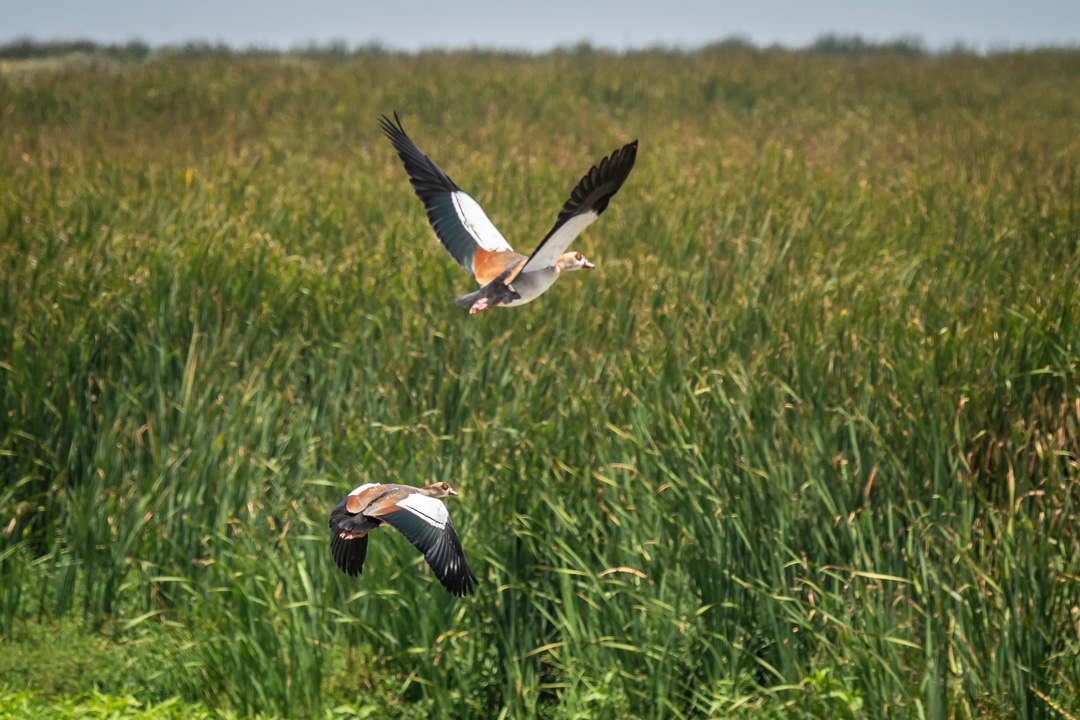
    DSC09061Egytian goose

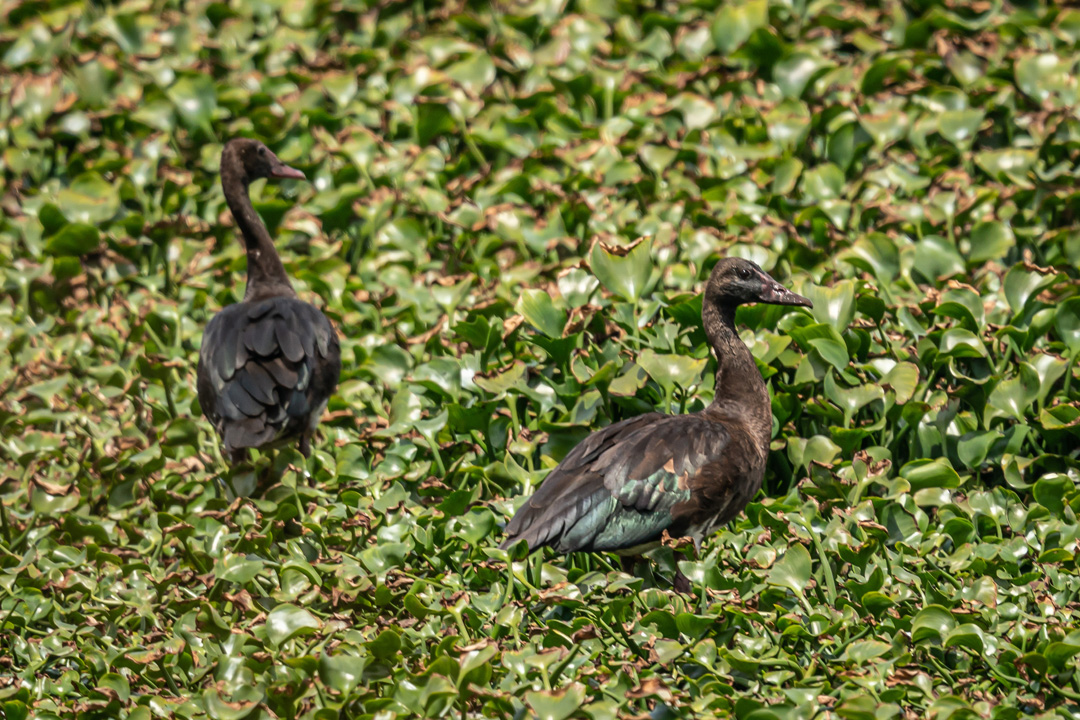
    DSC09673Spur-winged goose

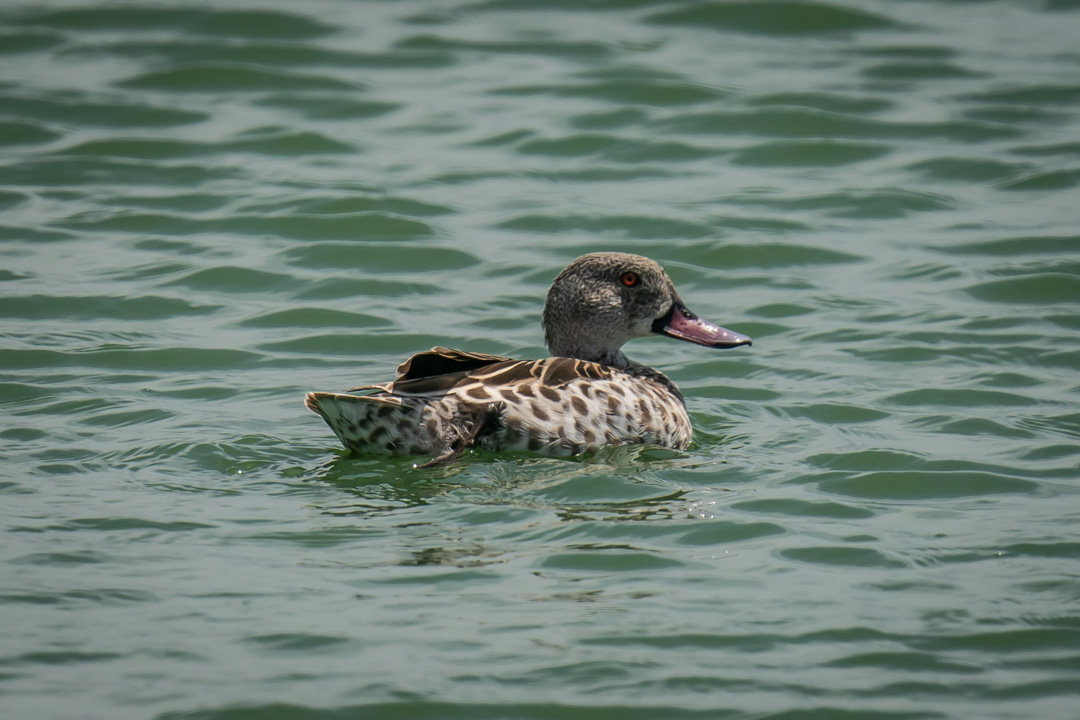
    DSC09015Red billed teal

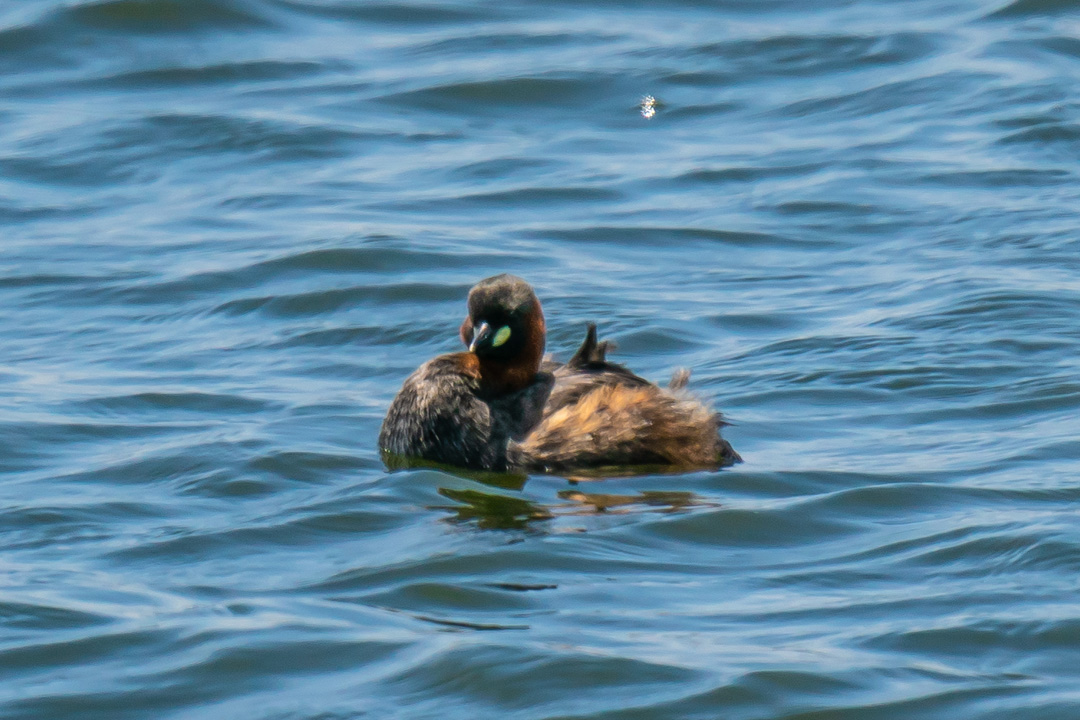
    DSC08992Little grebe

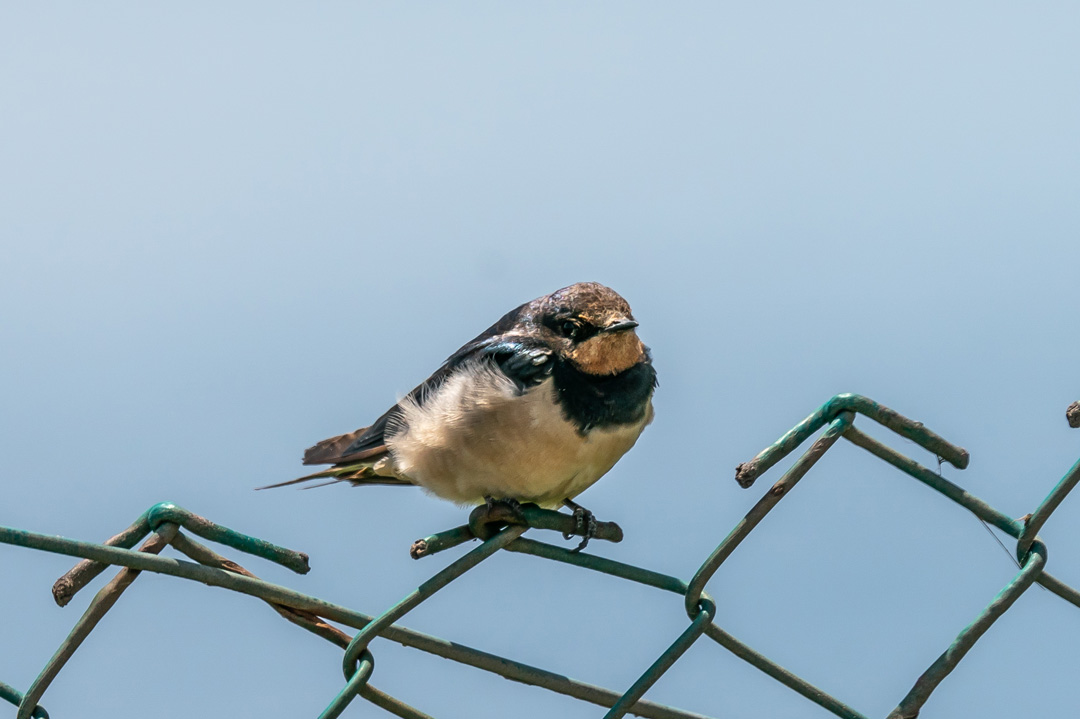
    DSC08975Barn swallow

    DSC08897Caspian tern


  • 30th January 2020 – Franschhoeke, Western Cape SA

    30th January 2020 – Franschhoeke, Western Cape SA

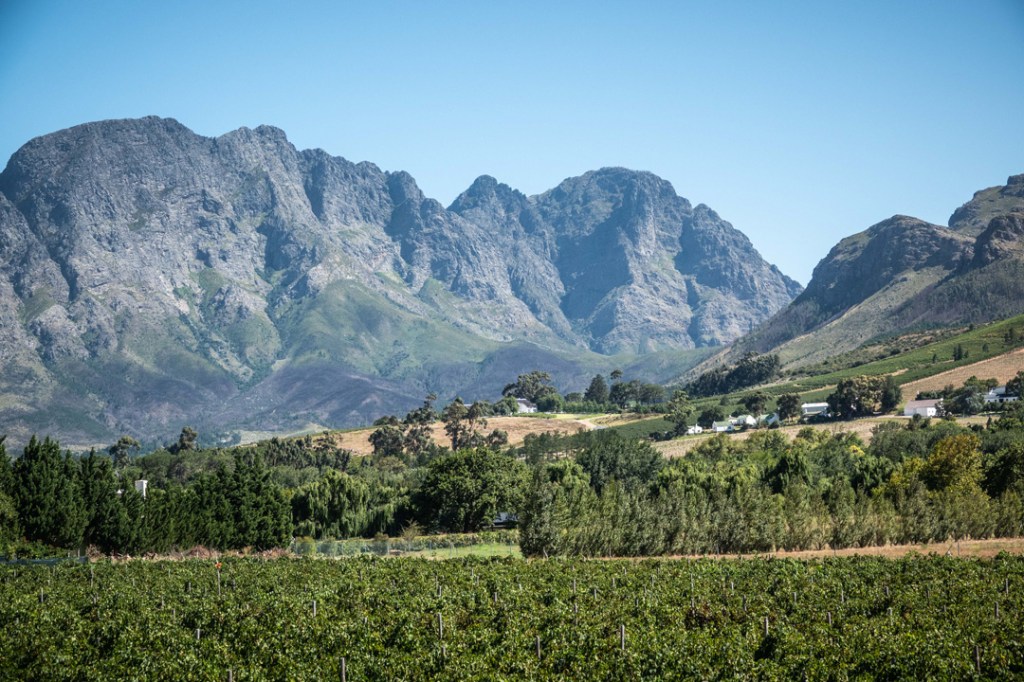
    Well as this is my nature blog I’m going to allow myself a little licence to show some of the natural surroundings of Franschhoeke in the Western Cape of South Africa. Not a bird in sight.

    It is very different from the Klein Karoo or even the Robertson wine region where we were before. A really stunning part of the world.

    This slideshow requires JavaScript.
     

  • 28th January 2020 – Robertson, Western Cape

    28th January 2020 – Robertson, Western Cape

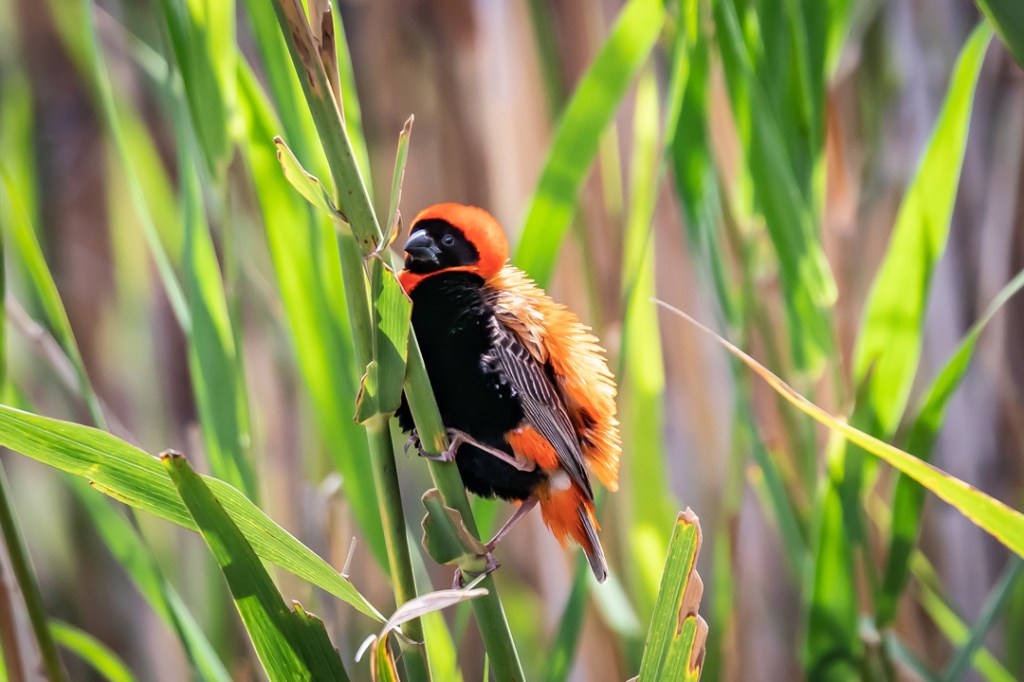
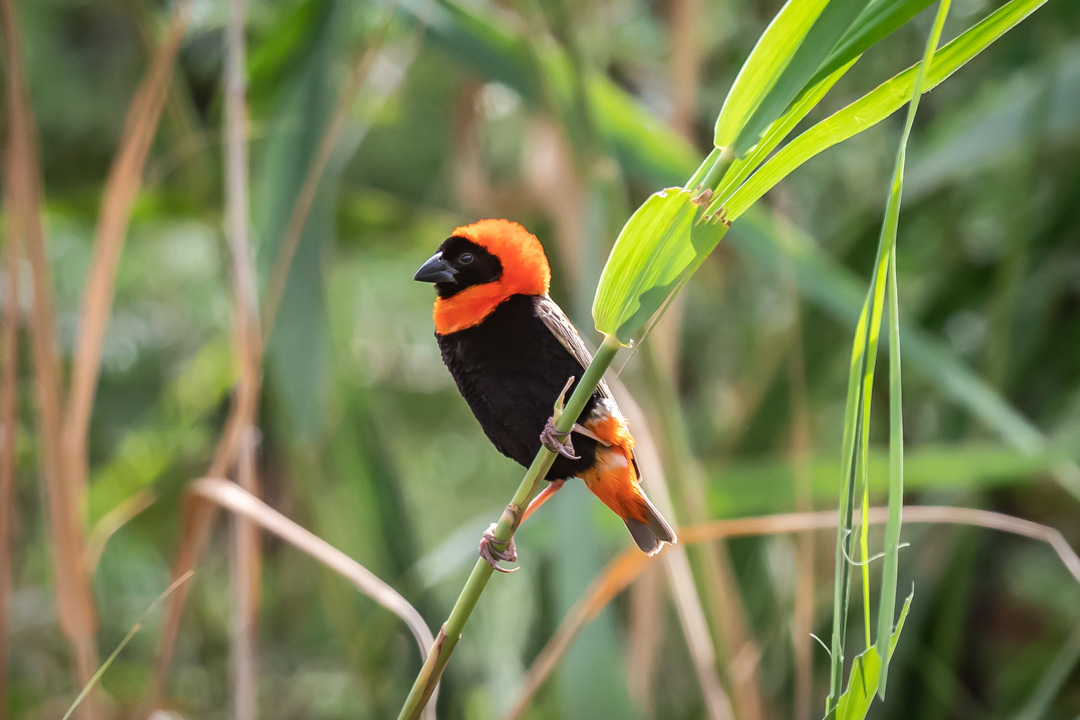
    I didn’t expect our stay at the Excelsior Estate Winery at Robertson to provide such good opportunities for bird photography. On the first evening we walked down to the river amongst the vines and saw weavers and southern red bishop birds. The following day we were able to use a golf trolley and venture further into and around the vineyard. The advantages of the golf trolley was that the birds weren’t so nervous about our presence.

    This slideshow requires JavaScript.

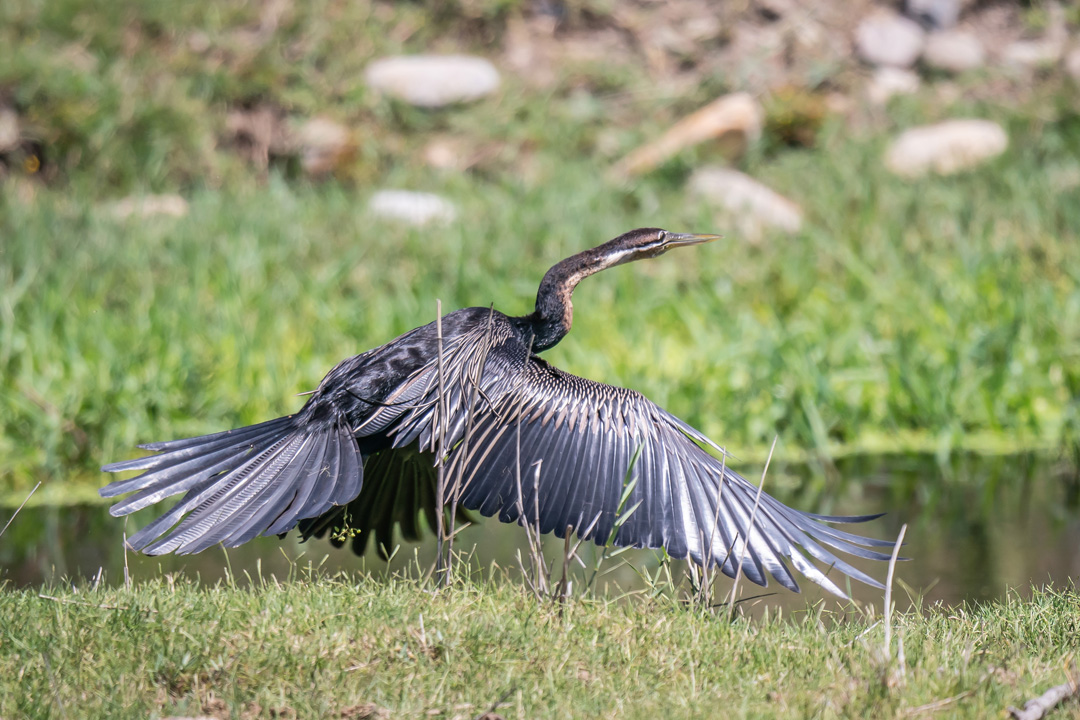
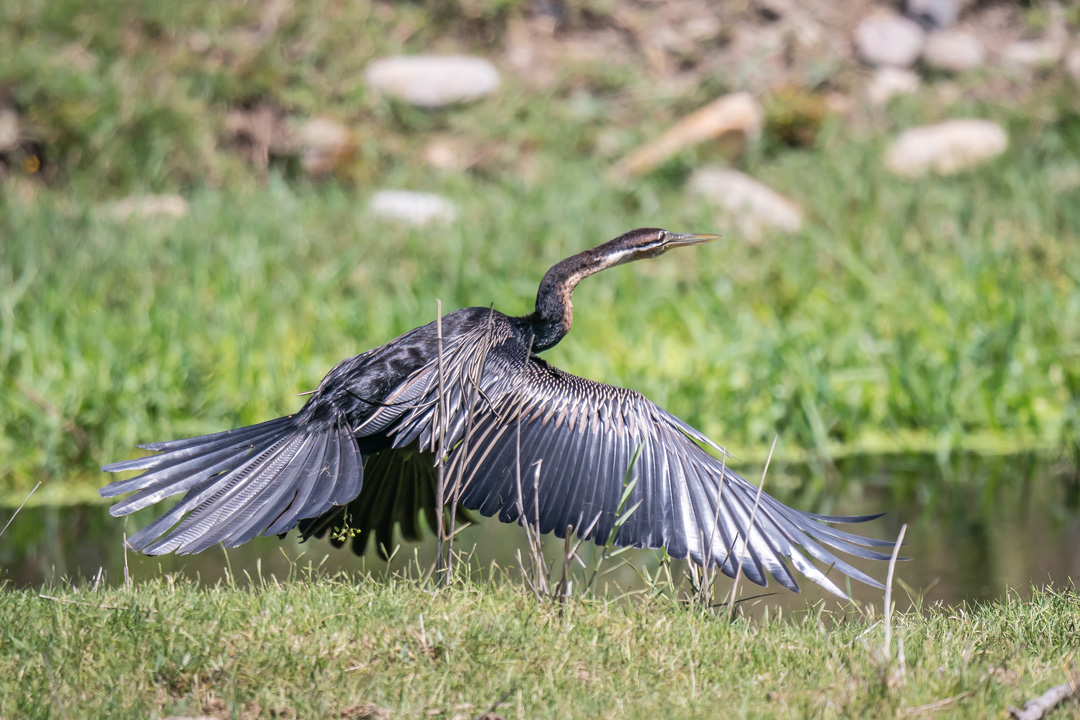
    The stars for me were the bigger birds we saw, an African darter, a black-headed heron and a buzzard and the smallest, the southern double collared sunbird.


    DSC08523

    DSC08530African darter

    DSC08618

    DSC08619Buzzard

    DSC03896

    DSC03898Black-headed heron

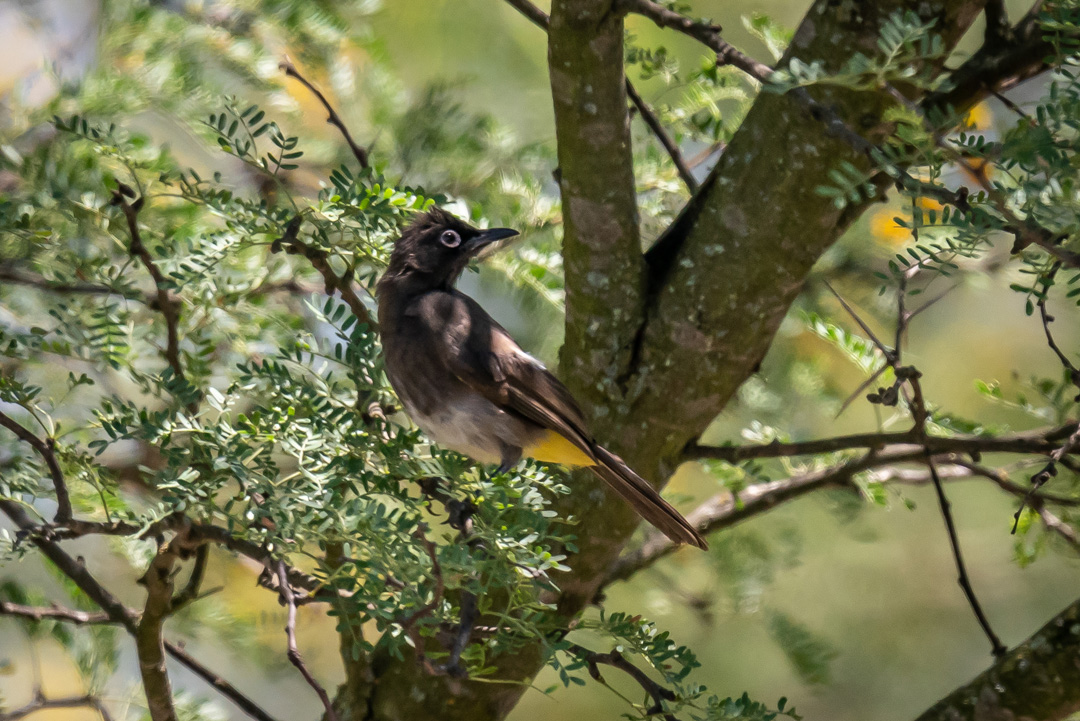
    DSC08660Cape bulbul

  • 26th January 2020 – The Swartberg Pass

    26th January 2020 – The Swartberg Pass

    This slideshow requires JavaScript.
    As we were due to be up very early for a meerkat safari (which didn’t happen because of rain) we didn’t take up the option of the ostrich farm tour. We had a leisurely day exploring the Swartberg Pass and the area around the Cango Caves.

    Stunning scenery again.

    DSC06612

    DSC06601

    DSC06598

    We spent quite some time watching the southern masked weavers “weaving” their nests and came across the southern red bishop for the first time. I gather it is quite a common bird but it is the first time we had seen it and it is quite stunning.

    DSC06980Southern masked weaver

    DSC07097Southern red bishop

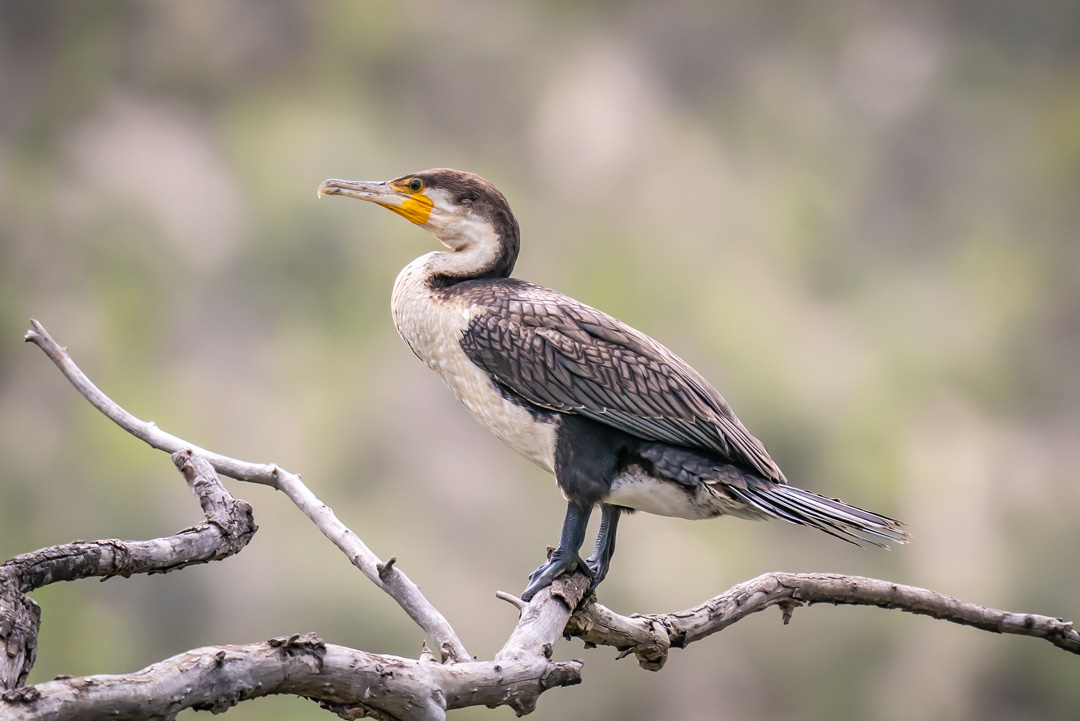
    DSC07113White-breasted cormorant


    DSC06240

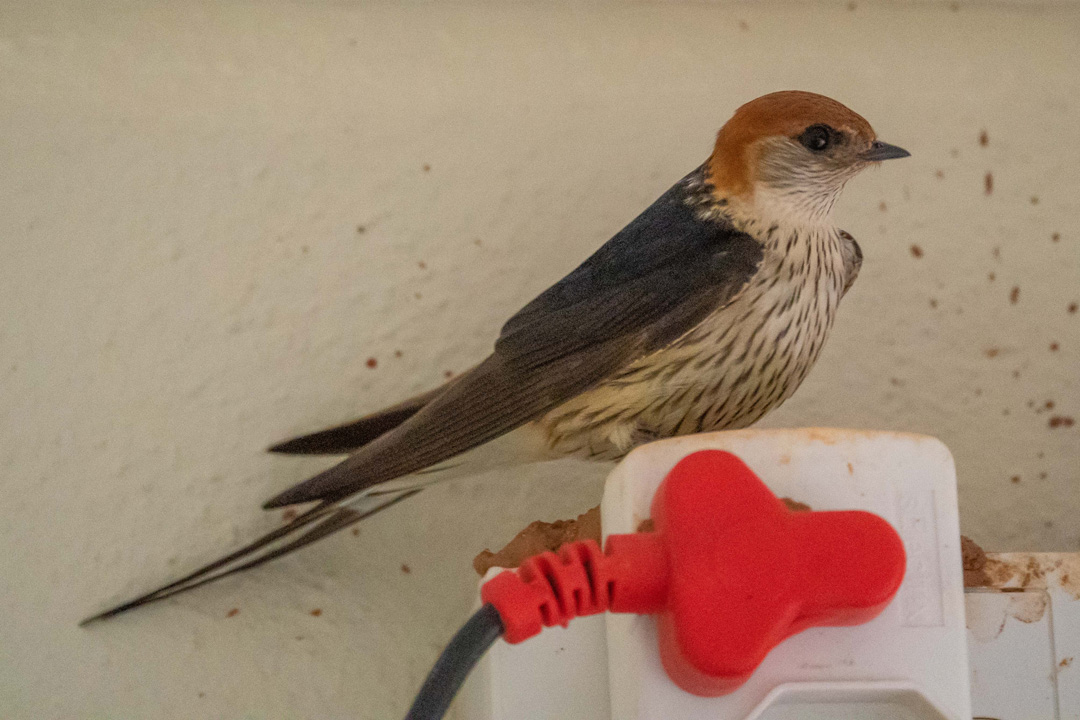
    DSC06595Greater striped swallow

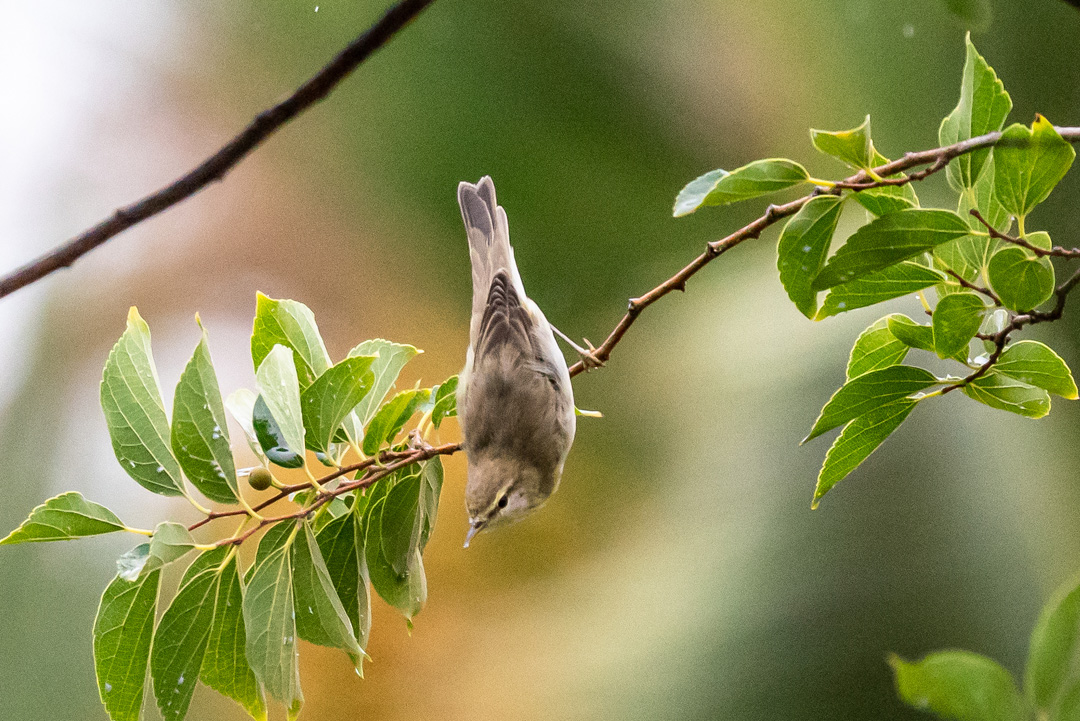
    DSC06271Willow warbler (?) in the garden


  • 25th January 2020 – Oudtshoorn

    25th January 2020 – Oudtshoorn


    This slideshow requires JavaScript.
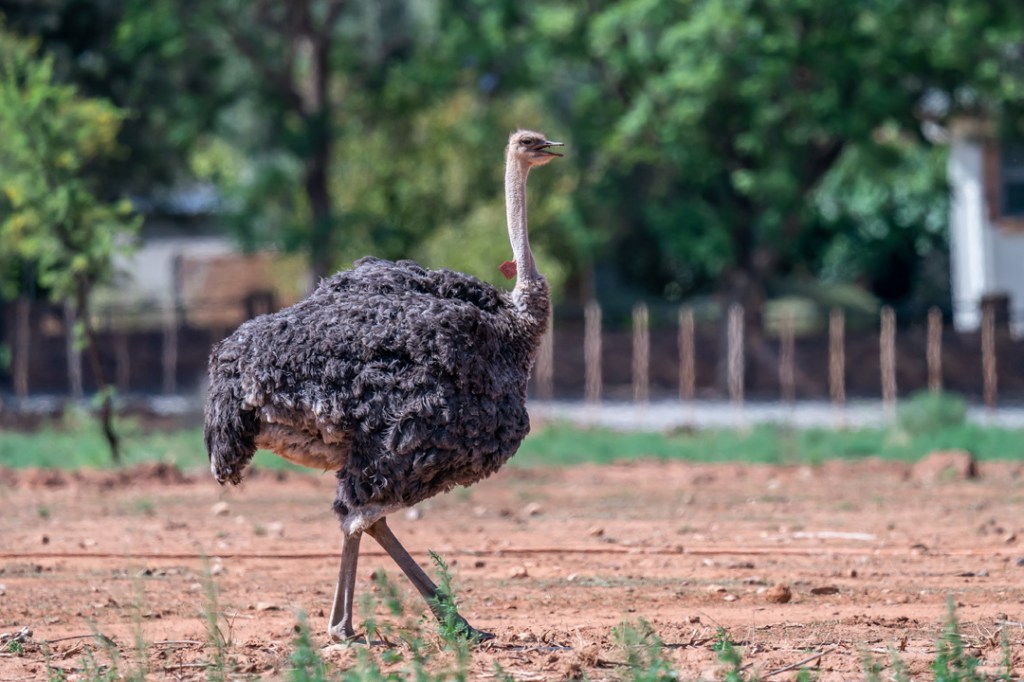
    As we had had quite a long and tiring journey from Knysna to Oudtshoorn we just relaxed in the afternoon in the gardens of the farm where we were staying. Oudtshoorn is the ostrich capital of the world and we were staying on an ostrich farm.

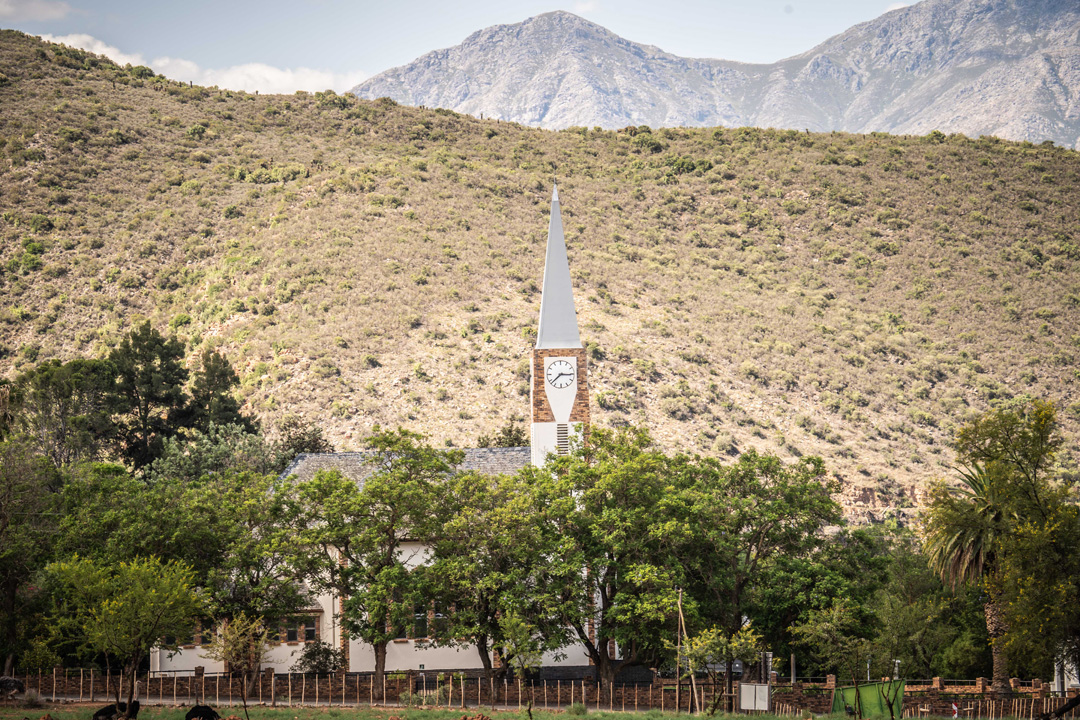
    DSC06034The view across the farm to the local church.

    As the ostrich is the biggest bird it is appropriate that I have it as my header photo, although I much preferred the weavers and the common fiscals.

    DSC06074

    DSC06100


  • 27th January 2020 – Oudtshoorn – meerkats

    27th January 2020 – Oudtshoorn – meerkats


    This slideshow requires JavaScript.

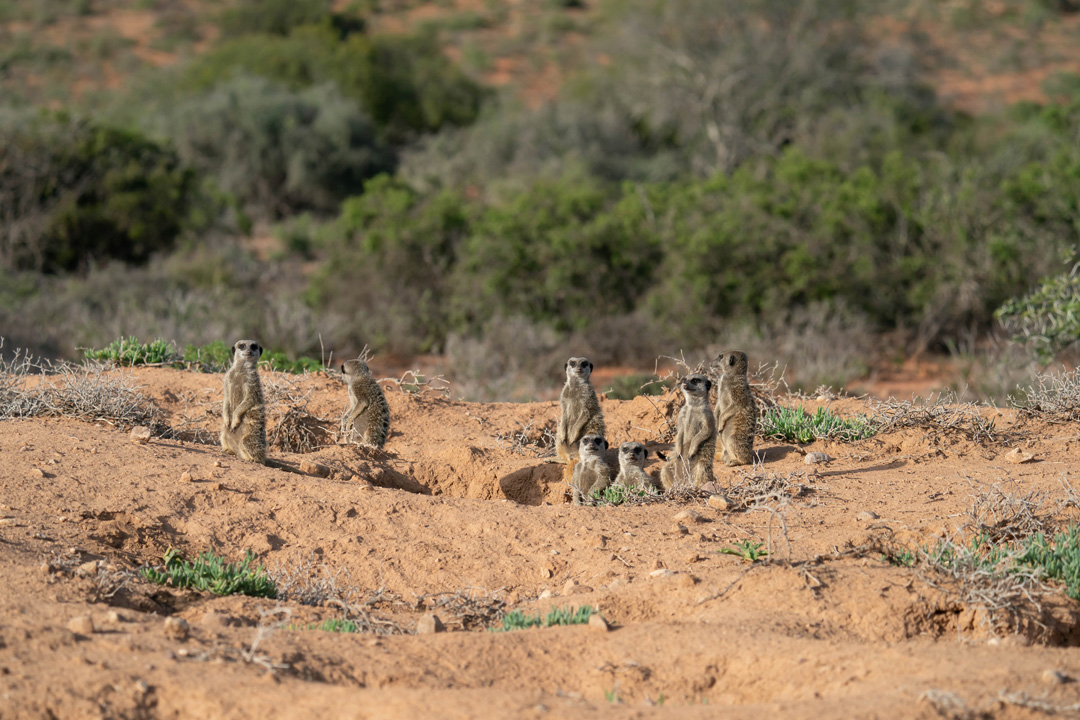
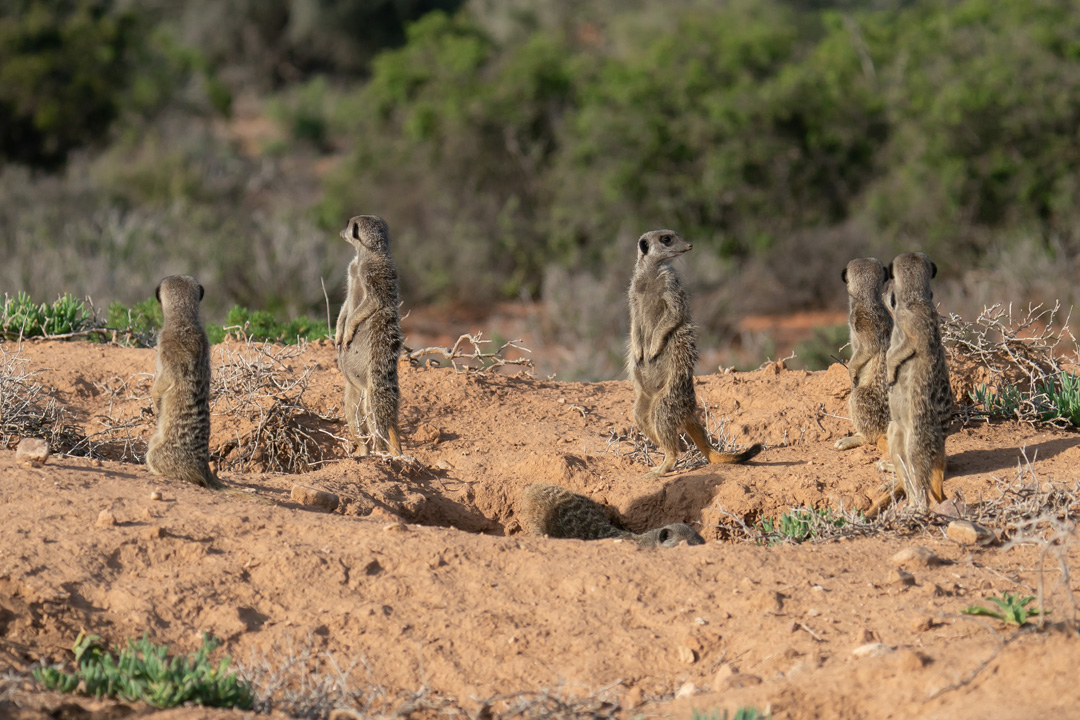
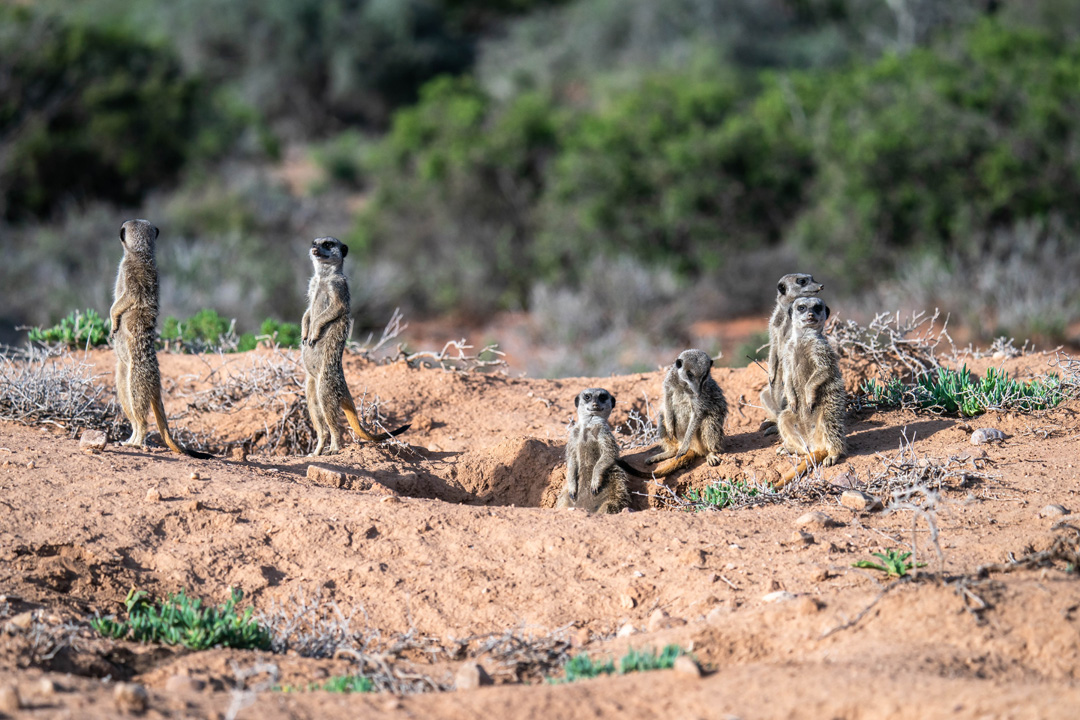
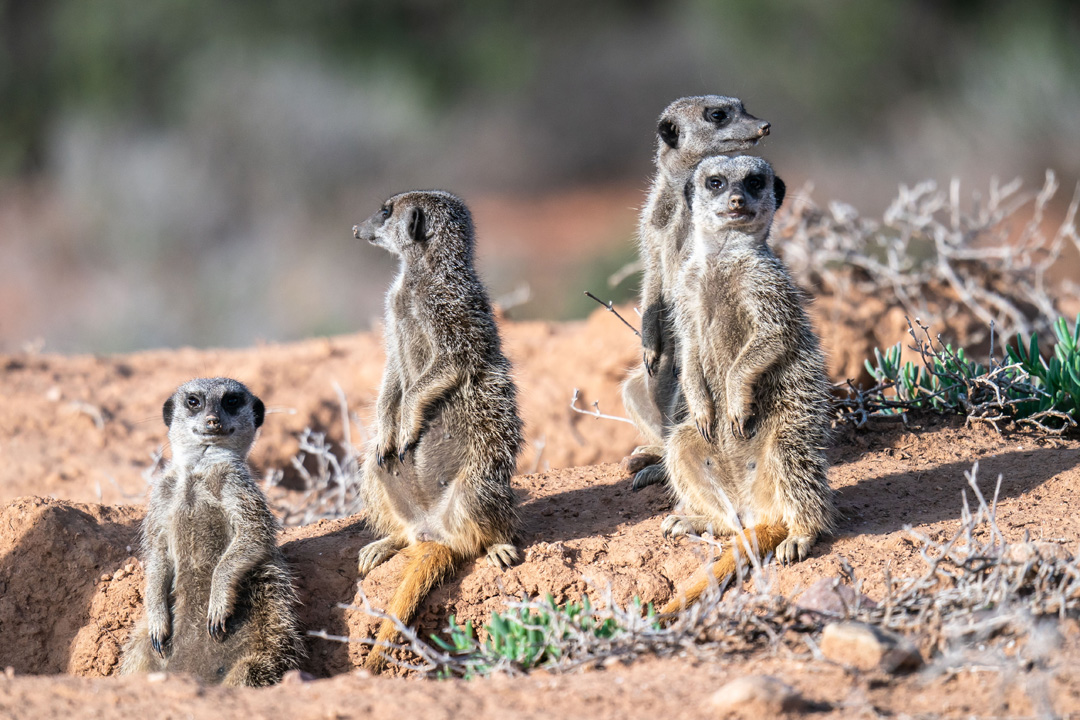
    The main focus of our stay in Oudtshoorn was  a morning “safari” to see meerkats in the Klein Karoo. However, when we got up at 4.30 am  it was raining and we had been warned that the trip would not go ahead in the rain as the meerkats would not come out to play.

    Fortunately we were able to re-arrange another visit on the morning we were leaving Oudtshoorn and the weather was fine.

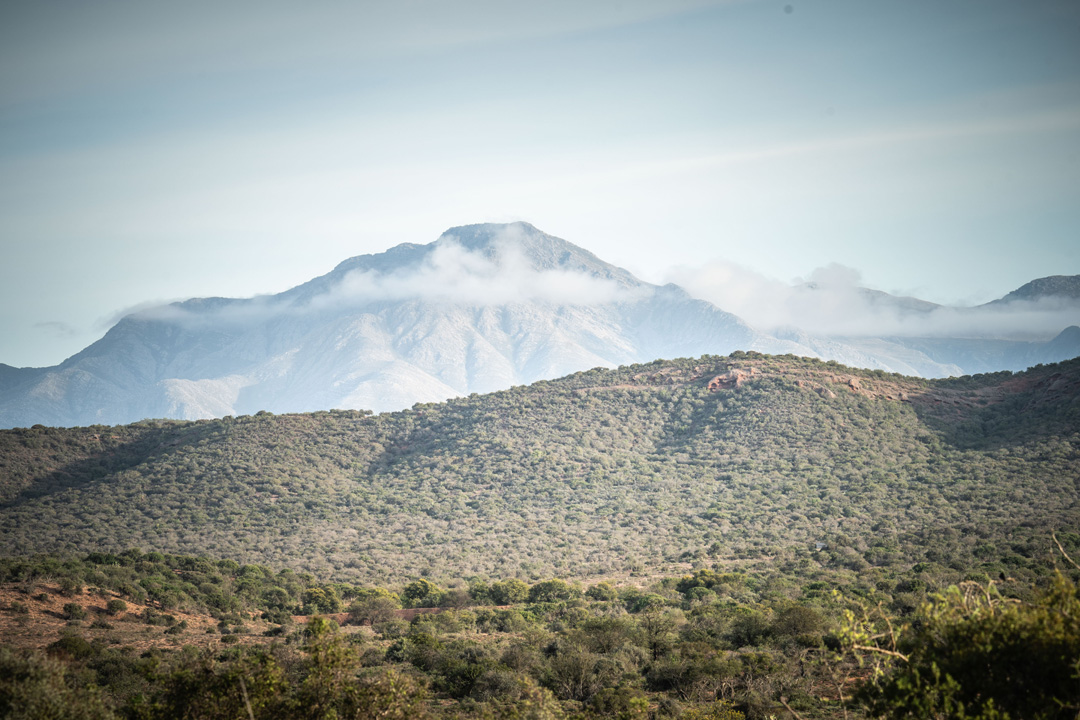
    The vegetation in this part of the world was very different from Kruger but quite impressive at this time of the morning with the backdrop of the Swartberg and the Outeniqua Mountains. I must say that, as in Kruger, much of the time I had great difficulty getting the white balance correct in my photos especially with the morning and evening light. 

    DSC07350

    DSC07353

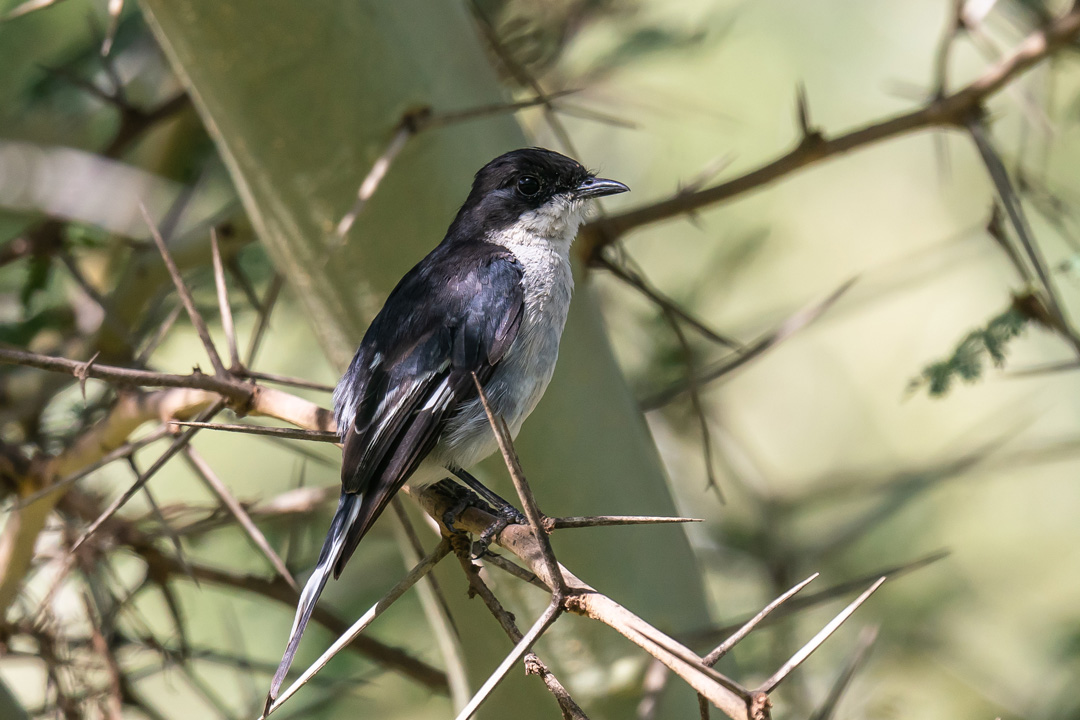
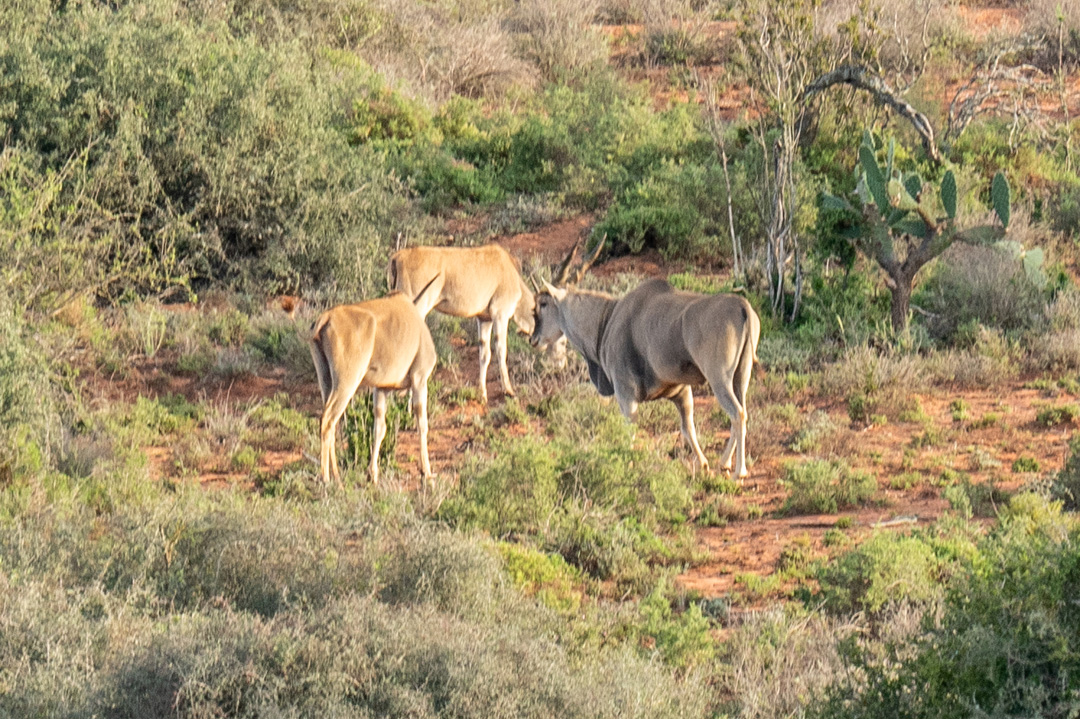
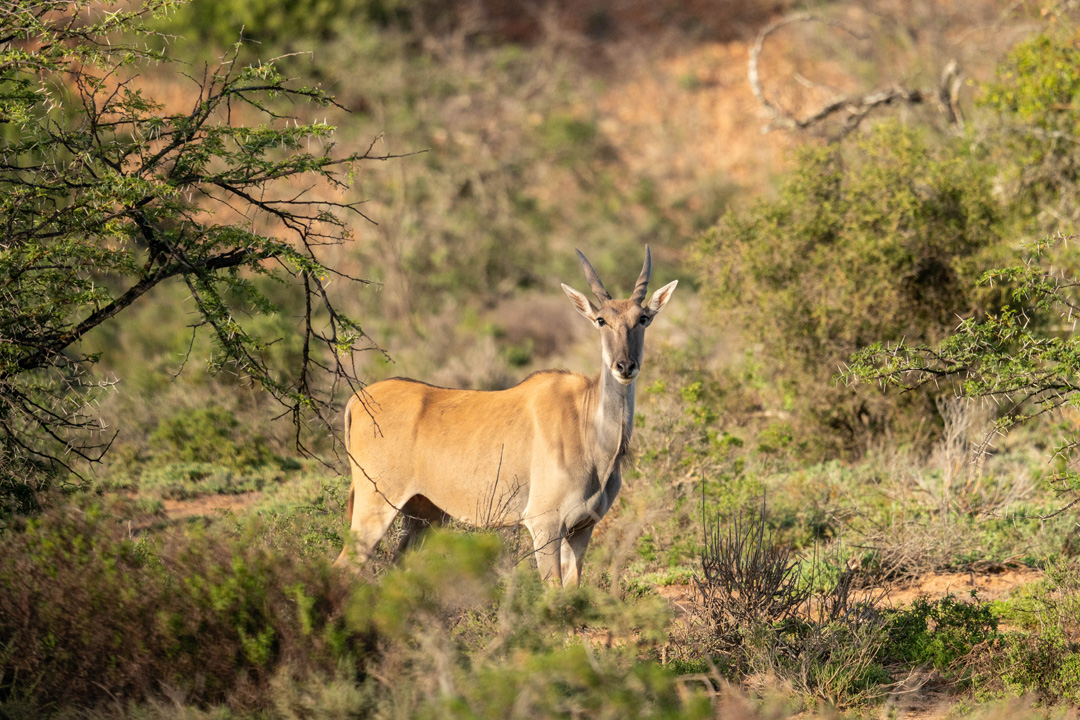
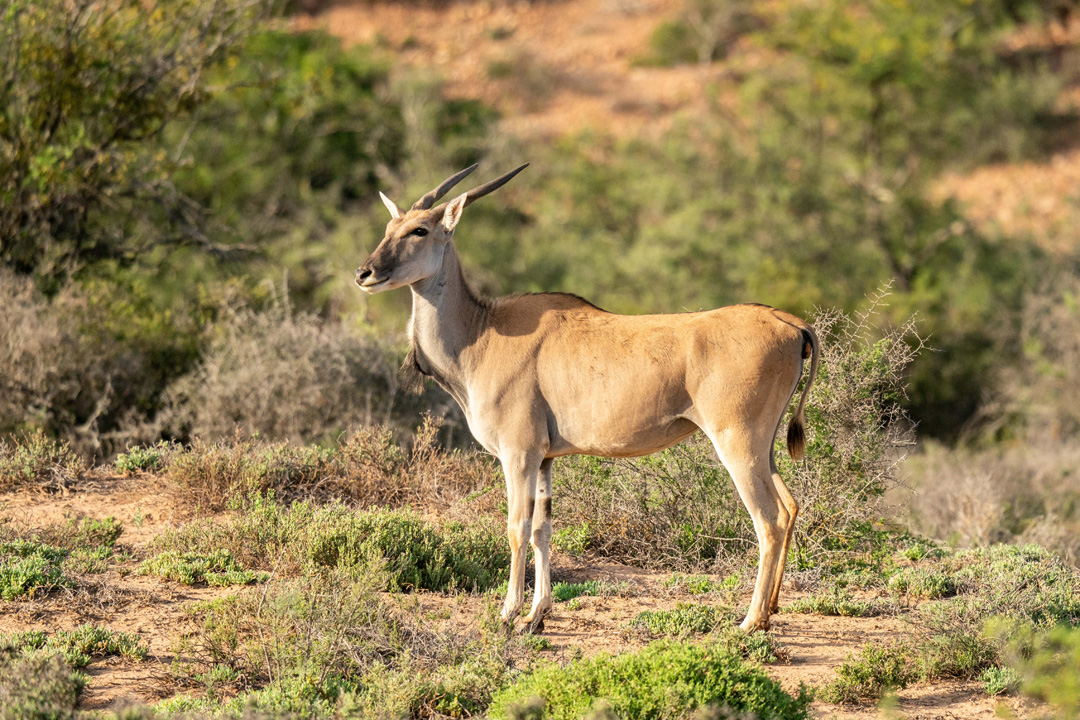
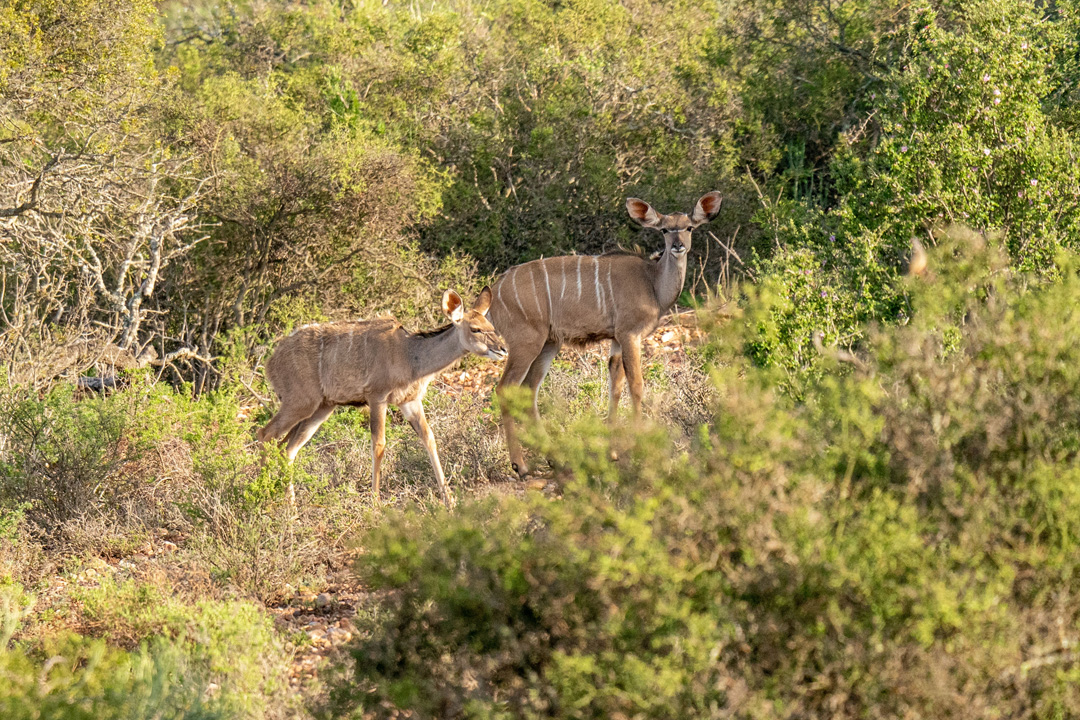
    Before we got to see the meerkats (we had to search for them as they move from burrow to burrow) we only saw antelope. In this part of the world they have Southern Eland, Greater Kudu and Common Duiker (the smallest).

    DSC07354

    DSC07397

    DSC07408

    DSC07425

    DSC07436

    DSC07475Common duiker

    DSC07485Greater Kudu (with the big ears)

    DSC07513

    DSC07535

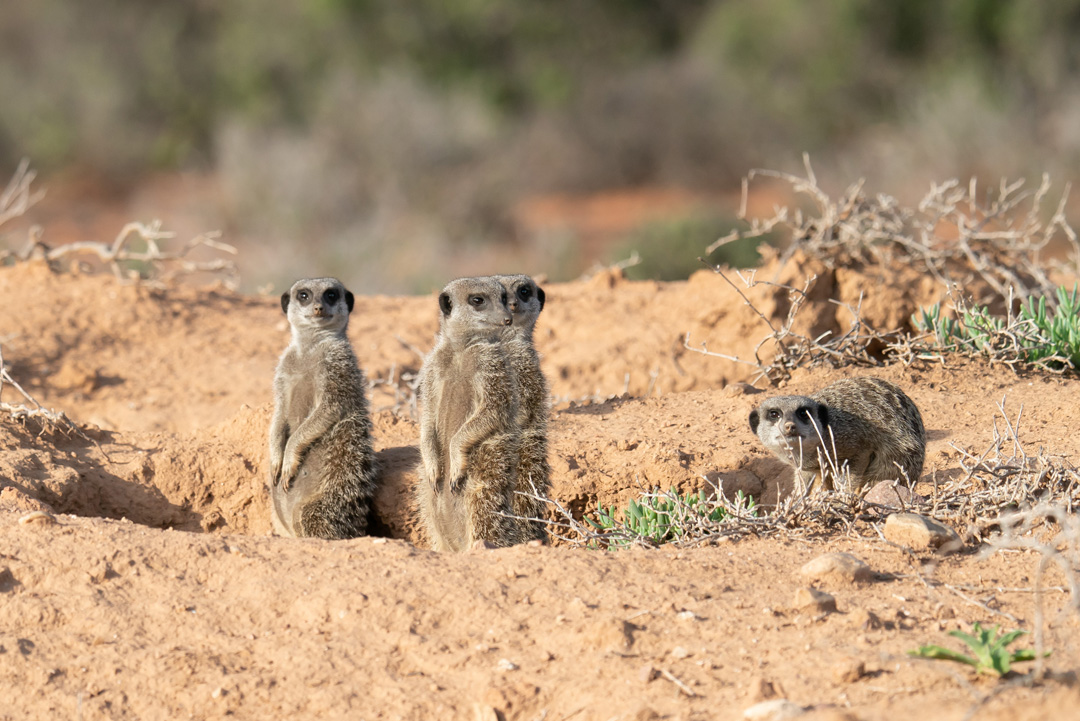
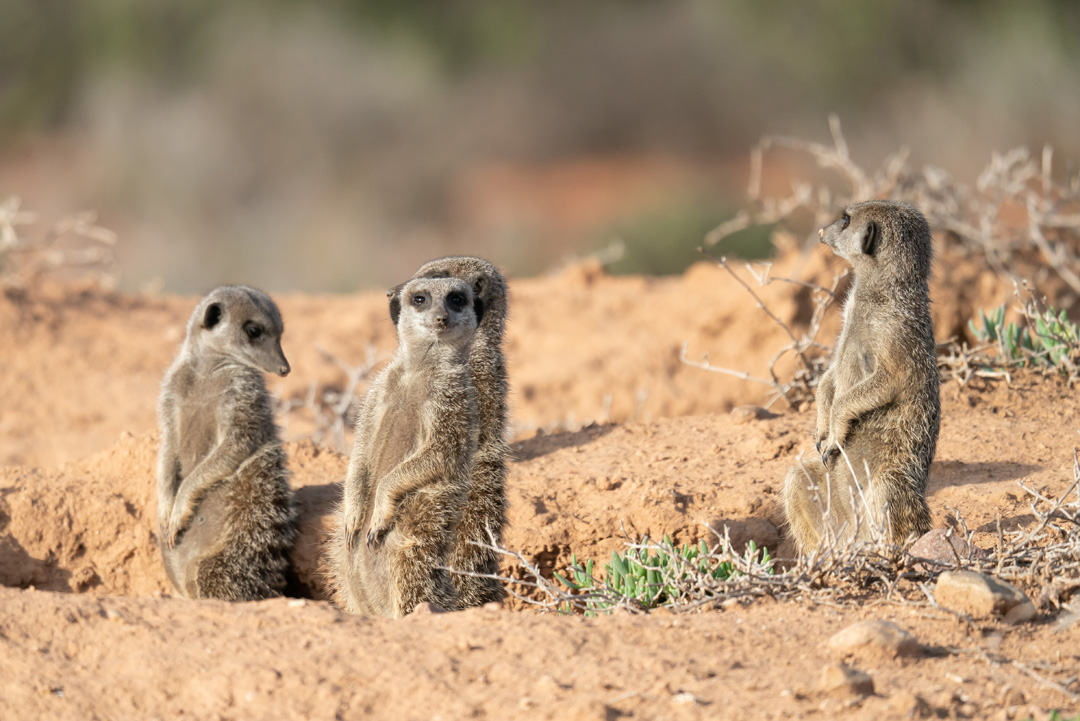
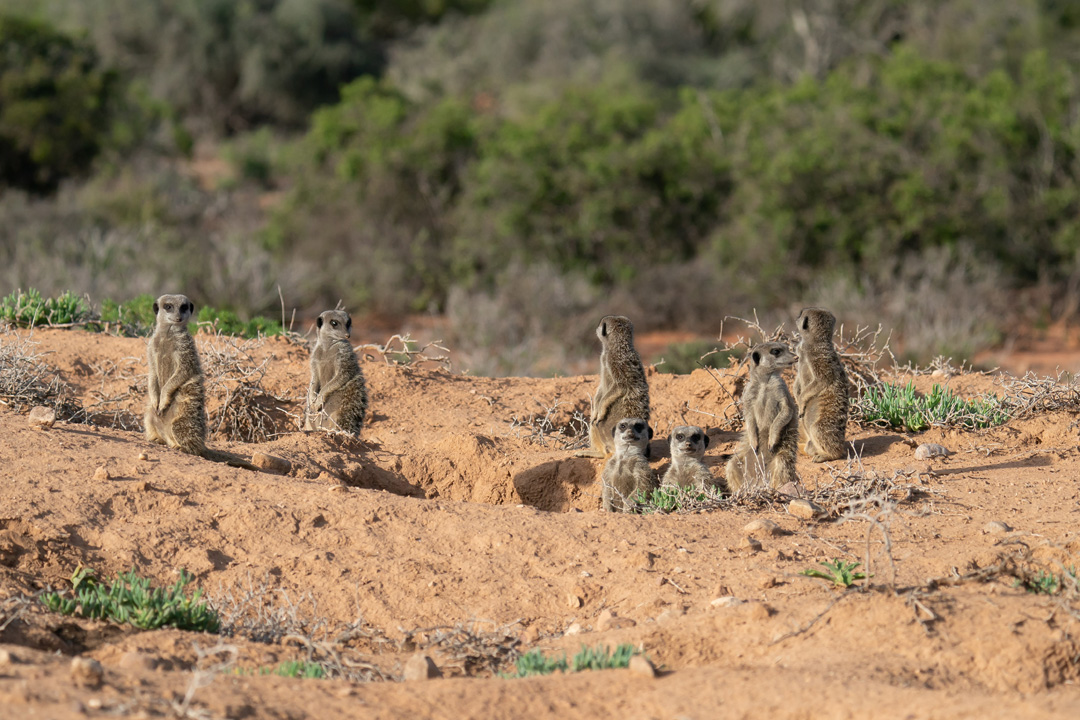
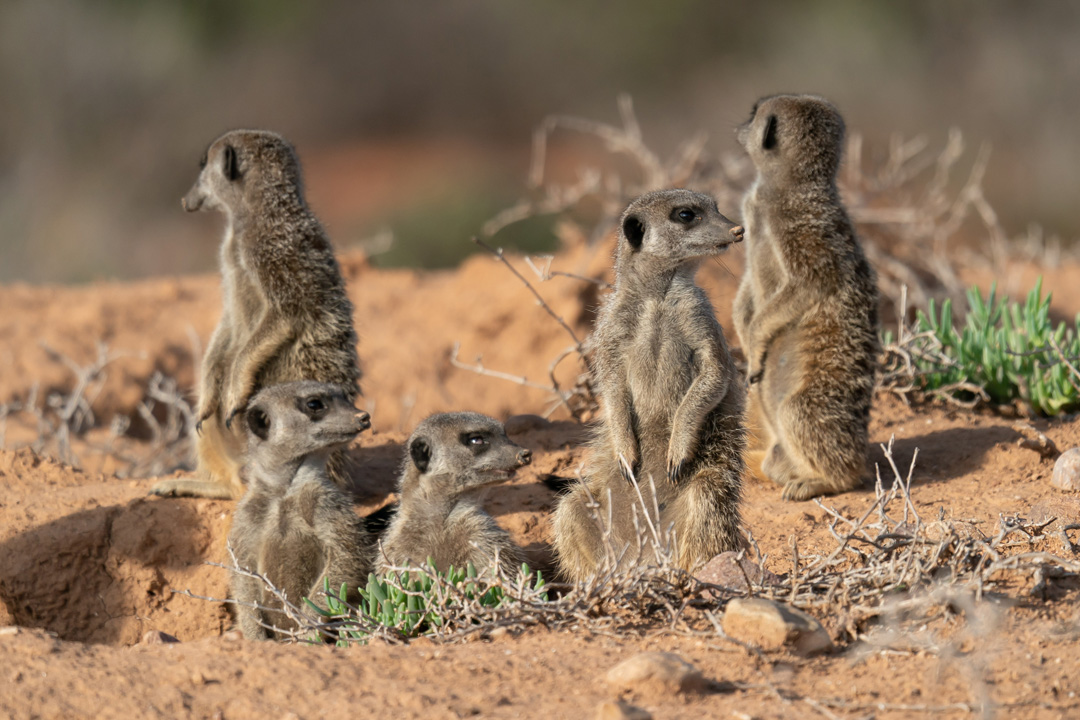
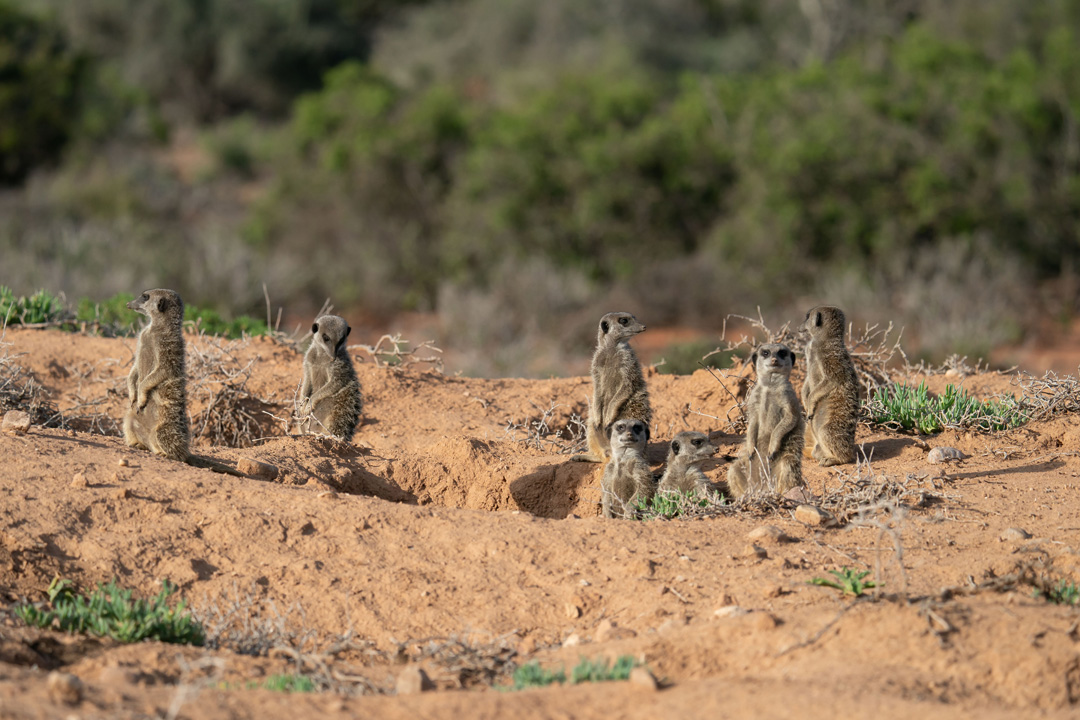
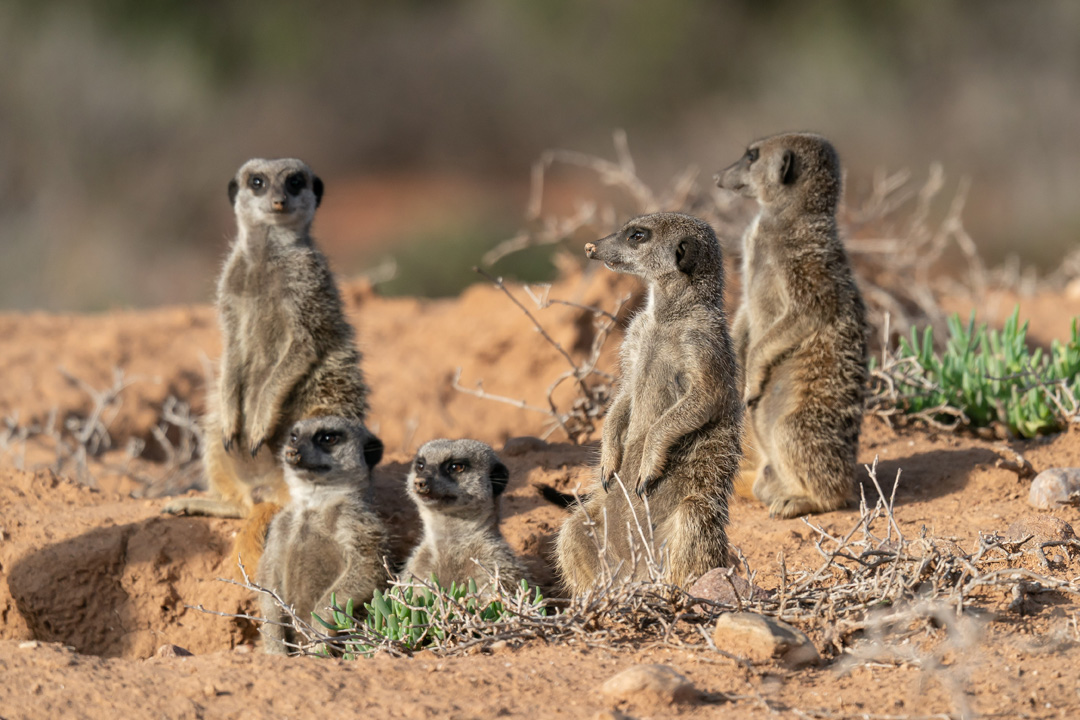
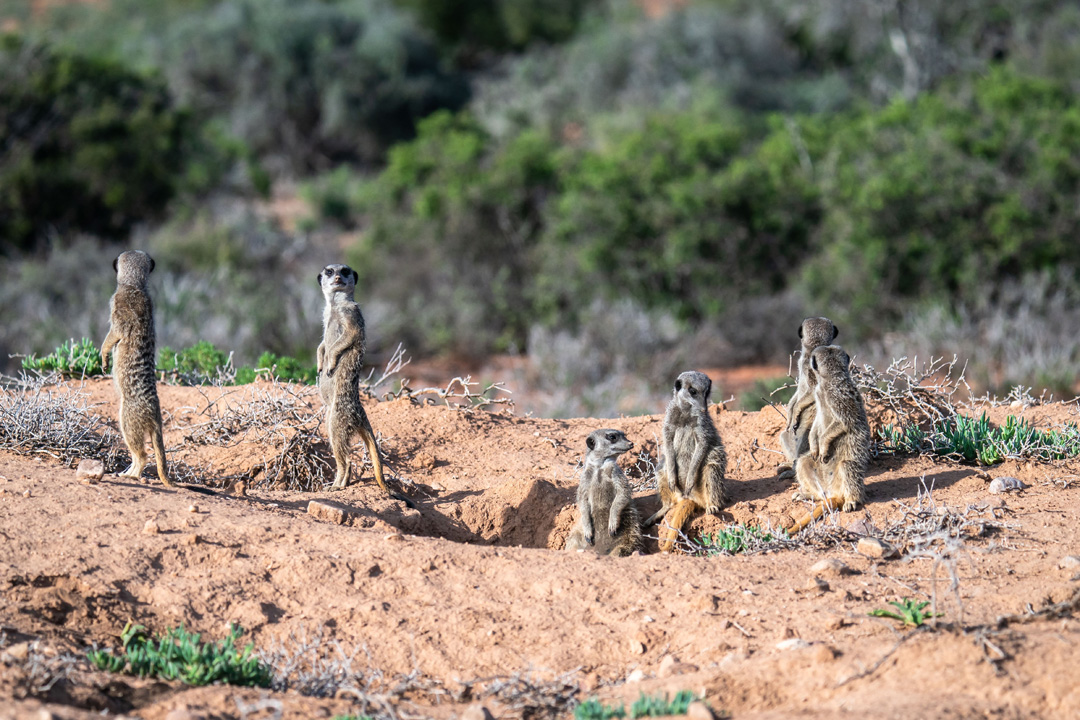
    There was a family of seven meerkats. It’s a matriarchal society and it seemed that 2 of the meerkats were pregnant and our guide assured us that this was going to cause some fuss in this group.

    DSC07585

    DSC07596

    DSC07606

    DSC07618

    DSC07638

    DSC07641

    DSC07652

    DSC07659

    DSC07664

    DSC07689

    DSC07706

    DSC07756

    DSC07757

    DSC07772

    DSC07928

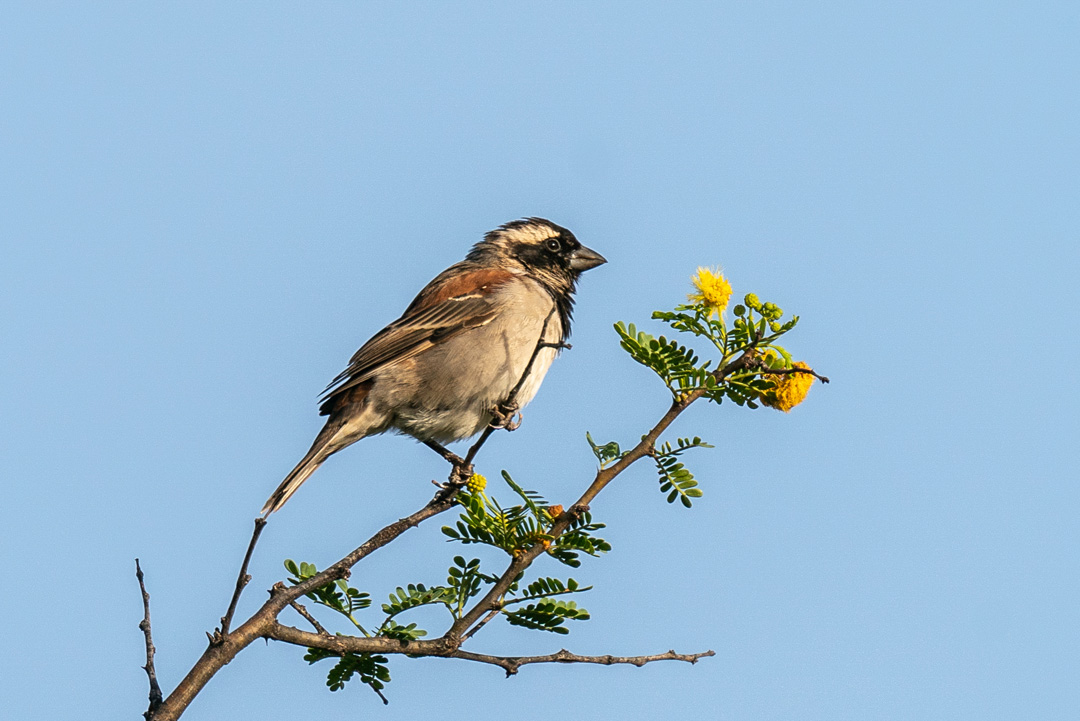
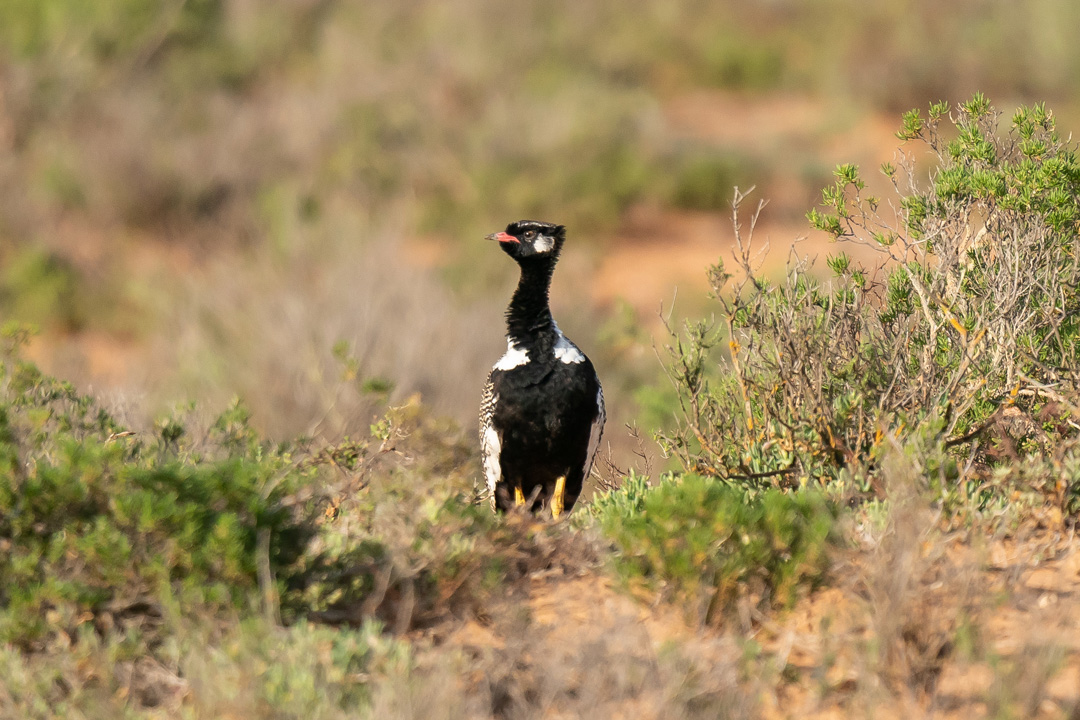
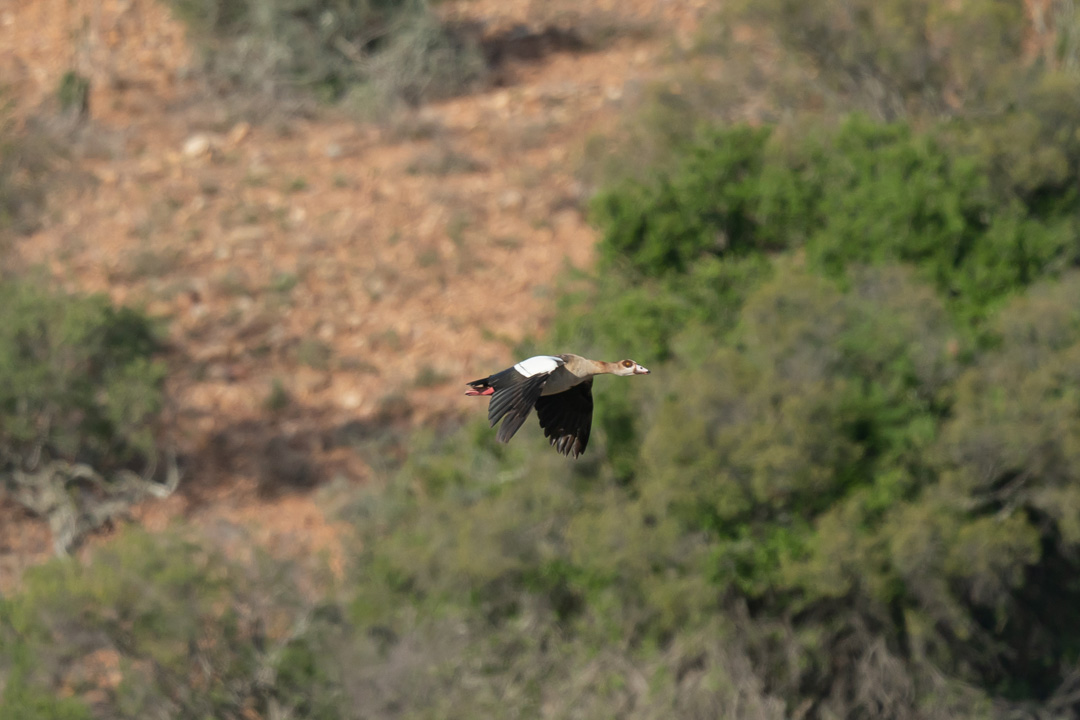
    We saw a few birds on our trip. The first was a house sparrow! There were quite a few Egyptian geese,  southern-masked weavers, a couple of southern black korhaan and the ubiquitous common fiscal.

    DSC07381House sparrow

    DSC07459Southern-masked weaver

    DSC07548Southern black korhaan

    DSC07683egyptian goose

    DSC07993Common fiscal (the butcher bird)

  • 16th  – 19th January 2020 – Thornybush Private Game Reserve, South Africa – birds

    16th – 19th January 2020 – Thornybush Private Game Reserve, South Africa – birds

    This slideshow requires JavaScript.
    Clearly the main focus of the 6 games drives we did in the Thornybush Game Reserve was the animals. However, we had a fantastic opportunity to see a large number of birds too. I felt I probably tested the patience of our fellow tourists by me wanting to stop to see birds; but they were very tolerant and even helped to spot birds and point them out to me. Our guides were very good too and incredibly knowledgeable. They nearly always knew the names of the birds – the problem of identification has been my lack of memory.

    However, with the help of my field guide (Newman’s) and the knowledge and great cooperation of Larry Swetman (back in Bristol) I have been able to identify most of them.

    Labelling is a job for back home.

    The slideshow is a selection of the photos I took (the slideshow can be pinched out on an iPad for optimum viewing).

    Listed below are some of my favourite birds.

    Probably the rarest bird we saw was the bronze-winged courser (certainly by the reaction of our guide Kilmore) especially as it is usually nocturnal.

    DSC04357Bronze winged courser

    The most exciting bird was the dark chanting goshawk which we saw swoop down on its prey and took it off to a nearby branch so that we were able to see it rip its prey apart and devour it.

    DSC05241Dark chanting goshawk

    The most startling was probably the southern yellow-billed hornbill – there were hornbills everywhere.

    DSC00464Southern-yellow billed hornbill

    The largest raptor was probably one of the vultures but I particularly liked the tawny eagle.

    DSC03676Tawny eagle

    There were lots of very colourful birds but I wasn’t always able to catch them in their full splendour because of the rain and cloudy conditions which prevailed for the last few days. A few of the contenders

    DSC04850Woodland kingfisher

    DSC03910Crested barbet

    DSC02894Blue waxbill

    The most fascinating bird for me was the long-tailed paradise whydah .

    DSC04958Long-tailed paradise whydah

    We saw quite a lot of shrikes and I liked this photo of a red-backed bush shrike which I photographed in the rain.

    DSC04826Red-backed shrike

    We saw oxpeckers mainly on buffalos but I love this photo of one on a giraffe.

    DSC05028

    I could go on …

    We saw lots of other birds that I didn’t manage to photograph. I suppose I was disappointed most not to capture some of the cuckoos.


  • 23rd January 2020 – Knysna

    23rd January 2020 – Knysna

    This slideshow requires JavaScript.
    We had planned a trip up the River Kromme at St Francis Bay as we made our way along the Garden Route from Port Elizabeth to Cape Town but the weather was so bad that it was cancelled (too wet and windy) and our first opportunity to get out and see some birds was on our second day in Knysna (yes it has stopped raining but it still isn’t very warm).

    We walked along the edge of the Woodbourne Trust Nature Reserve and Bird Sanctuary near The Heads (which feature in nearly all the tourist photos of Knysna).

    It was like home from home to start as the first bird we saw was a grey heron but it soon became a bit more exotic with African sacred ibis and Egyptian geese.

    From the edge of the reserve we could easily see avocets, black winged stilts, Blacksmith lapwings and common greenshank but the real treat was an African spoonbill which flew out and then back over our heads. We rewarded ourselves with lunch.

    DSC05583Reed cormorant (I think)

    DSC05871Little egret

    DSC05841African sacred ibis

    DSC05821Egyptian geese

    DSC05800Common greenshank and black-winged stilts

    DSC05785Common greenshank

    DSC05548Blacksmith lapwing

    DSC05439Avocet

    DSC05359African spoonbill on its way out

    DSC05820and on its way back