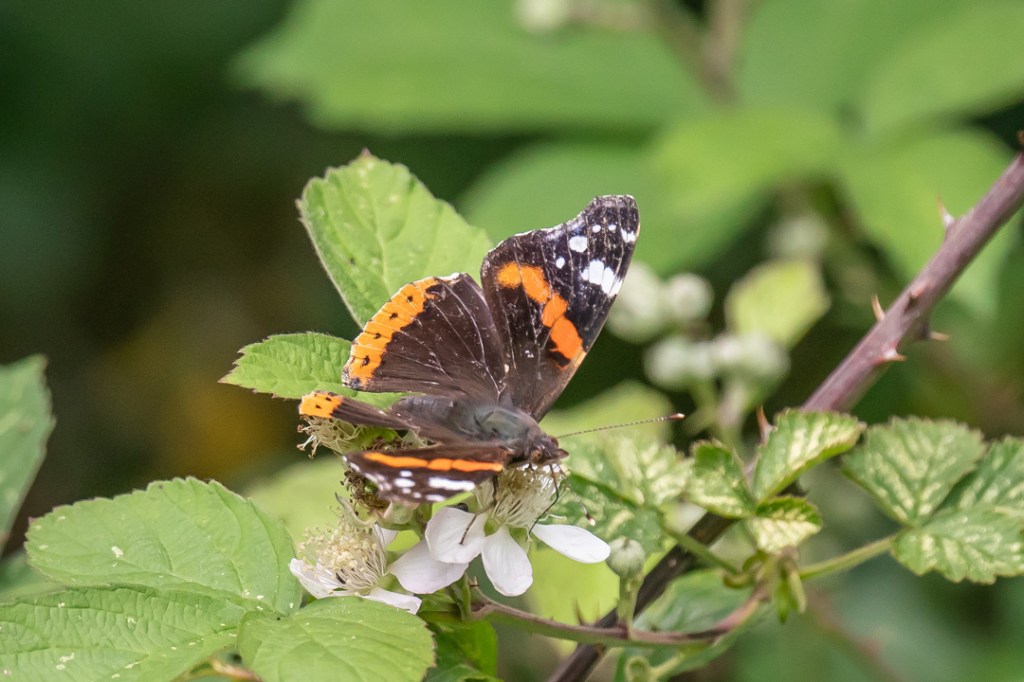
No wolves but a close encounter with a badger in this ancient woodland. A few rays of sunshine brought out the butterflies with Speckled Woods, Ringlets, Red and (a first for me) White admirals.
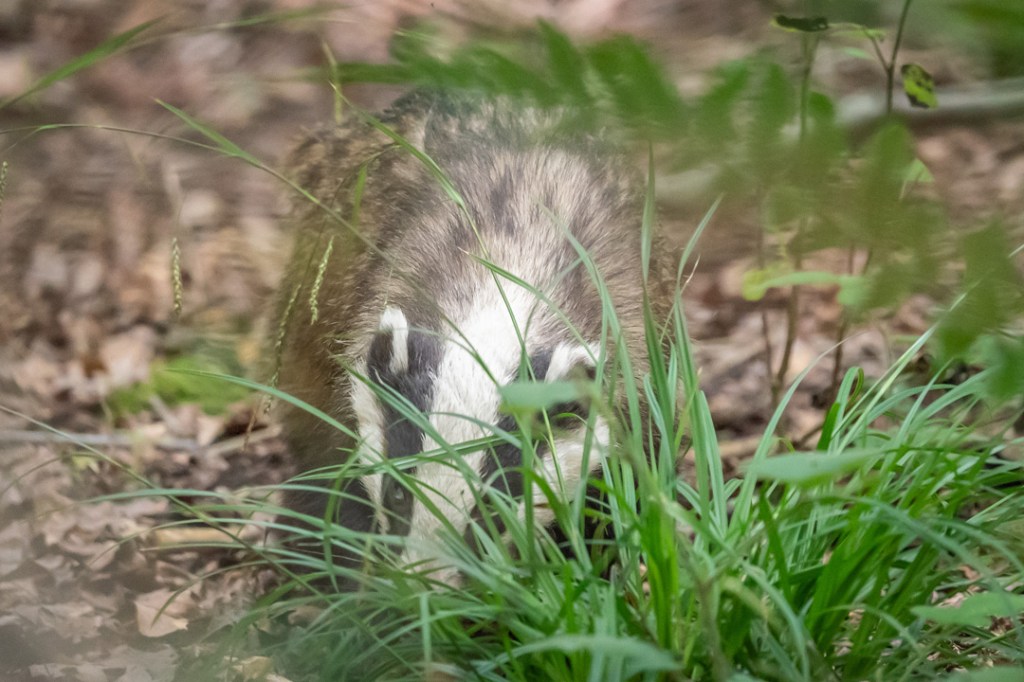
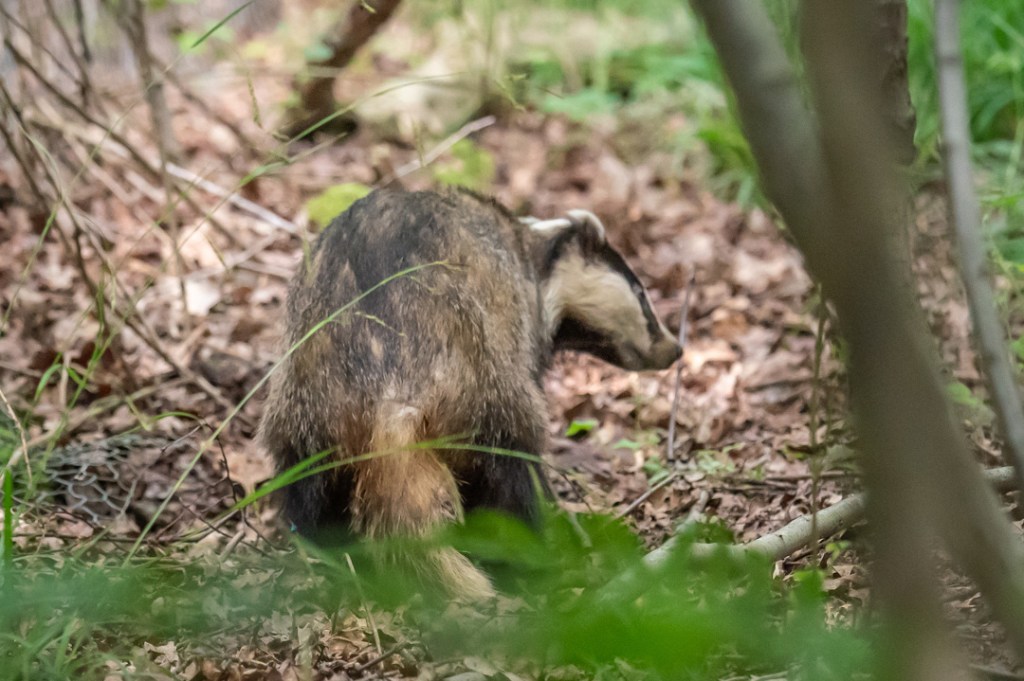

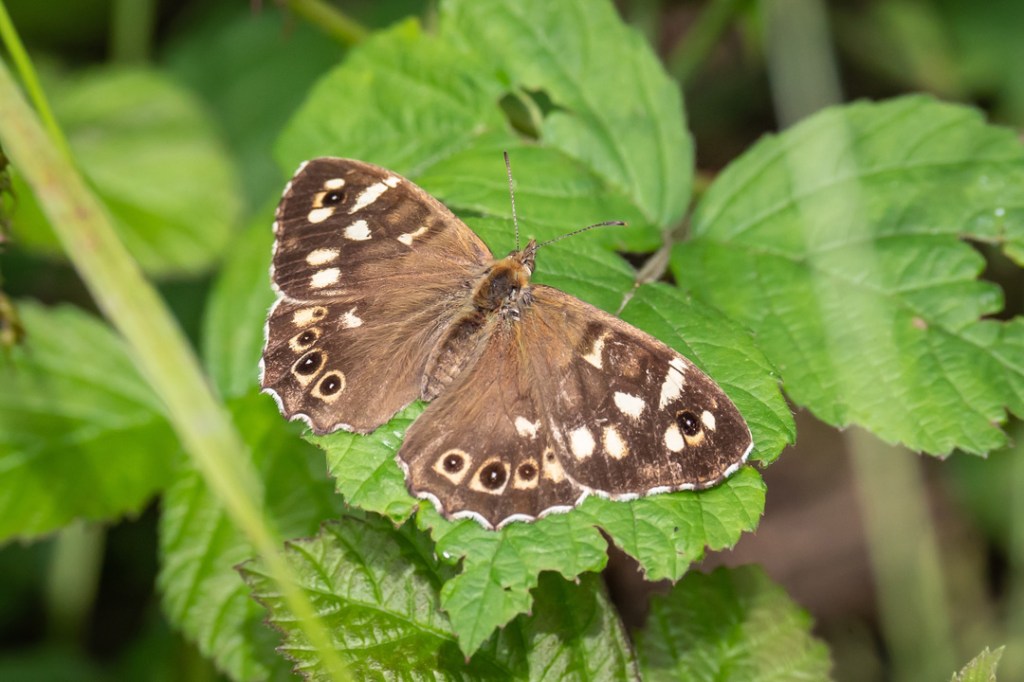
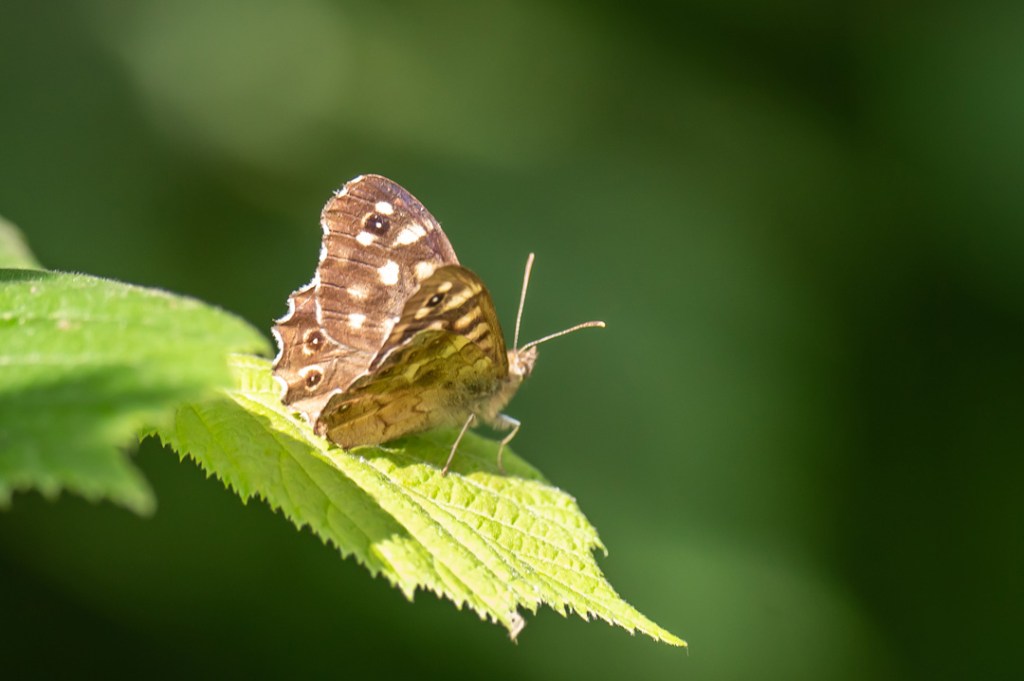
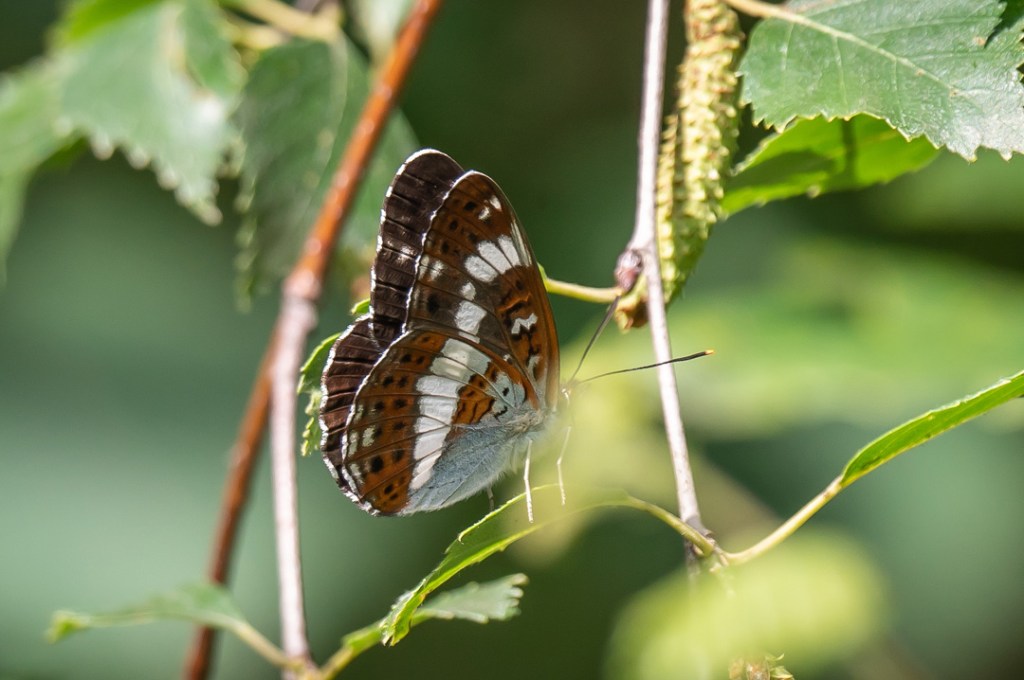
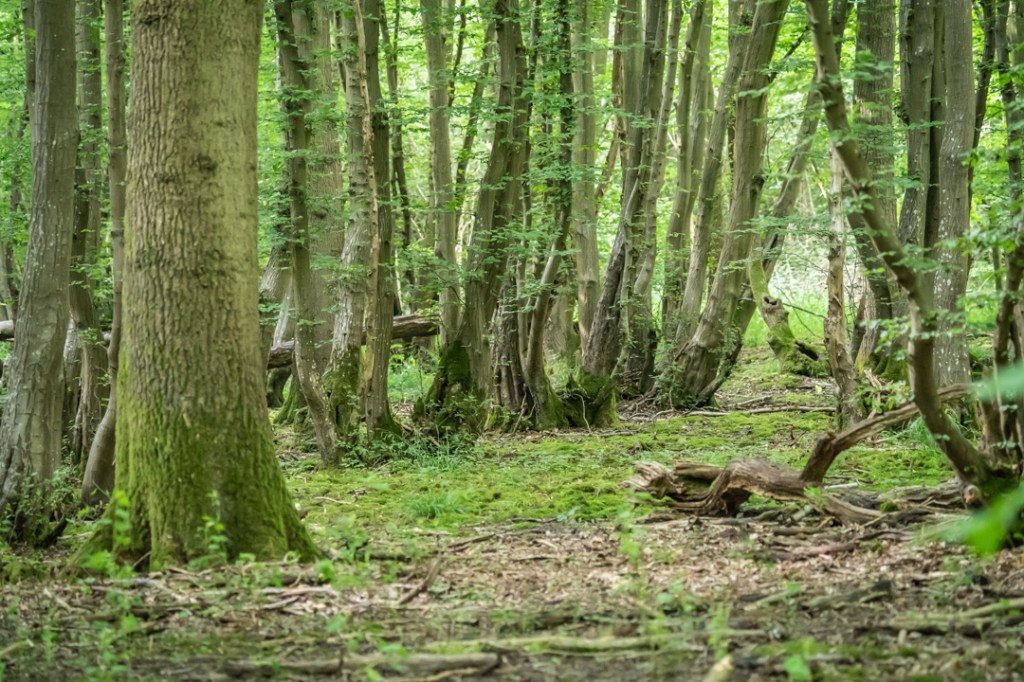
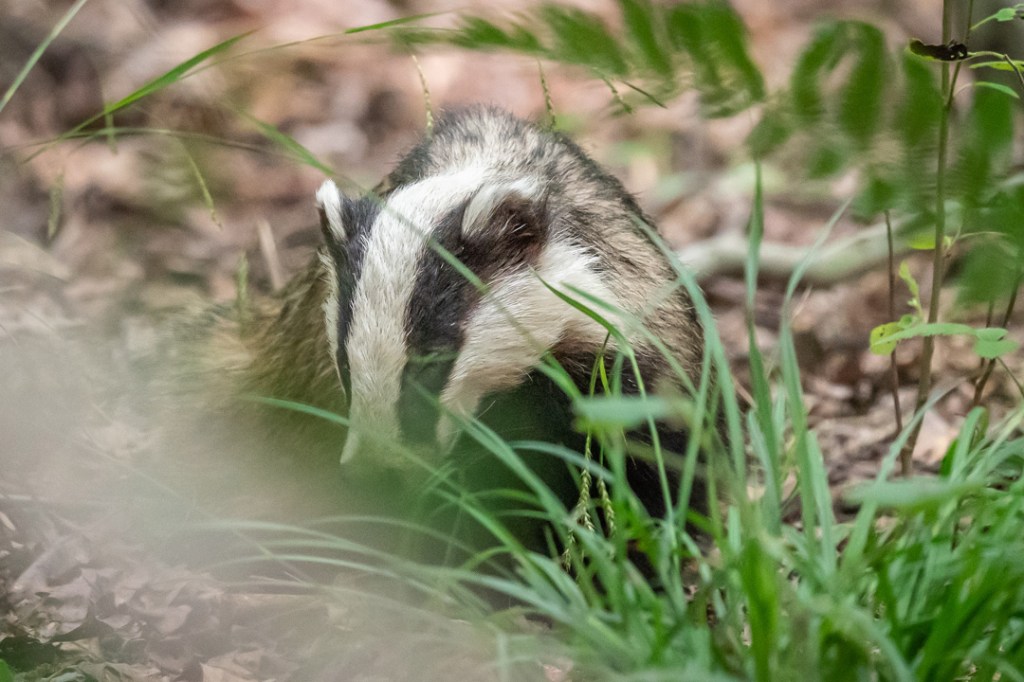

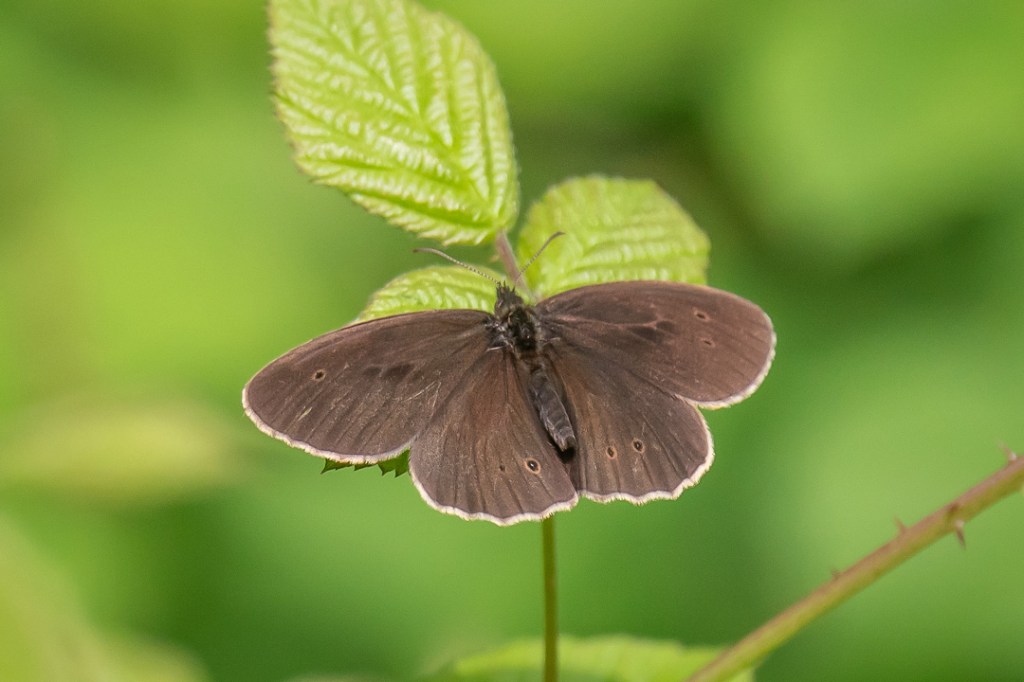
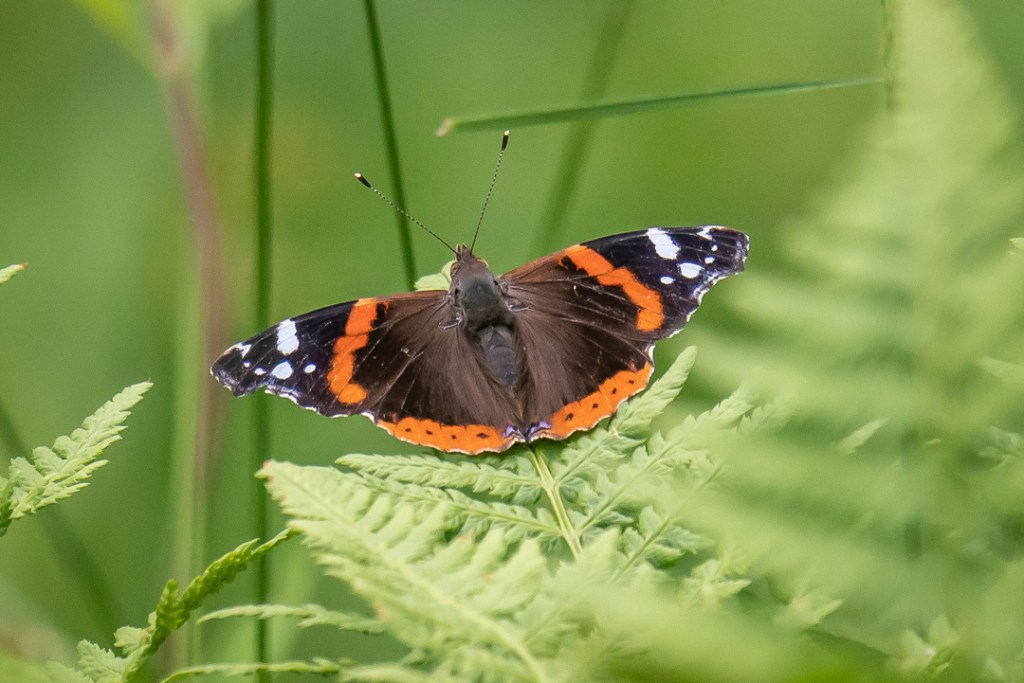
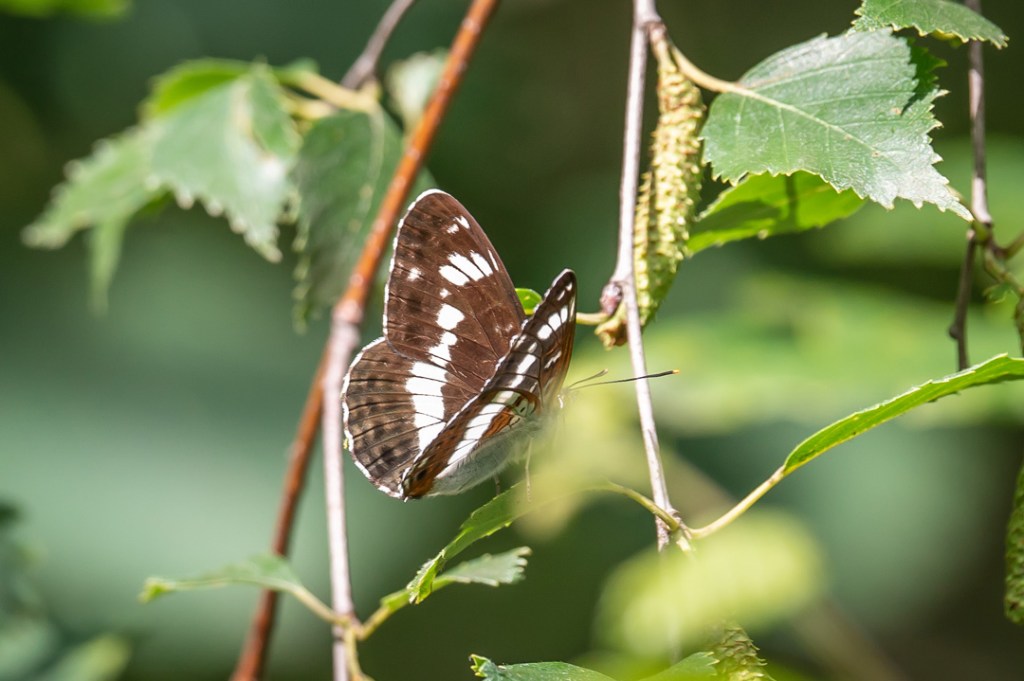
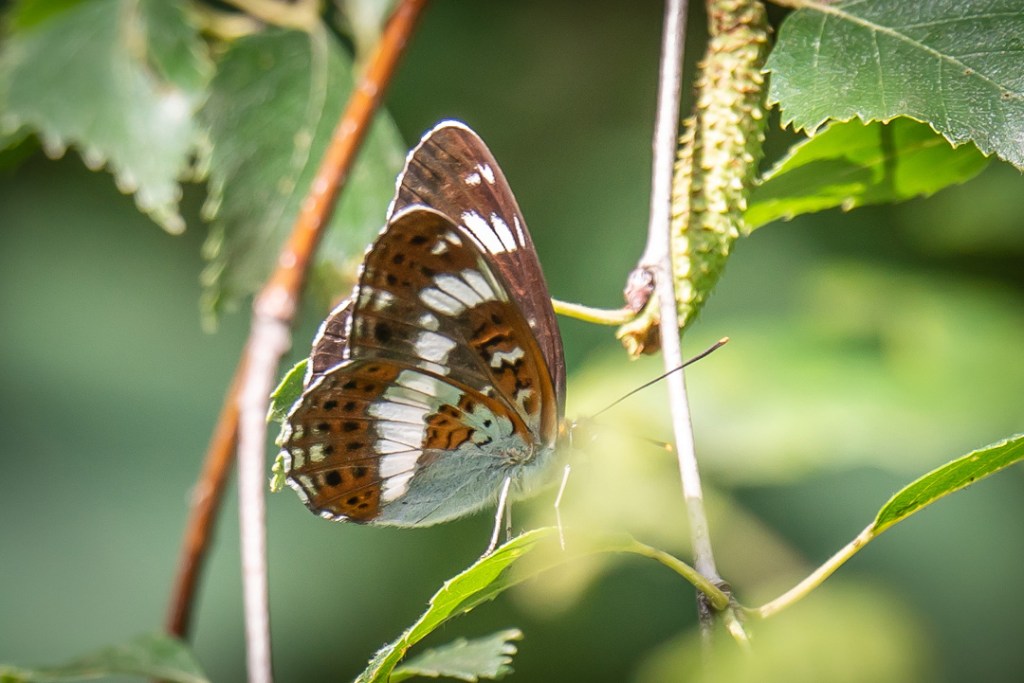

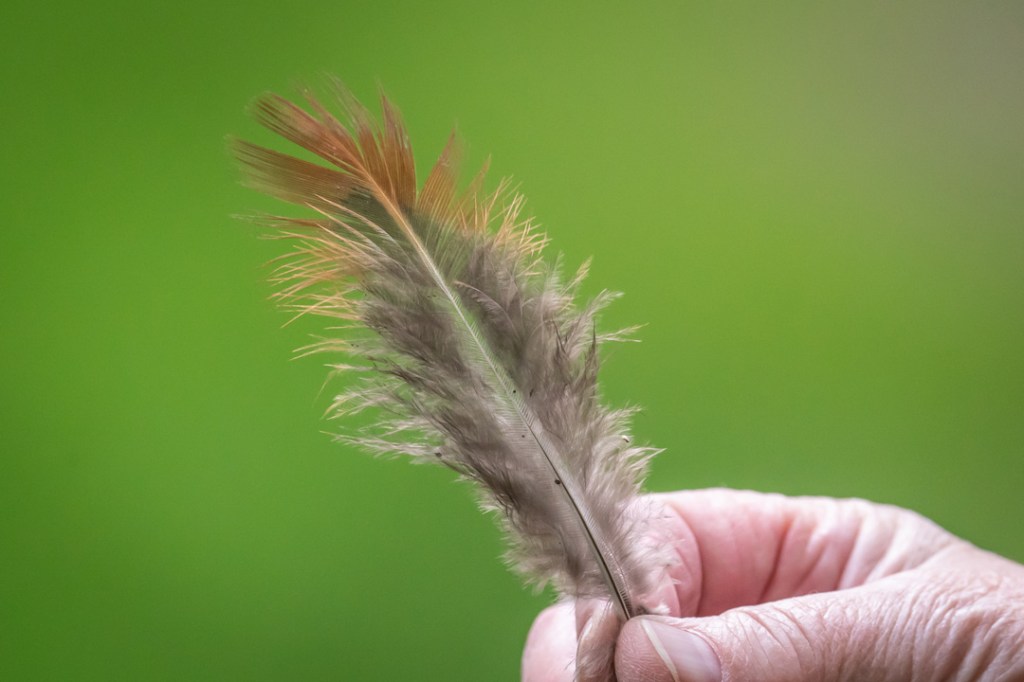
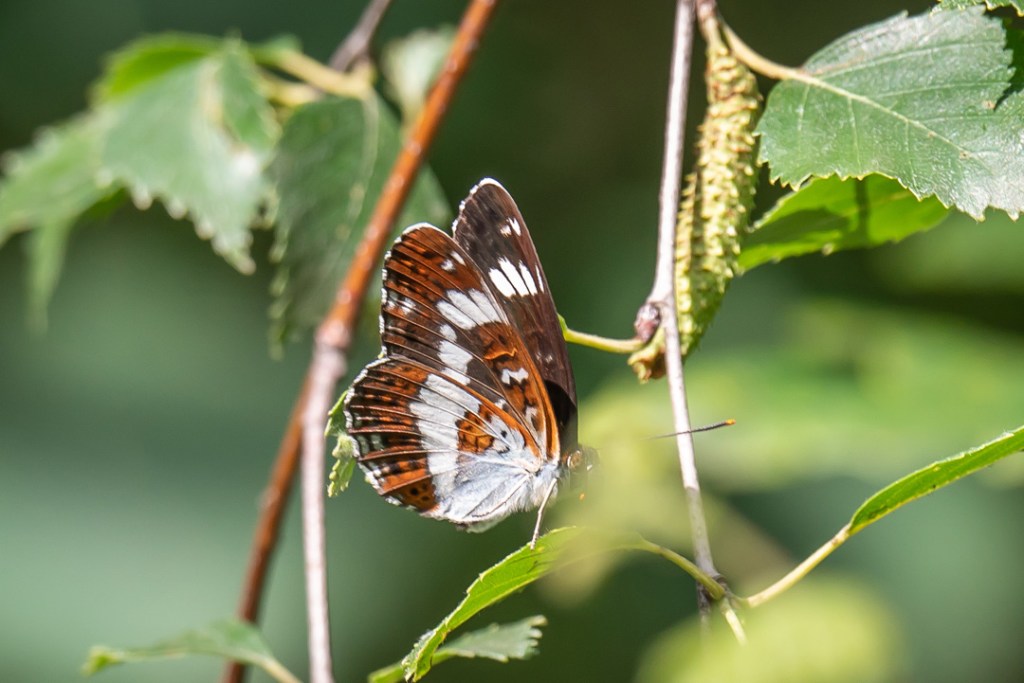
No wolves but a close encounter with a badger in this ancient woodland. A few rays of sunshine brought out the butterflies with Speckled Woods, Ringlets, Red and (a first for me) White admirals.

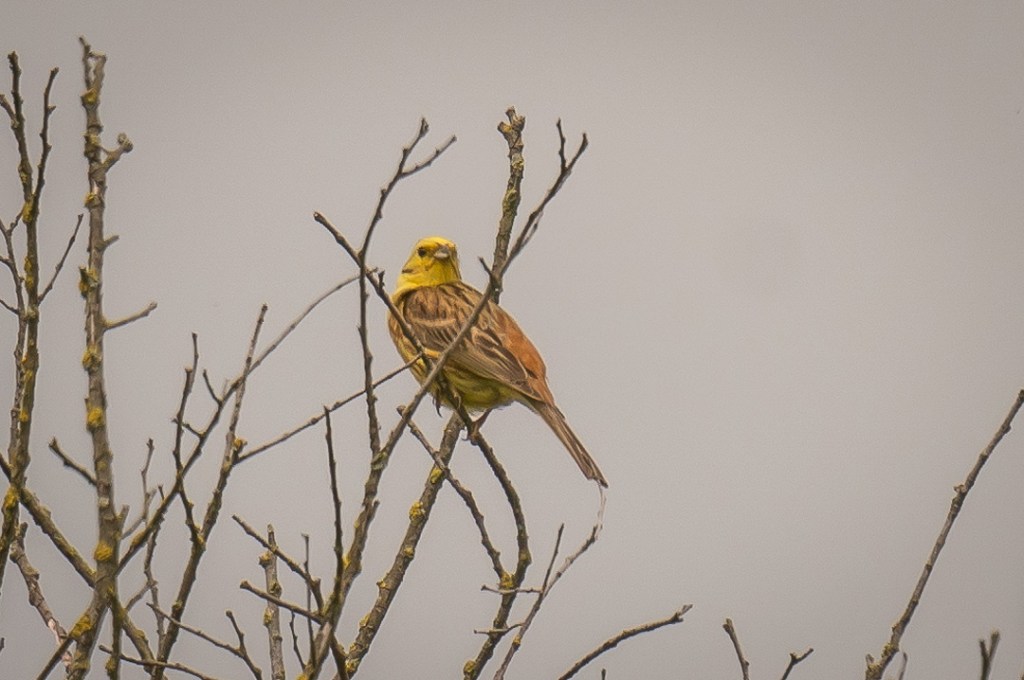
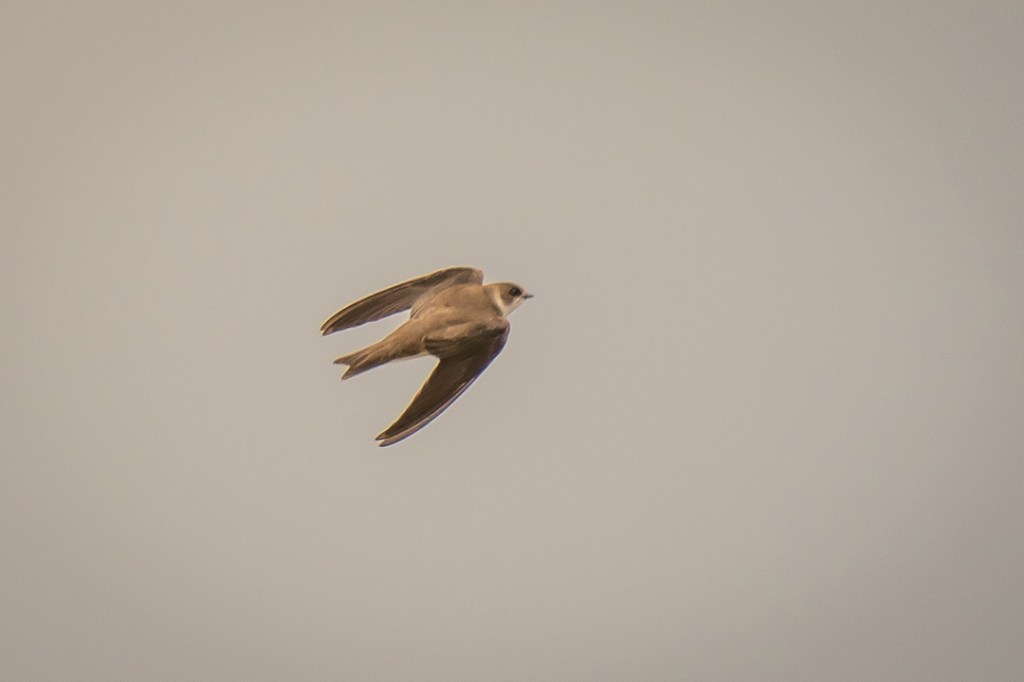
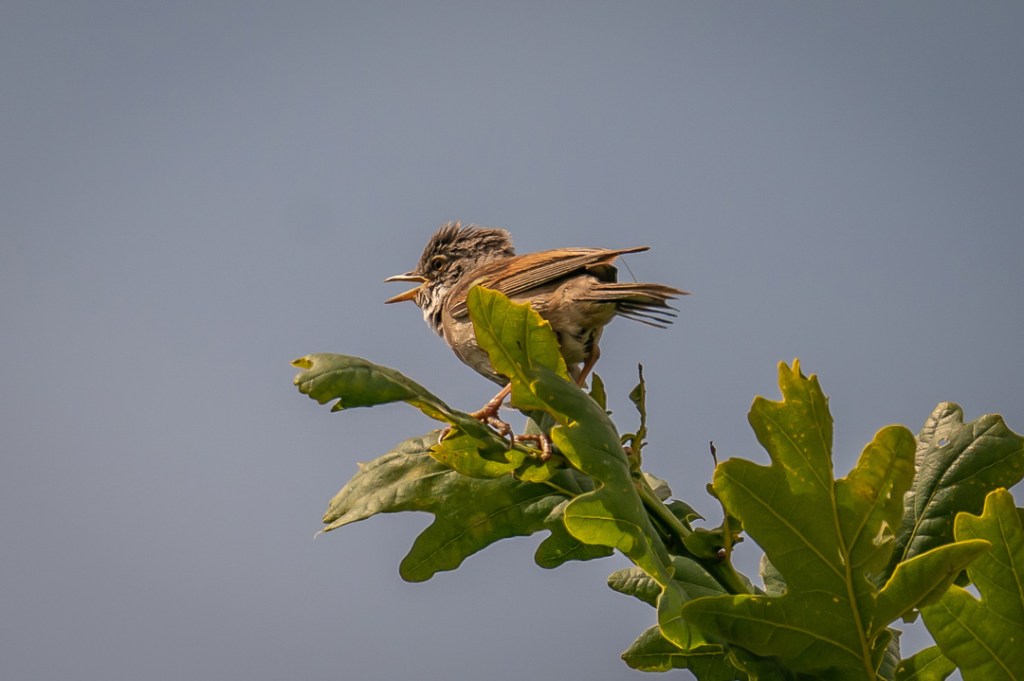
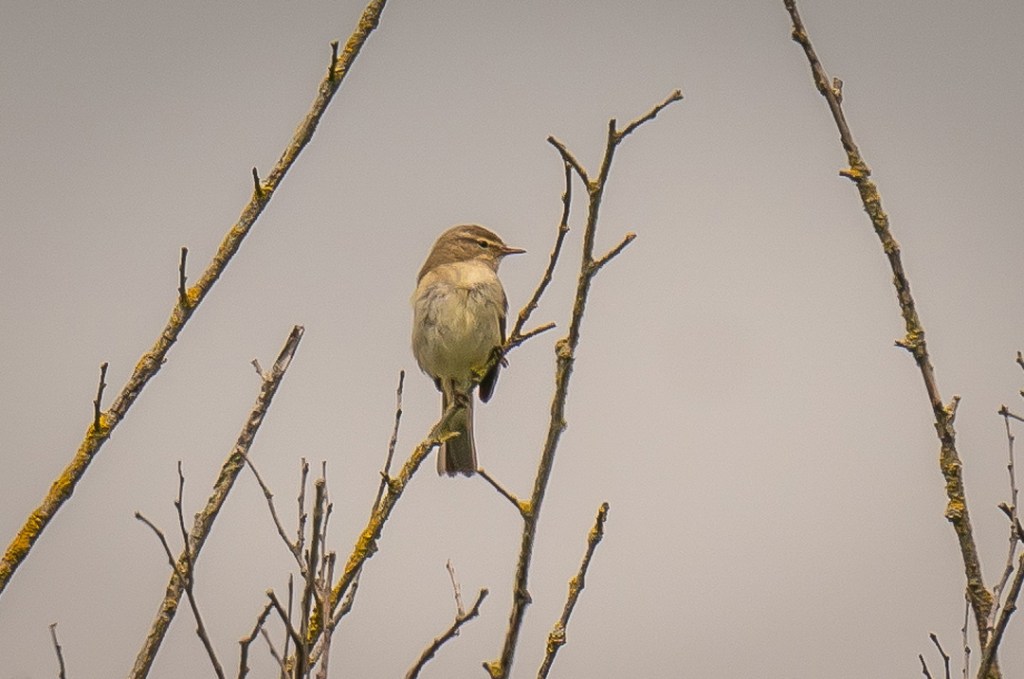
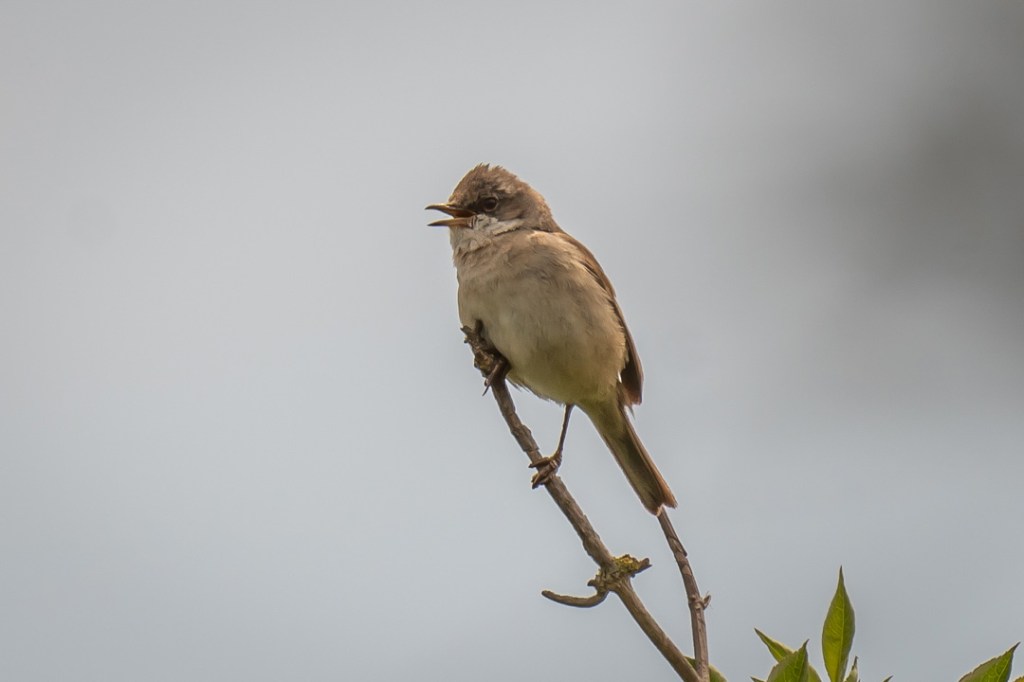
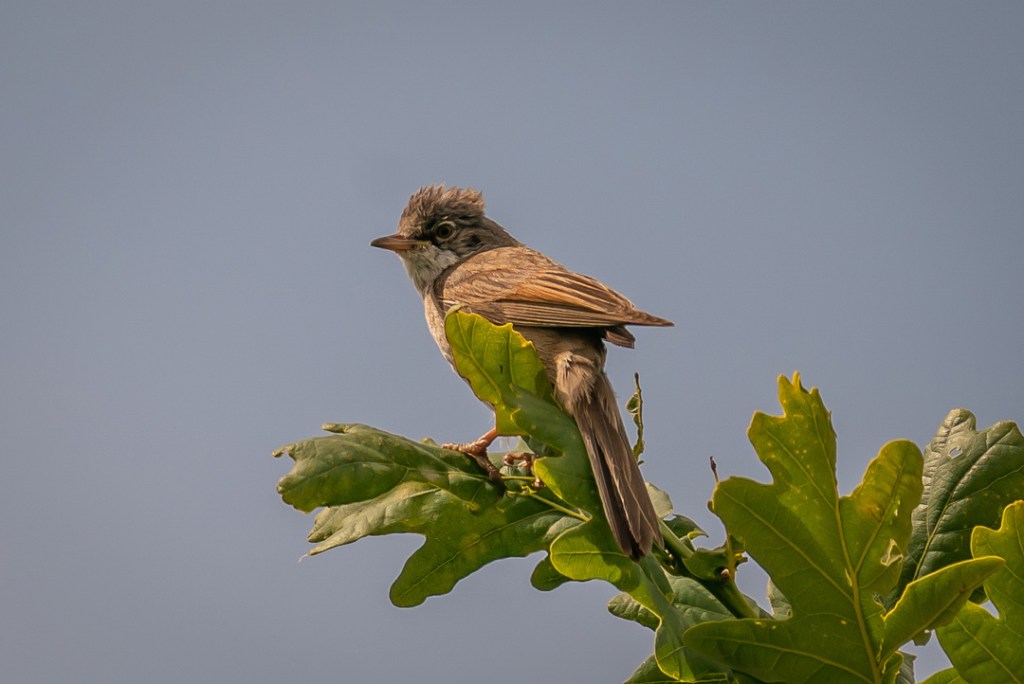
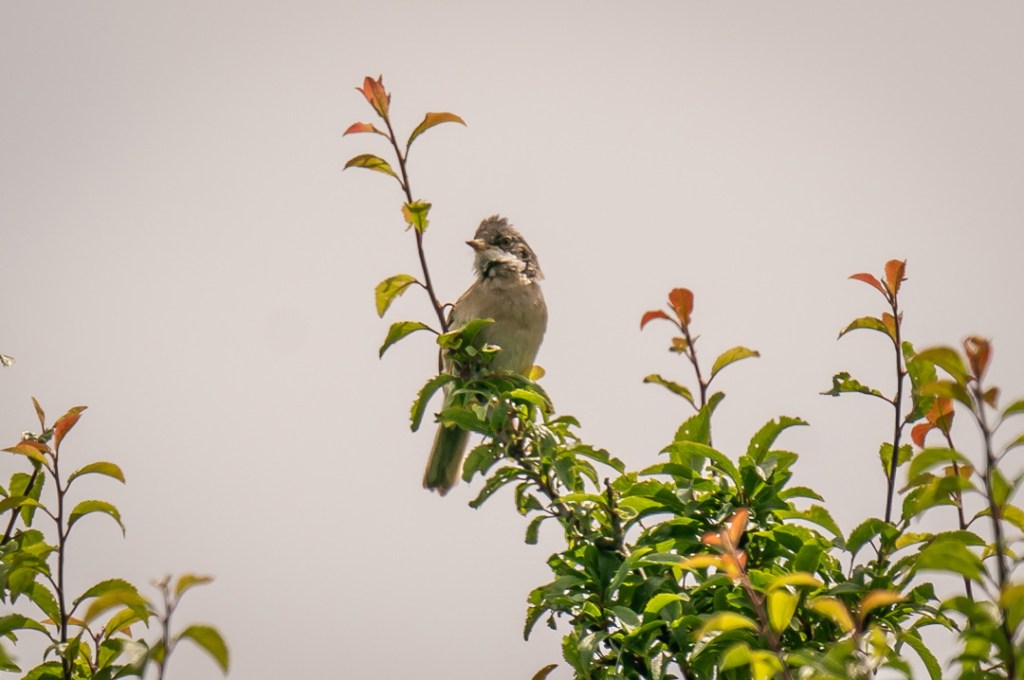
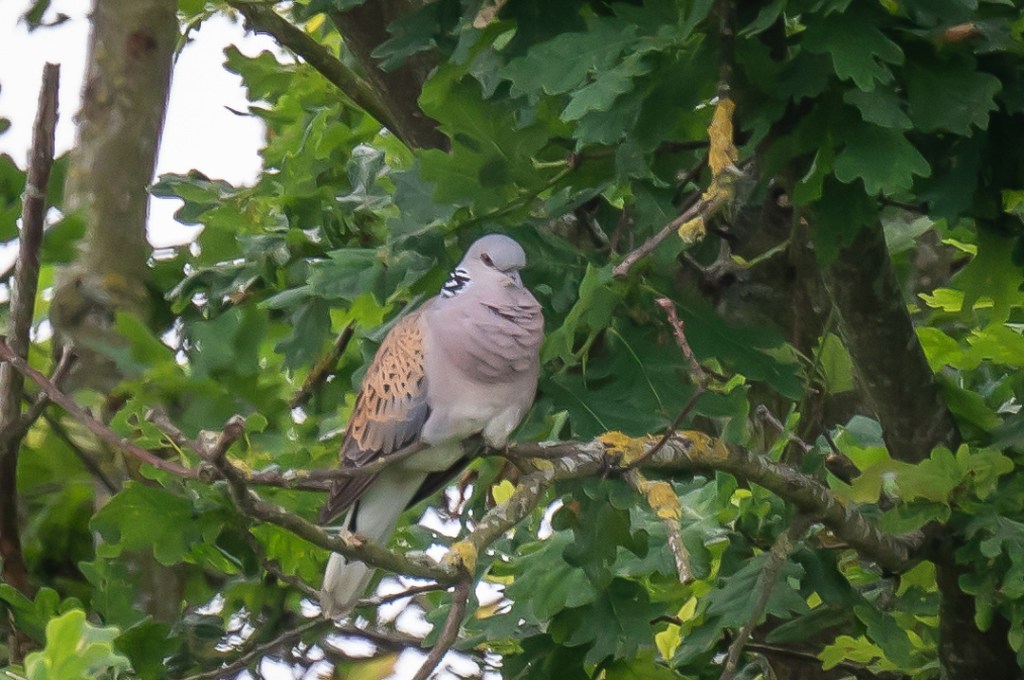
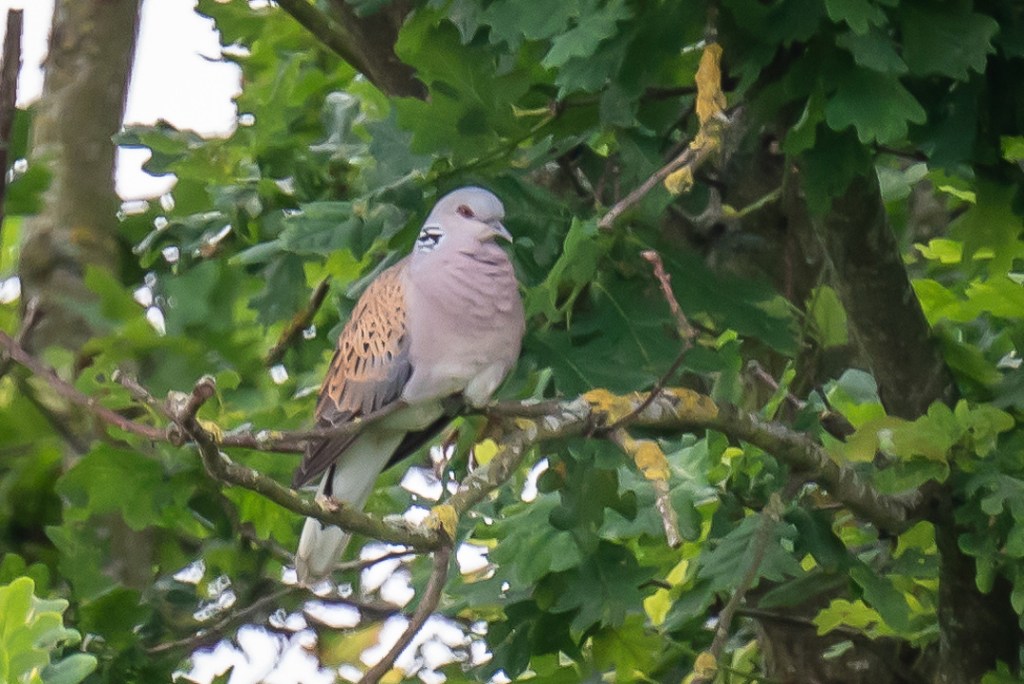
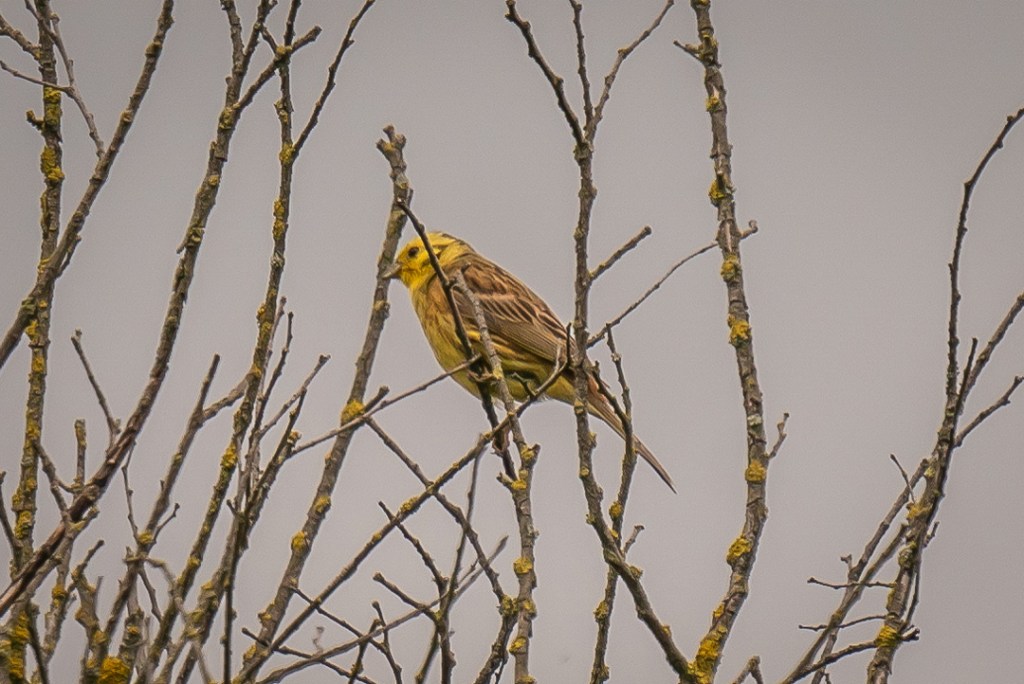
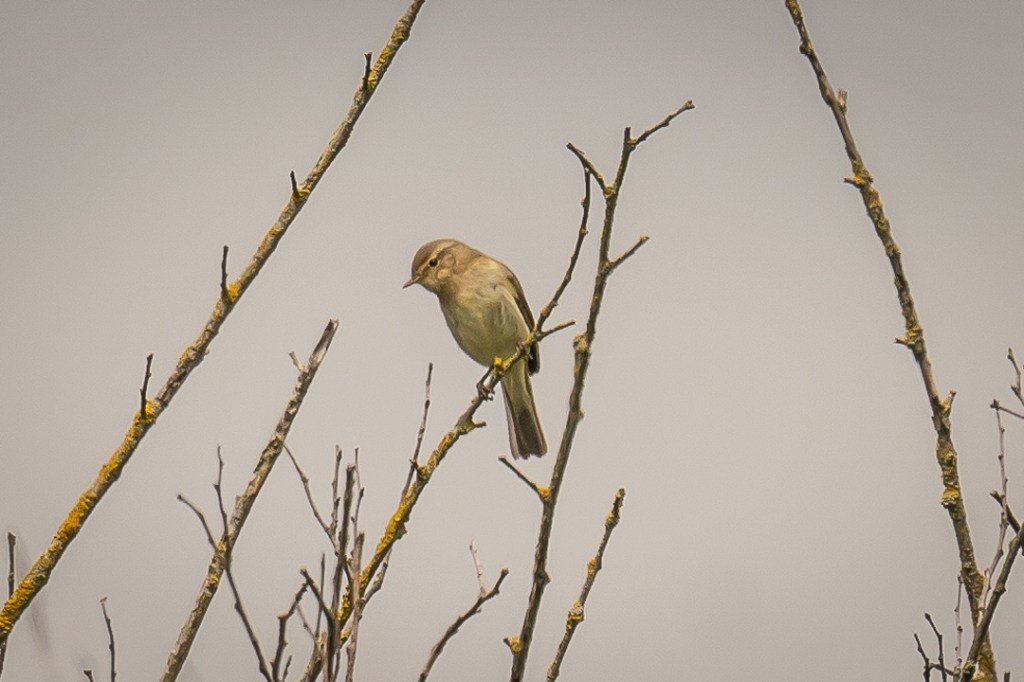
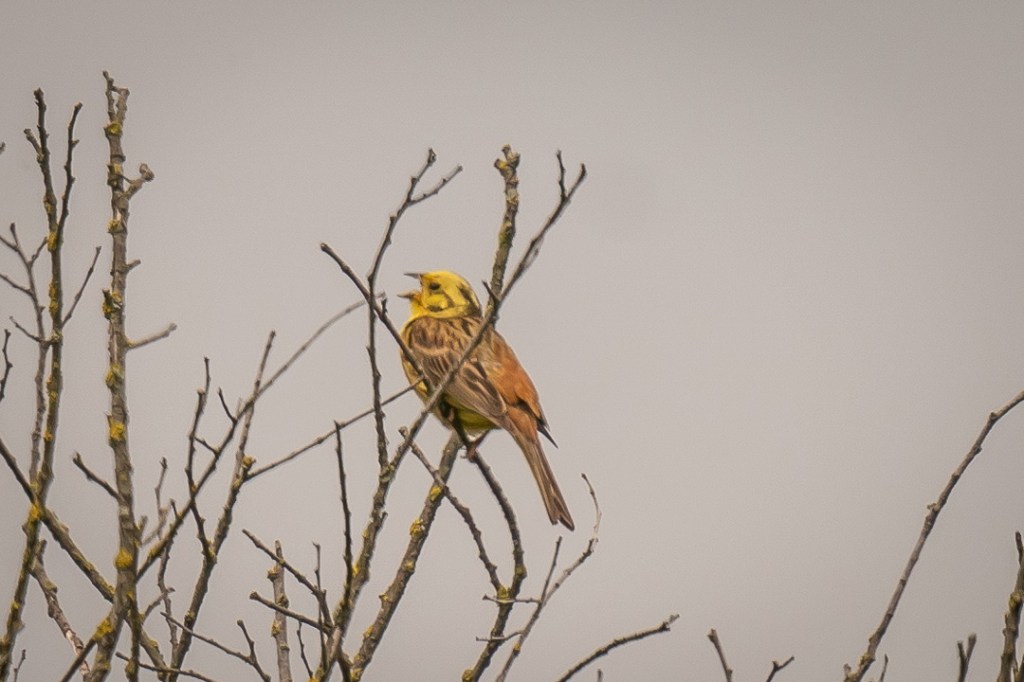
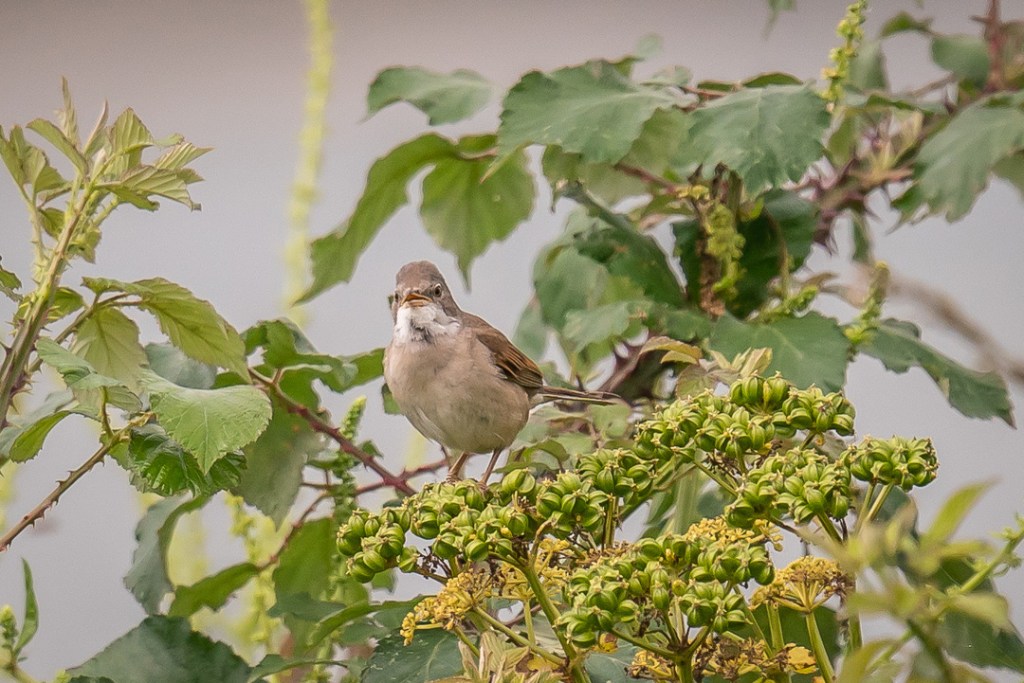
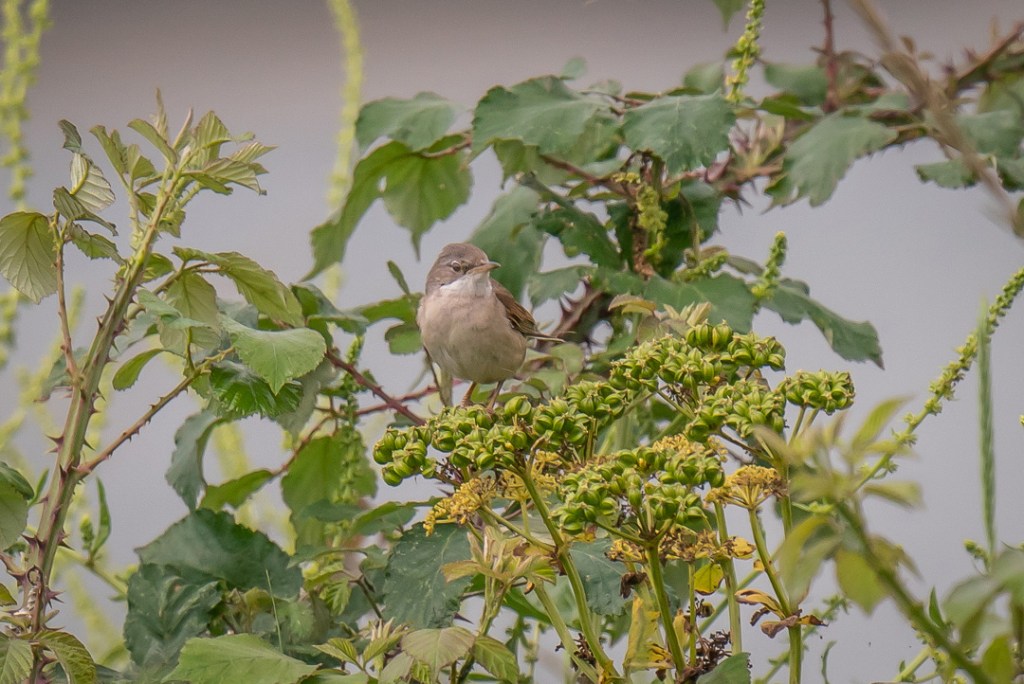
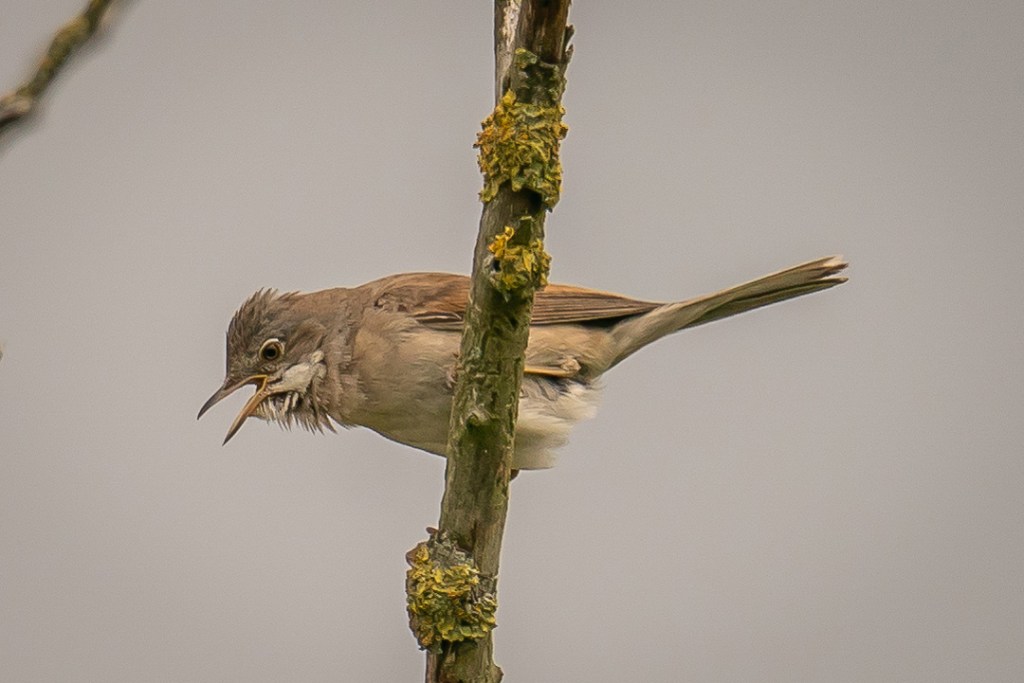
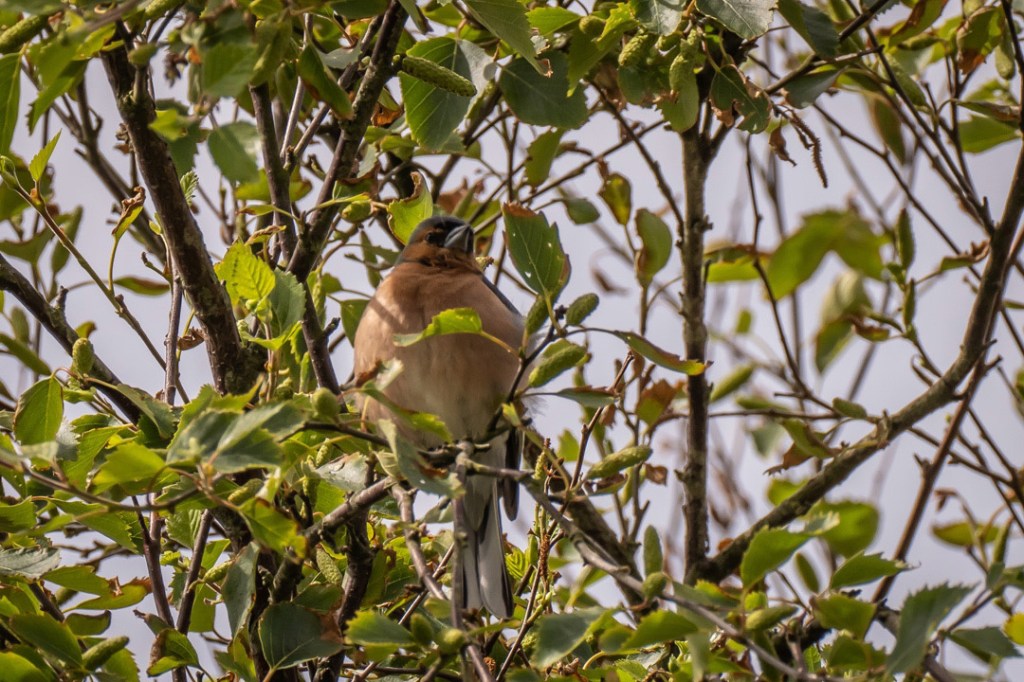
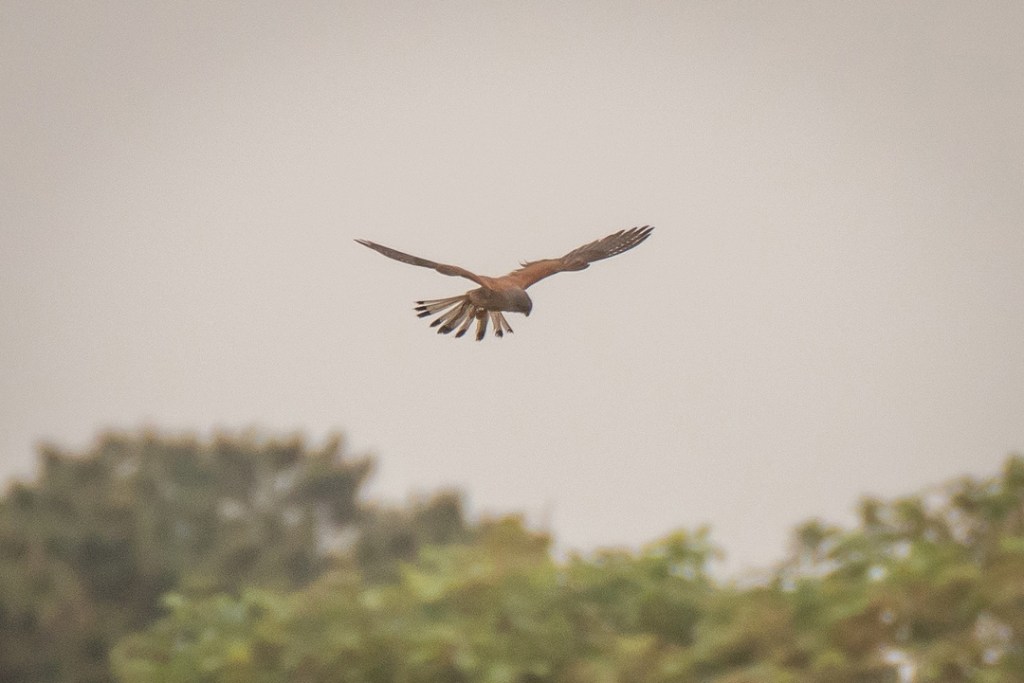
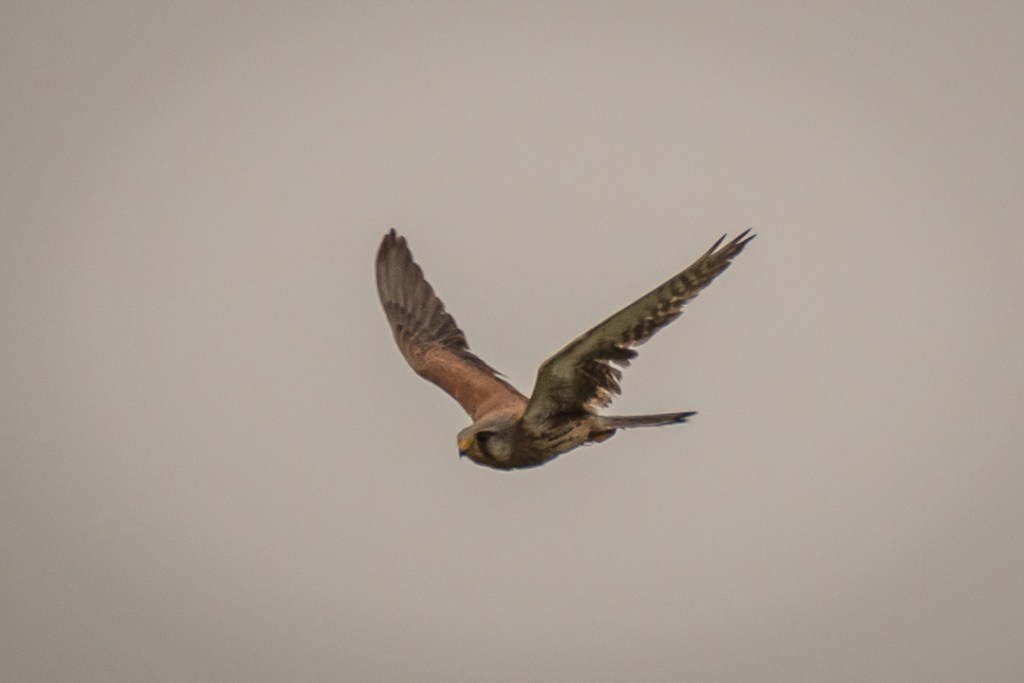
The song of nightingales, a rare sighting of a turtle dove, sand martins, yellowhammers, whitethroats, chiffchaffs , kestrels and a red kite were some of the joys of this reserve on the Stour estuary in Essex.




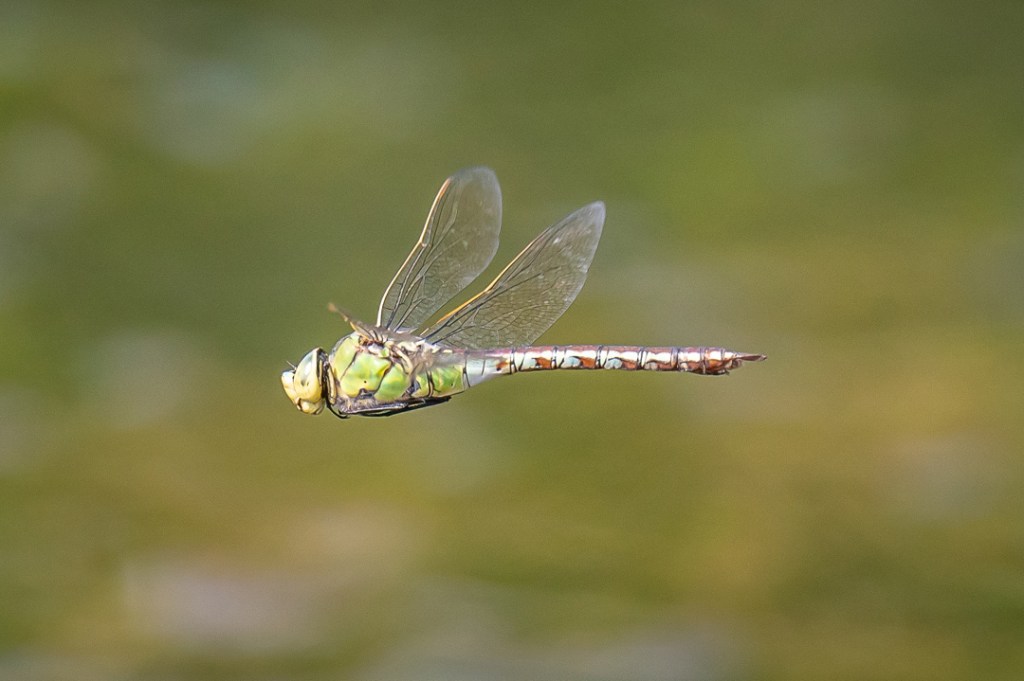
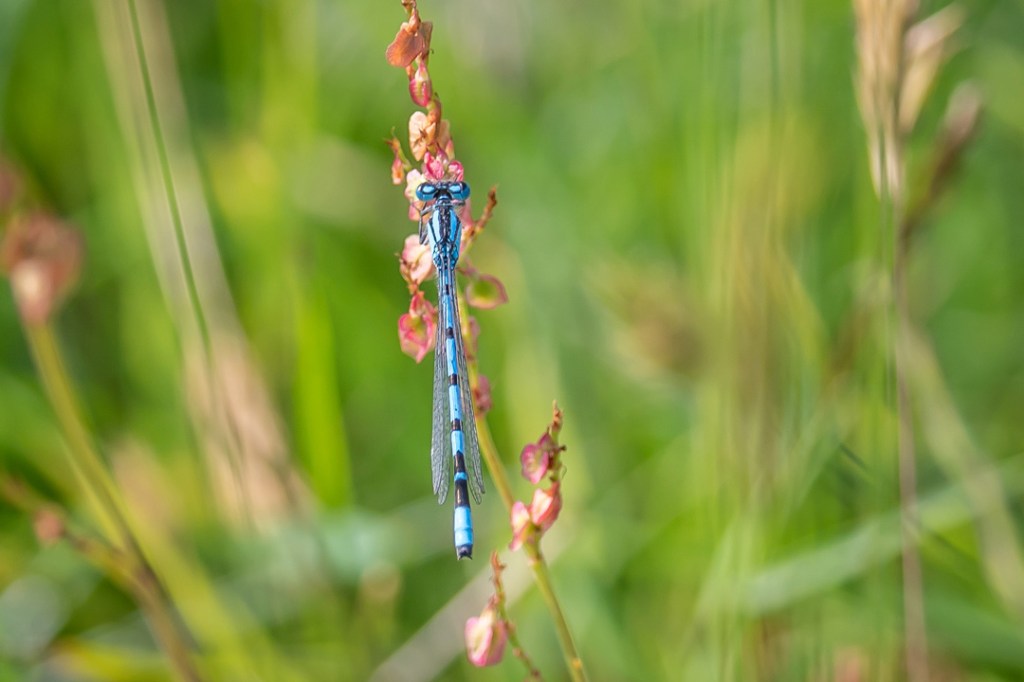
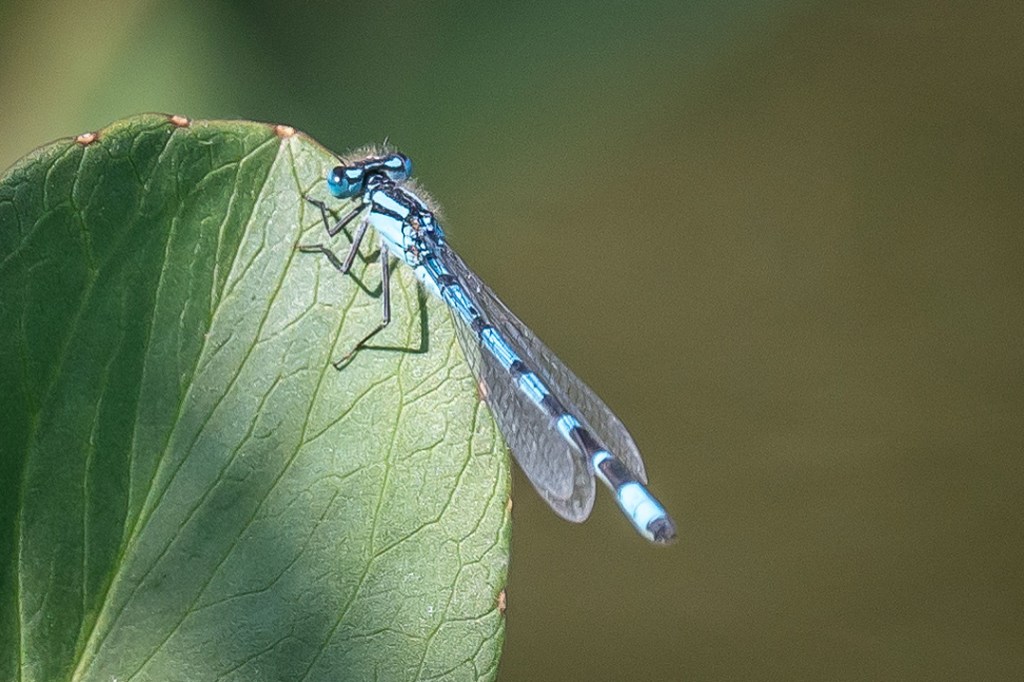
I had seen reports from a local odonatologist that he had seen a Scarce Blue-tailed Damselfly on our local patch amongst the more abundant Blue-tailed Damselfly. This has now been confirmed and apparently this is now the only site in (the former county of) Avon for these damselflies. What is just as exciting is that this is the 23rd species of dragonfly noted in the park, meaning that we now have more than half the country’s species at the site.
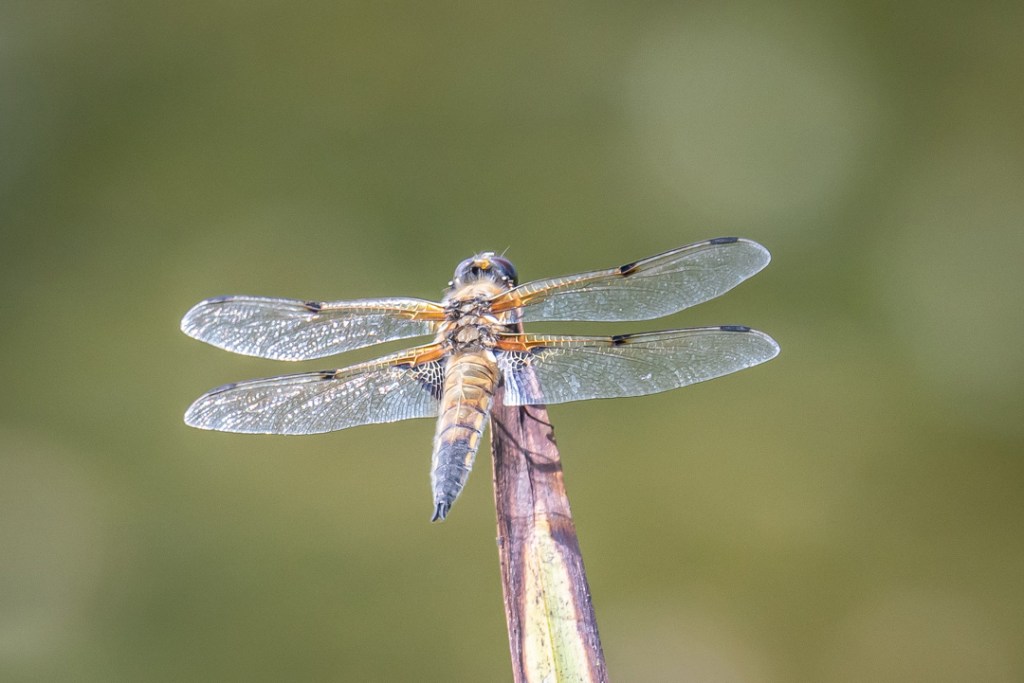
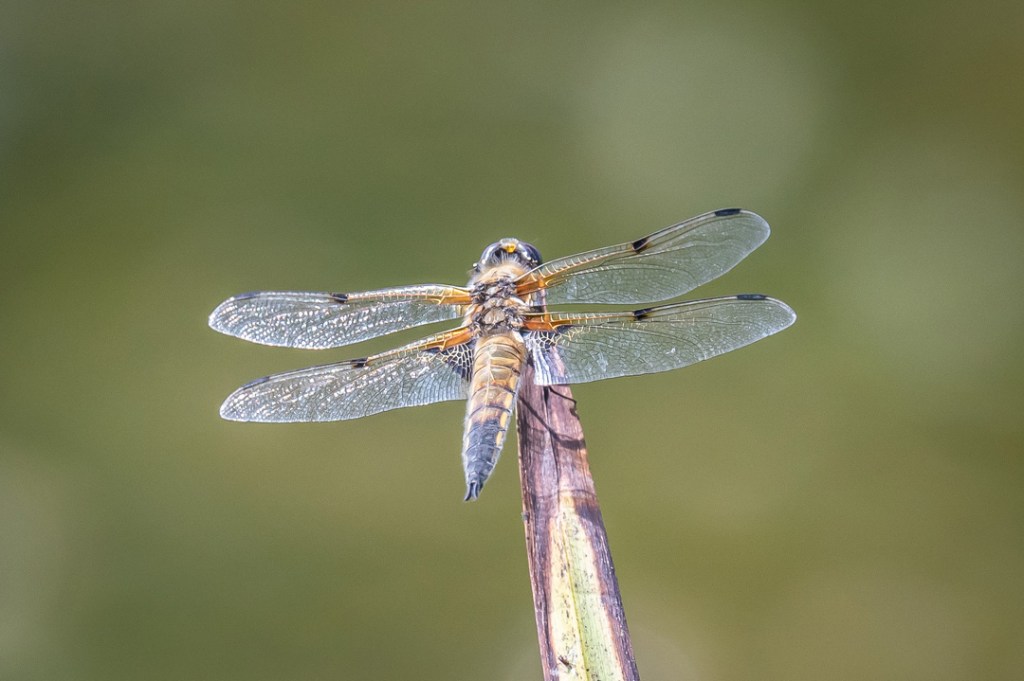
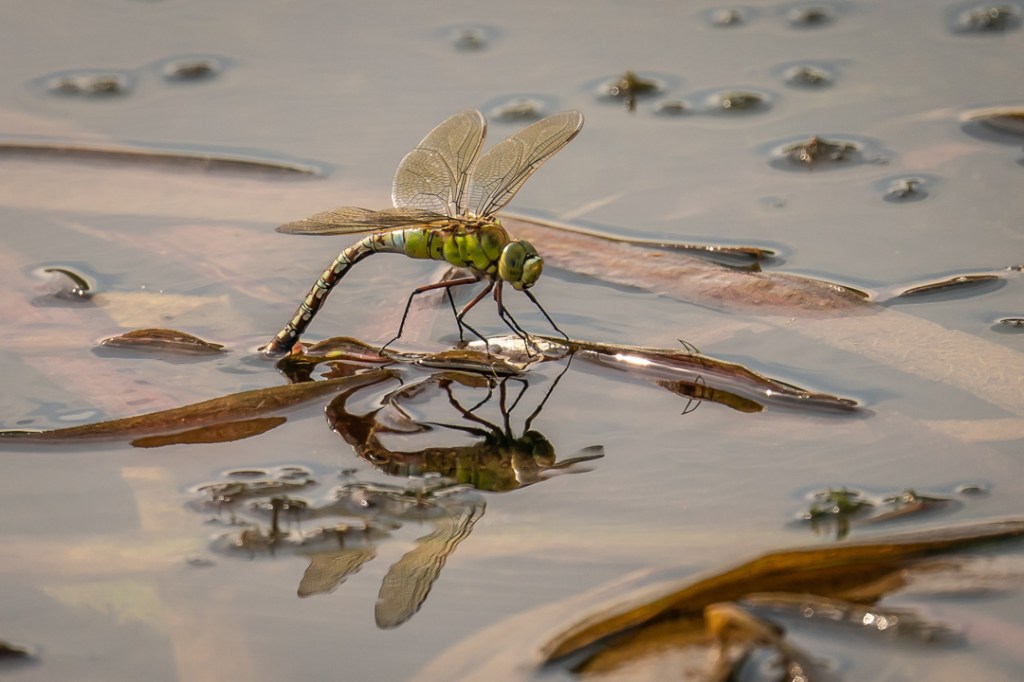
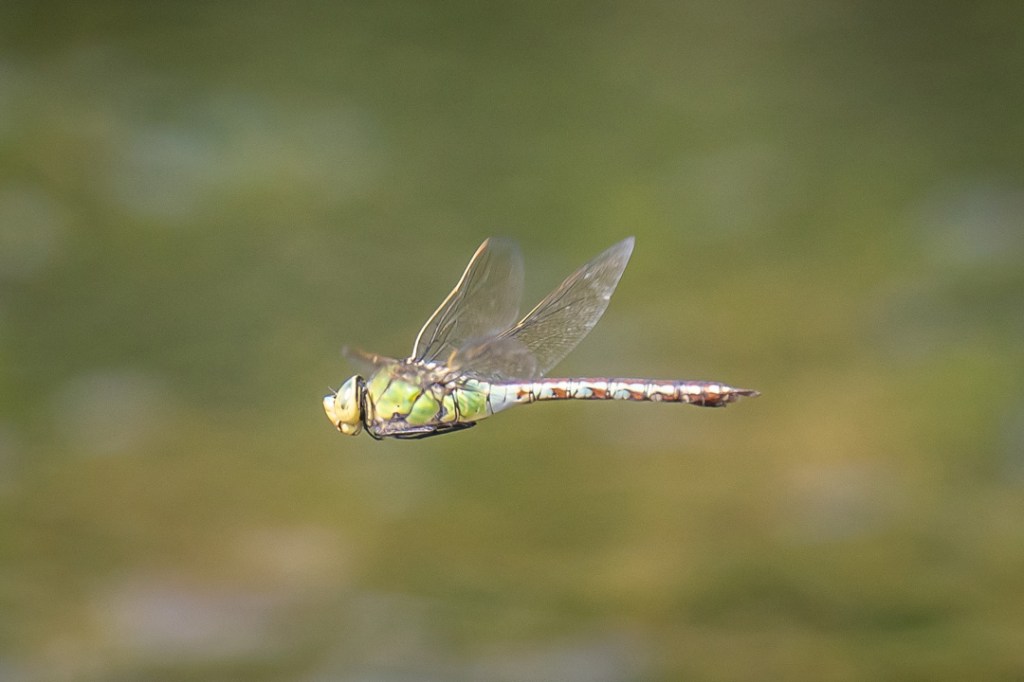
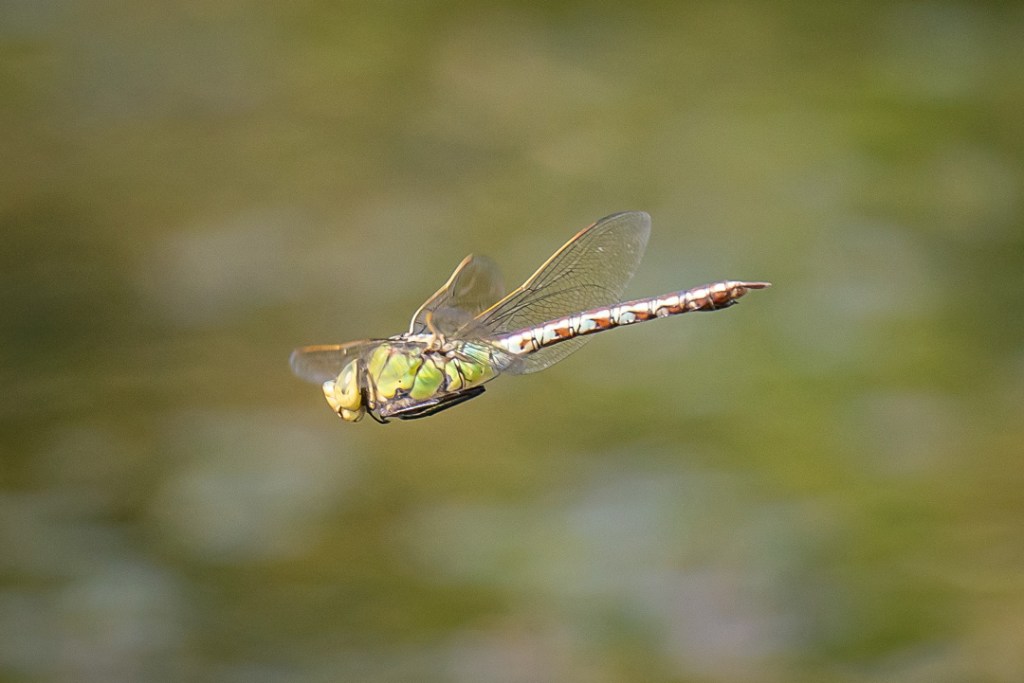
I therefore thought that as there is a Scarce Blue-tailed Damselfly in the park this would be a good time to go and try my hand at photographing dragonflies and damselflies and then try the even more difficult task of identifying them.
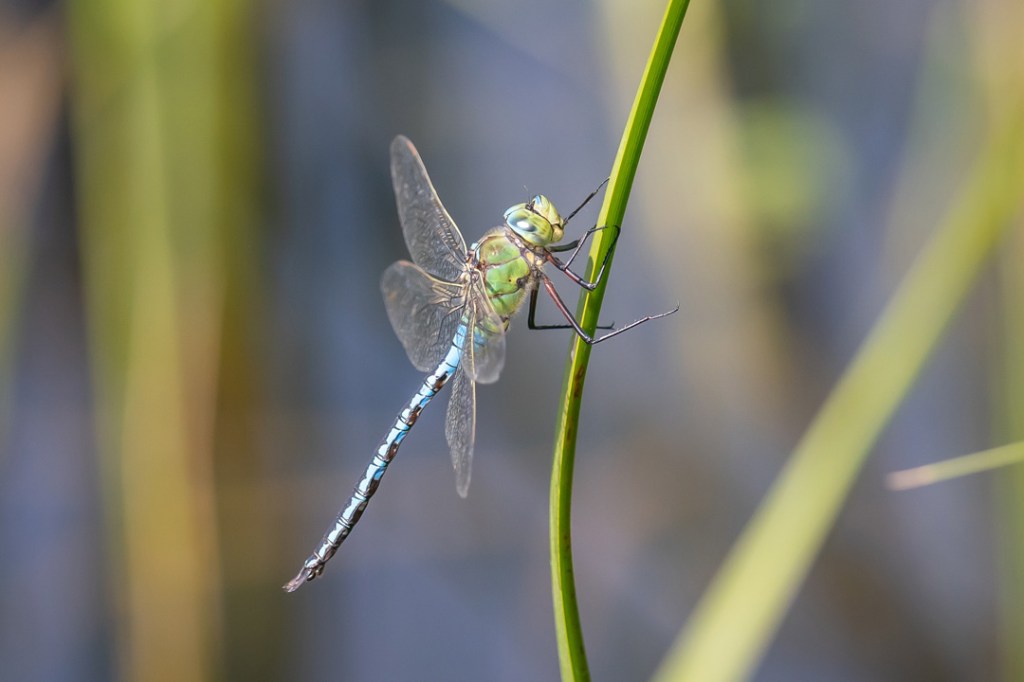
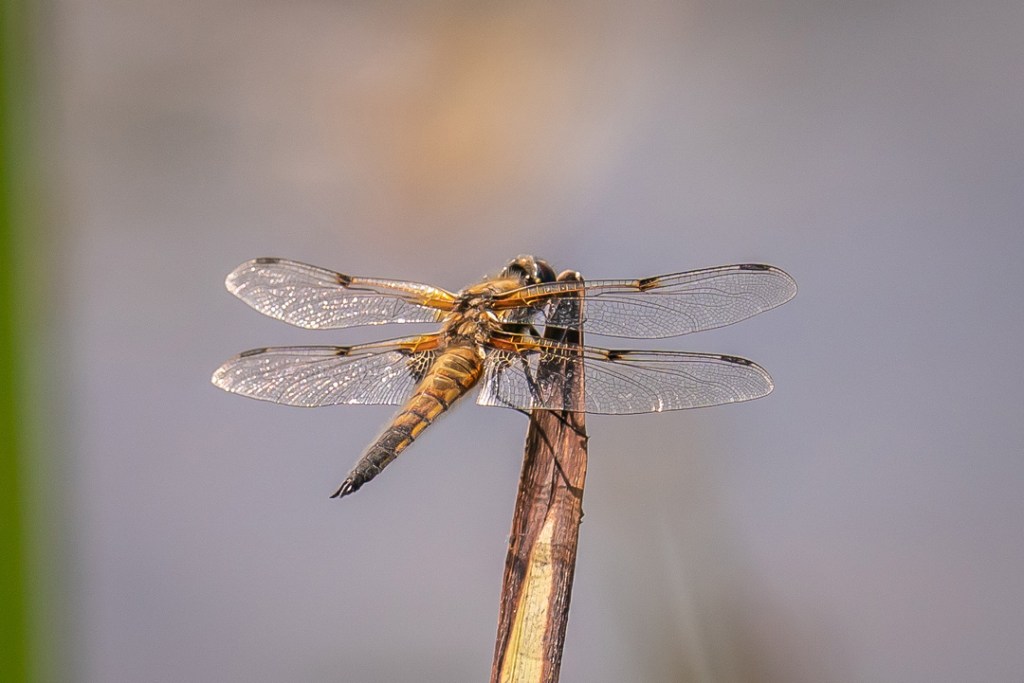
Around Duchess Pond there was indeed an abundance of dragonflies and damselflies and here are some of my photographic attempts. I’m less sure about my ID skills.


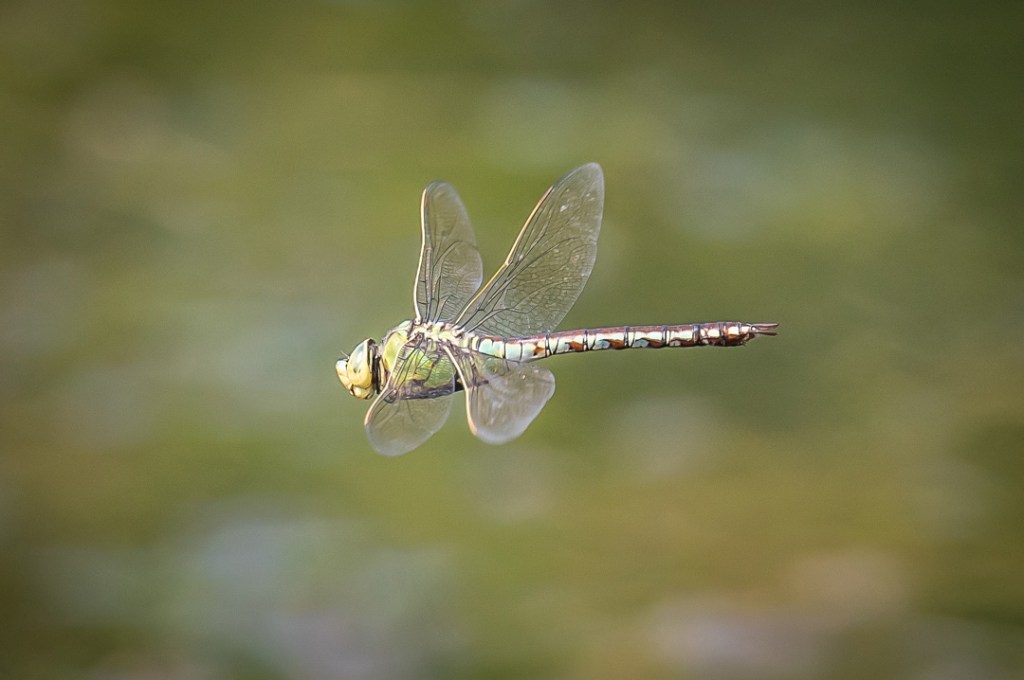
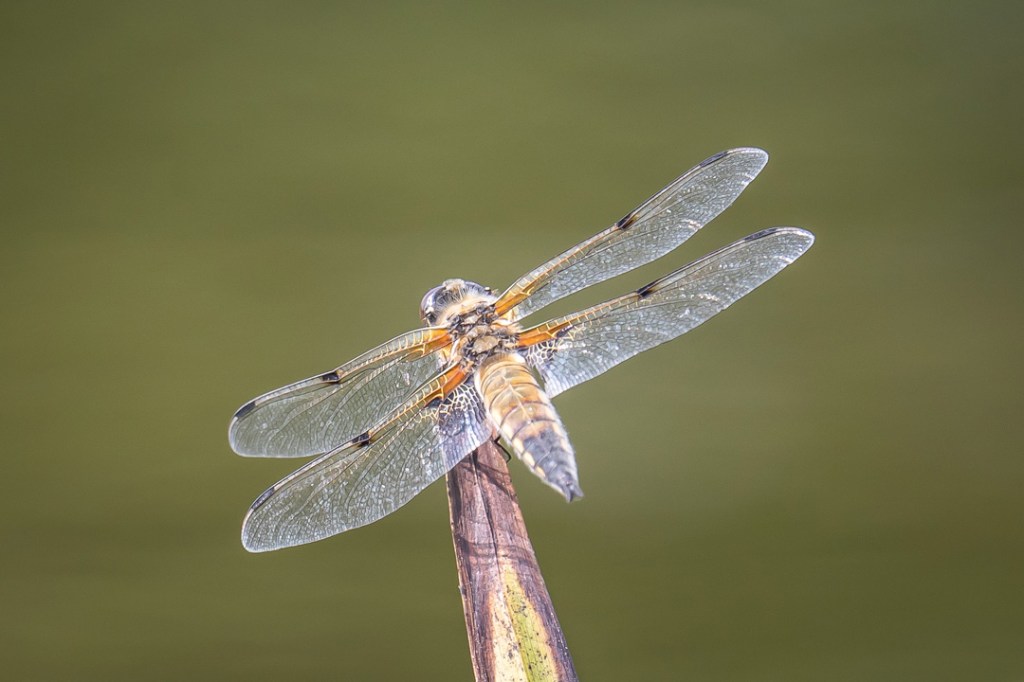

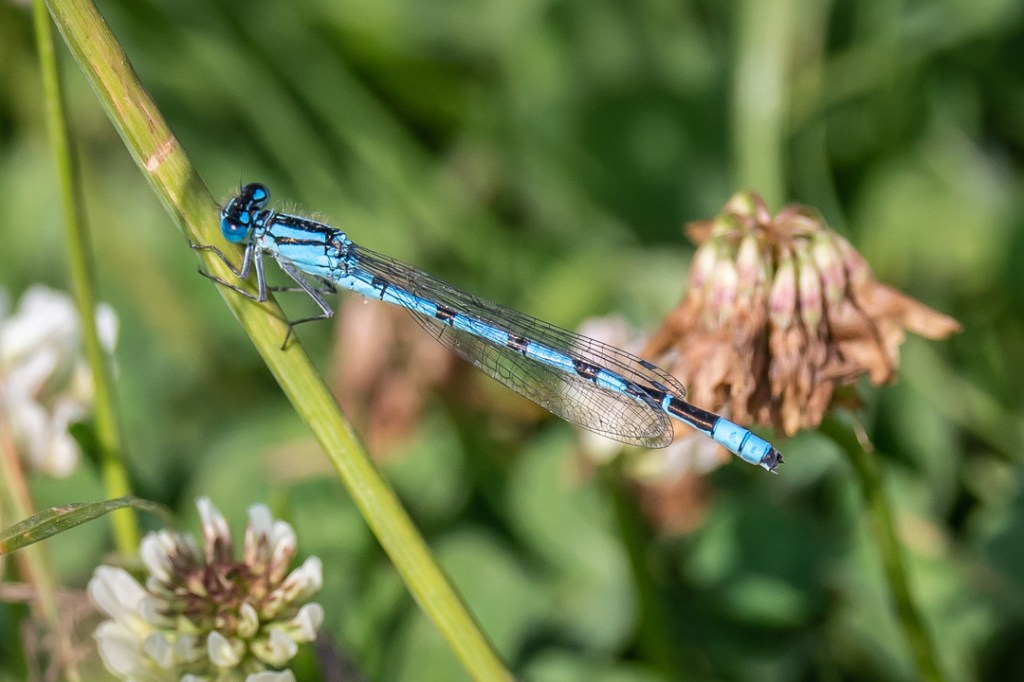
I may have photographed others!
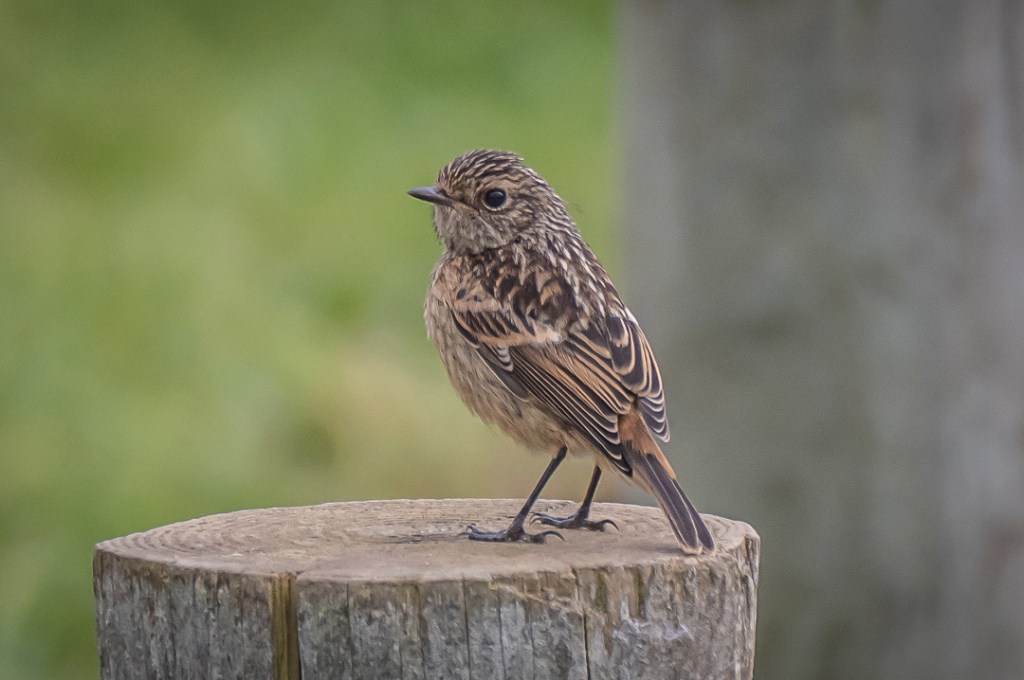
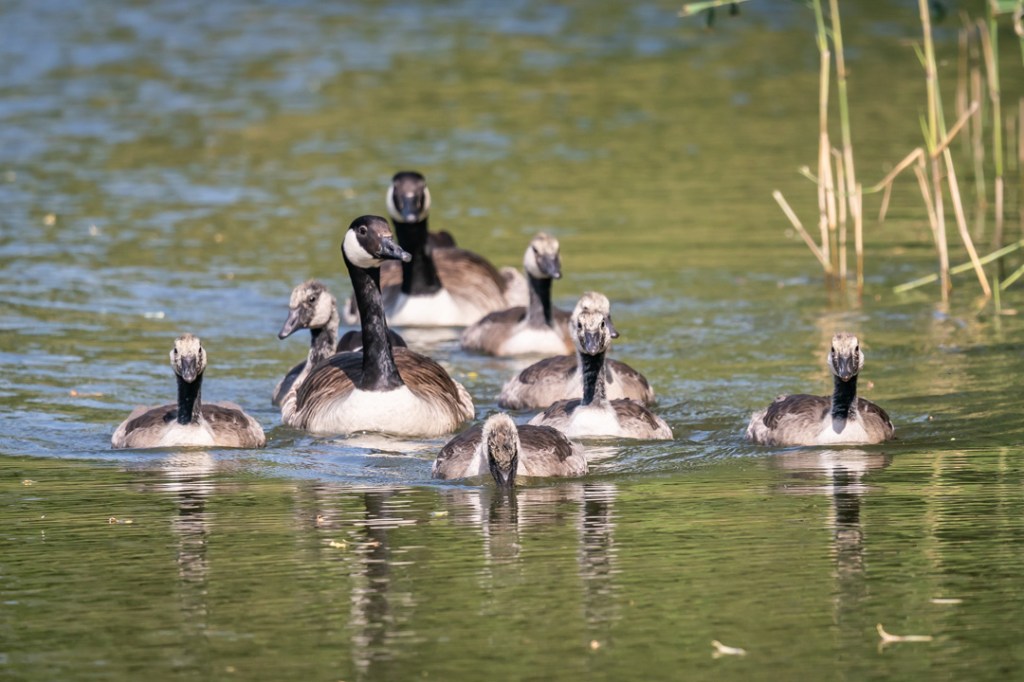
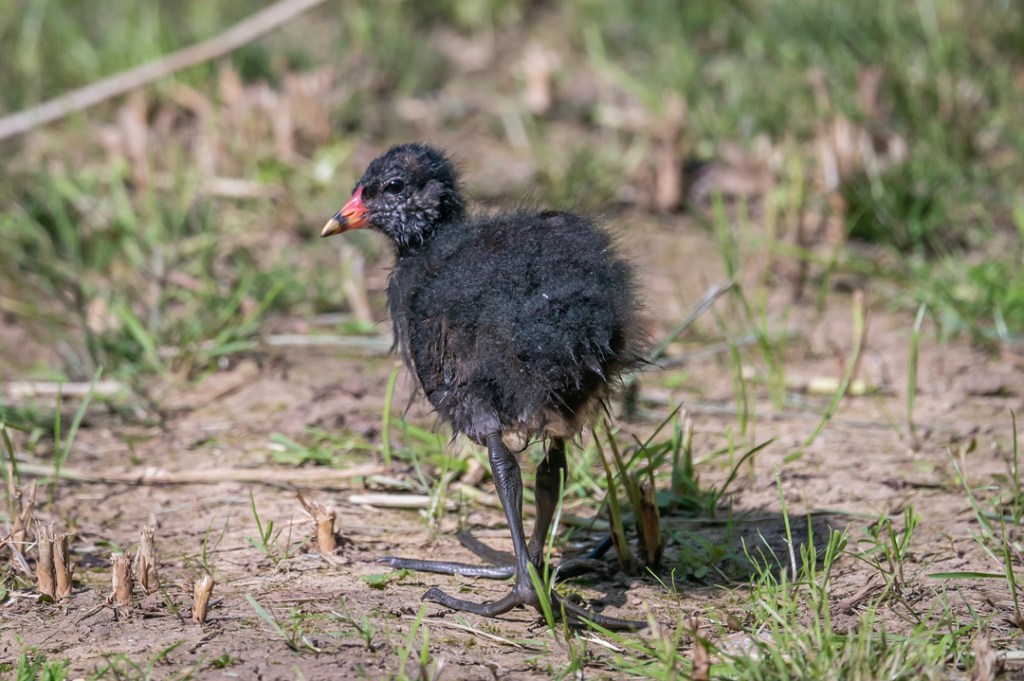
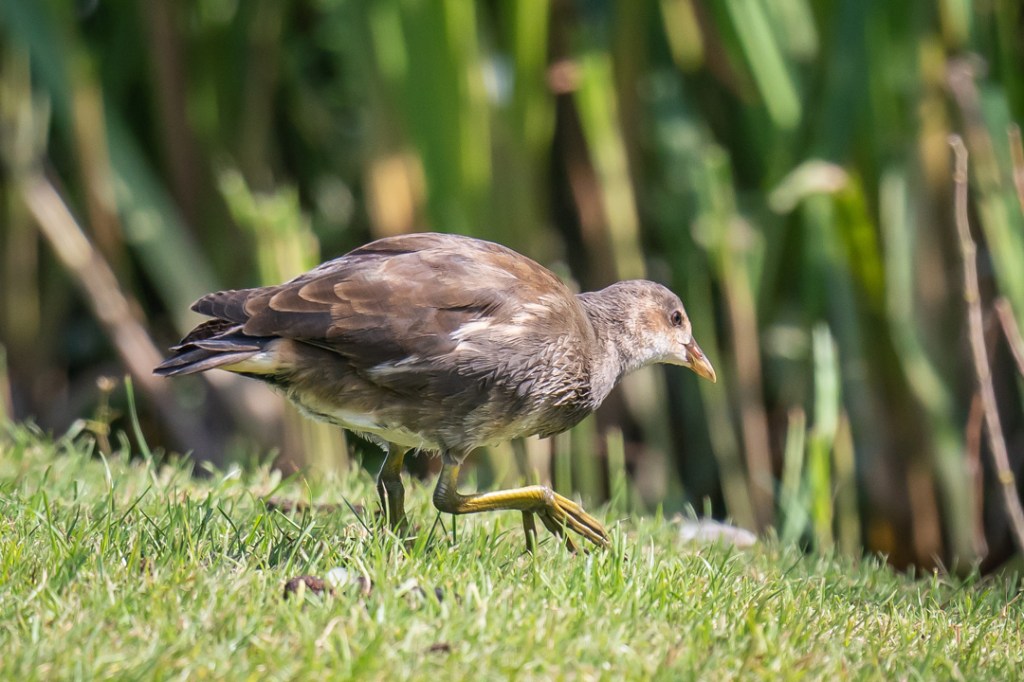
Other than moorhens, coots and Canada geese I didn’t see many birds except fora very cheery song thrush which posed very nicely for me.


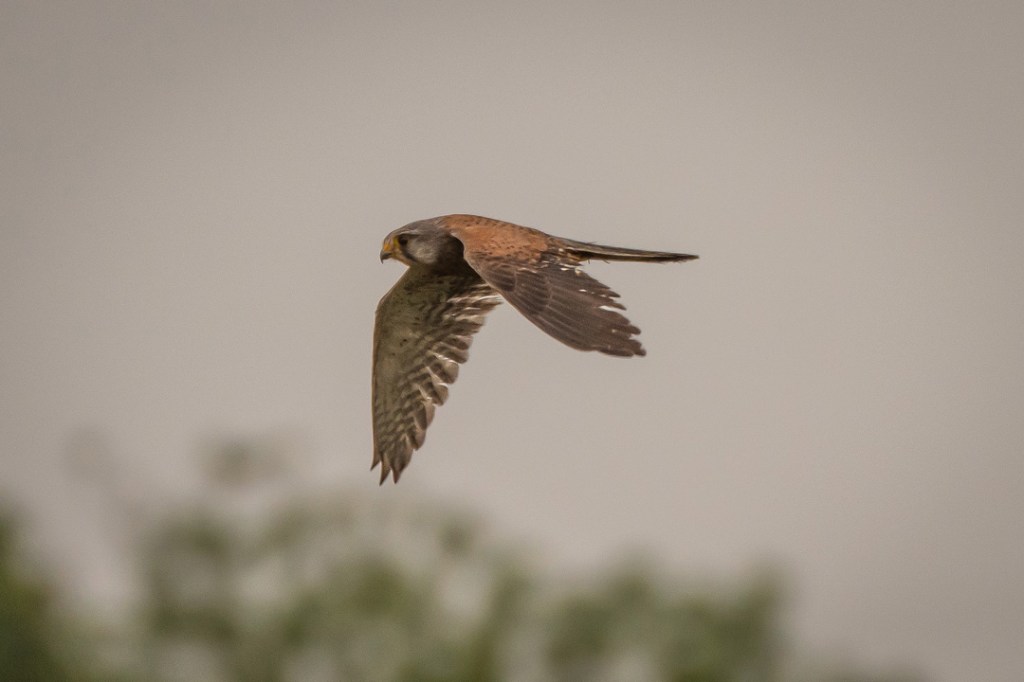
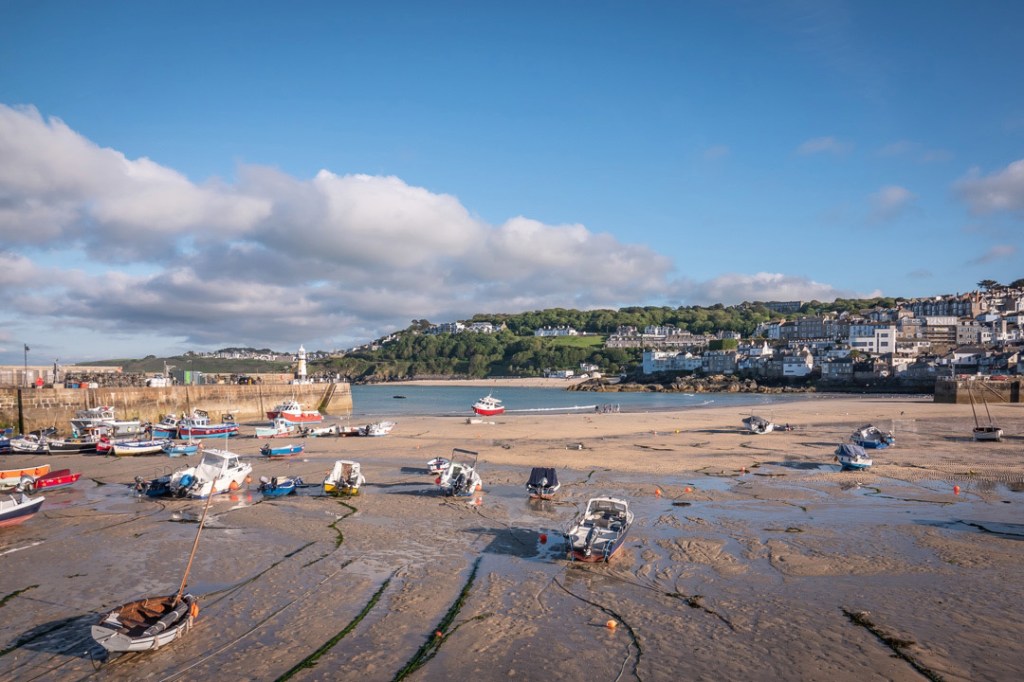
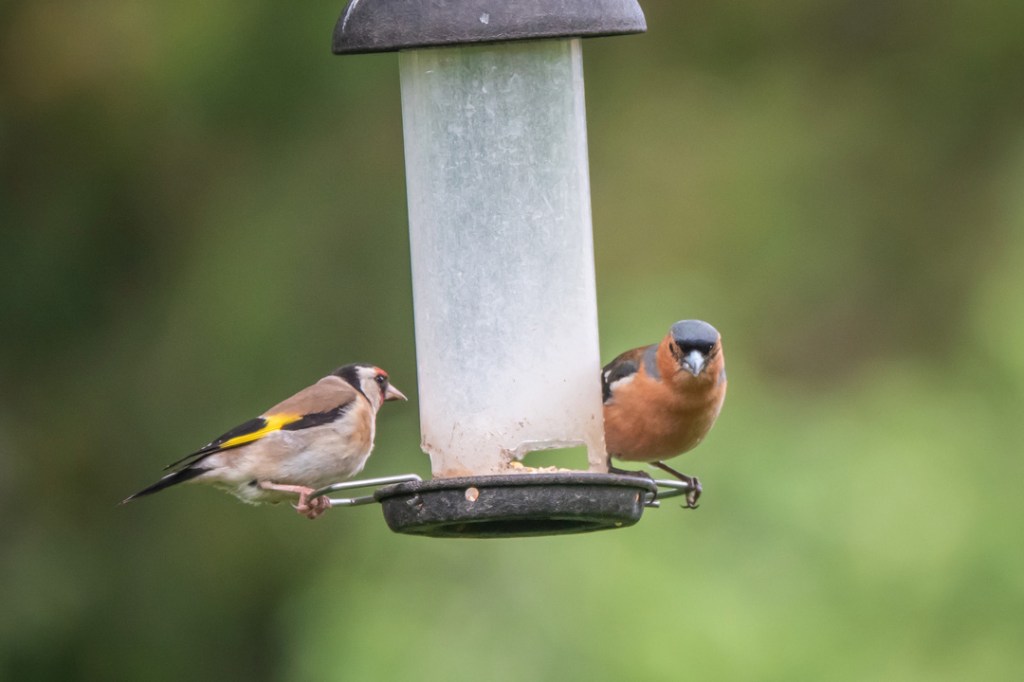
A week’s holiday in St Ives didn’t lend itself a lot to bird photography (unless I wanted to spend my time photographing gulls making a nuisance of themselves in the town and even I would have felt too much of a Wally doing that). However, despite the mediocre weather and the restrictions caused by the G7 conference in nearby Carbis Bay, we did have a lovely time visiting some of the great gardens of Cornwall and walking some of the magnificent coastal paths. We even spotted a few birds too.
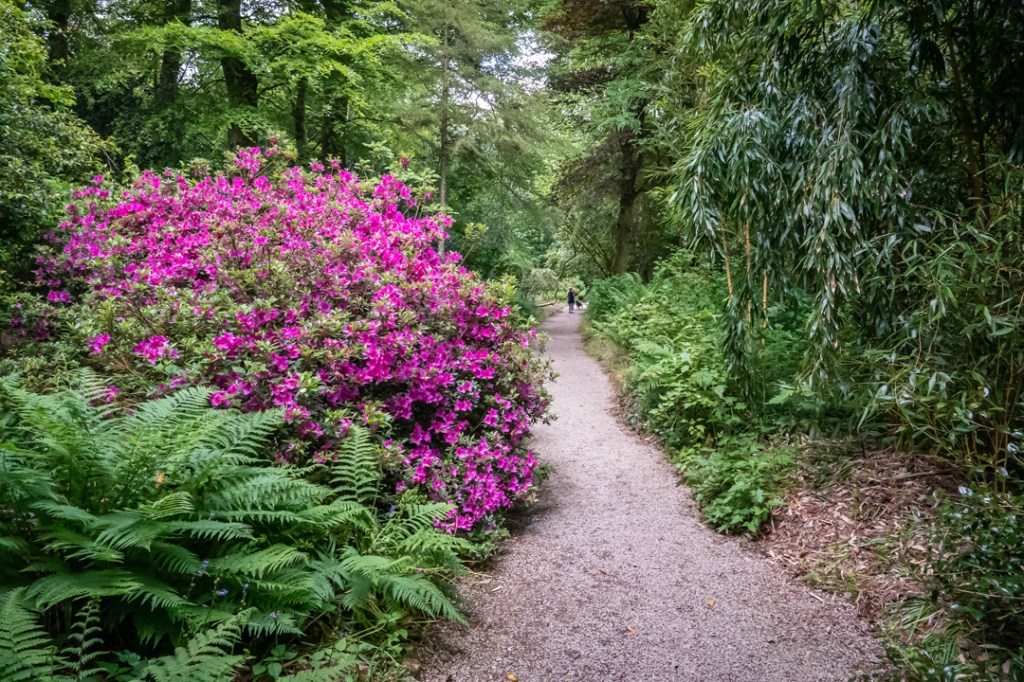
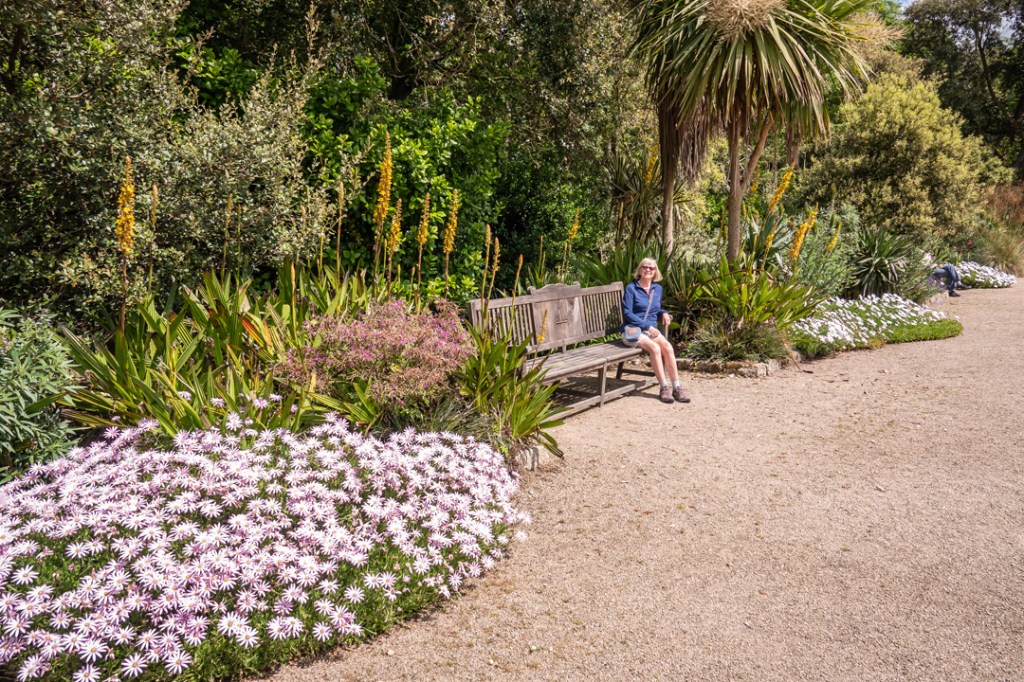
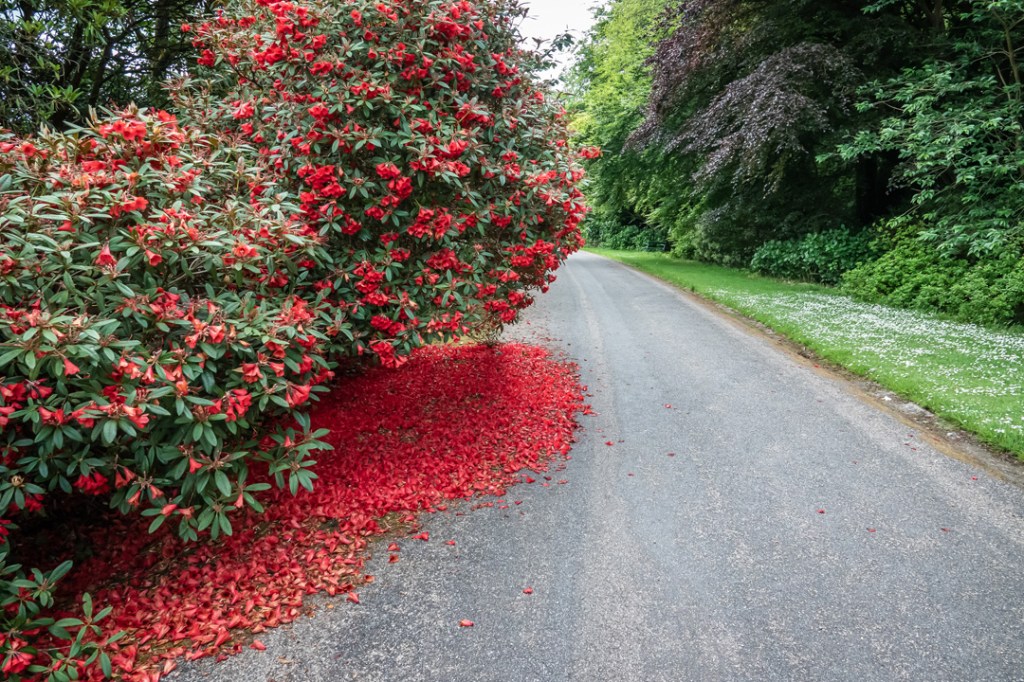
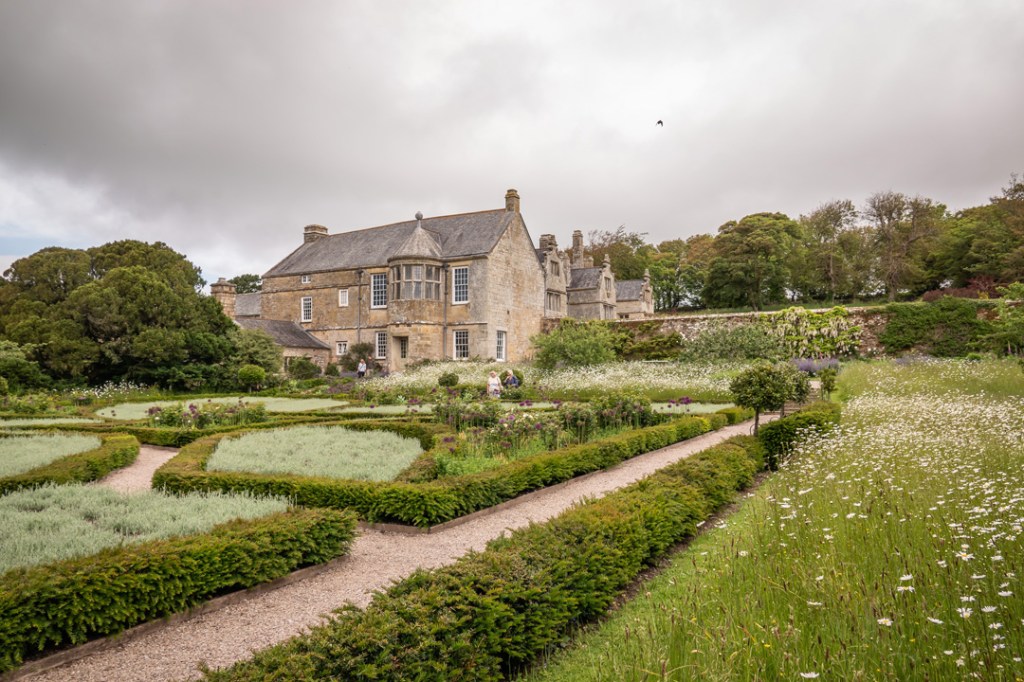
We found three gardens new to us – Tremenheere Sculpture Gardens (https://www.tremenheere.co.uk/), Trengwainton Garden NT (https://www.nationaltrust.org.uk/trengwainton-garden) and Trerice NT (https://www.nationaltrust.org.uk/trerice).
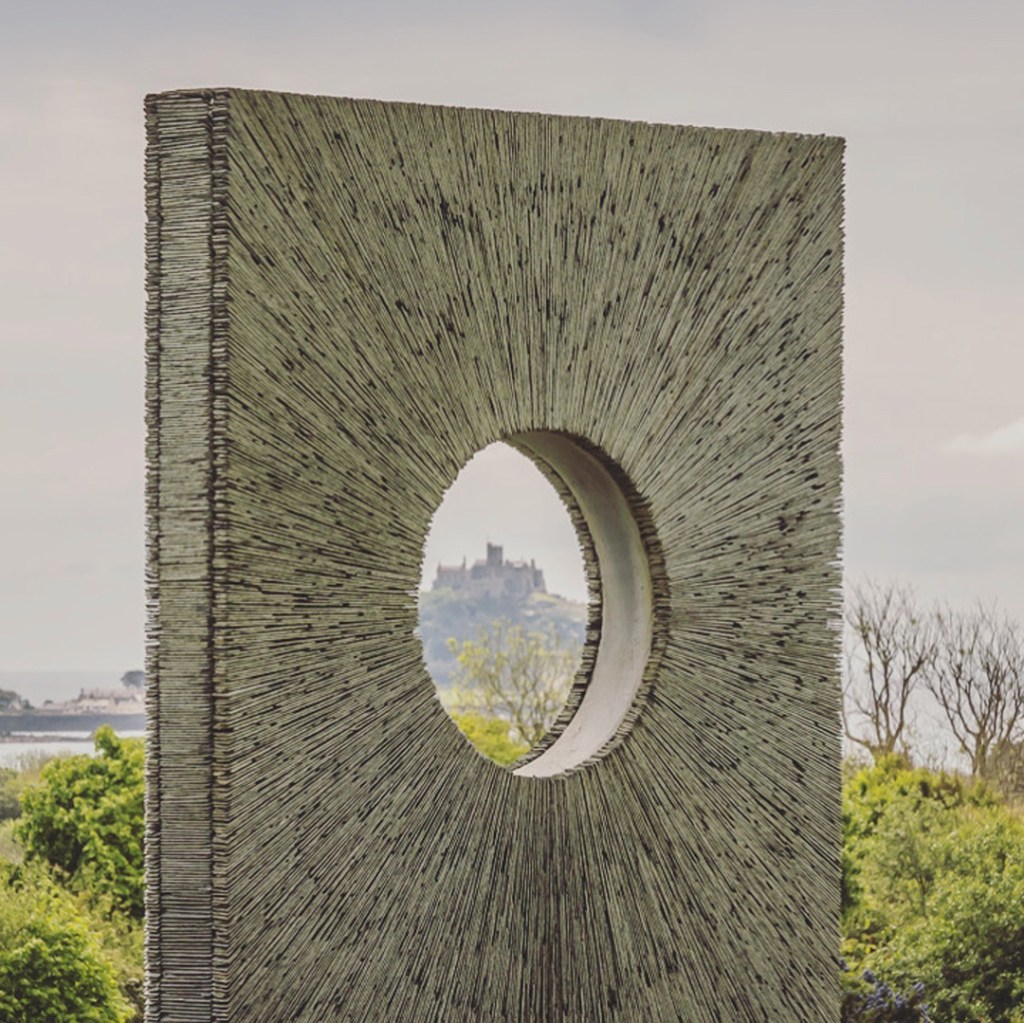
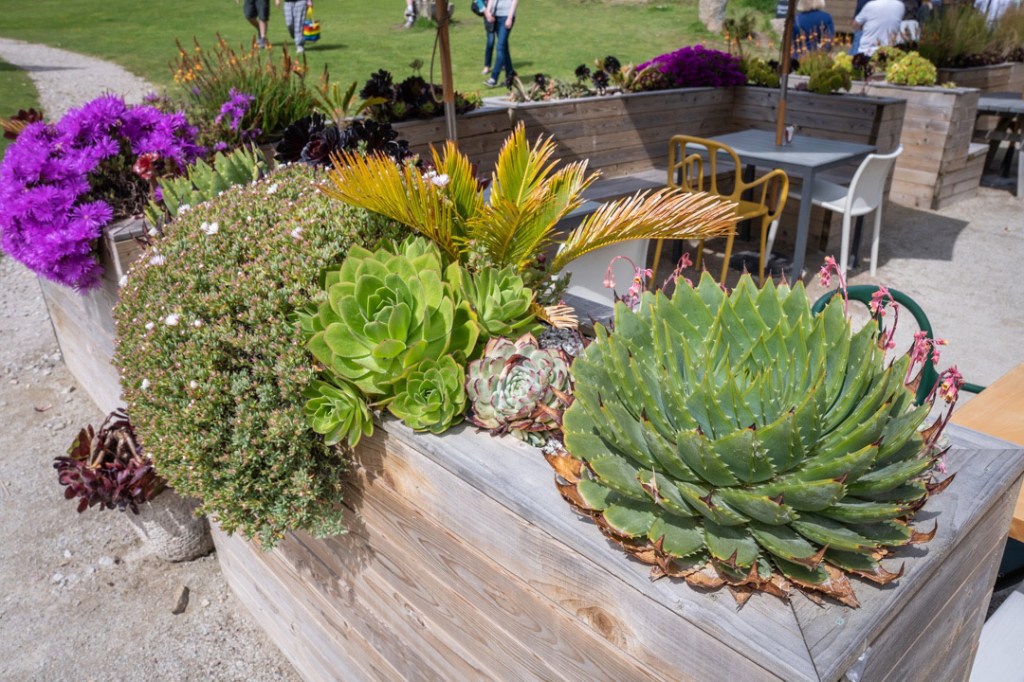
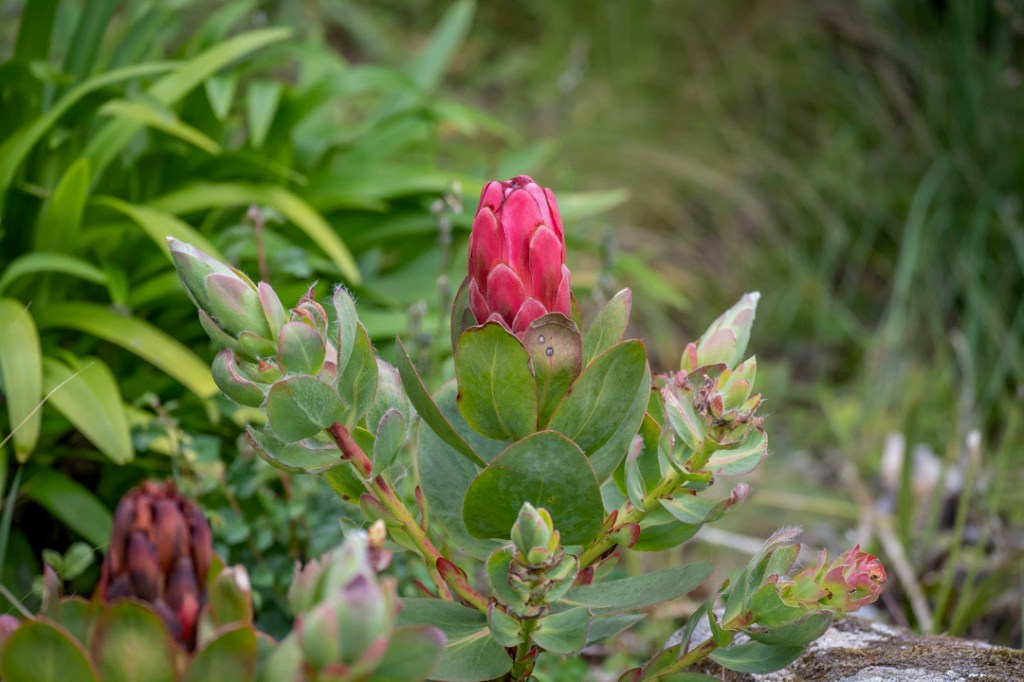
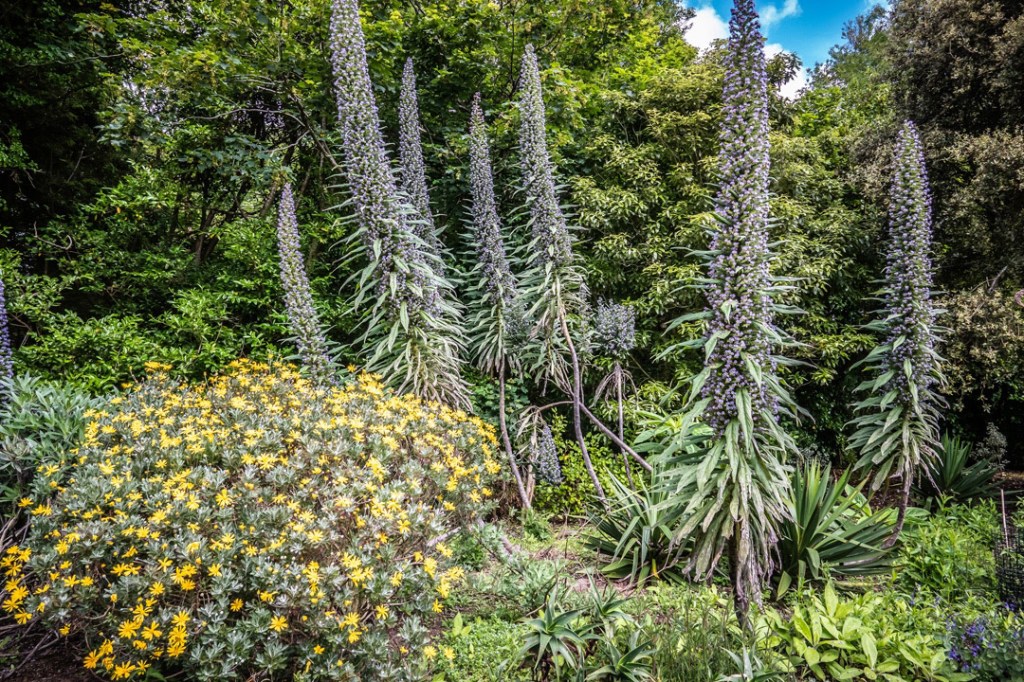
At Tremenheere we particularly loved the exotic and sub-tropical plants (reminded us of our trips to South Africa) and the wonderful views of St Michael’s Mount and Mounts Bay. All three gardens had decent cafés too.

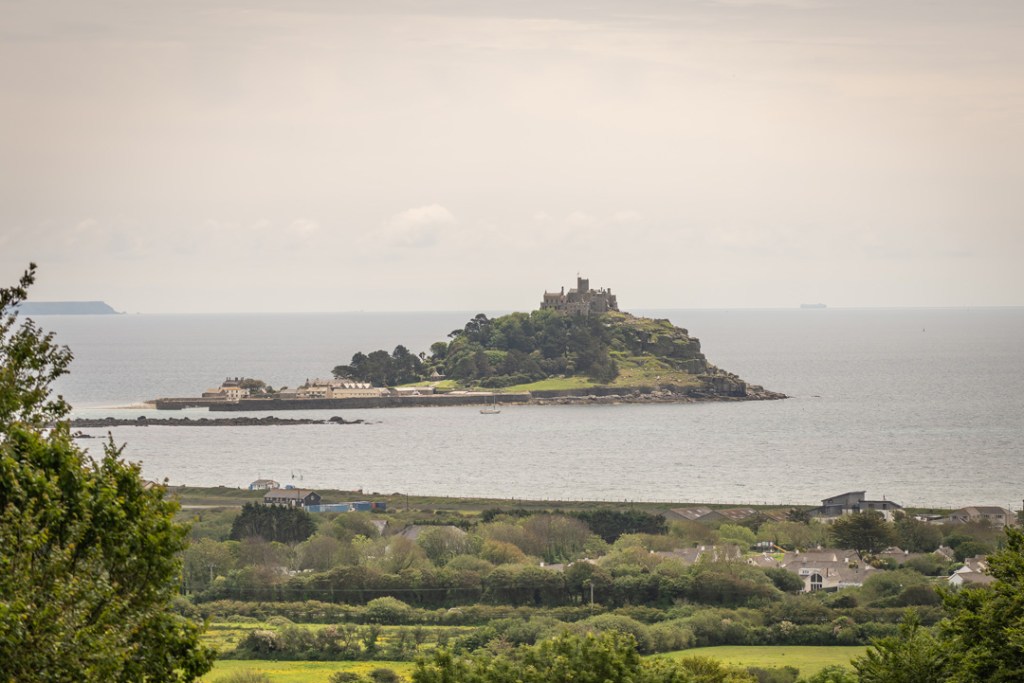
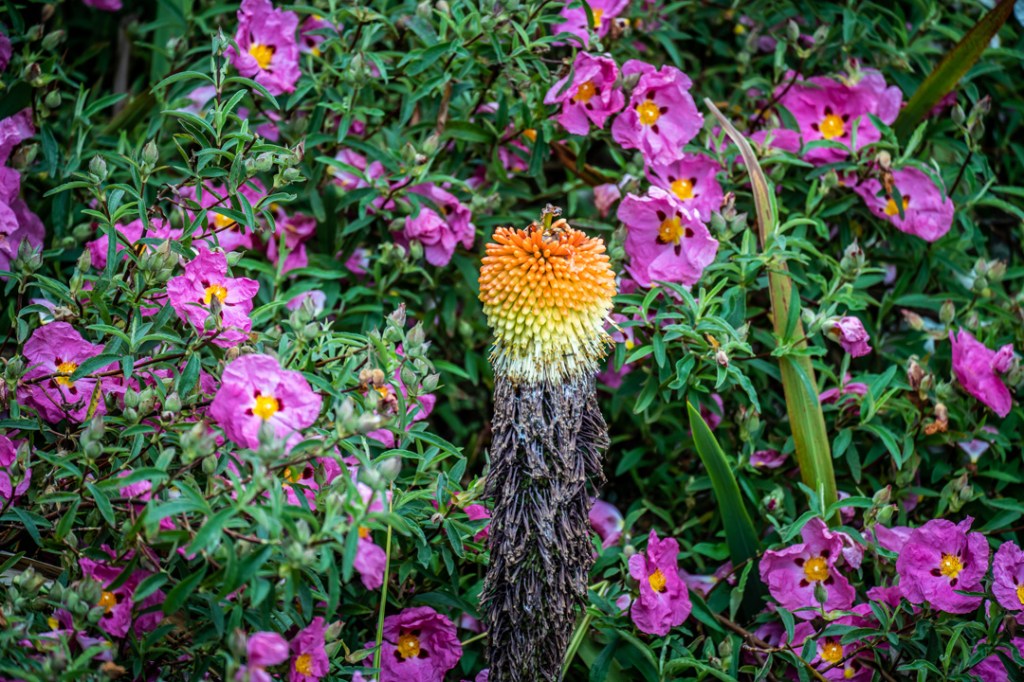

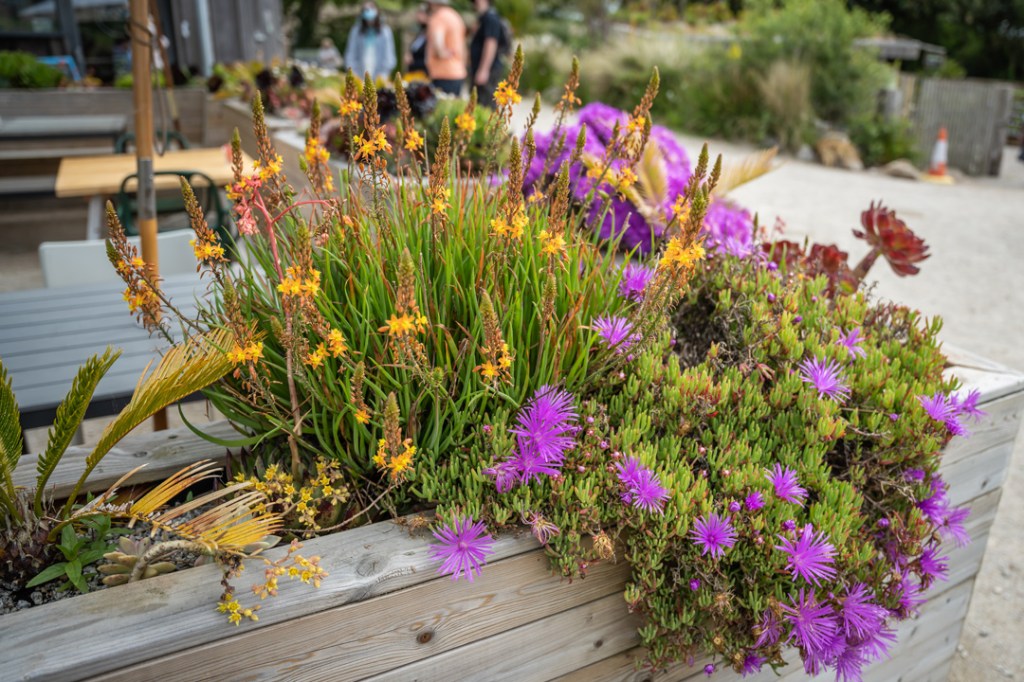

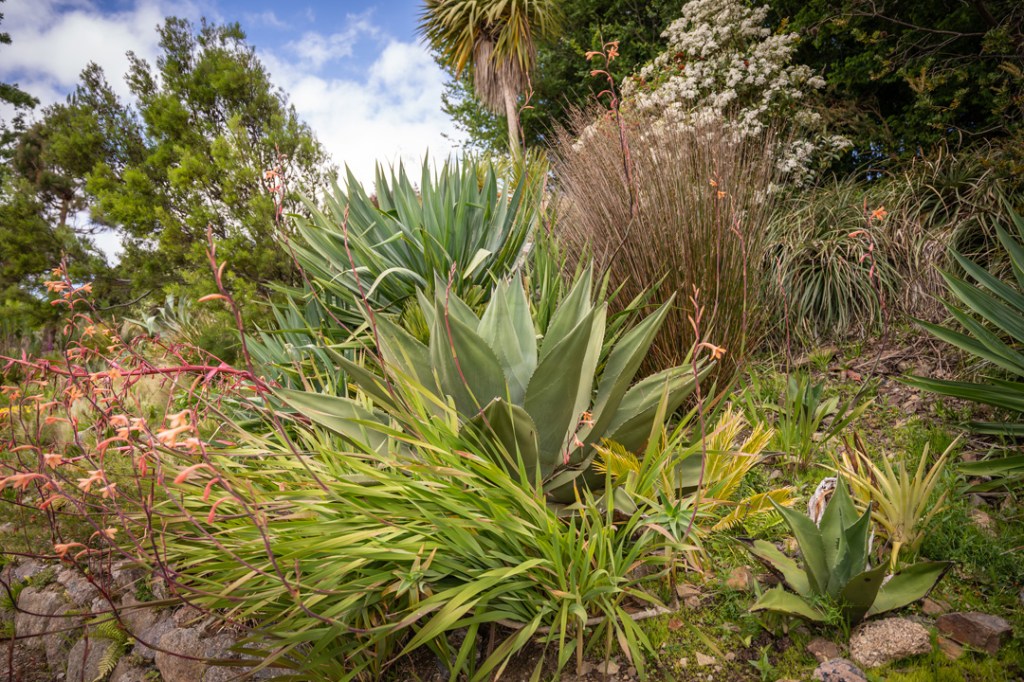
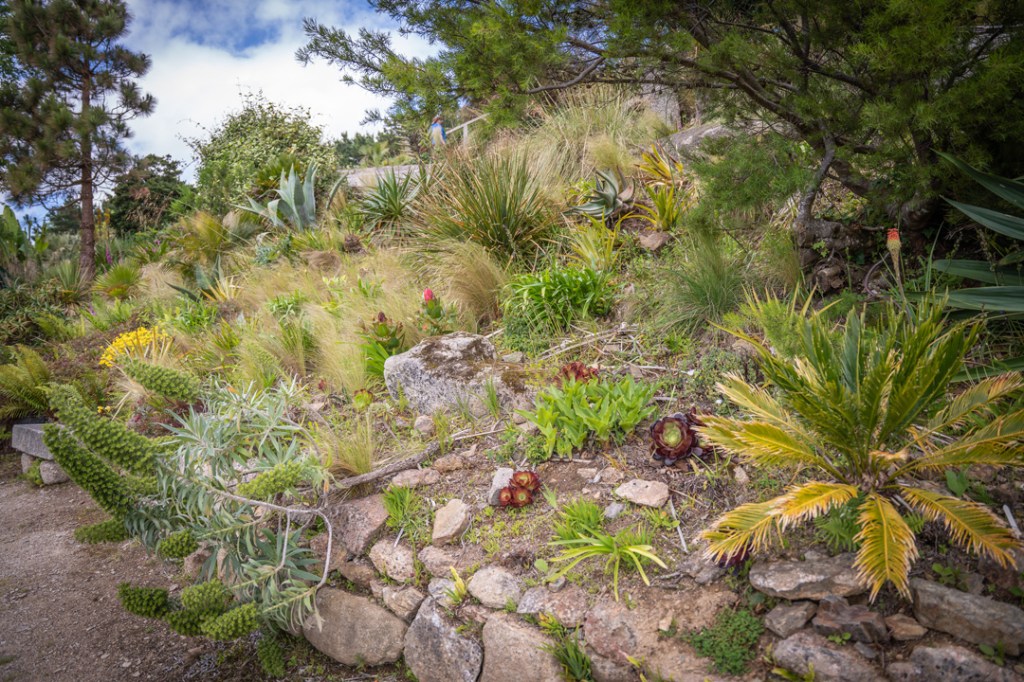

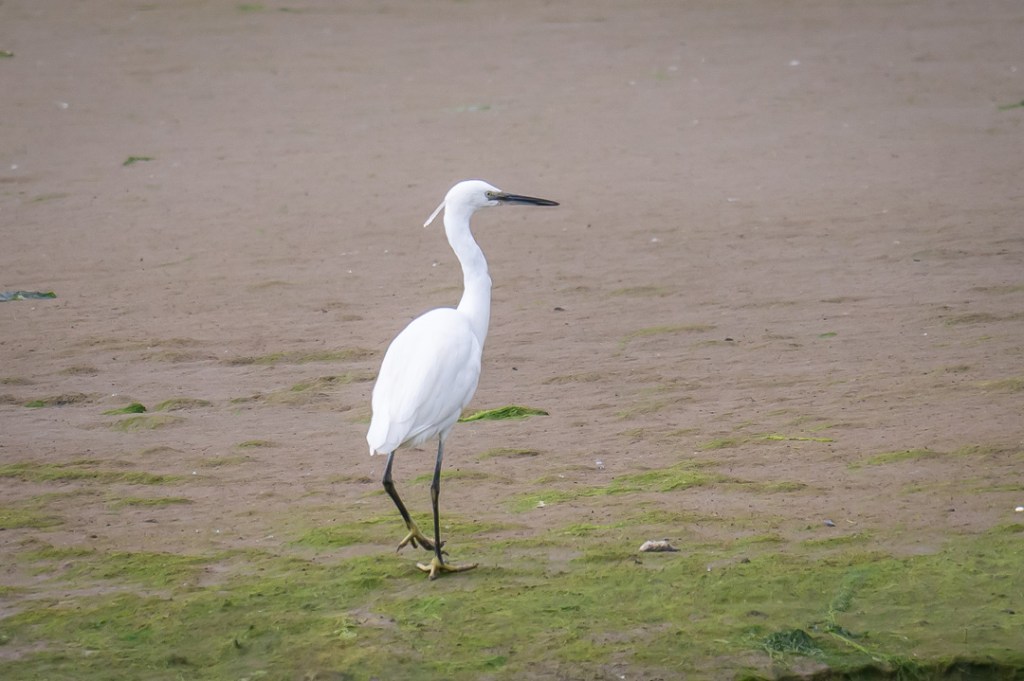
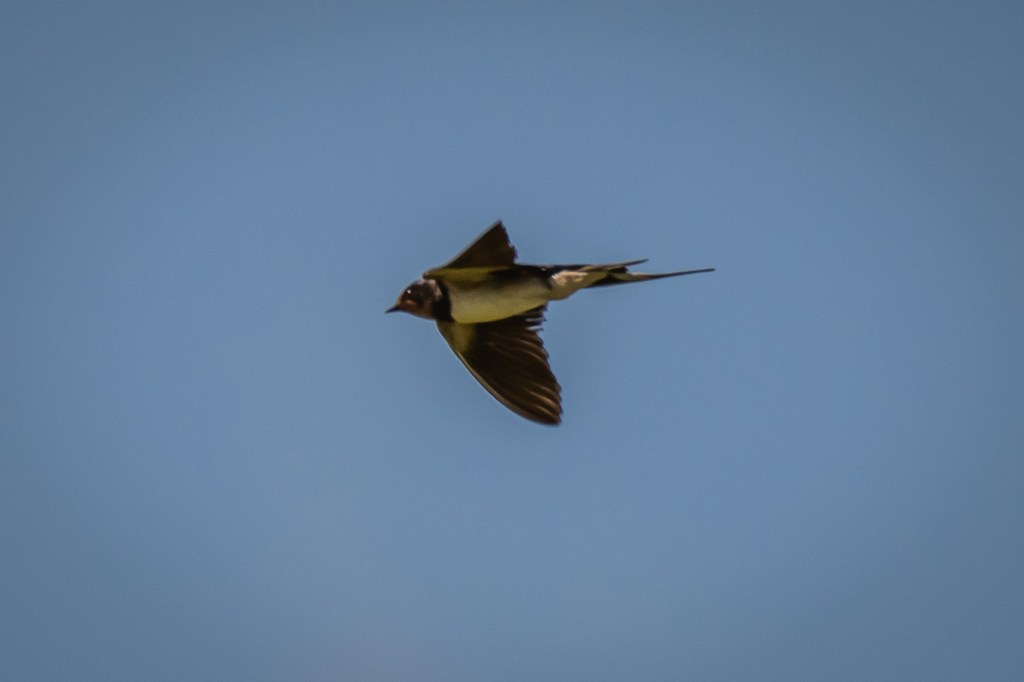
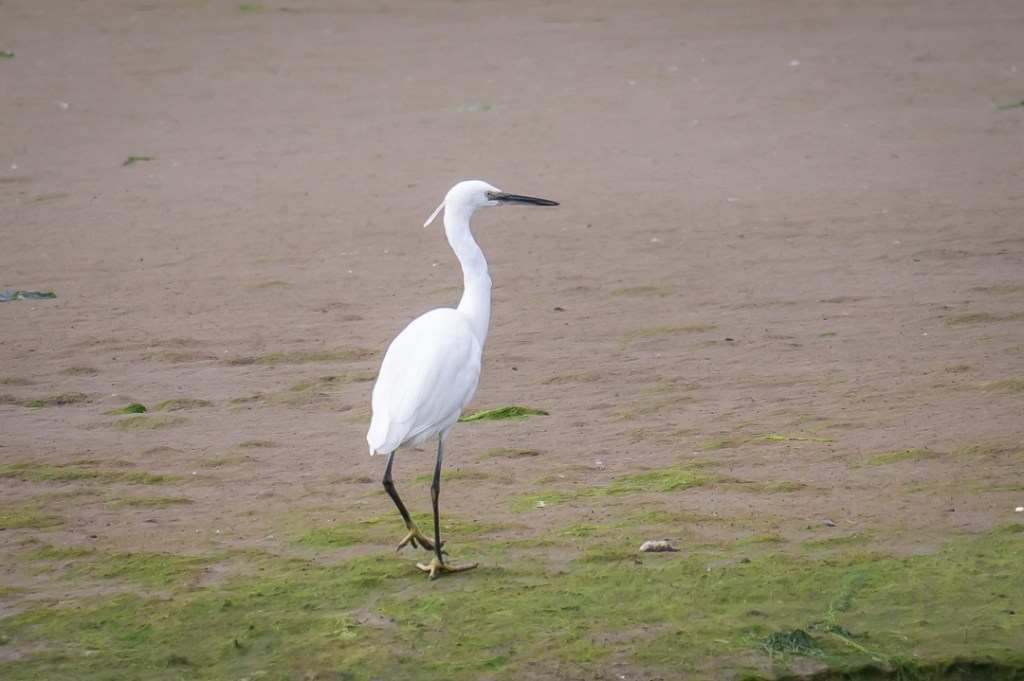
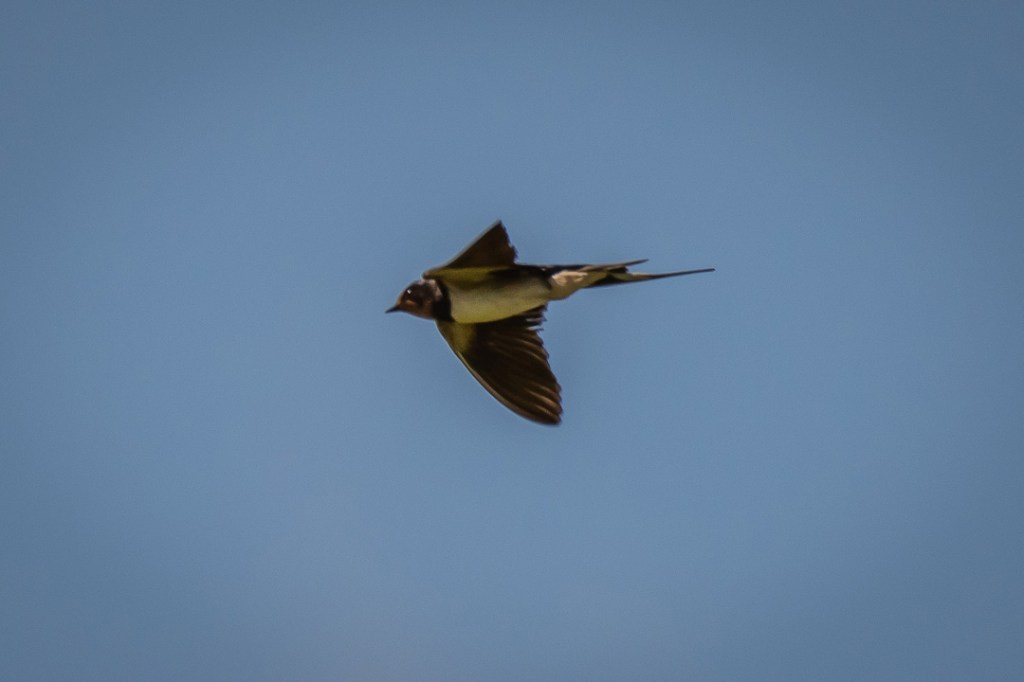
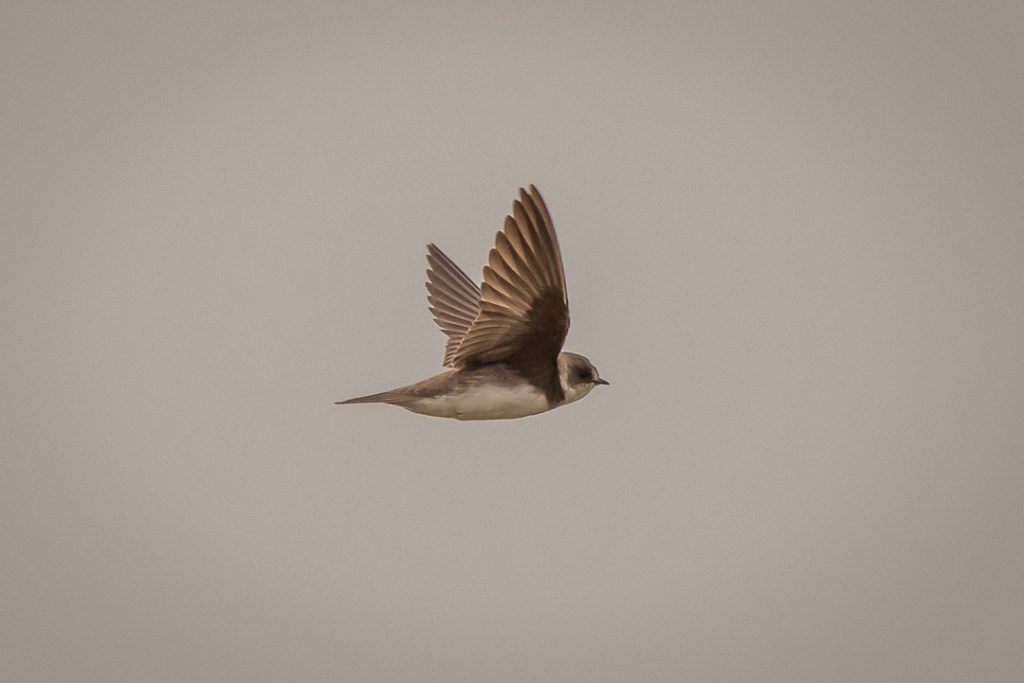
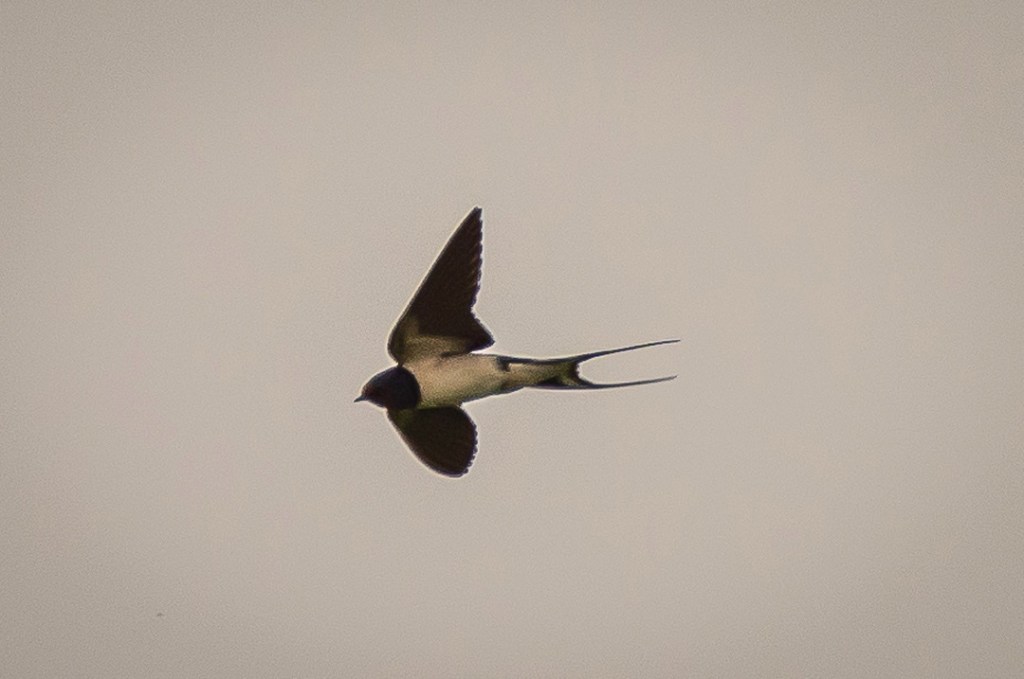
After our visit to Tremenheere on the first day we also had a walk around Marazion Nature Reserve run by the RSPB where there were swallows, martins, whitethroats, grey herons and egrets.


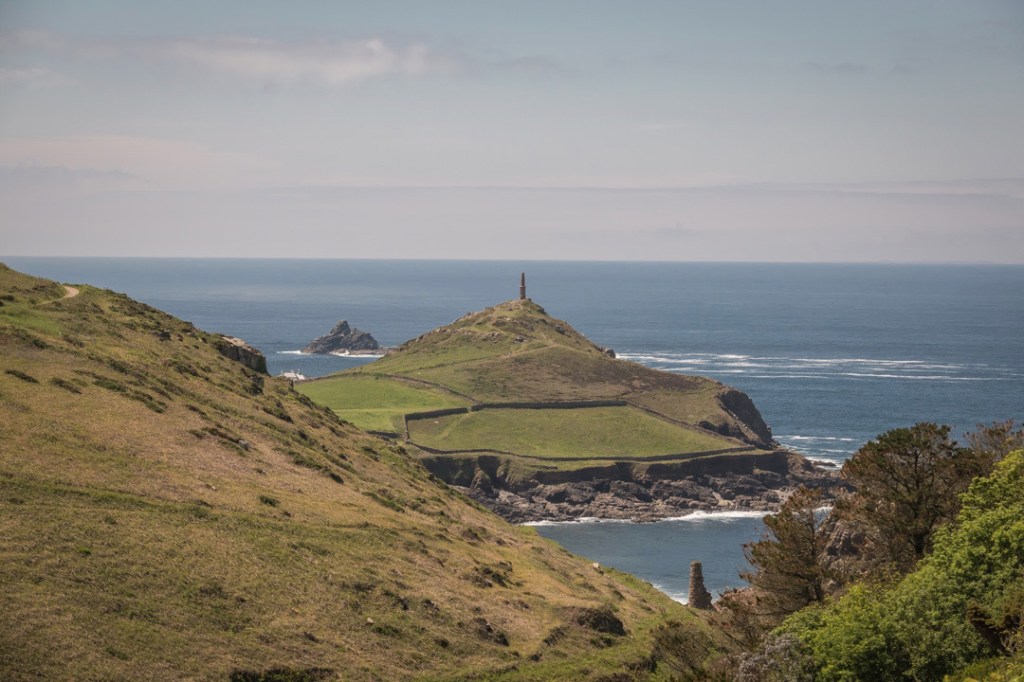
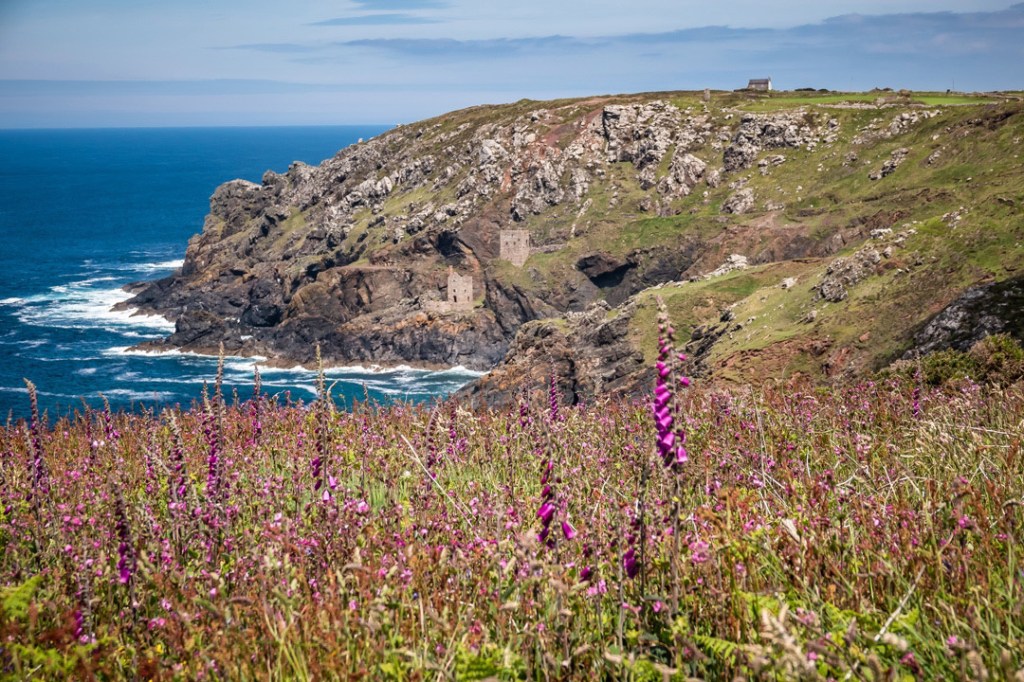
On our second day we visited Trengwainton Garden near Penzance and then headed north to the coast to walk a section of the coastal path with views of Cape Cornwall and Botallack Head and its tin mines famous from the tv series Poldark.




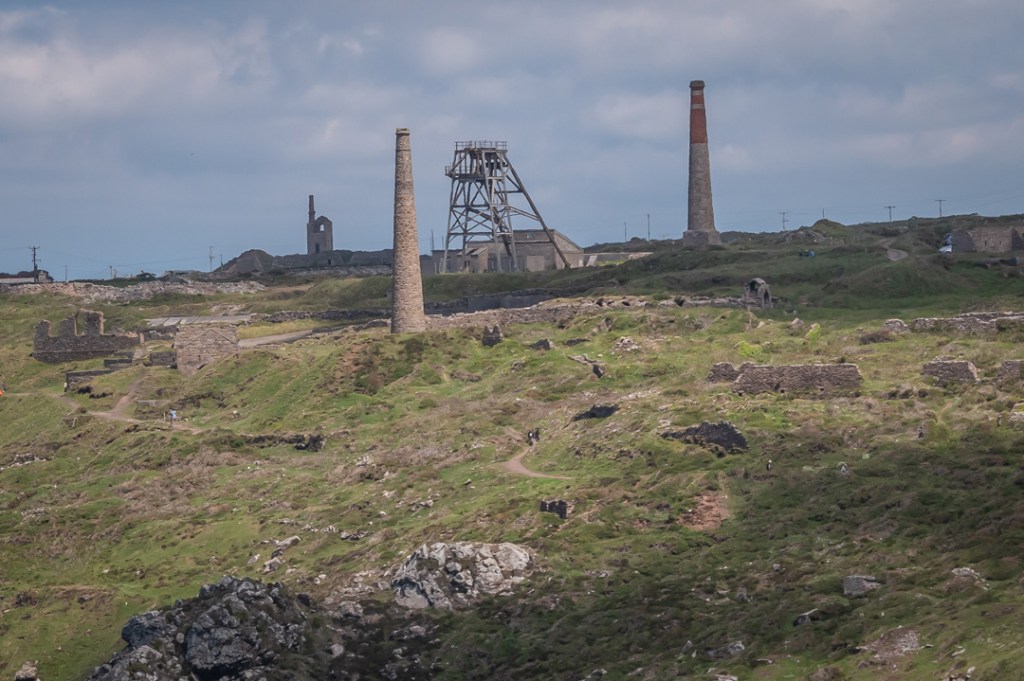
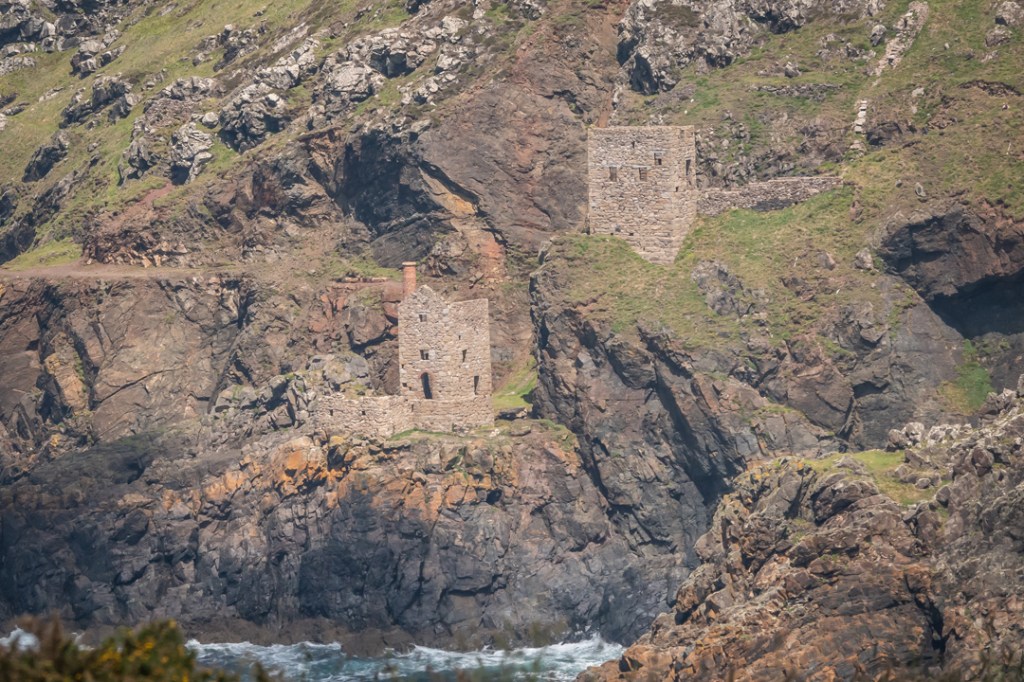
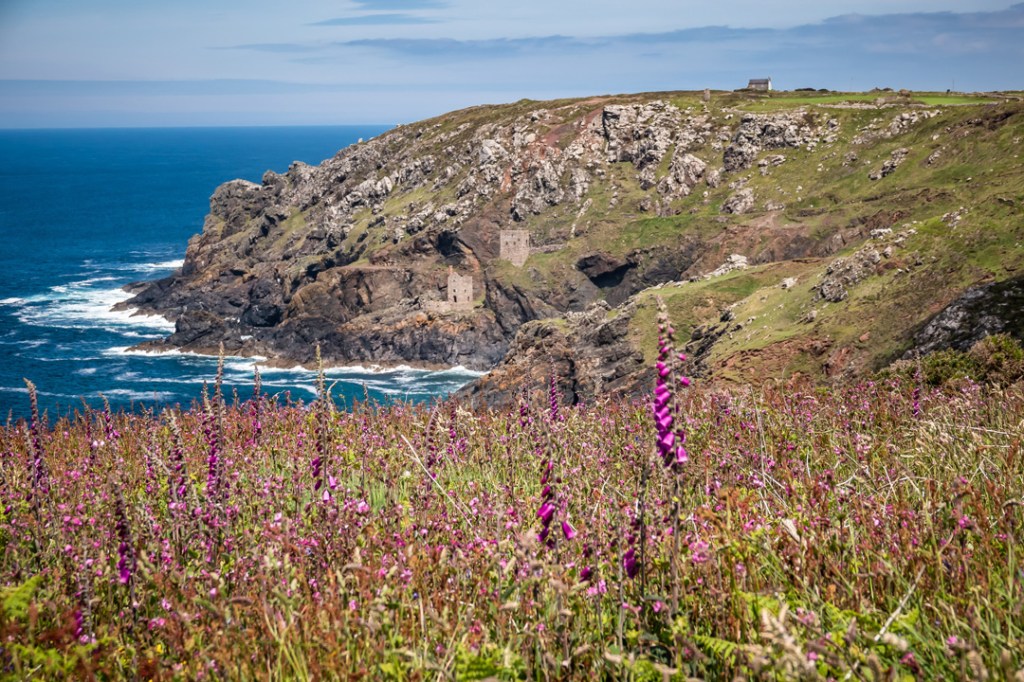
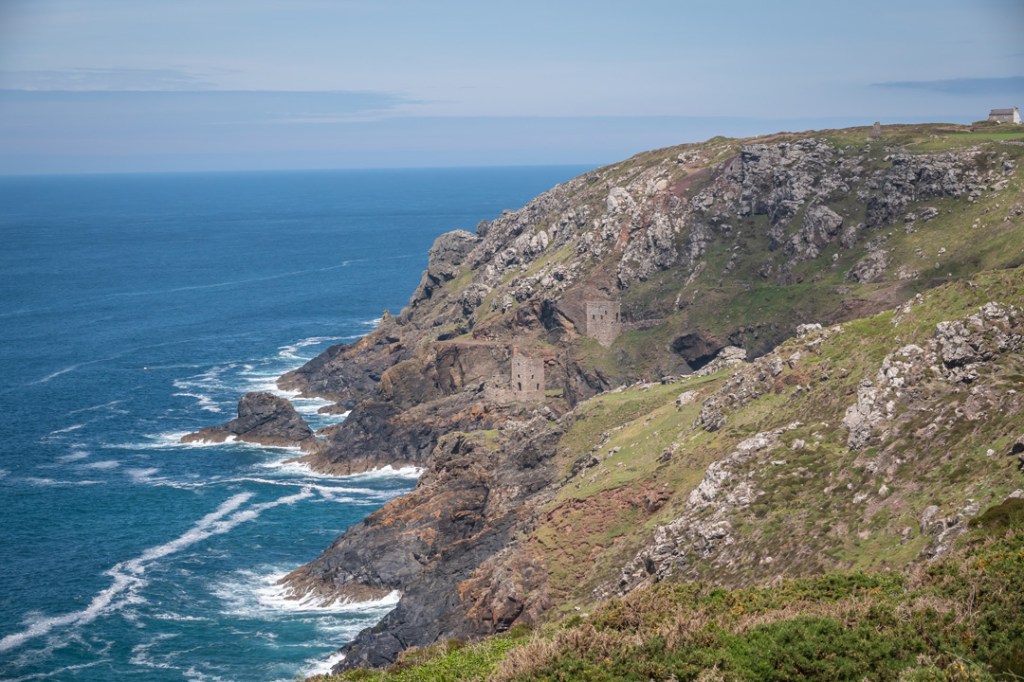
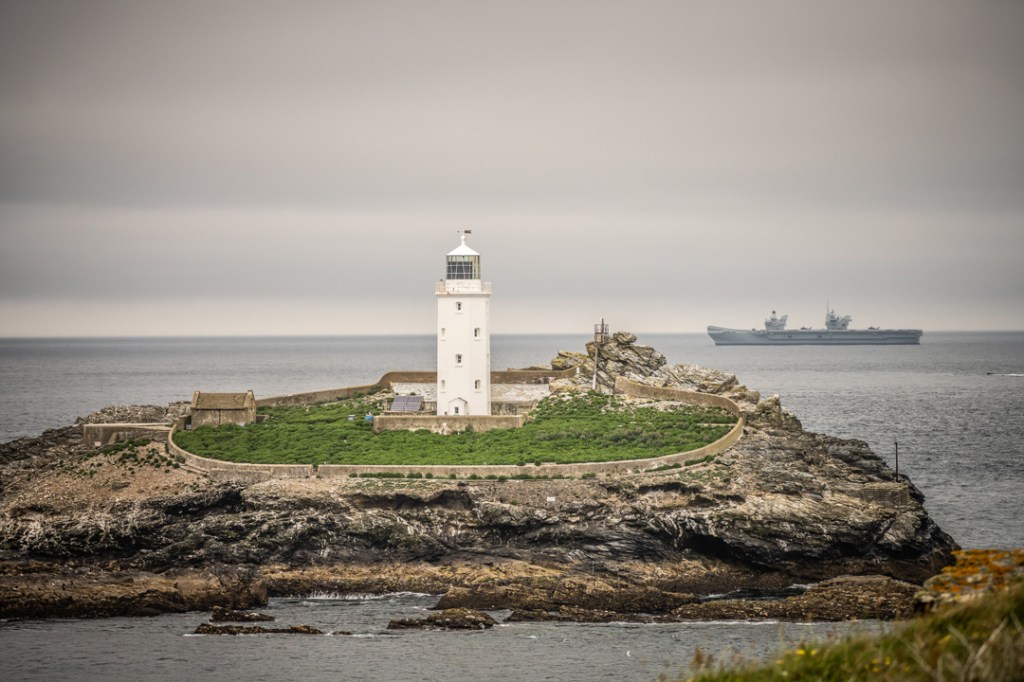
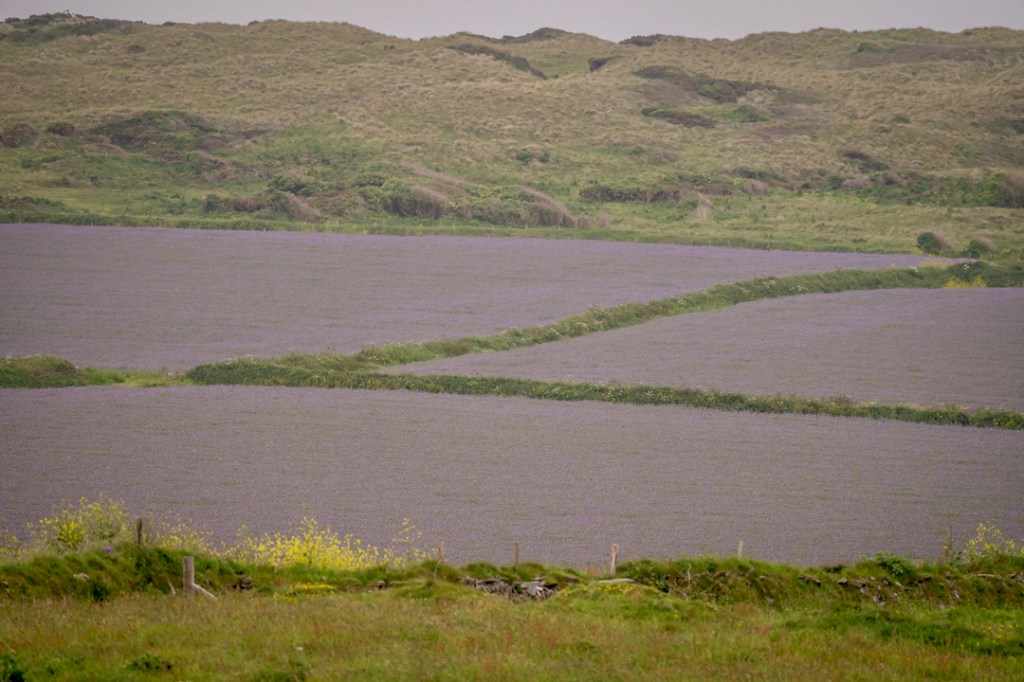
Later in the week we spent a day in and around Hayle (on the estuary and at Godrevy Point) and saw quite a few birds. The National Trust has been working closely with their tenant farmers to find ways of improving wildlife across the high yielding broccoli fields and everywhere you now see the purple flowers of a crop called Phocelia which acts as a green manure, reduces the need for fertilizers and is a great nectar source for bees and butterflies
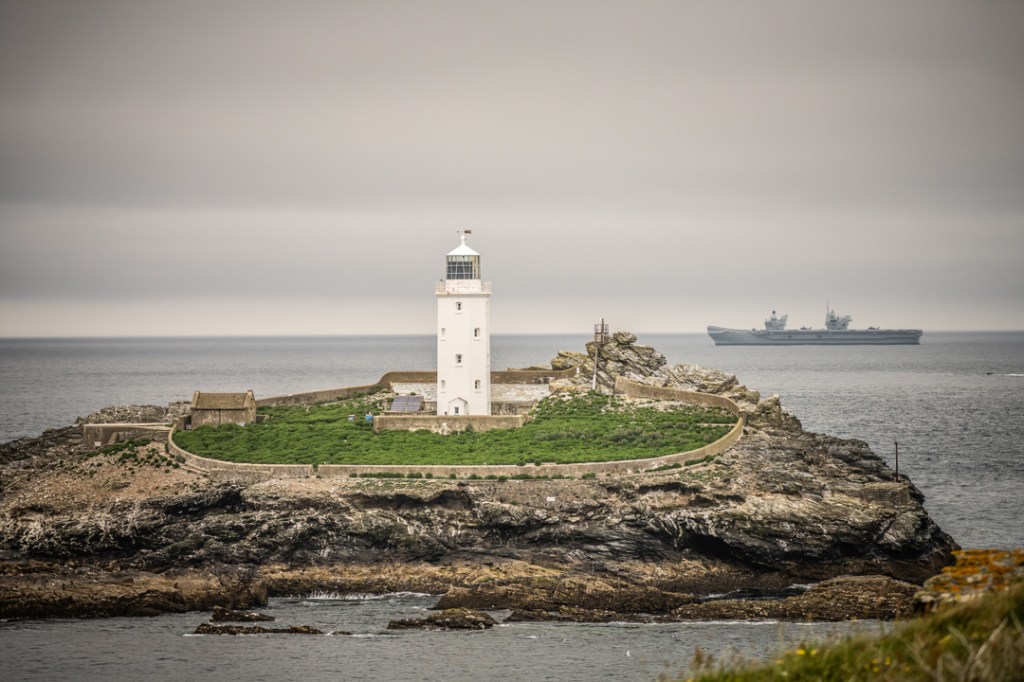
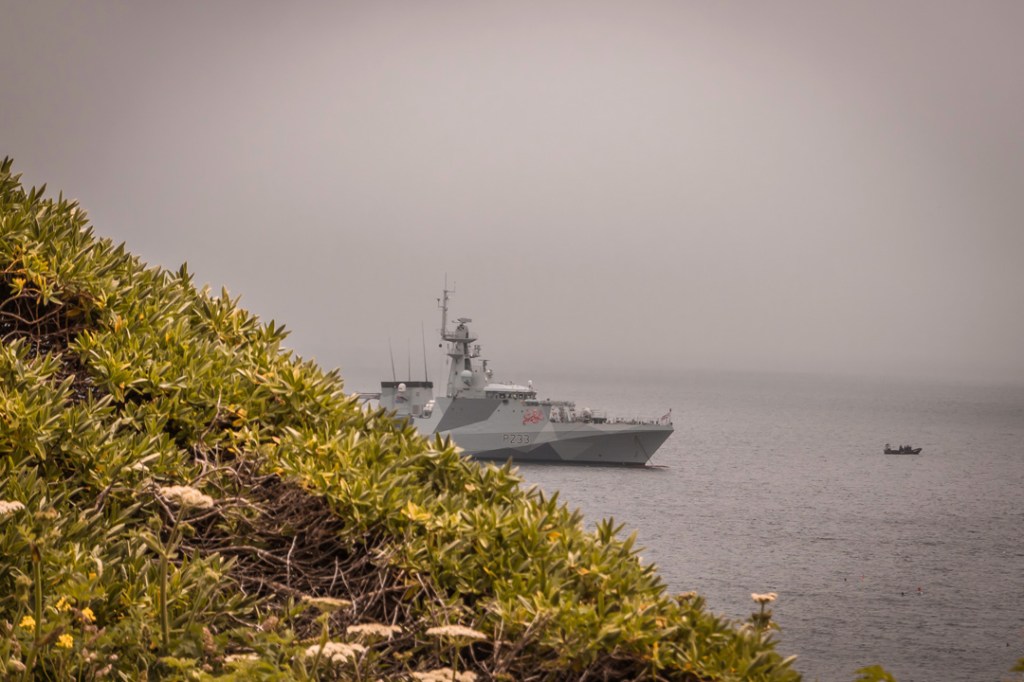
The aircraft carrier tucked behind Godrevy lighthouse served as a constant reminder of the G7 conference at Carbis Bay

Phocelia looks spectacular on a sunny day – not so today
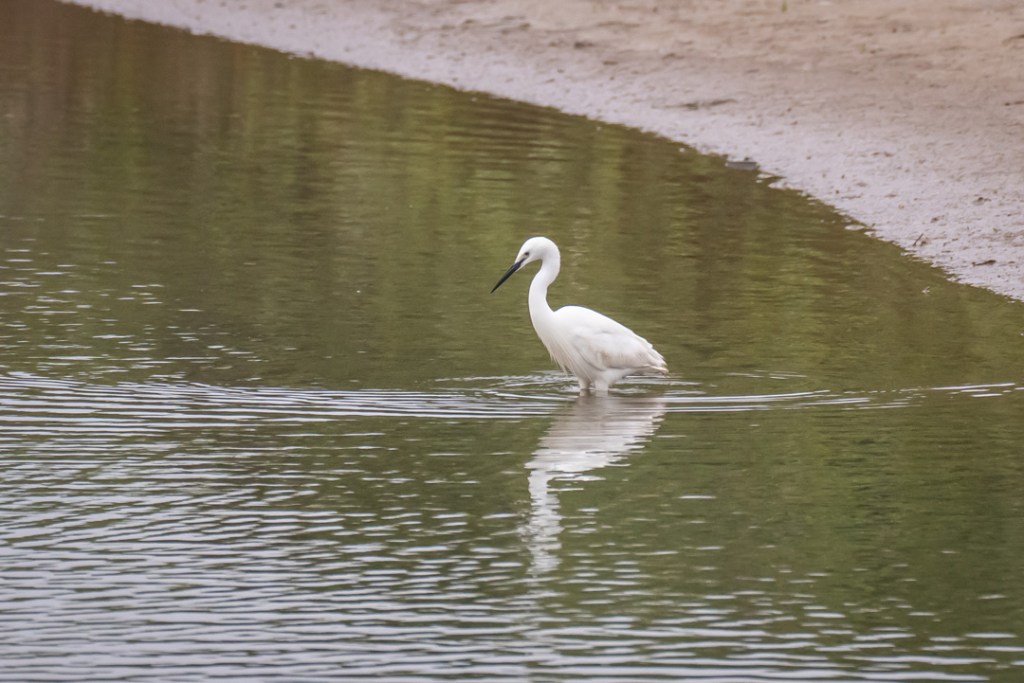

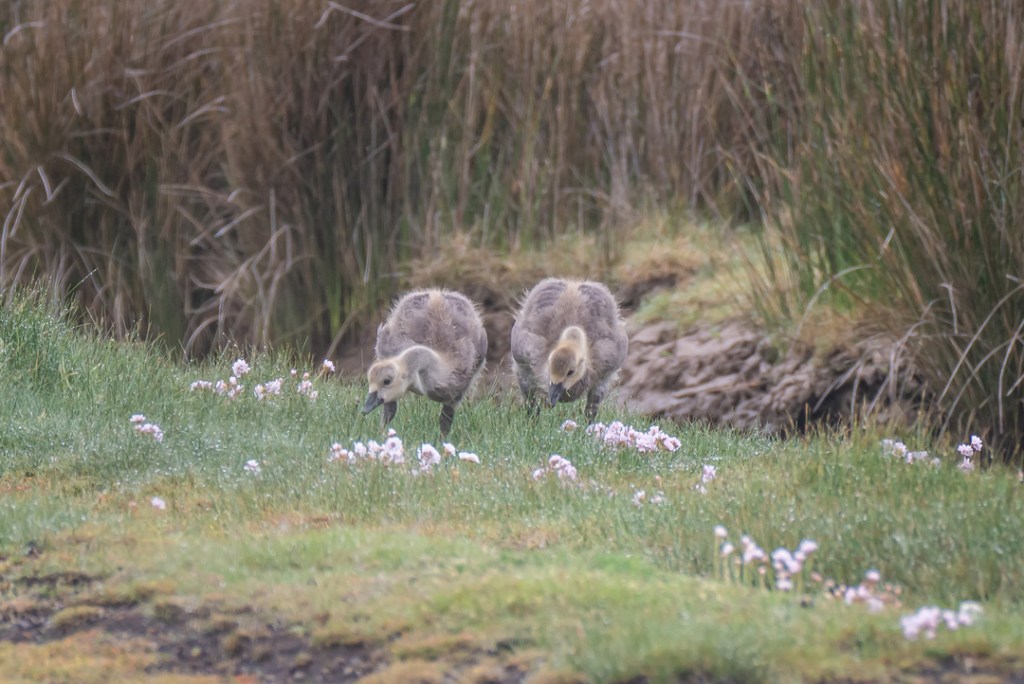
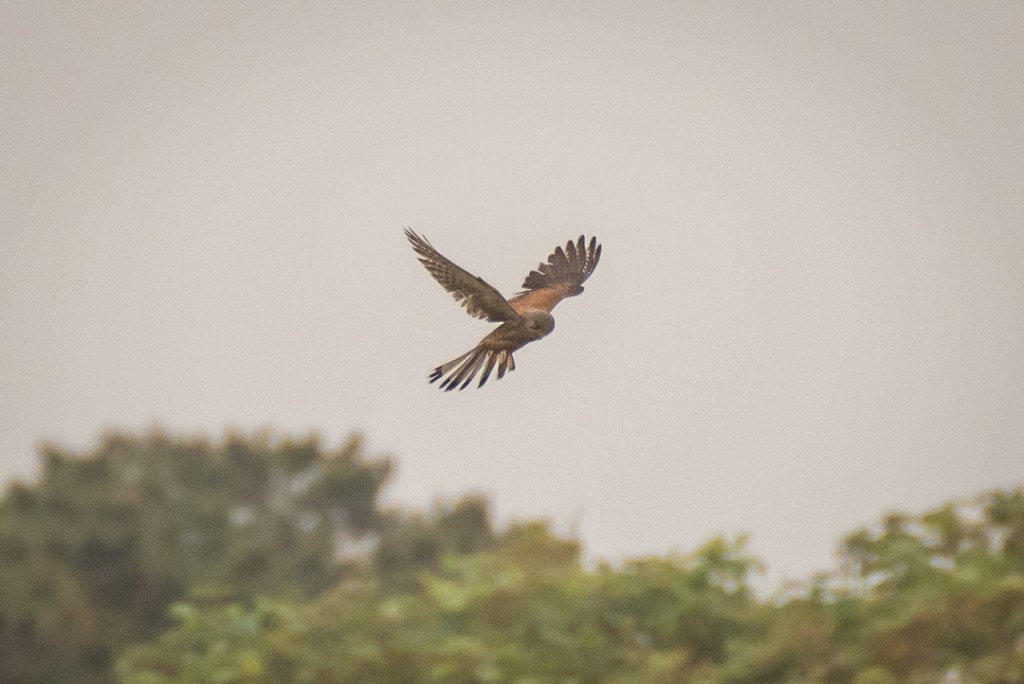
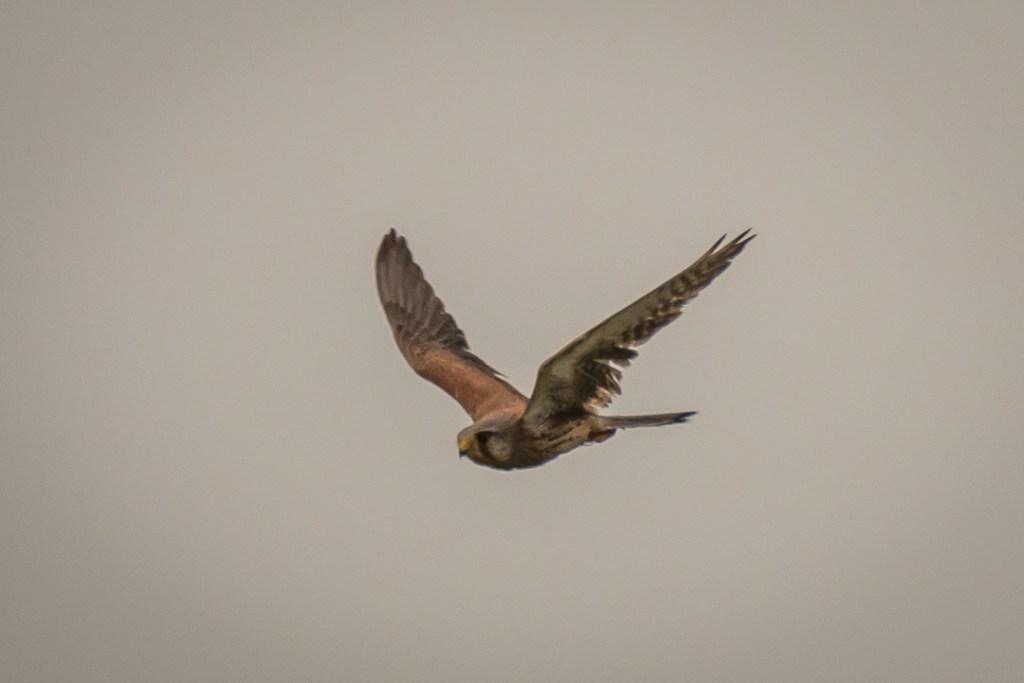

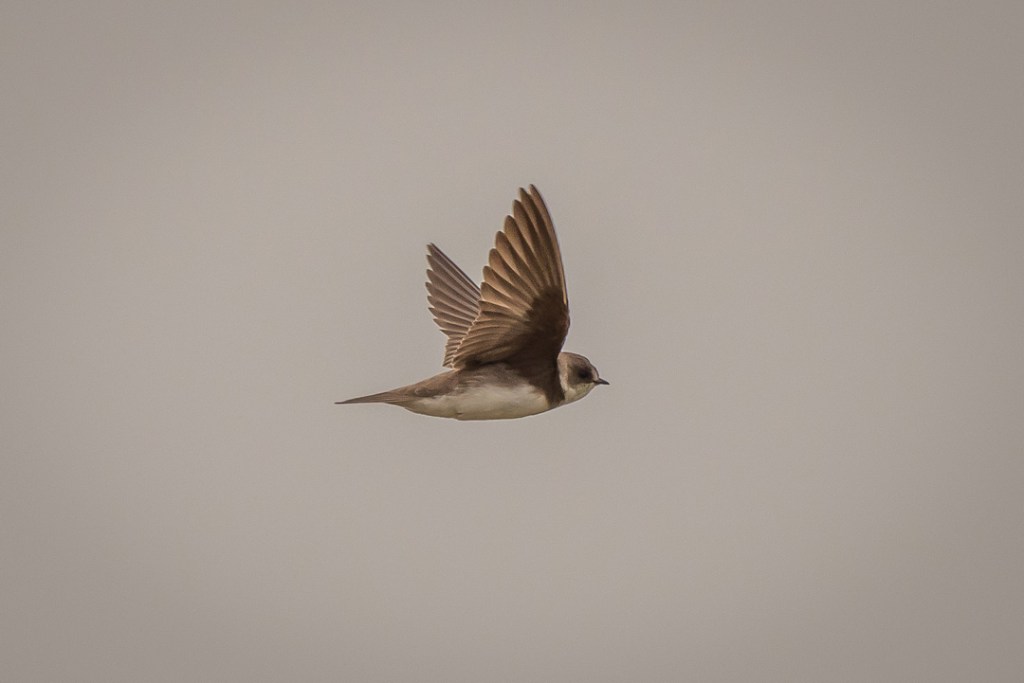


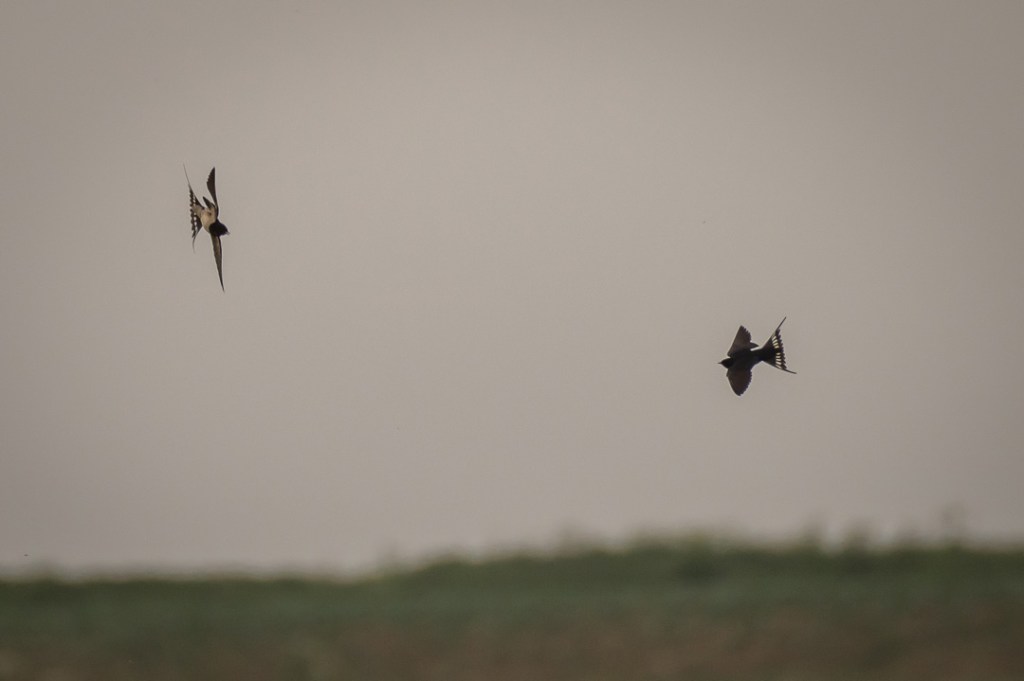
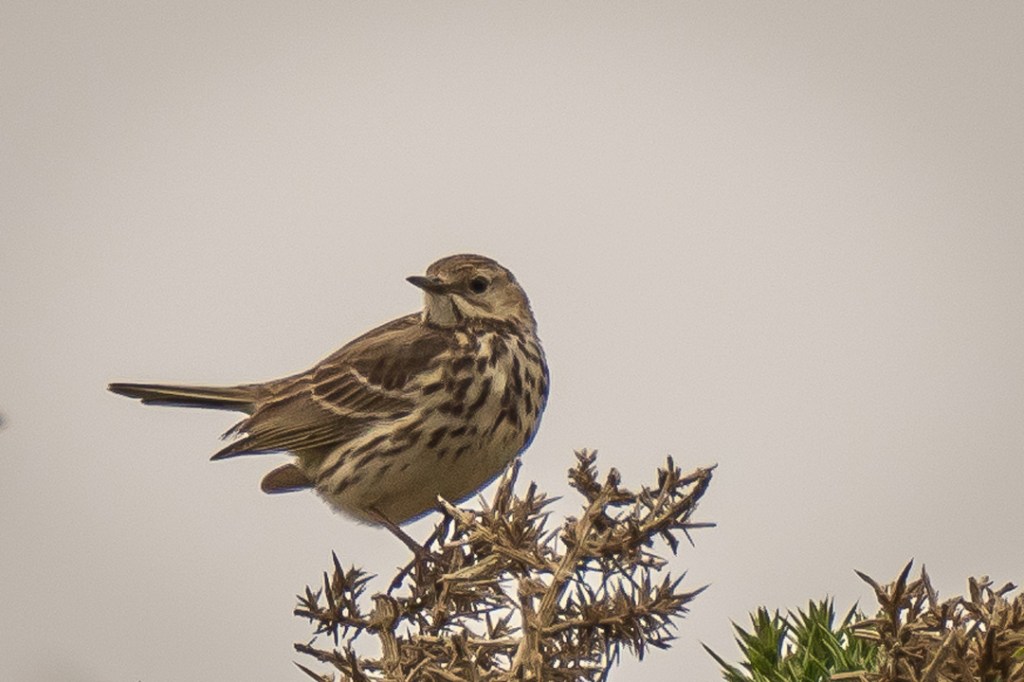
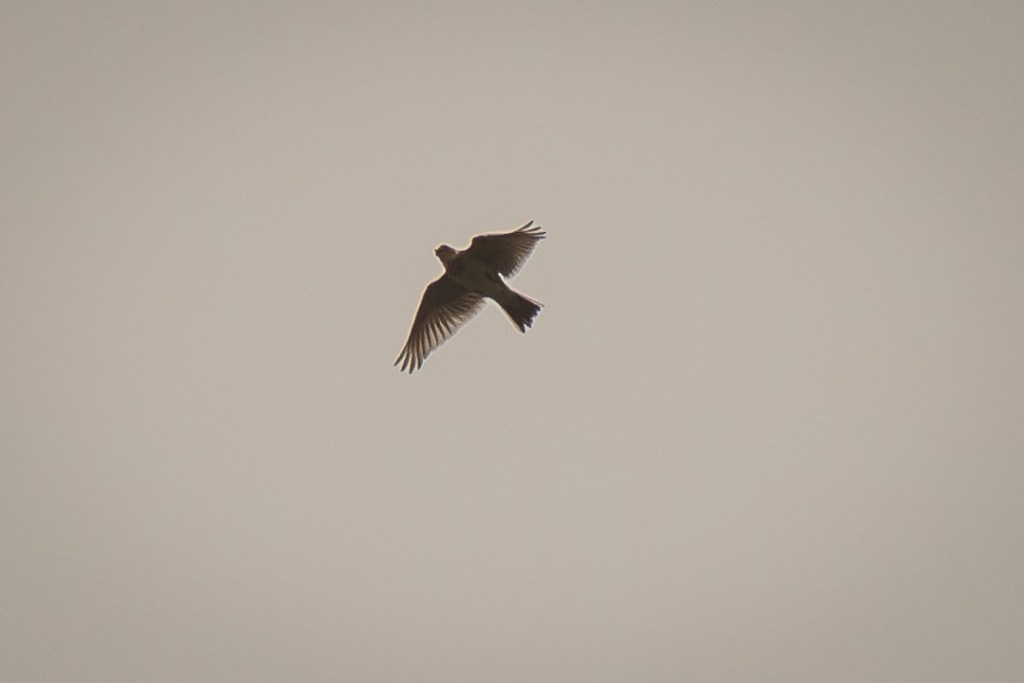
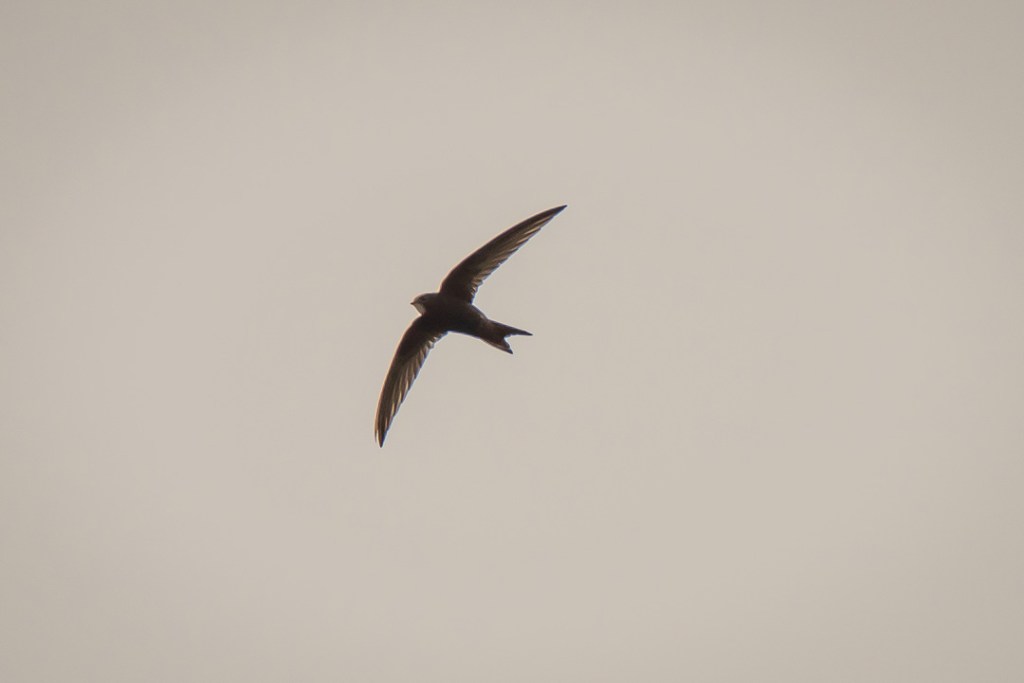
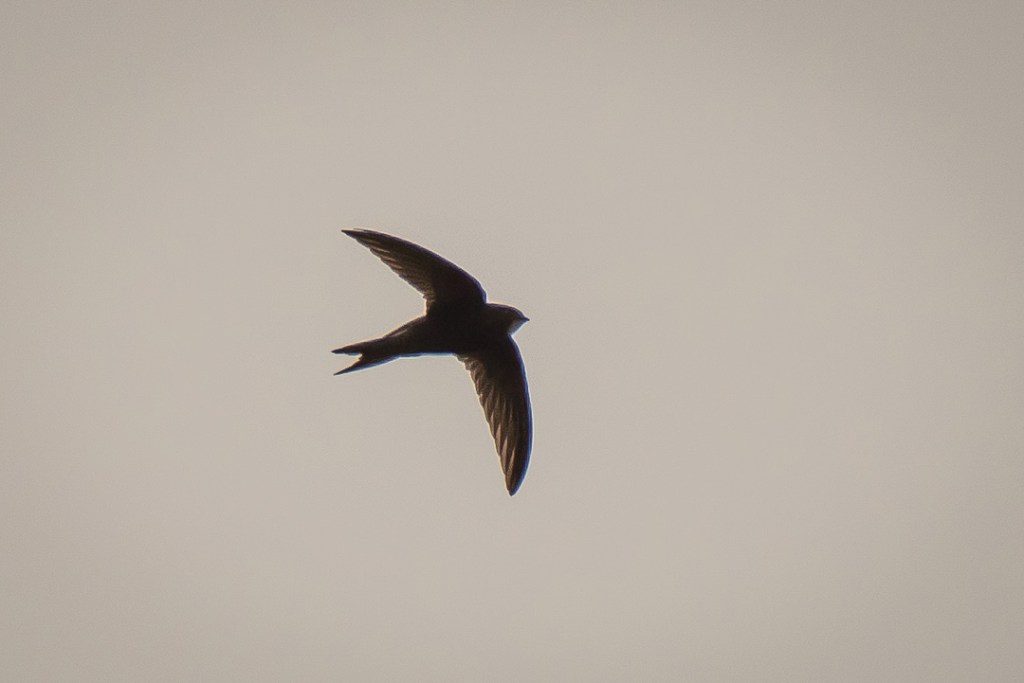
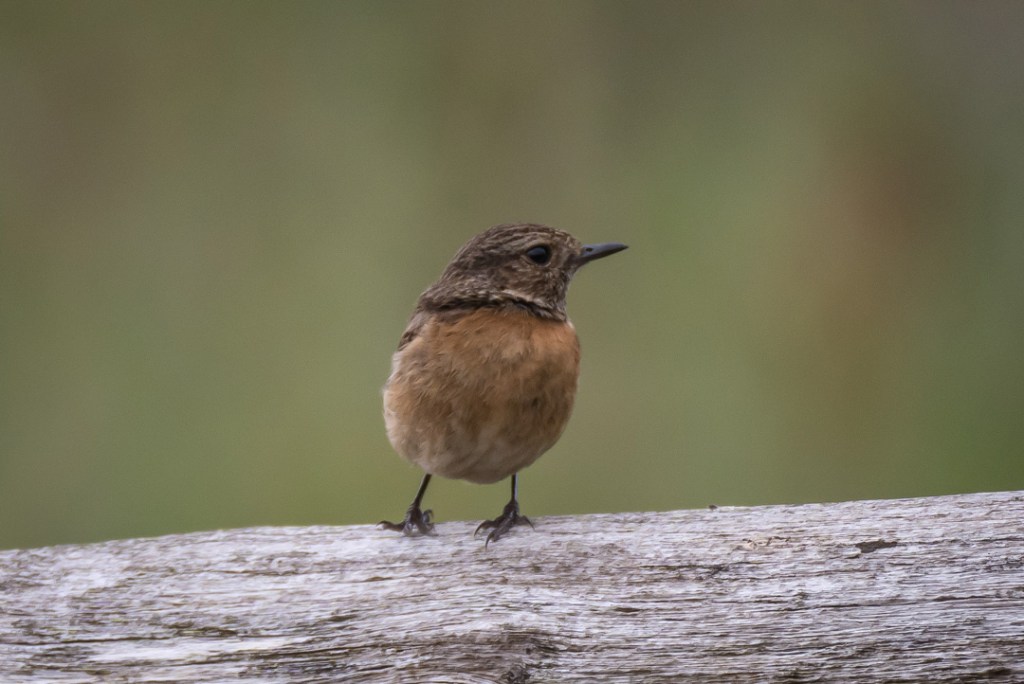
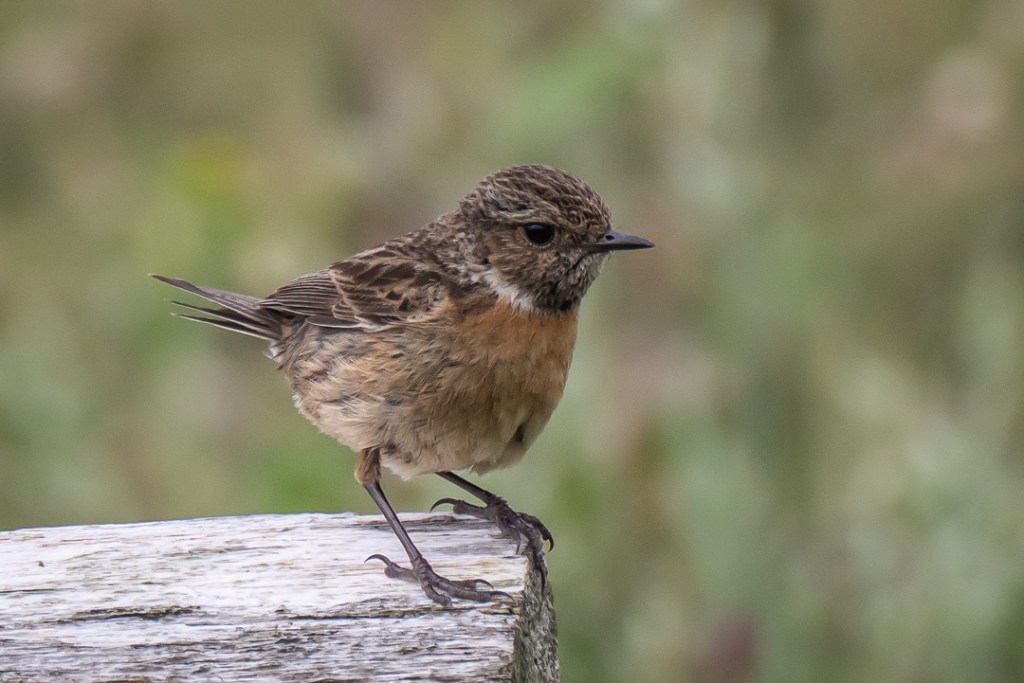

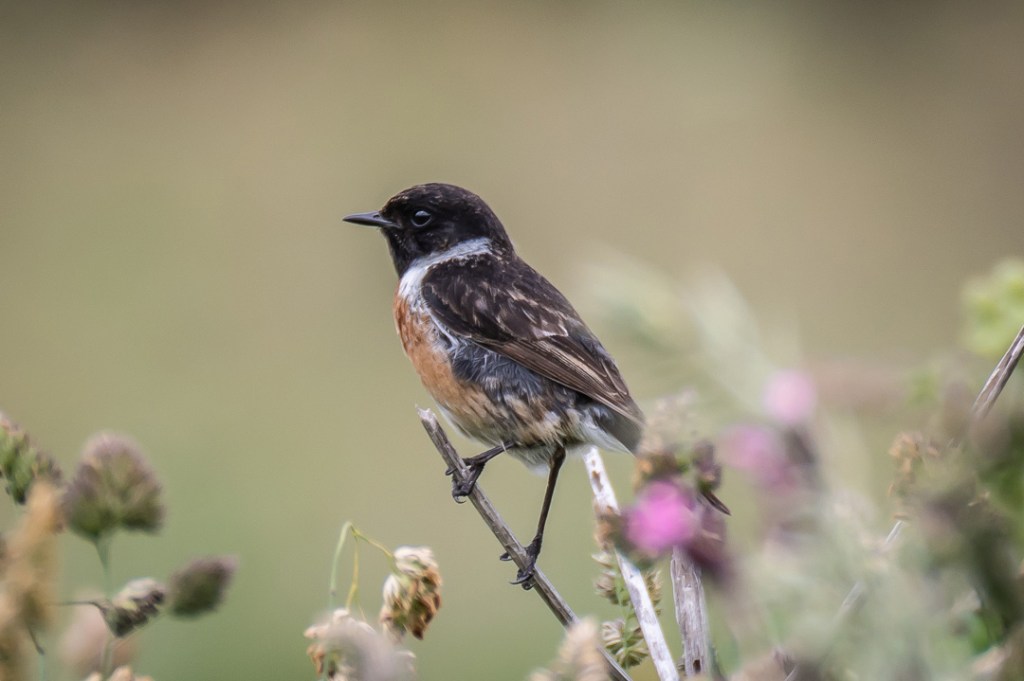
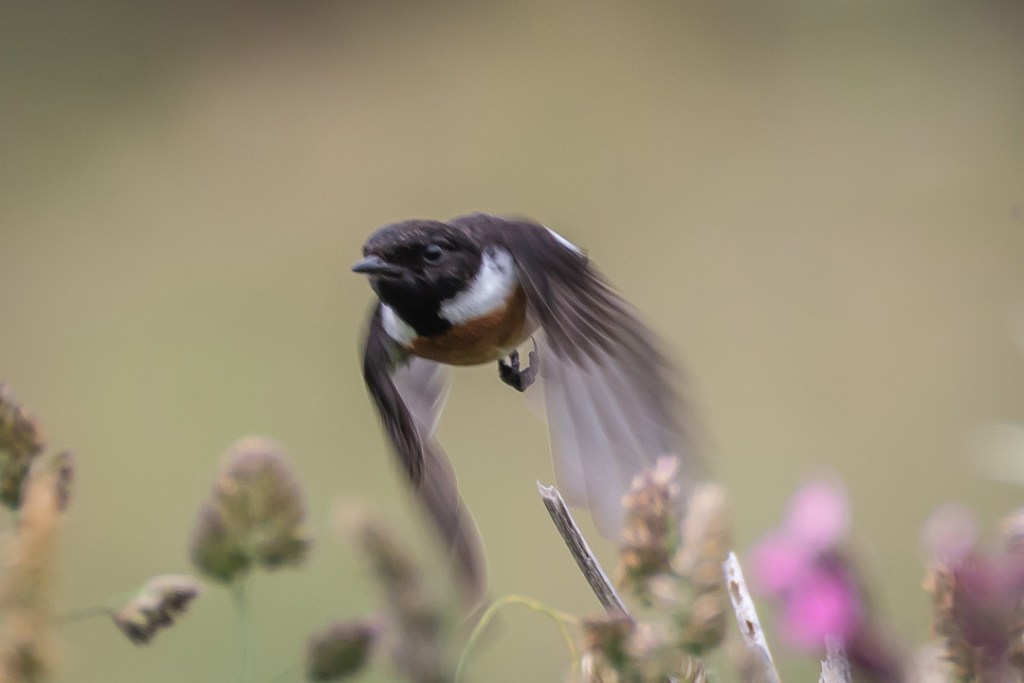
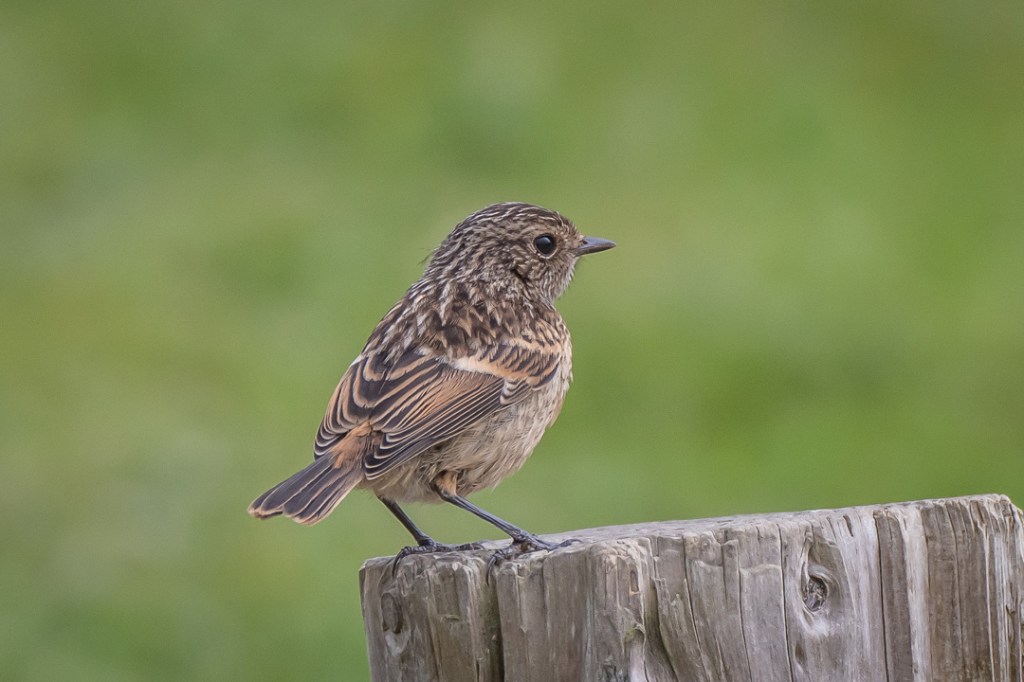
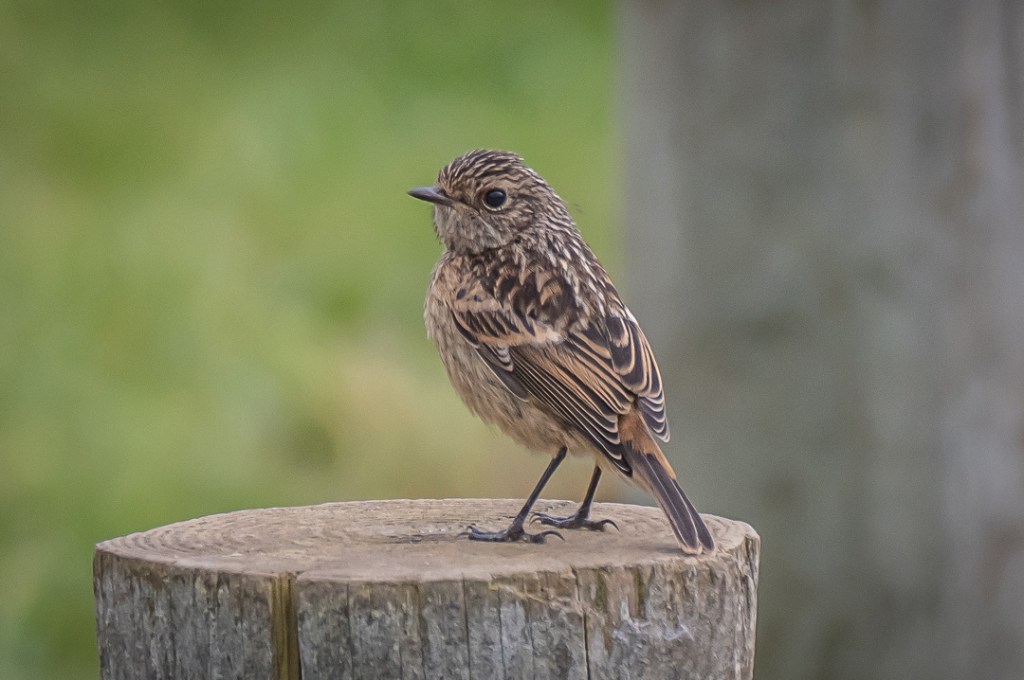
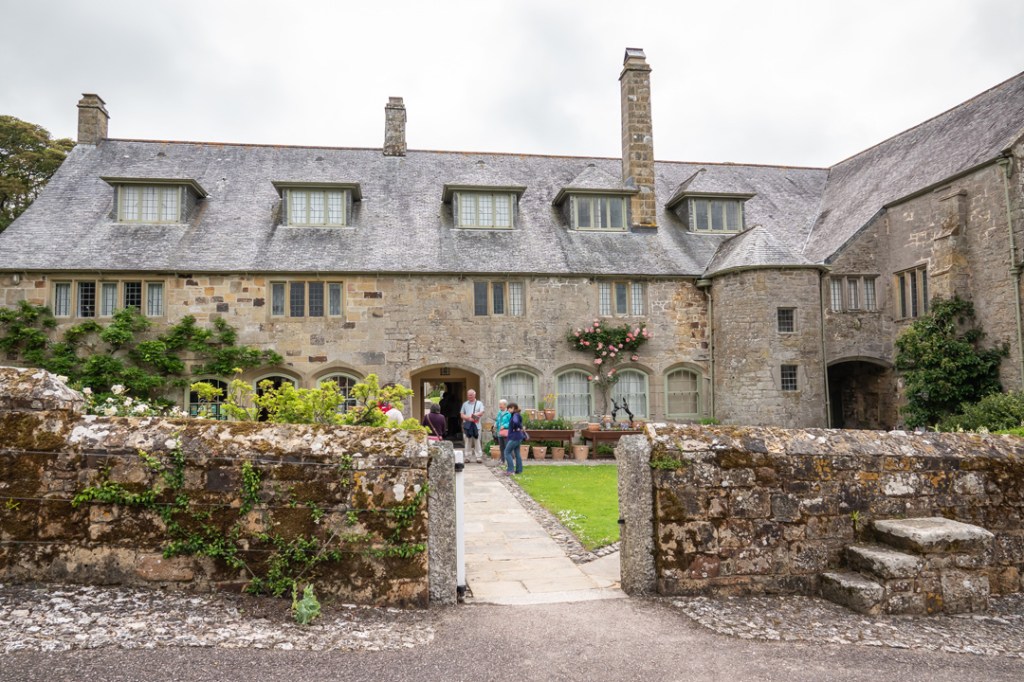
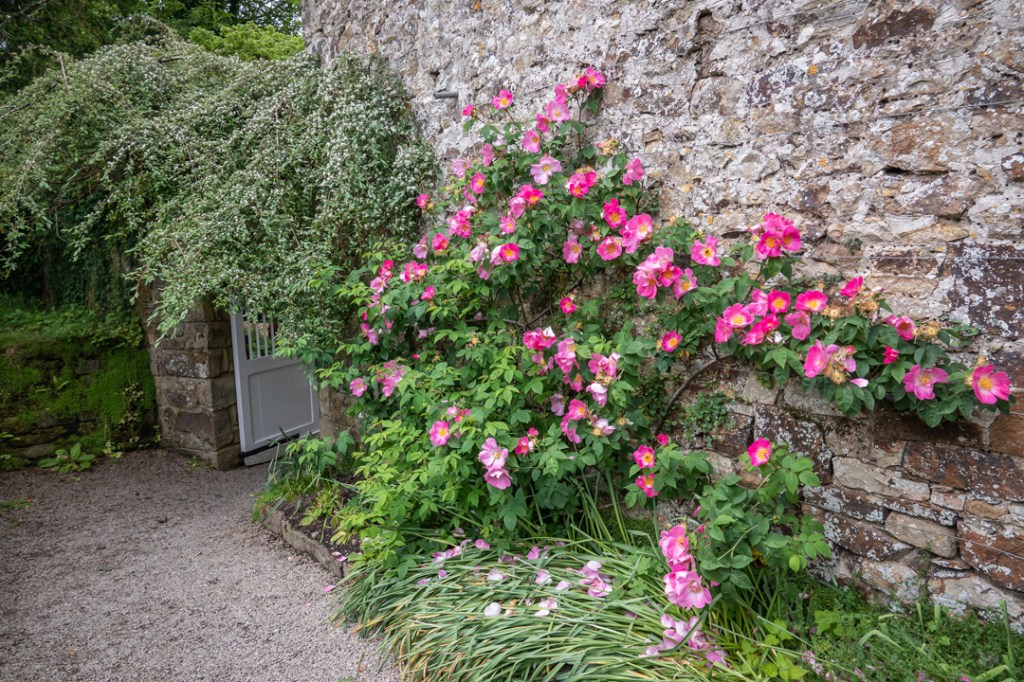
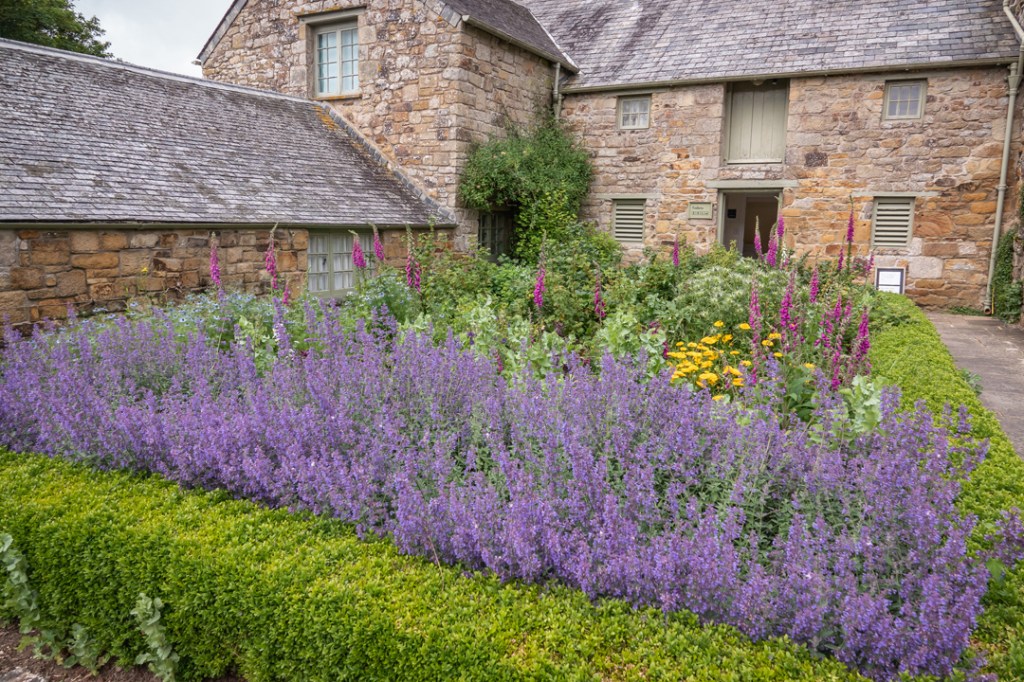
We stopped at Trerice NT (near Newquay) early on our journey home for a well-earned coffee stop after the exertions of packing up and tidying our holiday let.



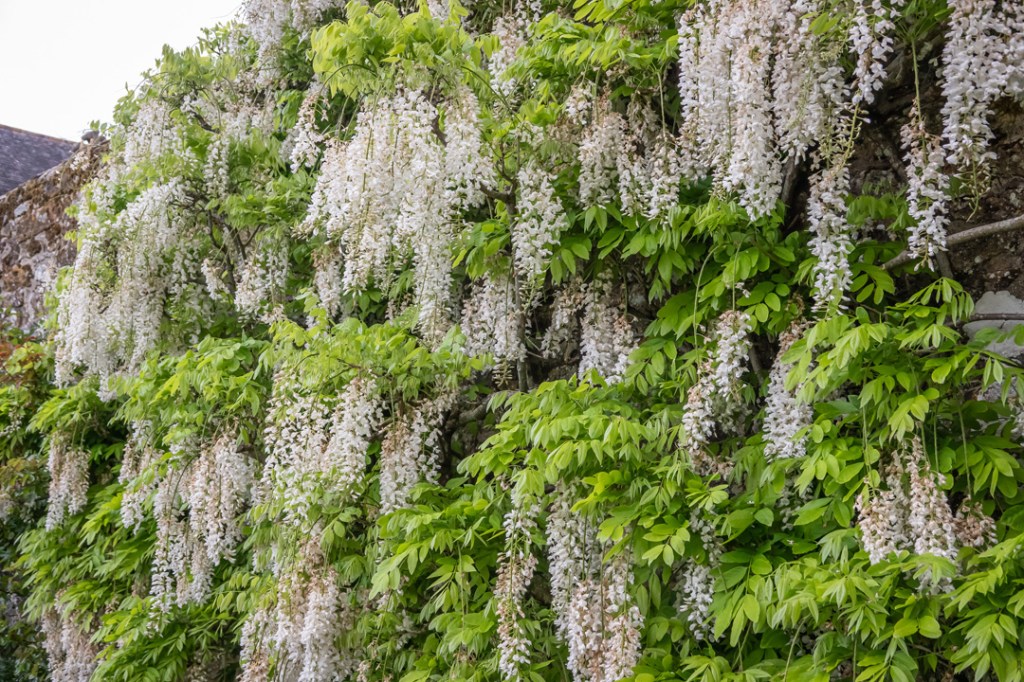
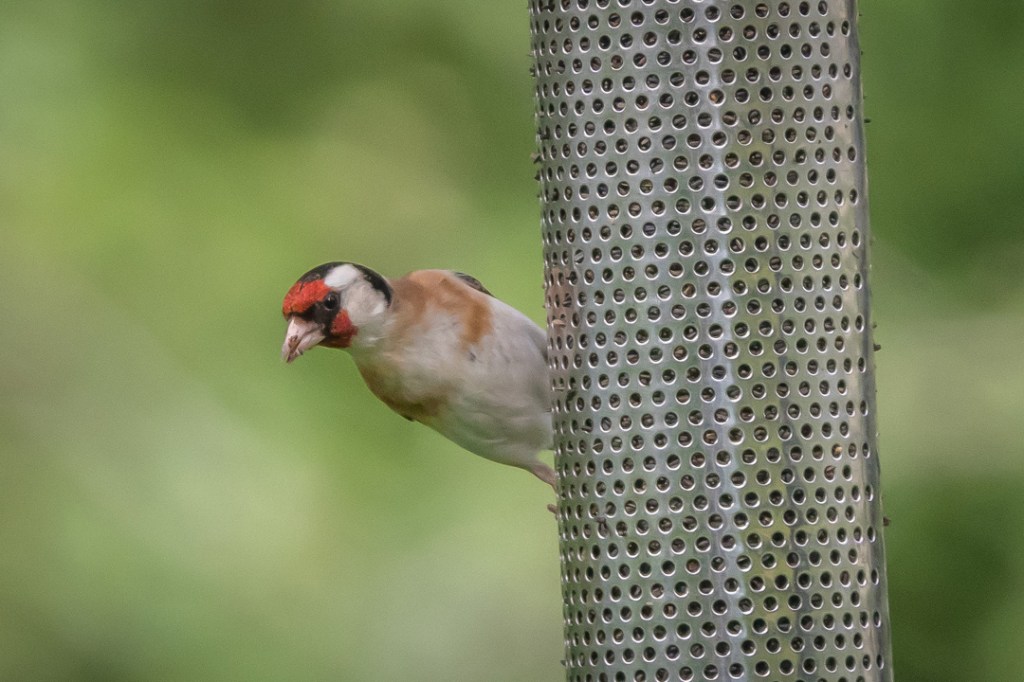


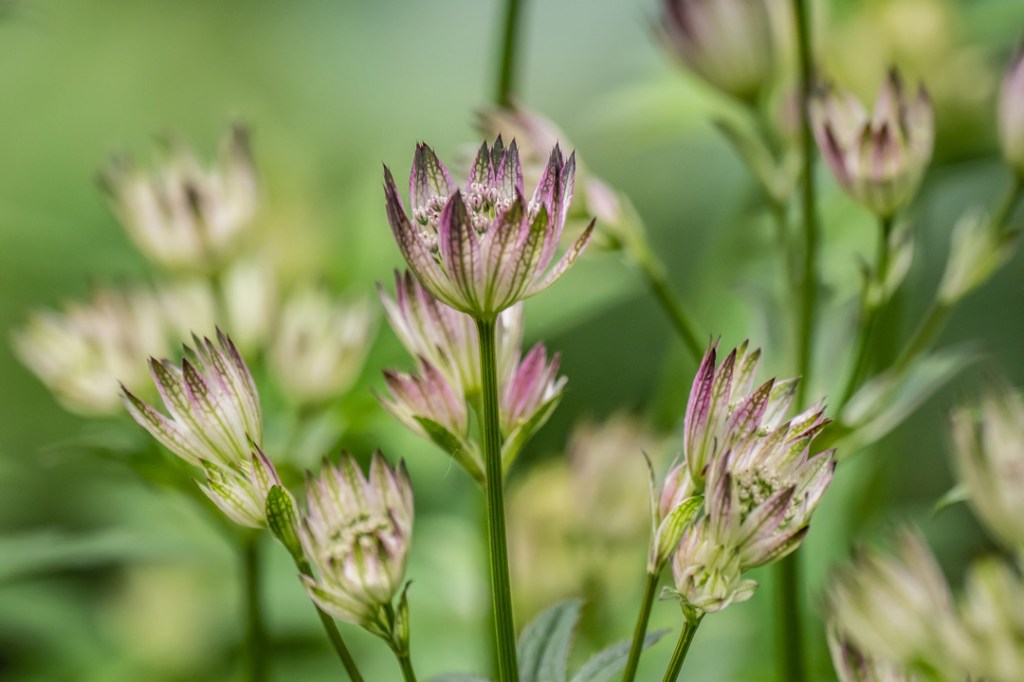
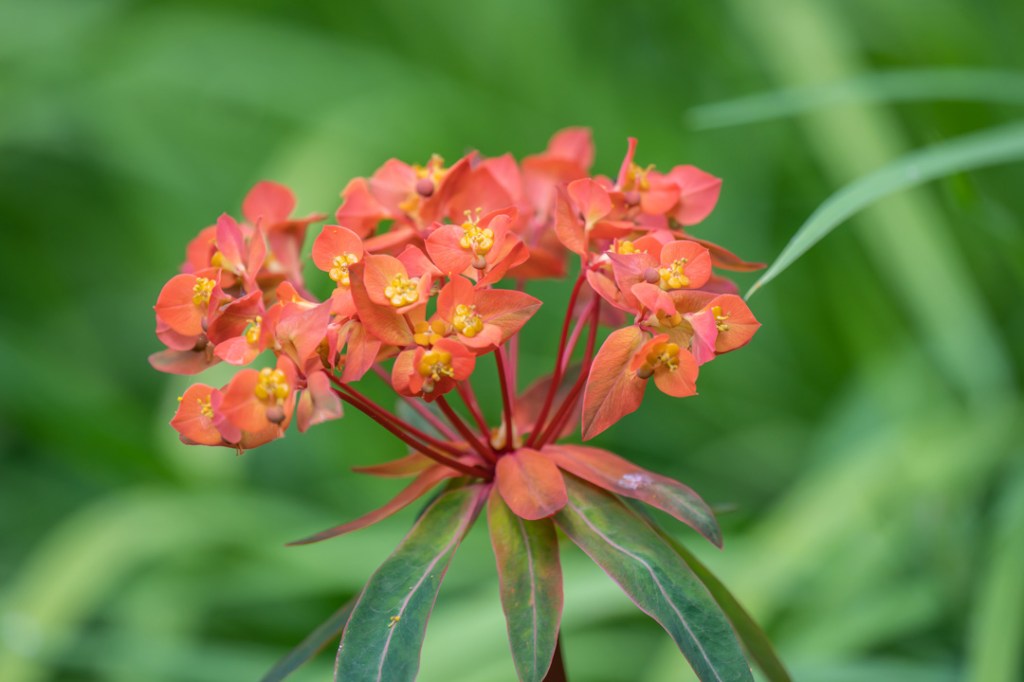
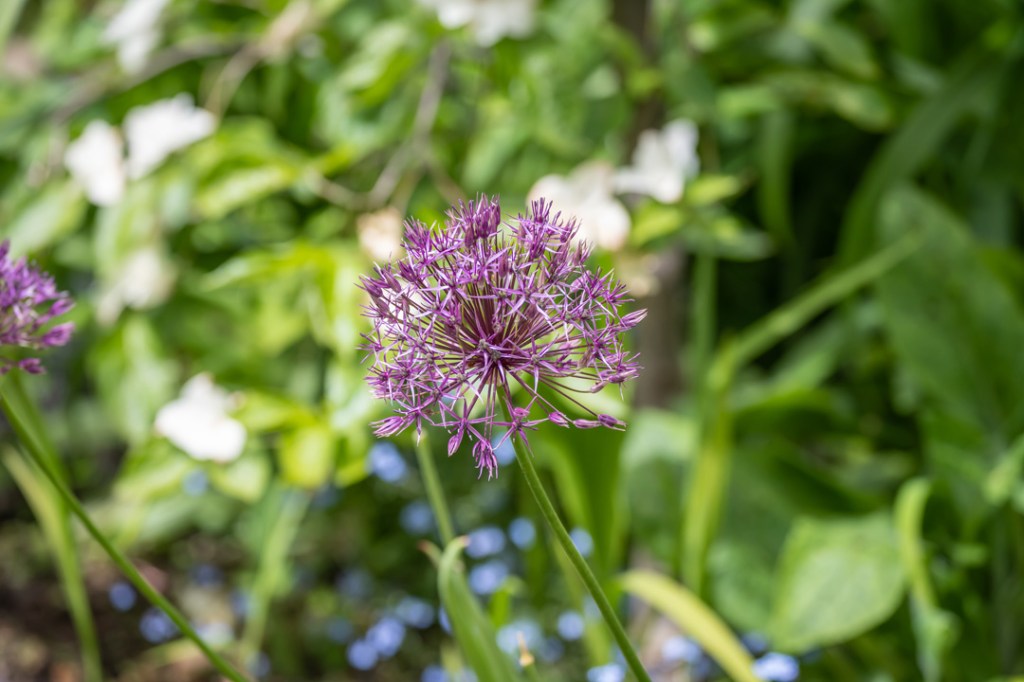
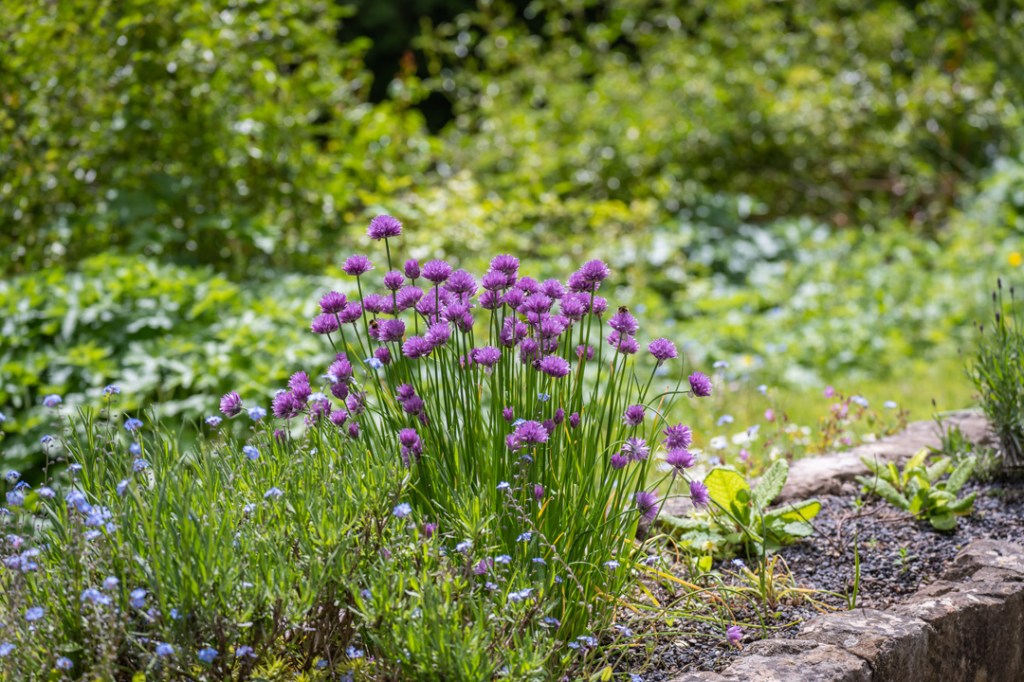
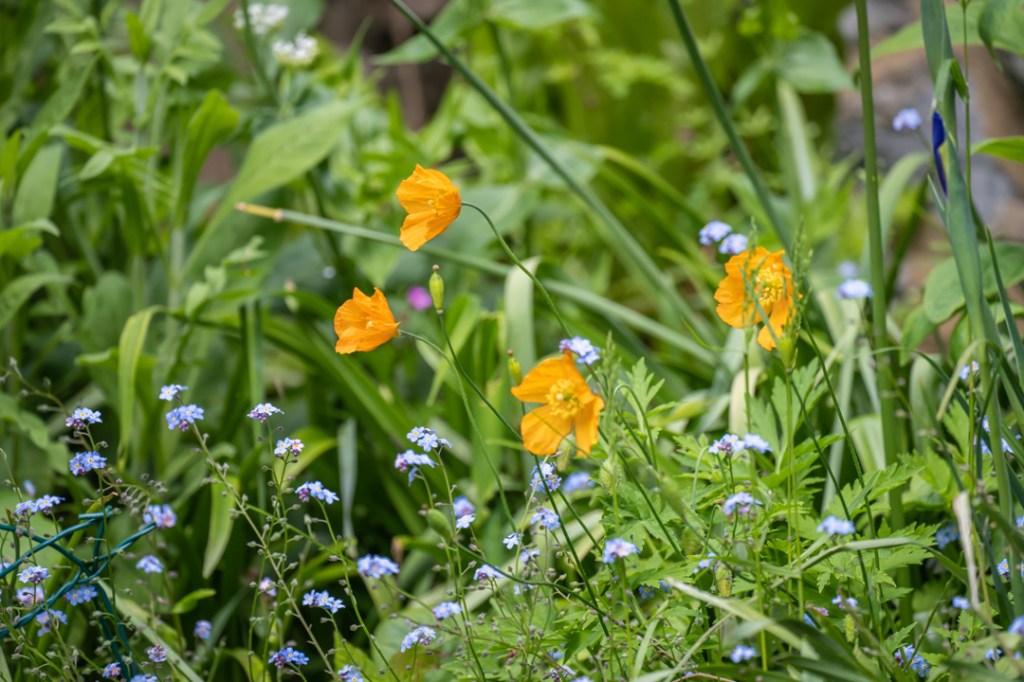
Just a few nature photos of my walk today in my local parks of Eastville Park and Snuff Mills along the River Frome in Bristol.


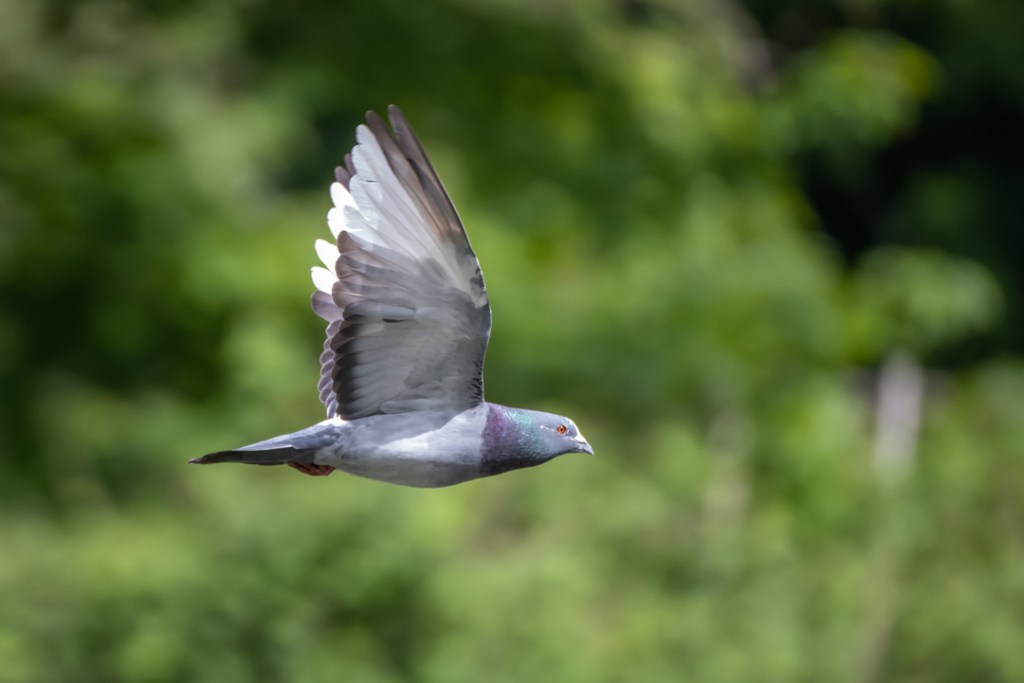


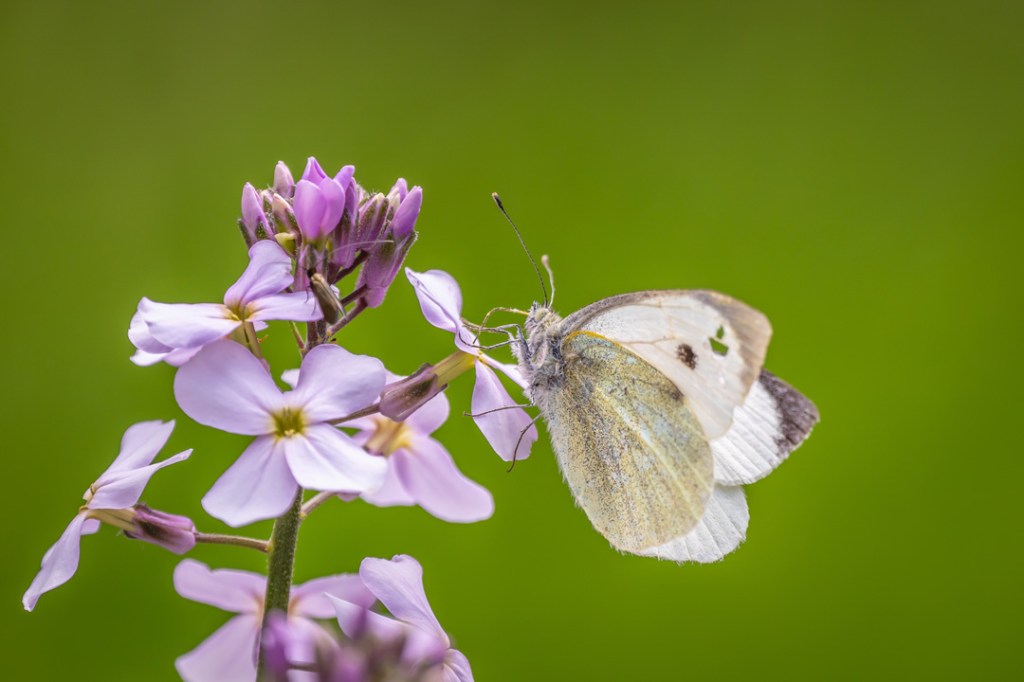
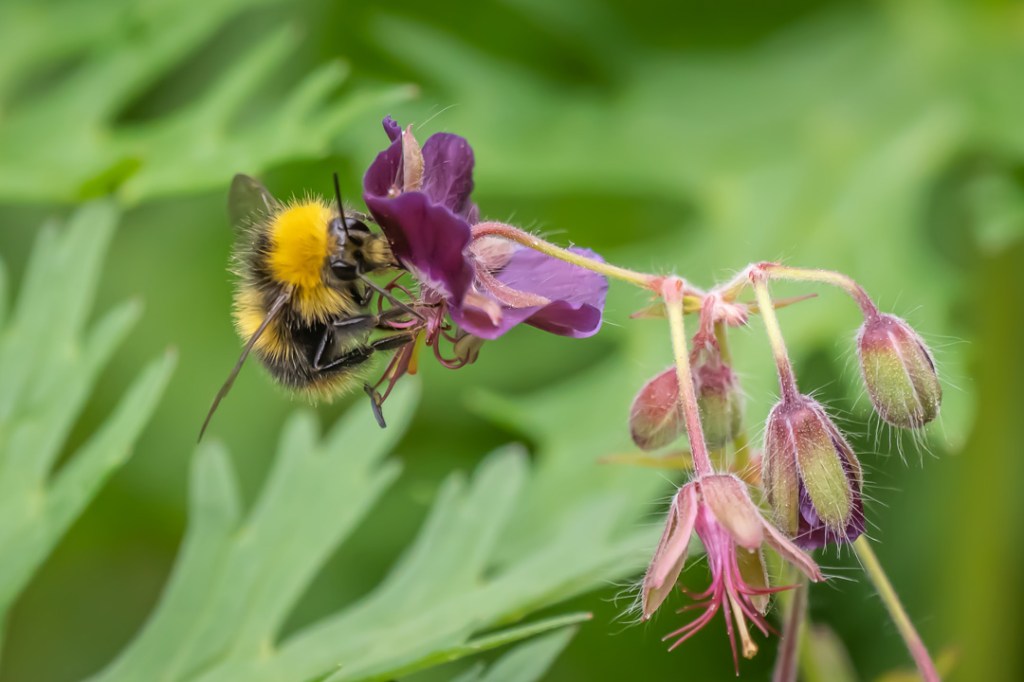
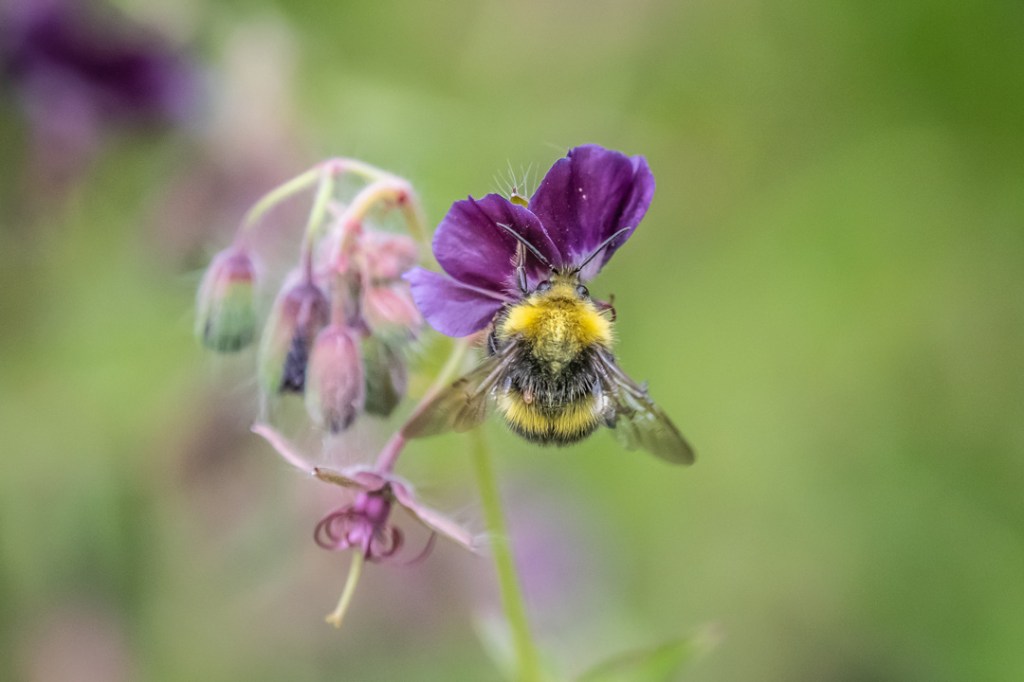
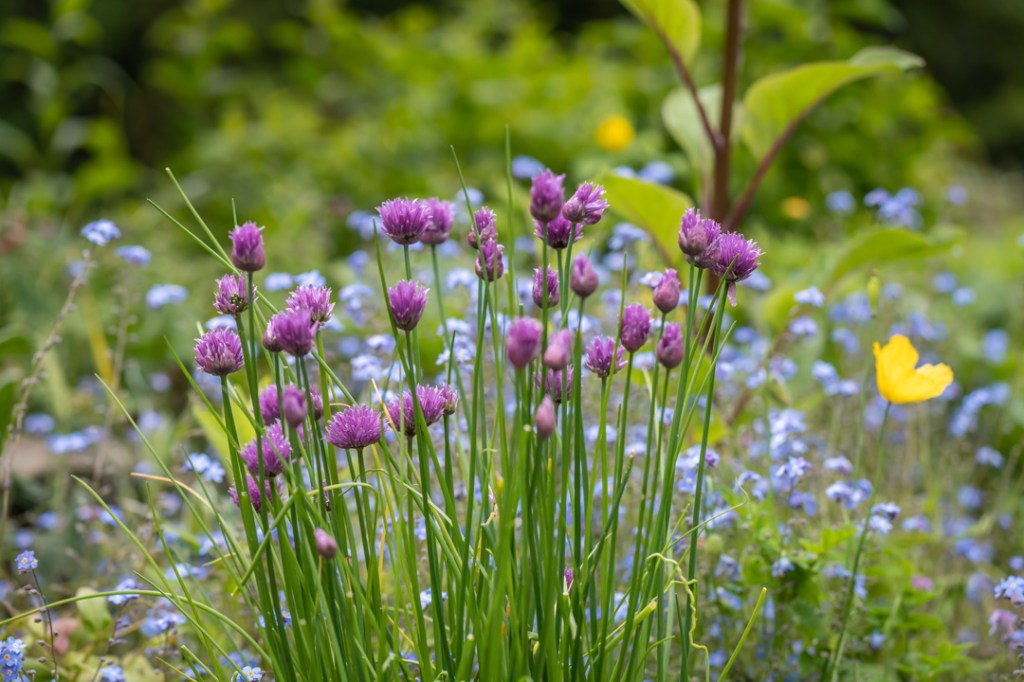
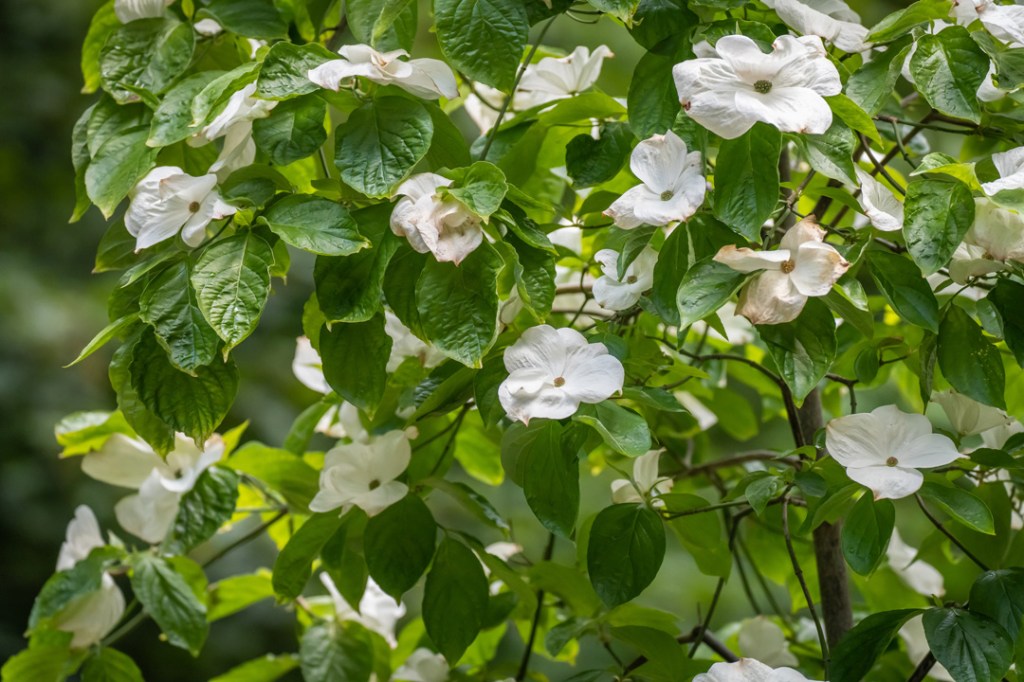
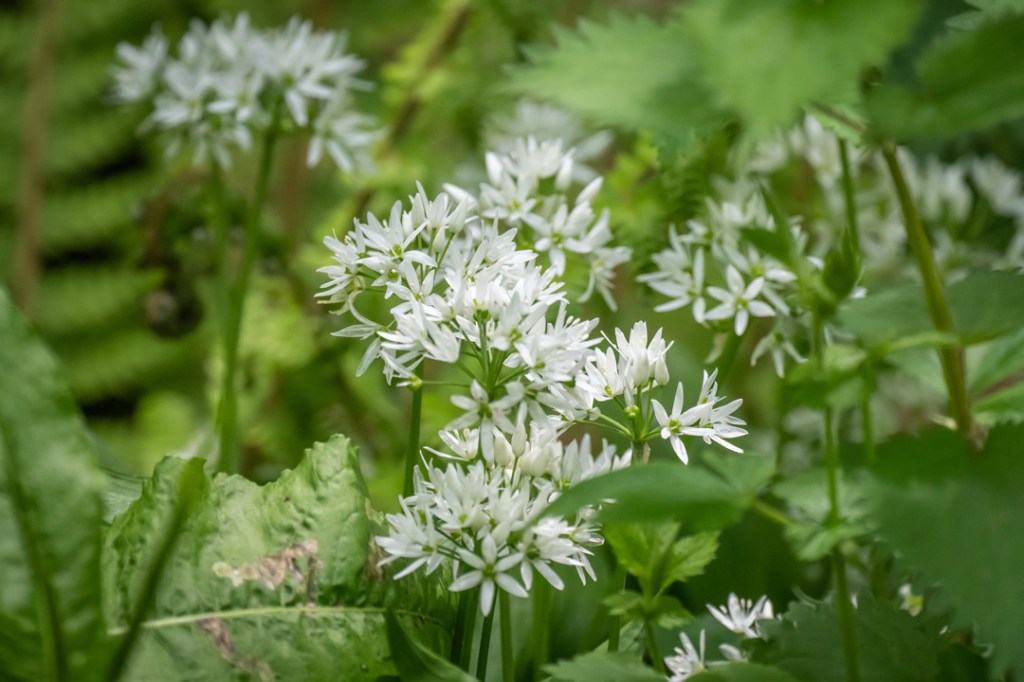
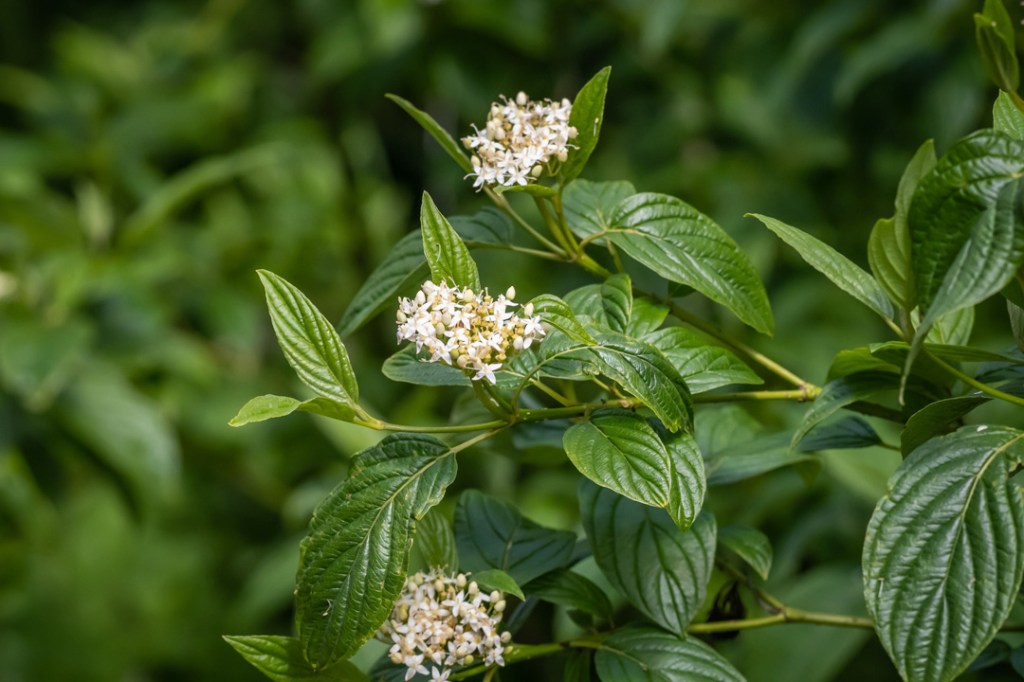
And a few of my favourite flowers:


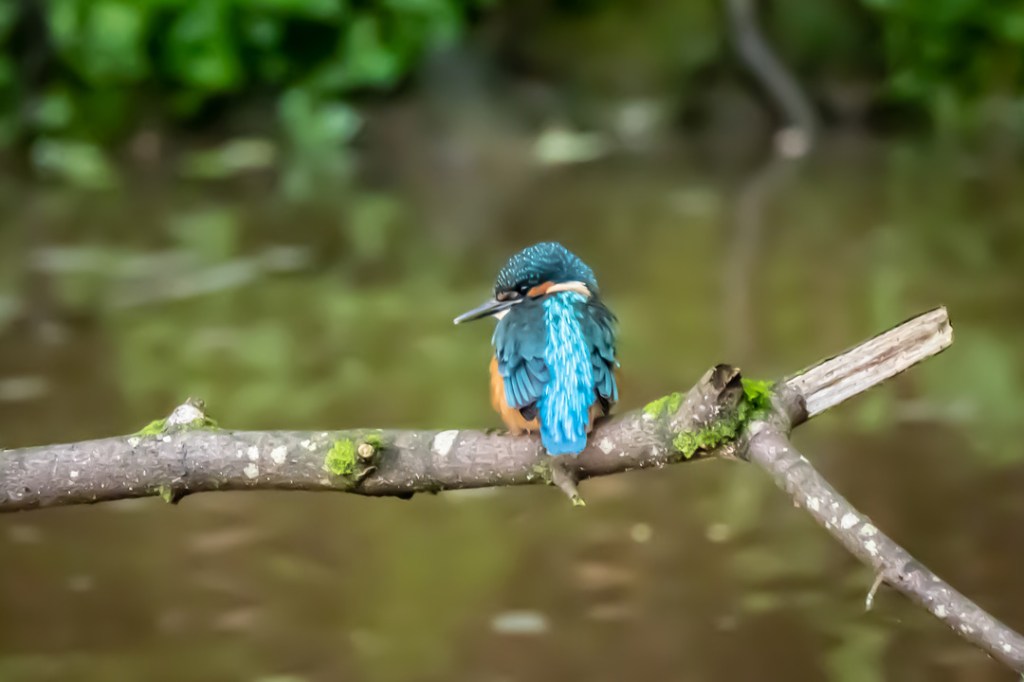
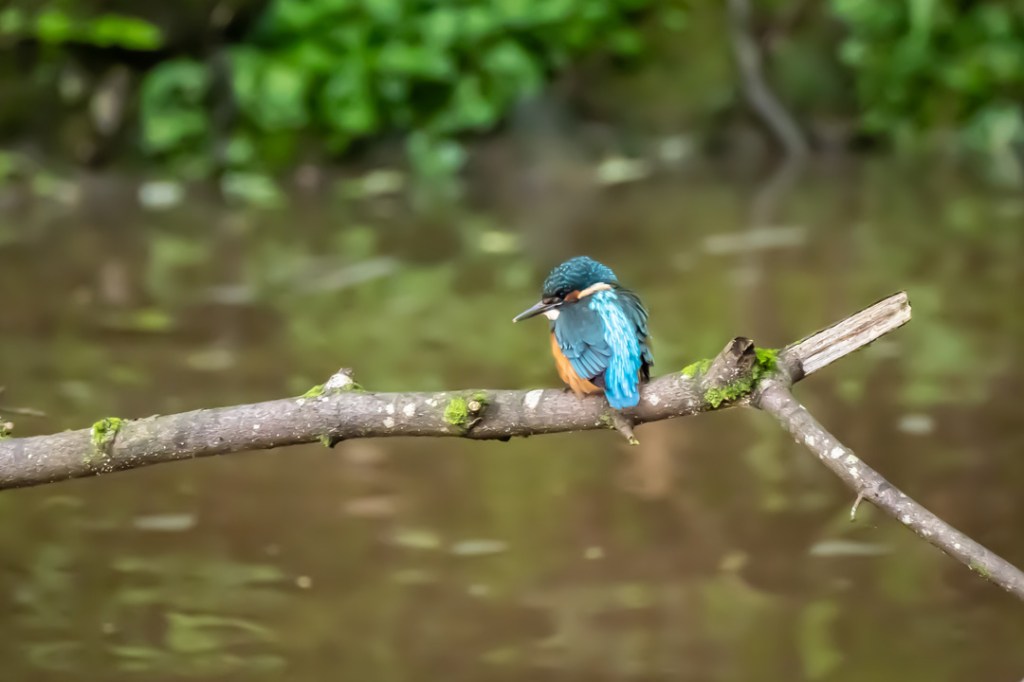
We had a walk along the River Frome at Snuff Mills in Bristol this afternoon in the hope of seeing juvenile dippers and/or juvenile kingfishers of which I had seen reports.
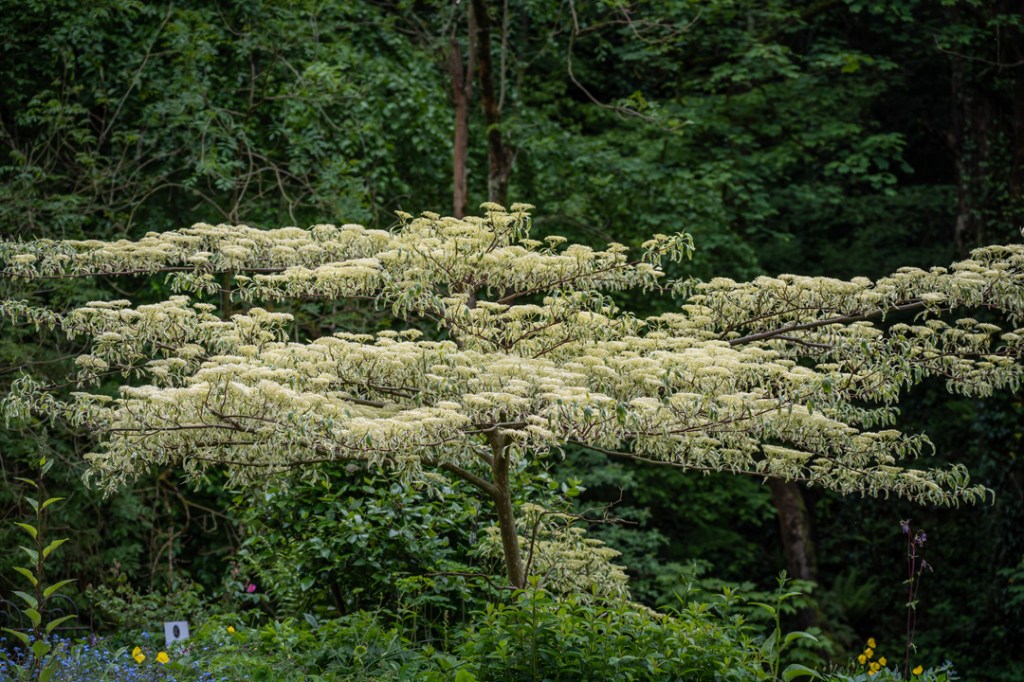
We didn’t hang around as the forecast wasn’t good. I did stop to take some photos of some of the flowers in the garden at the entrance to the park – the volunteers who maintain the garden have done a splendid job and on a better day I must return and try to do them more justice.
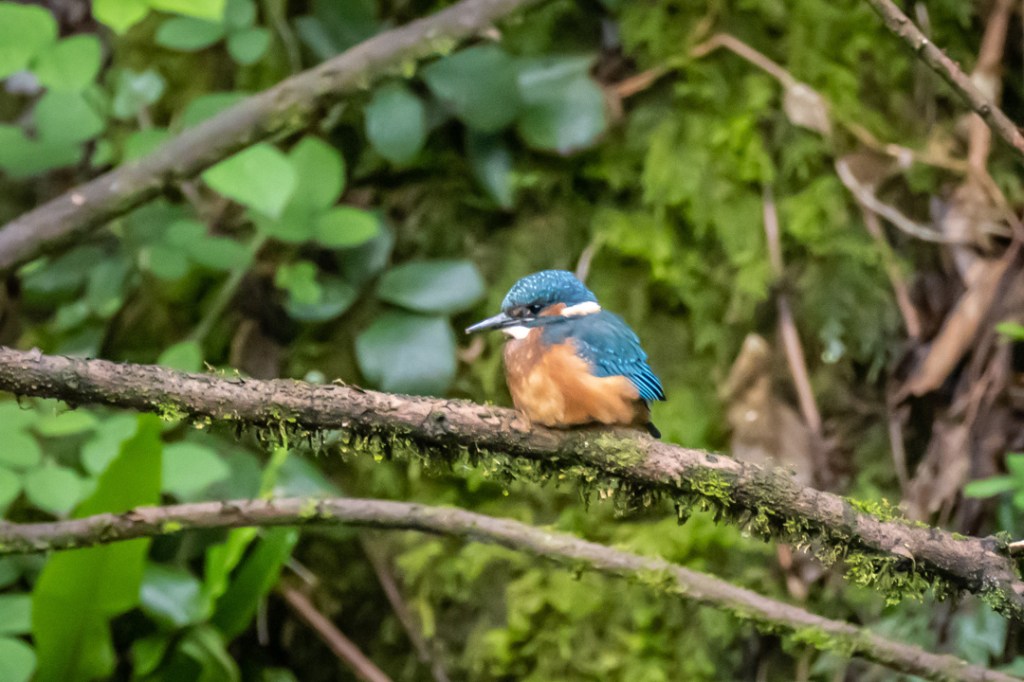
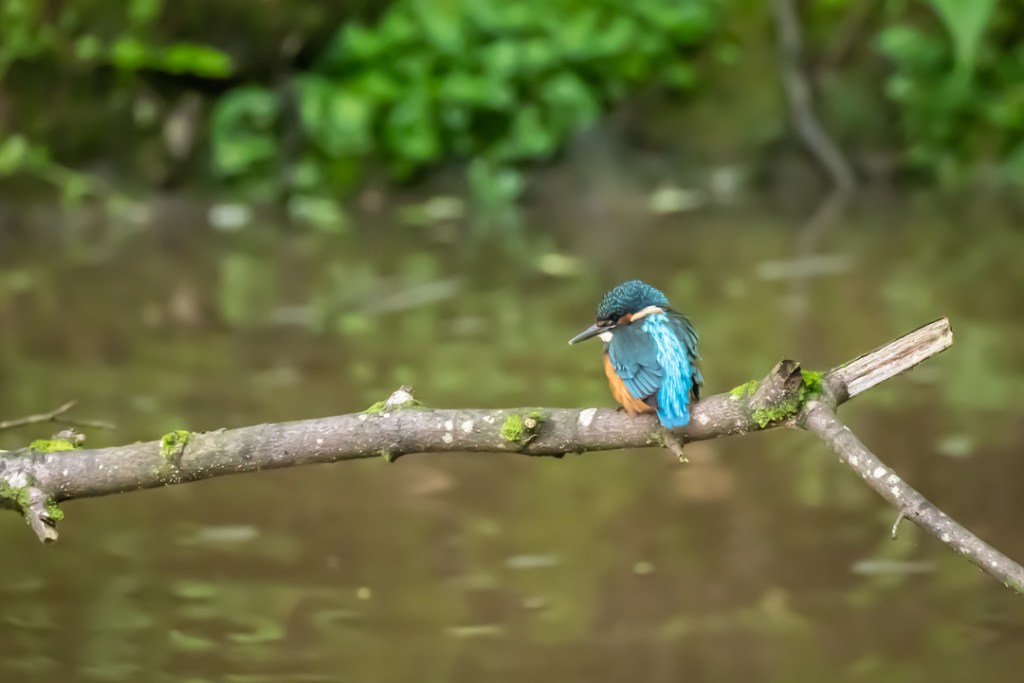
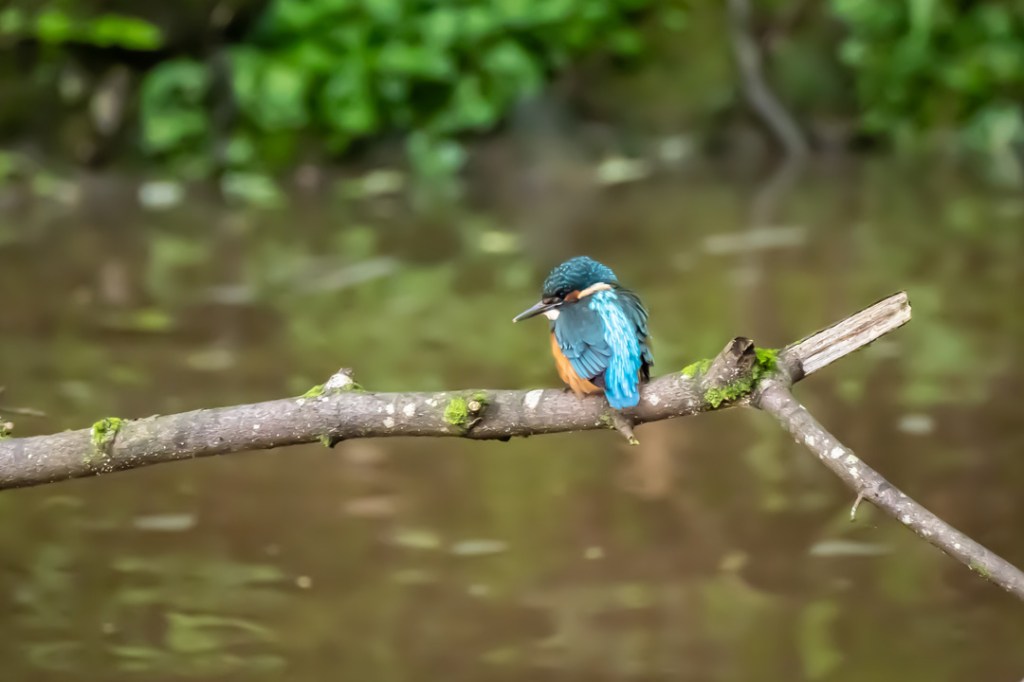
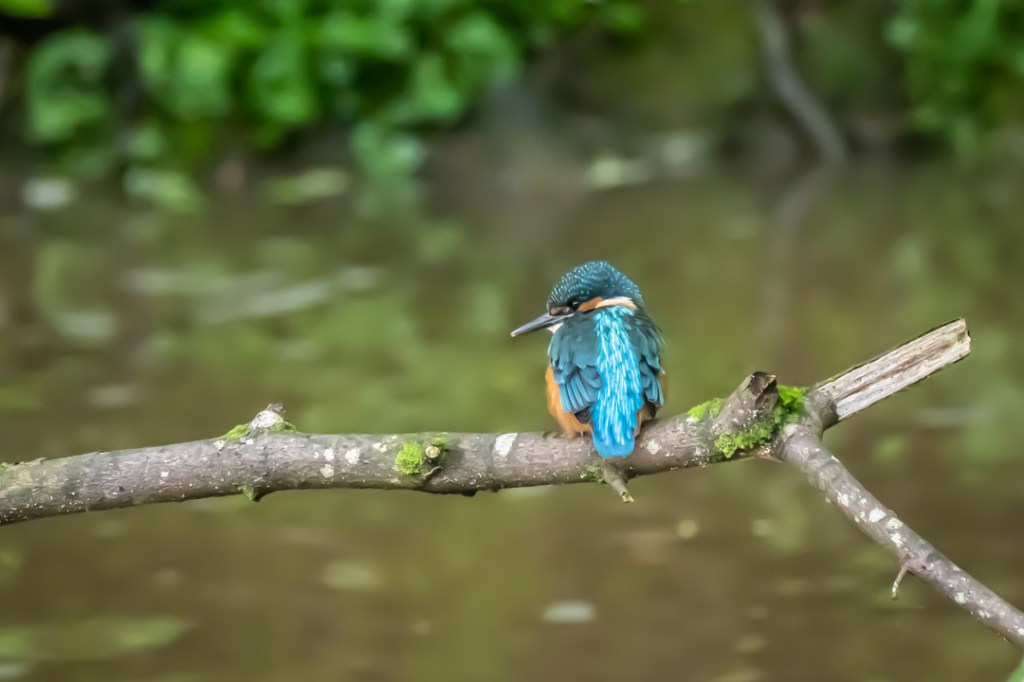
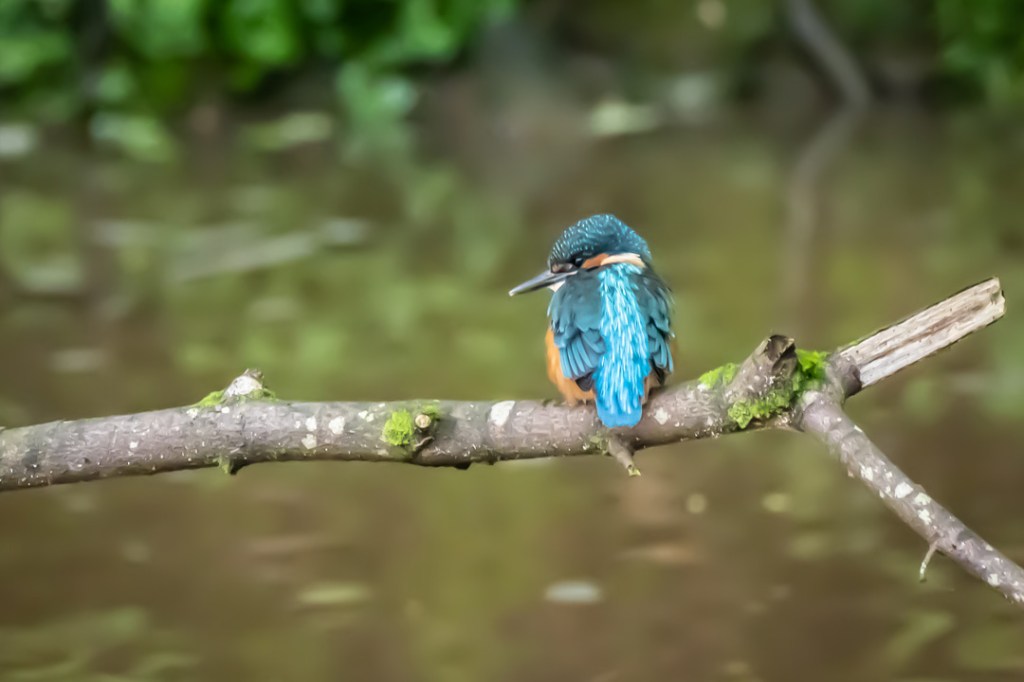
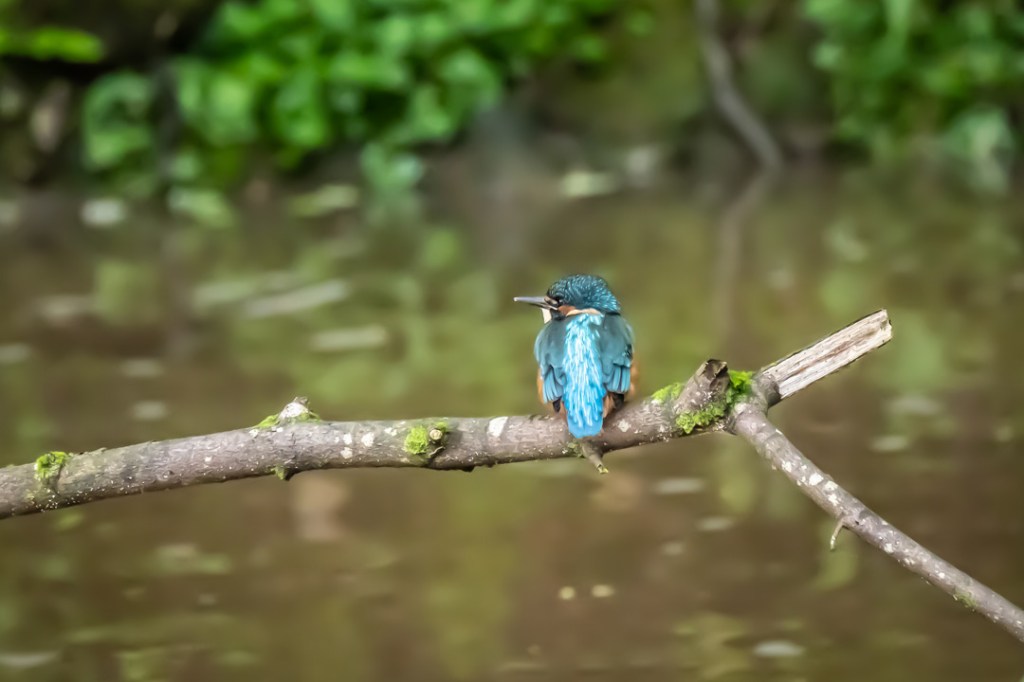
We didn’t see any of the juvenile birds on our way out but on the way back we did see 2 juvenile kingfishers thanks to a local birder who had spent some time tracking them down. We didn’t stay long as the rain, which had been threatening all afternoon, decided to spoil our fun.


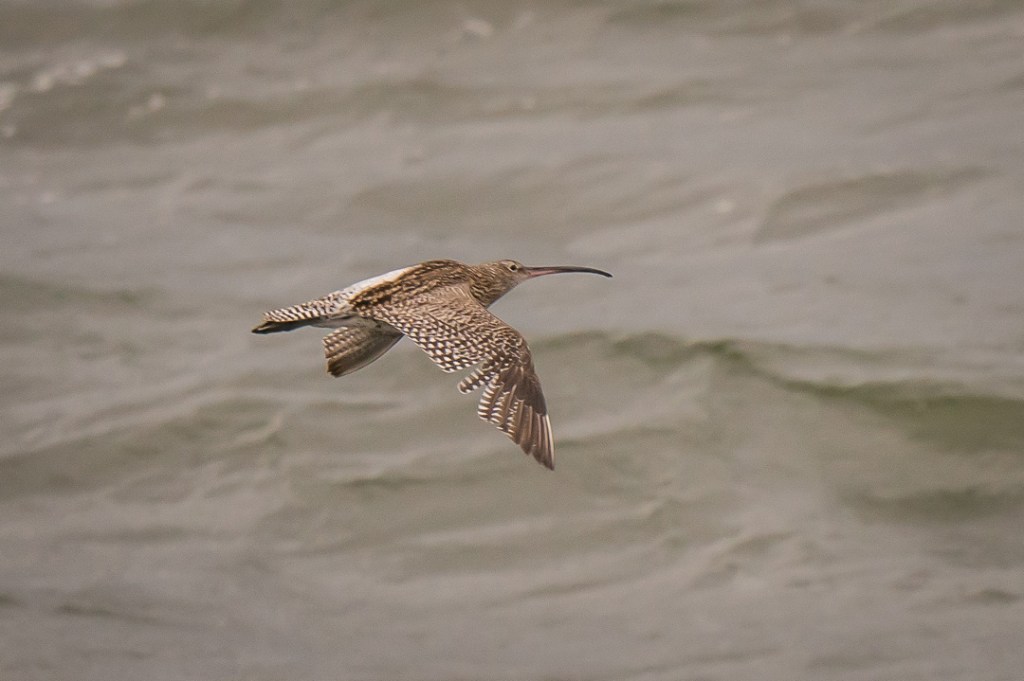
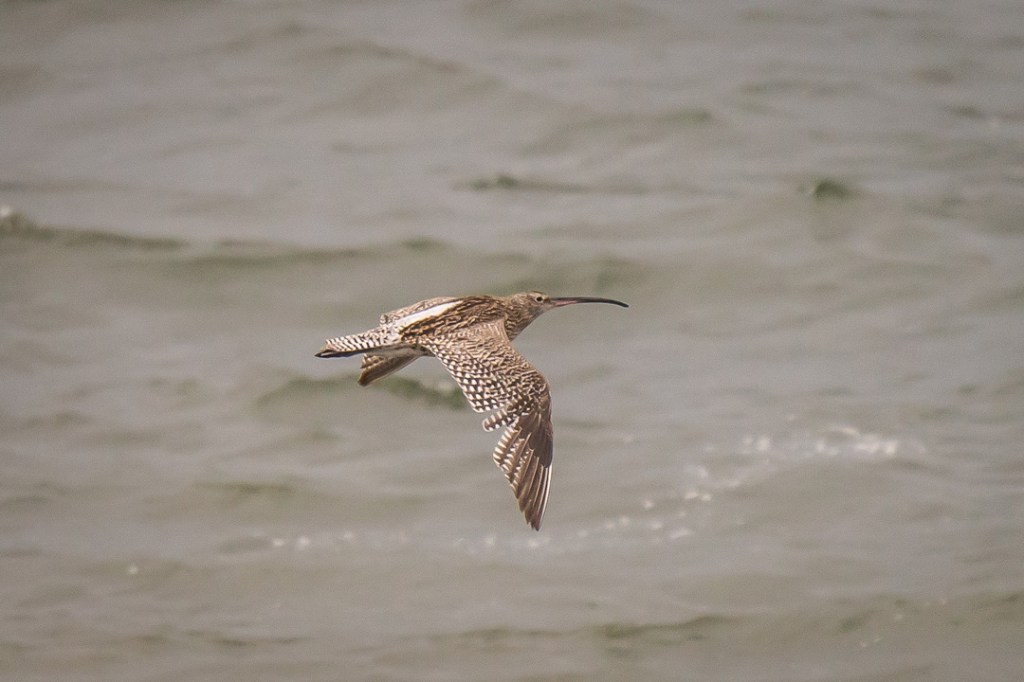
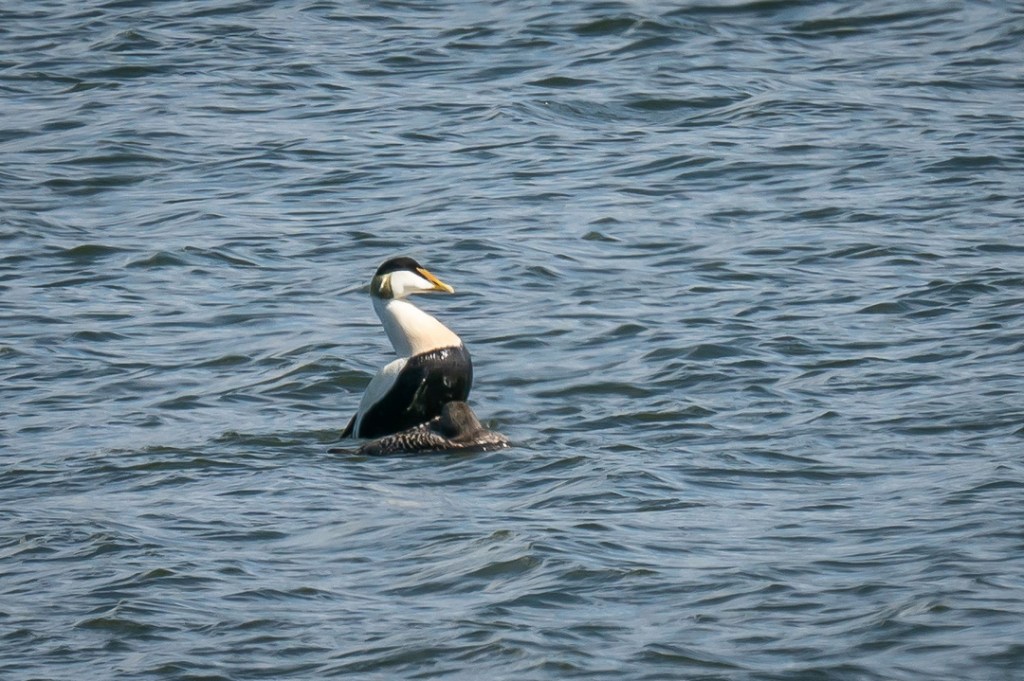
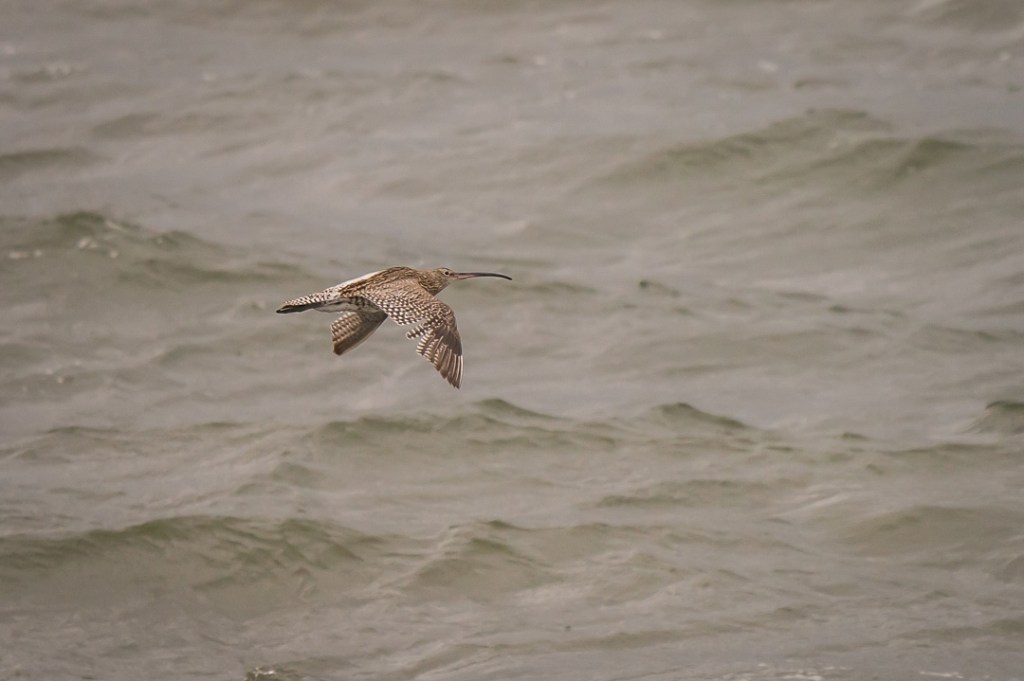
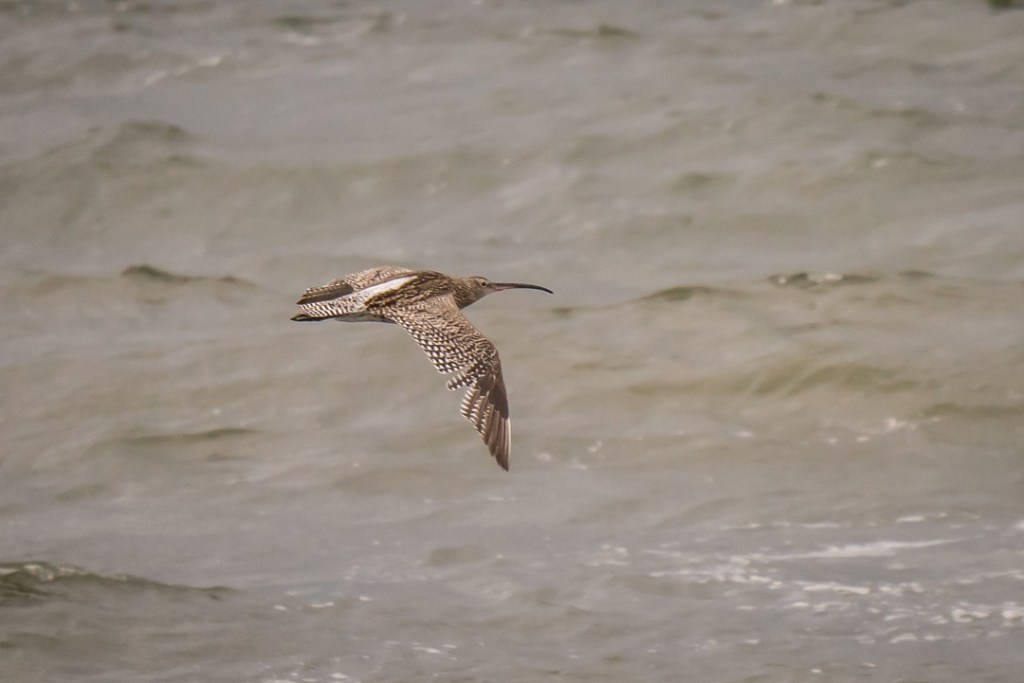
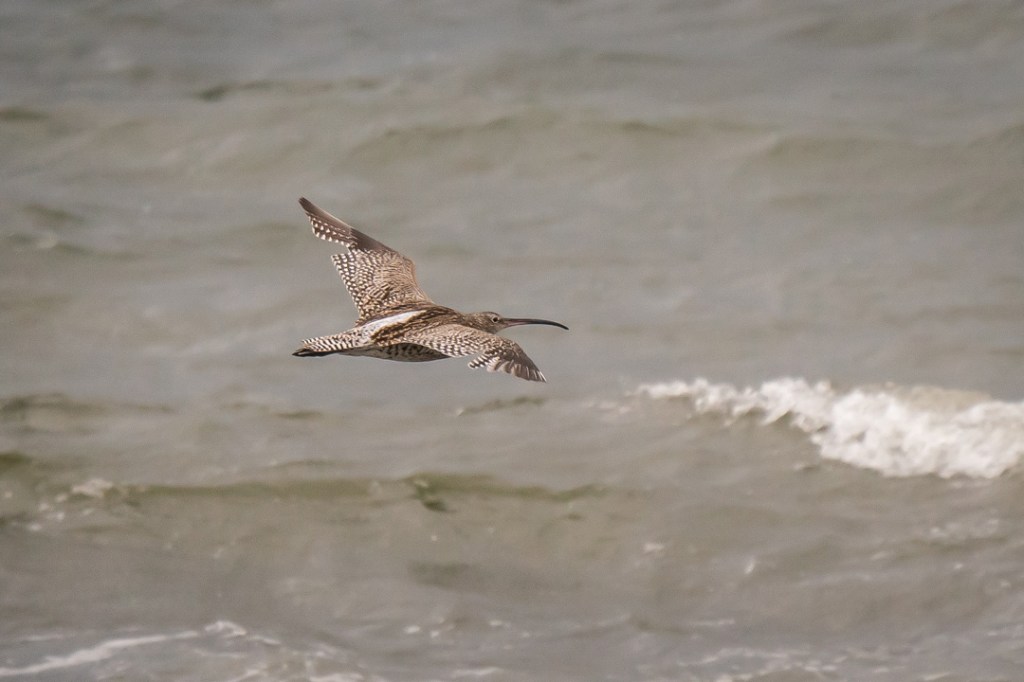
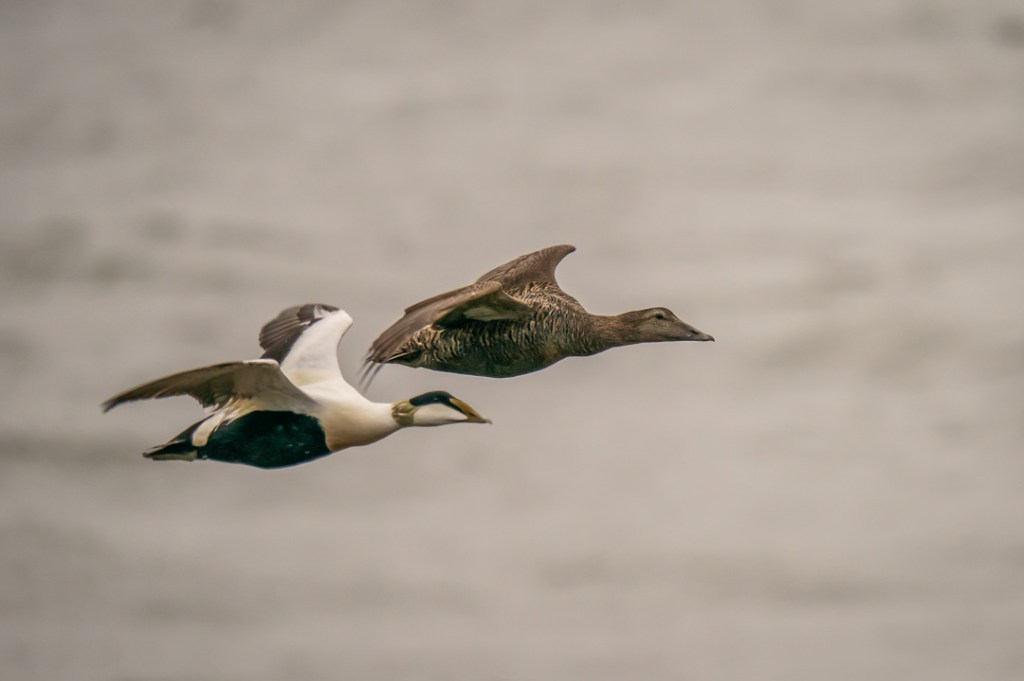
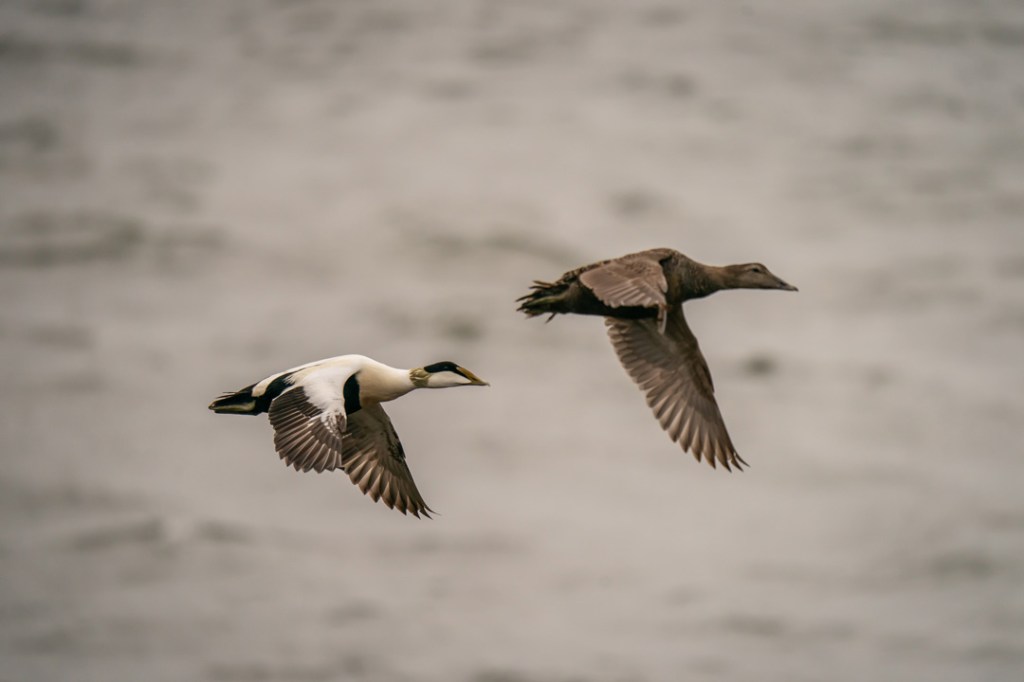
Our last day in Anglesey and its been heavy rain and winds; hence the run of blog posts. However we did get out for an hour in the morning and went for a short walk (and a coffee) at Penmon Point. Despite the foul weather I did get a few of photos including a curlew and some eider duck.

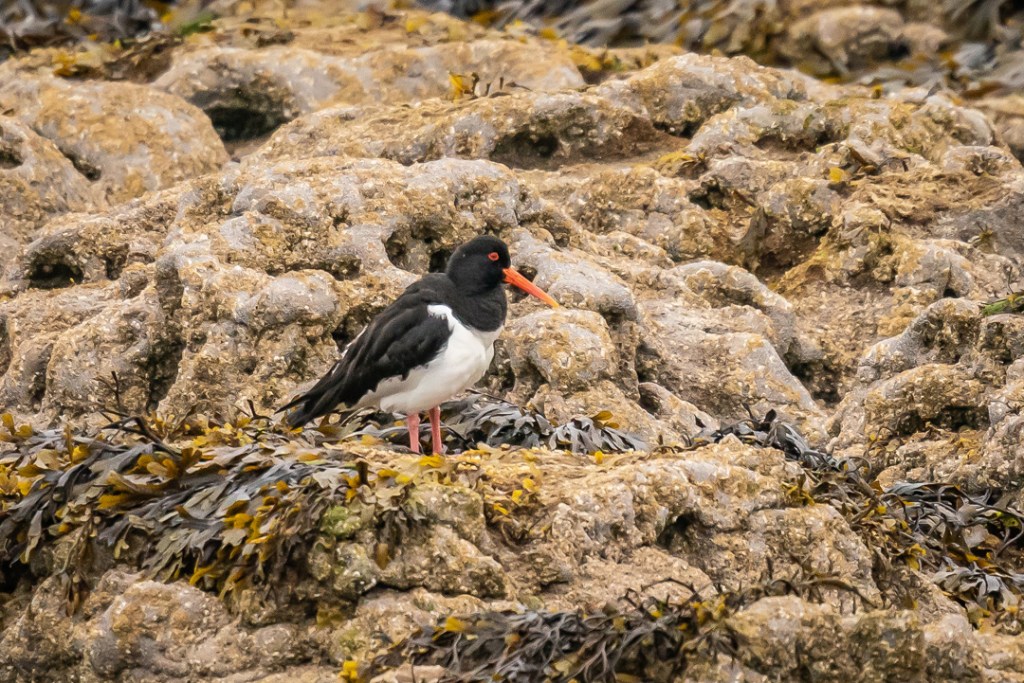
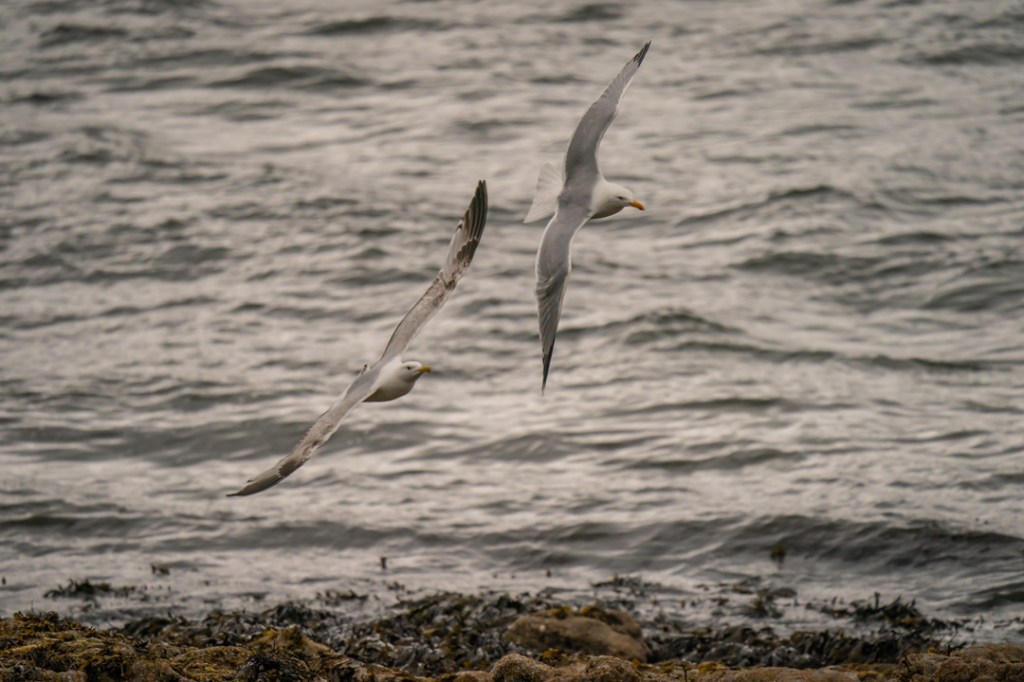

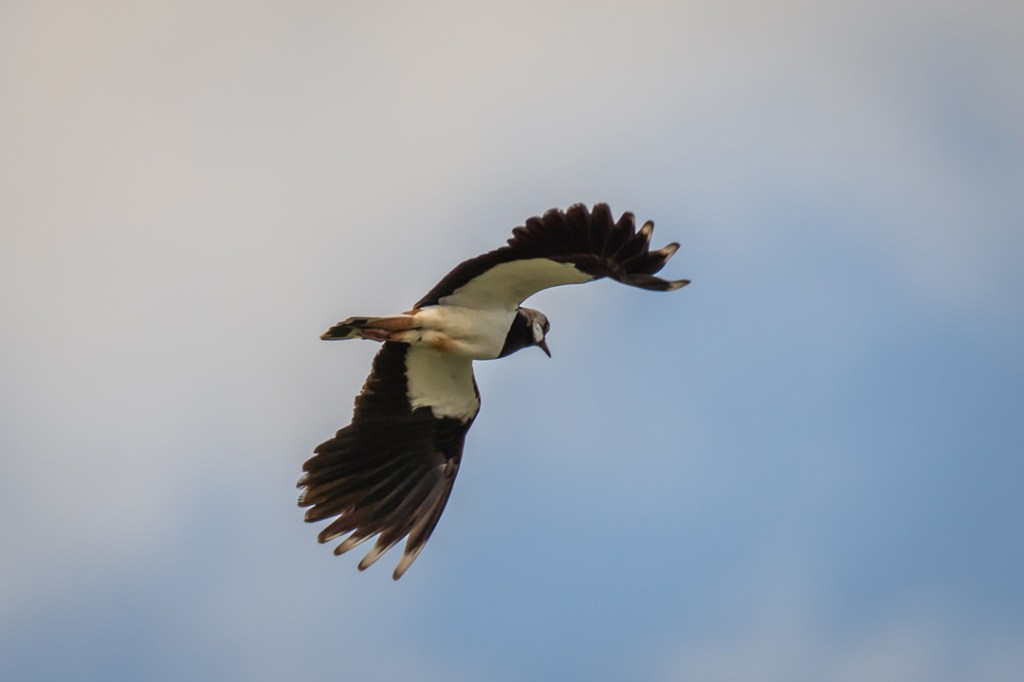
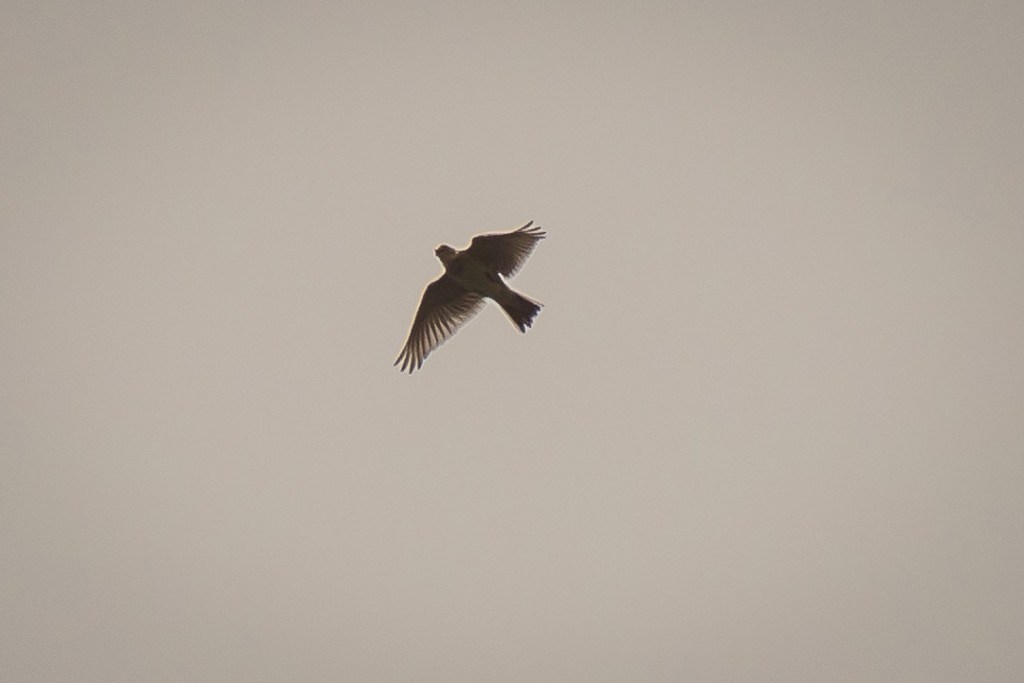
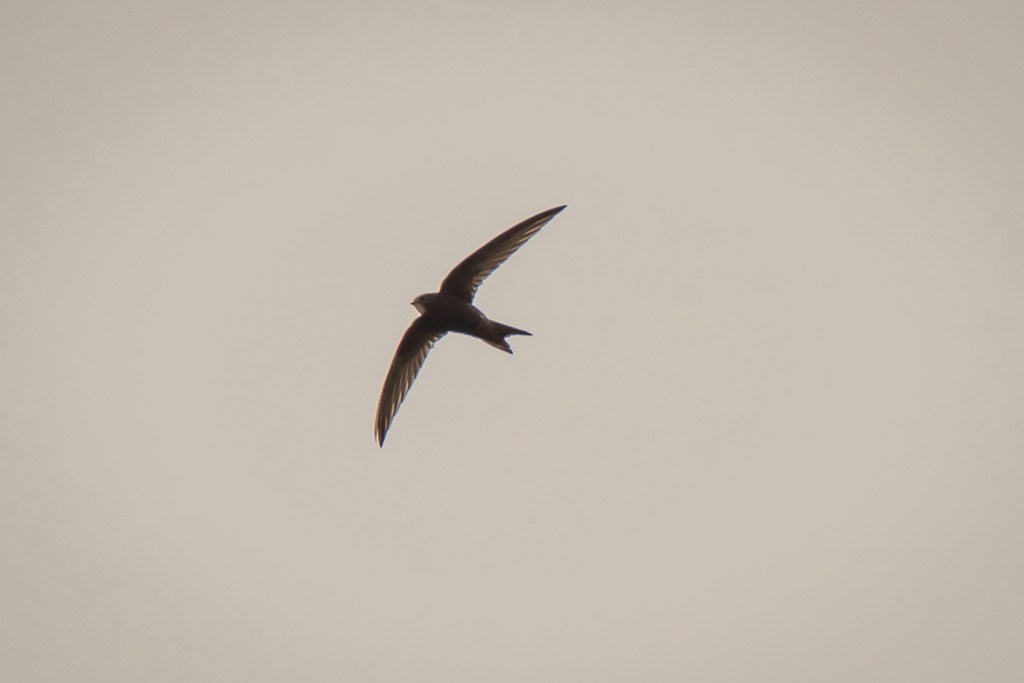
We started the day with a visit to another RSPB reserve at Cors Ddyga (also known as Malltraeth Marsh). For our walk around the reserve the weather was very dismal and it was difficult to photograph. However, we did get good views of lapwing displaying. There were also greylag geese, we heard lots of warblers and I saw my first swift of the year.


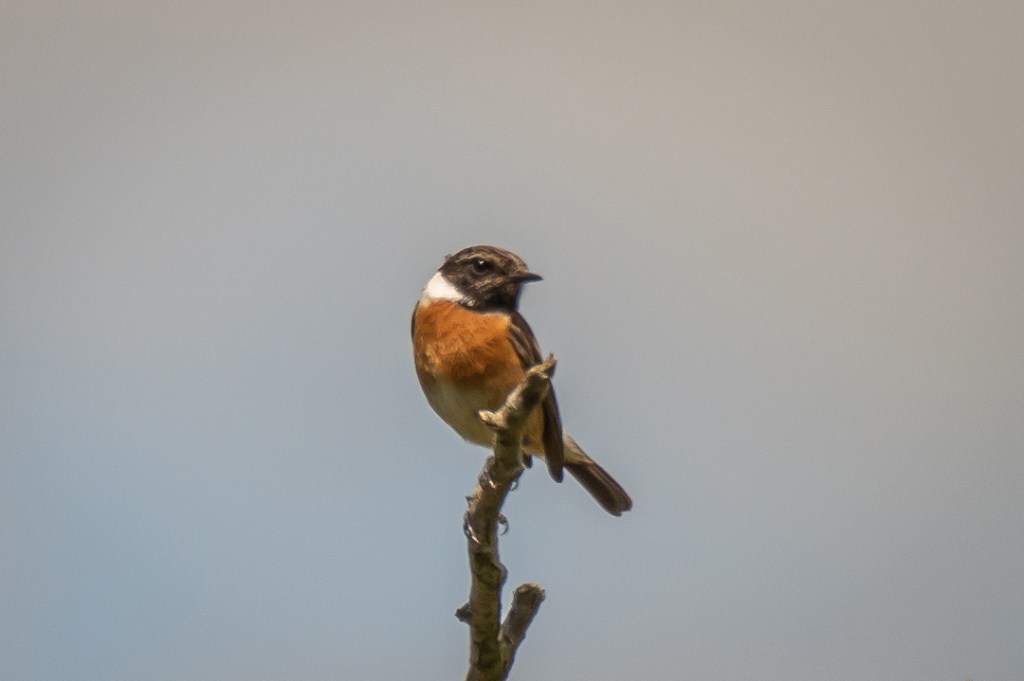
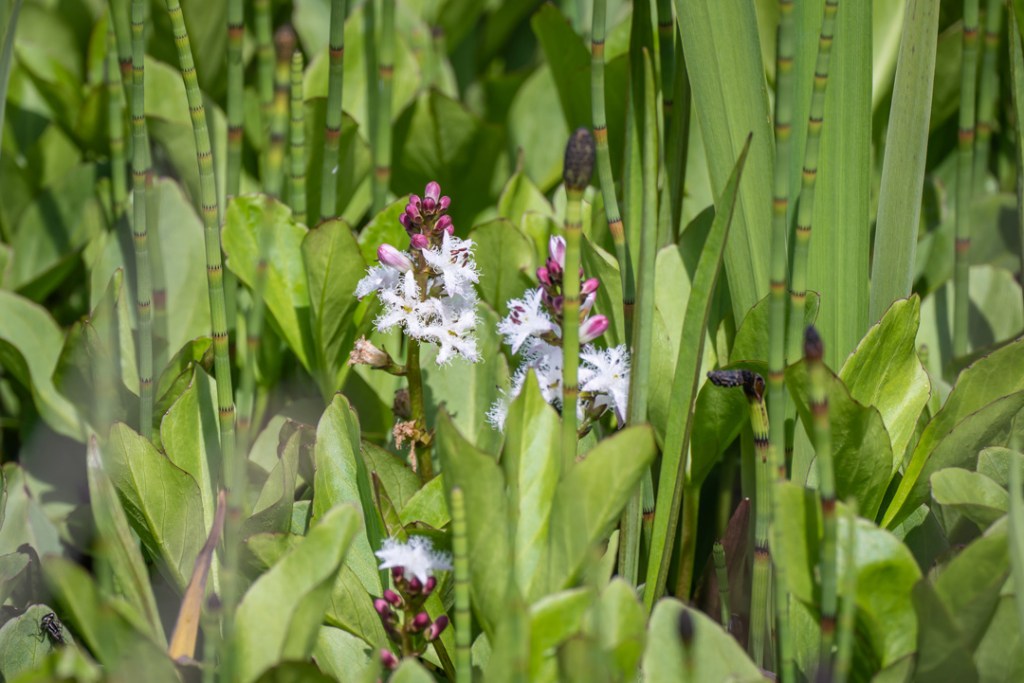
Fortunately the weather improved greatly and we had a splendid lunch on the terrace of the Oystercatcher at Rhosneigr in a beautiful setting in the dunes.
To walk off our lunch we had a walk along the pathway which runs between the Malltraeth Estuary and a lagoon where we saw sedge warblers and linnets.
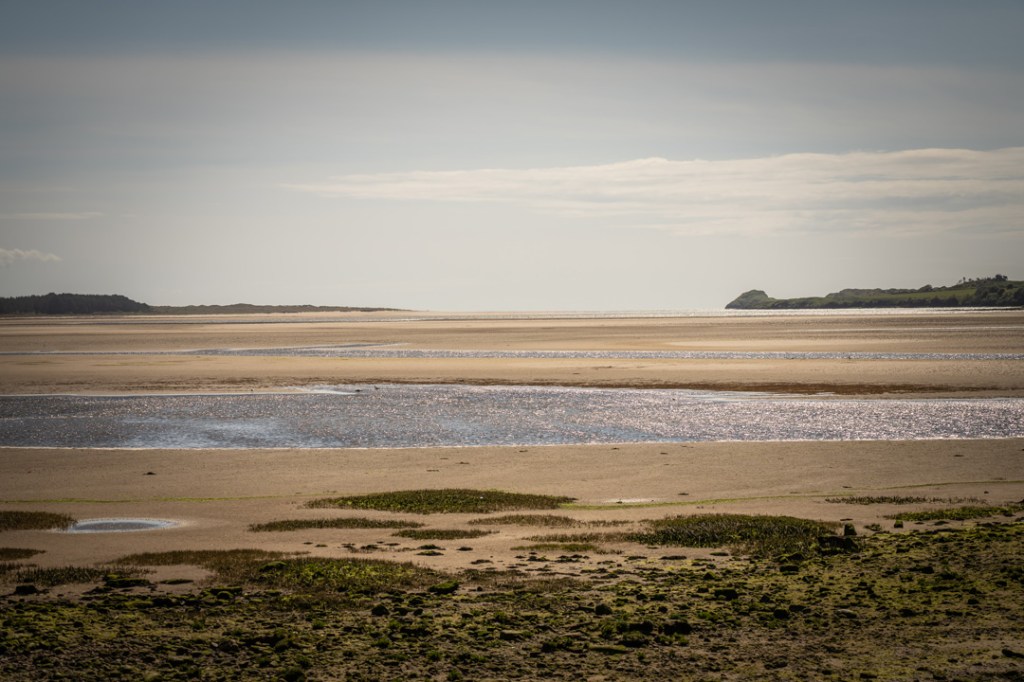


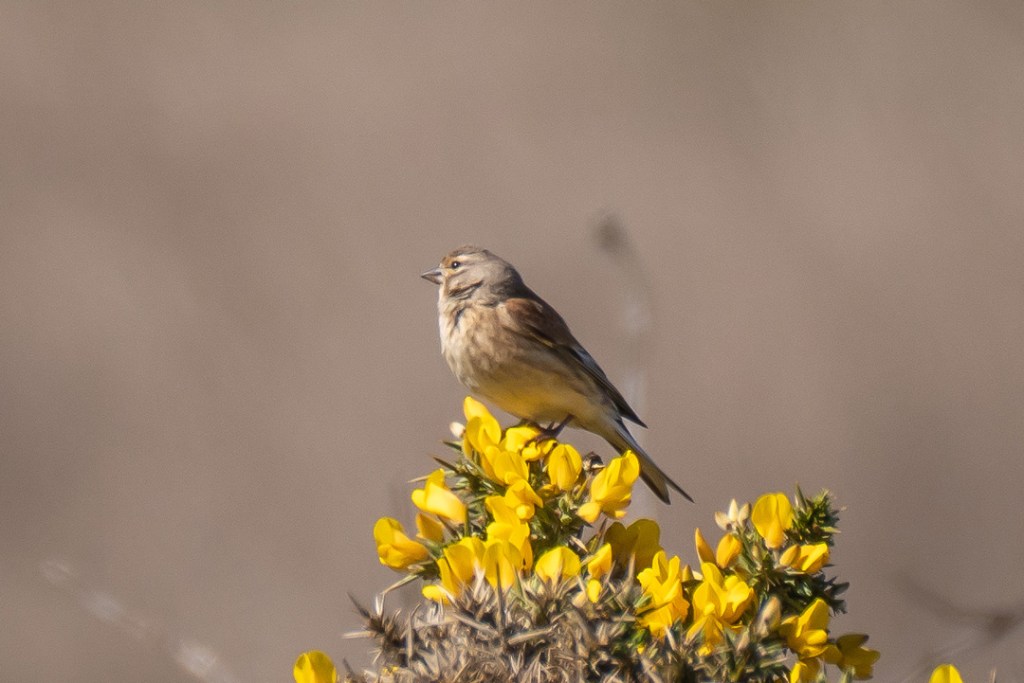
On the way back we stopped again to photograph the amazingly photogenic Menai Straight.

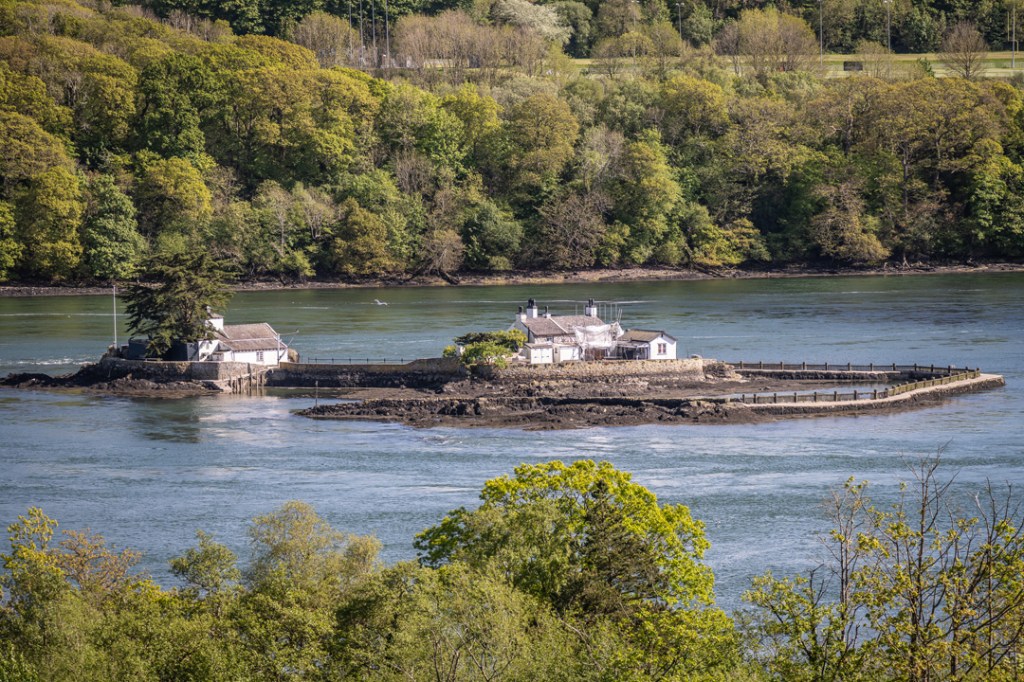
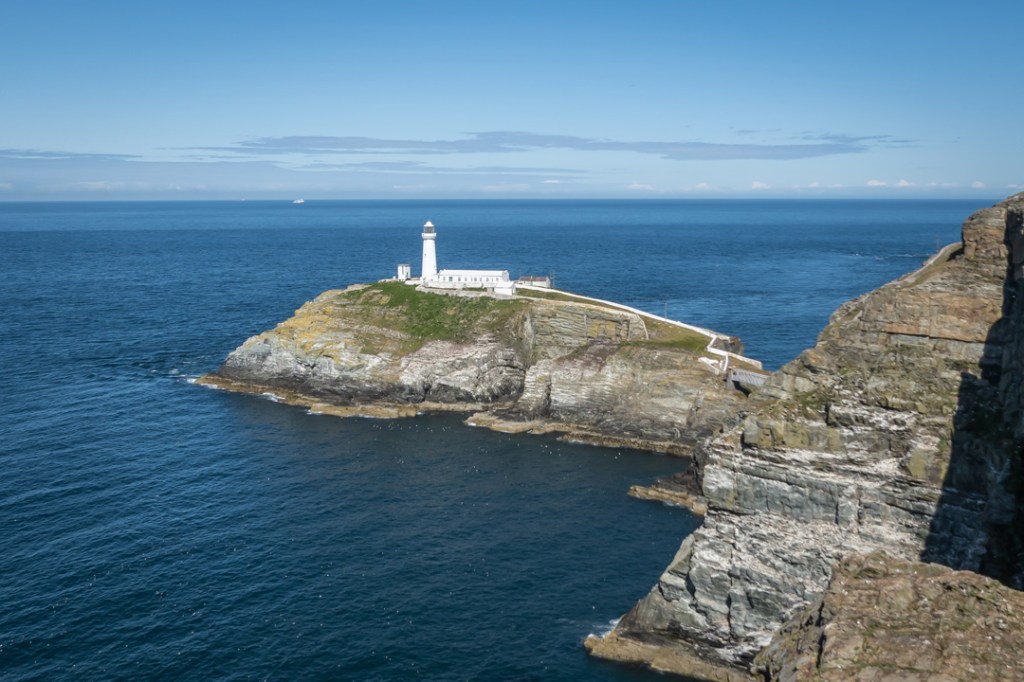
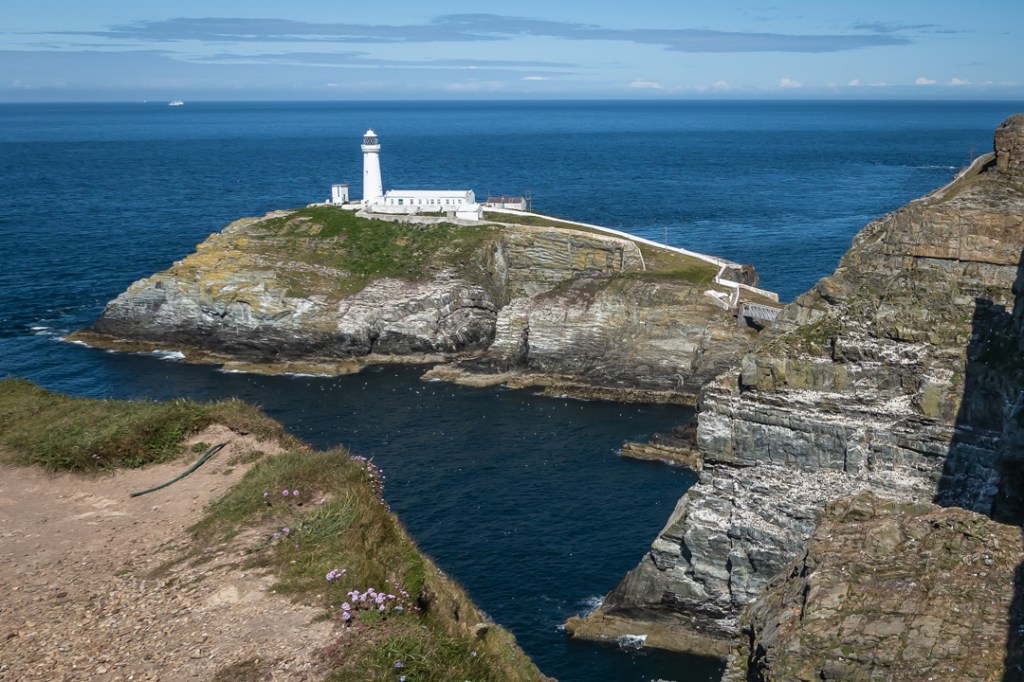
We drove across the Island of Anglesey and on to Holy Island to visit the RSPB reserve of South Stack Cliffs, a journey of less than an hour from Beaumaris.
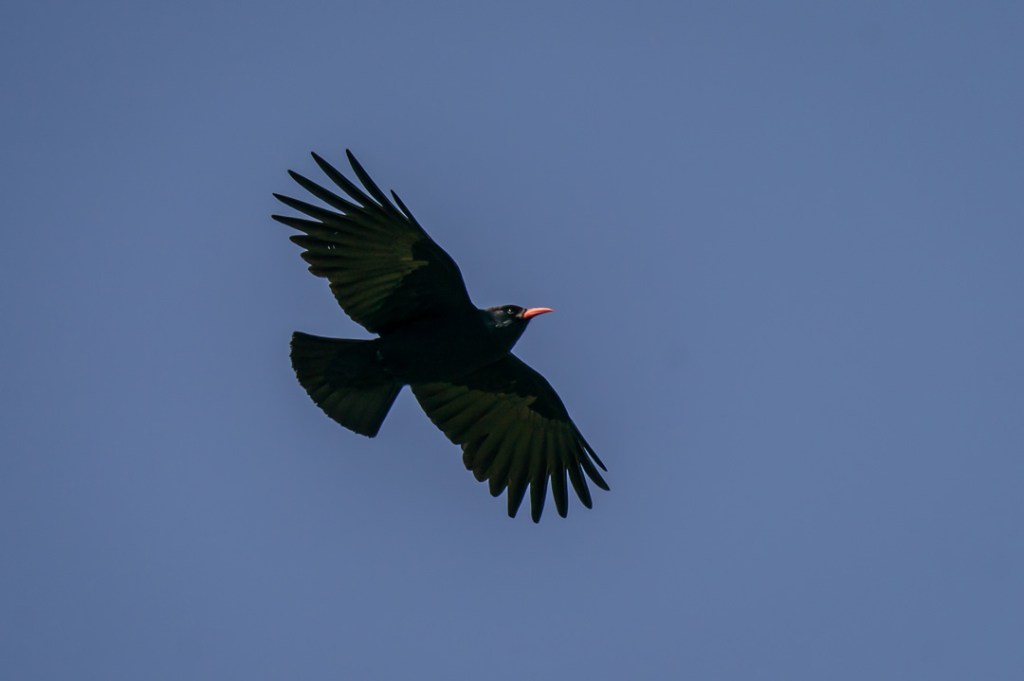
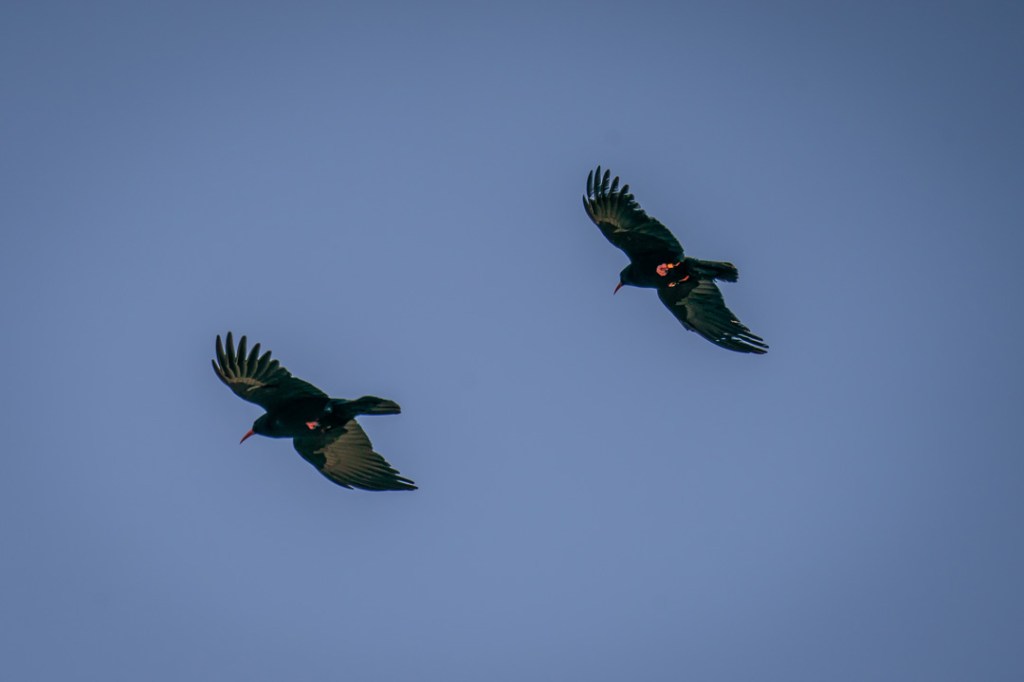
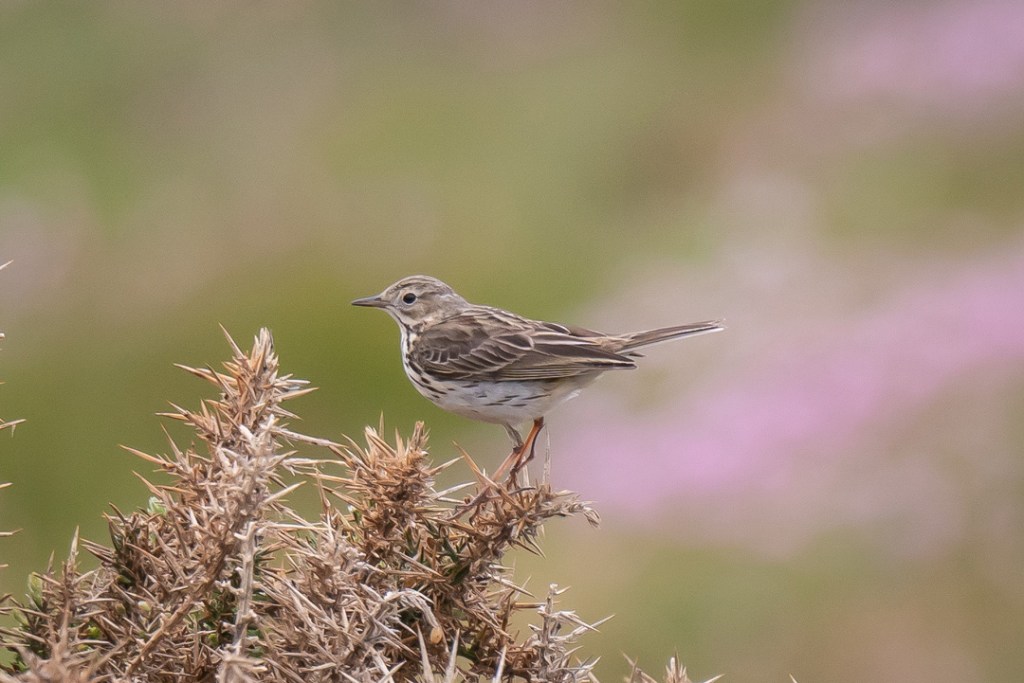
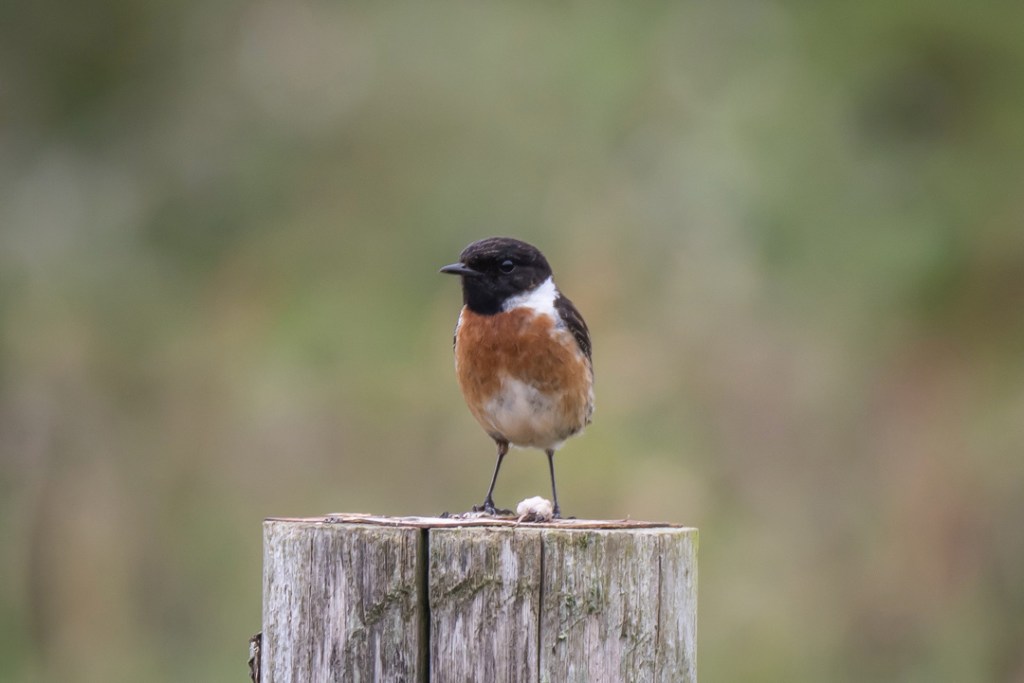
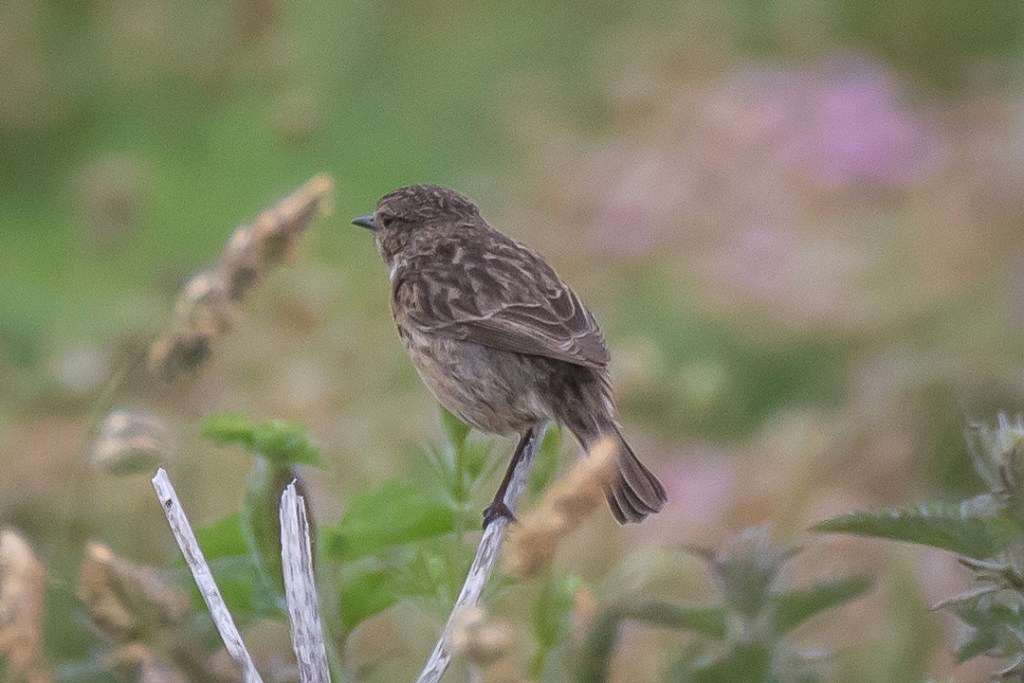
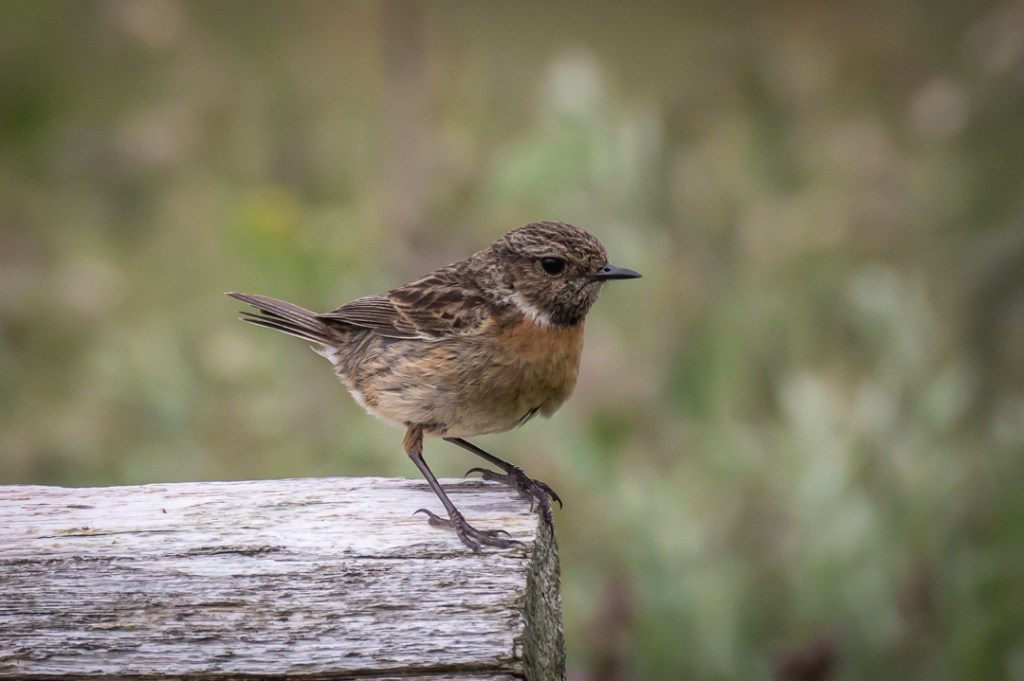
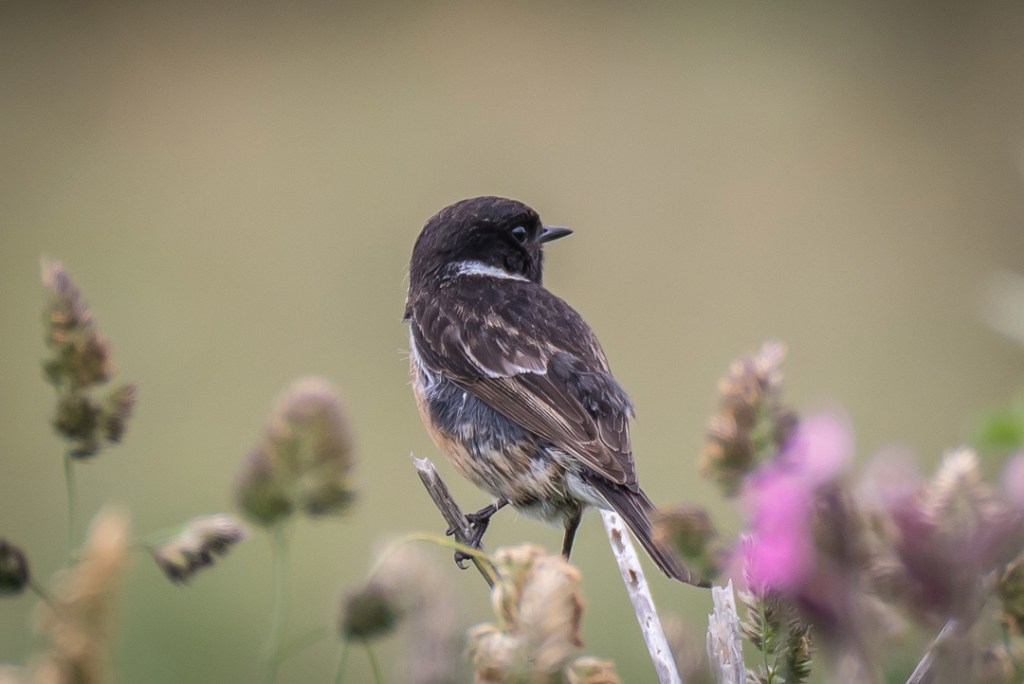
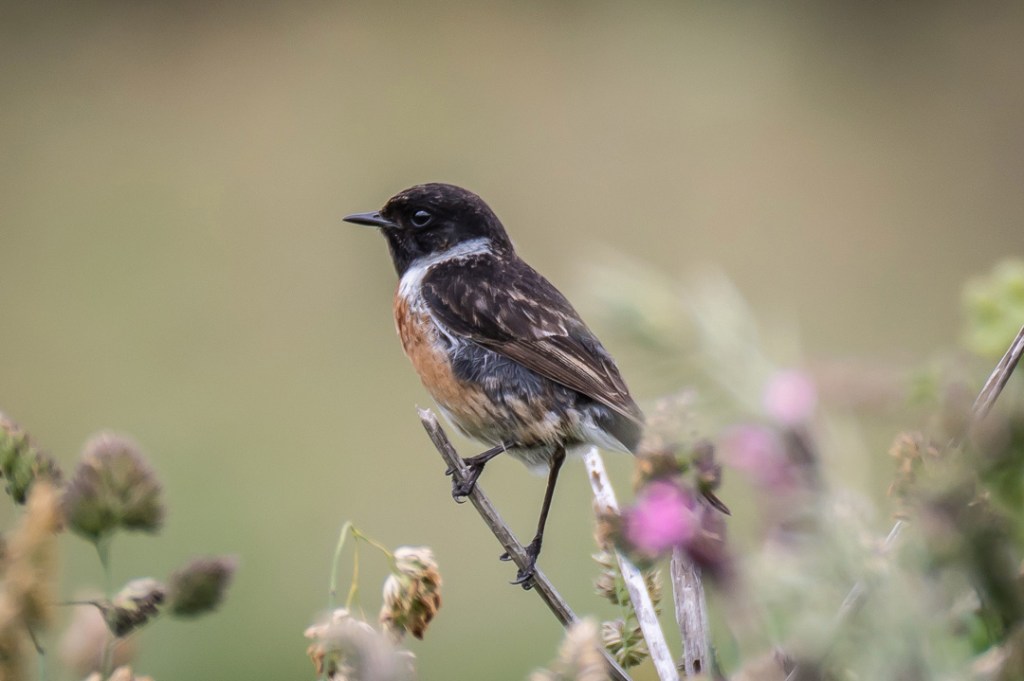
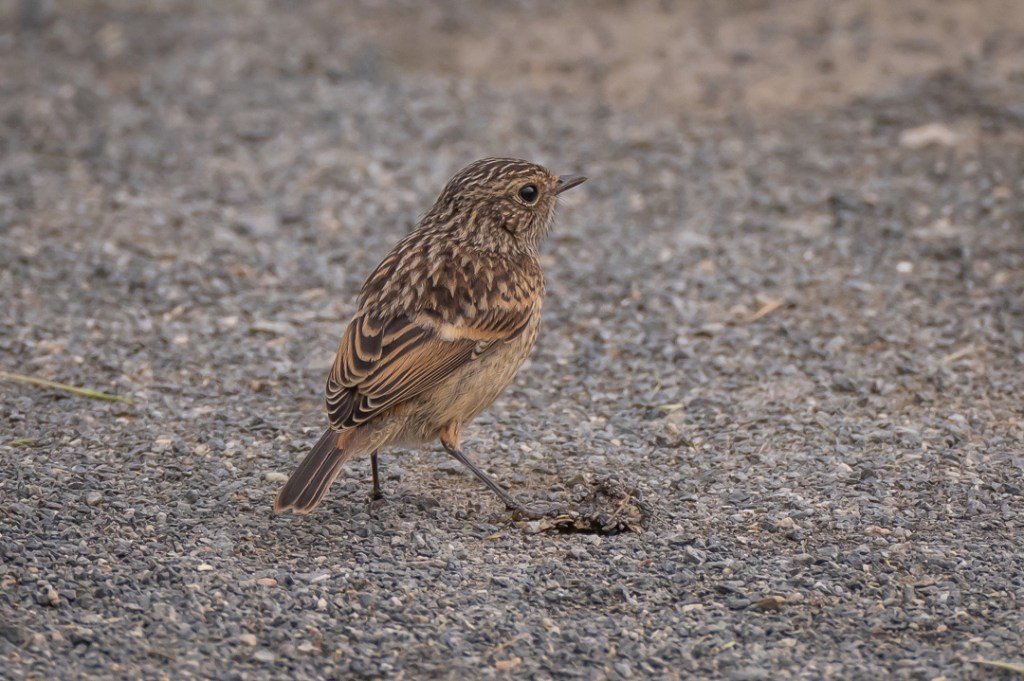
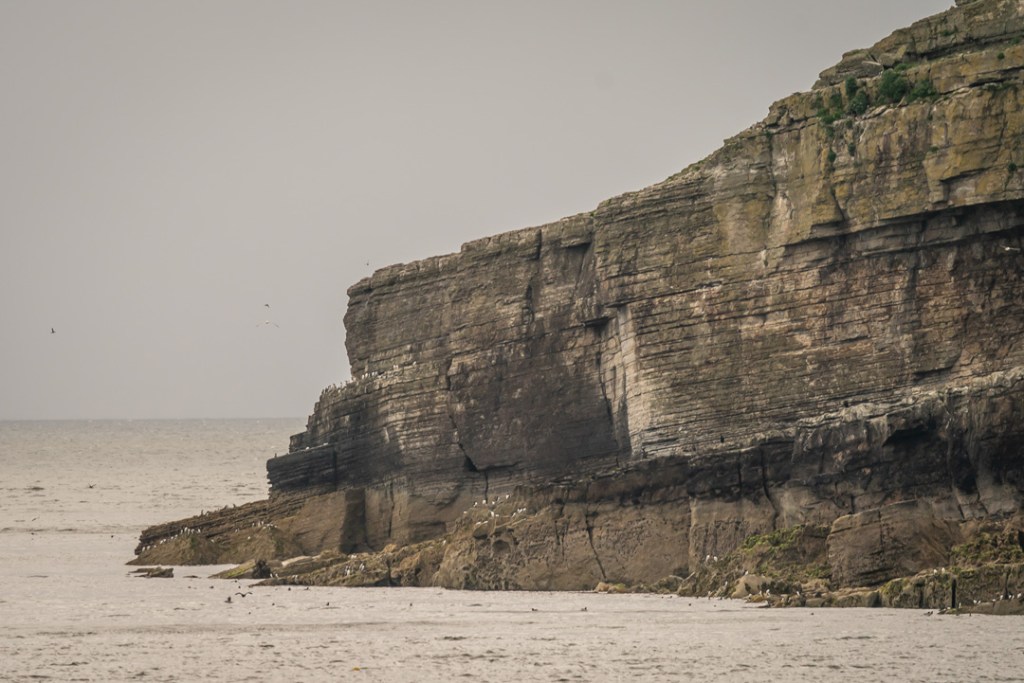
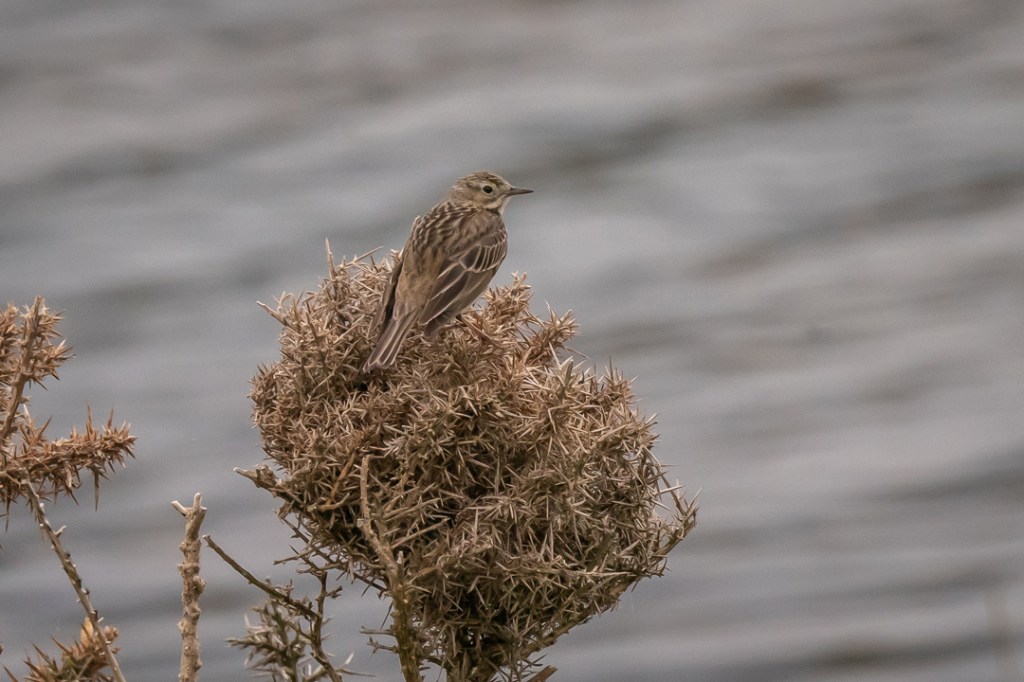
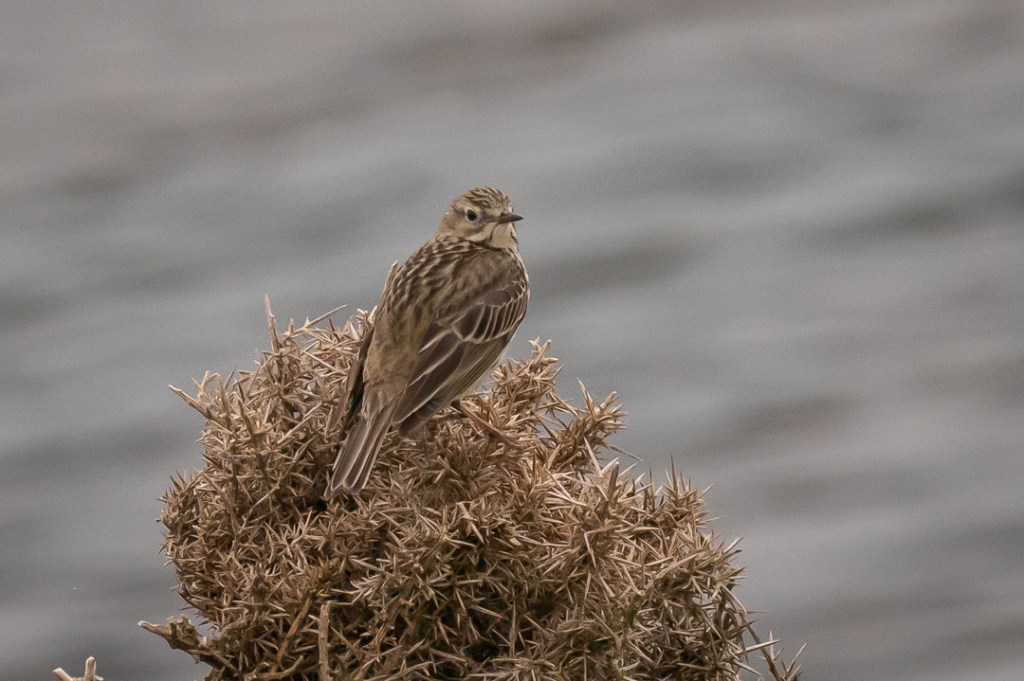
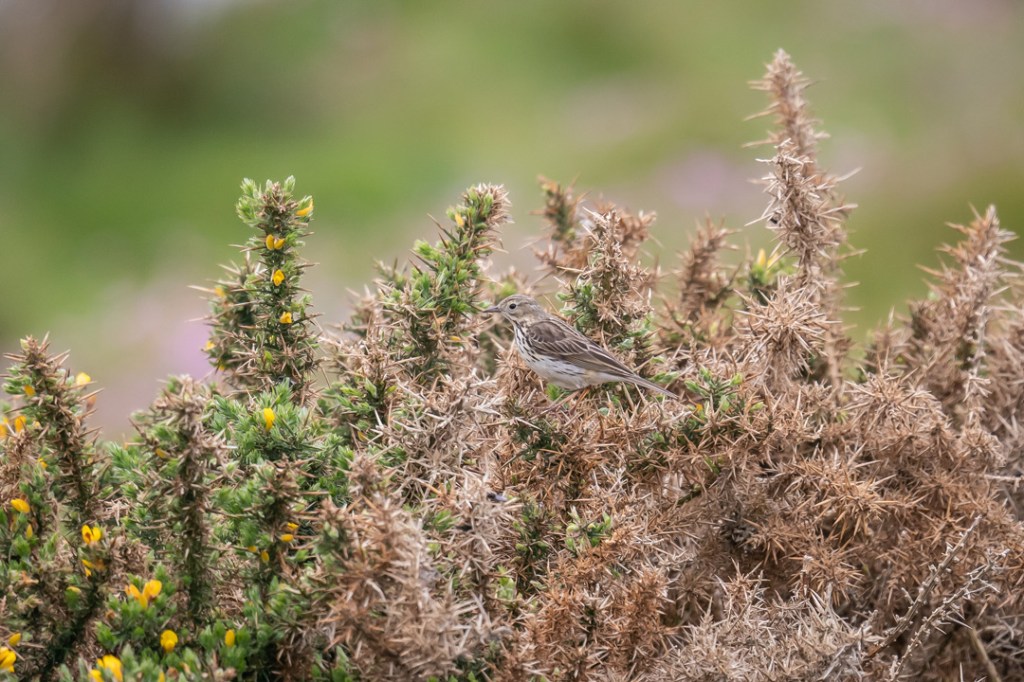
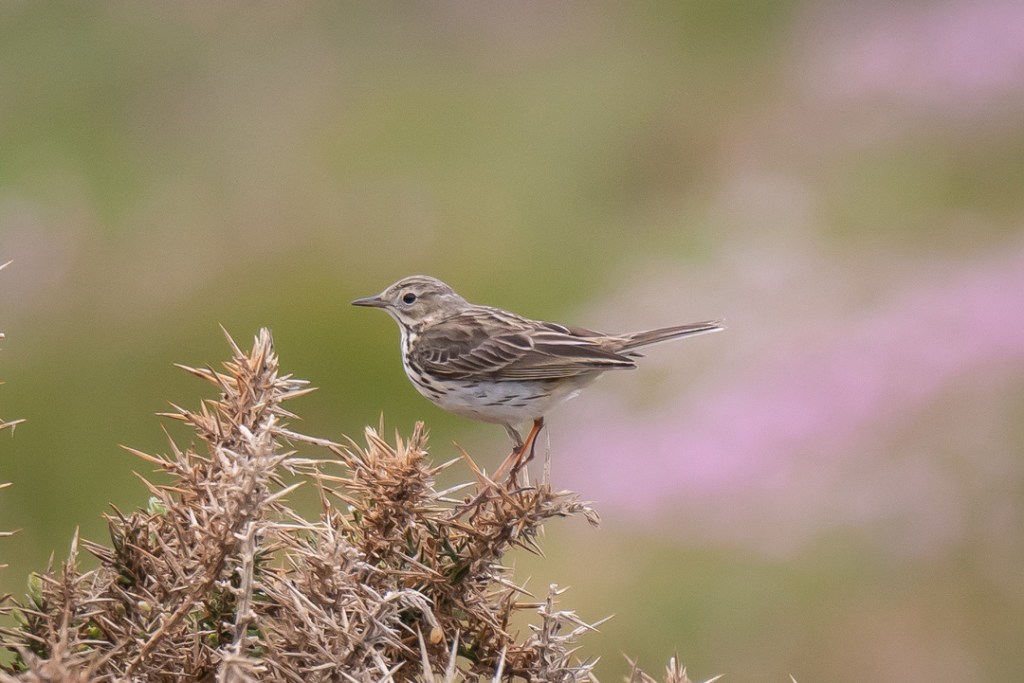
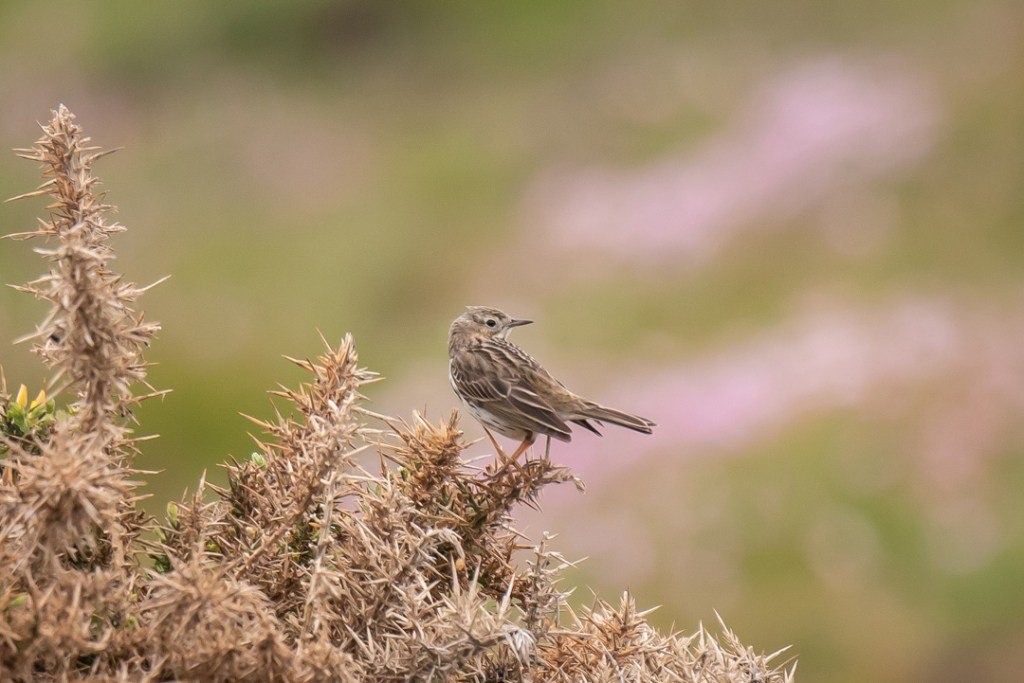
We spent some time photographing the cliffs famous for the big colonies of guillemots, razorbills and puffins (but I could only really make out the guillemots). We then climbed up to the RSPB café for a coffee and then further on up for even more splendid views of the lighthouse. Fortunately the lighthouse was closed due to Covid-19 restrictions and so we were spared the 400 hundred or so steps. Besides the auks there were lots of small birds for us to see including wheatear, whitethroat, stonechat, rock pipits and the much larger choughs, the rarest member of the crow family.


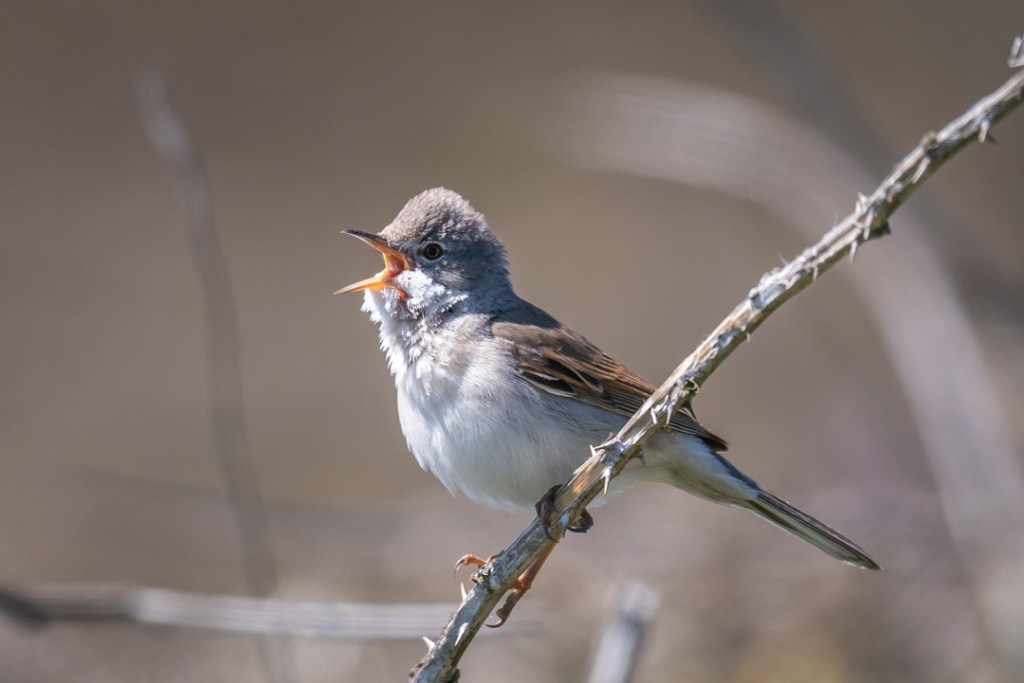
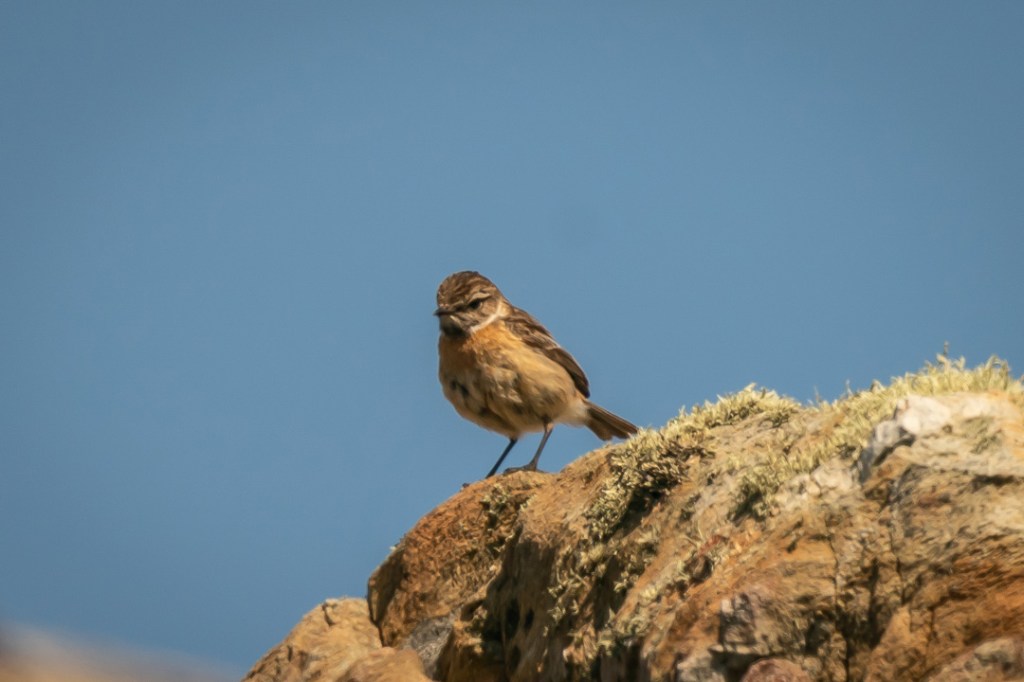
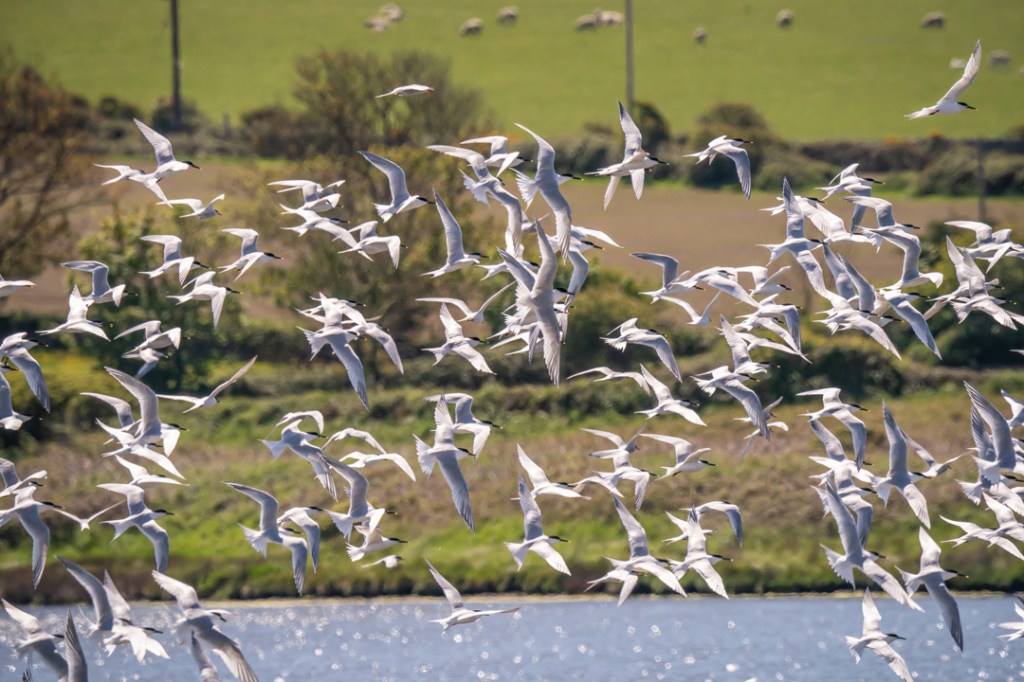
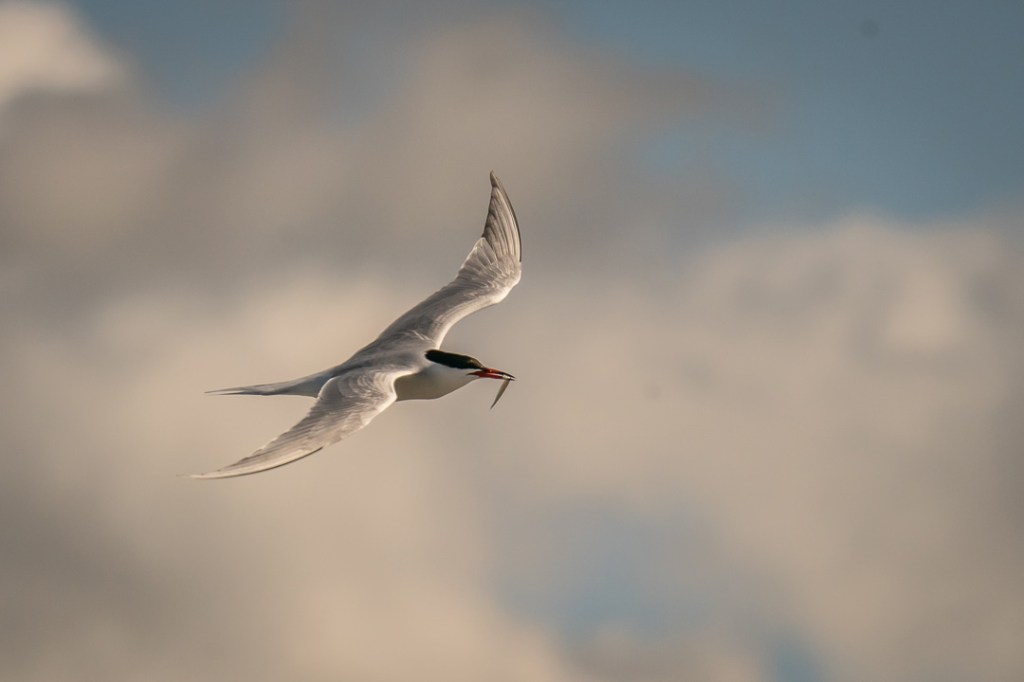
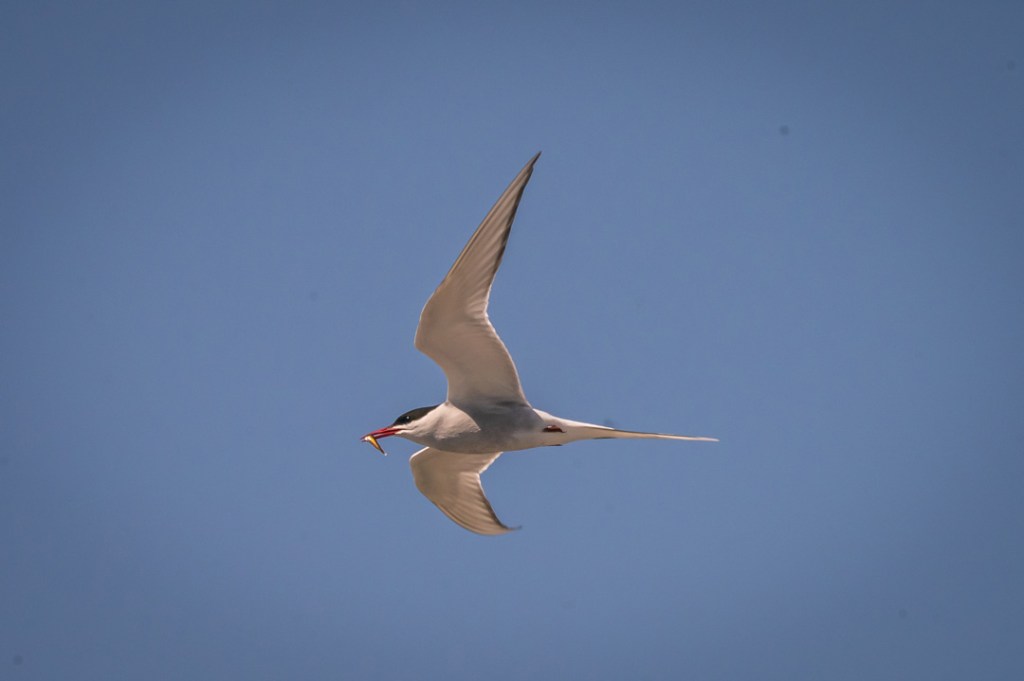
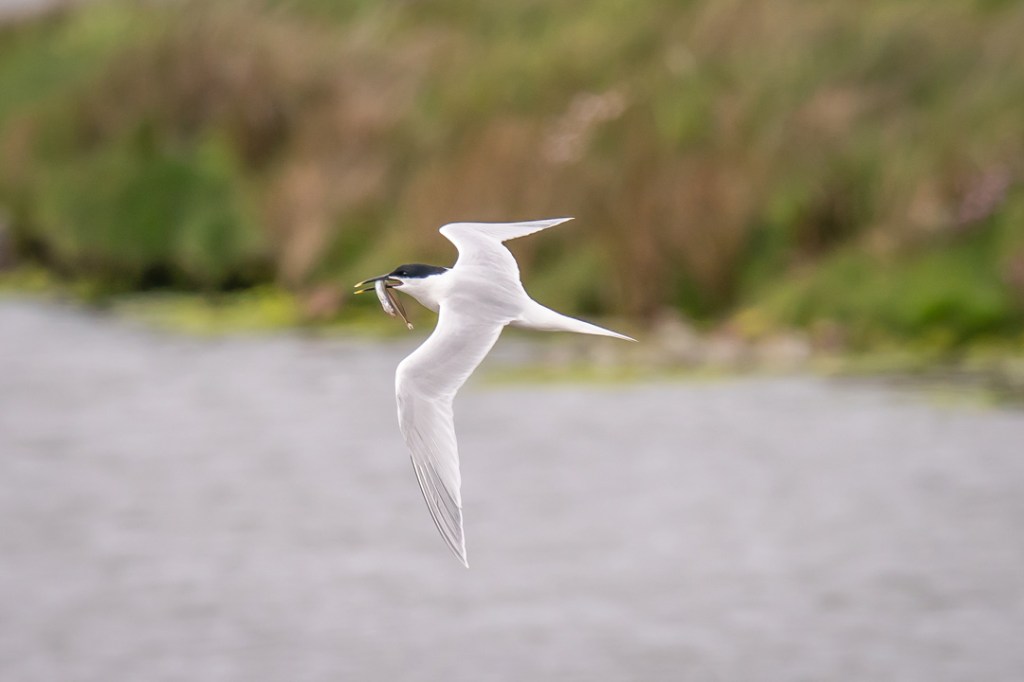
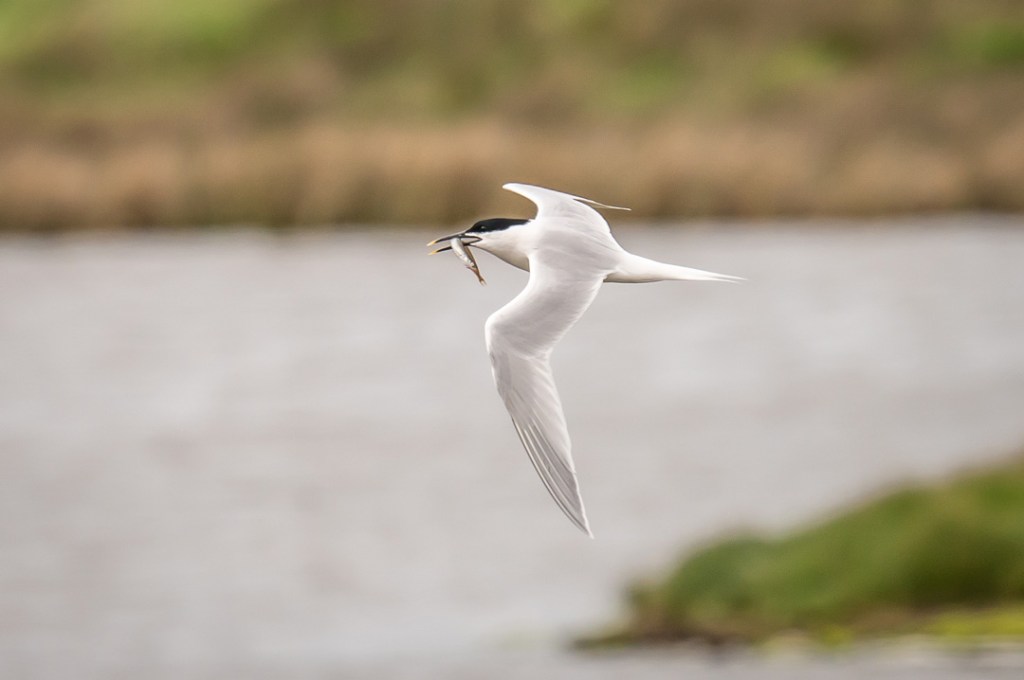
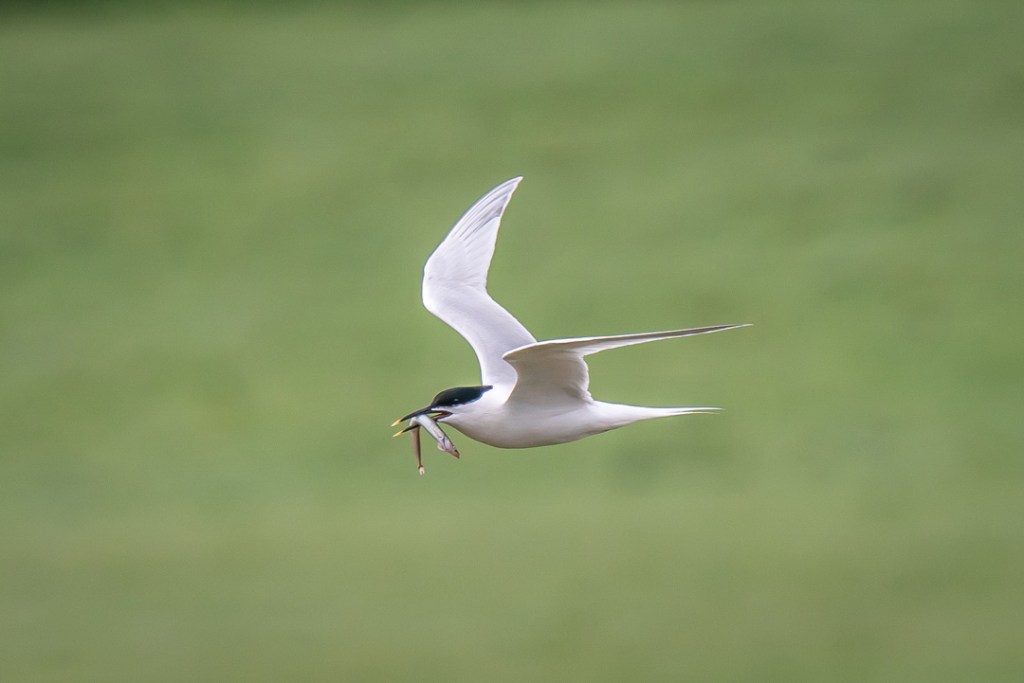
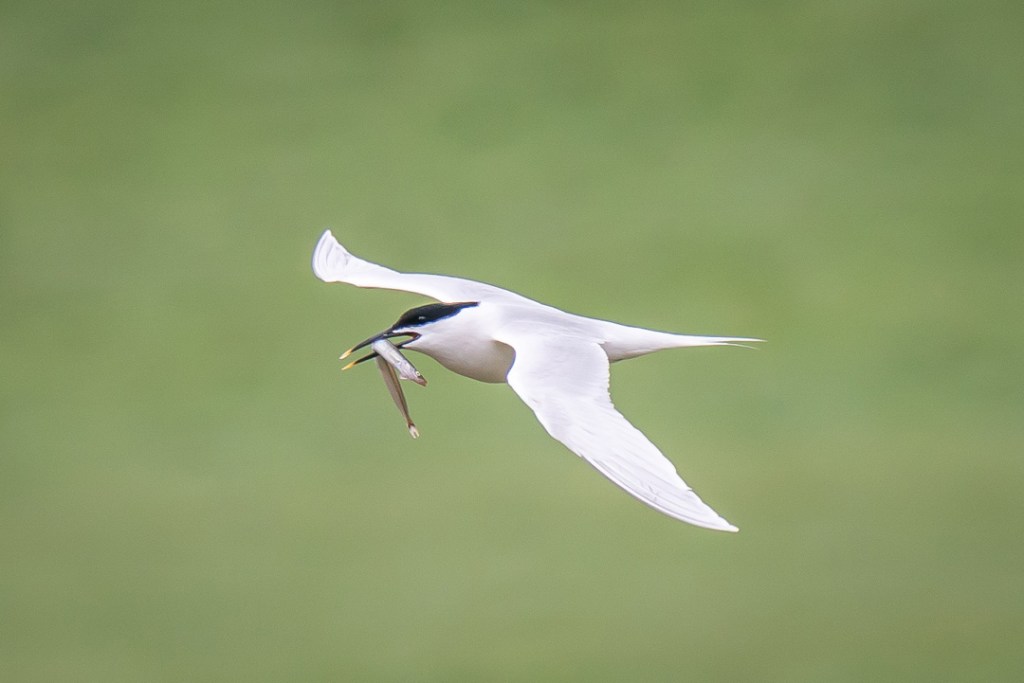
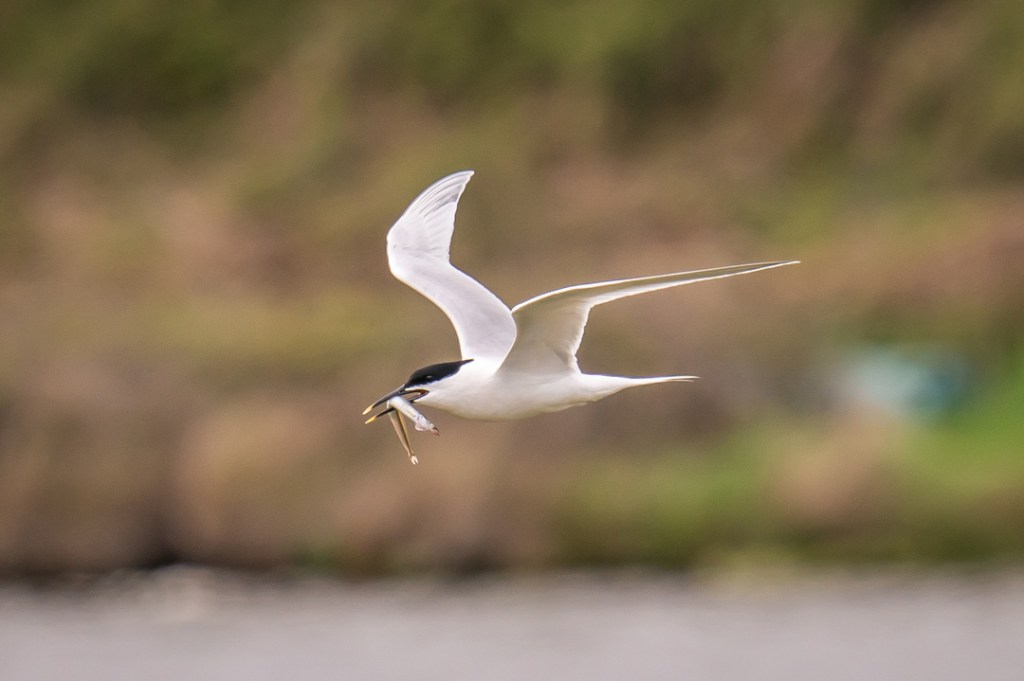
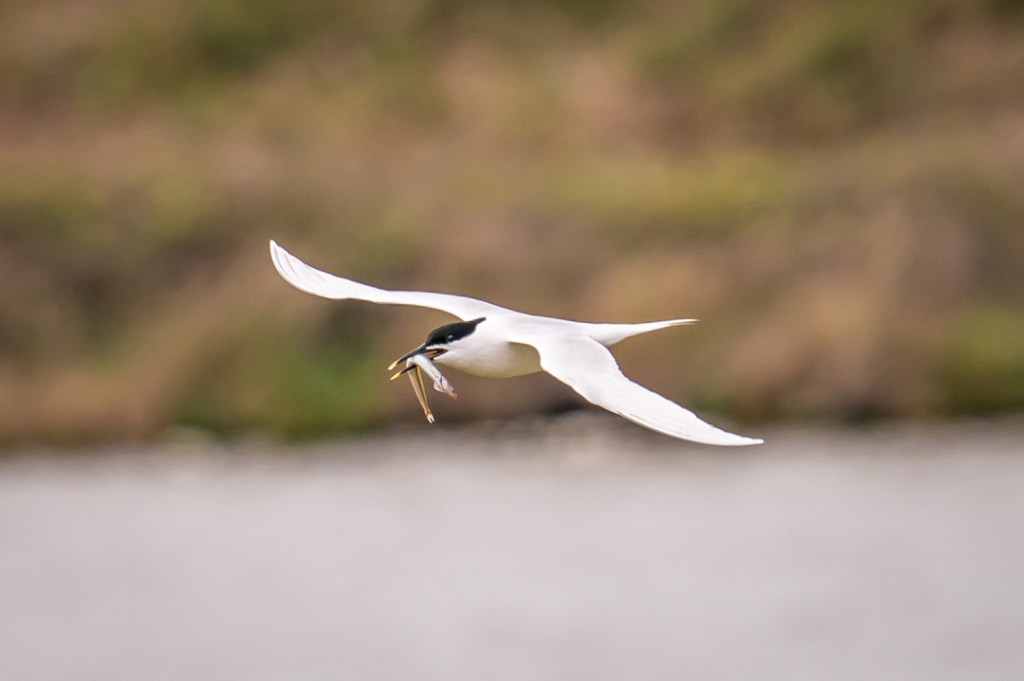
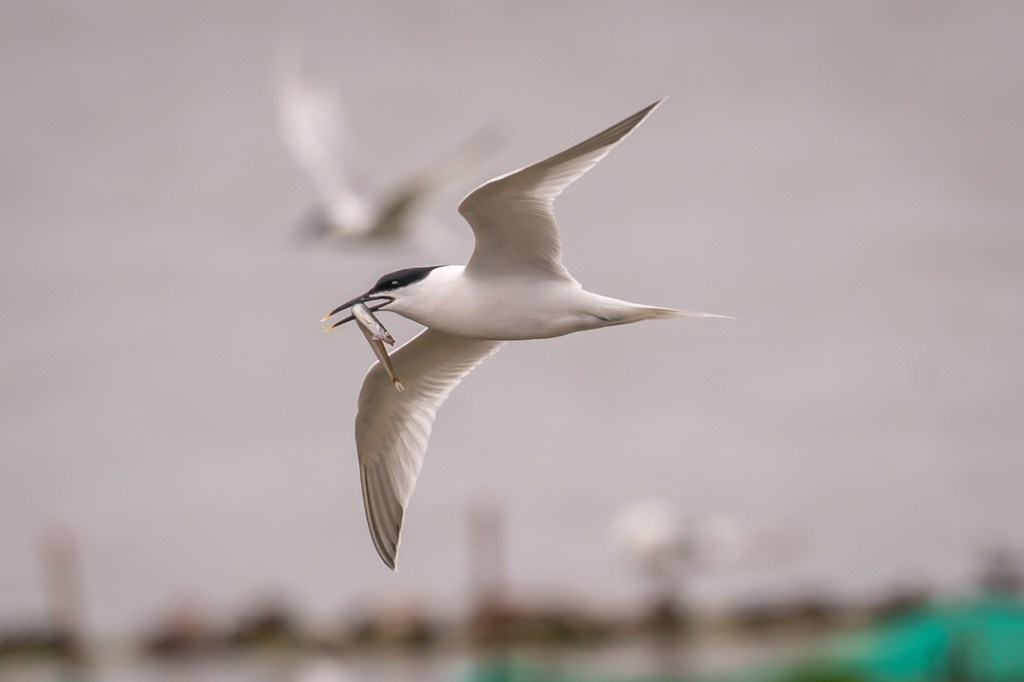
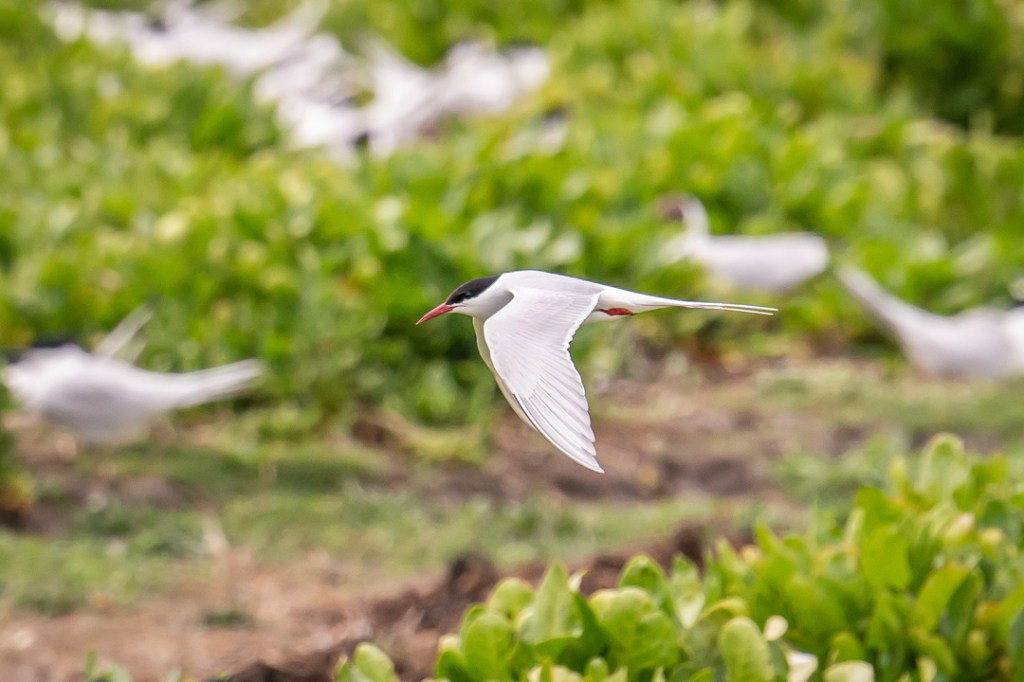
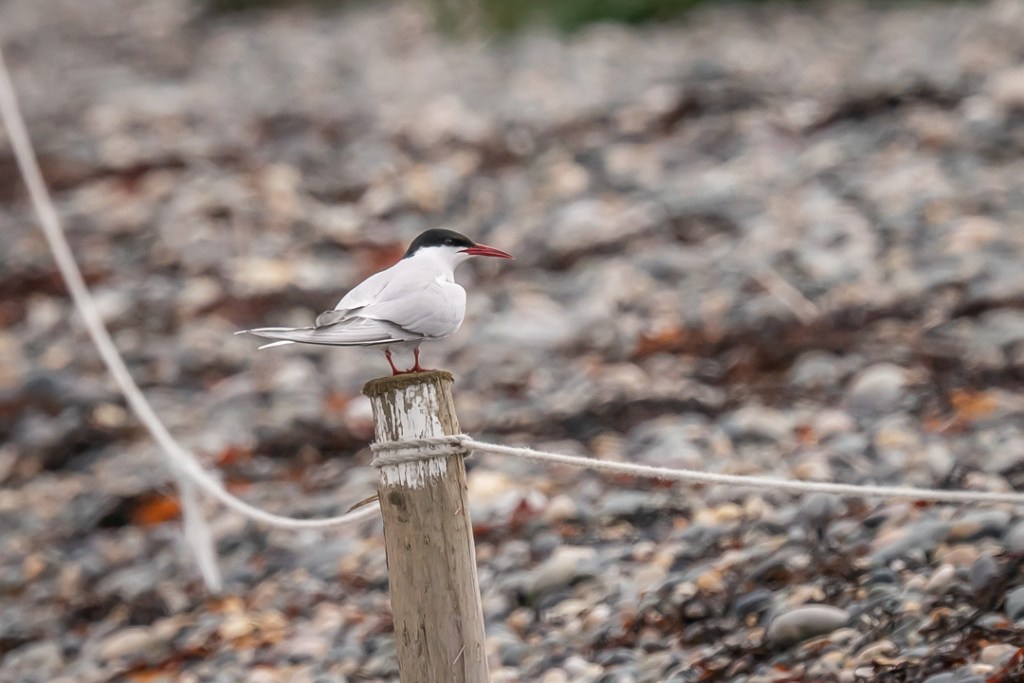
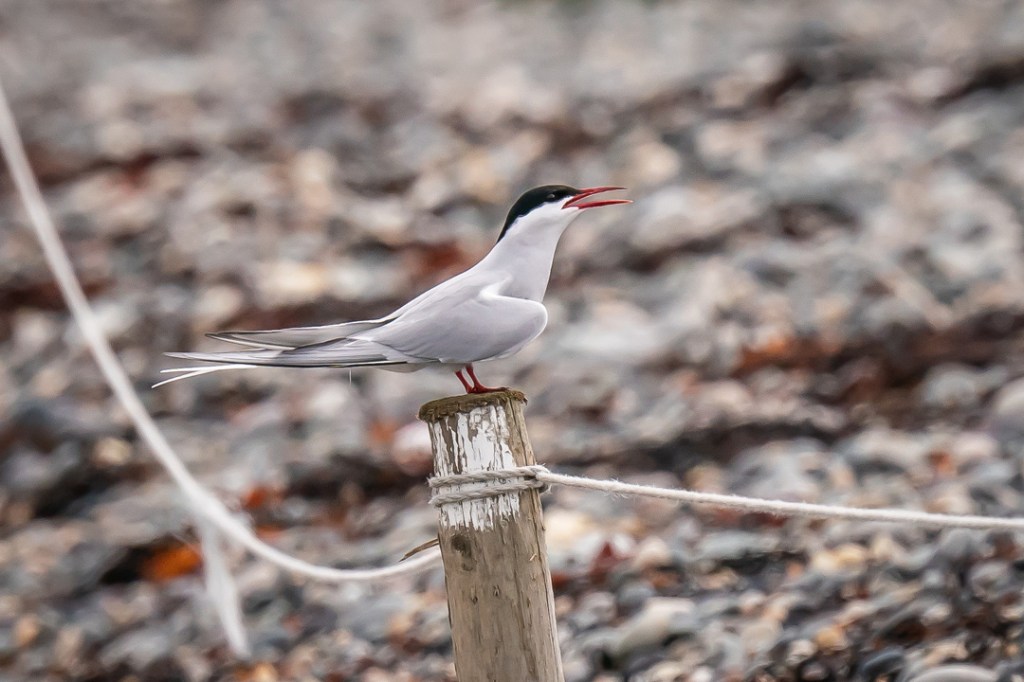
As we were so close to Cemlyn Bay we could resist returning to see the tern colonies. I gather thousands more had arrived since our first visit a few days ago.


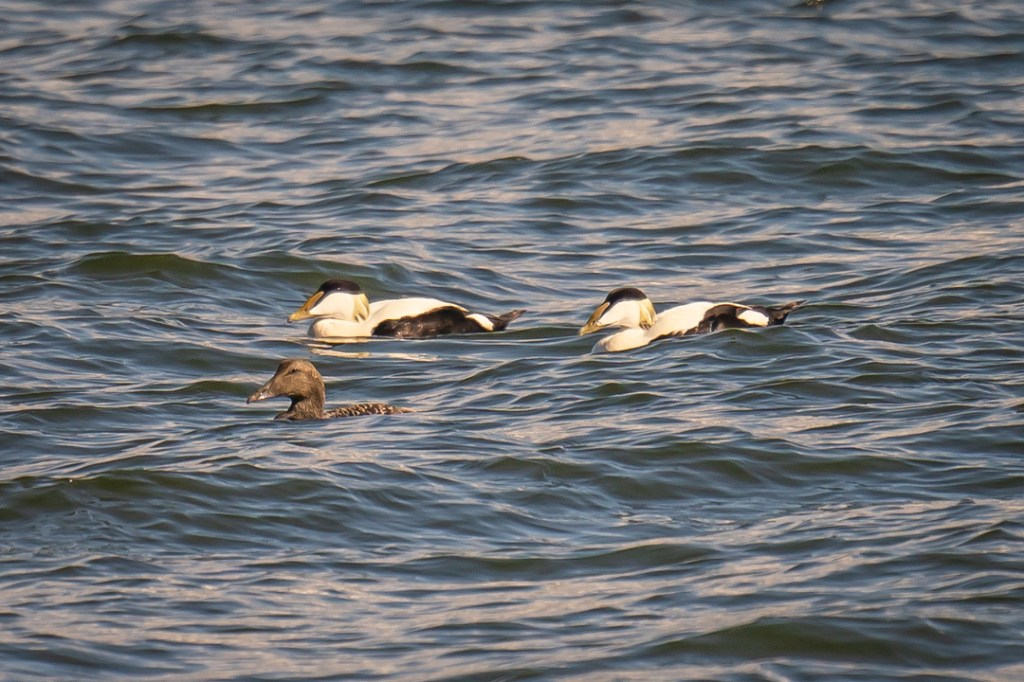
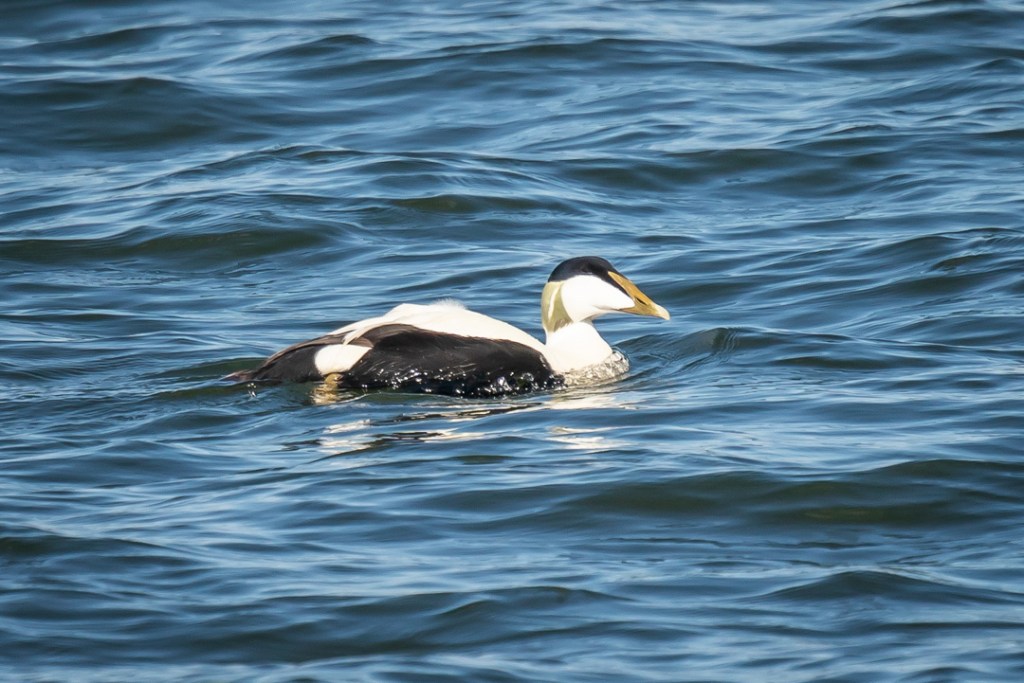
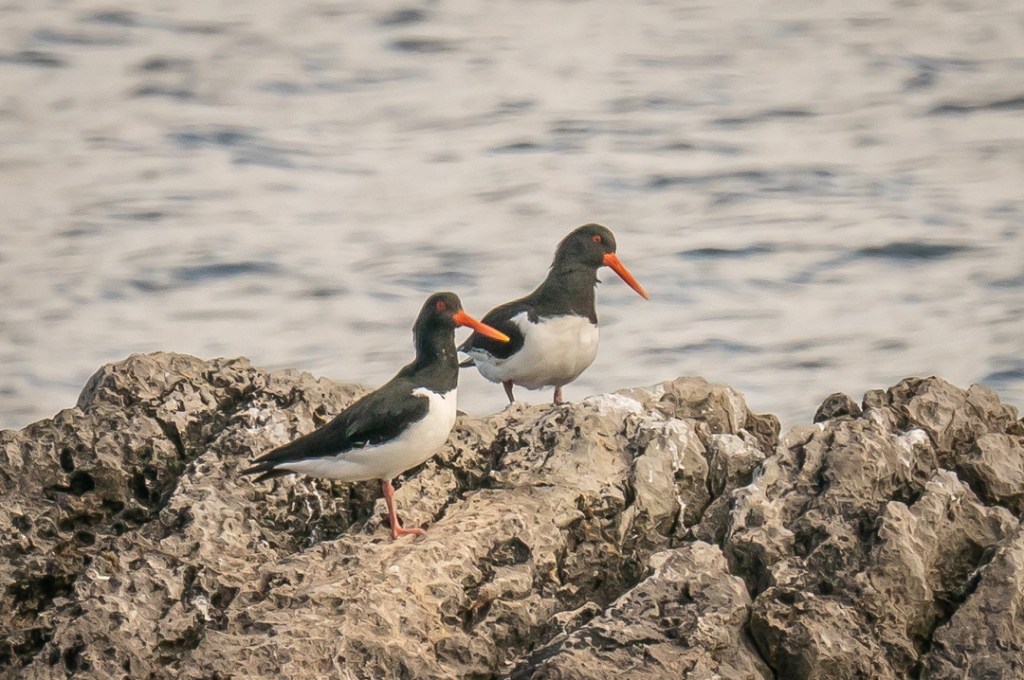
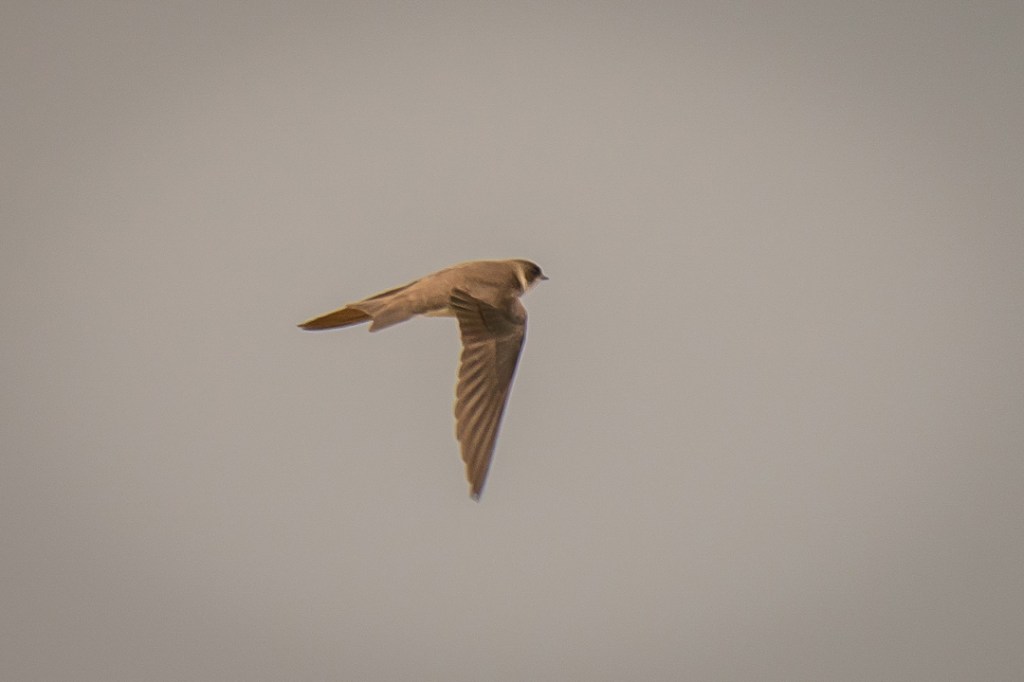
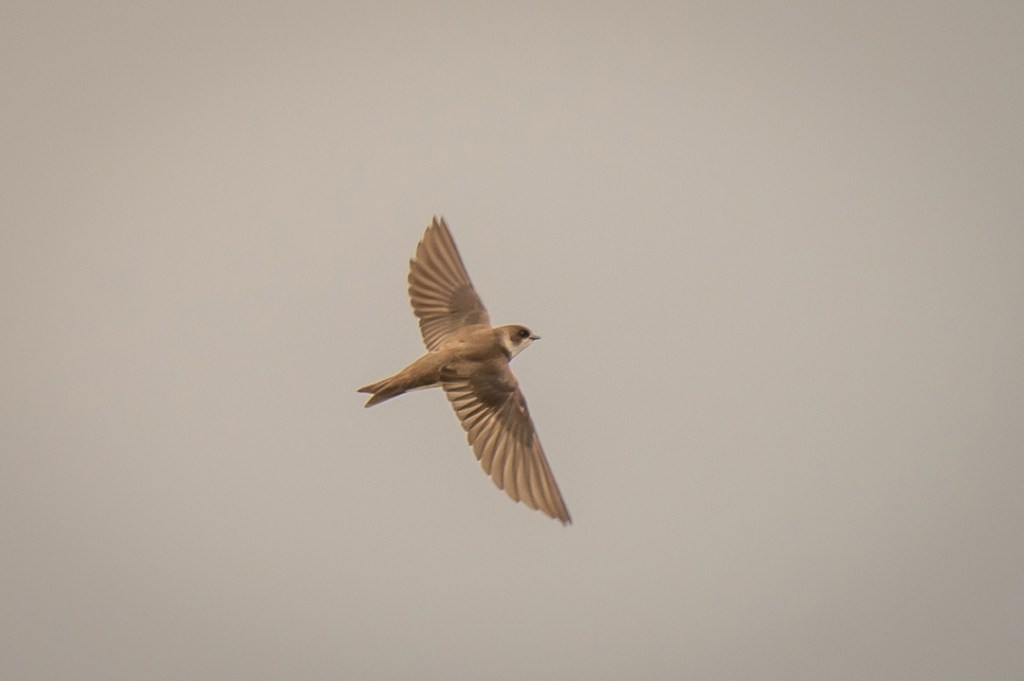
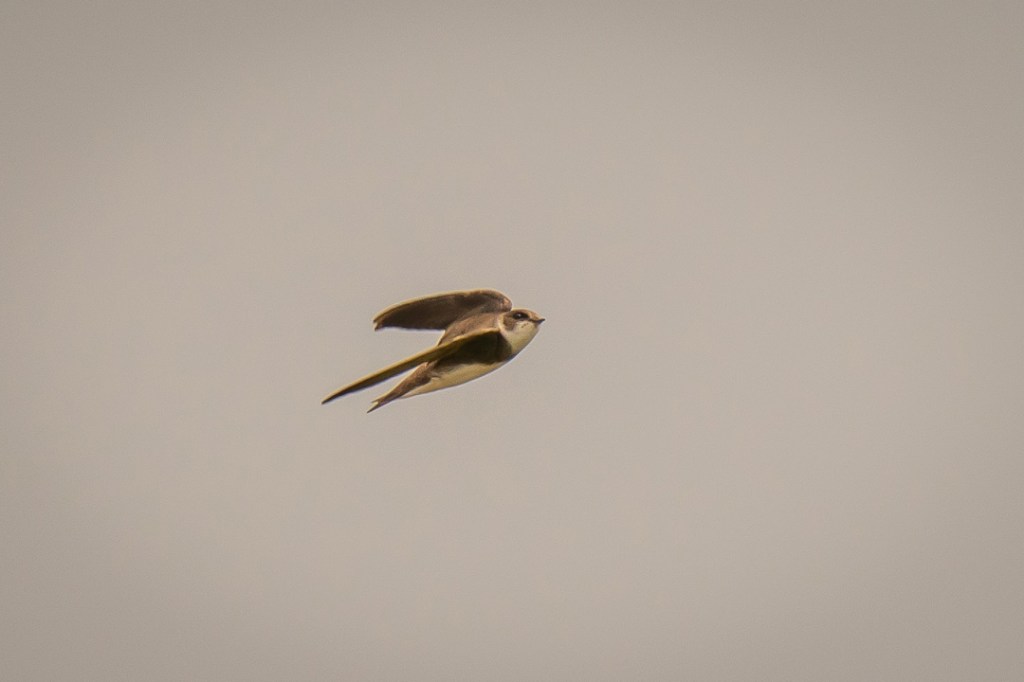
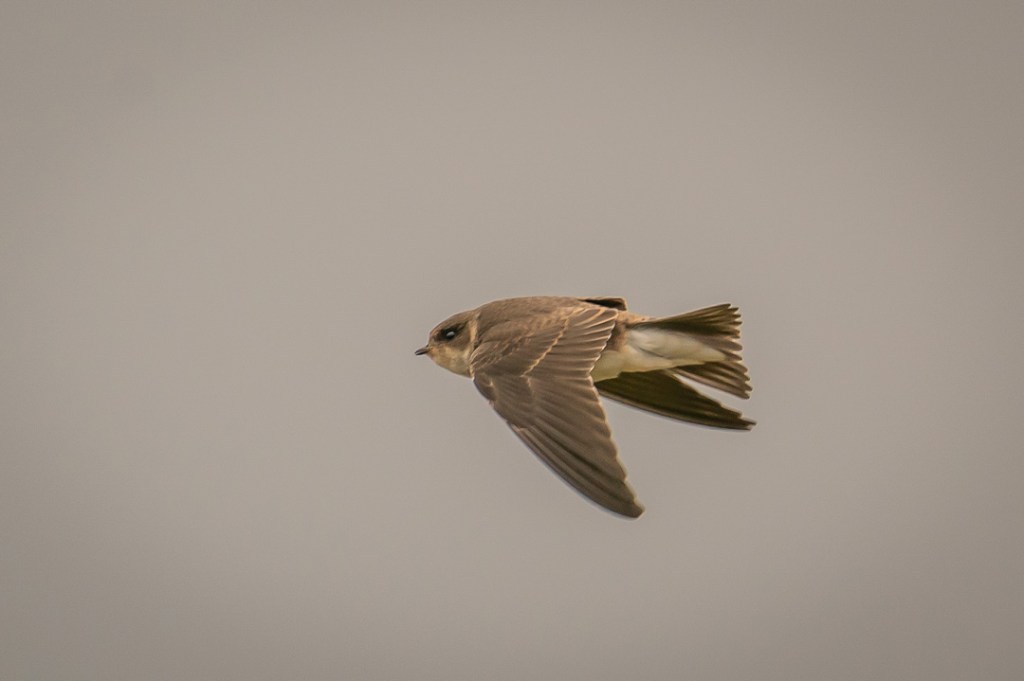
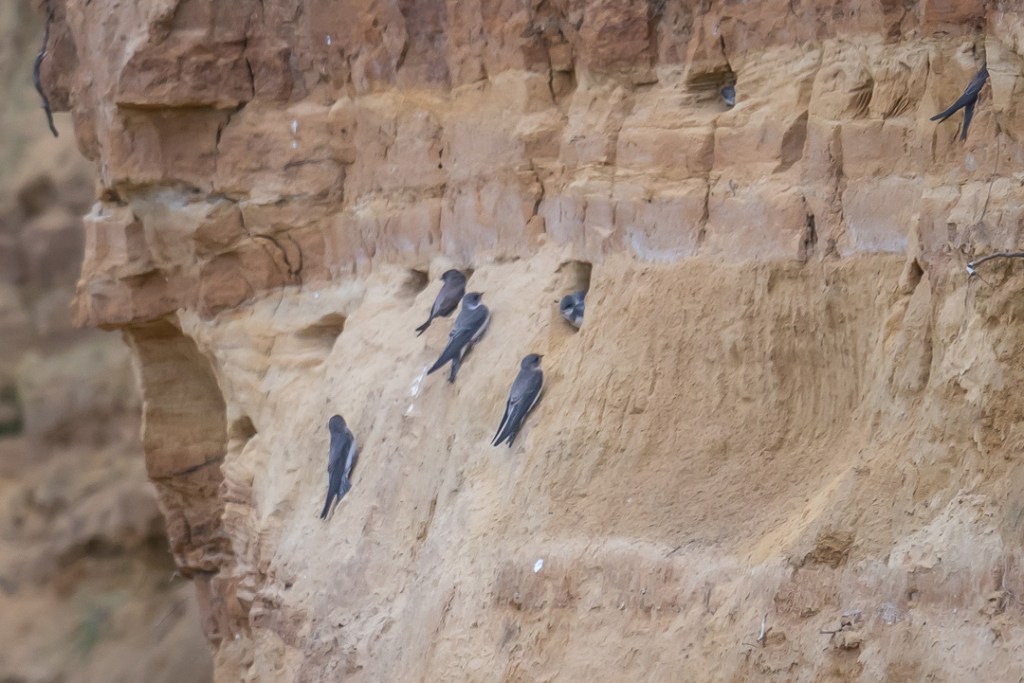
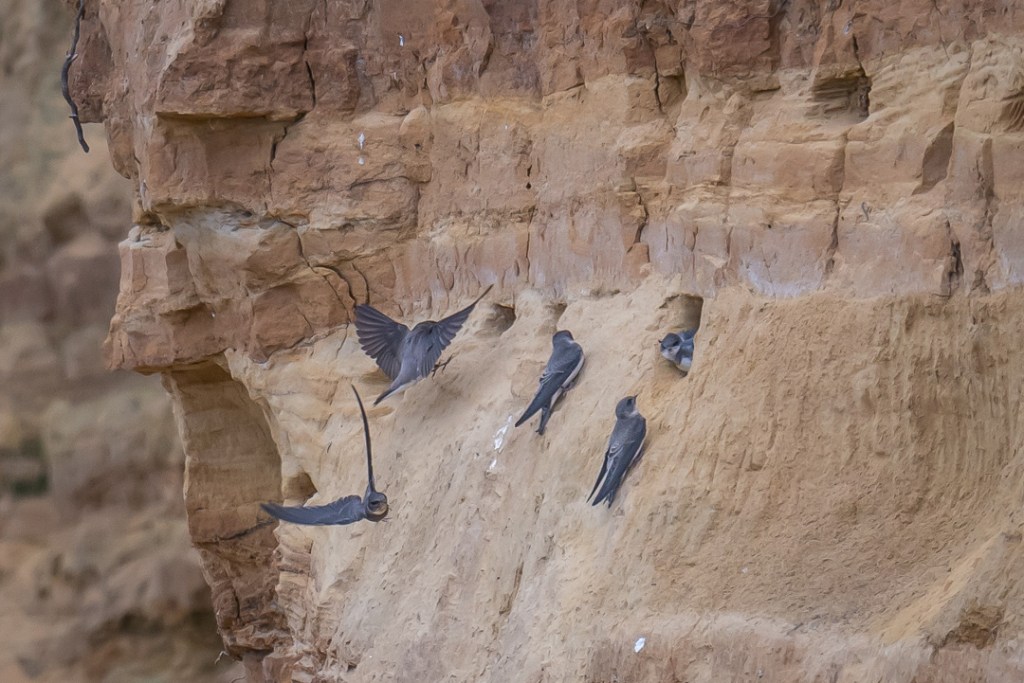
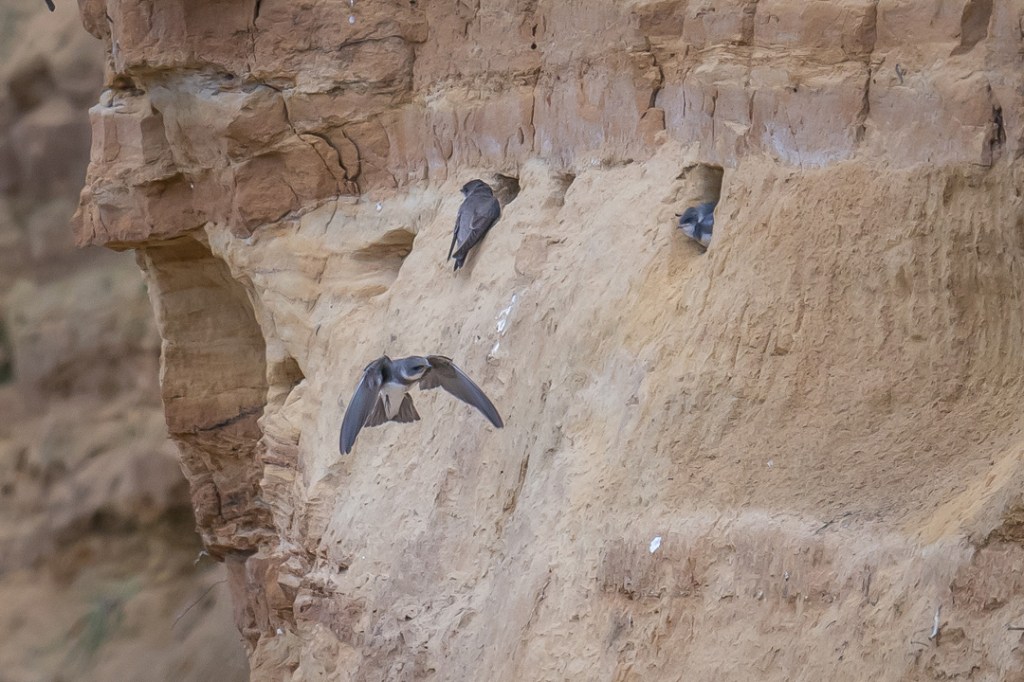
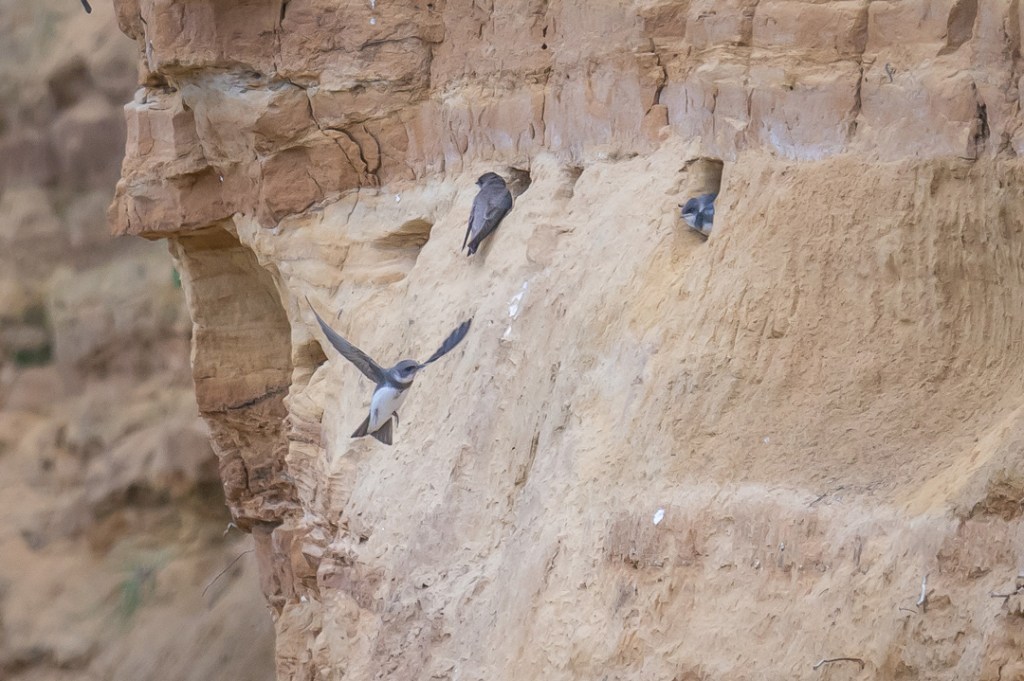
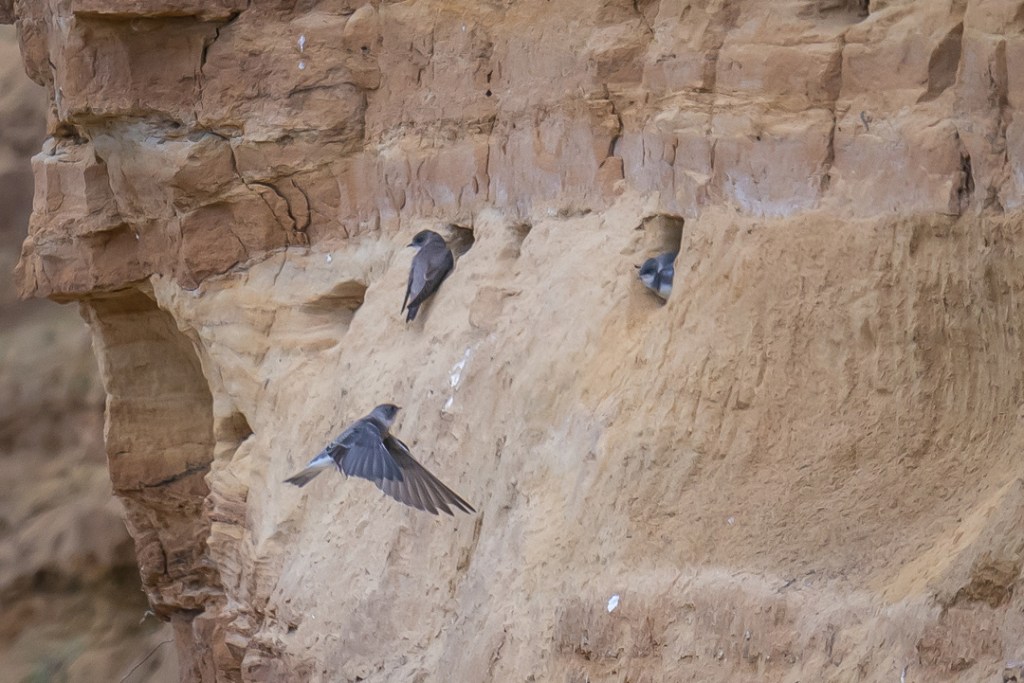
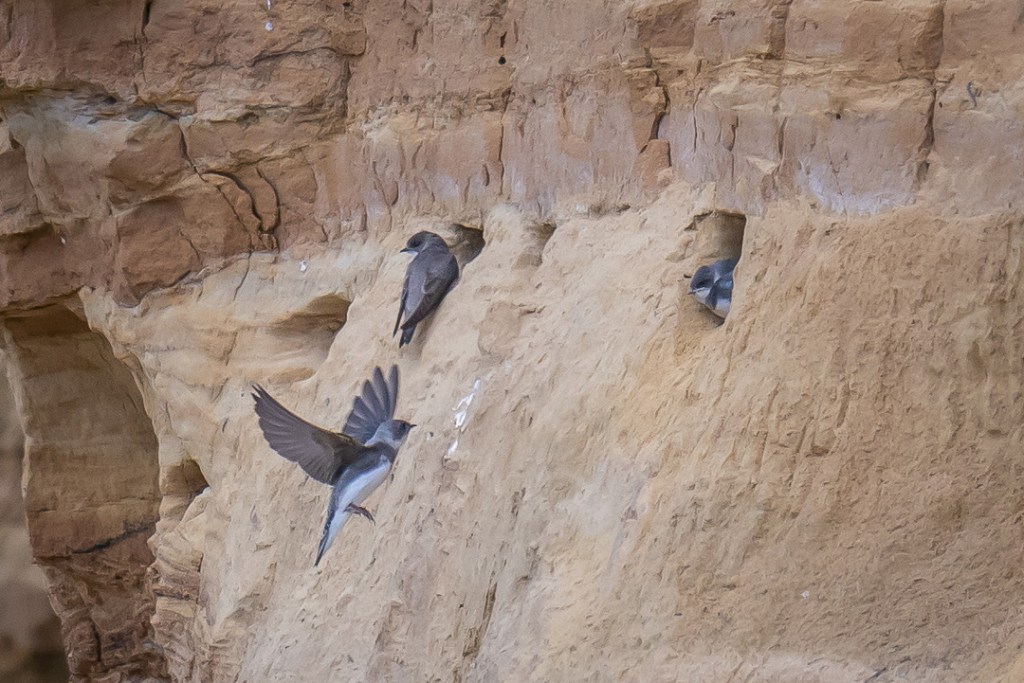
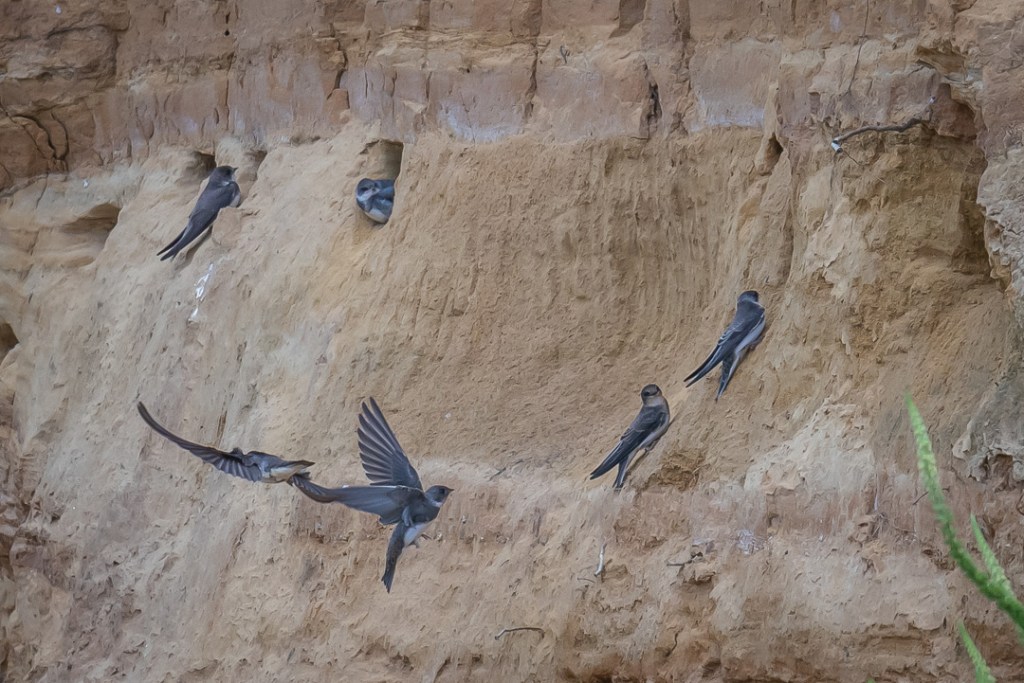
On the way back we stopped again near Penmon Point to see eider, oystercatchers and sand martin.
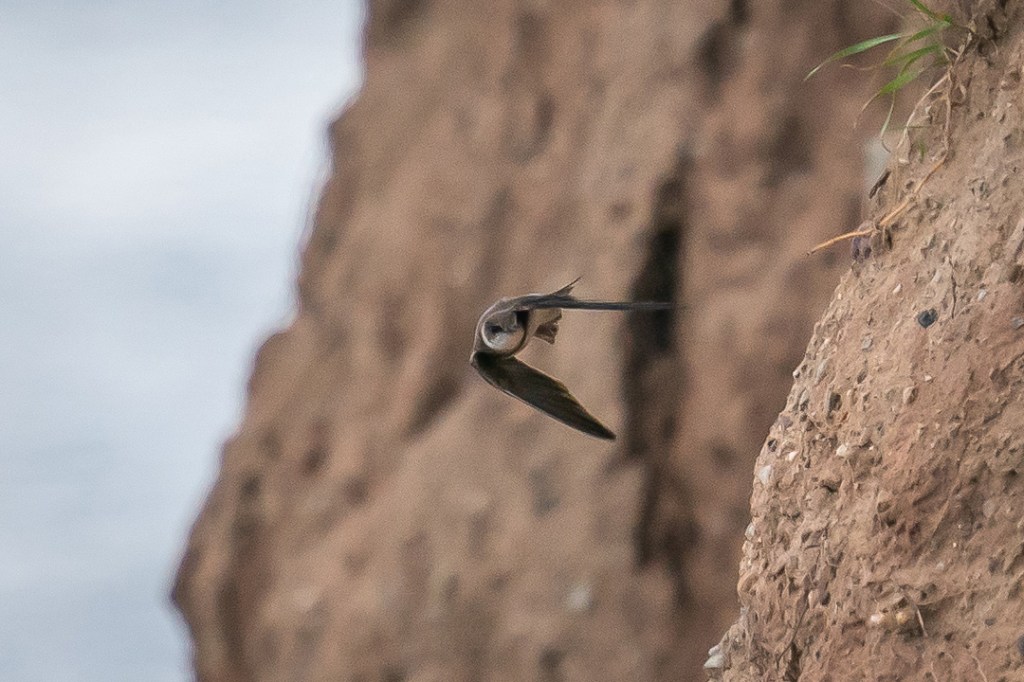
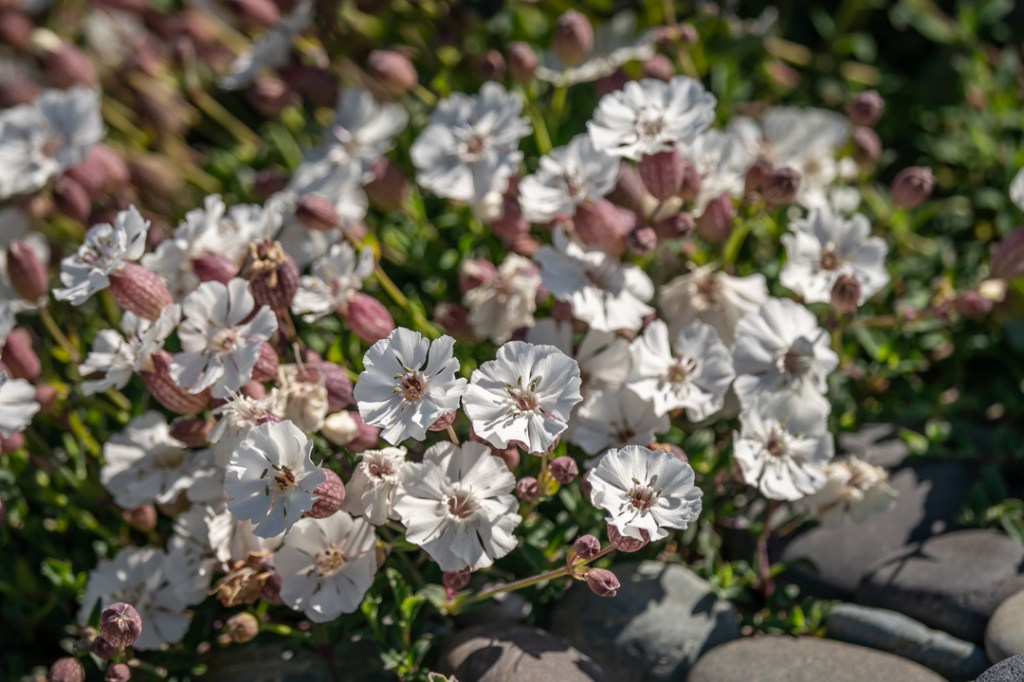
With so much to do here in Anglesey I missed a blog for Sunday which I am now publishing out of sequence. We did a circular walk through Newborough Forest on the south west coast of Anglesey in the morning. Although there were duckboards through some sections, it was very boggy and we often had difficulty keeping our footing. We then moved a little further along the coast and walked through the dunes at Aberffraw which was a more pleasant experience. The flora was particularly interesting. It’s amazing how many of these plants have names associated with birds. On our return we spent a little while wandering around the pleasant seaside town of Beaumaris where we are staying and I took a few more bird photos experimenting with a wide angle lens.

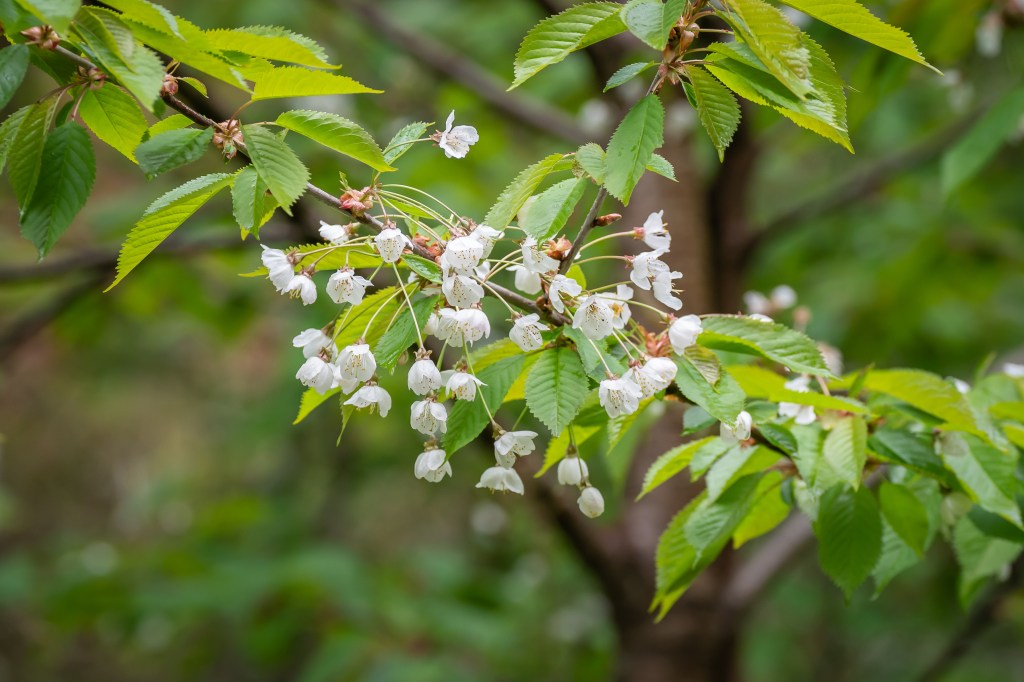

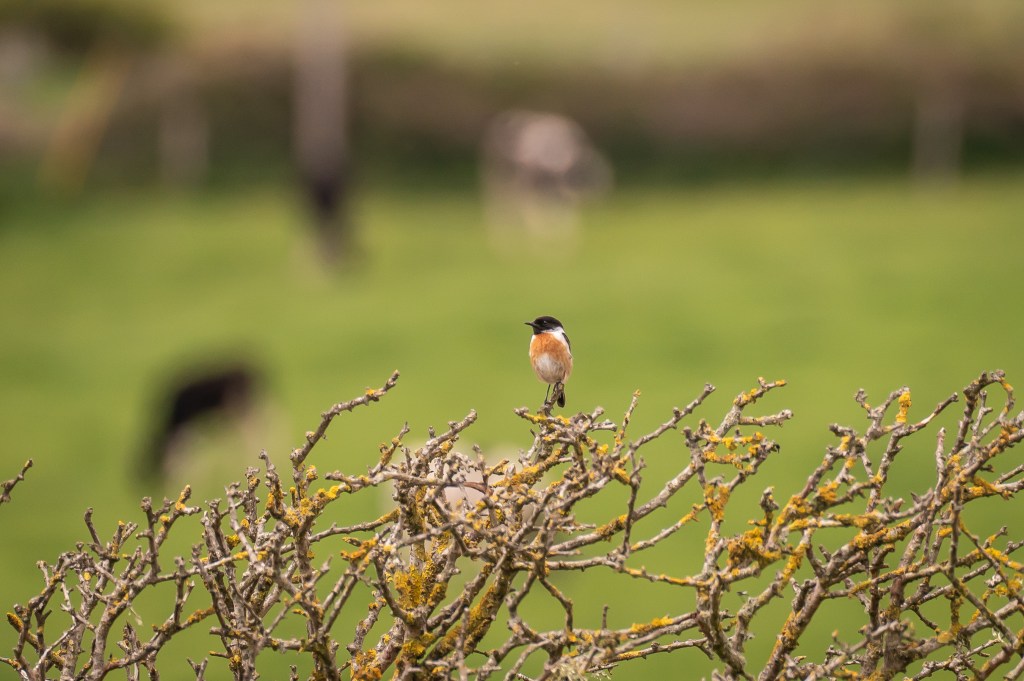

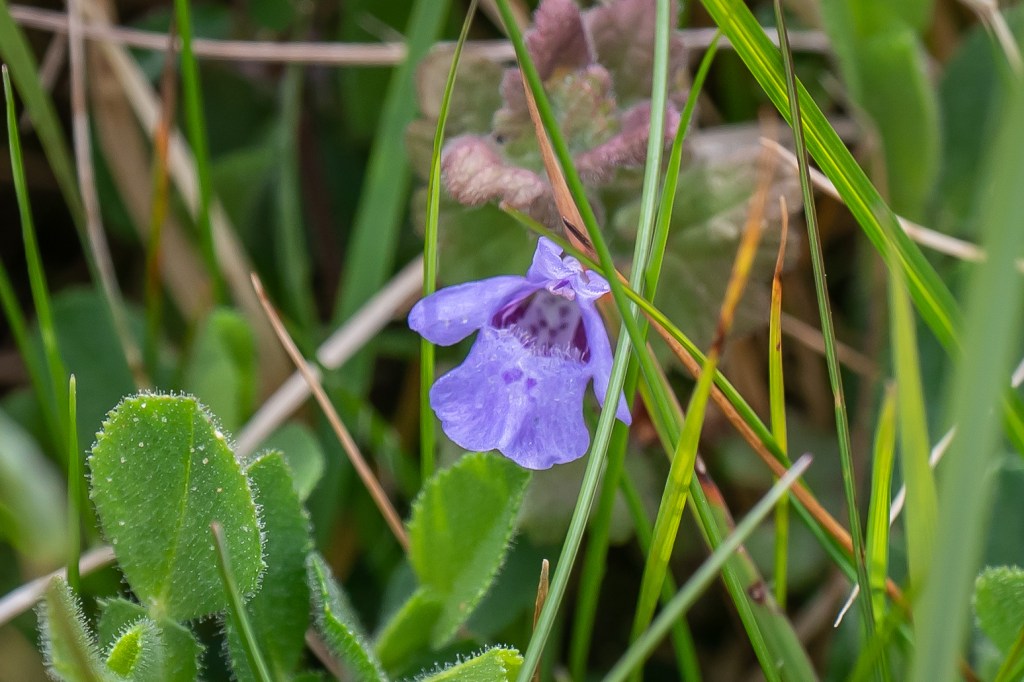


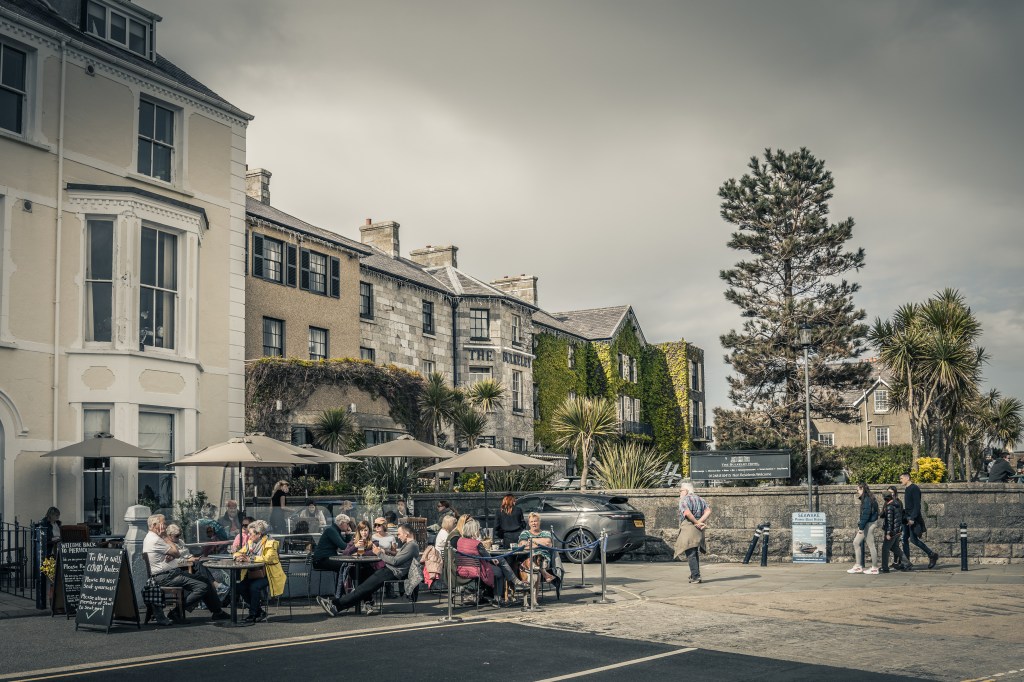
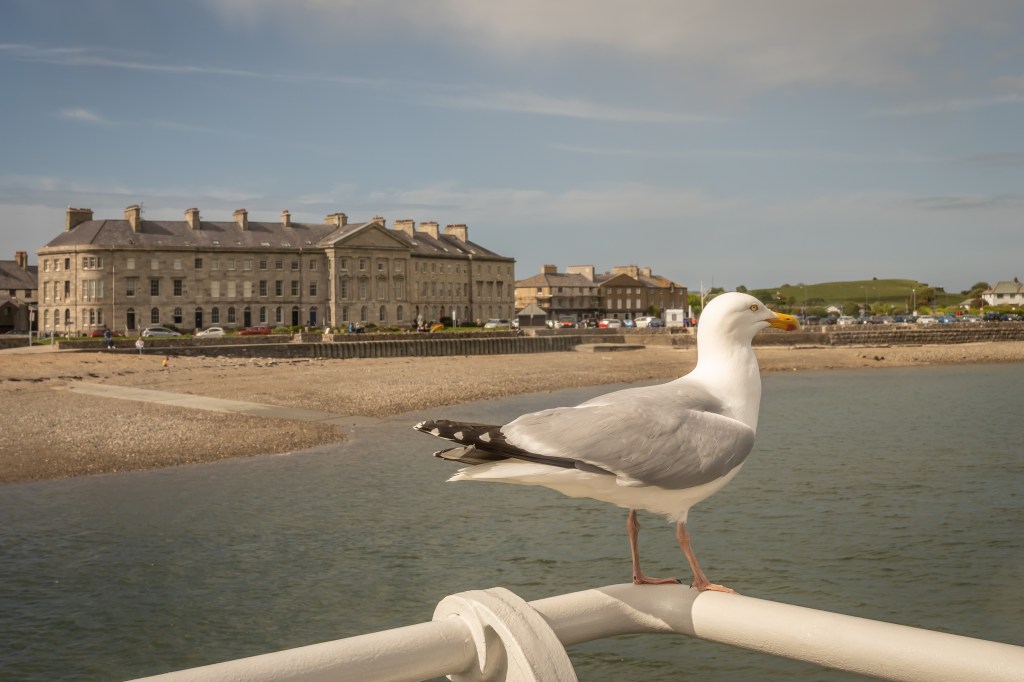

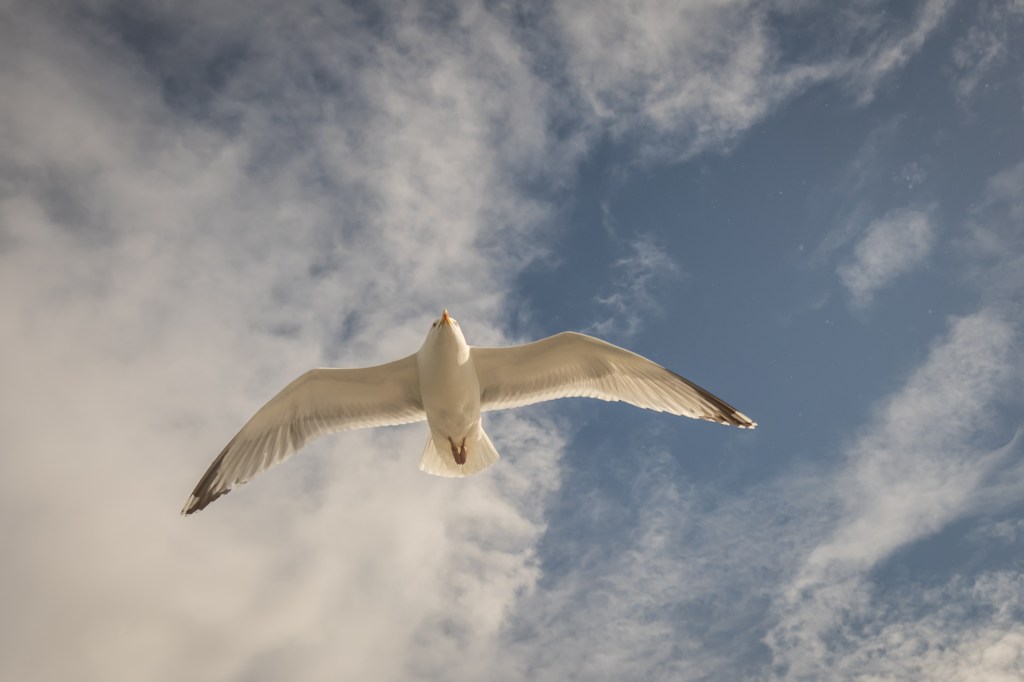
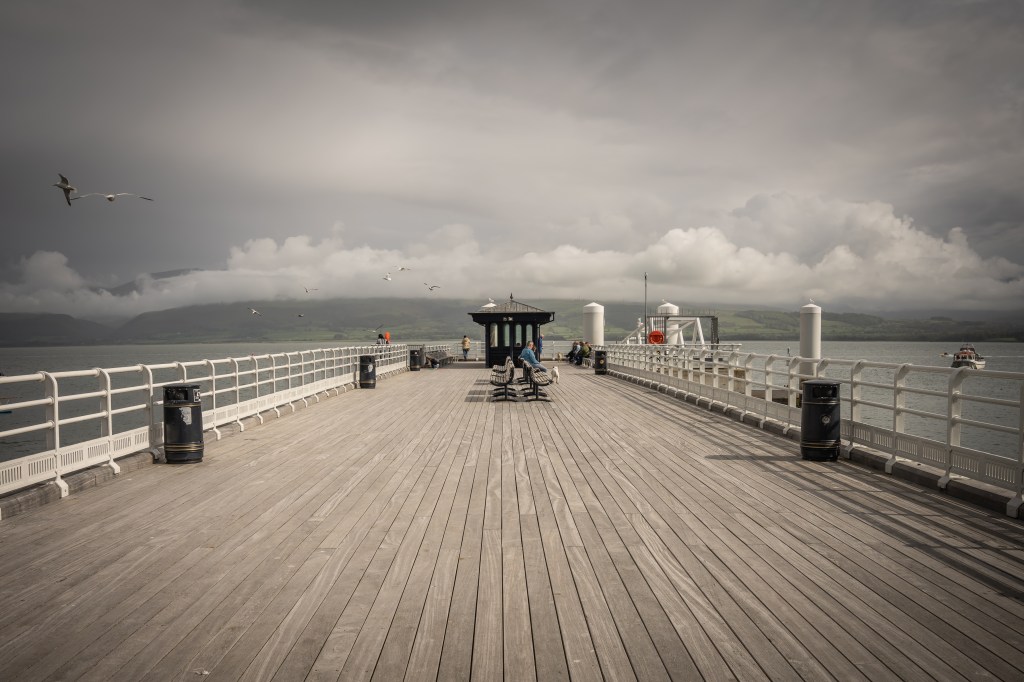

Wanting to pack as much as possible into our stay in Anglesey we were the first to arrive at the National Trust estate of Plas Newydd. The house is still not open but we were able to enjoy the stunning views over the Menai Strait, the Faenol and Snowdonia as we walked around the beautiful grounds even though the weather was still rather dismal.

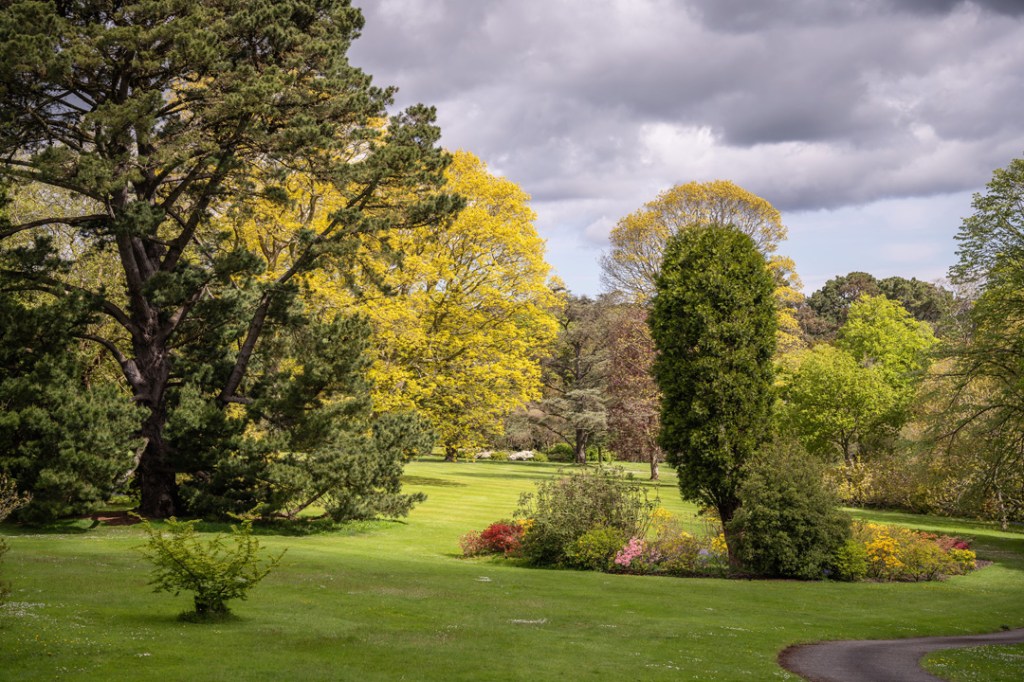
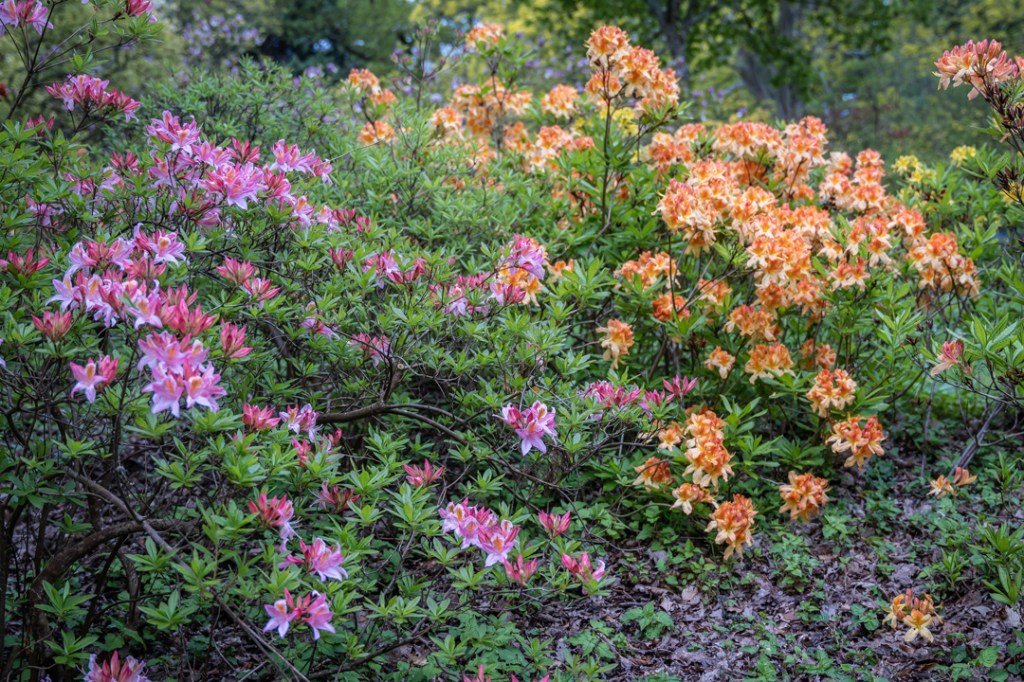

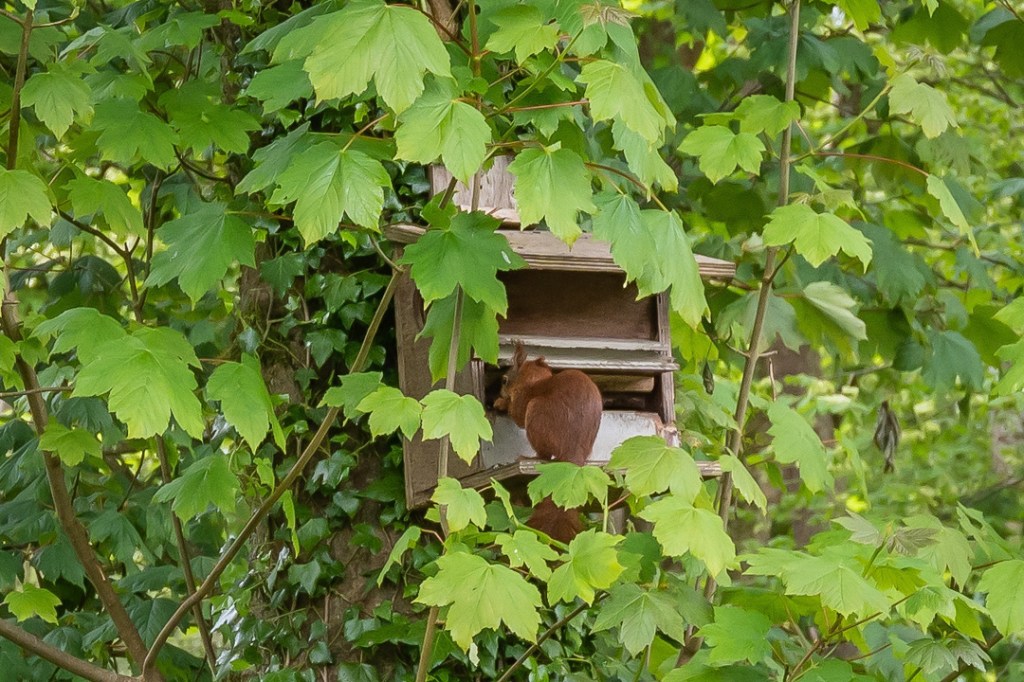

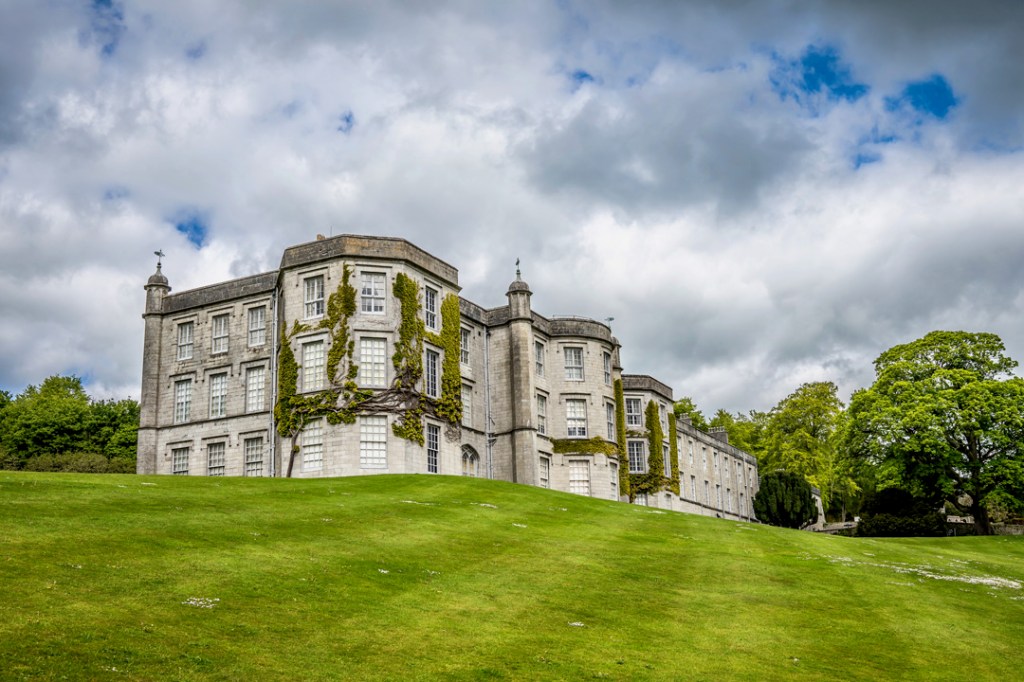
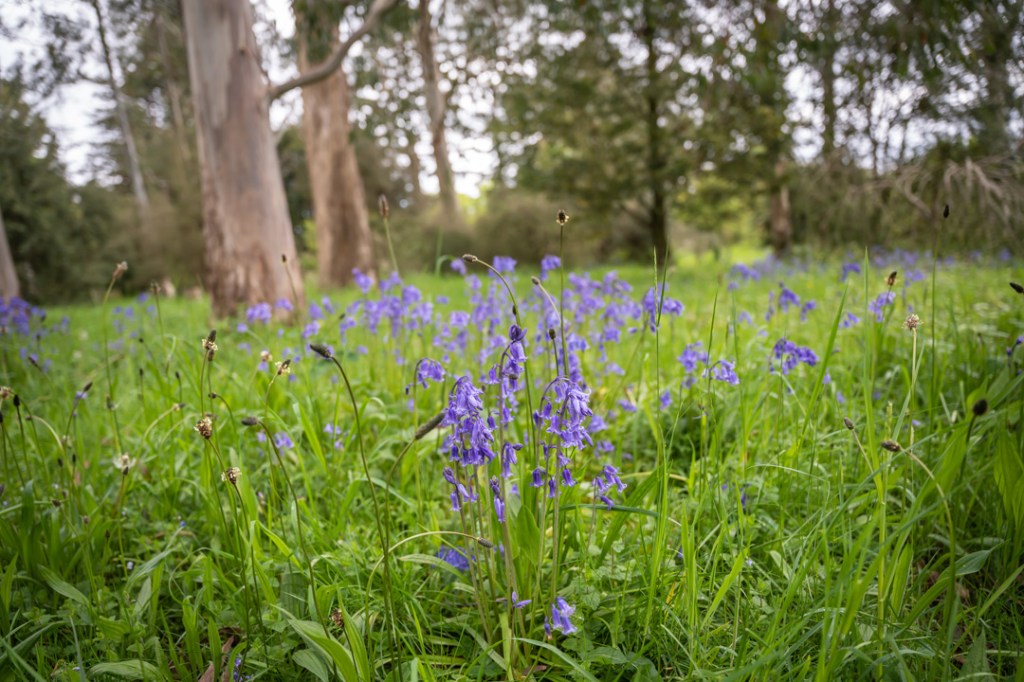

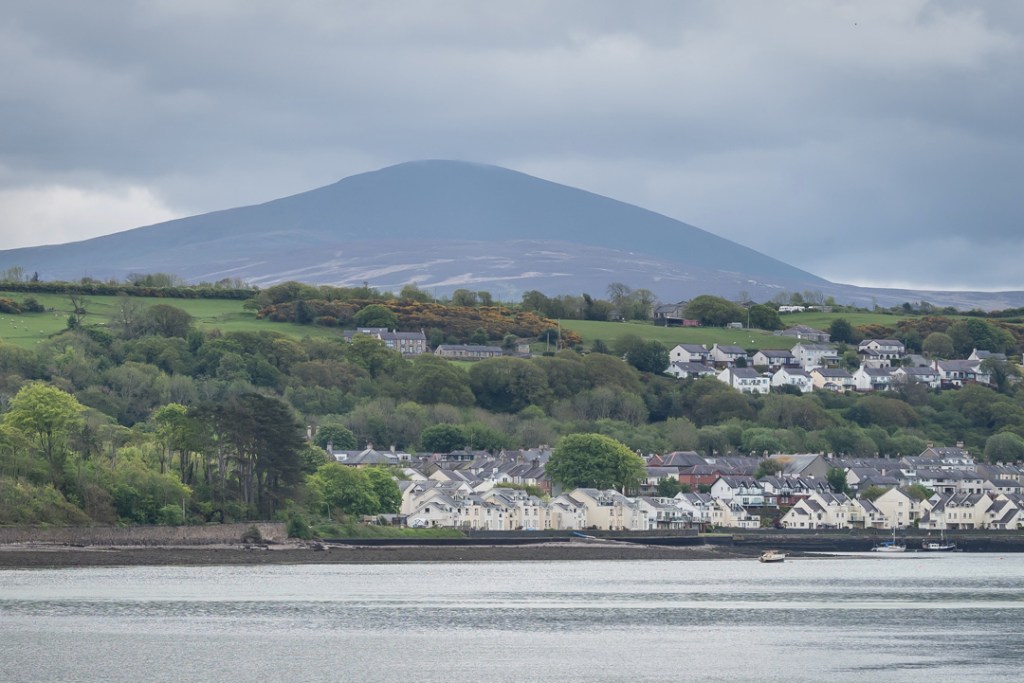
After our visit we made our way to the Cefni reservoir just north of Llangefni, the county council seat of Anglesey. The weather brightened up and we had a lovely walk around the reservoir hearing wonderful birdsong and seeing butterflies and an interesting array of flora. On the water there were great crested grebe and we even saw a goldcrest which landed so close in front of us that I didn’t really manage to focus on it.
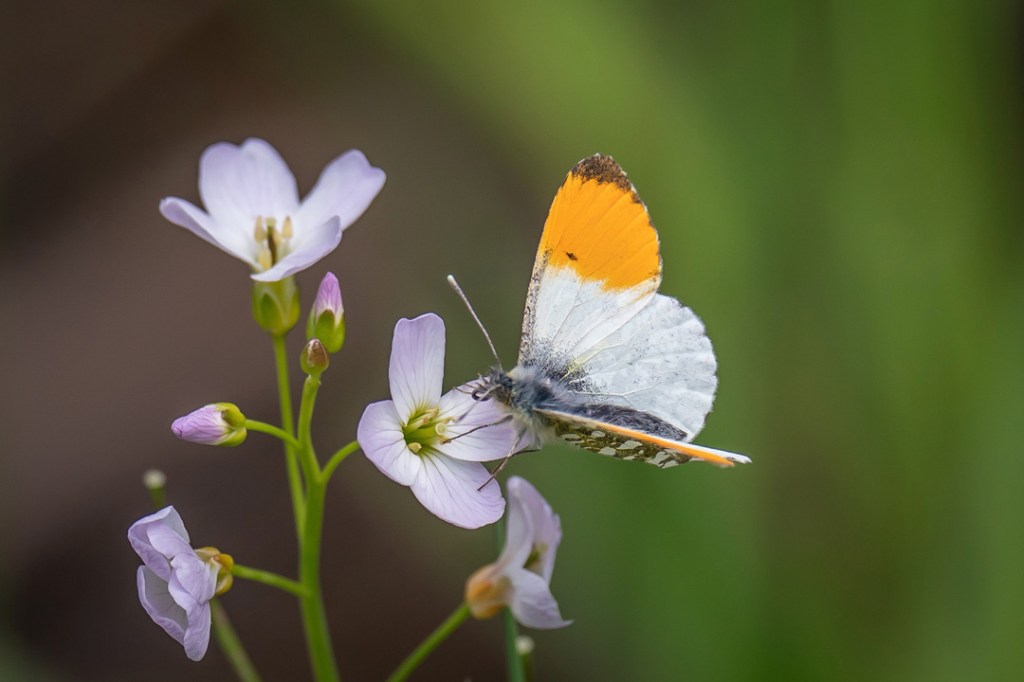

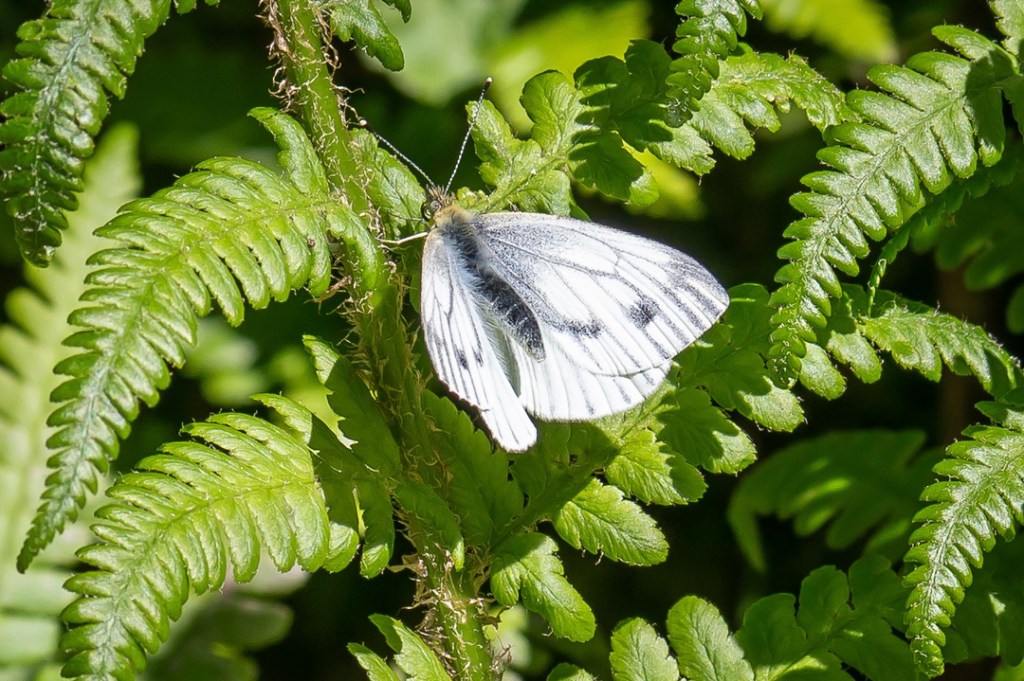
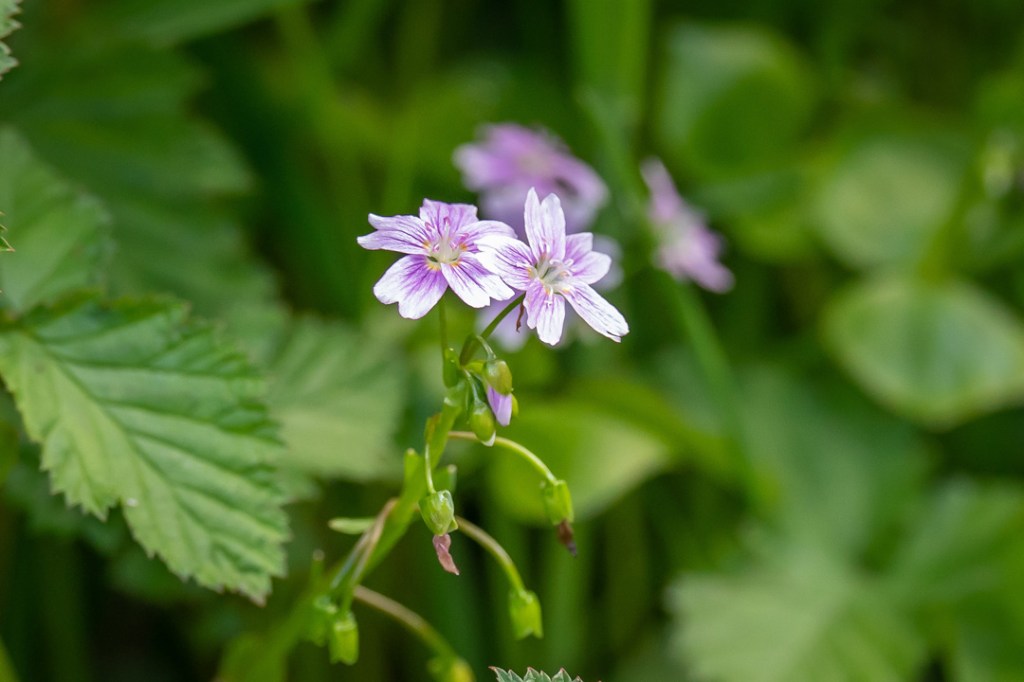
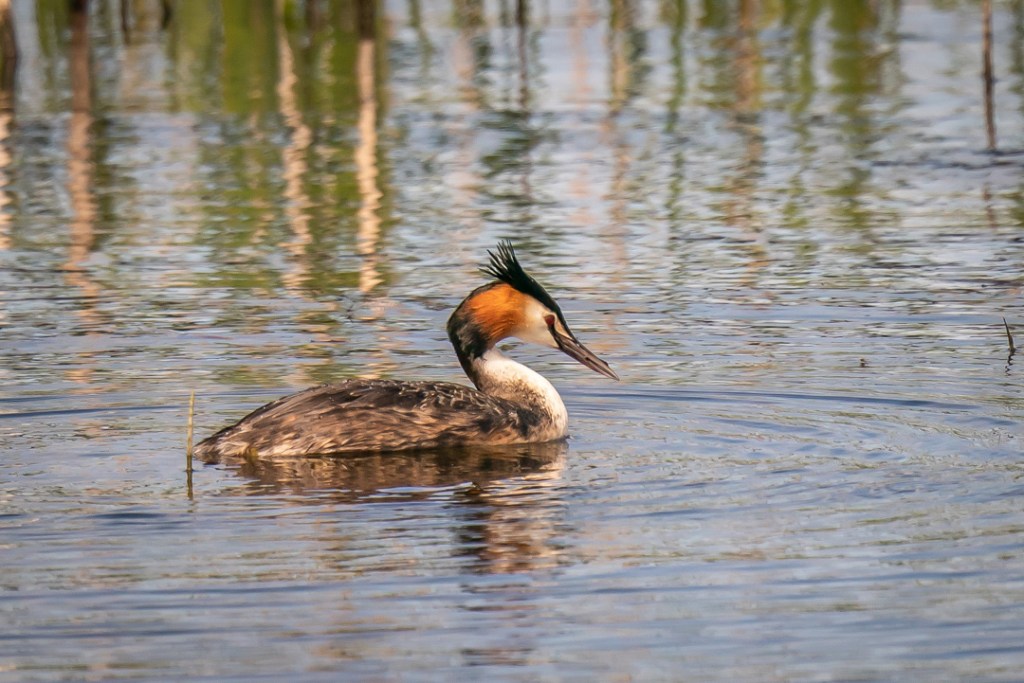
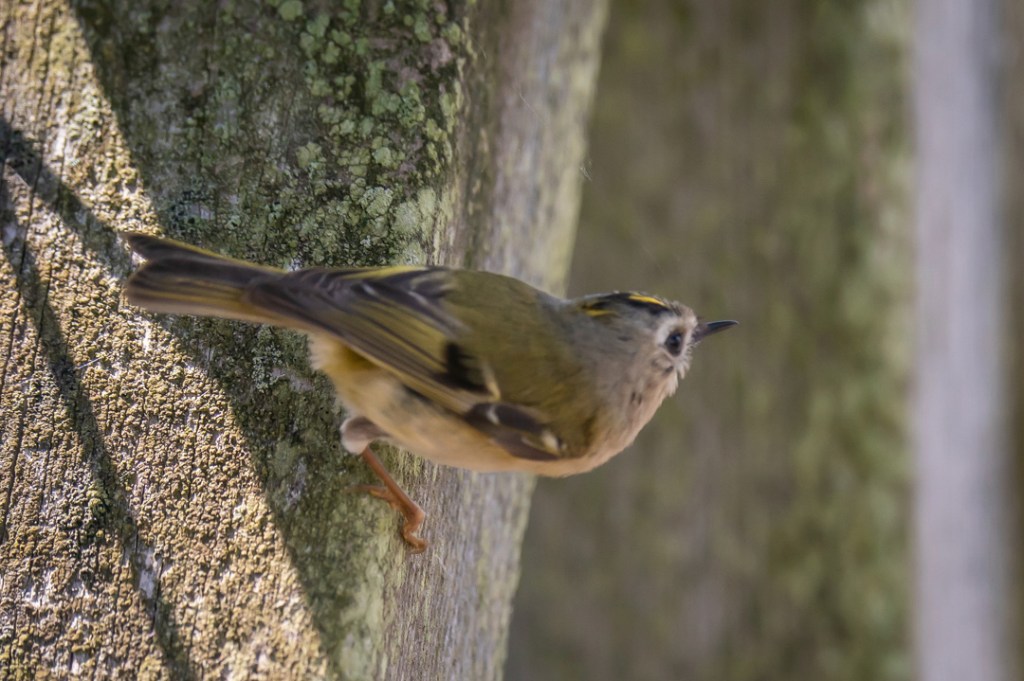

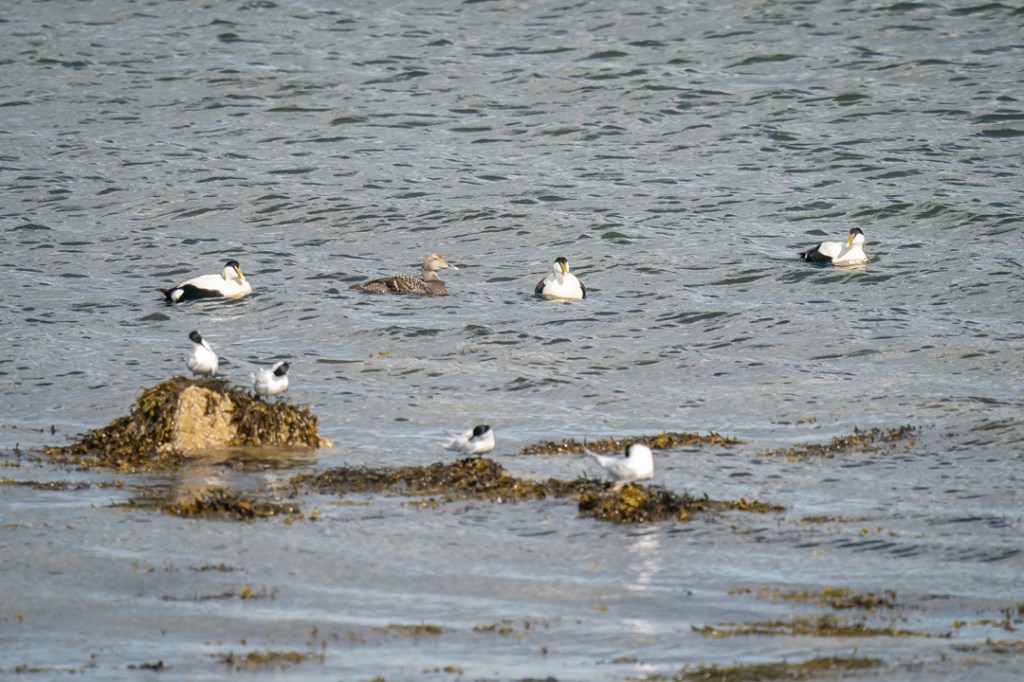
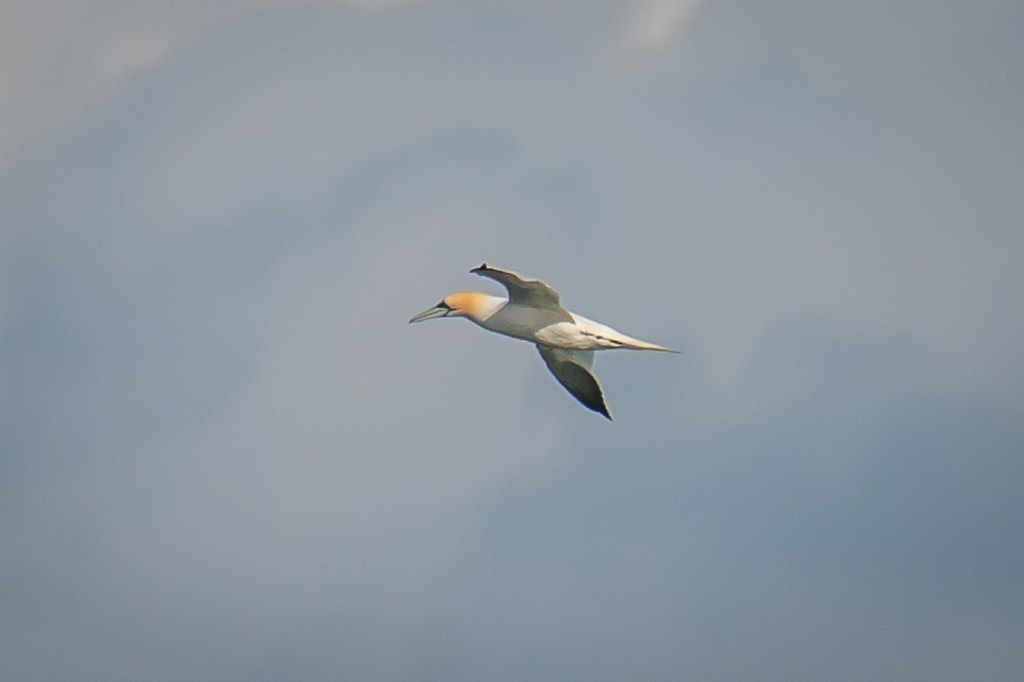
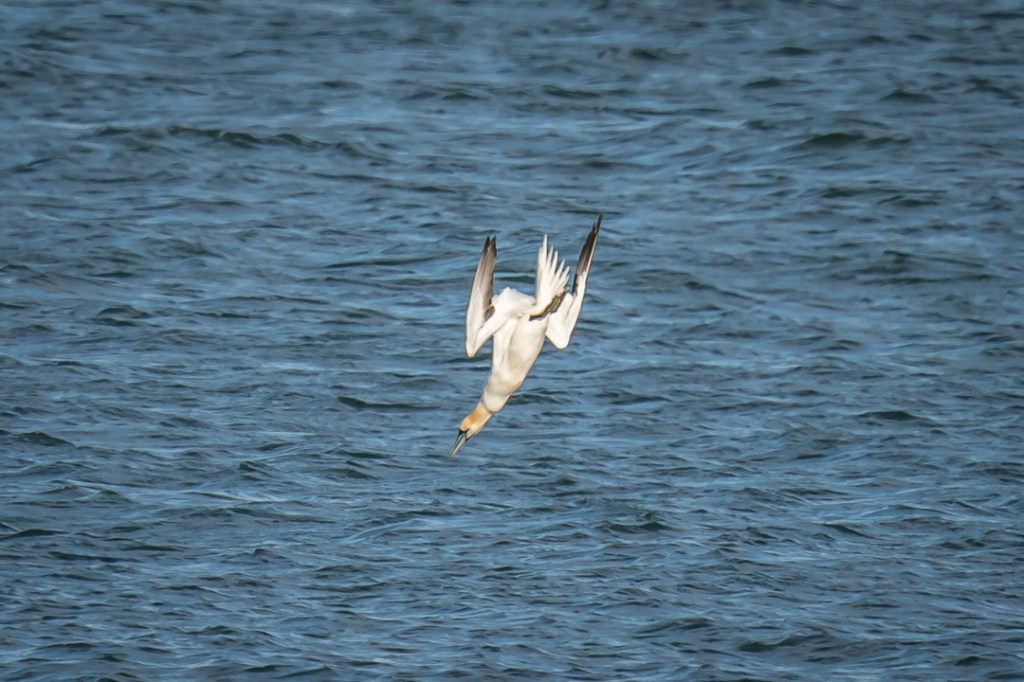
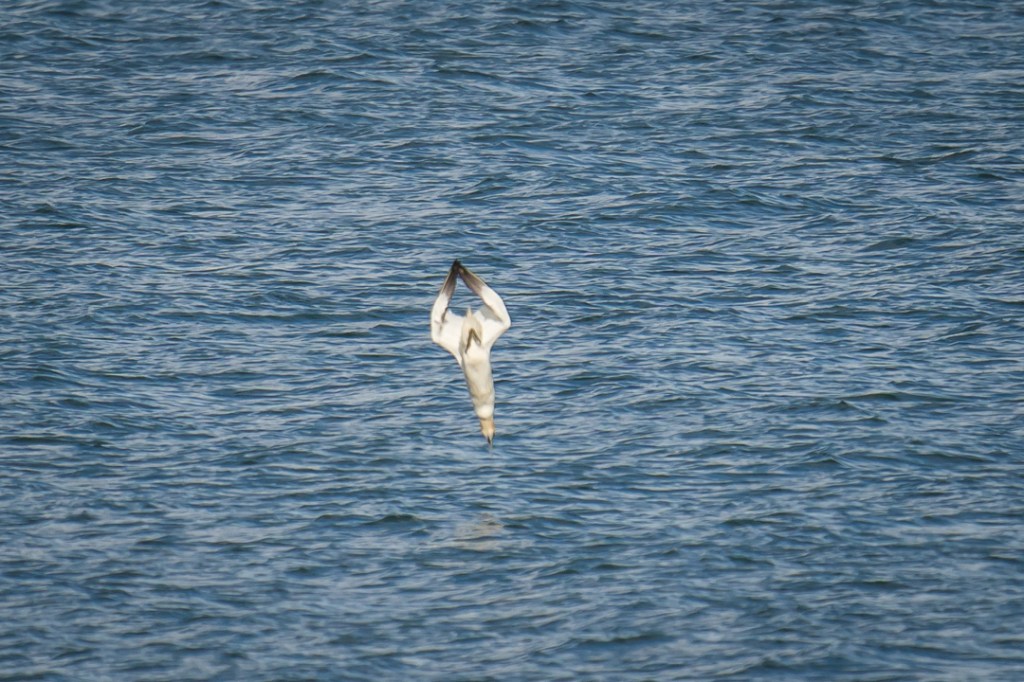
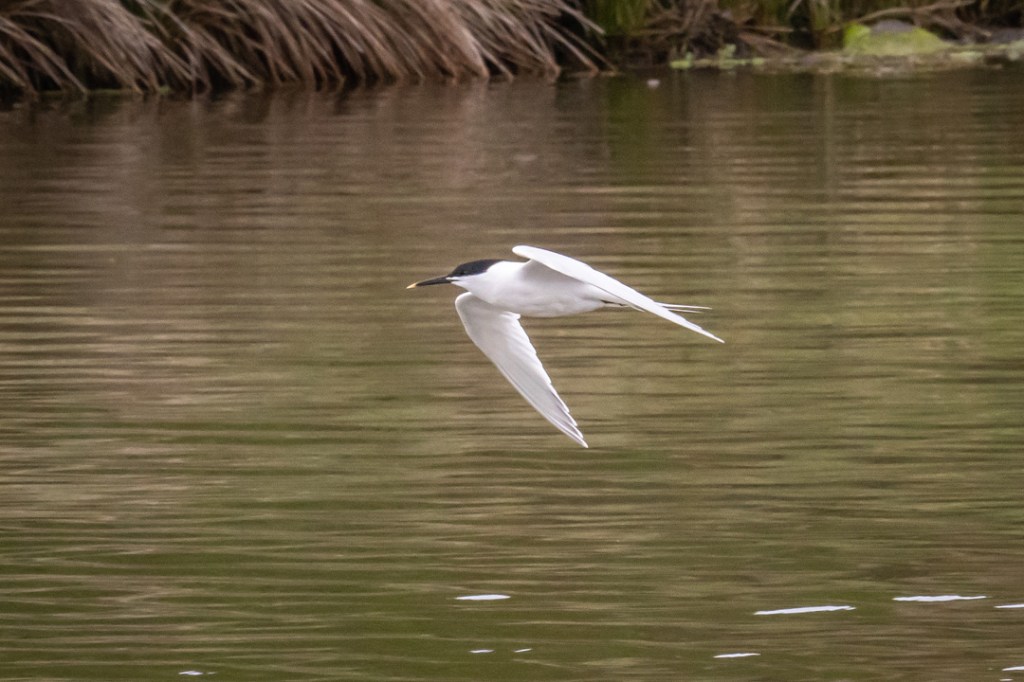
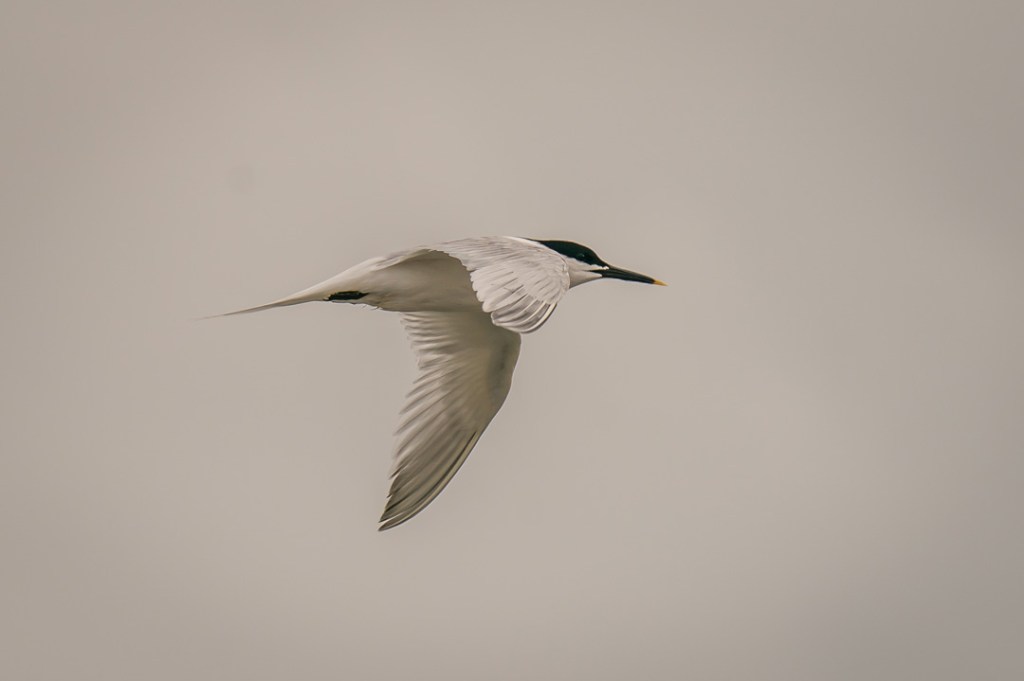
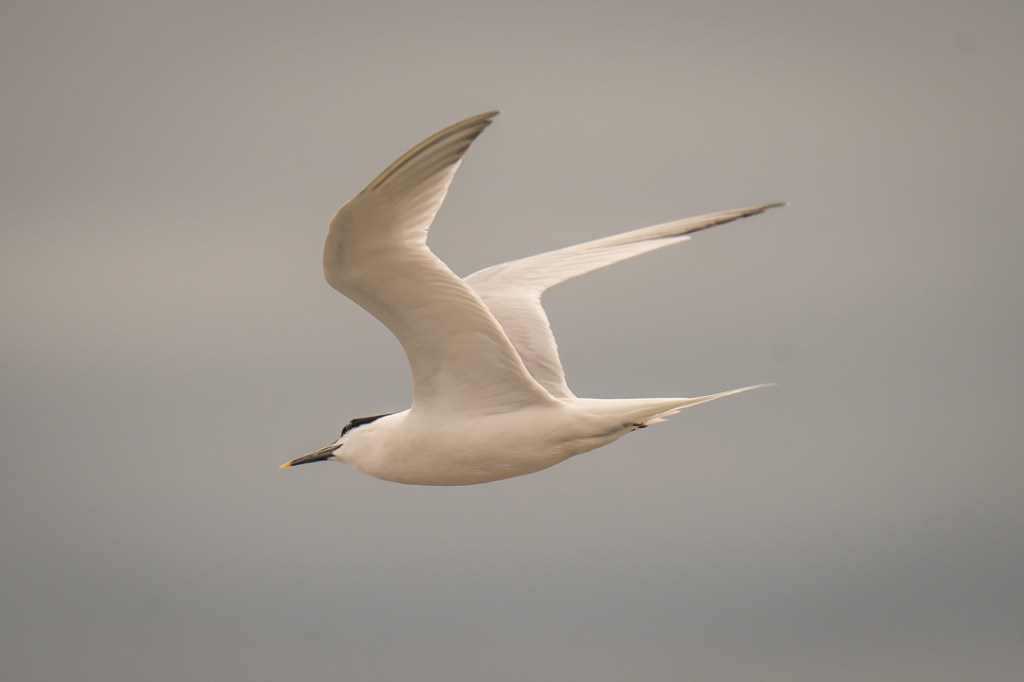
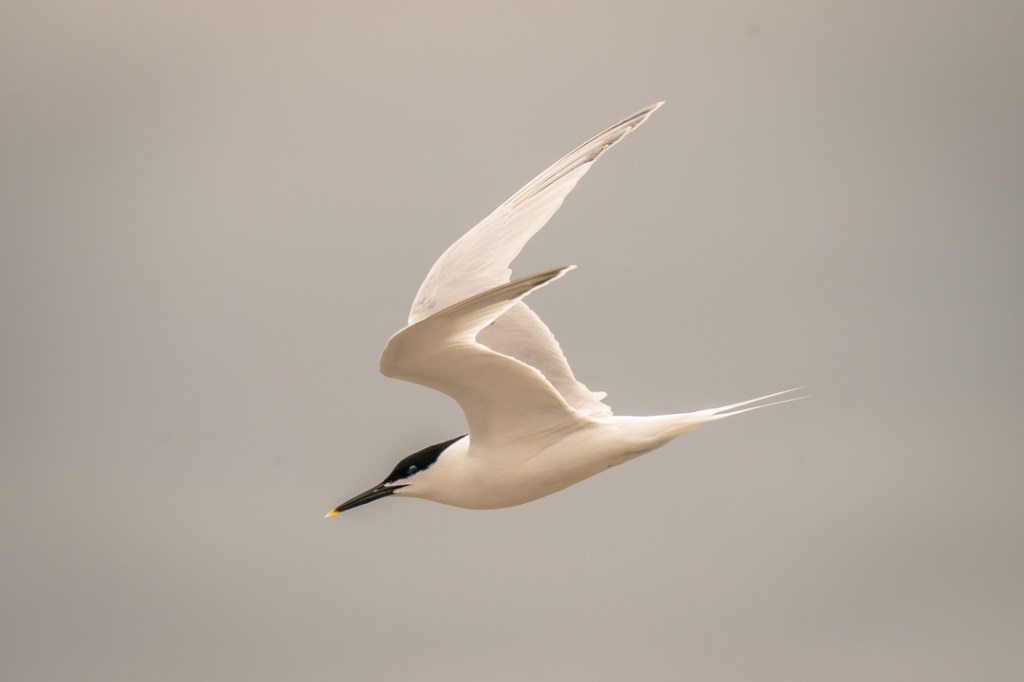
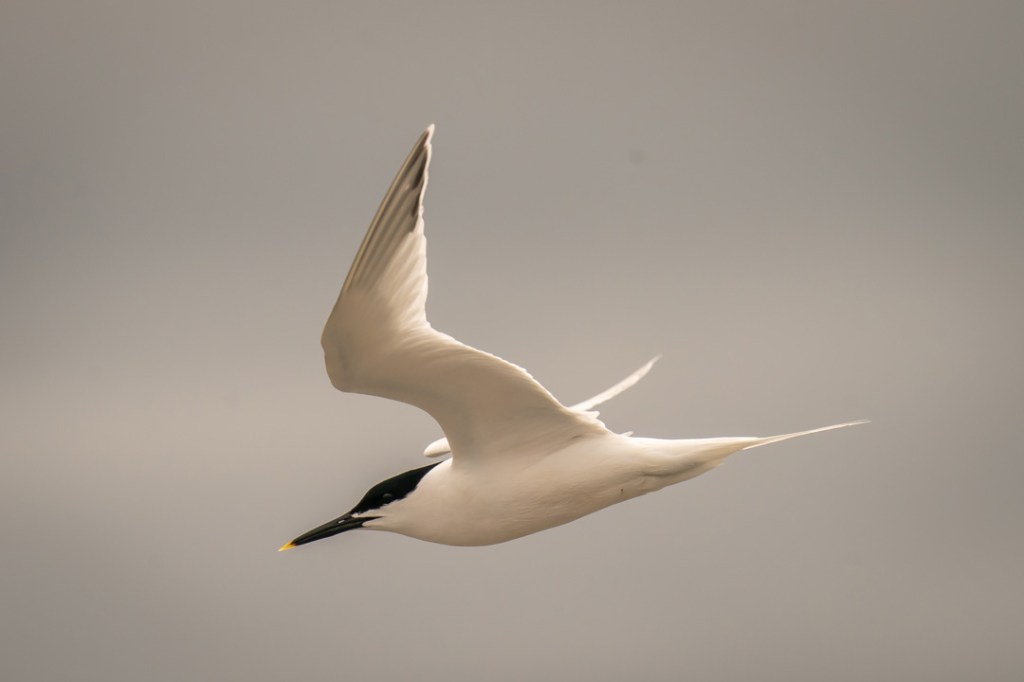
On our way home we visited Penmon Point where there are good views of Puffin Island. We saw all sorts of bird life here including eider ducks, oystercatchers, sandwich terns and the superb spectacle of 2 gannets diving in a nearby bay.



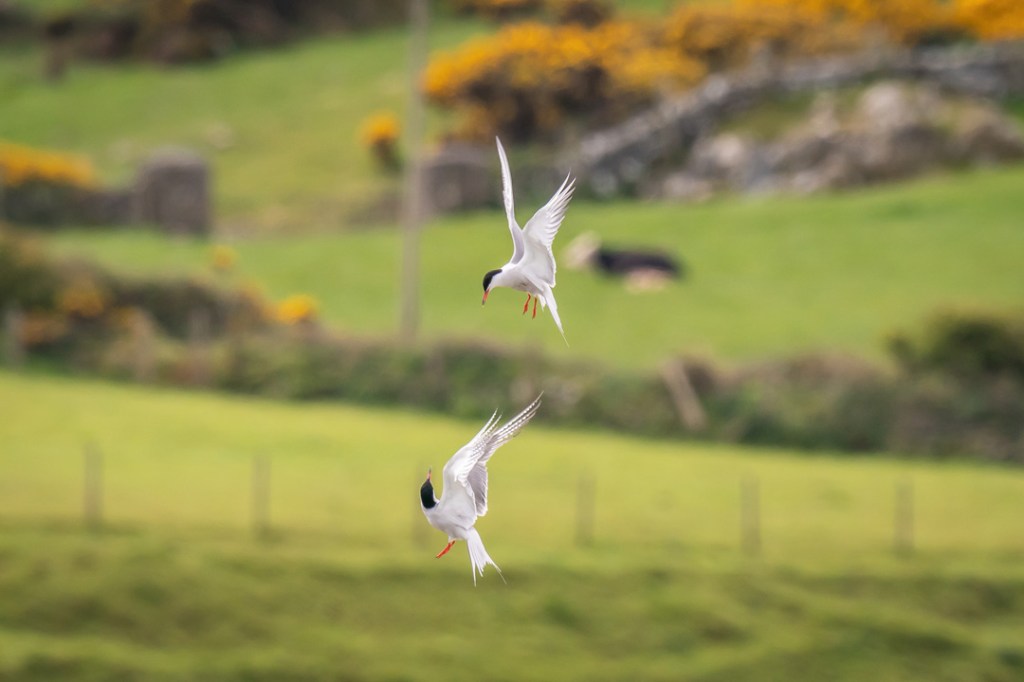
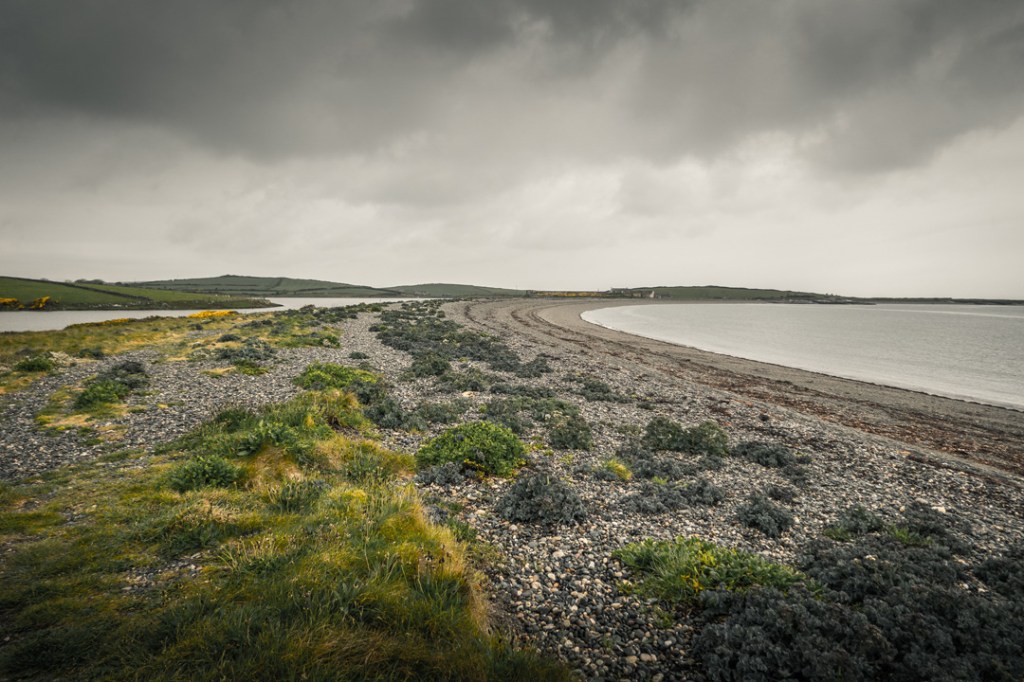
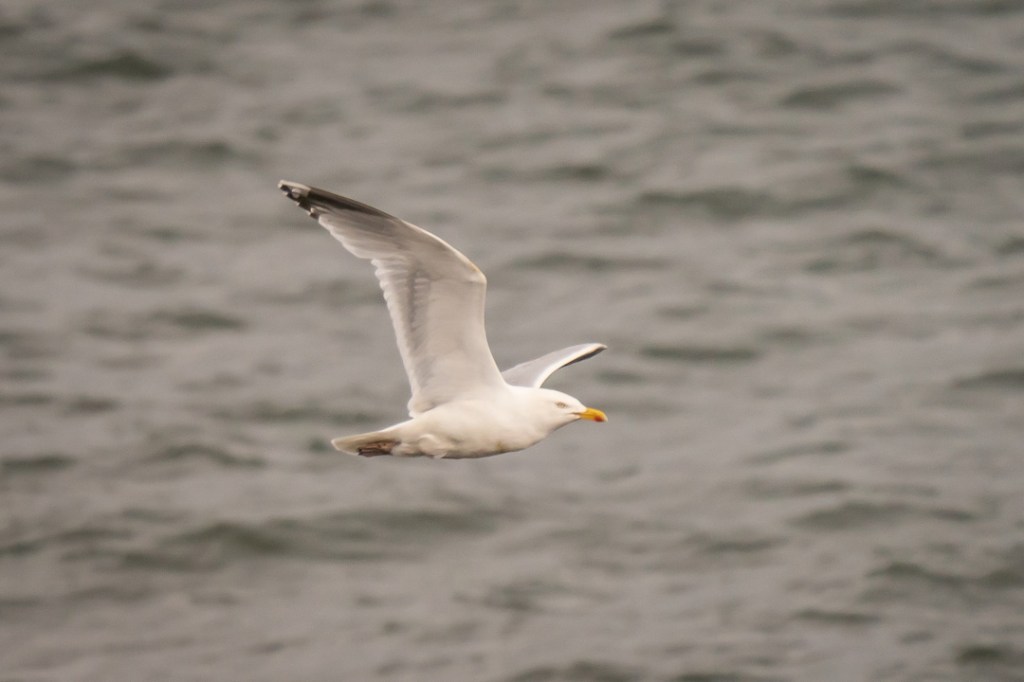
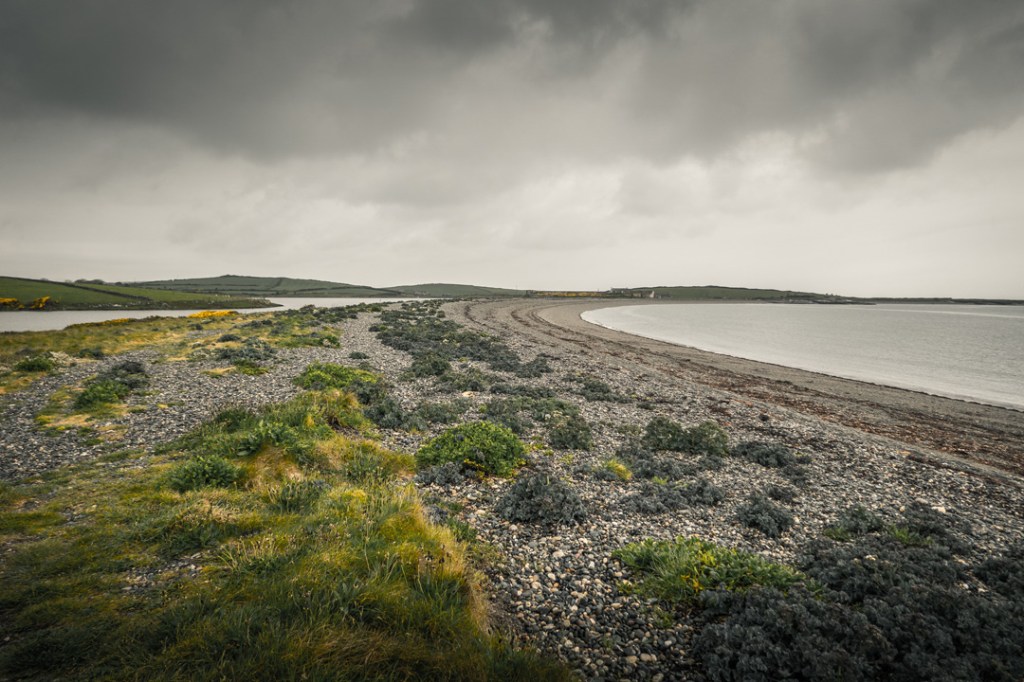
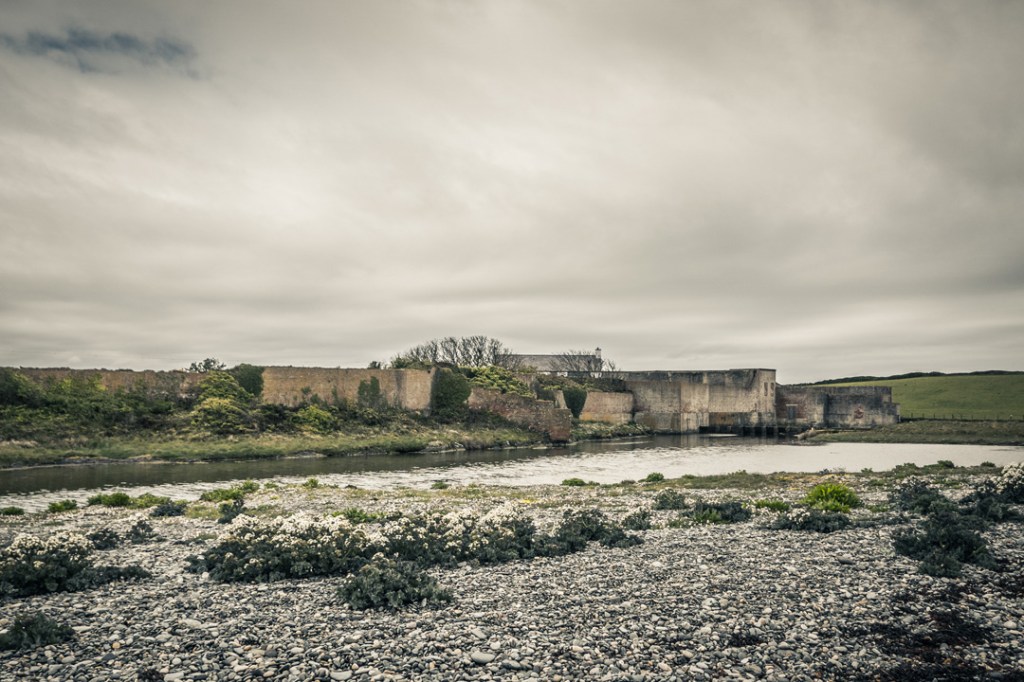
How good it is to be away from home. I’m not sure I felt that way when we were waiting for some lunch outside a restaurant in Cemaes on the north west coast of the island of Anglesey and it was getting colder and colder, nor when it started to rain. However, when our lunch arrived, after a lengthy wait, the sun came out for the first time that day and we were able to enjoy our lunch and reflect on the splendid walk we had had that morning along the shingle ridge of Cemlyn Bay.
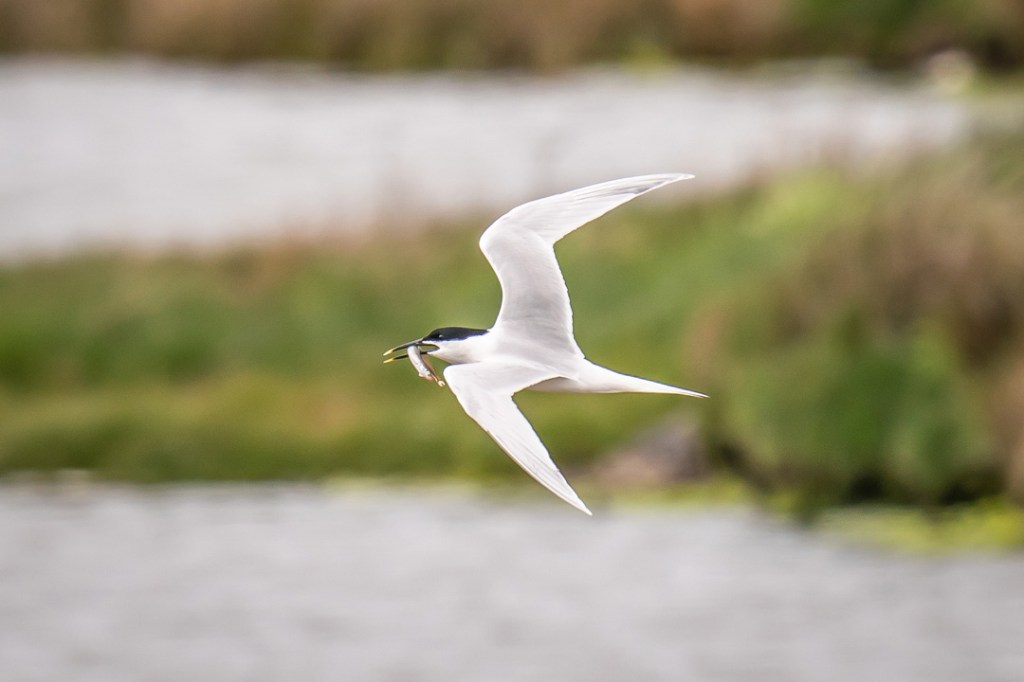
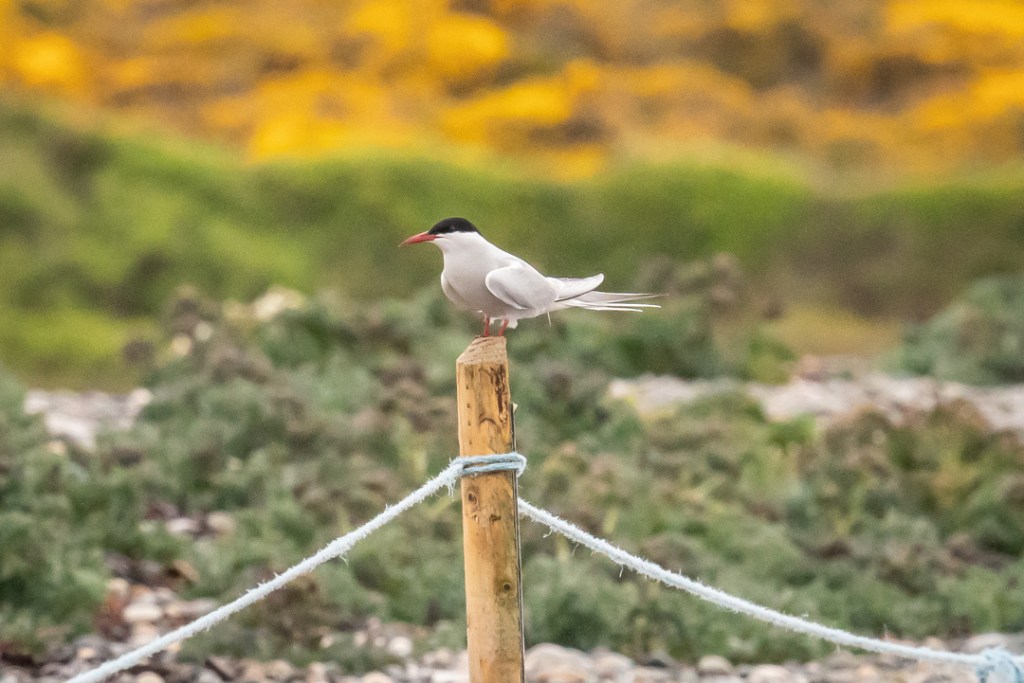
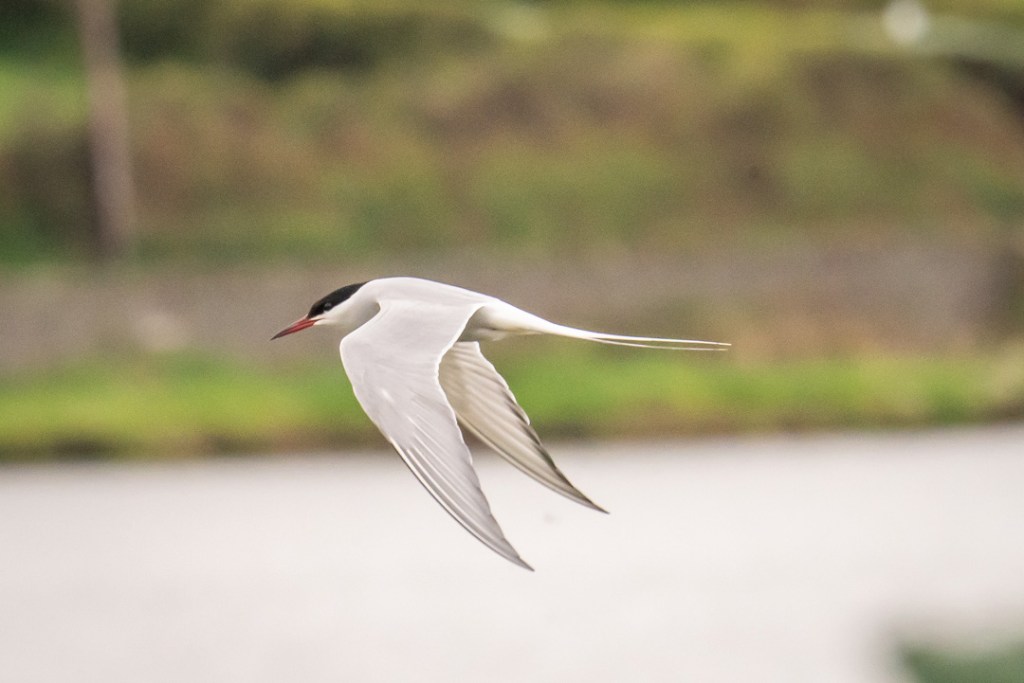
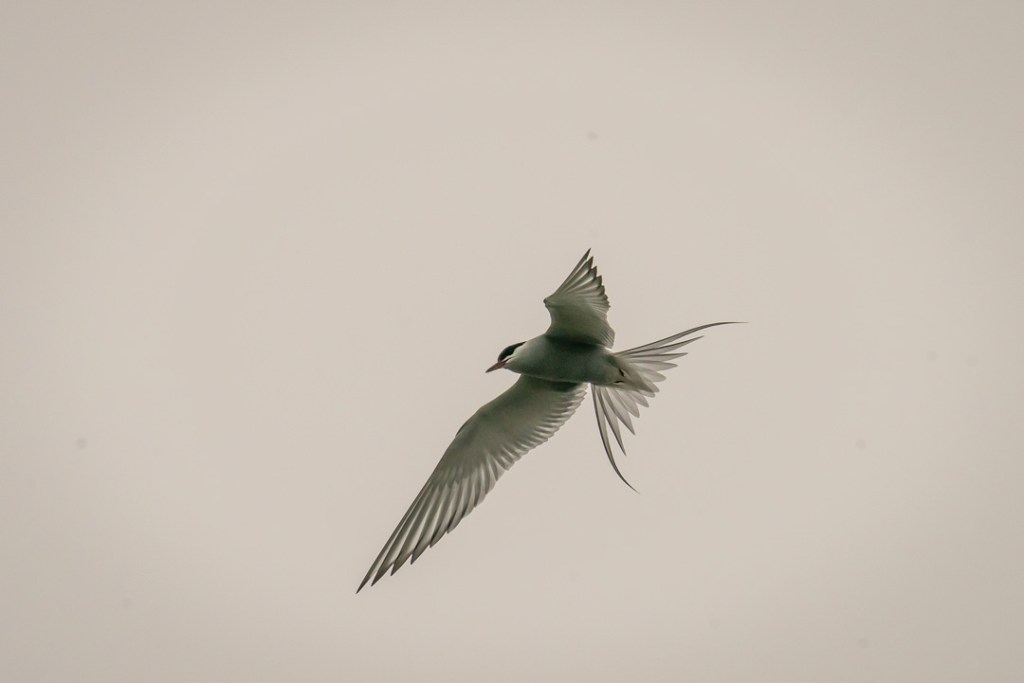
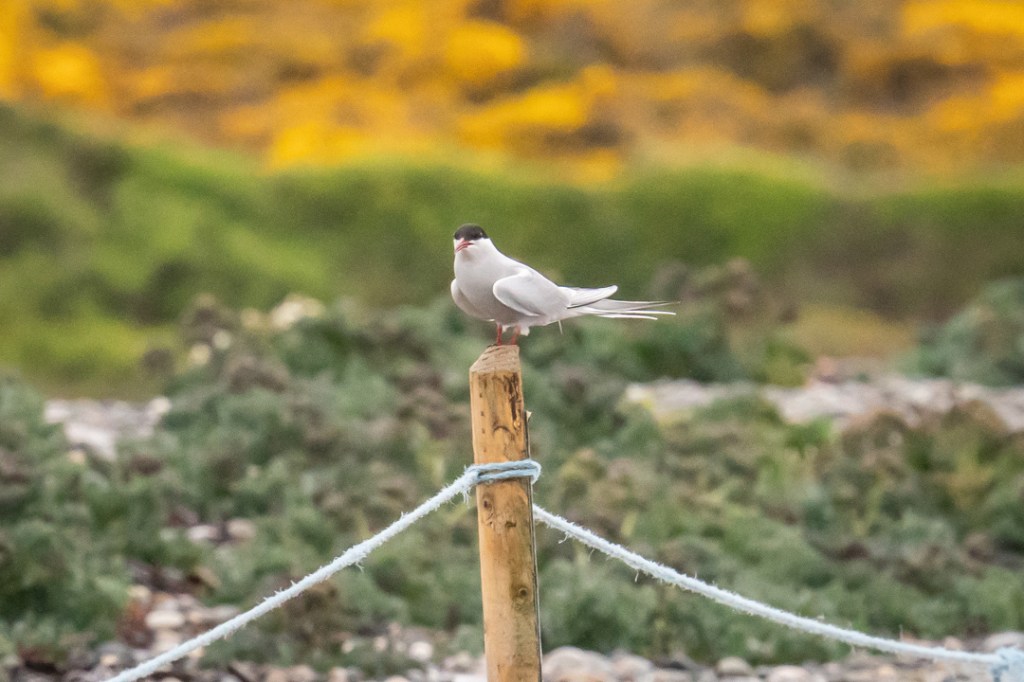
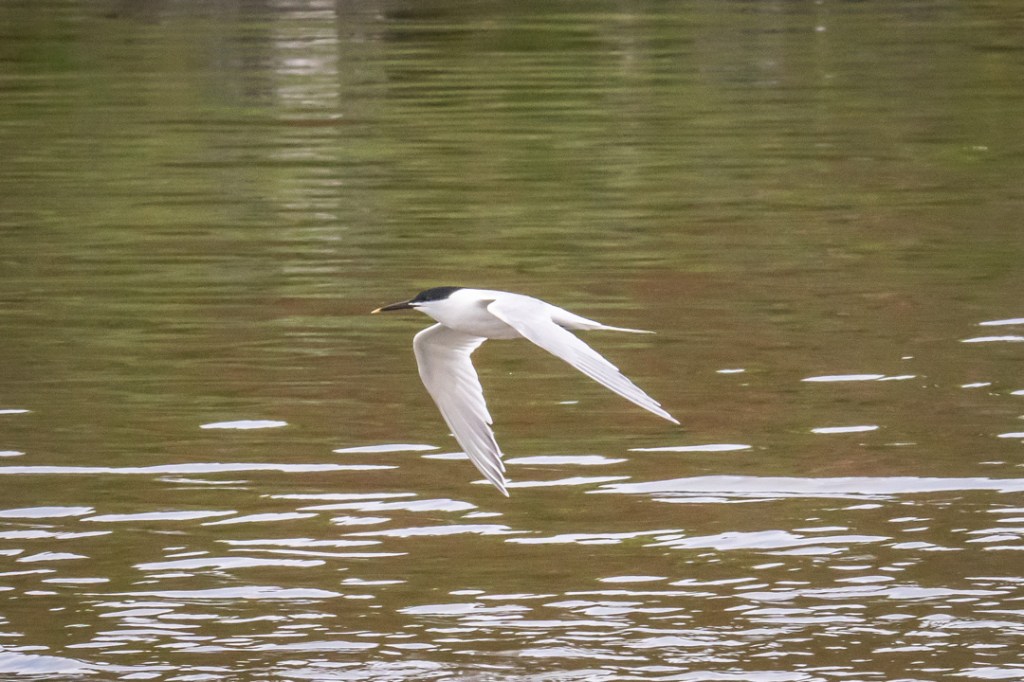
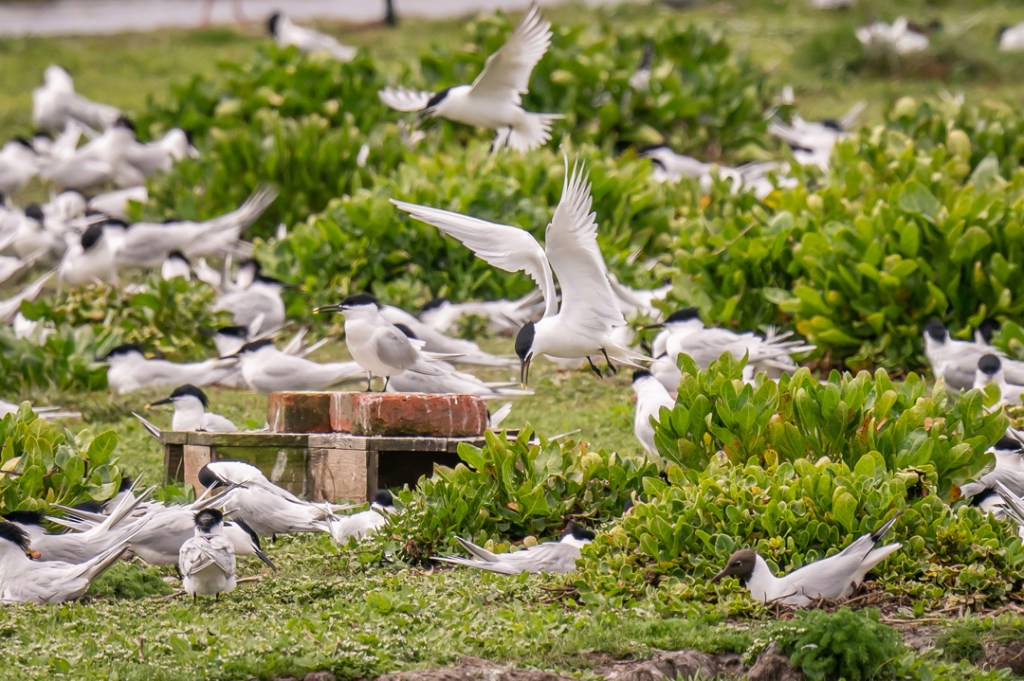
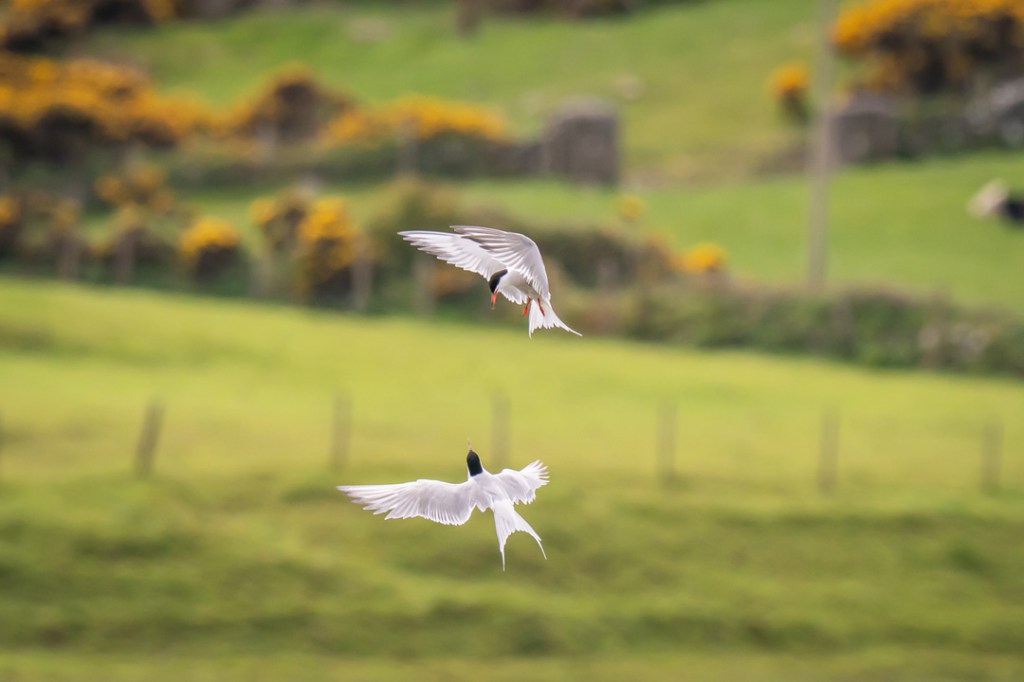
Cemlyn is recognised for its National Nature Reserve and as a designated Area of Outstanding Natural Beauty, It is home to the rare spotted rock rose and renowned for its breeding colonies of the Sandwich, common and Arctic terns.
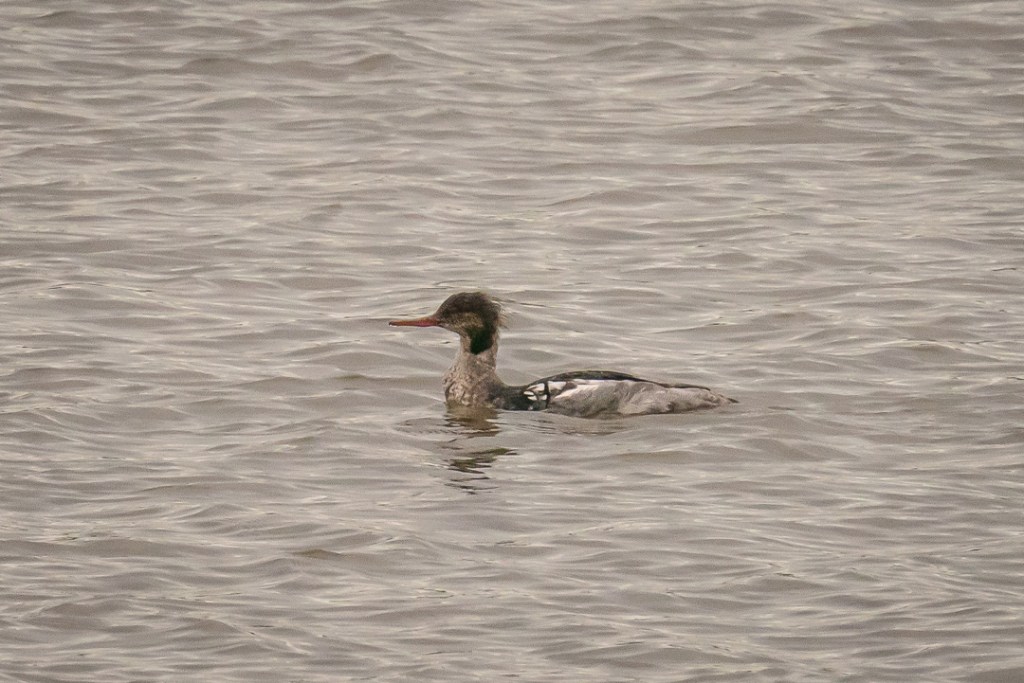
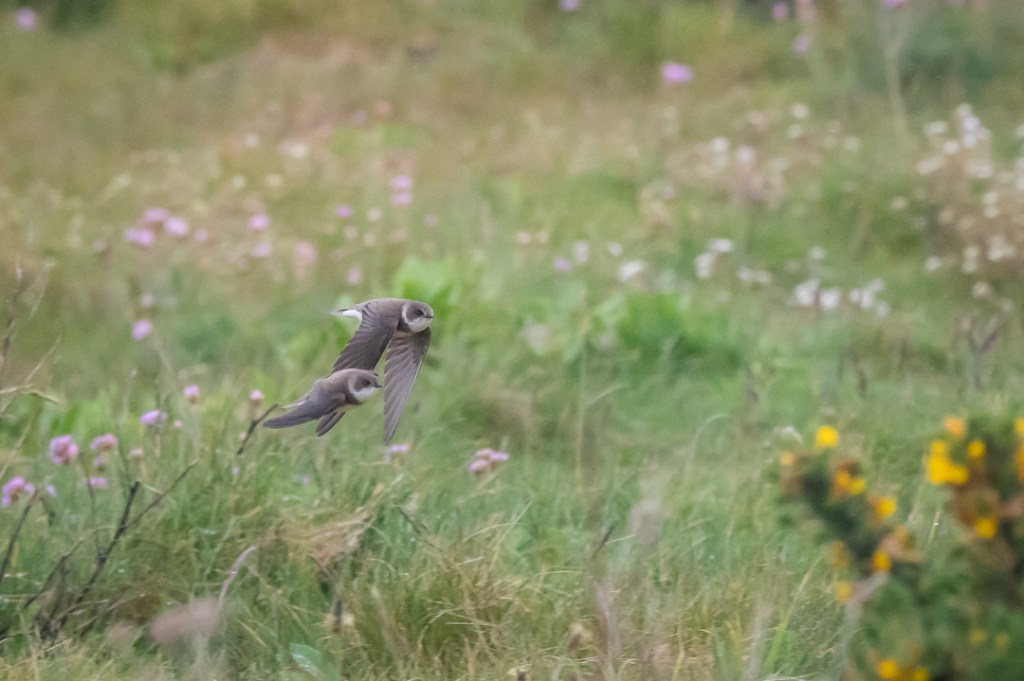
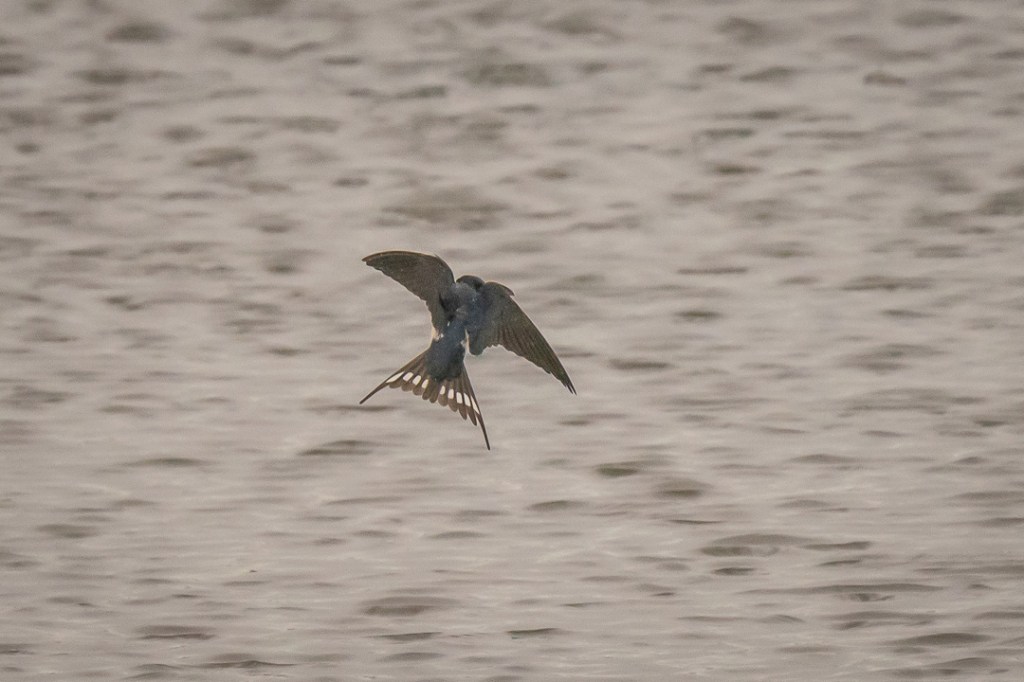
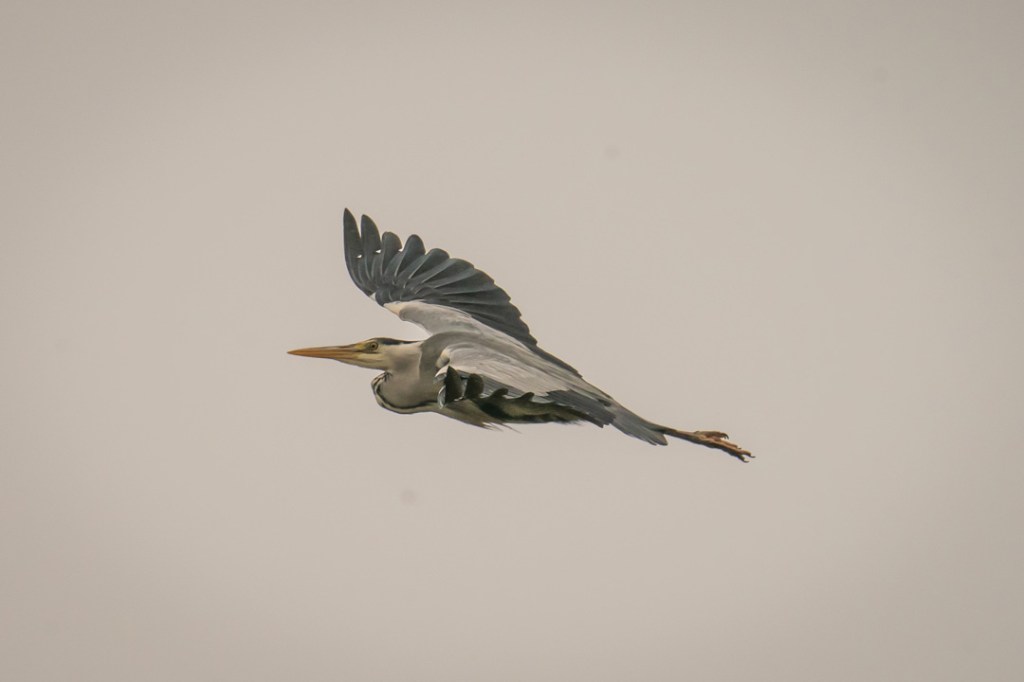
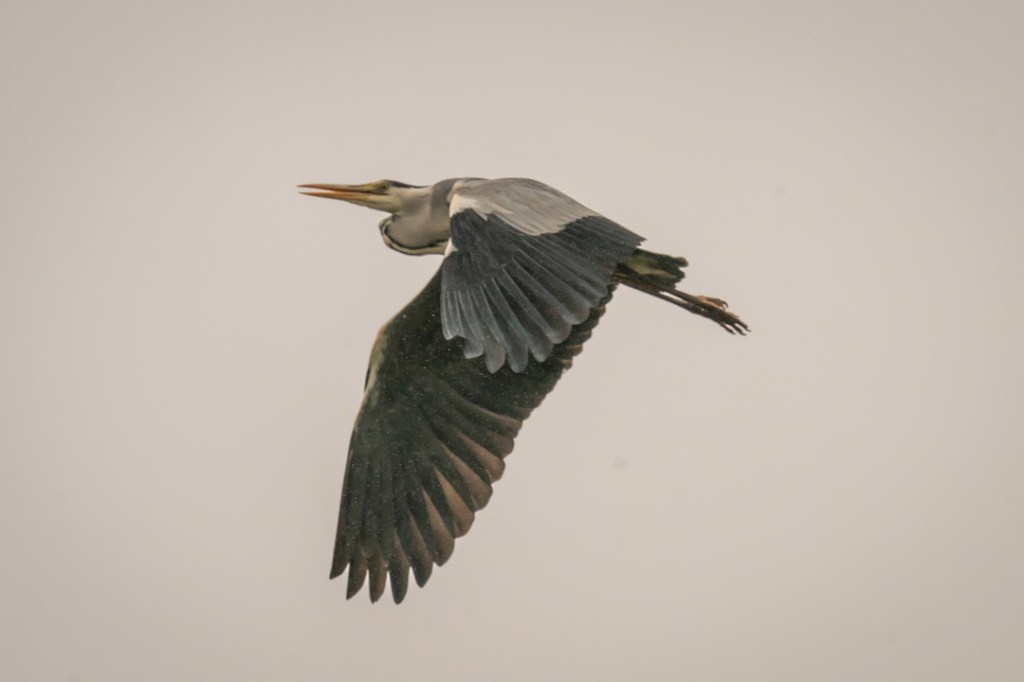
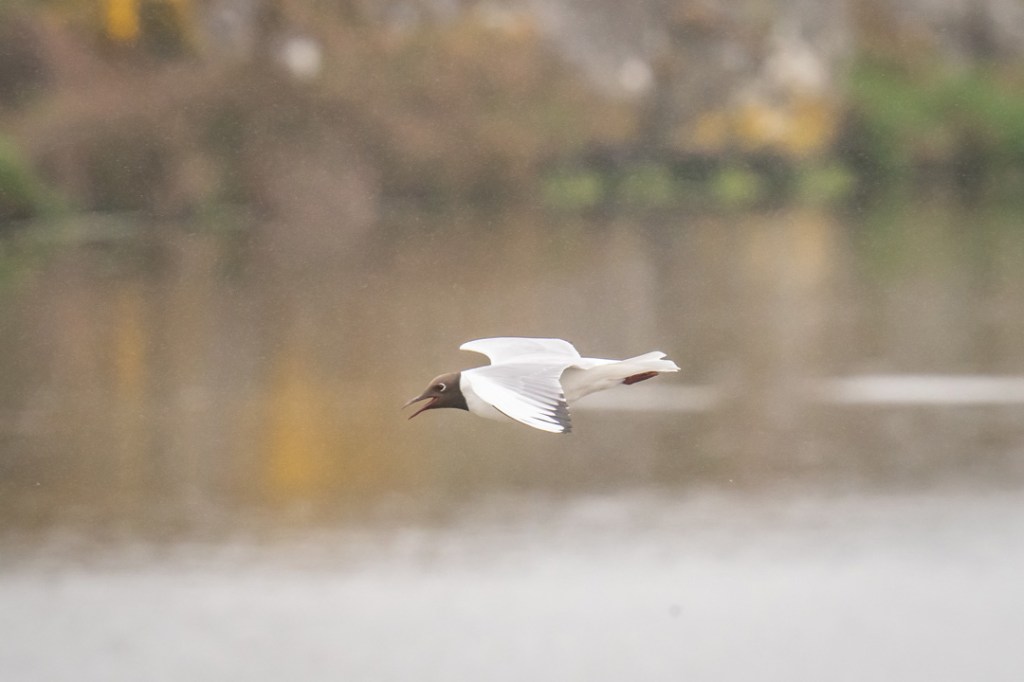
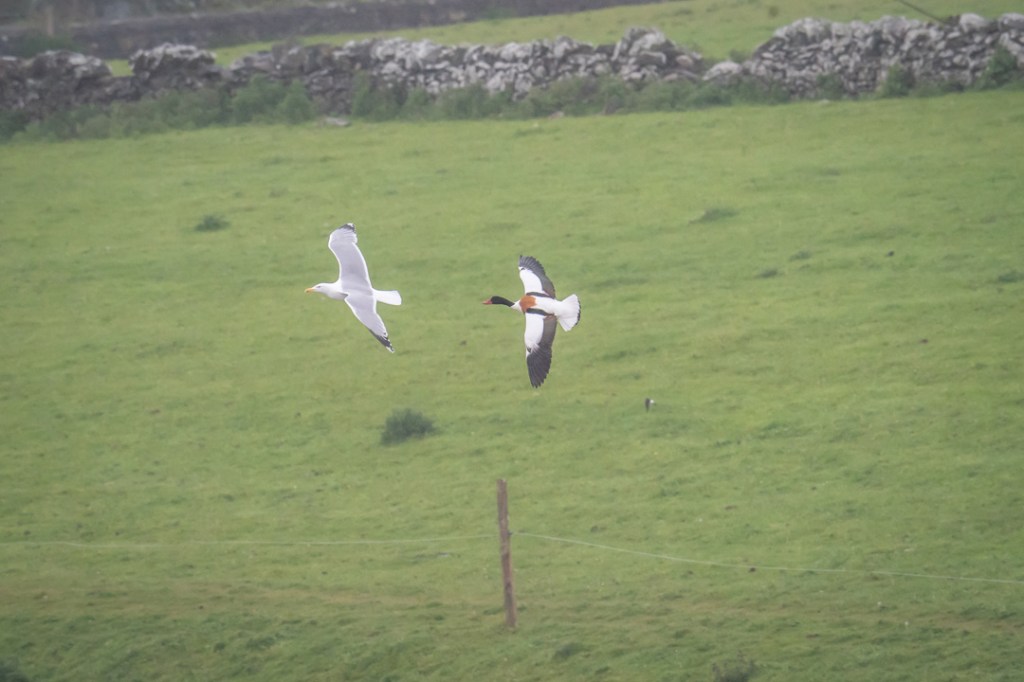
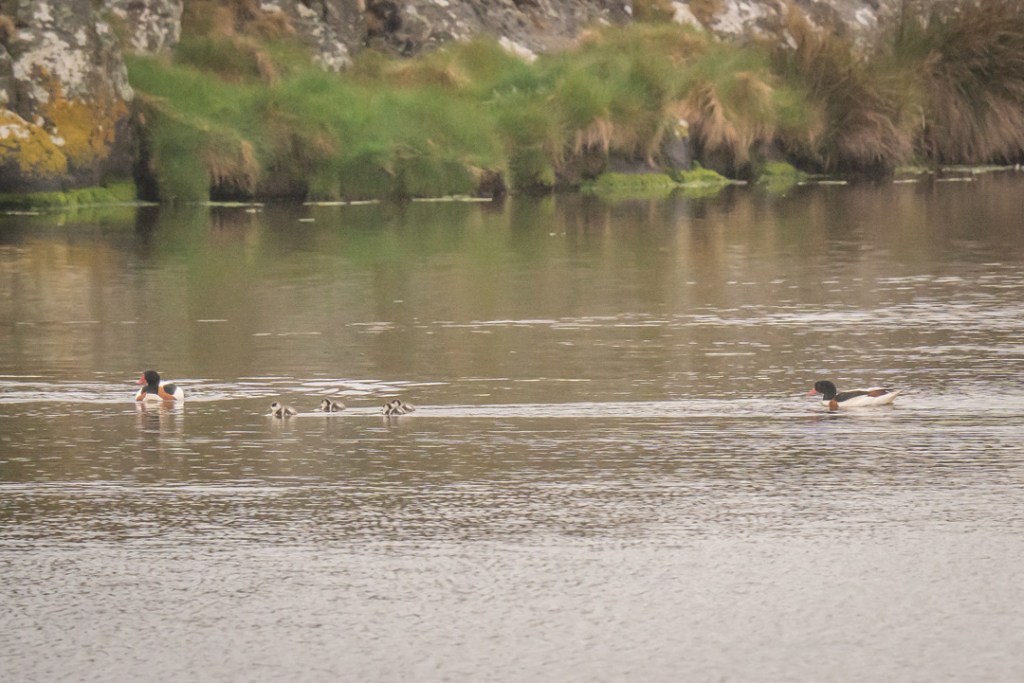
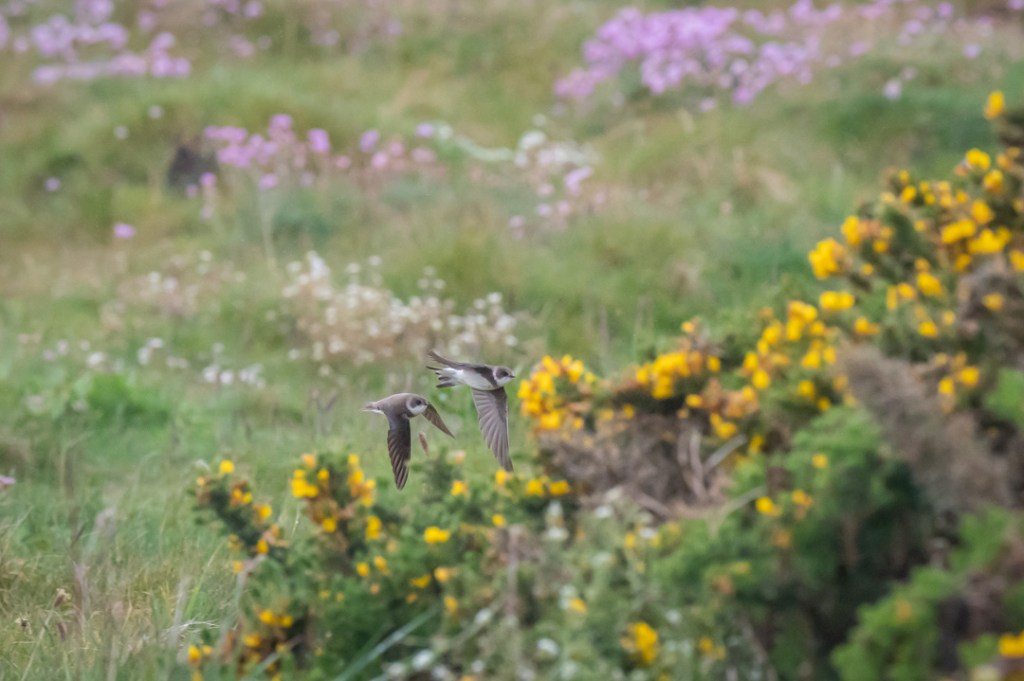
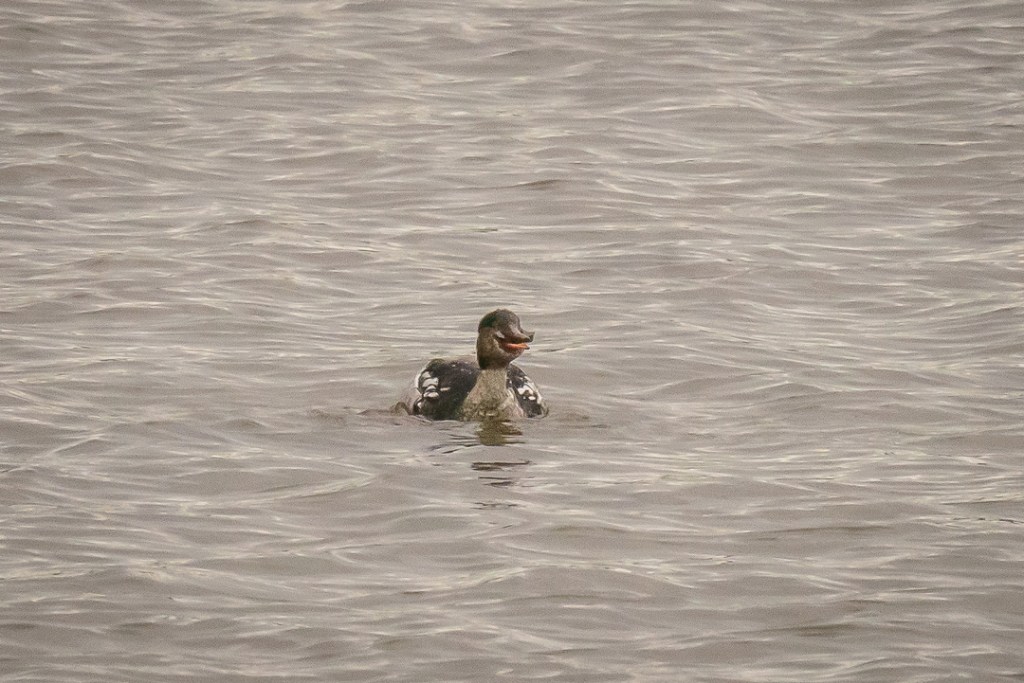
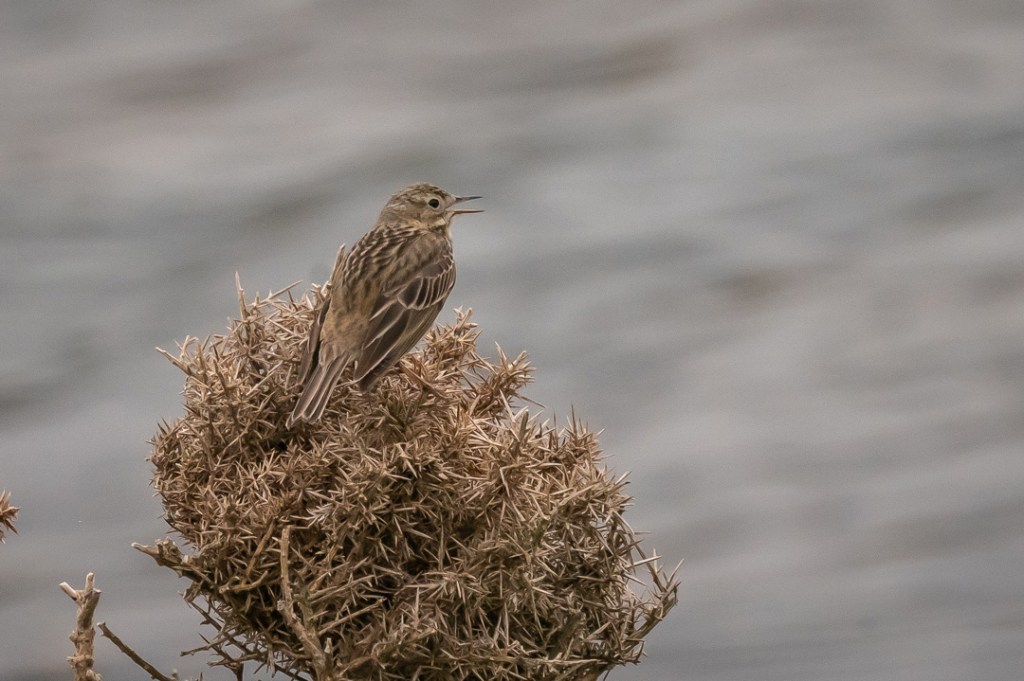
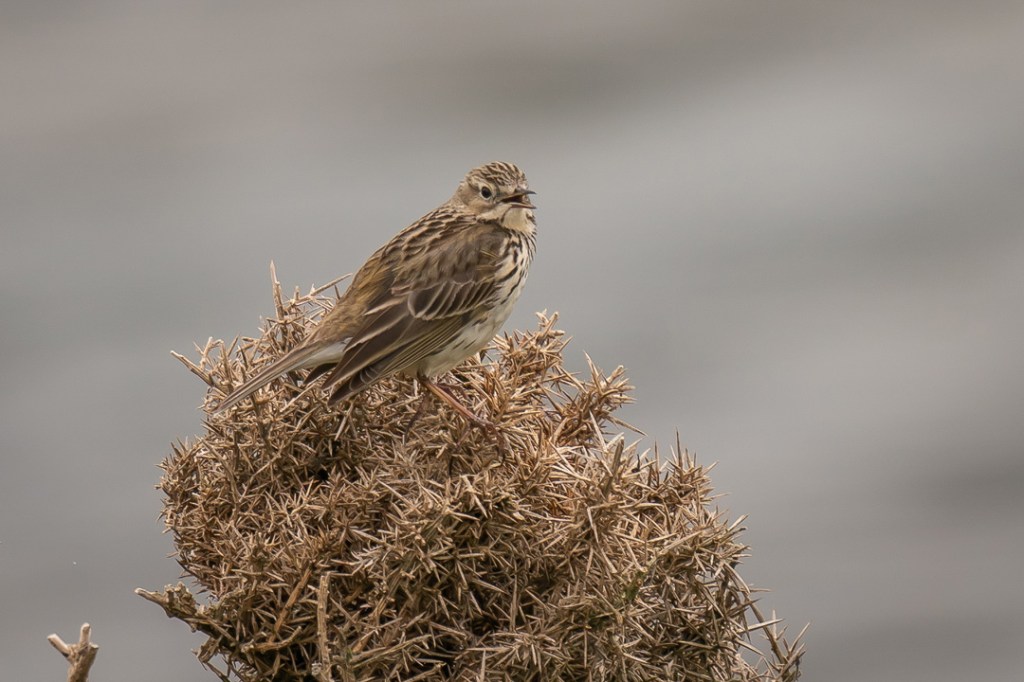
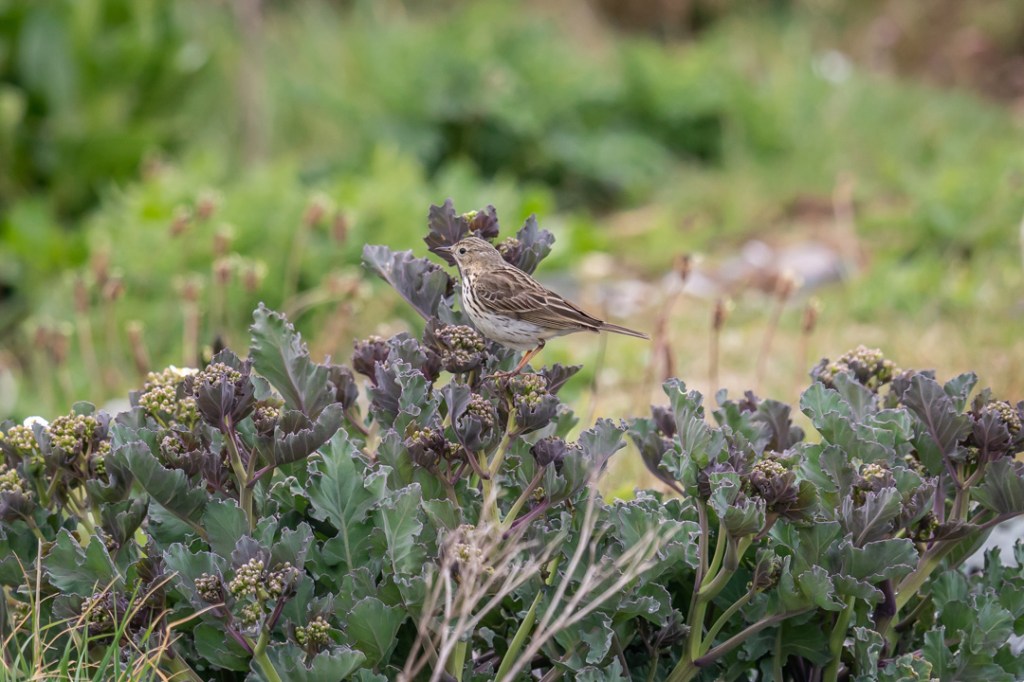
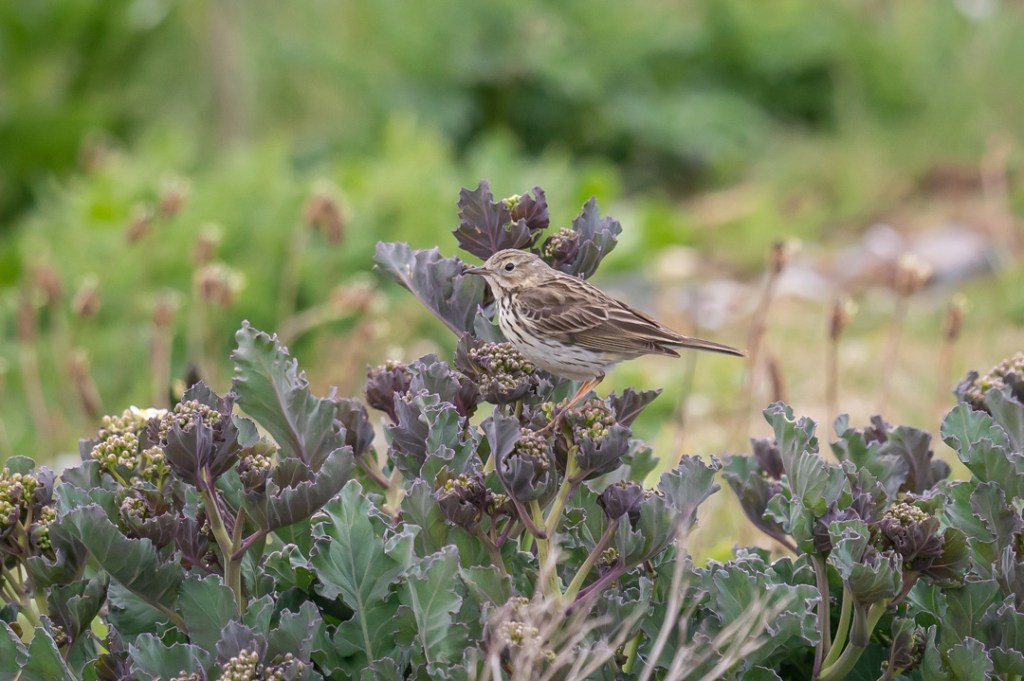
As well as the terns we saw a large colony of black-headed gulls, oystercatchers, barn swallows and sand martins, grey herons, little egrets, shelduck (with chicks), a tree pipit and a red breasted merganser.
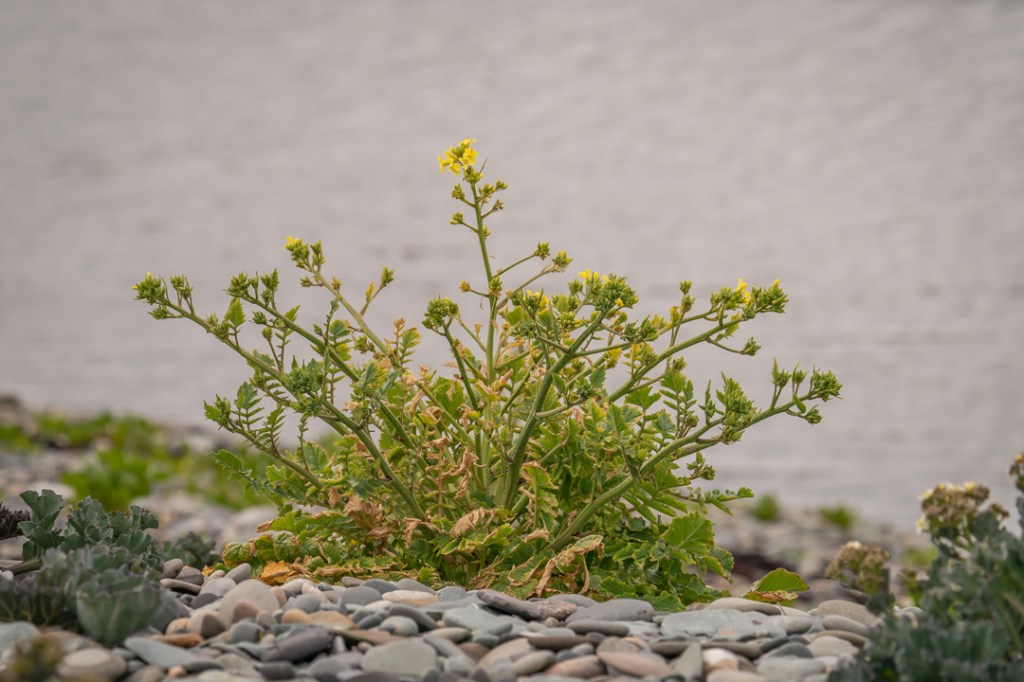
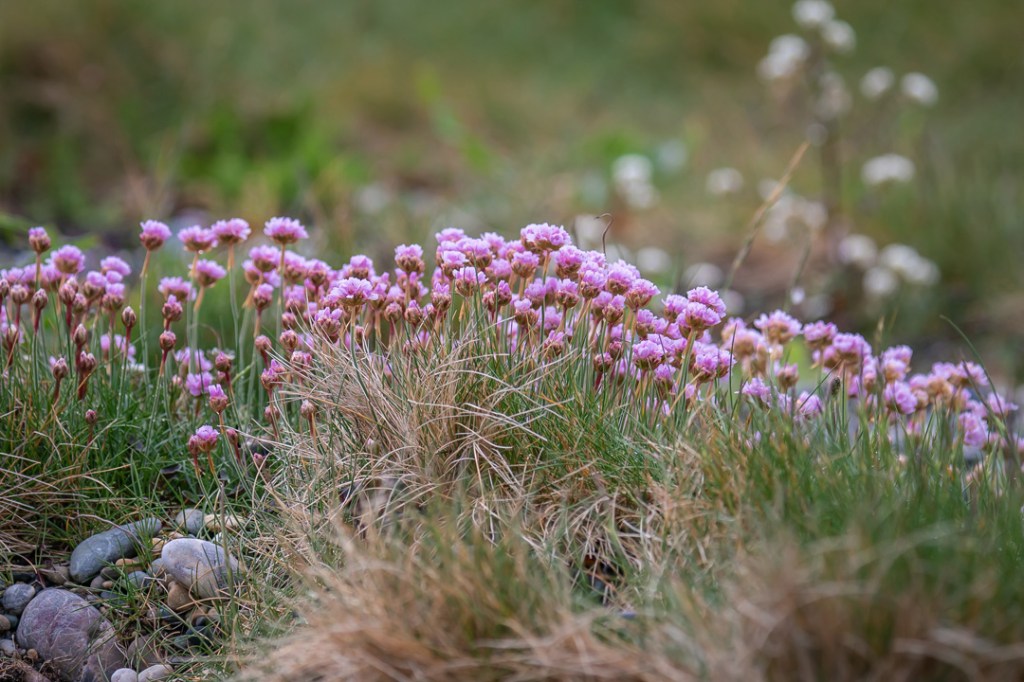
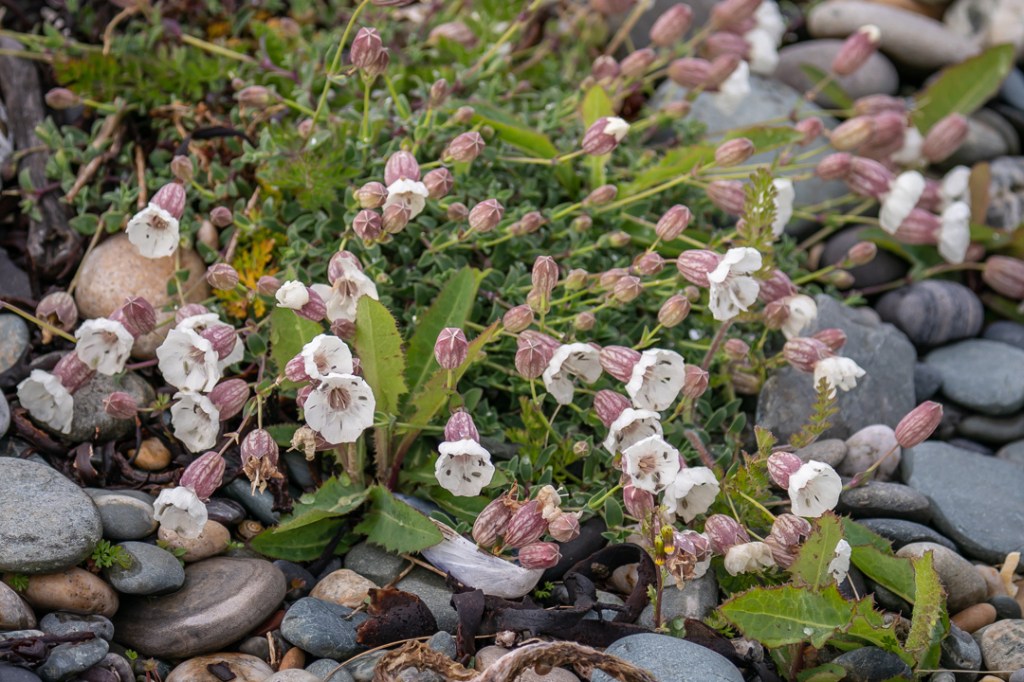
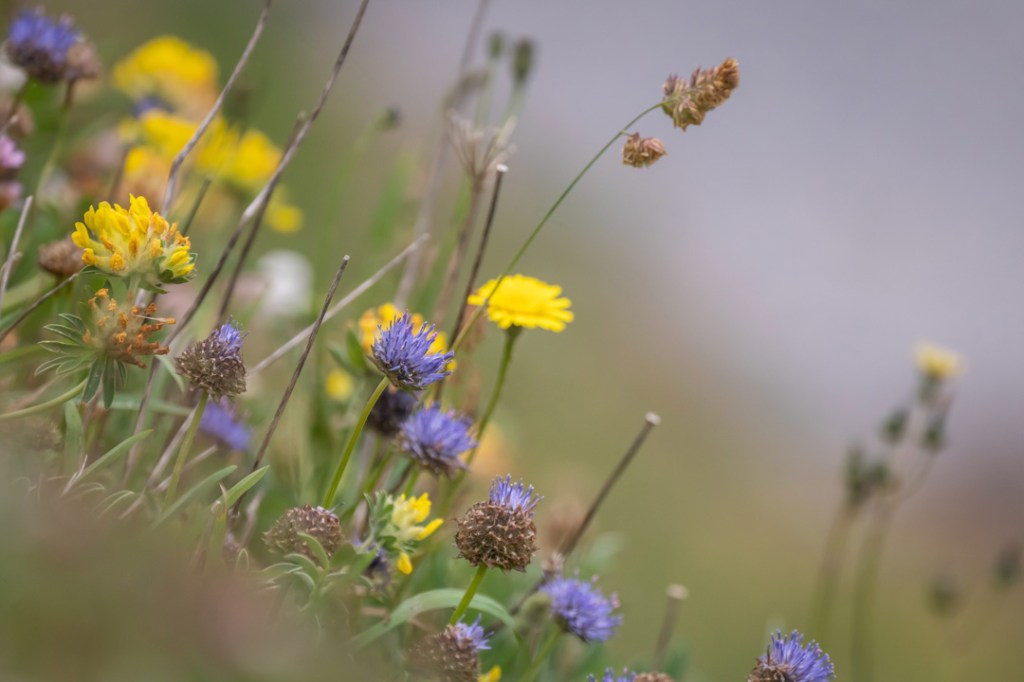
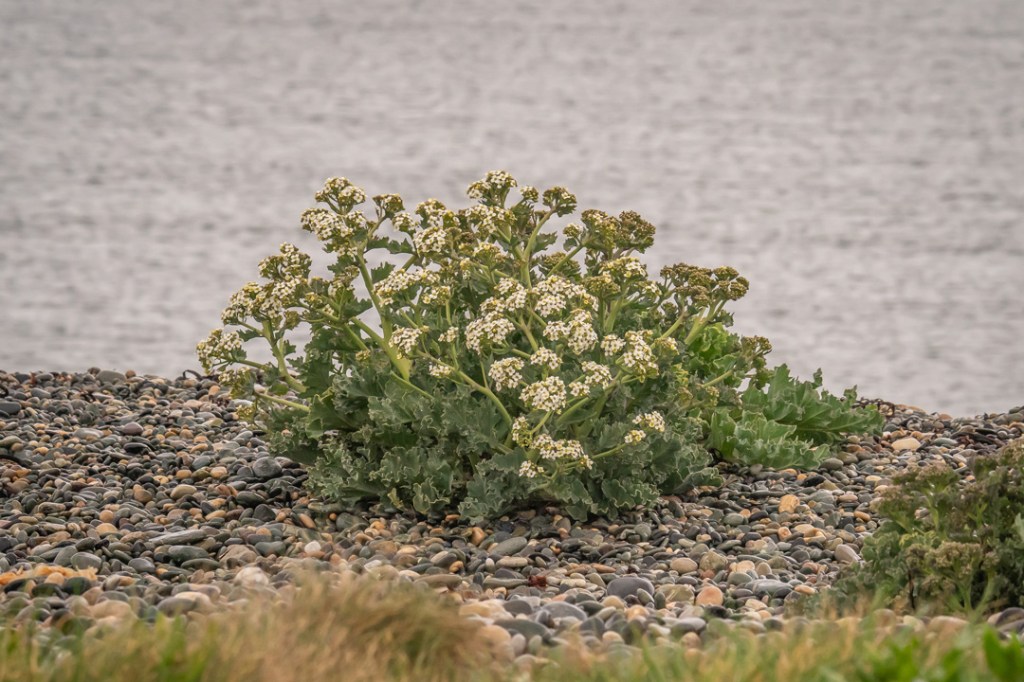
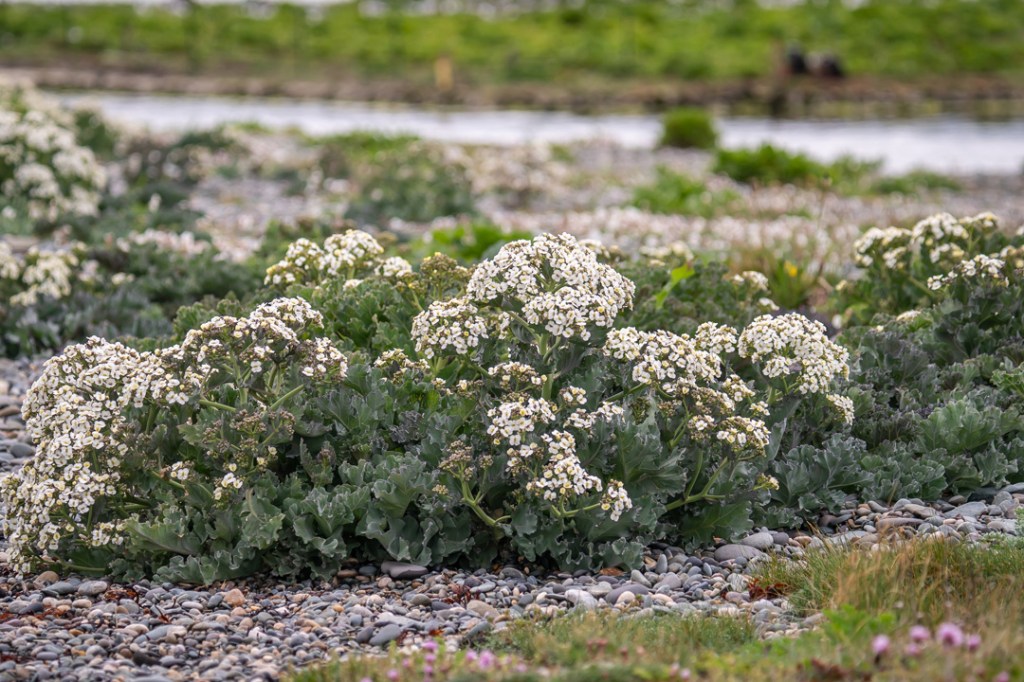
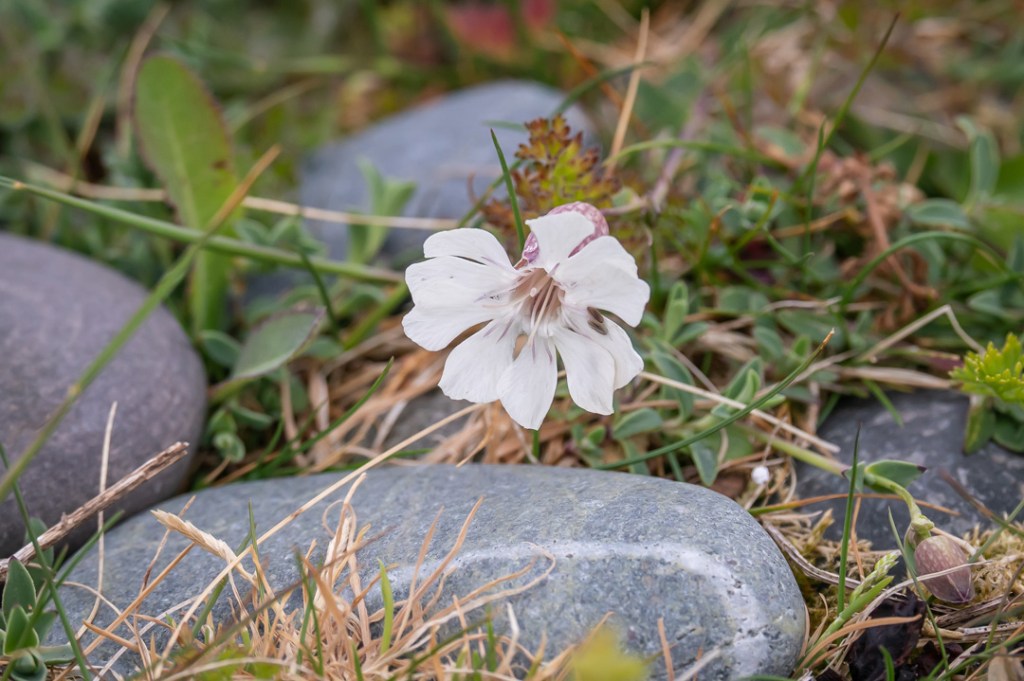
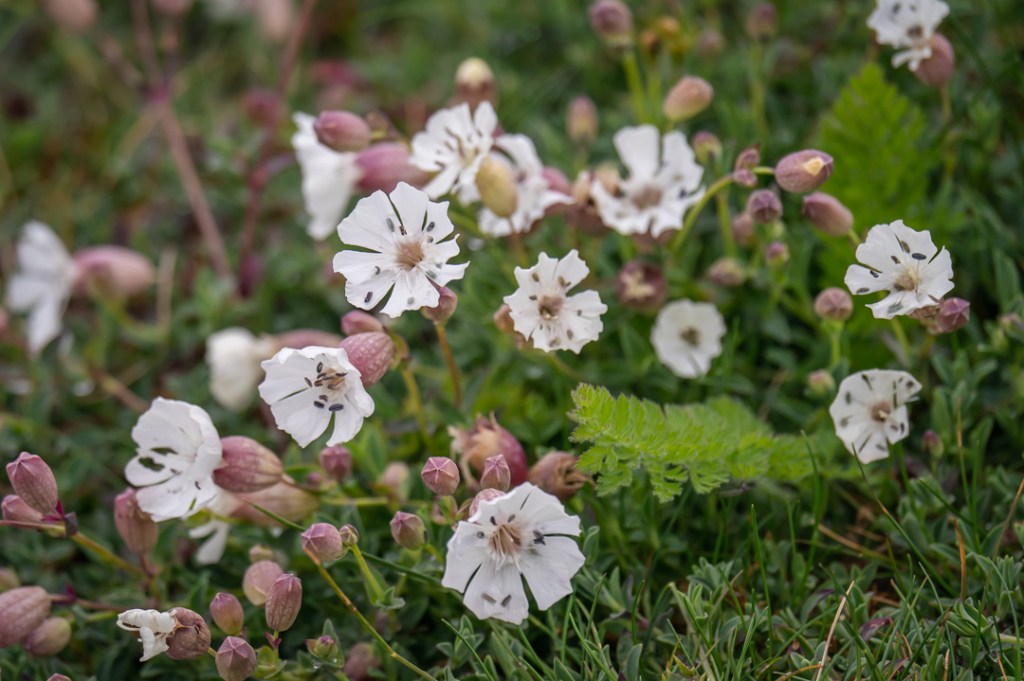
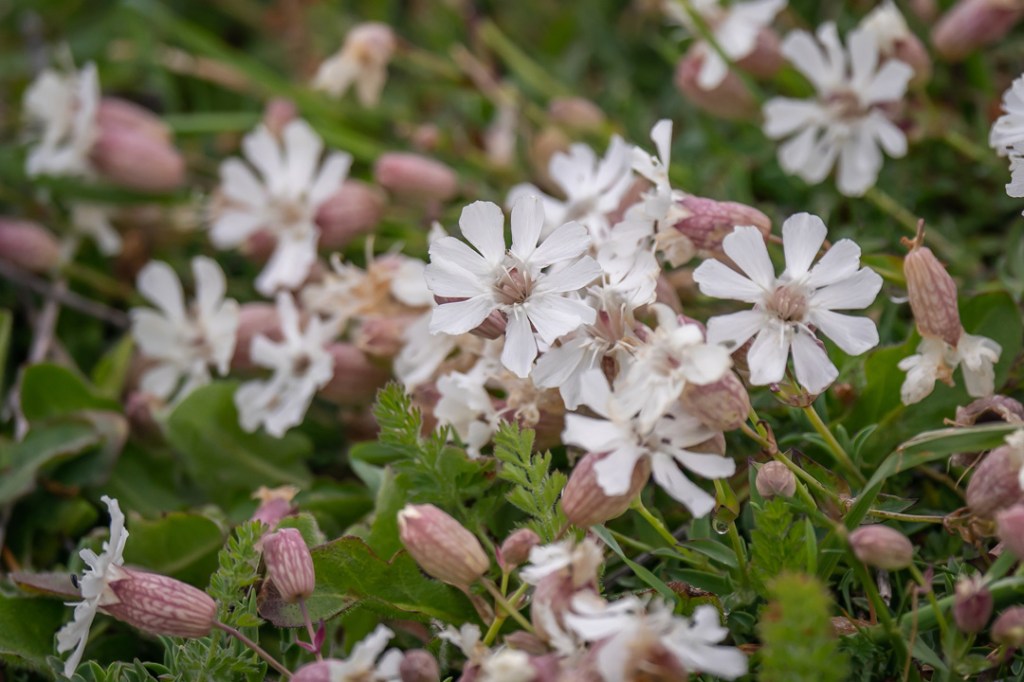
I can’t say I saw any spotted rock rose but there was lots of wonderful flora including sea kale, bog yellowcress, sea campion, sea thrift and bird’s foot trefoil.
























































 Martin's Bird Blog & Nature Photos