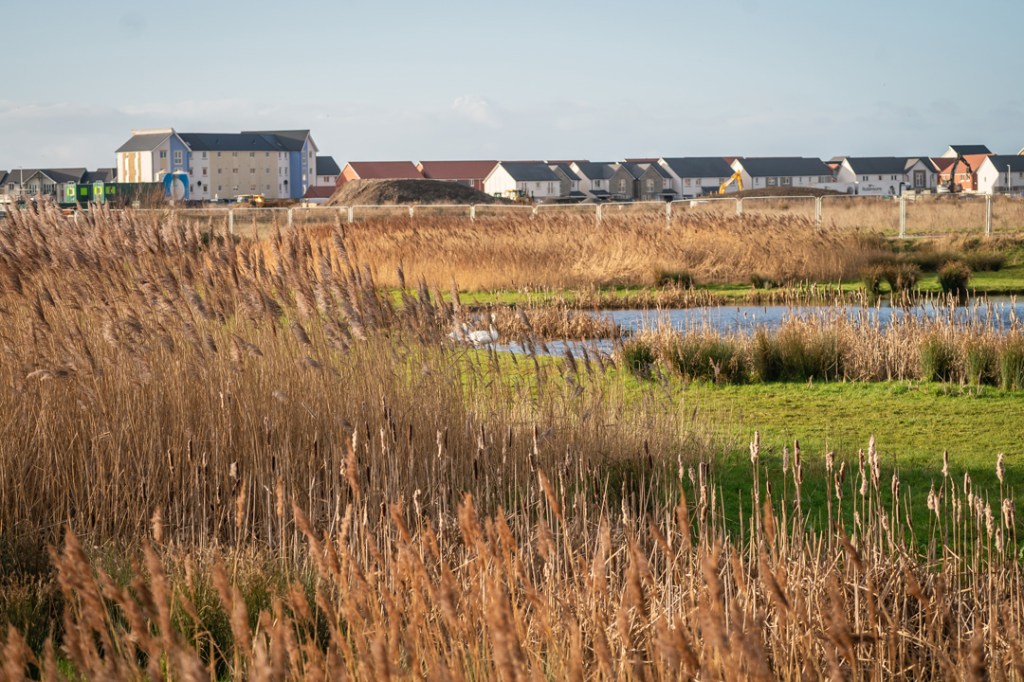
After a drab morning at Chew Valley Lake where the best I saw was a great crested grebe, several snipe, a jack snipe and a pair of distant marsh harriers I moved on to the nature reserve on the disused airfield at Weston-super-Mare.
View of the former Weston airfield – now a nature reserve
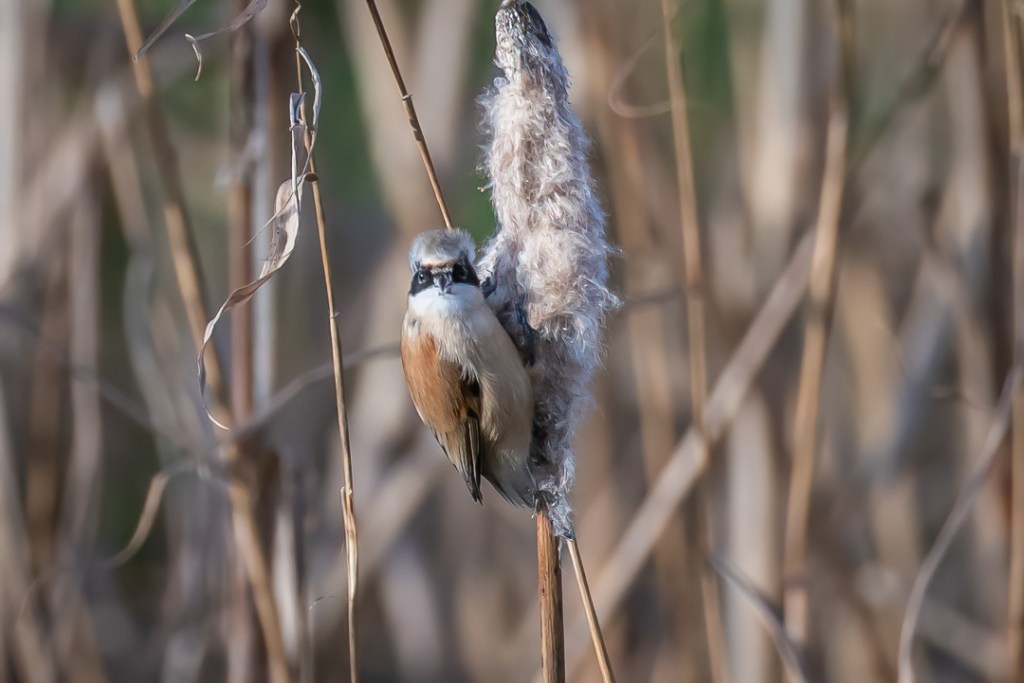
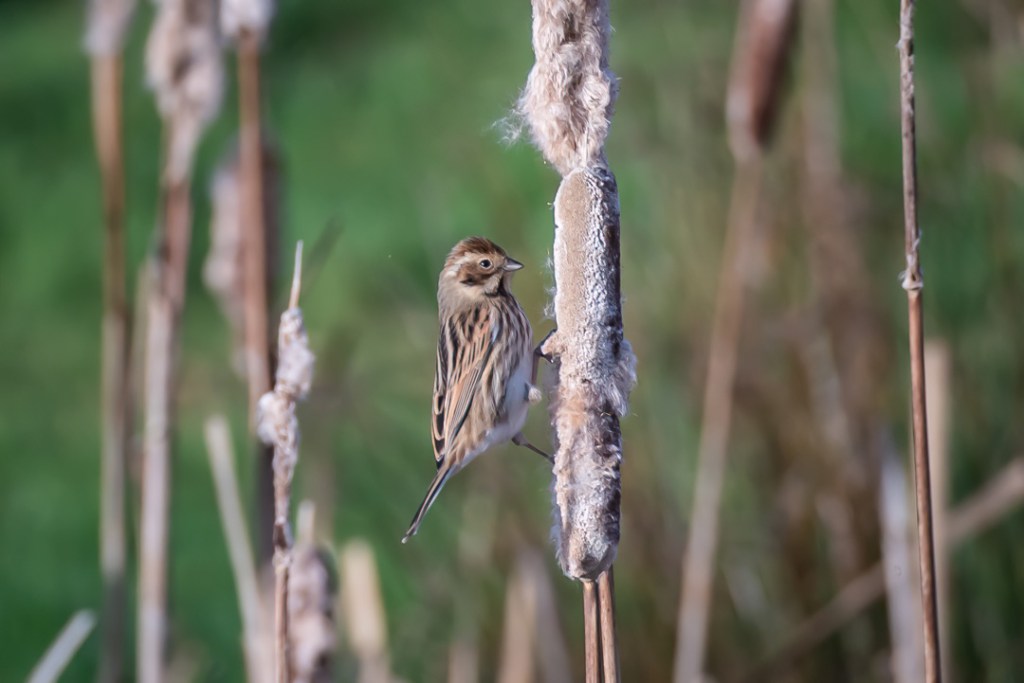
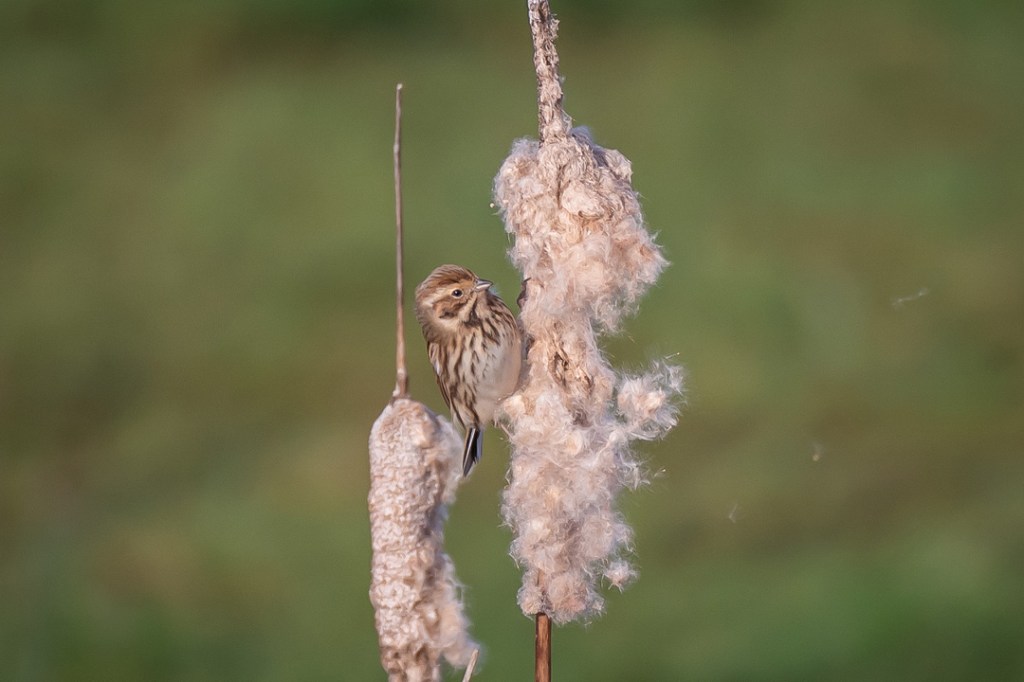
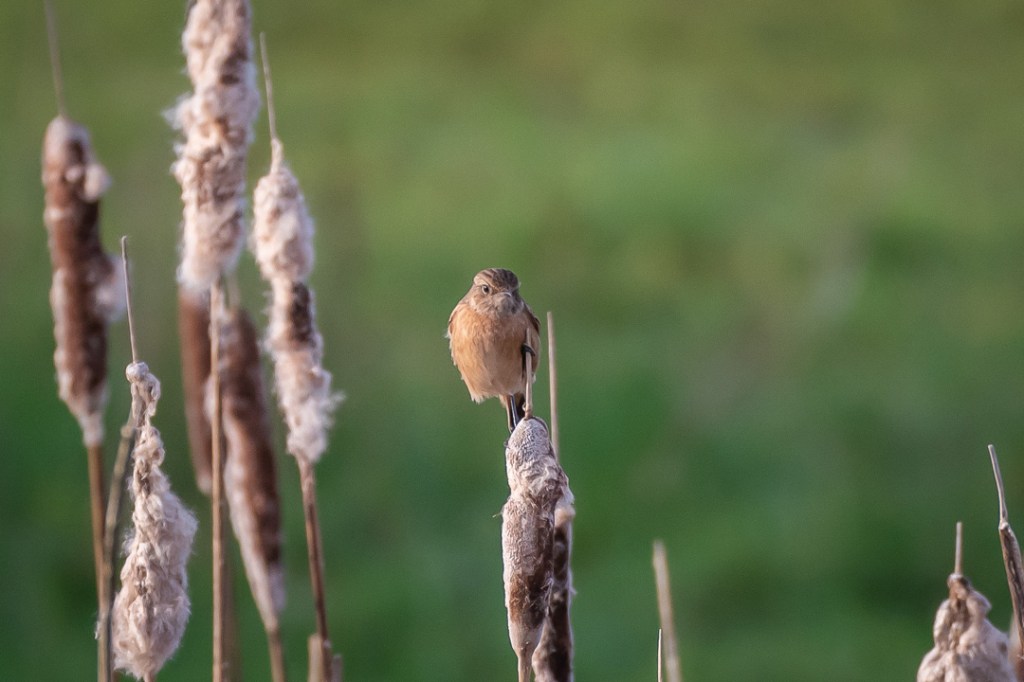
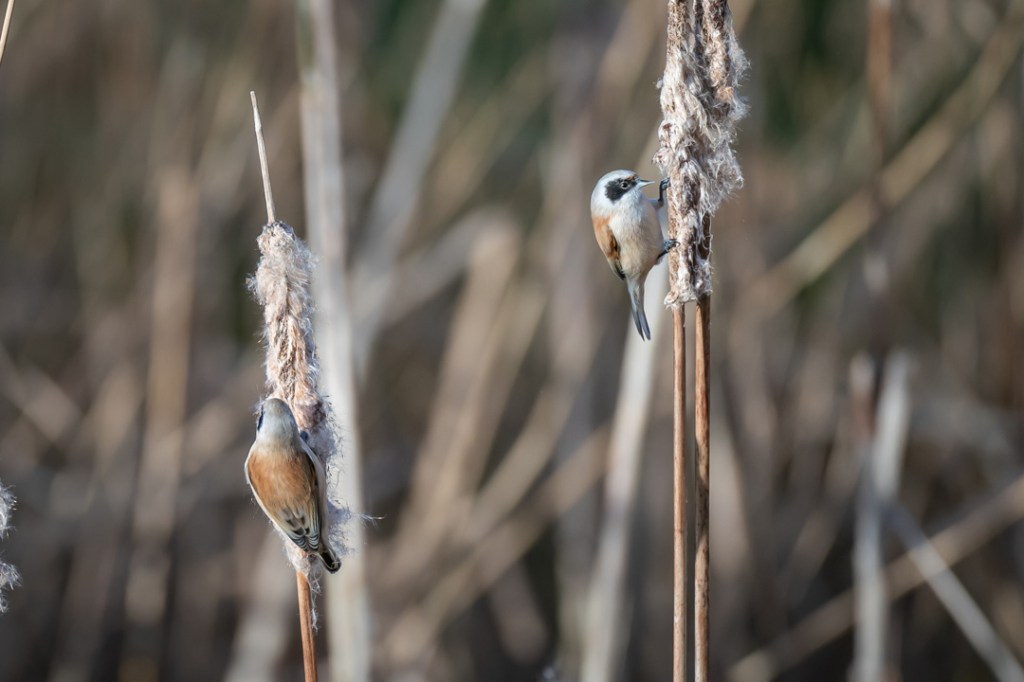
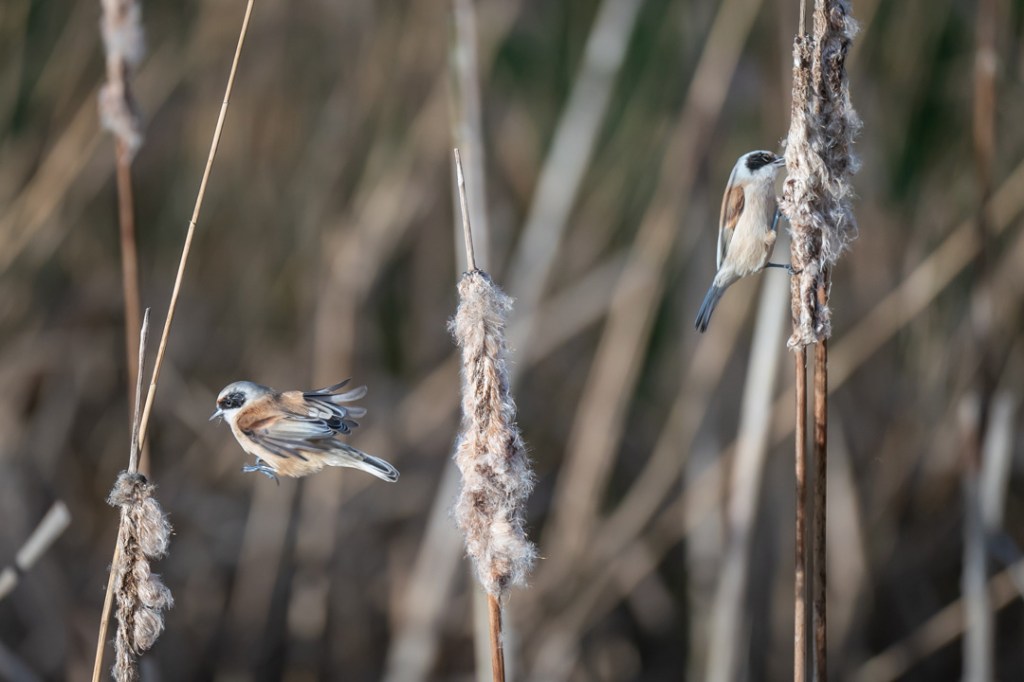
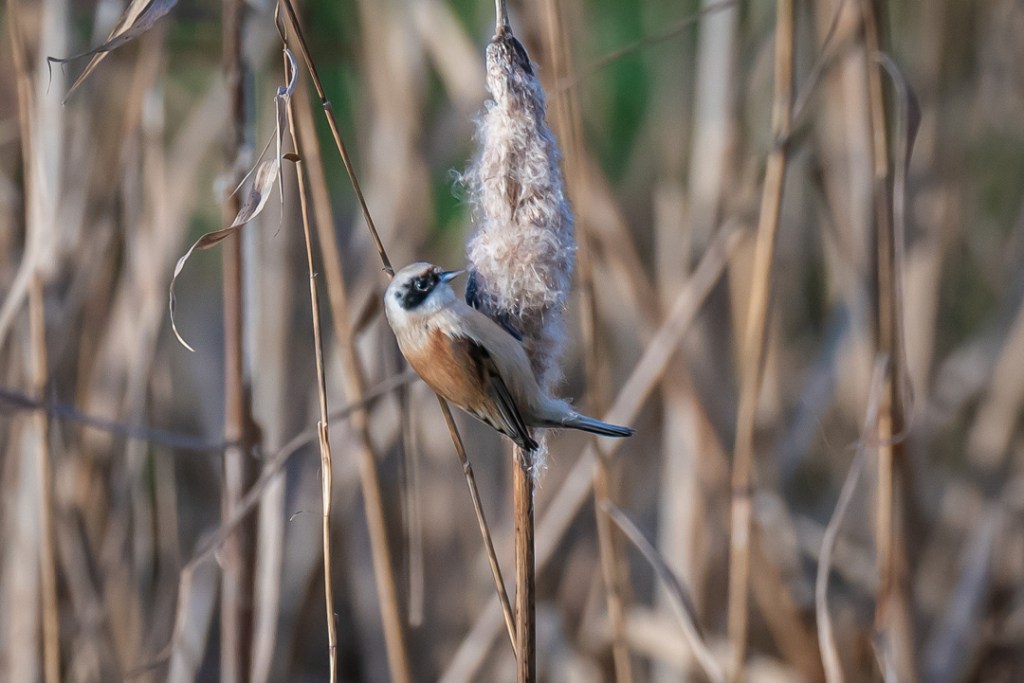
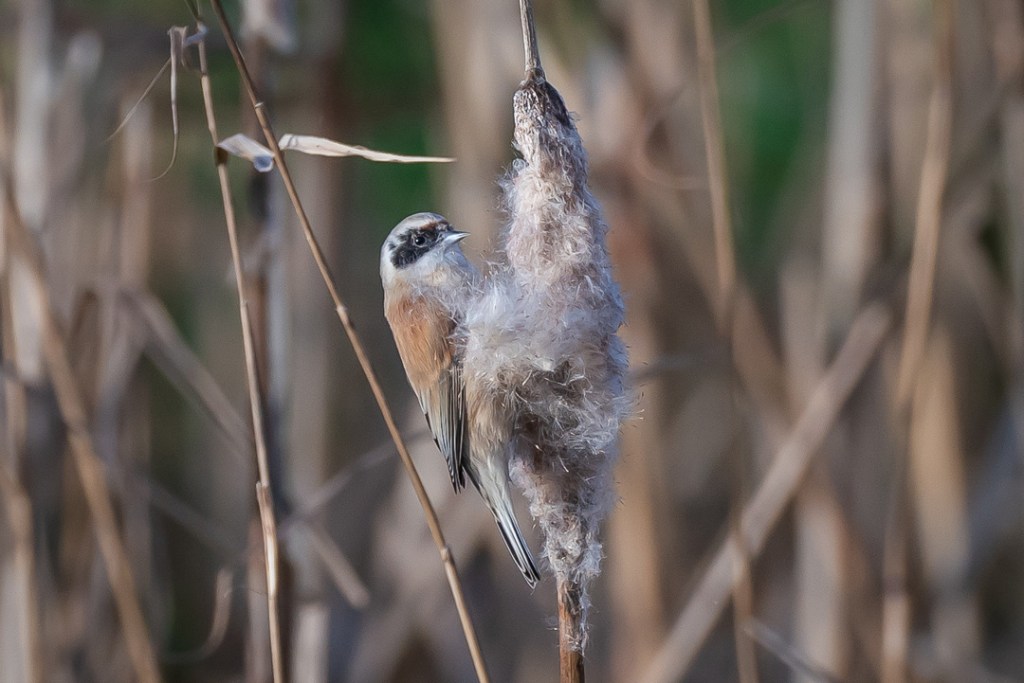
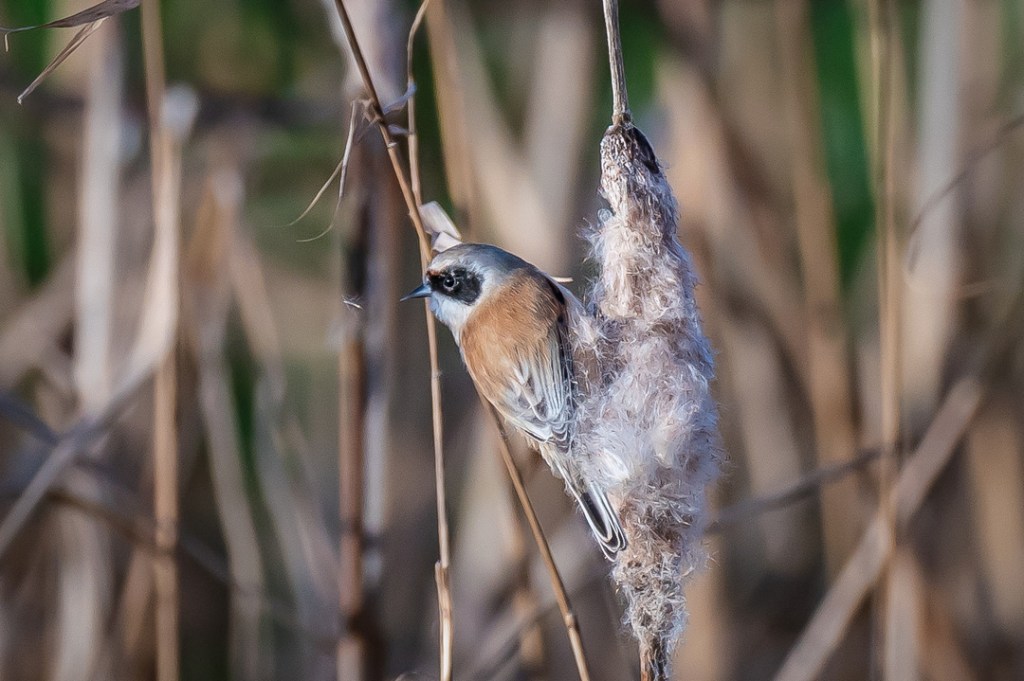
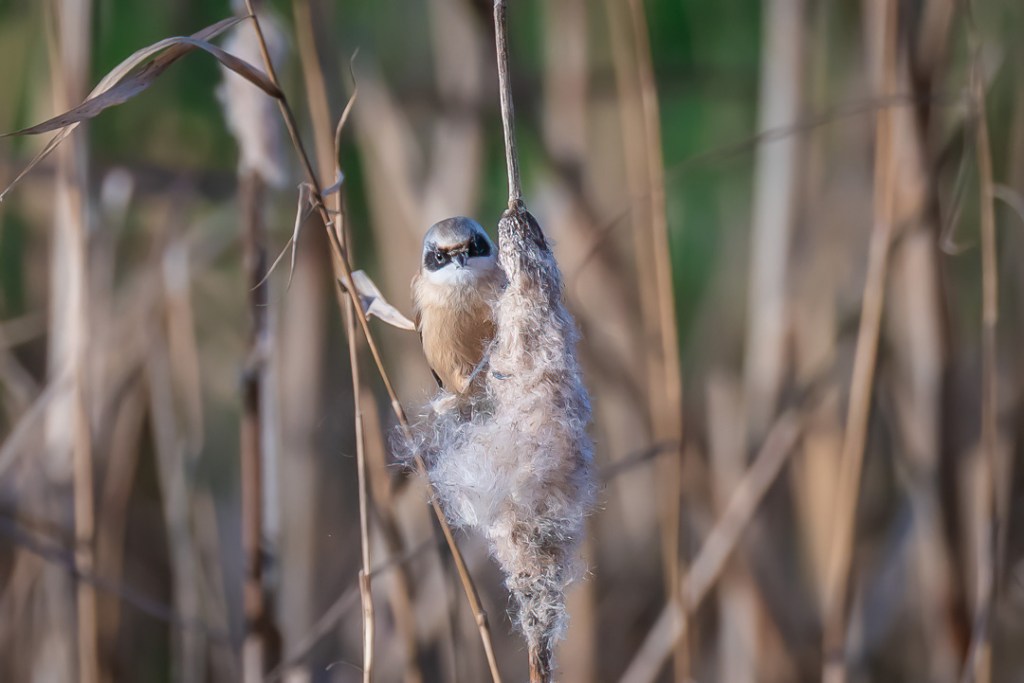
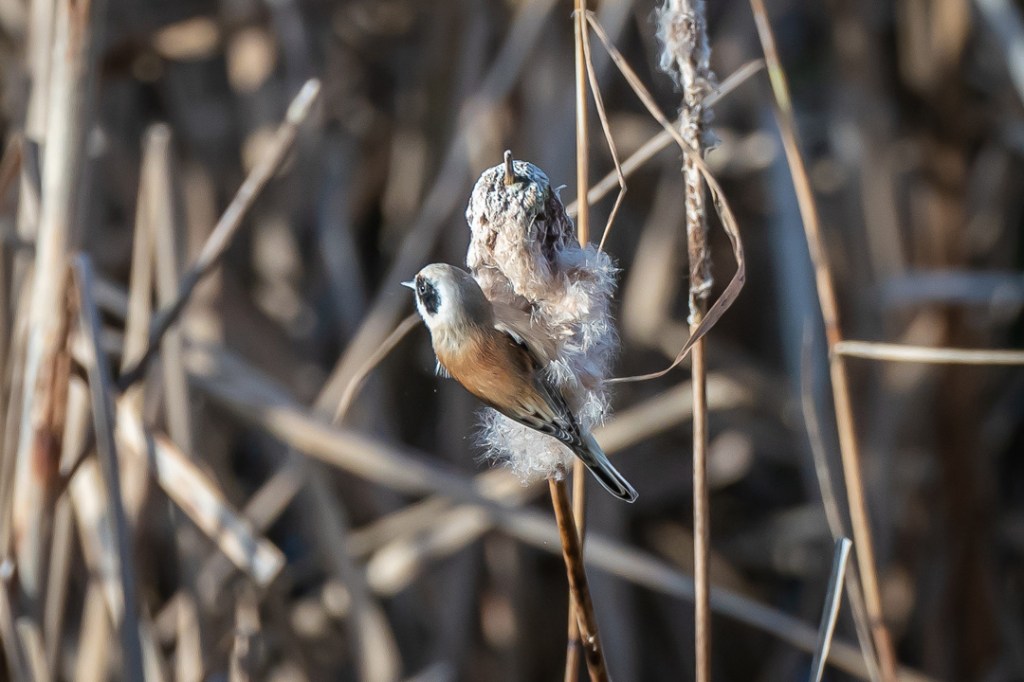
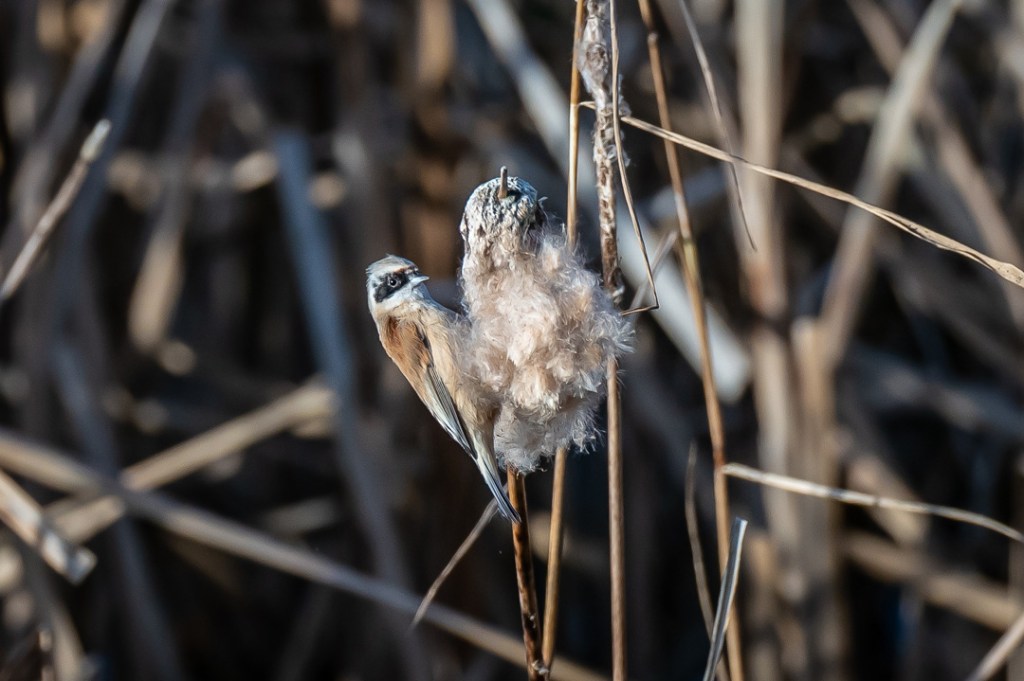
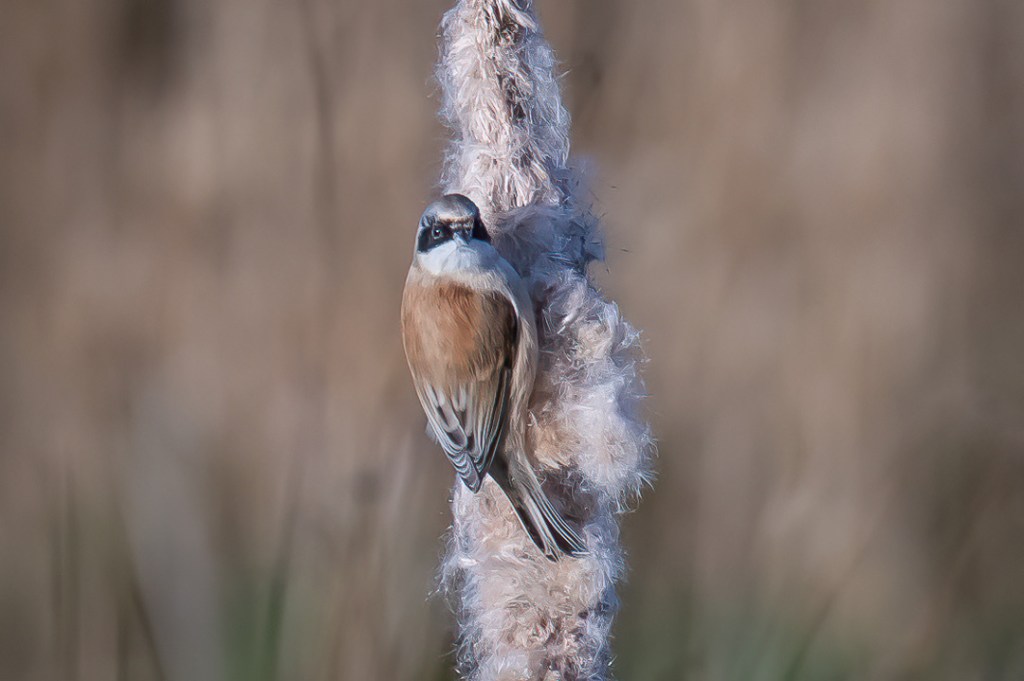
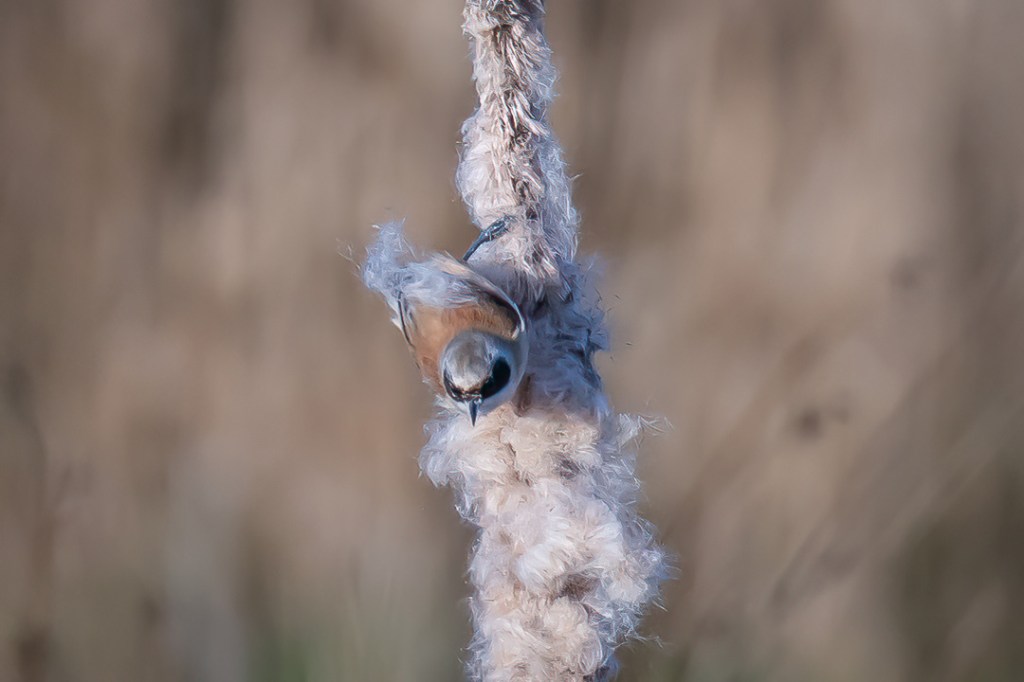
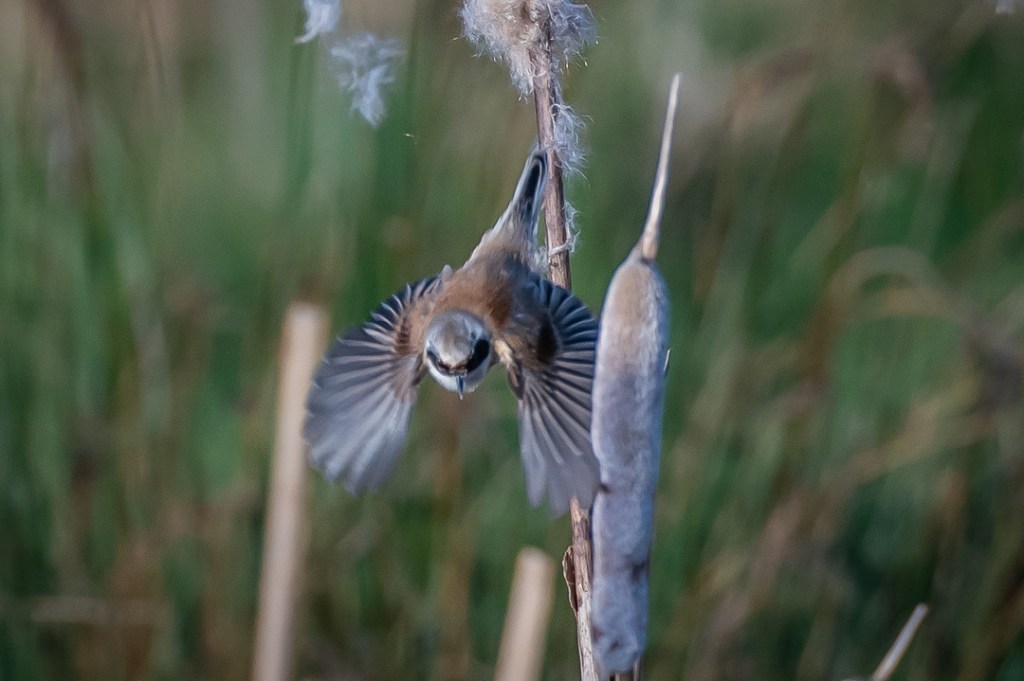
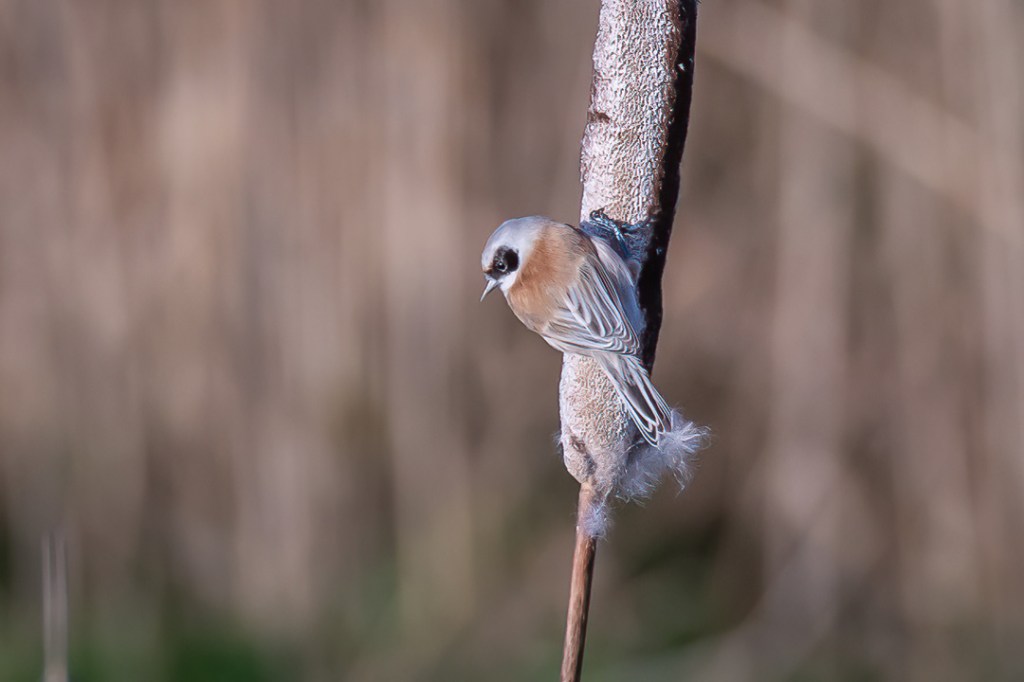
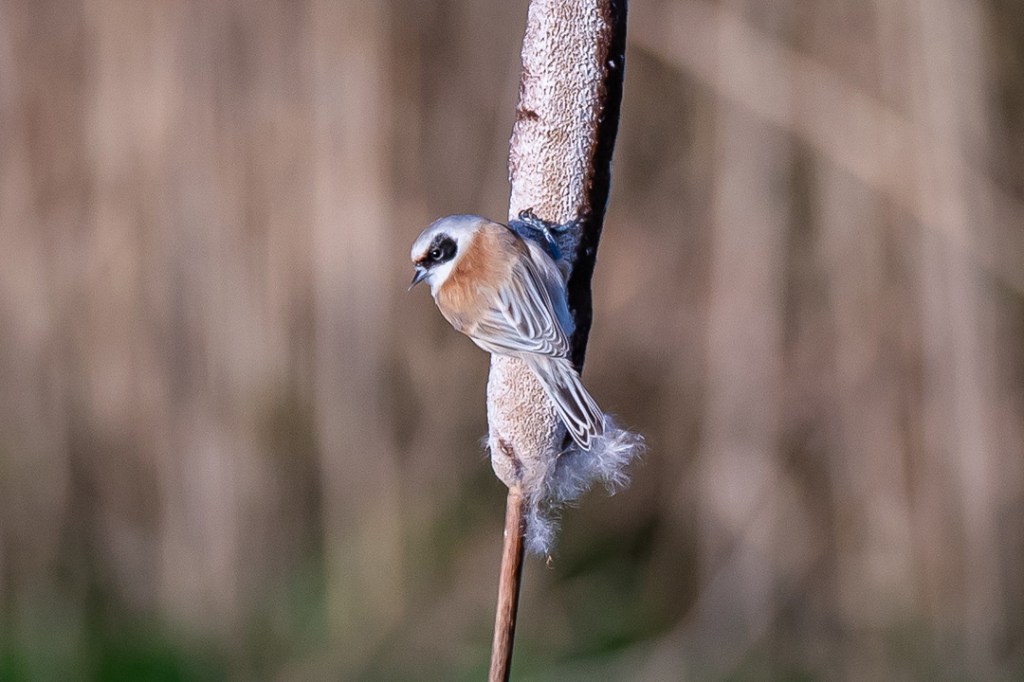
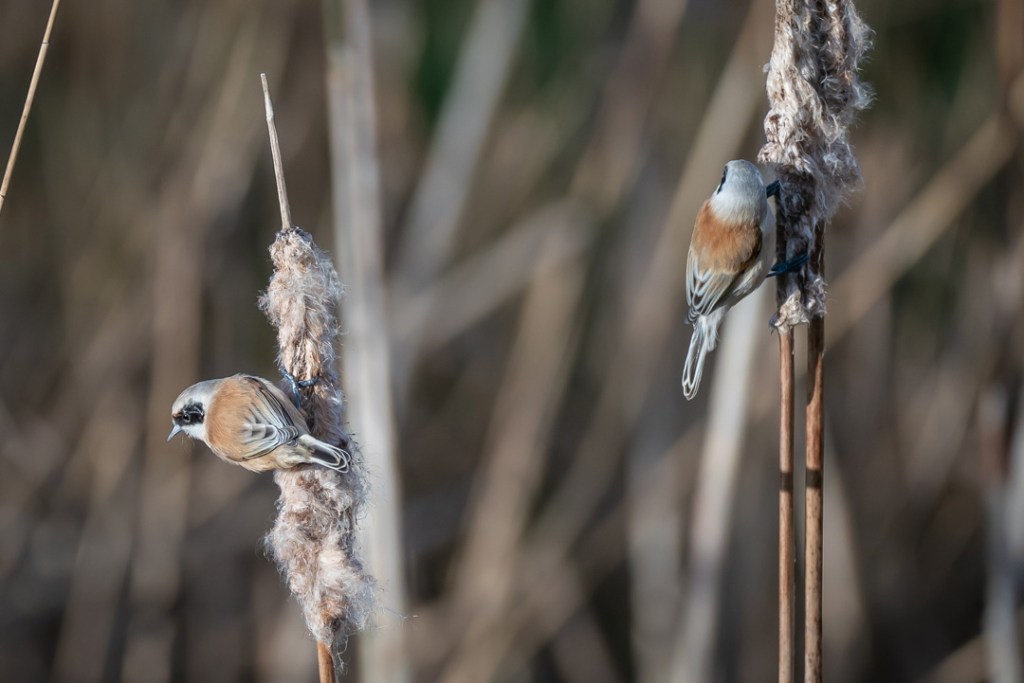
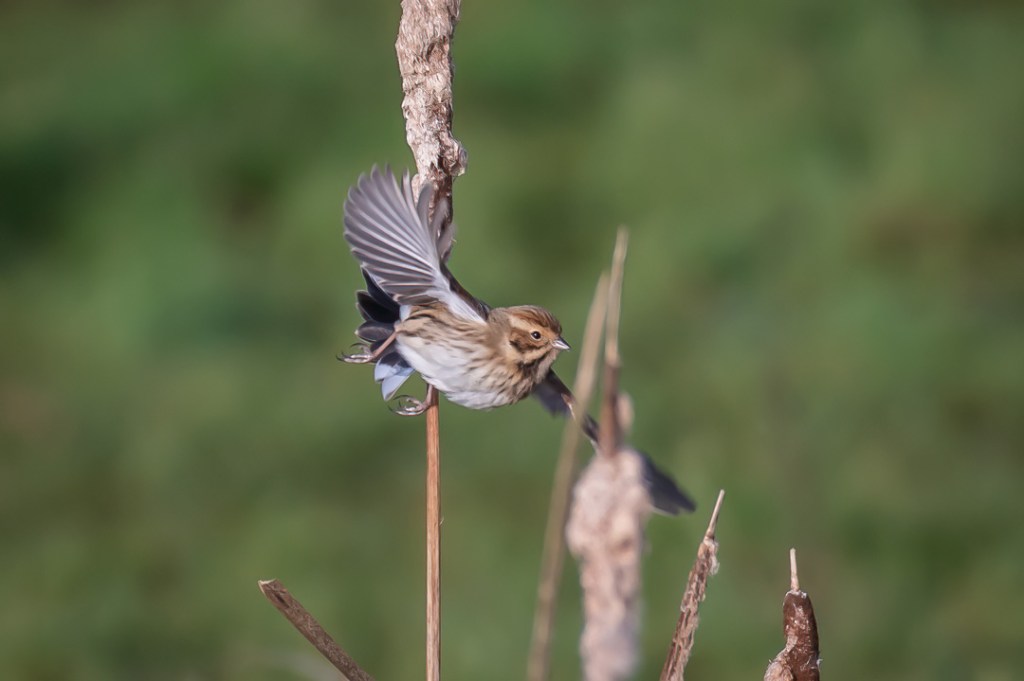
I was hoping to see the penduline tits which I have never seen and which had been reported here recently. There was a fresh breeze and it was very cold but I was encouraged by the excellent light. However, for the first hour I only saw reed buntings and stonechats. My patience was well rewarded , however, when two penduline tits appeared and stayed around feeding on the bull rushes until I felt I could take no more photos.
Penduline titPenduline titPenduline titMy first view of the penduline tits
I was quite excited by this addition to my life list but my exaltation was rather tempered by the fact that I tore my achilles tendon (which had been sore for some time) slopping around on the muddy path and limped back to my car in some pain.
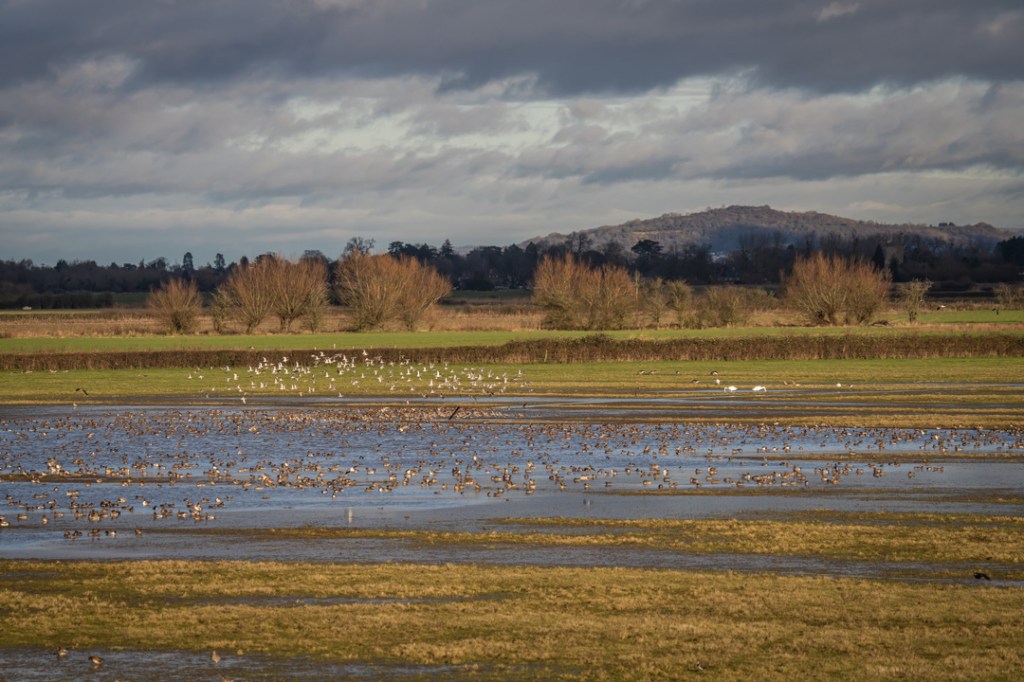
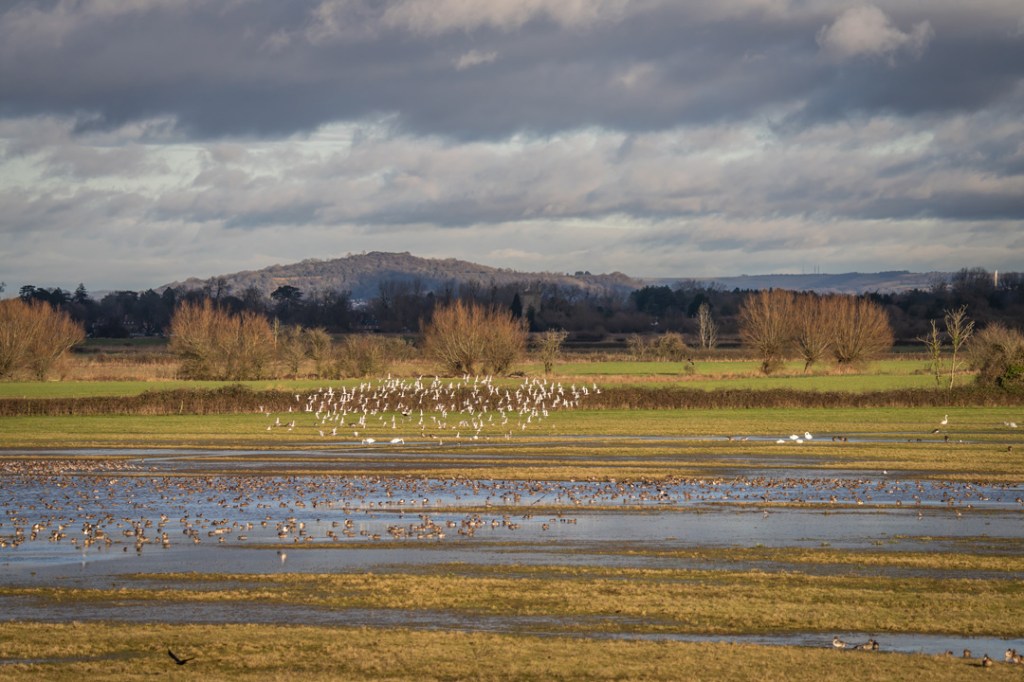
I ended last year with a trip to Slimbridge and started this one to the same venue as, with a short break in the gloomy weather, I knew we would be bound to see a wealth of birds.
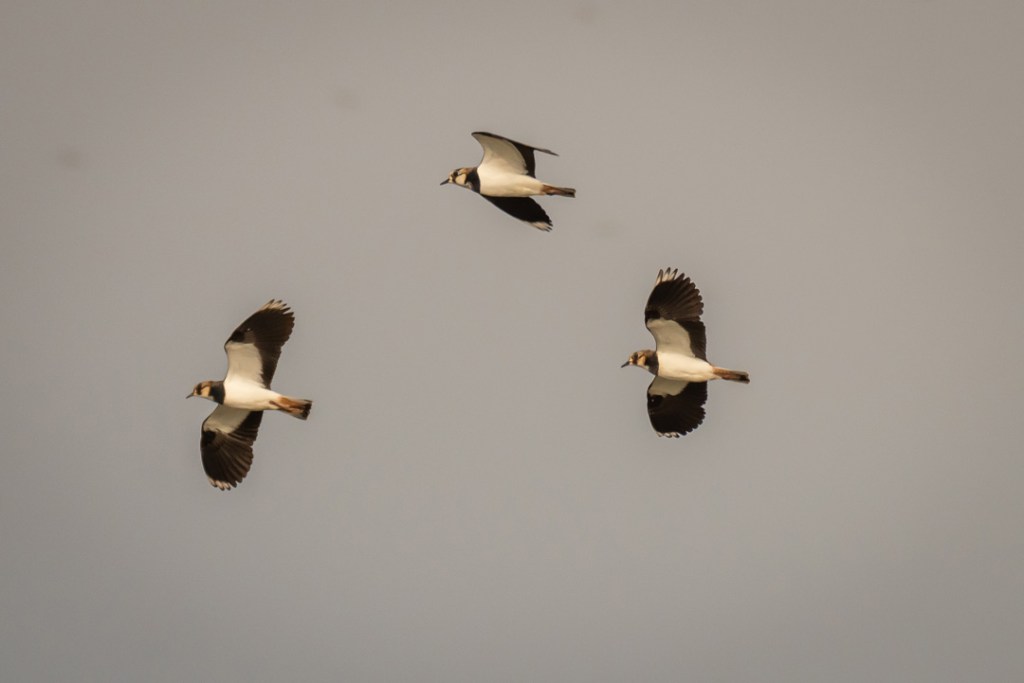
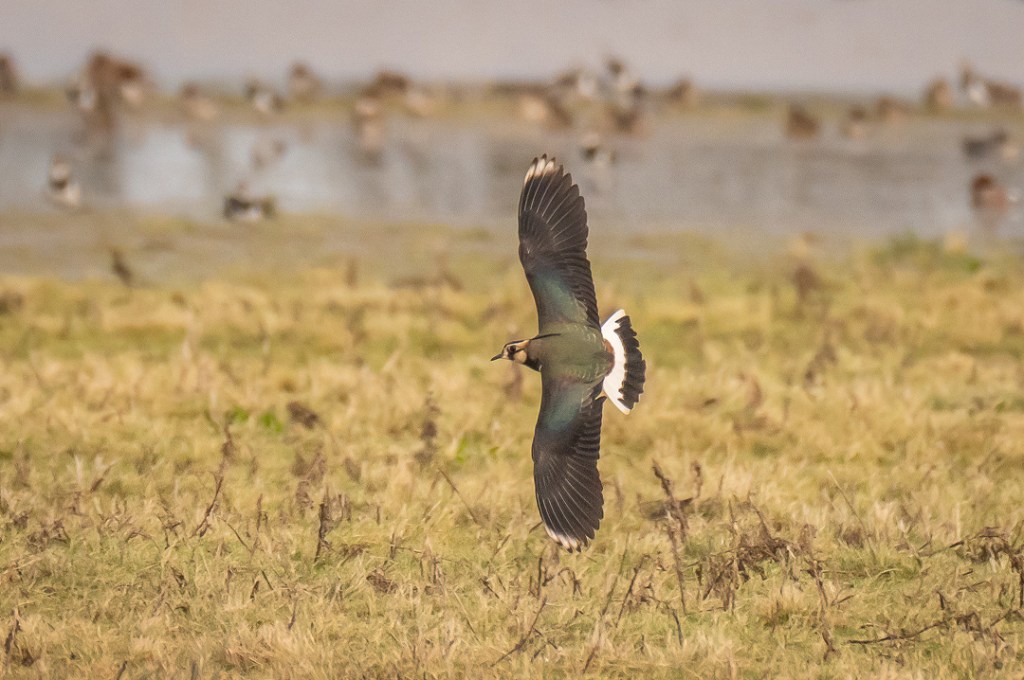
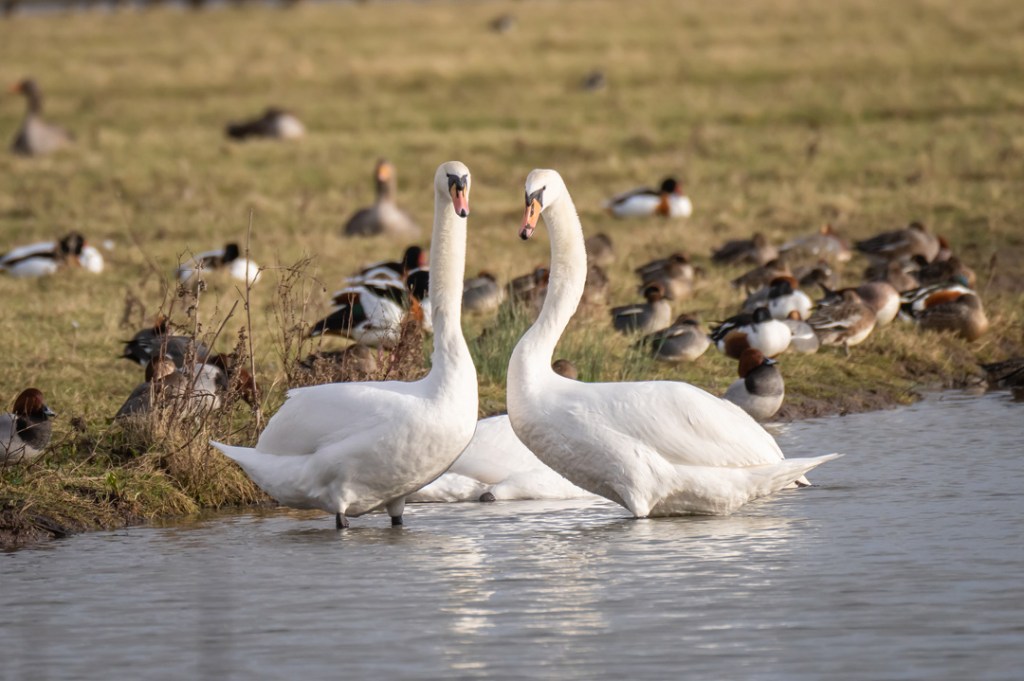
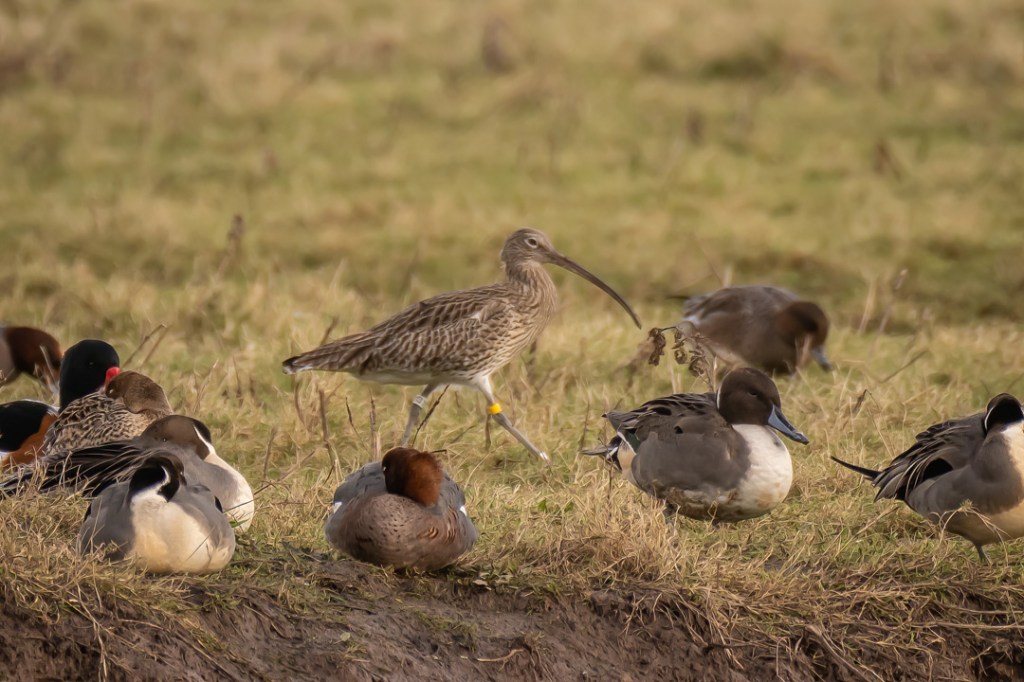
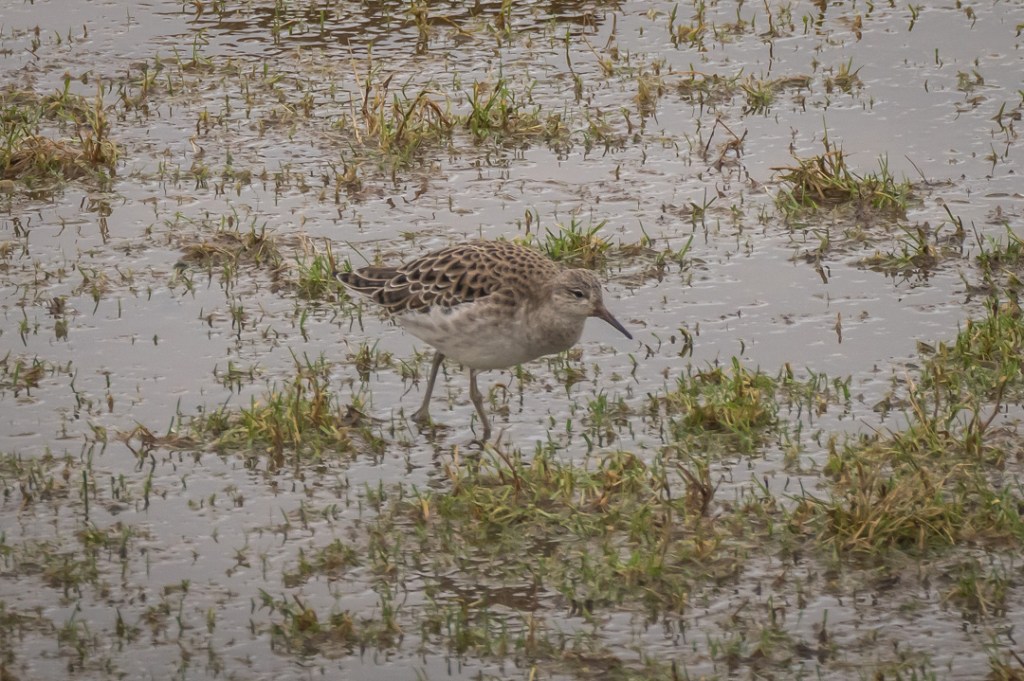
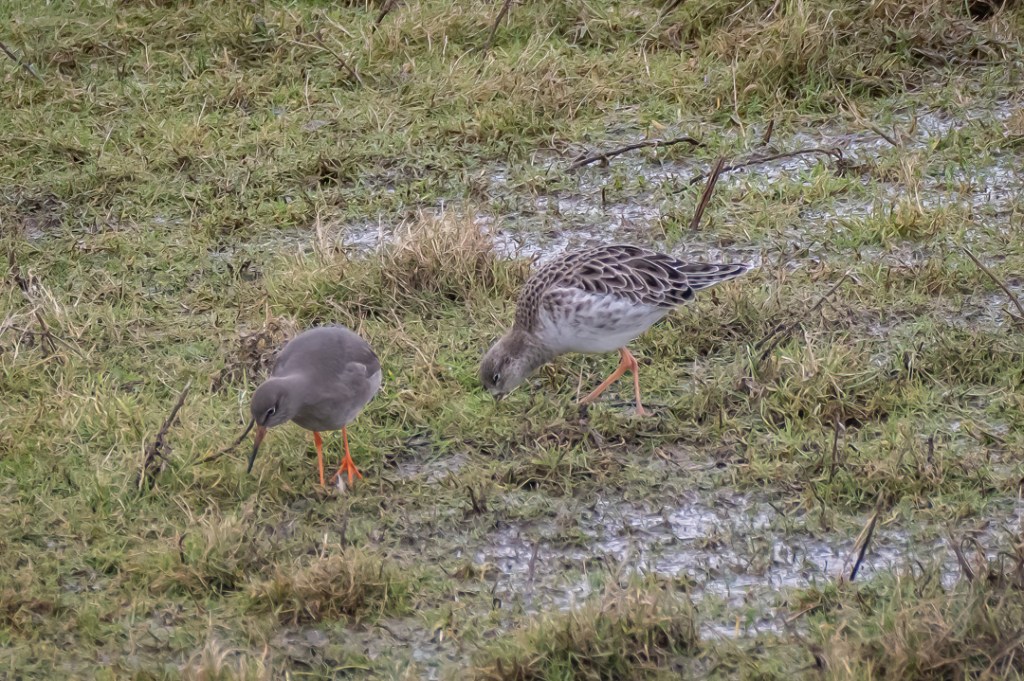
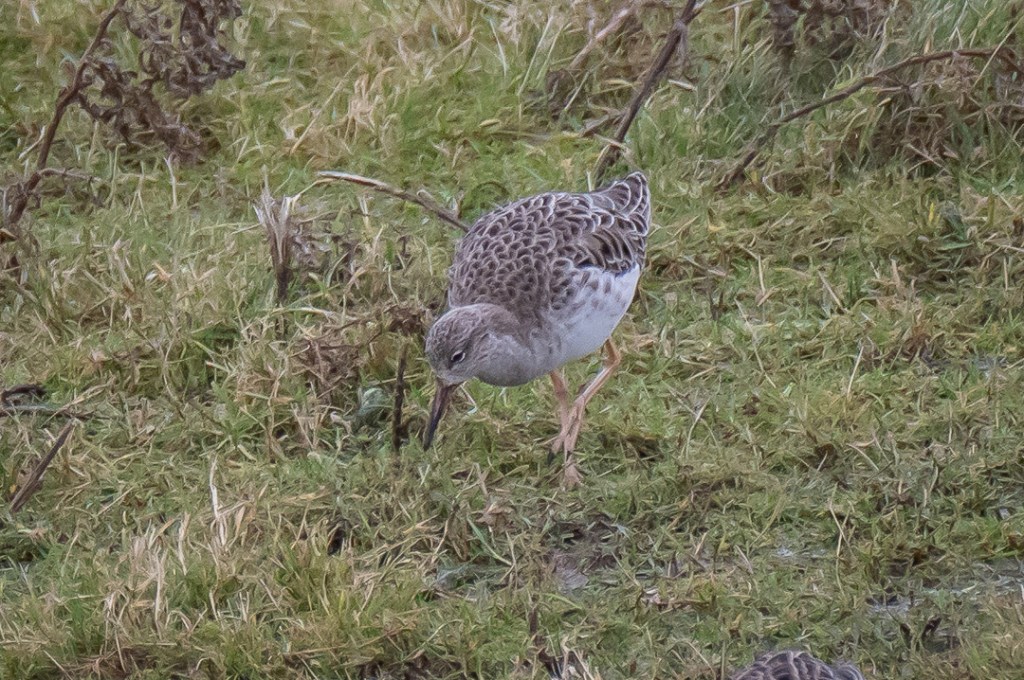
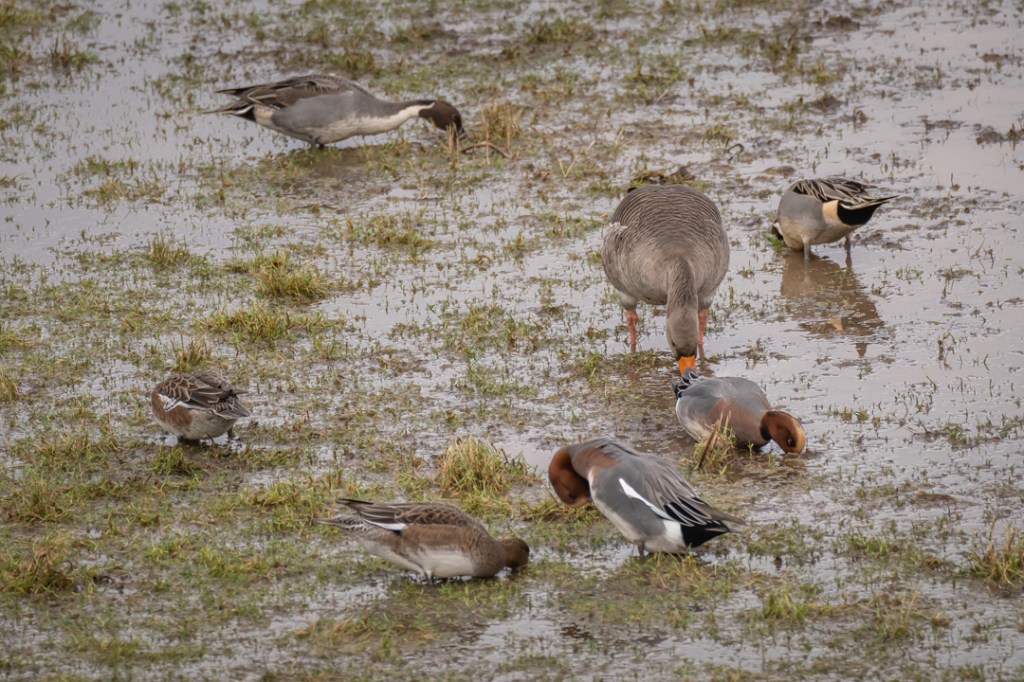
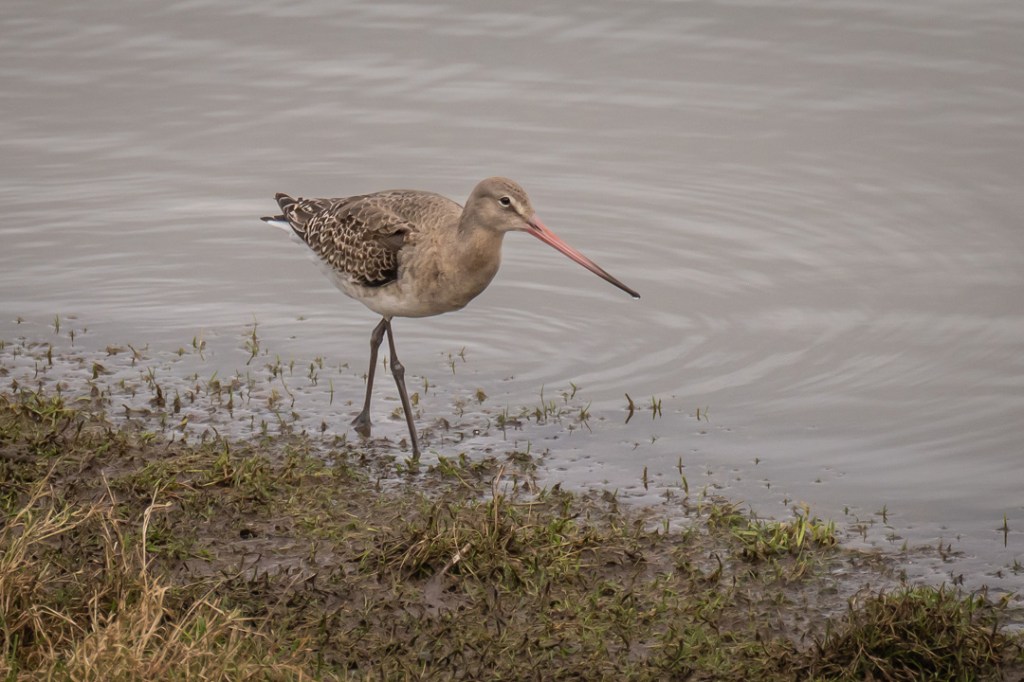
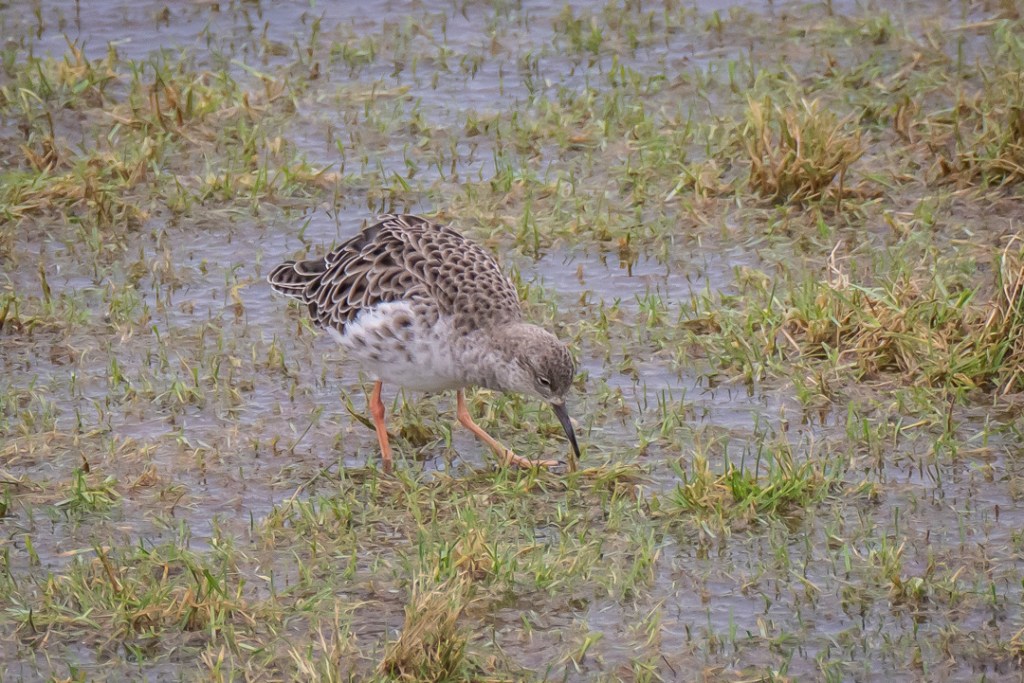
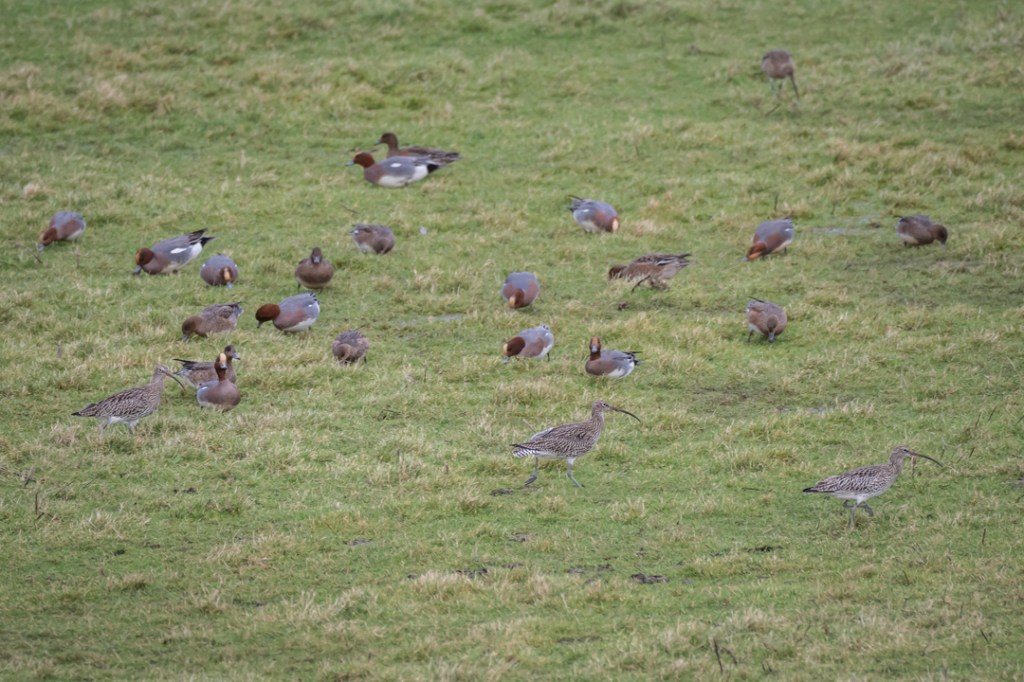
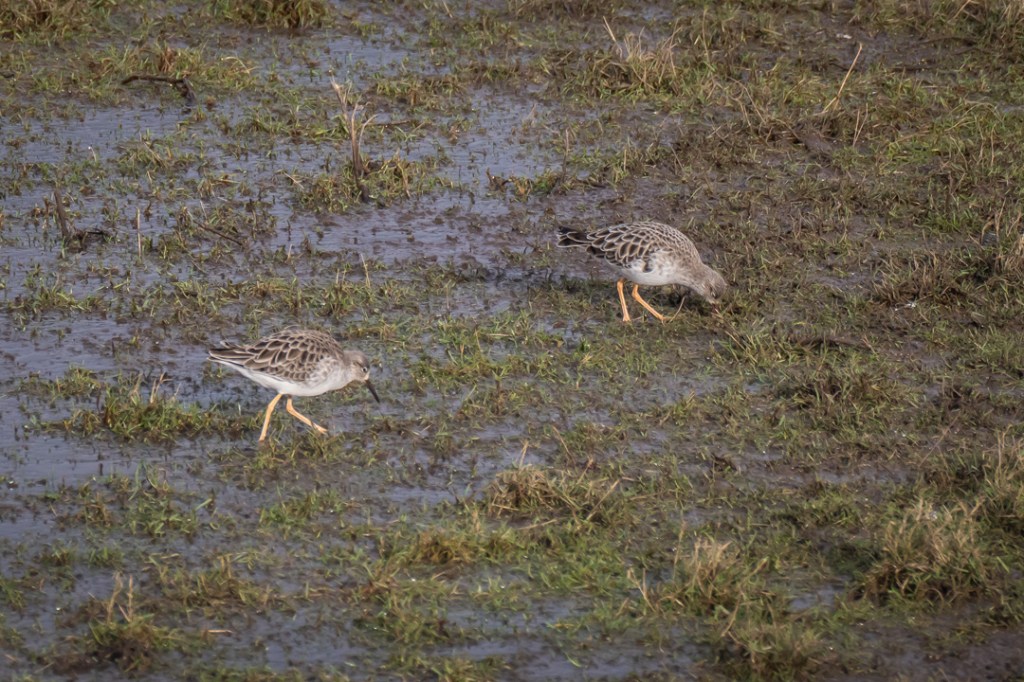
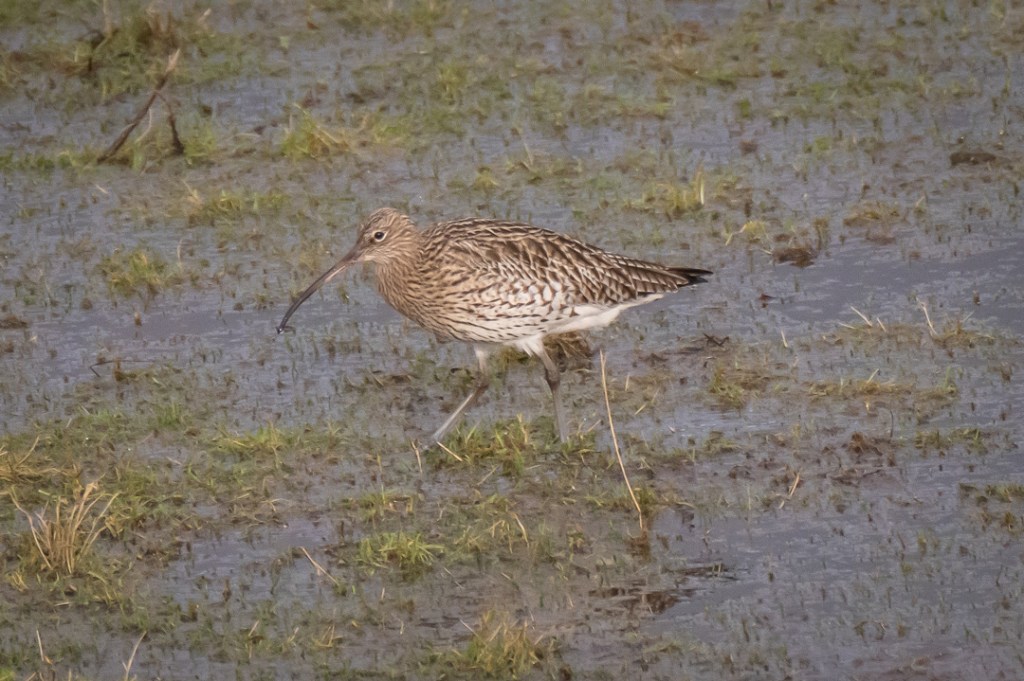
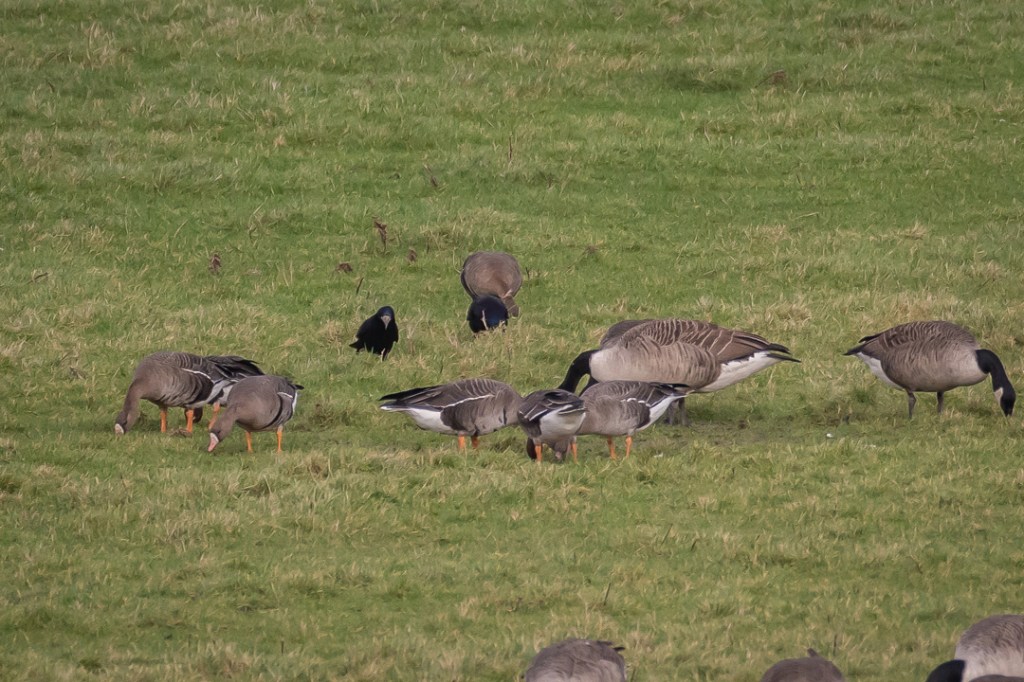
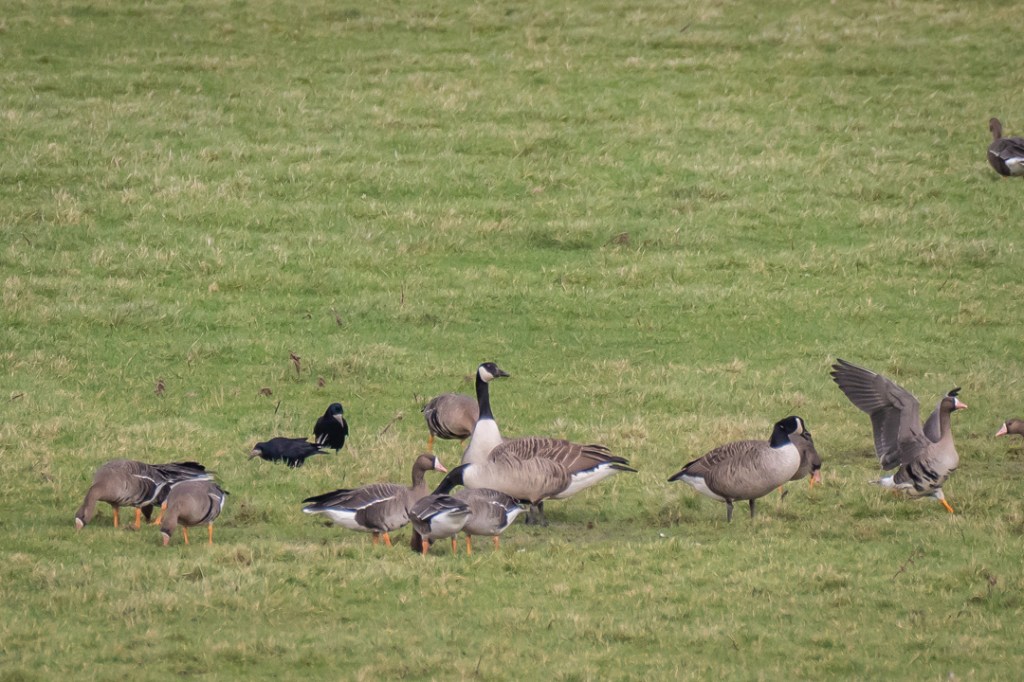
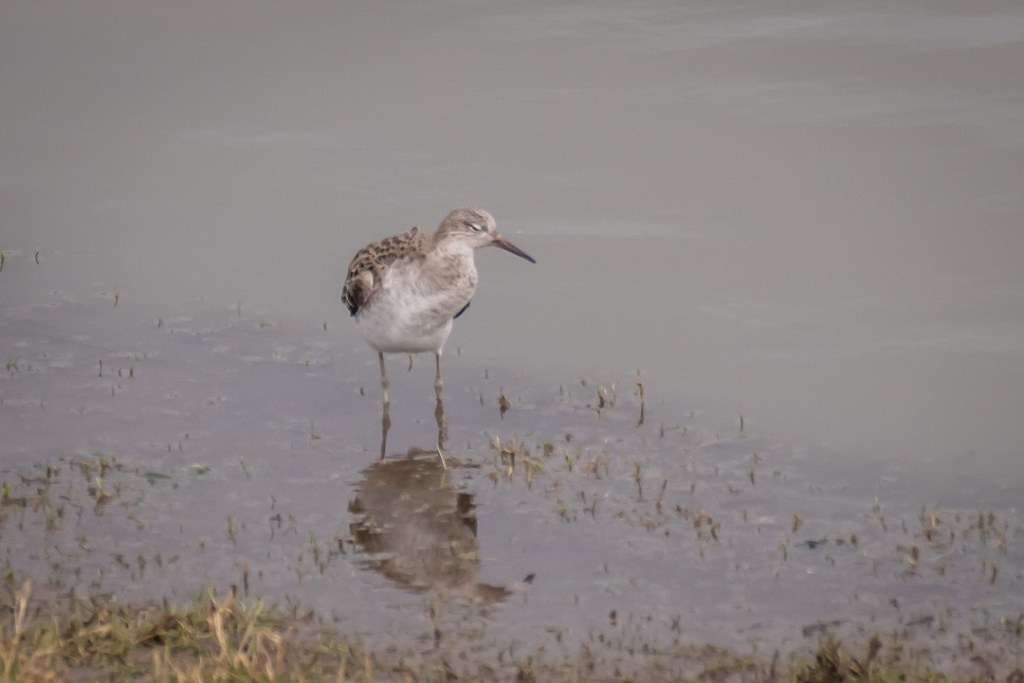
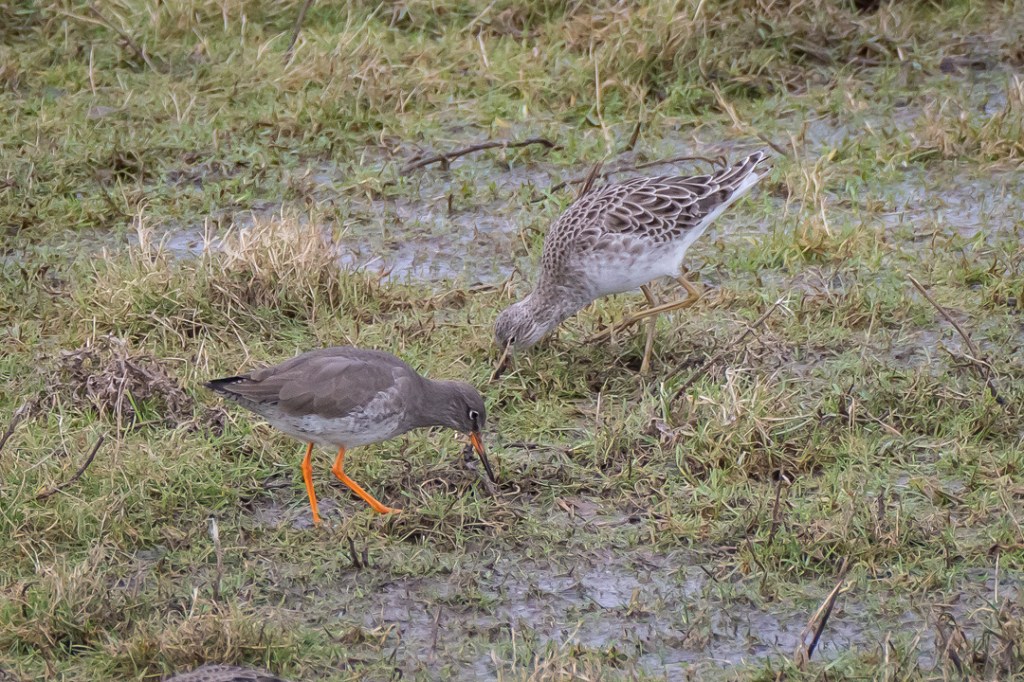
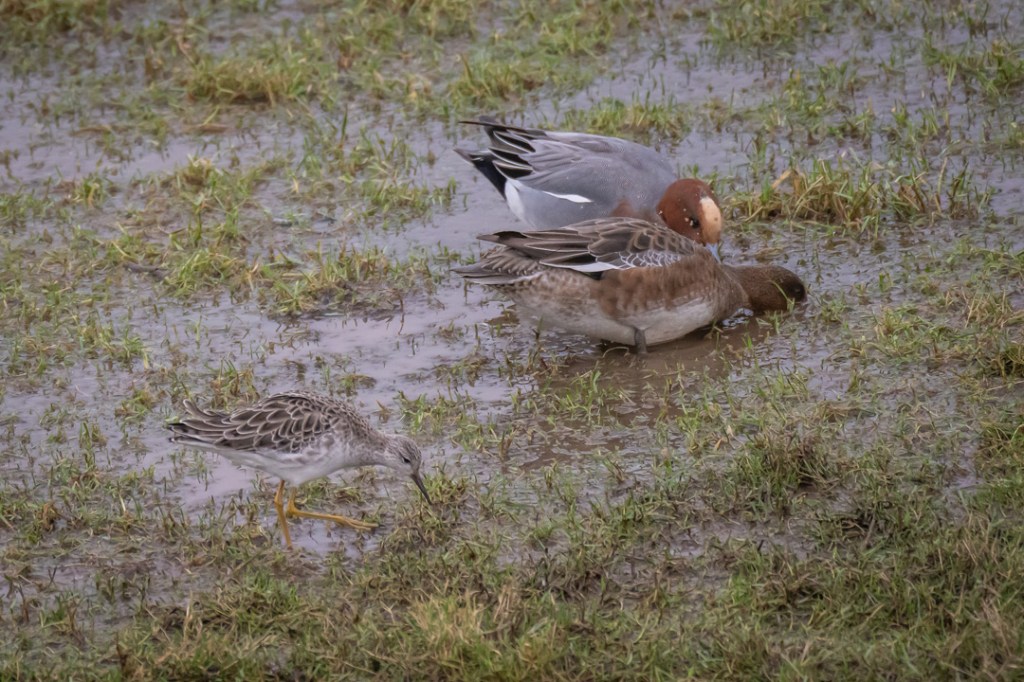
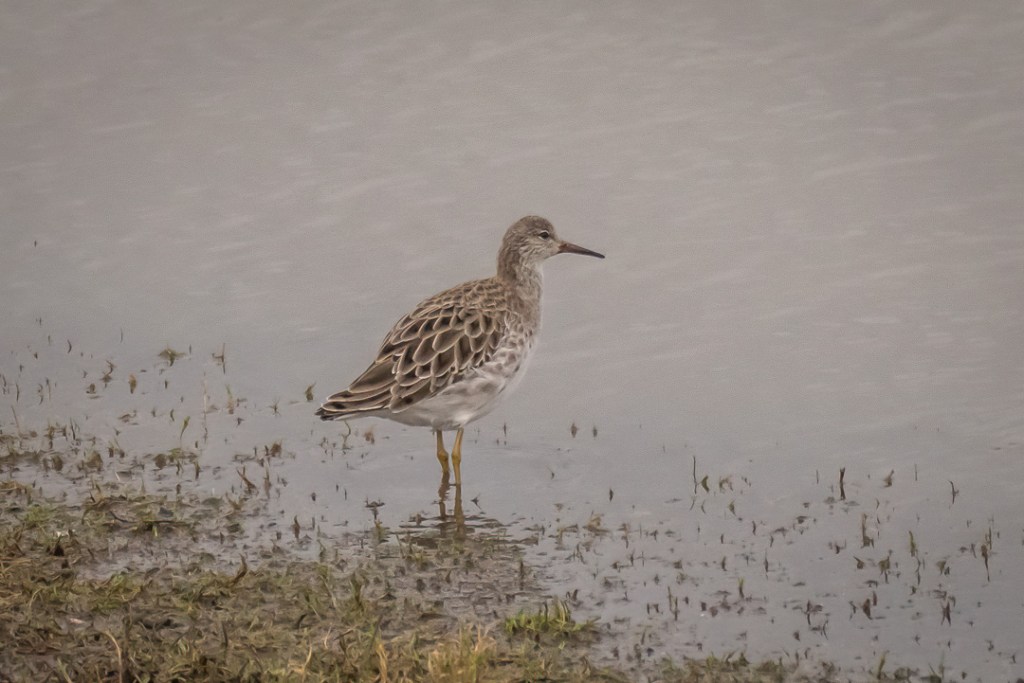
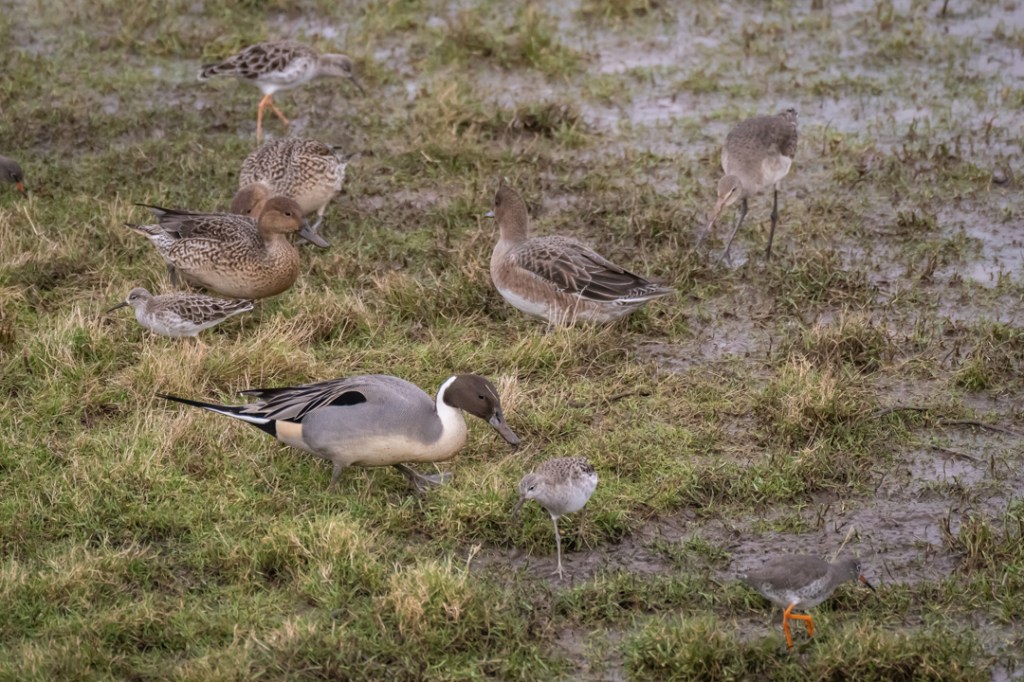
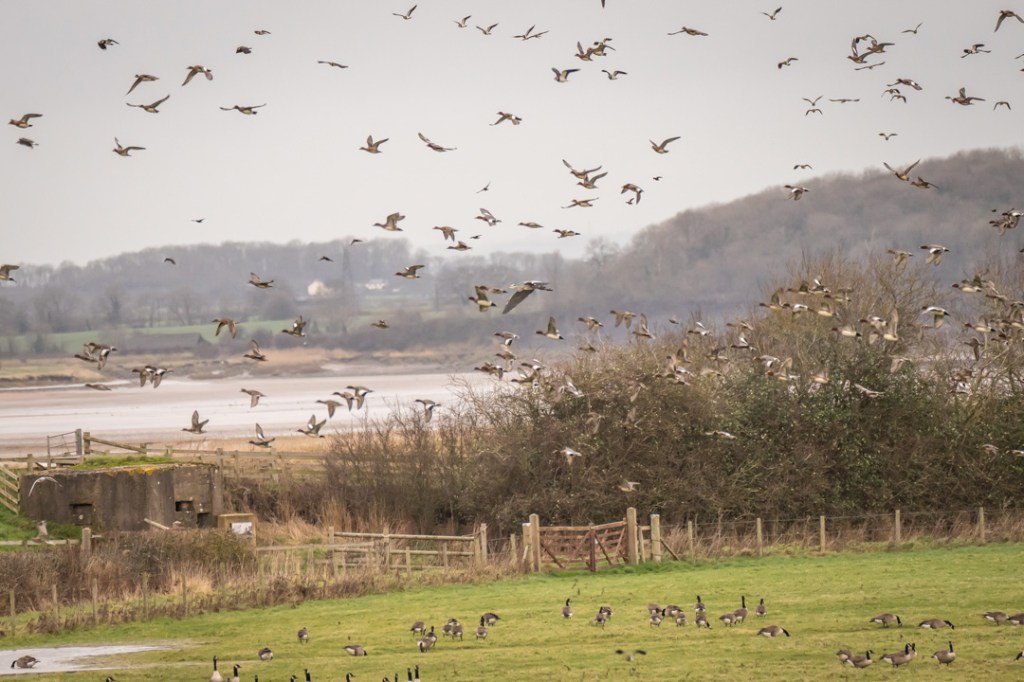
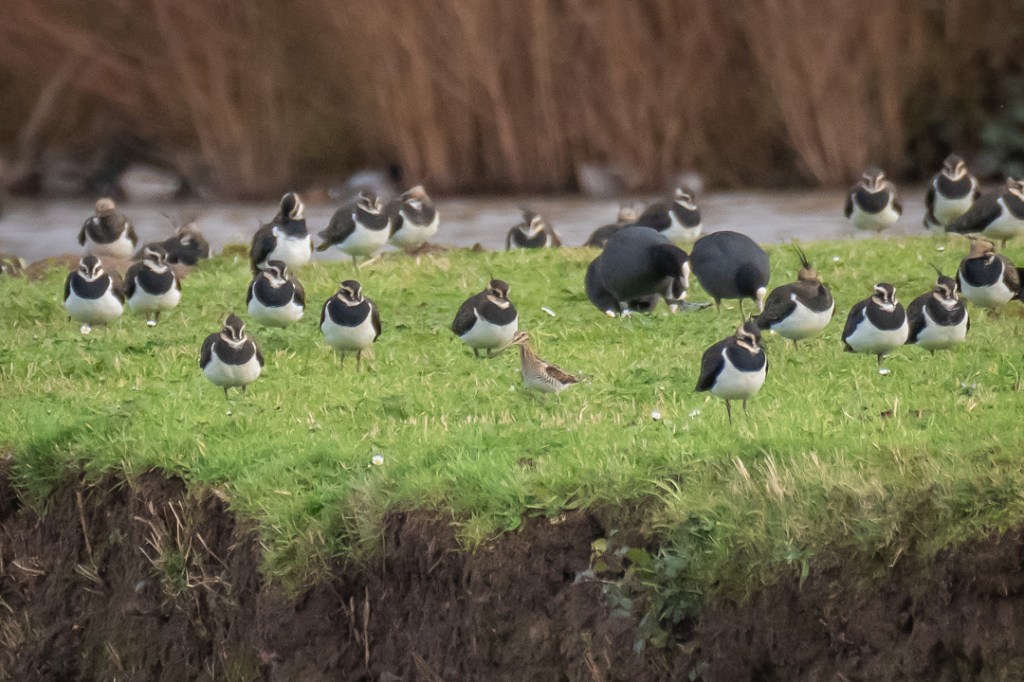
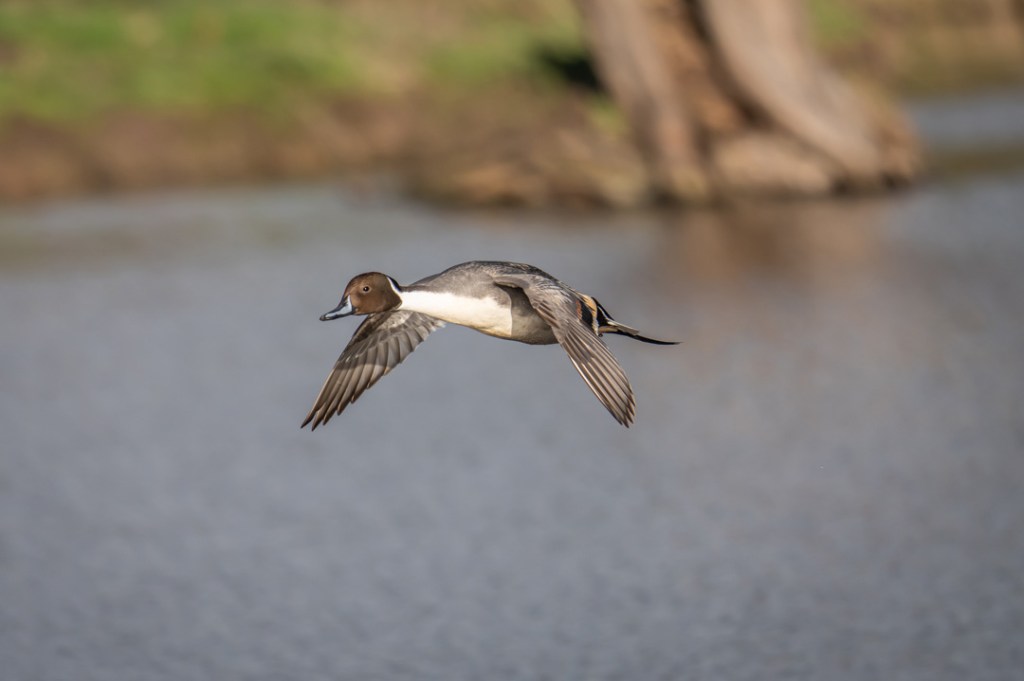
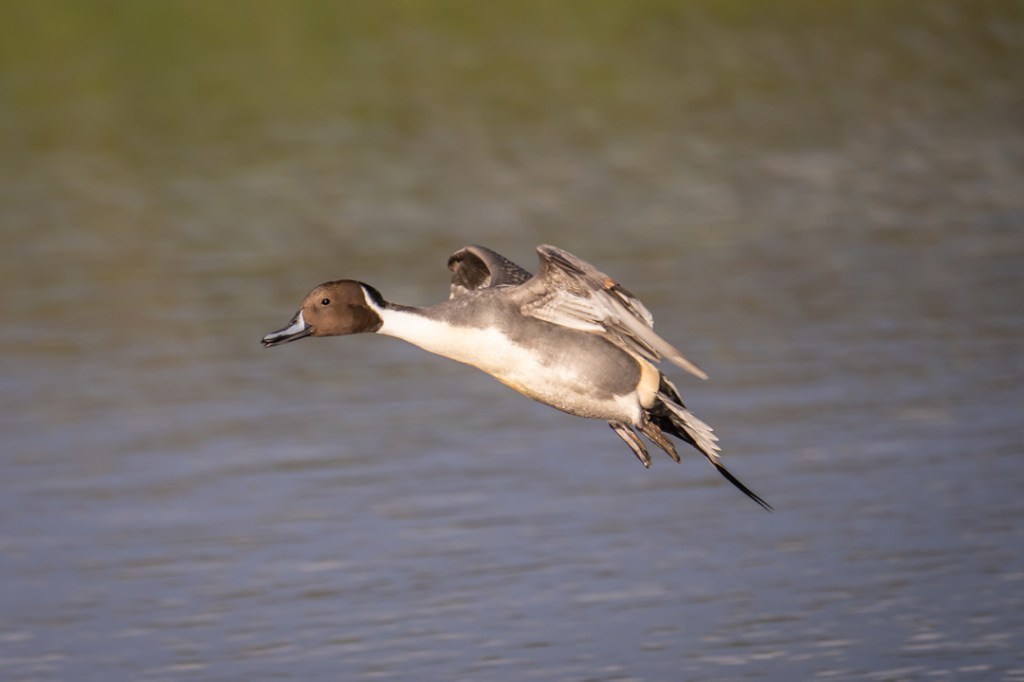
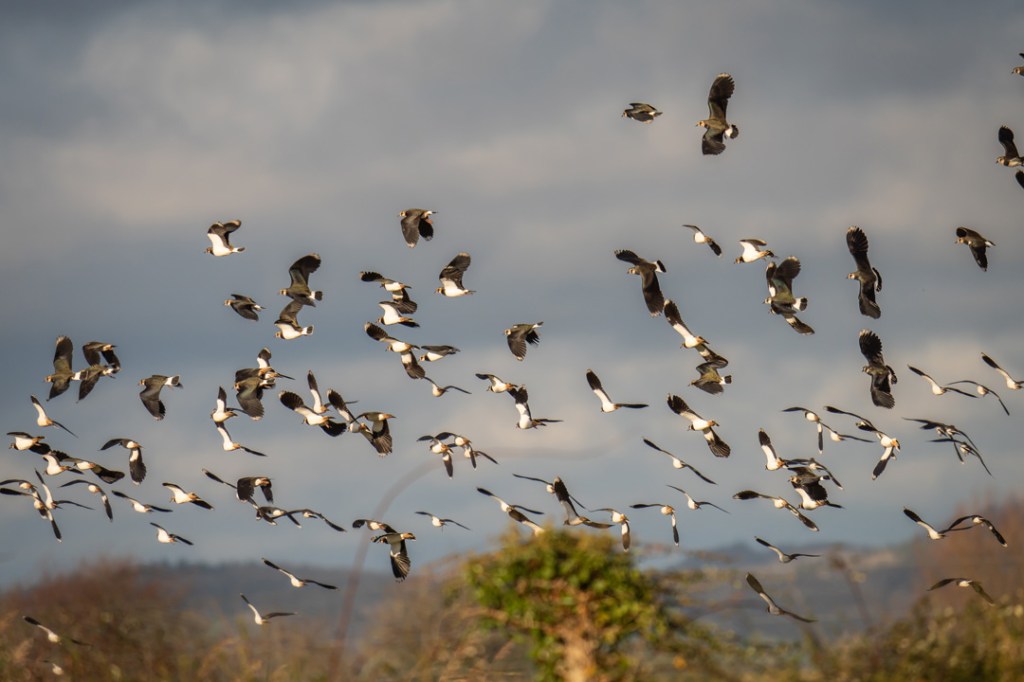
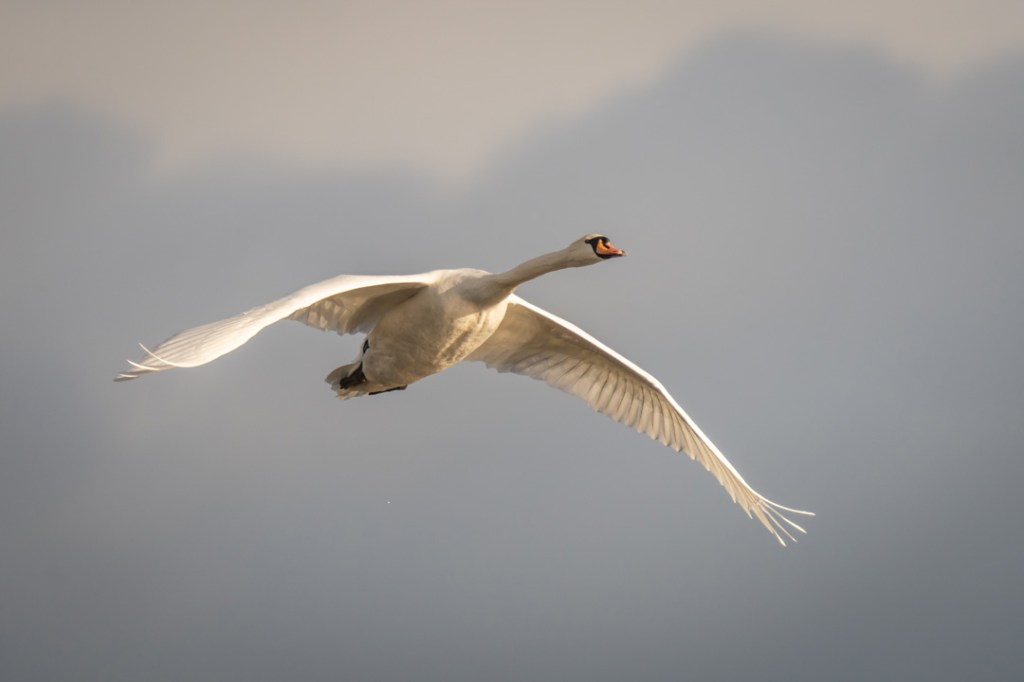
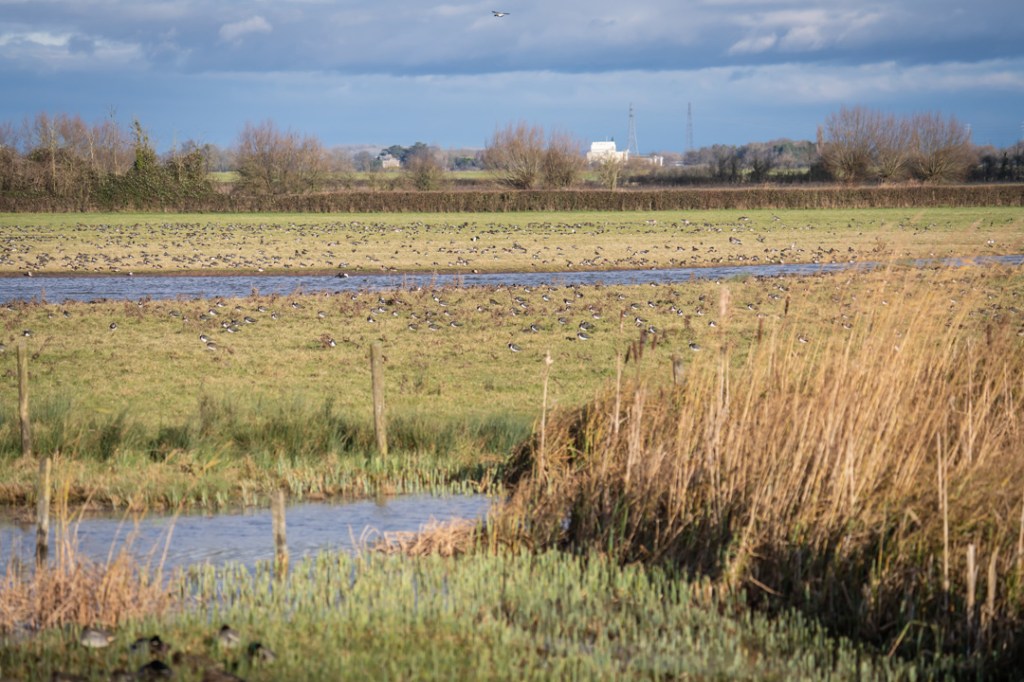
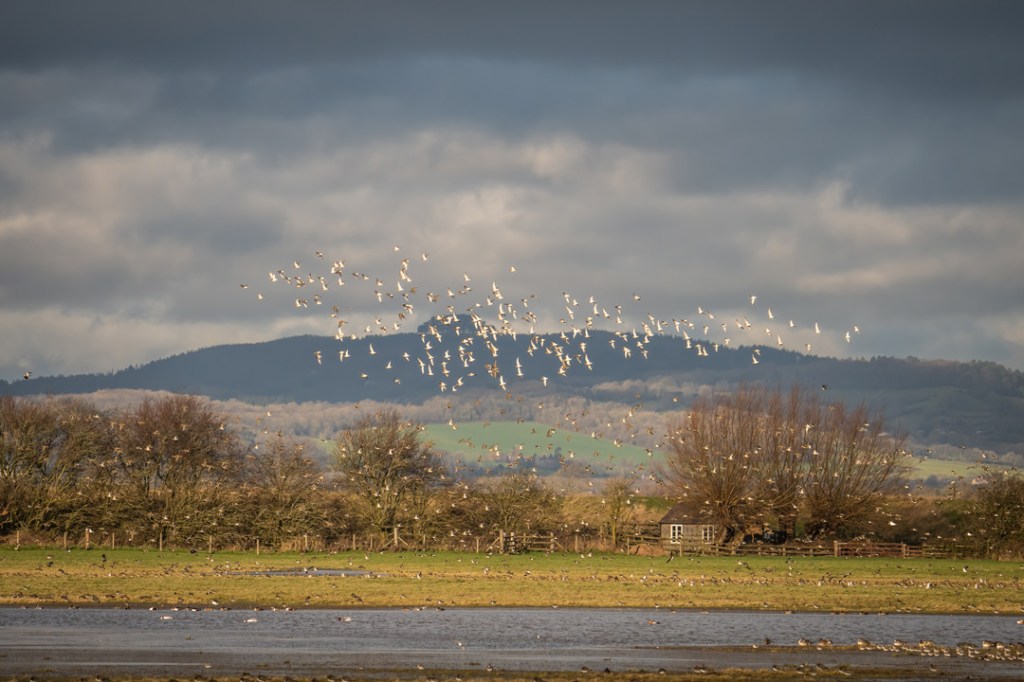
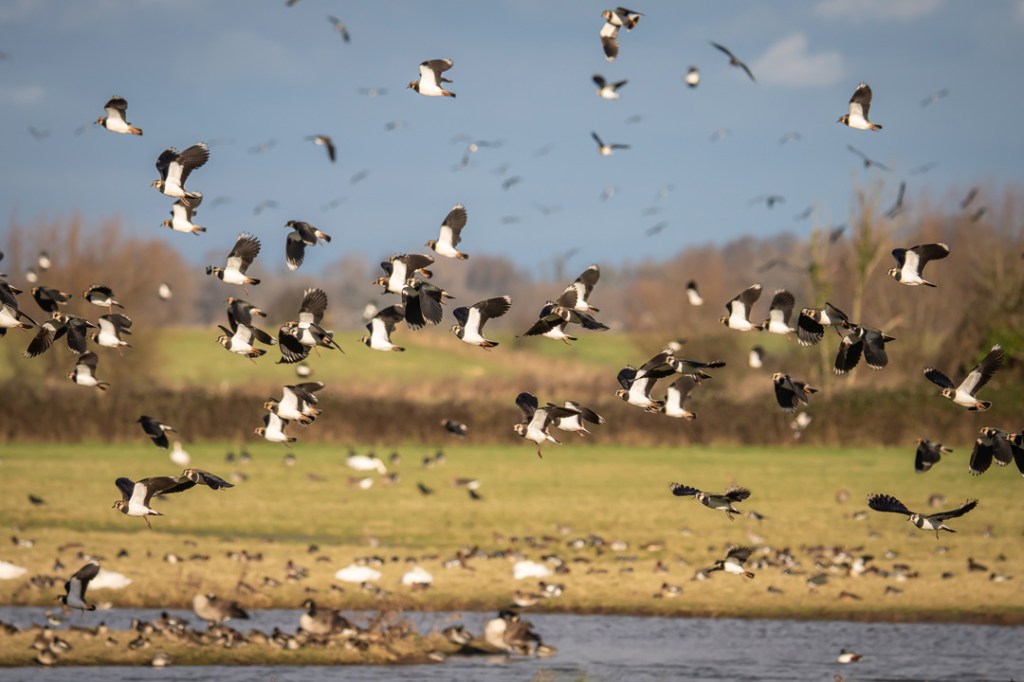
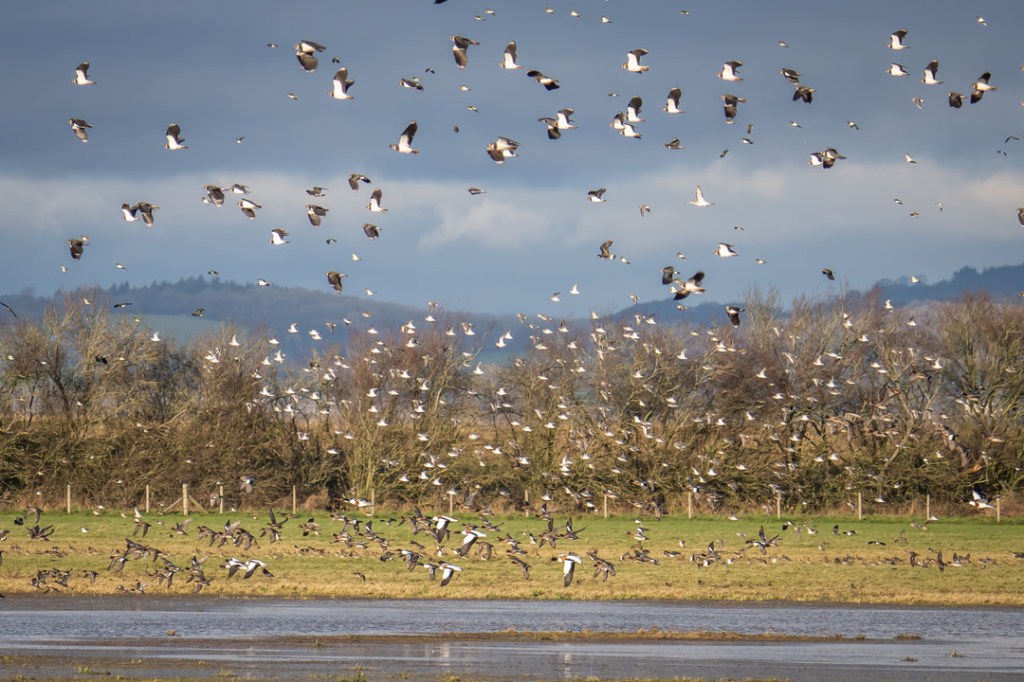
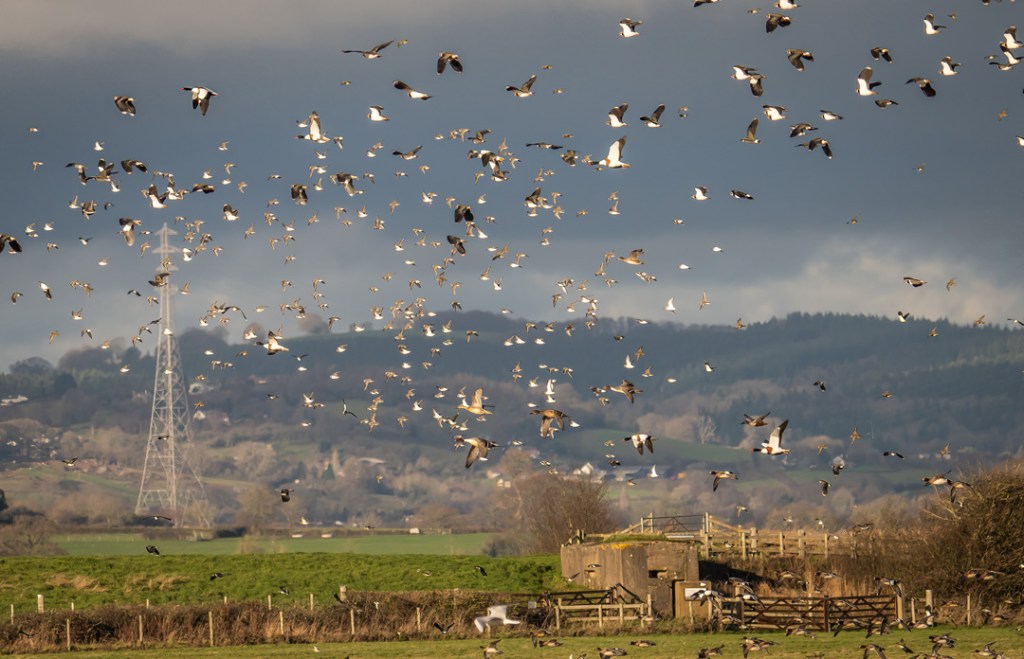
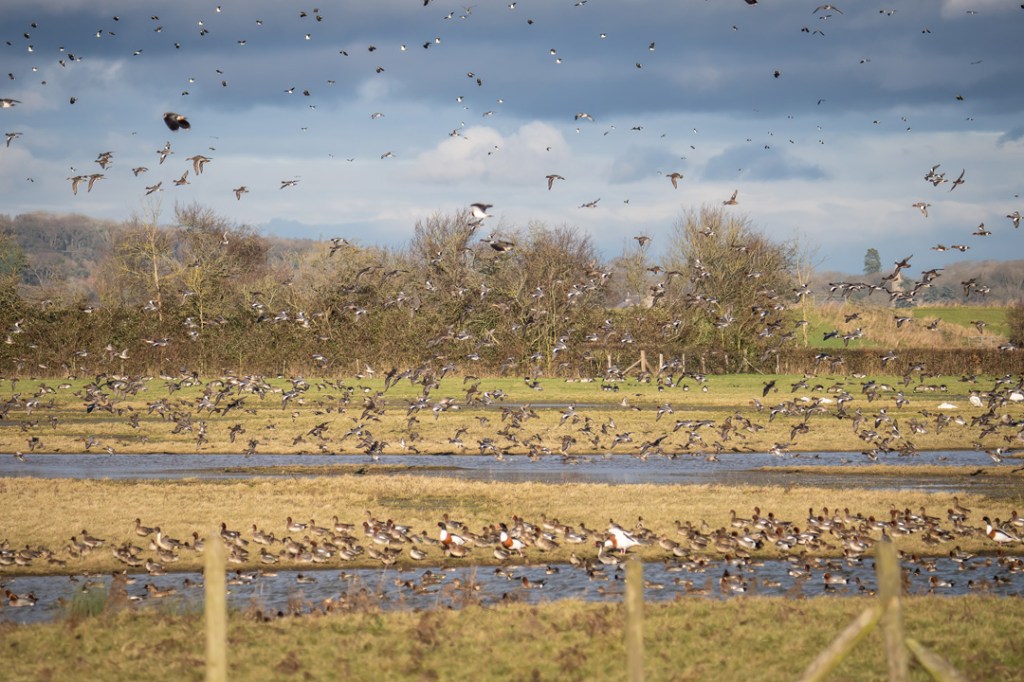
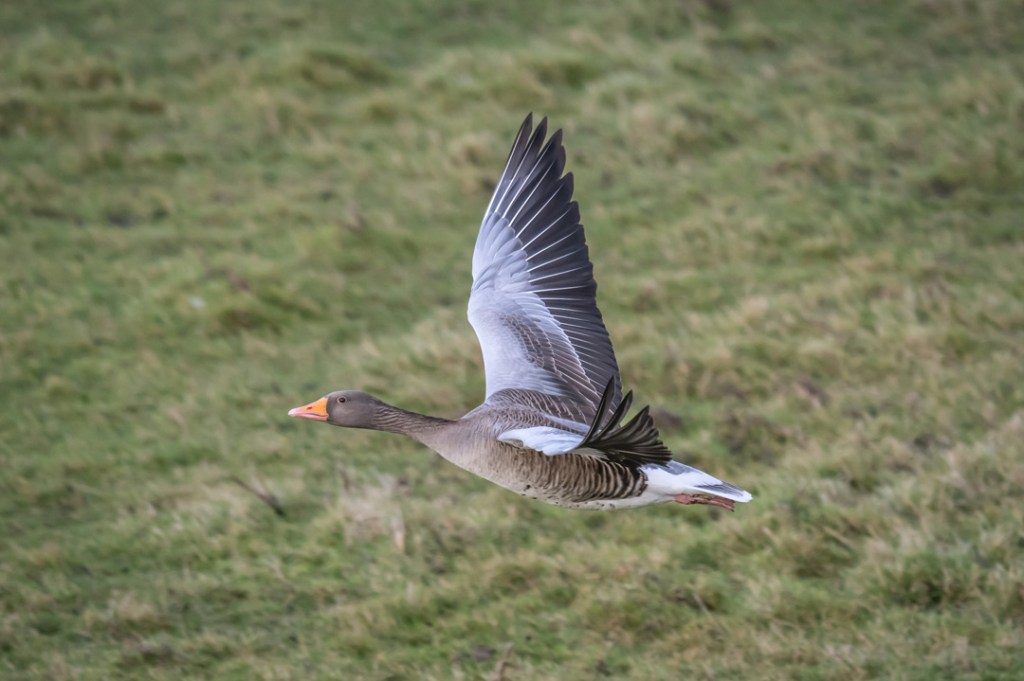
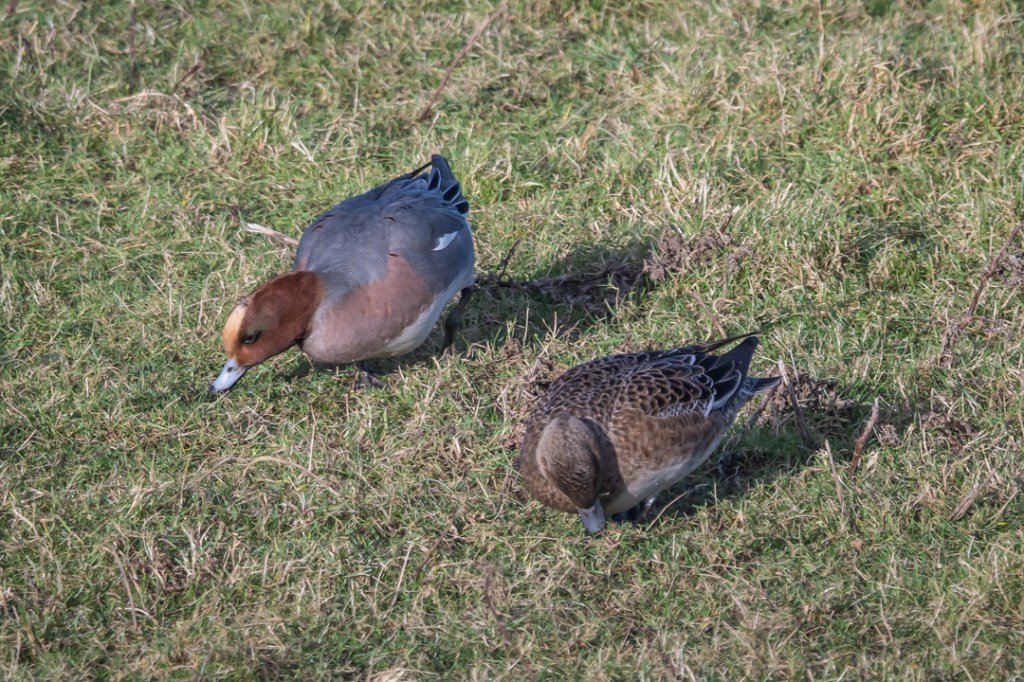
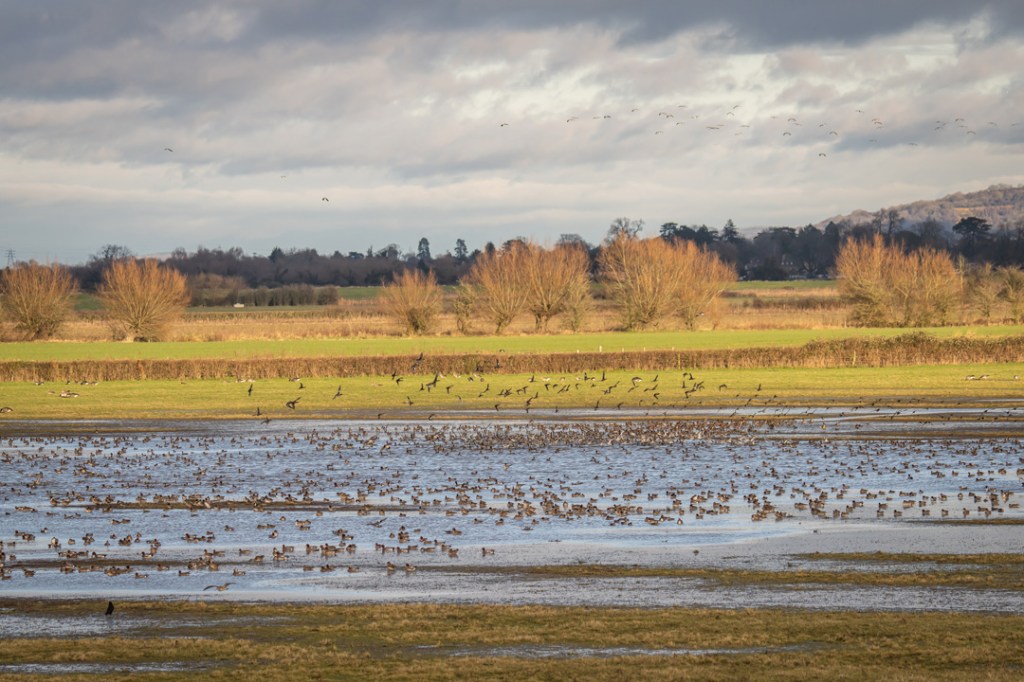
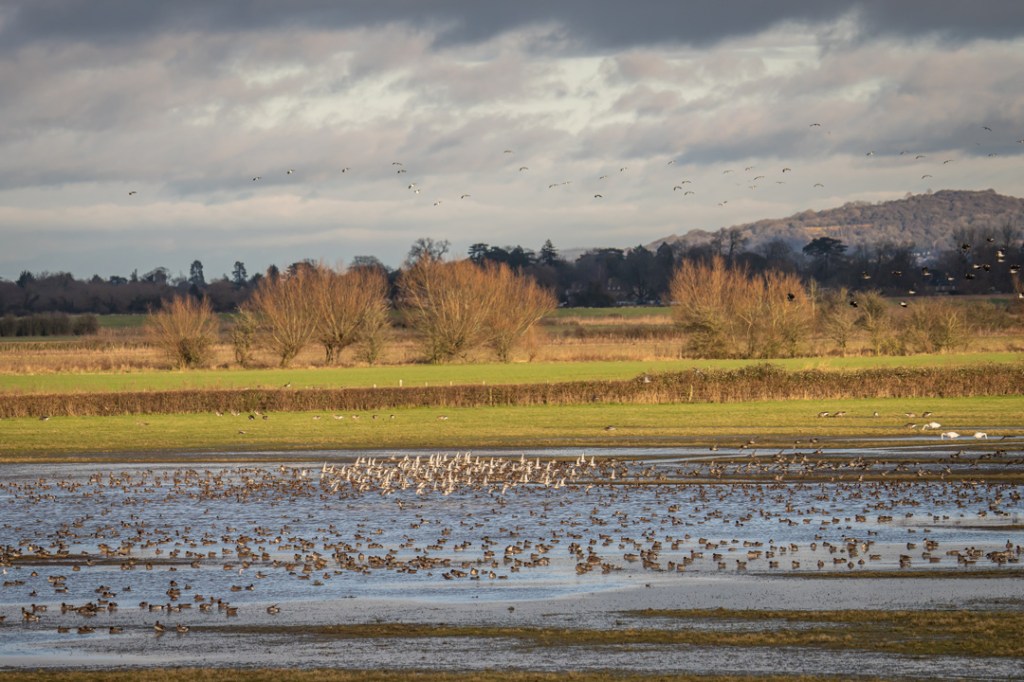
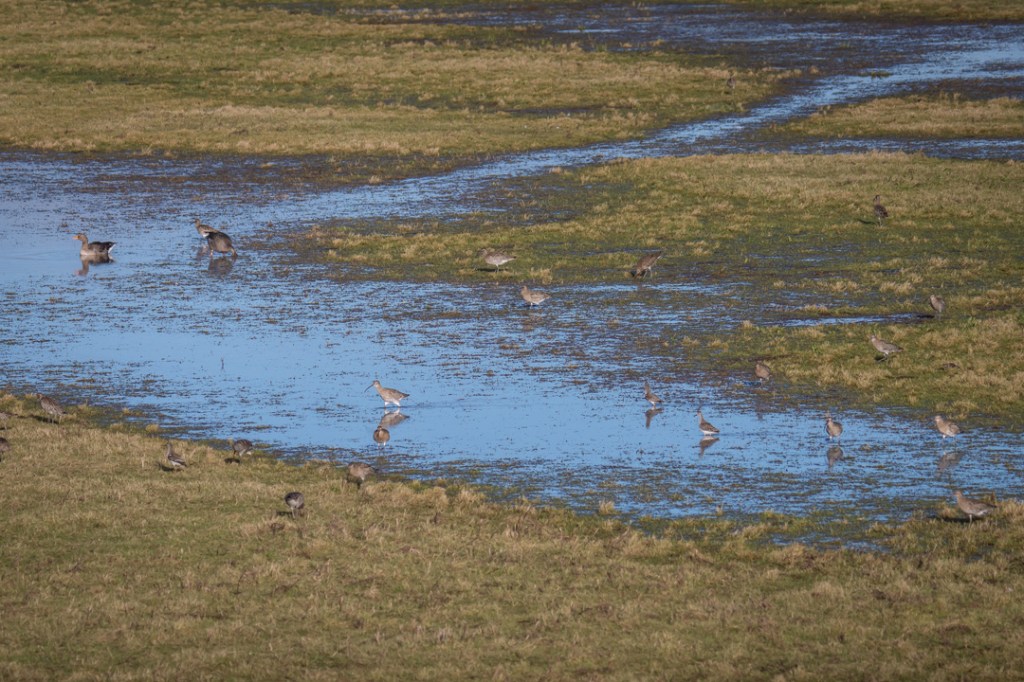
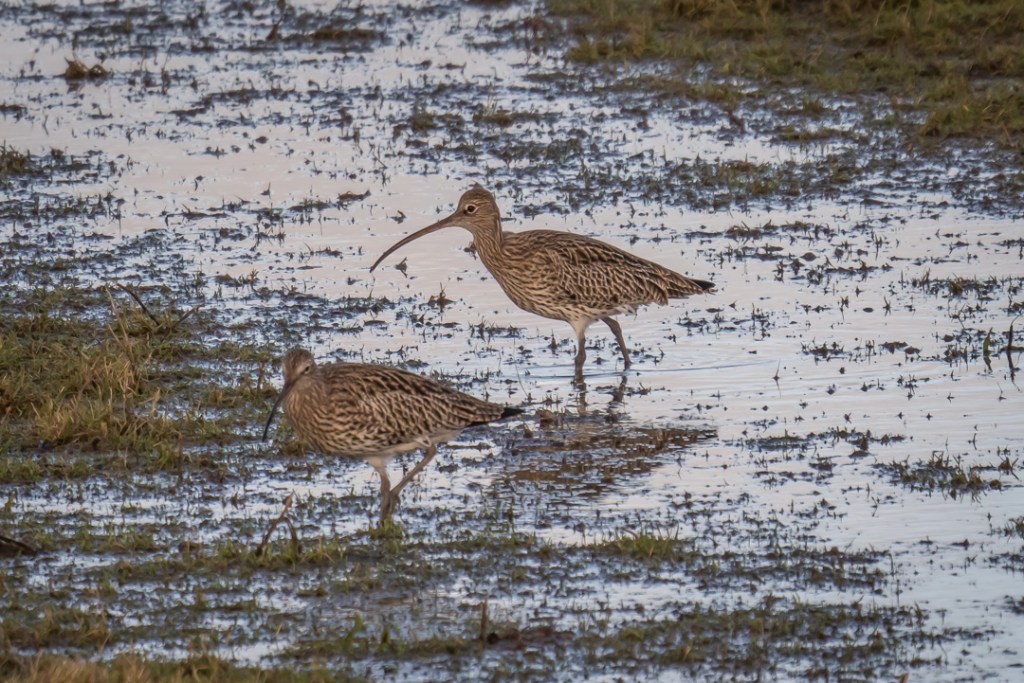
I saw a group of birders looking at something near Slimbridge but only realised when I returned home that they were looking at a glossy ibis. A chance missed. Nonetheless, there was plenty to keep me happy before the rain came back. We loved seeing the big flocks of godwits, wigeon, pintails, lapwings, curlews and golden plovers but the focus of my camera was on the ruff, which I don’t see often, and some white fronted geese.
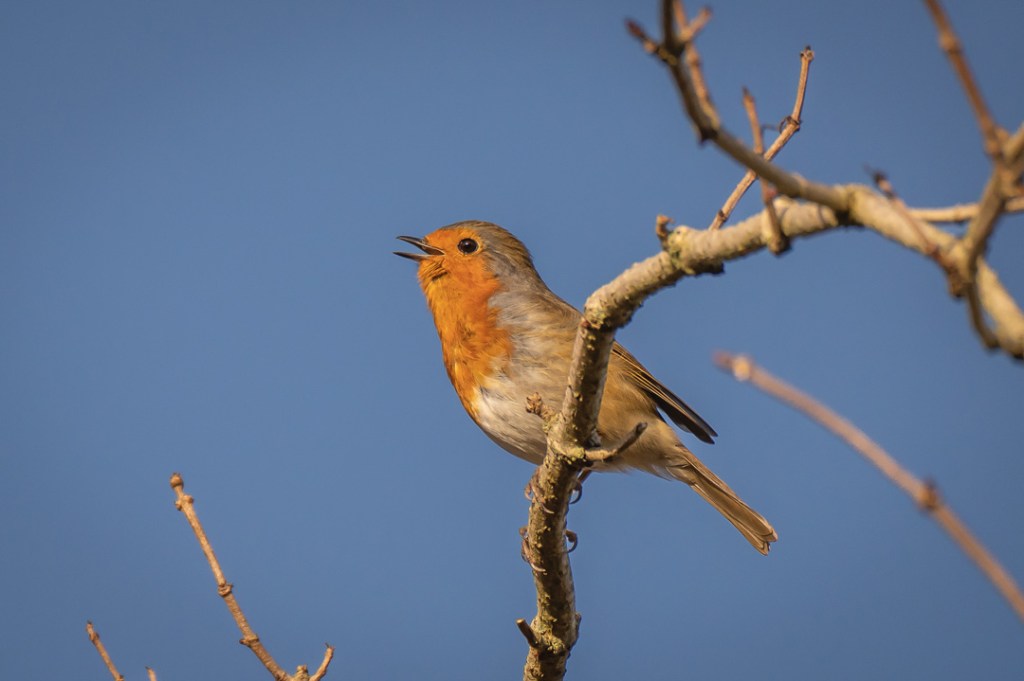
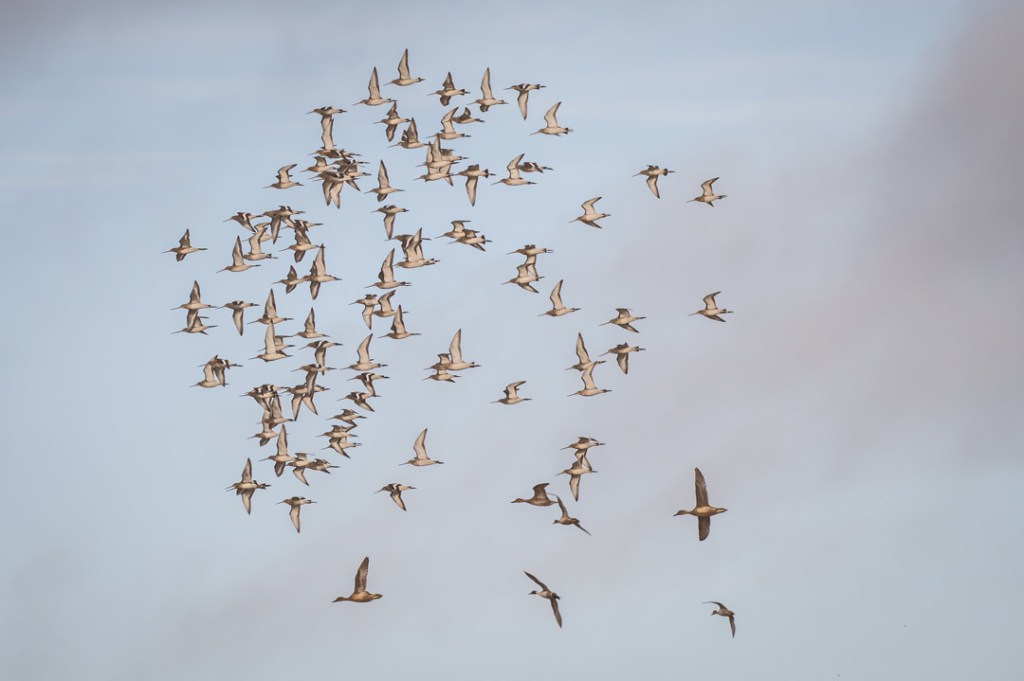
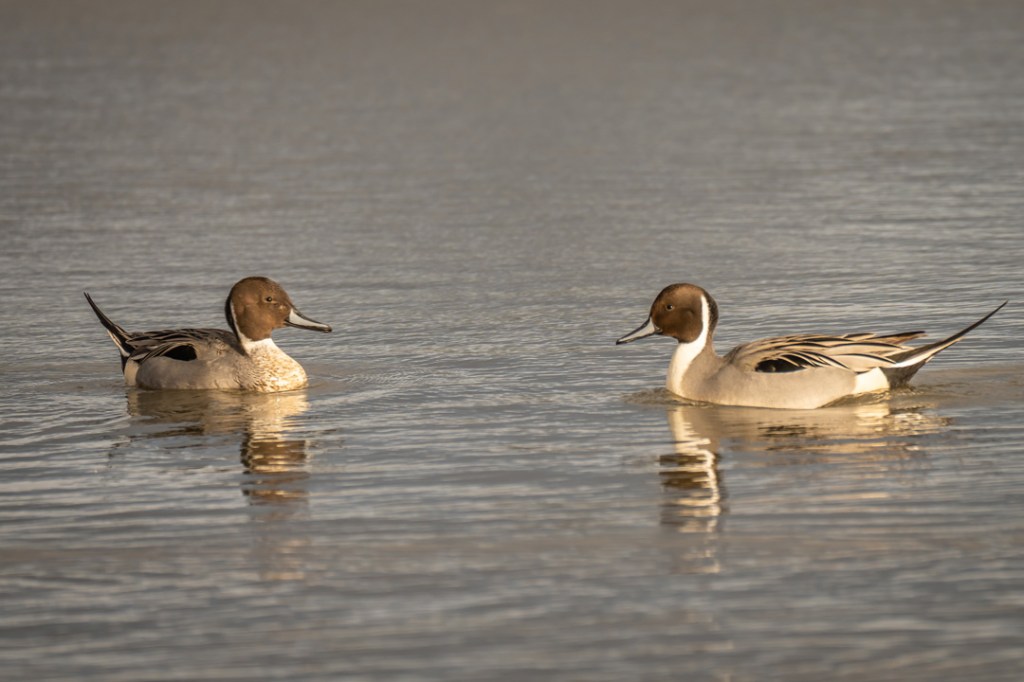
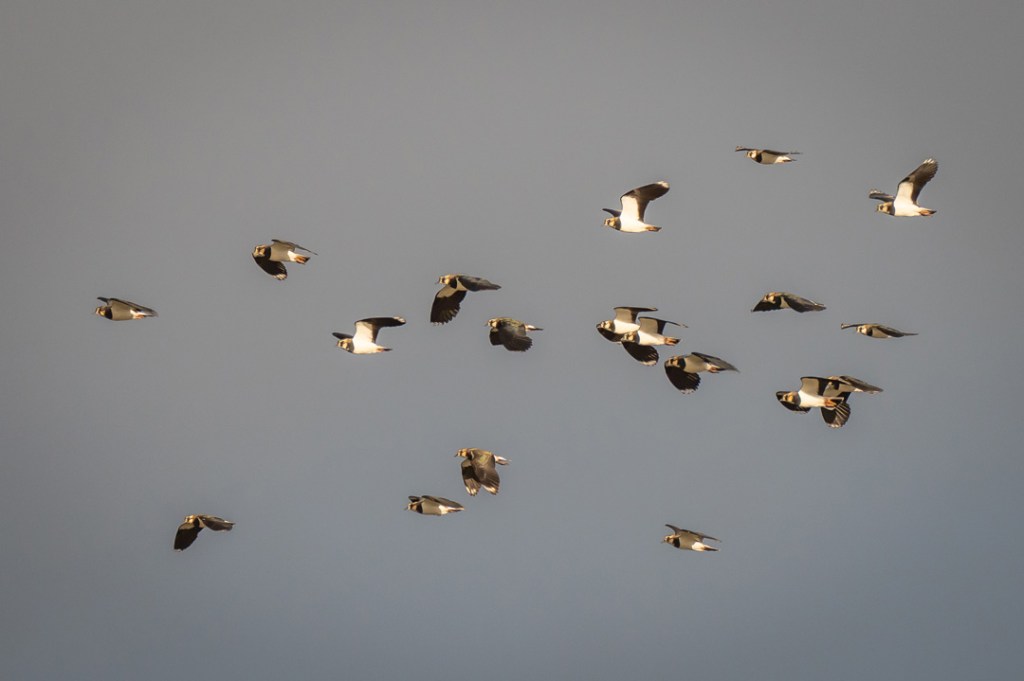
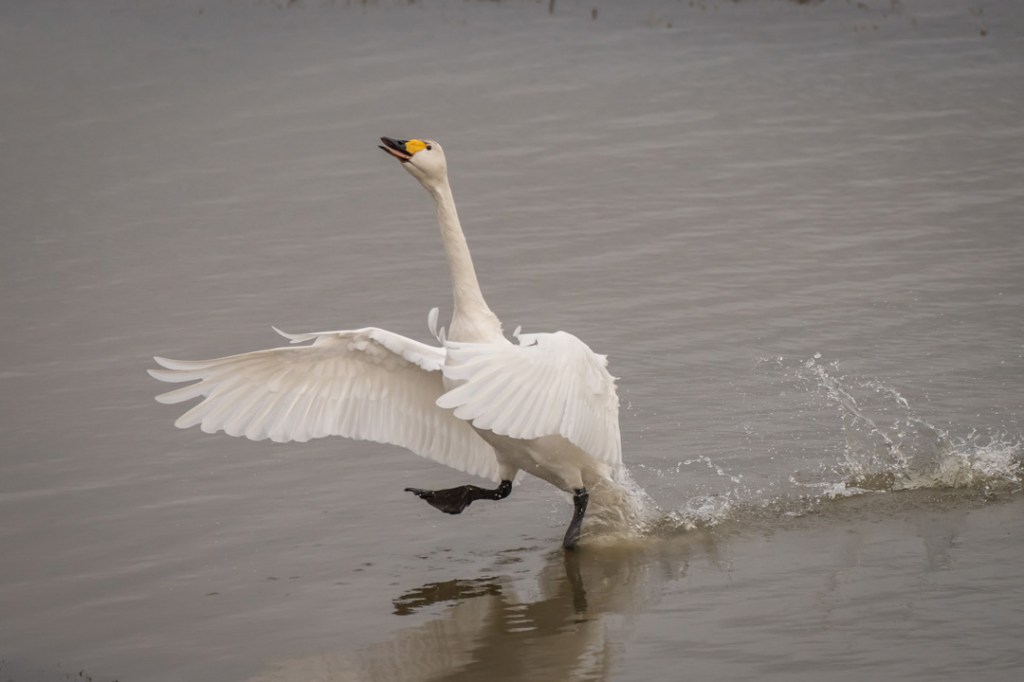
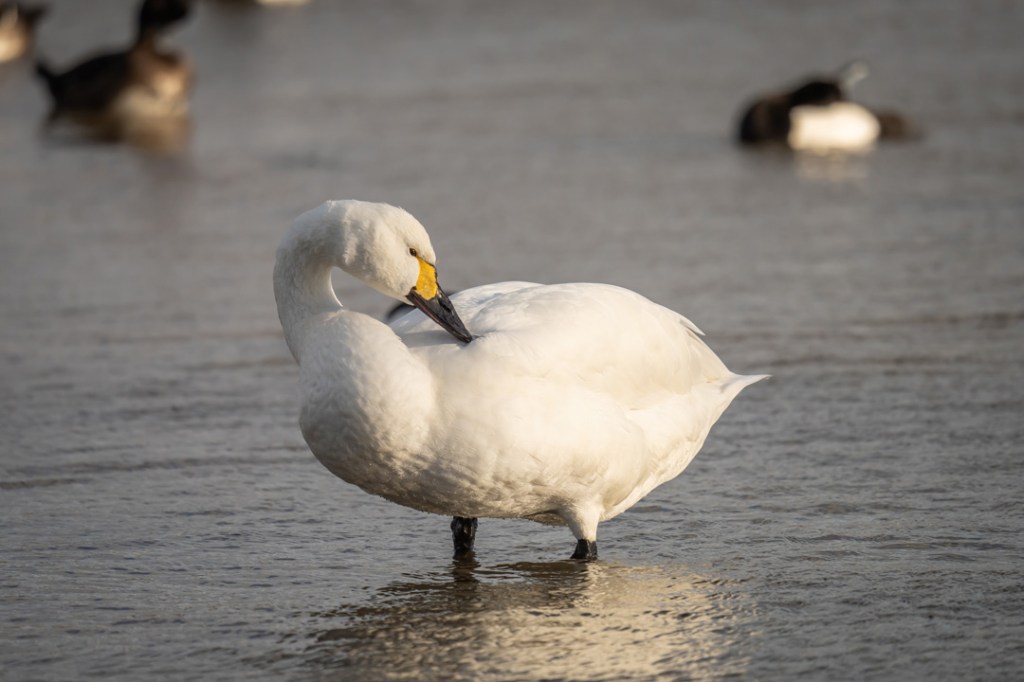
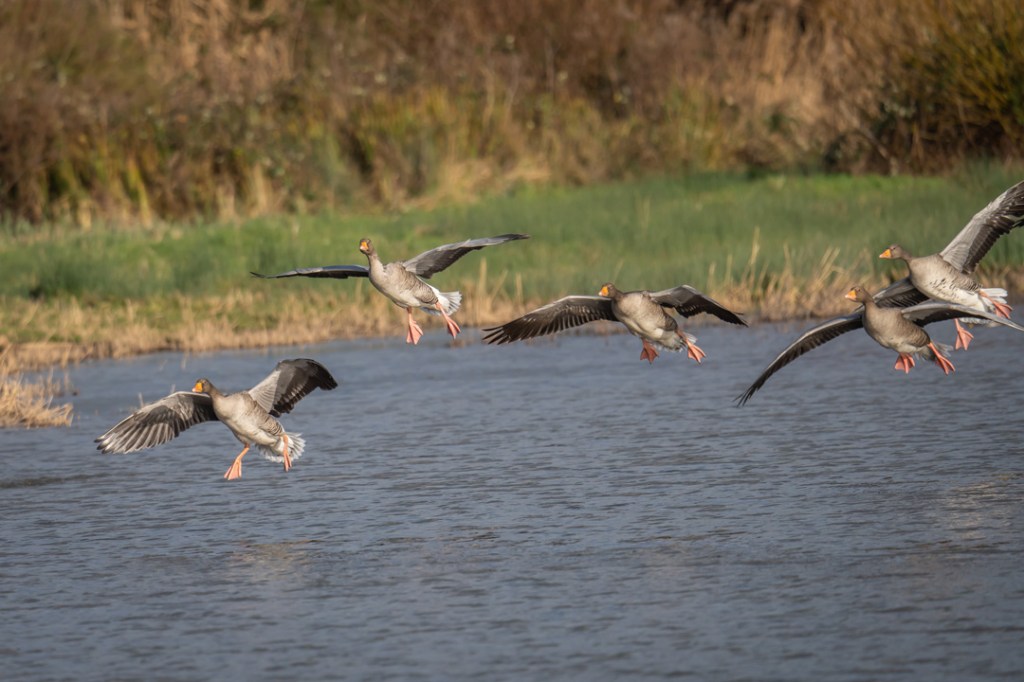
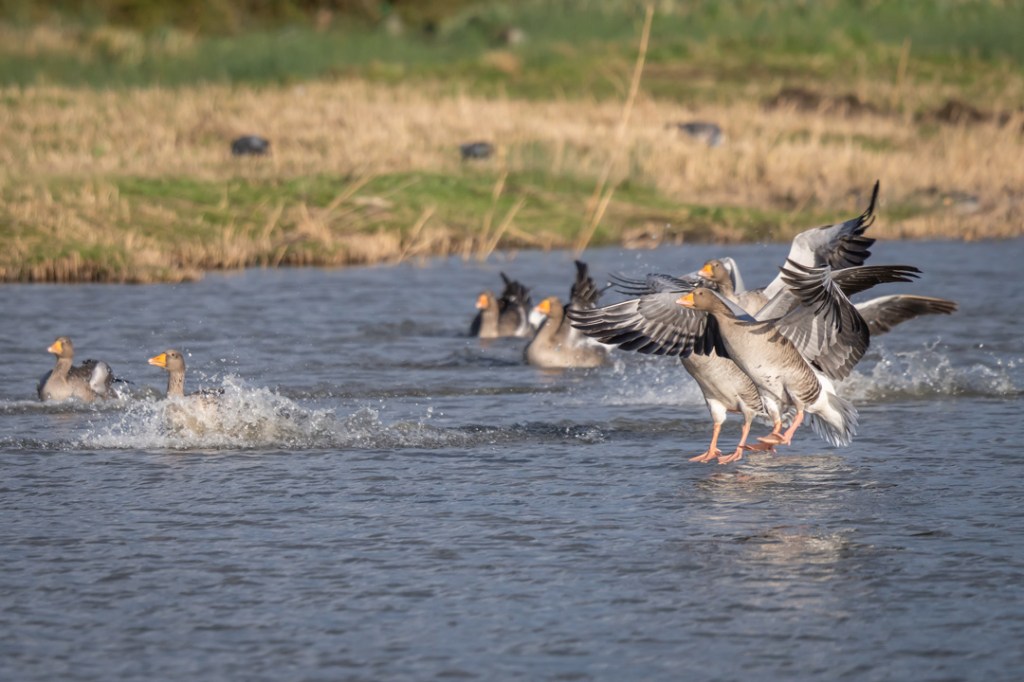
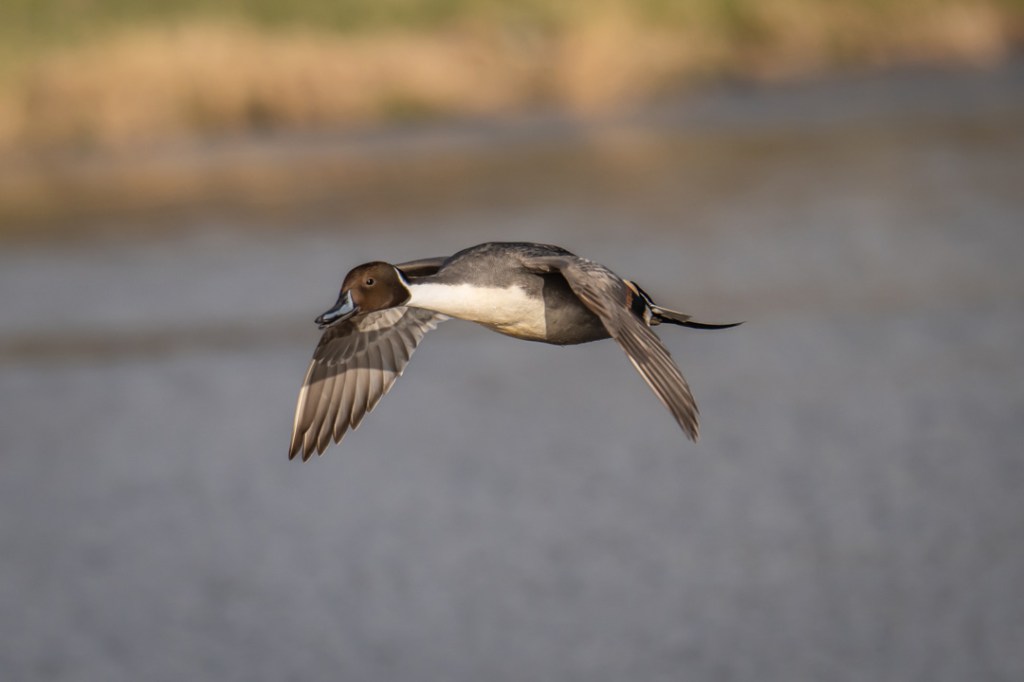
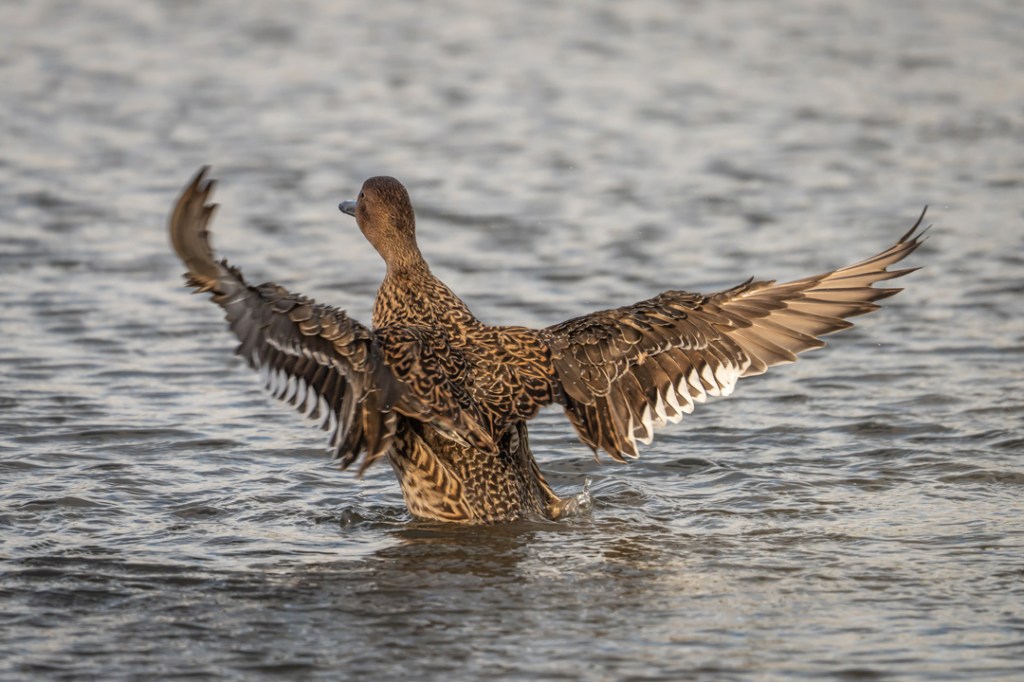
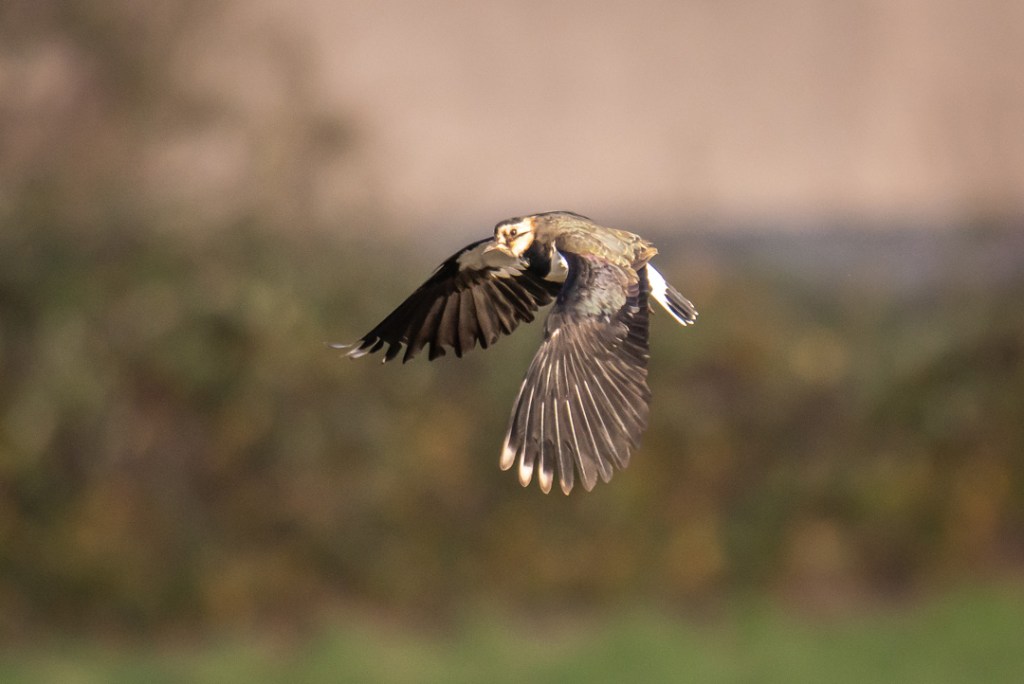
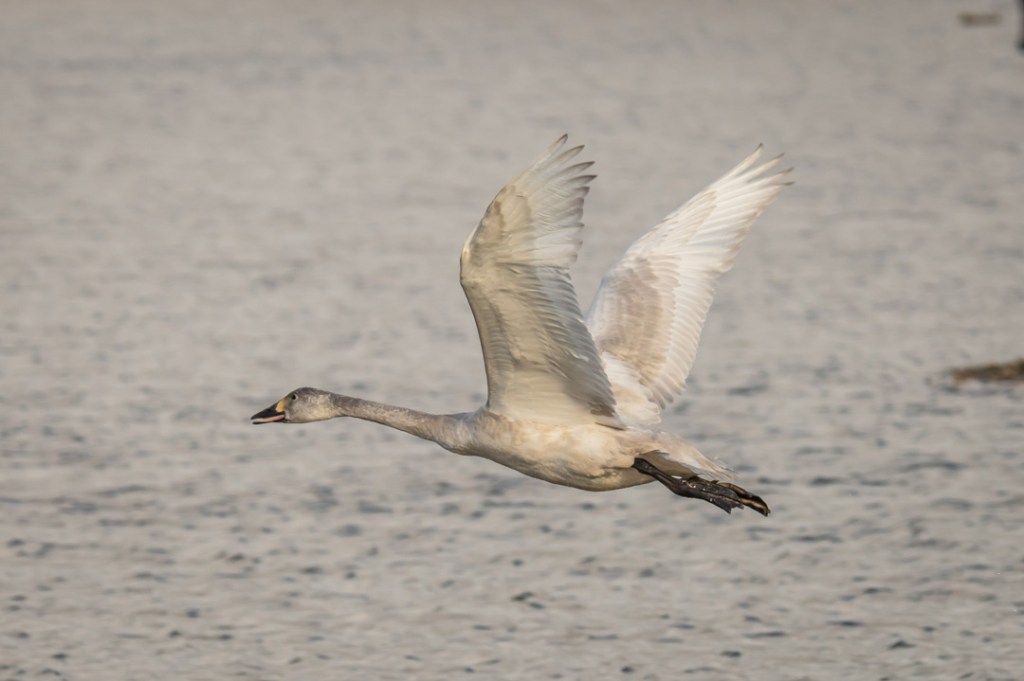
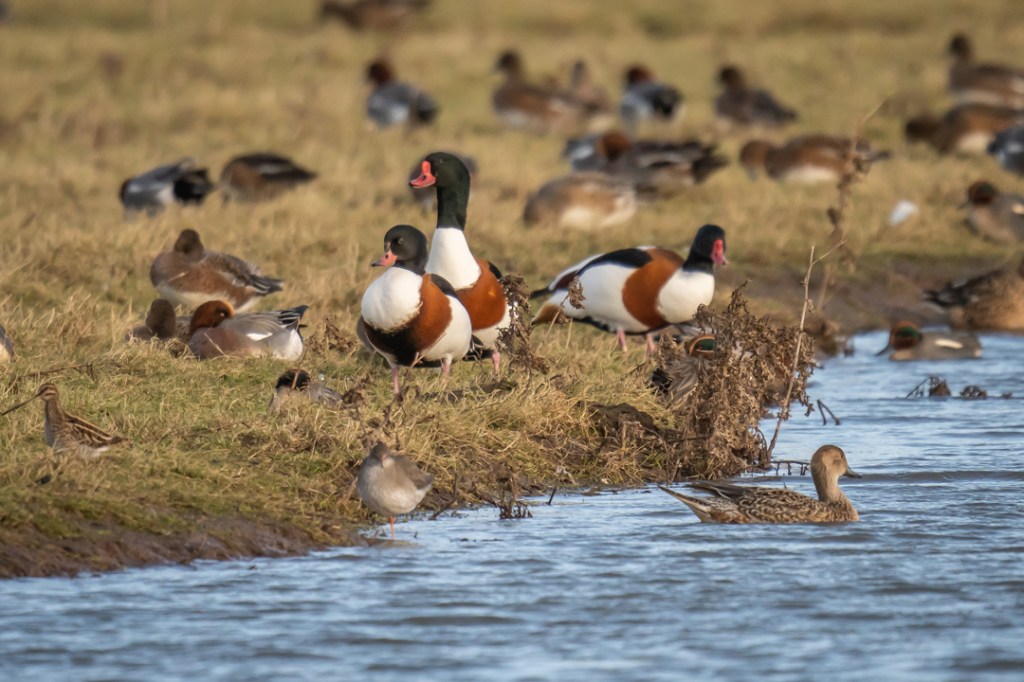
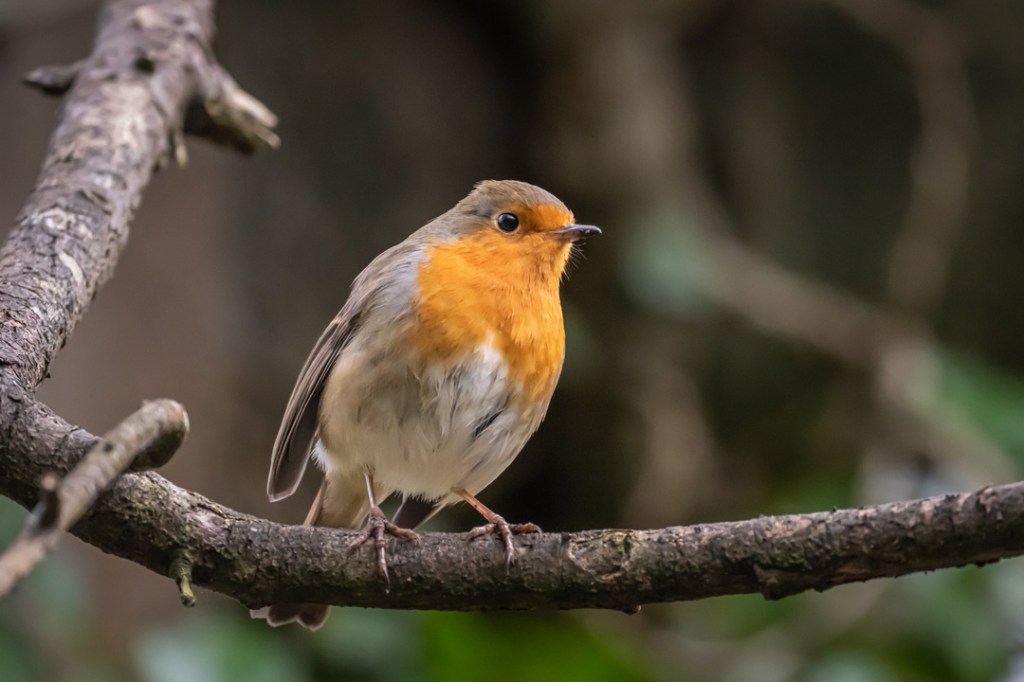
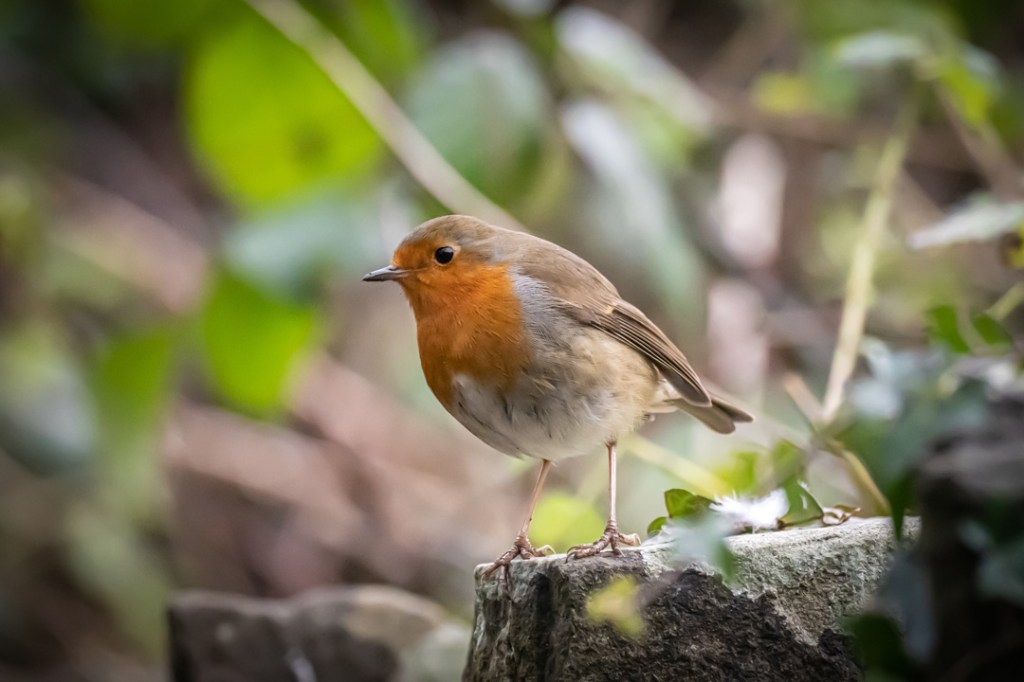
Bewick swanBewick swanBewick swanRobinBlack-tailed godwitsBlack-tailed godwitsPintailsLapwingsLapwingsLapwingPintailMute swanMute swansCurlewBlack-tailed godwitRuffRuff and redshankRuffGreylag, pintails and wigeonBlack-tailed godwitRuffRuffCurlews and wigeonRuffCurlewCurlews arrivingWhite-fronted geese and Canada geeseWhite-fronted geese and Canada geeseWhite-fronted geese and Canada geeseRuffGreylag geeseRedshank and ruffRuff and wigeonRuffRuff and wigeonBewick swanPintail, ruff and redshankGolden ploversShelduckGrey heron flying with wadersSnipe with lapwings and coots
We were beginning to get cabin fever after a day or so of rain and so this afternoon we took a chance and drove half an hour up the road to Slimbridge to get a bit of exercise and some air. We were so lucky as the rain stopped and the sun shone for an hour.
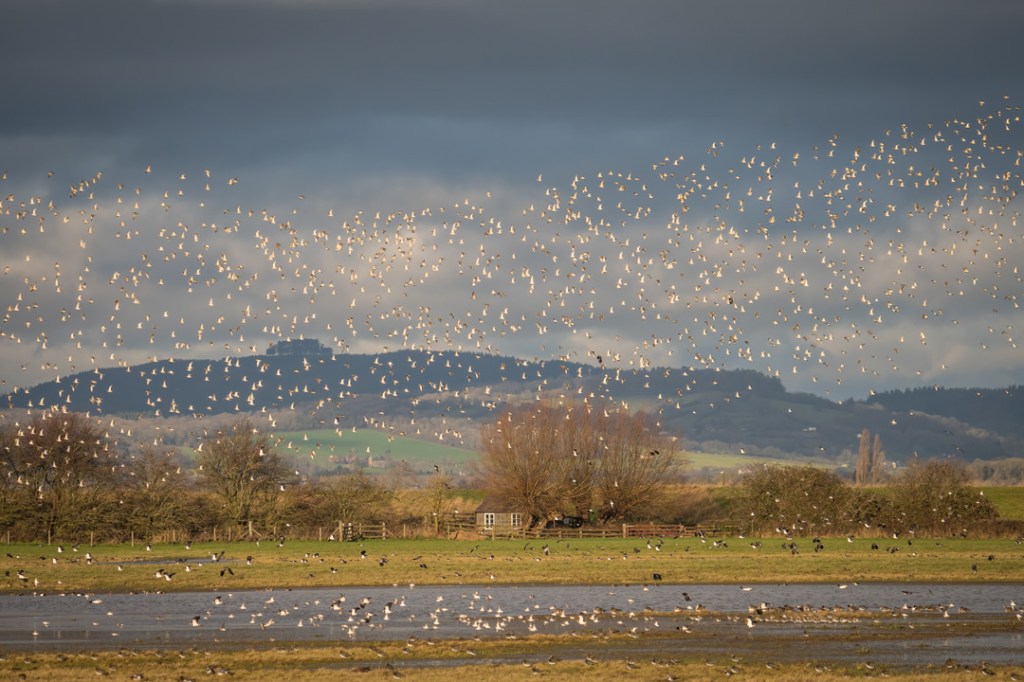
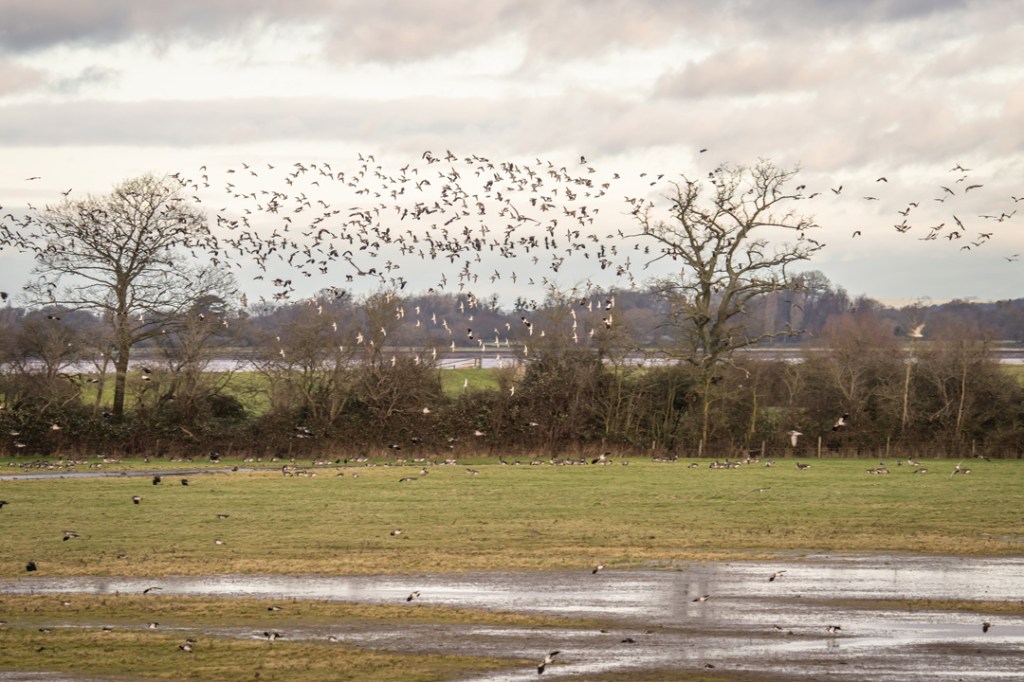
I don’t think I’ve ever seen so many birds in one place. I felt like a kid in a sweet shop being able to take a free pick The huge flocks were quite spectacular in the sunshine and I didn’t know where to aim my camera.
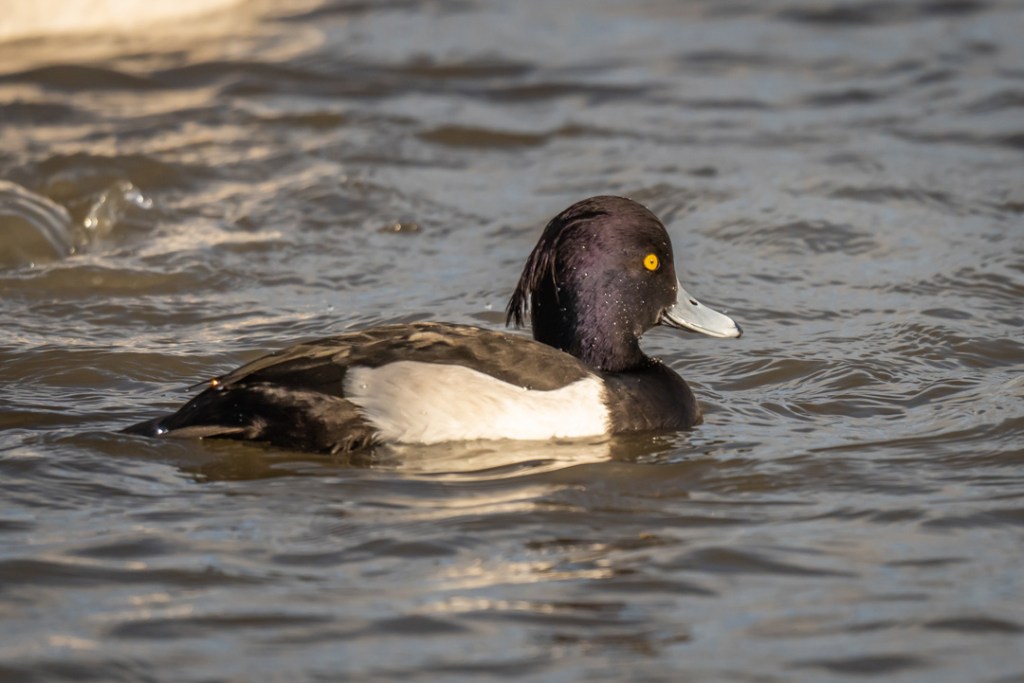
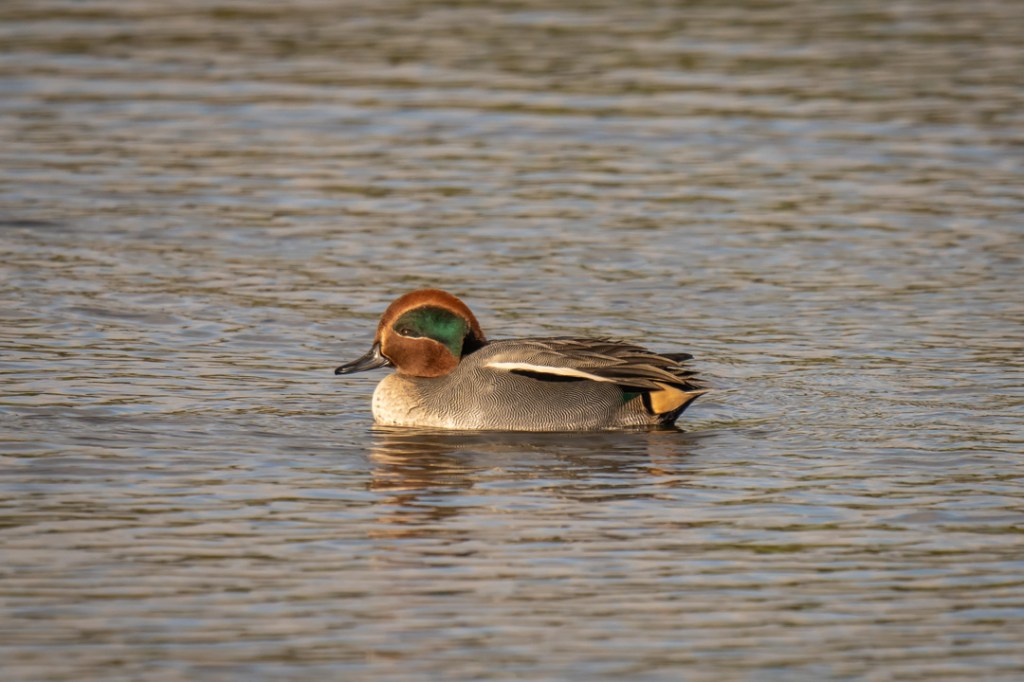
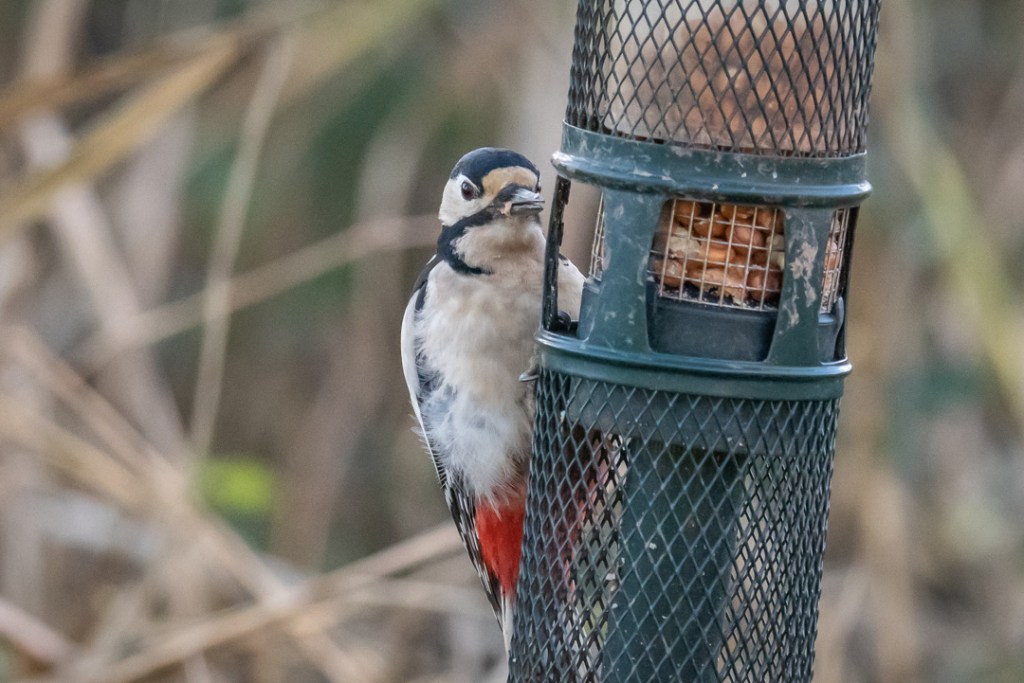
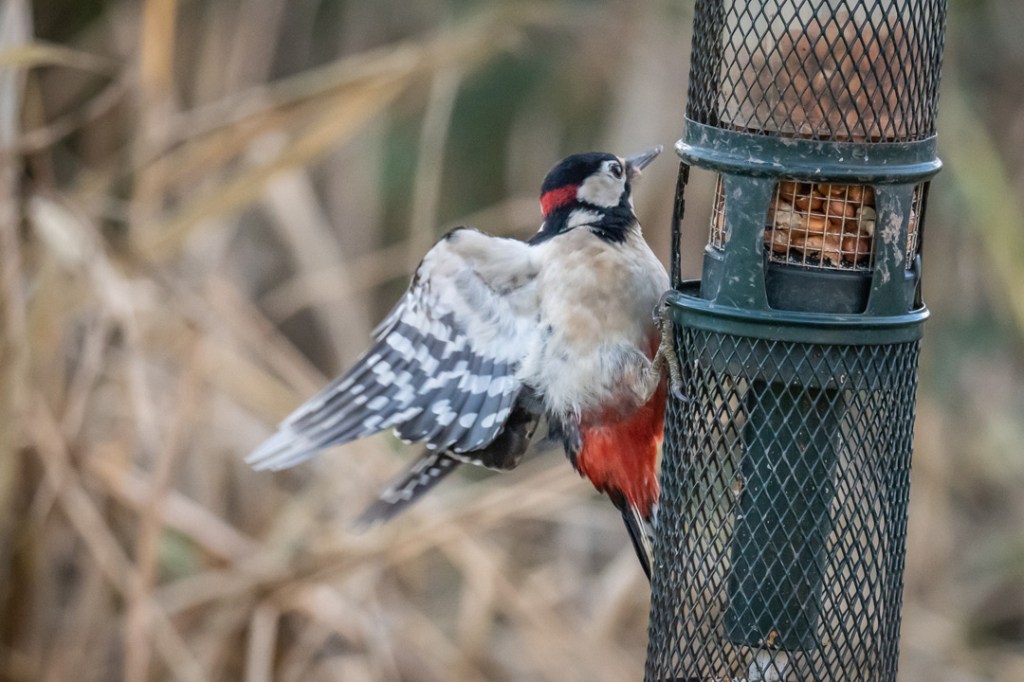
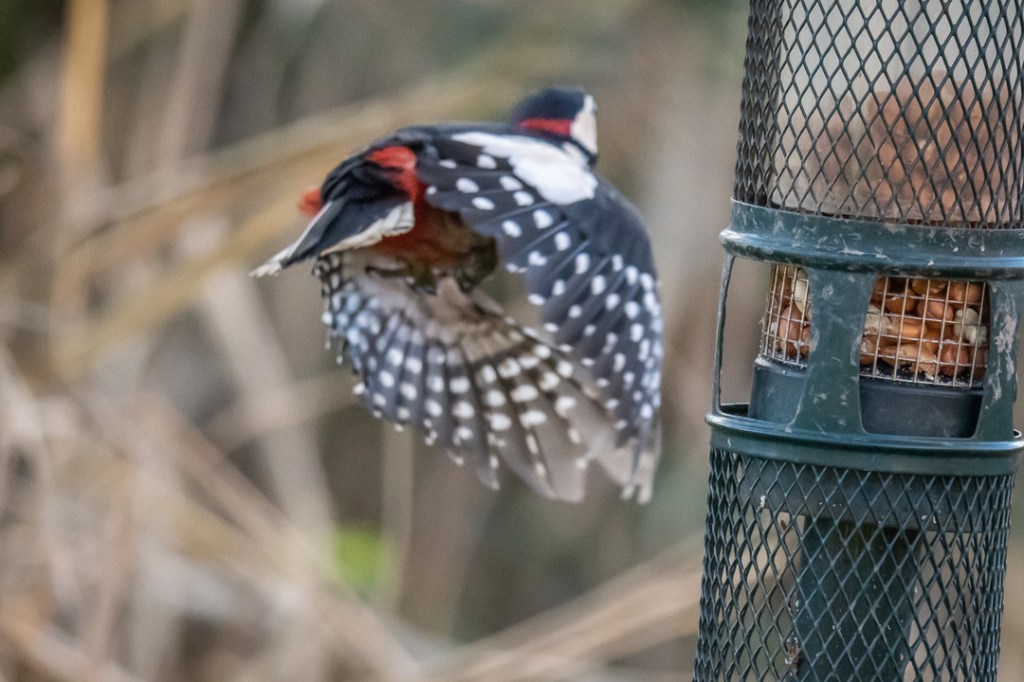
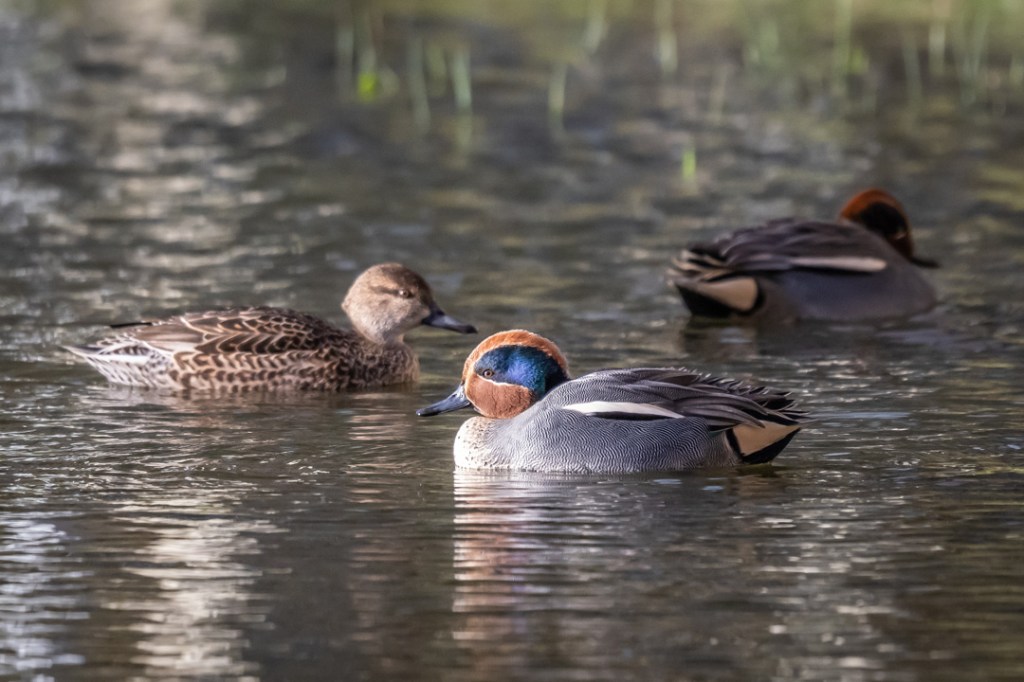
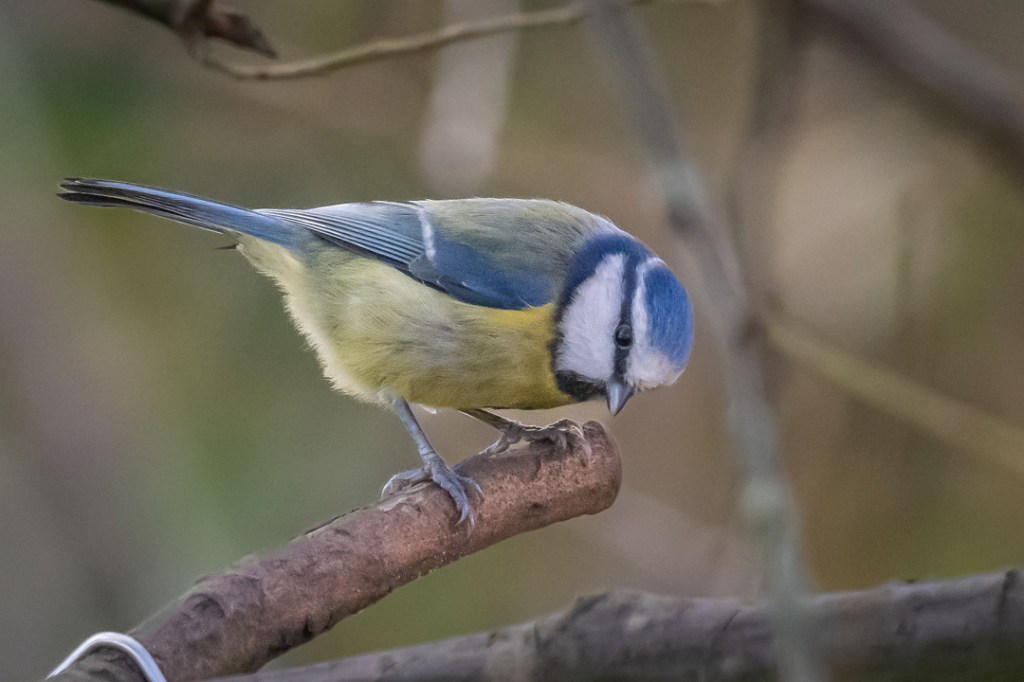
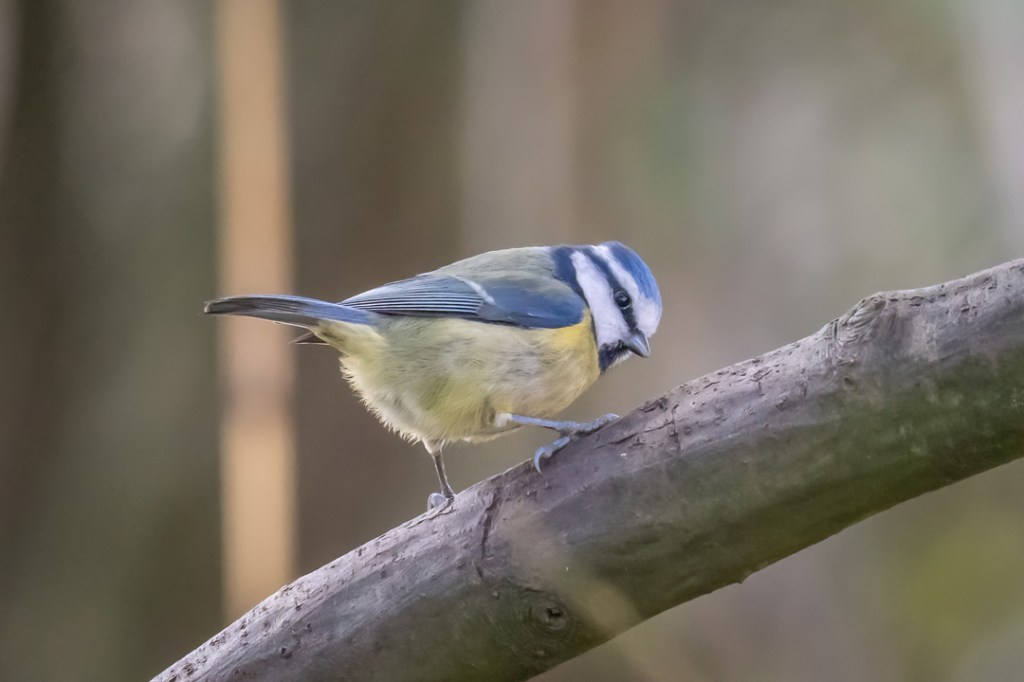
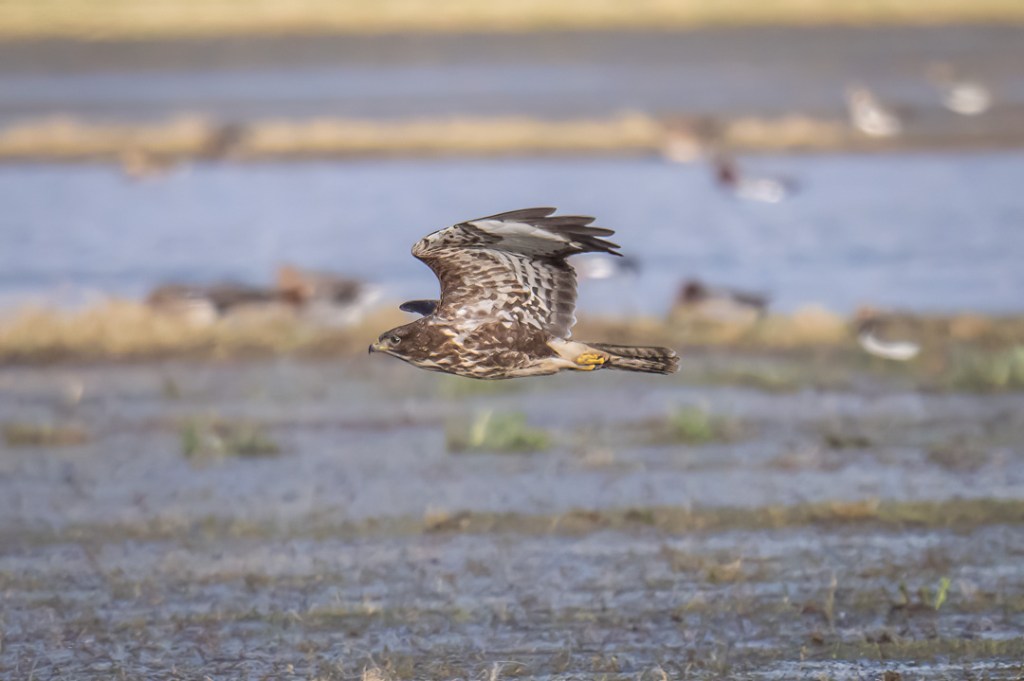
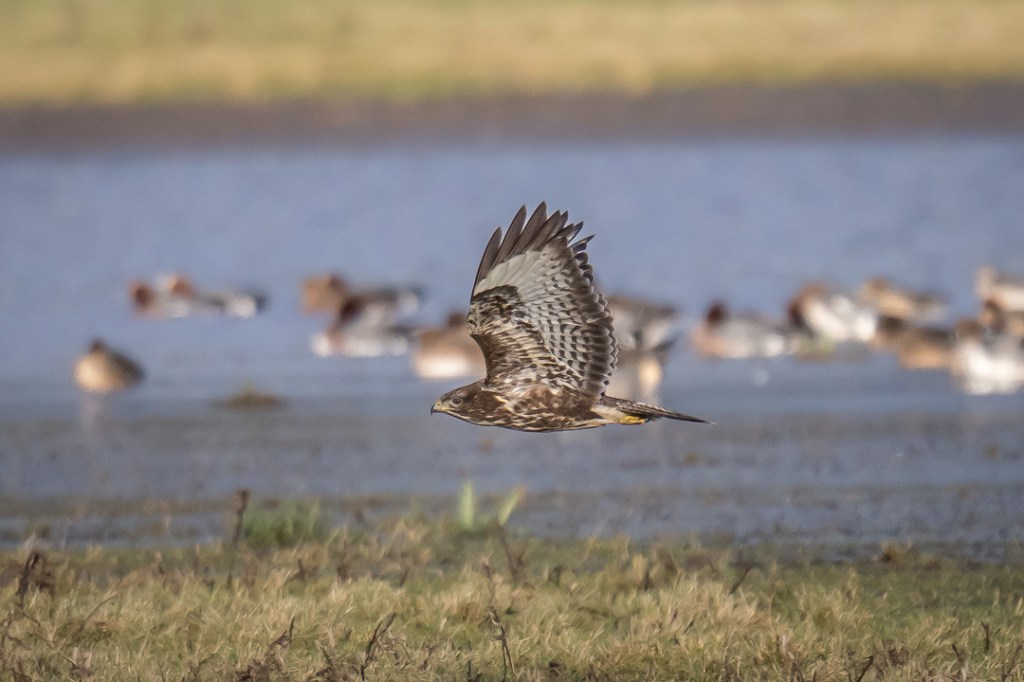
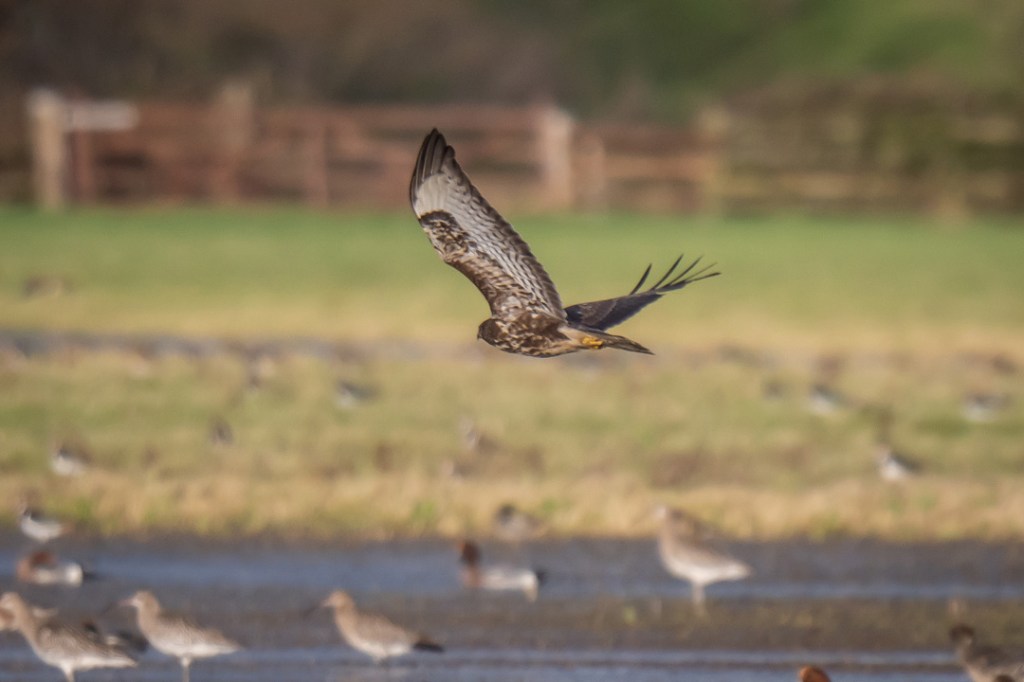
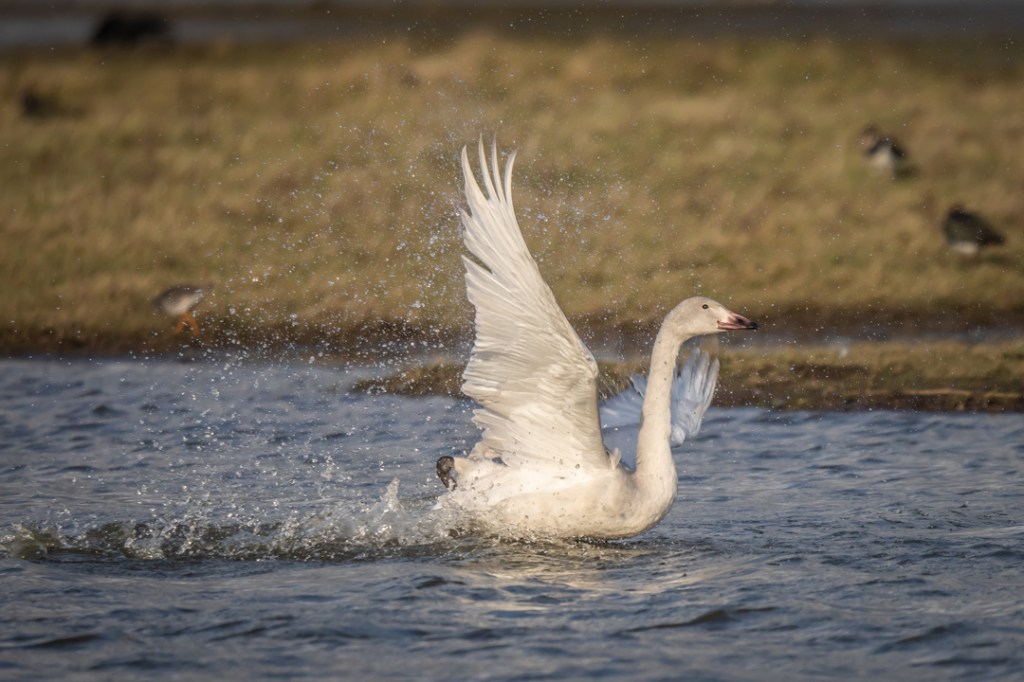
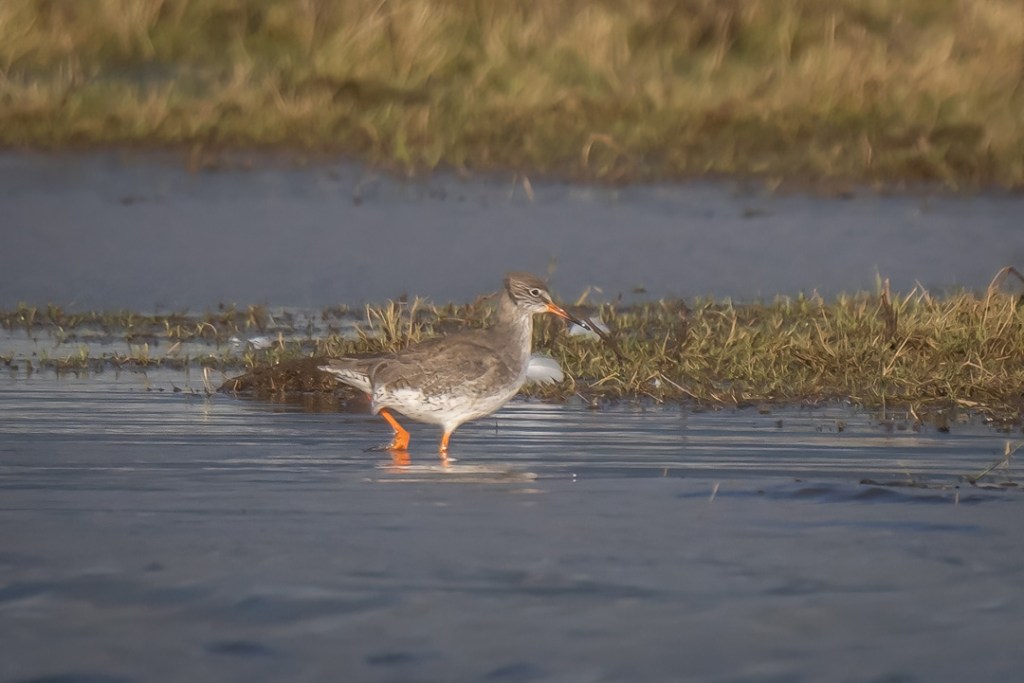
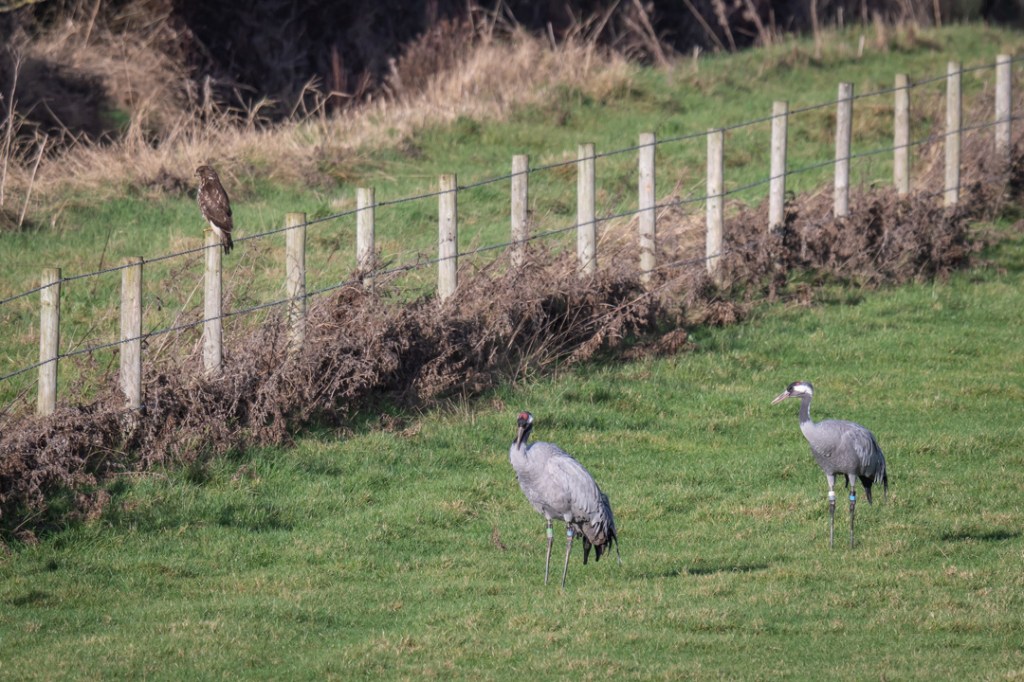
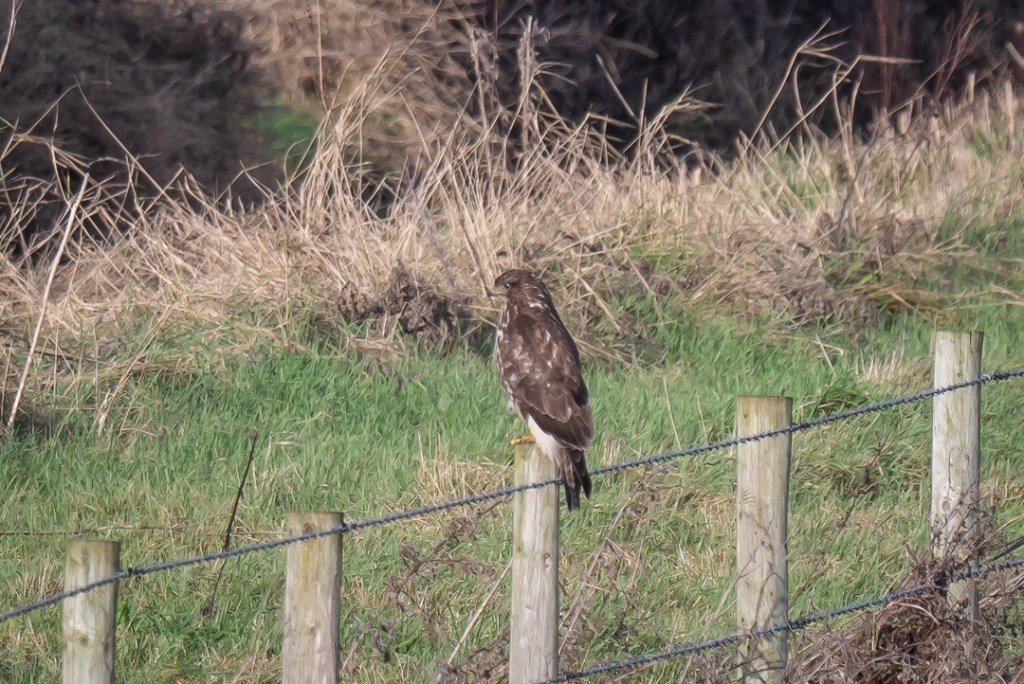
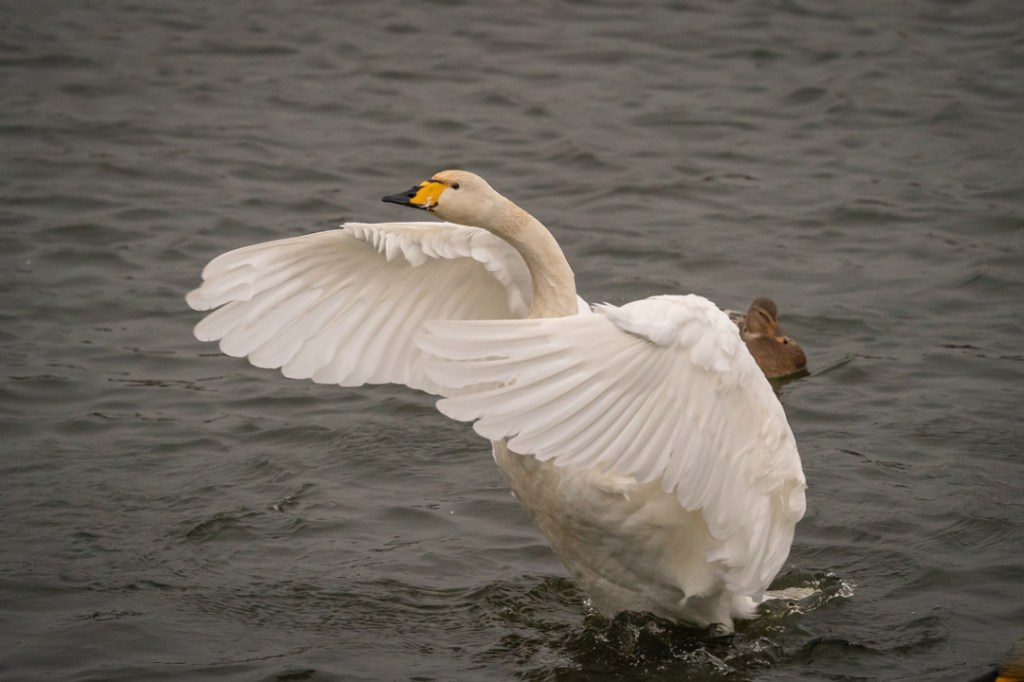
Having seen Whooper swans in Scotland recently it was interesting to see the smaller Bewick swans here at SlimbridgeNorthern pintailLapwingsPochardTealTufted duckBuzzard causing consternation and creating quite a spectacleThe cranes were not put off by the buzzardCurlews in the fading lightWigeonCurlewRuffRedshankGreat spotted woodpecker on a feederEven the blue tit looked amazing in the sun
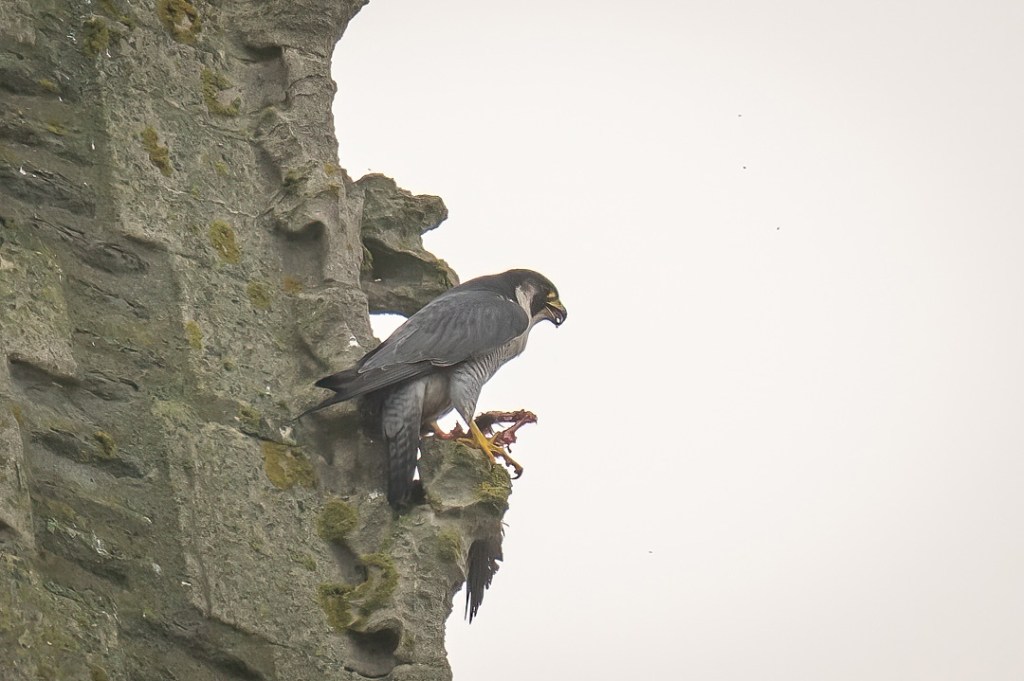
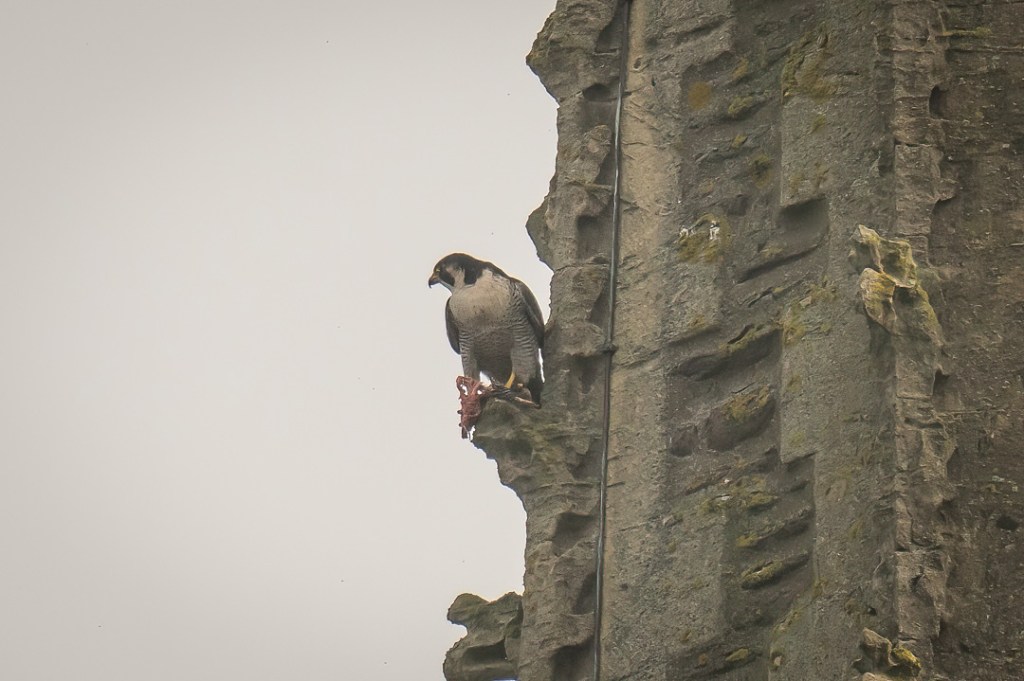
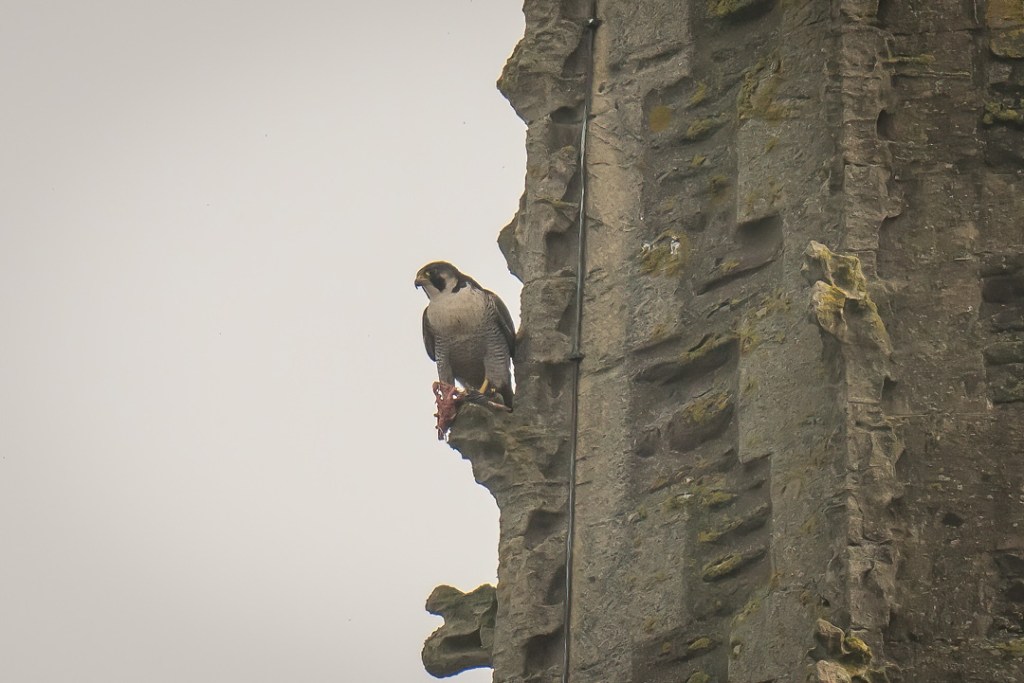
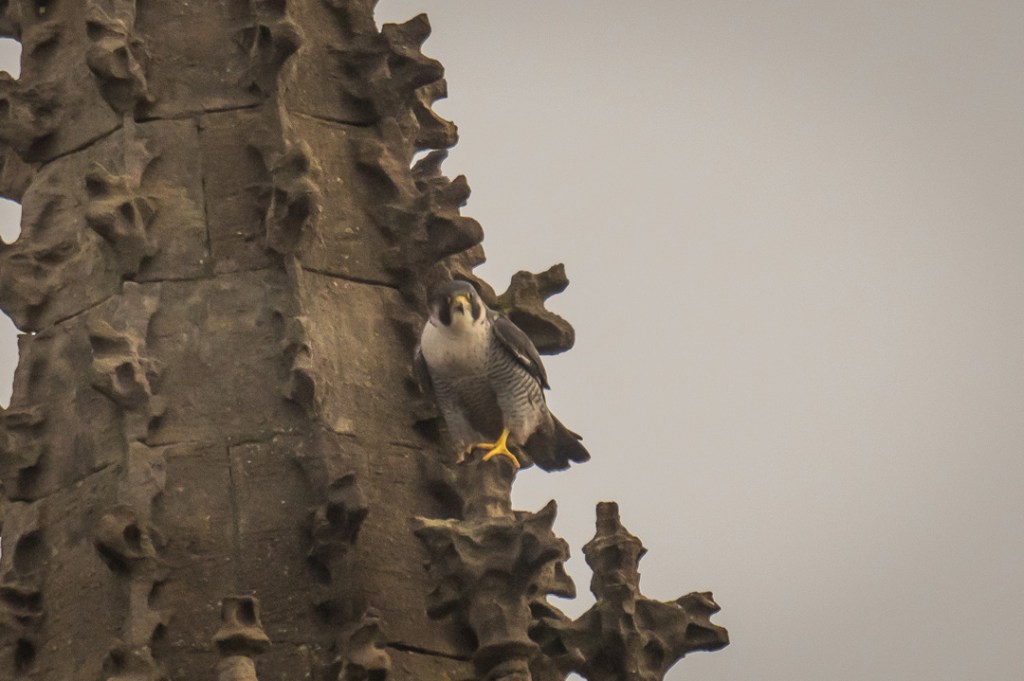
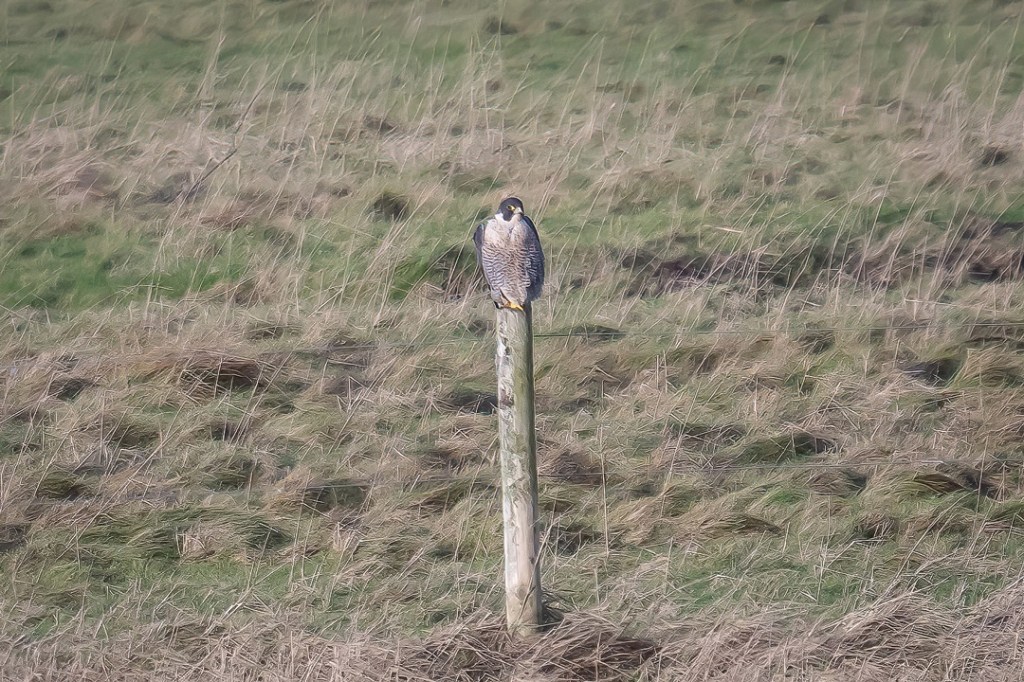
I had no intentions of bird photography today but when I could make out the silhouette of a peregrine falcon on the spire of my local church from my lounge window (half a mile away) I could not resist taking a closer look. Unlike us, at this time of year, the peregrine wouldn’t be facing the prospect of leftovers.
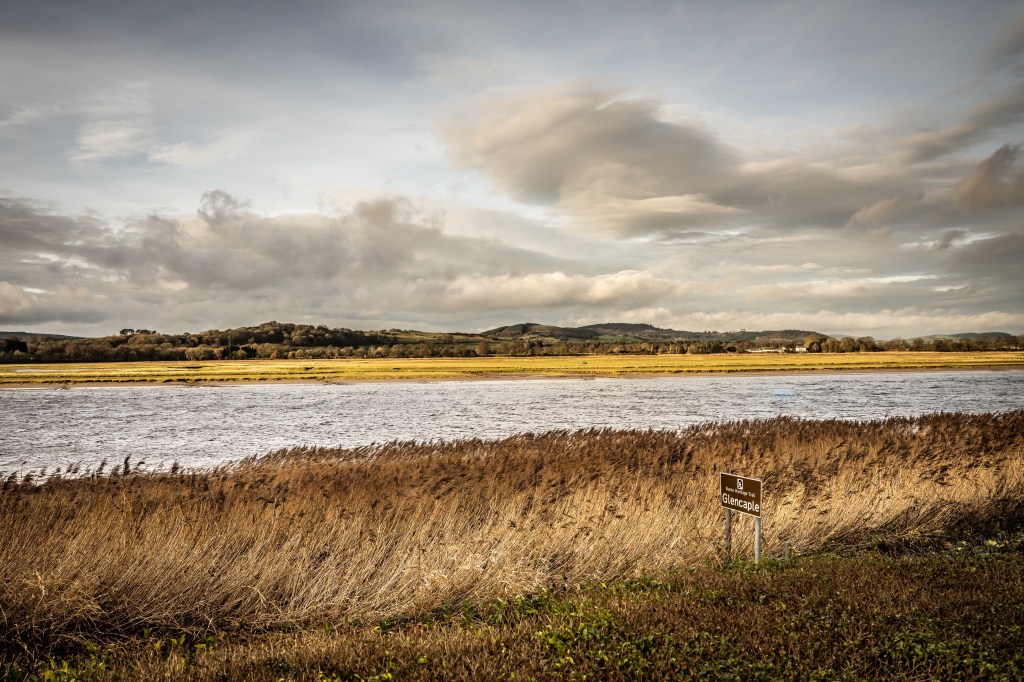
We are having a short stay (short in time rather than distance) in Scotland. We are staying just over the border at Glencapel, a few miles south of Dumfries on the River Nith.
There are two very good bird reserves nearby: the WWT reserve at Caerlaverock and RSPB Mersehead.
We stopped off at Kendal in the Lake District on our journey north but we only had glimpses of the beautiful scenery as the weather was not kind to us.
My only bird photo in the Lake District!A brief glimpse of the Lake District
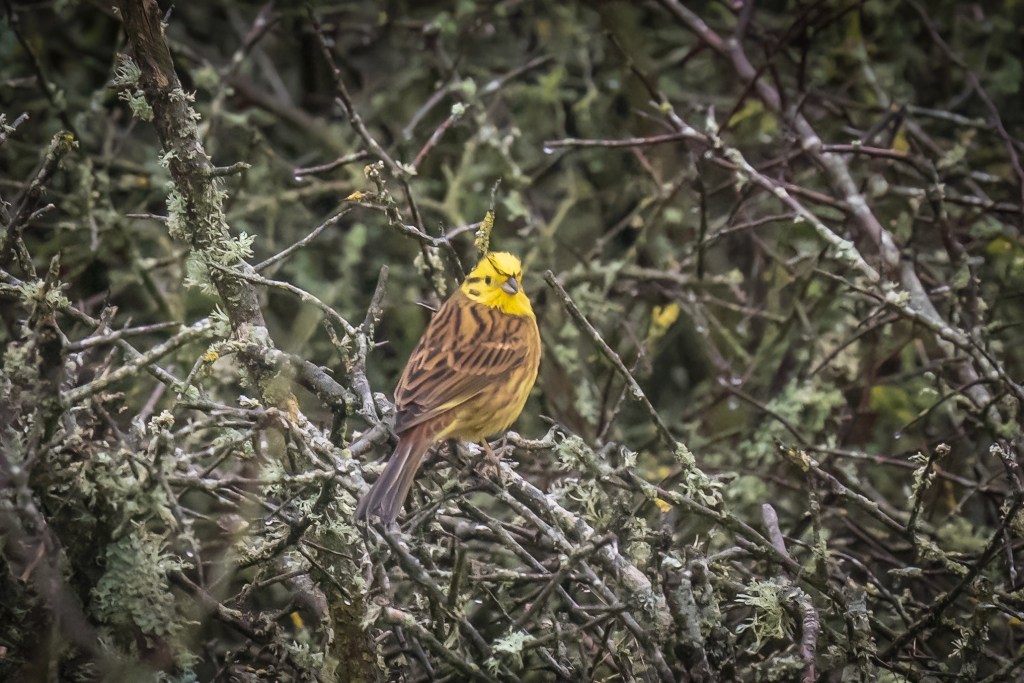
We had a recce around WWT Caerlaverock on our arrival and were not only rewarded by seeing the large flocks of barnacle geese and Whooper swans but saw some birds we don’t see at home, in particular yellowhammers.
YellowhammerWhooper swansWhooper swanWhooper swan
Our second day in Scotland we visited RSPB Mersehead, the other side of the River Nith on the edge of the Solway Firth. They have maintained a mosaic of wetland habitats on the reserve, including wet grassland, open water, ditches and reed swamp. This part of Scotland is suffering from bird flu and it was very sad to see dead carcasses of geese. Whilst the risk to people from this disease is very low, there are biosecurity measures and signage in place on the reserve for visitors to try to help prevent further spread amongst wild birds.
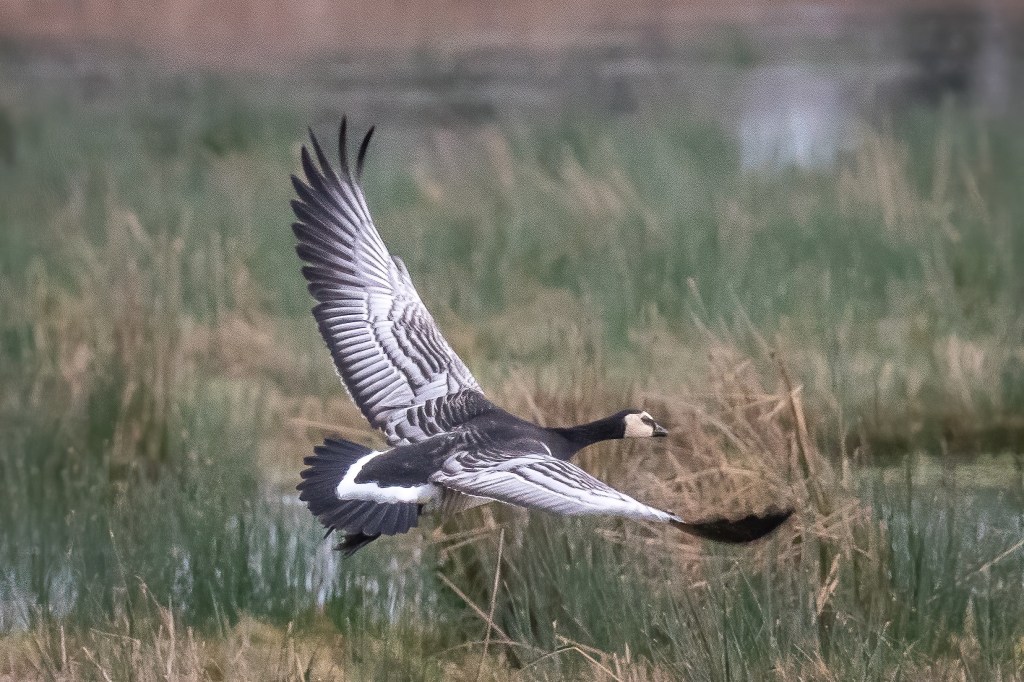
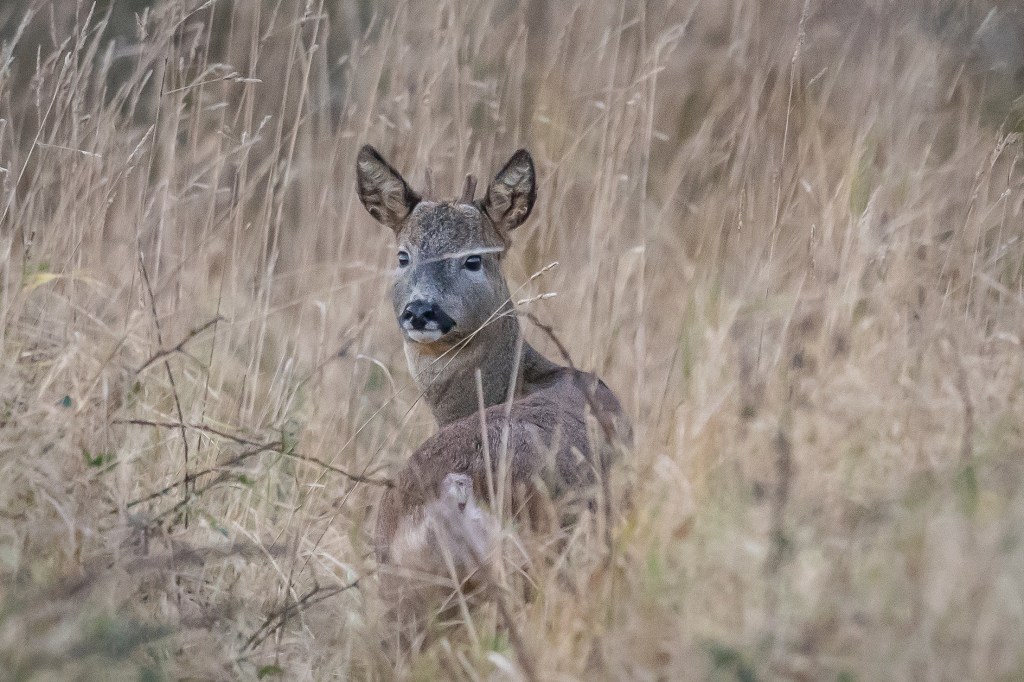
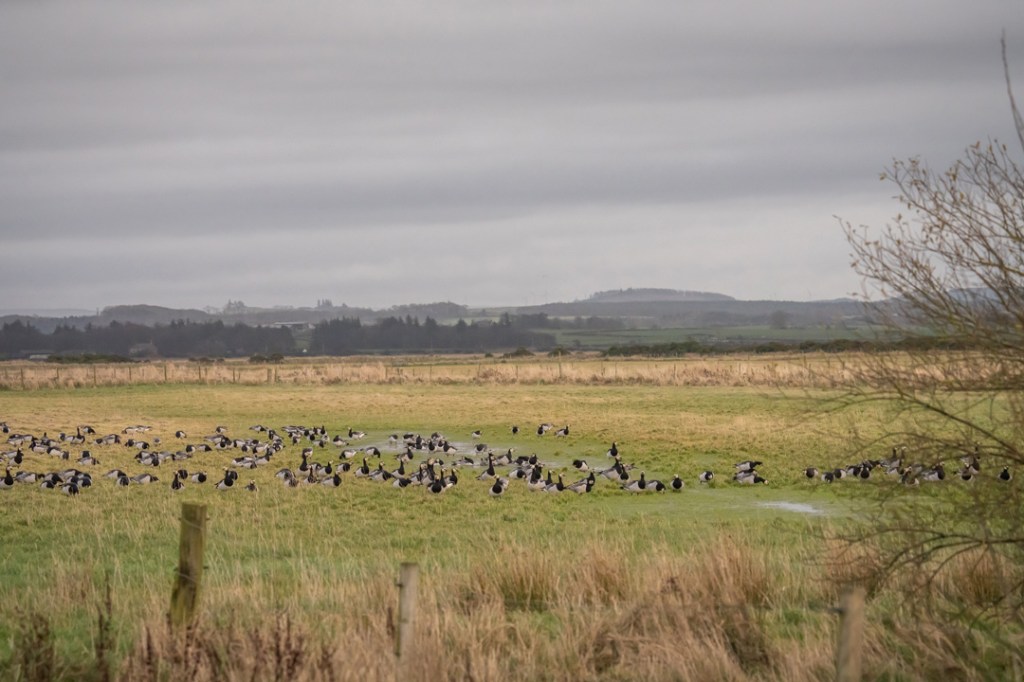
Although the star features are the barnacle geese, lapwing and pintails we also enjoyed seeing siskin and twite -birds we rarely see close to home. We also had a very close encounter with a roe deer.
Our holiday cottage looks out on to the River Nith and the Kirkconnell Merse Nature Reserve on the far bank.
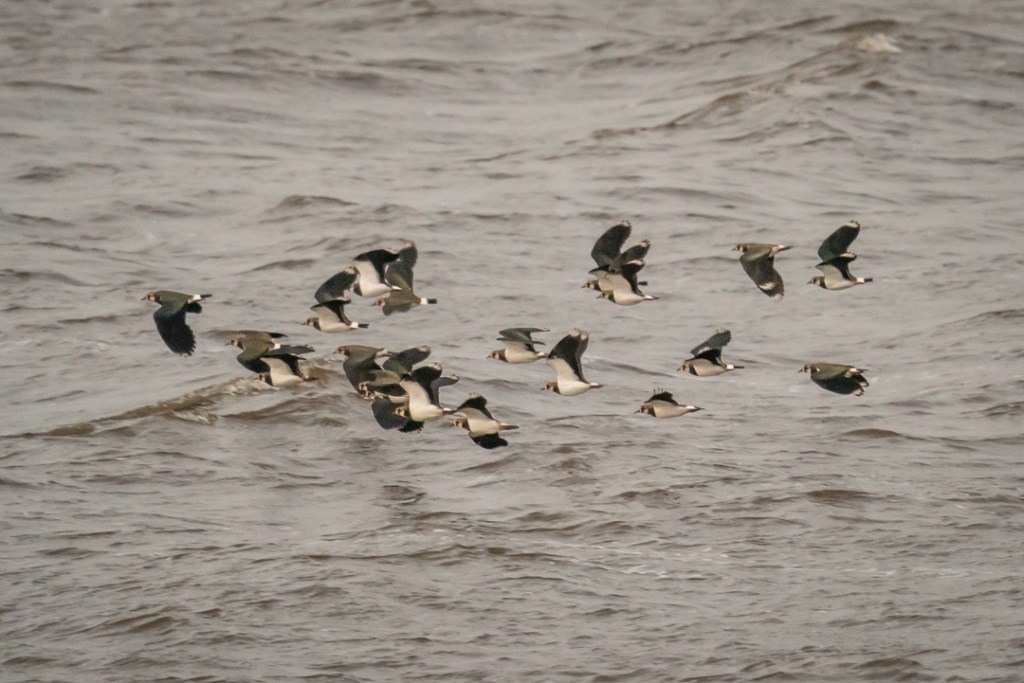
The River Nith with the the Kirkconnell Merse Nature Reserve behindLapwings on the River Nith
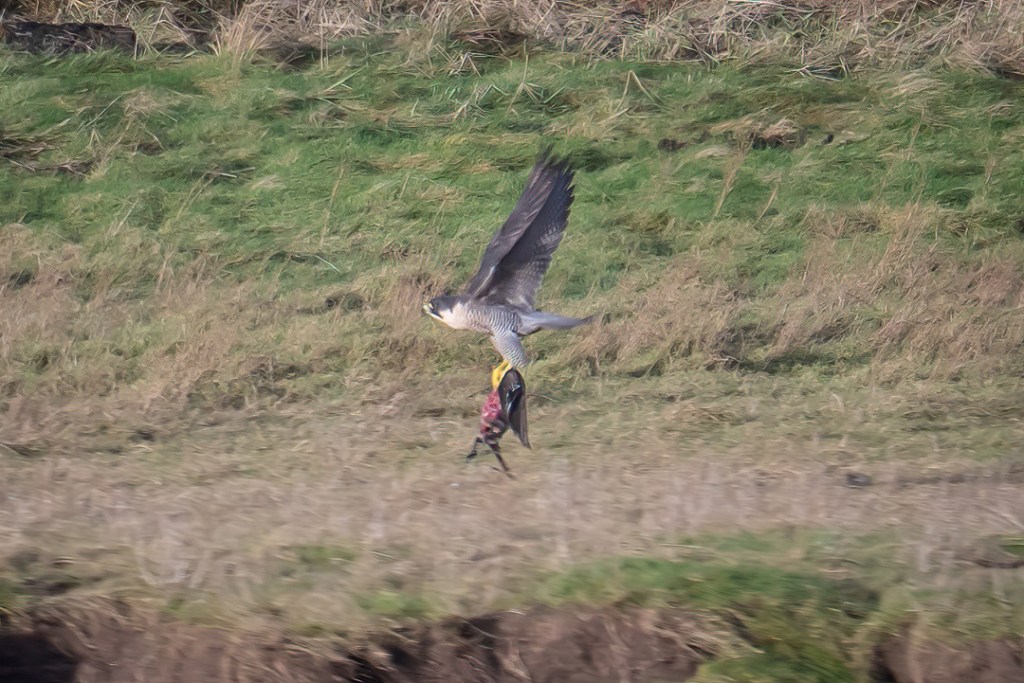
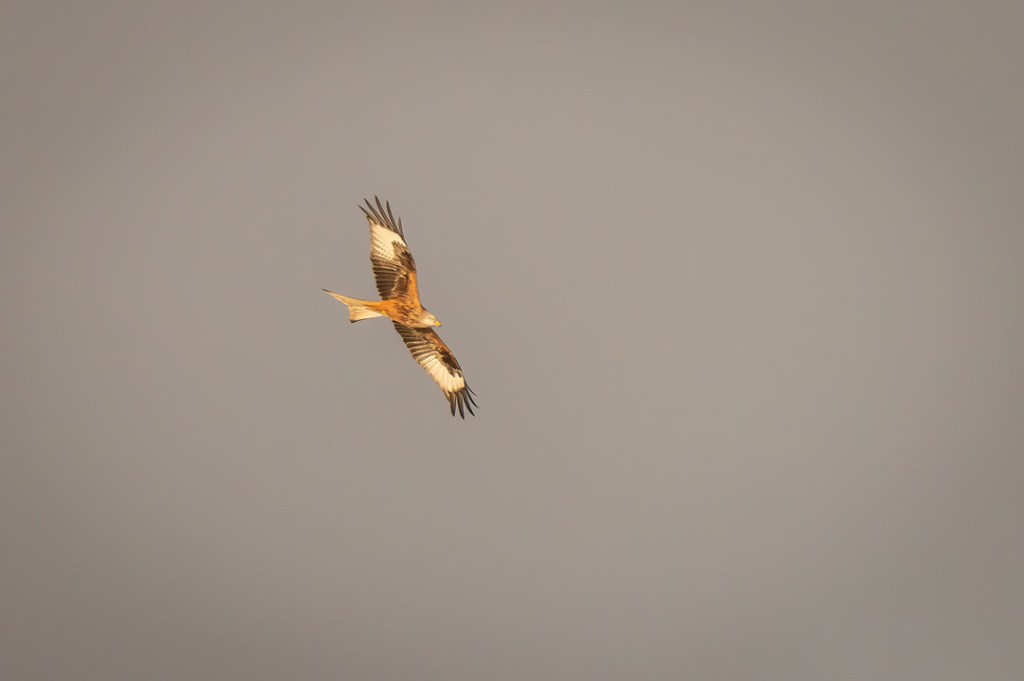
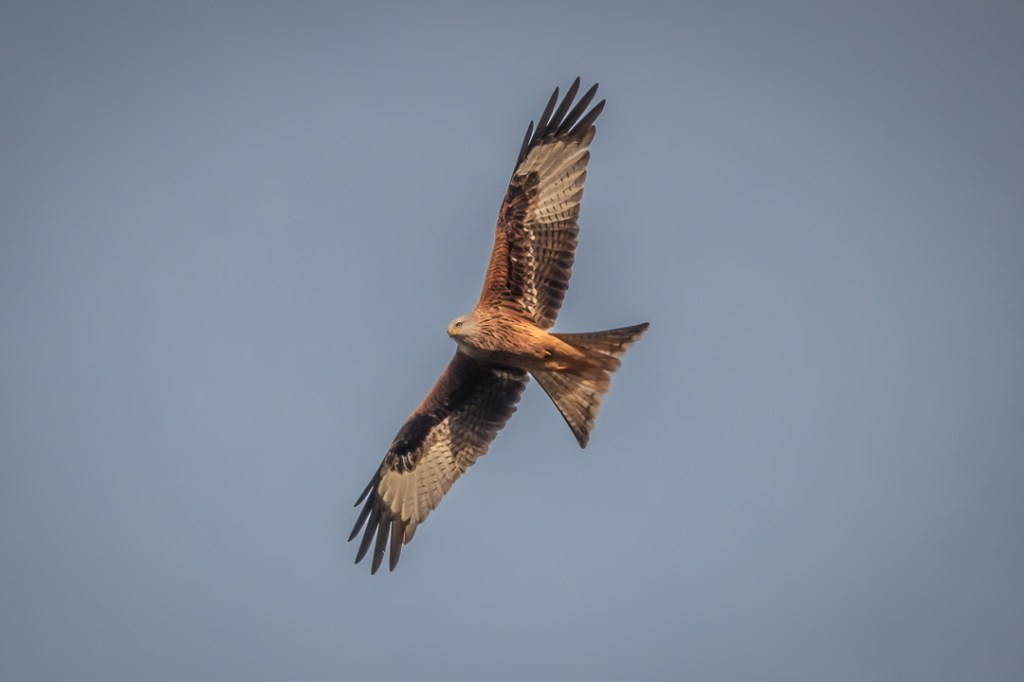
As I was trying to focus on a curlew one of our friends (a top bird spotter) with whom we are staying was gesticulating from the window and, when we could make out what she was saying, we realised that there was a peregrine falcon on the far bank with its prey and a red kite on a nearby post looking to plunge in, if given half a chance. Quite a drama pursued with the peregrine and the red kite taking to flight and even another peregrine appearing.
PeregrineRed kitePeregrine in flightPeregrine in descentRed kitePeregine with its prey
We eventually tore ourselves away and went off to the Caerlaverock Wetland Centre just down the road.
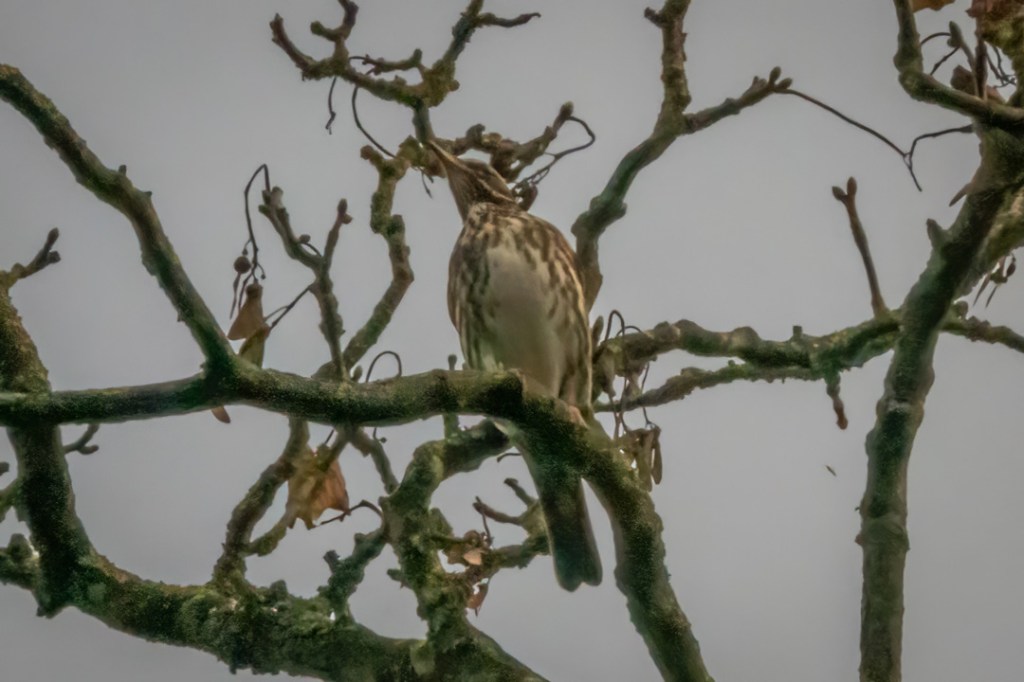
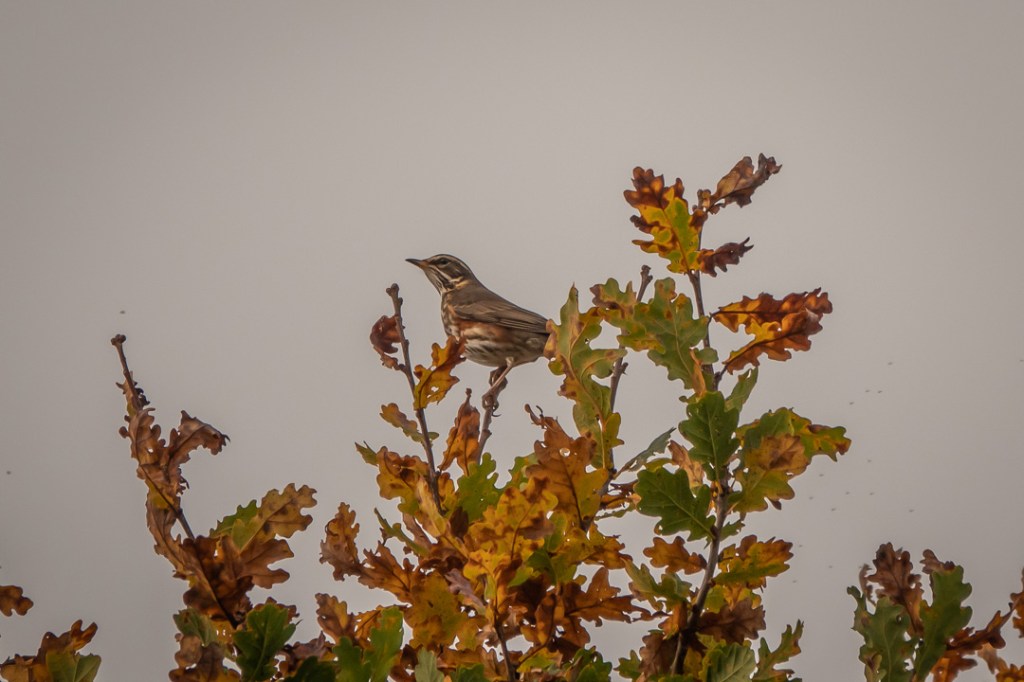
Again the barnacle geese and the Whooper swans were the highlight but we also enjoyed seeing close up lots of other birds such as fieldfare, redwing and blackbirds making the most of the luscious haws, the fruit of the hawthorn.
HawsBarnacle geese
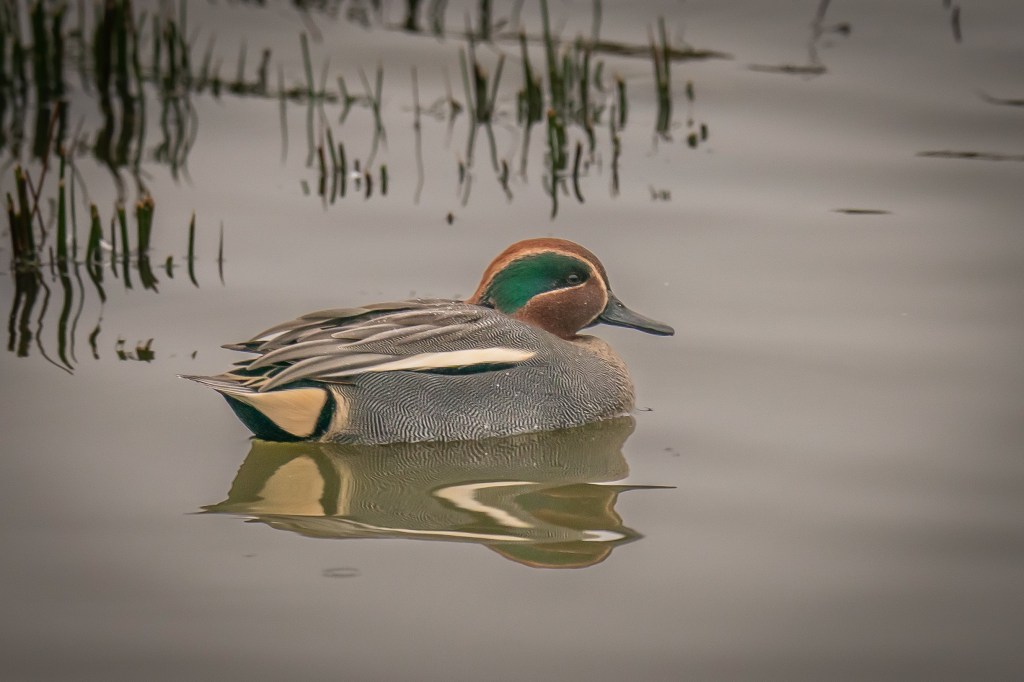
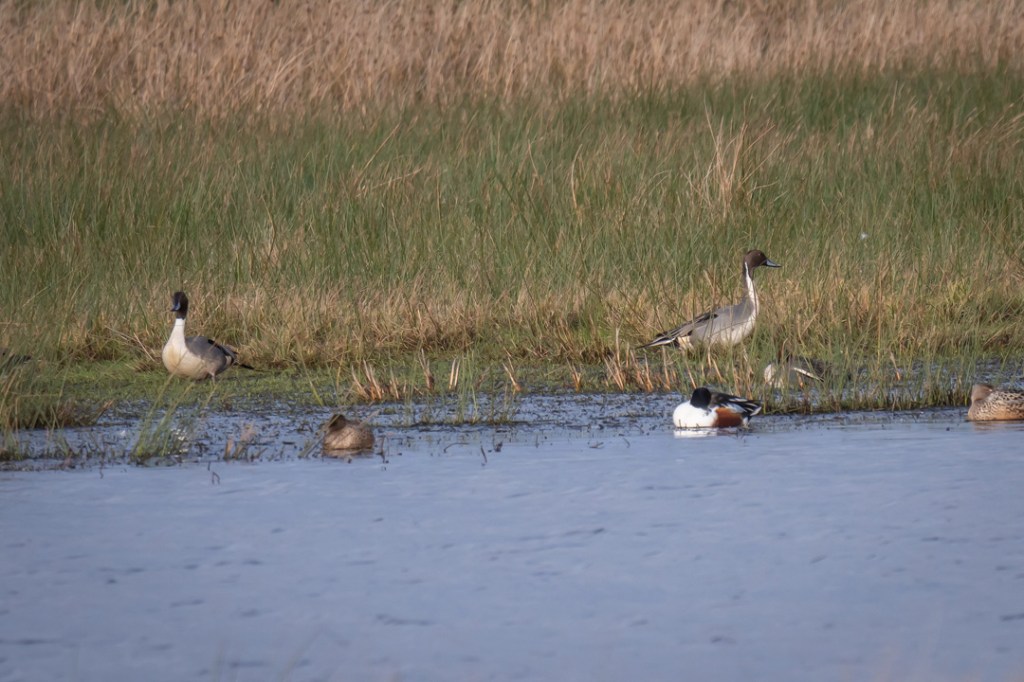
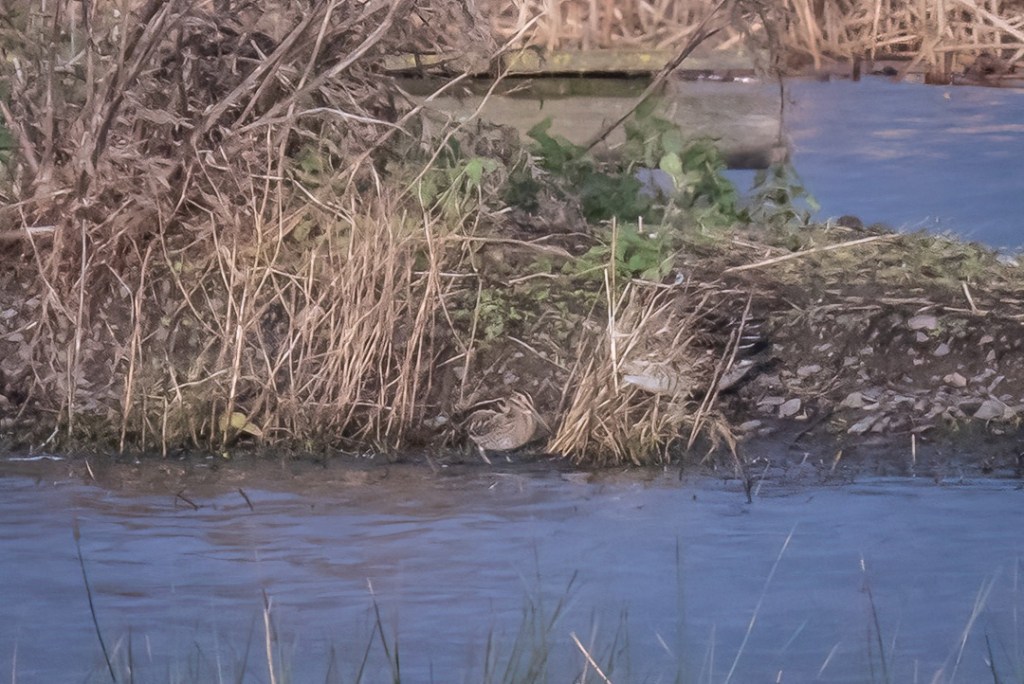
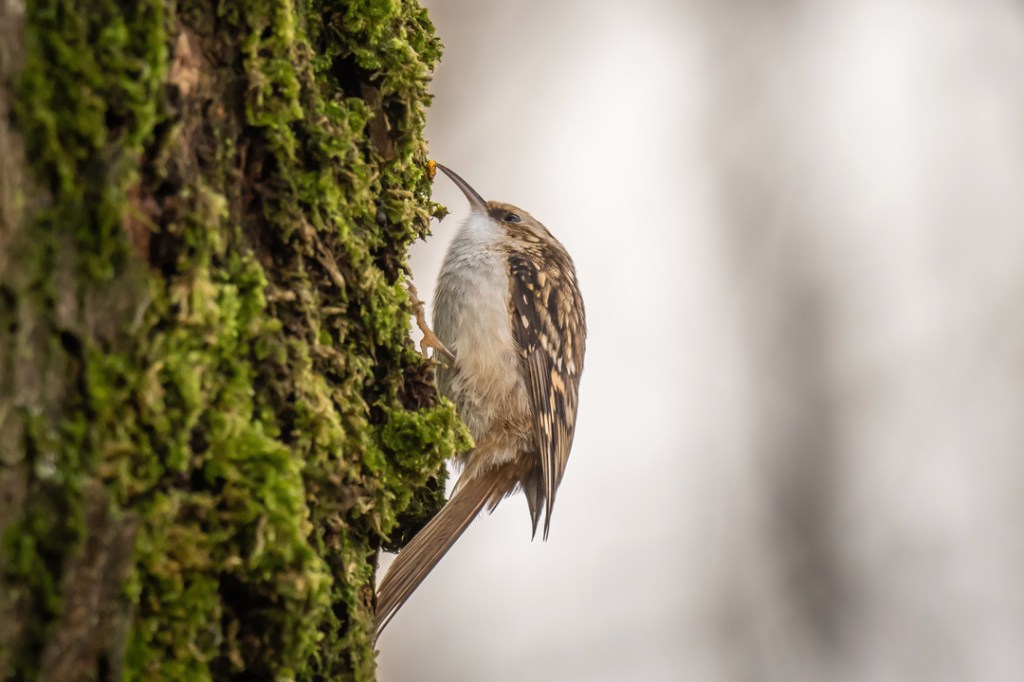
On the ponds there were wigeon, teal, shelduck, pintail, tufted ducks and snipe. Along the lanes we also saw treecreepers and out on the wetlands another peregrine.
PintailSnipeTreecreeper
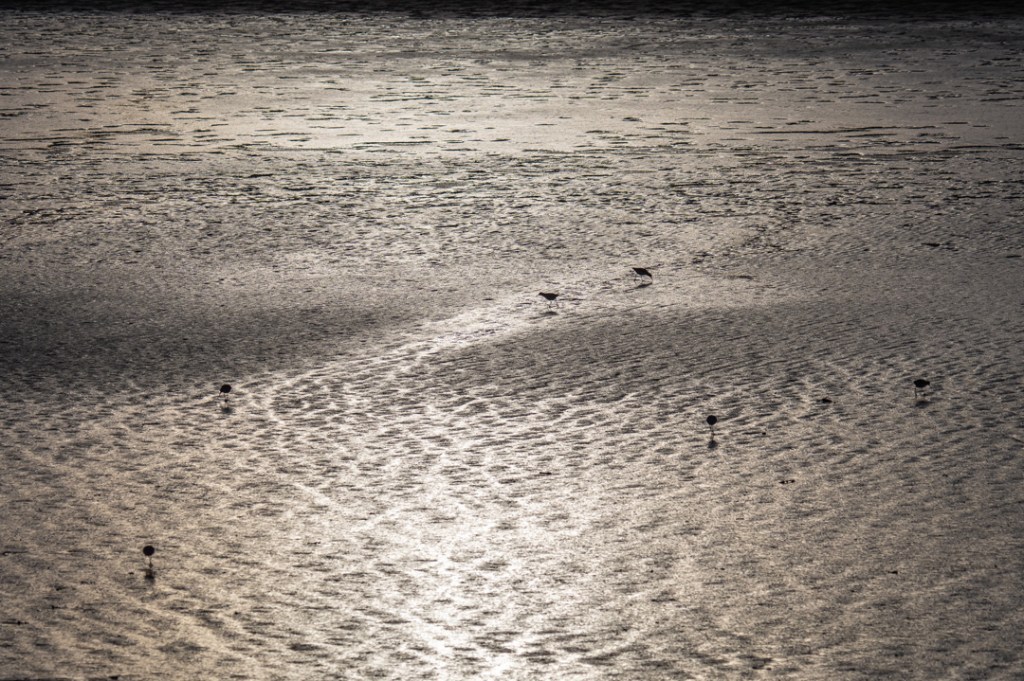
On the way home we stopped briefly to visit Caerlaverock Castle and then along the banks of the River Nith to see redshank and curlew feeding on the mudflats.
Caerlaverock Castle – I gather the only triangular castle in BritainRedshank and curlew on the River Nith
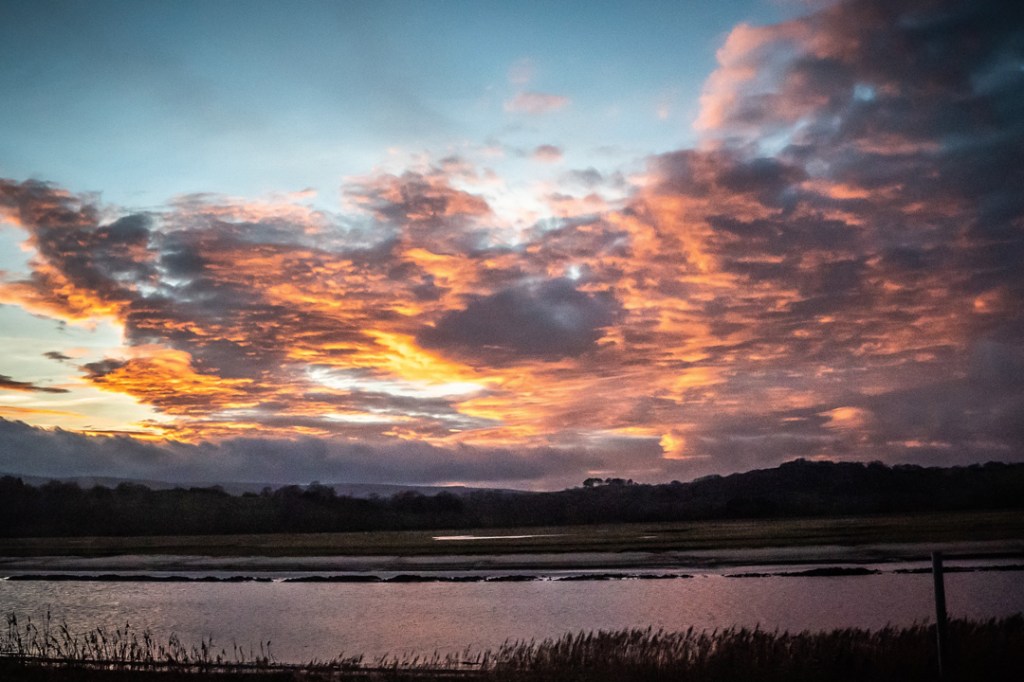
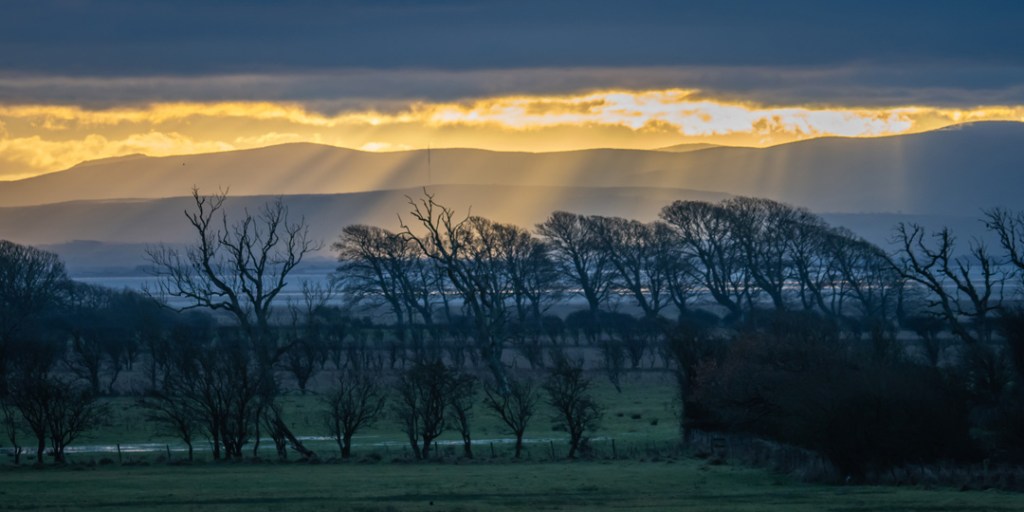
Back at the cottage I couldn’t resist taking photos of the spectacular sunset.
Today, our last day in Scotland, the weather has closed in and I am taking the opportunity to write my blog before the long journey home tomorrow.
Additional note
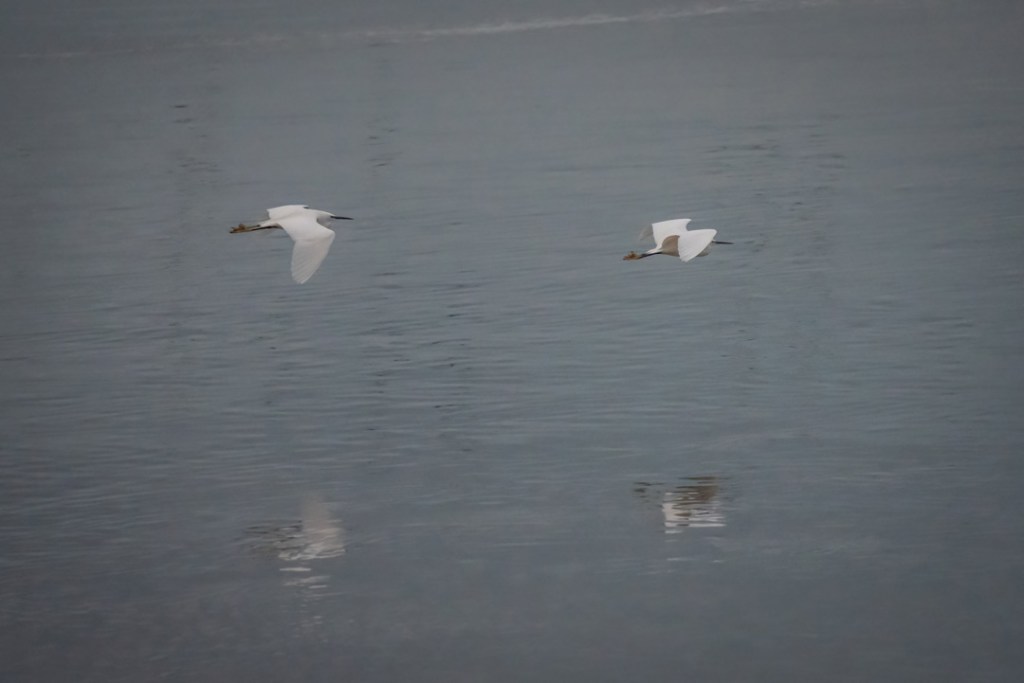
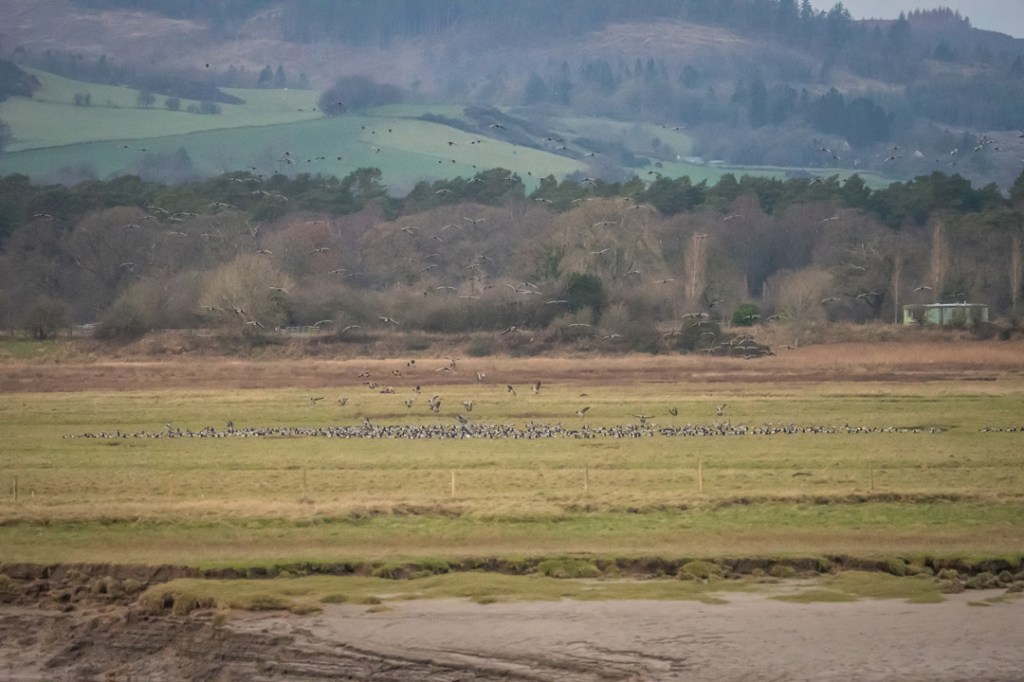
Just as we were packing the car up to return home there were a couple of extra sightings (3 golden eye and two litle egrets) on the River Nith in front of the cottage as well as a huge flock of barnacle geese which filled the sky and then landed on the reserve.
Golden eyeLittle egretsThe sky laden with barnacle geeseBarnacle geeseThe sun rising across the Solway Firth as we left
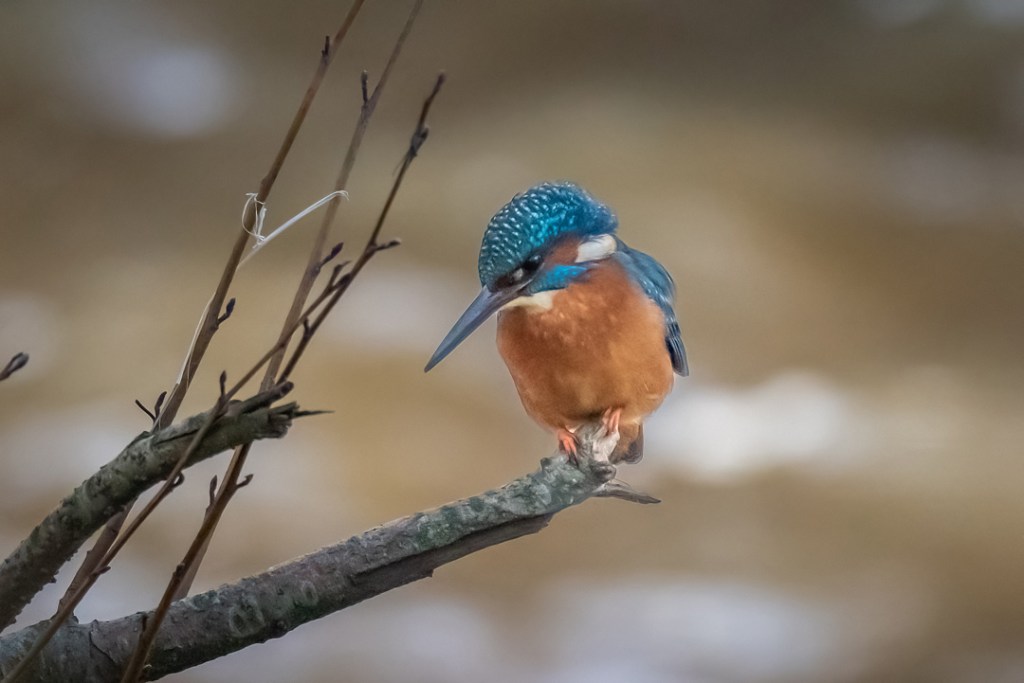
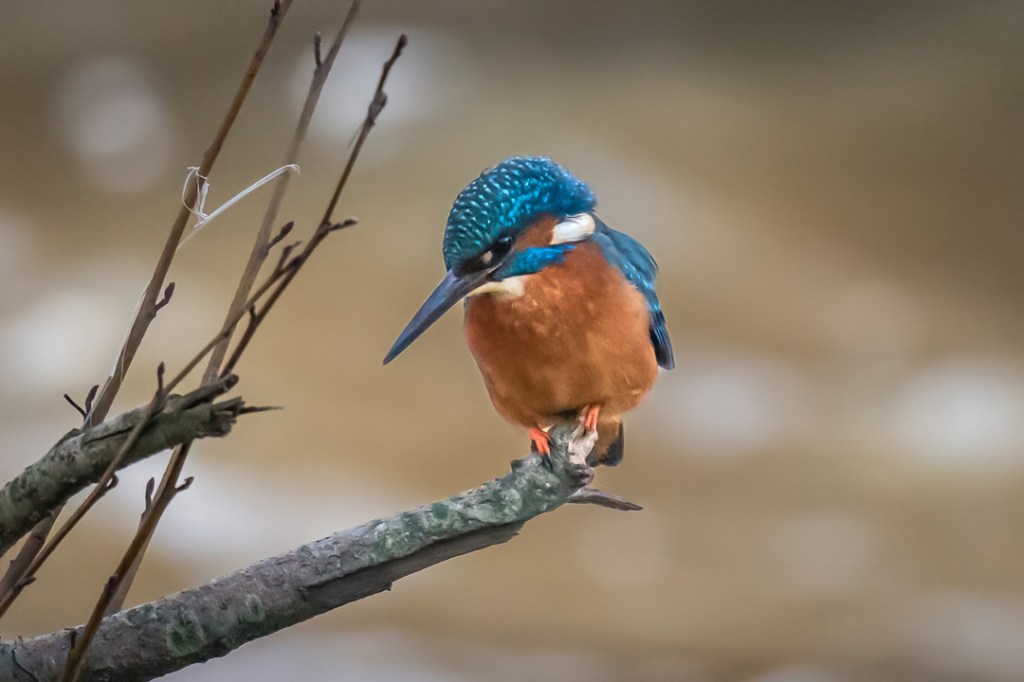
There were glimpses of sunshine as we started our walk in our local park but it soon became gloomy and rain threatened. The kingfisher, our local celebrity, (and the magic of Adobe Lightroom) persuaded me it was worth publishing a blog.
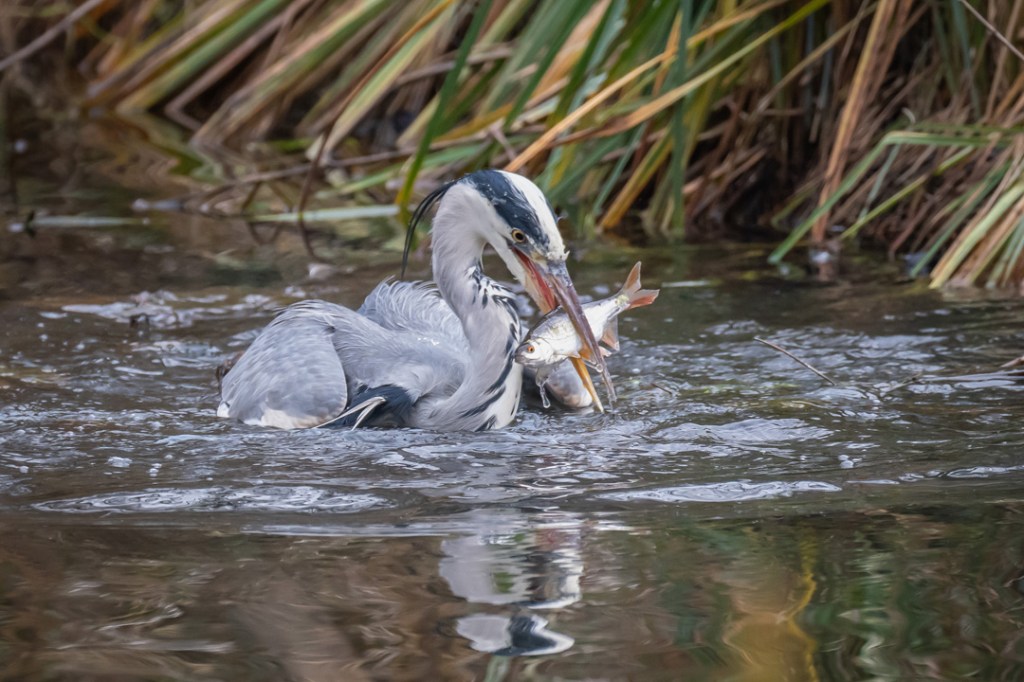
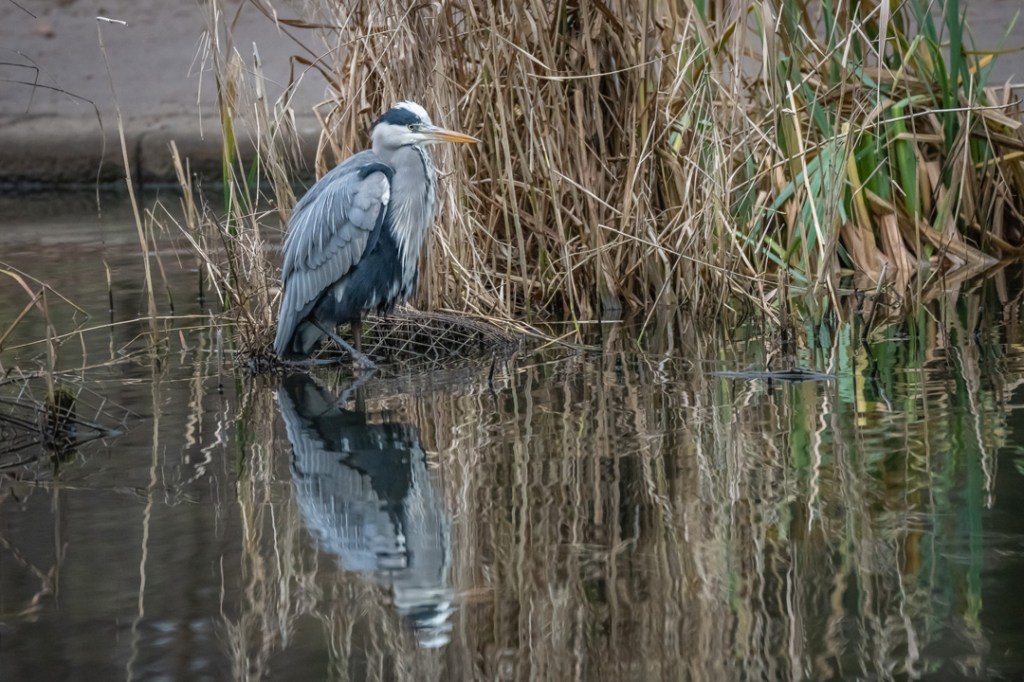
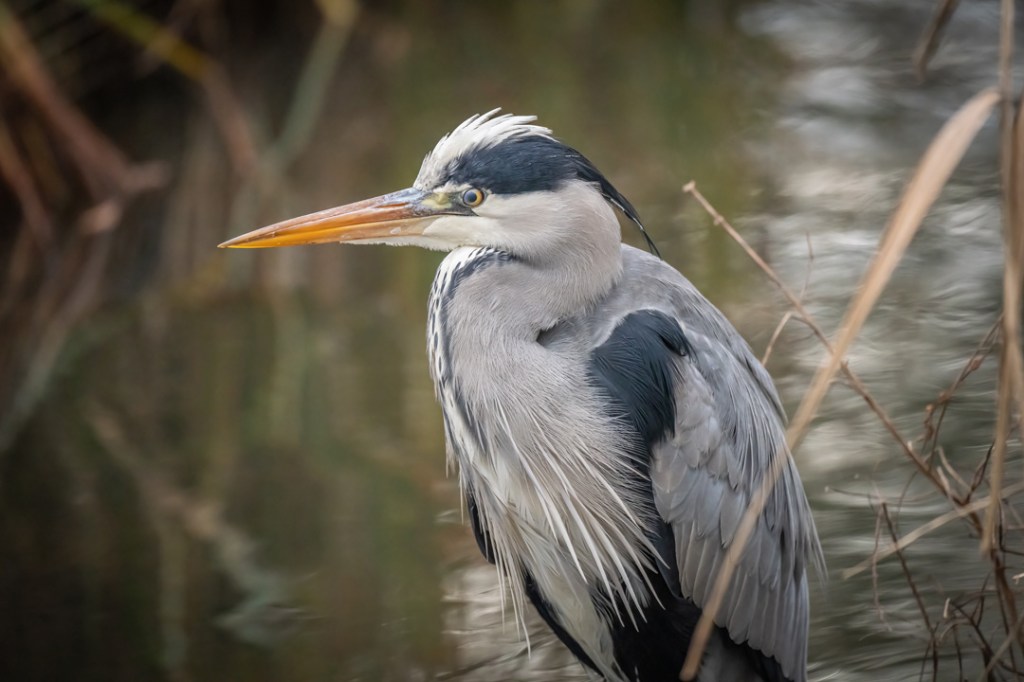
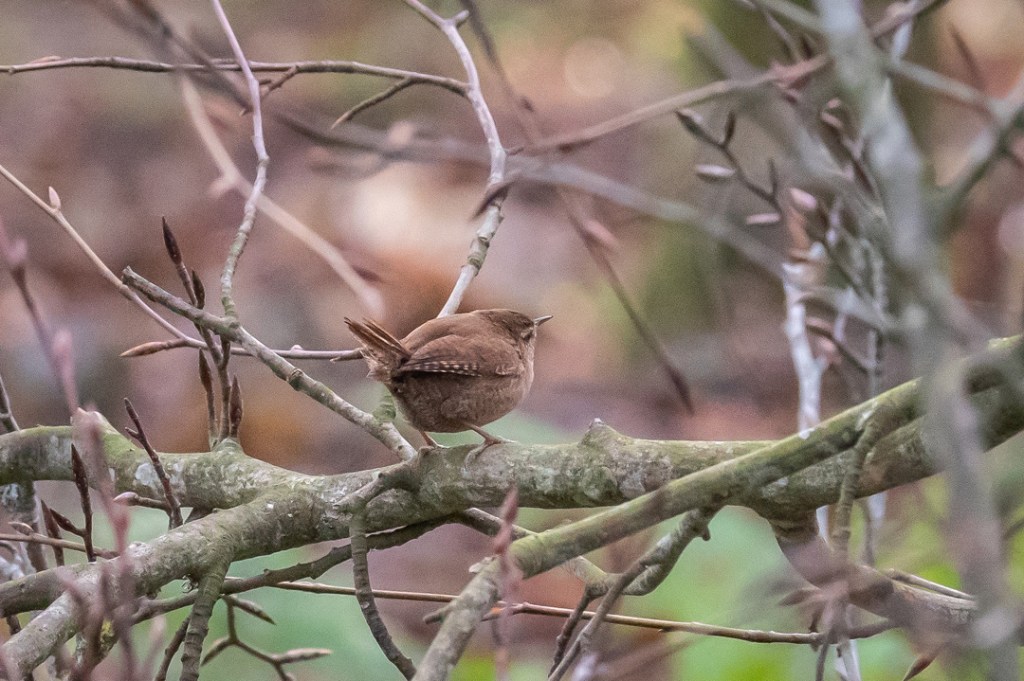
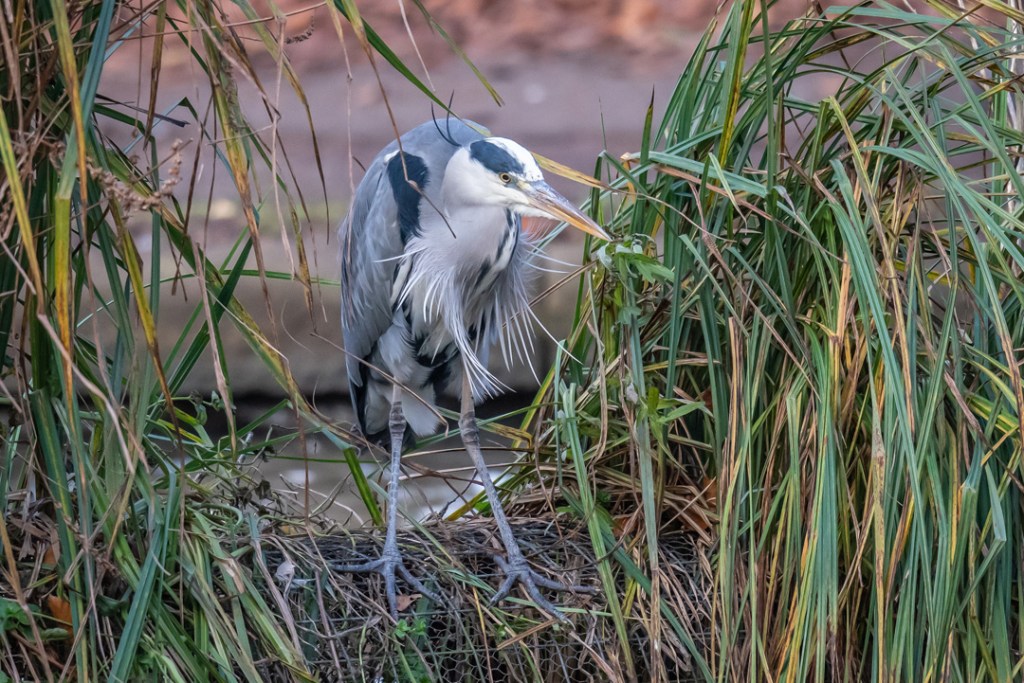
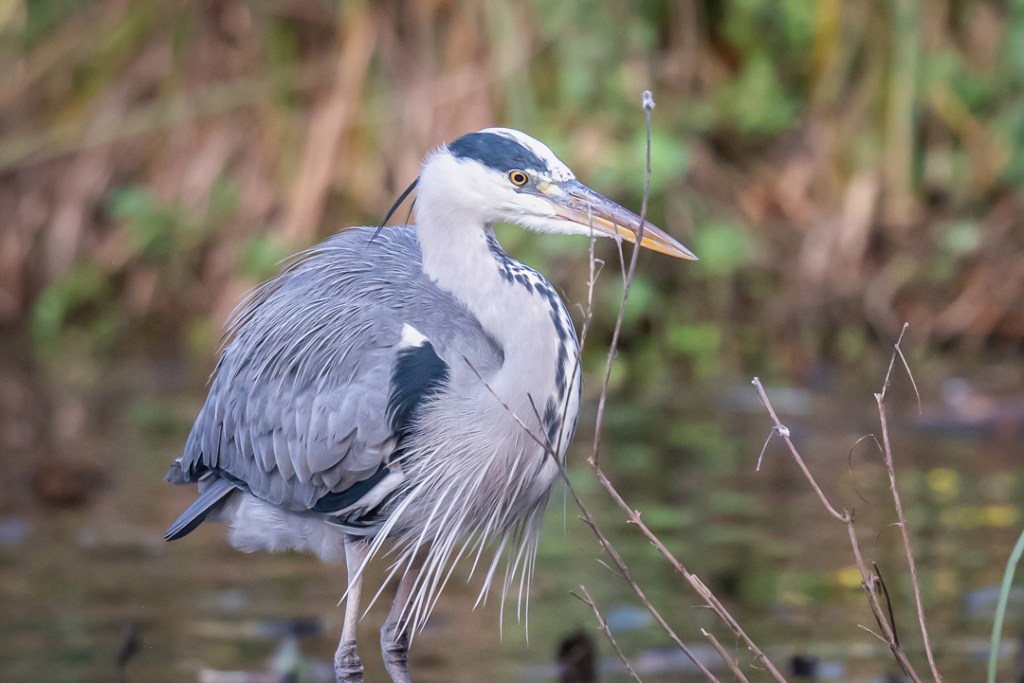
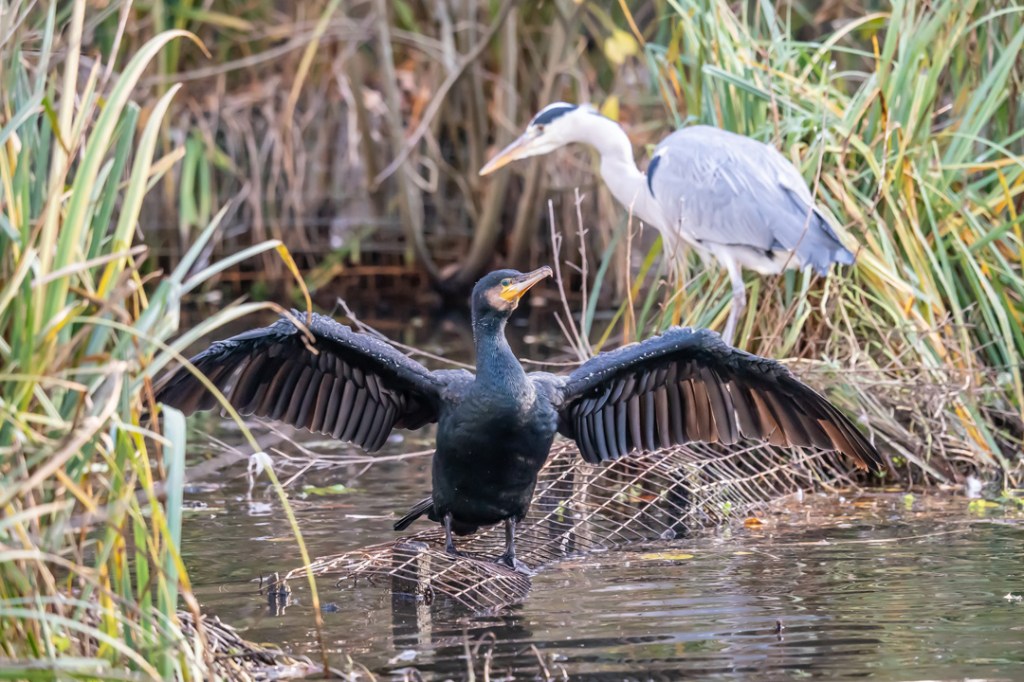
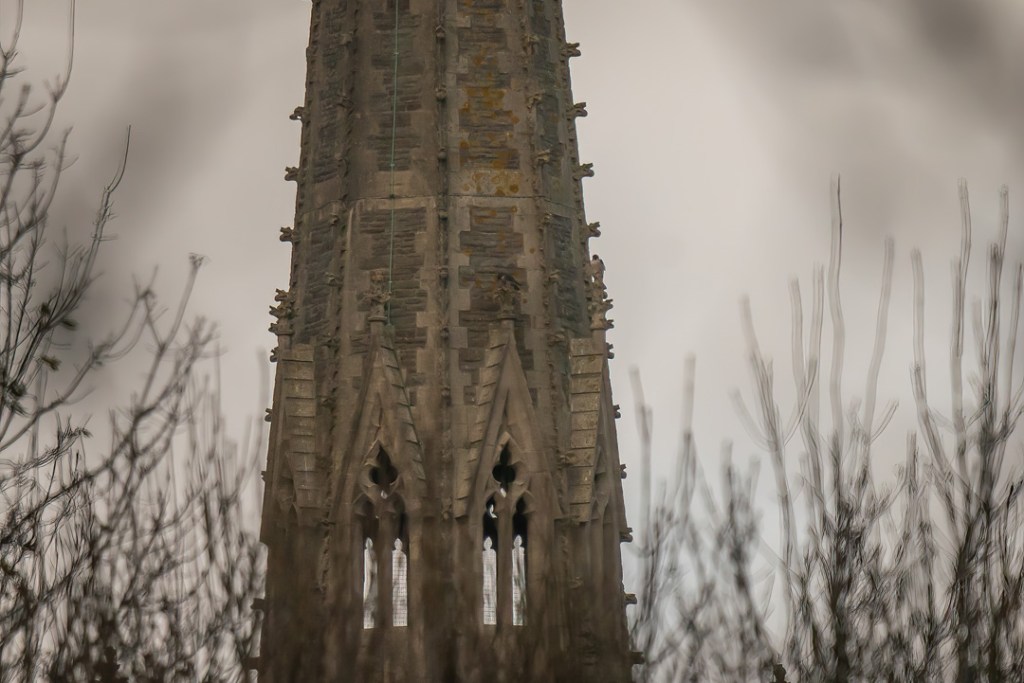
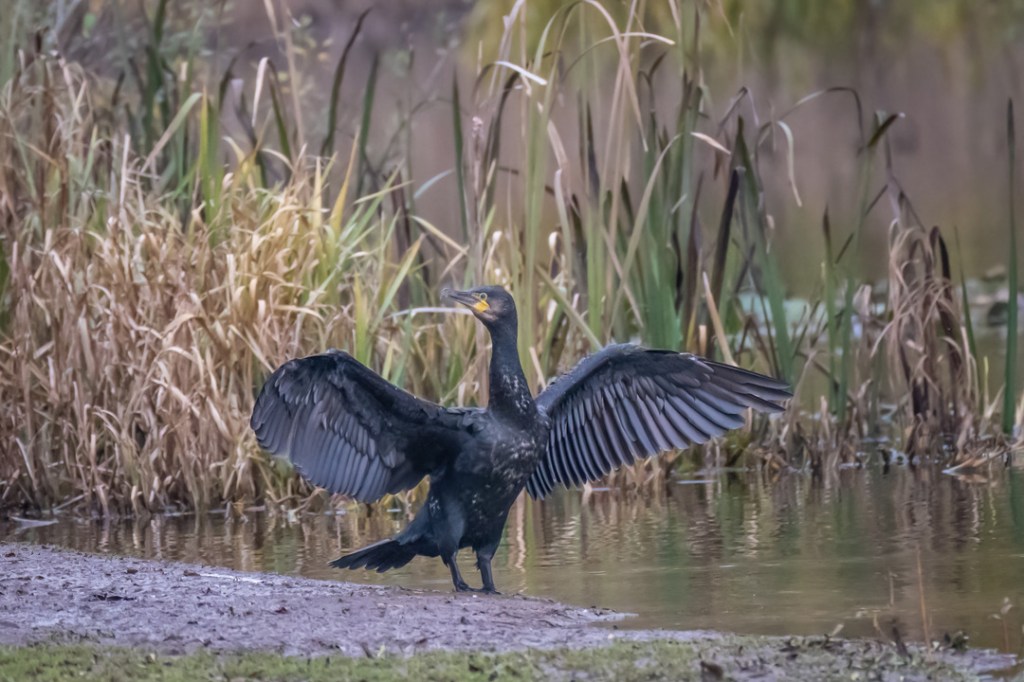
Grey heronCormorant photo-bombing the heron’s spotIf you look closely you can see two peregrine falcons on Stapleton Church spireWren on the river bankKingfisher
It was good to get out this morning having self-isolated all week. I went looking for a firecrest which other birders/photographers have been seeing all week in Stoke Park but I didn’t have any luck.
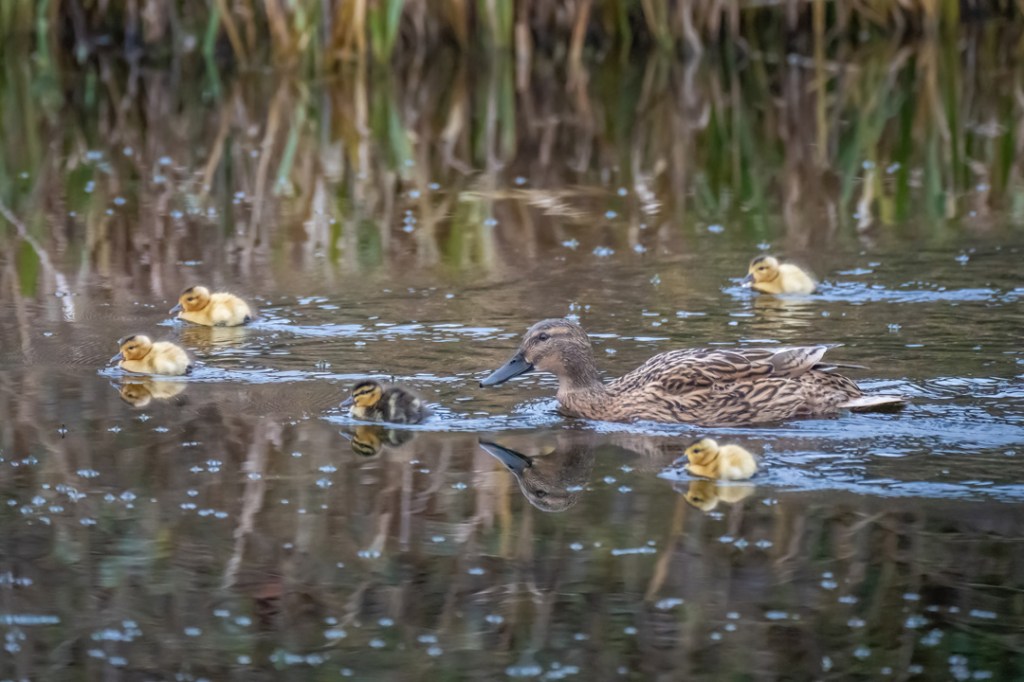
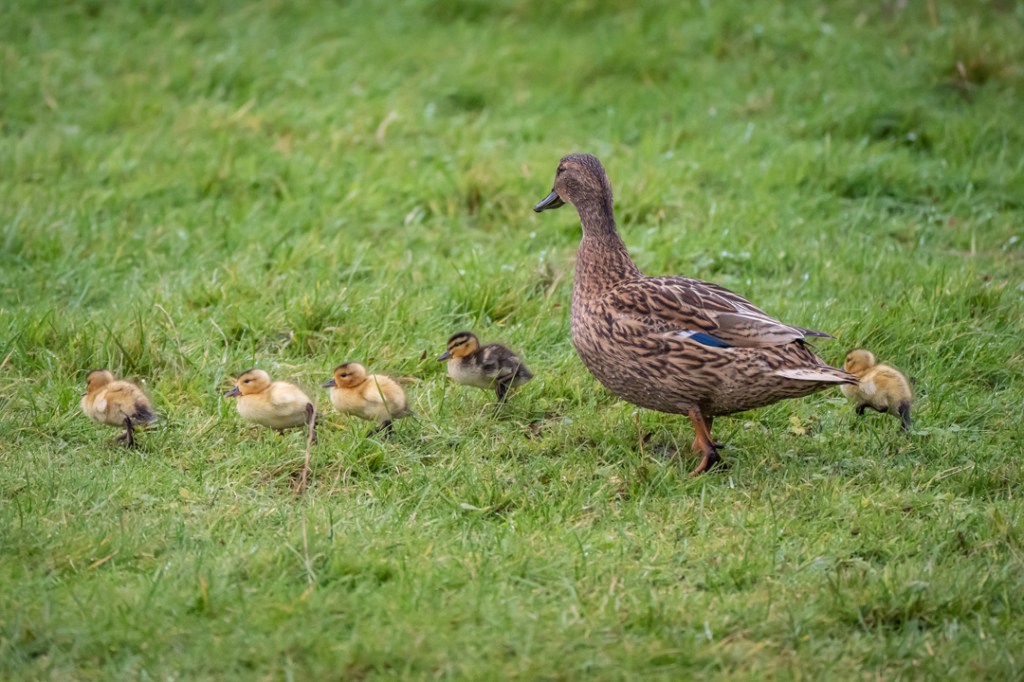
There were 5 ducklings on Duchess Pond which were drawing the attention of a few predators. The finest of them all was a sparrowhawk.
I don’t think these little ones have much chance at this time of the yearMum is keeping a good eye on themSparrowhawkBlack-headed gull
There’s always something worth photographing here but the nearby motorway is rather noisy. The beauty of nature still overcomes the disturbance of man.
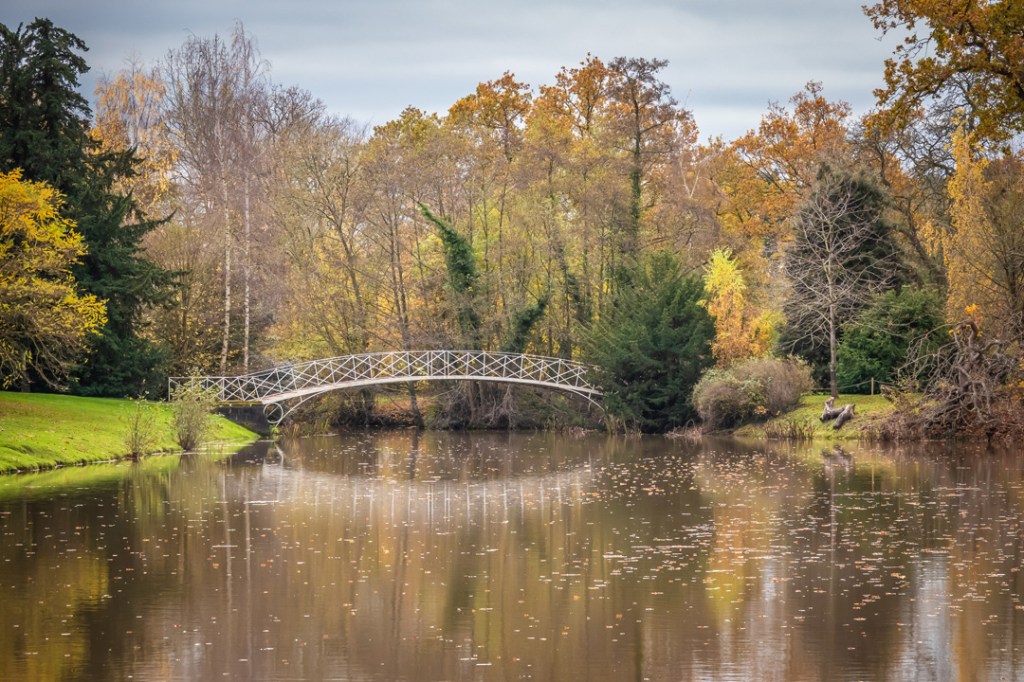
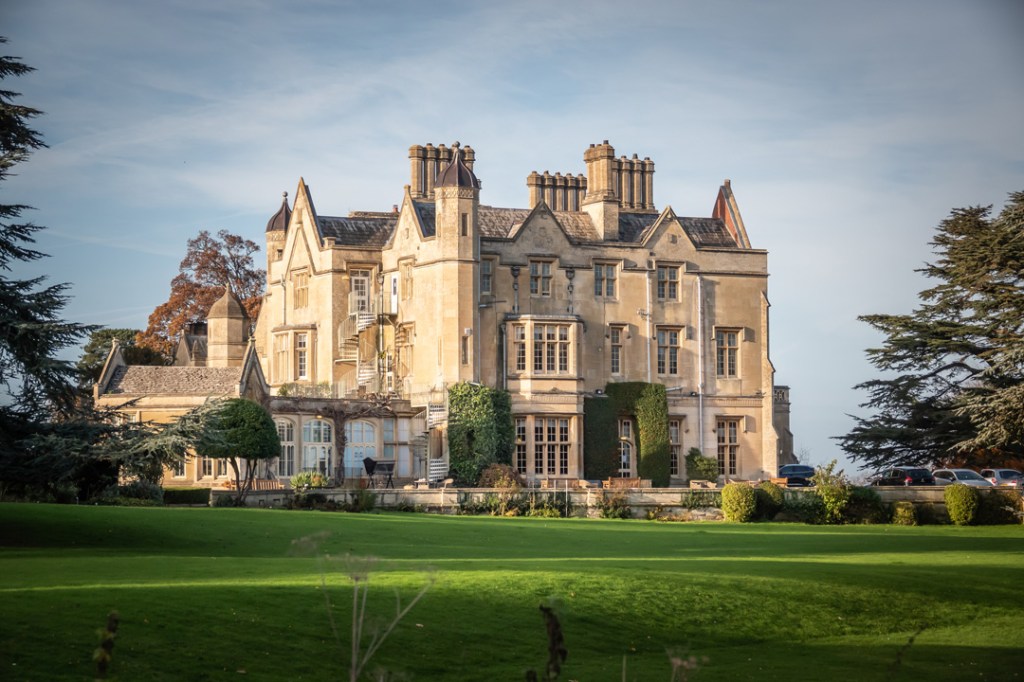
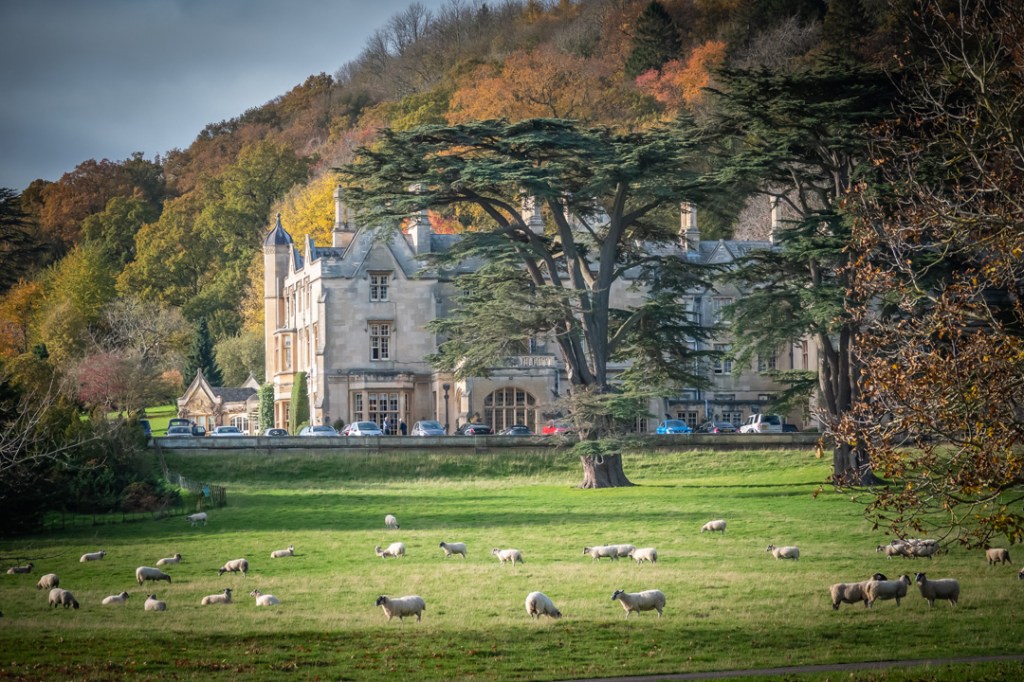
We have had a couple of nights away with friends at Dumbleton Hall Hotel on the border of Gloucestershire and Worcestershire between the towns of Evesham and Tewkesbury. Dumbleton Hall is an impressive traditional Cotswold Manor House set in 19 acres of private gardens and woodland with its own lake.
I hadn’t really expected to be taking “nature” photos during our stay and was only equipped with my bridge camera. However, there were many more opportunities than I expected and as the countryside was so colourful I am publishing a little more than just the bird photos.
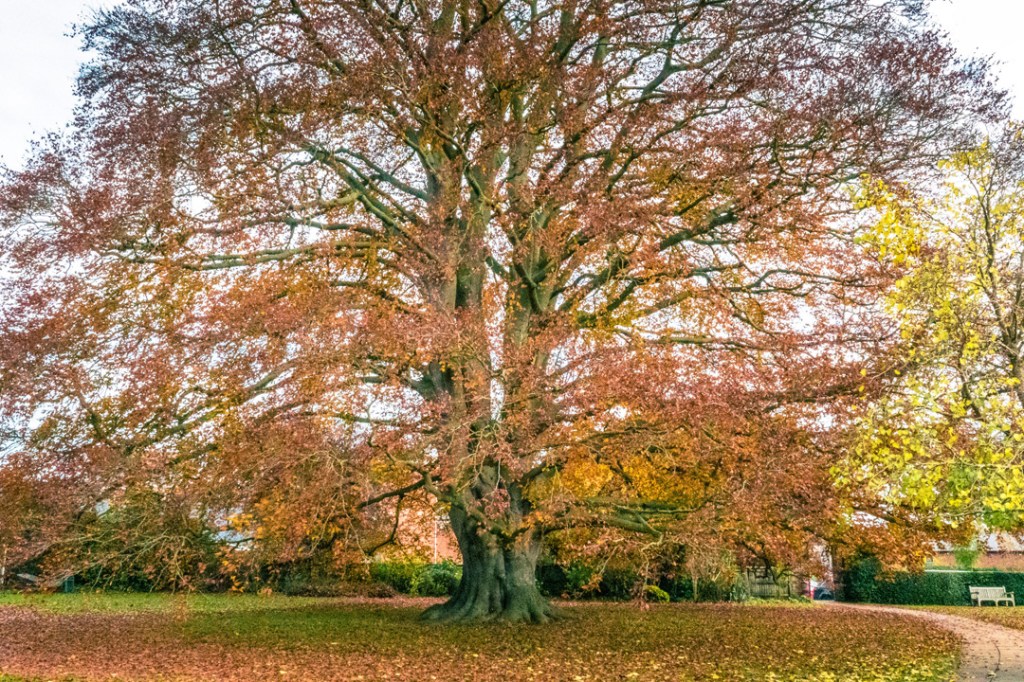
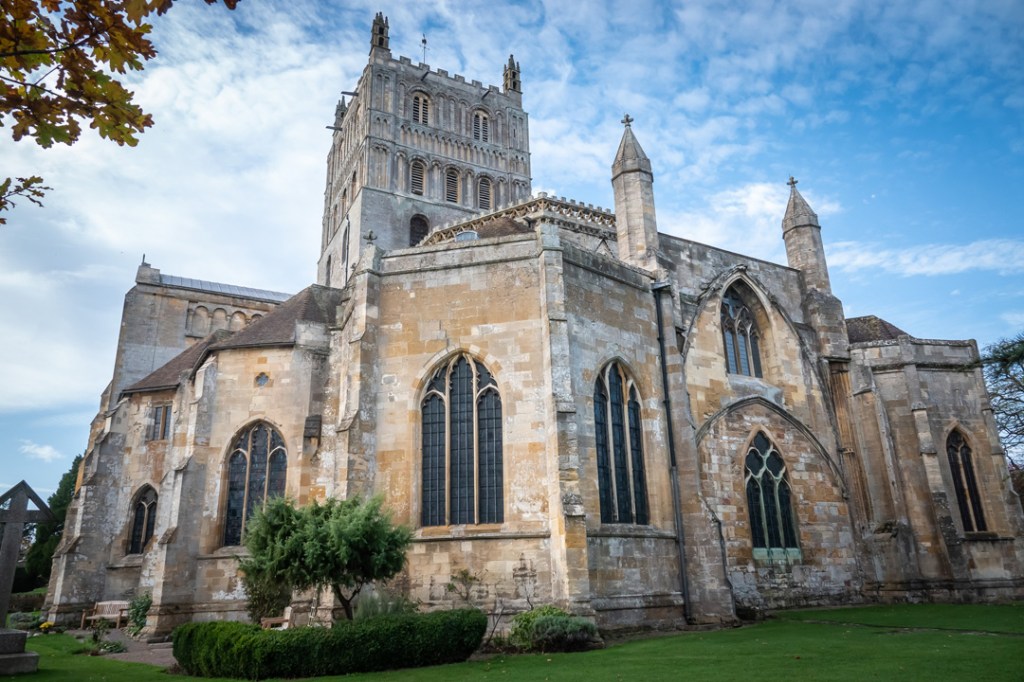
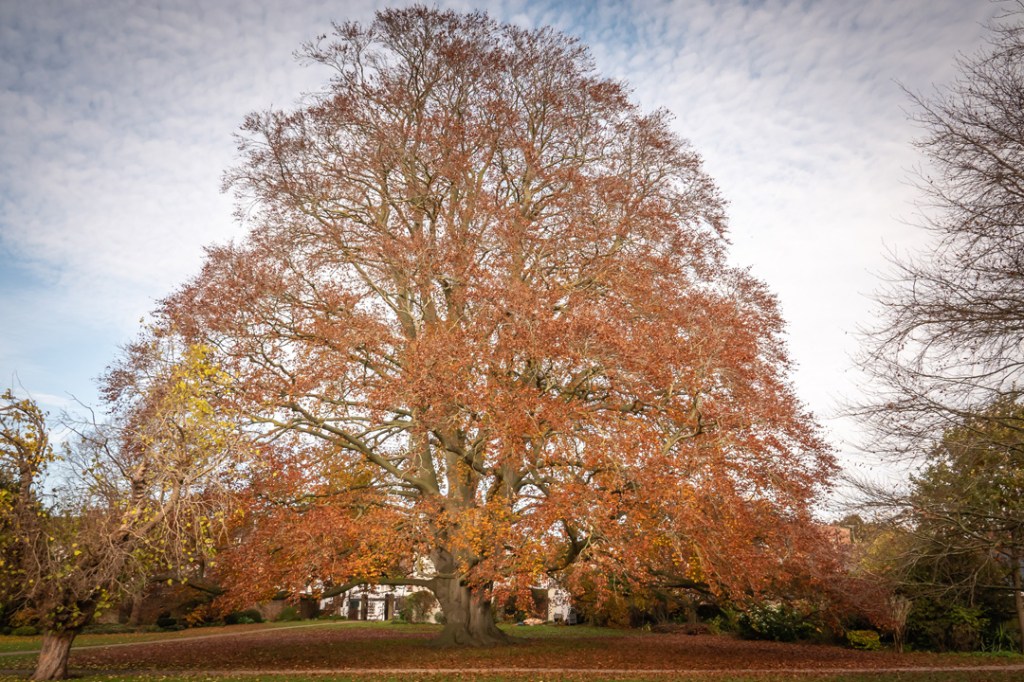
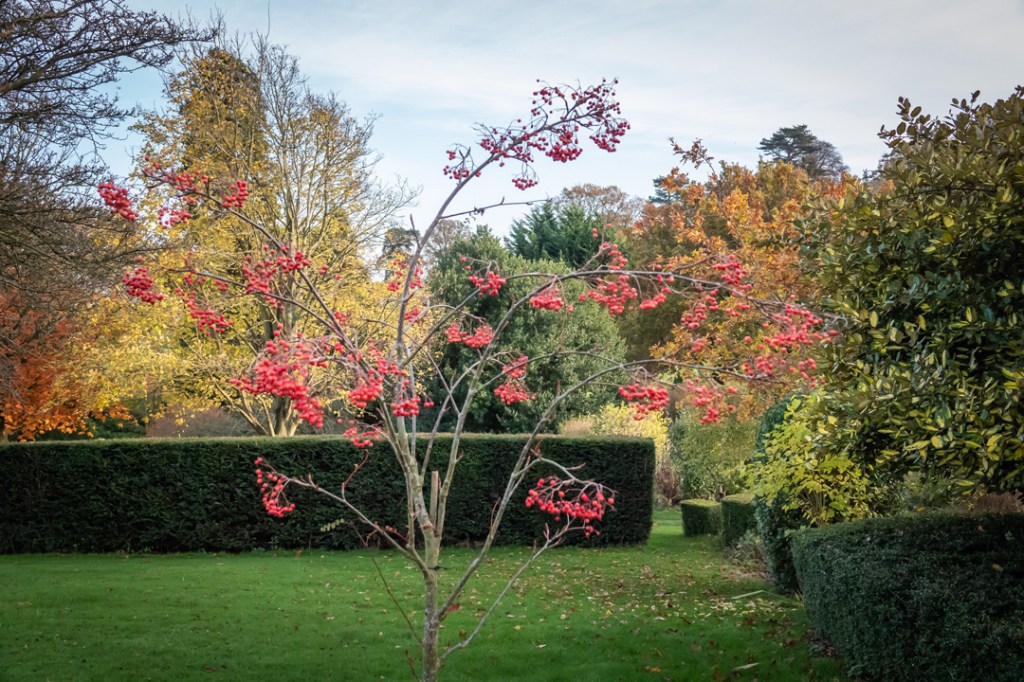
We stopped at Tewkesbury on our way there and visited the Abbey. No birds, just trees!
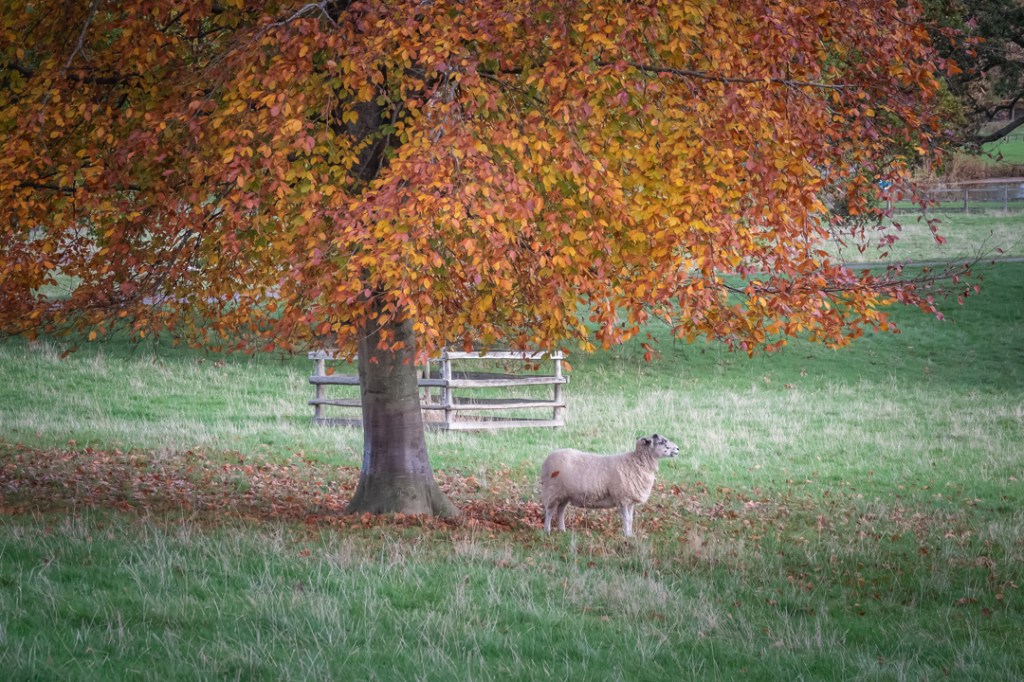
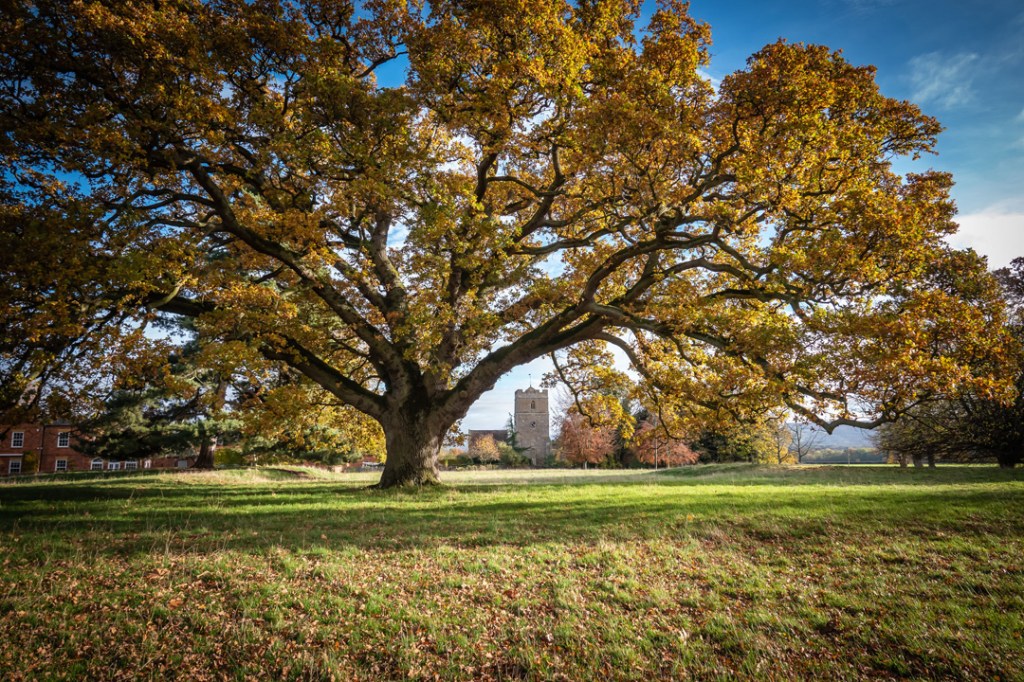
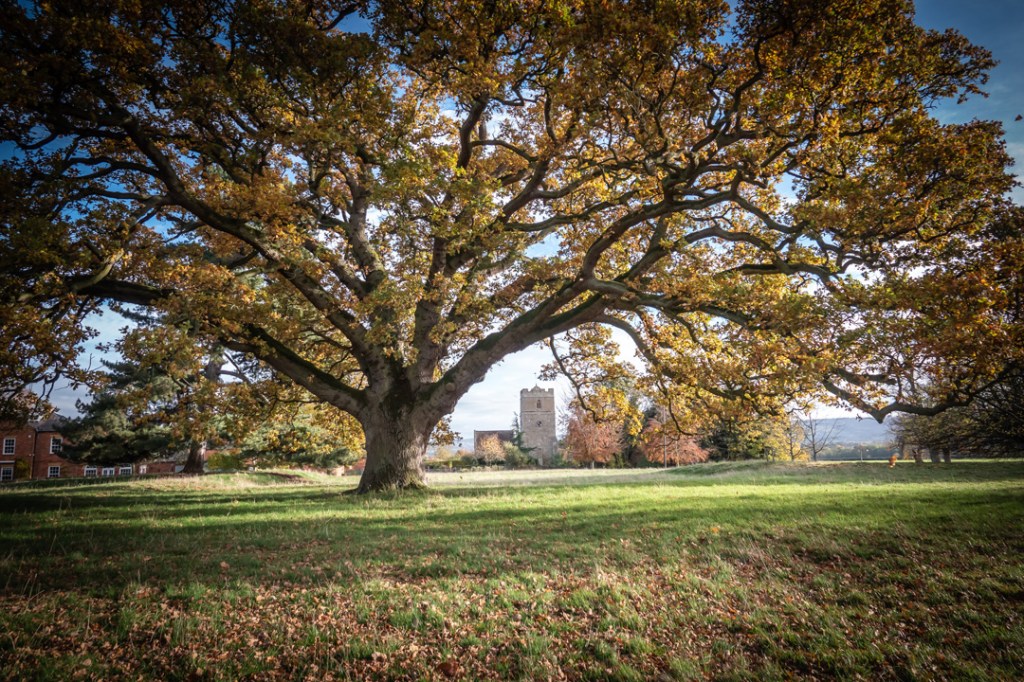
This beech was my favourite tree in the Abbey grounds
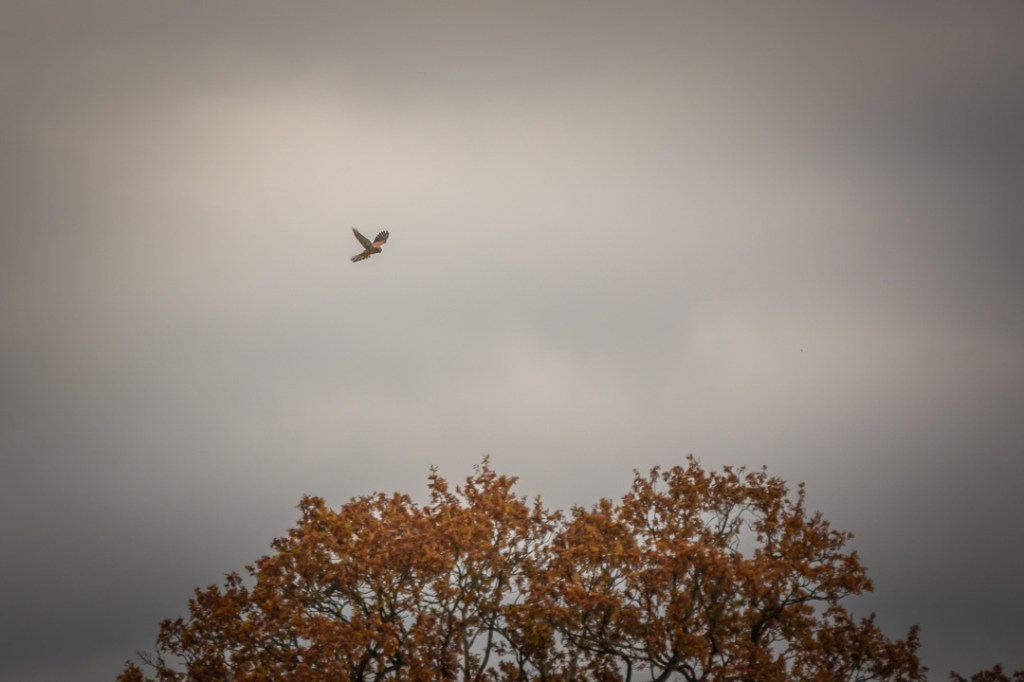
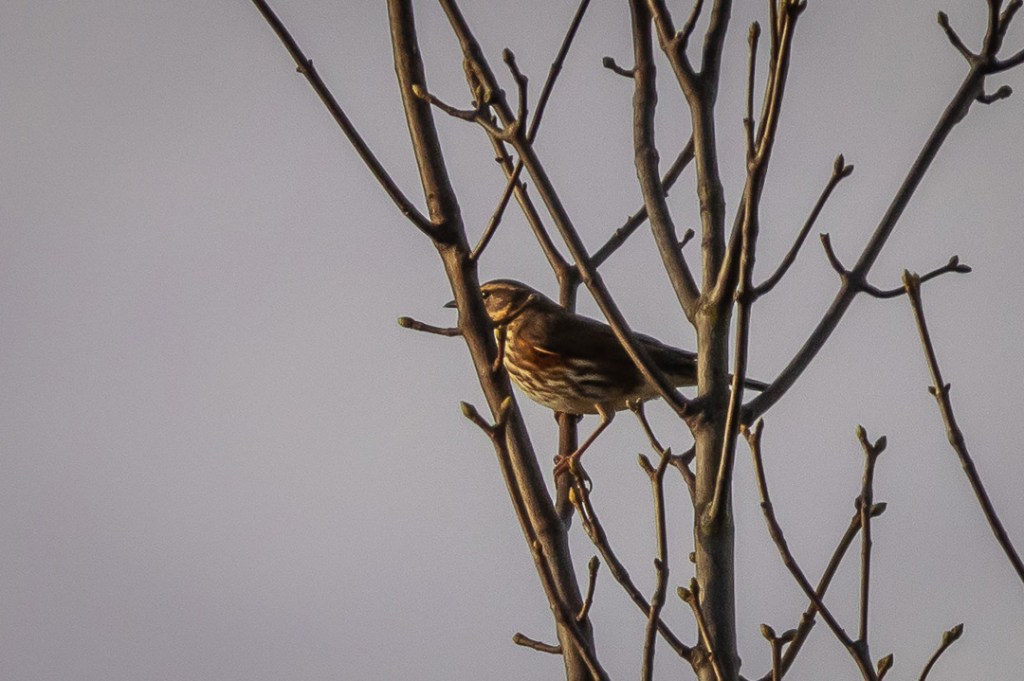
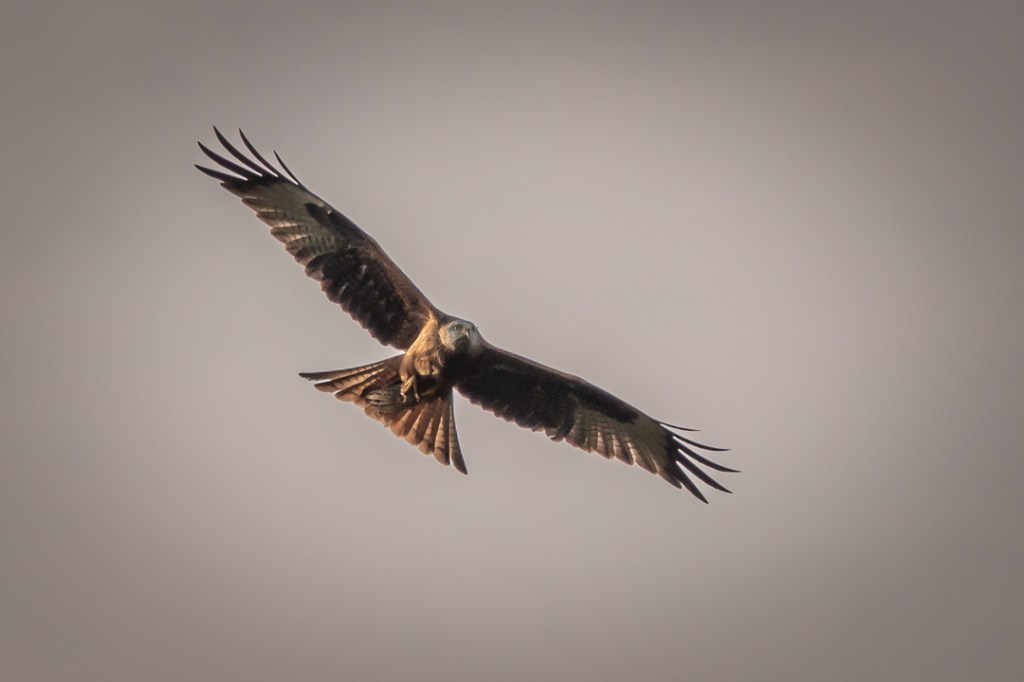
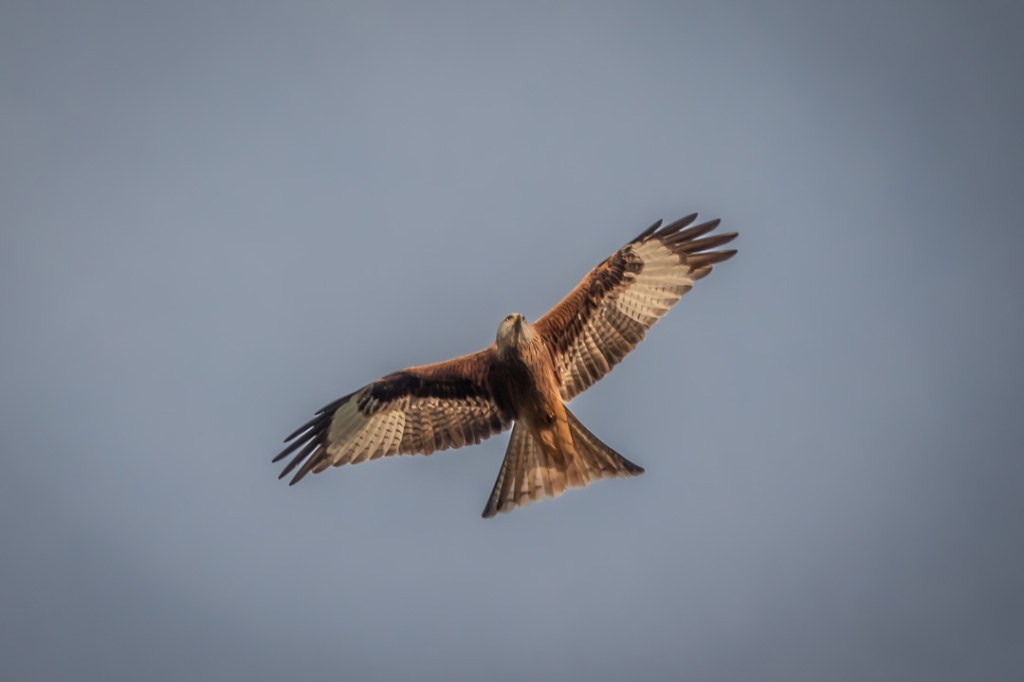
Our second day we spent walking around the grounds of the hotel, on to the village of Dumbleton and over the hill to the nearby village of Alderton and its pub! Red Kites, buzzards and kestrels didn’t quite match the numbers of redwings, fieldfare and pheasants but there were plenty to see. Again the trees were amazing.
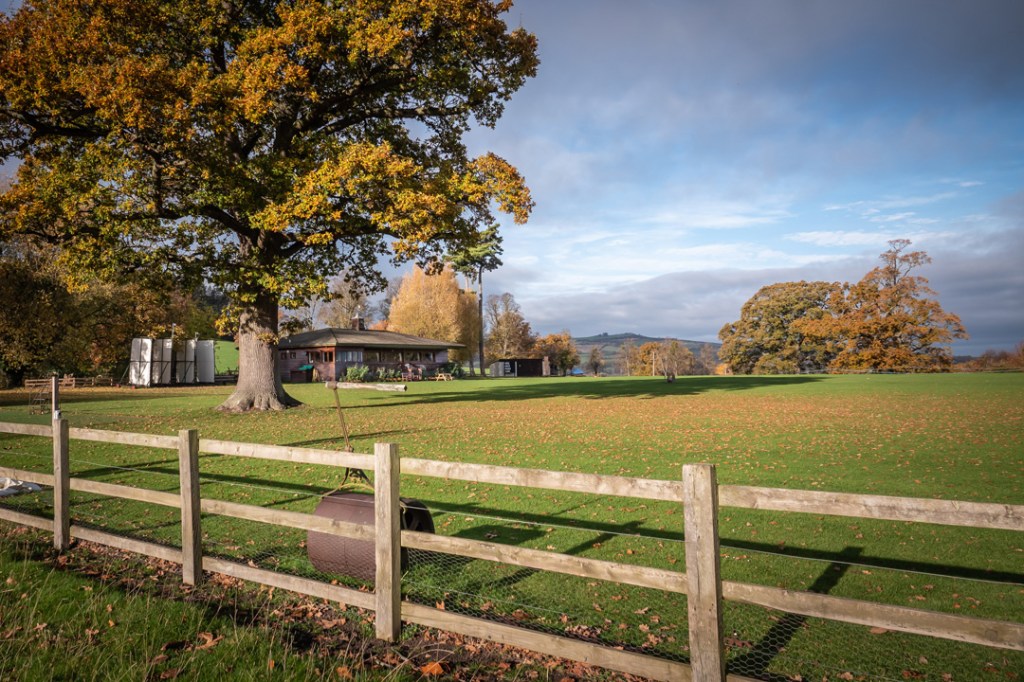
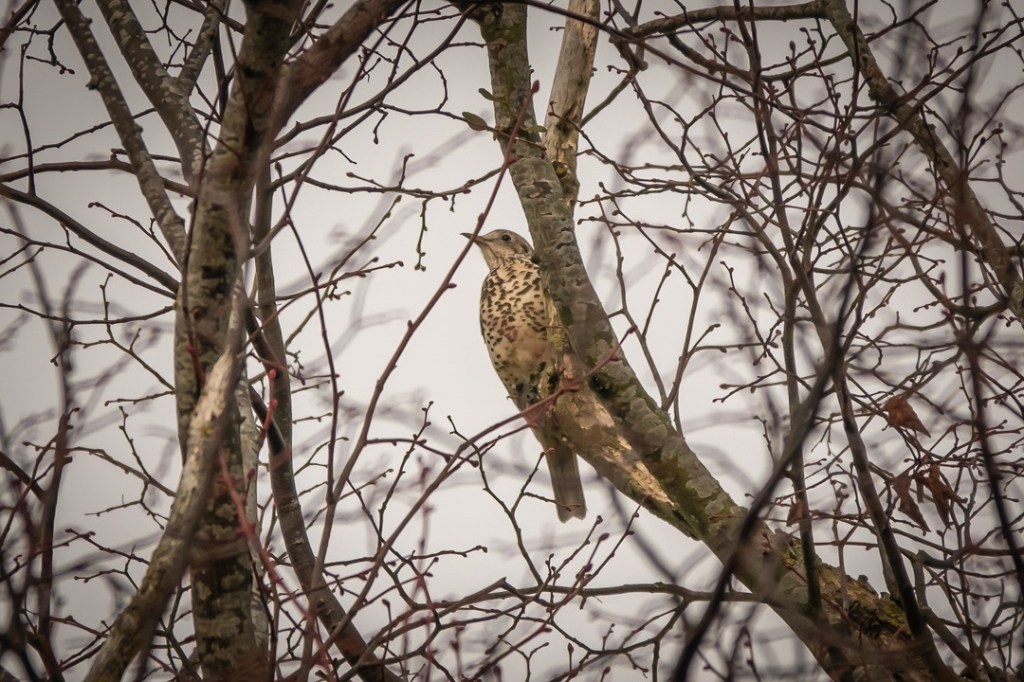
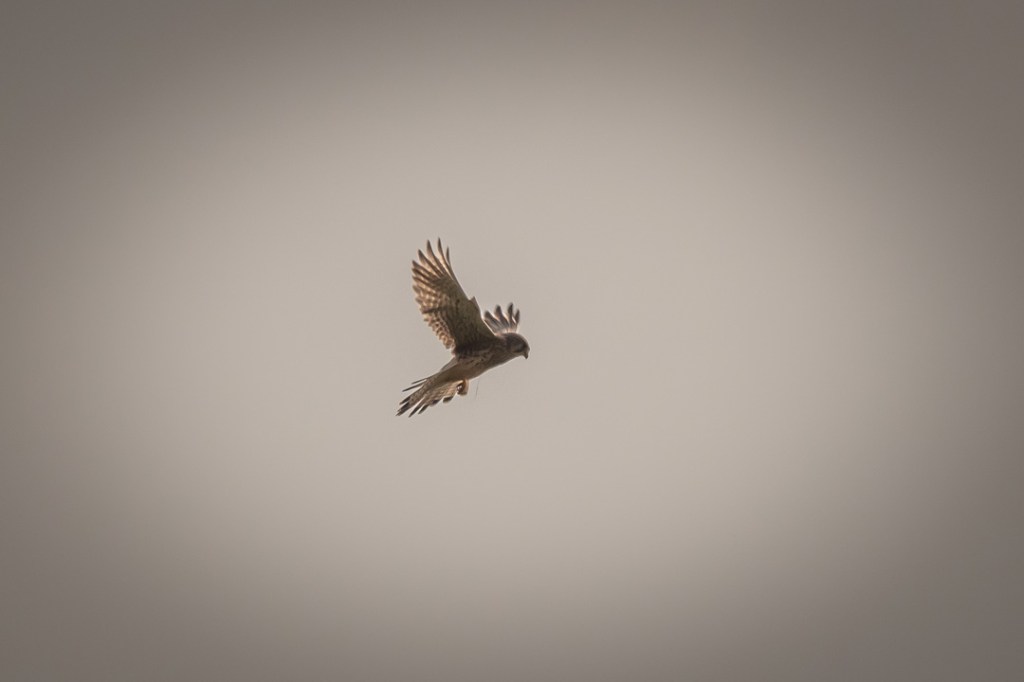
A very close encounter with a red kiteRedwing hiding behind a branchThe only way I want to “shoot” a pheasant – with my cameraMistle thrushKestrel in poor lightCedars in front of Dumbleton HallAmazing colours all around in the unseasonably warm weatherThe church at Dumbleton stands just outside the grounds of Dumbleton HallBeautiful trees surround Dumbleton cricket ground
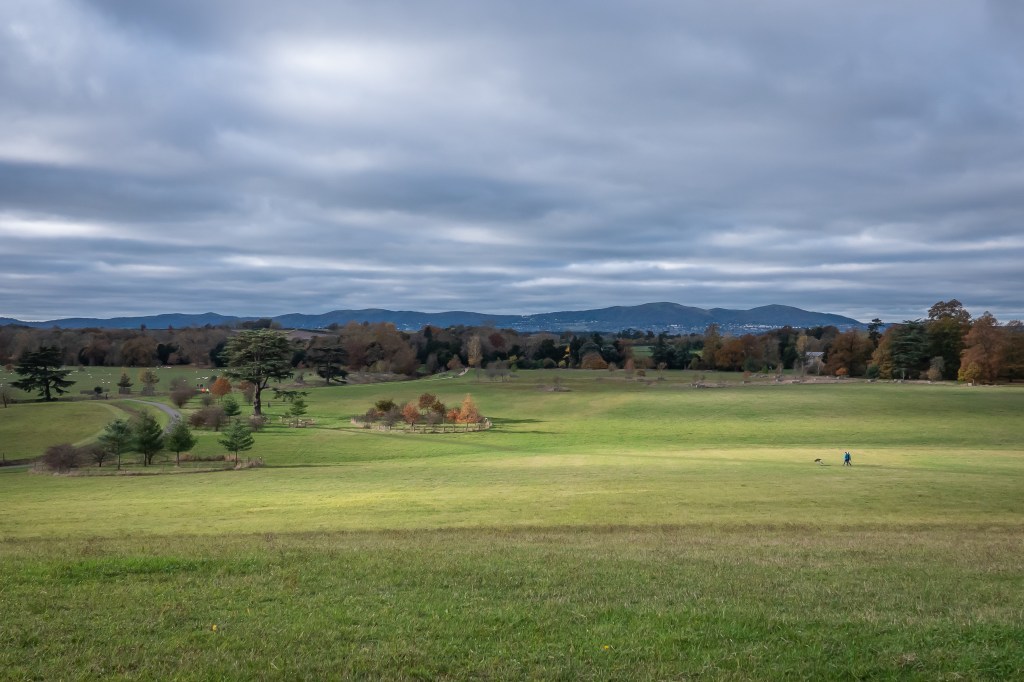
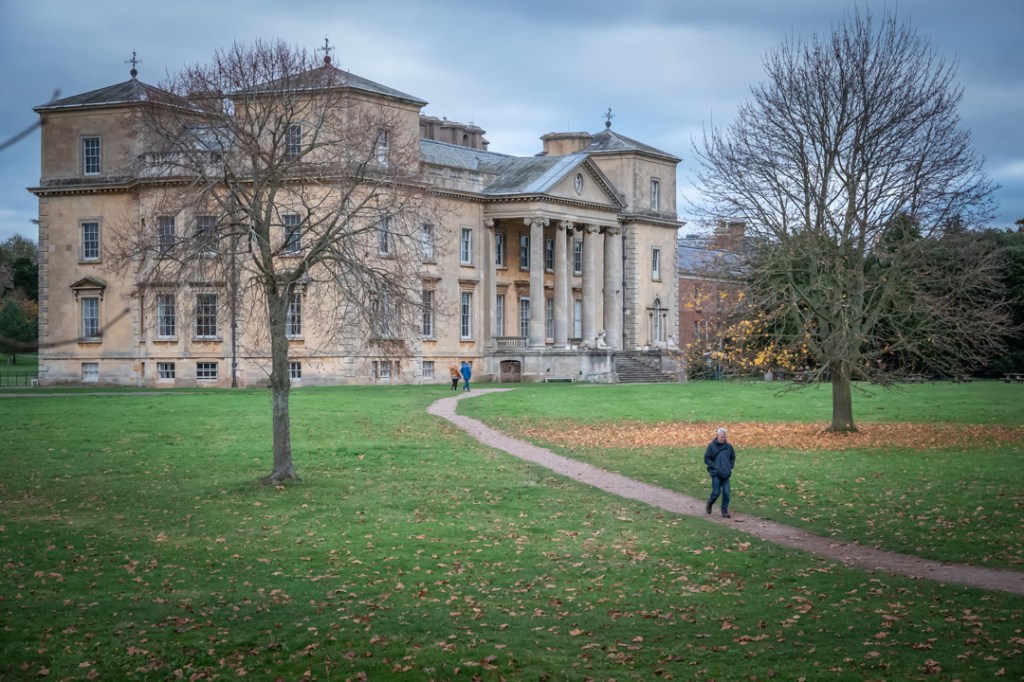
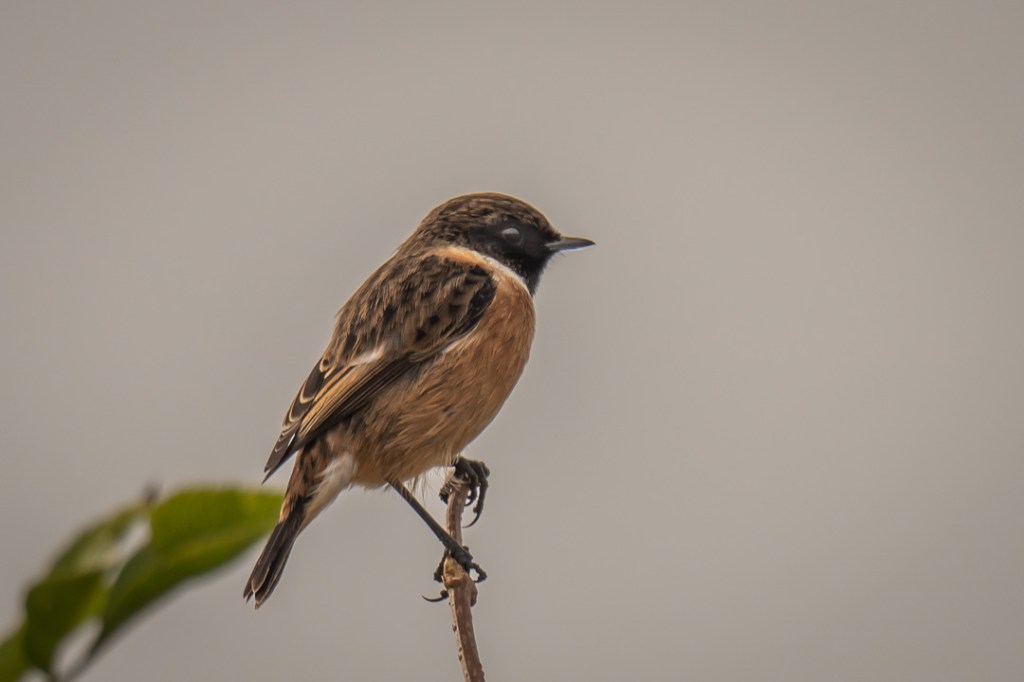
On the third day we visited the National Trust property of Croome. The Croome website says to ” Expect the unexpected. Incredible innovation, colonial links, devastating loss, remarkable survival and magnificent restoration all in one place.” Stonechats, more redwings and a kestrel wasn’t what I was expecting. With a great backdrop of the Malverns we had a splendid walk around the grounds.
The Malverns in the backgroundCroome CourtStonechats at CroomeStonechat in flightRedwingA distant kestrel
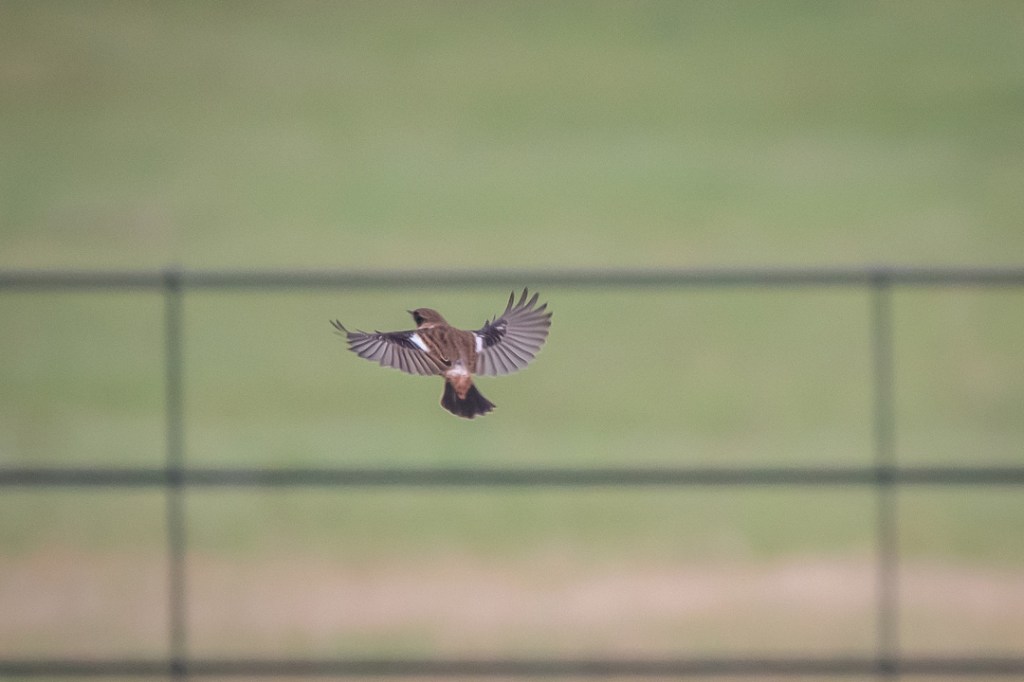
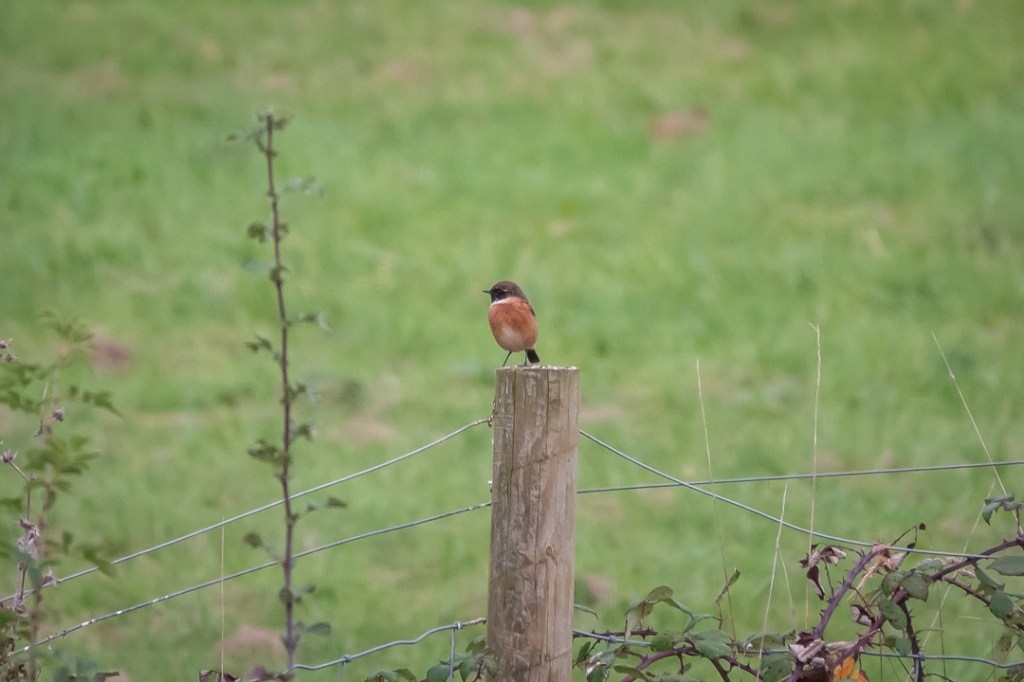
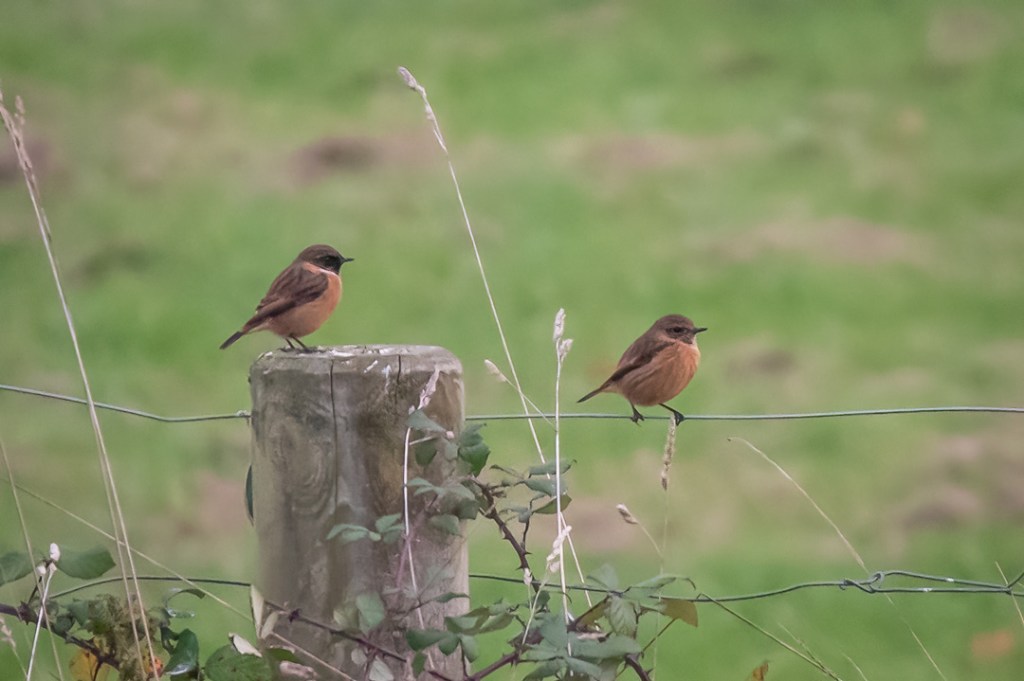
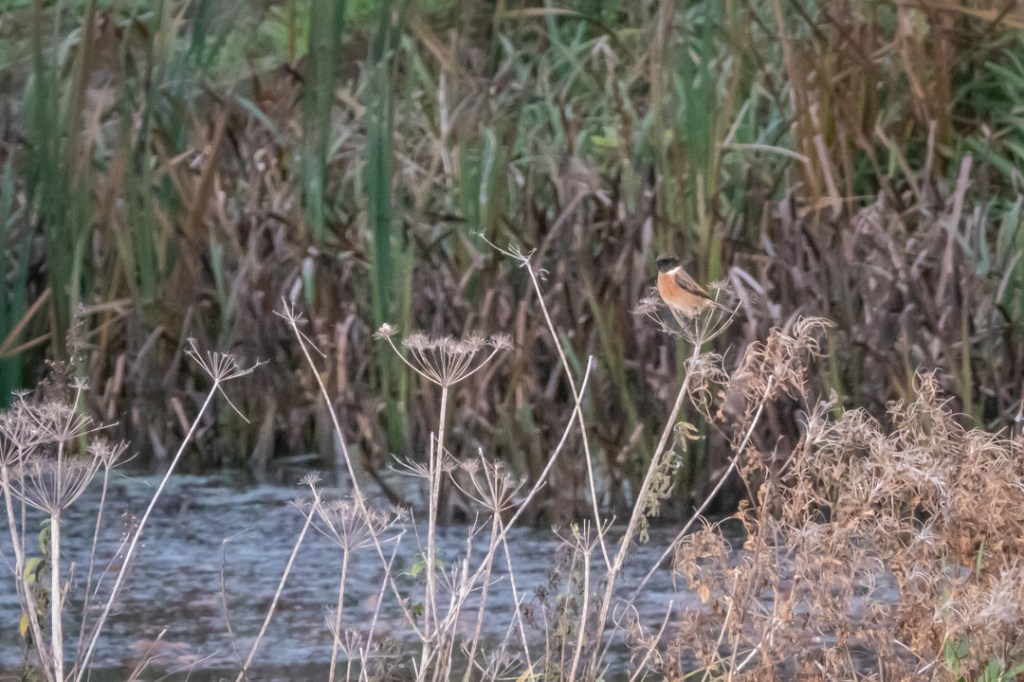
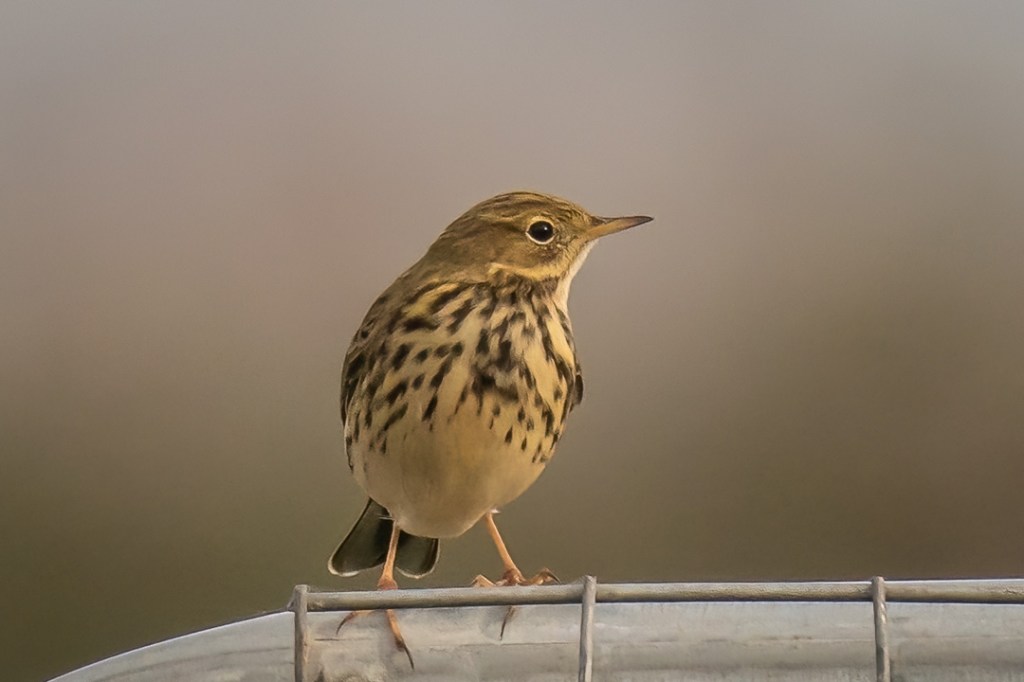
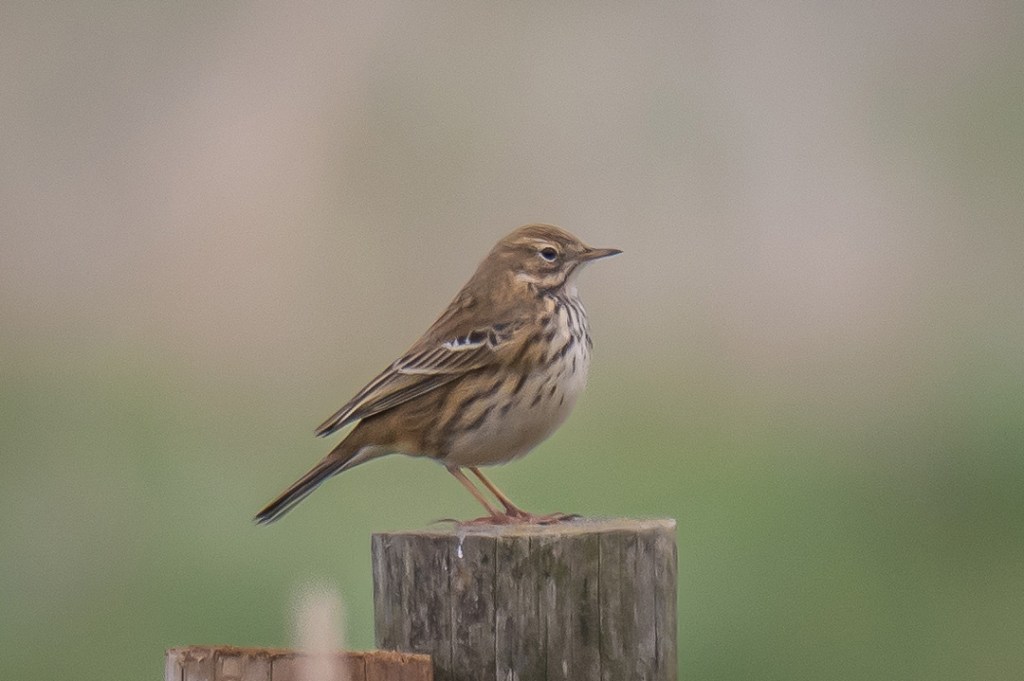
I had a very uneventful day birding near Weston-super-Mare. I started at the disused airfield in Weston which I had never visited before. There were lots of gulls (to be expected by the seaside), lots of starlings, a little egret, goldfinches, a meadow pipit and a pair of stonechats.
Little egretMeadow pipitHerring gullStonechat
I moved on to Uphill where I saw even less. Just another meadow pipit, a little egret and some teal.
Meadow pipit
In the afternoon I had a pleasant walk on Sand Point – I only saw a few stonechats but the light was so poor that I didn’t take any photos.
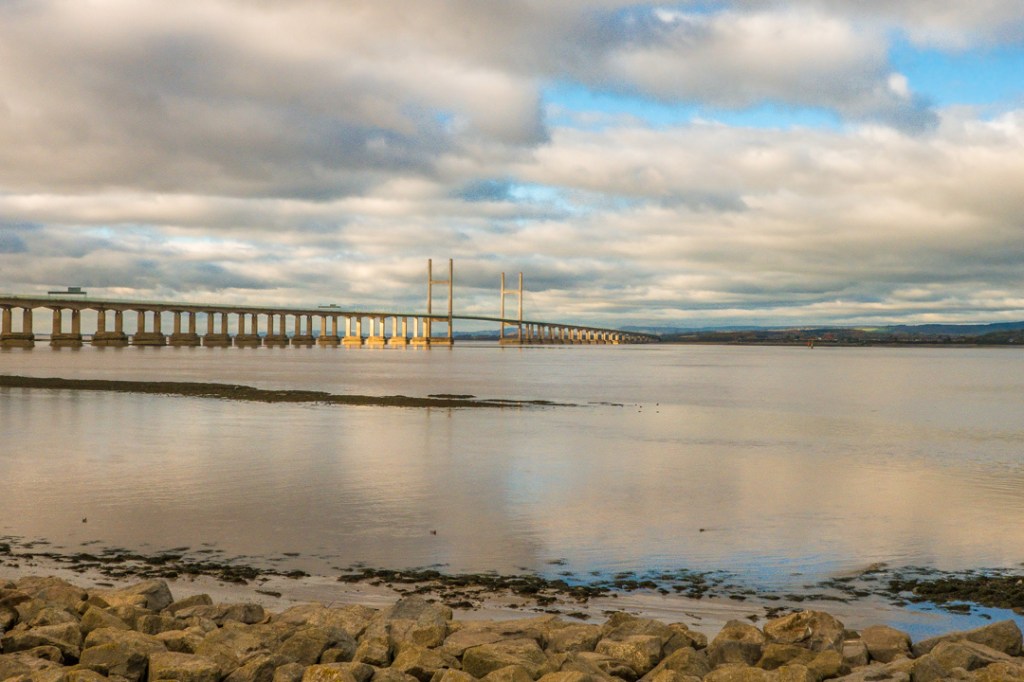
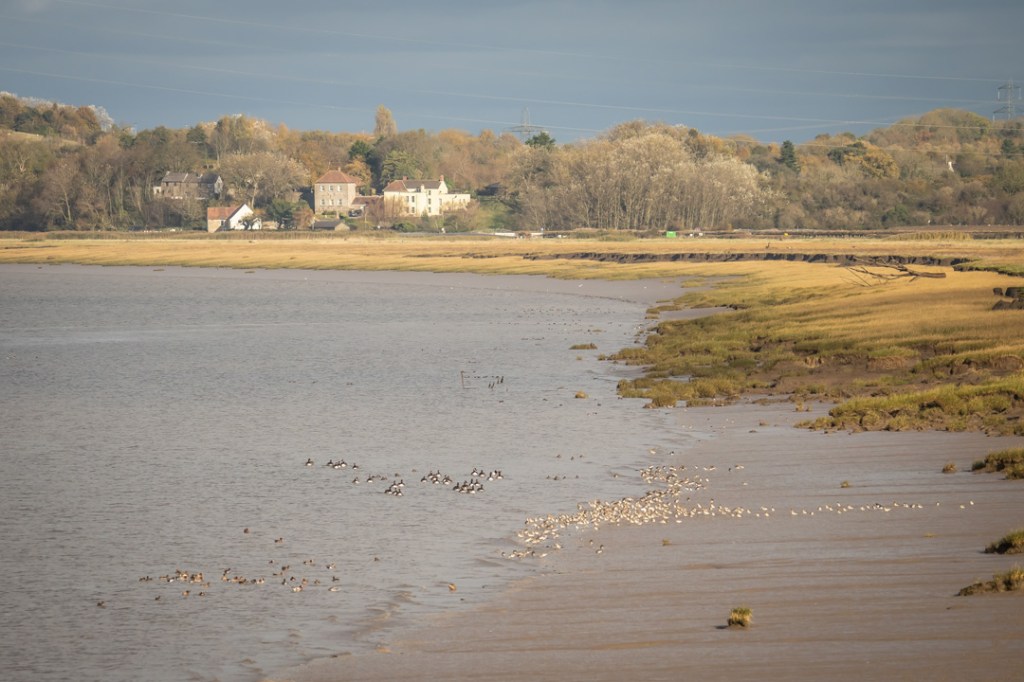
It was another amazing November morning and we had a pleasant walk along the Severn Estuary from New Passage to Severn Beach and back. We then lingered a while to watch the birds at New Passage.
Amazingly mild and still on the Severn Estuary
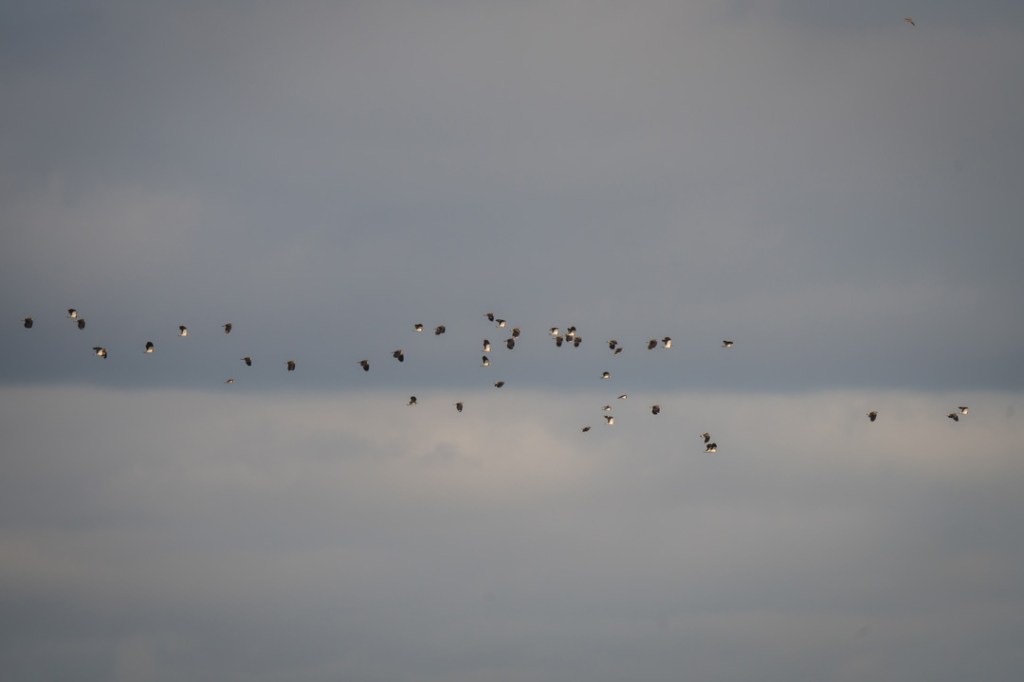
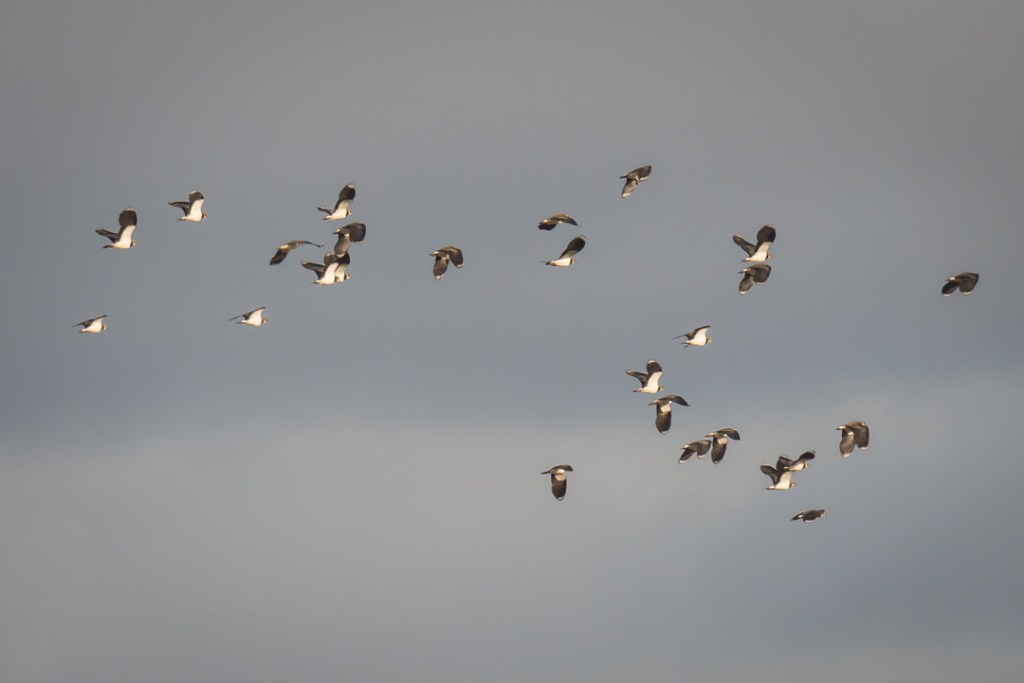
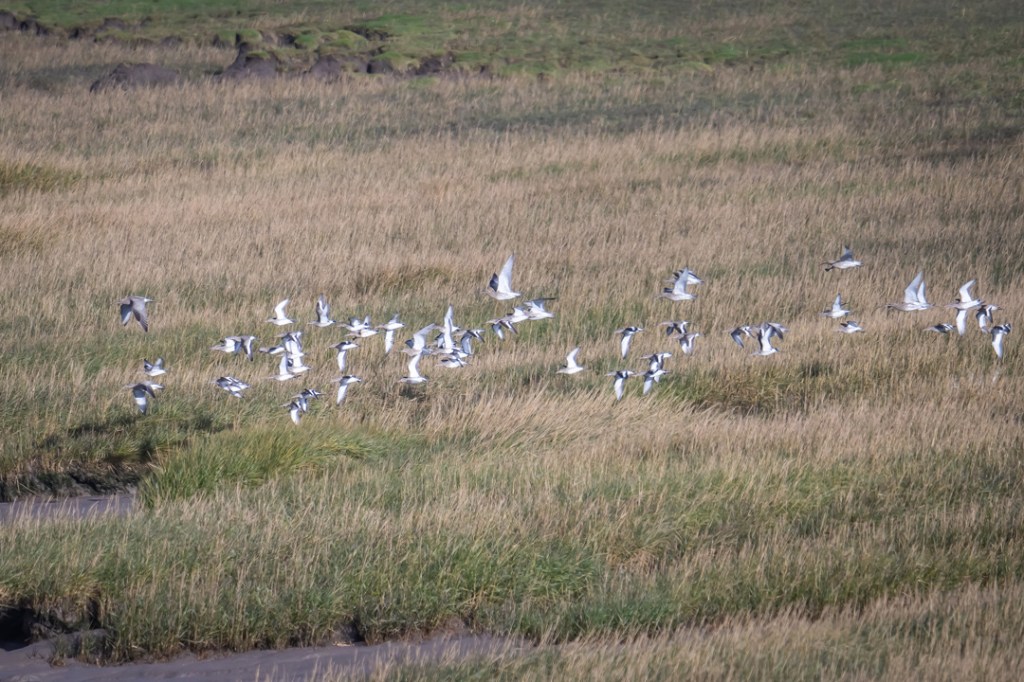
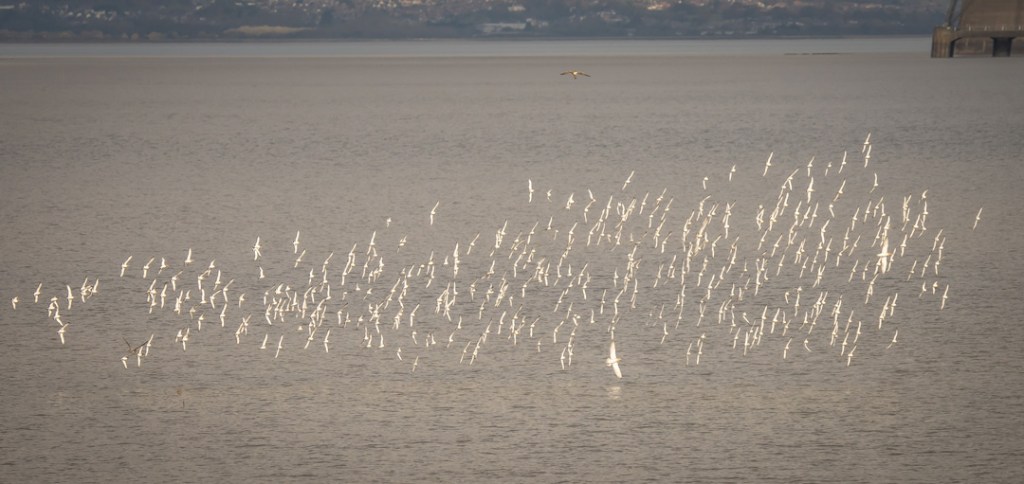
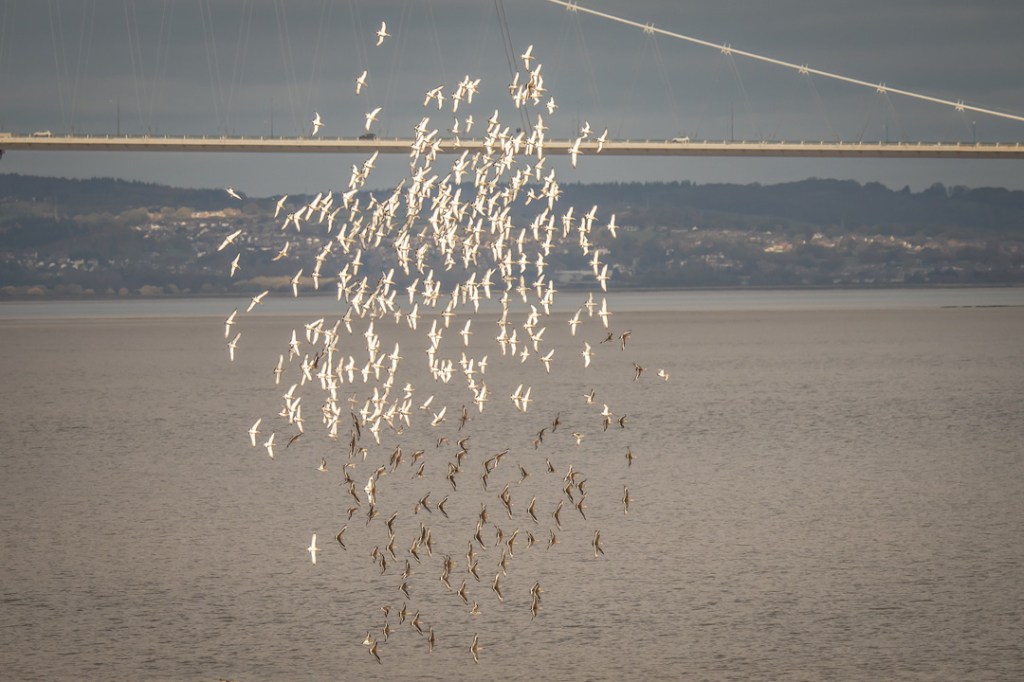
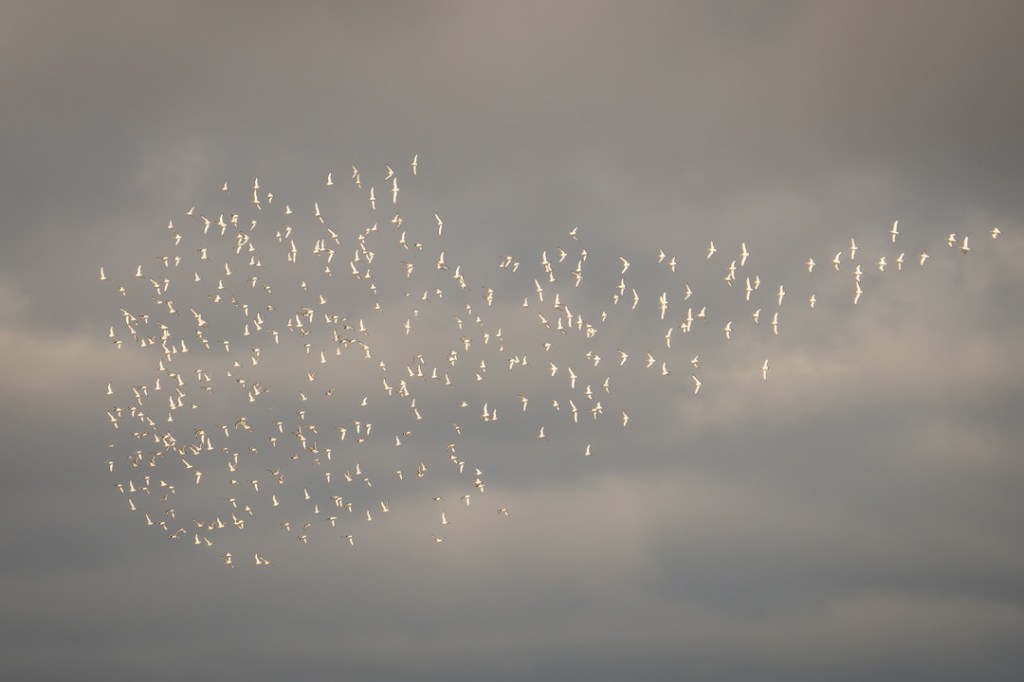
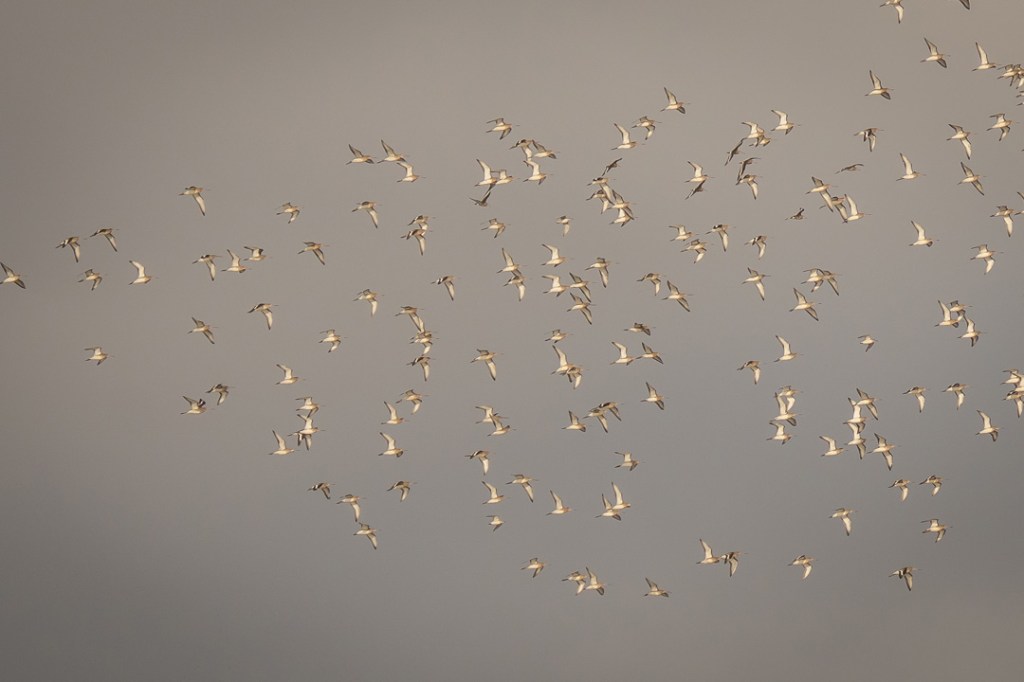
We could make out good flocks of wigeon, Canada geese, black-tailed godwits, lapwing and curlew as well as two northern pintail but they were all a bit distant. However, there was one spectacular moment when a peregrine spooked the black-tailed godwits and we could make it out flying above and amongst them.
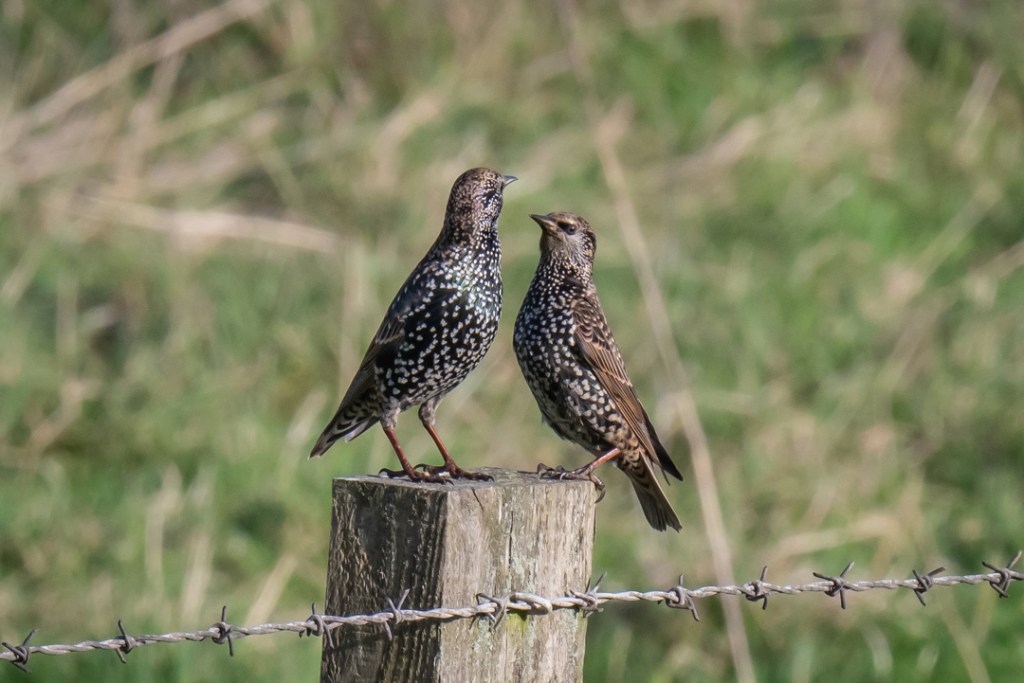
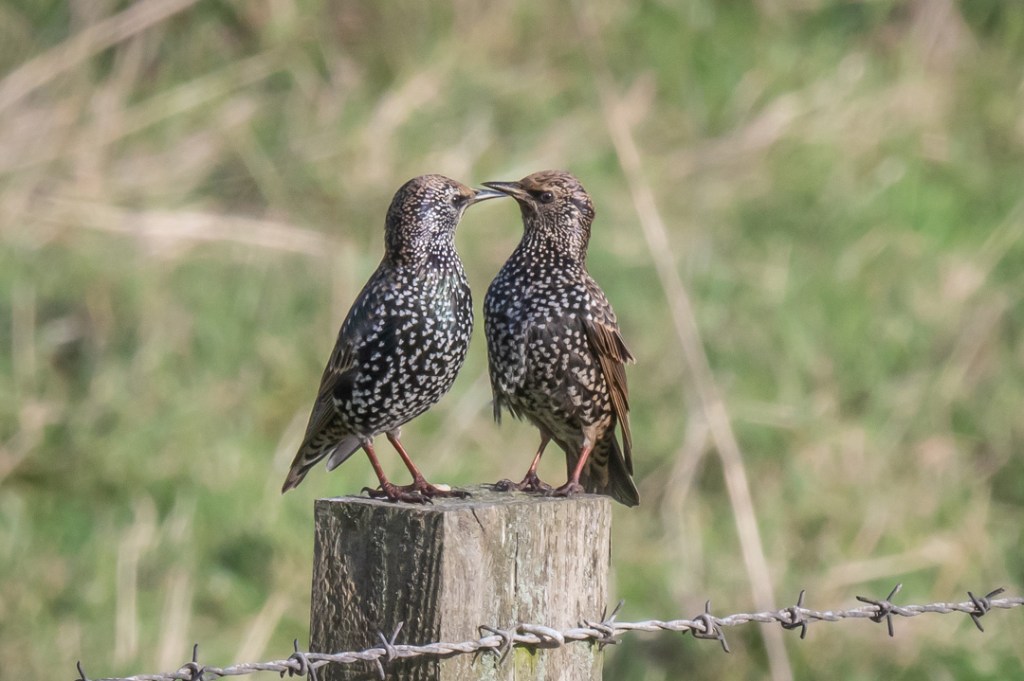
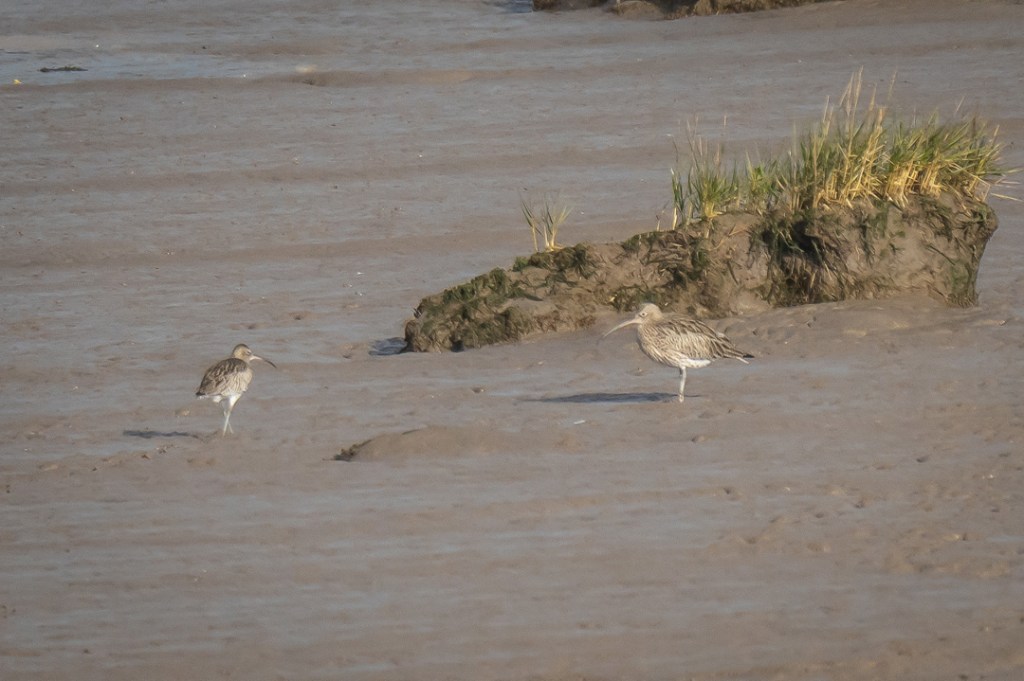
Peregrine amongst the black-tailed godwitsPeregrine flying above the godwitsPeregrine flying above the godwitsCurlewsNorthern pintailLapwingBlack-tailed godwitsPlenty of curlew on the warthFriendly starlings


























































































 Martin's Bird Blog & Nature Photos