I’ll let the photos speak for themselves of the hugely impressive natural phenomena of the Zambezi River and the Victoria Falls seen from the air.

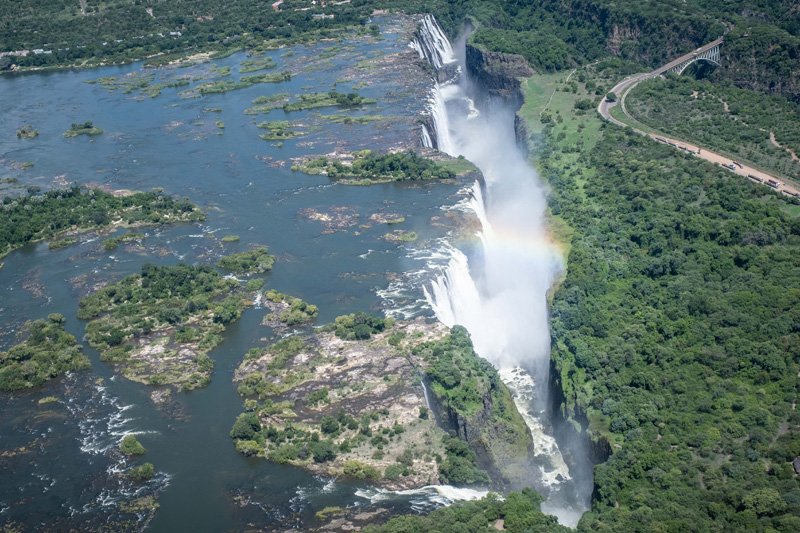


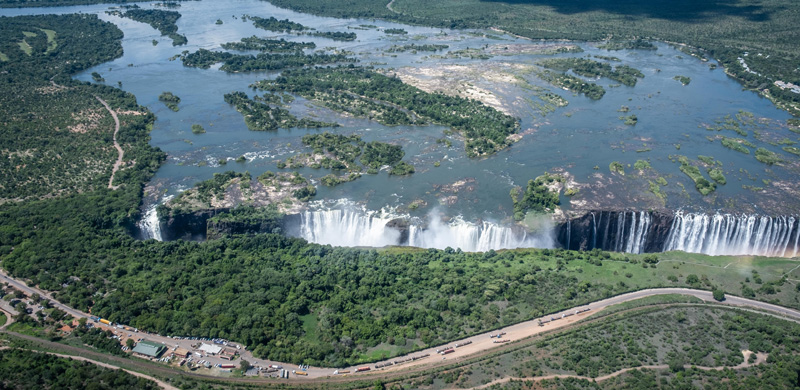
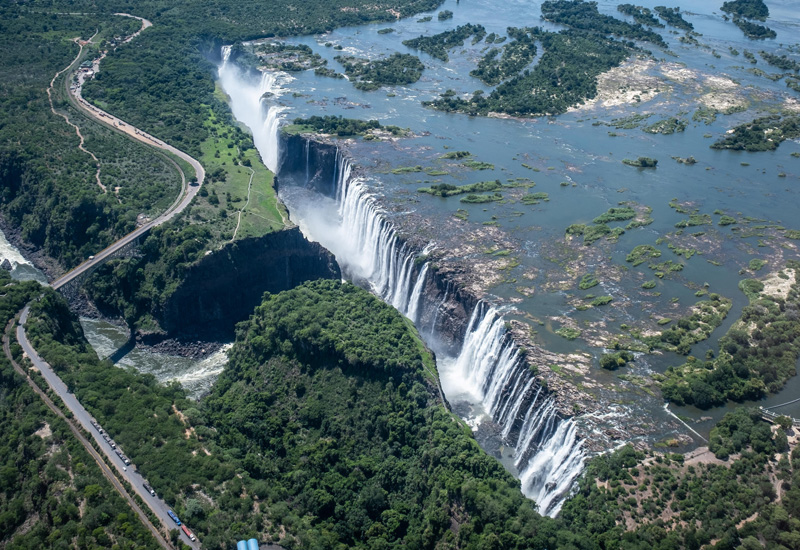

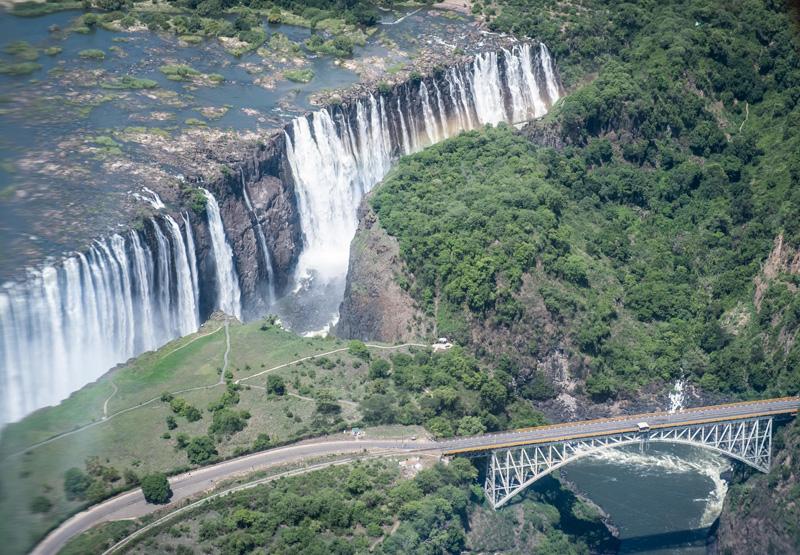
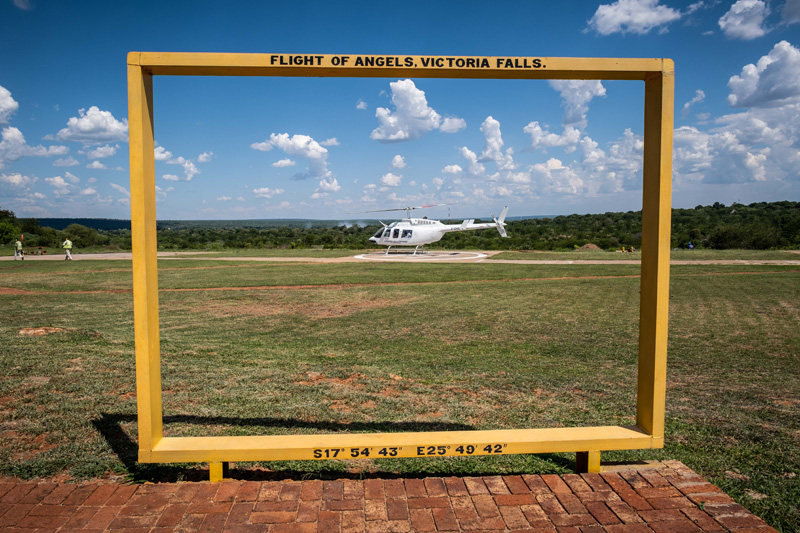
Click below for gallery of photos from this afternoon’s flight.


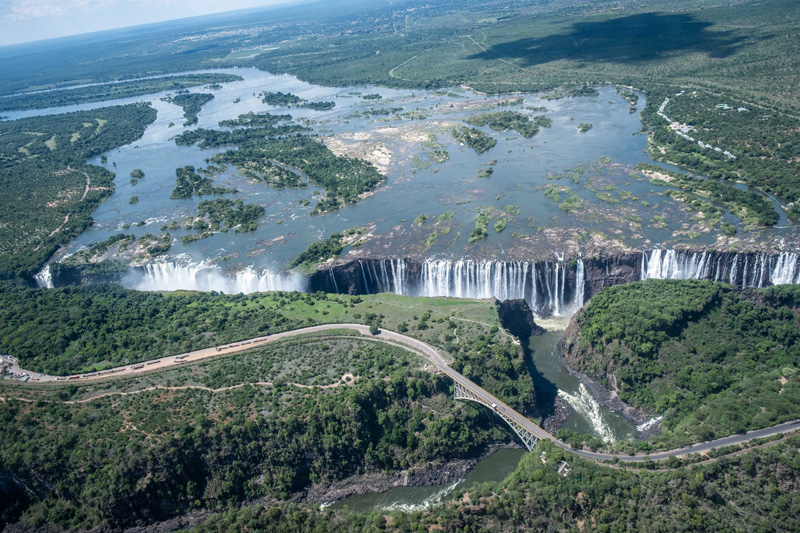
I’ll let the photos speak for themselves of the hugely impressive natural phenomena of the Zambezi River and the Victoria Falls seen from the air.
Click below for gallery of photos from this afternoon’s flight.

Friday 25th January 2019
Windhoek to Victoria Falls
Our flight to Victoria Falls was slightly delayed and so we had just 20 minutes to drop off our bags before departing for a visit to a local Zimbabwean woman’s home to hear about local customs and to take part in a meal of local products. It was particularly interesting hearing about family attitudes to boys and girls forming relationships and the role of aunties and uncles.
By the time we returned to the hotel there was no opportunity for any wildlife photos.
Saturday 26th January 2019
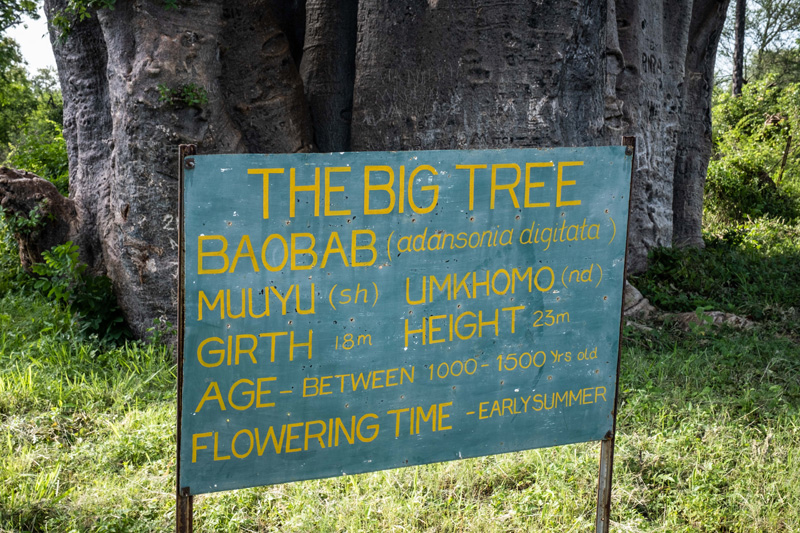
We had yet another early start as we set off to visit the Victoria Falls. We stopped en route to visit an ancient Baobab, believed to be between 1000 and 1500 years old.

At the entrance to the park we had a talk from our local guide about the Falls and, in particular, the story of their discovery by Dr Livingston. It was very interesting but, with the roar of the Falls in the background we were all desperate to move on to get our first sight of them.

Walking through the park we could see and hear plenty of bird life amongst the very green vegetation which was interspersed with lots of orchids and other plants such as Deadly Nightshade.


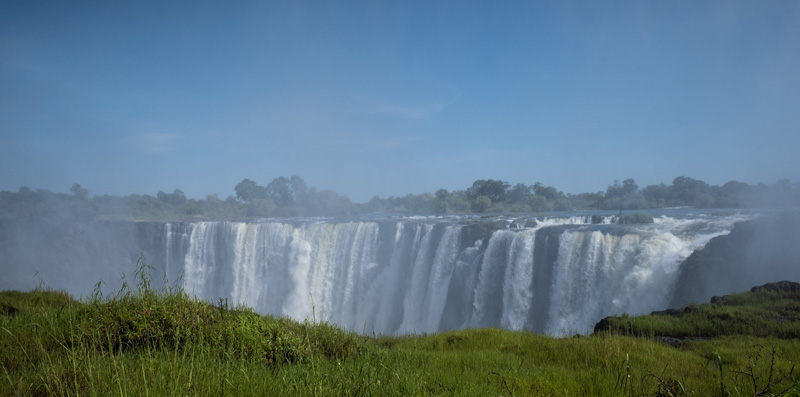
As we had not had even the slightest glimpse of the Falls (except, what even Livingston had considered to be, clouds of smoke) until we were well into the park, it was indeed a magical moment when we did at last get a glimpse of them.
 Our very first glimpse of the Falls
We had nine major view points along the pathway, many of them quite precariously close to the cliff edge which was extremely slippery from the spray. It was not perfect weather for photographs as the sky was quite hazy and the spray was, at times, very heavy. However, there was no doubt that the Falls were an amazing sight to see.



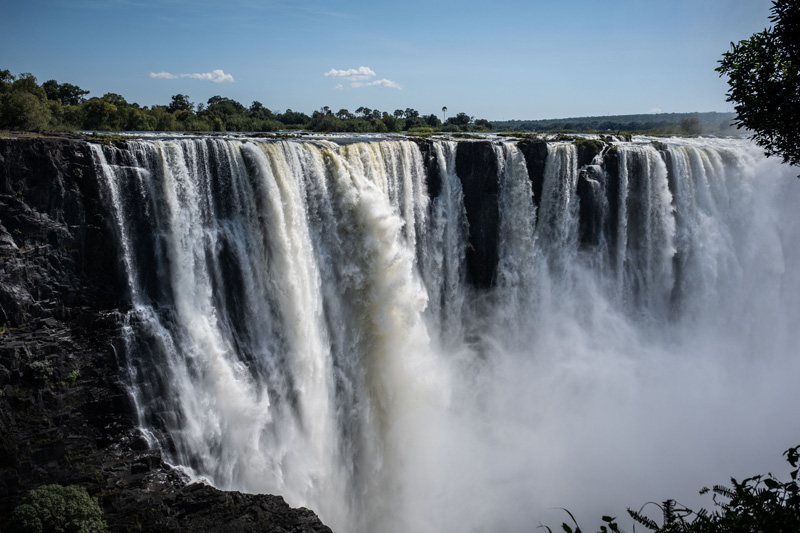


In the afternoon w elected to take a short helicopter ride to see the Falls. This was an expensive excursion and the flight only lasted 12-13 minutes. Nonetheless, this was a most amazing experience and enabled us to see (and photograph) the Falls at their best.
Two of the younger members of our “ Namibian Group” took a microlight flight which sounded even more amazing than our flight, lasting longer and even presenting opportunities to see wildlife from the air.
Click below for gallery of photos from this morning:


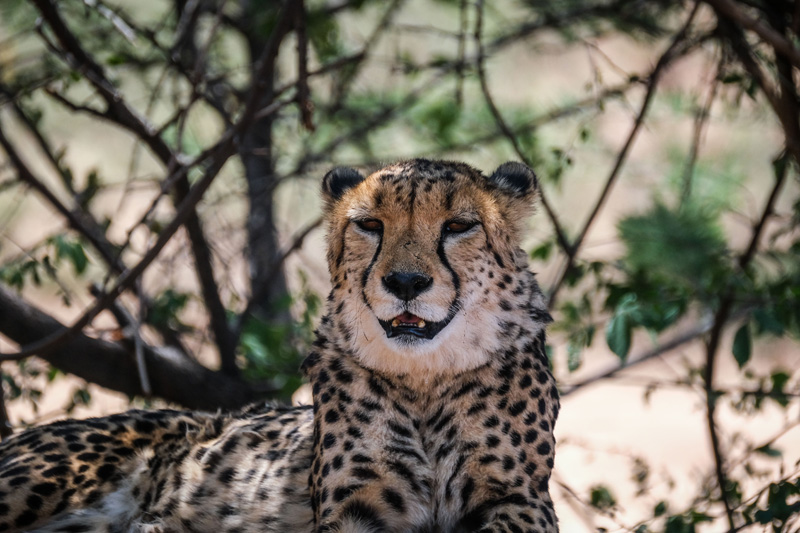
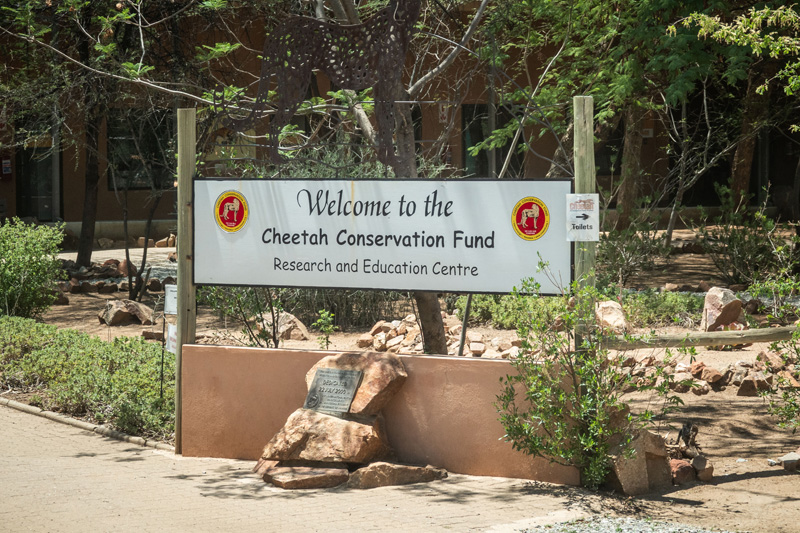
On the way back to Windhoek we stopped at the Cheetah Conservation Fund centre at Otjiwarongo. The CCF is an international non-profit organization headquartered in Namibia, with operations in the United States, Canada, Australia, Italy and the United Kingdom, and partner organizations in several other nations.
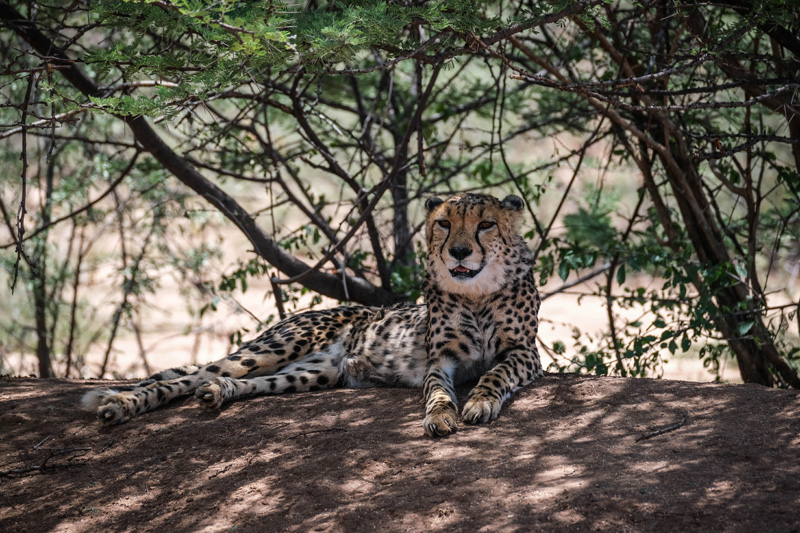
Our visit started at the very informative museum; we then went out into the field to see some of the “rescue” cheetahs before having lunch at the centre. During lunch we had two talks; one from an intern about the work of the centre and then another from the Founder and Executive Director, the very impressive Dr Laurie Marker, who told us about the world-wide scope of the CCF.
After lunch we went to see some more of the “rescue” cheetahs being fed and told more about the work of the centre from a Canadian intern and from the head of the department, who hailed from just outside our home city of Bristol.
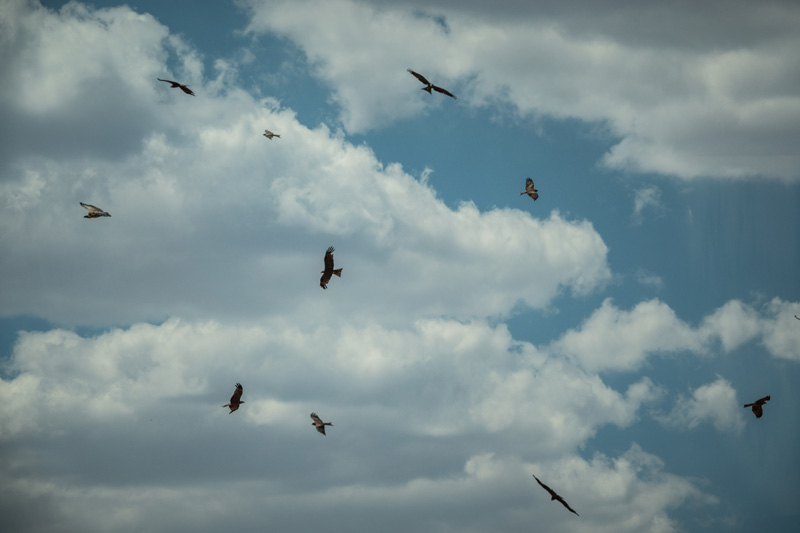
A fascinating visit was made even better by seeing flocks of vultures overhead as the meat was put out for the cheetahs.
The CCF’s website is well worth a look at.
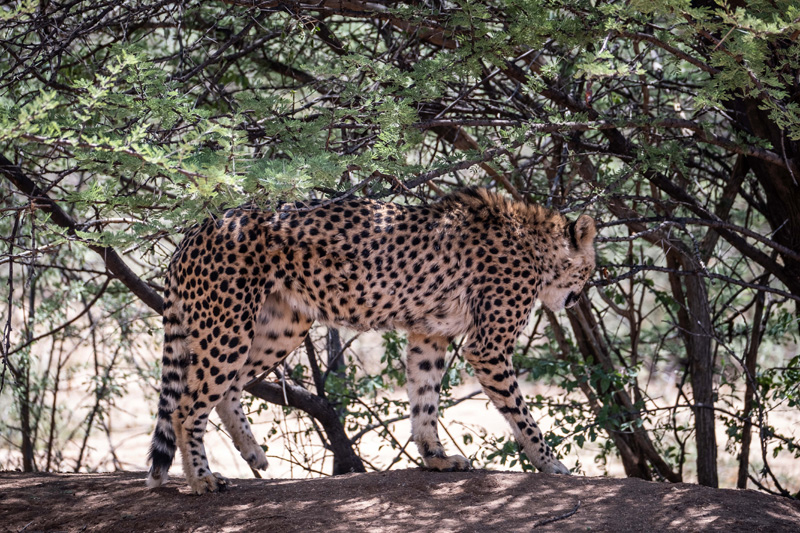
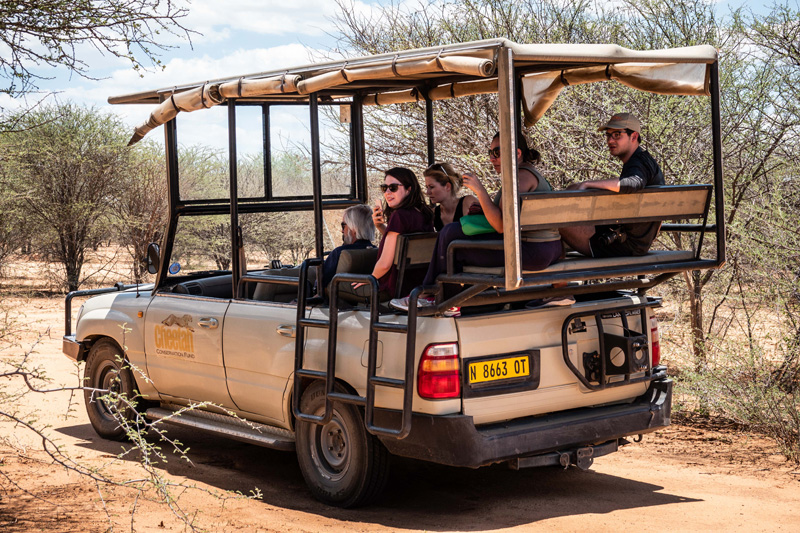
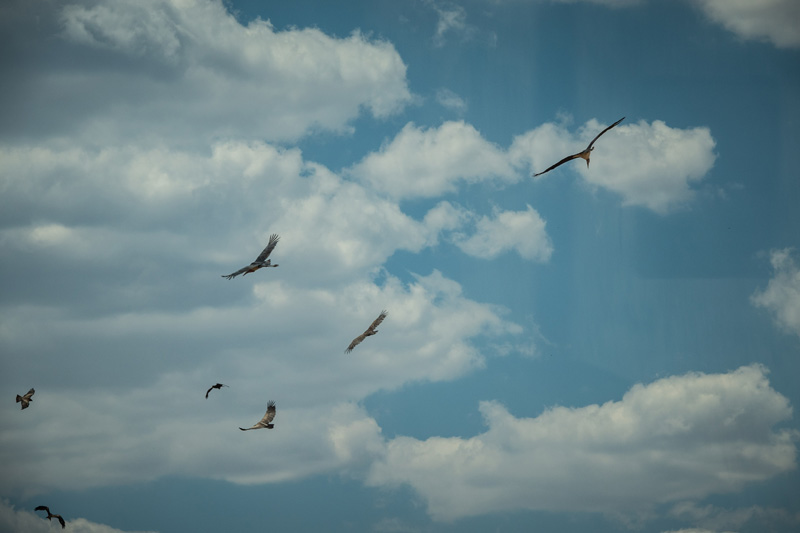

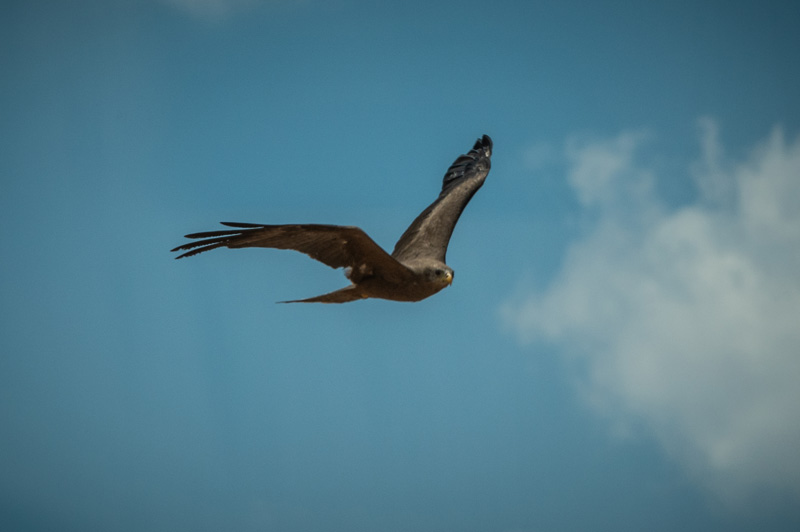
Click below for gallery of photos:


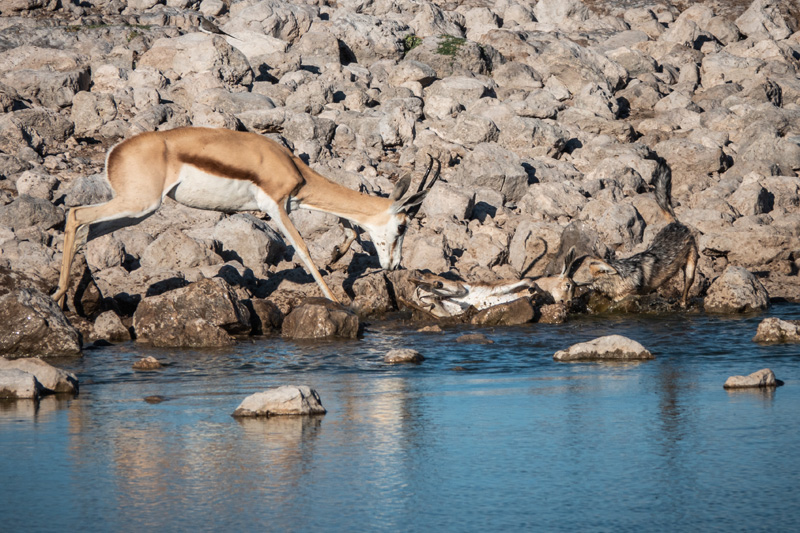
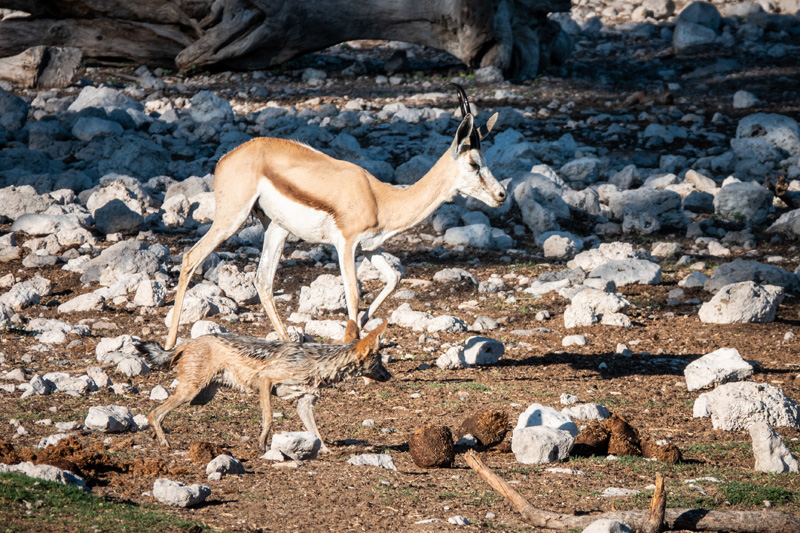
We were due to set off early for the trip back to Windhoek but fortunately we had a short period of delay as a flat battery was sorted on the coach (our driver Immanual was trying to keep our drinks cool) and we had a further hour at the waterhole. The highlight was the action of a jackal attempting to steal a baby Springbok. Some photos are not for the squeamish.
(Labelling to follow)
 African Red-eyed Bulbul


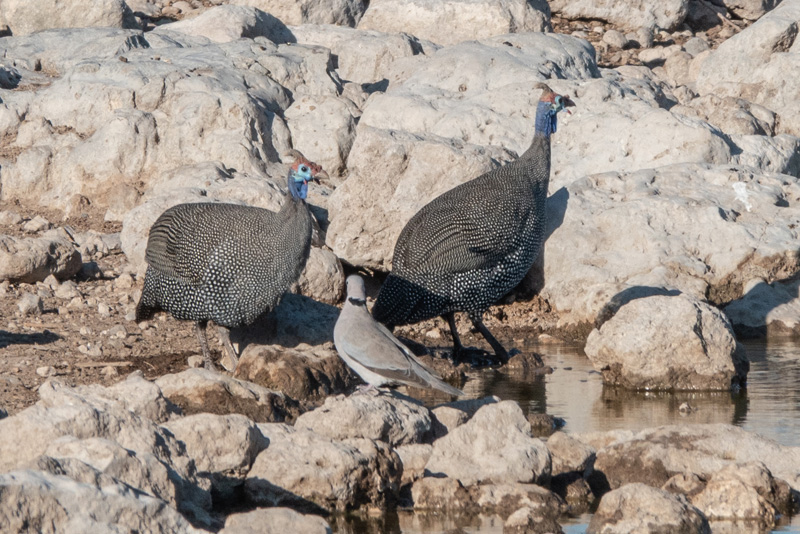 Helmeted Guineafowl (Etosha National Park – January 2019)
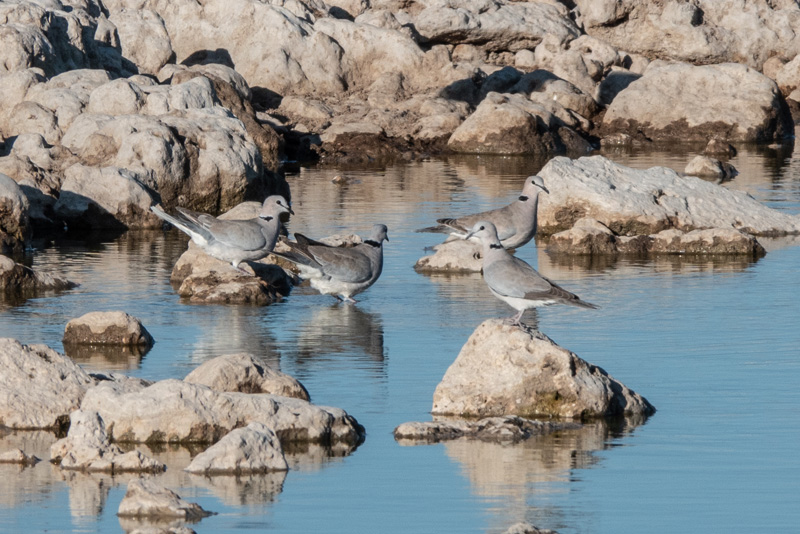 Cape Turtle Dove (Etosha National Park, Namibia – January 2019)

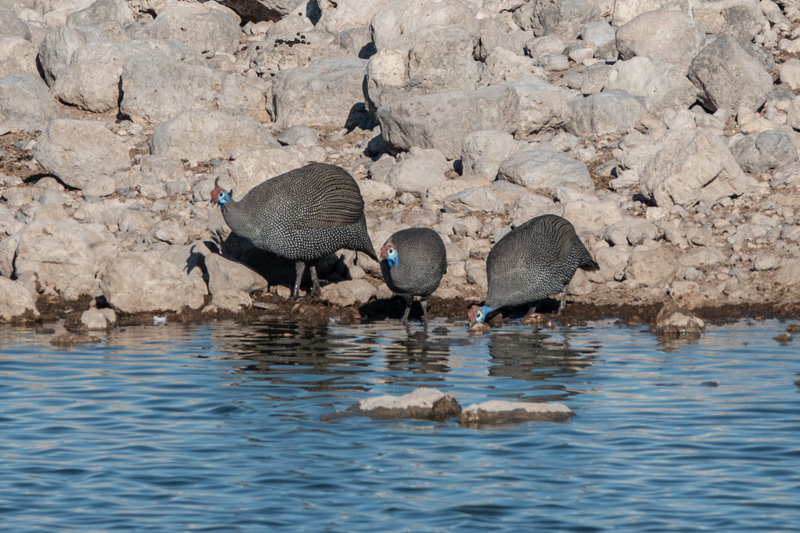 Helmeted Guineafowl (Etosha National Park – January 2019)
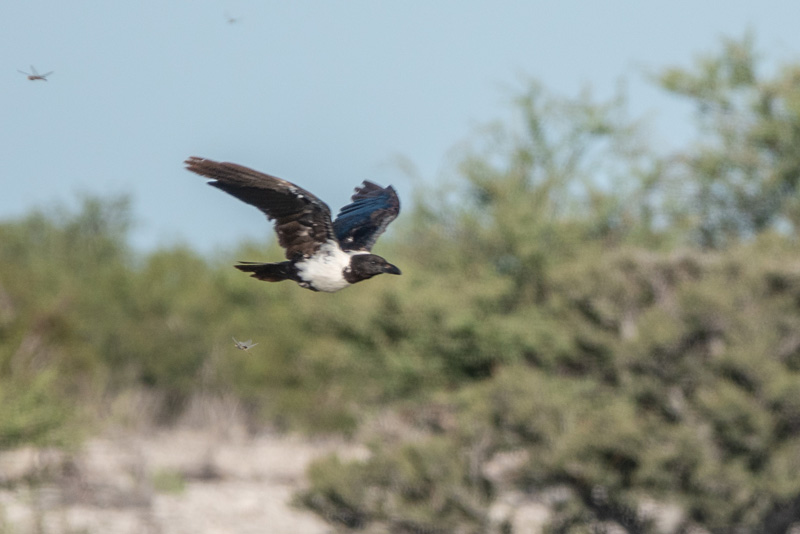

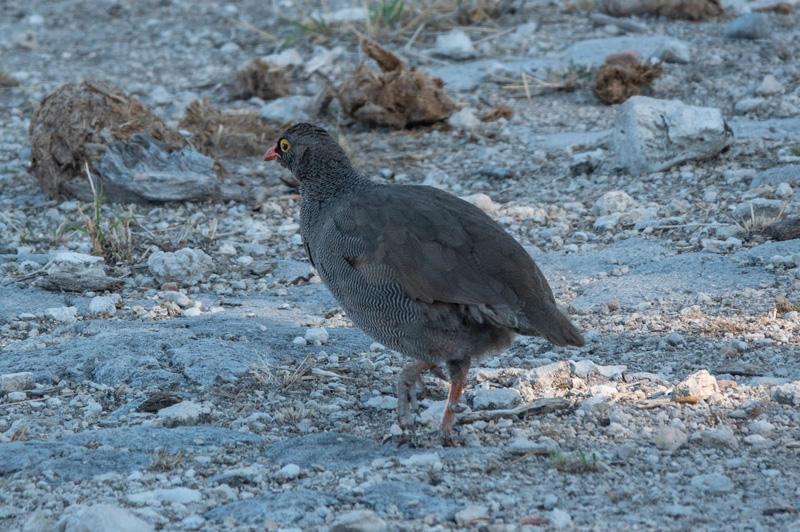 Red-billed Spurfoul

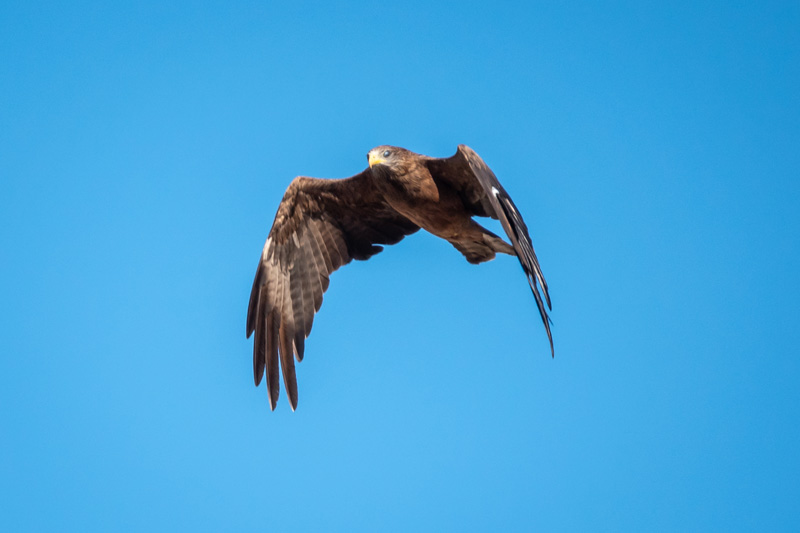

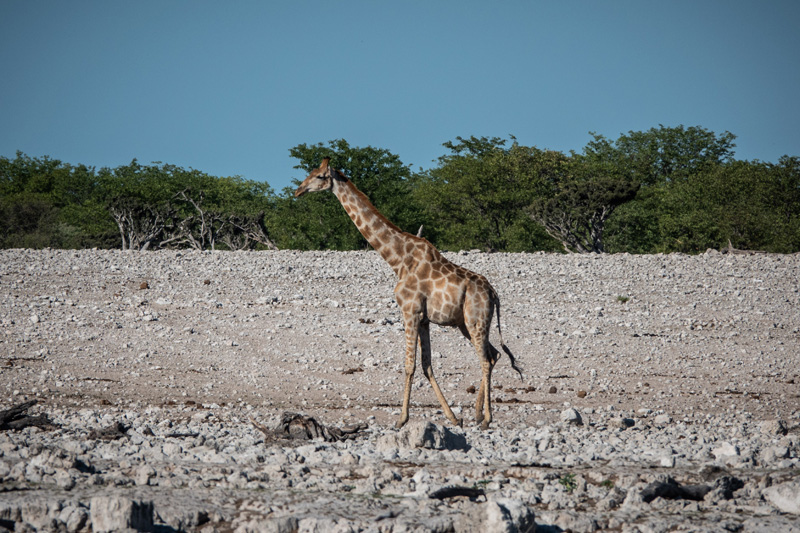


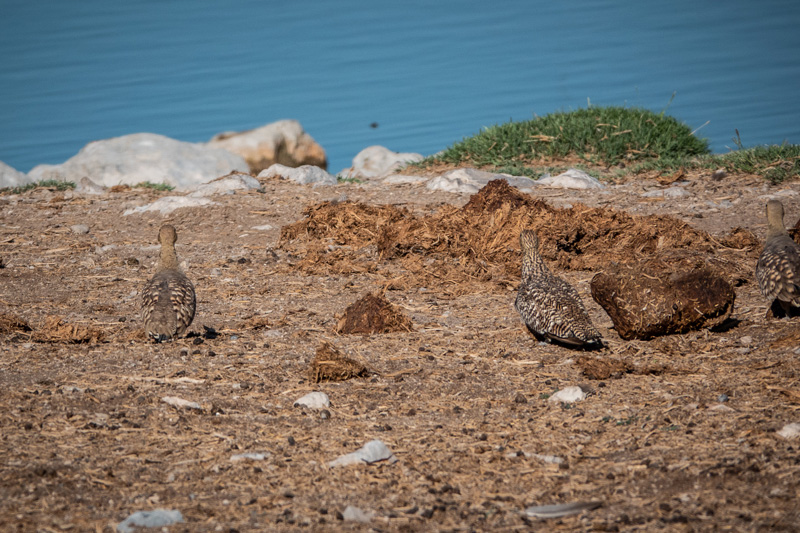
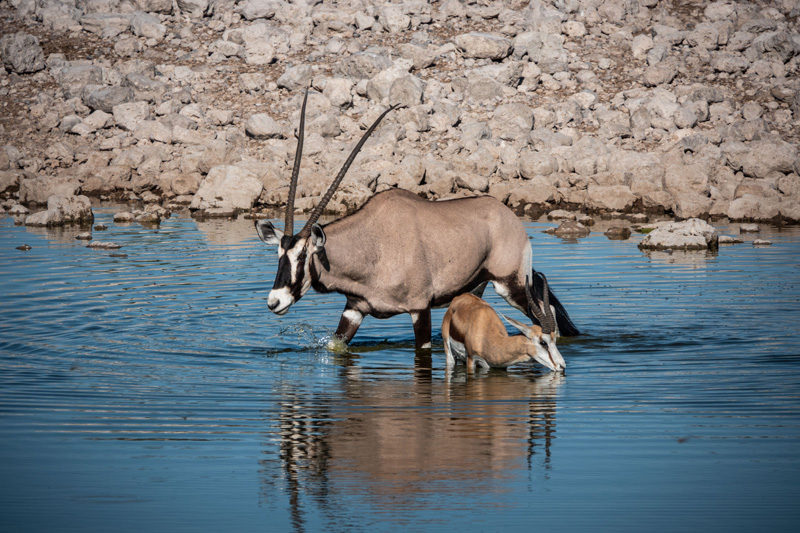
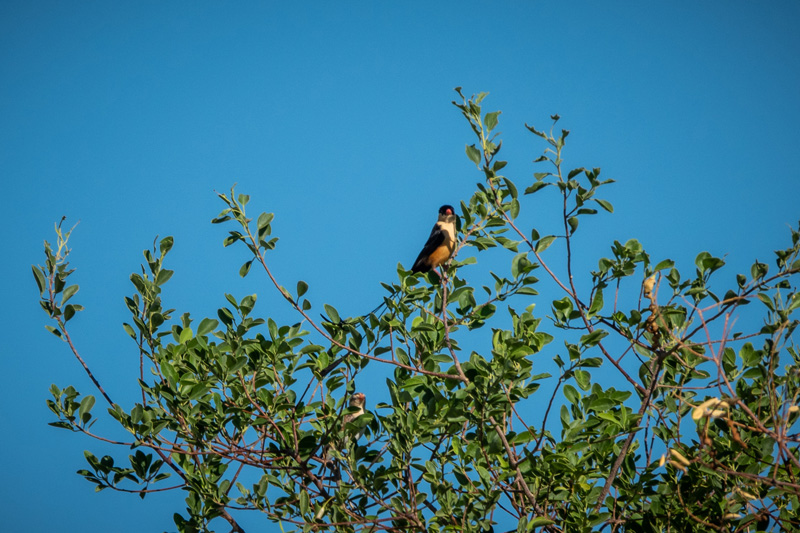
Click below for gallery of photos:


A glutton for punishment we had another visit to the waterhole and, again, saw some magnificent birds and mammals.
I’ll name some of these later.
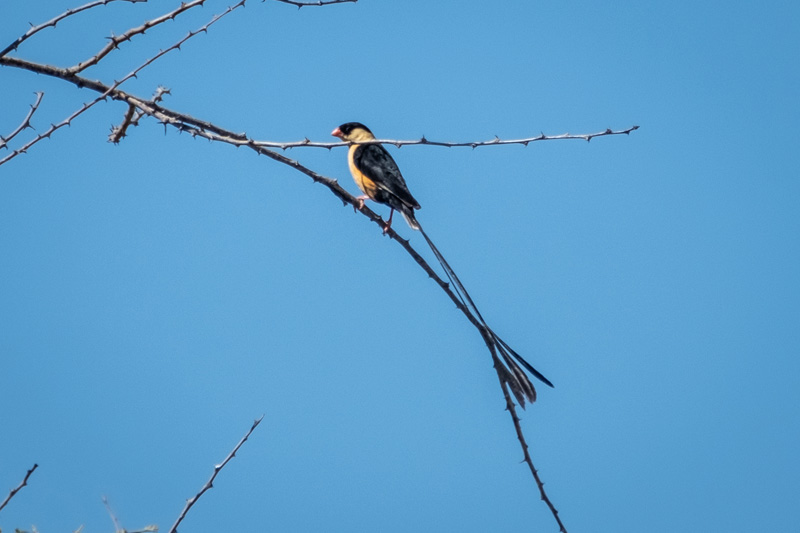 Shaft-tailed Whydah
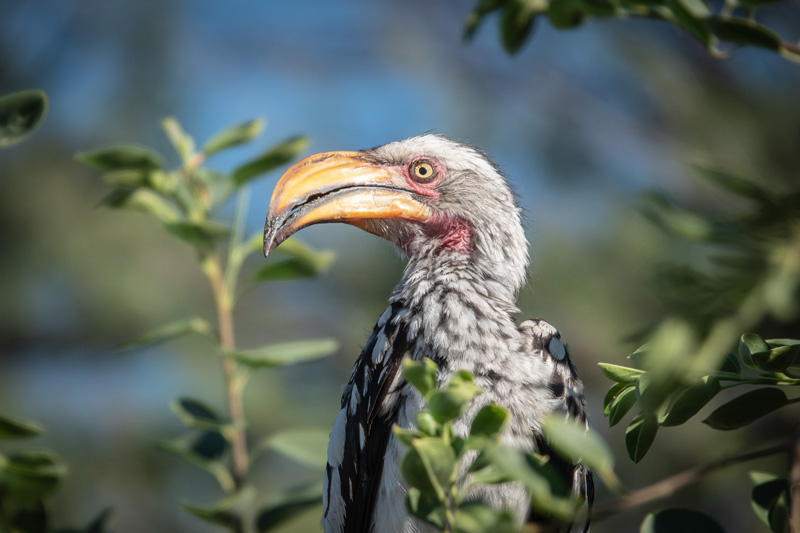
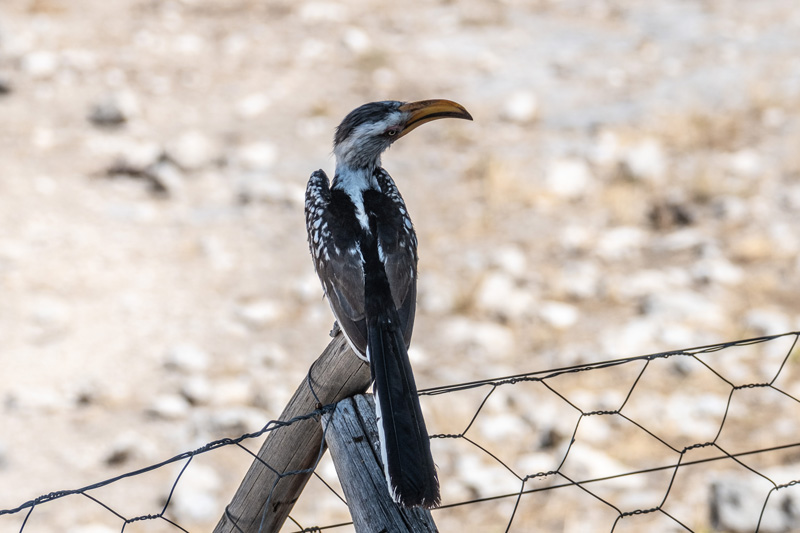 Southern red-billed Hornbill
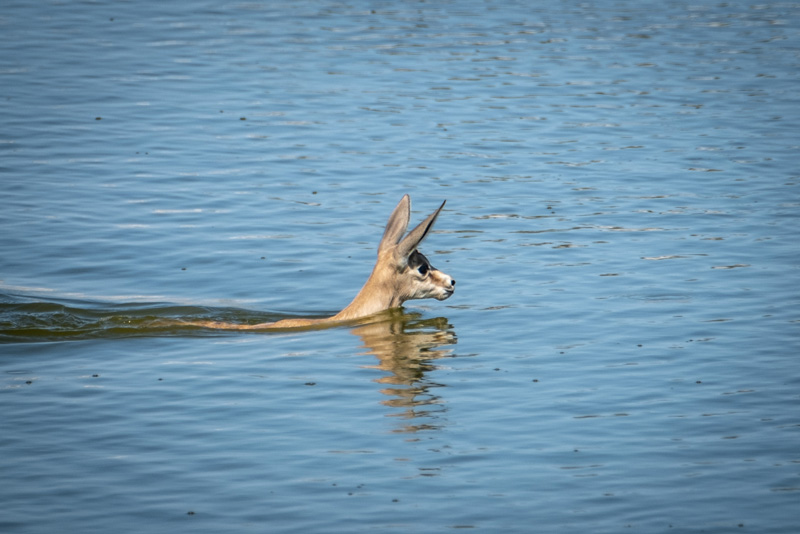 Baby Springbok swimming to his mum
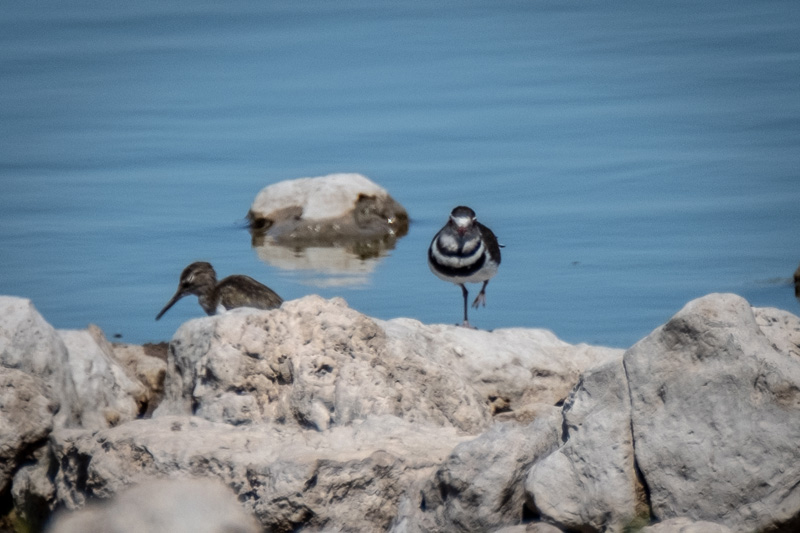 Three-banded Plover

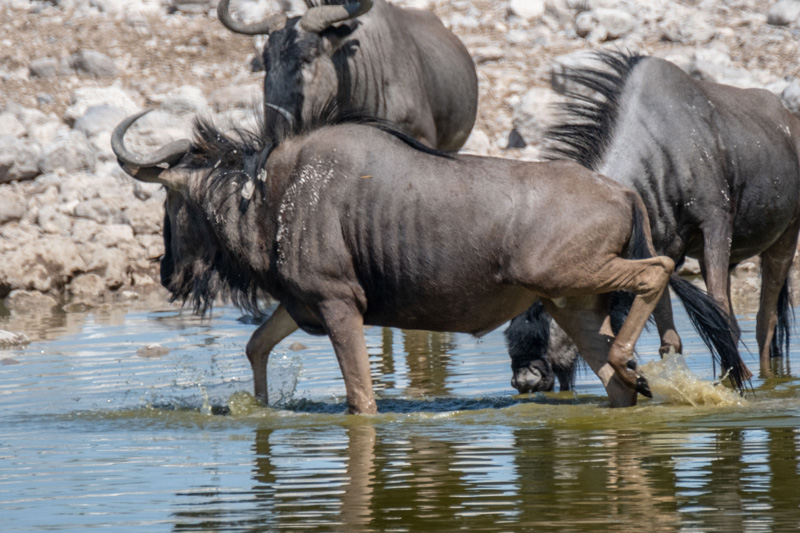 Blue Wildebeast

 Lilac-breasted Roller
 Lilac-breasted Roller

Click below for gallery of photos:


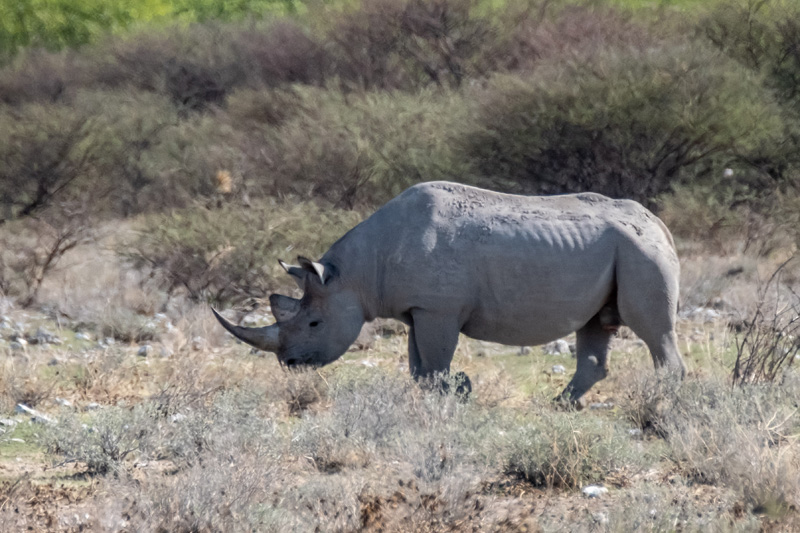
The game drive in the afternoon started at 3 p.m. and was really hard work in the heat of the day. (What did the bushman tell us about not moving around between 10 a.m. and 5 p.m. ?)
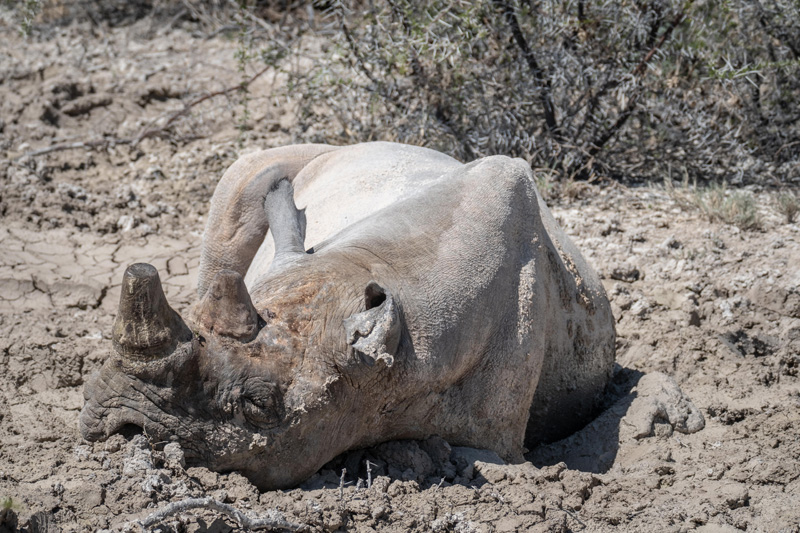
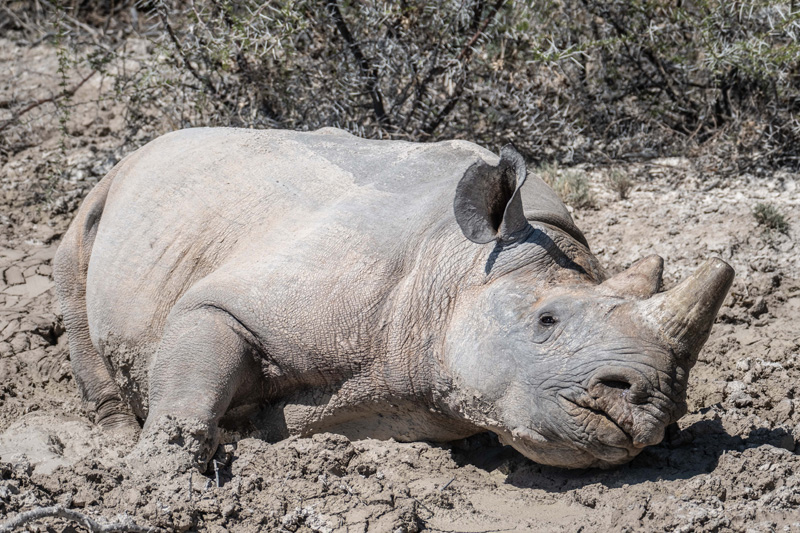
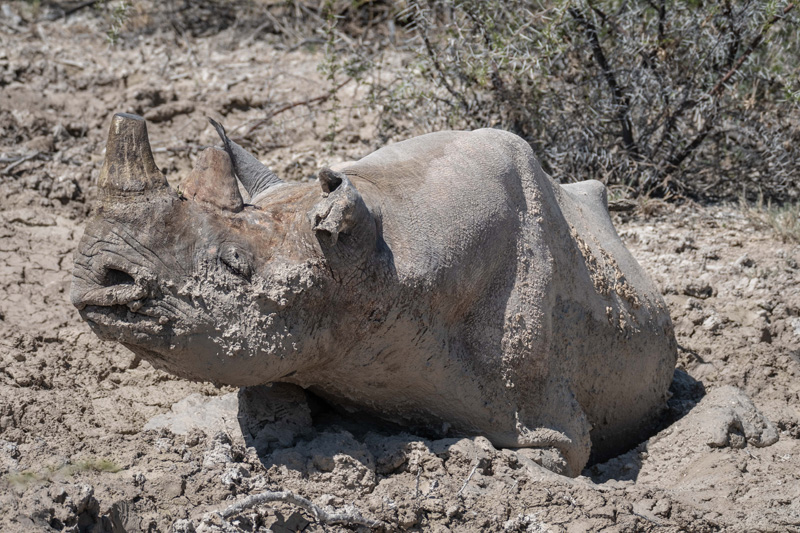
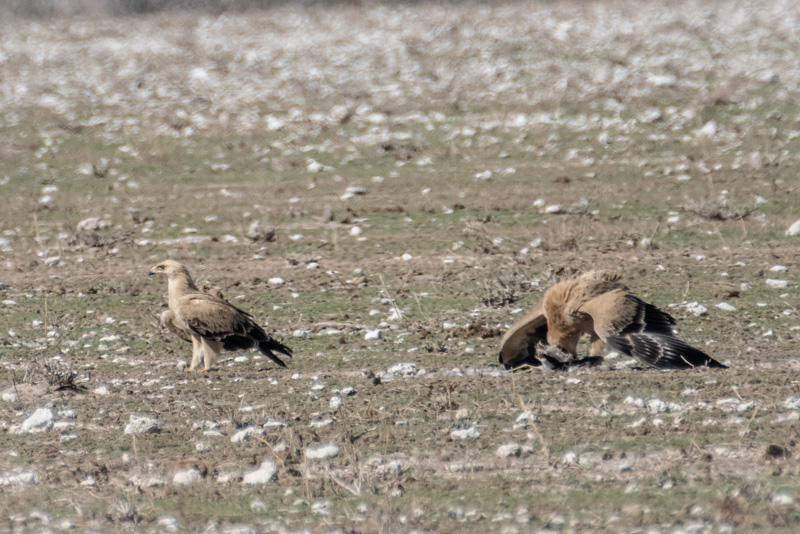
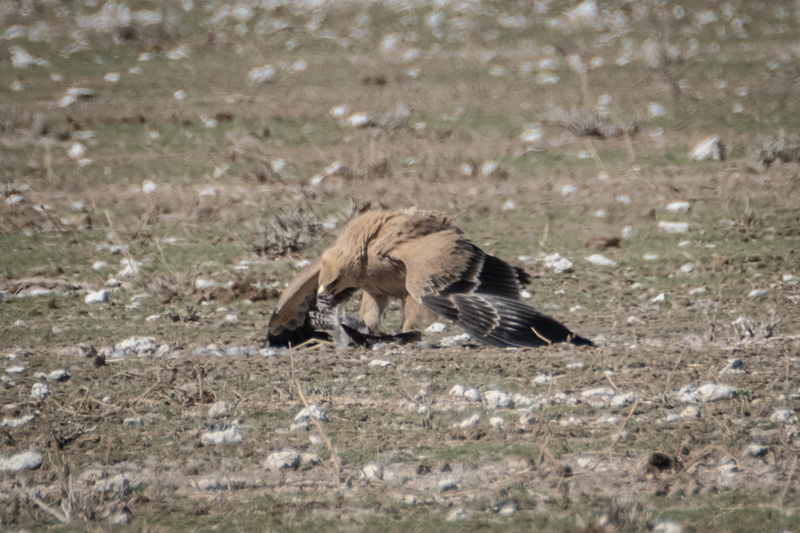
The highlight of the mammals were the Black Rhinos – one of whom wallowed in the mud right under our noses) but I particularly enjoyed some of the bird life we saw: notably, the Northern Black Korhaan and the raptors which I am yet to identify.
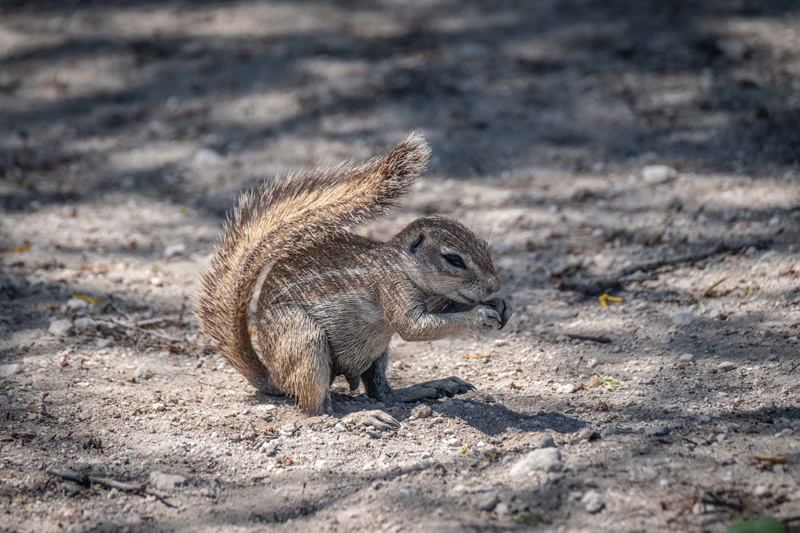
 South African Ground squirrel
 The remains of a giraffe which, we were told. was slow to get up less than a week ago
 Scrub Hare
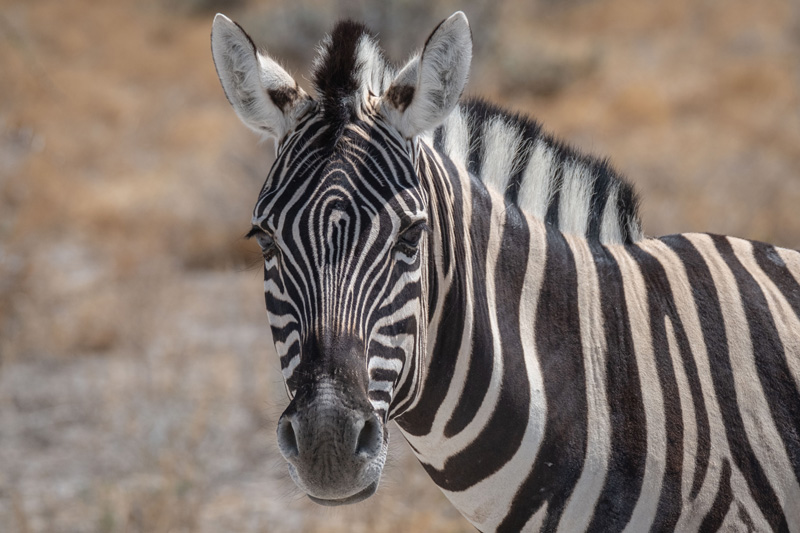
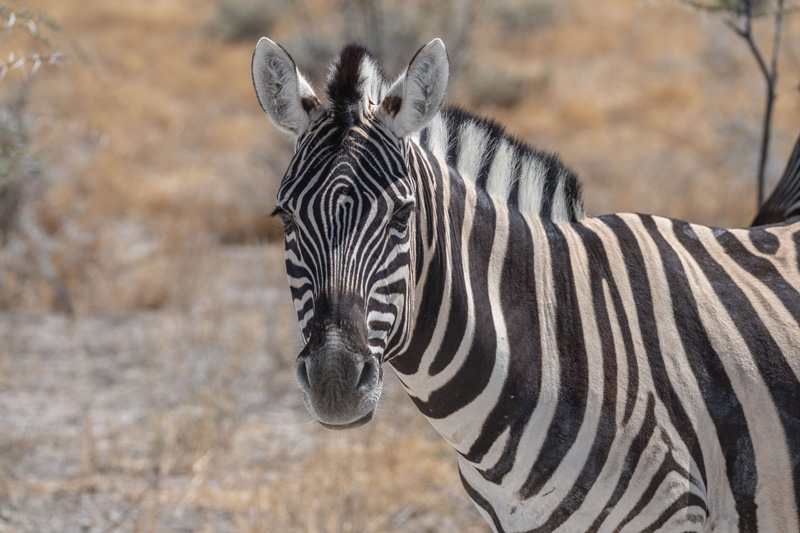
 Hartmann’s Zebra
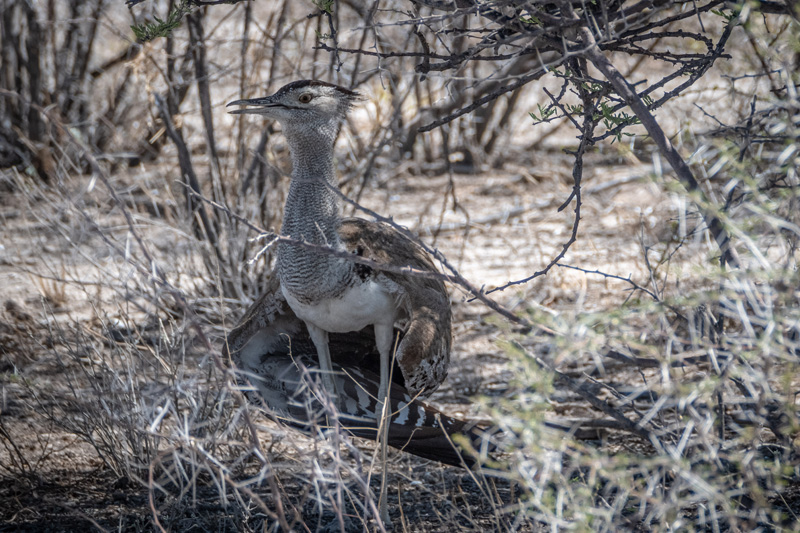
 Kori Bustard

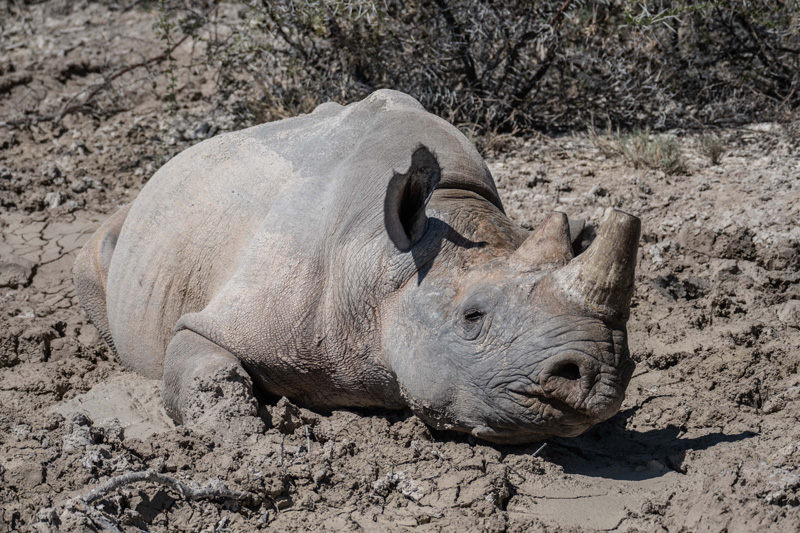 Black Rhino
 Northern Black Korhaan
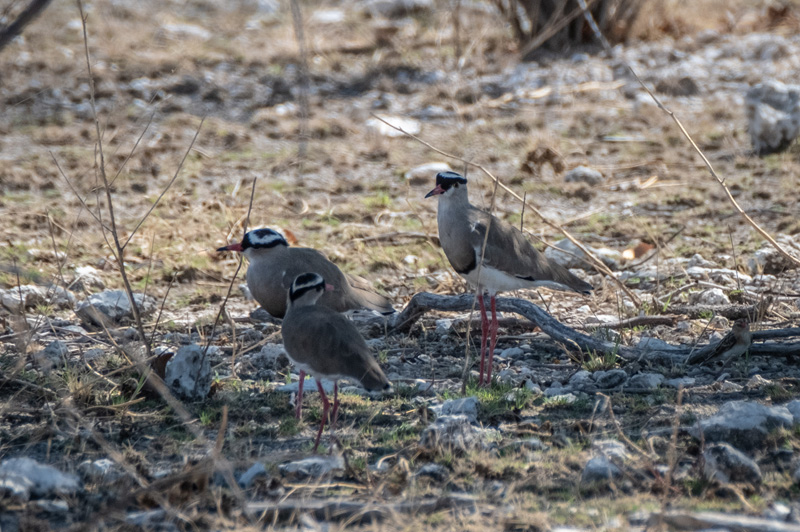 Crowned Plover
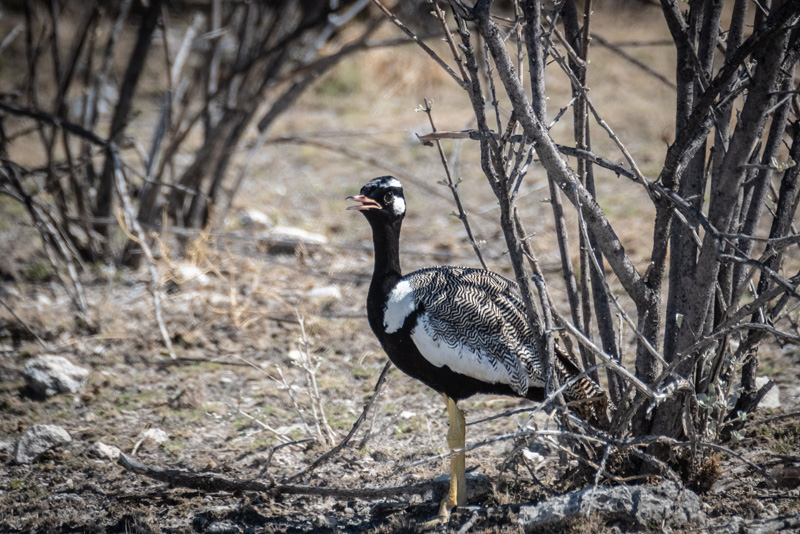 Northern Black Korhaan
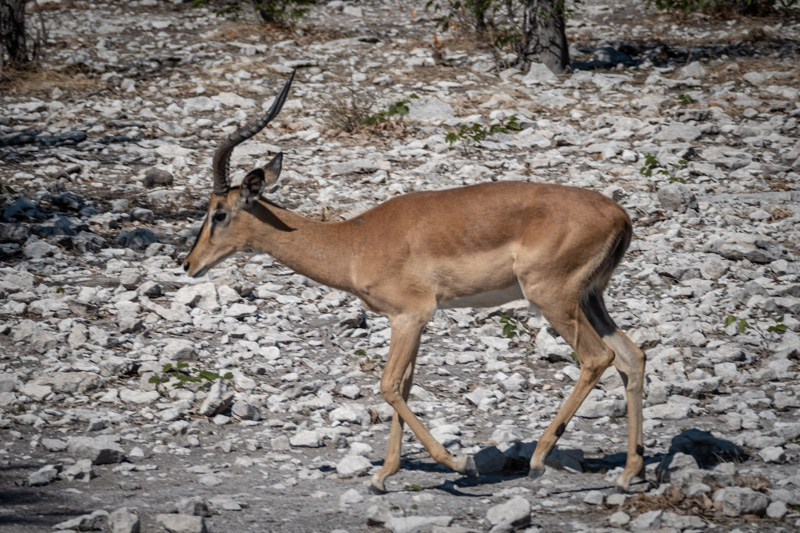
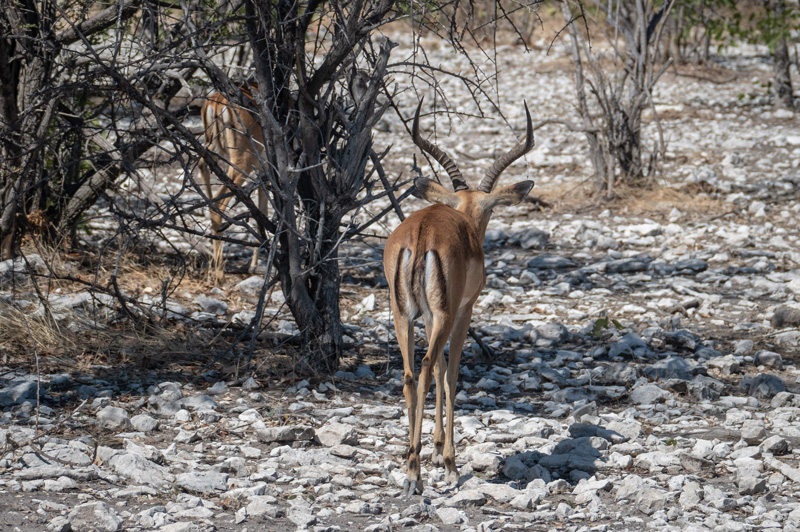 Black-faced Impala
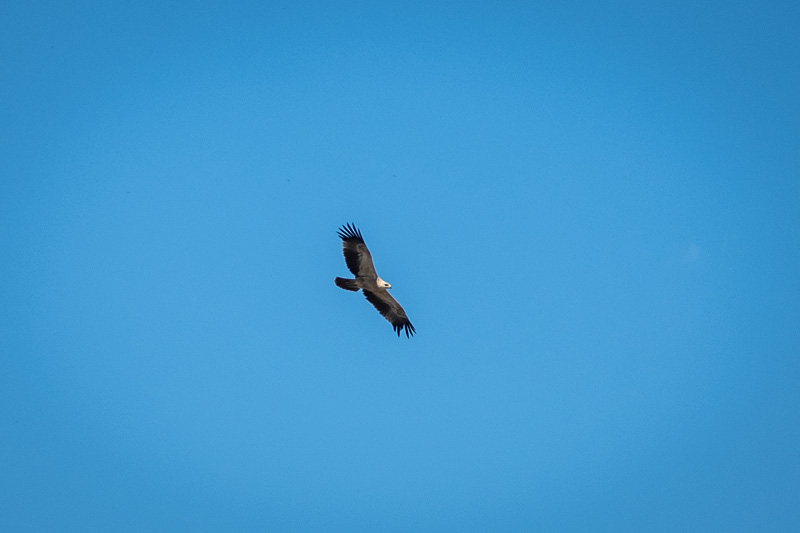 White-headed Vulture ?
 African harrier hawk
 Rhino
Rhino
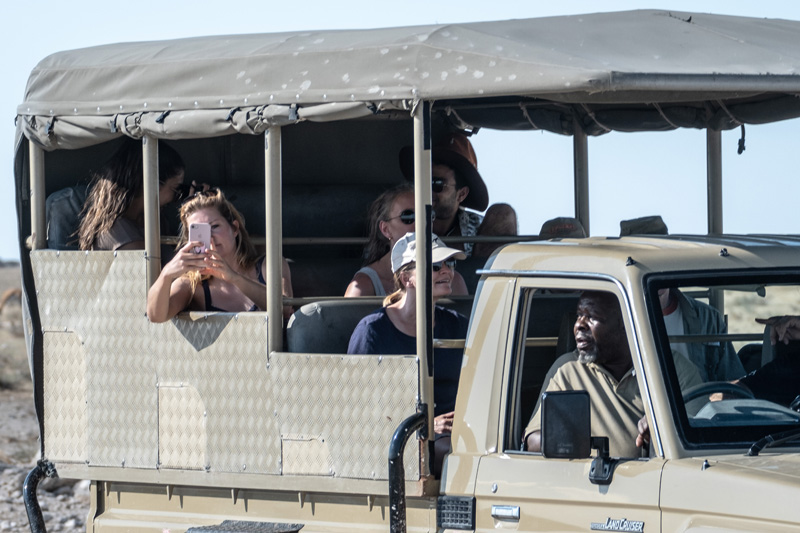
 The cool group ?

Click below for photos from this afternoon








We were up very early this morning to set off at 5 a.m. on the first of two game drives in the Etosha National Park. The park was proclaimed a game reserve in 1907 and covers an area of 22,270 square kiometres.
The park was named after the Etosha Pan, which is located within the park. In Oshivambo, “Etosha” means “Great White Place”. A unique feature of Etosha is this vast salt pan, which temporarily becomes a shallow lagoon after a good rainy season. It had rained the night before our arrival but not enough to flood the pan. It must be a magnificent sight to see.
For the first part of our game drive we travelled in the dark and our guide pointed out animals by using a red light.
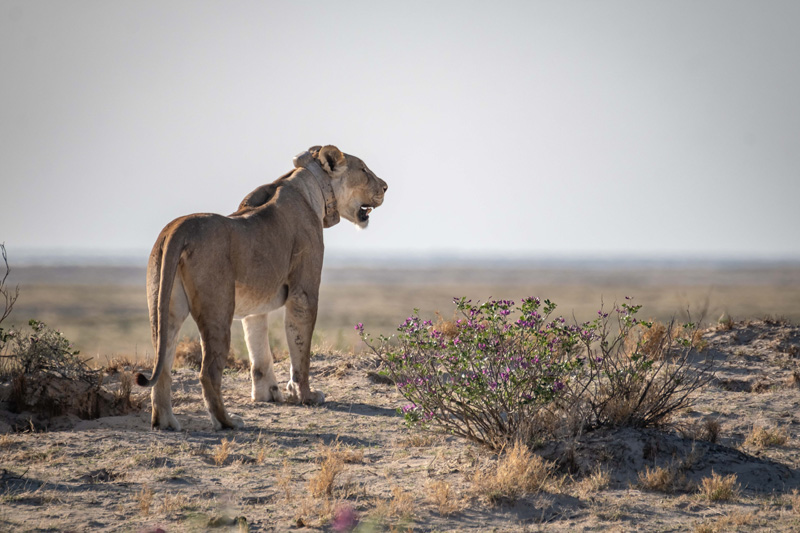
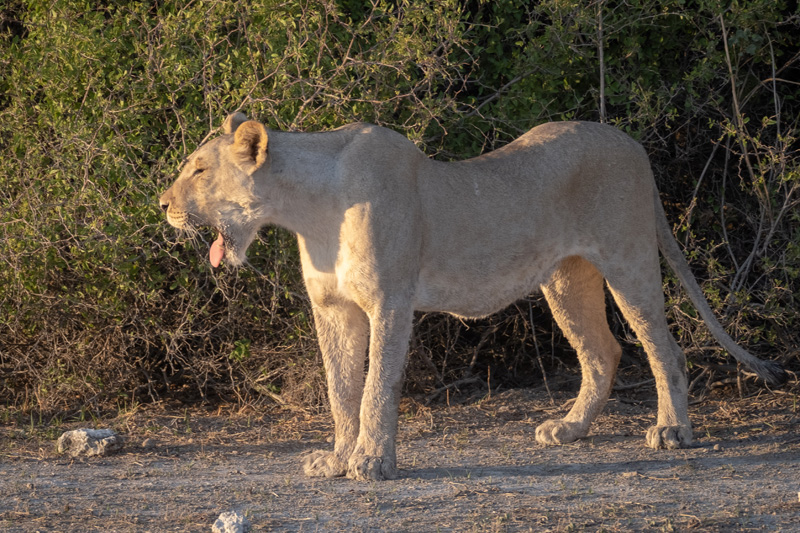
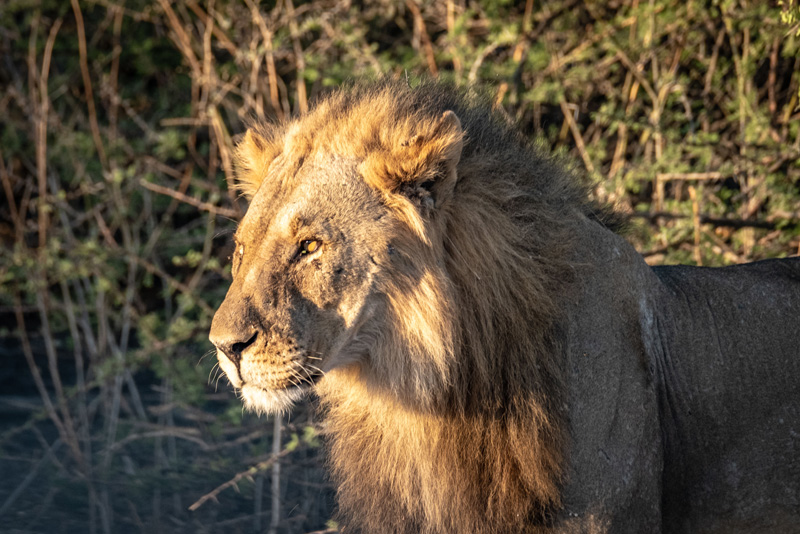
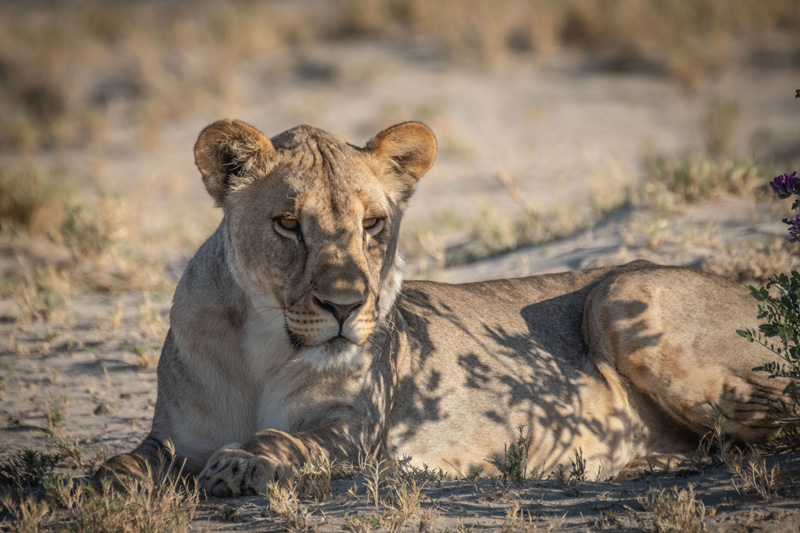
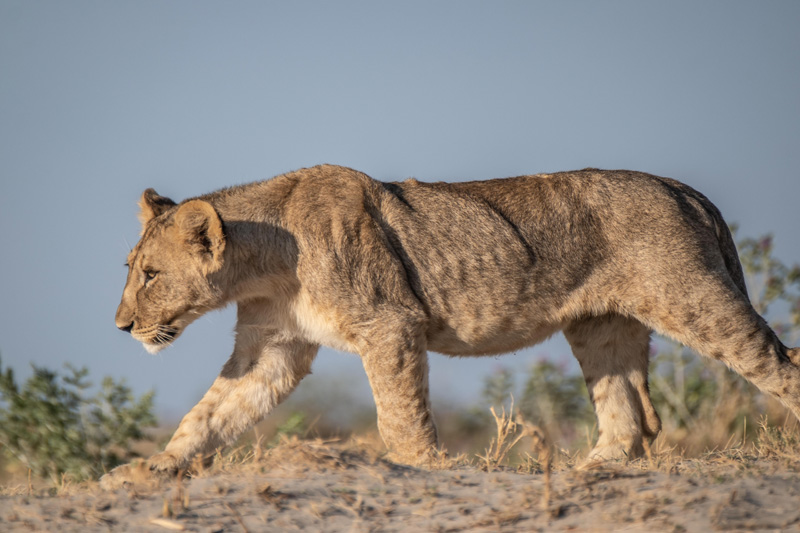
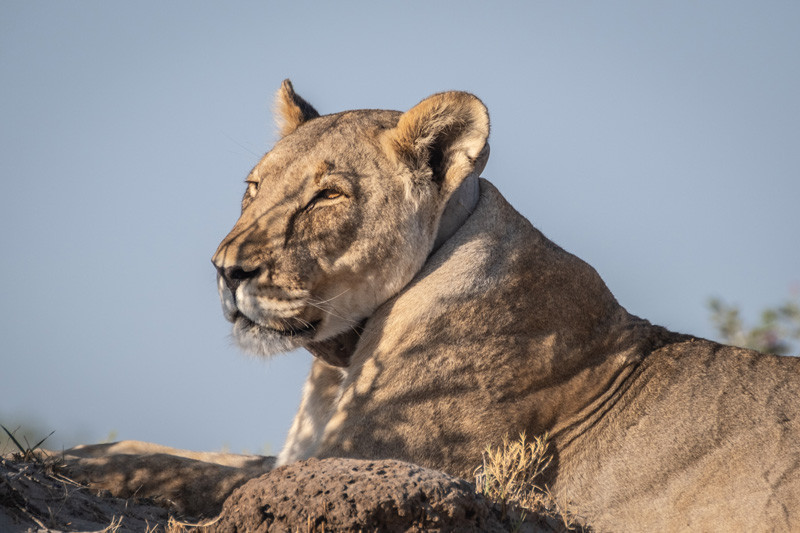
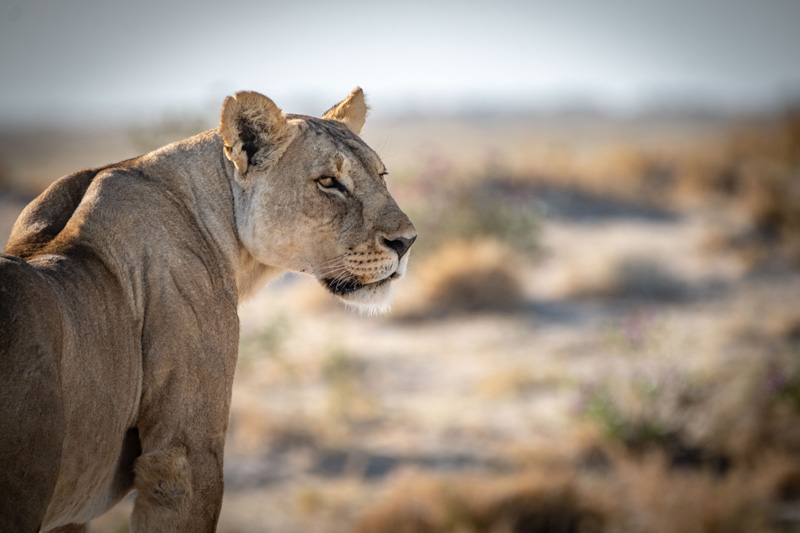
The highlight of this morning’s drive were the two pride of lions.
The mammals and birds in my photographs represent only a small amount of what we saw. Truly an amazing experience.
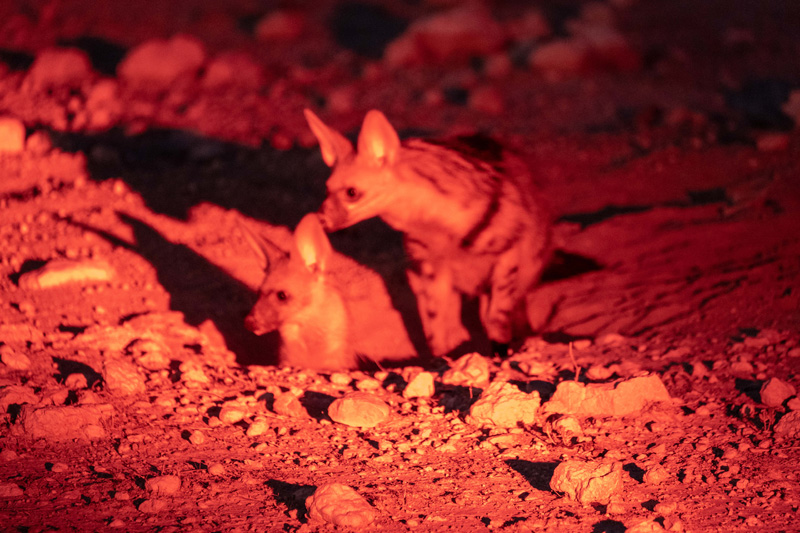
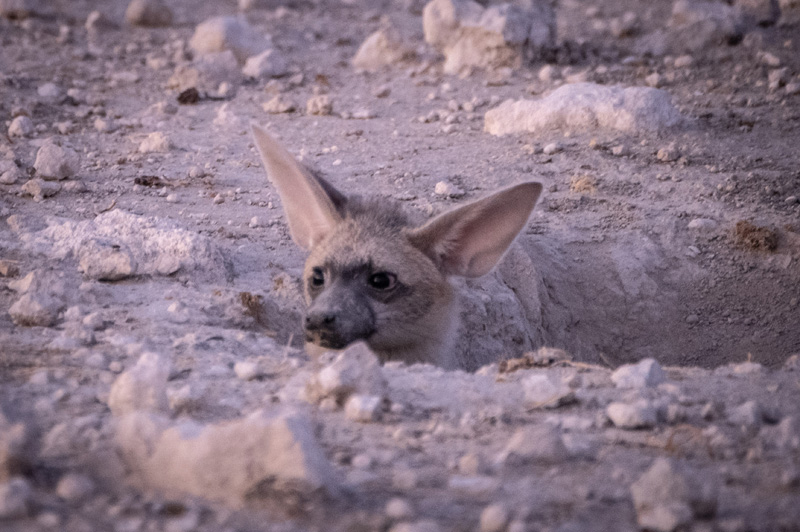 Aardwolf
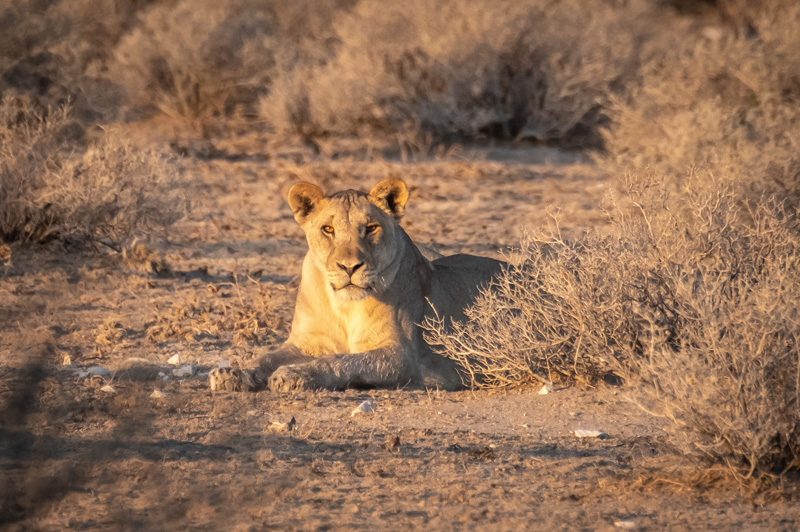 Lionness
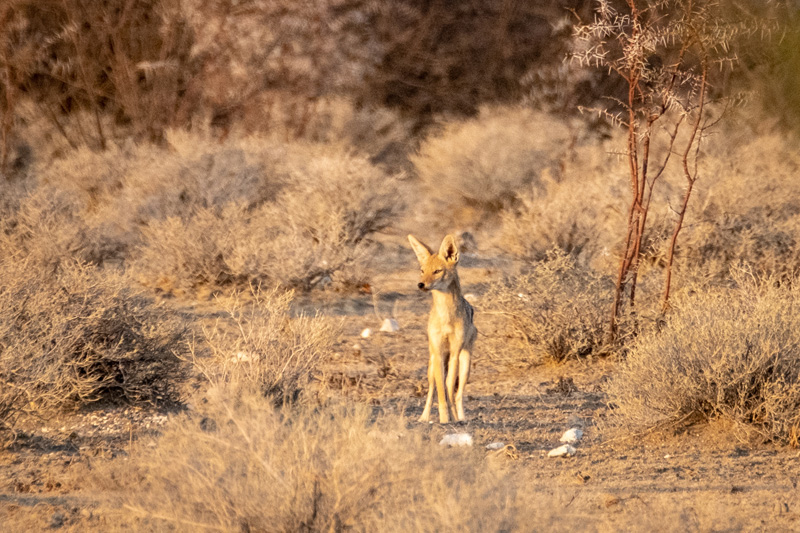 Jackel
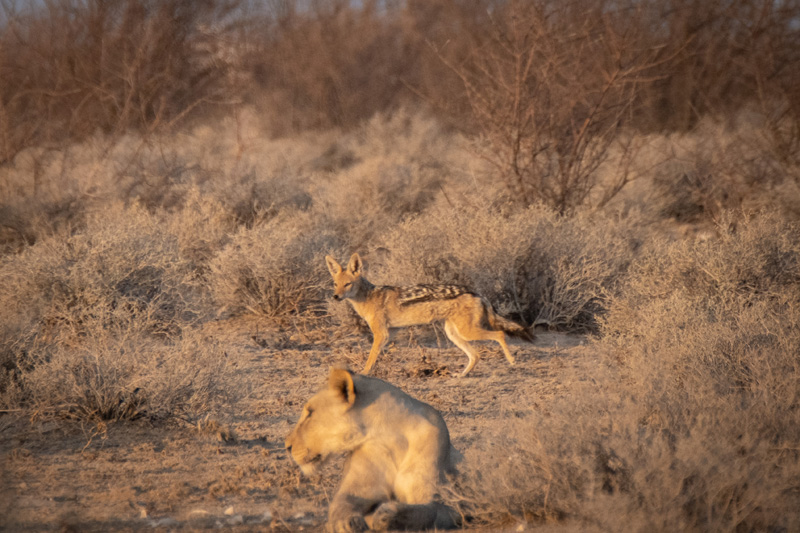
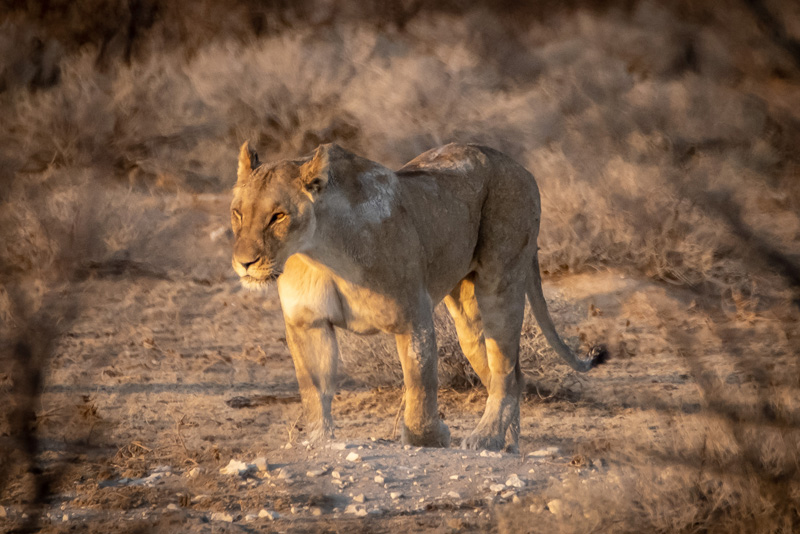
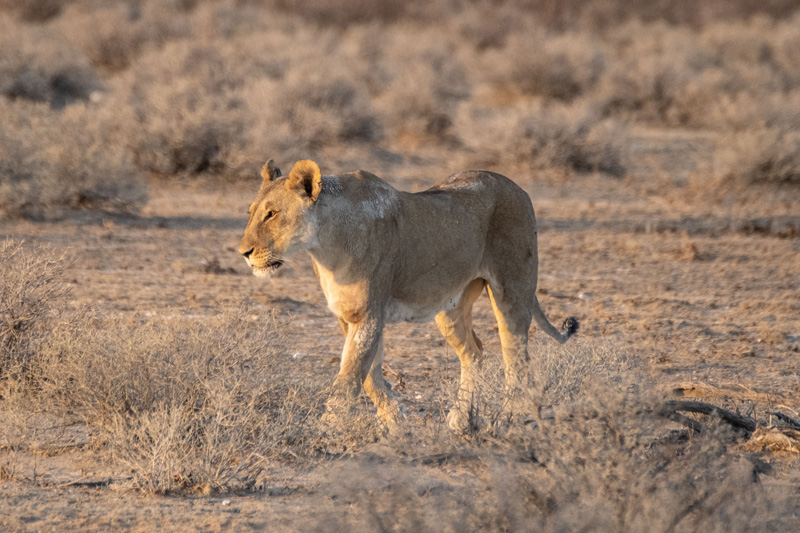
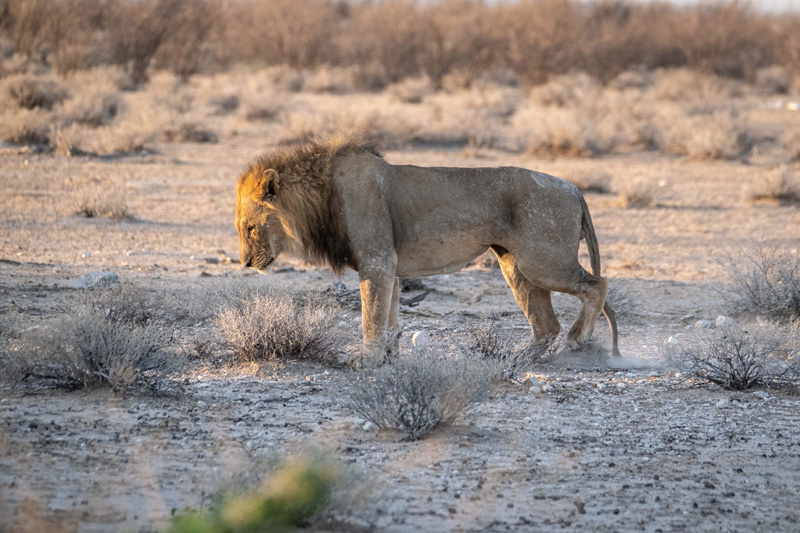 Lion
Lion

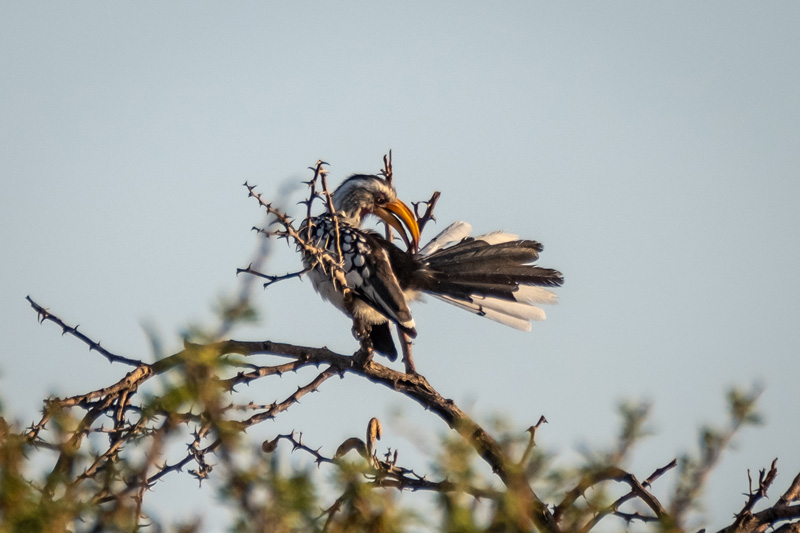 Southern Red-billed Hornbill
 Not sure – need to look at my bird book!
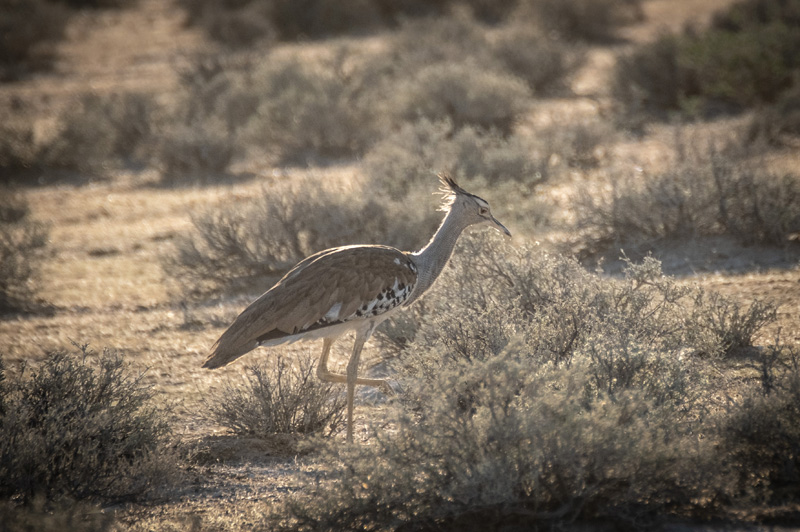 Kori Bustard – the heaviest flying bird in Africa
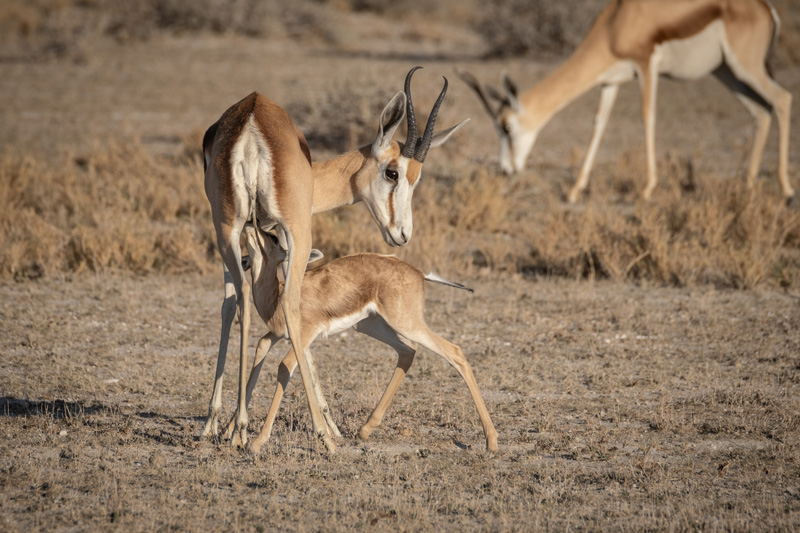 Springbok
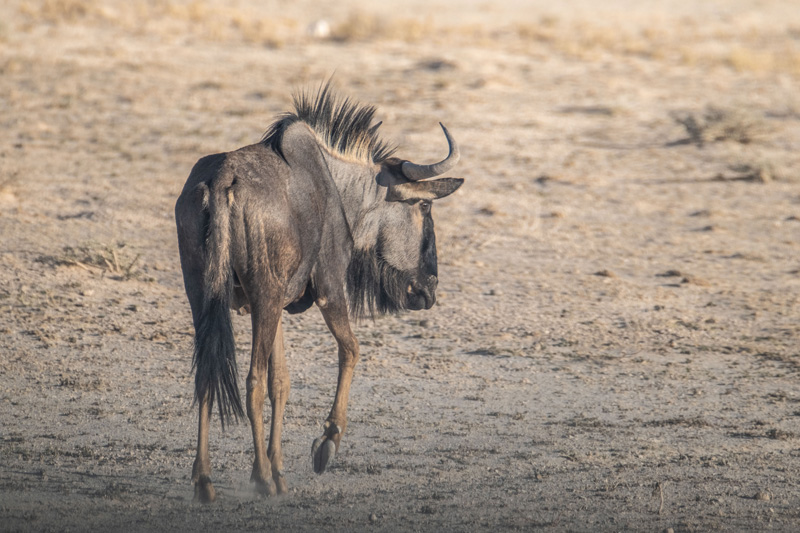 Blue Wildebeest
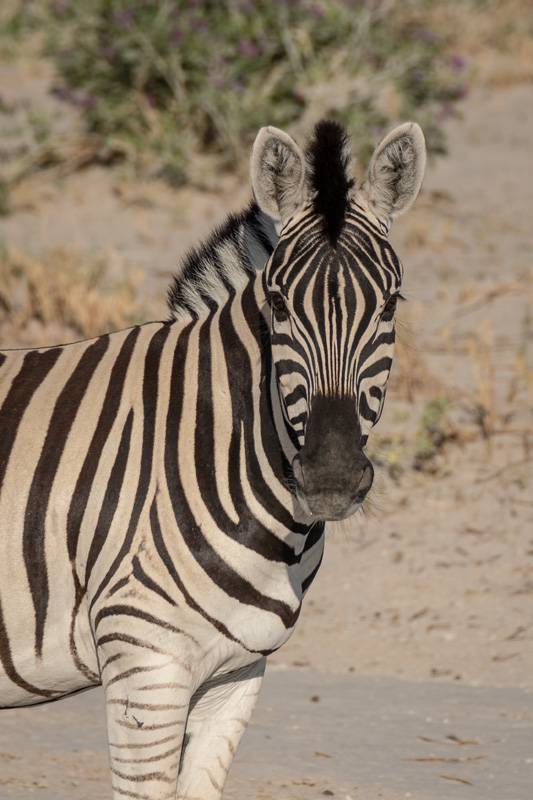
Zebra
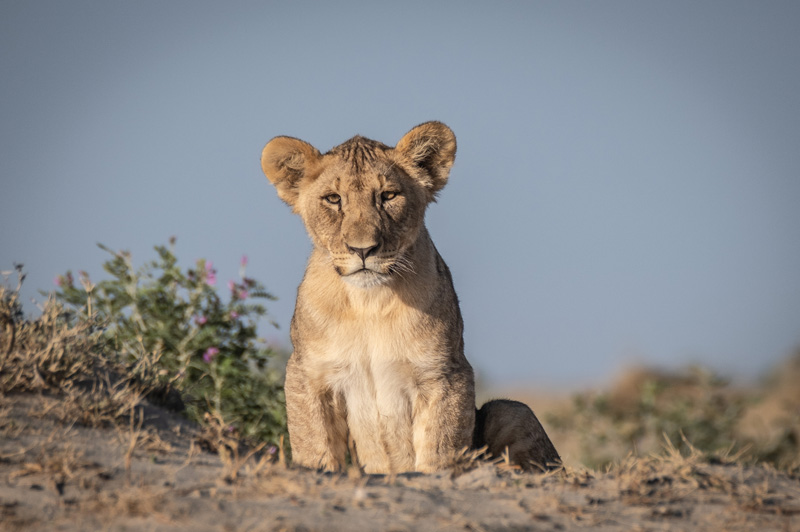 Lion cub

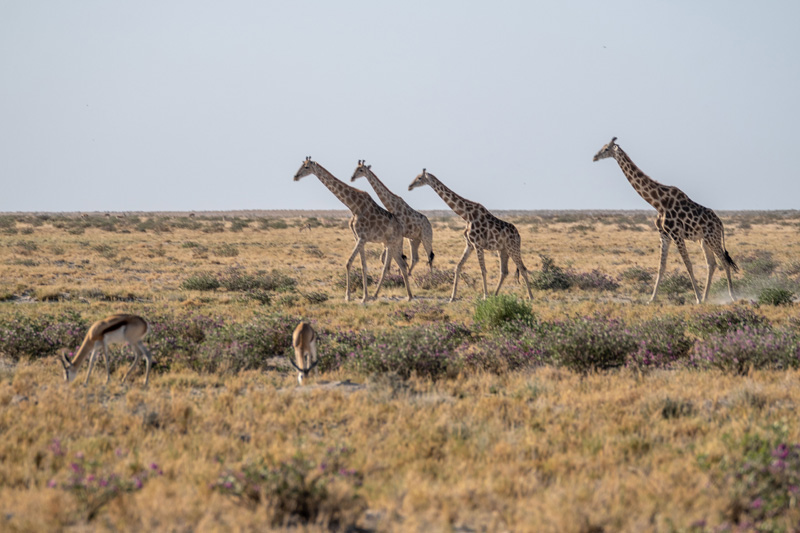 Giraffe
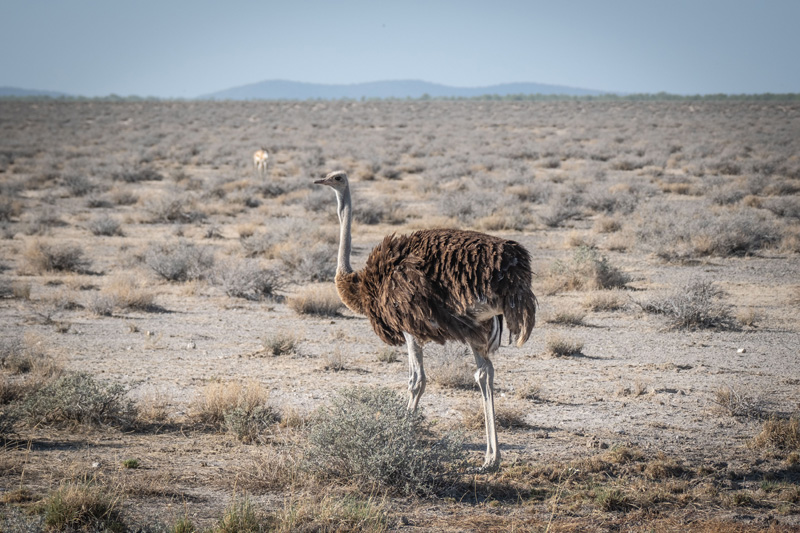 Ostrich
 Spotted Hyaena
Click below for gallery of photos from this morning:


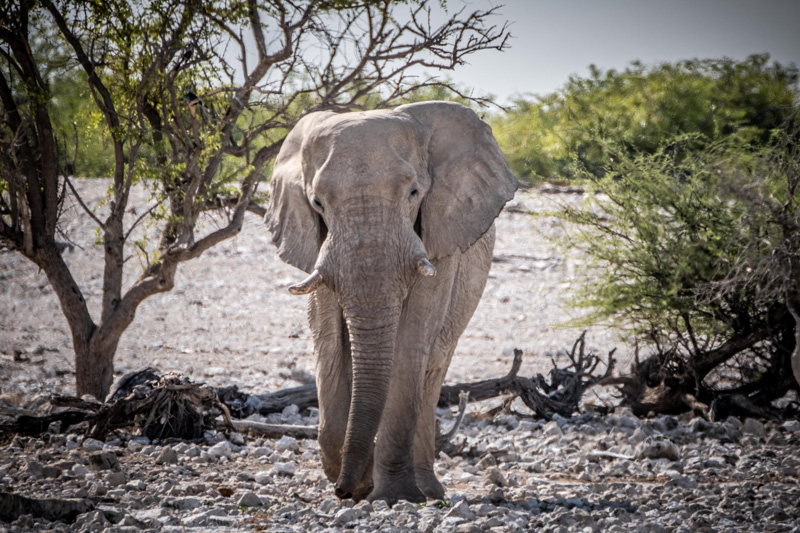
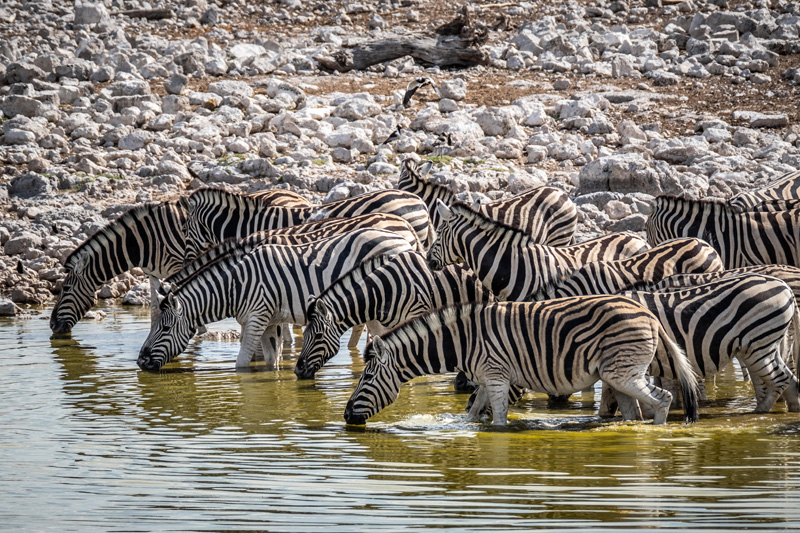
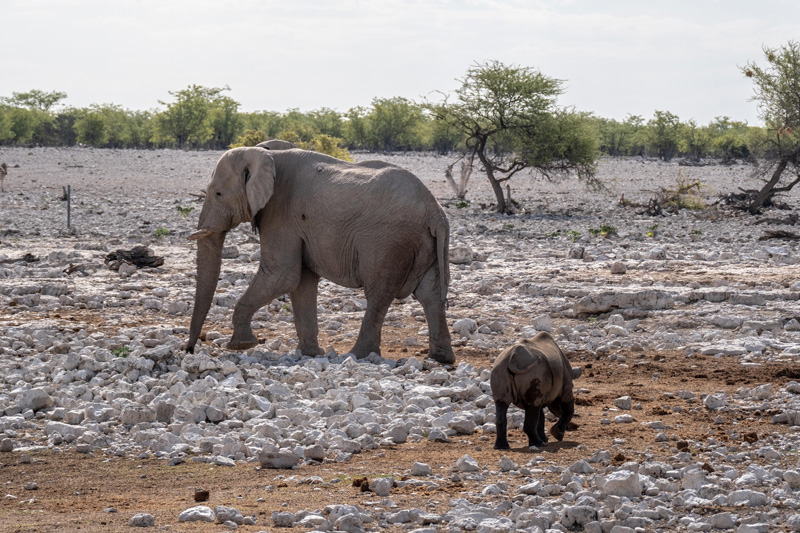
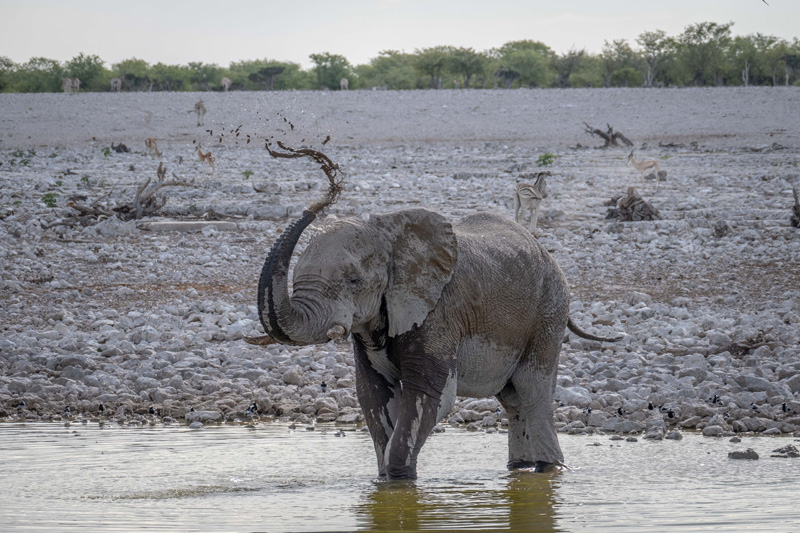
The first evening at the Okaukuejo Lodge we had our first real taste of the National Park when we visited the water hole next to the lodge. We were lucky to see an elephant arrive almost straightaway. At the time we didn’t realise how lucky we were as this was the only time we saw an elephant in the park. There was an interesting stand off with a rhino and the elephant and it was fascinating to see the elephant take evasive action.
I’ll let the photos speak for themselves.
 Shaft-tailed Whydah
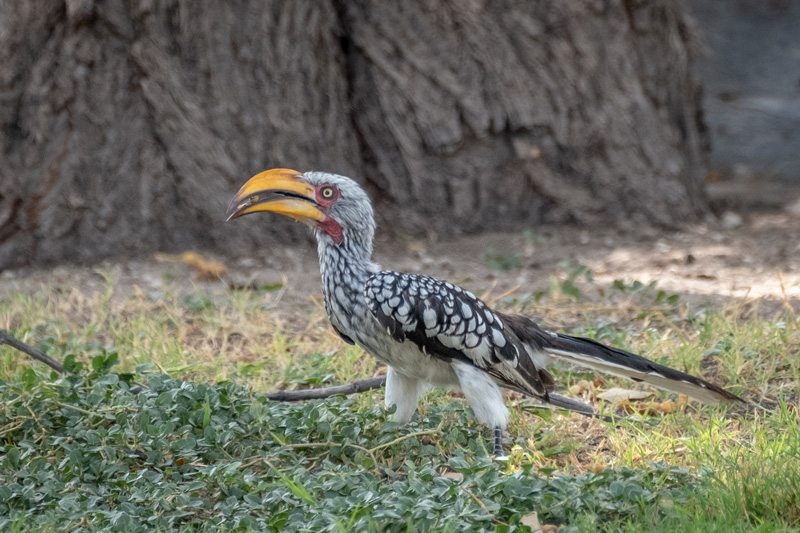 Southern Red-billed Hornbill
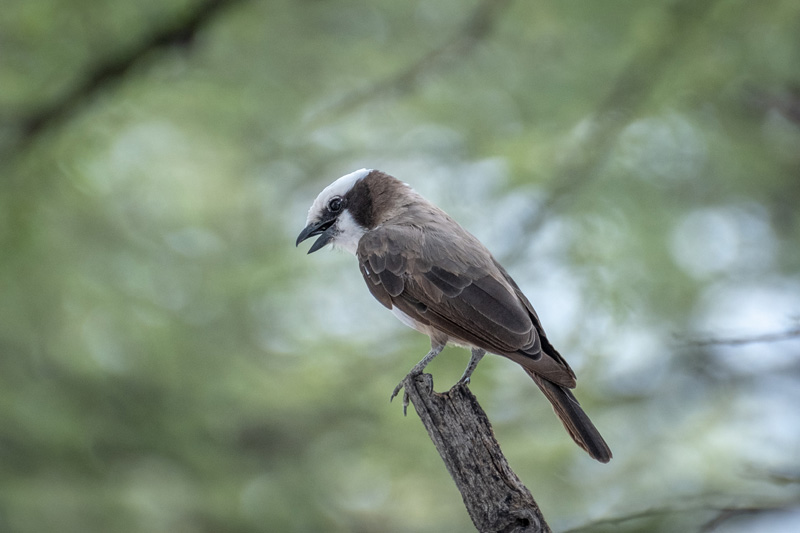 Southern White-tailed Shrike
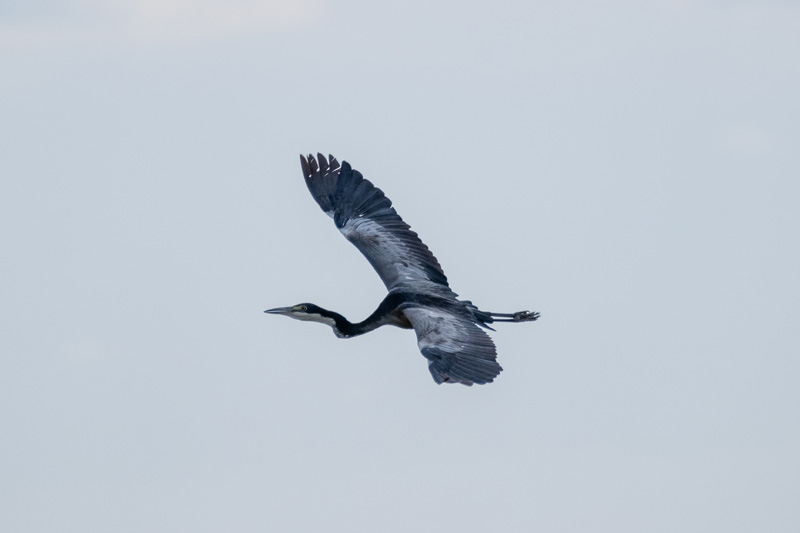 Purple Heron
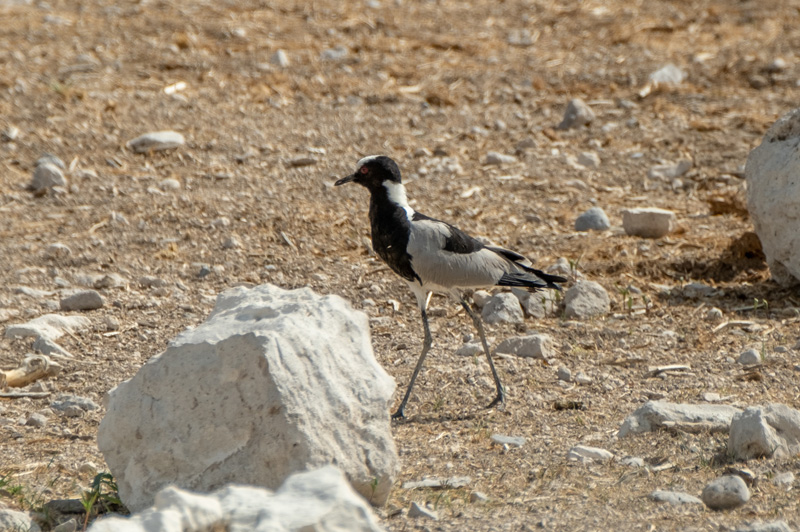 Blacksmith Lapwing
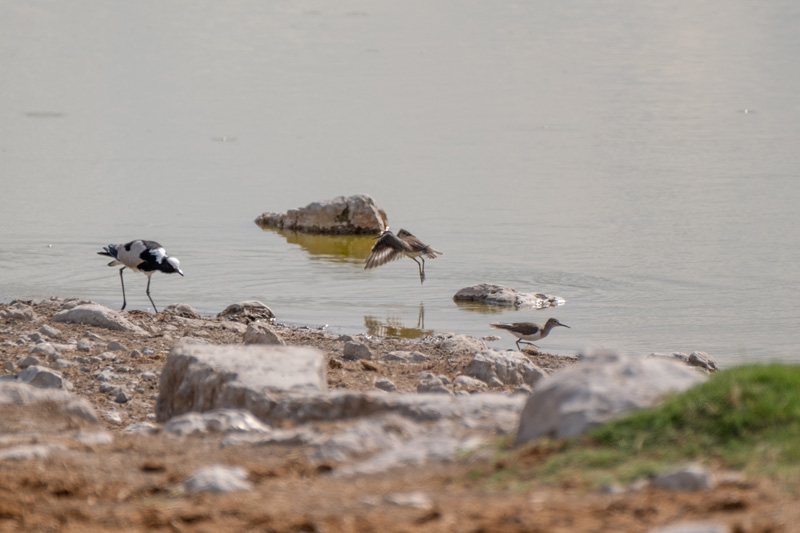 Common Greenshank (on right)
 Crowned Lapwing (amongst the Blacksmith Lapwings)
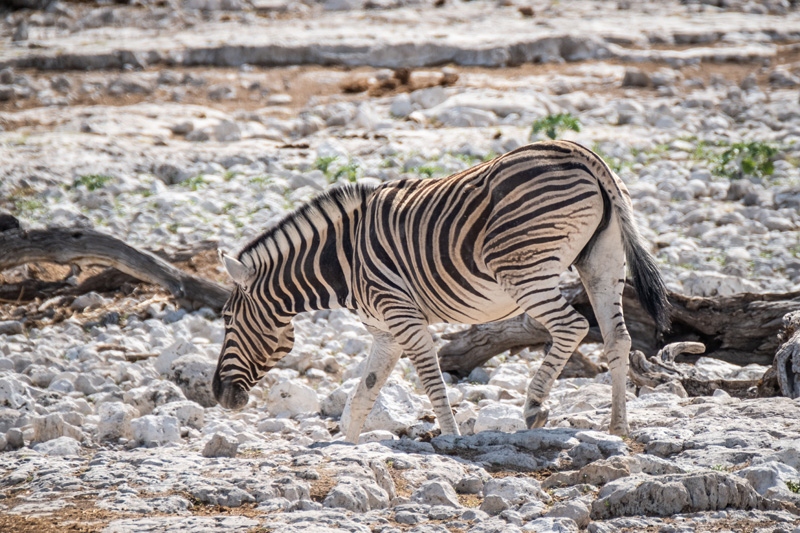 Zebra
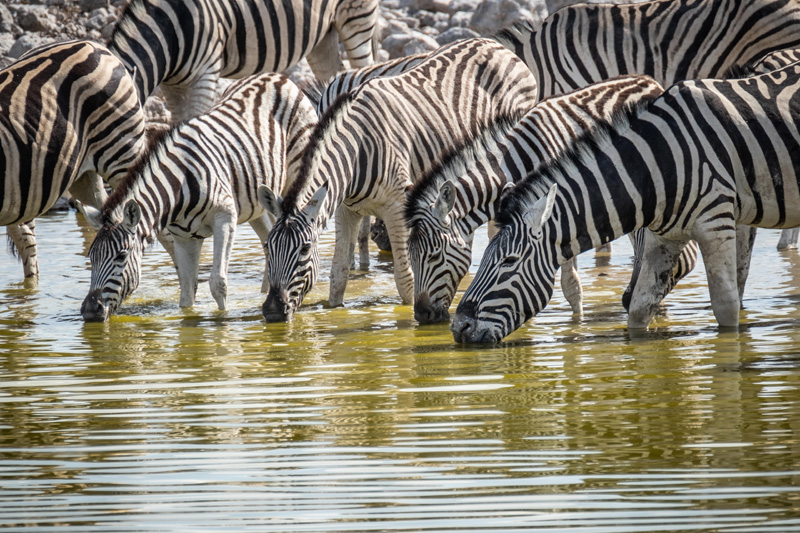
Zebra
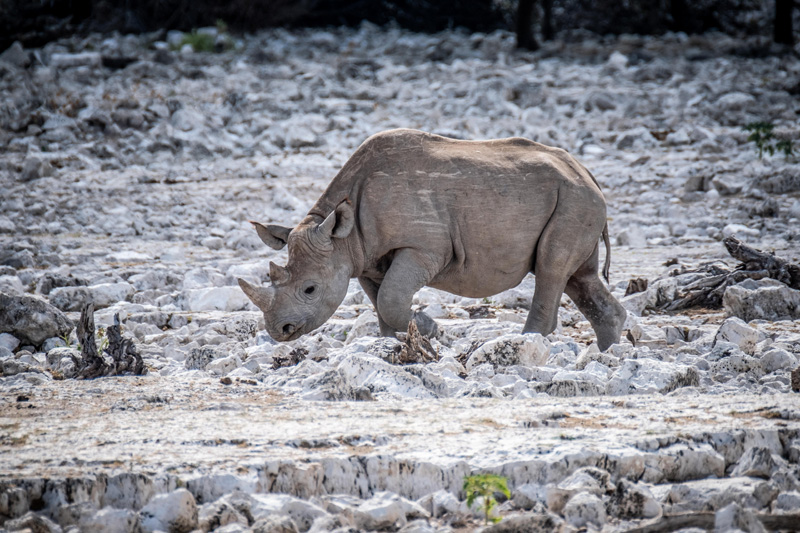 Black Rhino
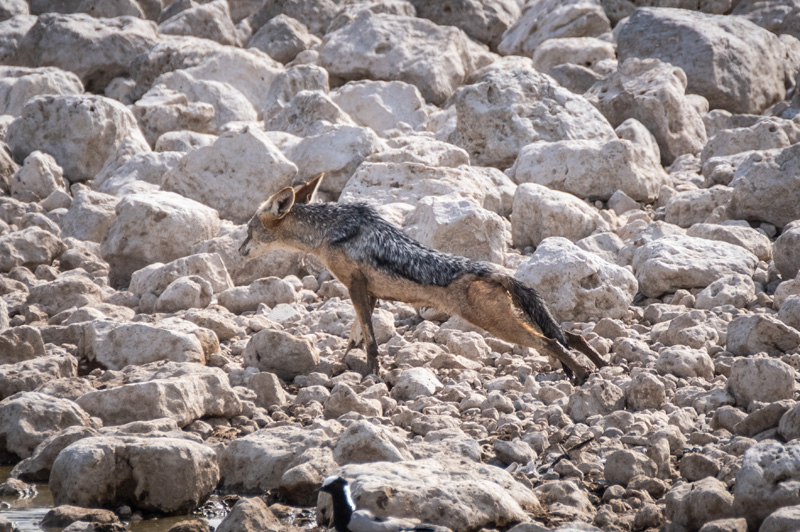 Black-backed Jackel
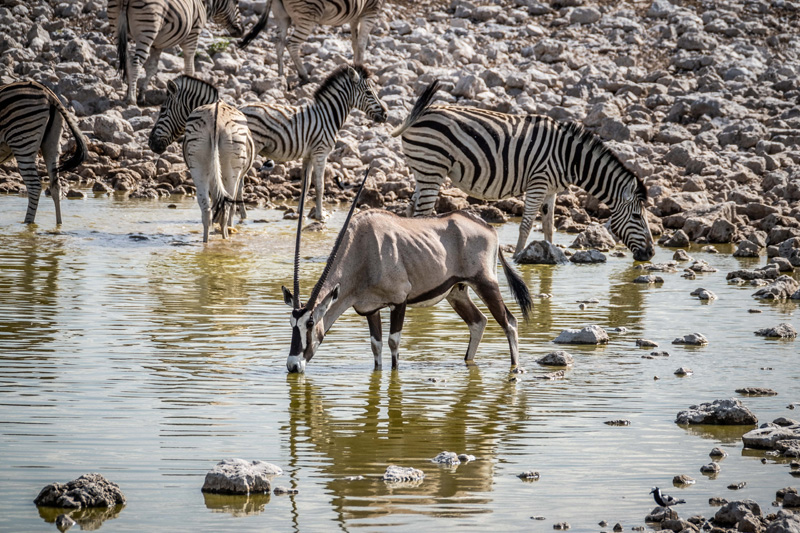
 Gemsbok (Southern Oryx)

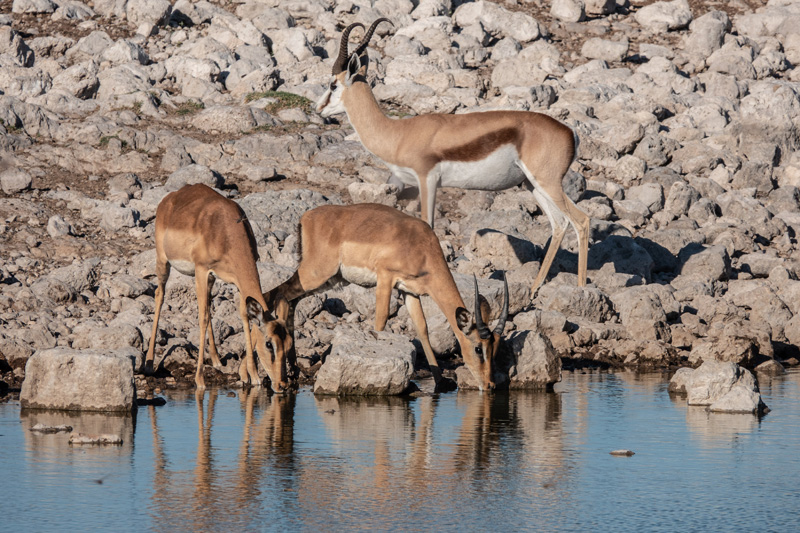
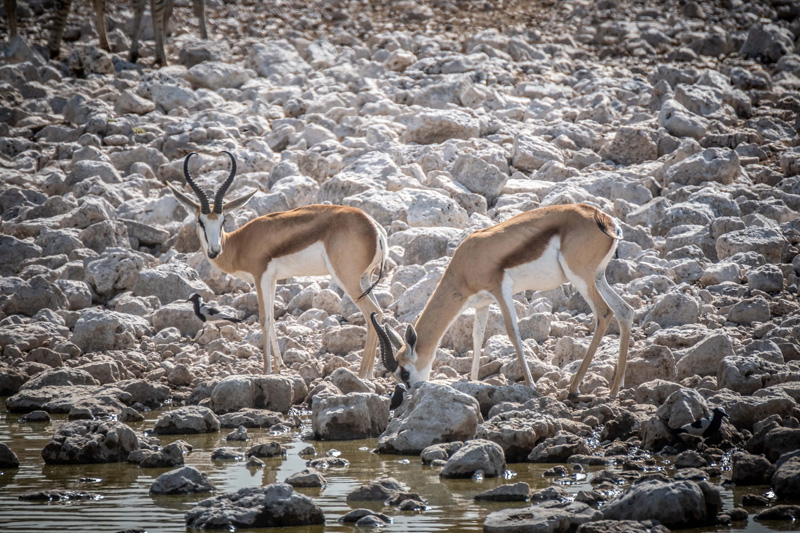 Springbok
 African Elephant

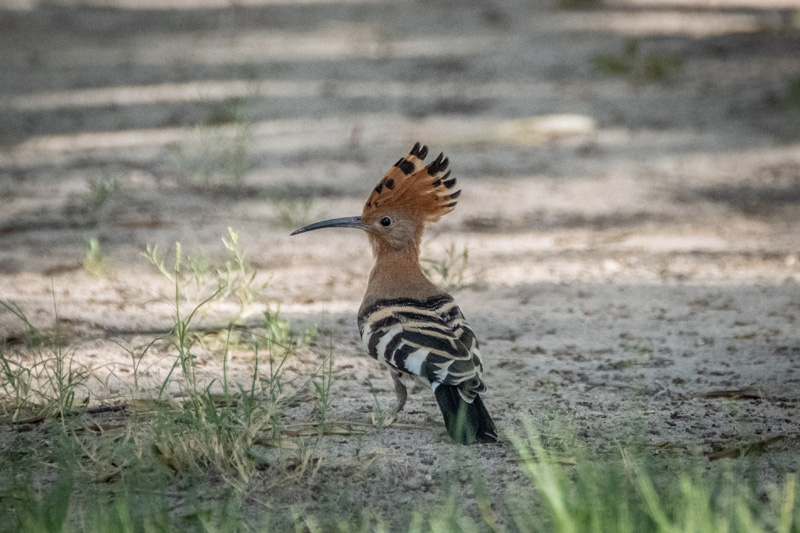 African Hoopoe
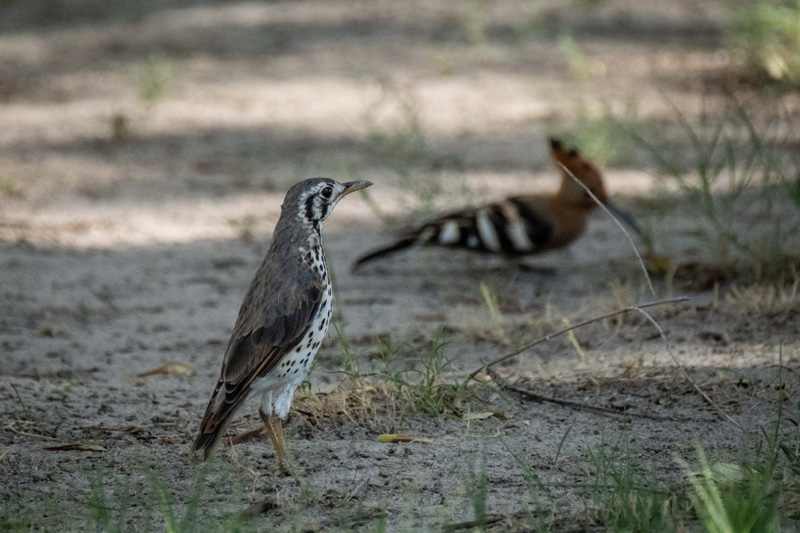 Groundscraper Thrush
Click below for a gallery of photos:


We had an hour at Palmwag Lodge before setting off for Etosha and so I made the most of it by taking some bird photos. I was especially pleased to see the Rosy-faced Lovebirds.
 Speckled Pigeon
 African Red-eyed Bulbul
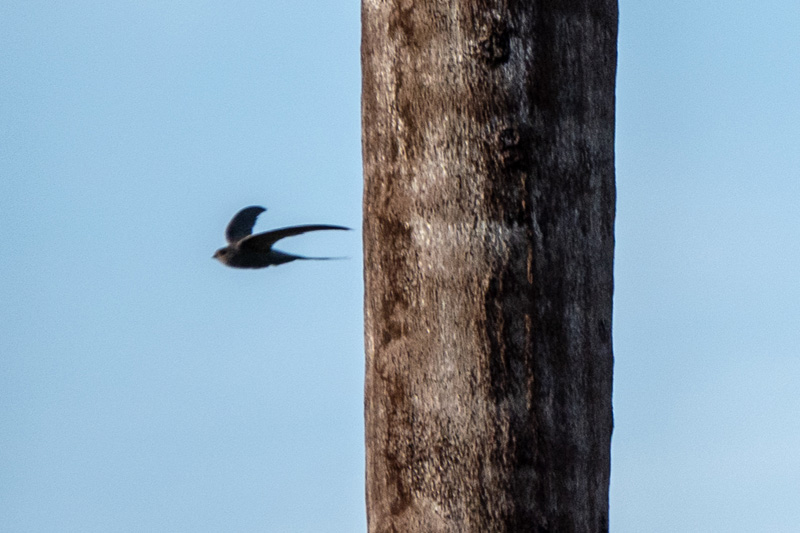 Swift
Swift
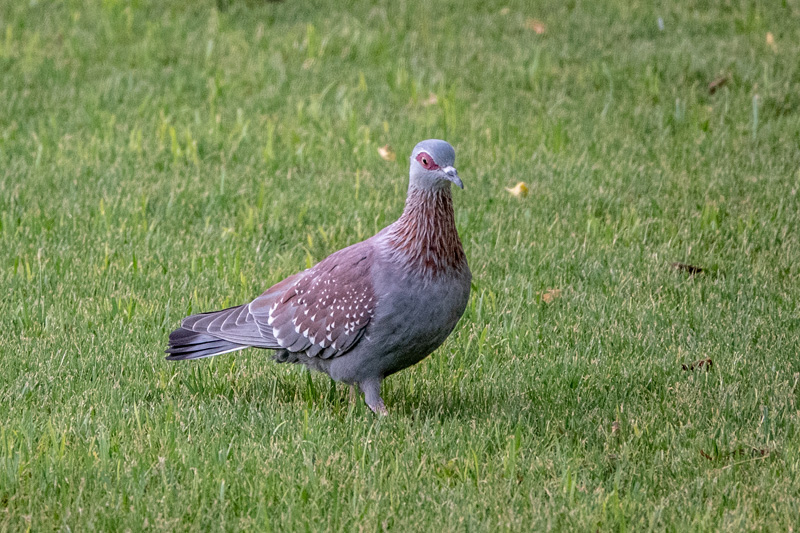 Speckled Pigeon
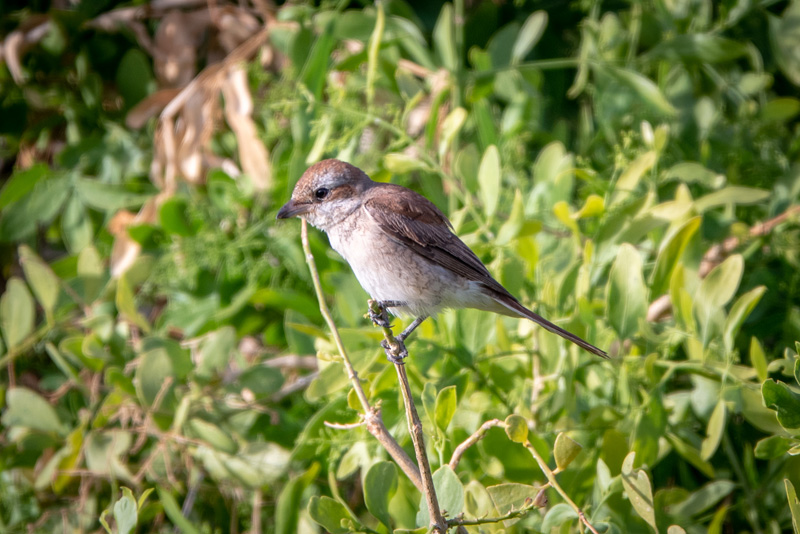 Marisco Flycatcher
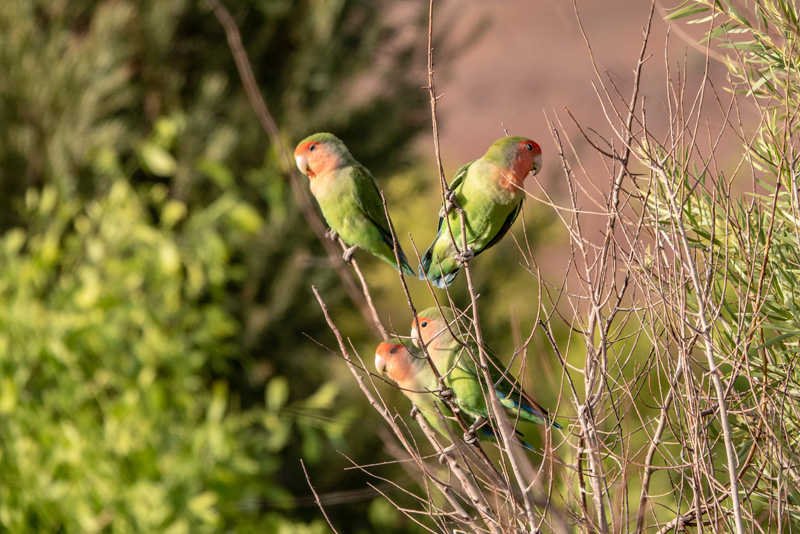 Rosy-faced Lovebirds
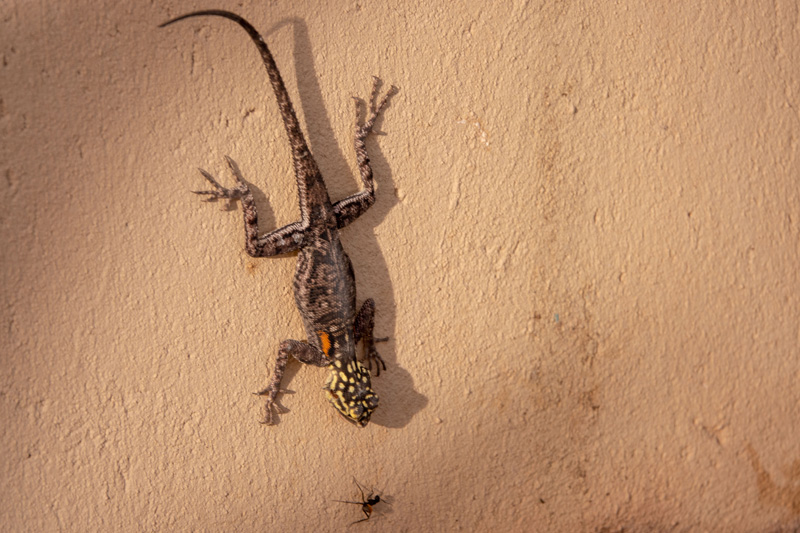
The journey to Etosha was stunning especially as our guide and driver were brilliant at spotting wildlife and stopping frequently for us.
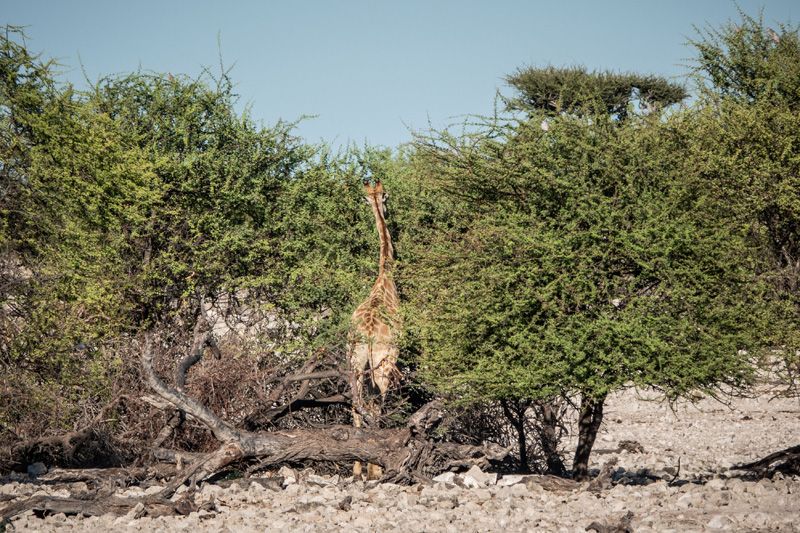
 Giraffe
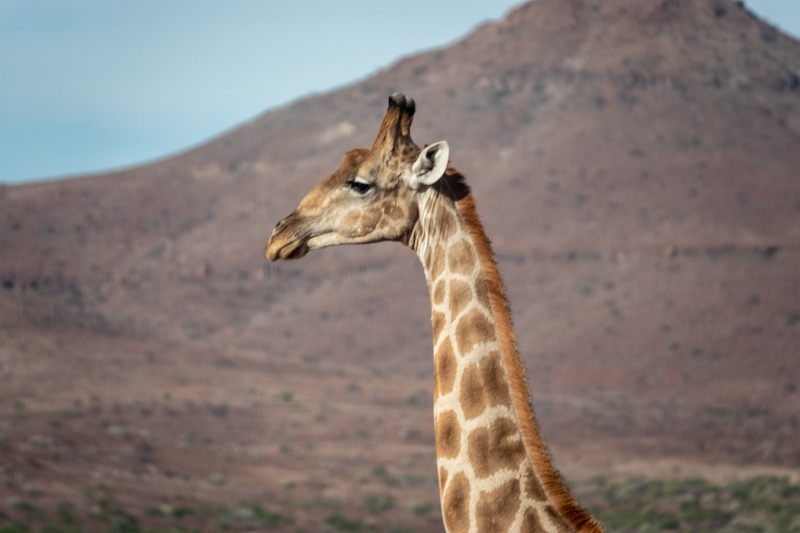 Giraffe
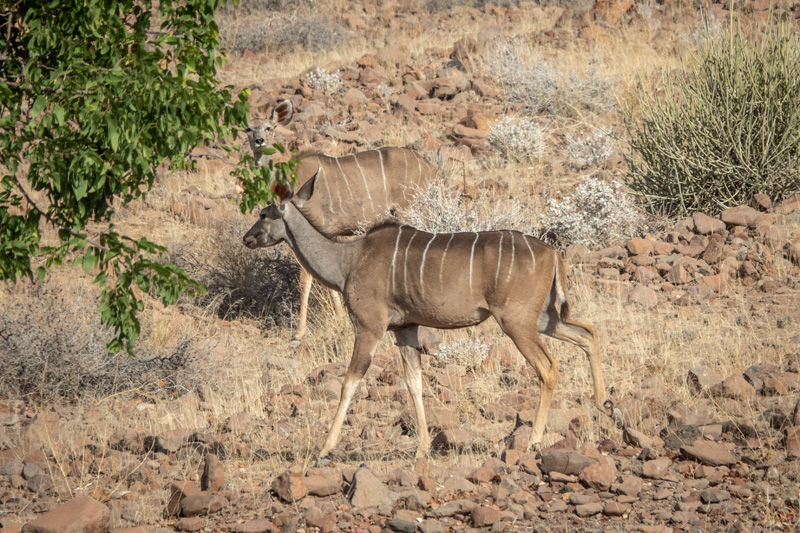 Kudu
Kudu
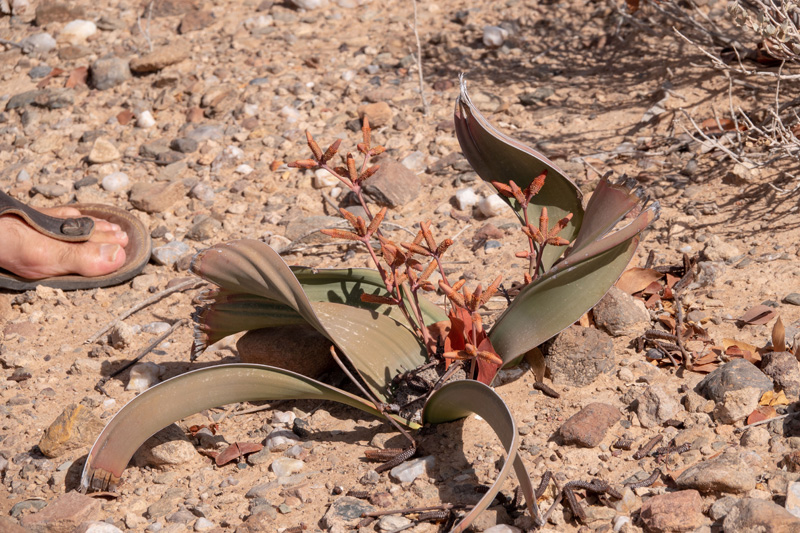 Welwitschia Mirabilis
The age of individual plants is difficult to assess, but many plants may be over 1000 years old. Some individuals may be more than 2000 years old. Because Welwitschia only produces a single pair of foliage leaves, the plant was thought by some to be neotenic, consisting essentially of a “giant seedling.”
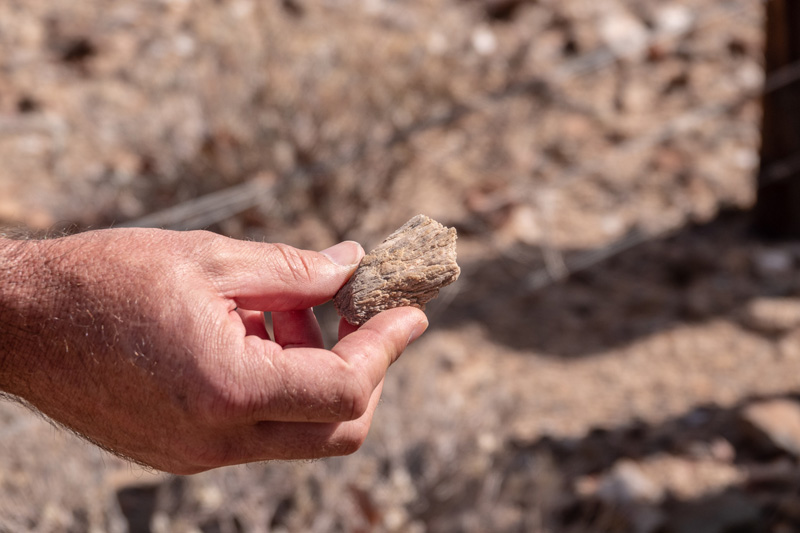 Petrified wood
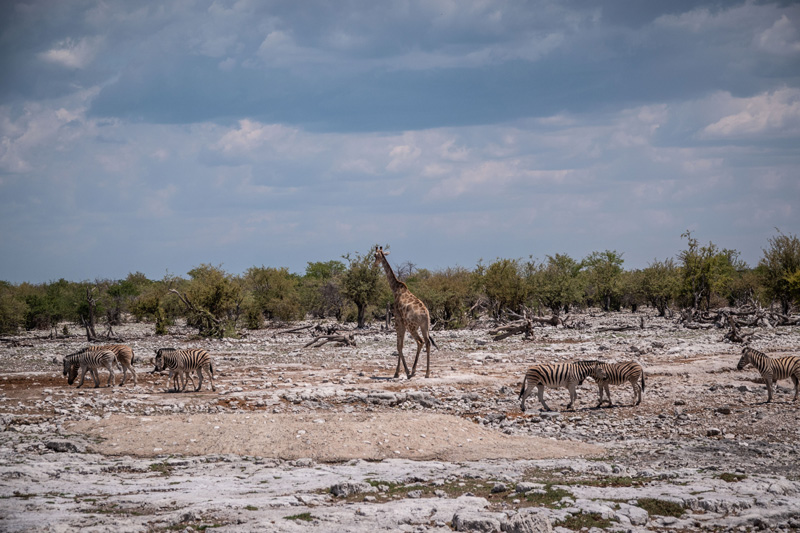
Click below for photos of the journey.


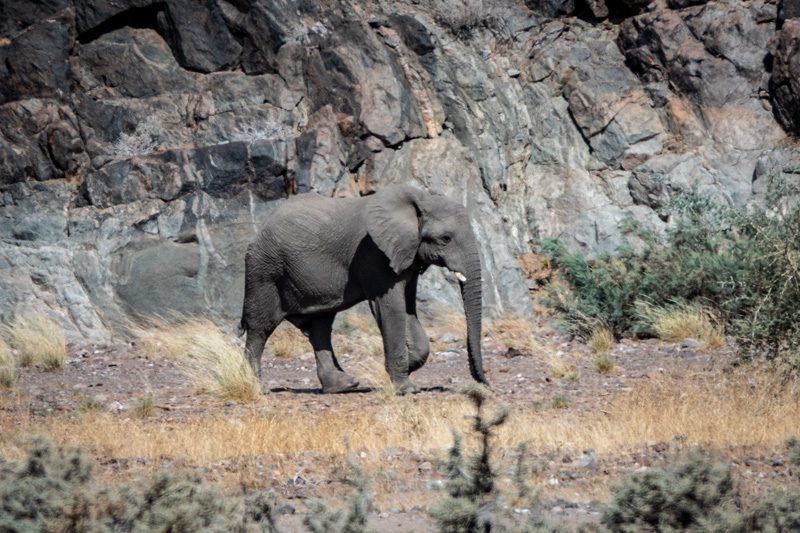
We covered long distances today but, nonetheless, it was a very full and exciting one.
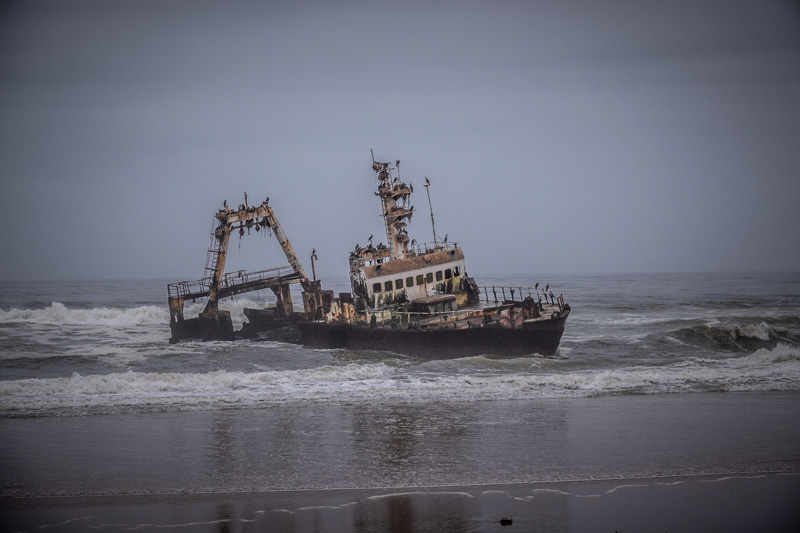
Just up the road from Sakopmund we stopped to see a shipwreck which, although fairly recent, was completely inhabited by cormorants.
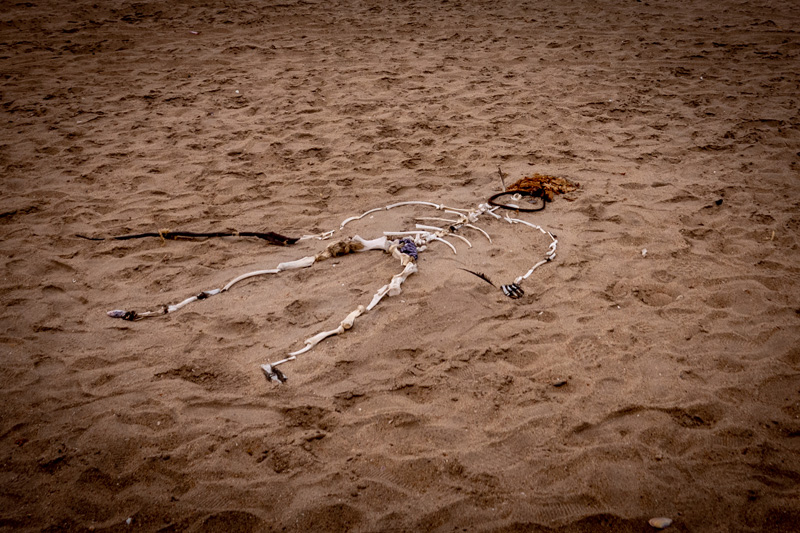 Skeleton coast?


We had got used to the gravel roads but around our next stop, at Hente Bay, we saw them spraying saltwater onto the roads which made them much smoother but I imagine a nightmare in rainy conditions.
We were soon back to the gravel roads but the landscape on our way to Twyfelfontein was much more undulating and even more spectacular.

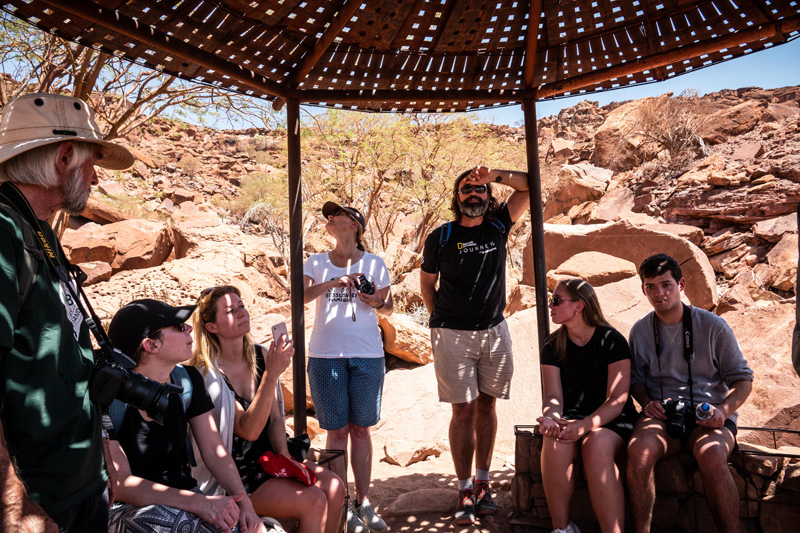
At Twyflefontein we visited the ancienrpetroglyohs which were named Namibia’s first UNESCO World Heritage site. The site is thought to be the largest concentrations of Bushmen engravings in Africa, with over 2500 figures ranging from 2000 to 5000 years old. Our local guide described them as a sort of blackboard to teach about the animals to hunt and their various tracks. He also told us that they demonstrated that the Bushman had travelled further afield with pictures of animals, such as penguins and flamingos, as testament.
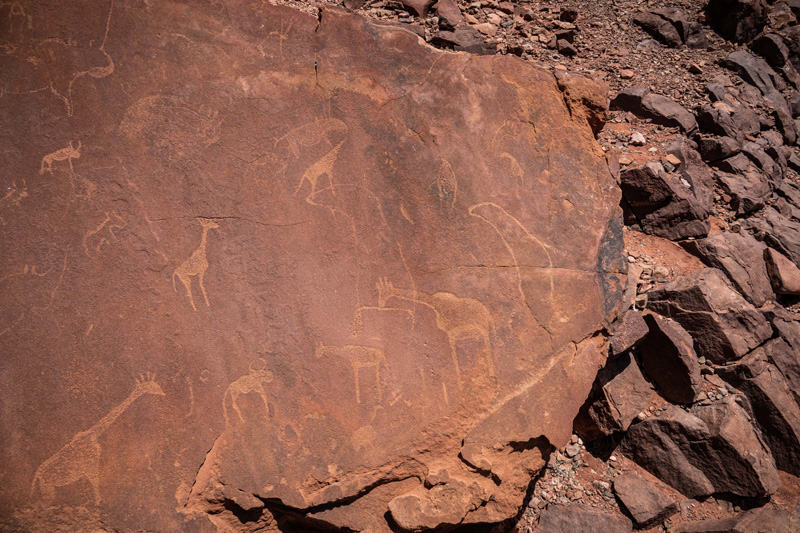

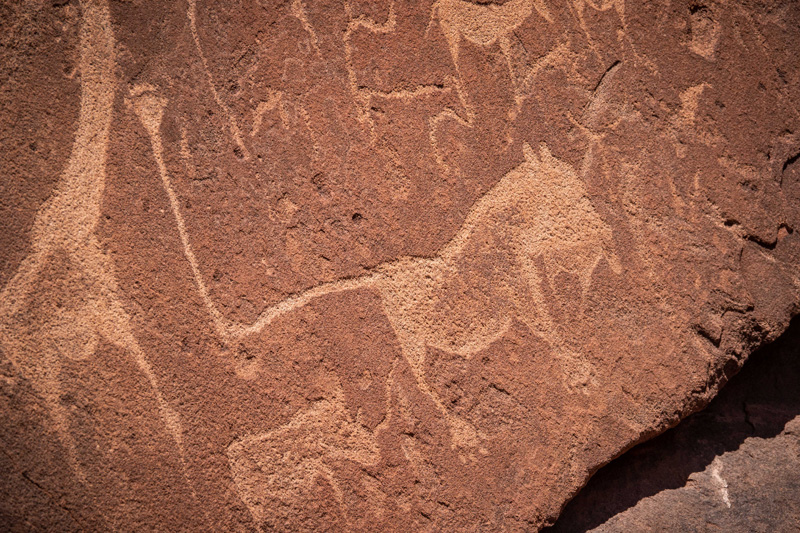
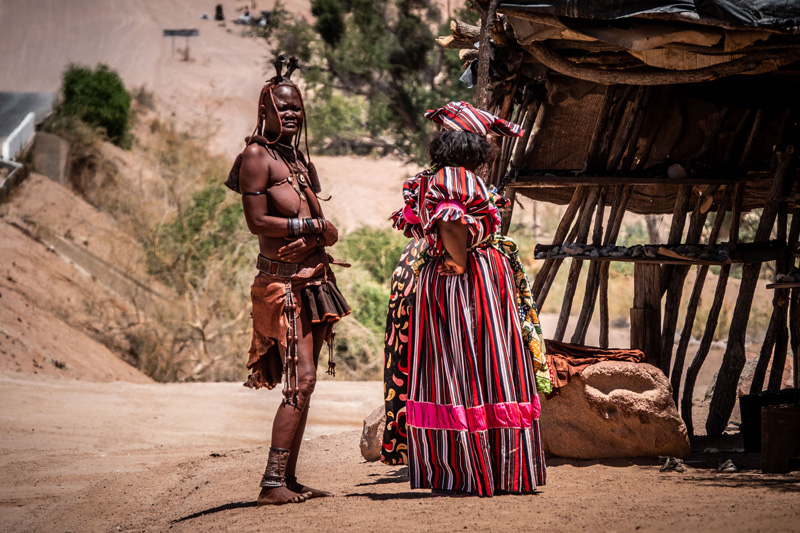
En route we observed the two tribes we had learned about in the township in Swakopmund, the Herero and the Himbo tribes which originally were part of the same tribe but now with very different costumes.
On approaching our lodge (Palwag) our guide and driver were constantly pointing out wildlife and we had plenty of stops to observe and photograph.
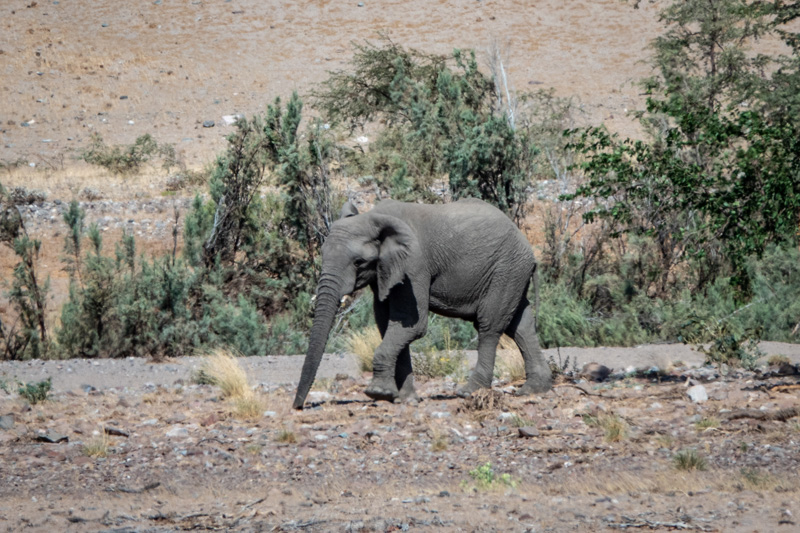


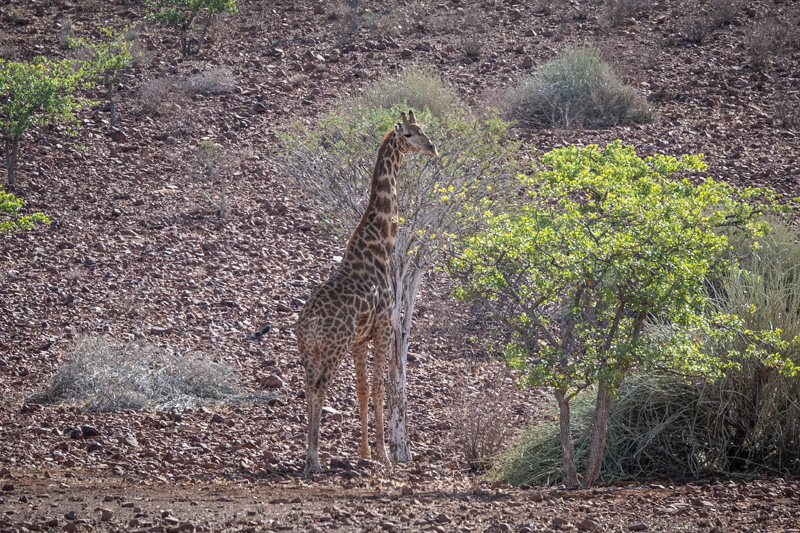
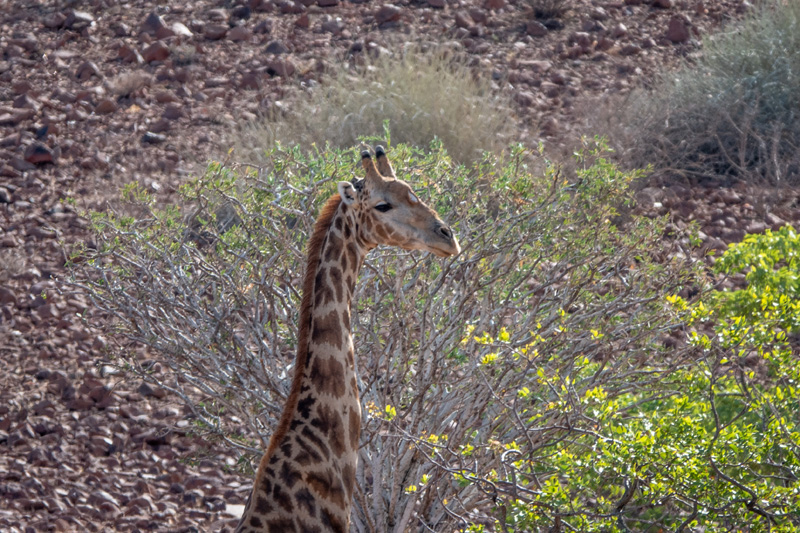
In the evening we didn’t have much time for observing wildlife but there were plenty of birds flying around the lodge.
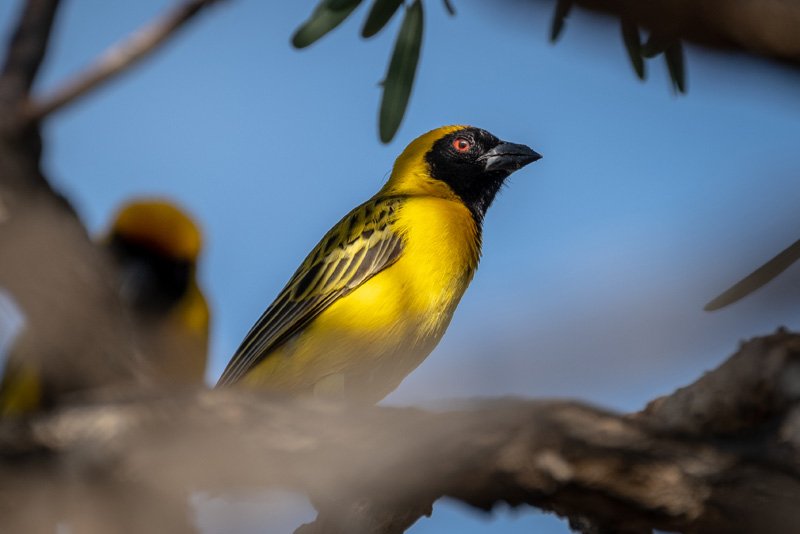 Southern Masked Weaver
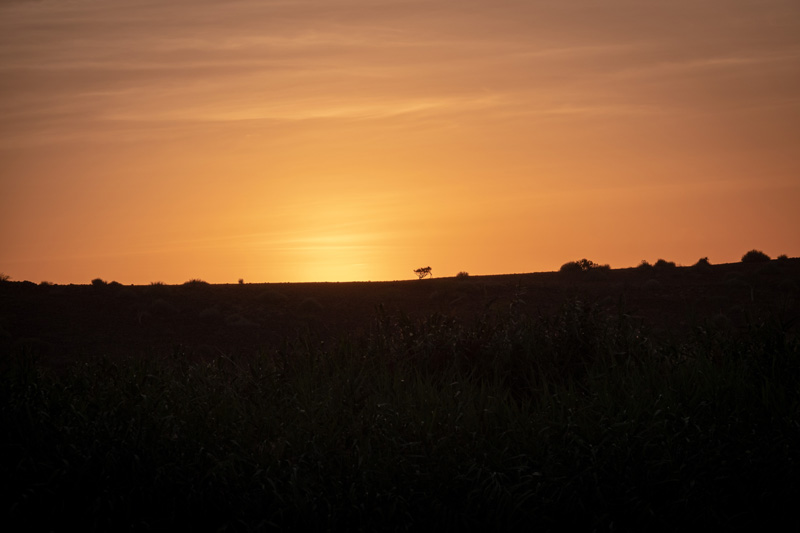 Sunset at Palmwag Lodge
Click below for gallery of today’s photos:


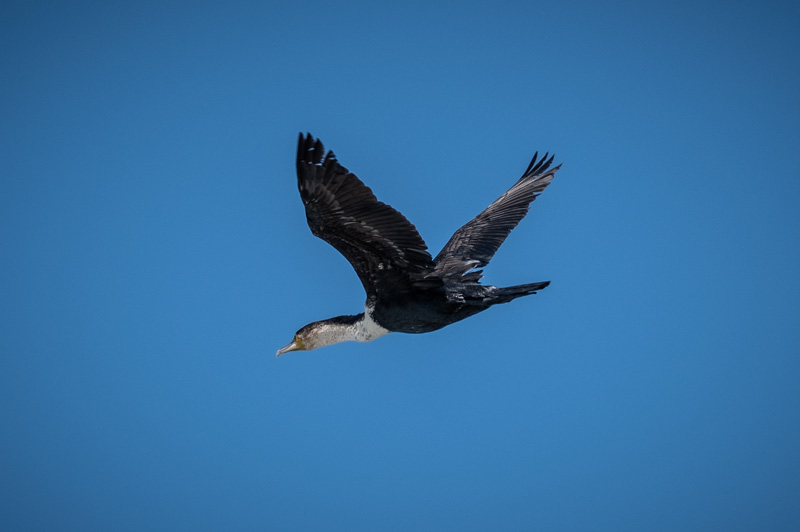
We had two nights in the seaside resort of Swakopmund and on Sunday, whilst the younger members of our group went off and did fun activities such as sky diving (I think I wait for my hundredth birthday for that) we recharged our batteries by strolling along the beach and watching a few birds, mainly cormorants and gulls, and observing others doing more adventurous water sports.
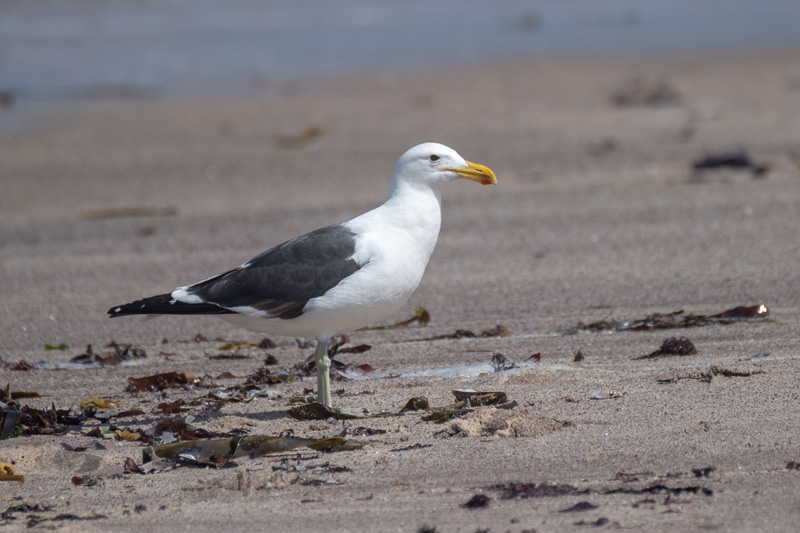 Kelp Gull
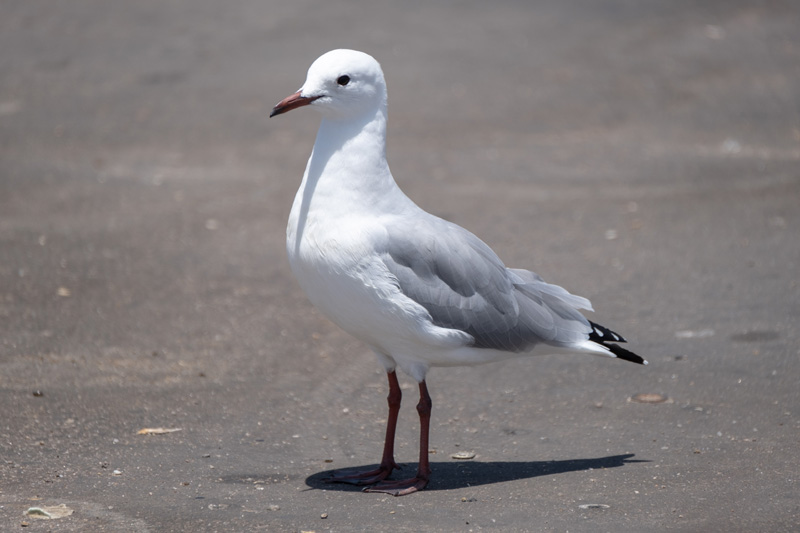 Hartlaub Gull
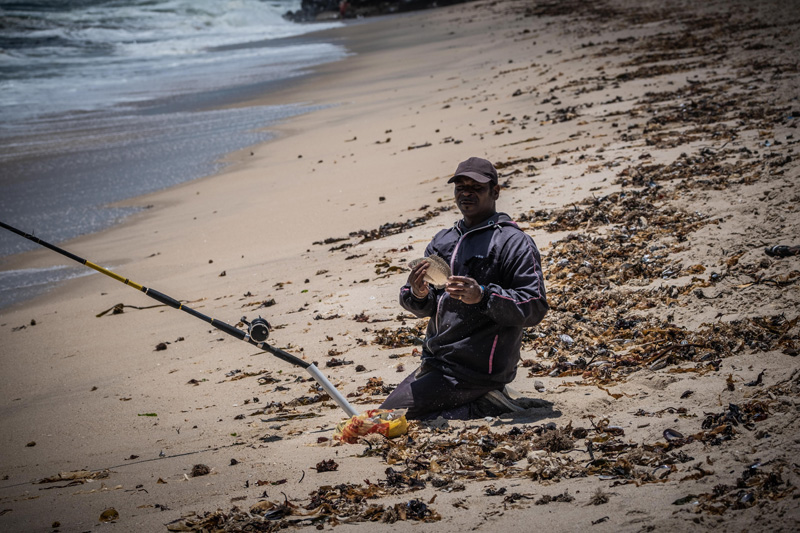
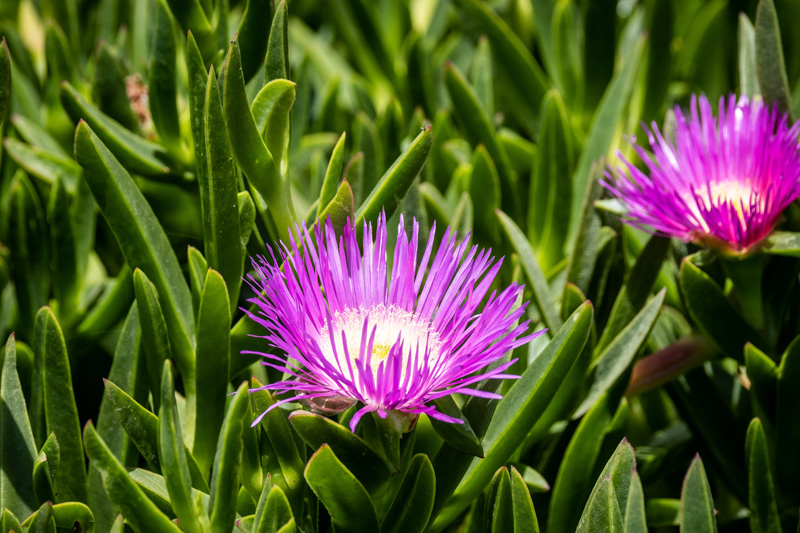
Although we were warned that it could be cloudy and fresh here we both managed to catch rather too much sun.
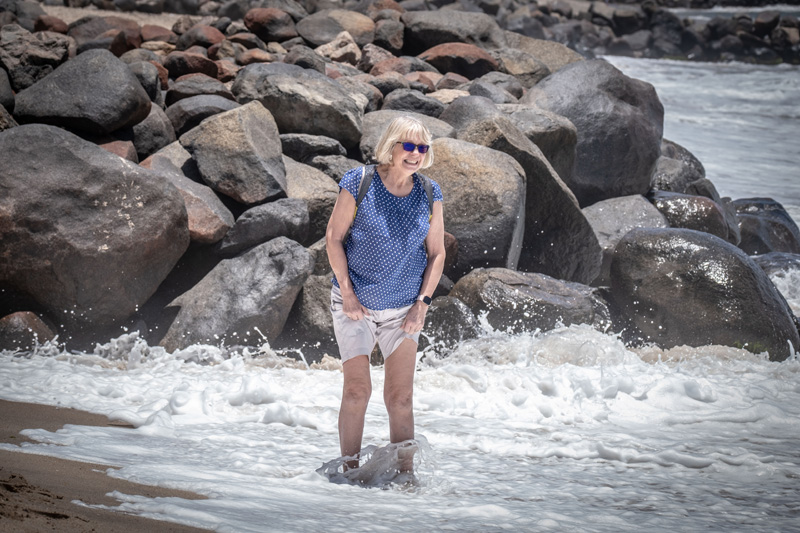
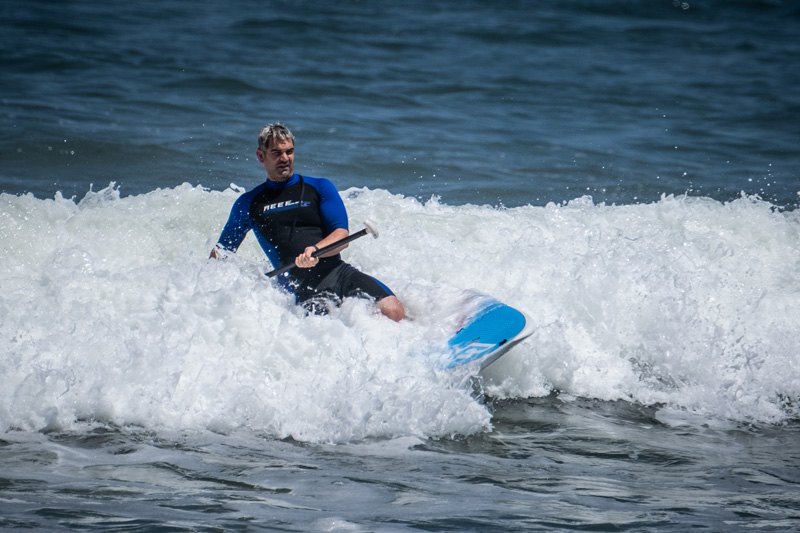

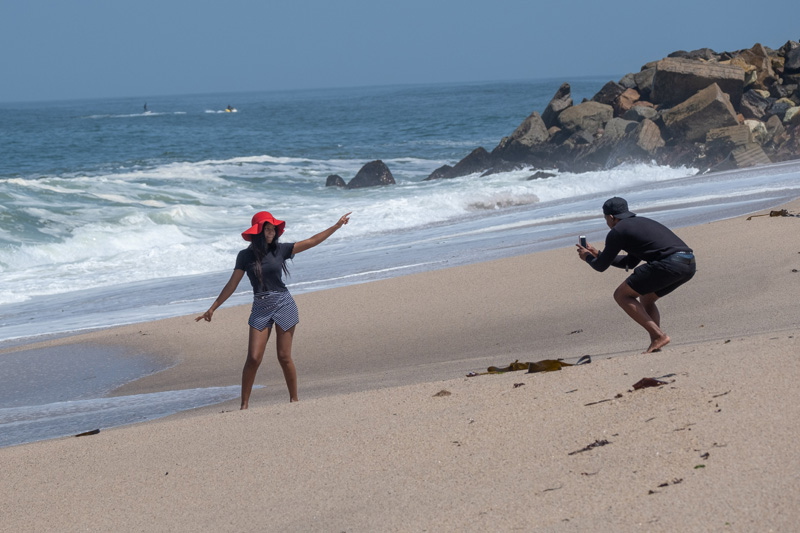
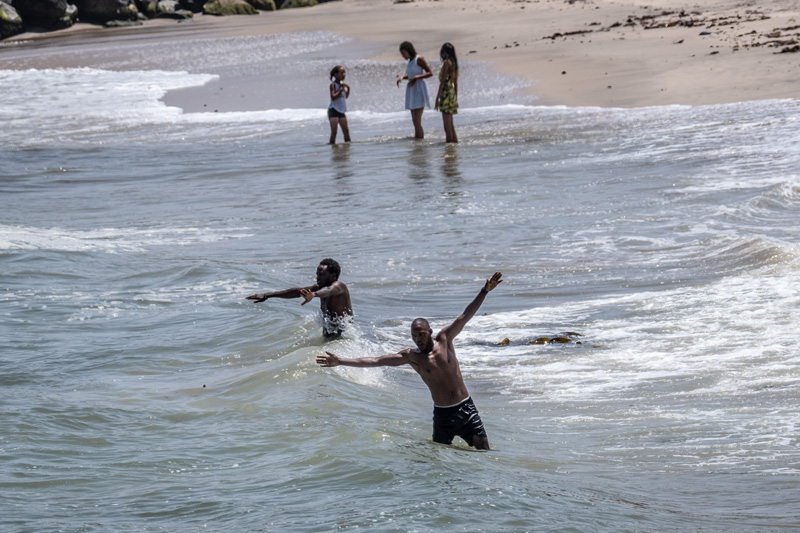
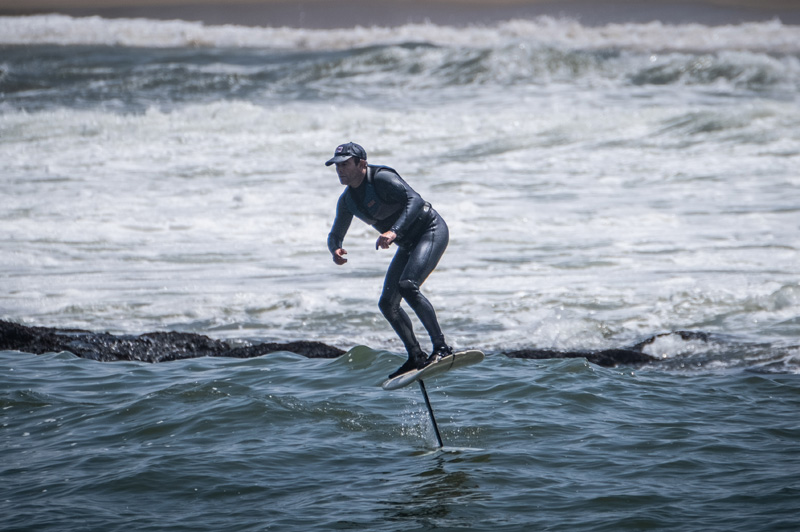 Typical seaside activities
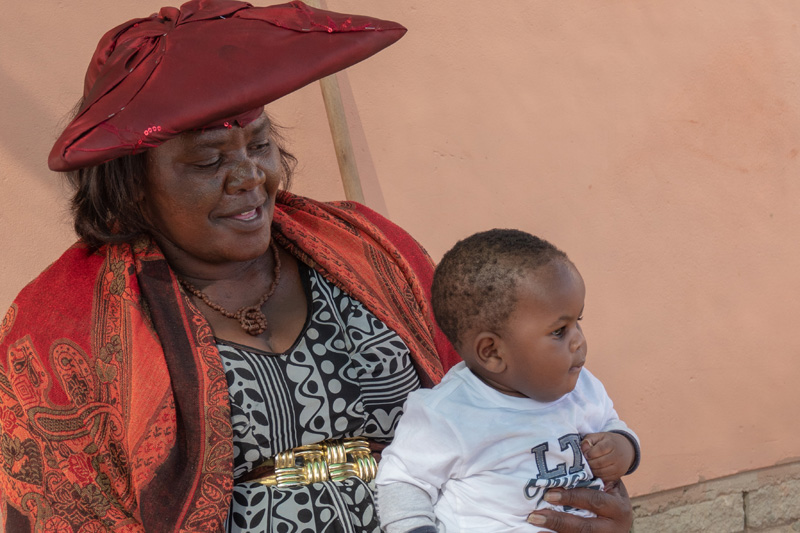
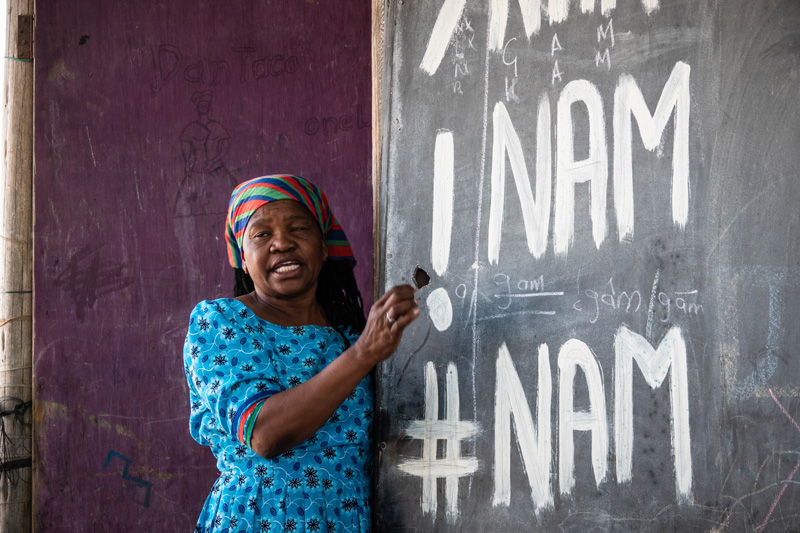
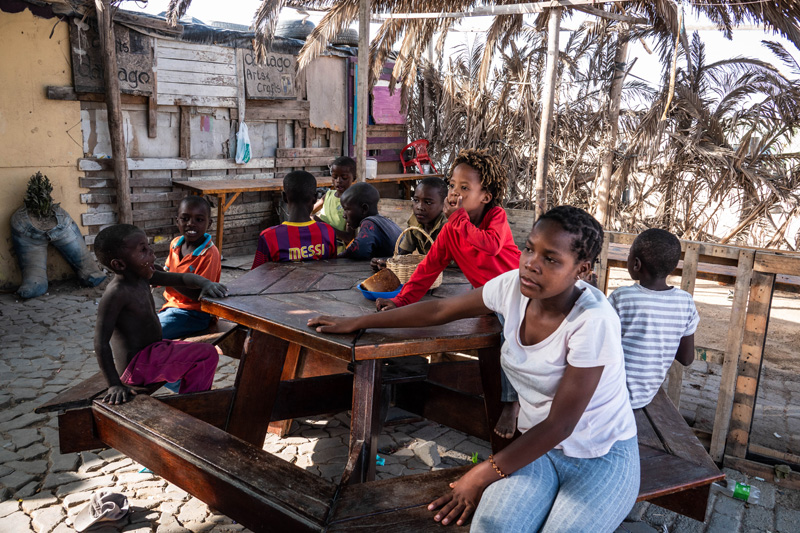
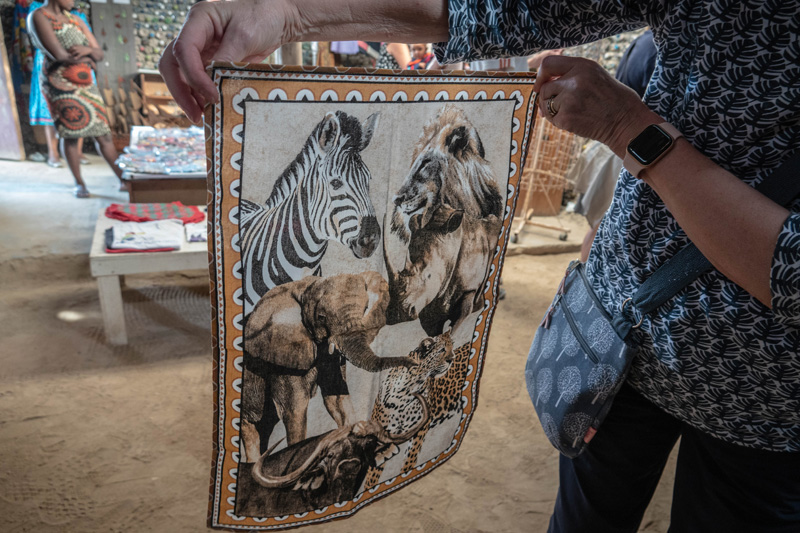
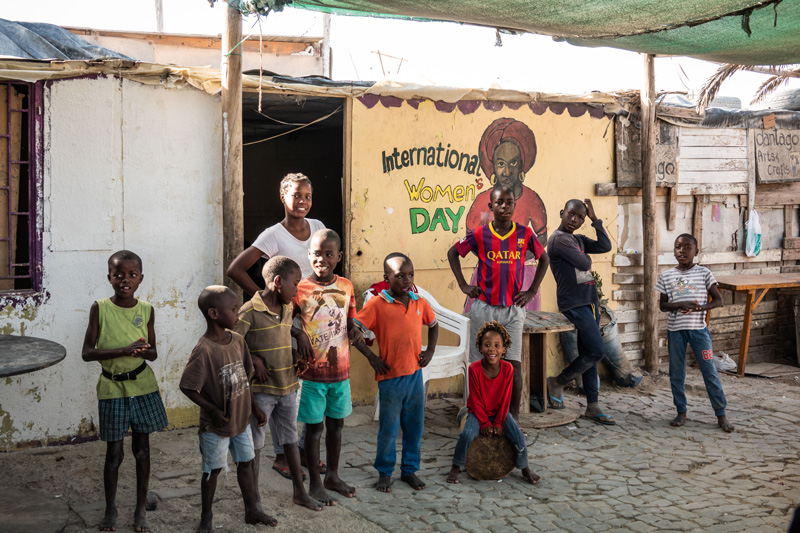
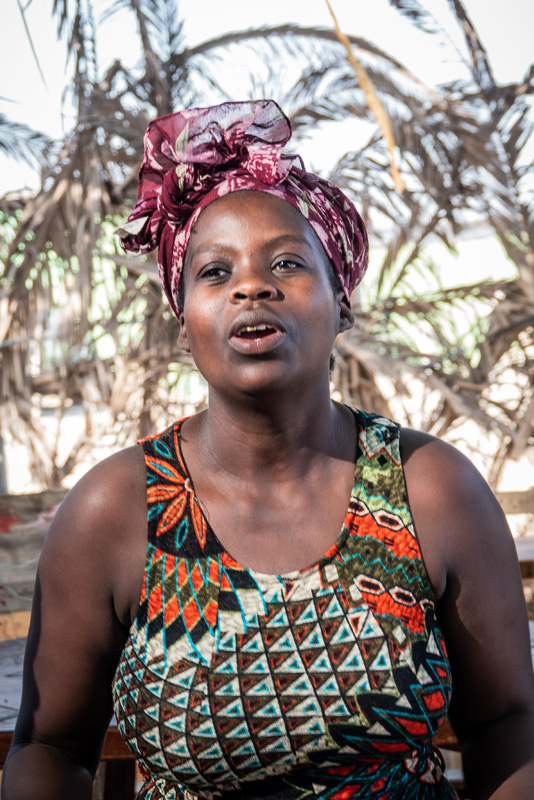
In the evening we had a visit to a local township. Although we have visited Africa several times we have never felt inclined to do this, seeing it as rather voyeuristic. However, we had confidence in the ethical values of our tour company National Geographic G- Adventures and the reassurances of our guide, Julian, that we went along with it. It was, in the end, a very enjoyable experience, with a visit to a local market and to the home of a member of the Herero tribe; a lesson in the local click language from a women at an orphan centre; a visit to a local hostelry followed by meal of local foods at a restaurant in the township. The main reason for including this in my nature blog is that I did attempt the dish of caterpillars, some of which we had seen earlier at the local market.
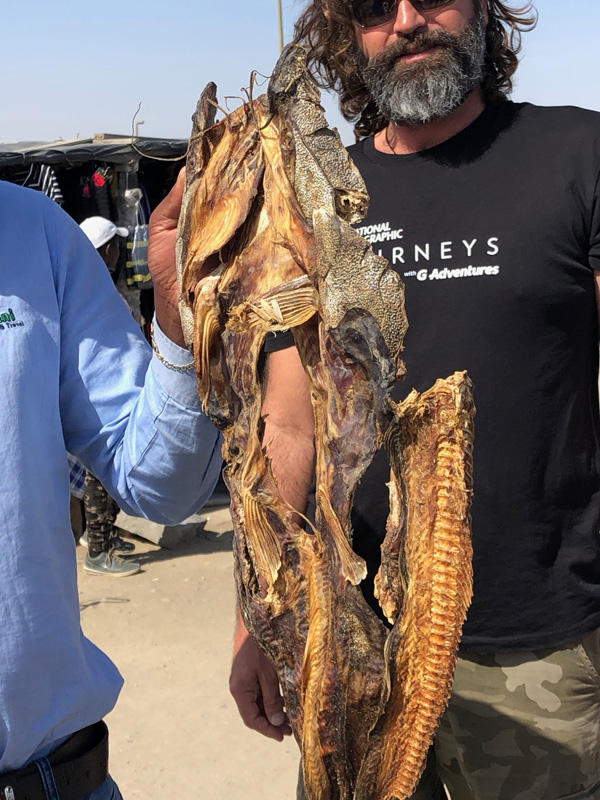 Dried fish at the township market
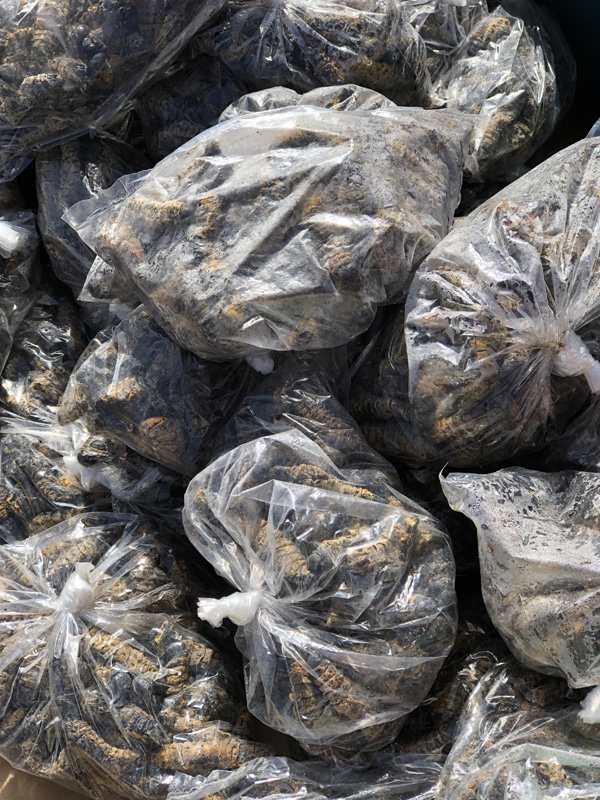 Bags of caterpillars
Click below for gallery of today’s photos:


With another early start we found ourselves having breakfast shortly after 6 a.m. eating once again al fresco in shorts and short sleeve shirts but glad that it was a little cooler. I was a little concerned about the lengthy journey back north to Swakopmund on the west coast of Namibia but in the end I had no reason to worry as it was a very eventful day.
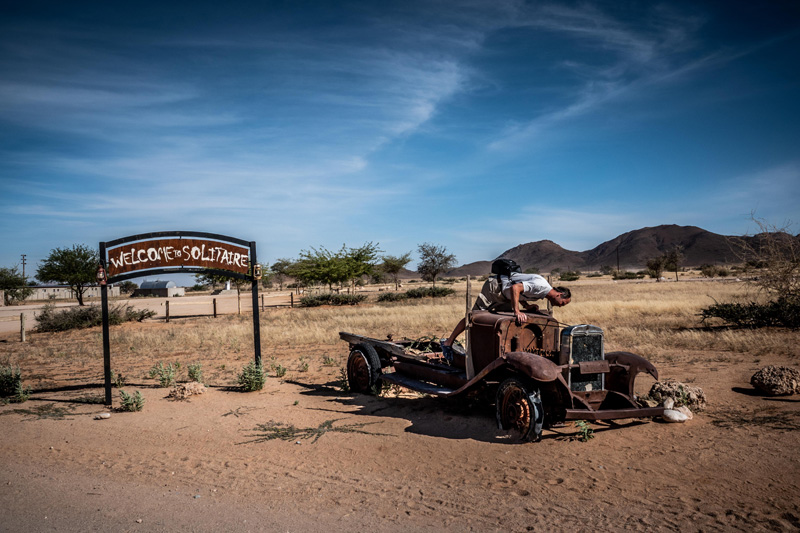
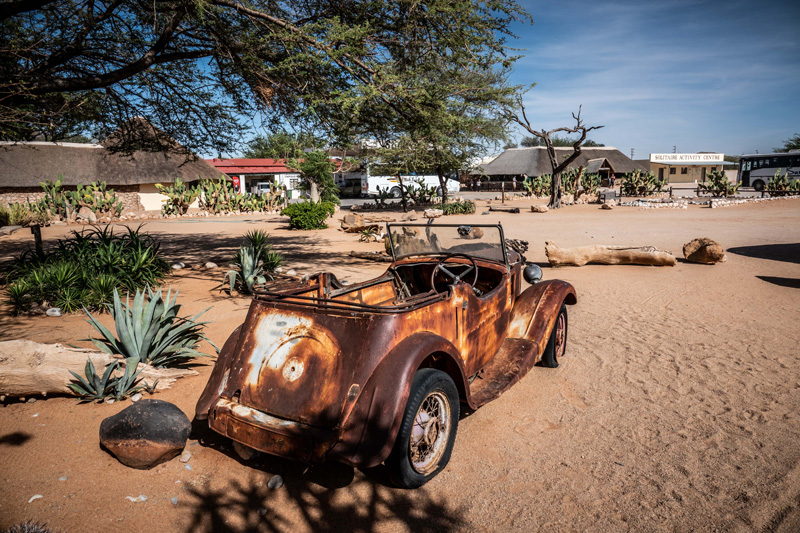
First we had a good coffee stop at the quaint little town of Solitaire.

Then the most wonderful stop in the countryside where a local man took us out into the desert and told us about how animals and bushman survived in the desert. I cannot praise this visit enough.
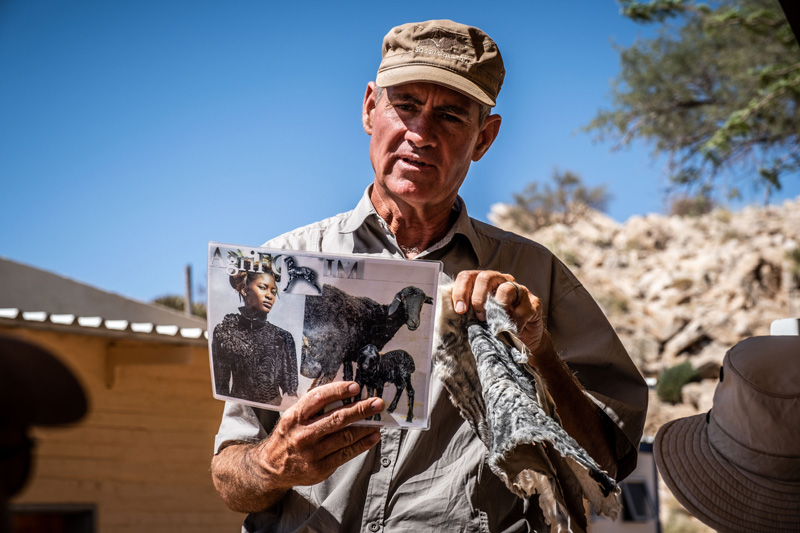
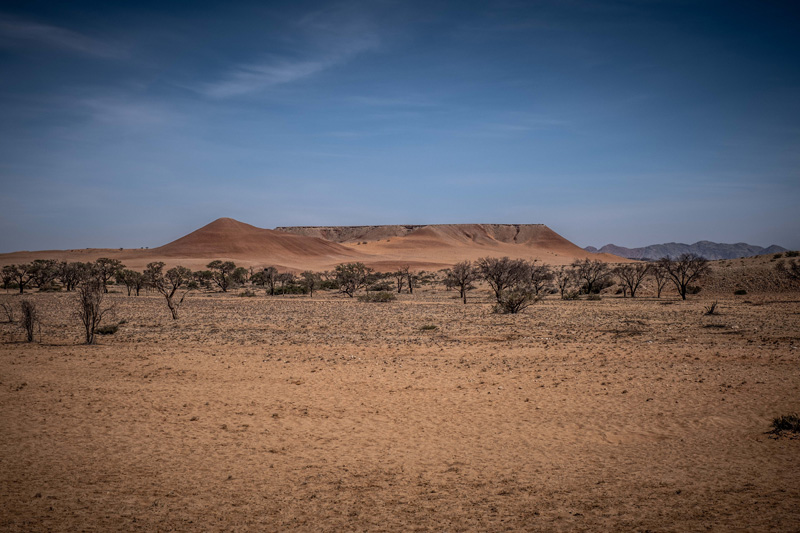
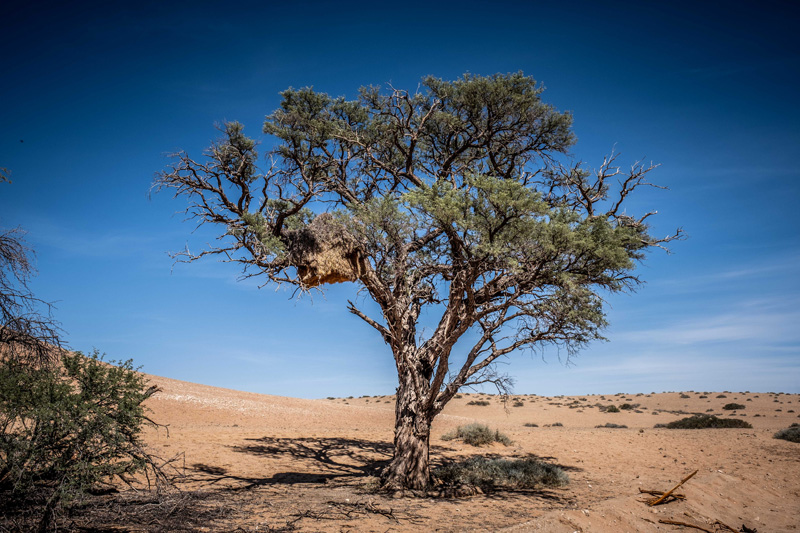


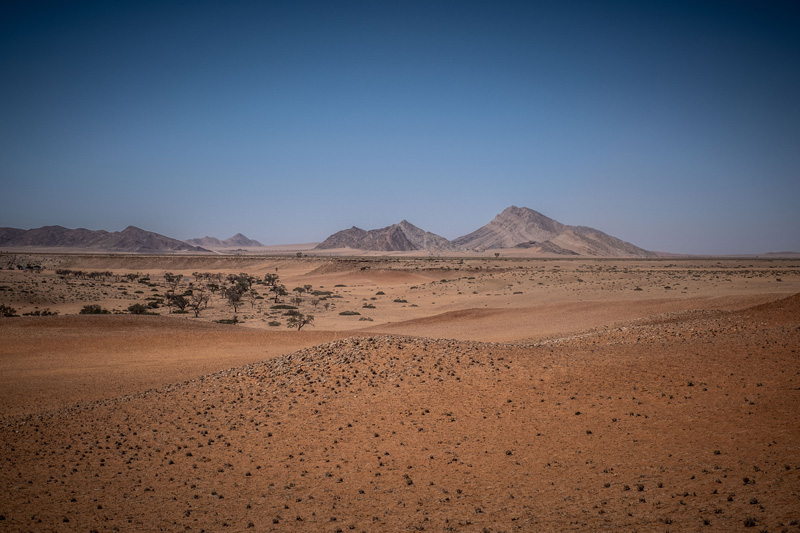
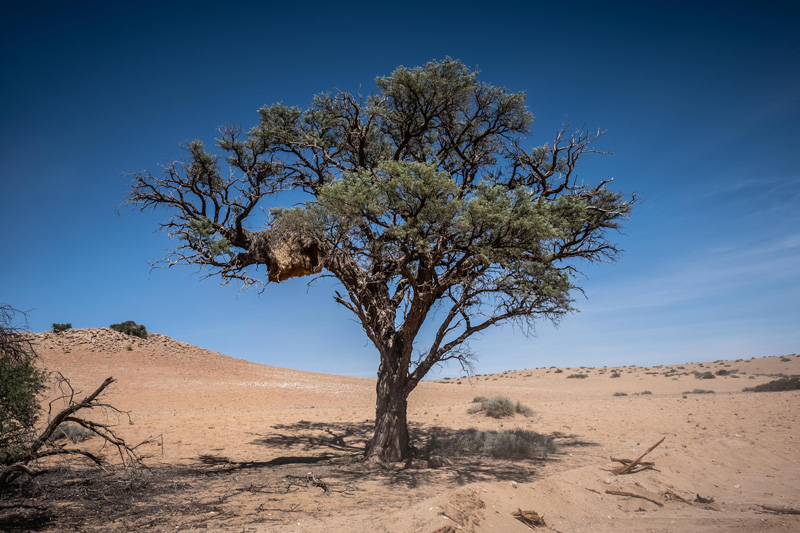
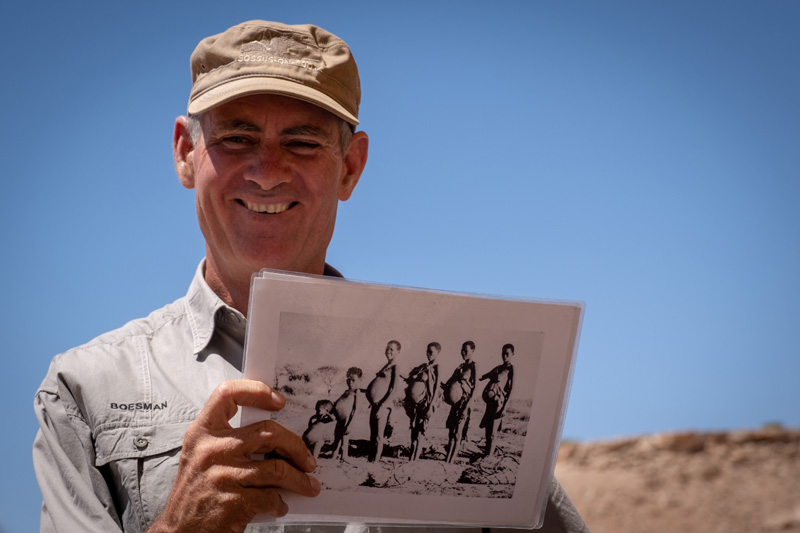
The visit was entertaining and informative and the local man used the most amazing pedagogical techniques which would have put any superstar tv production to shame. I certainly now know that the worst thing that can happen to the desert is lots of rain.
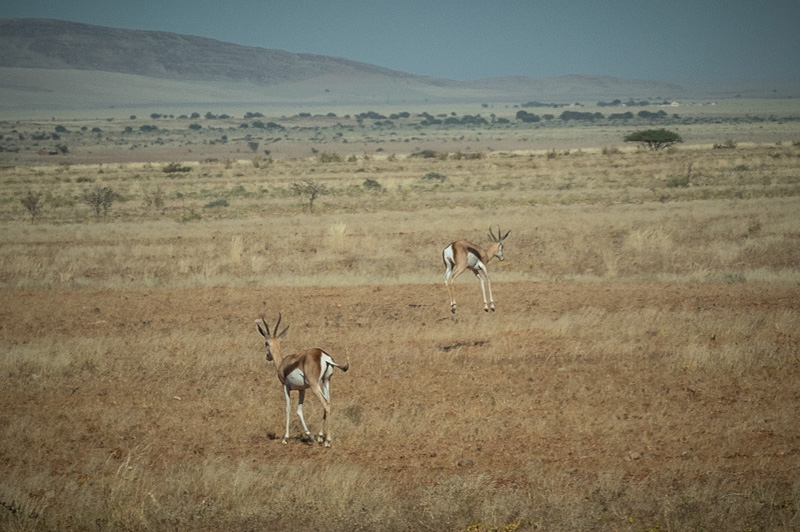
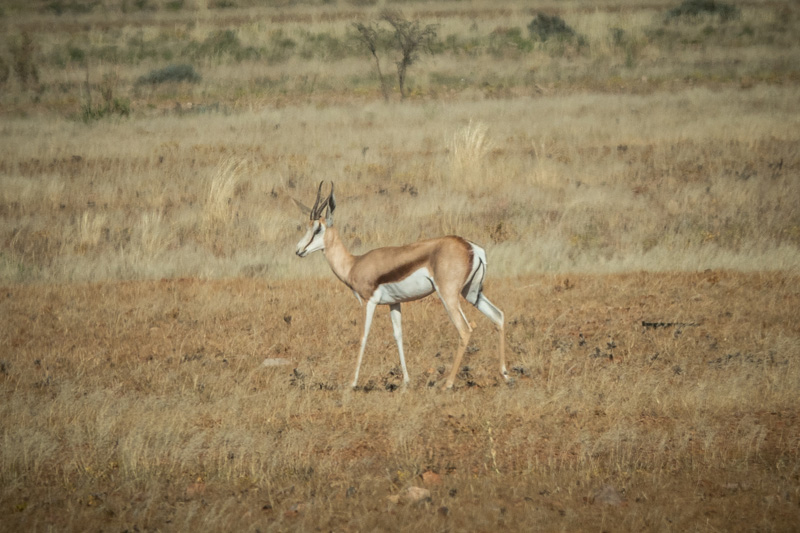 Springbok
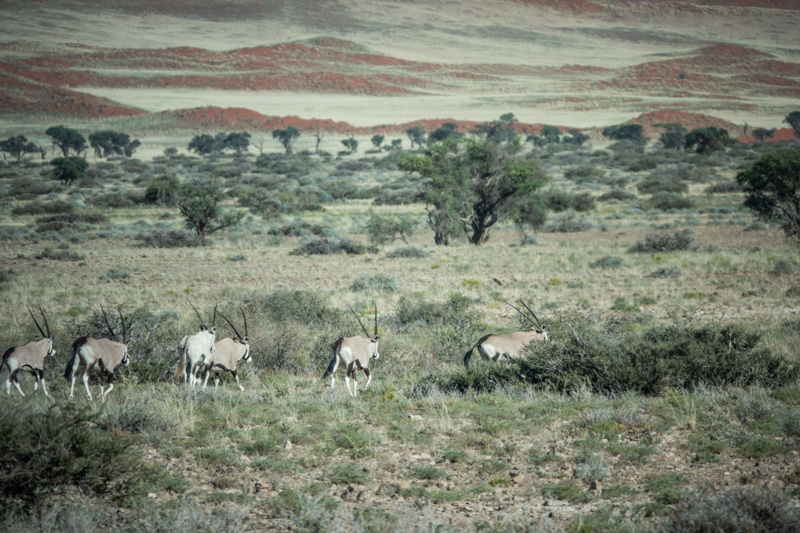 Oryx
Oryx
 Oryx
Oryx
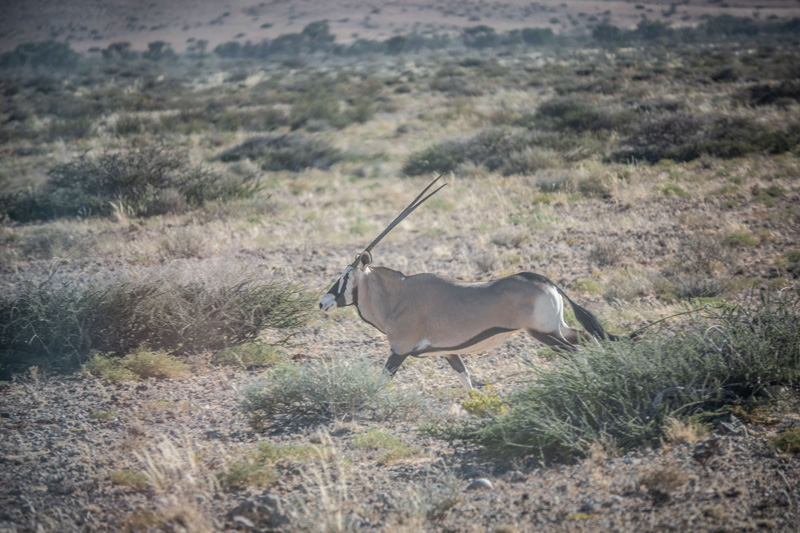 Oryx
Oryx
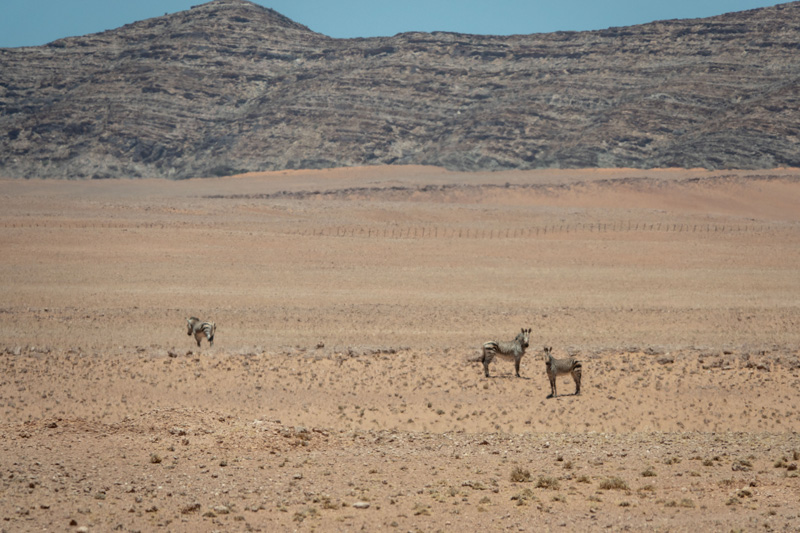 Zebra
Zebra
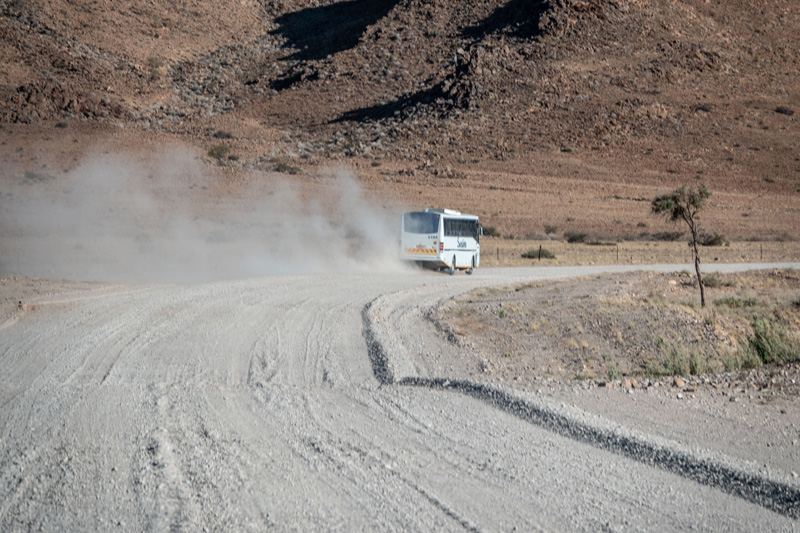
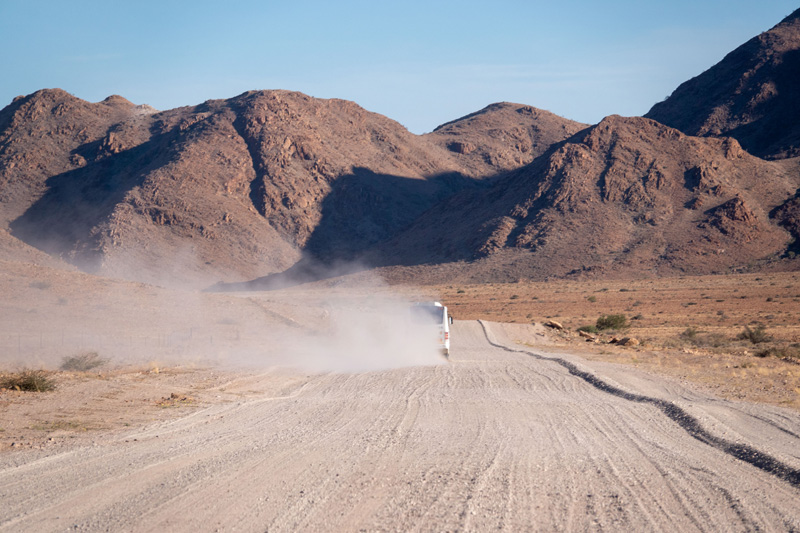
Our driver Immanuel again manoeuvred through the ruts of the gravel road at high speed to ensure we had a safe, smooth and swift journey to the coast and that we did not collide with the various wildlife that we saw en route, such as oryx, springbok and zebra.
 Immanuel
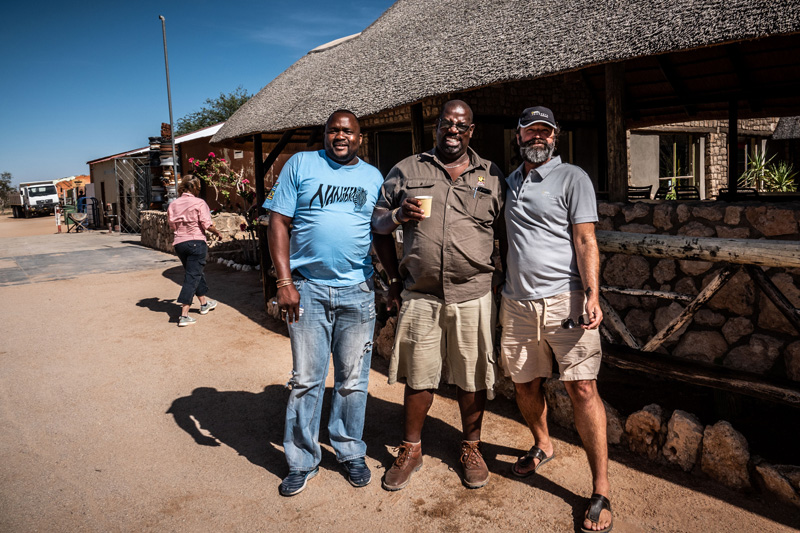 Immanuel with his fellow coach driving brother and Julian, our guide – quite a front row.
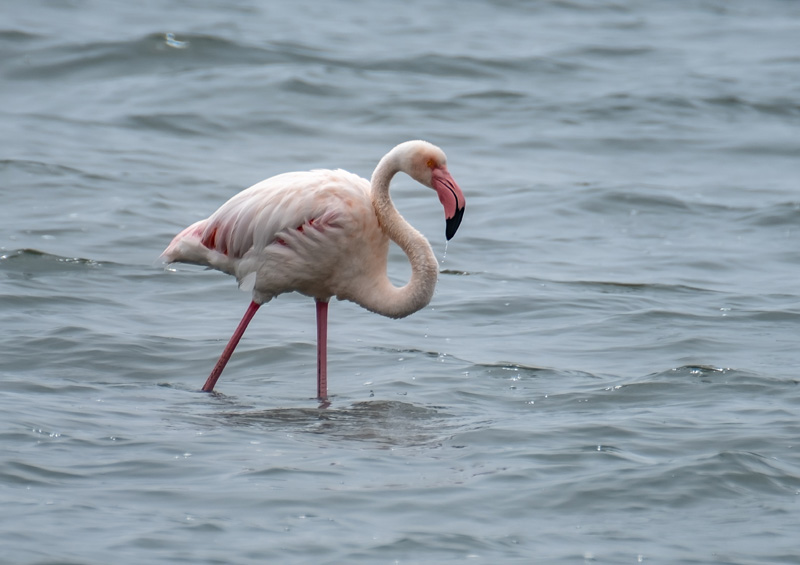
We had a couple more stops; first as we crossed the Tropic of Capricorn and then to see an interesting canyon with sedimentary rocks (including mica. Finally we arrived at the Atlantic coast and stopped at Walvis Bay where we saw some flamingos and a few other birds in the fresh and misty conditions.
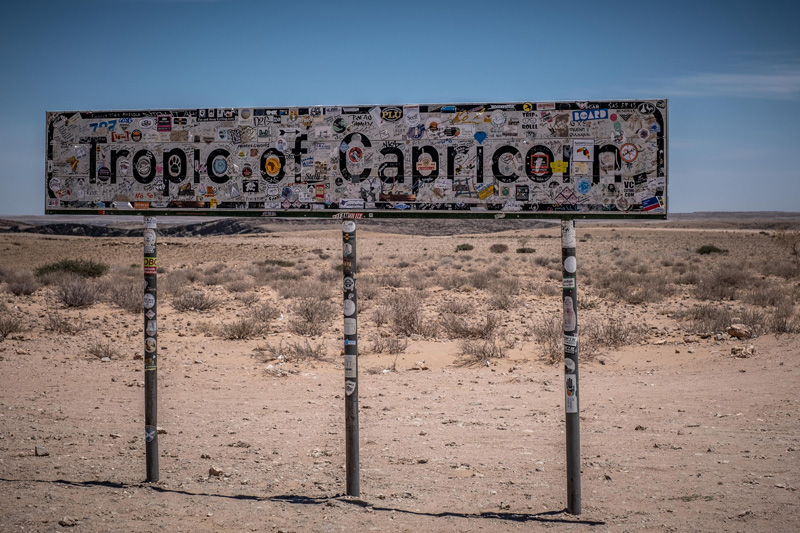
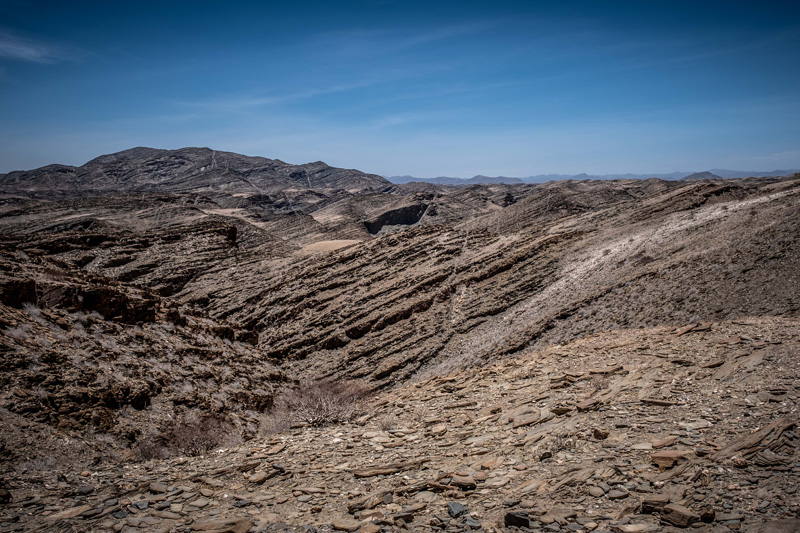

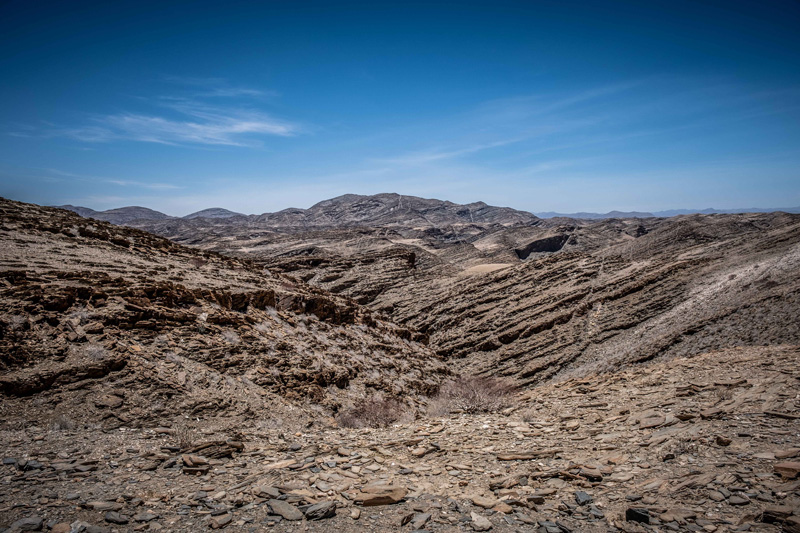
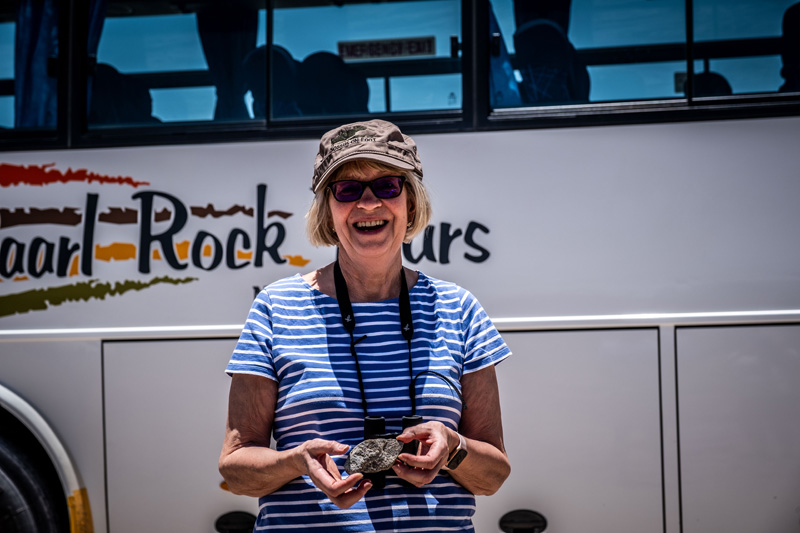
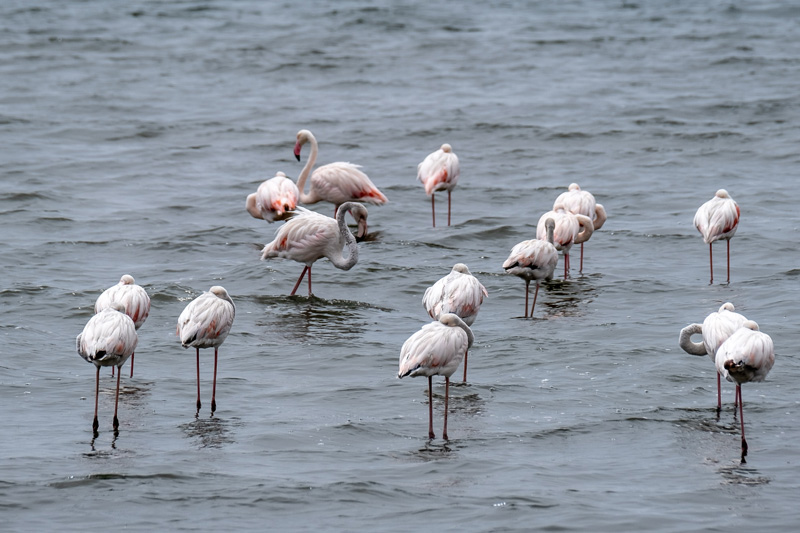

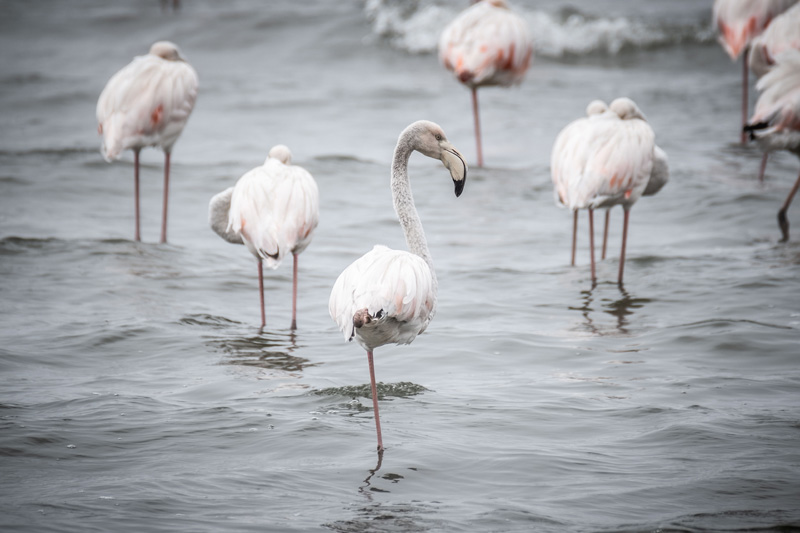
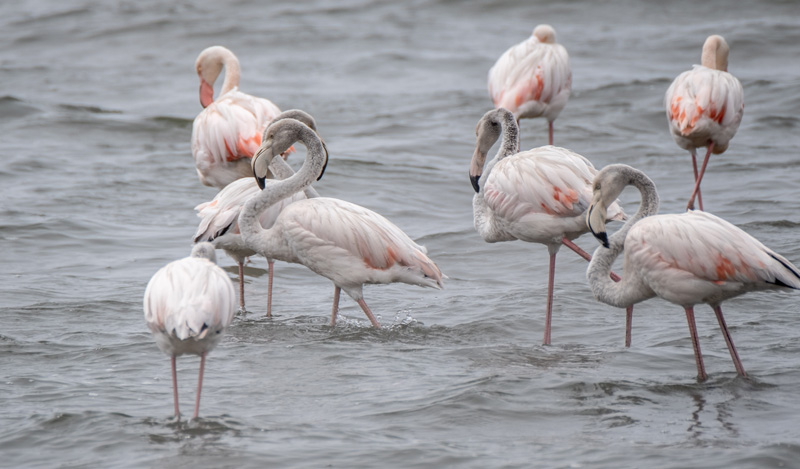
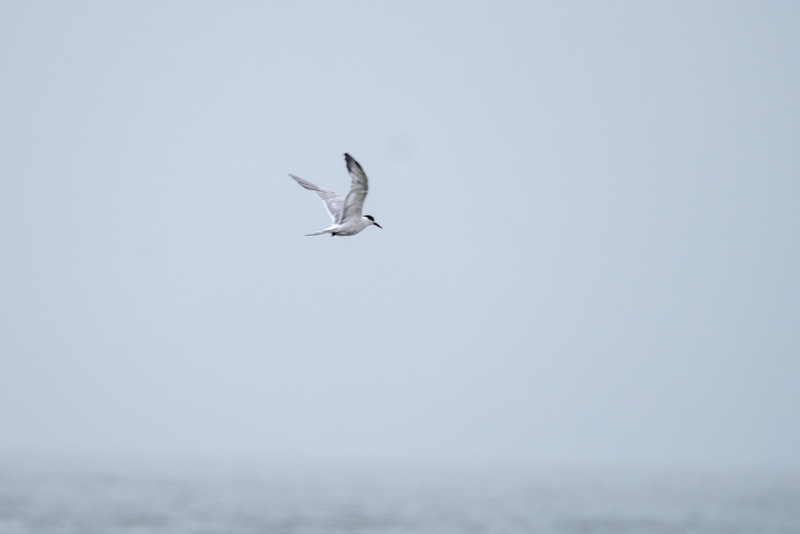
Swakopmund was a short distance up the coast where we booked into our quaint German colonial style hotel (with dependable WiFi) and then out for dinner at a lovely seafood restaurant right on the sea front.
Click below for gallery of photos from today:


 Martin's Bird Blog & Nature Photos