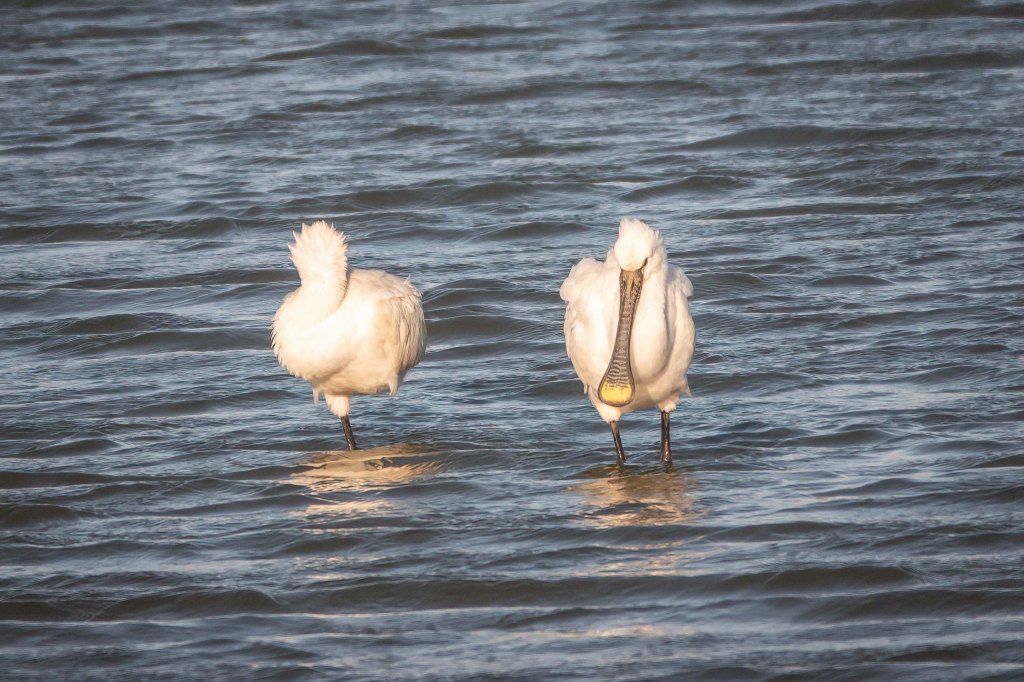
Today’s forecast was always looking pretty dire, with torrential rain supposedly lasting all day. As it turned out we did have torrential rain all morning (which allowed me to catch up with blogs) but it abated for a good 2 hours at lunch time and we made the most of it with a walk into town to get a spot of lunch. The rain returned in the afternoon but again stopped in time for us to get a late afternoon walk around the Salinas de Olhão. We were well rewarded with a massive number of birds in decent light, the best of which were five spoonbills. And so it wasn’t too bad a day, although we had to cope with pretty muddy boots.






Comments
6 responses to “11th February2025 – Olhão, The Algarve, Portugal”
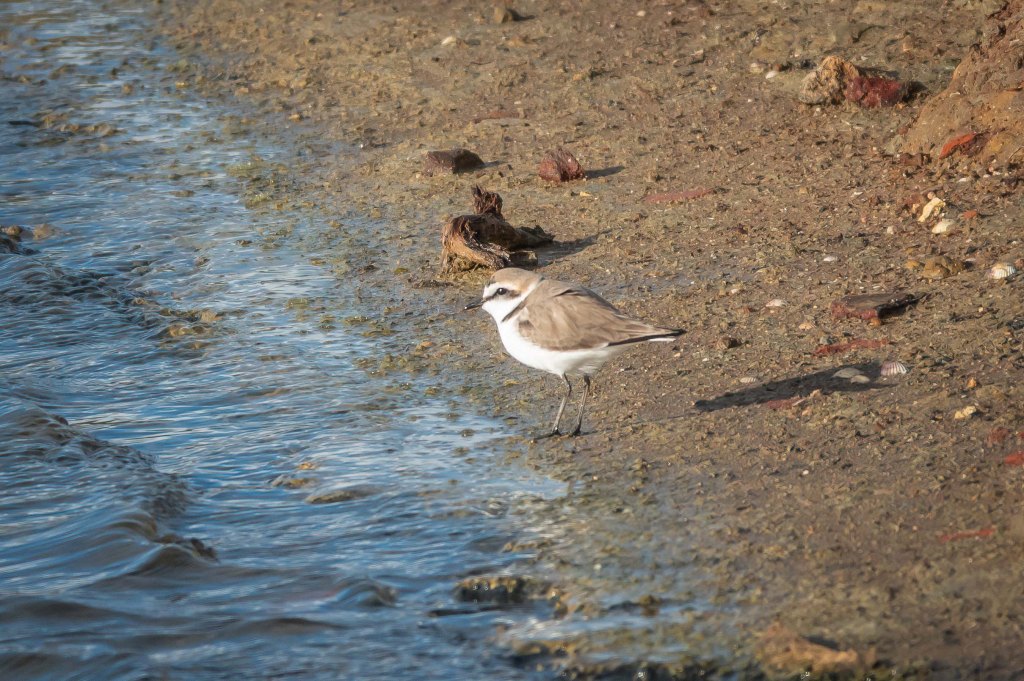
Checking all the books, I would plump for adult winter Kentish Plover (?)
LikeLike
I’m going to have to start looking at some books – I think I’m being a bit casual about this one. I’m sure you have it right but I ought not to be so complacent. How’s the recovery going?
LikeLike
Think I’m having a senior moment here. I was checking out the 11th Feb pic of a plover, which I believe is a Kentish. Not the plover of the 13th FEB?
Looking at the 13th Feb plover, the Hayman, et al ,An ID Guide To The Waders Of The World, comment how similar the Ringed and Semipalmated are. The drawings , side by side, of juvenile Ringed +Semipalmated are nigh on identical.
The difference may come down to the dictionary word ‘palmate’. This is usually applied to plant leaves, as in ‘palm leaves’ . ‘Palmate’ however applies to “webbed appendages” in zoology.
Hayman et al say for Ringed Plover the “Palmations are clear only between outer two toes”. For the Semipalmated it “Has clear palmations between all 3 toes.”
THAT might therefore (particularly in winter plumage) be the key???? Mind bending. How ‘semipalmated’ comes into it, I don’t know. I’m not going to try and blow up the two pics tonight and see if the webbing between the toes varies. I wouldn’t sleep tonight!
Nos Da,
rog
LikeLike
Breuddwydion dymunol
Martin Tayler
Martin’s bird and nature blog: https://martinsbirdblog.com/
LikeLike
The first photo is of a Non-breeding adult common ringed plover from Waders of Europe: A photographic guide and the second photo is a different photo of the same plover on my blog. I’ll see what else I can find.
Martin Tayler
Martinâs bird and nature blog: https://martinsbirdblog.com/
LikeLike
Is that a semi-palmated webbing??? Do Kentish plovers ever have orange legs?
Martin Tayler
Martinâs bird and nature blog: https://martinsbirdblog.com/
LikeLike