“Où sont les soleils d’antan” – with apologies to François Villon
No sun today – the first time for a long time.
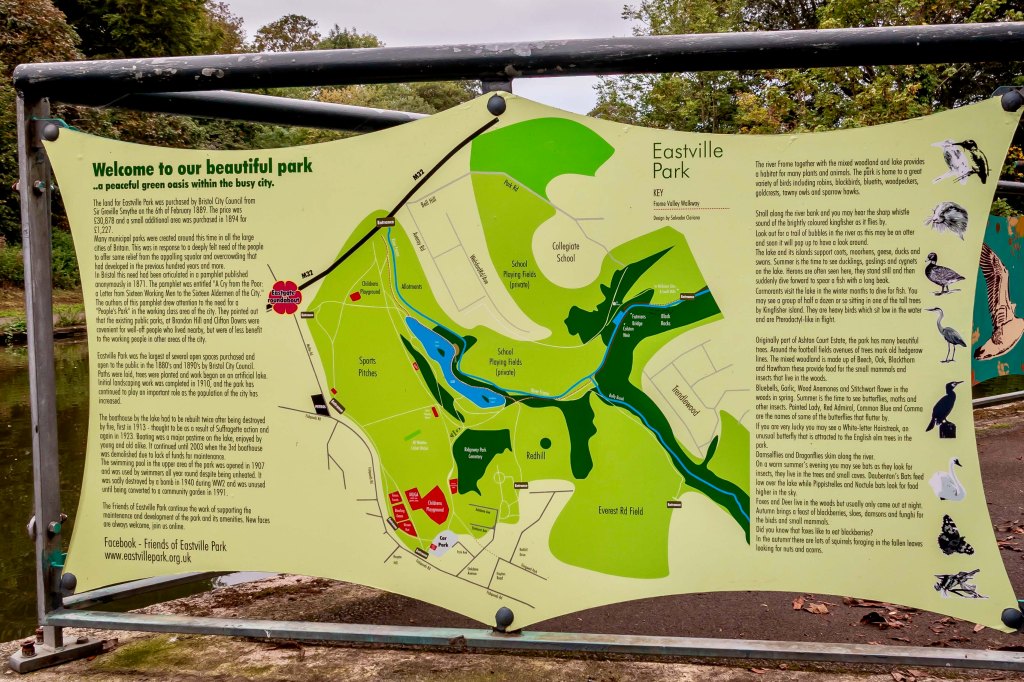
Nonetheless we had a pleasant walk on our local patch – the first time we have managed to get to our local park, Eastville Park in Bristol, for 16 months .
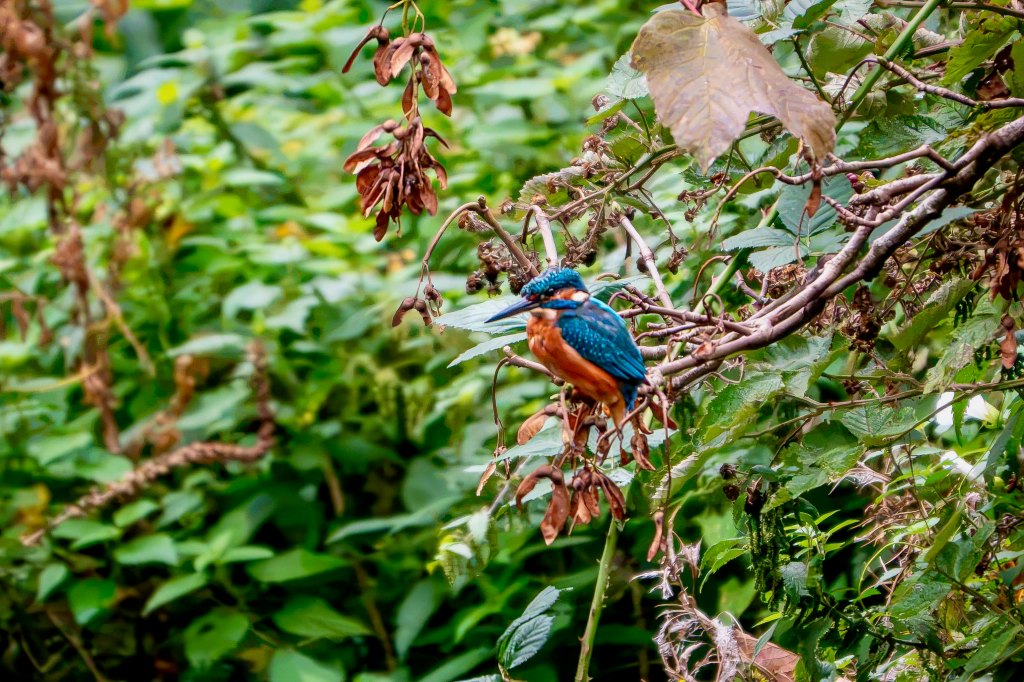
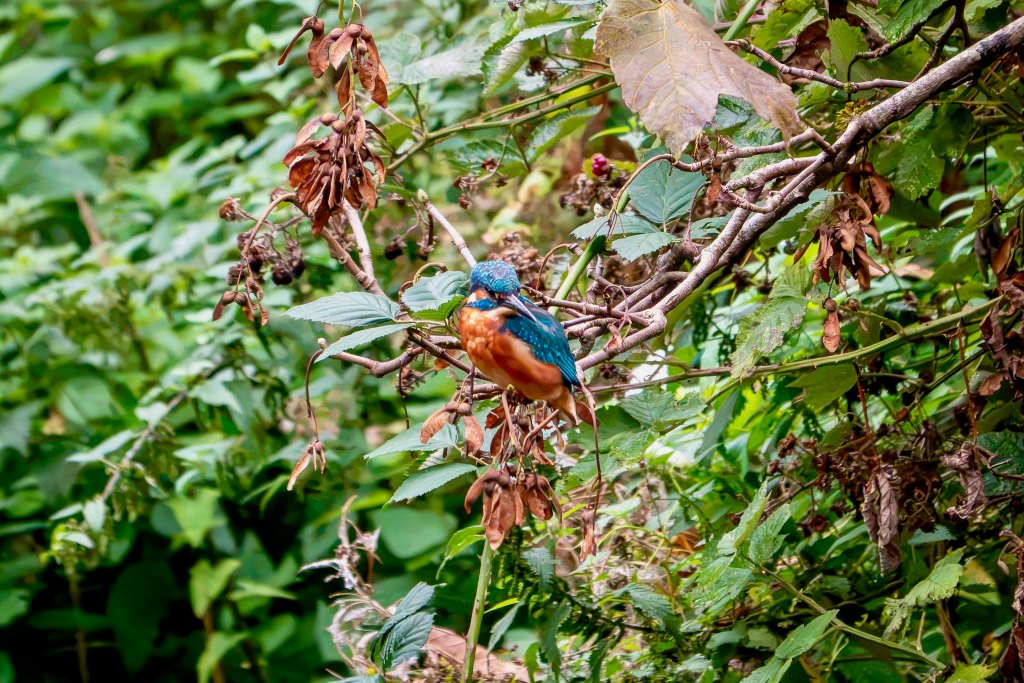
Generally, it’s a great place to see some wildlife and today did not disappoint. I reckon if I see a kingfisher on one of our days out I am never disappointed. Somehow they always manage to lift your spirits.
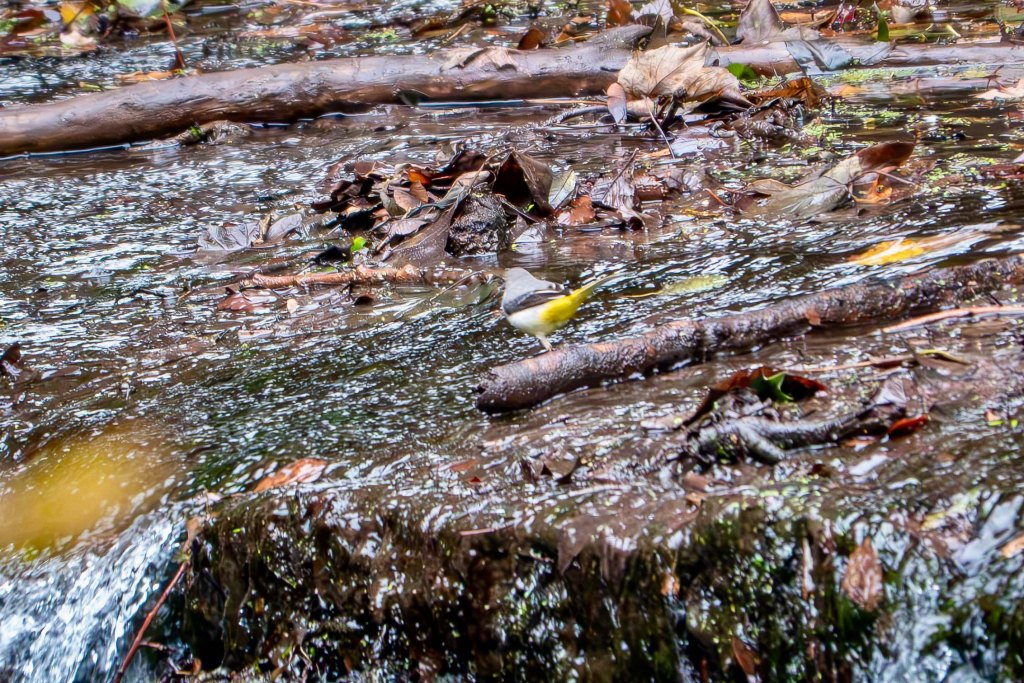
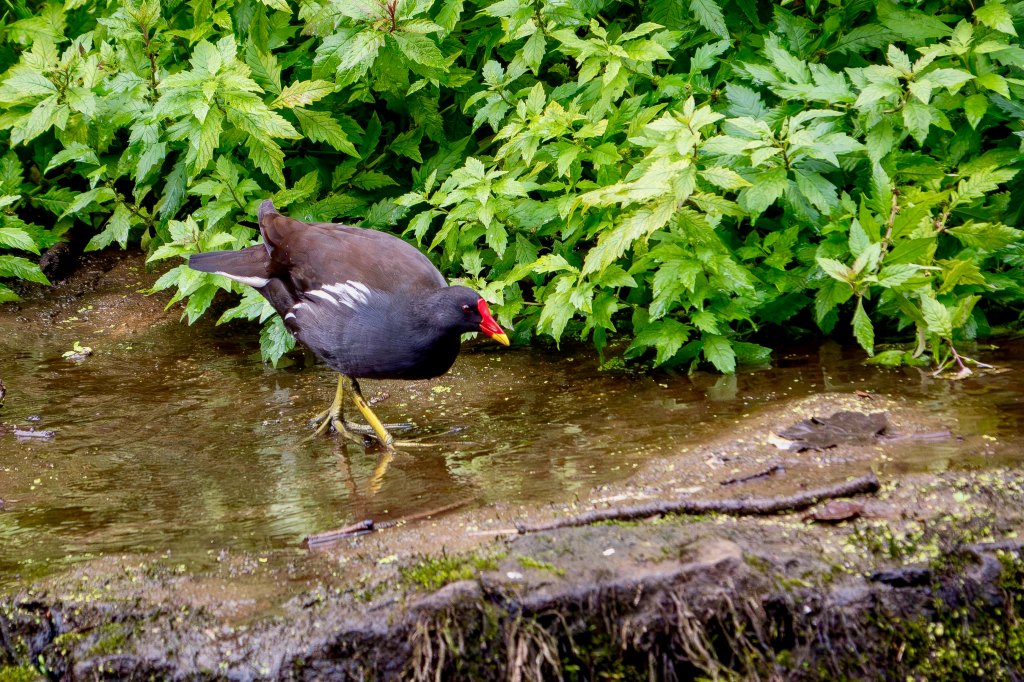
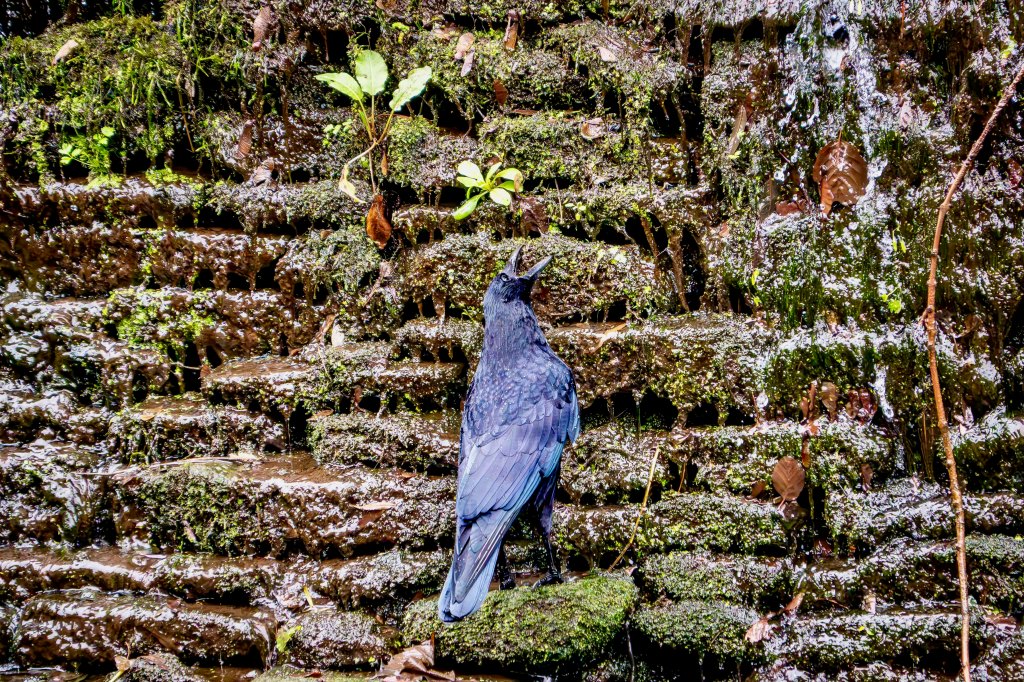
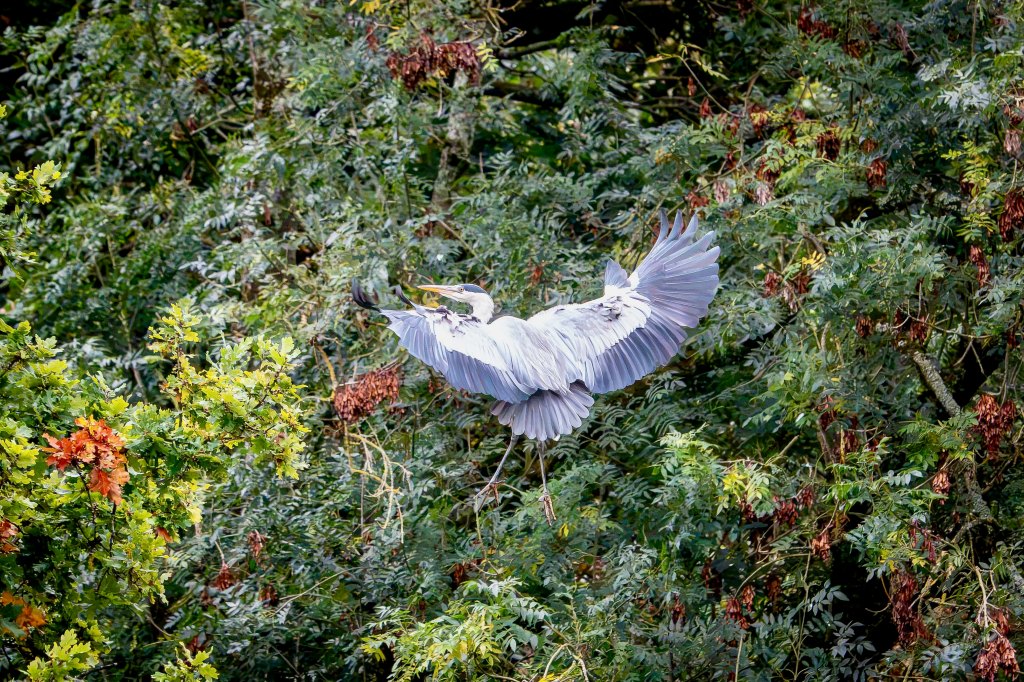
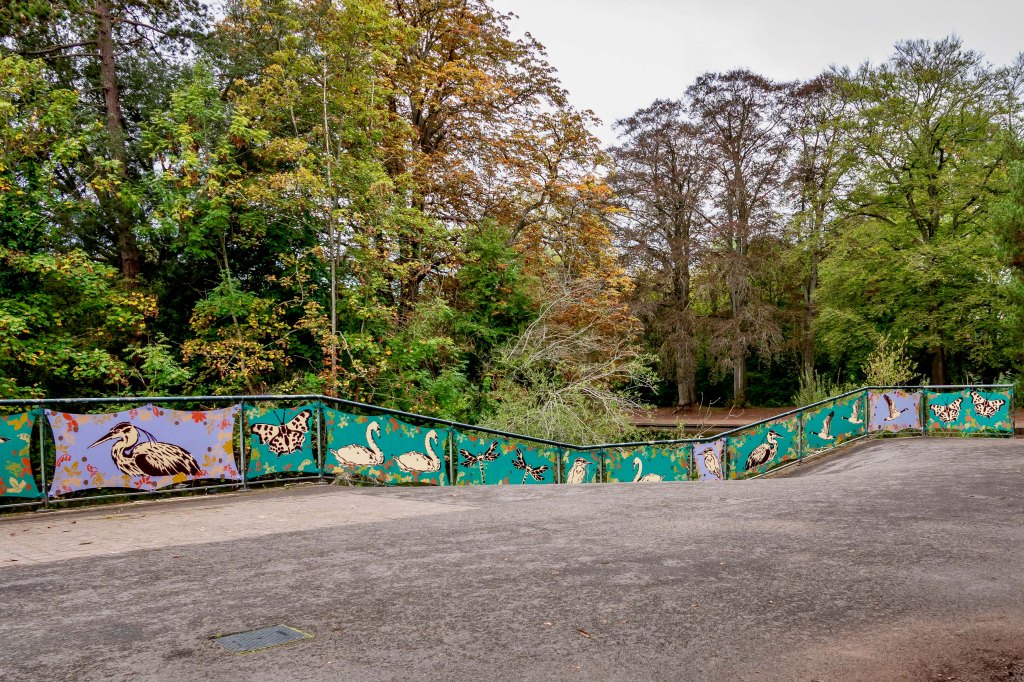
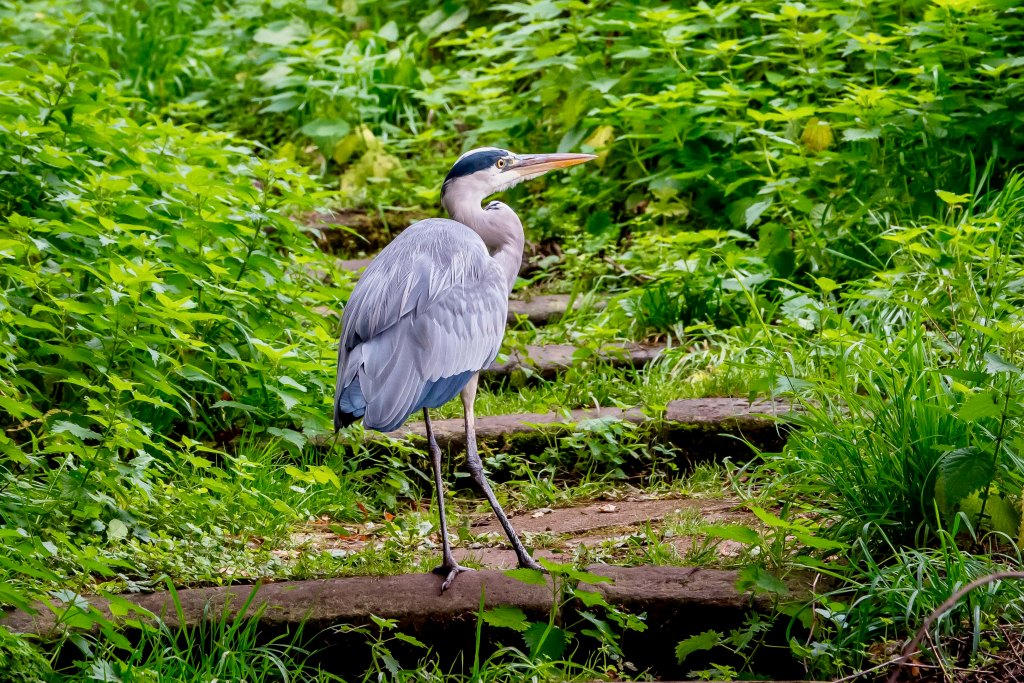
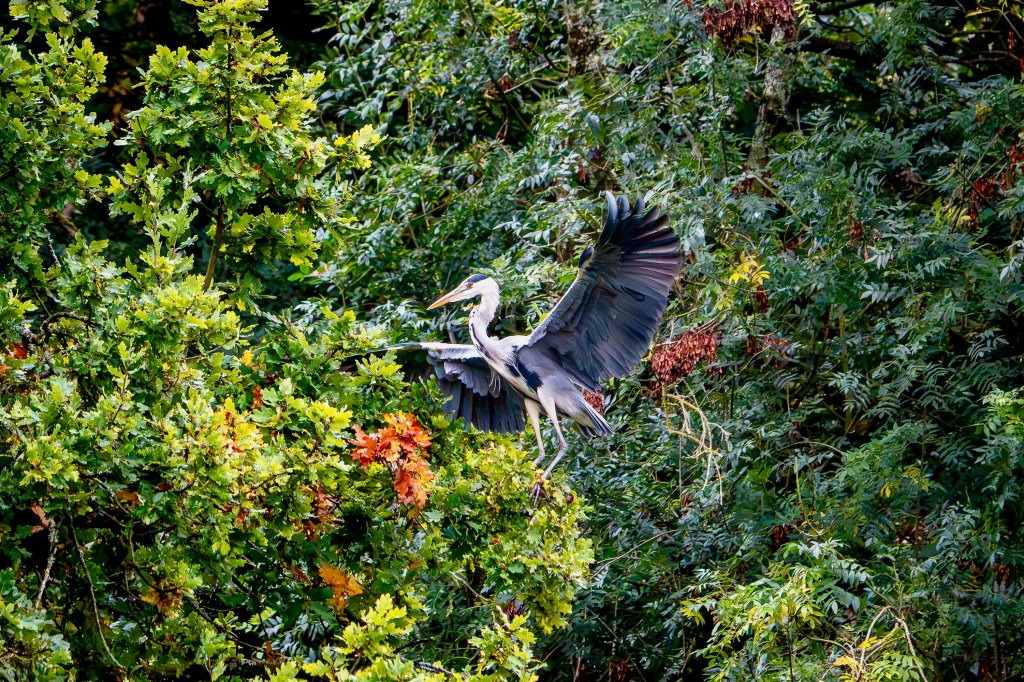
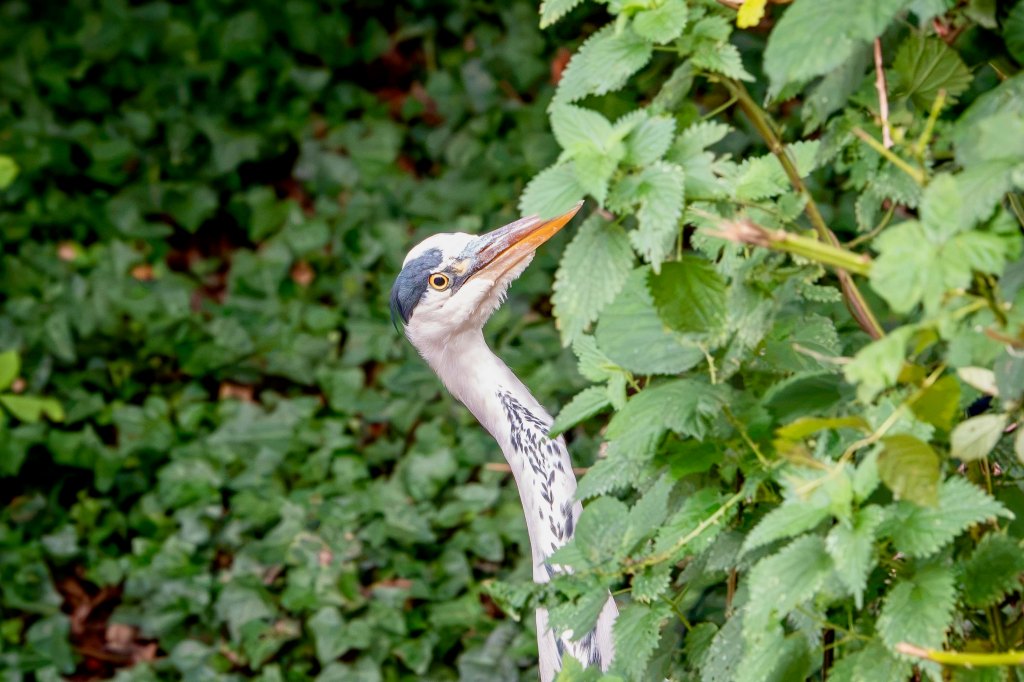
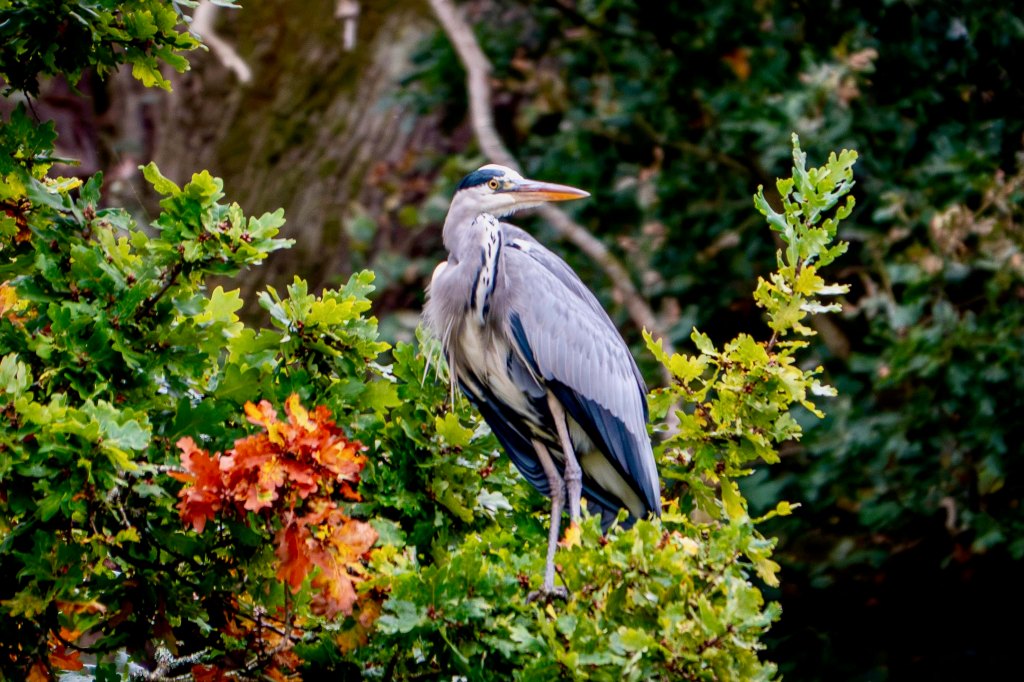
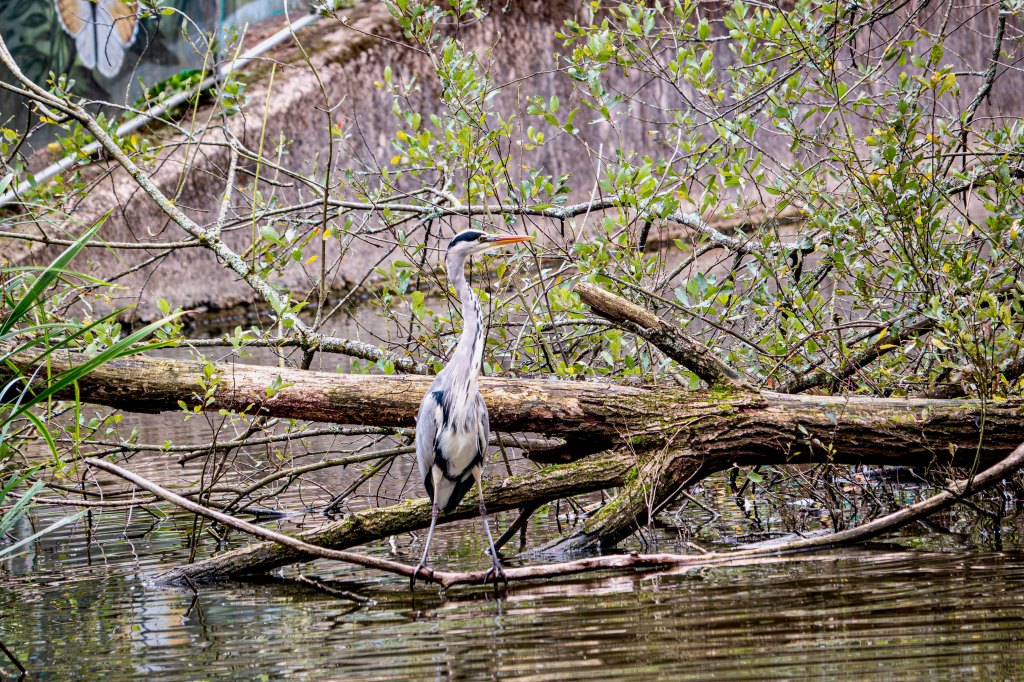
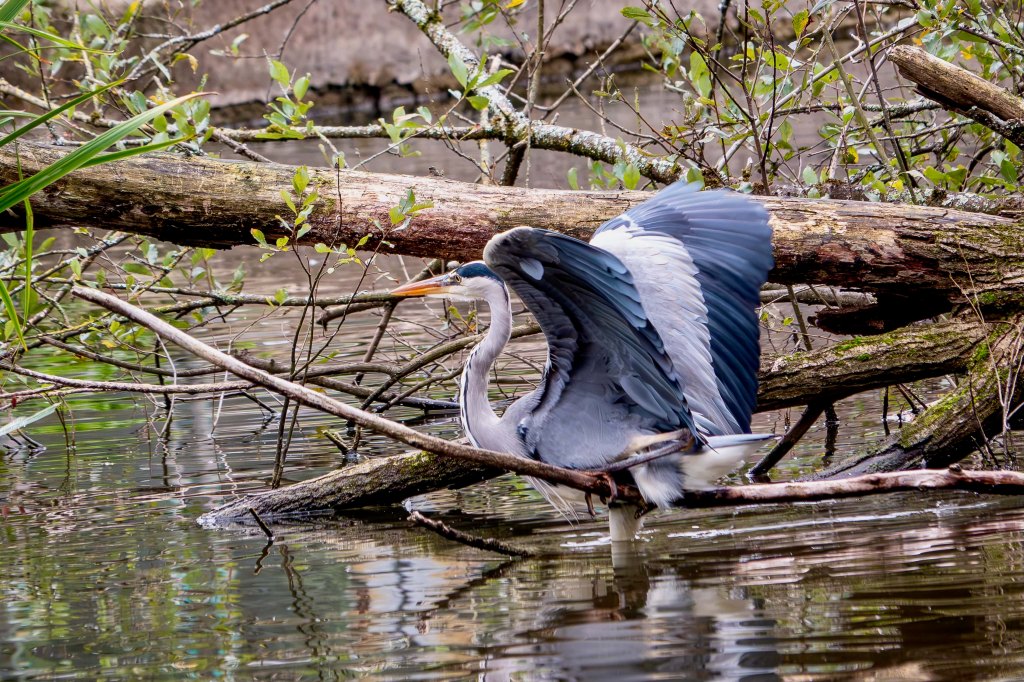
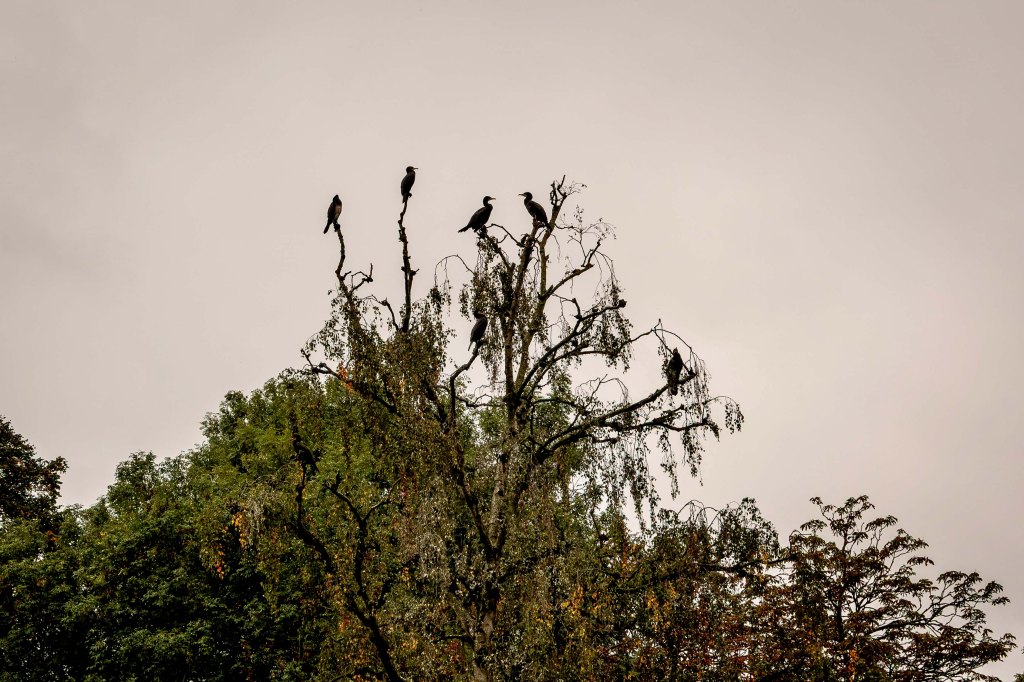
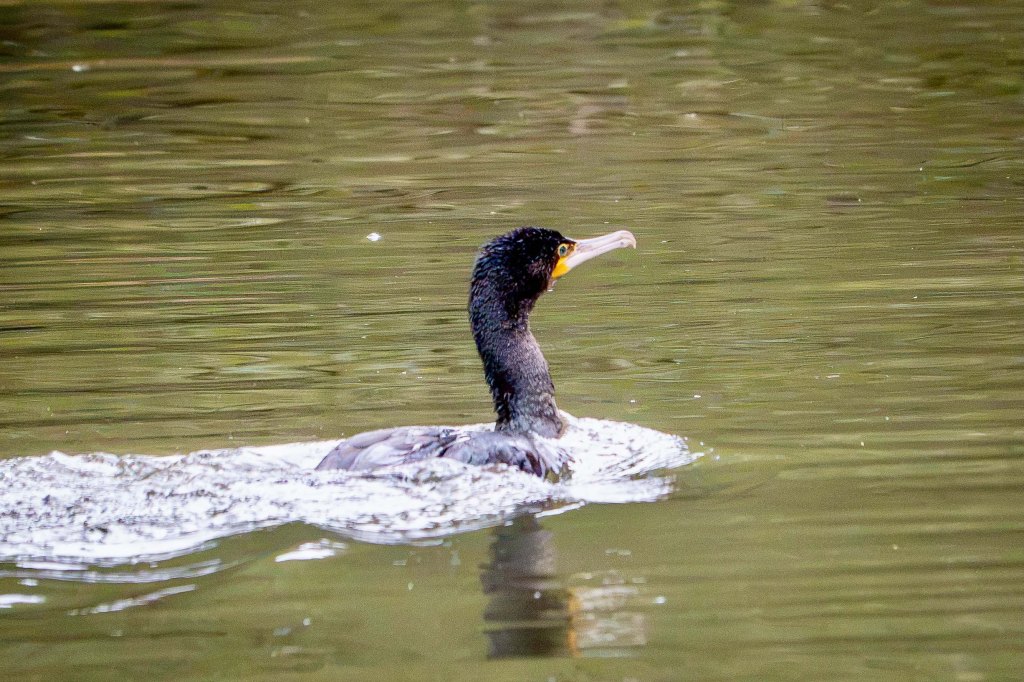
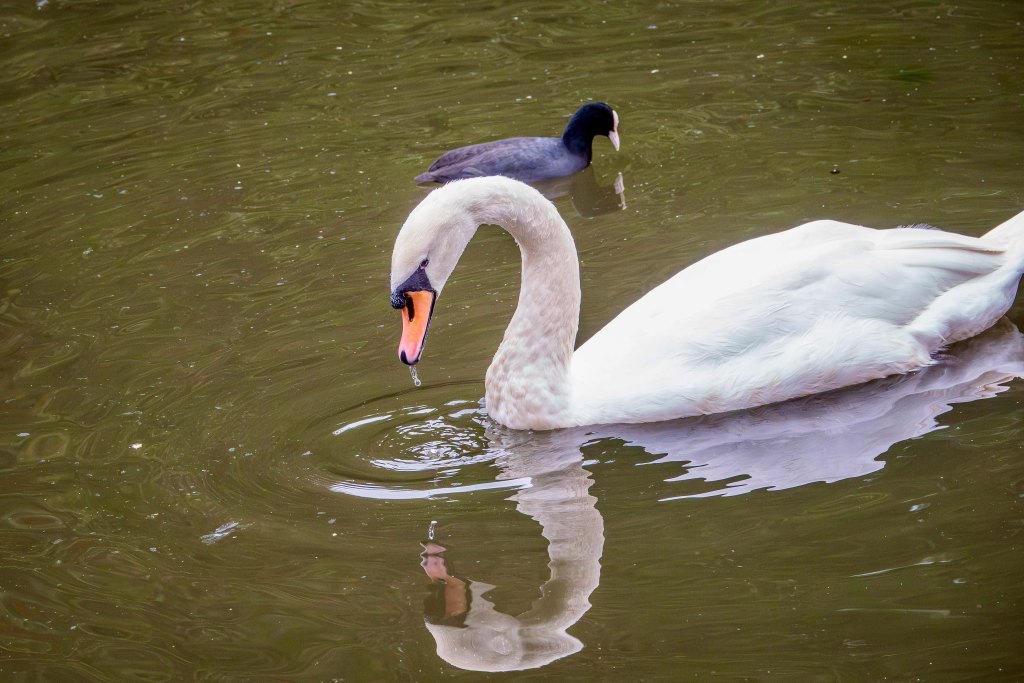
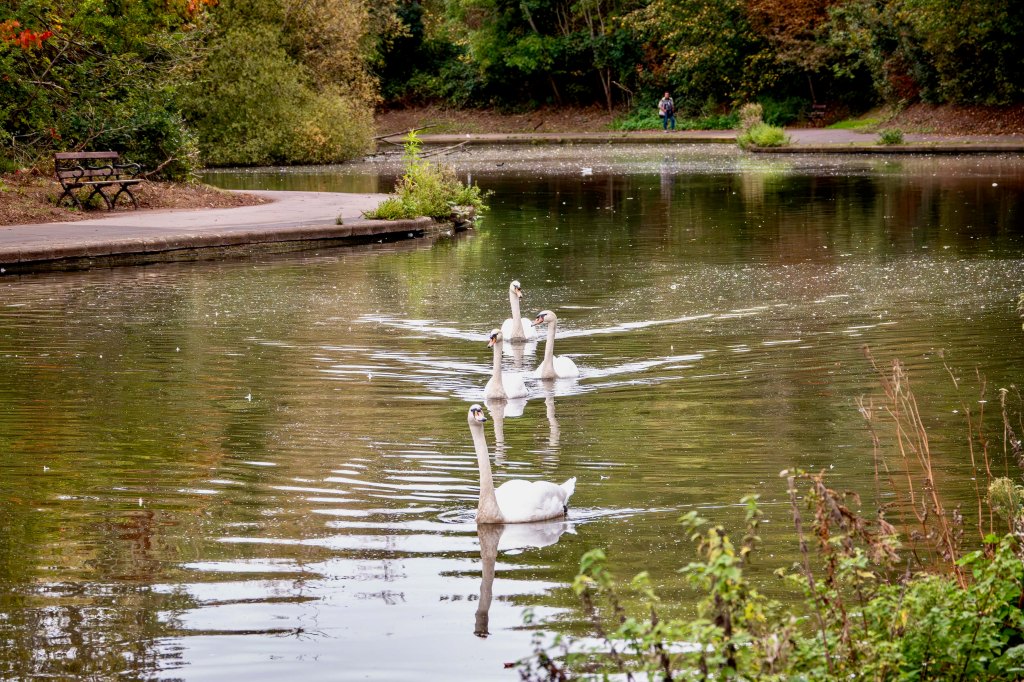
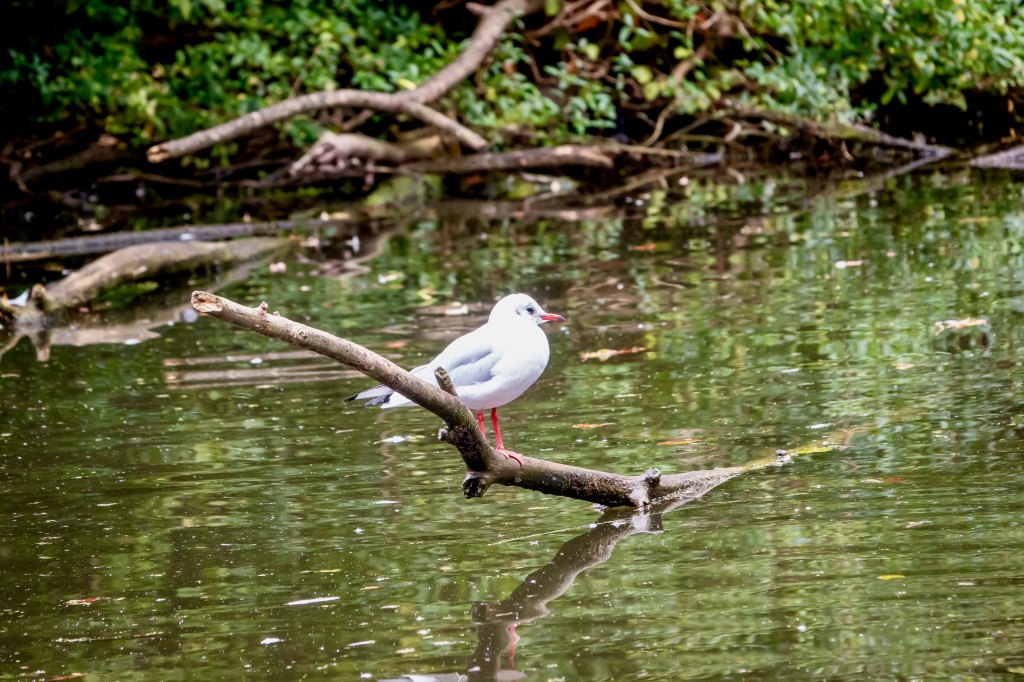
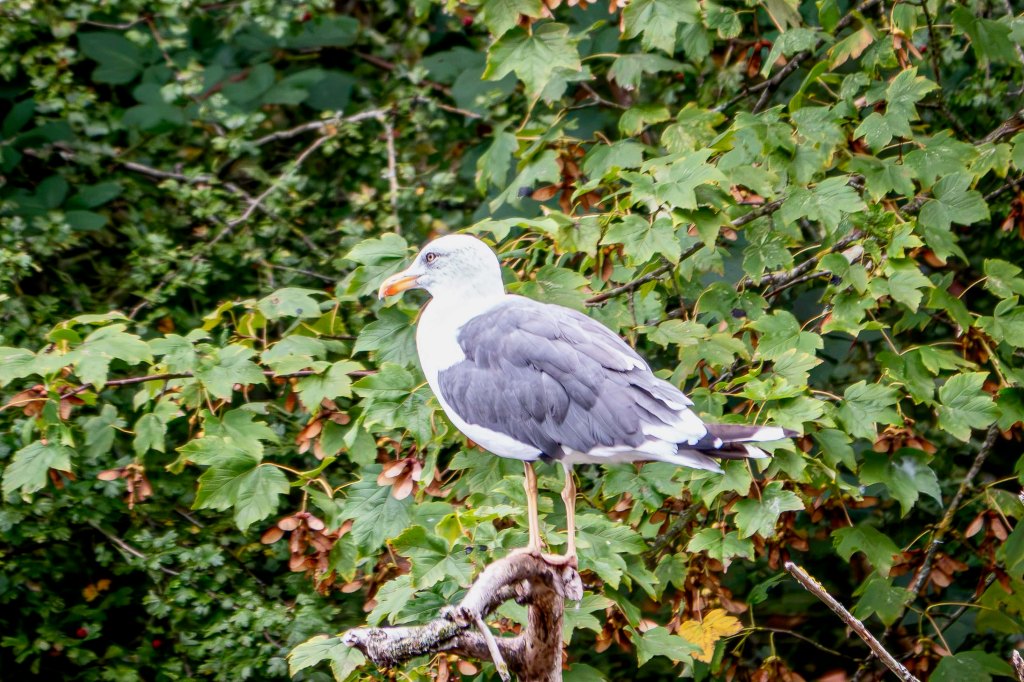
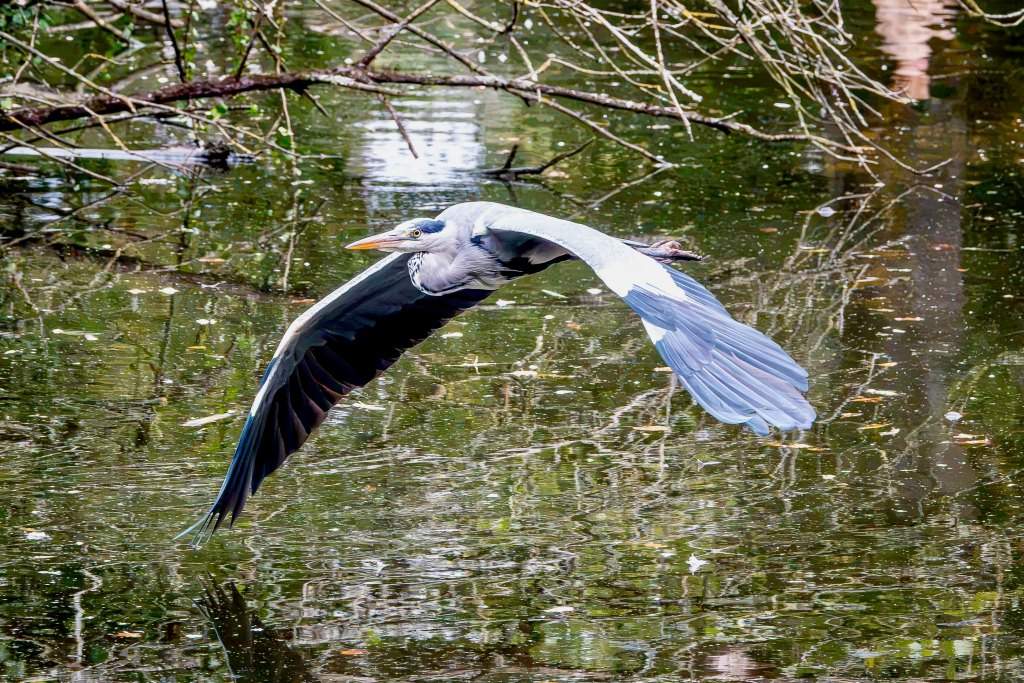
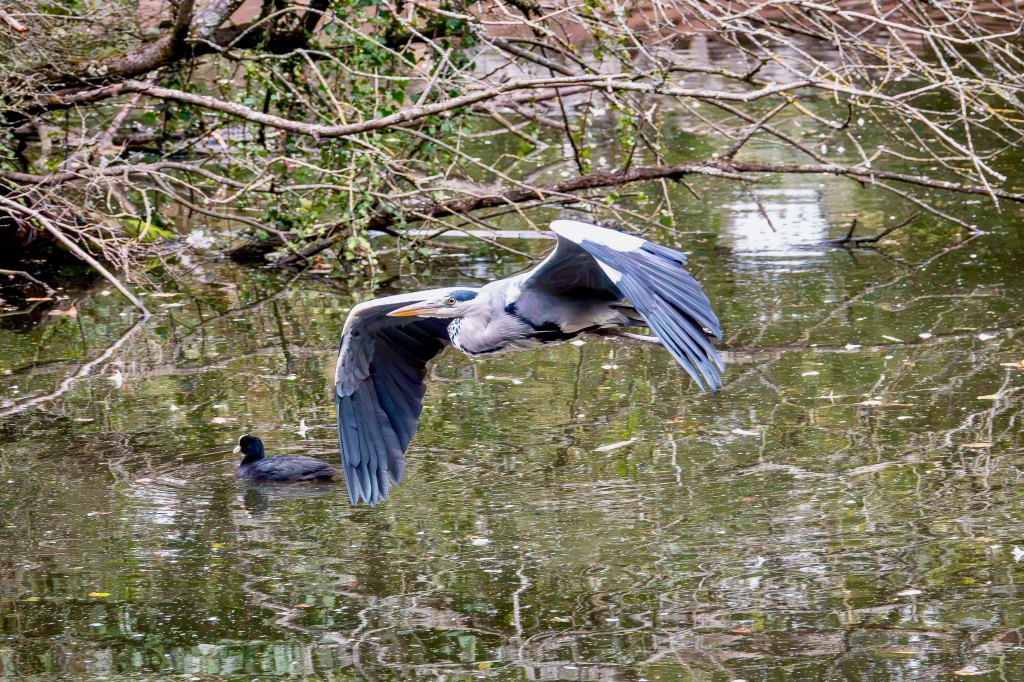
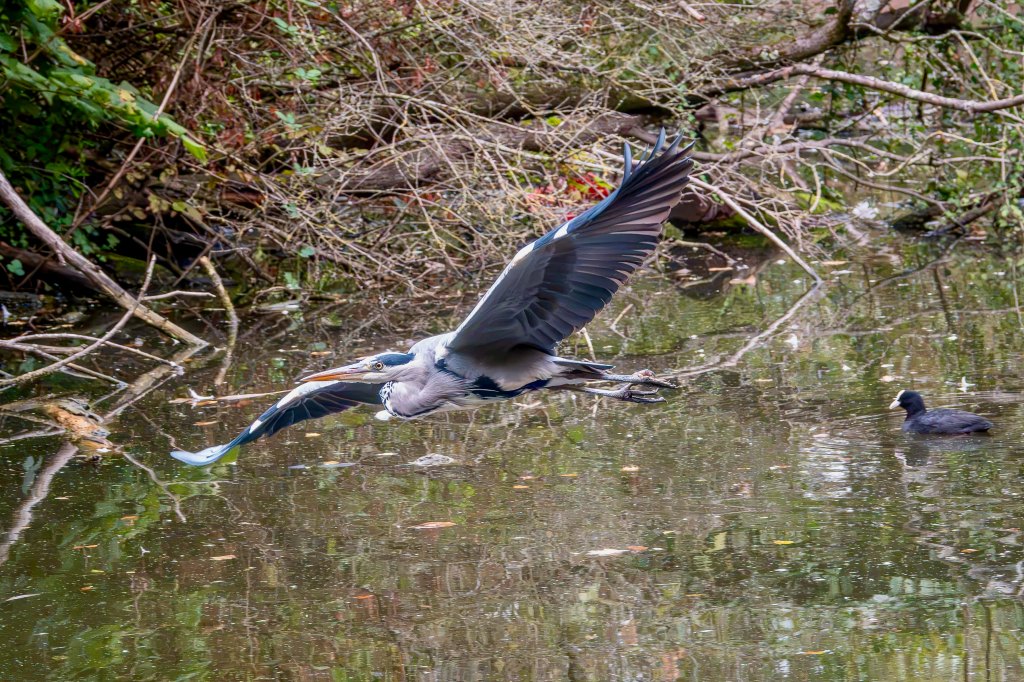
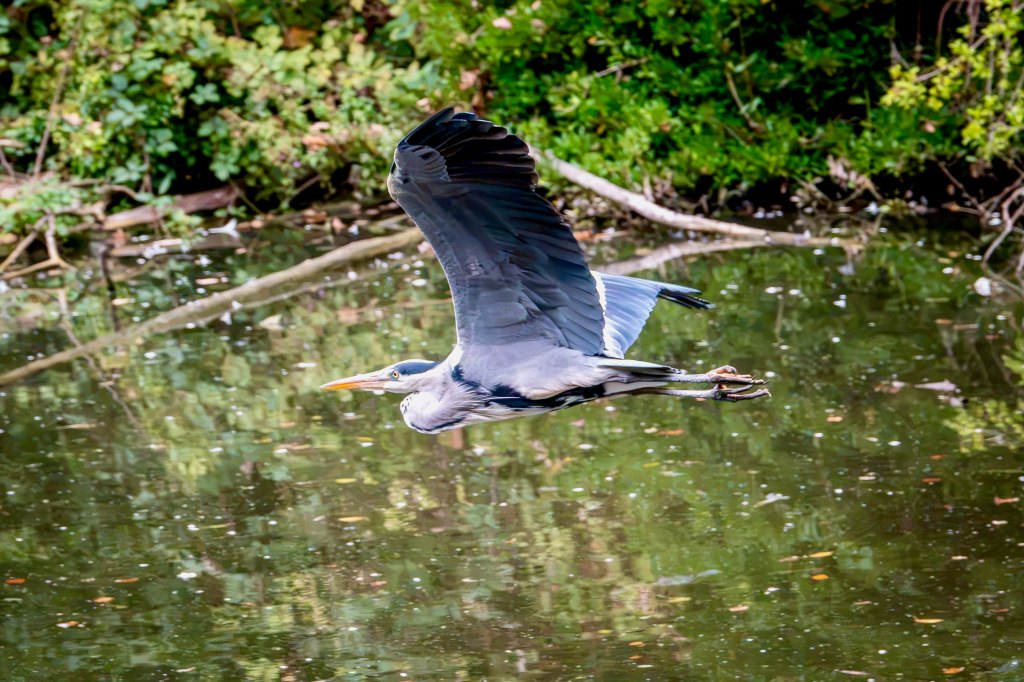
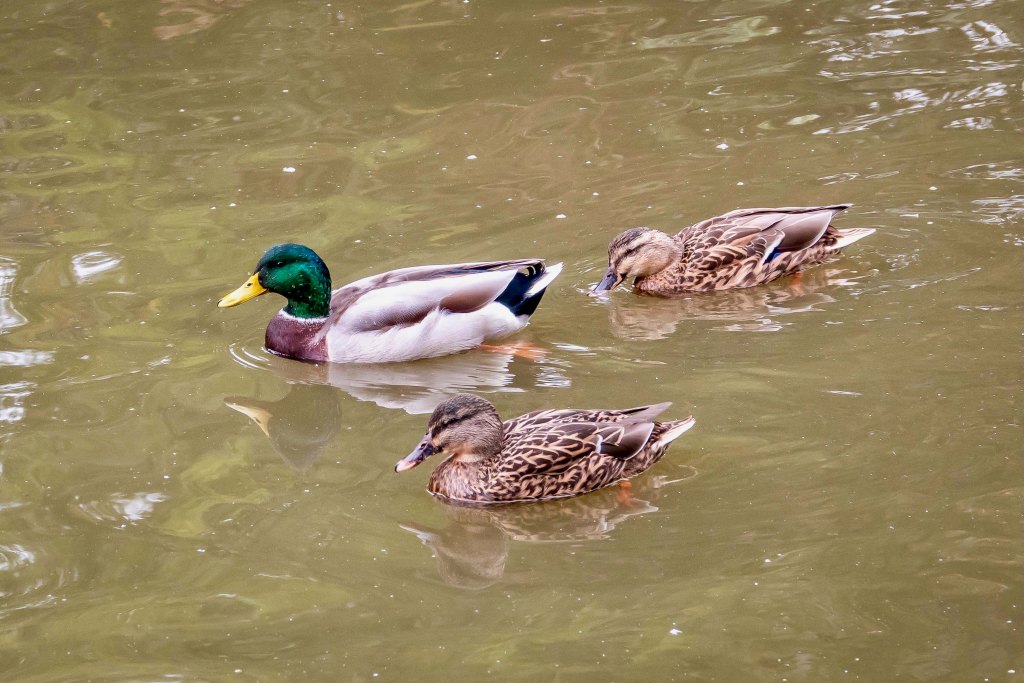
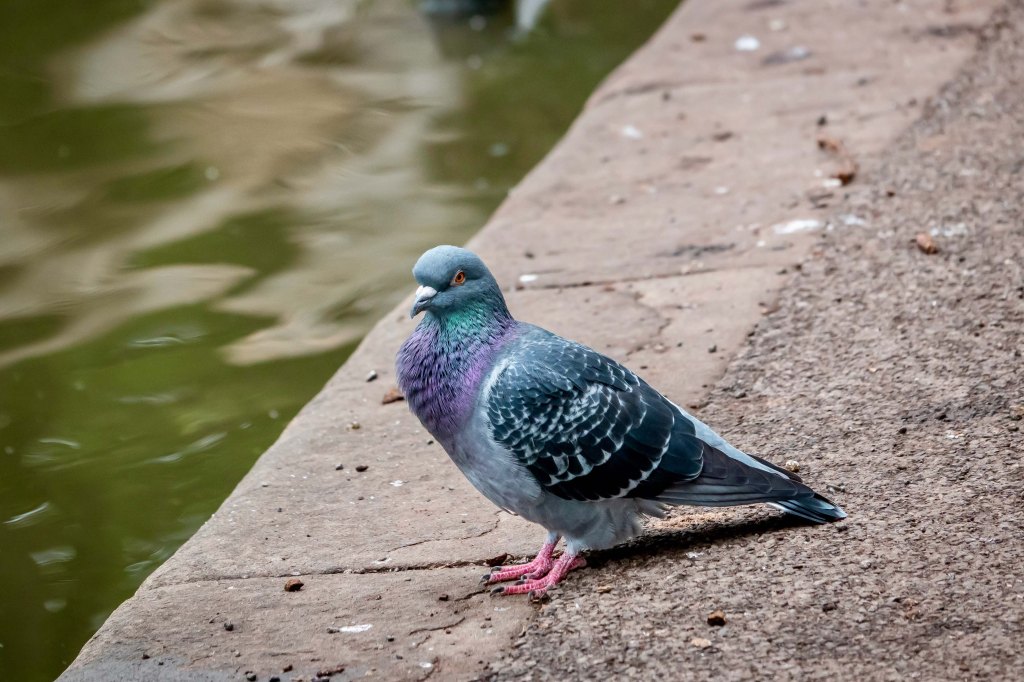
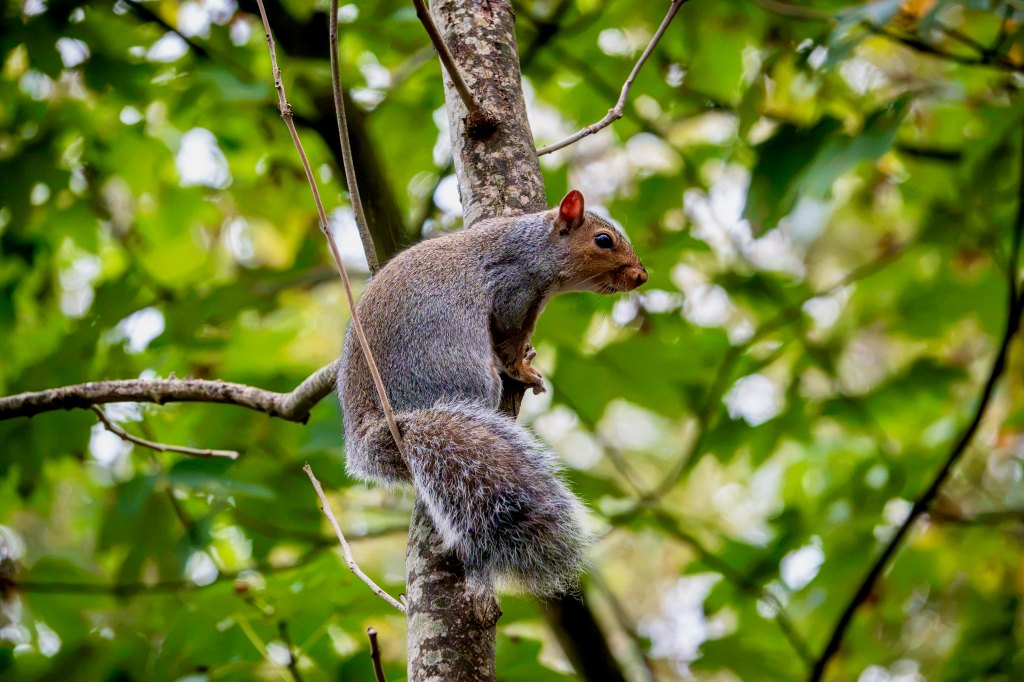
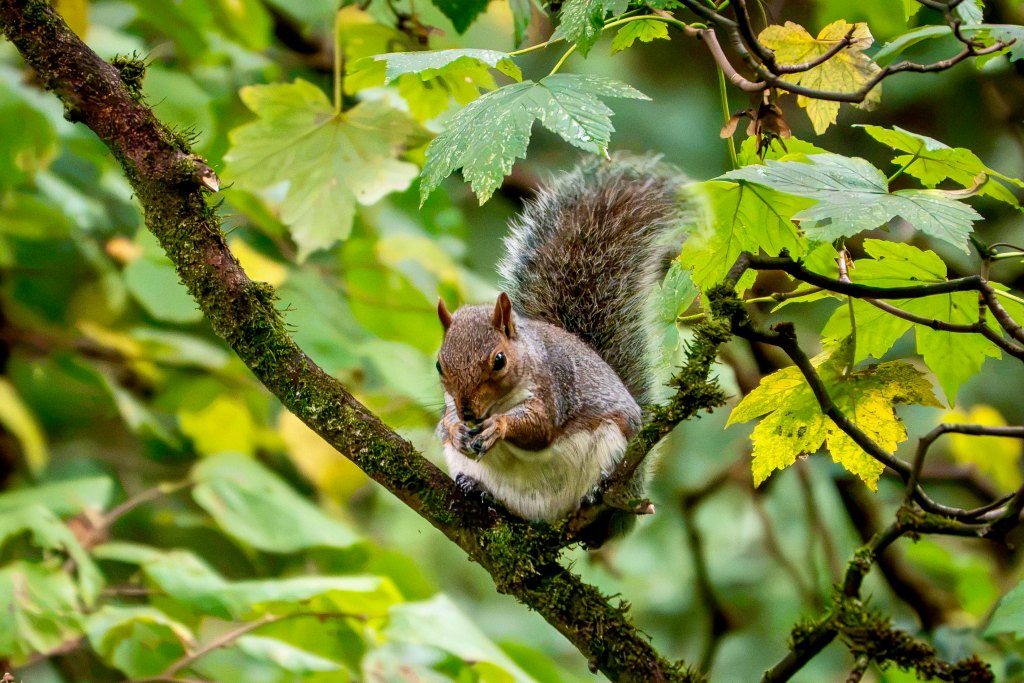
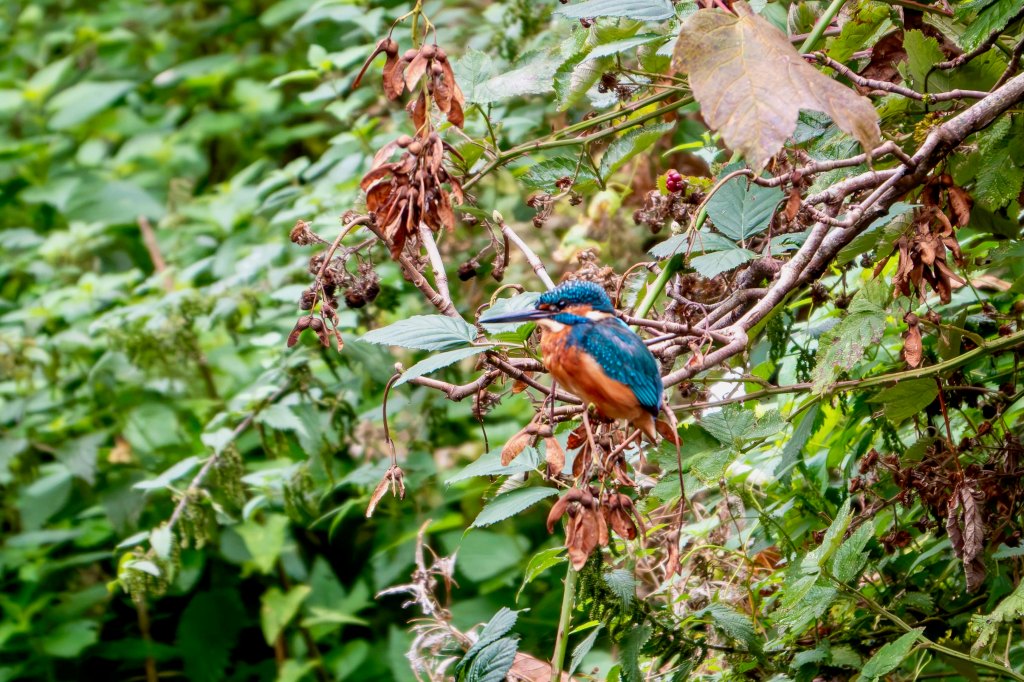
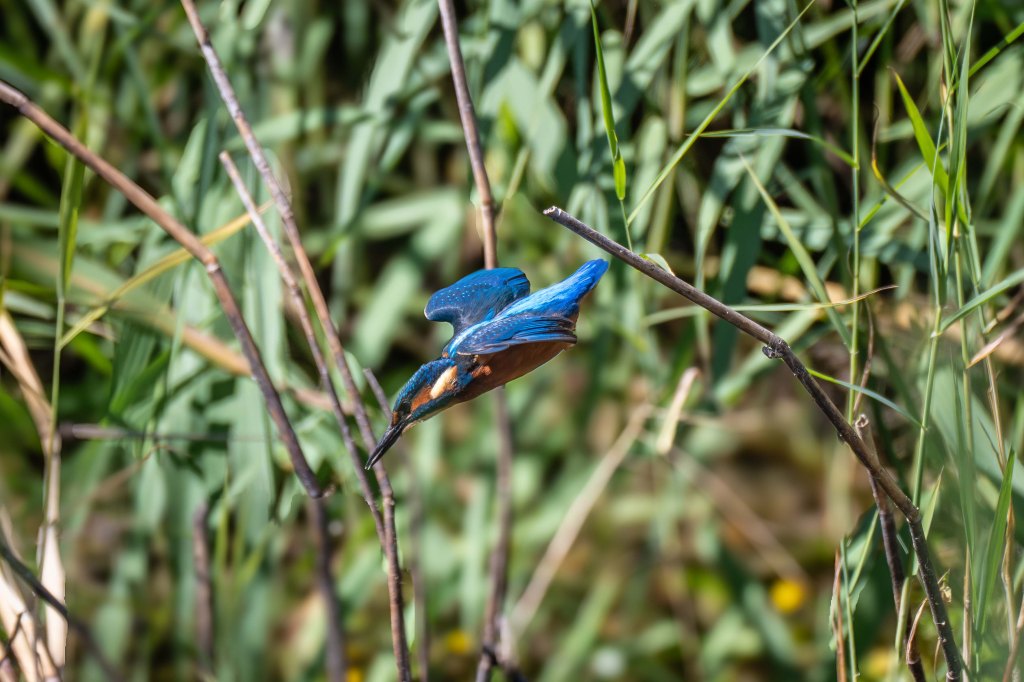
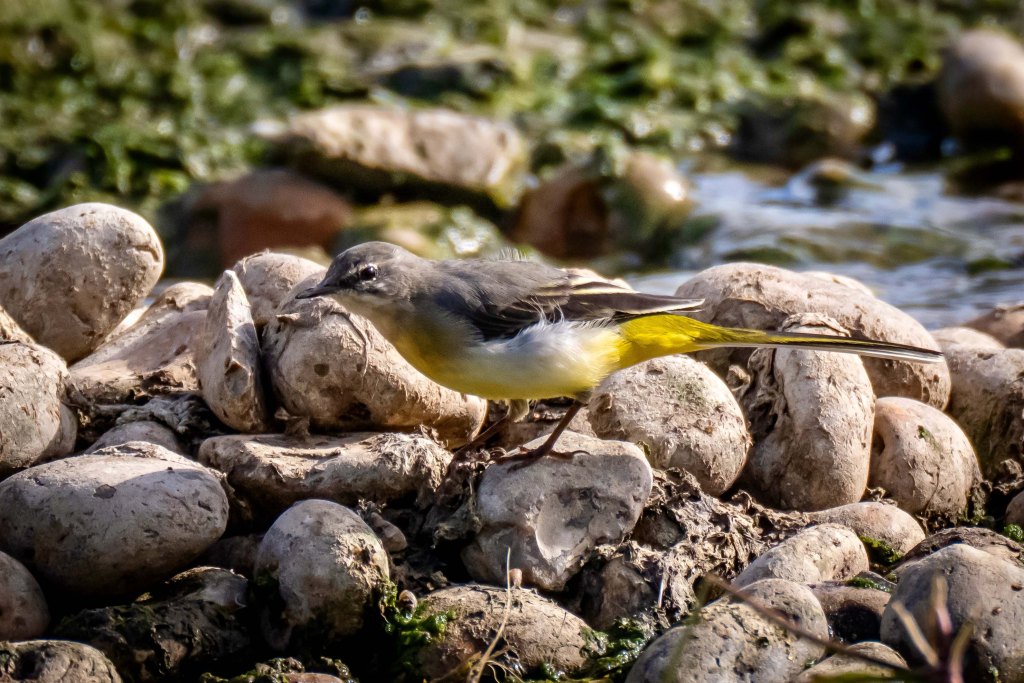
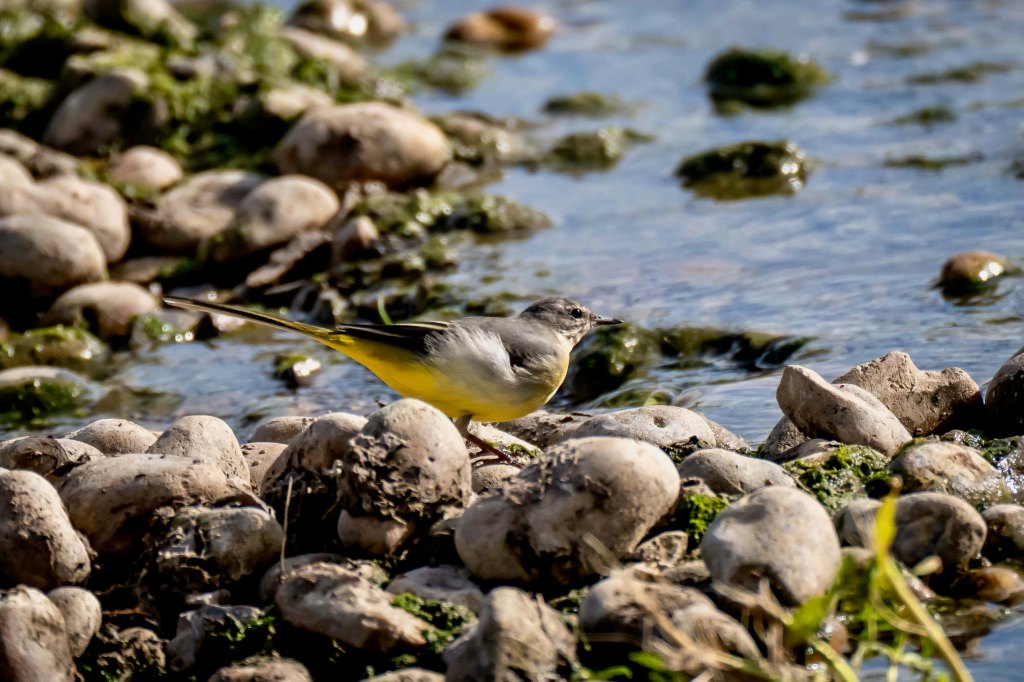
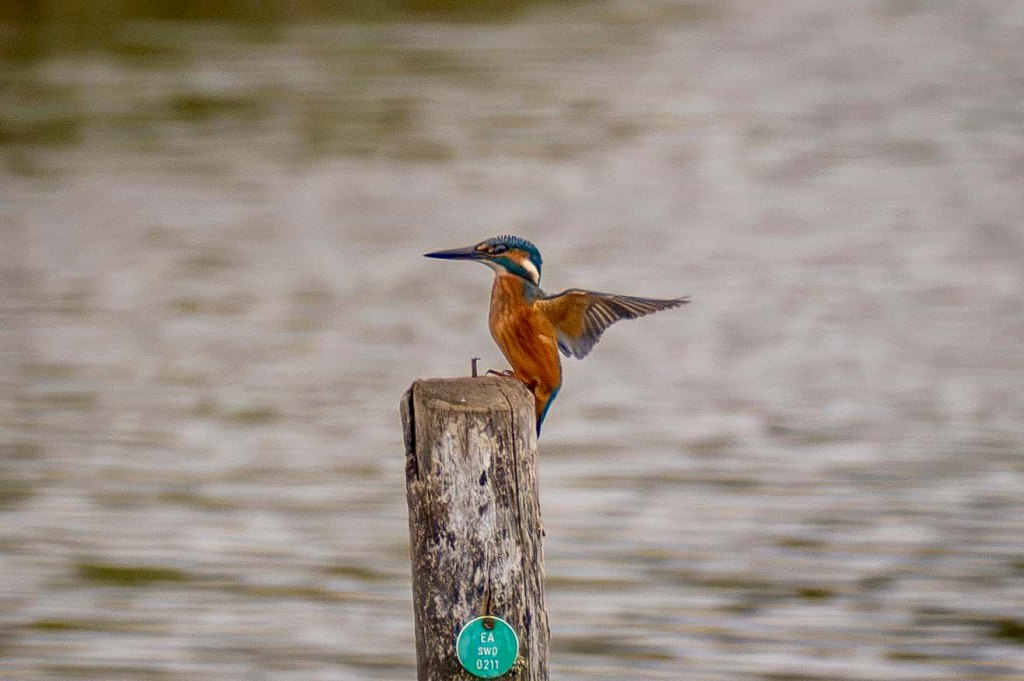
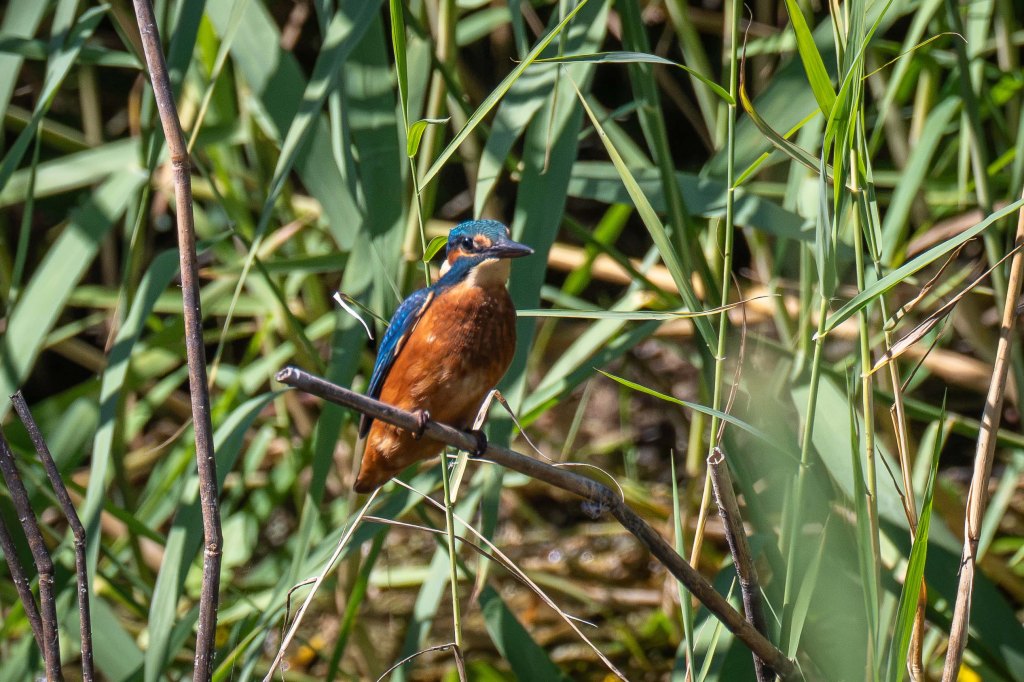
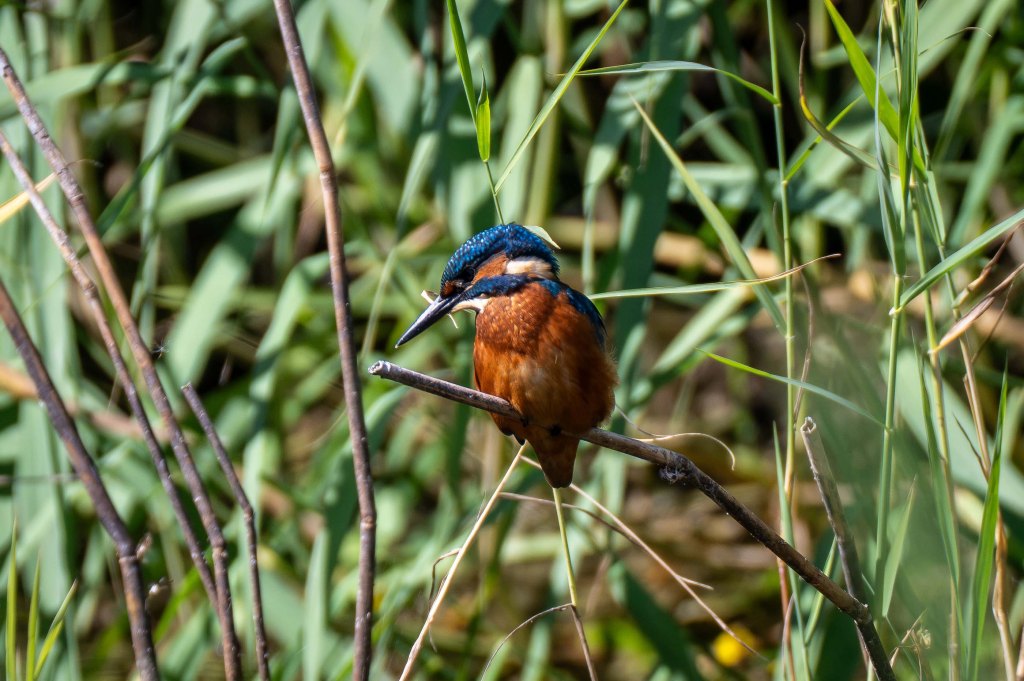
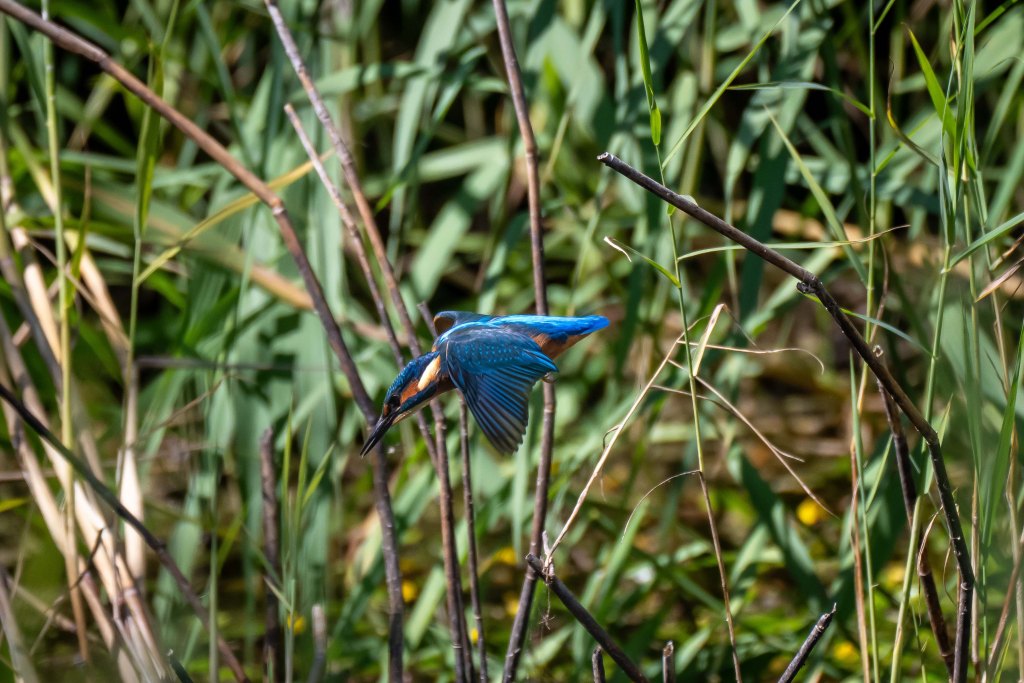
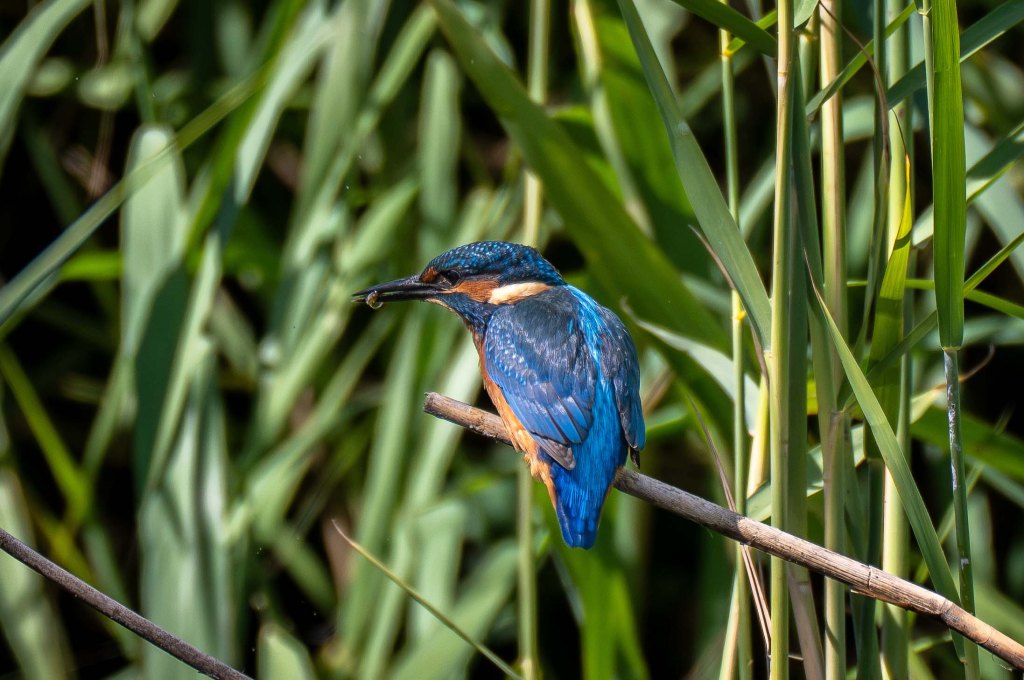
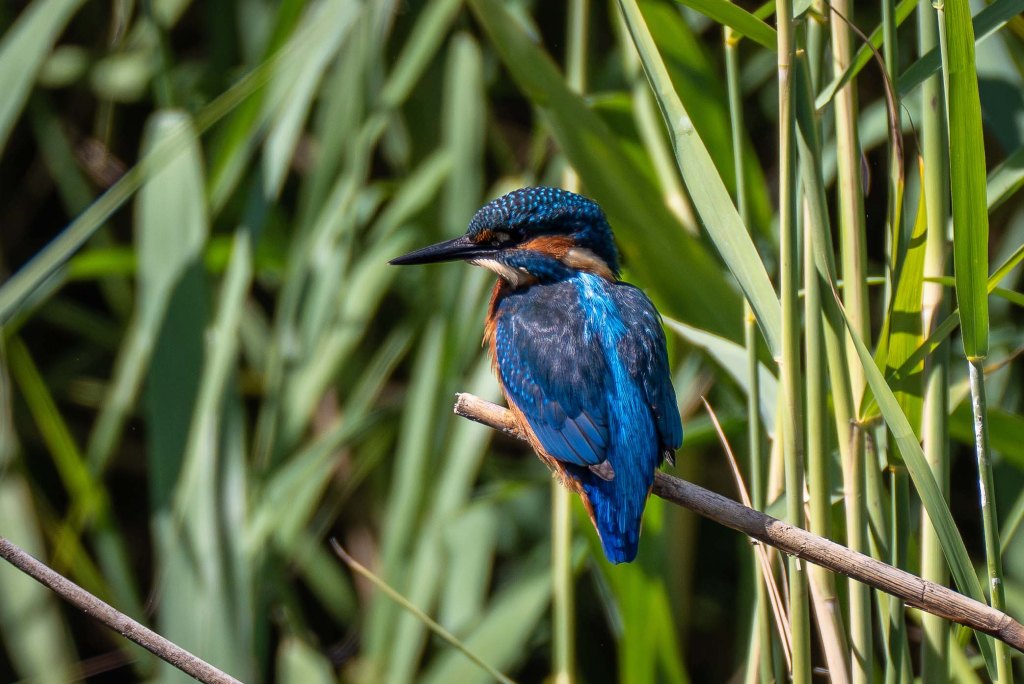
Common kingfisher in the gloomCommon kingfisherThere was a pair of grey wagtails on the weir but it was difficult to make out amongst the fallen leaves – well that’s my excuse for a very poor photo!Not much problem picking out the common moorhen.This crow was both feeding and taking a shower on the front of the weir.There were two herons around the lake and this one spent time in the trees and down at the lakesideFortunately these images have not been tagged or covered in graffiti as were the previous iterationGrey heronGrey heronPeekaboo!Grey heronThe second grey heronOff for some serious fishingThe grey herons were having to share the lake with lots of other competitors – here cormorants waiting their turn.Cormorant actively fishingThere were half a dozen mute swans on the lakeMute swansBlack-headed gullThe much larger black-backed gullGrey heron in flight – part 1Grey heron in flight – part 2Grey heron in flight – part 3Grey heron in flight – part 4The mallards are often forgotten… but everyone loves feeding the pigeons.Grey squirrelThe squirrels can easily fend for themselvesI couldn’t resist a common kingfisher to end with
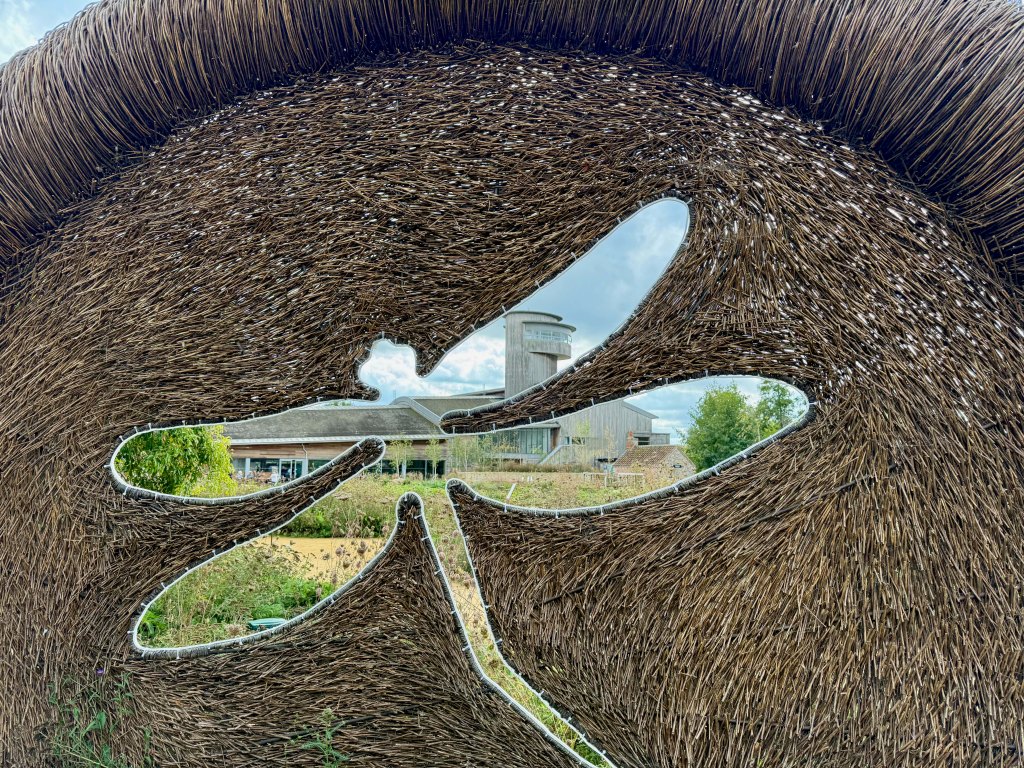
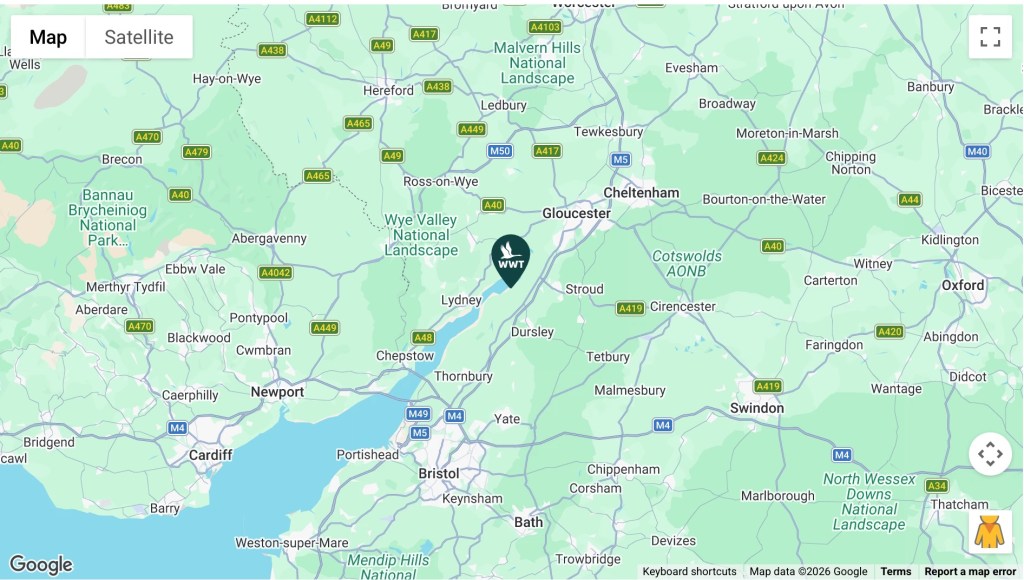
WWT Slimbridge Visitor CentreAn easy trip to WWT Slimbridge as we live on the north side of Bristol
It’s been a while since we have managed to get out birding and so we opted for our safe bet of WWT Slimbridge. Although we have had some rain and the fields have greened up a lot, the water levels are very low and most waders are probably opting for the nearby muddy banks of the Severn Estuary.
However, I hope you agree, there were a few nice birds to see.
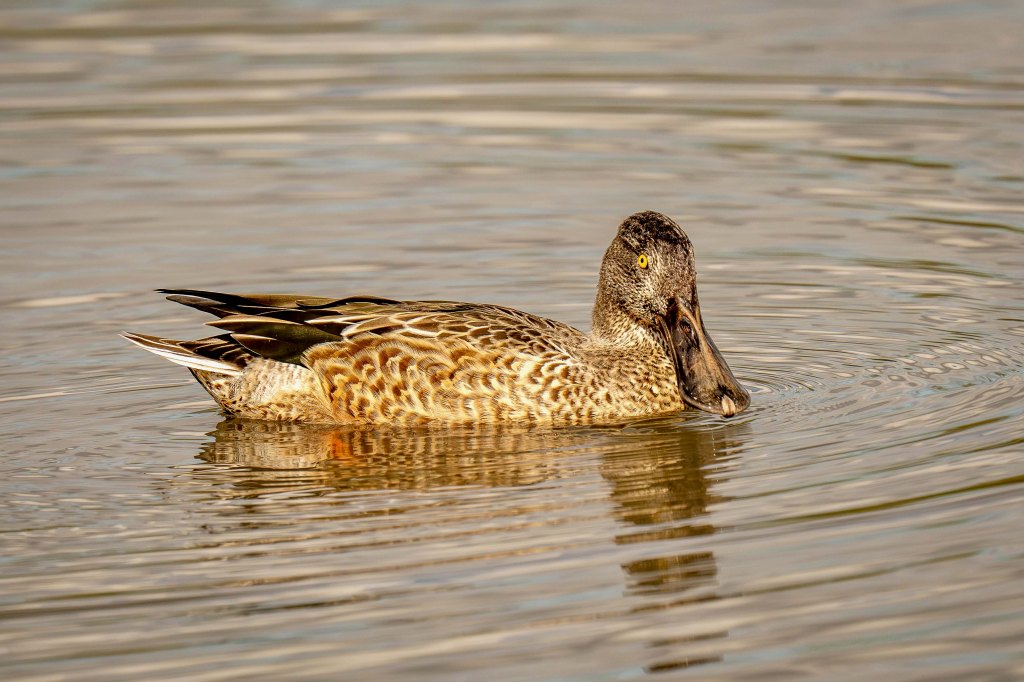
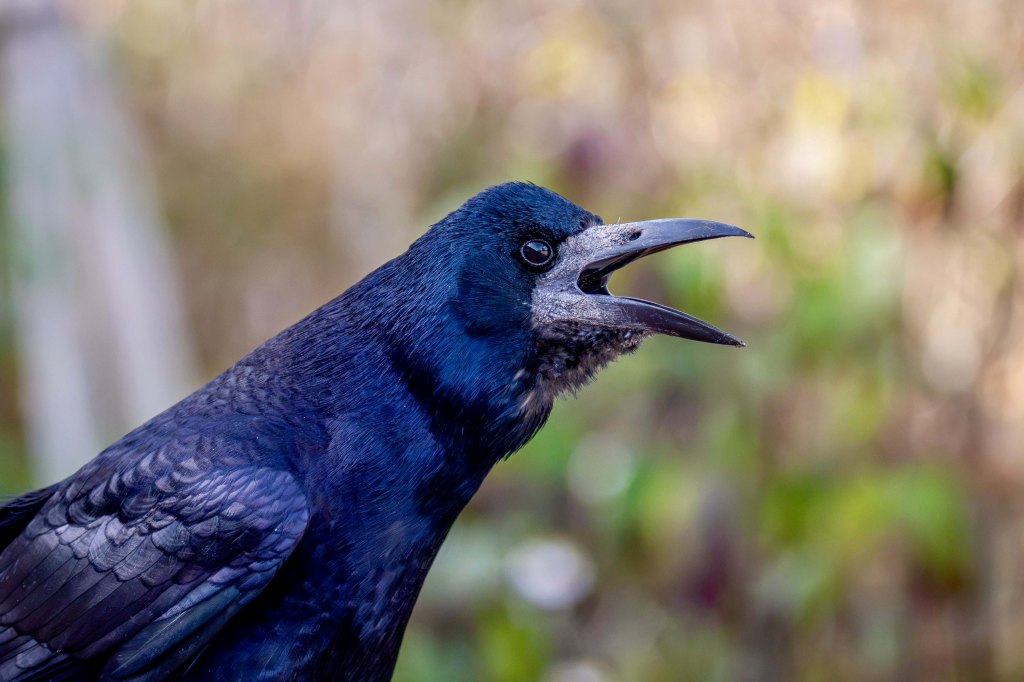
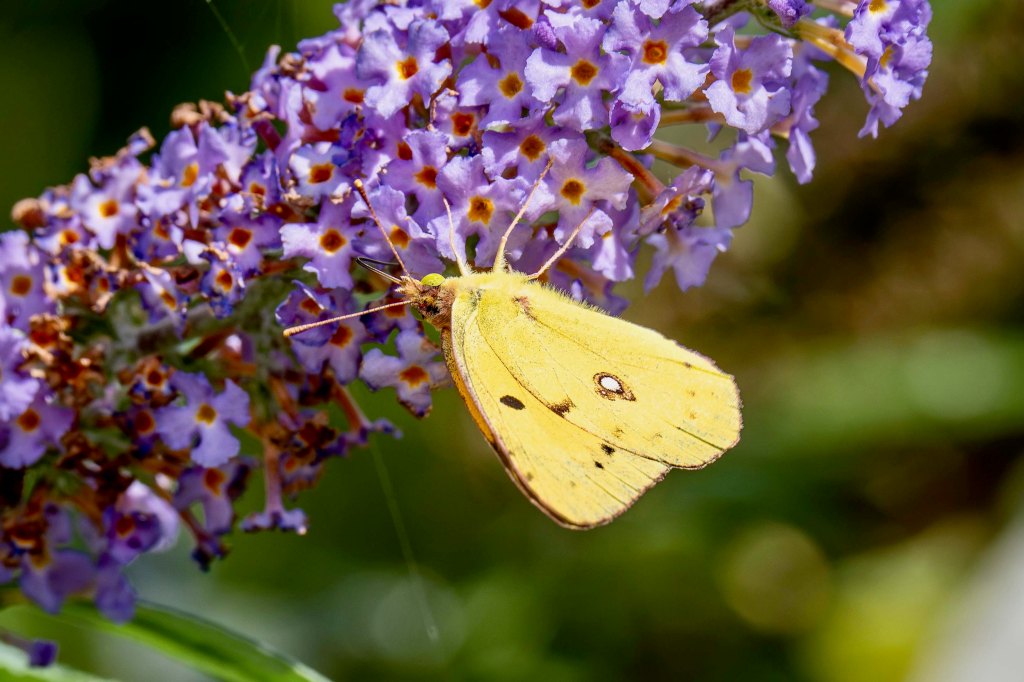
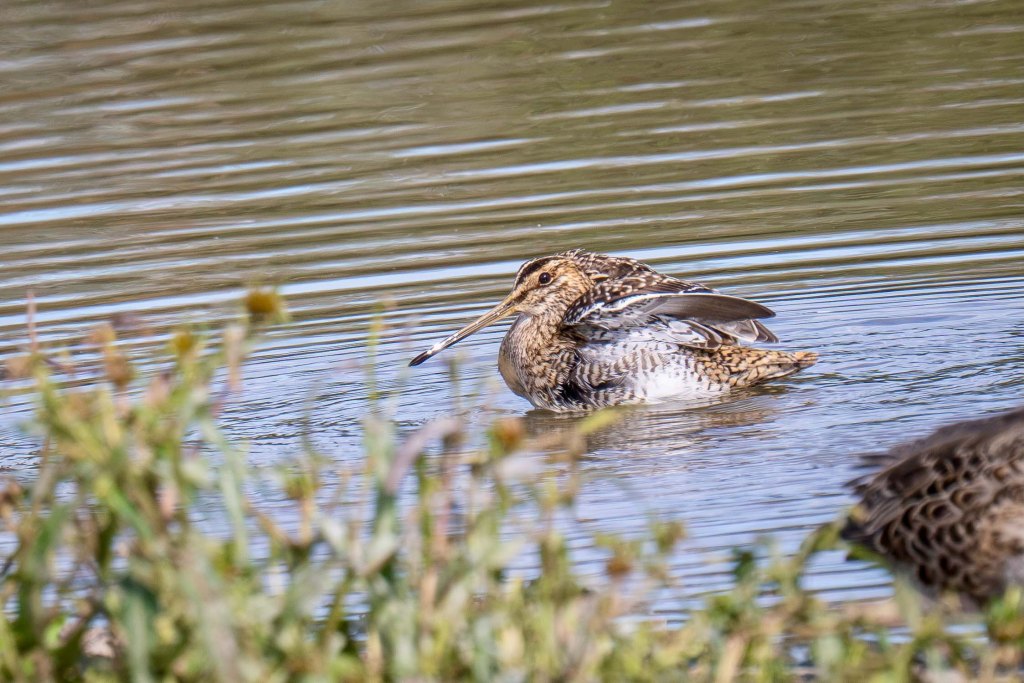
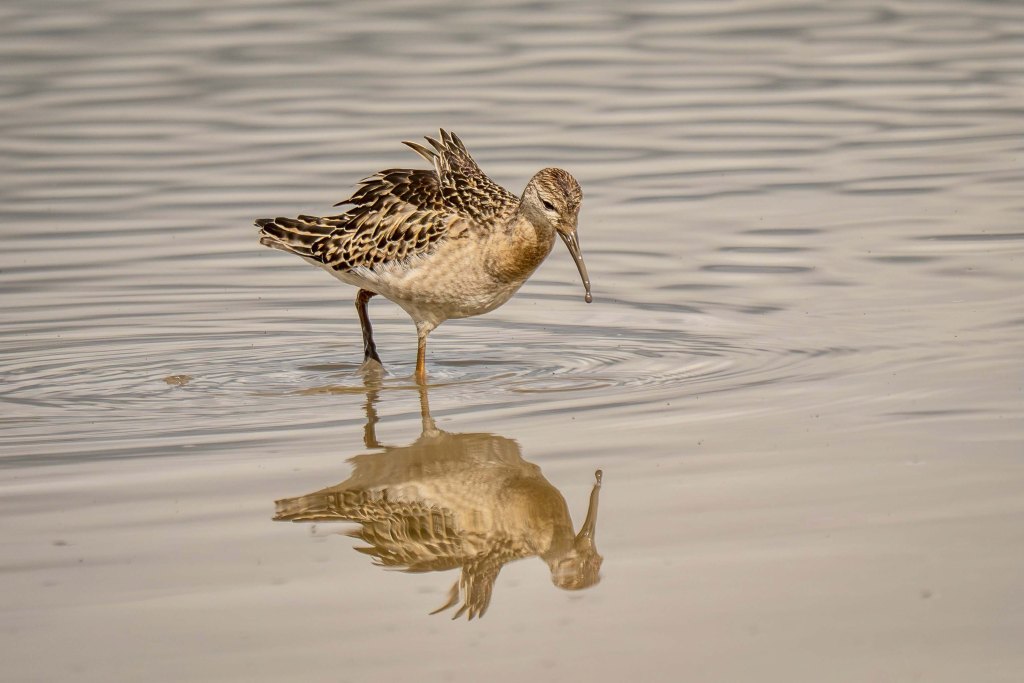
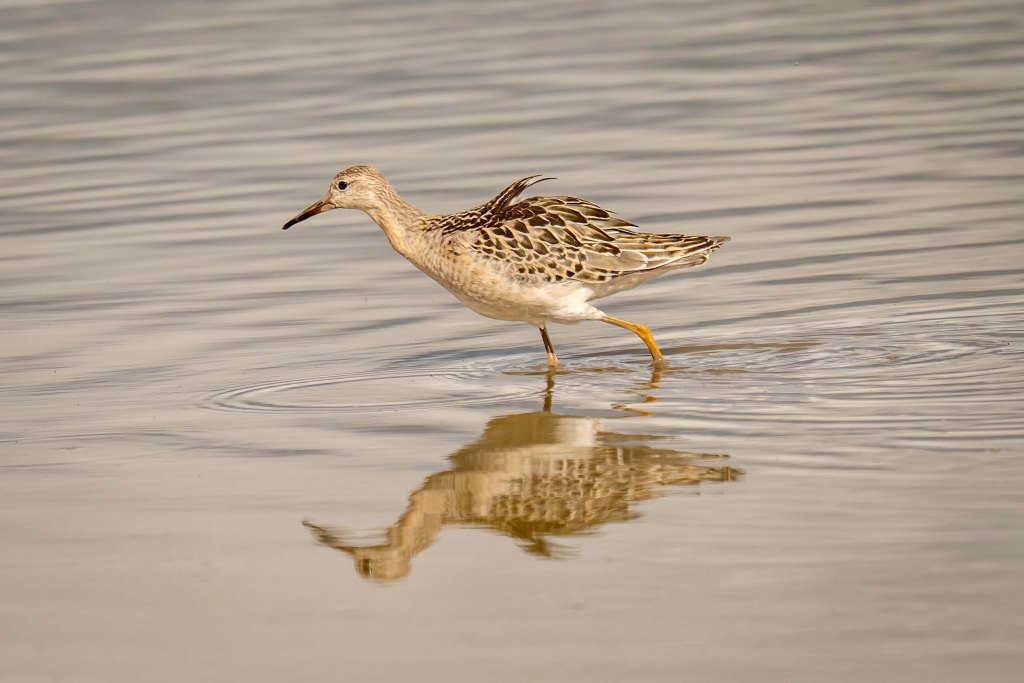
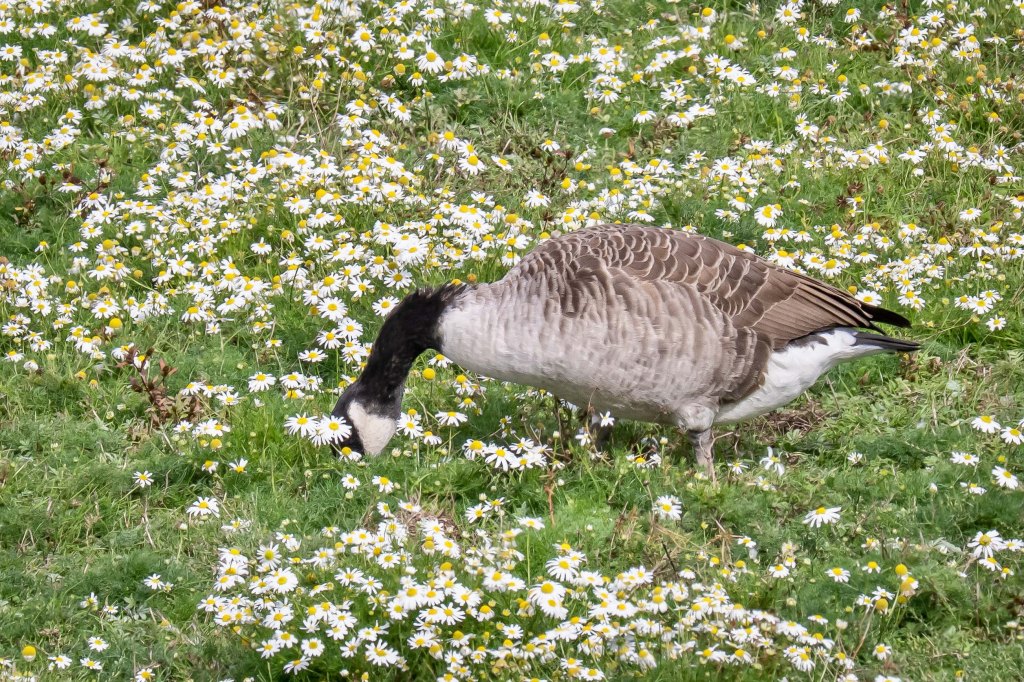
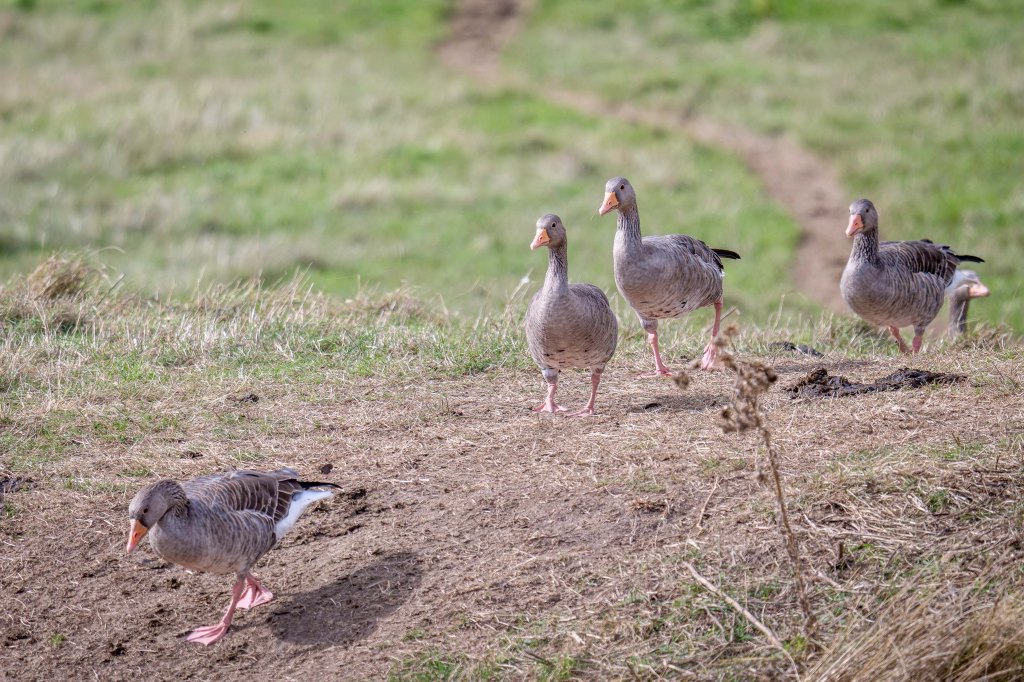
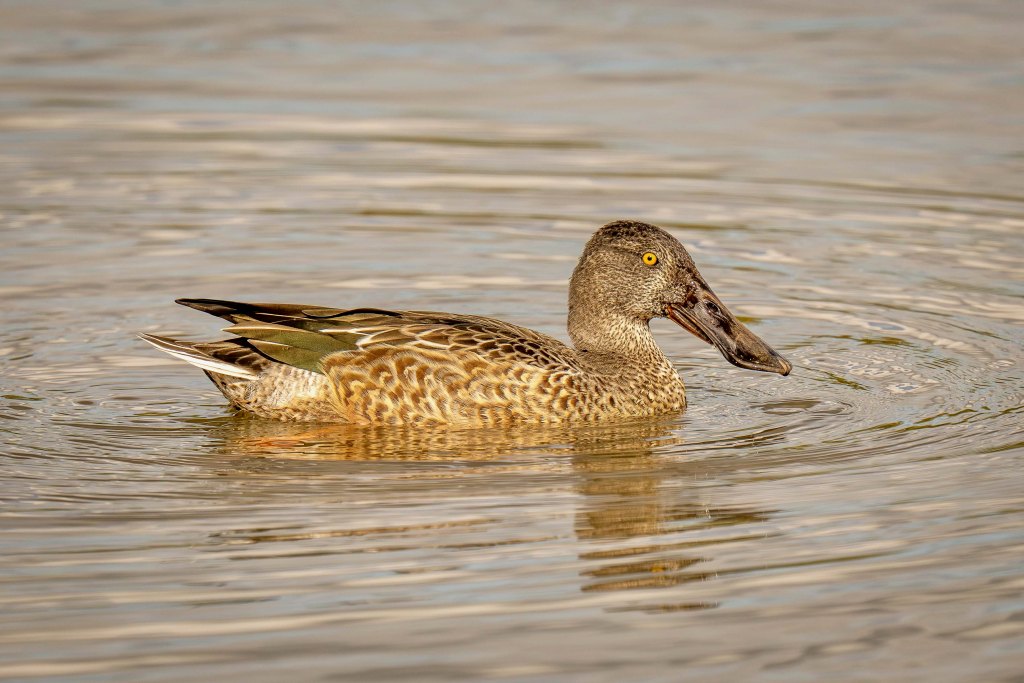
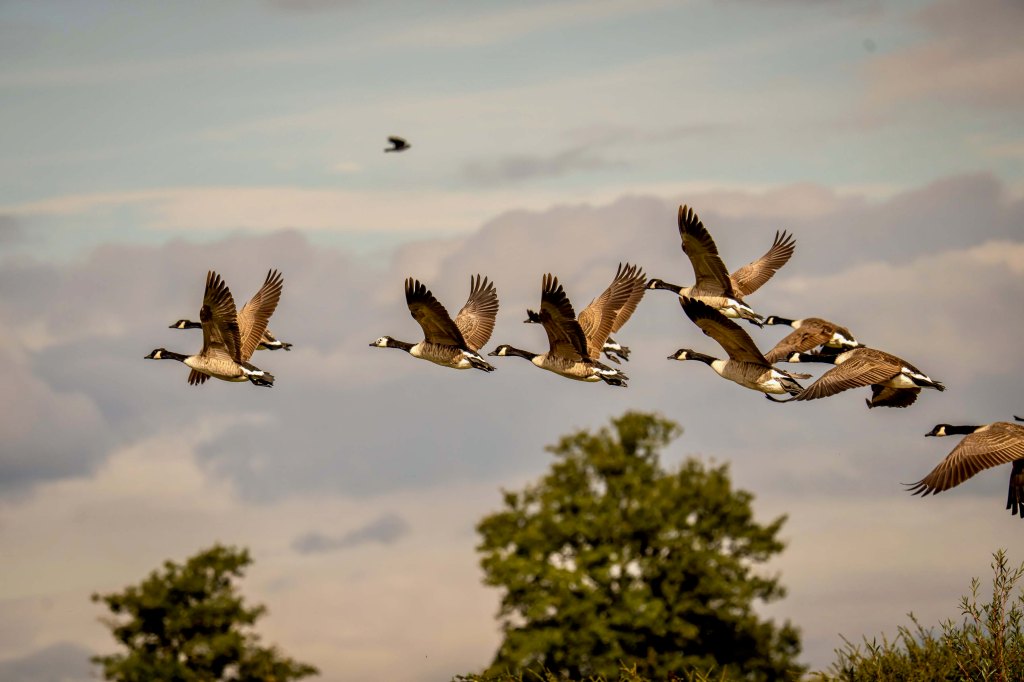
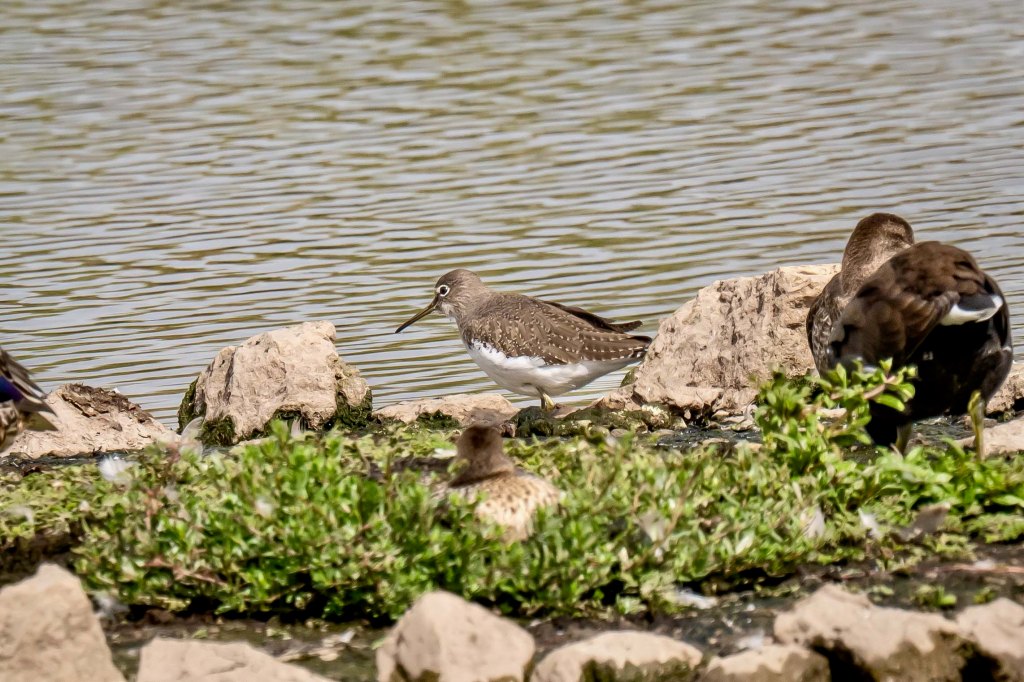
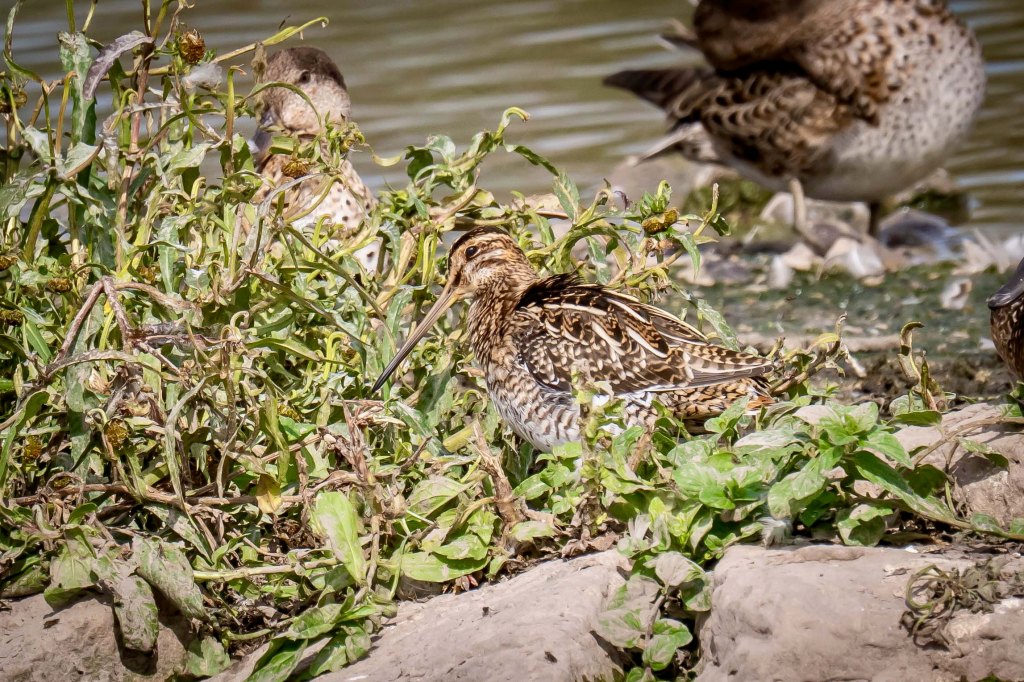
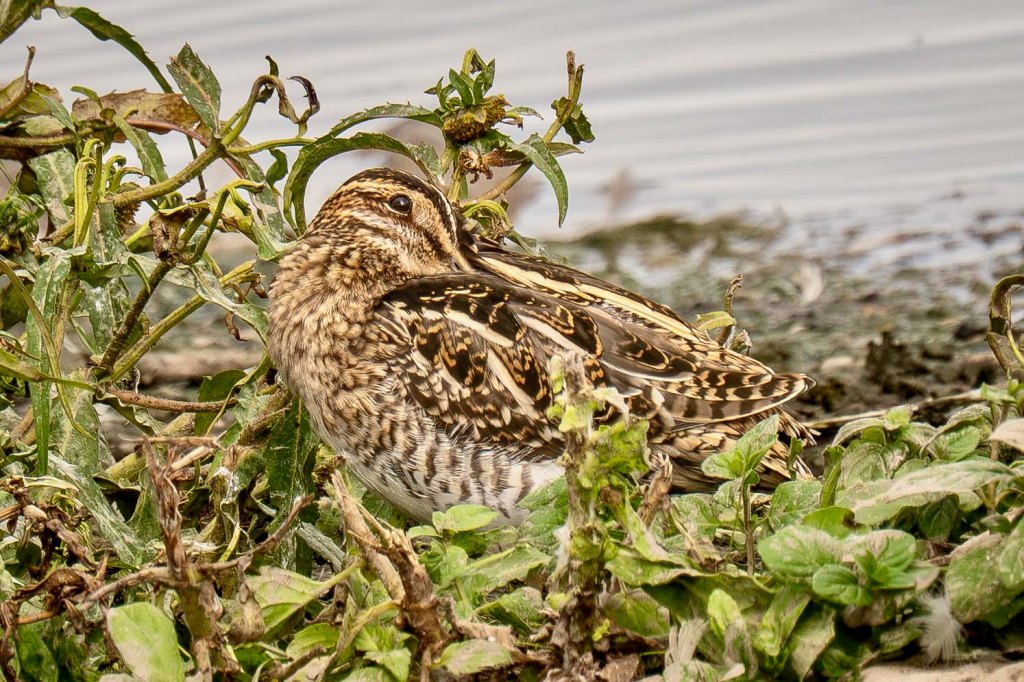
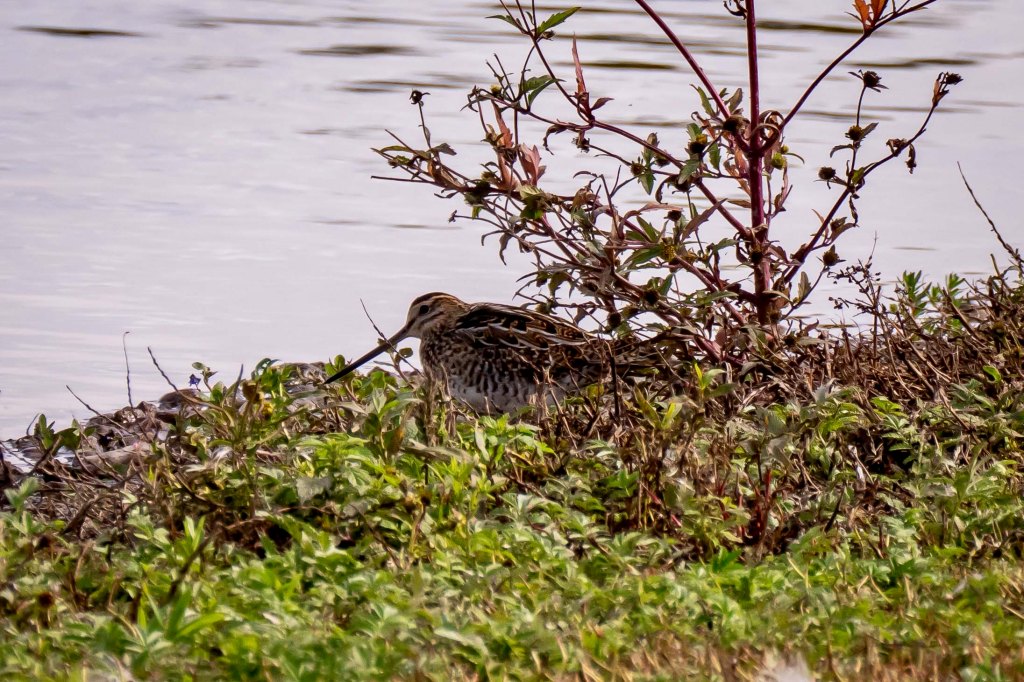
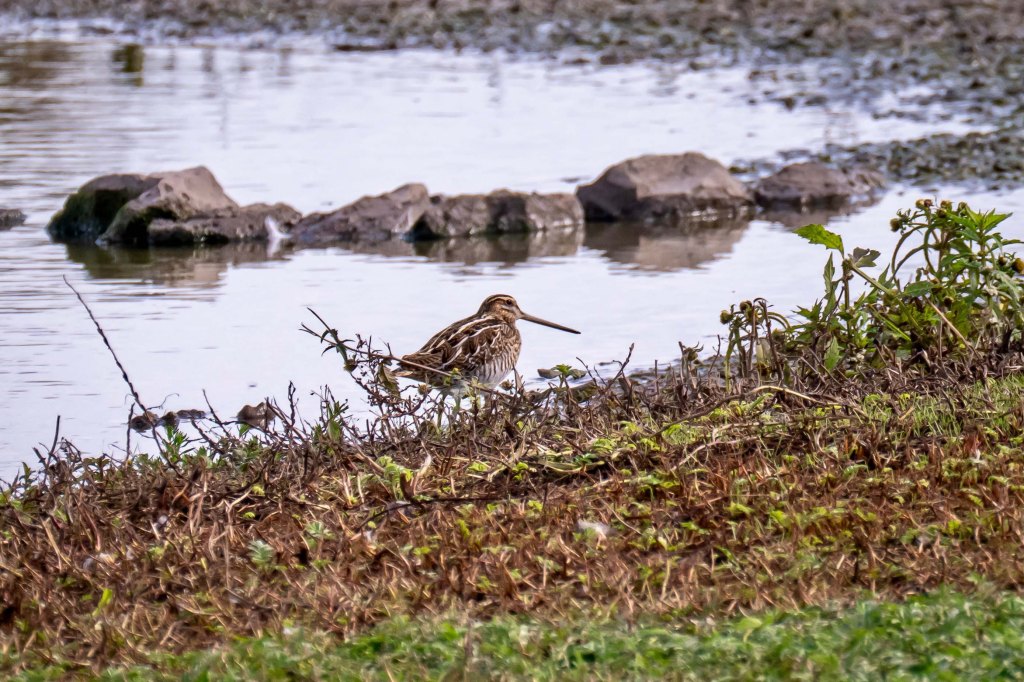
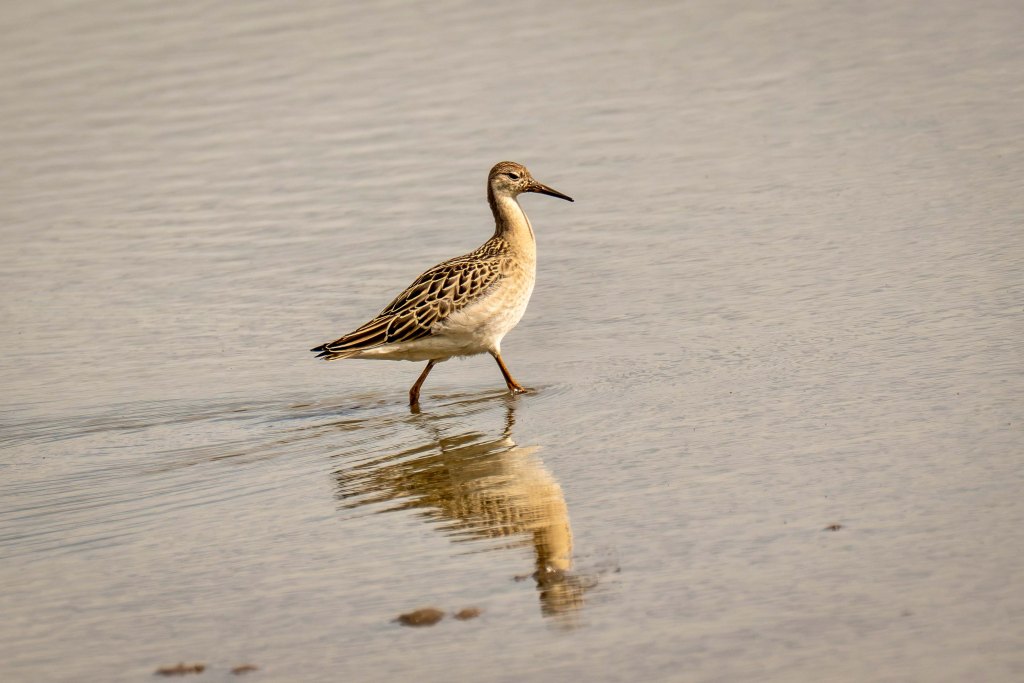
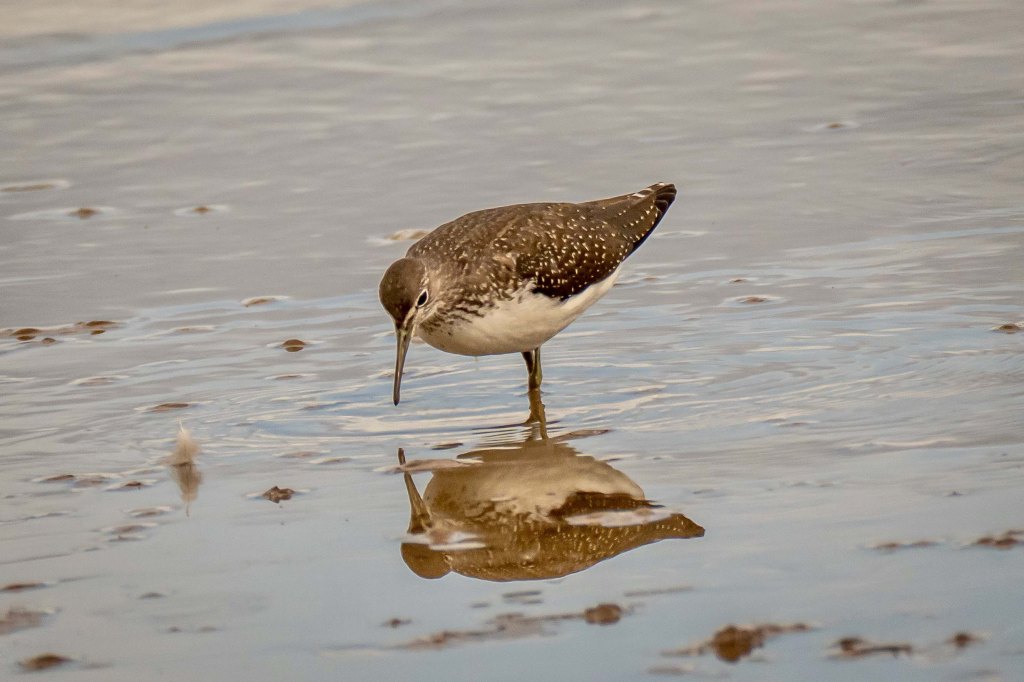
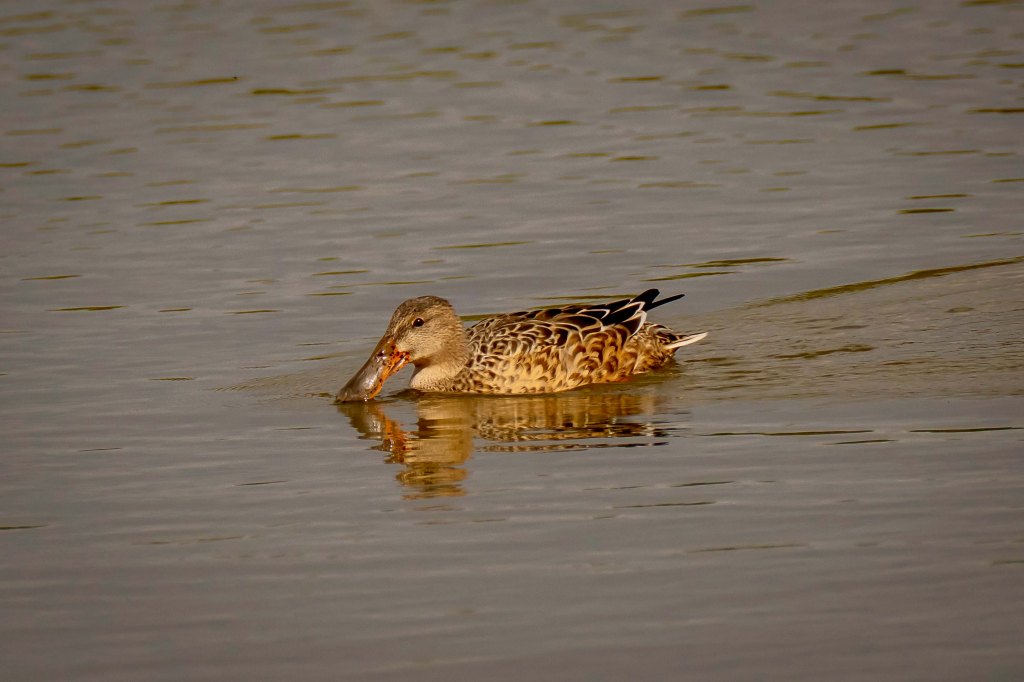
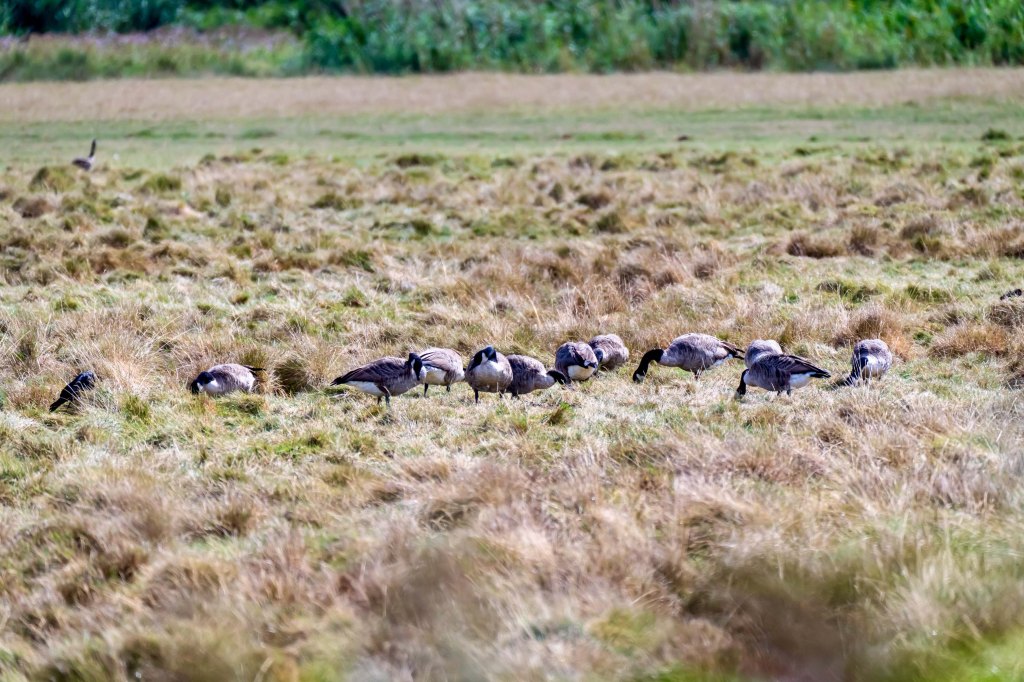
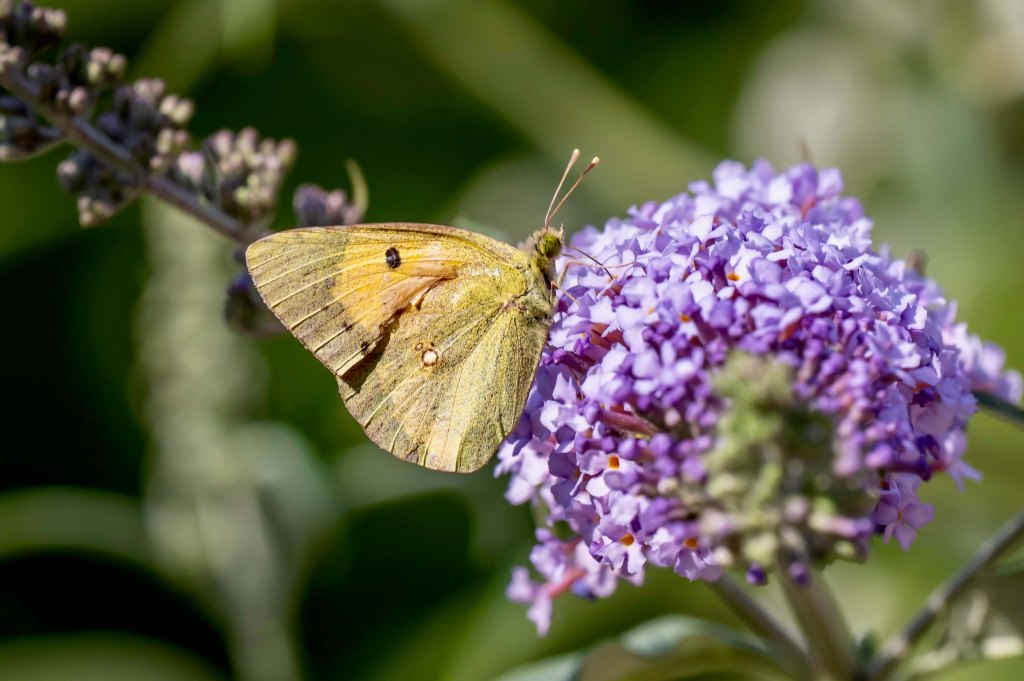
A very raucous rookClouded yellow butterfly – there has been a proliferation of these butterflies locally this year.Common snipeRuffA different ruffCanada goose amongst the daisiesTranshumance of greylag geese? Hardly!My favourite shot of the day – a shovelerA skein of Canada geeseGreen sandpiper – the only one to be seen todayCommon snipe – quite elusive todayIt took a lot of patience to get this photo of the common snipe
For the past couple of weeks I have not felt well enough to get out and about and so I have amused myself by making a few videos from photos I have taken,
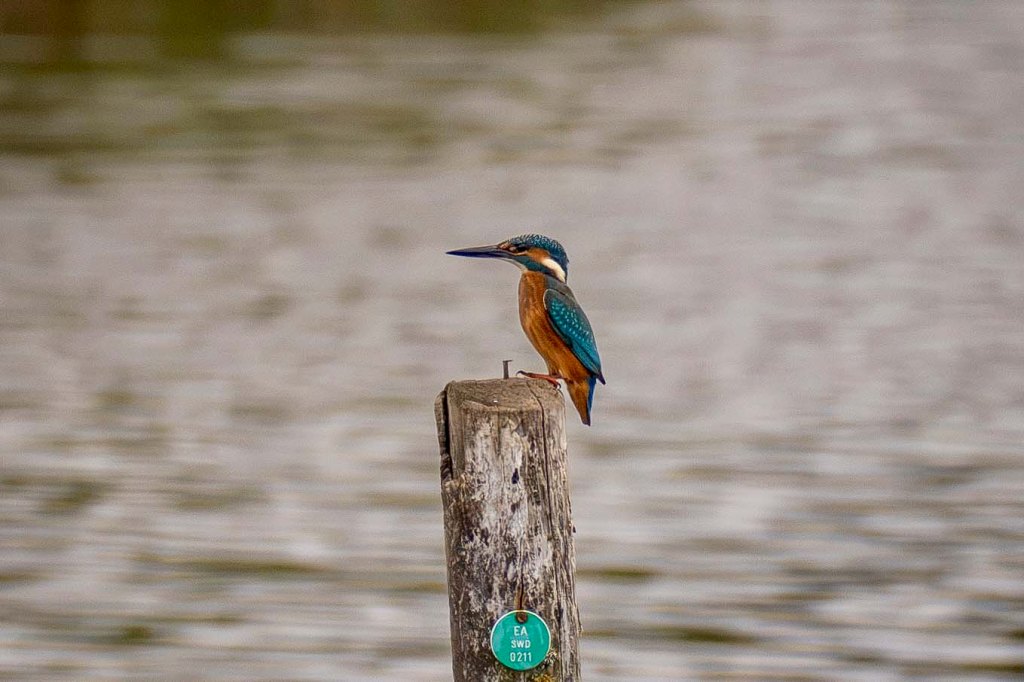
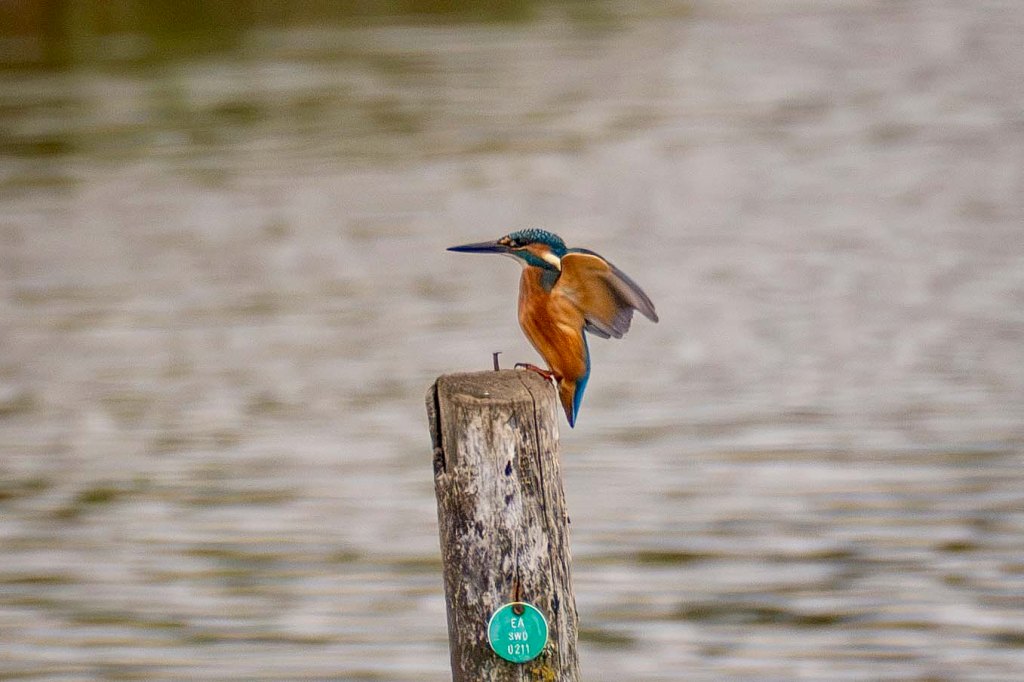
I share with you, in this blog, one of these videos of some shots of one of my favourite birds, the common kingfisher. In French it is known as Martin Pêcheur and as a former French teacher I like the fact that I share its name.
We have had some rain in the last few weeks and the countryside is beginning to green up but the pools at Slimbridge were still very low again this morning. We didn’t really see anything very different from our last few visits but it was great to get out and see what was about and take some pics!
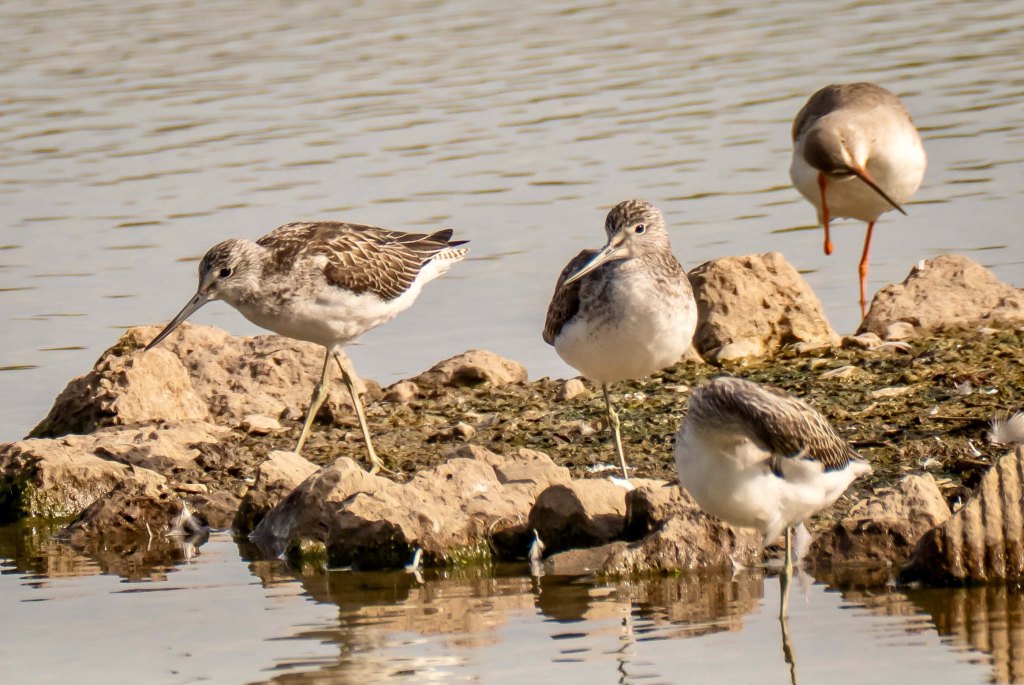
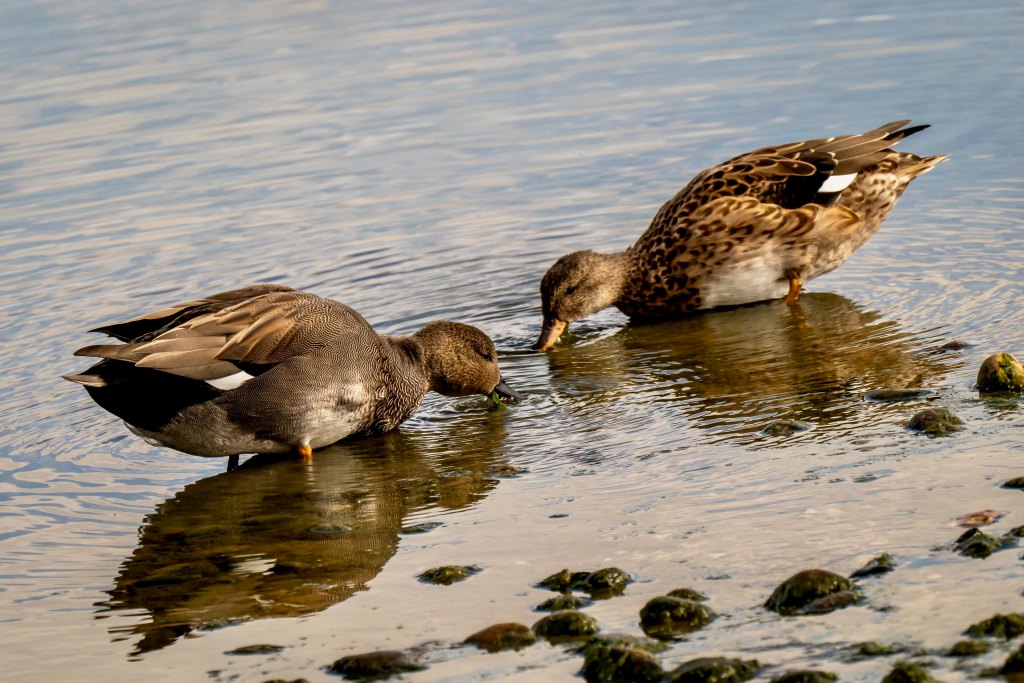
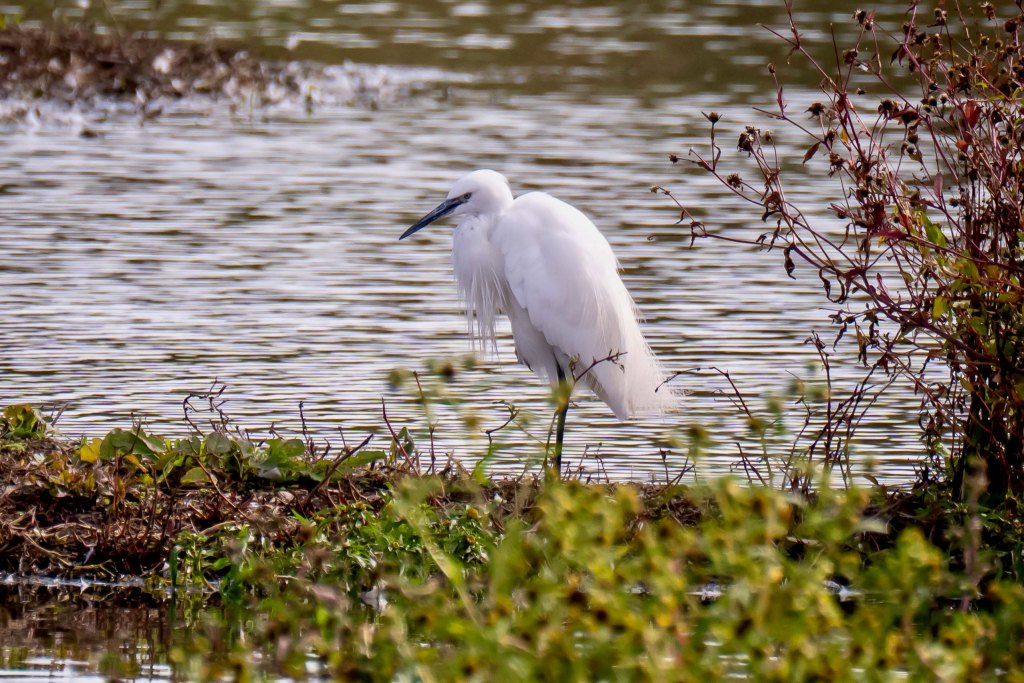
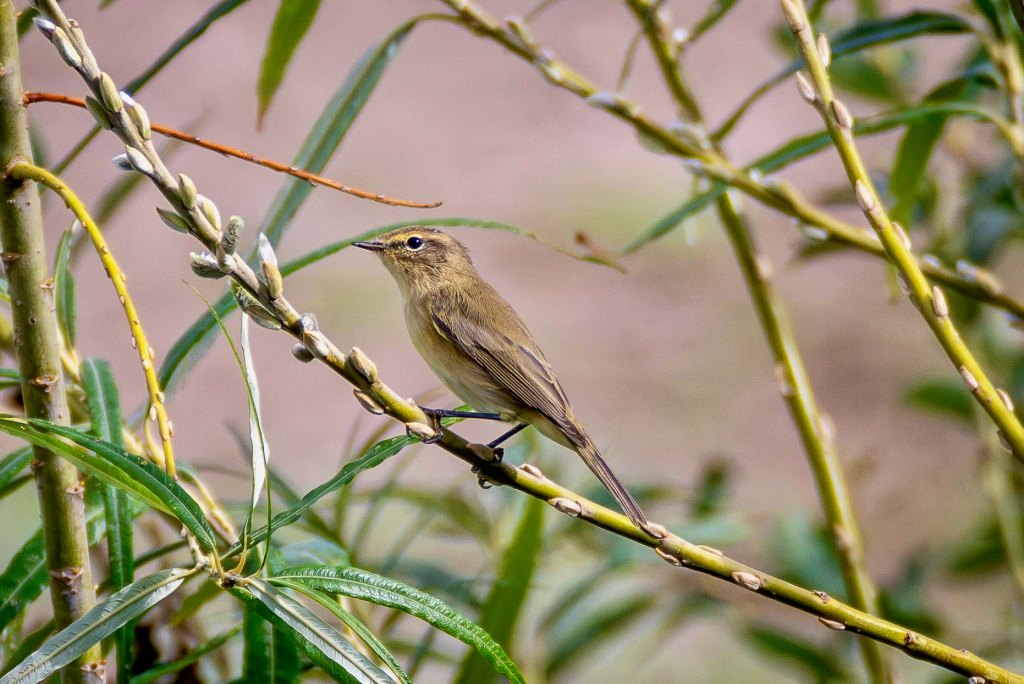
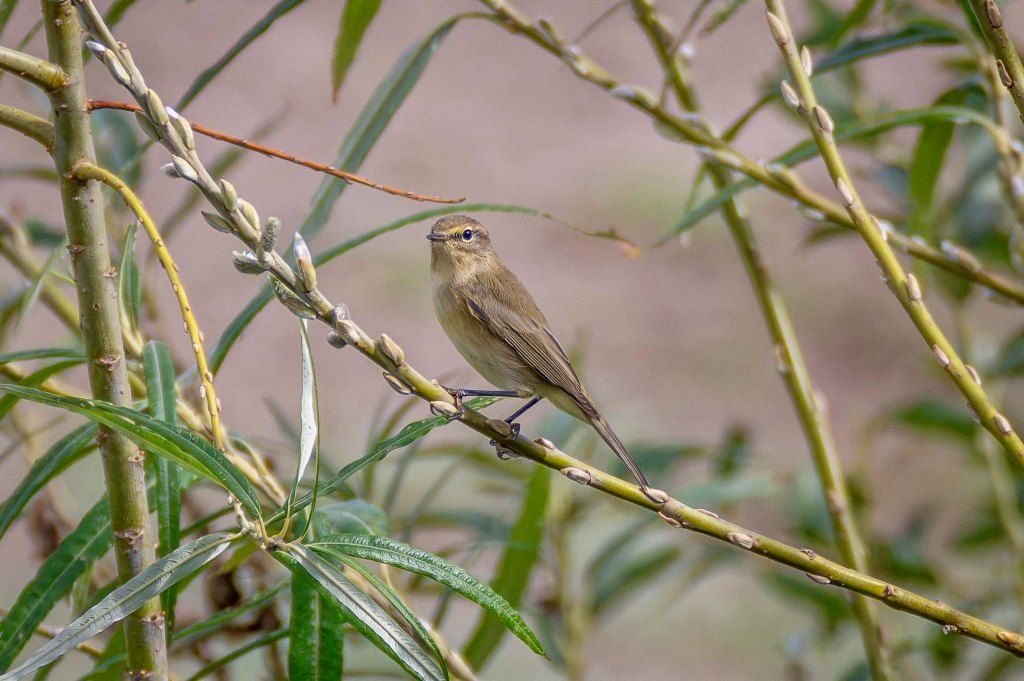
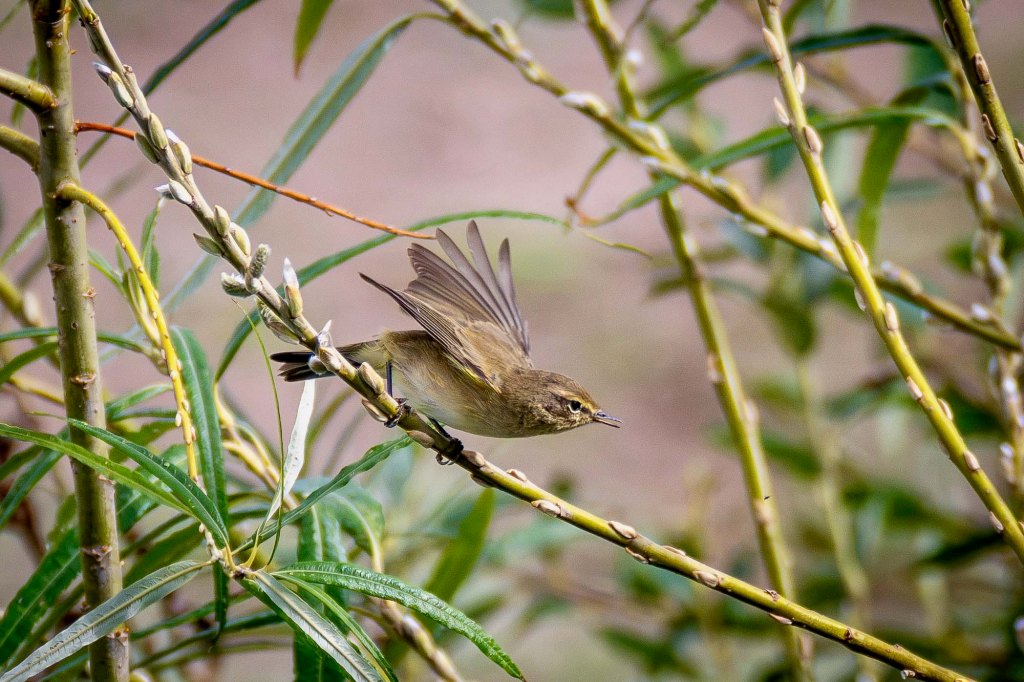
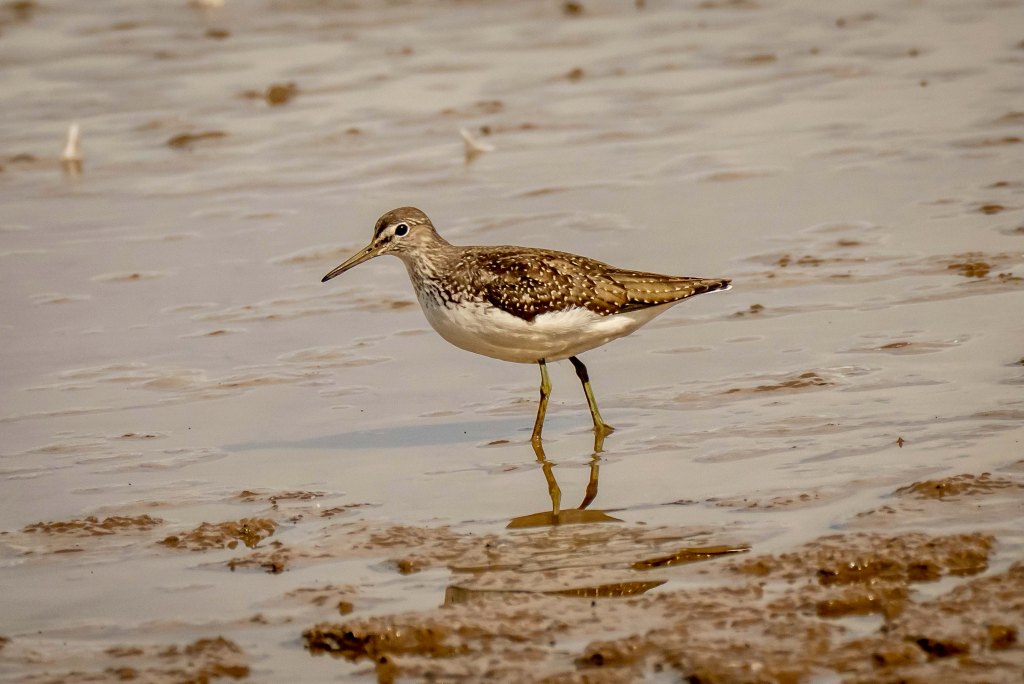
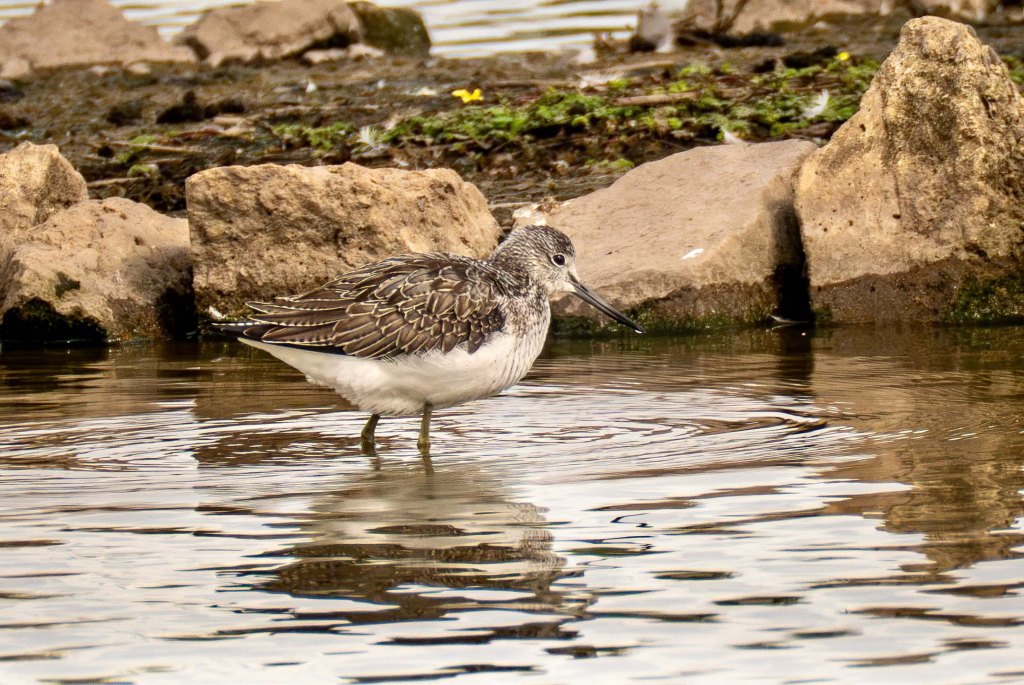
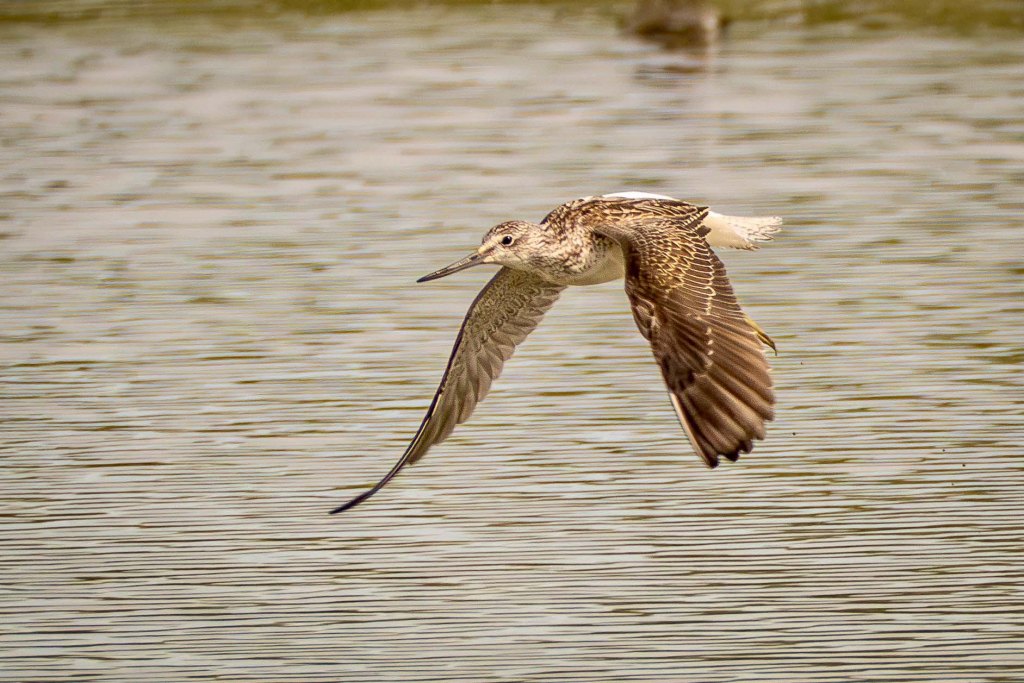
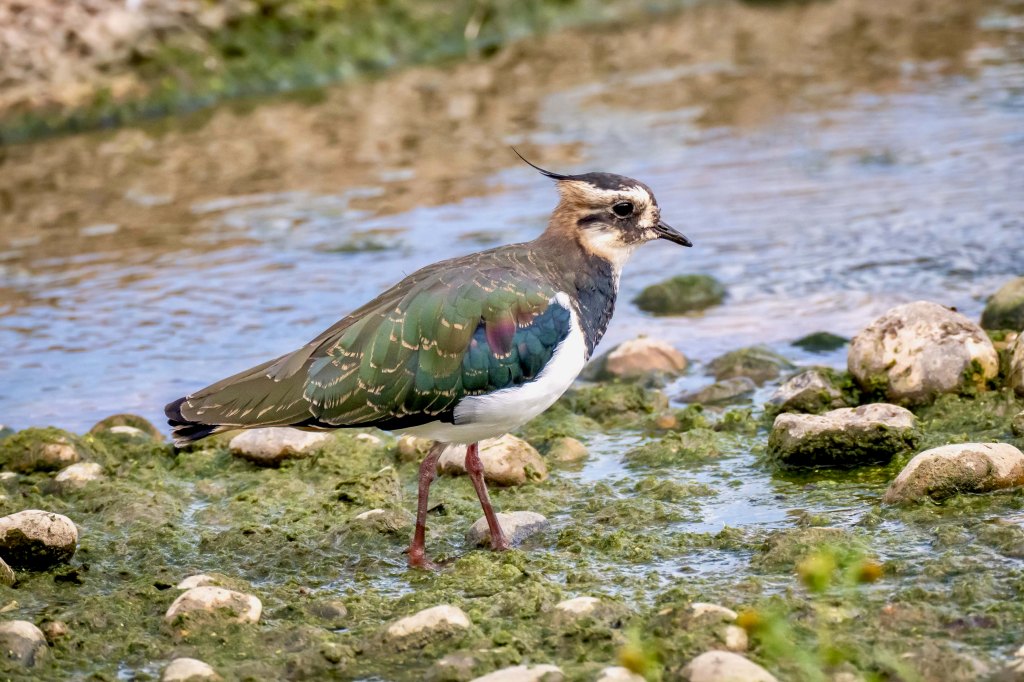
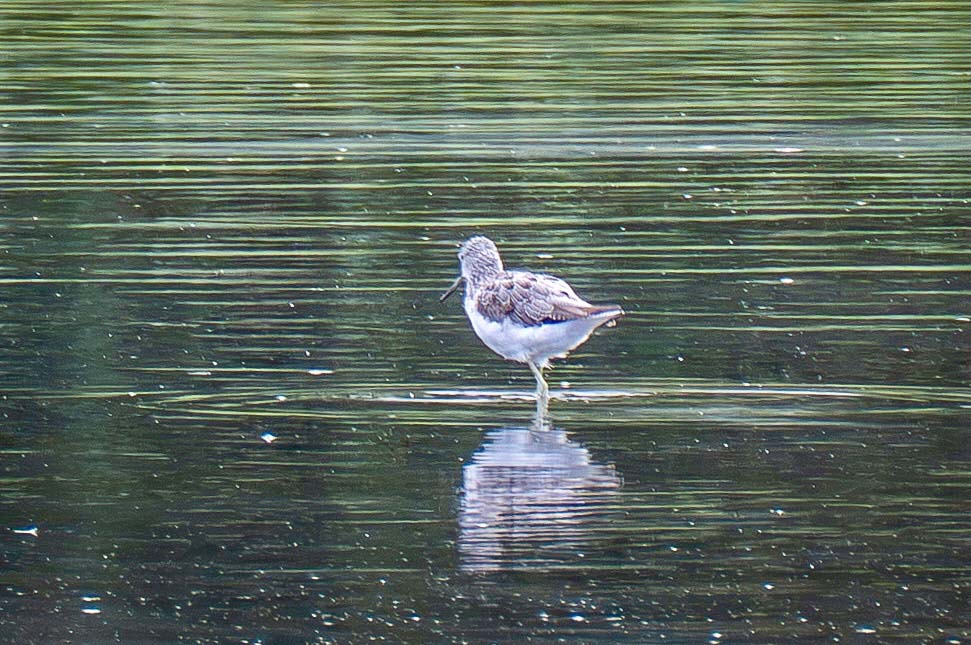
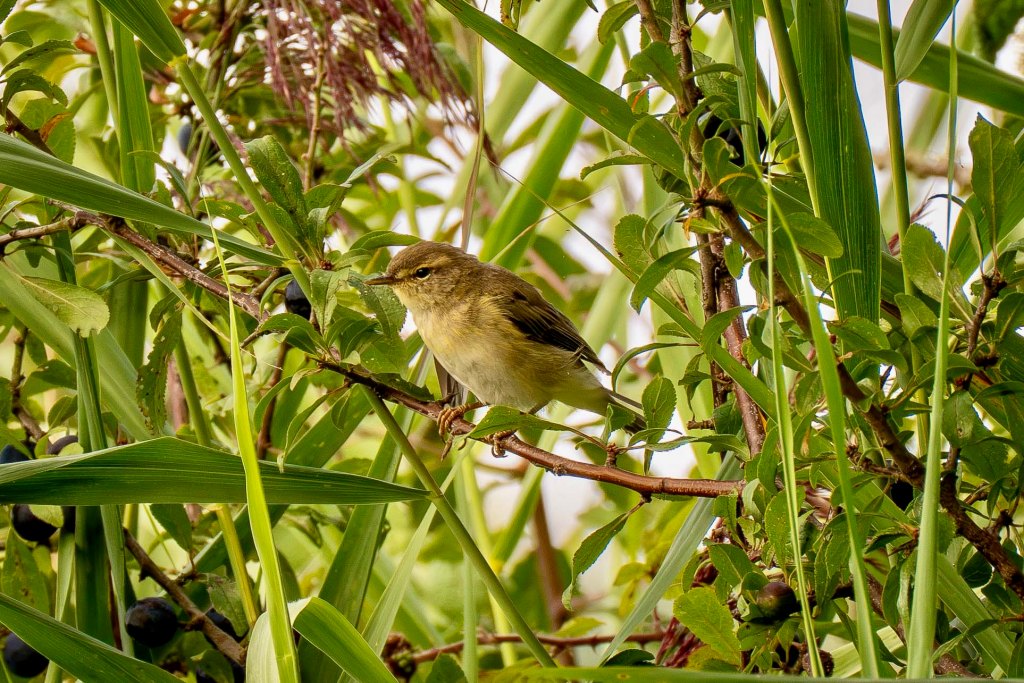
Greenshanks and a redshankGrey wagtailThe common snipe didn’t have much to hide behind as the banks had been clearedCommon snipeA pair of gadwallLittle egretRuffGreen sandpiperCommon chiffchaffCommon chiffchaffCommon chiffchaffGreen sandpiperCommon greenshankCommon greenshank in flightNorthern shovelerLapwing
We have had to be much less adventurous with our holidays this year but nonetheless we have really enjoyed our trips away to the south coast of England. Although the distances travelled have not been very great I was very tired after our last expedition to East Devon (whether it be my health or just old age) and so it was great to relax this weekend and watch some sport and do a little gardening. That doesn’t mean that my camera was very far away and I share a few nature shots from the garden yesterday.
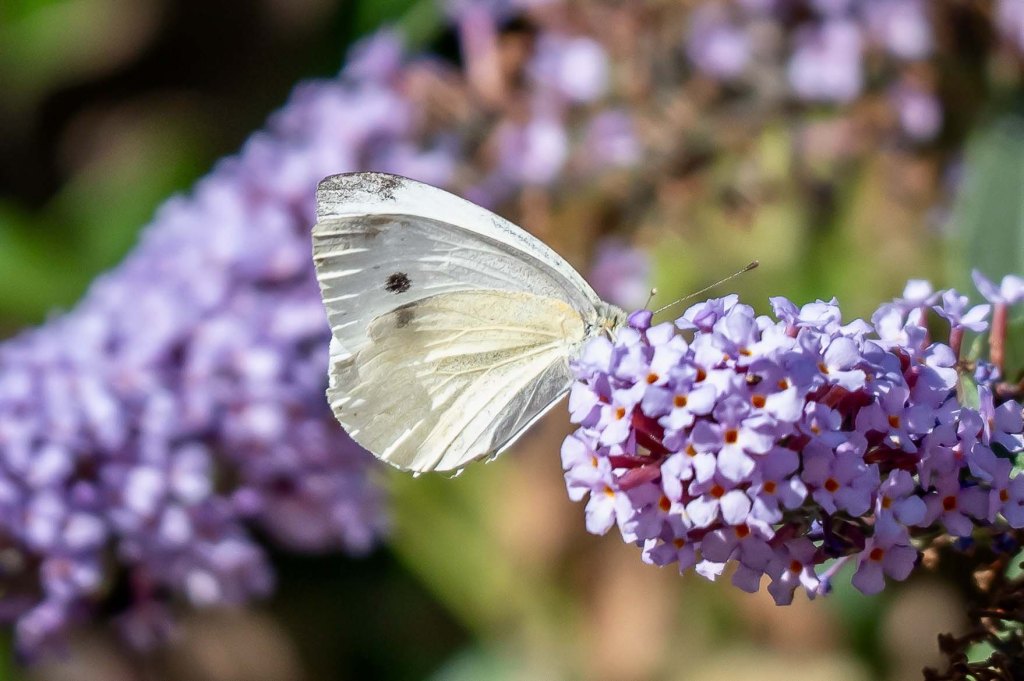
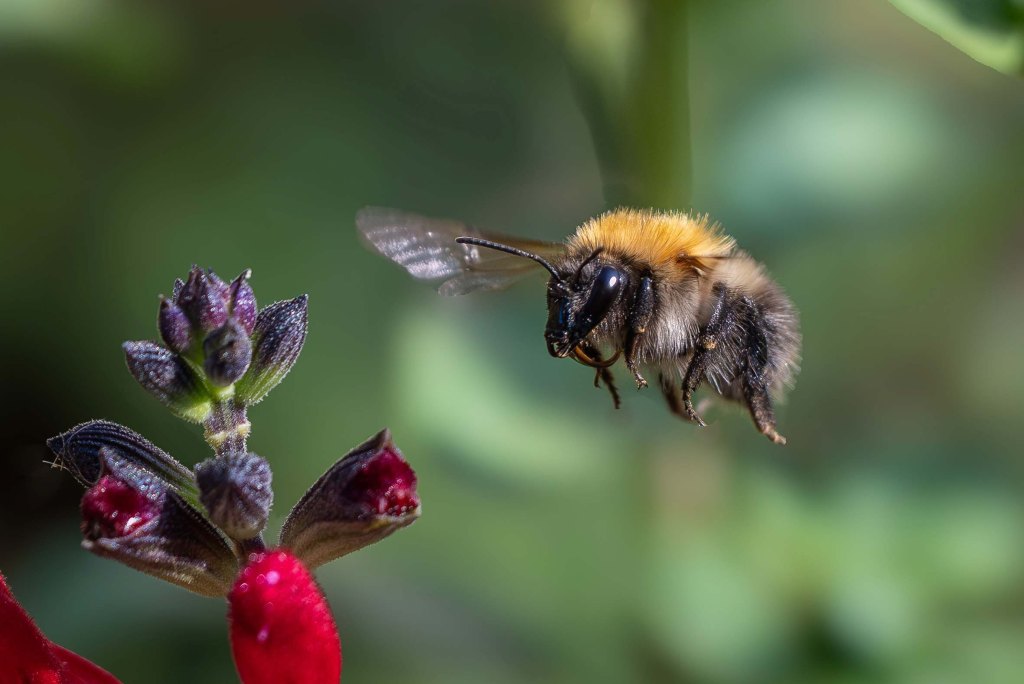
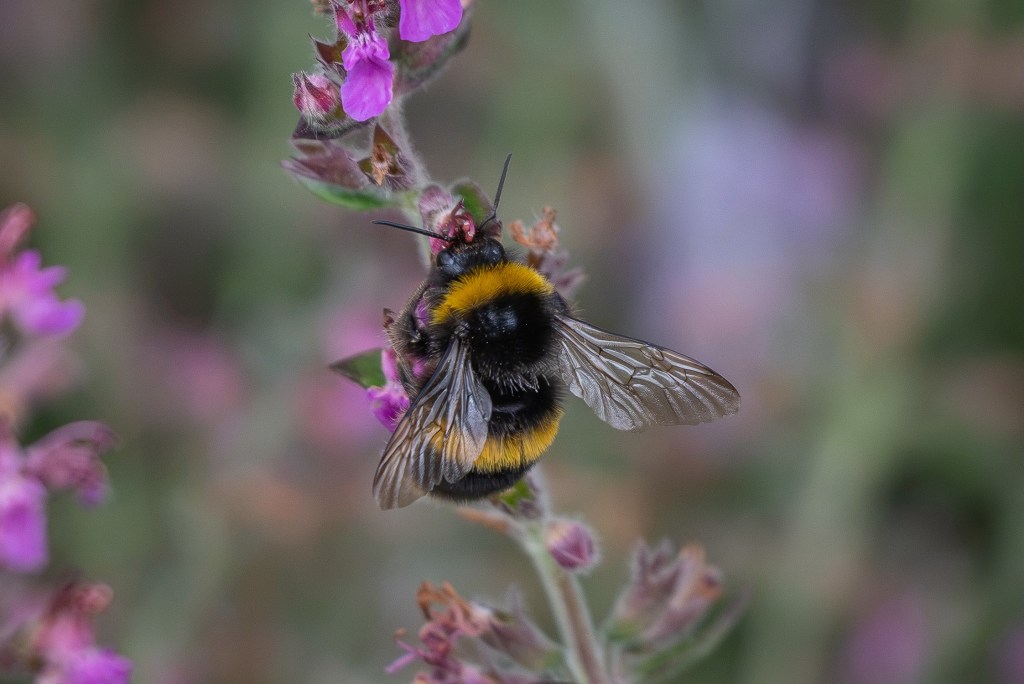
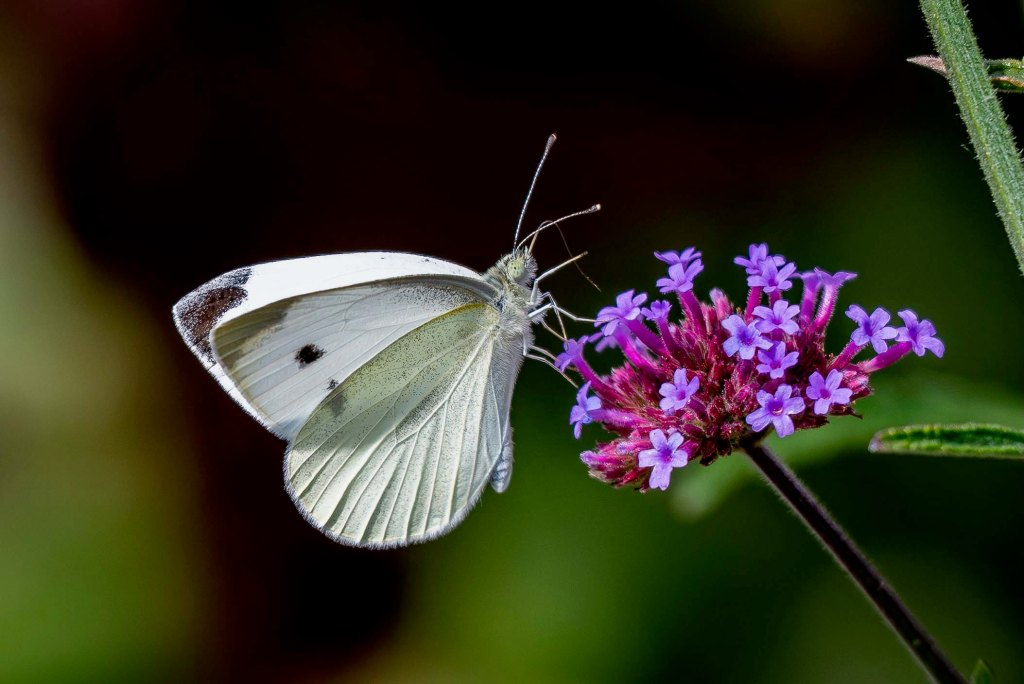
Common carder bee enjoying the salviaCommon carder bee on verbena£8 solar fountain from amazon.co.uk!Holly blue butterflyThe common green bottle fly Lucilia sericata on achilleaAlso on the achillea a thick-legged hoverfly syritta pipiensSmall white butterflyGreen-veined white butterflyHolly blue butterfly
After a mainly sedentary weekend by this morning I was chomping at the bit and we had a trip to WWT Slimbridge.
The highlight of our visit was a common snipe (normally very secretive and well camouflaged) which made an appearance as soon as we arrived in the open right in front of us .
Common snipeCommon snipeRuff and two greenshankGreenshank in flightSpotted redshank
I was very pleased to recognise straightaway the spotted redshank from its feeding habits. I remembered what an old chap (probably younger than me) told me when I starting bird watching, on a trip to Titchwell Marshes in Norfolk, about how the spotted redshank feeds very much like an avocet with a sweeping action whereas the common redshank simply picks at food.
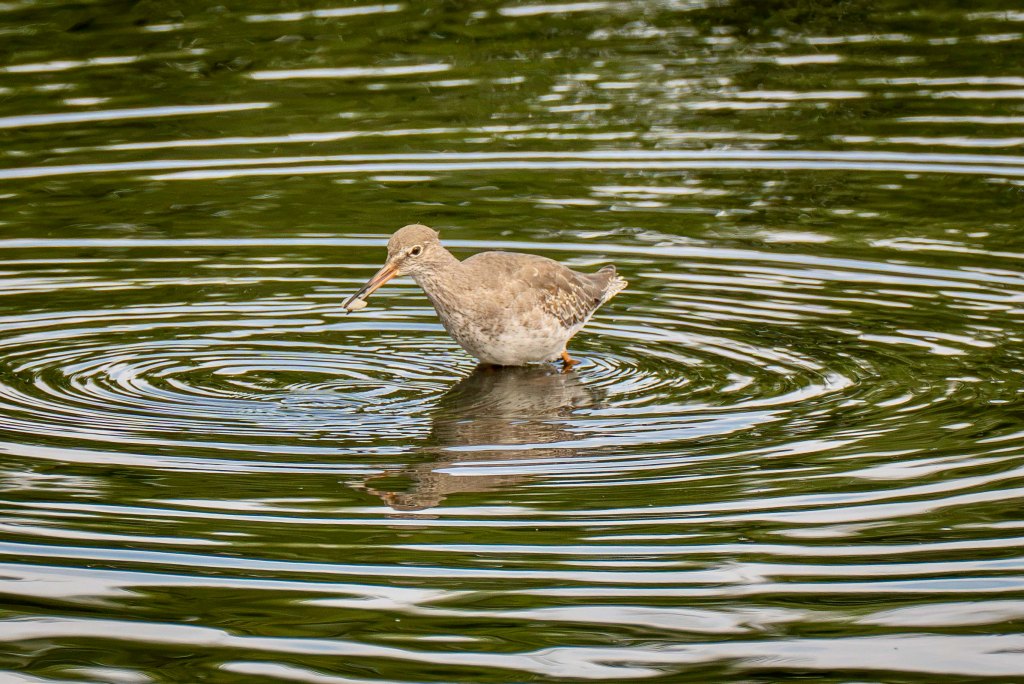
Common redshankLittle egretLittle egretYou can see the effects of the drought we have had from this shot of a group of common crane… and from further awayIt’s not only the farmers who are desperate for rain – the birds need it too – view of the Severn Estuary from the Estuary hide.
We sneaked another morning visit to the wetlands but had to dodge a few showers (what a novelty!).
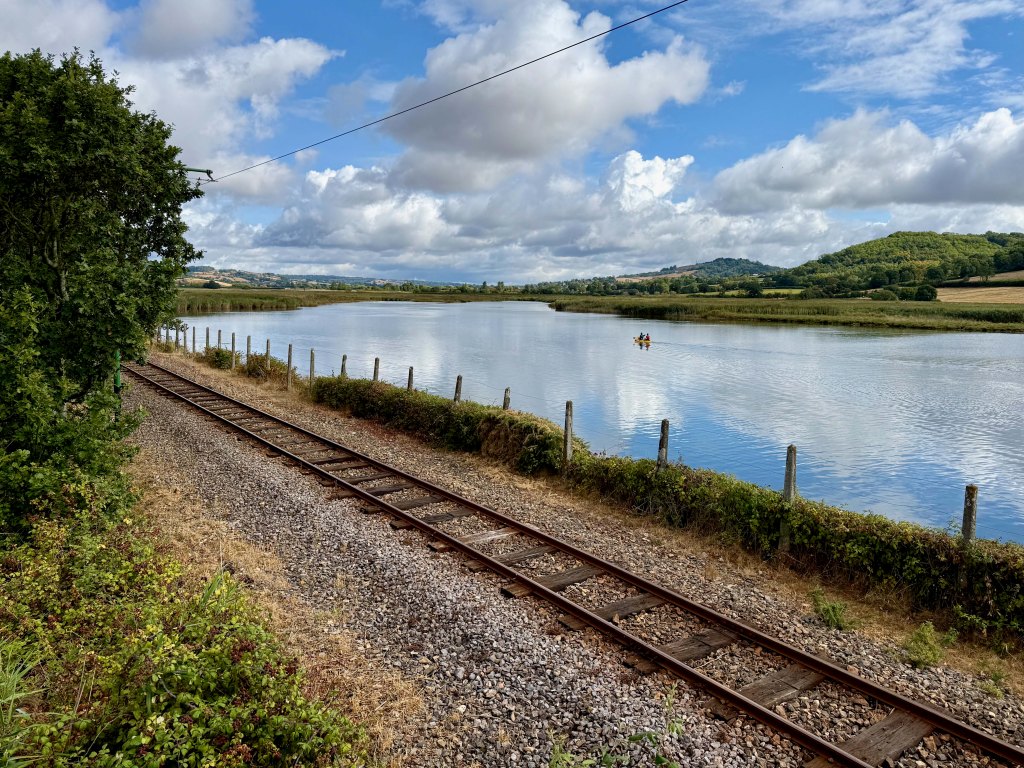
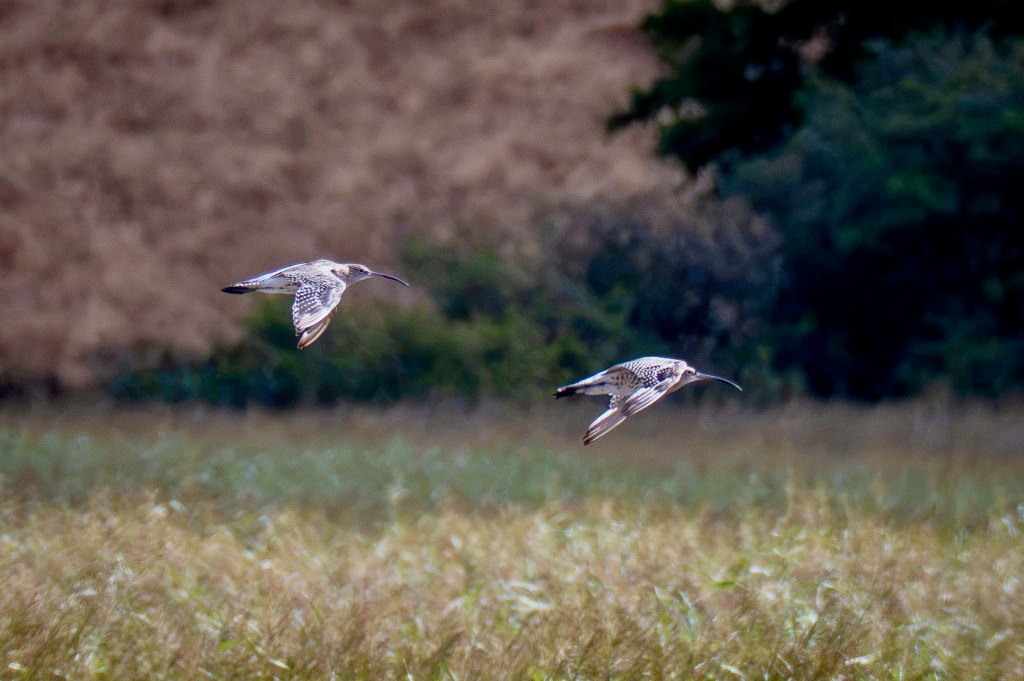
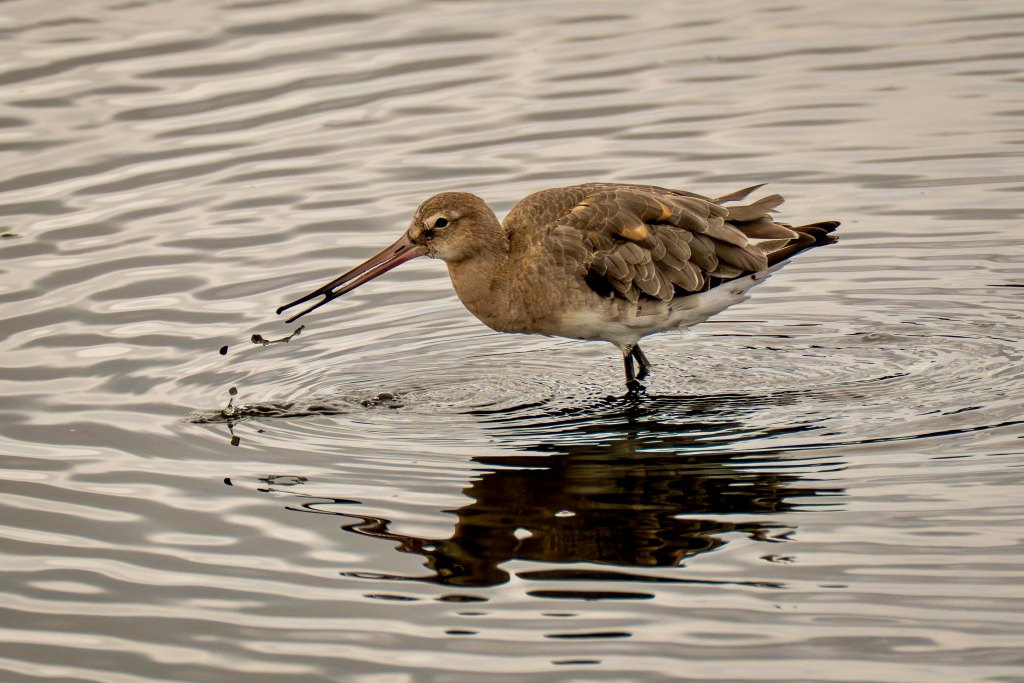
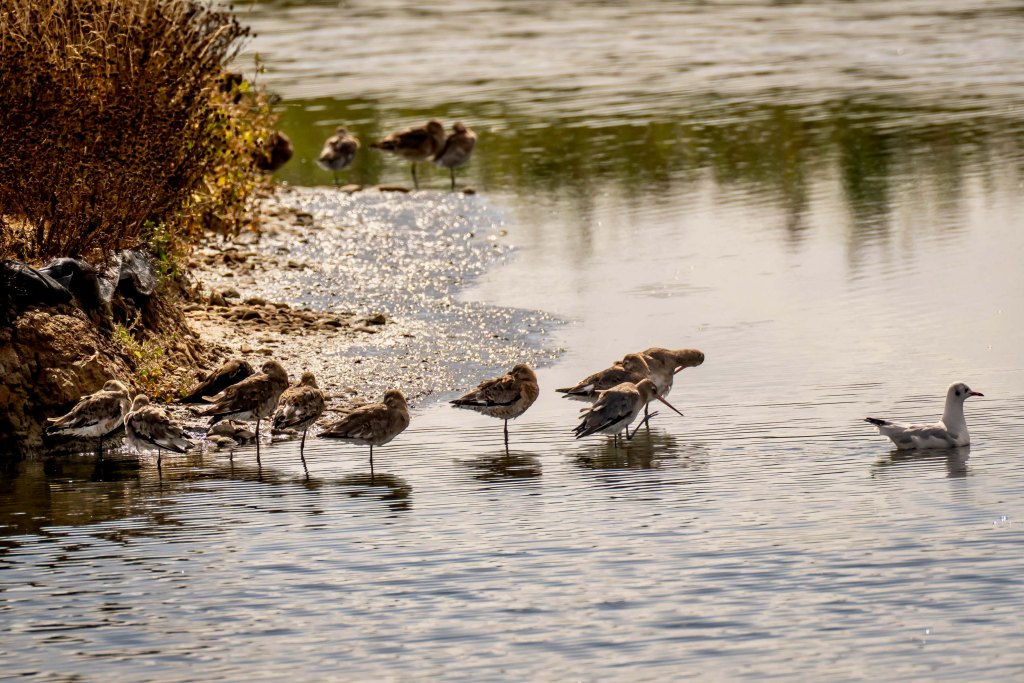
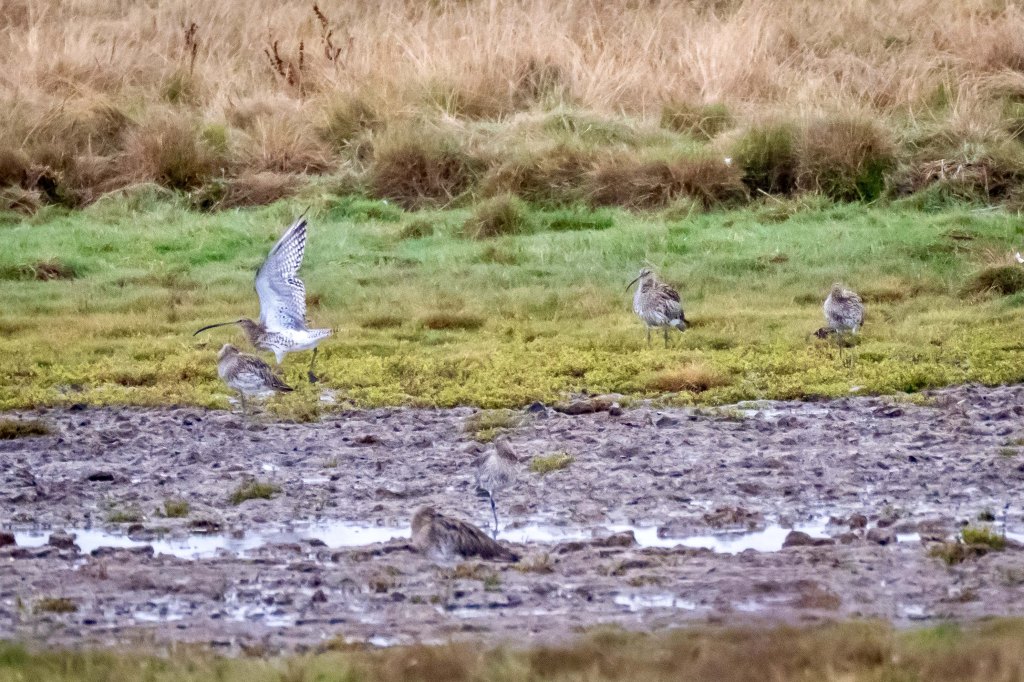
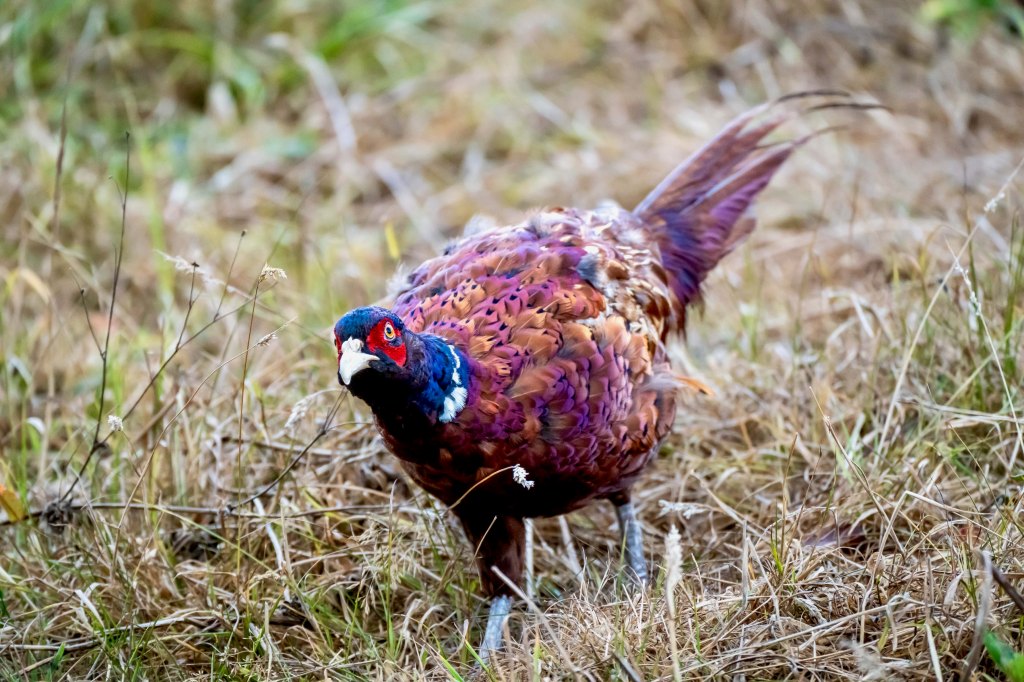
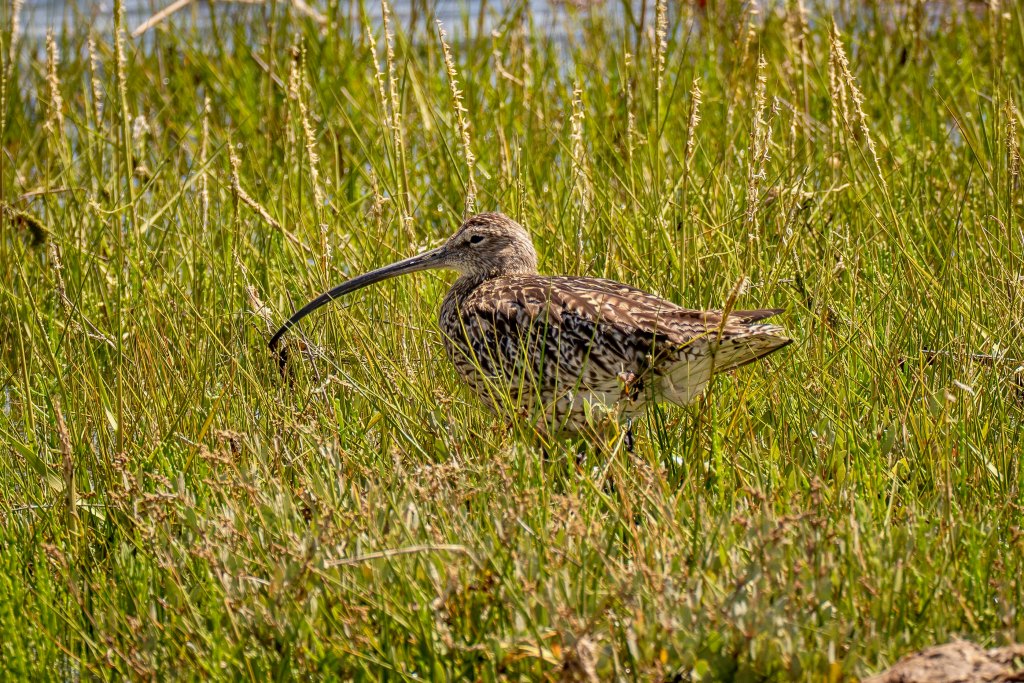
From the tower hide the view across the river AxeEurasian curlew heading down riverCanada geese heading up riverFrom the Tower hide the view across the reserveOystercatchers and black-headed gullsBlack-tailed godwitCommon redshankMainly black-tailed godwitsIn this muddy patch (caused by the tide!) there were a mixture of curlews, whimbrel and common sandpiper, but most beyond my rangeWe ventured a little further (and got wet) only to have a view of these Canada geese feedingAn inquisitive pheasant
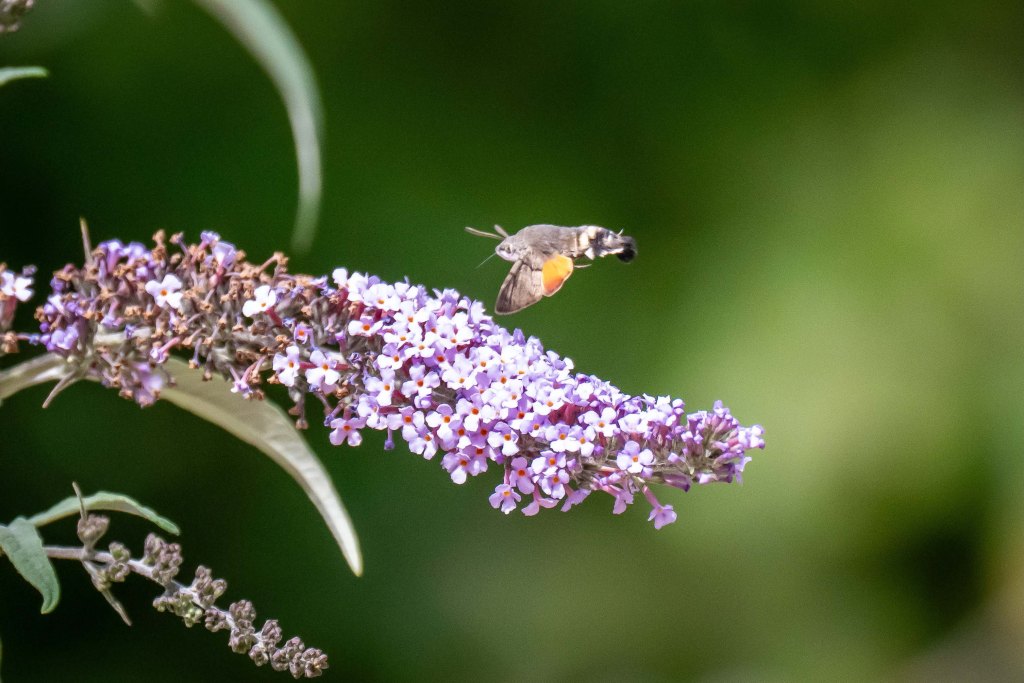
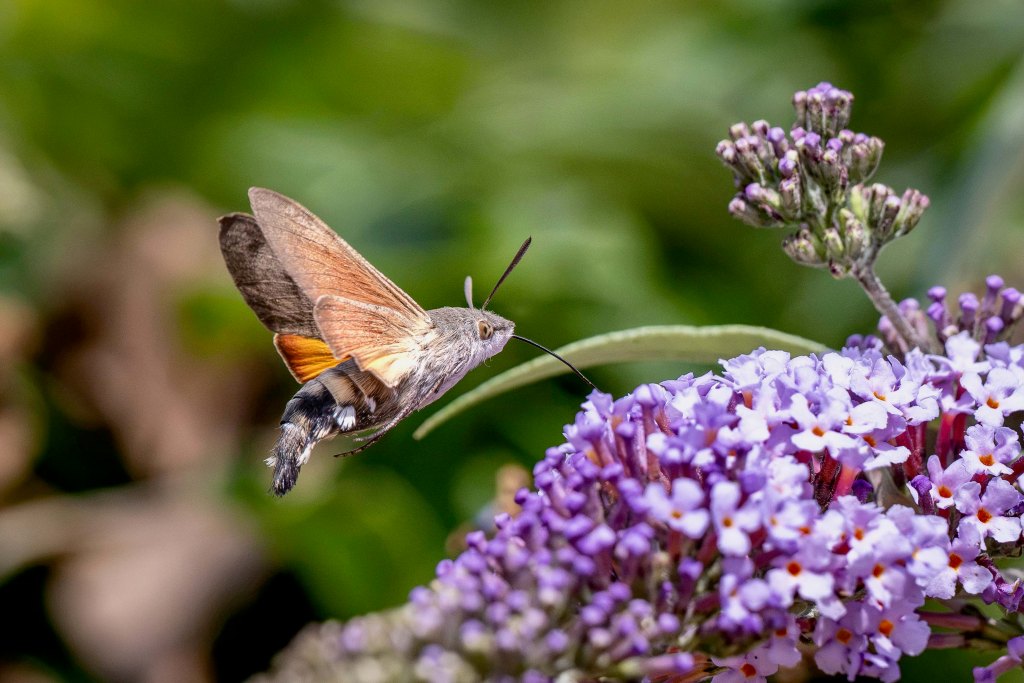
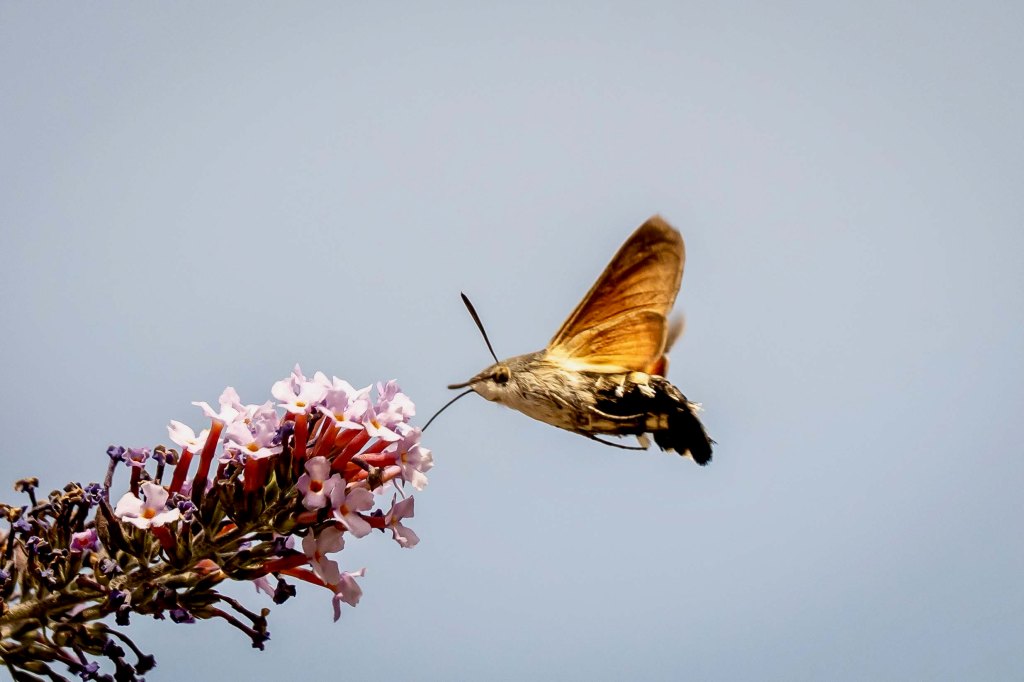
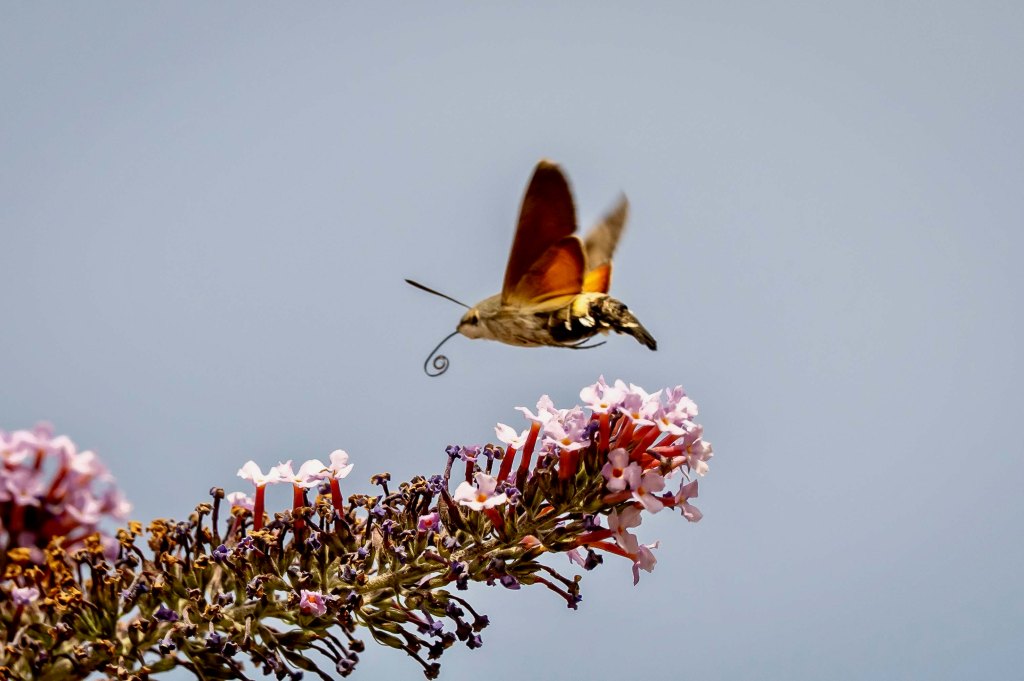
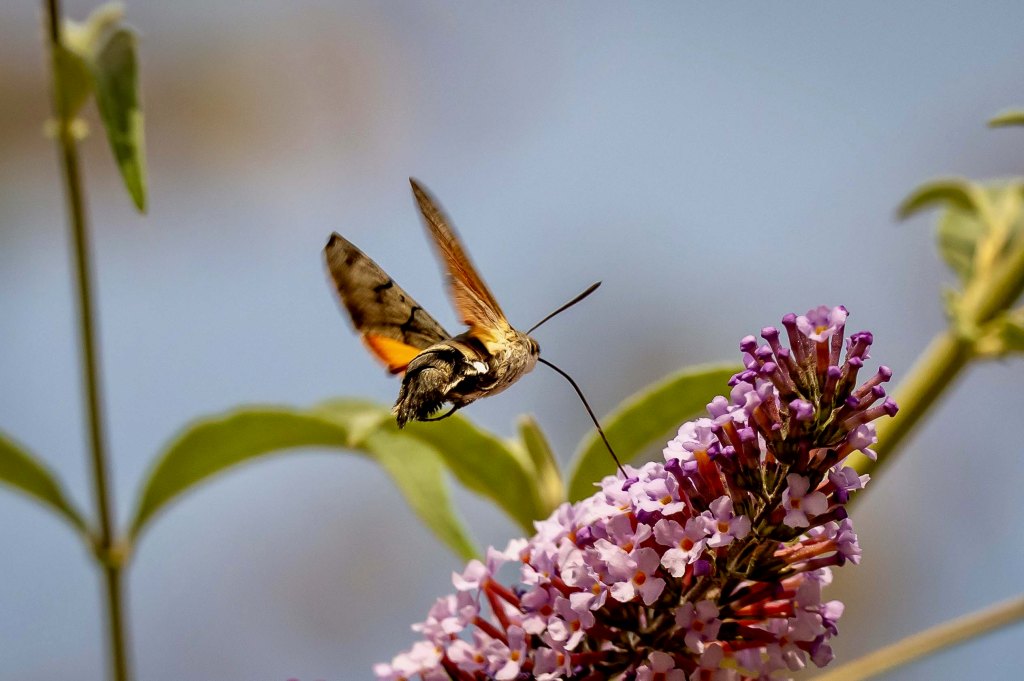
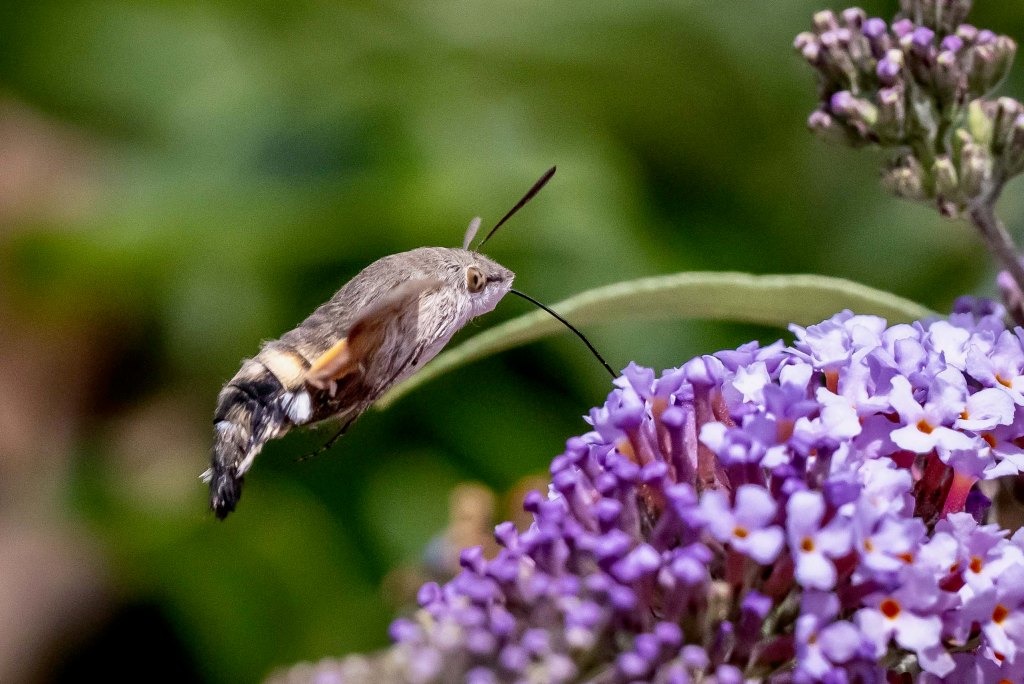
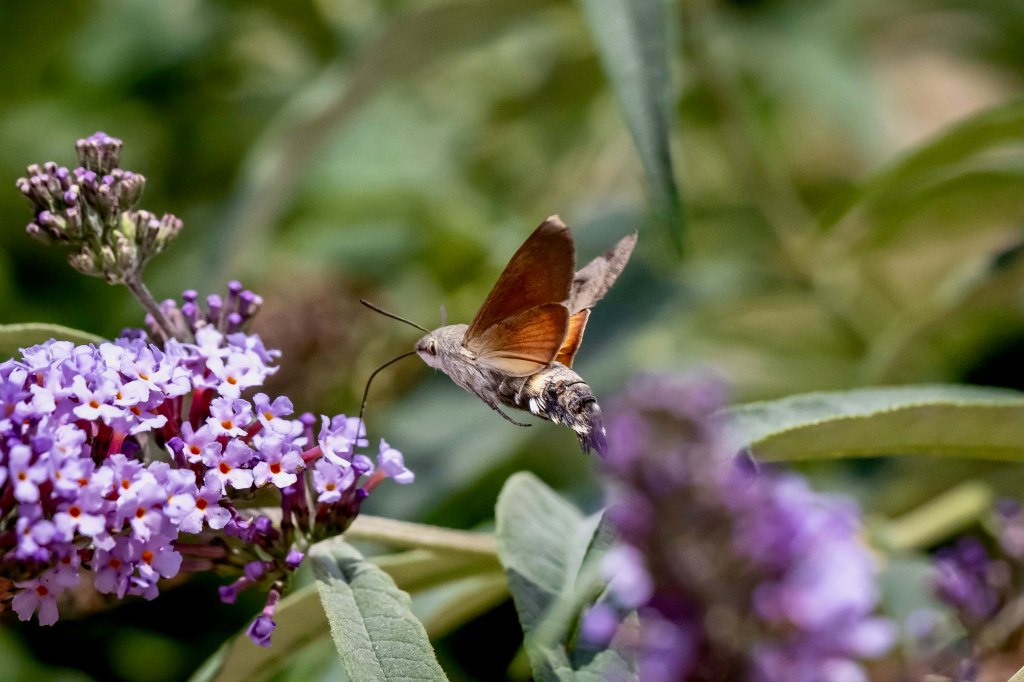
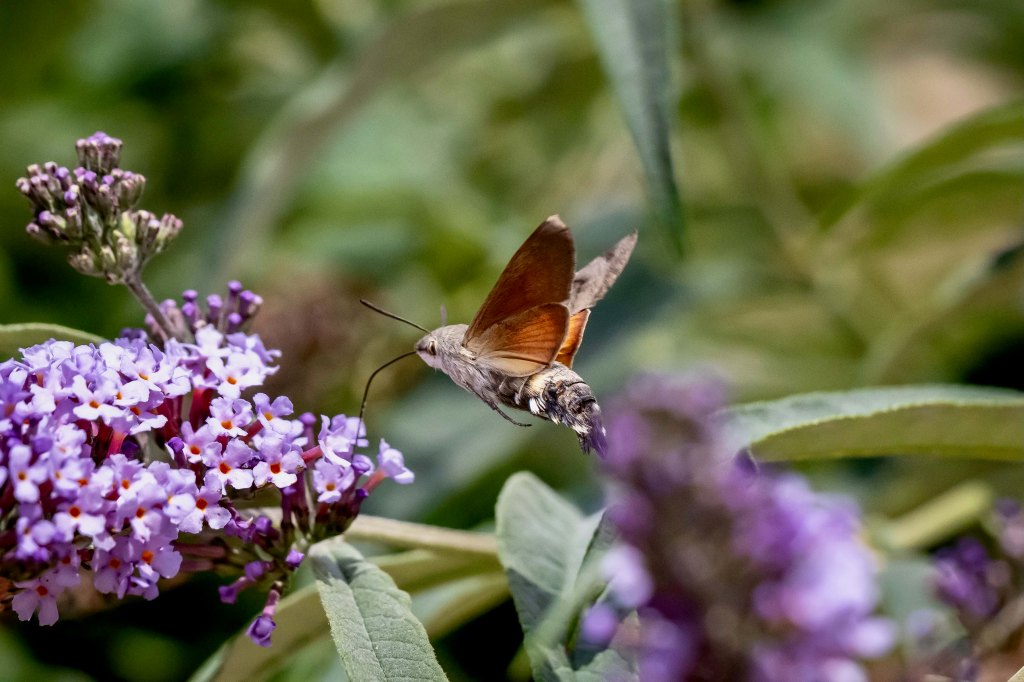
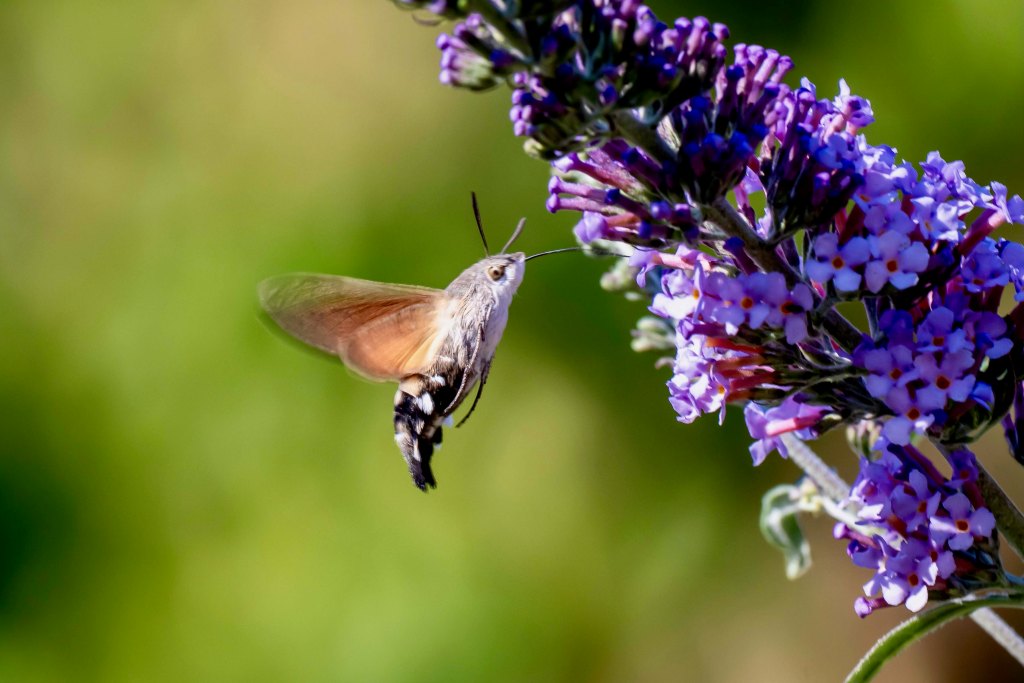
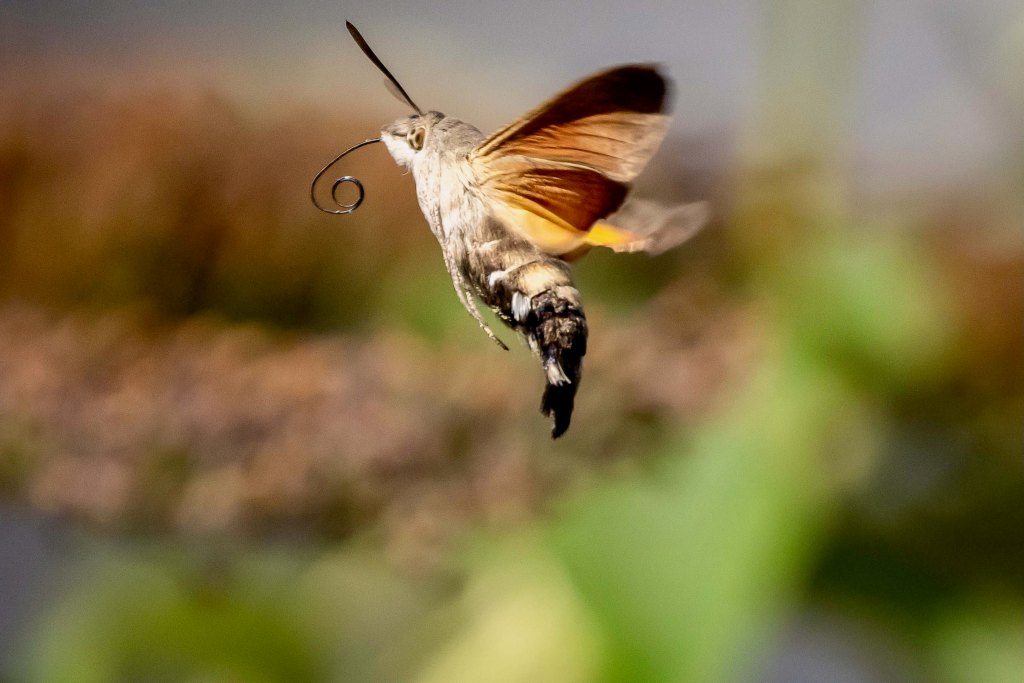
Back at our holiday rental there were butterflies and a hummingbird hawk-moth:
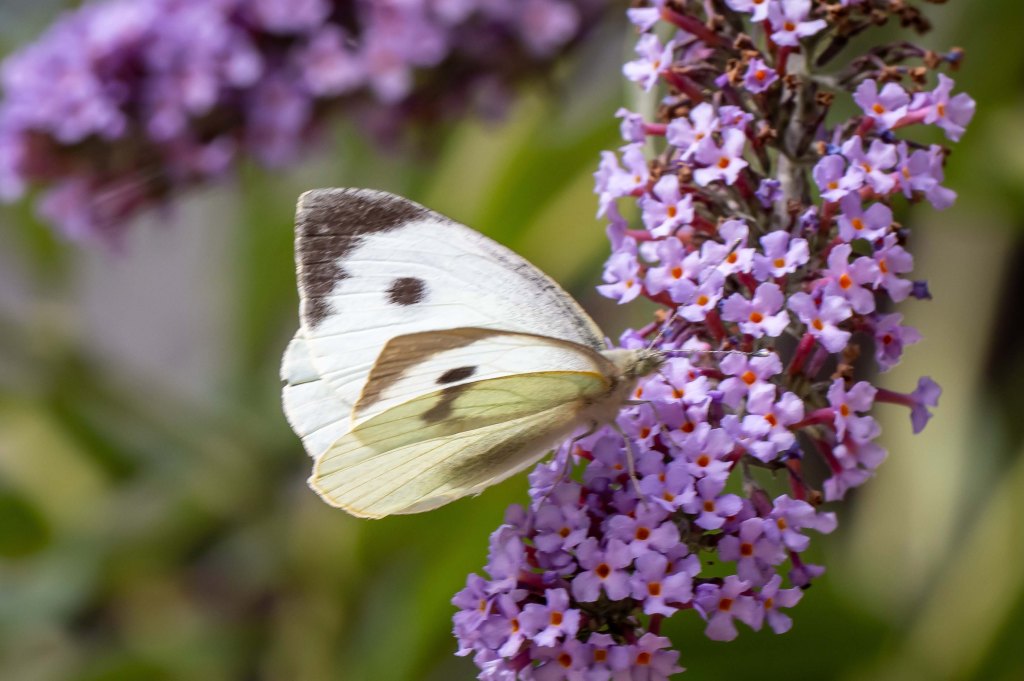
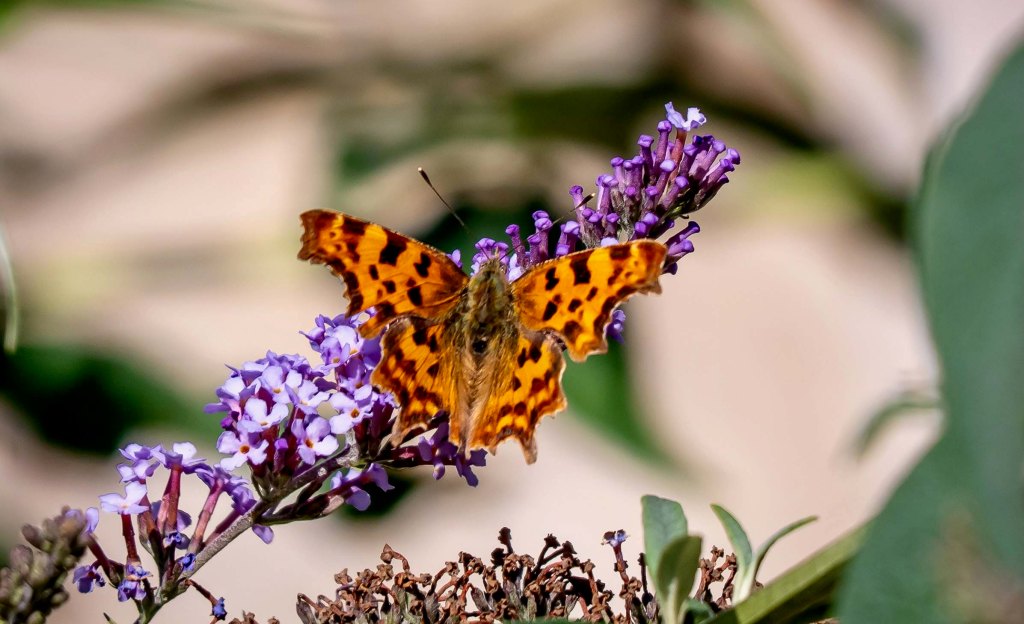
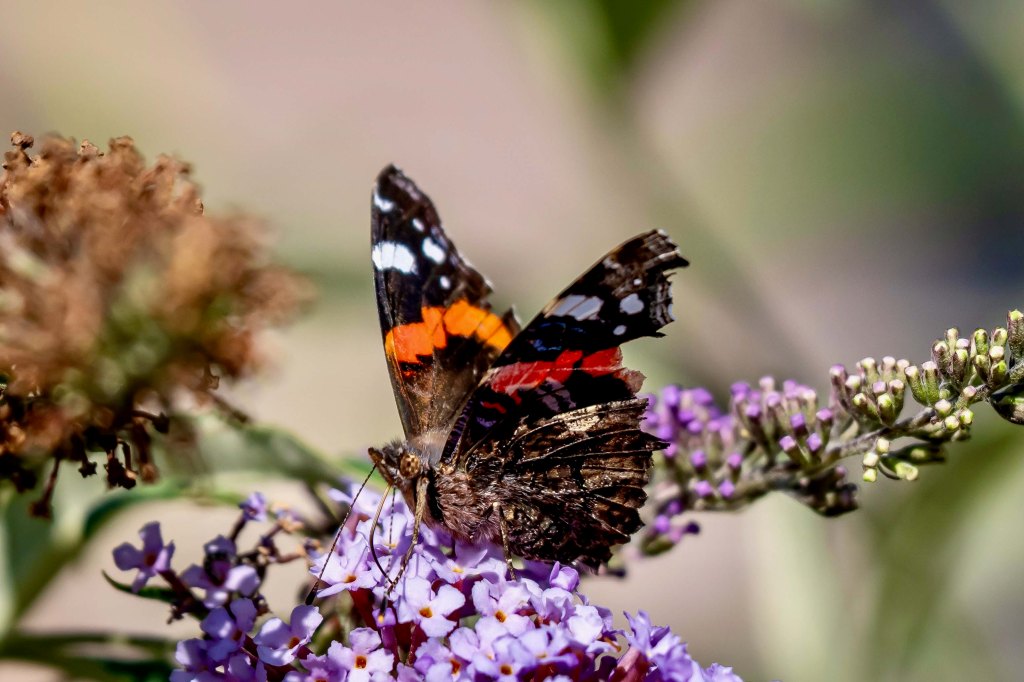
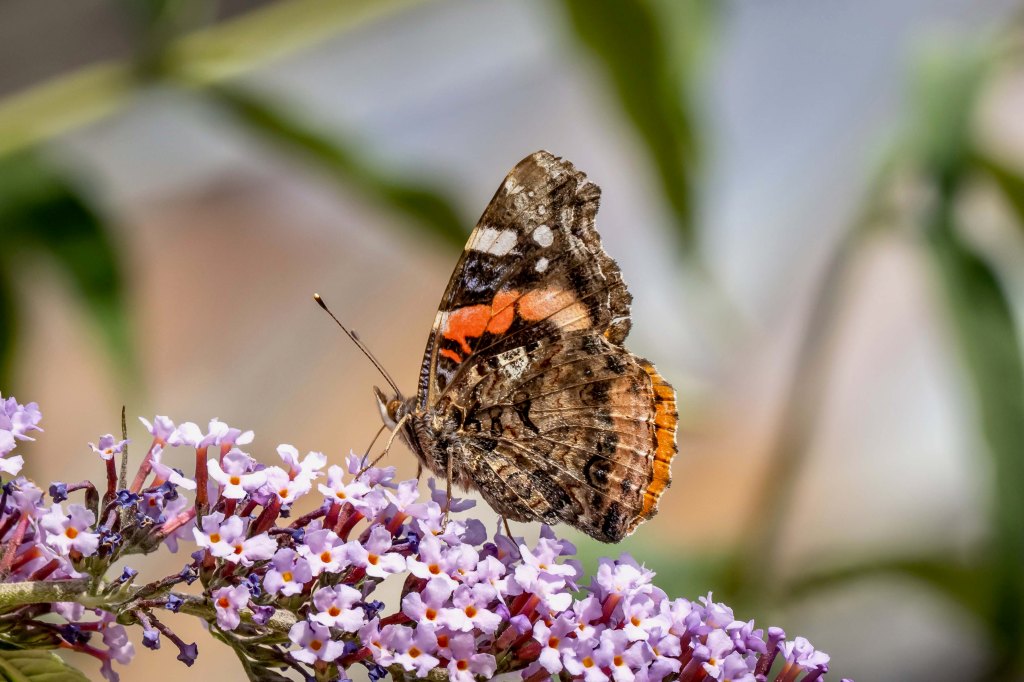
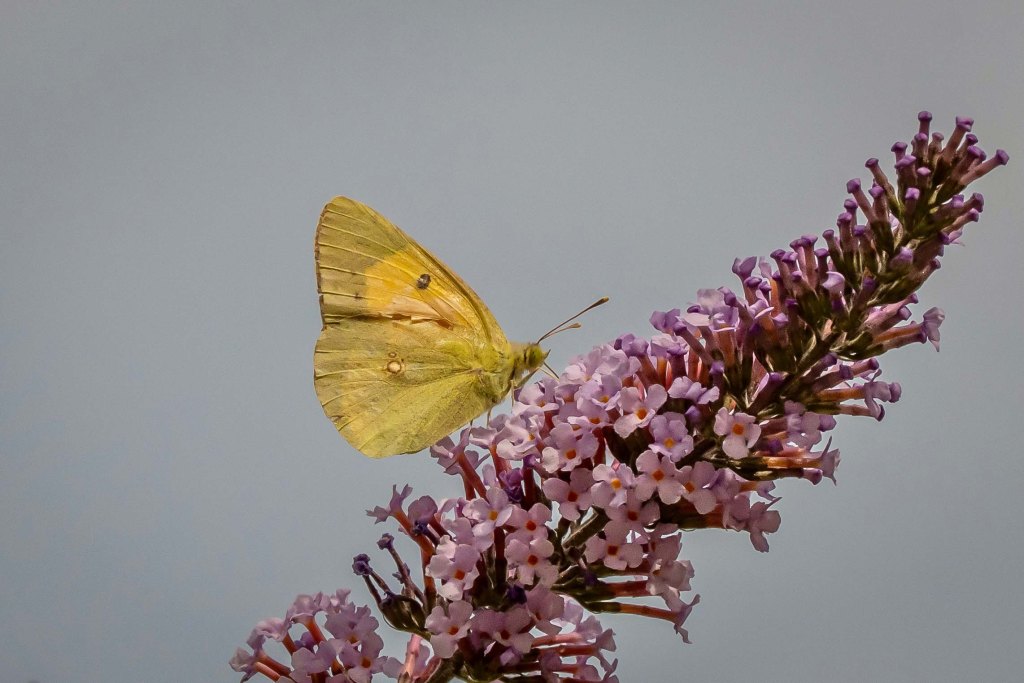
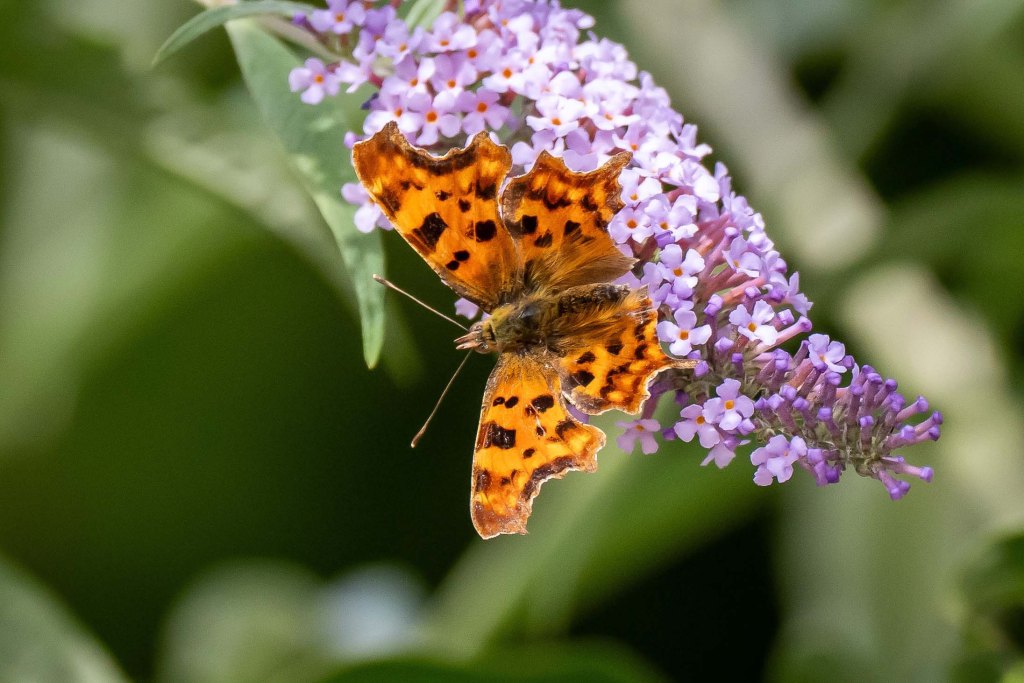
Large whiteHummingbird hawk-mothClouded yellowA very tired peacock butterflyComma butterflySmall whiteRed admiral
Just for good measure a few of the beaches and other aspects of our visit.
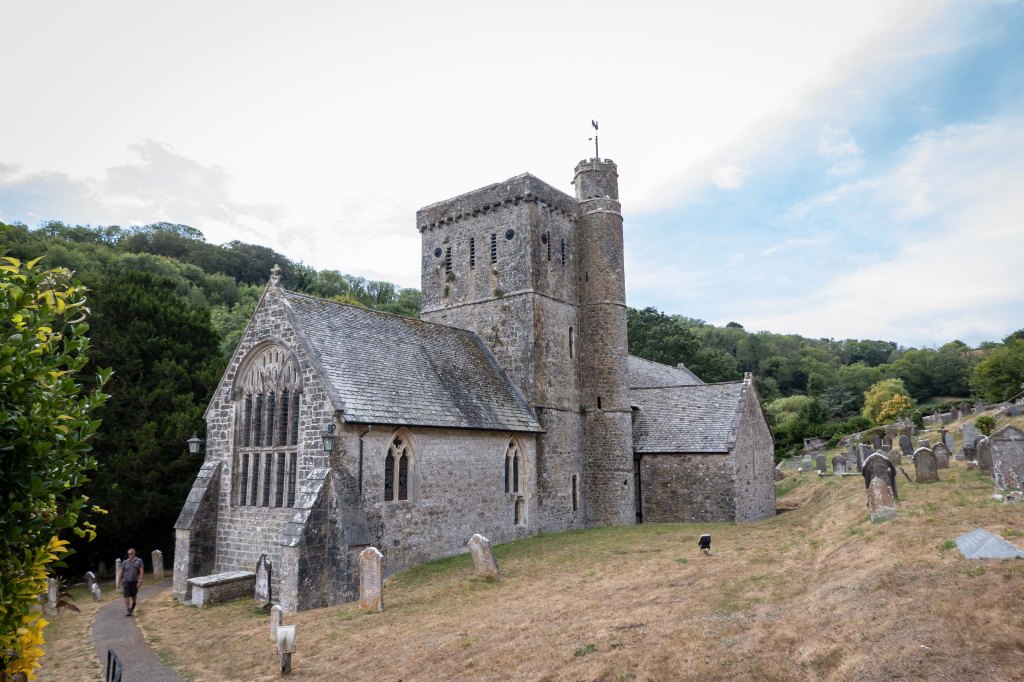
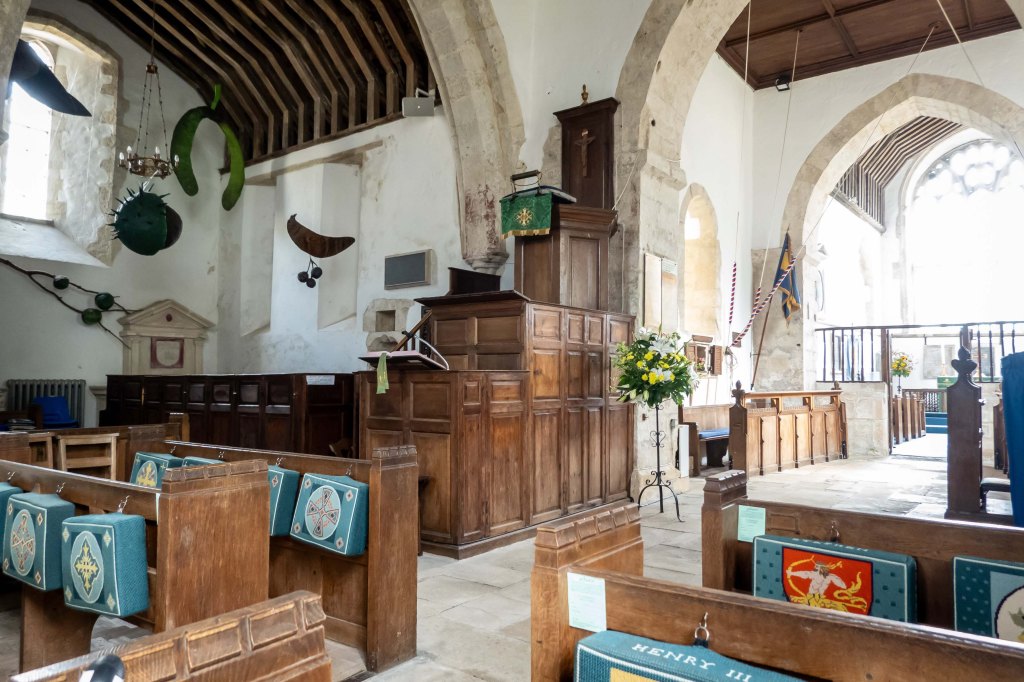
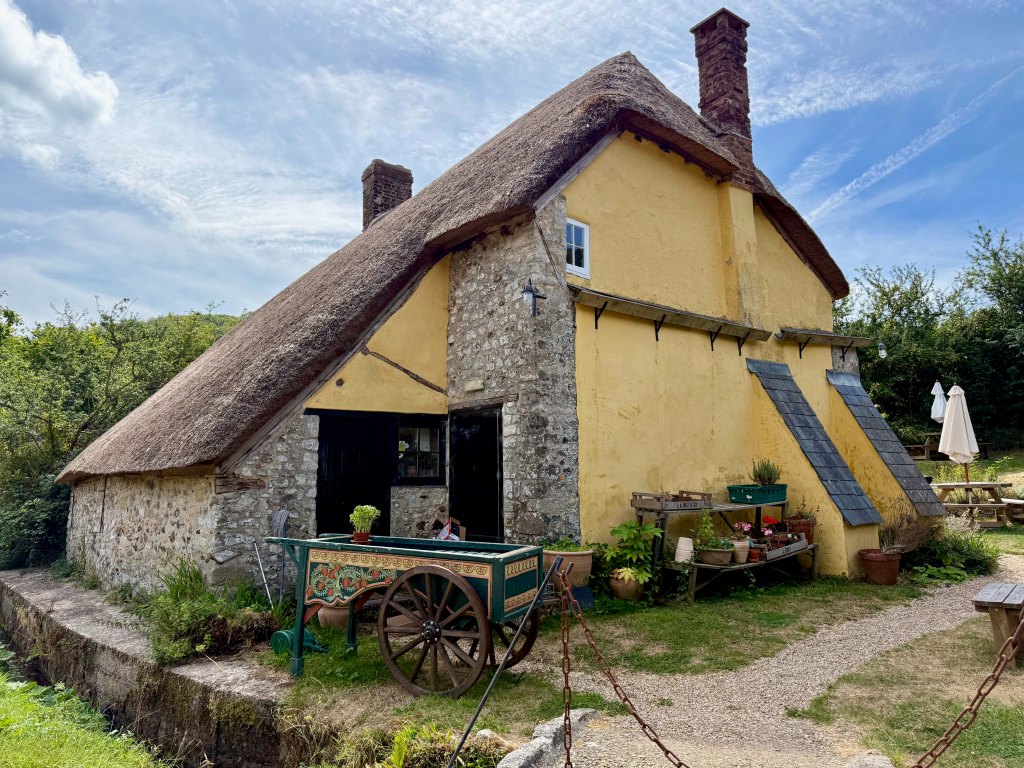
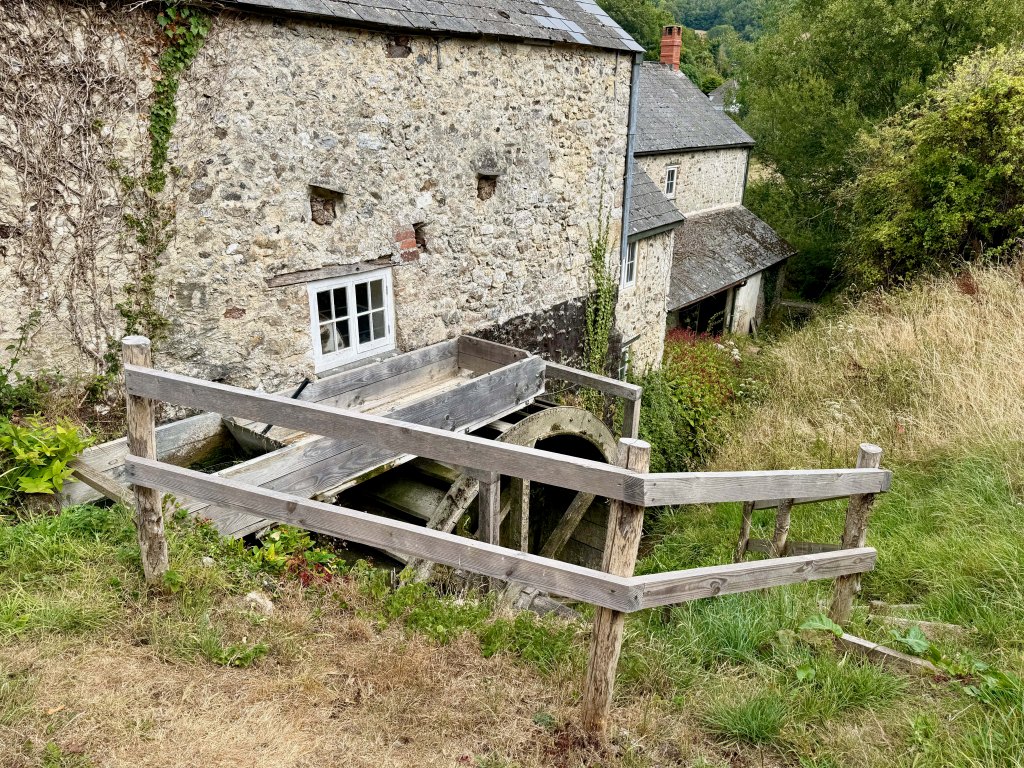
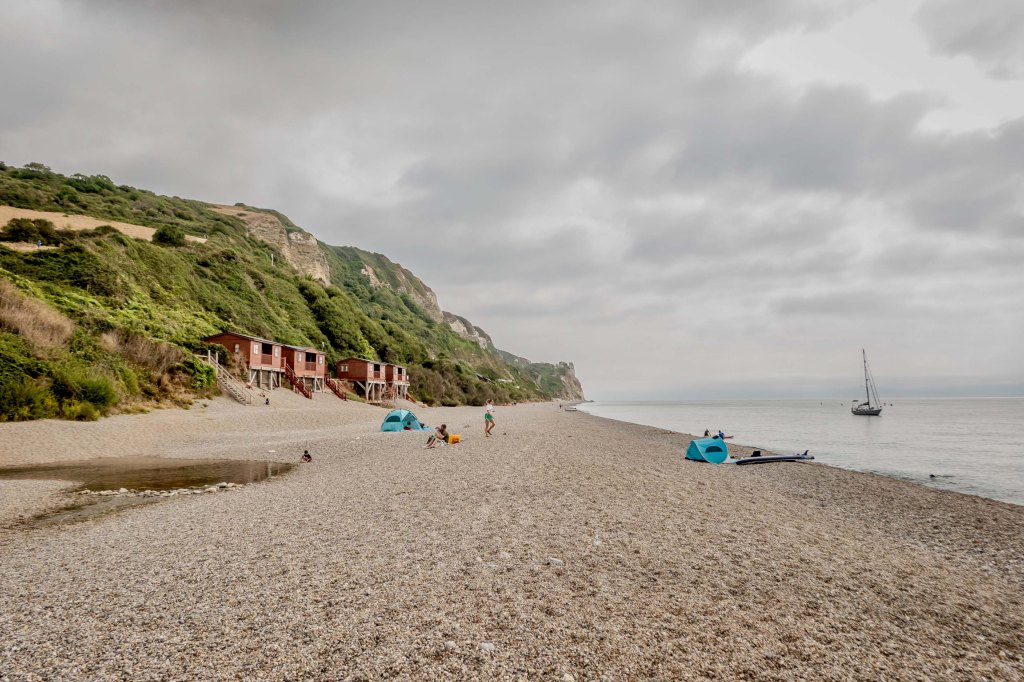
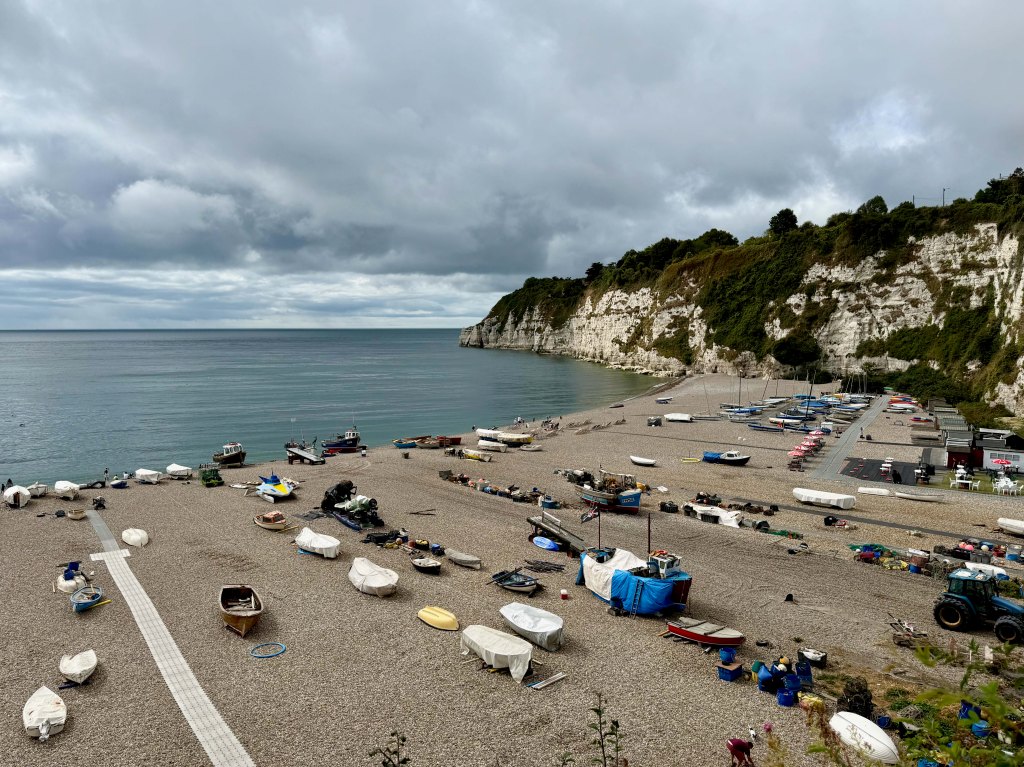
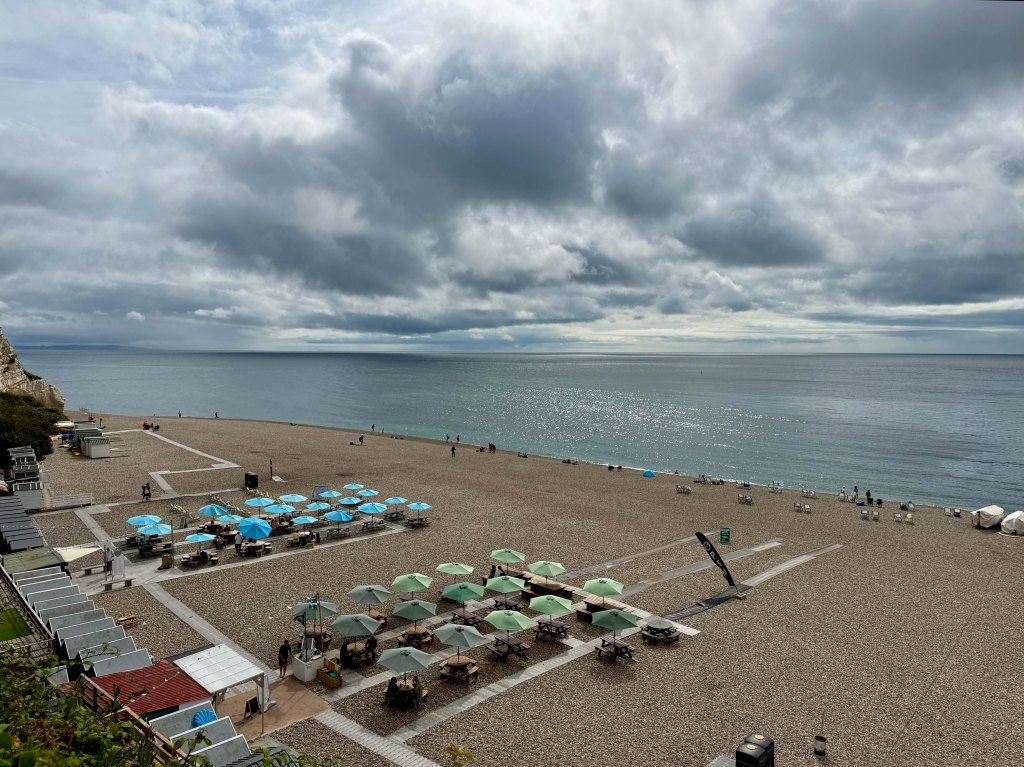
St Winifred’s Church, BranscombeSt Winifred’s Church, BranscombeThe Old Bakery at BranscombeManor Mill, Branscombe. The only working mill to survive of the four originally operating in Branscombe.Branscombe beach and caféBranscombe beach looking eastwardsBeer Beach – still a working fishing portThe beach at Beer
We had another very enjoyable trip to this lovely reserve which features marshland and reedbeds alongside the River Axe just outside Colyford between Seaton and Colyton in the beautiful East Devon countryside. There are five bird hides and nearly 4km of level trails and boardwalks suitable for wheelchair, bike and pushchairs. Just right for us!
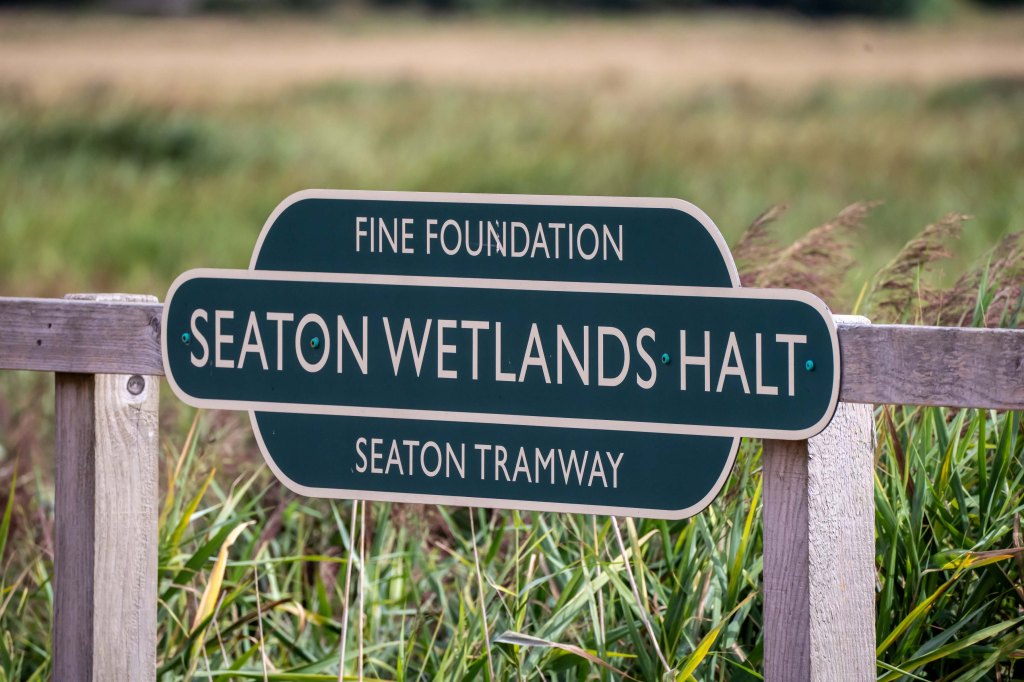
We were blessed with some dismal weather for which we were most grateful after the series of heatwaves we have been enduring. At one point it started to drizzle and we nearly set back as we had left our waterproofs in the car, but we held our nerve and took the tram at the Seaton Wetlands Halt and explored Colyton.
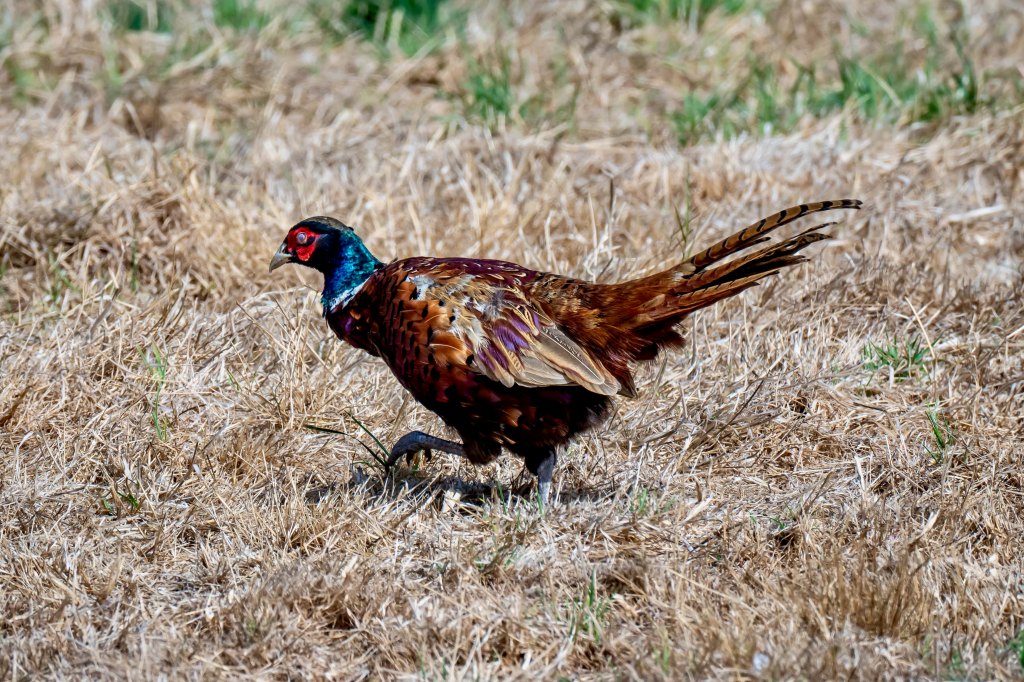
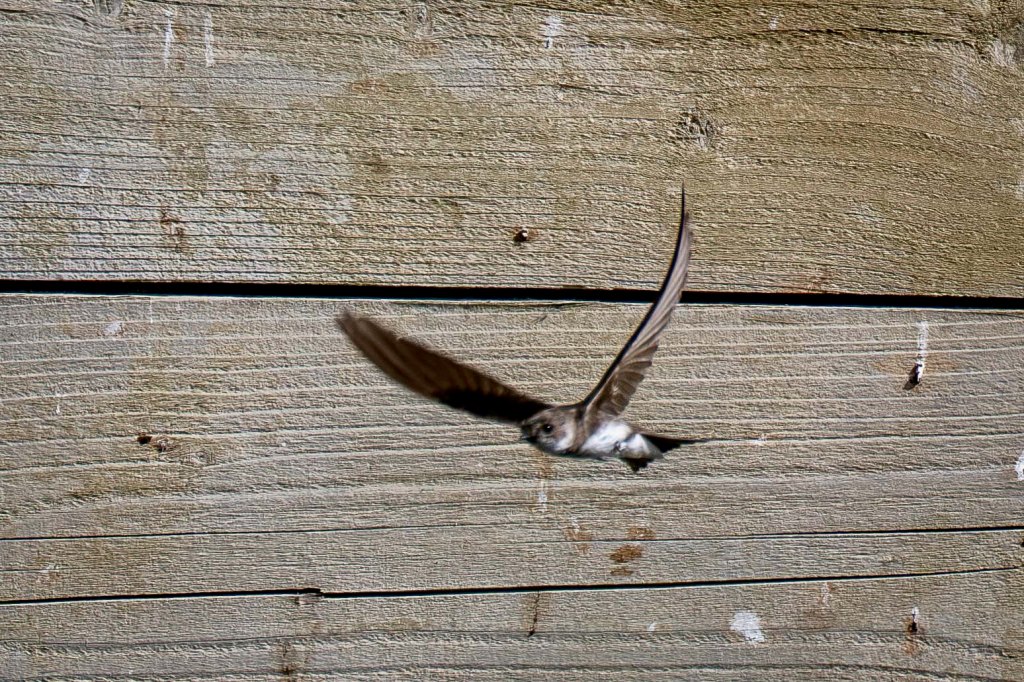
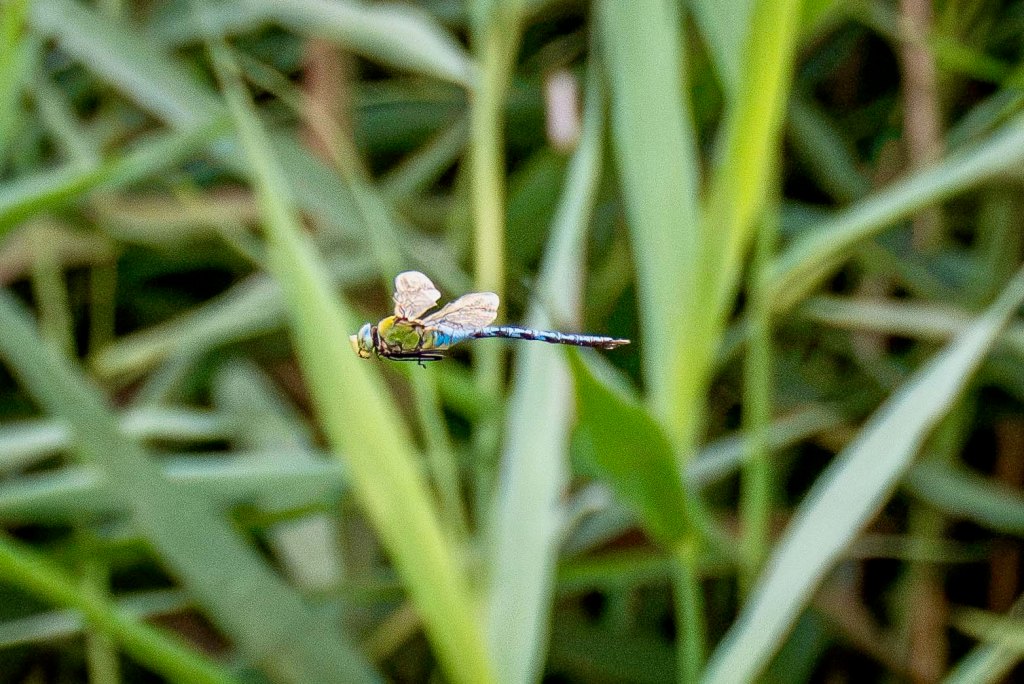
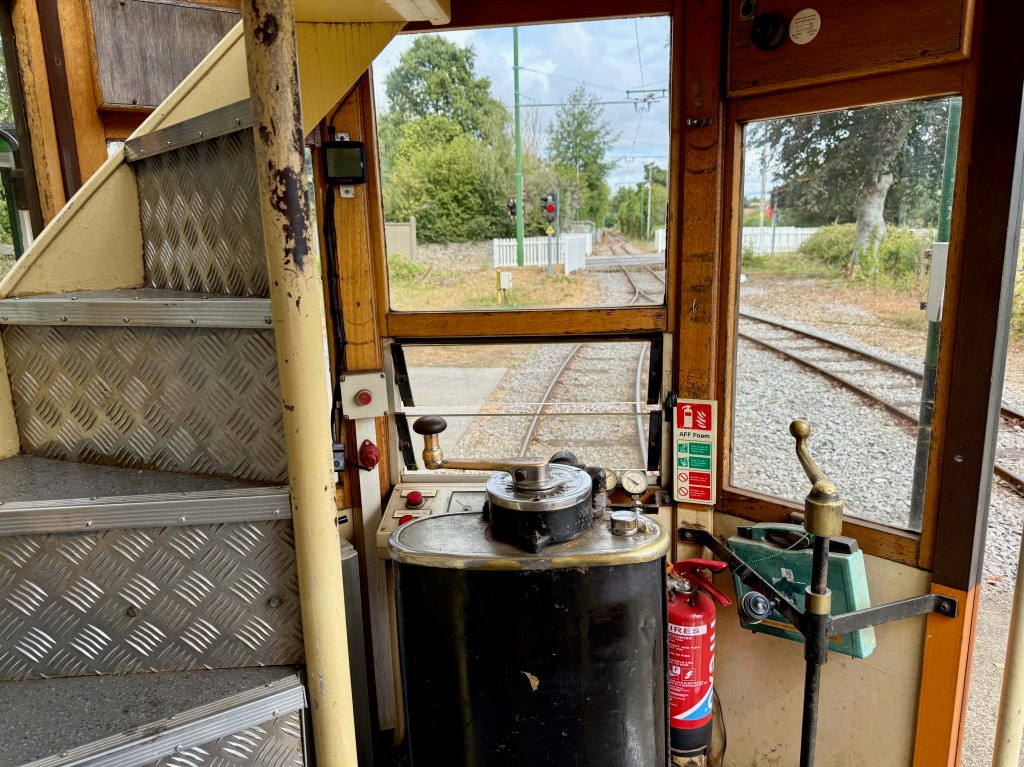
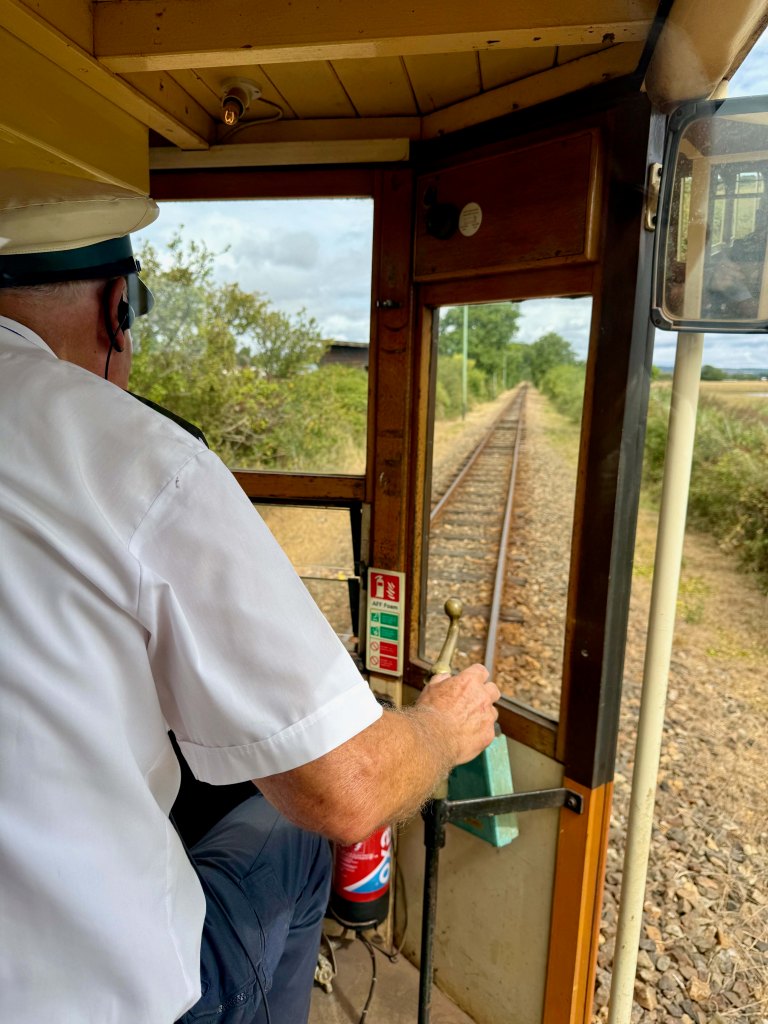
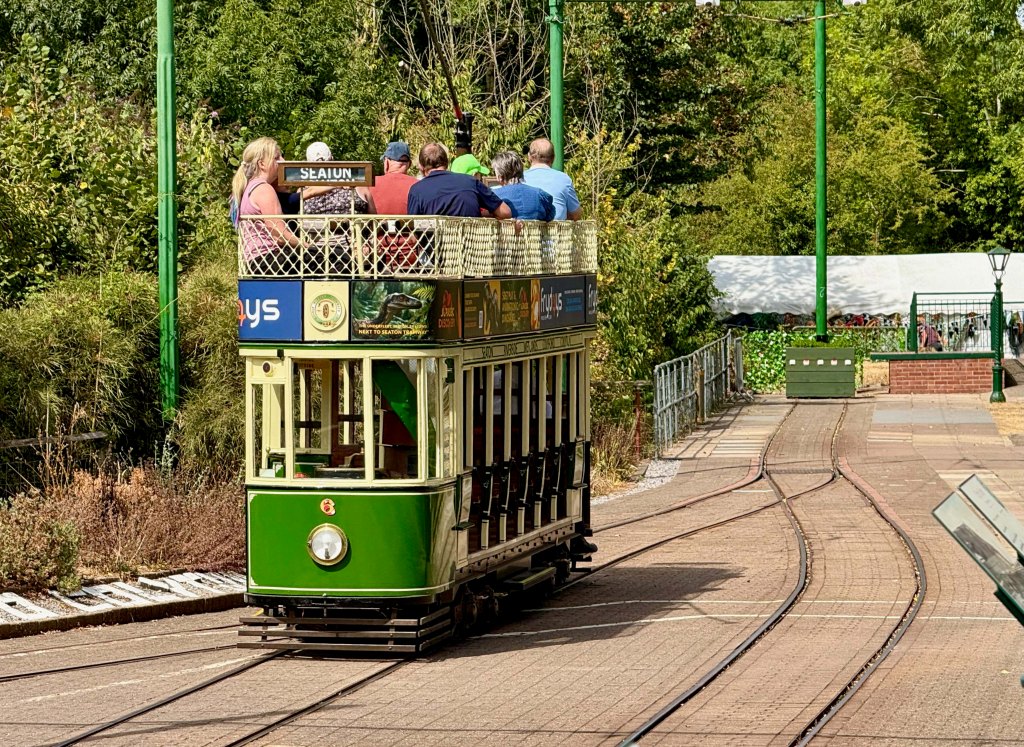
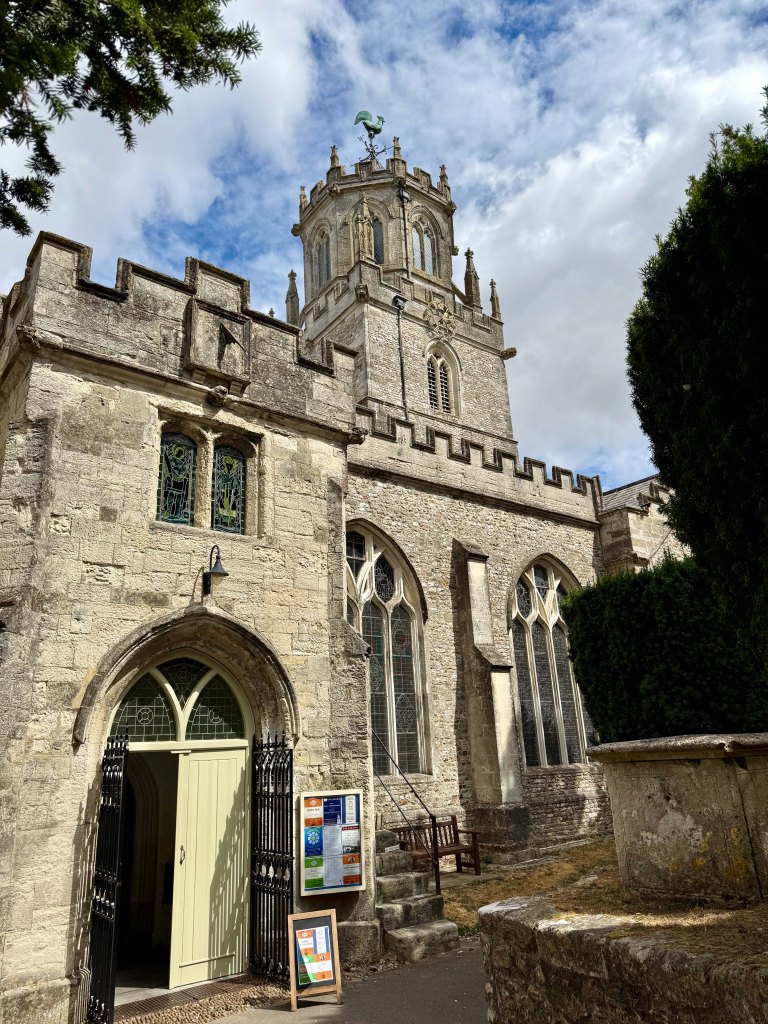
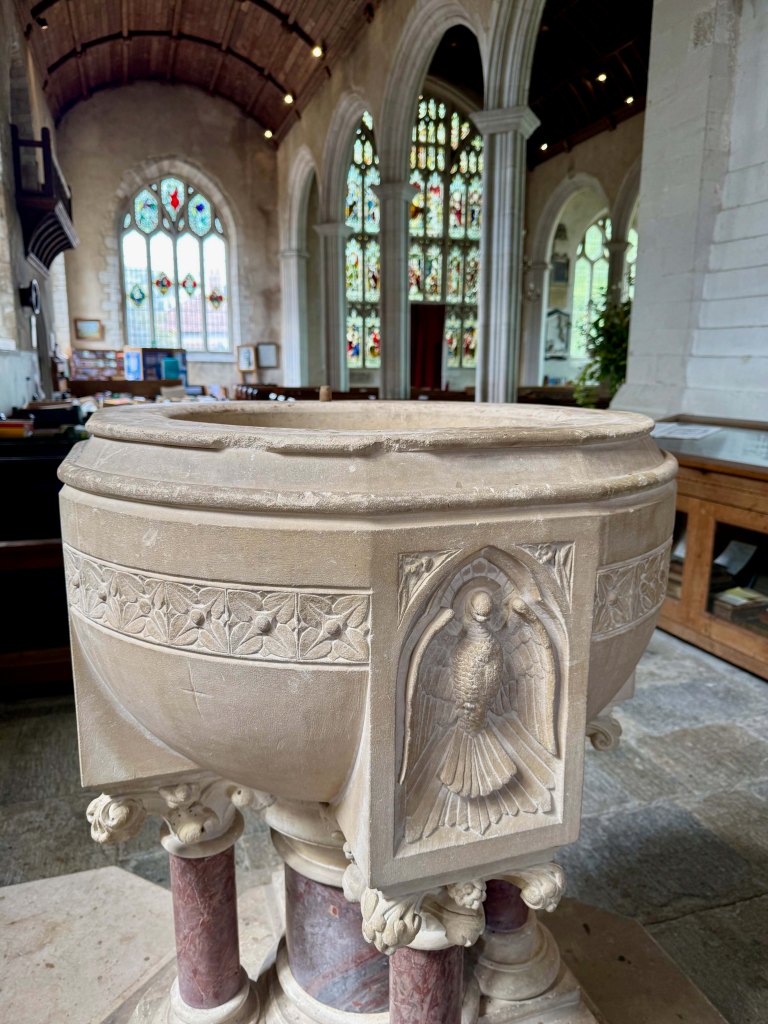
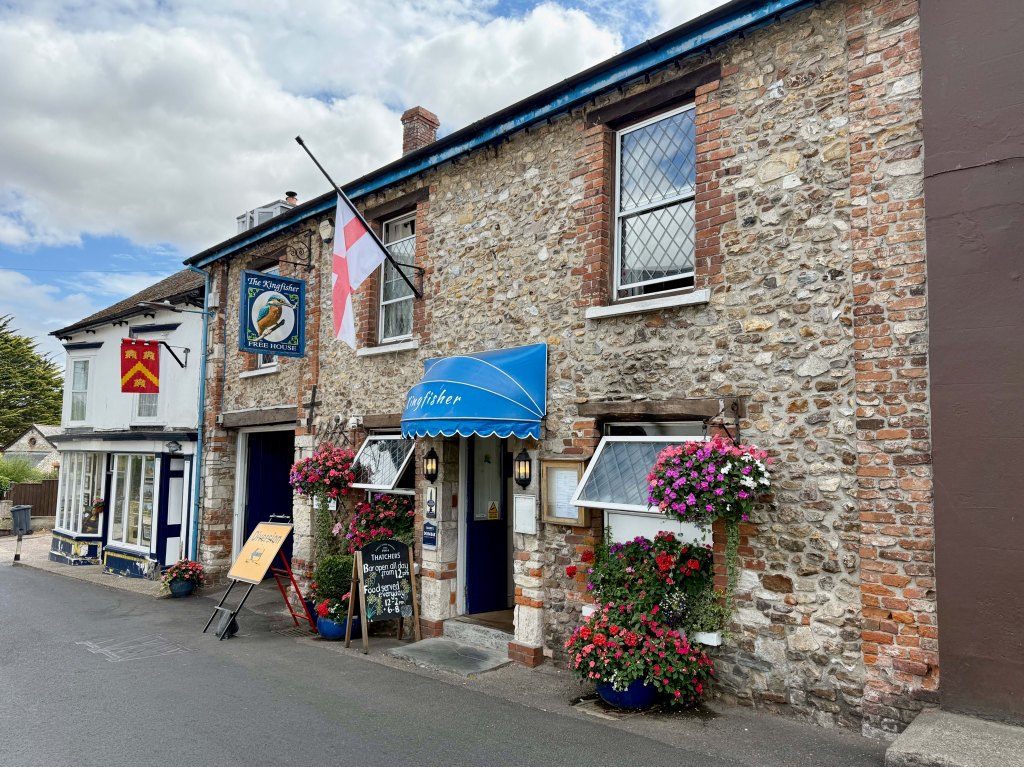
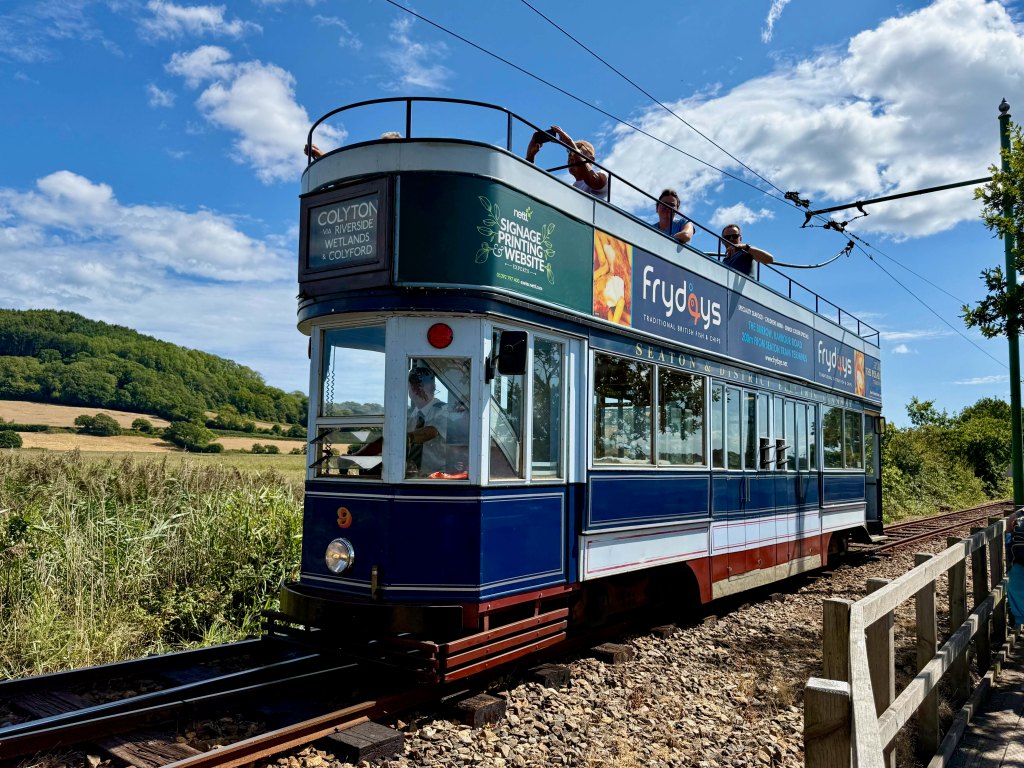
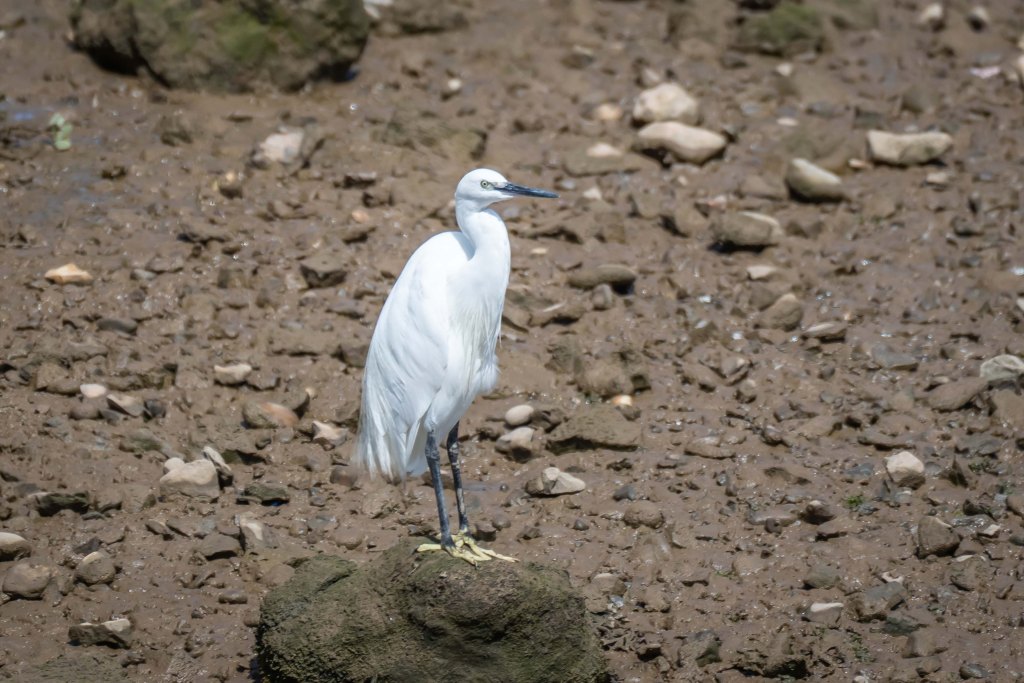
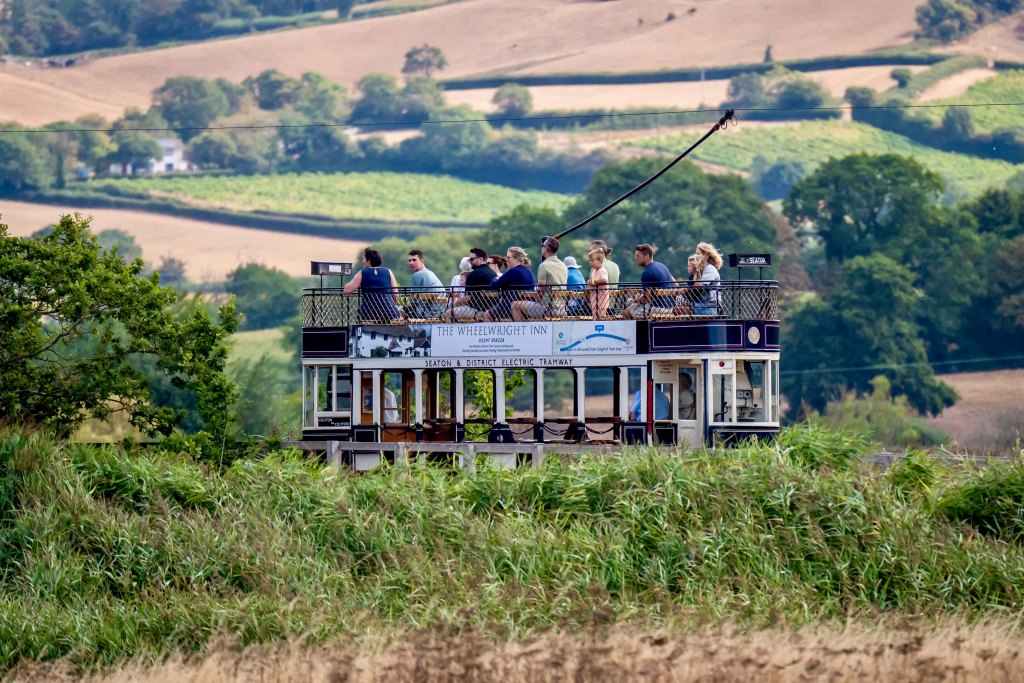
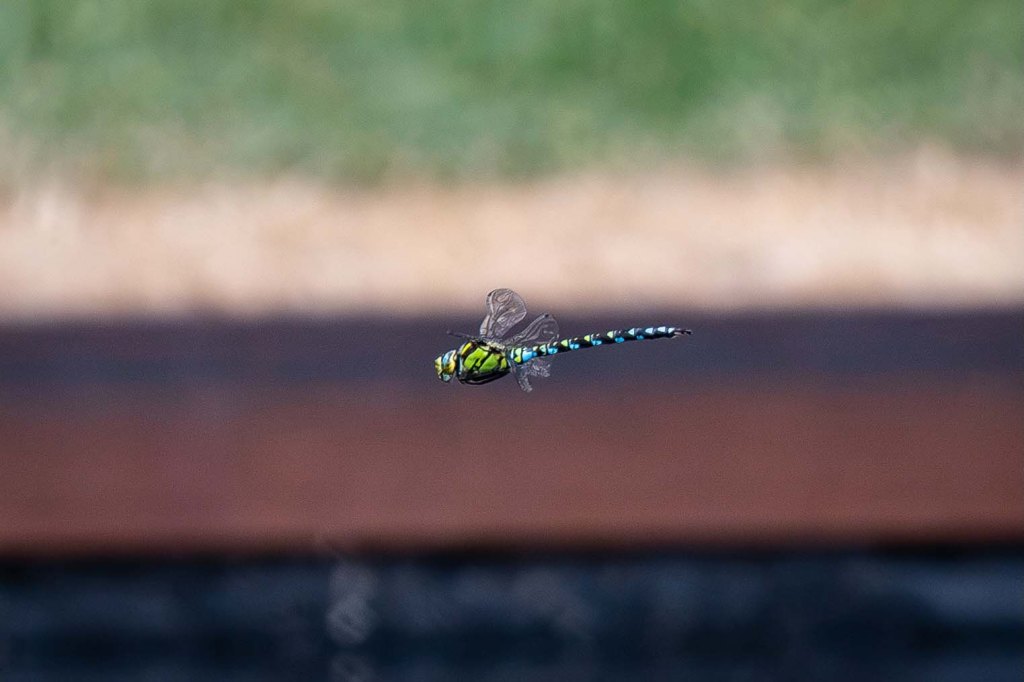
You could tell we were in the English countryside by the presence of this pheasant even though the grass was an unfamiliar colour.A real surprise – drizzleOystercatcherCommon kingfisherCommon kingfisherCommon kingfisherCommon greenshankCommon redshankSand martins – the smallest of the European hirundinesPeekaboo!Emperor dragonfly competing with the sand martinsA pair of reed warblersMeadow brown butterflyOne of the 14 trams on the Seaton Tramway. The trams are narrow gauge (2’9″), purpose built by the company with designs based on some of the heritage trams that served the UK’s towns and cities in the first half of the last century.I was looking forward to a trip on the tramway. I didn’t realise I was going to have to drive it (only joking)This driver certainly knew what he was doingOur tramAt Colyton we visited the church of St AndrewThe font in St Andrew’s church… and we had a spot of lunch – appropriately at the Kingfisher InnLittle egret on the Axe estuary
Before this epic summer the hottest summer I remember was the summer of 1976. That summer is often referred to as the year of the ladybird as swarms of ladybirds infested towns and cities across the UK, with many people even reporting being bitten by them.
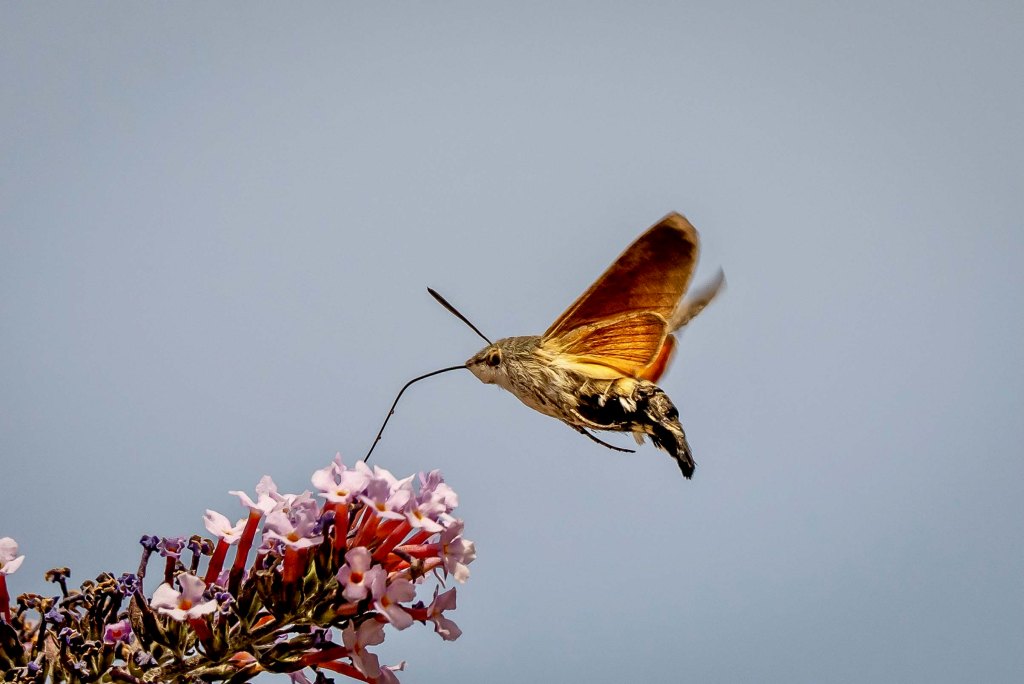
I shall remember this year as the year of the hummingbird hawk-moth. Before this year I can only remember a few sightings of them in the UK, but this year they have almost been a common occurrence.
Recently “The Times” newspaper reported :
“Big enough to be mistaken for a bird, the moths brought by warm air from the south have been seen everywhere from the Channel Islands to Scotland”.
In the garden of the cottage where we are staying in Devon there is a buddleia which, as well as attracting numerous butterflies, has attracted several hummingbird hawk-moths.
They are not easy to photograph as their wings beats at 80 times per second.
And some of the butterflies:
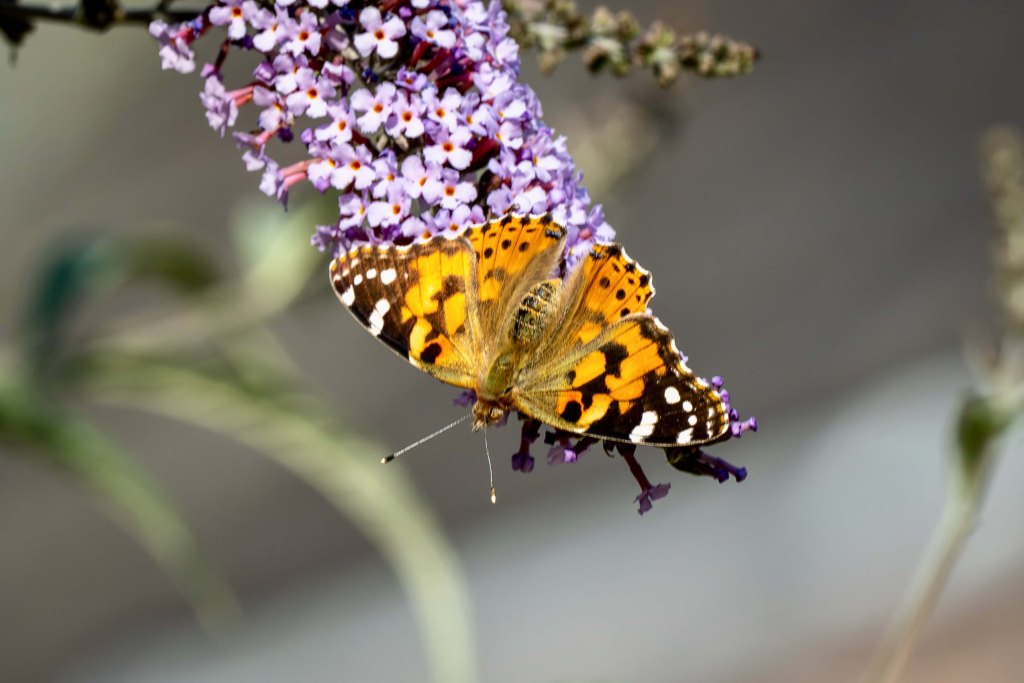
Red admiralClouded yellowCommaClouded yellowPainted lady
I couldn’t resist a couple more hummingbird hawk-moths from later in the day:
The Times reports:
“Traditionally, the peak time for hummingbird hawk-moth sightings in Britain is August and September, so we’re only just coming into the peak now. We could end up with a lot more sightings before the summer is out.”
As I am currently constrained from travelling very far (no I have not been subjected to a restraining order) we have spent our summer holidays exploring the south coast of England from Hampshire through to Devon.
We are currently staying in a lovely cottage (recently restored from a dairy milking parlour) in the tiny village of Southleigh in East Devon (https://www.southleighholidays.co.uk).
One of the reasons for choosing this area is the proximity to Seaton Wetlands which we have never visited and which looked quite attractive on the website.
Our first visit this morning did not disappoint. The “Wild East Devon” website says of this area:
“Seaton Wetlands is a countryside haven, home to an abundance of wildlife.
The site is made up of four main areas: Seaton Marshes, Black Hole Marsh, Colyford Common and Stafford Marsh.
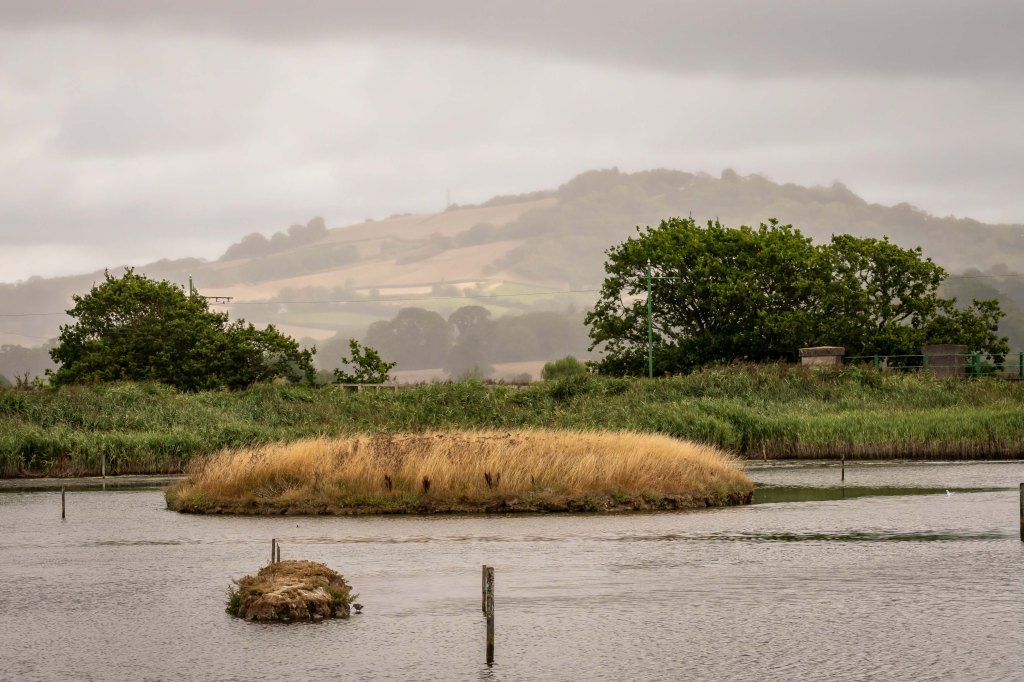
“Black Hole Marsh (BHM) was bought by East Devon District Council in 2008. Following planning approval, we created a saline lagoon on what was previously a drained agricultural field, with little wildlife interest. Islands were created on a large shallow scrape. The Environment Agencyworked with a local engineering company to devise an innovative self-regulating tidal exchange gate, allowing water of just the right salinity to enter the lagoon.”
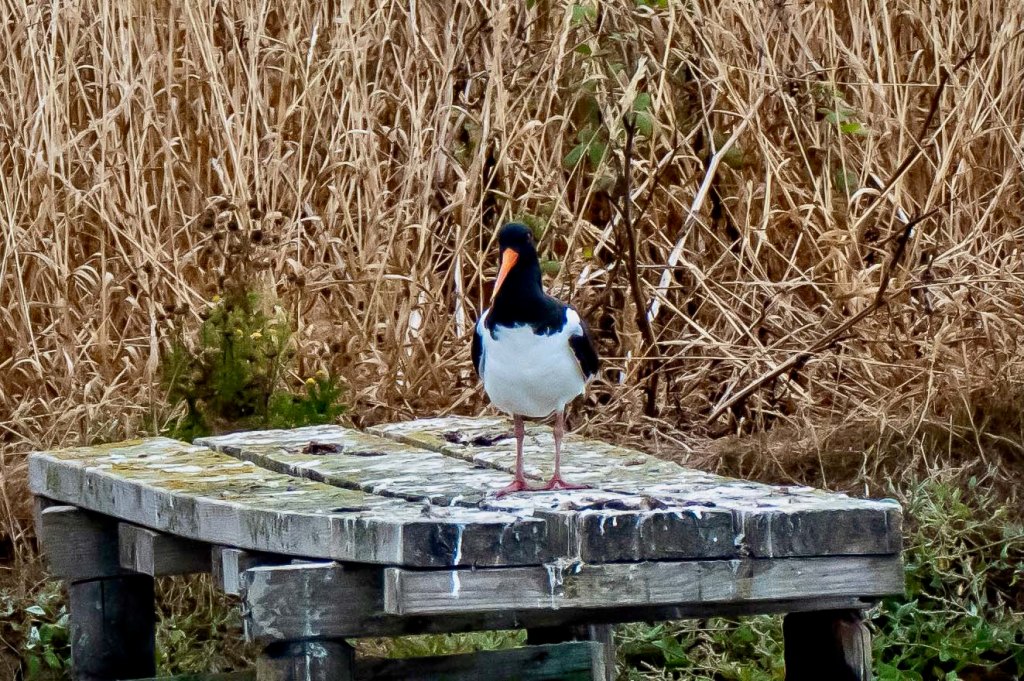
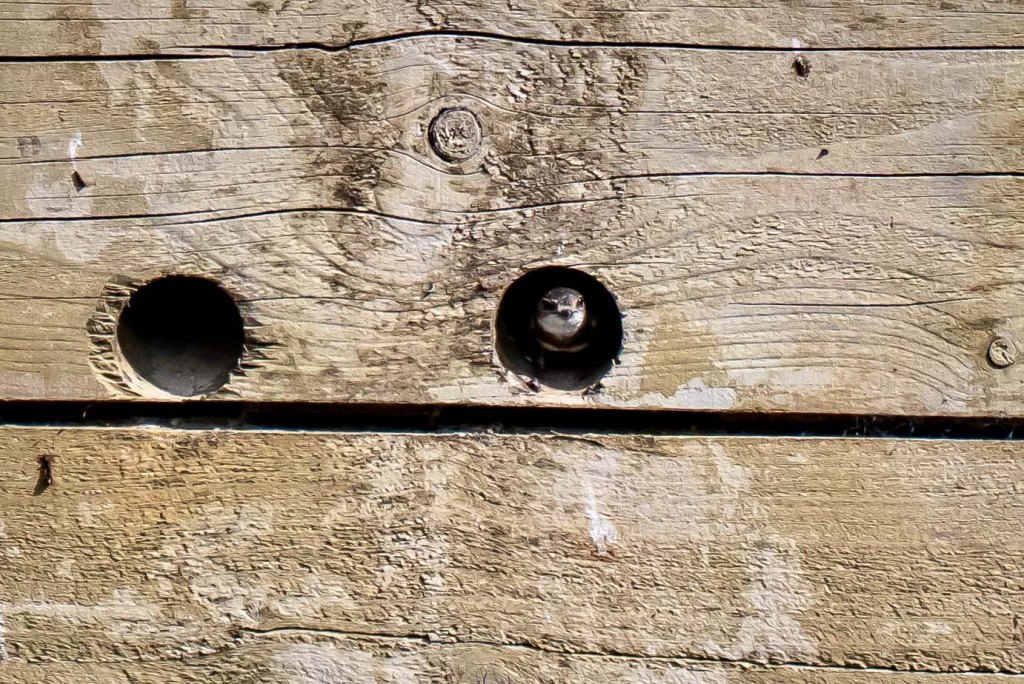
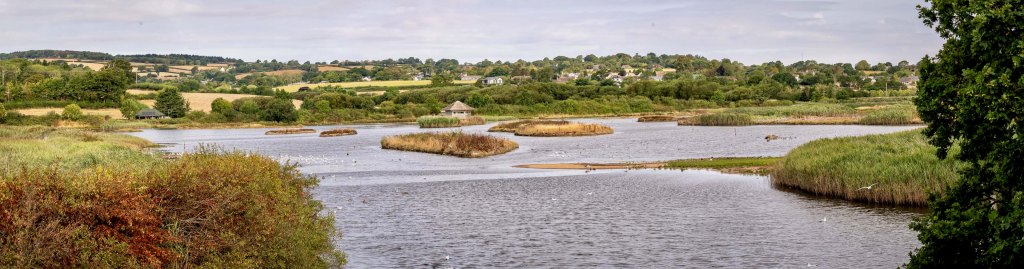
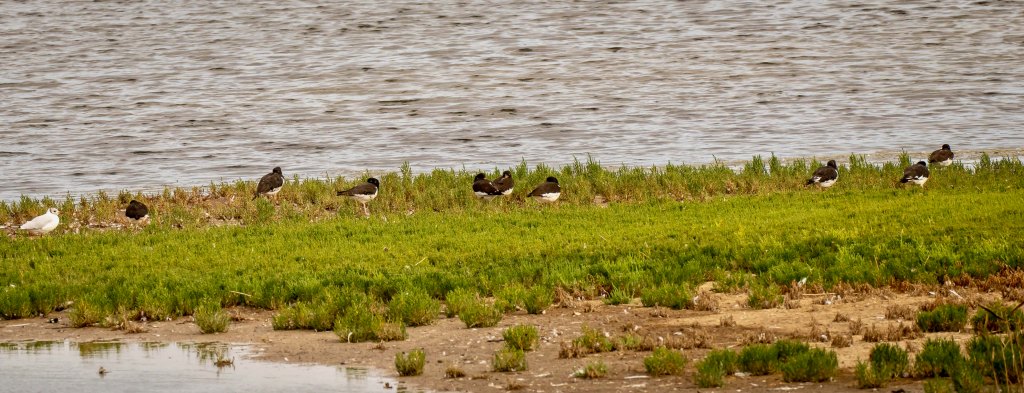
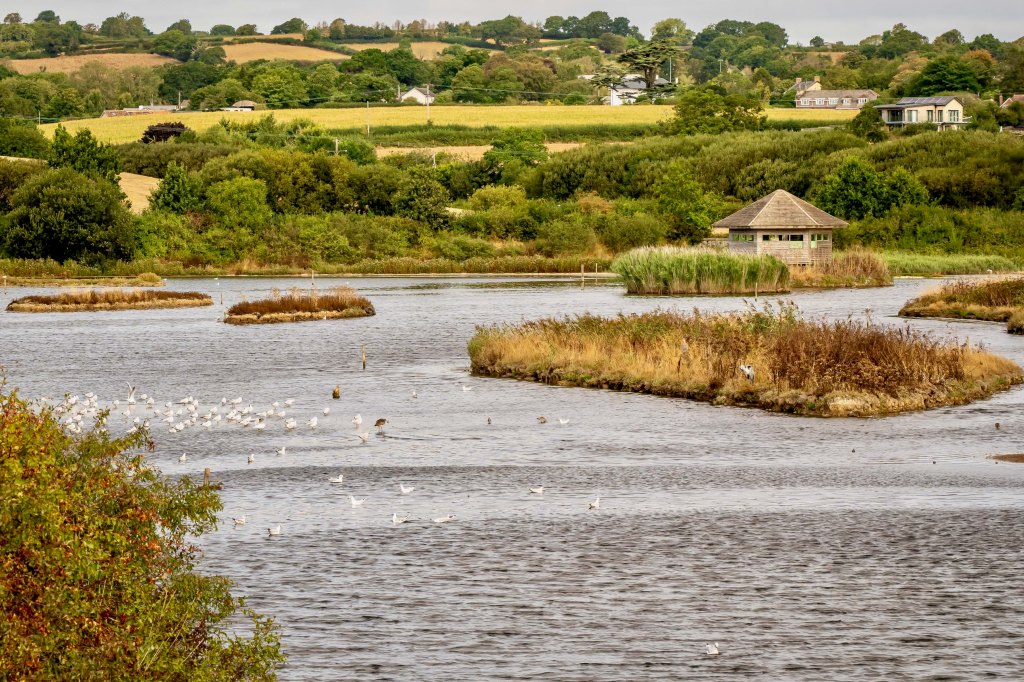
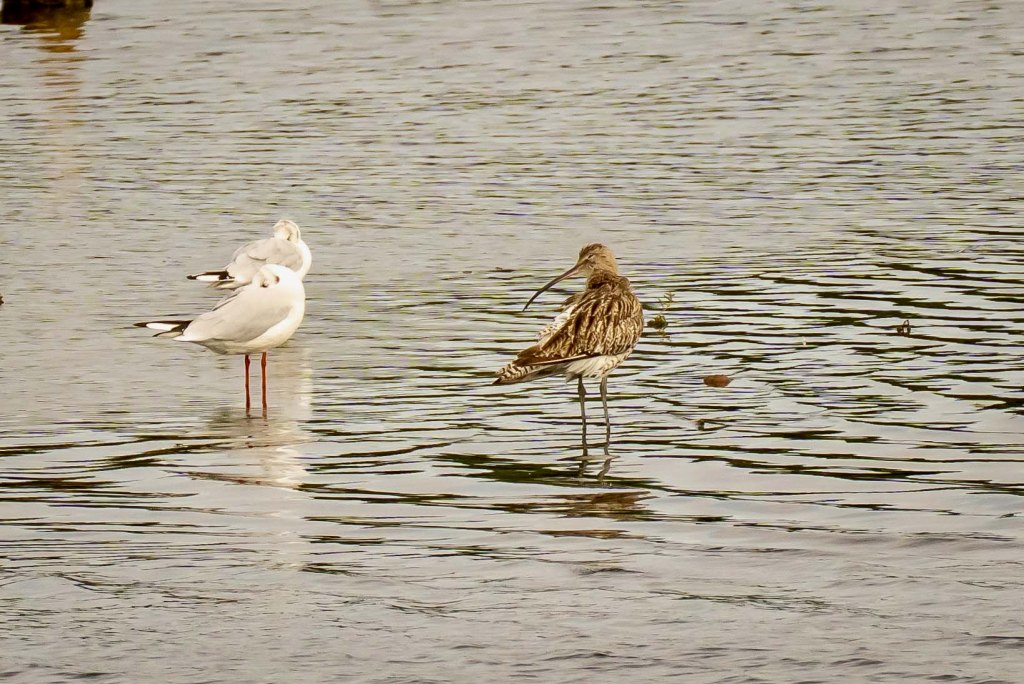
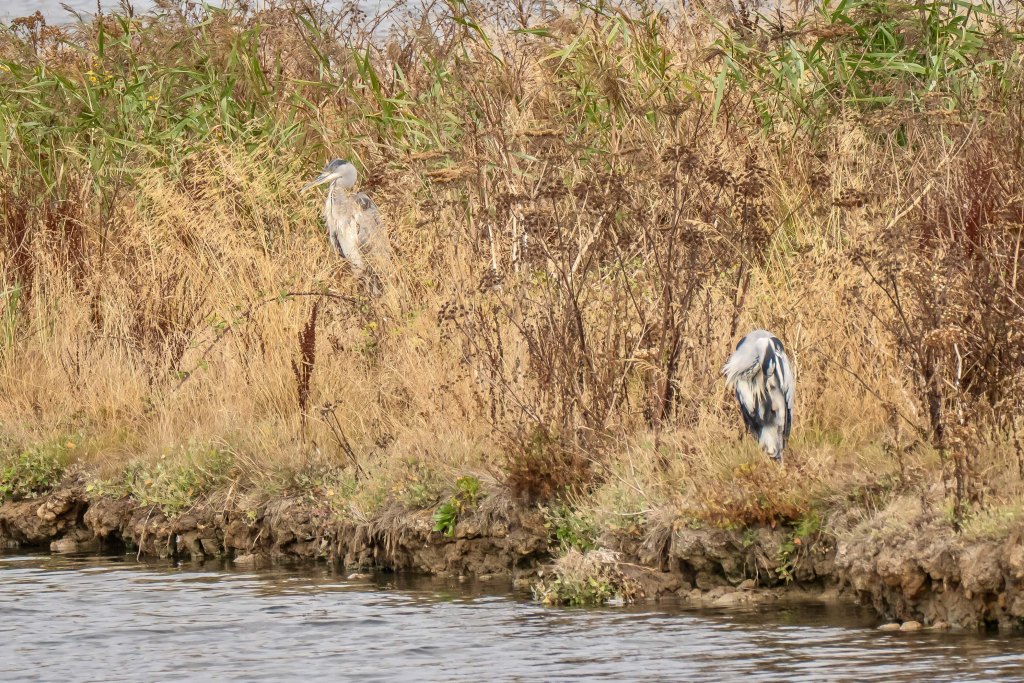
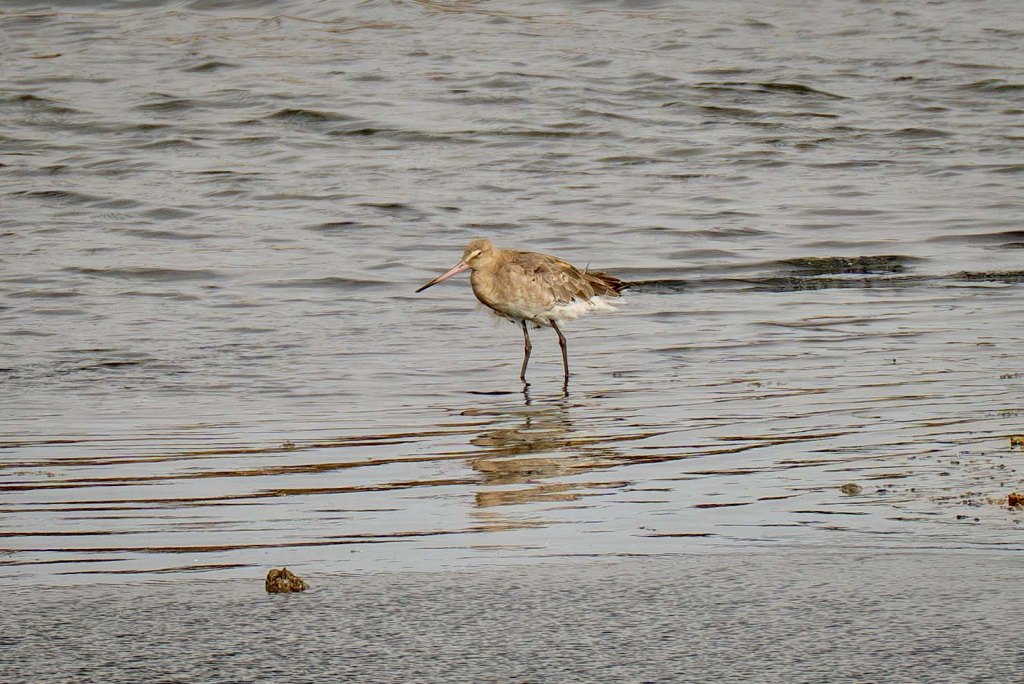
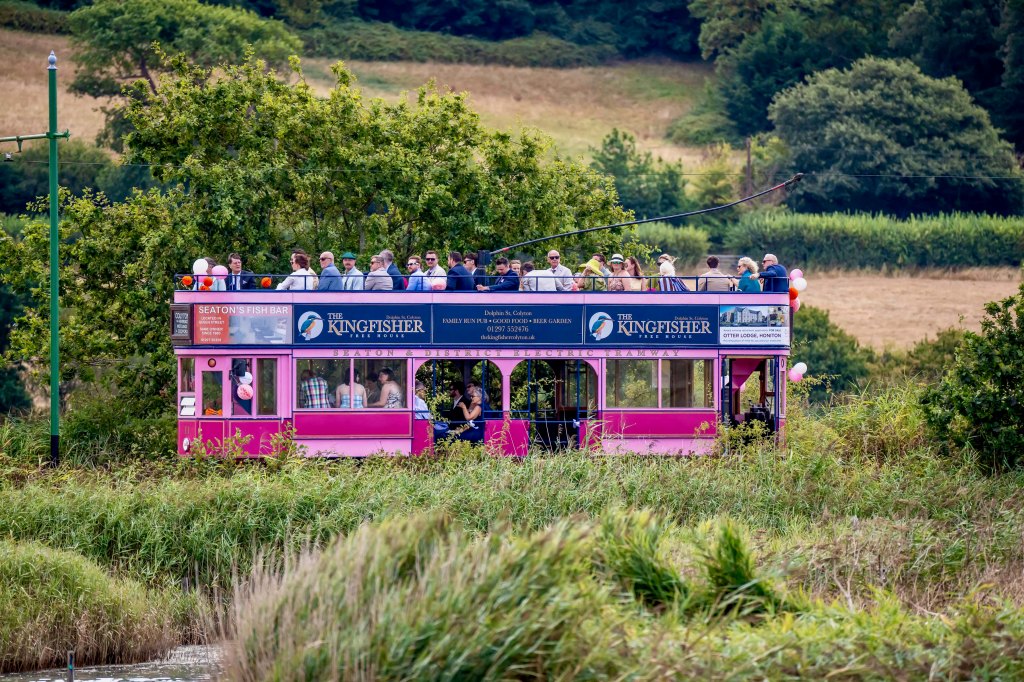
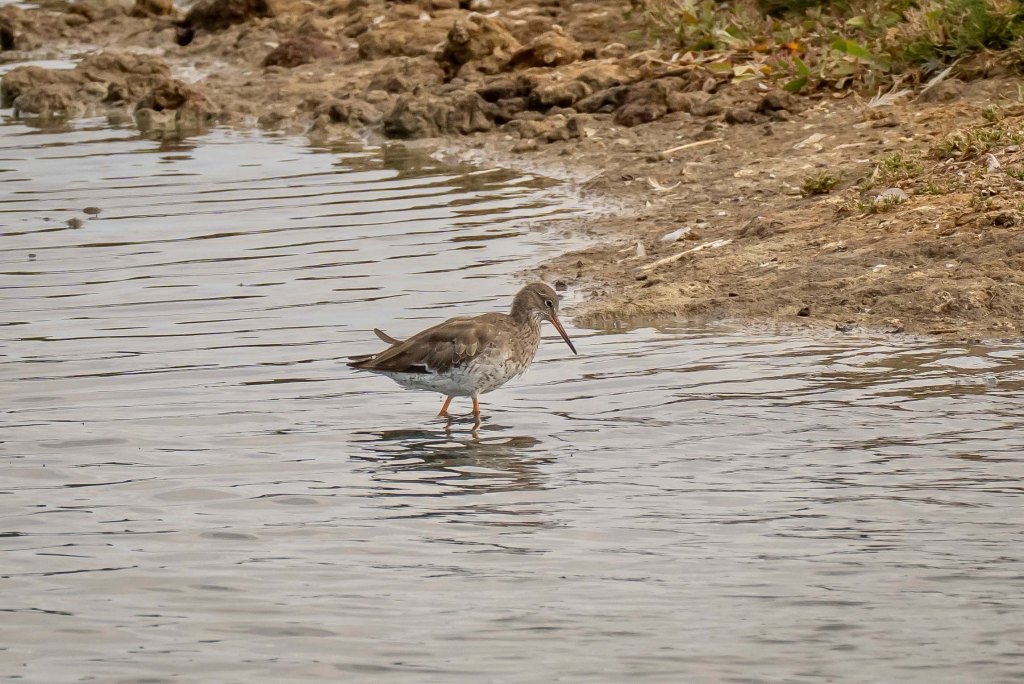
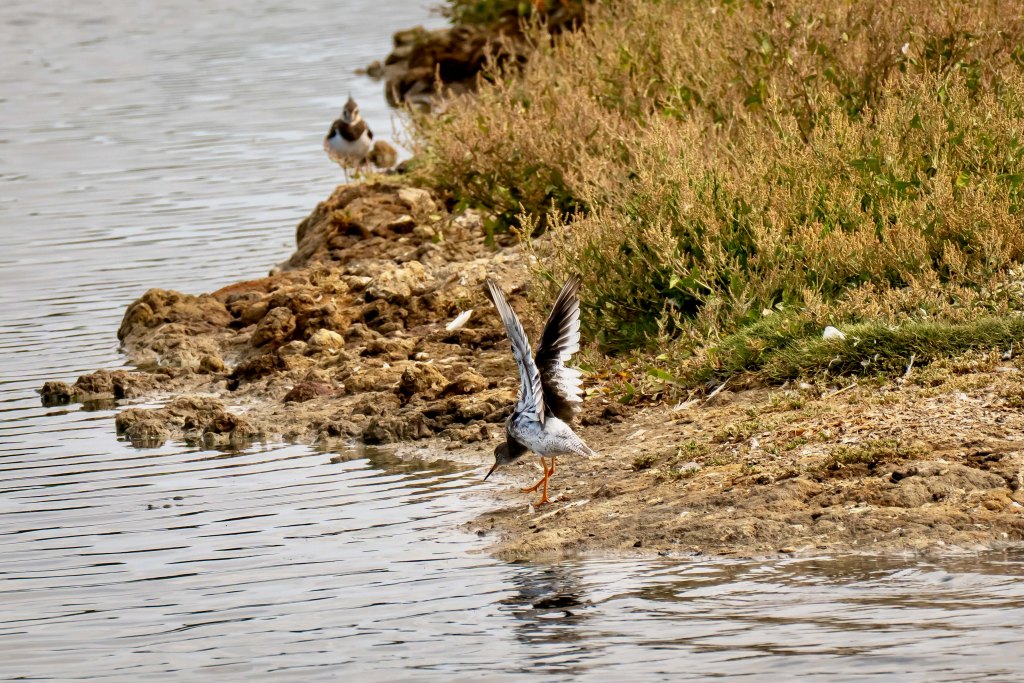
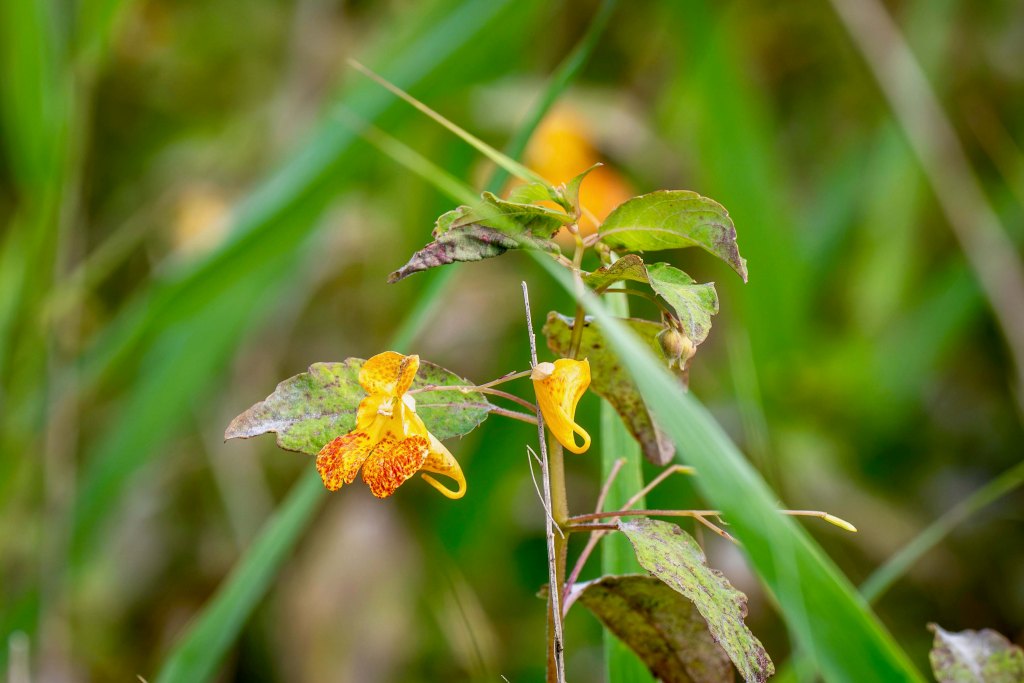
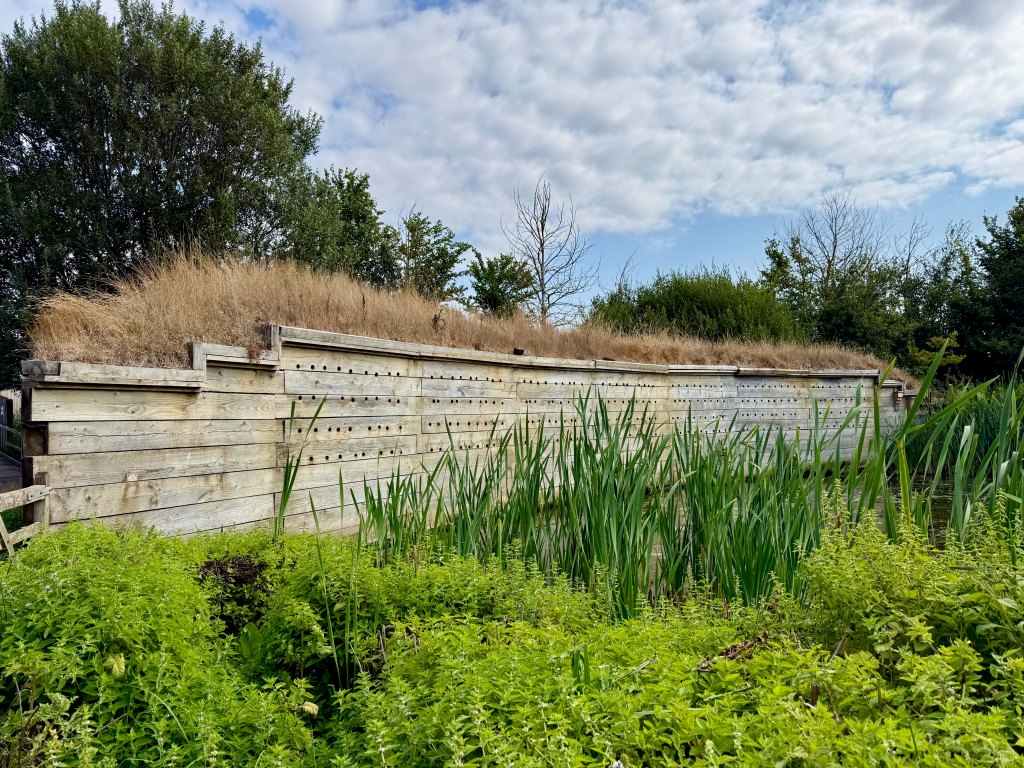
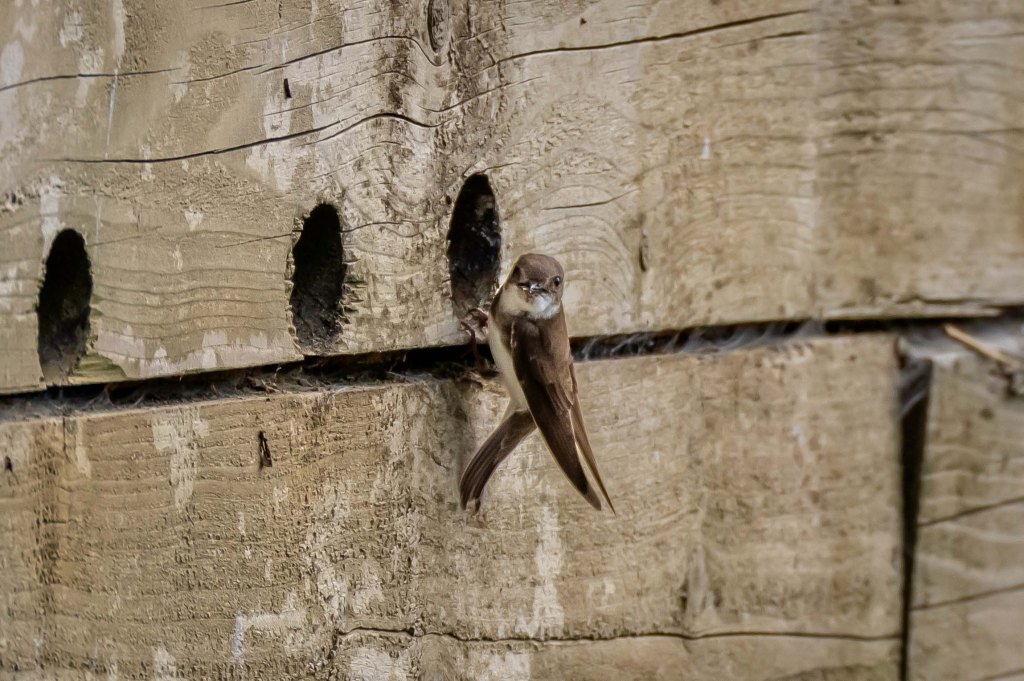
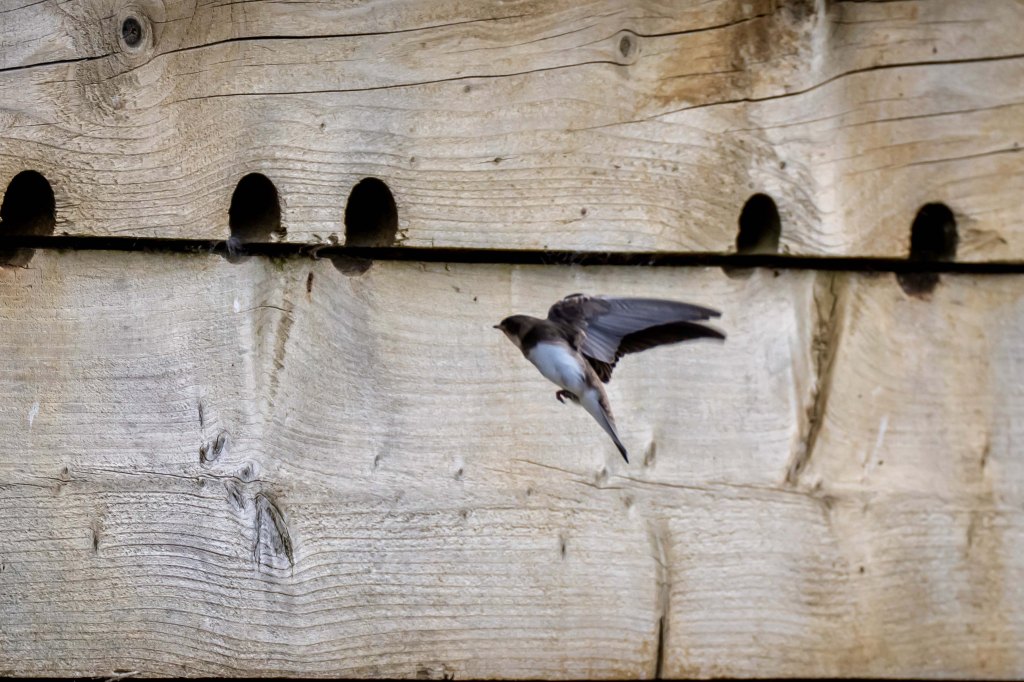
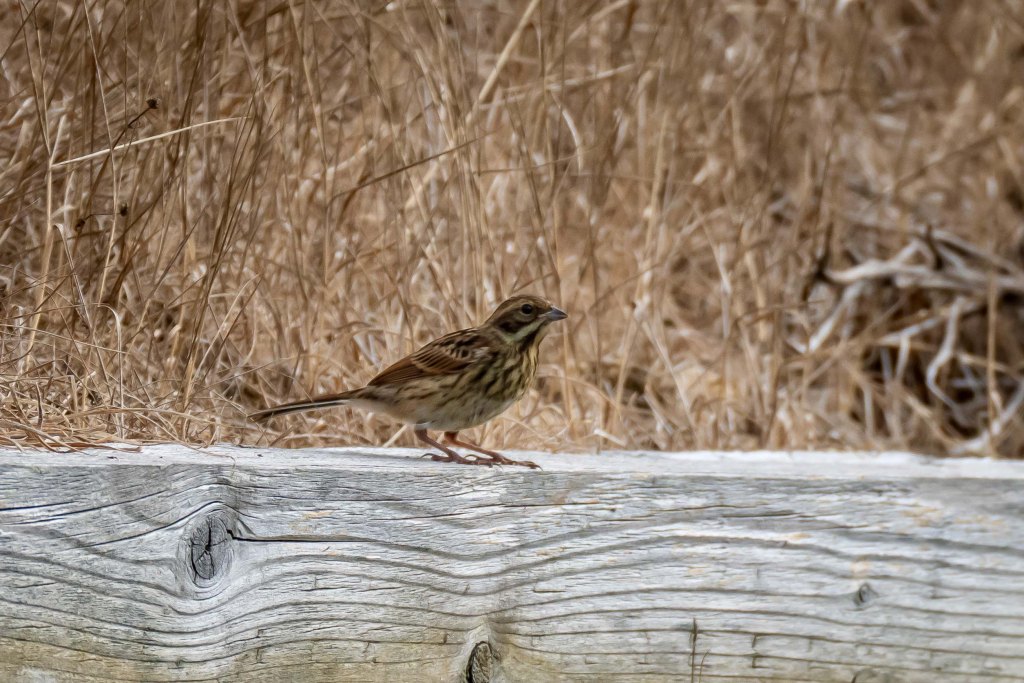
Panoramic view of Black Hole Marsh from the Tower hideBreeding oystercatcherMainly black-headed gulls with black-tailed godwits, a curlew and 2 grey heronsBlack-headed gulls and a Eurasian curlew2 grey heronsBlack-tailed godwitKingfishers are common here but this was only an advert on the electric tram which runs from Colyton to Seaton alongside Seaton Marshes (and even has a halt at Seaton Marshes)Common redshankAnother of the trams Common redshank with lapwing behindThe dreaded impatiens glandulifera, “Himalayan Balsam”, which is very invasive Impatiens capensis, “Jewel weed”The sand martin cliff, installed in 2011Sand martinSand MartinSand martin waiting to be fedA curious reed bunting on top of the sand martin cliffCommon redshank at the foot of the reed bedsReed warblerWillow warblerThe island hideThe Tower hide. At the other end of the reserve there is the Discovery hut where refreshments and toilets are available.From the discovery hide where we could enjoy our coffee and bird watch (and tram watch) at the same timeMaybe a trip on the trams one day this week?
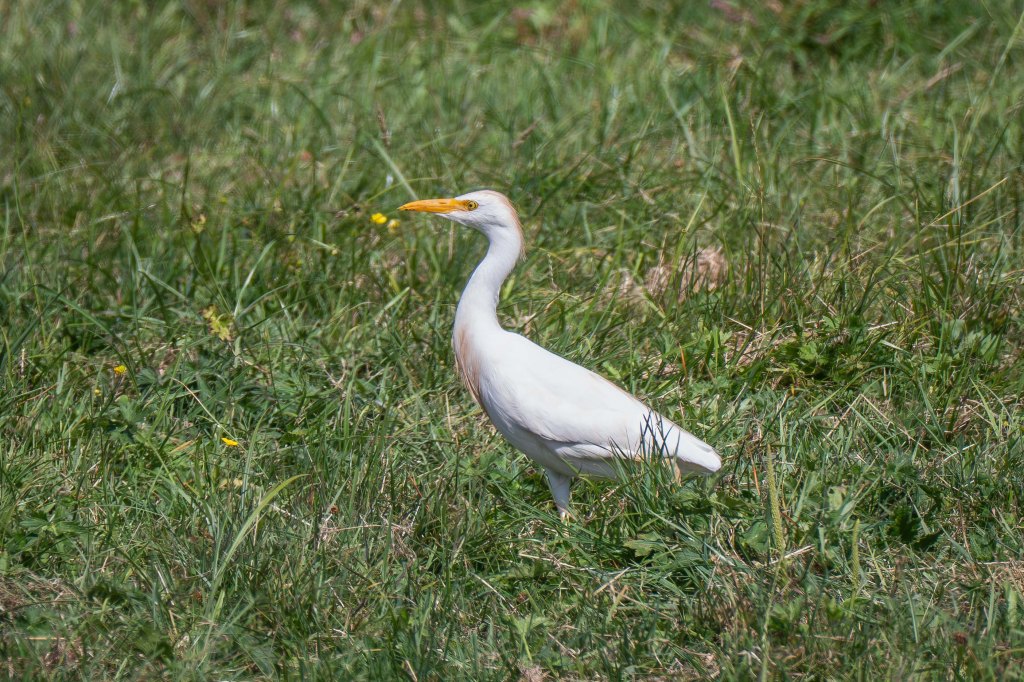
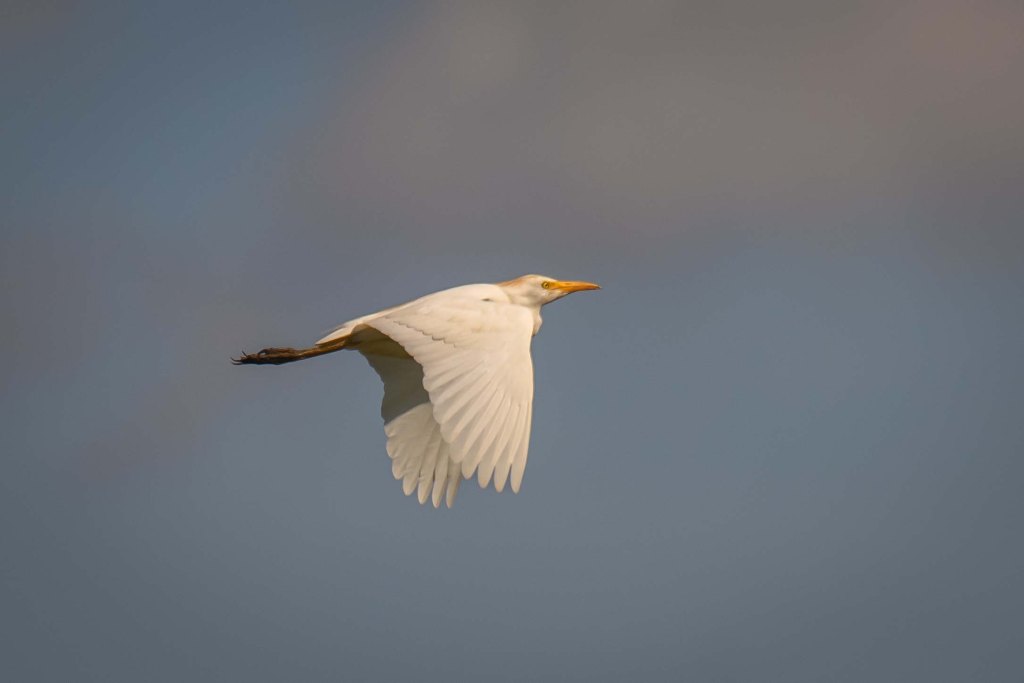
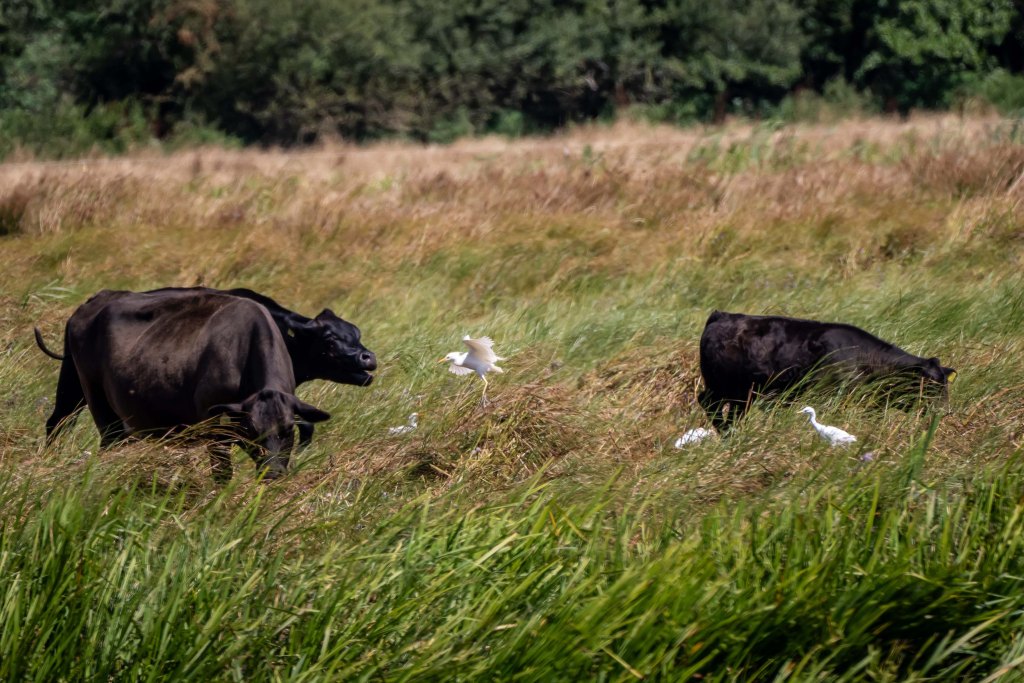
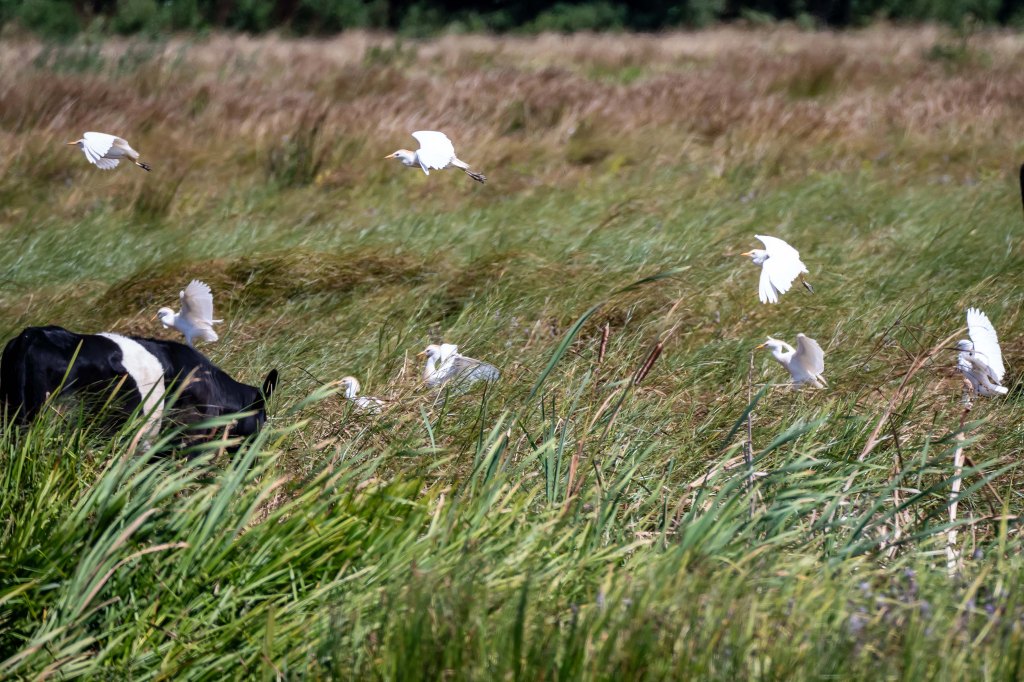
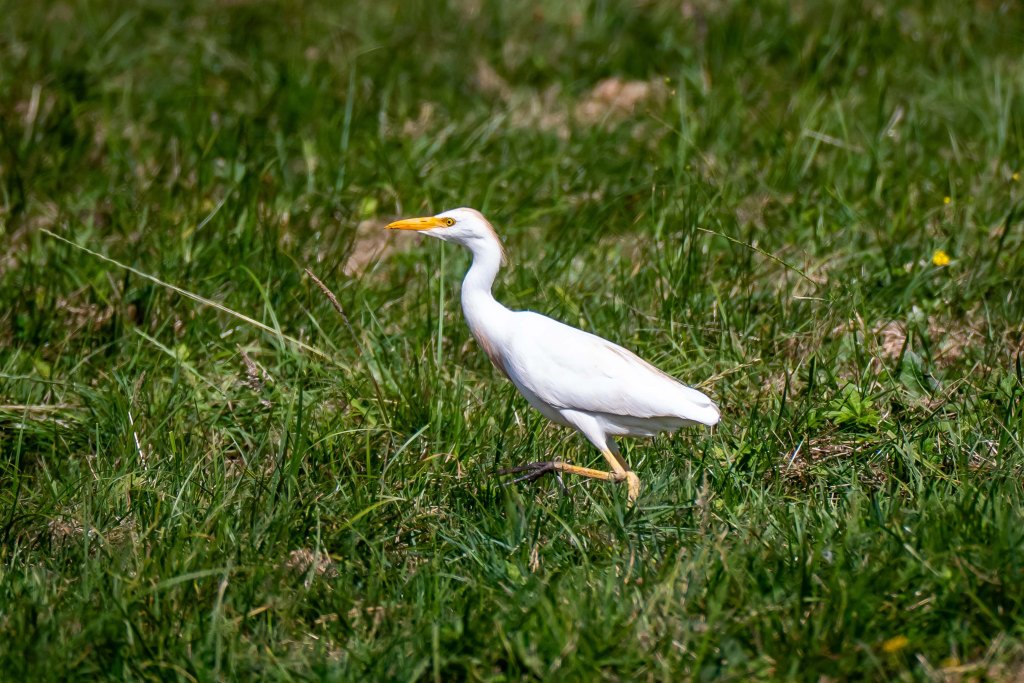
Cattle Egrets were first reported to have bred in Britain in 2008, with two pairs nesting in Somerset. We have just spent the last two days birding on the Avalon Marshes in Somerset and saw large numbers of these birds at Catcott Marshes and RSPB Greylake. The colonisation that is taking place is probably due to climate change and with the continuation of this wonderful summer it certainly feels like there is a massive shift in our climate.
Cattle egret at Catcott MarshesCattle egret at Catcott Marshes Cattle egrets often spend time close to livestock like sheep and cows and grab the insects and worms their hooves disturb.Cattle egretCattle egret
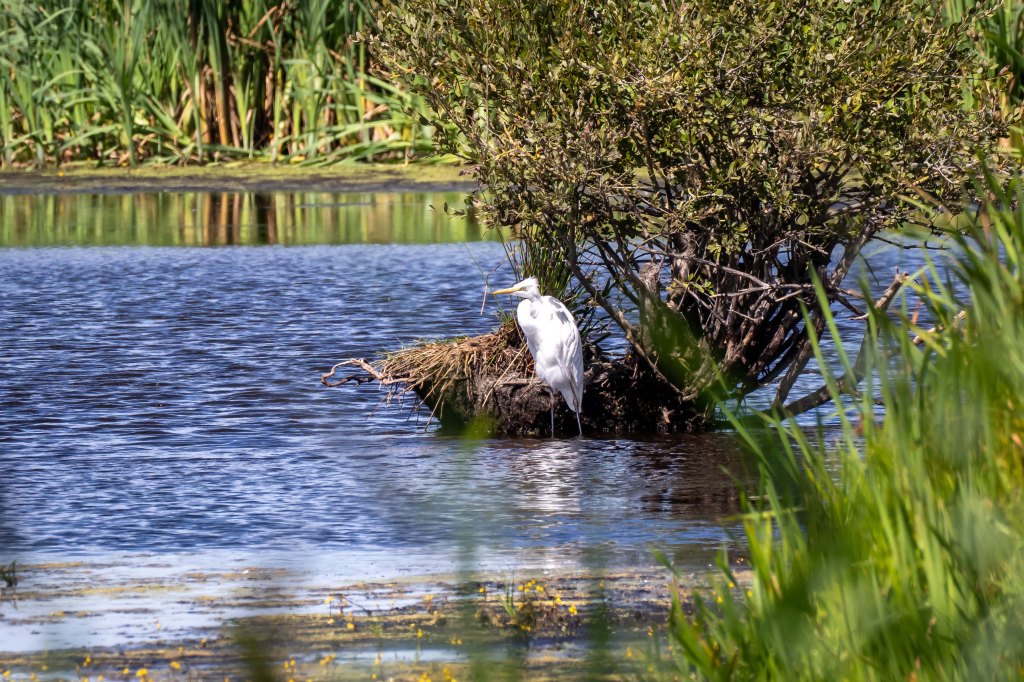
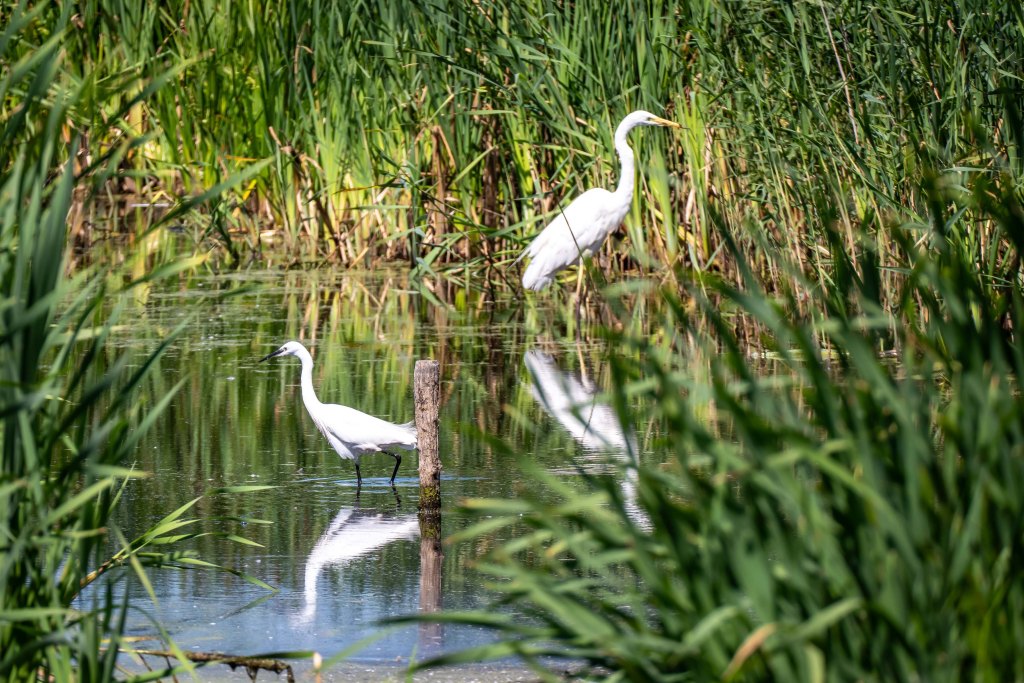
We also regularly saw great egrets and little egrets which not so many years ago were also rare visitors to the UK.
Great egret at RSPB GreylakeLittle egret with great egret behind at RSPB Greylake
Yet, once again, the star of our birding on these two days were kingfishers which we saw regularly flying in front of the hide at RSPB Greylake.
Common kingfisherCommon kingfisherCommon kingfisherCommon kingfisherCommon kingfisher
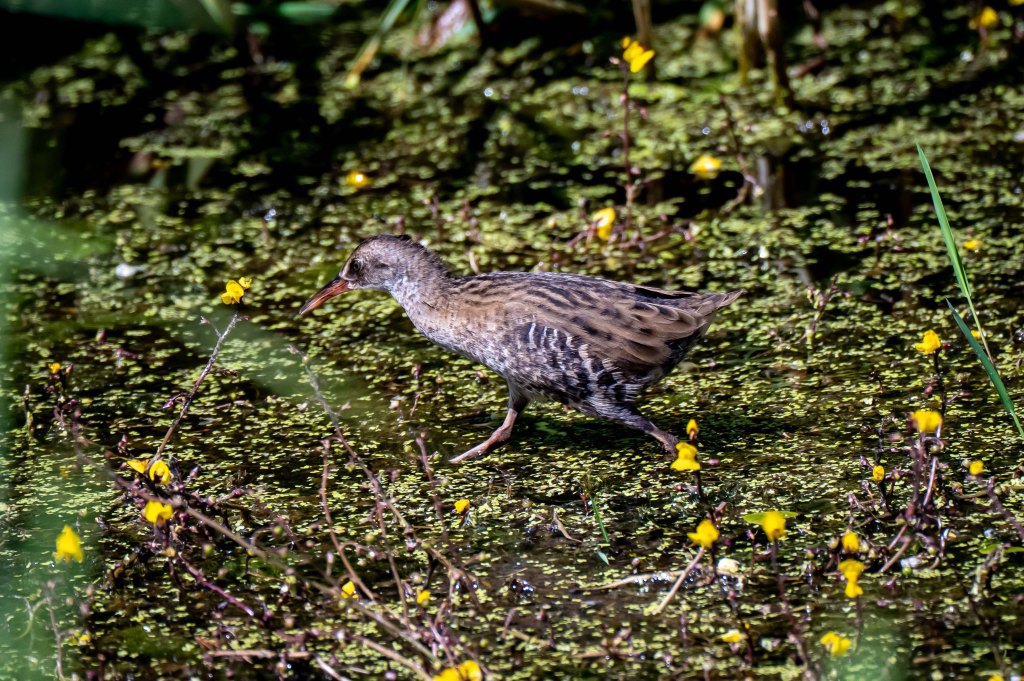
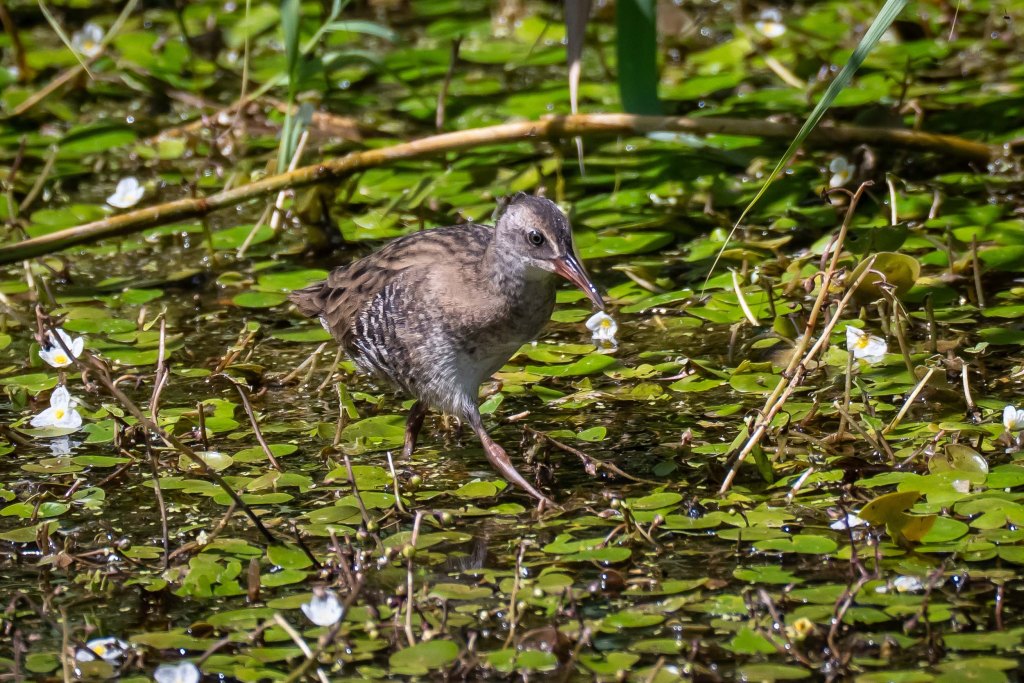
There were also good views of water rails at Greylake.
Water railWater rail
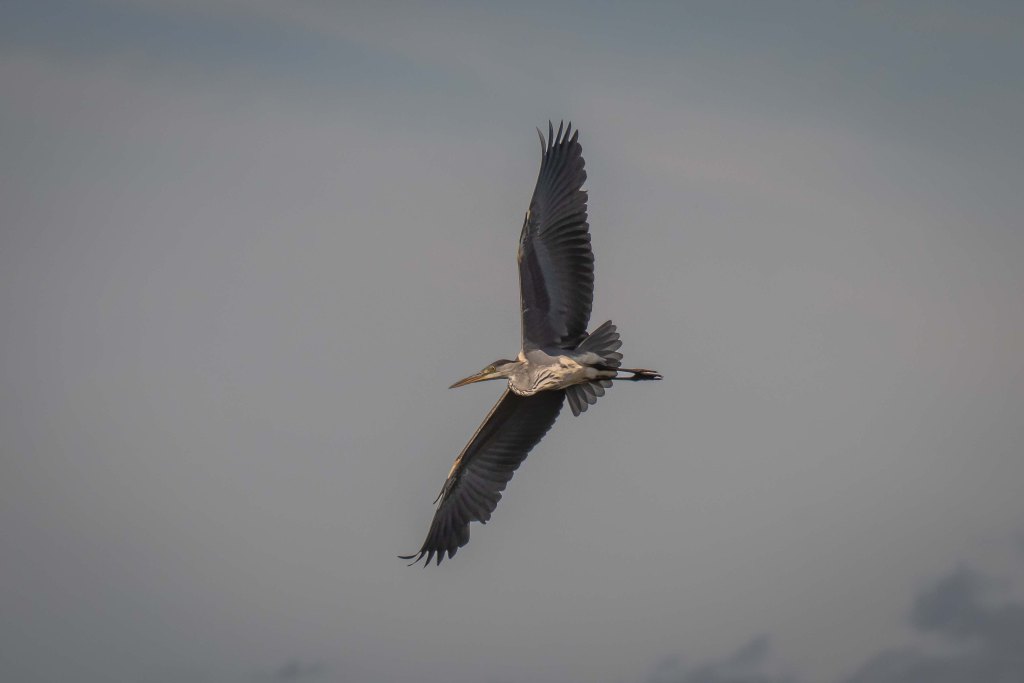
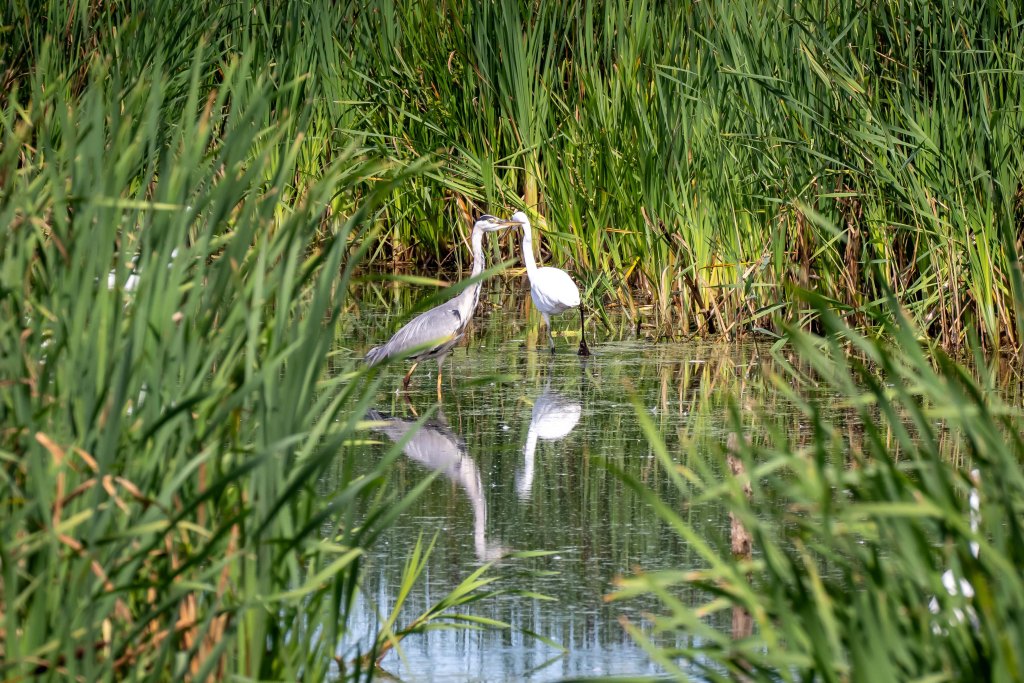
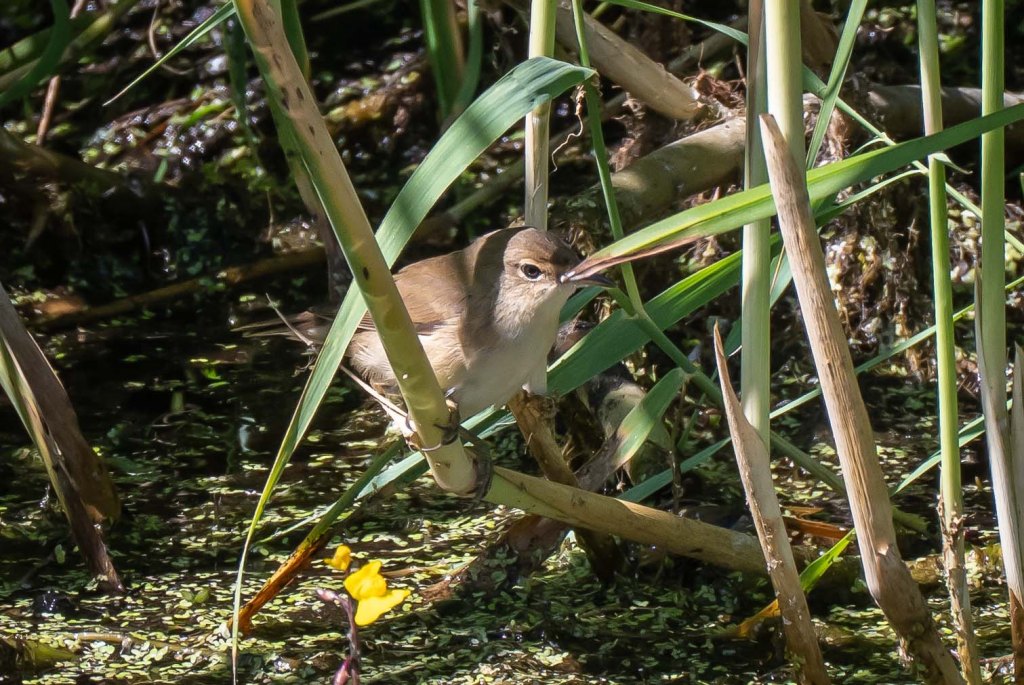
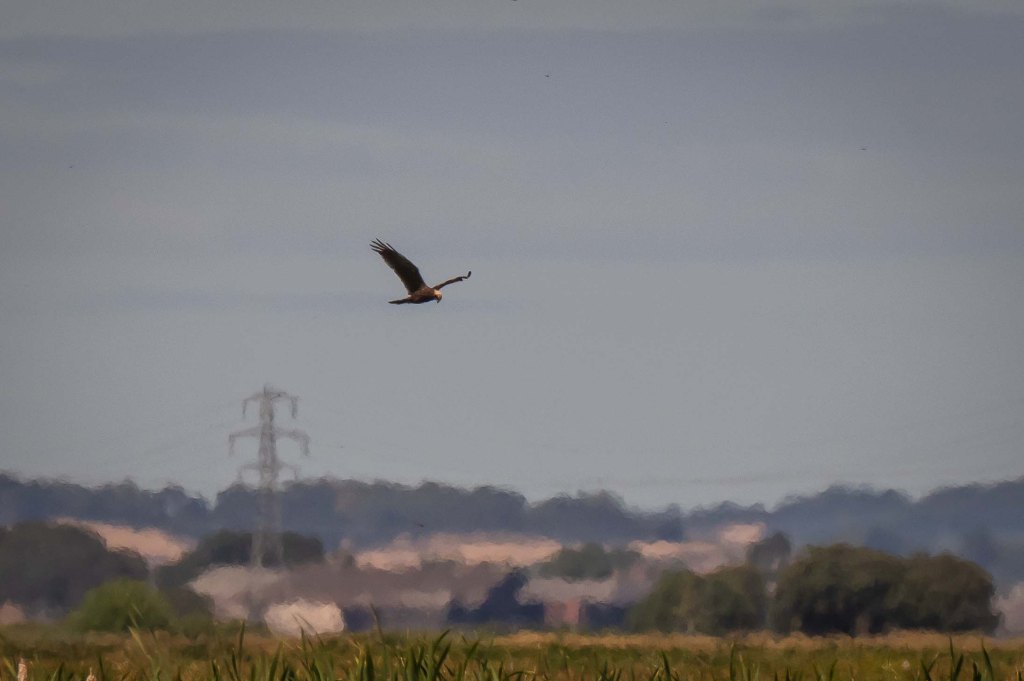
From this small reserve we also saw marsh harriers (rather distant) and grey herons and a reed warbler.
Grey heronGrey heron mingling with the egretsReed warblerMarsh harrier
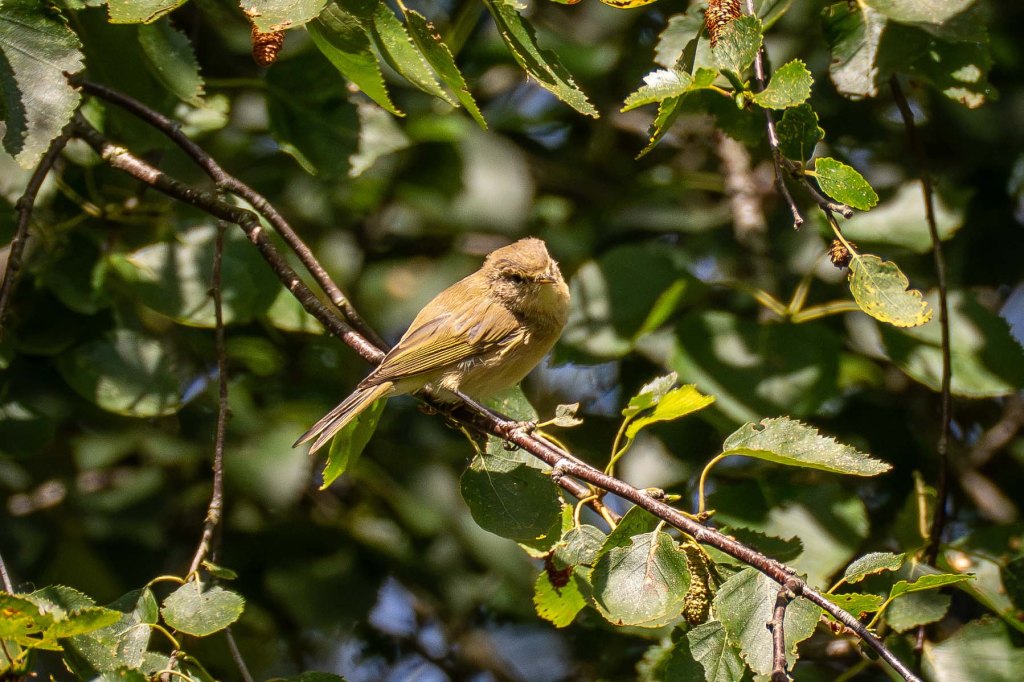
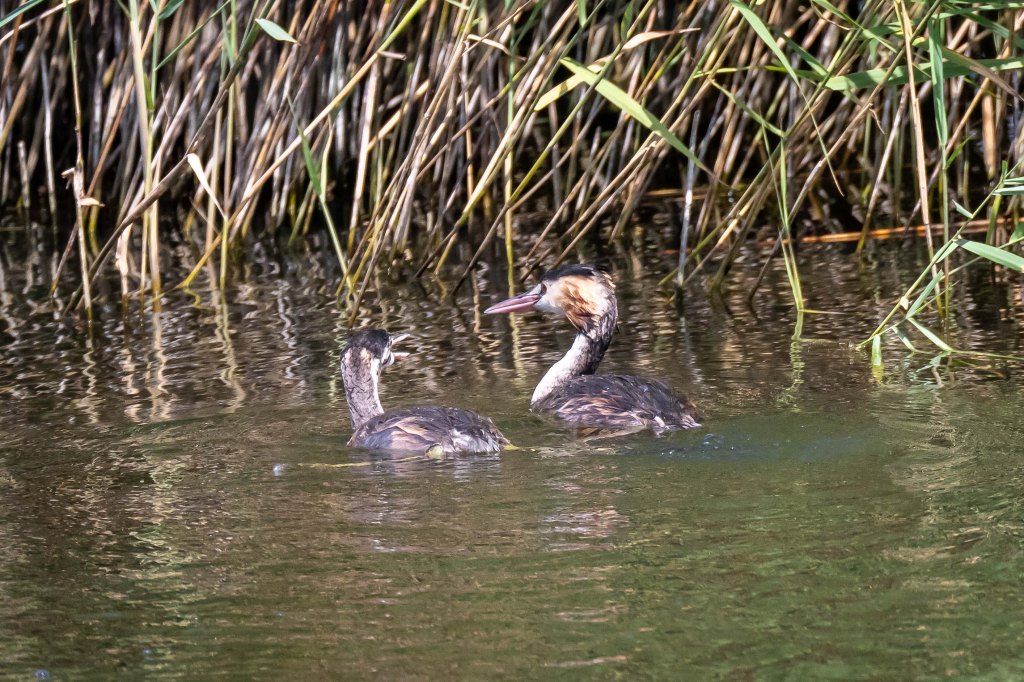
At RSPB Ham Wall there wasn’t a lot extra for us to see except for a common chiffchaff, great crested grebes and plenty of dragonflies and butterflies.
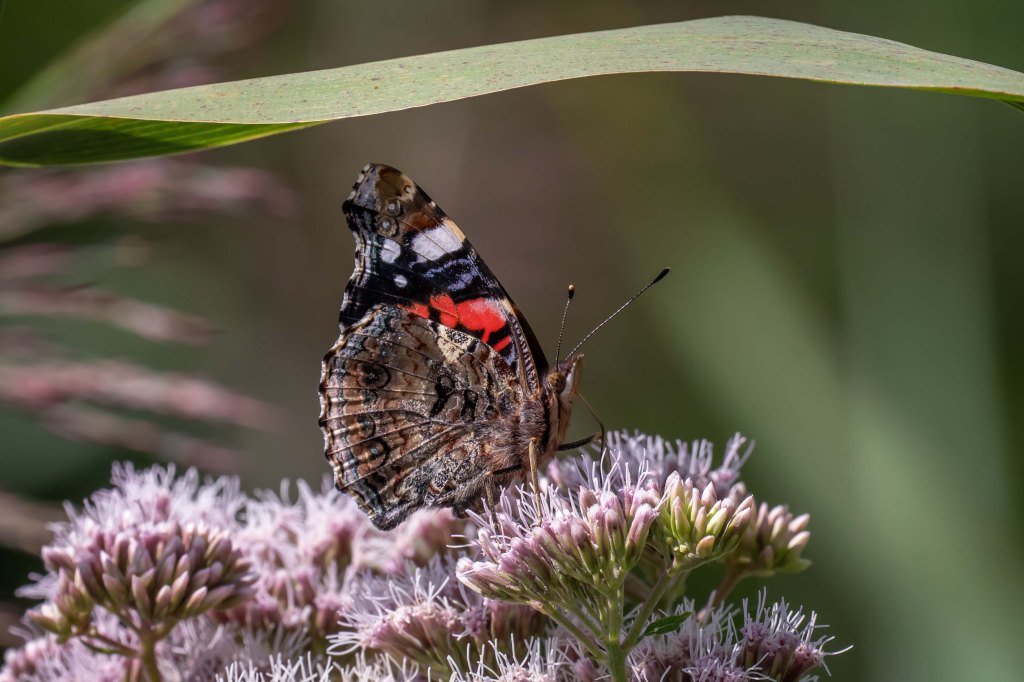
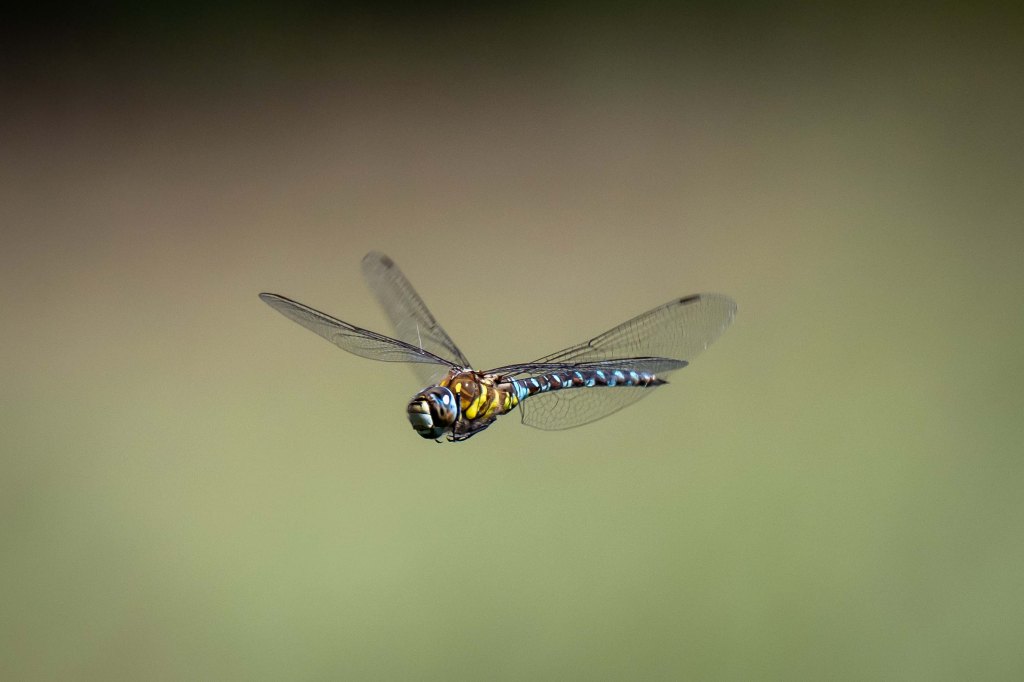
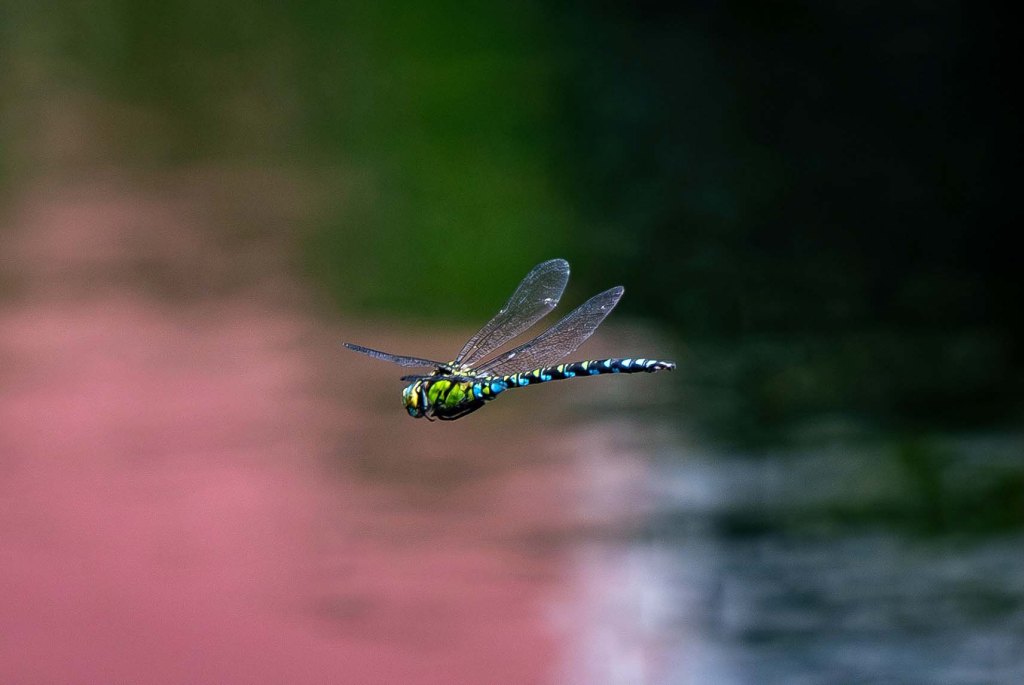
Common chiffchaffGreat crested grebe with its off springRed admiral butterflyMigrant hawker
But the best of them all was my namesake in French – “Martin Pêcheur”.
Common kingfisher – Martin pêcheur in French
If you are ever in these parts we can highly recommend The Swan at Wedmore where we stayed overnight.
We feel we get very good value out of a number of annual subscriptions we have to bodies such as The National Trust, the RSPB (Royal Society of the Protection of Birds), the WWT (World Wildlife Trust) and, at this time of the year, to the RHS (Royal Horticultural Society).
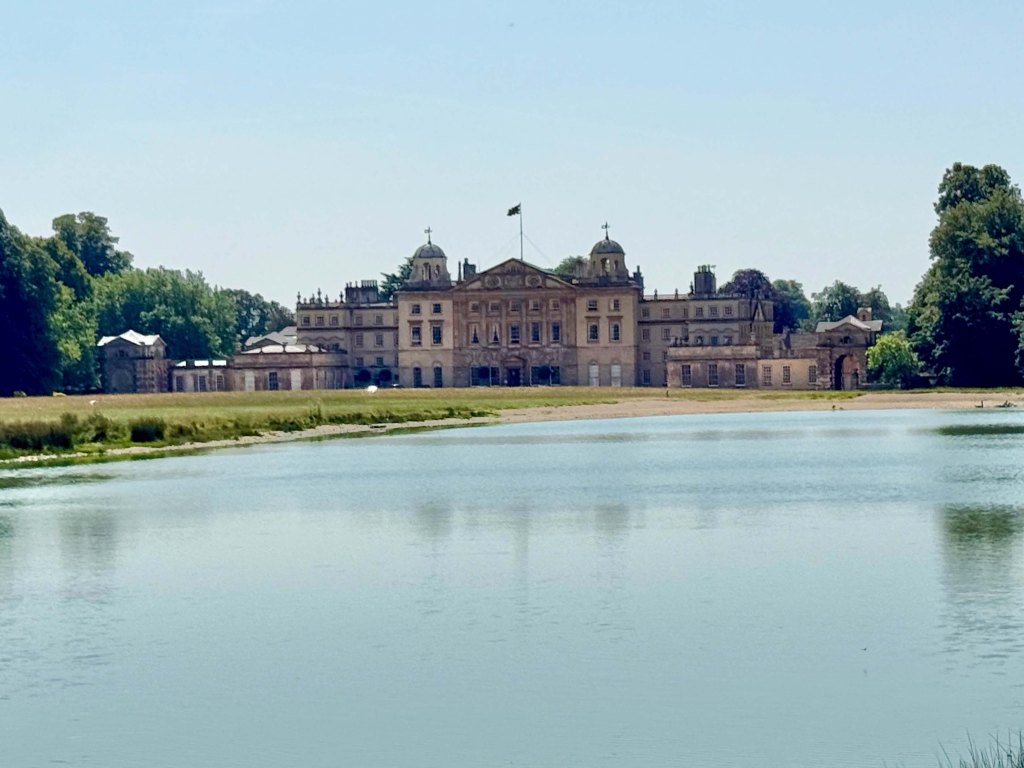
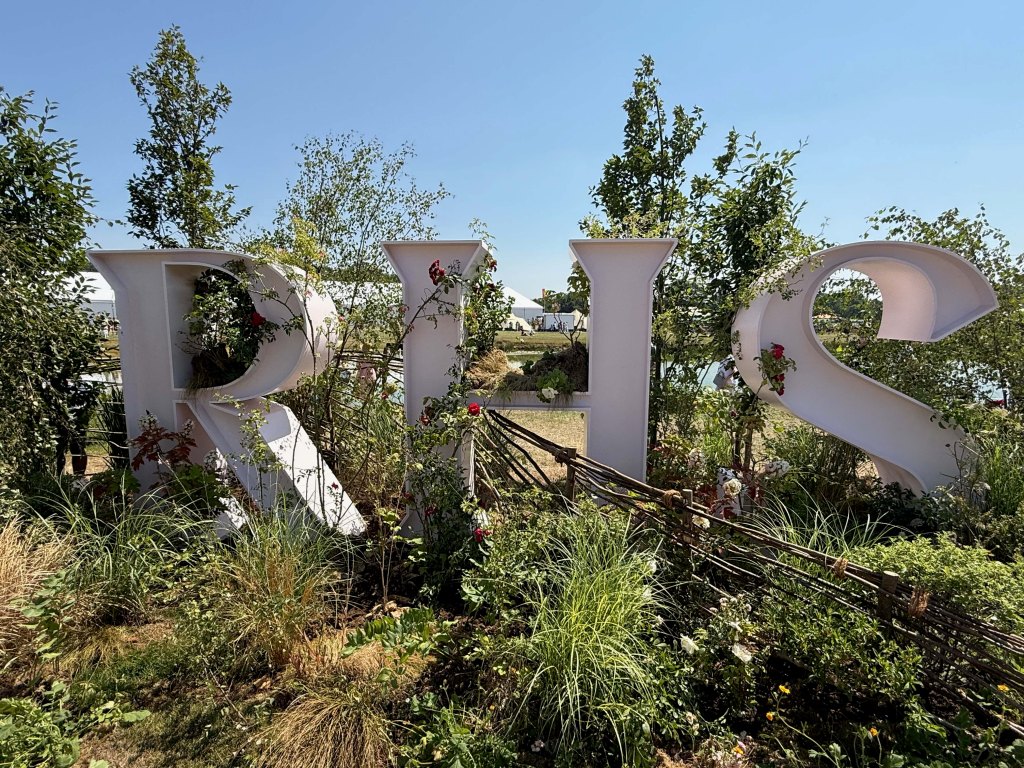
We were very excited when the RHS announced that, this year, they were going to replace the annual Garden Show at Hampton Court in London with a show much closer to home at Badminton House (famous for its Horse Trials). However, come the day earlier in July we were rather disappointed as we had chosen a day in the middle of a heatwave and didn’t enjoy ourselves as much as when we had visited the RHS Garden Show at Hampton Court a few years ago. This year there were long traffic queues to get there (at least at Hampton Court a lot of people were able to use public transport which was not really an option here in the heart of Gloucestershire); the popularity of these events also meant that there were huge number of visitors and the facilities were stretched to their limit.
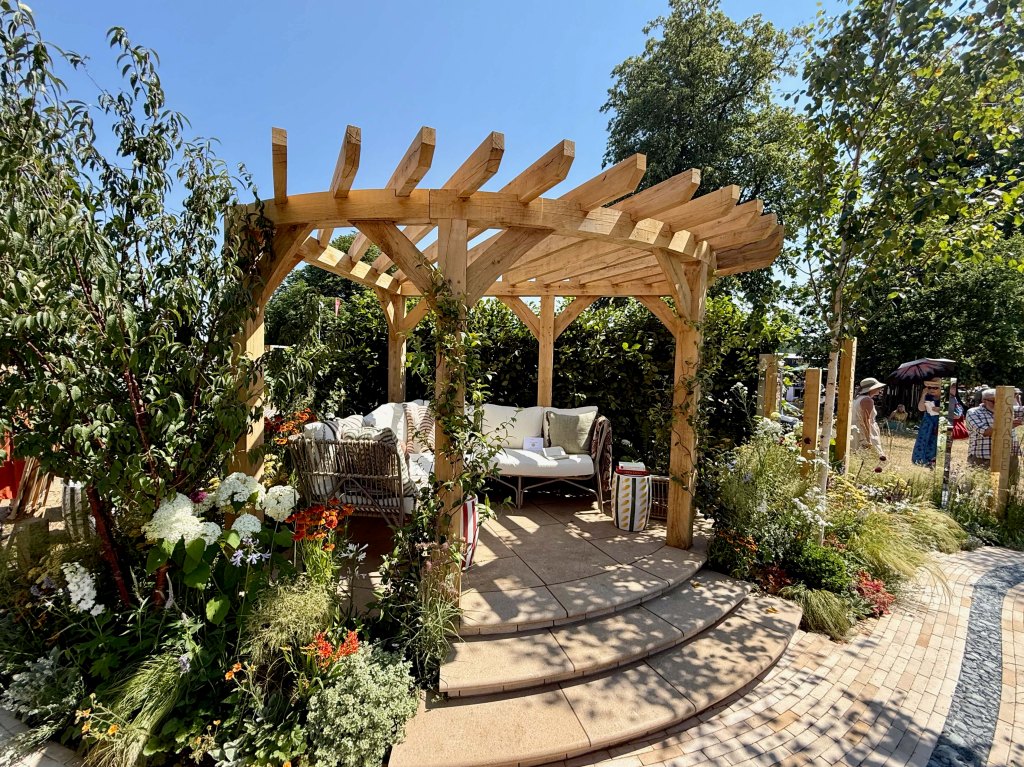
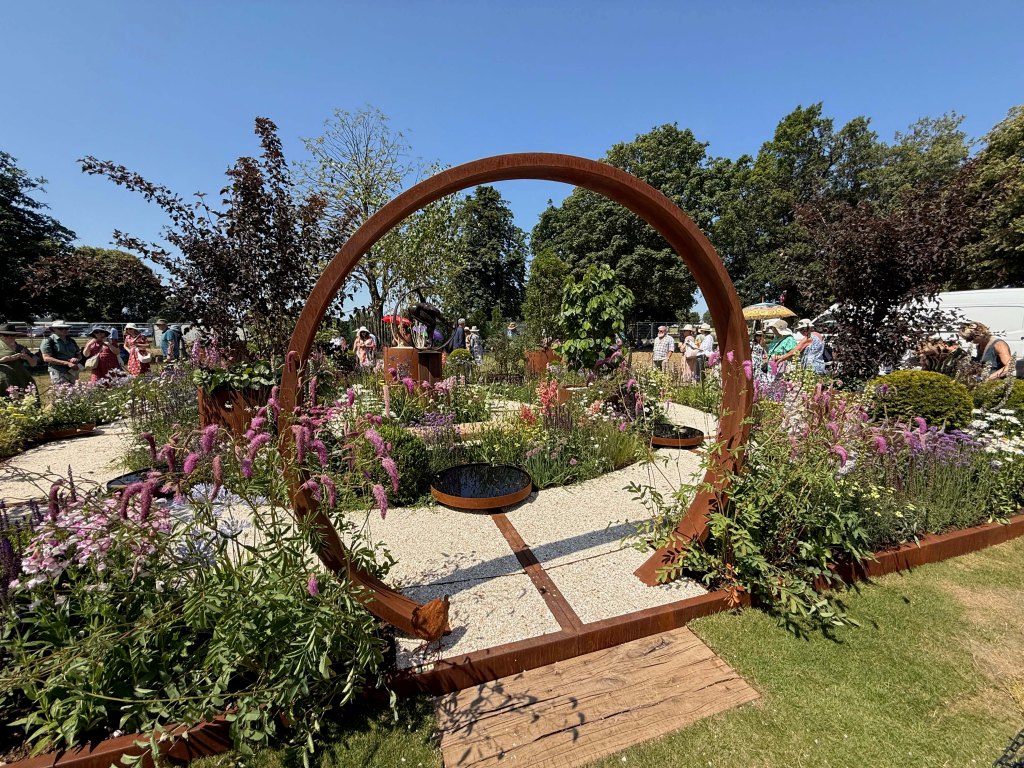
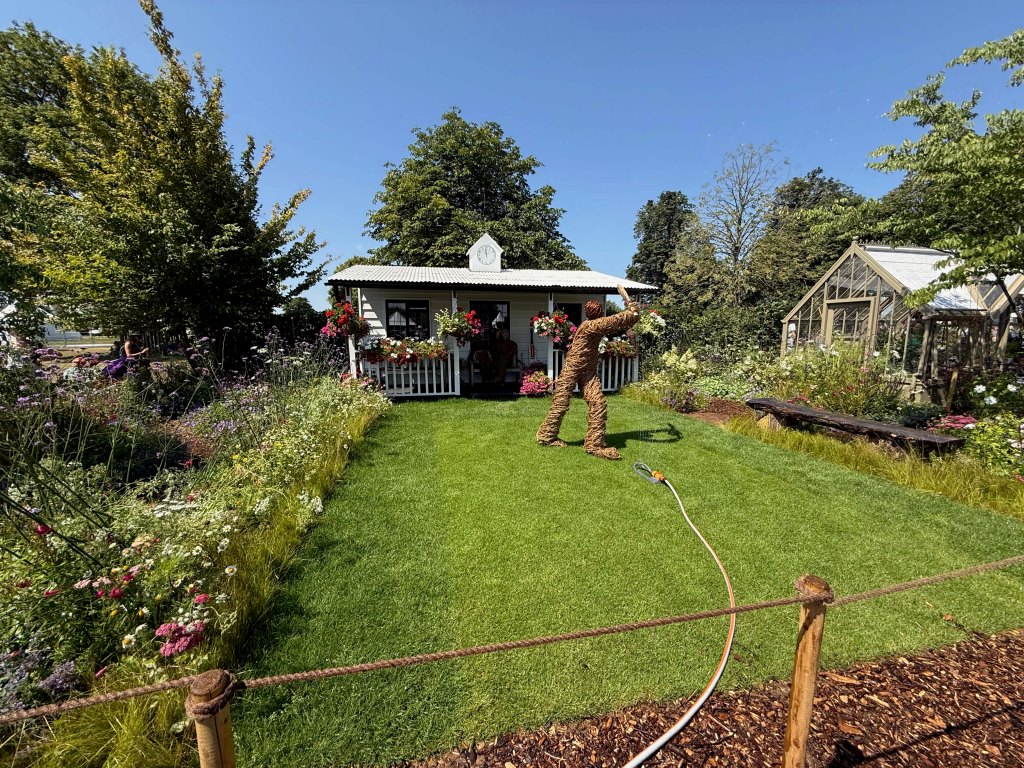
There is no doubt that the setting for the RHS garden show in front of Badminton House was very specialWe did enjoy seeing some of the “show gardens” but were not allowed to venture through them as had been the case at Hampton CourtAs close as I could get, fighting my way through the crowdsAn award winning “Cricket Pavilion” show garden – a six would have cleared the crowds of onlookersEveryone was considering drought tolerant plants
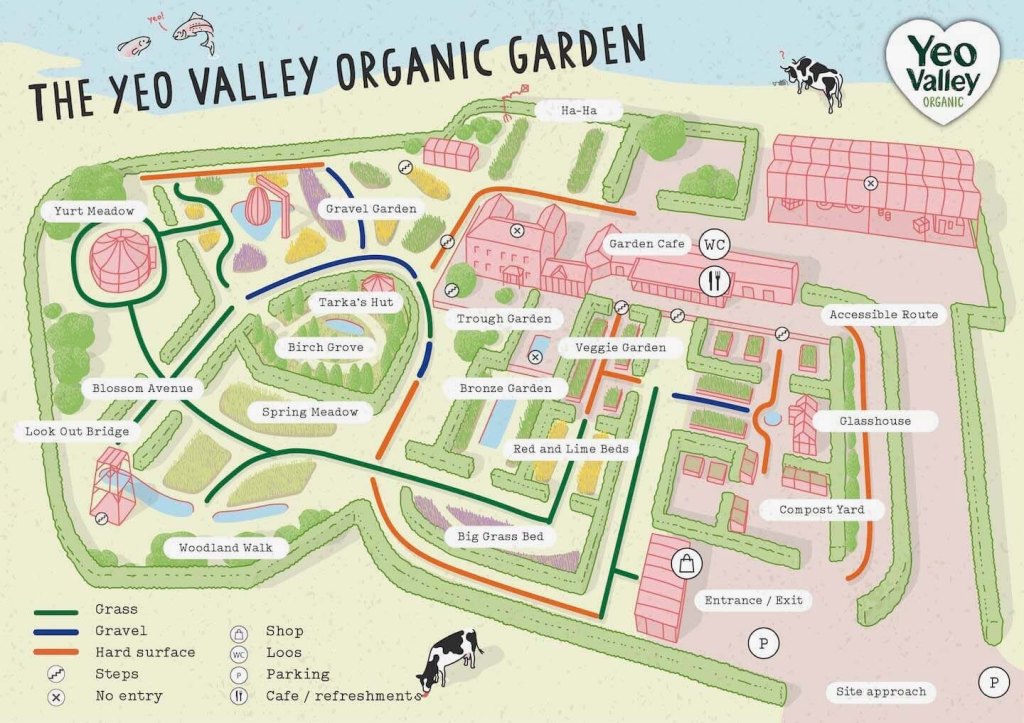
Although there are no major RHS gardens near to us there are a number of “partner” gardens that we can visit with our RHS membership. One of our favourites is the Yeo Valley Organic Garden close to Blagdon Lake in North Somerset, south of Bristol.
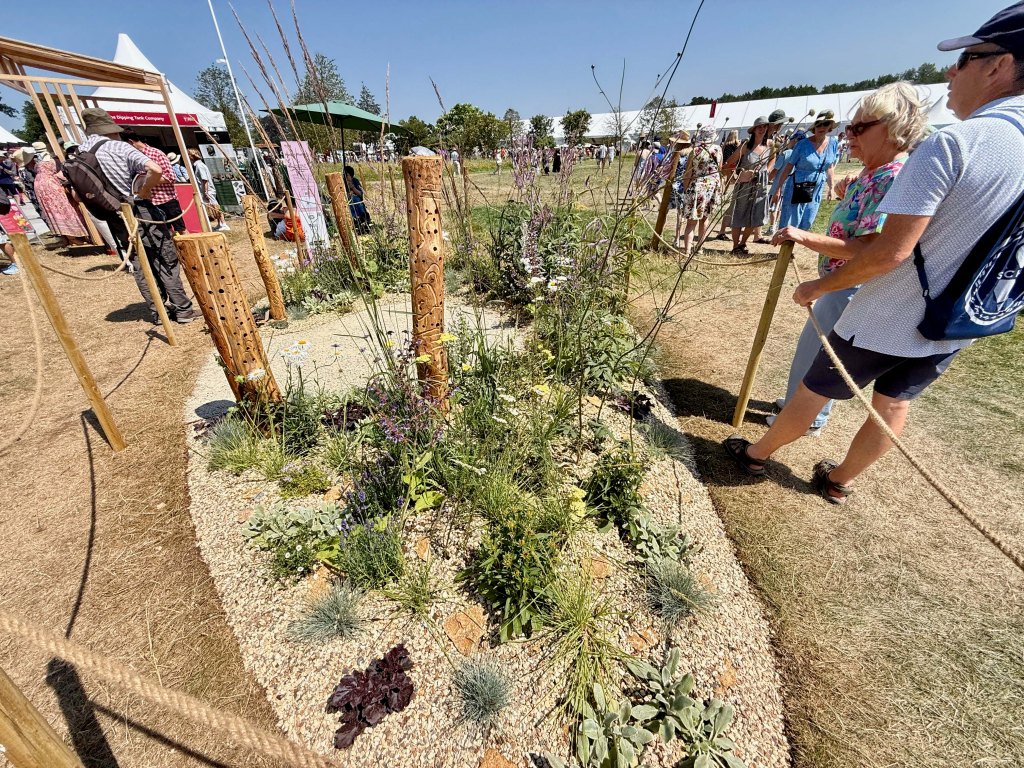
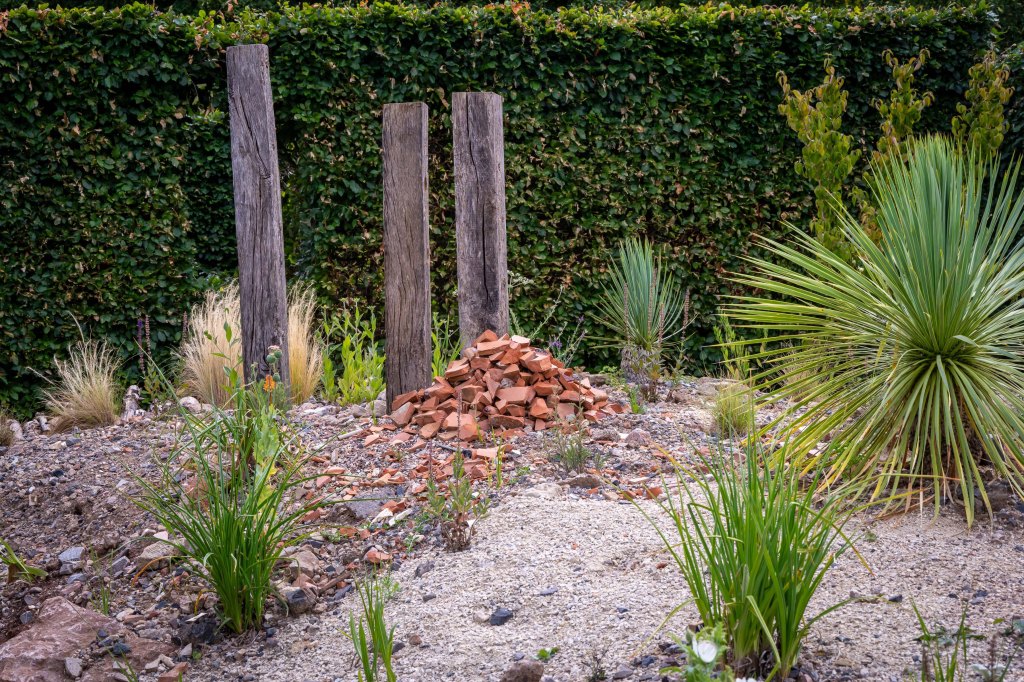
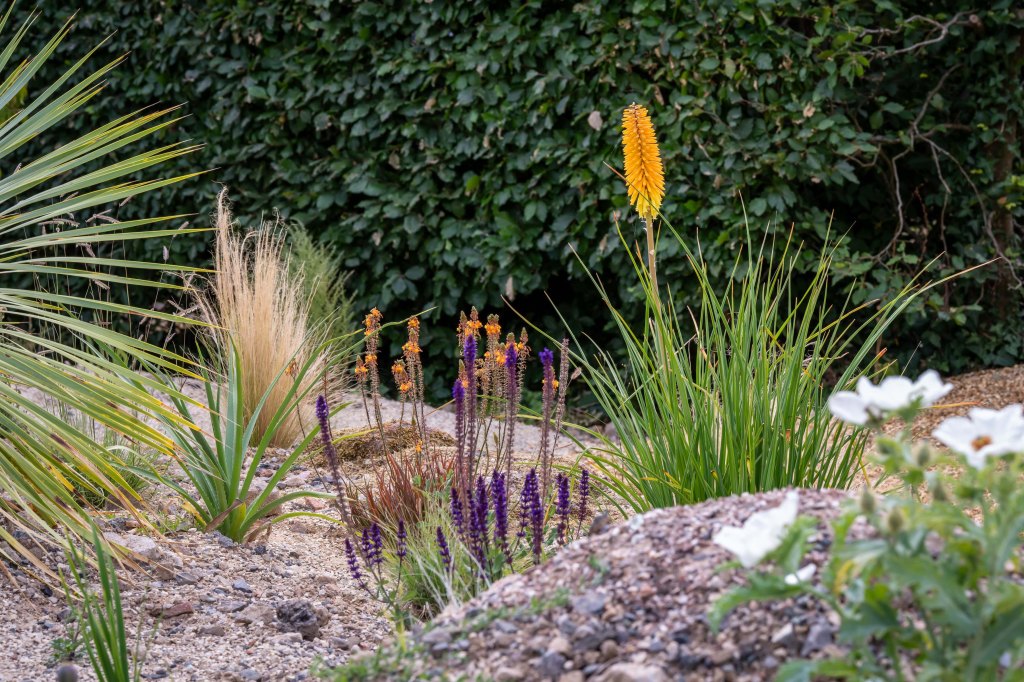
Our visit last week also corresponded to another very hot day but, at least, we didn’t have to contend with large numbers of visitors. There are some fabulous sections to this garden, which I have reported on in the past, but on our last two visits I have been fascinated that they have developed a new section (replacing “The Big Grass Bed”) which I would describe as the sort of terrain that you might see on the edge of a quarry or next to a building site. This “dry” garden is well suited to the hot conditions which we are enjoying at the moment and feature lots of plants which are drought tolerant. Clearly something all gardeners are having to consider in this part of the world as climate changes affect us.
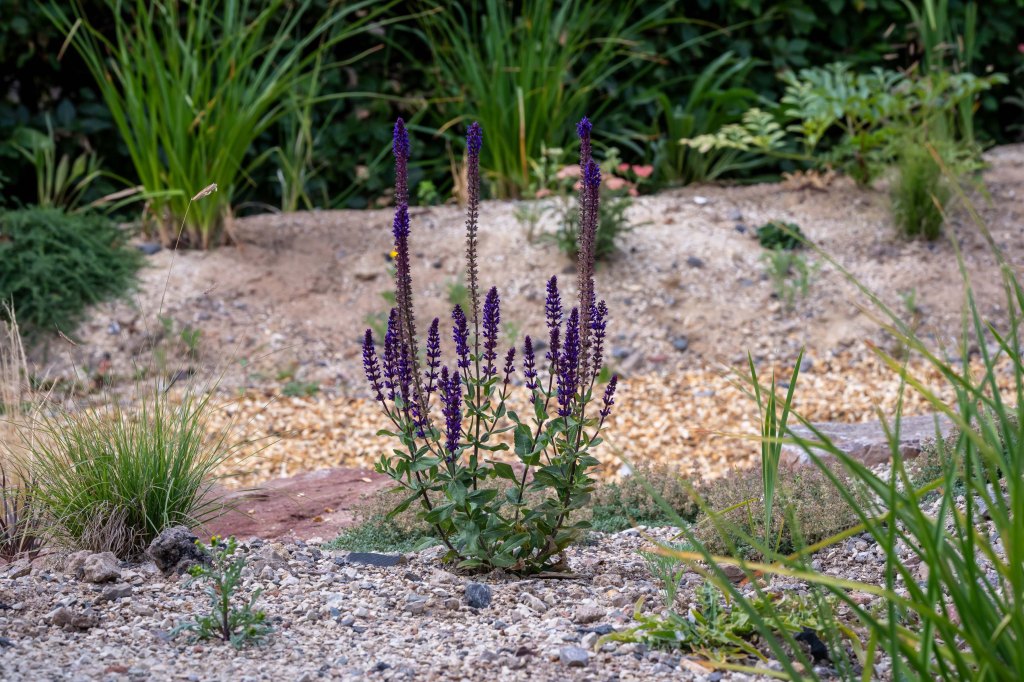
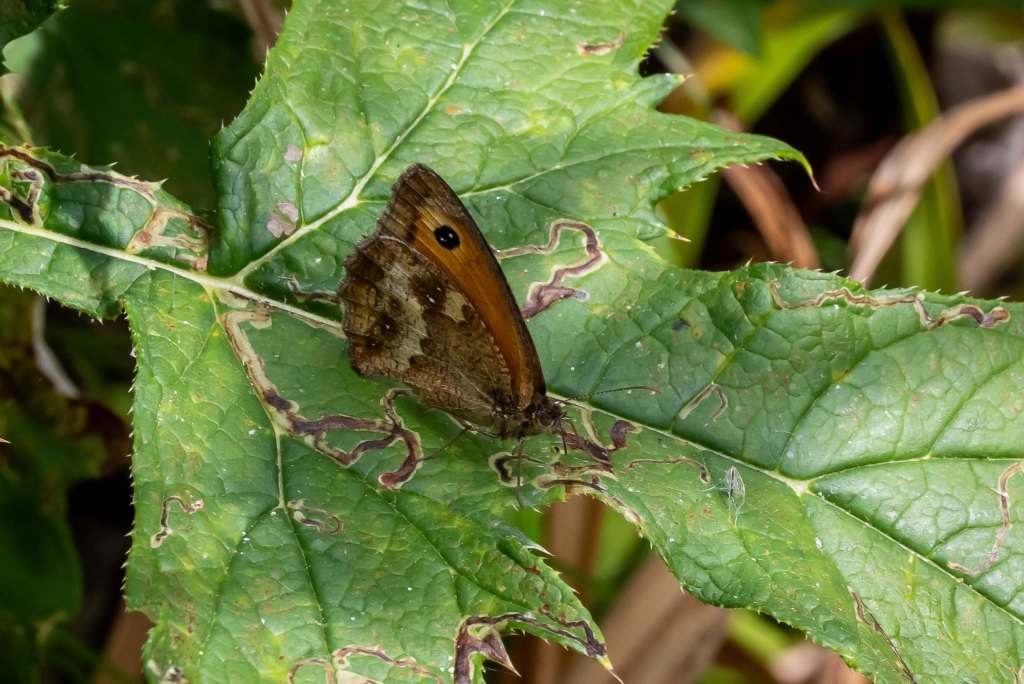
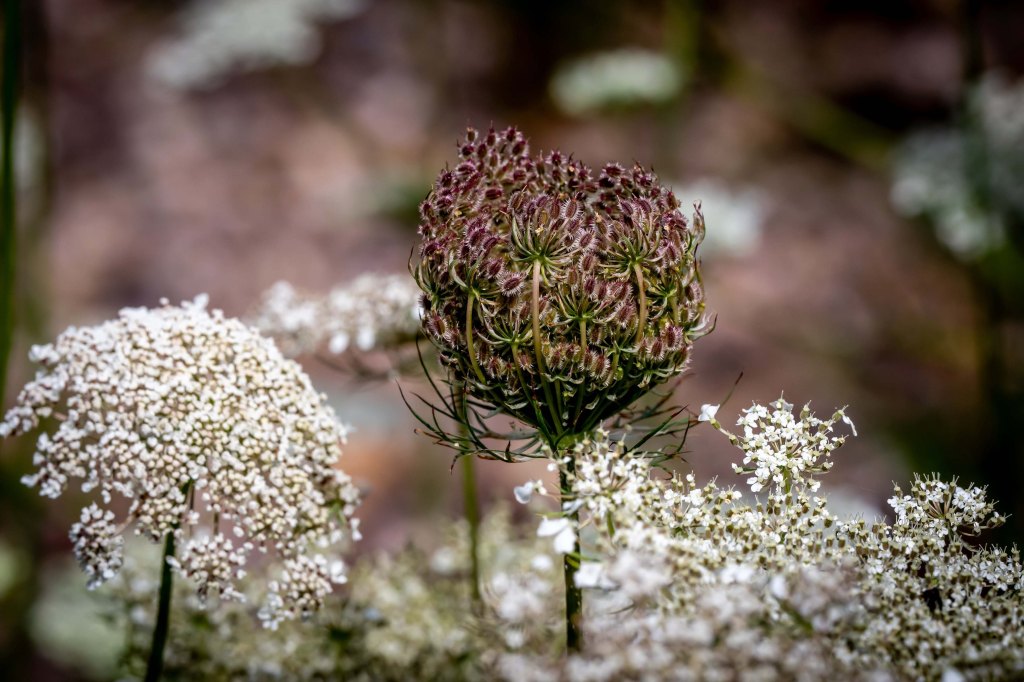
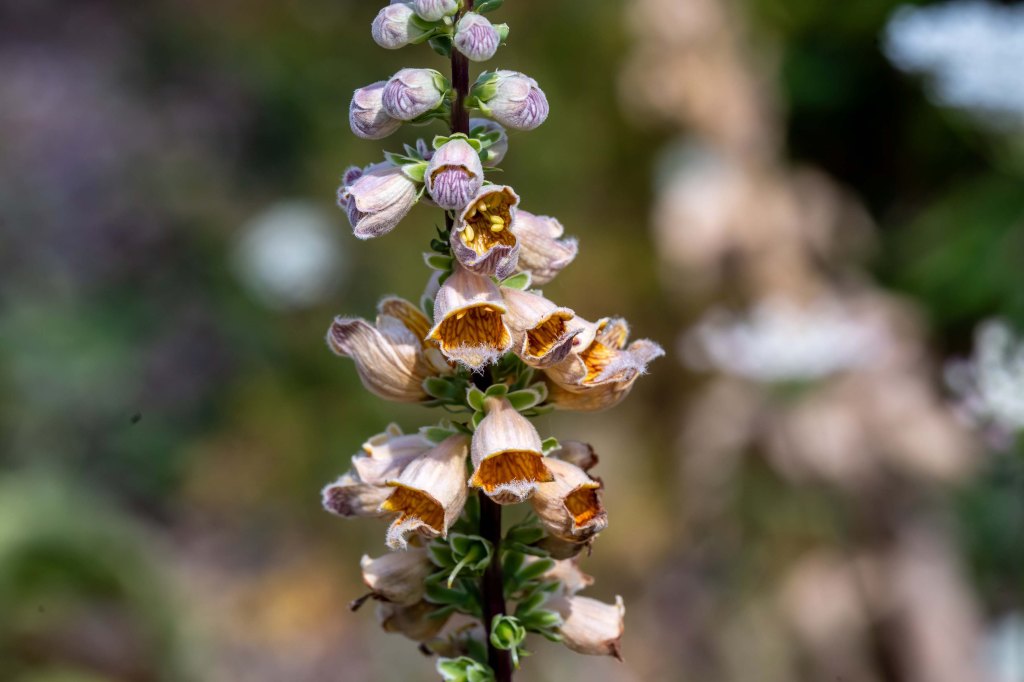
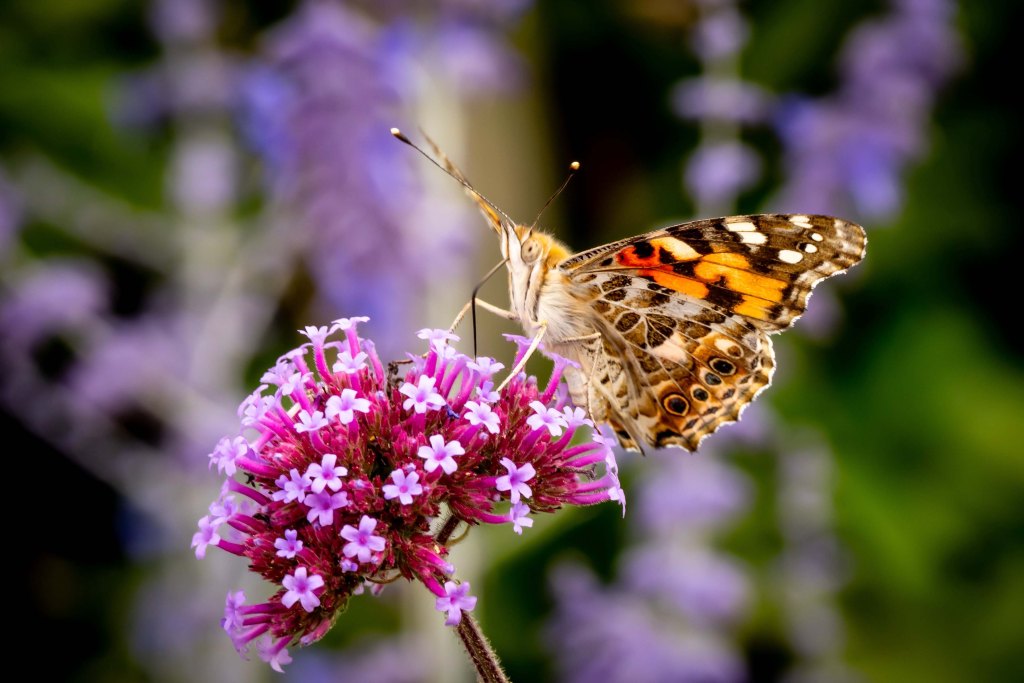
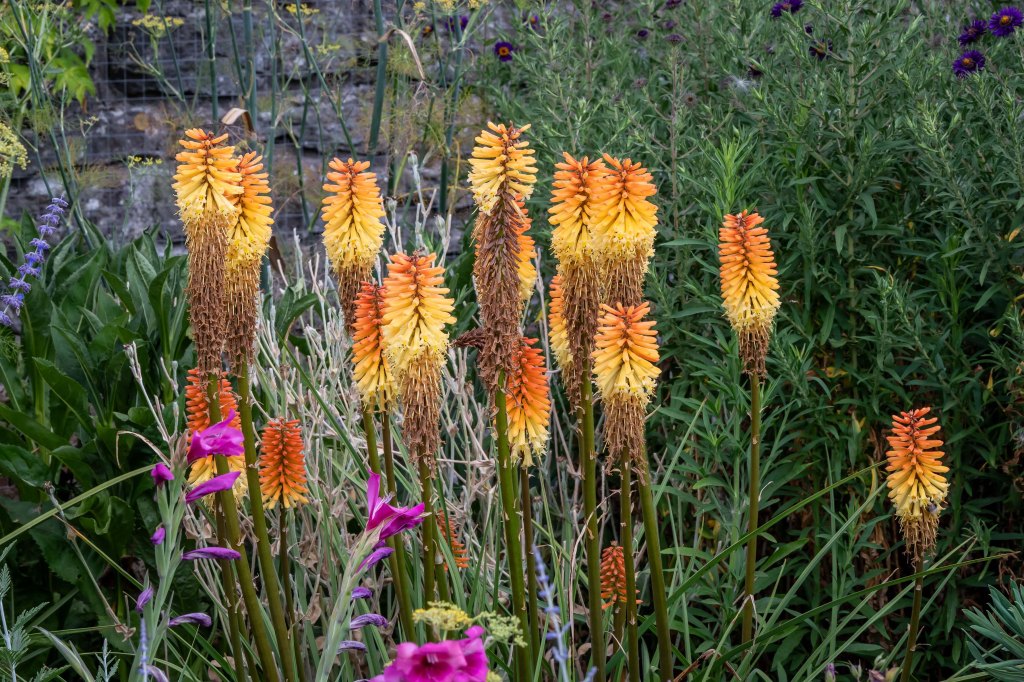
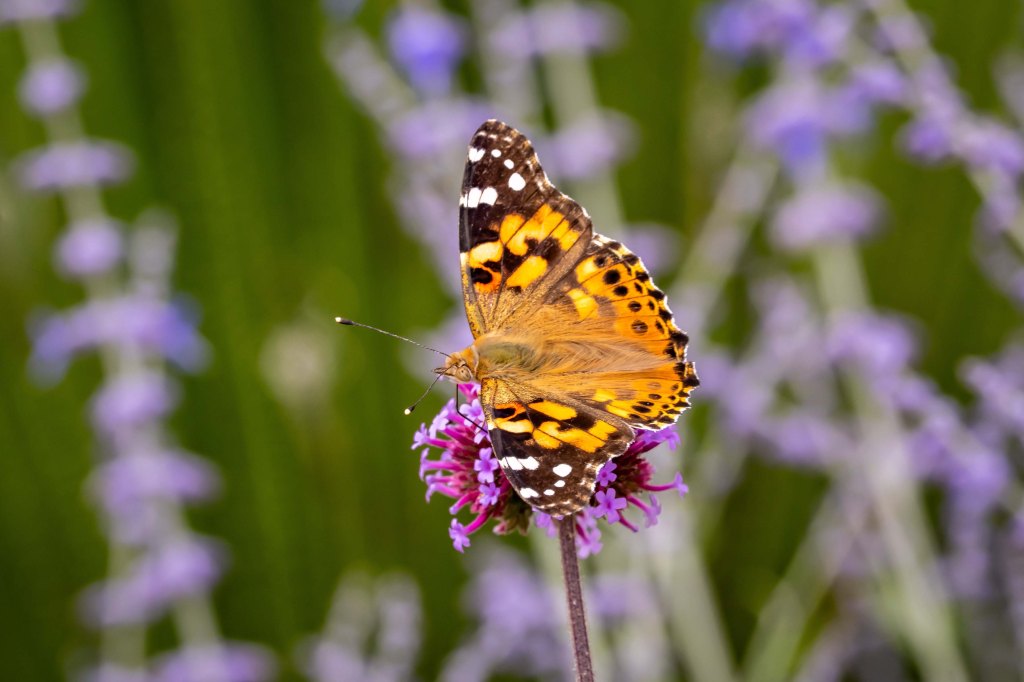
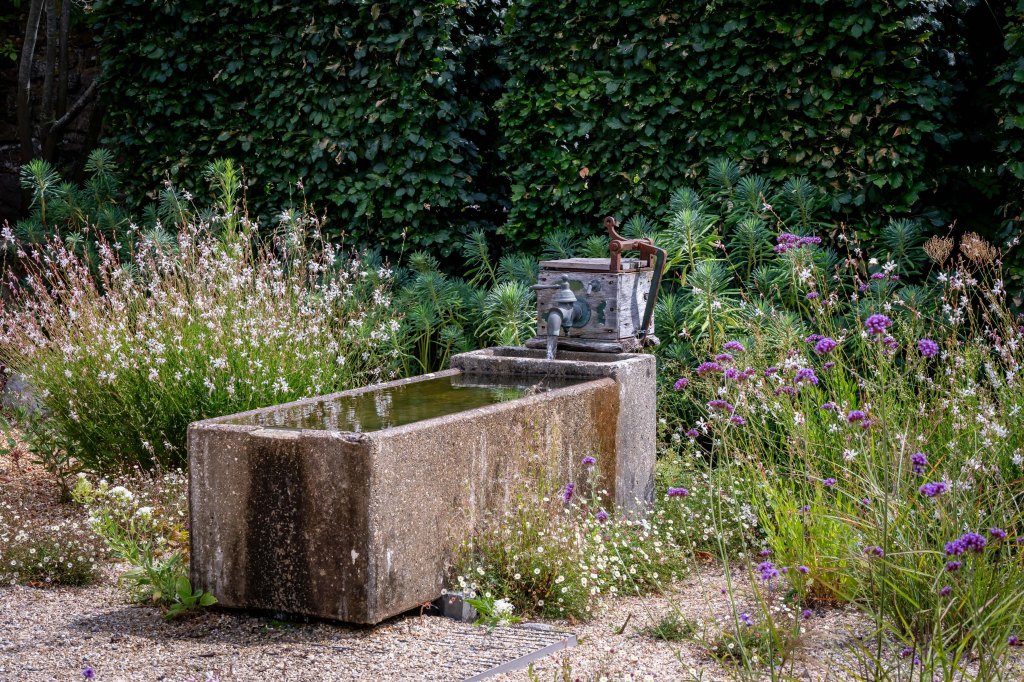
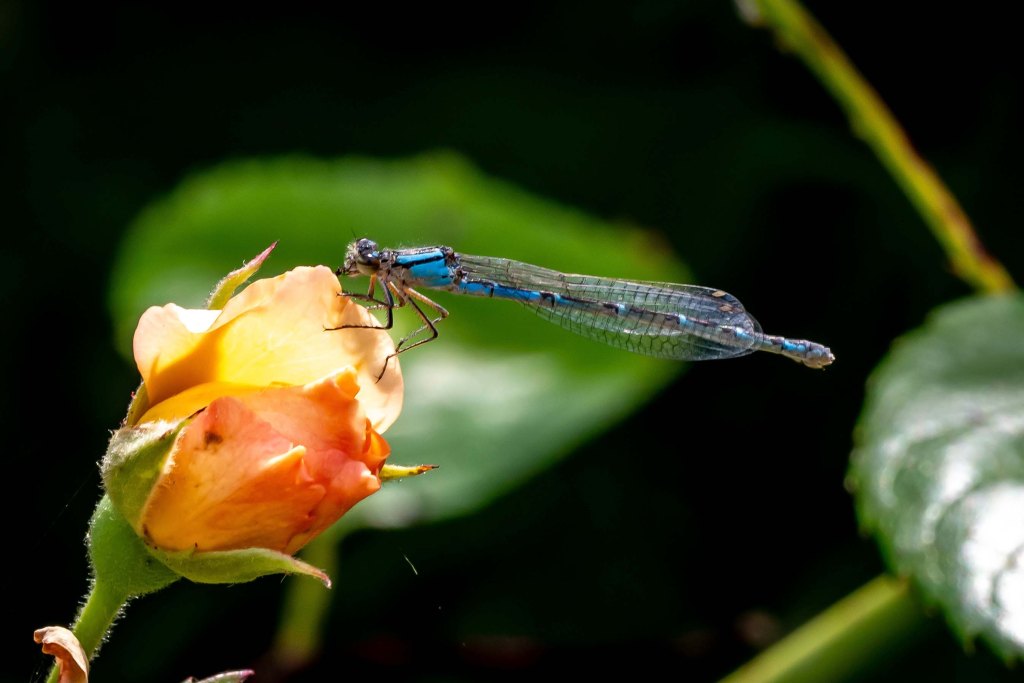
Salvias are doing well in my garden too this yearA sneaky photo of a salvia in my garden before we set off on our trip to the Yeo Valley Organic Garden – they have been attracting bees in huge numbers.Quarry/building site?Gatekeeper butterflyDaucus carota – wild carrotDigitalis ferruginea – rusty foxglovePainted Lady butterfly on verbenaKniphofia – I like its common name of “torch lily”Painted Lady would be well camouflaged in the KnophofiaThe gravel garden is full of pollinators and butterfliesThere are great views of Blagdon Lake from the gardenMy only bird photo – very very distant cattle egret next to the lakeNow there’s a thought if you have the spaceInteresting water feature surrounded by drought tolerant flowersCommon blue damselflyWater feature to die forSouthern hawker in the bronze gardenLarge white butterfly attracted by the verbenaFlower bed in the Gravel garden
Still loads more to see but the heat was getting more intense and the garden café was irresistible: the frittata and the zero degrees Goram IPA (from the local Butcombe brewery) are both highly recommended.
It’s been over seven weeks since my last blog as, again, we have been “confined to barracks”.
Unfortunately, on our last holiday my wife had a fall when we were out walking on a coastal path and the resulting fracture has restricted any meaningful sorties since then. With good support from her osteopath (and determination on her part) she made sufficient progress for us to embark on another trip to the south coast and make the most of the wonderful summer that we are enjoying in the UK.
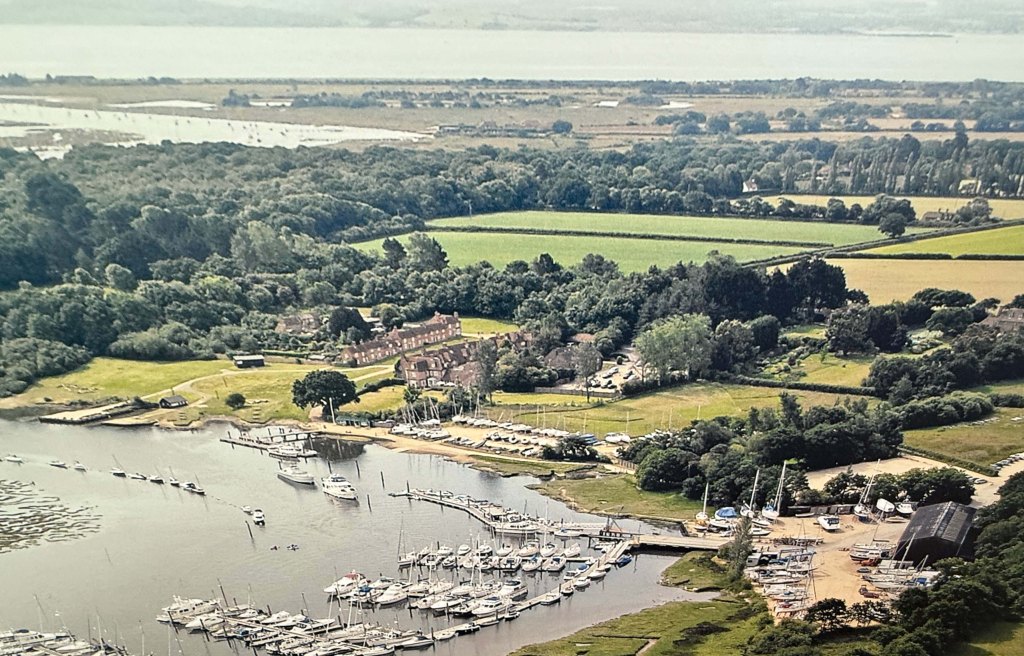
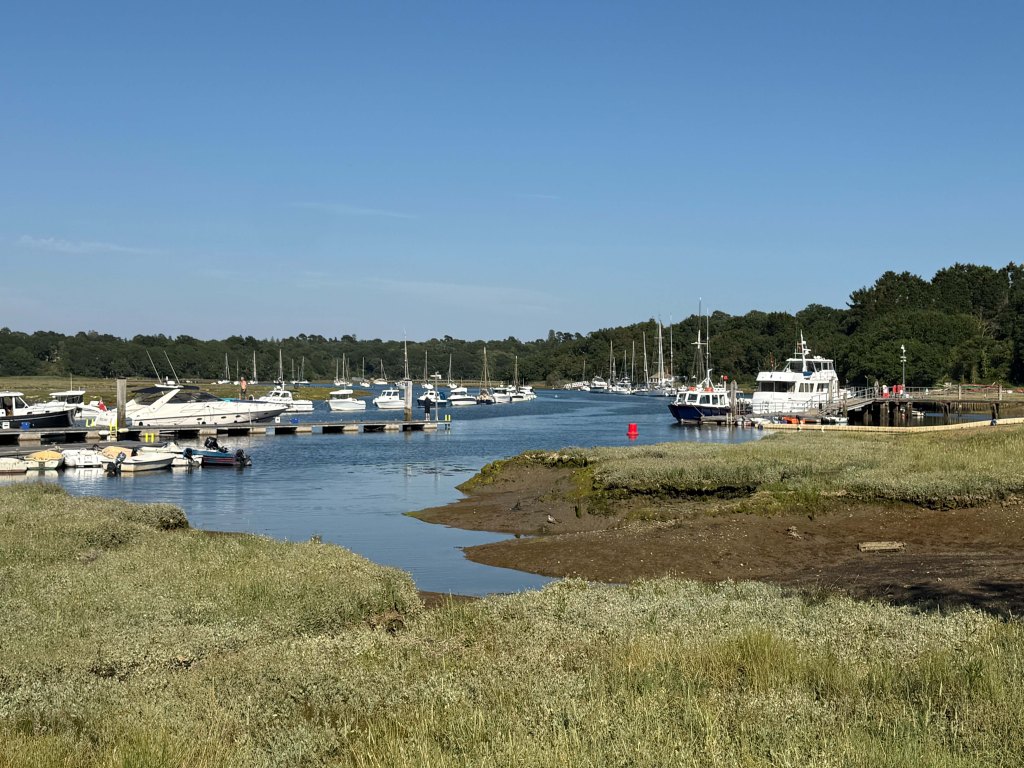
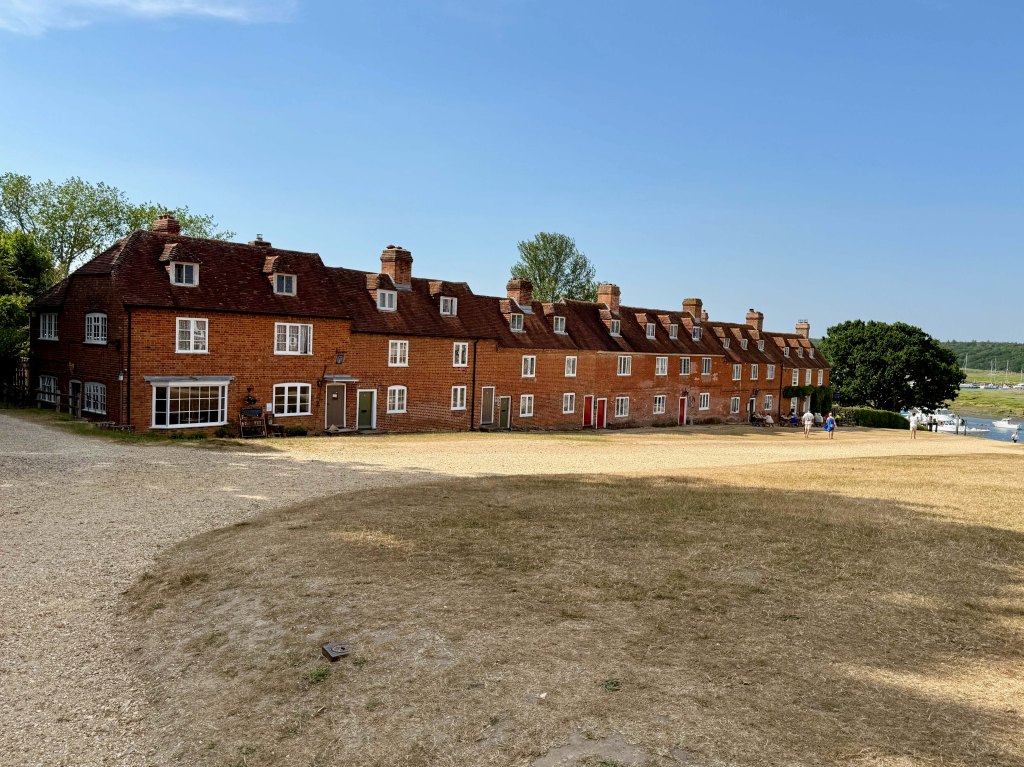
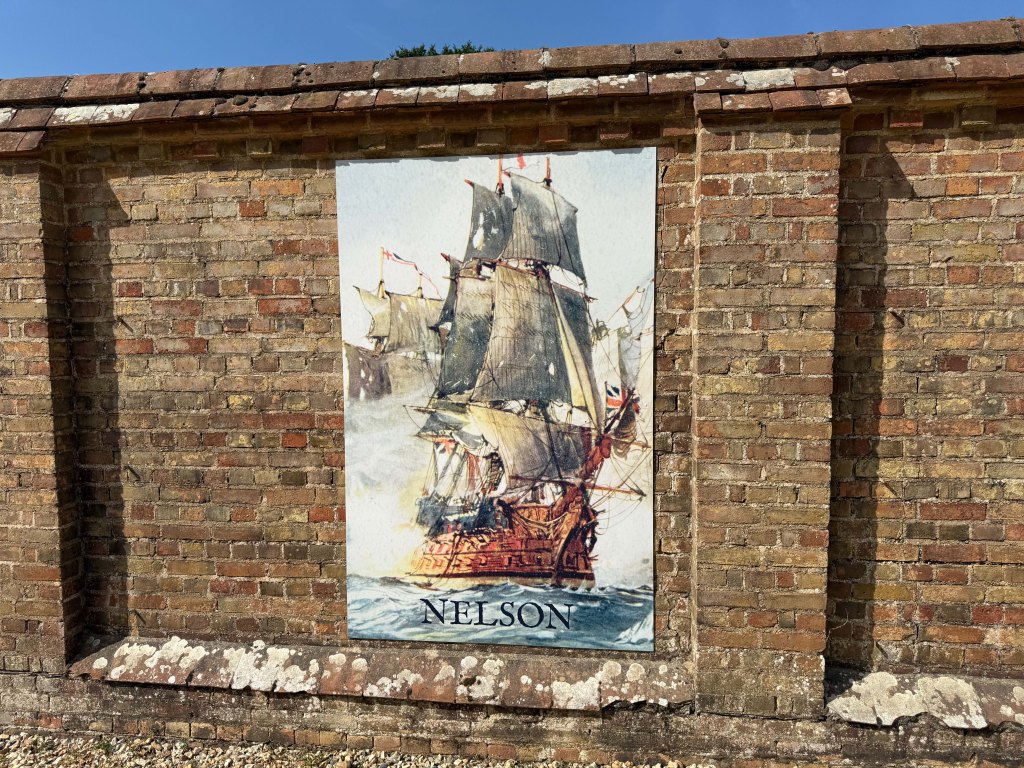
We found an amazing rental cottage at Buckler’s Hard (the shipyard where boats for Nelson’s Navy were built) on the banks of the Beaulieu River, in the heart of the New Forest. This fabulous venue enabled us to do some local birdwatching and to visit some other nearby birding sites which were easy for us to access.
Buckler’s Hard
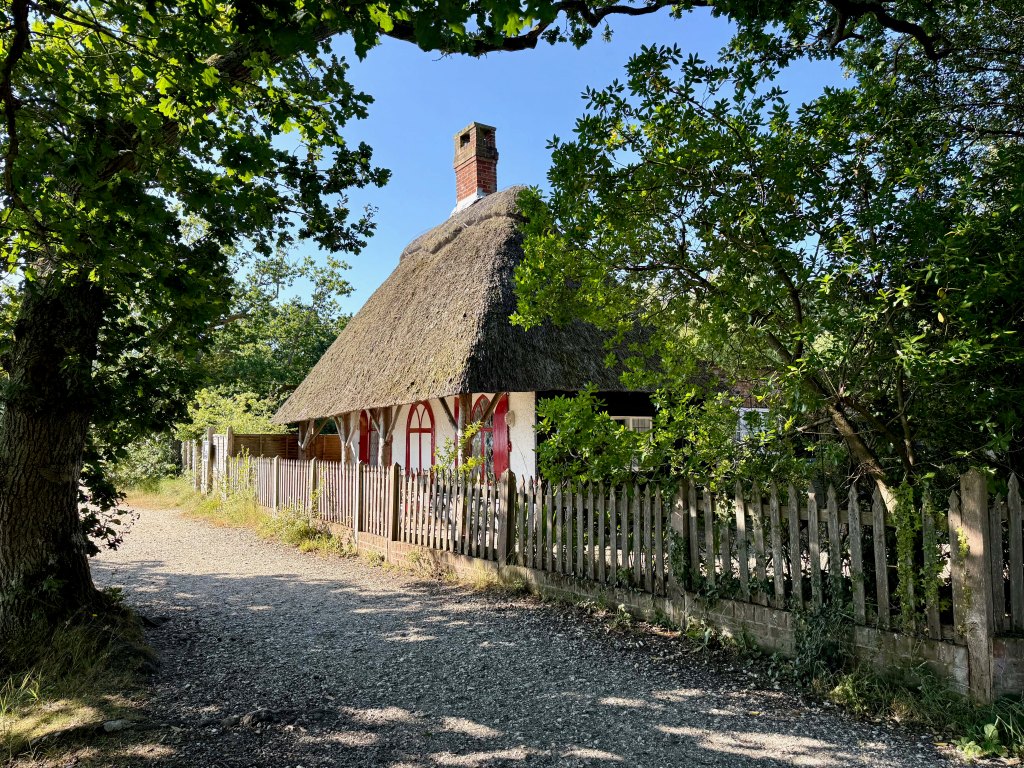
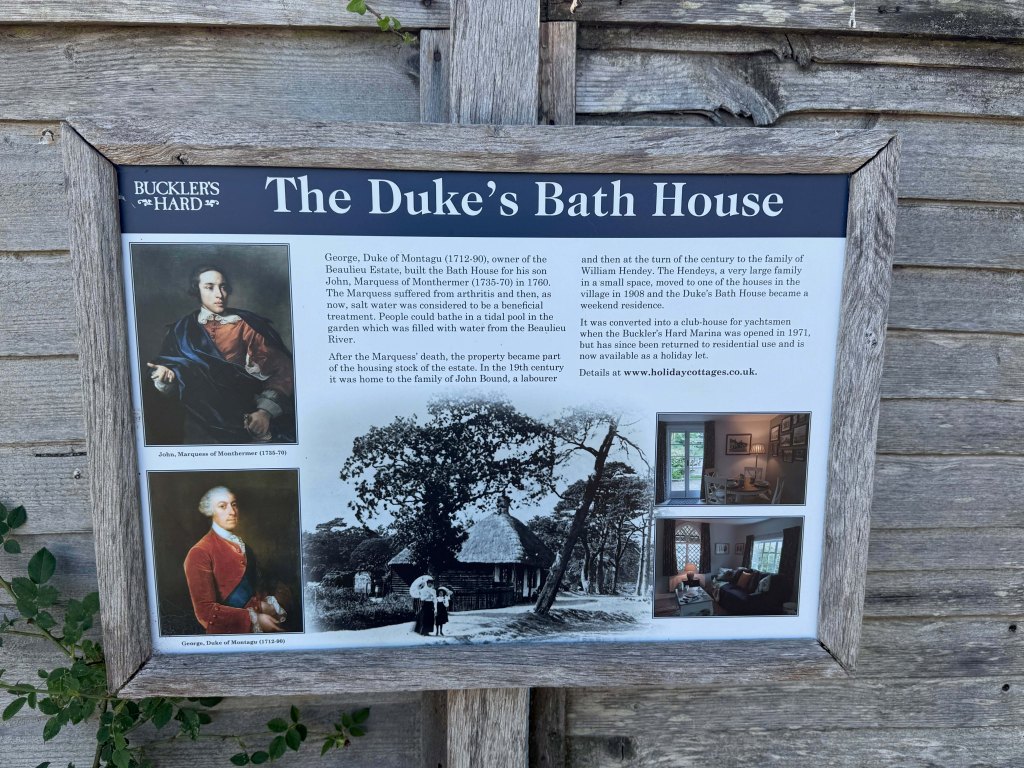
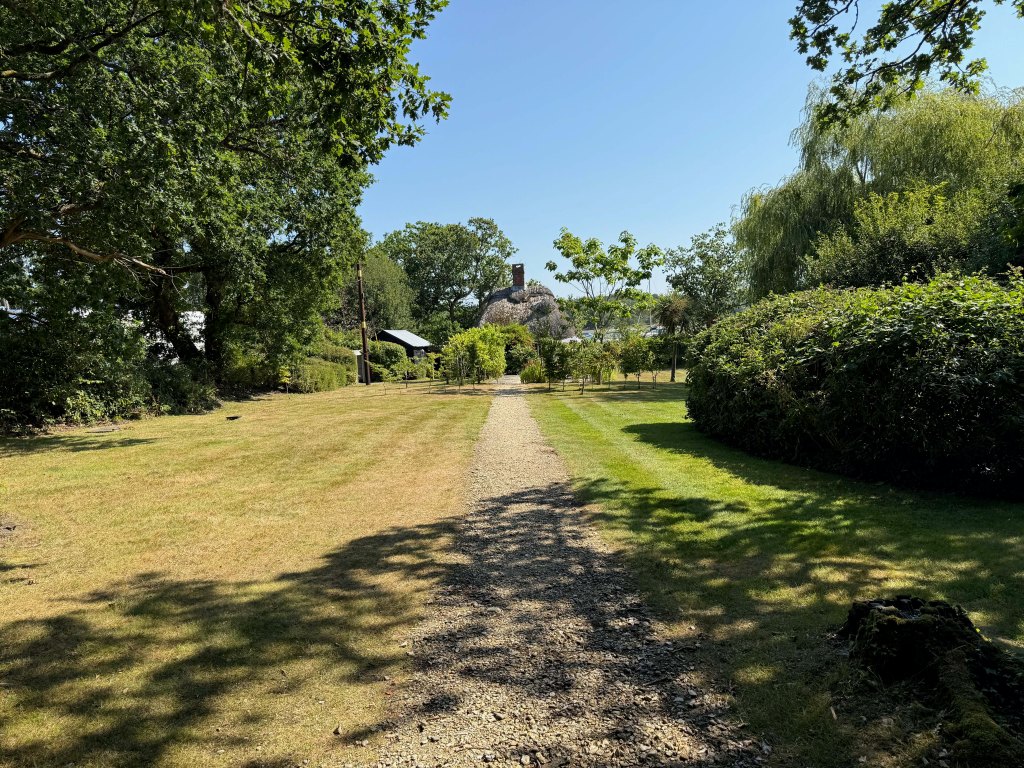
The cottage, a unique Grade II listed former bath house with thatched roof and rustic tree trunk veranda, was set in an idyllic location beside the Beaulieu River and was ideal for our purposes.
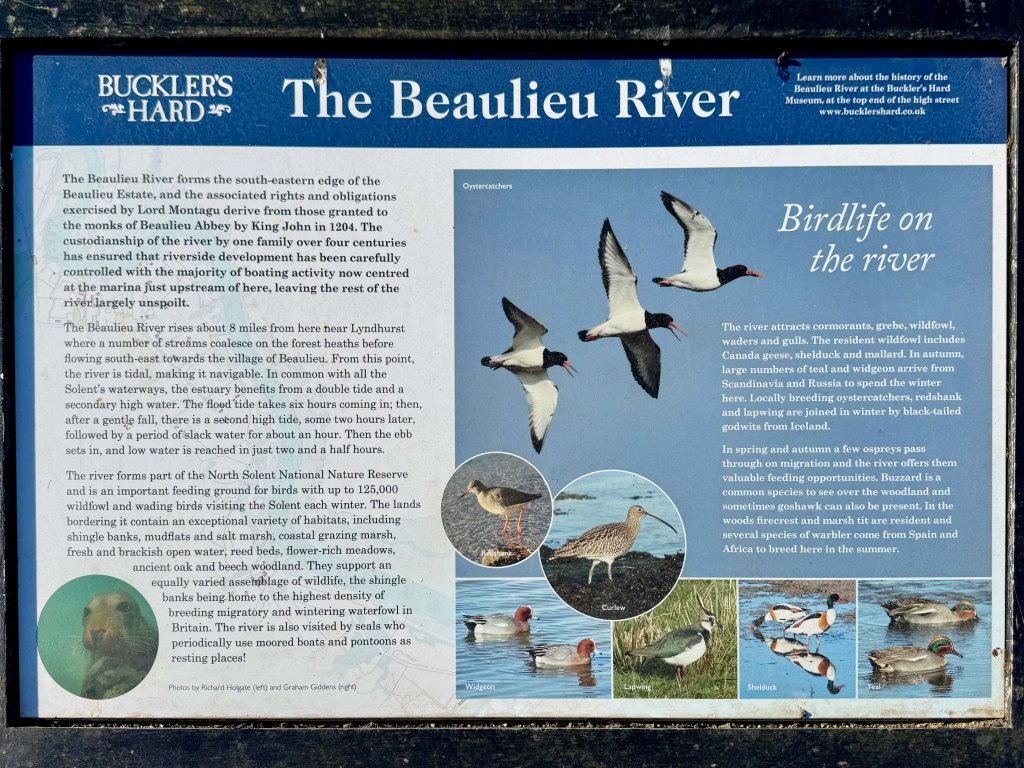
The Duke’s Bath HouseThe Beaulieu River
In the secluded extensive garden we enjoyed seeing a variety of birds and regularly heard redshank, curlew and oystercatcher on the river banks.
The garden to the rear of the Duke’s Bath House
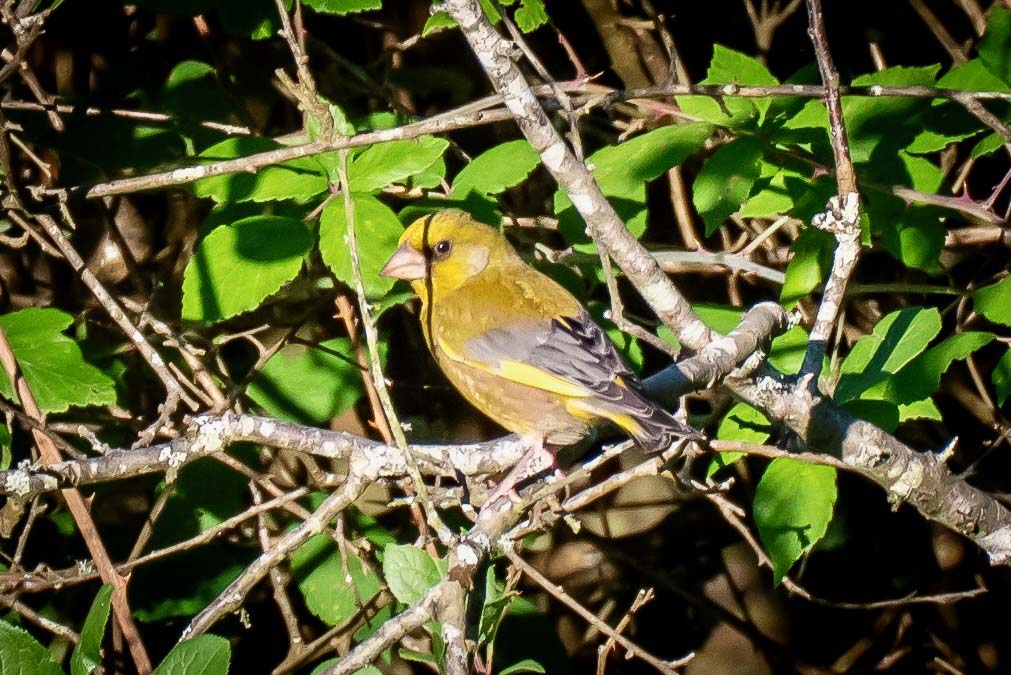
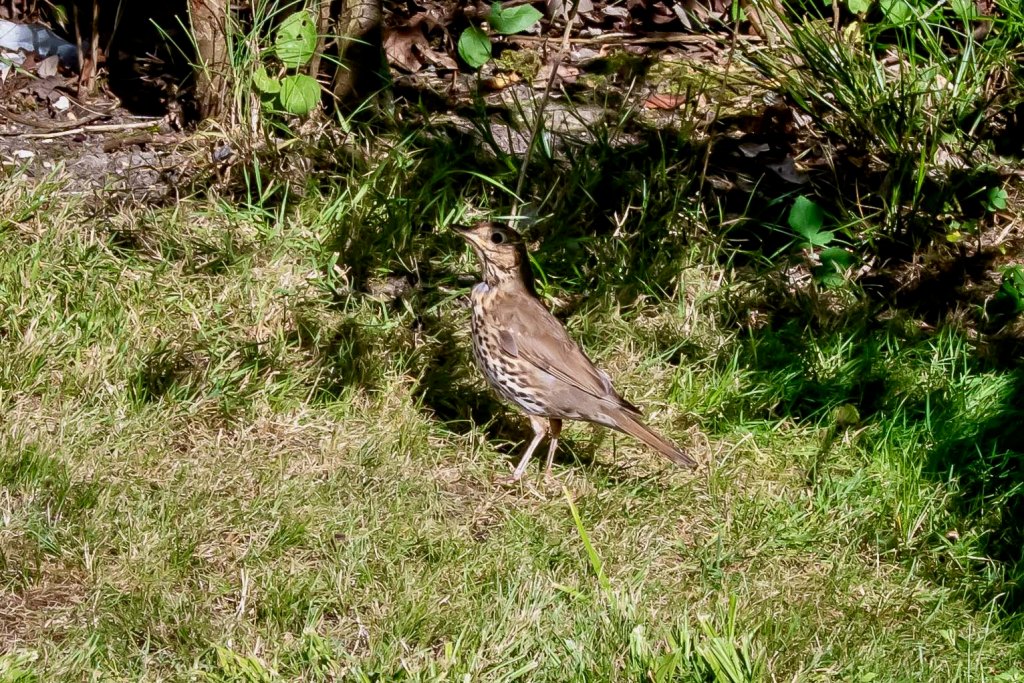
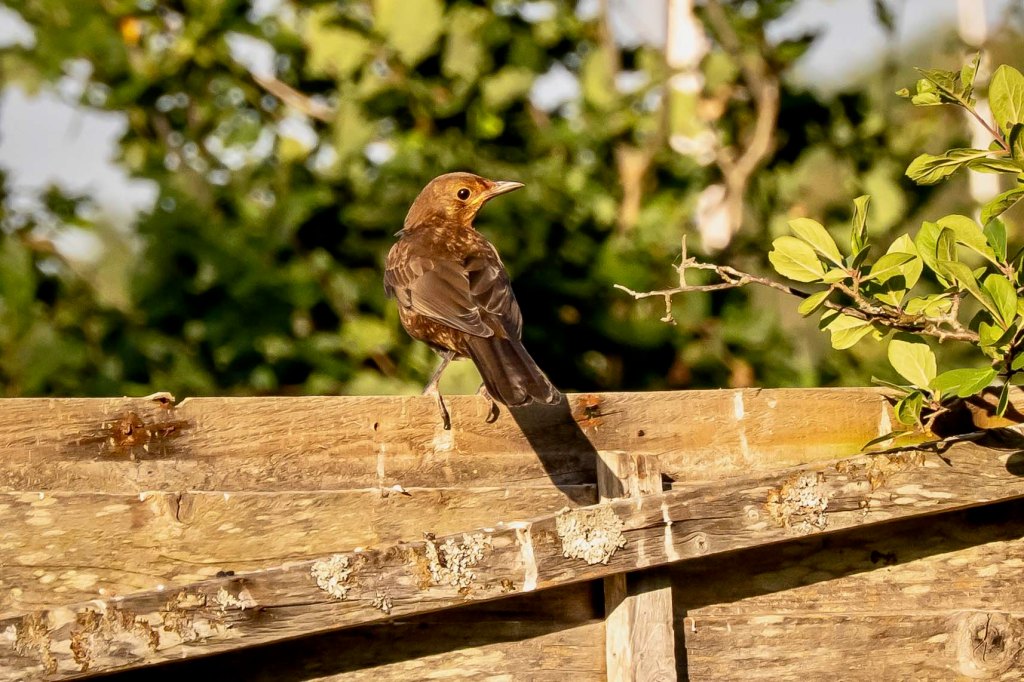
Some of the birds that we saw in the garden:
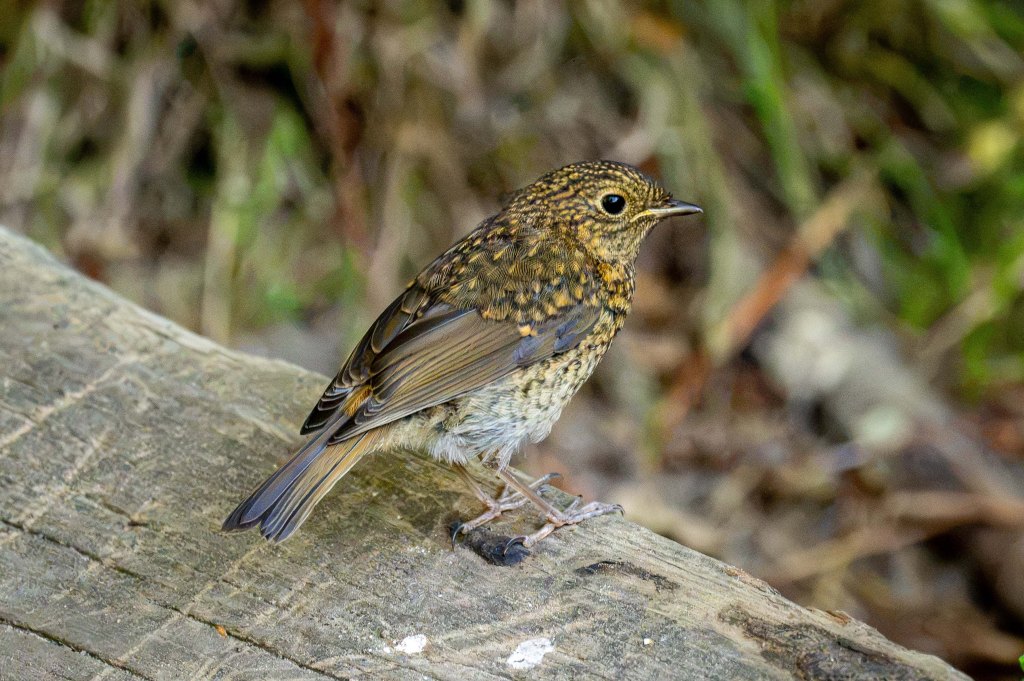
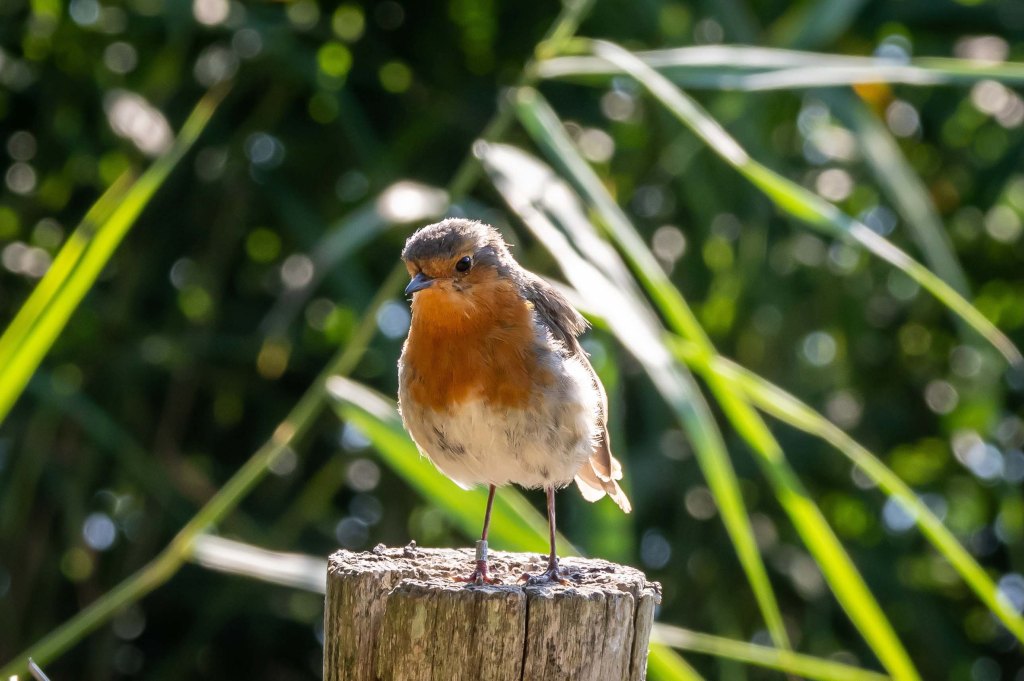
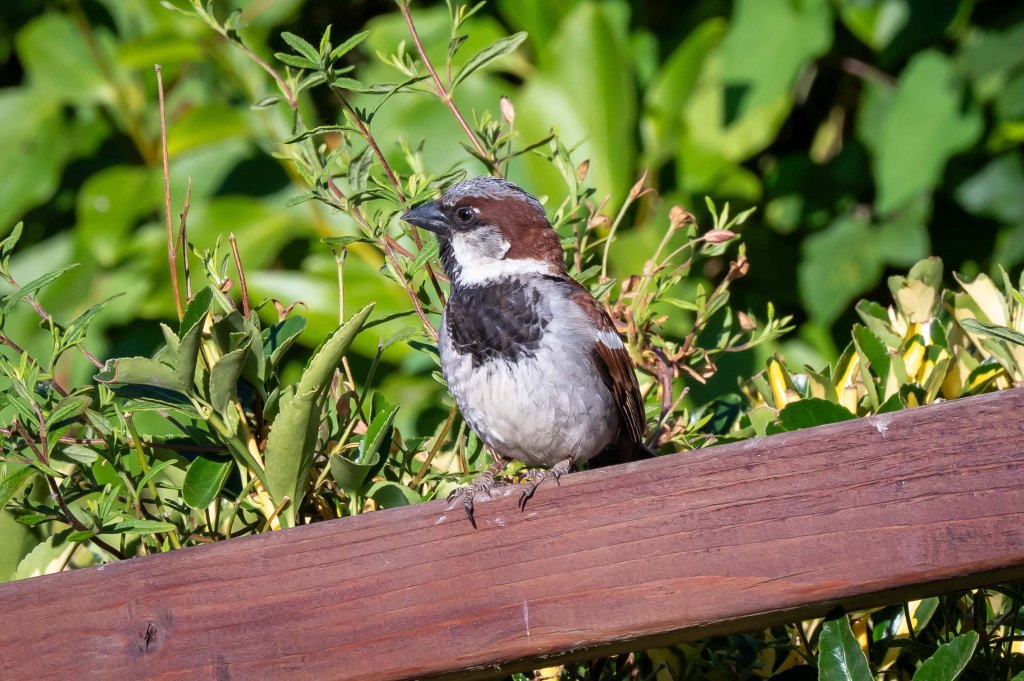
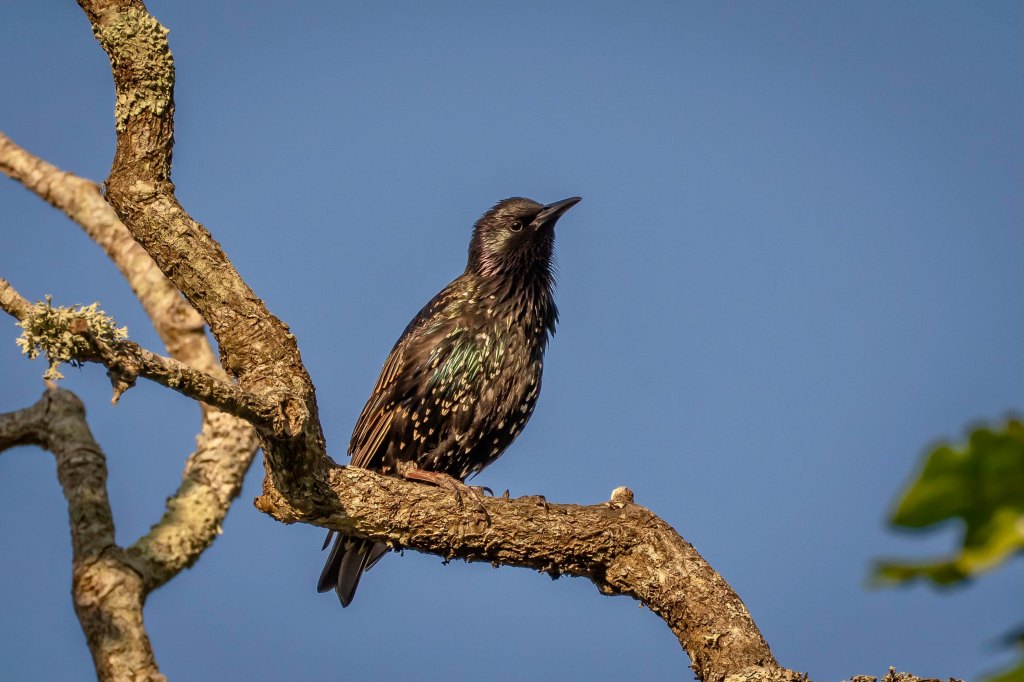
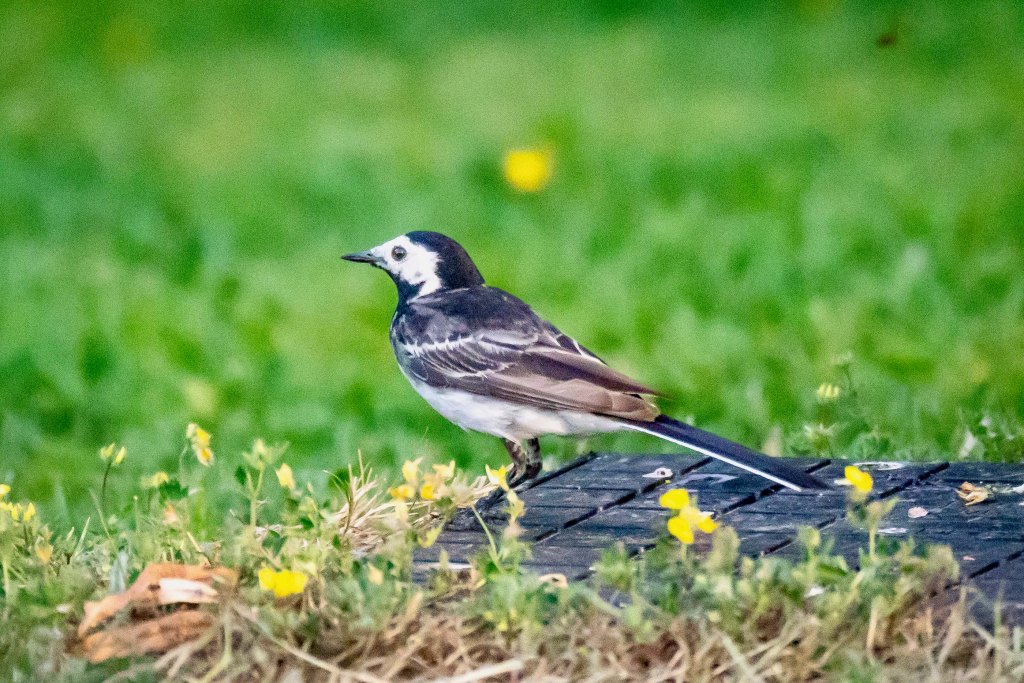
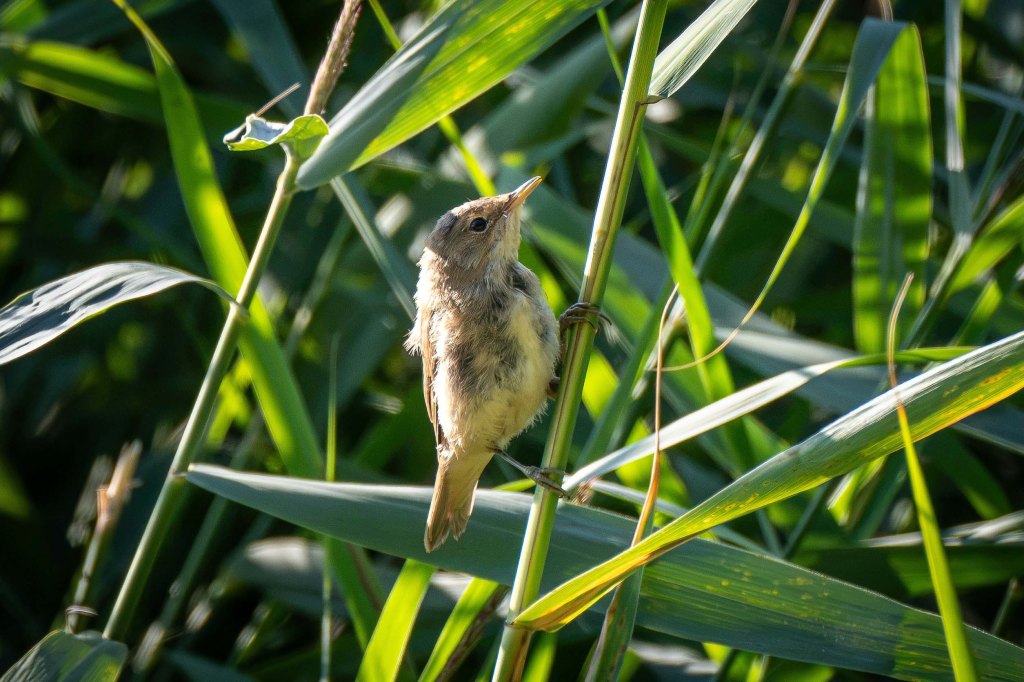
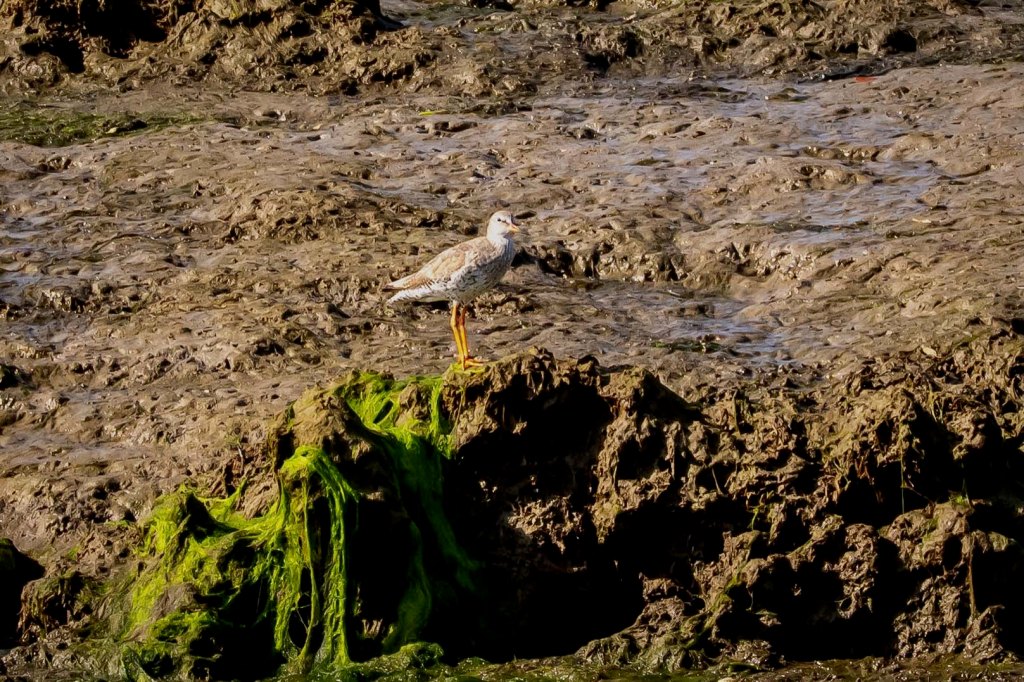
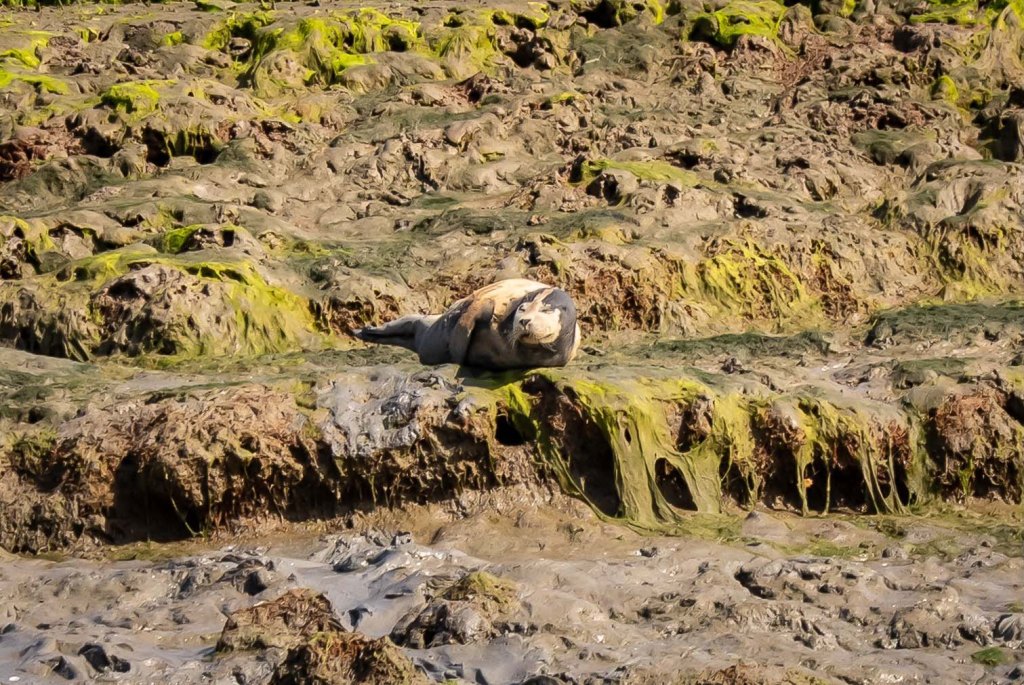
GreenfinchSong thrushCommon blackbirdJuvenile European robinEuropean robinHouse sparrowGoldfinchStarling in the evening sunshinePied wagtail on the lawnReed warbler seen from a nearby bird hideCommon redshank on the banks of the Beaulieu River… and even a pup seal
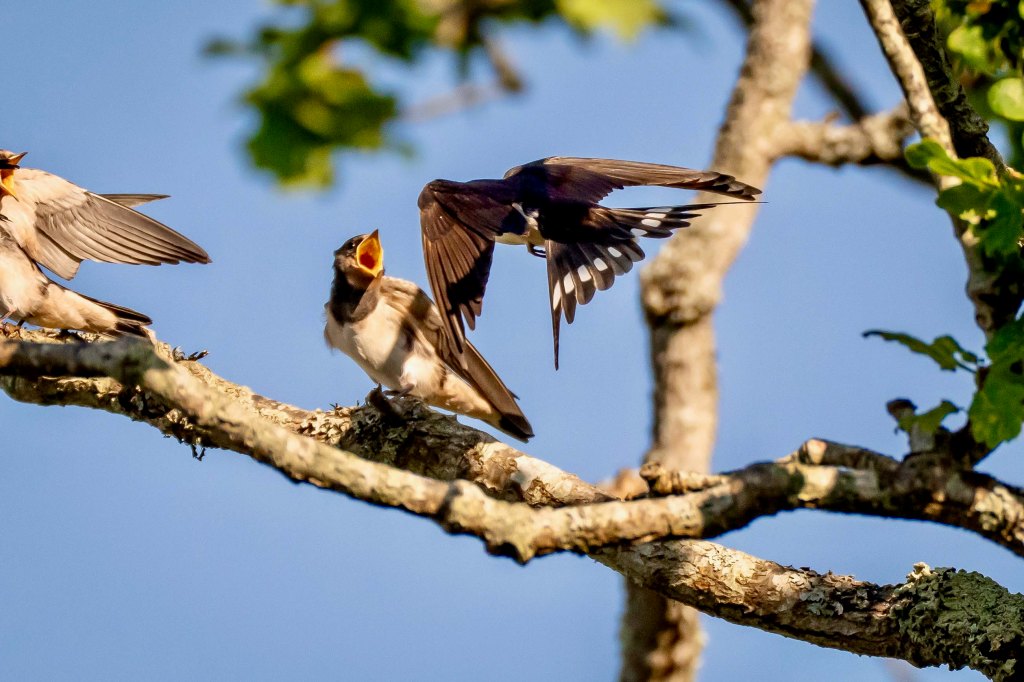
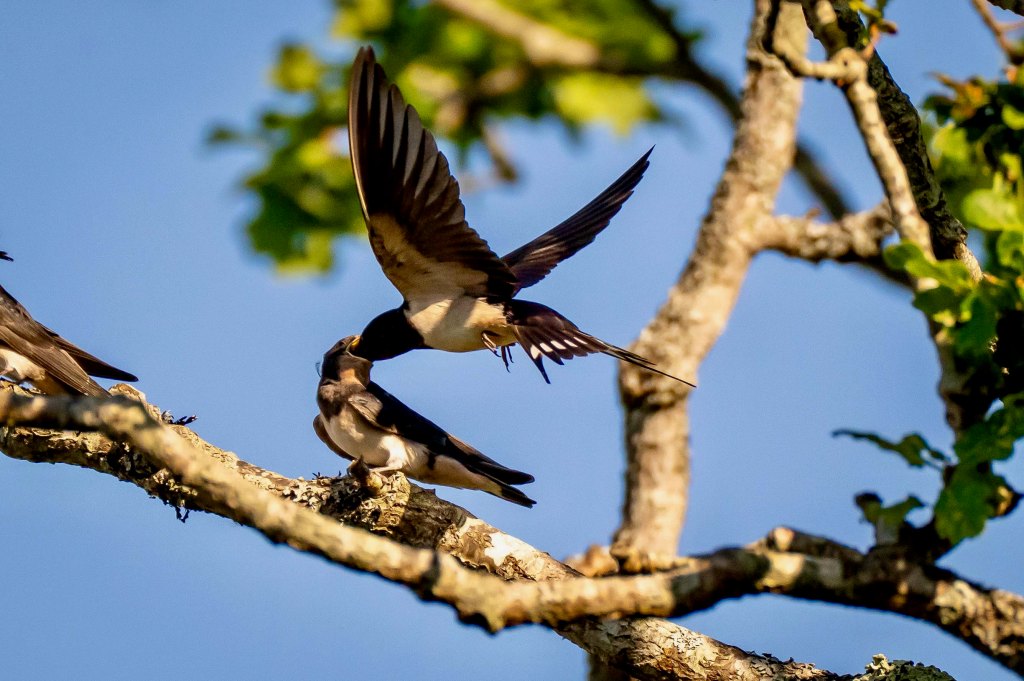
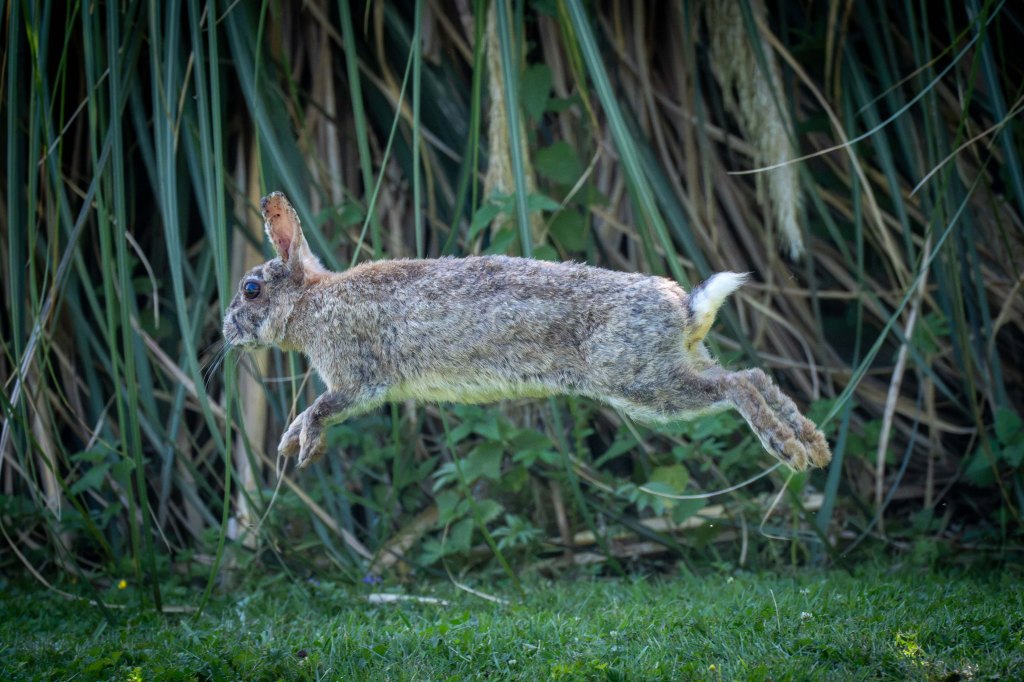
In the evenings we were treated to the sight of adult barn swallows feeding their young and rabbits playing on the lawn.
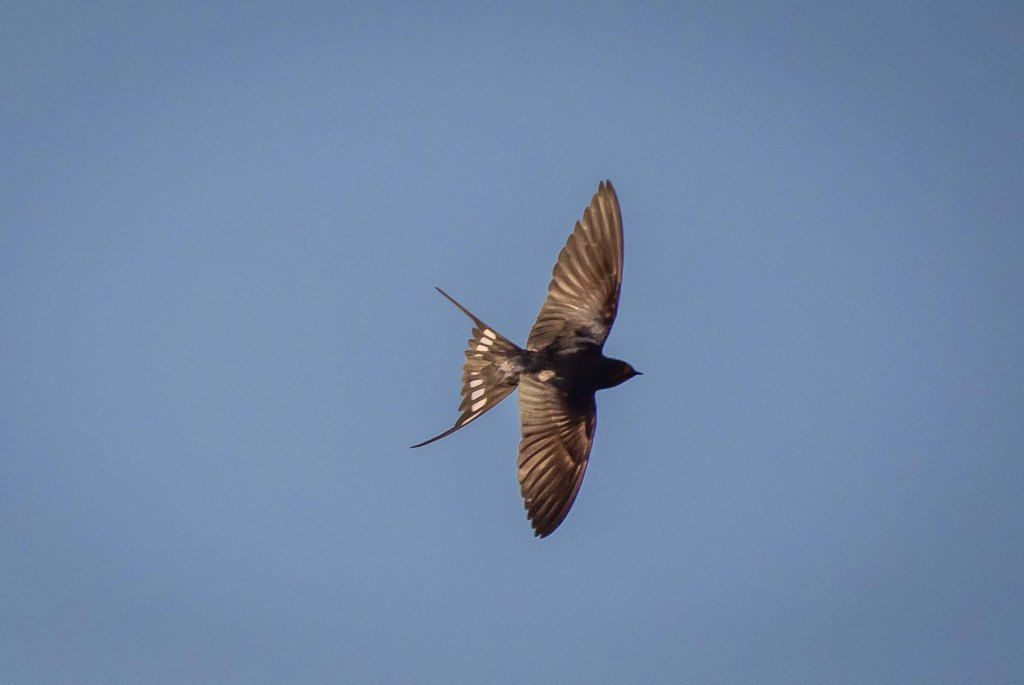
Barn swallowsBarn swallowsBarn swallow
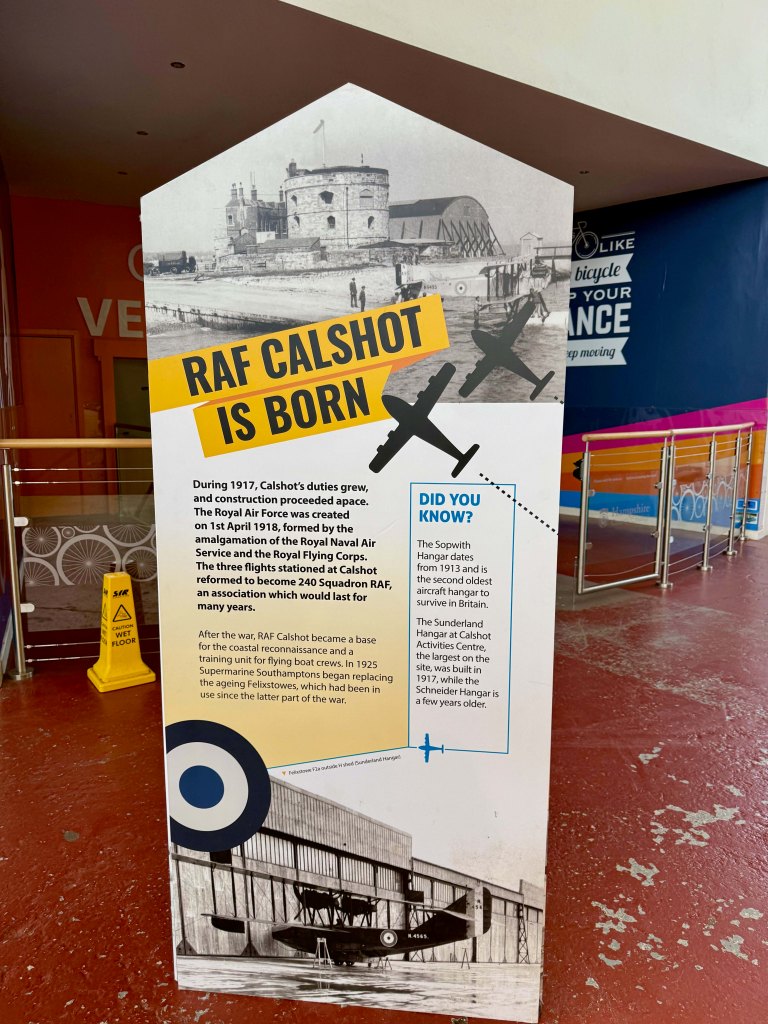
Our first trip out was only a dozen miles away to Calshot, a coastal village at the west corner of Southampton Water where it joins the Solent. Calshot is notable for its role in the development of aircraft and flying boats. In 1913 the Royal Flying Corps established Calshot Naval Air Station (later known as RNAS Calshot and RAF Calshot) at the end of Calshot Spit and there are still the large hangars which are put to good use as activities centres.
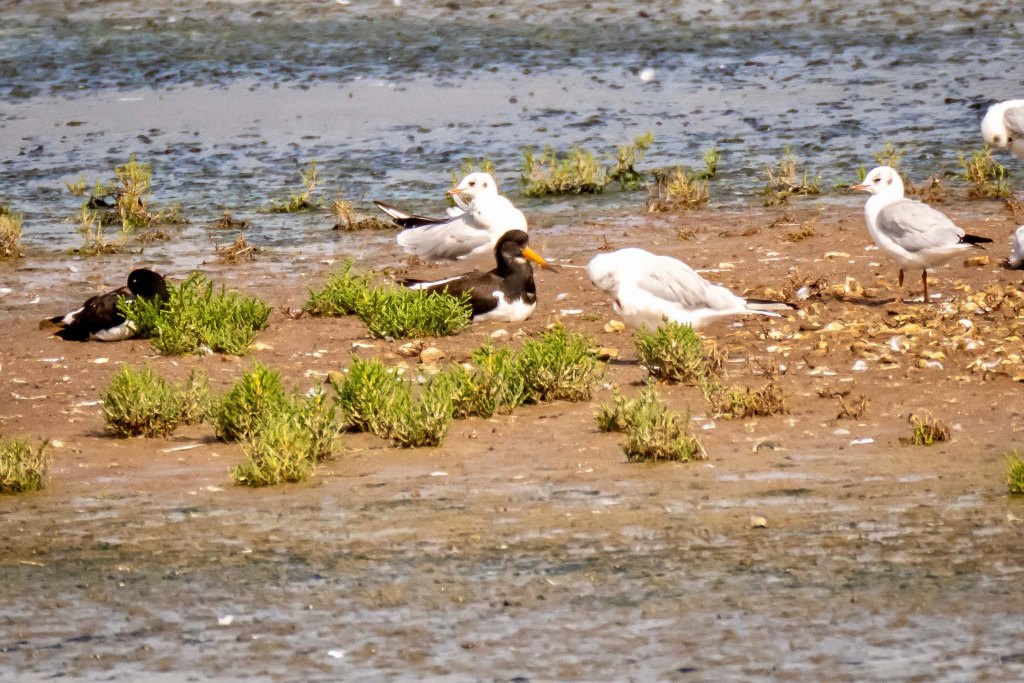
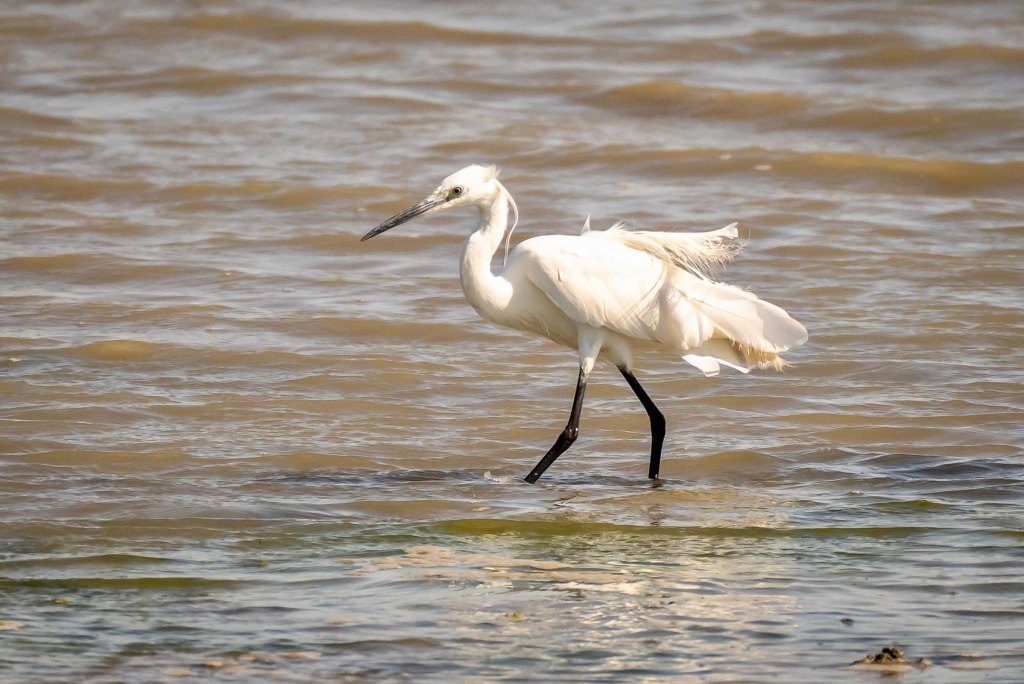
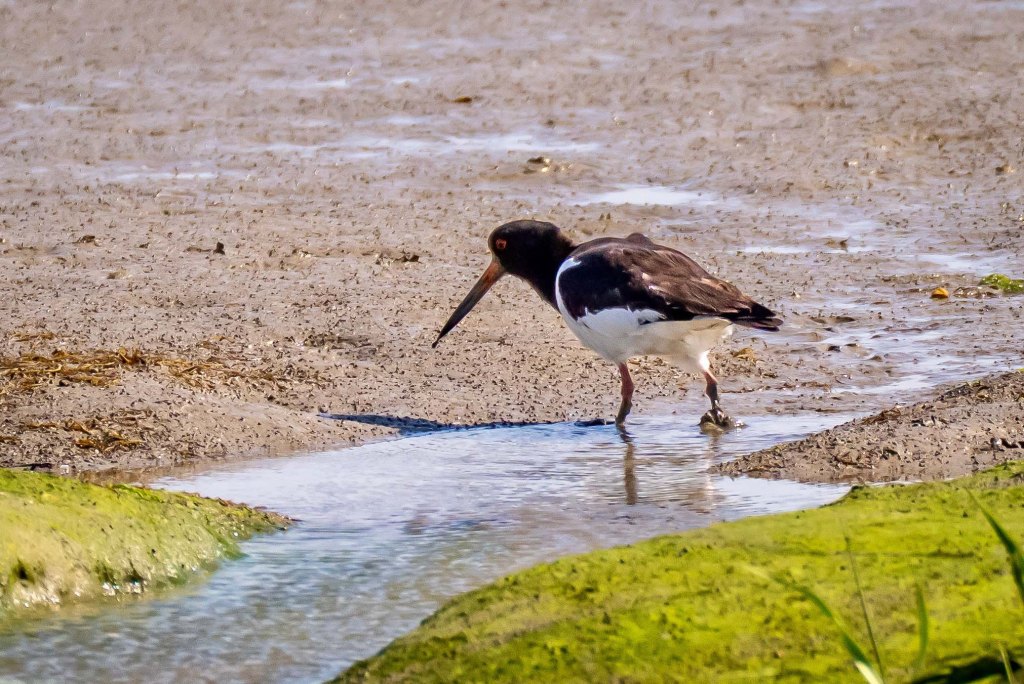
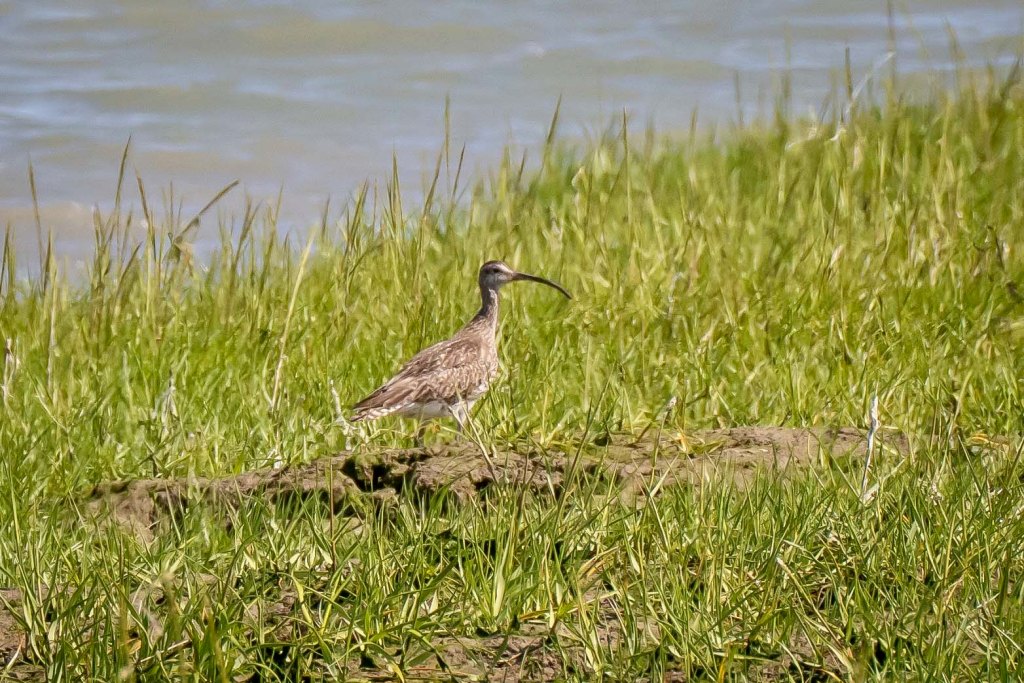
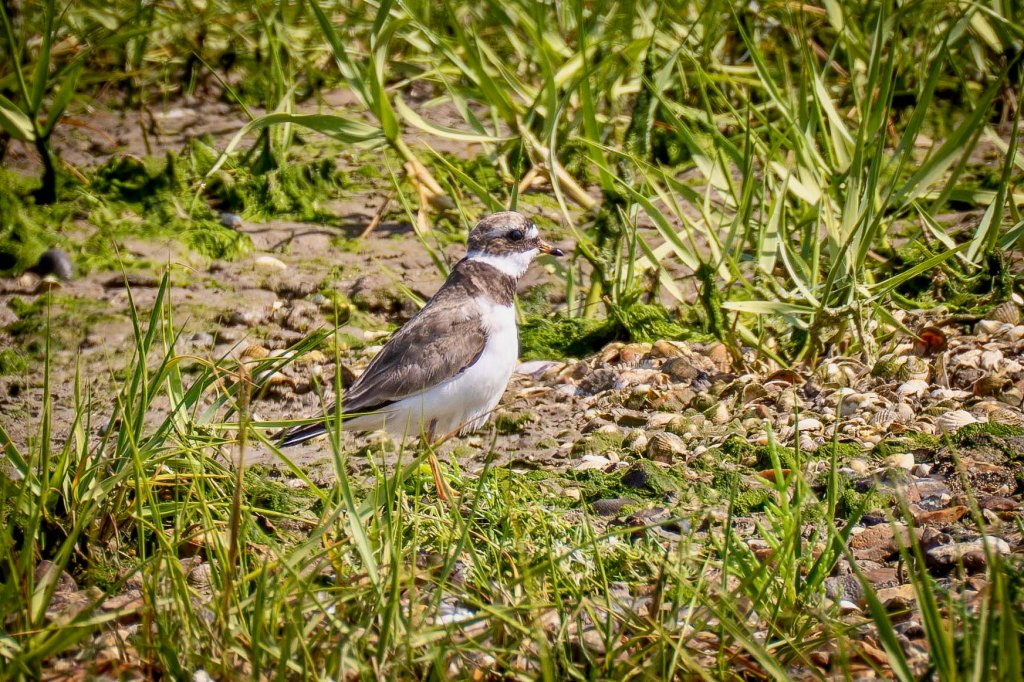
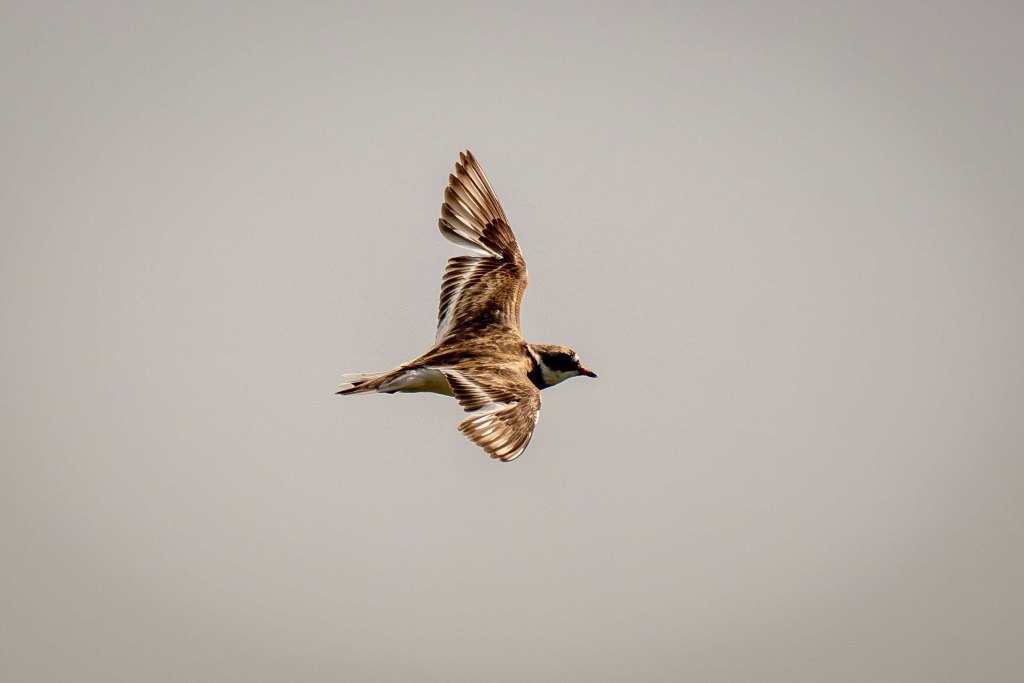
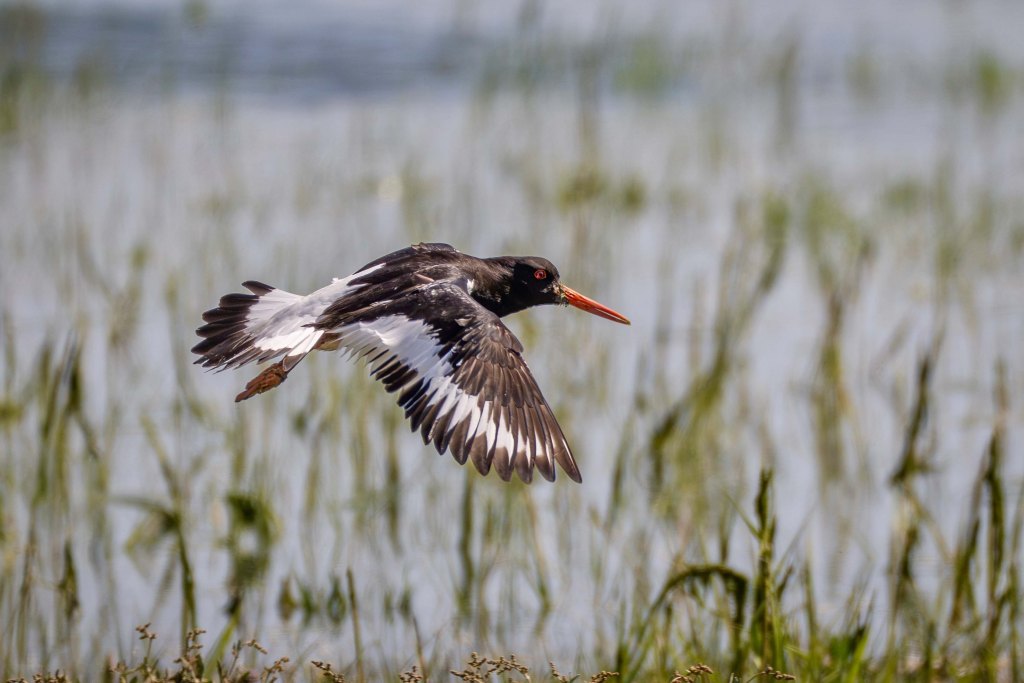
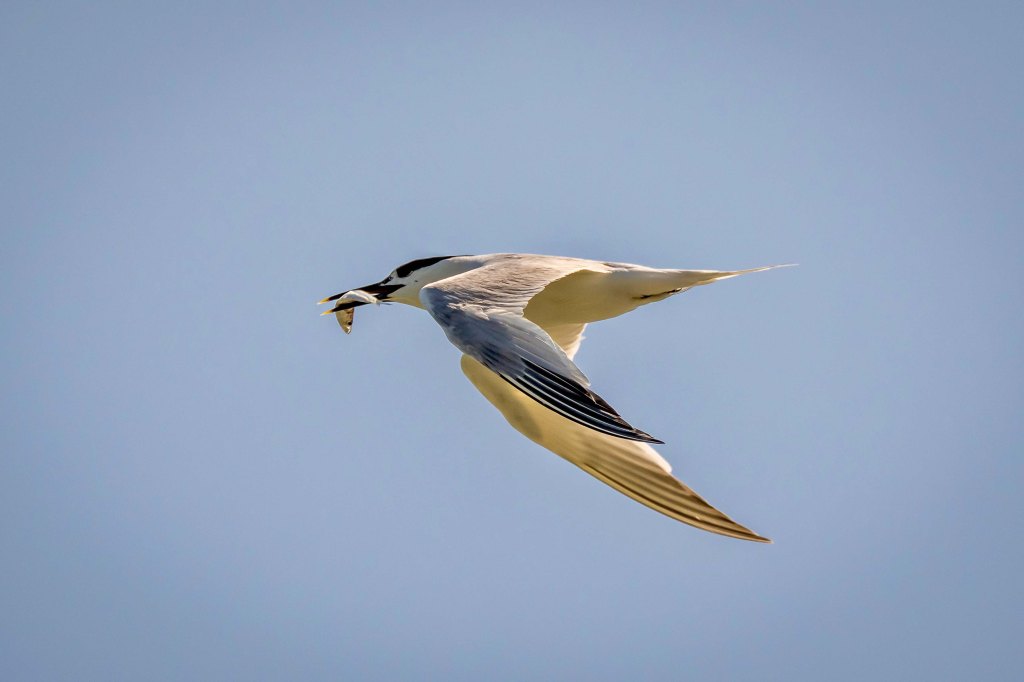
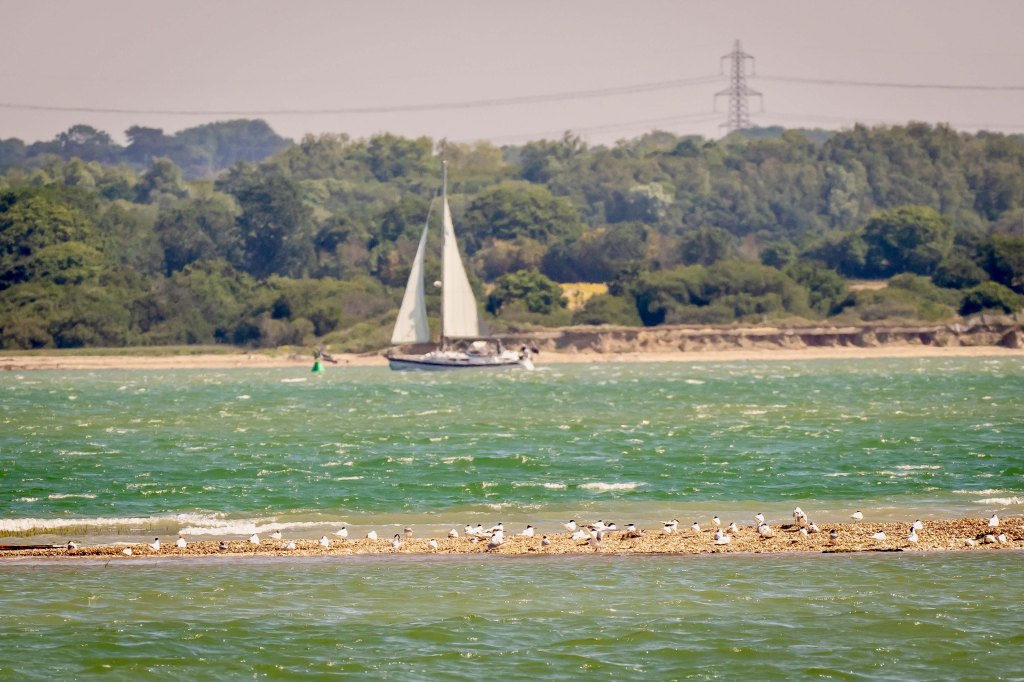
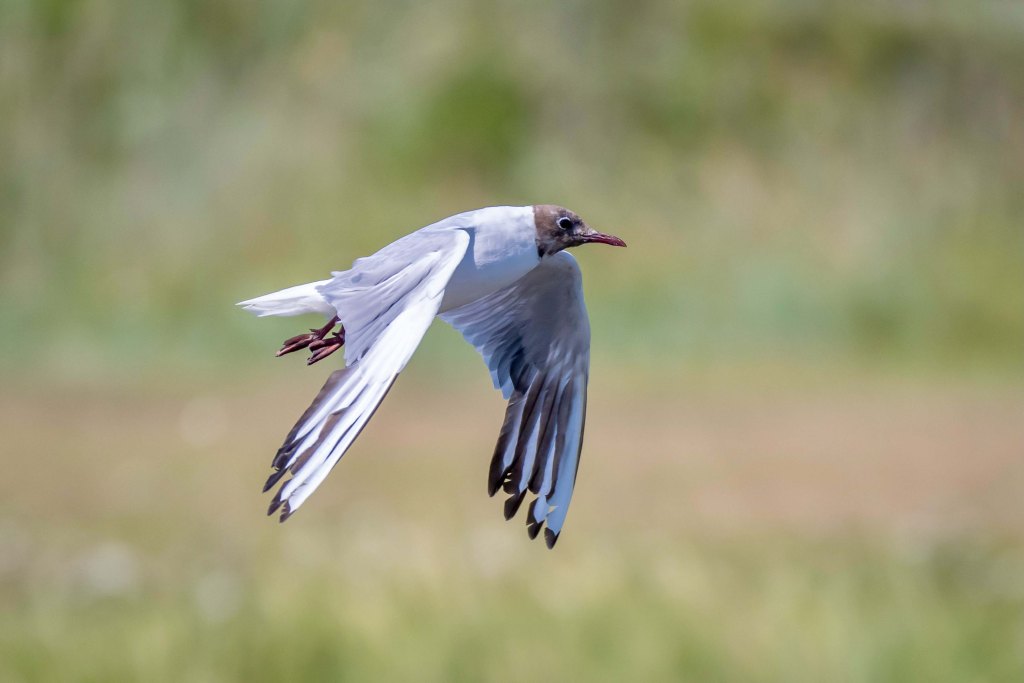
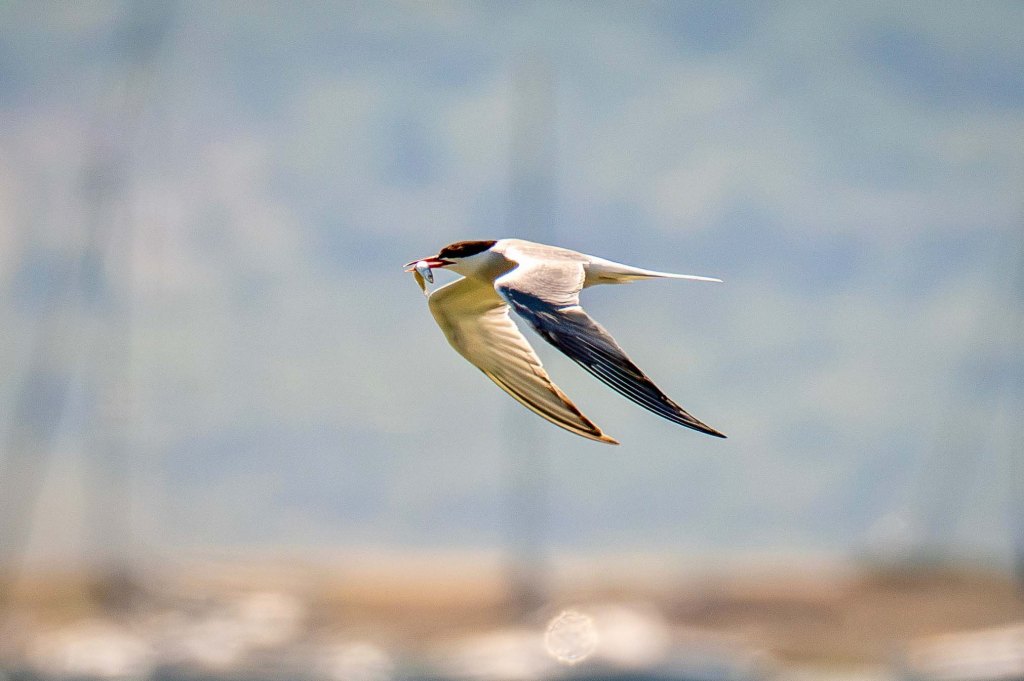
Little egretOystercatcher with muddy billCurlewCommon ringed ploverCommon ringed plover in flightOystercatcher in flightSandwich ternA colony of Sandwich terns on Southampton WaterBlack-headed gull
Our next birding trip was again only a very short ride to Lymington and Keyhaven Marshes. The internationally important coastal marshes and mudflats are teeming with fish and, as a result, thousands of sea birds and waders flock here.
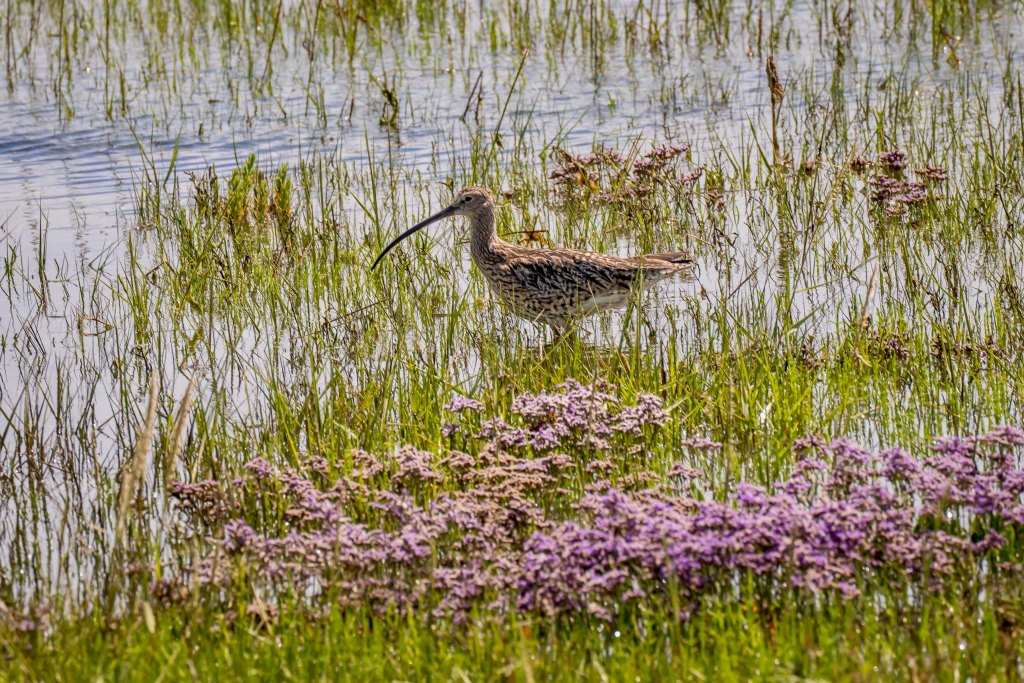
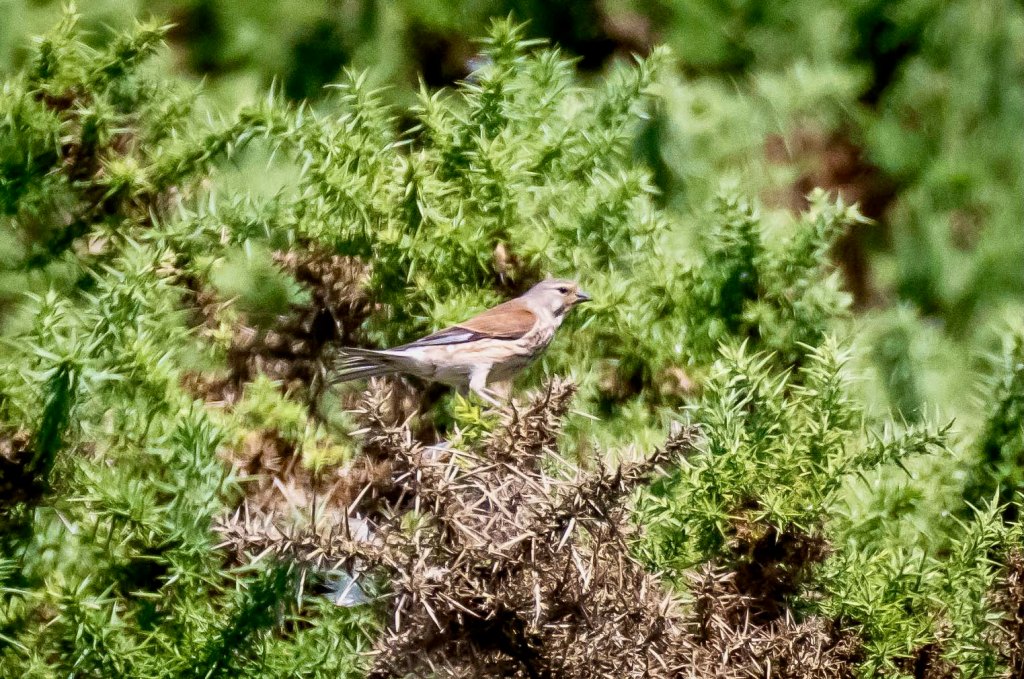
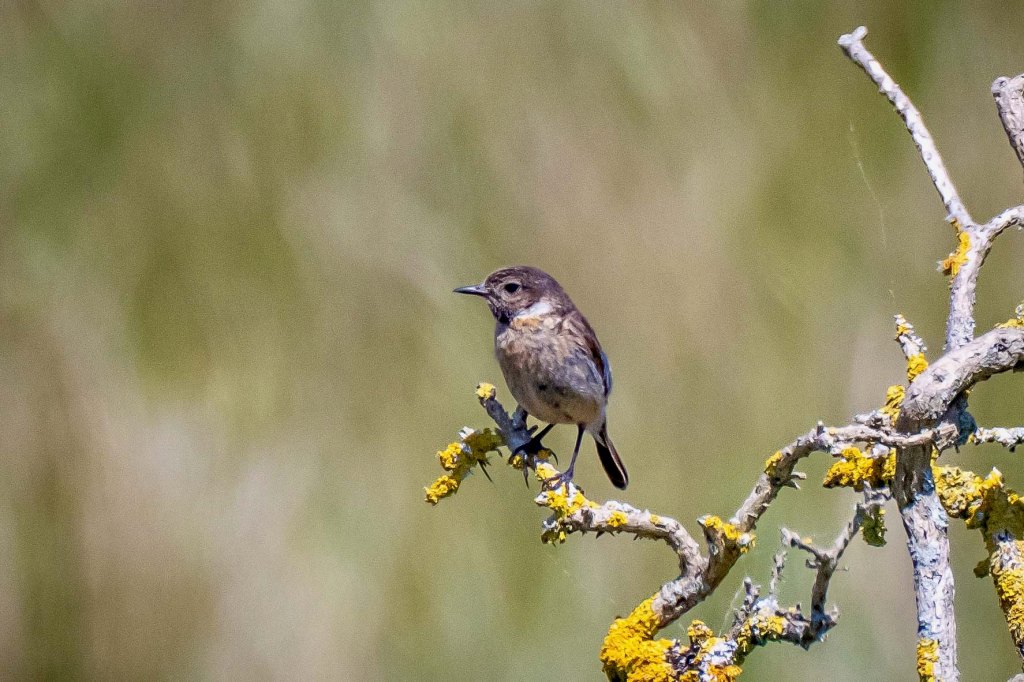
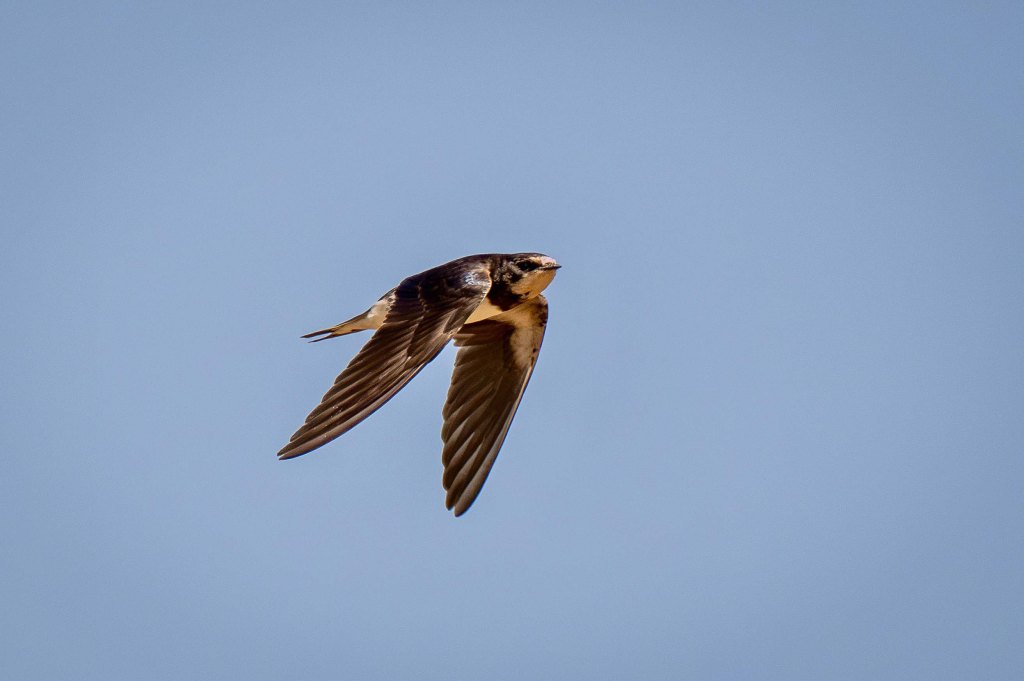
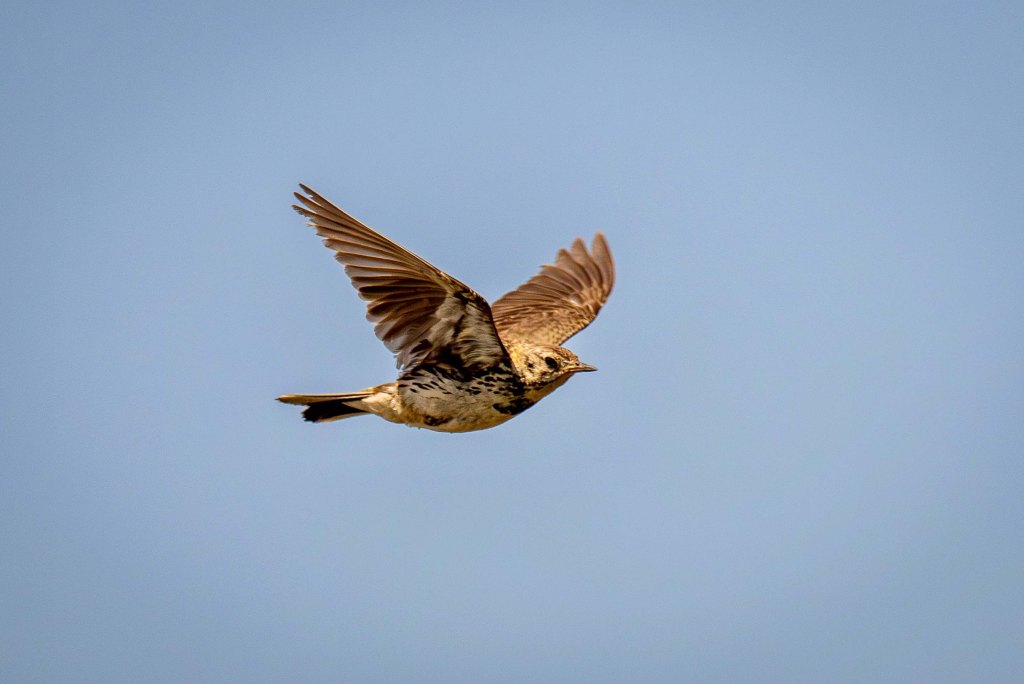
Curlew with sea lavenderCommon linnetEuropean stonechatBarn swallowMeadow pipitCommon tern
Both of these sites we would love to visit again, outside the summer season when we might expect to see even more birds.
For non birding activities we visited nearby Lymington and Beaulieu (but unfortunately we did not have enough time to visit the estate with its country house and excellent National Motor Museum) and spent a lot of time absorbing the atmosphere of Buckler’s Hard by visiting its excellent museum and taking a river cruise on the Beaulieu river.
We also had several visits to the Master Builder’s House (now a pub and restaurant) which, fortuitously, was only a hundred yards from our cottage.
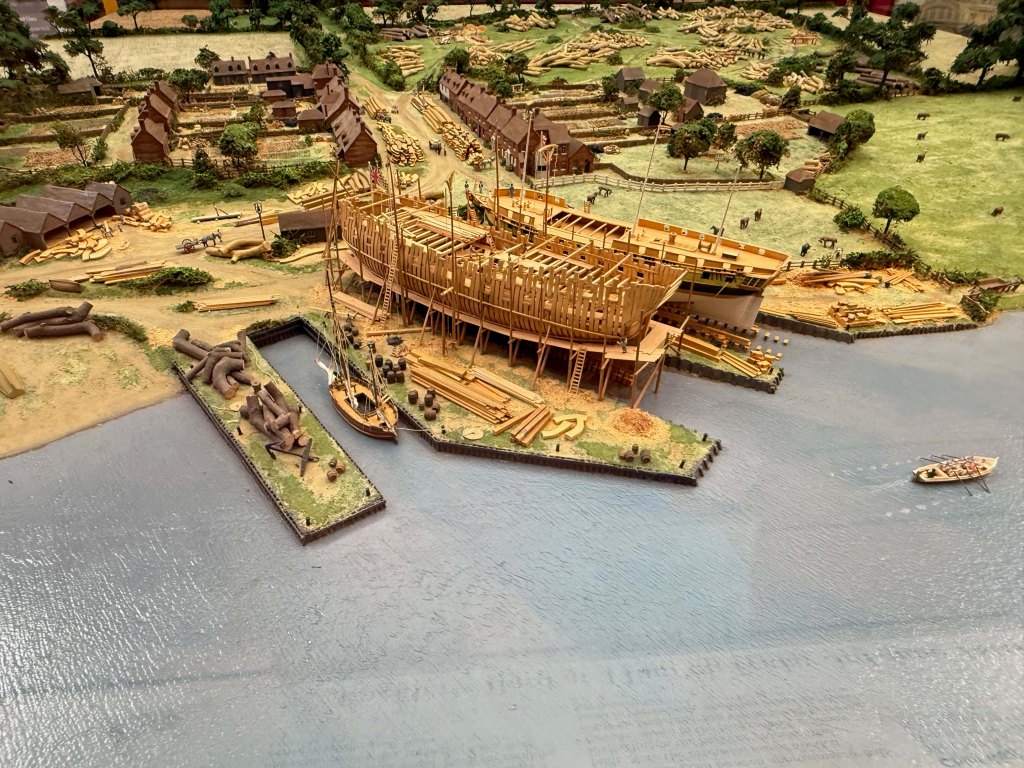
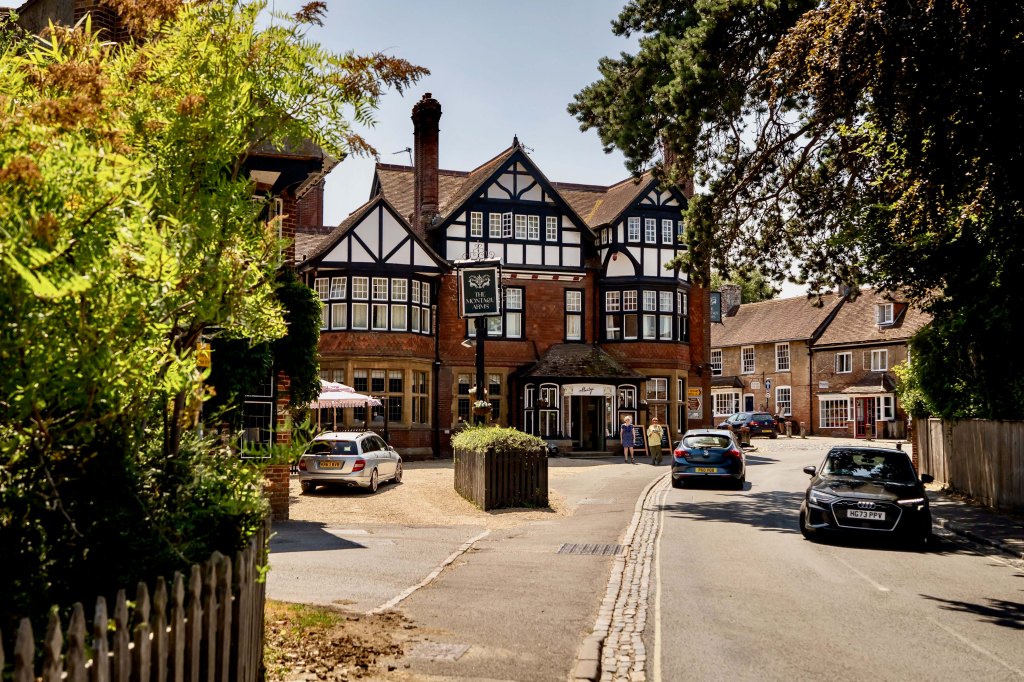
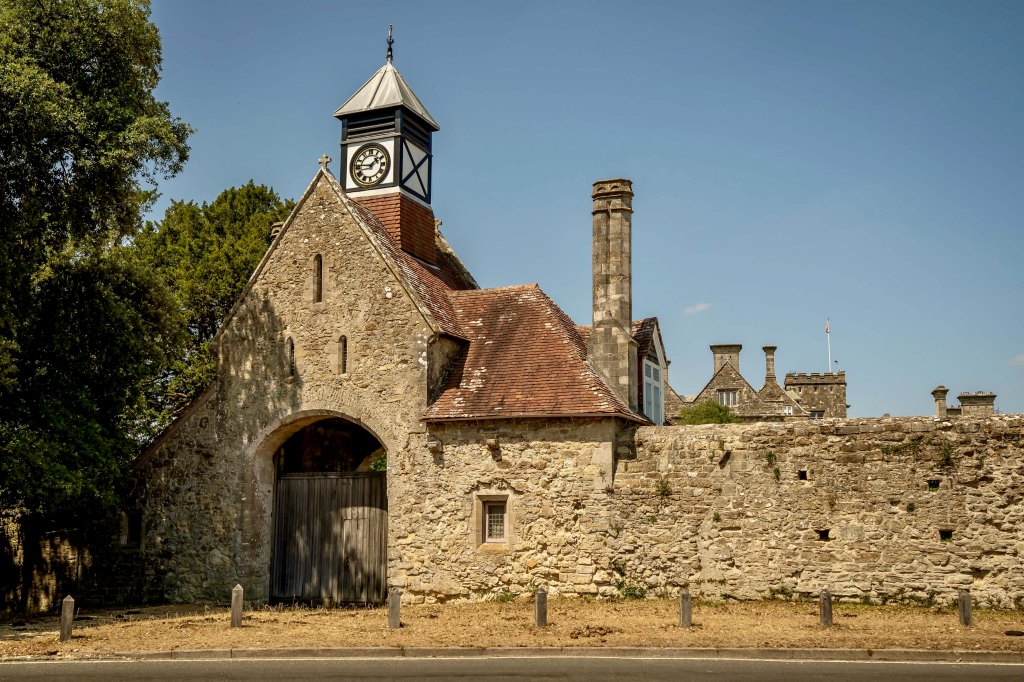
The village of Buckler’s HardOutside the excellent museum at Buckler’s HardRepresentation of Buckler’s Hard in its boat builder heyday in the early 19th Century in the museumThe Montague Arms in the village of BeaulieuPart of the Beaulieu EstateIt was good to enjoy a pint of our local (Bristol) zero percent bitter on a stop-off for lunch on the way home!