As I am currently constrained from travelling very far (no I have not been subjected to a restraining order) we have spent our summer holidays exploring the south coast of England from Hampshire through to Devon.
We are currently staying in a lovely cottage (recently restored from a dairy milking parlour) in the tiny village of Southleigh in East Devon (https://www.southleighholidays.co.uk).
One of the reasons for choosing this area is the proximity to Seaton Wetlands which we have never visited and which looked quite attractive on the website.
Our first visit this morning did not disappoint. The “Wild East Devon” website says of this area:
“Seaton Wetlands is a countryside haven, home to an abundance of wildlife.
The site is made up of four main areas: Seaton Marshes, Black Hole Marsh, Colyford Common and Stafford Marsh.
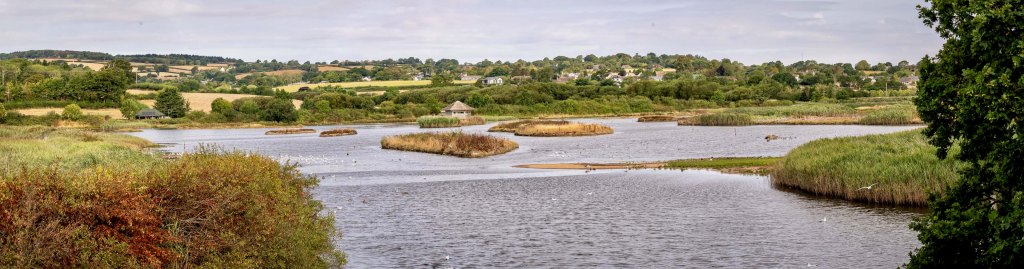
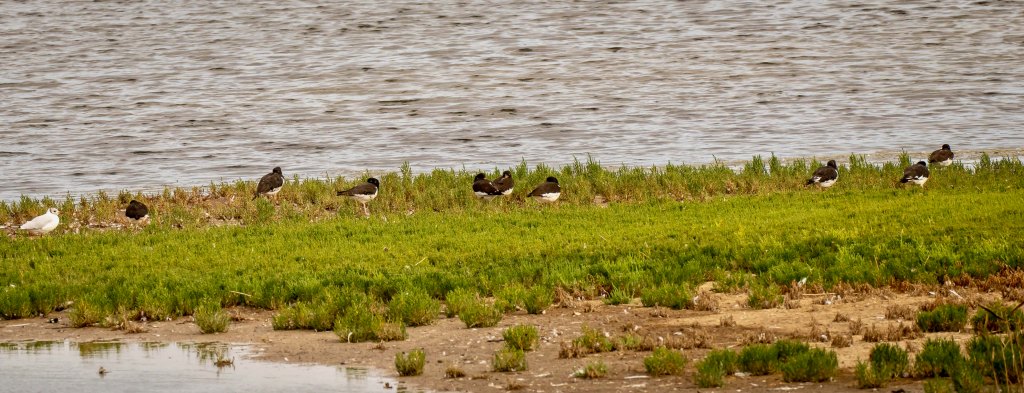
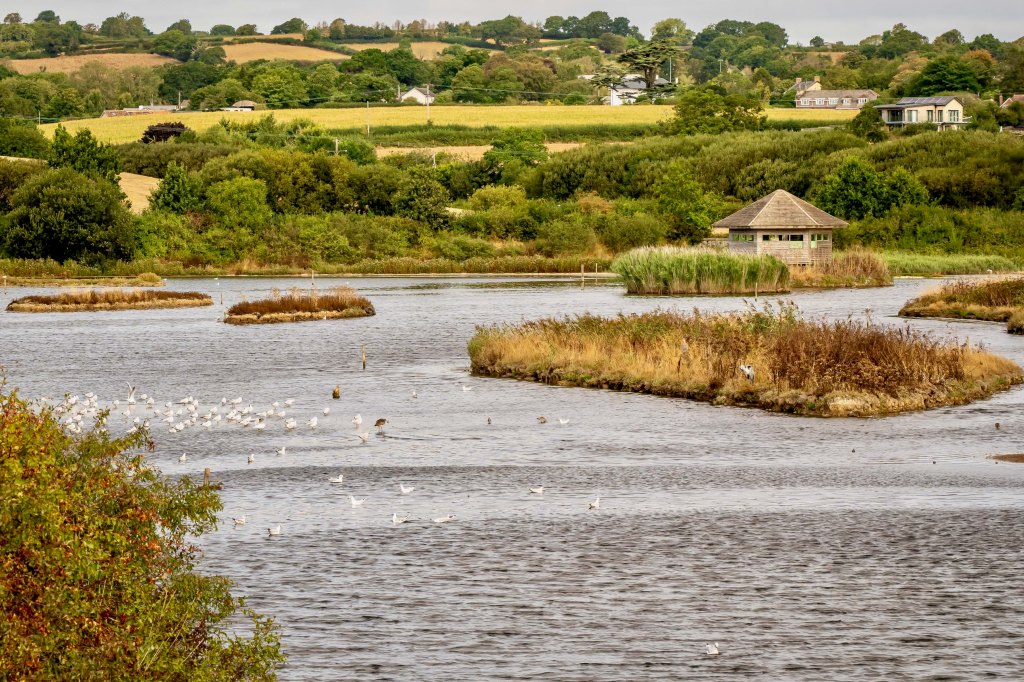
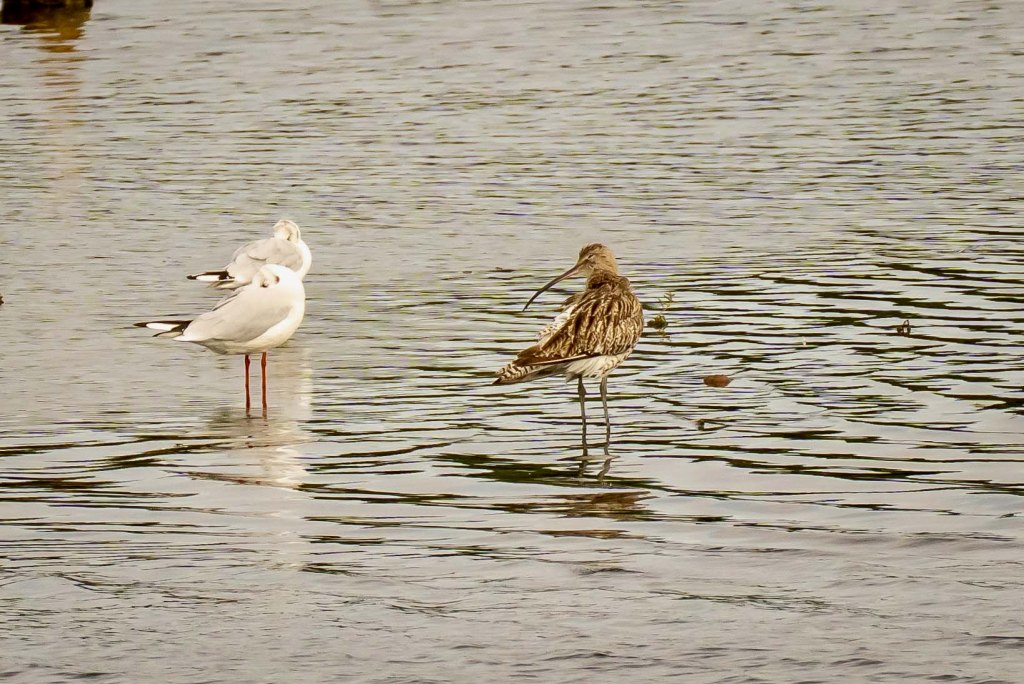
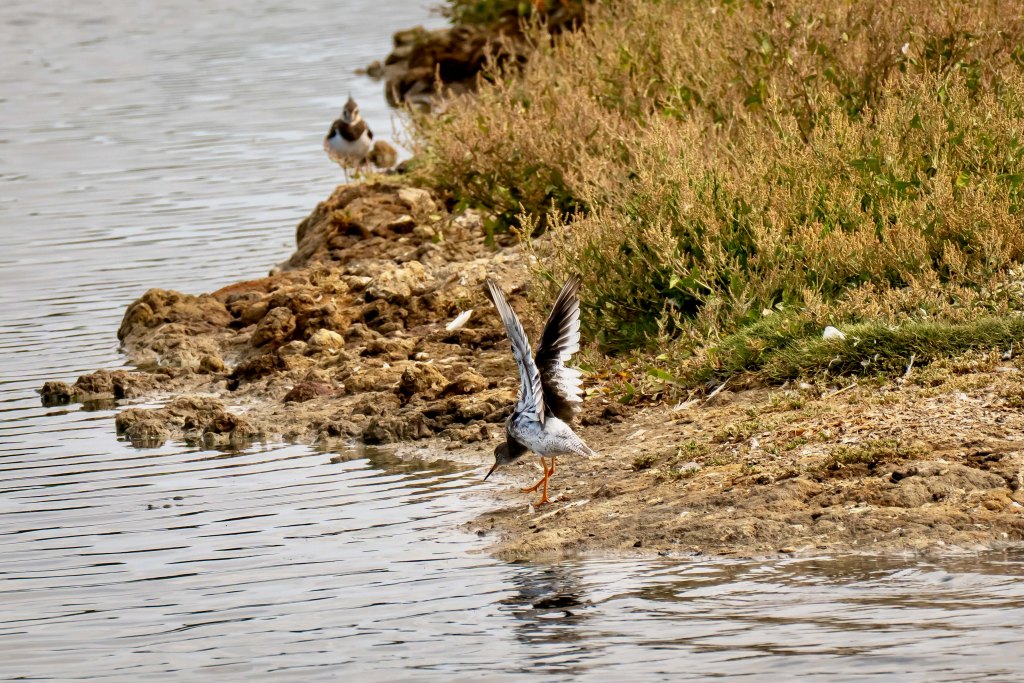
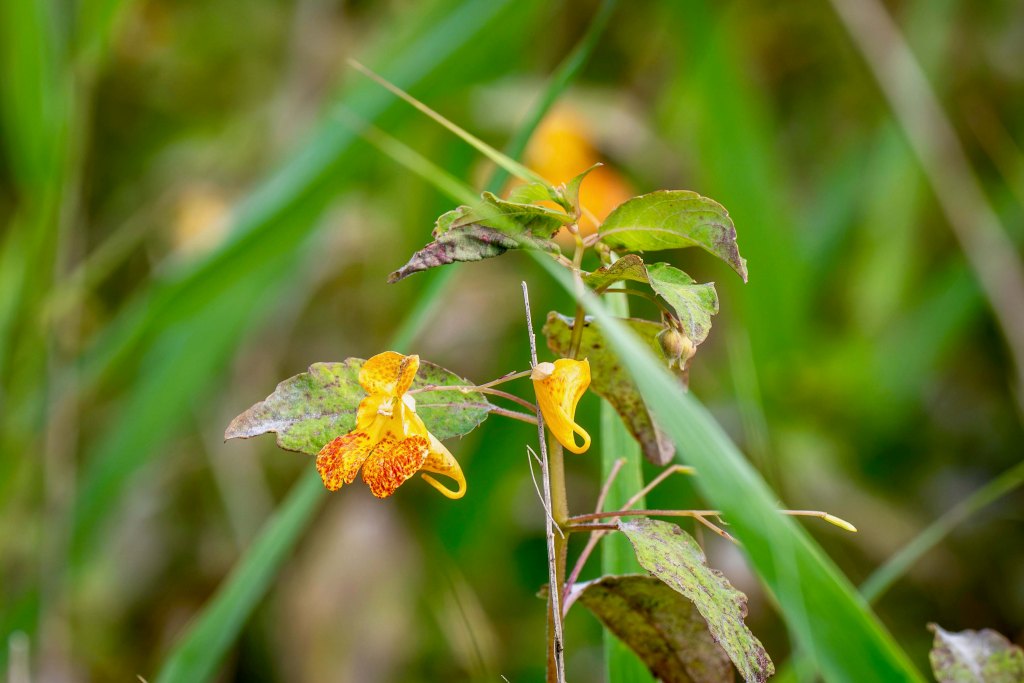
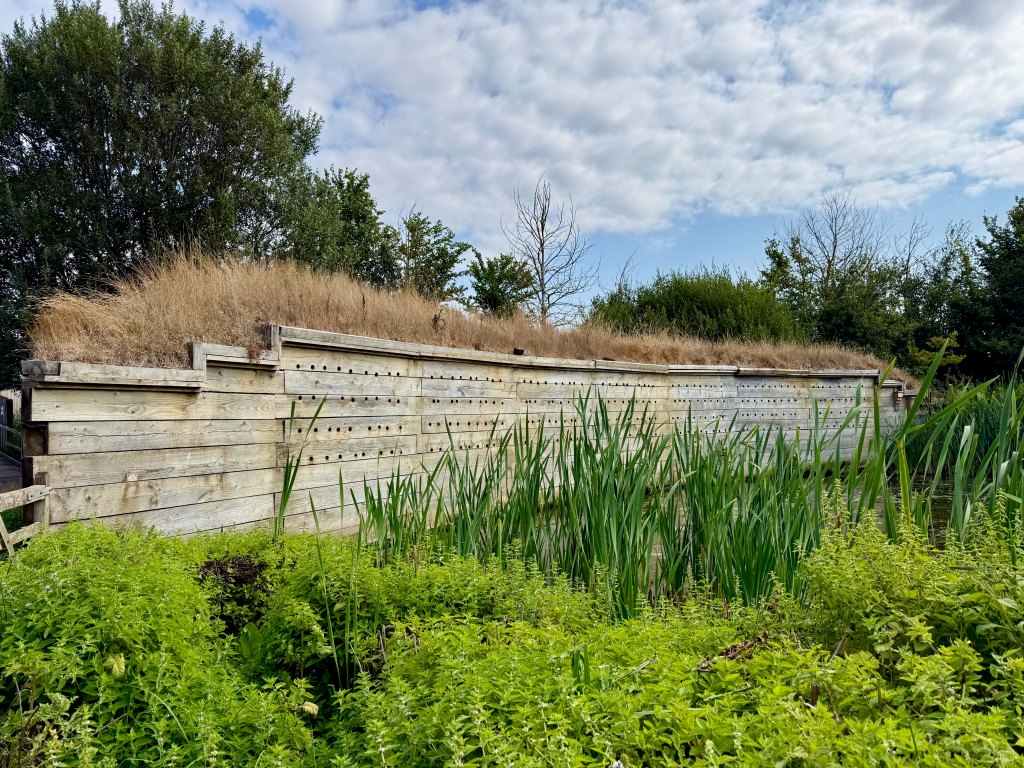
This morning we visited Black Hole Marsh.
Again from the “Wild East Devon” website:
“Black Hole Marsh (BHM) was bought by East Devon District Council in 2008. Following planning approval, we created a saline lagoon on what was previously a drained agricultural field, with little wildlife interest. Islands were created on a large shallow scrape. The Environment Agency worked with a local engineering company to devise an innovative self-regulating tidal exchange gate, allowing water of just the right salinity to enter the lagoon.”
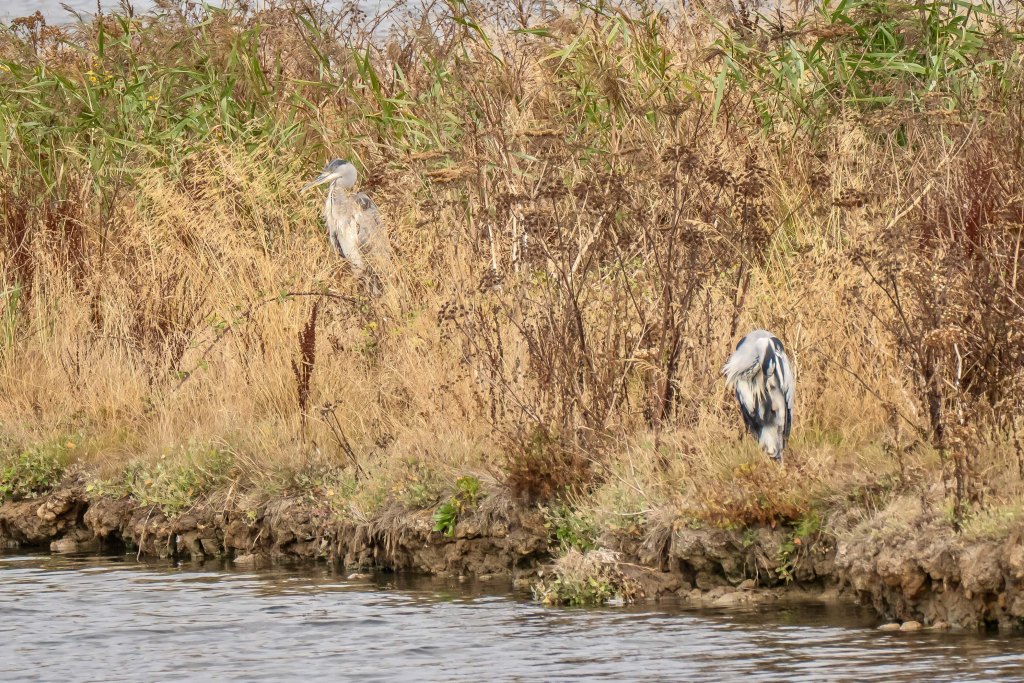
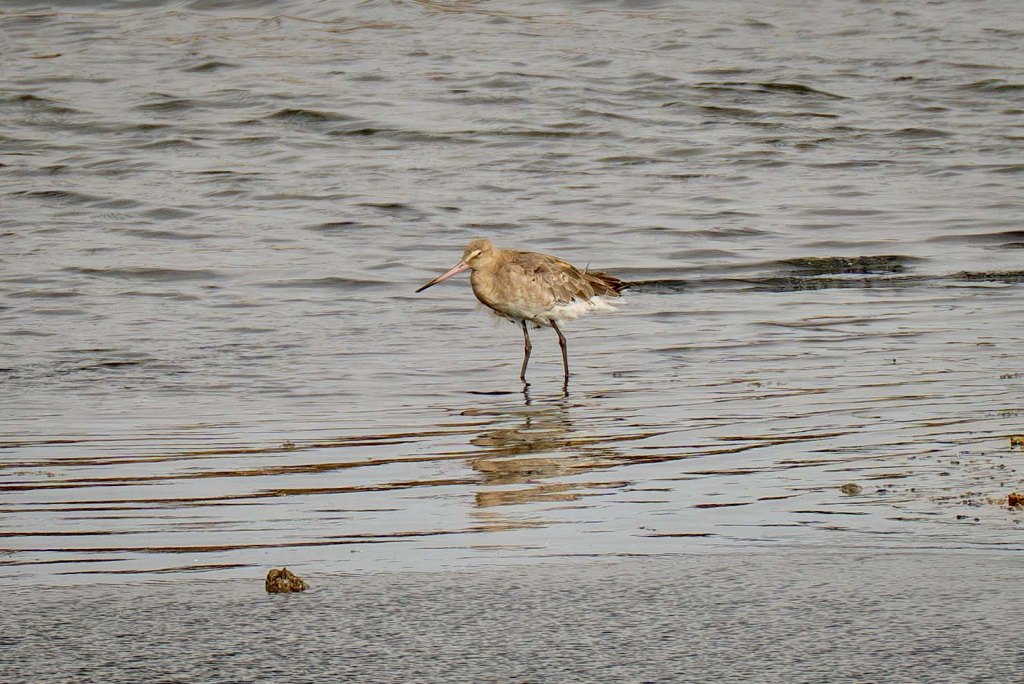
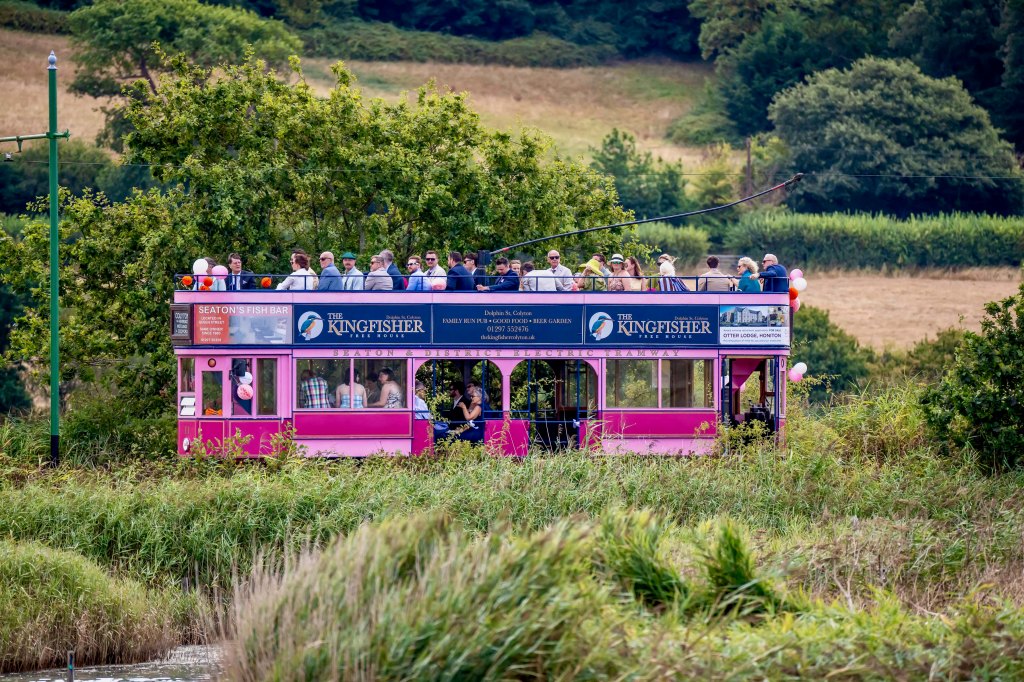
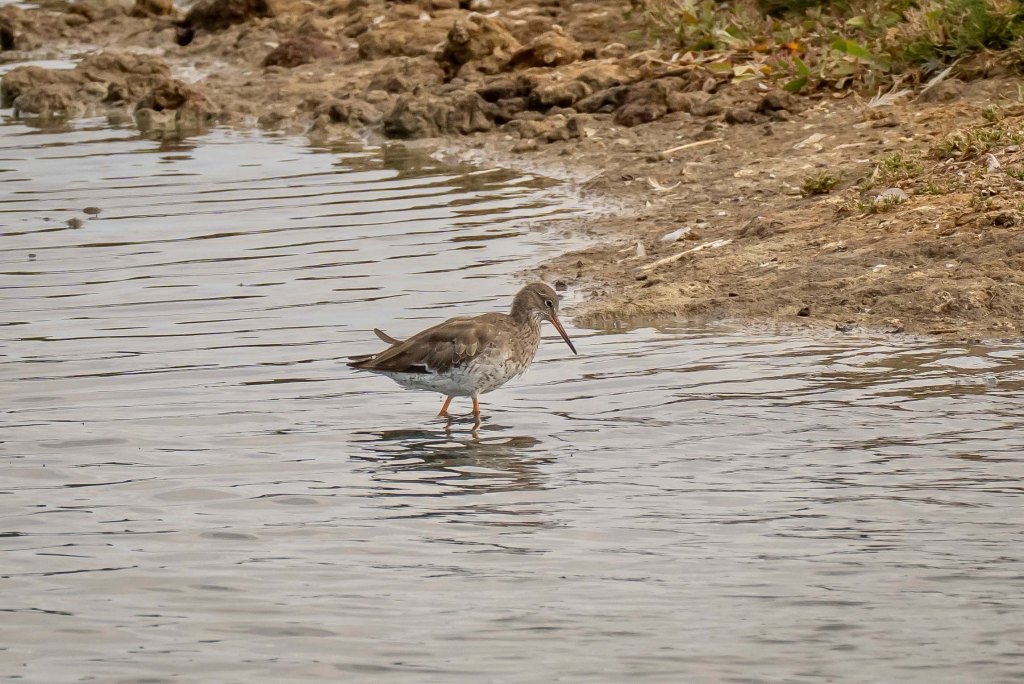




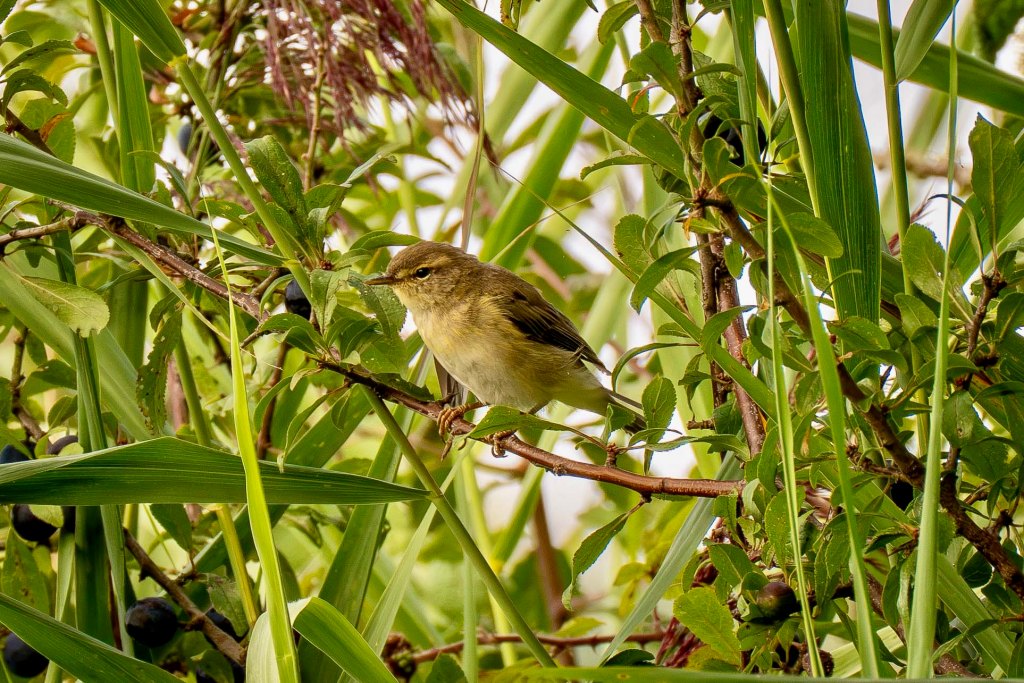
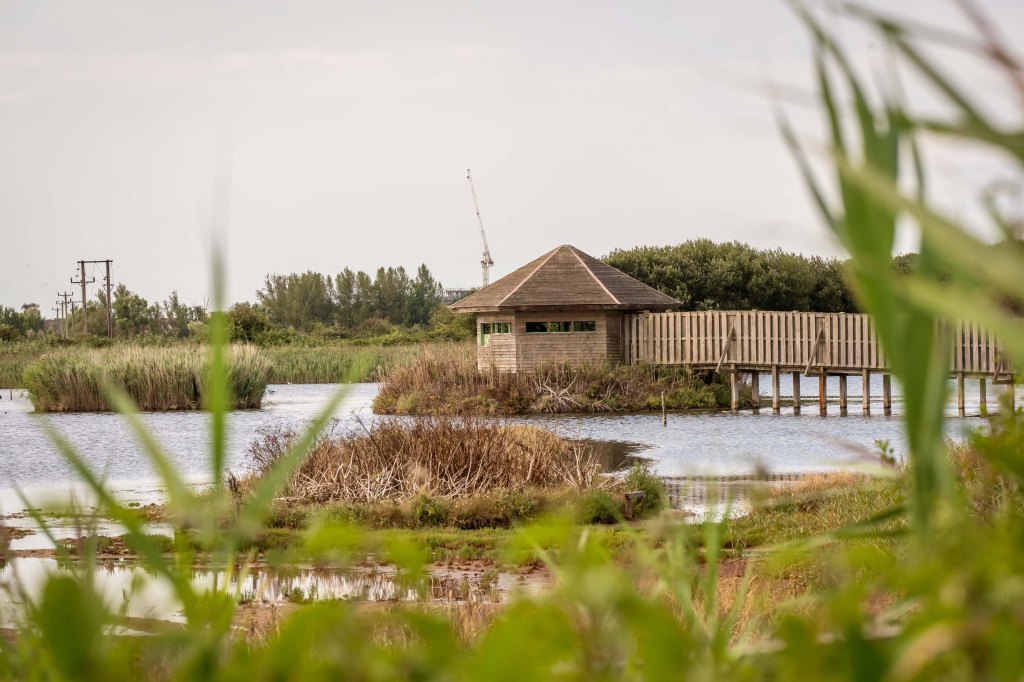
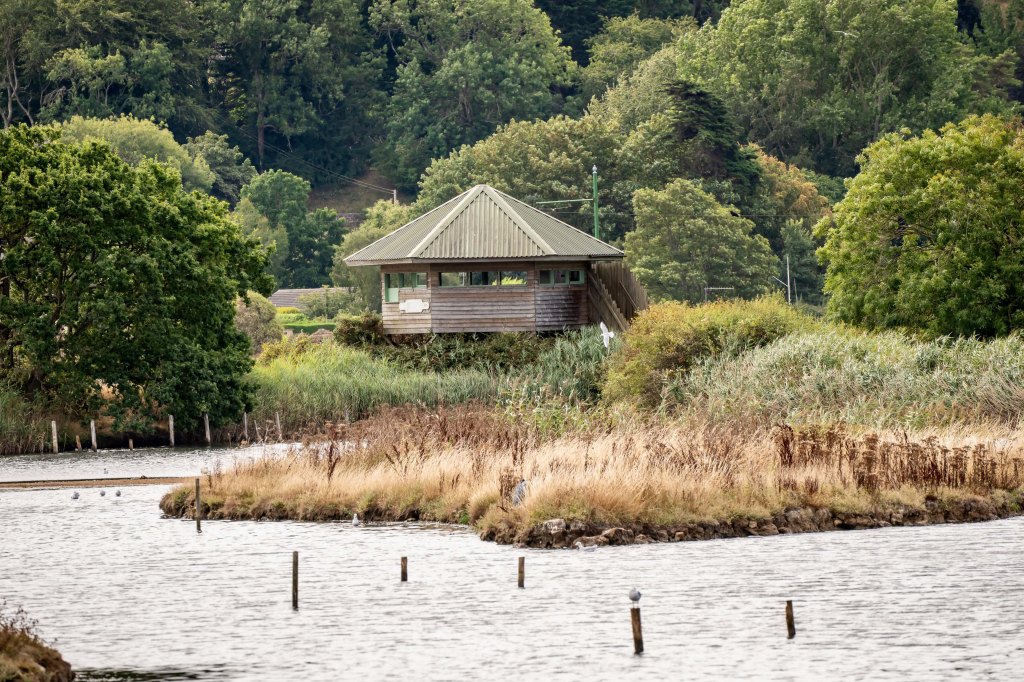

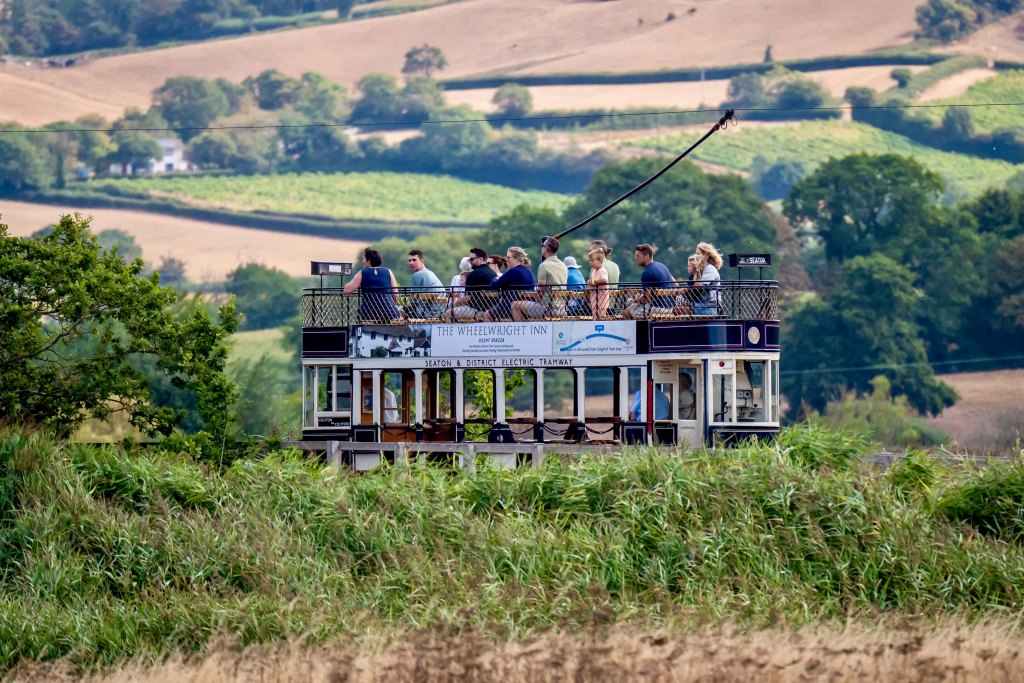


Comments
One response to “15th August 2026 – Seaton Wetlands, Devon”
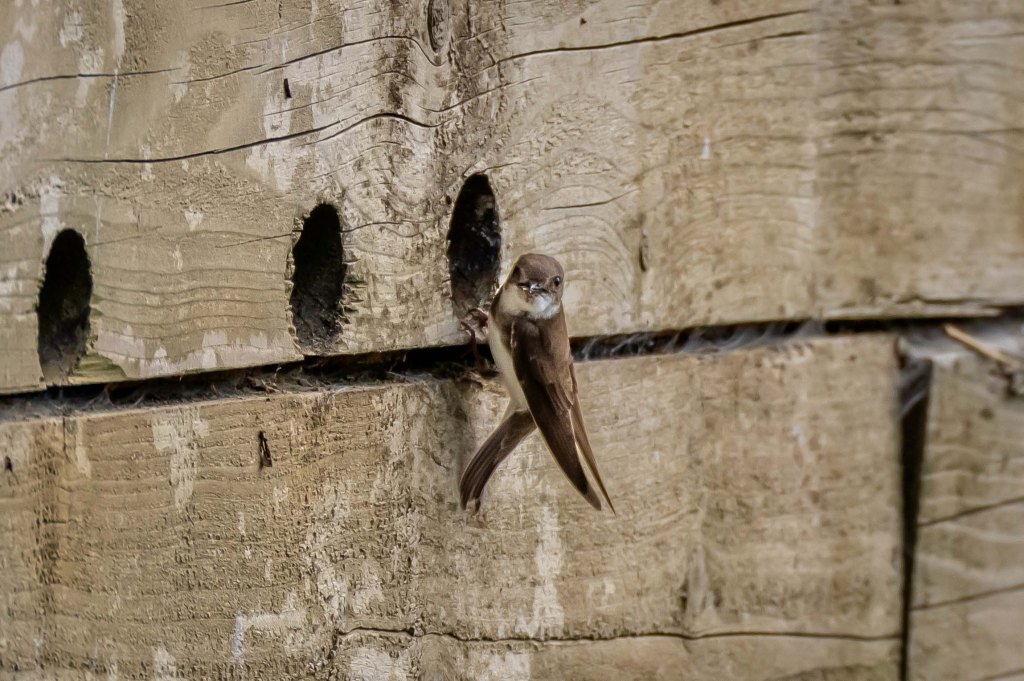
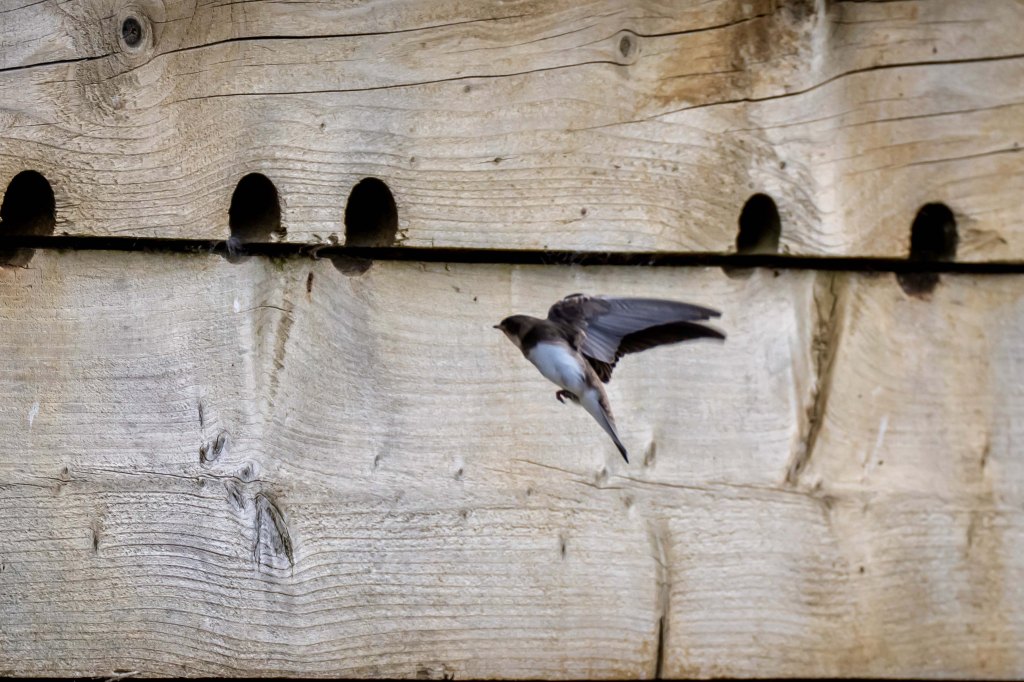
I hope you do a tram ride. I’ve never been on a tram. I’d like to see a few close ups. Lovely photos. I especially like the sand Martin chick waiting to be fed.
LikeLike