It was a very gloomy morning at Slimbridge but, even though we are between seasons with not so many birds around, our spirits were lifted with some exciting moments. We even heard our first willow warbler.
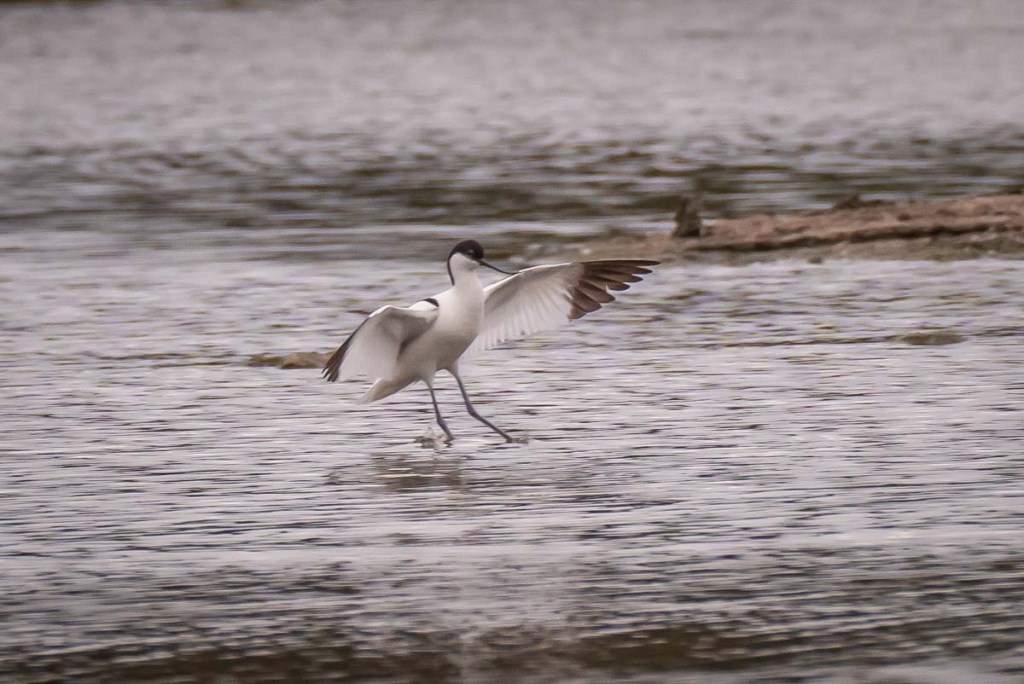
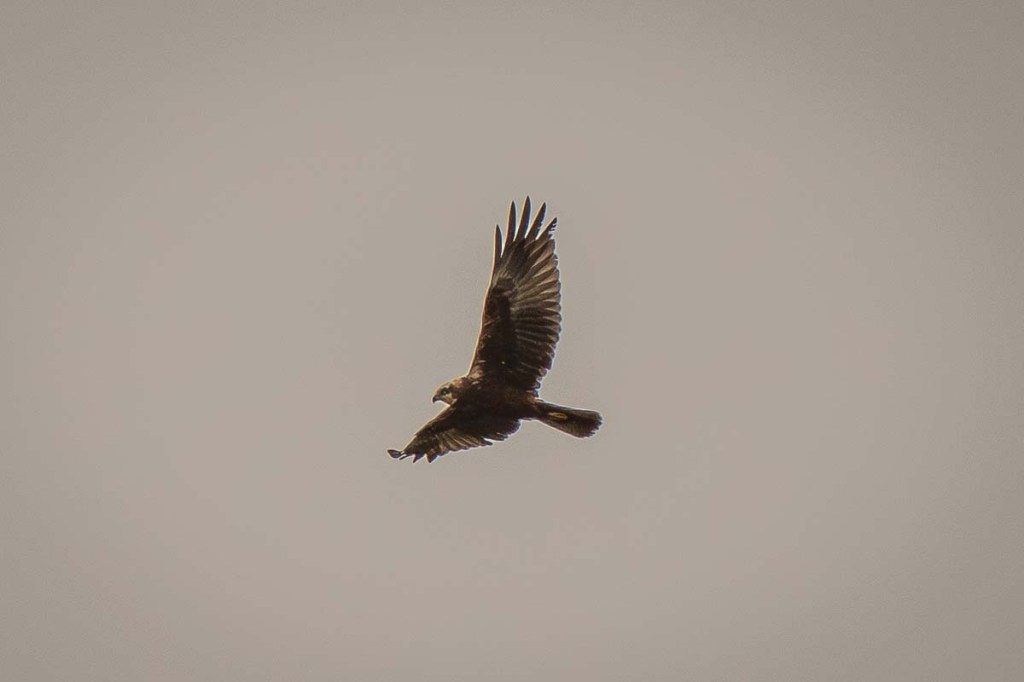
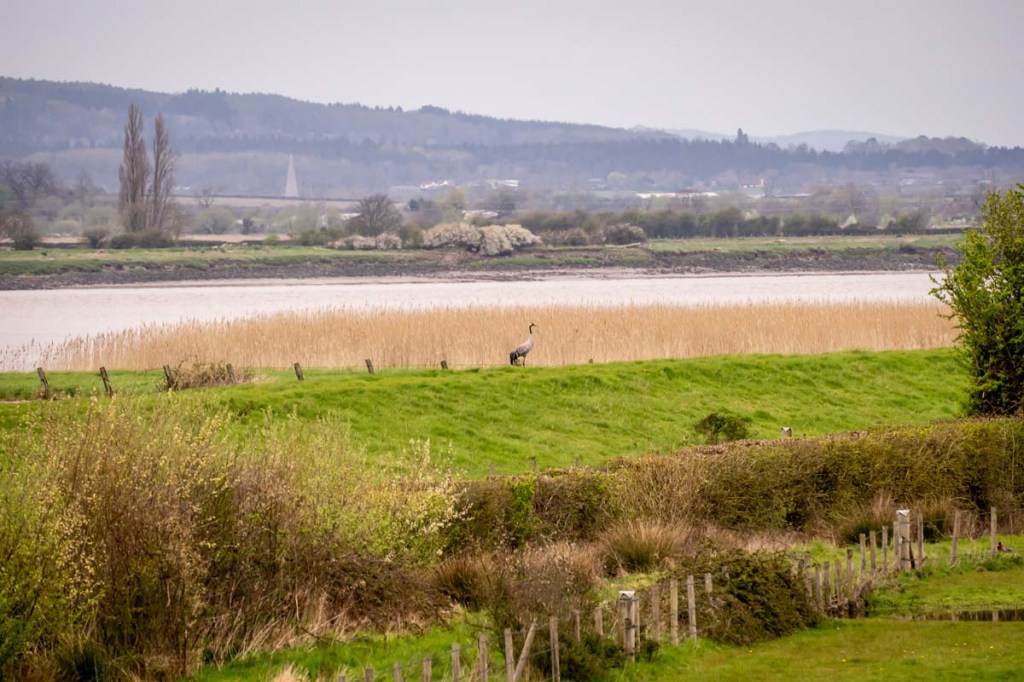
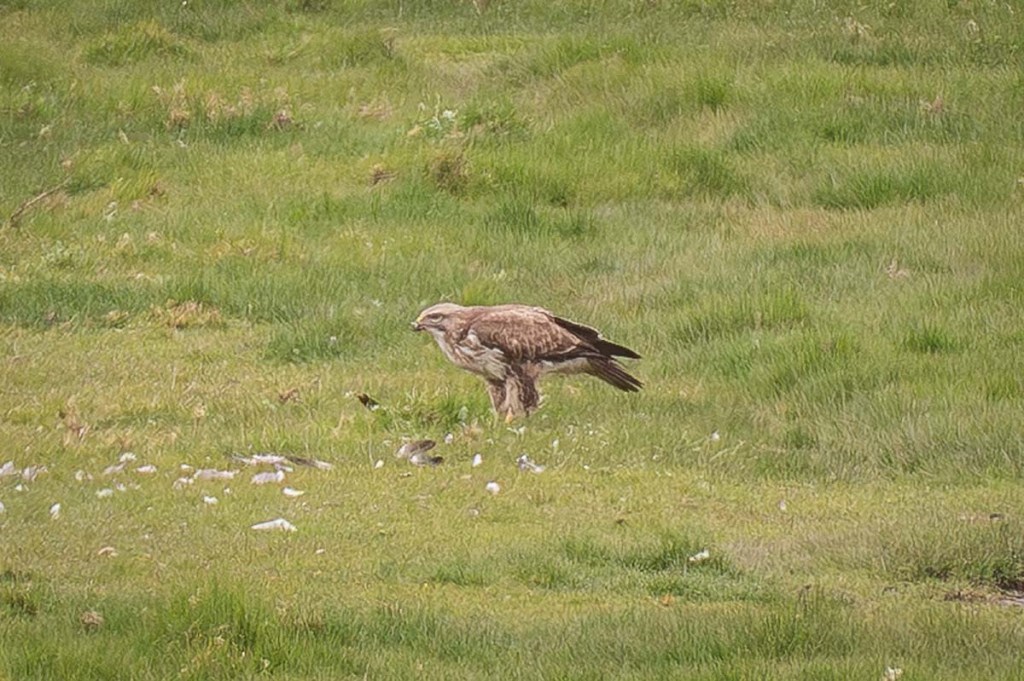
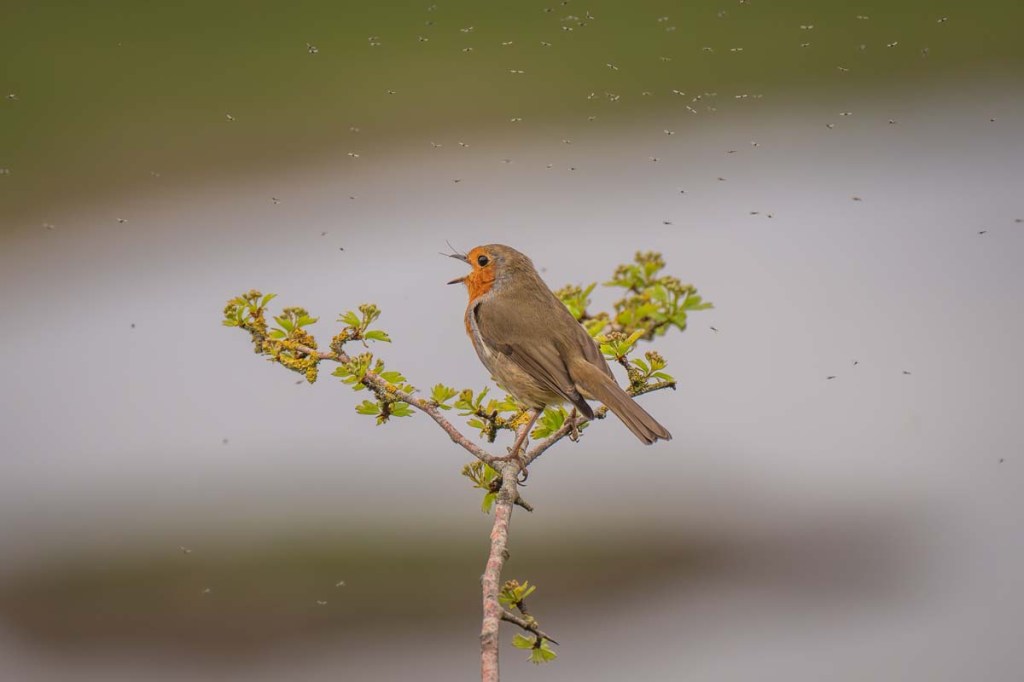
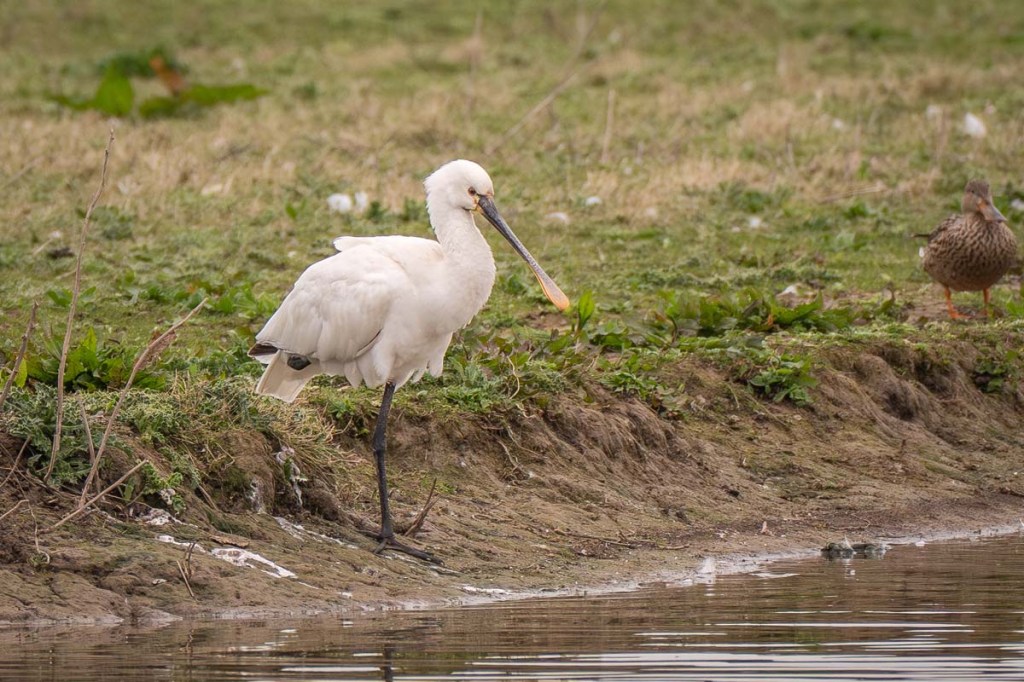
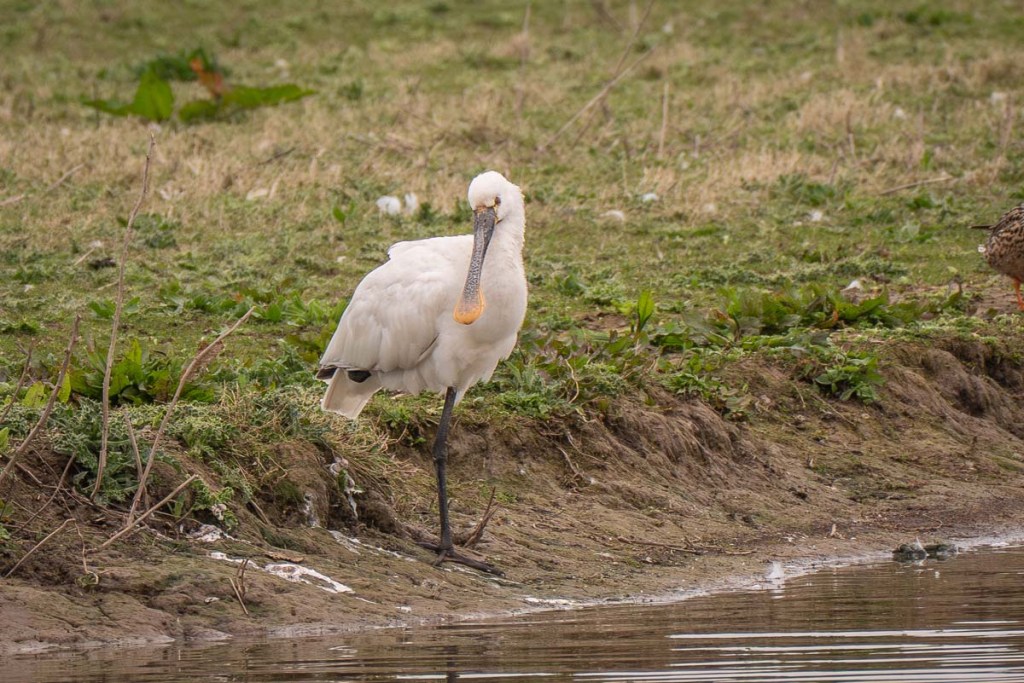
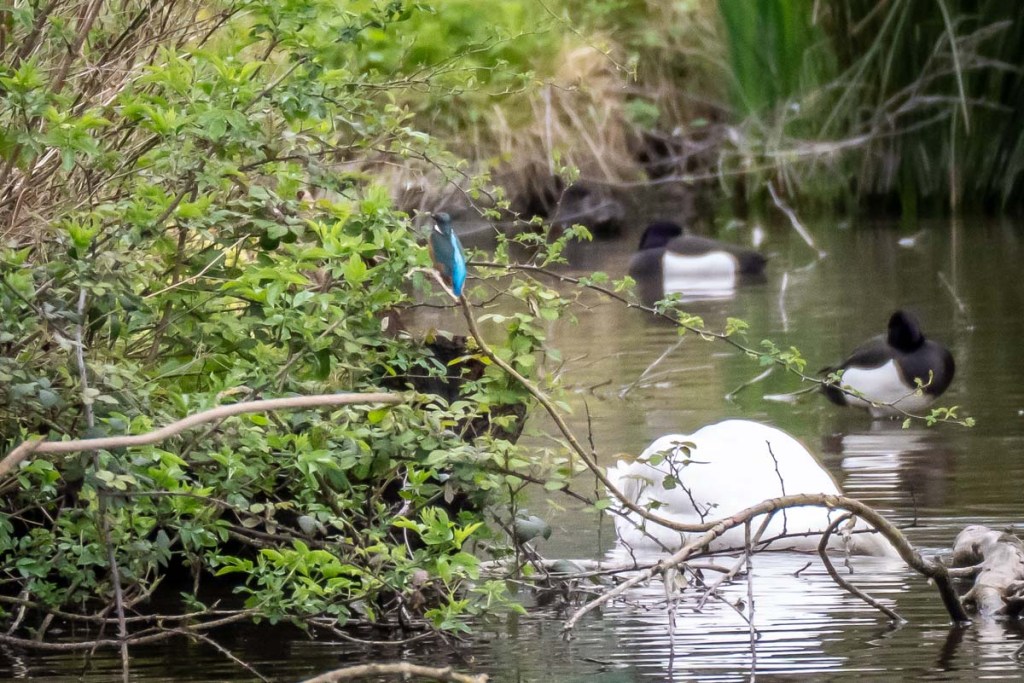
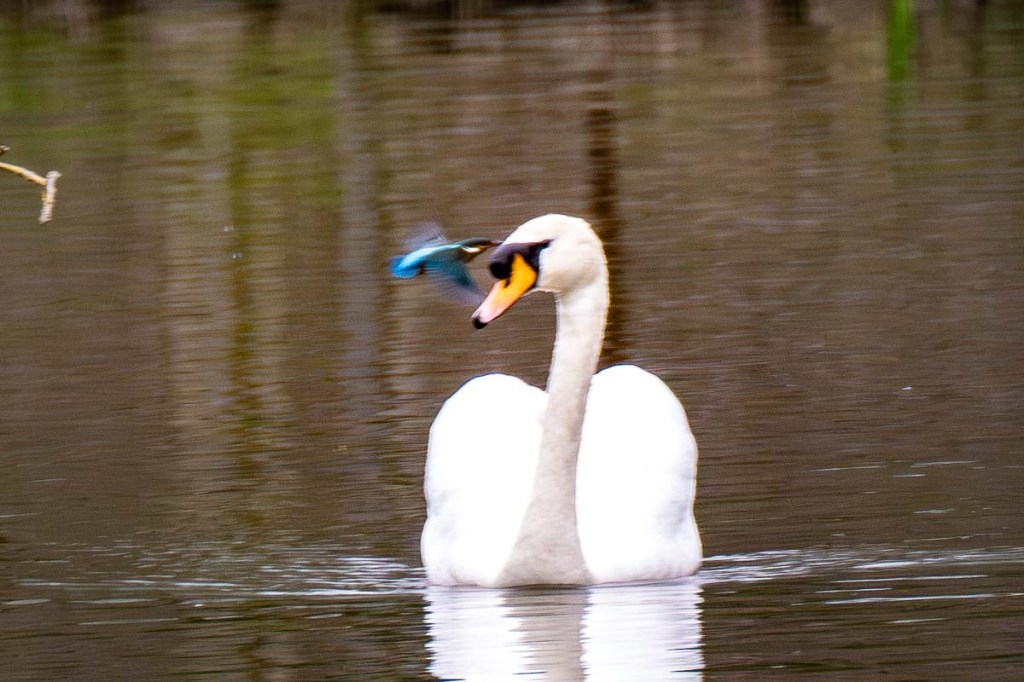
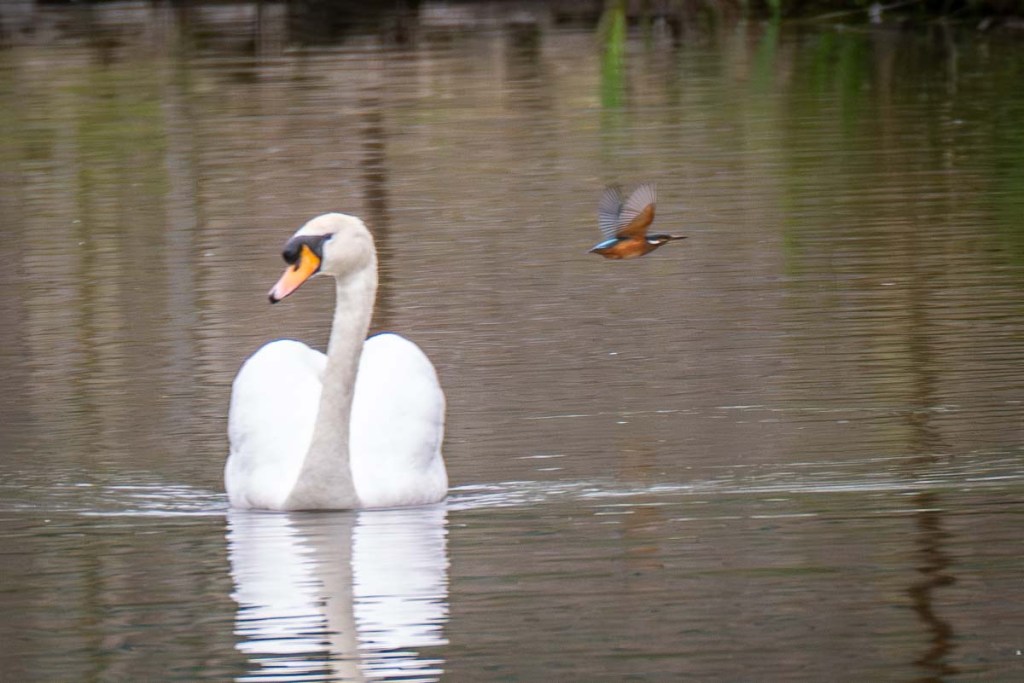
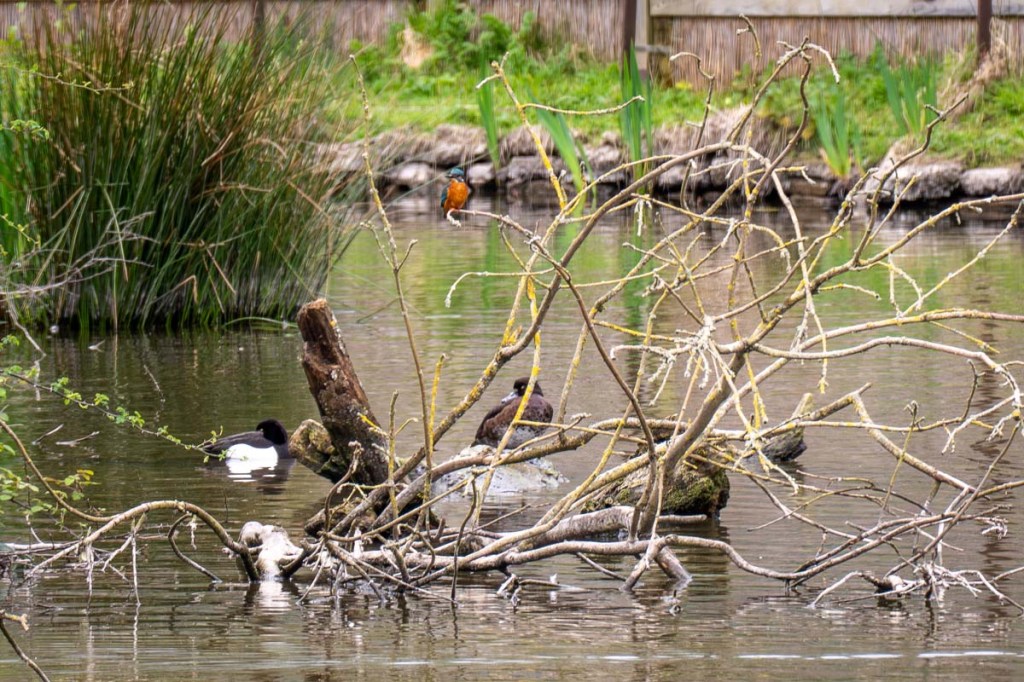
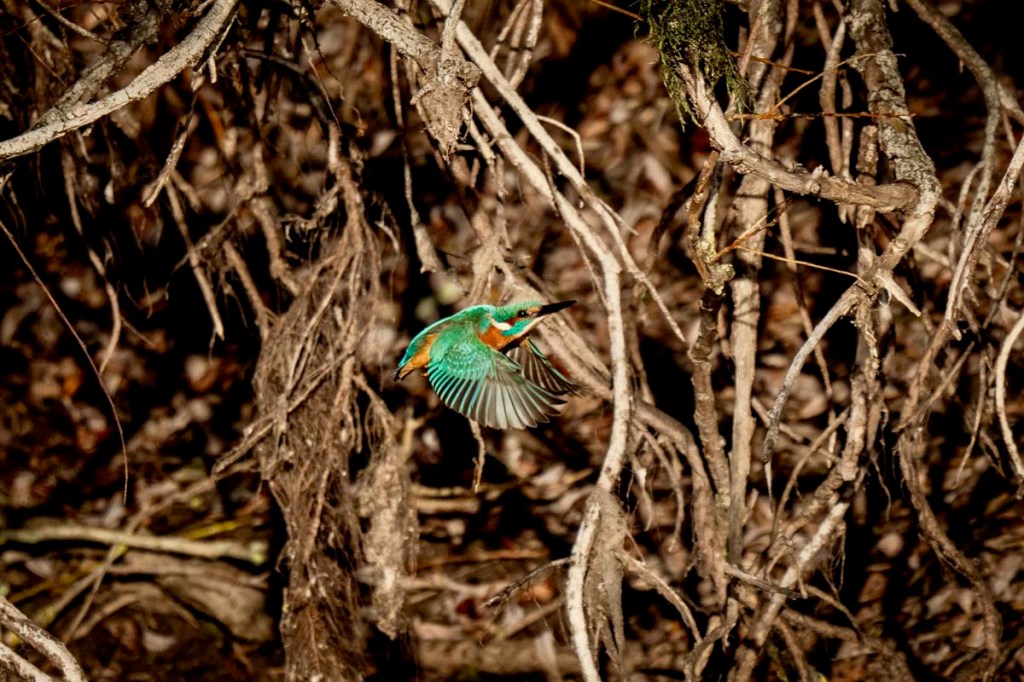
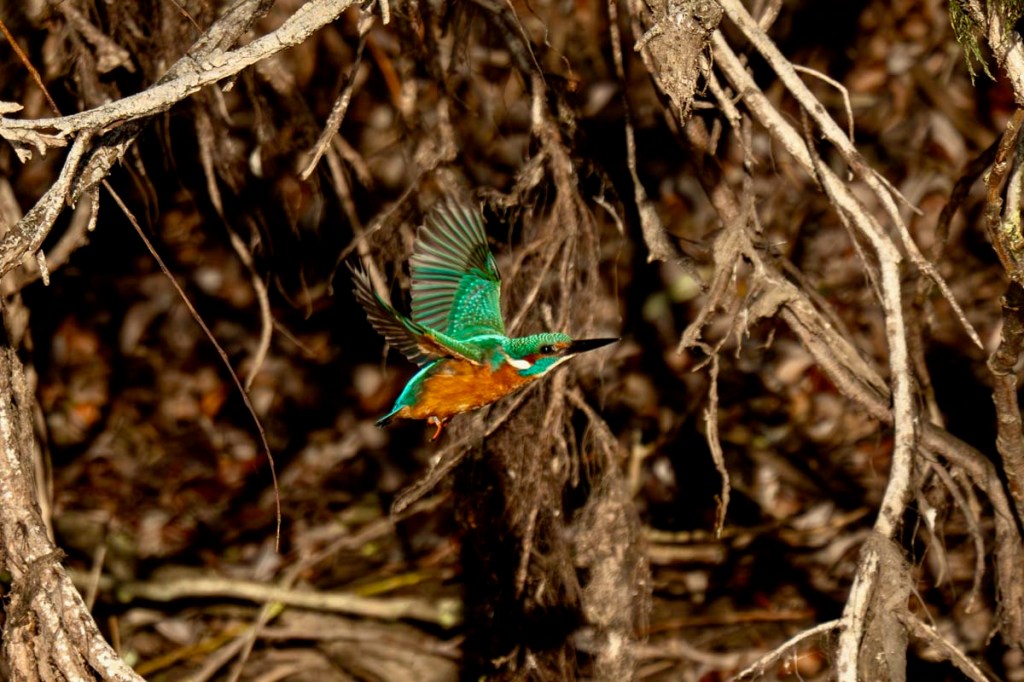
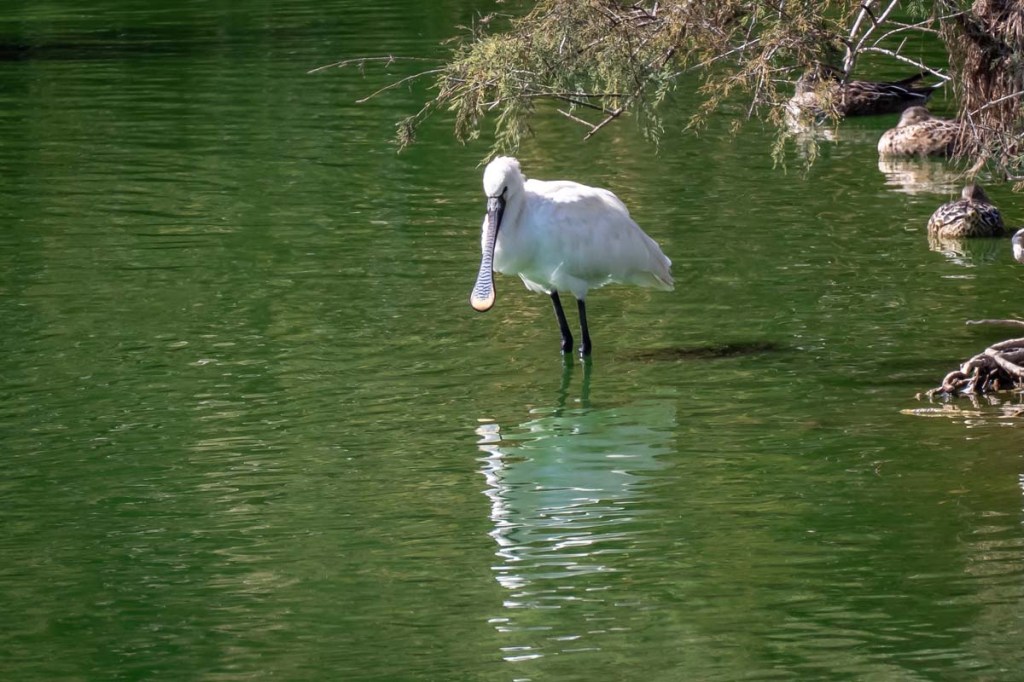
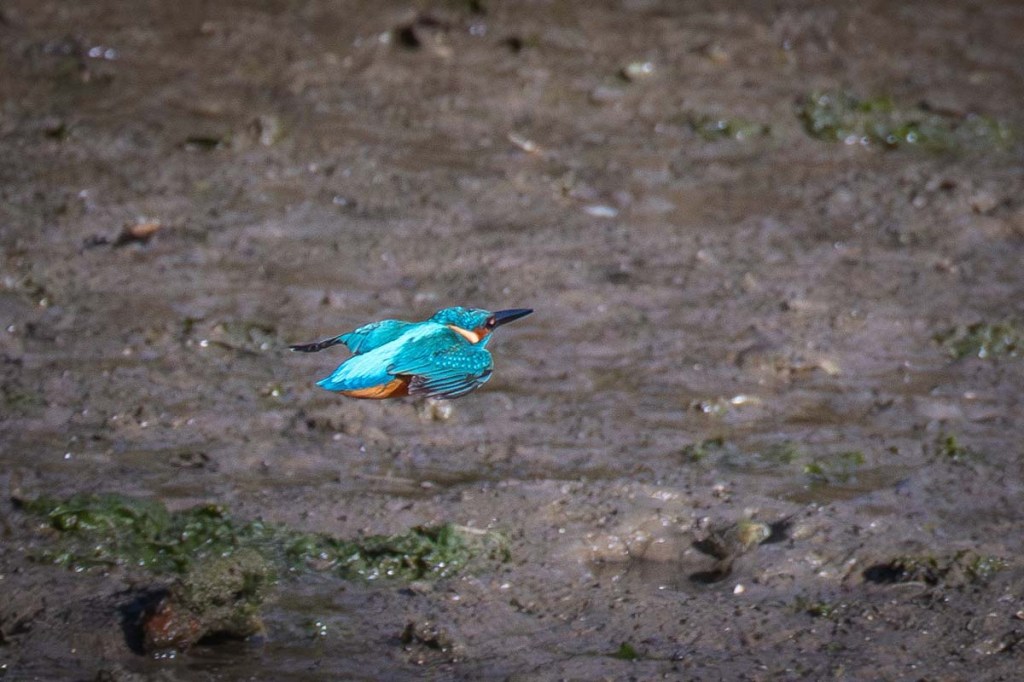
Avocet from the Rushy hide.Western marsh harrier high over the Rushy hideCommon crane on the Severn Estuary from the Estuary Tower hideCommon buzzard from the Estuary Tower hideEuropean robin with plenty of flies for company (or food?)Eurasian spoonbill from the Robbie Garnett hideEurasian spoonbill from the Robbie Garnett hideKingfisher from the Decoy hideKingfisher from the Decoy hideCollision avoidedKingfisher from the Decoy hide
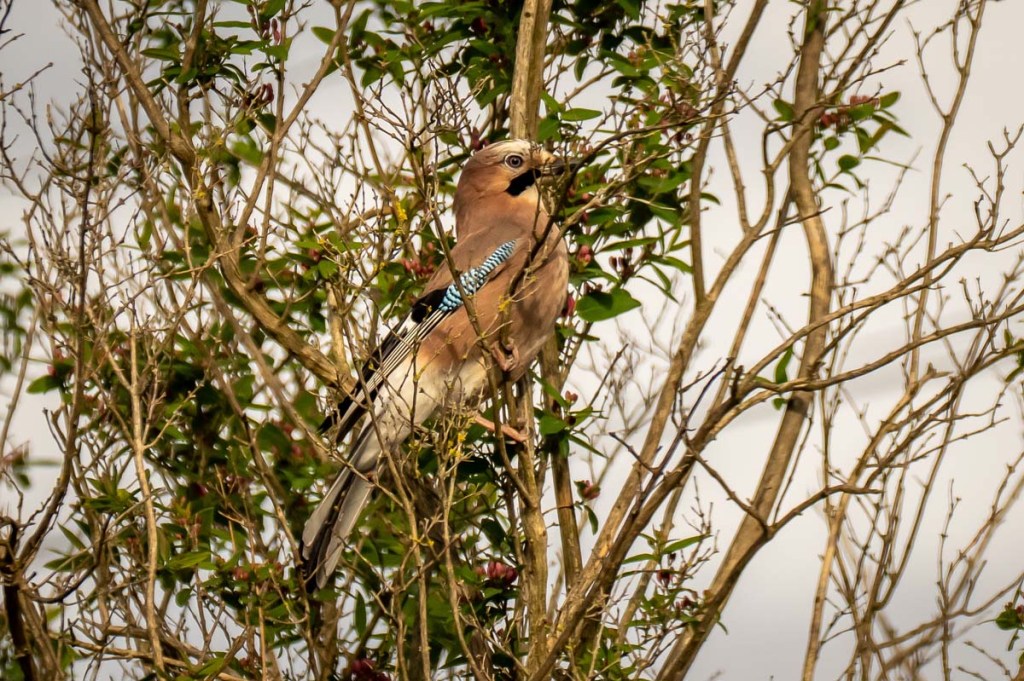
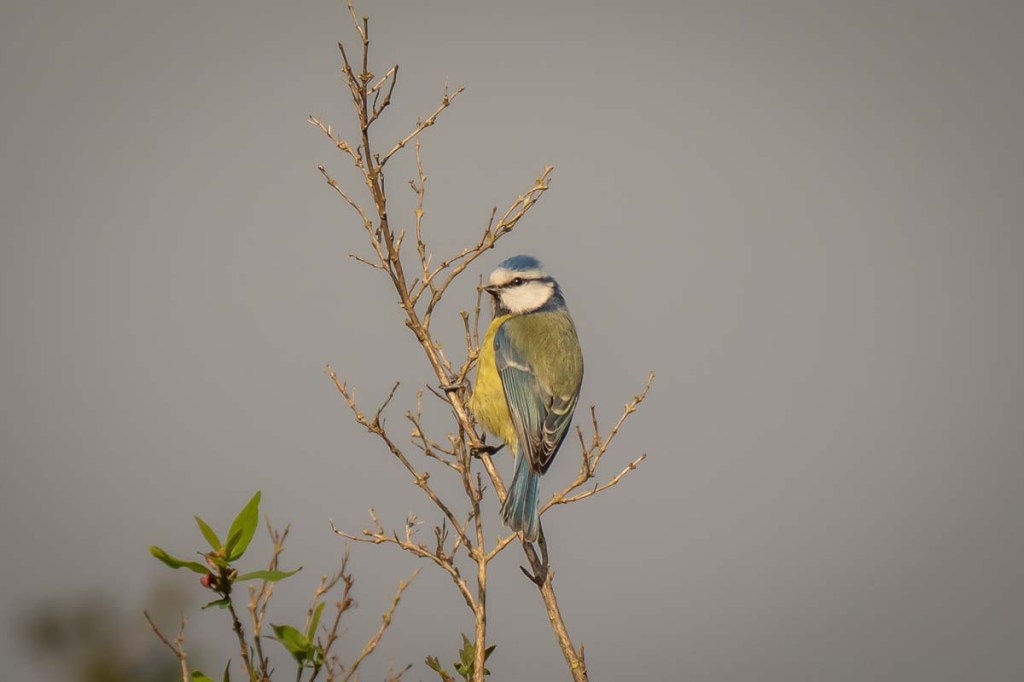
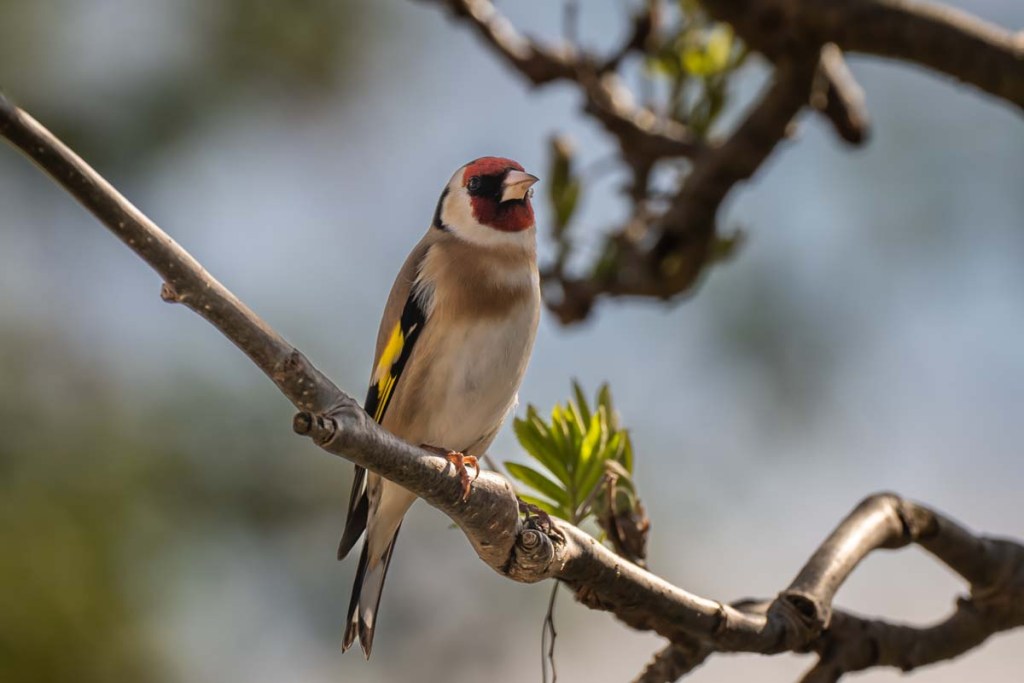
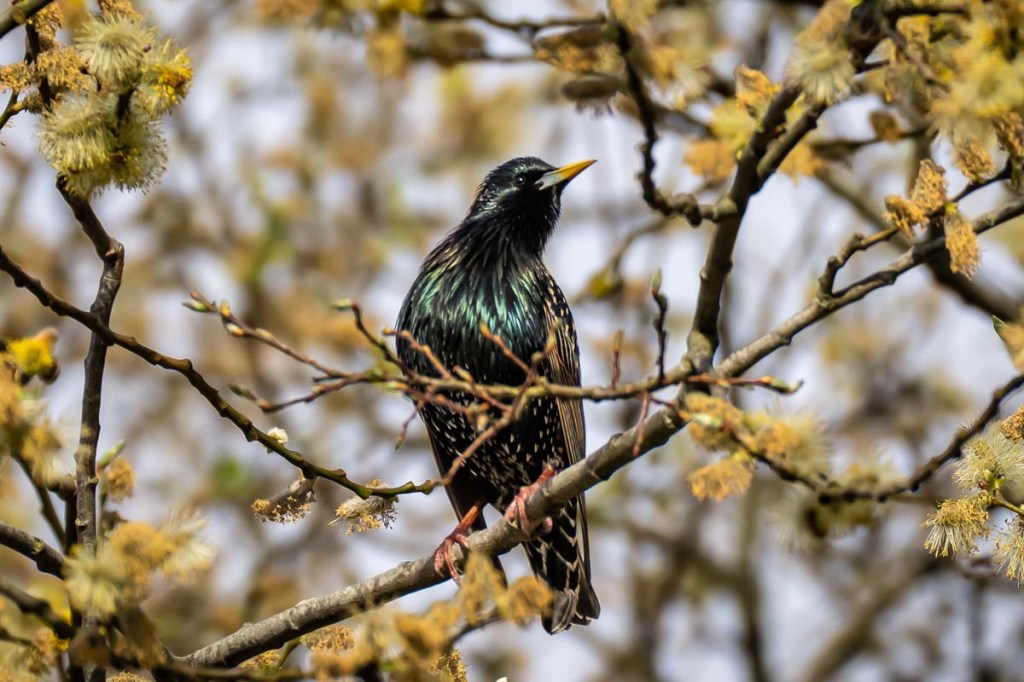
Yesterday there was a little sunshine and I managed a few photos of garden birds in our garden.
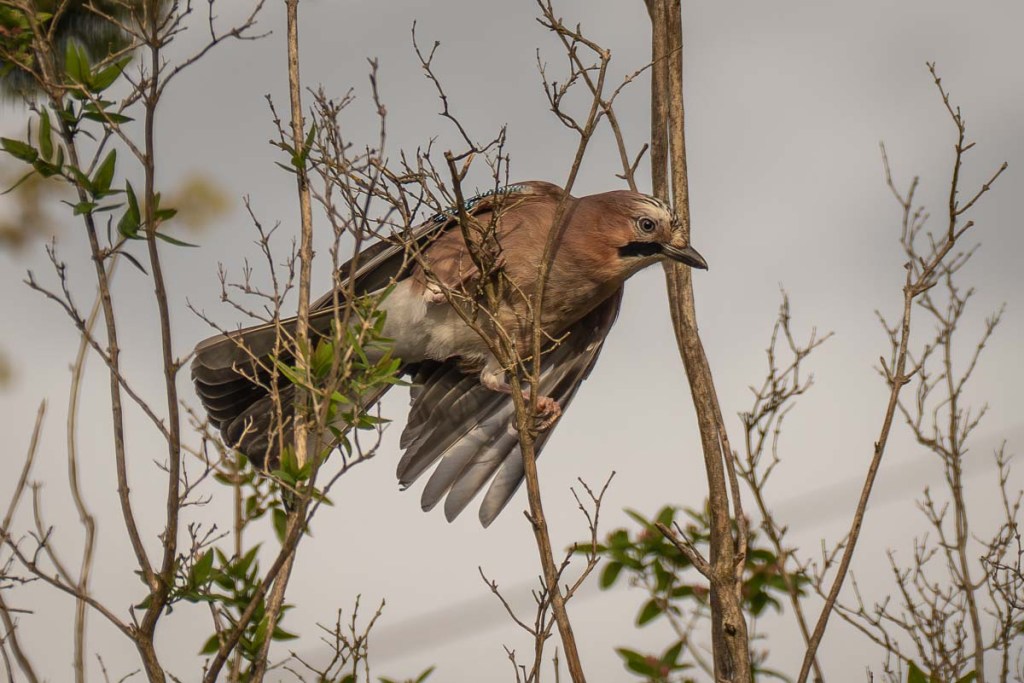
Eurasian jay (from the dining room, in fact, as I fetched my camera)Eurasian jayBlue titEuropean goldfinchStarling
We had a fabulous time in the winter sunshine at Chew Valley Lake this morning. Chew Valley Lake, just south of Bristol, is the sixth-largest artificial lake by area in the United Kingdom, with an area of 1,200 acres (4.9 km2), but only the forty-seventh largest by volume, reflecting the fact that it is a shallow lake. It is a national centre for birdwatching, with over 260 species recorded. It is particularly shallow at the moment following the dry summer and today there were lots of birds benefiting from the ideal conditions for waders and waterfowl and plenty for me to photograph.
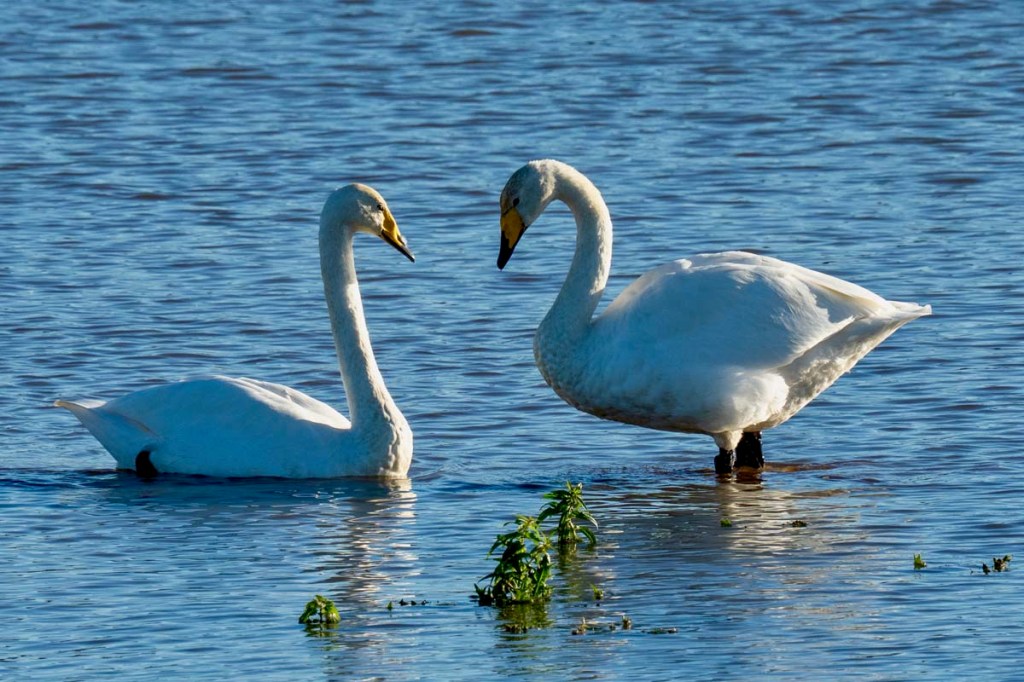
However, the most exciting aspect of our birding session was meeting 7 year old Stanley and his dad who, in fact, pointed out the common kingfisher to us. It was a sheer delight to chat to Stanley who was most knowledgeable about birds and clearly loved being out and about in the fresh air with his dad pursuing his hobby. Stanley told us all about the places he had been recently and what birds he had seen. He told me that he had recently seen a bittern and that one of his favourite birds was a Bewick’s swan. When I told him that we had just seen a pair of Whooper swans at another part of the lake he was very keen to go and see them. Stanley’s dad told me that Stanley much prefers being out birdwatching rather than staying at home, as many young people do, absorbed in electronic games. I am sure that Stanley will become a well adjusted and decent man just as, I imagine, his dad is.
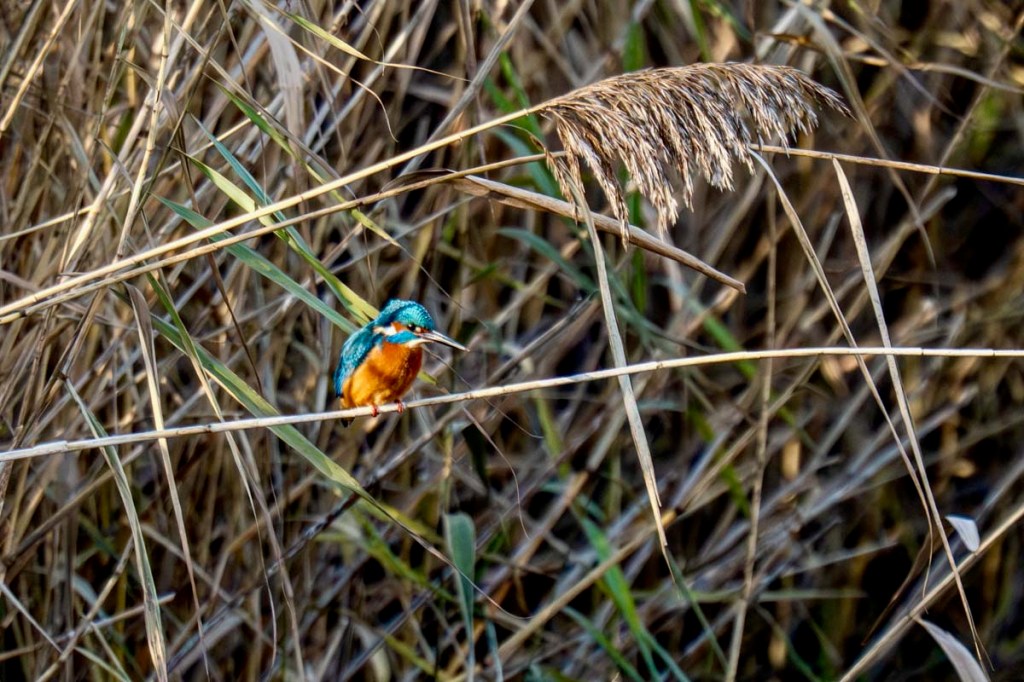
It was very interesting watching the kingfisher as it moved from one side of a sluice to another (and from shade to bright sunshine) as it seem to change considerably in colour. I remember reading that the common kingfisher is in fact brown and that the bright blue colour you perceive is due to a phenomenon called structural colouration. Structural colouration is seen throughout the animal kingdom and makes creatures appear much more colourful than they actually are. So while the coloured pigments in the kingfisher’s feathers are brown, you actually view them as a brilliant blue. It takes some believing, I know.
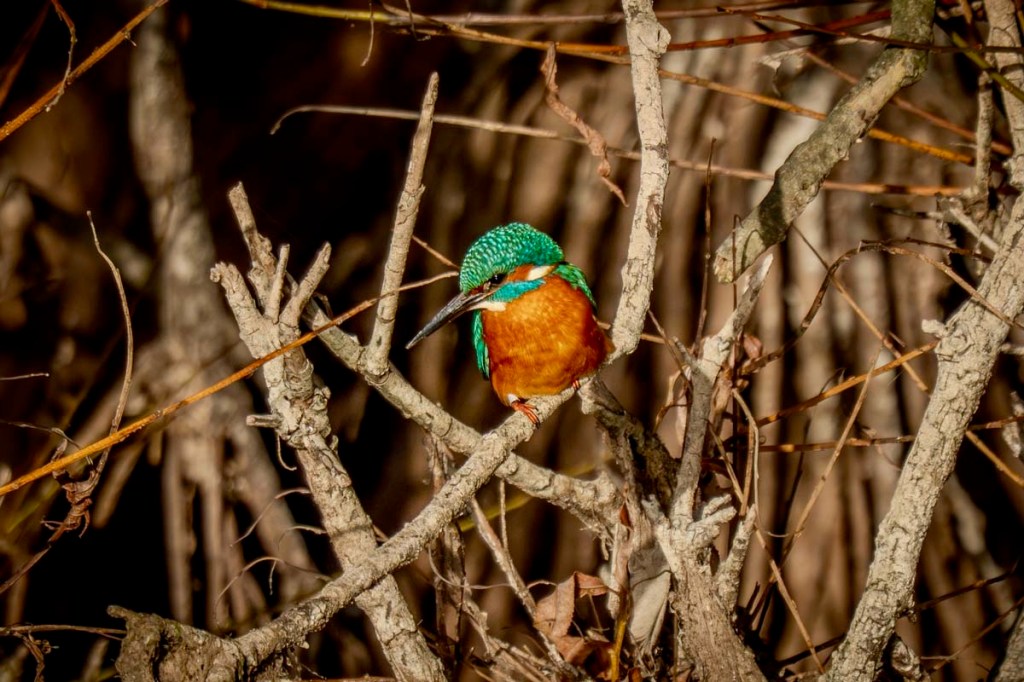
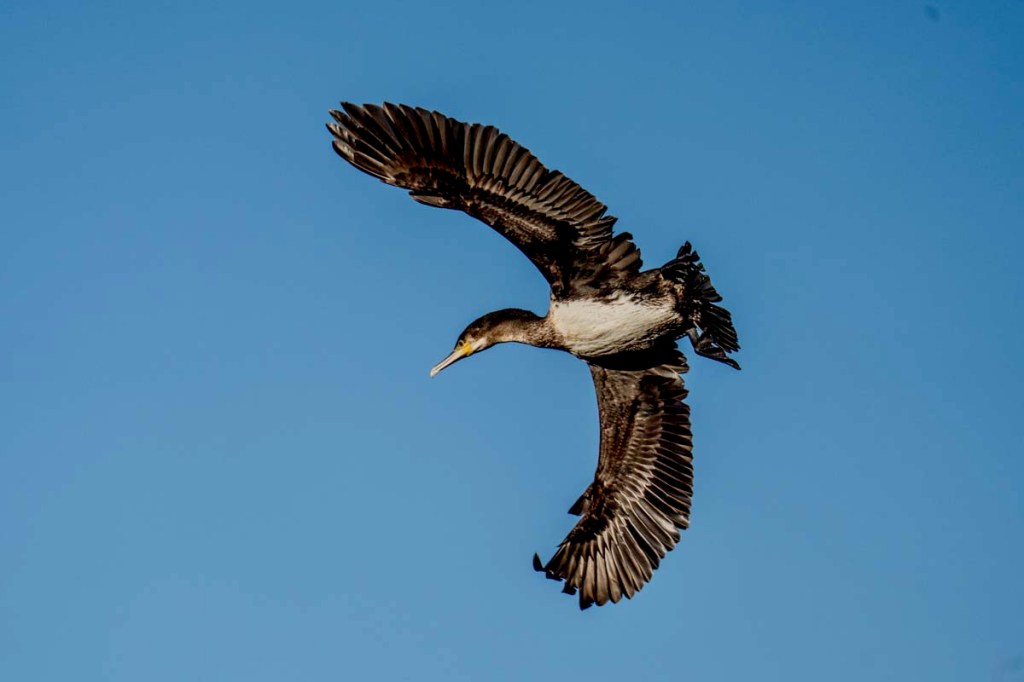
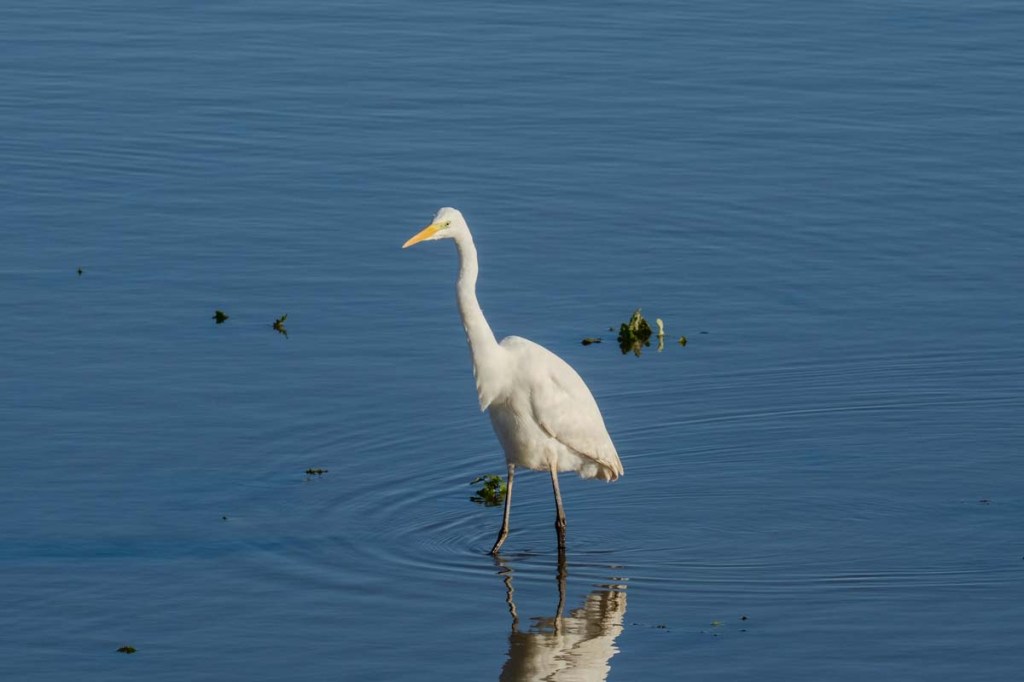
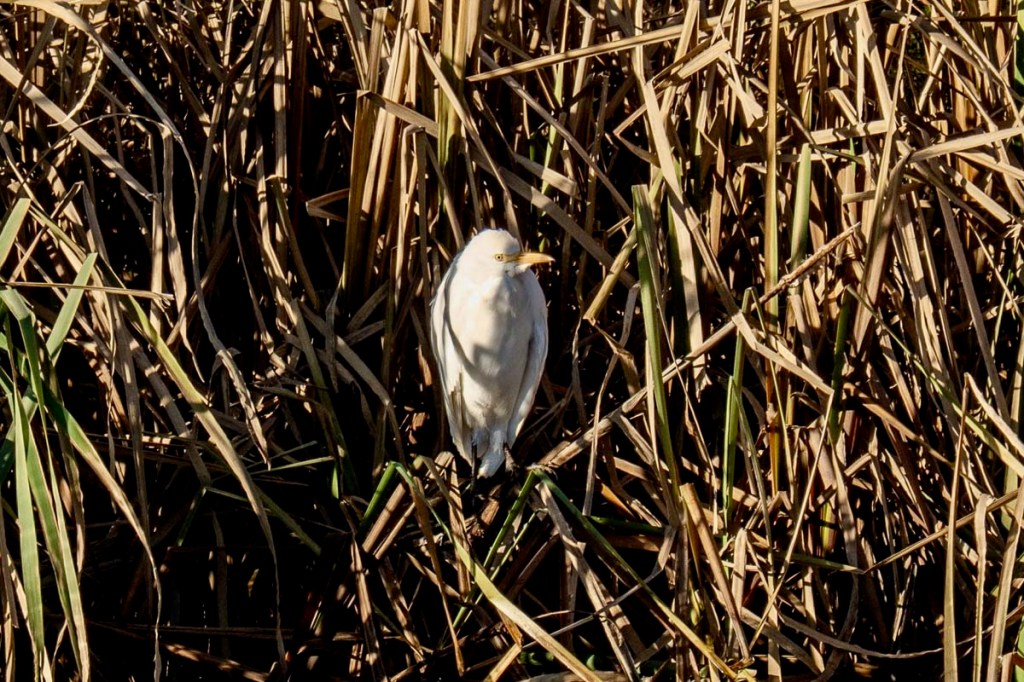
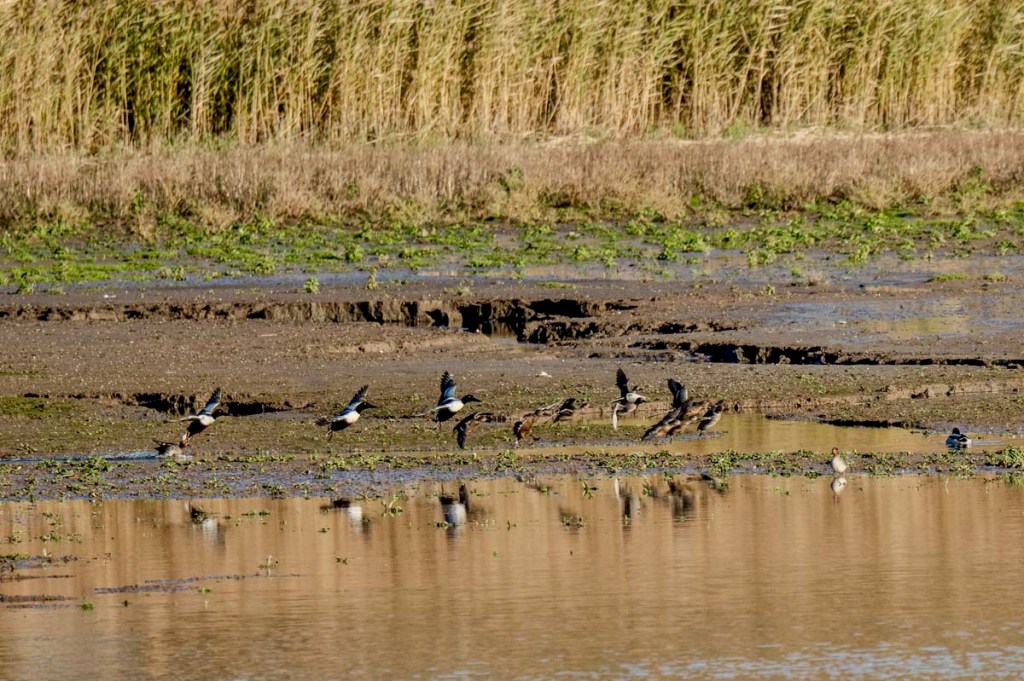
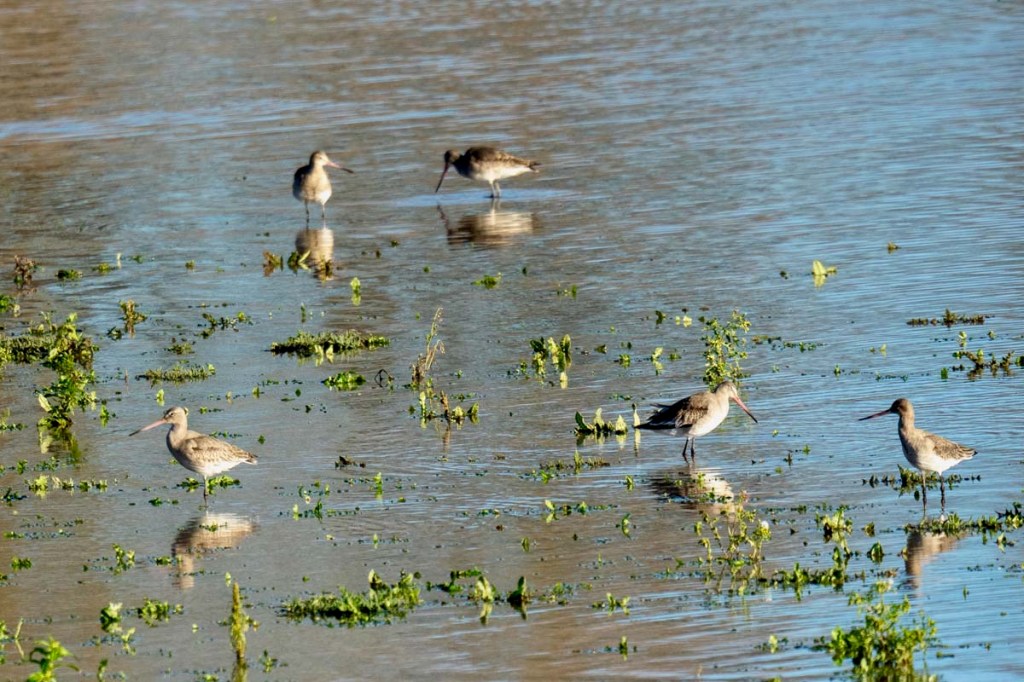
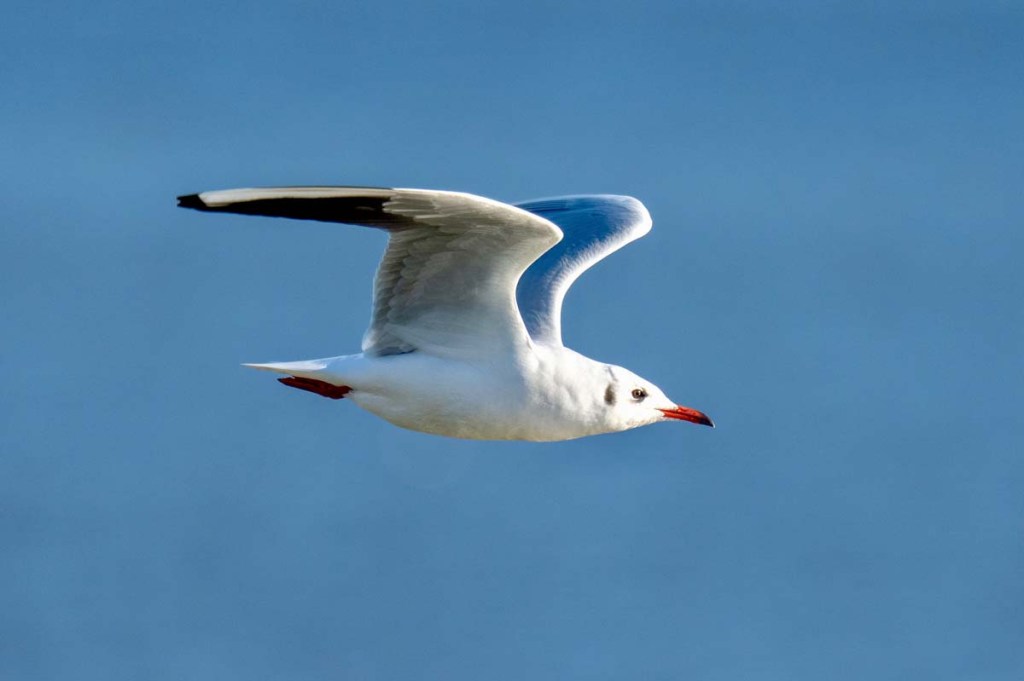
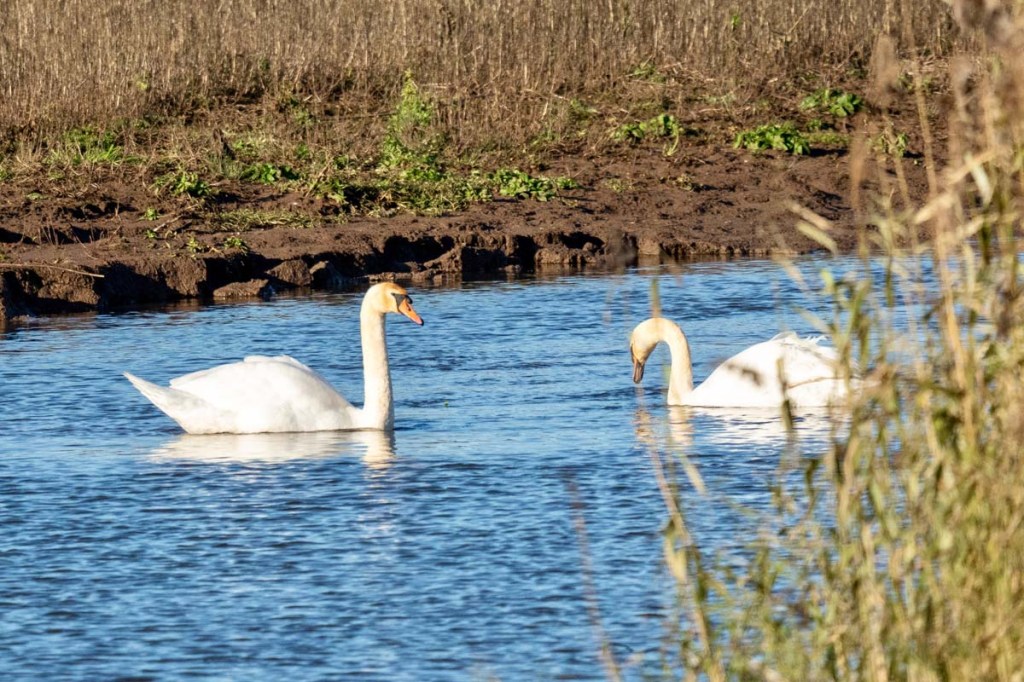
The common kingfisher just catching a few rays of sunshine in the dark reeds.The kingfisher on the other side of the sluice.Common kingfisher… and away.Common kingfisherCormorant in flight just above the kingfisherWhooper swans – bigger than Bewick’s: it is mainly a winter visitor to the UK from Iceland, although a small number of pairs nest in the north. Great white egretCattle egret – the third egret we see in Britain, the little egret, was also to be seen on the lake.Black-tailed godwits in flightNorthern shoveler in flightBlack-tailed godwits feedingBlack-tailed godwits flying over a northern shovelerCanada gooseBlack-headed gullMute swansAnd just one more kingfisher shot… or maybe two, just to show the different colours.
The bright sunlight tempted us out again to WWT Slimbridge, just half an hour up the motorway from where we live in Bristol. However, we weren’t quite prepared for the cold winds which greeted us when we arrived on the estuary of the River Severn.
The Severn estuary
I don’t know whether I was affected by the cold but my photos were pretty dreadful and I have very few that I want to publish today.
In the last few blogs I have been experimenting with video and so I offer a short video of some of the birds we saw today. I have left the wind noise (but toned down) to give you a feeling of the cold wind!
Despite my excitement in my last blog about the Bewick’s swans there was not one to be seen today.
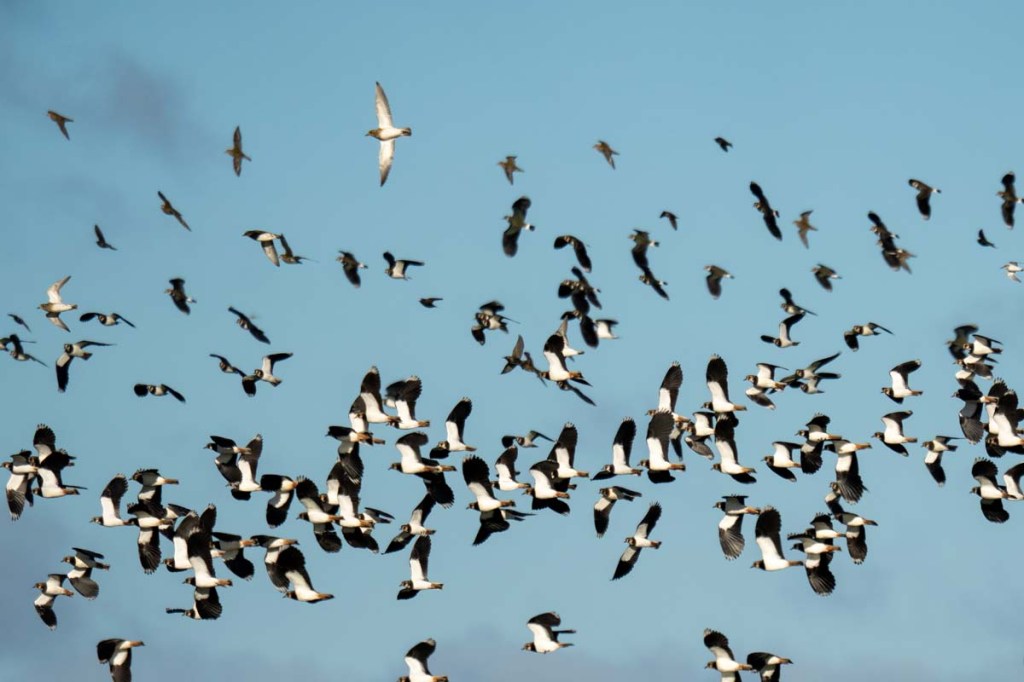
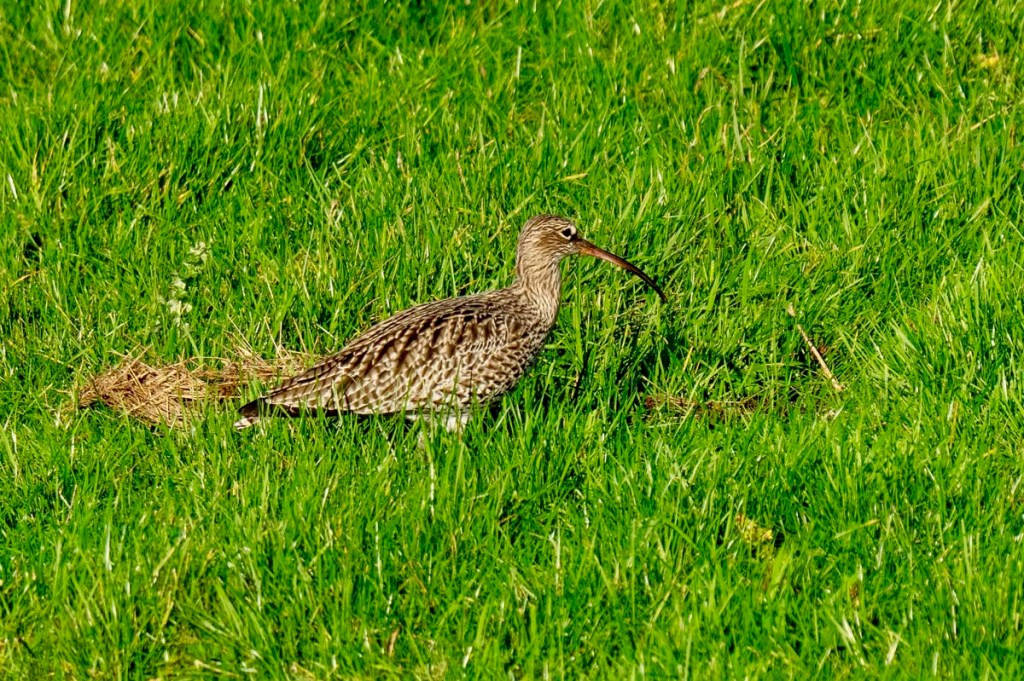
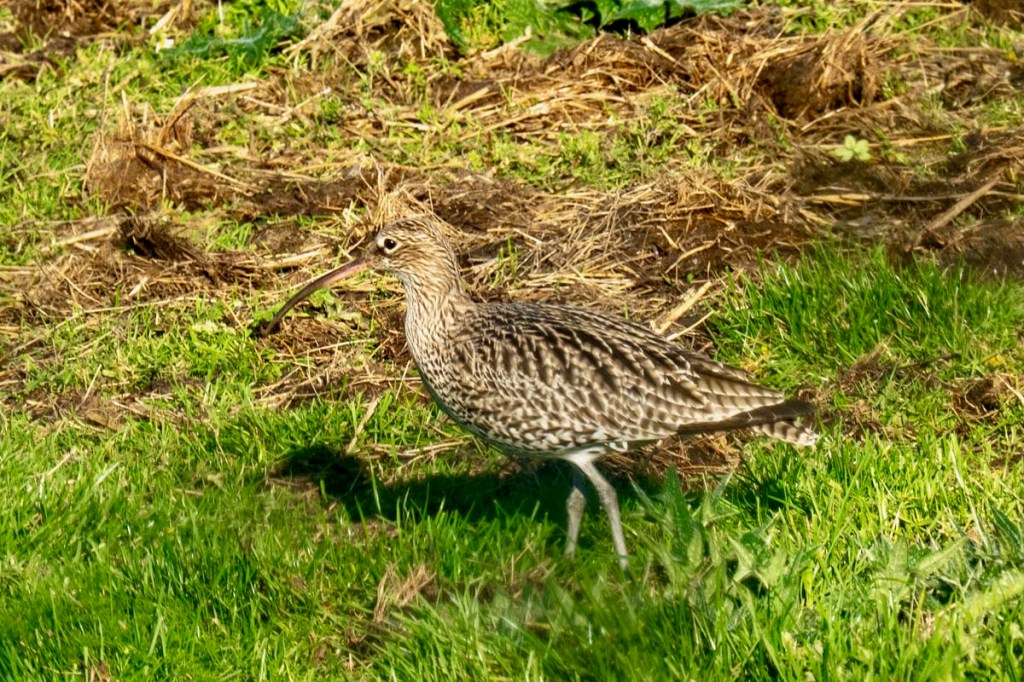
There were lots of geese and a few curlew but not much aerial activity except occasionally for flocks of lapwings and shelduck.
I’m sorry that this is the fourth blog in a row from Slimbridge but I am currently limited to where I can go and, luckily, we are able to access this reserve fairly easily and I can easily visit some of the hides.
I’ve no need to apologise really as this is a great nature reserve and at this time of the year it is quite exciting with lots of birds arriving from the north.
The headline news is the arrival of the Bewick swans. The first ones arrived on the 16th November, the same date the Bewick’s arrived in the winter of 2023, which marked the latest they’ve returned to the reserve since 1965. Sadly, and probably another sign of global warming, their numbers here in Gloucestershire are dwindling (Slimbridge has lost about 43% of their Bewick’s swans over the last five years).
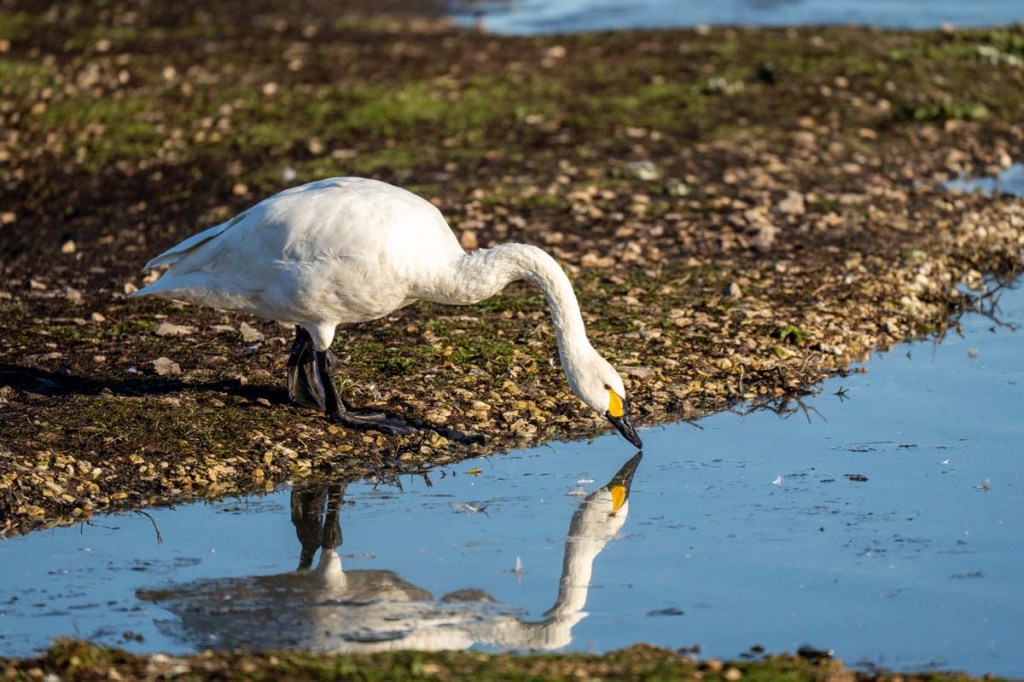
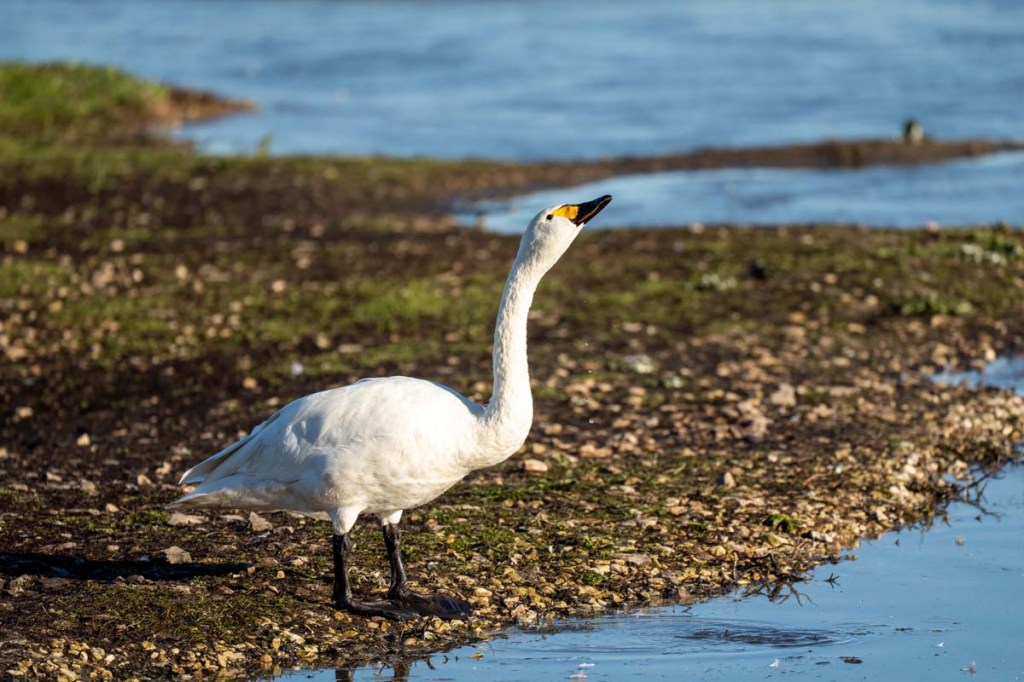
Bewick’s swanBewick’s swan
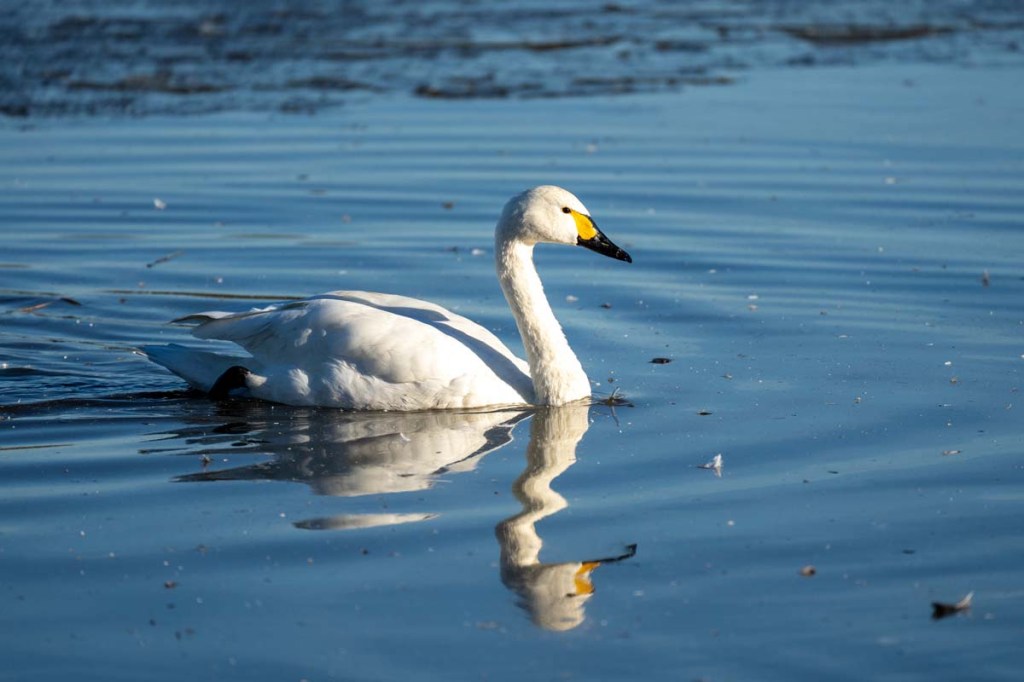
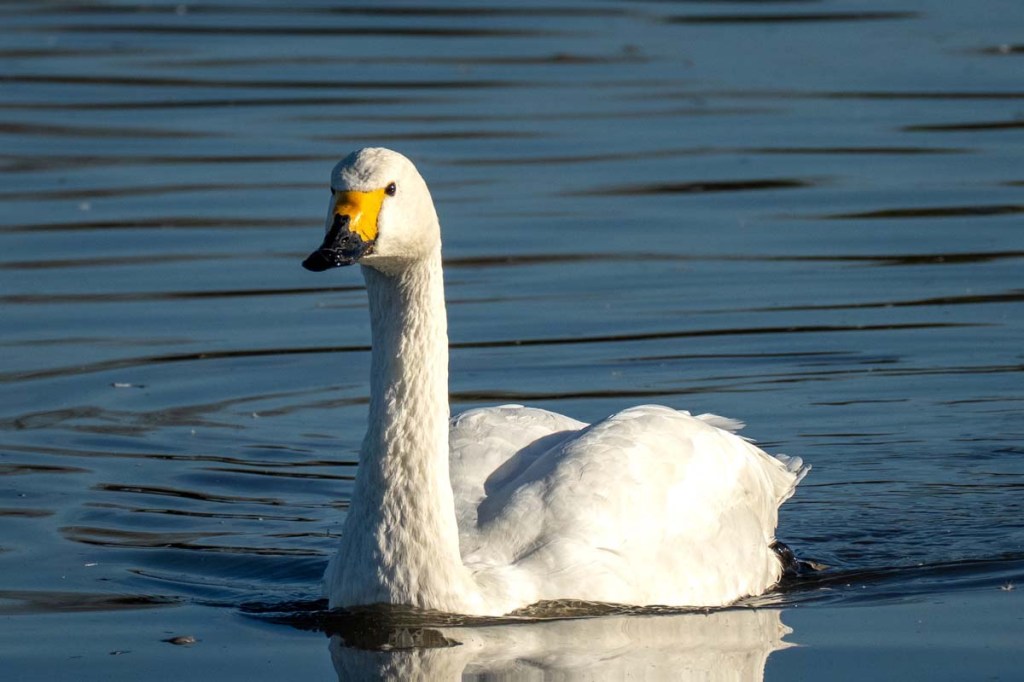
Bewick’s swans are the UK’s smallest swan (115 to 127 cm in length and with a wingspan of between 170 to 195 cm and weighing 6000 g) and are white with a yellow and black bill. It can be distinguished from the whooper swan by the less extensive yellow markings on its bill. Individual Bewick’s swans can be identified by looking at their bill: the pattern of black and yellow that they display is as unique as a fingerprint.
Bewick’s swan
Bewick’s swans spend their winters in this country; they arrive from Siberia in late autumn, returning north again in the spring. They will often feed on fields during the day, eating crops like leftover potatoes and grain, before heading to roost on open water. As well as the Severn Estuary they are primarily seen in areas like East Anglia and Lancashire.
Bewick’s swans
The WWT website has this to say about the Bewick’s:
“Britain’s rarest, smallest and most musical swan is all about family. Extended family groups make long, dangerous migrations together to visit the UK each winter.
Their story
In 1963, Peter and Philippa Scott and their young daughter were painting Bewick’s swans at their window in Slimbridge. As they sketched, they noticed each bird’s bill markings were slightly different. They learned to recognise each one by face and gave them names.
Through their art, the Scotts discovered their new friends had loyal partners for life. Paired birds will seek each other if separated during migration, and perform joyous “triumph ceremonies” on being reunited. They also mourn following the loss of a mate, generally taking at least 1 year to re-pair and longer to breed with a new partner.
The Scott family learned the swans also form strong extended family bonds. When parents, offspring, siblings and (very occasionally) grandchildren come together at feeding sites and on the roost, their soft honking greeting is the soundtrack of Britain’s wetlands in winter.
The challenge
Every autumn, Bewick’s swans face a dangerous migration to the UK from northern Russia. Along their 3,500km route between the breeding and wintering sites there are predators, fewer wetlands and the risk of hitting power lines, but if they don’t migrate, they will be caught in the ice and snow of the arctic winter. In spring, they do it all again as they fly back to Russia. We also fear the rapidly changing climate of the Arctic will affect them.
They are illegally hunted – often mistakenly because their small size makes them resemble geese in low winter light. They are also susceptible to eating the lead ammunition sprayed from shotguns, which poisons, weakens and often kills them.”
When we arrived there were a few Bewick’s to be seen from the Rushy hide but, probably as most of the pond was frozen over, they soon flew off. Fortunately, they returned later in the morning before we left the reserve.
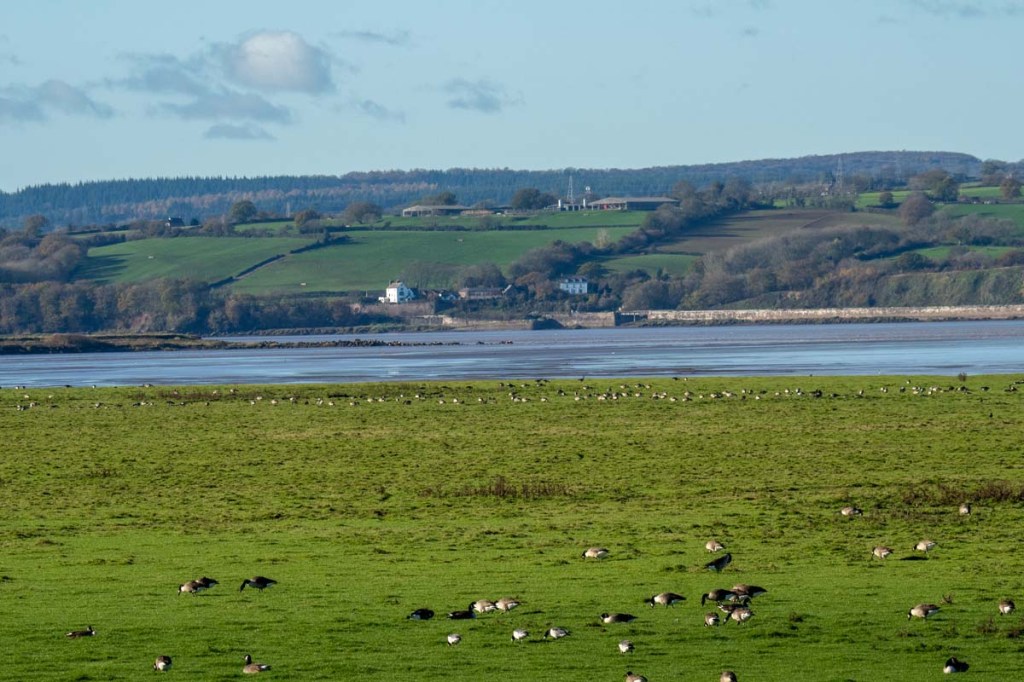
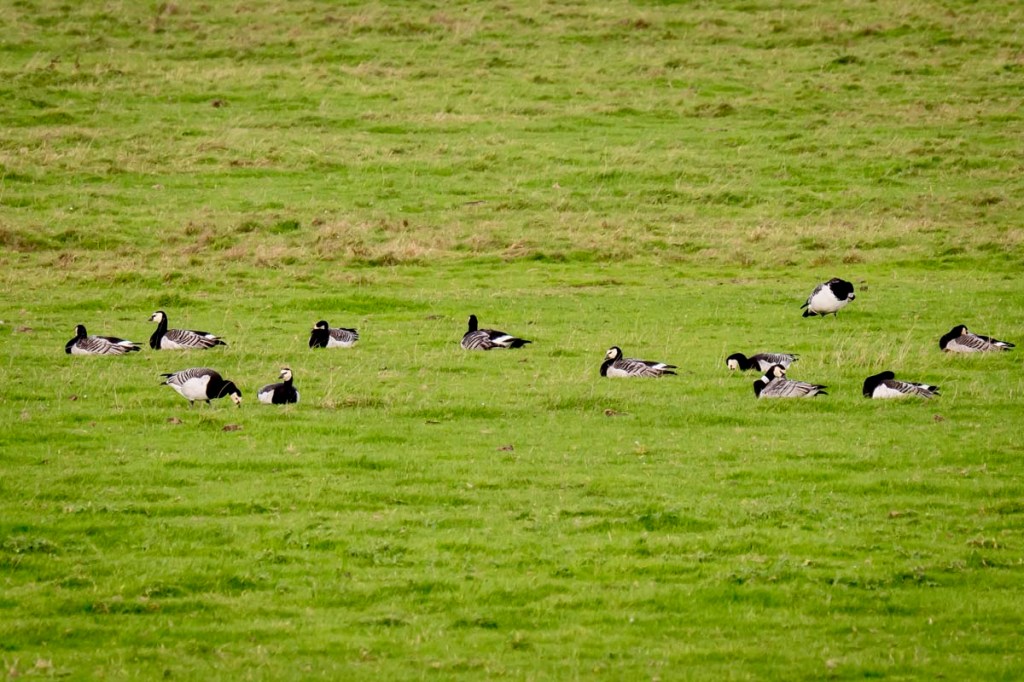
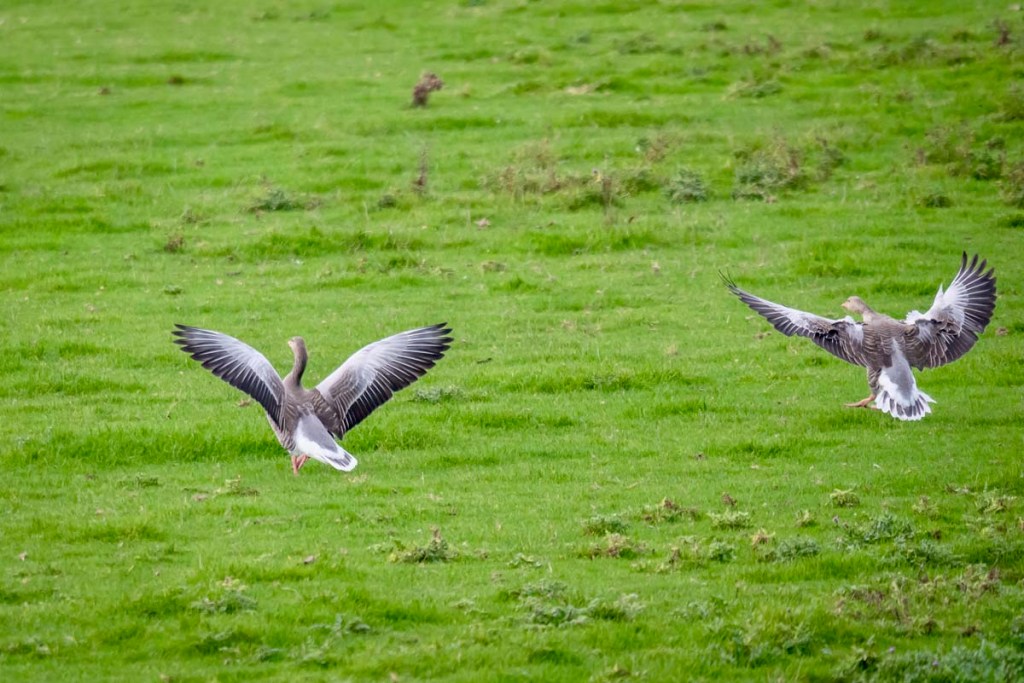
Elsewhere there were lots of geese (Canada, Barnacle and Greylag) on the area close to the River Severn.
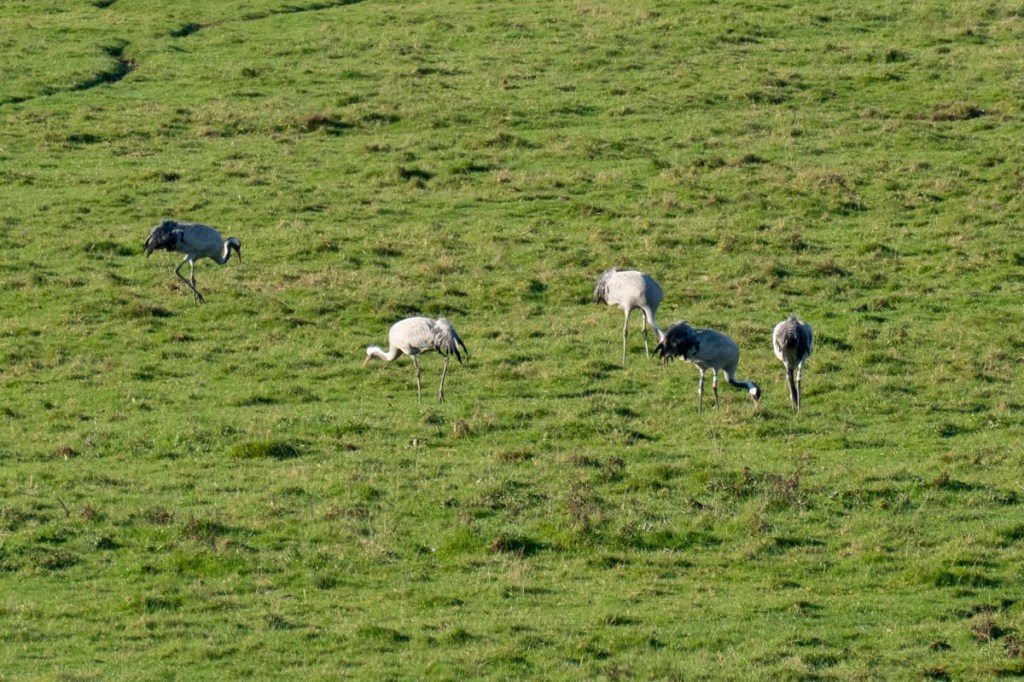
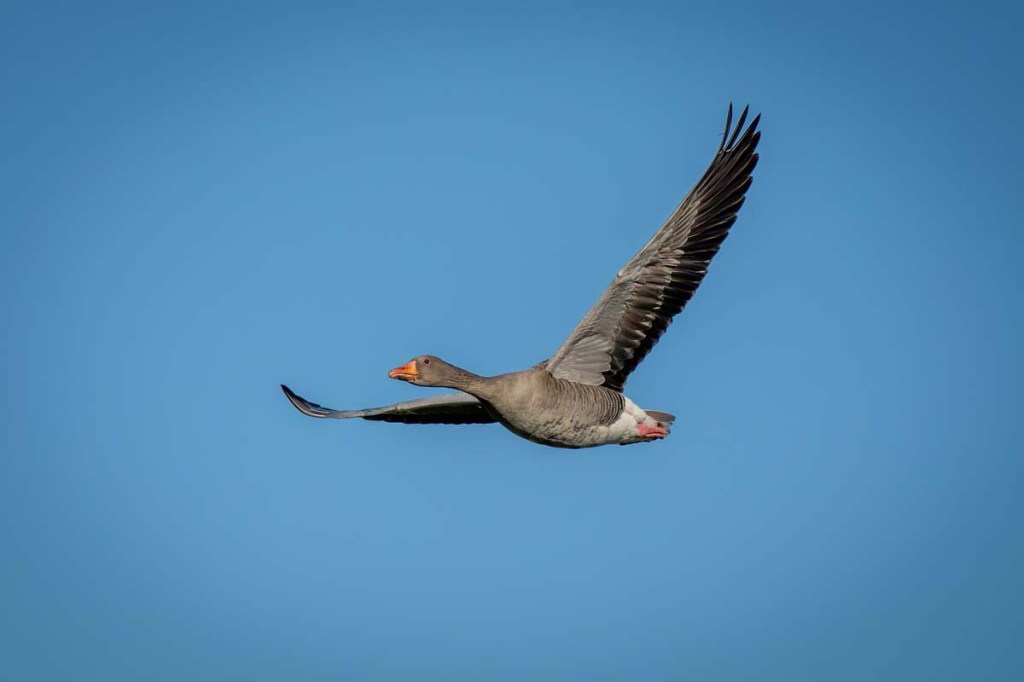
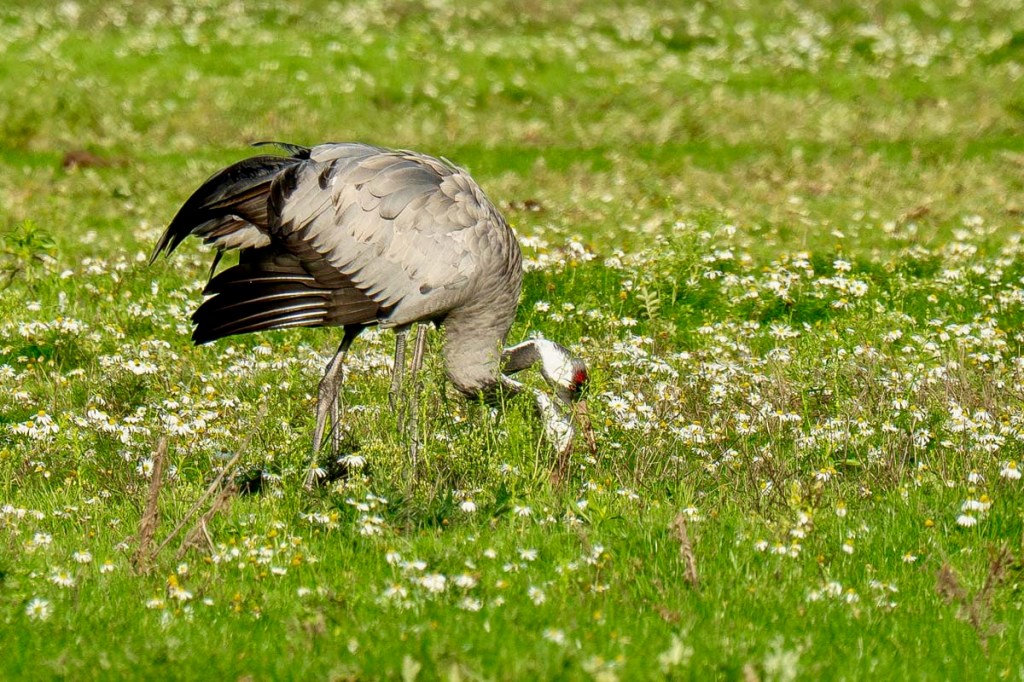
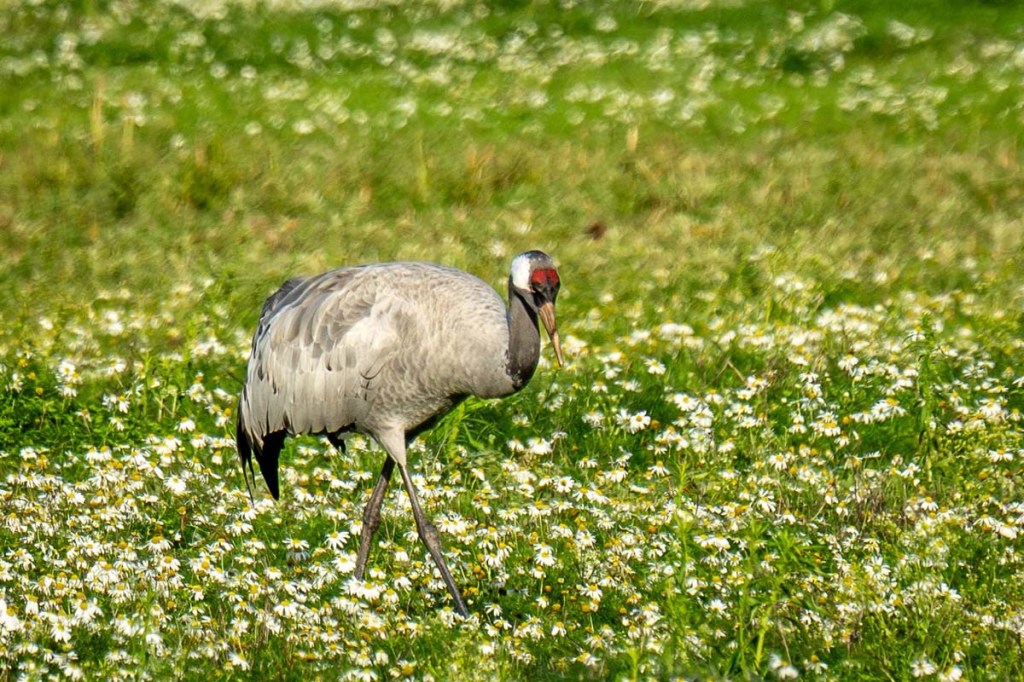
Geese close to the River Severn. The edges of the Forest of Dean can be seen at the rear of the photo – another good “birding” spot.Barnacle geese struggling on the frozen pond. Greylag geese to the rear.Always good to get sight of common cranesBarnacle gooseGreylag goose
There were very few waders, probably due to the shallow water (of which there is normally plenty at Slimbridge) being frozen and our main sightings were a small flock of dunlin which flew in and huddled together on a small island on the Rushy.
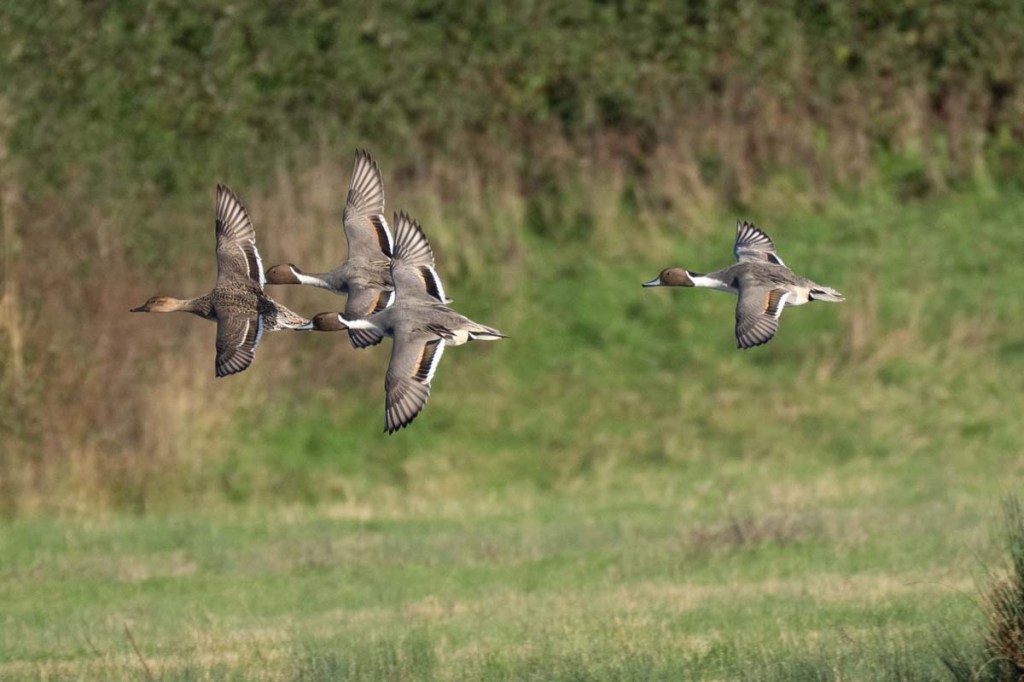
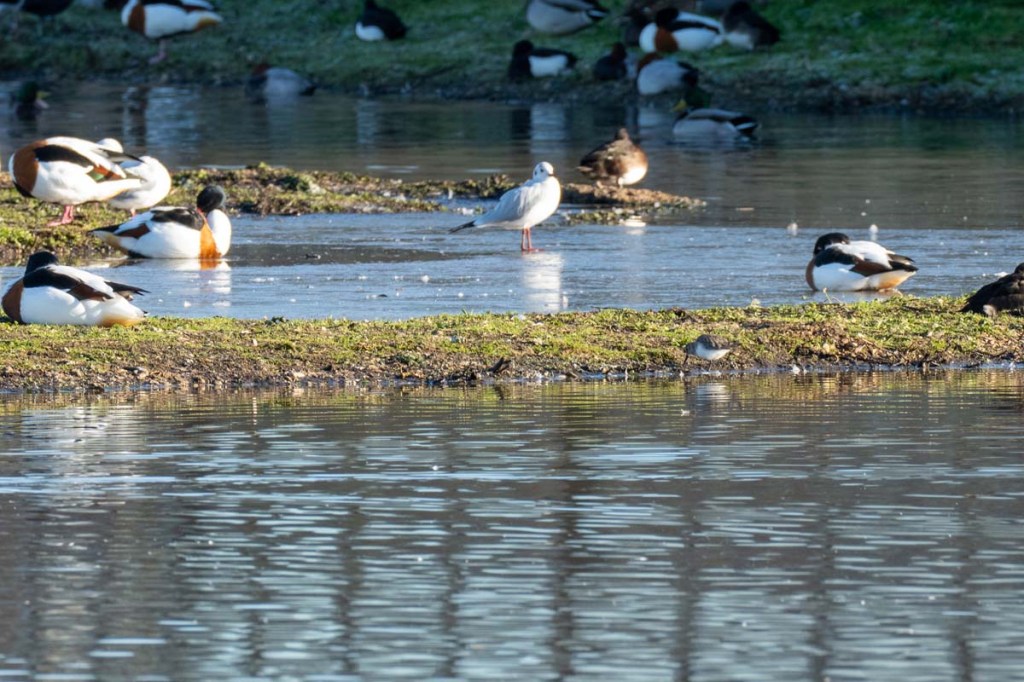
Dunlin huddled togetherBewick’s swan behind the dunlin. Tufted ducks and shelducks also on the pool.Northern pintails – the female taking the lead
The Temmink’s stint, which we had seen for the first time on our last visit, was still around but at some distance from us.
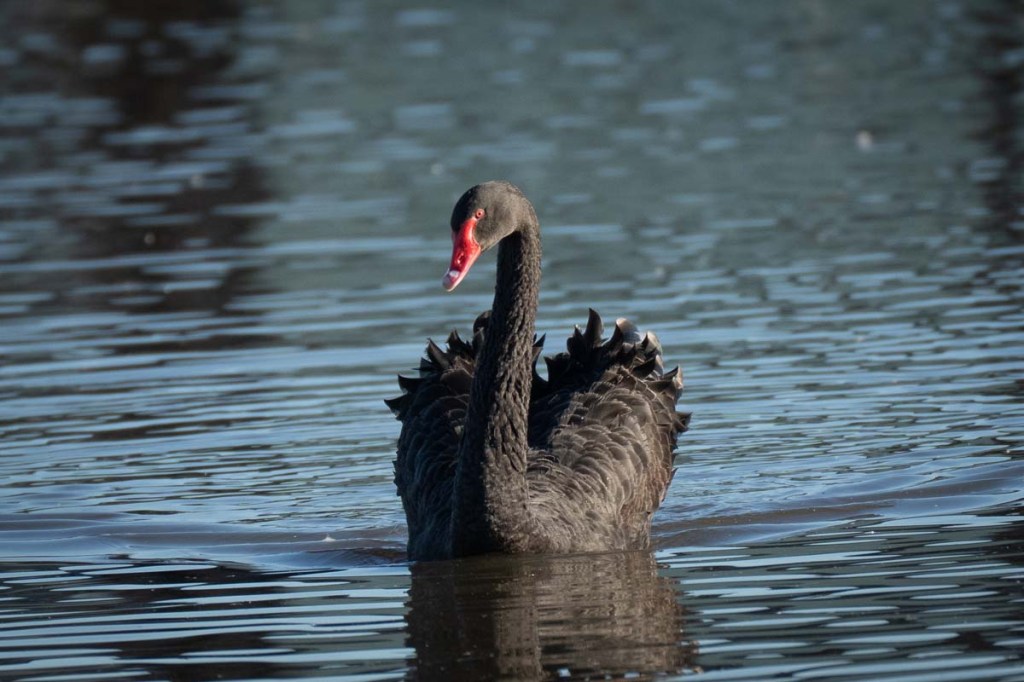
The Temminck’s stint on the near edge of the bankTemminck’s stintBewick’s swanBewick’s swanBewick’s swanBewick’s swanNot all swans are white!
Another visit to Slimbridge and a very different day to our visit earlier in the week, with sunshine and very warm temperatures (15C) for this time of the year.
It’s getting very exciting here with large numbers of birds arriving from the north. No whooper or Bewick swans yet, but a small number of white fronted geese have just arrived from the north of Russia.
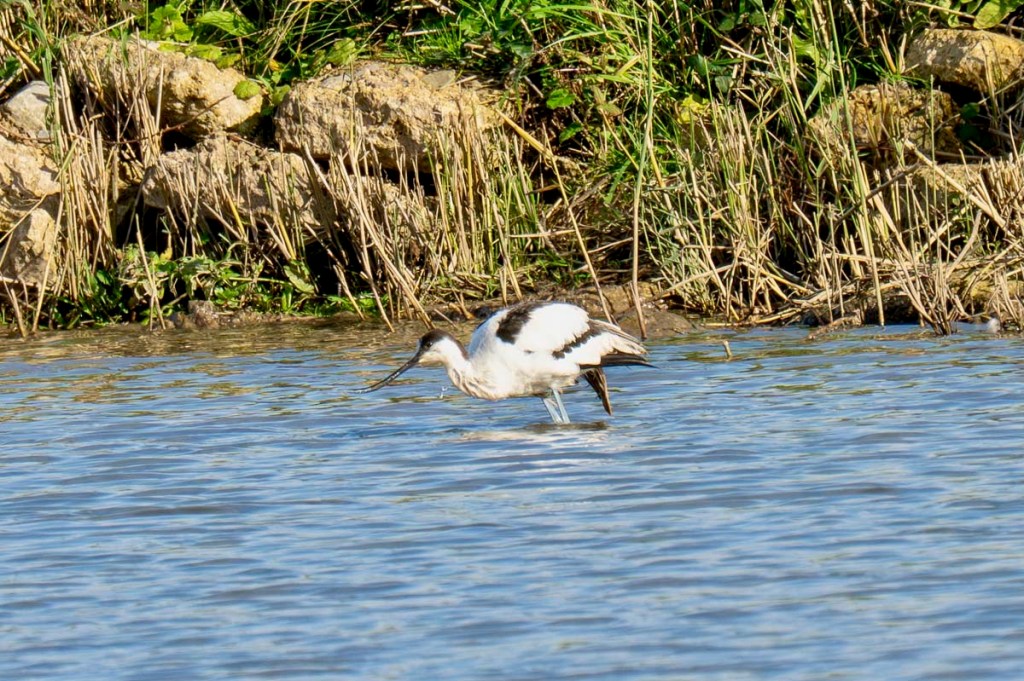
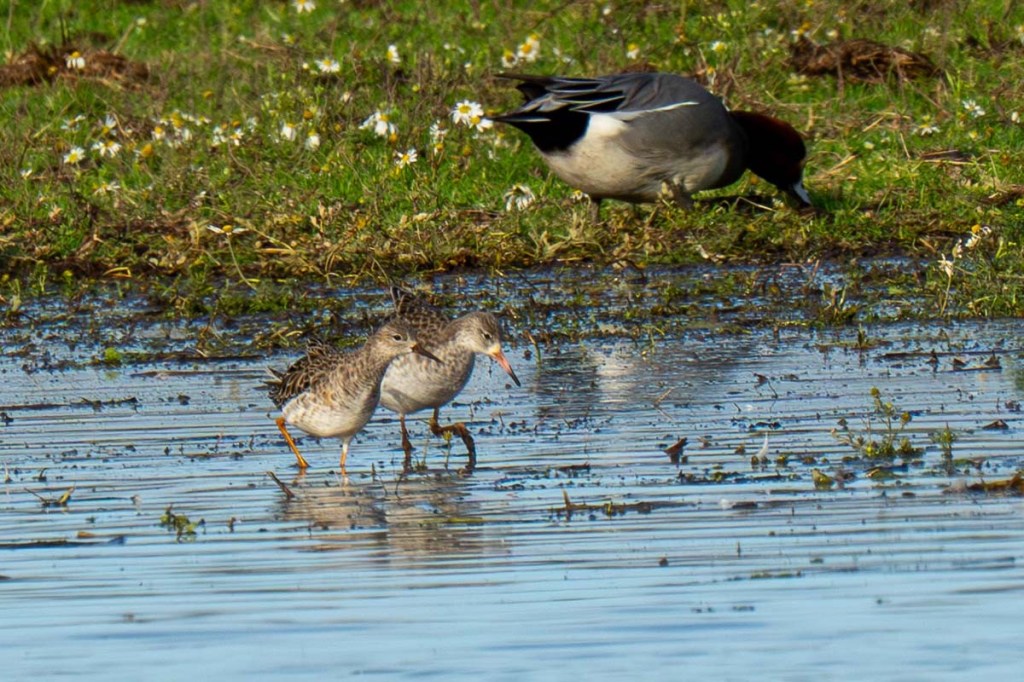
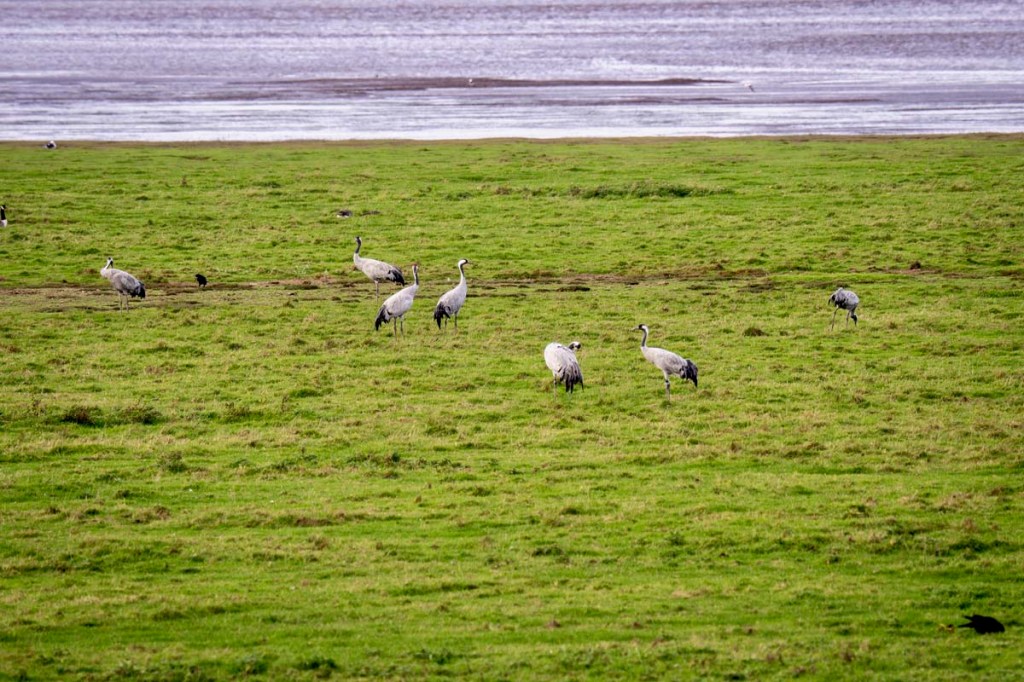
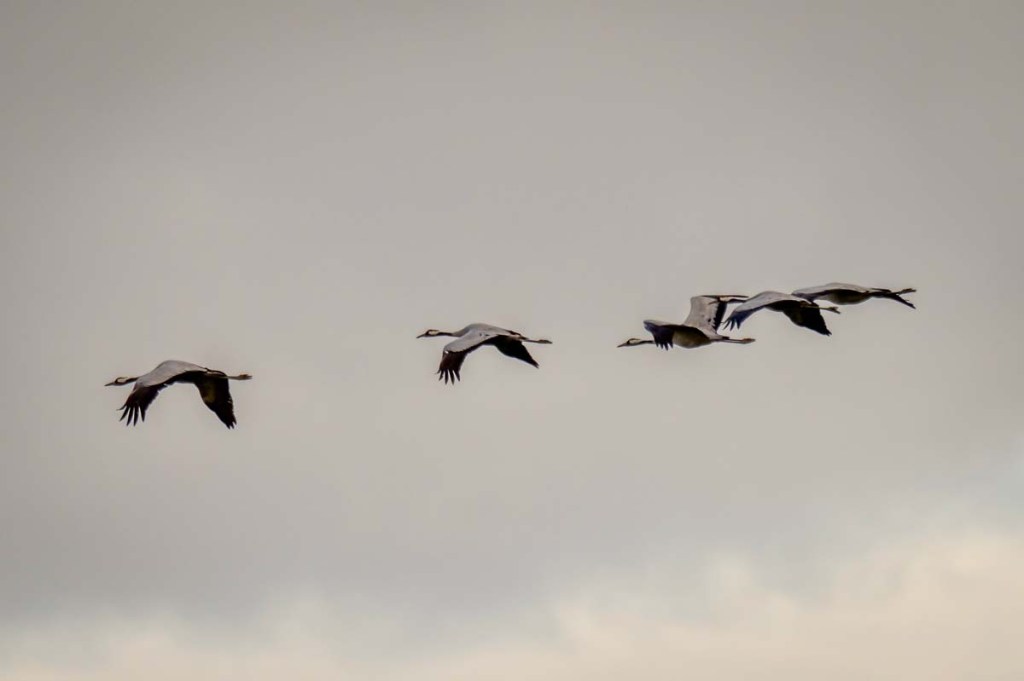
White fronted geese busy feeding to replenish the energy they took to get hereWigeonCommon redshankTeal and common redshankAvocetPeregrine falcon surveying the geeseEurasian curlewEurasian curlewEurasian curlewThe biggest flocks today were northern lapwing Common cranes with no tags – so naturally wild birdsCommon cranesCommon craneNorthern lapwing with common redshankRuff
We realised how spoilt we had been with the wonderful light on our recent trip to Portugal when we arrived at Slimbridge on a gloomy Monday morning.
However, I can think of many more worse places to be on a Monday morning.
Before the morning was out the sun broke through and we ended our visit eating lunch in the sunshine outside the café, having seen some lovely birds.
The reported Temminck’s stint had flown before our arrival but we were treated to the sight of a flock of over 20 common cranes flying out over the River Severn.
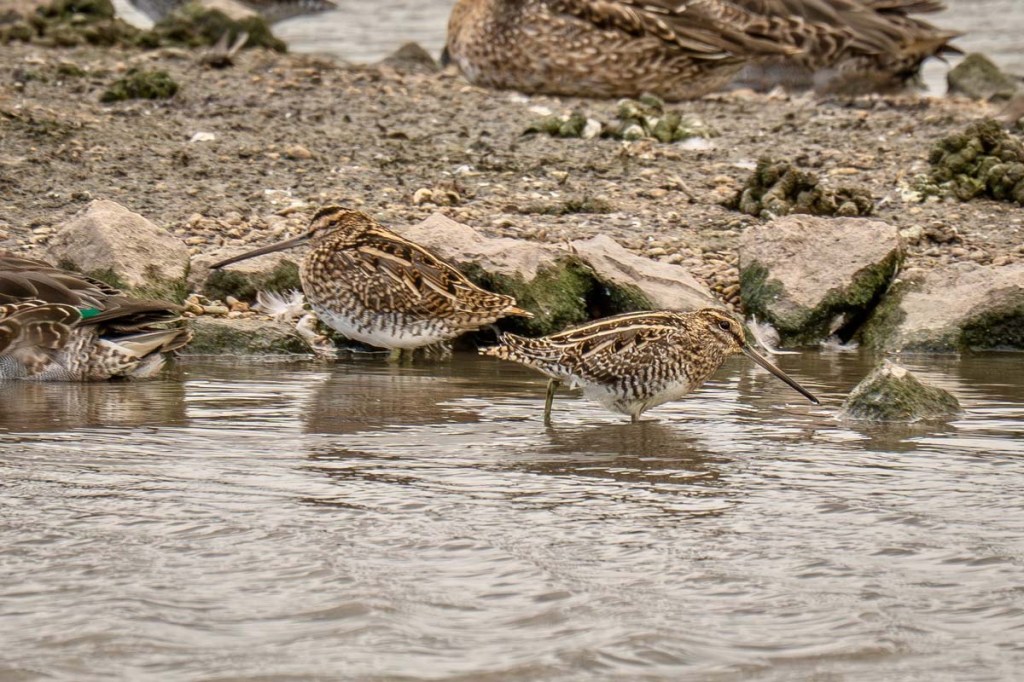
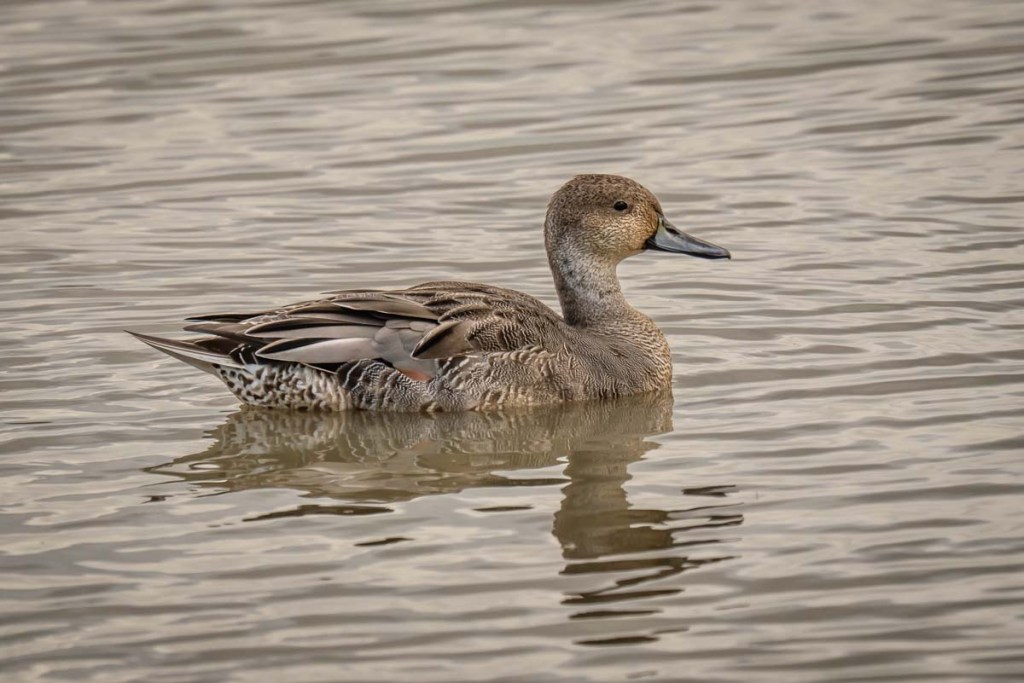
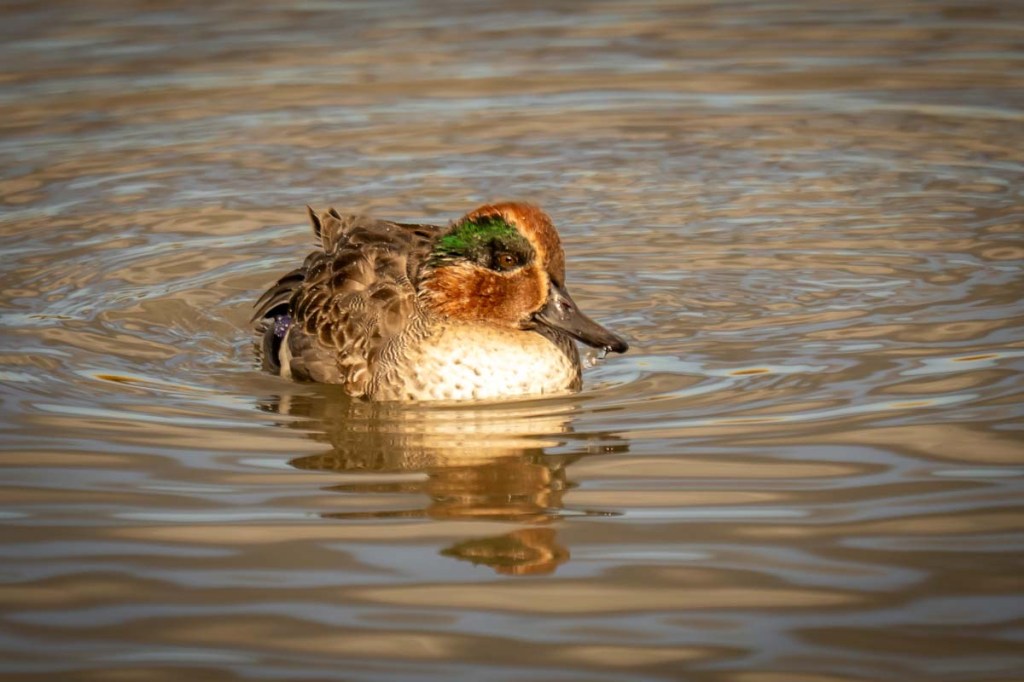
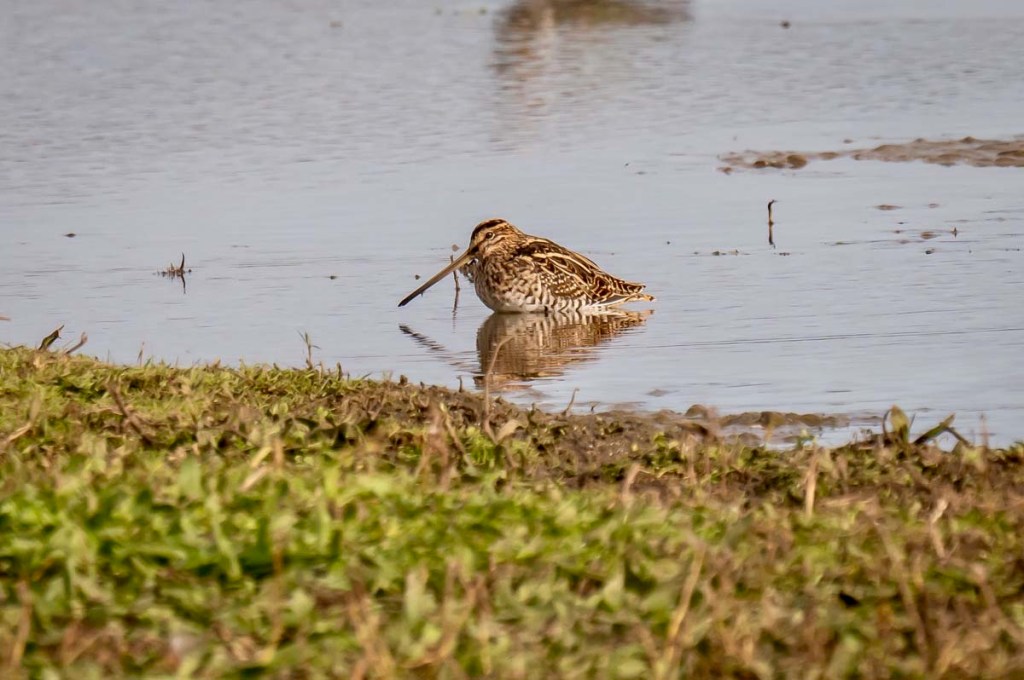
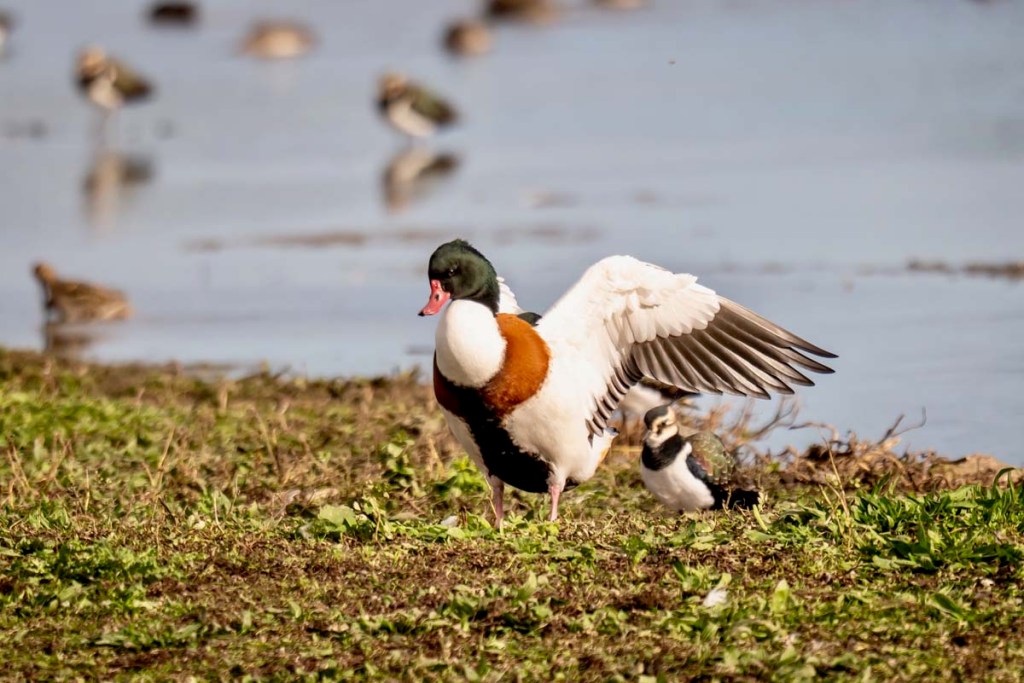
Common snipeFemale northern pintailThe tail end of a flock of common cranes arriving at SlimbridgeBarnacle geeseGreylag geeseGreylag geeseEurasian tealNorthern lapwingEurasian teal and common redshankCommon snipeCommon shelduckSome of the 20+ common cranes before they headed off over the River Severn
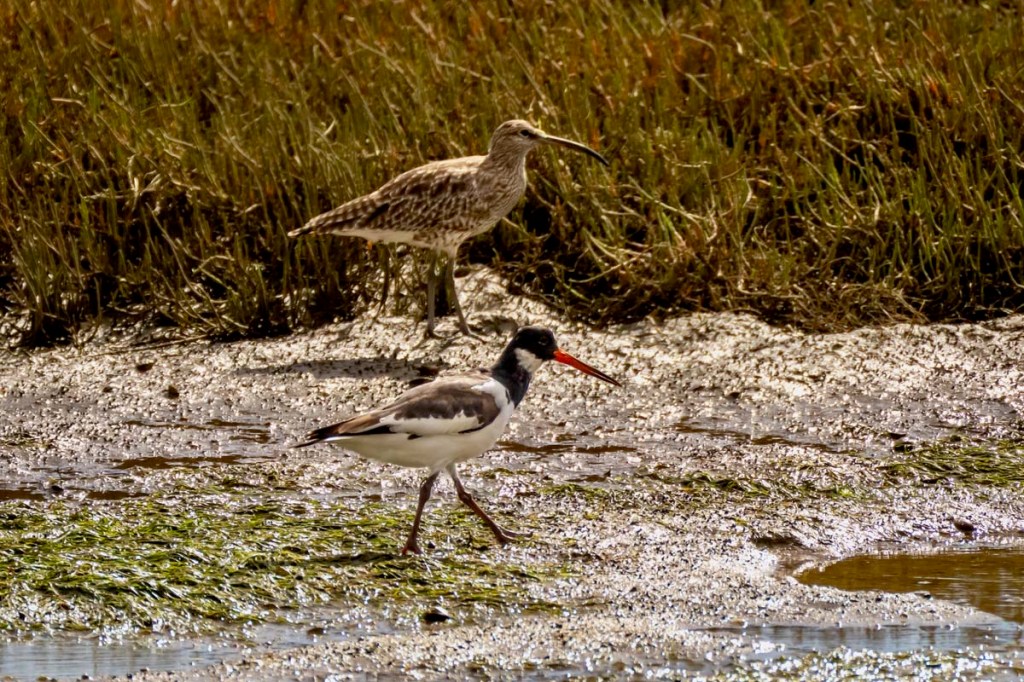
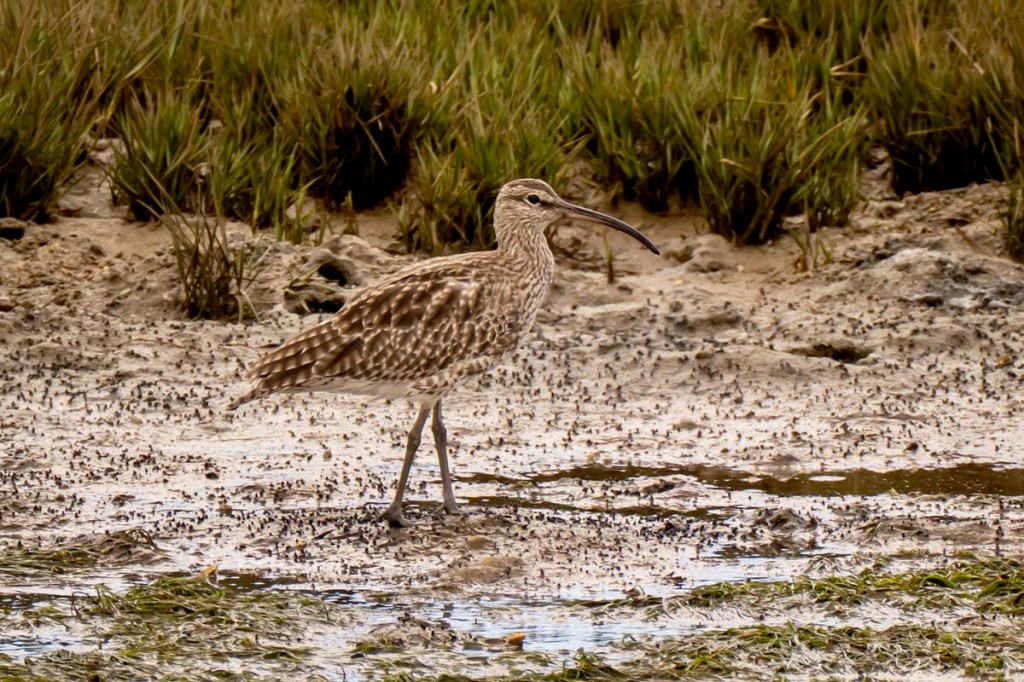
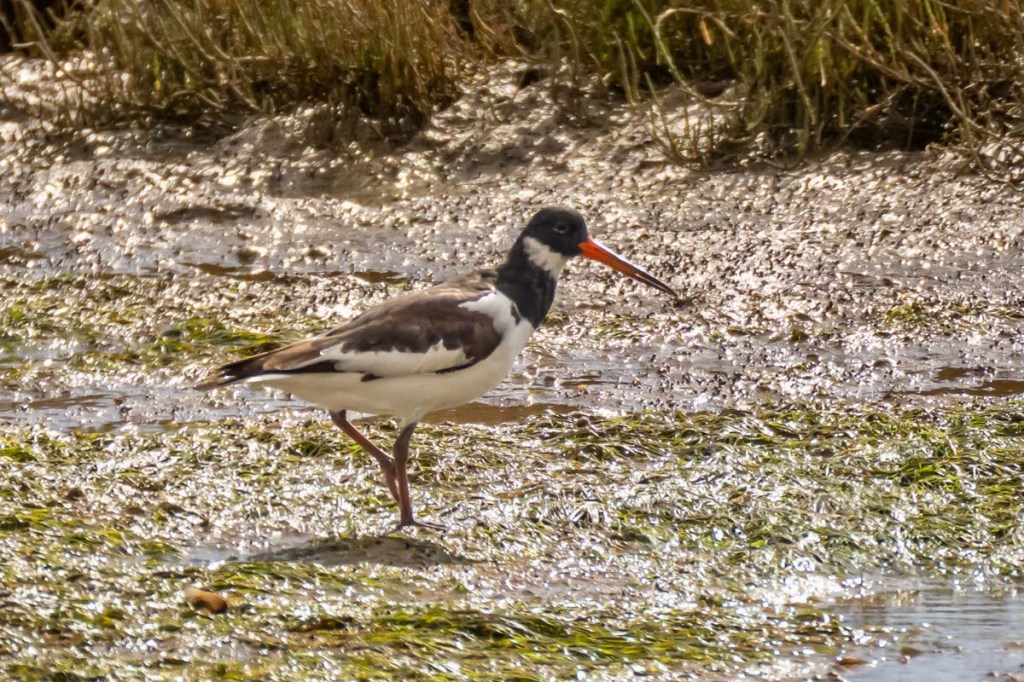
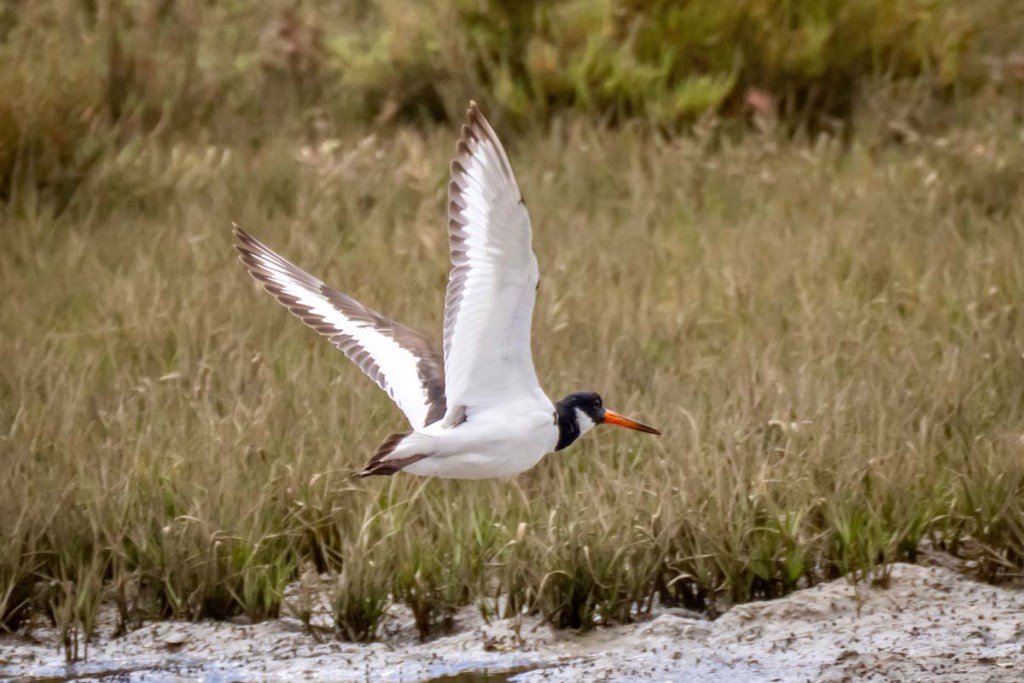
Before our last full day here in Fuseta on The Algarve we thought about what birds we had not seen that we would normally expect to see. The standouts were white wagtail, whimbrel and oyster catcher. We couldn’t believe our luck when we went for a walk this morning and saw all three. We only saw one of each and I only managed to get photos of the whimbrel and the oystercatcher. I was also pleased to get a photo of a cattle egret which had also eluded me until today, although I had seen them on a taxi ride.
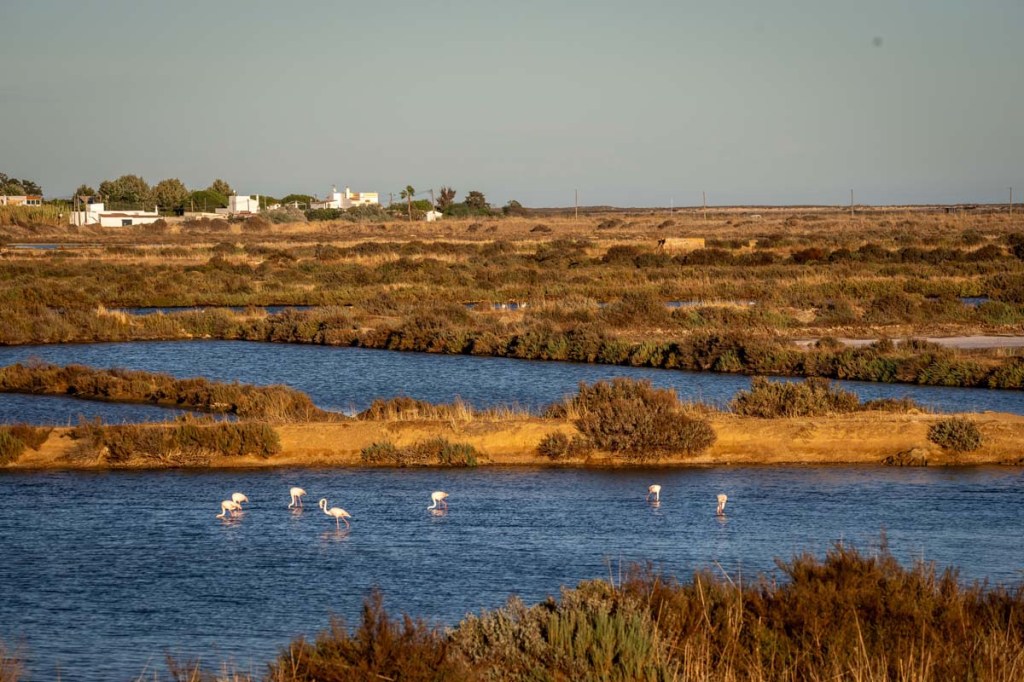
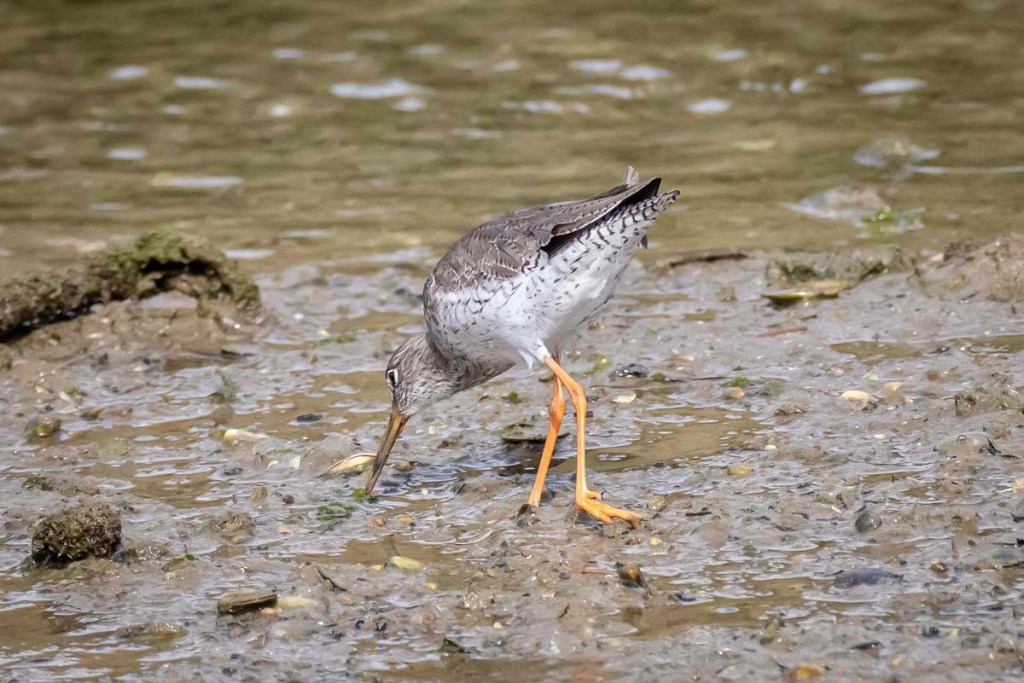
WhimbrelOystercatcherThe two togetherThe oystercatcher didn’t hang aroundOystercatcher in flightCattle egret nowhere near cattle on this occasion. The previous time I had seen them here was in a field of horses and, strangely, each horse seemed to be accompanied by a single cattle egret.There were lots of greater flamingos in front of our window this morning… and pied avocets too.The lifeboat station is such an iconic view at Fuseta
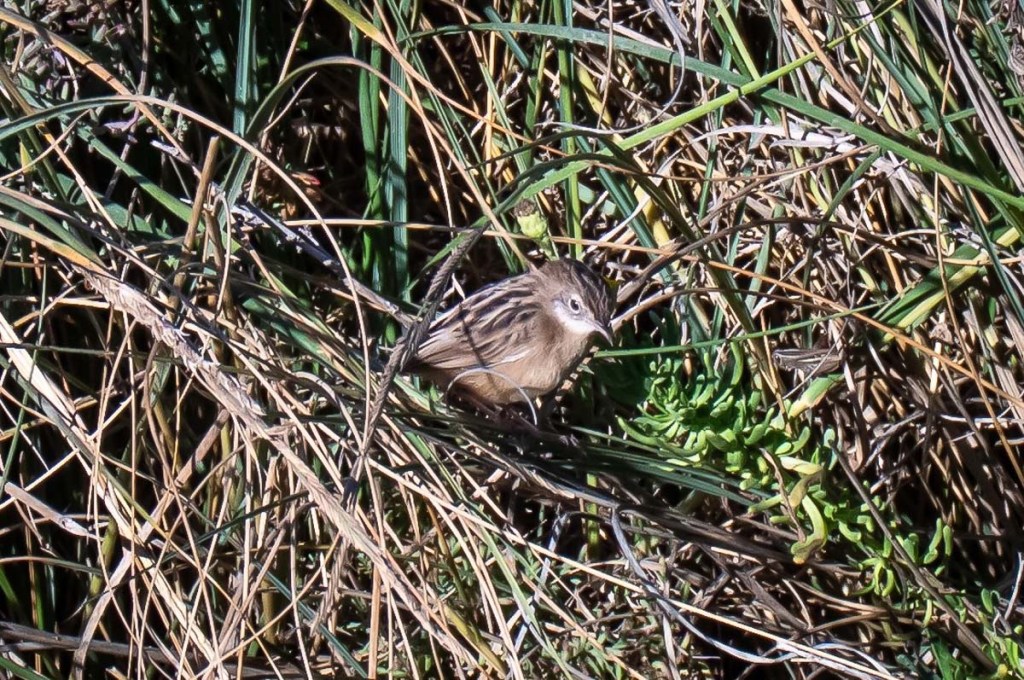
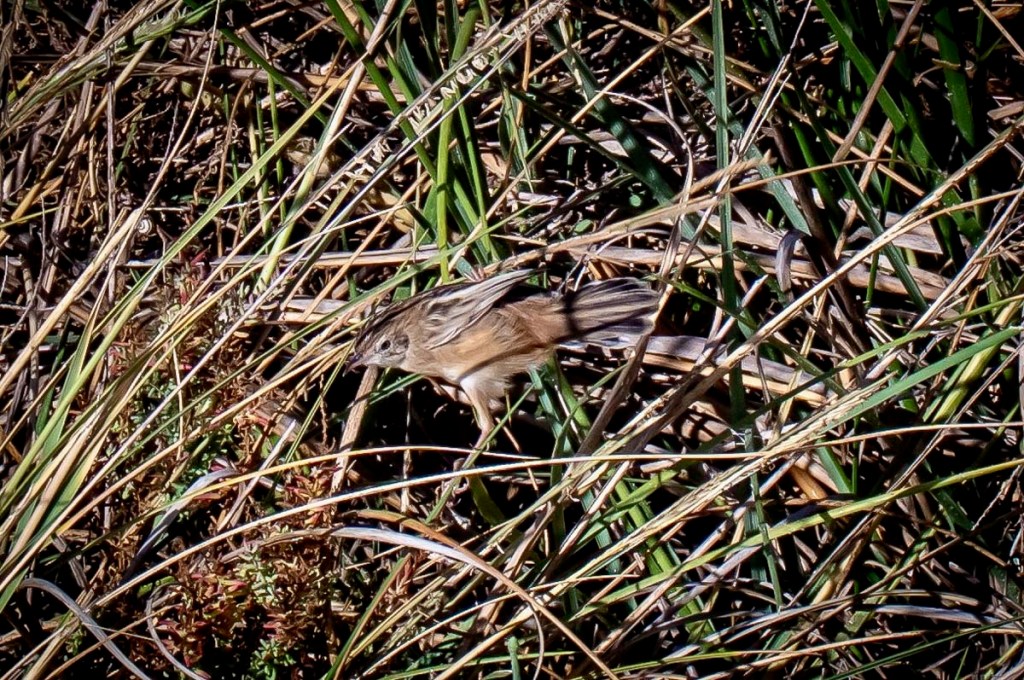
Nothing much this evening except a zitting cisticola
Zitting cisticolaZitting cisticola
And so, I took a couple of landscapes from the balcony to end our wonderful stay.
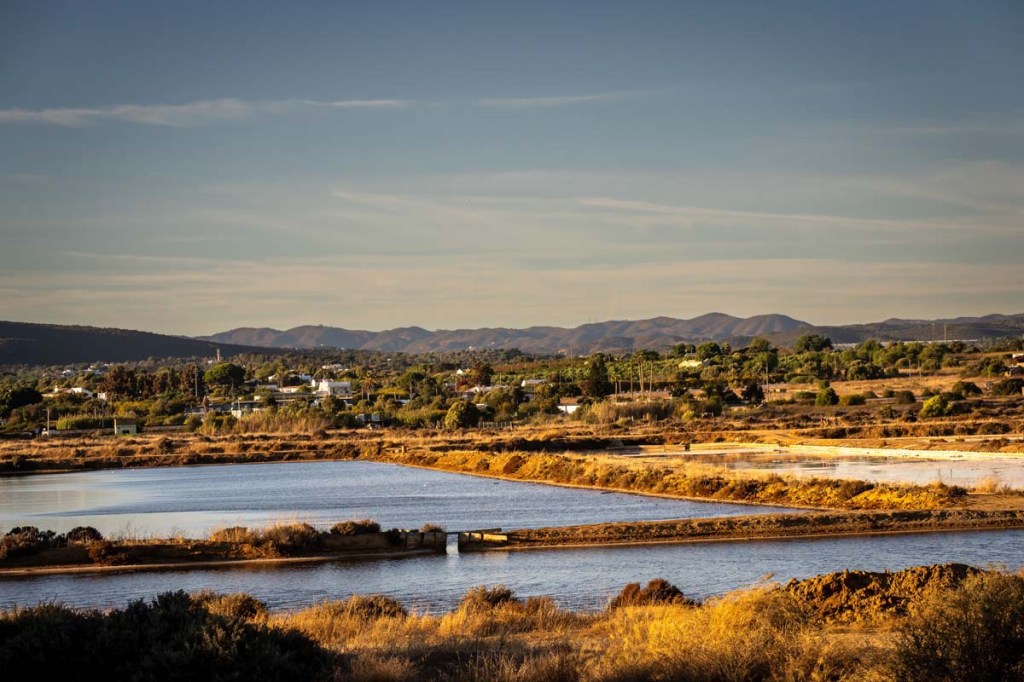
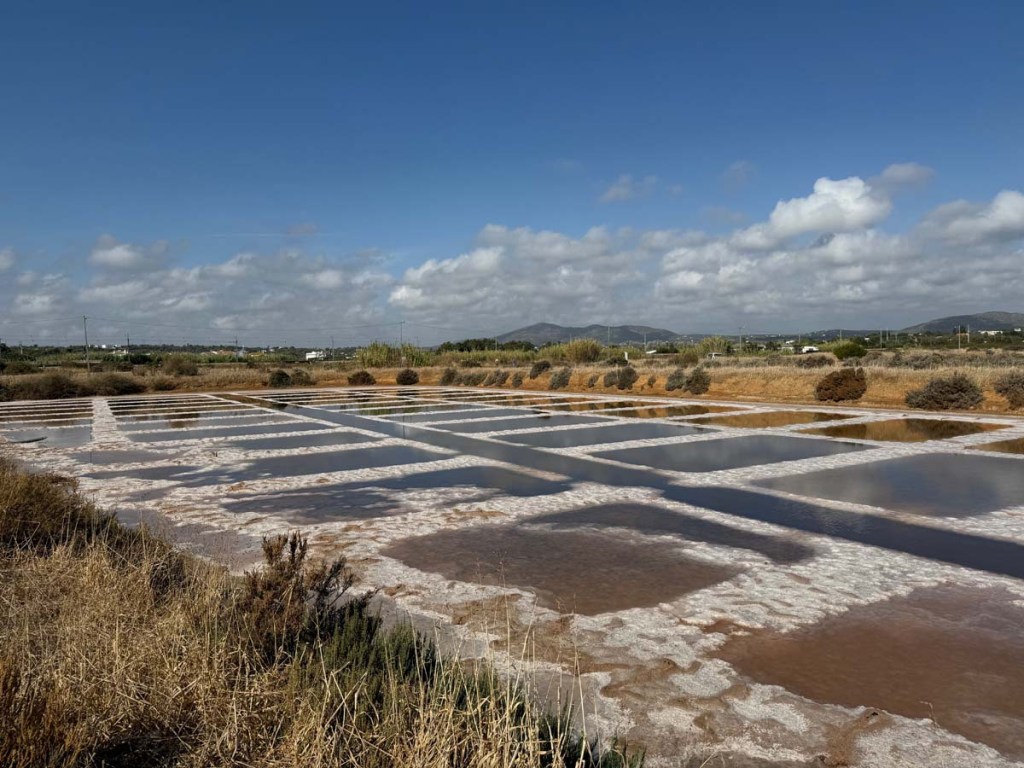
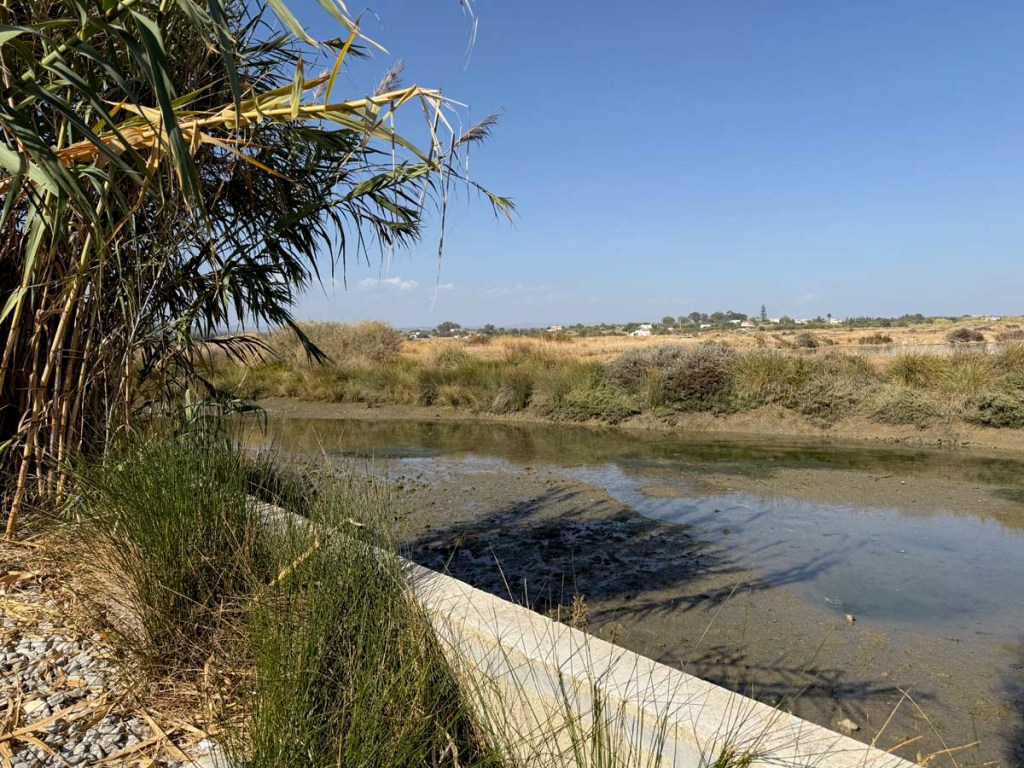
View from our balcony to the hills to the northLooking east across the salt pans
Below is the list of birds that we have seen during our stay in Fuseta. Surprisingly we haven’t seen any raptors. Perhaps we have been watching the floor too much to check that we don’t trip up!
Common Shelduck Northern Shoveler Gadwall Mallard Feral Pigeon Common Woodpigeon Collared Dove Common Moorhen Eurasian Coot Black-winged Stilt Pied Avocet Eurasian Oystercatcher Common Ringed Plover Kentish Plover Whimbrel Black-tailed Godwit Common Sandpiper Common Redshank Common Greenshank Ruddy Turnstone Curlew Sandpiper Sanderling Dunlin Black-headed Gull Common Gull Yellow-legged Gull Lesser Black-backed Gull Sandwich Tern Greater Flamingo Little Grebe White Stork Great Cormorant Eurasian Spoonbill Little Egret Western Cattle-Egret Great White Egret Grey Heron Common Kingfisher Iberian Magpie Common Magpie Eurasian Skylark Crested Lark Zitting Cisticola Common Chiffchaff Sardinian Warbler Eurasian Blackbird Bluethroat European Stonechat Common Waxbill House Sparrow Pied Wagtail/White Wagtail
Over the last couple of days, when we haven’t been doing touristy things, I’ve grabbed a few more bird photos as the opportunities here are endless. We have an armchair view (literally) so the pickings are very easy although I did miss a kingfisher which perched right opposite us as I was without camera at the time. I must be getting blasé.
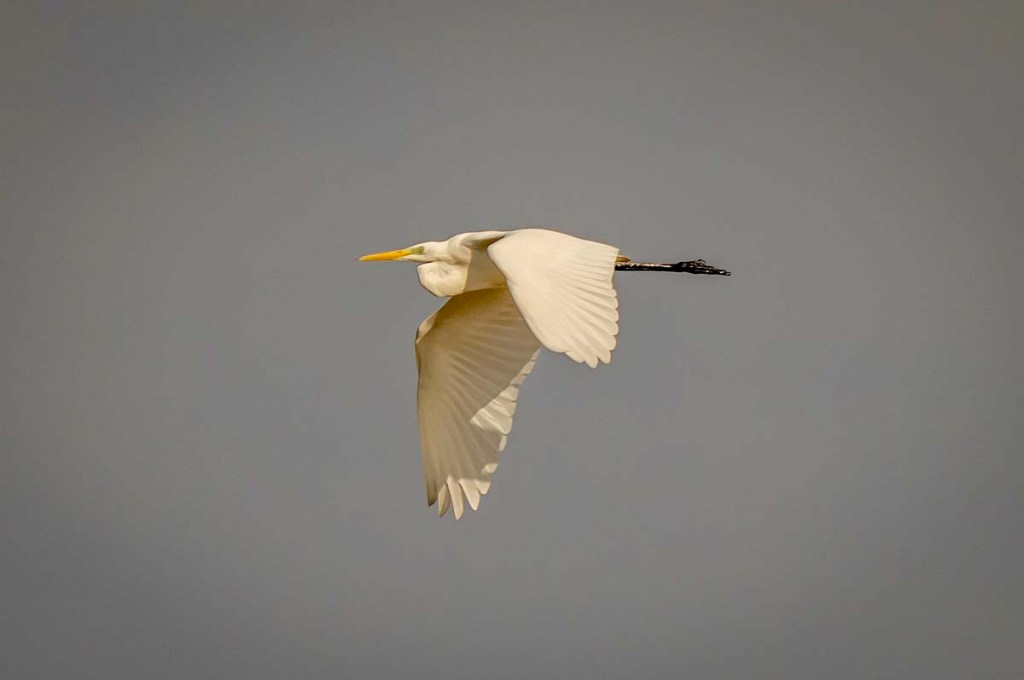
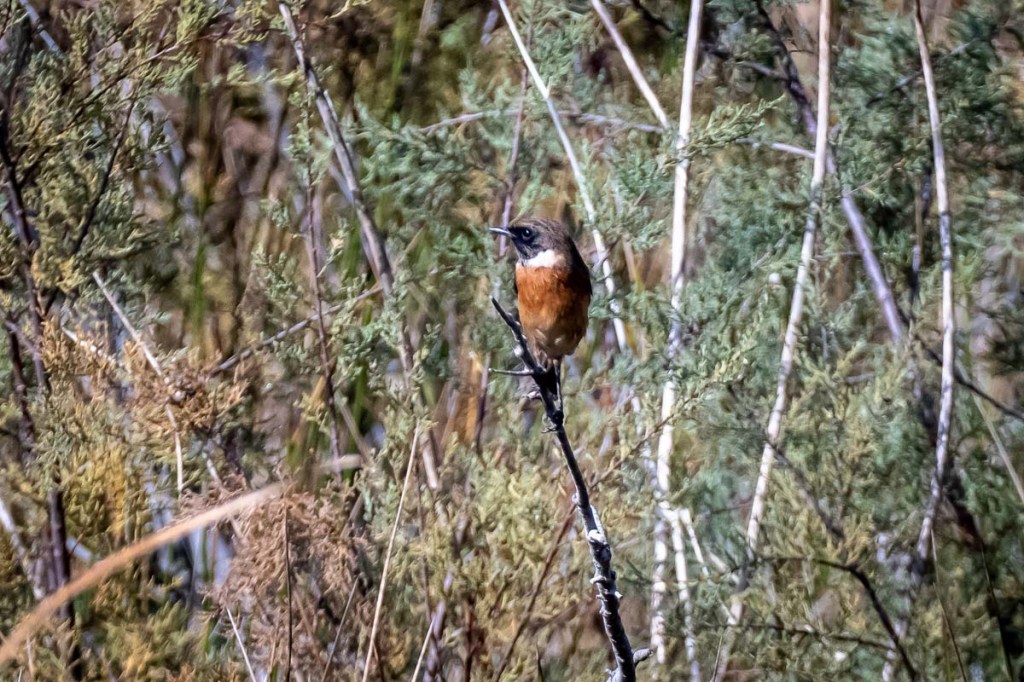
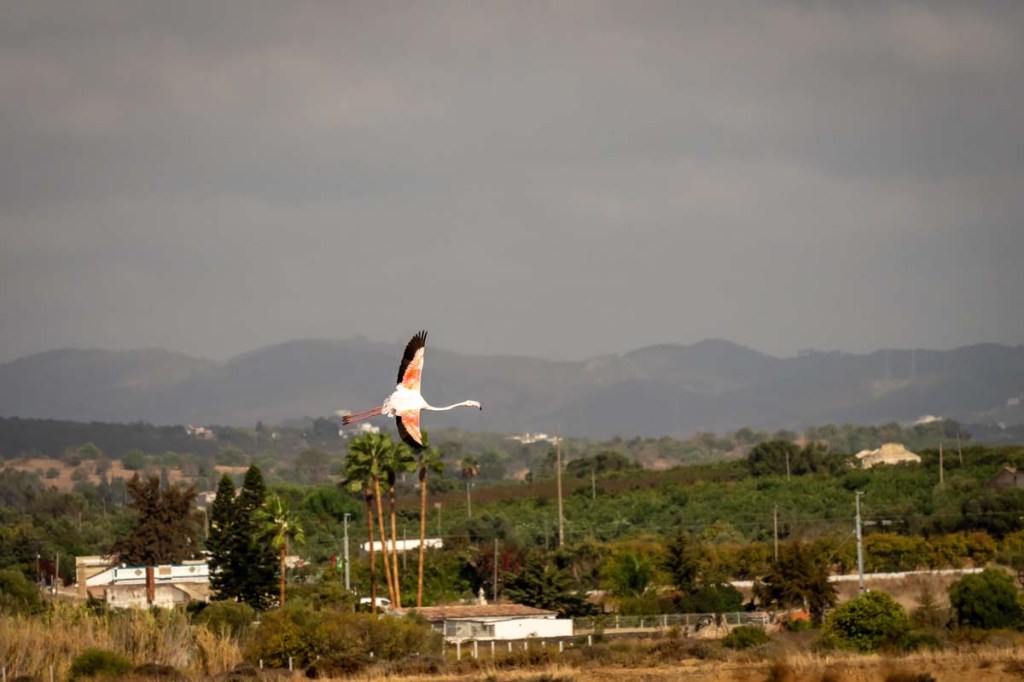
Zitting cisticolaZitting cisticolaRear view of a common waxbill… and a front view of a common waxbill. First sighting of this bird this week.A greater flamingo doing a swan impersonationCommon redshank in the evening lightWe have seen plenty of these greater flamingos but when they are on the salt pans you don’t see their colours to full effectGreater flamingosFirst sighting this week of a great white egret… and the first sighting this week of a chiffchaff (or is it a willow warbler?)A Sardinian warbler trying to be secretiveStonechatI like the reflection of this sanderling in flightAre these greater flamingos being affectionate or aggressive?A choice of birding areas
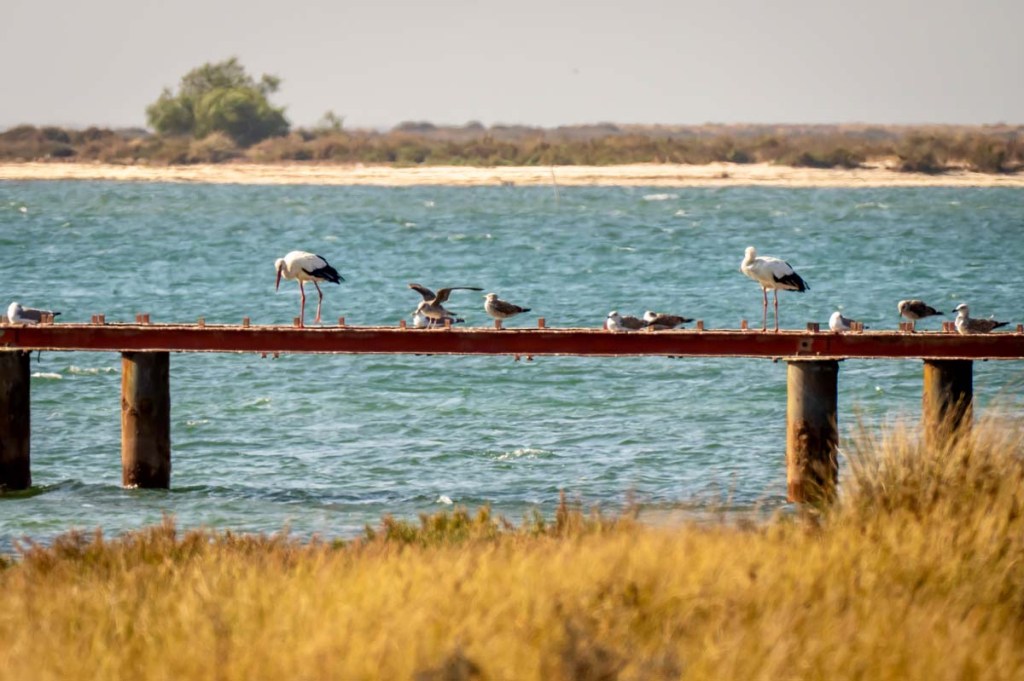
After morning coffee in Fuseta we took an Uber for just a few euros along the coast to the Nature Park at Quinta de Marim. This is a favourite of ours: a 3 km trail takes you through various ecosystems – dunes, salt marshes, pine woodlands and there is a hide at the edge of the marsh. There’s also a very interesting tidal mill where generally you see lots of interesting birds. Unfortunately today there was a full tide and the only birds on the coast were clinging to a pier.
White storks and gulls with nowhere to goTidal mill Umbrella pines, typical of this regionBoardwalks to take you through some of the dune systems
We saw lots of Iberian magpies and collared doves but my photos were too poor to publish.
However, there was lots to see at the hide which overlooks a small inland pool. I made a rather silly ID error here thinking a had seen a western swamphen, but it was really only a moorhen. Perhaps it was the terrapin alongside which confused me as we had seen western swamphens and terrapins together a little further along the coast at St Lourenco.
Moorhen and terrapinPhoto of a western swamphen taken along the coast at St Lourenco earlier this yearBlack-tailed godwitGadwallLittle grebeShovelerEurasian spoonbillStonechat
There were also lots of little egrets and grey herons around the lake but I will spare you my photos of these!
Our enjoyment of this nature reserve became even greater when, on leaving the park, we discovered a lovely local restaurant – the Restaurant Vista Formosa where the waiter told us that next time we should climb the stairs to see why it has this name. He assured us we would not be disappointed. Definitely a good reason to return.
Today we have been exploring the salt pans of Fuseta from where we have had some glorious views of the birdlife and the scenery of this part of Portugal. We stopped off at a small café/restaurant on the far side of the pans and extended our stay to include lunch – all of which was incredibly good value.
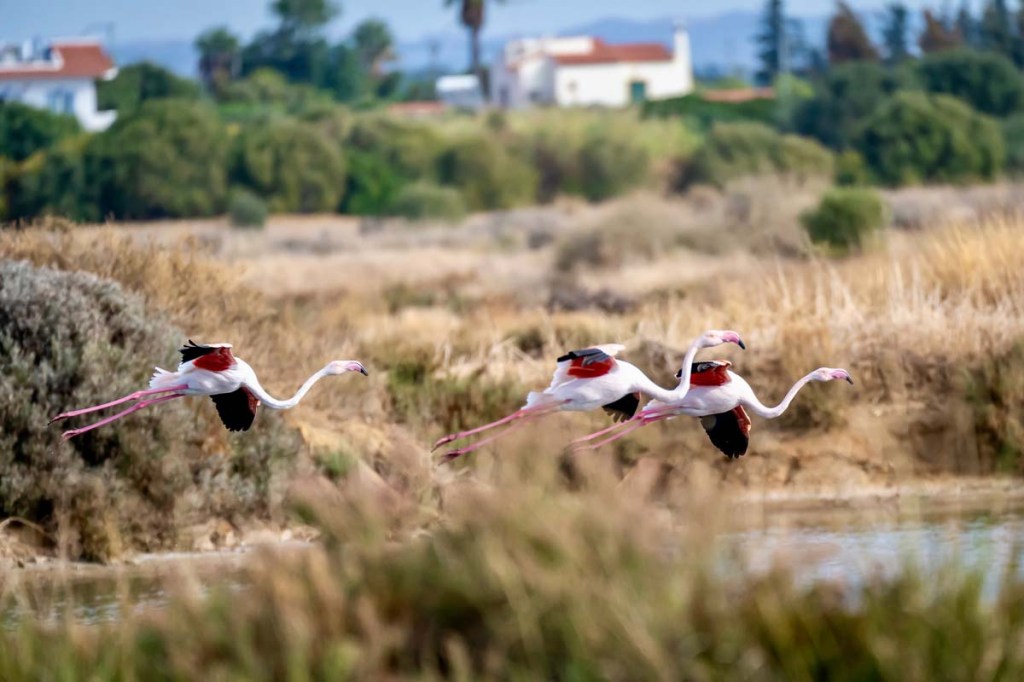
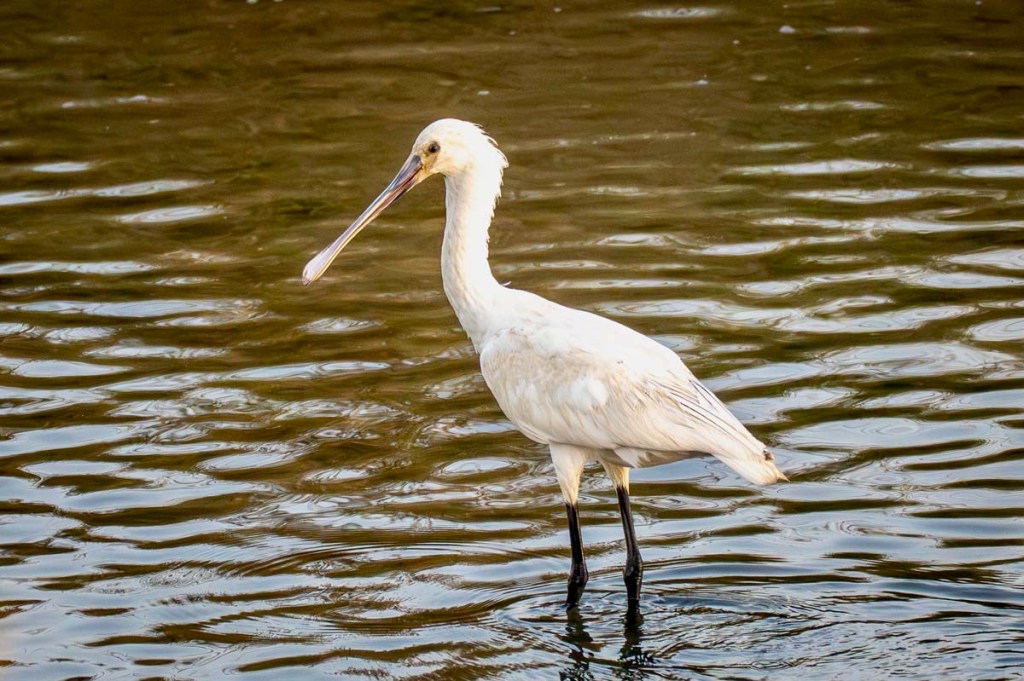
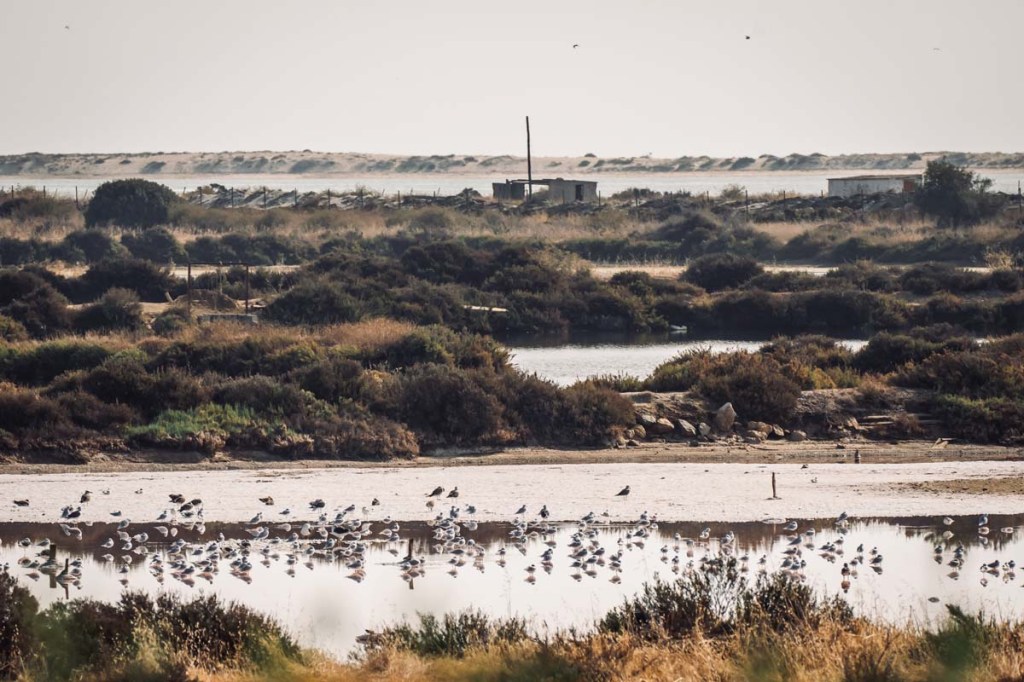
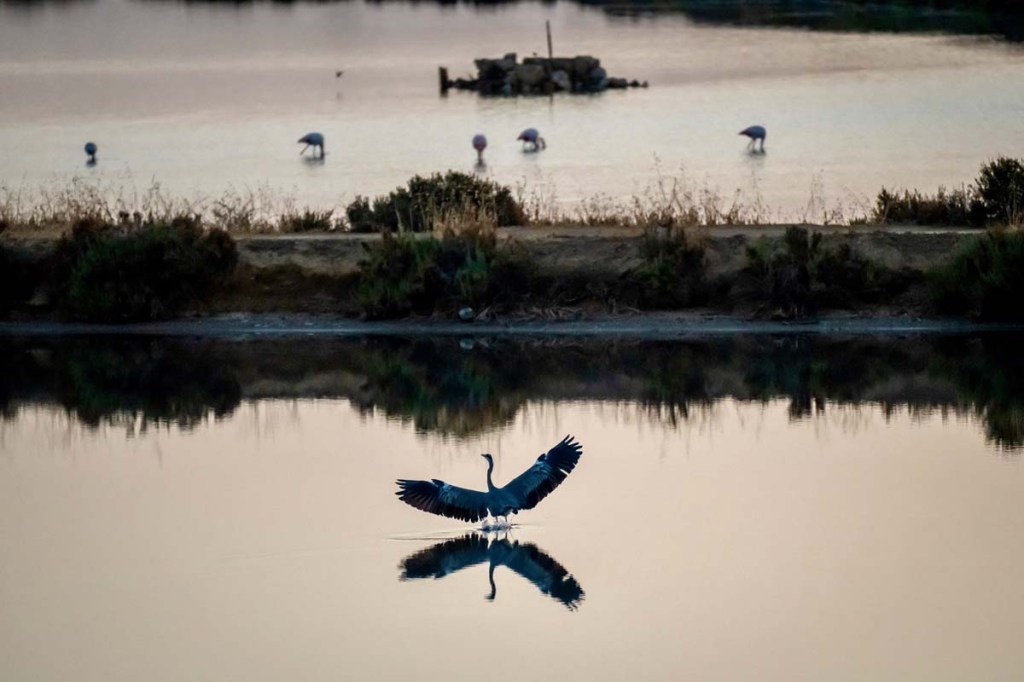
Salt pans of FusetaSalt pans of FusetaGreater flamingoGreater flamingosGreater flamingos coming in to landGreater flamingo seemingly walking on waterAmazing views of gulls tooBlack-winged stilts and a ruddy turnstoneI can’t work this one out. Yellow legs and (apparently) slim bill. Maybe a common gull? (Over to you Michael).More gulls and the church at Fuseta in the background
The walk back seemed further but we had a good stop as, incredibly, we bumped in to two men on bikes on the long distance cycle track through the Algarve who I used to teach as boys nearly 50 years ago back in Bristol in the UK. I am always amazed that such encounters ever happen.
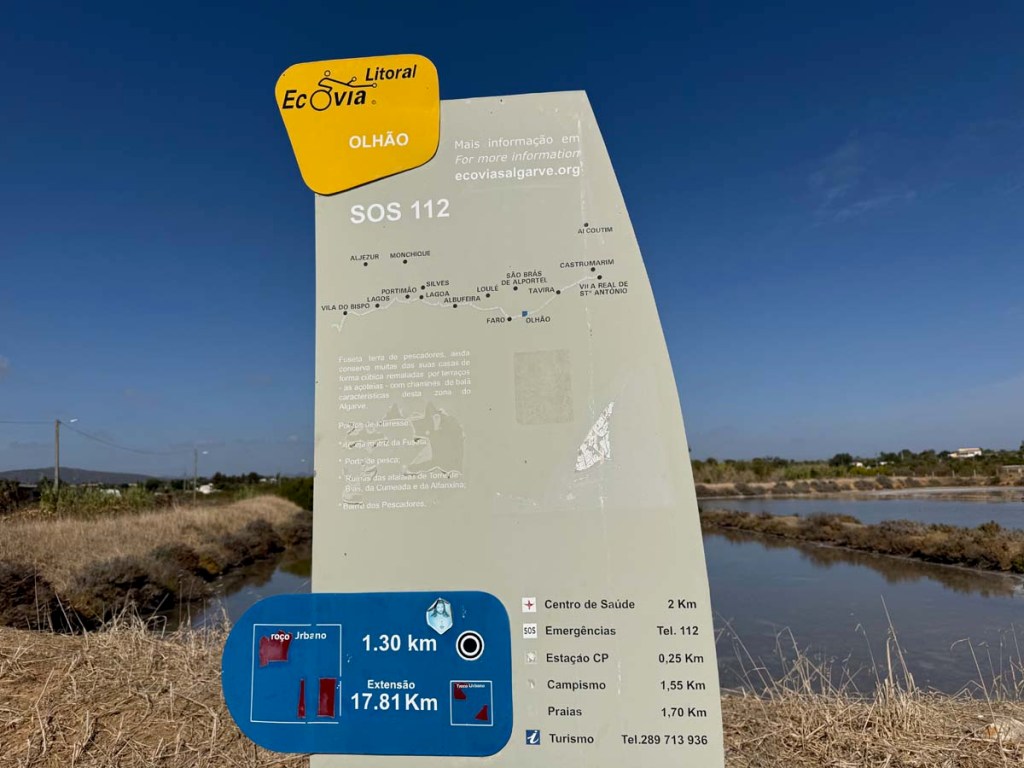
The long distance cycle track through The Algarve
We were quite happy to encounter a few spoonbills too, but I had to take the photos through a net as they were on private property. Manual focus helped somewhat.
Eurasian spoonbillsEurasian spoonbillMore views of the salt pans and salt mountain – there must be other ingredients too with all those gulls!Pied avocetsCarline thistles, I believe
Back at base we had a relaxing time where I managed a few of the birds I was hoping to see.
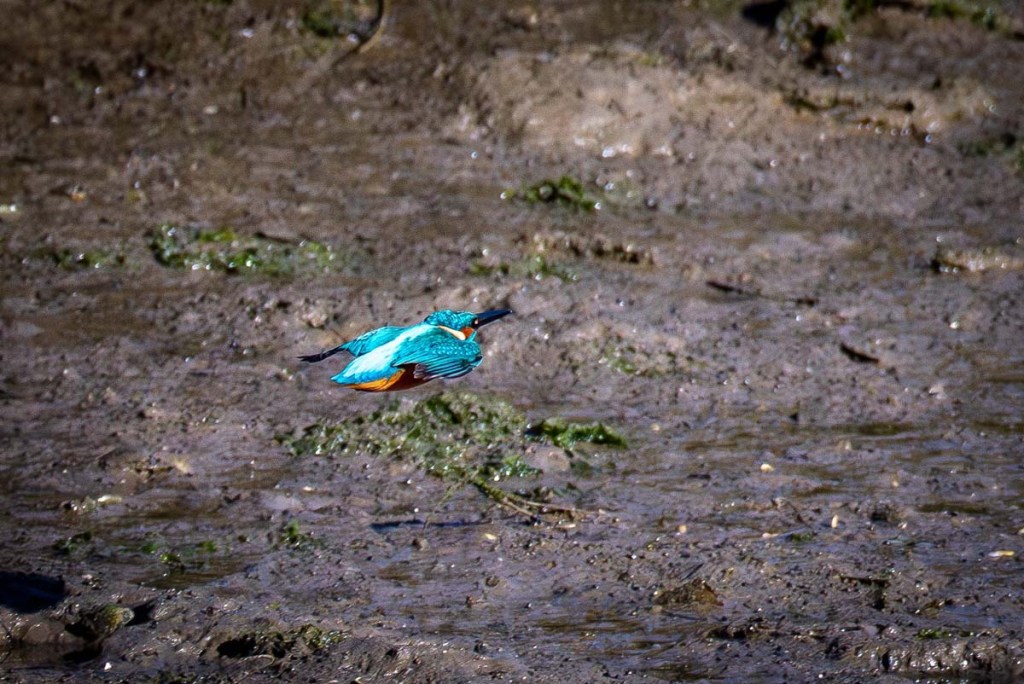
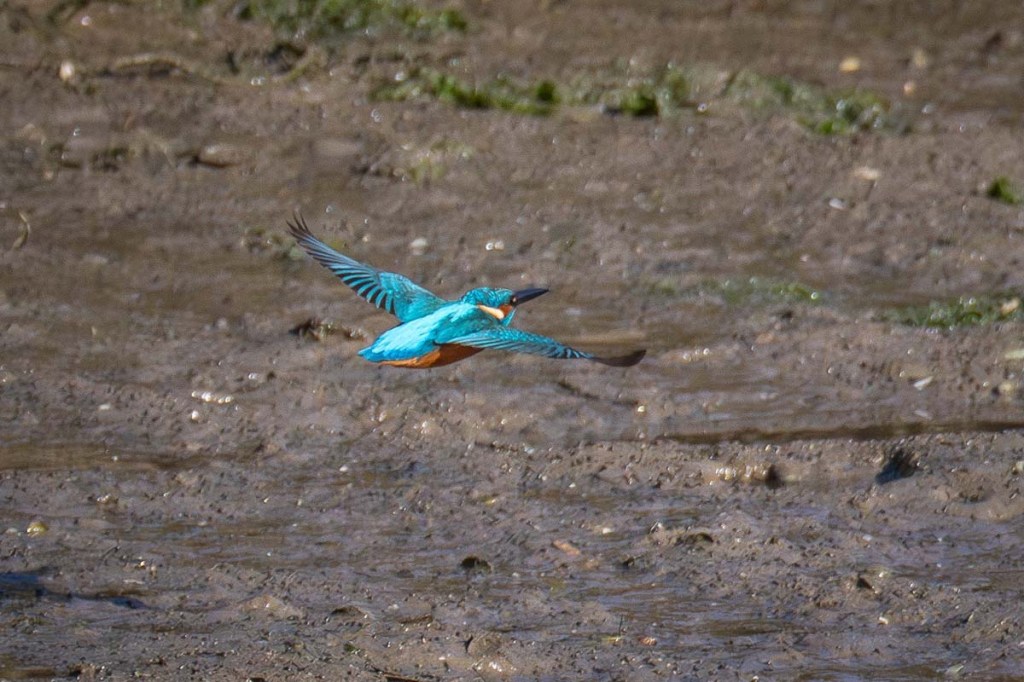
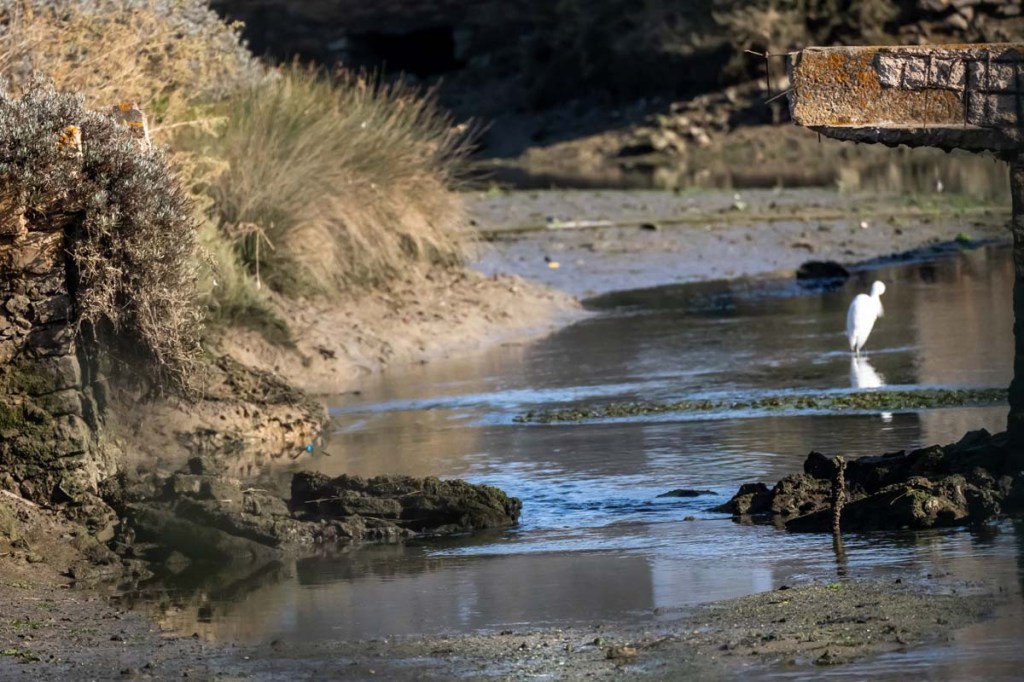
Sardinian warbler had escaped me until nowCommon ringed plover in flightThe one bird I was keen to photograph – the common kingfisher (sort of my signature bird – Martin Pêcheur in French)Common kingfisherCommon kingfisherStill in my viewfinderCan you spot it here? I’ll give you a clue – bottom left.Pied avocets settling down for the nightHowever the greater flamingos were still quite frisky
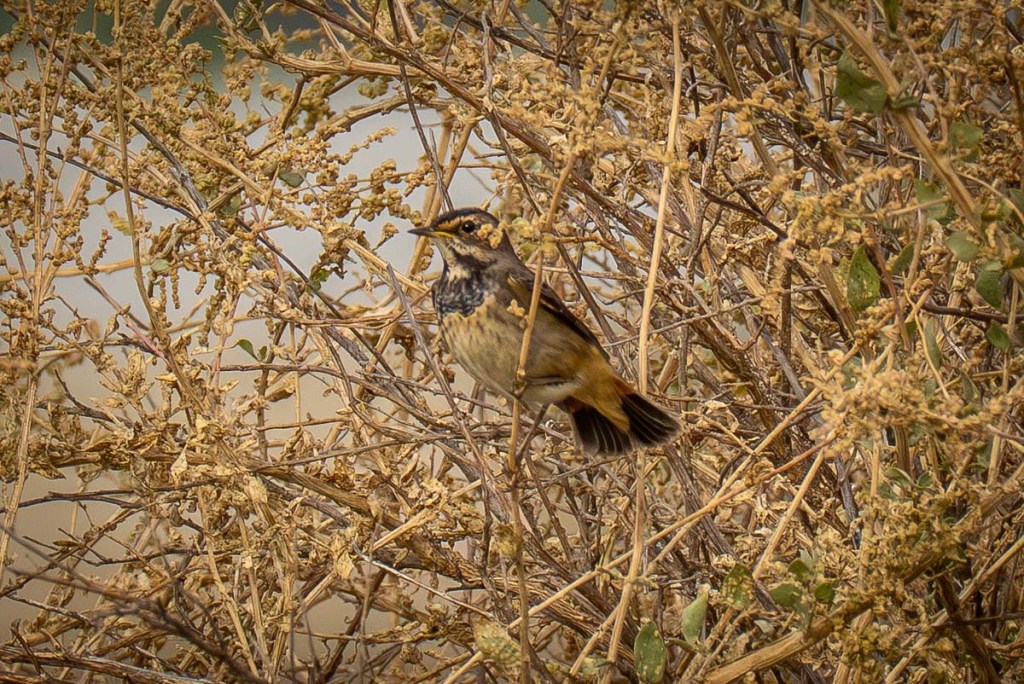
Today I start with my last bird photo of the day – a bluethroat. I had seen one earlier in the week and was pleased with my efforts of constantly looking at all the sparrows in a bush opposite us to find this one. I must admit, though, I have had enough of looking at house sparrows.
Bluethroat
Hereafter the photos are generally in chronological order of when I have taken them in the day but are only a small representation of what we have seen today. I have tried to include only new birds or photos with some particular interest.
We have enjoyed regular sights of a kingfisher flashing past but as yet I have not managed a photo – I still have a few days left so nil desperandum.
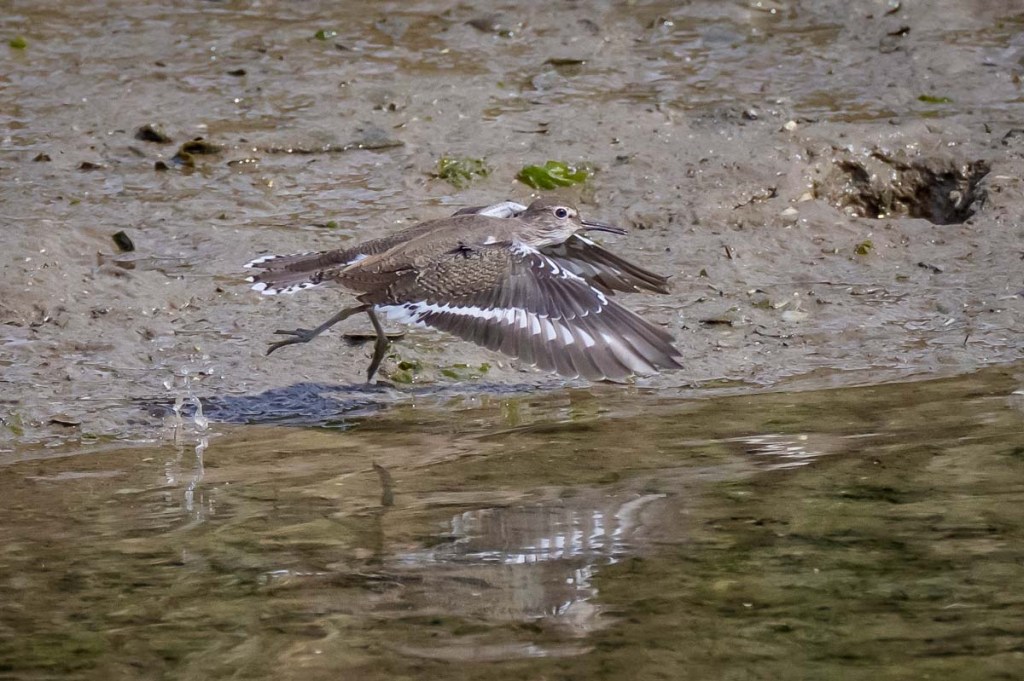
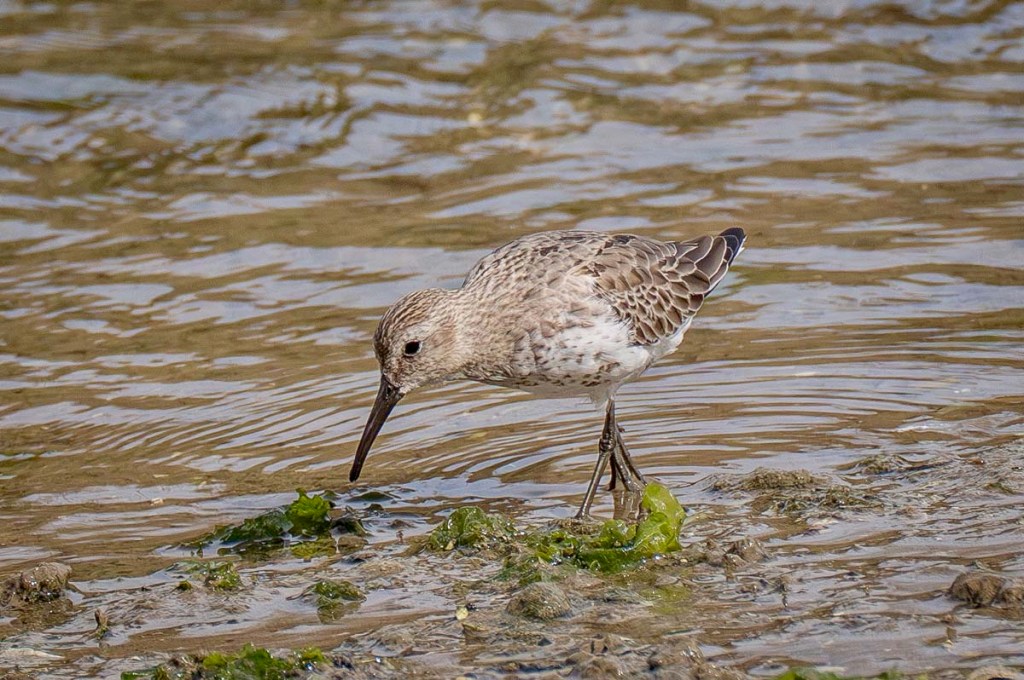
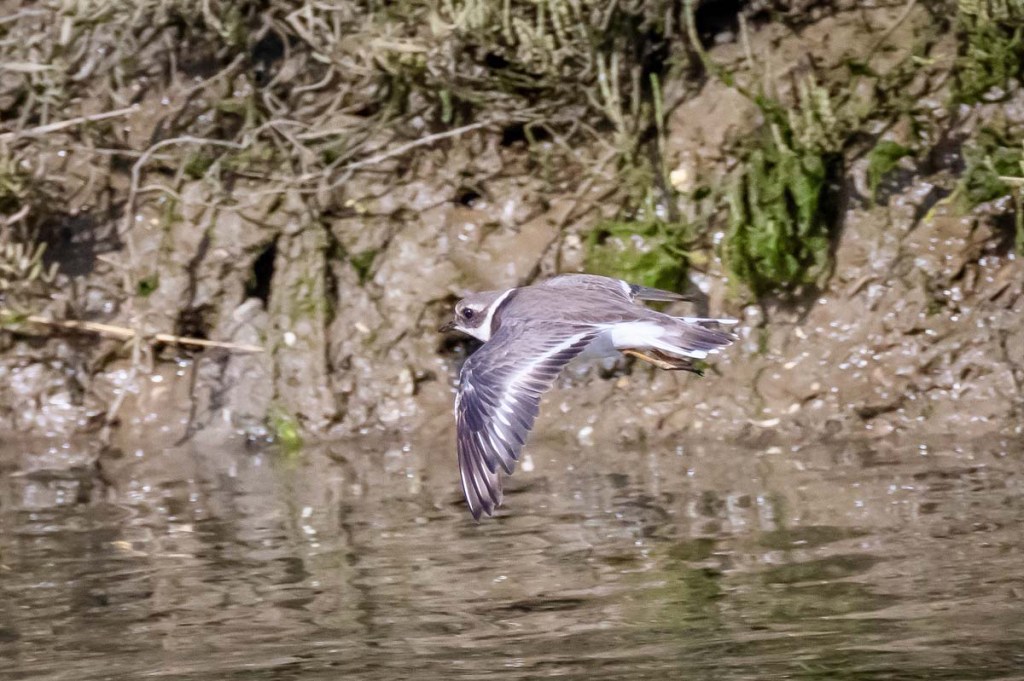
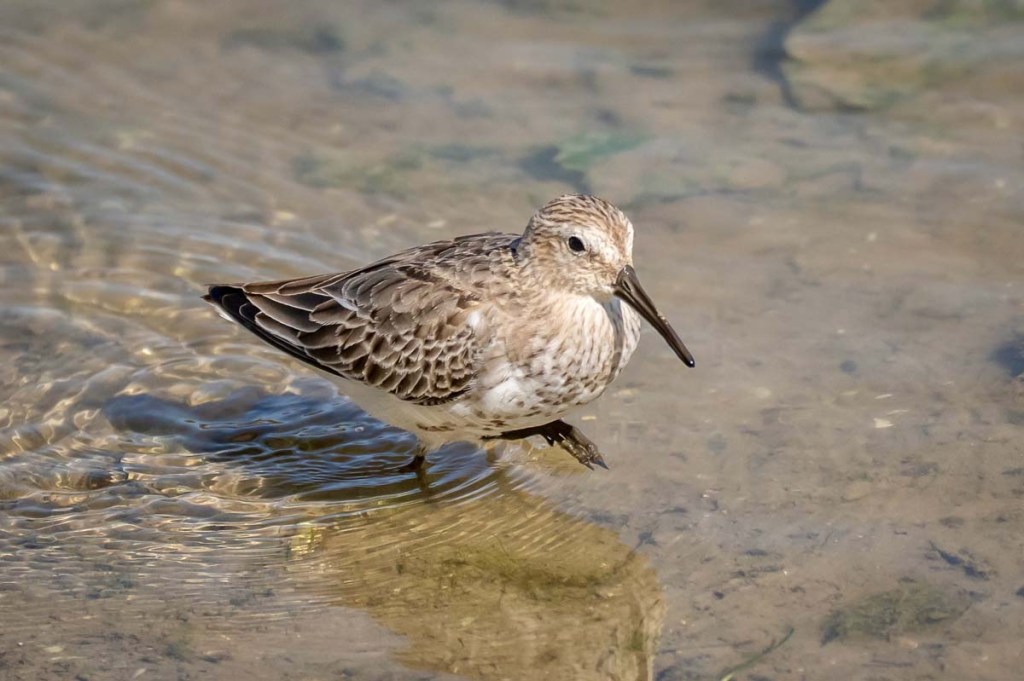
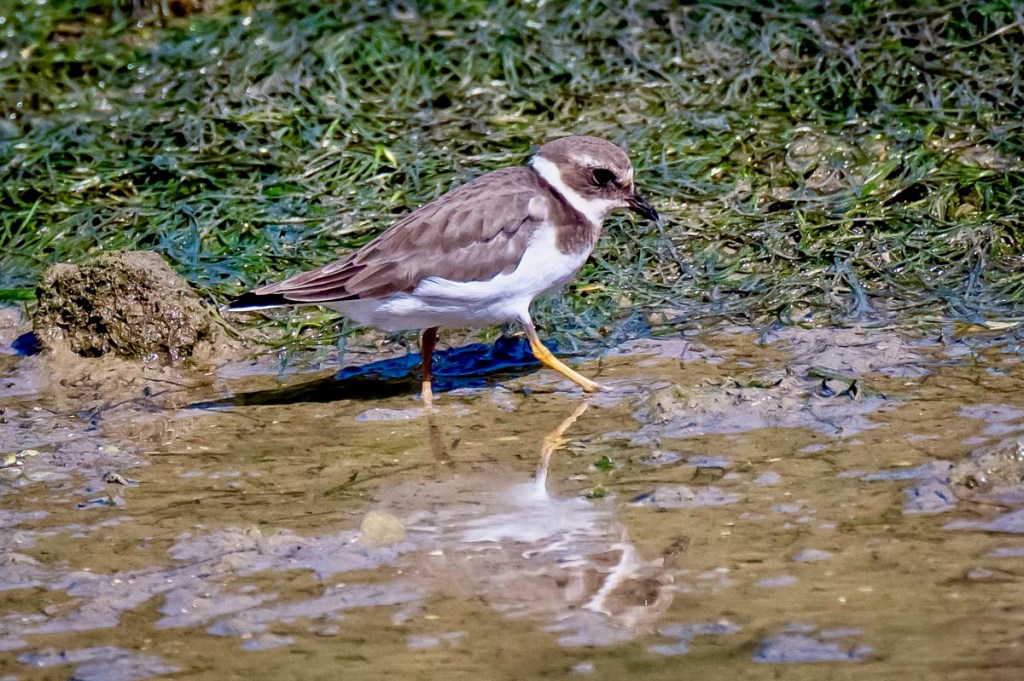
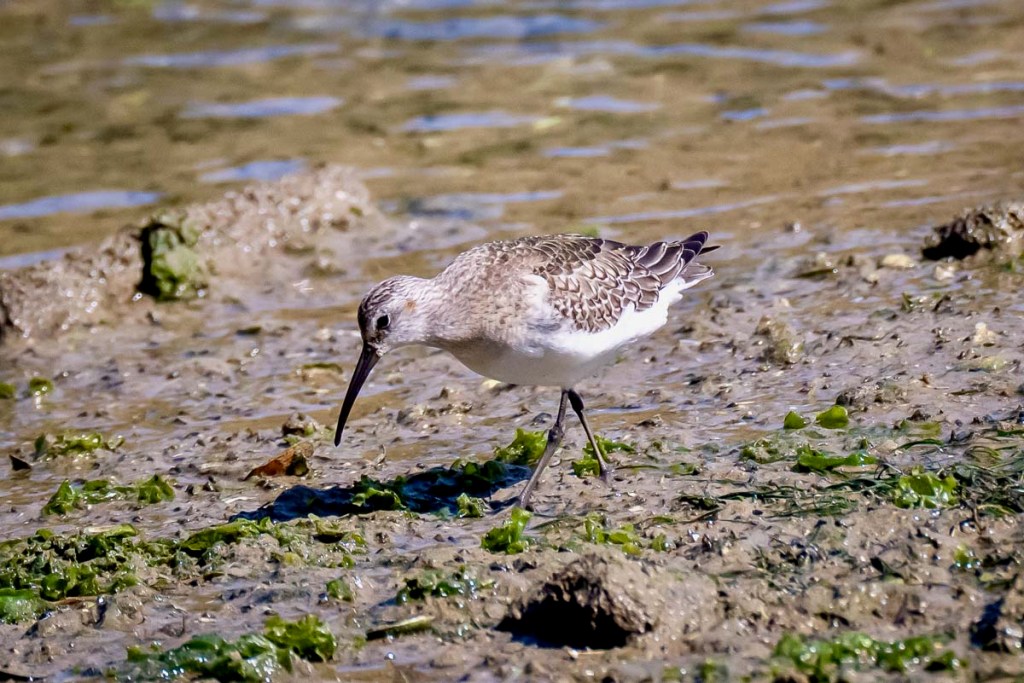
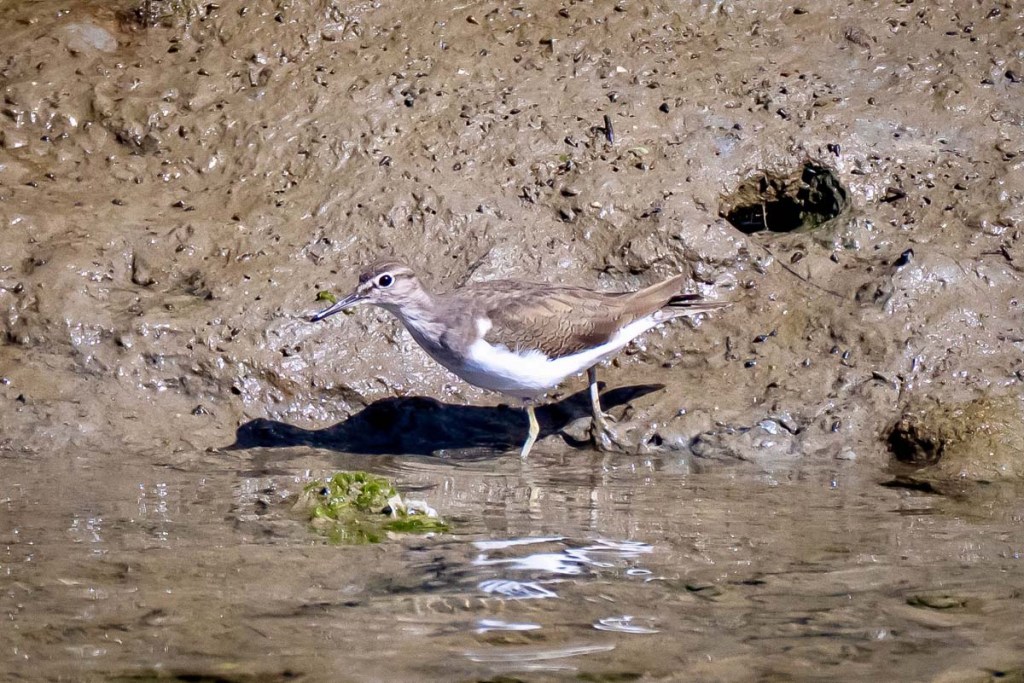
Eurasian spoonbillGreater flamingosYellow-legged gullZitting cisticolaI am pleased that we are not alone in enjoying the spectacular viewsRia Formosa and the Atlantic Ocean in the distanceA different view of a common sandpiperDunlinCurlew sandpiperSanderlingRedshank with damaged foot – it has been around all week and seems to be coping wellCommon ringed plover in flightYellow-legged gull enjoying a bathCrabsBluethroatGreater flamingo
Well we have been out and about a little today exploring the delights of Fuseta but not until I had photographed more birds than I know what to do with. Plus ça change plus c’est la même chose!
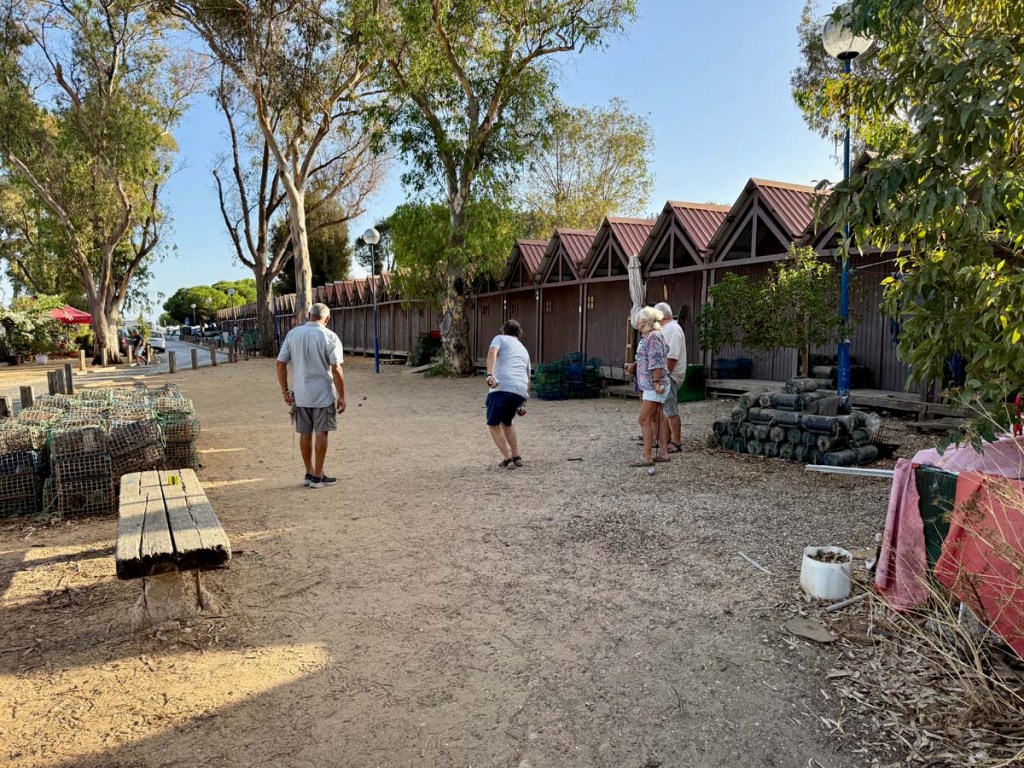
Quite appropriate really to use a little French as as we seem to hear French spoken here more than any other language and the first couple of photographs rather sum up the mood a little around here.
All other photos were taken from the balcony or the garden looking out on to the tidal river and salt pans of Fuseta.
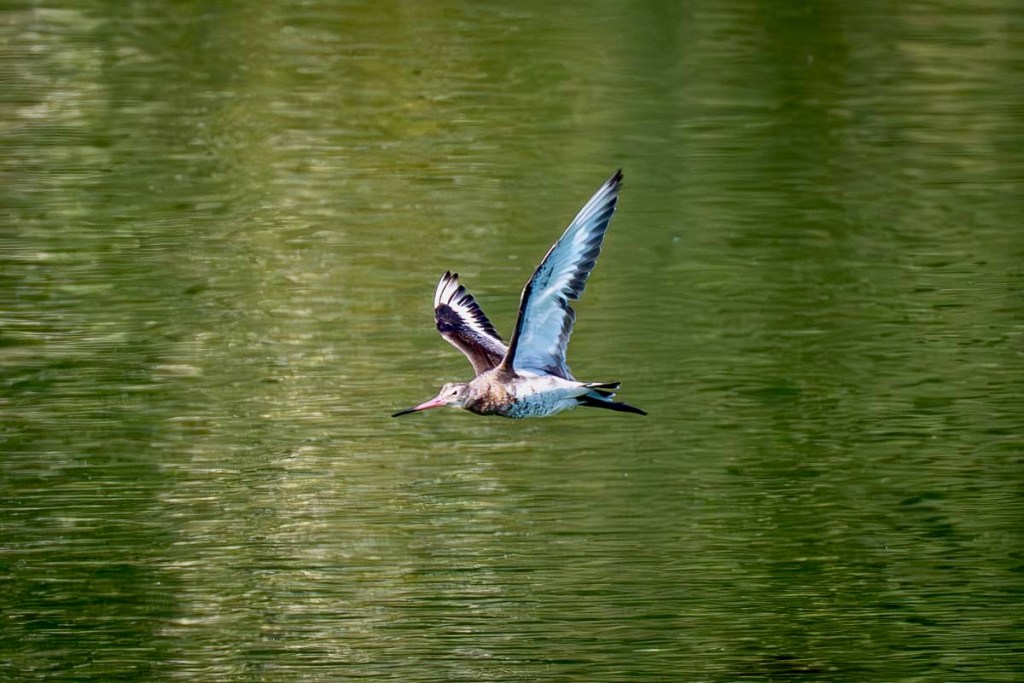
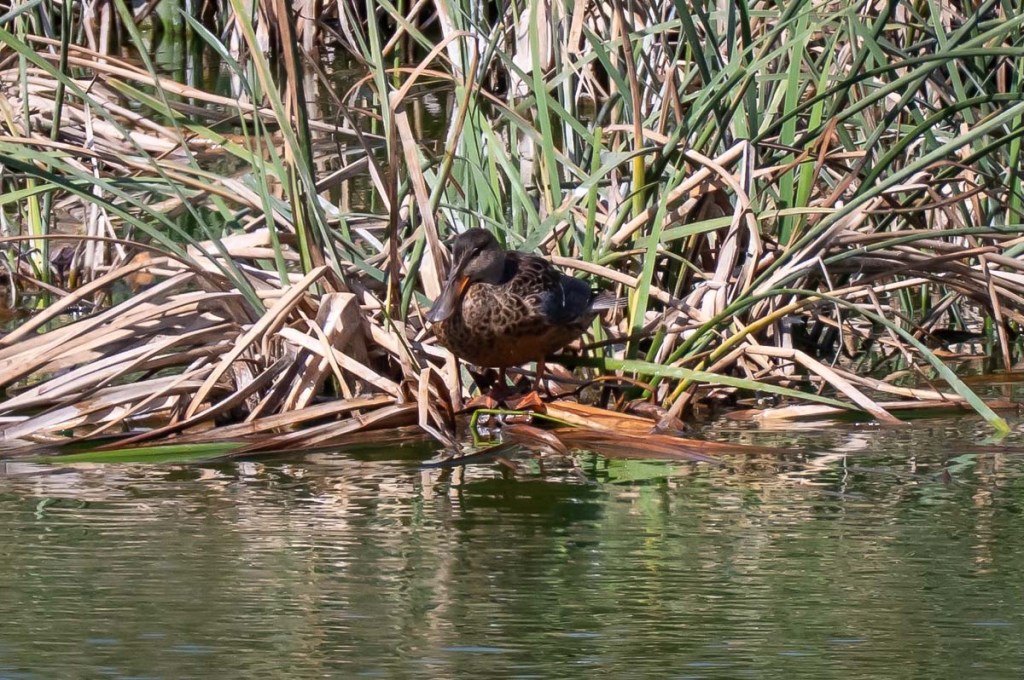
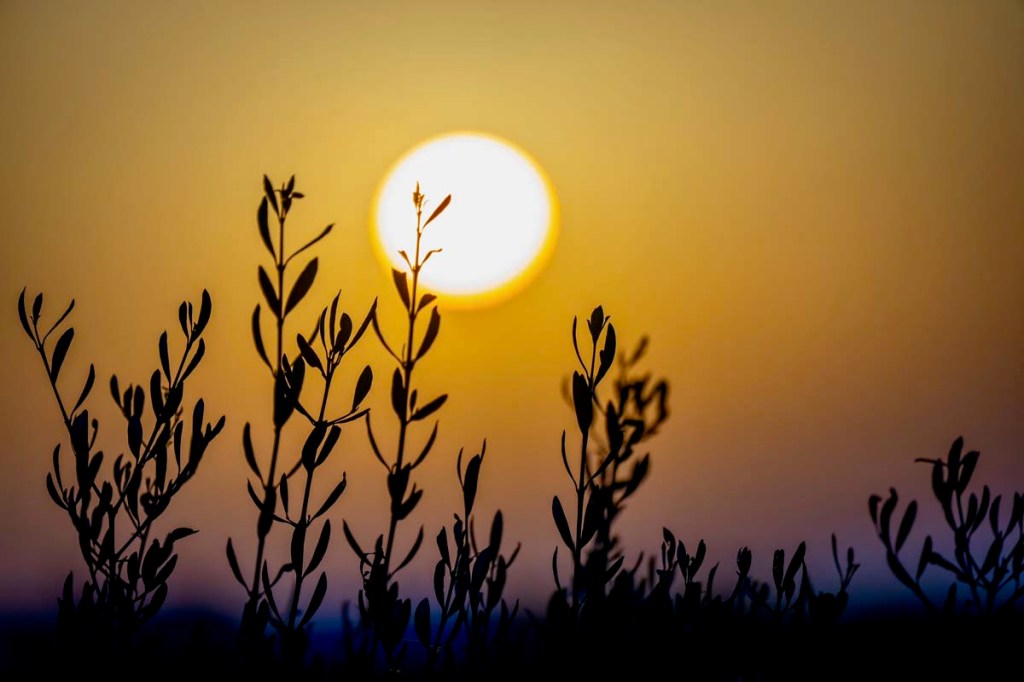
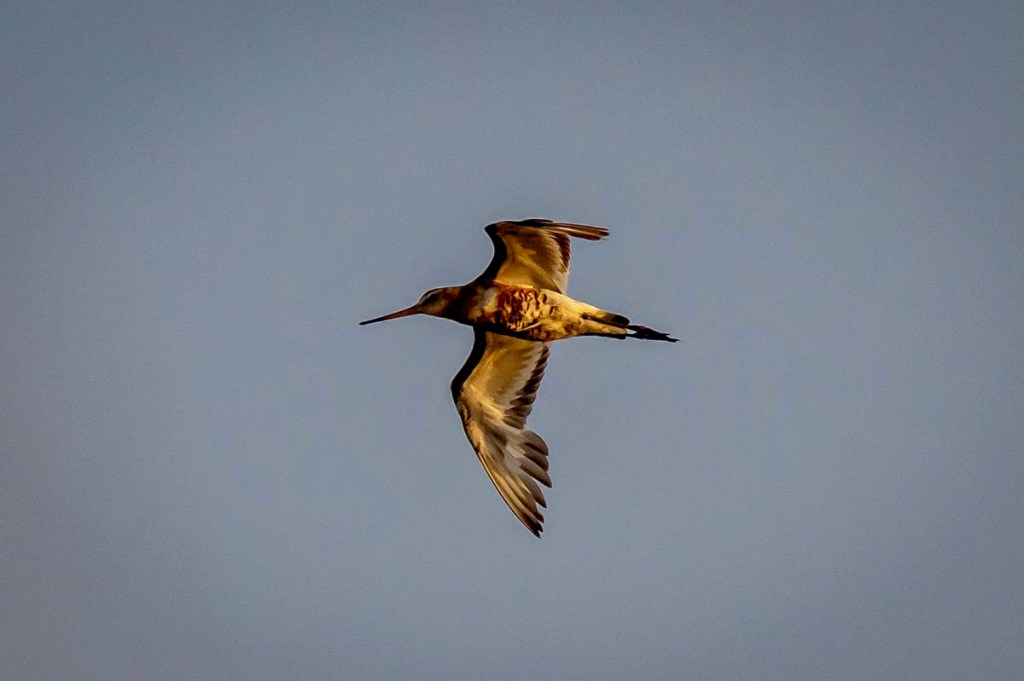
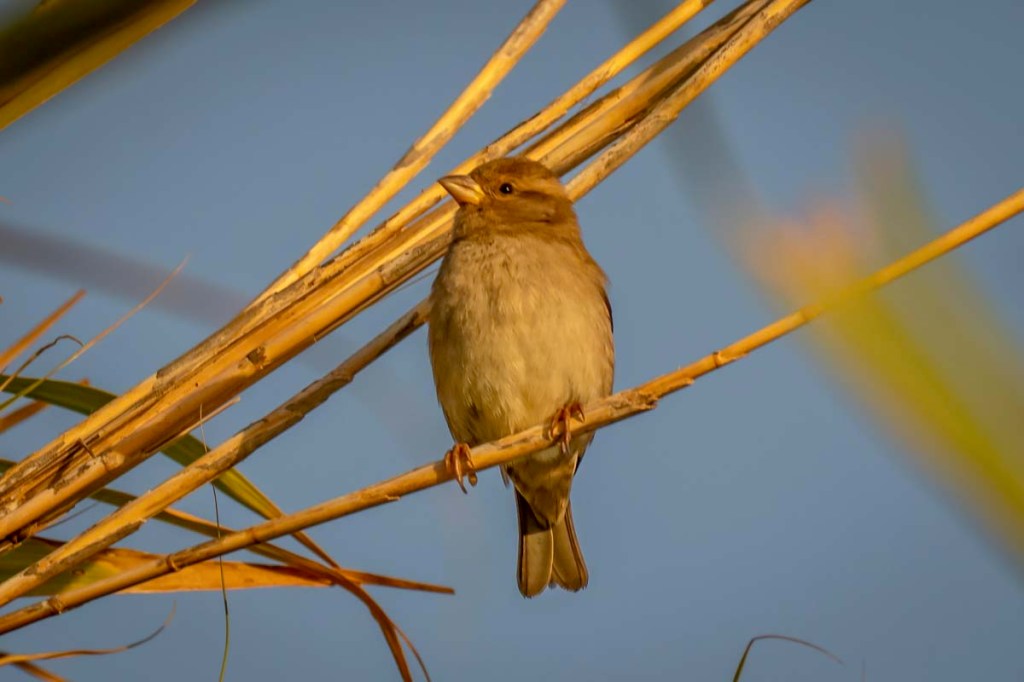
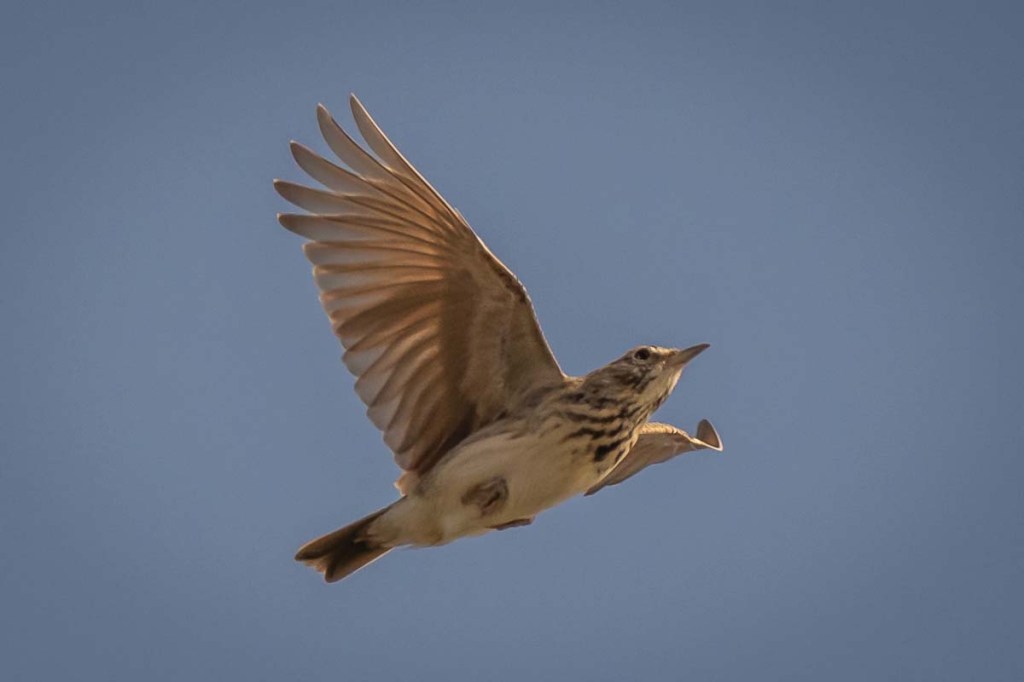
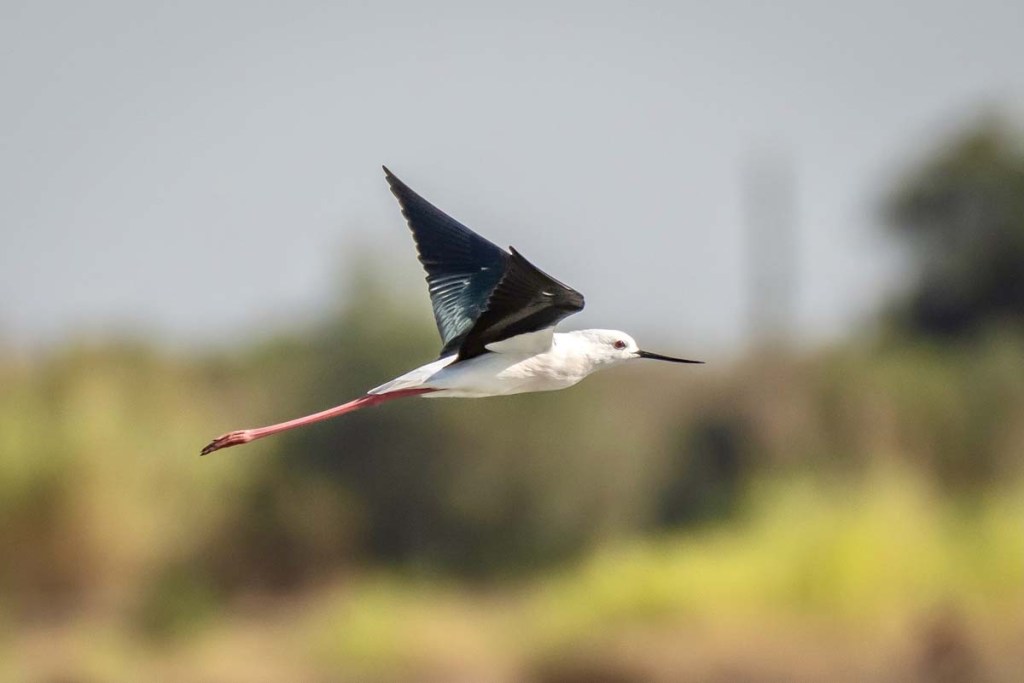
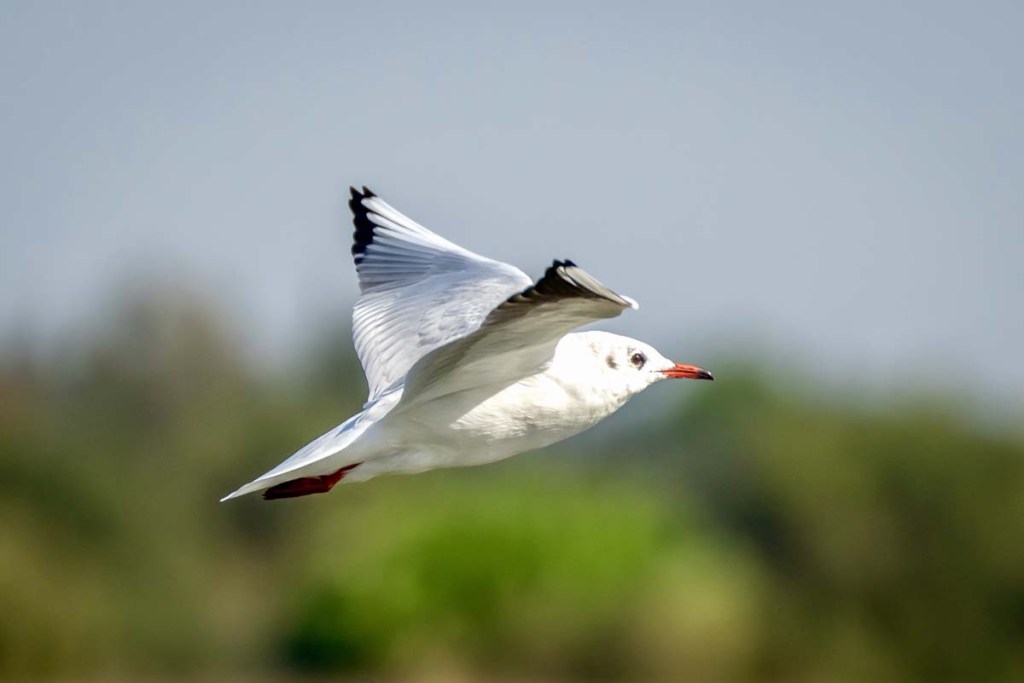
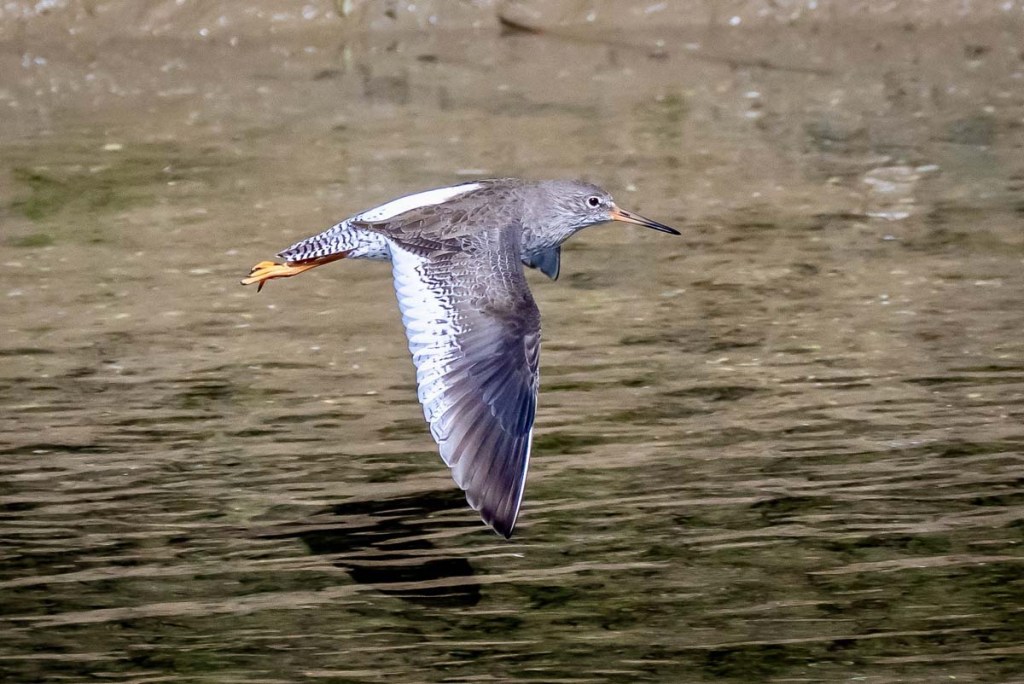
View of the tidal river with salt pans beyond.First photo of the day… and the second oneBlack-tailed godwit was the first bird of the day – the sunrise gave it a rather different colouringEven house sparrows look a little different in this lightMen at work – or discussing itMallards in flightYellow-legged gull even more yellow in the morning lightThe lark ascending …The greater flamingo descending …Black-winged stiltNot all my photos are close up – stonechat at some distanceBlack-headed gullLesser black-backed gullCommon redshank in flightBlack-tailed godwitDunlinCommon ringed ploverCurlew sandpiperCurlew sandpiper landingBlack-winged stiltCommon sandpiperGreenshankRedshank in flightHouse sparrows take on all sorts of looksLittle egretRuddy turnstoneBlack-tailed godwitWhite storkWhite storkDedeuche – often the ugly duckling. Vive la France!



































































 Martin's Bird Blog & Nature Photos