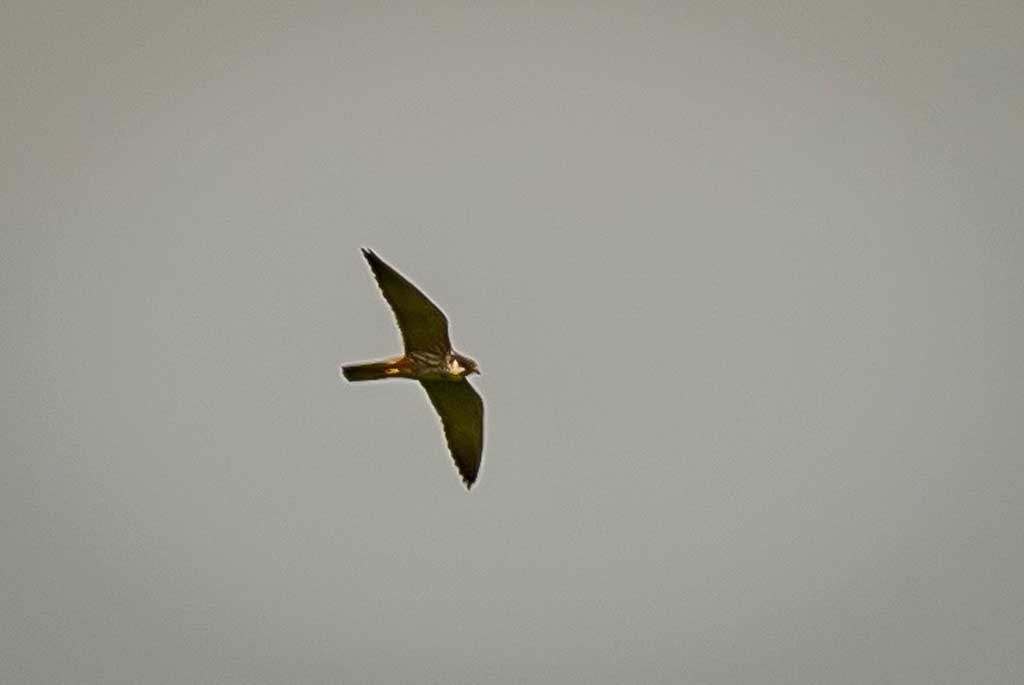
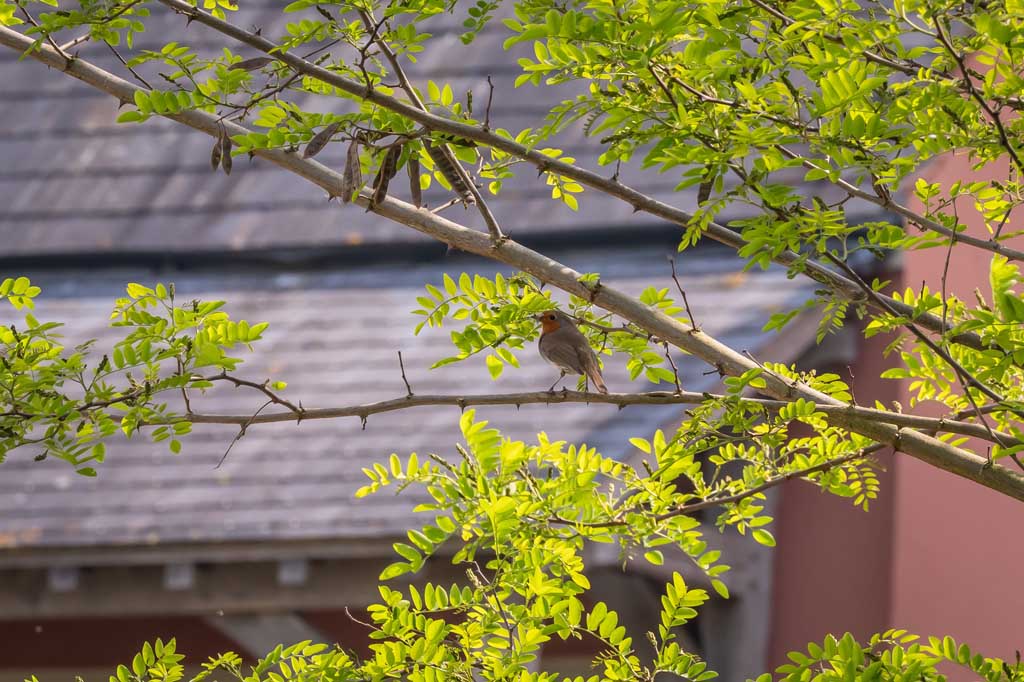
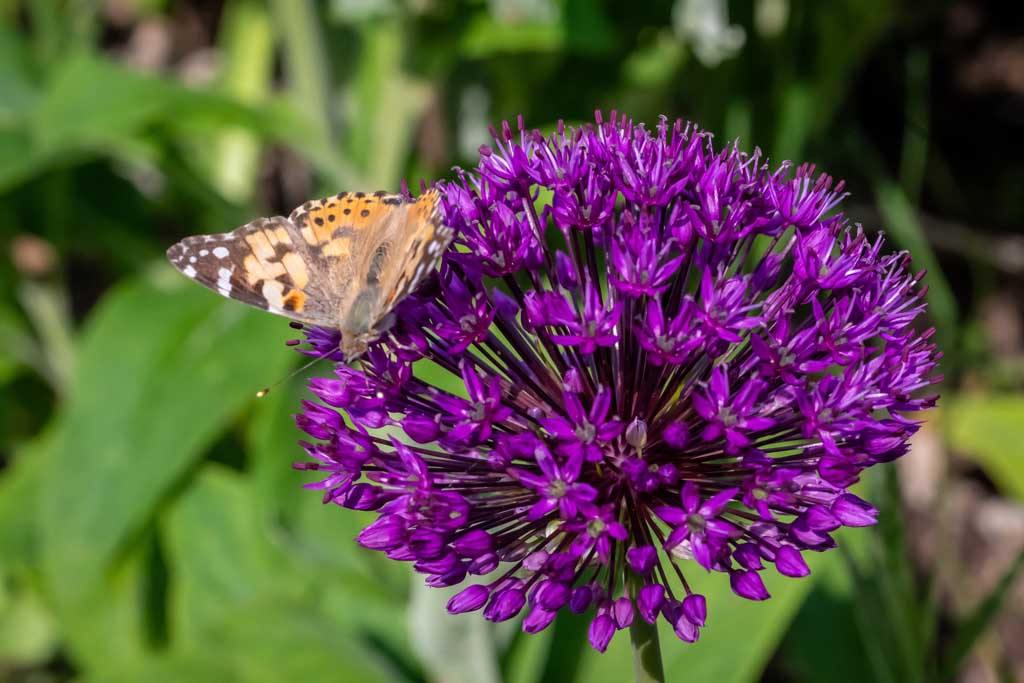
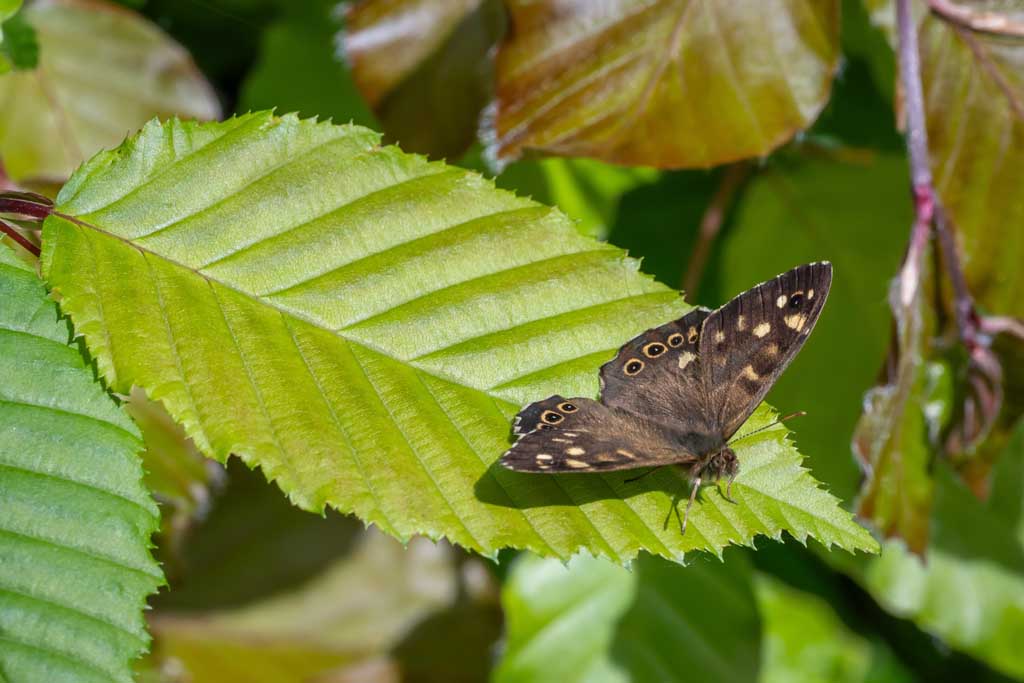
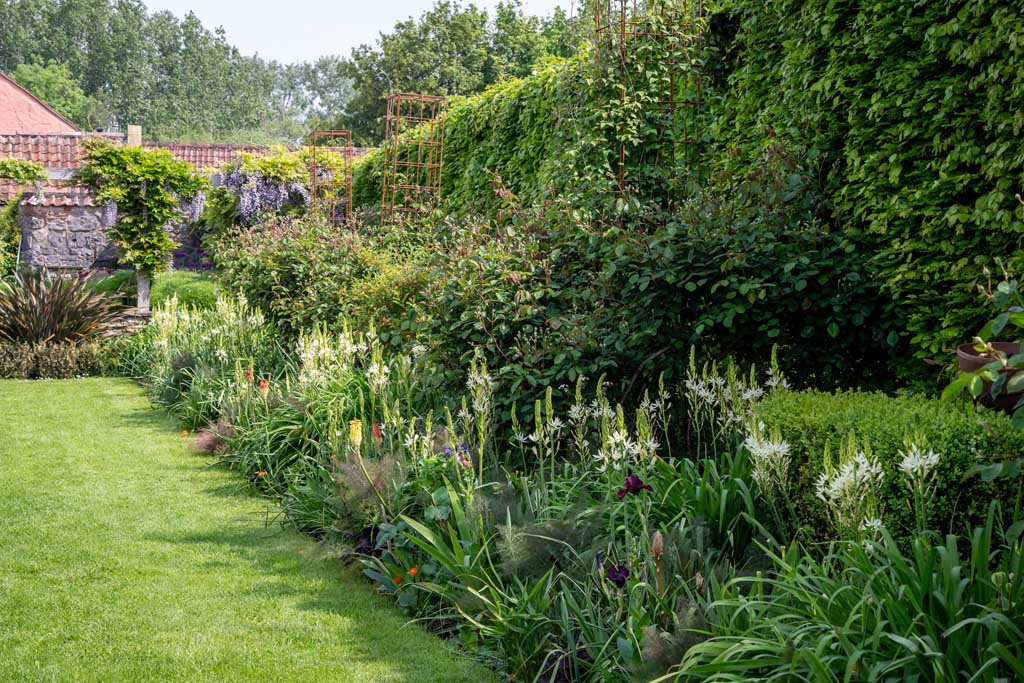
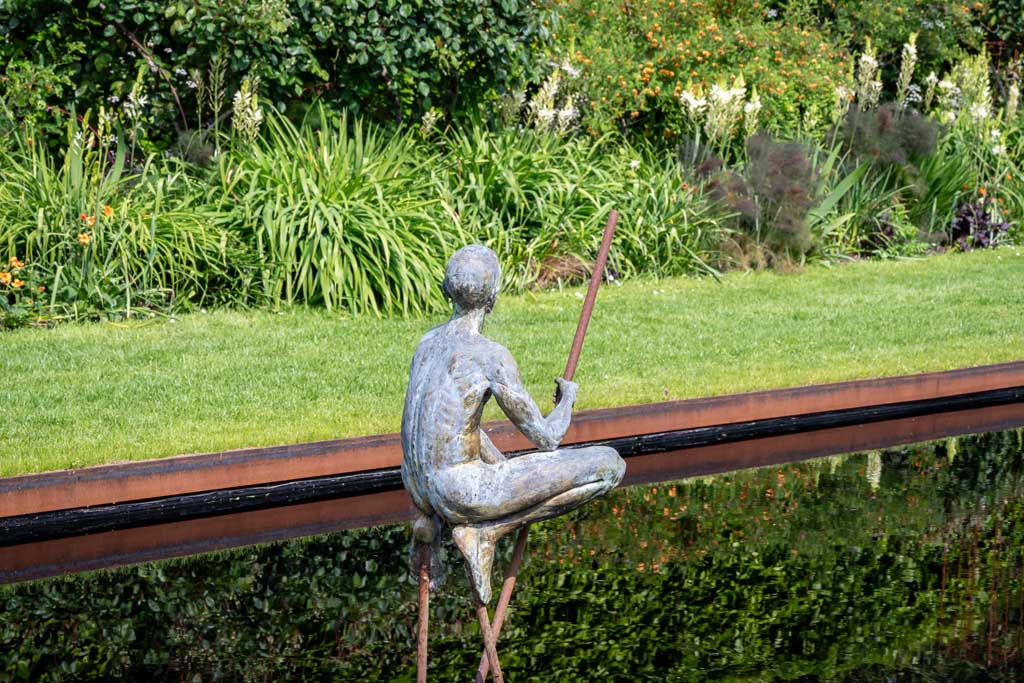
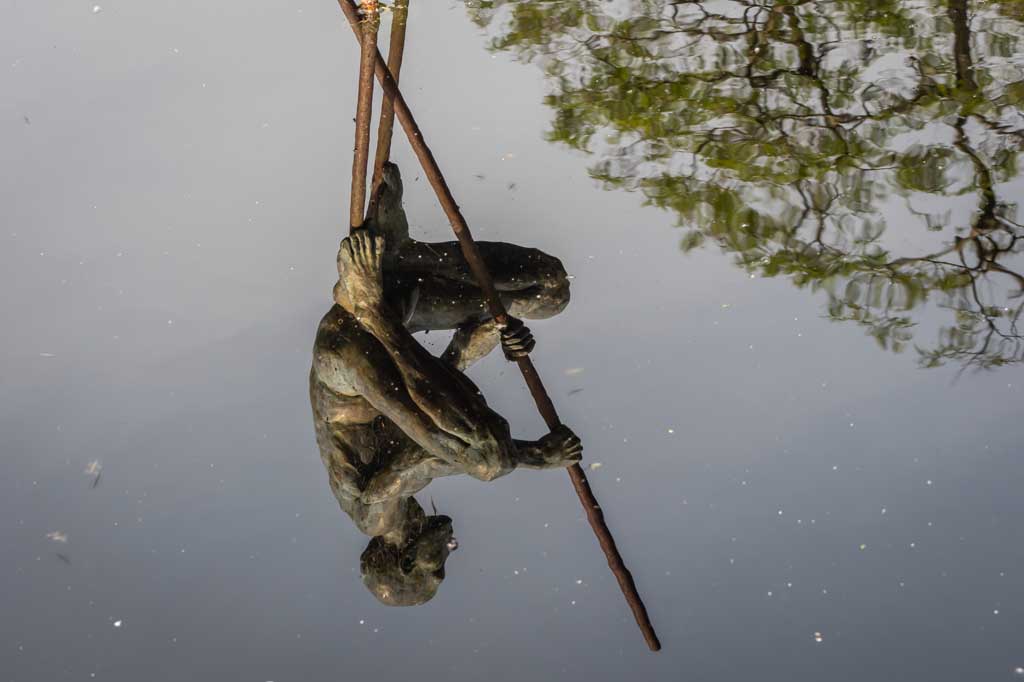
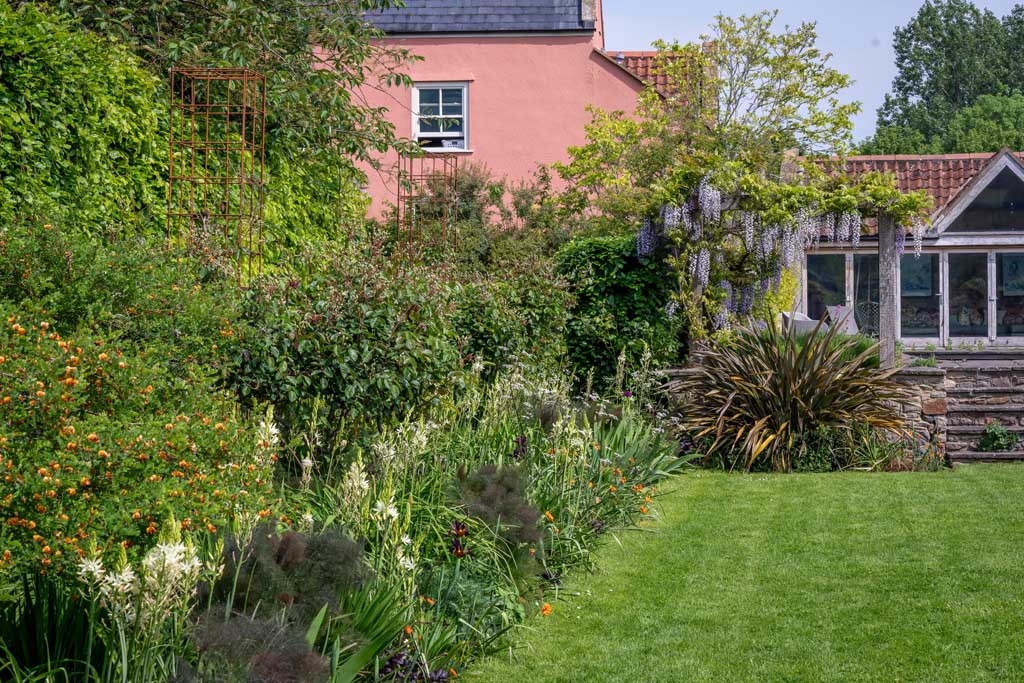
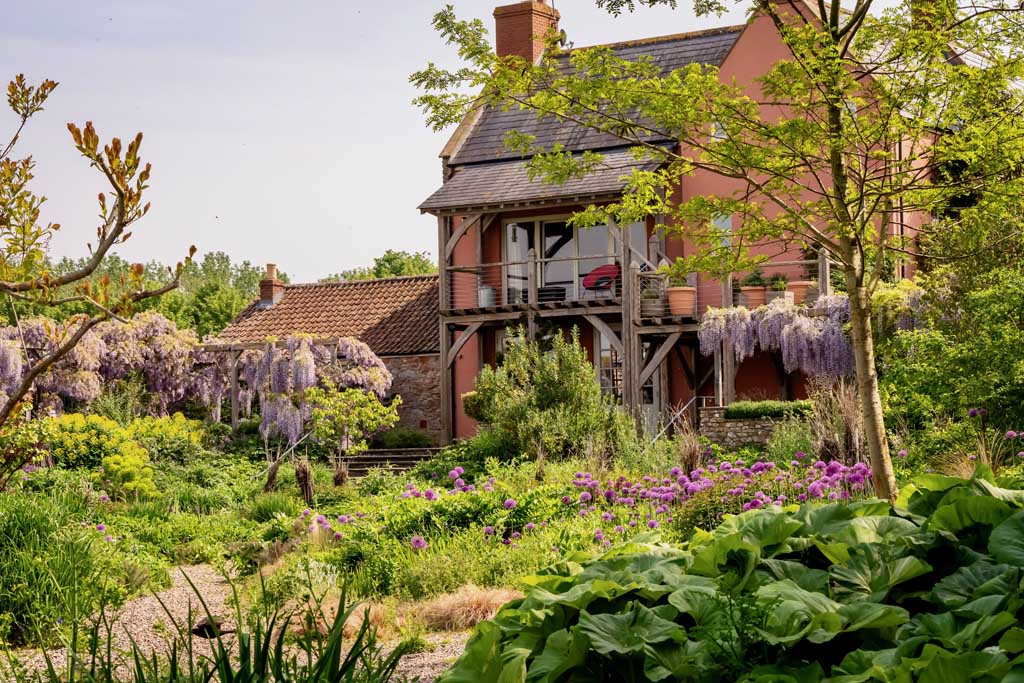
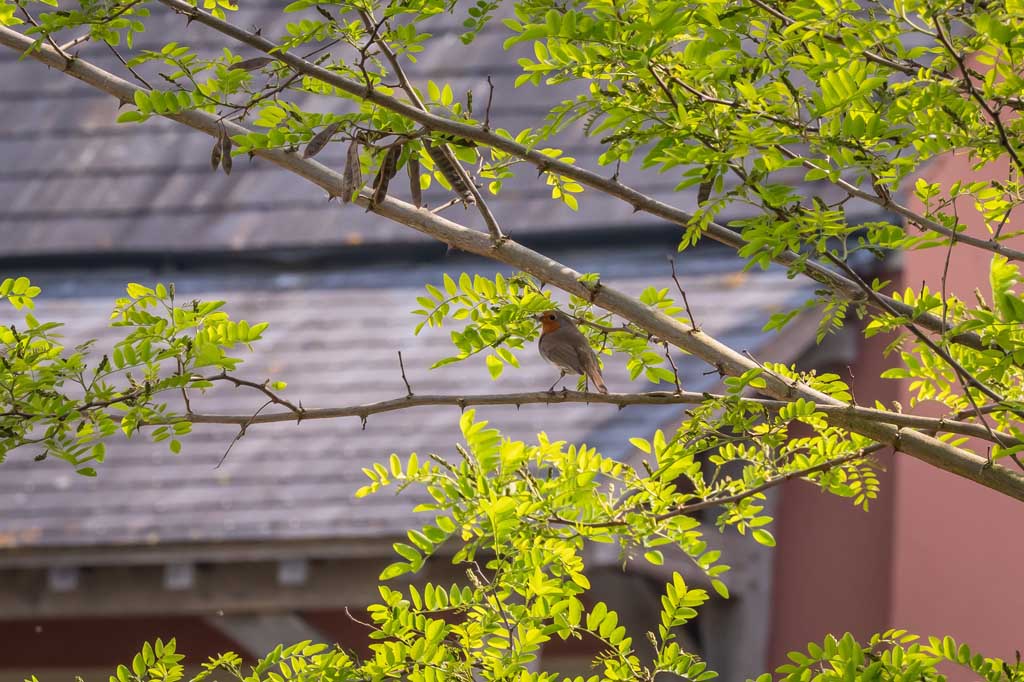
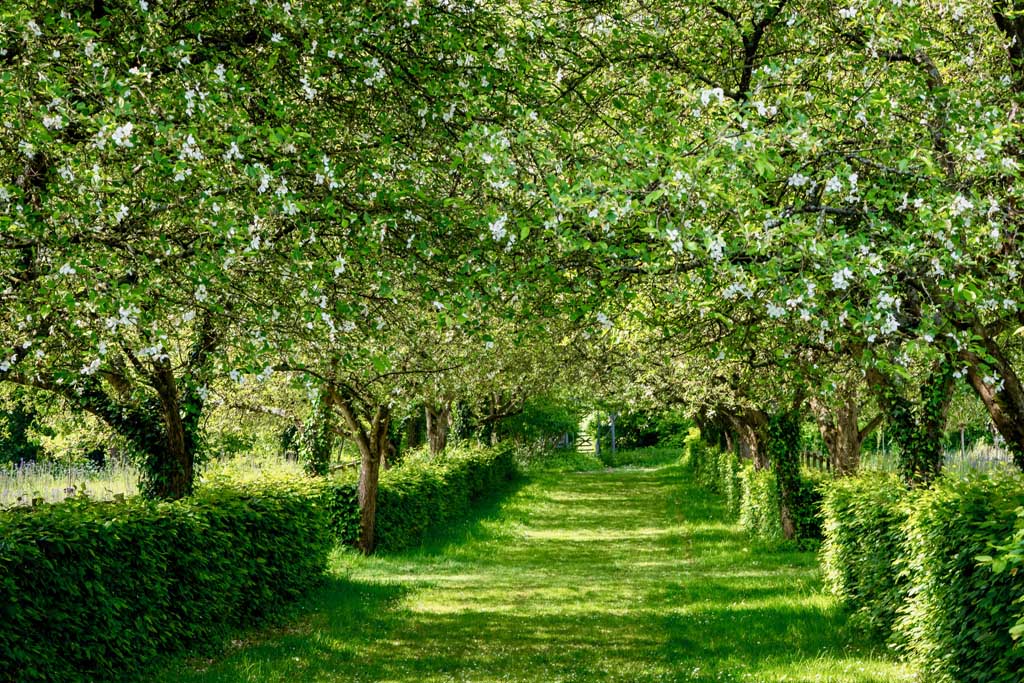
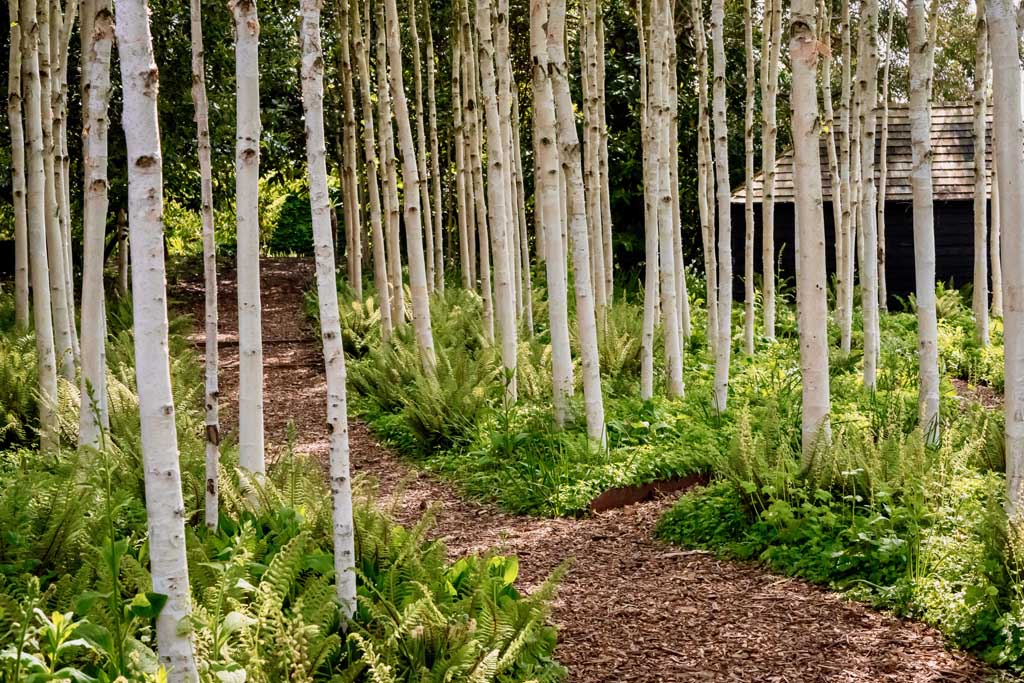
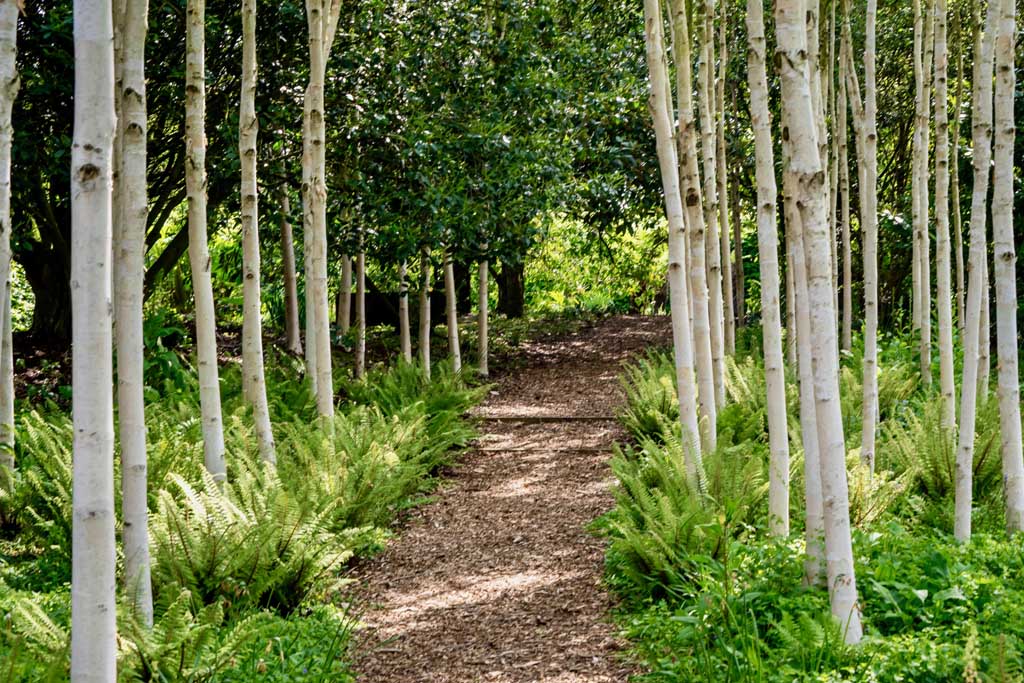
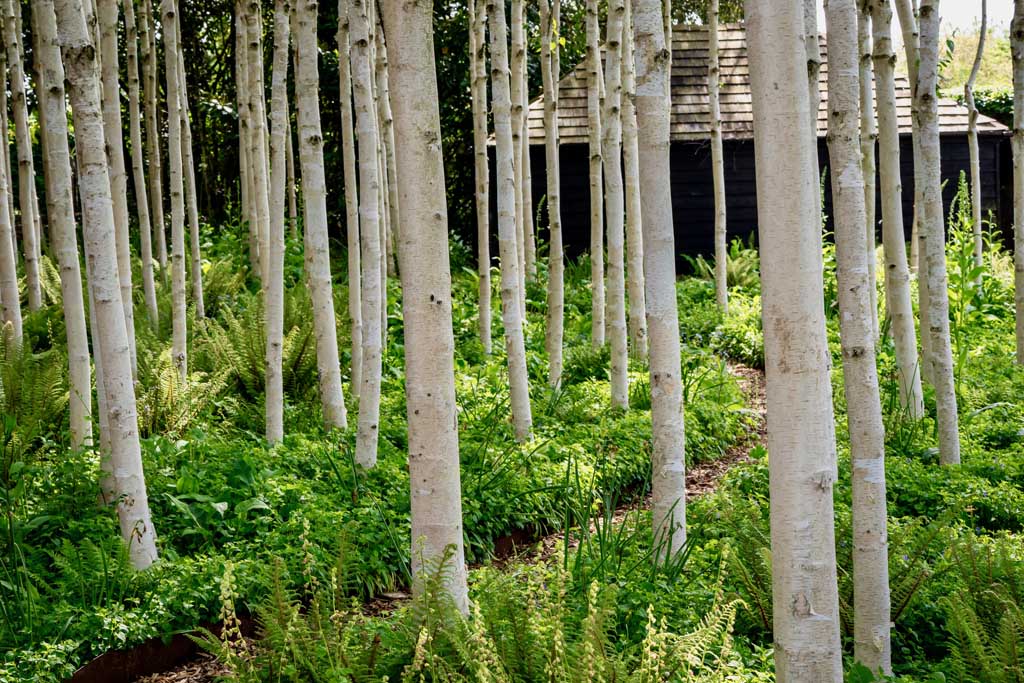
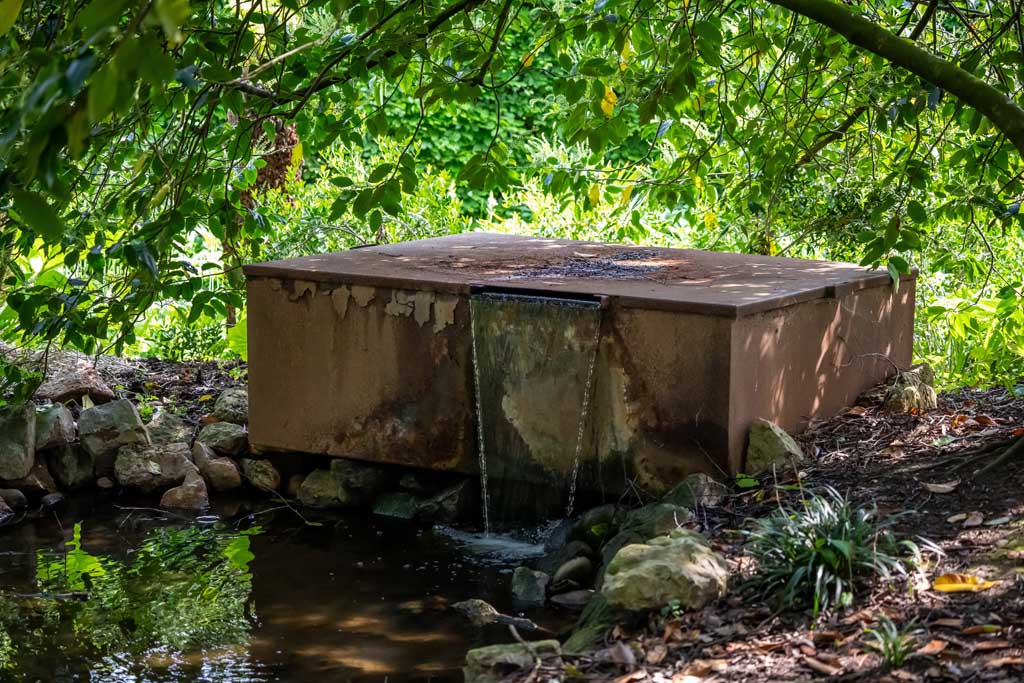
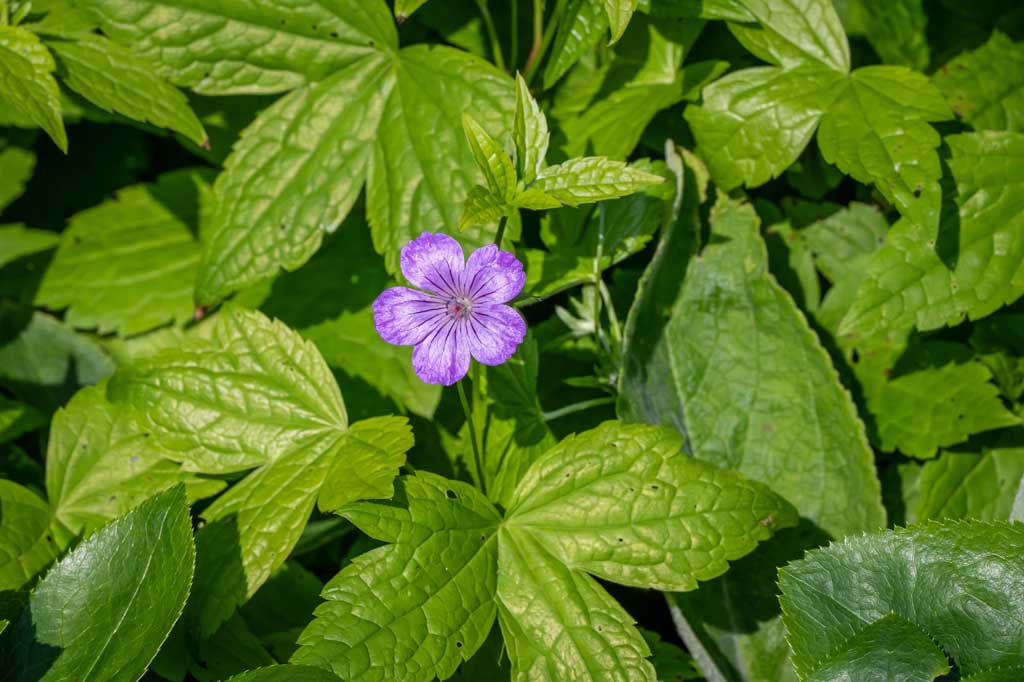
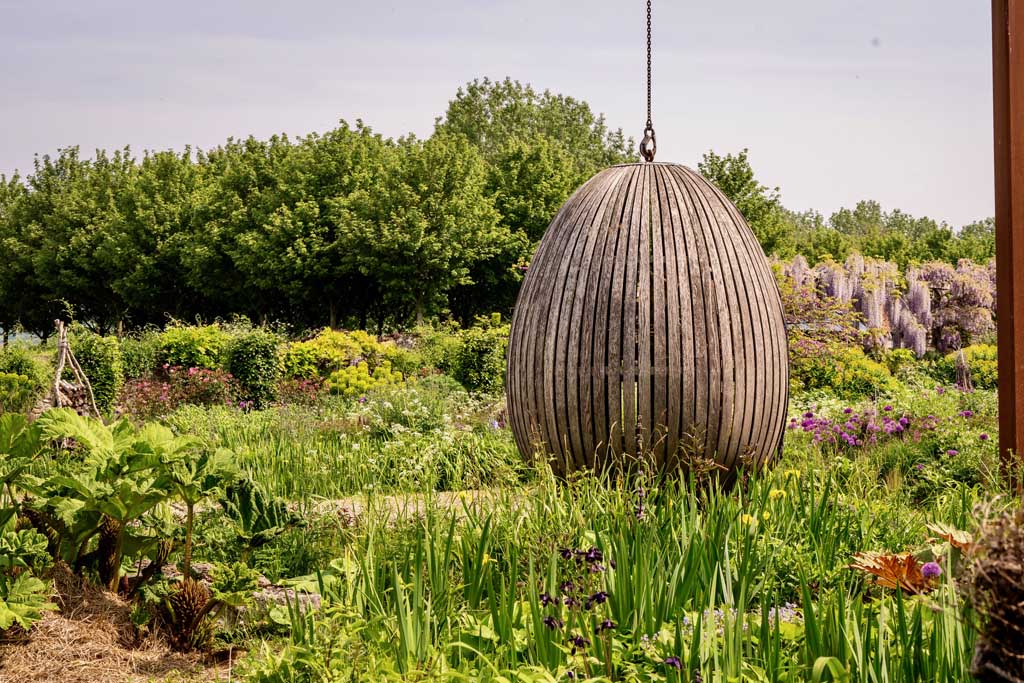
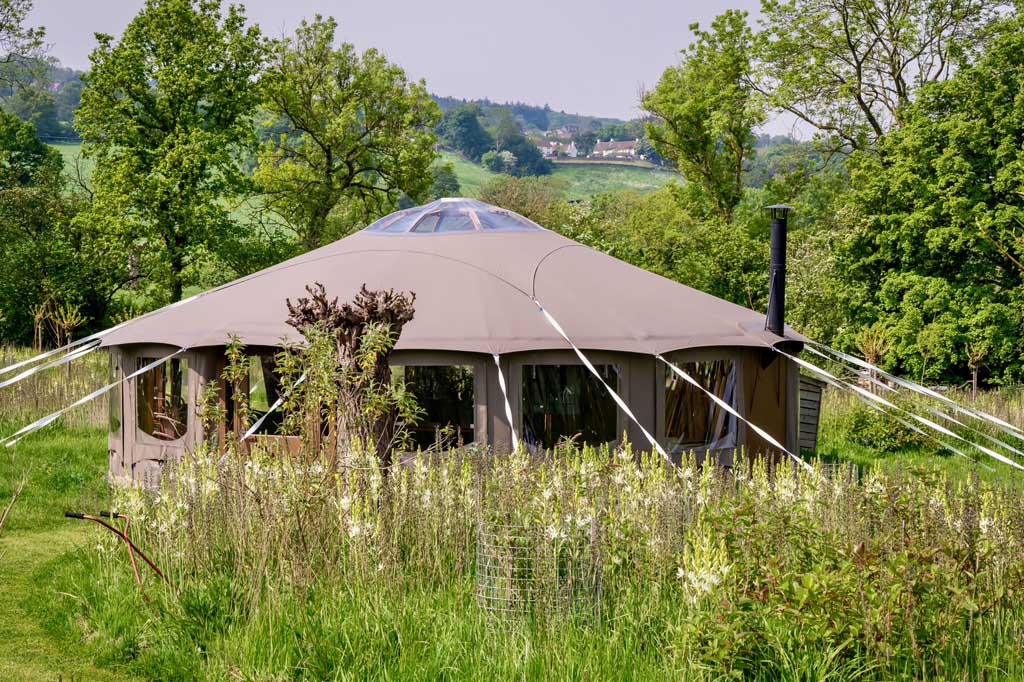
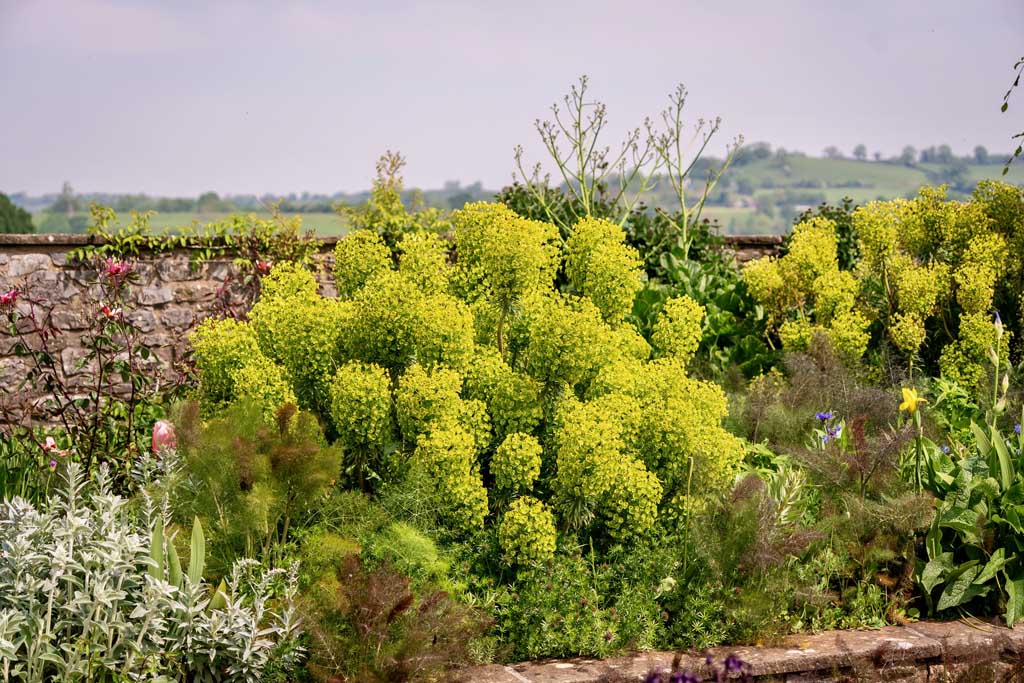
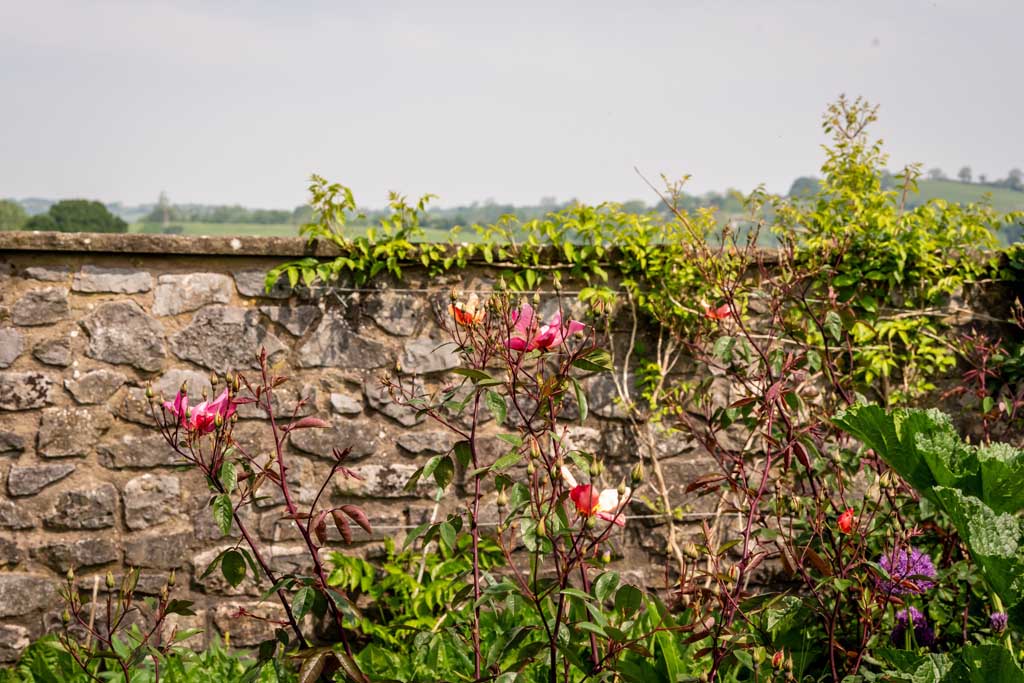
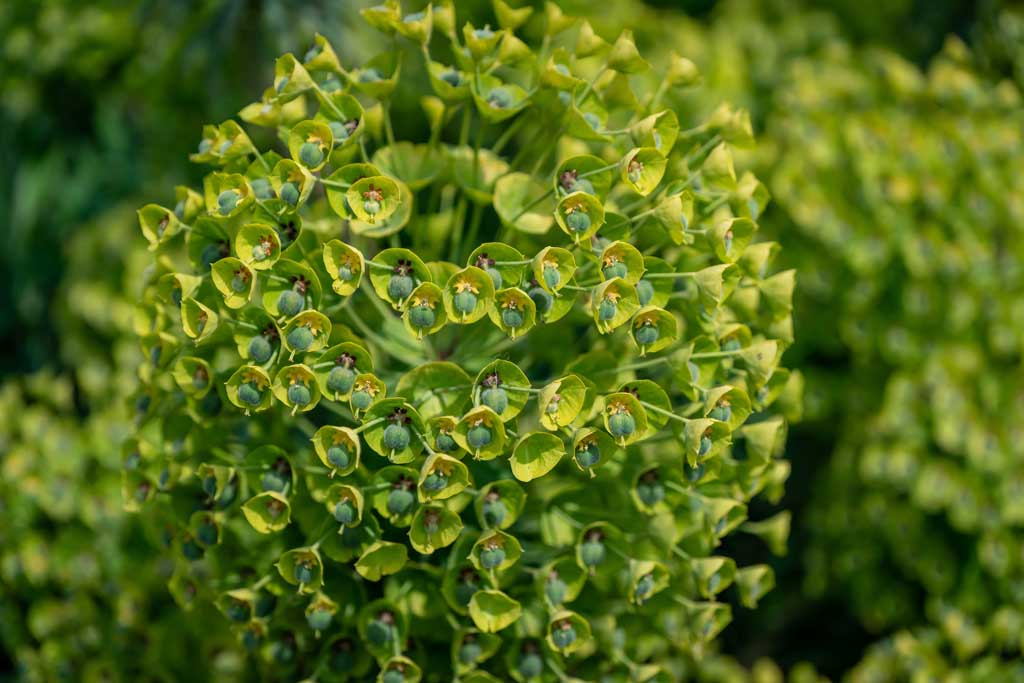
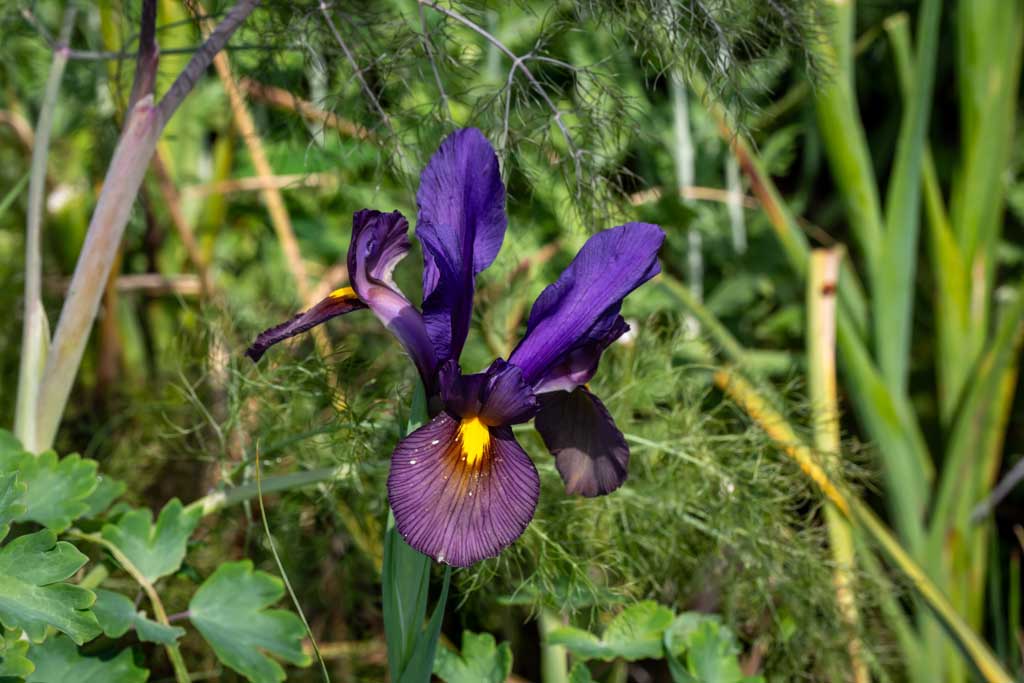
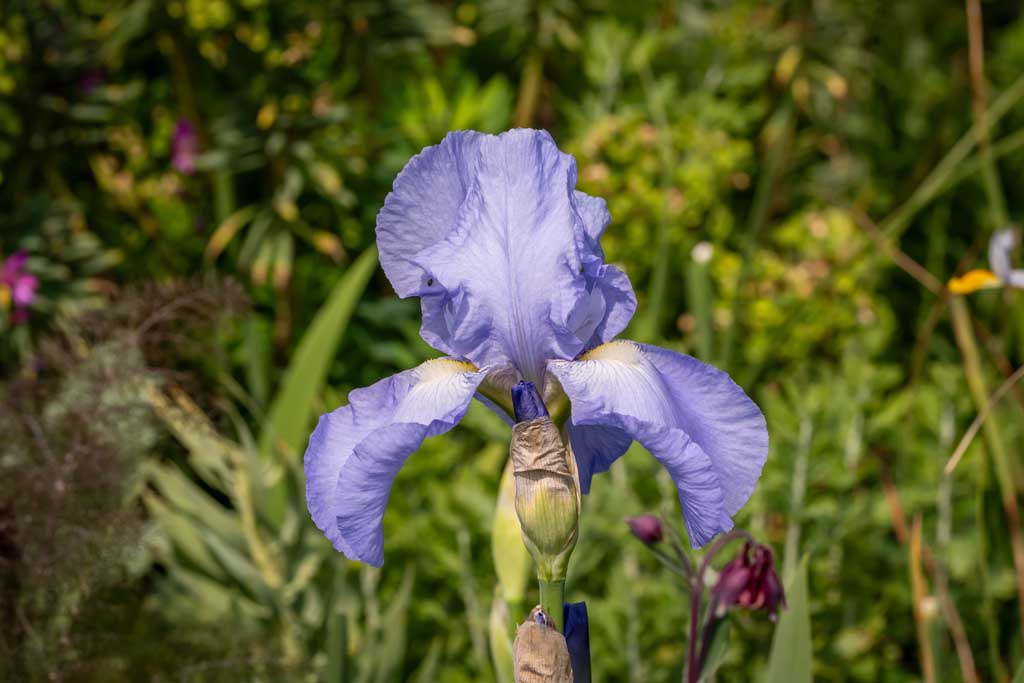
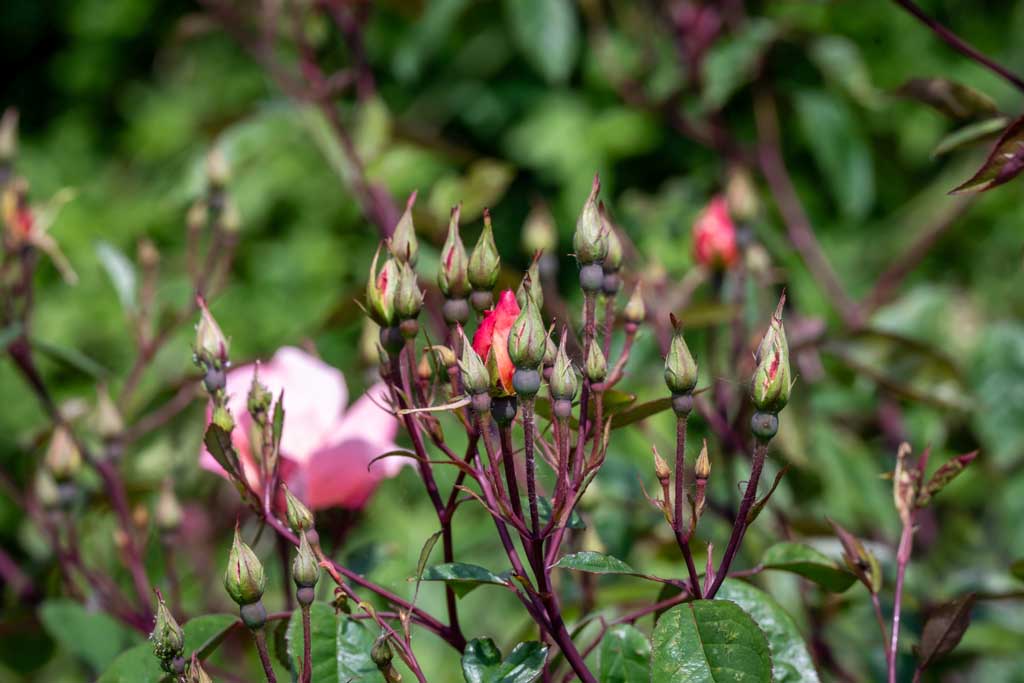
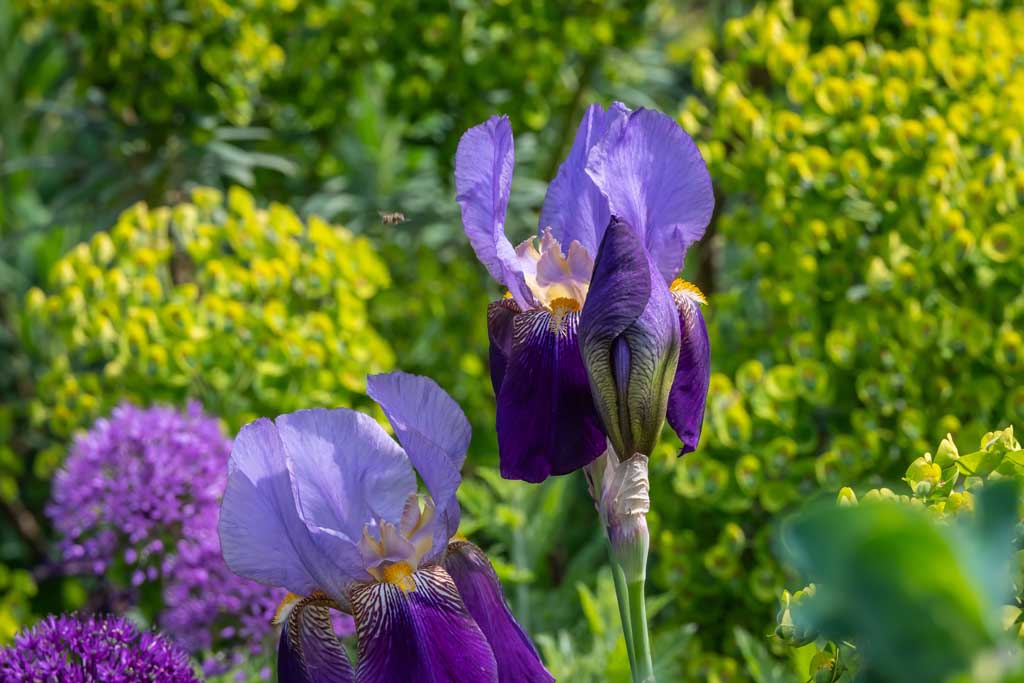
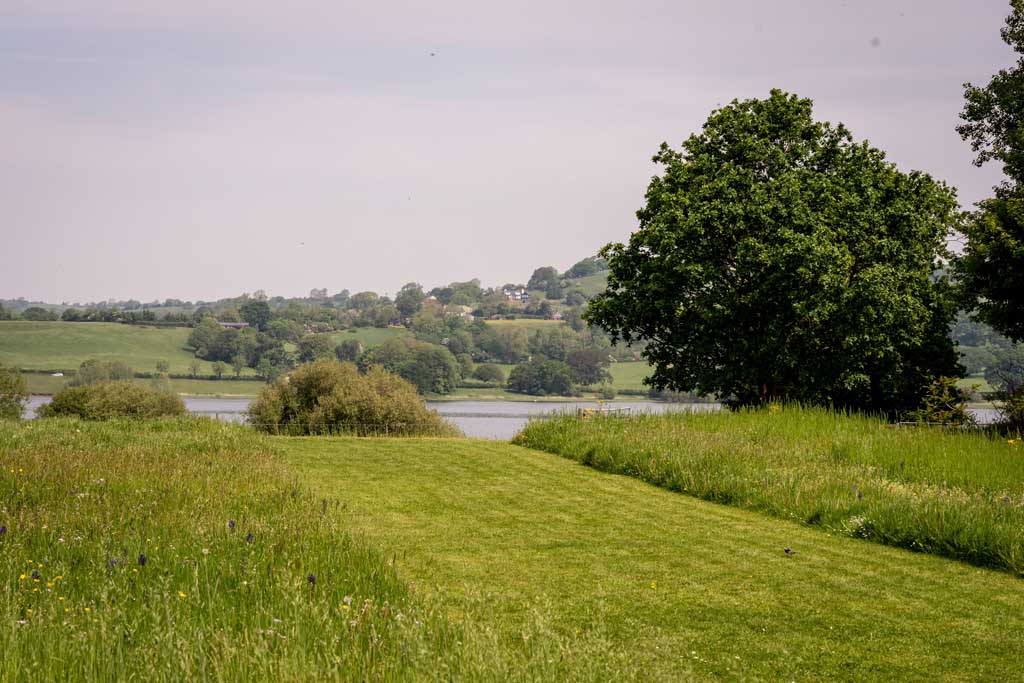
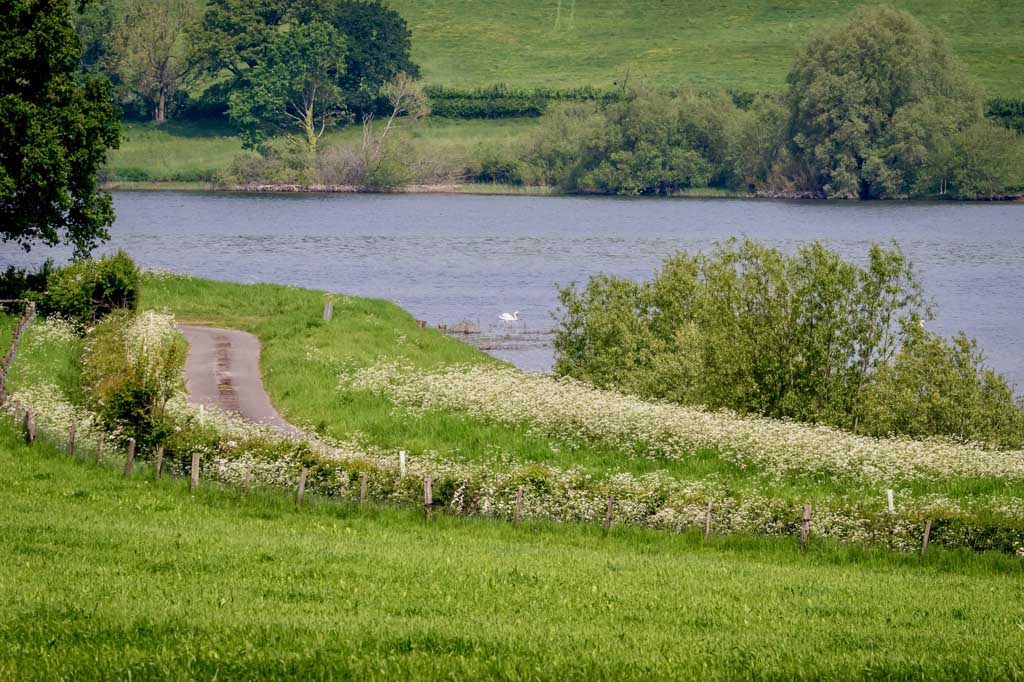
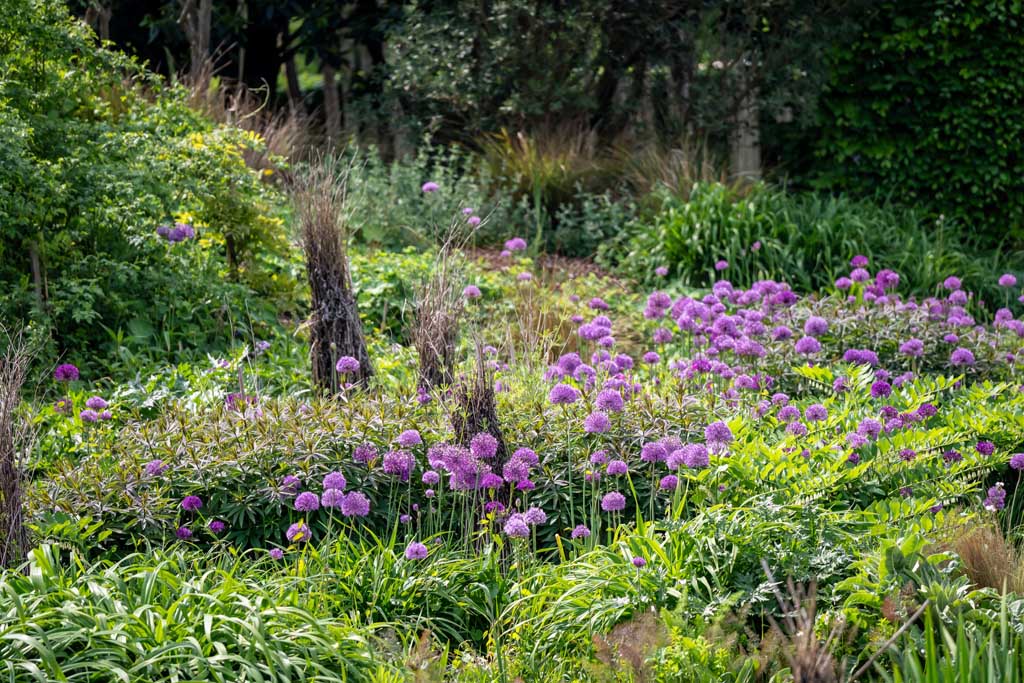
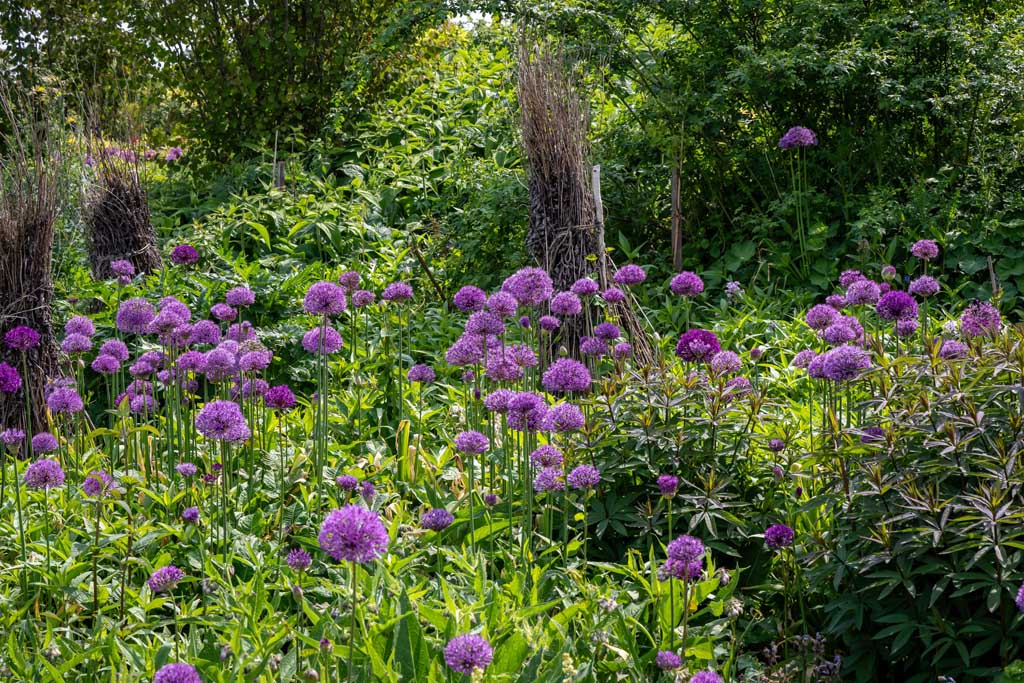
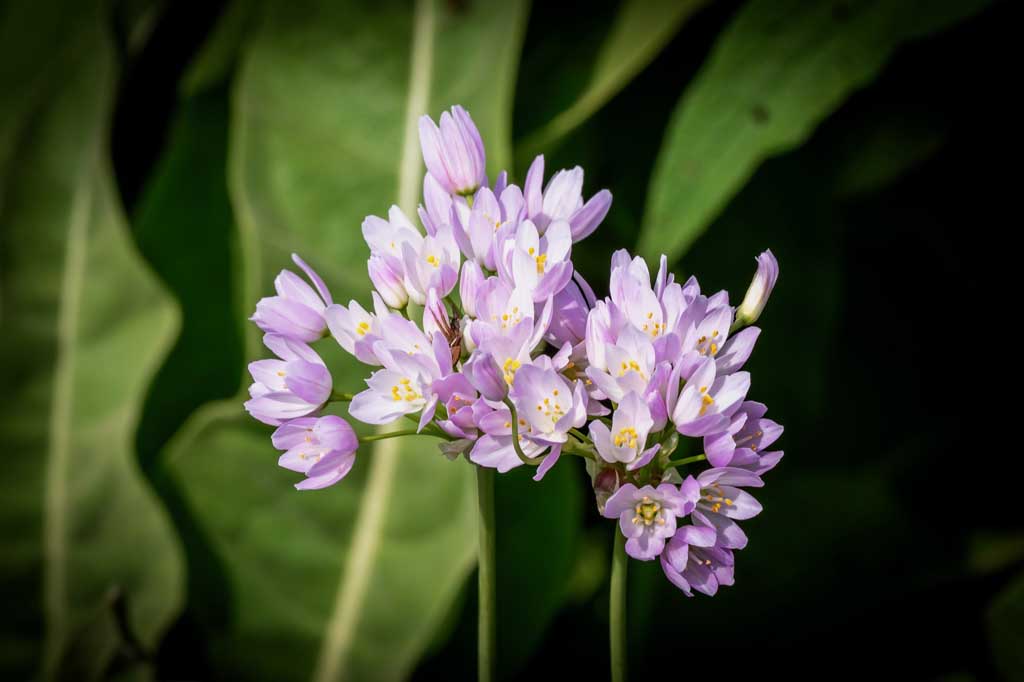
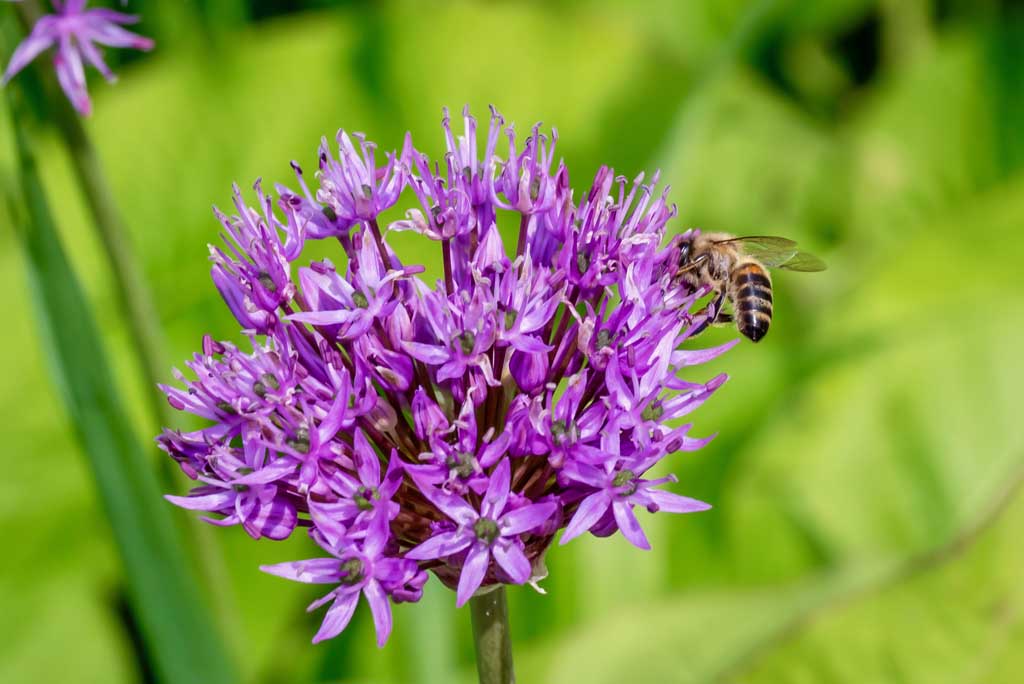
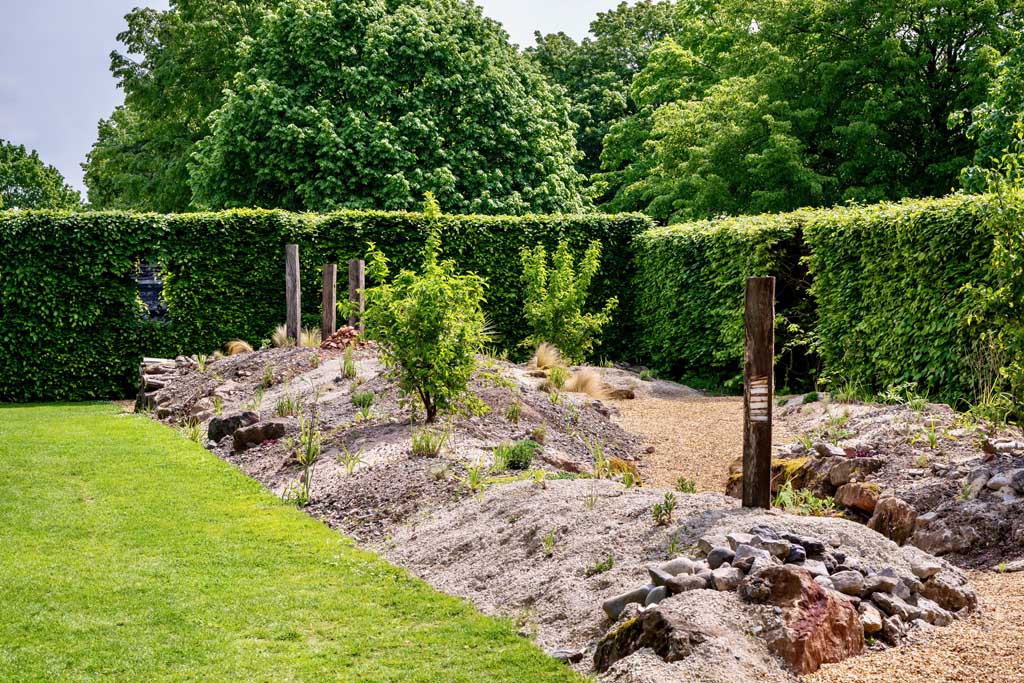
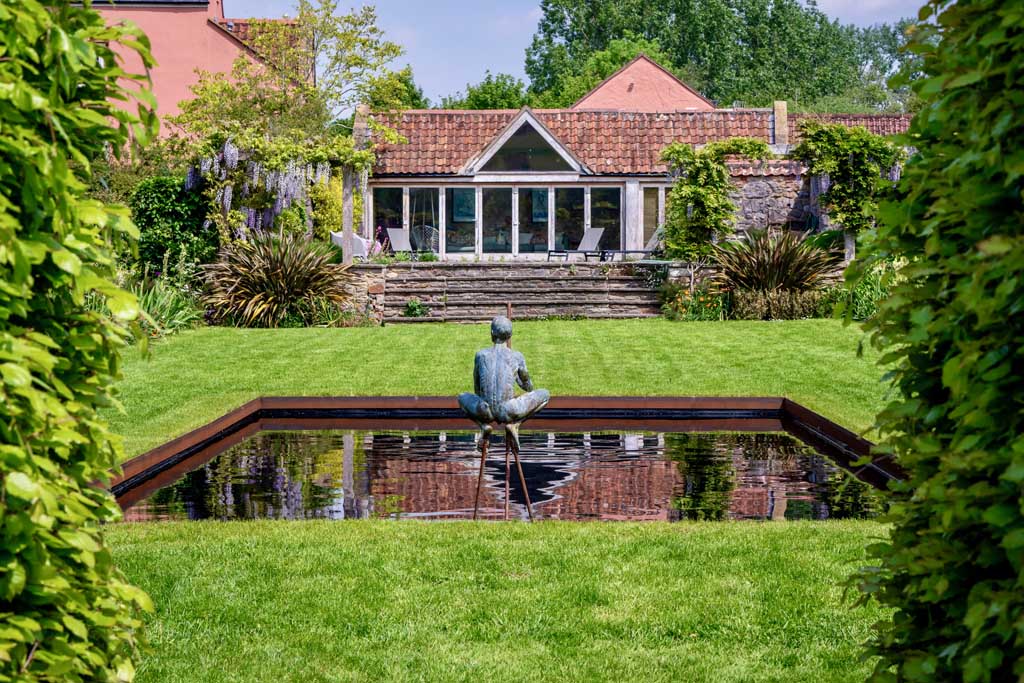
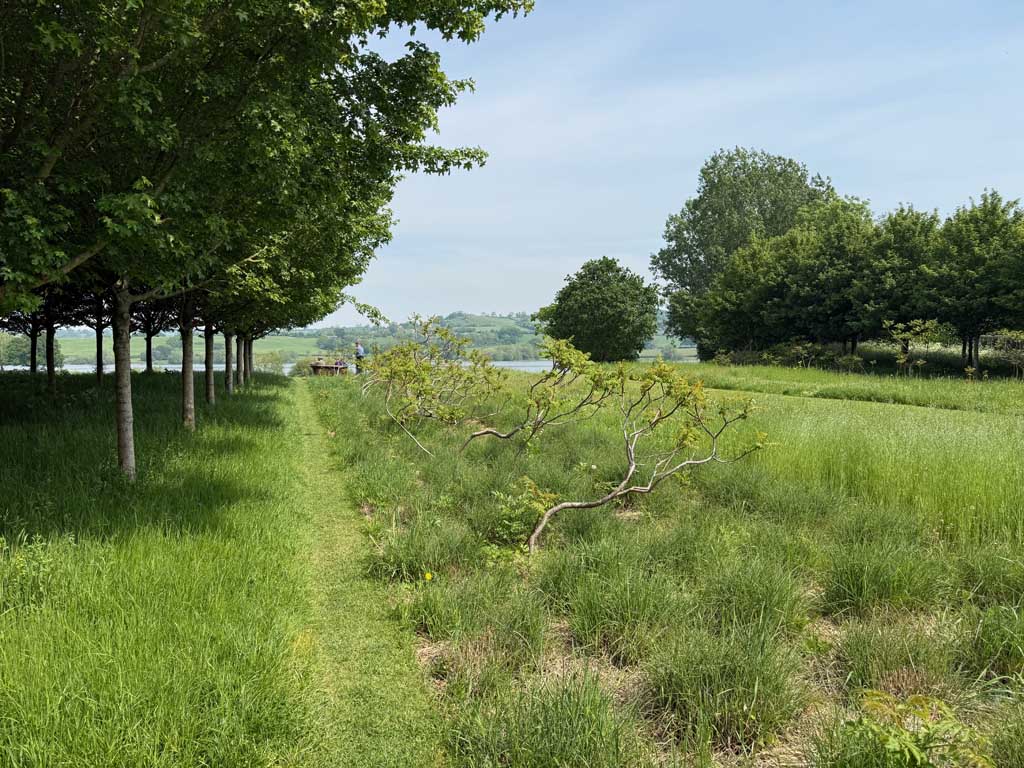
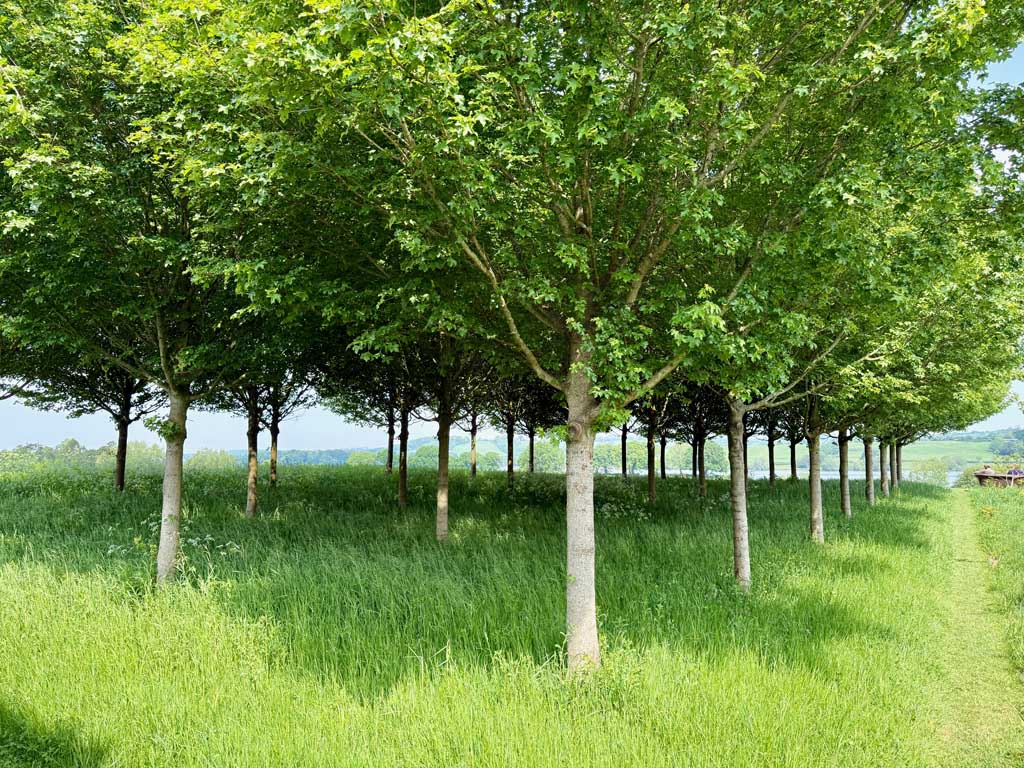
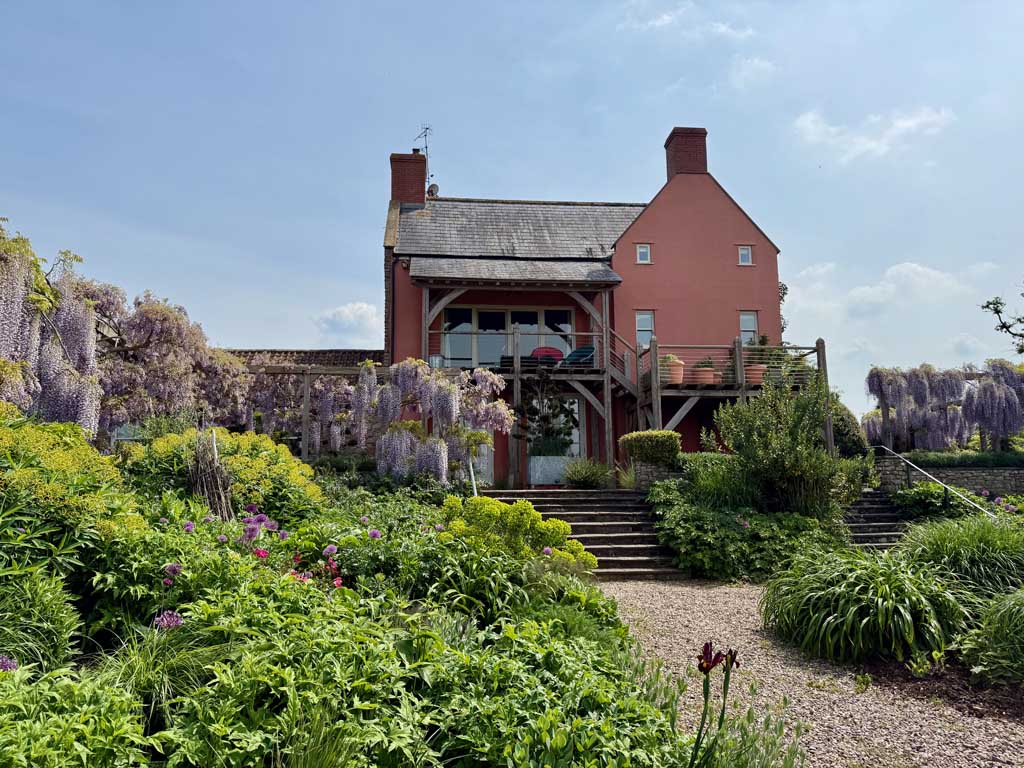
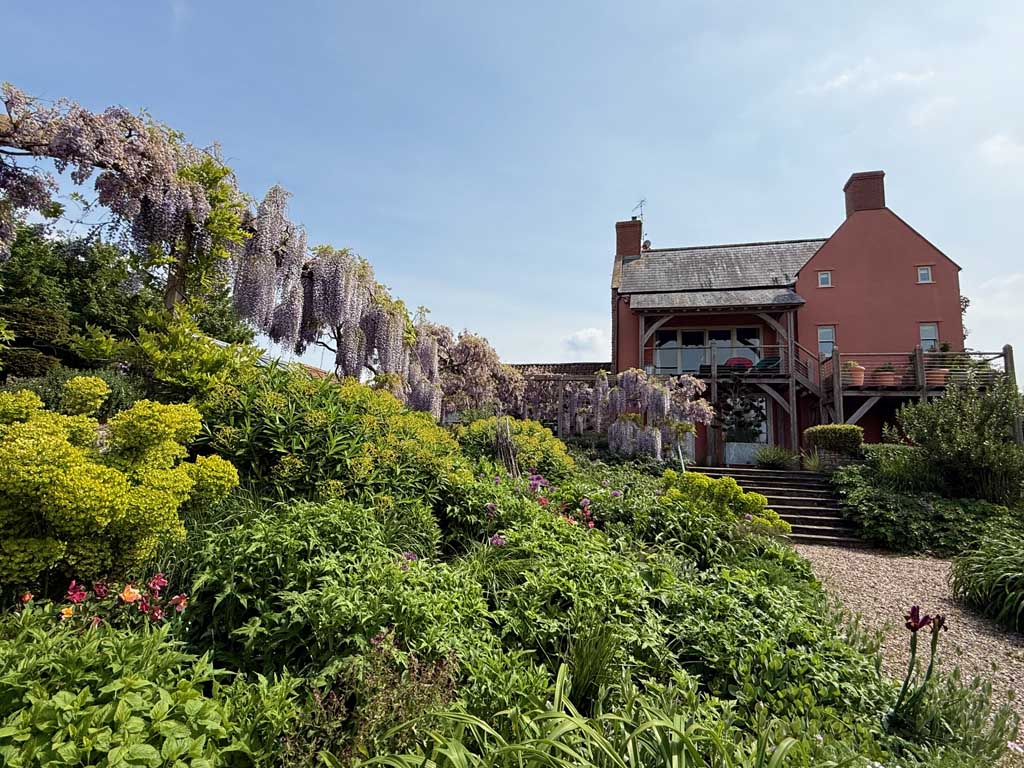
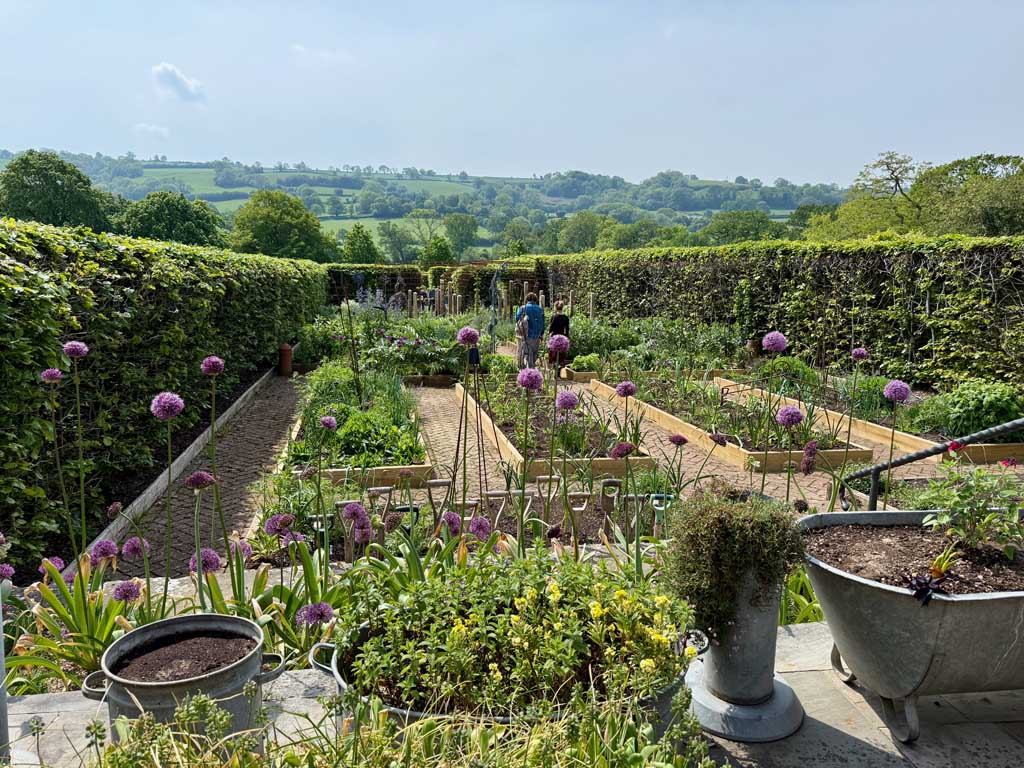
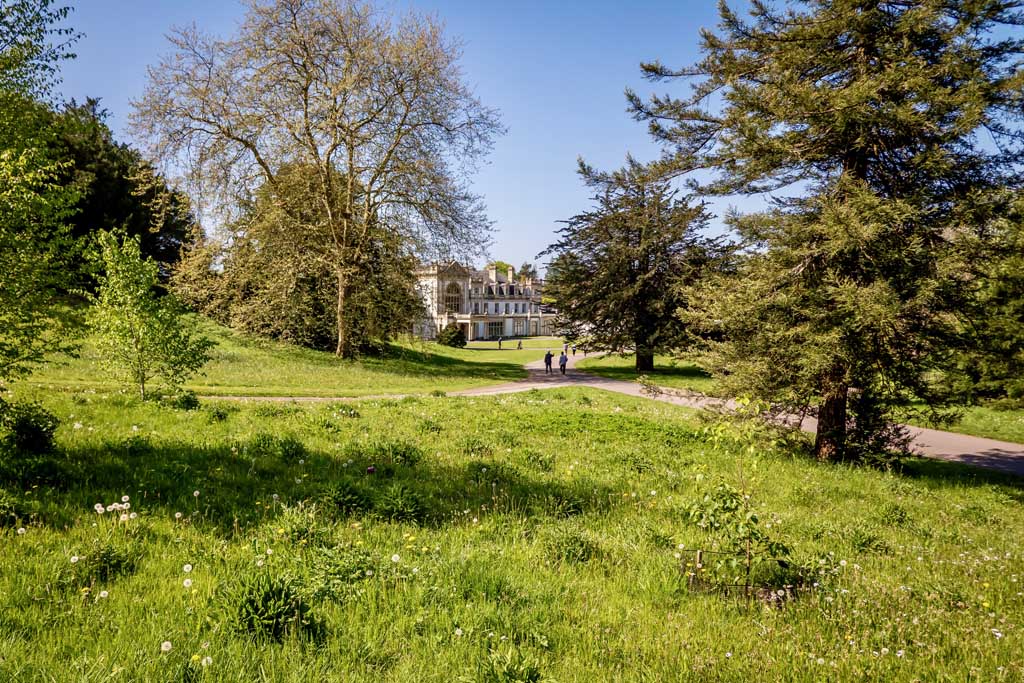
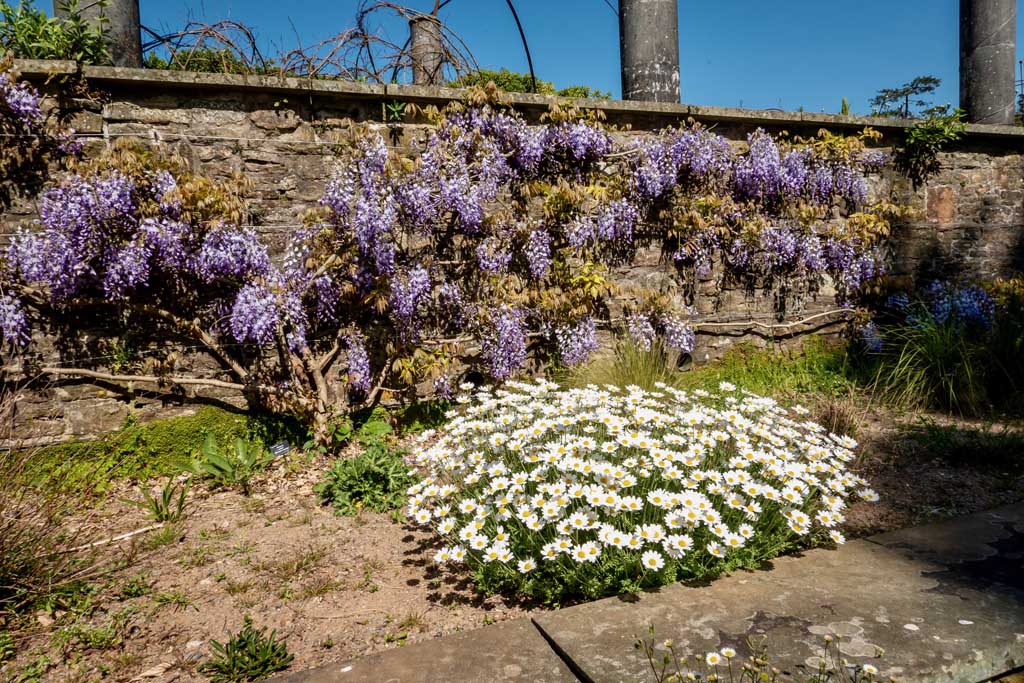
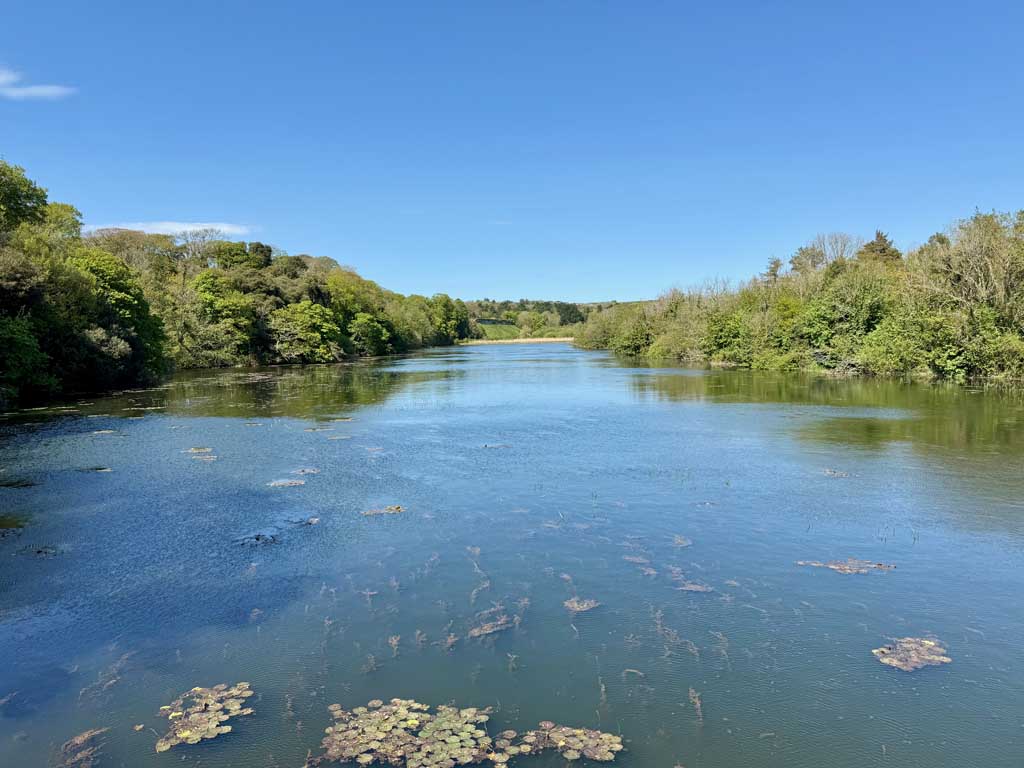
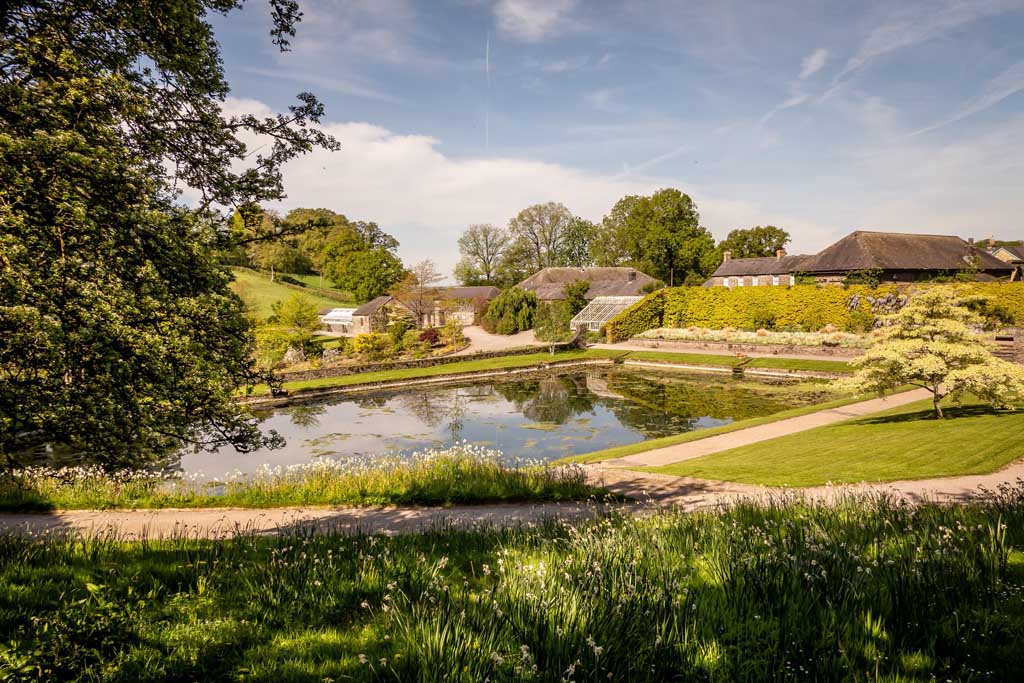
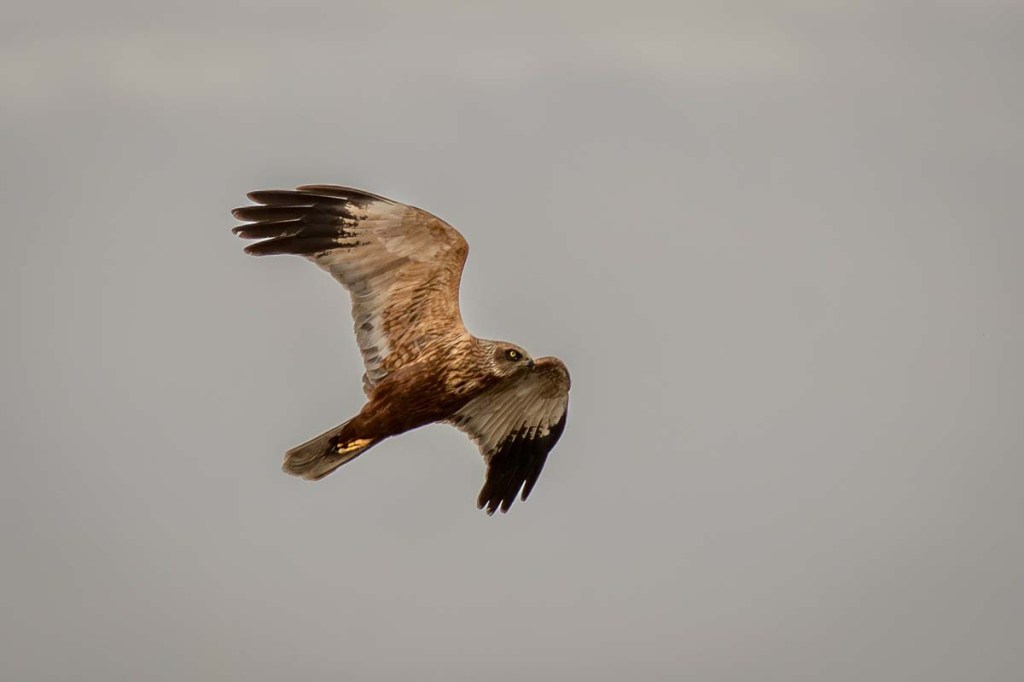
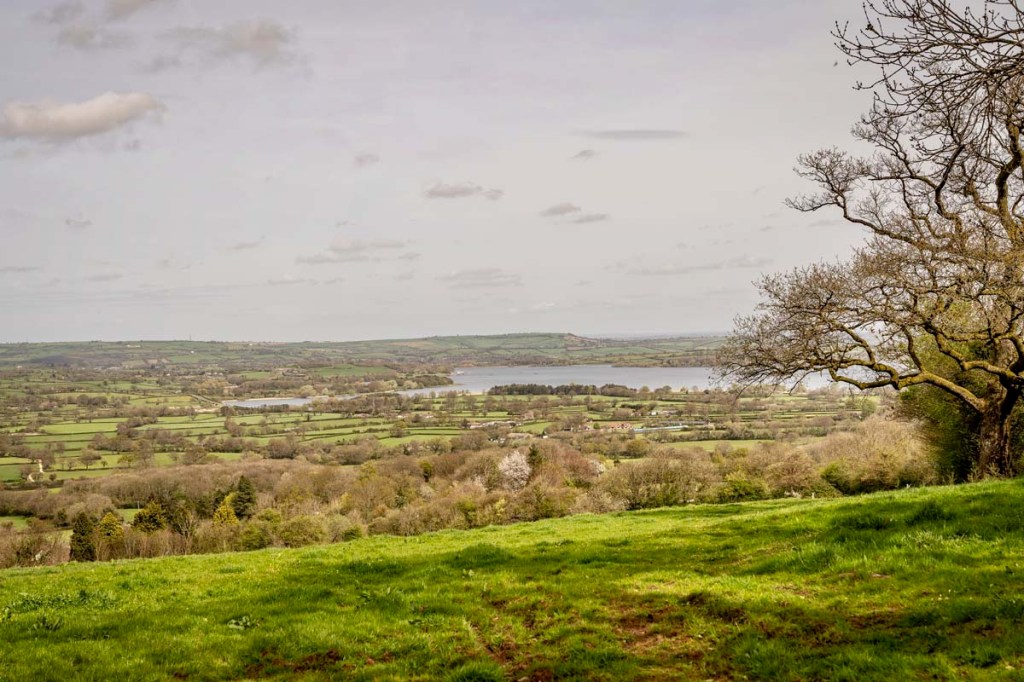
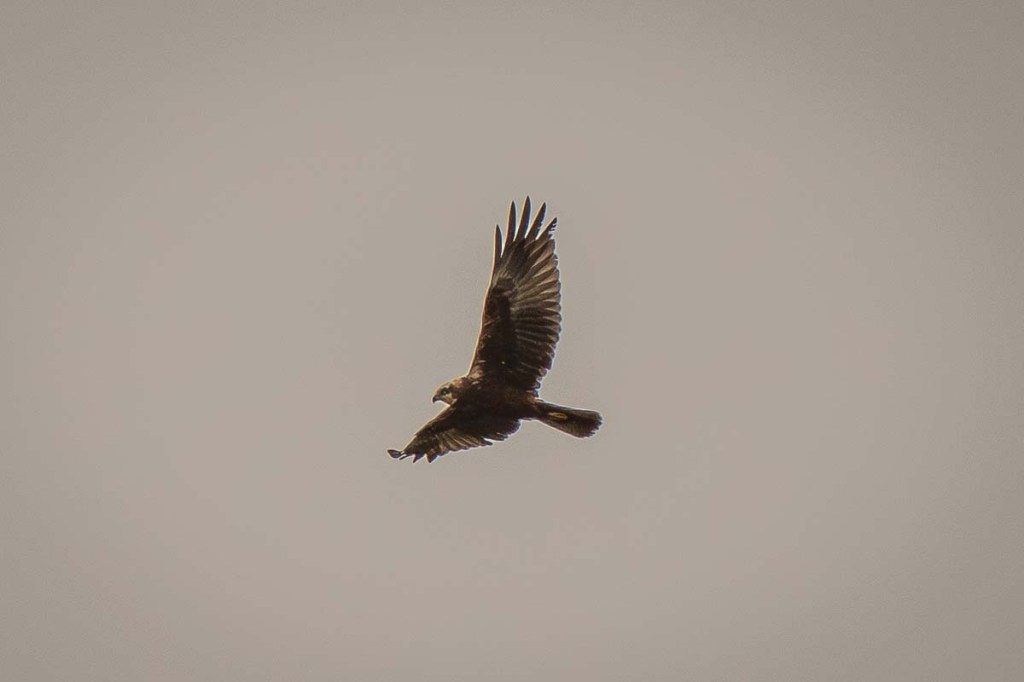
Definitely one of our favourite gardens to visit locally, Yeo Valley Organic Garden set in the beautiful countryside of the Chew Valley and adjacent to Blagdon Lake was as stunning as ever this morning. This was not a birding visit but it was pleasing to see our first hobby of the season, even if it was rather distant hunting dragonflies over the lake. There were also a few butterflies and insects to challenge my photography skills.
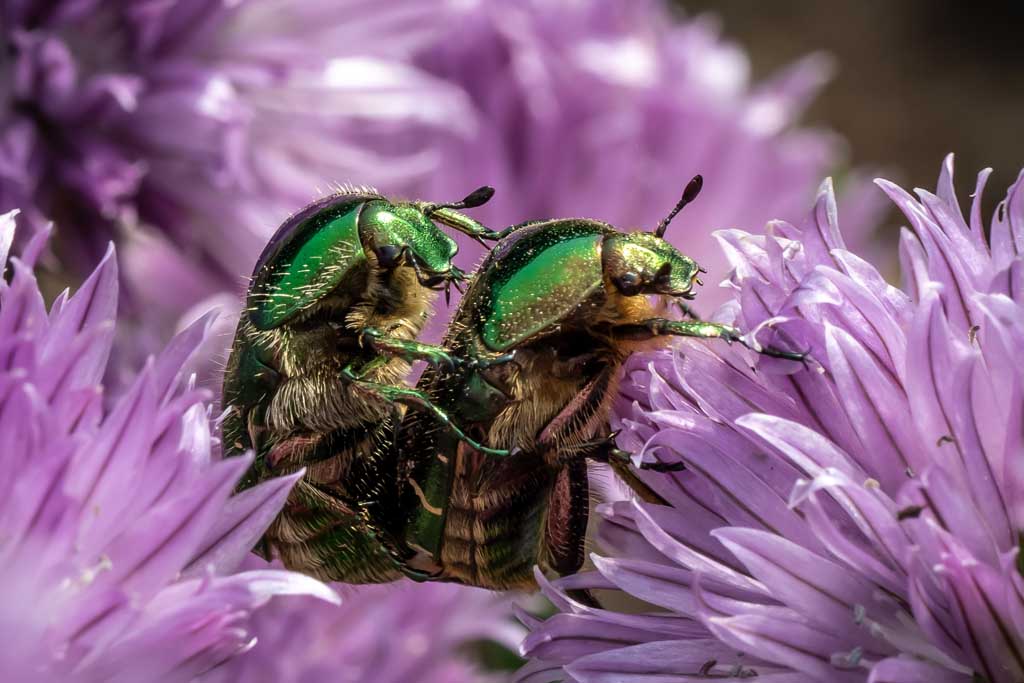
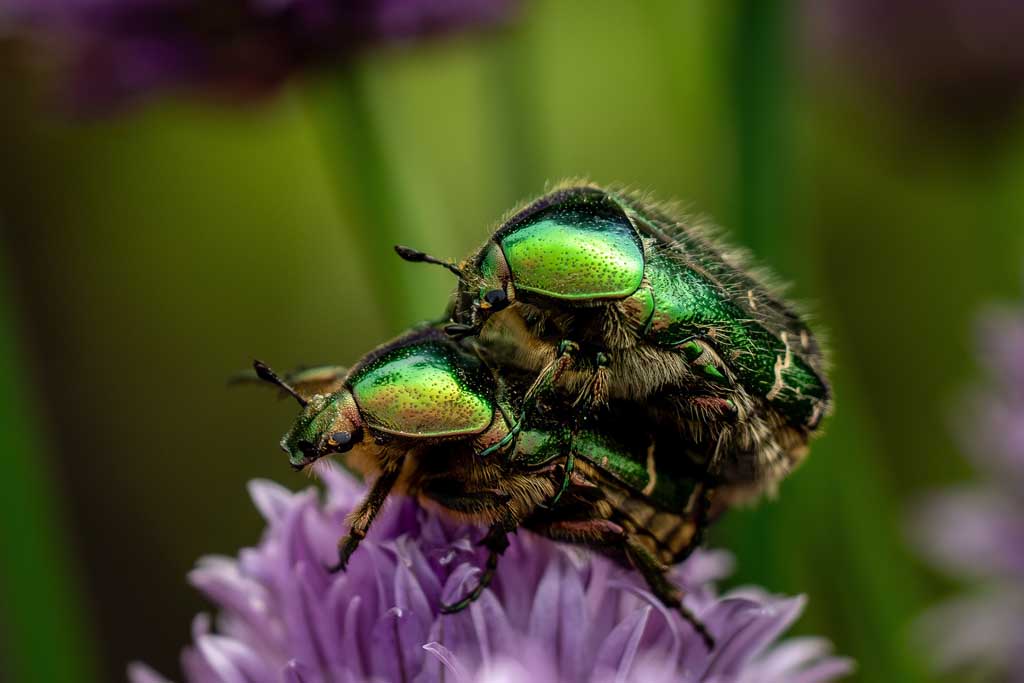
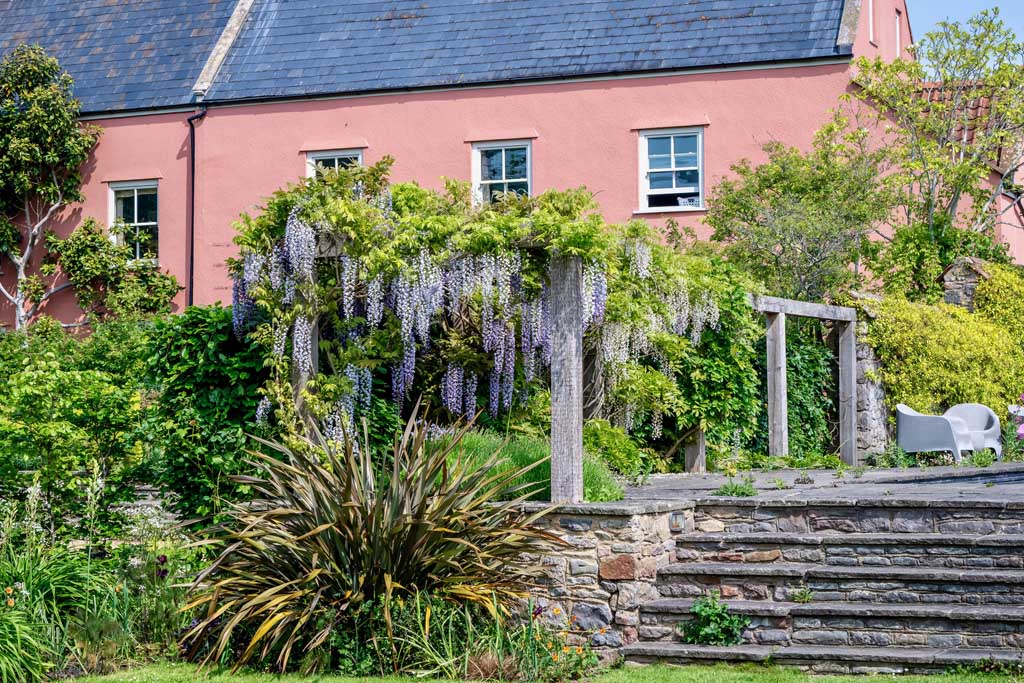
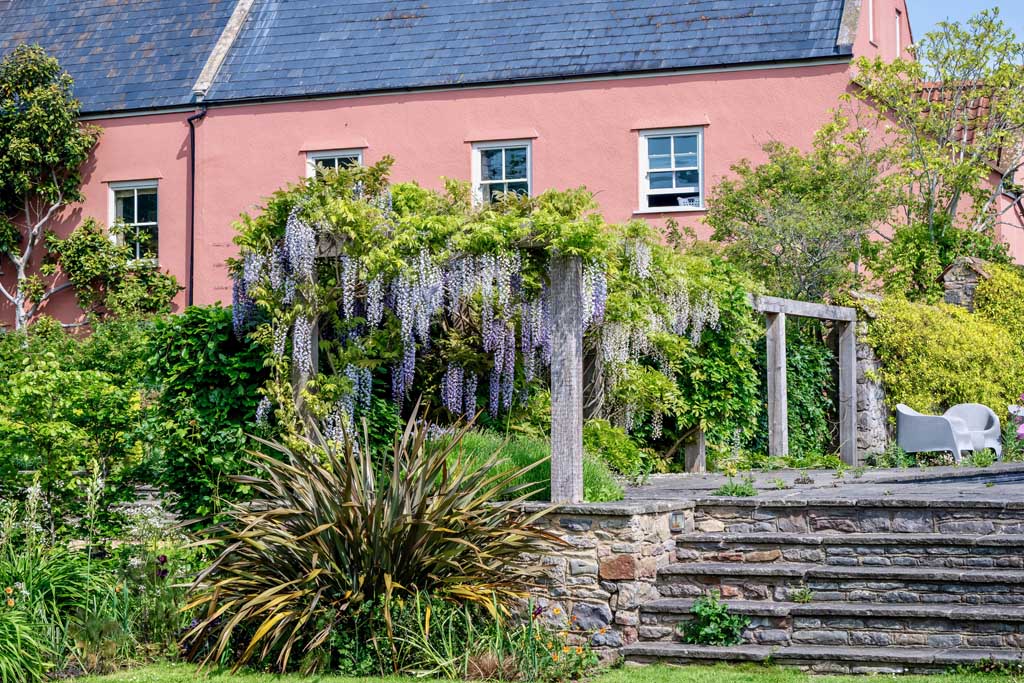
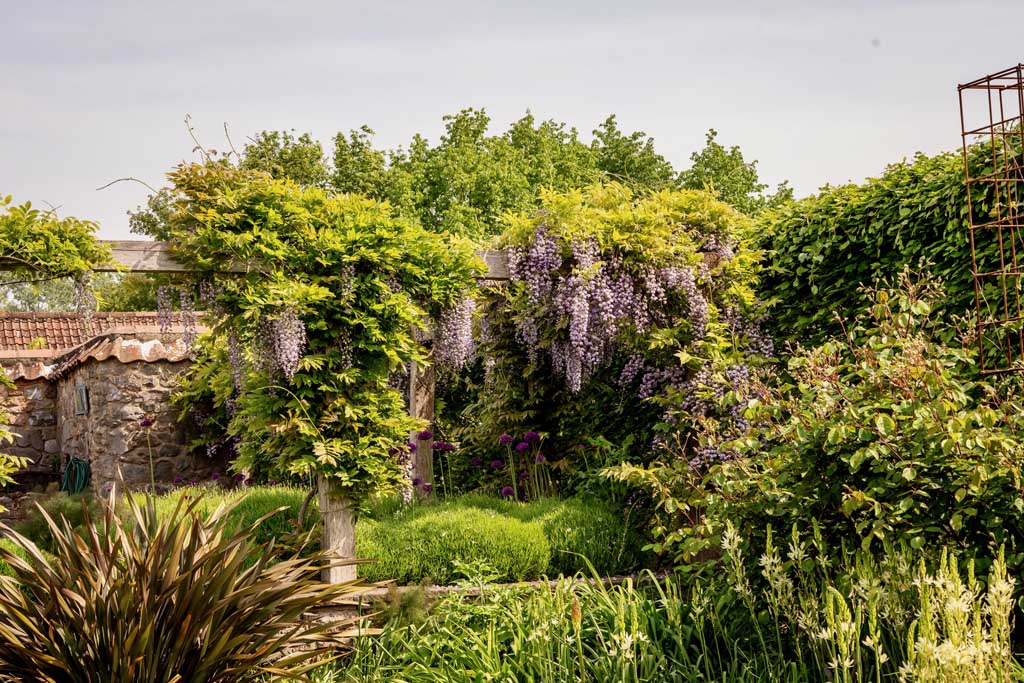
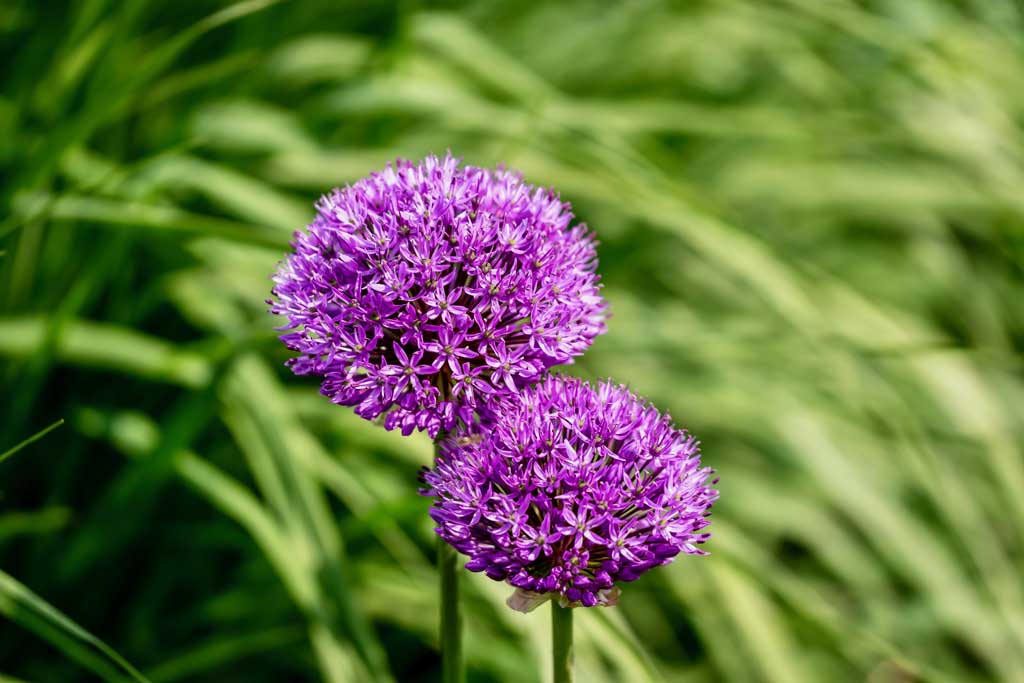
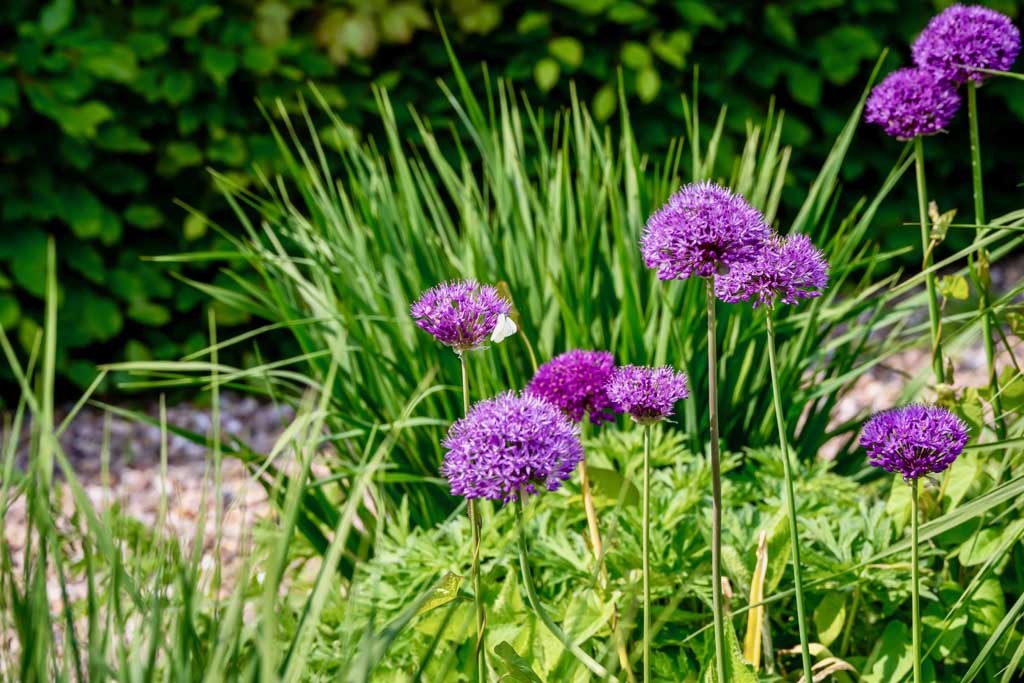
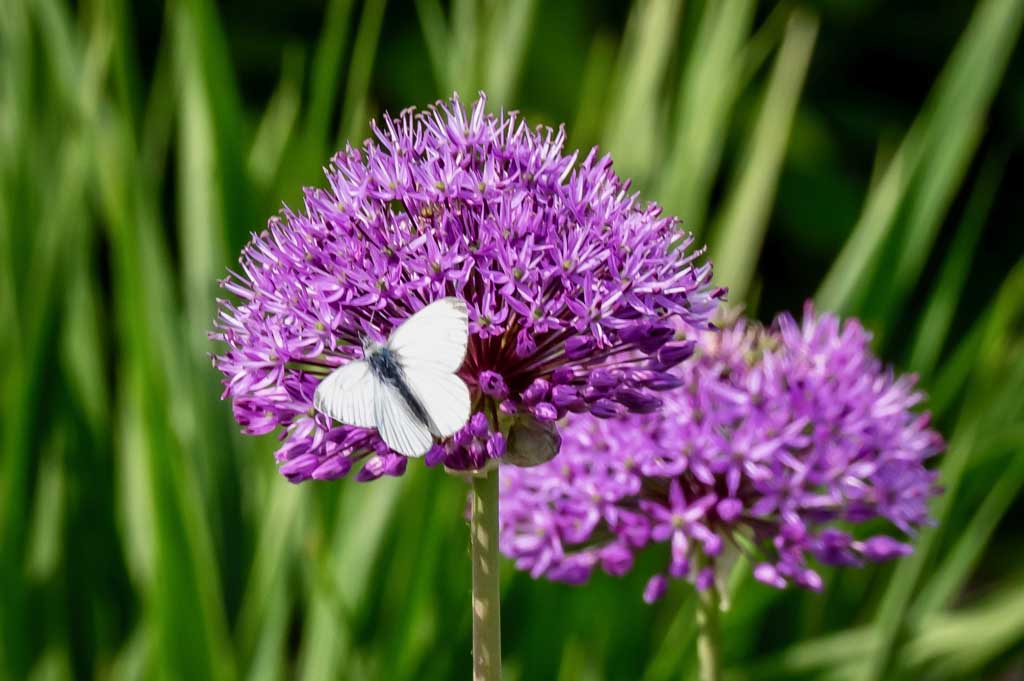
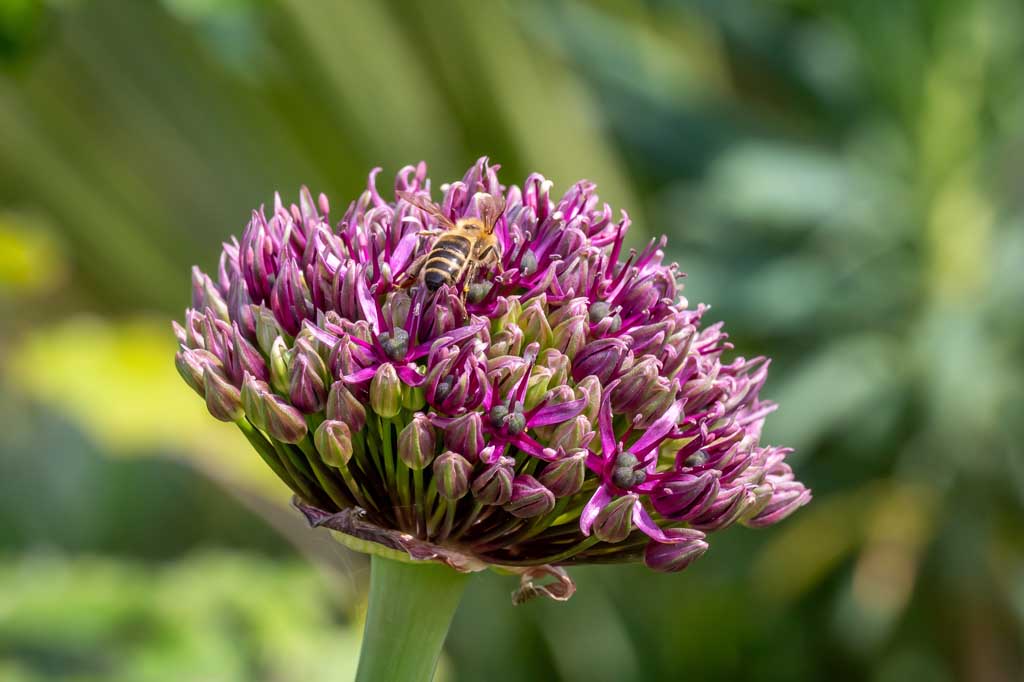
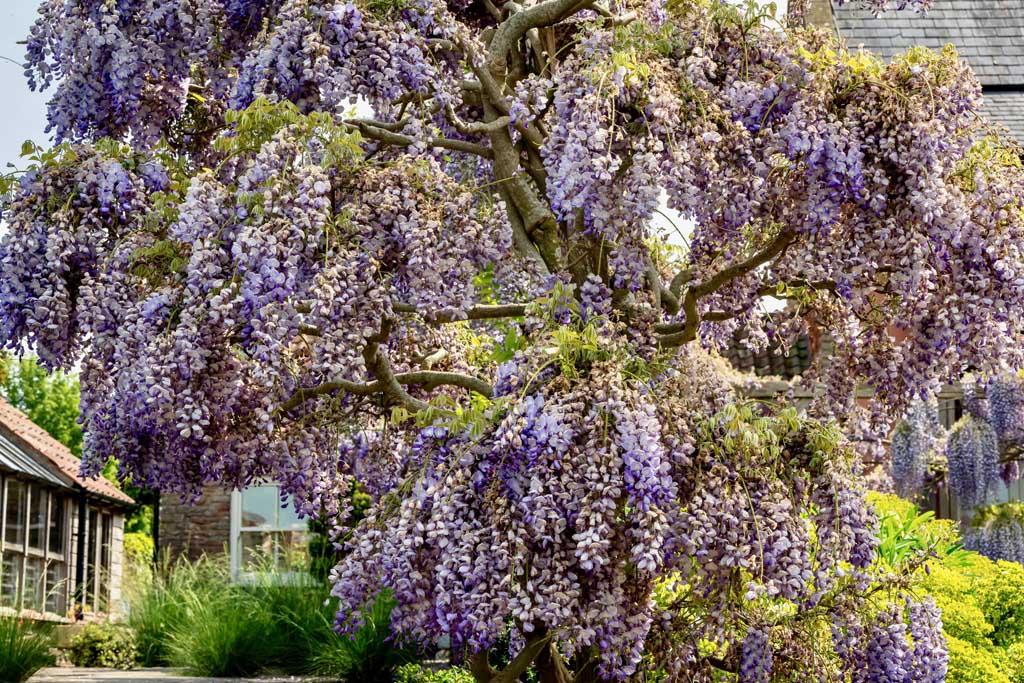
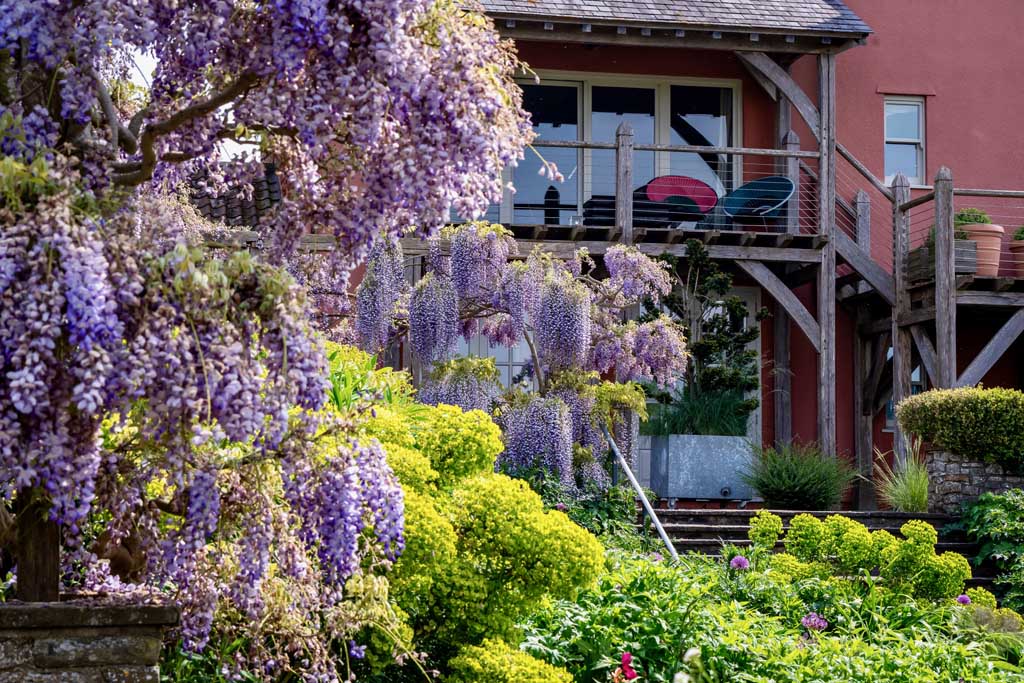
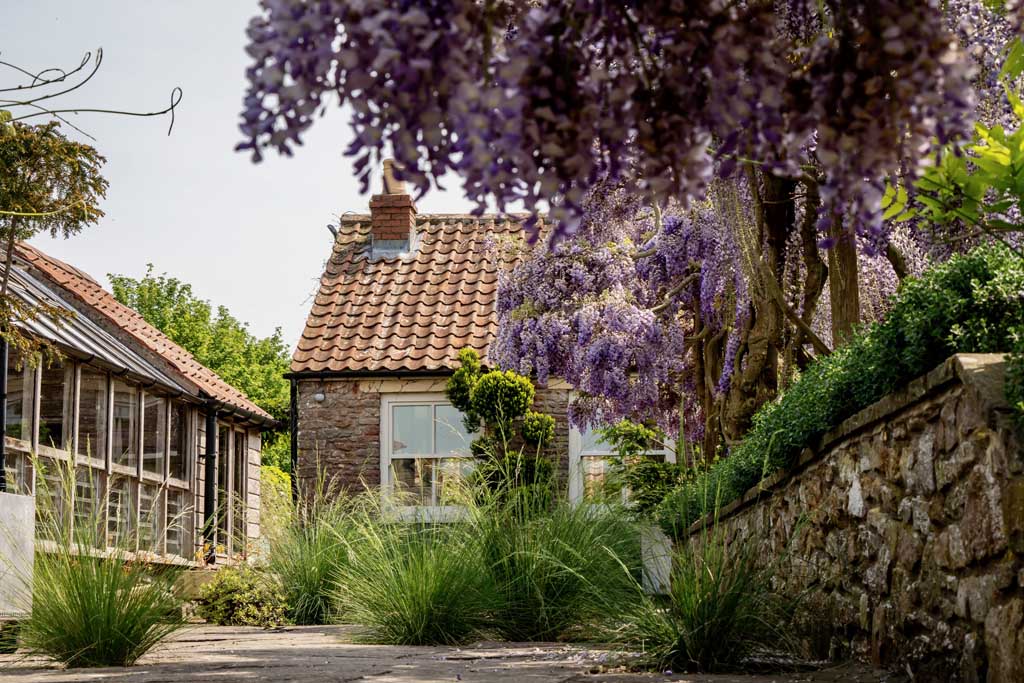
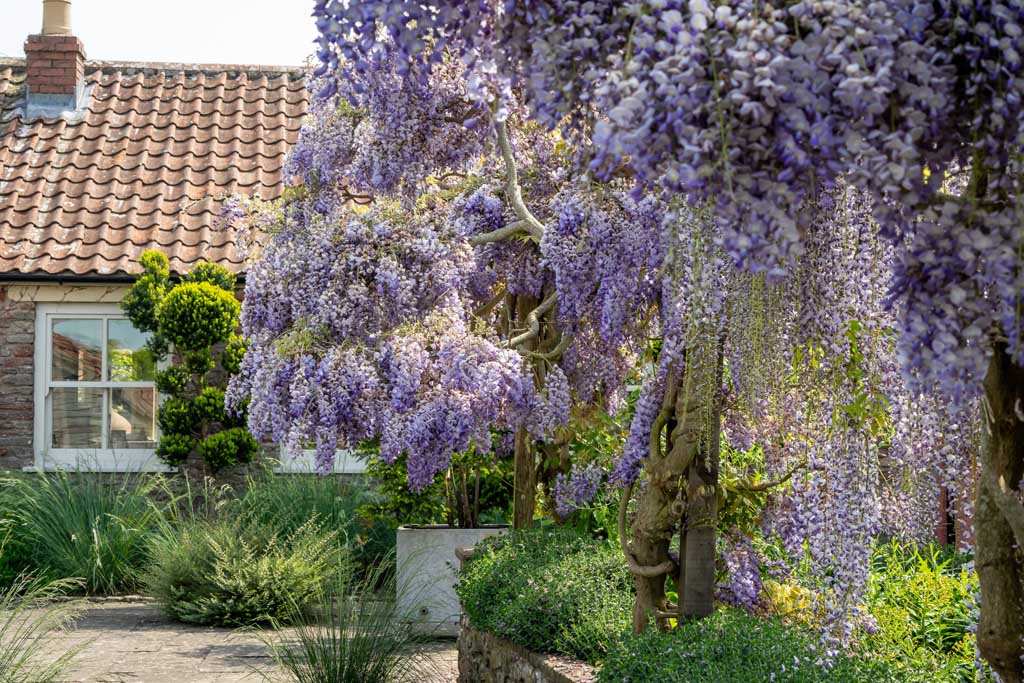
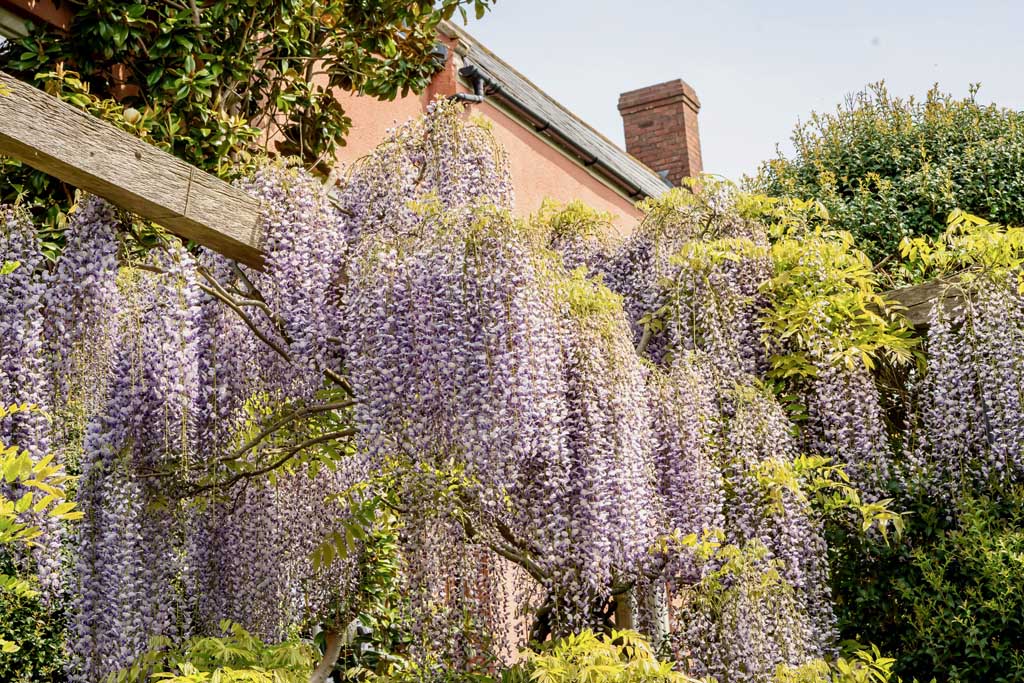
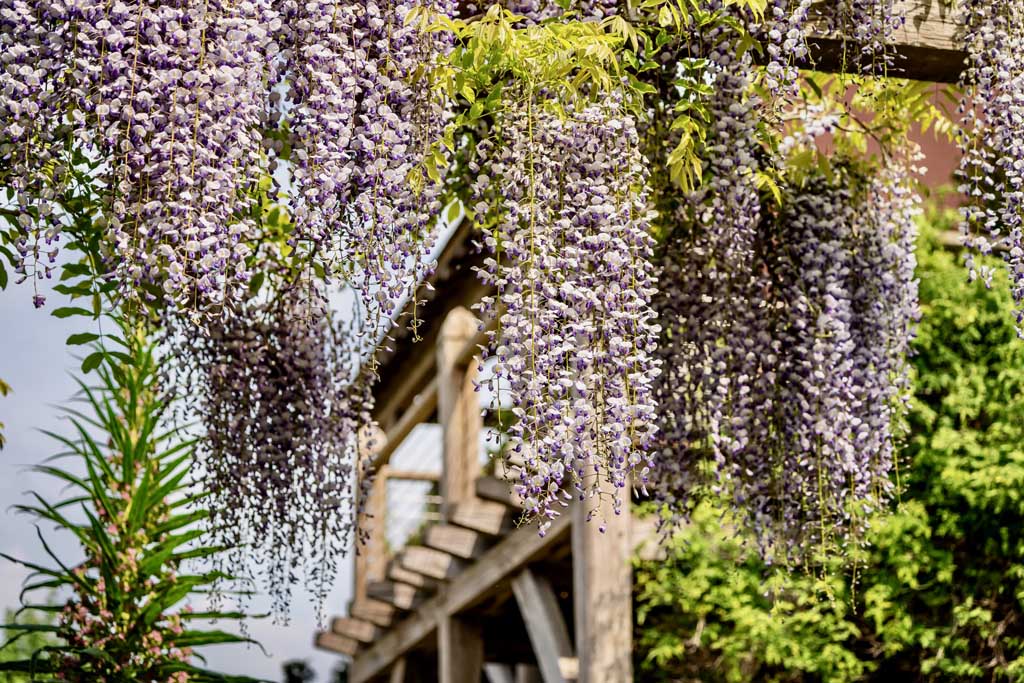
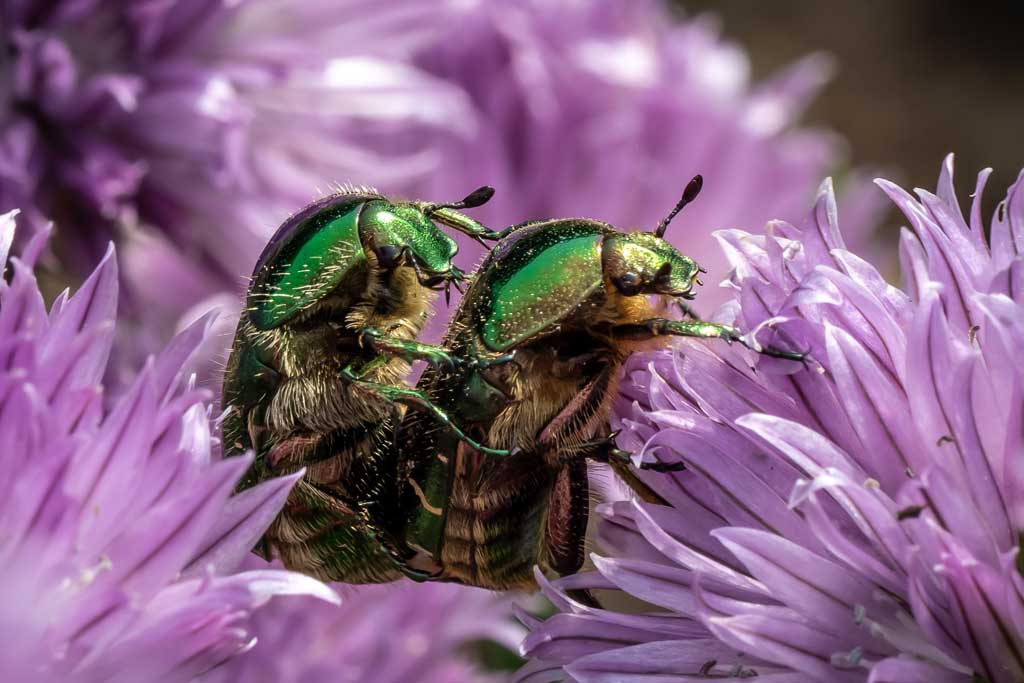
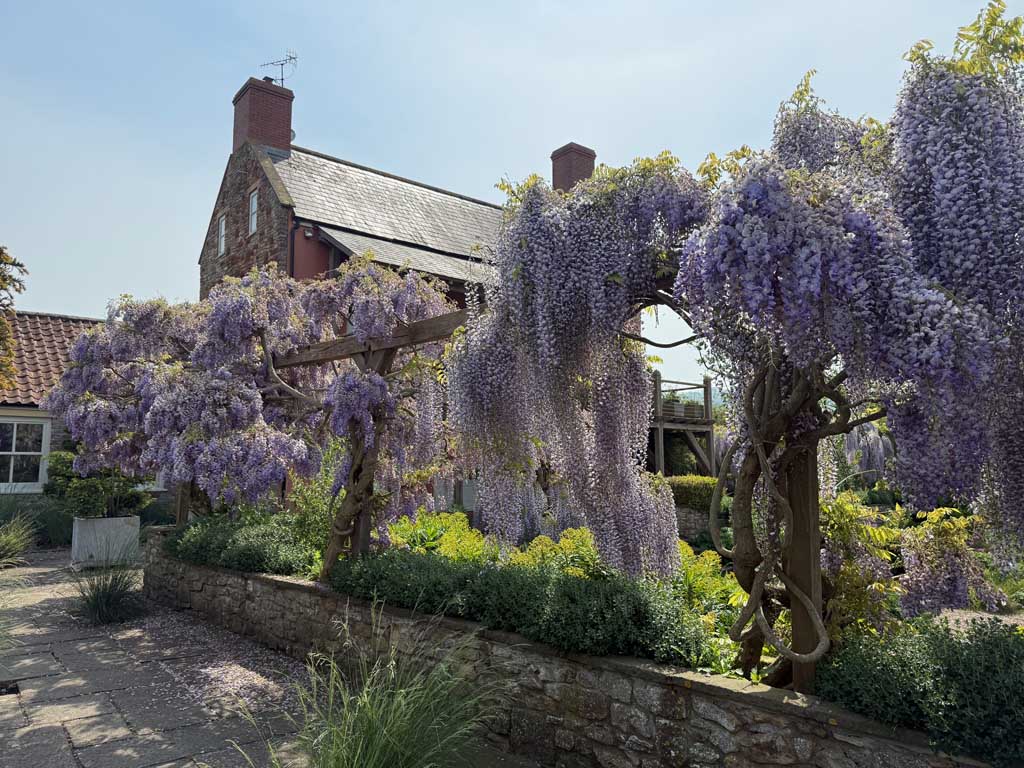
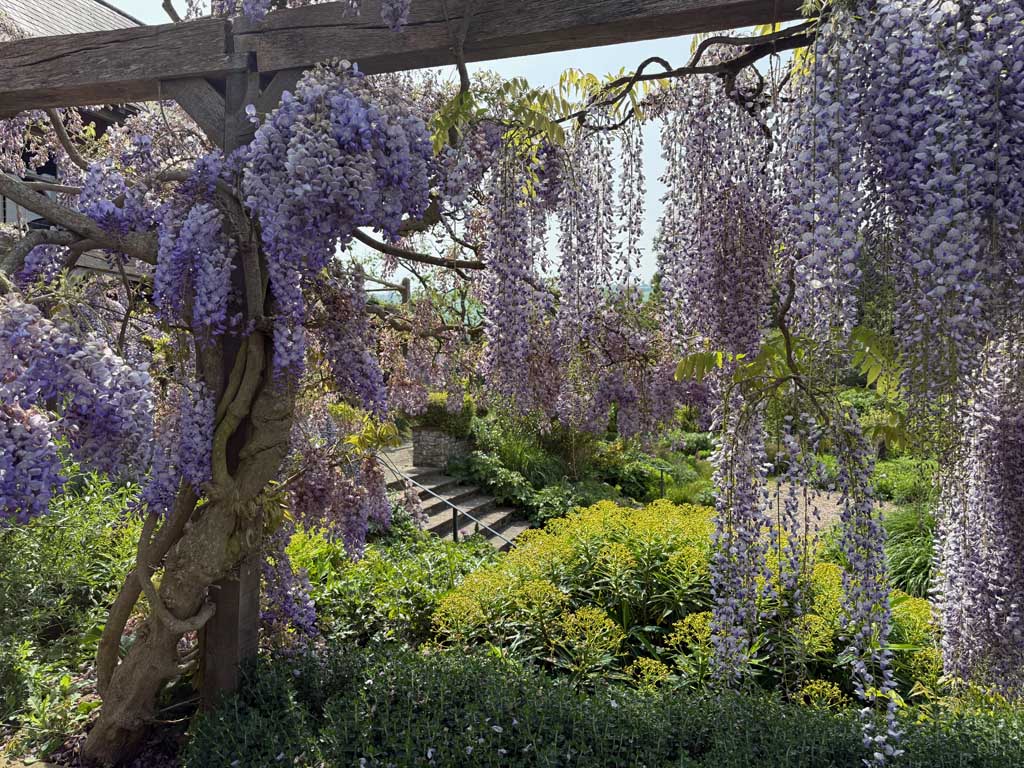
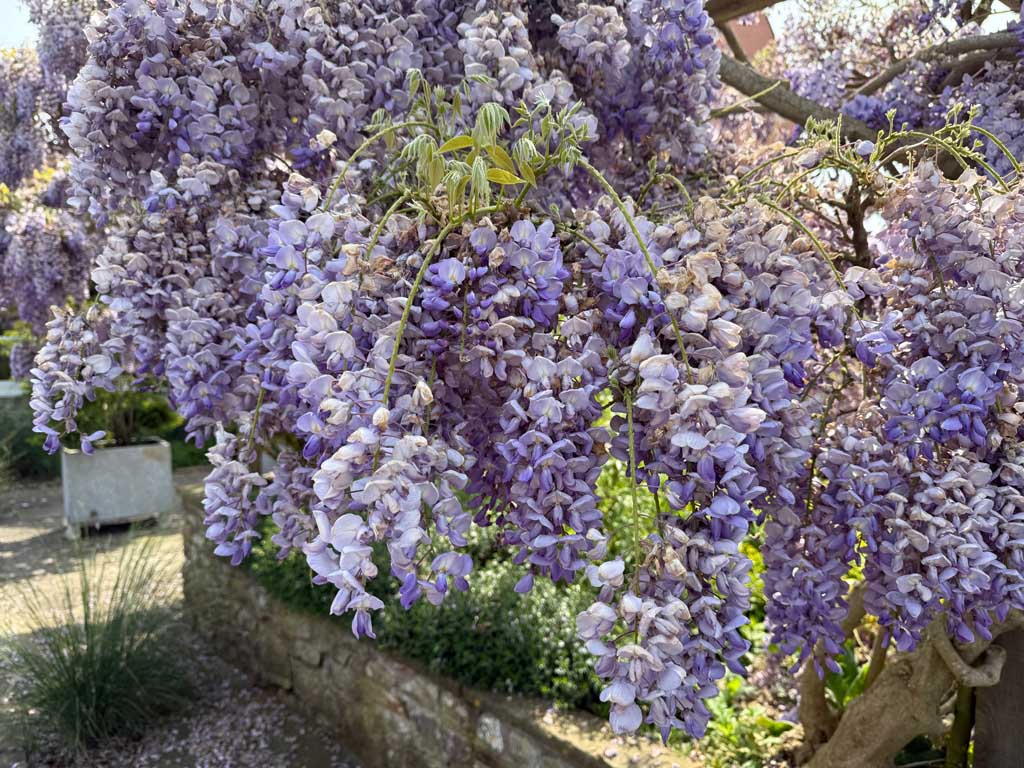
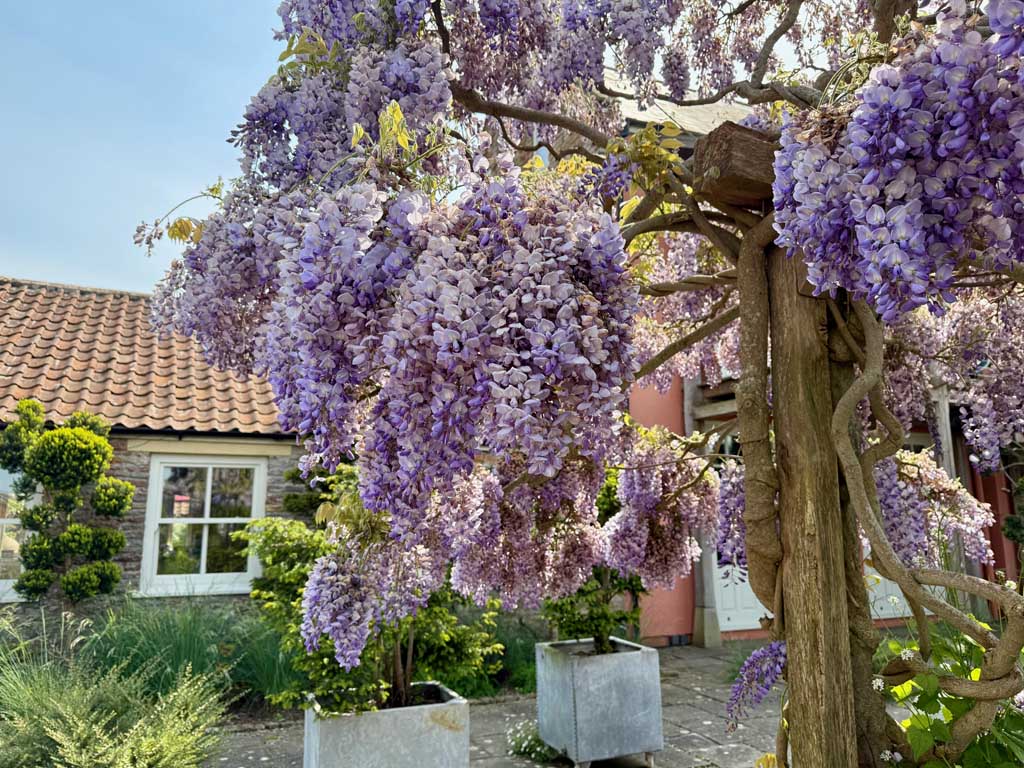
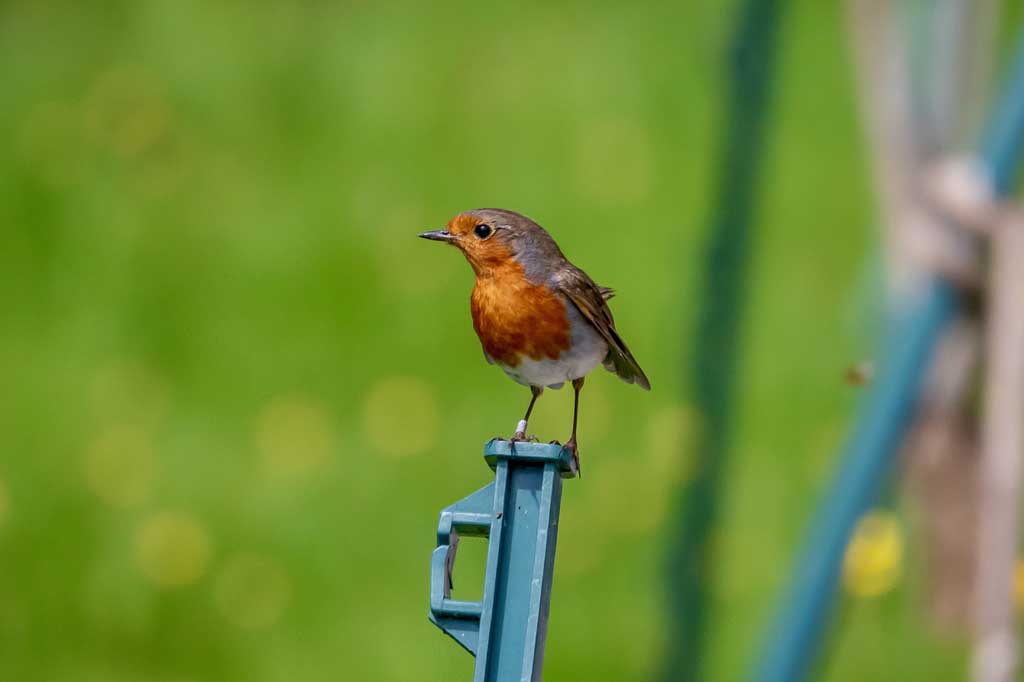
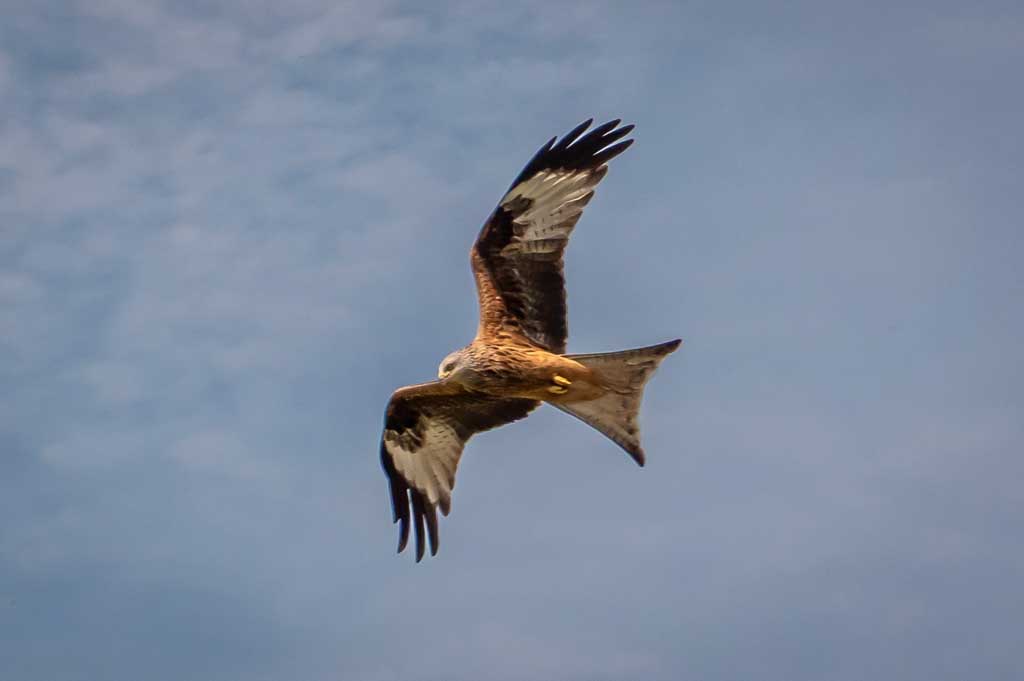
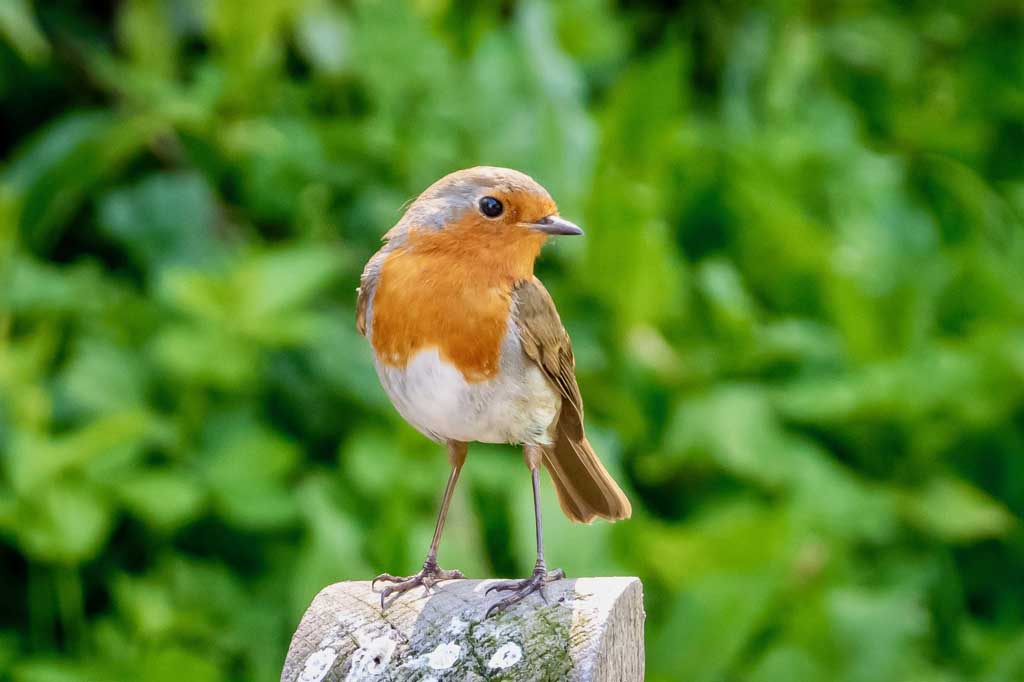
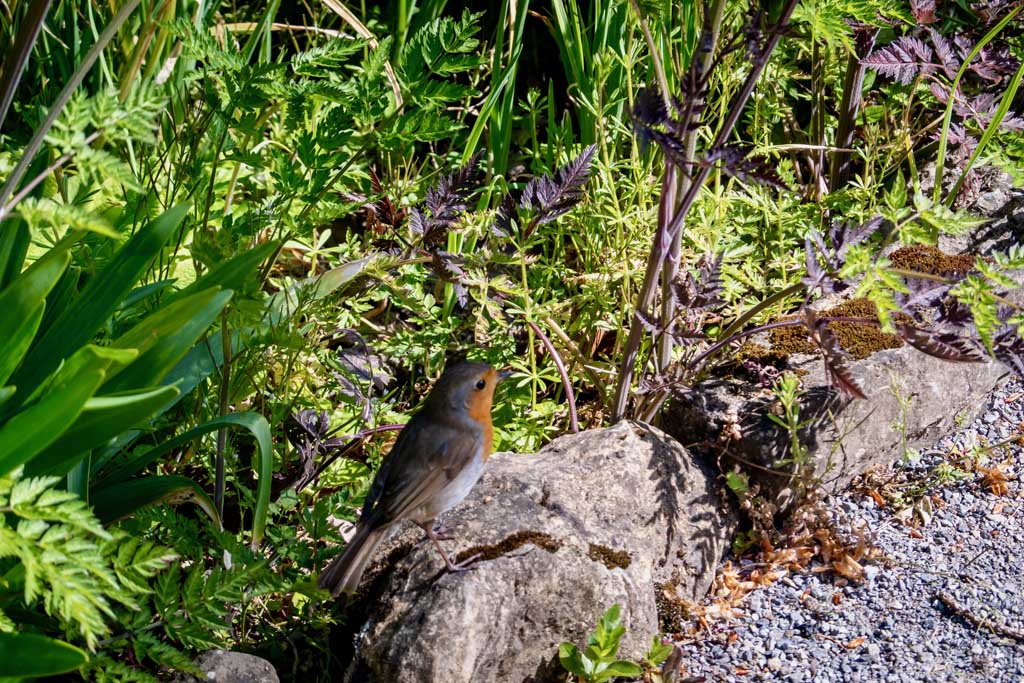
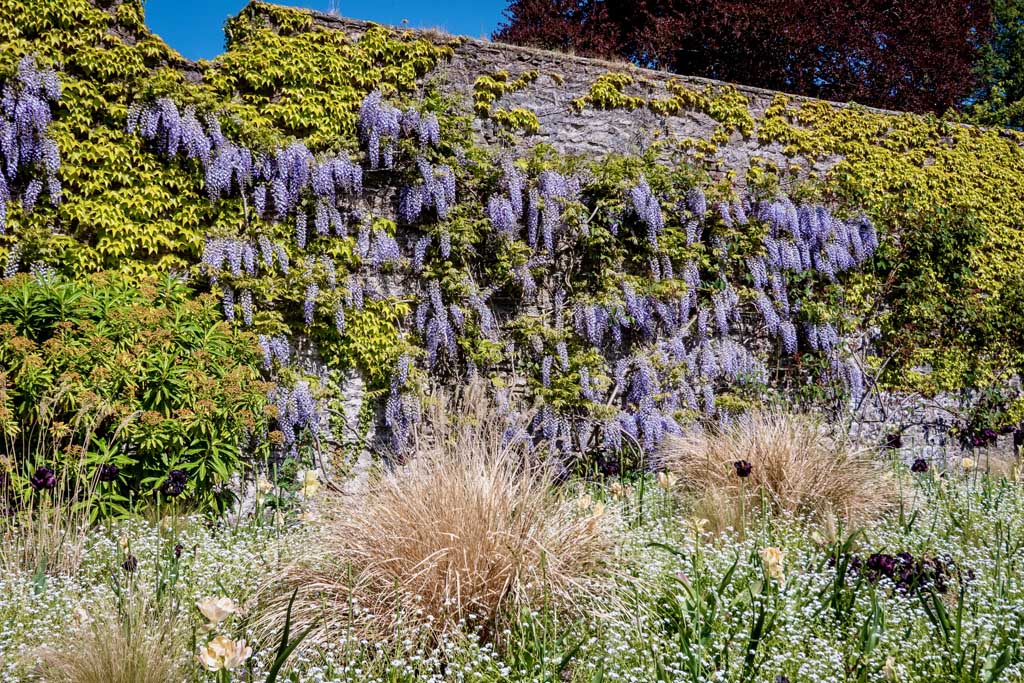
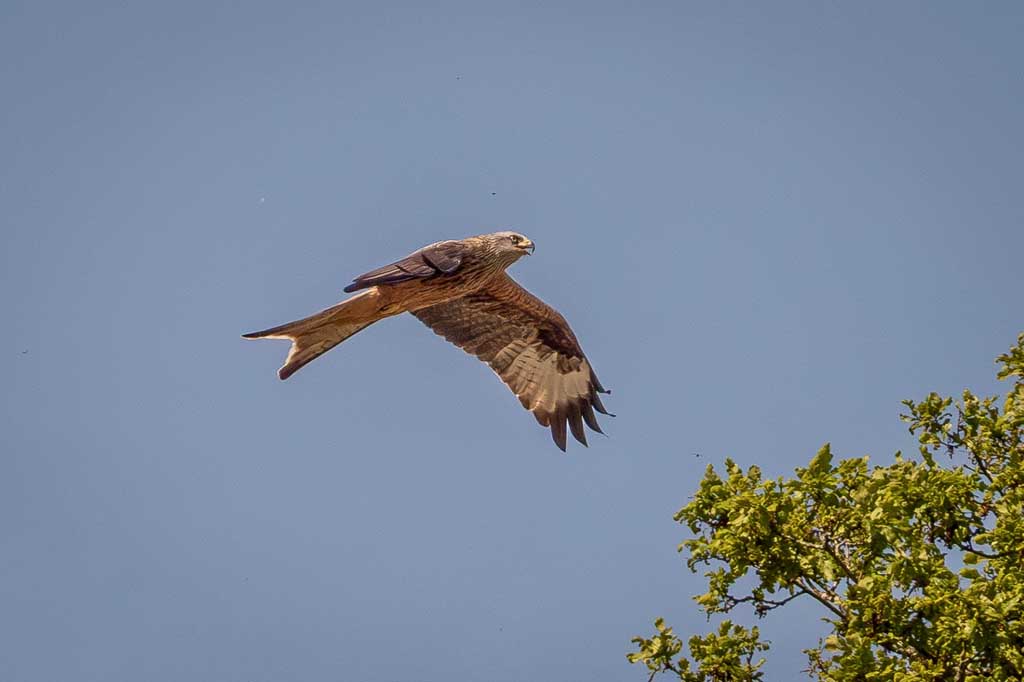
A distant Eurasian hobby in flightThere’s always a robin Painted lady butterfly on alliumSpeckled wood butterfly on beech hedgeRose chafersRose chafersThe wisteria were probably the stand out plants of today
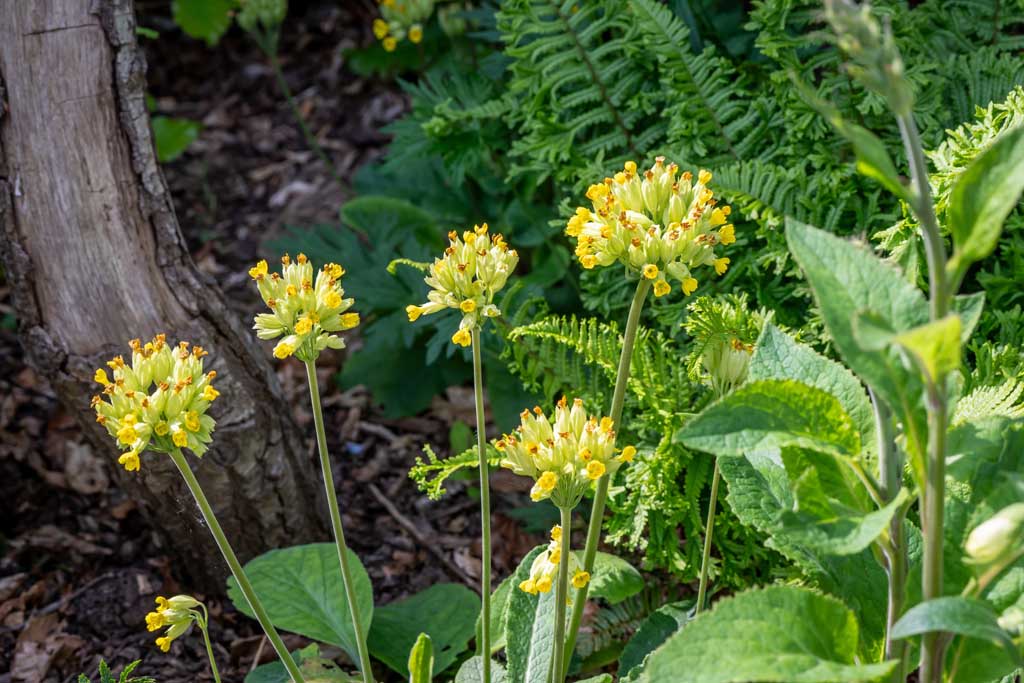
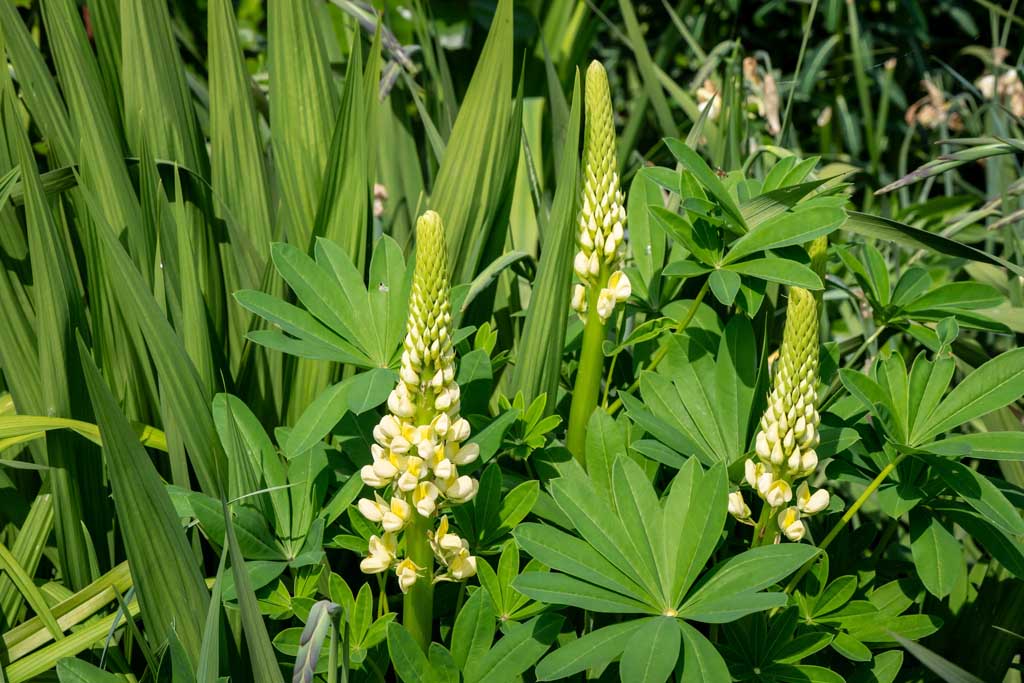
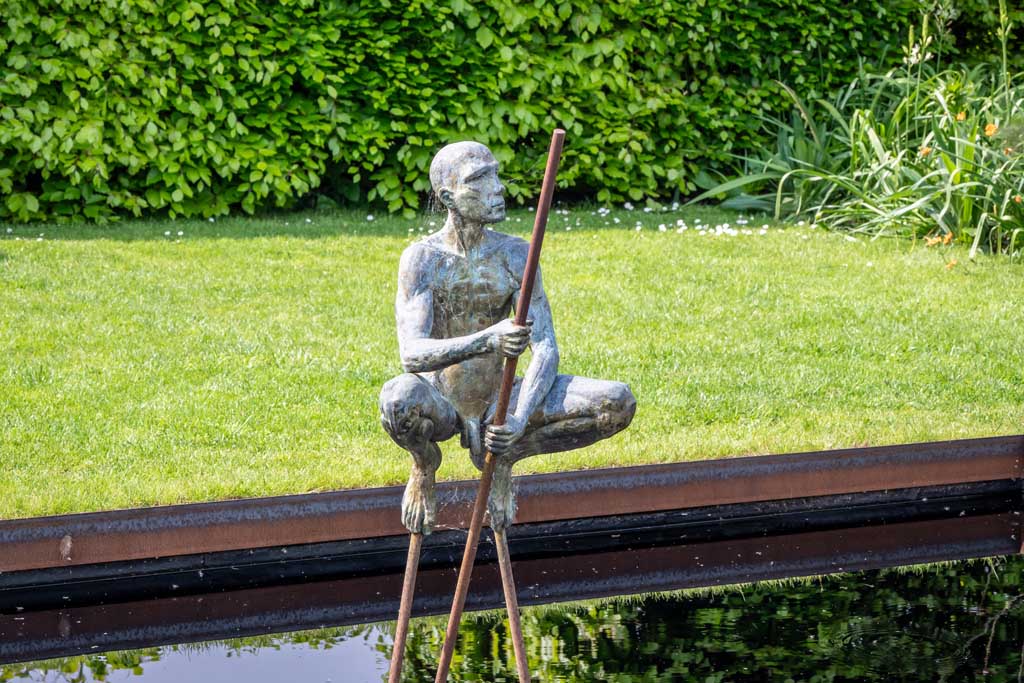
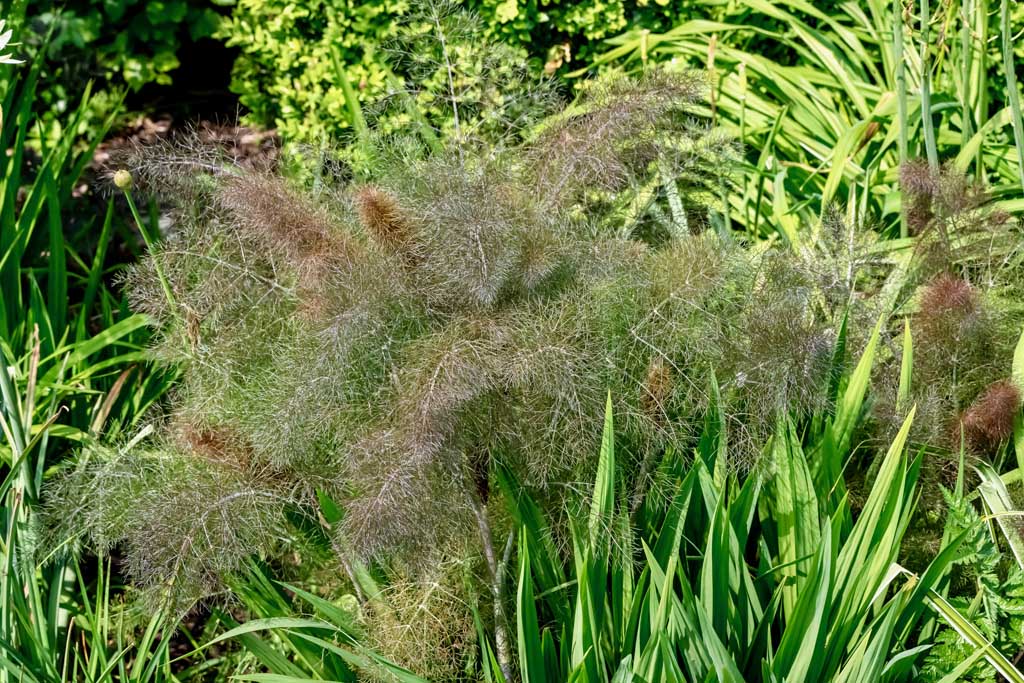
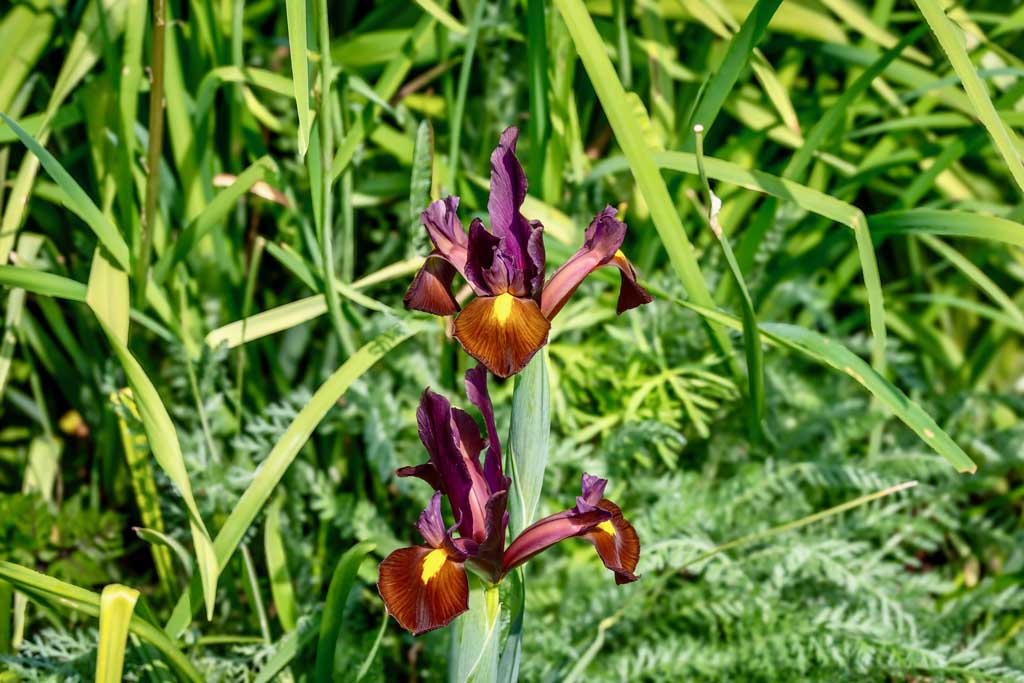
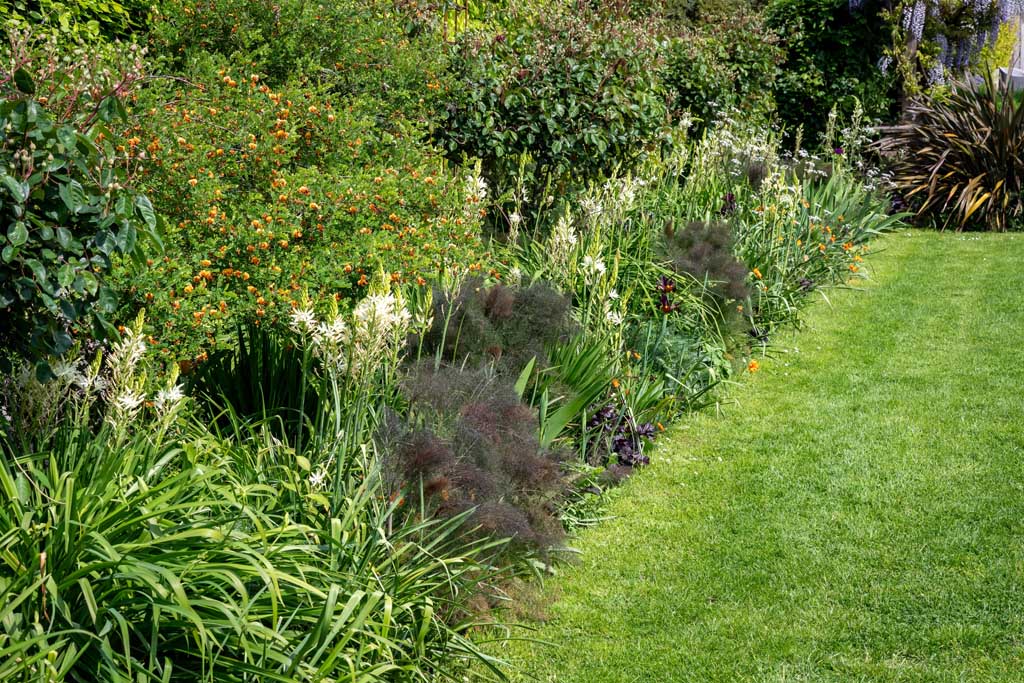
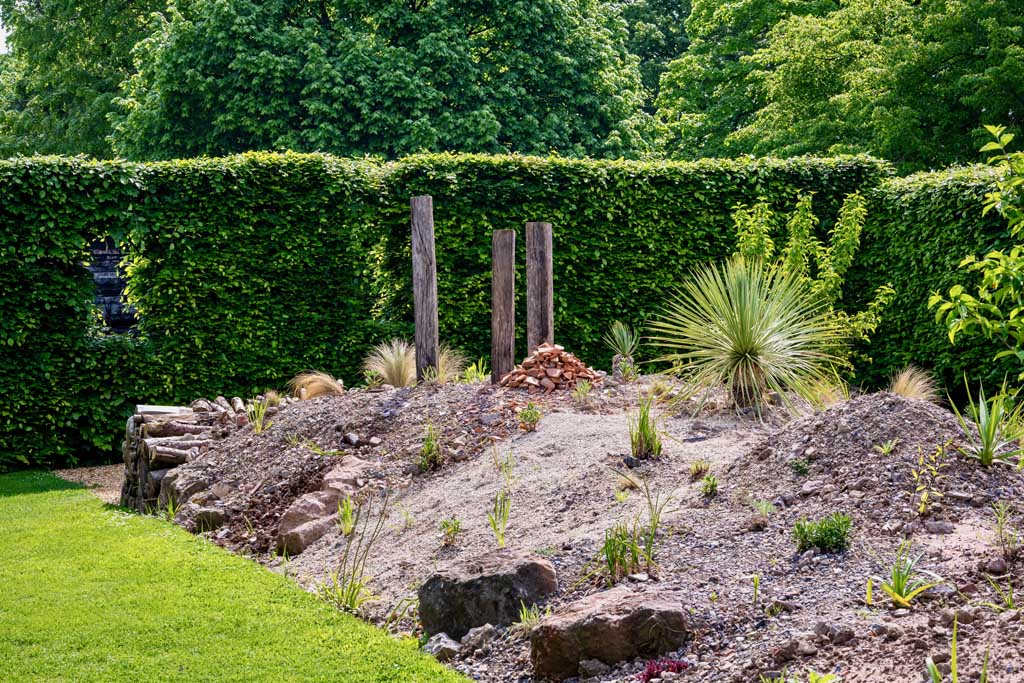
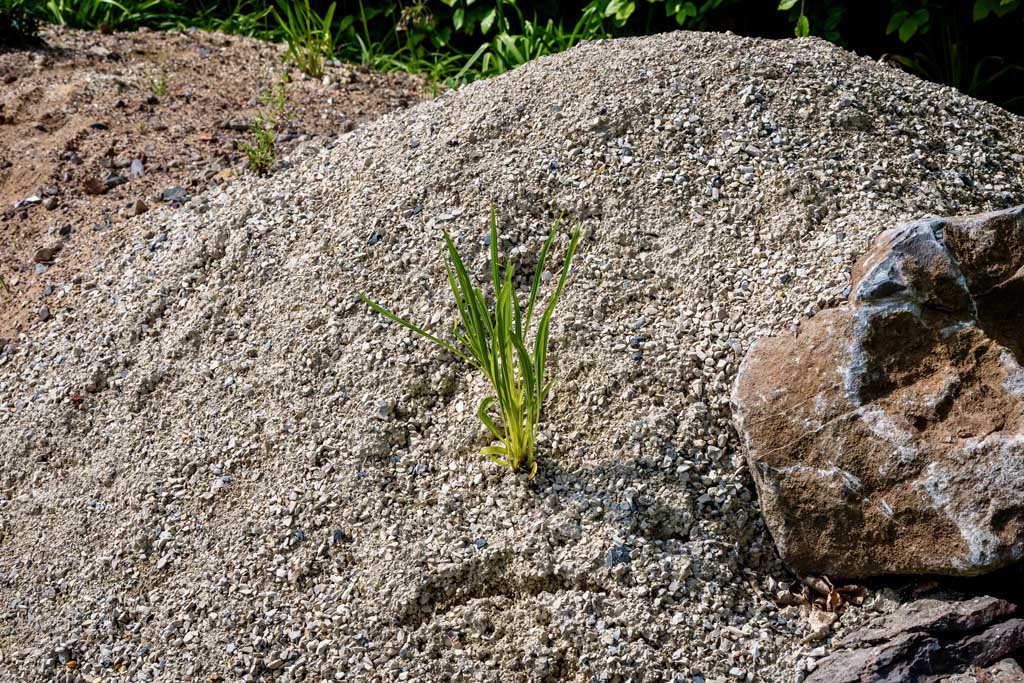
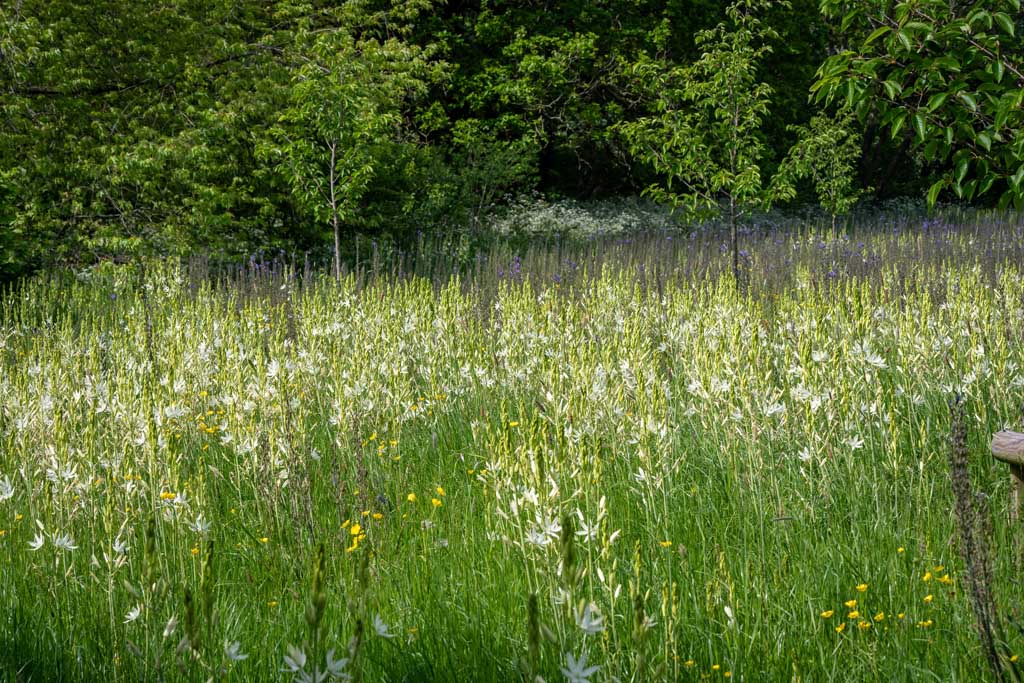
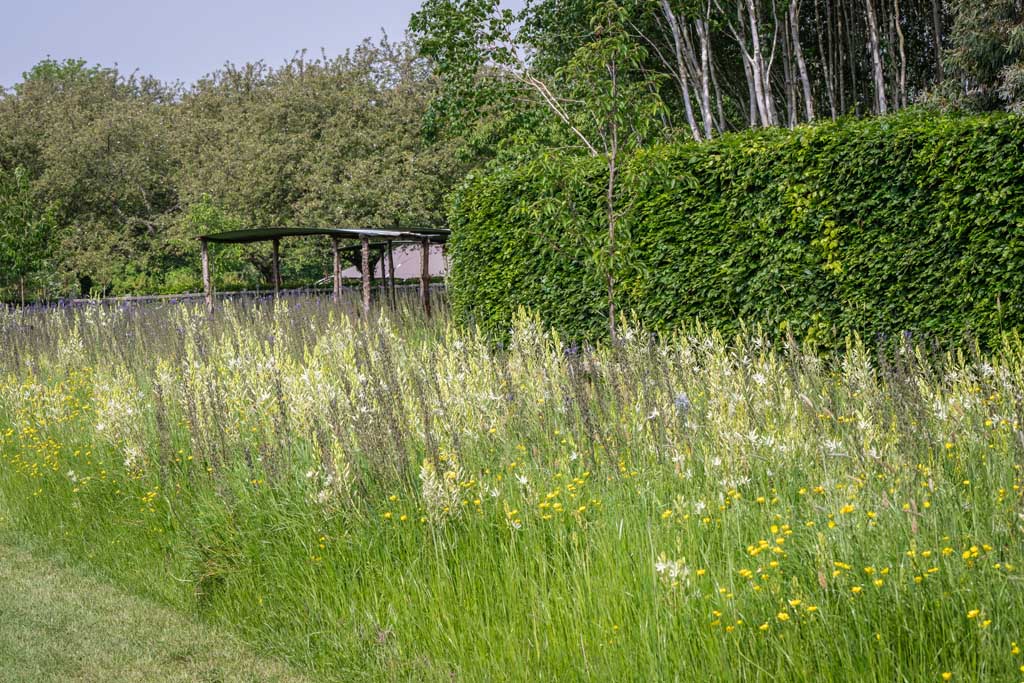
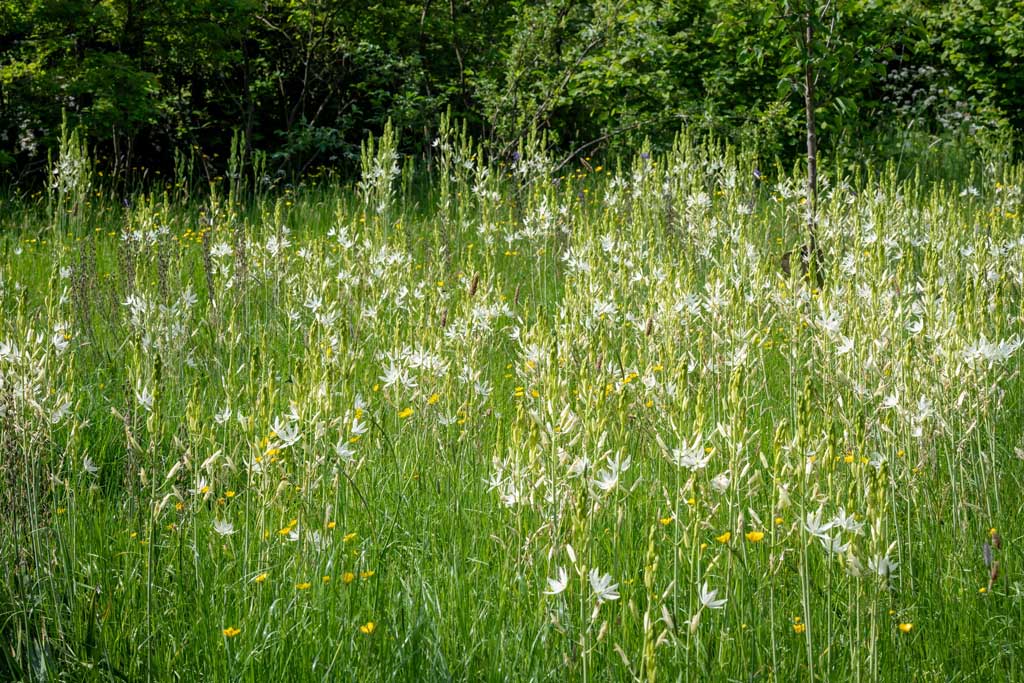
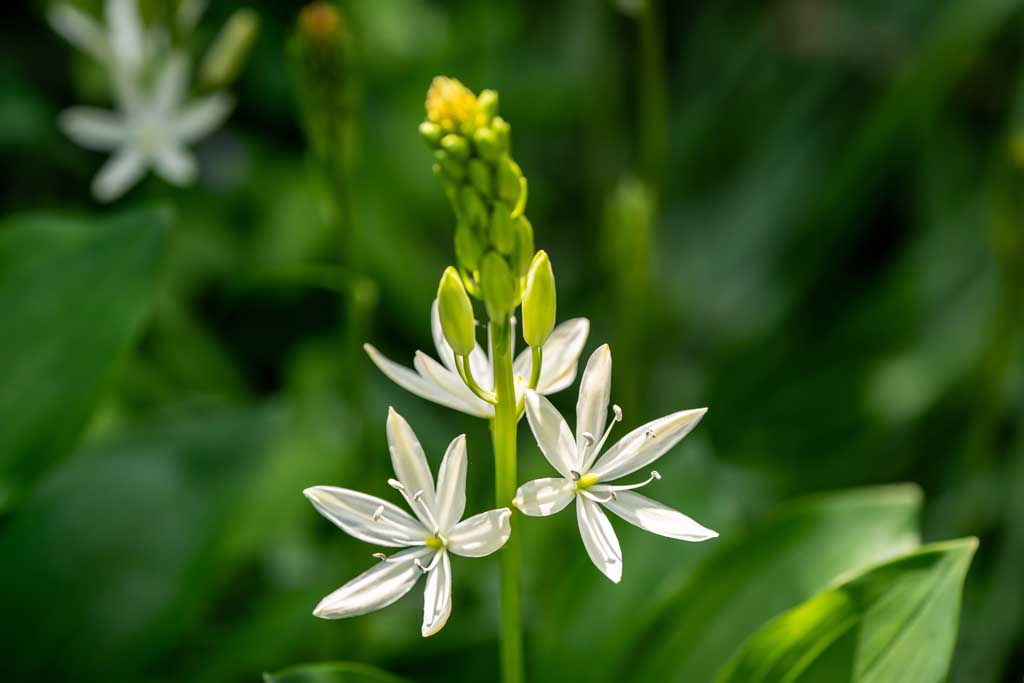
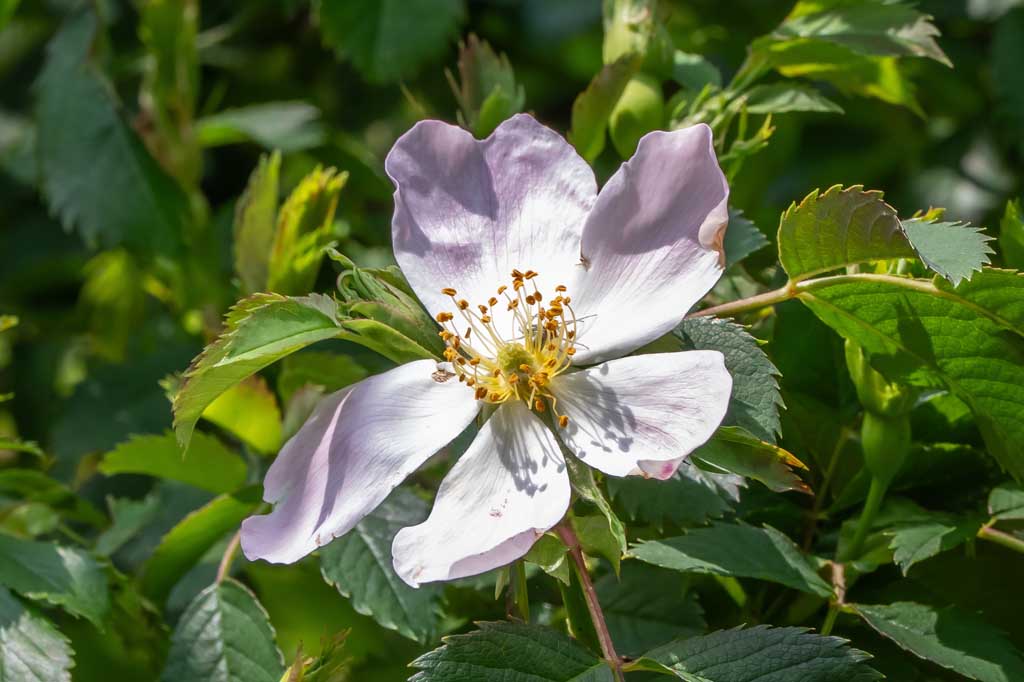
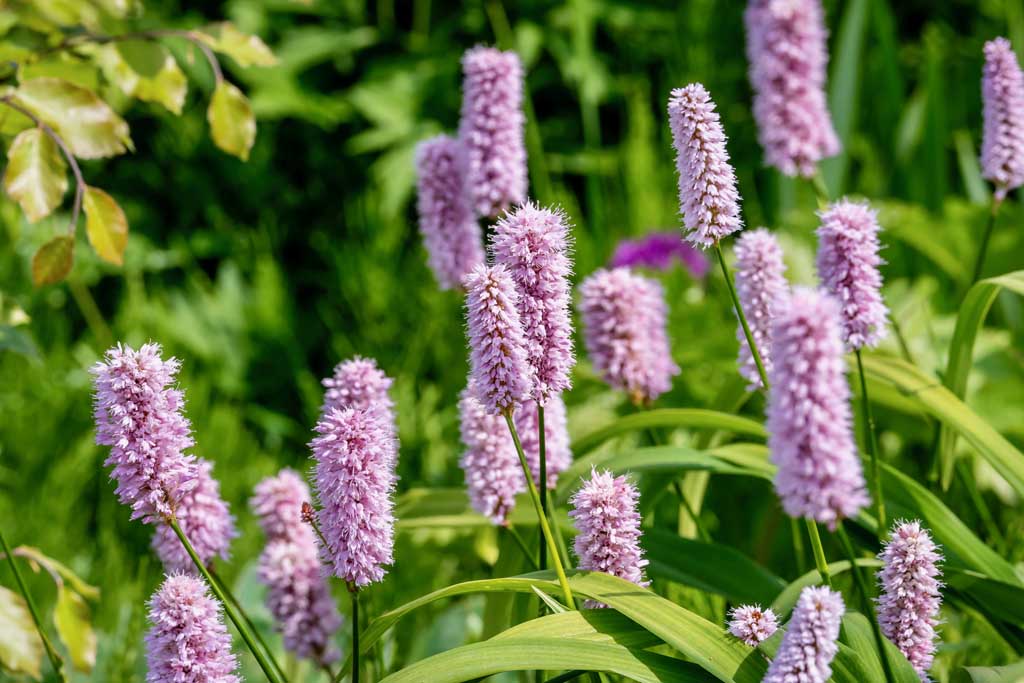
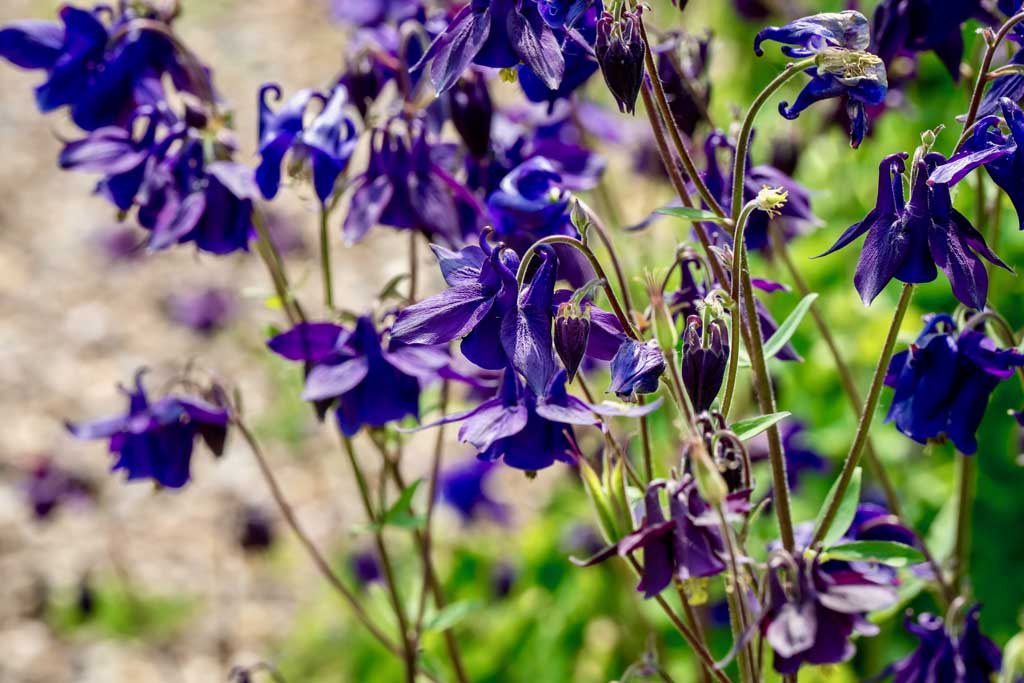
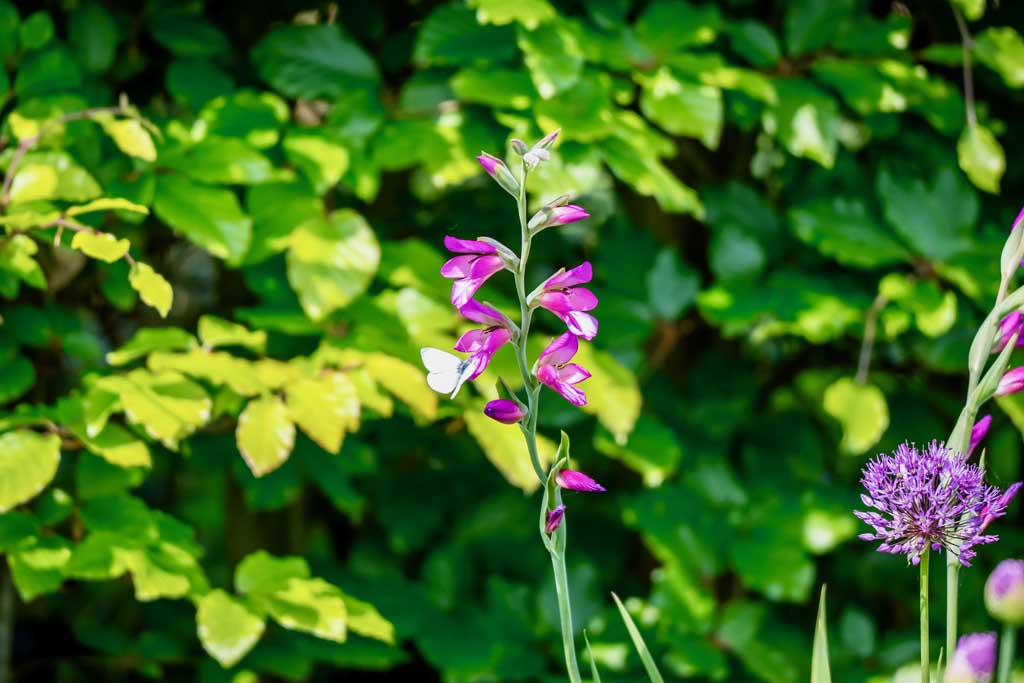
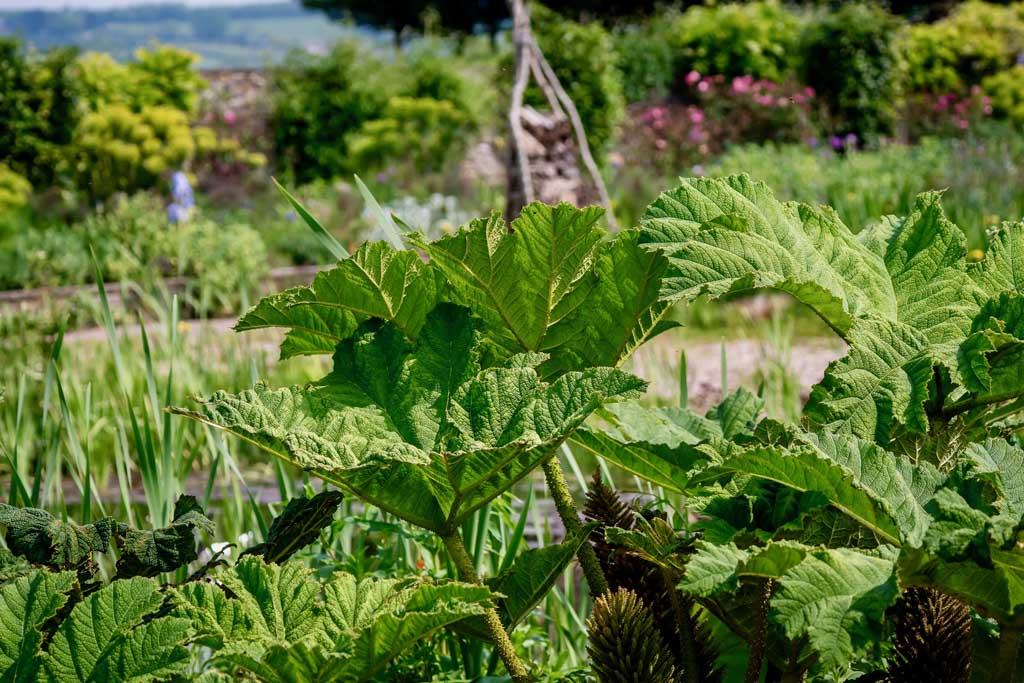
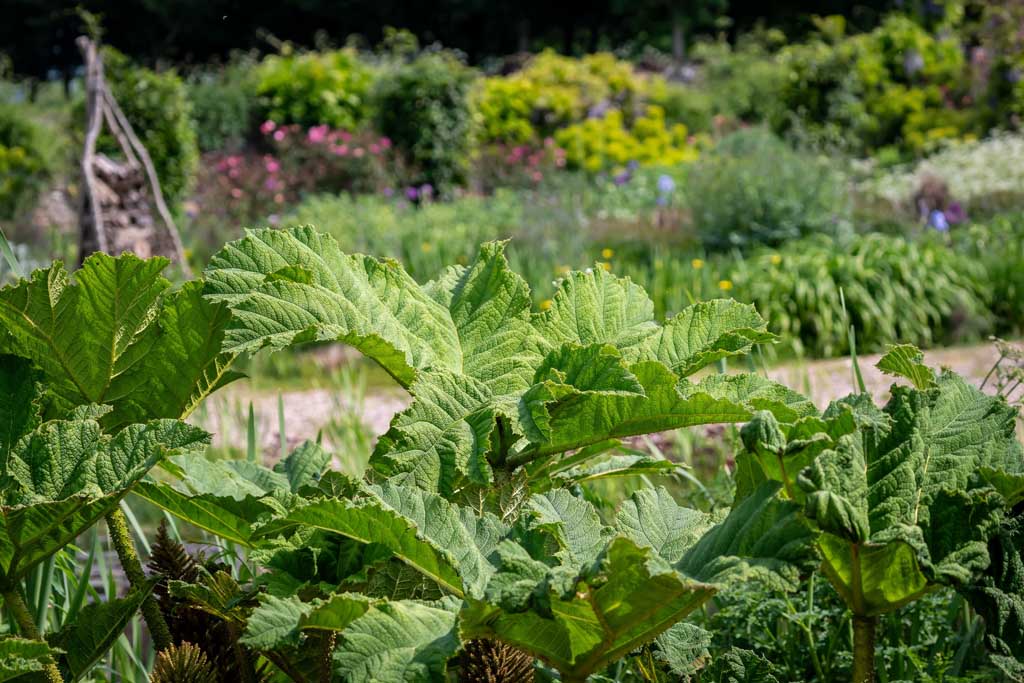
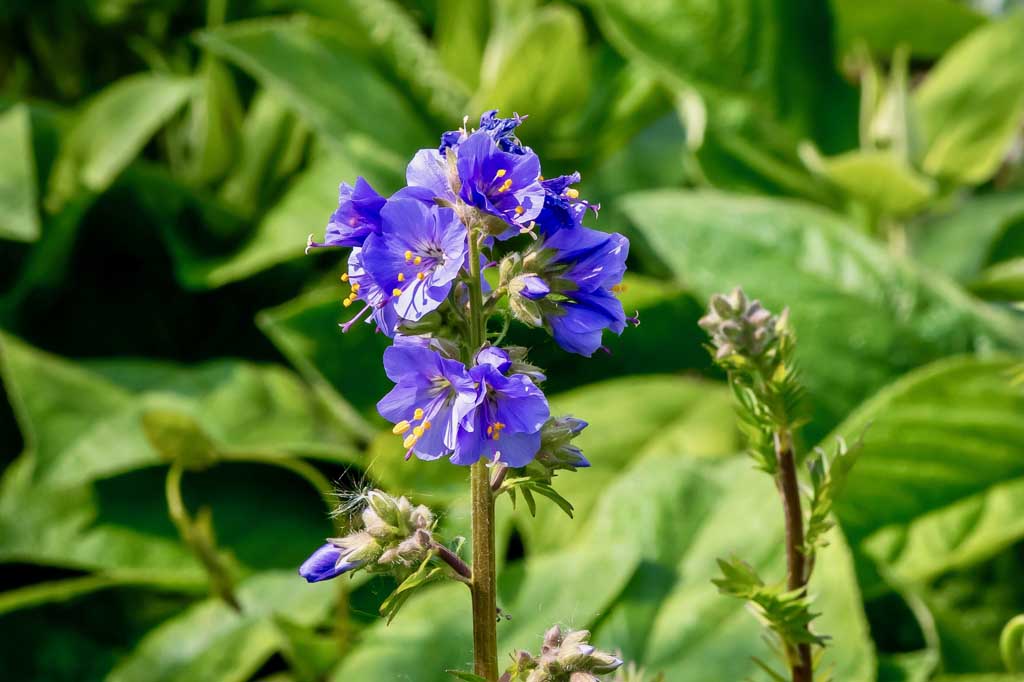
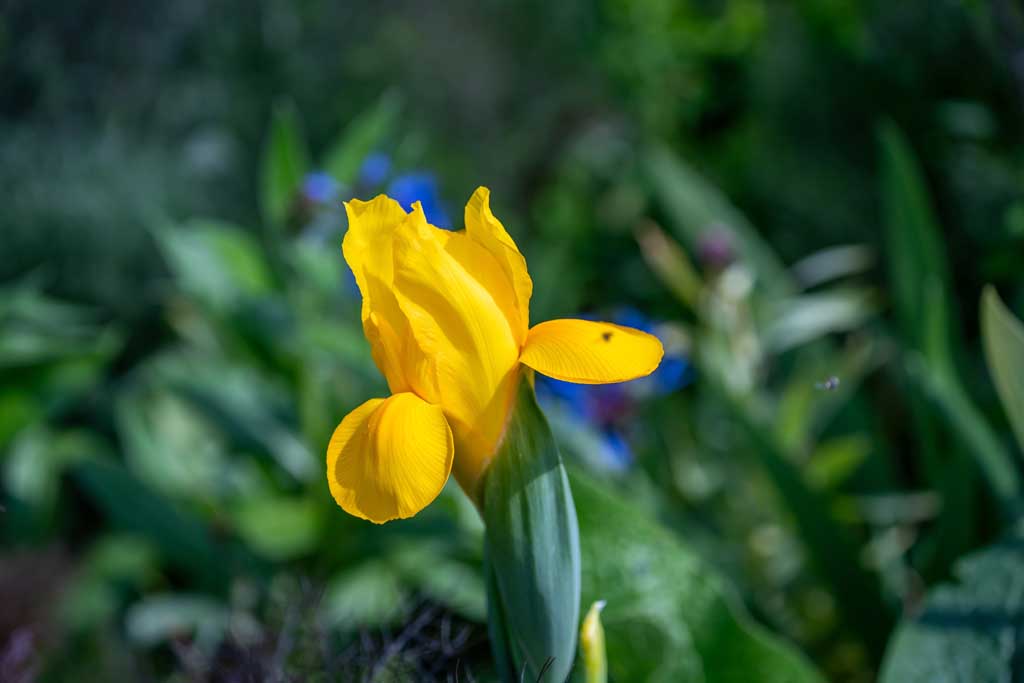
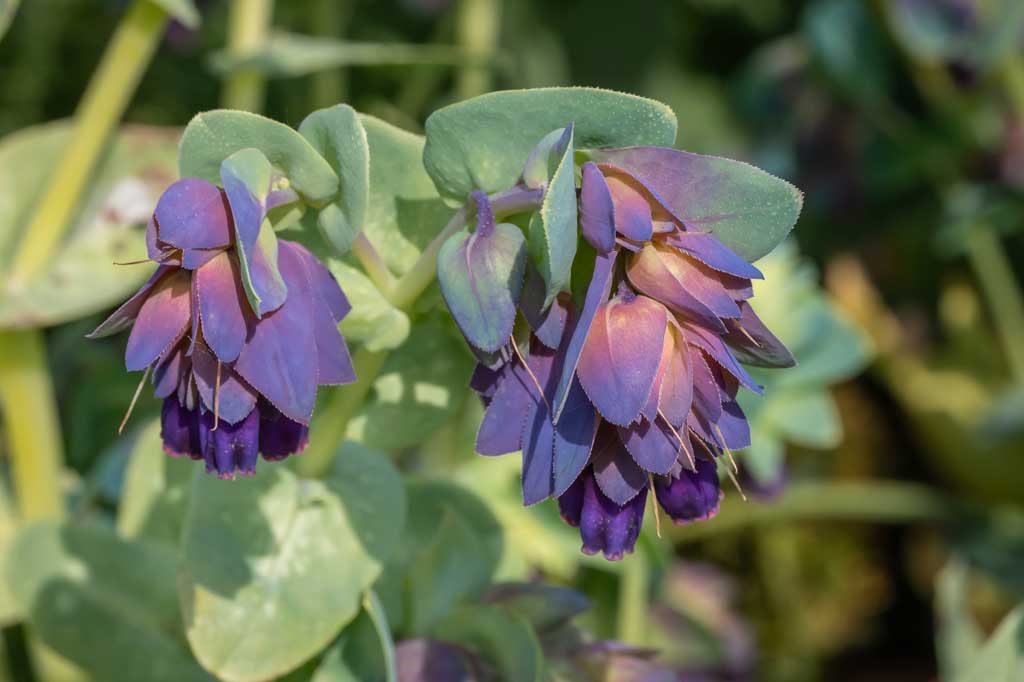
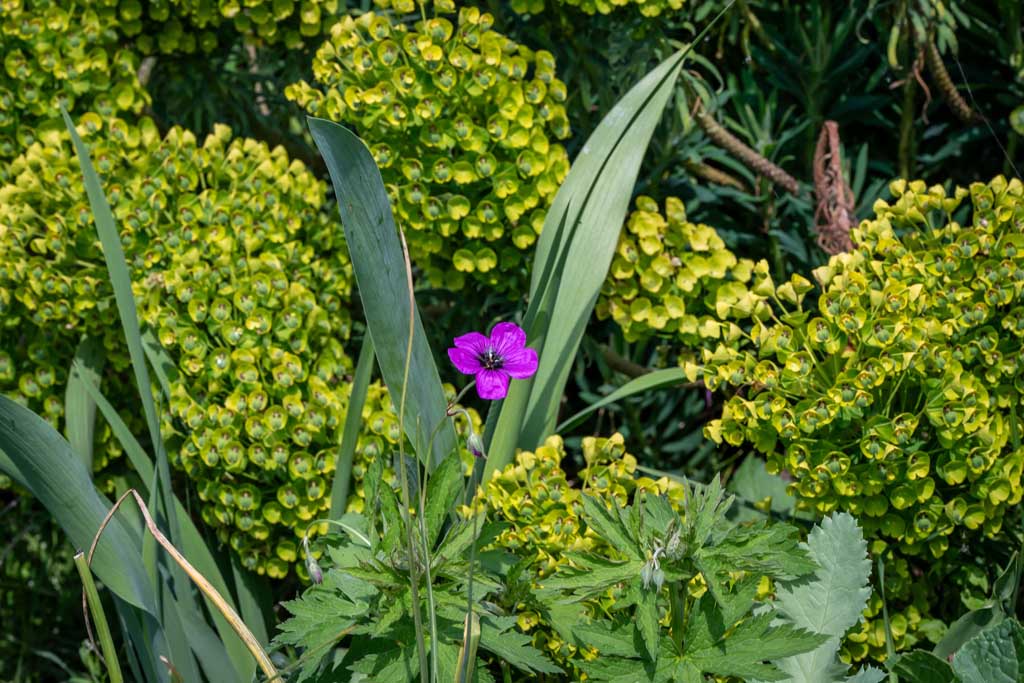
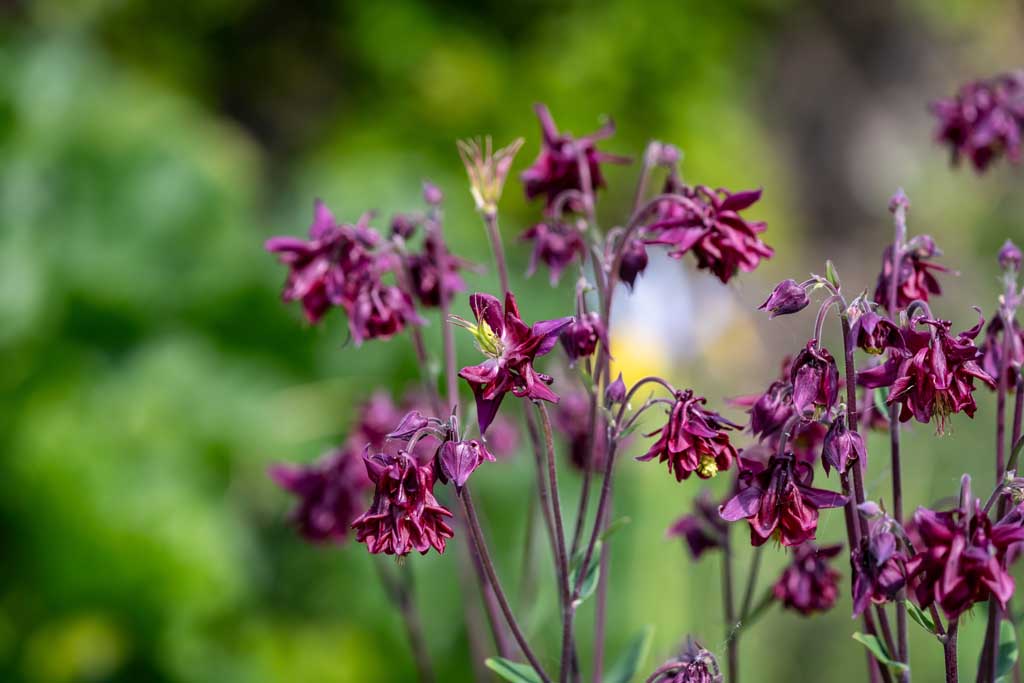
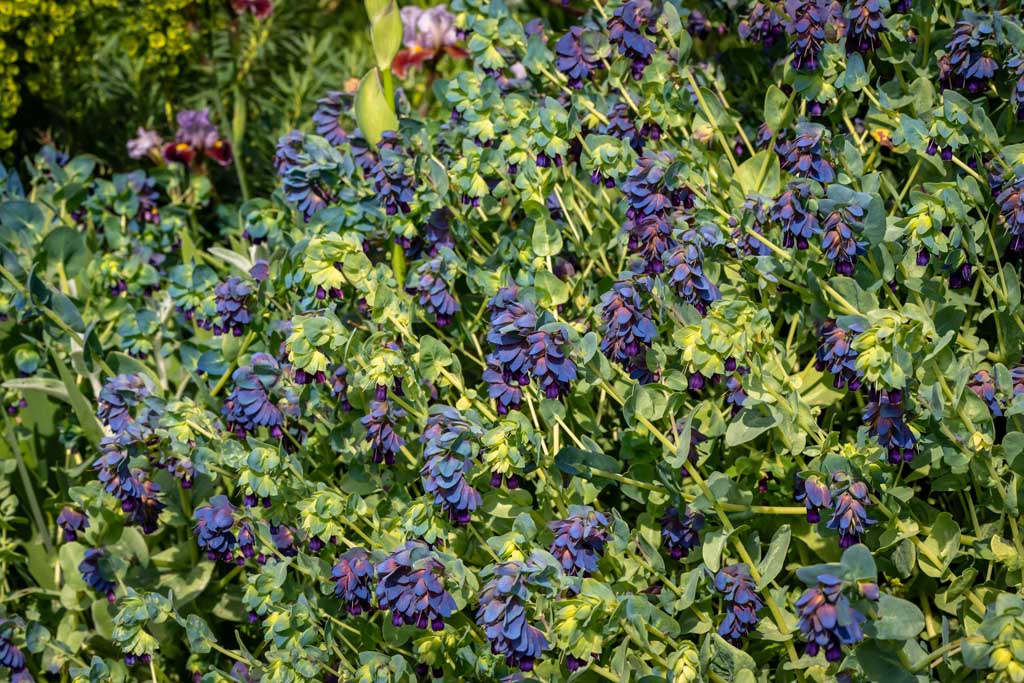
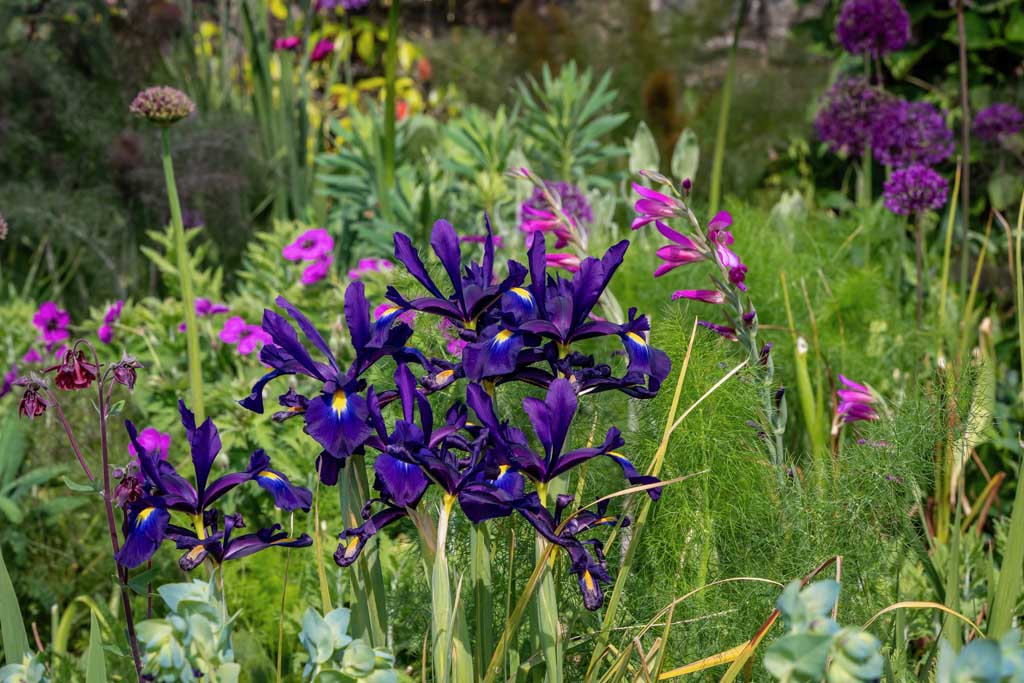
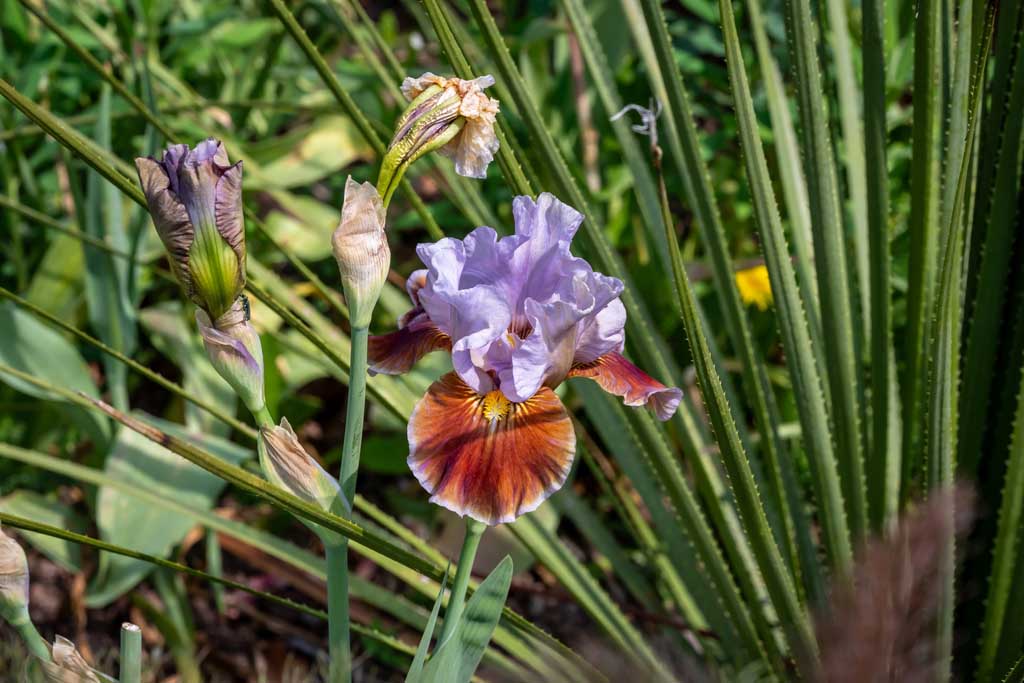
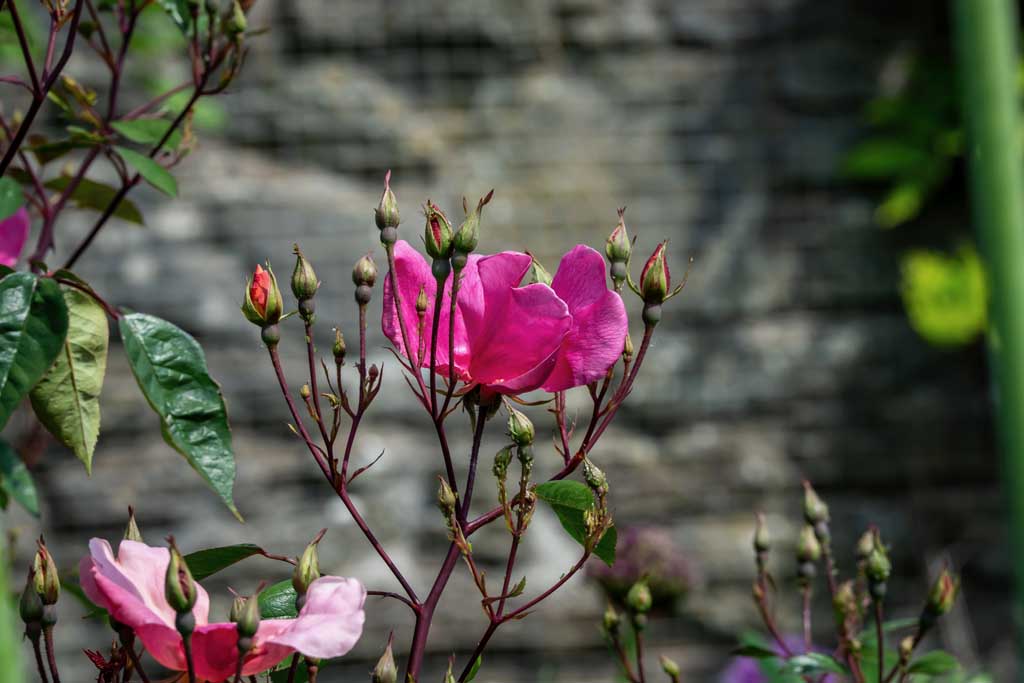
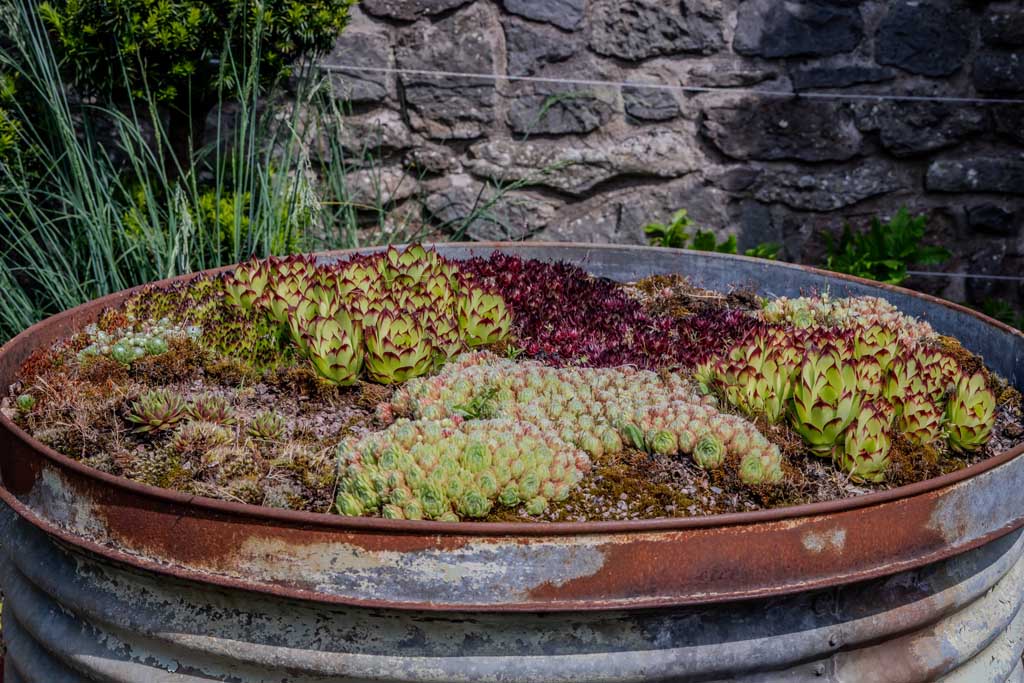
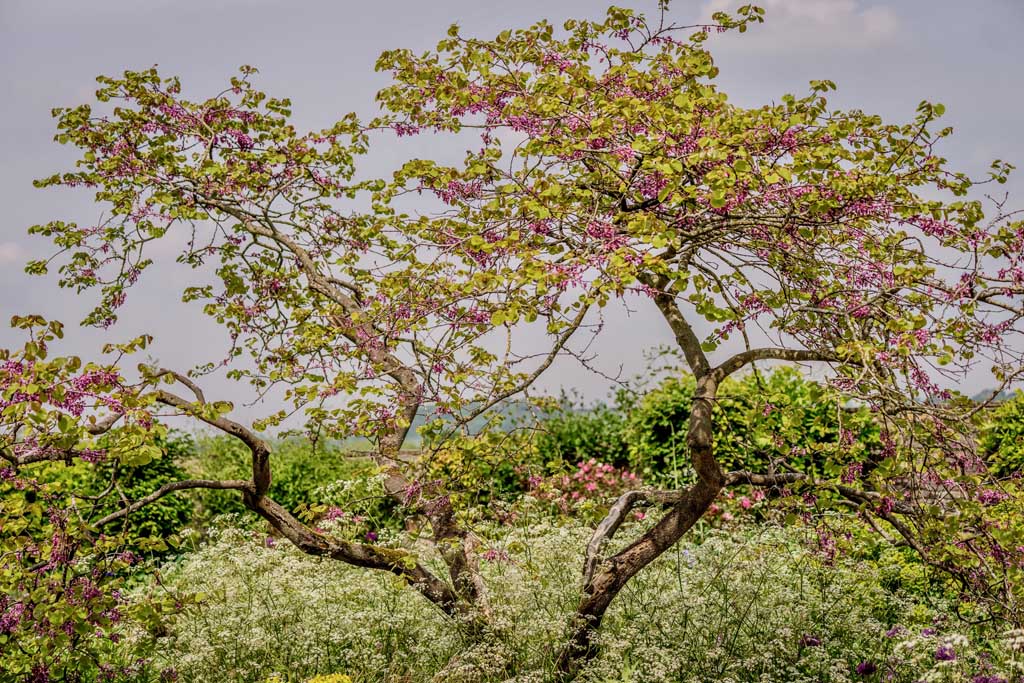
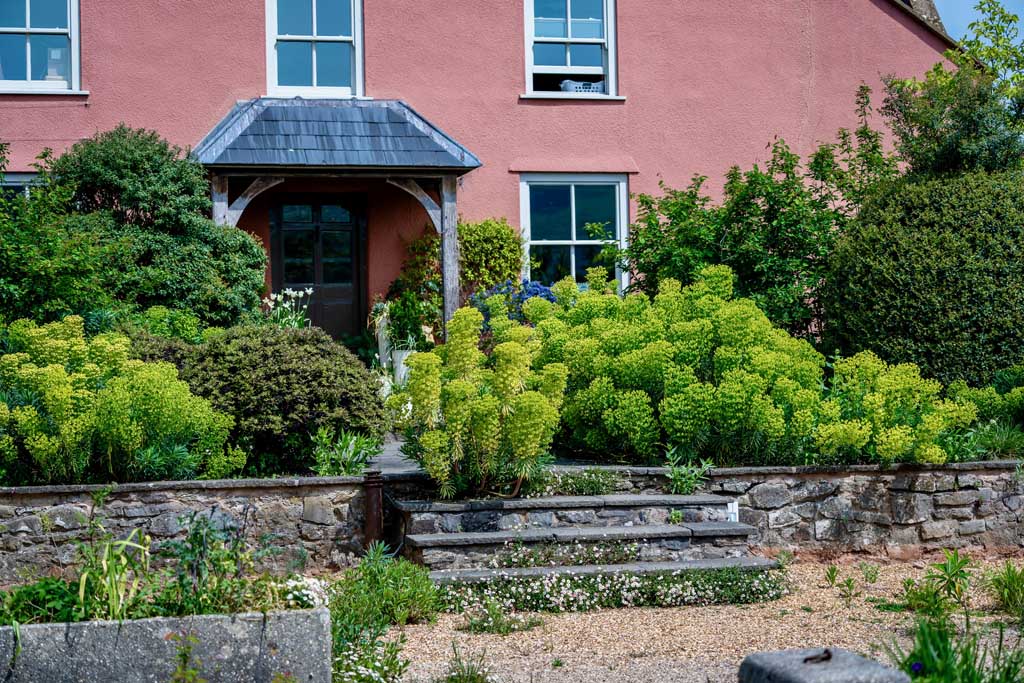
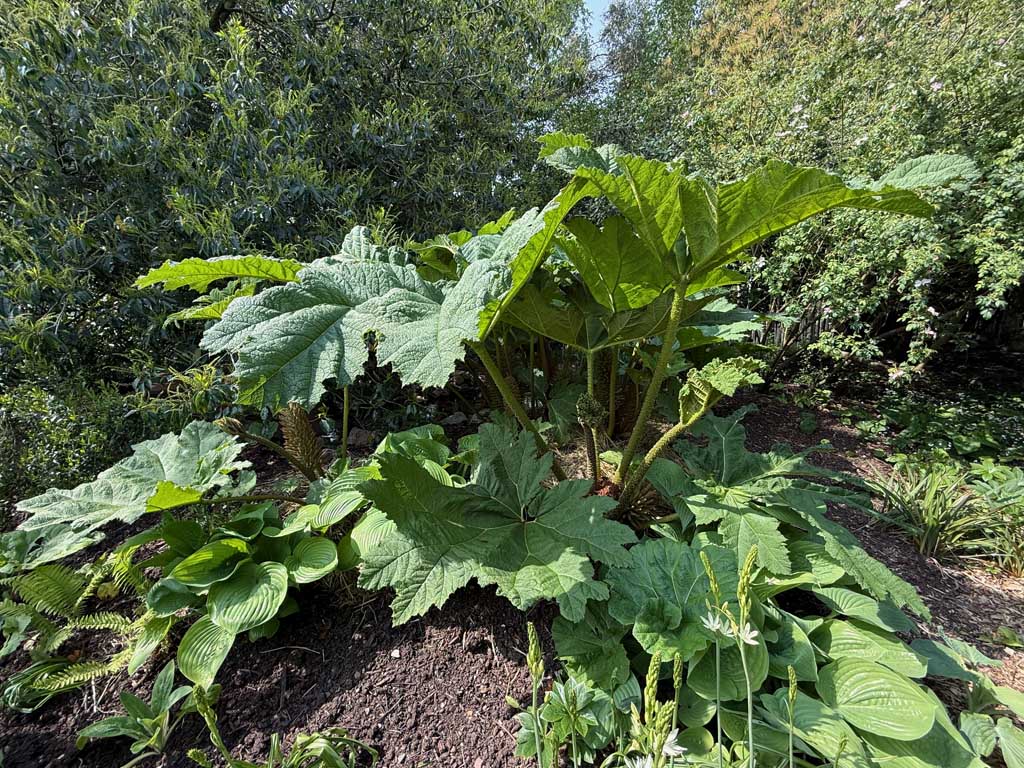
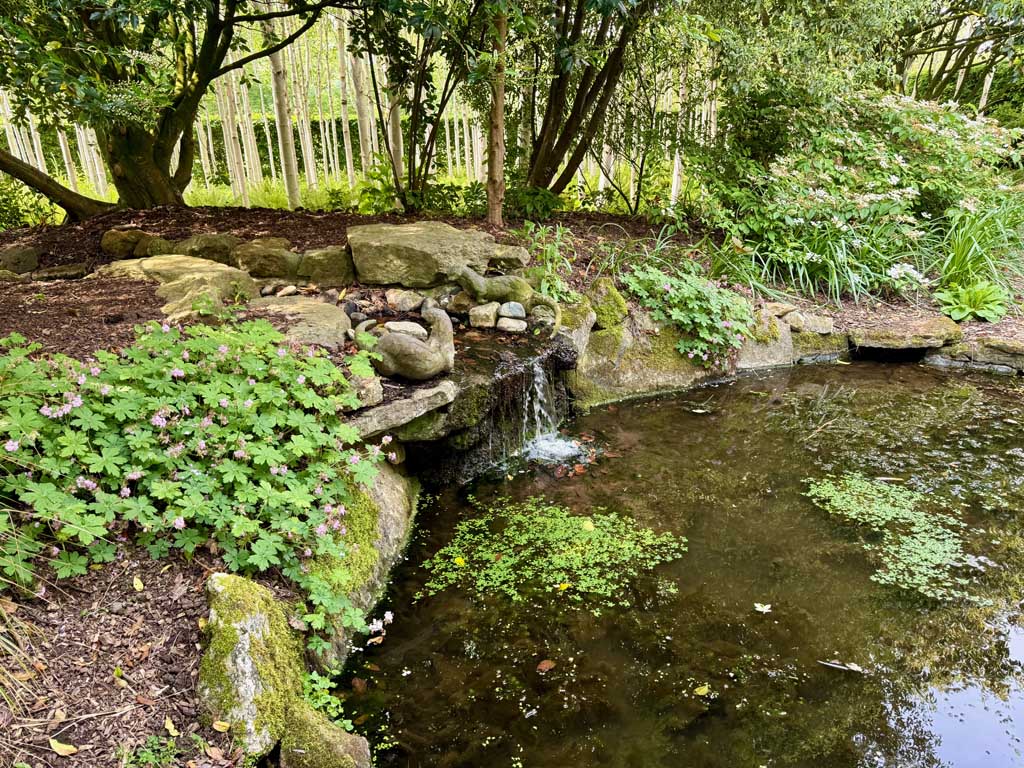
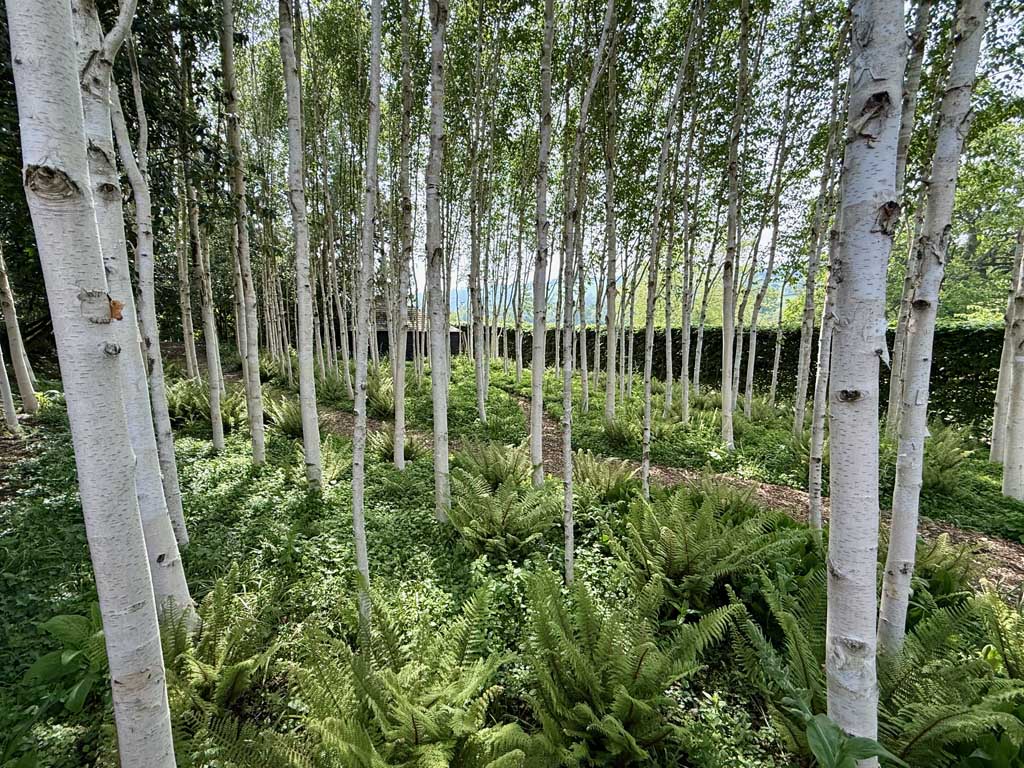
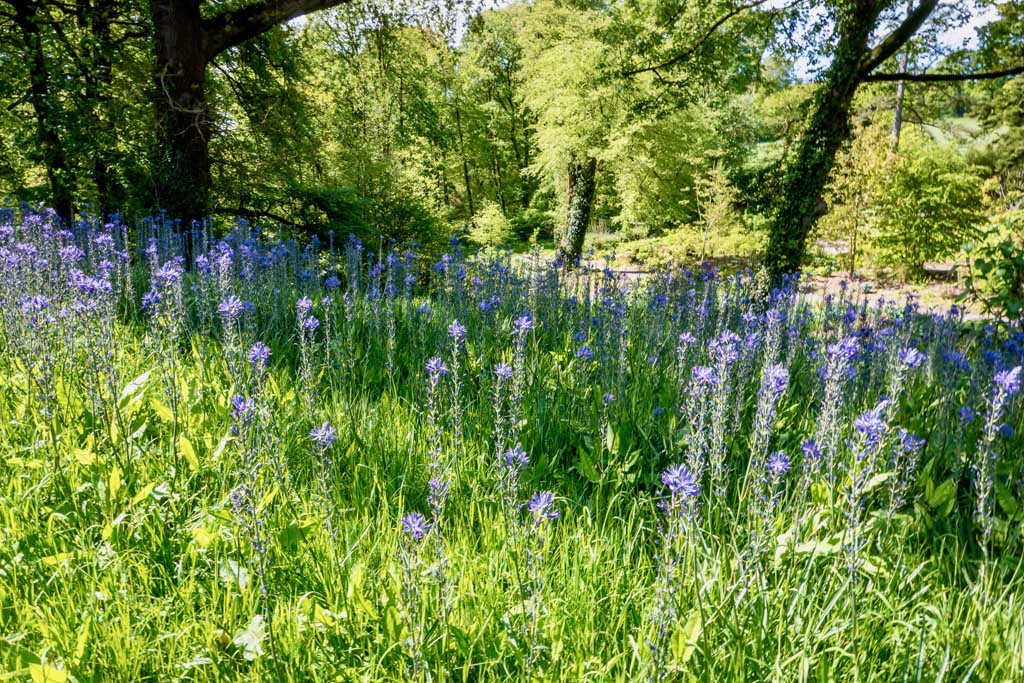
Selection of photos of some of the wonderful plants in the garden:
We could see a pocket of fine weather this morning and headed for our “safe place” at Slimbridge on the Severn Estuary.
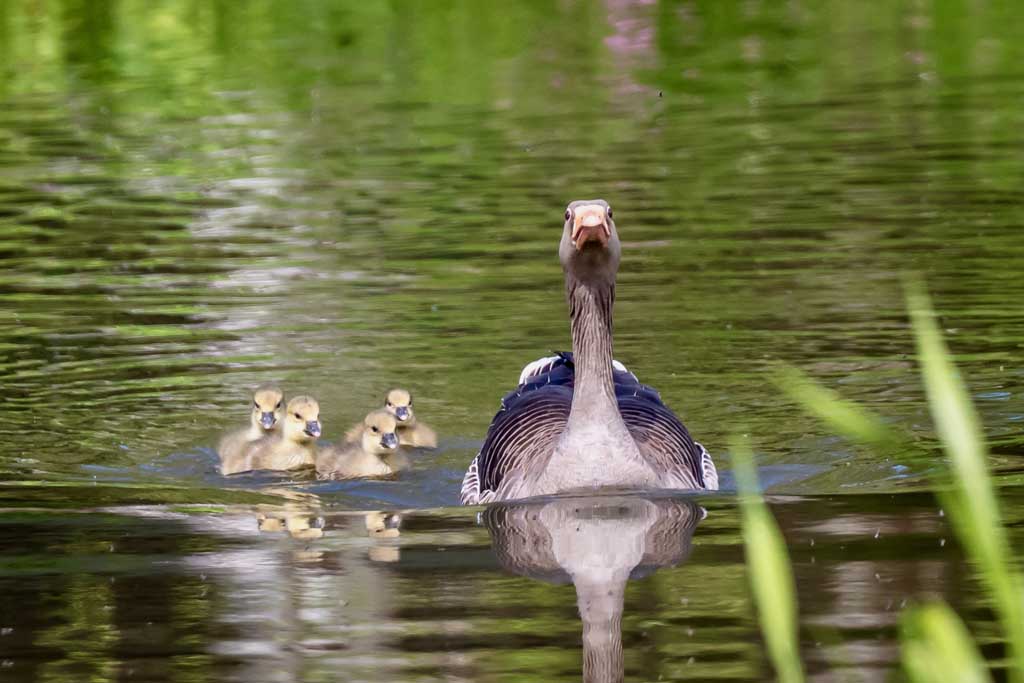
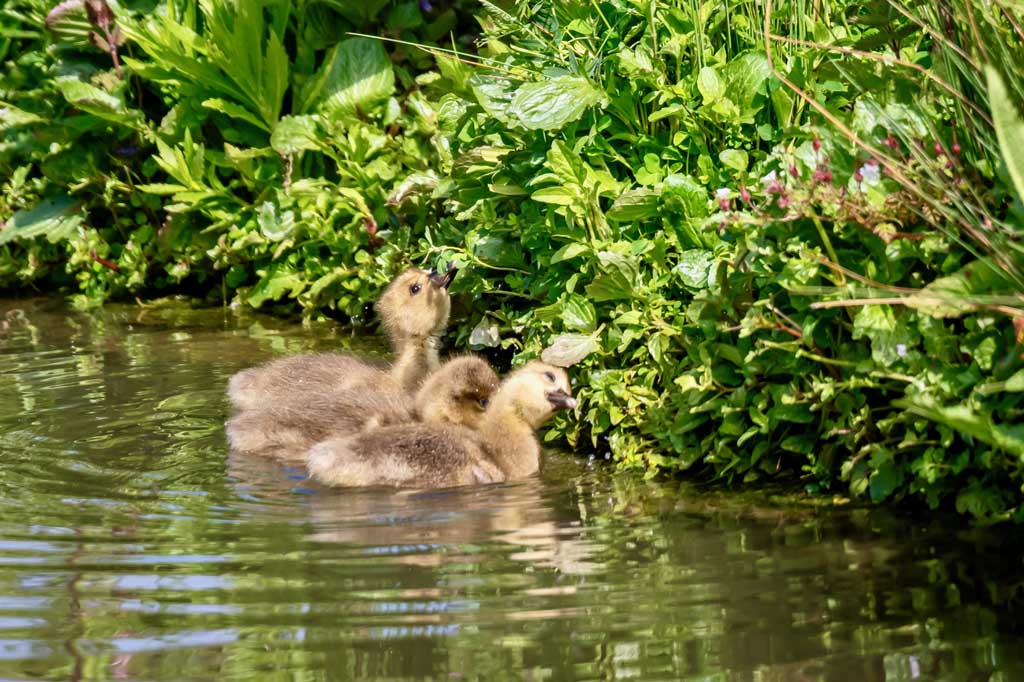
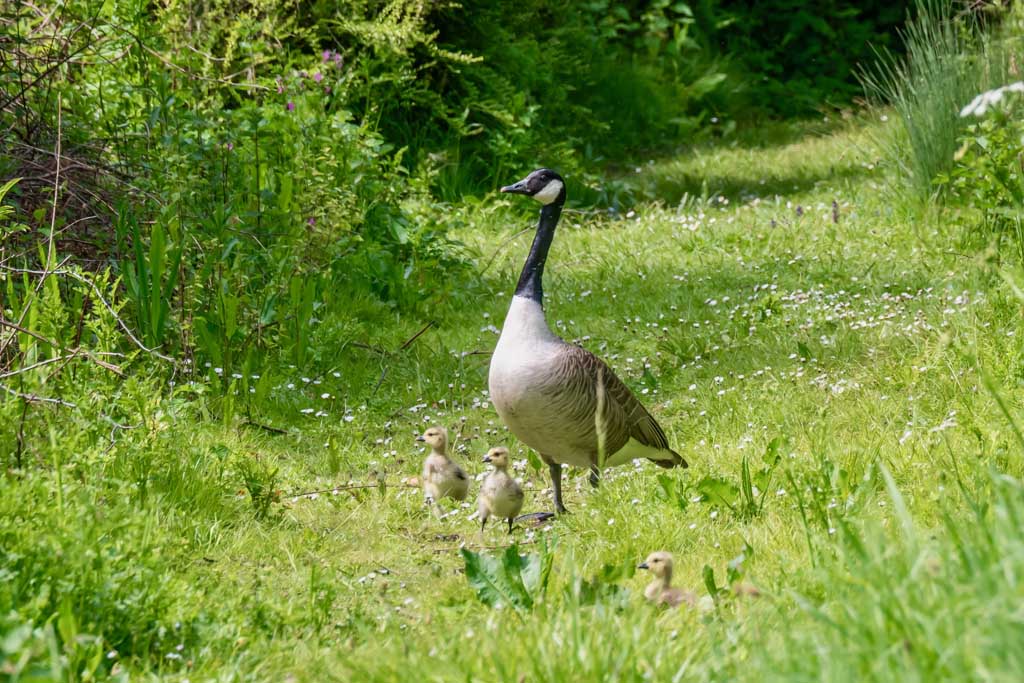
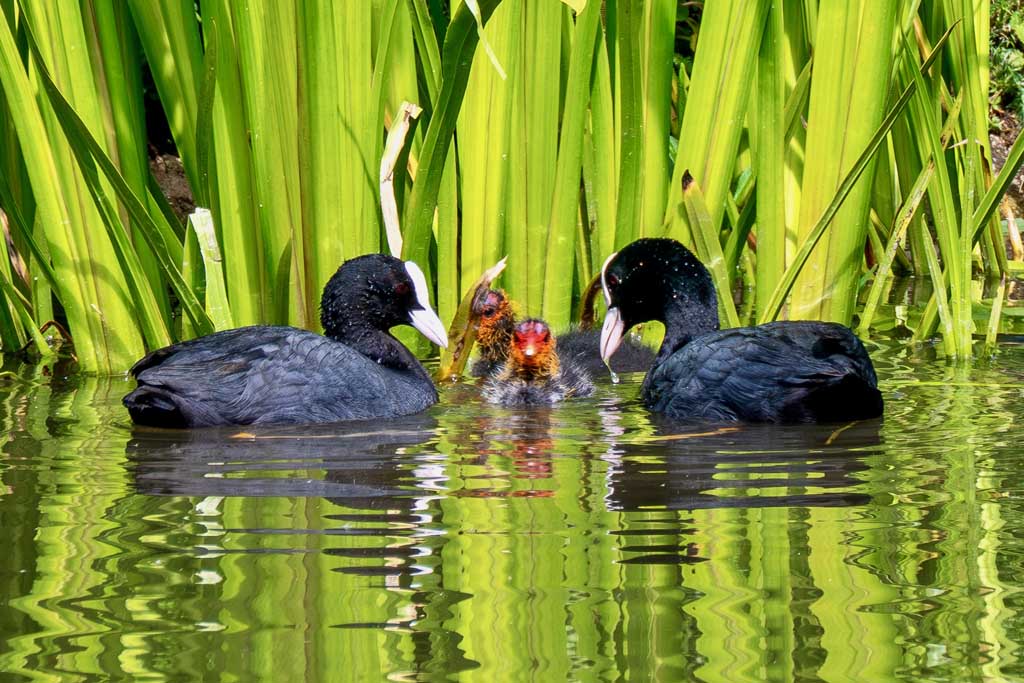
We weren’t expecting much activity as not much has been reported here recently – serious birders are probably down on the estuary looking for migrants. However, there was plenty to keep us happy with lots of birds nest-building or, in the case of the geese and coots, looking after their new offspring.
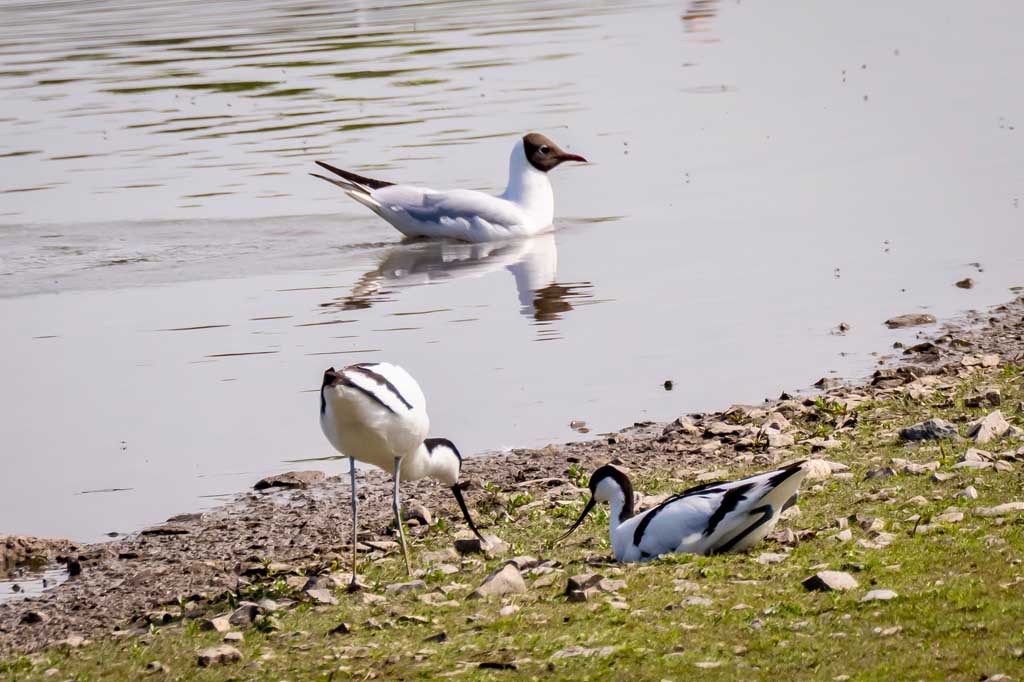
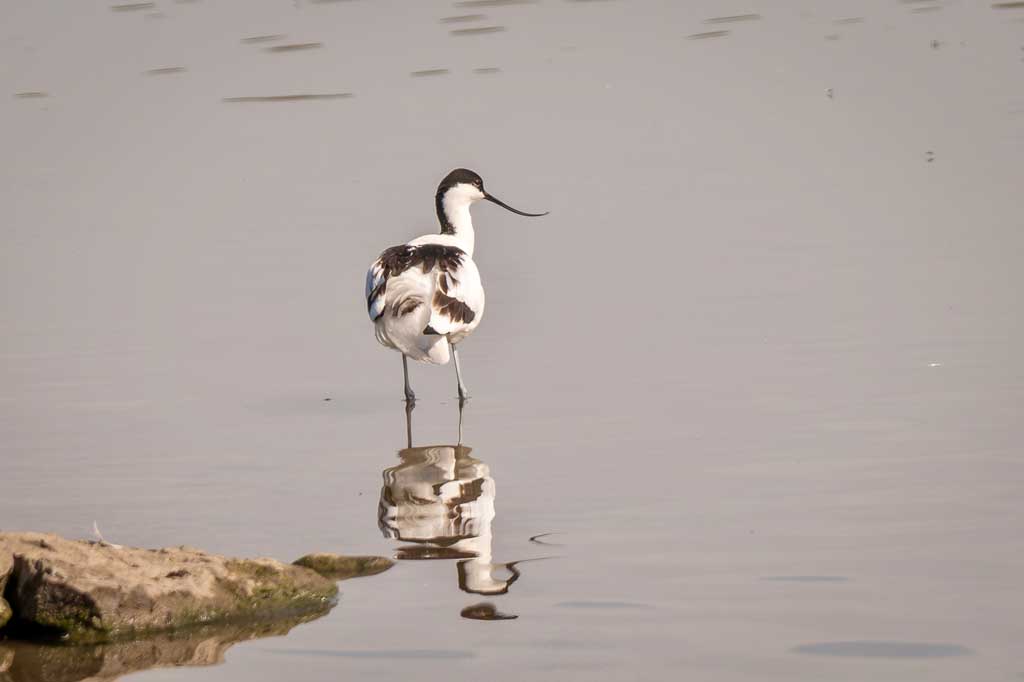
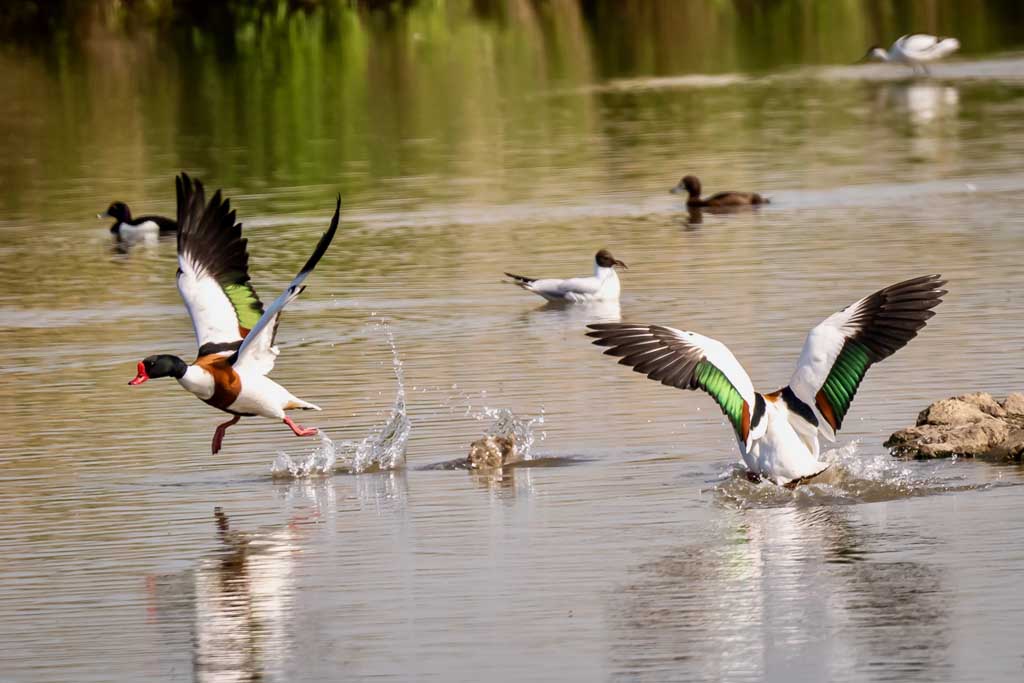
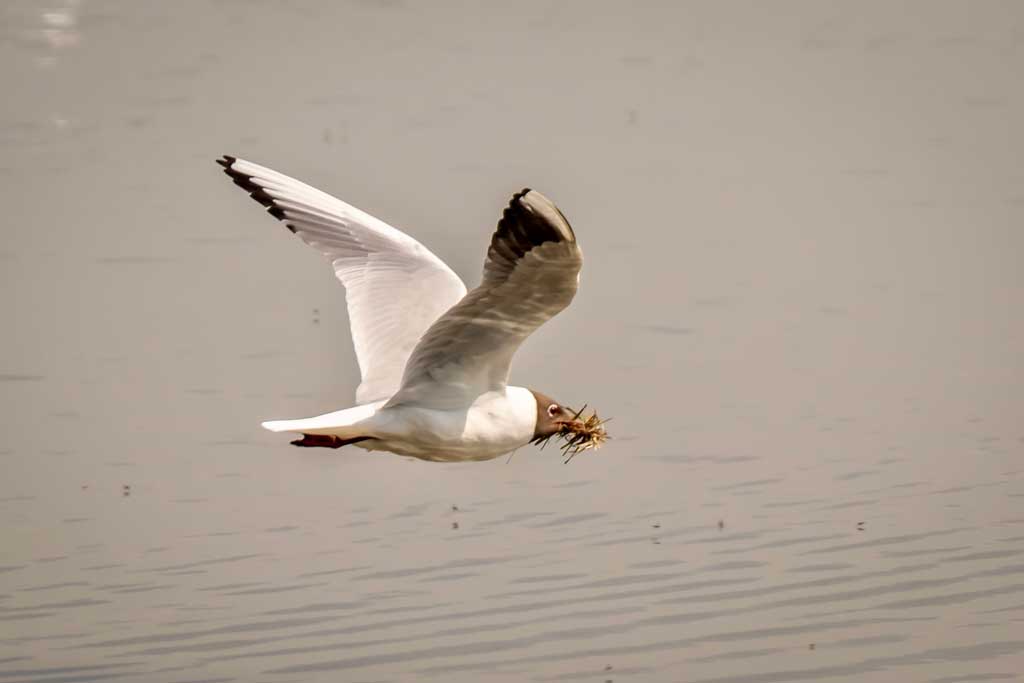
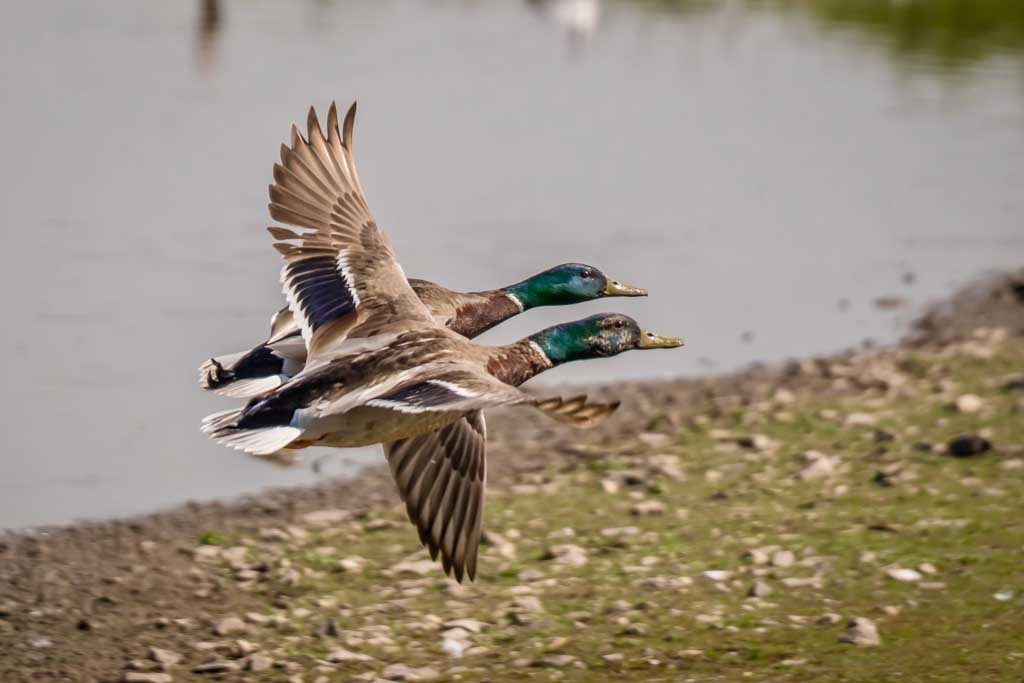
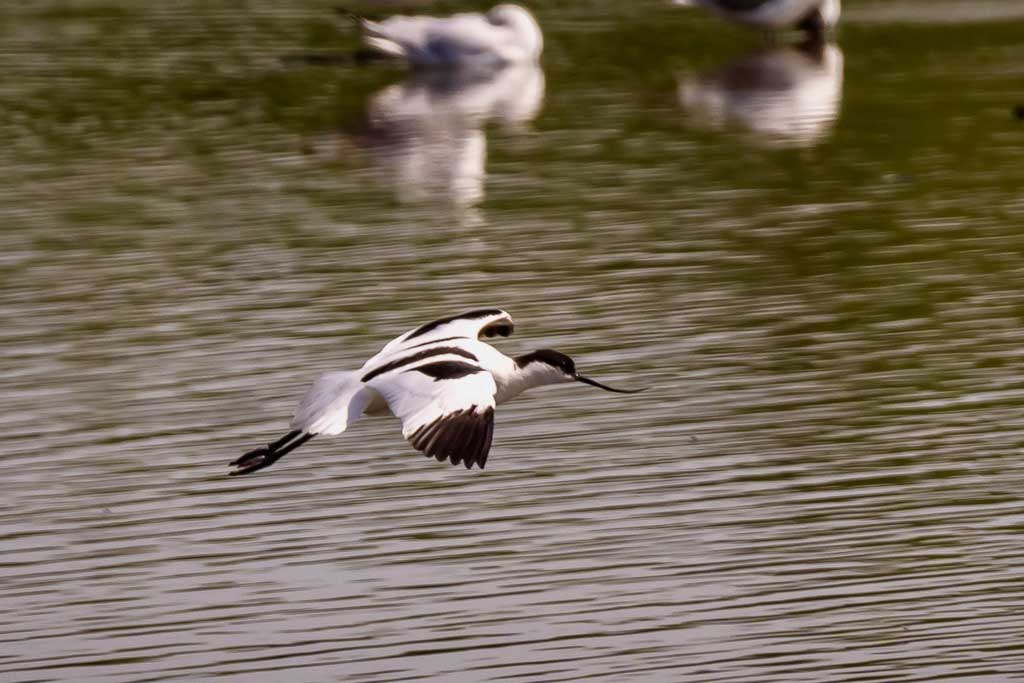
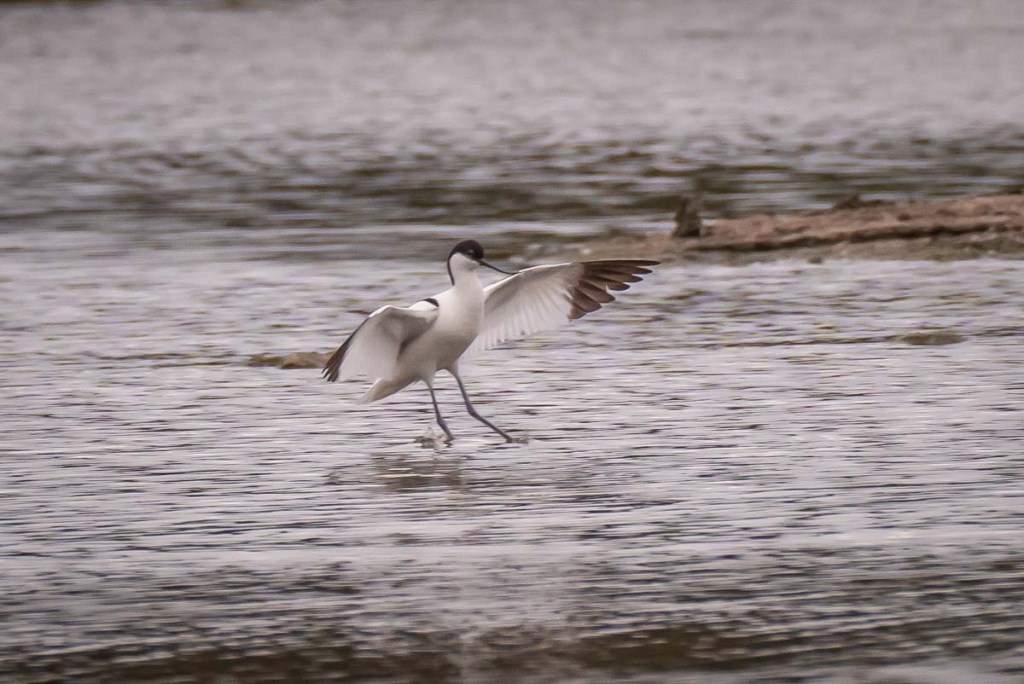
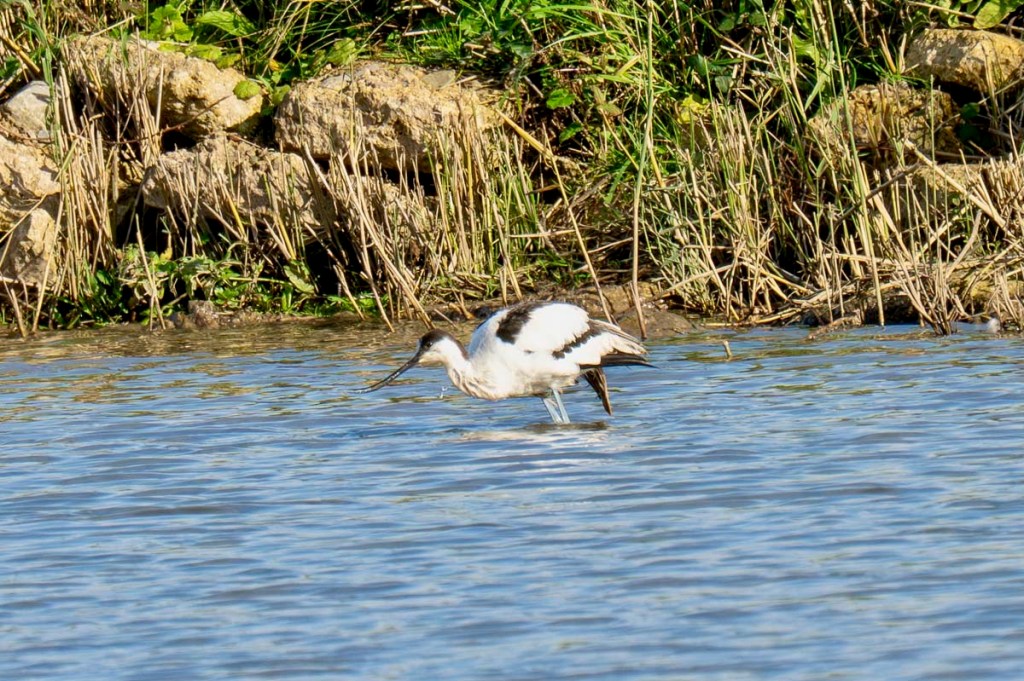
Greylag geese and goslingsGreylag geese goslingsCanada goose with goslingsCoots and their young receiving lots of attention – not a bad thing with so many gulls aroundAvocets with black-headed gull behindAvocetCommon shelduck causing a rumpusBlack-headed gull with nesting materialMallards flying in synchronisation Avocet in flightI just can’t resist a robin
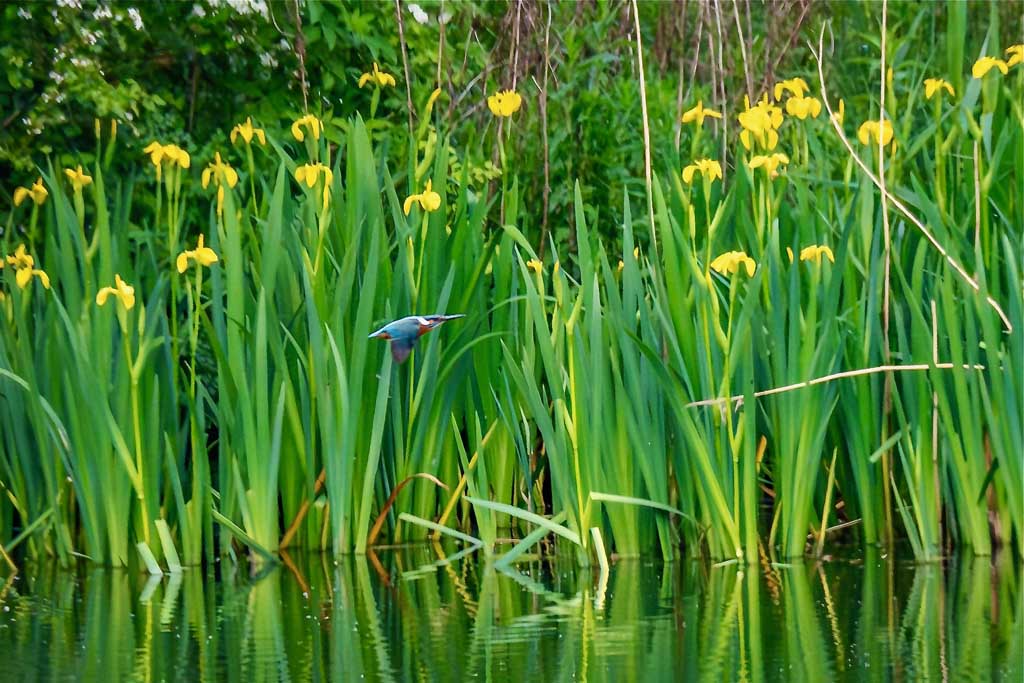
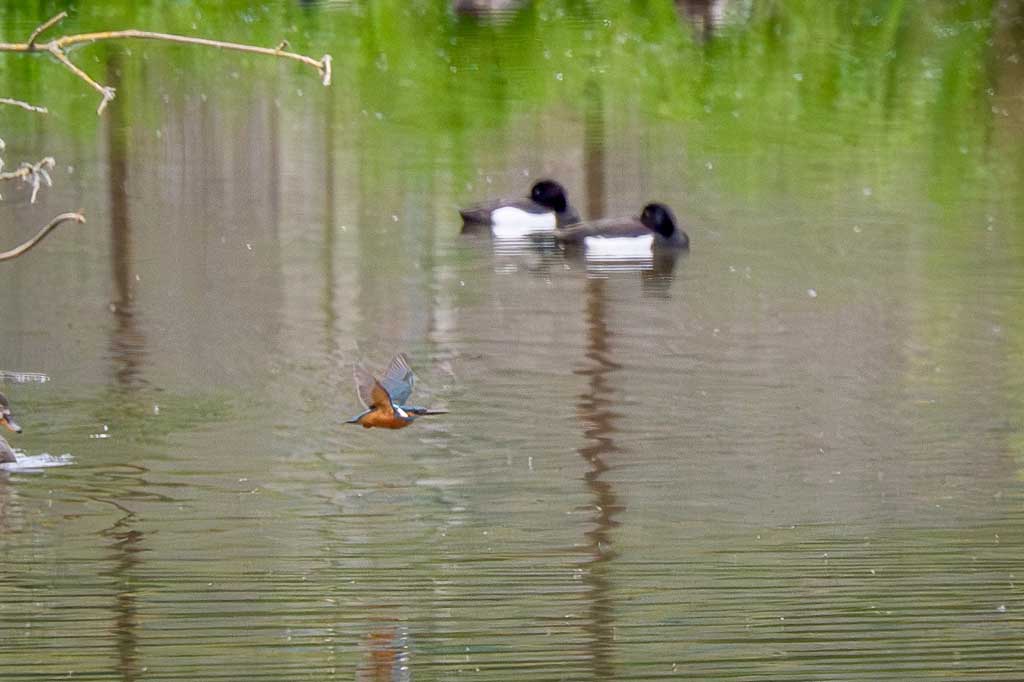
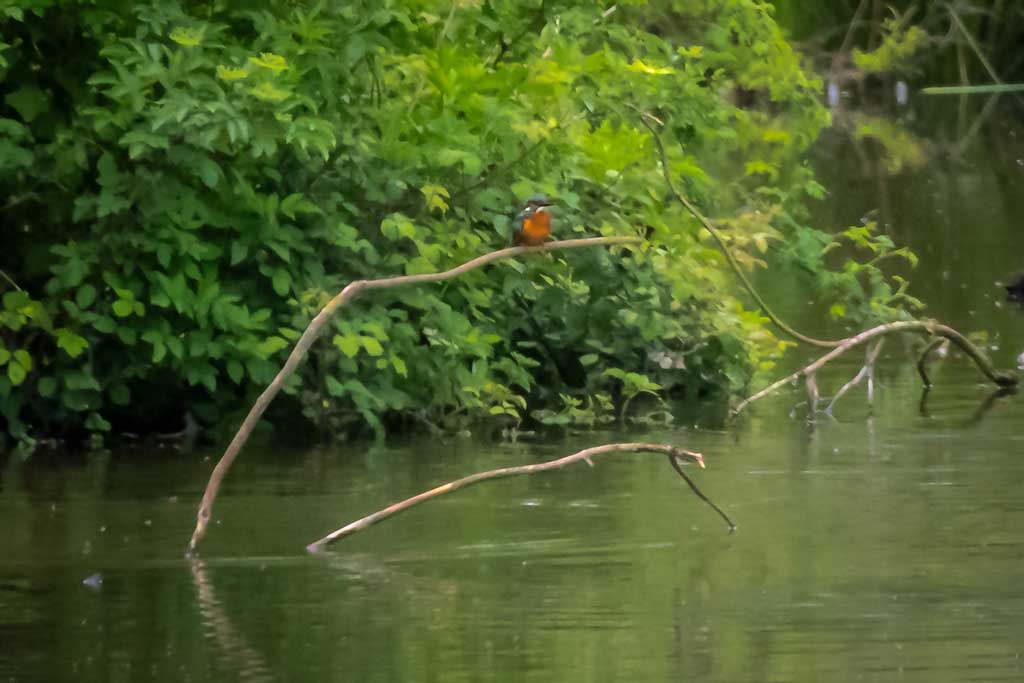
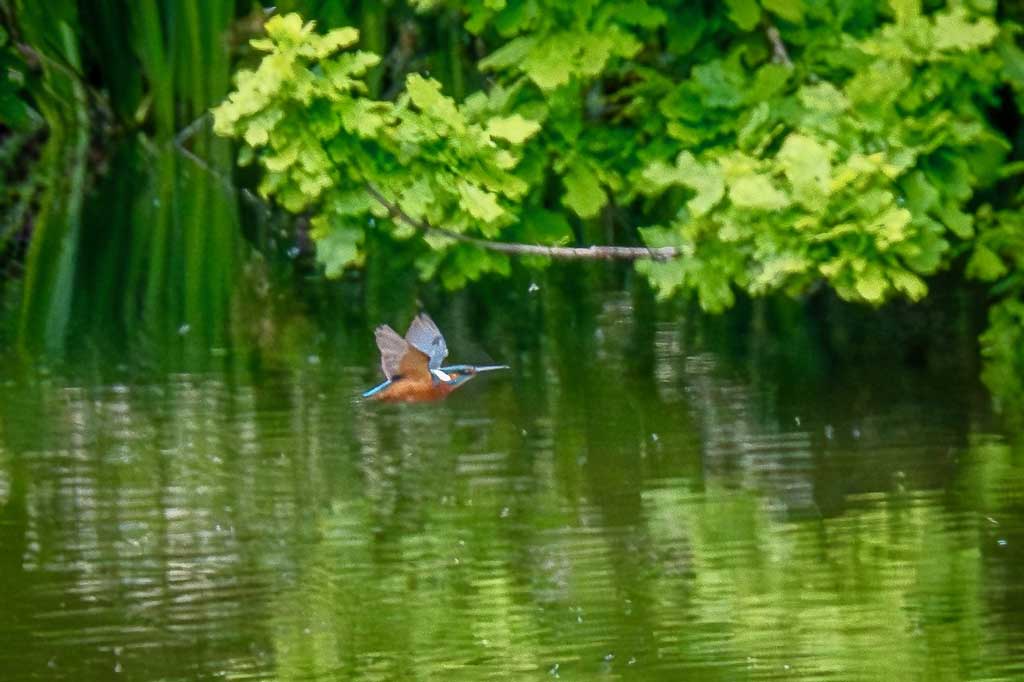
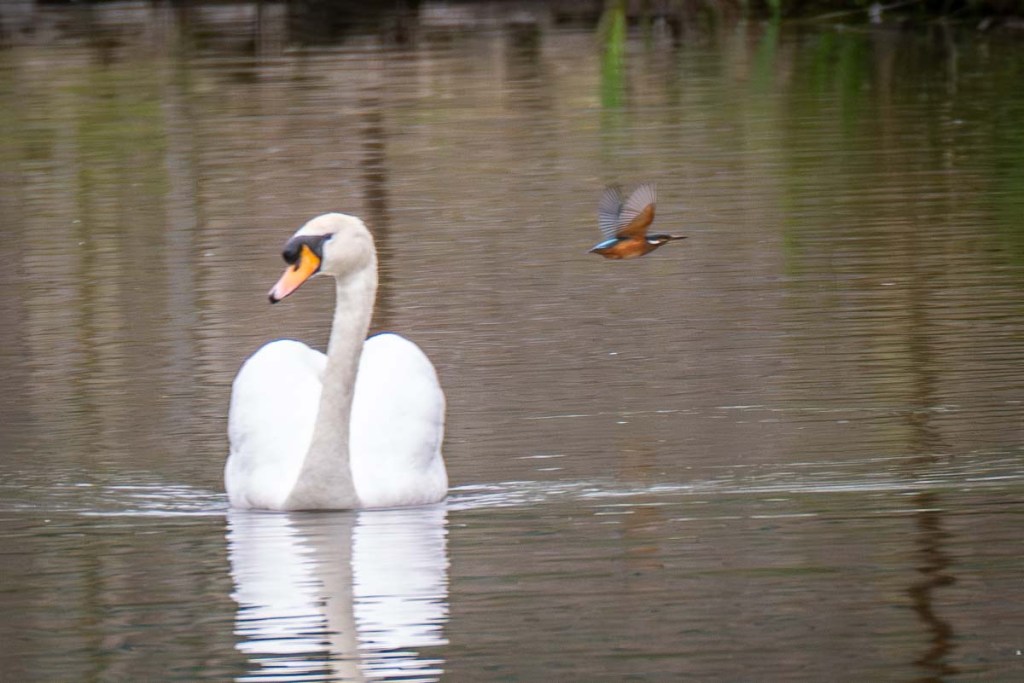
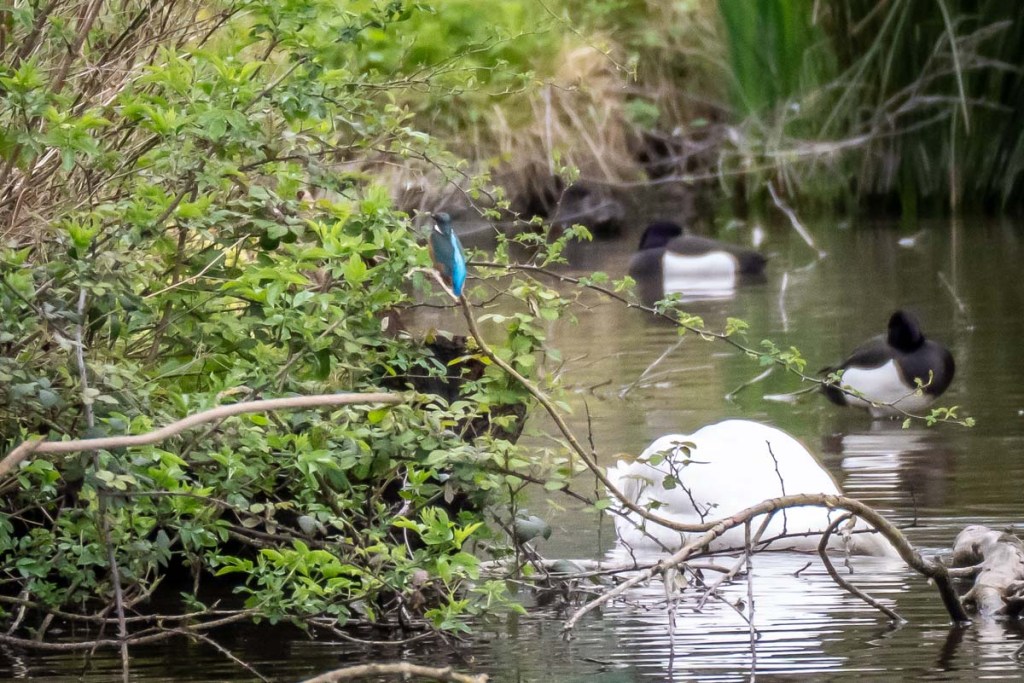
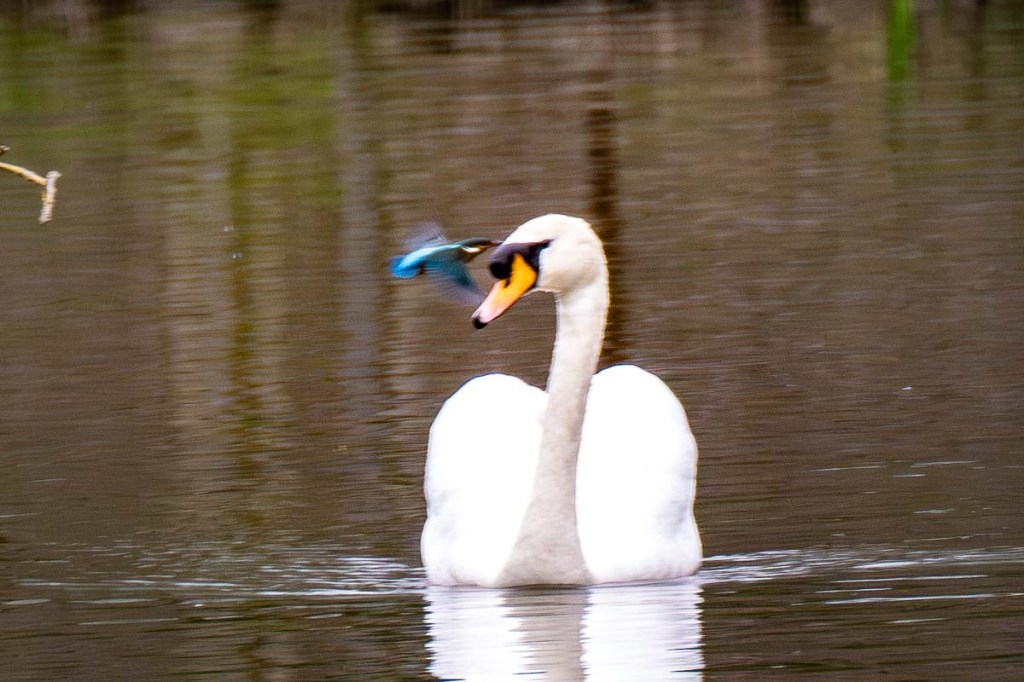
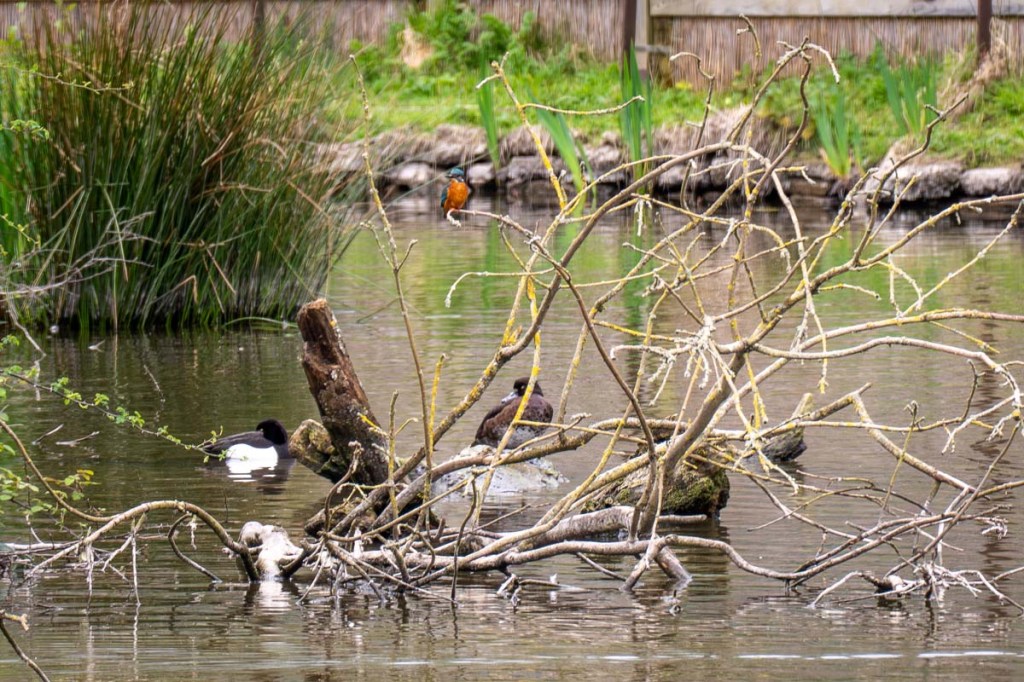
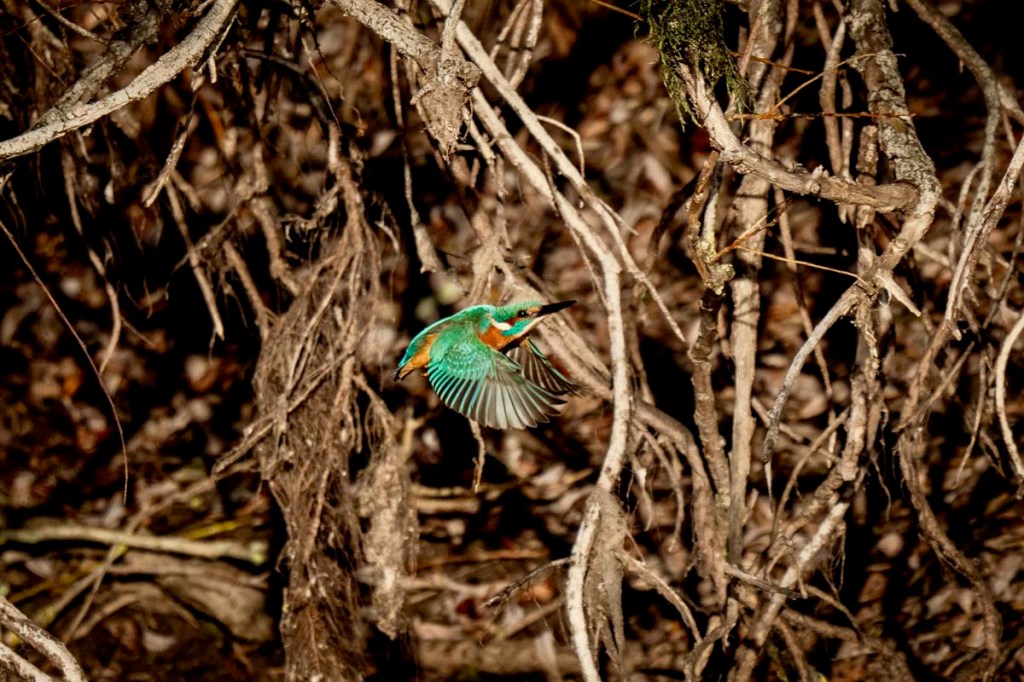
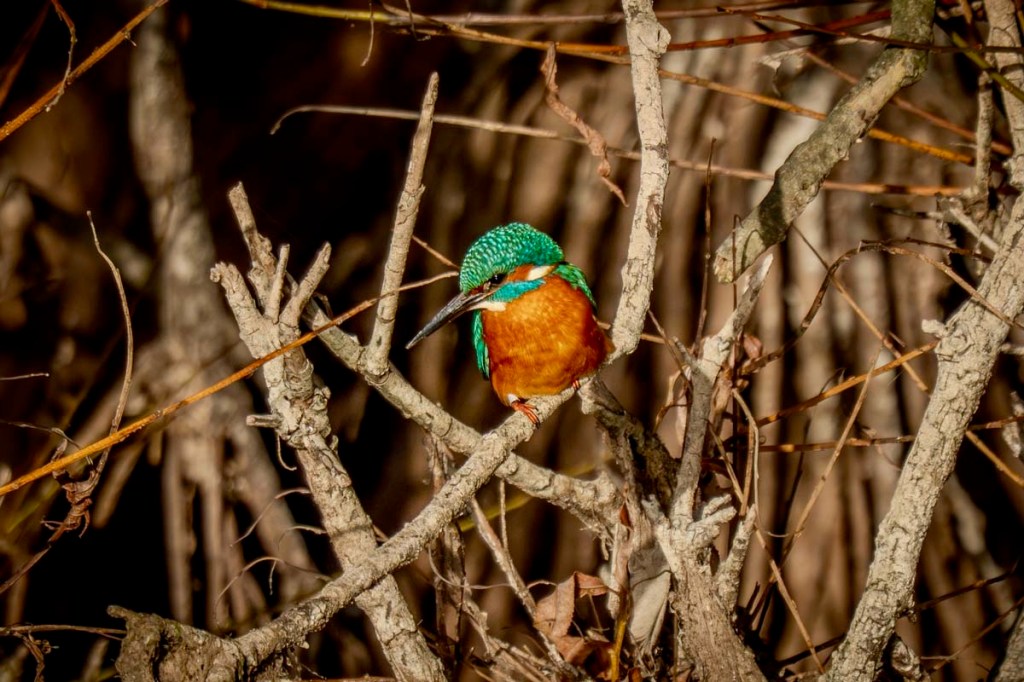
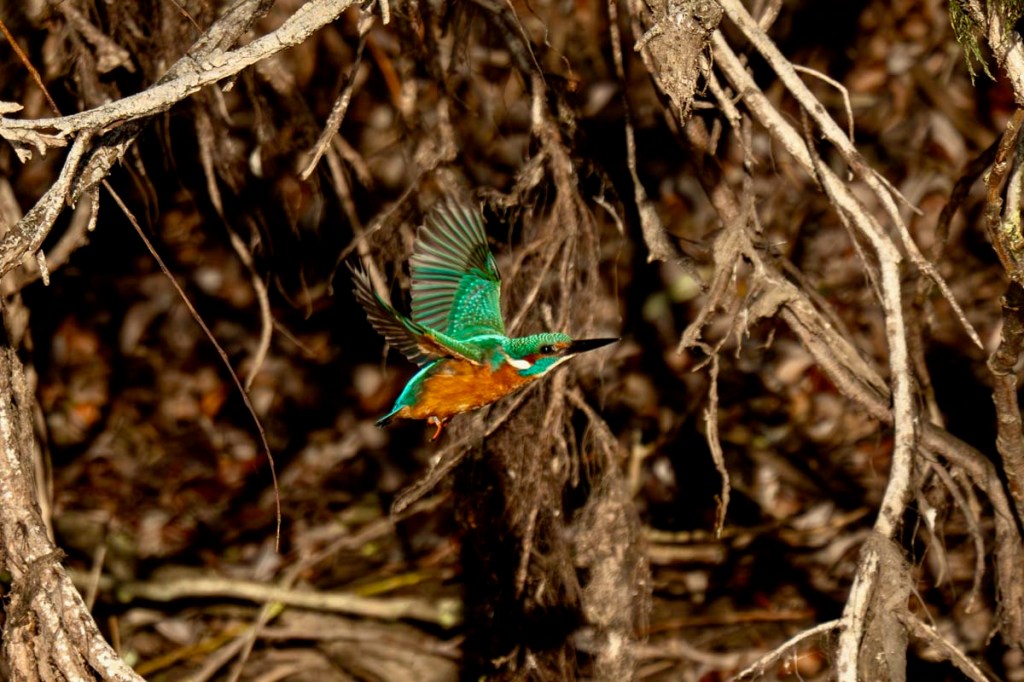
We also saw a pair of common kingfishers fetching food for their young but it was challenging photographing them as we were in a hide behind glass and at some distance. Still a treat all the same.
Common kingfisher flying in front of tufted ducksCommon kingfisher in front of yellow flagsCommon kingfisher close to its nestCommon kingfisher in flight
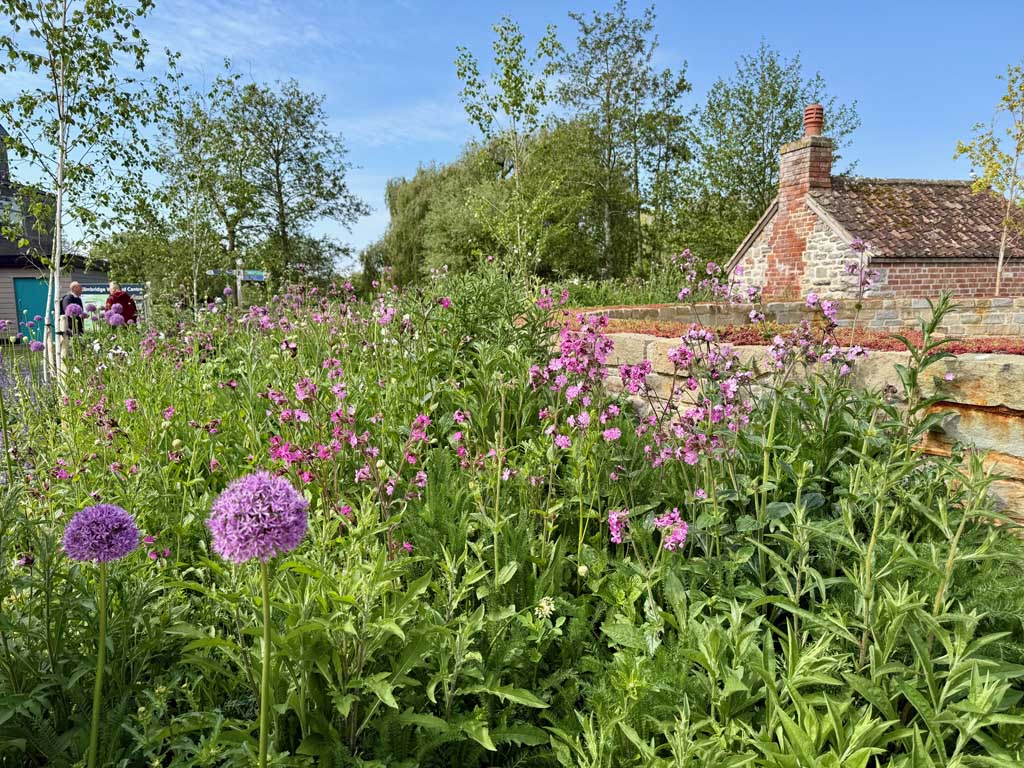
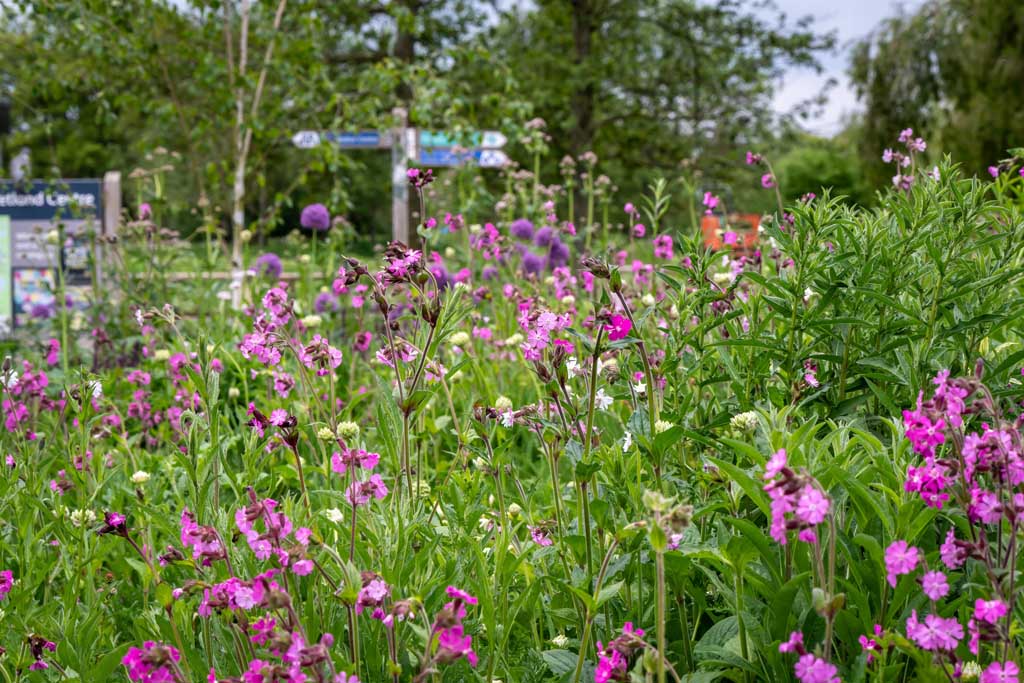
The centre has built a new area for school groups to have their packed lunches and the new planting has been very successful and particularly attractive at this time of the year.
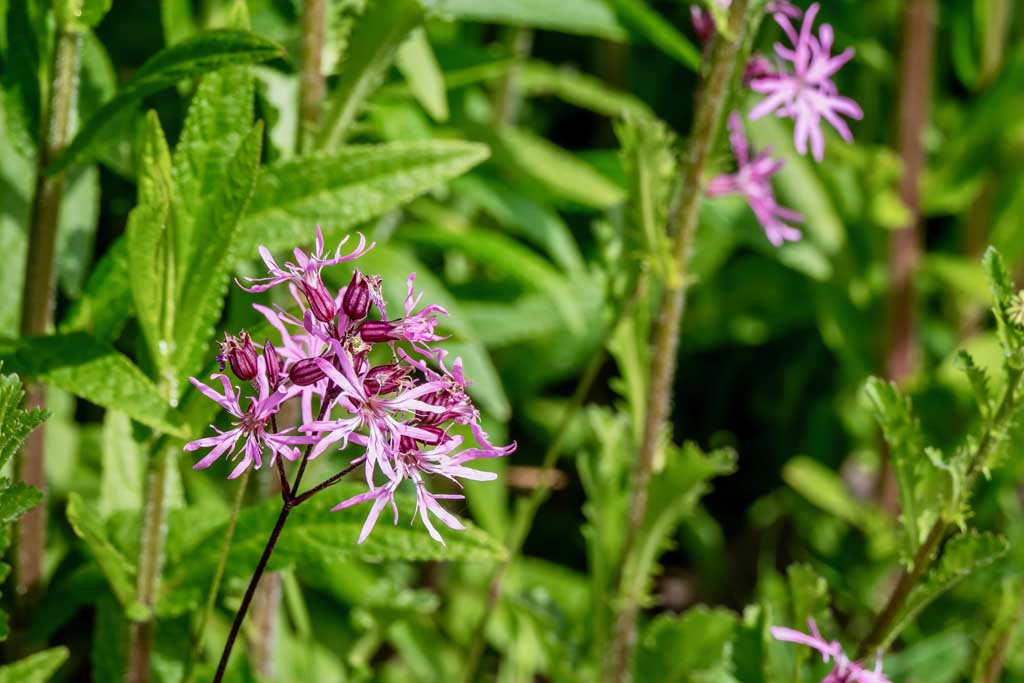
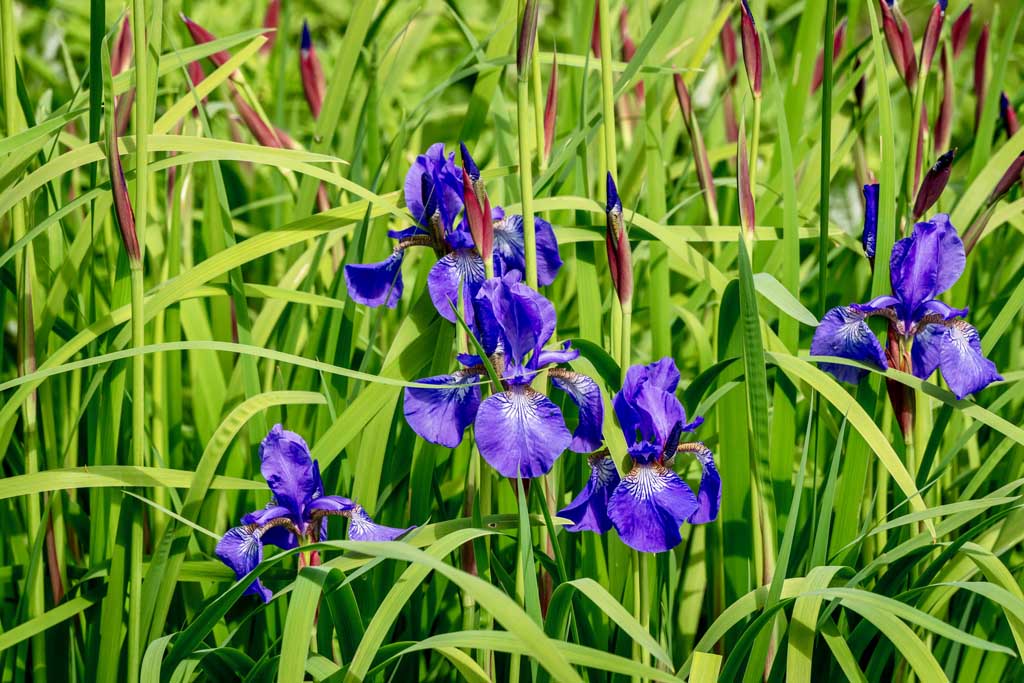
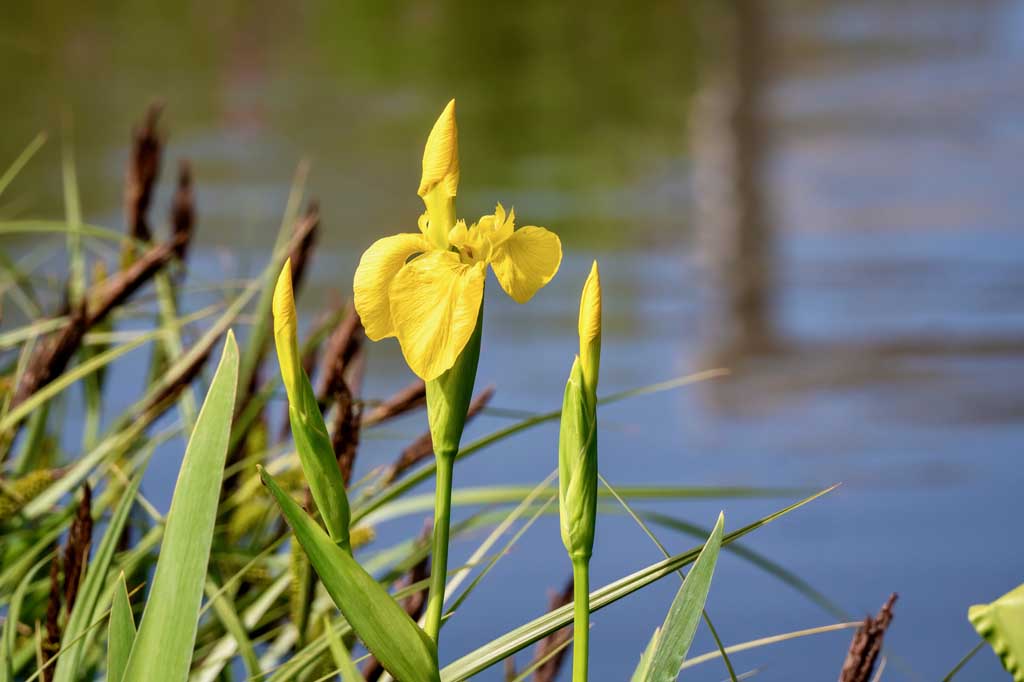
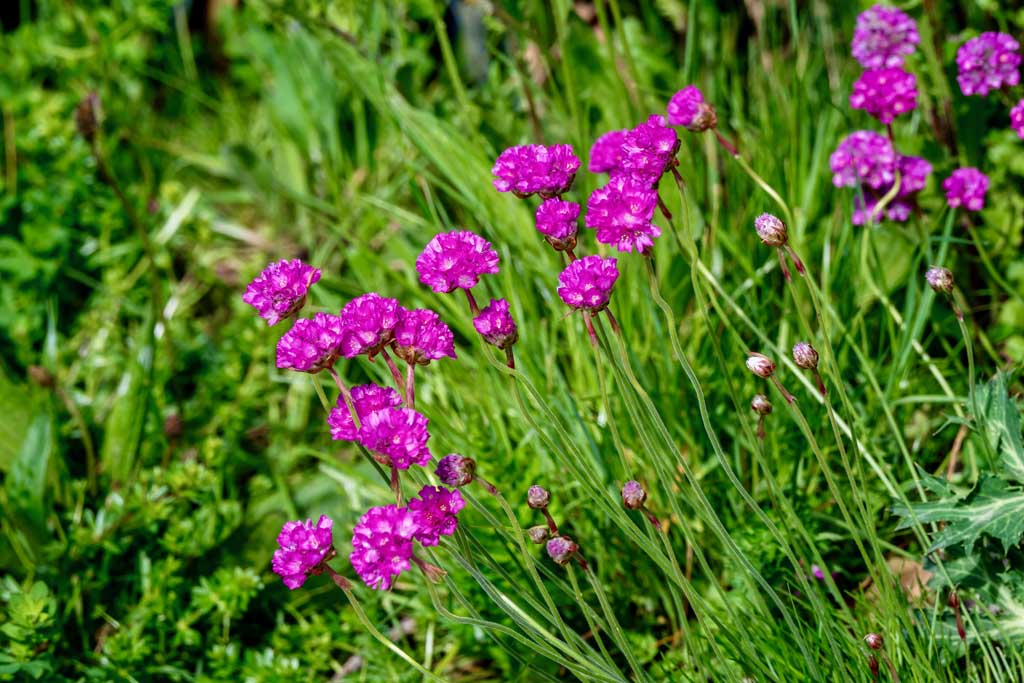
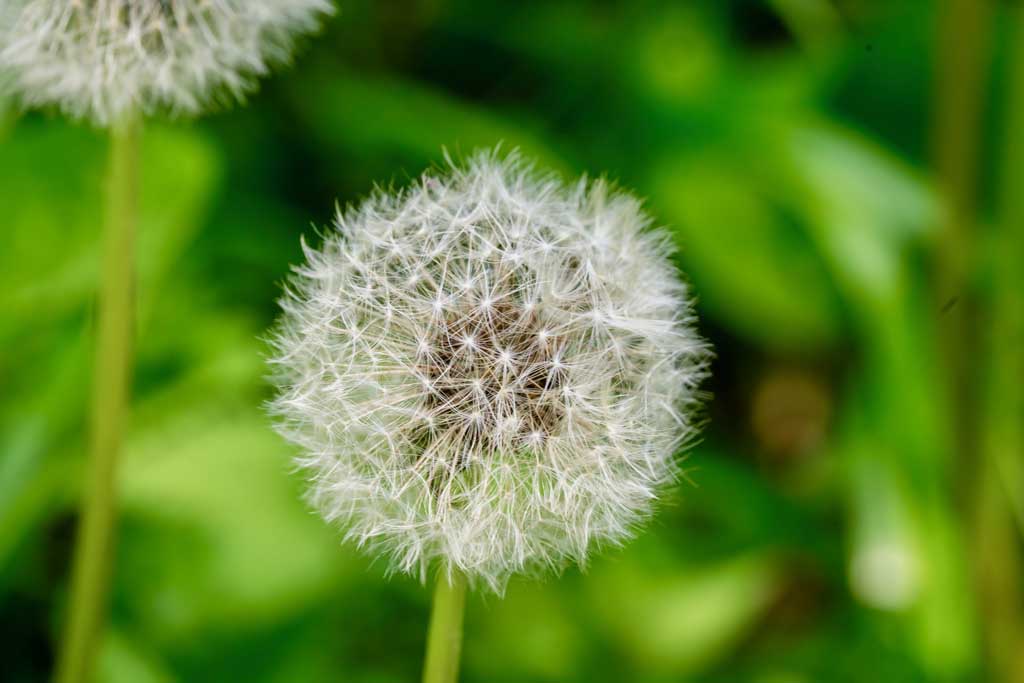
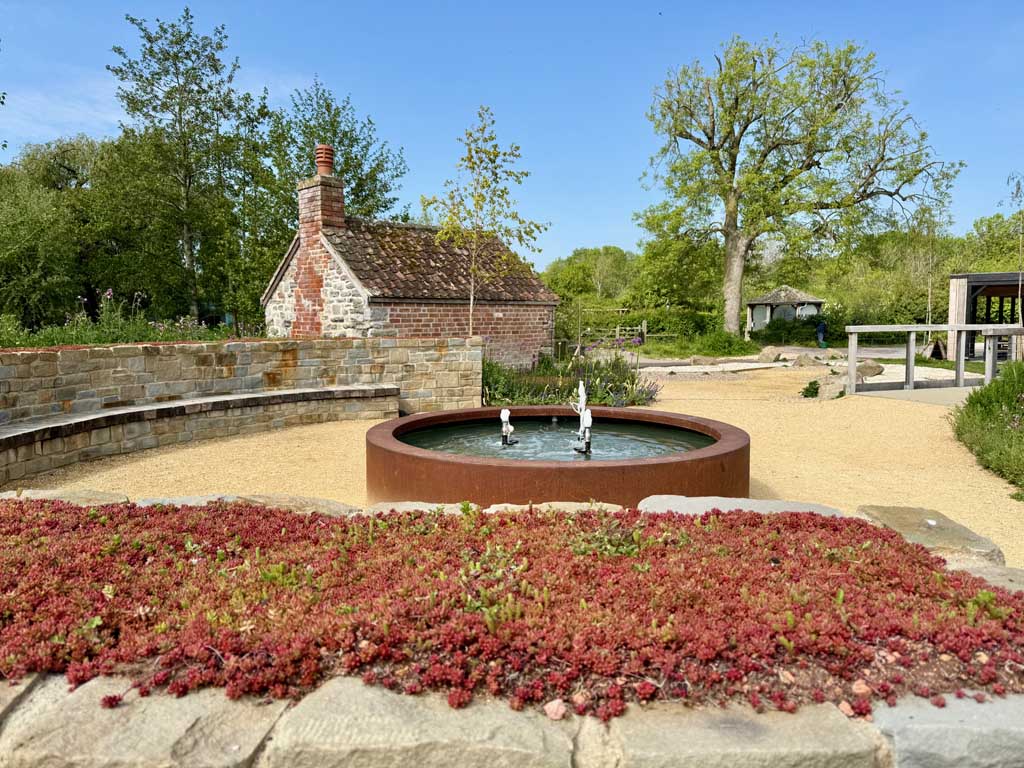
Newly planted areaA riot of coloursRagged robin – lychnis flos-cuculiIris – blue flagsYellow flagsAlpine thriftEven the dandelion seedheads were looking attractive I even have a soft spot for sedums
The rain set in early afternoon on our way home – the farmers and the gardeners will be happy.
We have spent three nights visiting friends in Pembrokeshire in Wales. As I am building up my strength and confidence, 3 nights has been perfect as we had leisurely trips there and back (about 300 miles in total), two full days exploring parts of Pembrokeshire and plenty of time to enjoy our friends’ company.
Monday 27th April
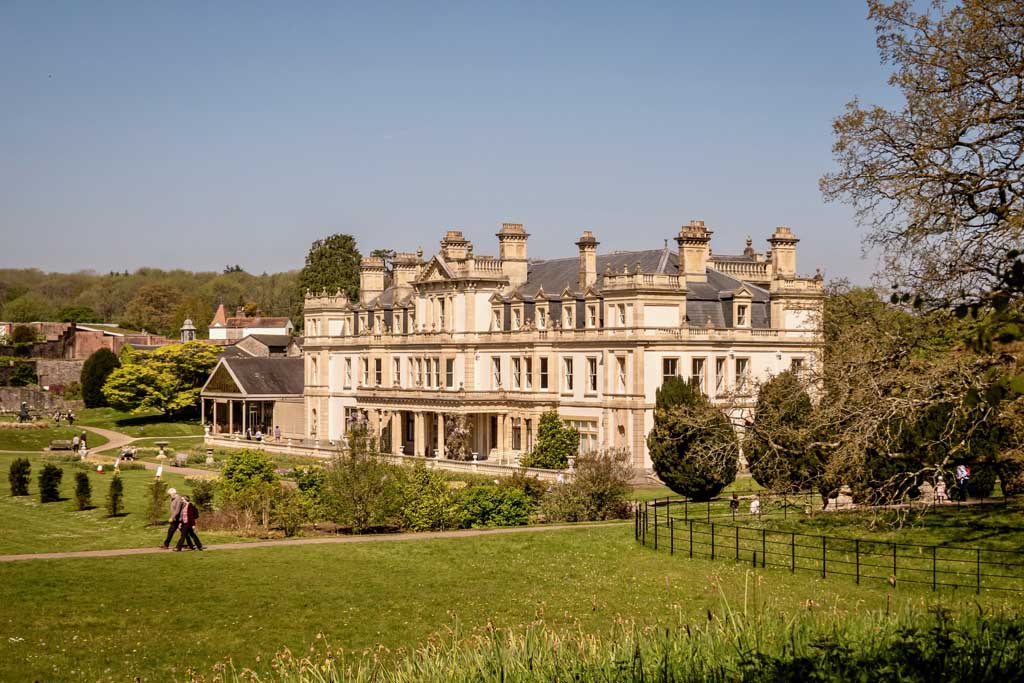
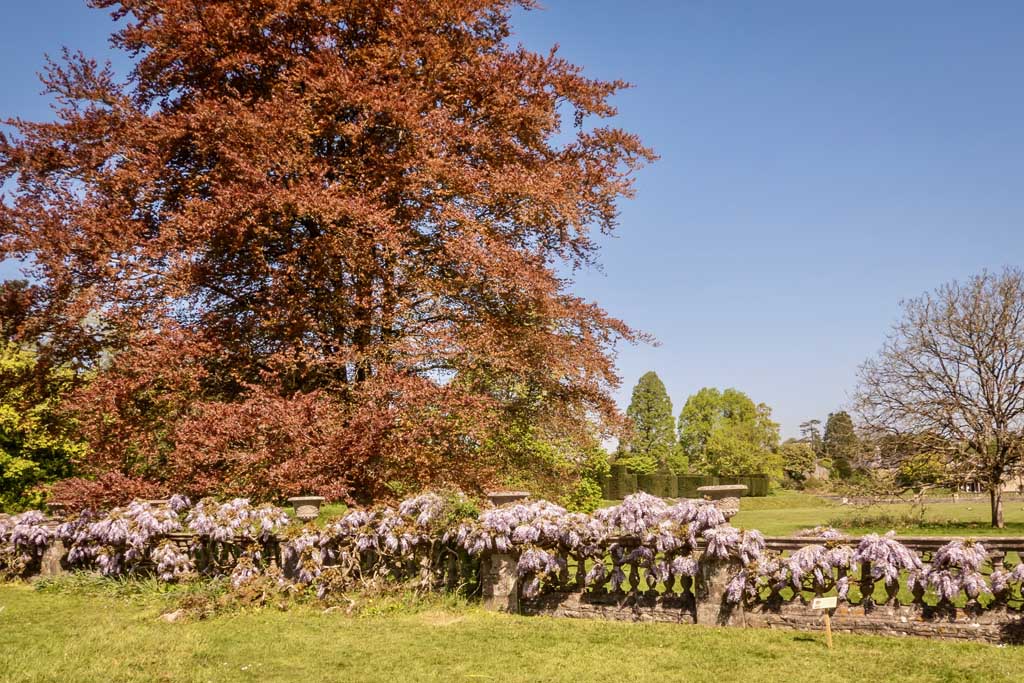
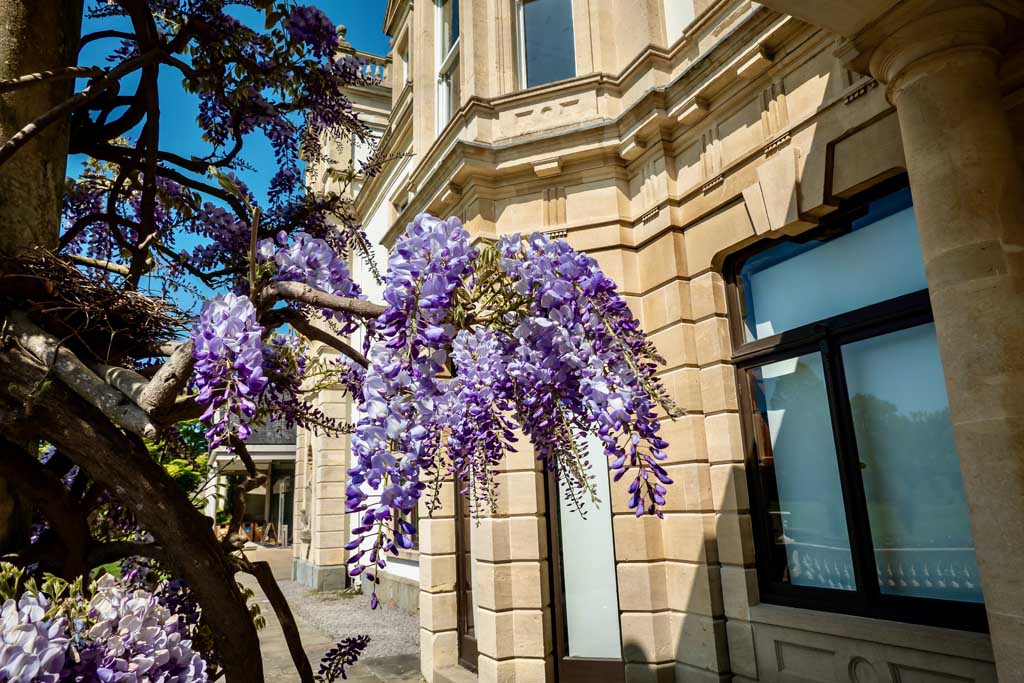
On our outward journey we stopped off at Dyffryn Gardens, an Edwardian garden being restored by the National Trust, on the far side of Cardiff in the beautiful Vale of Glamorgan. This is only the second time we have visited these gardens and there have been huge improvements since our last visit in 2018. As the Dyffryn website says: “Dyffryn has something new to discover on every visit, from intricate themed garden rooms to sweeping formal lawns and productive kitchen gardens to a large arboretum”. We particularly enjoyed the show of wisteria which are at their best at this time of the year.
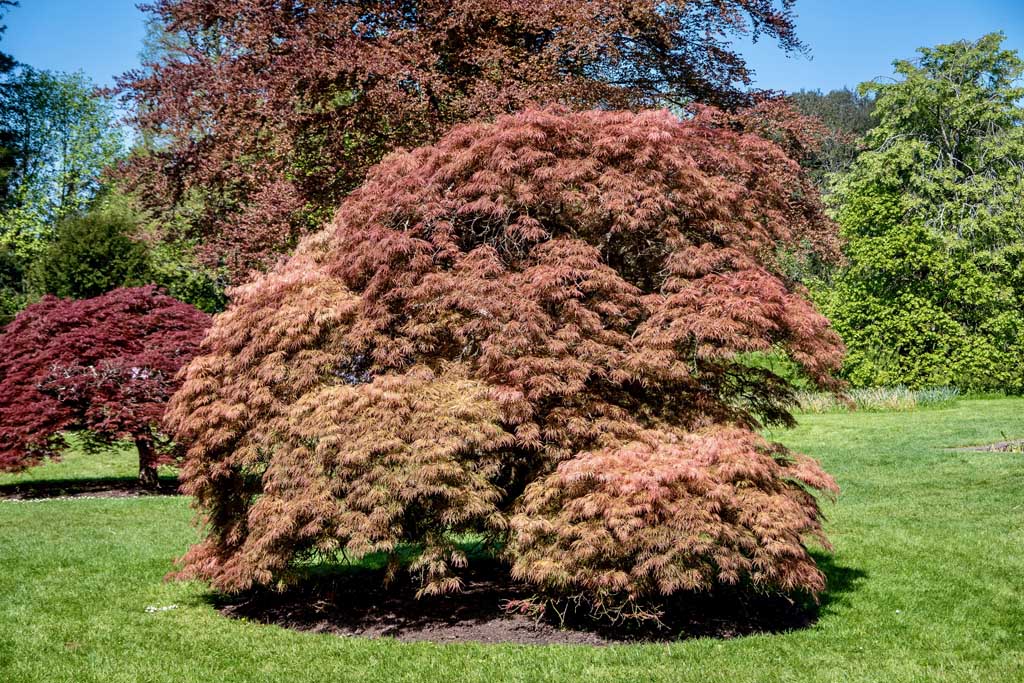
There always seems to be a robin to greet you in formal gardens – Dyffryn was no exceptionA view of the front of the house at Dyffryn from the edge of the arboretum – lots of orange tip and holly blue butterflies to see.The rear of the houseSplendid beech tree and very old wisteriaThe acers too were at their bestWisteria in one of the themed garden roomsClose up of wisteria at the rear of the house
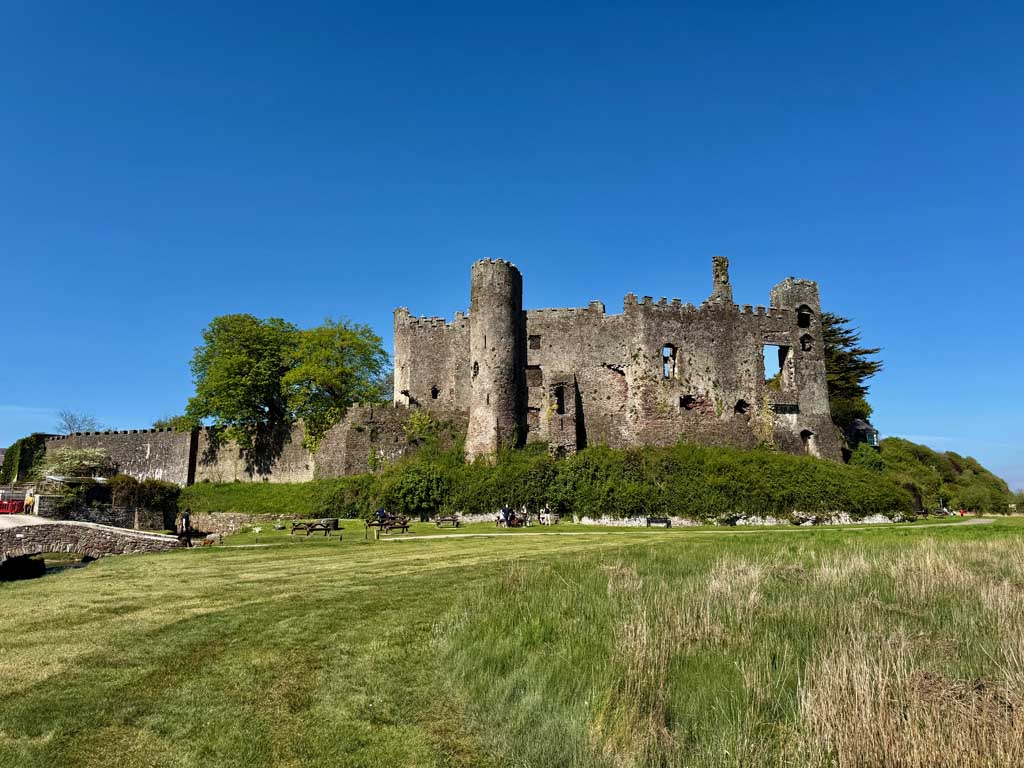
Our second stop was at the delightful town of Laugharne, on the estuary where the River Taf flows into Carmarthen Bay, and which is synonymous with the Welsh poet Dylan Thomas who lived in Laugharne from 1949 until his death in 1953. The National Trust maintains the Dylan Thomas boathouse which has magnificent views across the estuary.
Laugharne Castle
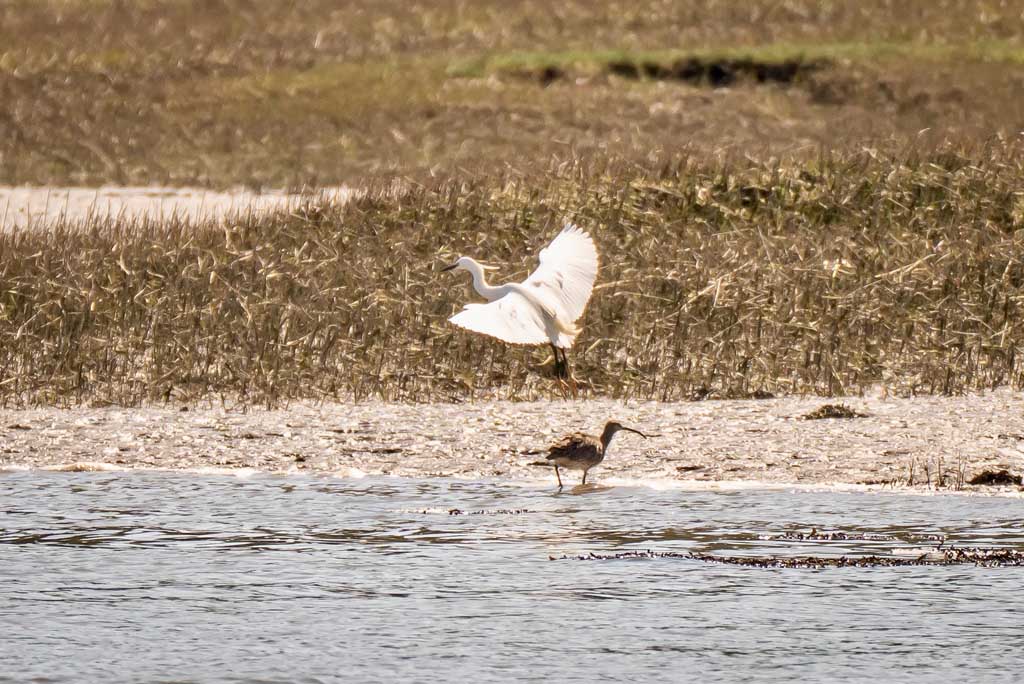
We had a brief moment for birdwatching but mainly enjoyed the company of a local resident who engaged with us in conversation in the beautiful mid-afternoon sunshine.
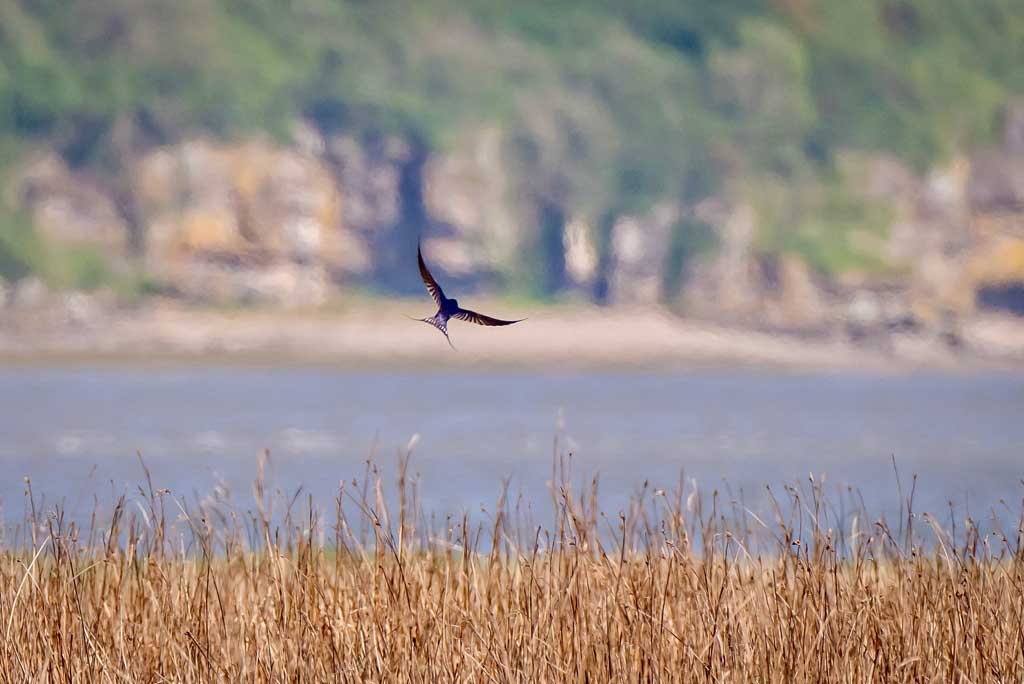
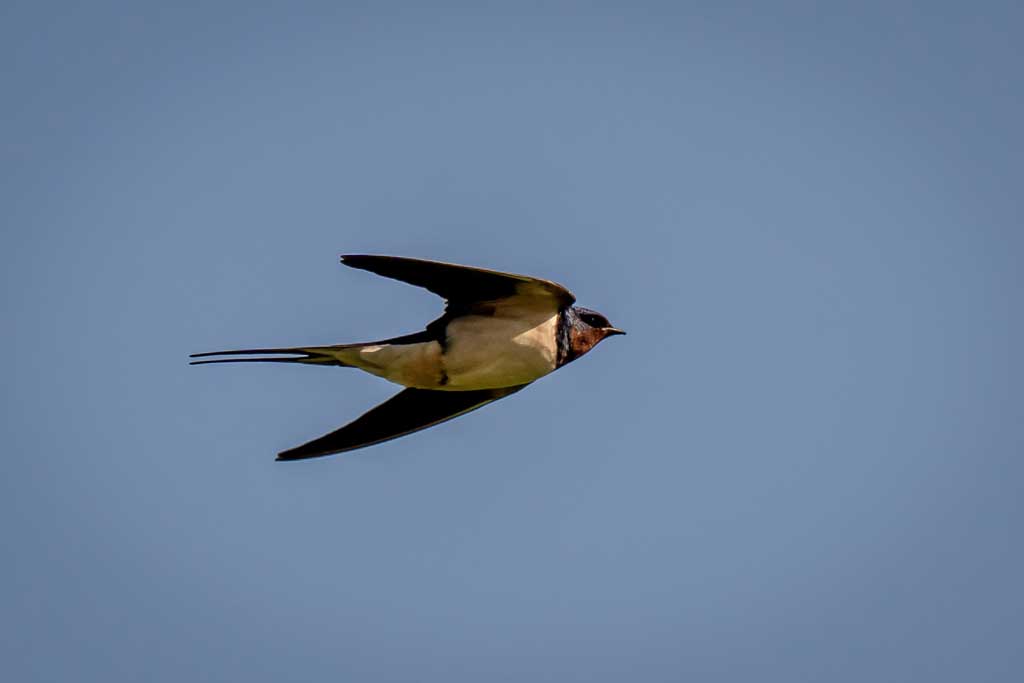
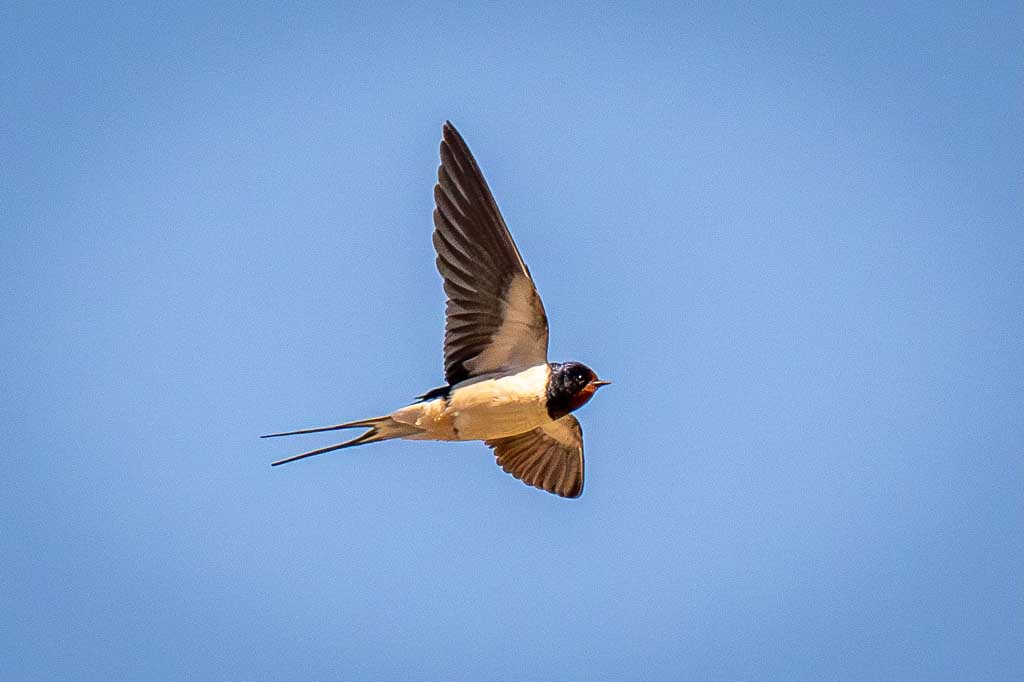
Little egret and Eurasian curlewBarn swallow over the estuaryCloser view of the barn swallow
Tuesday 28th April
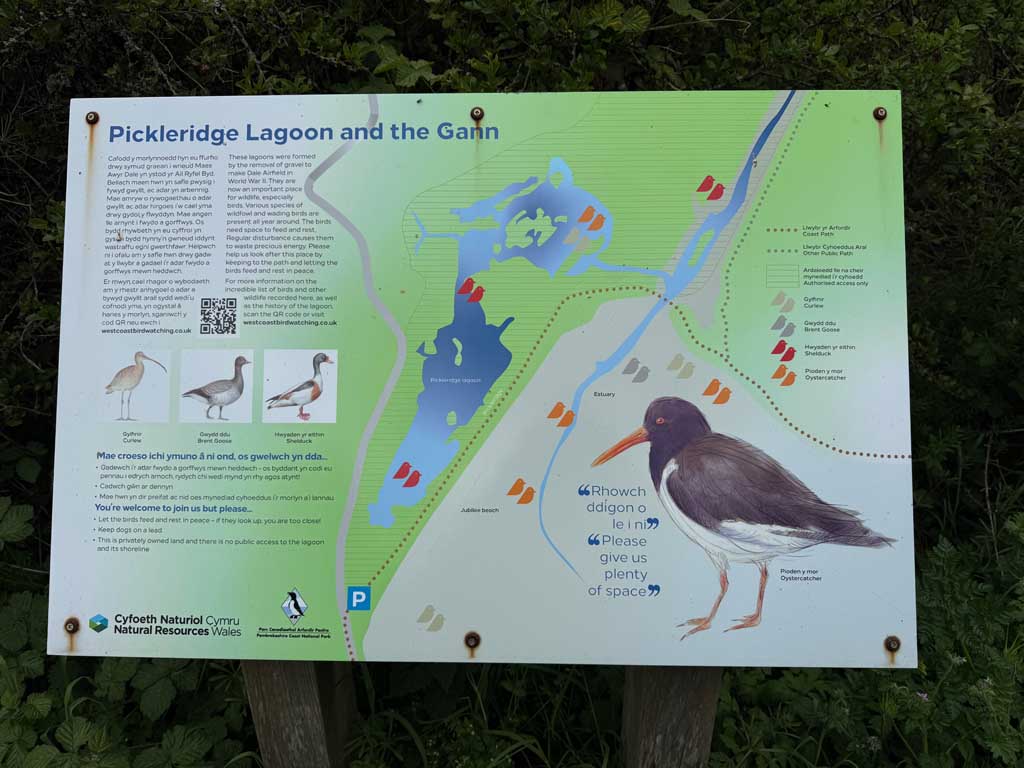
Our main focus was a a spot of birdwatching at Pickleridge Lagoon and the Gann on the coast near Dale.
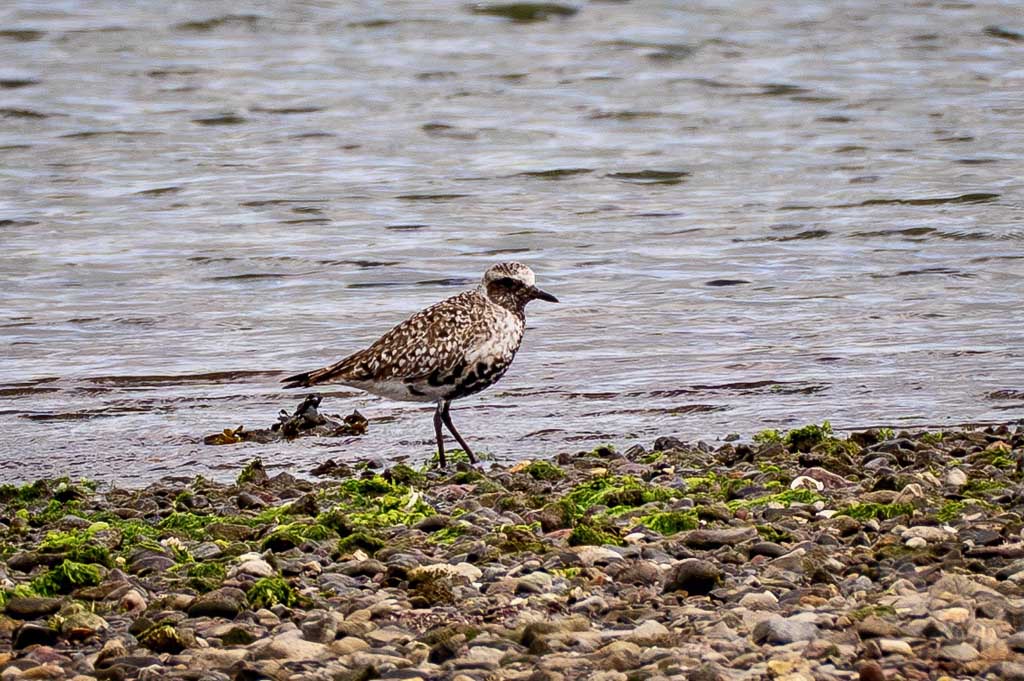
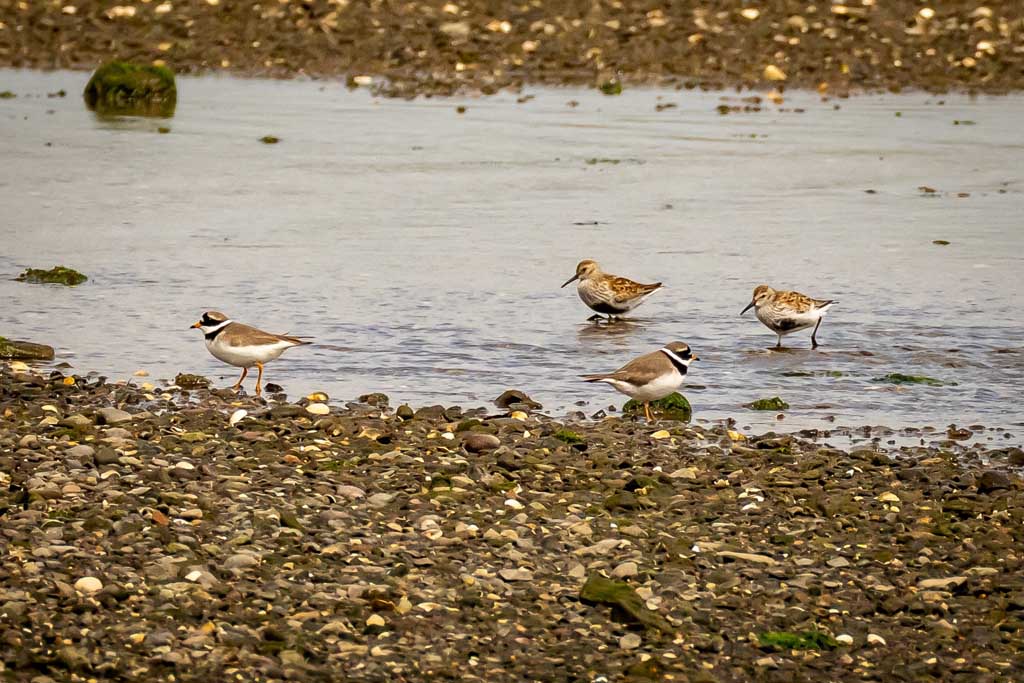
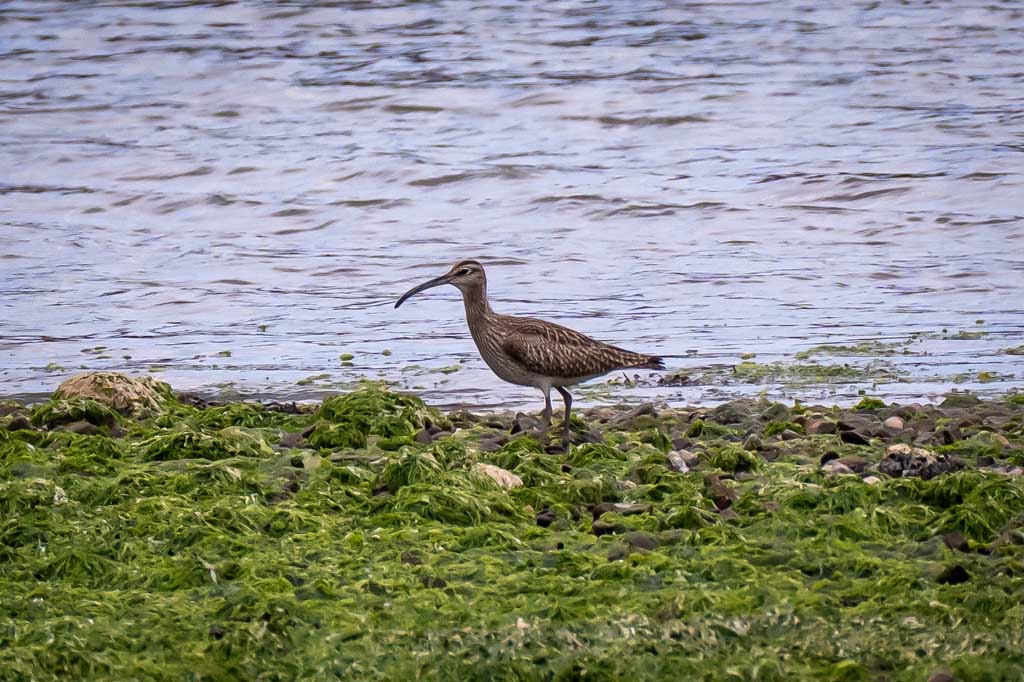
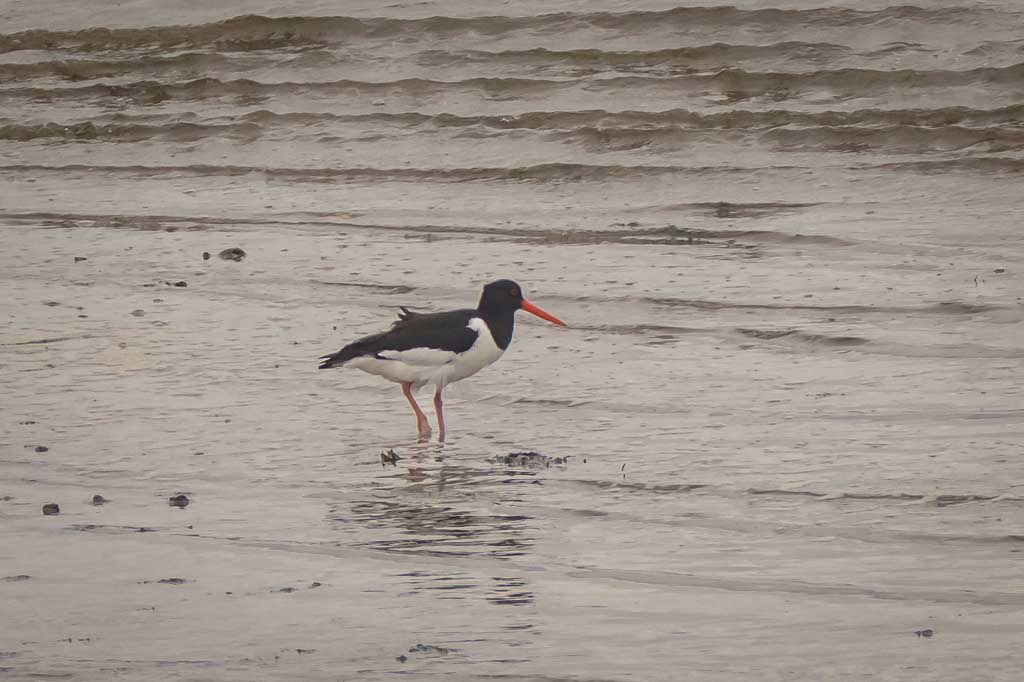
The weather was rather dull but we saw some good birds including oystercatchers, whimbrel, a grey plover, common ringed and dunlin.
Grey ploverCommon ringed plover and dunlinWhimbrelDistant oystercatcher on the low tideNot the Strait of Hormuz but the refineries around Milford Haven
Wednesday 29th April
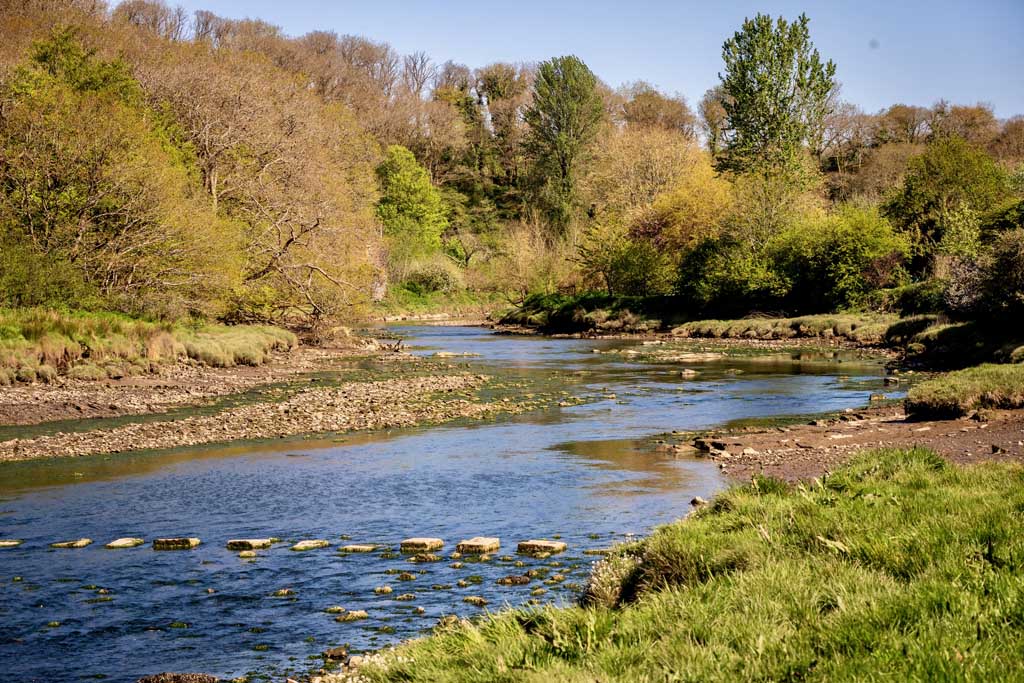
Back to sunshine even if the breeze was rather stiff and fresh. We spent the day close to our friends house near to Cresswell Quay. This area is particularly beautiful and there was plenty to see and photograph.
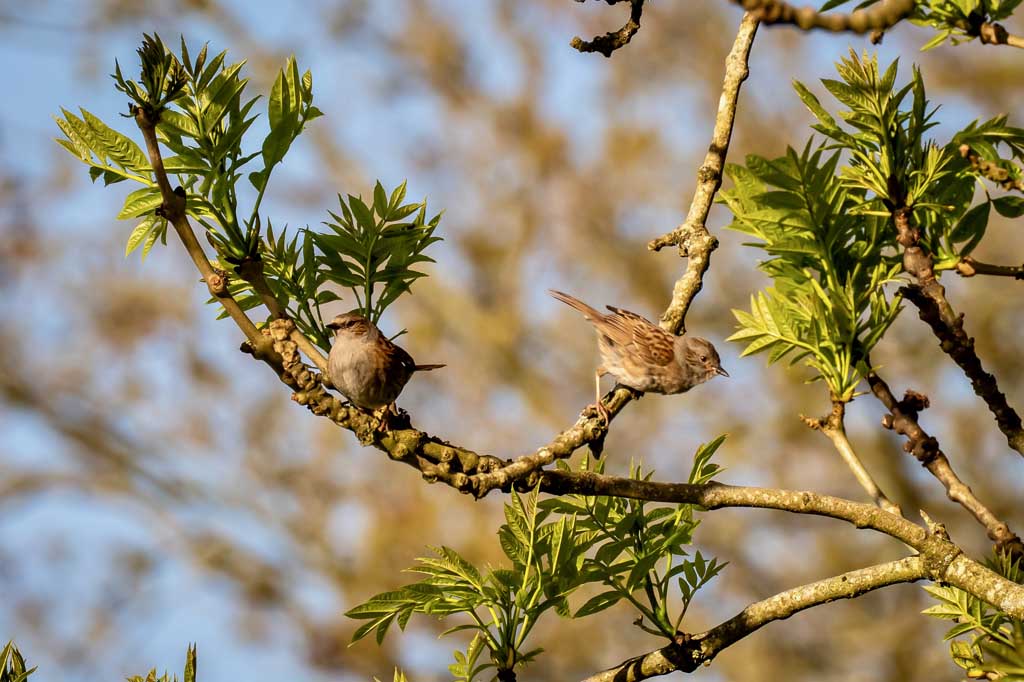
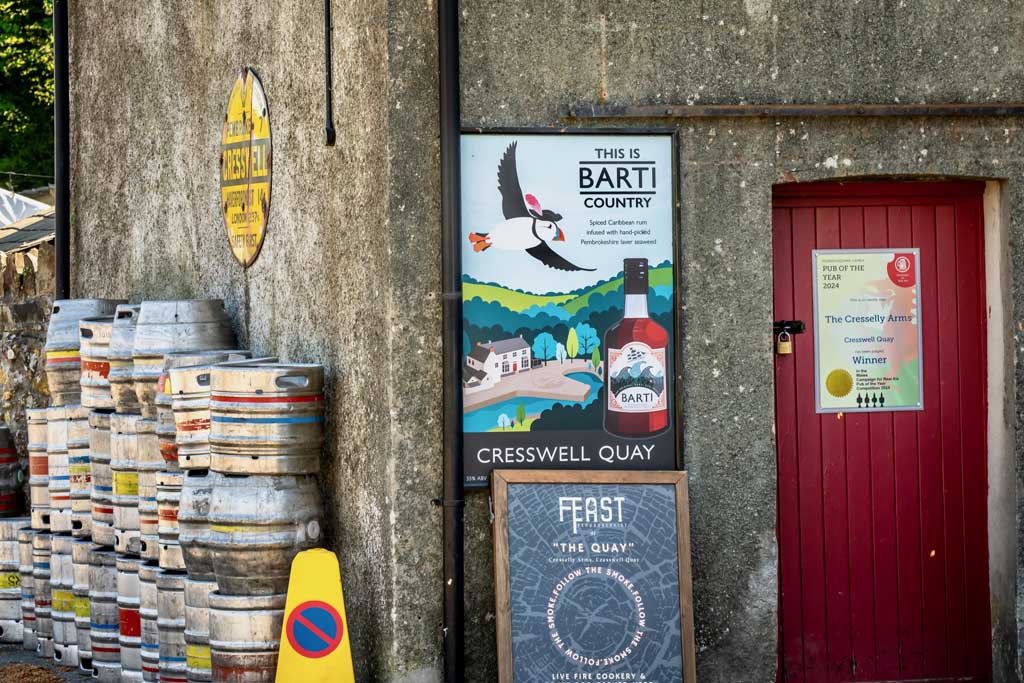
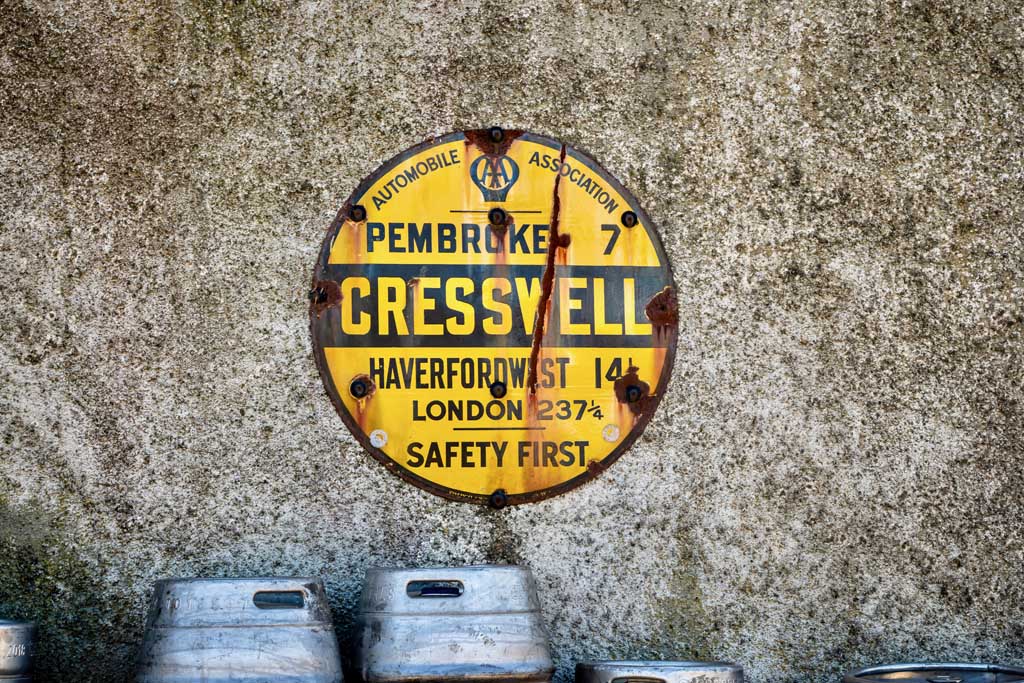
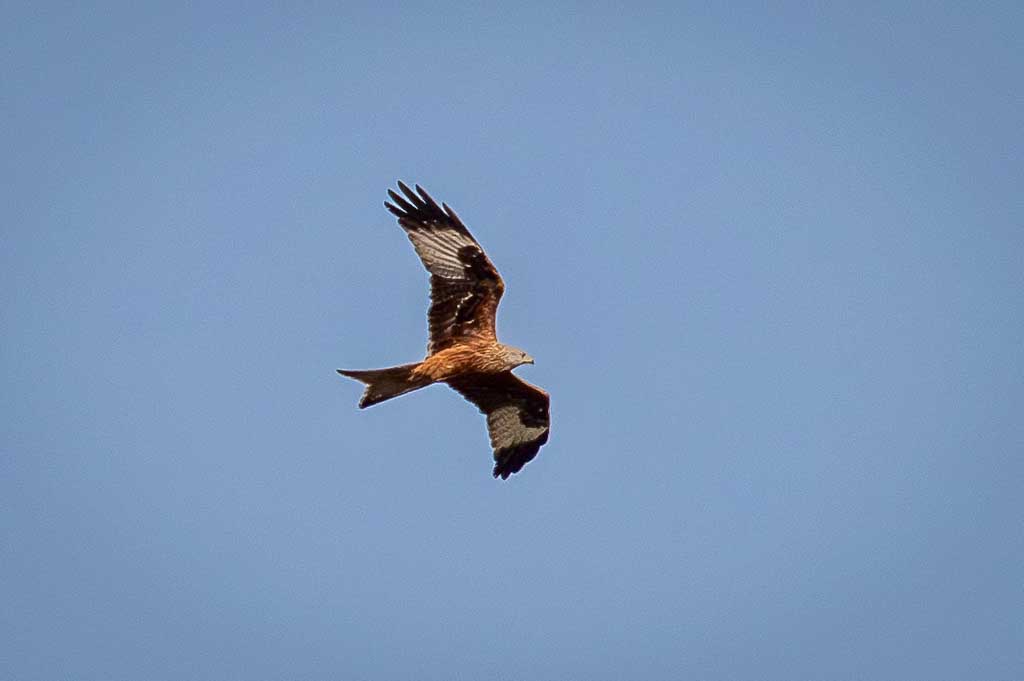
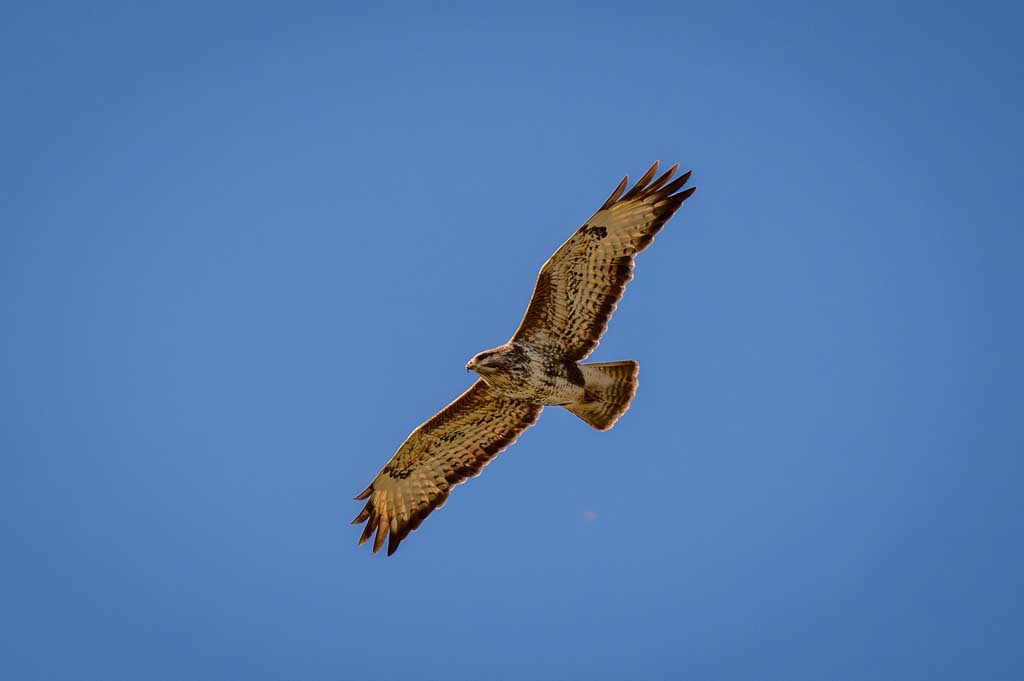
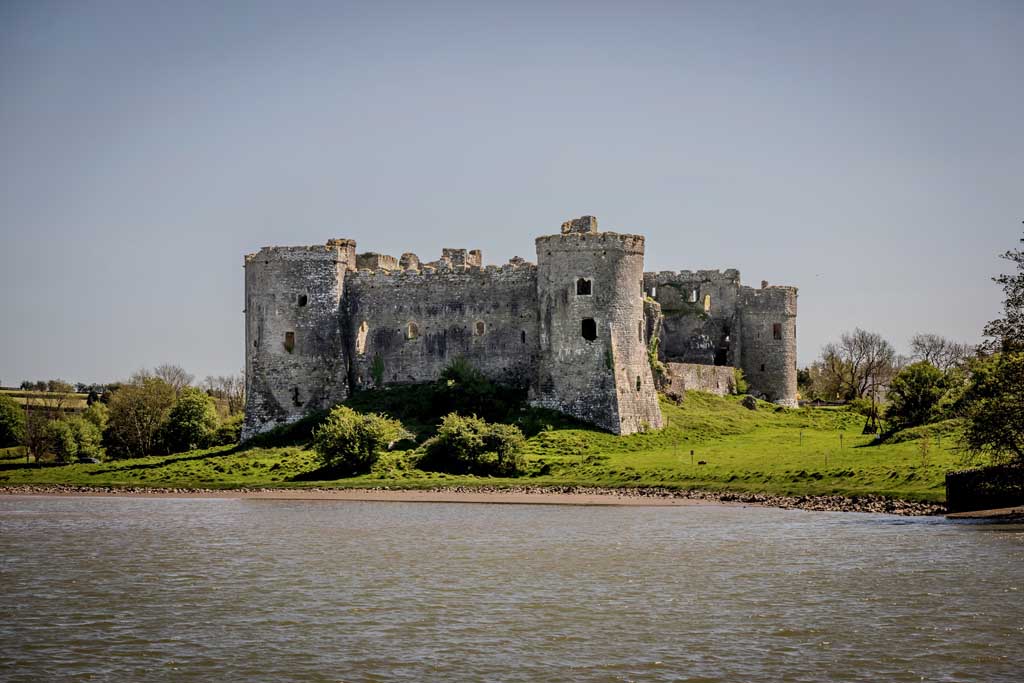
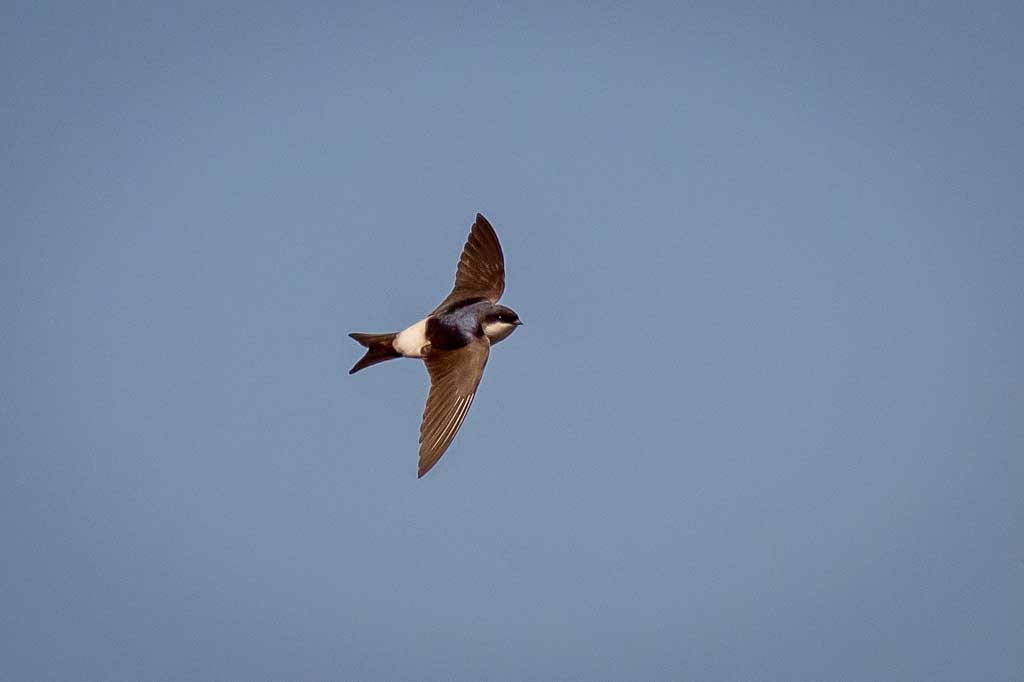
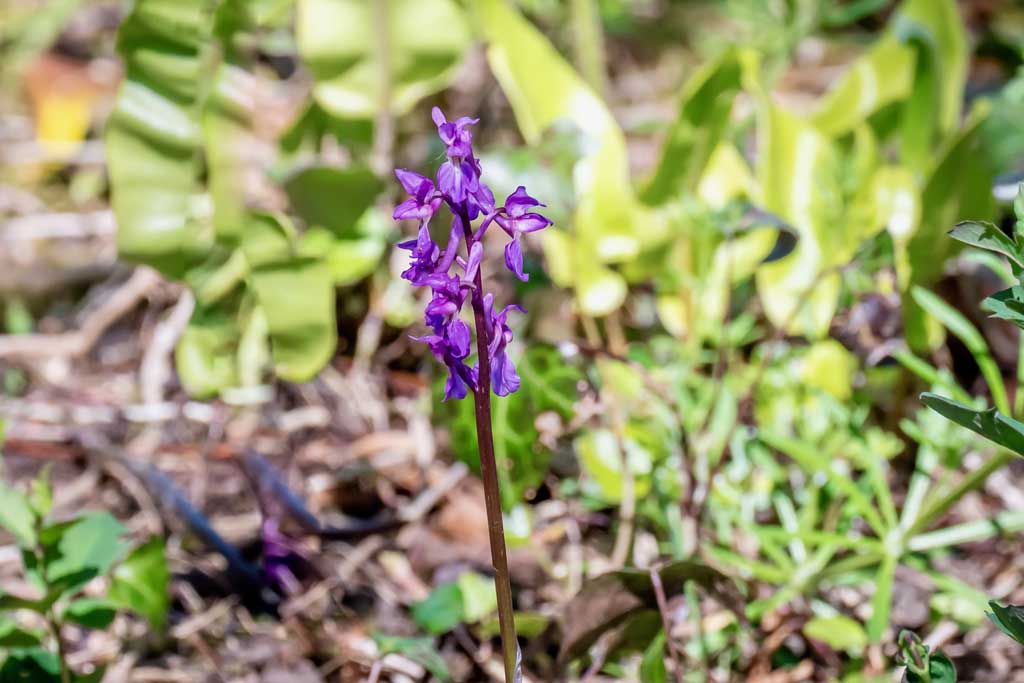
Dunnock in our friends’ gardenHouse martin at Cresswell QuayThe view from Cresswell QuayIt would be strange to see puffins (unless you had drunk too much of their local brew) at Cresswell Quay but Skomer Island, famous for its puffins, is not far from here.Whereas, London is 237 and a quarter (!) of a mile from here.Red kite at Cresswell QuayCommon buzzard at Creswell QuayLater we visited Carew Castle which is also close to our friends’ houseLots of house martin here but no sand martin which have been reported recentlyEarly purple orchid near the castle
After a leisurely lunch at Stackpole we visited the nearby Lily Ponds at Bosherston but not many birds in evidence.
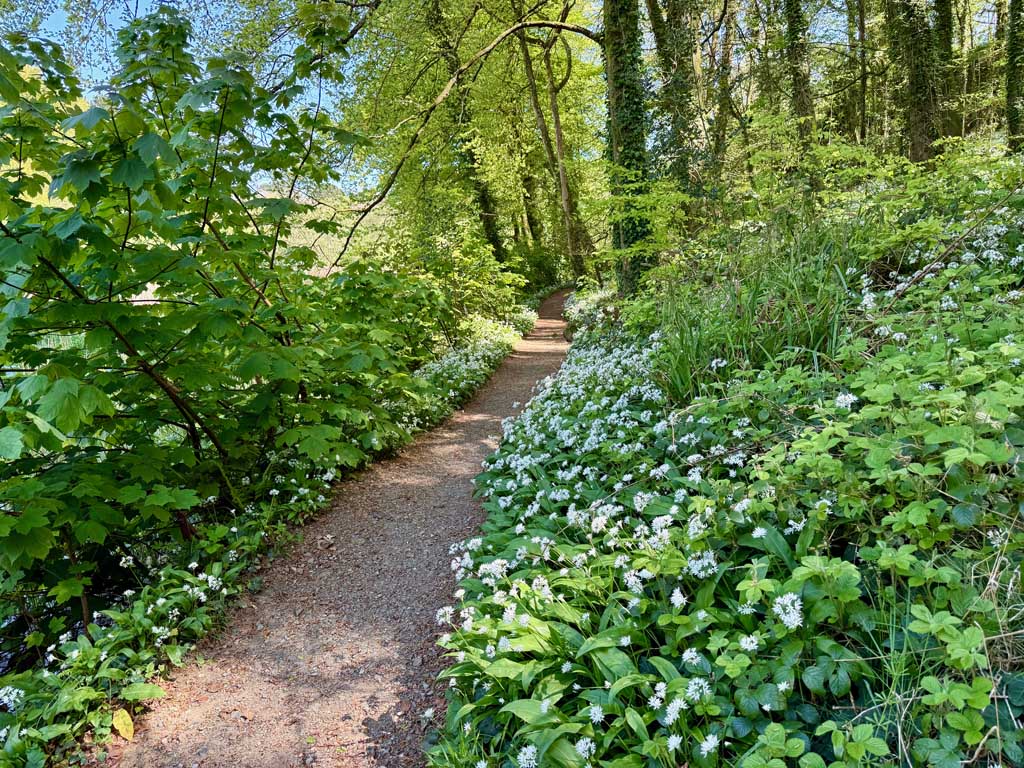
Even too early for the lily ponds… but the ramsoms in the woods were spectacular
30th April
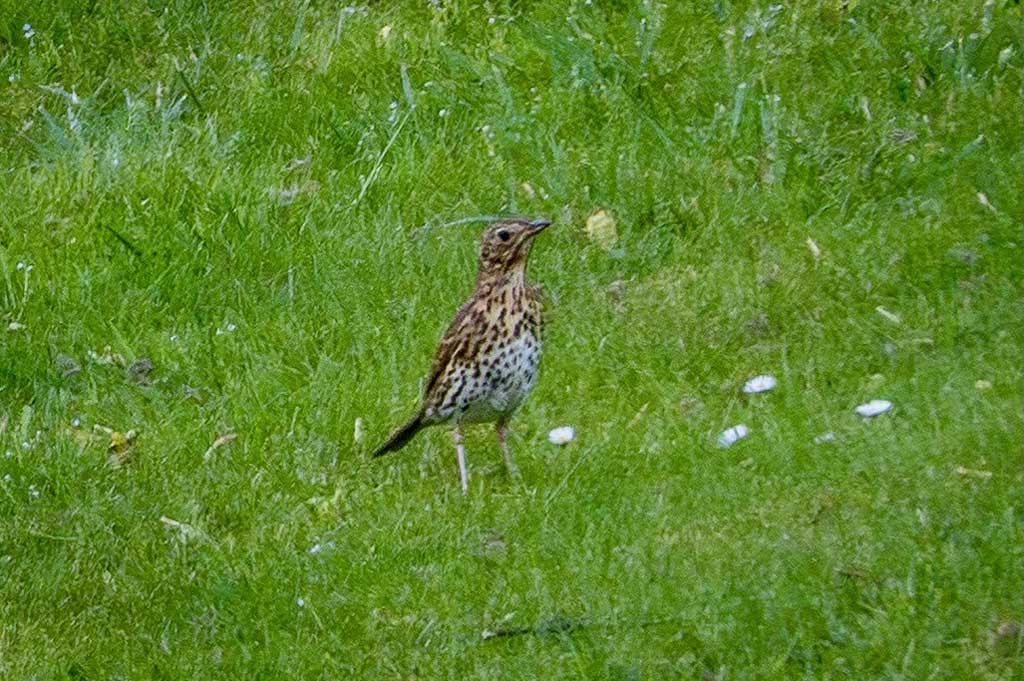
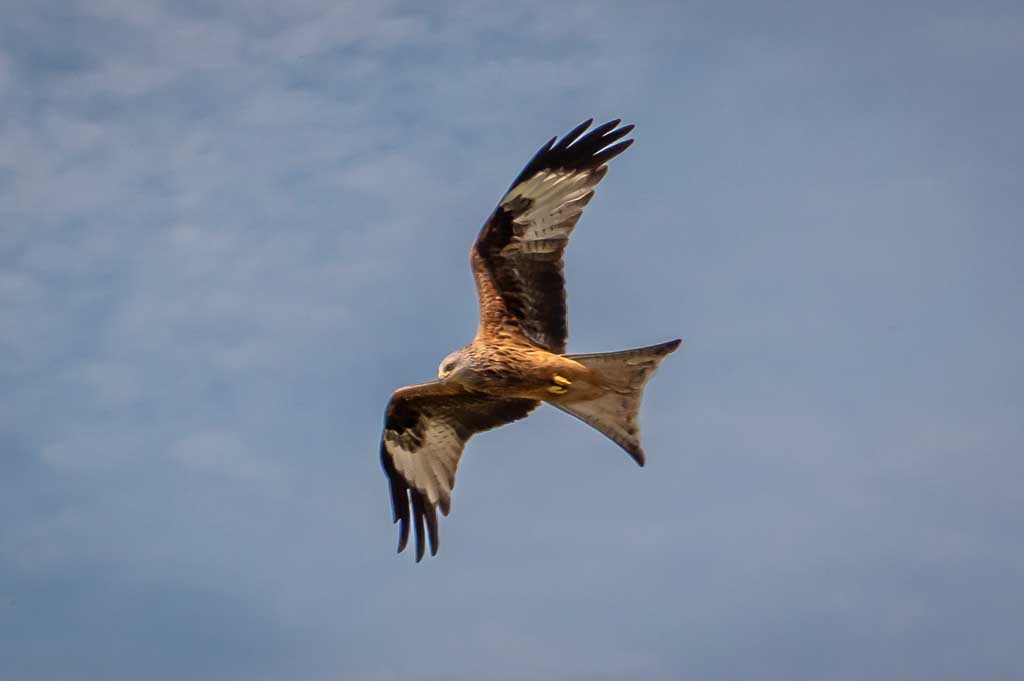
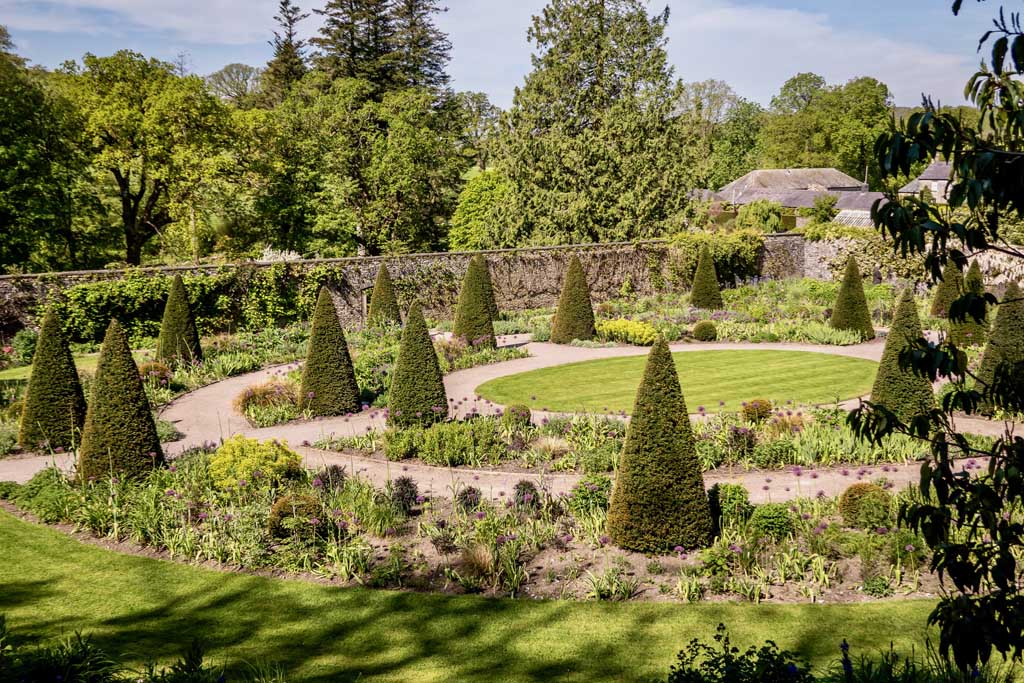
On our journey home we stopped at the wonderful Aberglasnay Gardens near to Carmarthen. Besides the gardens we enjoyed close up views of robins, wrens, blackbirds, a song thrush and a red kite which came close overhead and which I managed to photograph with my compact camera.
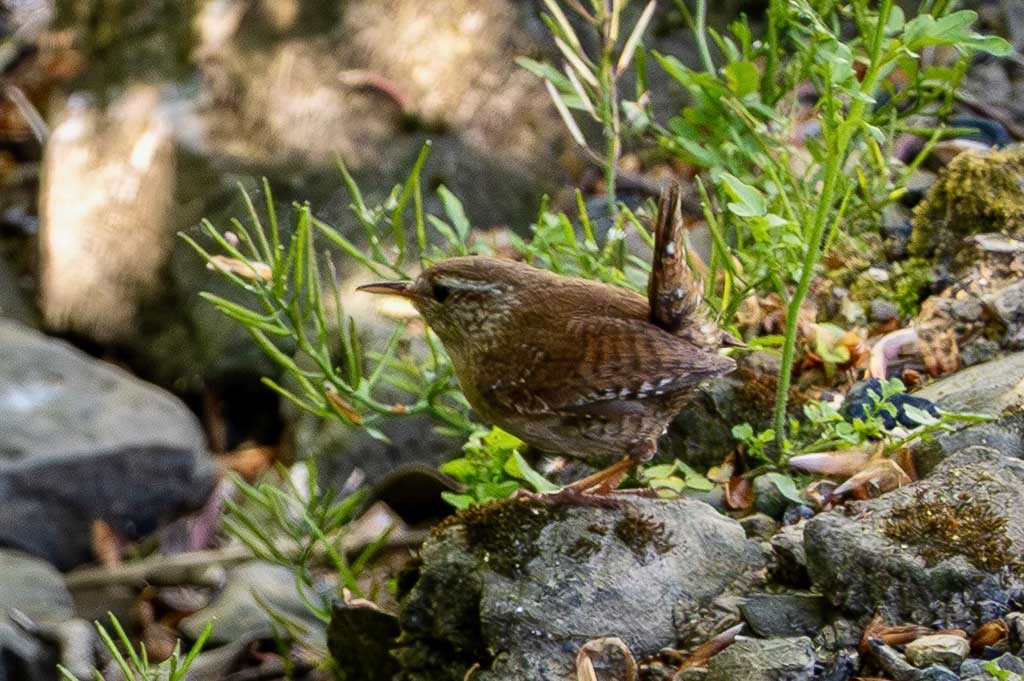
Song thrushEurasian wrenEuropean robinRed kiteAberglasnay gardensAberglasnay gardensWisteria – a speciality here tooRed kiteCamassia were the stars of the plant show
Post script:
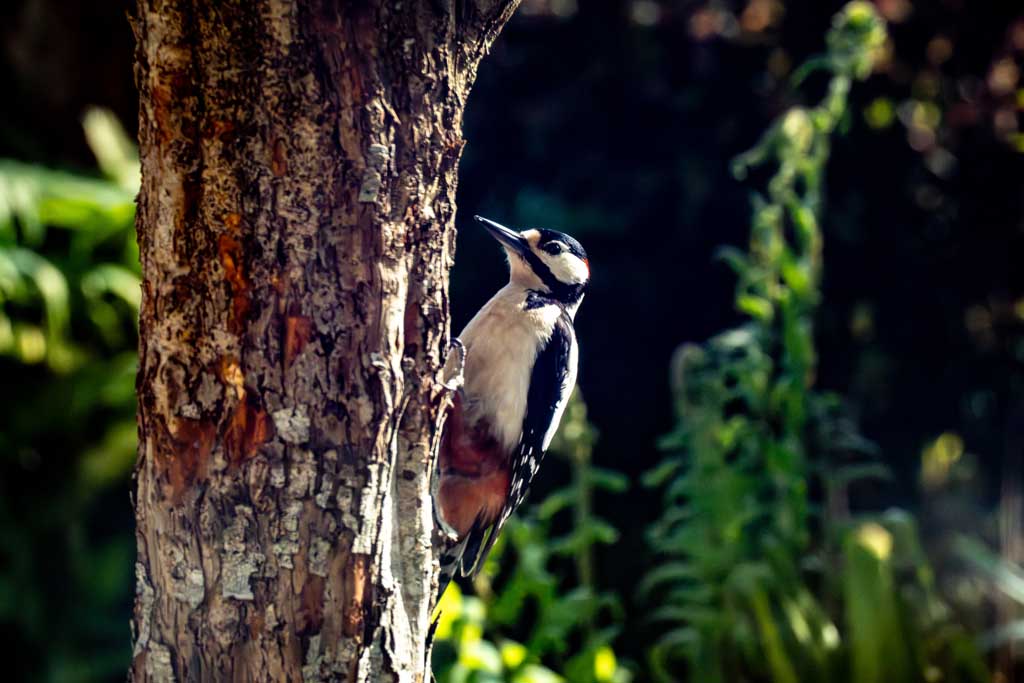
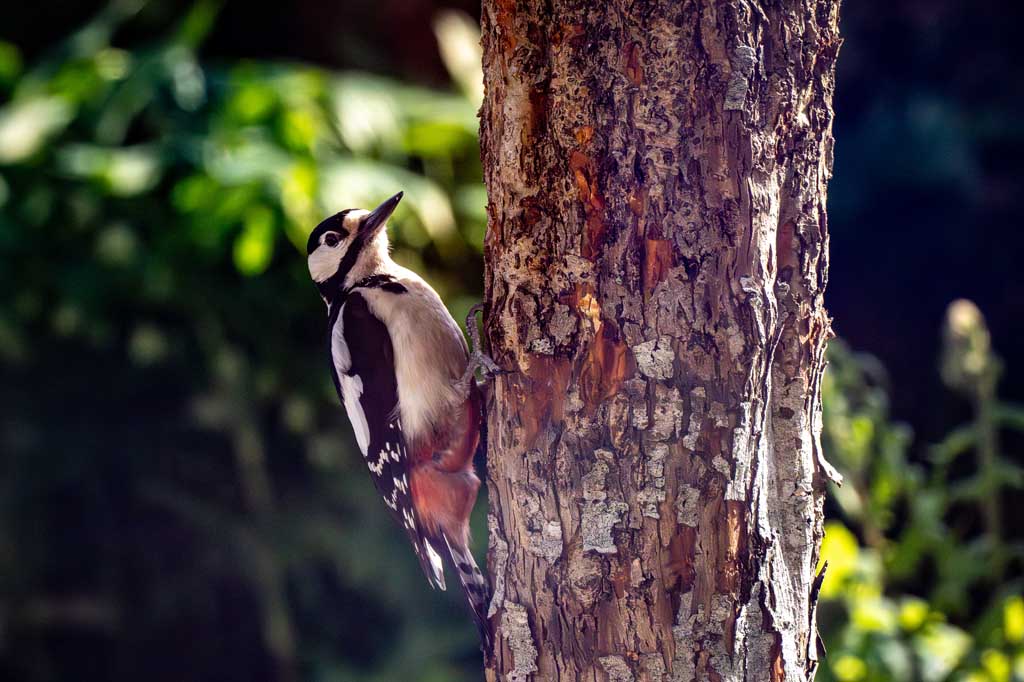
Great spotted woodpecker in the garden at our friend’s (taken through the window)
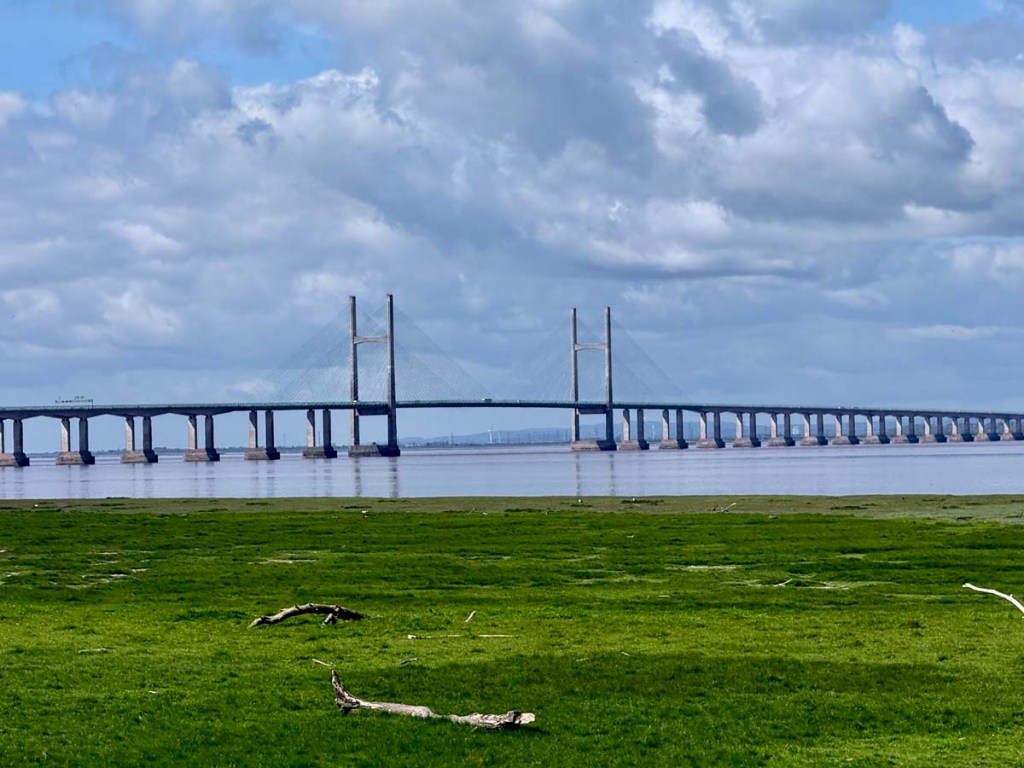
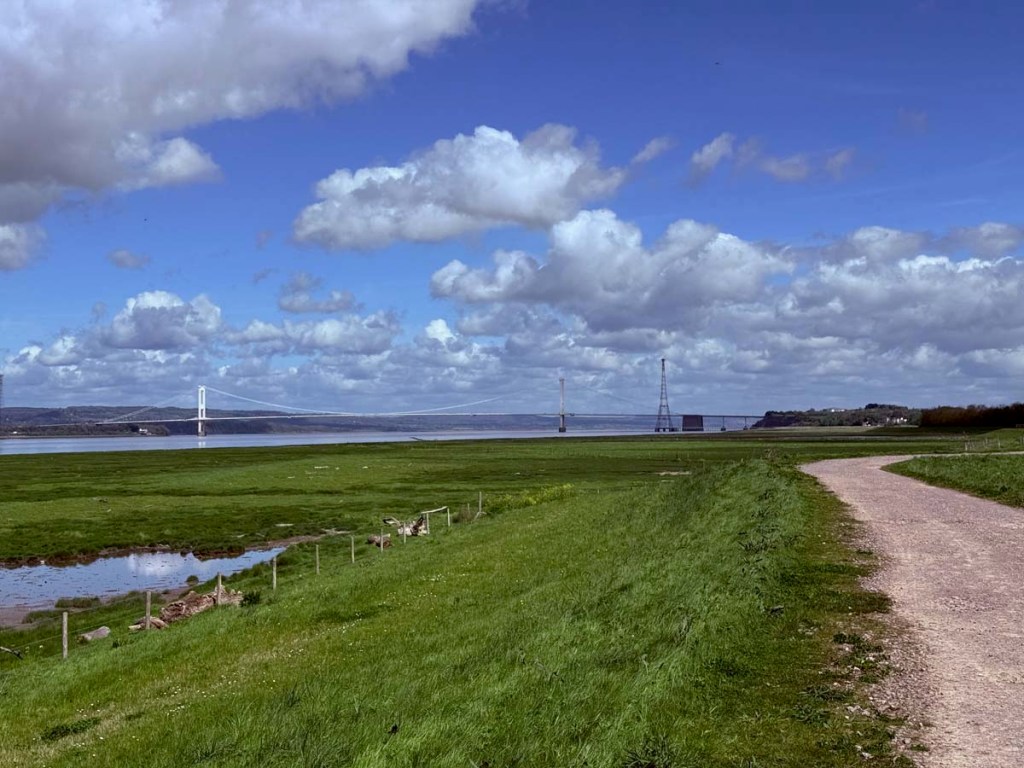
We had a Sunday morning walk along the Severn Estuary between the two bridges that cross the River Severn from England to Wales. We had underestimated the warmth of the sun and had too many warm layers on – it’s not very often you can say that along this stretch, especially in April.
The new Servern Bridge crossing – The Prince of Wales BridgeLooking north towards the old Severn Bridge crossing
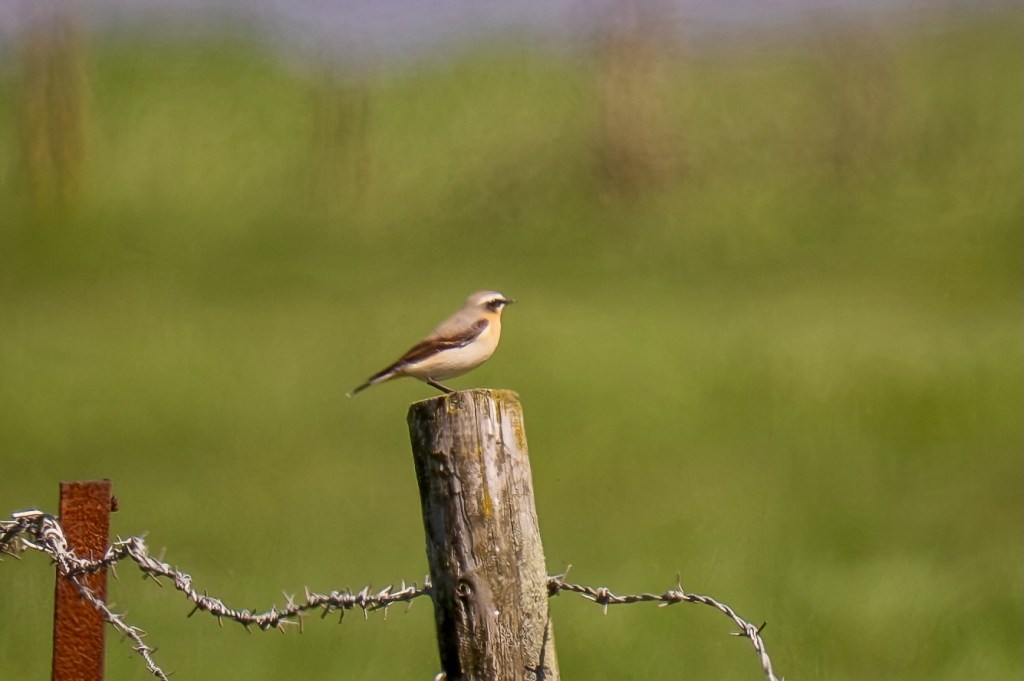
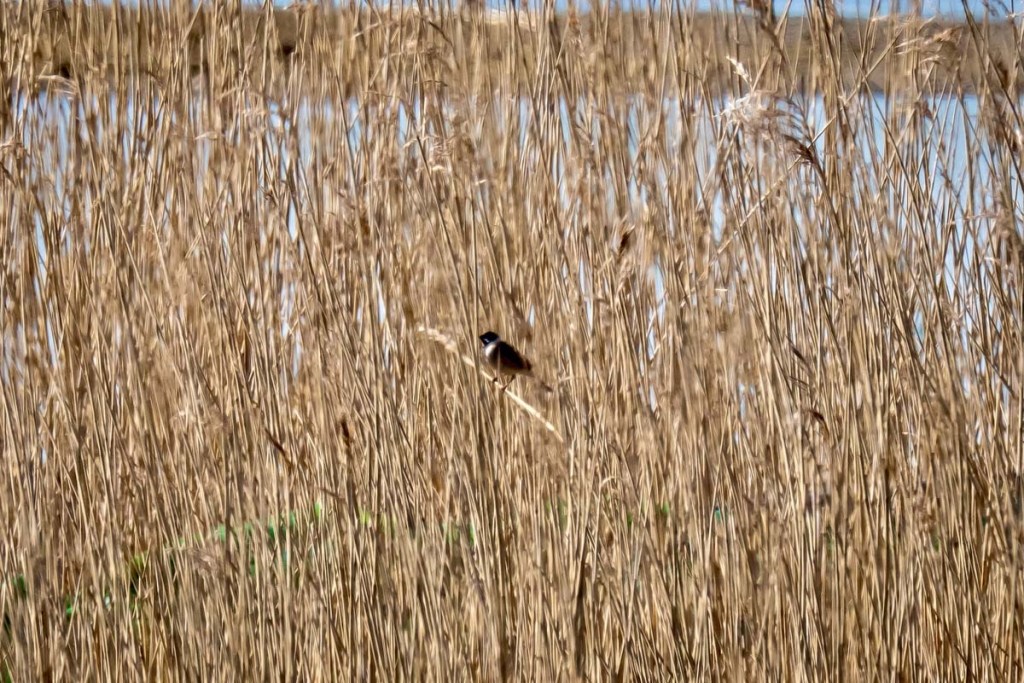
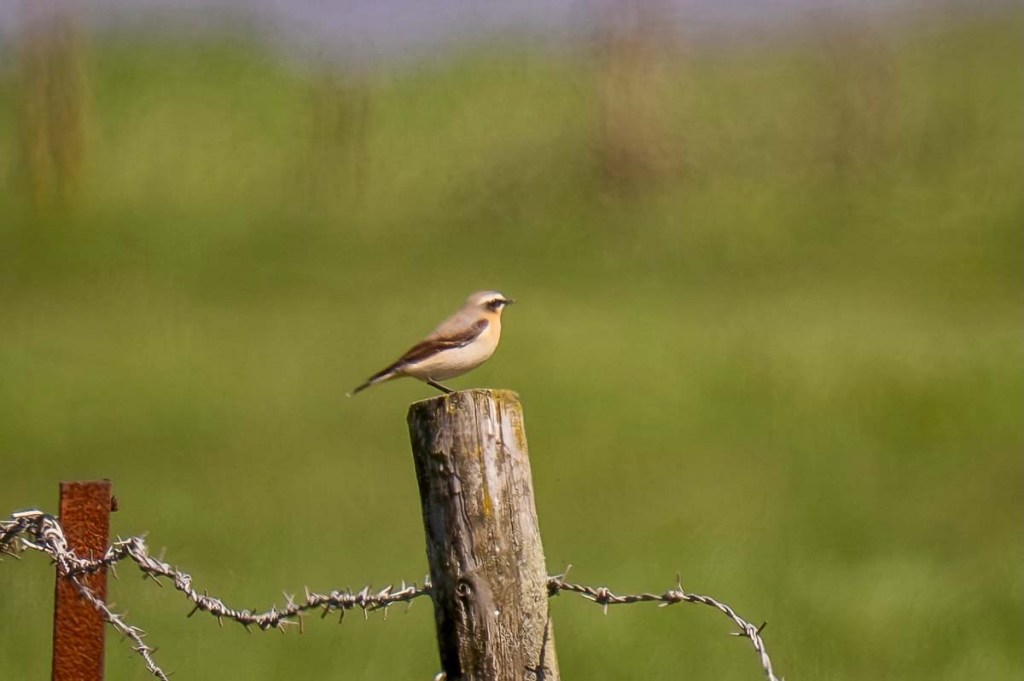
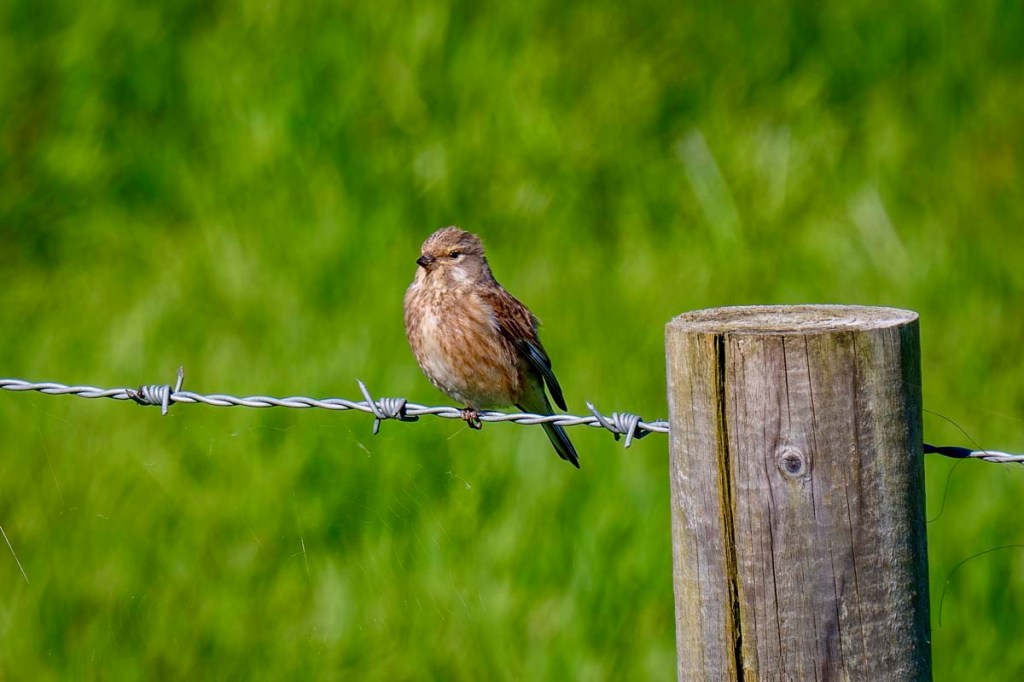
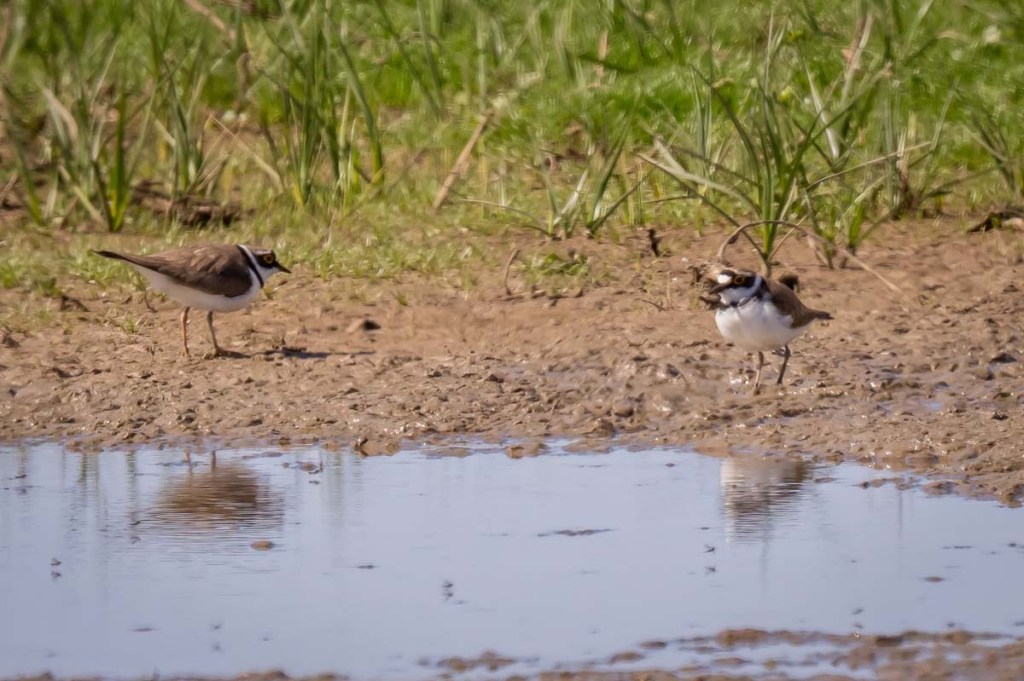
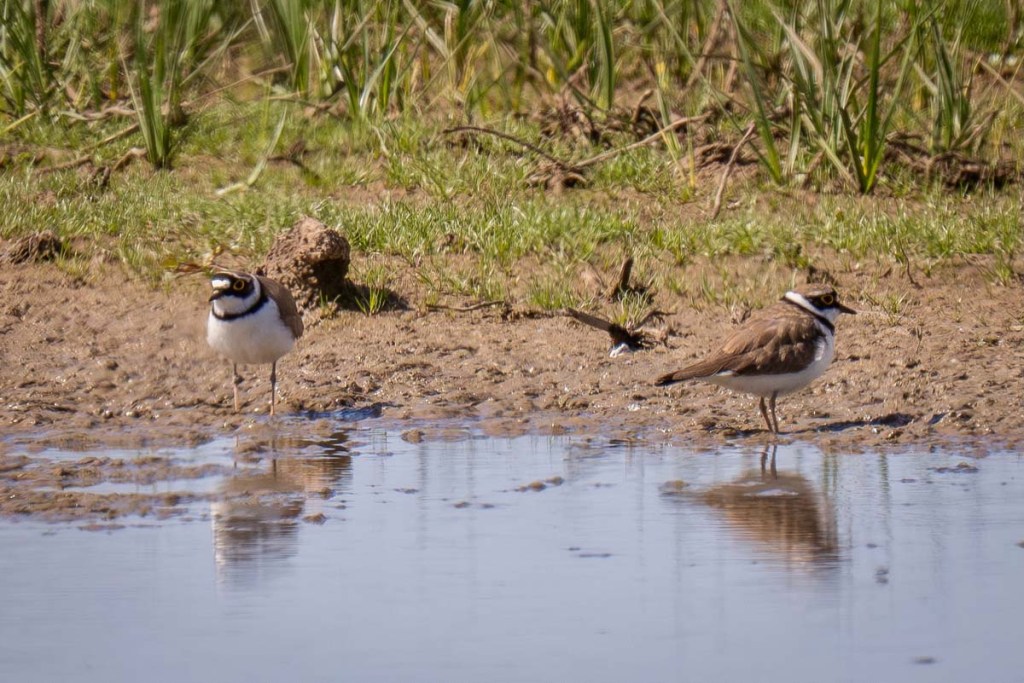
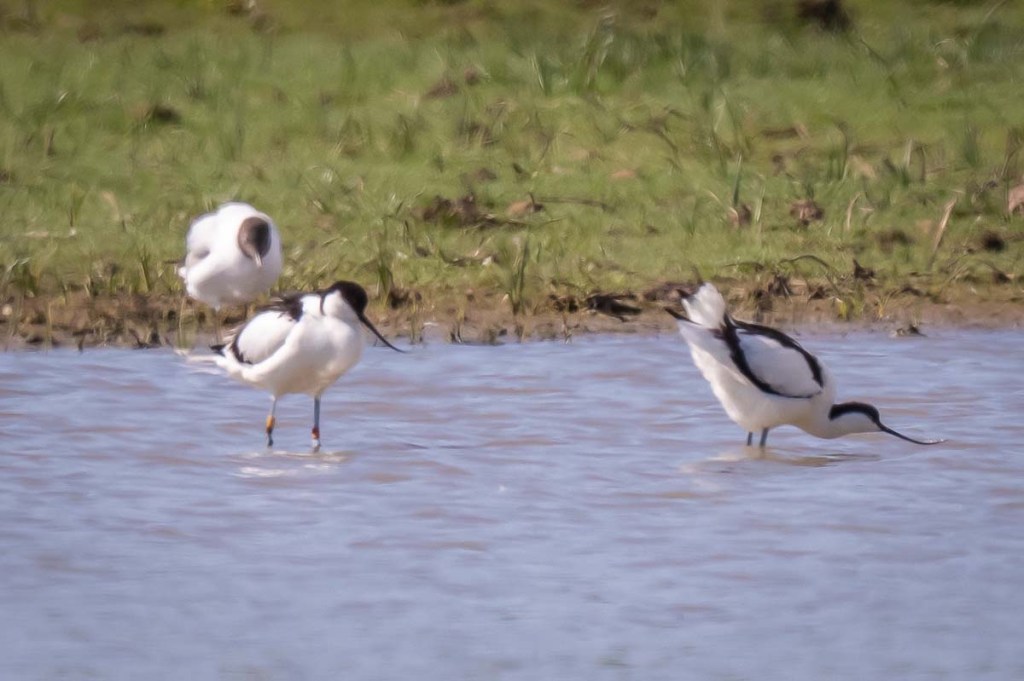
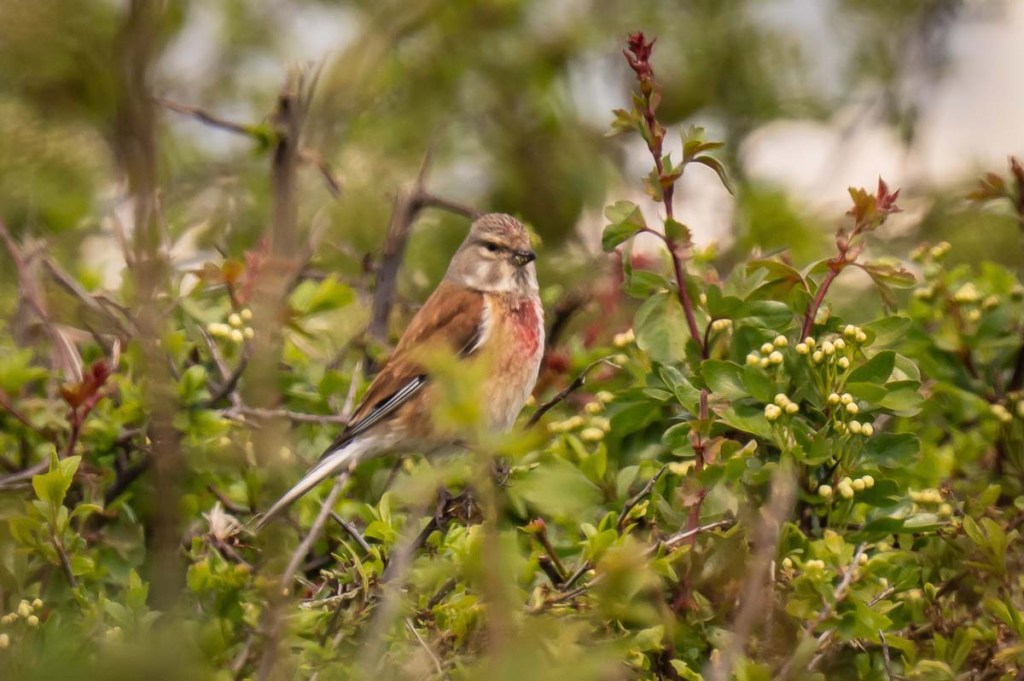
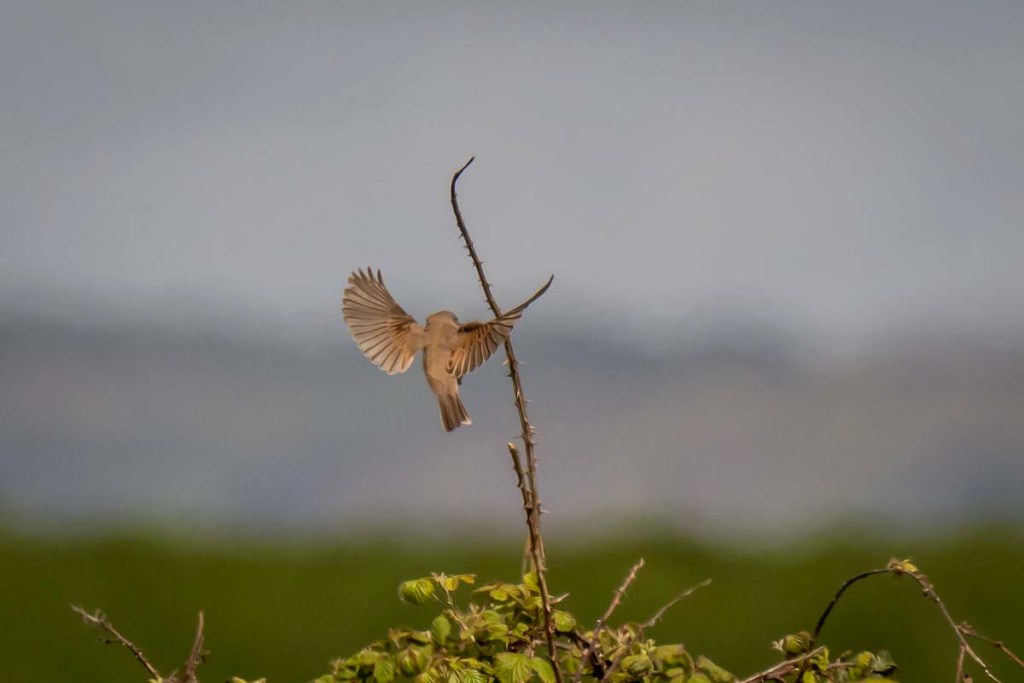
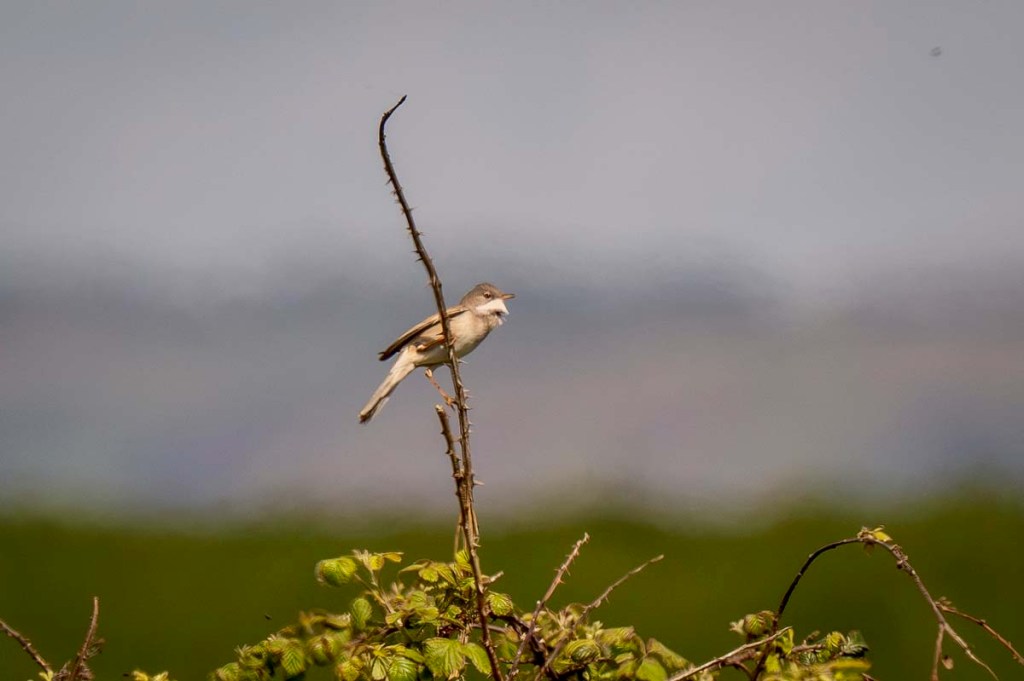
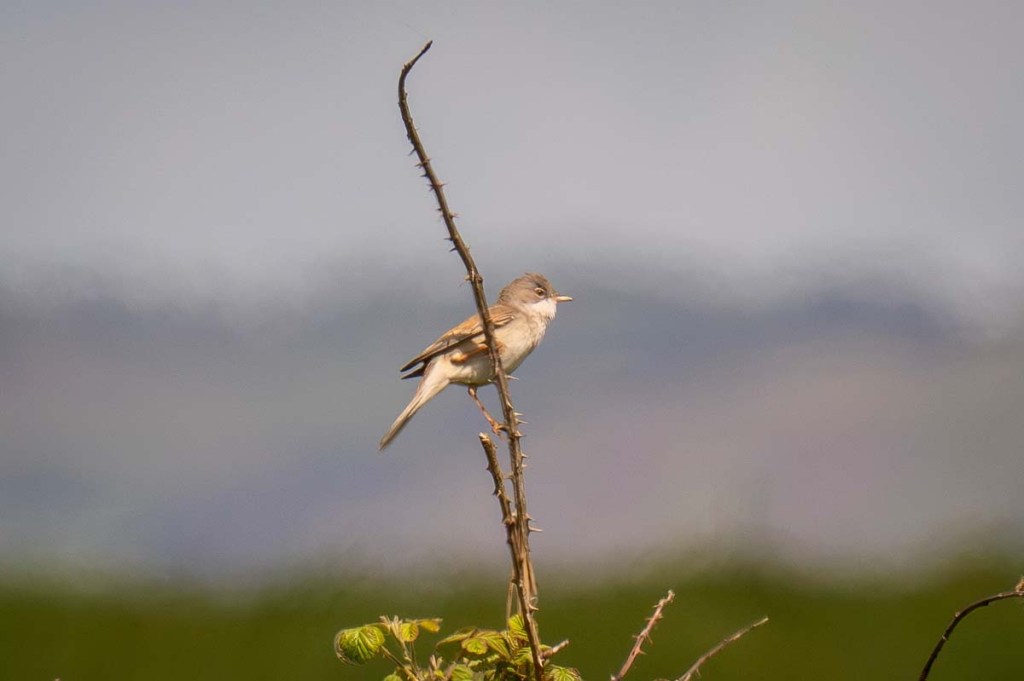
The best of what we saw were a northern wheatear on the warth (the grassy bank next to the river) and a pair of linnets. To the right of the footpath there is a private wetlands (Pilning Wetlands) which you generally need a good telescope to see birds but, by venturing along another footpath, we did get close enough to photograph some little ringed plover and pair of avocets (but not very well). Along the path there were also common whitethroat and another linnet.
Common reed bunting on Pilning WetlandsNorthern wheatearCommon linnetLittle ringed ploverLittle ringed ploverA pair of avocet with black-headed gullCommon linnetCommon whitethroatCommon whitethroatCommon whitethroat
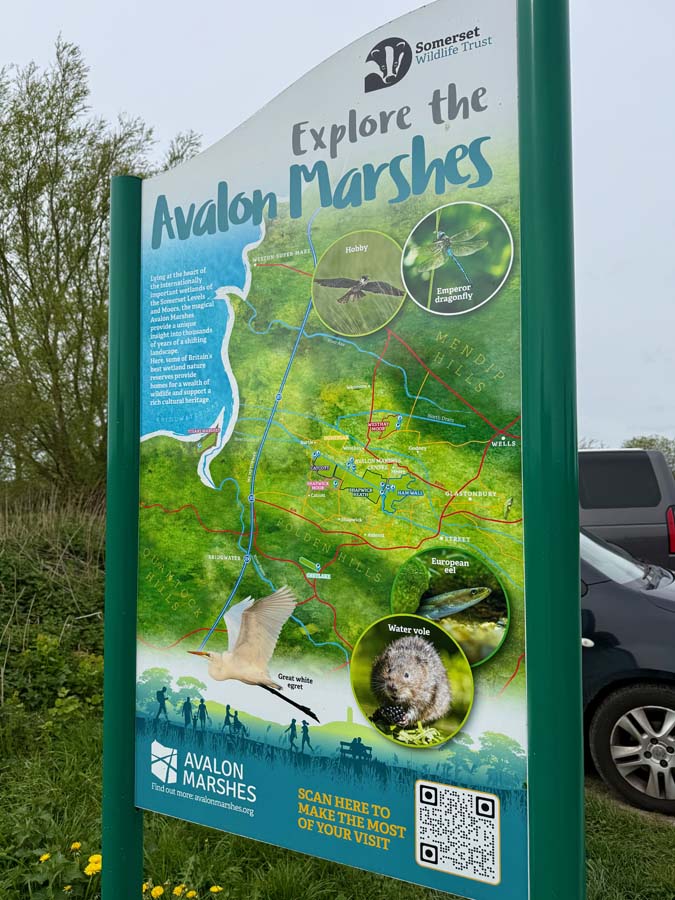
We have spent a couple of days on the Avalon Marshes, a group of nature reserves in the Somerset Levels, about an hour south of our home city of Bristol.
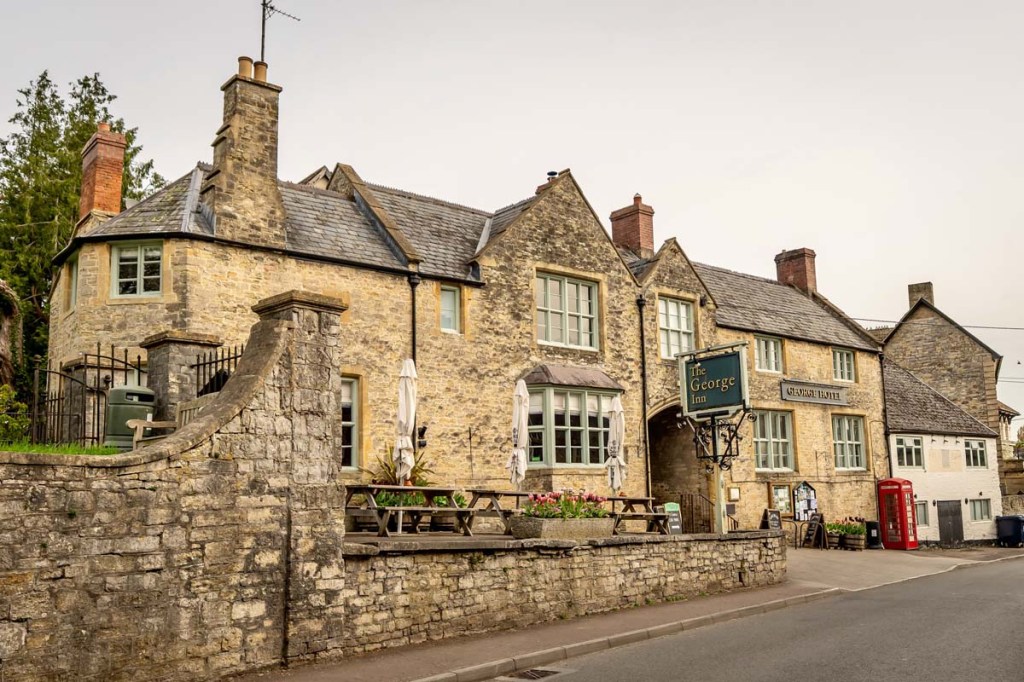
We stayed overnight in Wedmore (a large village situated on raised ground in the Somerset Levels) and this was my first night away (other than in a hospital bed) for 6 months.
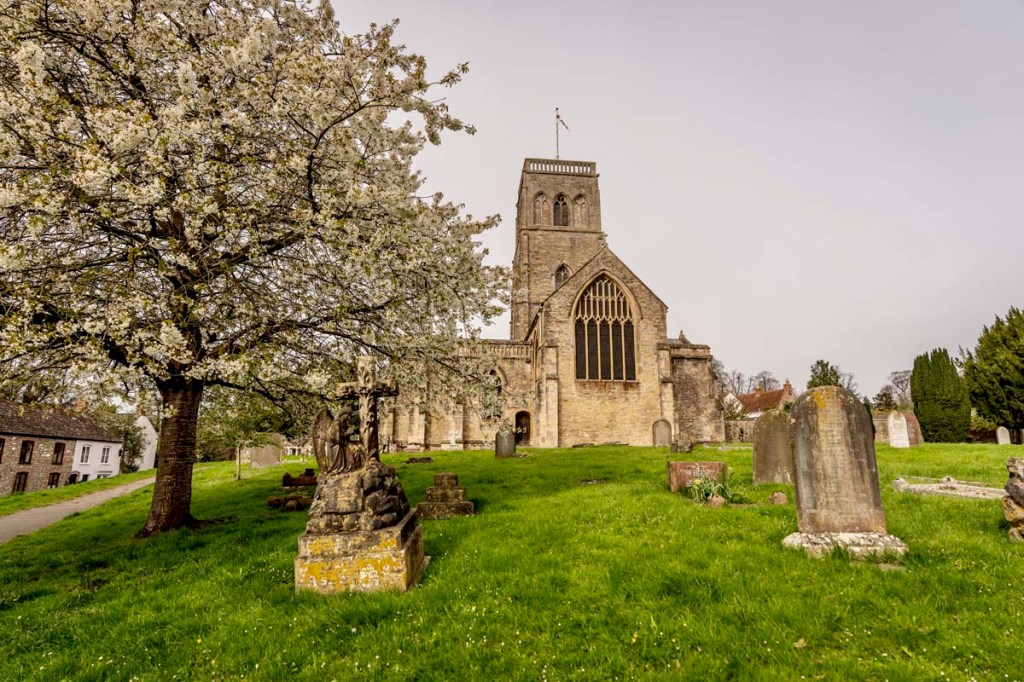
Our accommodation in Wedmore “The George” was excellentIt was not all “birding” – we visited St Mary’s Church in Wedmore, right next to “The George”
The day before our trip we were enjoying temperatures of over 20 degrees celsius in our garden but we were sharply brought back to reality with temperatures at least 10 degrees less and with a cold wind to boot.
The poor light was not ideal for photography but I am not complaining in the least and we both thoroughly enjoyed our short break and saw some lovely birds.
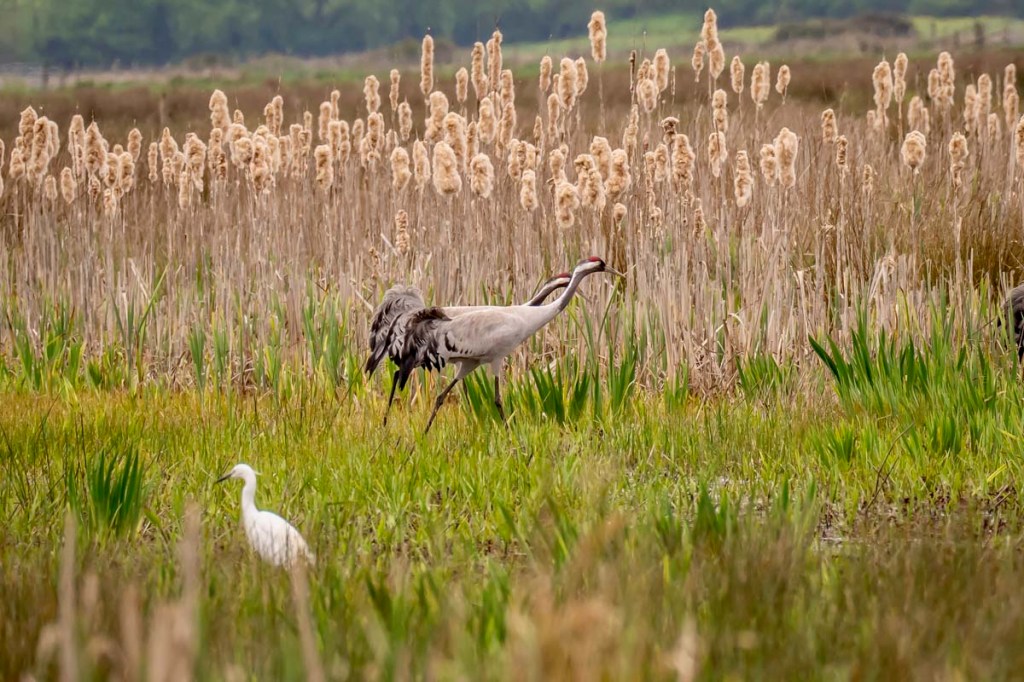
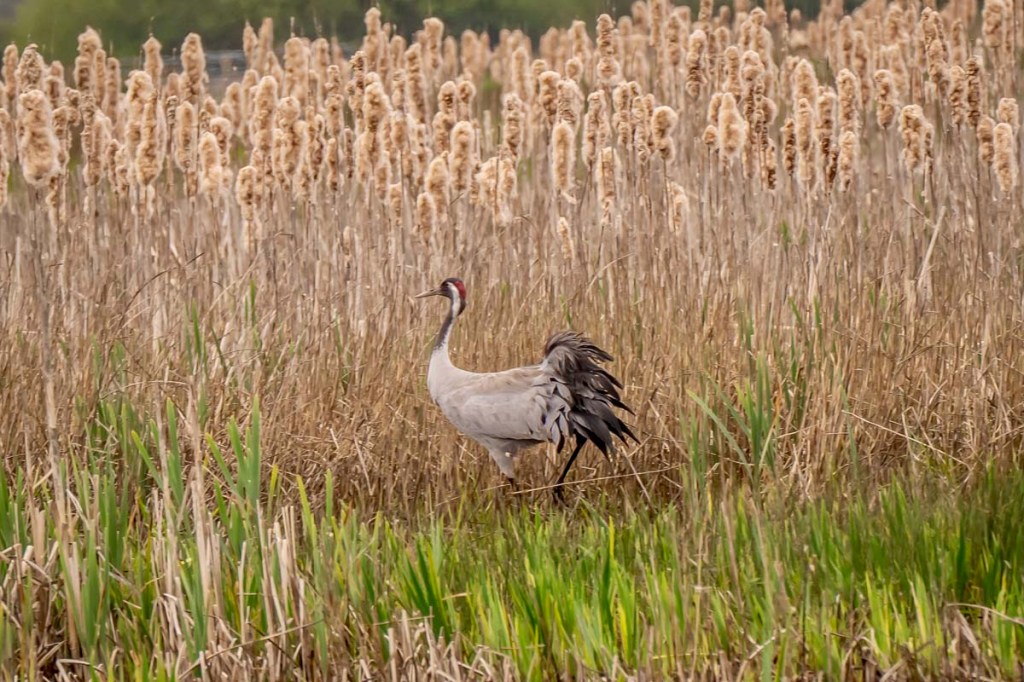
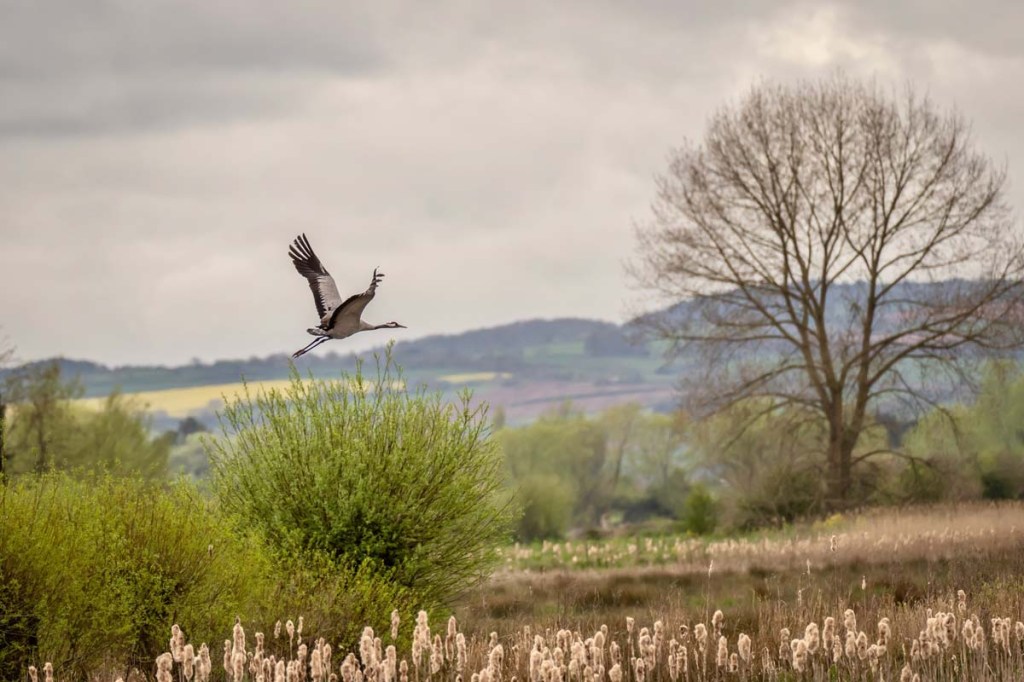
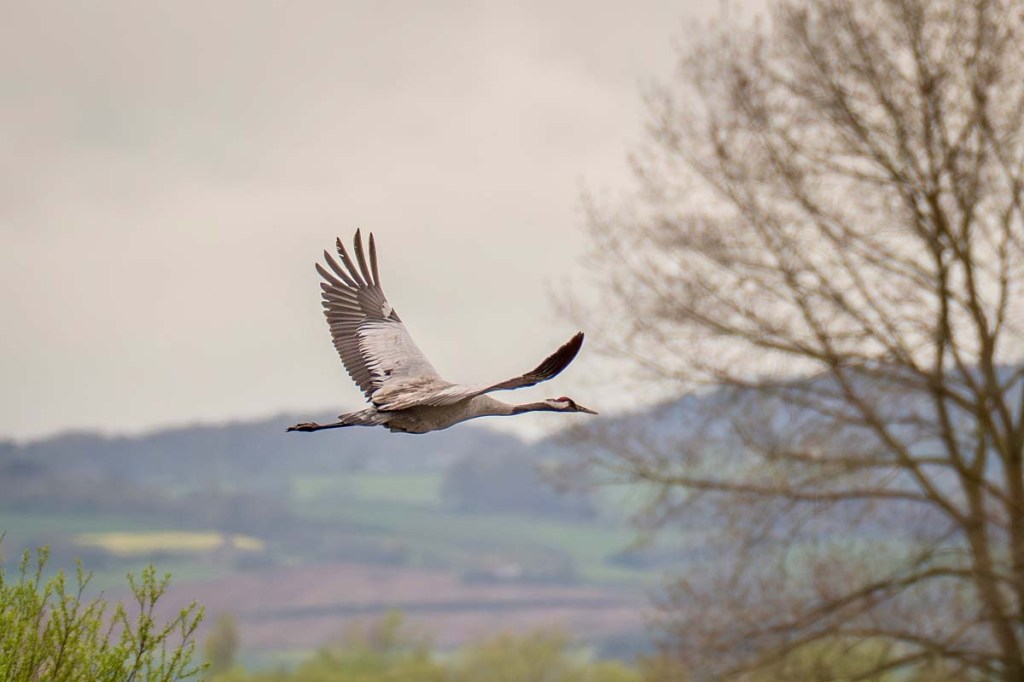
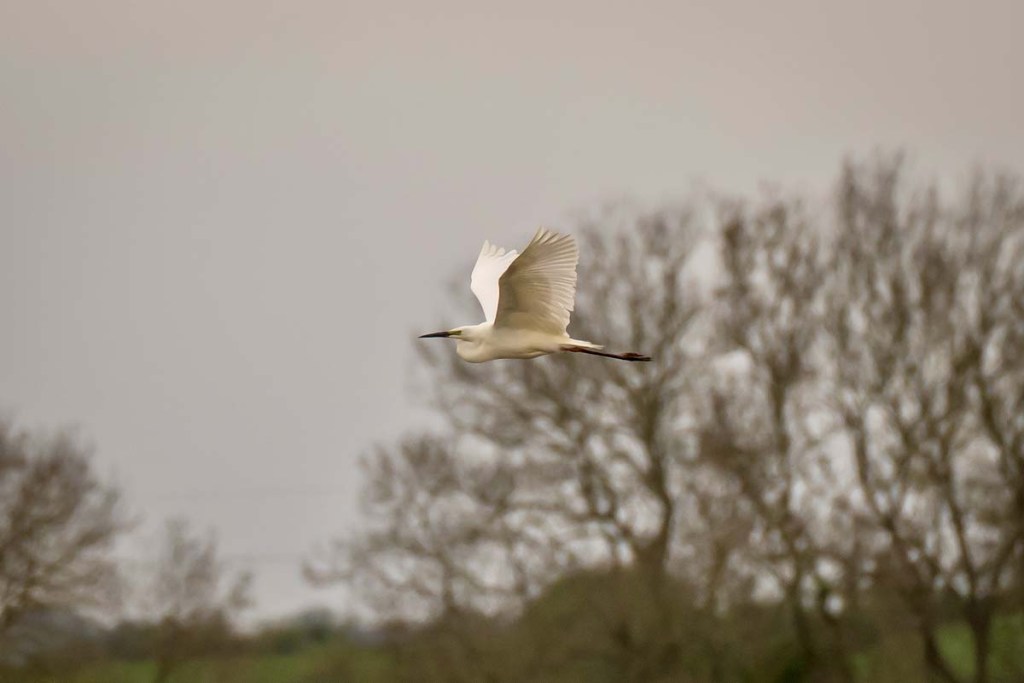
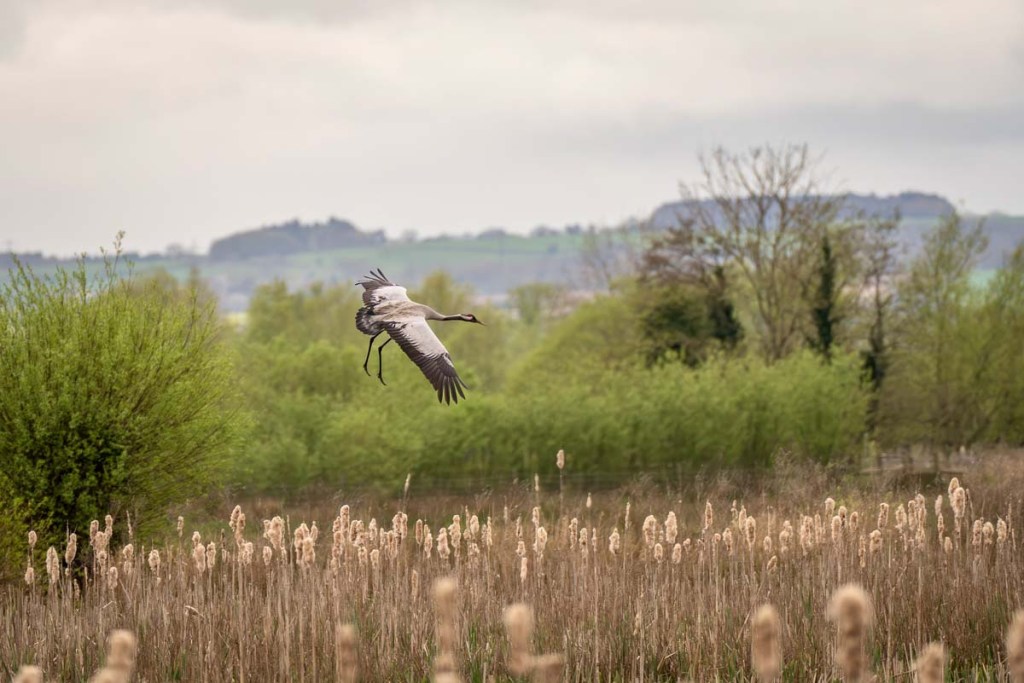
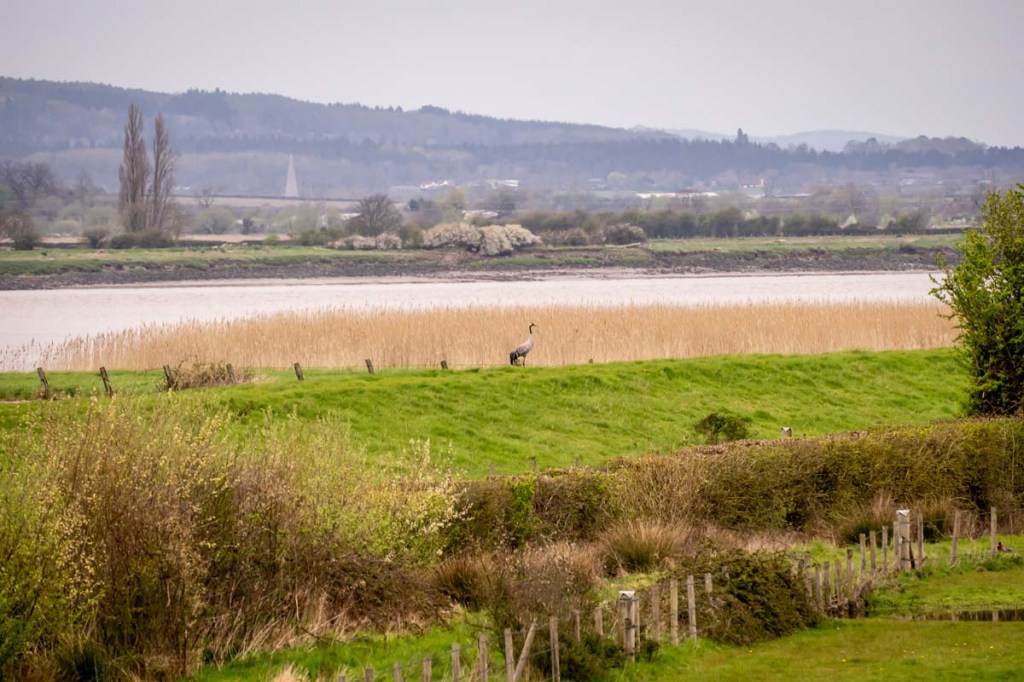
The first reserve we visited was RSPB Greylake, a small reserve to the south of the Avalon Marshes. Here we had good views of common crane, little and great egrets, a few waders including northern pintail, shovelers and teal; and heard lots of Cetti’s warblers.
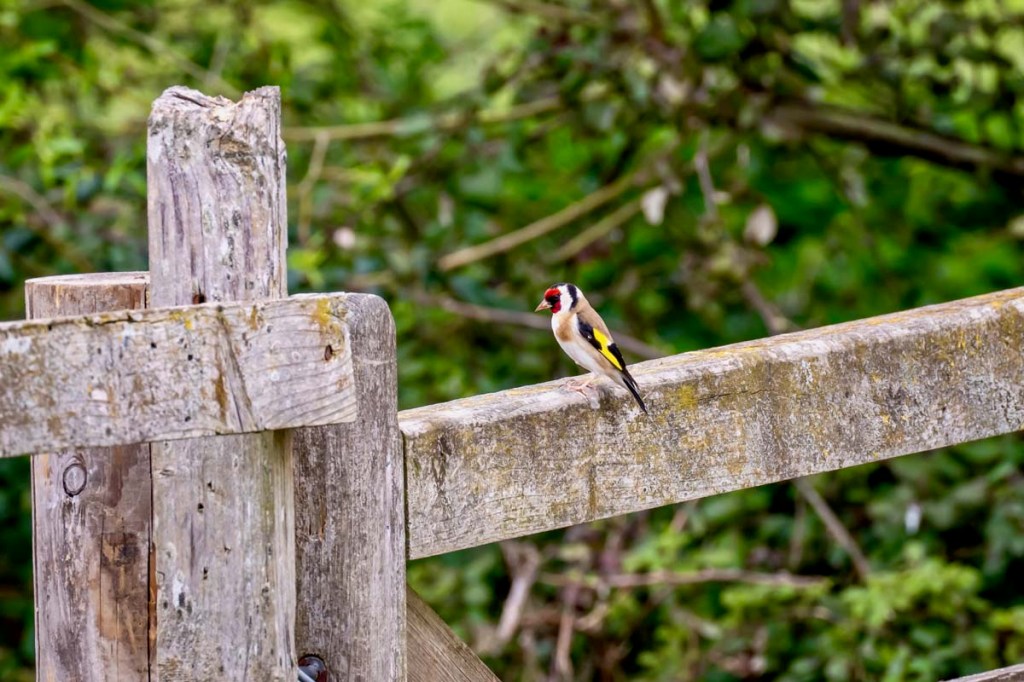
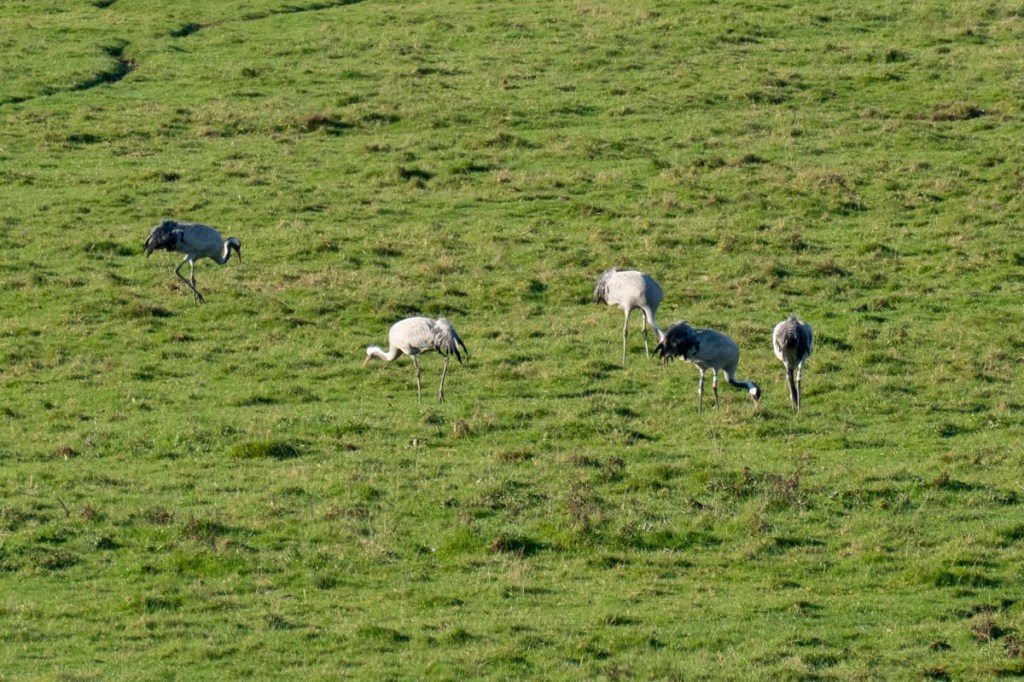
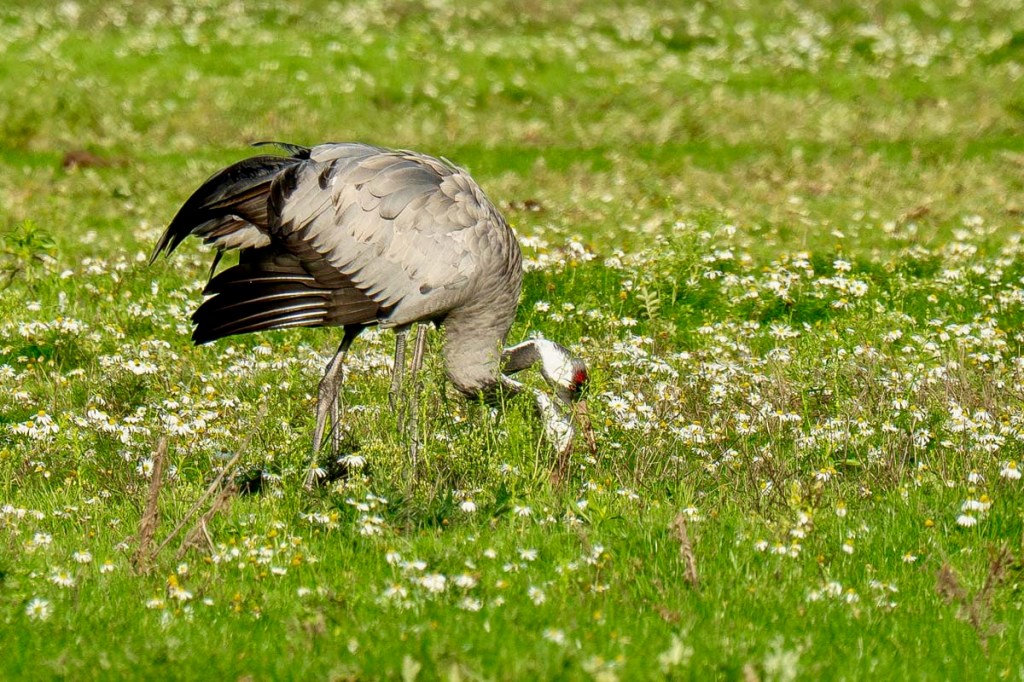
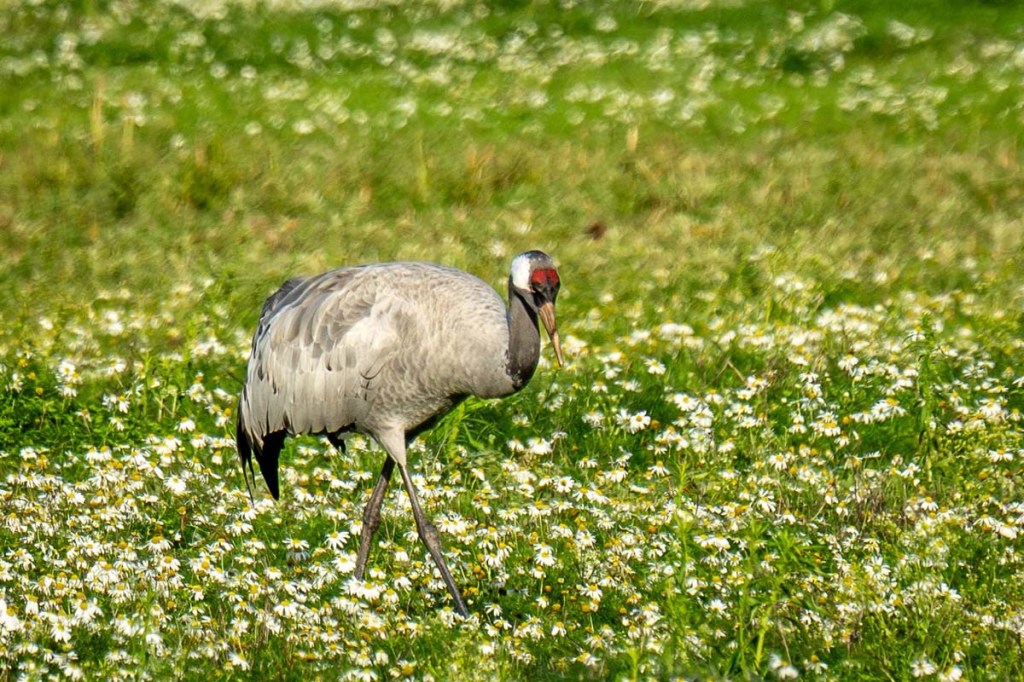
Common crane and a little egretCommon craneCommon crane in flightCommon craneGreat egretCommon craneHome from home – a European goldfinch greeted us on arrival
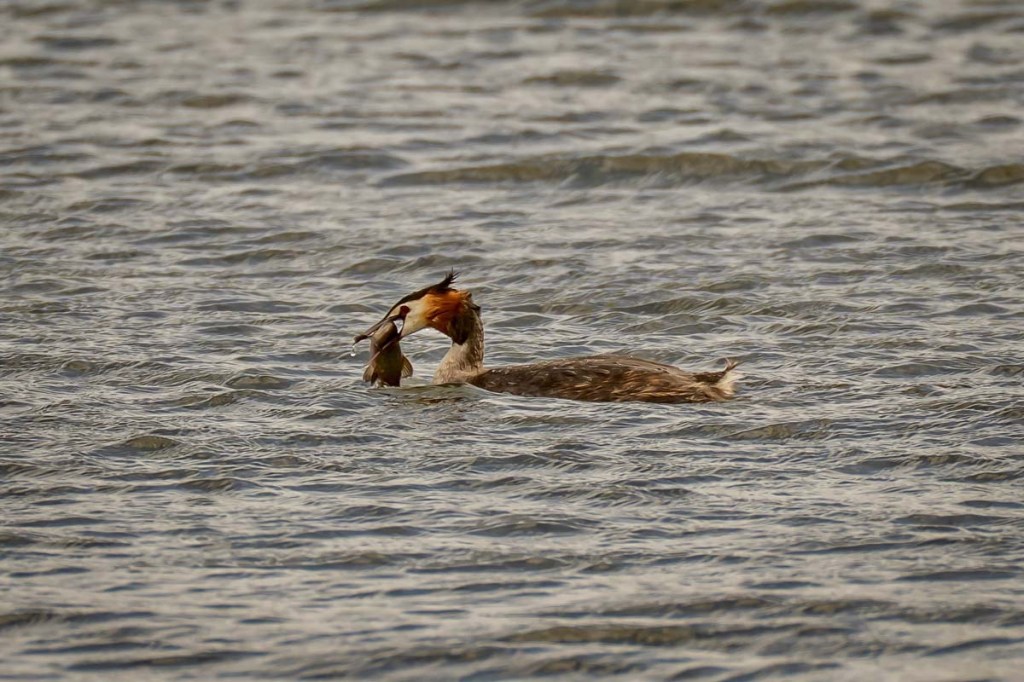
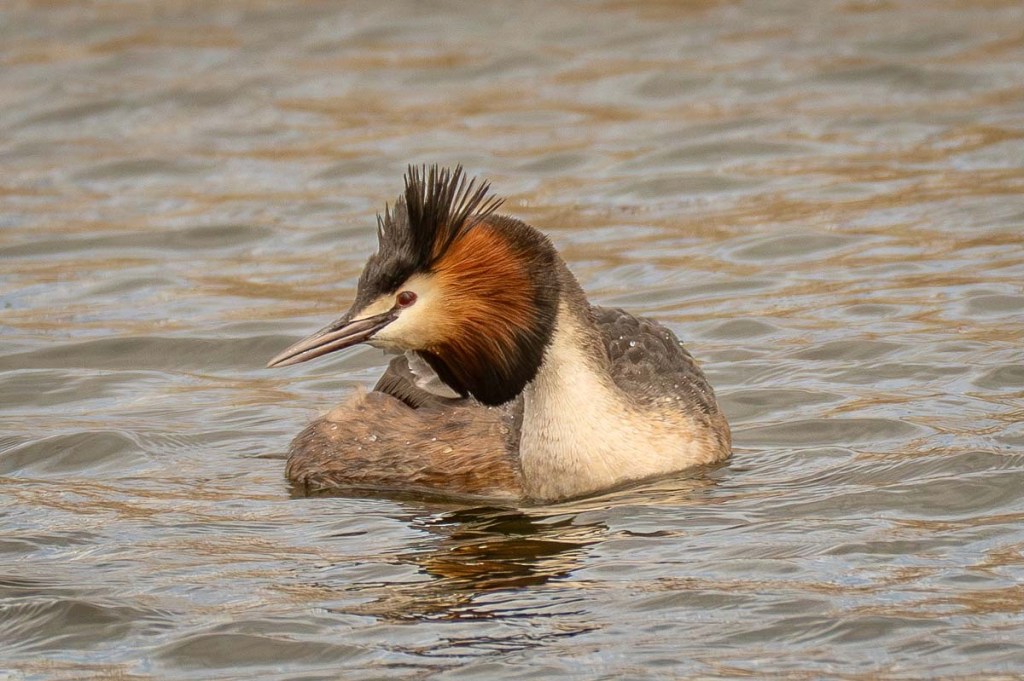
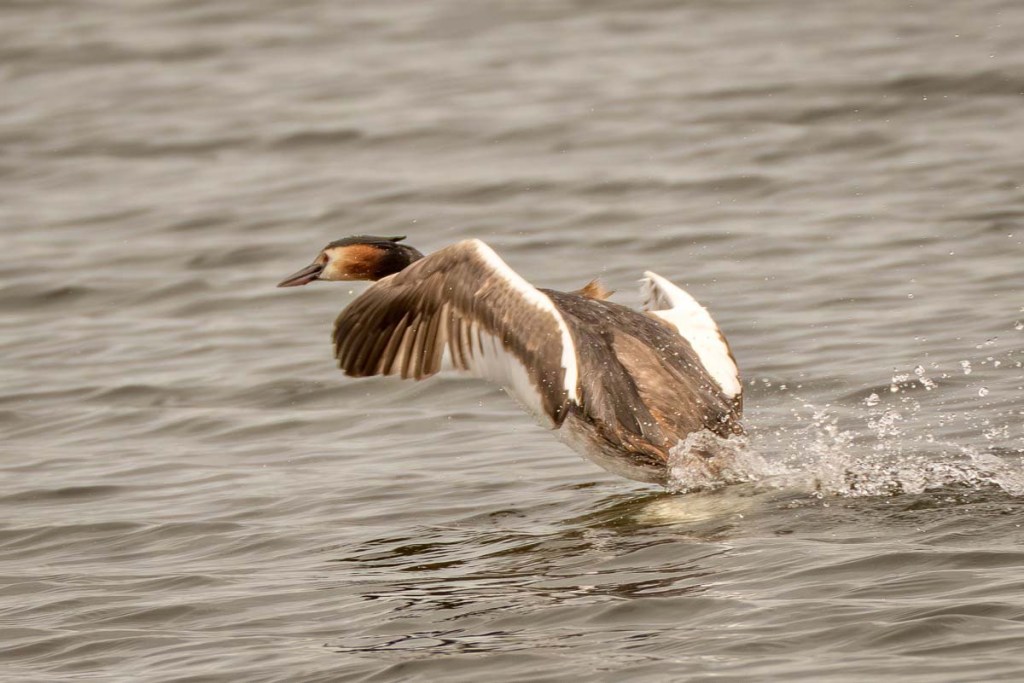
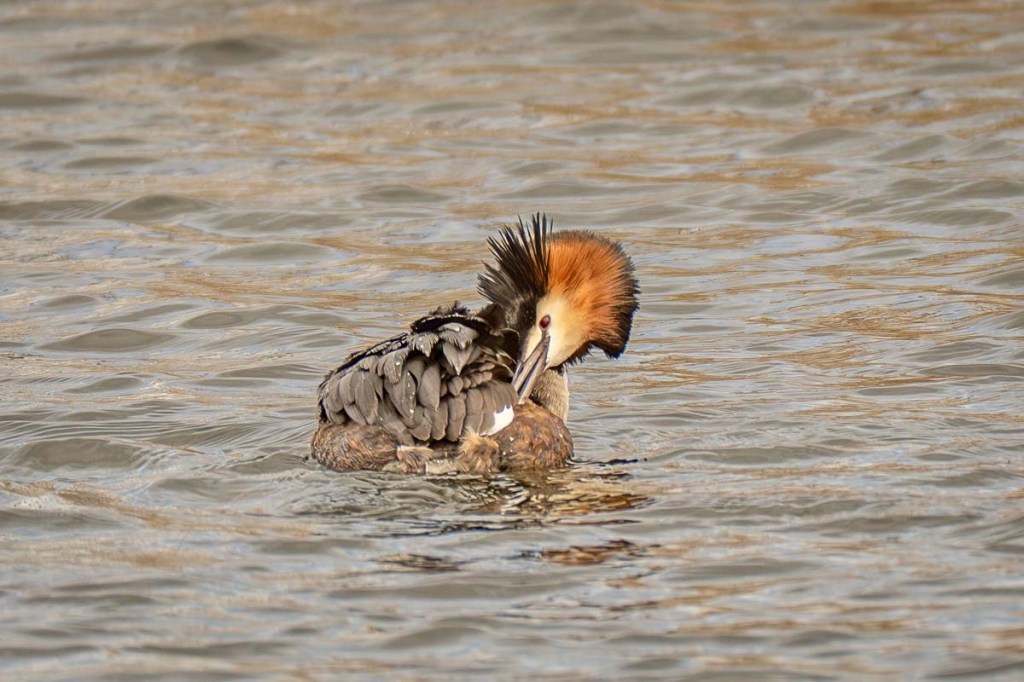
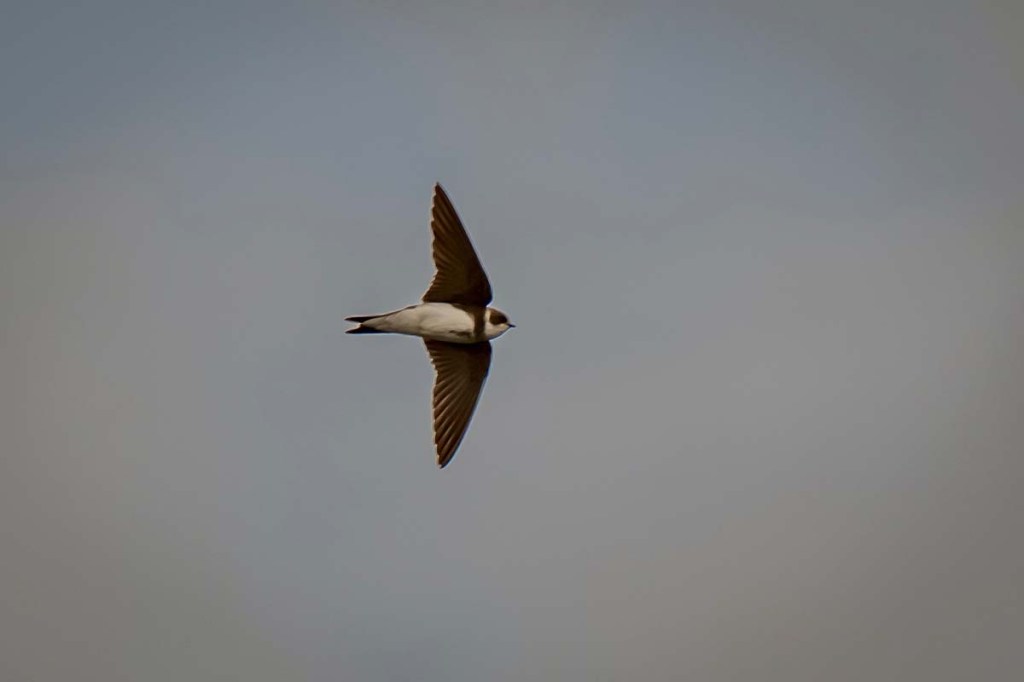
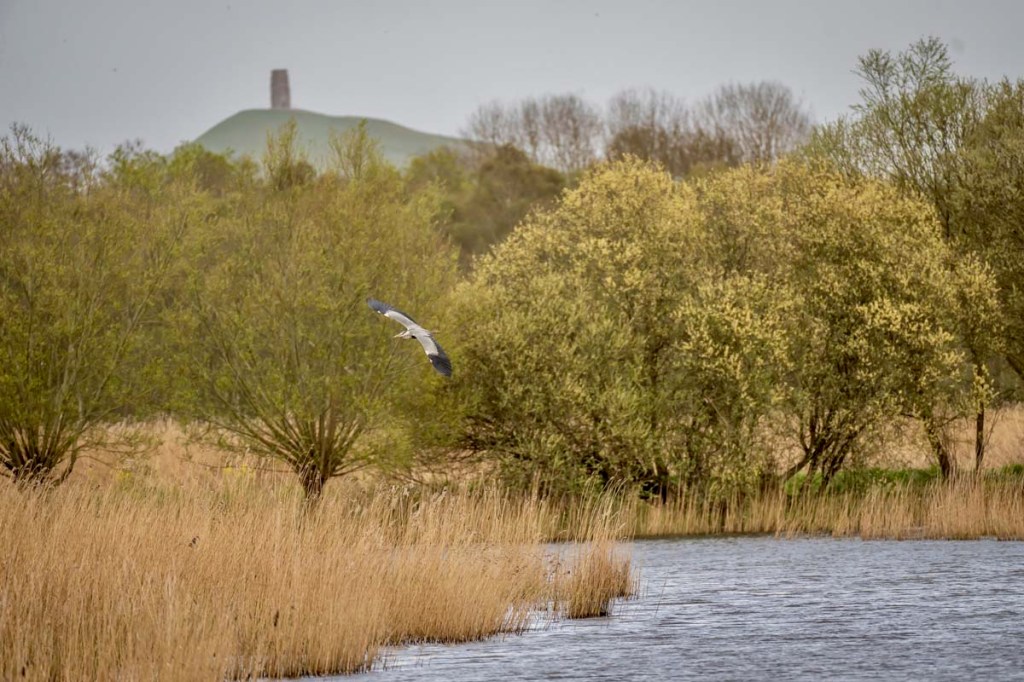
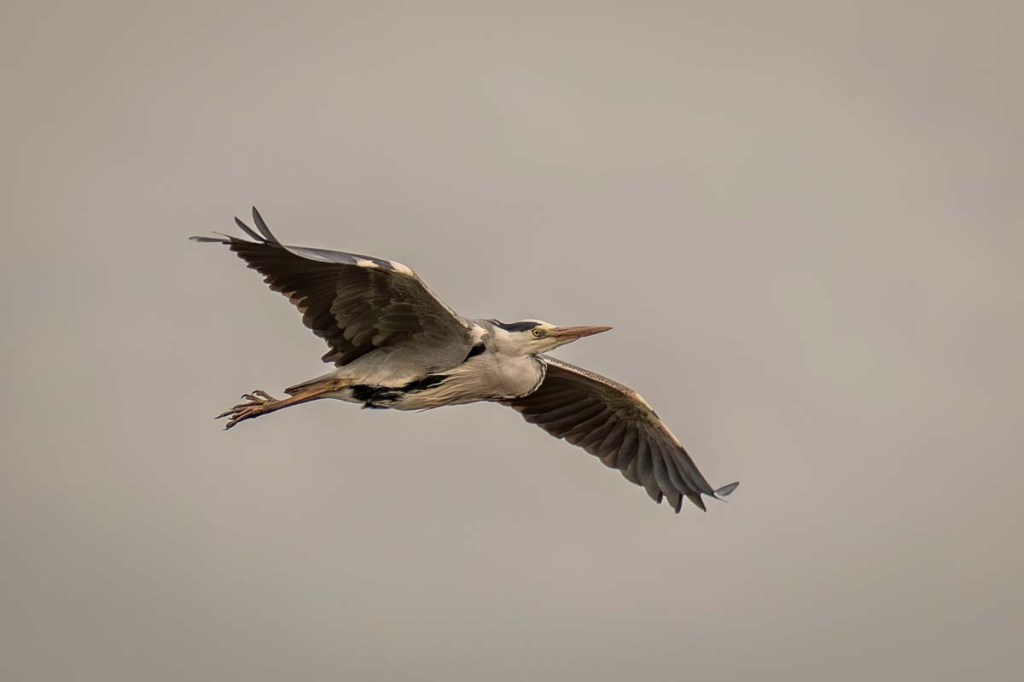
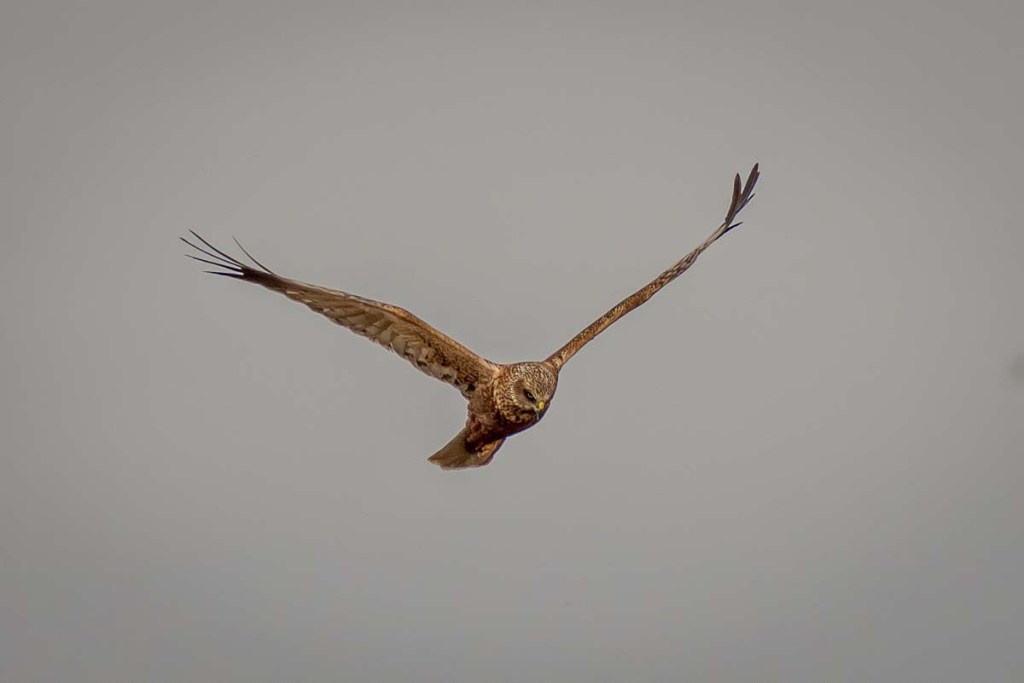
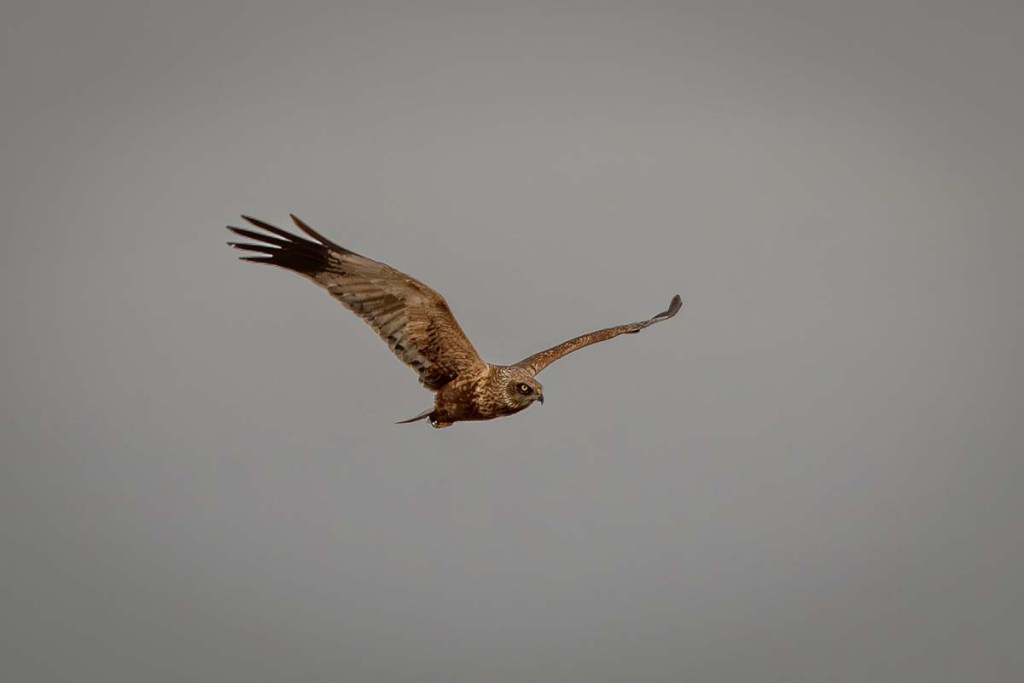
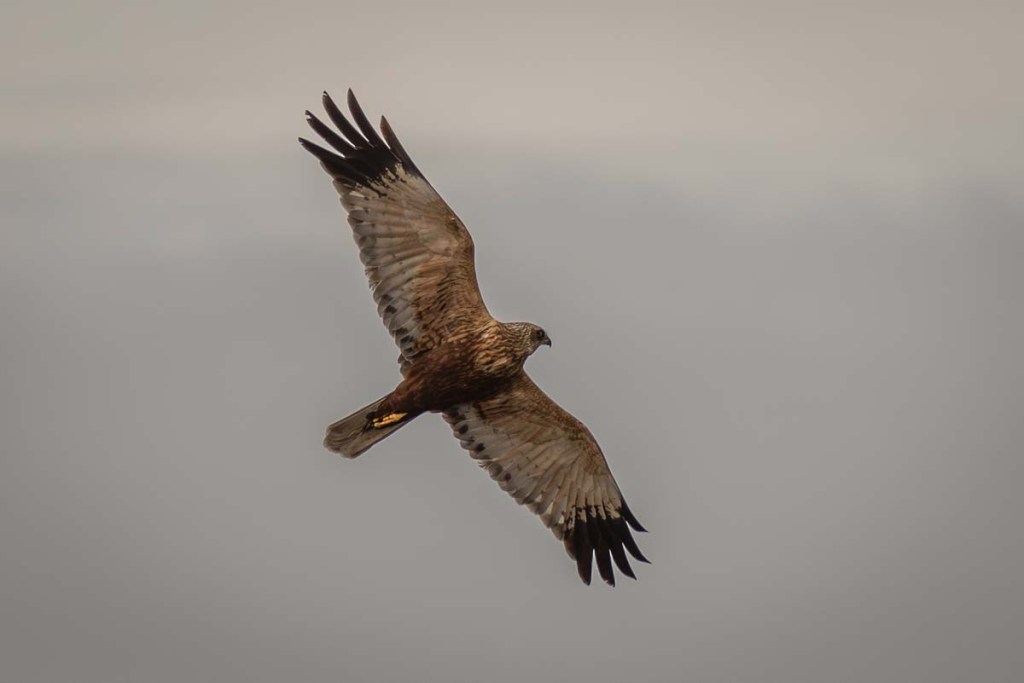
After RSPB Greylake we moved on to RSPB Ham Wall to the north. We restricted ourselves to just one hide here, mainly because it was so cold. However, despite the poor light we did see great crested grebe, tufted ducks, sand martins, grey herons, cormorants and a marsh harrier. Glastonbury Tor is always a nice backdrop from this hide.
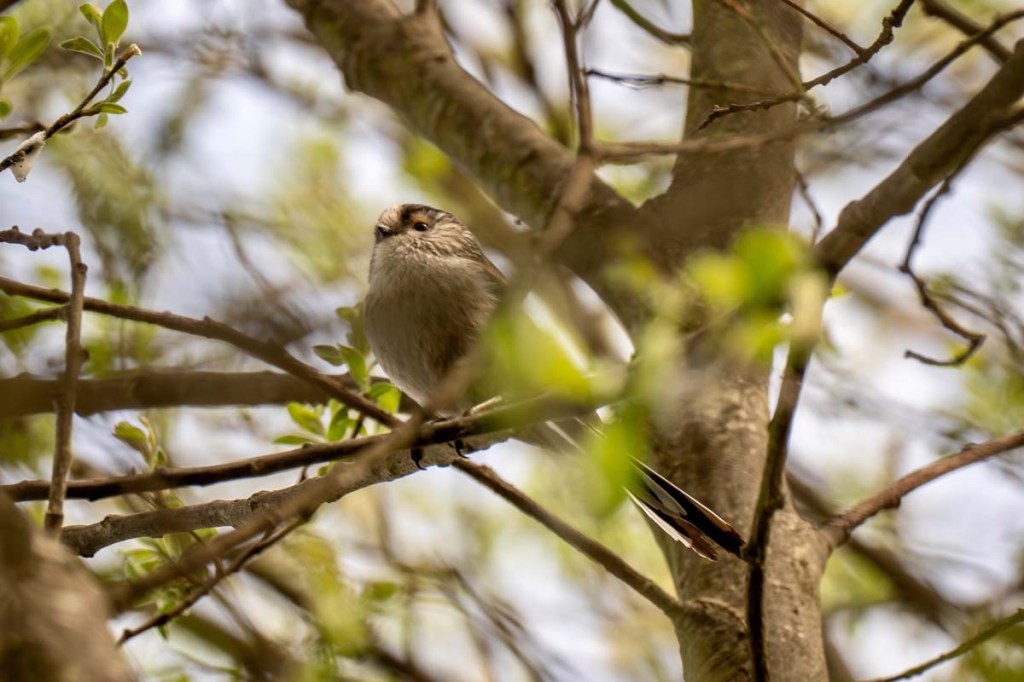
Long-tailed tit on arrival at RSPB Ham WallGreat crested grebe with its supperGreat crested grebeGreat crested grebe shooing off a competitorGreat crested grebe preeningSand MartinGrey heron with Glastonbury Tor in the backgroundGrey heron with dark skyWestern marsh harrierWestern marsh harrierWestern marsh harrierWestern marsh harrier
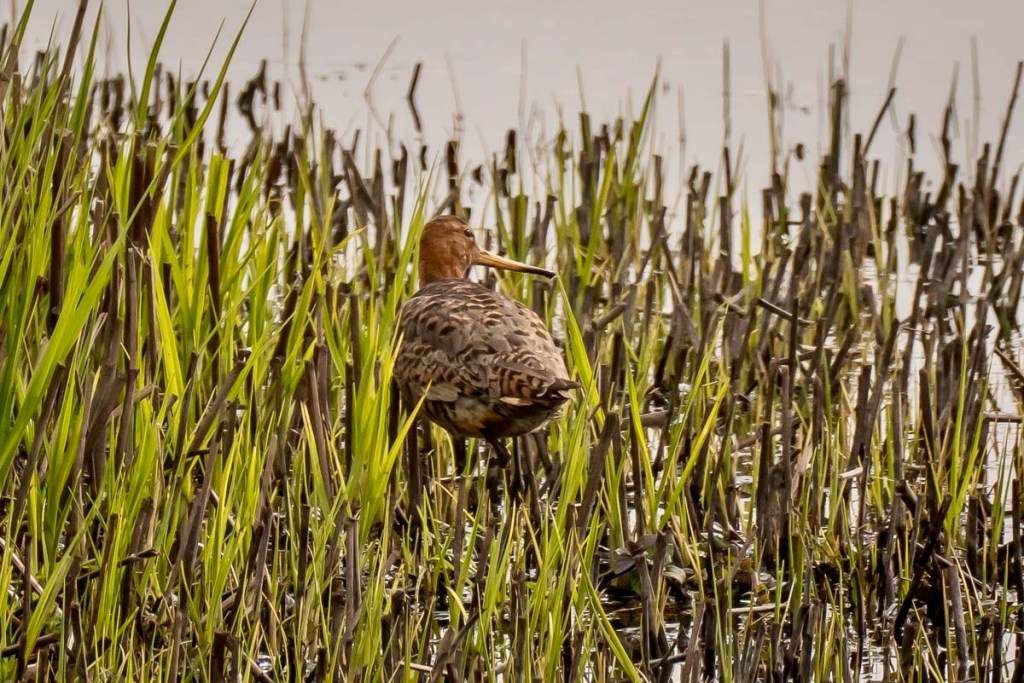
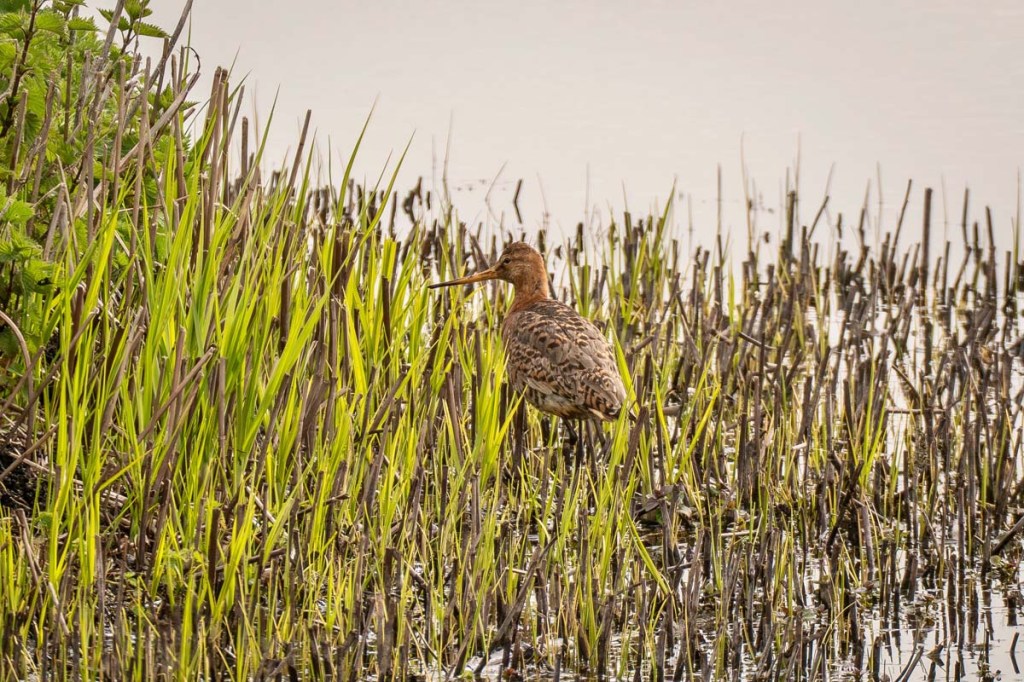
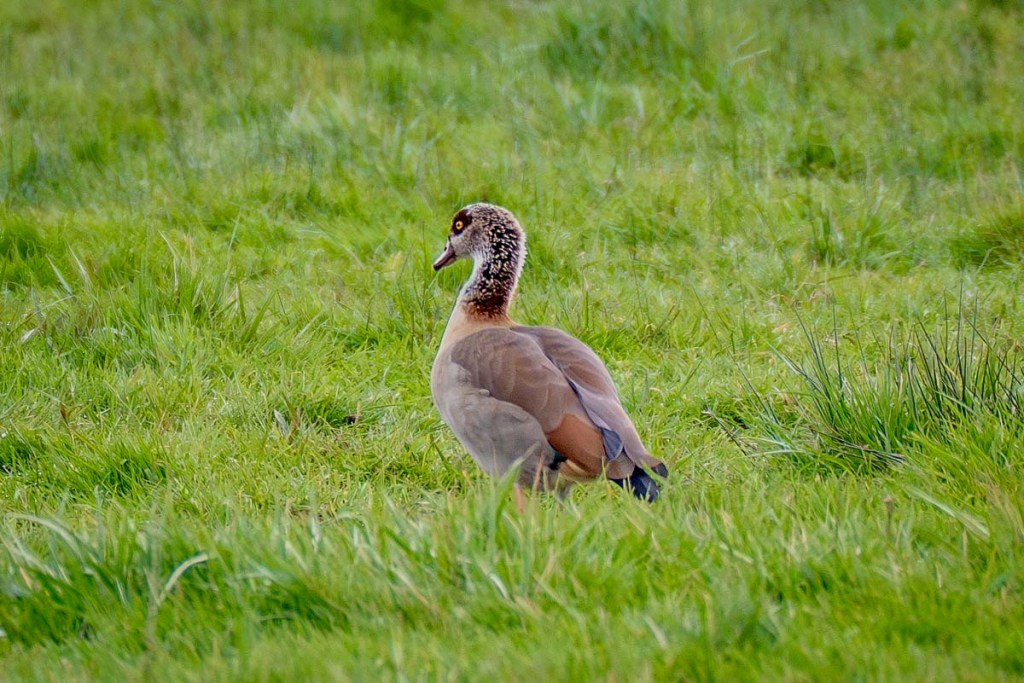
Our second day we only spent a short time birding at Somerset Wildlife Trust’s Catcott Nature Reserve. The best here was a solitary (and very secretive) black-tailed godwit and a pair of Egyptian geese,
On the way home we stopped in Glastonbury for a cream tea (just as good here in Somerset as the Devon and Cornwall ones) and meandered back through the lanes of North Somerset rather than take on the motorway which might have been congested with end of Easter holiday traffic.
The view of Chew Valley on our way home – we resisted bird watching here despite a brief moment of sunshine.
It was a very gloomy morning at Slimbridge but, even though we are between seasons with not so many birds around, our spirits were lifted with some exciting moments. We even heard our first willow warbler.
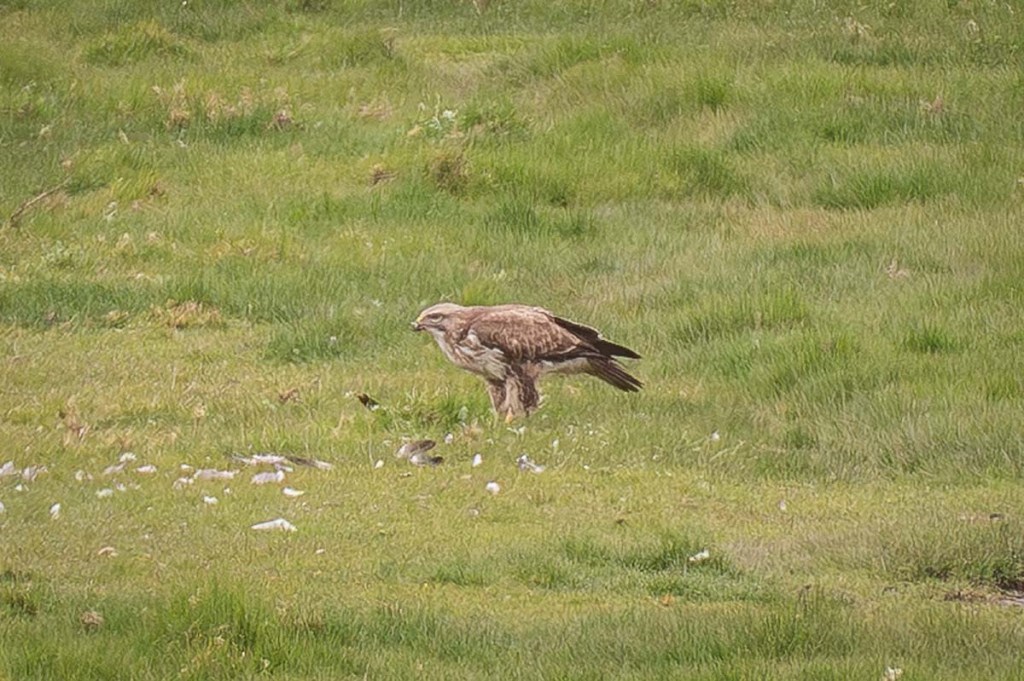
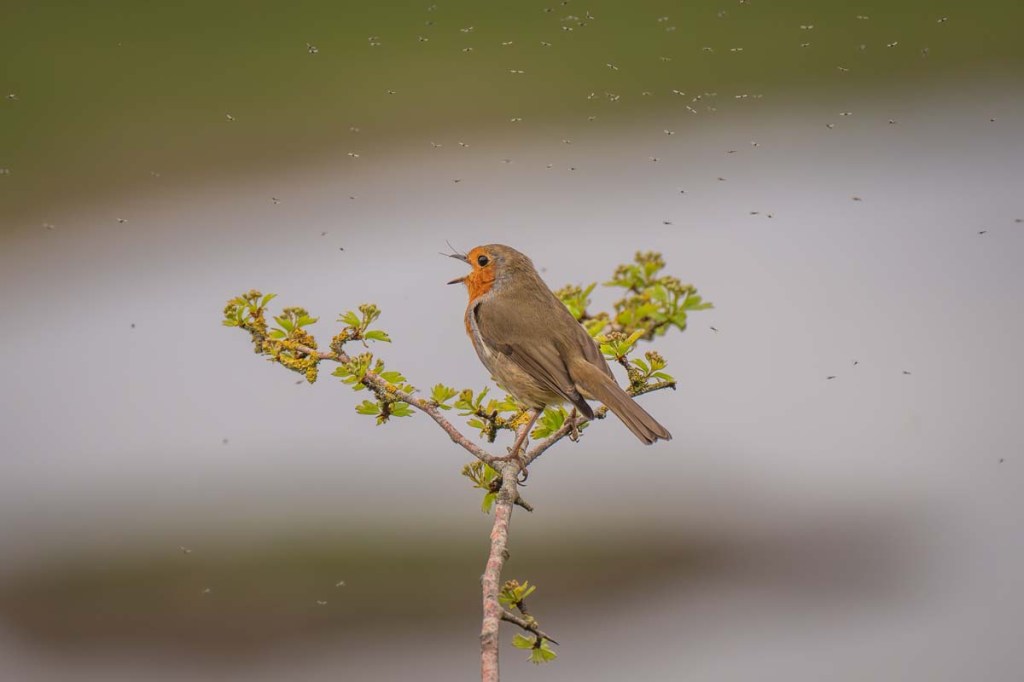
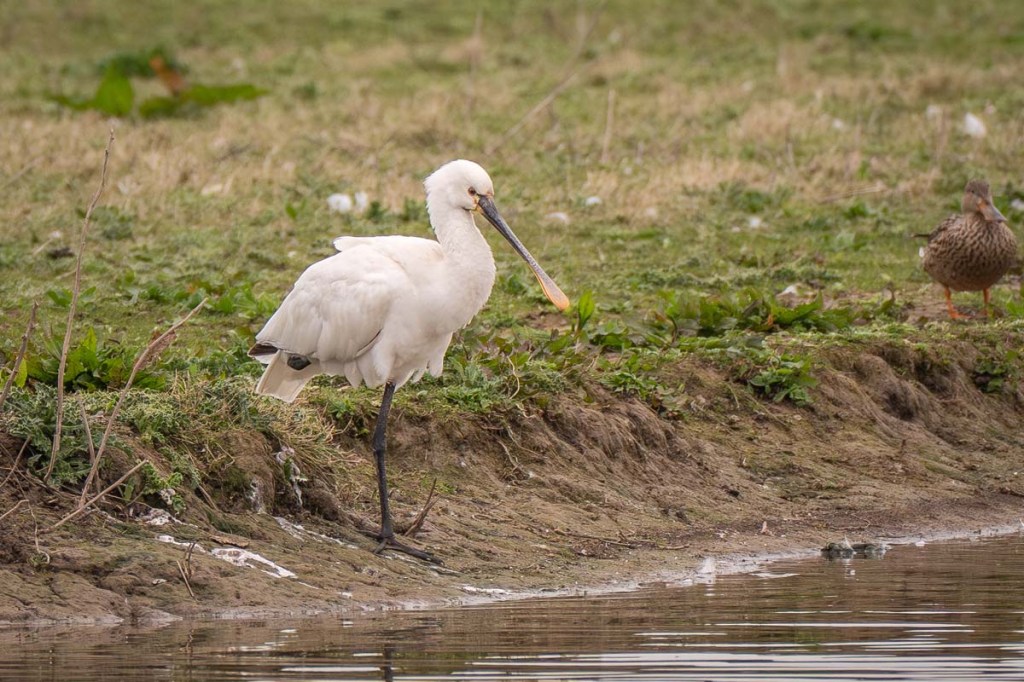
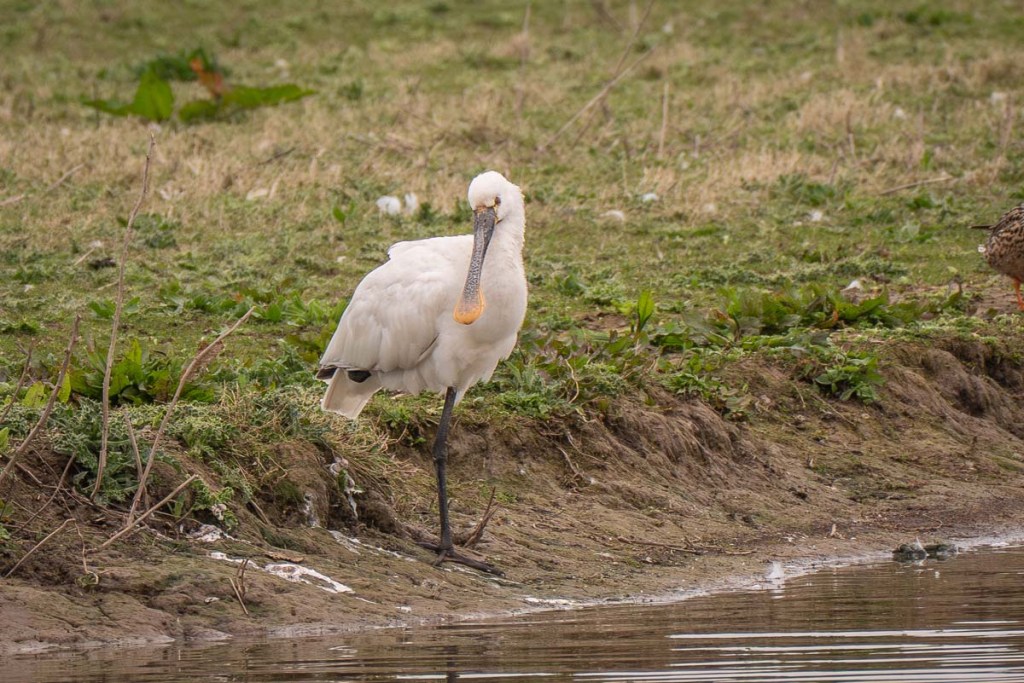
Avocet from the Rushy hide.Western marsh harrier high over the Rushy hideCommon crane on the Severn Estuary from the Estuary Tower hideCommon buzzard from the Estuary Tower hideEuropean robin with plenty of flies for company (or food?)Eurasian spoonbill from the Robbie Garnett hideEurasian spoonbill from the Robbie Garnett hideKingfisher from the Decoy hideKingfisher from the Decoy hideCollision avoidedKingfisher from the Decoy hide
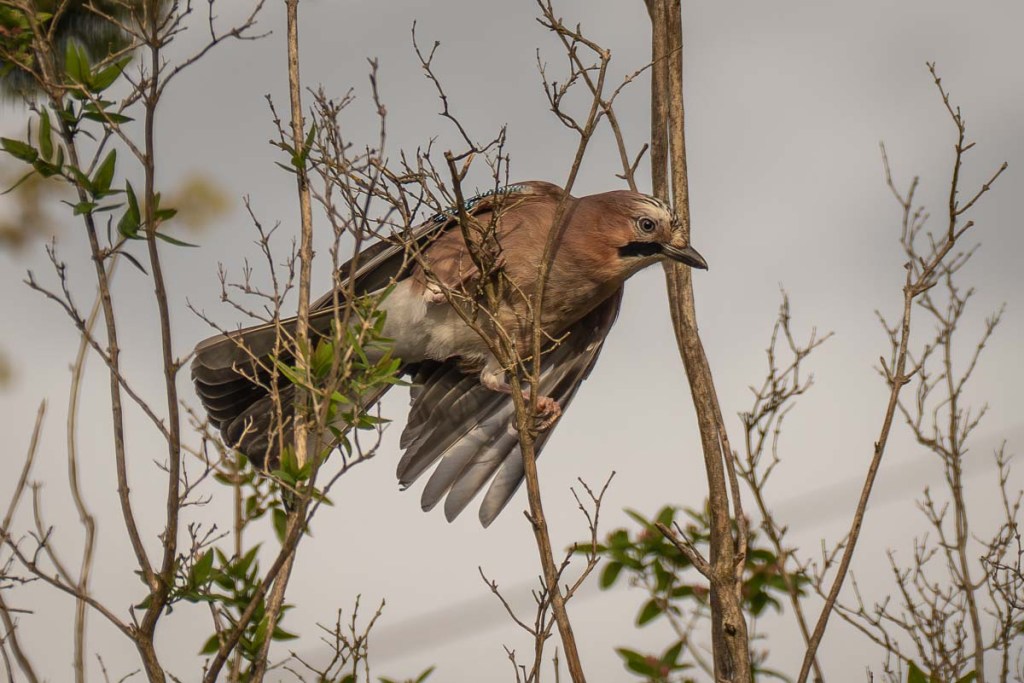
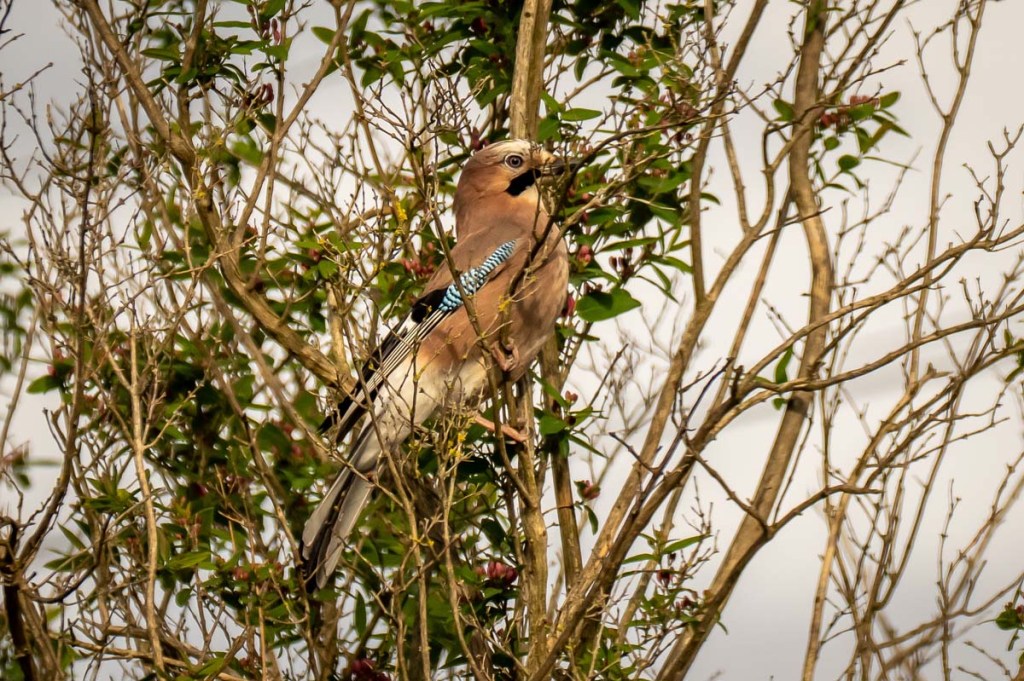
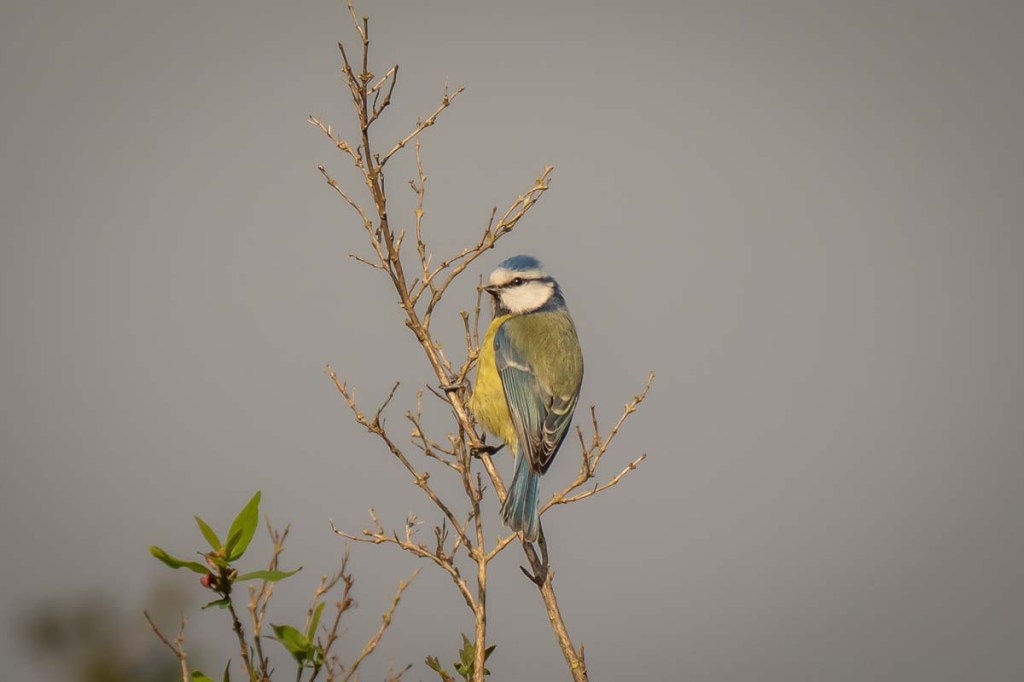
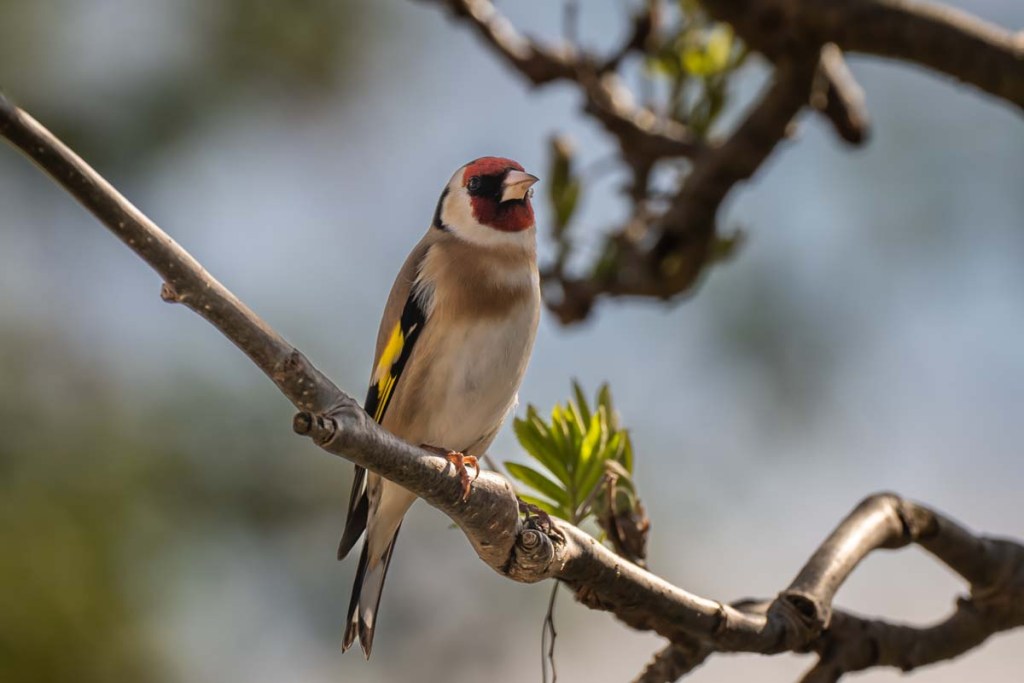
Yesterday there was a little sunshine and I managed a few photos of garden birds in our garden.
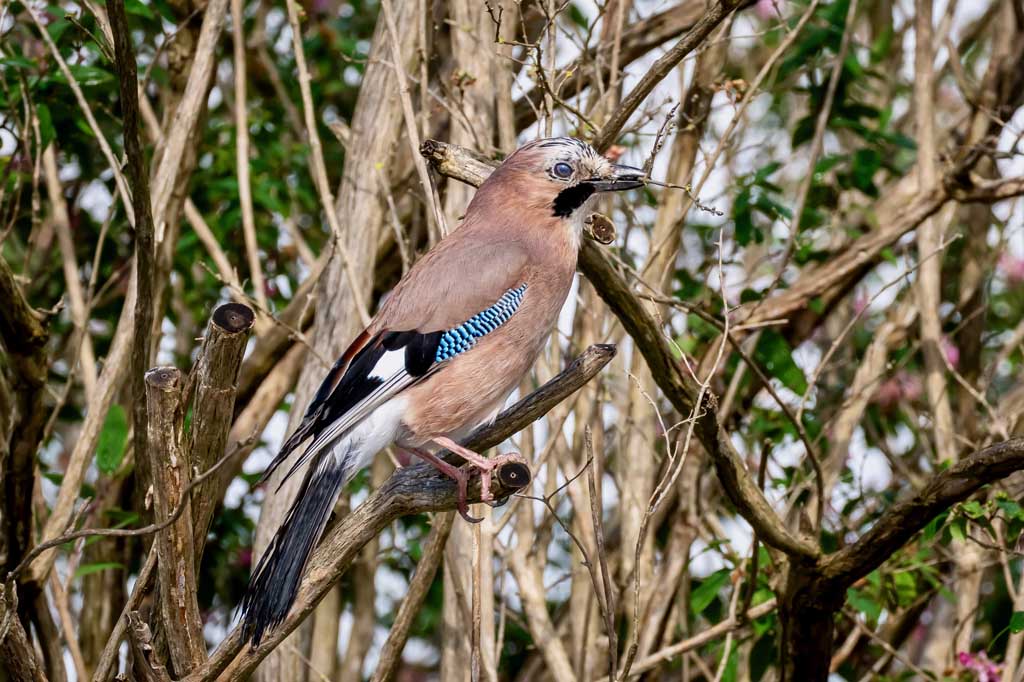
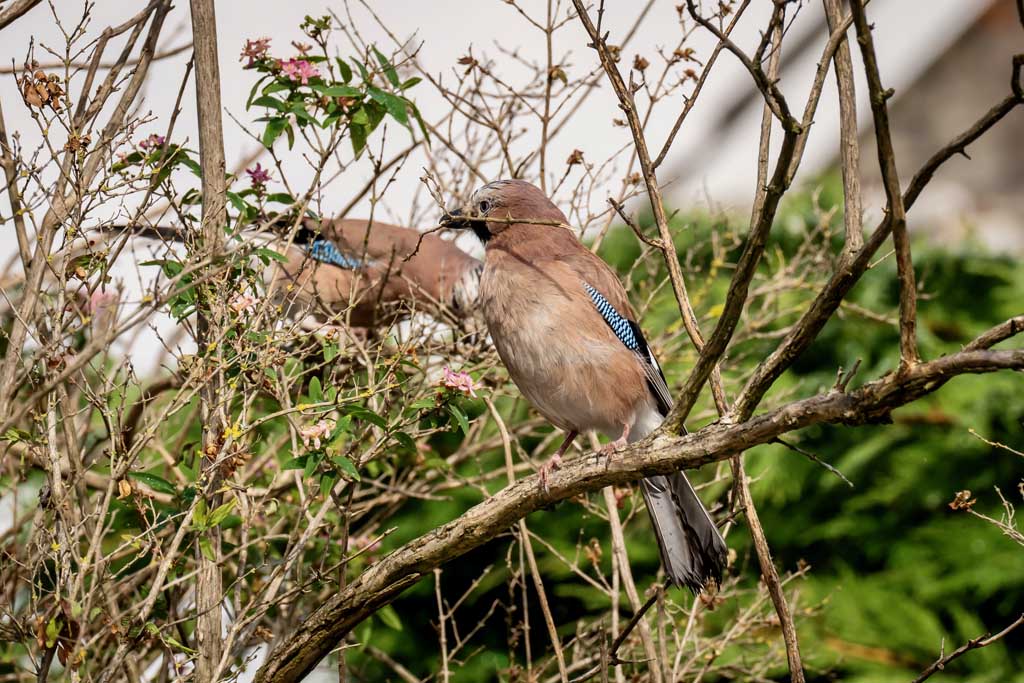
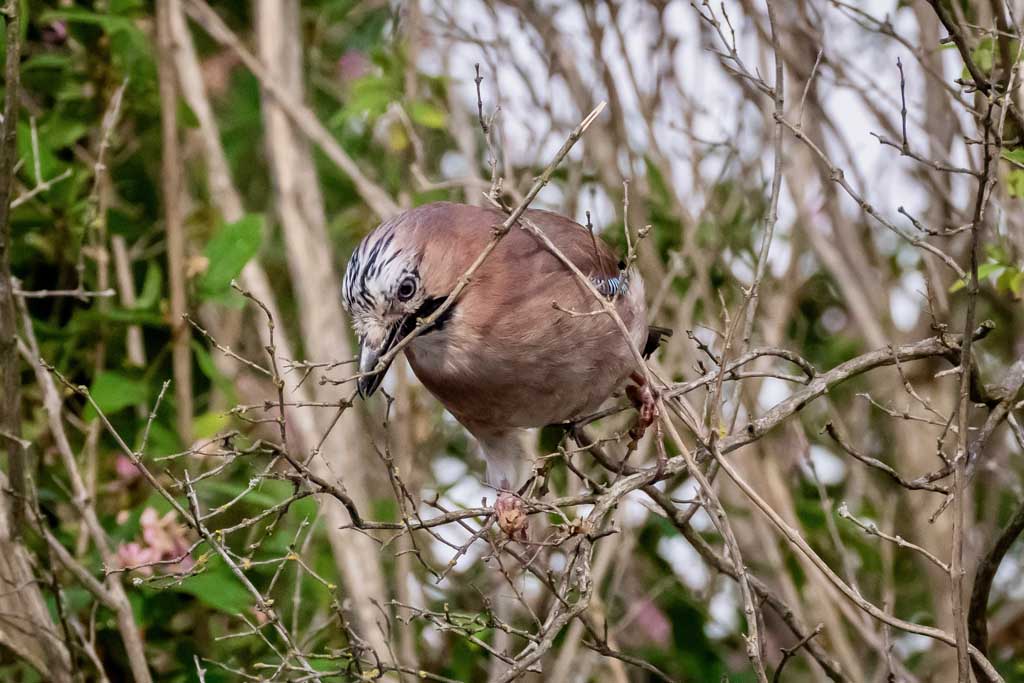
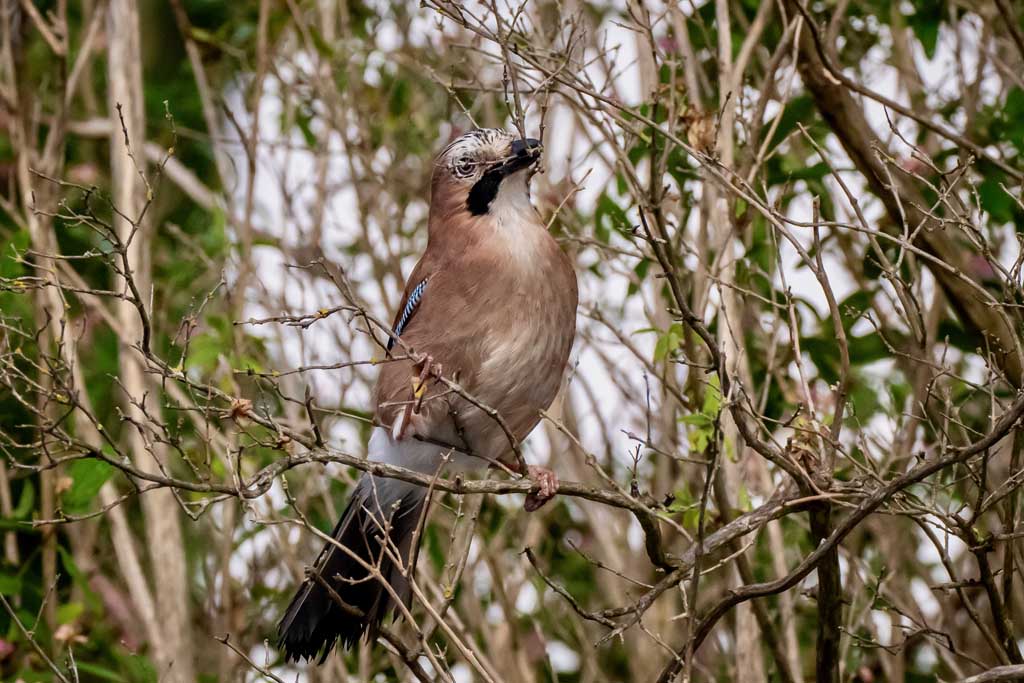
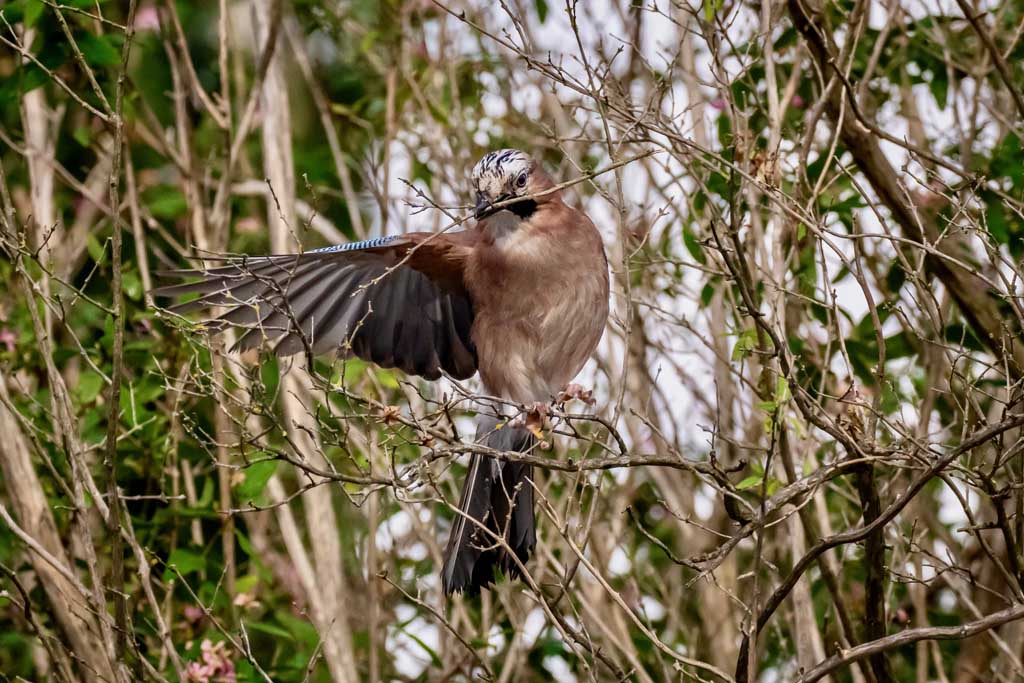
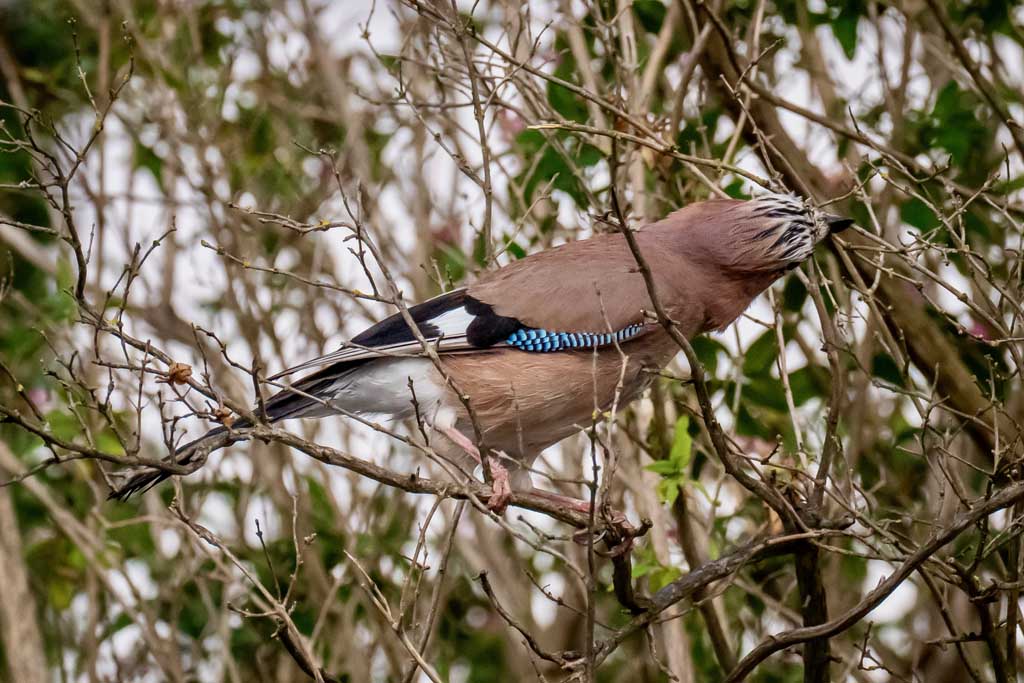
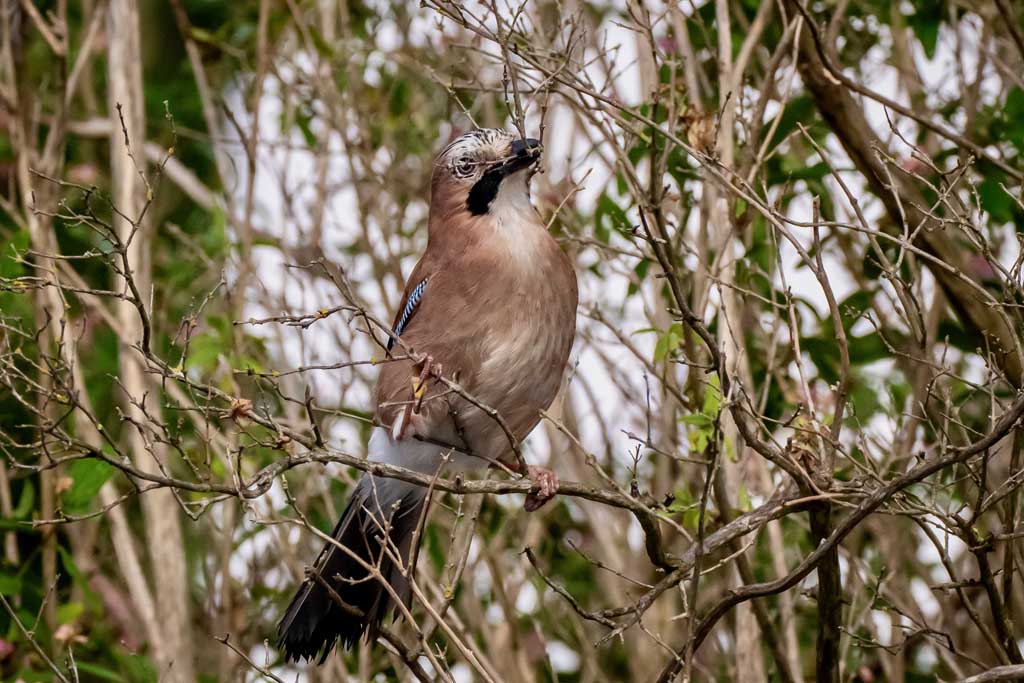
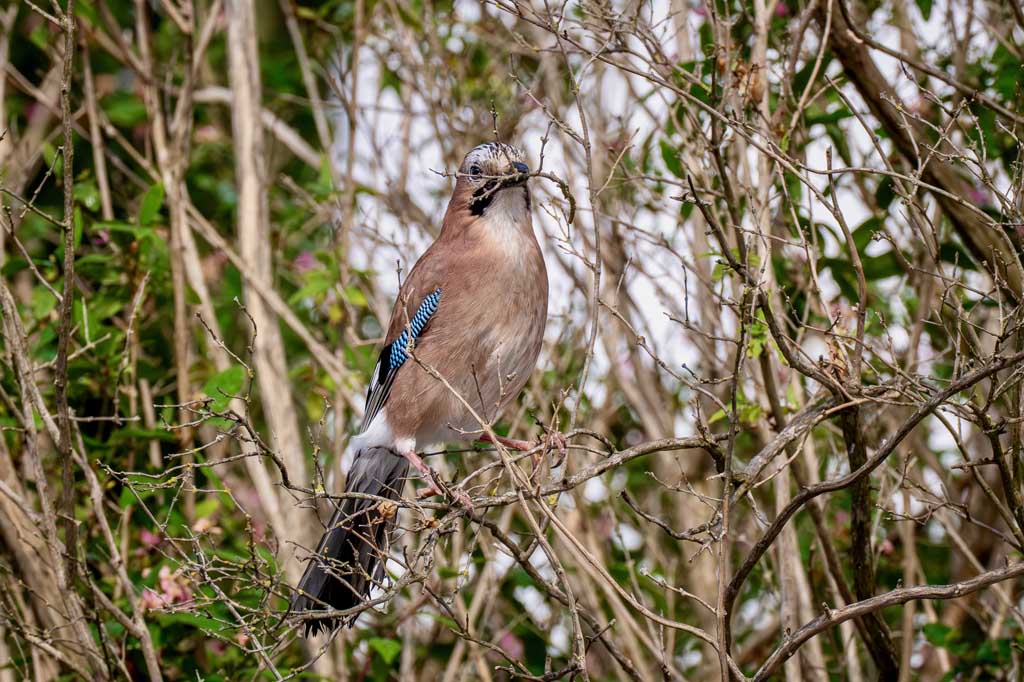
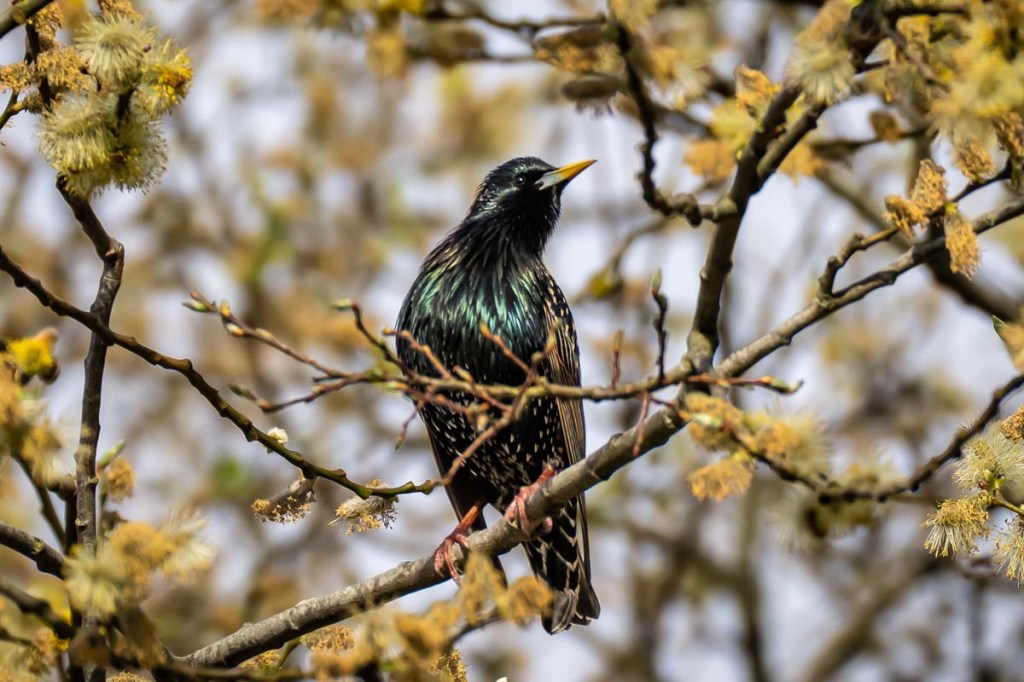
Eurasian jay (from the dining room, in fact, as I fetched my camera)Eurasian jayBlue titEuropean goldfinchStarling
We had a fabulous time in the winter sunshine at Chew Valley Lake this morning. Chew Valley Lake, just south of Bristol, is the sixth-largest artificial lake by area in the United Kingdom, with an area of 1,200 acres (4.9 km2), but only the forty-seventh largest by volume, reflecting the fact that it is a shallow lake. It is a national centre for birdwatching, with over 260 species recorded. It is particularly shallow at the moment following the dry summer and today there were lots of birds benefiting from the ideal conditions for waders and waterfowl and plenty for me to photograph.
However, the most exciting aspect of our birding session was meeting 7 year old Stanley and his dad who, in fact, pointed out the common kingfisher to us. It was a sheer delight to chat to Stanley who was most knowledgeable about birds and clearly loved being out and about in the fresh air with his dad pursuing his hobby. Stanley told us all about the places he had been recently and what birds he had seen. He told me that he had recently seen a bittern and that one of his favourite birds was a Bewick’s swan. When I told him that we had just seen a pair of Whooper swans at another part of the lake he was very keen to go and see them. Stanley’s dad told me that Stanley much prefers being out birdwatching rather than staying at home, as many young people do, absorbed in electronic games. I am sure that Stanley will become a well adjusted and decent man just as, I imagine, his dad is.
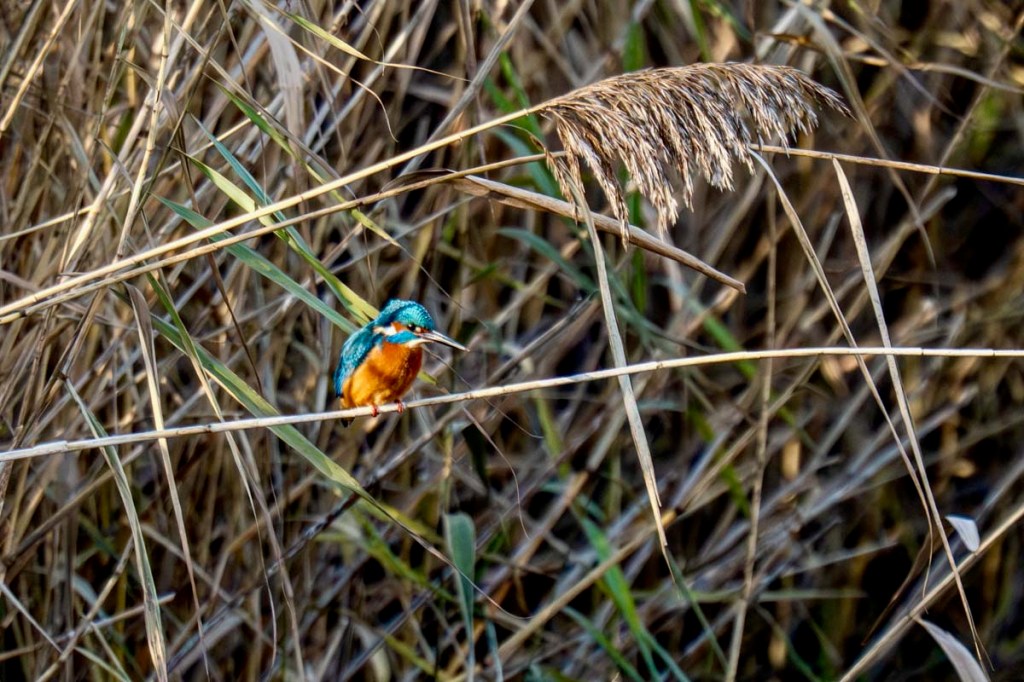
It was very interesting watching the kingfisher as it moved from one side of a sluice to another (and from shade to bright sunshine) as it seem to change considerably in colour. I remember reading that the common kingfisher is in fact brown and that the bright blue colour you perceive is due to a phenomenon called structural colouration. Structural colouration is seen throughout the animal kingdom and makes creatures appear much more colourful than they actually are. So while the coloured pigments in the kingfisher’s feathers are brown, you actually view them as a brilliant blue. It takes some believing, I know.
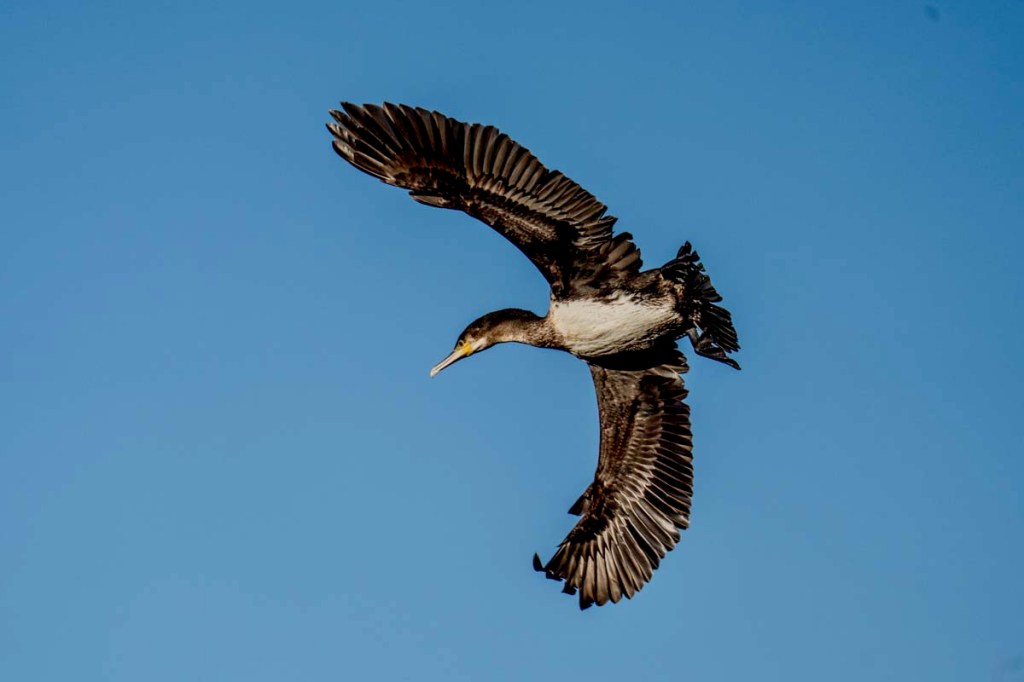
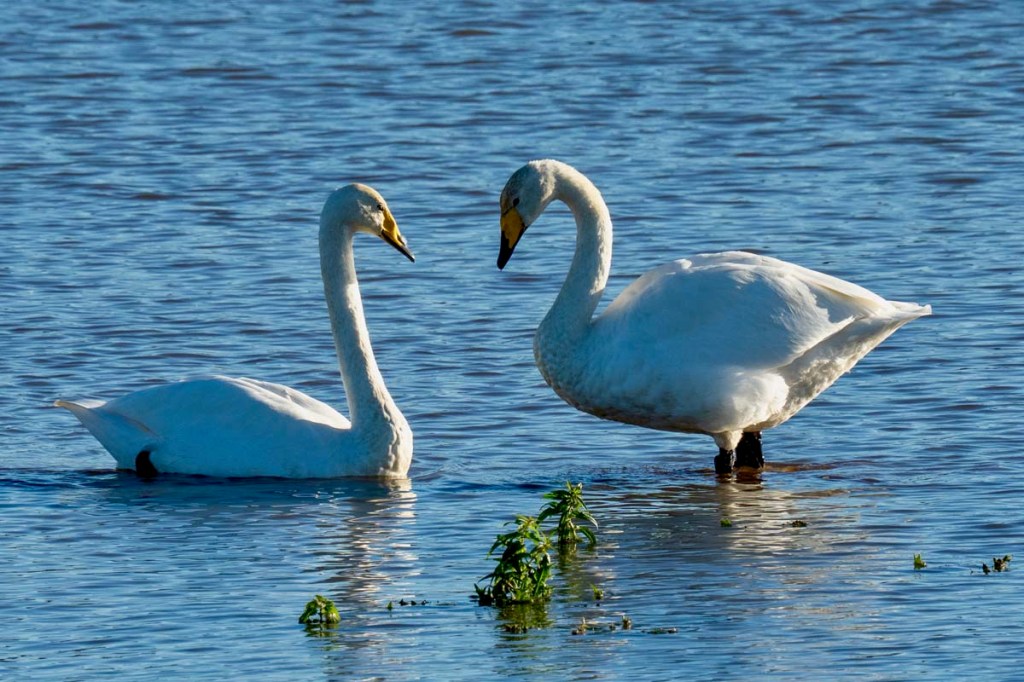
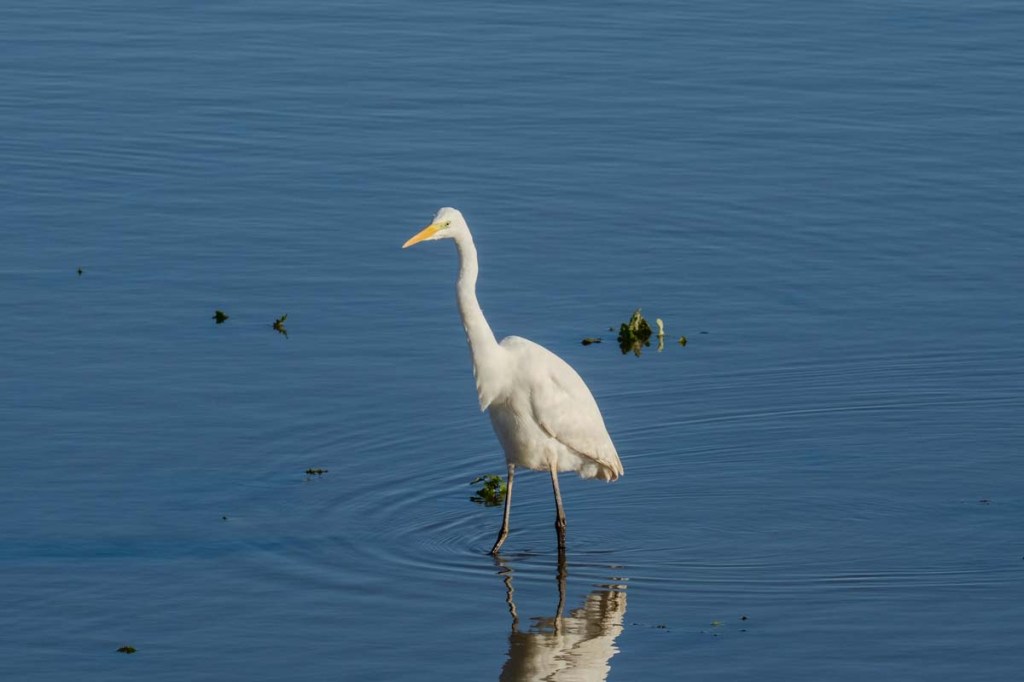
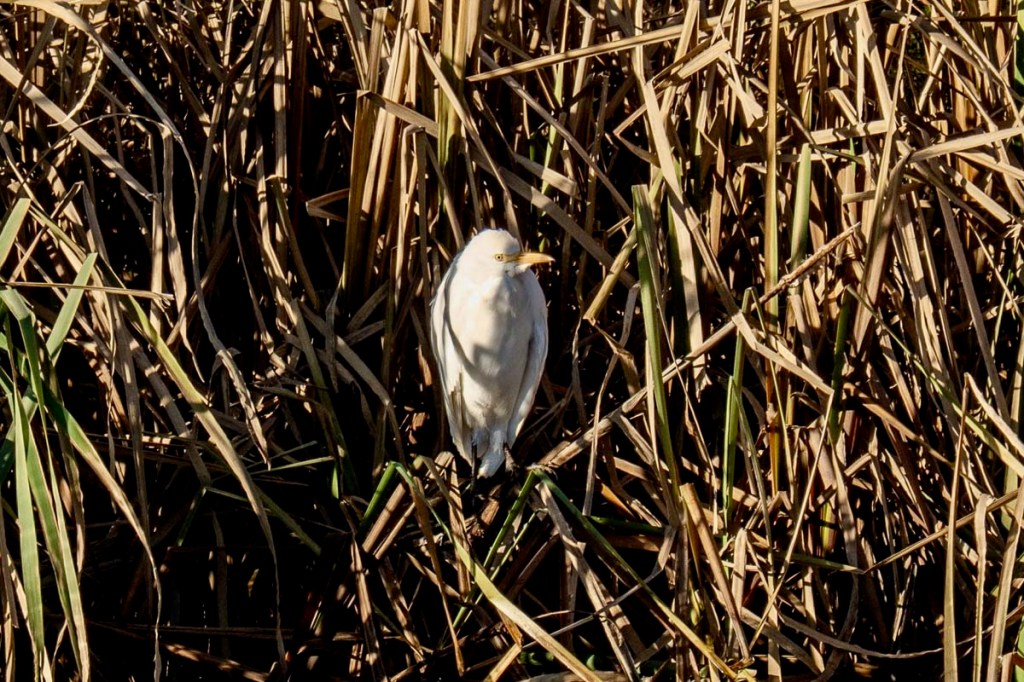
The common kingfisher just catching a few rays of sunshine in the dark reeds.The kingfisher on the other side of the sluice.Common kingfisher… and away.Common kingfisherCormorant in flight just above the kingfisherWhooper swans – bigger than Bewick’s: it is mainly a winter visitor to the UK from Iceland, although a small number of pairs nest in the north. Great white egretCattle egret – the third egret we see in Britain, the little egret, was also to be seen on the lake.Black-tailed godwits in flightNorthern shoveler in flightBlack-tailed godwits feedingBlack-tailed godwits flying over a northern shovelerCanada gooseBlack-headed gullMute swansAnd just one more kingfisher shot… or maybe two, just to show the different colours.
The bright sunlight tempted us out again to WWT Slimbridge, just half an hour up the motorway from where we live in Bristol. However, we weren’t quite prepared for the cold winds which greeted us when we arrived on the estuary of the River Severn.
The Severn estuary
I don’t know whether I was affected by the cold but my photos were pretty dreadful and I have very few that I want to publish today.
In the last few blogs I have been experimenting with video and so I offer a short video of some of the birds we saw today. I have left the wind noise (but toned down) to give you a feeling of the cold wind!
Despite my excitement in my last blog about the Bewick’s swans there was not one to be seen today.
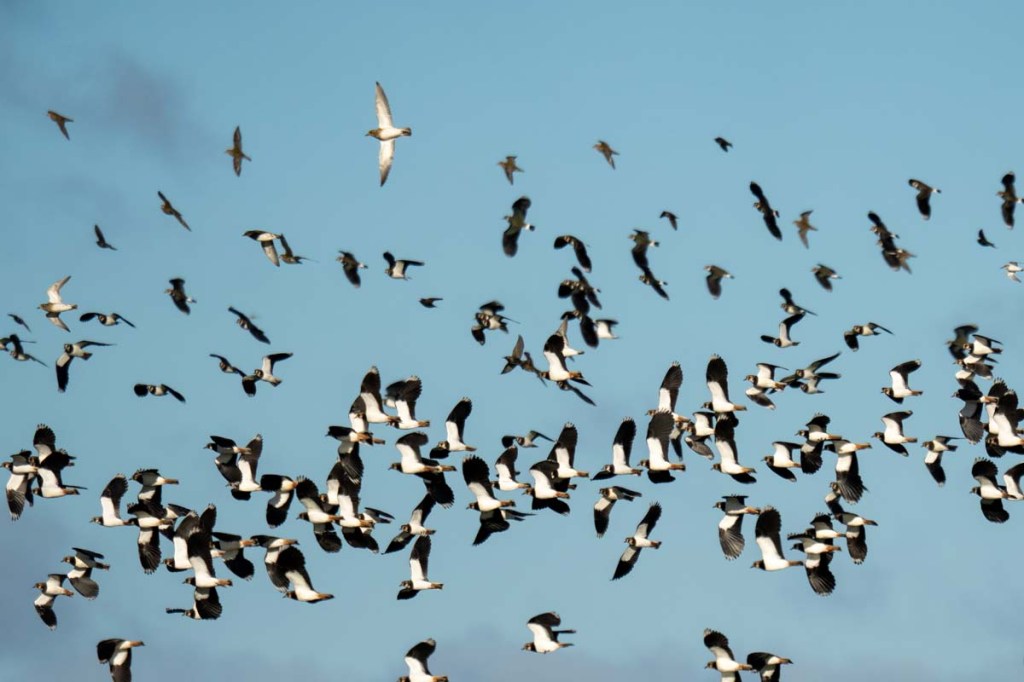
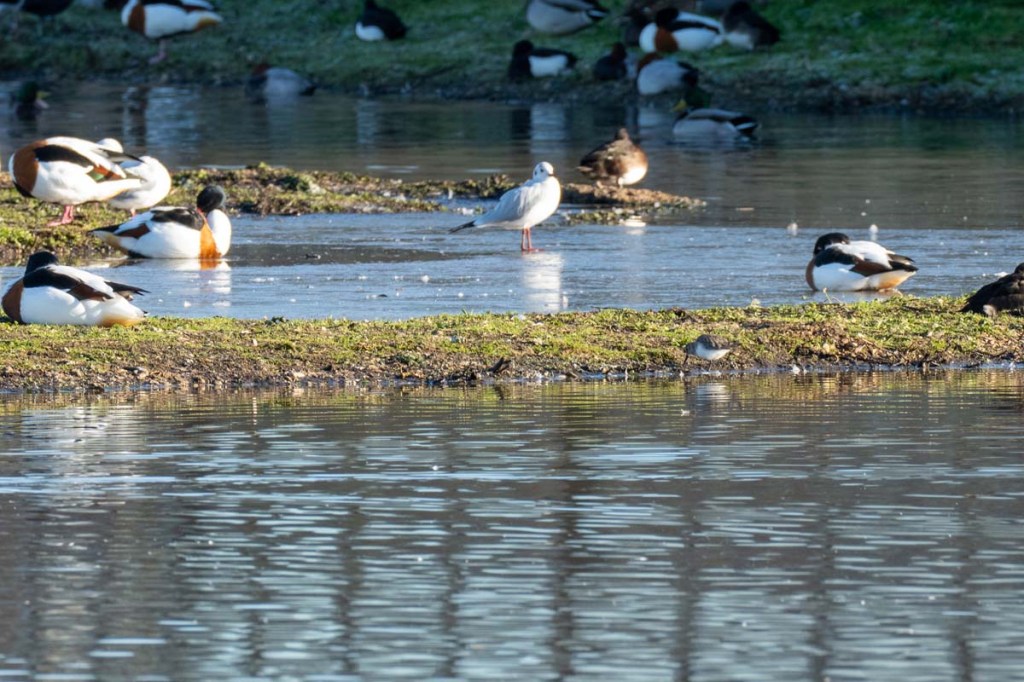
There were lots of geese and a few curlew but not much aerial activity except occasionally for flocks of lapwings and shelduck.
I’m sorry that this is the fourth blog in a row from Slimbridge but I am currently limited to where I can go and, luckily, we are able to access this reserve fairly easily and I can easily visit some of the hides.
I’ve no need to apologise really as this is a great nature reserve and at this time of the year it is quite exciting with lots of birds arriving from the north.
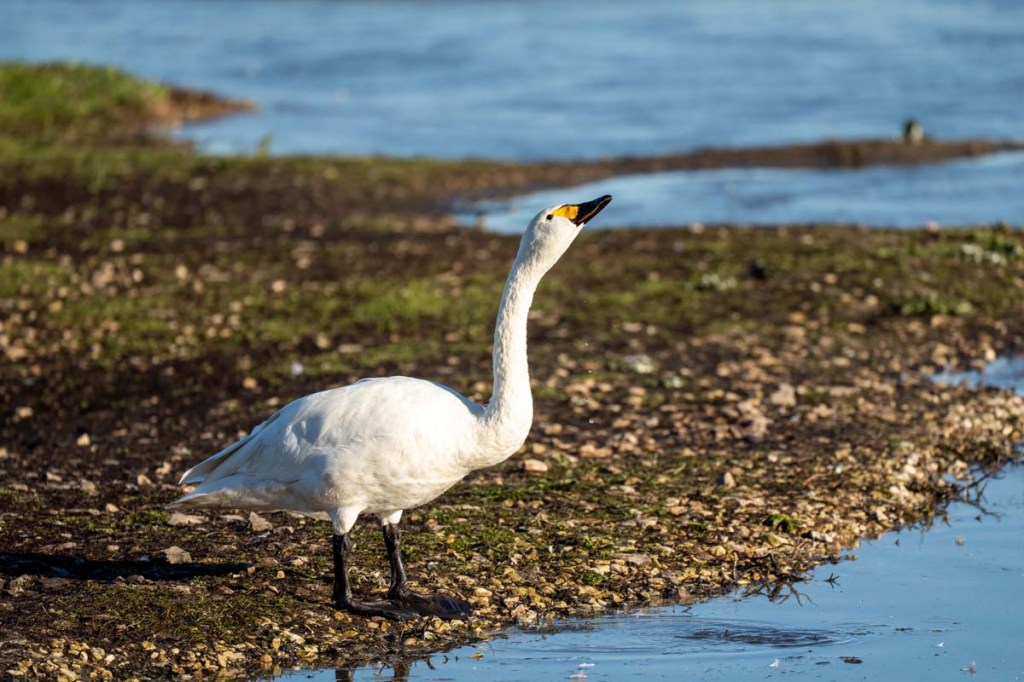
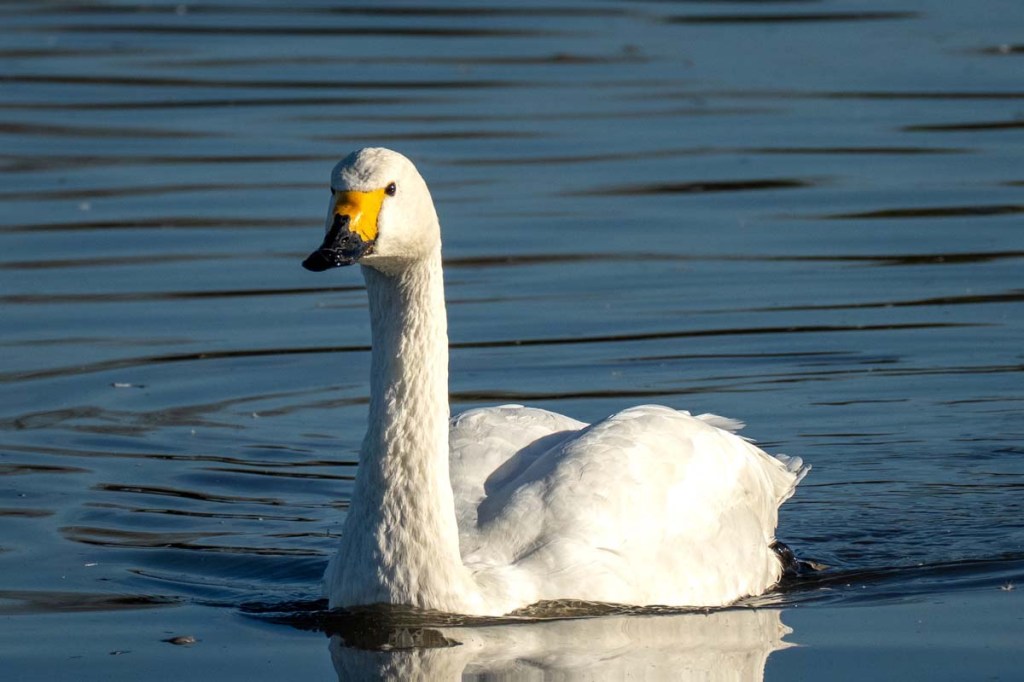
The headline news is the arrival of the Bewick swans. The first ones arrived on the 16th November, the same date the Bewick’s arrived in the winter of 2023, which marked the latest they’ve returned to the reserve since 1965. Sadly, and probably another sign of global warming, their numbers here in Gloucestershire are dwindling (Slimbridge has lost about 43% of their Bewick’s swans over the last five years).
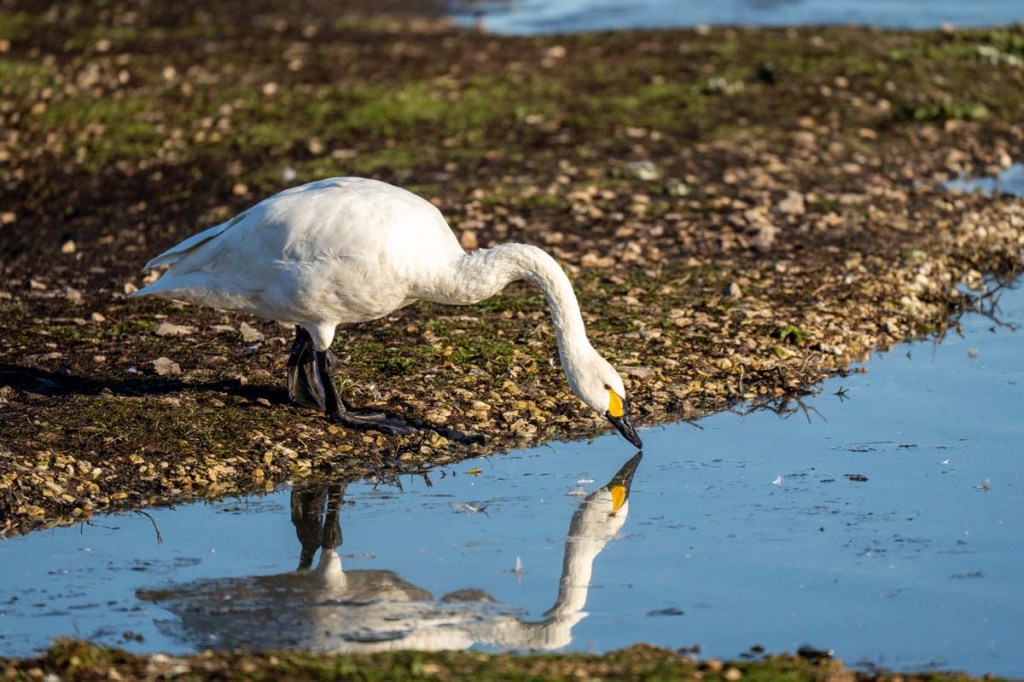
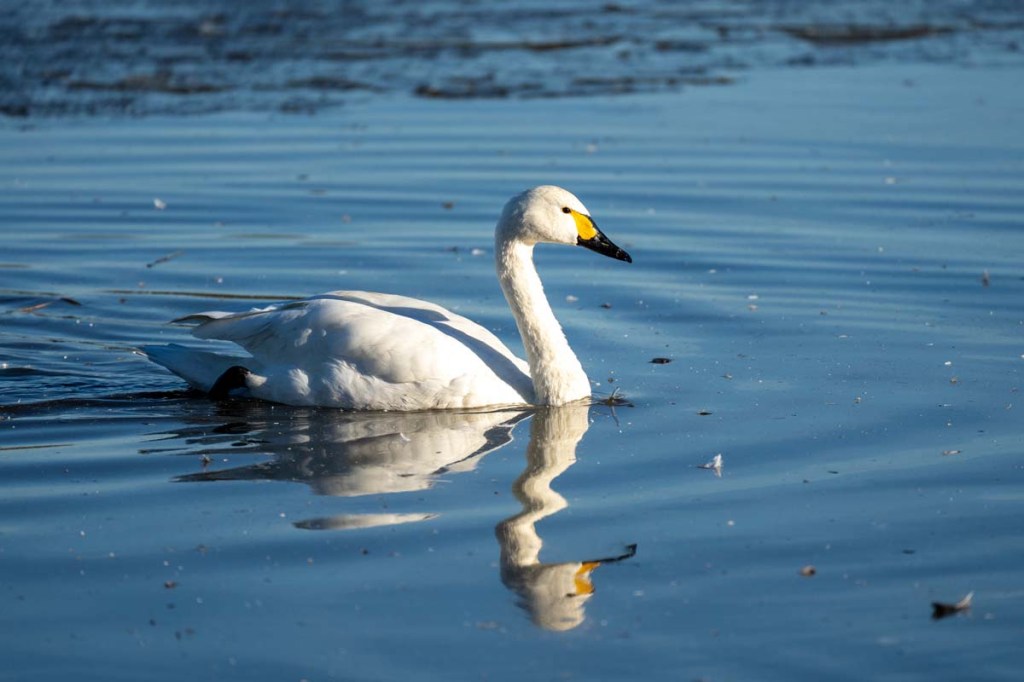
Bewick’s swanBewick’s swan
Bewick’s swans are the UK’s smallest swan (115 to 127 cm in length and with a wingspan of between 170 to 195 cm and weighing 6000 g) and are white with a yellow and black bill. It can be distinguished from the whooper swan by the less extensive yellow markings on its bill. Individual Bewick’s swans can be identified by looking at their bill: the pattern of black and yellow that they display is as unique as a fingerprint.
Bewick’s swan
Bewick’s swans spend their winters in this country; they arrive from Siberia in late autumn, returning north again in the spring. They will often feed on fields during the day, eating crops like leftover potatoes and grain, before heading to roost on open water. As well as the Severn Estuary they are primarily seen in areas like East Anglia and Lancashire.
Bewick’s swans
The WWT website has this to say about the Bewick’s:
“Britain’s rarest, smallest and most musical swan is all about family. Extended family groups make long, dangerous migrations together to visit the UK each winter.
Their story
In 1963, Peter and Philippa Scott and their young daughter were painting Bewick’s swans at their window in Slimbridge. As they sketched, they noticed each bird’s bill markings were slightly different. They learned to recognise each one by face and gave them names.
Through their art, the Scotts discovered their new friends had loyal partners for life. Paired birds will seek each other if separated during migration, and perform joyous “triumph ceremonies” on being reunited. They also mourn following the loss of a mate, generally taking at least 1 year to re-pair and longer to breed with a new partner.
The Scott family learned the swans also form strong extended family bonds. When parents, offspring, siblings and (very occasionally) grandchildren come together at feeding sites and on the roost, their soft honking greeting is the soundtrack of Britain’s wetlands in winter.
The challenge
Every autumn, Bewick’s swans face a dangerous migration to the UK from northern Russia. Along their 3,500km route between the breeding and wintering sites there are predators, fewer wetlands and the risk of hitting power lines, but if they don’t migrate, they will be caught in the ice and snow of the arctic winter. In spring, they do it all again as they fly back to Russia. We also fear the rapidly changing climate of the Arctic will affect them.
They are illegally hunted – often mistakenly because their small size makes them resemble geese in low winter light. They are also susceptible to eating the lead ammunition sprayed from shotguns, which poisons, weakens and often kills them.”
When we arrived there were a few Bewick’s to be seen from the Rushy hide but, probably as most of the pond was frozen over, they soon flew off. Fortunately, they returned later in the morning before we left the reserve.
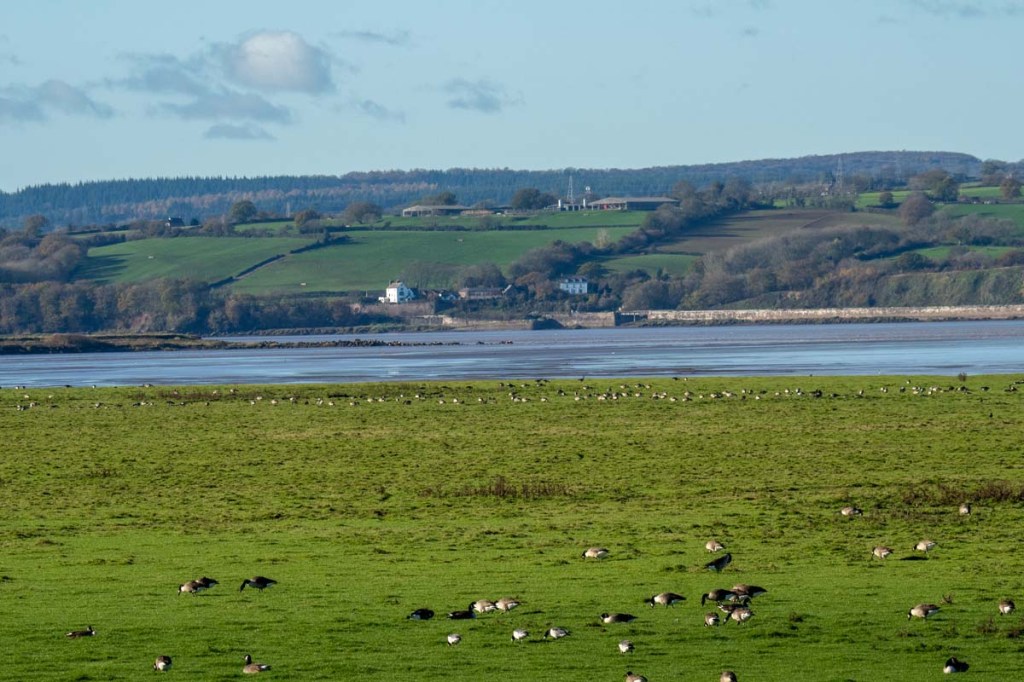
Elsewhere there were lots of geese (Canada, Barnacle and Greylag) on the area close to the River Severn.
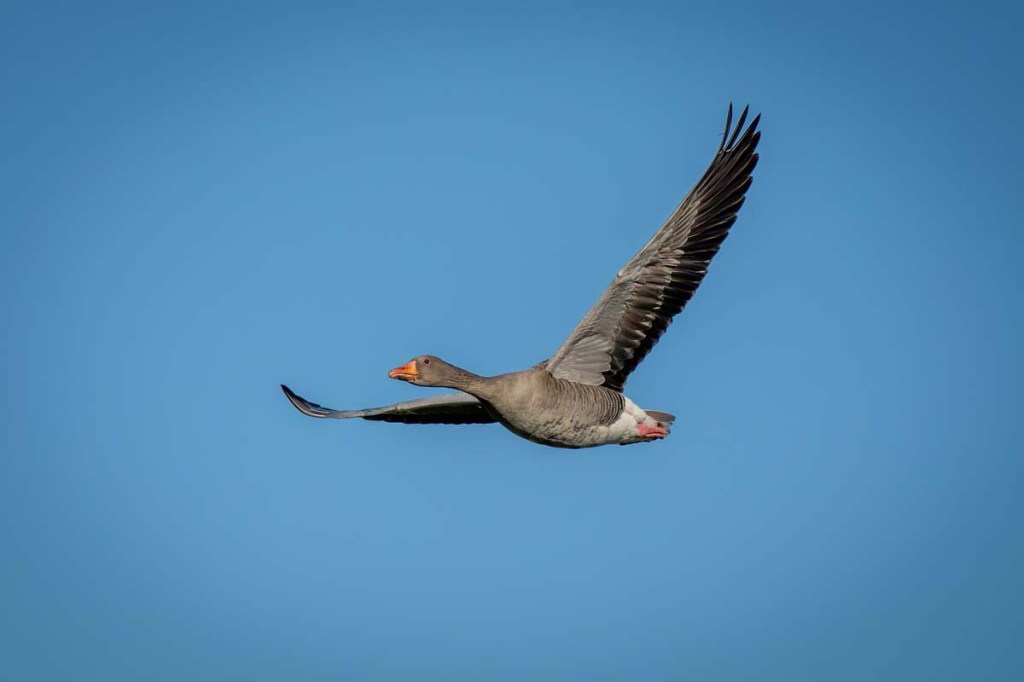
Geese close to the River Severn. The edges of the Forest of Dean can be seen at the rear of the photo – another good “birding” spot.Barnacle geese struggling on the frozen pond. Greylag geese to the rear.Always good to get sight of common cranesBarnacle gooseGreylag goose
There were very few waders, probably due to the shallow water (of which there is normally plenty at Slimbridge) being frozen and our main sightings were a small flock of dunlin which flew in and huddled together on a small island on the Rushy.
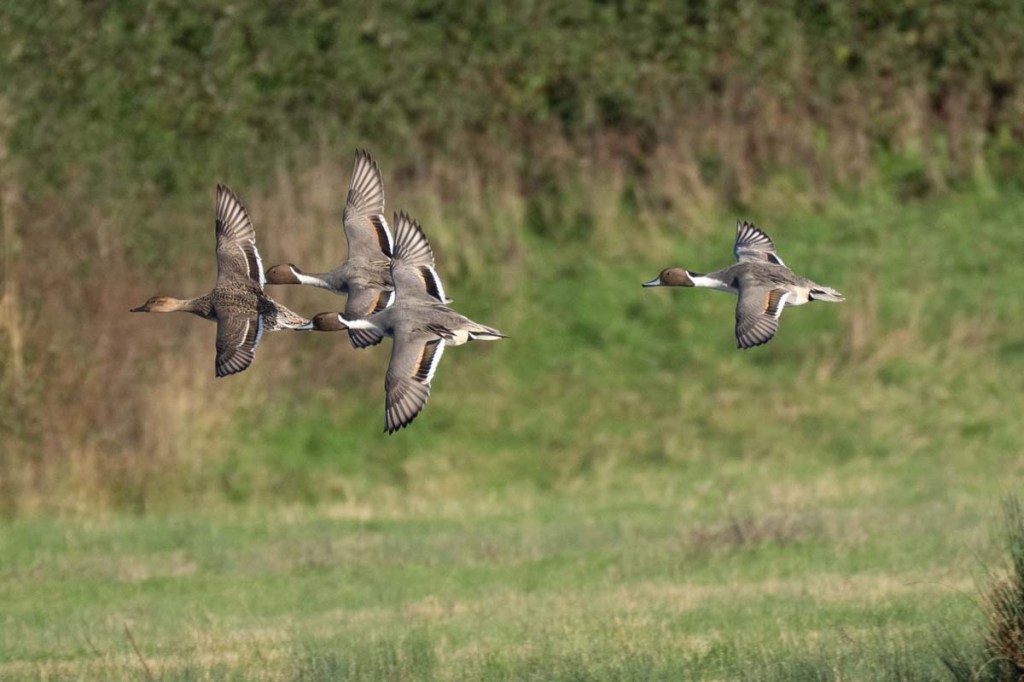
Dunlin huddled togetherBewick’s swan behind the dunlin. Tufted ducks and shelducks also on the pool.Northern pintails – the female taking the lead
The Temmink’s stint, which we had seen for the first time on our last visit, was still around but at some distance from us.
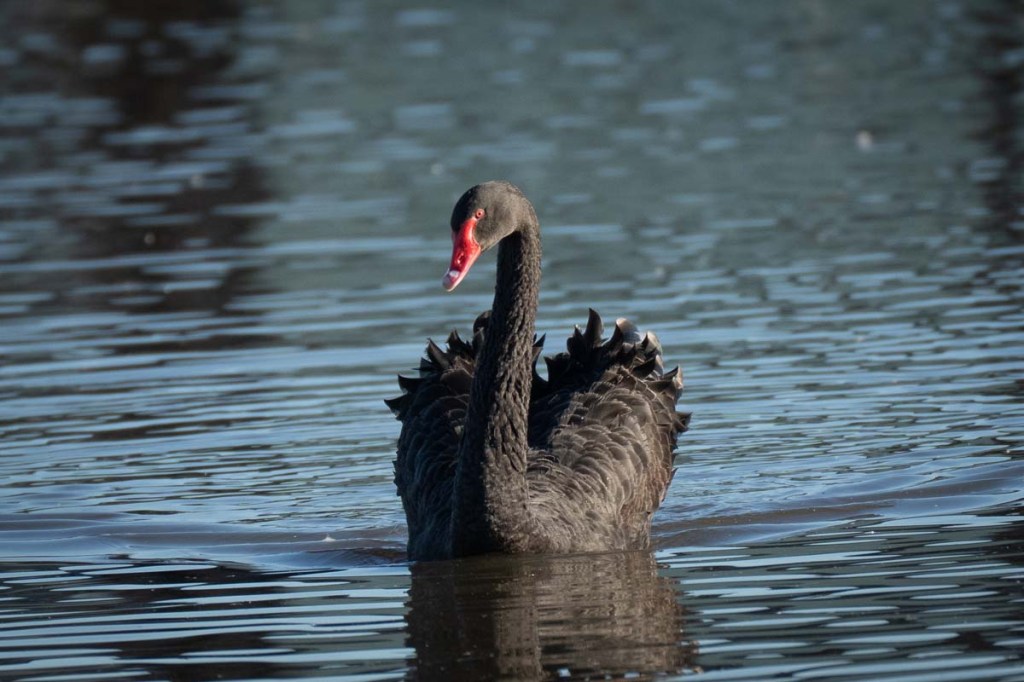
The Temminck’s stint on the near edge of the bankTemminck’s stintBewick’s swanBewick’s swanBewick’s swanBewick’s swanNot all swans are white!
Another visit to Slimbridge and a very different day to our visit earlier in the week, with sunshine and very warm temperatures (15C) for this time of the year.
It’s getting very exciting here with large numbers of birds arriving from the north. No whooper or Bewick swans yet, but a small number of white fronted geese have just arrived from the north of Russia.
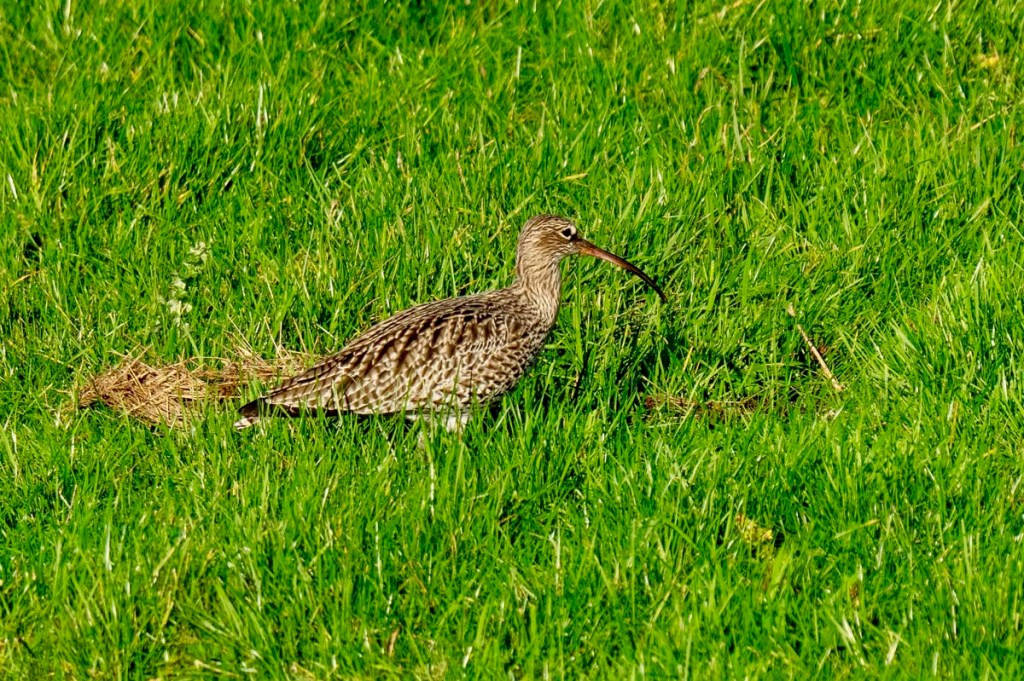
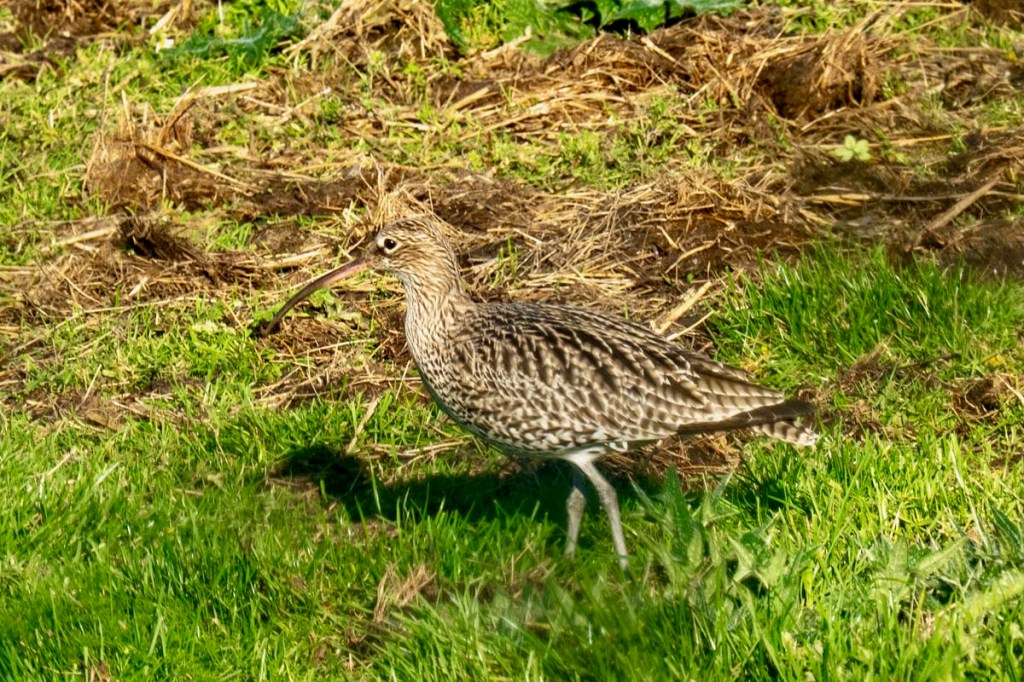
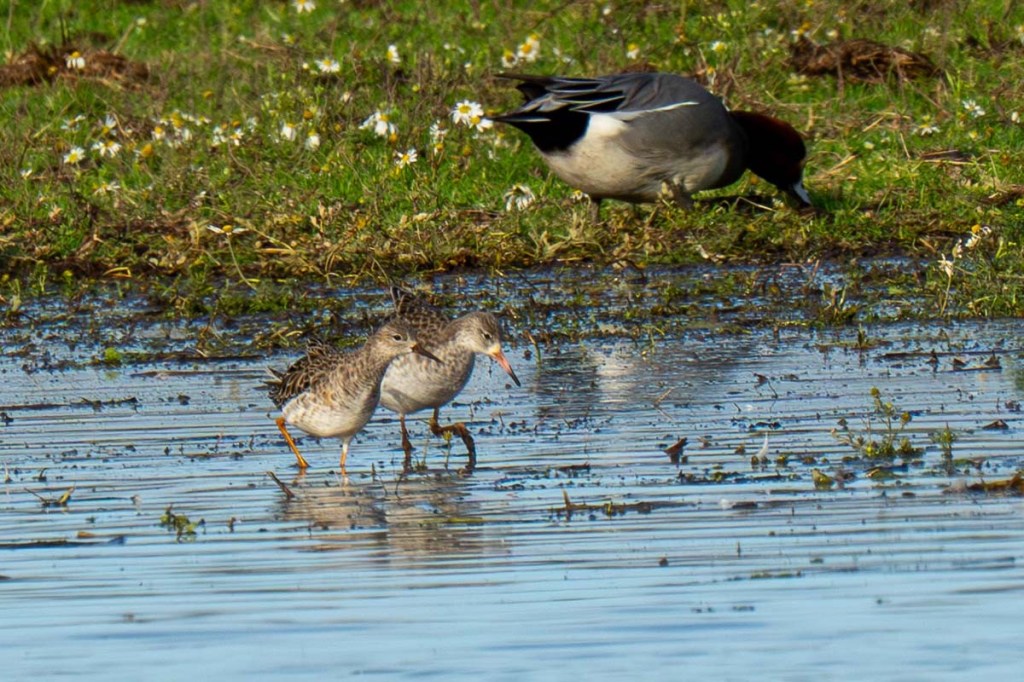
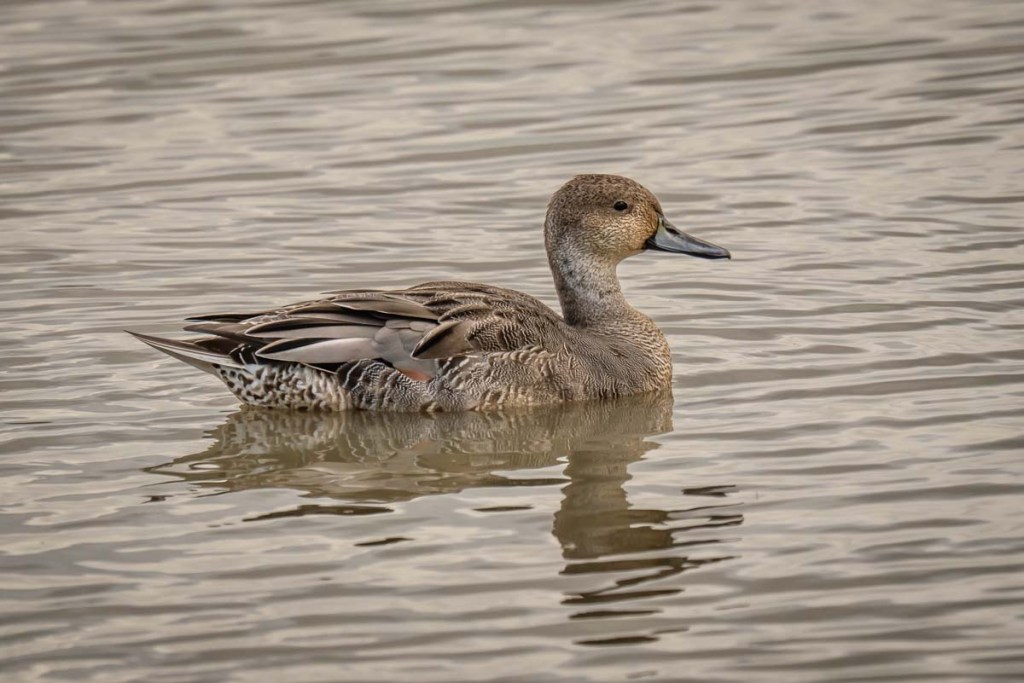
White fronted geese busy feeding to replenish the energy they took to get hereWigeonCommon redshankTeal and common redshankAvocetPeregrine falcon surveying the geeseEurasian curlewEurasian curlewEurasian curlewThe biggest flocks today were northern lapwing Common cranes with no tags – so naturally wild birdsCommon cranesCommon craneNorthern lapwing with common redshankRuff
We realised how spoilt we had been with the wonderful light on our recent trip to Portugal when we arrived at Slimbridge on a gloomy Monday morning.
However, I can think of many more worse places to be on a Monday morning.
Before the morning was out the sun broke through and we ended our visit eating lunch in the sunshine outside the café, having seen some lovely birds.
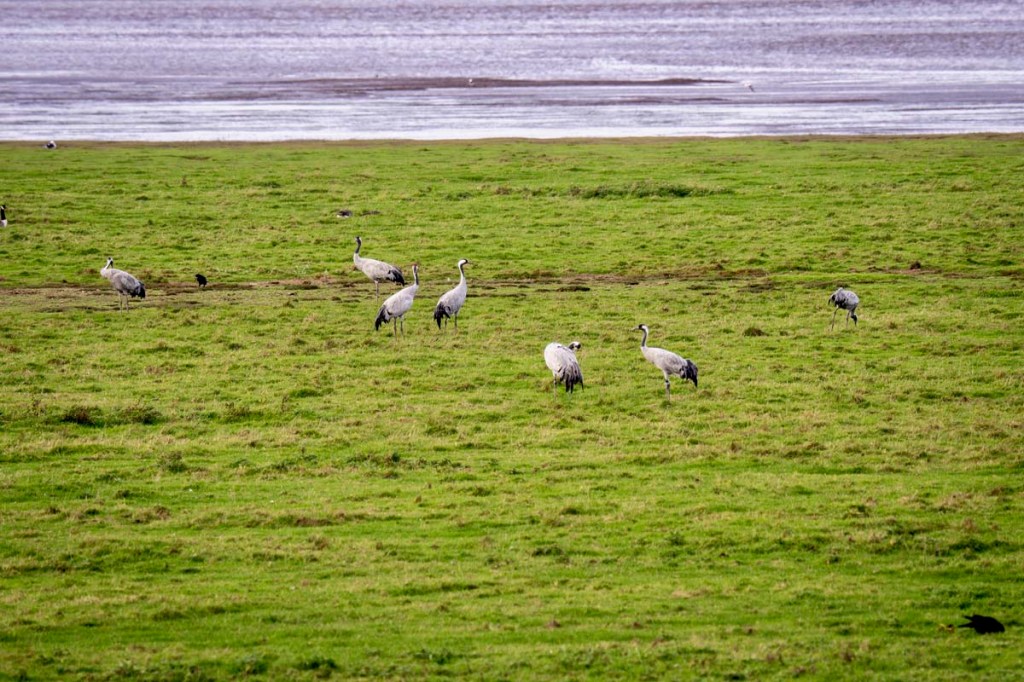
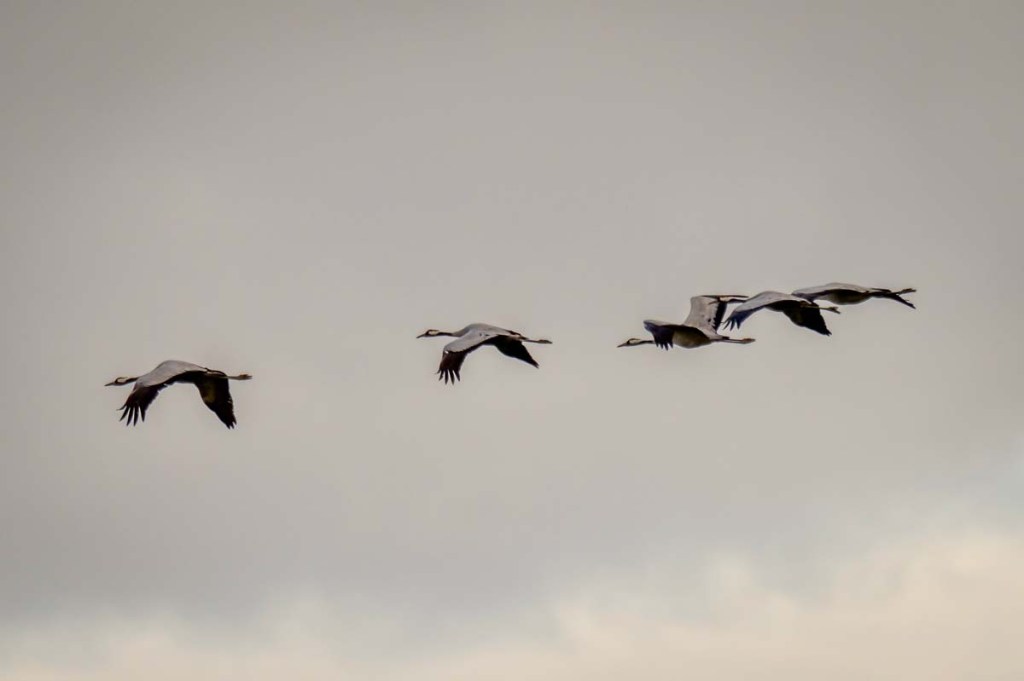
The reported Temminck’s stint had flown before our arrival but we were treated to the sight of a flock of over 20 common cranes flying out over the River Severn.
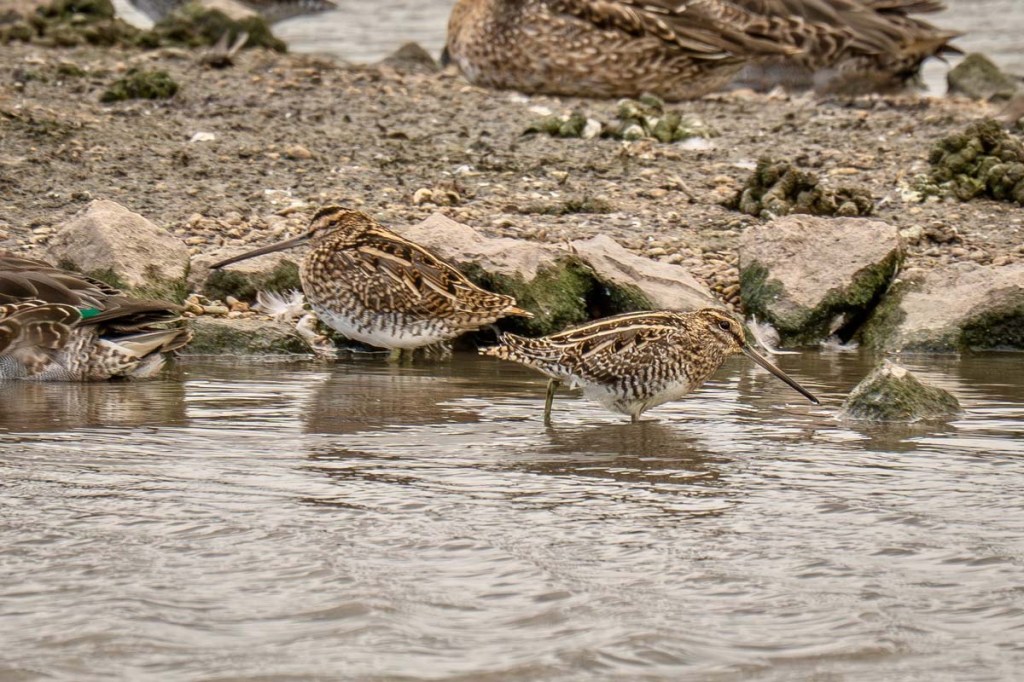
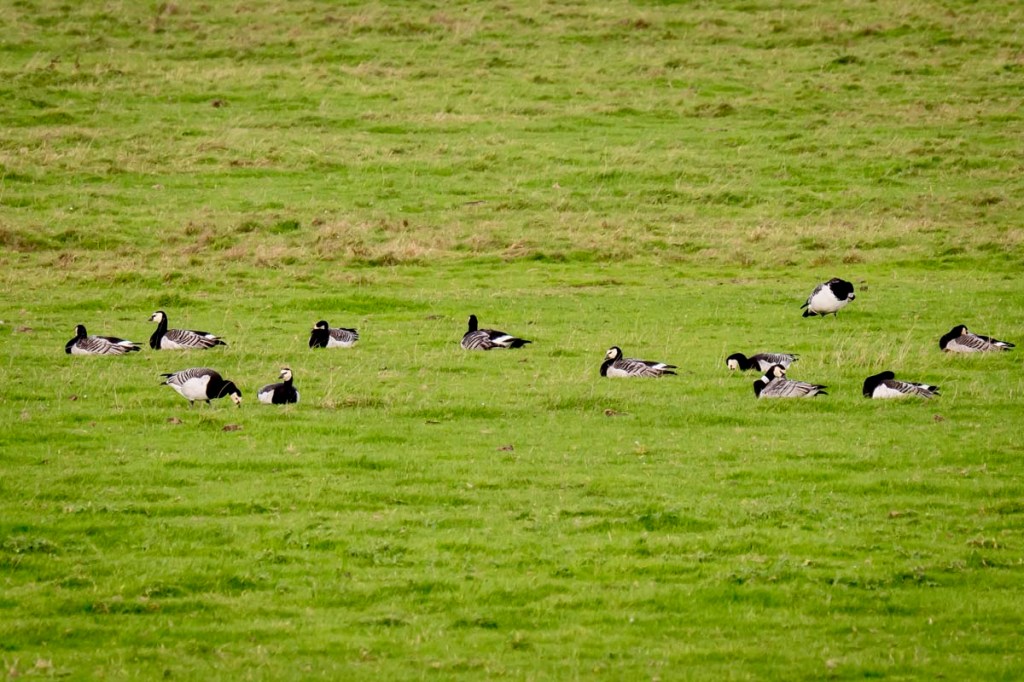
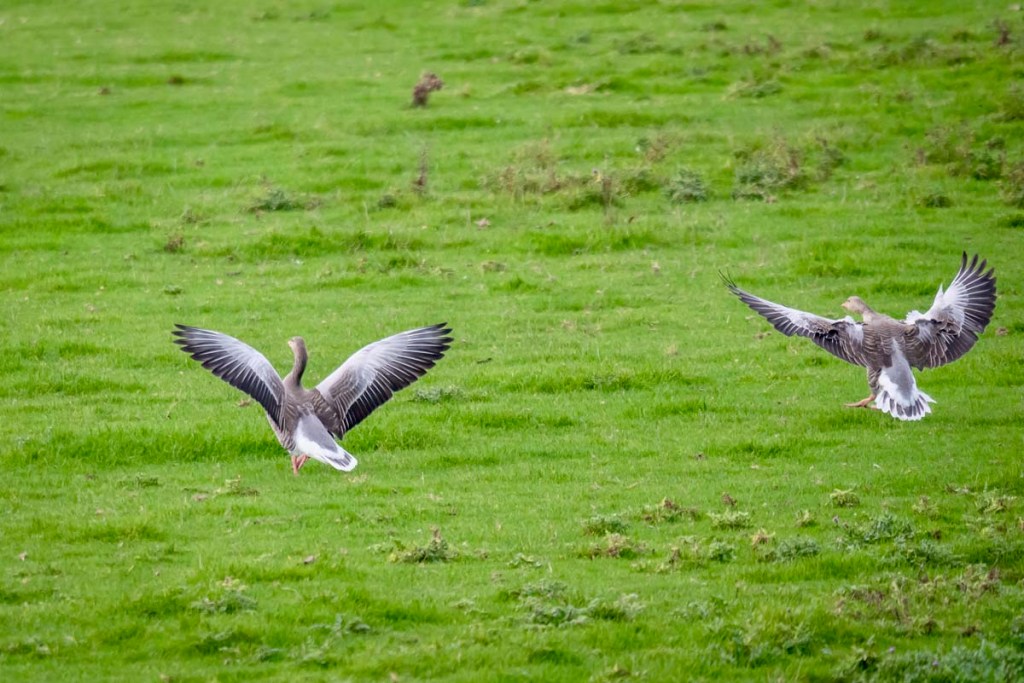
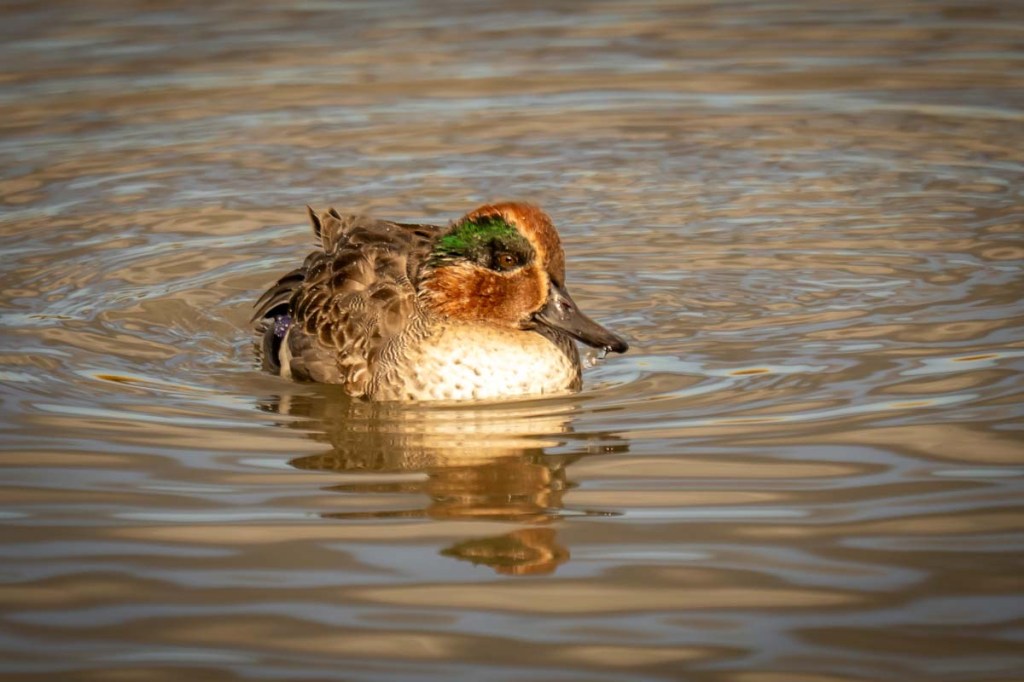
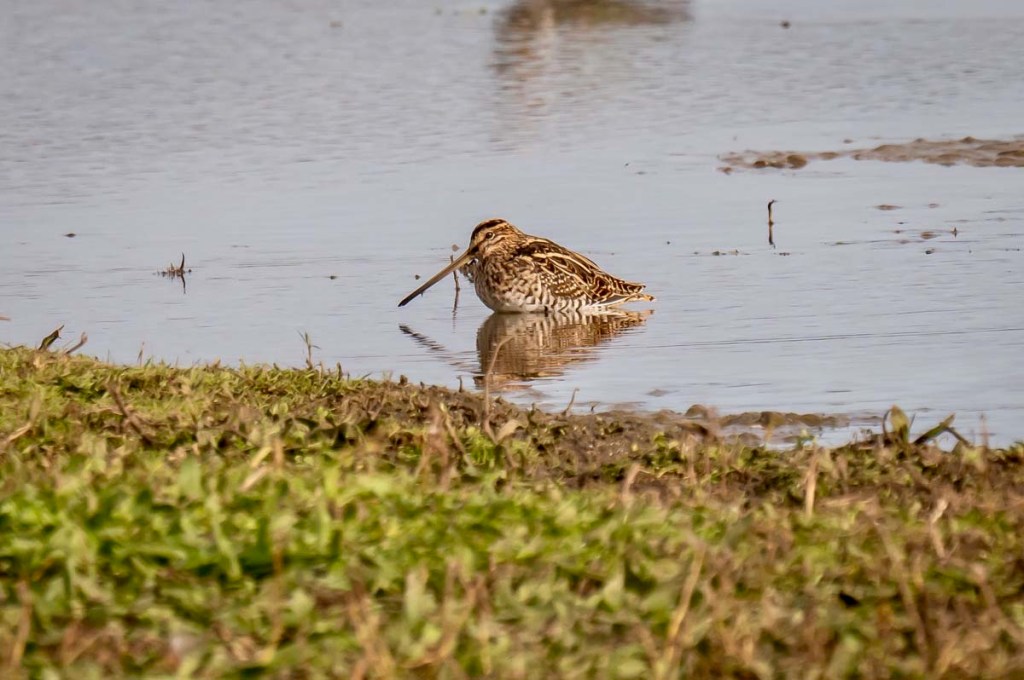
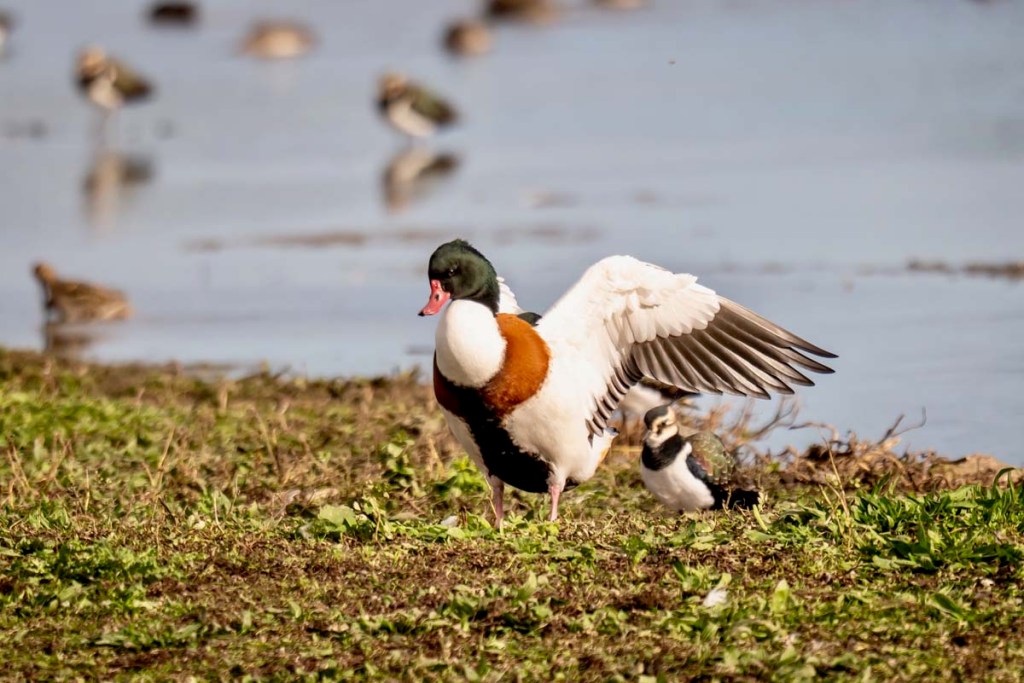
Common snipeFemale northern pintailThe tail end of a flock of common cranes arriving at SlimbridgeBarnacle geeseGreylag geeseGreylag geeseEurasian tealNorthern lapwingEurasian teal and common redshankCommon snipeCommon shelduckSome of the 20+ common cranes before they headed off over the River Severn