Another great day at Ham Wall. Plenty of sunshine but a cold wind.
Lots of opportunities for great photos but I failed miserably as I was having camera problems which I haven’t got to the bottom of yet!
Editing has saved the day a little but far too many great opportunities missed.
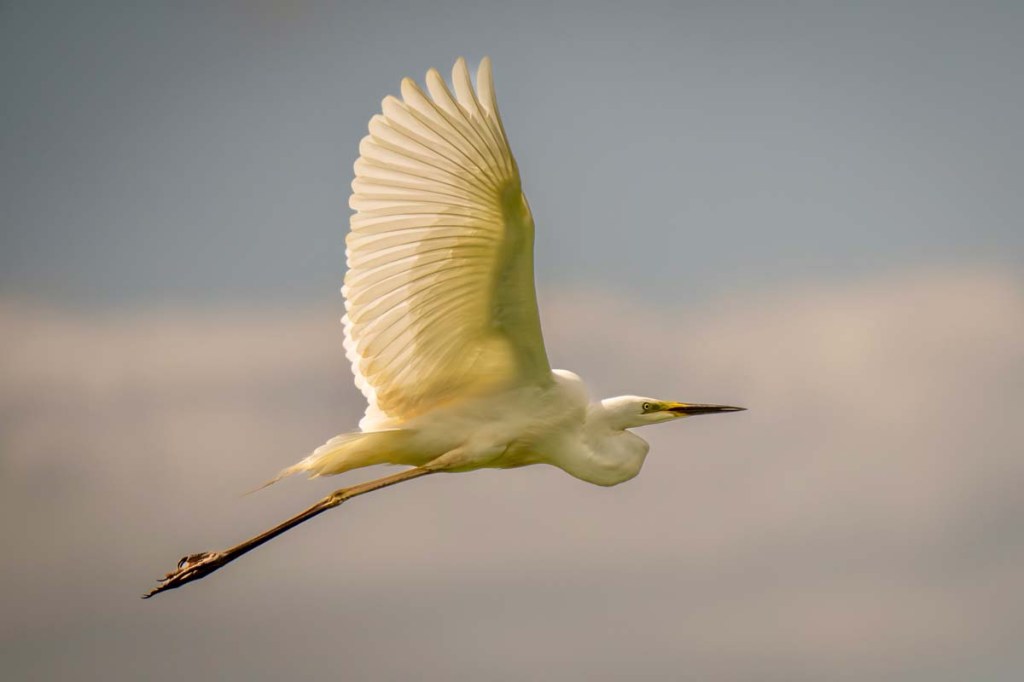
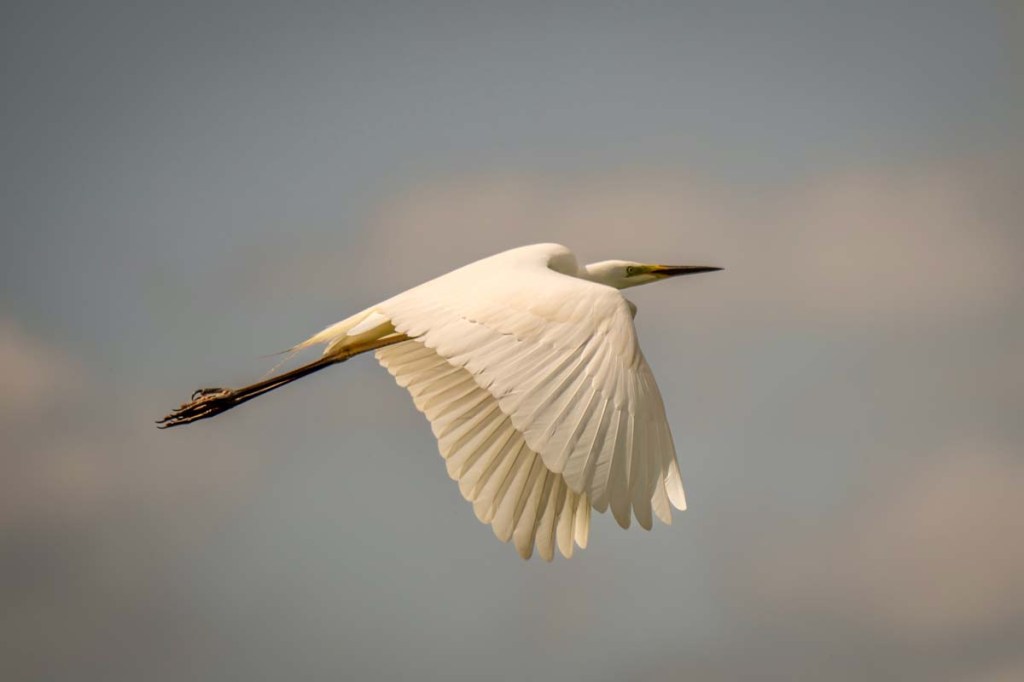
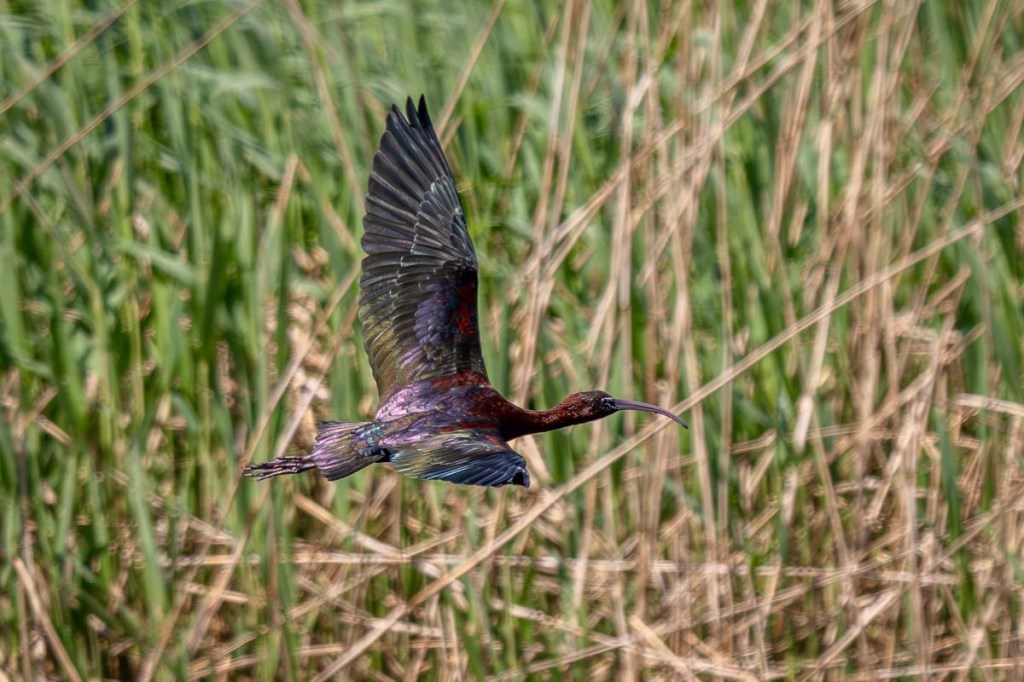
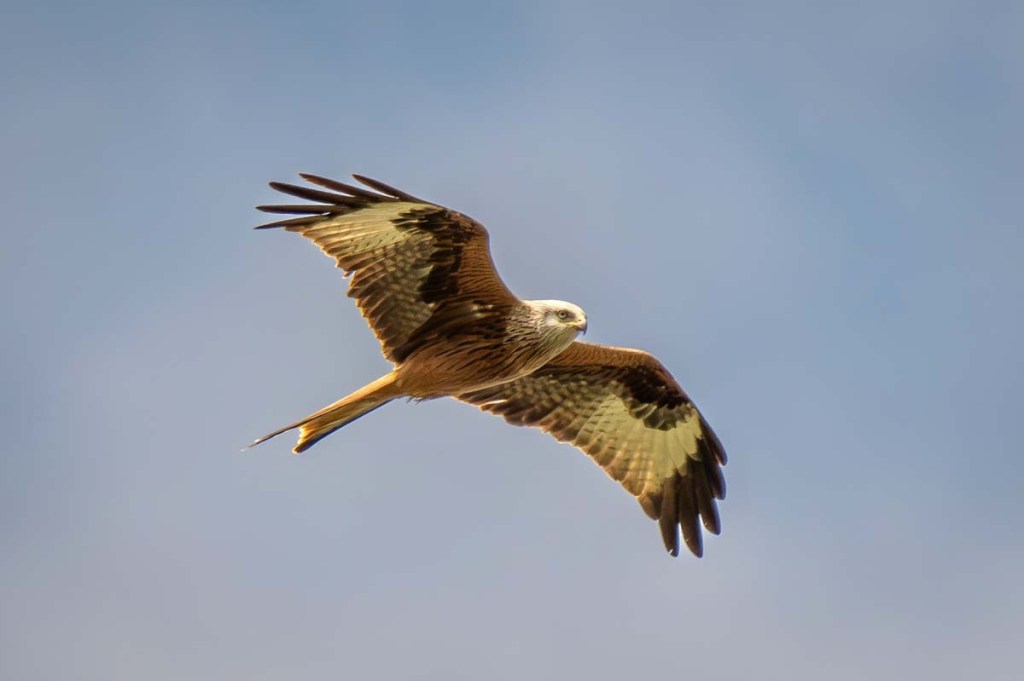
The best of the birds? Glossy ibis, a red kite and a pair of common cranes.
A scare chaserGreat white egretGreat white egretGlossy ibis amongst the reedsGlossy ibis in flightRed kiteRed kiteRed kiteCommon craneReed warblerRed admiralRed admiral
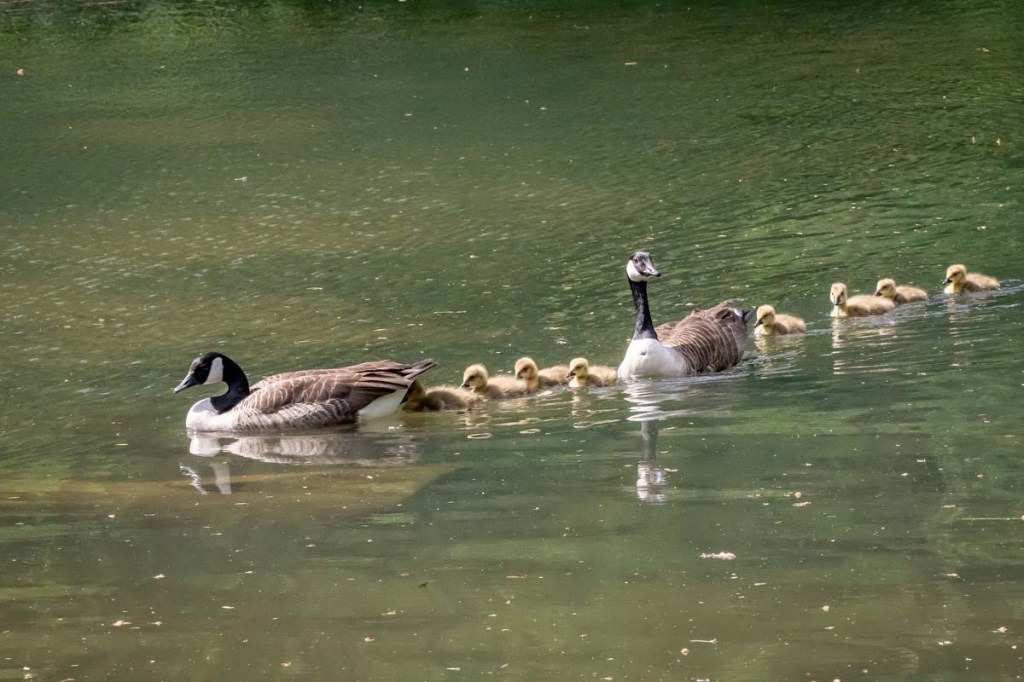
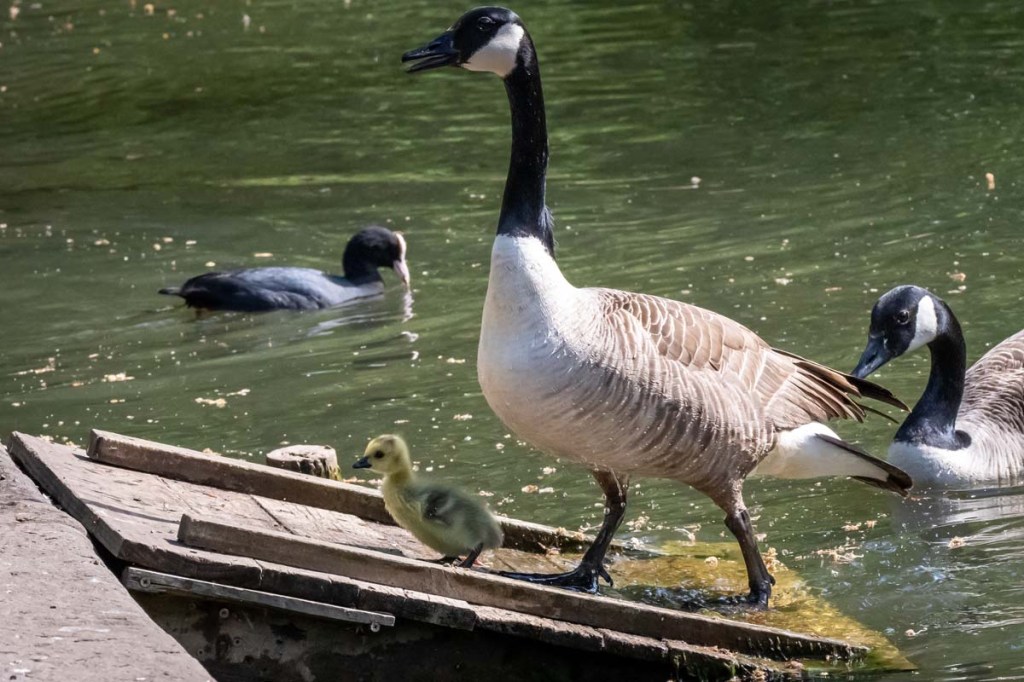
Whilst there were parades across the UK today to celebrate the 80th anniversary of VE Day these newcomers to the park (Canada Geese goslings) were making their contribution.
Canada geese and goslings
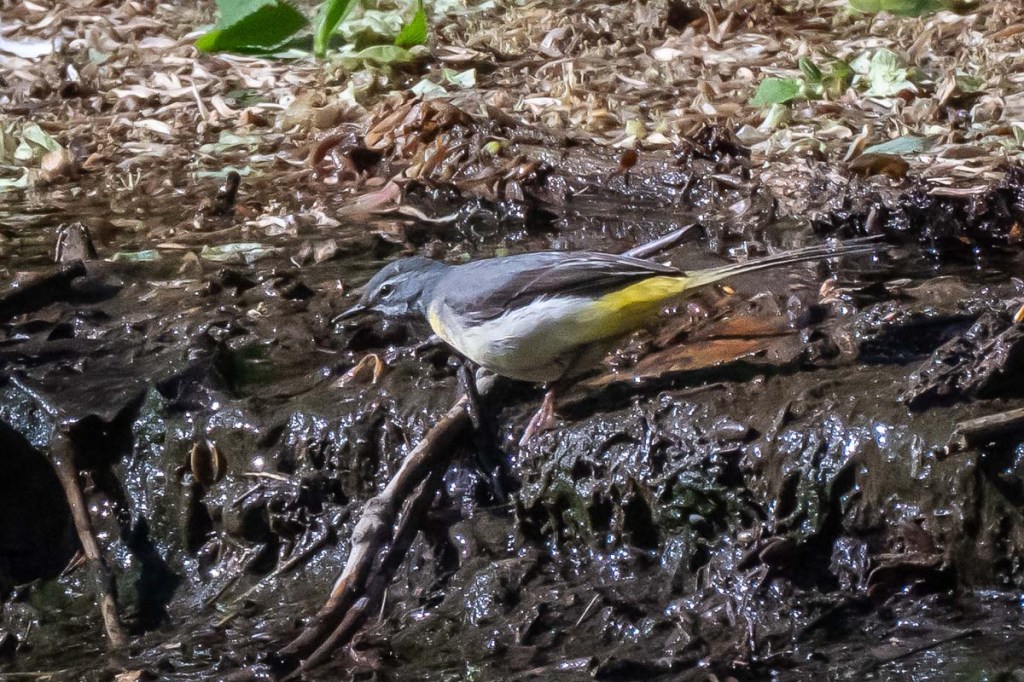
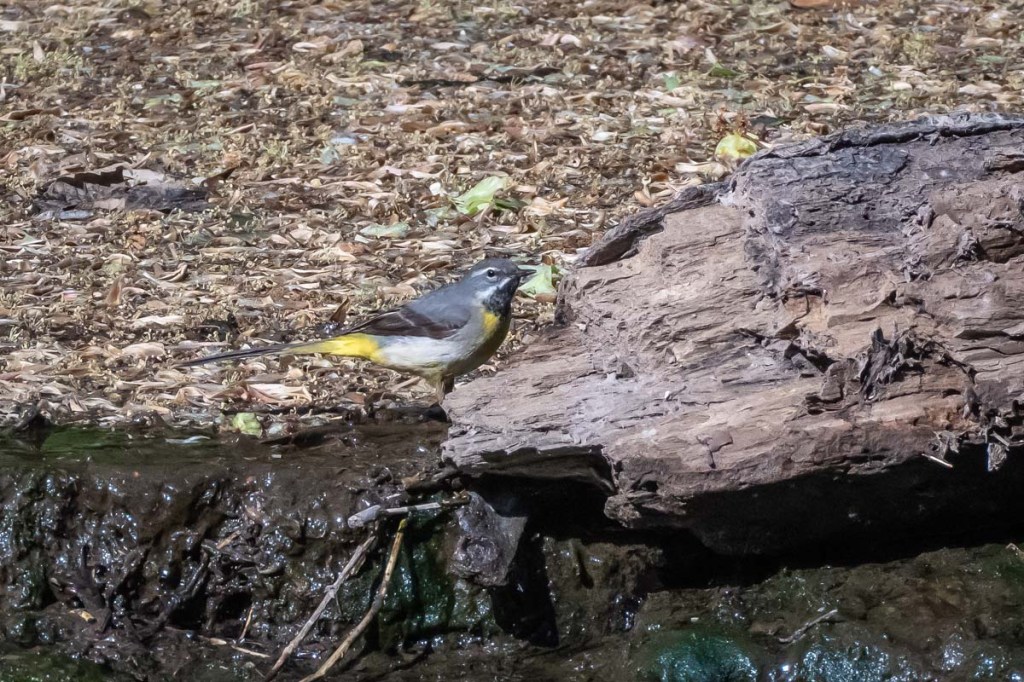
It was also pleasing to see a grey wagtail on the weir as we haven’t seen one in the park for a while.
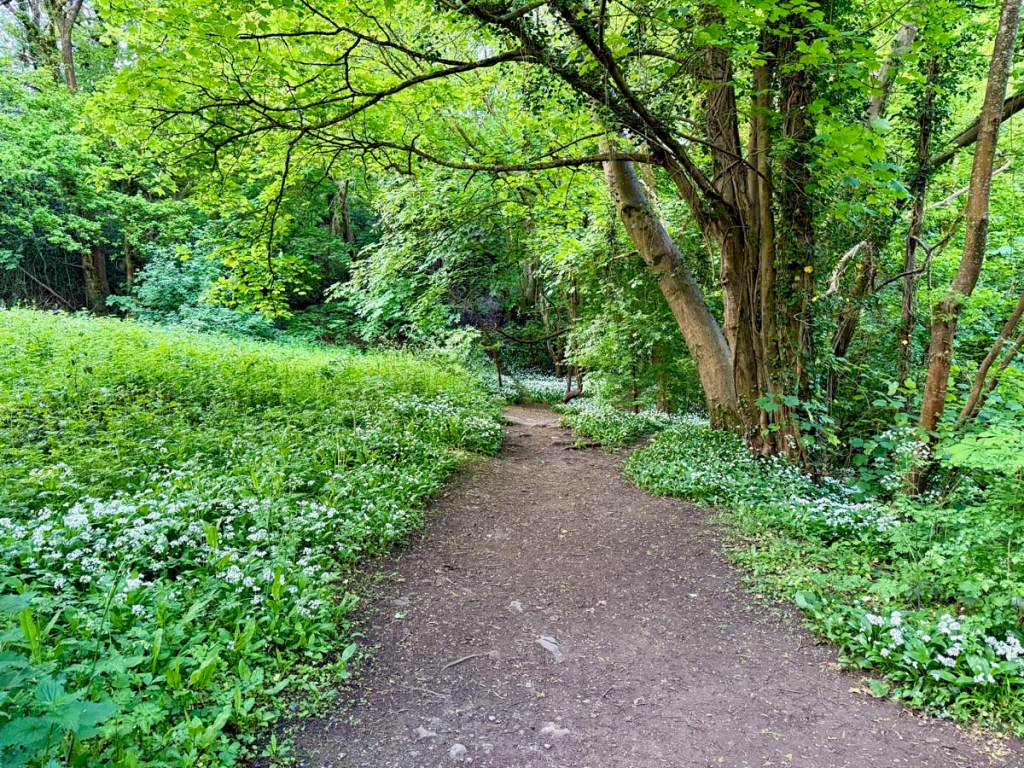
Early morning walk in the park. Much fresher this morning after yesterday’s highs of 27° C. Quite amazing weather for this time of the year.
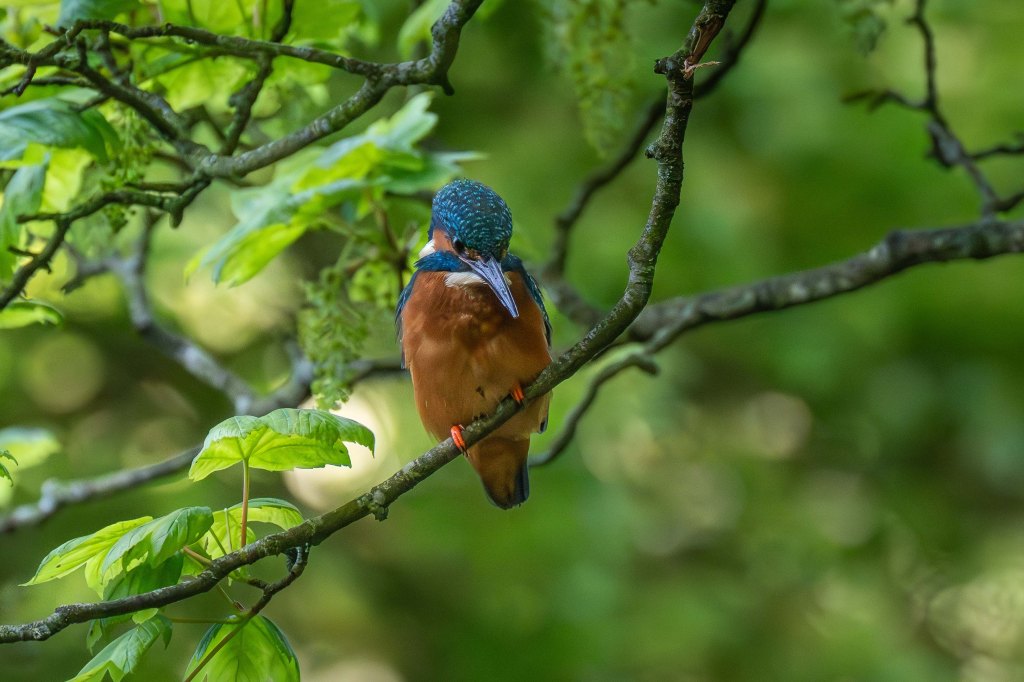
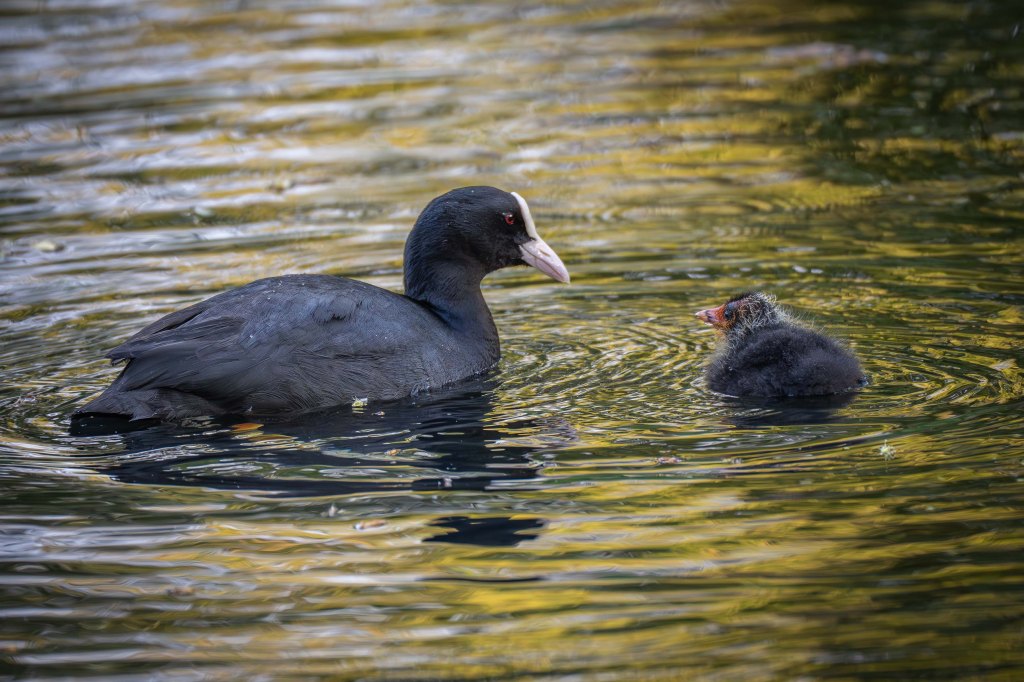
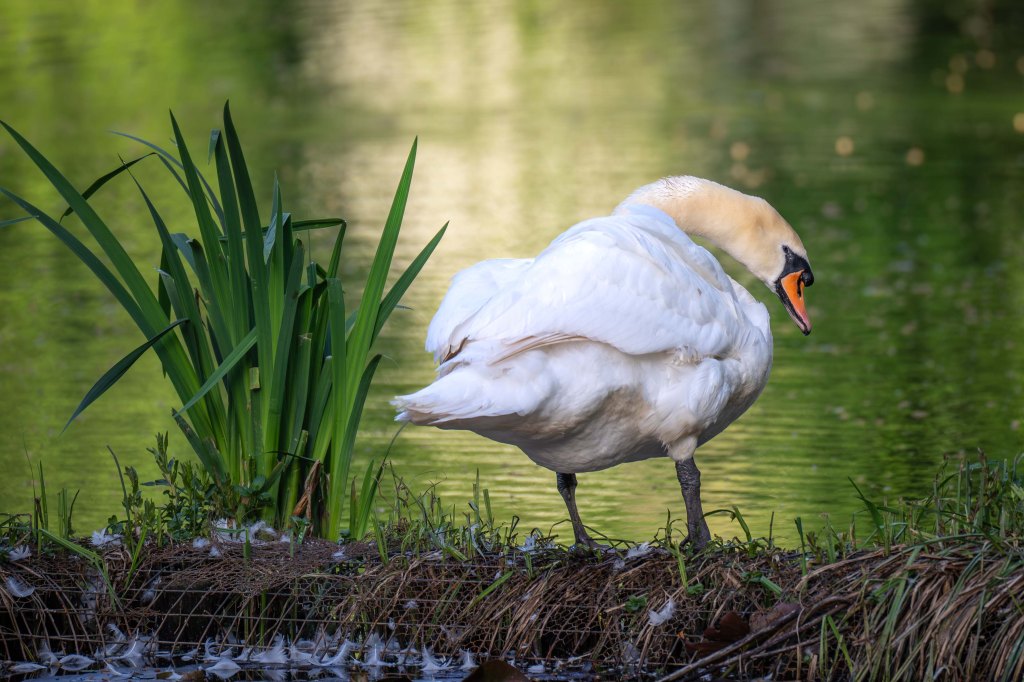
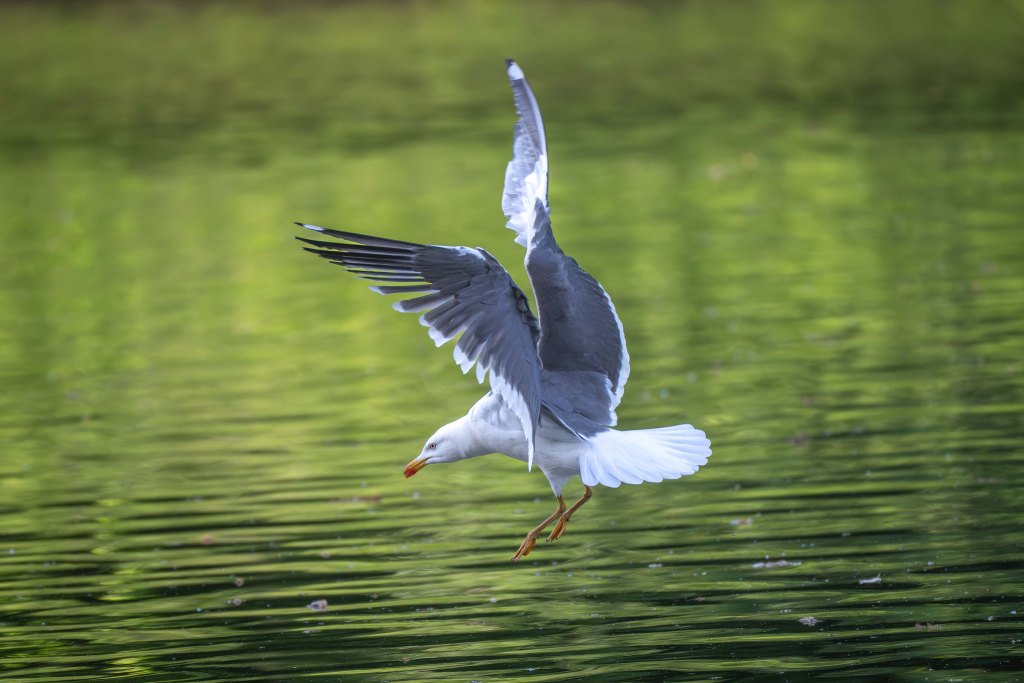
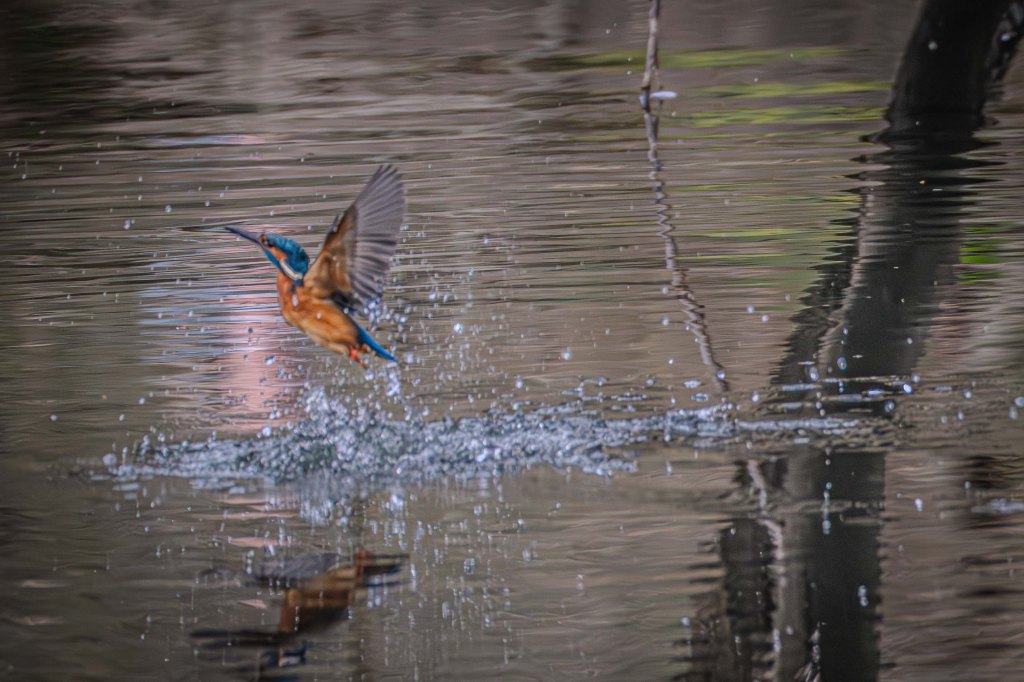
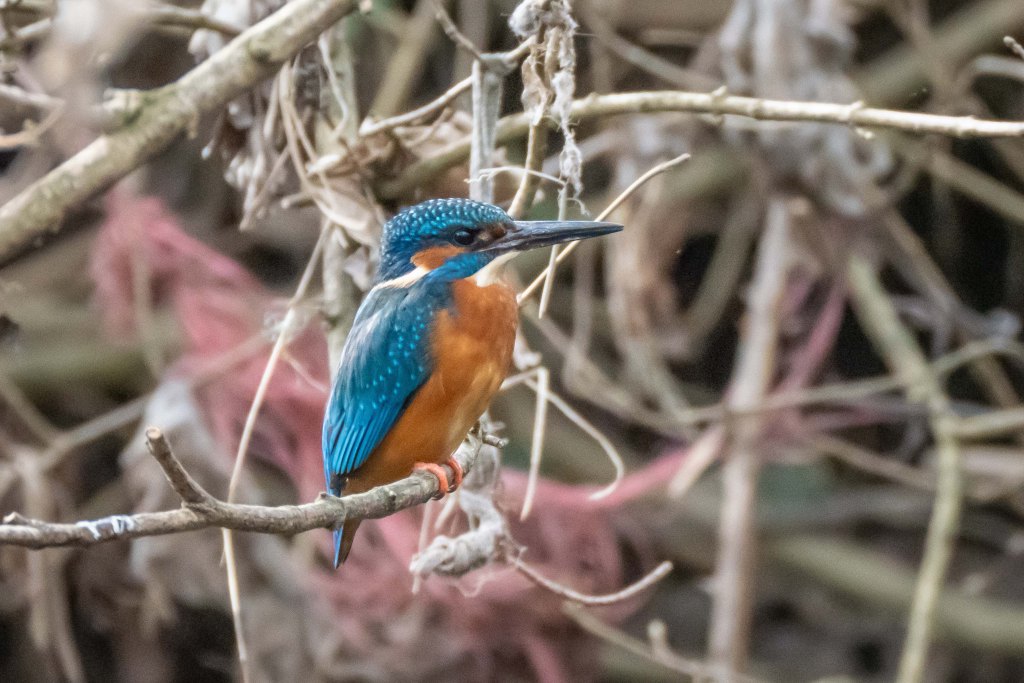
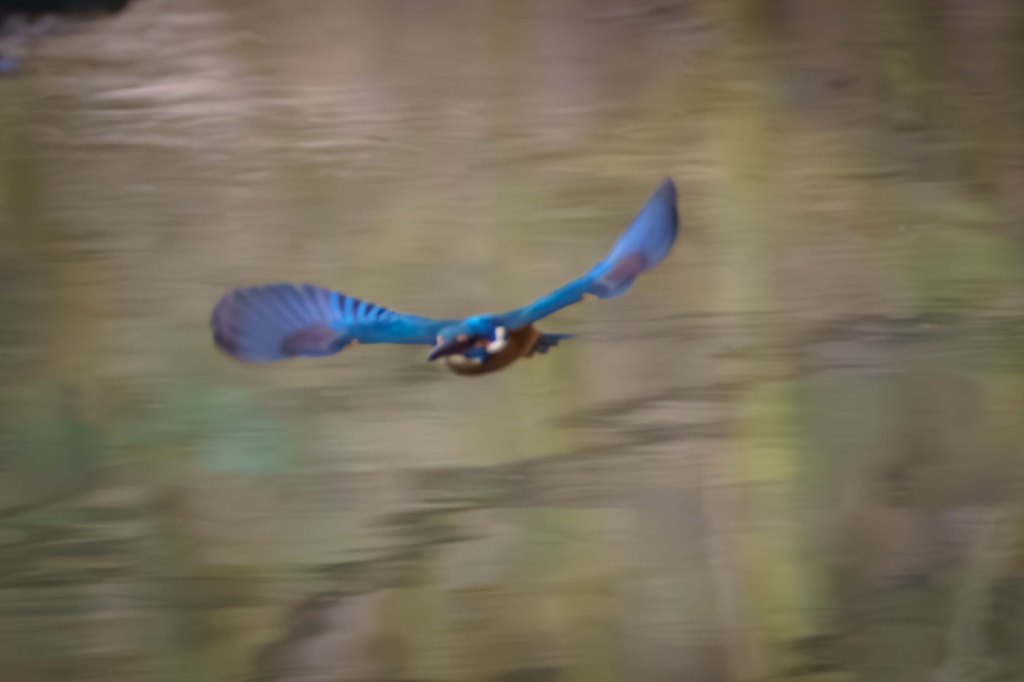
Ramsons (wild garlic) in the woodsKingfisher leaving nestKingfisher flying up the River FromeKingfisher having a scratchKingfisher just above our headsCoot with chickCuteletsCoot with chickMute swanLesser black-backed gullBlackbird
Another trip to Ham Wall on a beautifully sunny and incredibly warm day for late April.
So much wonderful bird song. Clearly the birds were loving it too.
There were lots of people there and so I avoided the hide where the glossy ibis could be seen.
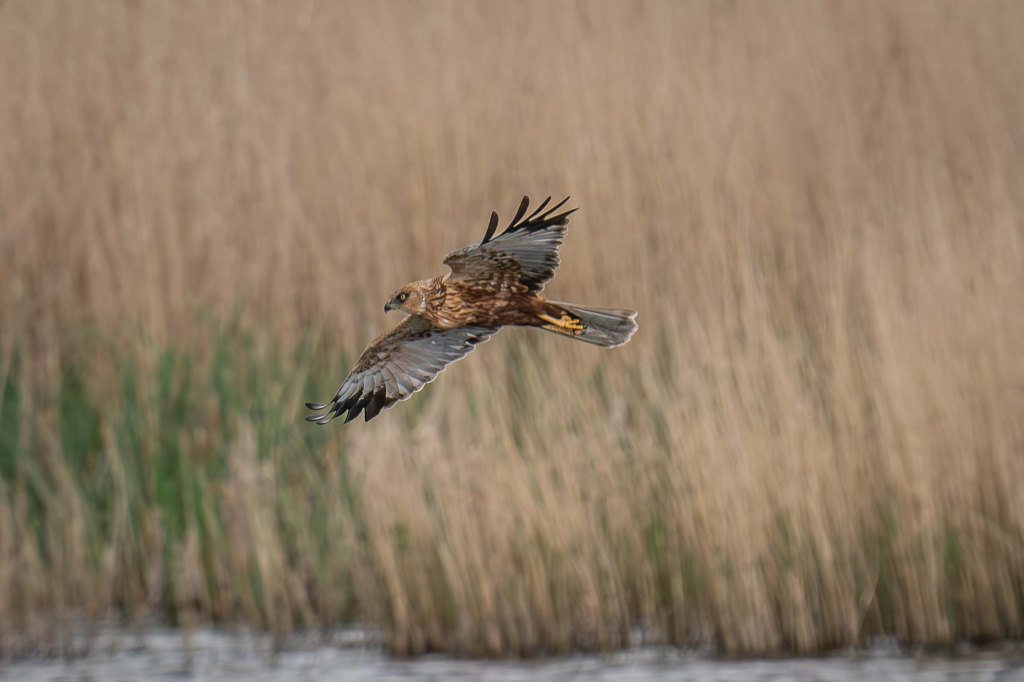
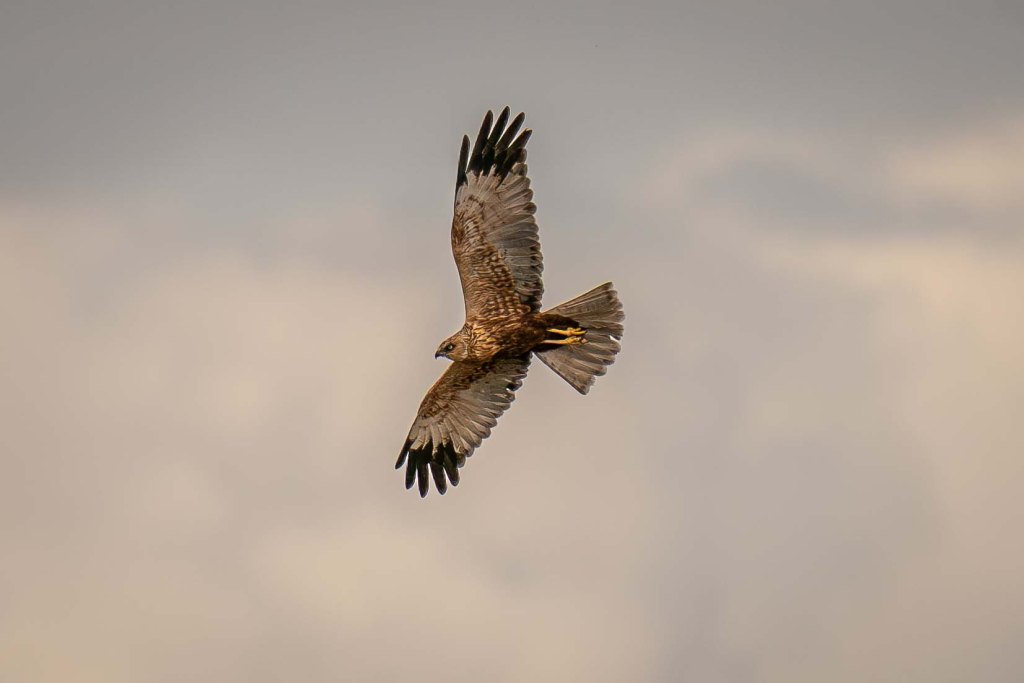
Again there were plenty of views of marsh harriers but a little more distant than last week. I just missed a pair of cranes; by the time I arrived they were hunkered down with their brood.
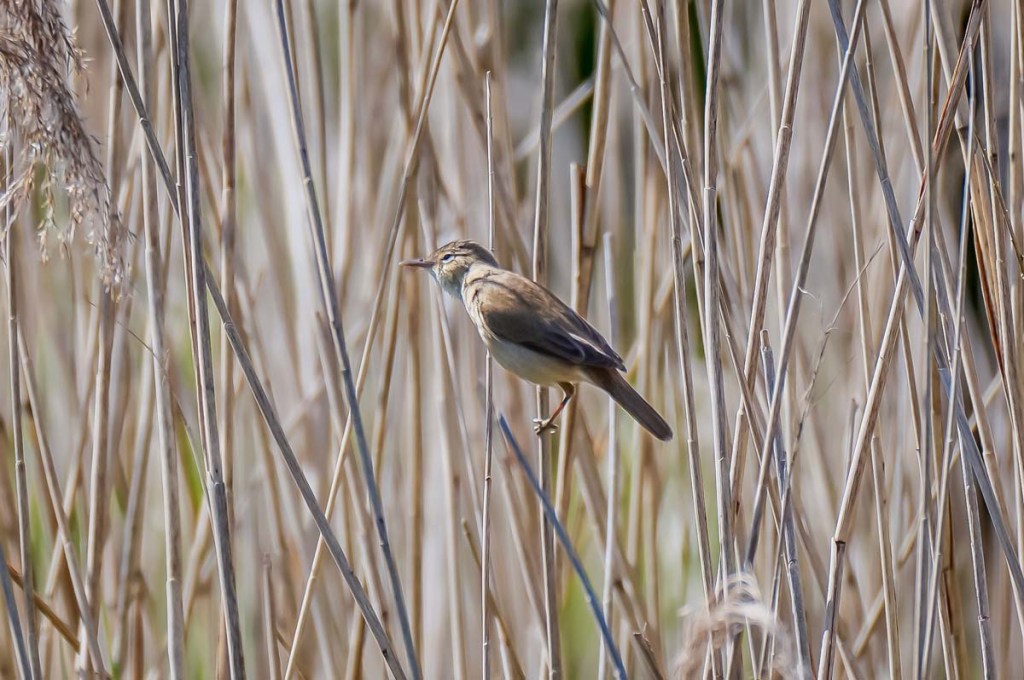
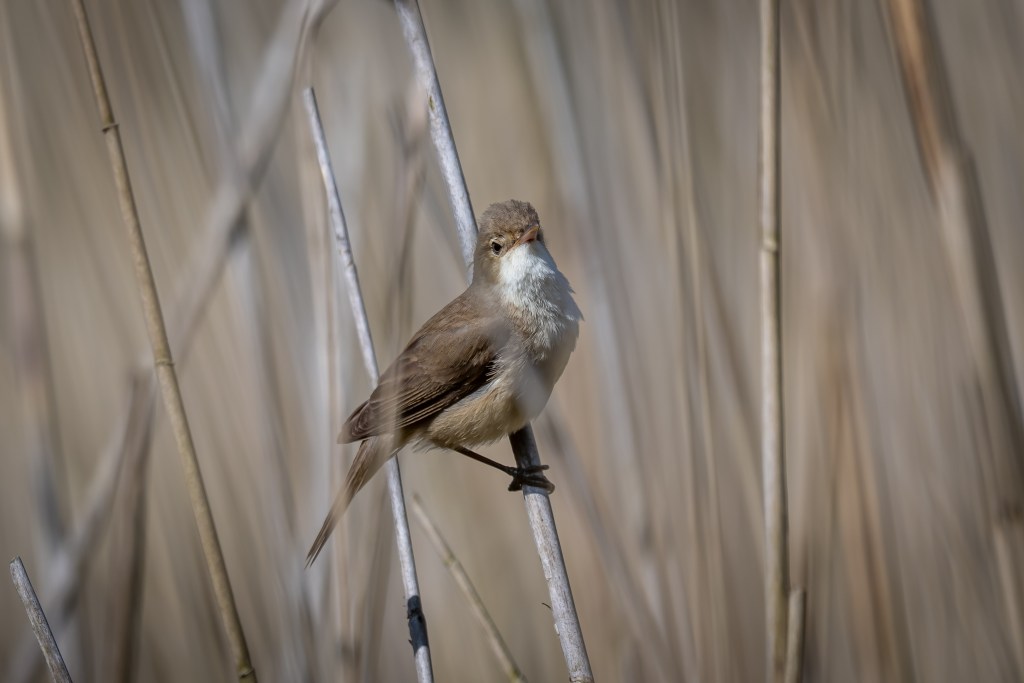
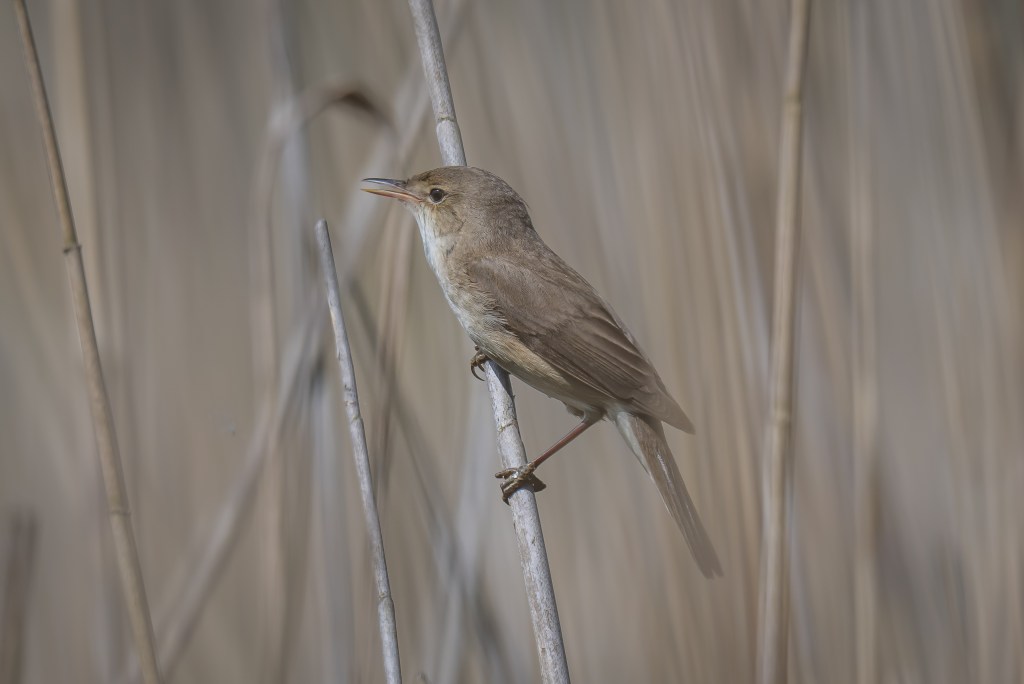
For me the treat was several very melodious reed warblers and so I will give them prominence on my blog.
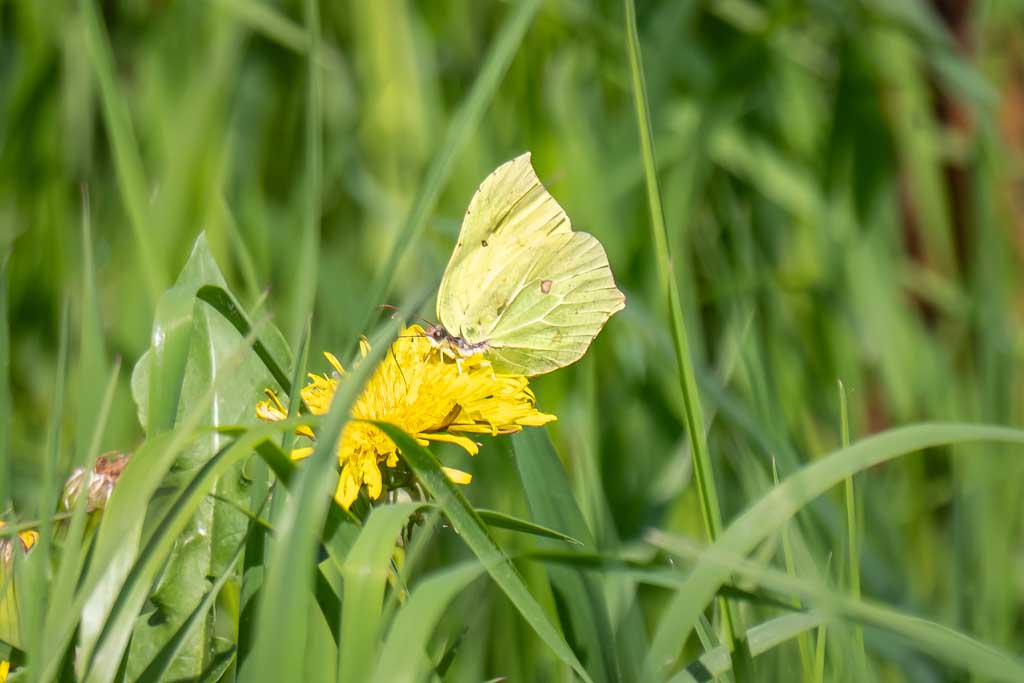
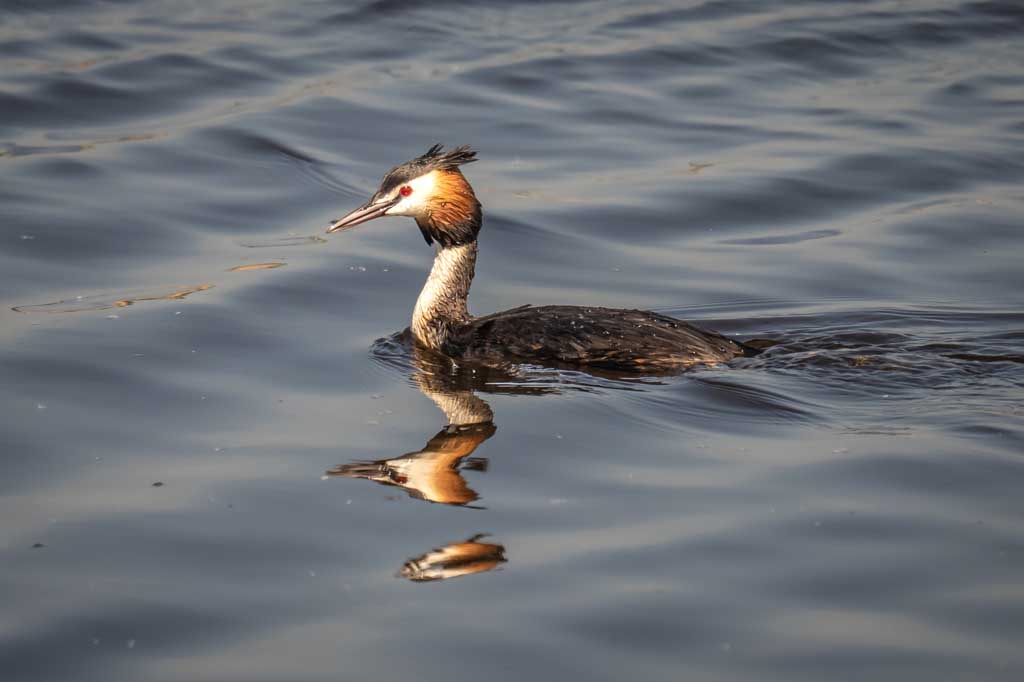
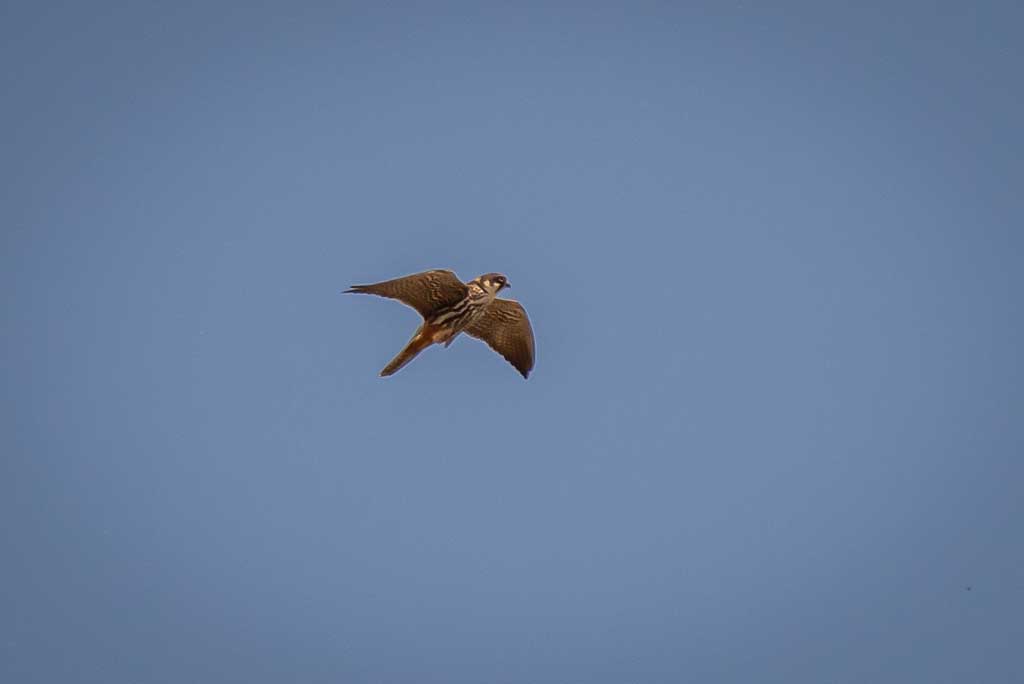
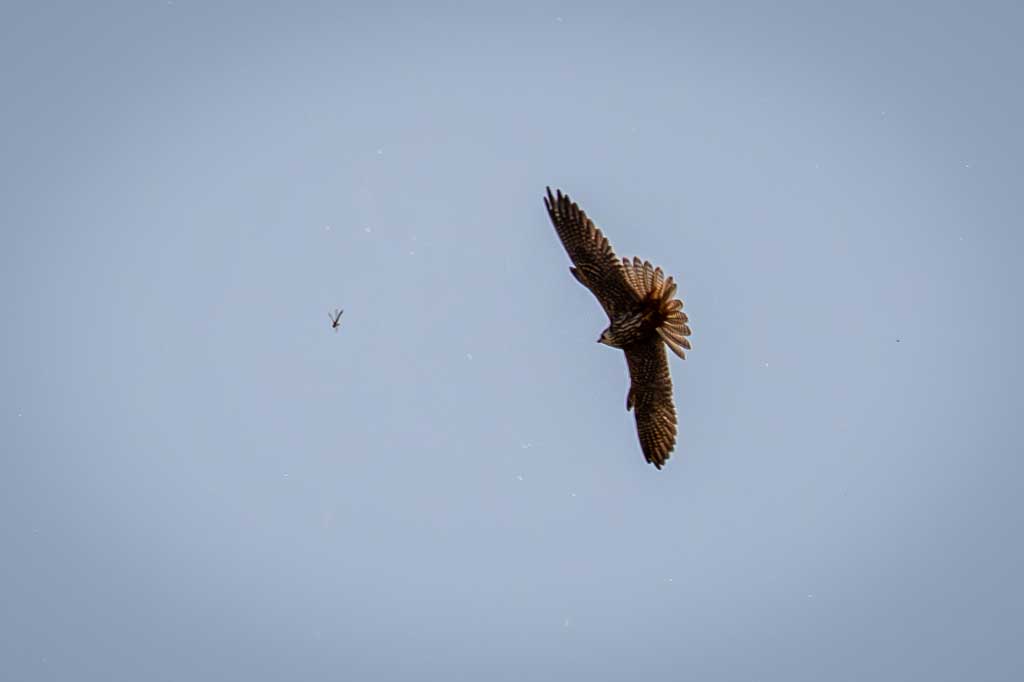
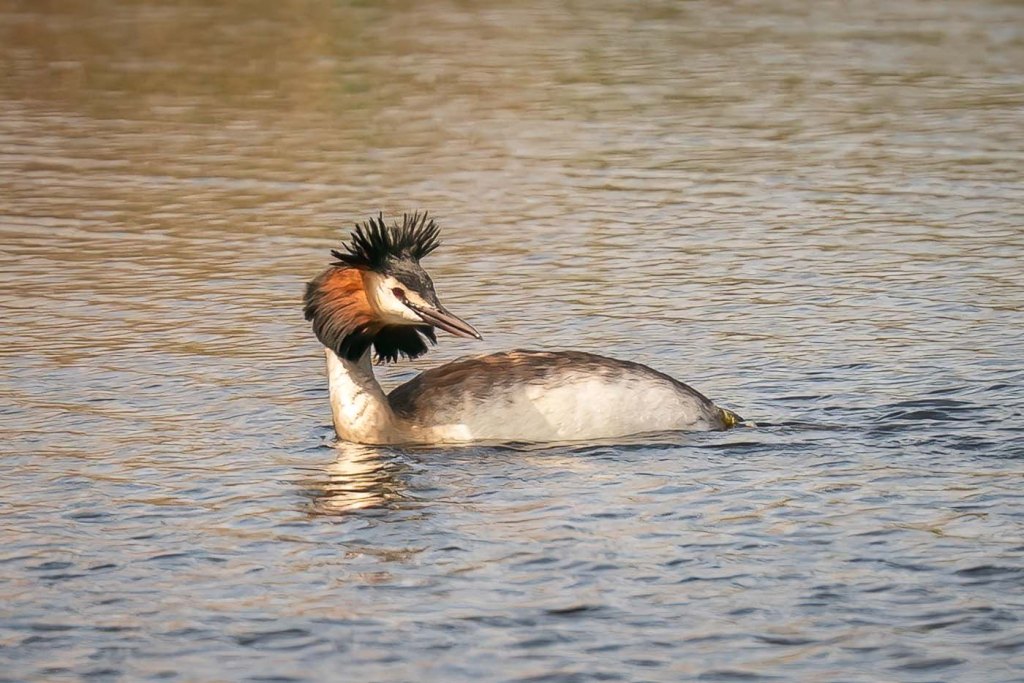
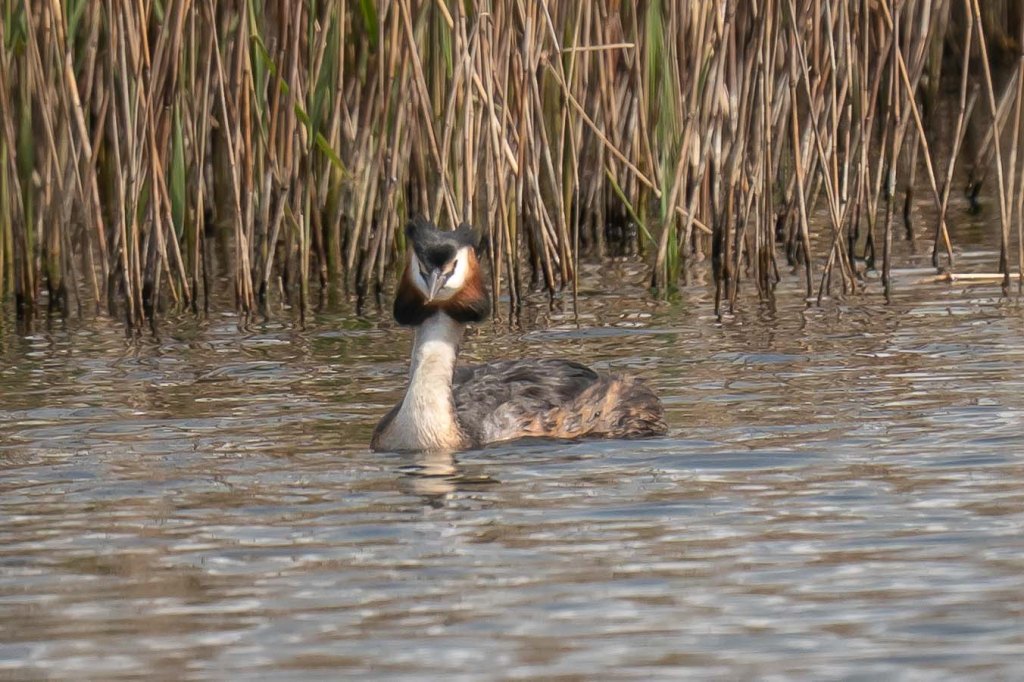
Reed warbler Reed warblerReed warblerReed warblerYellow brimstone butterflyHairy dragonflyGreat crested grebeHobbyHobby about to take a dragonfly
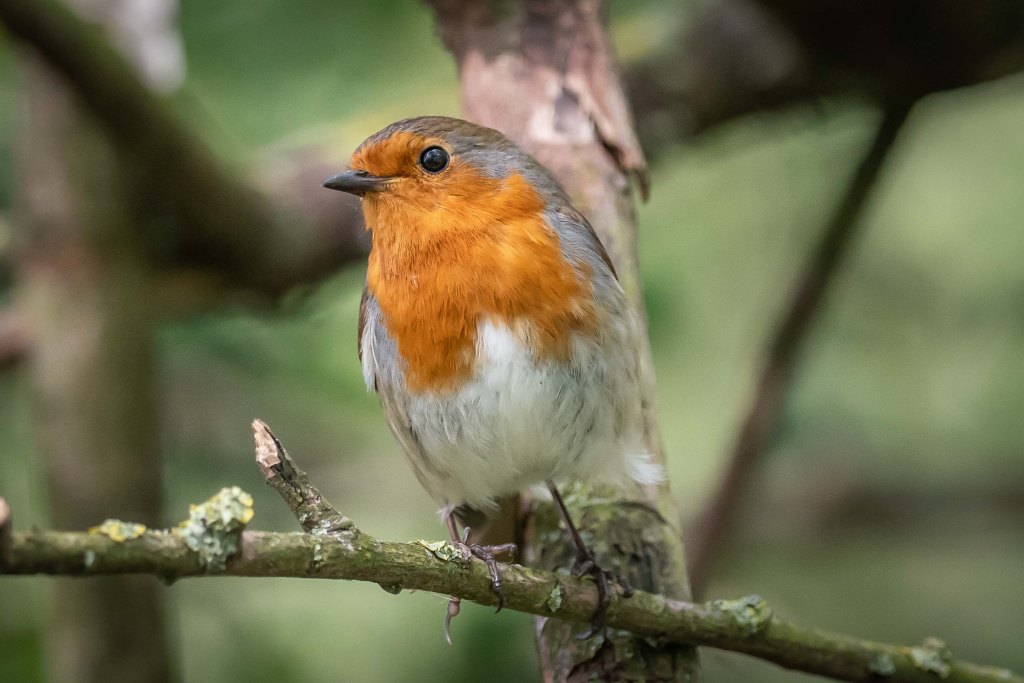
One of the great things about Ham Wall is that, right from the car park, you hear lots of birds at close quarters. The loudest were the blackcaps and the garden warblers but, although I had fleeting views of them, I couldn’t for the life of me get a photograph of therm. I had to settle for robins and dunnocks.
European robinDunnock
It was nice to feel the sun too, although it was tempered by a cool breeze. I was also very heartened to hear my first cuckoo of the spring.
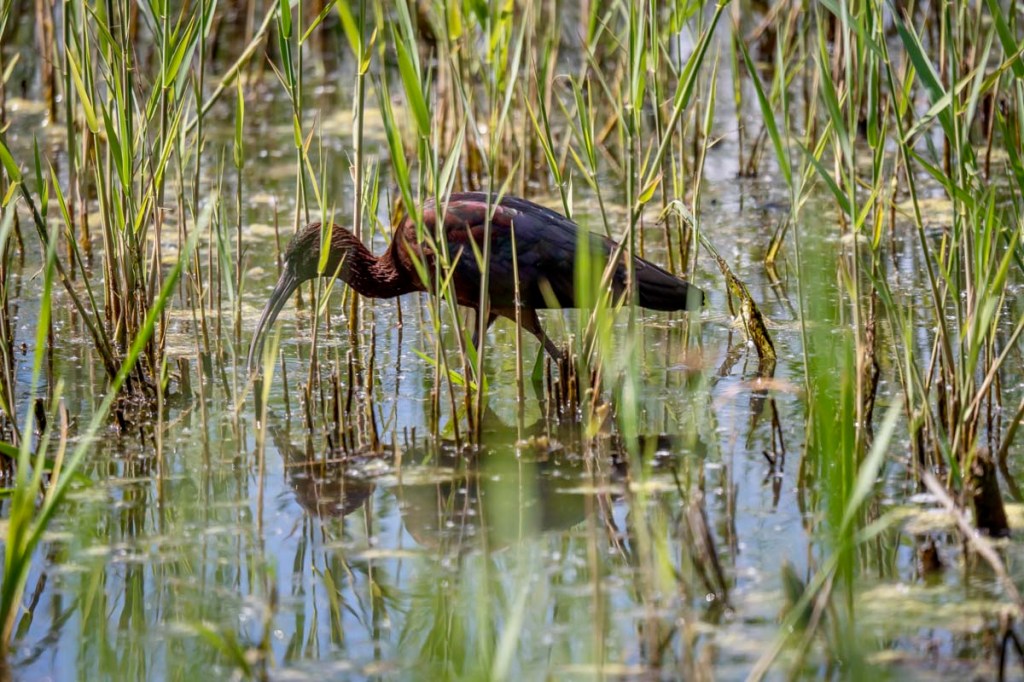
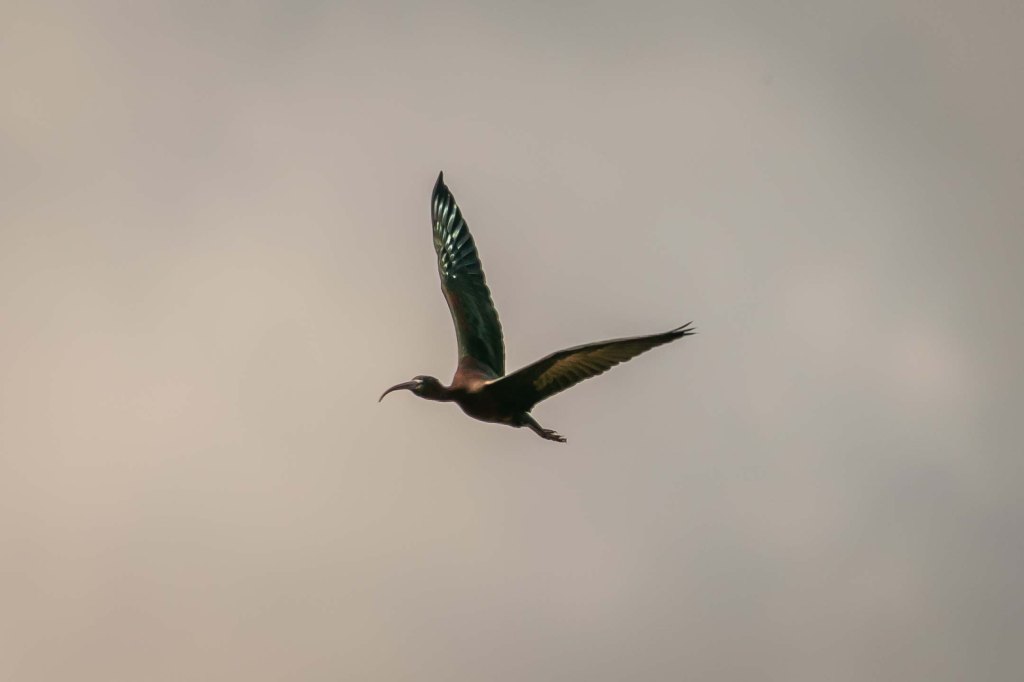
I spent a while trying for photos of a glossy ibis. I thought I had missed it when it flew over me early on but I managed to catch up with it feeding in the reeds close to a hide.
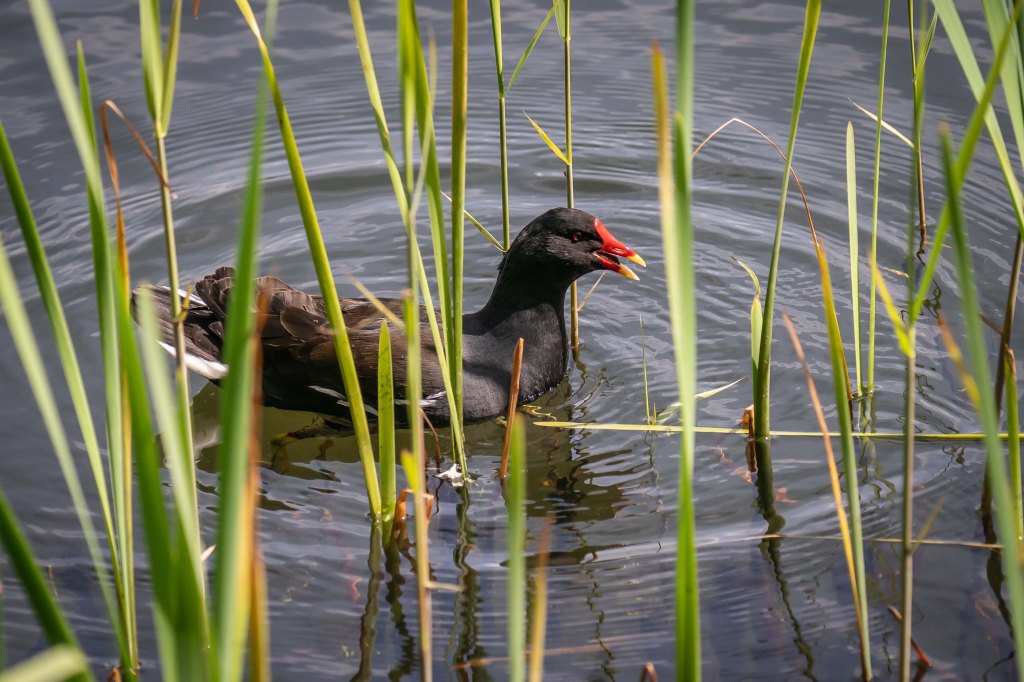
Glossy ibisThe iridescent feathers of the glossy ibis were very attractive in the sunOccasionally the glossy ibis ventured out from the reedsGreat white egret, which not very long ago would have been as rare as the glossy ibis in this areaGreat crested grebe looking quite gloriousGreat crested grebeMoorhenGrey heron on the nest with its young
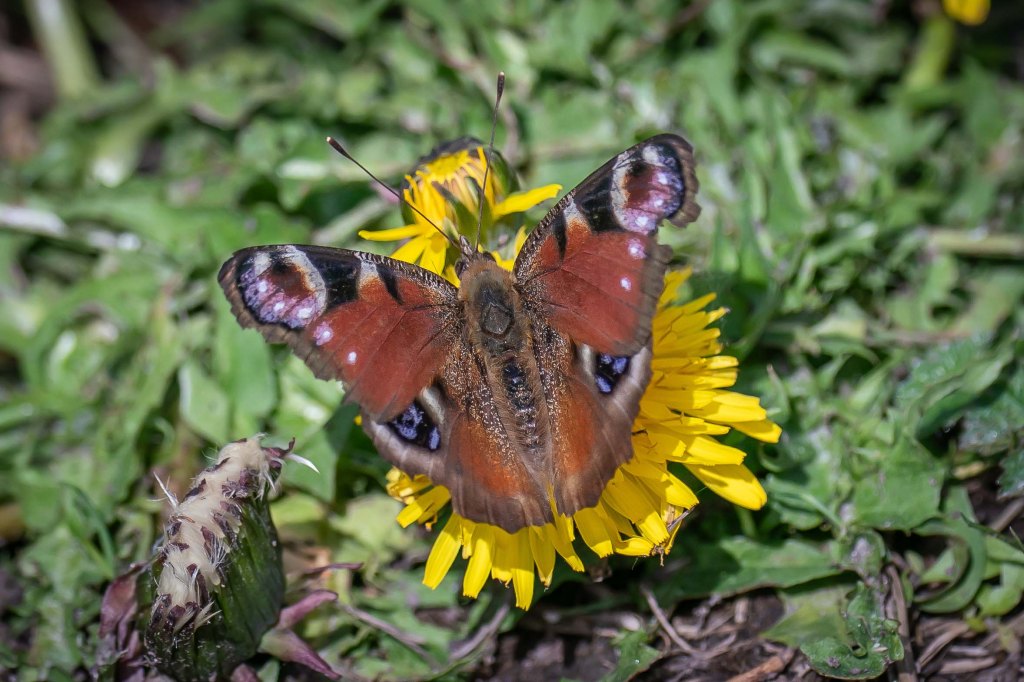
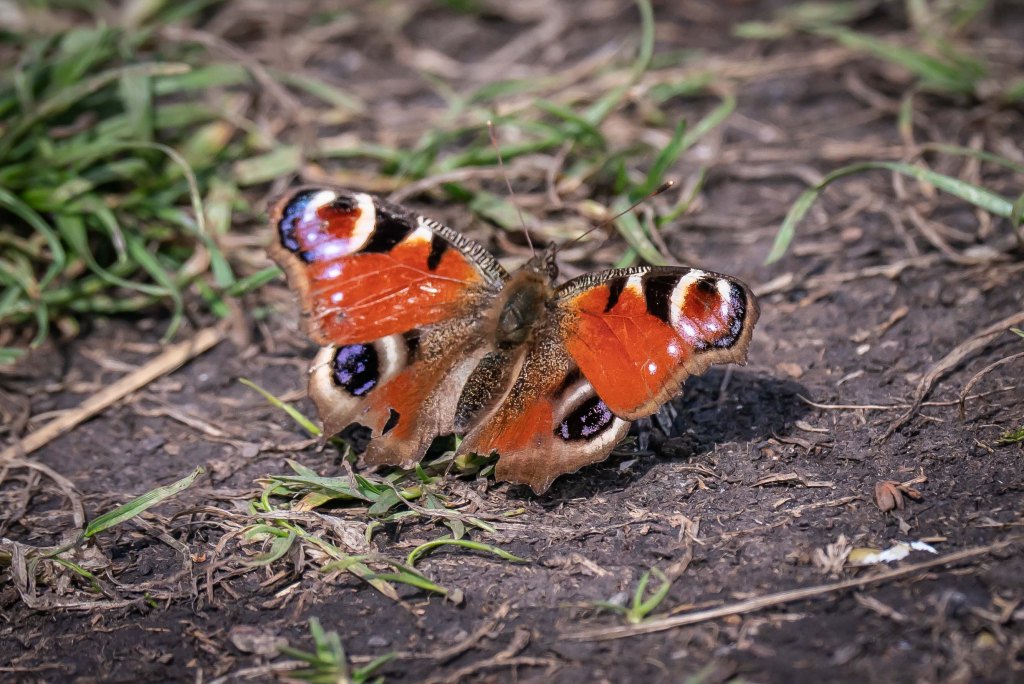
The sun also brought out the butterflies. I saw a few distant orange tipped butterflies and some peacocks at closer range.
Peacock butterflyPeacock butterfly
The very best thing about Ham Wall at this time of the year is the booming of bitterns which you hear all around. Unfortunately, I didn’t manage to see one. They are very secretive birds but it is amazing how many times I have managed to see them here.
However, I was compensated, at the Avalon Hide, by close up views of marsh harriers.
Our last couple of days on The Algarve have been particularly blustery and we have restricted our birdwatching activities, as most days here, to the mornings.
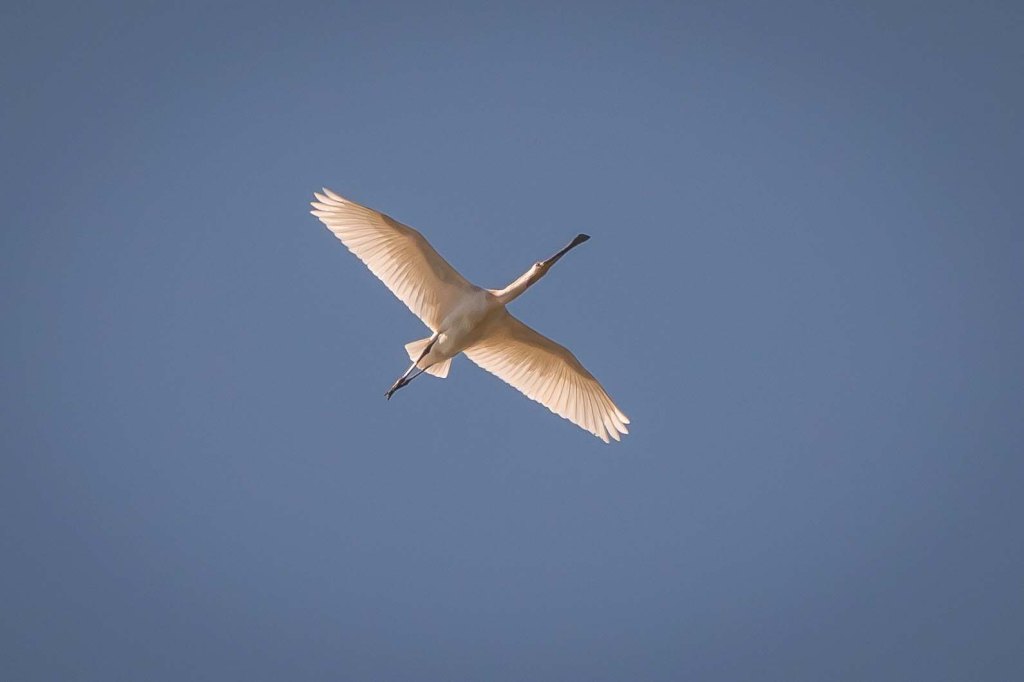
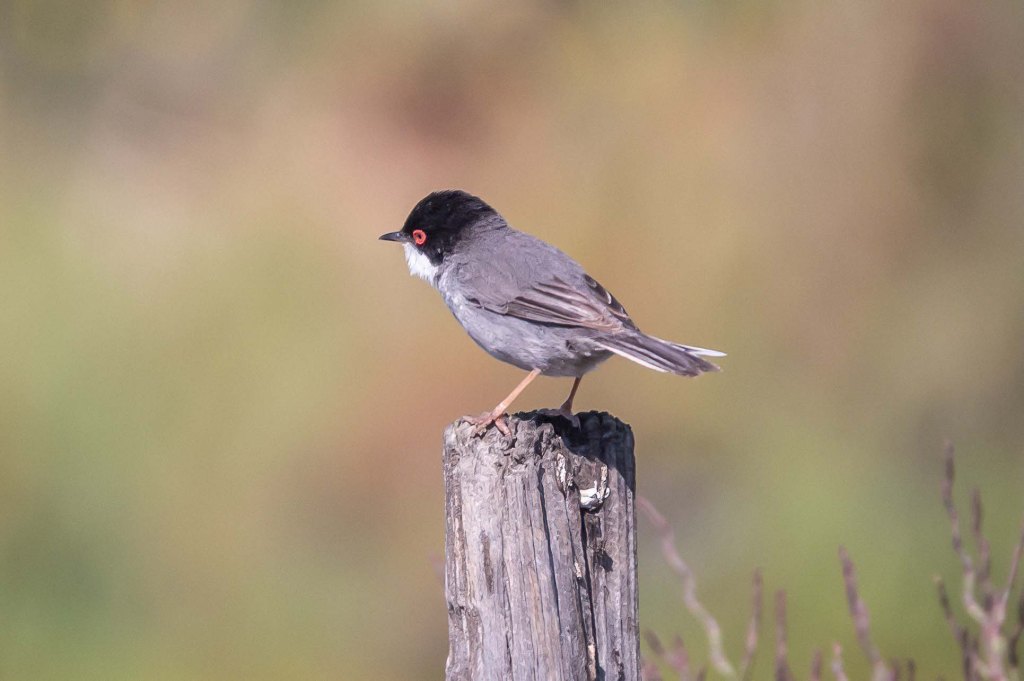
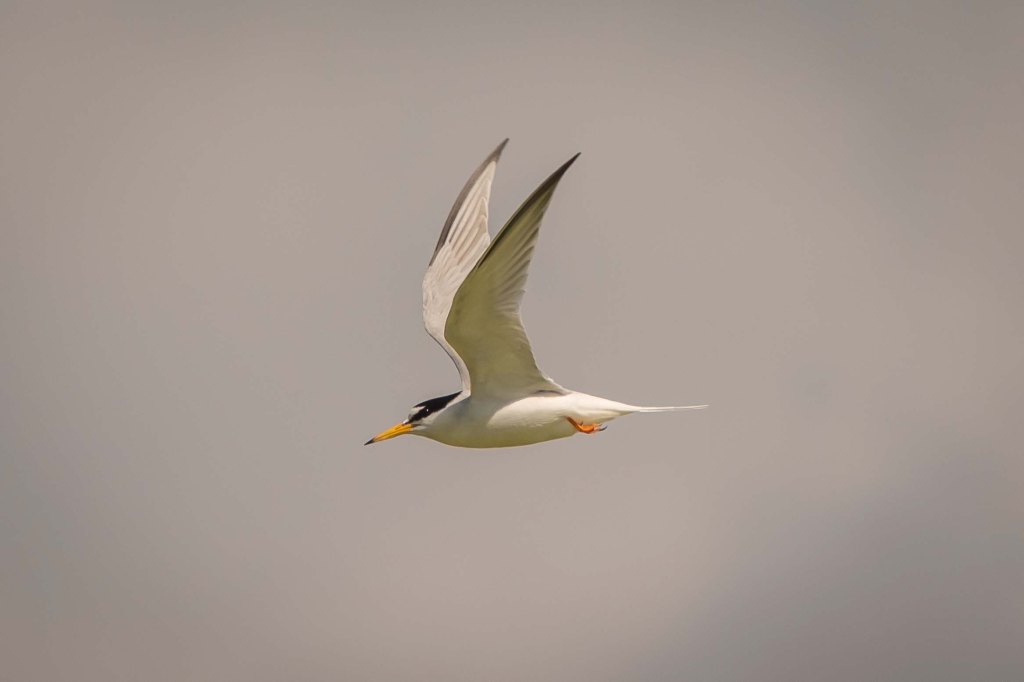
Yesterday we walked around our “local” patch at the Olhão salt pans. Again, probably because the tide was very low, there wasn’t very much to see. The highlights were probably an overhead spoonbill, another Sardinian warbler and some little terns.
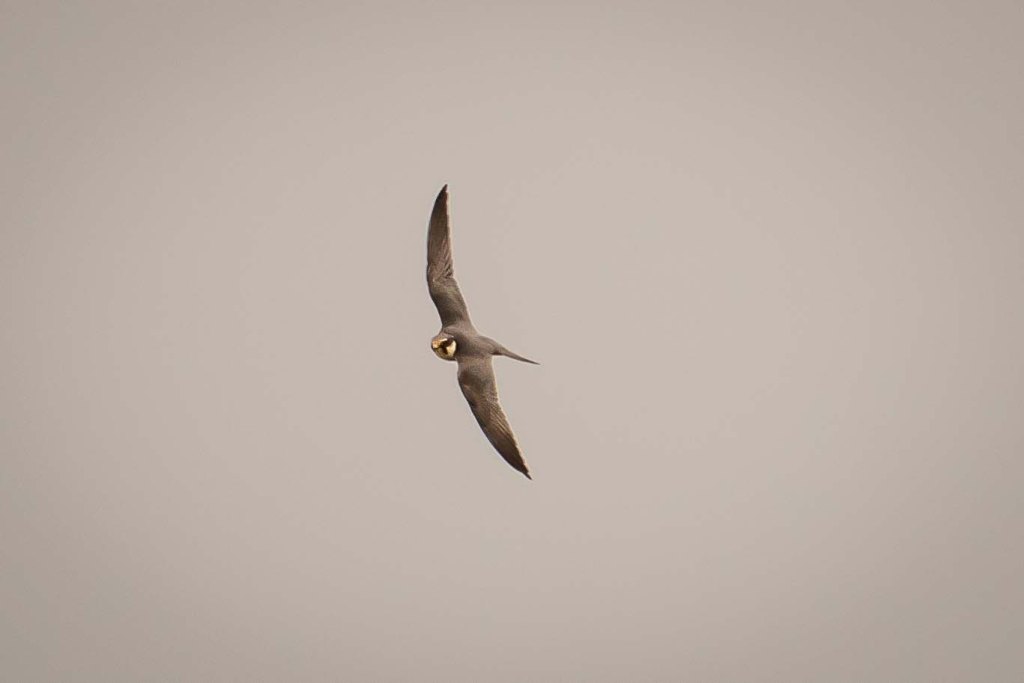
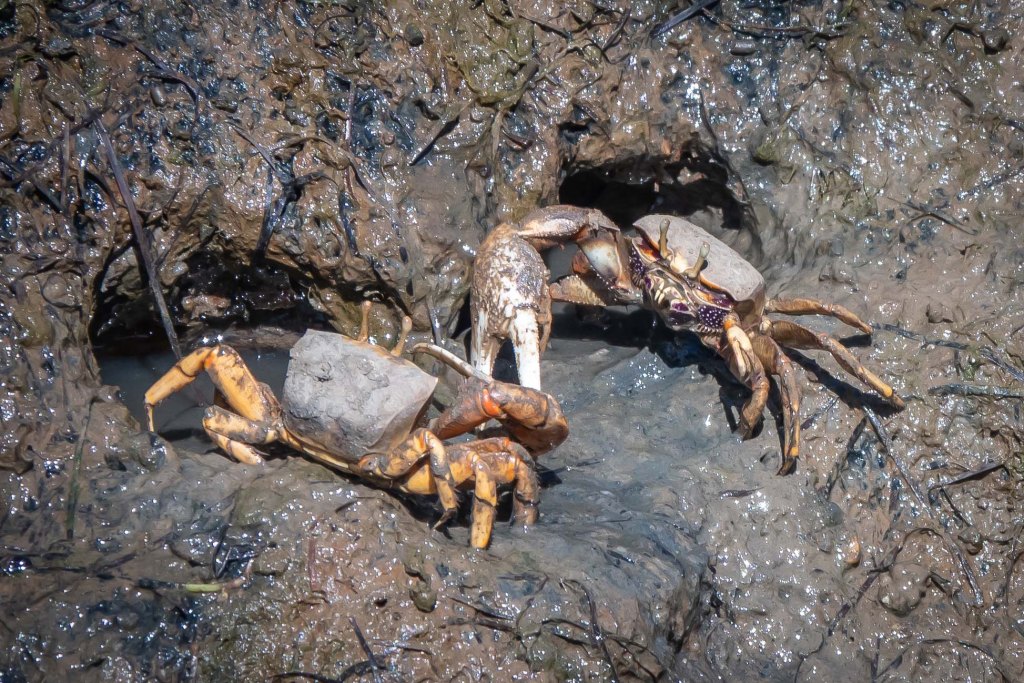
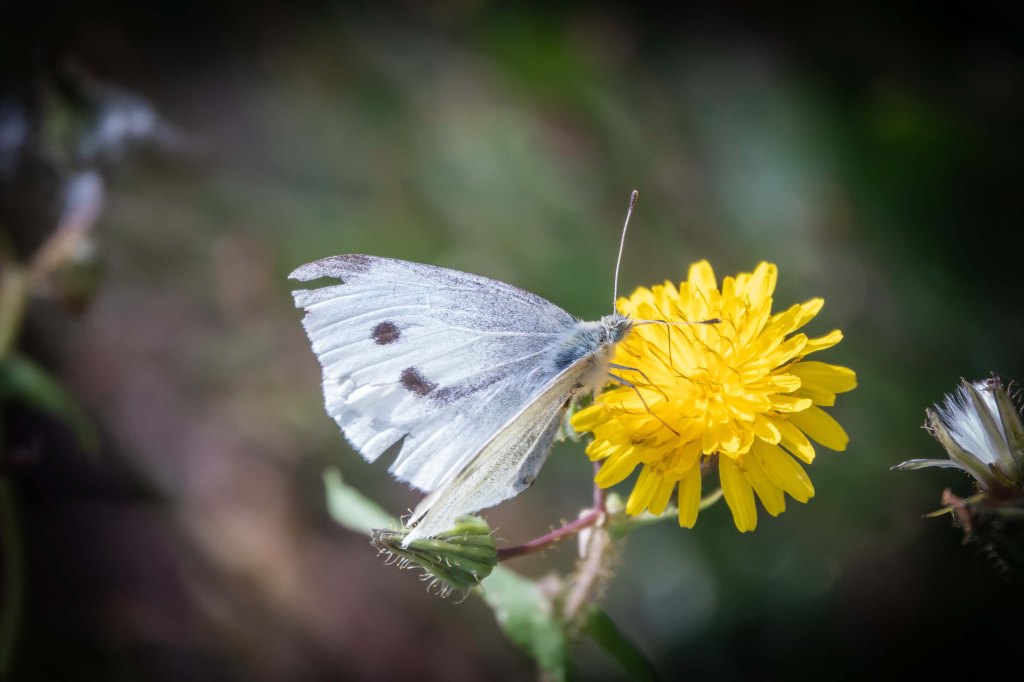
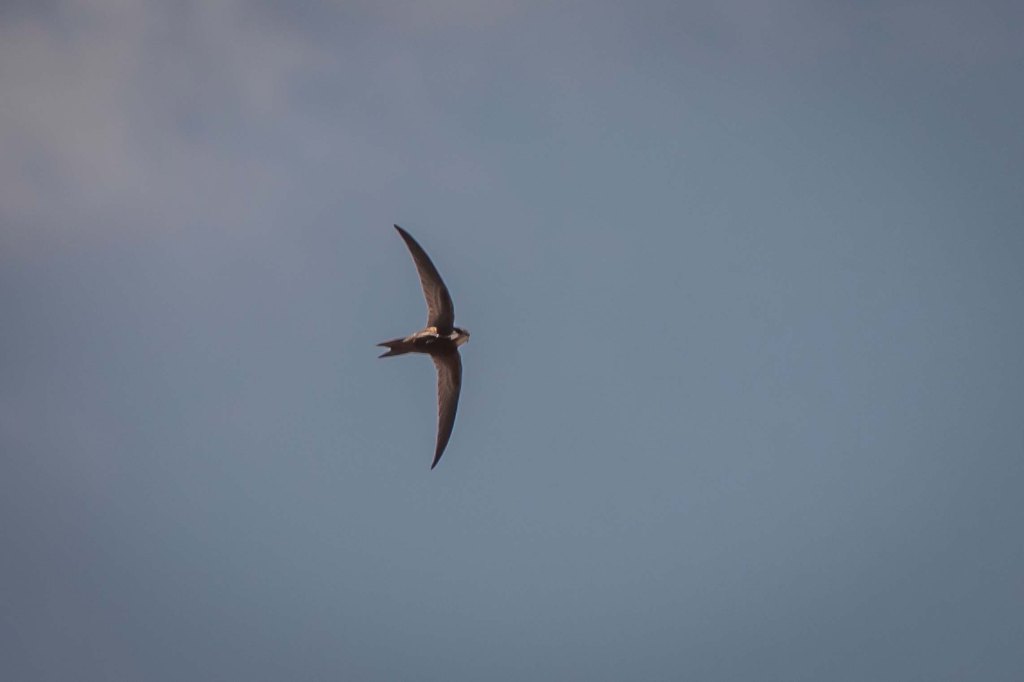
Eurasian spoonbillEurasian spoonbillSardinian warblerMore crabs too!Little ternI’m not surprised the small white butterfly was looking rather bedraggled in the windA pair of white storks still preparing their nestSwift – as sharp as I could get it with its speed, the wind and my old age.
Today we made our way to the area near Fuzeta where we had been a few days ago and walked through to the Arroteia birding area further east.
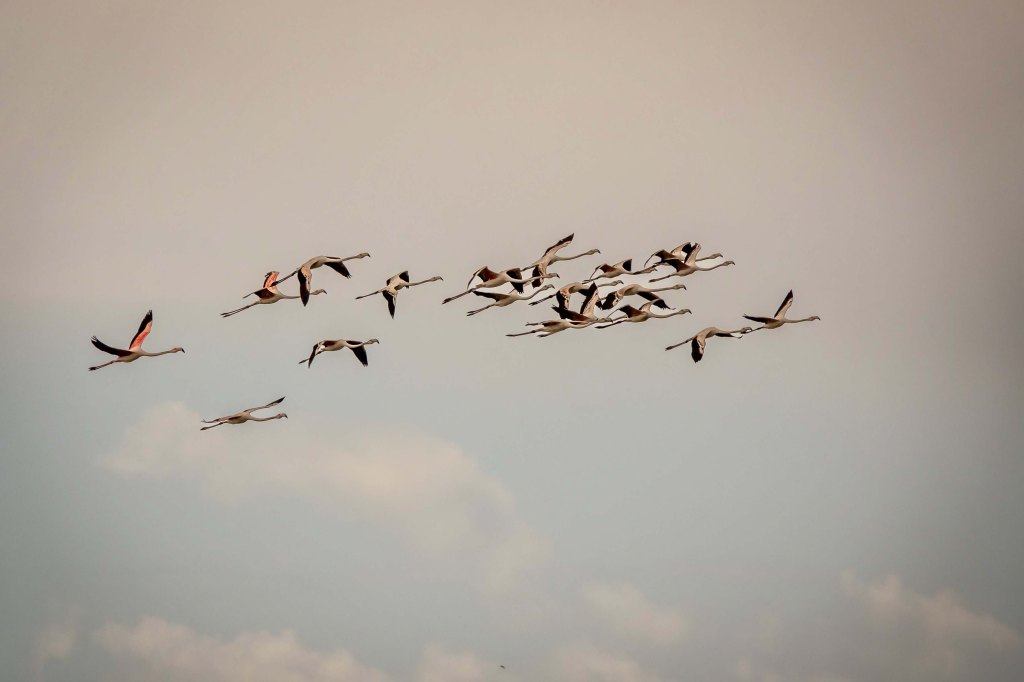
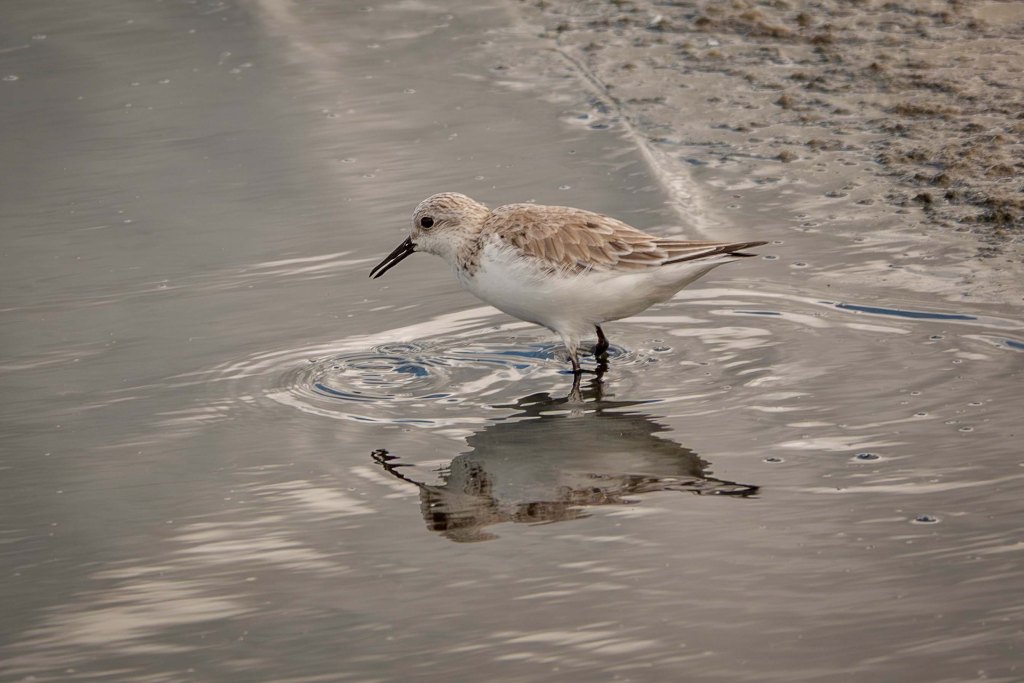
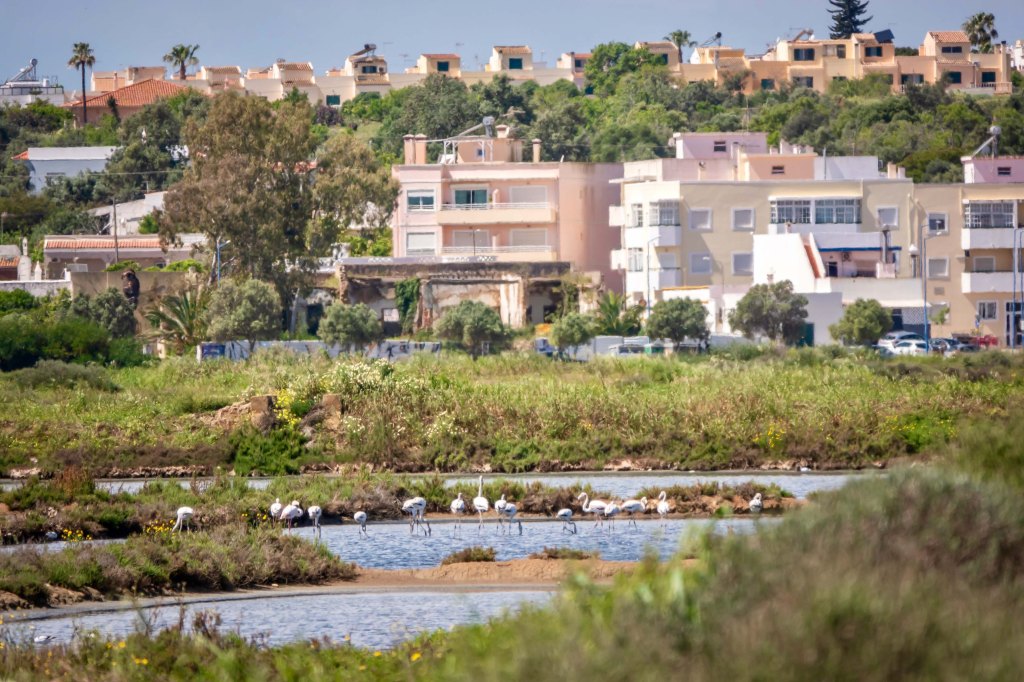
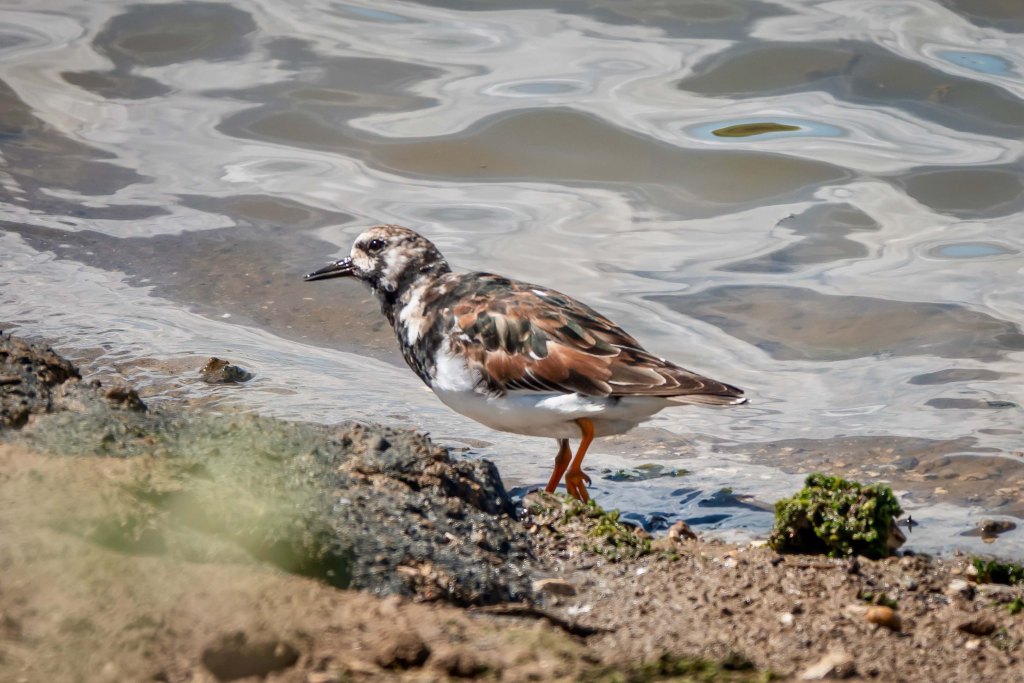
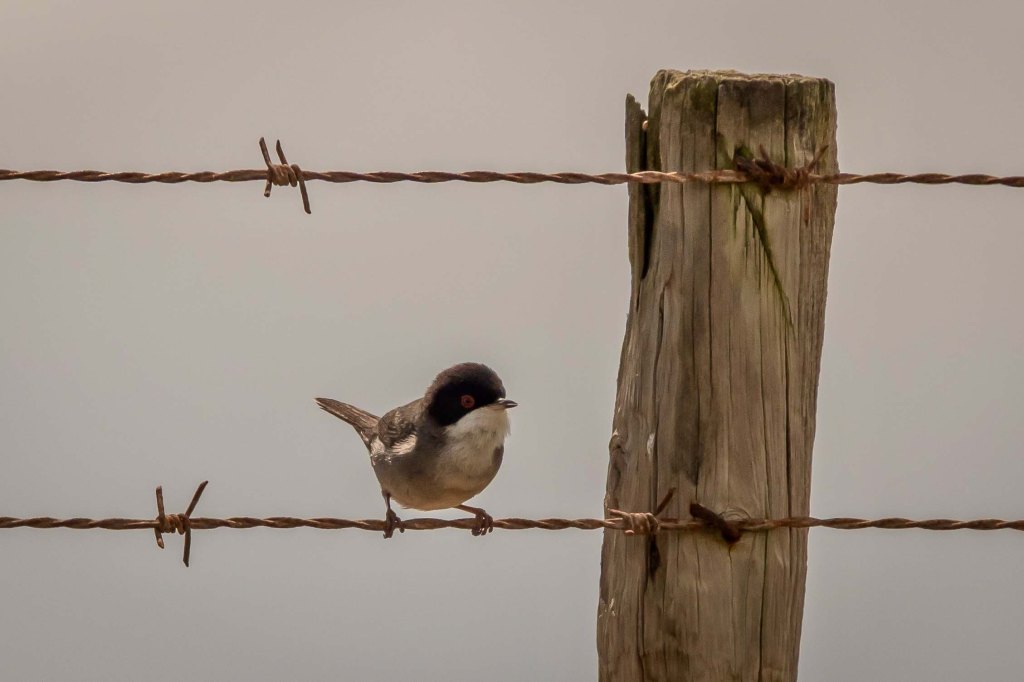
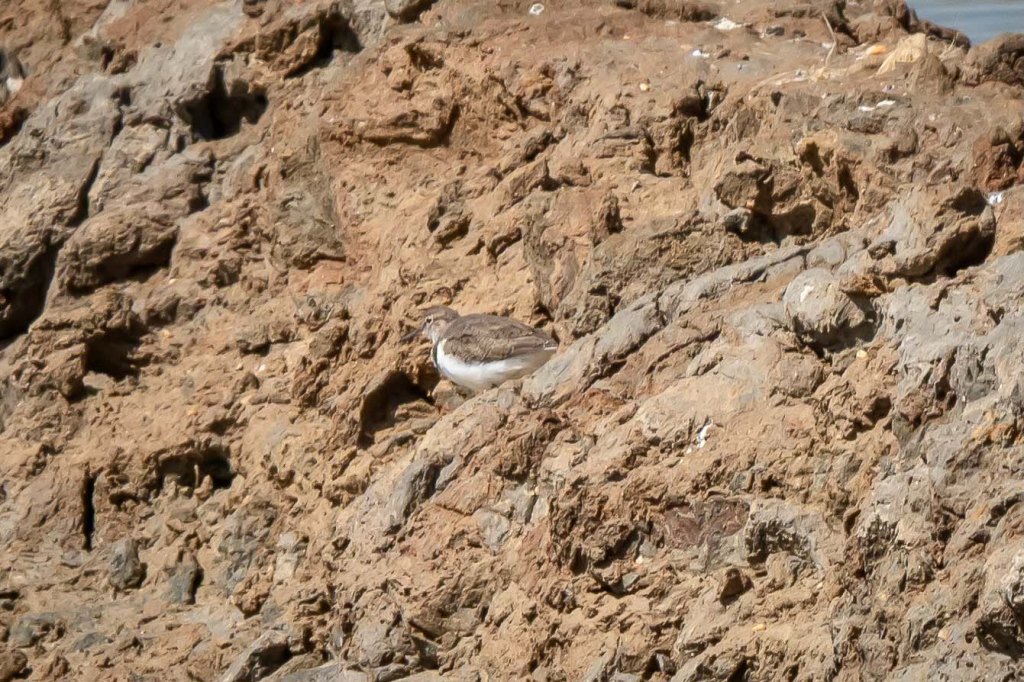
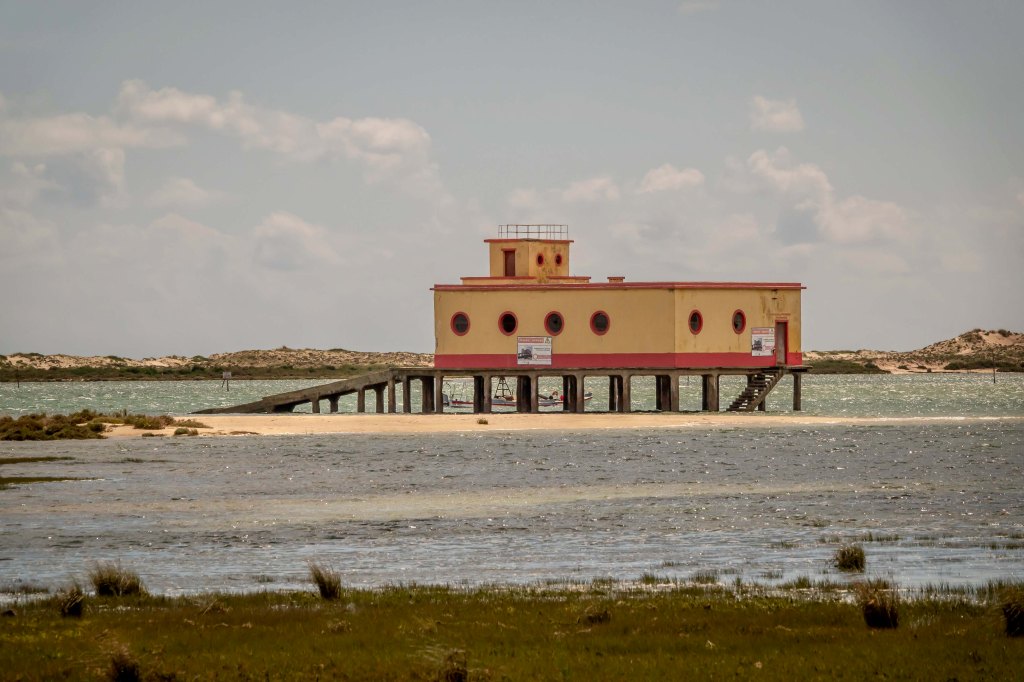
Pied avocets in flightSanderlingAs we sheltered from a short shower we saw our first greater flamingos of the week fly over.House martins everywhere but no easier for photographingThe reason for the salt pansGreater flamingosOur first stonechat of the weekThe best of this pool was the cacophony made by the frogsMum and ducklingsThe flamingos were quite secretiveA flock of golden ploverRuddy turnstoneSardinian warblerCommon redshankCommon sandpiperWhimbrel back at Fuzeta after lunchThe heavy showers (on the horizon here but soon to hit us) forced us to quit our post prandial stroll and head back to OlhãoFuzeta lifeboat station
Tavira is a popular tourist destination on The Algarve. However, there were very few people, only those out for a little exercise, as we started from the outskirts of Tavira along the edge of the Tavira salt pans.
The salt pans here are very extensive but, surprisingly, there were very few birds too. Probably, as the tide was low, they had moved out onto the Ria Formosa.
The start of the salt pans at Tavira
Nonetheless, there was plenty to see and the walk towards the ferry to Tavira Island was very pleasant.
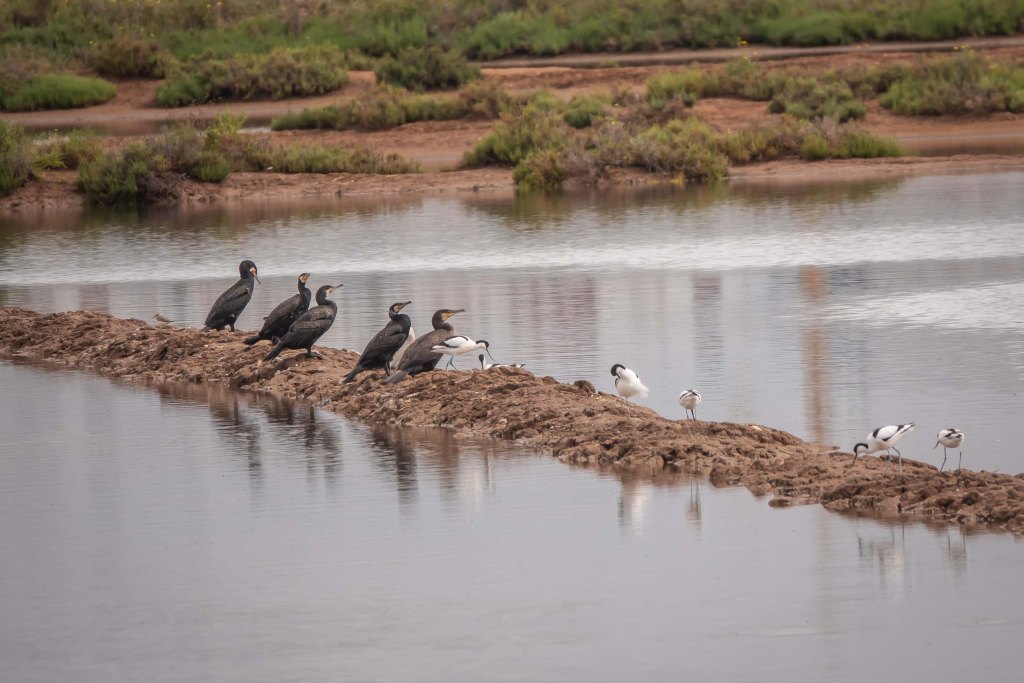
Avocets were the principal birds on viewA few cormorants too3 eurasian spoonbills and a grey heronMore avocetsCrabs everywhere
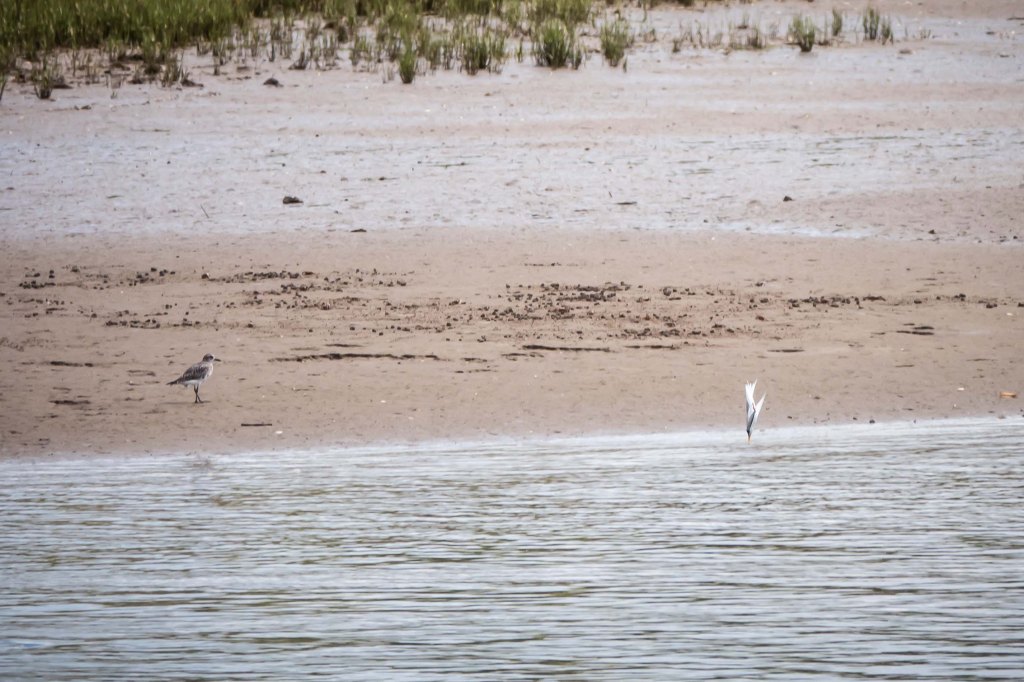
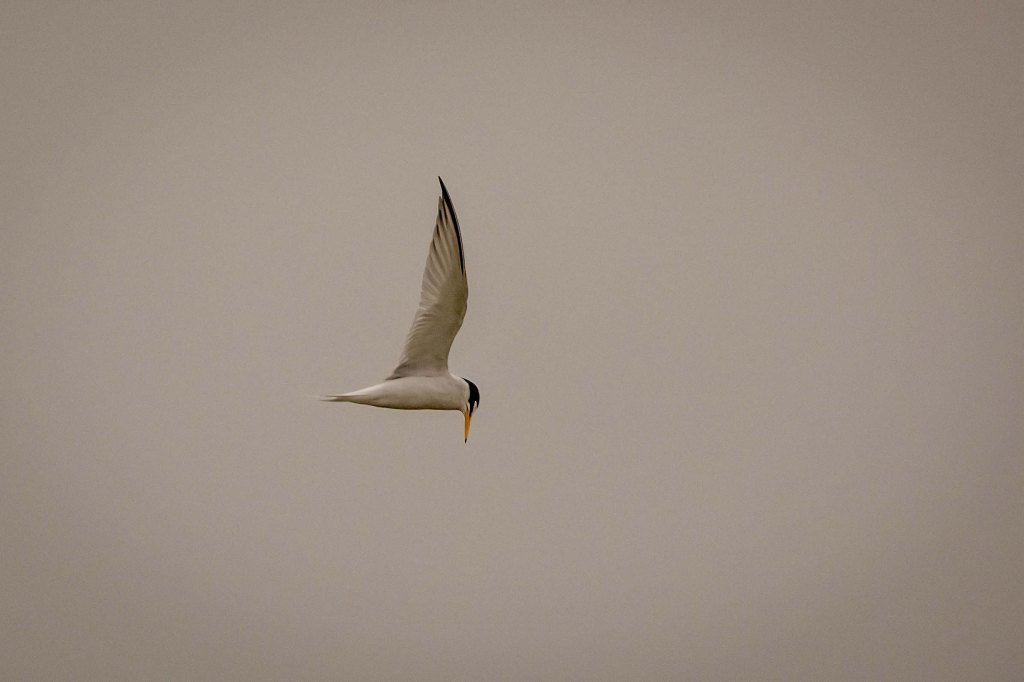
The best of the birds we saw were on the river where several little terns entertained us for a while.
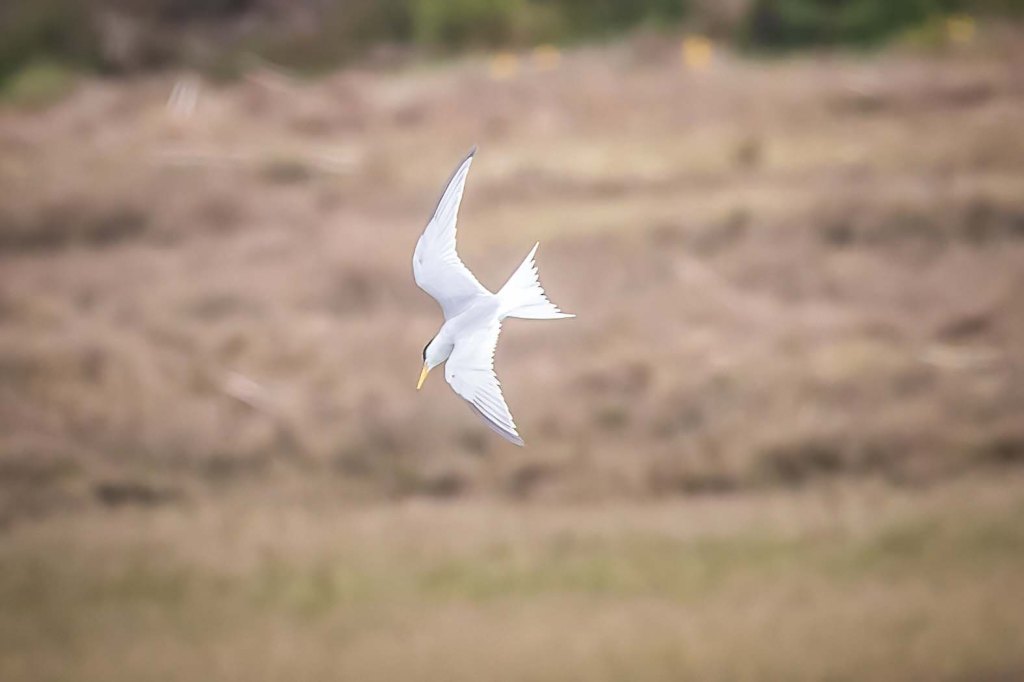
Little tern in full dive
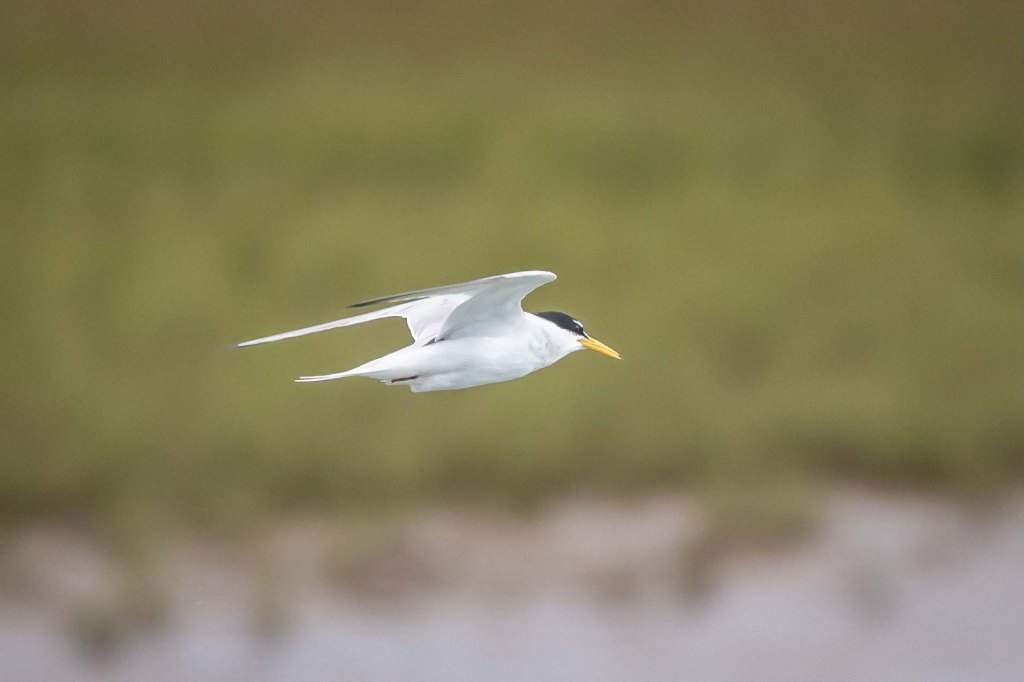
Little ternLittle ternLittle ternEuropean red-rumped swallowEuropean red-rumped swalllow
We then headed for Santa Luzia, famous for its octopus restaurants.
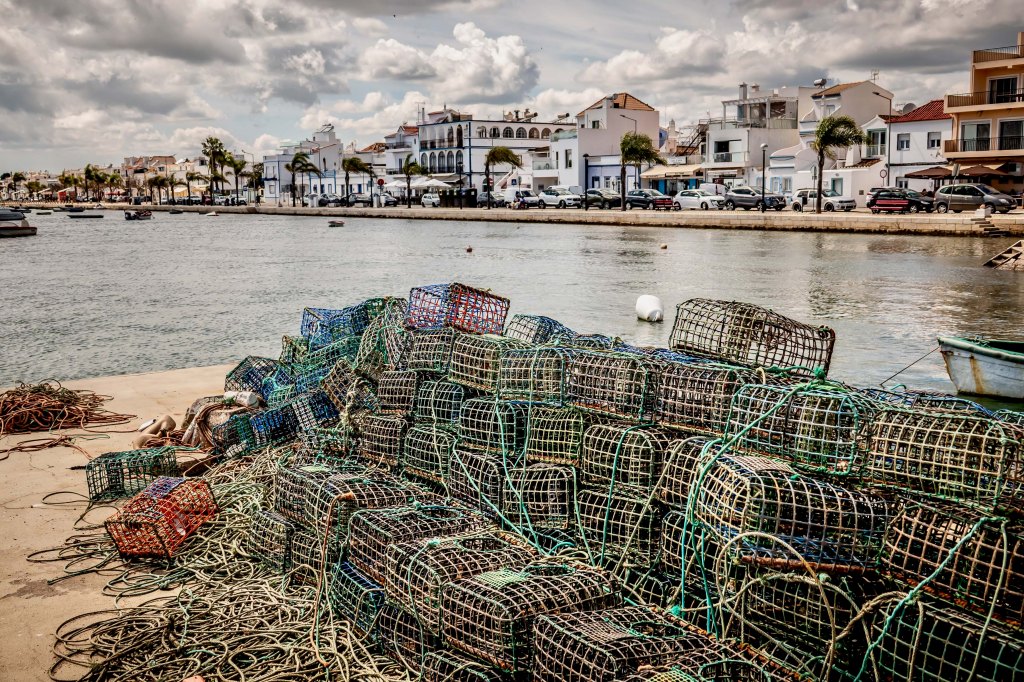
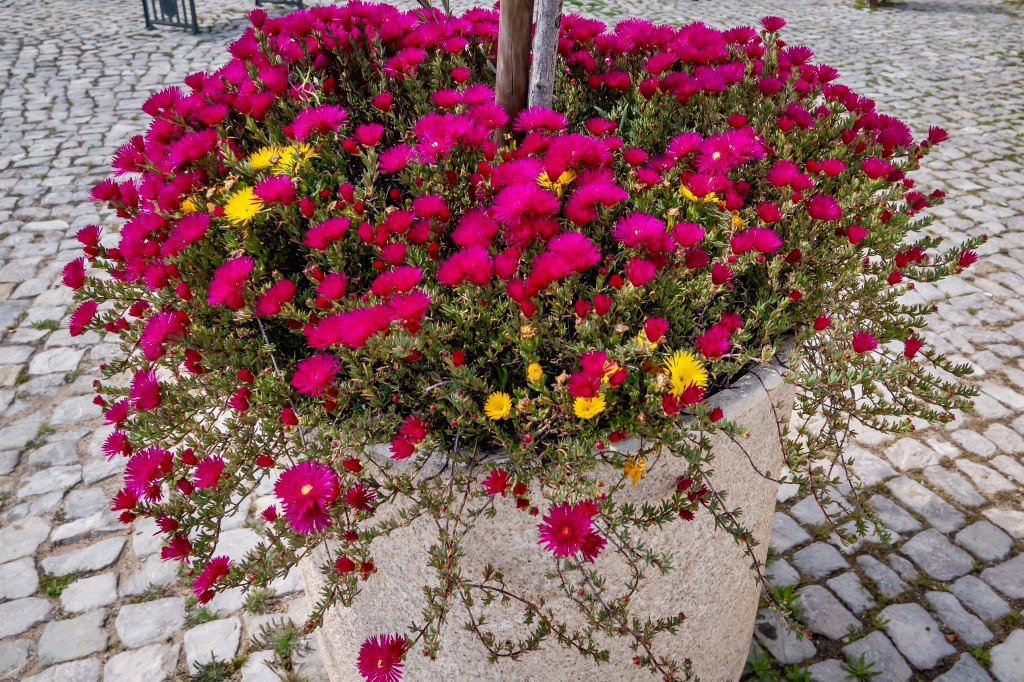
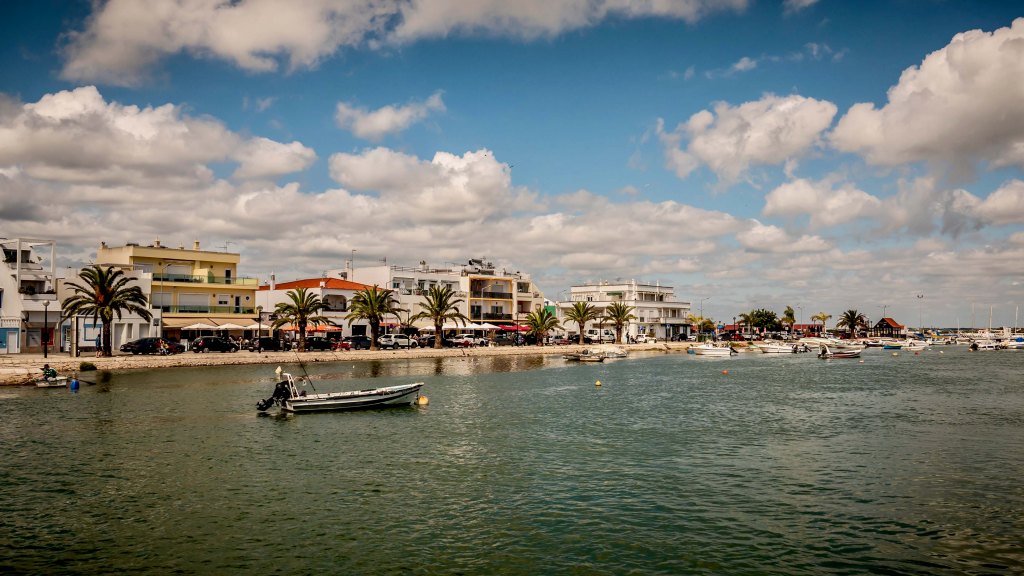
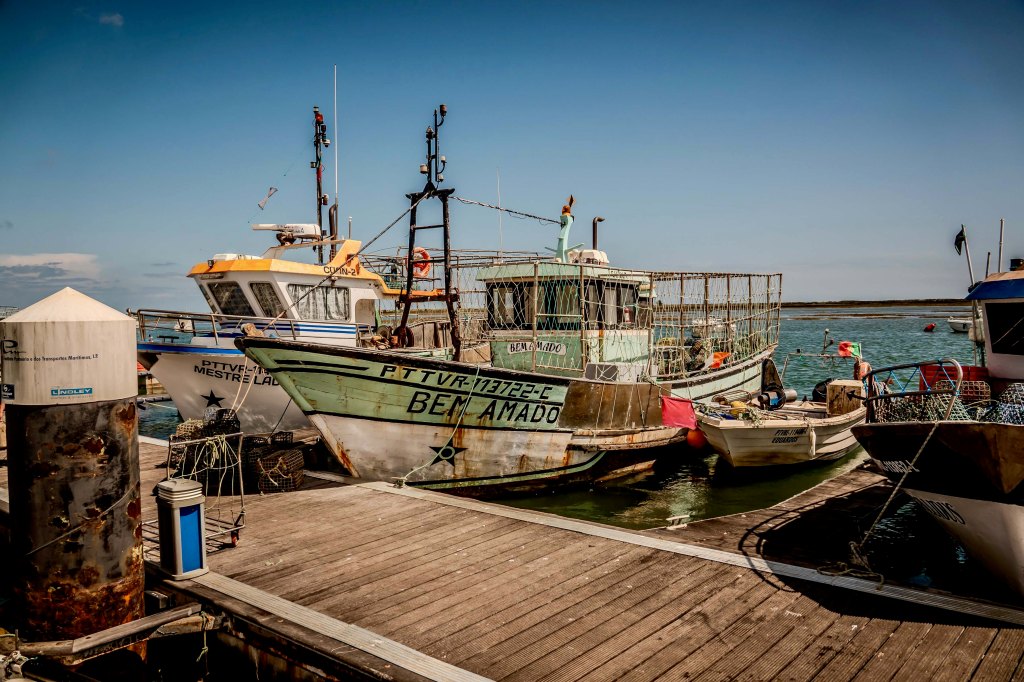
The rising tide at Santa LuziaSanta LuziaSanta LuziaThe climate is clearly very temperate hereThe port of Santa Luzia is very pretty …… but clearly a working port.
After exploring the Saturday market in Olhão we took a taxi a few kilometres east to Quinta de Marim (or Centro Educação Ambiental de Marim).
The market at Olhão we a plentiful supply of snails
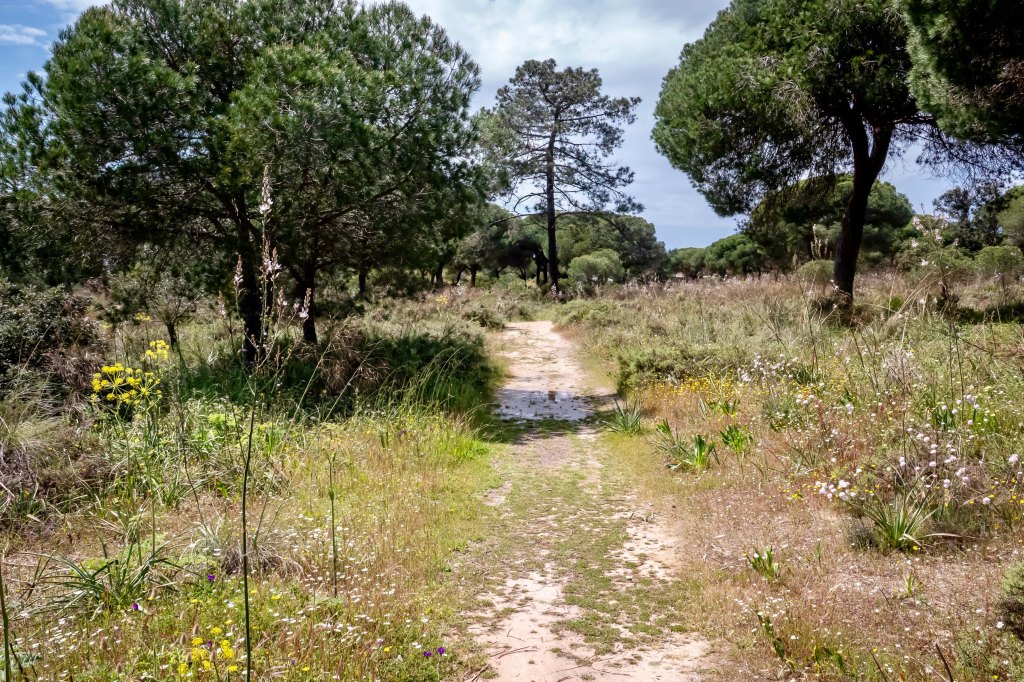
We had visited this estate earlier in the year. The 3 km trail takes you through various ecosystems – dunes, salt marshes and pine woodlands and it was interesting to see the different flora from our last visit in February.
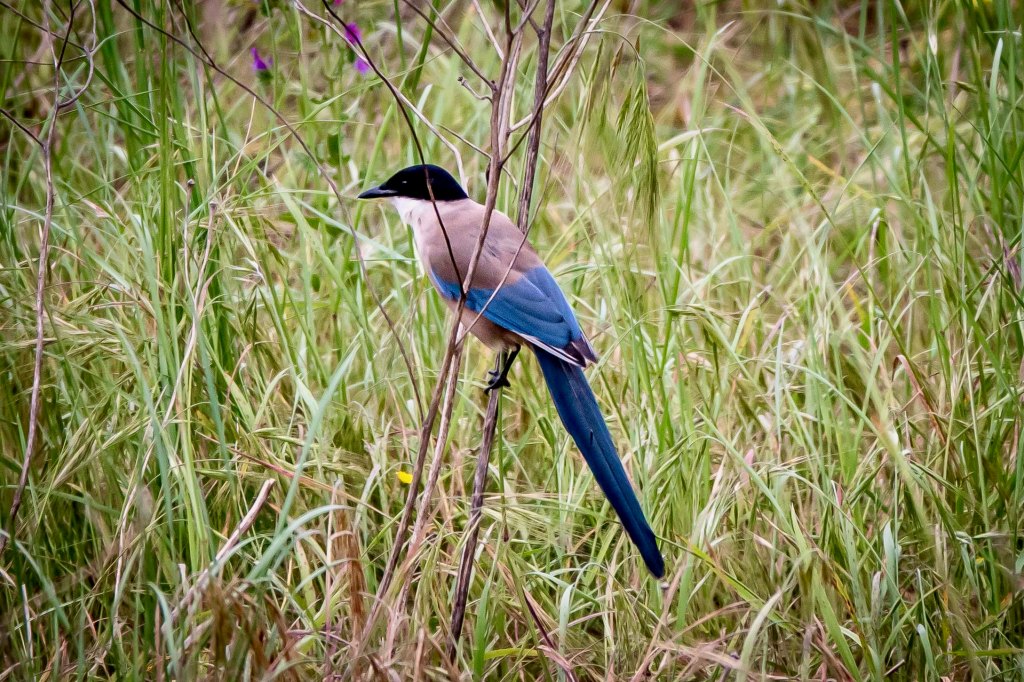
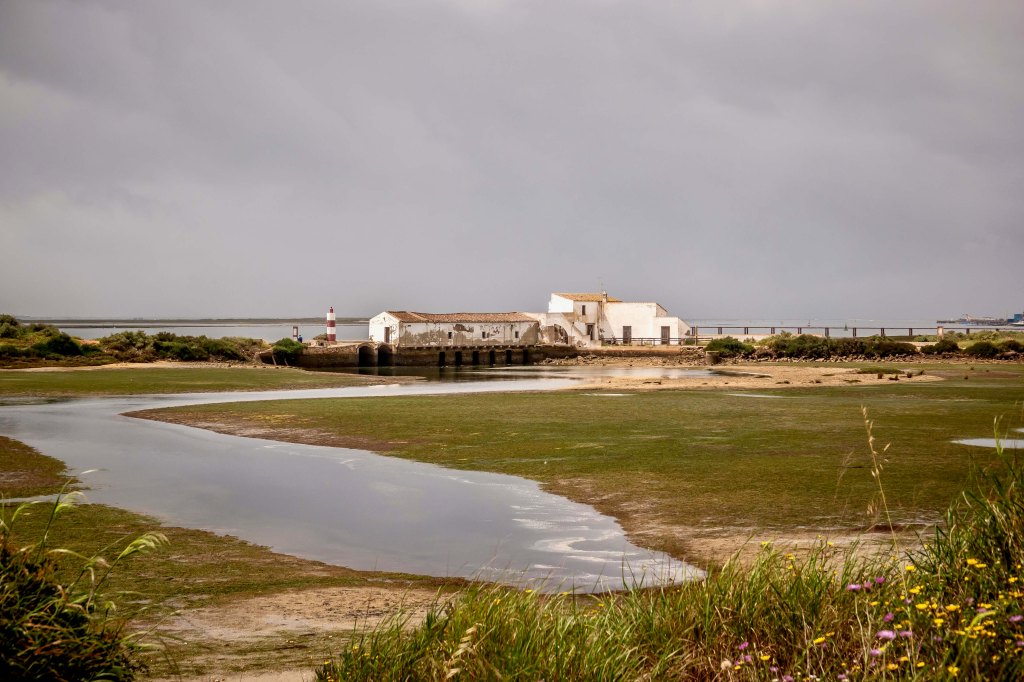
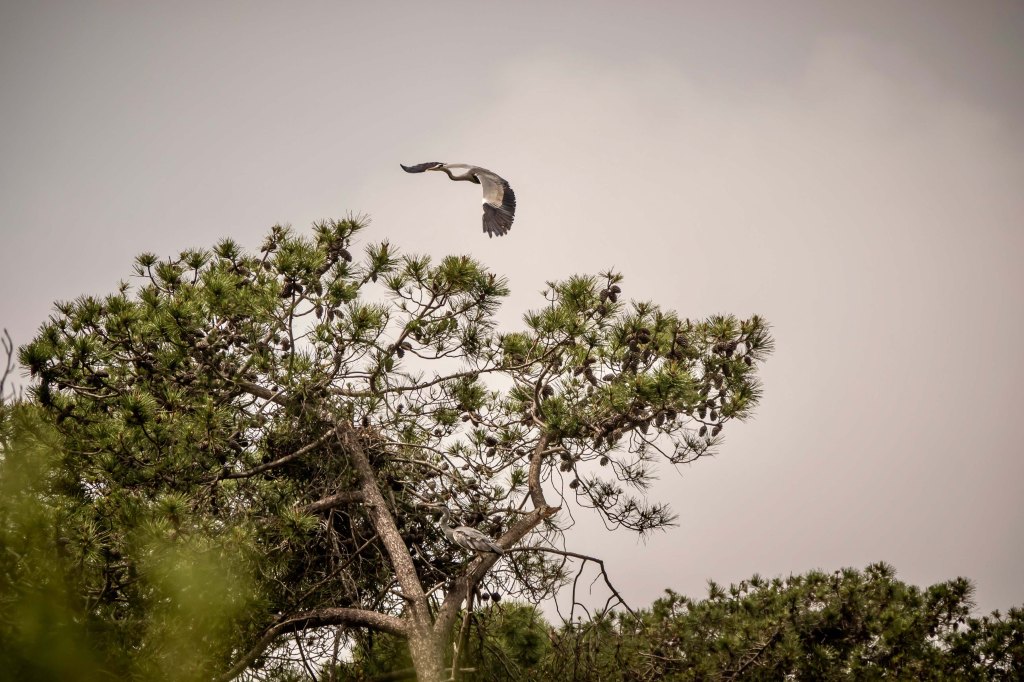
The Iberian azure-winged magpies seem to love the pine woodlandsSpeckled wood butterflySardinian warblerQuinta de Marim tidal millGrey heron practising its ballet
Half way around the circuit there is a hide overlooking a freshwater pond. We spent quite a while here as there was a heavy shower but fortunately there was lots of activity with a huge colony of egrets.
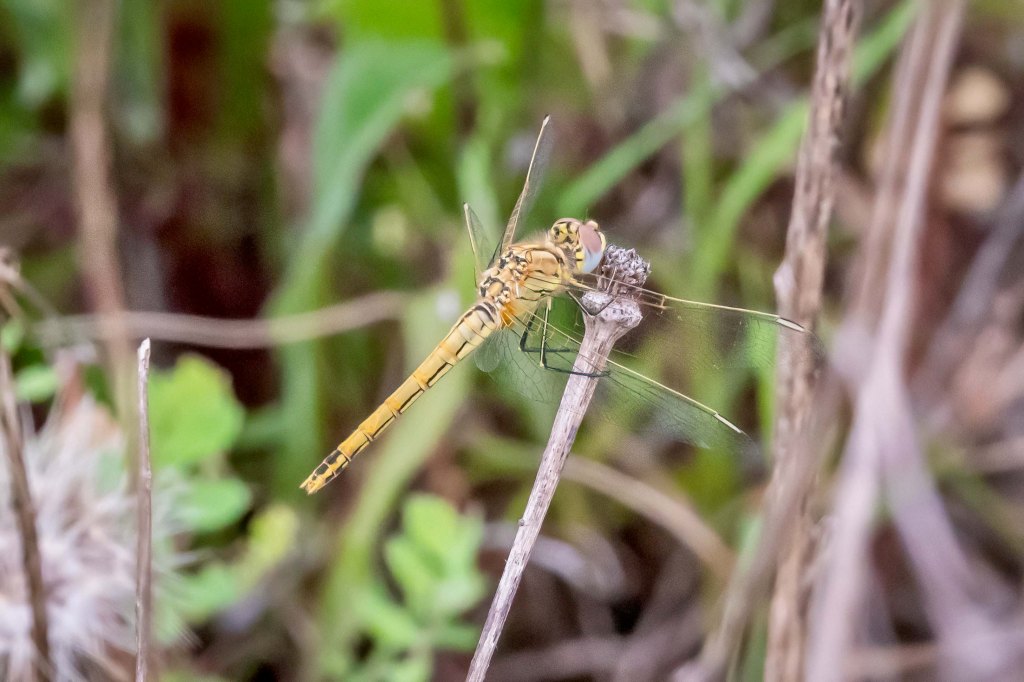
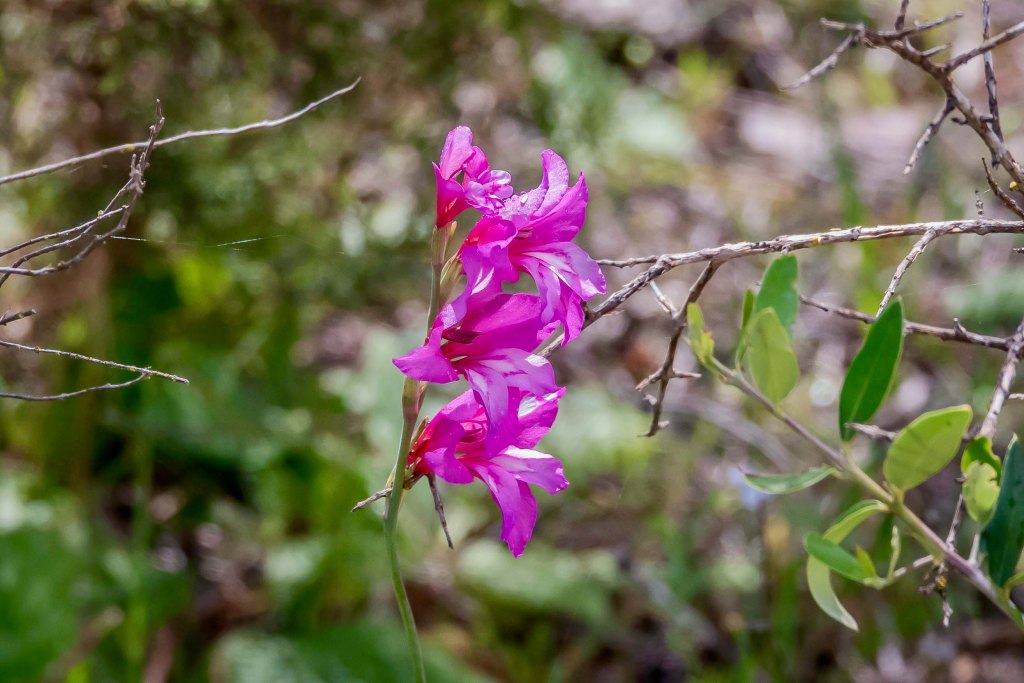
The colony of egretsPochardColony of egrets (little and cattle) – some with their young and others still building their nestsLittle grebeCattle egret looking for nesting materialsThere were also large numbers of grey herons around this pondRed-veined darterWild gladiolus
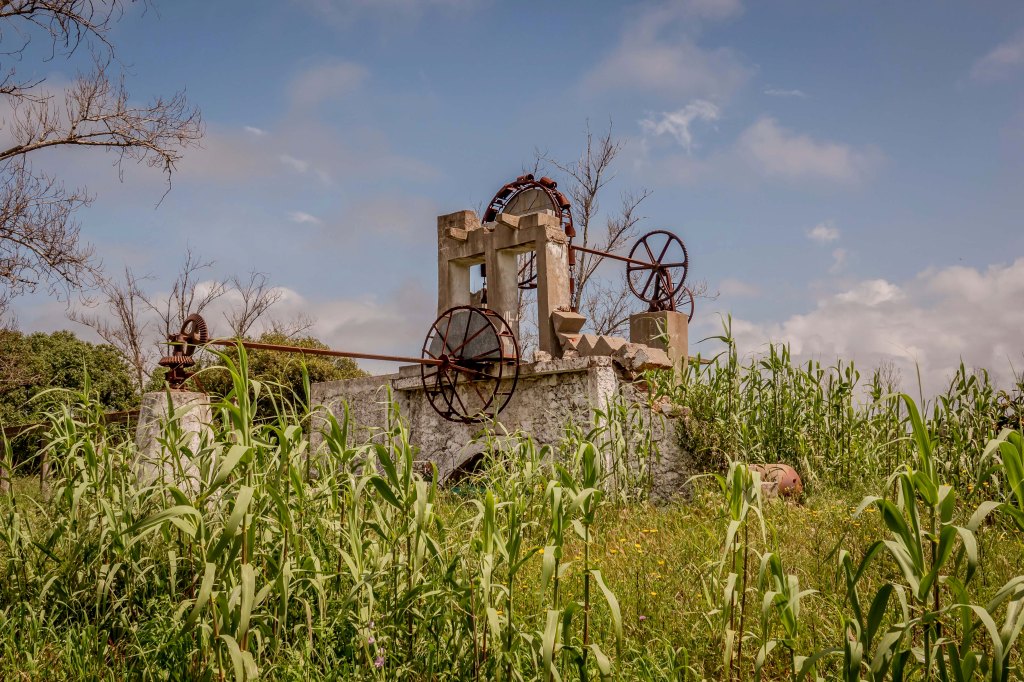
We realised that last time we had missed a pathway and this time, by taking the recommended route, we came across a dilapidated noria. The noria is a device, inherited from the Arabs, used to raise water from a well. The power for the elevation of water was provided by the circular movement of a donkey or a mule. The water drawn from the well is stored in a tank, from where it is distributed through small aqueducts, until it reaches the orchards and vegetäble-gardens.
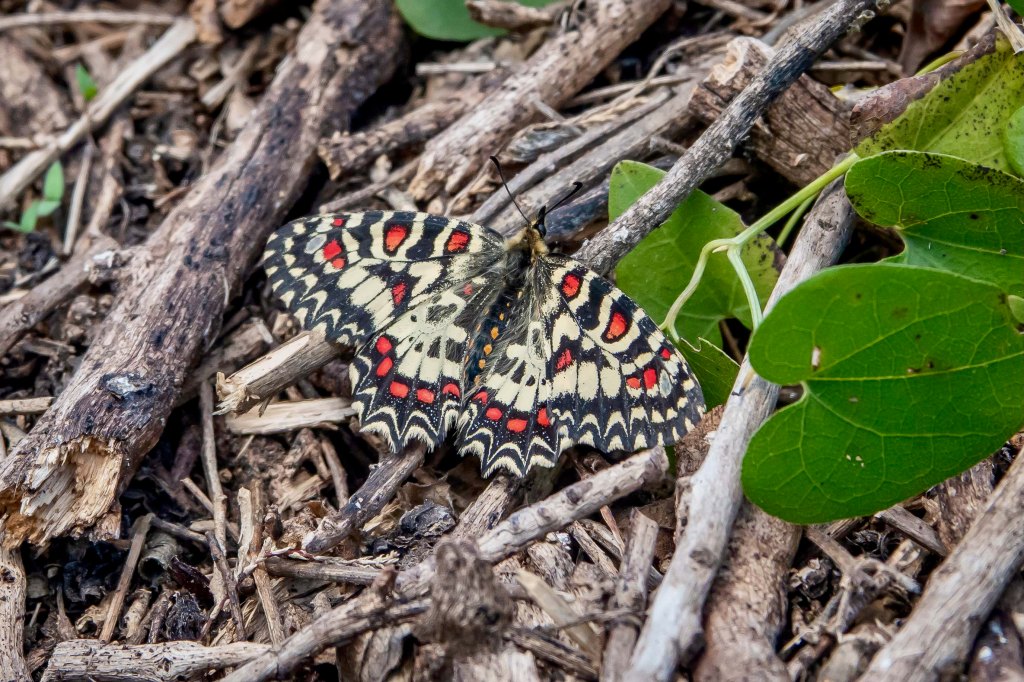
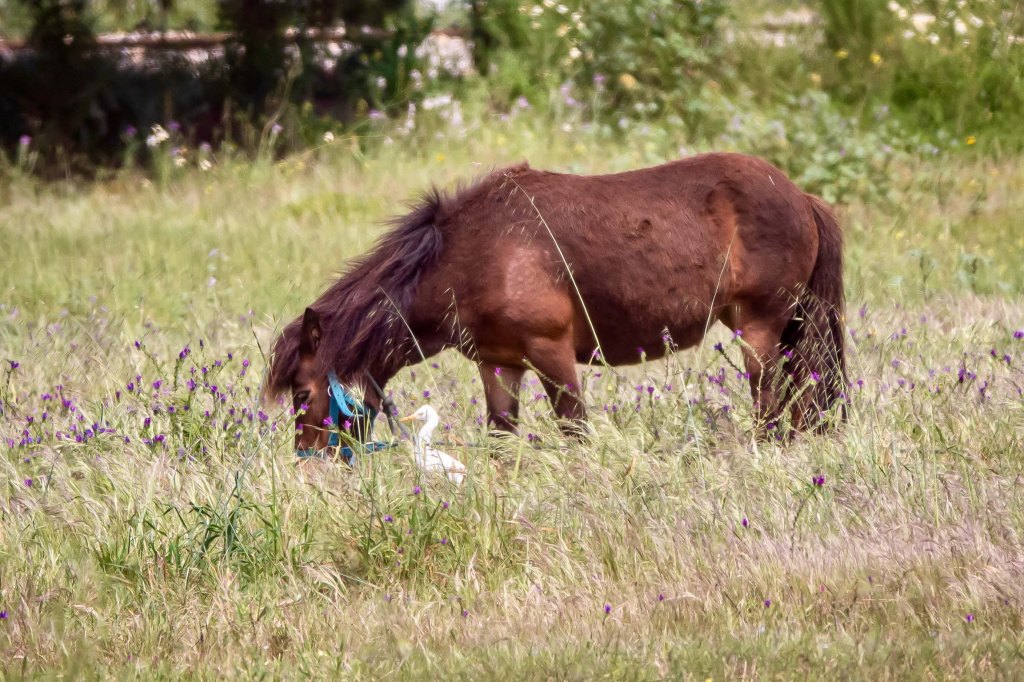
NoriaNoriaRed legged partridge at the very spot where we had seen a hoopoe in FebruaryThe correct path!Spanish festoon butterflyCattle egret next to the horse
We were rather devastated yesterday when, setting off for a walk around the salt pans at Olhão right next to our hotel, we found the path had been closed by a new construction project. We abandoned our plans and decided to take the ferry to Culatra, one of the islands in the Ria Formosa.
There were limited birding opportunities but from the ferry we saw a distant colony of spoonbills and egrets.
Spoonbills and egrets
On Culatra there were plenty of yellow legged gulls and lesser black-backed gulls as well some Audouin gulls.
Audouin gull
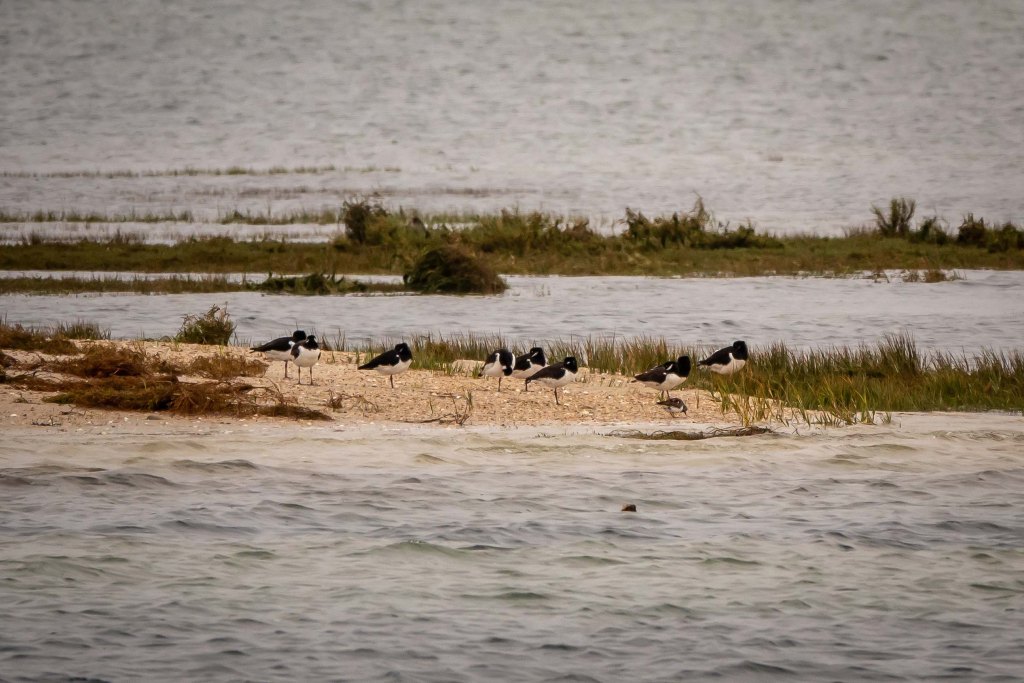
On the return journey we could see oystercatchers and a small flock of common ringed plovers which easily overtook the ferry.
OystercatchersCommon ringed plover
Today we managed to find a way around the blocked path without too much of a detour and, despite the disappointing cloudy conditions, enjoyed a very enjoyable walk around the salt pans. We were well rewarded with plenty of birds and a pleasant walk.
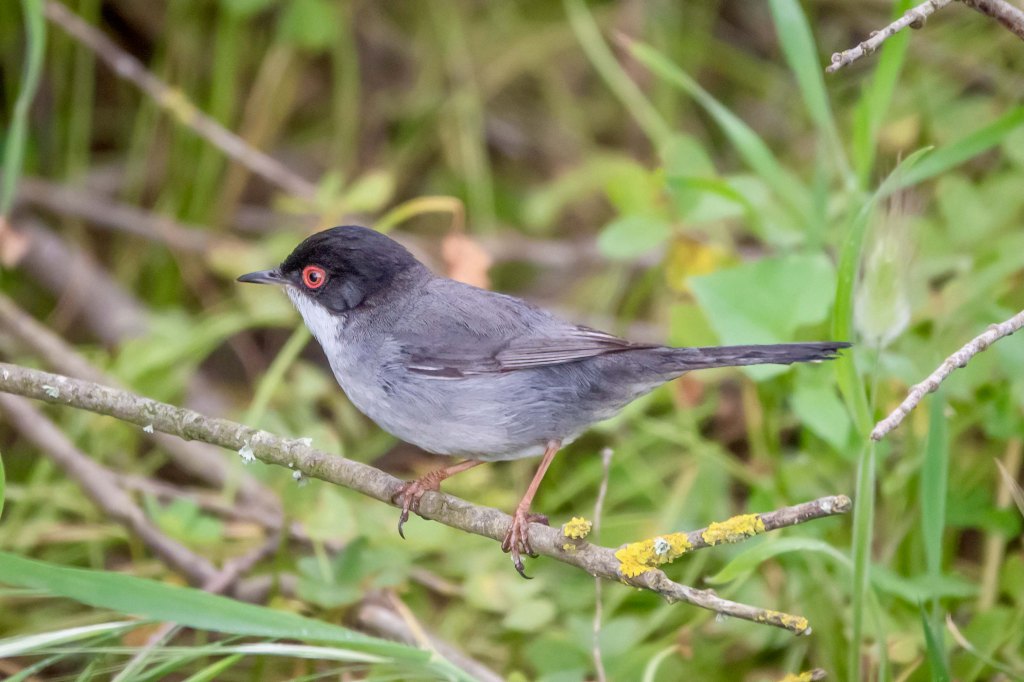
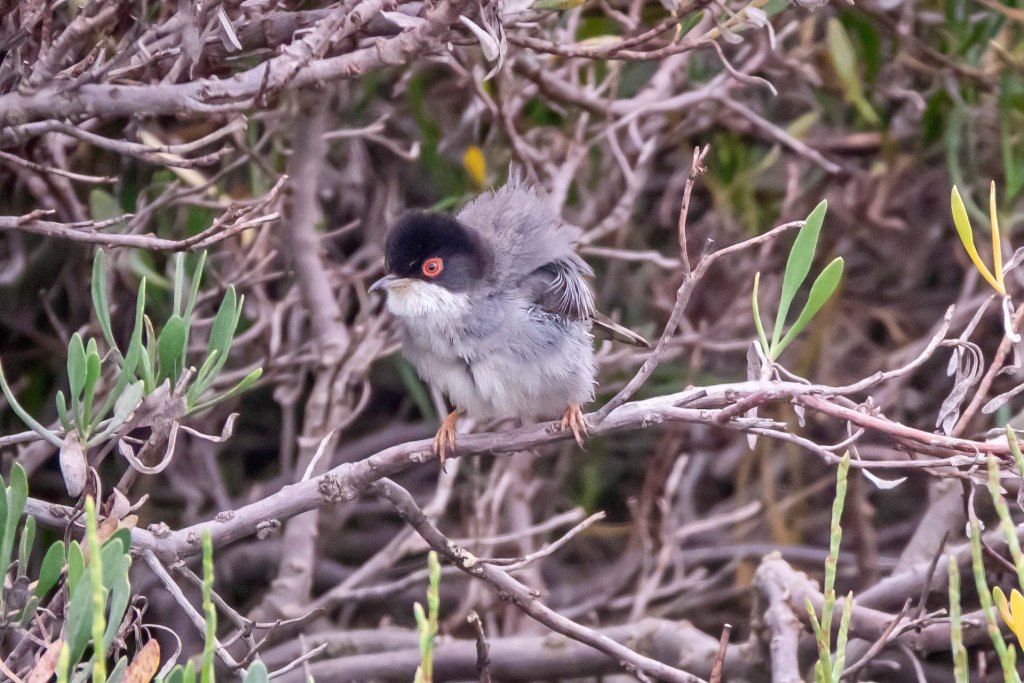
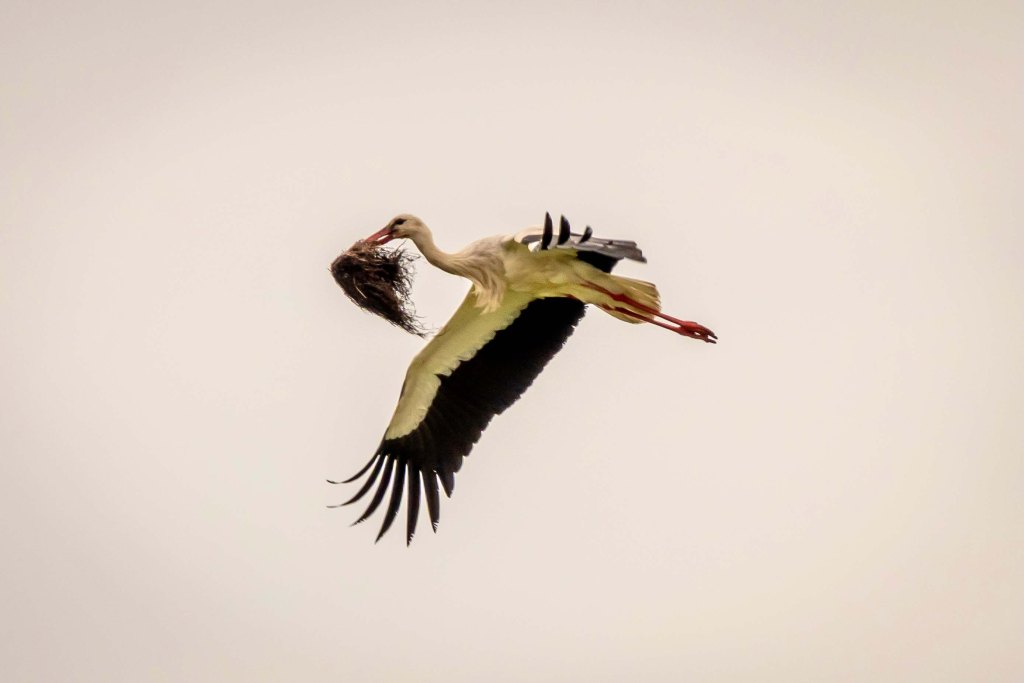
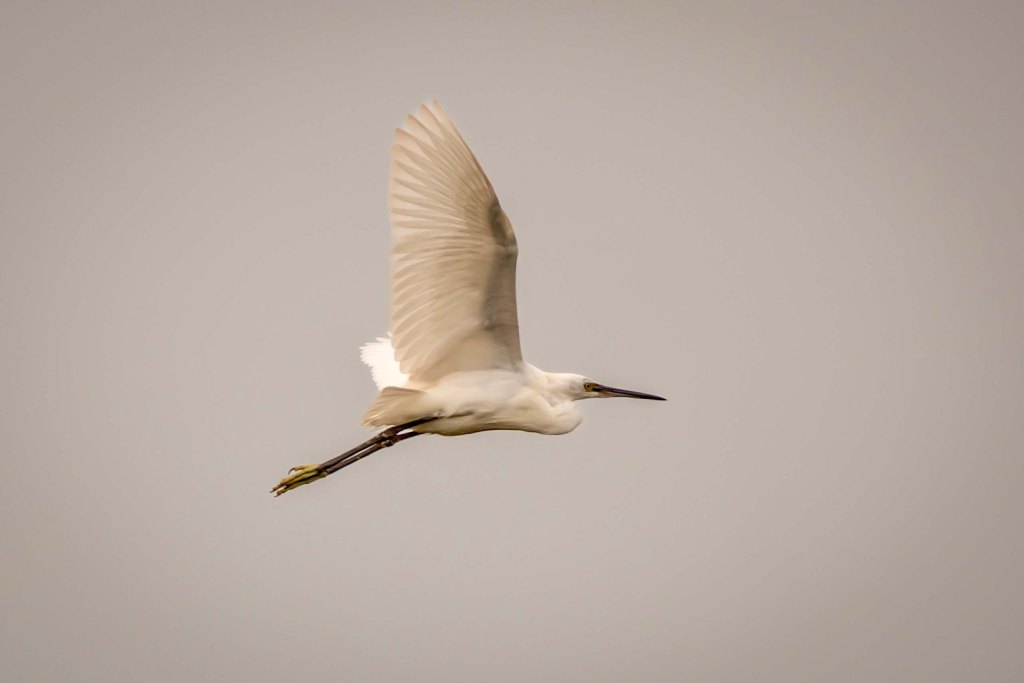
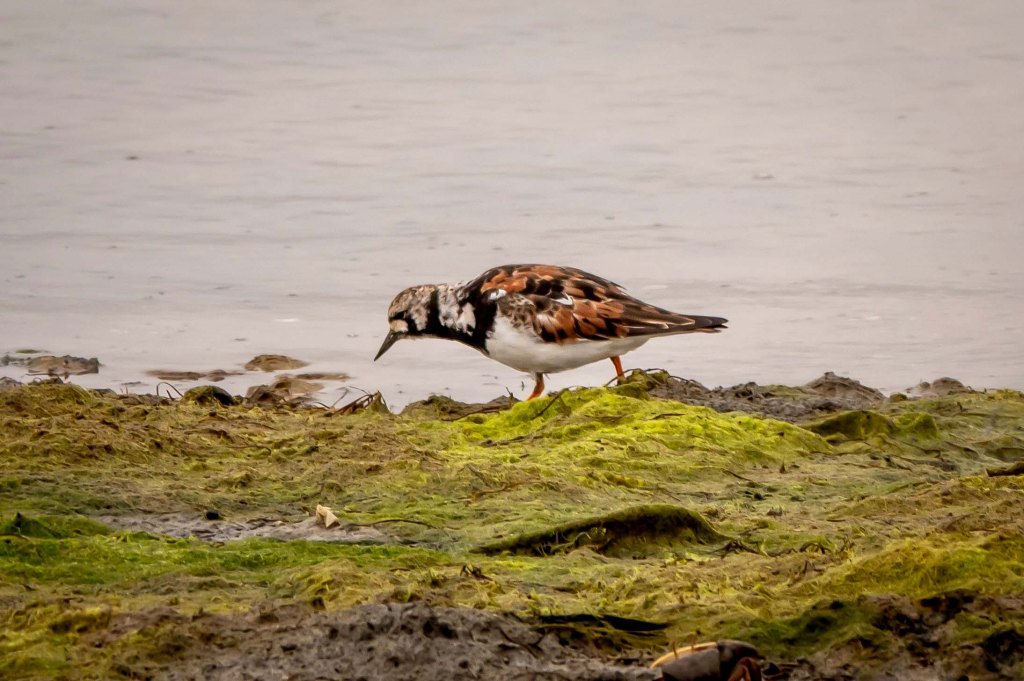
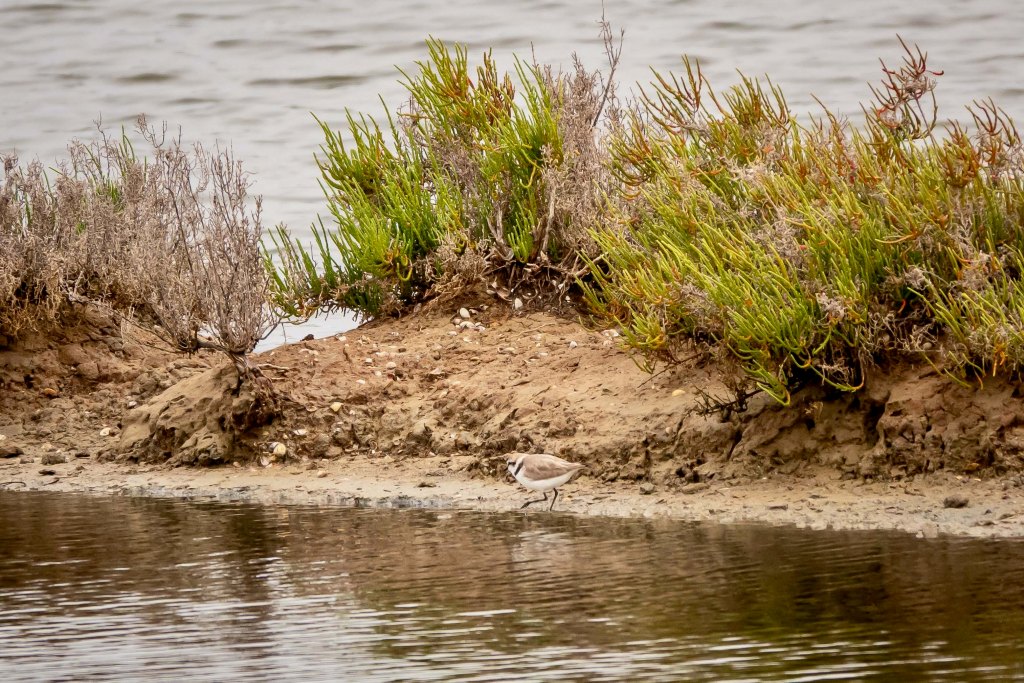
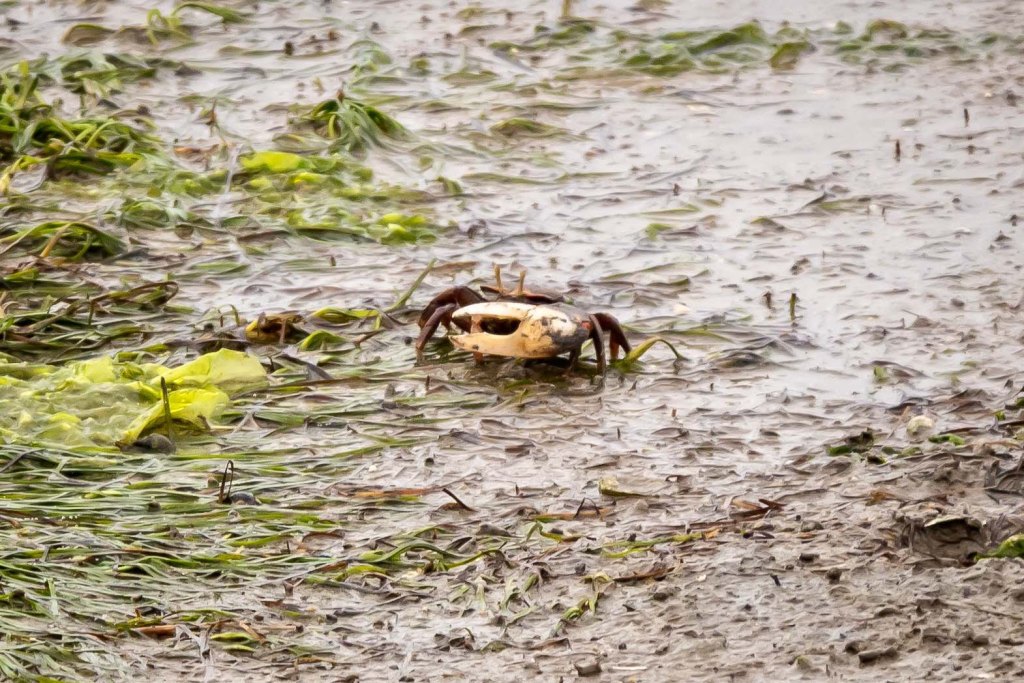
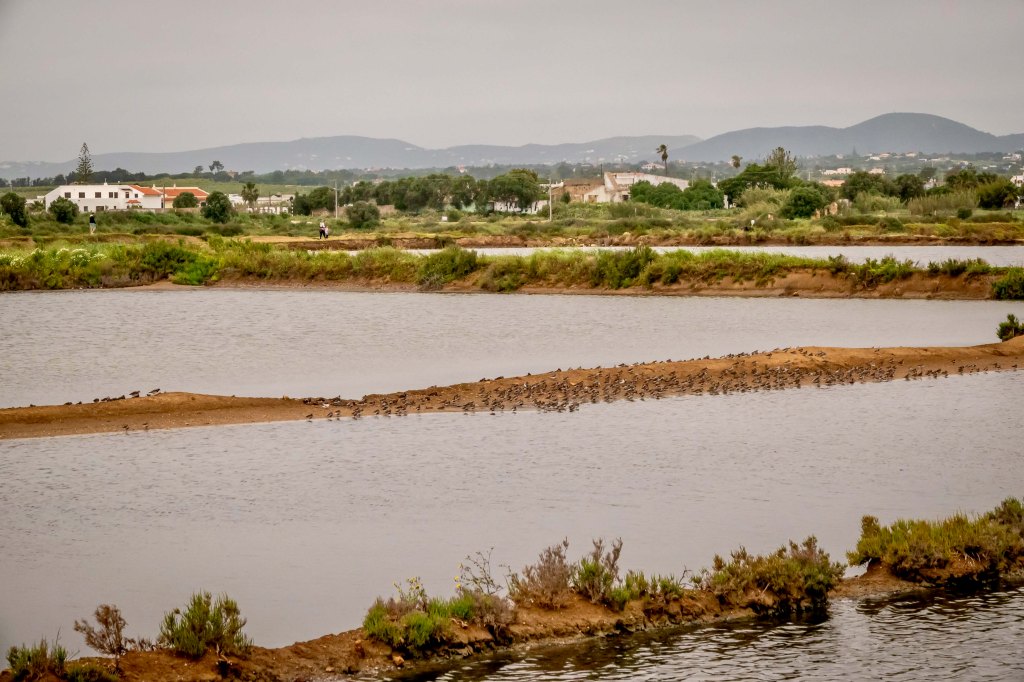
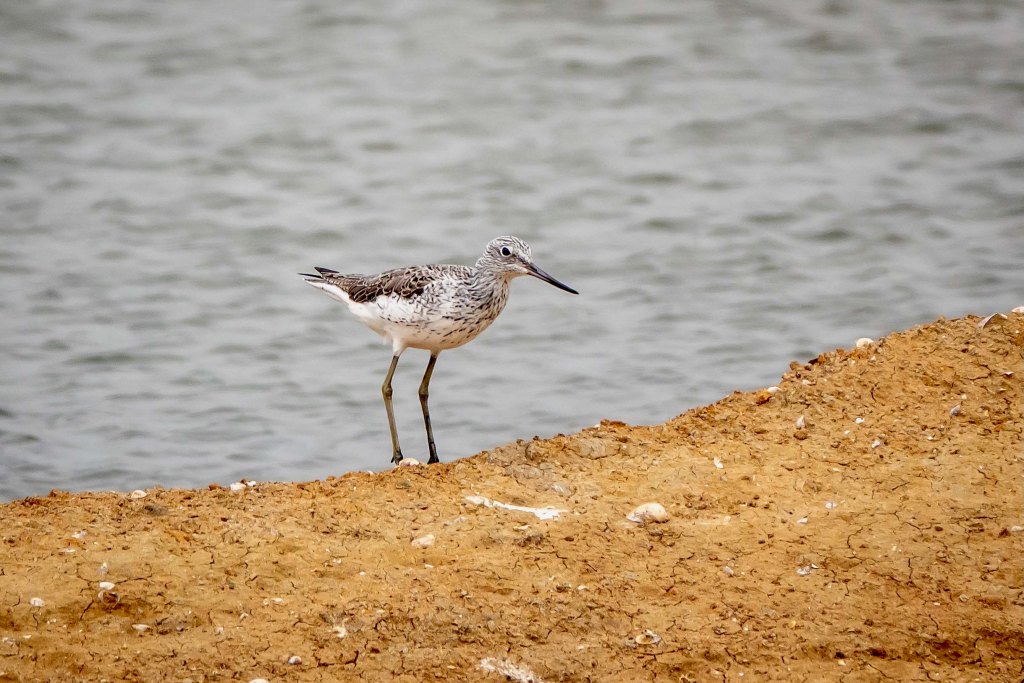
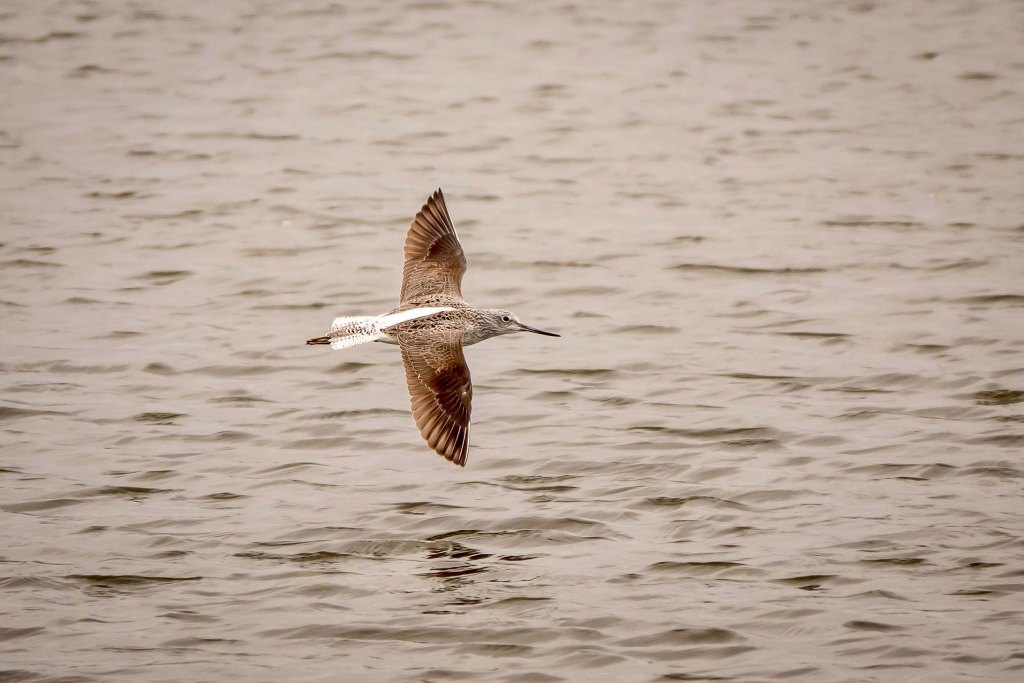
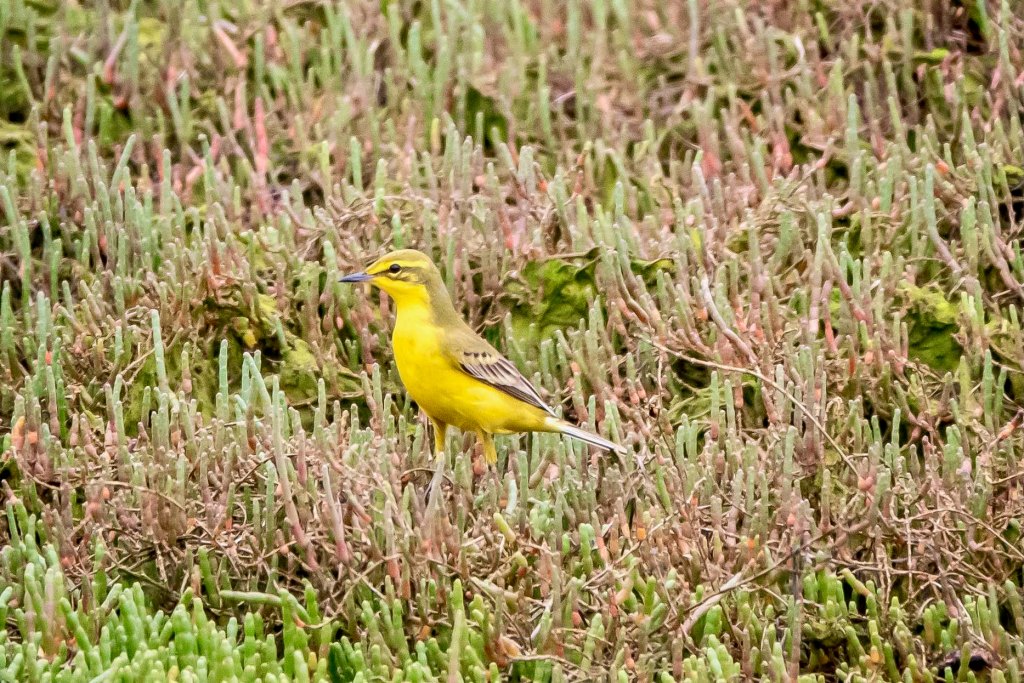
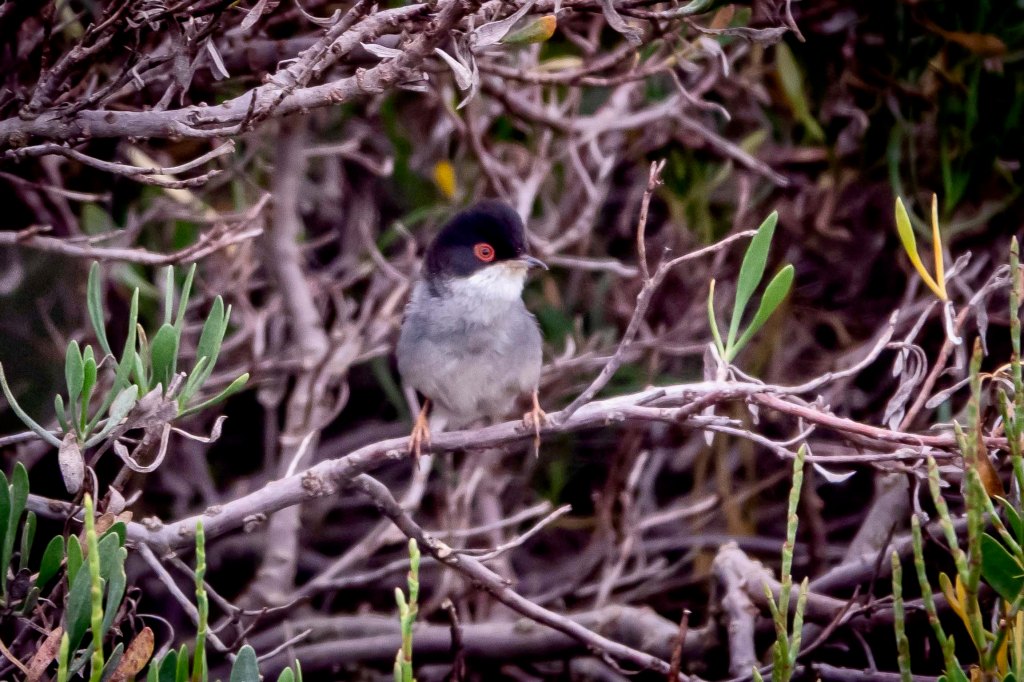
White stork with nesting material Little egret over the salt pansRuddy turnstoneOn several of the salt pans there were large number of wadersA shelduck stands proud of the grey plover, dunlin, sanderlings and ruddy turnstonesKentish ploverThe first of several western yellow wagtails which we saw around the salt pansA black-winged stiltCommon ringed ploverCrabs everywhereA view inland across the salt pans A little tern behind the dunlinCommon greenshankCommon greenshank in flight3 more western yellow wagtails appearedWestern yellow wagtailSardinian warblerSardinian warblerLittle ternThese looked larger than dunlin and I wondered if they were curlew sandpiperView back across the salt pans towards OlhãoWhite storkWhite stork with mini snackWhite stork building a nest on a chimney towerThe white storks should be pretty safe up there
After a few glorious weeks of wall to wall blue skies (but with fresh winds) in England we have arrived in the eastern end of the Algarve in Portugal where it is much warmer but the skies are a little greyish and the forecast is unsettled.
From a birding perspective it was very exciting yesterday evening to sit having our first beer on the front at Olhão (where we are staying) and to see a 100 plus swifts soaring overhead. Their screeching was quite a din but it made us feel that summer had arrived.
Today we took a taxi to the birding area of the Salinas da Fuzeta, a complex of salt pans just north of the town of Fuzeta, to the east of Olhão. The salt pans are part of the Parque Natural Ria Formosa.
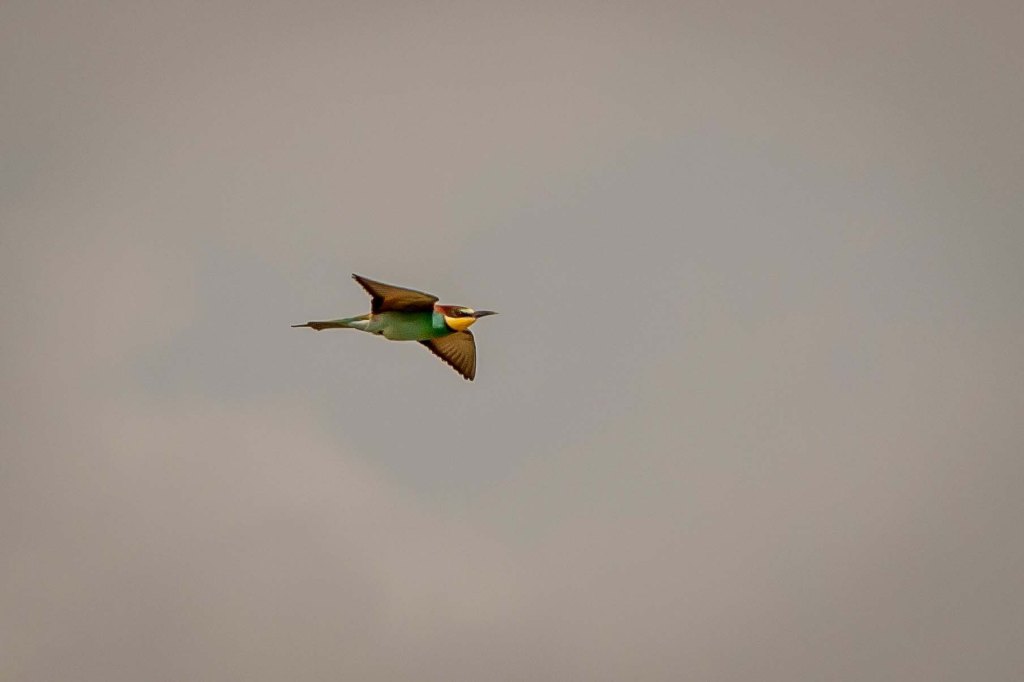
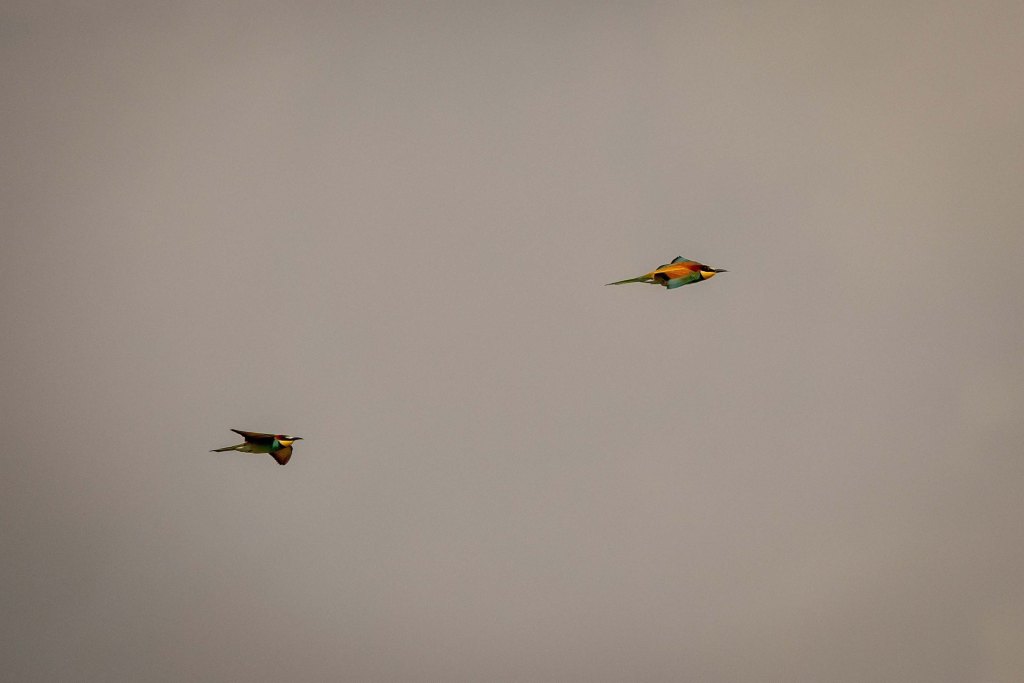
It was quite an exciting start as the first bird we saw was a bee-eater; a beautiful bird that we have only seen on a few occasions.
Bee-eaterNot one but two!
Along the salt pans there were plenty of waders but no greater flamingos which we had hoped to see here.
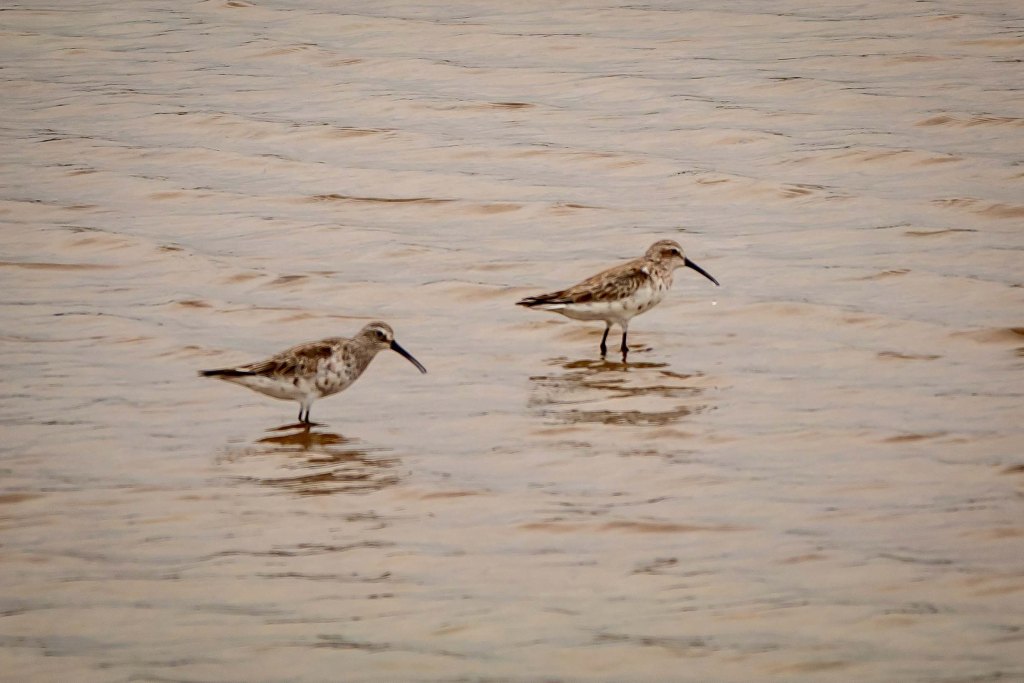
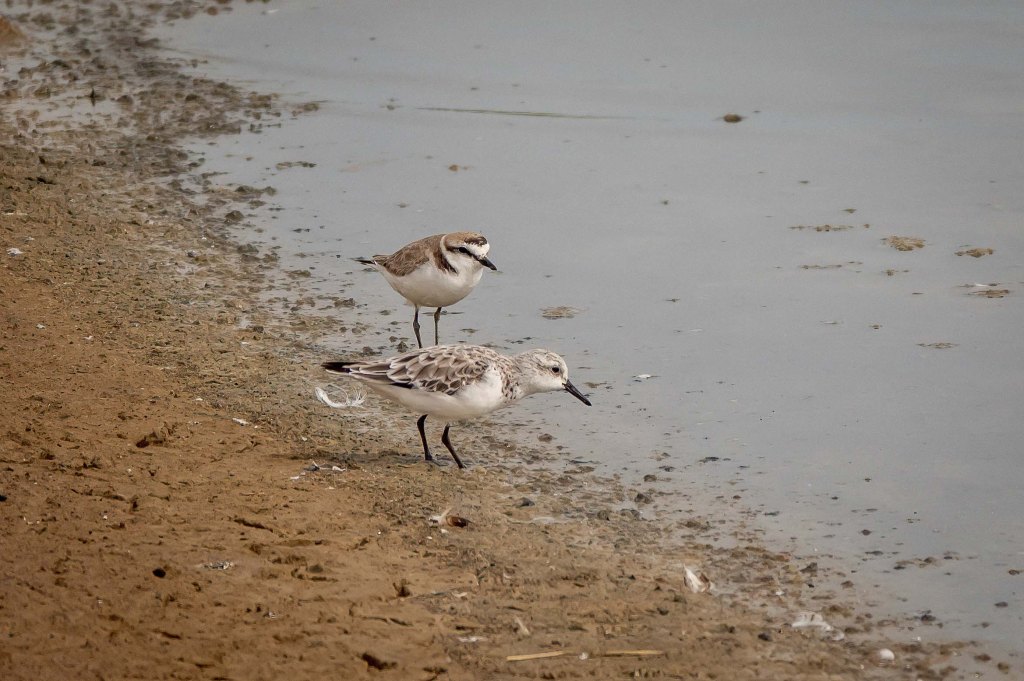
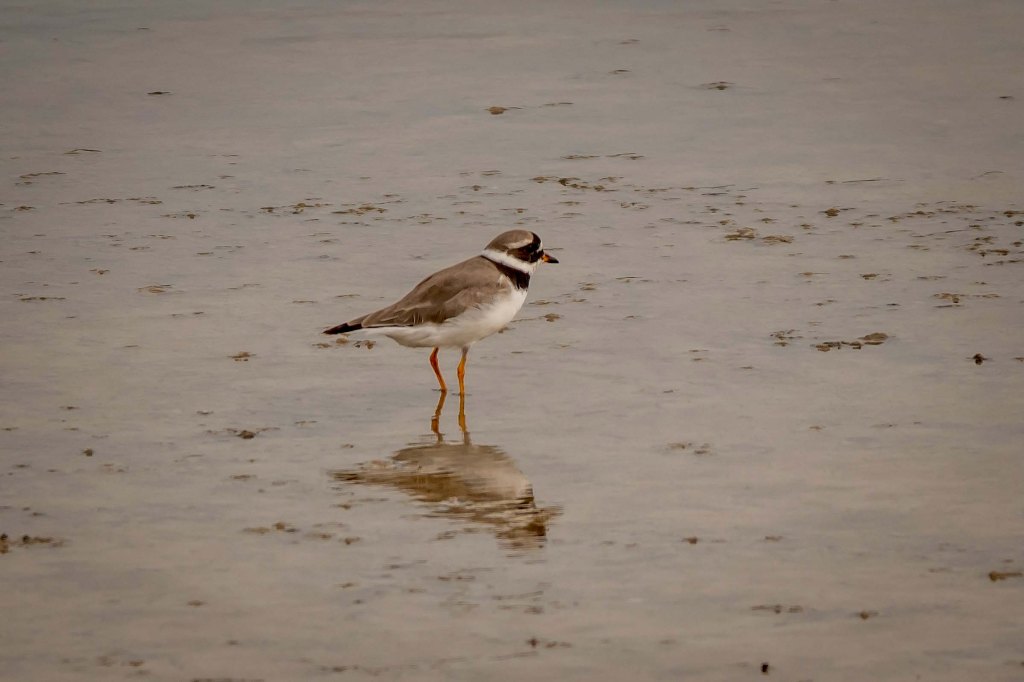
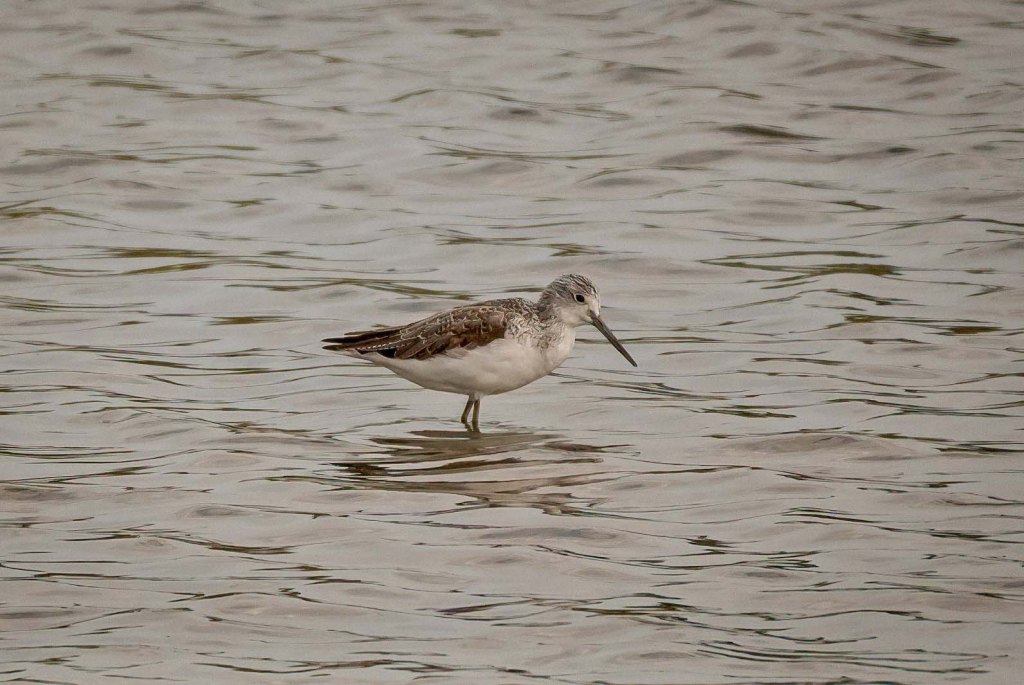
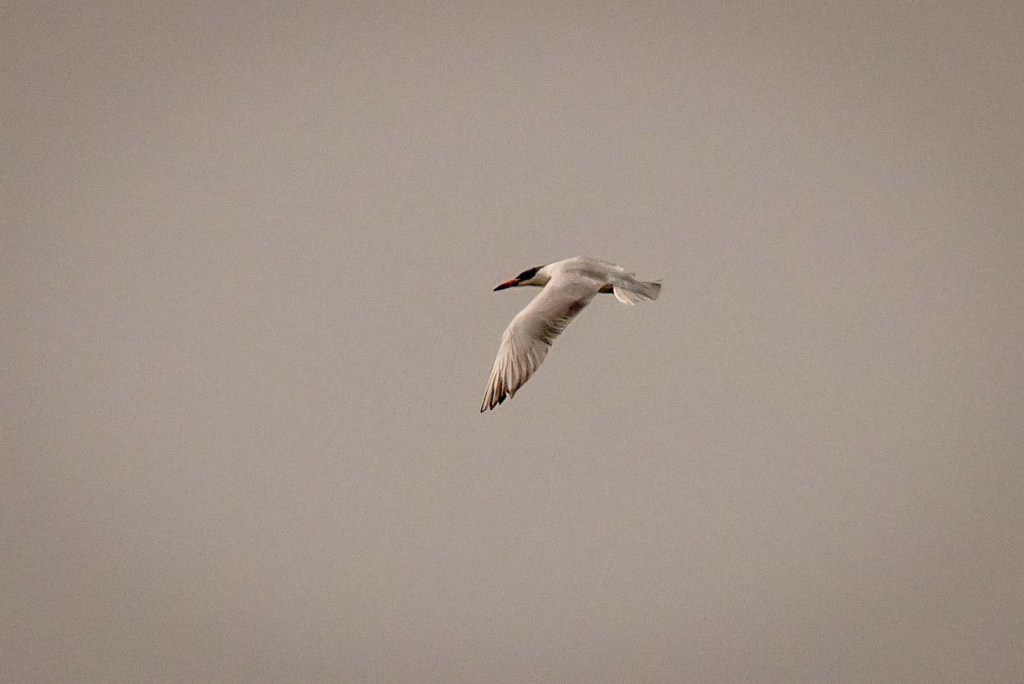
Kentish plover and a sanderlingCommon ringed ploverCommon greenshankLittle stintPied avocetA mixture of waders for the experts to identifyBlack-winged stiltsA distant Caspian ternAvocets doing what they do at this time of the yearKentish ploverA western yellow wagtail
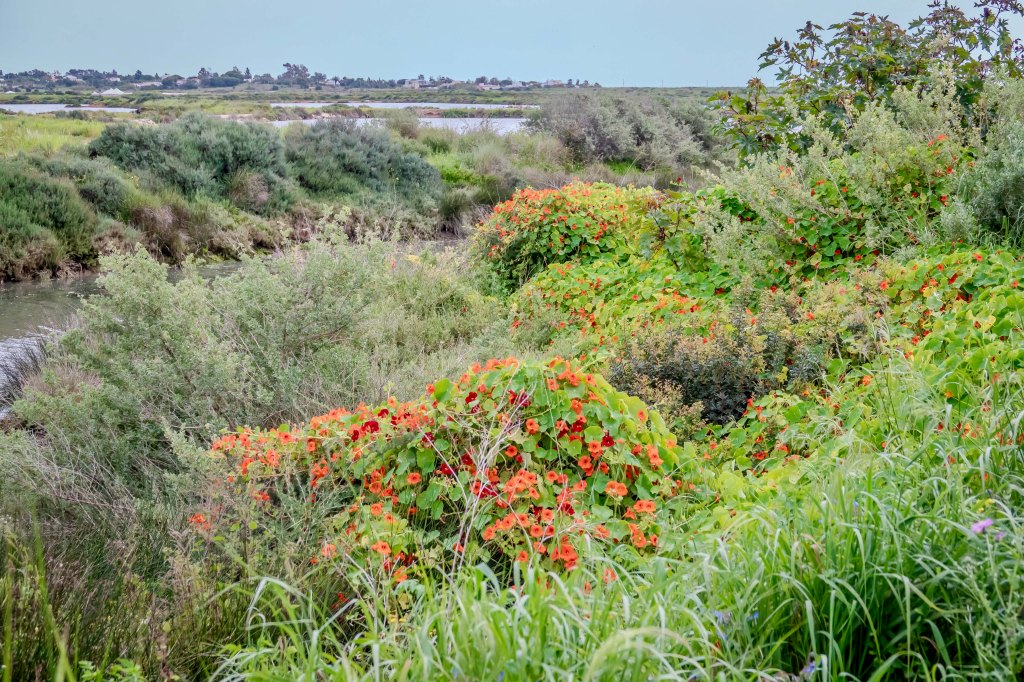
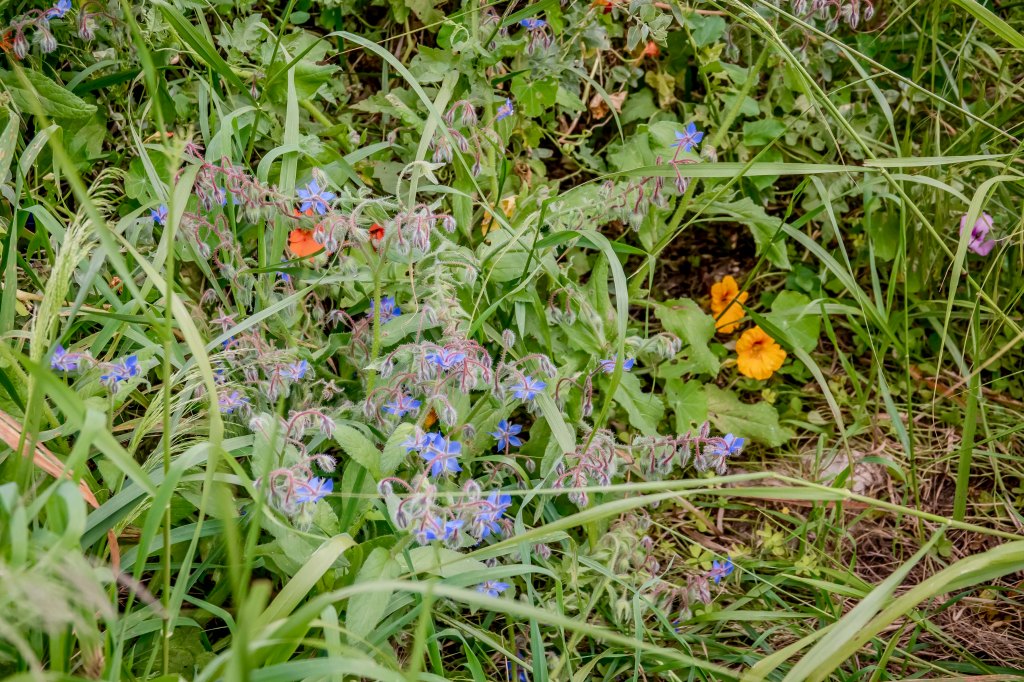
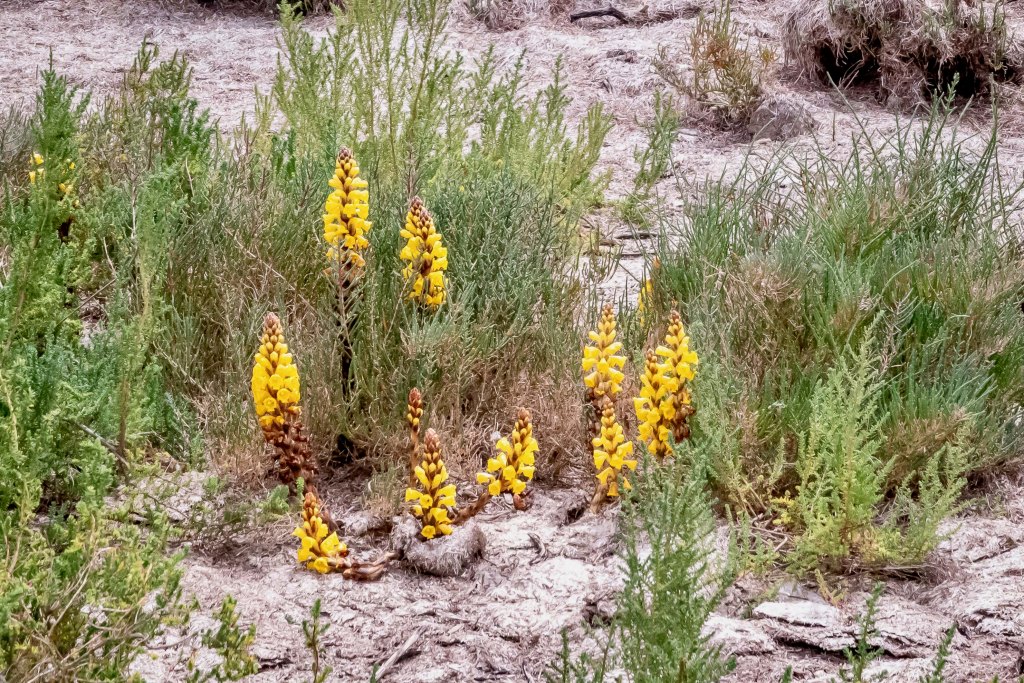
The flora around here was also very attractive.
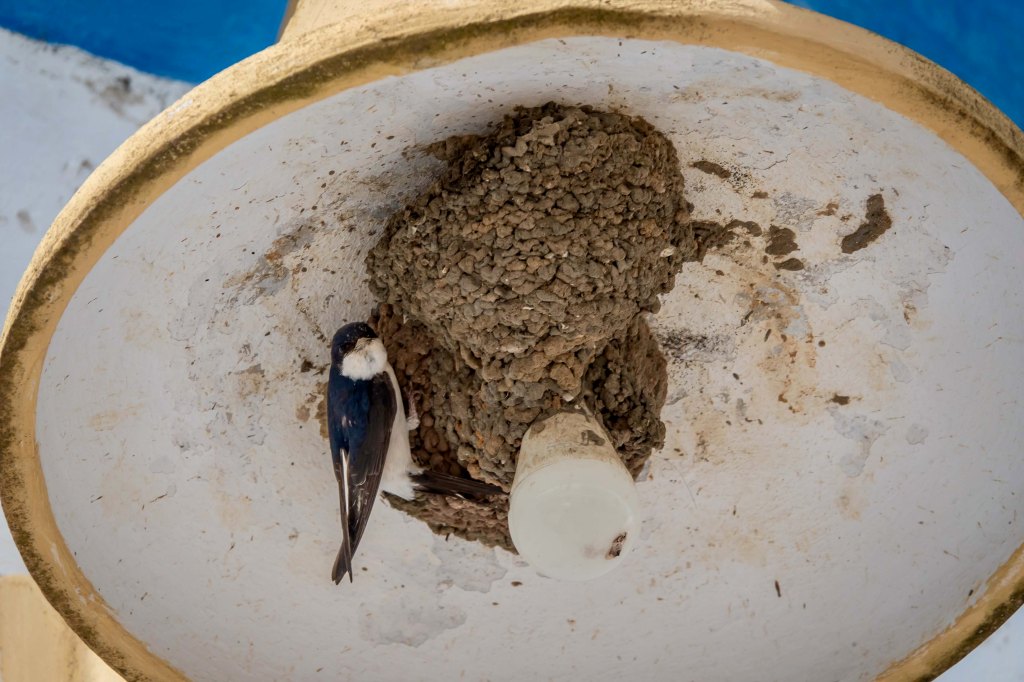
As we walked into town there were hirondines everywhere.
A house Martin building a nest in a street lamp
After a wonderful seafood lunch on the front at À do Rui (a top recommendation from a friend) we had little appetite for any more birdwatching and all we saw was a common sandpiper on the shores of the Ria Formosa.
A common sand piper on the shores of the Ria FormosaThe lifeboat station at Fuzeta











































































 Martin's Bird Blog & Nature Photos