The last two days of our trip to Cyprus we have spent a good amount of our time studying the flora of the Akamas Peninsula in the presence of very knowledgeable guides and their enthusiasm has rubbed off a little on us. There has been a lot of rain around but, thankfully, we have stayed dry and enjoyed the great scenery of Cyprus in moderately warm sunshine.
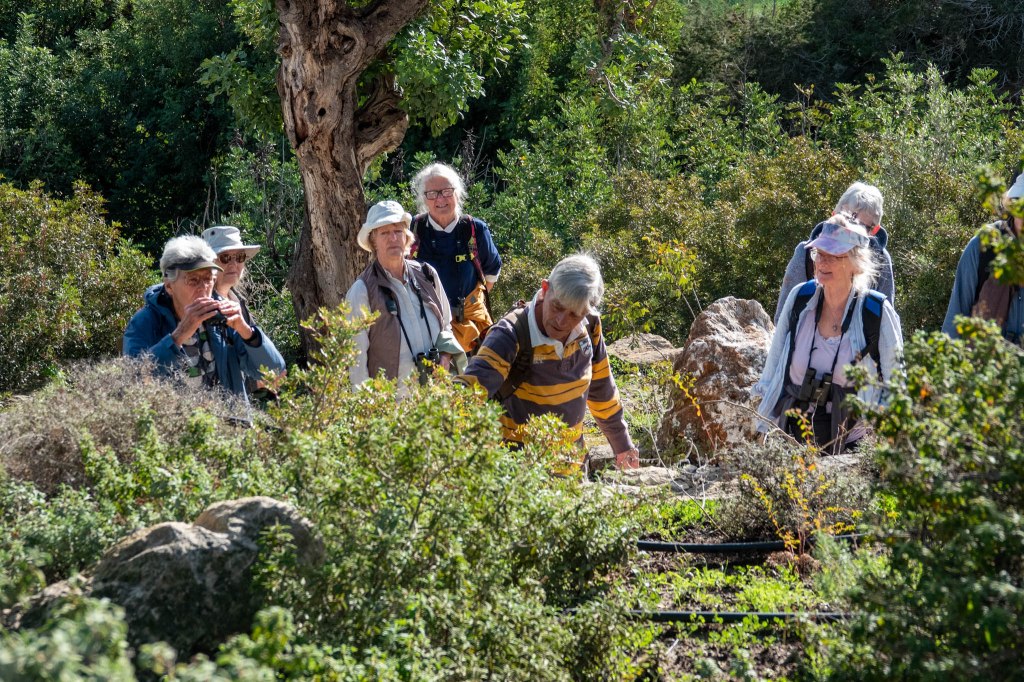
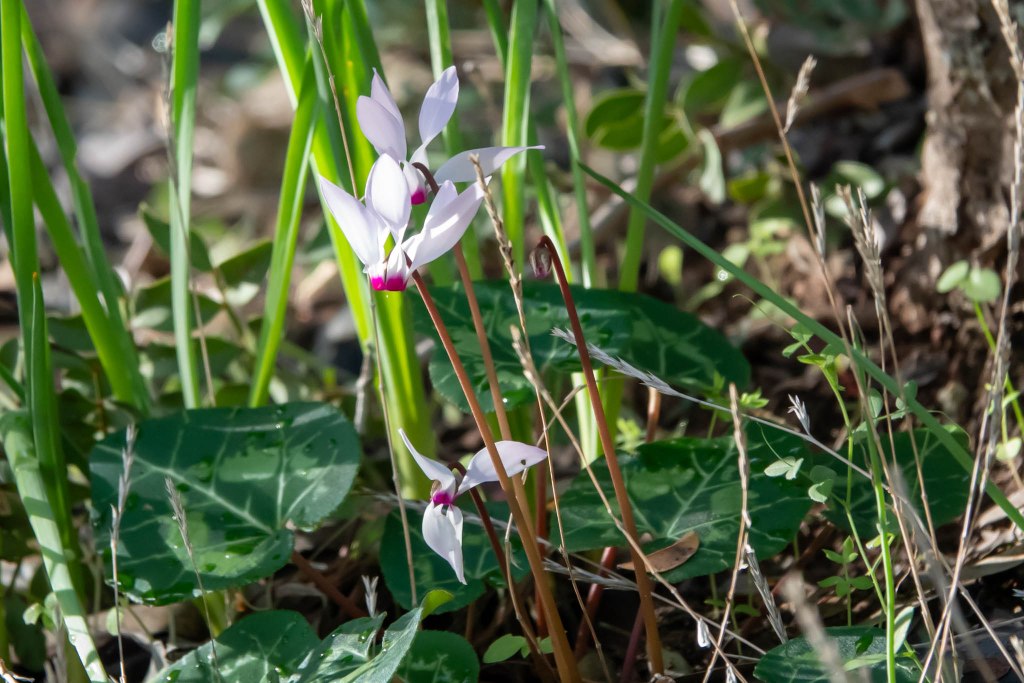
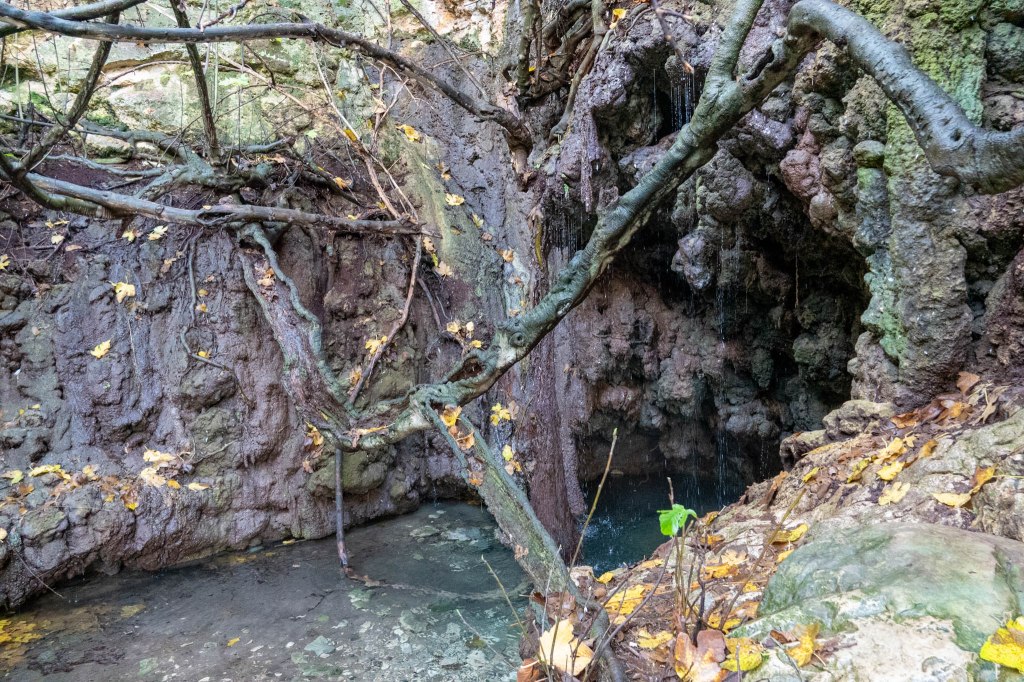
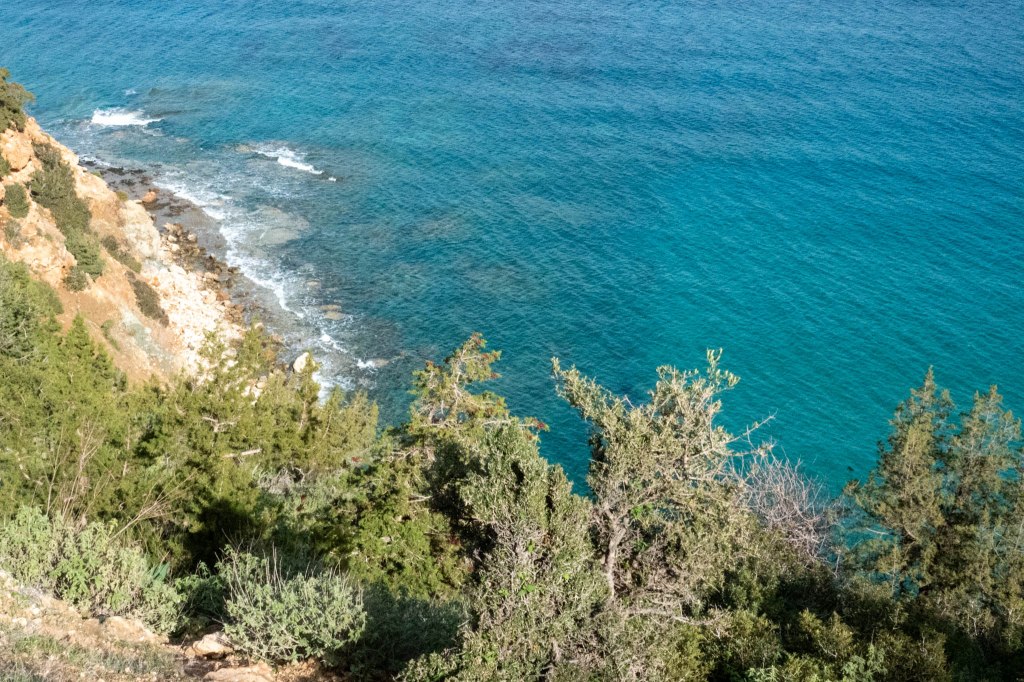
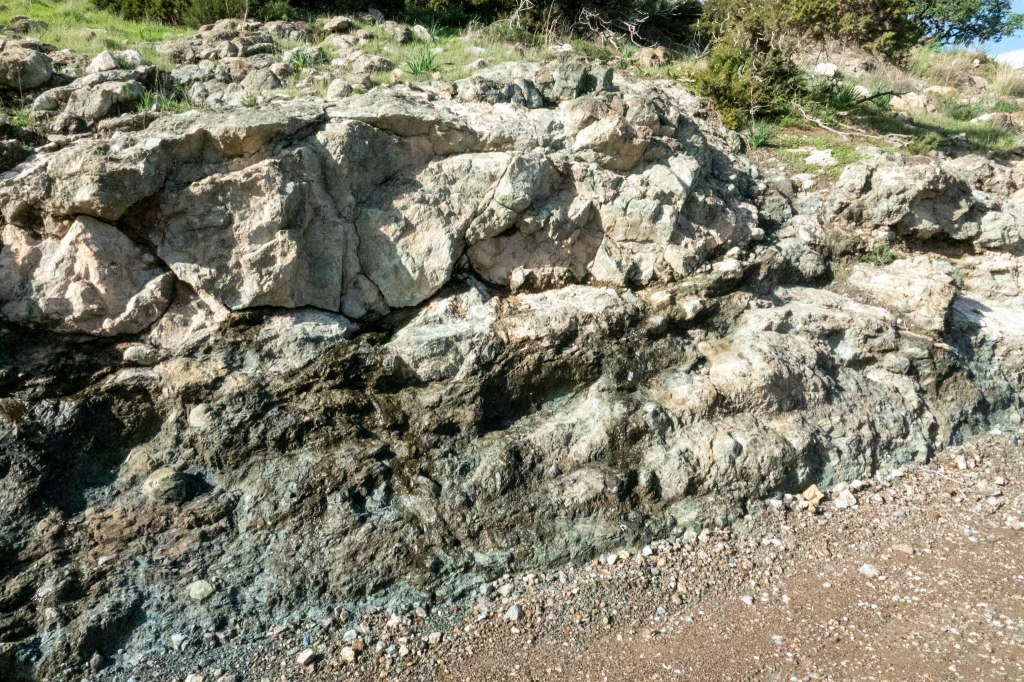
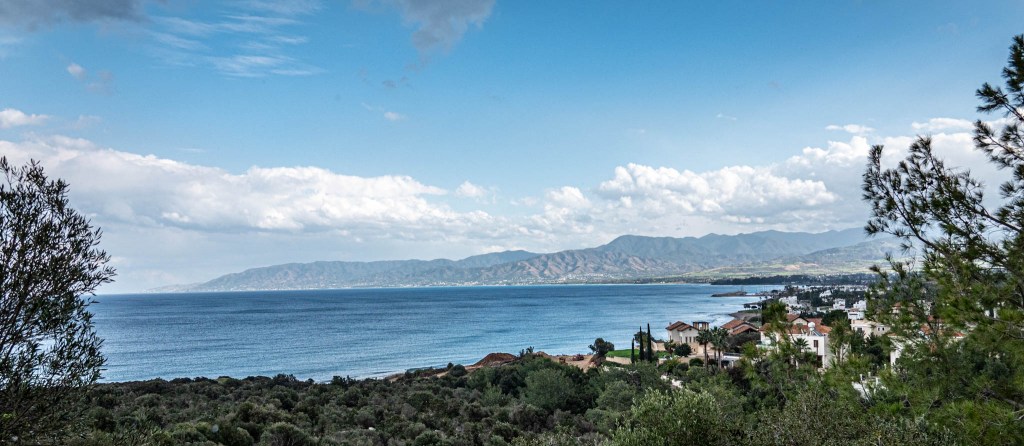
Yiannis Christophides leading us through the Botanical Gardens at the Baths of AphroditeFriar’s cowl againThe stars of the visit – the local cyclamenThe Baths of Aphrodite were a real disappointmentAcross the bay to the Troodos Mountains… and the azure waters below.Serpentine with lava above…and limestone only metres higher up.For lack of birds we study the fauna – a millipede
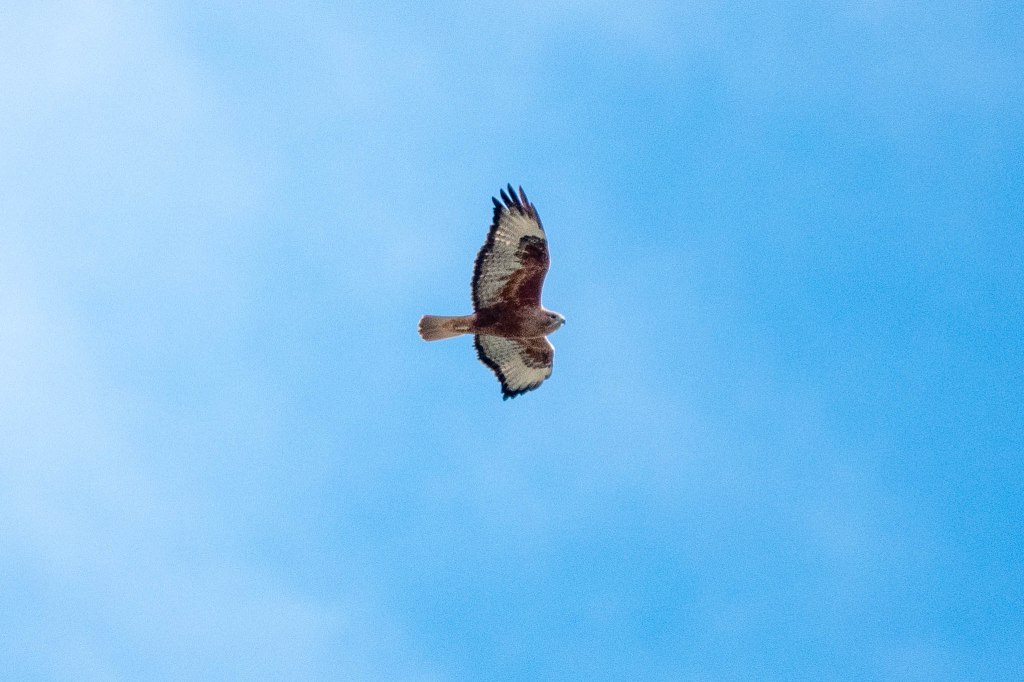
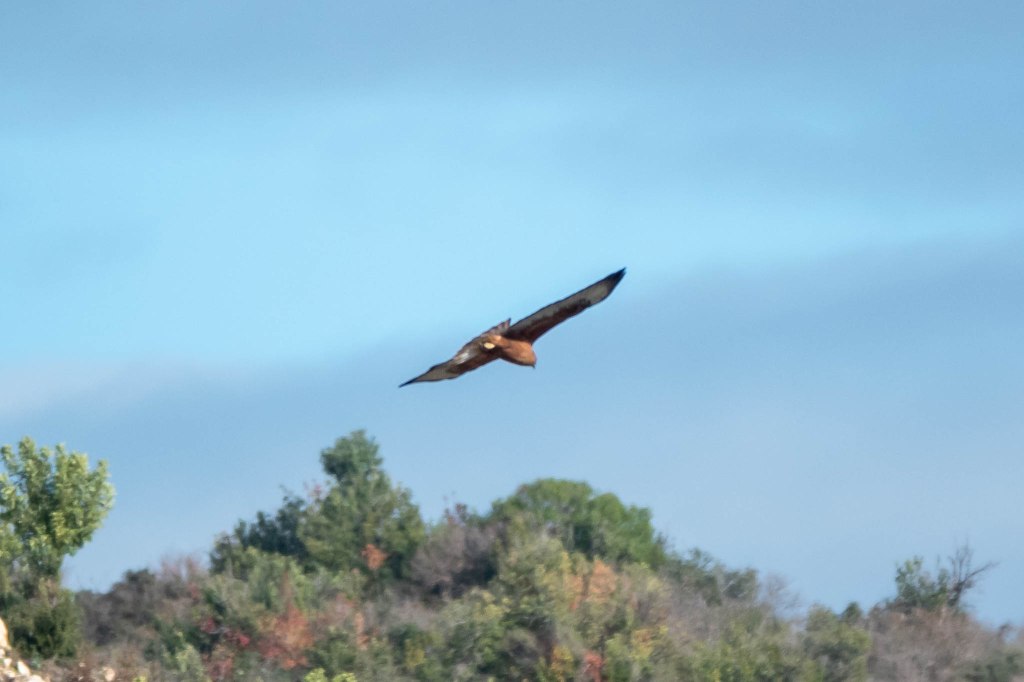
On the way back to the airport we stopped again in search of flora but managed a sighting of a long-legged buzzard.
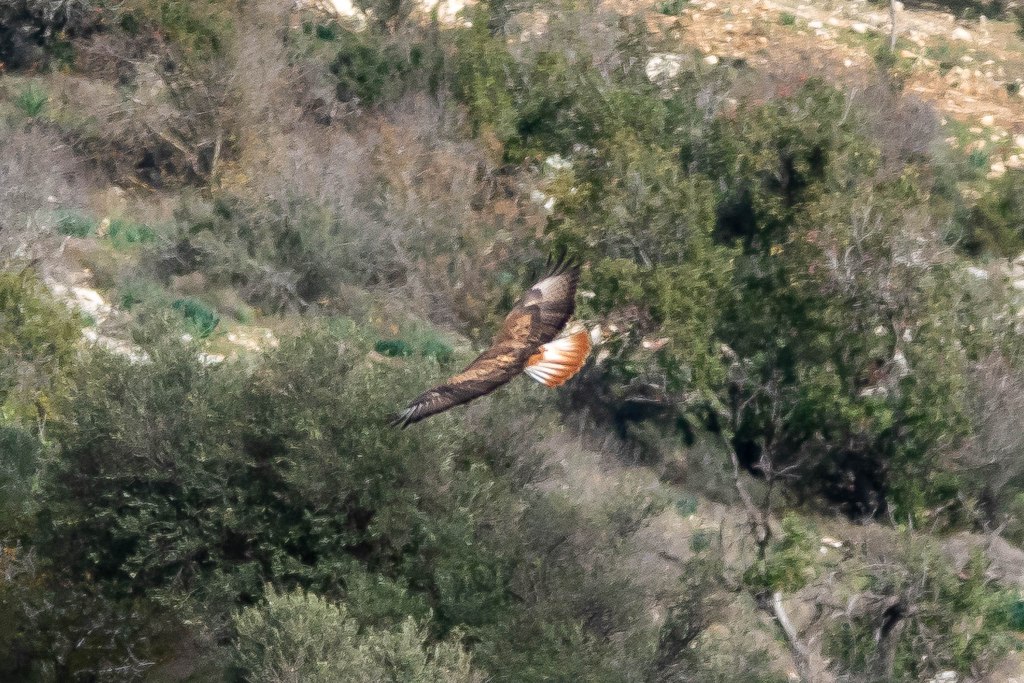
Long-legged buzzard
Down in the plain, and tucked behind the airport, we visited a water treatment works (not quite the lasting memory of Cyprus that the Tourist Board would wish for) and had the opportunity of a few more birds.
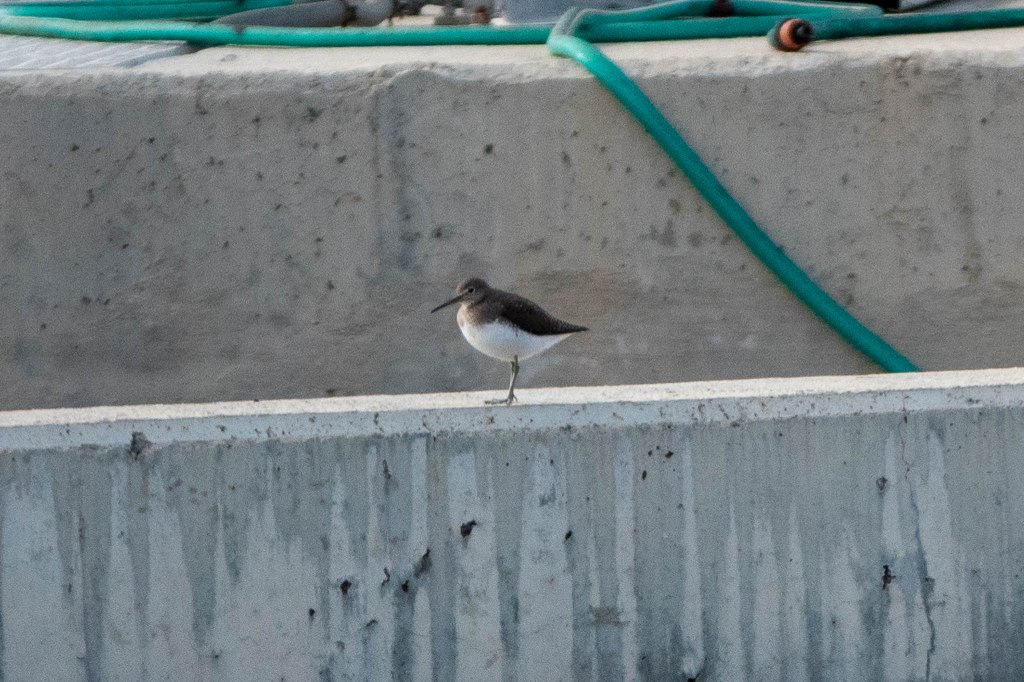
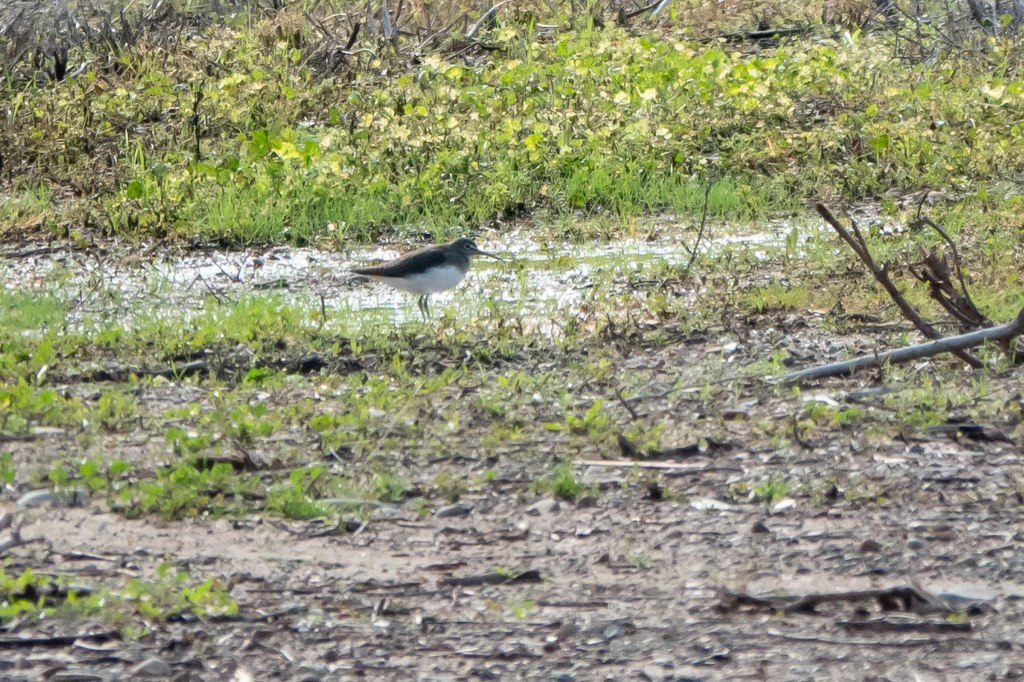
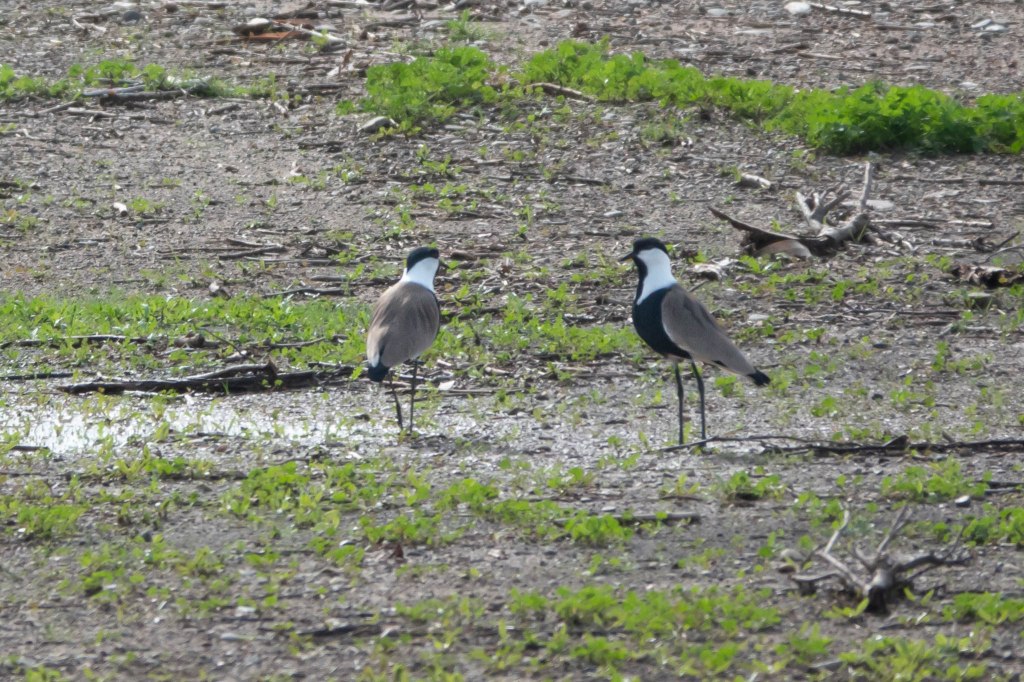
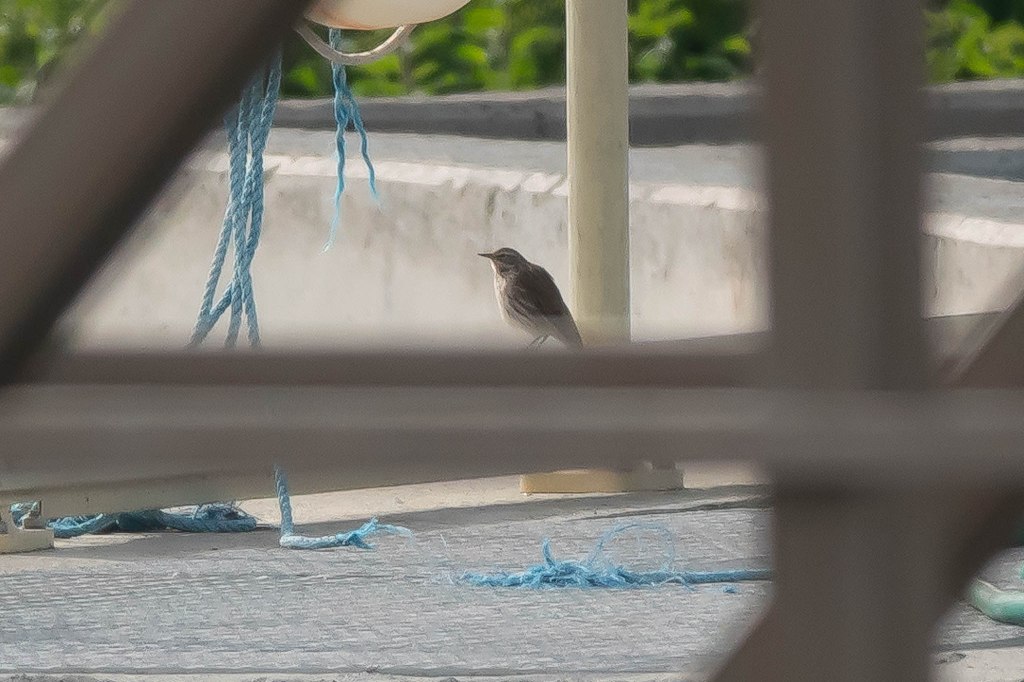
Green sandpiperA common sandpiper – not my best ever photo but quite an achievement at that distanceSpur-winged ploversA tawny pipit (a first for me) at some distanceA cattle egret was much more obligingA firebug at even closer quartersSouthern green shield bugErodium malacoides – European stork’s bill.
I must admit I would rather have seen a stork to end our trip
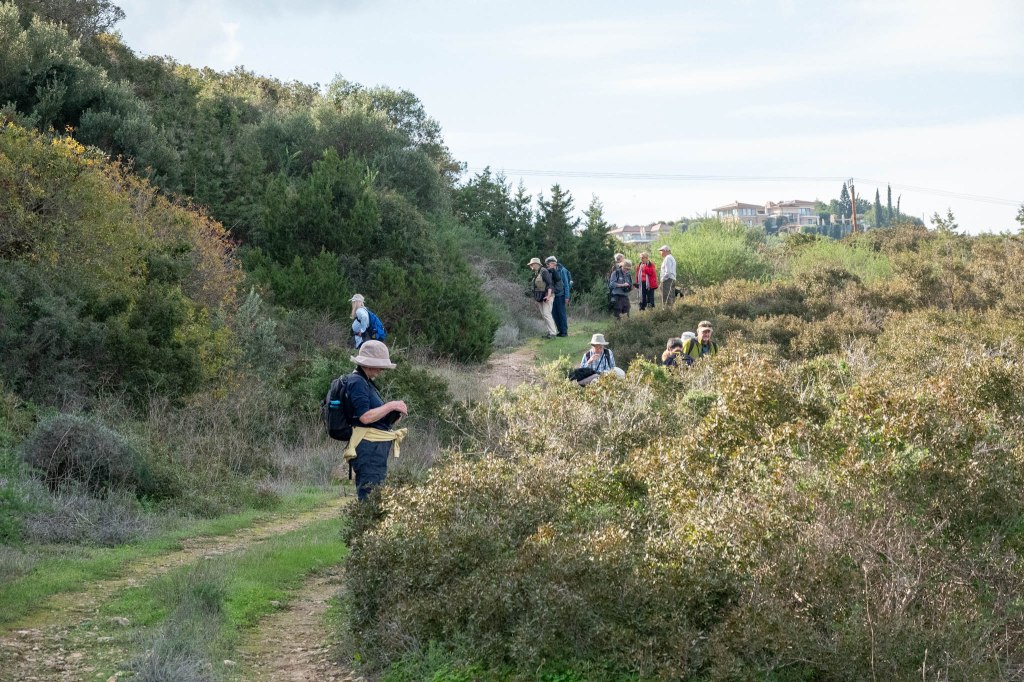
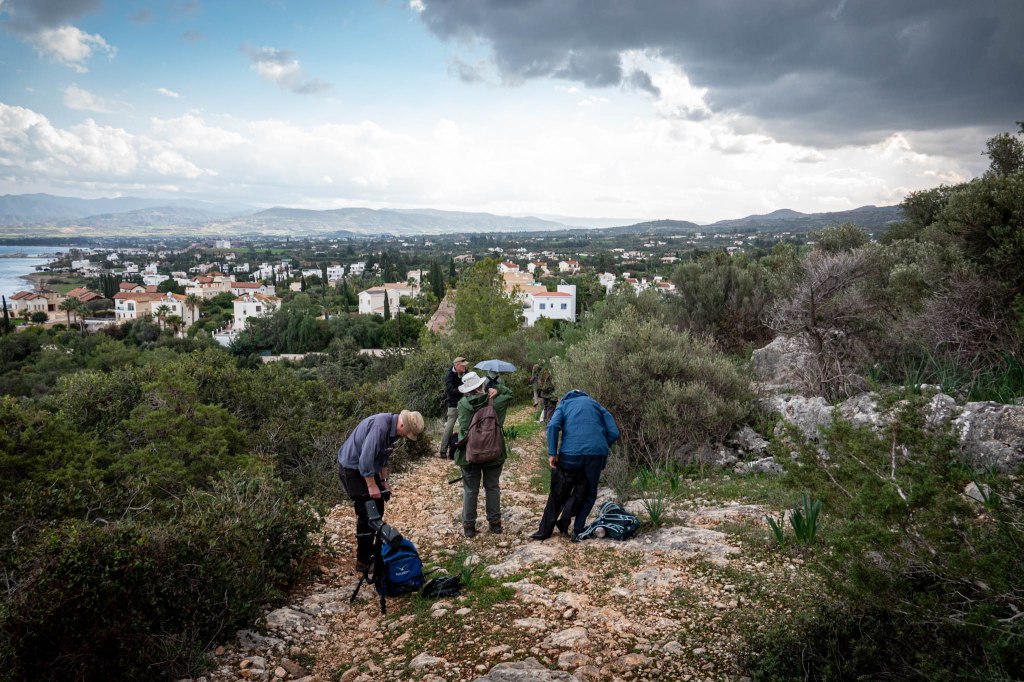
This morning we had a walk up in the hills close to our hotel in the company of the leading local botanist Yiannis Christophides. He is the author of the book which our botanist guide, Jessica, has been referring to all week.
As well as the wonderful plants we saw, we had the benefit of great views of the coast; that is until the heavens opened and we had to scurry back to our hotel with hail followed by a torrential downpour with thunder and lightening.
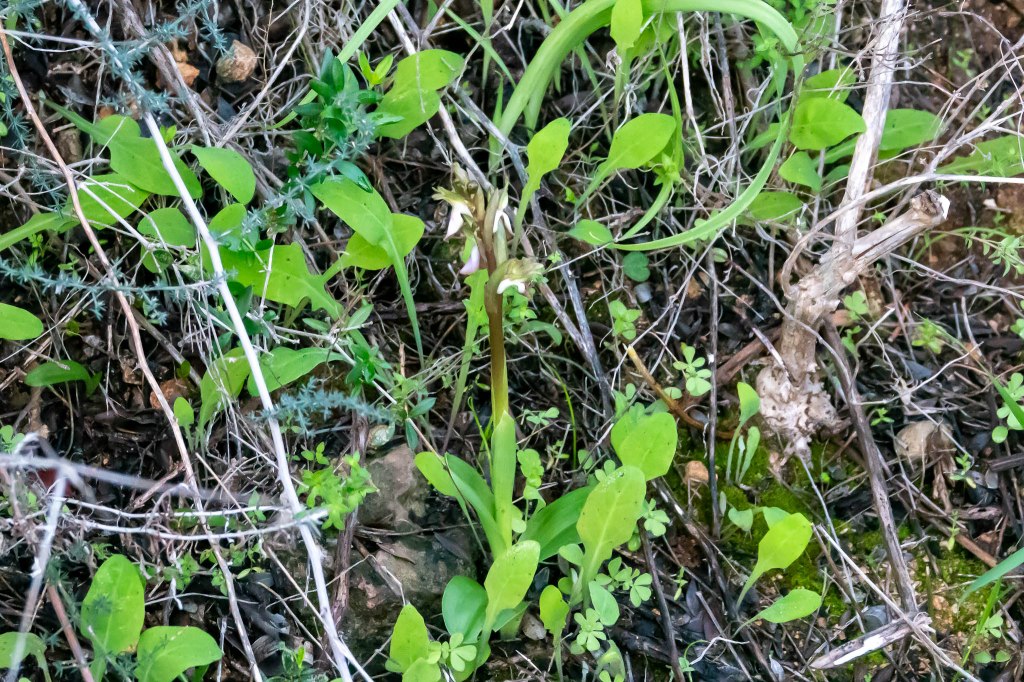
Enthusiastic amateur botanists in the fieldMy first orchid of the trip – Fan-lipped orchid
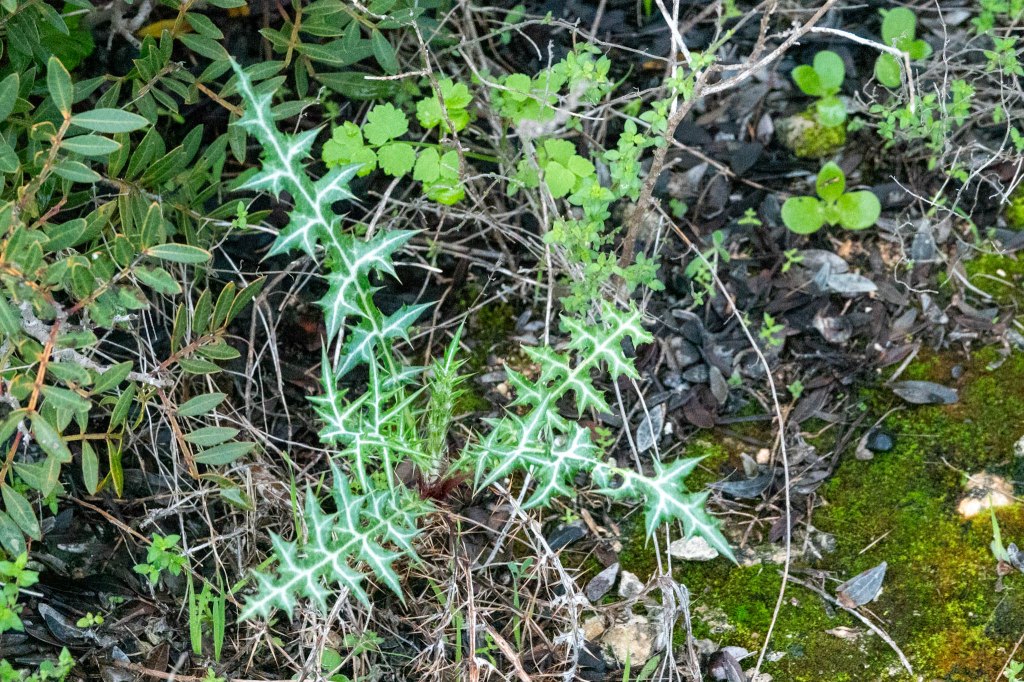
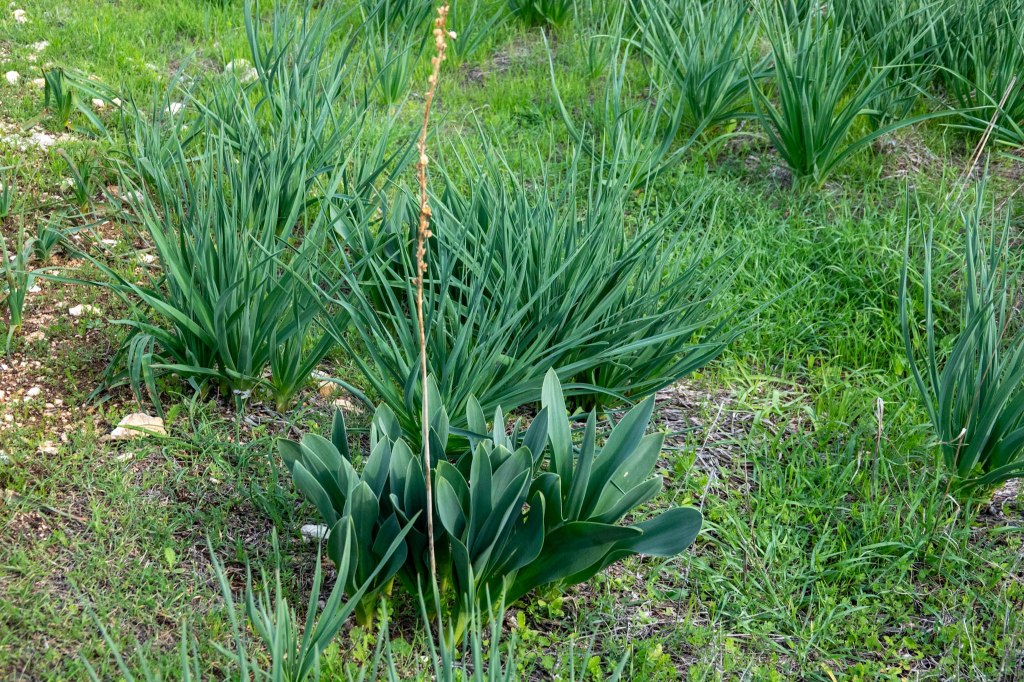
Gallery of some of the botanical delights of our morning walk
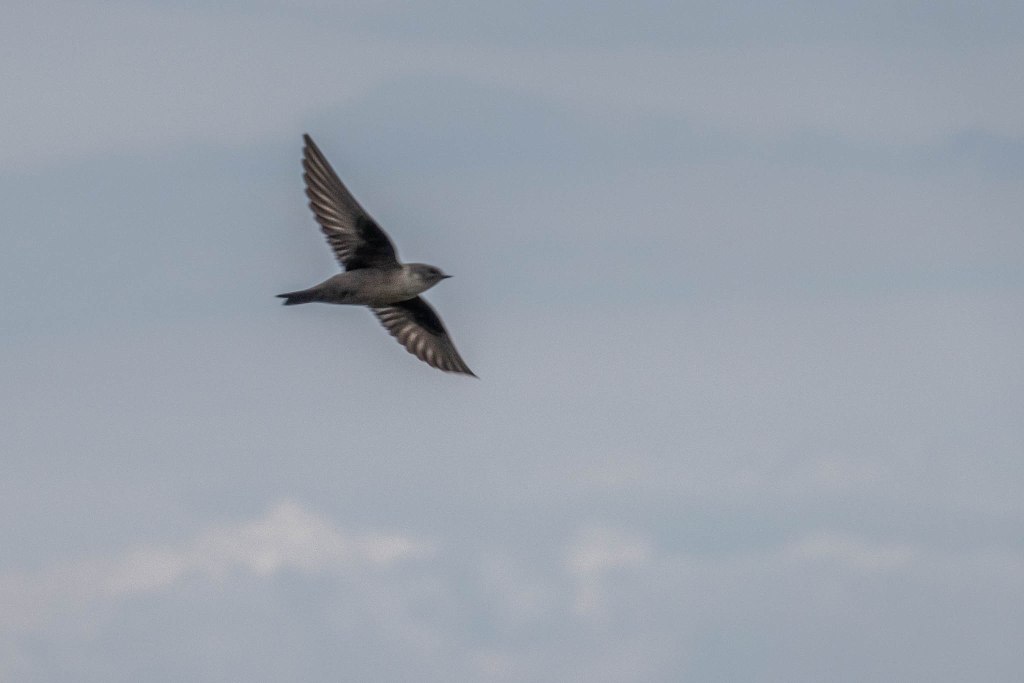
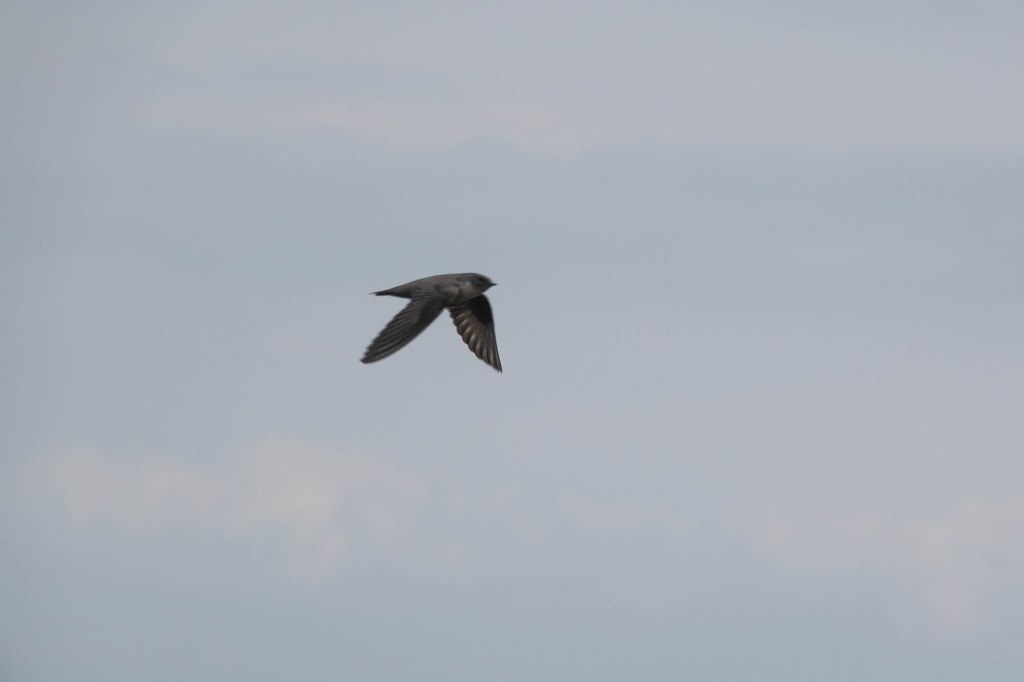
Only one bird species of note to report this morning – crag martin.
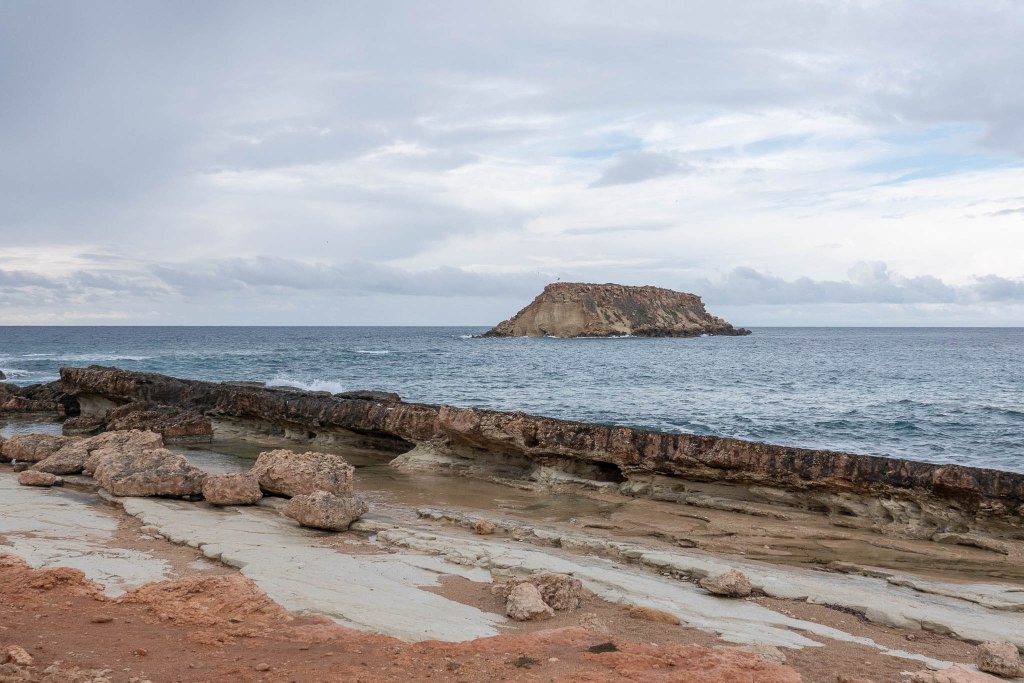
Yesterday we moved on from our base in Paphos to the Akromas Peninsula. We had a brief stop at Agios Georgious. Heavy rain was forecast and so we made the most of our time to stroll along the beach and study the local fauna and flora.
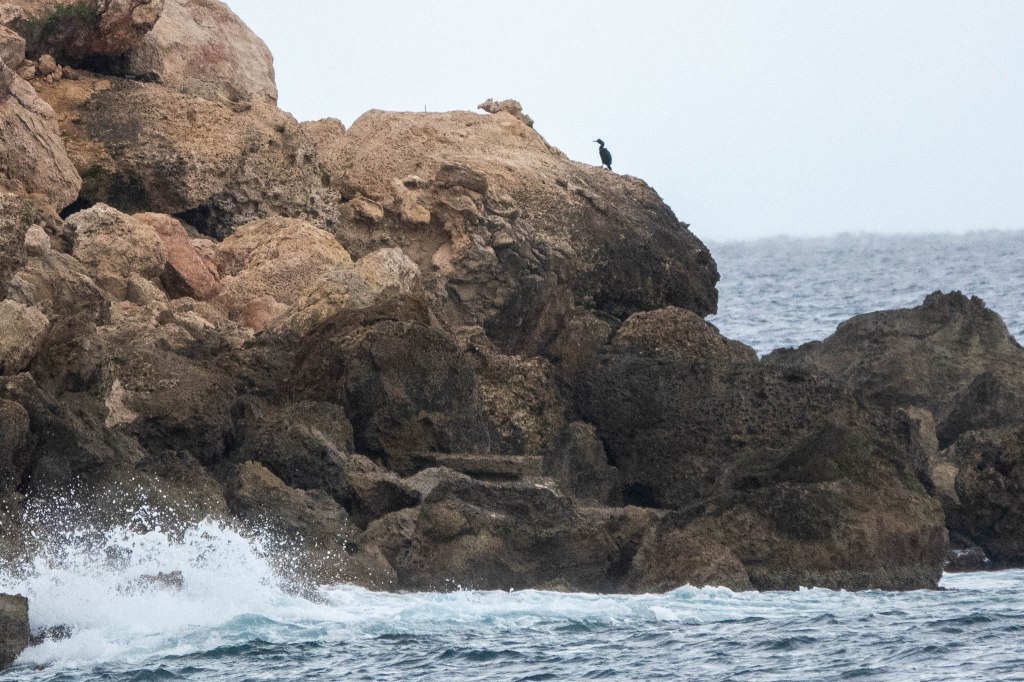
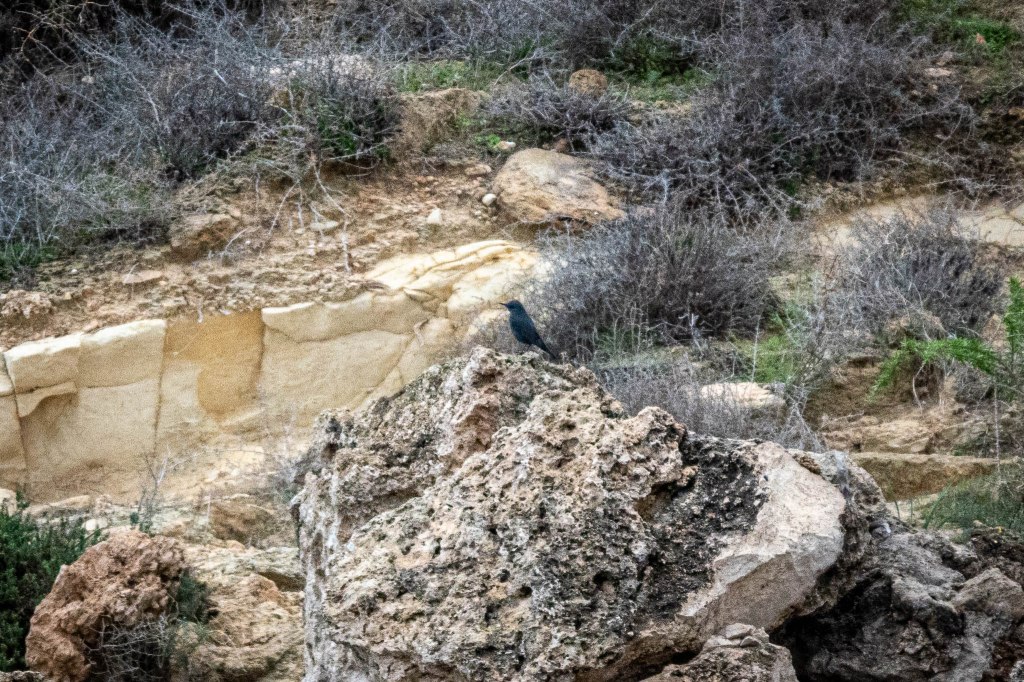
The highlight was a blue rock thrush up on the cliffs. Out to sea we could just make out a shag on a nearby island.
Shag Blue rock thrush
On the beach, surprisingly, we saw a hare. The other highlight was a tiny Kotschy’s gecko under the rocks.
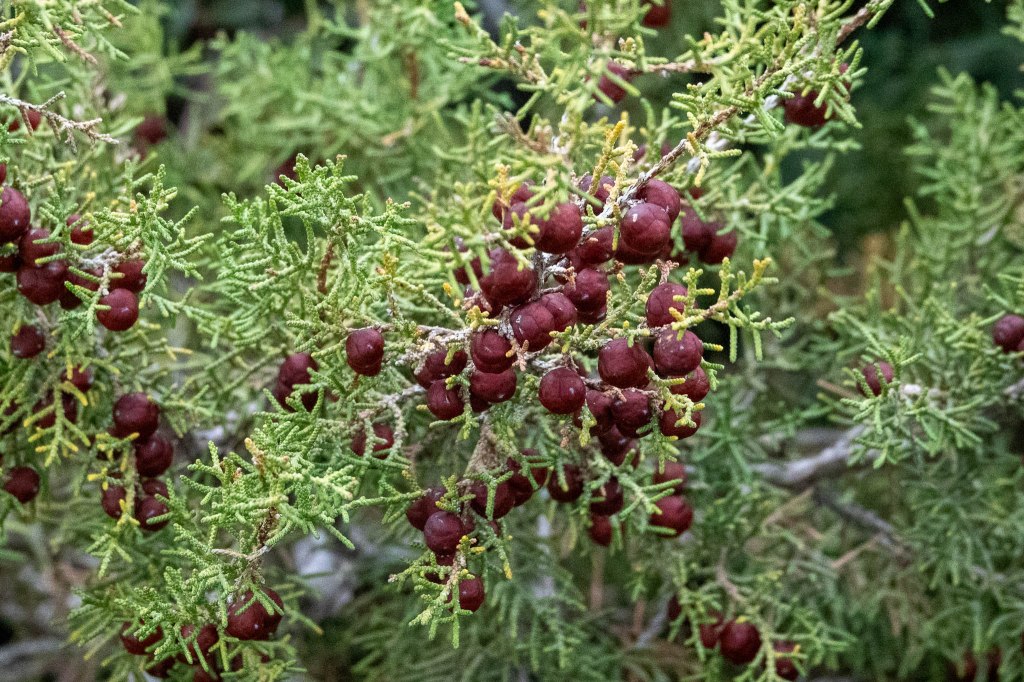
Kotschy’s geckoInteresting geology on the beachPhoenician Juniper berriesCrested lark on a stone
The rain set in but it wasn’t particularly a problem as we stopped for a leisurely lunch in a wonderful mountain taverna.
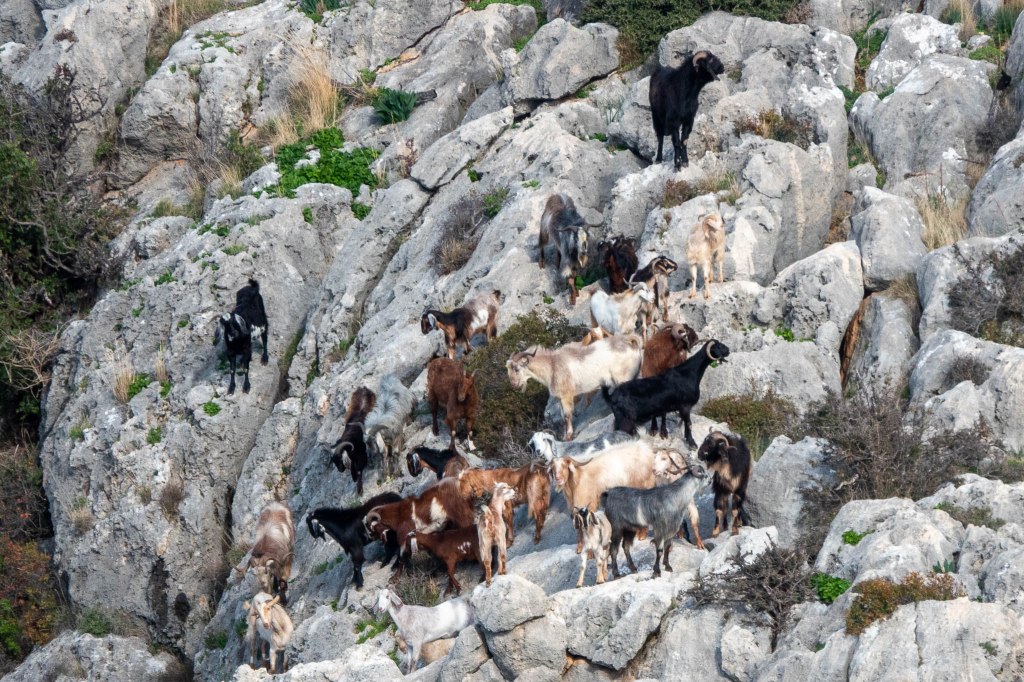
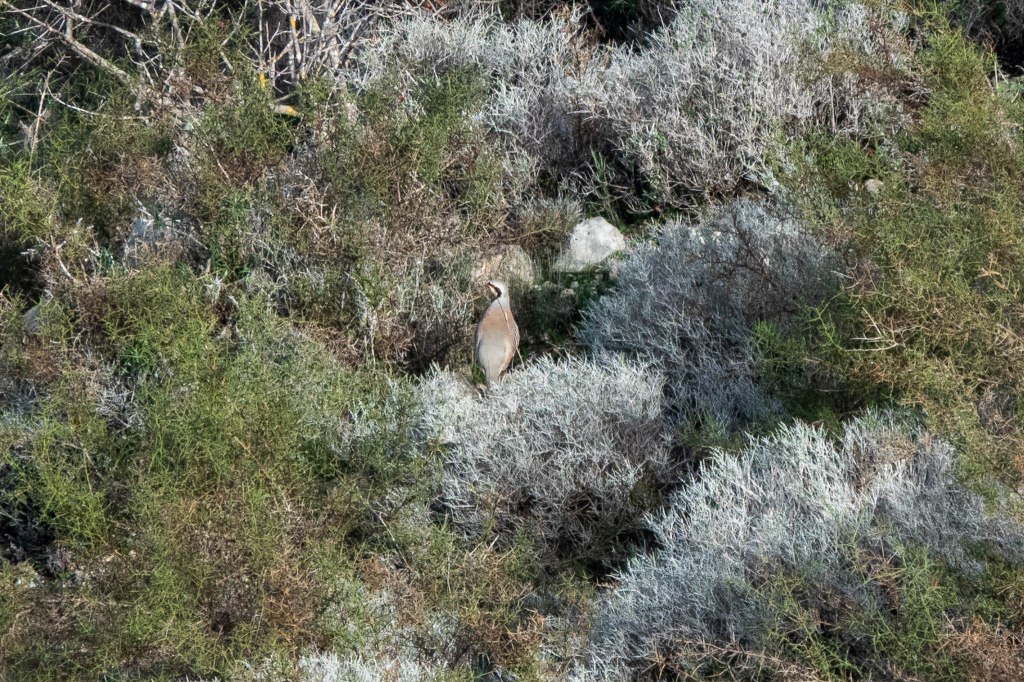
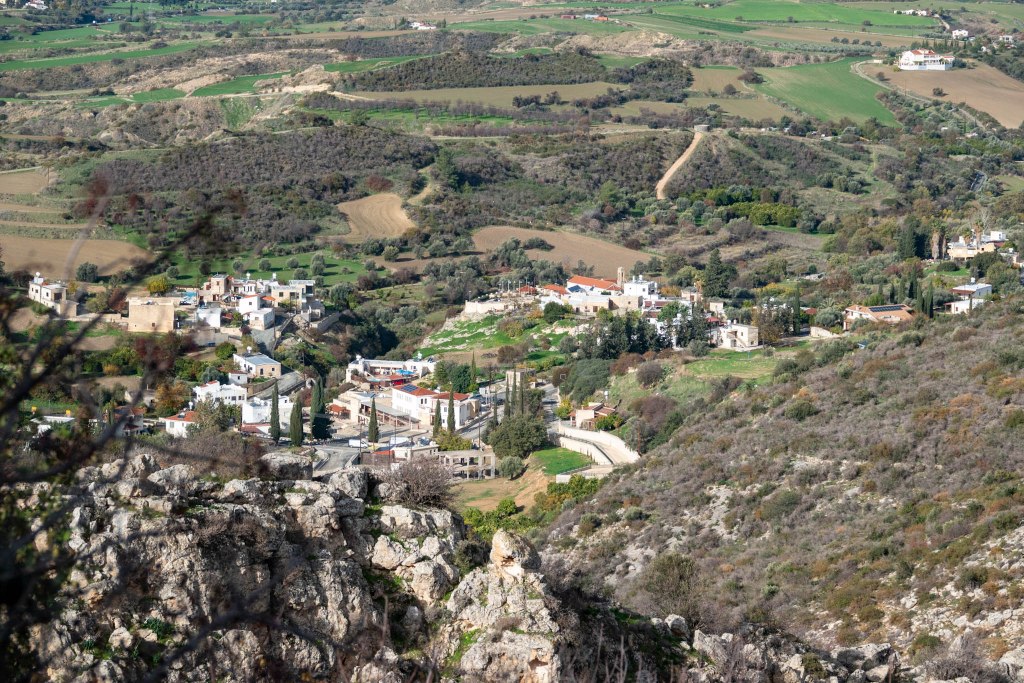
Today we headed up into the foothills of the Troodos mountains to Peristerona Gorge. Luckily there the weather held and we had gorgeous views of the valley and back down to the coast. Over the gorge we saw a long-legged buzzard and crag martins. With careful inspection with telescopes we also made out a small group of Chukar Partridge.
Views from the Peristerona GorgeDaisy on steroids – Southern daisyLong-legged buzzardLong-legged buzzardLong-legged buzzardGoats in the gorgeChukar partridgeChukar partridge left and rightThere must be a crag Martin in there somewhere!
We then had a short stop on a ridge to study some of the local flora. The standout for me was an Eastern Strawberry tree.
Eastern strawberry tree – our guide Jessica verified it didn’t have much taste and was ok to eat once!
The rain then set in and we took shelter in a small mountain café where I tasted the local Cyprus coffee (a bit like Turkish coffee) and a welcome glass of water.
The group then headed up the mountain in the rain to see some mouflon which were being reared before release into the wild. I took time to publish my previous day’s blog on my phone – quite amazing as we were in the middle of nowhere and I seemed to have better connection up there than in the middle of Bristol.
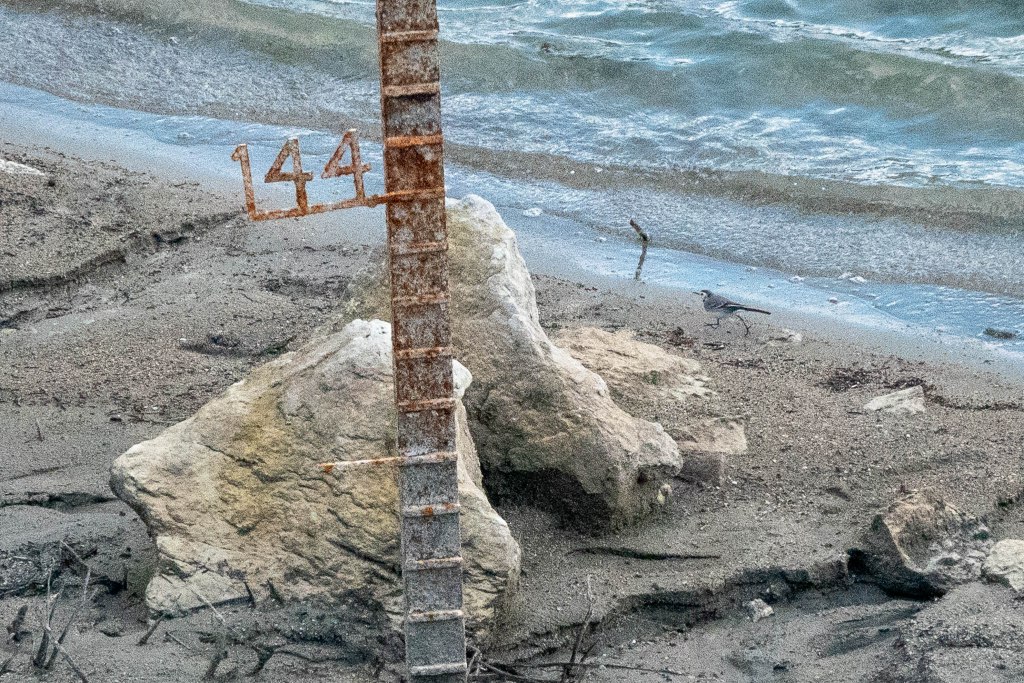
Before heading home we stopped at the Ebretou Dam where all we saw of note was a common sandpiper, a white wagtail, jackdaws, goldfinch and some feral pigeons. It was getting cold by then and we were happy to be heading back to the comforts of our hotel.
Ebretou DamCommon sandpiper on rockWhite wagtail on the beachCombining birding and botany – a bird of paradise plant in the hotel grounds
We joined the main group of our natural history tour to Cyprus today but, as they were visiting the Archeological Park in Cyprus (which we did yesterday), we were kind to ourselves and had a gentle stroll around the park focussing on the birds.
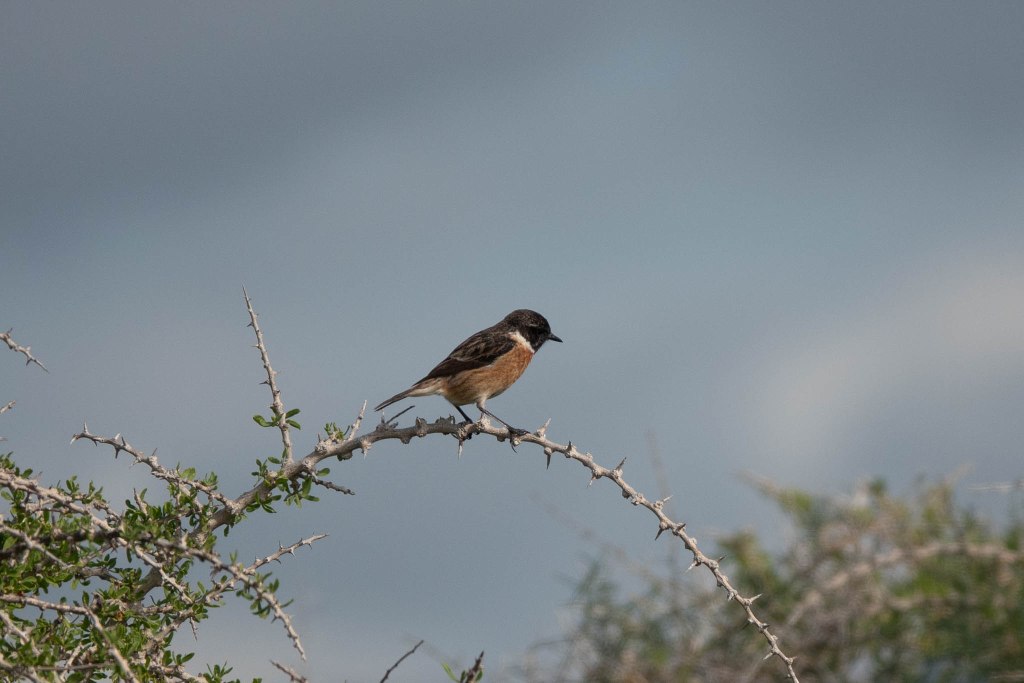
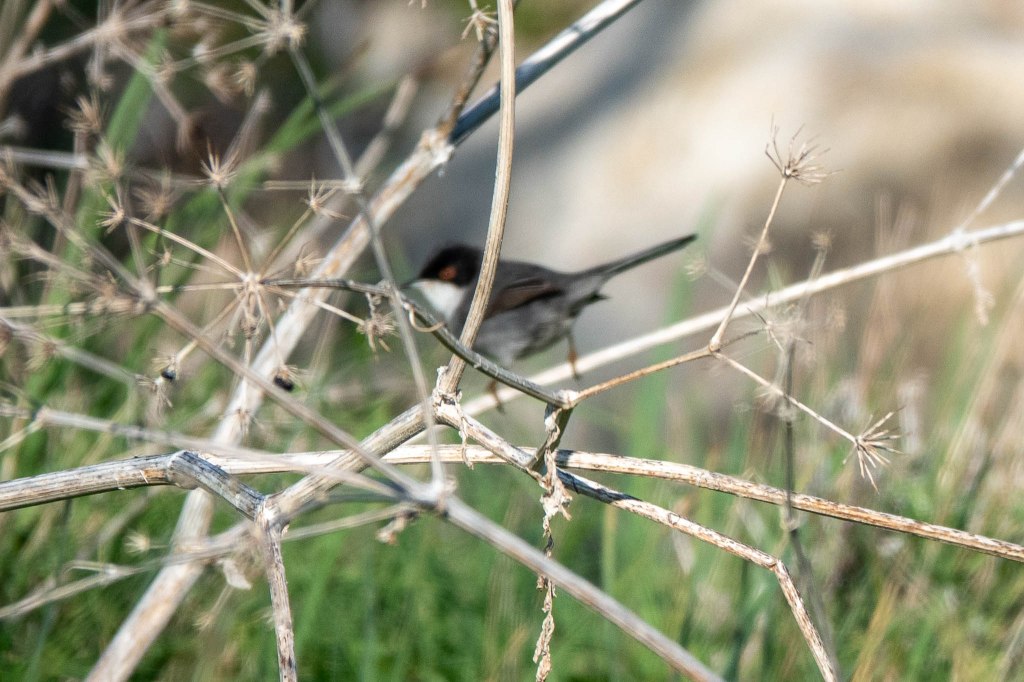
Yesterday we started with a Sardinian warbler and today it was in the same spot to greet us; yet I failed again to get a decent shot. Stonechats were two-a-penny again but we were not complaining as they are lovely little birds and much more accommodating than warblers. We did manage to see a Cetti’s warbler but it soon disappeared into the depths of a bush before I could operate my camera.
Photography with a bridge camera was not easy as the light wasn’t great today. At my time of life compromise is a constant!
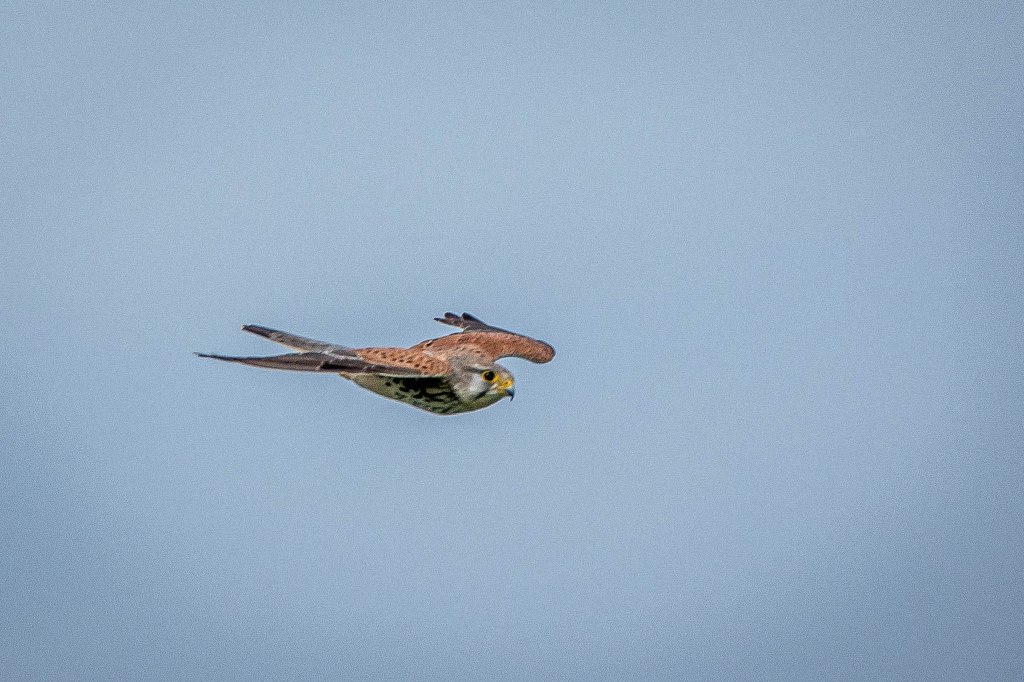
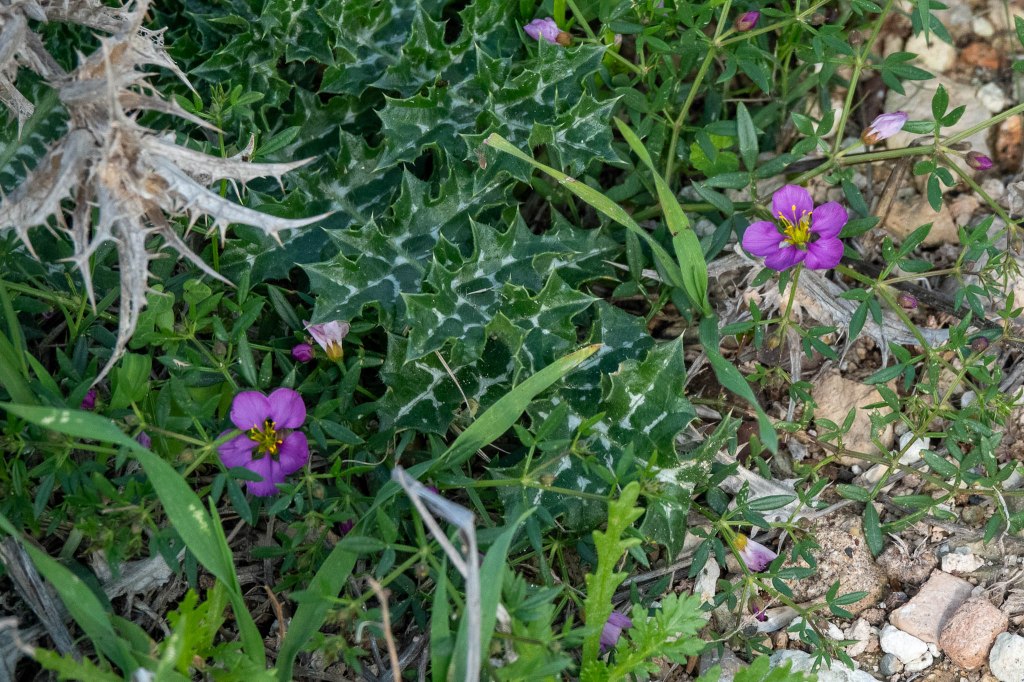
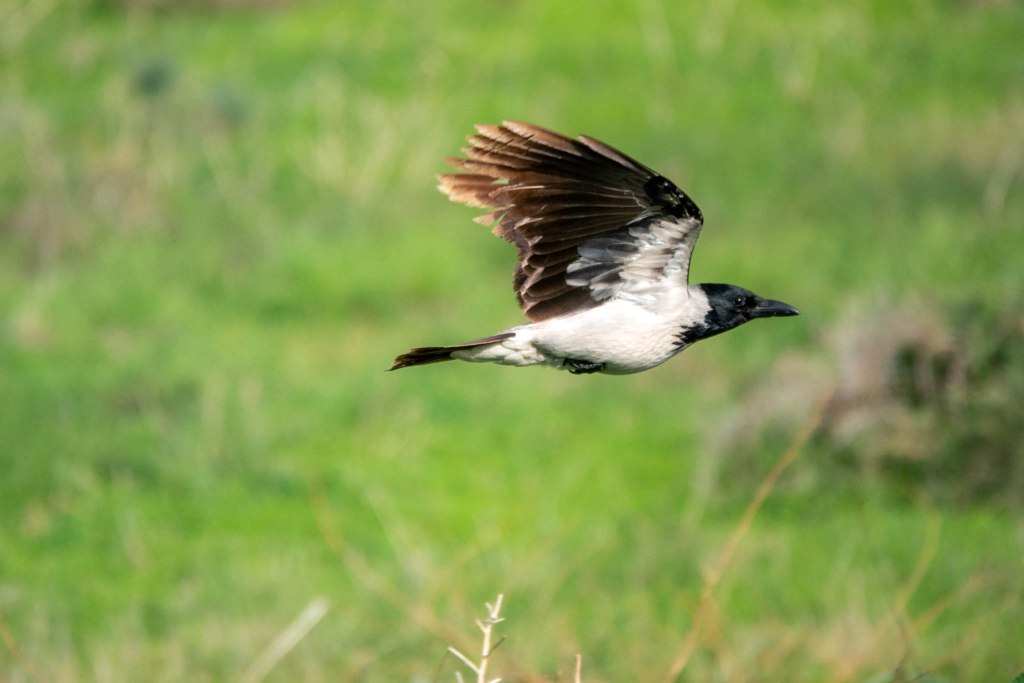
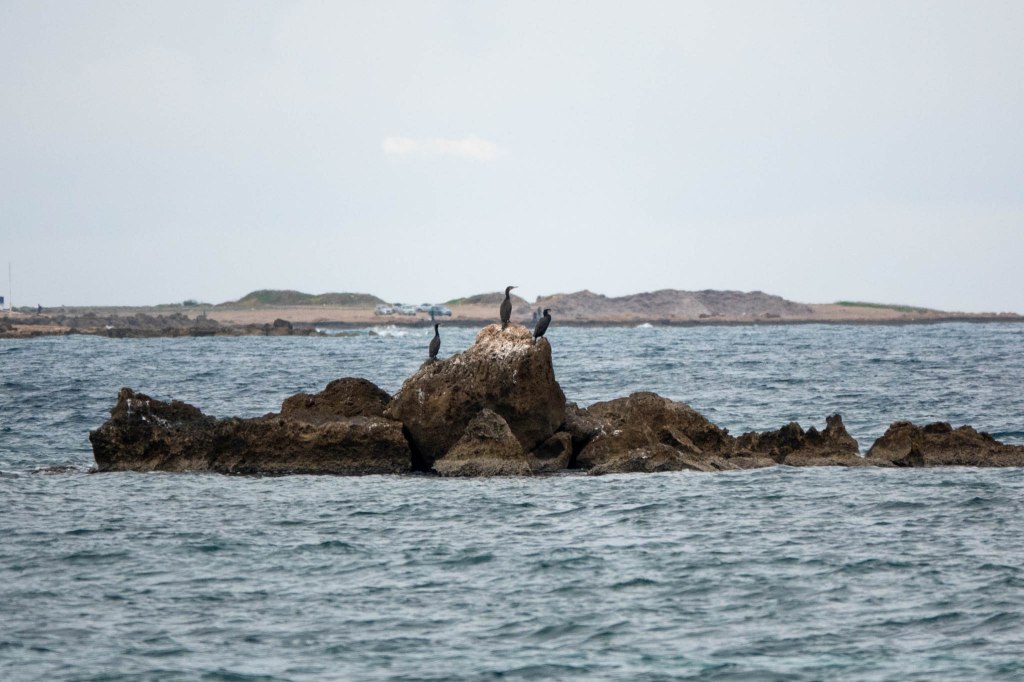
StonechatAt first I thought it must be a stonechat from its position but then realised it was a meadow pipit.This kestrel was clearly not a stonechatKestrel obligingly flying pastSome new plants to us in the park – FagoniaocreticaI think these hooded crows are more handsome than our carrion crows… and quite attractive in flightCoffee on the quay and a chance to add to our list with these great cormorants in the harbour
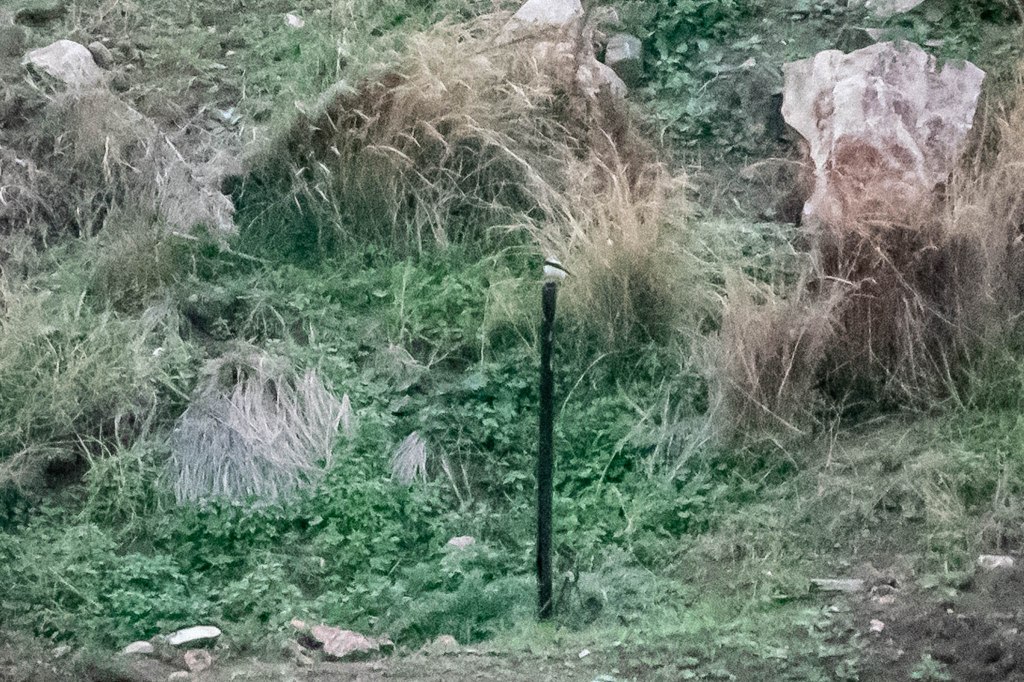
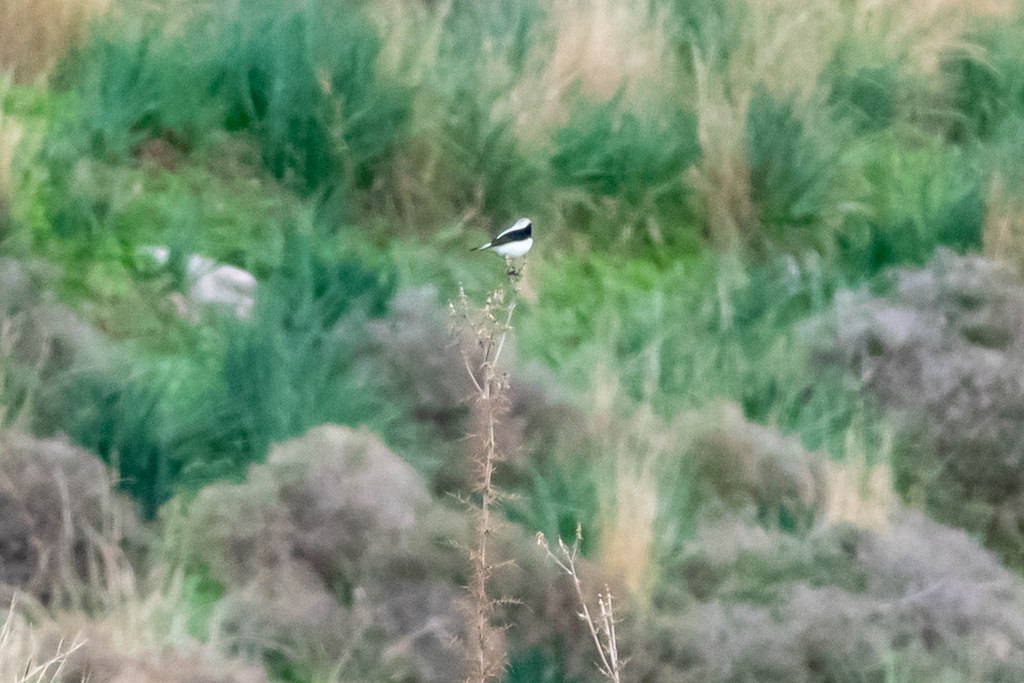
In the afternoon we travelled inland and in the Anarita Park our guide Andy had a great spot with a Finsch’s wheatear.
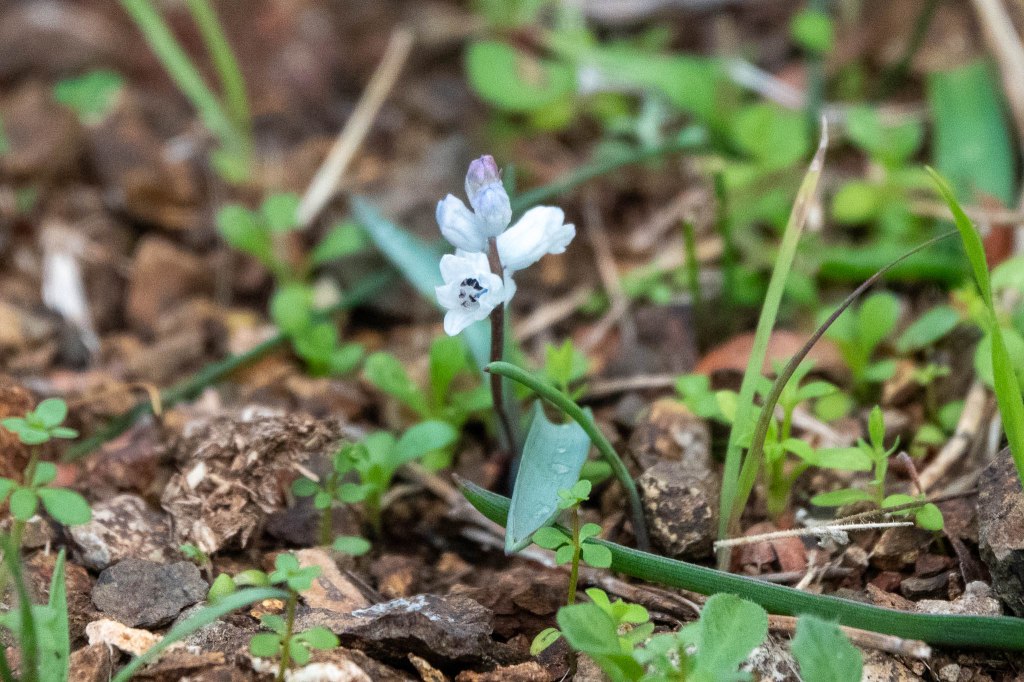
If you look closely you can see the Finsch’s wheatear on the top of the post. You might realise what a good spot this was as this is a highly cropped photo of a shot with my bridge camera with 600 mm lens.The Finsch’s wheatear a little closerAnother good spot – this time by our botanist guide Jessica – Hyacinthella millingenii
We ended our day at the Agia Vagara settling pools which was a little disappointing as the light had more or less failed by then: we saw a few common snipe and a jack snipe, a teal and a pair of coots before we got caught in a heavy shower which had been threatening for most of the day.
Although the forecast for the week had looked very good before our arrival I think it must have been written by the Cyprus Tourist Board because the reality is now somewhat disappointing. It’s definitely better than the UK though.
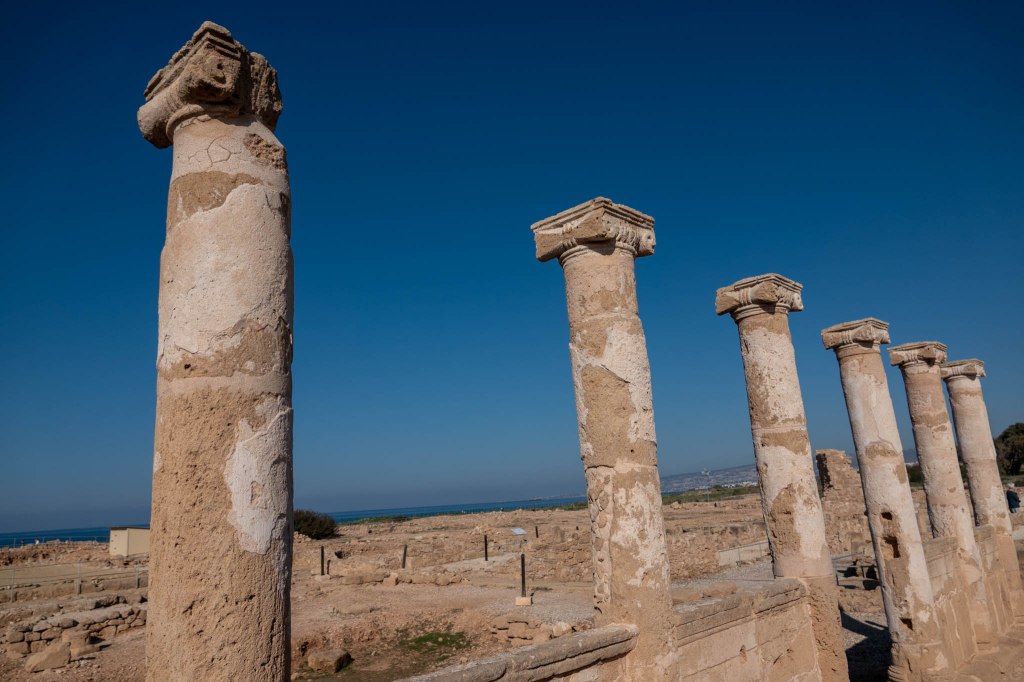
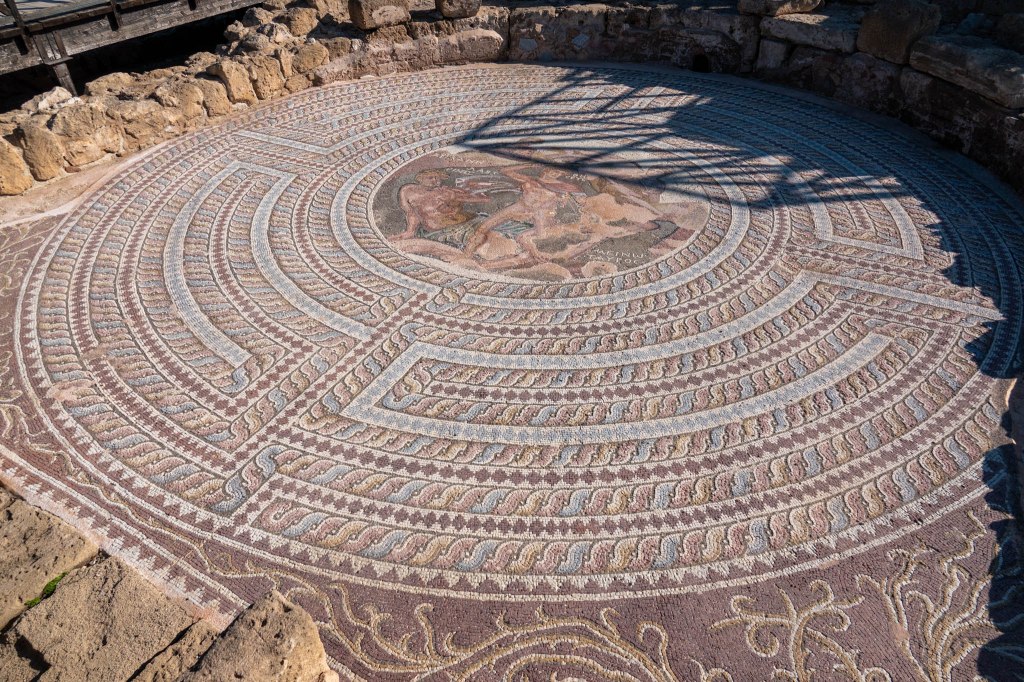
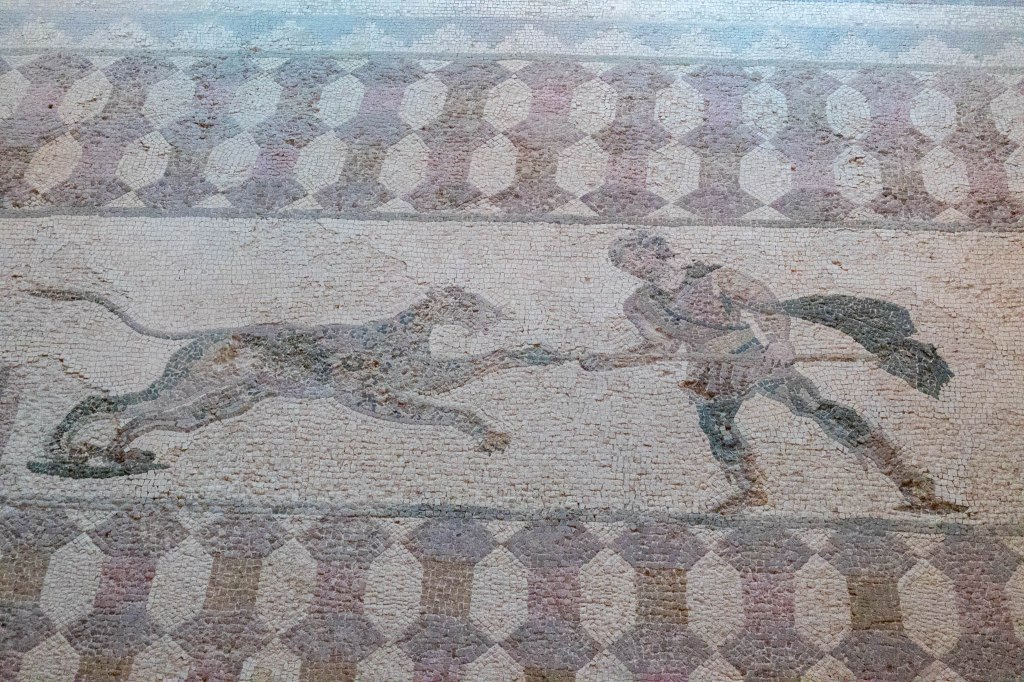
Yesterday we explored the headland near to the Archeological site at Paphos and today we more or less covered the same region; but this time inside the confines of the site. It was a wonderful visit and I shall include a few photos of the site and, in particular, the mosaics but there were lots of opportunities to see birds and some interesting plants.
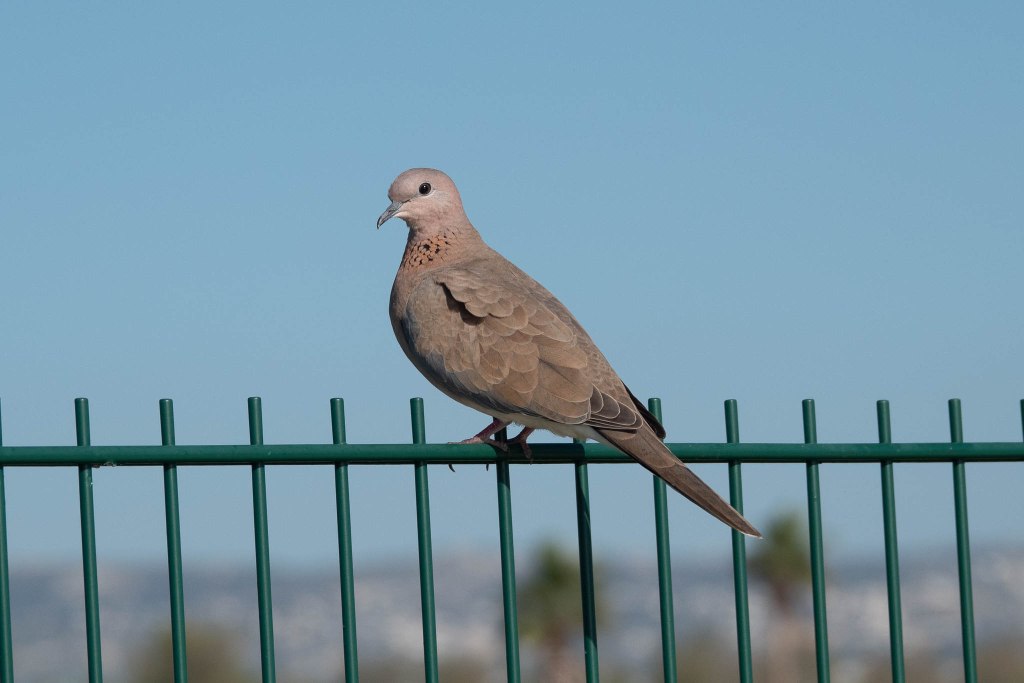
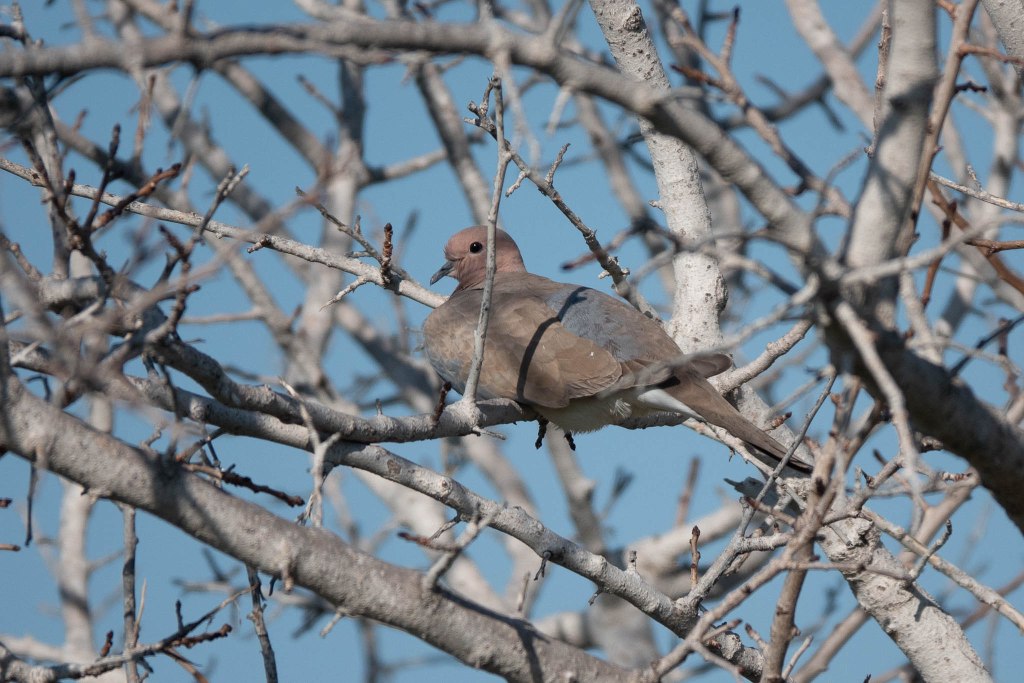
The first sighting was of a laughing dove (another first for me, except I now realise that I saw one yesterday) and then a Sardinian warbler.
Laughing doveNormally I wouldn’t publish such a poor photo but I was very pleased to see this bird- a male Sardinian warbler
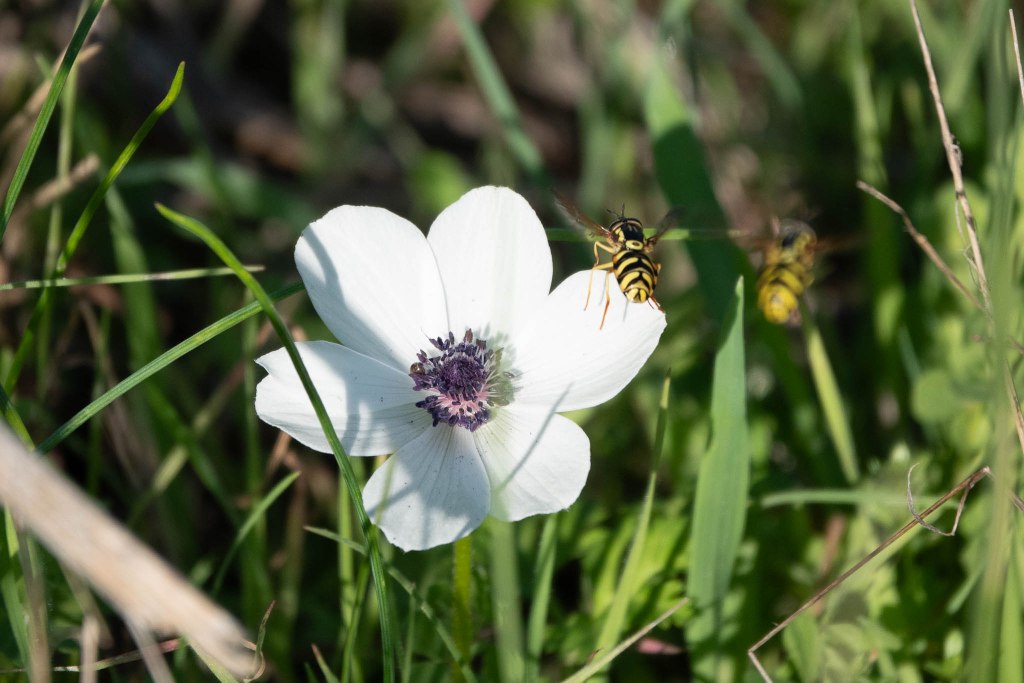
There were lots of of these Anemone coronarias – some were a much darker purple
Anemone coronaria
The other interesting plant which was prevalent was a Leontodon tuberosus.
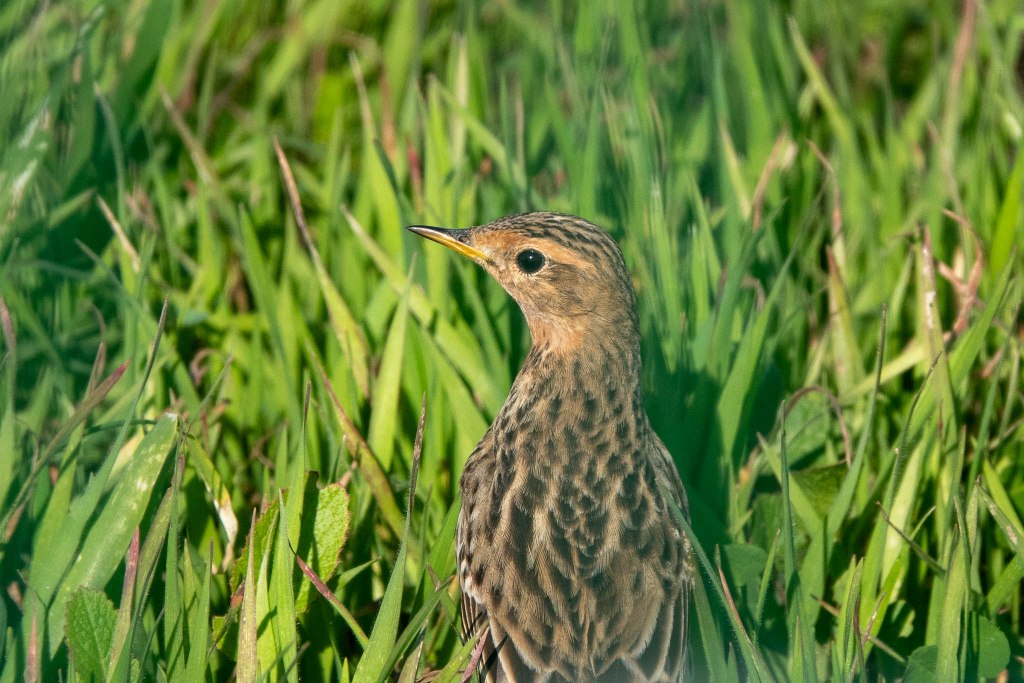
Leontodon tuberosusThe only butterfly photo of the day – a large whiteRed-throated pipit close upNot so close up – a common chiffchaffStonechats everywhereCrested lark on the ruins
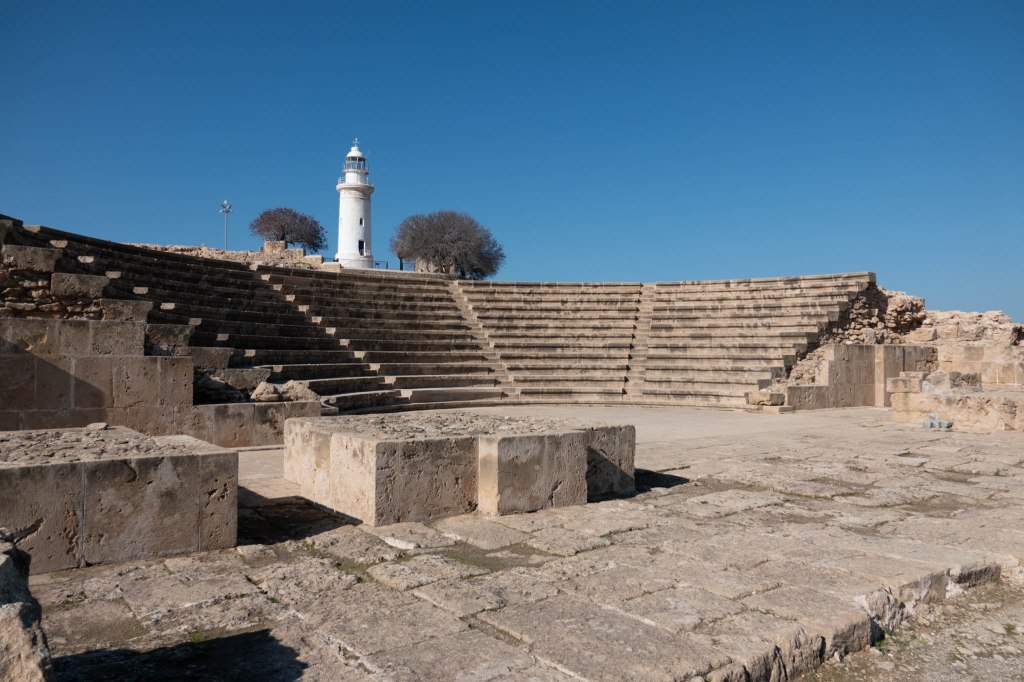
Just a few of the ruins and mosaics for a flavour of what we saw (I will come back to this when I have more time and band width).
And a few more birds to conclude:
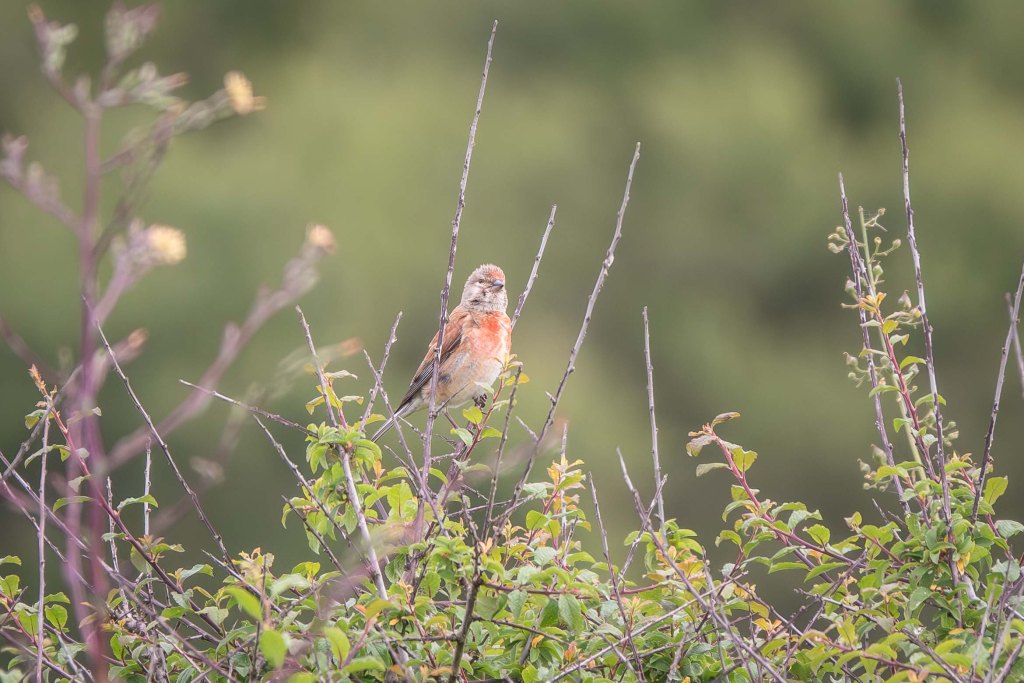
Laughing doveLinnet
The locals certainly have stamina here (or perhaps it was a Russian gymnast).
Whilst I was admiring his skills I missed a flock of golden plovers nearby.
Bliss. The schoolchildren are finally back to school and we now have all these wonderful outdoors spaces to ourselves. When we started our visit in the morning sunshine it was even too early for pre-school age children. Perhaps their parents/grandparents/childminders were too exhausted after looking after their older siblings for a few weeks? Spare a thought for teachers who have them in their care for much longer periods.
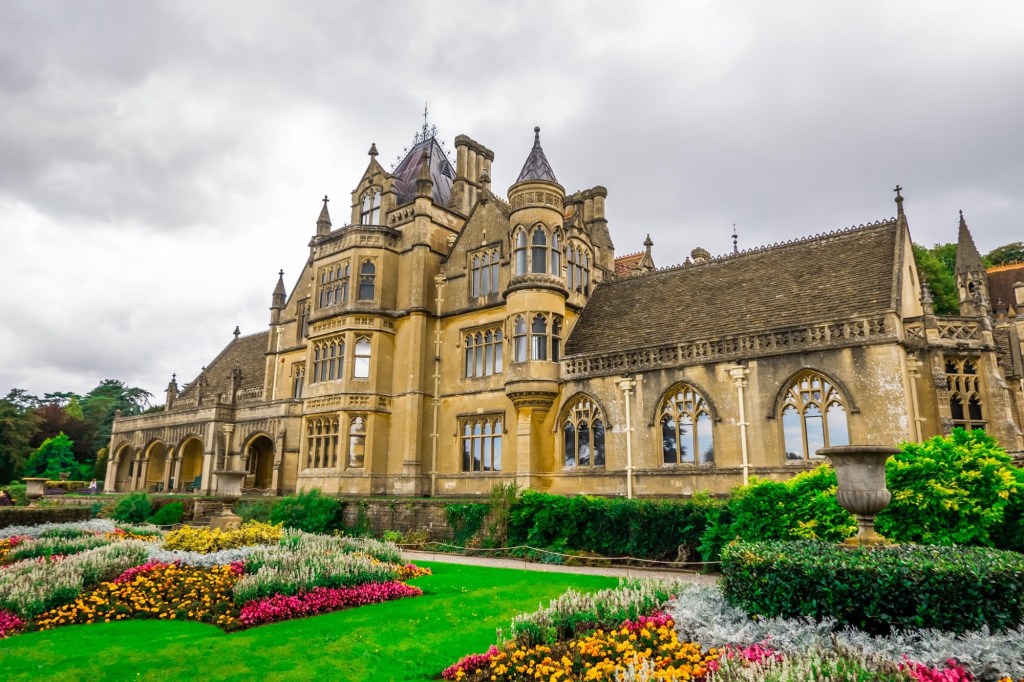
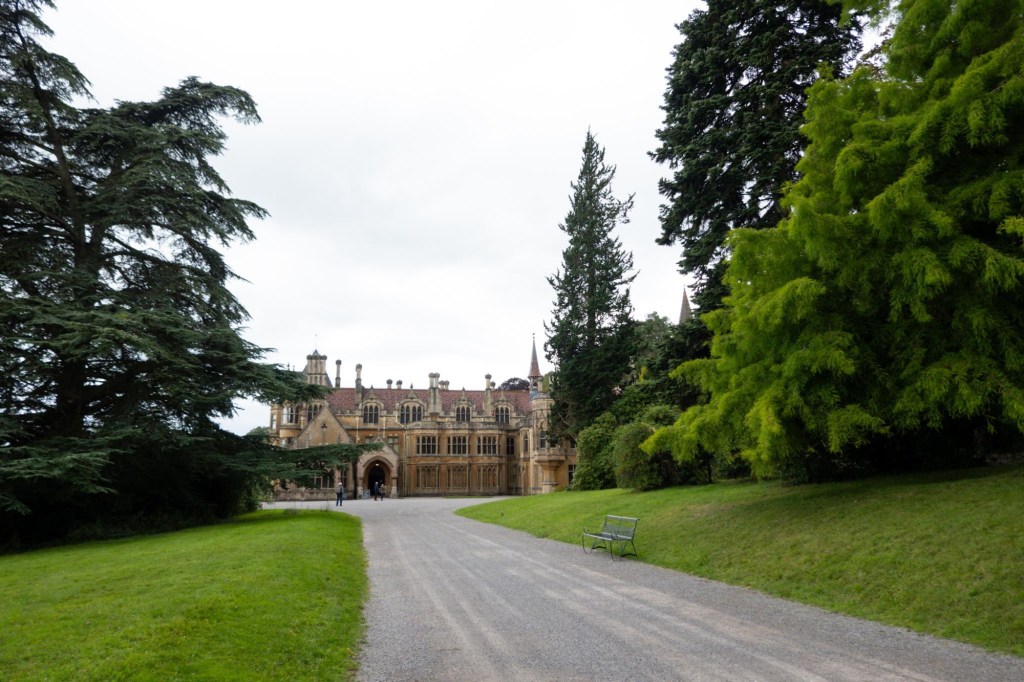
And how we enjoyed Tyntesfield, an ornate Victorian Gothic Revival house with extensive garden and parkland, just a stone’s throw from Bristol.
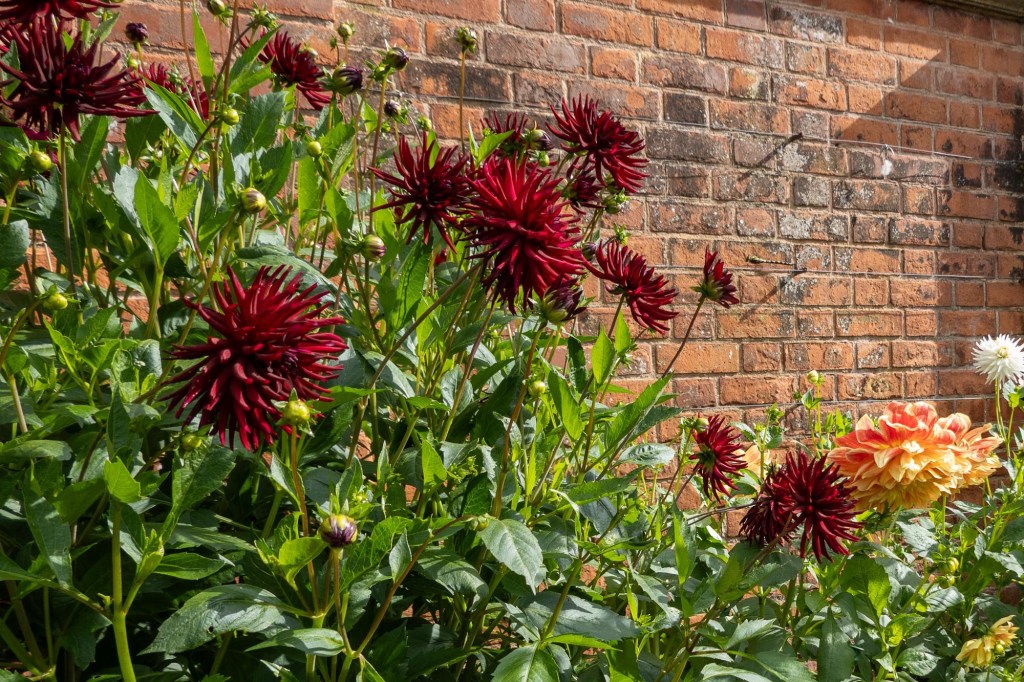
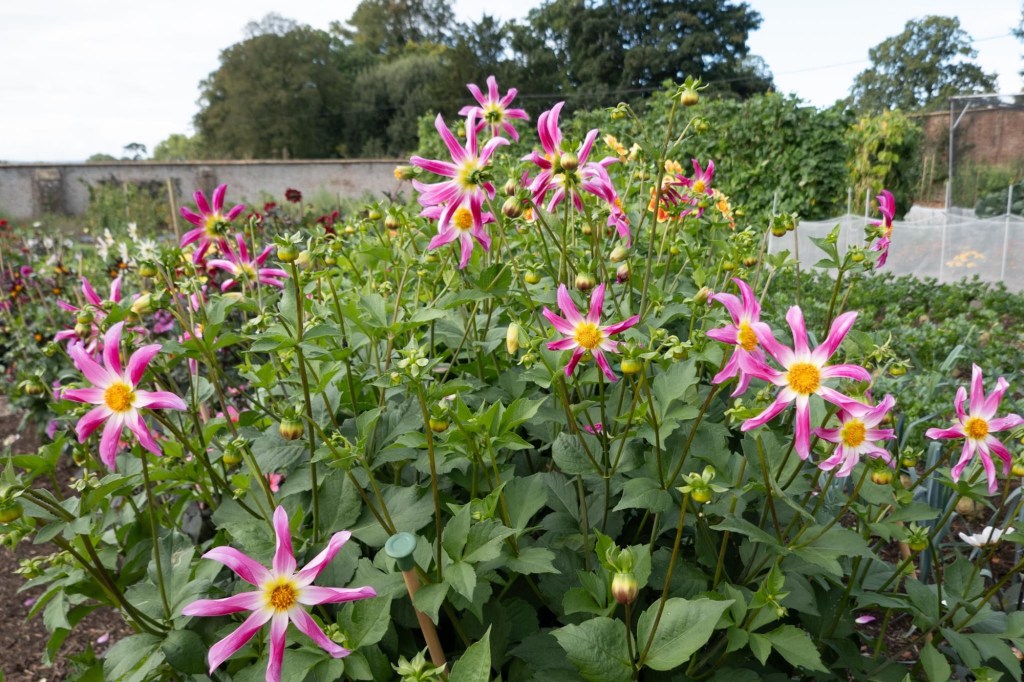
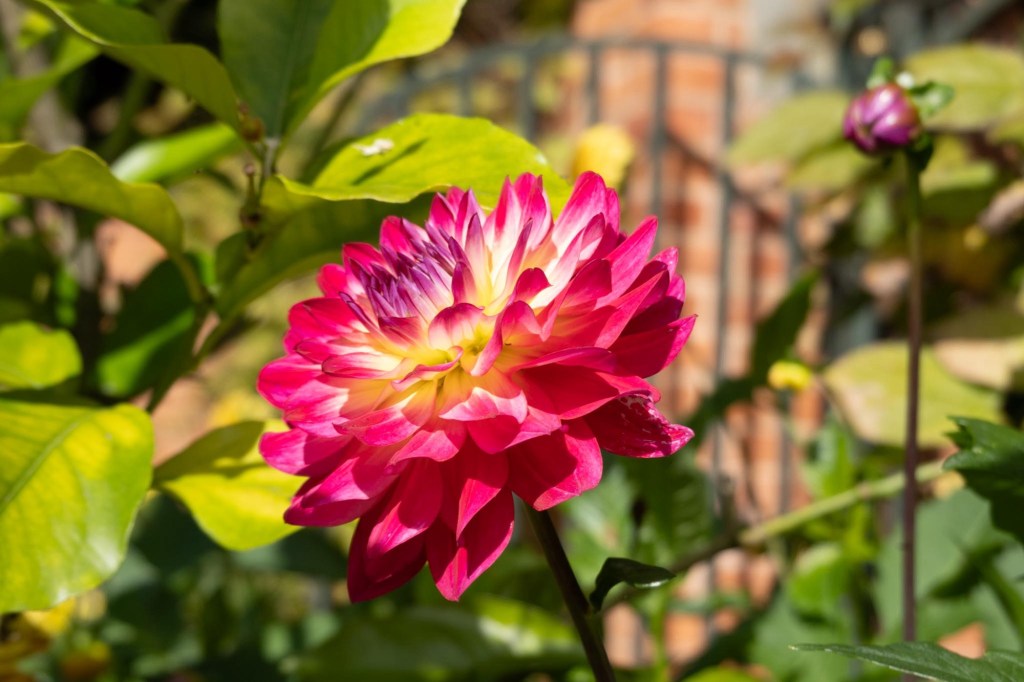
We didn’t actually see many birds, and I certainly didn’t photograph any, but there were a few butterflies and the flowers in the walled garden and around the orangerie were well worth photographing and recording in a blog.
A small copper butterfly which has been very rare in these parts this summer
The only downside seemed to be a strange smell in the air which, we presumed, must have been some sort of spreading of fertiliser. How appropriate was that as the house was paid for by the vast fortune made by William Gibbs, the owner of the monopoly on exporting valuable bird droppings from Peru.
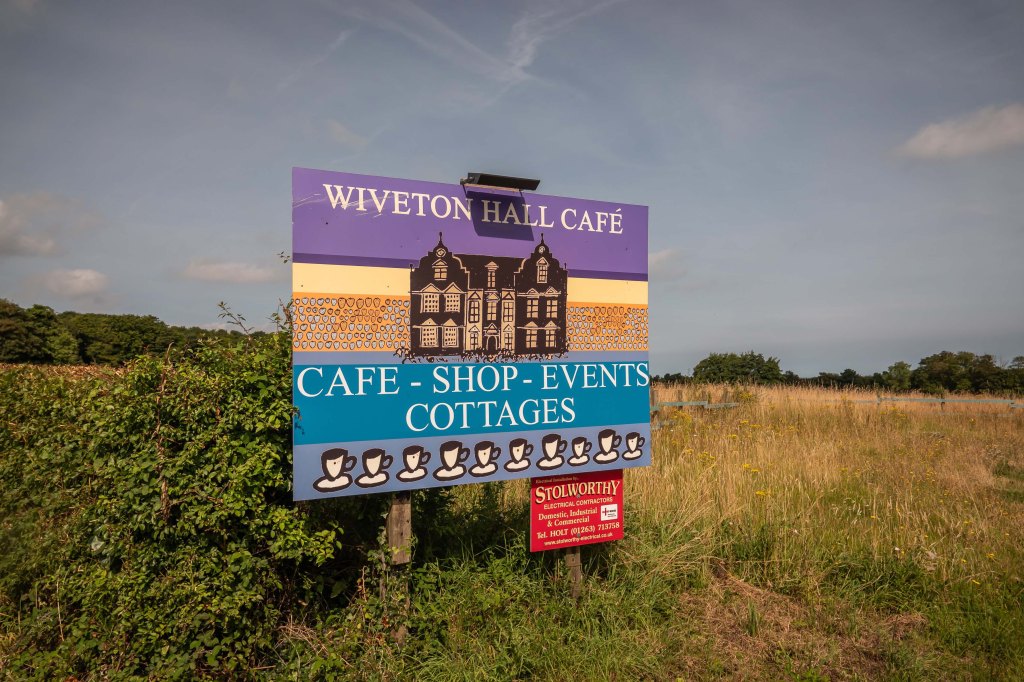
Almost a non-birding day; except that on our walk this morning to Wiveton Hall we did see our first marsh harrier of the week across the marshes.
A few years ago, on our first visit to Wiveton Hall, we had met the eccentric owner, Desmond, whose popular BBC programme “Normal for Norfolk” documented his adventures and the daily delights of life around the Hall, on the farm and in the café. No such luck today. However, the coffee was very good and was worth the walk.
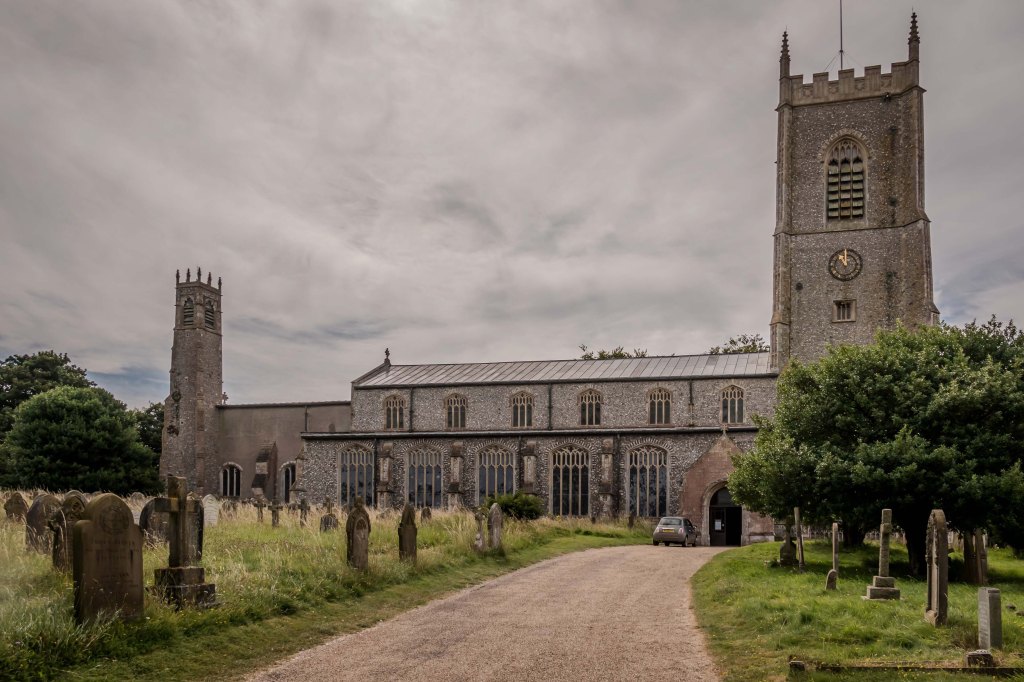
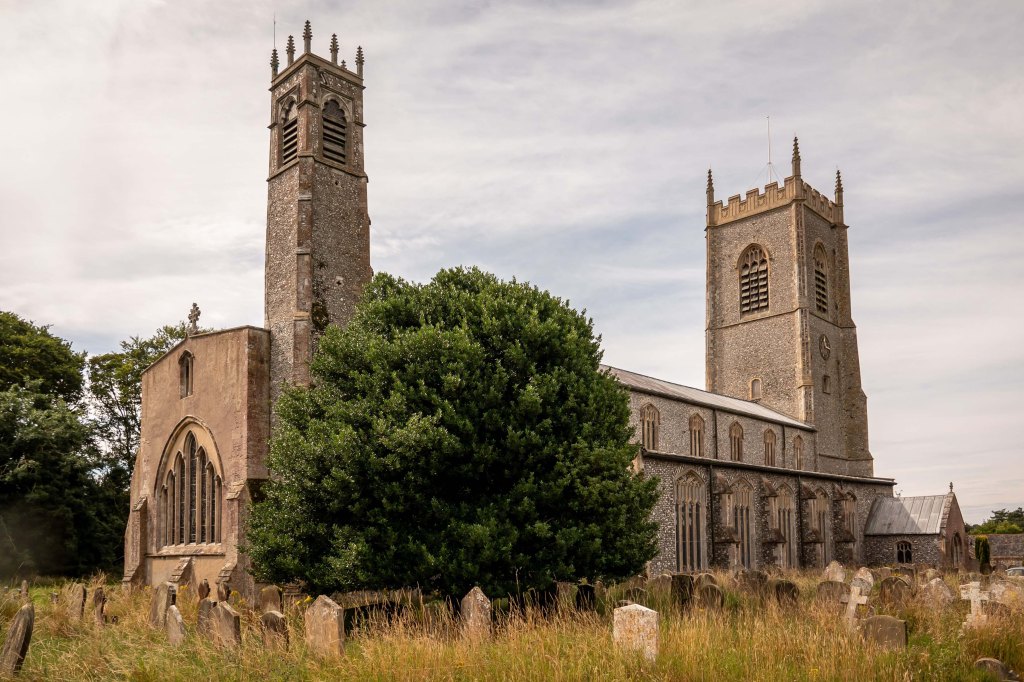
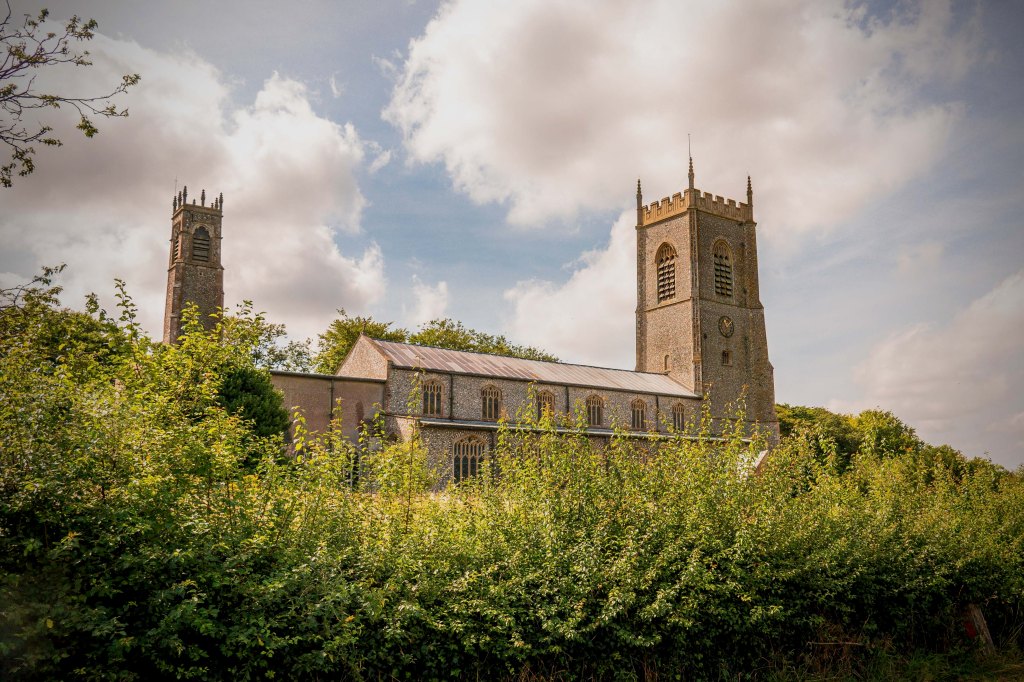
From here we carried on to visit St Nicholas Church, Blakeney. I hope you agree that the inclusion of the visit is warranted here in that there was a wildlife aspect to our visit.
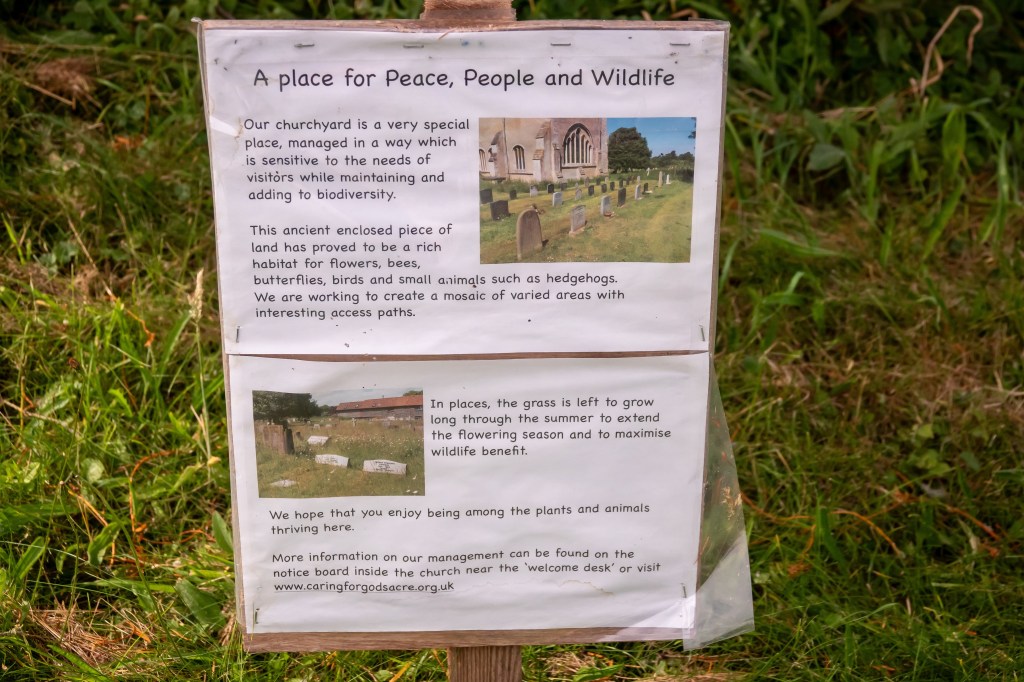
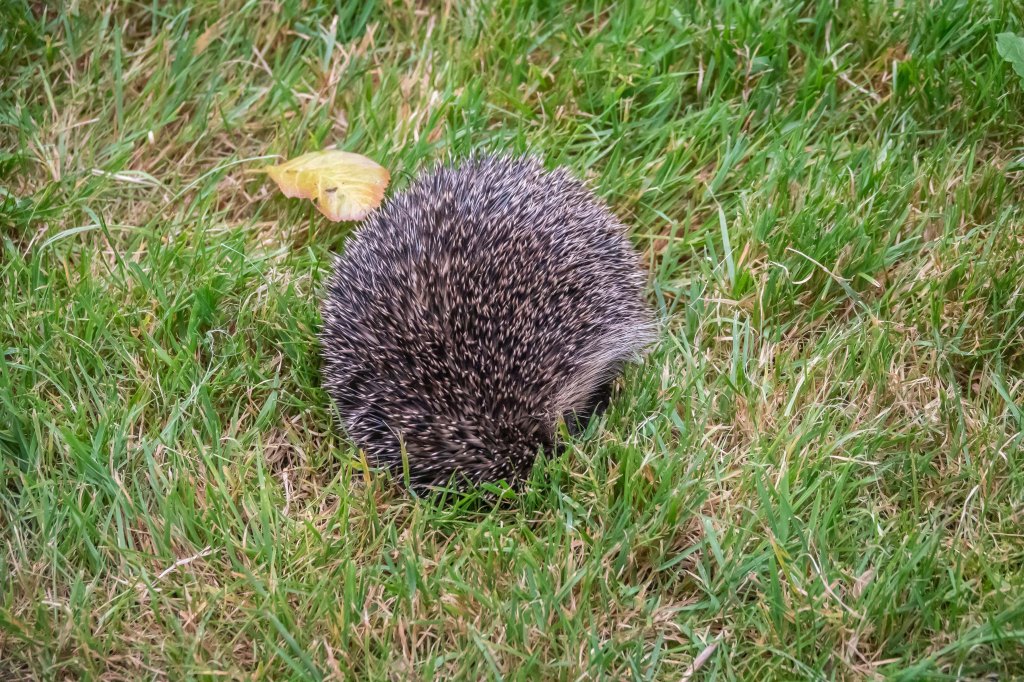
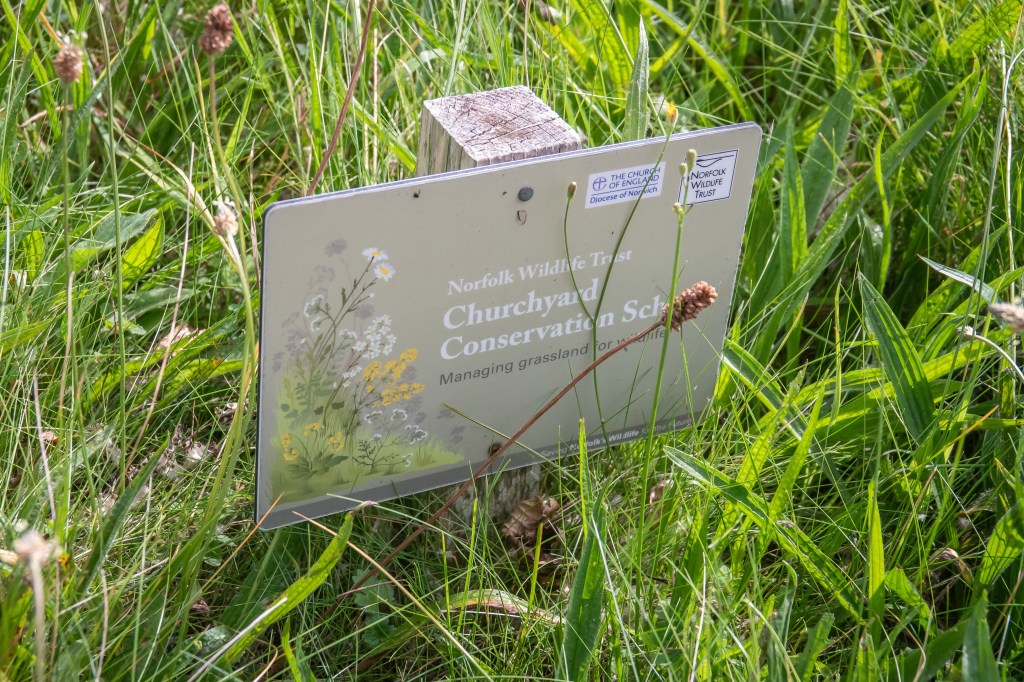
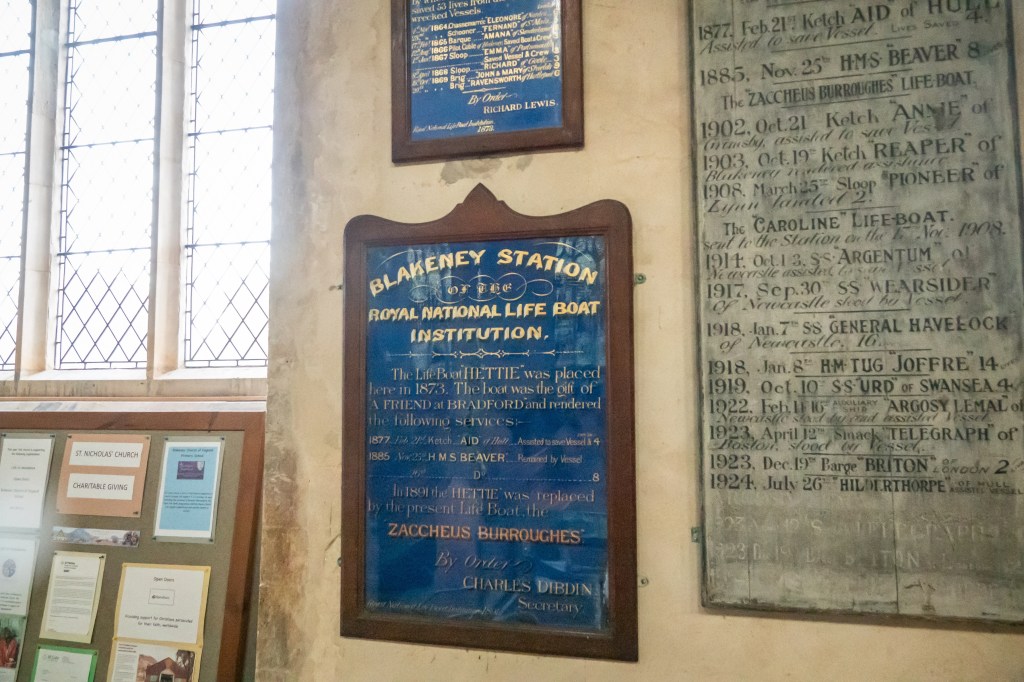
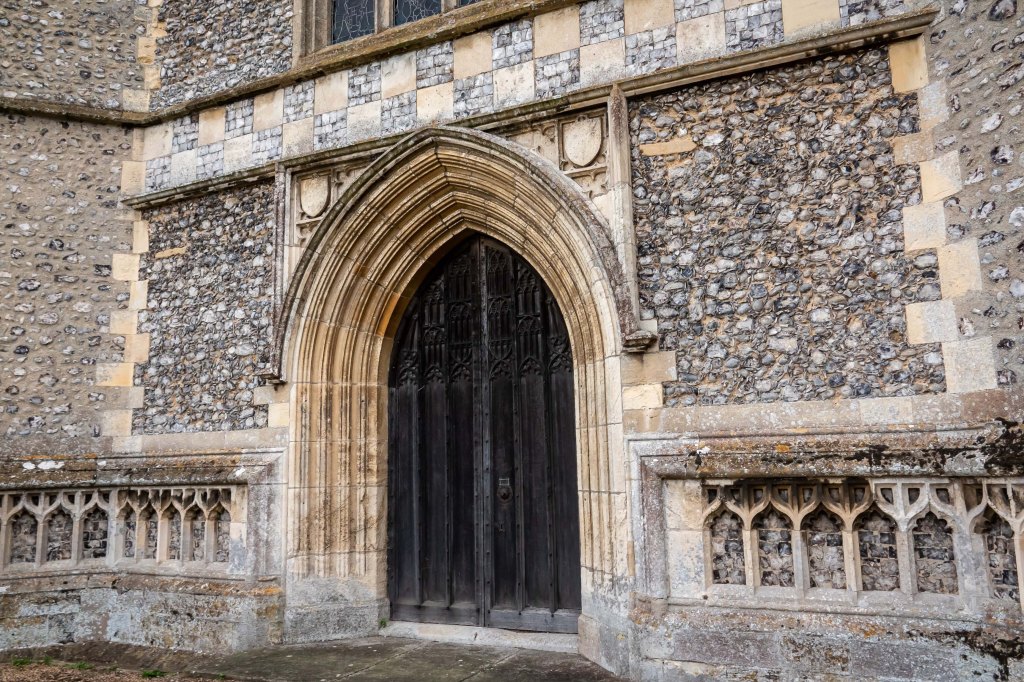
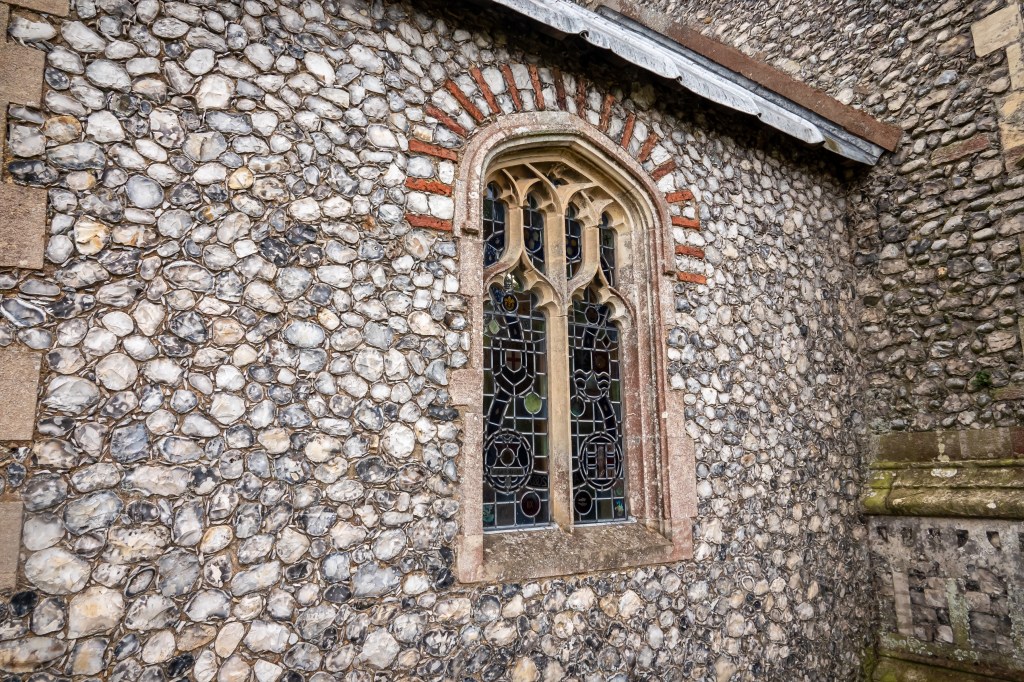
St Nicholas , Blakeney famous for its two towers: one at the west and a curious, spindly beacon rising to the south-east of the chancel whose purpose is not really known. It seems that the church’s policy is having a good effect.Simon Jenkins in his book of England’s 1000 Best Churches says “the earliest and most interesting part of the interior is the chancel , dating from a Carmelite friary founded here in 1296”.“The rare stepped seven-lancet east window is unusual for this late date. The only other medieval seven-lighter extant is at Ockham in Surrey”The nave is PerpendicularThe significance of Blakeney’s coastal position is well recorded hereMost of the church is flint coated …… except the chancel is mainly covered in concrete.
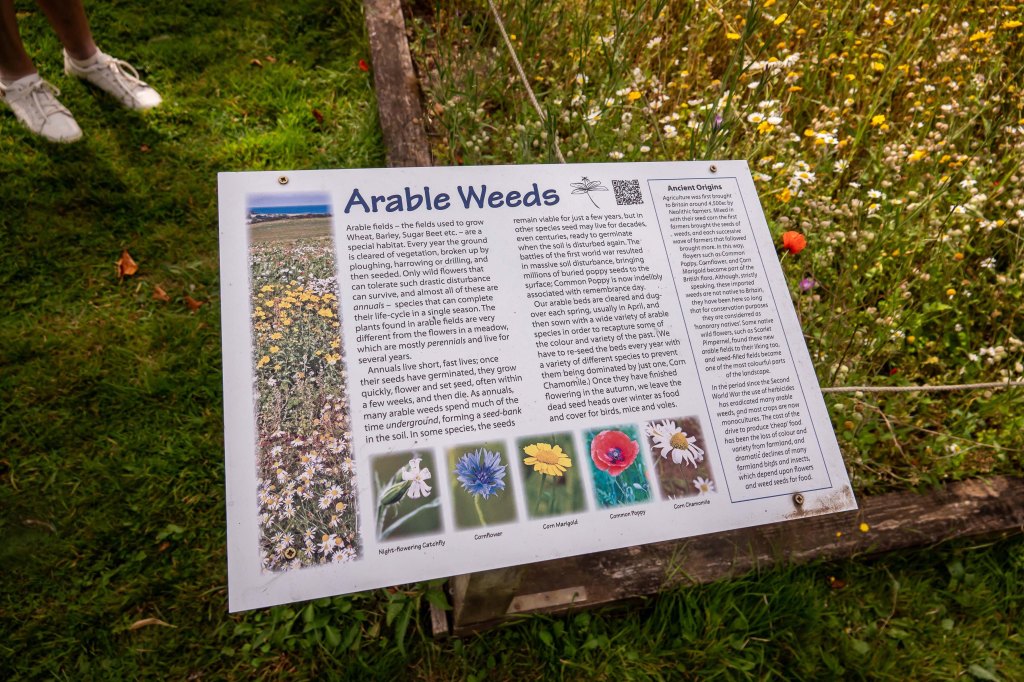
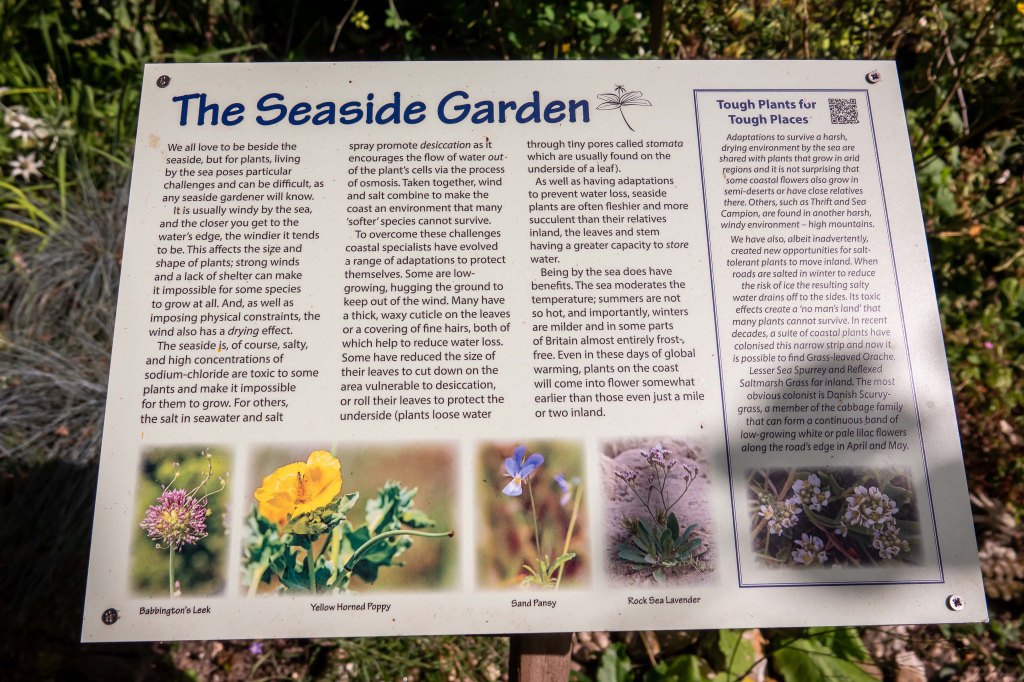
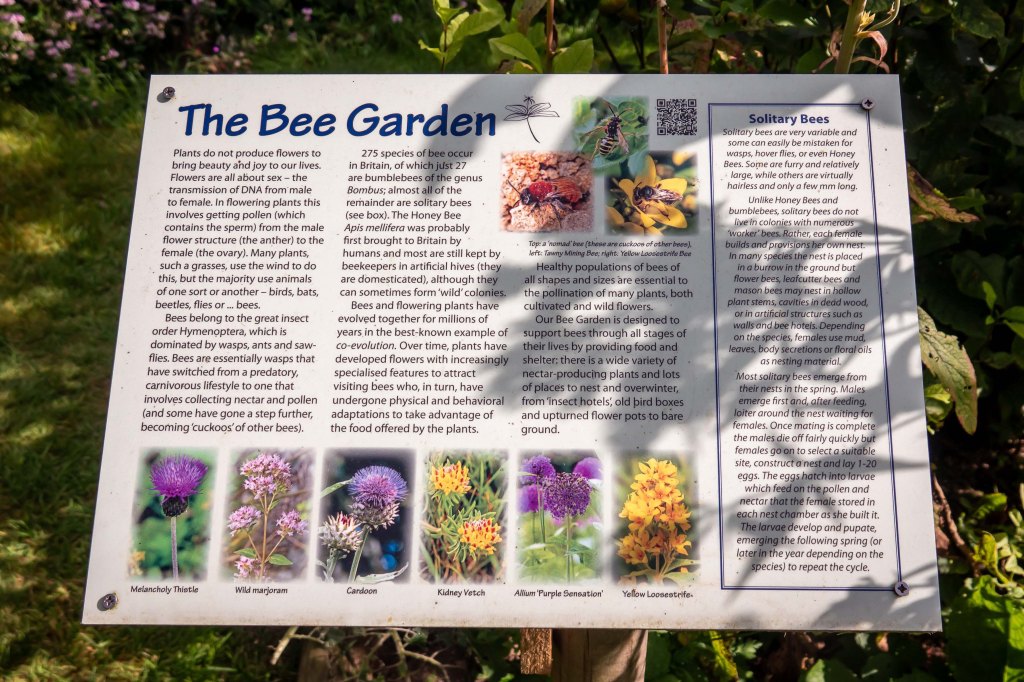
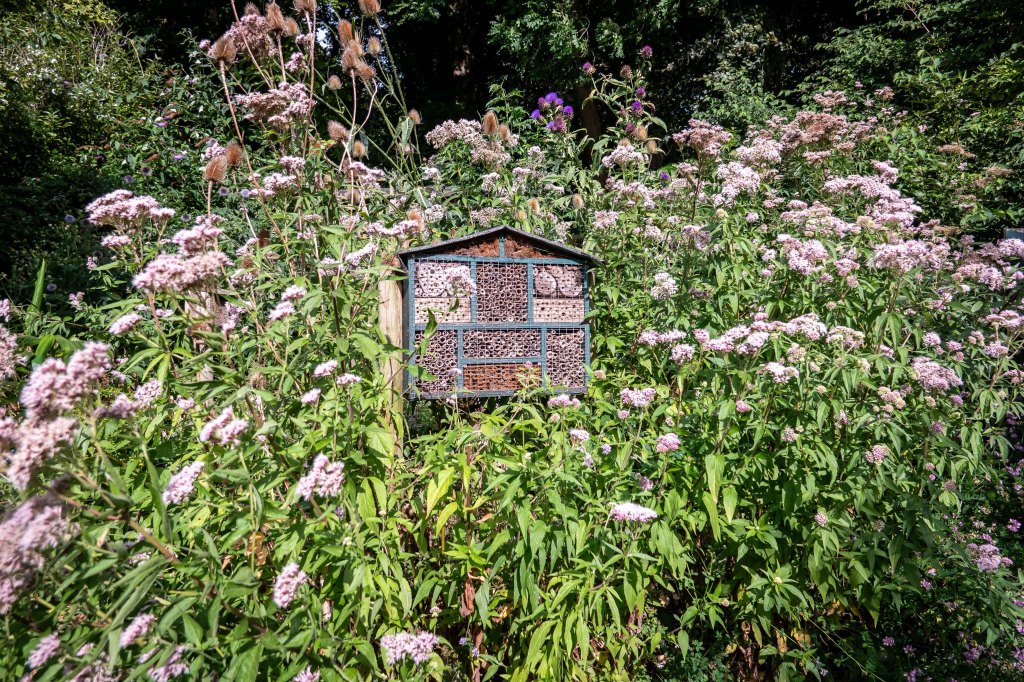
In the afternoon we visited NATURAL SURROUNDINGS, Norfolk’s Wildlife-Gardening & Wildflower Centre next to Bayfield Hall, just a stone’s throw from Blakeney.
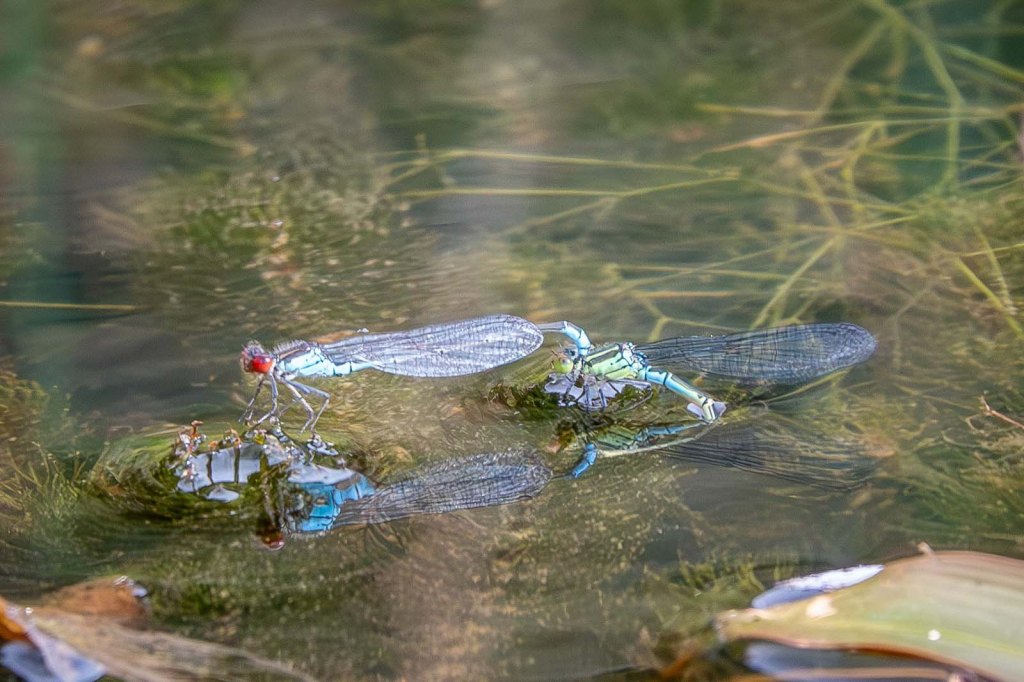
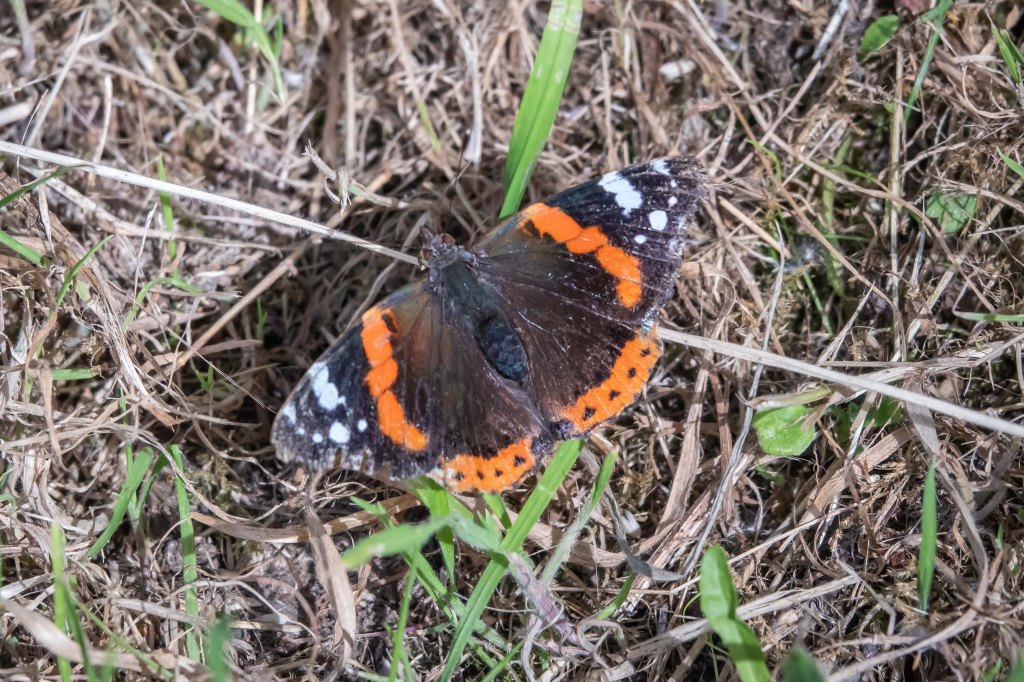
Small red-eyed damselflyHouse flyDefinitely the stars of the showRed Admiral
A very informative and enjoyable visit. Did I forget to mention that there’s a very good café with much too generous portions of cakes?
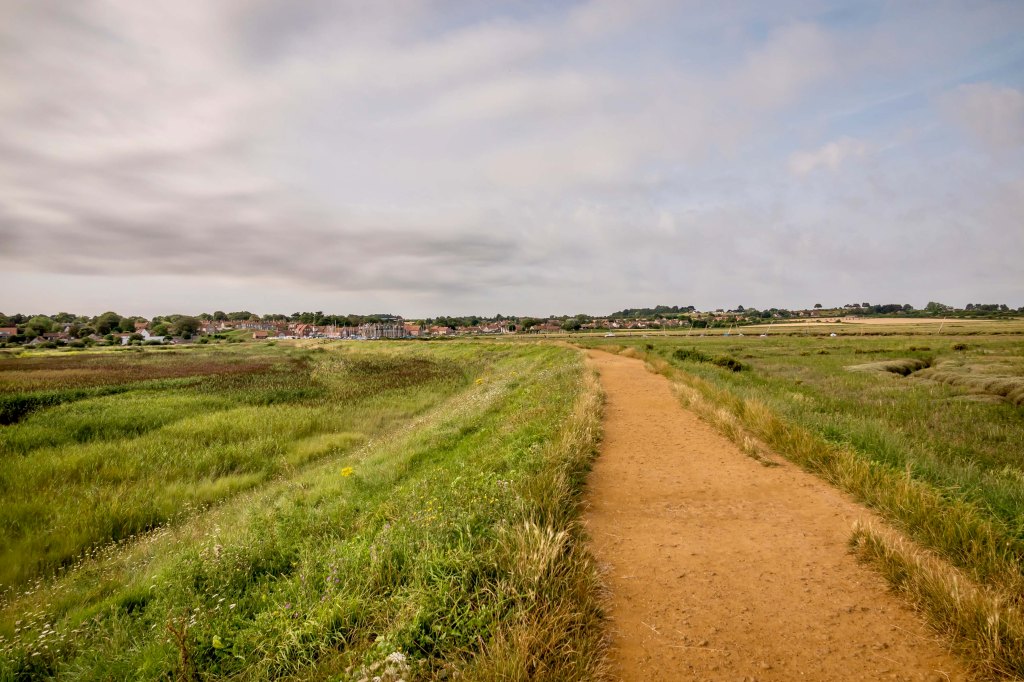
The best aspects of our morning walk from Blakeney Quay to Cley next the Sea and back were the sounds. There was little wind and few people and so the sounds of the birds were easier to pick up.
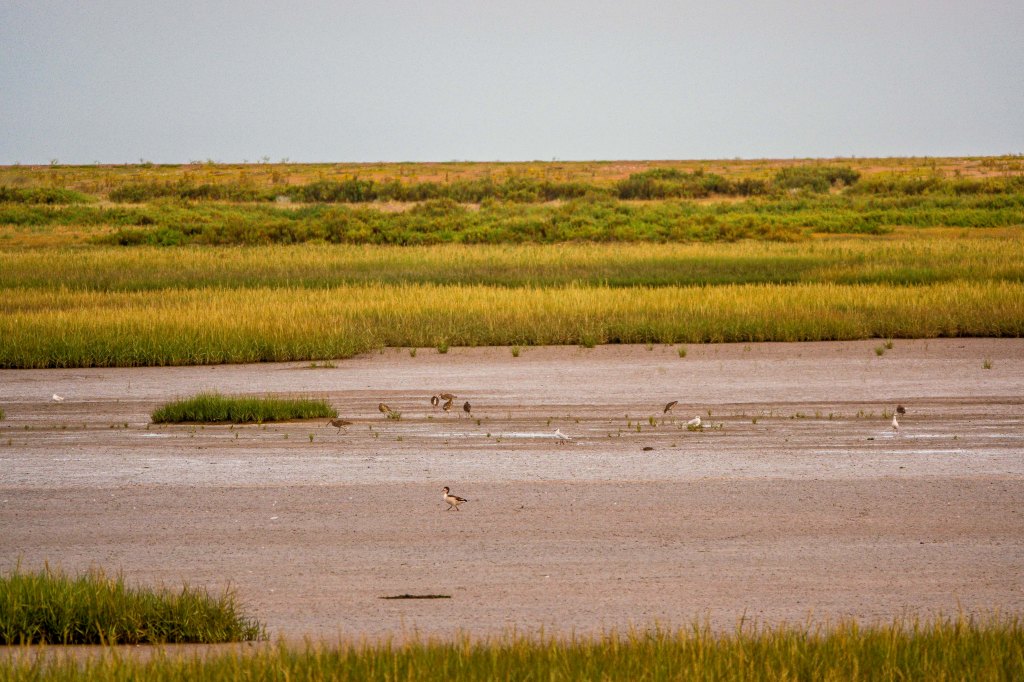
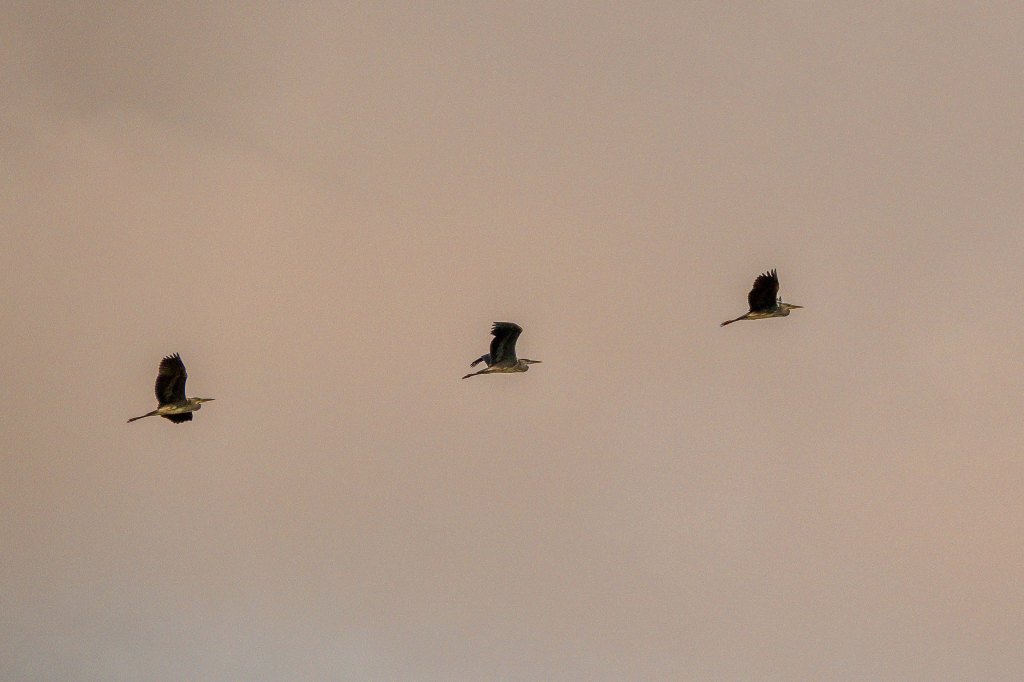
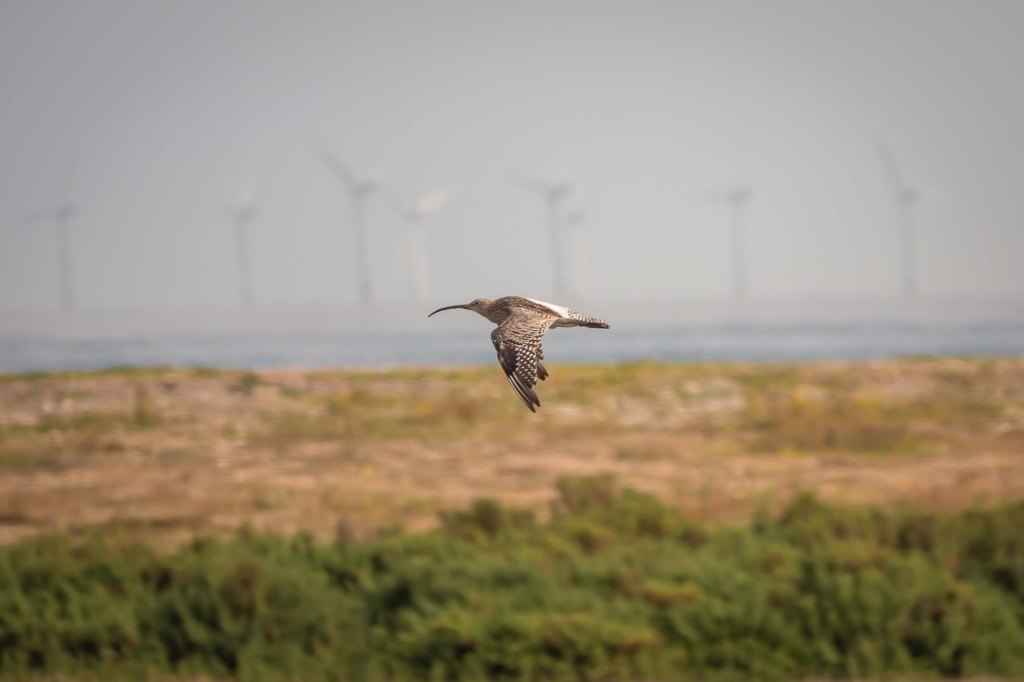
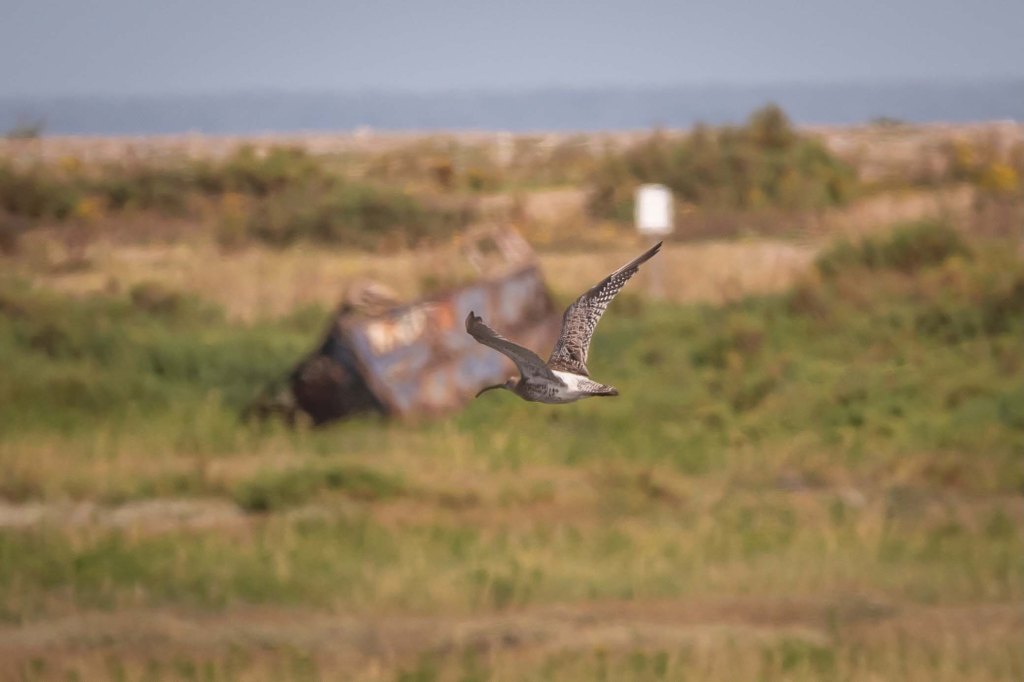
There were curlews, oystercatchers and a good number of cattle egret on the banks of the Cley Channel. Flyover cormorants, grey herons, goldfinches, linnets and meadow pipits entertained us from closer quarters.
We chose to walk back along the road to get a coffee at Wiveton Hall; but we hadn’t done our homework and they were closed today. The coffee back on the quay at Blakeney at The Two Magpies Café was certainly very well deserved and seemed appropriate for a couple of birders.
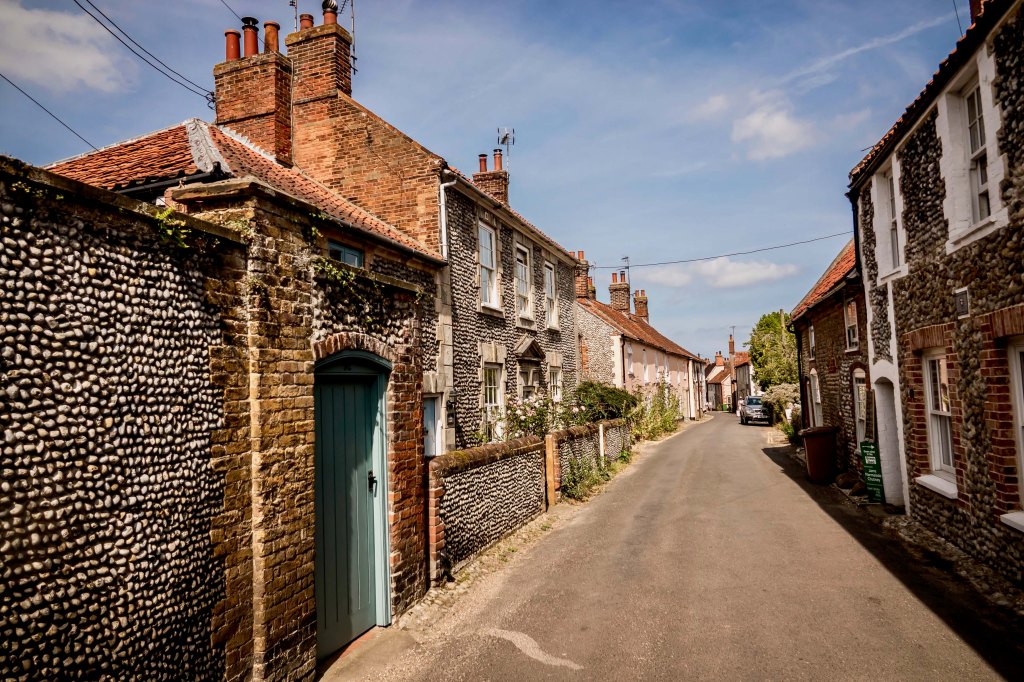
From Blakeney QuayLooking back at the quayNo one in sightCurlews, oystercatchers and even a shelduck on Cley ChannelThree grey herons in a rowThere were more that 20 cattle egret along this stretchHollyhocks had spread from the High Street to the open countryMeadow pipits along the pathwayThis one announced its arrival from well off and gave me the chance of a couple of shotsDecision time: coffee in Cley next the Sea or on the way back to Blakeney?Fail to plan, plan to fail – only open Wednesday to SundayBlakeney ChurchThe typical flint covered buildings of Norfolk in Blakeney High StreetTide rising in Blakeney (and the people too)
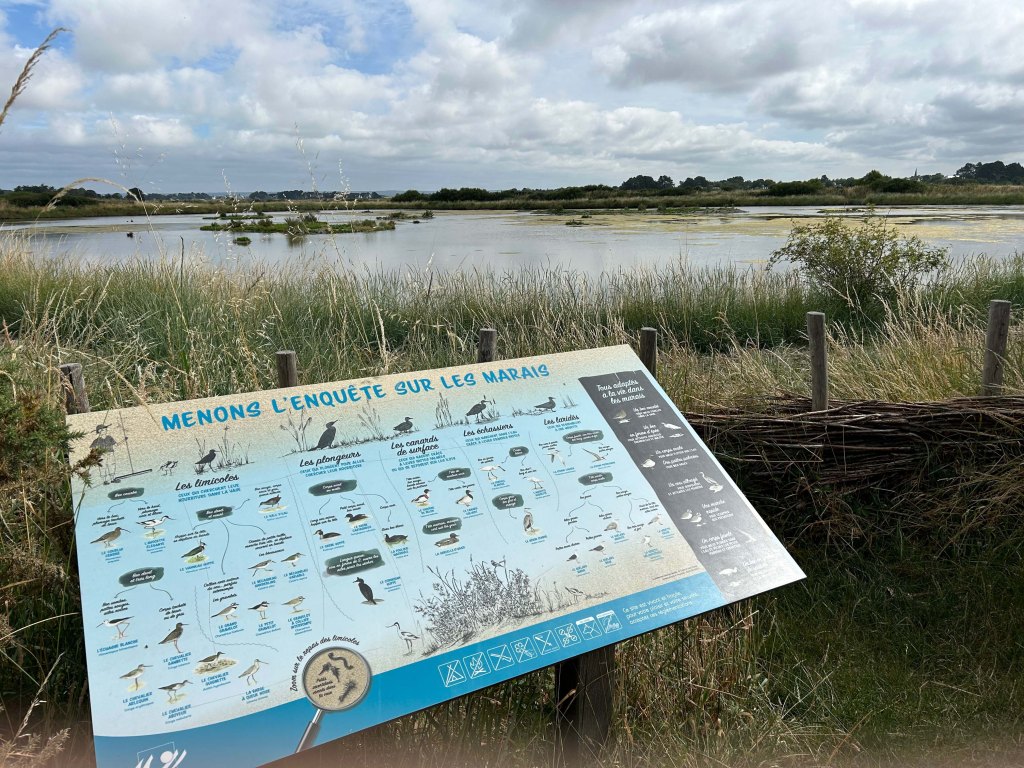
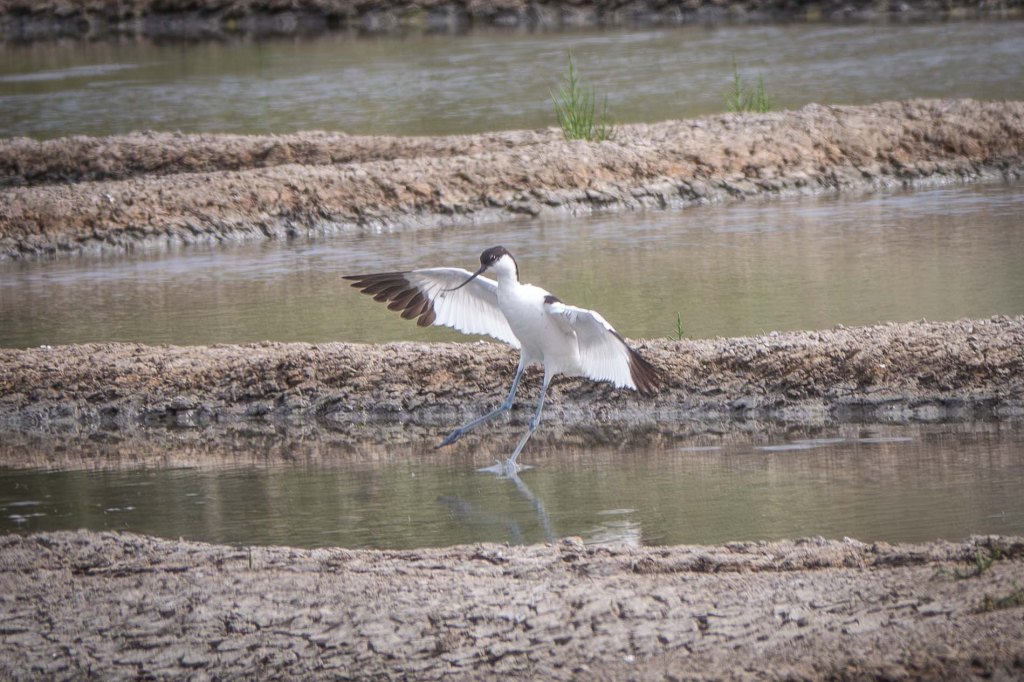
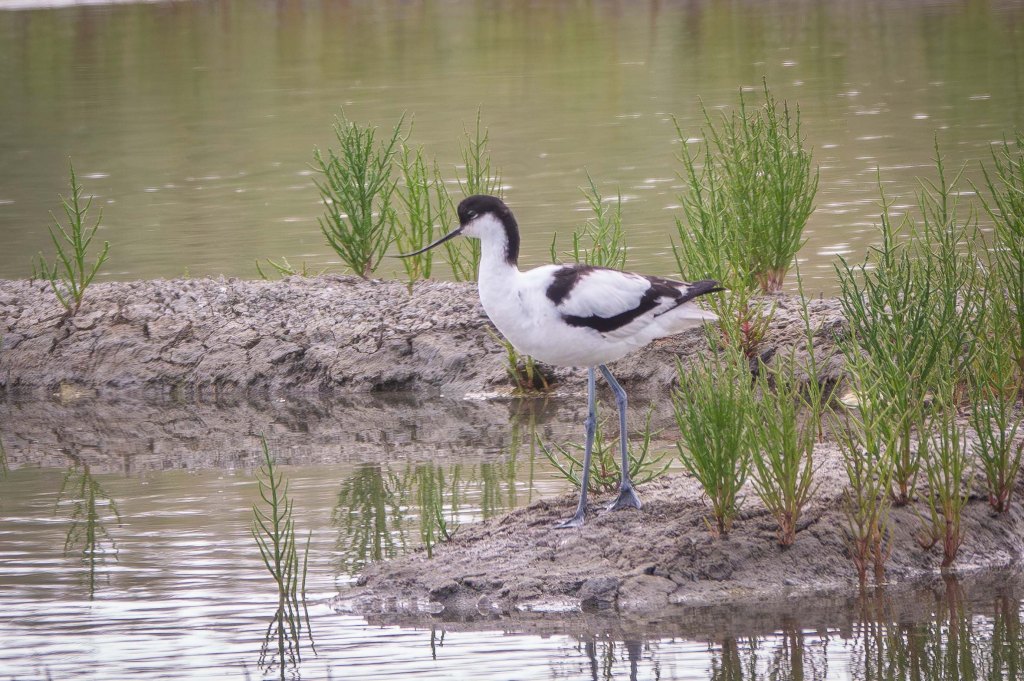
Today we returned to the southern part of the Gulf of Morbihan to visit another nature reserve: the Lasné marshes at St Armel.
A departmental (county council) reserve since 1978, these ancient salt pans, dating from the Middle Ages, have since 2003 been restored and salt is once again produced here. There are now also two shellfish producers that use certain salt pans. The rest of the marsh is for the birds that occur year round on this very favourable site.
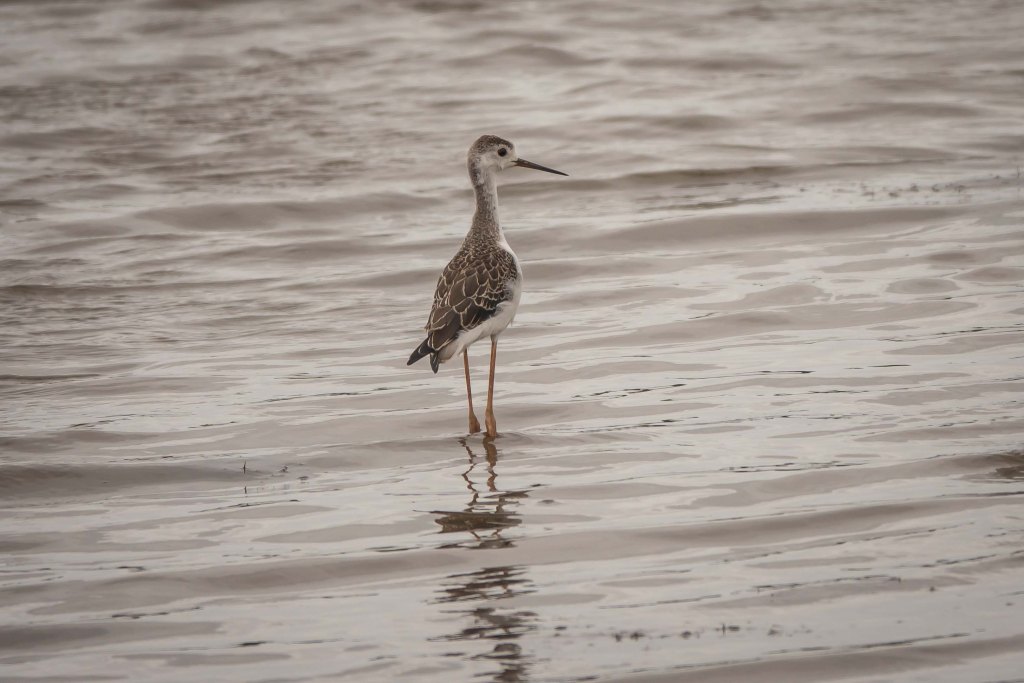
Lasné marshes Avocet landingAvocet chickBlack-winged stiltIt was great to get a view of the avocet’s legsThis kestrel was easily seen off by a black-winged stiltAvocet in flightRedshankI’m not surprised these cyclists were checking their maps
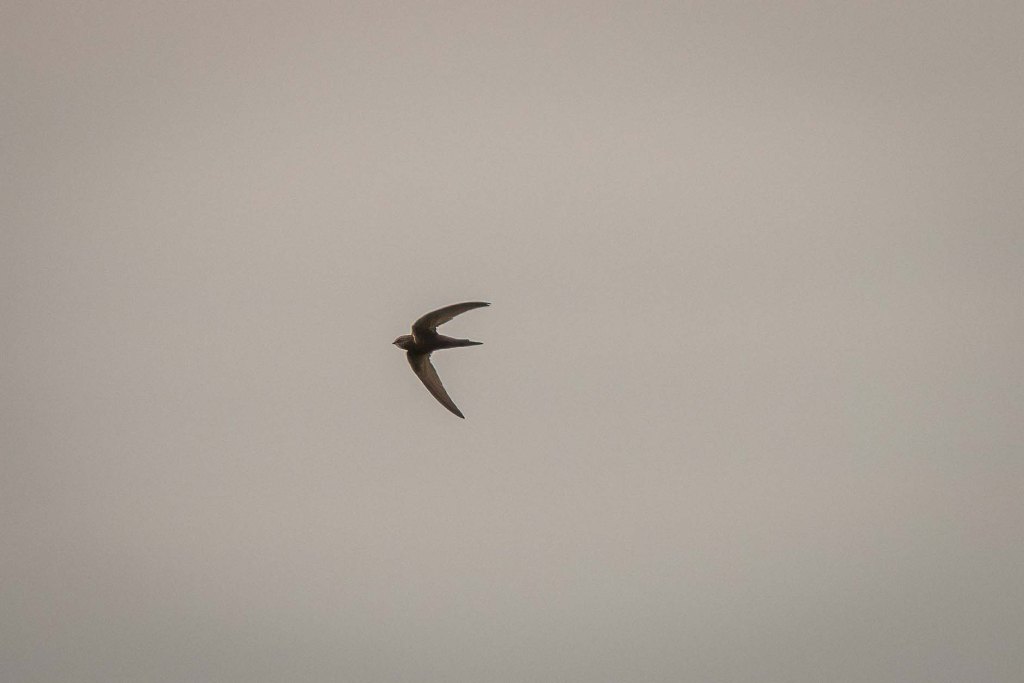
After this visit we headed back to Séné (where we had visited earlier in the week). After lunch in a very friendly Breton Crêperie we returned to the nearby nature reserve. This time we didn’t go round the reserve but followed a few trails which have viewing platforms looking towards the reserve.
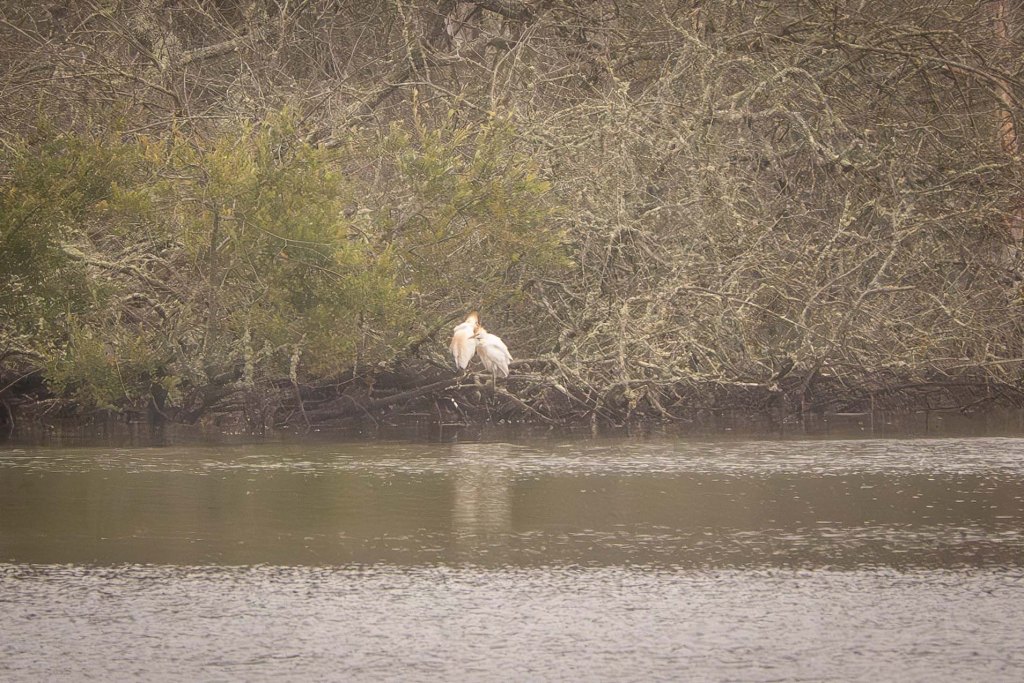
Little egretsA solitary swift
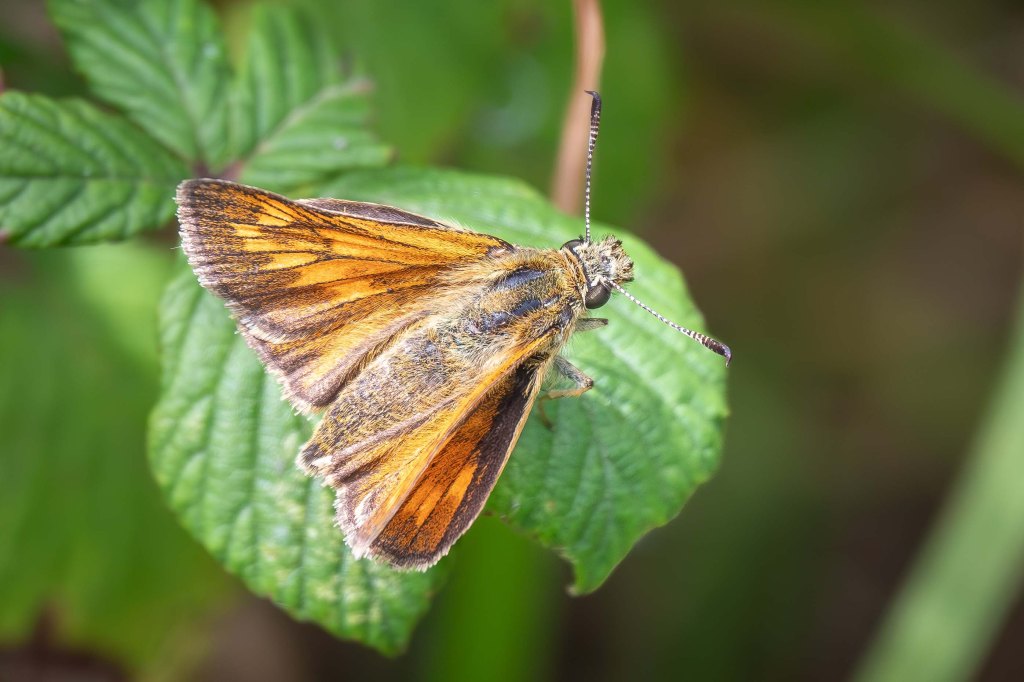
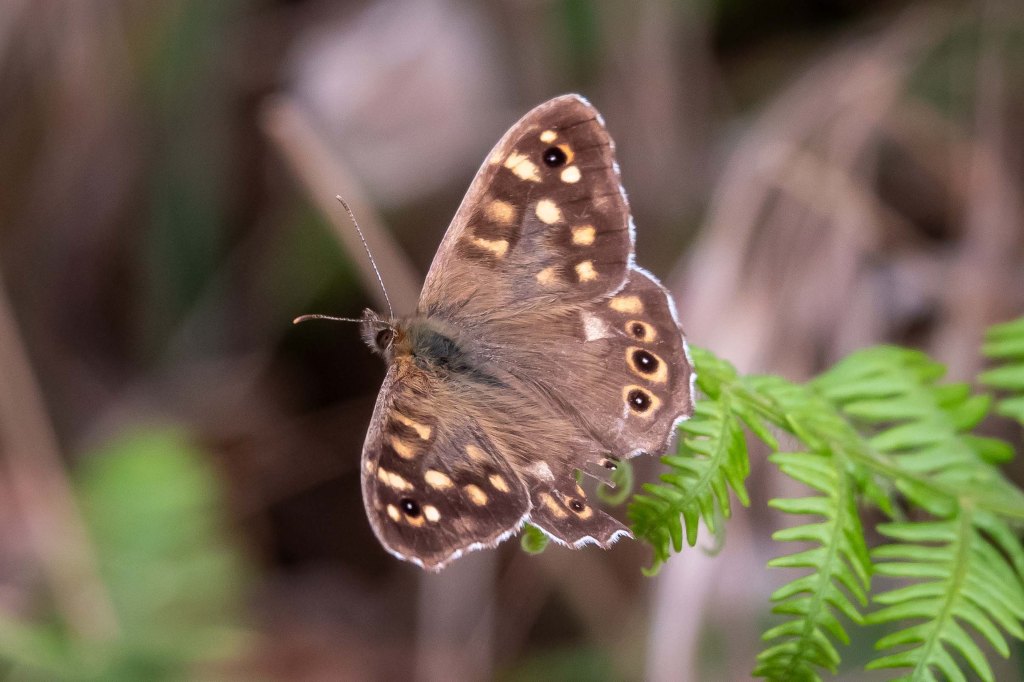
There were plenty of butterflies today and some interesting flora:
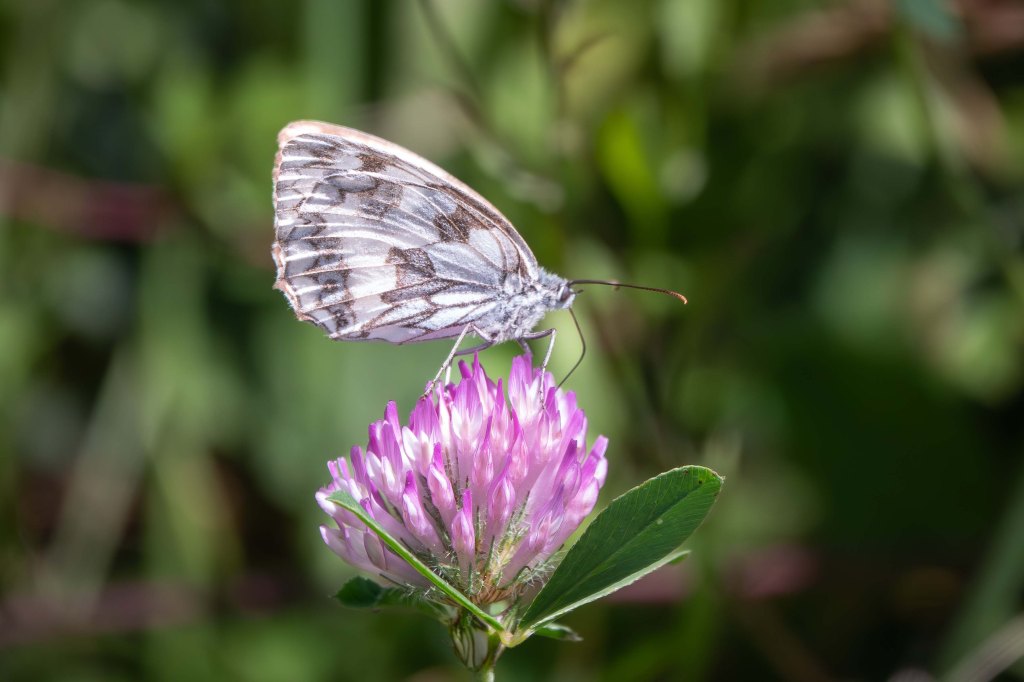
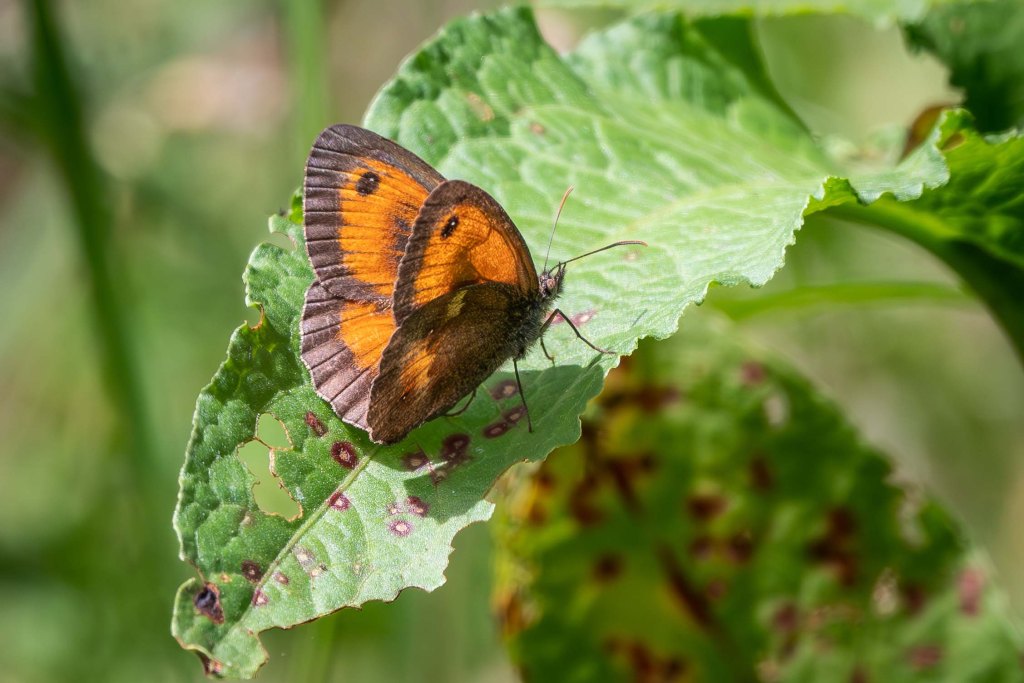
Large skipperMarbled whiteGatekeeperSpeckled woodDeadly night shadeLychen
Just as we were finishing our walk we heard a zitting cisticola. I had just one go at photographing it before it flew off and was quite pleased to get a reasonable shot.
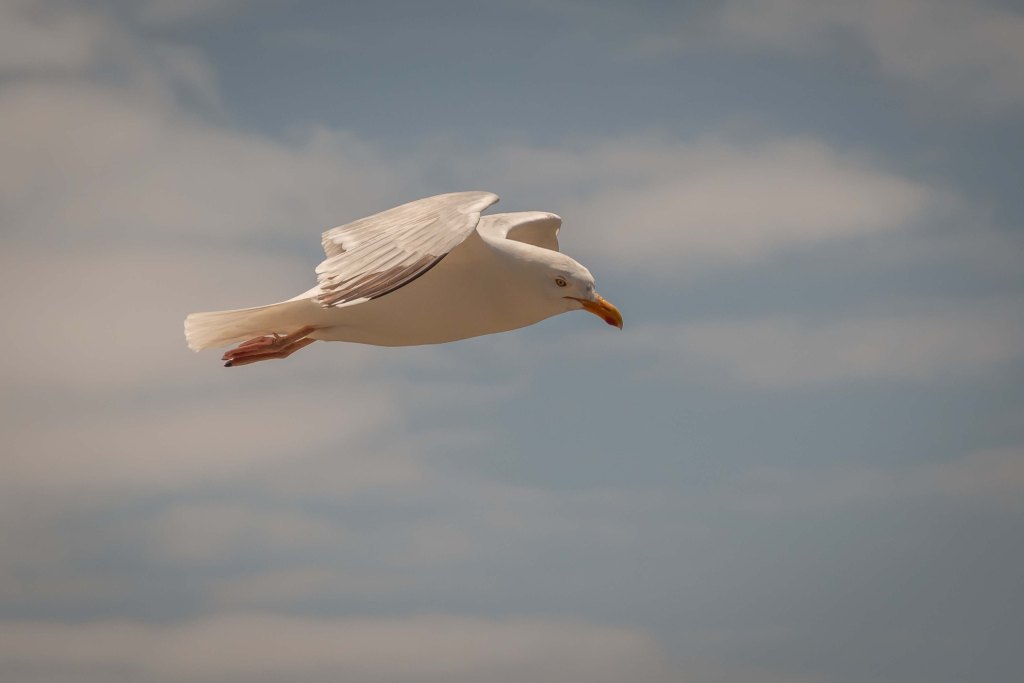
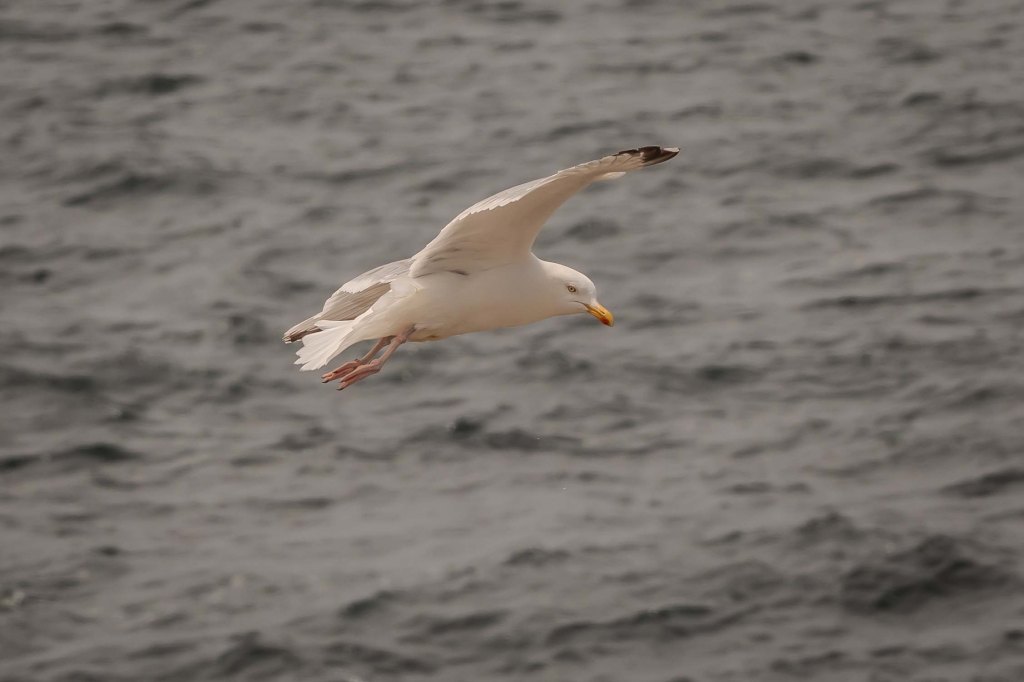
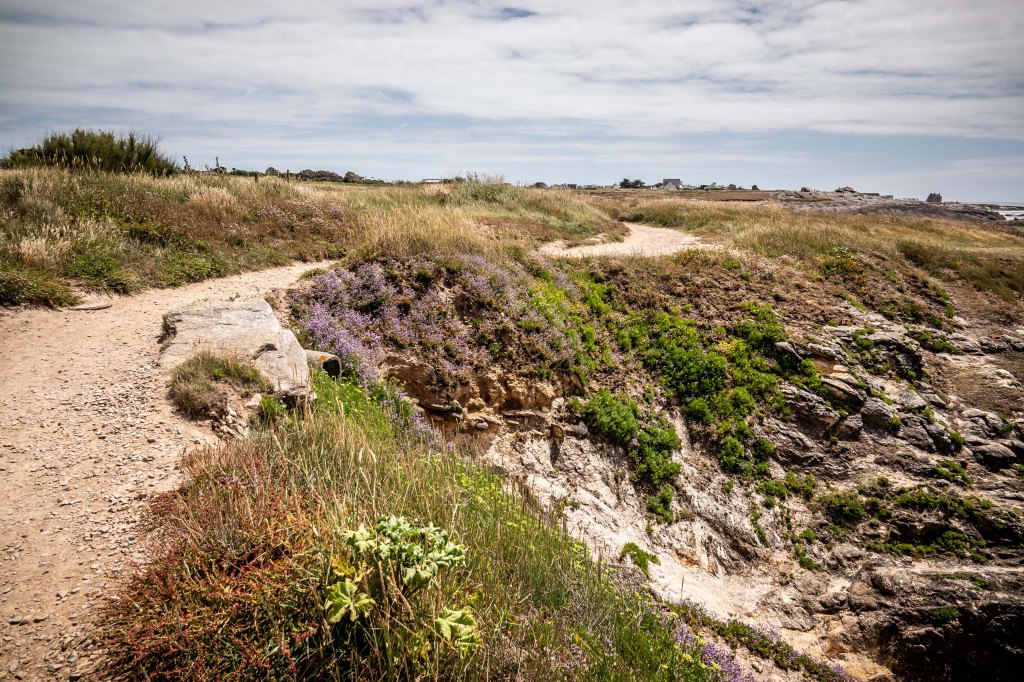
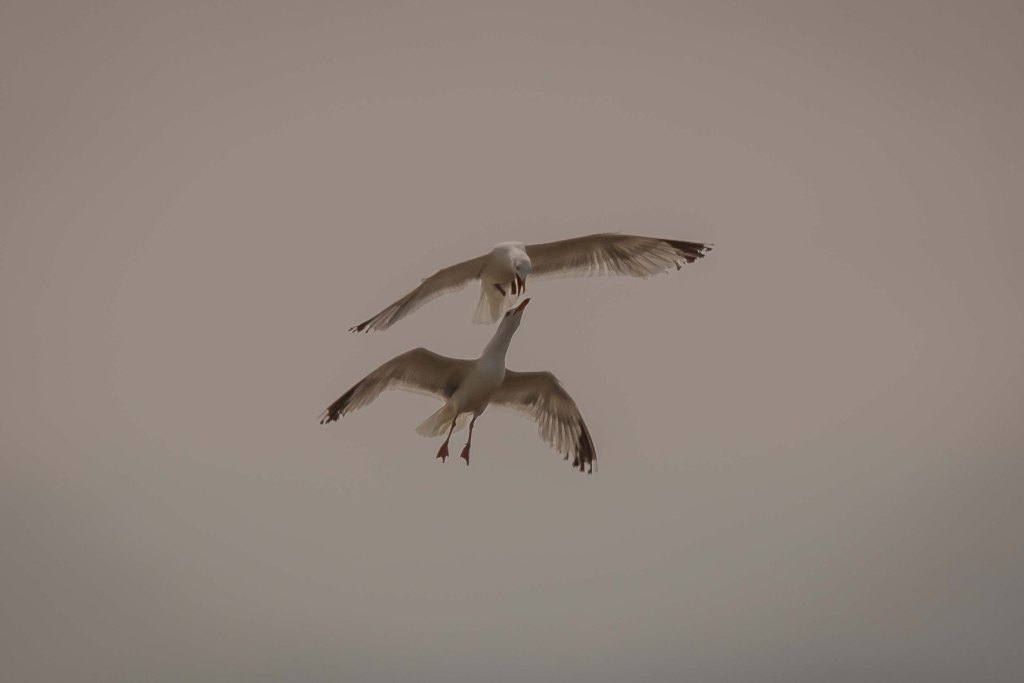
With a spectacular rugged coast to the west and beautiful sandy beaches to the east, the Quiberon Peninsula offers 14 km of varied landscapes. We spent most of the day on the rugged west coast enjoying a walk along coastal paths which were quite accessible to us and having a leisurely lunch in the very popular “Le Vivier” seafood restaurant. Sitting on the terrace of the restaurant we had close up views of herring gulls which had clearly learnt their manners from British seaside resorts.
Herring gullSpectacular scenery of la Côte SauvageHerring gull
Not many other birds (except for cormorants) but plenty of flora.
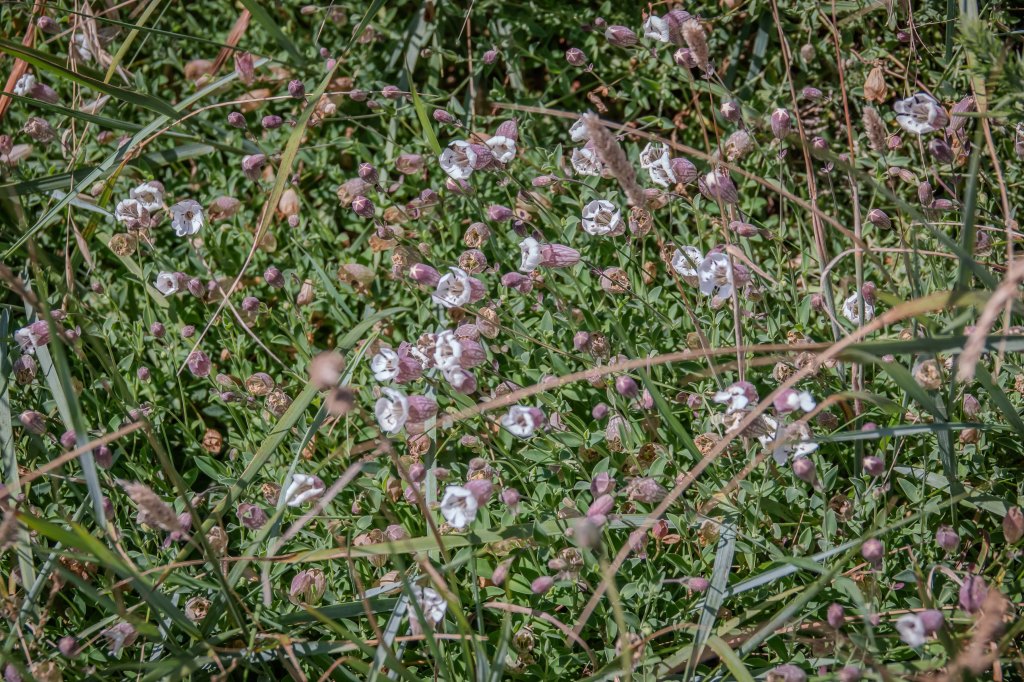
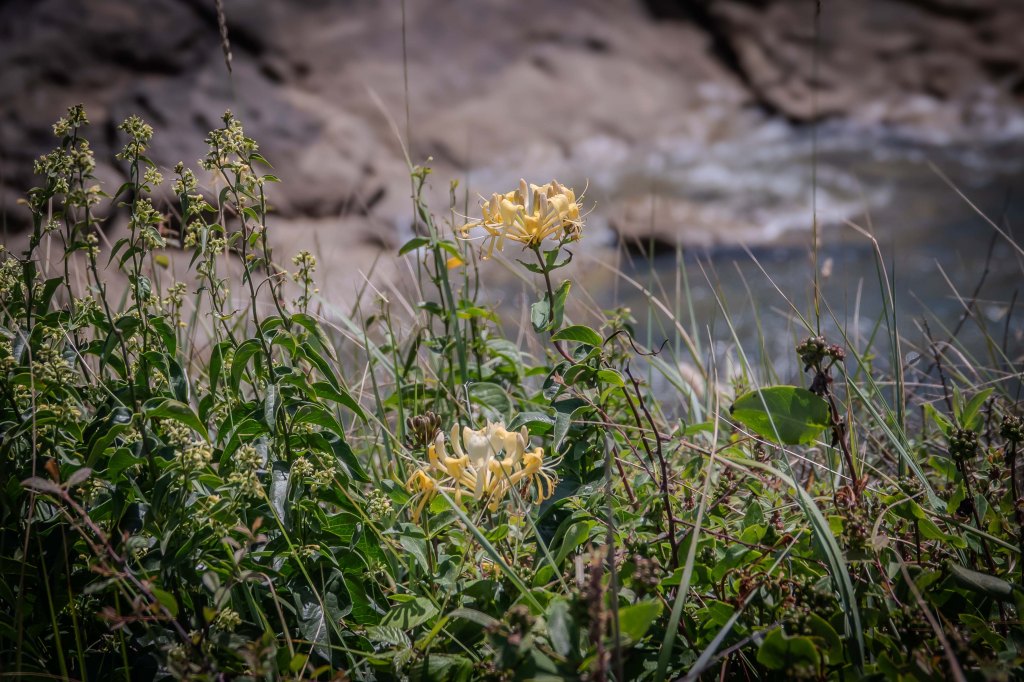
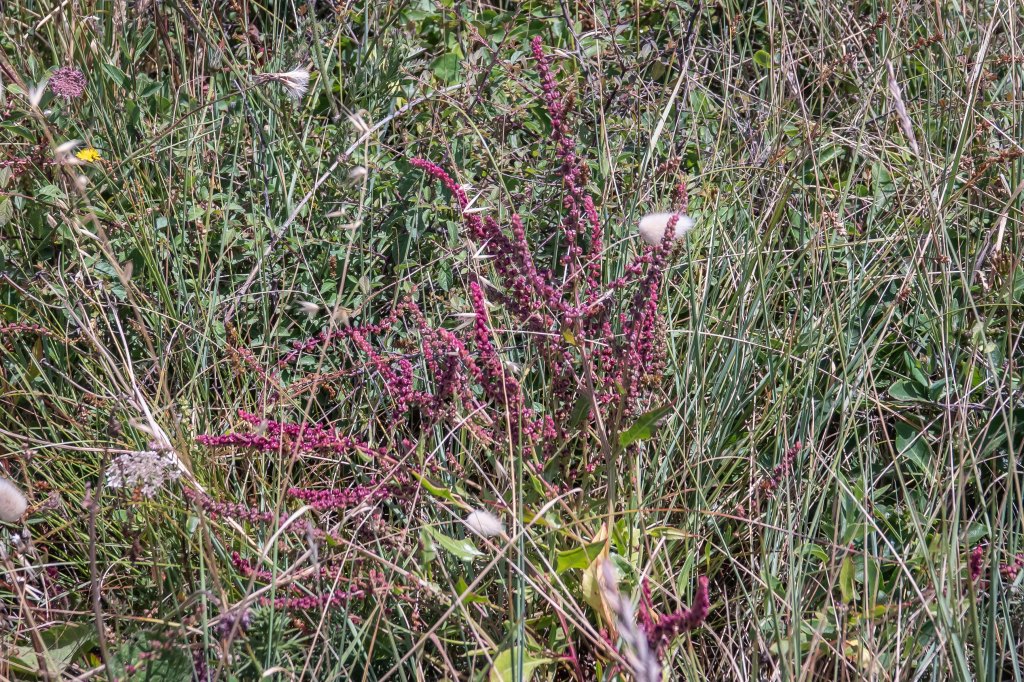
Some sort of thyme I thinkSea campionSea thrift (not so pink now)A different type of thyme… and these lovely yellow flowers (which one search suggested Italian hawksbeard)HoneysuckleA parasitic plantEven the dock was quite vivid with a little sunshine on it.Squabling gullsA quite imperious herring gull
Yesterday was a “birding” day and we saw very few birds, today was a “non-birding” day and we saw loads.
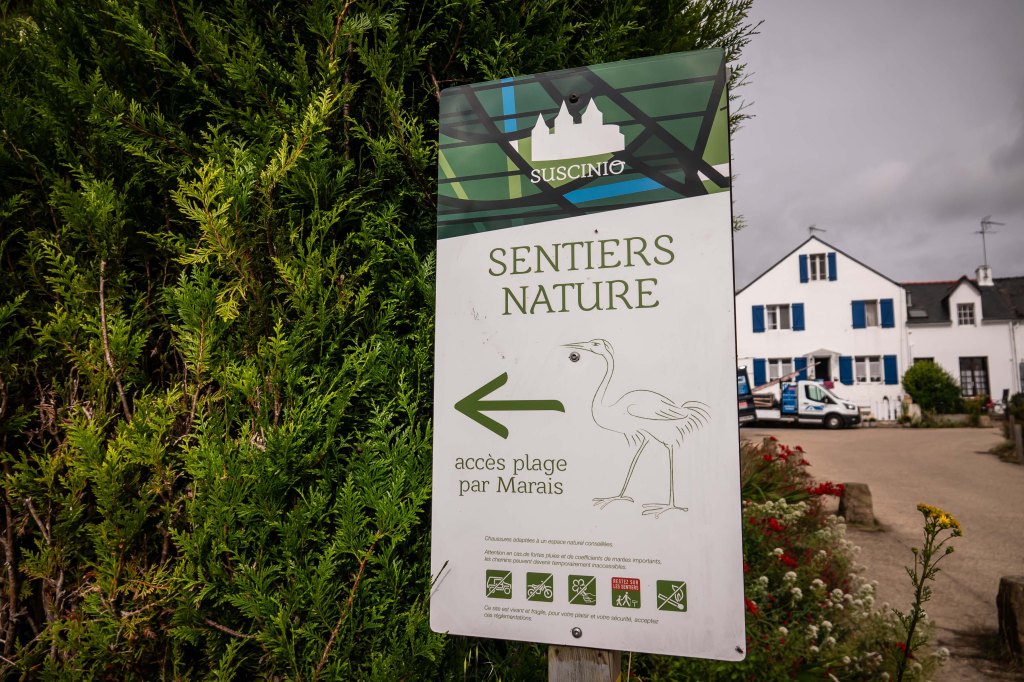
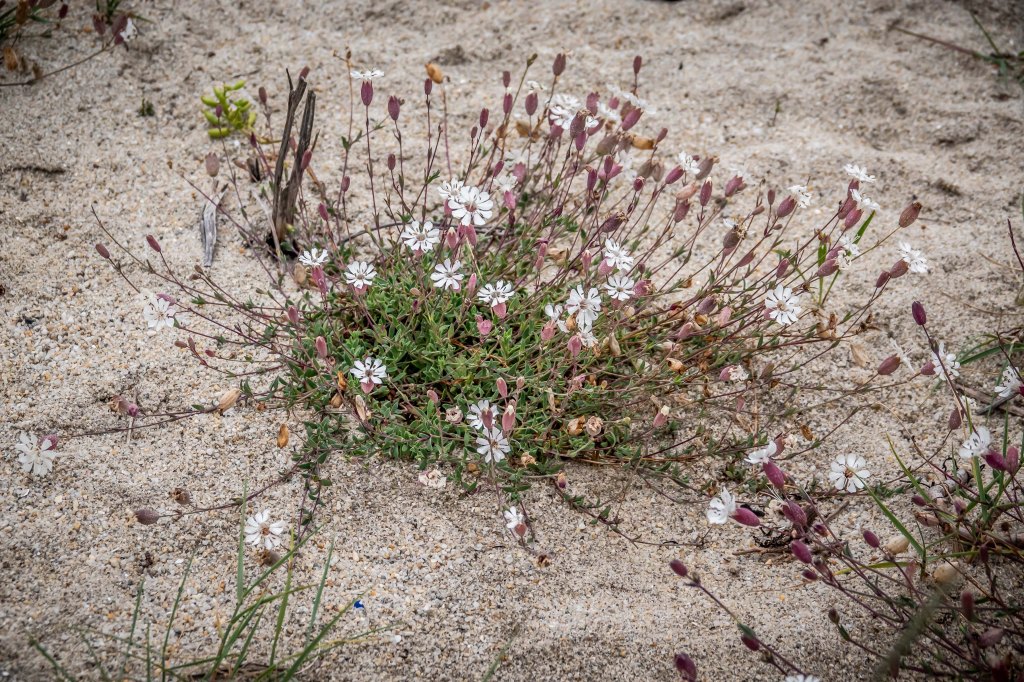
Our visit to the Château de Suscinio brought plenty of surprises: as well as the visit to the wonderfully restored 800 year old castle we had a lovely walk around the natural park which is separated from the gulf of Morbihan by sand dunes which, in themselves, are of great interest with their huge biodiversity.
The château de SuscinioSileneSamphireQuite some biodiversity. I think I would have been happier with a swallow-tail butterfly which are seen here.
We saw no bluethroats, which are reported here, but I was not too disappointed as the poor weather, with very poor light, meant that I would have had poor photos. I’m quite happy to wait for better weather to see these beautiful birds .
The swifts screeching around the castle were a highlight – you’ll have to take my word for it as I didn’t manage one decent shot of a swift.
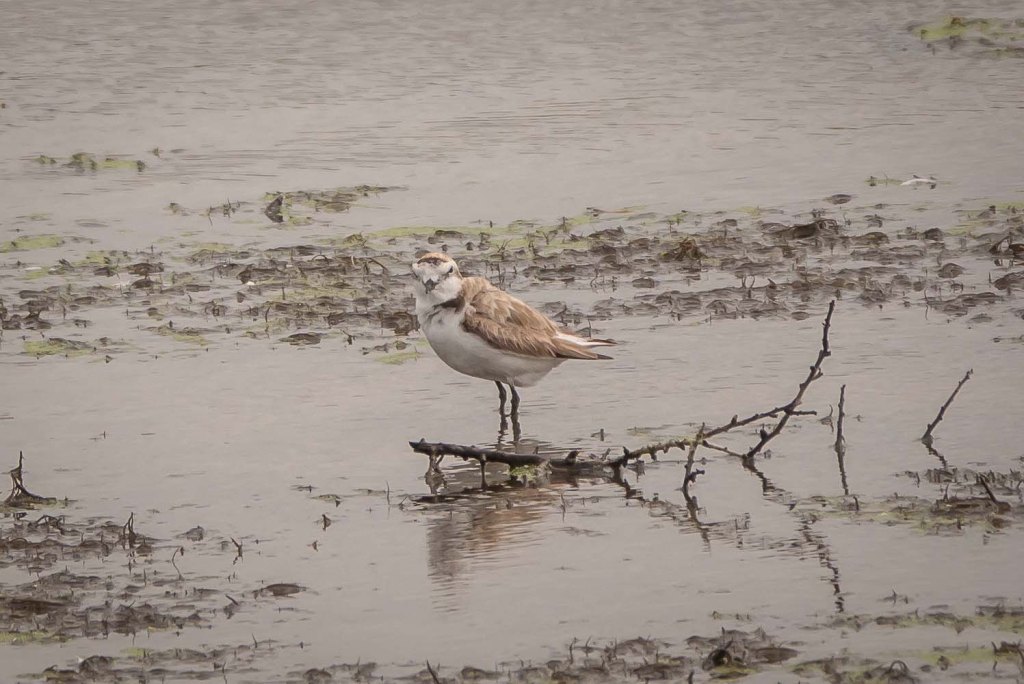
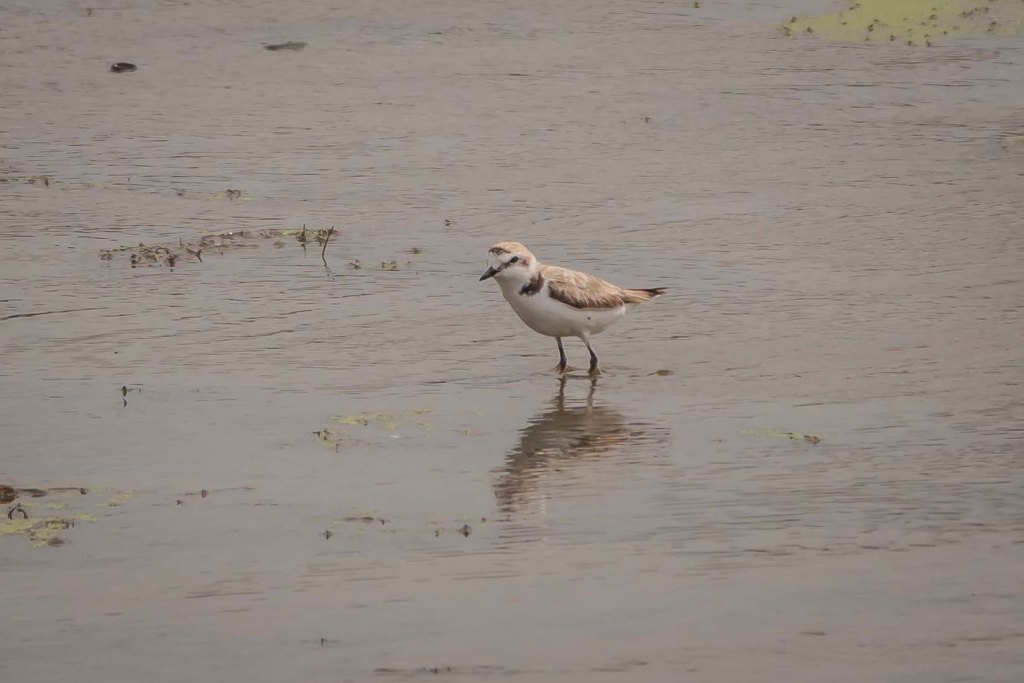
I was, however, very happy to see a Kentish Plover, as these are often reported here. We only managed to see one though.
Kentish ploverAt least linnets stand out in the gloomStonechats don’t always pose at the top of a branch
There were plenty of pied avocets, black-winged stilts and common terns which, although not too distant, were quite difficult to photograph in the poor light. I’m not really complaining as if we had wanted to be assured of better weather we wouldn’t have come to Brittany. At my time of life it’s better to be complaining about drizzle than extreme heat!
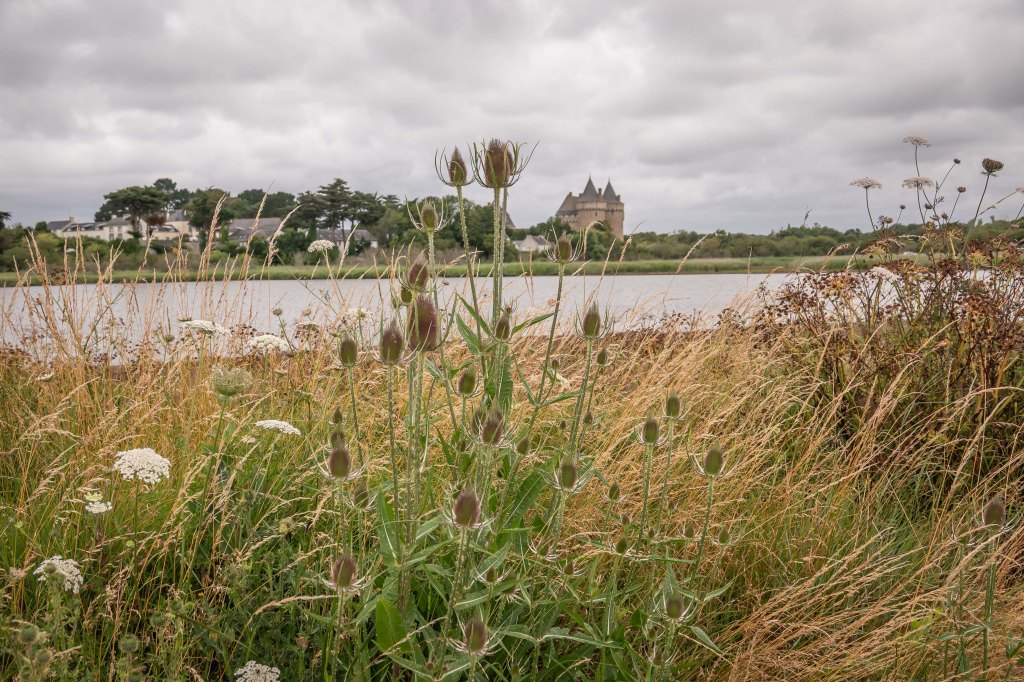
Pied avocetsA pied avocet chickKentish ploverThe château de Suscinio across the waterWild teaselCommon tern swooping to drinkBlack-winged stiltLittle egretCattle egrets across the castle’s lake – by now the rain had fully set in
Supposedly the Marais du Brennegi is a great area for bird watching.
“The ancient salt marshes, sandy peninsula and large mudflats offer a superb environment for observing birds. Among the breeding birds, one can observe Kentish Plover, which generally settle on the large sandy beaches.”
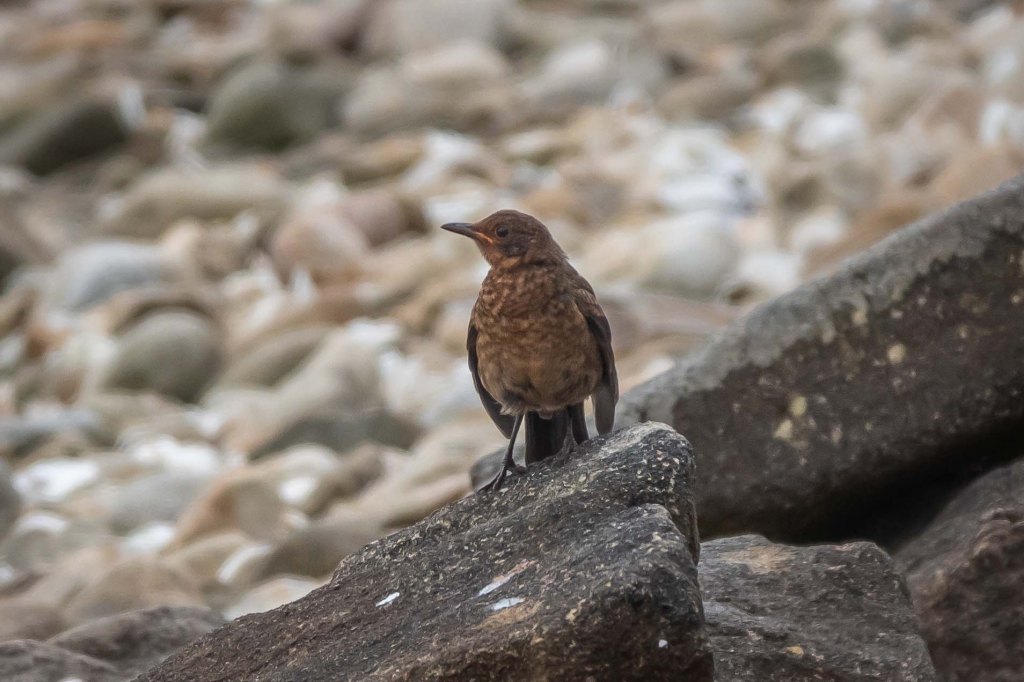
Well, we had a lovely walk but I managed only one bird photo (of a blackbird!) and only one butterfly in focus (although we did see small coppers and a marbled white).
BlackbirdSpeckled wood
However, all along our walk we heard skylarks singing, so we are certainly not complaining. Perhaps, though, they were complaining about the grey skies and the chill wind!
As the French say, “faute de grives on mange des merles” (Beggars can’t be choosers). Well, I certainly wasn’t going to start eating blackbirds so I turned to photographing the flora of the shore line.
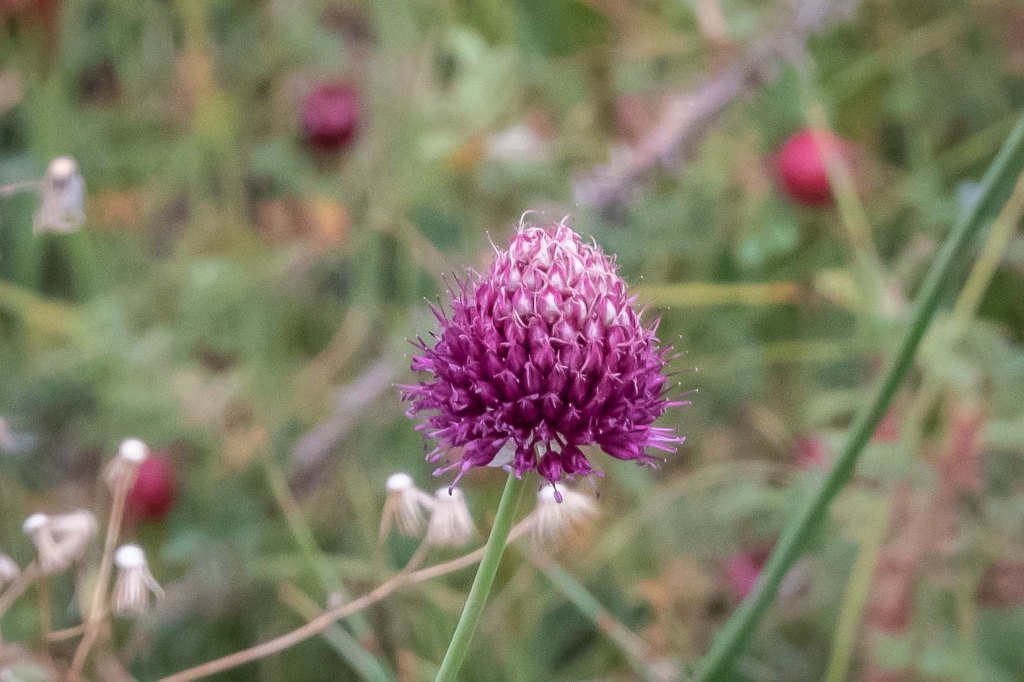
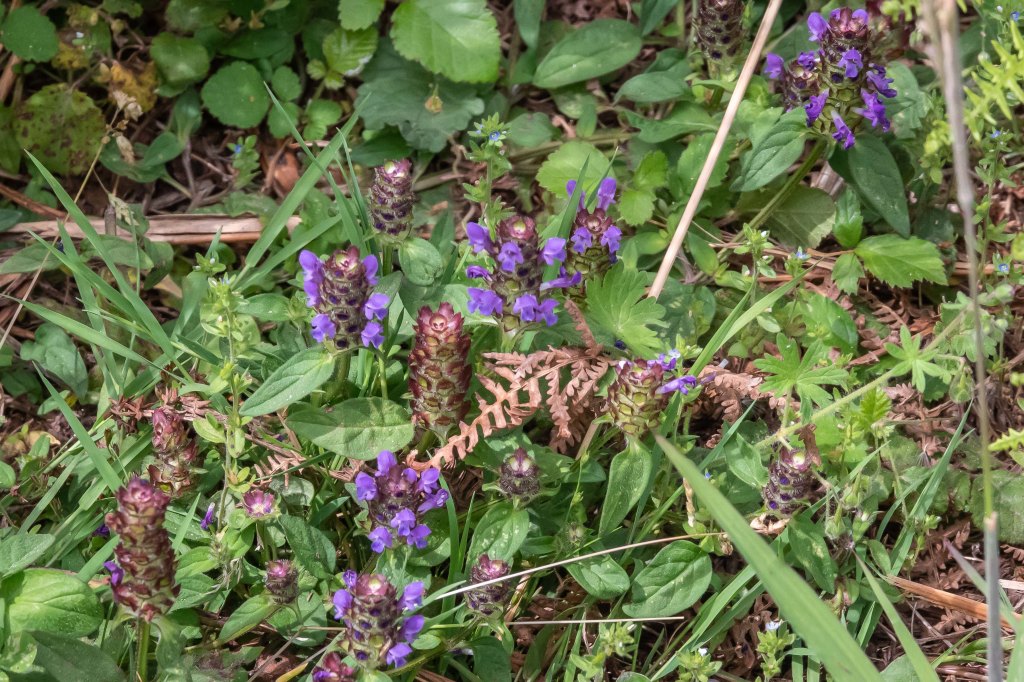
Matthiola sinuata, commonly known as sea stockThe marram grass and the dunes are well protected hereCentaurium erythraea commonly known as European CentauryAllium sphaerocephalon – round-headed garlicIs this (and does this?) Heal-All (prunella vulgaris)
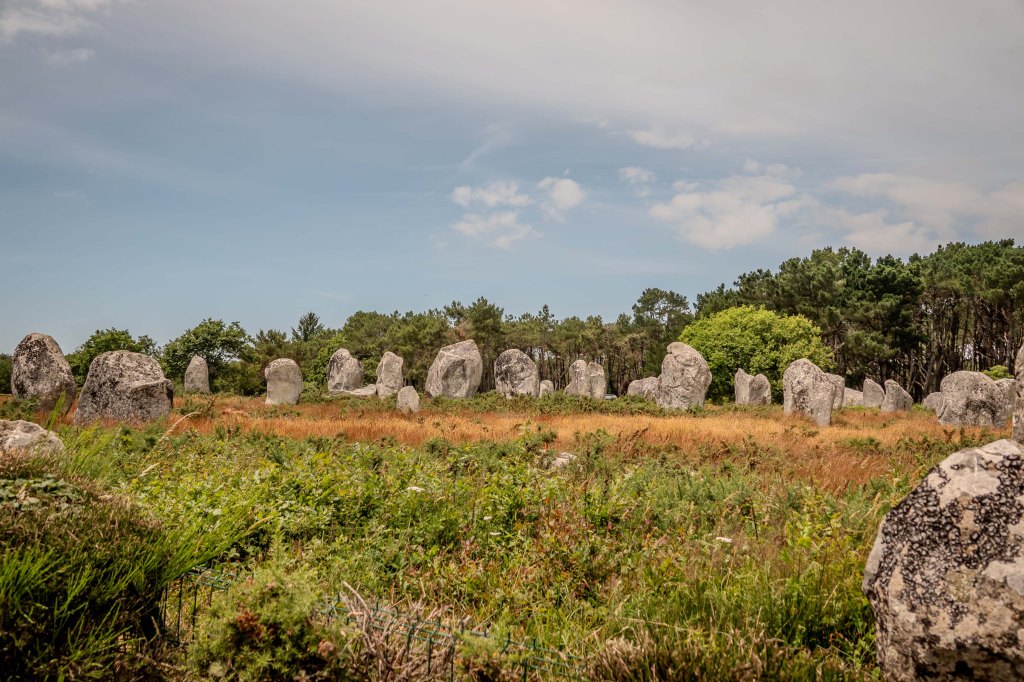
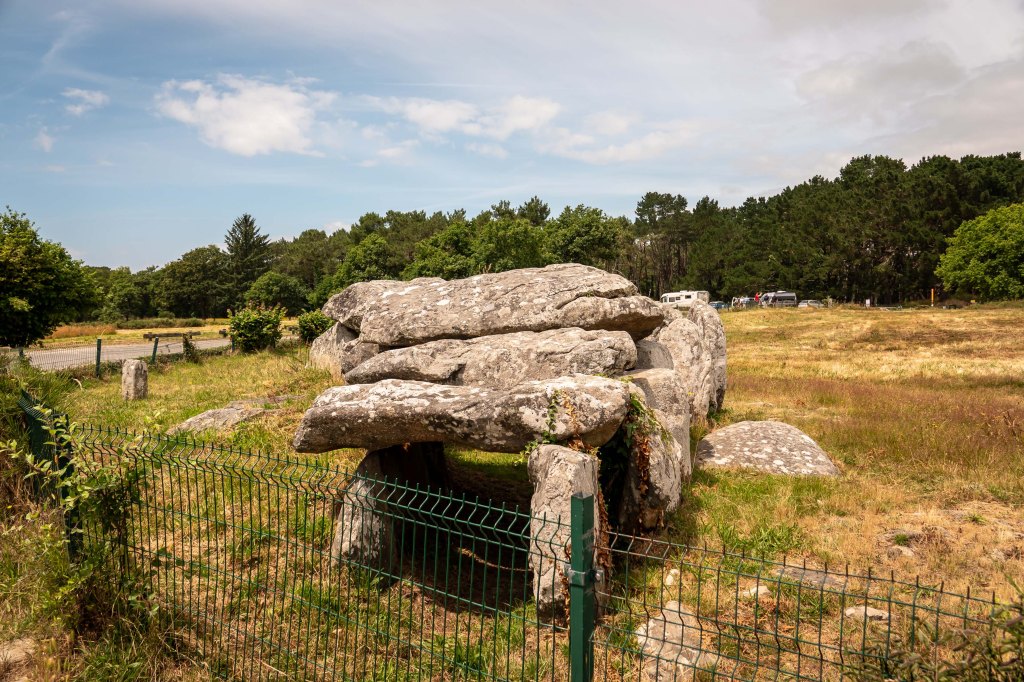
In the afternoon we visited “Les alignements de Carnac” – the most extensive group of conserved megaliths in Europe.
The stone alignments in Carnac were erected in Neolithic times. They are the most famous and most impressive examples of standing stones from this period, with some 3000 standing stones.
We didn’t see them all but that was probably because we had had enough of the chill north-west wind





















































































 Martin's Bird Blog & Nature Photos