Tag: Flowers

  • 26th May 2025 – The Camargue, France

    26th May 2025 – The Camargue, France

    A selection of photos from our first days in The Camargue in the south of France. What a start!

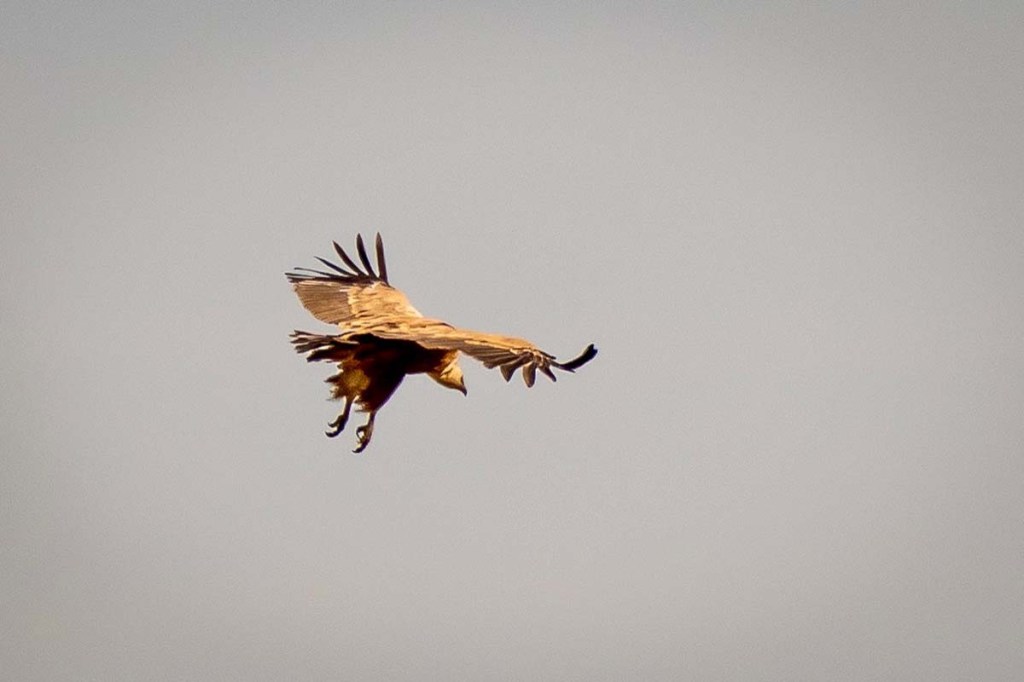
    Black kite over the hotel near Arles

    Griffon vulture near the hotel near Arles

    Griffon vulture near the hotel near Arles

    White stork with nesting material at the Marais du Vigueirat Reserve

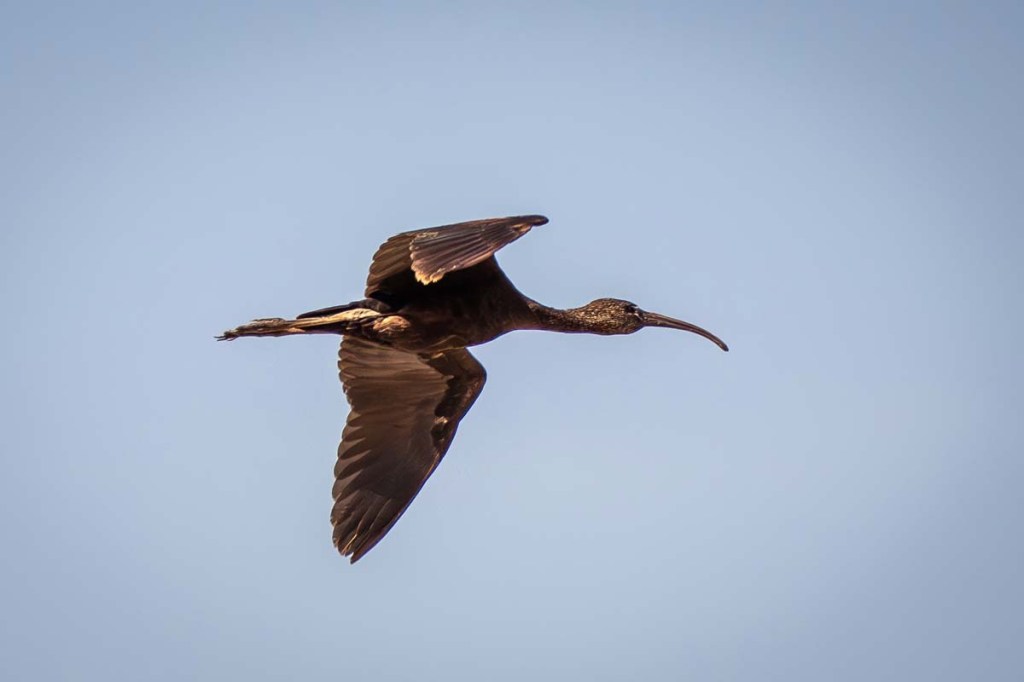
    Glossy ibis at the Marais du Vigueirat Reserve

    Cattle egret at the Marais du Vigueirat Reserve

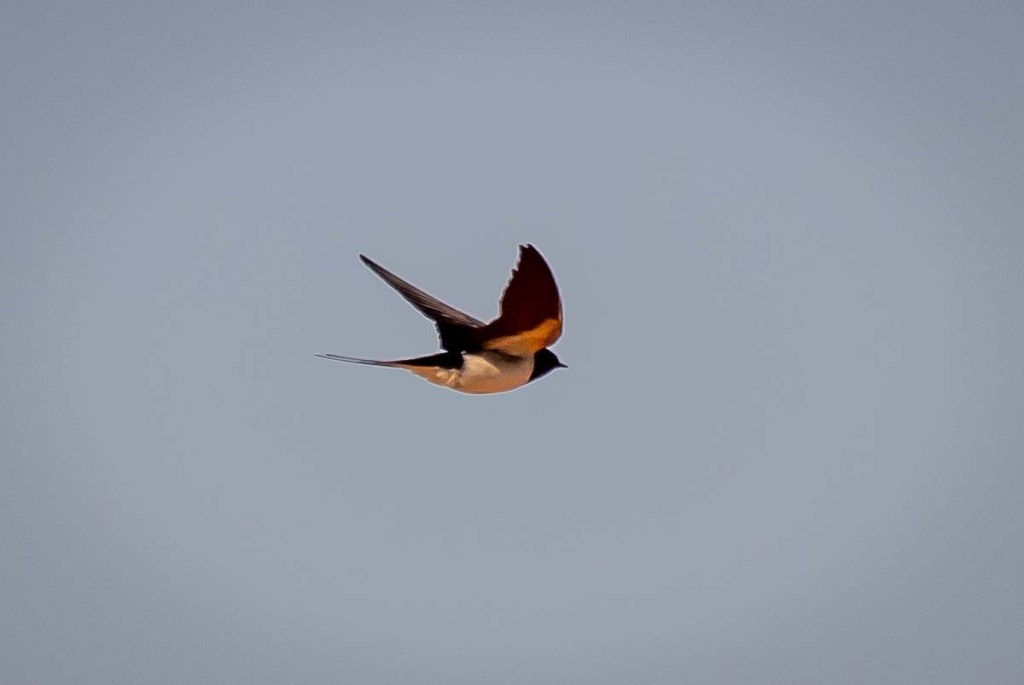
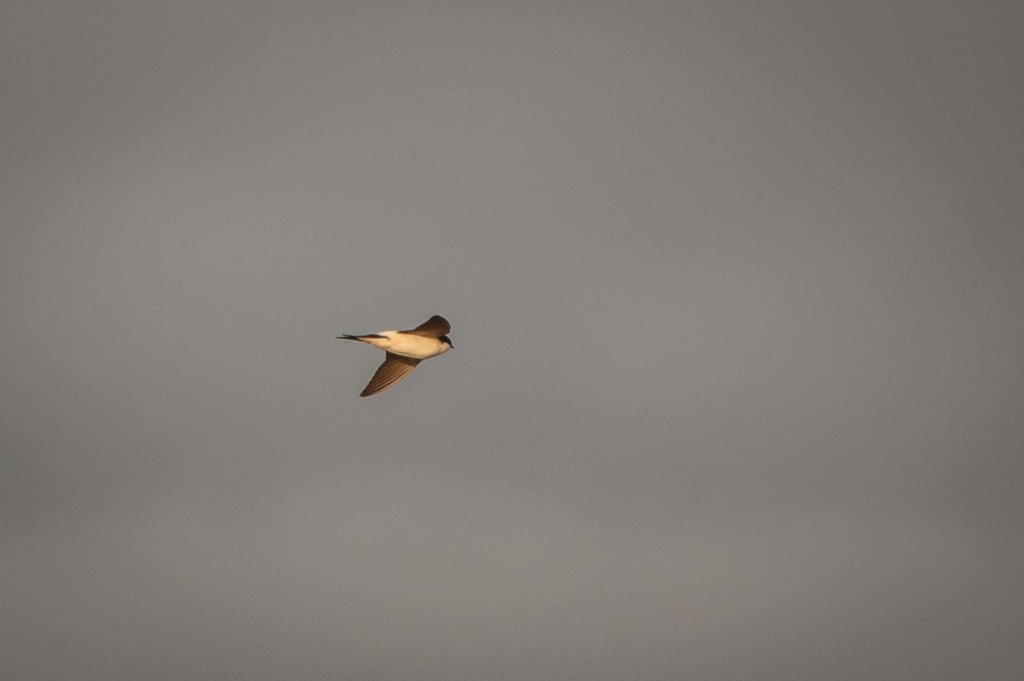
    Swallow at the Marais du Vigueirat Reserve

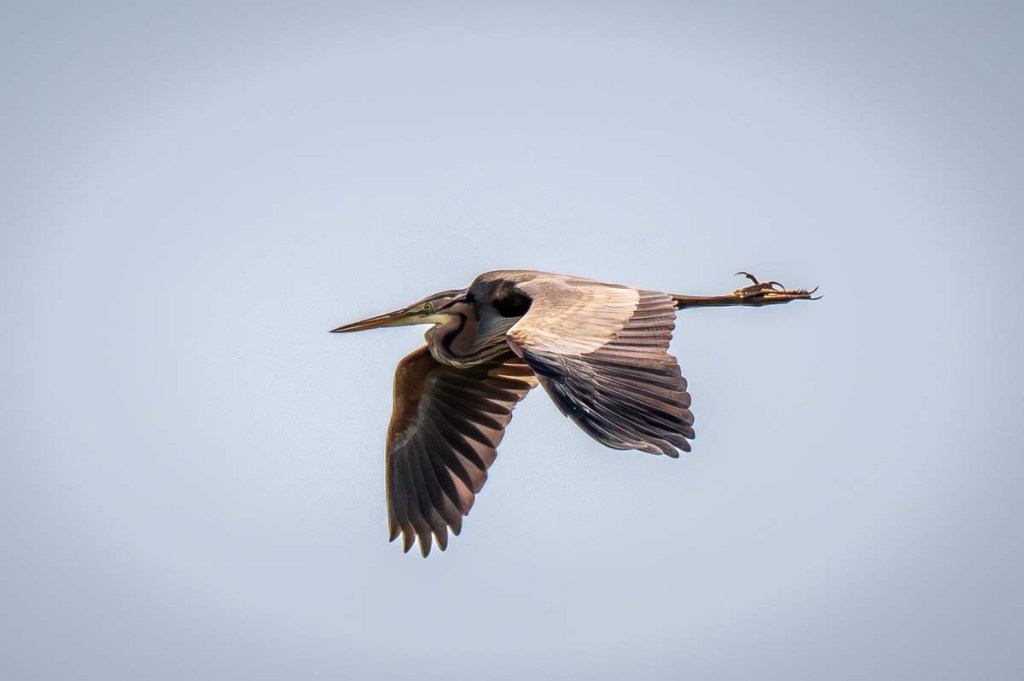
    Purple heron at the Marais du Vigueirat reserve

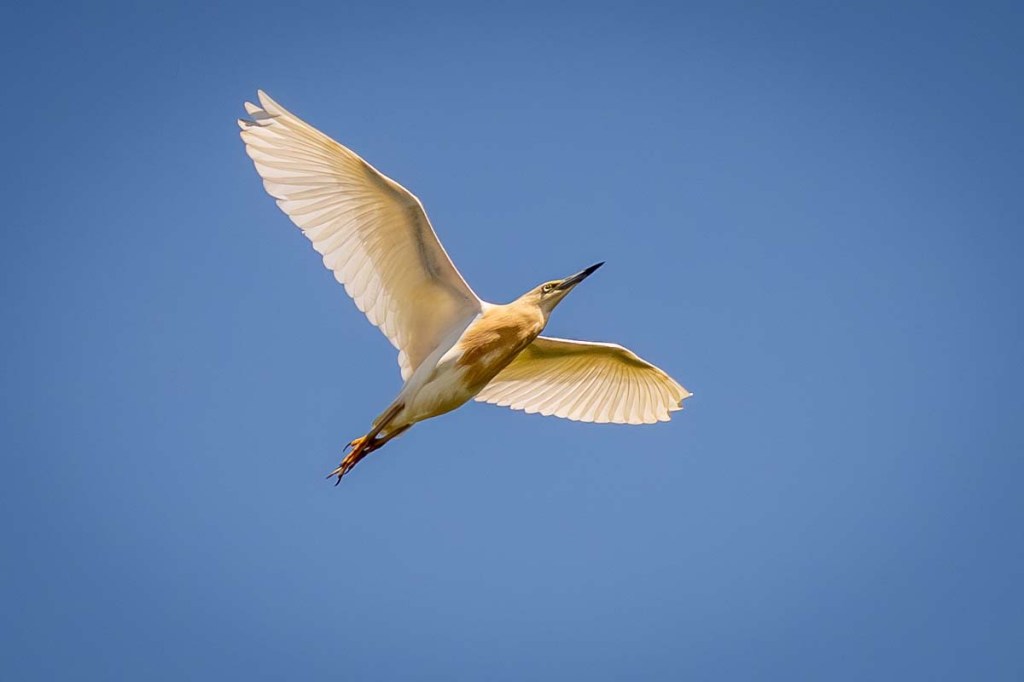
    Squacco heron at the Marais du Vigueirat Reserve

    Glossy ibis at the Marais du Vigueirat Reserve

    Coypu at the Marais du Vigueirat Reserve

    Painted lady butterfly at the Marais du Vigueirat Reserve

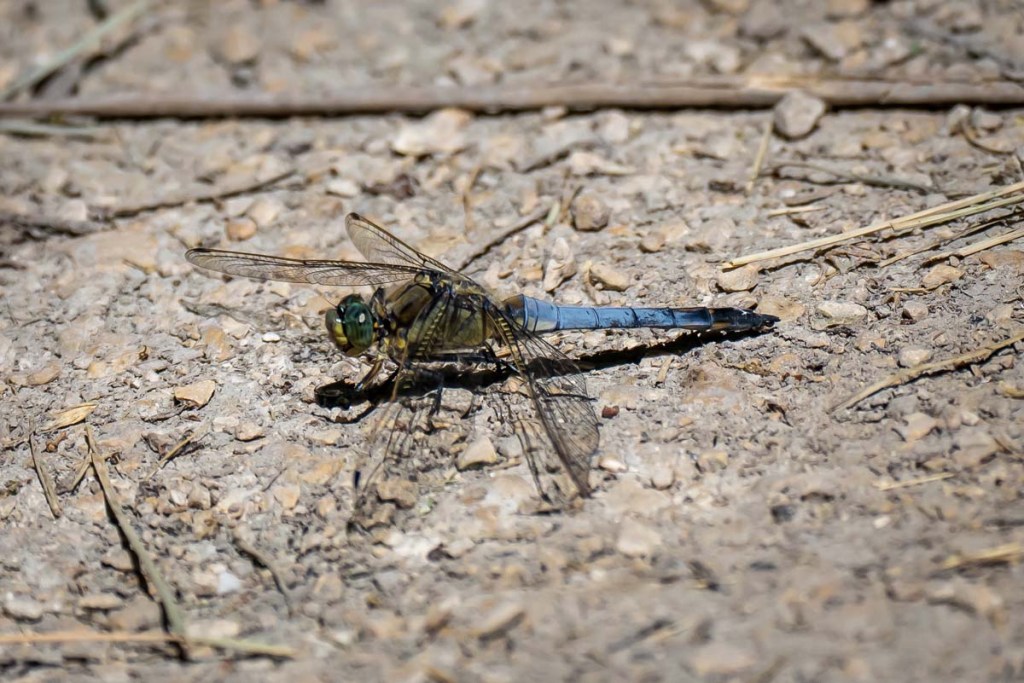
    Black-tailed skimmer at the Marais du Vigueirat Reserve

    Terrapin at the Marais du Vigueirat Reserve

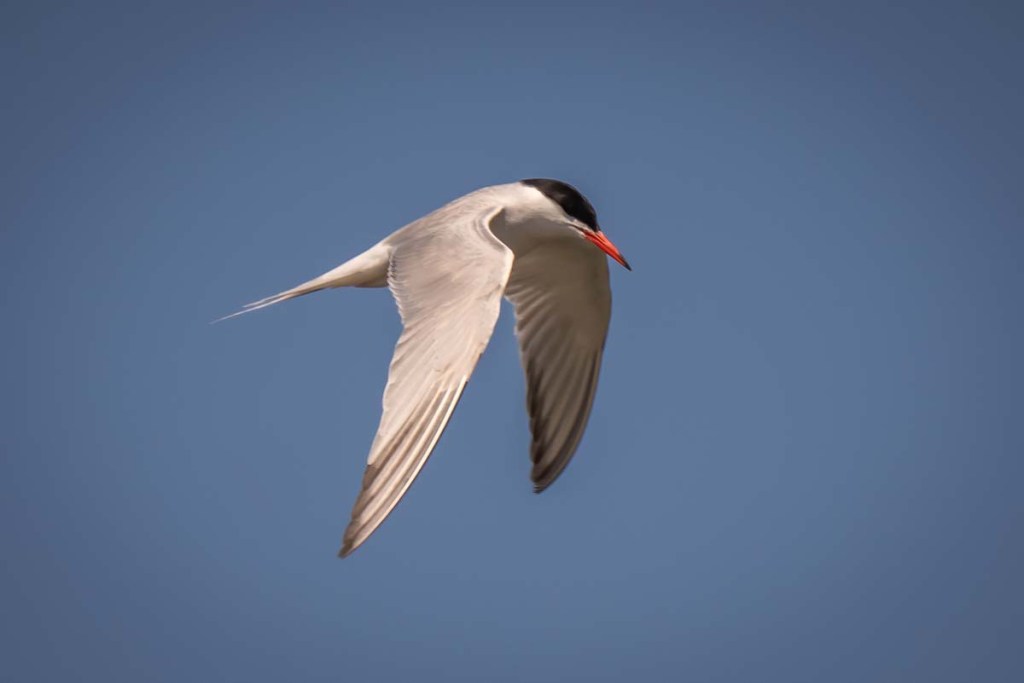
    Common tern at the Marais du Vigueirat Reserve

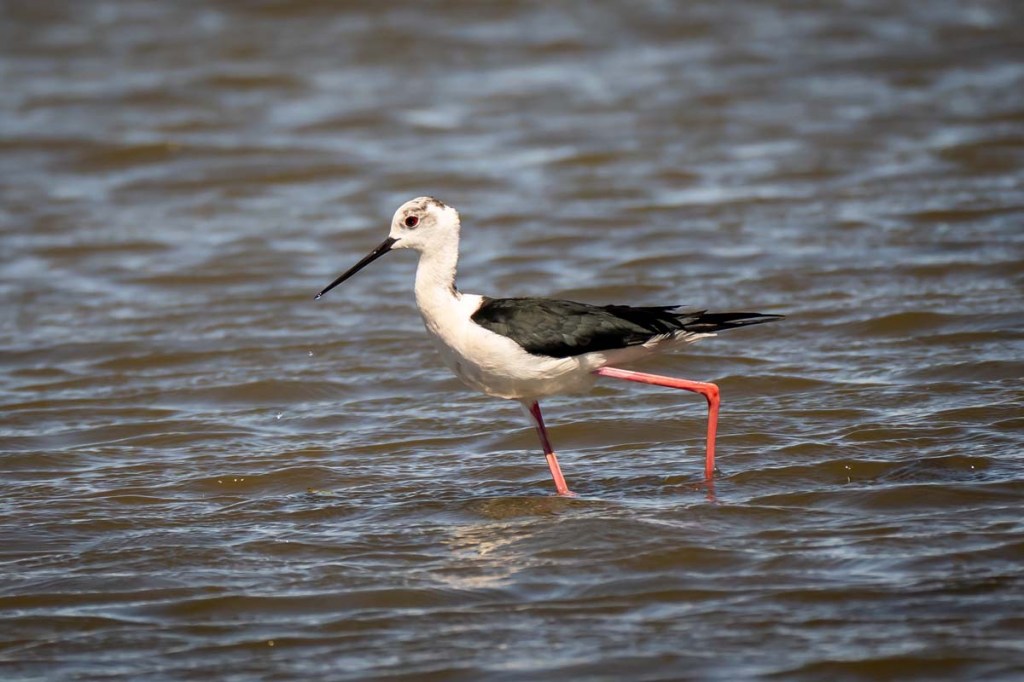
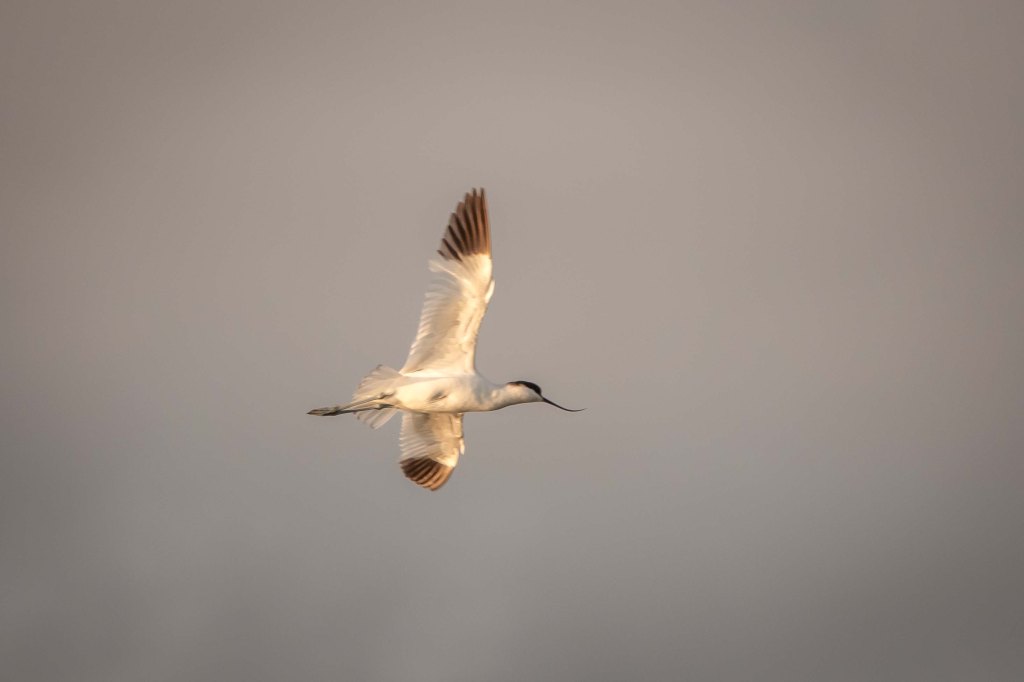
    Black-winged Stilt at the Marais du Vigueirat Reserve

    Little egret and lunch at the Marais du Vigueirat Reserve

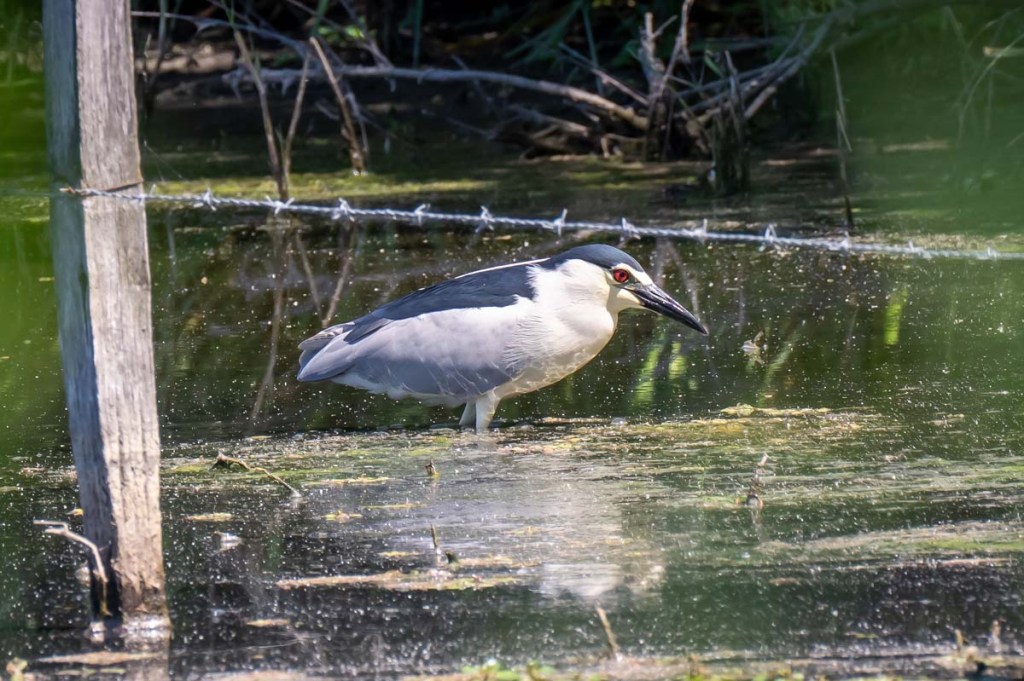
    Night heron at the Marais du Vigueirat Reserve

    Night heron at the Marais du Vigueirat Reserve

    White stork and young at the Marais du Vigueirat Reserve

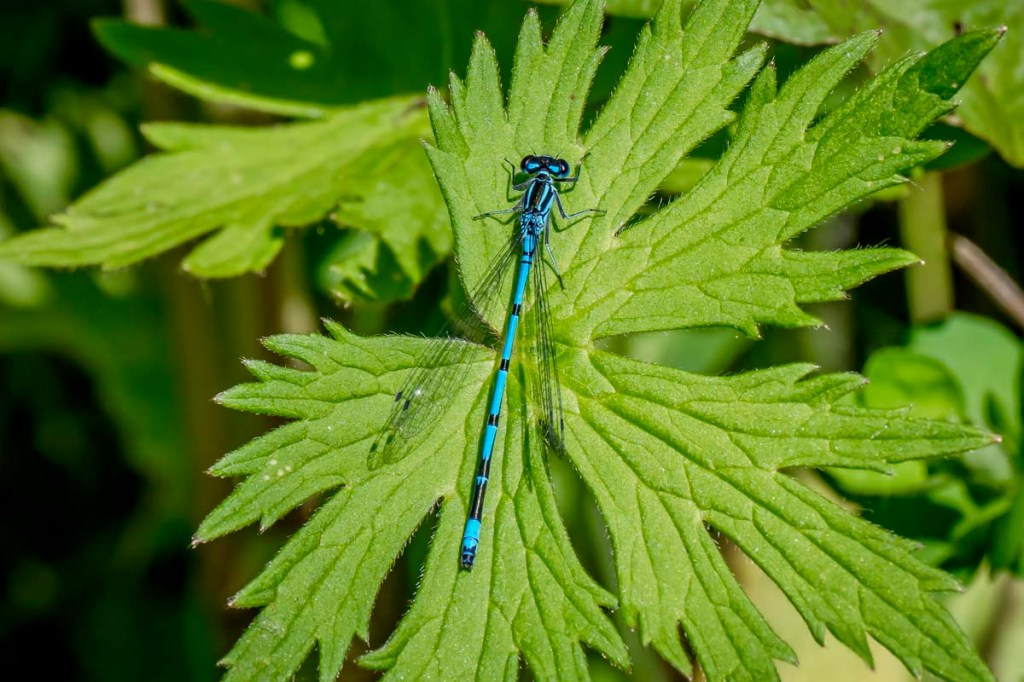
    White-tailed skimmer at the Marais du Vigueirat Reserve

    Speckled wood butterfly at the Marais du Vigueirat Reserve

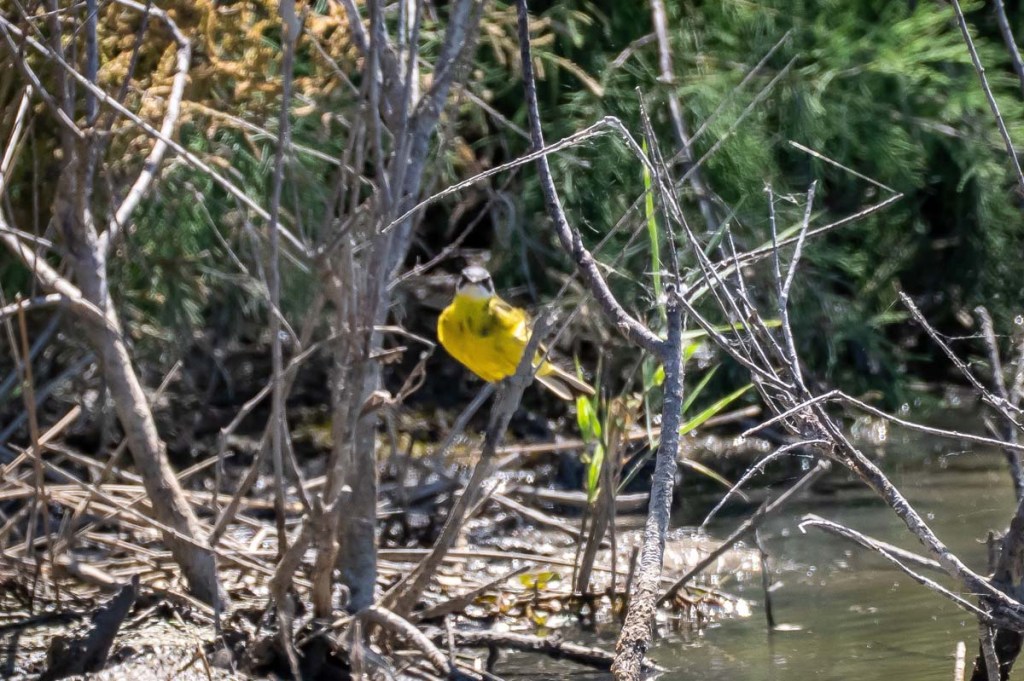
    Yellow wagtail at the Marais du Vigueirat Reserve

    Large skipper butterfly at the Marais du Vigueirat Reserve

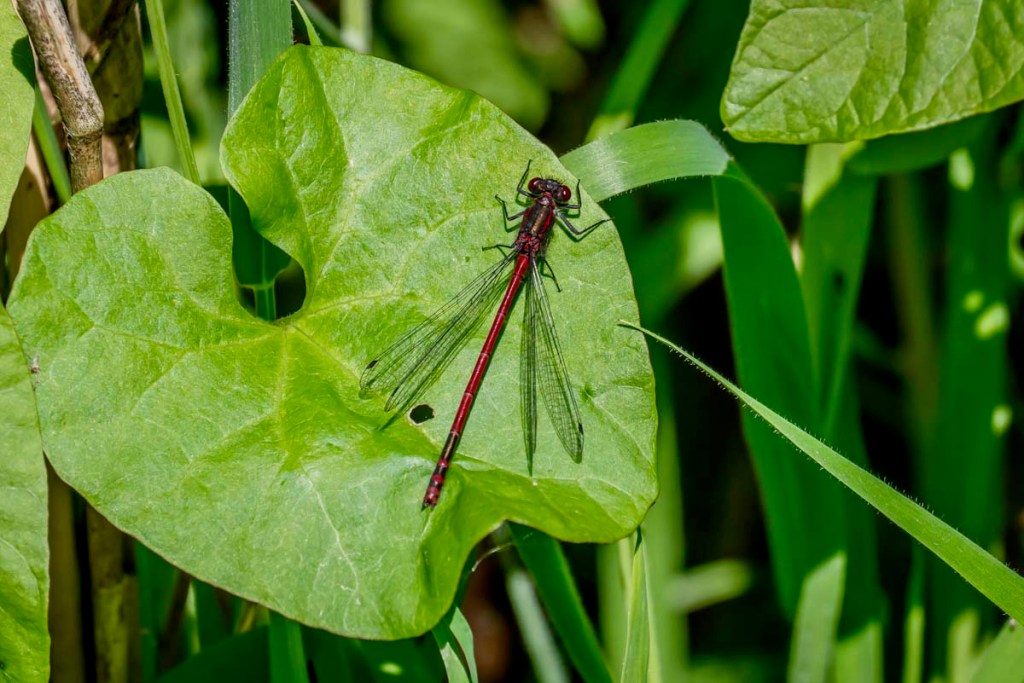
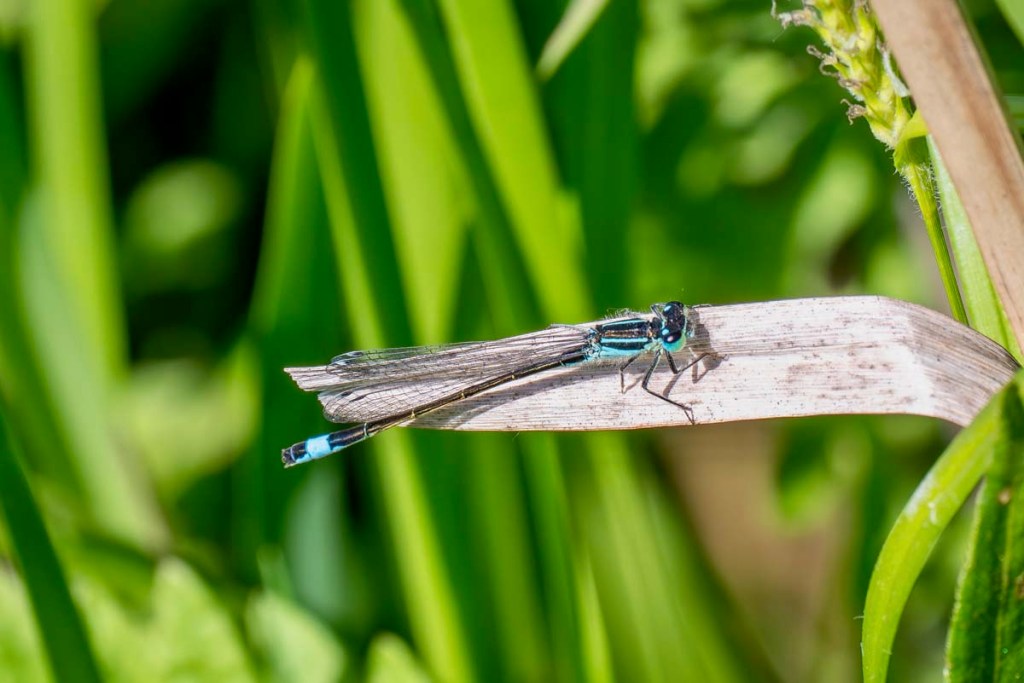
    Female demoiselle of some sort at the Marais du Vigueirat Reserve

    Camargue horeses at the Marais du Vigueirat Reserve

    Gull-billed terns and red-crested pochard at the Marais du Vigueirat Reserve

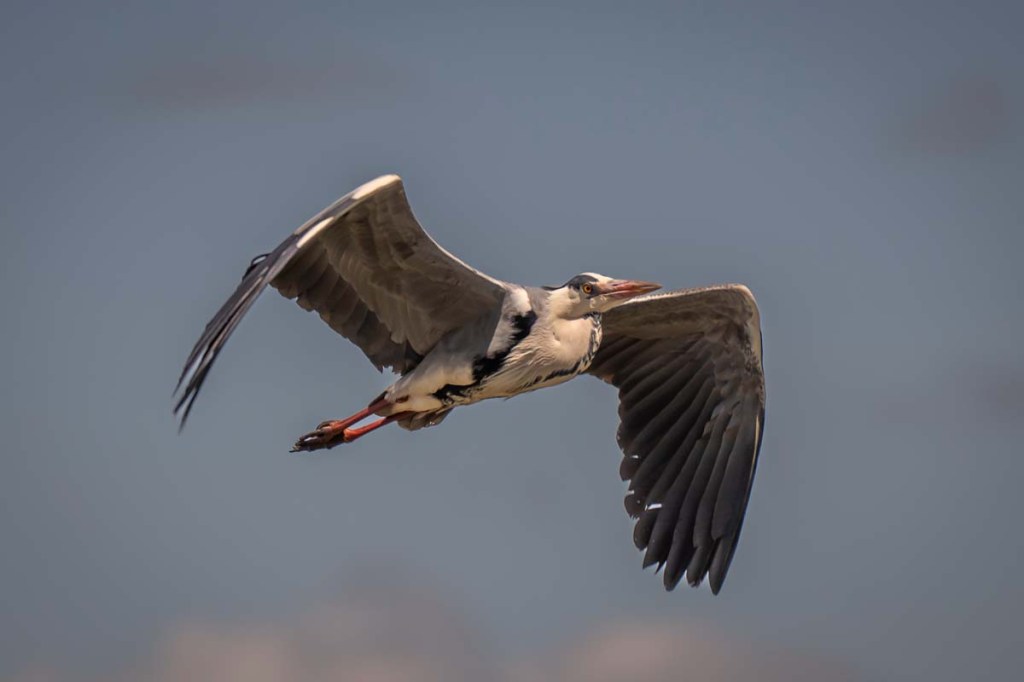
    Grey heron at the Marais du Vigueirat Reserve

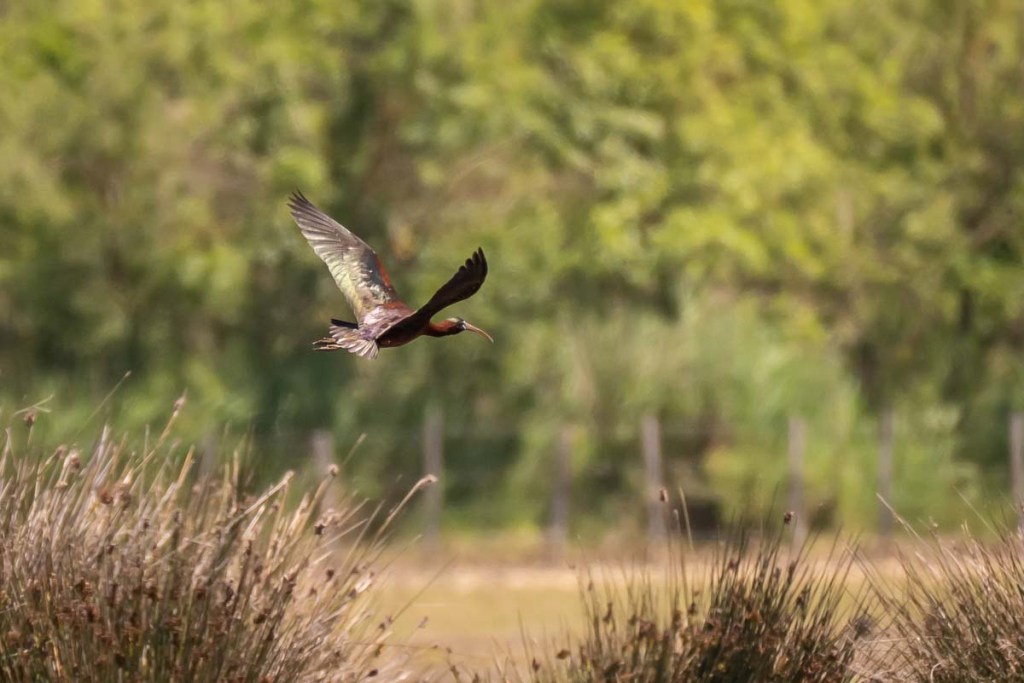
    Glossy ibis at the Marais du Vigueirat Reserve

    Squacco heron at the Marais du Vigueirat Reserve

    Camargue wild horses

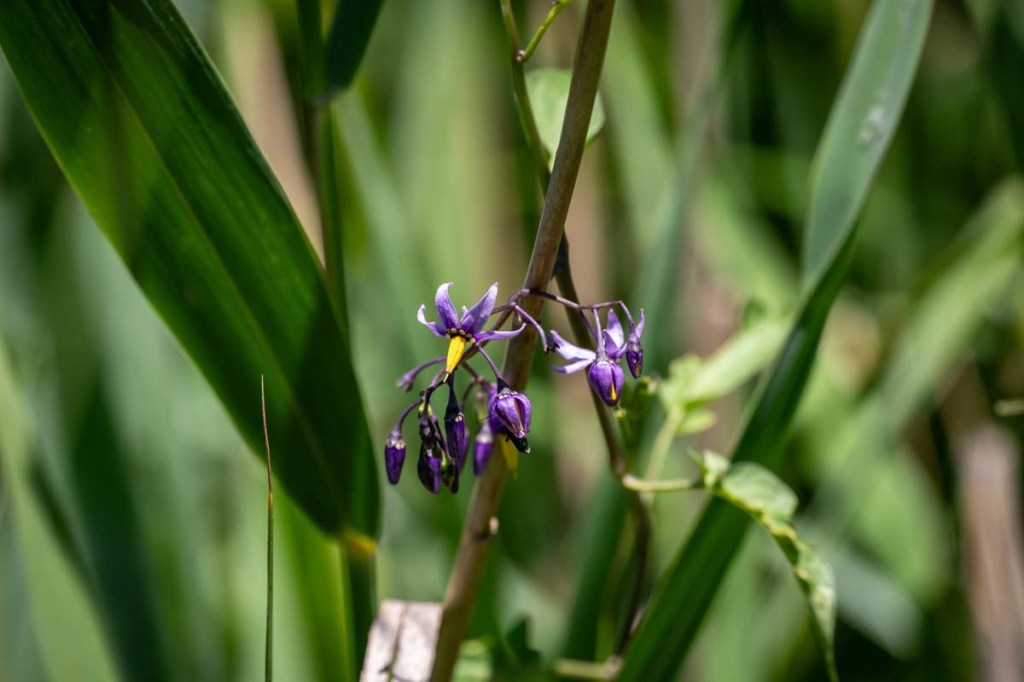
    Bittersweet or nightshade at the Marais du Vigueirat Reserve

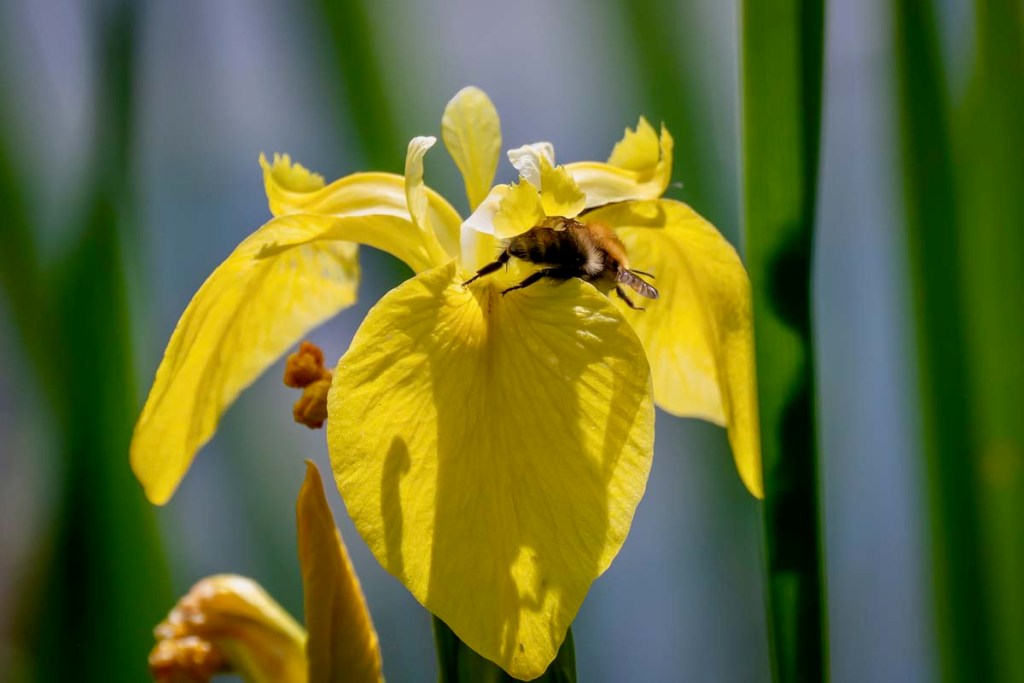
    Iris at the Marais du Vigueirat Reserve

  • 23rd May 2025 – Eastville Park, Bristol

    23rd May 2025 – Eastville Park, Bristol

    A walk around the park this morning brought a few surprises: the 14 goslings we had seen earlier in the week had all gone, presumably predated, and a grey heron, which we have not seen for a while, was back (presumably from the heronry to which they disappear at this time of the year).
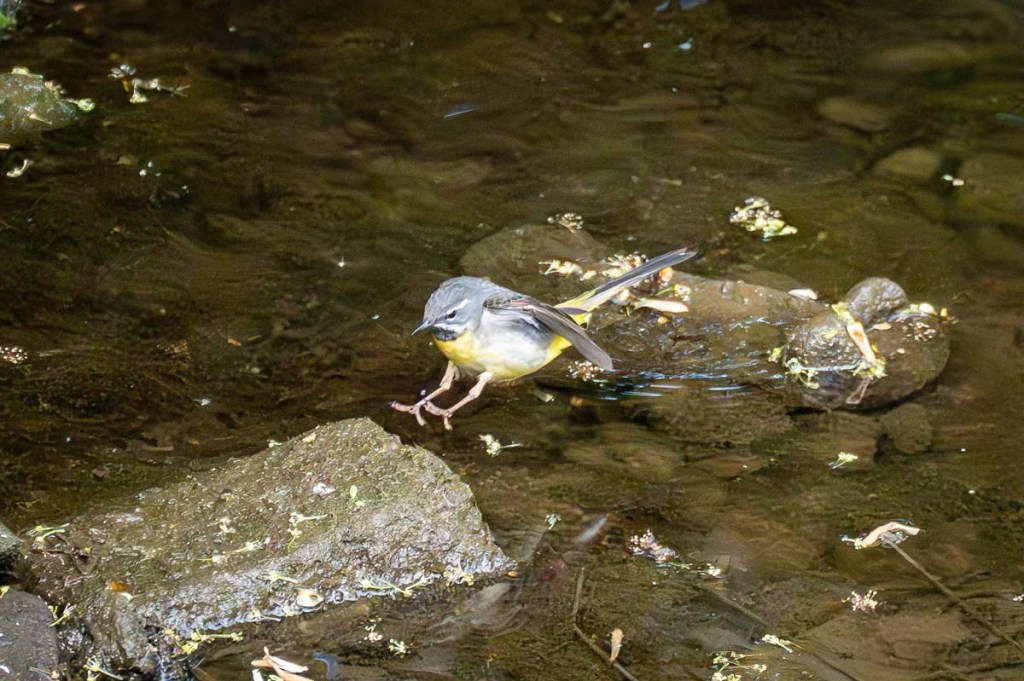
    A grey wagtail leaping from one stone to another on the River Frome

    A wren, one of the noisiest birds but often the most difficult to see, beneath the tree canopy.

    The grey heron pretending to sleep

    The five cygnets were safe

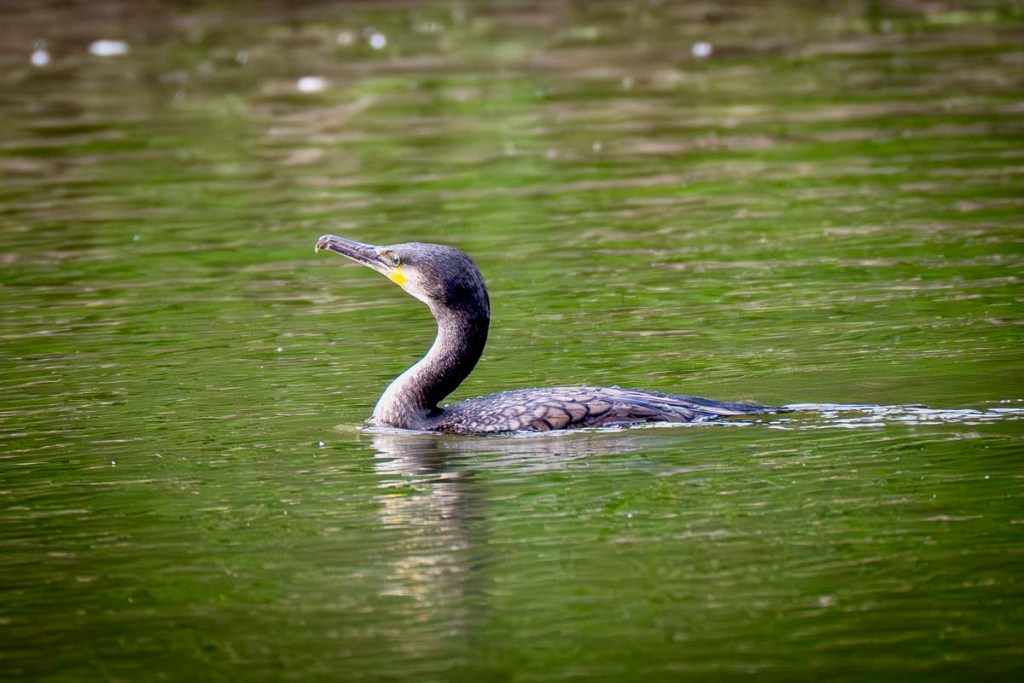
    A cormorant gorging on the fish stocks in the park lake

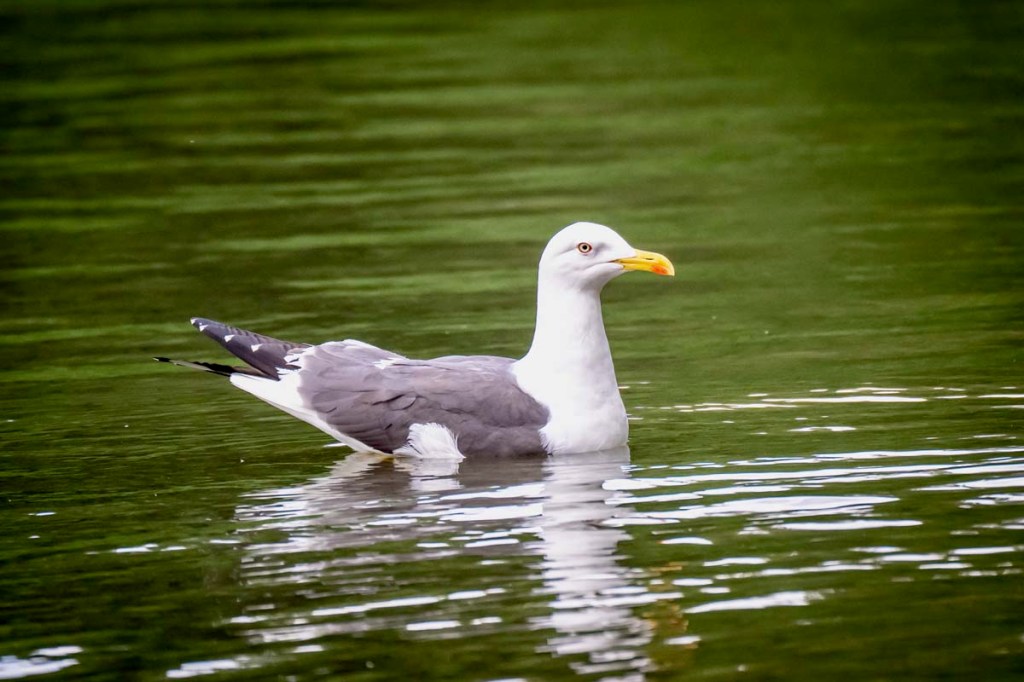
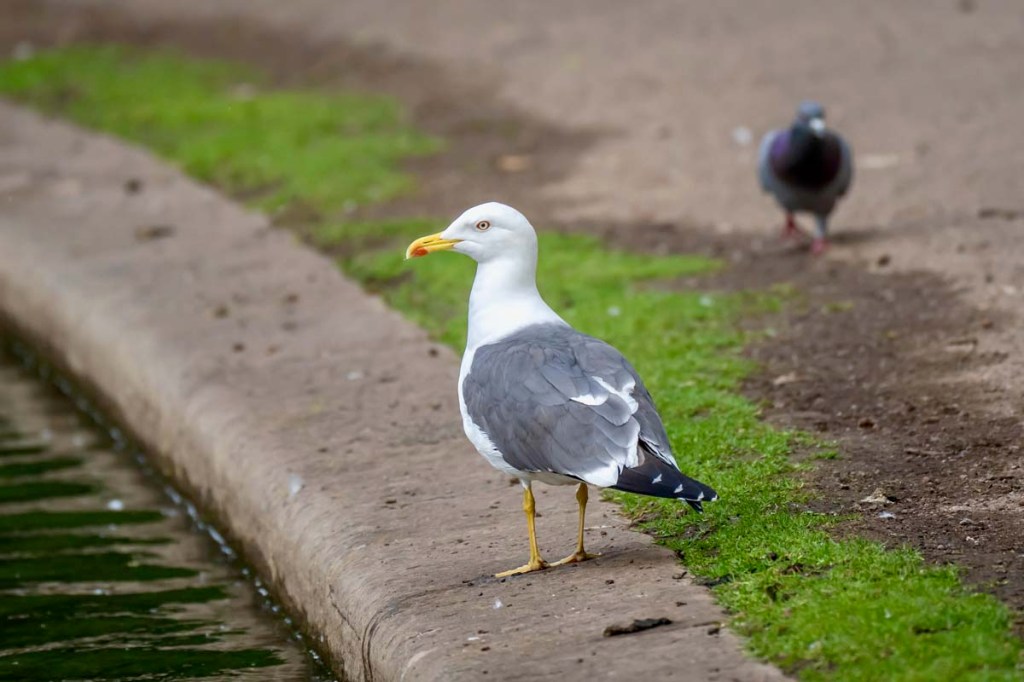
    Lesser black-backed gull, surely no 1 suspect for the disappearance of the goslings

    Lesser black-backed gull

    Mute swan keeping a keen eye on its cygnets

    The grey heron perching on a fallen tree in the middle of the lake. There was an earlier attempt to remove the tree but coots had already started nesting there.

    Close up of the grey heron

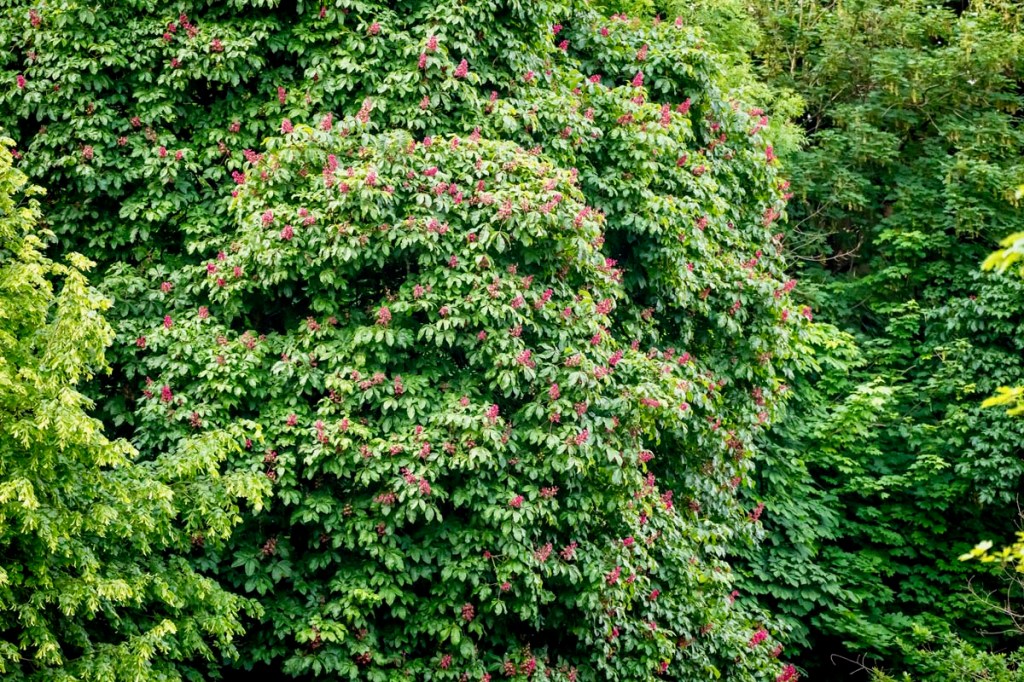
    Red horse chestnut, popular in large gardens and parks in Britain

    The lake in the park

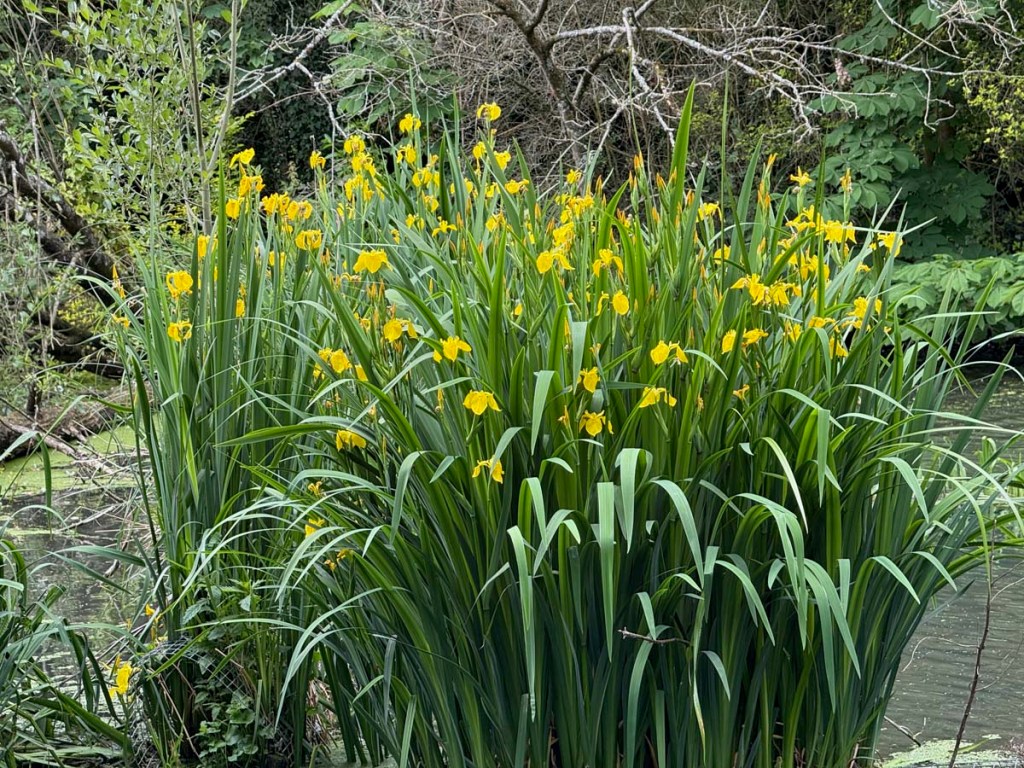
    Yellow flags on the park lake

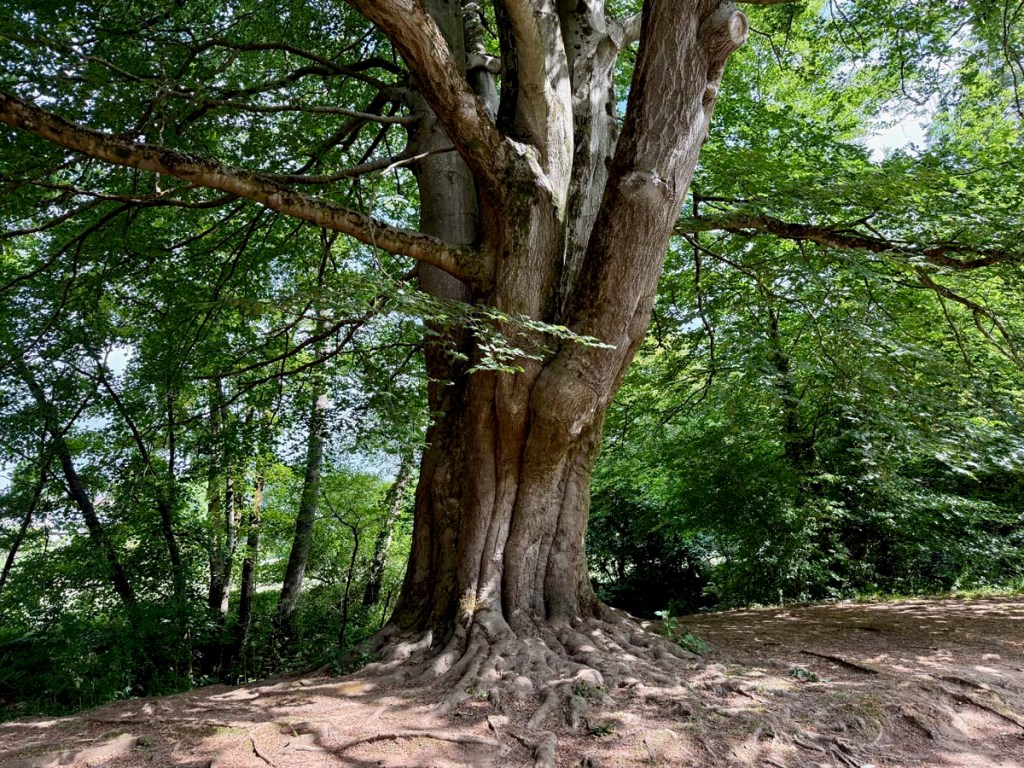
    A beautiful hornbeam between the park lake and the River Frome

    We sat opposite the kingfishers nest on the River Frome for a while but there was no action this morning

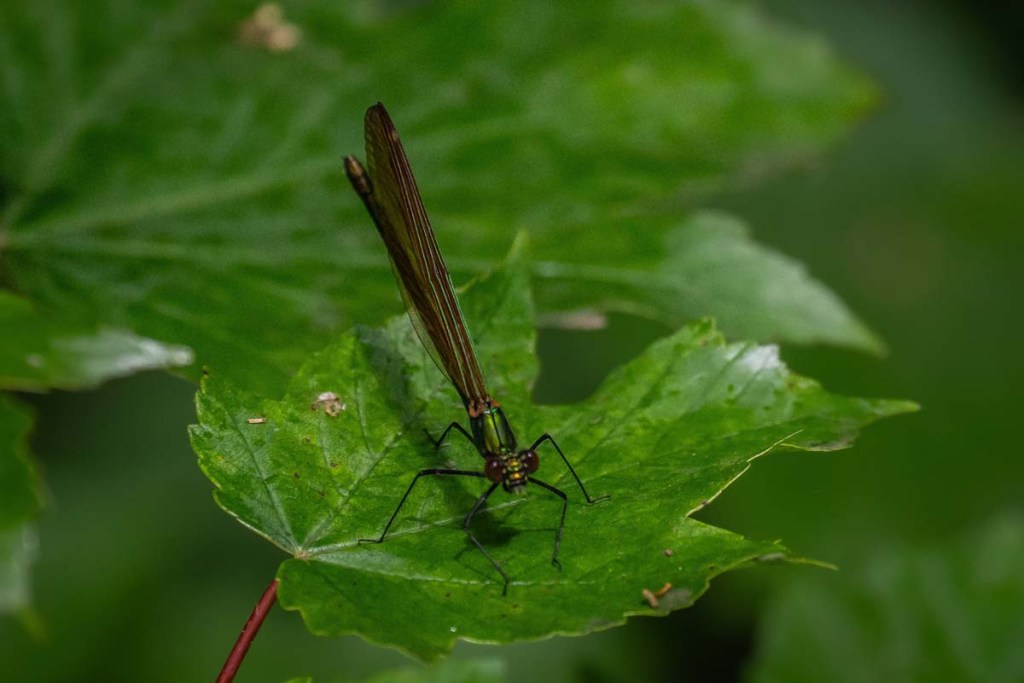
    Beautiful demoiselle

    Female beautiful demoiselle

    Beautiful demoiselle in flight
  • 15th May 2025 – Stoke Park, Bristol

    15th May 2025 – Stoke Park, Bristol

    We are very lucky that we have two parks very close to where we live in the middle of the city of Bristol: Eastville Park, a Victorian city park with children’s playgrounds, green spaces and a lake and a river where we regularly see common kingfishers and dippers; and Stoke Park Estate which is a local Site of Nature Conservation Interest (SNCI) covering over 100 hectares. Stoke Park Estate is also designated as a Regionally Important Geological and Geomorphological Site (RIGS): an important place for geology and geomorphology. The site has species-rich grasslands, woodland, scrub, and ponds. It is home to wildlife like great crested newts, dragonflies and glow worms.

    I spent the afternoon wandering around the fishing lake which is also known as Duchess Pond.
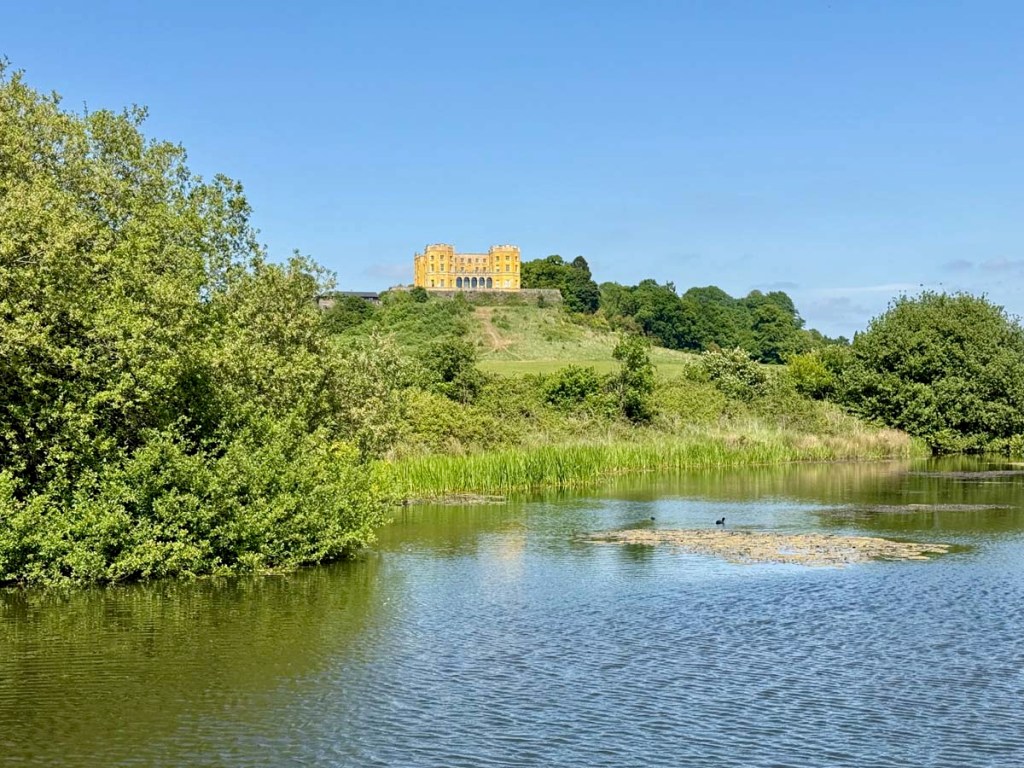
    This is the annexe to the main fishing lake (Duchess Pond) with a view of the yellow Dower House, built in 1563 as a private stately home, but now converted to private flats.

    The main fishing lake (Duchess Pond)

    3 swifts passed over briefly but sadly didn’t reappear. However I was pleased to get some shots with the one chance I had.

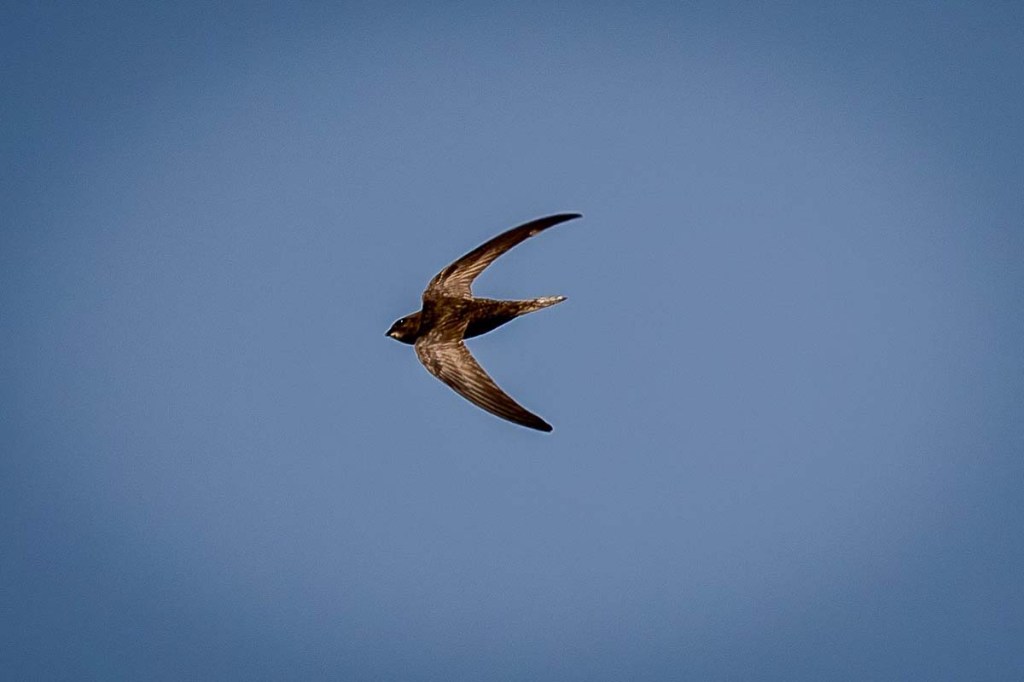
    Common swift

    Common swift

    Common swift

    Common swift

    A kestrel appeared briefly but stayed in line with the sun (I’m sure to stop me photographing it).

    I caught a glimpse of a chiffchaff and was pleased to get some shots as they are quite elusive at this time.

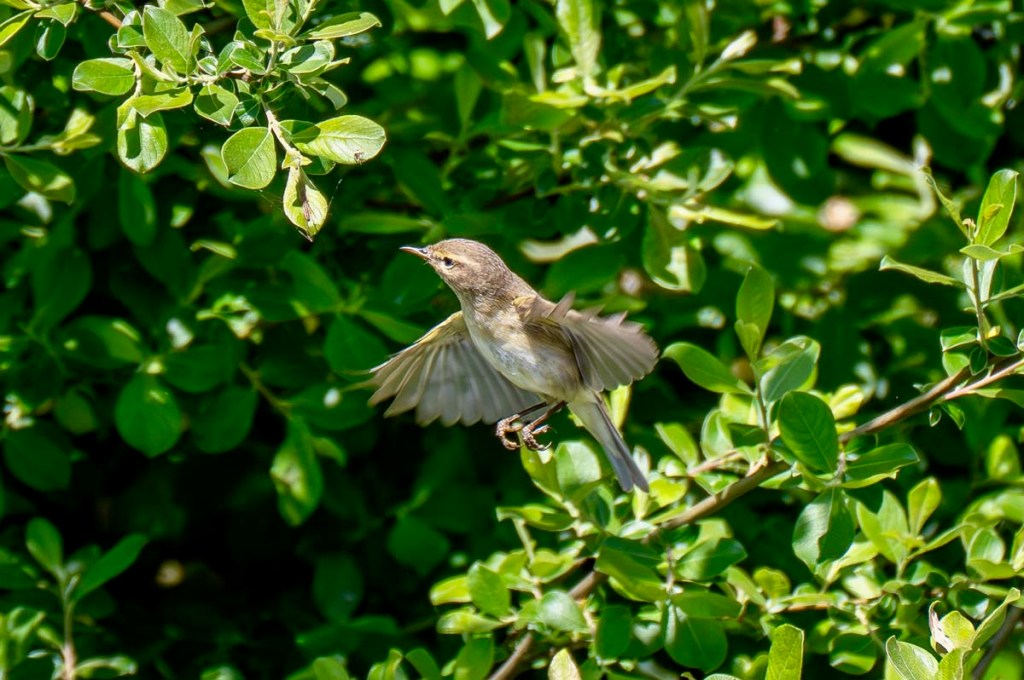
    Chiffchaff

    Chiffchaff
    Chiffchaff

    There were plenty of carrion crows too (not so elusive!).
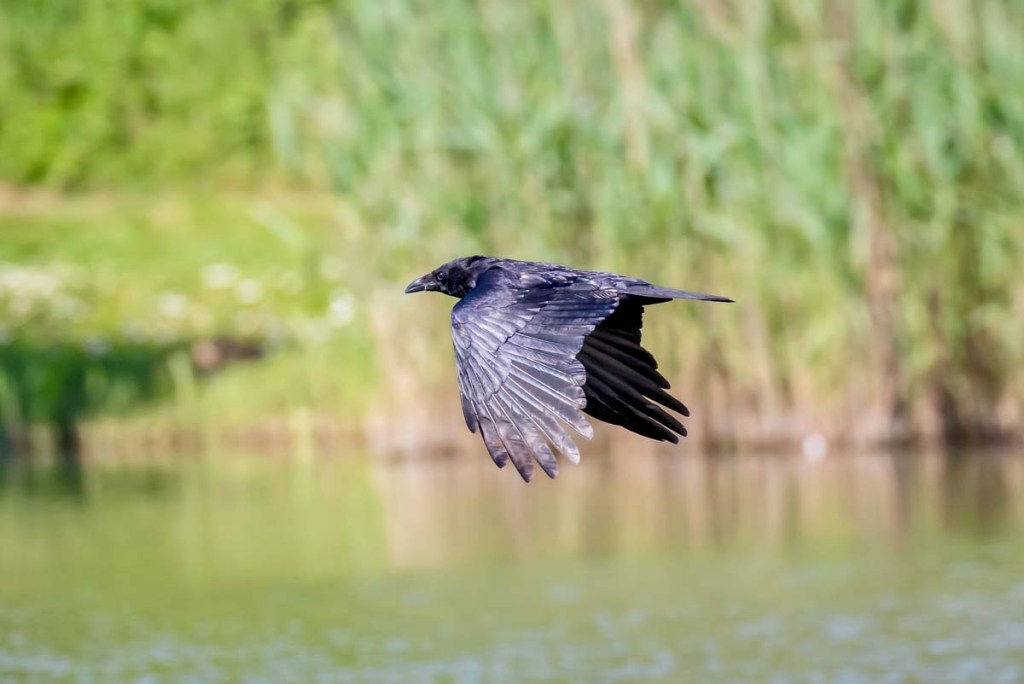
    Carrion crow

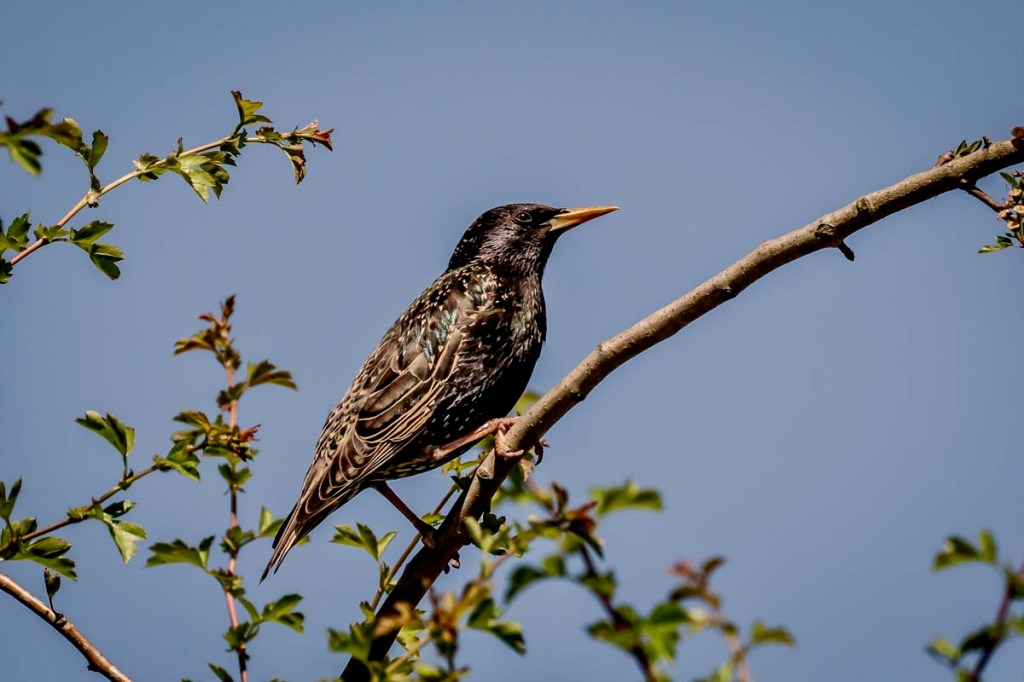
    Starling – don’t they look splendid with the sun on their plumage?

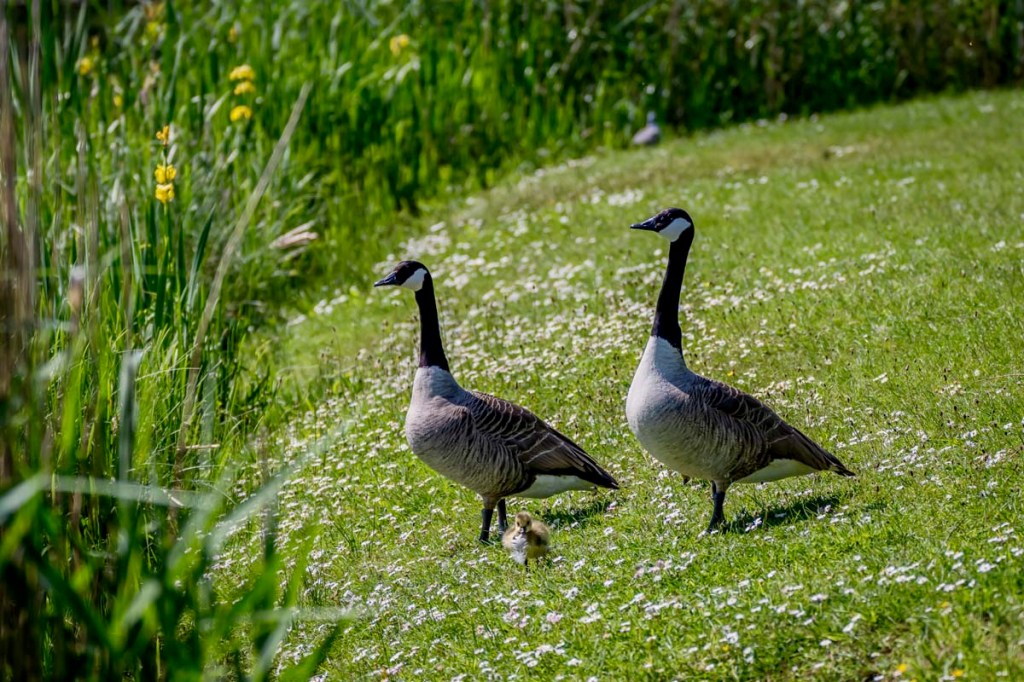
    There were lots of(Canada Goose) goslings, ducklings and coot and moorhen chicks.
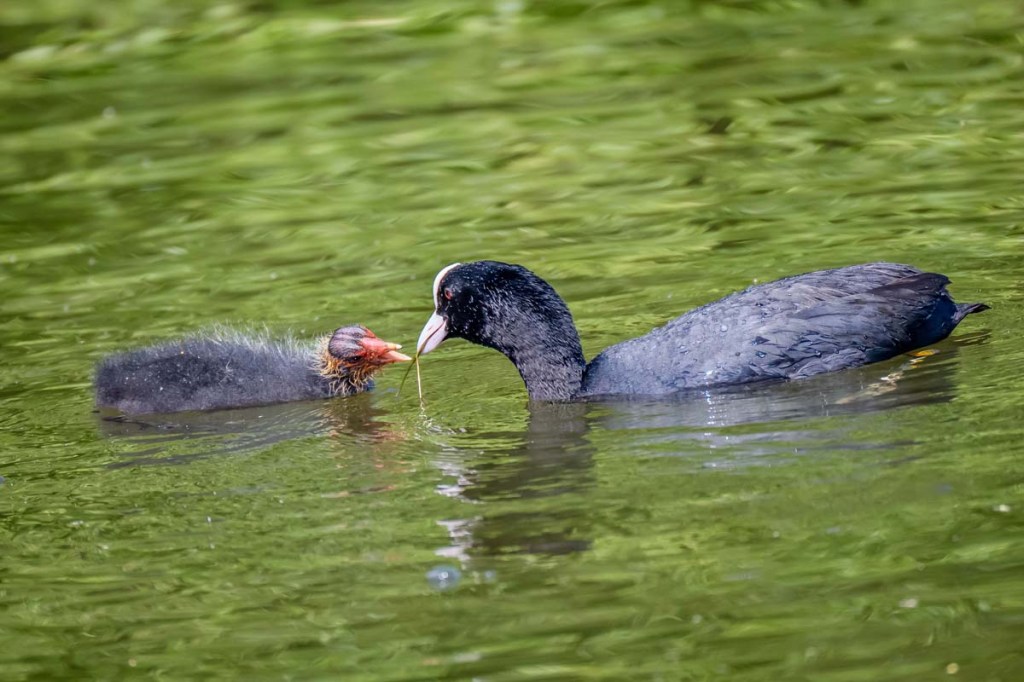
    Coot and chick

    Ducklings

    Canada geese and gosling
    Moorhen

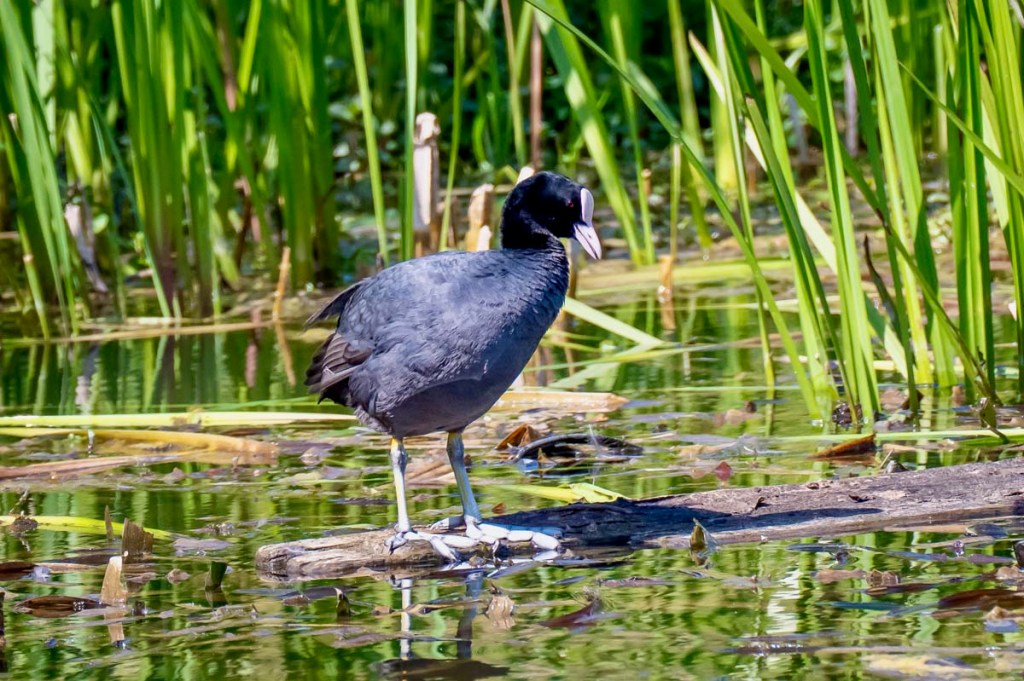
    Coot – look at the size of their feet

    Coot chick

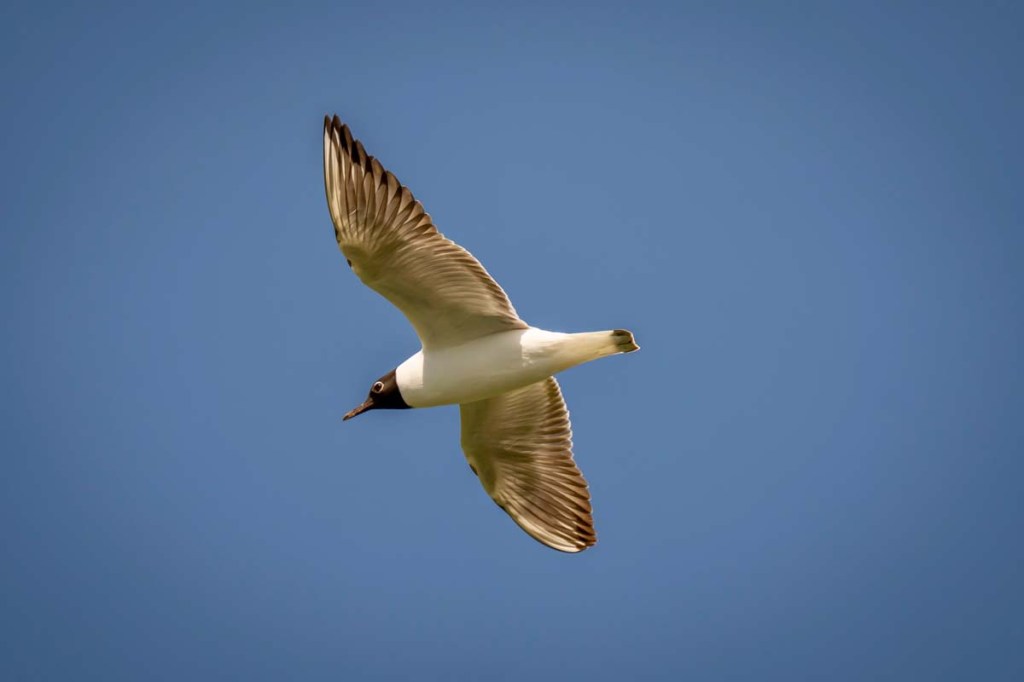
    Black-headed gull (probably looking for ducklings or chicks)

    All around the lake there were dragonflies and damselflies which always prove a great challenge to photograph. I am not very knowledgeable with these and am only hazarding a guess at what was what.

    Scarce chaser

    Scarce chaser in flight

    Scarce chaser looking straight at me.

    Azure damselfly

    Large red damselfly

    Blue-tailed damselfly

    A common carder bee for good measure

    Stoke Park Estate and the Dower House

  • 14th May 2025 – WWT Slimbridge, Gloucestershire

    14th May 2025 – WWT Slimbridge, Gloucestershire

    It’s the first time we have seen the new ‘Estuary Shoreline’ landscape at Slimbridge. It’s situated in front of the Kingfisher café and, although we had our doubts as we saw it being developed through the winter, we were very impressed with what the talented Grounds Team have achieved in designing it and building it in-house.

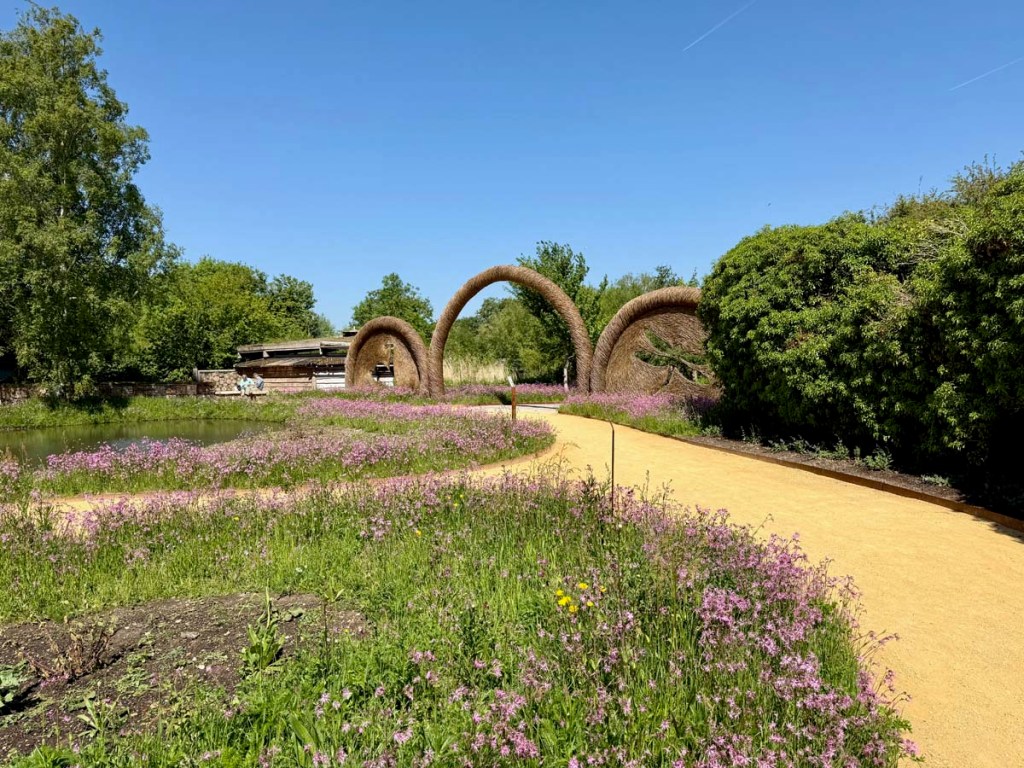
    The new ‘Estuary Shoreline’ landscape

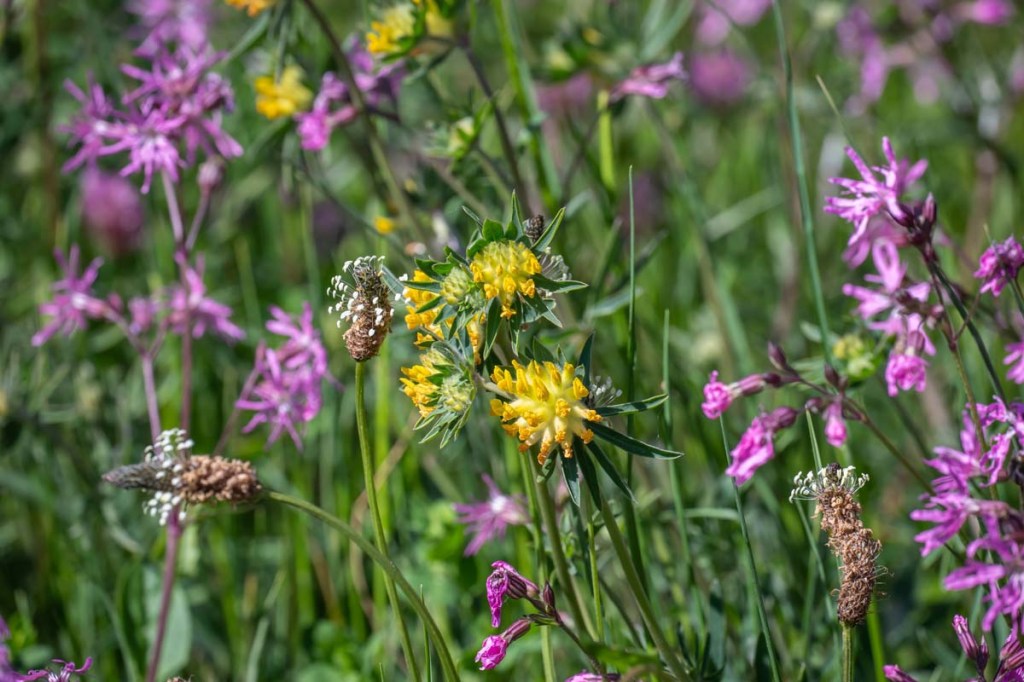
    Wonderful wild flowers enhanced the new landscape

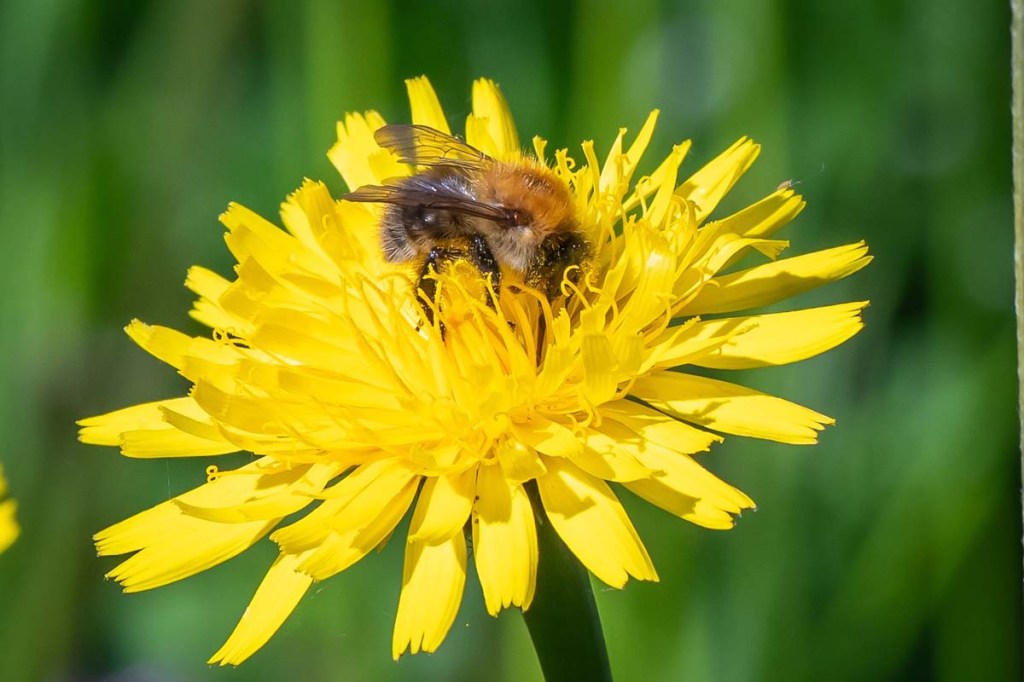
    The bees (early nesting bumblebee) were loving the new plantings at the “Estuary Shoreline landscape”
    Common carder bee

    Shelduck looked magnificent in their breeding plumage

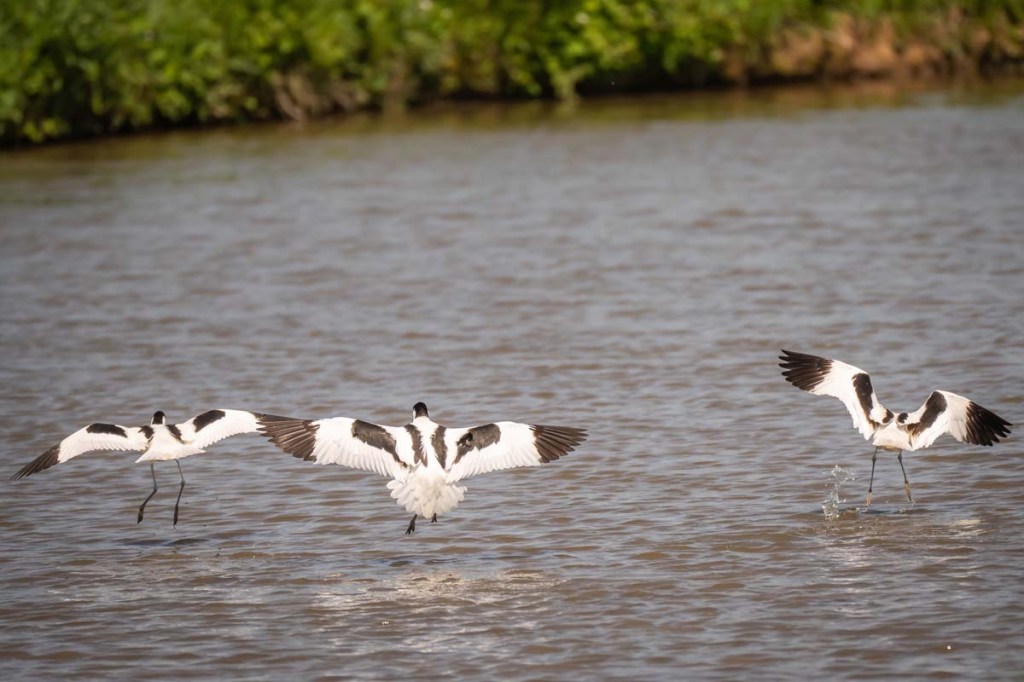
    The avocets probably stole the show

    A very handsome shoveler duck

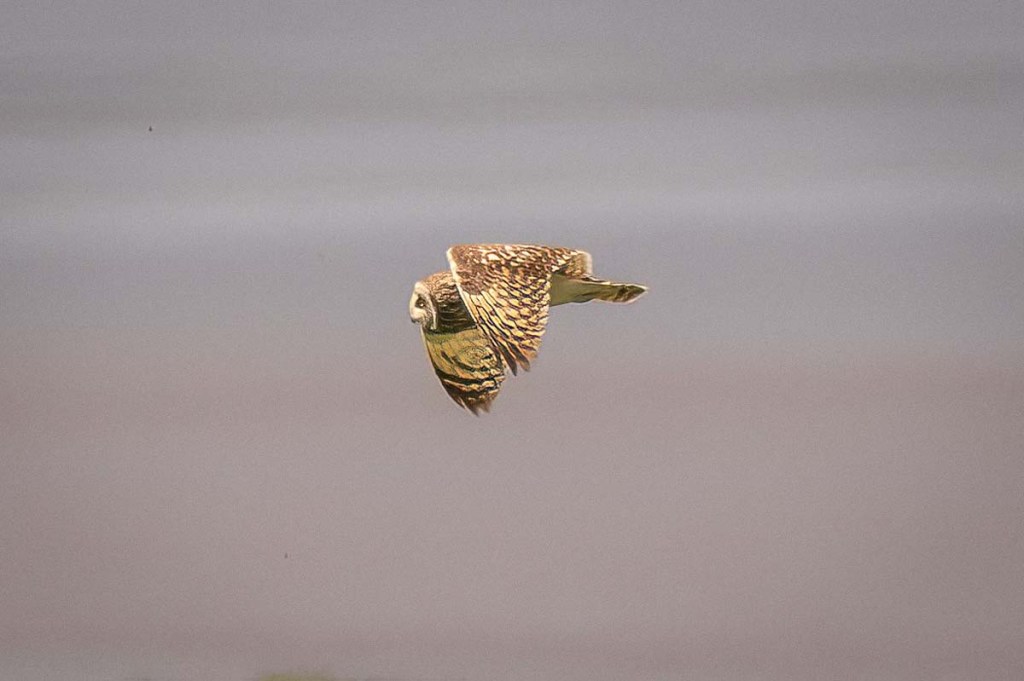
    It was a joy to walk out to the estuary and, although the white spotted bluethroat which has returned here for the fifth year in a row evaded us, we did enjoy the display by a short-eared owl.

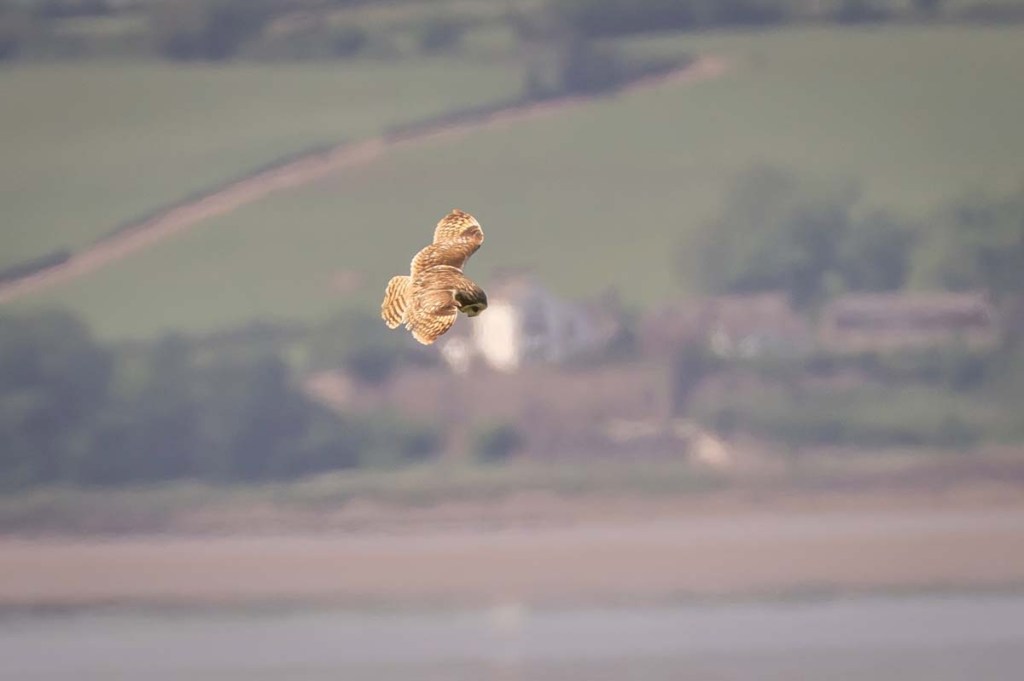
    Short-eared owl

    Short-eared owl

    Short-eared owl

    Short-eared owl

    Short-eared owl

    Short-eared owl

    Short-eared owl

    Short-eared owl

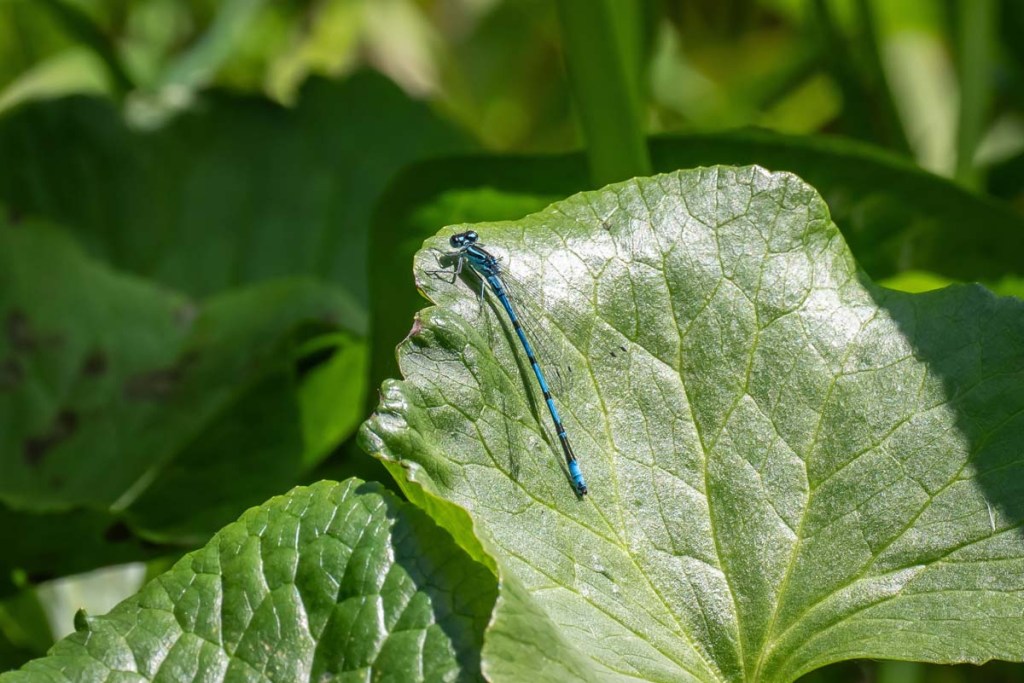
    There were plenty of these azure damselflies to see

    Avocets

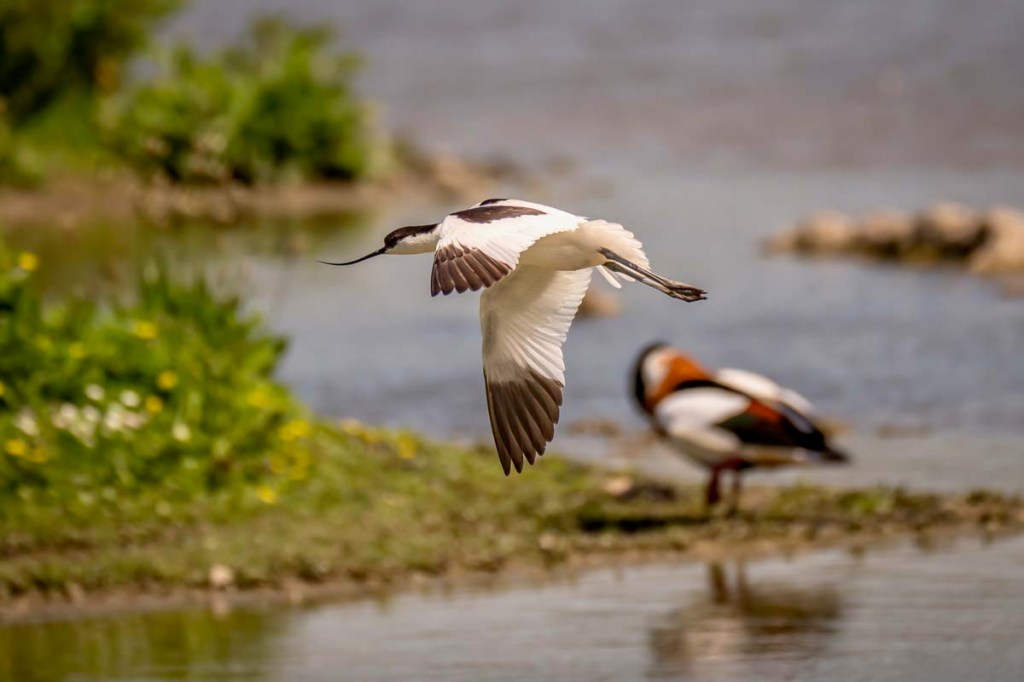
    Avocet flying over shelduck

    Avocet

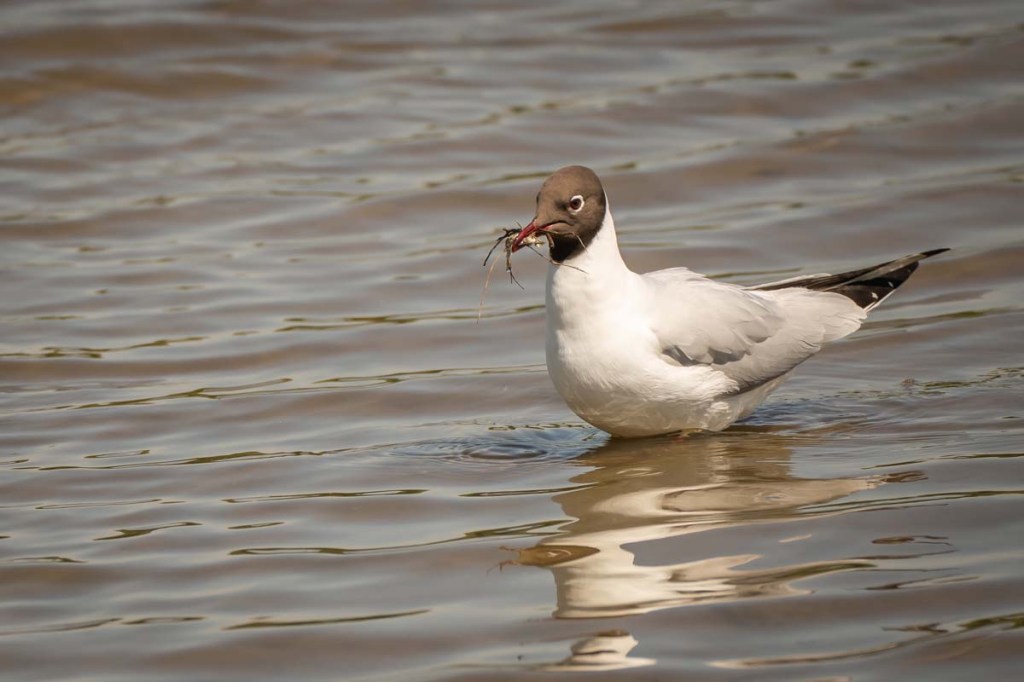
    Black-headed gull with nesting material

    Avocet on its nest

  • 13th April 2025 – Tavira, Algarve, Portugal

    13th April 2025 – Tavira, Algarve, Portugal

    Tavira is a popular tourist destination on The Algarve. However, there were very few people, only those out for a little exercise, as we started from the outskirts of Tavira along the edge of the Tavira salt pans.

    The salt pans here are very extensive but, surprisingly, there were very few birds too. Probably, as the tide was low, they had moved out onto the Ria Formosa.

    The start of the salt pans at Tavira

    Nonetheless, there was plenty to see and the walk towards the ferry to Tavira Island was very pleasant.

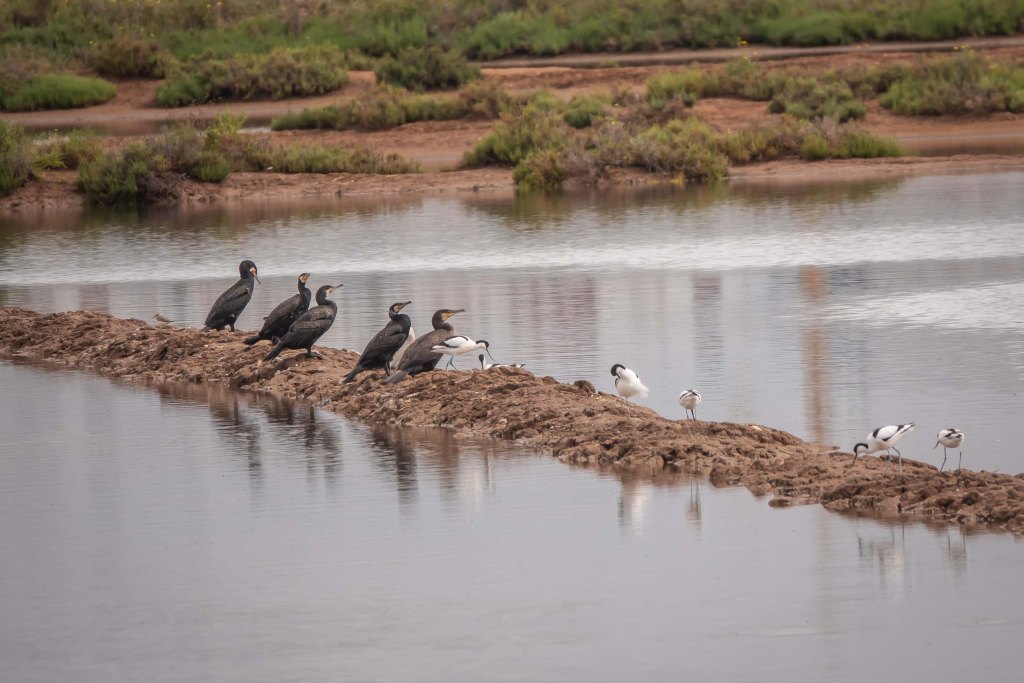
    Avocets were the principal birds on view

    A few cormorants too

    3 eurasian spoonbills and a grey heron

    More avocets

    Crabs everywhere

    The best of the birds we saw were on the river where several little terns entertained us for a while.
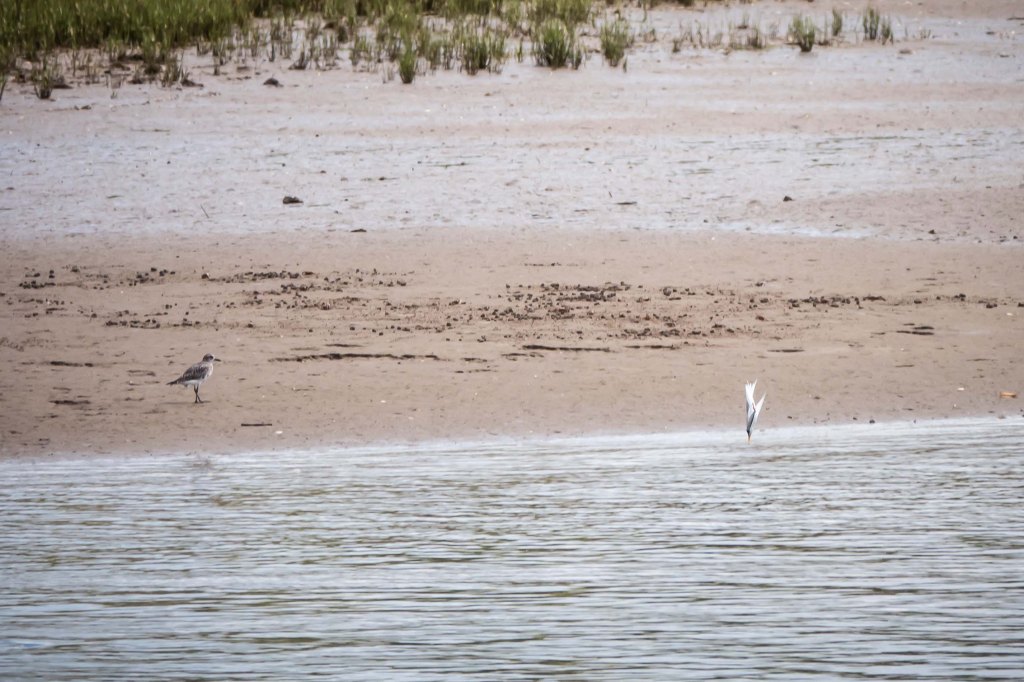
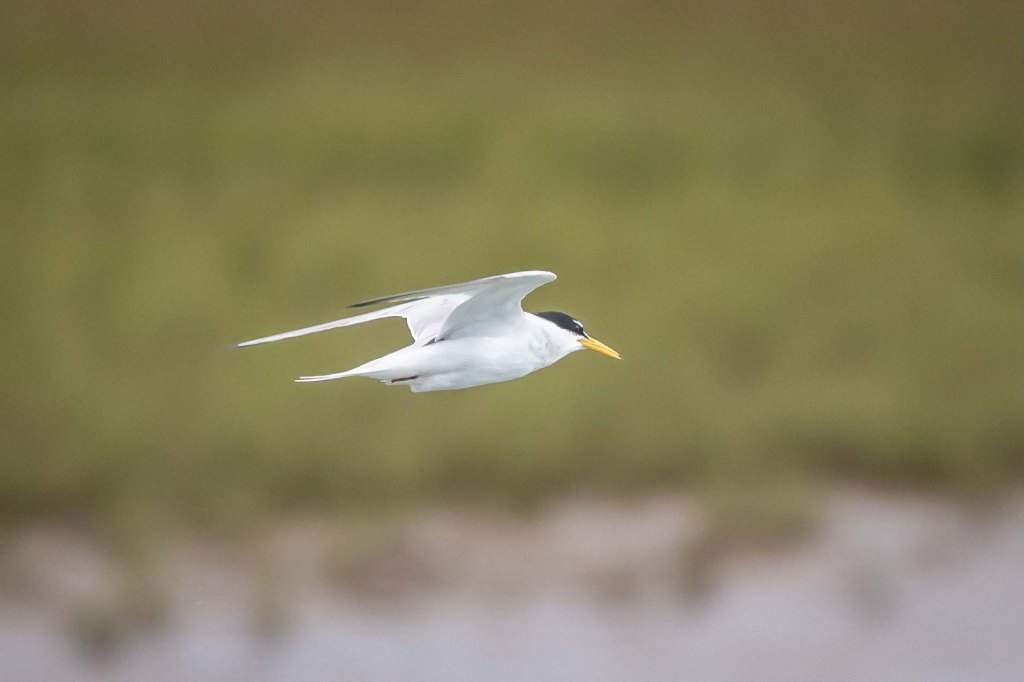
    Little tern in full dive
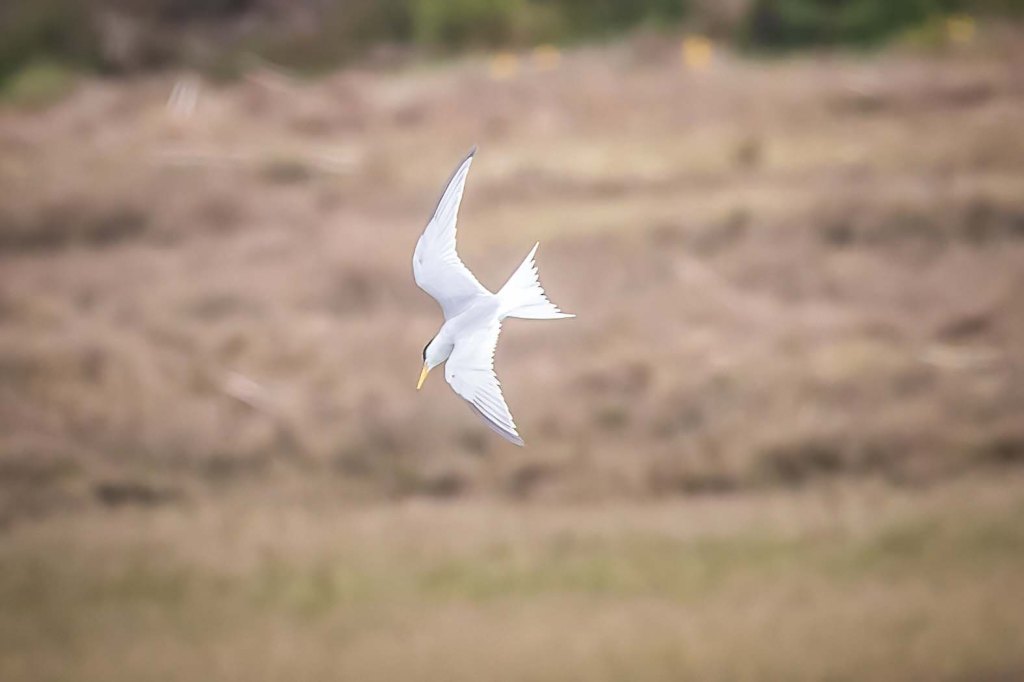
    Little tern

    Little tern

    Little tern

    European red-rumped swallow

    European red-rumped swalllow

    We then headed for Santa Luzia, famous for its octopus restaurants.

    The rising tide at Santa Luzia

    Santa Luzia

    Santa Luzia

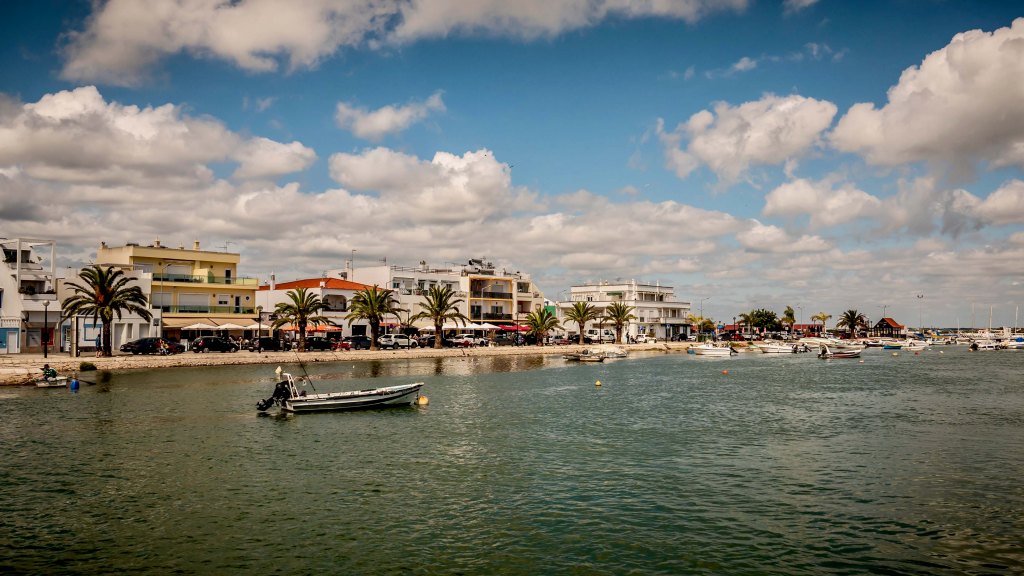
    The climate is clearly very temperate here

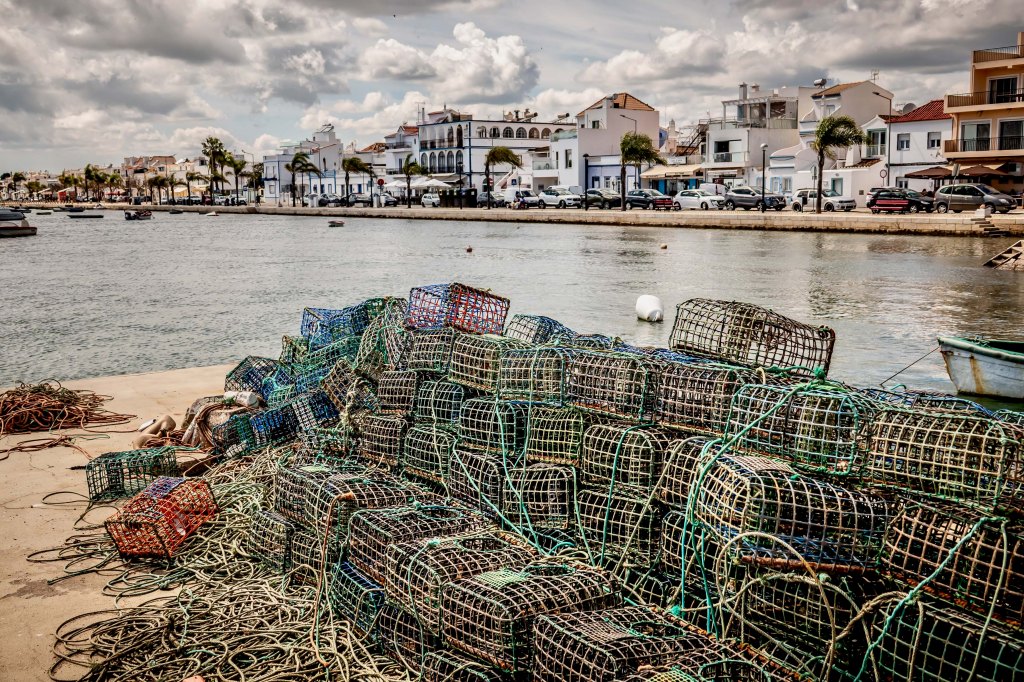
    The port of Santa Luzia is very pretty …

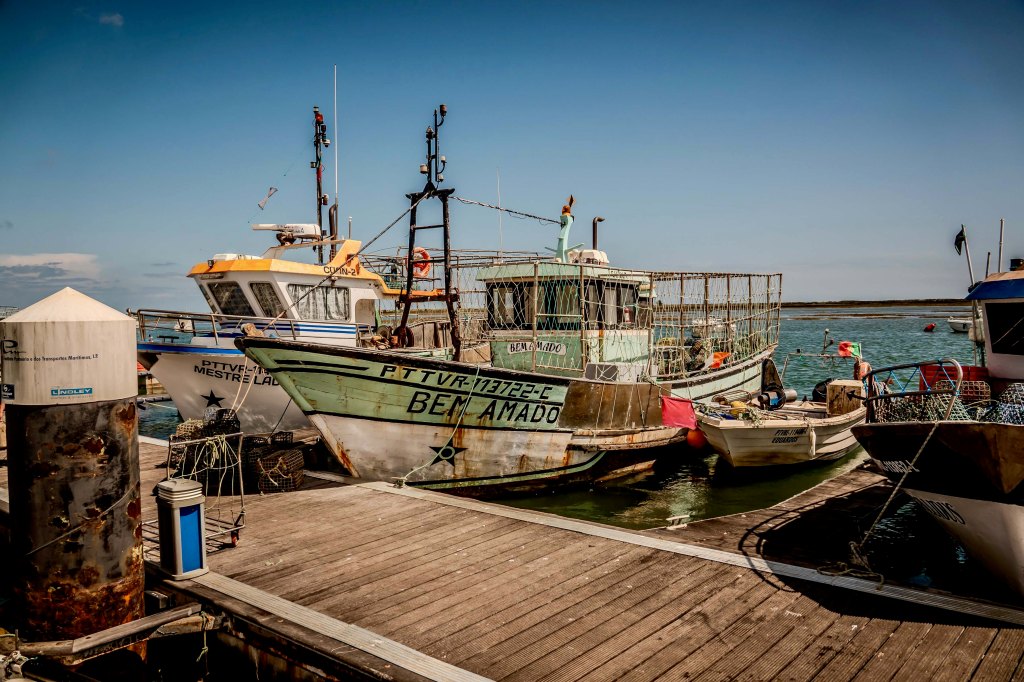
    … but clearly a working port.
  • 12th April 2025 – Quinta de Marim, Algarve, Portugal

    12th April 2025 – Quinta de Marim, Algarve, Portugal

    After exploring the Saturday market in Olhão we took a taxi a few kilometres east to Quinta de Marim (or Centro Educação Ambiental de Marim).

    The market at Olhão we a plentiful supply of snails

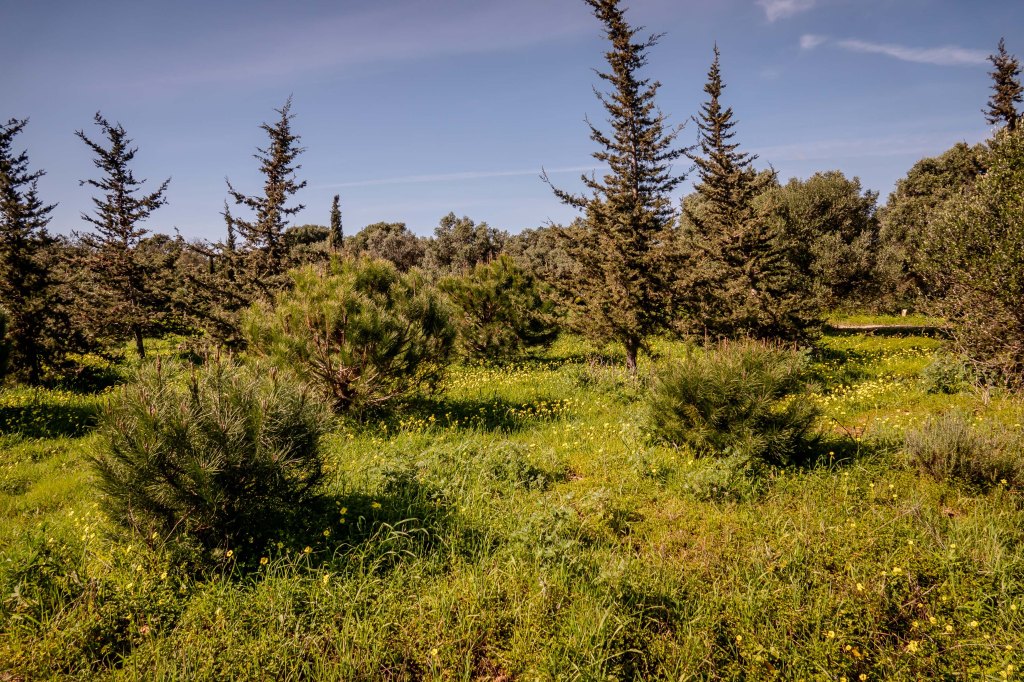
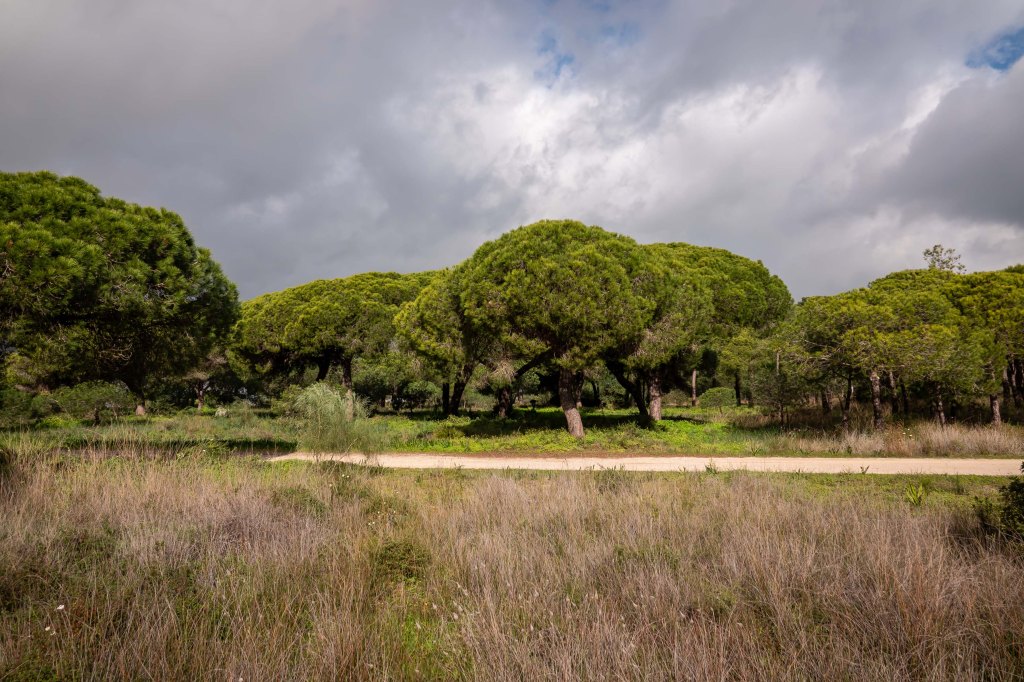
    We had visited this estate earlier in the year. The 3 km trail takes you through various ecosystems – dunes, salt marshes and pine woodlands and it was interesting to see the different flora from our last visit in February.
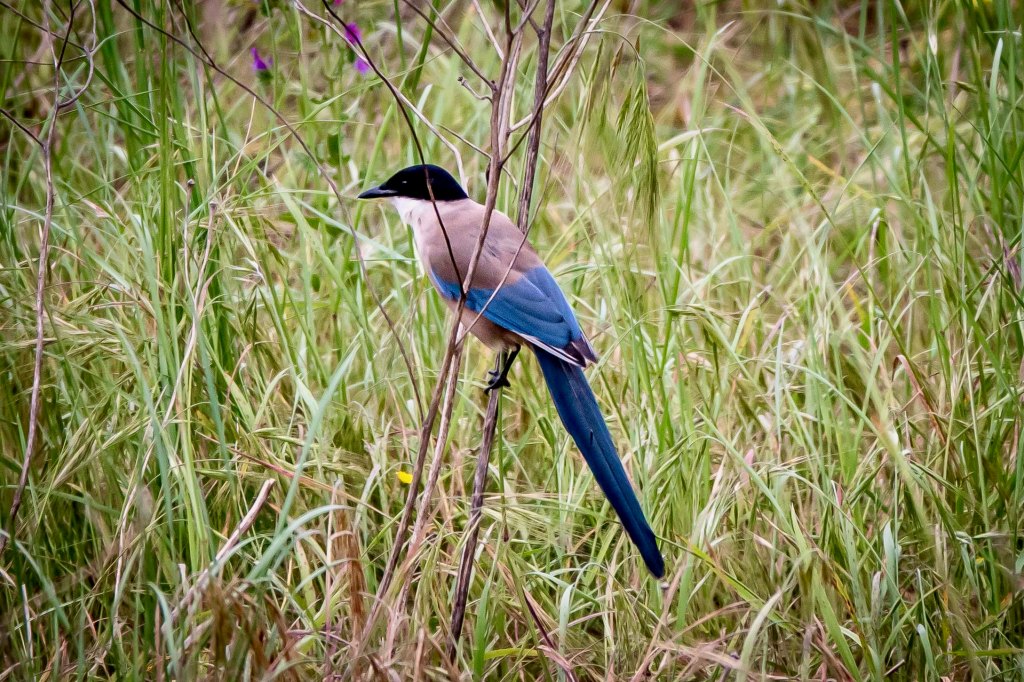
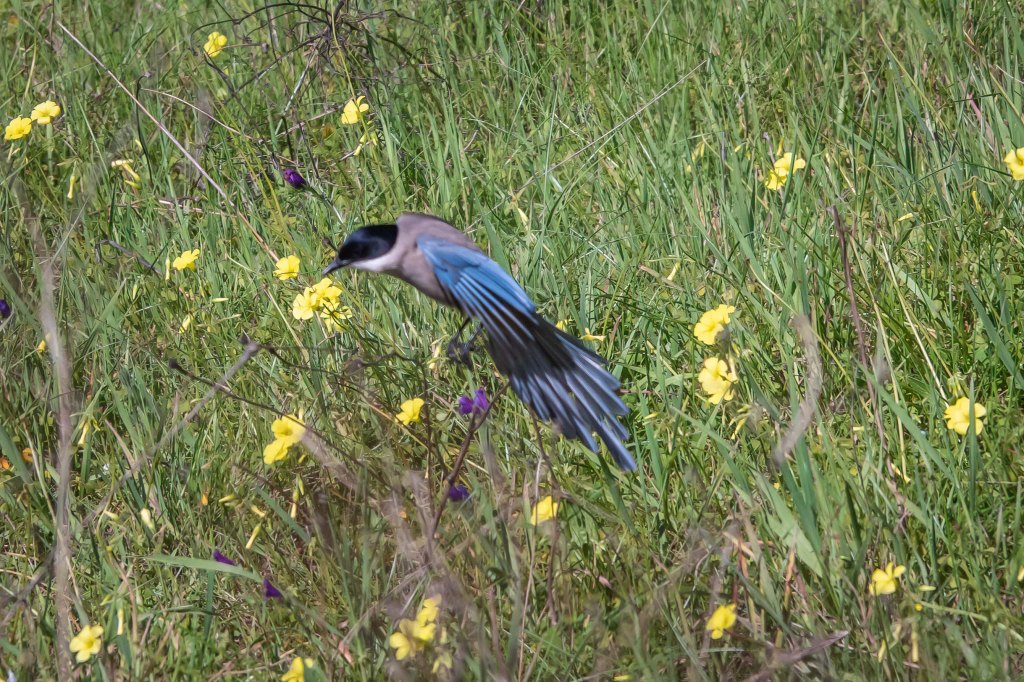
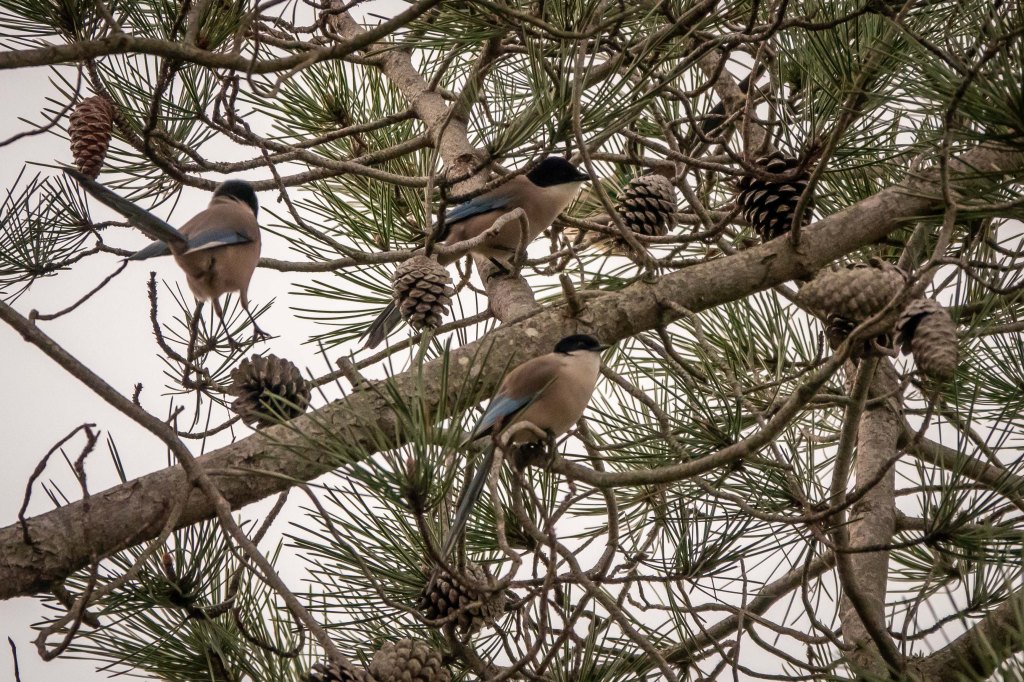
    The Iberian azure-winged magpies seem to love the pine woodlands

    Speckled wood butterfly

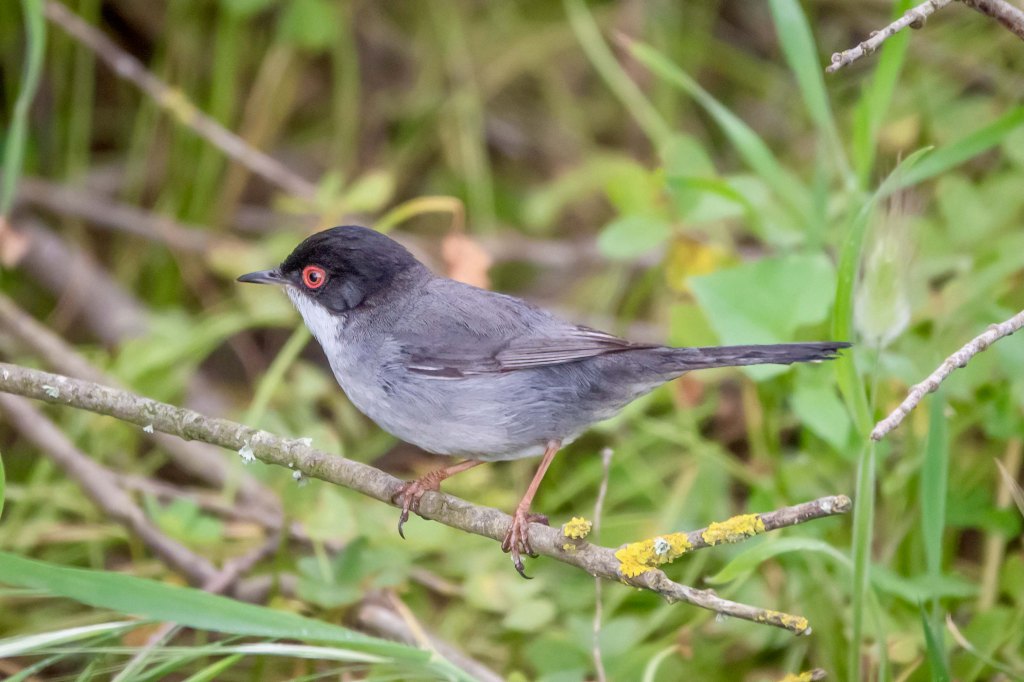
    Sardinian warbler

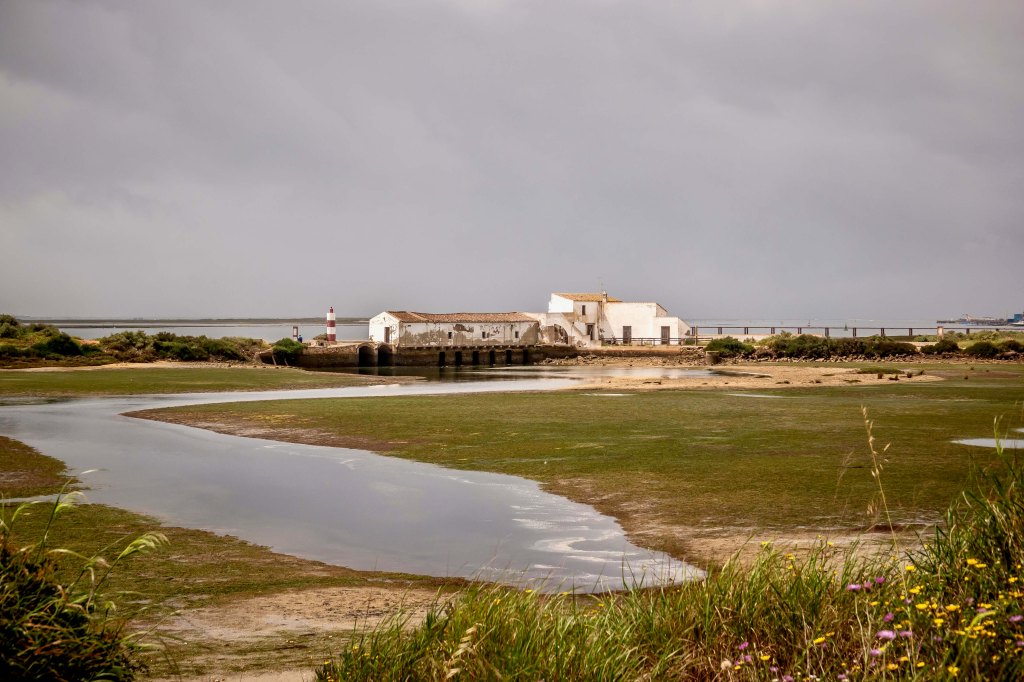
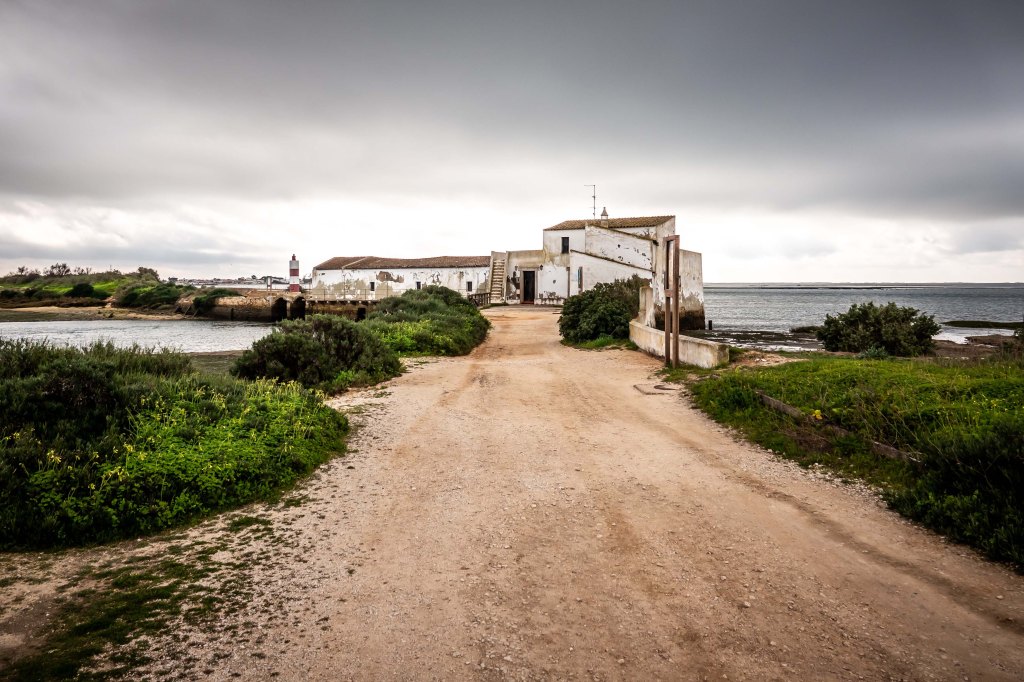
    Quinta de Marim tidal mill

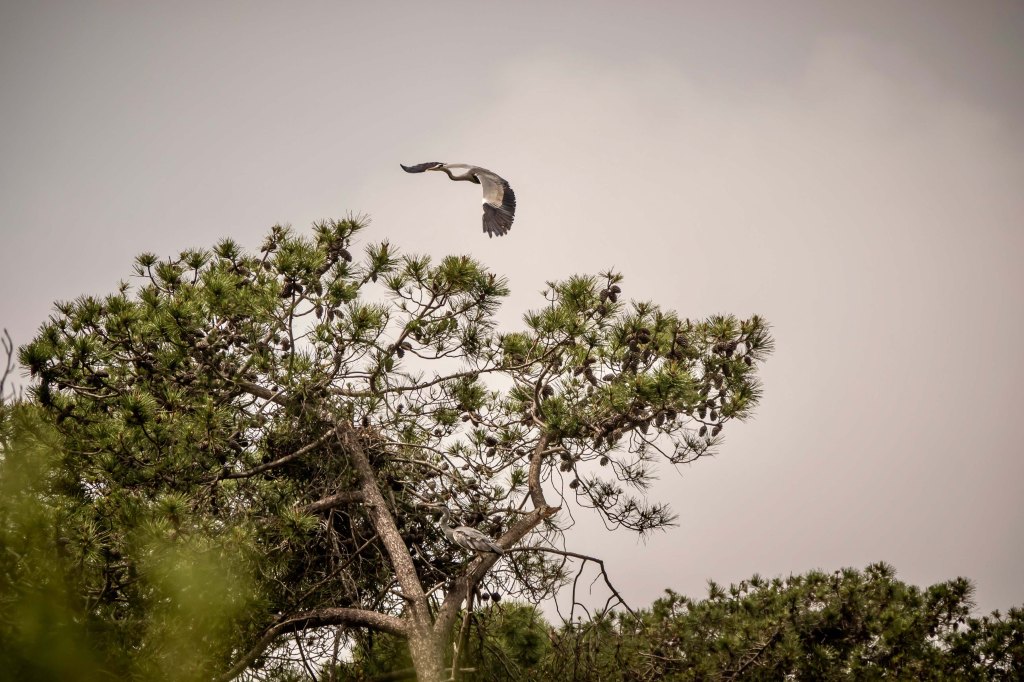
    Grey heron practising its ballet

    Half way around the circuit there is a hide overlooking a freshwater pond. We spent quite a while here as there was a heavy shower but fortunately there was lots of activity with a huge colony of egrets.

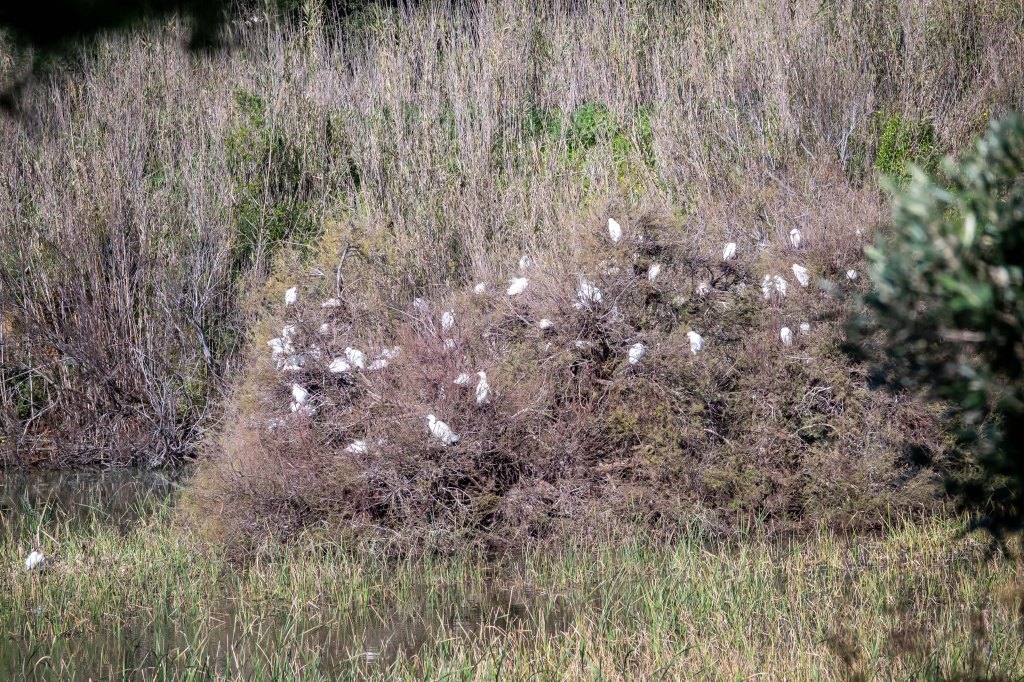
    The colony of egrets

    Pochard

    Colony of egrets (little and cattle) – some with their young and others still building their nests

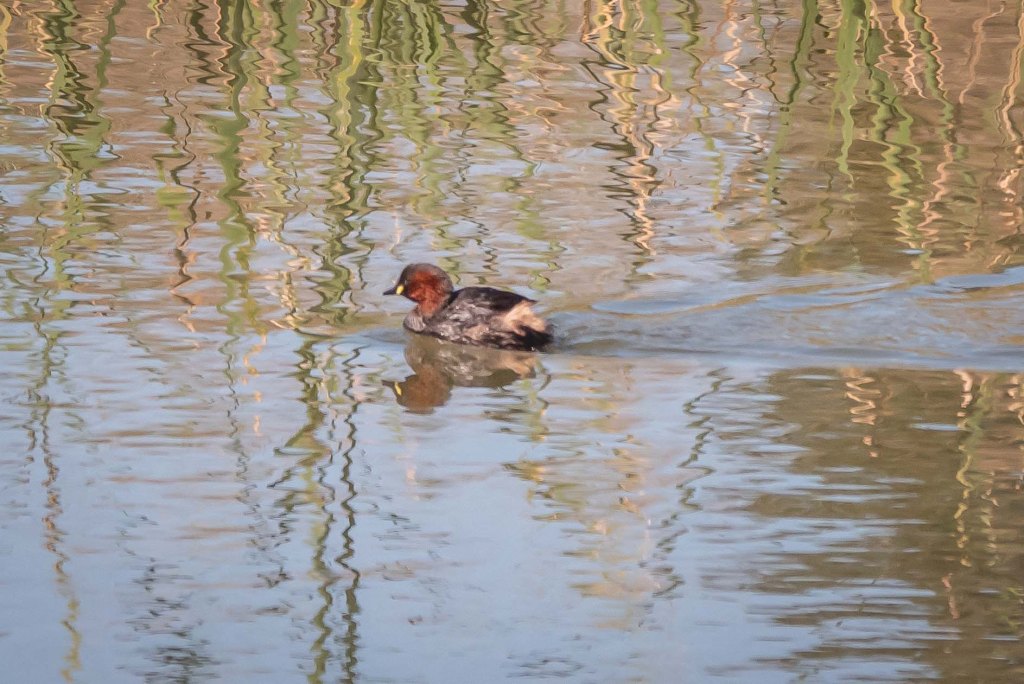
    Little grebe

    Cattle egret looking for nesting materials

    There were also large numbers of grey herons around this pond

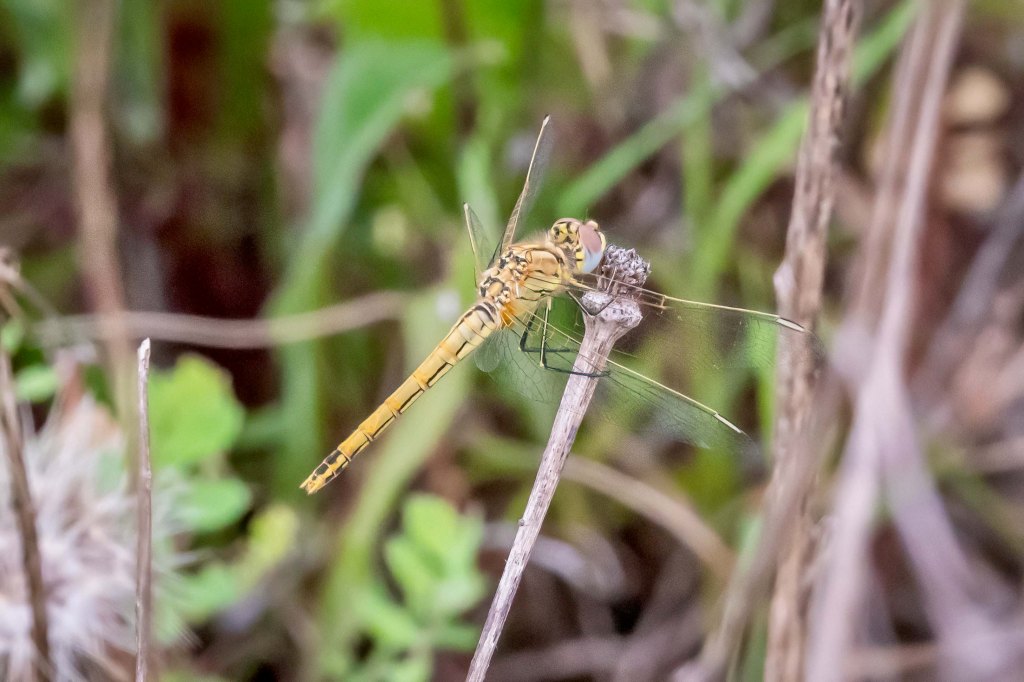
    Red-veined darter

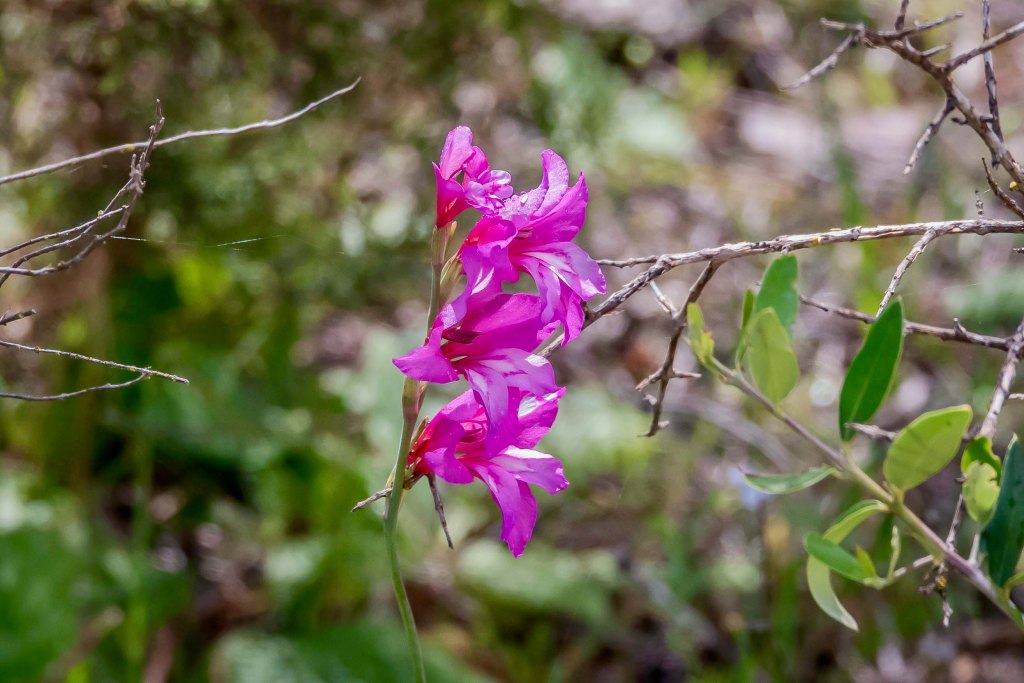
    Wild gladiolus

    We realised that last time we had missed a pathway and this time, by taking the recommended route, we came across a dilapidated noria. The noria is a device, inherited from the Arabs, used to raise water from a well. The power for the elevation of water was provided by the circular movement of a donkey or a mule. The water drawn from the well is stored in a tank, from where it is distributed through small aqueducts, until it reaches the orchards and vegetäble-gardens.
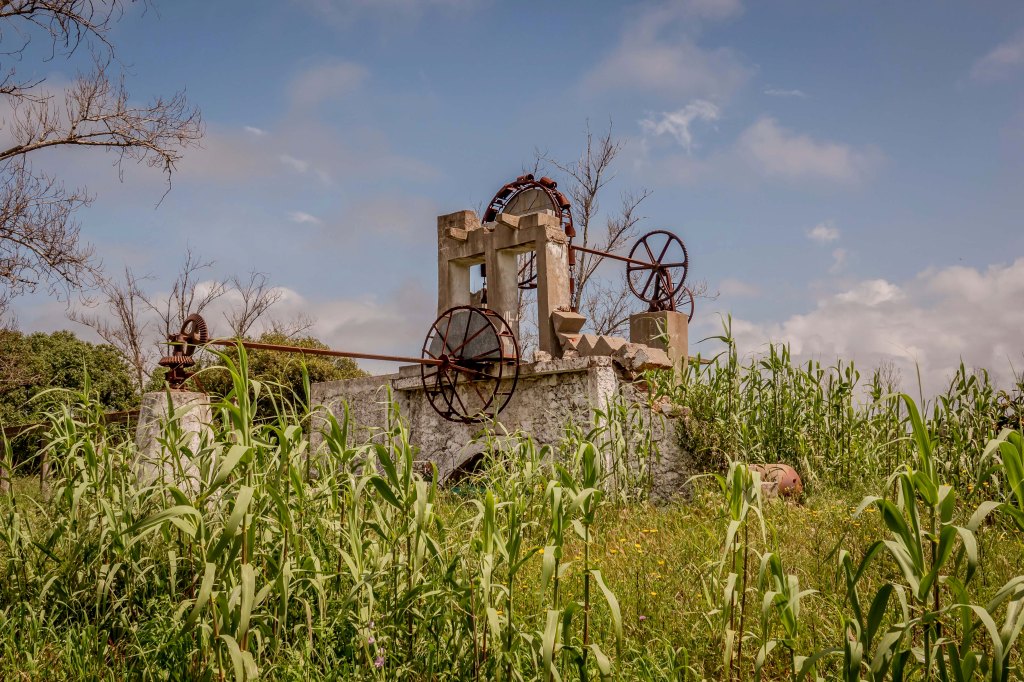
    Noria

    Noria

    Red legged partridge at the very spot where we had seen a hoopoe in February

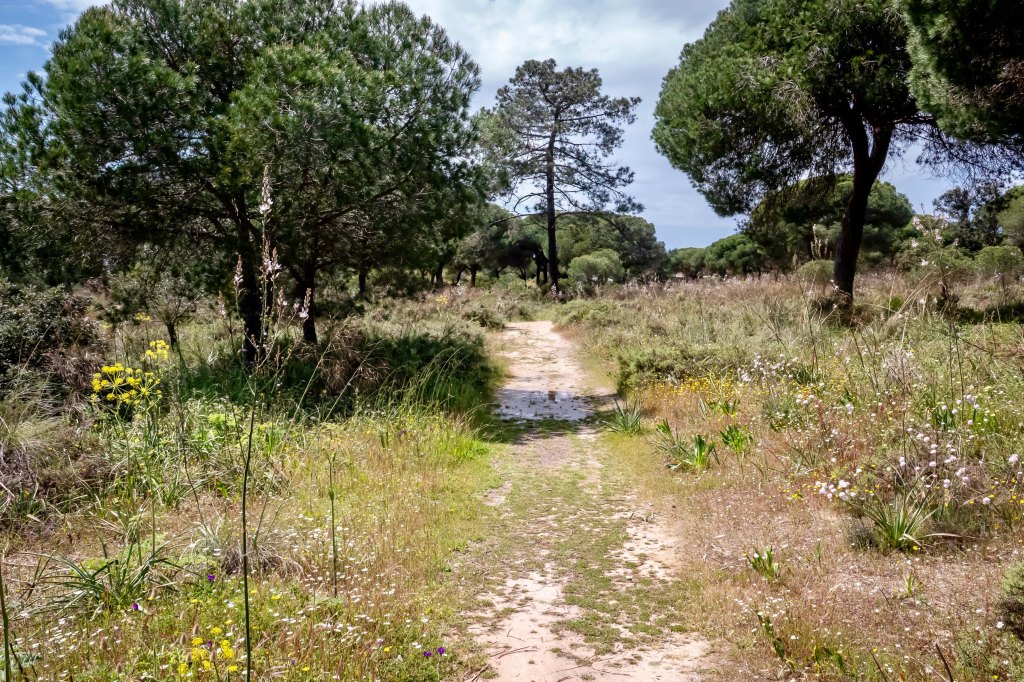
    The correct path!

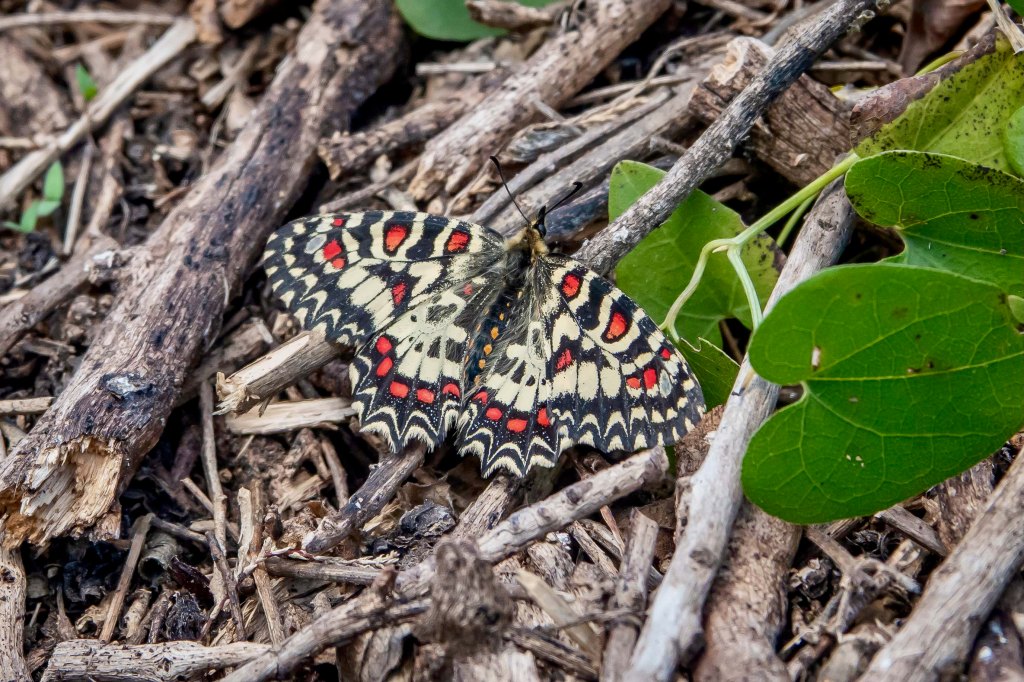
    Spanish festoon butterfly

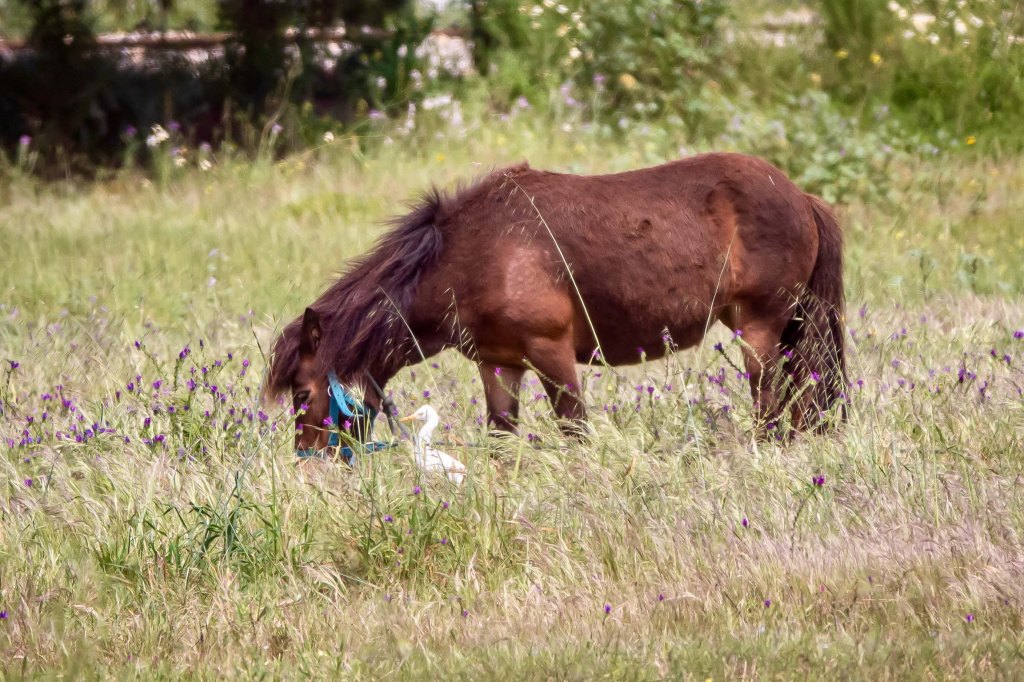
    Cattle egret next to the horse

  • 9th April 2025 – Fuzeta, The Algarve, Portugal

    9th April 2025 – Fuzeta, The Algarve, Portugal

    After a few glorious weeks of wall to wall blue skies (but with fresh winds) in England we have arrived in the eastern end of the Algarve in Portugal where it is much warmer but the skies are a little greyish and the forecast is unsettled.

    From a birding perspective it was very exciting yesterday evening to sit having our first beer on the front at Olhão (where we are staying) and to see a 100 plus swifts soaring overhead. Their screeching was quite a din but it made us feel that summer had arrived.

    Today we took a taxi to the birding area of the Salinas da Fuzeta, a complex of salt pans just north of the town of Fuzeta, to the east of Olhão. The salt pans are part of the Parque Natural Ria Formosa.

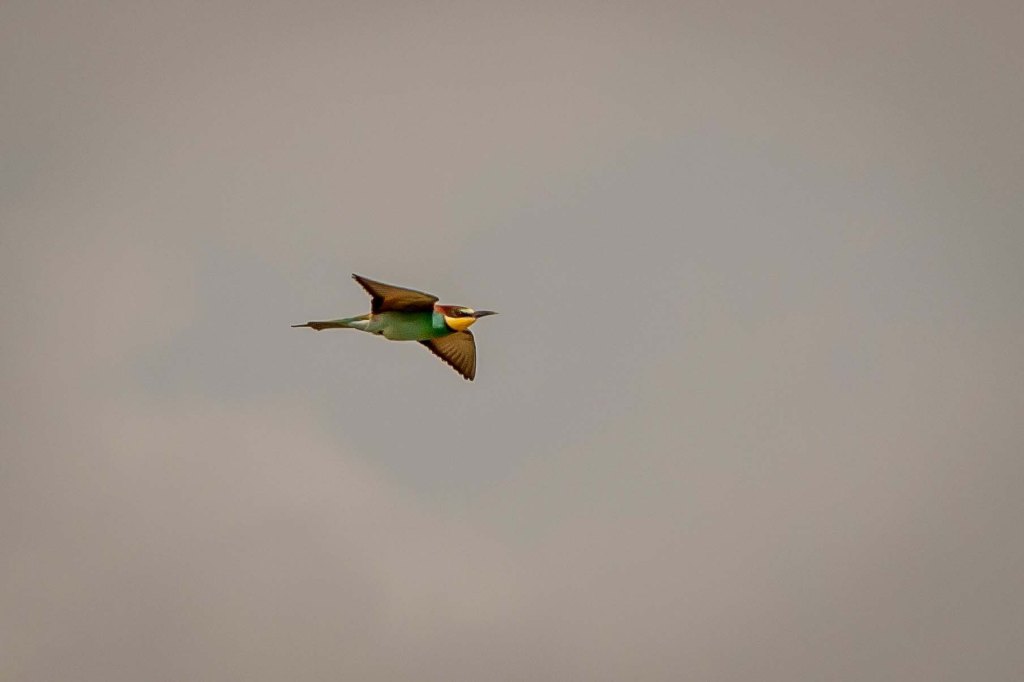
    It was quite an exciting start as the first bird we saw was a bee-eater; a beautiful bird that we have only seen on a few occasions.
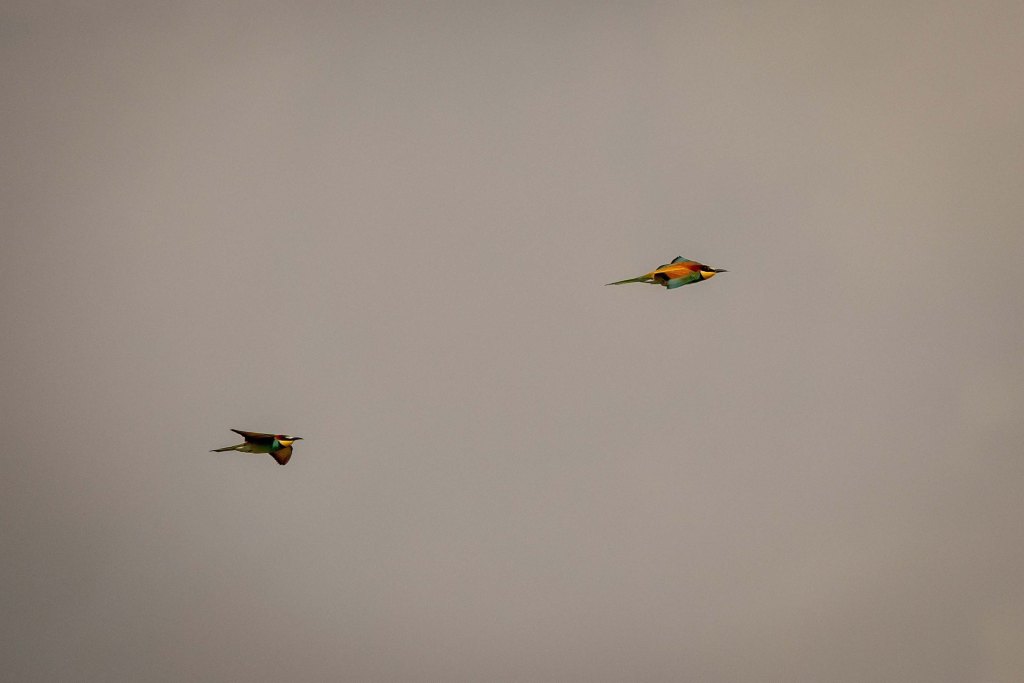
    Bee-eater

    Not one but two!

    Along the salt pans there were plenty of waders but no greater flamingos which we had hoped to see here.
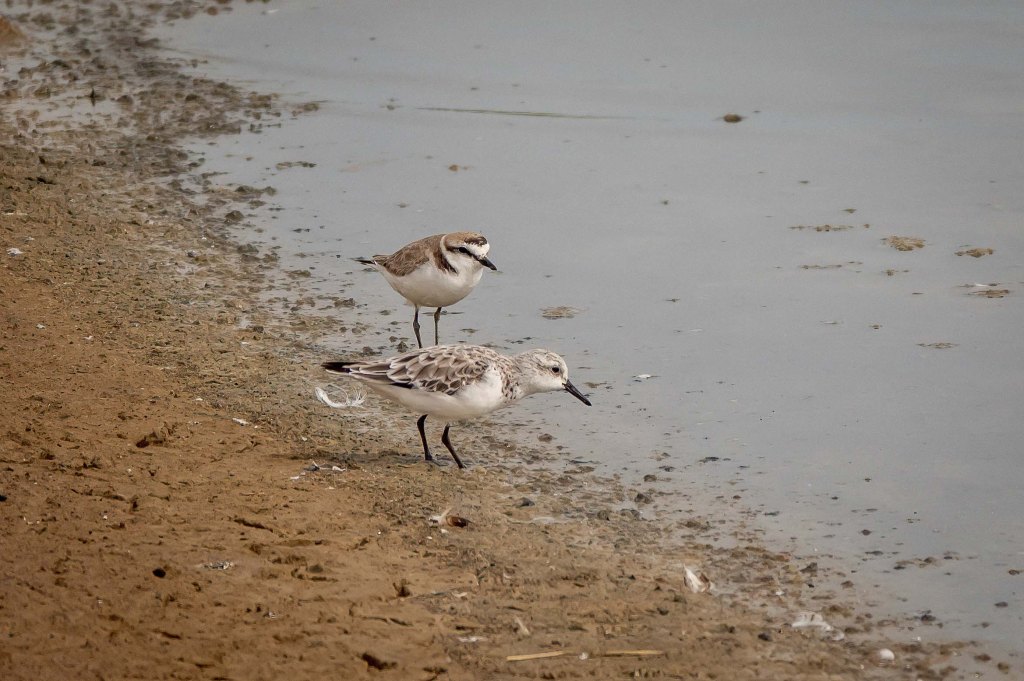
    Kentish plover and a sanderling

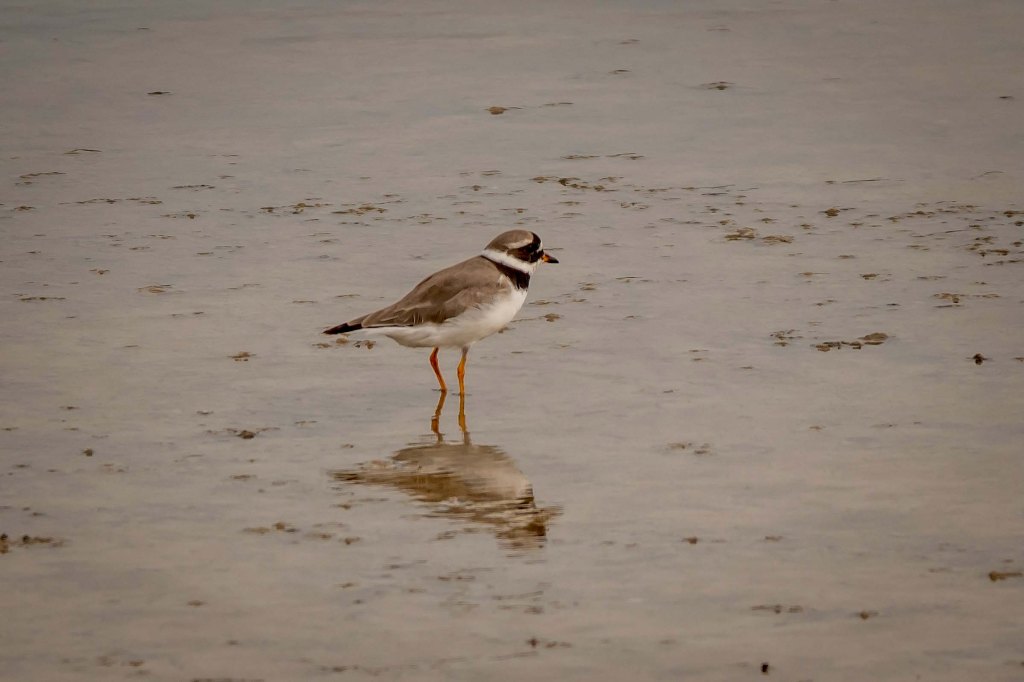
    Common ringed plover

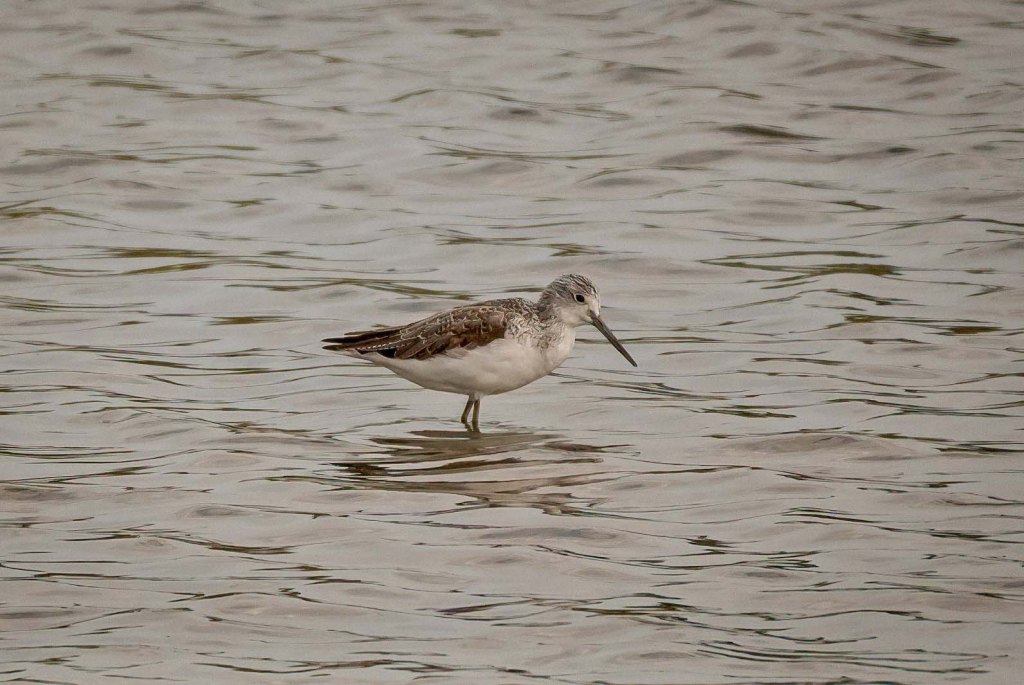
    Common greenshank

    Little stint

    Pied avocet

    A mixture of waders for the experts to identify

    Black-winged stilts

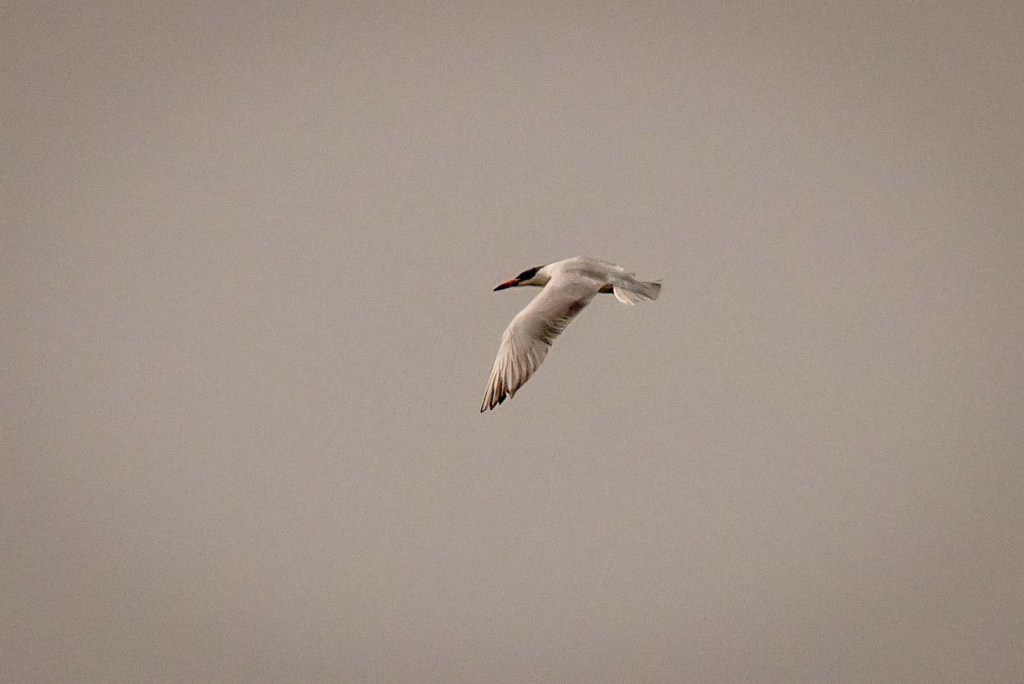
    A distant Caspian tern

    Avocets doing what they do at this time of the year

    Kentish plover

    A western yellow wagtail

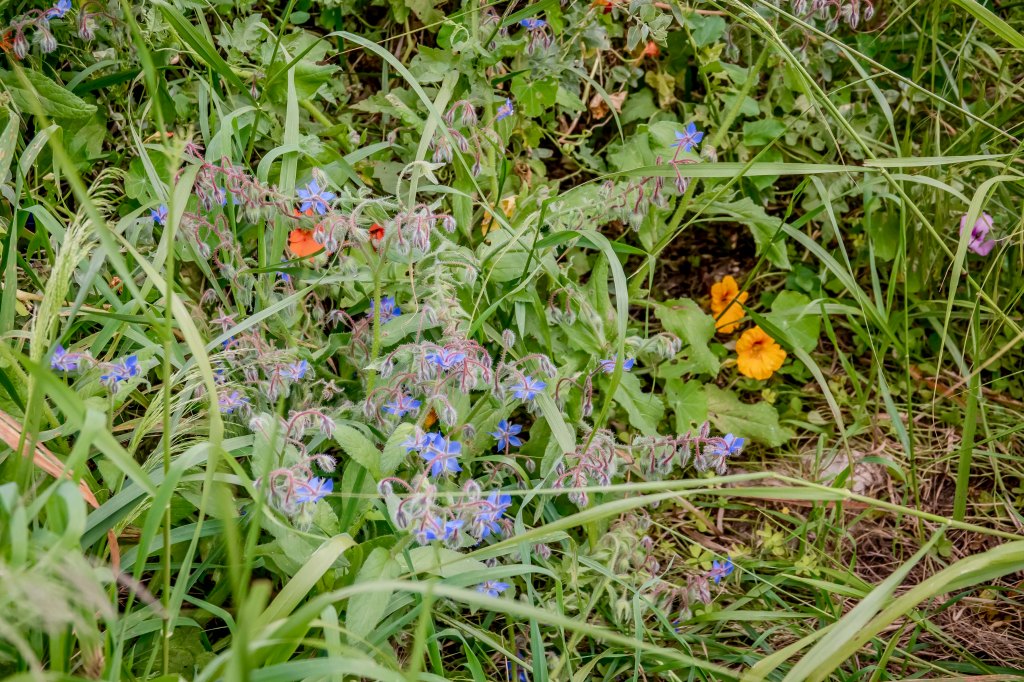
    The flora around here was also very attractive.
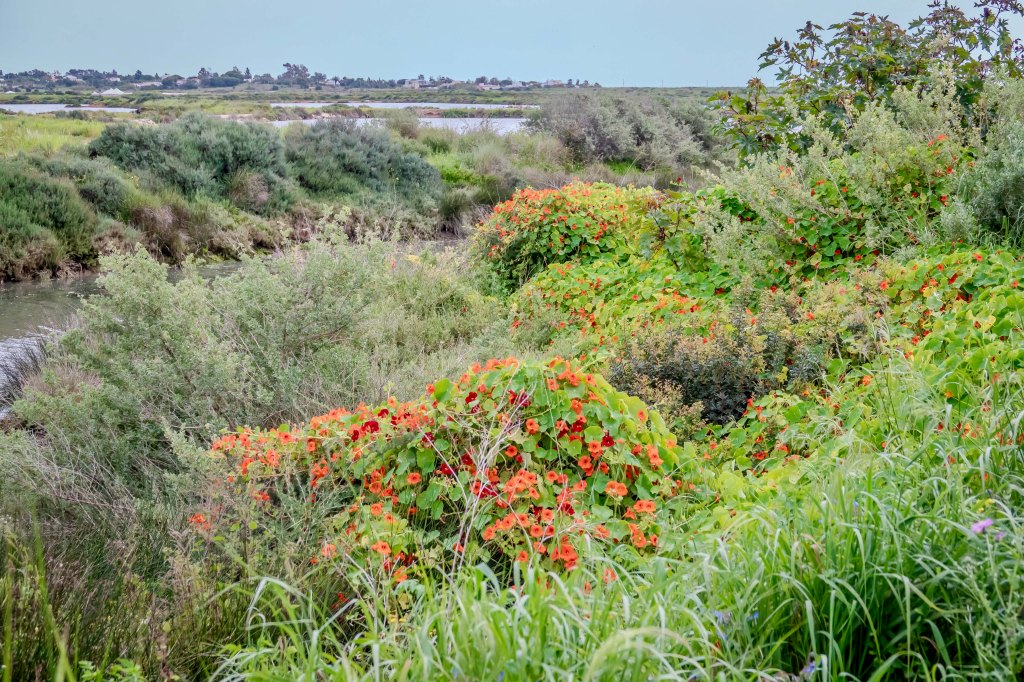
    As we walked into town there were hirondines everywhere.
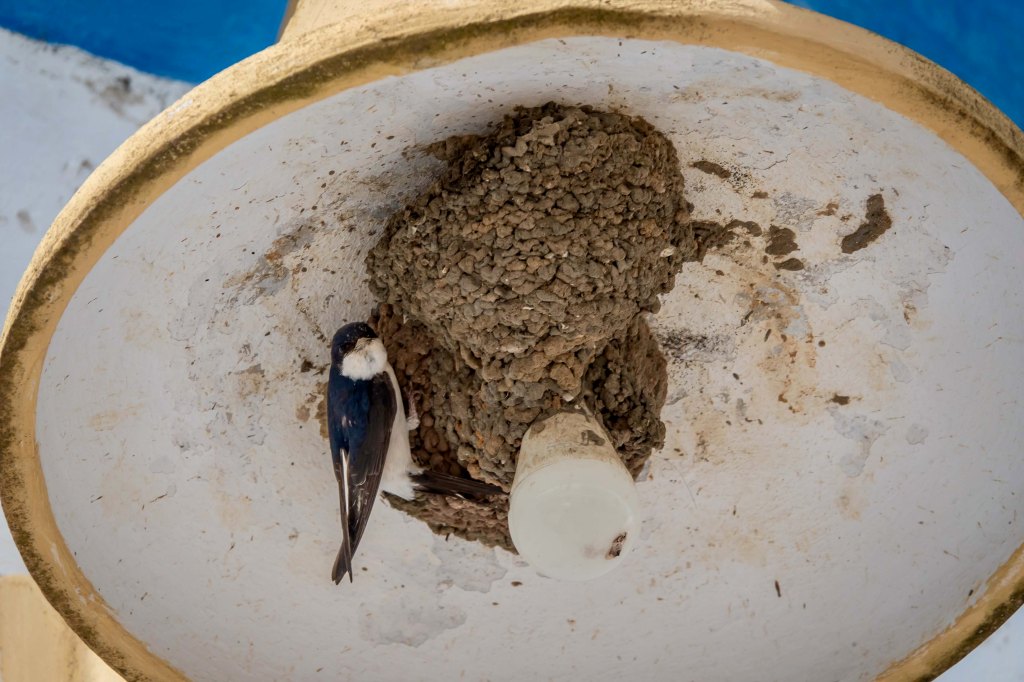
    A house Martin building a nest in a street lamp

    After a wonderful seafood lunch on the front at À do Rui (a top recommendation from a friend) we had little appetite for any more birdwatching and all we saw was a common sandpiper on the shores of the Ria Formosa.

    A common sand piper on the shores of the Ria Formosa

    The lifeboat station at Fuzeta

  • 13th February 2025 – Ria Formosa Nature Reserve, The Algarve, Portugal

    13th February 2025 – Ria Formosa Nature Reserve, The Algarve, Portugal

    There is a roundabout just outside our hotel with a statue of a seahorse. There is the largest population of seahorses in the world in the Ria Formosa Natural Park.
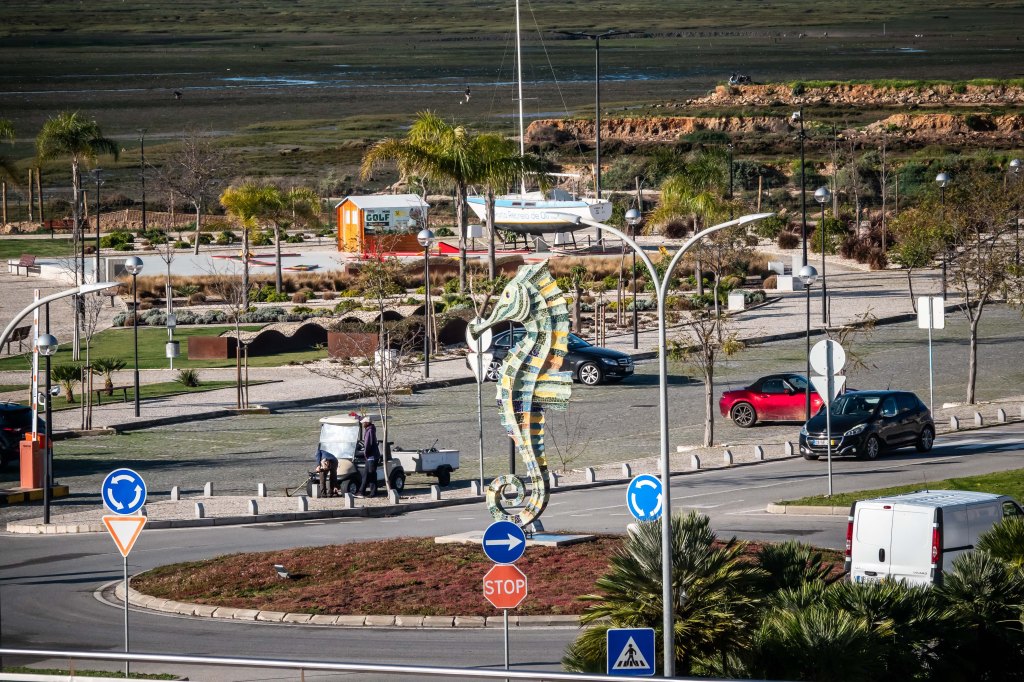
    The seahorse roundabout

    On our last full day here in Portugal we decided to revisit the Ria Formosa Nature Reserve at Quinto de Marim. At the entrance to the park there is a poster reminding us of the fragility of the seahorses in nature with the population diminished by 90% in the last 15 years.

    On our boat trip earlier in the week we had seen buoys protecting the area where the seahorses exist.

    We had much better light on our visit today but the tide was very low and the mudflats were almost empty of waders. However, we did have a very good view of this plover below which, according to one ID app, is a semi-palmated plover. However, it is more likely a non-breeding adult common ringed plover. In fact, having studied several sources, the slight webbing between only one of the toes convinces me that this is definitely a common ringed plover

    Semi-palmated plover or more likely a non-breeding adult common ringed plover
    Stonechat

    The flora was even more beautiful after the rain and with quite warm sunshine

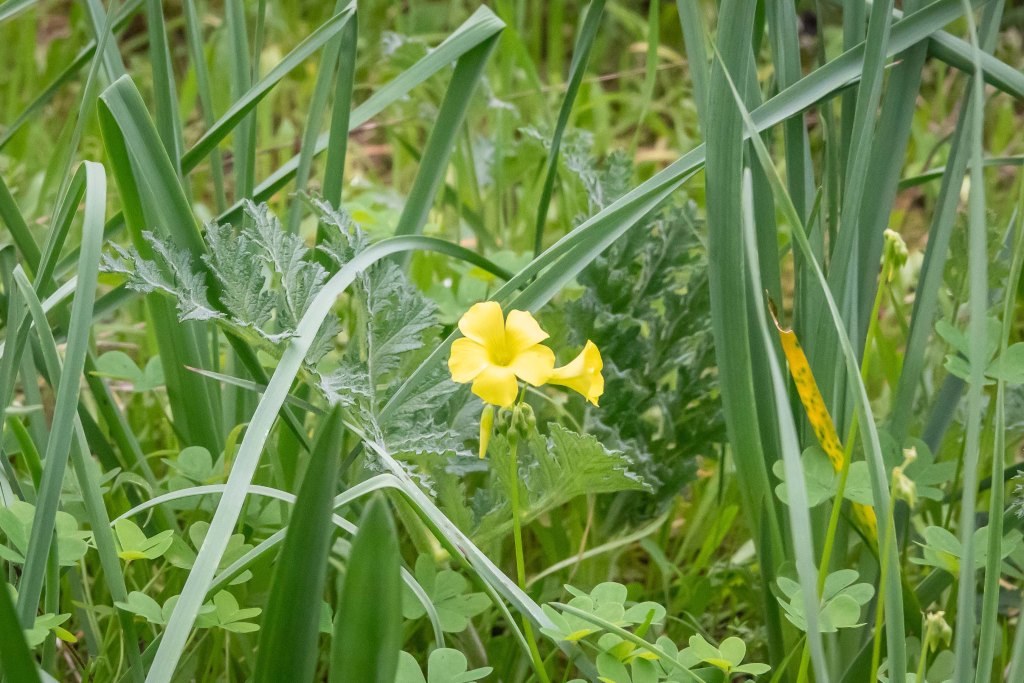
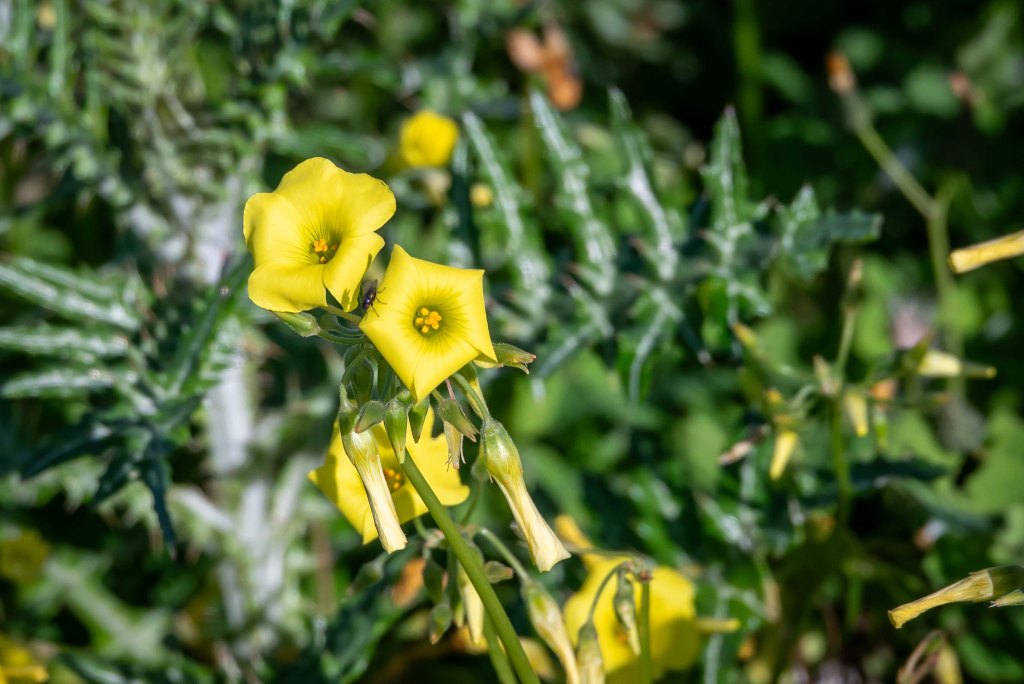
    Oxalis pes-caprae has all sorts of common names, including slender yellow wood sorrel

    The mudflats were empty of birdlife but it was great walk

    The tidal mill with very little bird life today

    Mainly cattle egret with a few little egrets at the freshwater pond

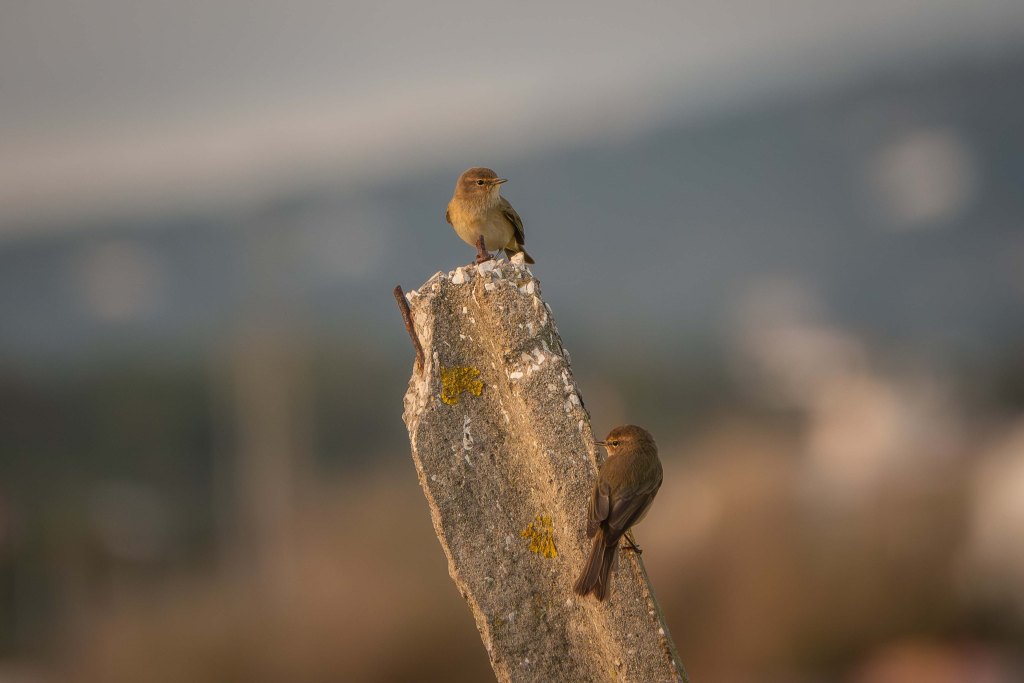
    Chiffchaffs and/or willow warblers were putting on quite a display at the freshwater pond – difficult to say which when they weren’t singing

    Little grebe

    Teal

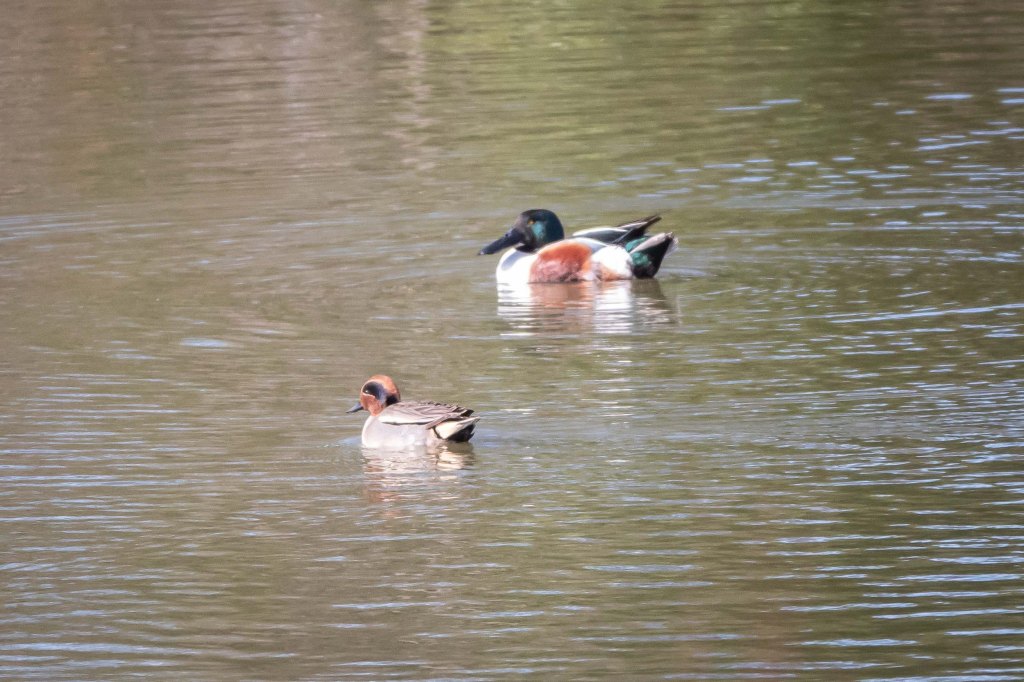
    Teal and shoveler

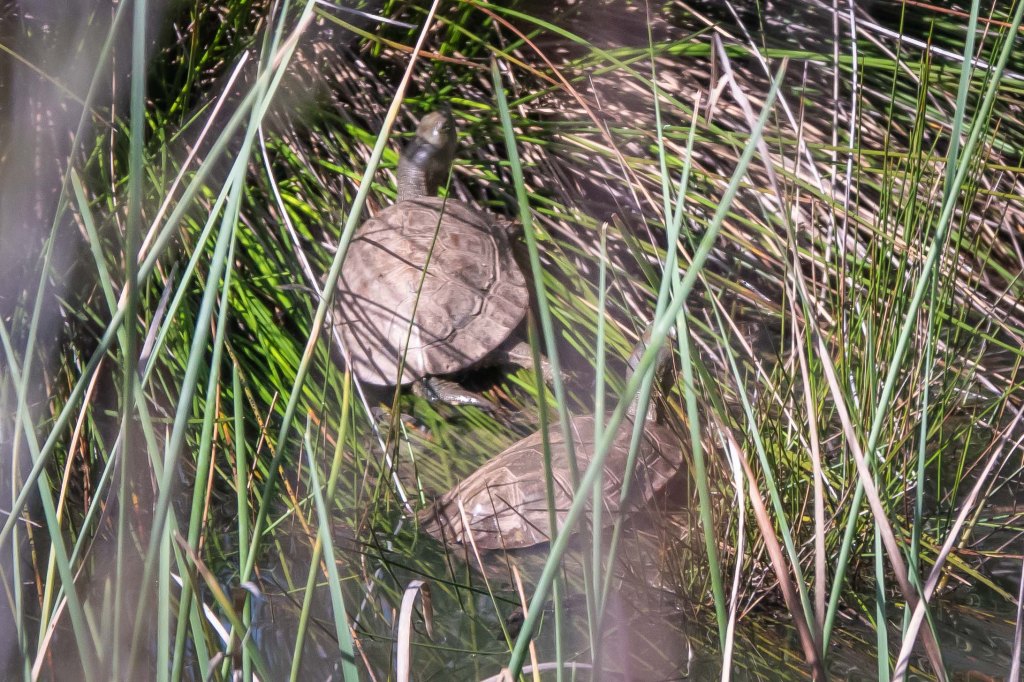
    Terrapins

    Lupins have appeared in flower after the rain

    … and these beautiful crocus-leaved romulea

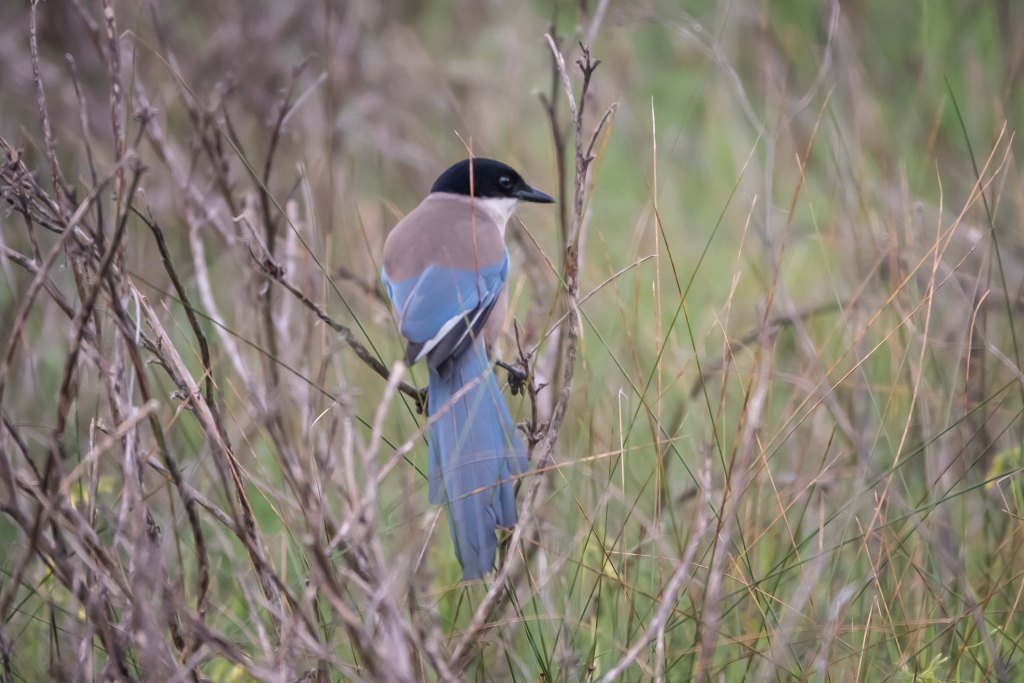
    Iberian magpie

    Iberian magpie

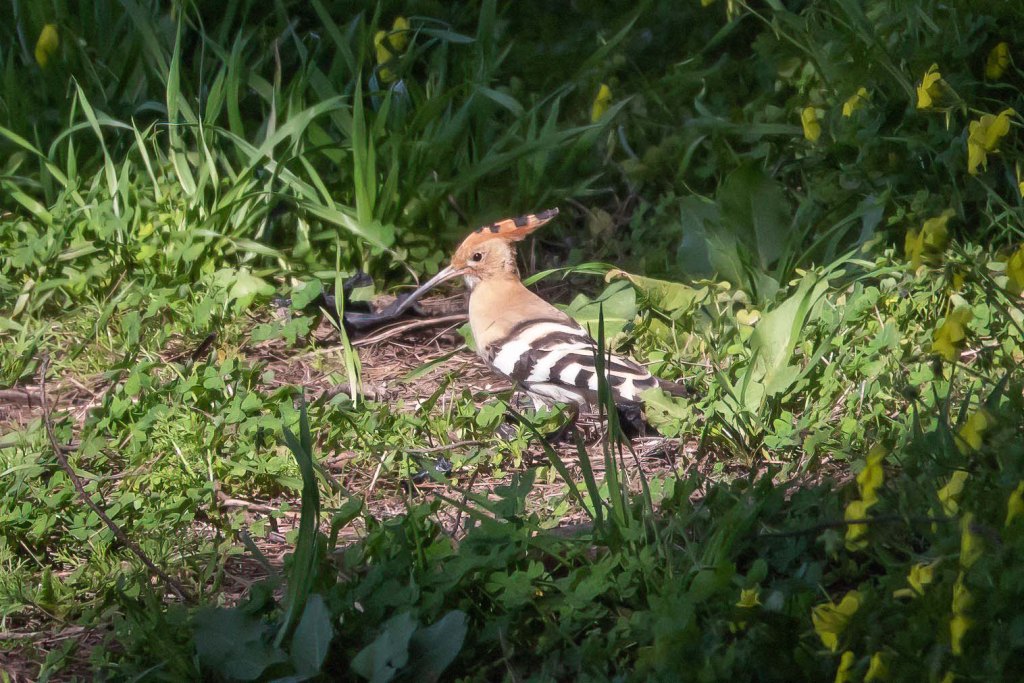
    And saving the best to last, just as we were leaving the park a Eurasian hoopoe

    Eurasian hoopoe

    And then back to Olhão for a celebratory last lunch – although, we didn’t really need an excuse.

  • 12th February 2025 – Estoi, The Algarve, Portugal

    12th February 2025 – Estoi, The Algarve, Portugal

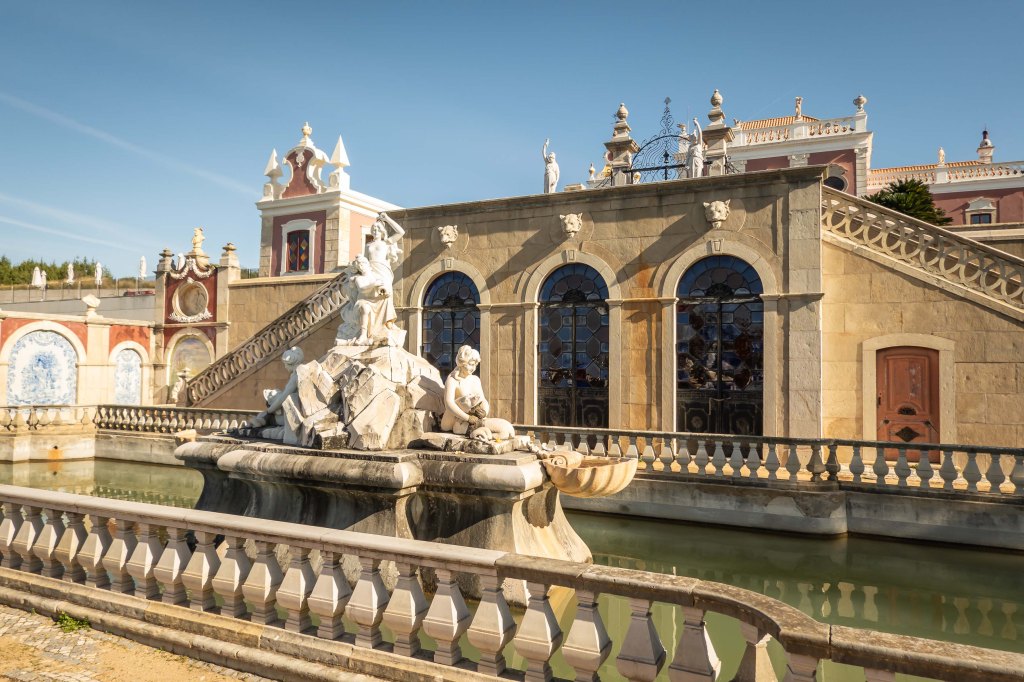
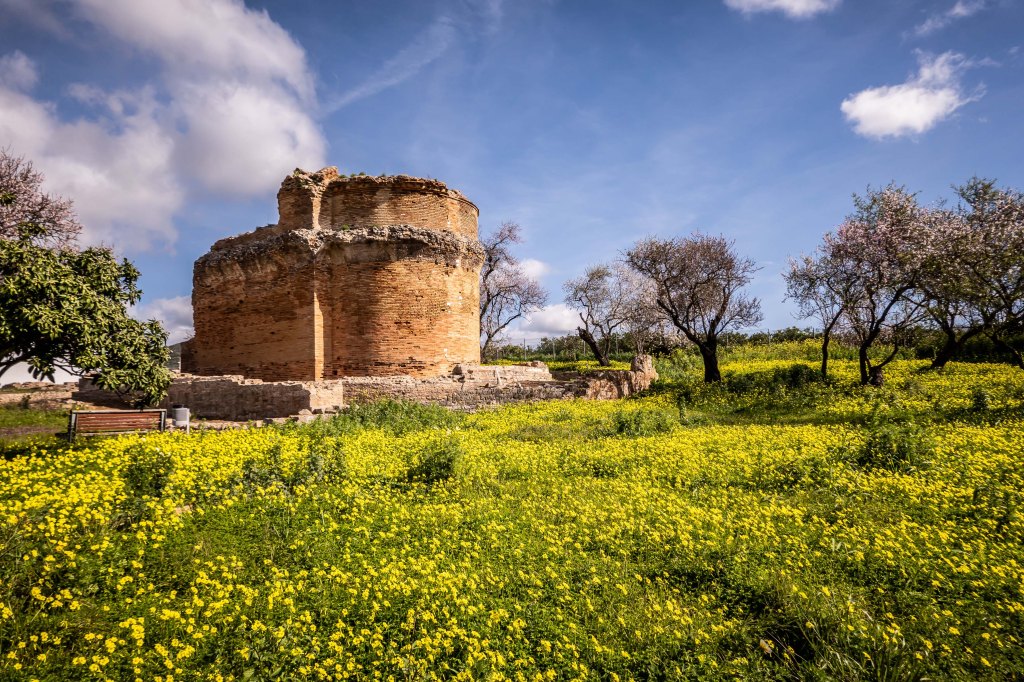
    This morning we had a non-birding trip to the pretty little town of Estoi, about 10 kilometres north of Olhão. There were three interesting tourist attractions: the Matriz de Estoi Church (which we only visited briefly as there was a service on); the Palácio de Estoi (a 19th Century Neo-Rococo styled palace, now converted into a luxury posada hotel, whose beautiful ornamental gardens are open to the public; and the nearby Ruínas Romanas de Milreu, the best preserved Roman ruins in southern Portugal.
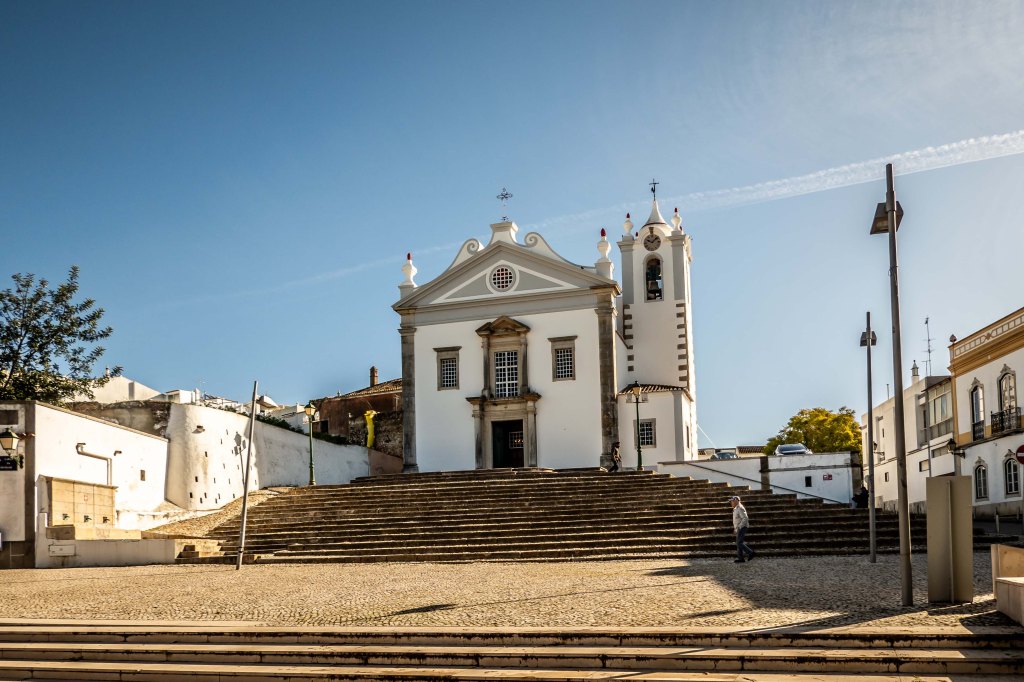
    The Matriz de Estoi Church

    El Palacio de Estoi

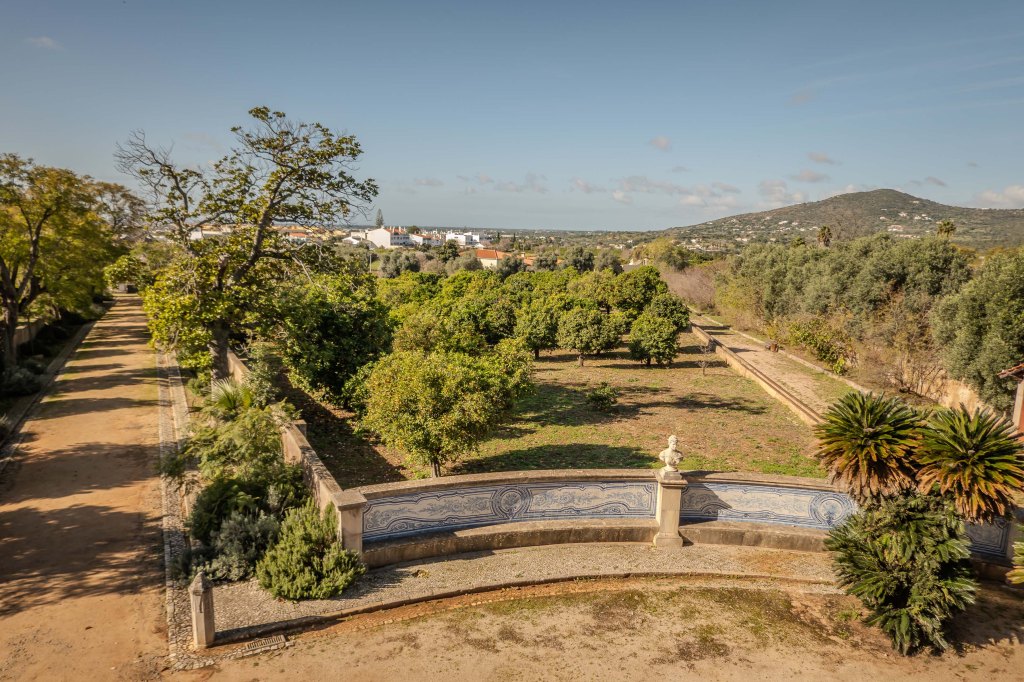
    The orange and lemon groves

    Although it was a non-birding day we did have a very good view of a European hoopoe in the gardens and white storks flying high overhead.

    A traditional Portuguese farmhouse (Casa Rural) was built on top of the Roman Villa

    Inside the Roman villa

    The temple was one of the earliest churches in Portugal , and has been used as a Roman temple, a church and a mosque, but is now a ruin

    There were many fine mosaics

    Of course there had to be a bath house

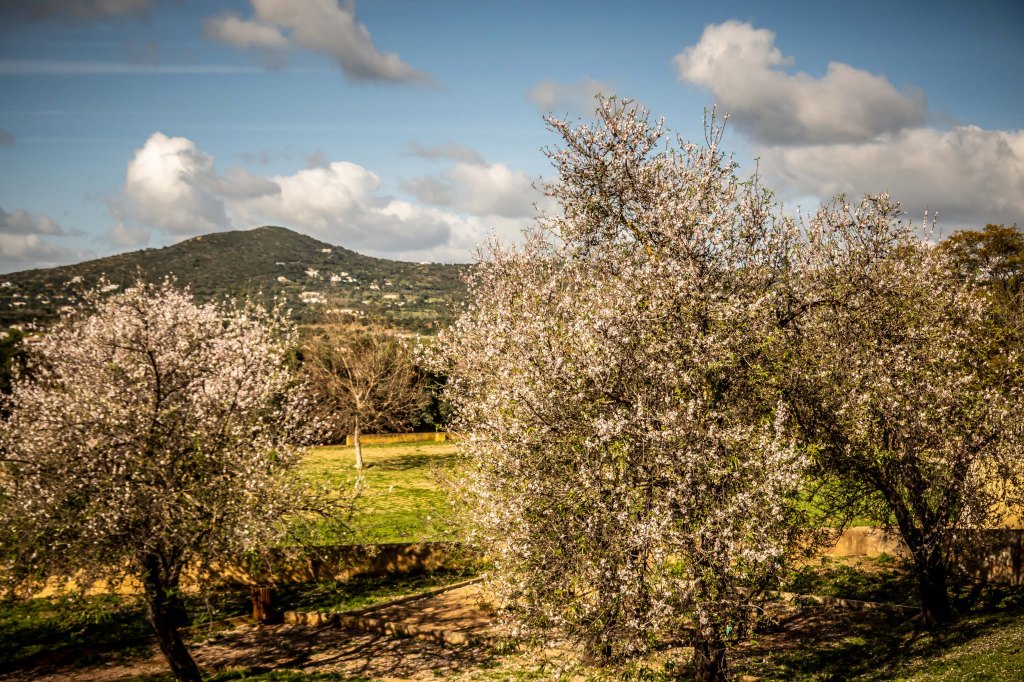
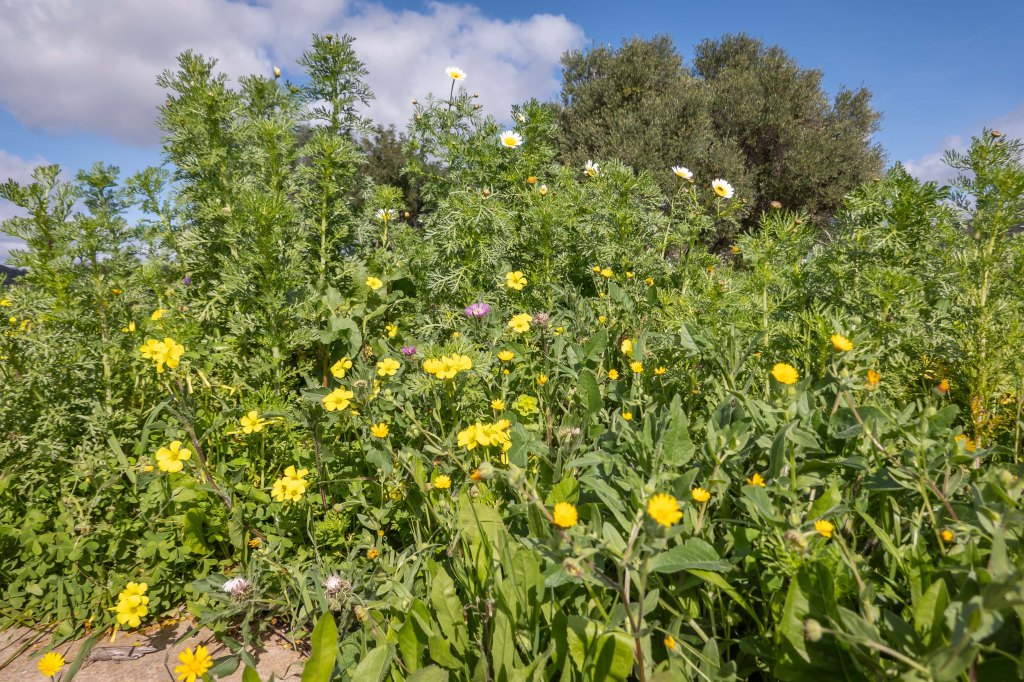
    The beautiful spring flowers are just everywhere in the countryside at present

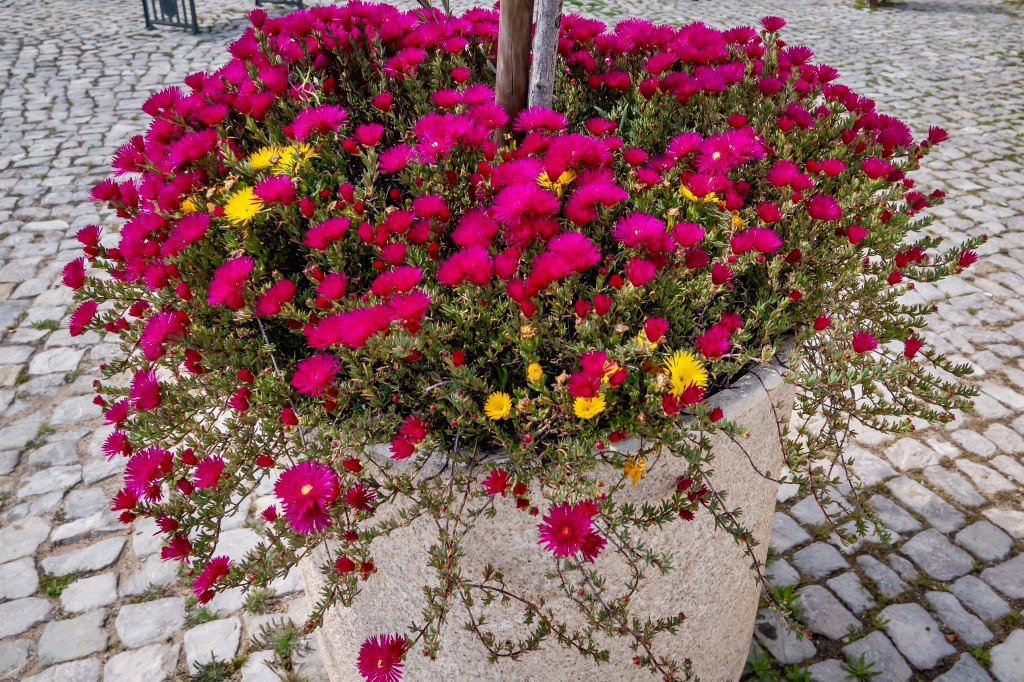
    And they are a feature of town gardens too

  • 10th February 2025 – Quinta de Marim, The Algarve, Portugal

    10th February 2025 – Quinta de Marim, The Algarve, Portugal

    We took an Uber to Quinta de Marim, a few kilometres to the east of Olhão.

    Quinta de Marim (or Centro Educação Ambiental de Marim) is a beautiful estate with many different habitats that attract birds. A 3 km trail takes you through various ecosystems – dunes, salt marshes, pine woodlands. There is a visitors’ centre and a couple of hides at the edge of the marsh, one looking across the mudflats and another looking over a fresh water pond.

    The dull weather was rather disappointing for photographs but it was still quite warm (17C) and we didn’t need coats. The visit was not at all disappointing.

    Lavender

    Iberian magpies in the pine trees

    Rosemary in flower

    Iberian magpie

    .

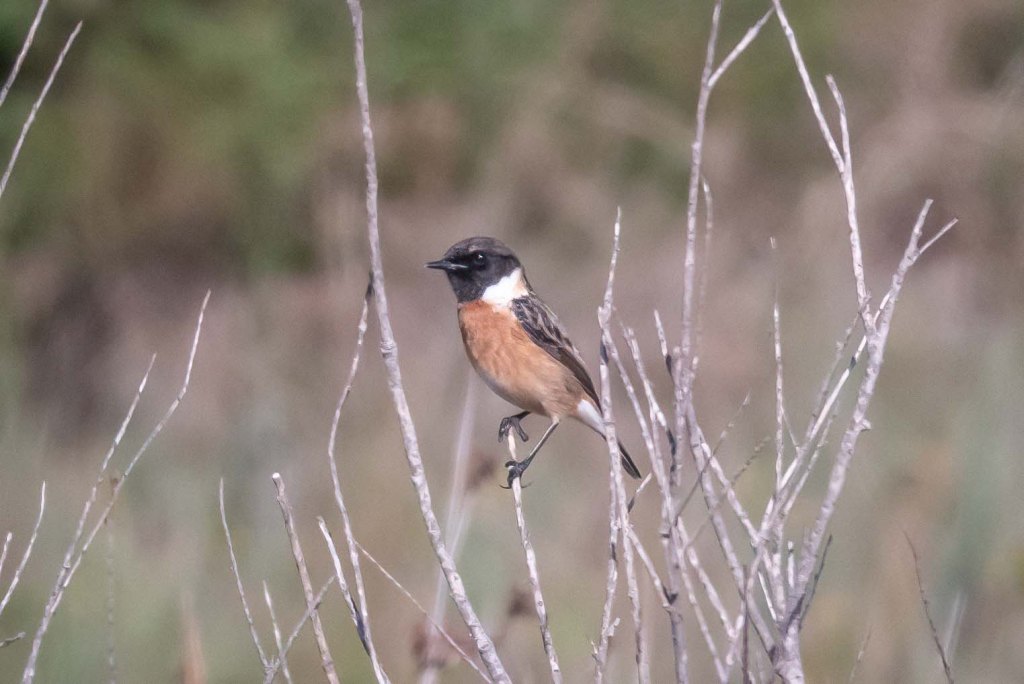
    Stonechat

    Swallow

    From the roof of the mill there were spectacular views along the coast

    There were waders everywhere along this stretch of the coast

    Grey plover

    Bar-tailed godwits and a whimbrel

    Greenshank

    Iberian magpie

    Purple viper’s bugloss

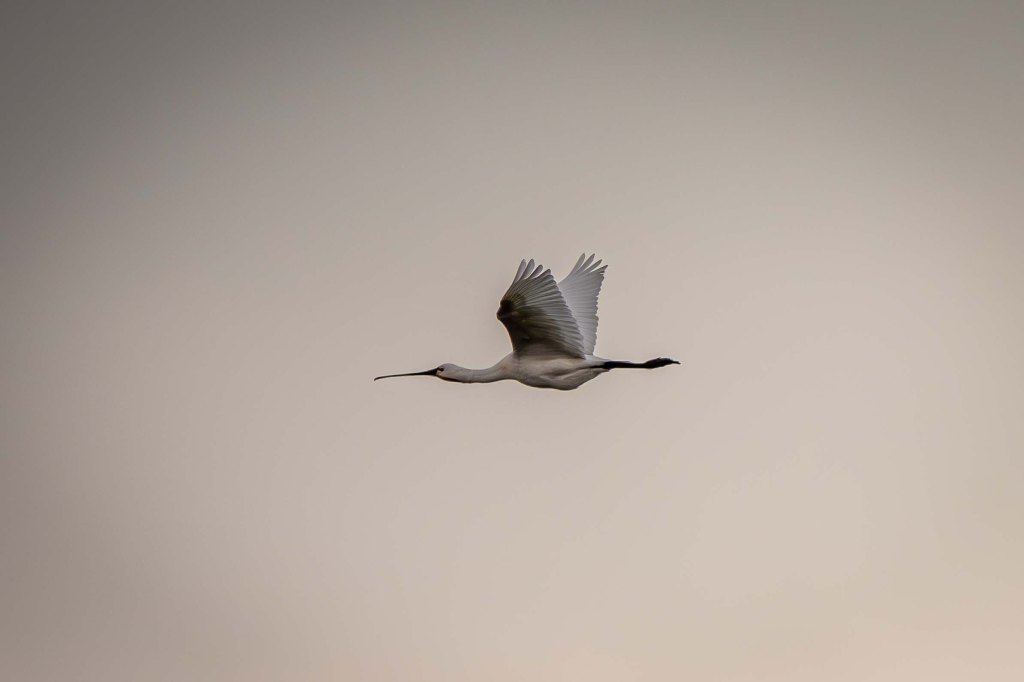
    A flyover Eurasian spoonbill
    Tidal mill at Quinta de Marim – In other times, when energy sources were scarce and limited only to muscle power, wind and current, tidal mills had a major advantage over other forms of energy: their constancy and predictability. There are two daily tides that guarantee approximately 4 hours of grinding. They were built in estuaries on low land and in sheltered areas where the water could be dammed

    Kestrel

    White stork, not looking so white in this light
    Dunlin

    Little grebes on the freshwater pond

    Cattle egret

    Wigeon with barn swallow flying past

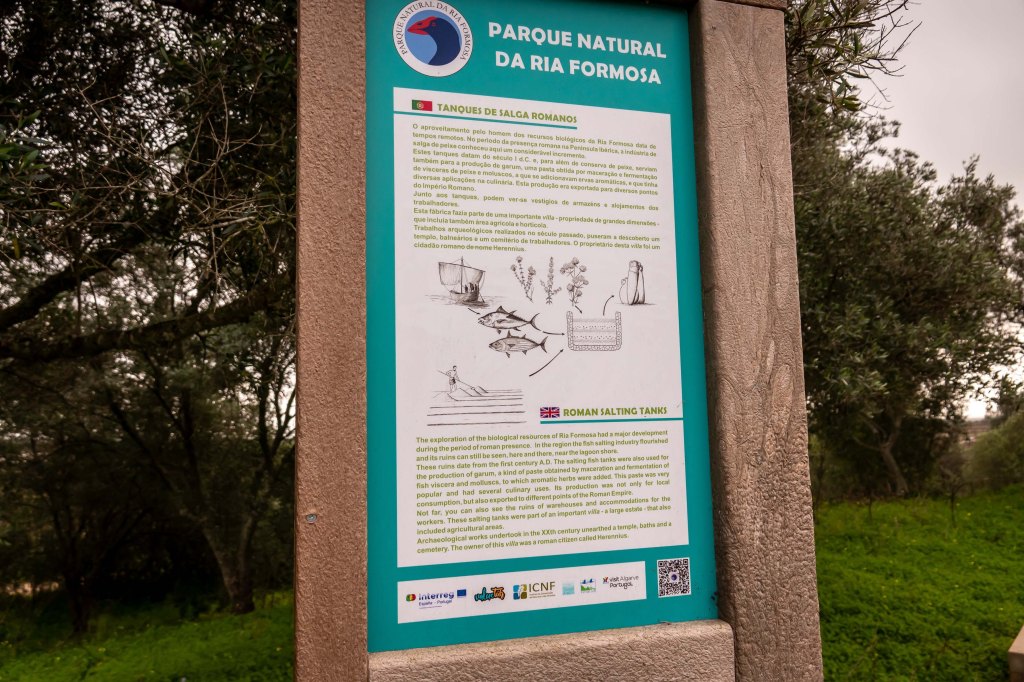
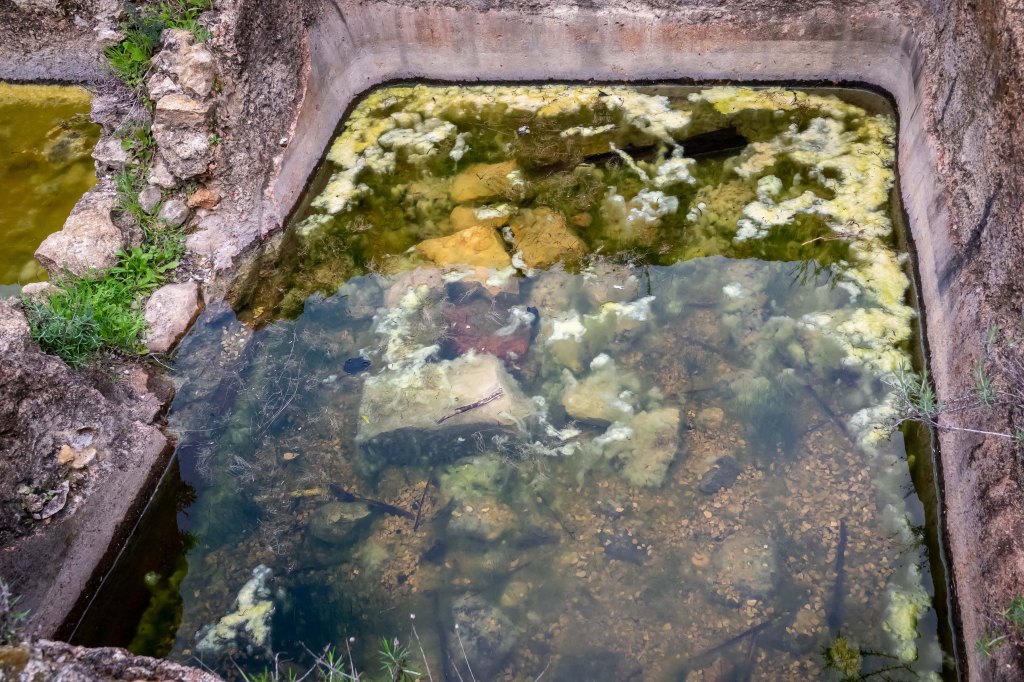
    Roman salting tanks

    Cowpea

    Barn swallow on a wire

    Blackbird on a log

    In the late afternoon on our return to Olhão we had another walk around the Salinas de Olhão.

    Whimbrel

    A different swallow ?

    Pied avocet

    Redshank

    Pied avocet

  • 9th February 2025 – Ria Formosa, Portugal

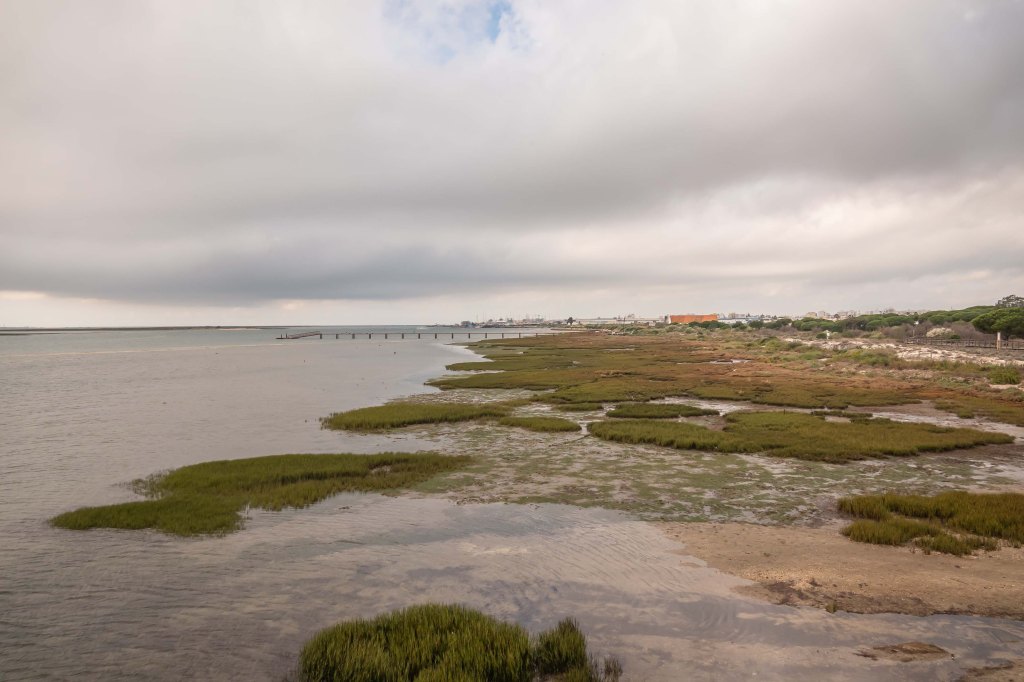
    9th February 2025 – Ria Formosa, Portugal

    We made the most of the sunny and calm conditions to take a three hour trip around the Ria Formosa lagoon, located in the Algarve, in southern Portugal.

    In 2010, the lagoon was recognised as one of the country’s seven natural wonders and the series of barrier islands connects to the sea through six inlets, one of which is artificial to allow easier access to the port of Faro.

    We spent half an hour on the tiny island of Armona, just enough time to visit the village with its charming minute houses which are mainly used as holiday homes and to savour the tropical feel of the island.

    The approach to the public toilets

    Large white butterfly

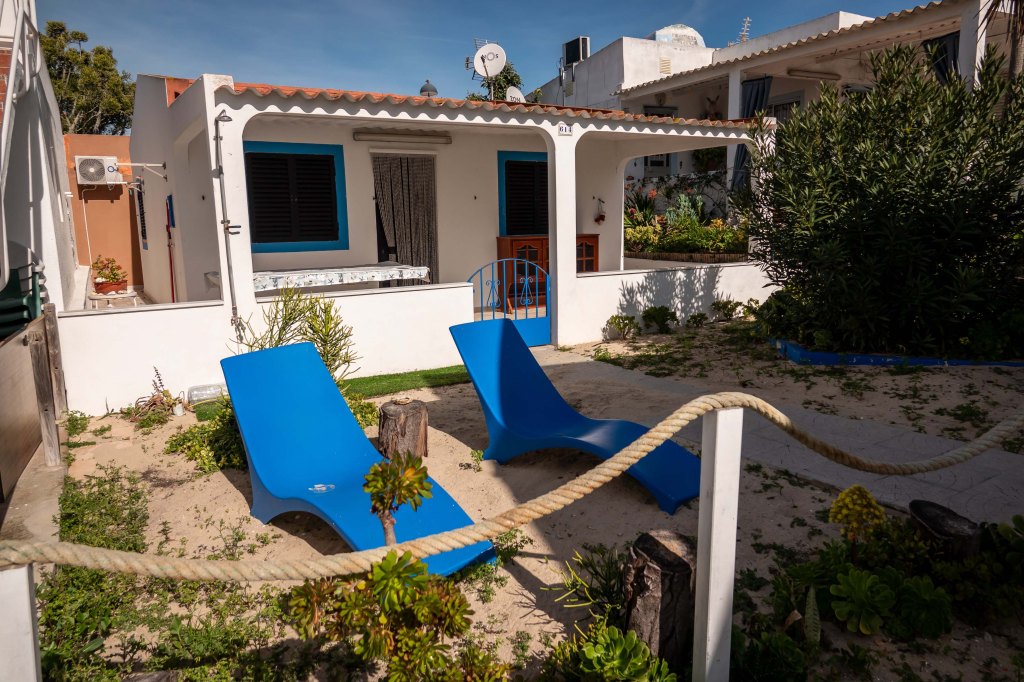
    A typical holiday home

    Clear water and sandy beaches of Armona

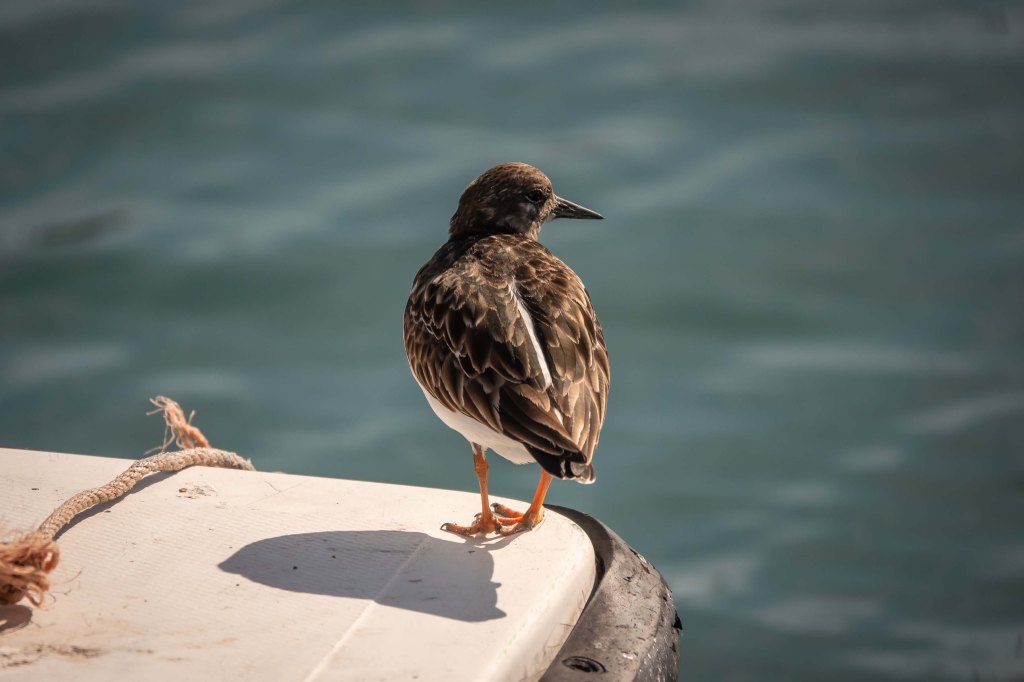
    Ruddy turnstone

    We then moved on to the larger island of Culatra which has a permanent population of about 1,000 people who are mainly involved in the fishing trade.

    The island has an extensive sandy beach on its ocean side to which we made our way across the protected sand dunes on a raised wooden walkway. It was warm enough to sit on the beach next to a bar and enjoy a beer.

    The walkway to Praia da Culatra

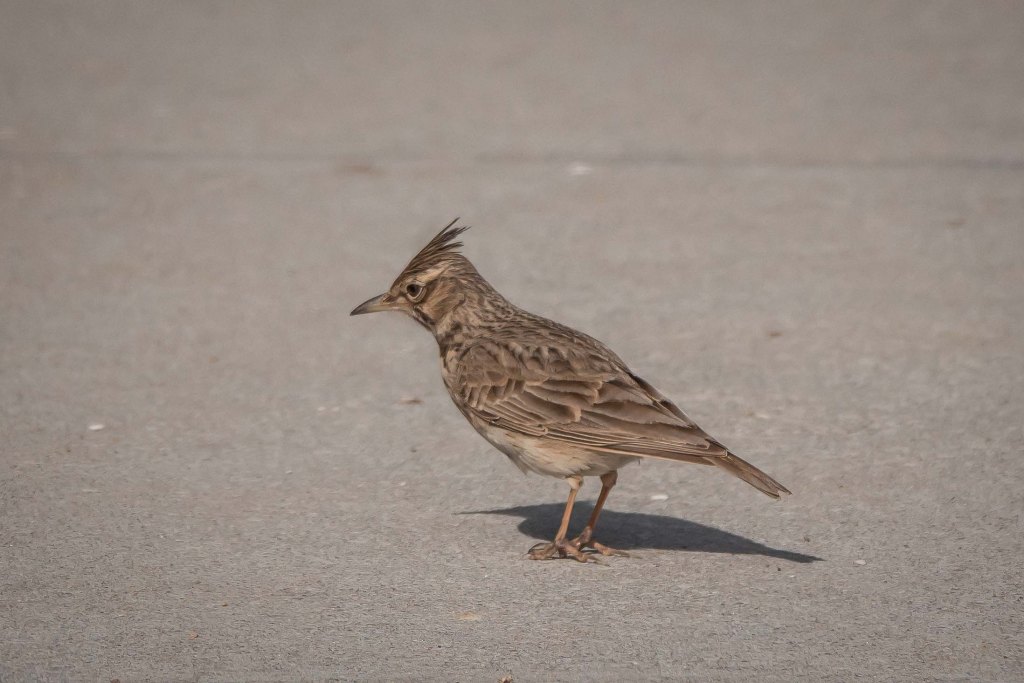
    The best of the bird life on the island – a crested lark

    Yellow-legged gull

    As the tide was high most of the sandbanks were submerged and so, apart from gulls and cormorants, we saw very little bird life, except on the return journey we saw a small colony of spoonbills.
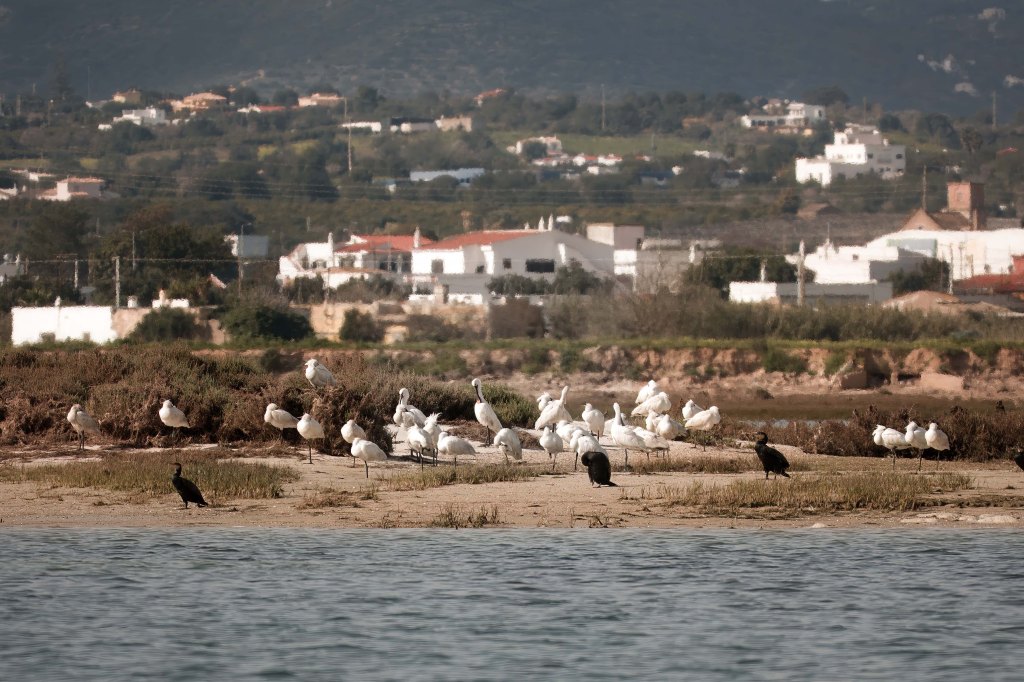
    Eurasian spoonbills

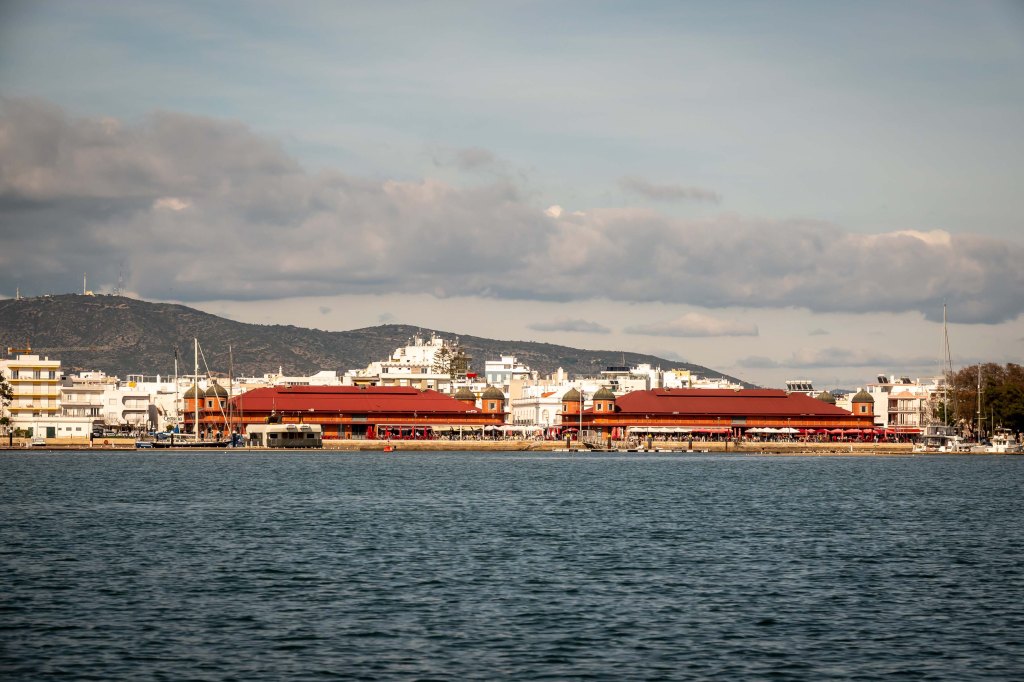
    The covered markets of Olhão seen from the lagoon.

    In the evening we had another walk around the Salinas de Olhão, next to our hotel.
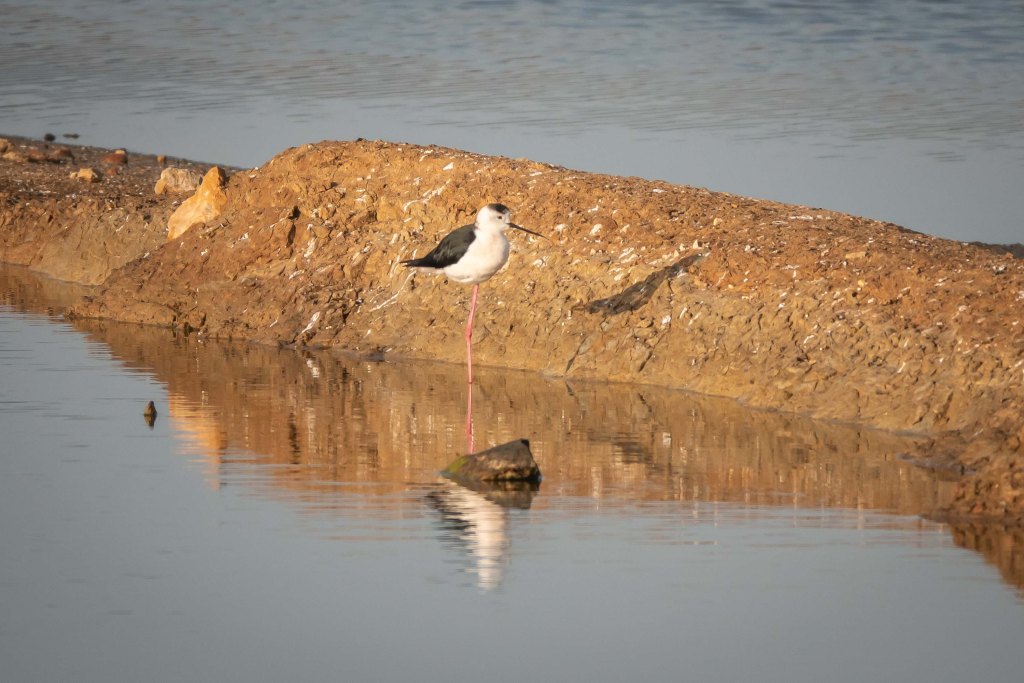
    Black-winged stilt in the evening sunshine

    Little egret

    Chiffchaff

    Chiffcaff

    Chiffchaff catching its last meal of the day

  • 8th February 2025 – Olhão, Portugal

    8th February 2025 – Olhão, Portugal

    A two hour flight from Bristol, a 15 minute transfer from Faro and we are transported into what seems like another world and, in particular, a different climate.

    On the first morning of our stay, within a 2 minute walk from our hotel, we are strolling amongst nature in the Salinas de Olhão with colourful wild flowers, huge numbers of waders, lots of small passerines flitting around almost at our feet and with the sun on our backs.
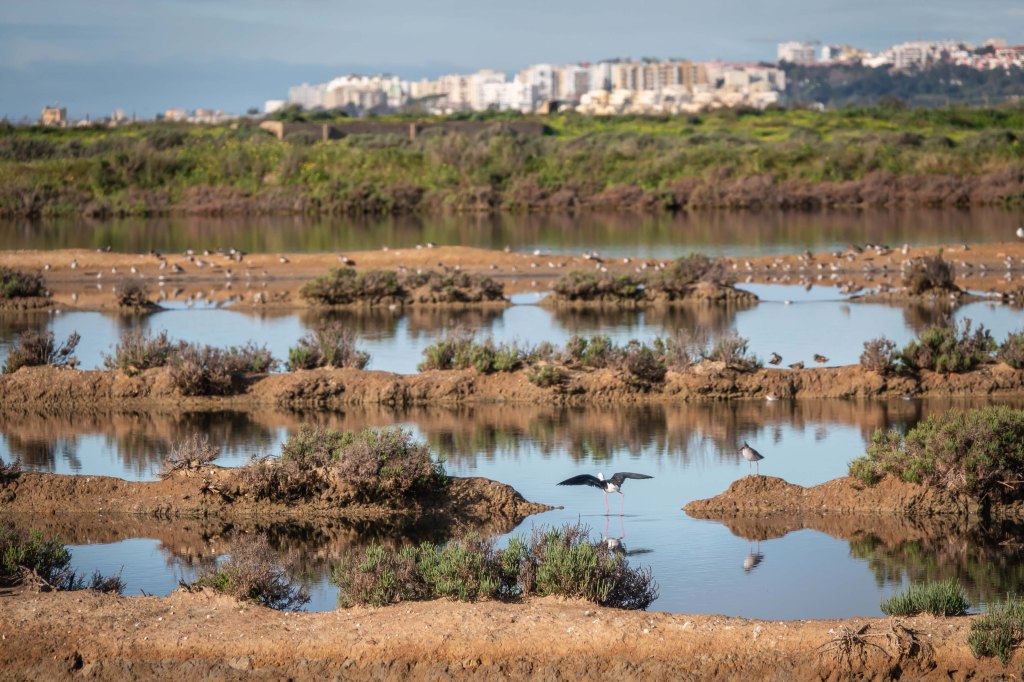
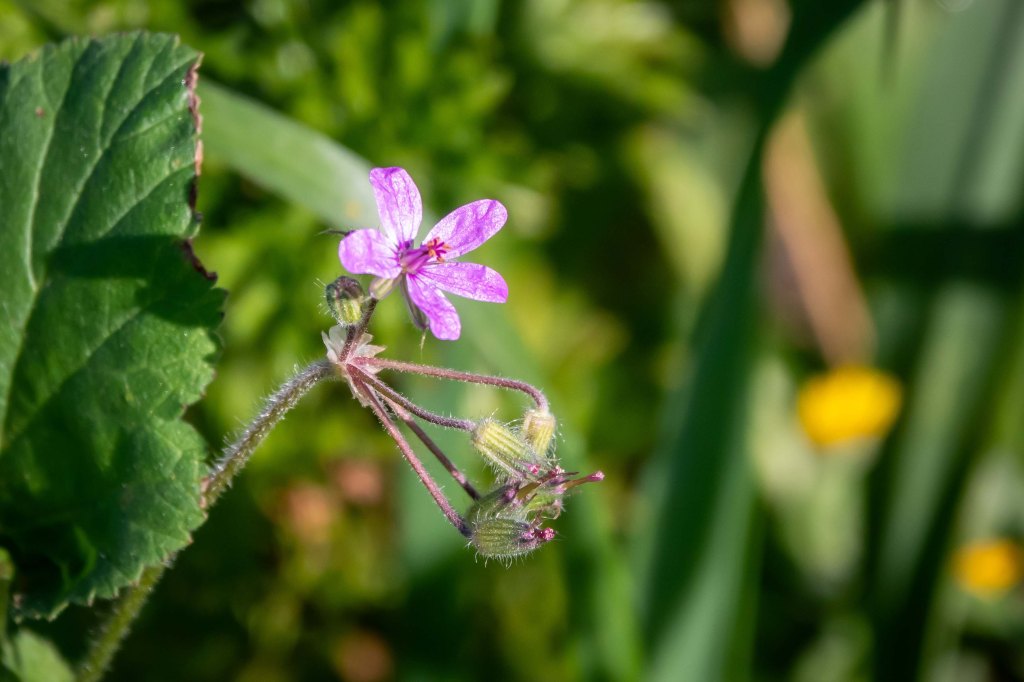
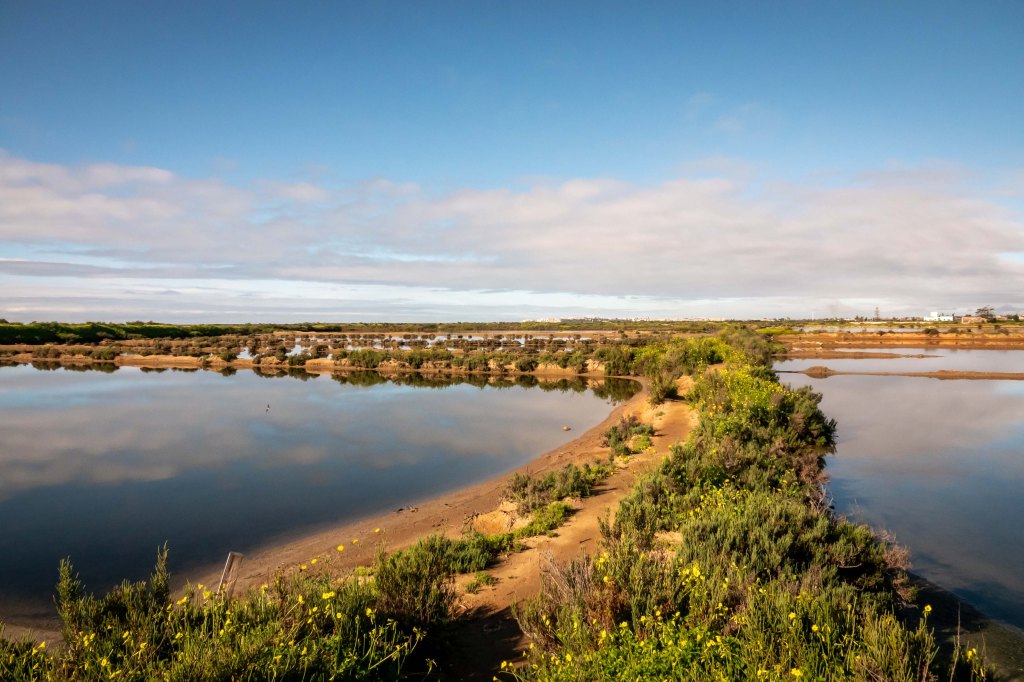
    Salinas de Olhão

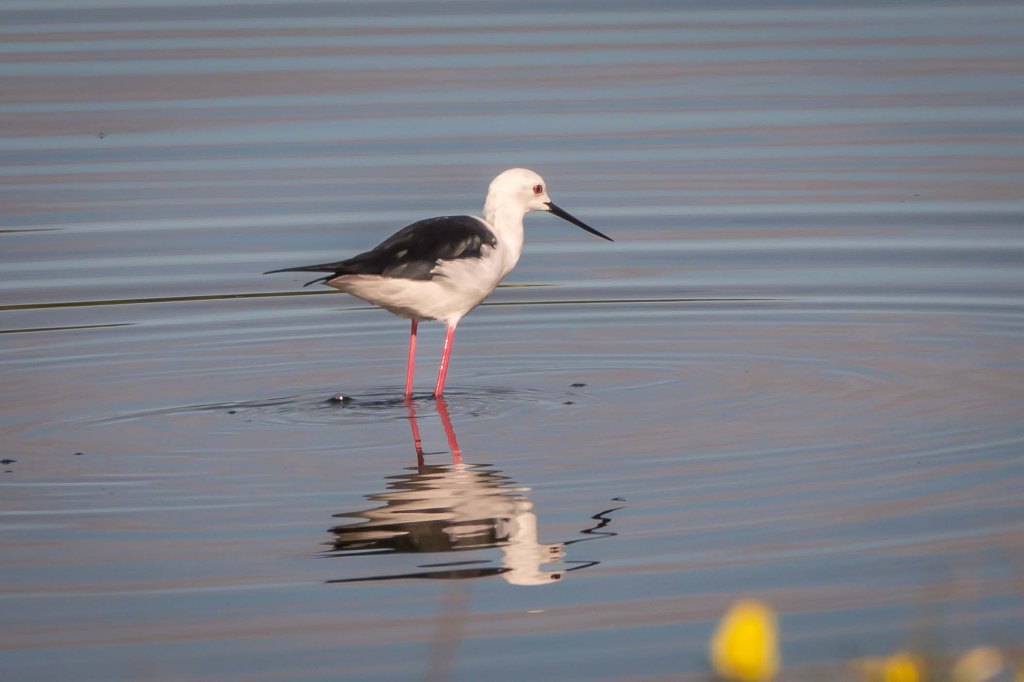
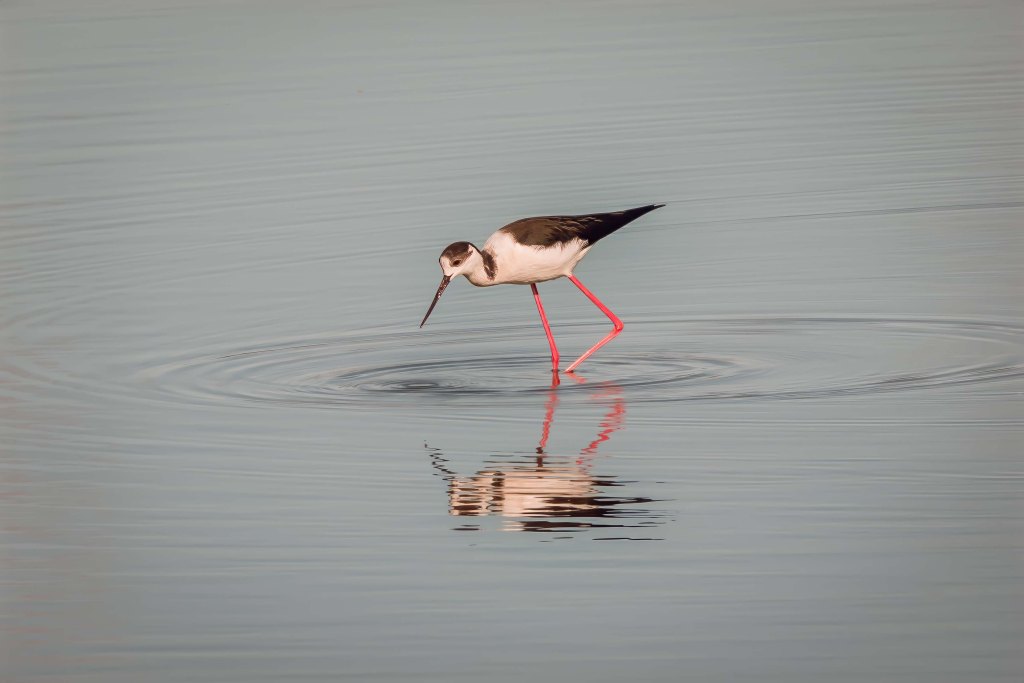
    Black-winged stilt

    Redshank

    Redshank photo bombing a group of dunlin

    Walks through the former salt pans

    Black-tailed godwit centre stage

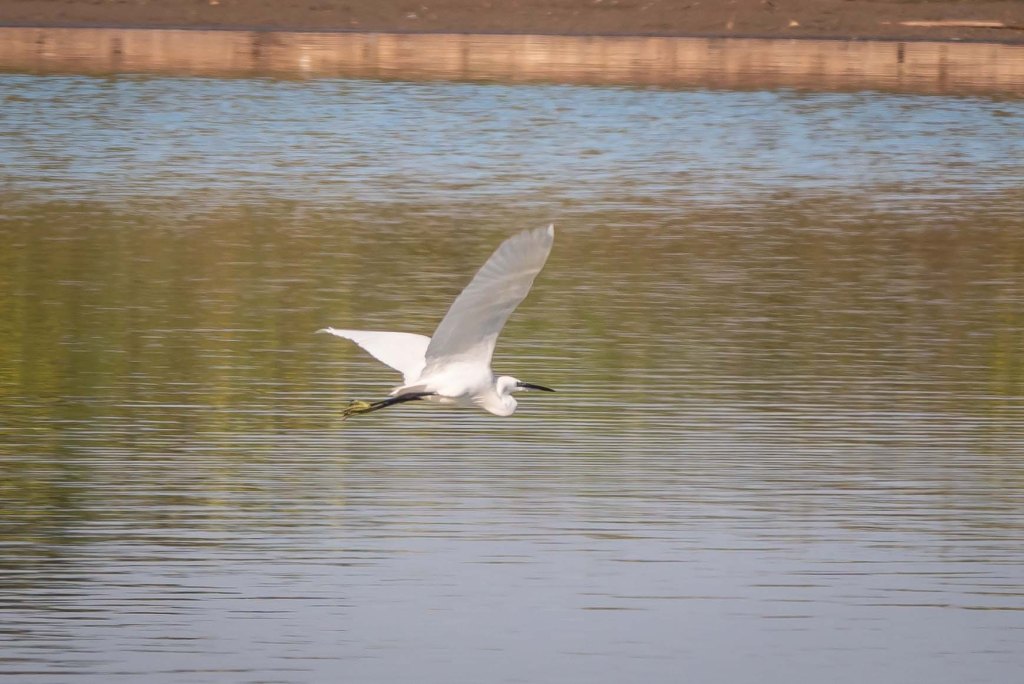
    Little egret

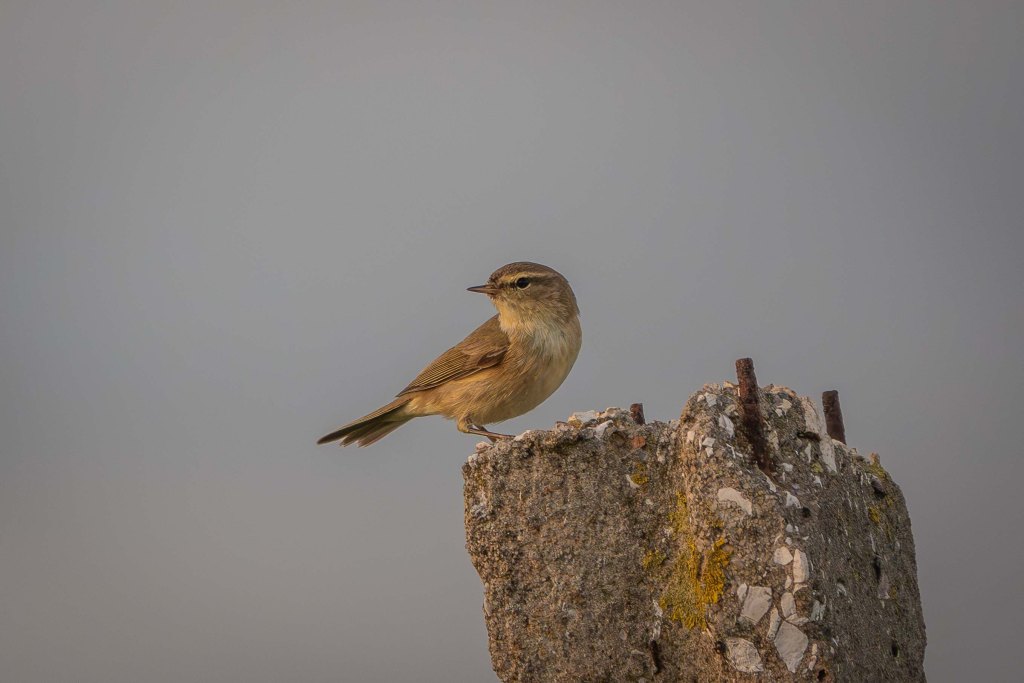
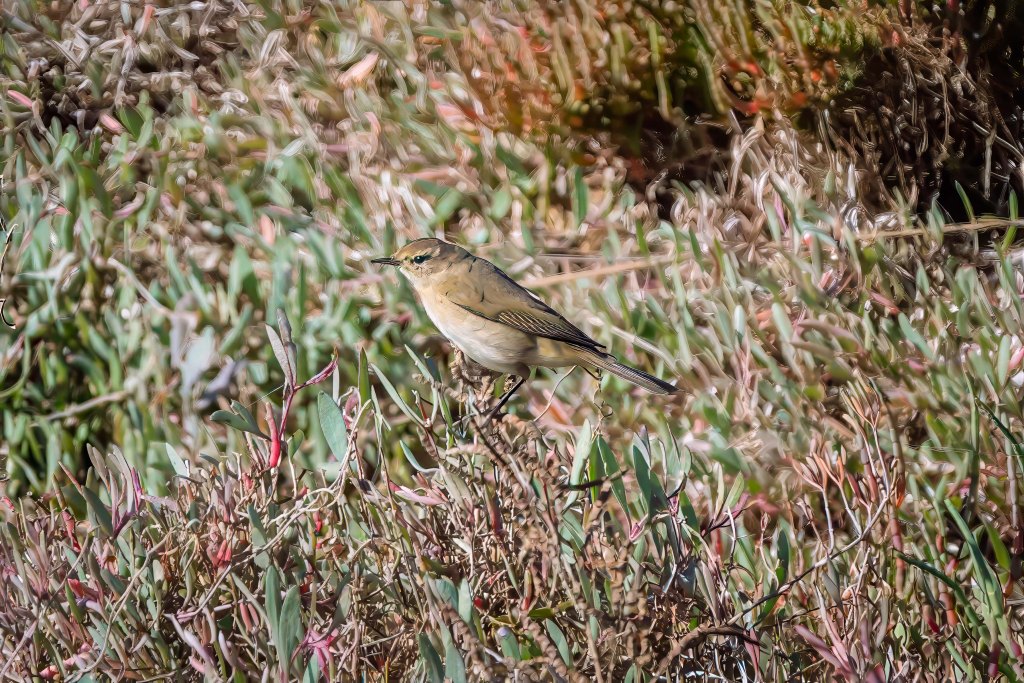
    Chiffchaff

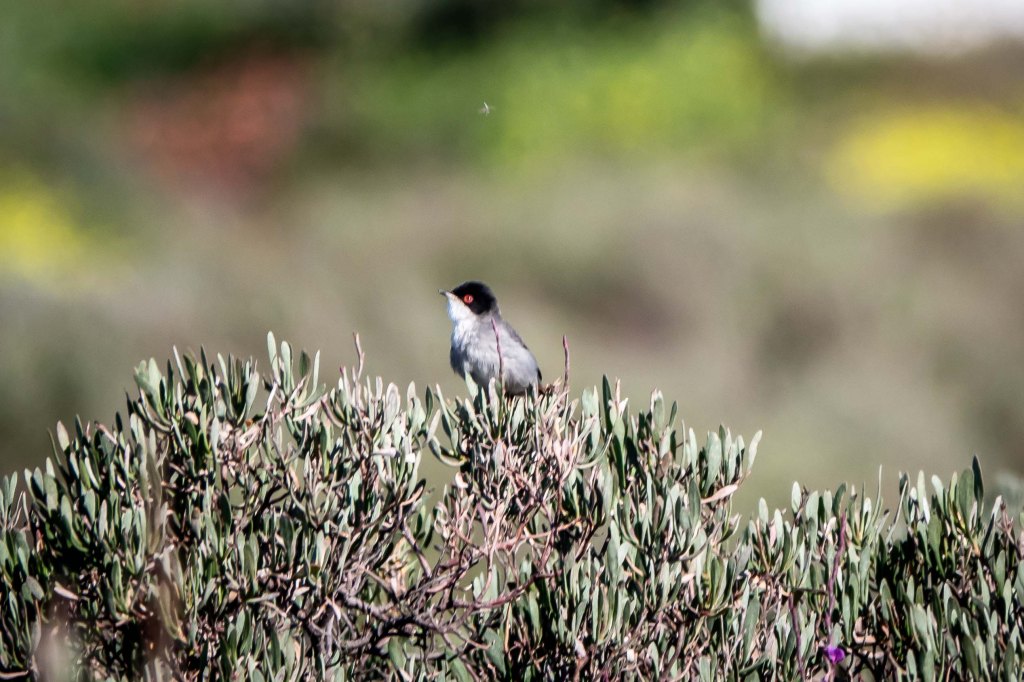
    Sardinian warbler

    Zitting cisticola

    Chiffchaff

    Black-winged stilt

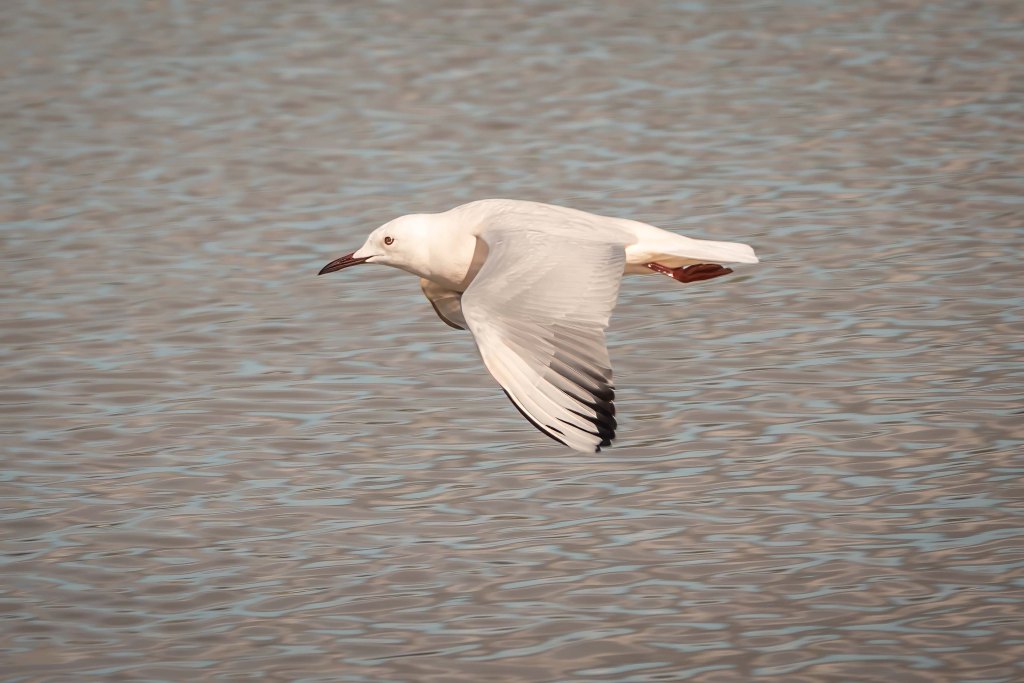
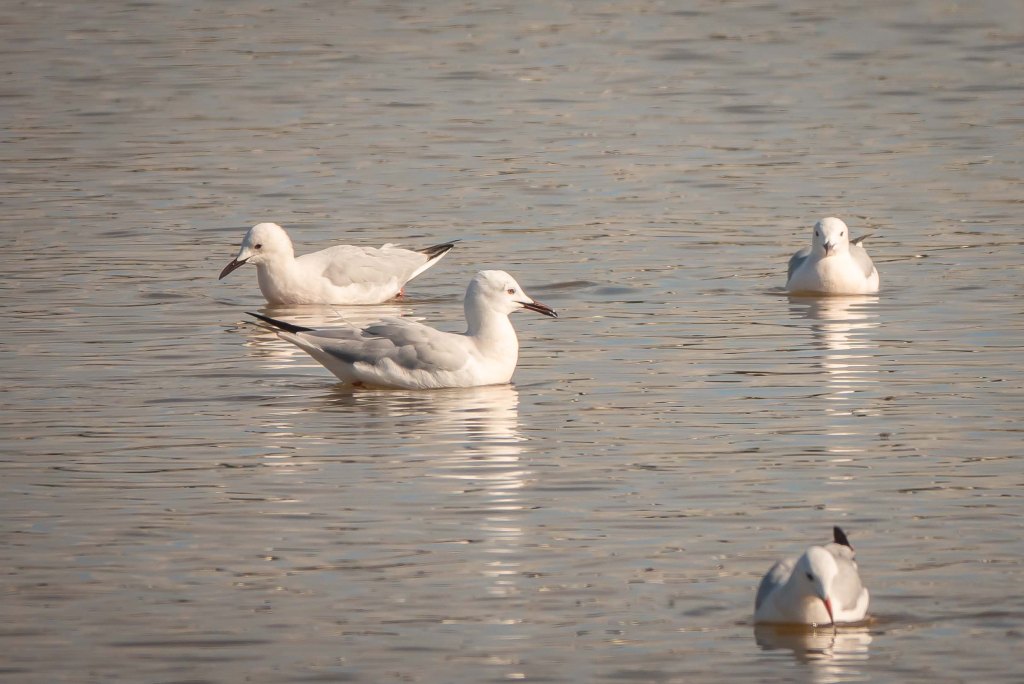
    Slender-billed gull

    Black-headed gull

    Slender-billed gull

    Kentish plover

    Sanderling

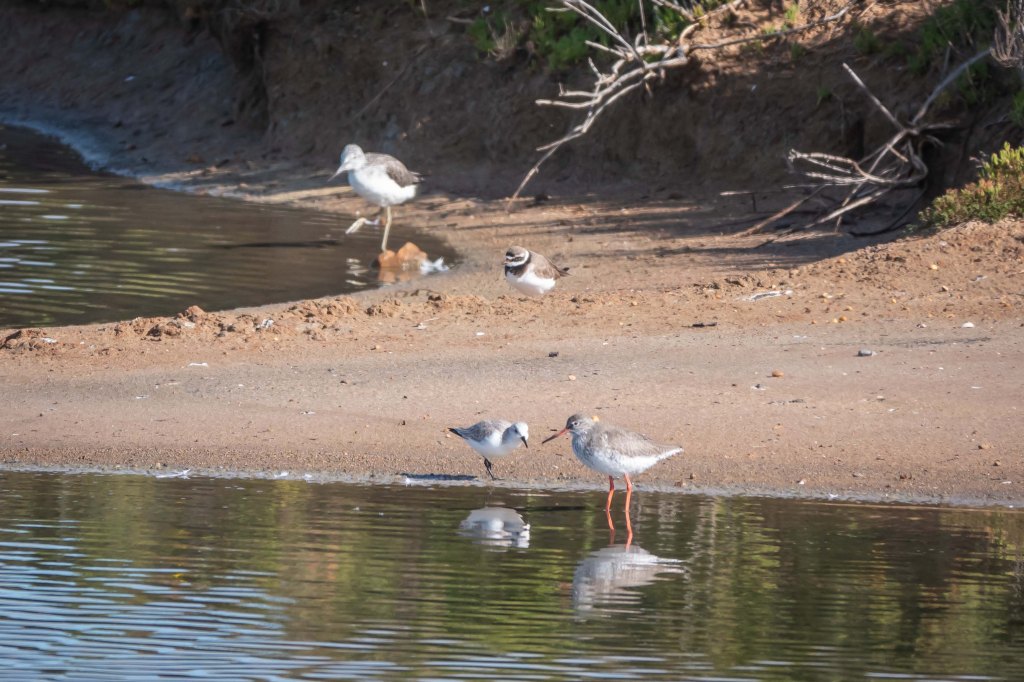
    Greenshank, common ringed plover, sanderling and redshank (back to front)

    Common ringed plover centre stage

    Common sandpiper

    I could go on – there was so much to see.