I can’t believe how indolent we have been today. We have spent most of the day sitting in the garden of our holiday let watching (and in my case photographing) birds. I can’t remember ever having a day like it.
There’s been so much to see and I don’t really know how to go about recording what we have seen. I will just publish a sample of my photographs and tell you that most of the action has taken place at a distance of less than 20 metres from where we have been sitting. The day ended when a kingfisher perched in the garden less than 3 metres from us, before scuttling off down the river. I didn’t have a camera in my hand at the time as I was holding my evening aperitif!
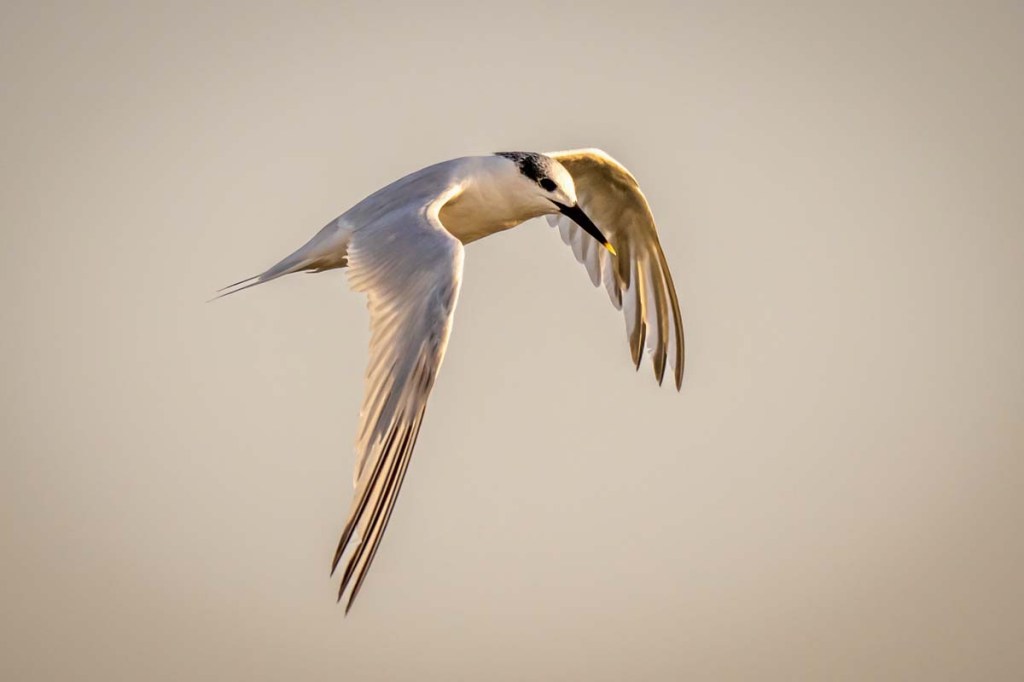
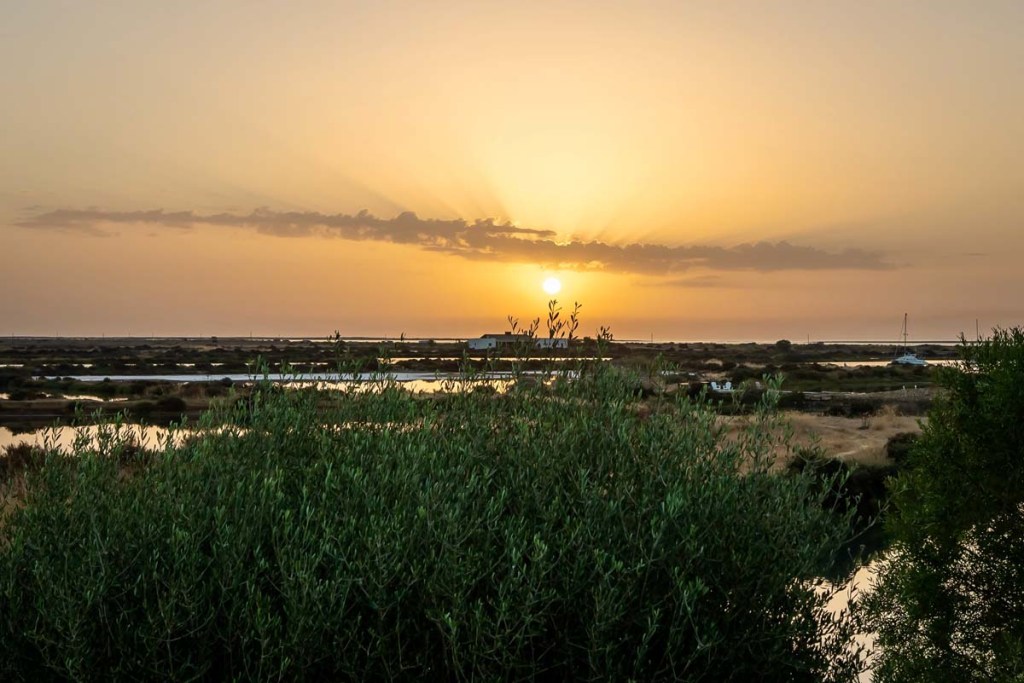
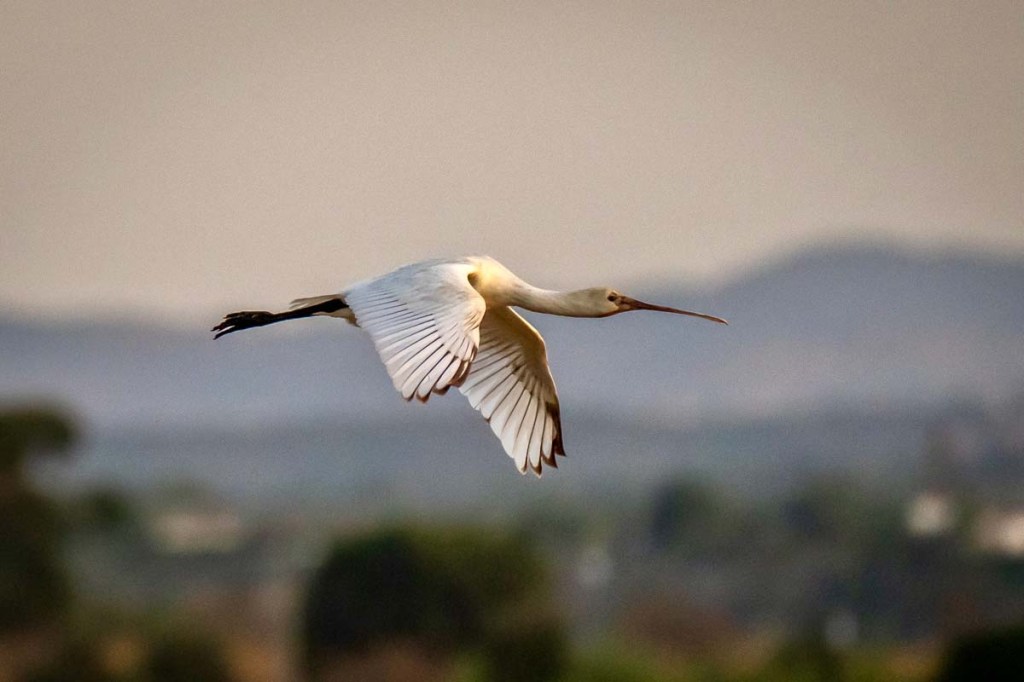
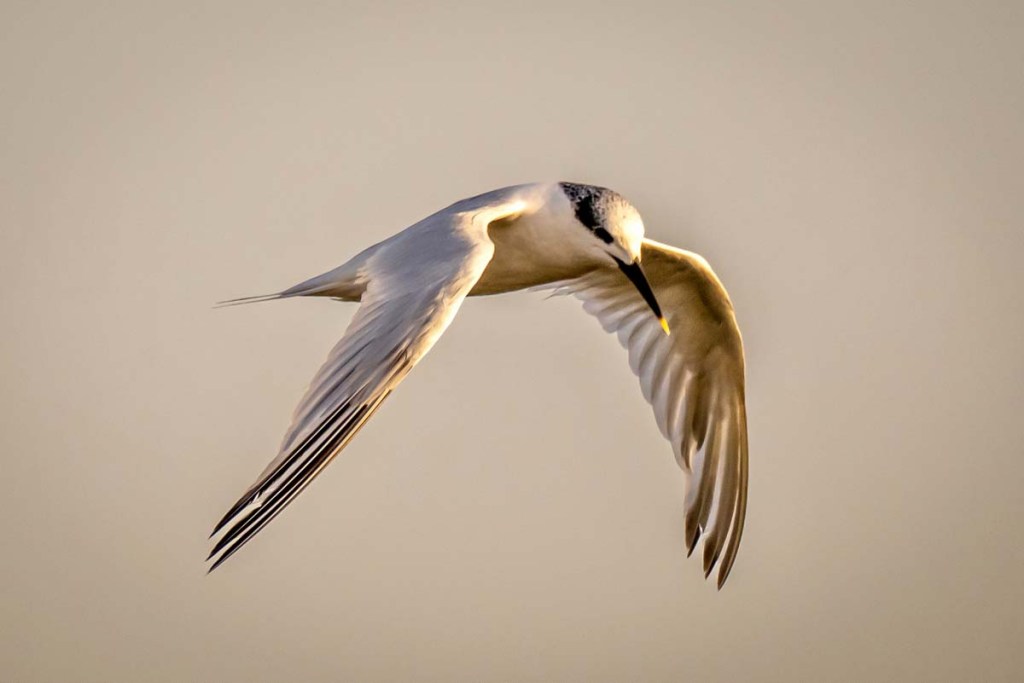
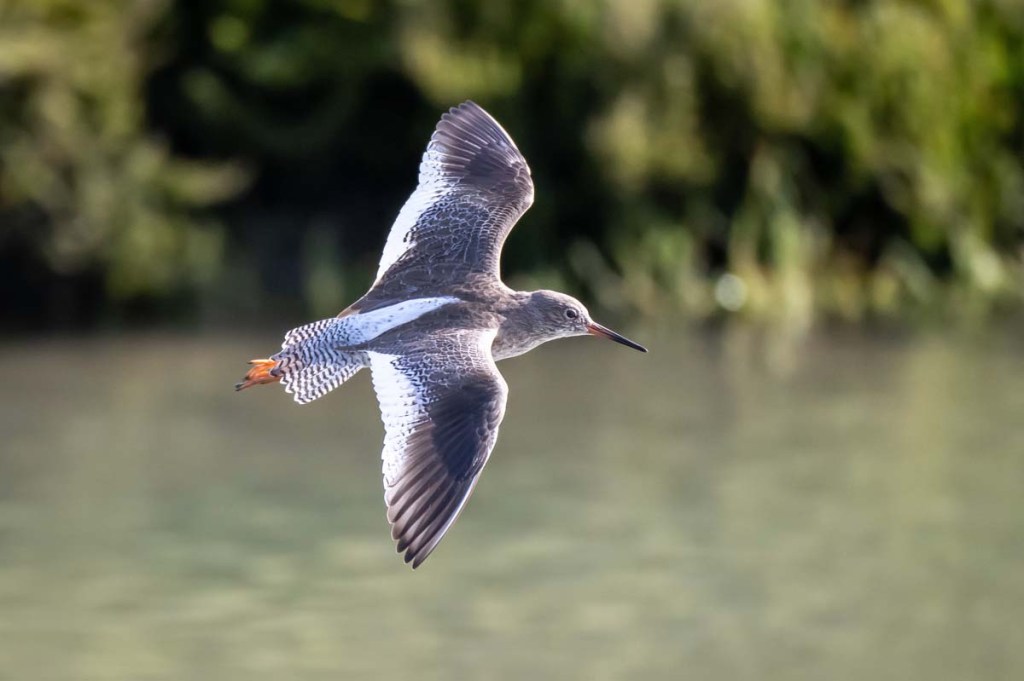
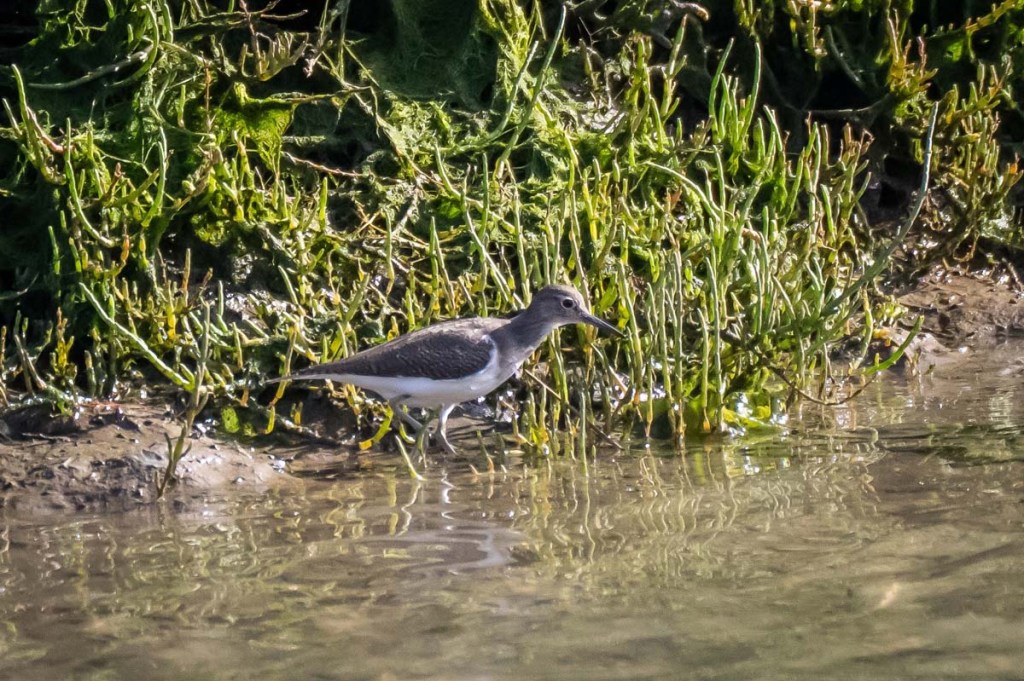
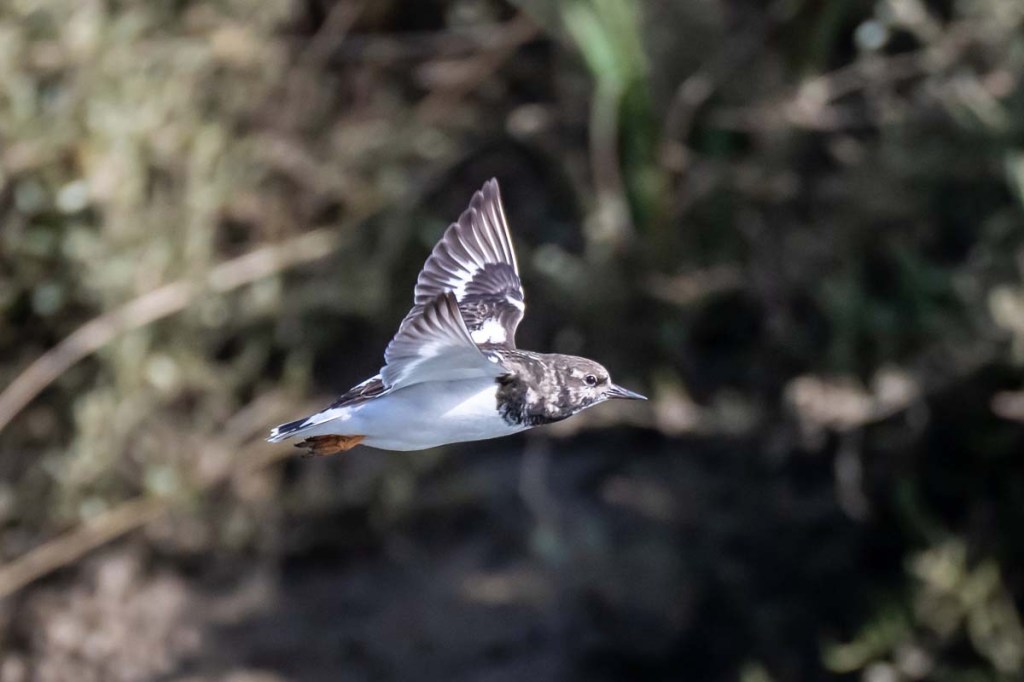
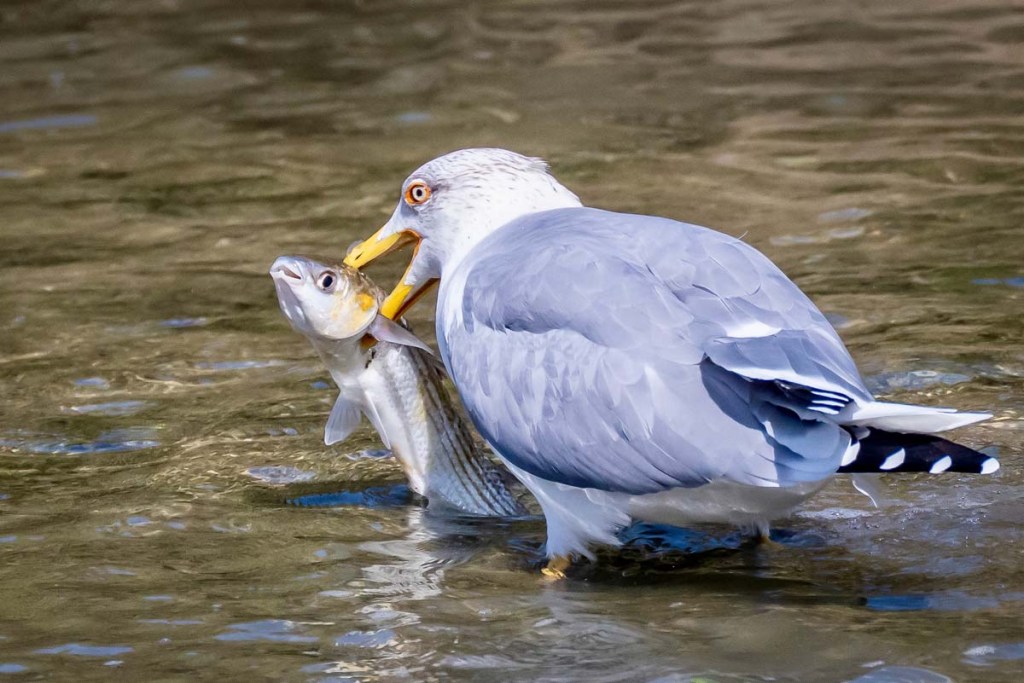
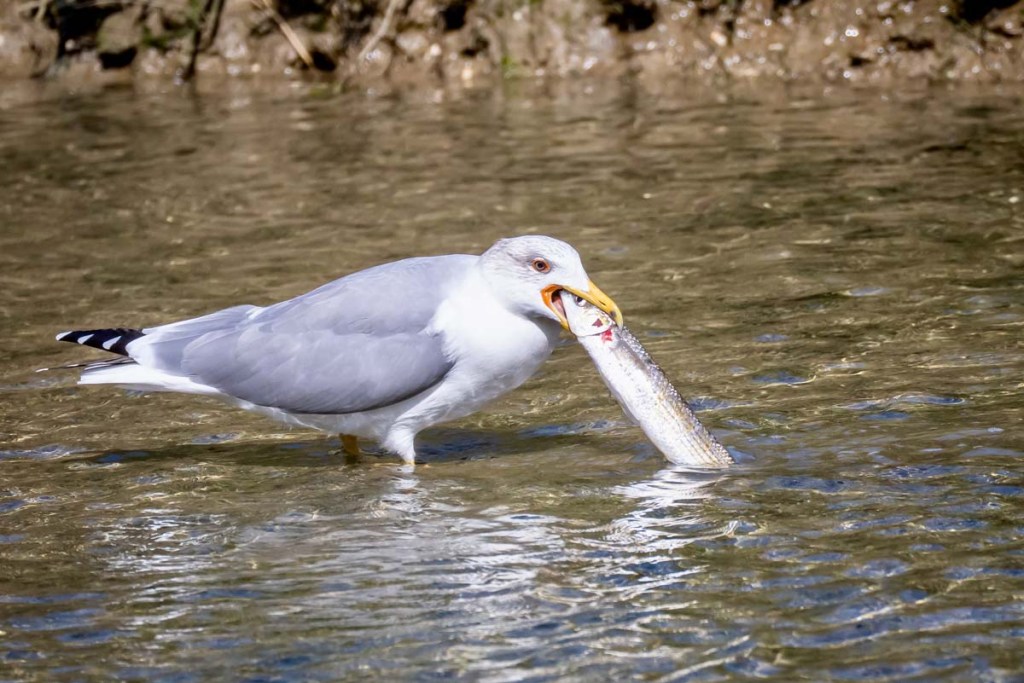
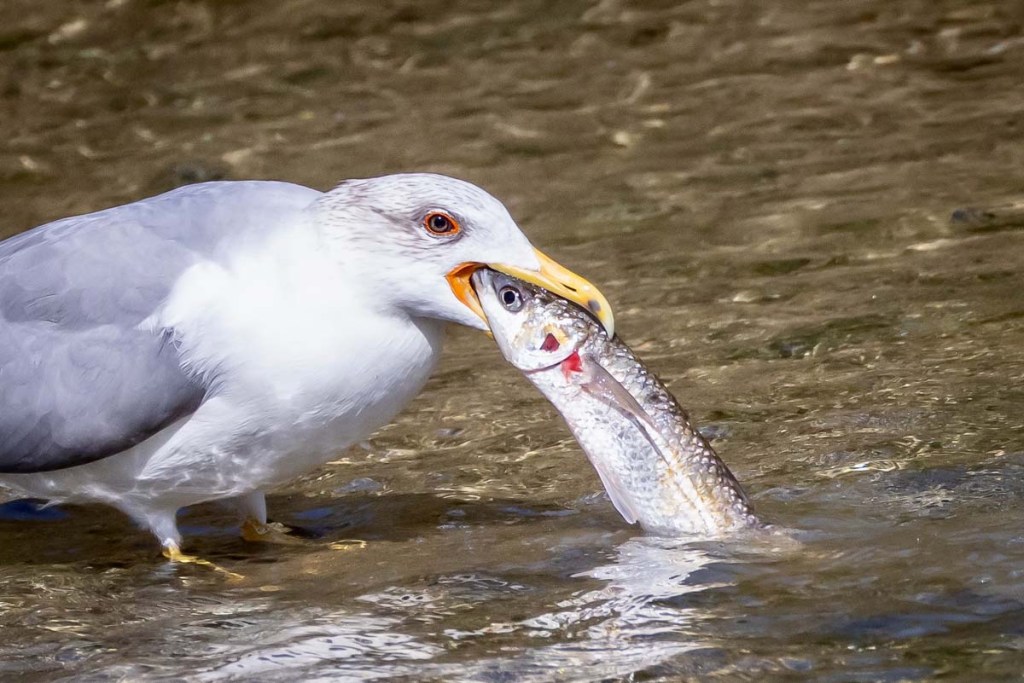
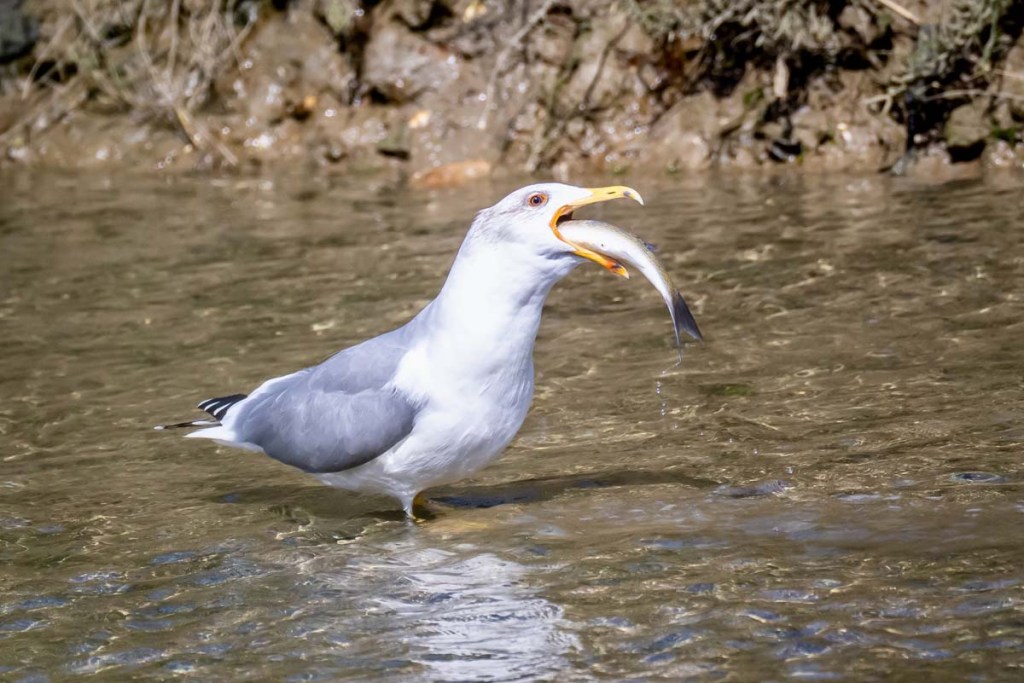
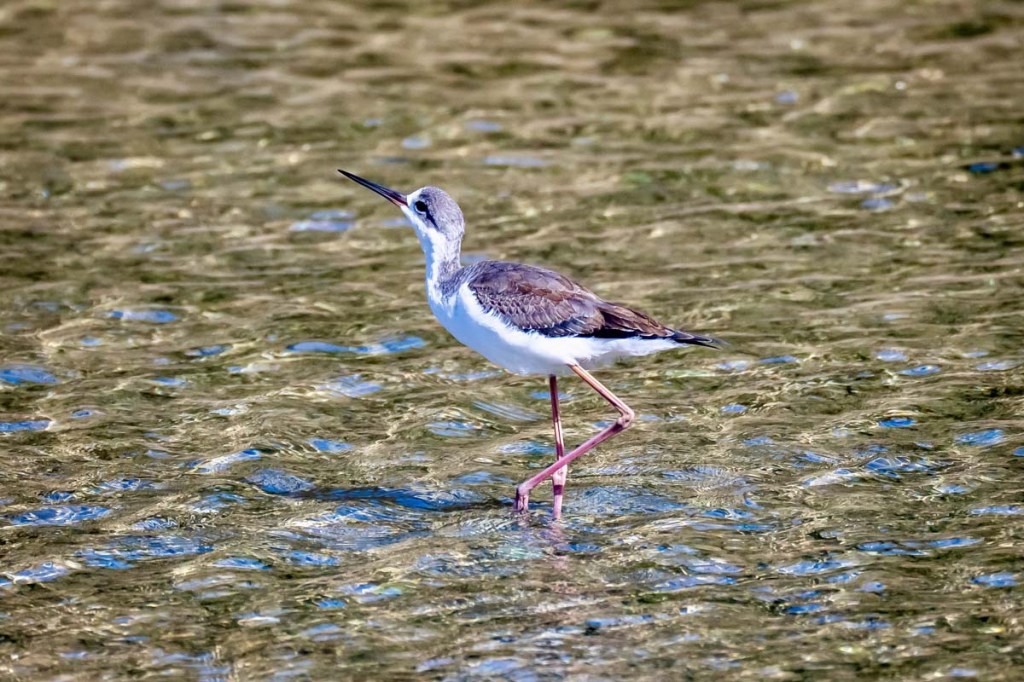
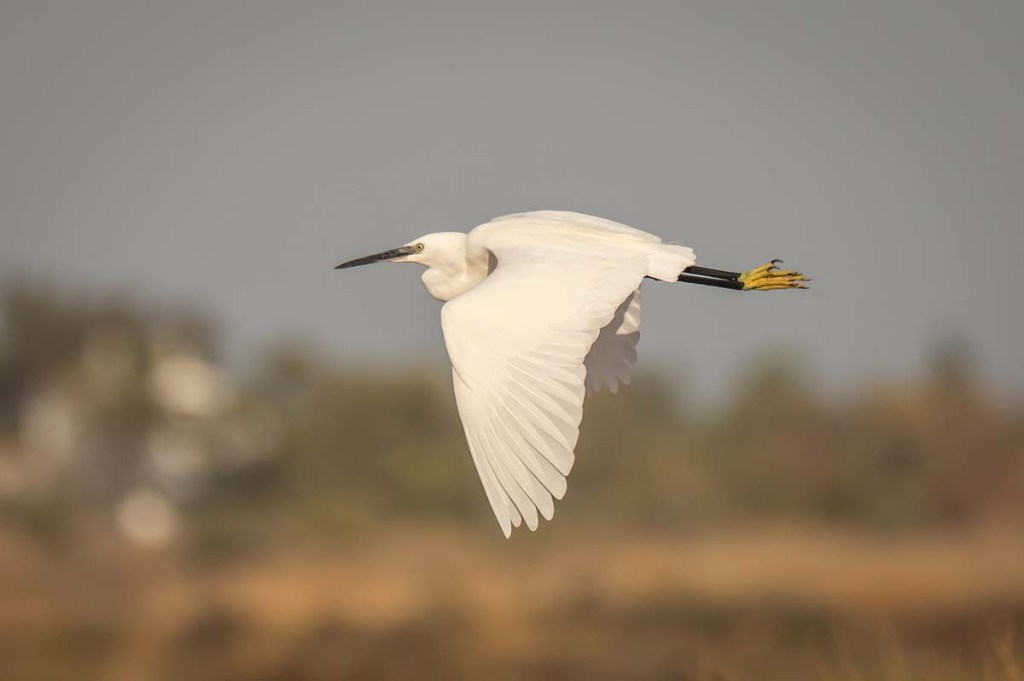
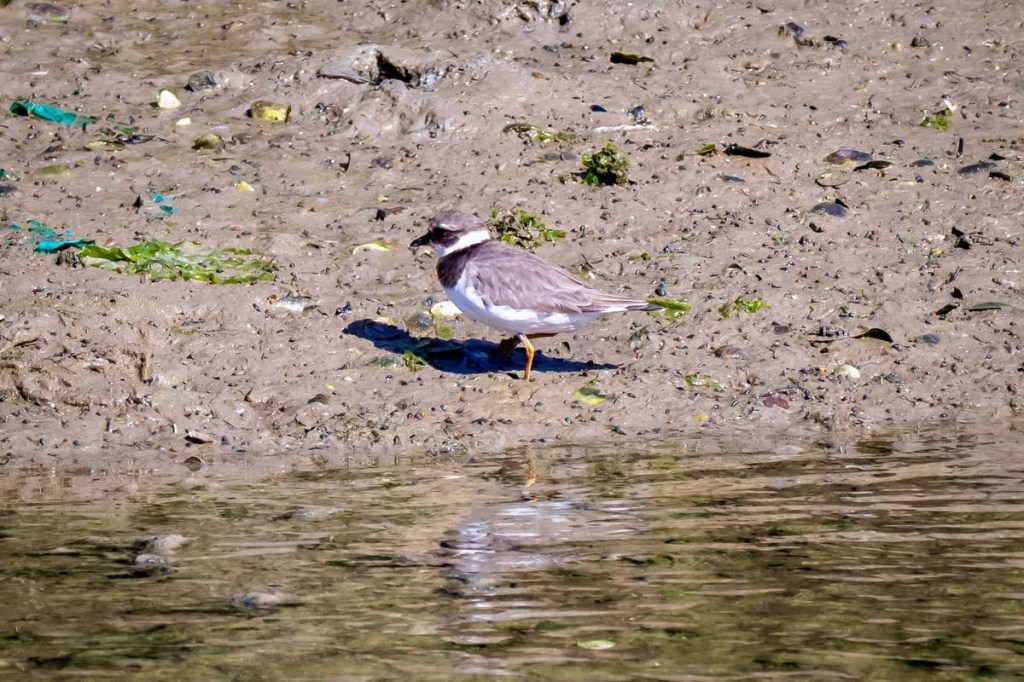
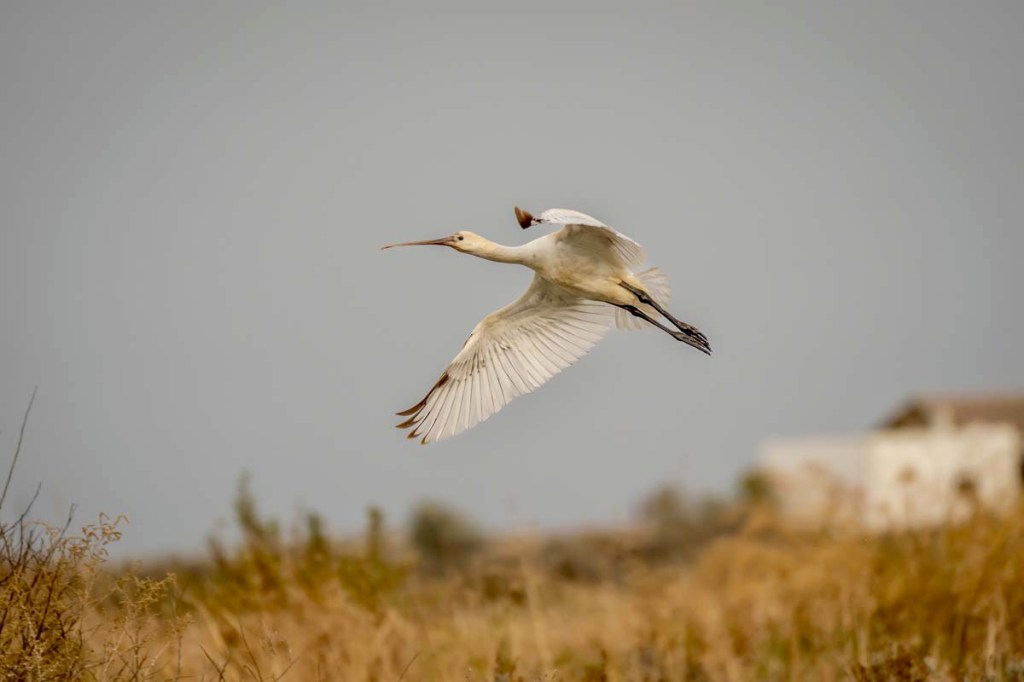
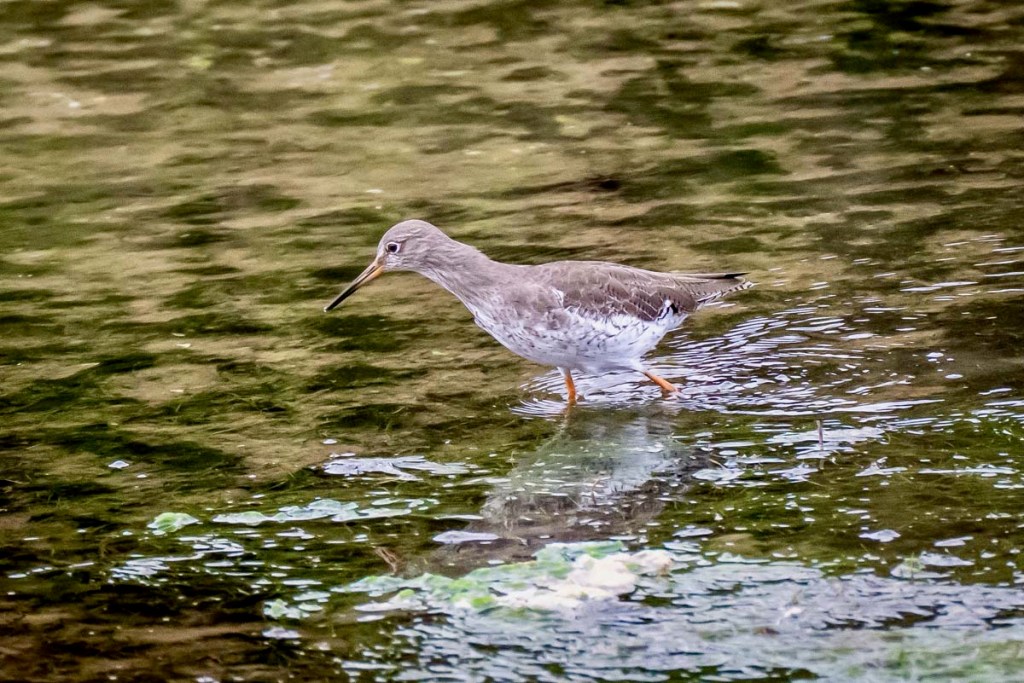
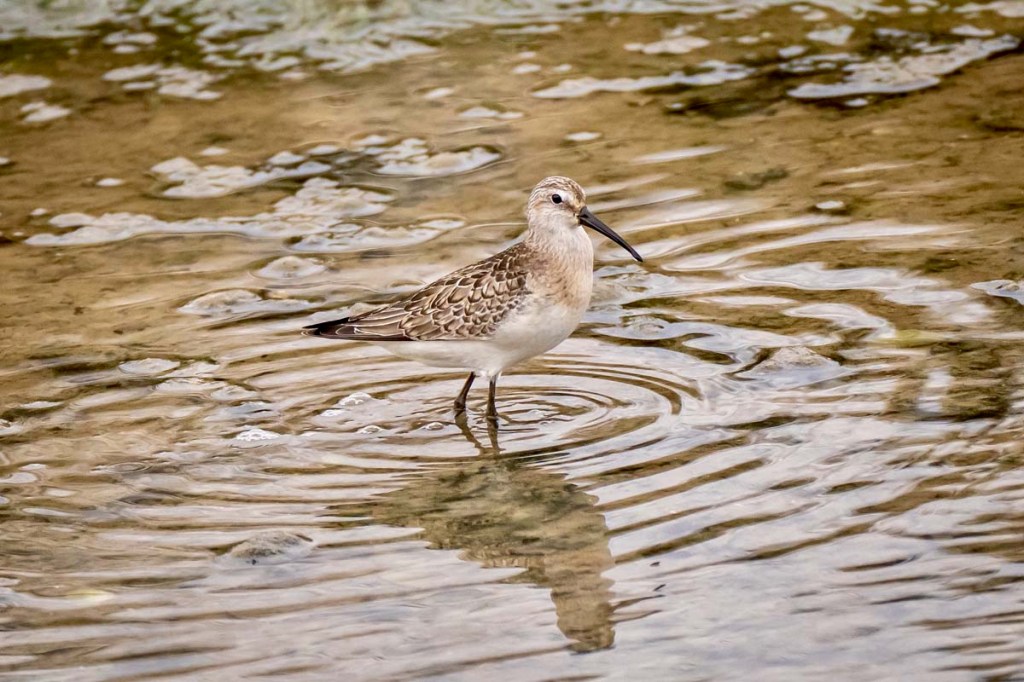
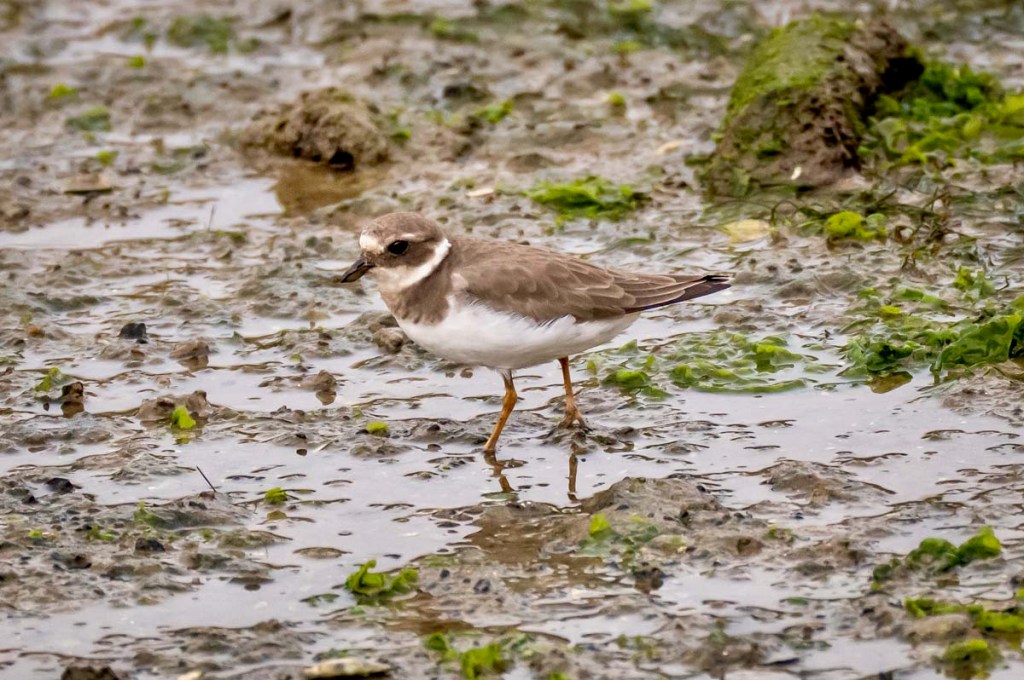
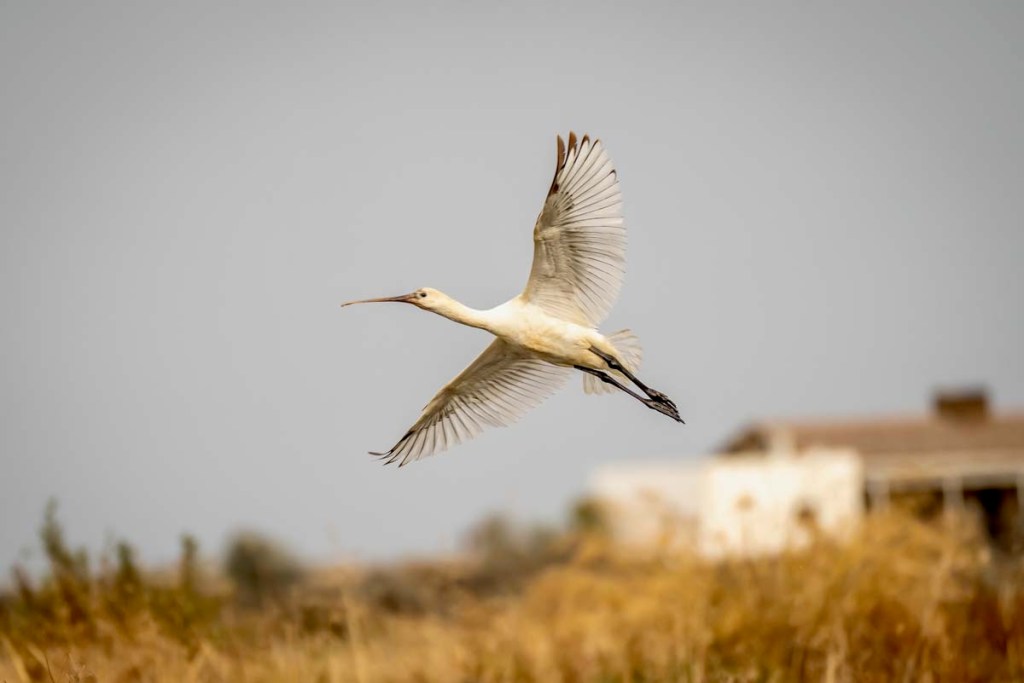
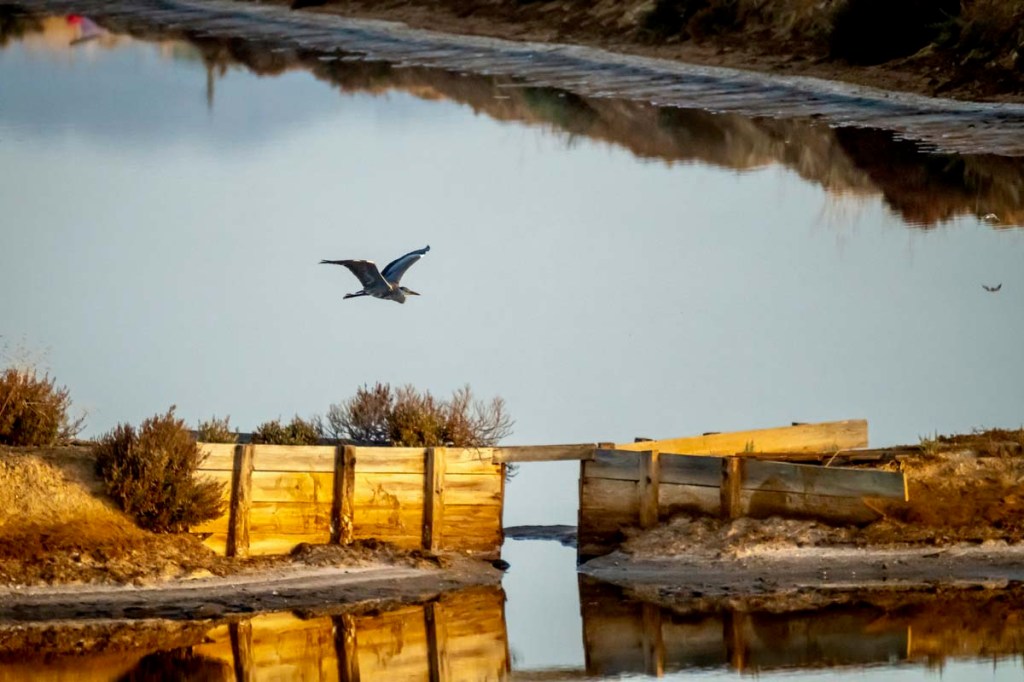
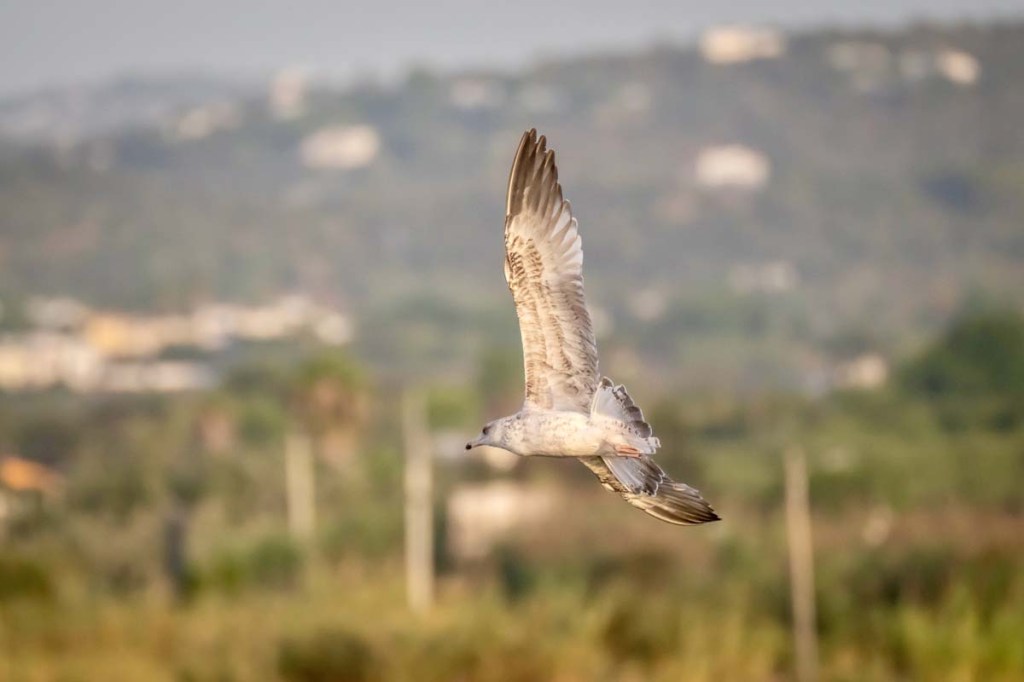
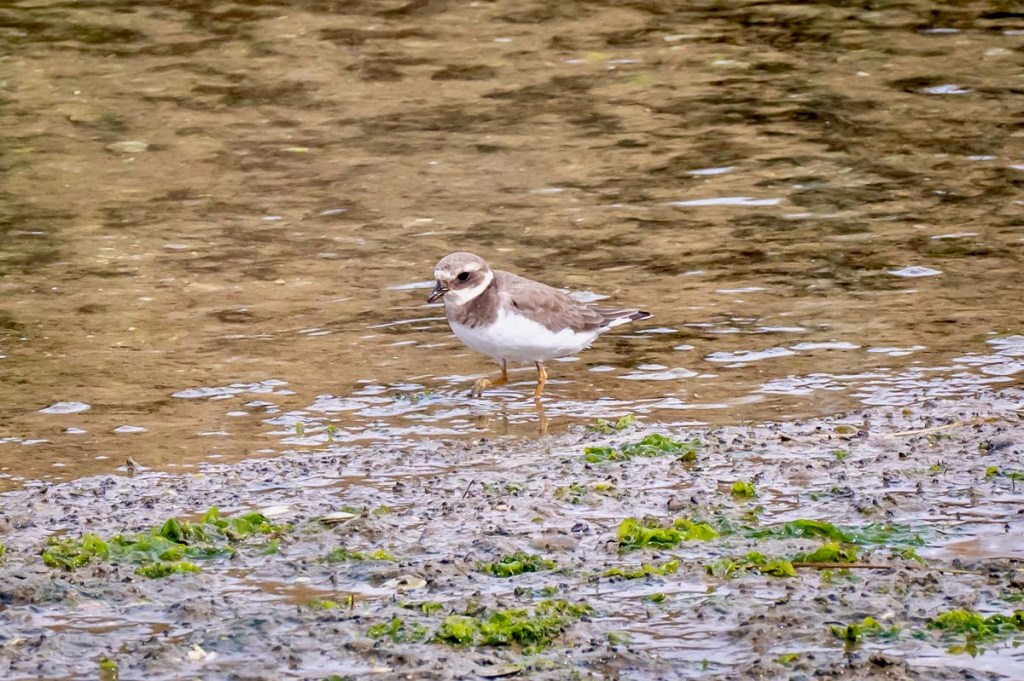
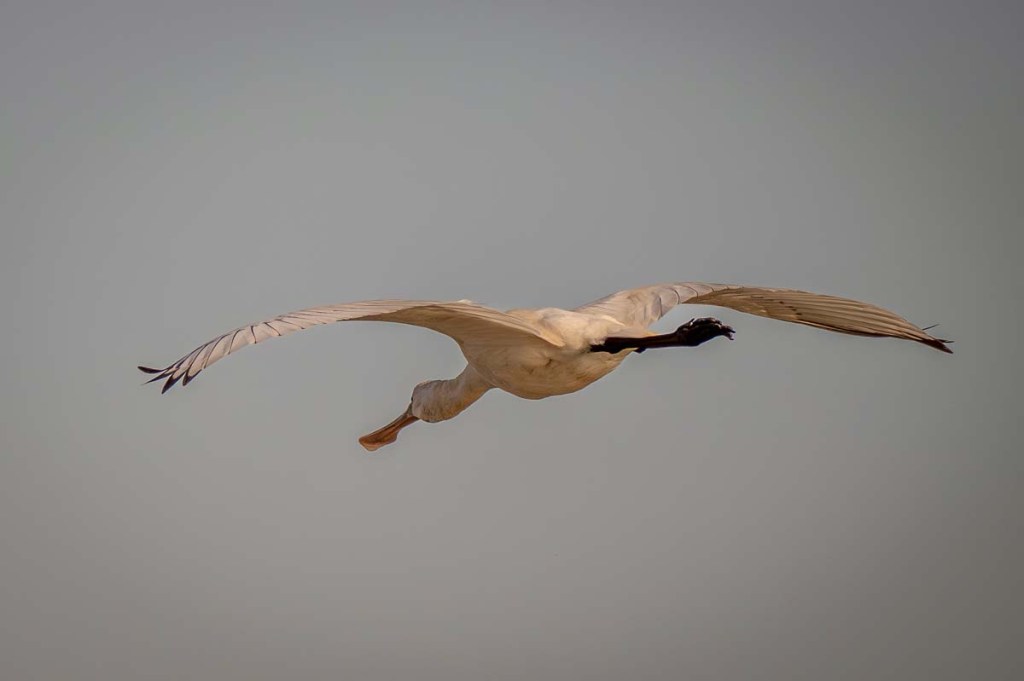
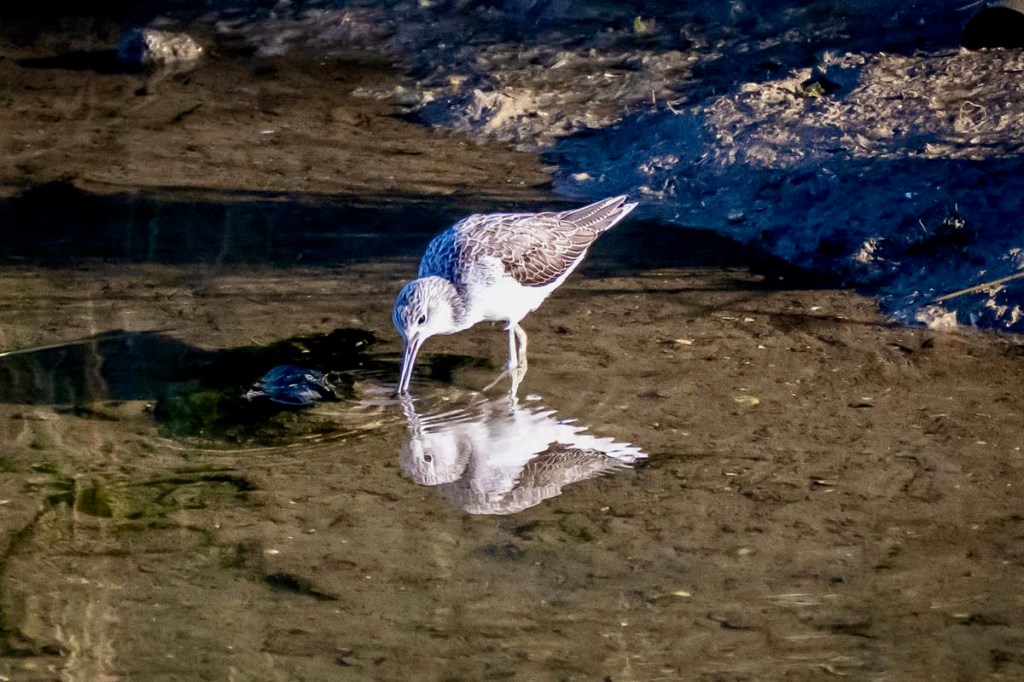
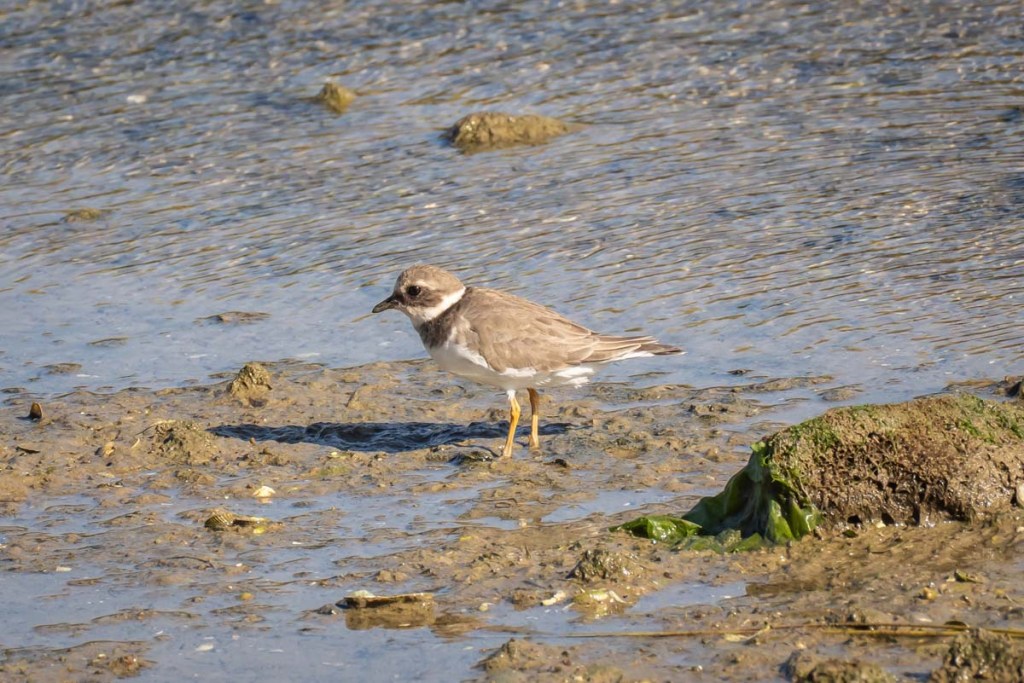
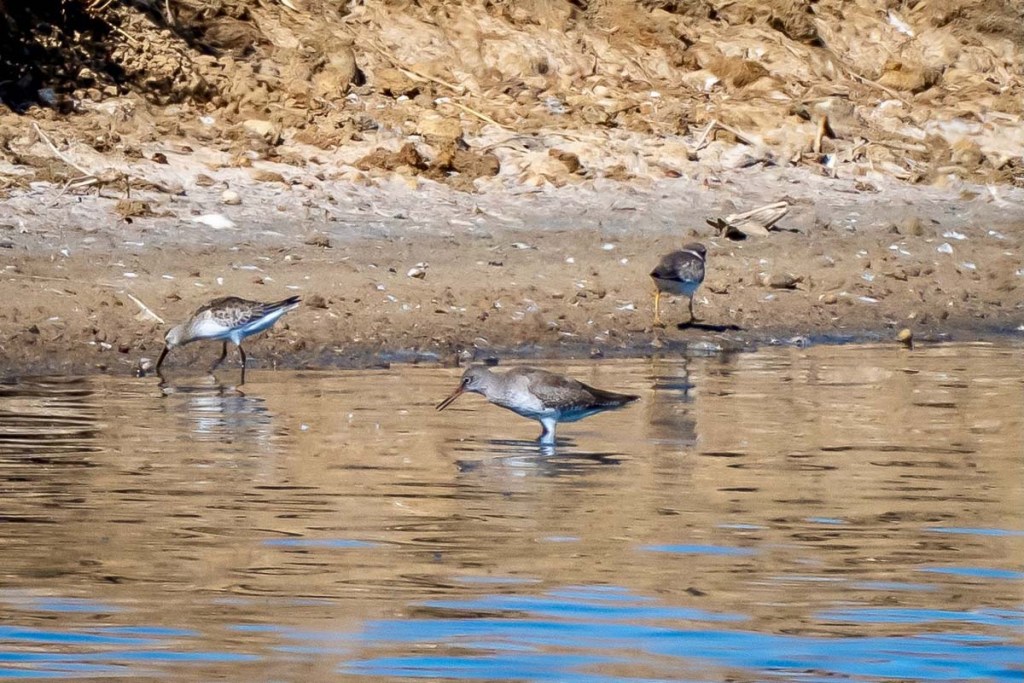
My first photo – before sun riseThe rising sun from the balconyEurasian spoonbill in the dawn lightEarly morning grey heronDown to the gardenThe salt workers have been busy at it all dayYellow-legged gull taking its breakfast off homeSandwich tern – the only tern of the dayRuddy turnstoneCrested larkCommon redshankCommon sandpiperRuddy turnstoneSanderlingGreenshank and redshankBlue throatEurasian spoonbillEurasian spoonbillSanderlingYellow-legged gull and fishI’m afraid the yellow-legged gull wins this encounterThe eyes have itNot a swallow – just the yellow-legged gullBlack-winged stiltCurlew sandpiperZitting cisticola in flightLittle egretDunlinCommon ringed plover
Supper time now and a day free from birding tomorrow!
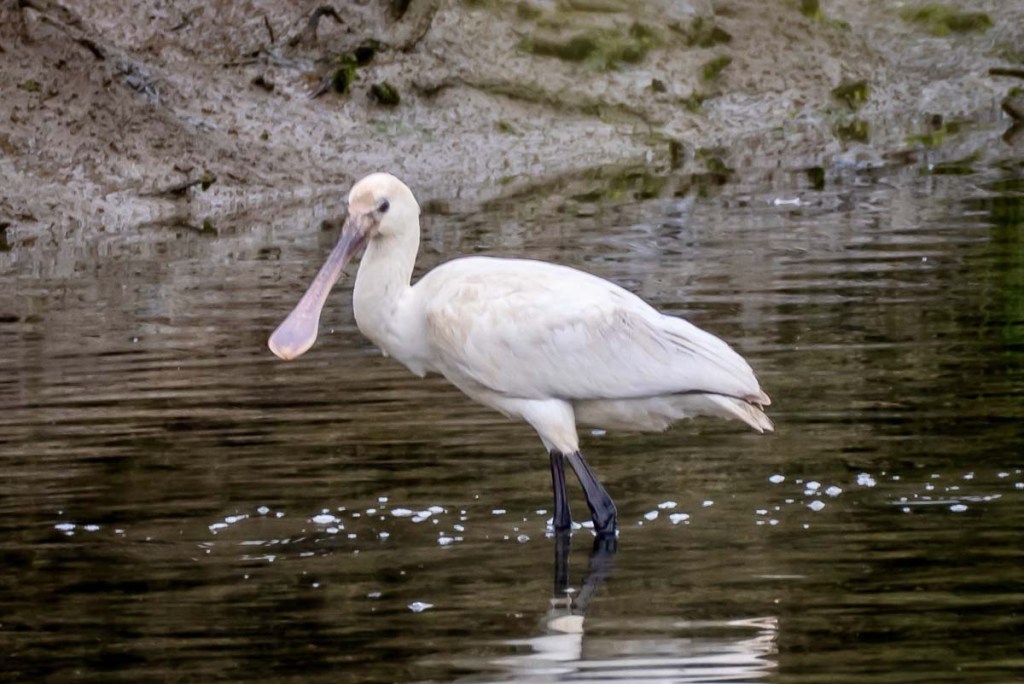
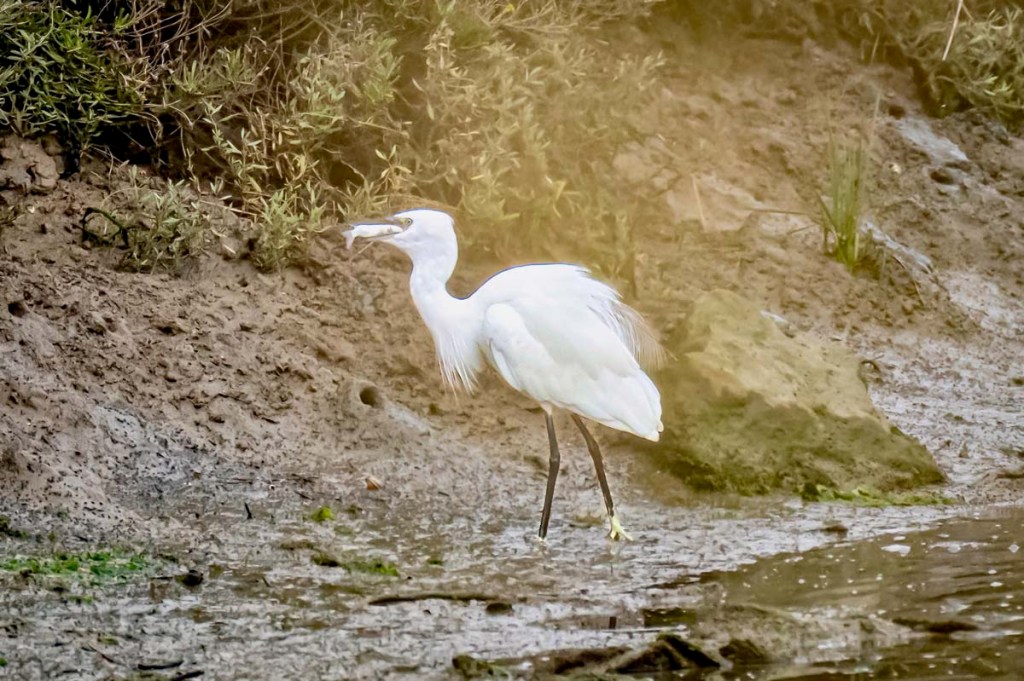
Well I thought I had finished photographing and blogging for the day but I could not resist more opportunities later this afternoon when the tide was low in the river right in front of our terrace and a spoonbill and a little egret arrived on the scene. There were other little waders that I couldn’t resist either.
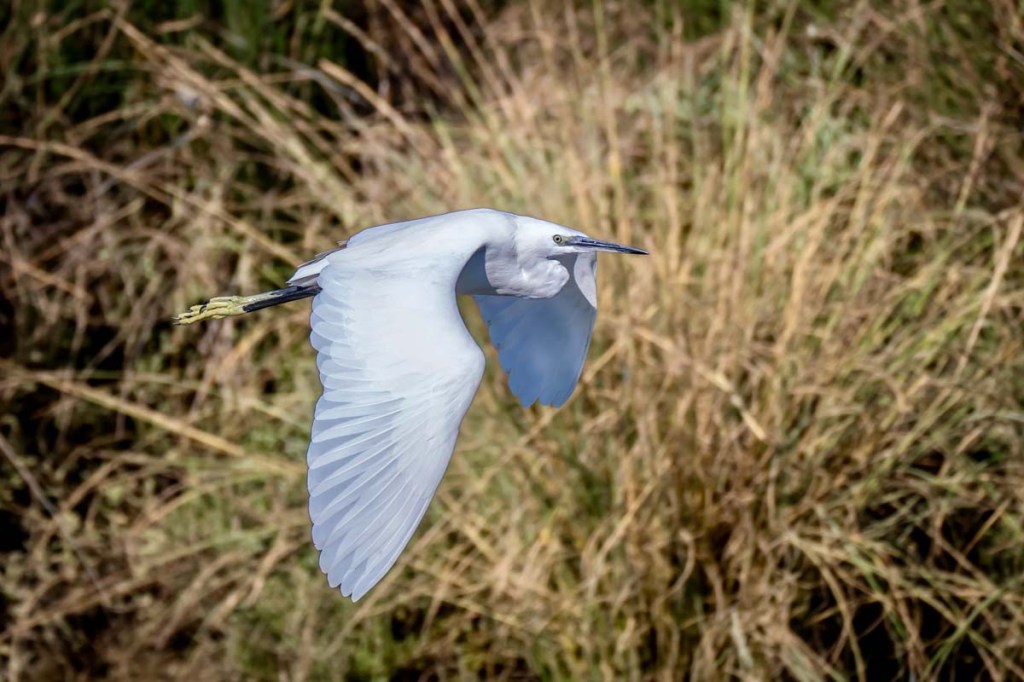
Common sandpiperCommon redshankCurlew sandpiperCommon ringed ploverEurasian spoonbill and little egretEurasian spoonbillEurasian spoonbillEurasian spoonbillLittle egret with fishSanderlingLittle egret departingClosely followed by the spoonbillEurasian spoonbillEurasian spoonbillEurasian spoonbill
Whilst Portugal was going to the polls in the country’s local elections (which are apparently poised to be another win for Europe’s far right) we were taking it easy on a stroll through the salt pans of Fuseta. We weren’t alone – there seemed to be be more people cycling, running and walking along the long distance path along the Algarve than heading to the polls. But to be fair, listening to the voices in the local square at lunch time there were more French people than Portuguese. This may be one of the reasons why the Portuguese are complaining about the cost of housing – the problem is particularly critical in Lisbon, where average home prices have shot up by nearly 80 percent over the last five years and are currently hovering at €5,769 per square meter.
We were so refreshed from the rest over the last few days that we were up to see the sun rising. And what a treat it was with a flock of spoonbills flying over the sun.
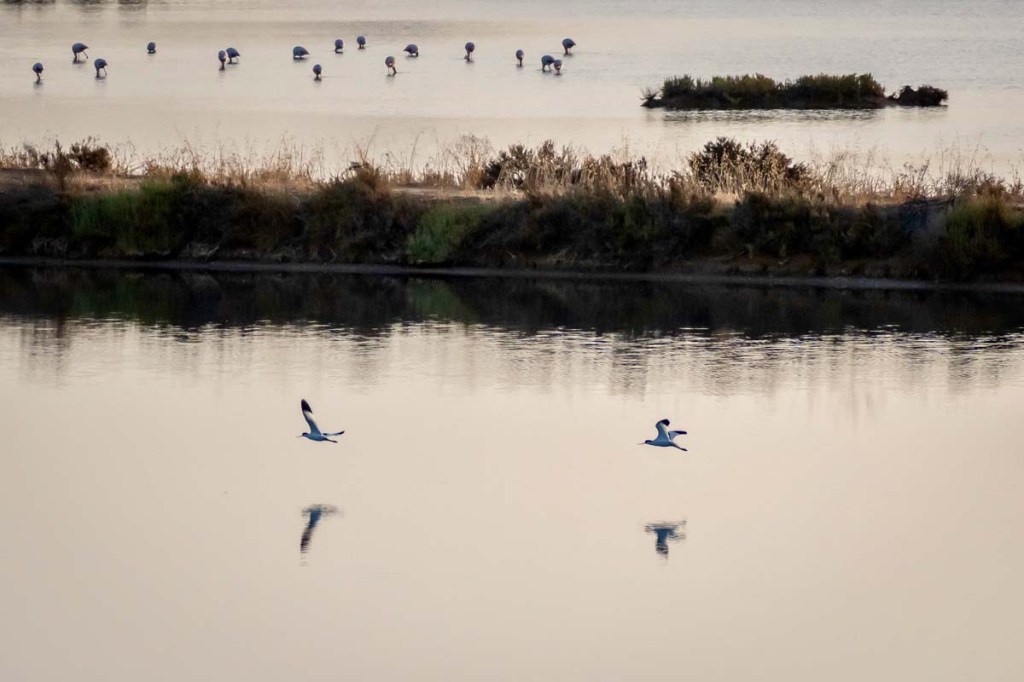
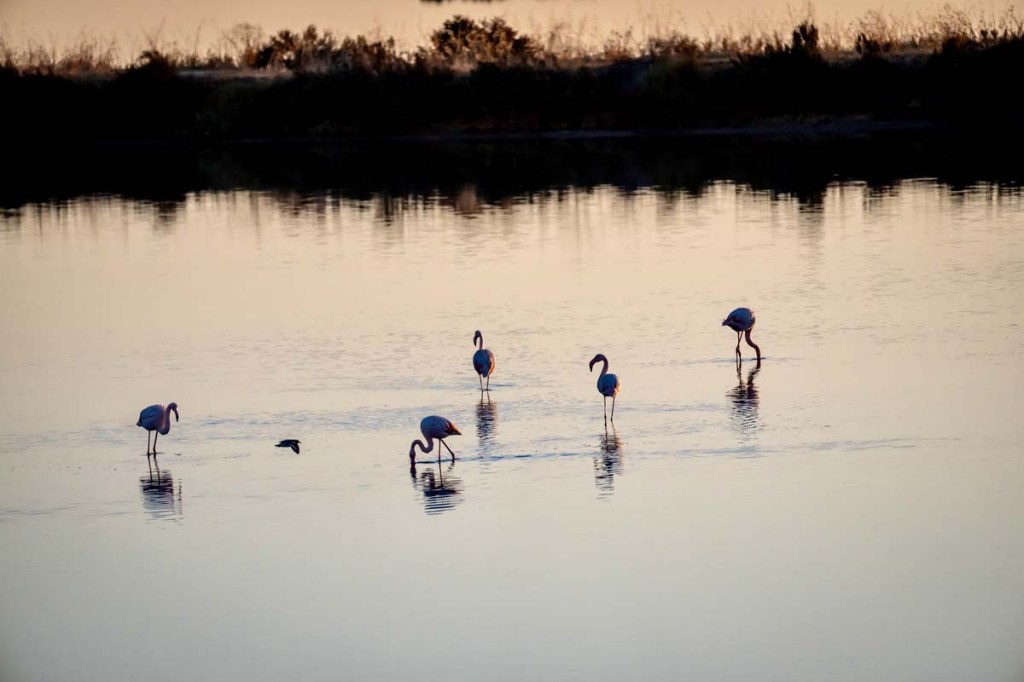
Spoonbills flying over the rising sunSpoonbillsThe flamingos had flown away last night but they were back when we awoke this morning.An early morning grey heron Pied avocets in the foreground
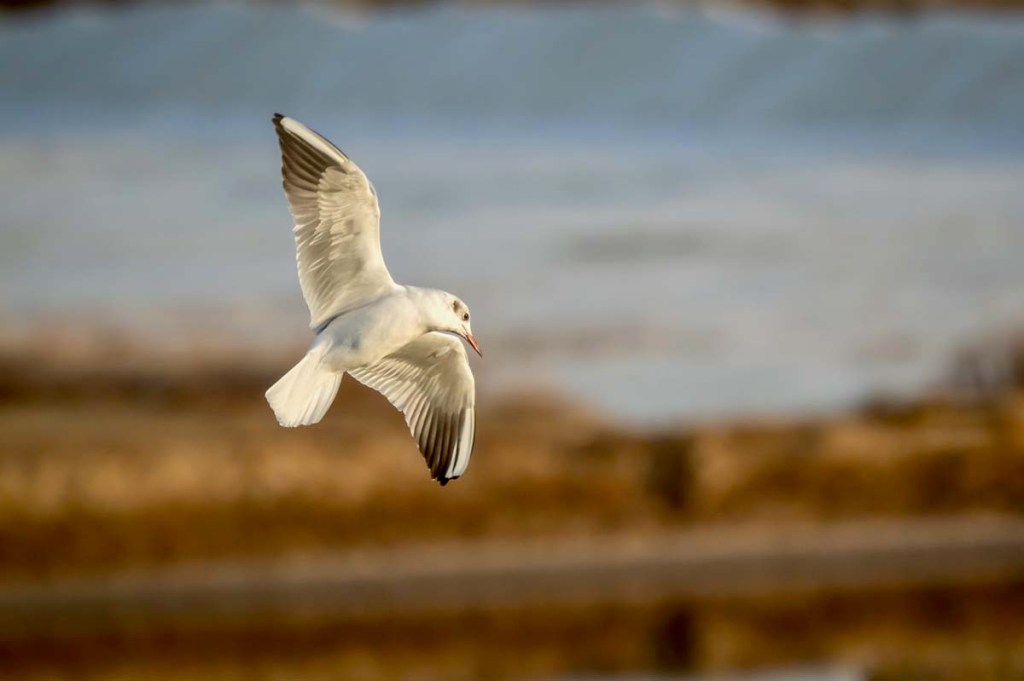
I’m not a great fan of gulls but they looked good as the sun rose:
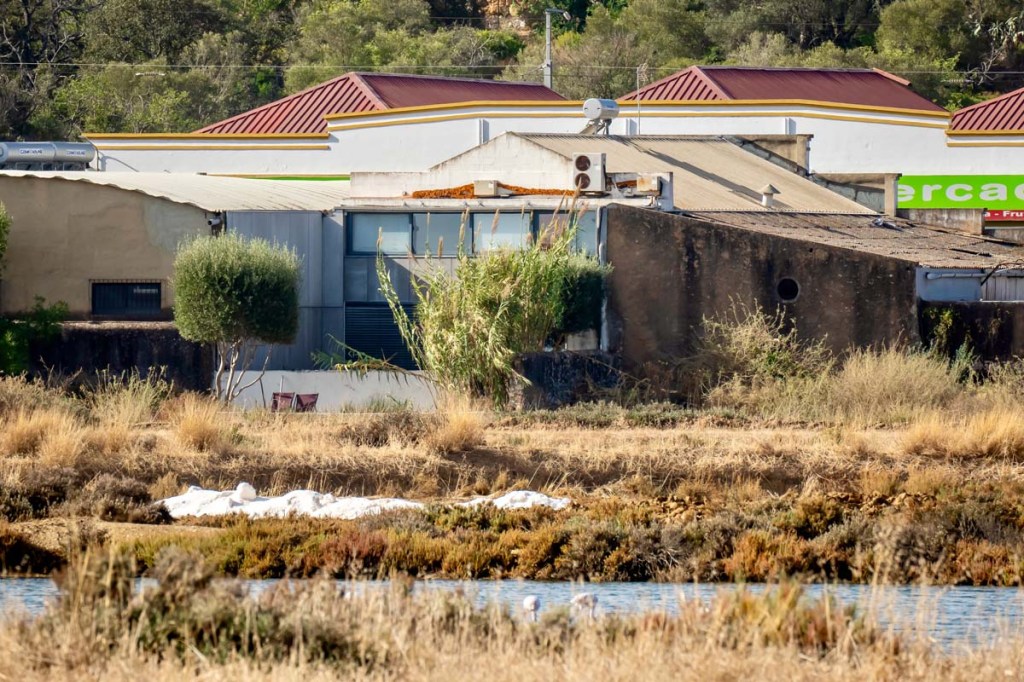
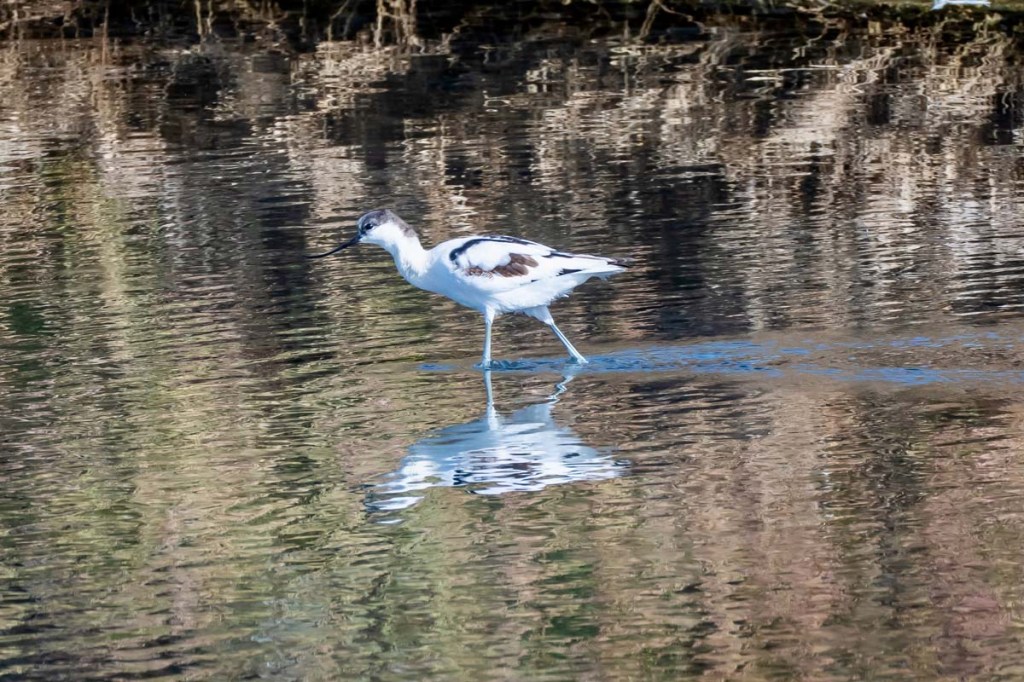
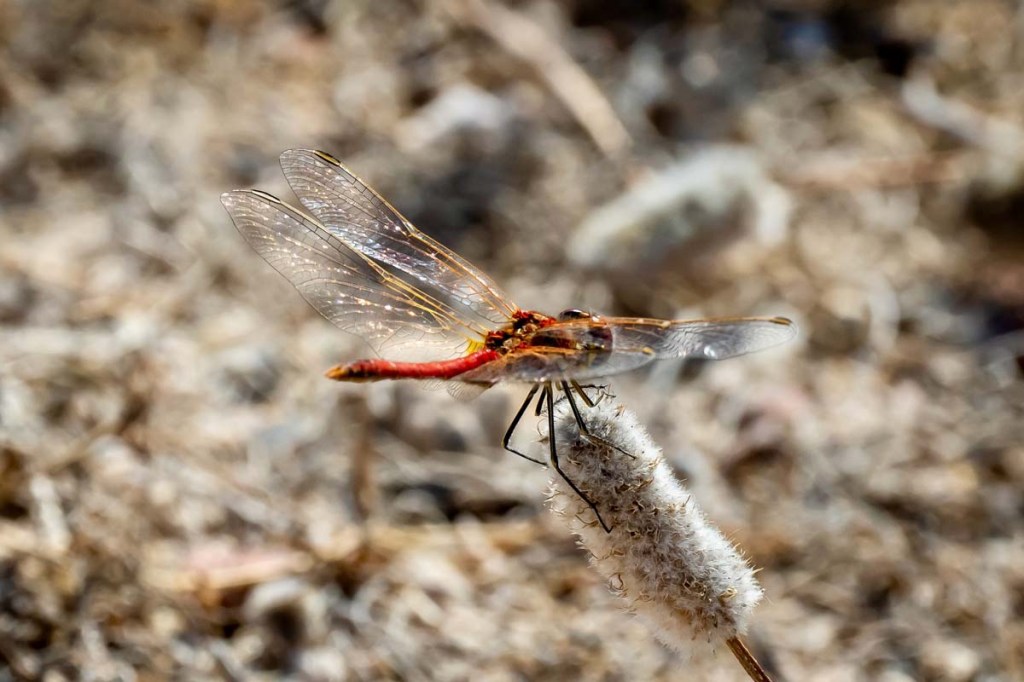
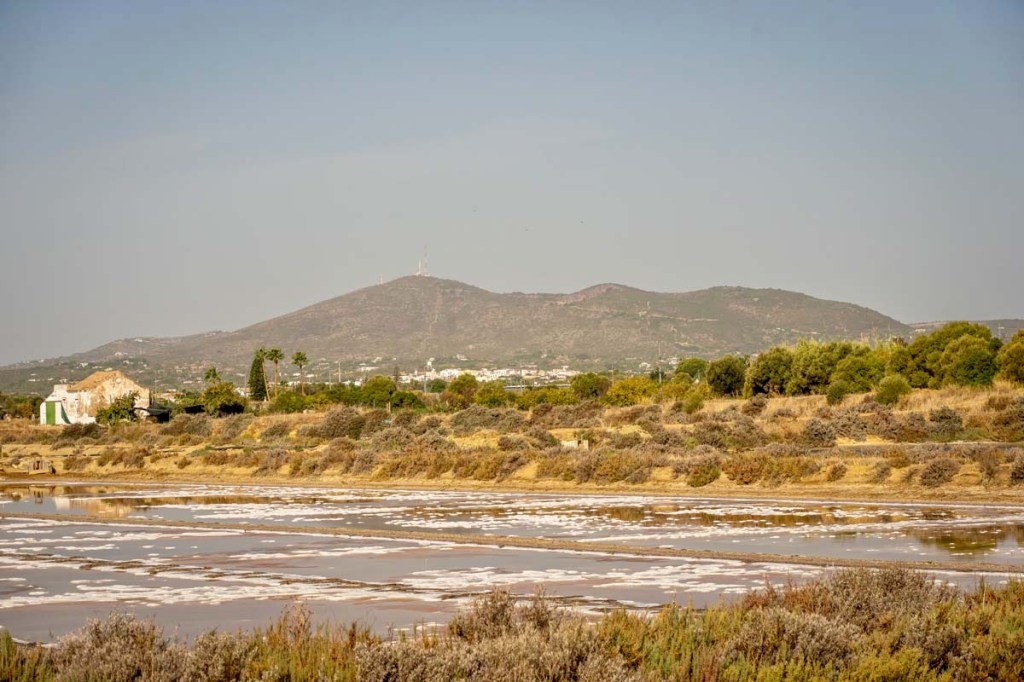
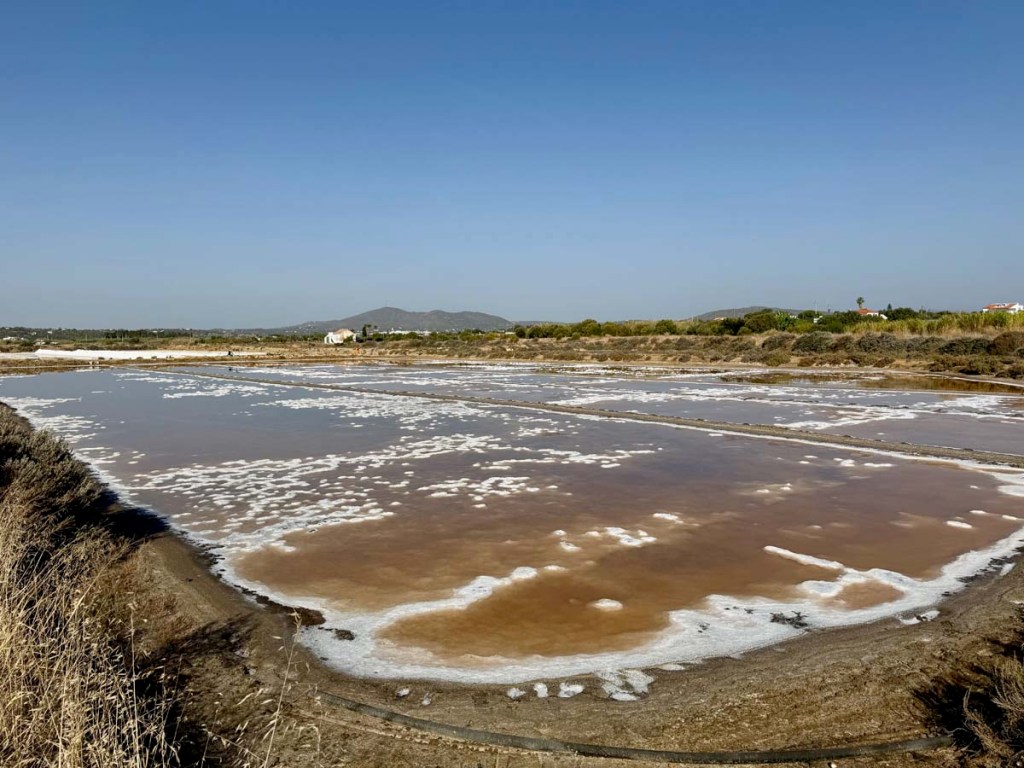
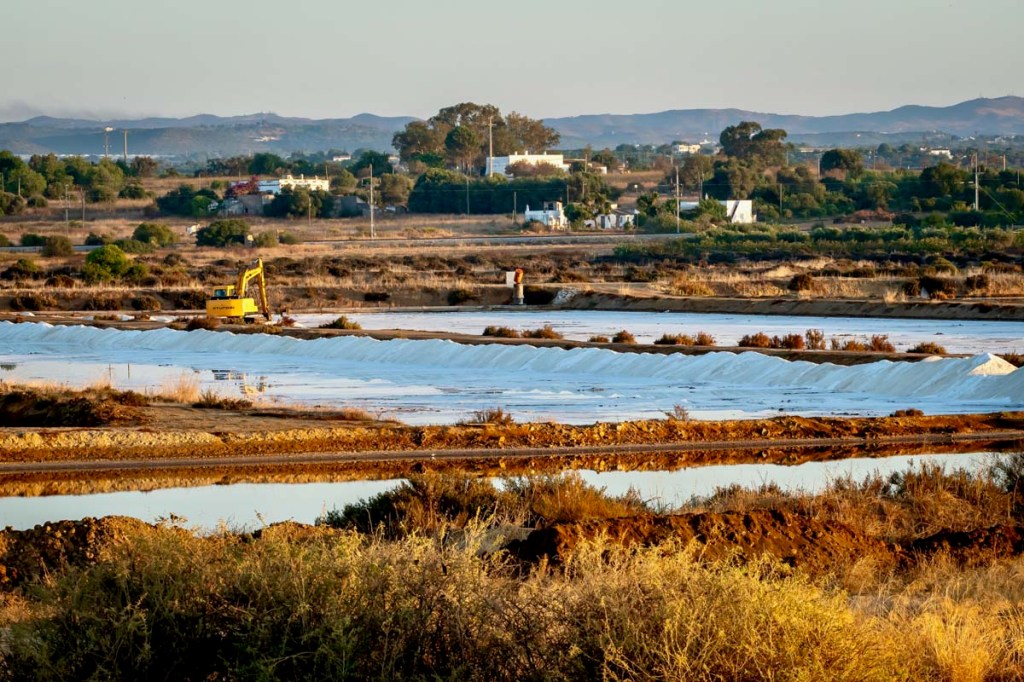
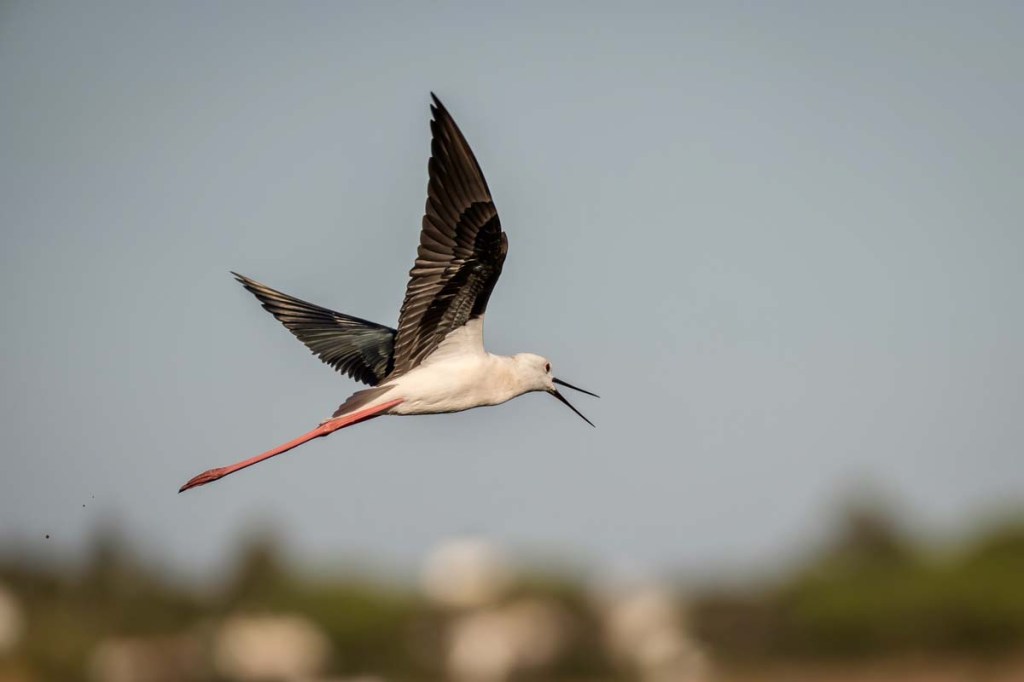
Yellow-legged gullBlack-headed gullA crested lark at the beginning of our walkThe railway station just 5 minutes from our apartment on the outskirts of FusetaOur apartment (a converted carpenter’s workshop) seen from the other side of the salt pansA pied avocetStill dragonfly season hereAcross the salt pans to the mountains in the backgoundBlack-winged stiltSanderlingSalt mountain from the other sideLooking back at FusetaThe salt pans of FusetaThe salt pans of Fuseta
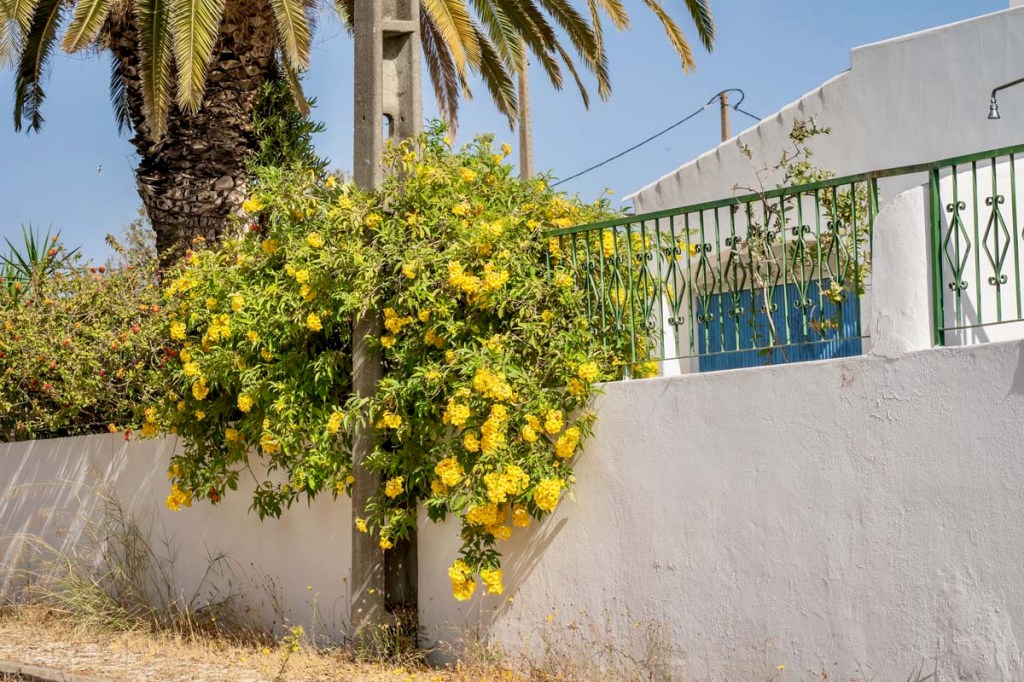
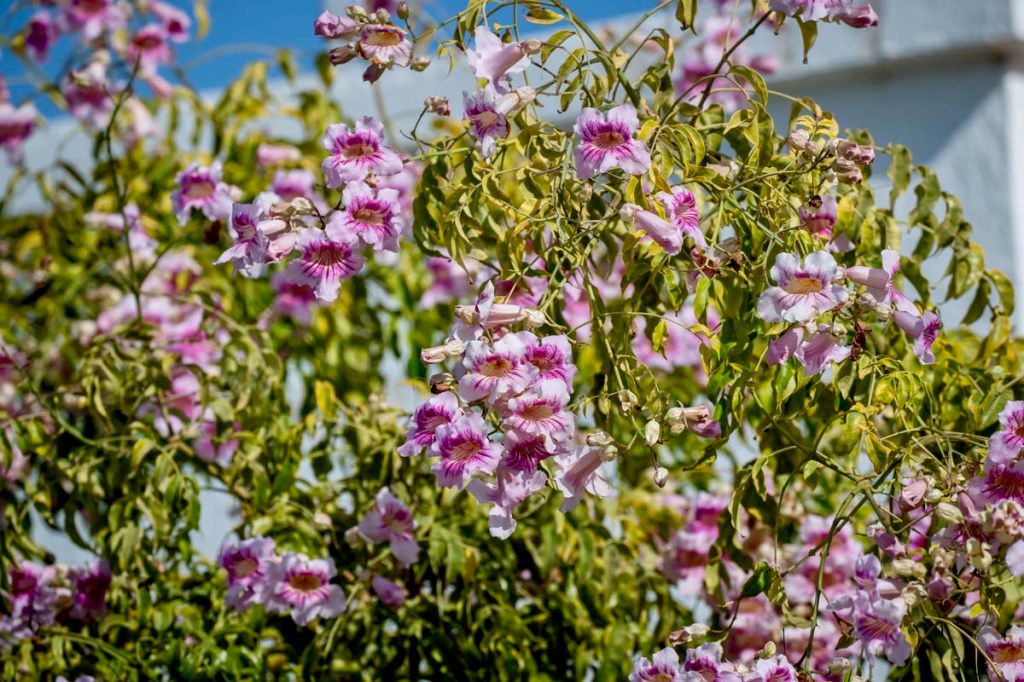
As we approached the village we were heading for there were lots of plants still in flower.
At the village we discovered the café/restaurant was closed and so we headed back to Fuseta.
View from our terraceCommon ringed plover in the stream by our terraceRedshank in the same place… and a curlew sandpiper
We have had a lazy day sitting watching the birds from our holiday rental accommodation looking over the salt pans of Fuseta, wandering around the streets of Fuseta and spending far too much time having lunch at our favourite restaurant in this part of the world, À do Ruí. Tomorrow we must get out a bit more!
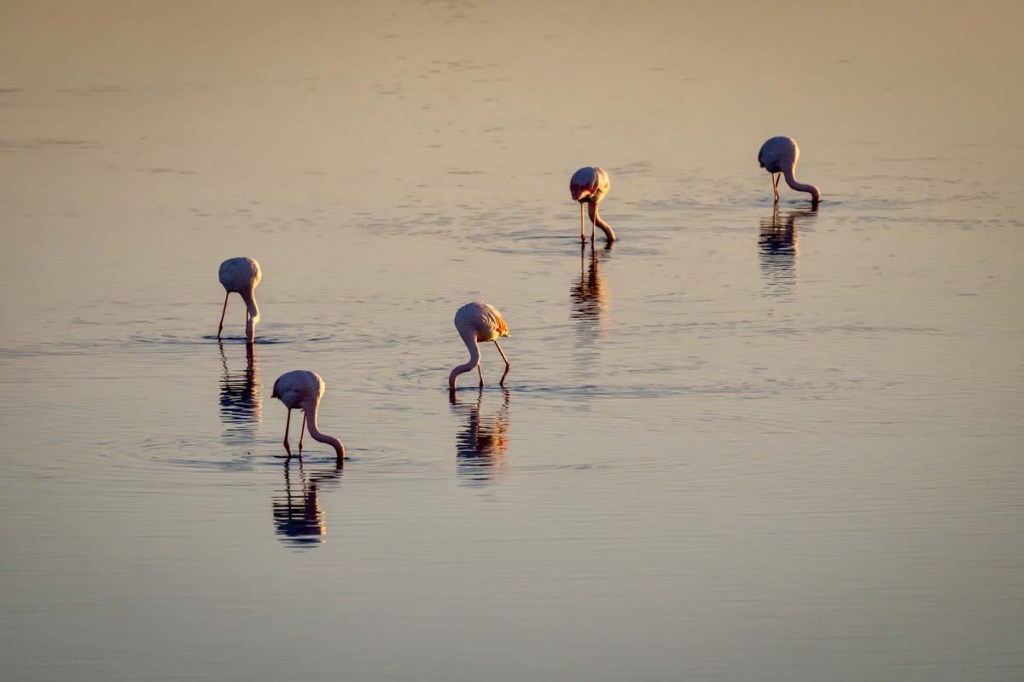
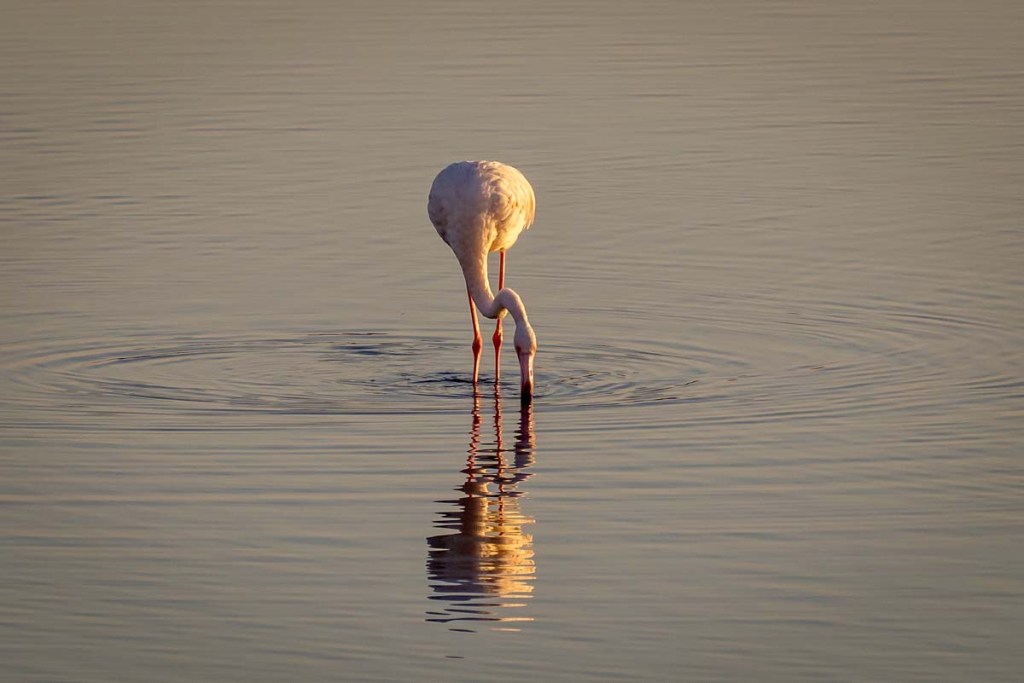
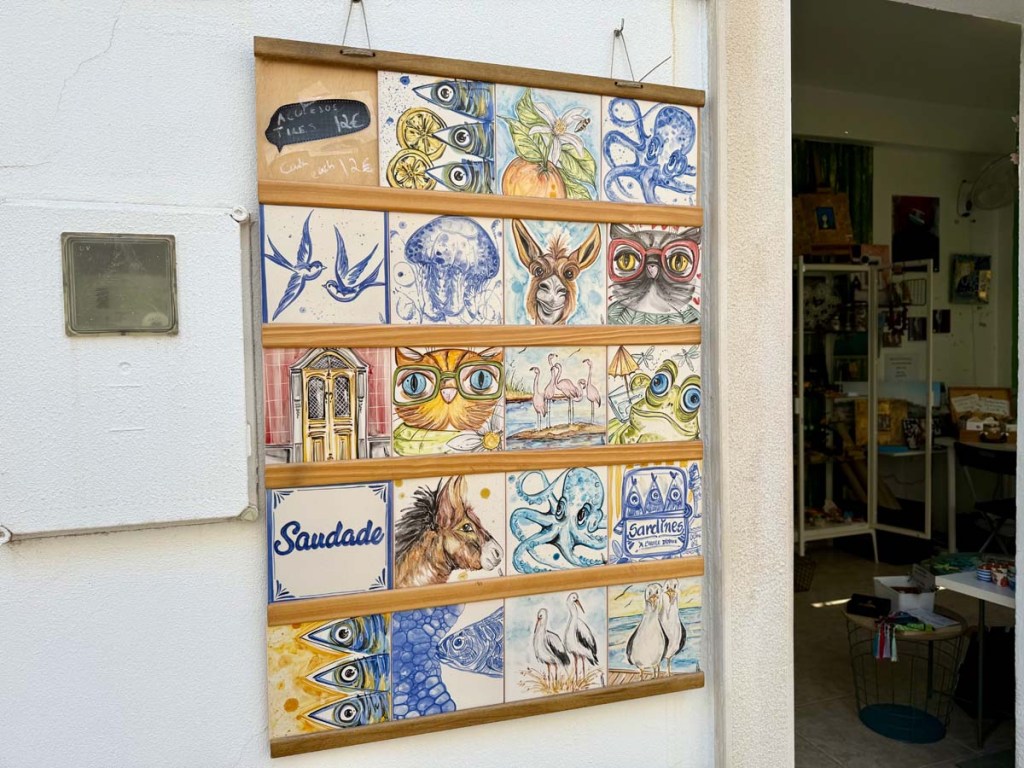
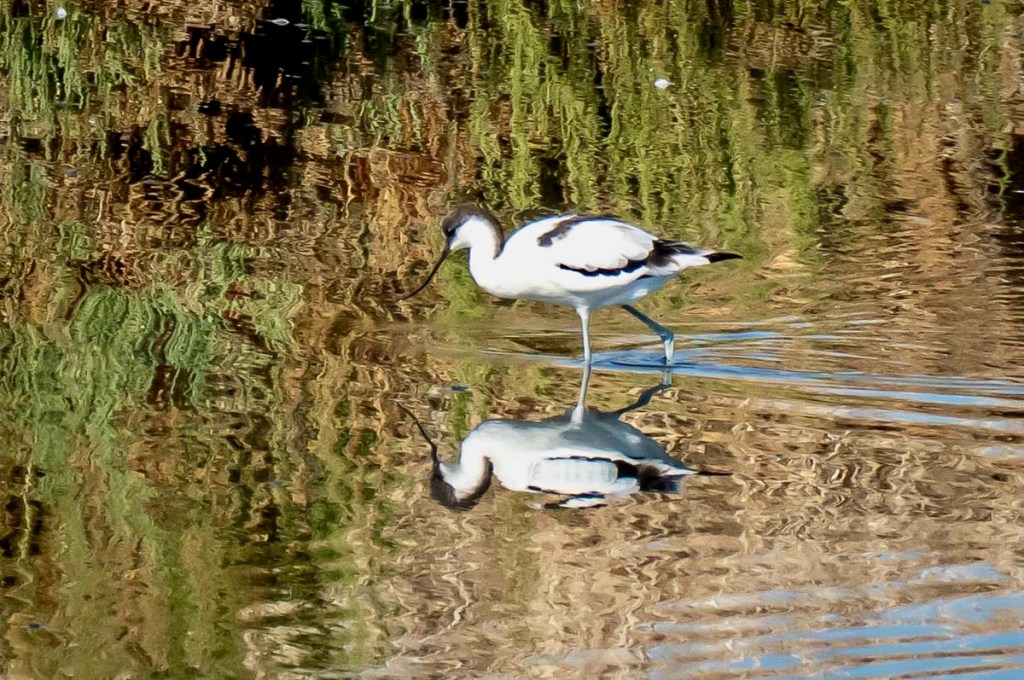
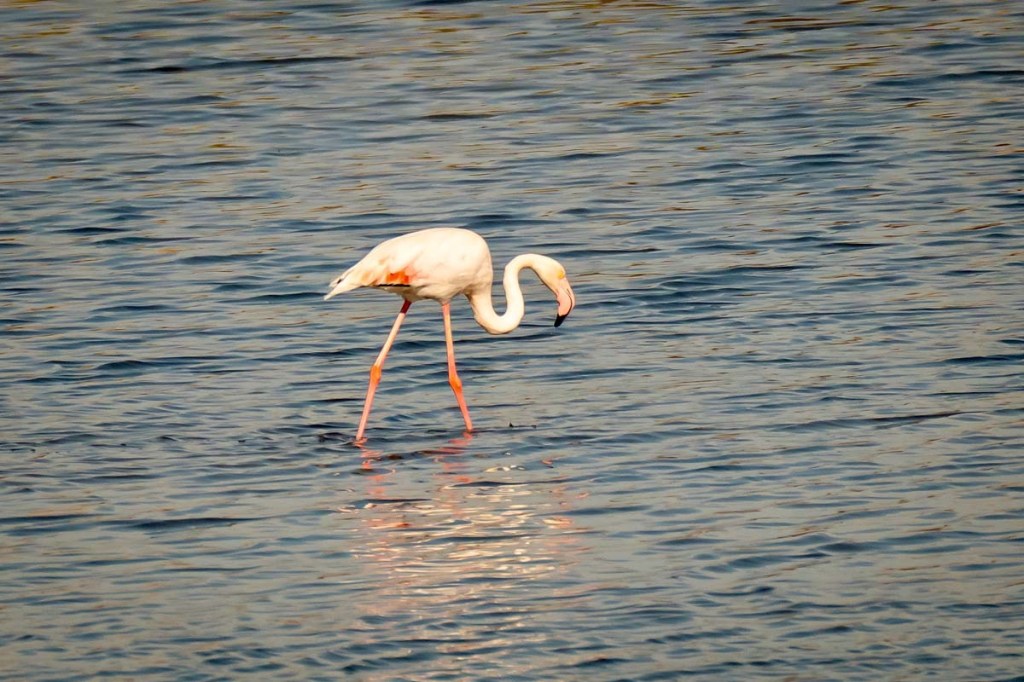
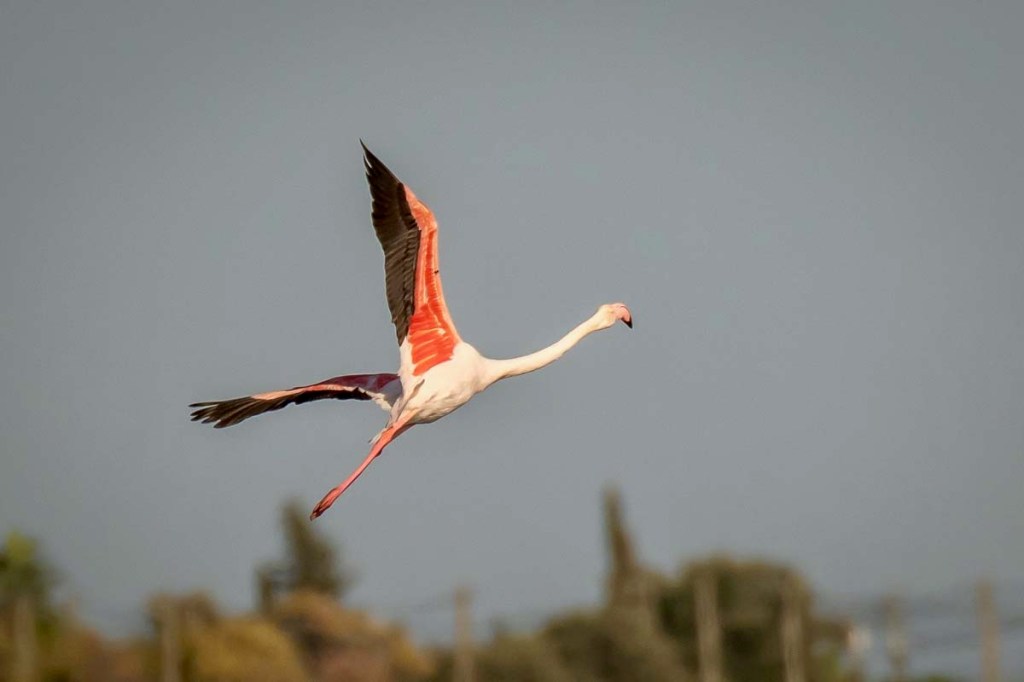
The view from our bedroom window first thing this morning.More greater flamingos in the distanceThe flamingos beginning to catch the sunRuddy turnstoneNo one working here today as it’s SaturdayCrested larkGreater flamingo about to join us for breakfastSanderlingCommon greenshankCommon redshankOne of two spoonbills to fly past our balcony (I nearly missed them)Common ringed ploverLittle egretGreater flamingosGreater flamingo in the stream beside our terraceBlack-winged stilt flying along the same streamA raucous black-winged stiltPied avocets and reflectionsOld street in Fuseta (just to show we did get out and about)We find these beautiful tiles everywhereThe obligatory visit to the local market
It seemed a shame to leave Bristol in the lovely October sunshine but (and don’t feel sorry for us) we are spending the next 11 days on the Algarve in Portugal which is even more sunny and with even better temperatures,
We have come to Fuseta, a tiny fishing village in the eastern Algarve. Fuseta is relatively unspoilt and full of beautiful tiled streets to wander around with fantastic restaurants where you can eat fabulous fresh seafood and with lots of cafés to sit and people watch. One of the main attractions for us is that Fuseta is very easy to reach by taxi from Faro airport (we only took just over 5 hours from home to rental property) and it has a train station (2 in fact) from where we can easily explore other parts of The Algarve.
Better still, this area is fabulous for bird watching with loads of salt pans attracting a huge number of birds.
We have found an amazing apartment which is called “Birdwatchers’ Paradise” and looks out onto the salt pans of Fuseta. It is rather like being in an amazingly comfortable bird hide on two levels with very close up views of the birds from the terrace and the first floor balcony.
Here are some of my photos from our first half day. I’m sorry if some of them are rather too close up!
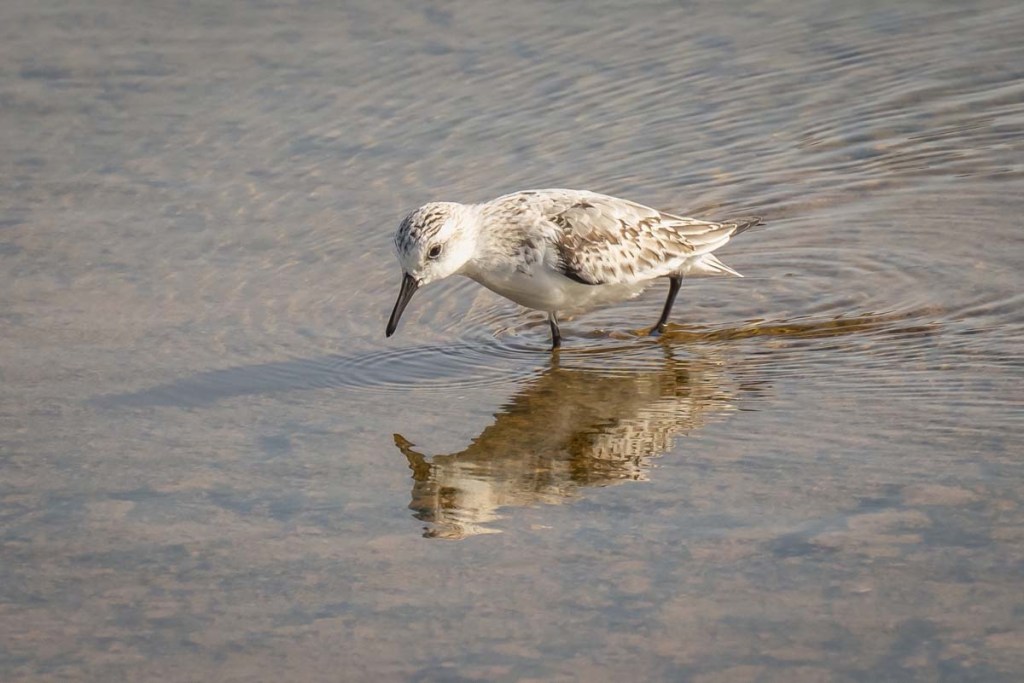
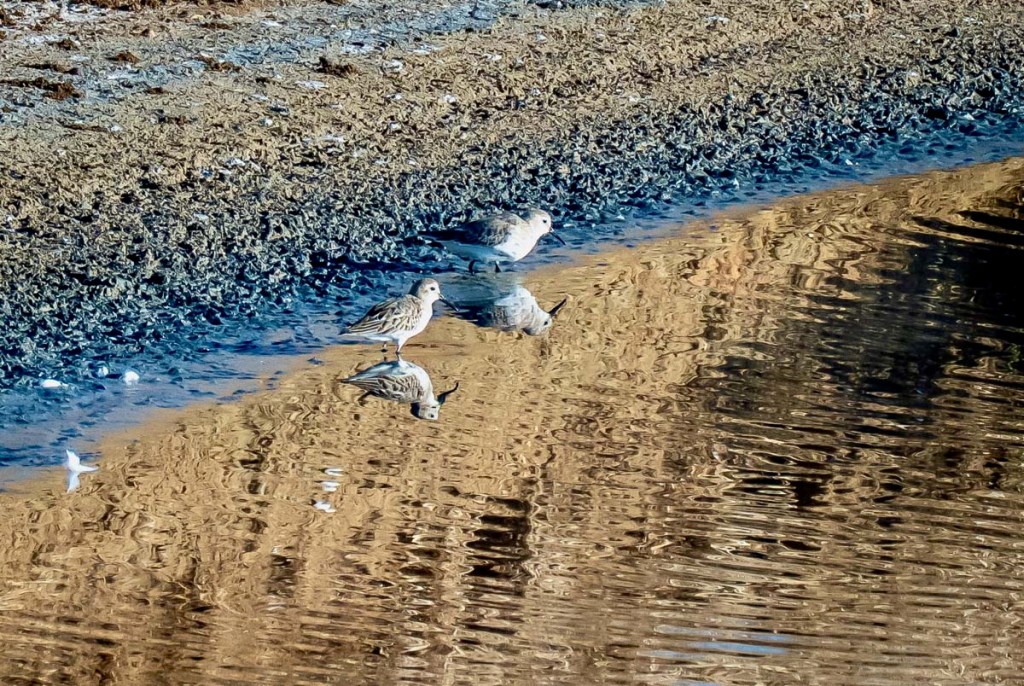
Avocet (or as they call them here pied avocet)Little egretDunlinGreater flamingoGreater flamingoGreater flaming flying in front of a mountain of salt (the salt pans are still active here)SanderlingBlack-winged stiltSalt pansDunlin and redshankCollared doveRedshank and other waders
We are lucky to have a period of high pressure and the lovely weather seems to be holding up. A few of my favourite photos from my walk around the local park this morning:
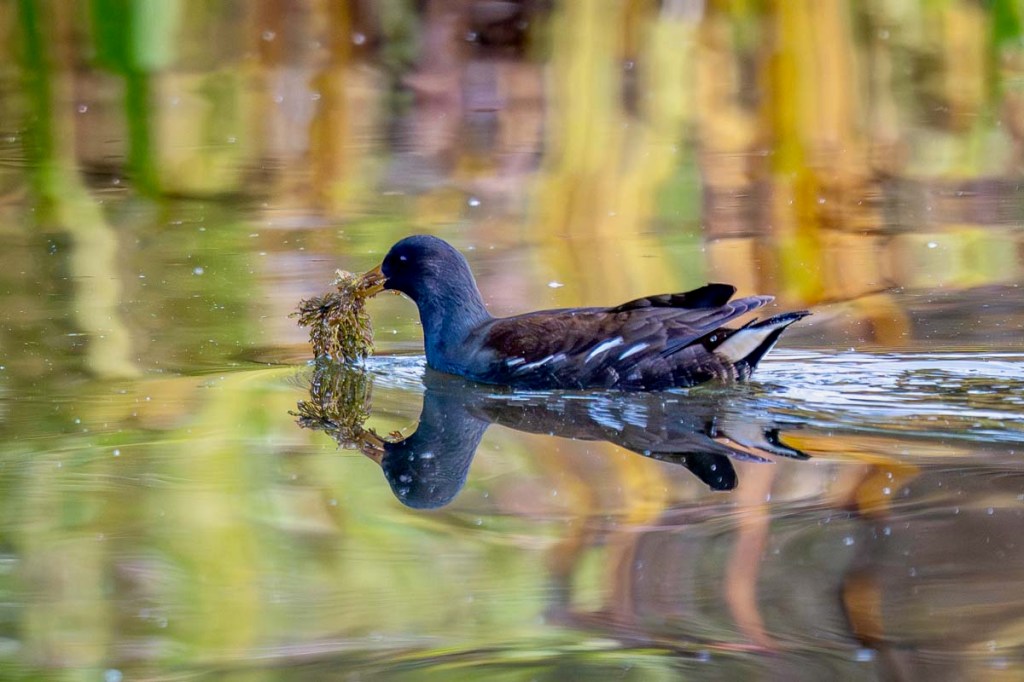
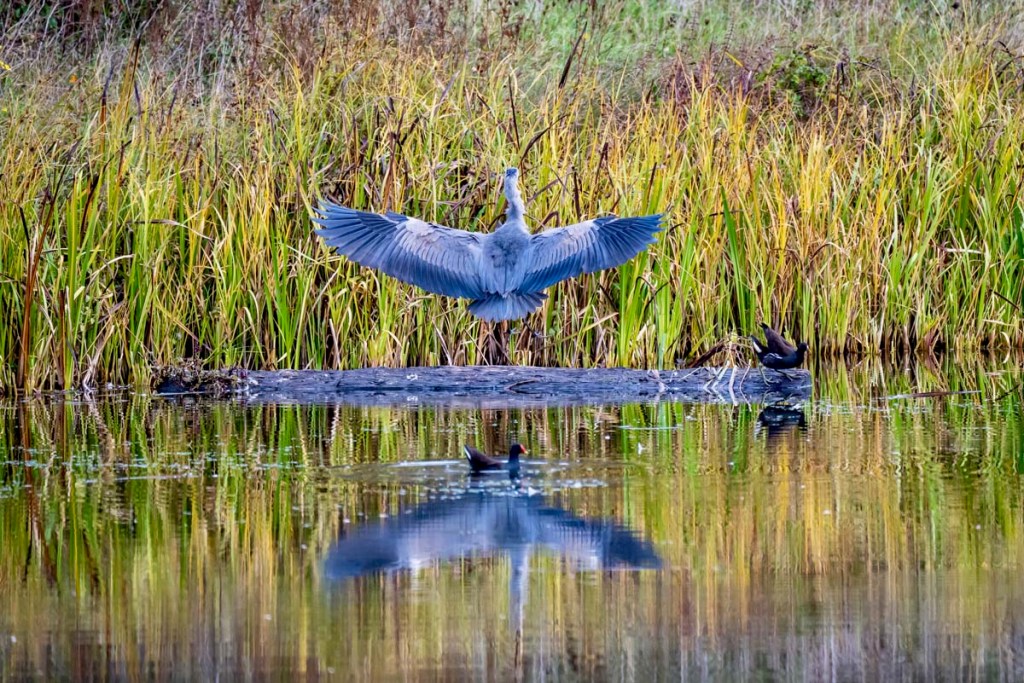
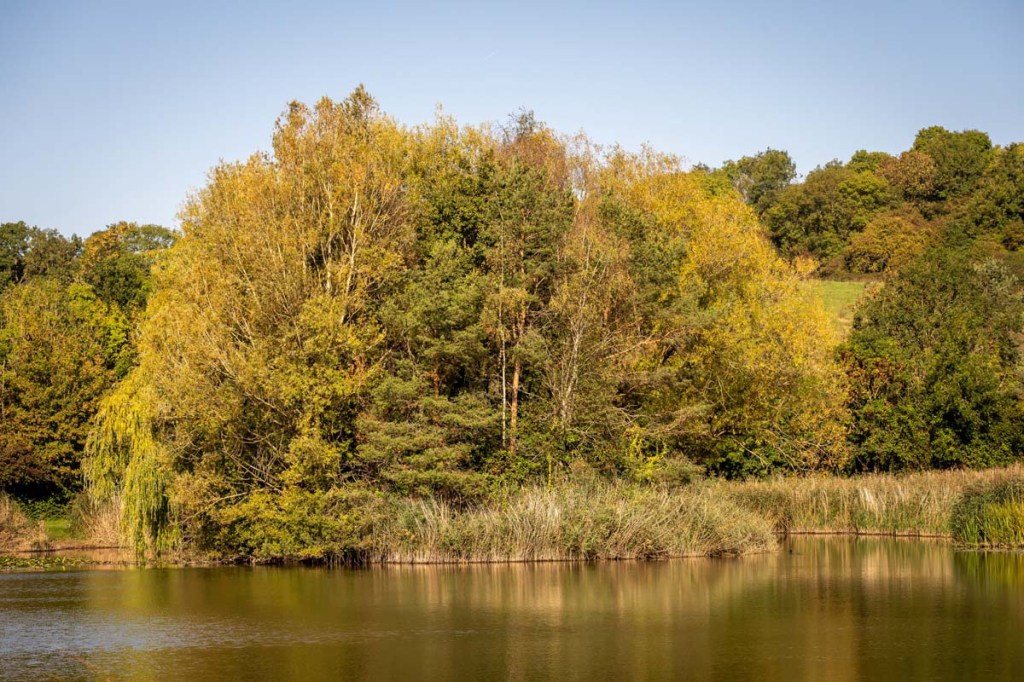
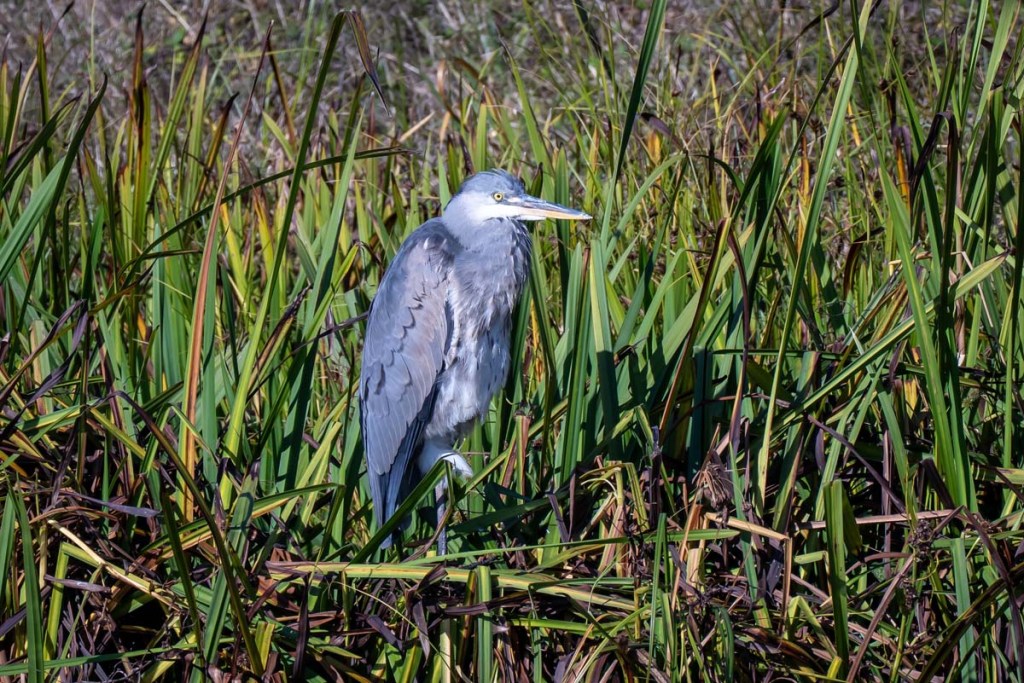
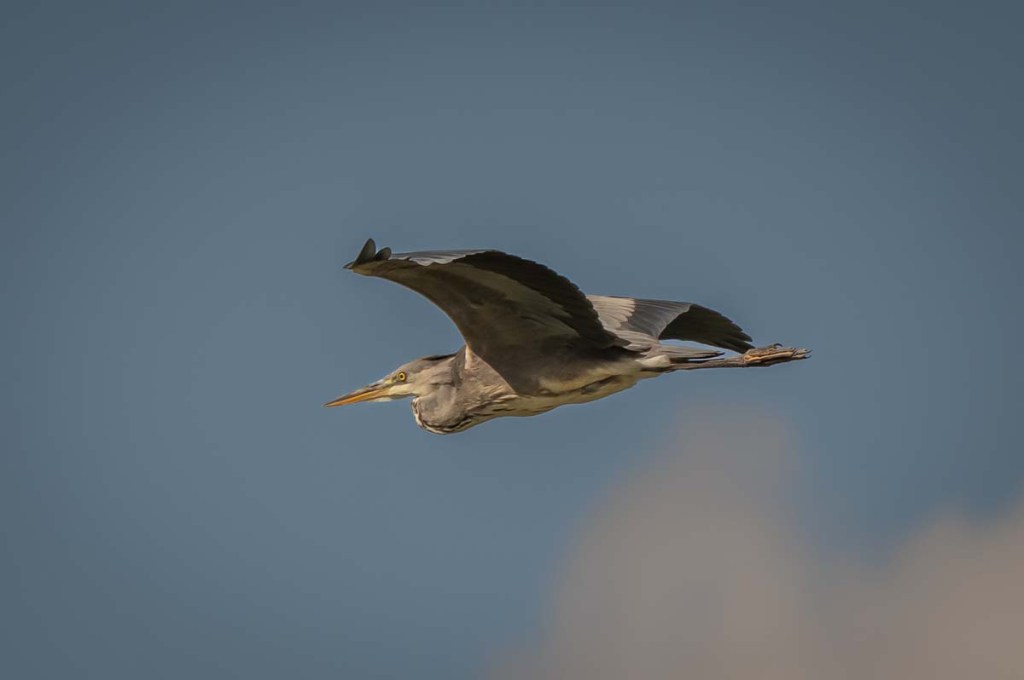
Duchess Pond in Stoke ParkThe autumn colours are really showing around this moorhen. It’s not about to build a nest is it?The resident grey heronBlue titFemale stonechatFemale stonechat – there was no sight of a maleFront view of stonechat… and rear view of stonechatThe jay seems to always be around too although I only had a very brief view of itGrey heronFly past grey heron seems to be showing offMy favourite shot of the grey heron
Following a day of (photographing) art galleries, monuments and churches in Bristol it was back to the birds this morning in Stoke Park.
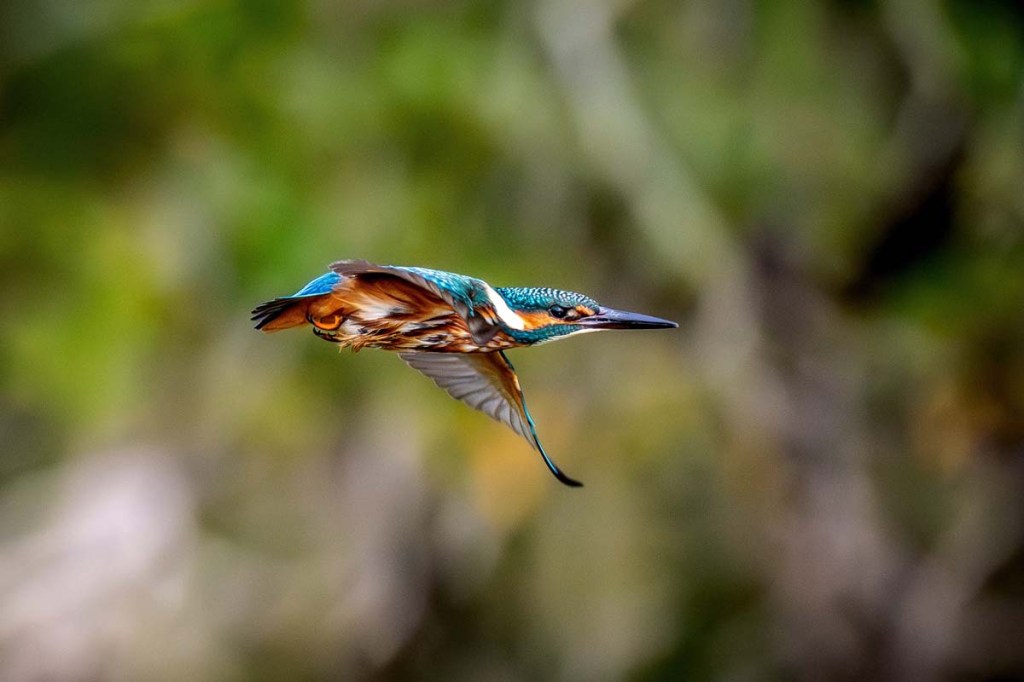
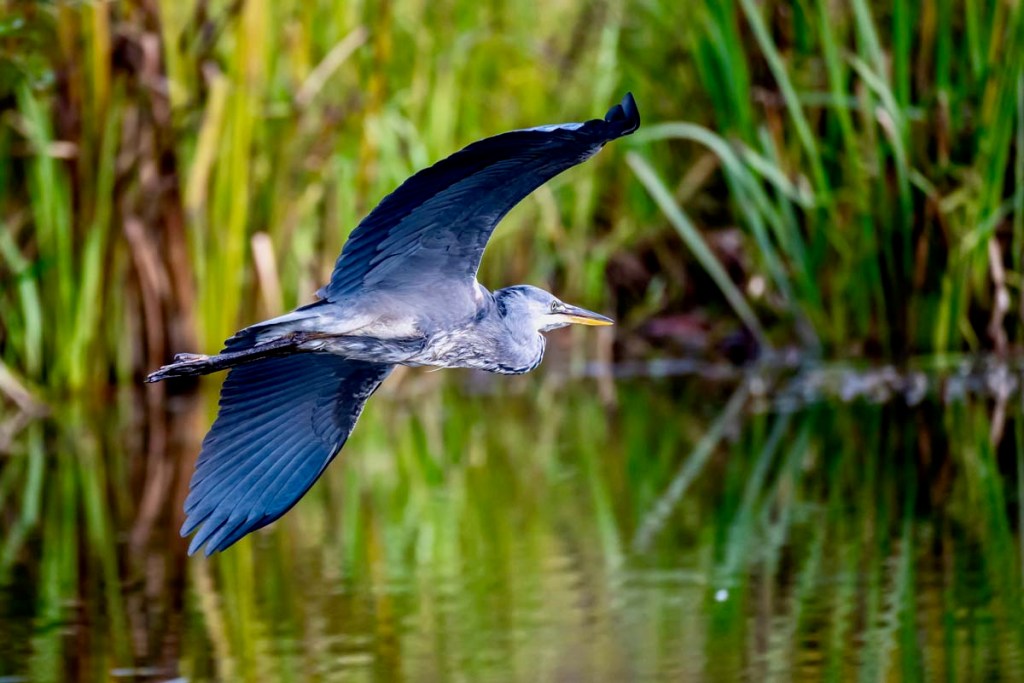
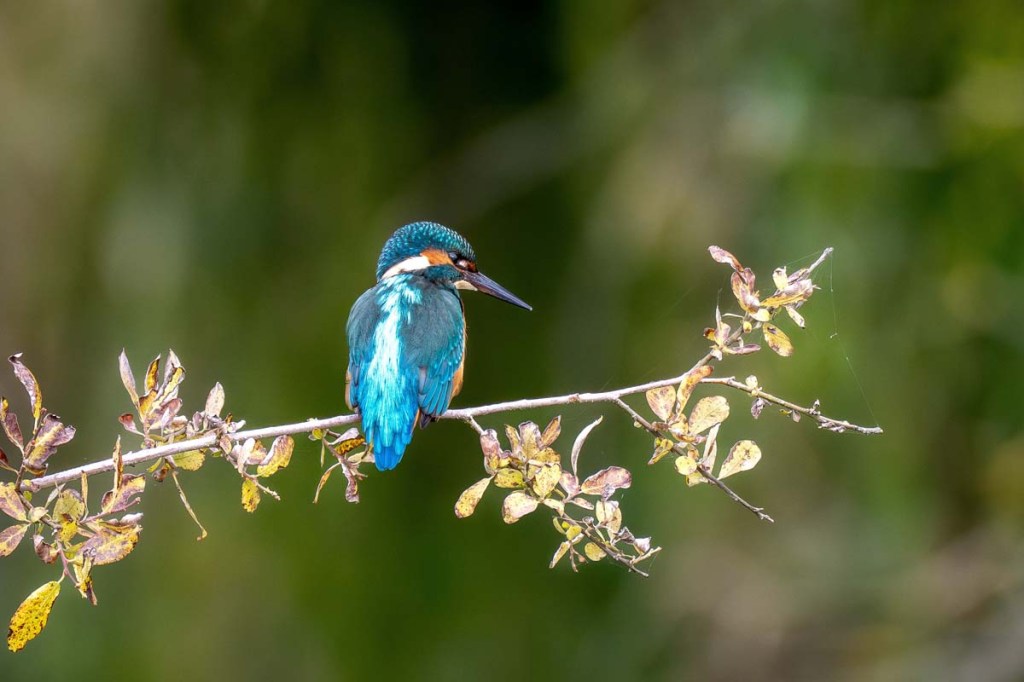
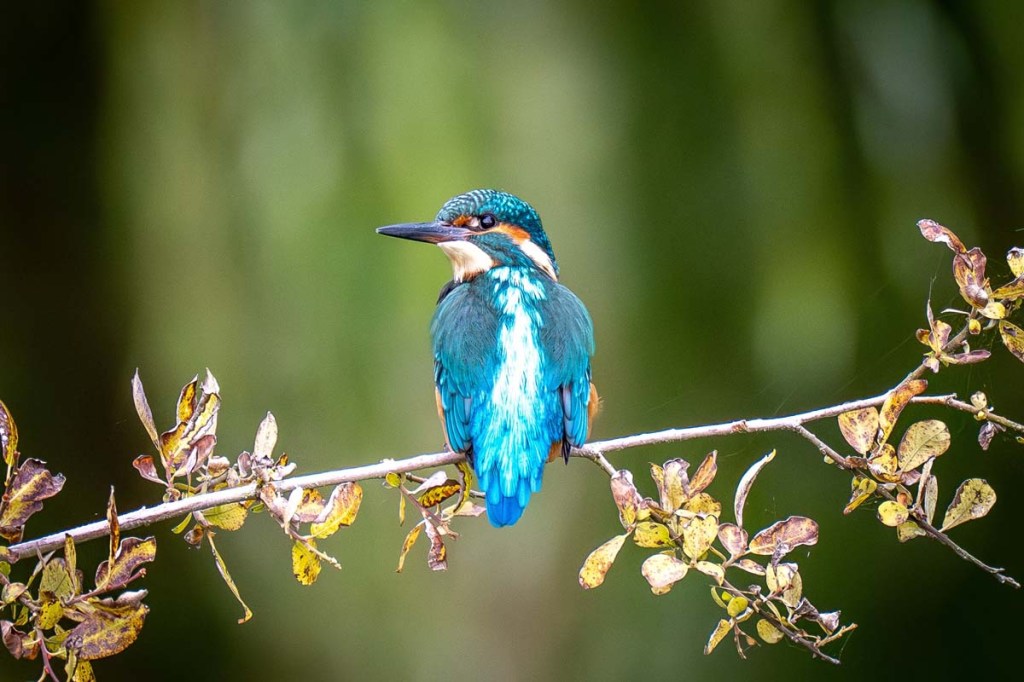
Within a few minutes of arriving I was treated to a grey heron flying right in front of me and then a kingfisher posing nicely on the edge of the pond.
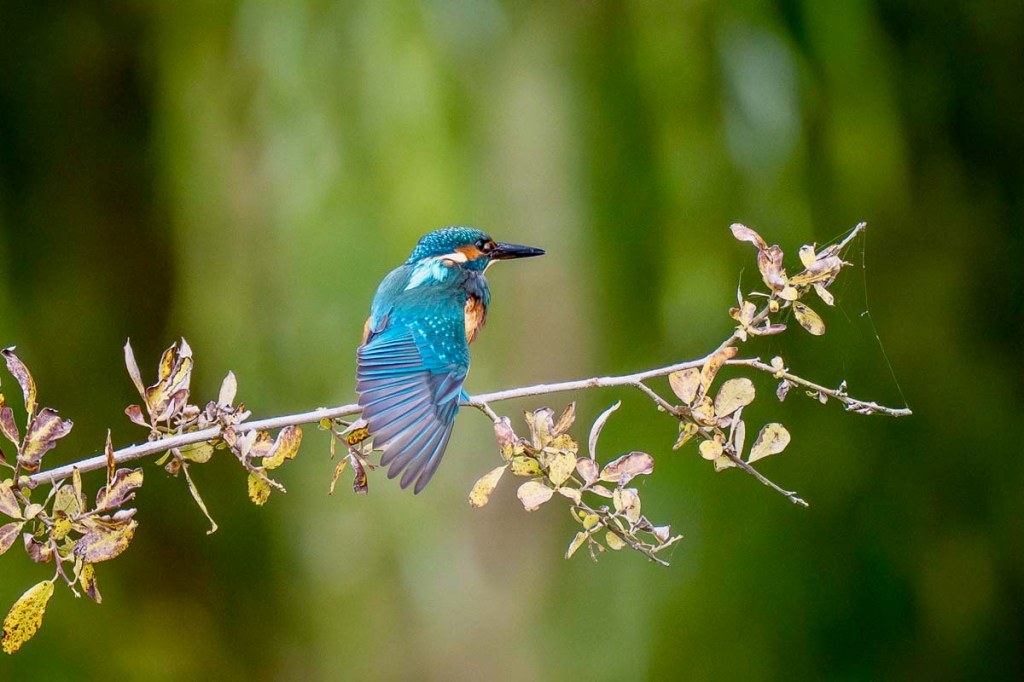
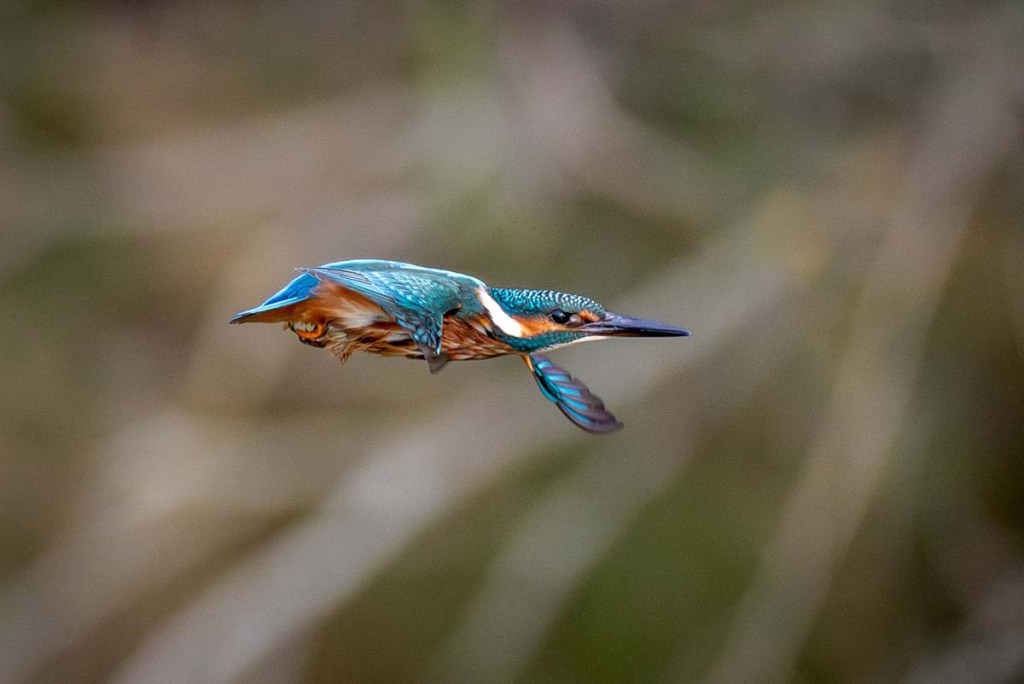
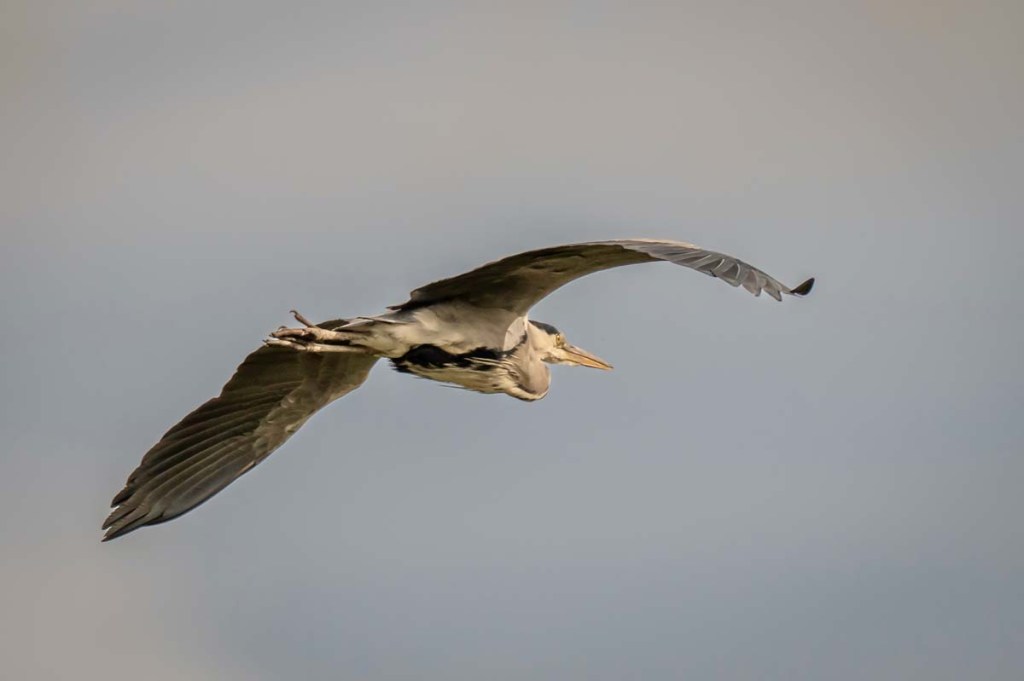
Grey heronGrey heronGrey heronGrey heron landing in its favourite spot on the annex pondKingfisherKingfisherKingfisherKingfisher spreading a wingKingfisher in flightKingfisher in flightKingfisher in flight
The kingfisher seemed to follow me around Duchess Pond and I had shots of it in lots of different locations but none as good as its original perch.
Kingfisher in a different venue
There were lots of corvids around and I even got sight of a sparrow hawk and a buzzard being mobbed by them.
Common buzzard being mobbed
Just before setting off home I saw a male and female stonechat but only managed a photo of the female.
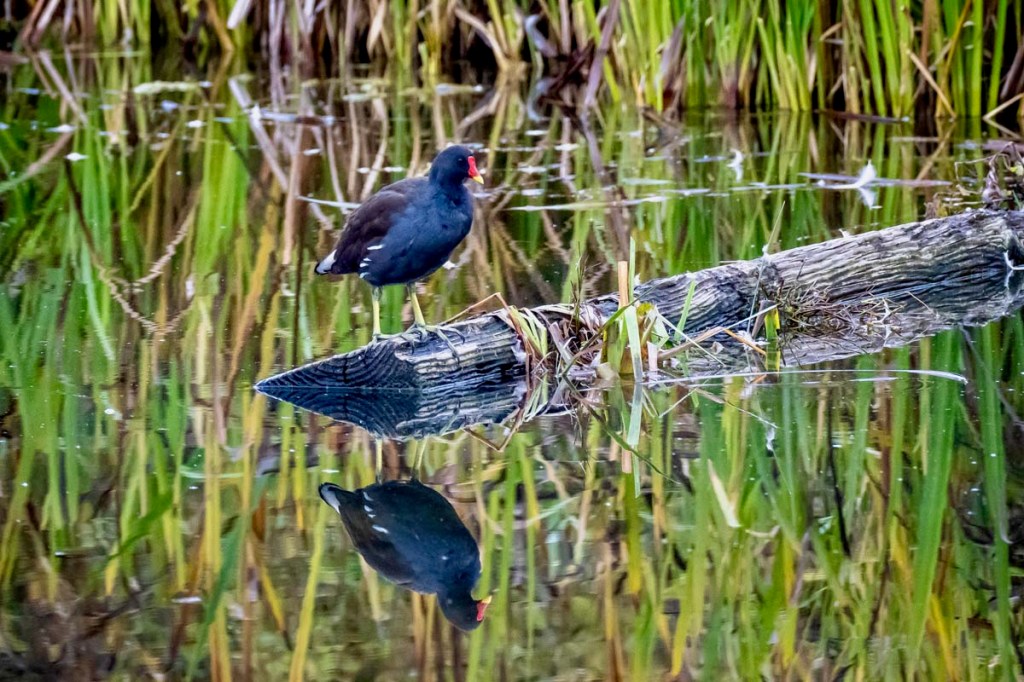
Female stonechatI couldn’t resist another photo of the Dower House with its reflection in Duchess PondMoorhens are good for reflections too
What an amazing summer! It seems to go on and on. Statistically I have seen it has been the best ever in the UK; better than even the summer of 1976 which, as I was in my late 20s and enjoying a great summer of sport, was for me the best before this one.
What a treat too to be able to go off birding on a Monday morning following a great weekend of sport (now sadly only as a spectator) with success for England in the Women’s Rugby World Cup final, a trip to see Bristol Bears gain a good win over Leicester Tigers in the first match of a new season, Arsenal sneaking a win in the dying moments of their game and the success of the European team in the Ryder Cup golf. This morning was just as good though.
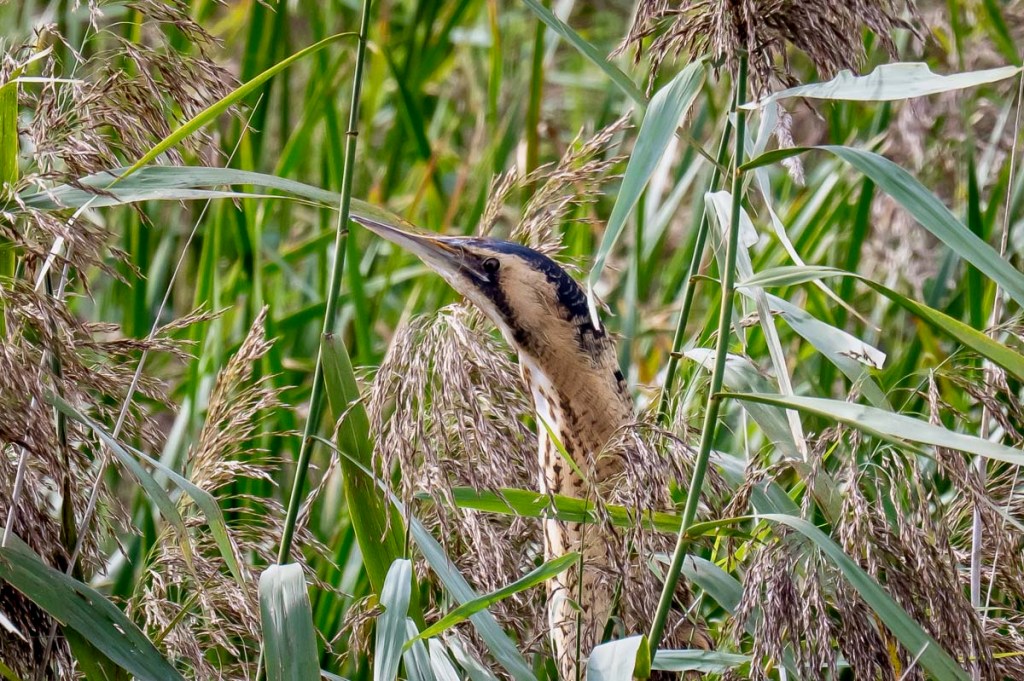
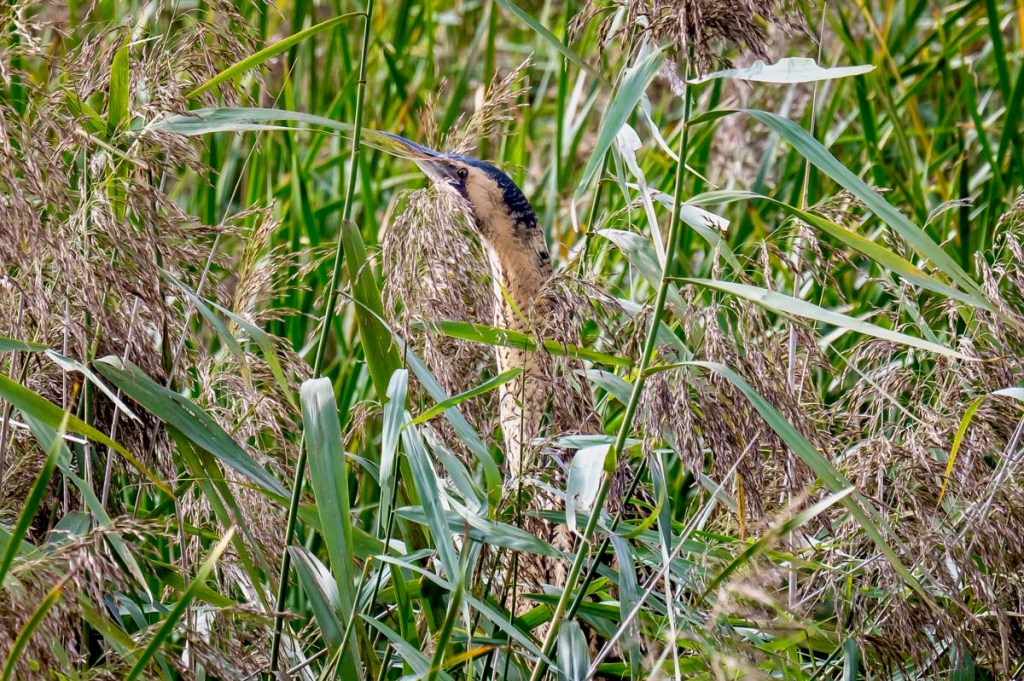
We saw so much and in such wonderful light (so no complaining from me except that I still failed to capture two common cranes flying right in front of me – ineptitude on my part). The best was clearly seeing the very secretive great bittern but it was all quite a joy and we enjoyed our trip to Slimbridge so much that we stayed much longer than usual and had a very late lunch there too.
Great bitternGreat bittern
Apologies to all who were hard at work on a Monday morning: in my defence I did 47 years of those.
Some of my photos:
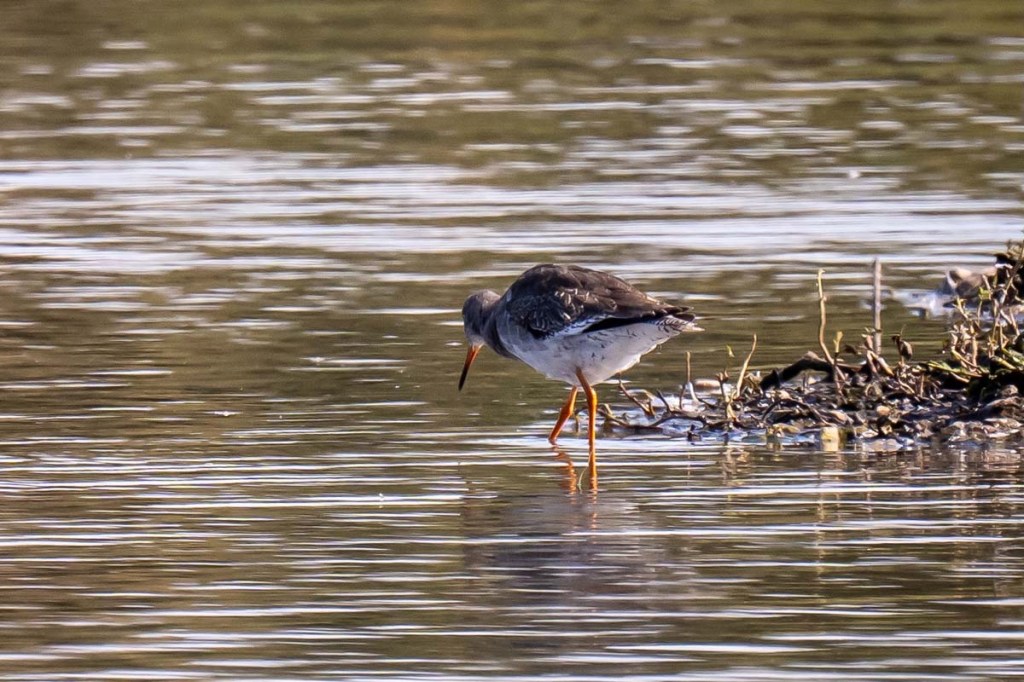
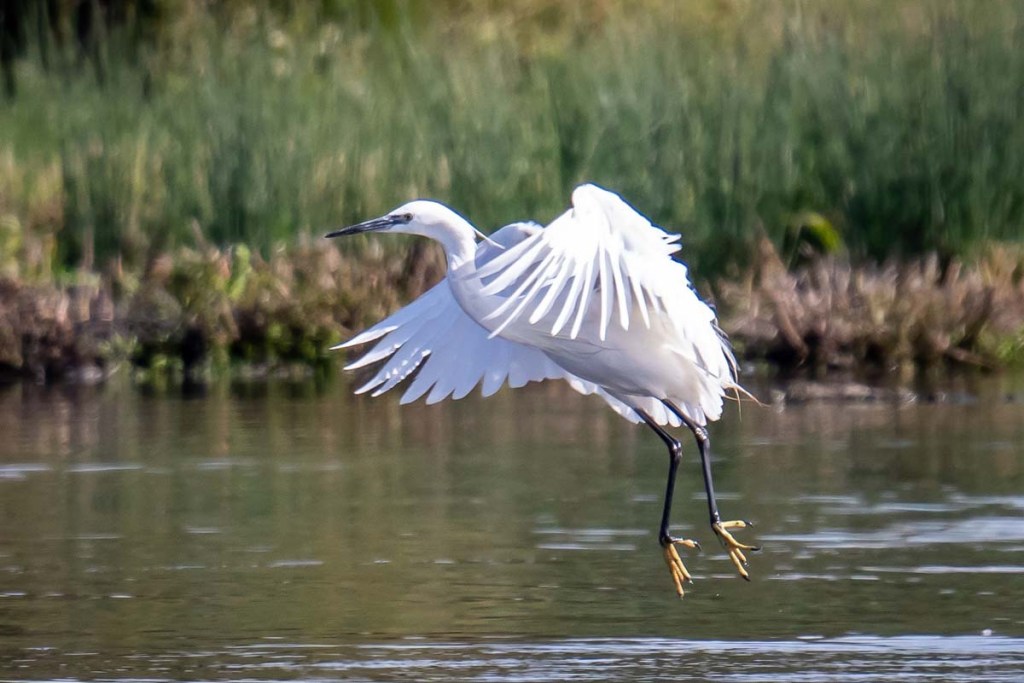
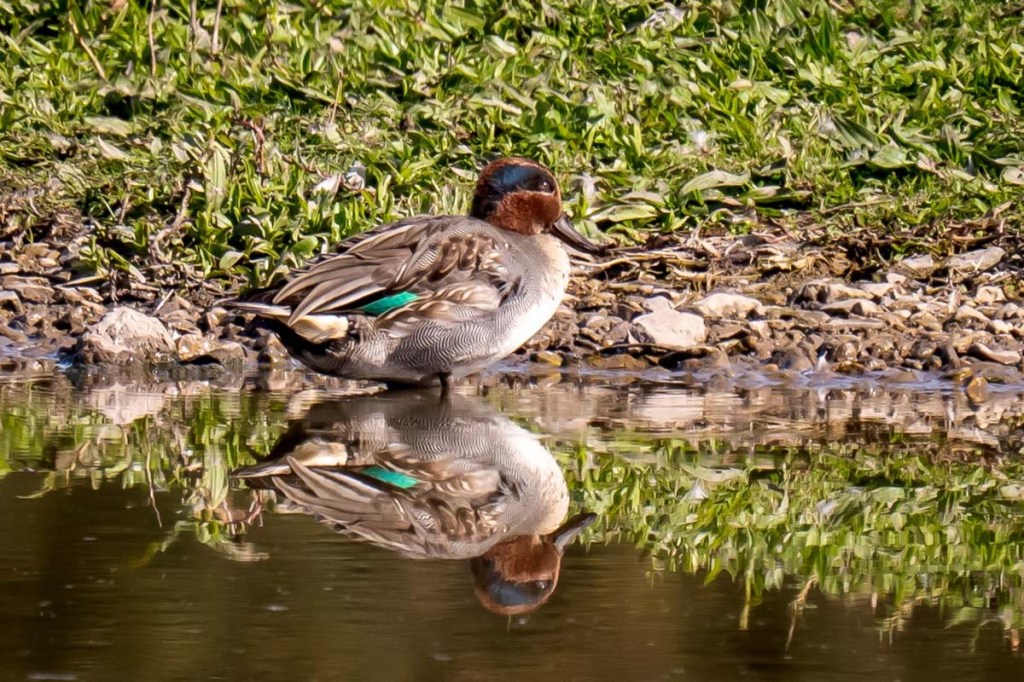
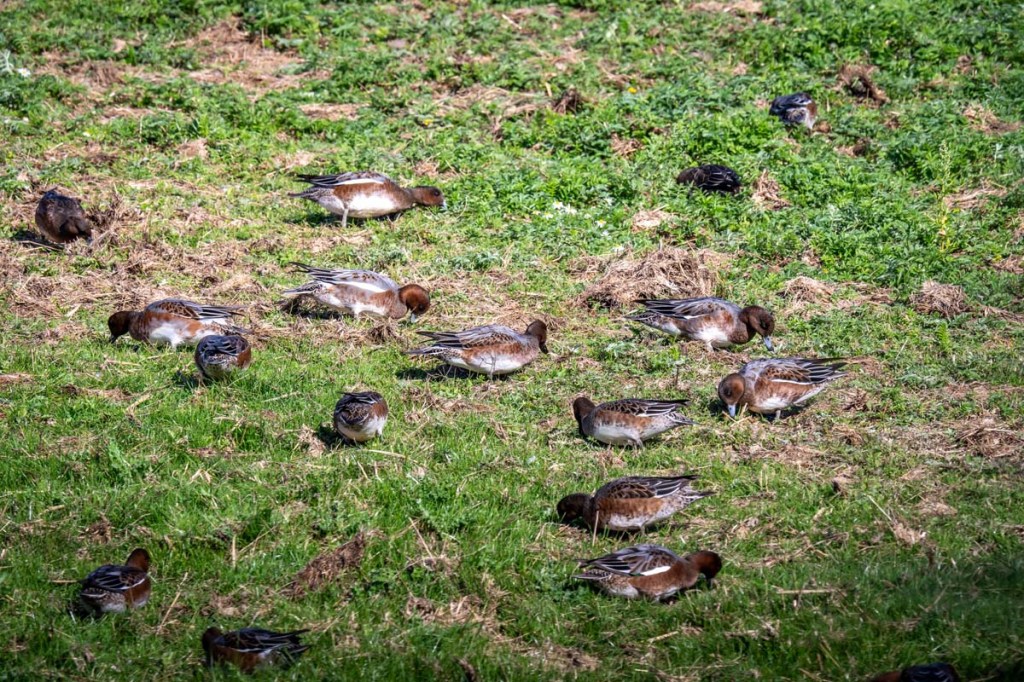
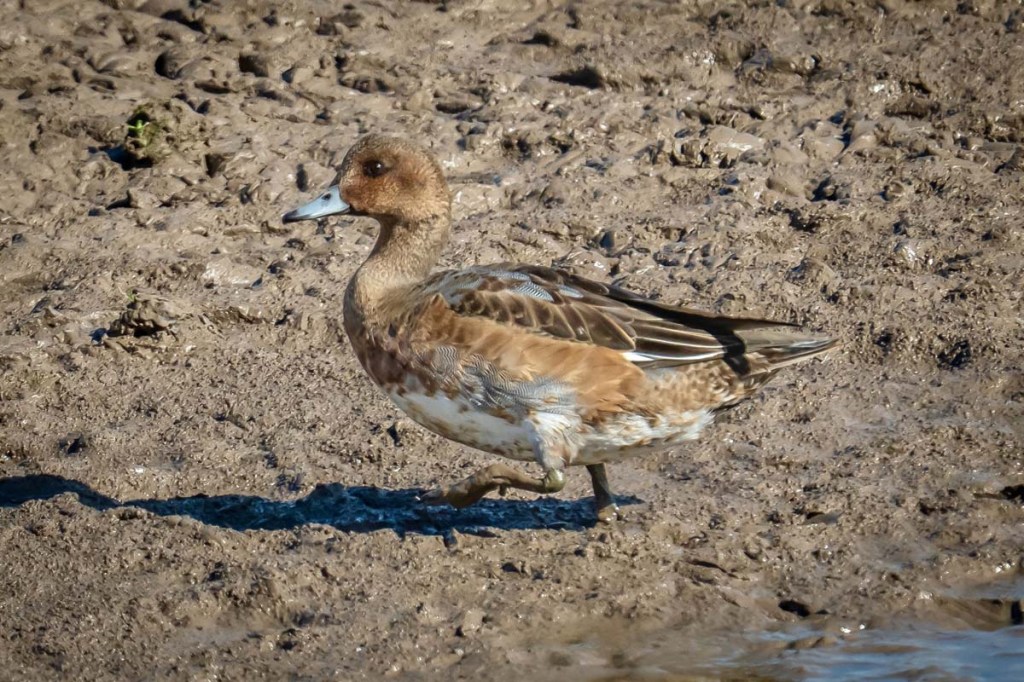
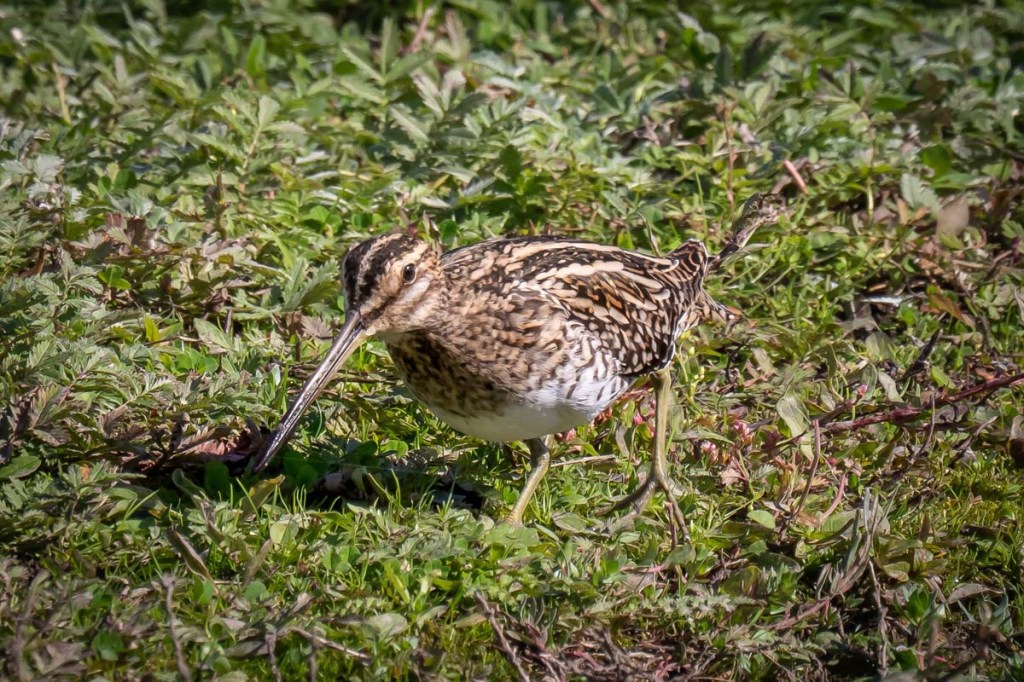
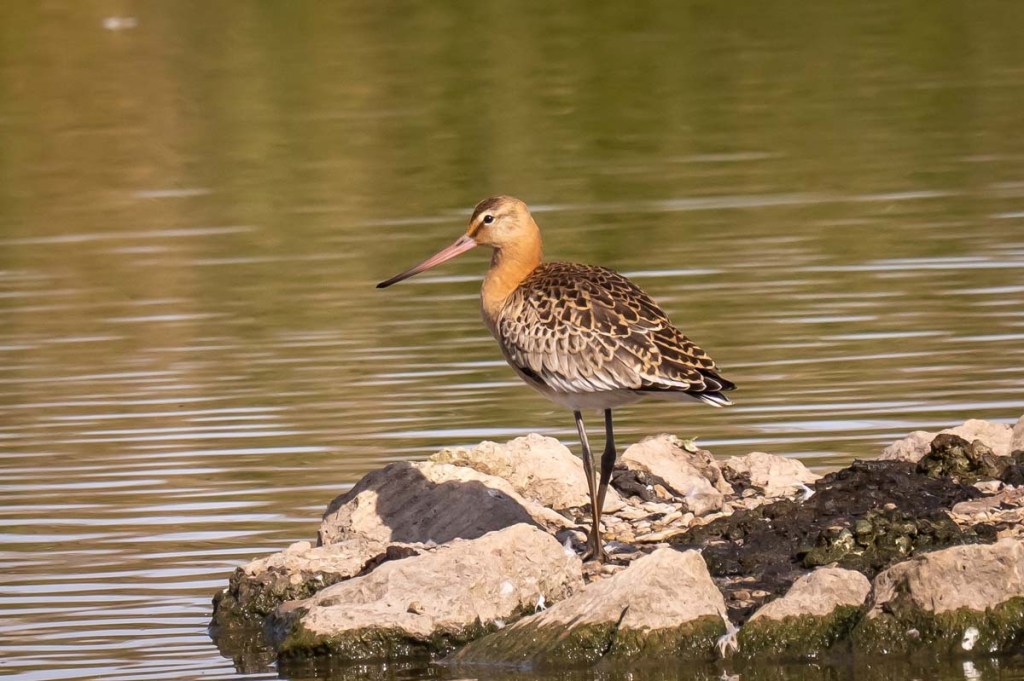
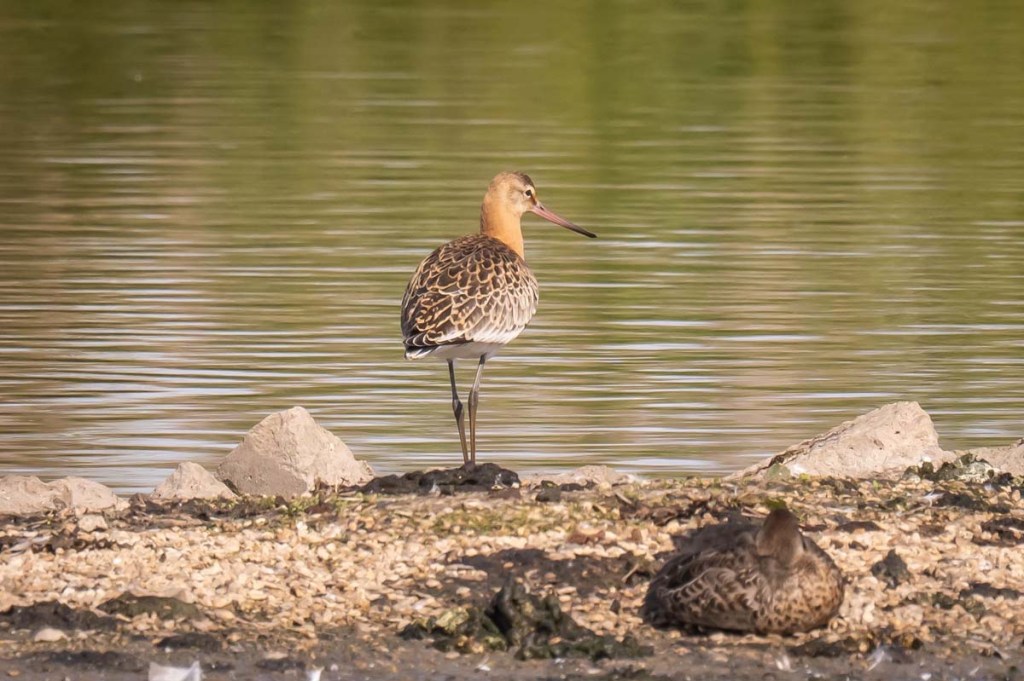
RuffCommon redshankLittle egretNorthern lapwingEurasian tealGreen sandpiperGreen sandpiper with greylag goose (for size comparison)Green sandpiper with mallardLots of geese and a handful of common crane on the Severn EstuaryEurasian wigeonEurasian wigeon close upCommon snipeCommon snipeCommon snipeCommon snipe and green sandpiperBlack-tailed godwitBlack-tailed godwitGreat bitternGreat bitternGrey heronCommon darter (for Mike in the USA) still around
Some of the other activities at WWT Slimbridge:
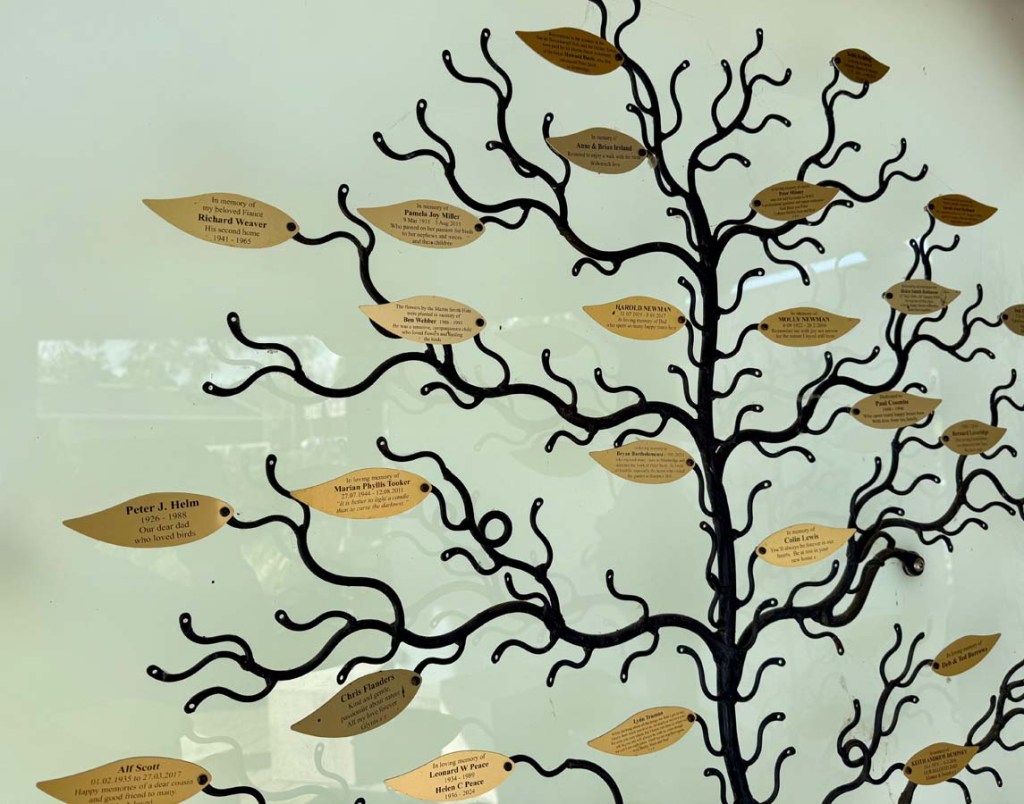
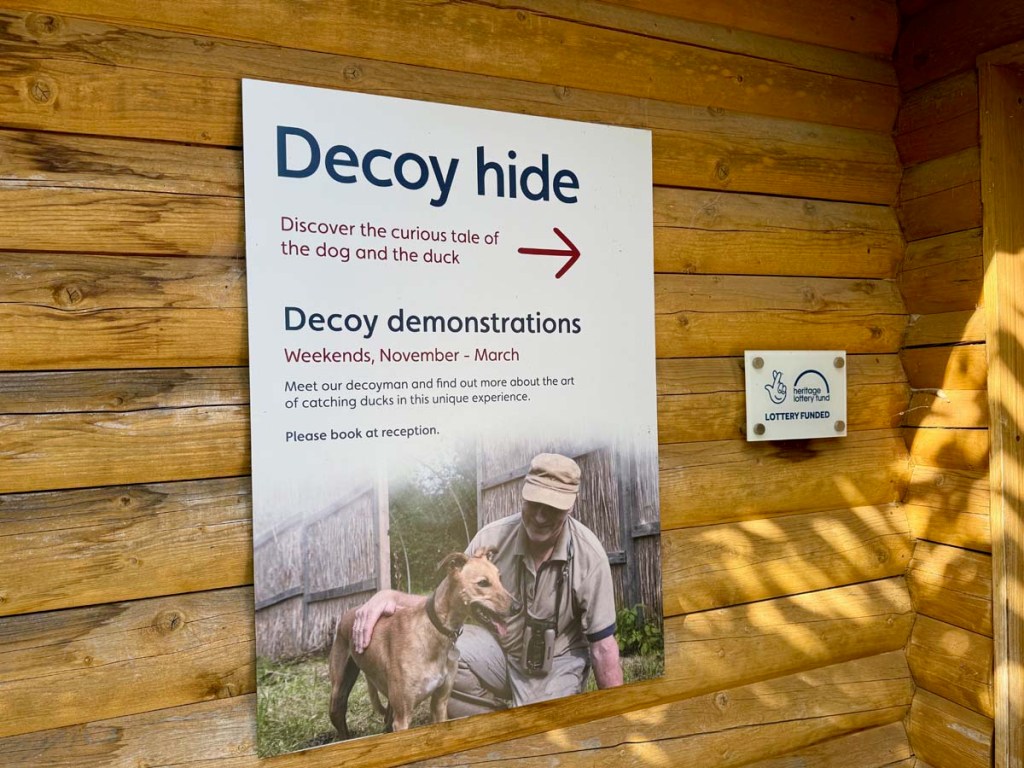
The visitors centre at WWT SlimbridgeTrees of life in the remembrance gardenNever forgottenDuck decoyI don’t suppose Sir Pater Scott would have minded.
Encouraged by my visit earlier in the week (and the blue skies) I decided to give Stoke Park another go this morning.
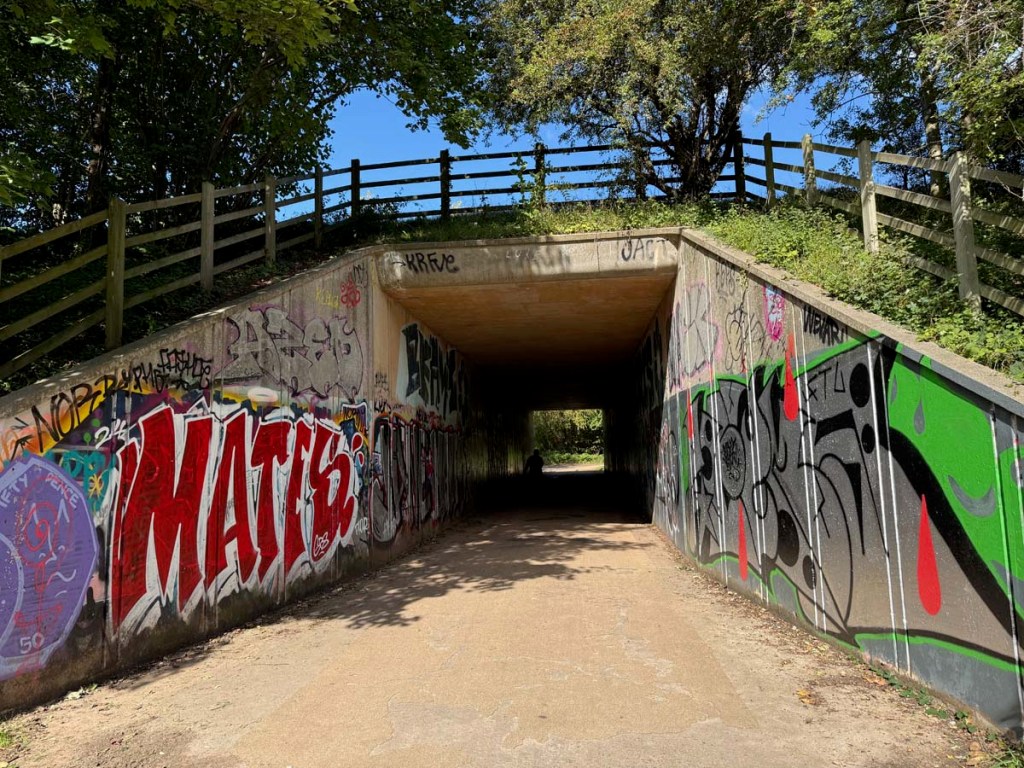
Just a short distance from my home, as I pass beneath the motorway to reach the park, I am reminded by the graffiti (and the noise from the motorway) that this is still a very urban area.
The graffiti and the noise of the motorway remind you how close we are to the city centre
However, it’s well worth putting up with the inconveniences.
On the sky line there were 3 ravens and a common buzzed.
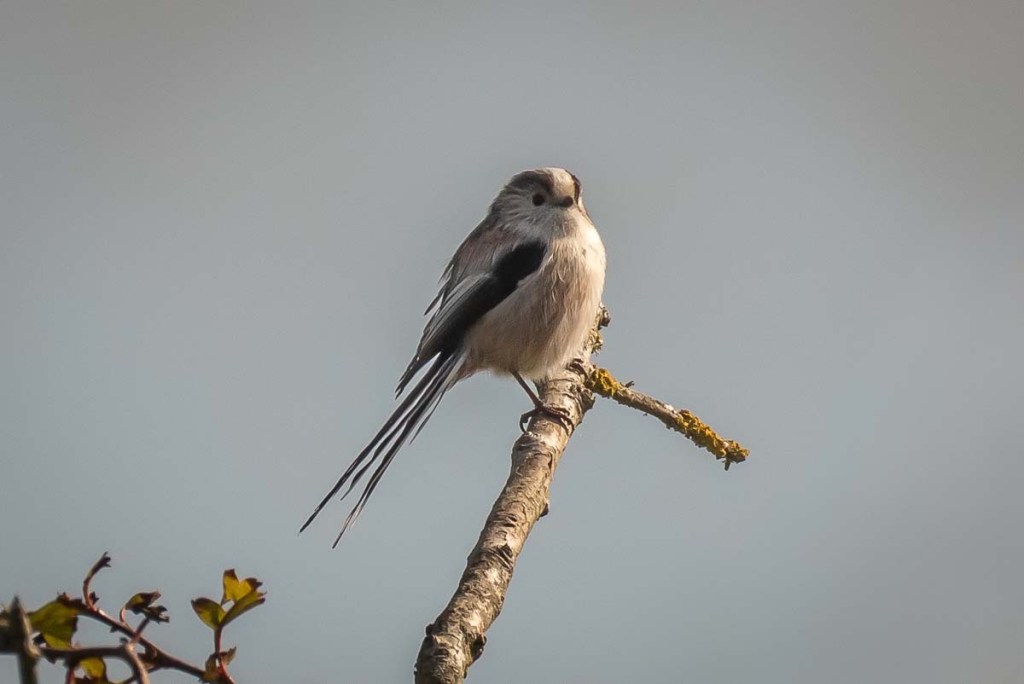
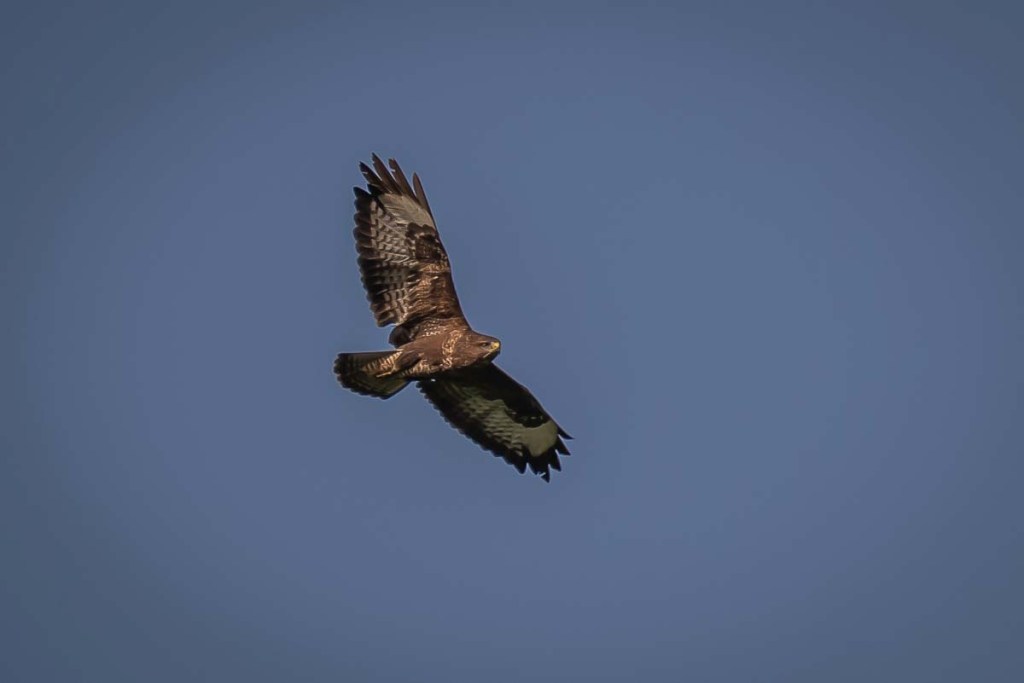
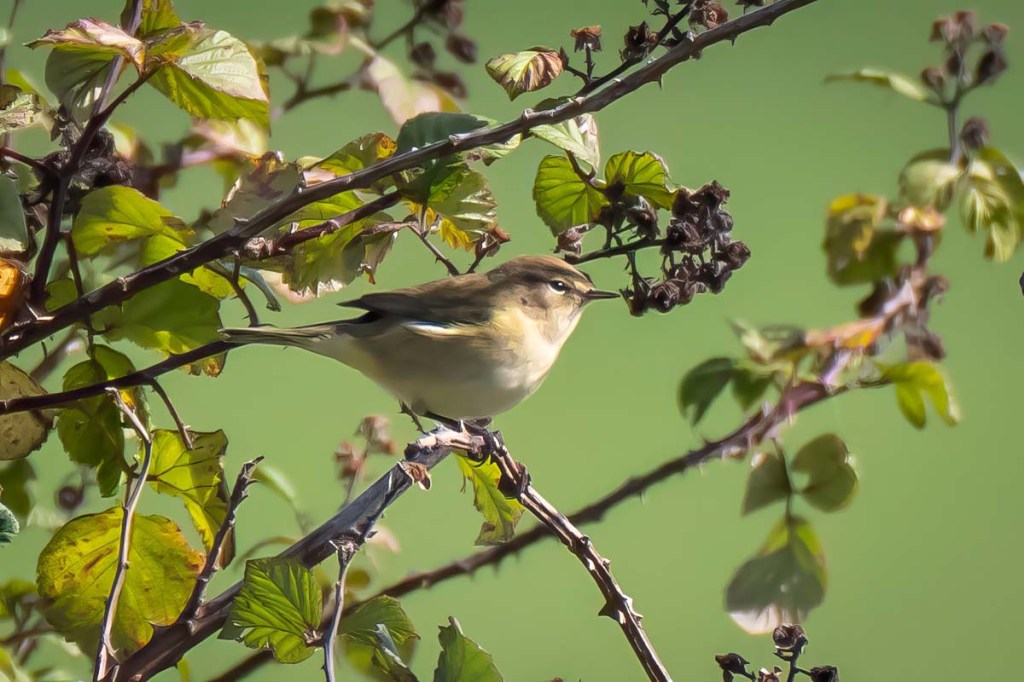
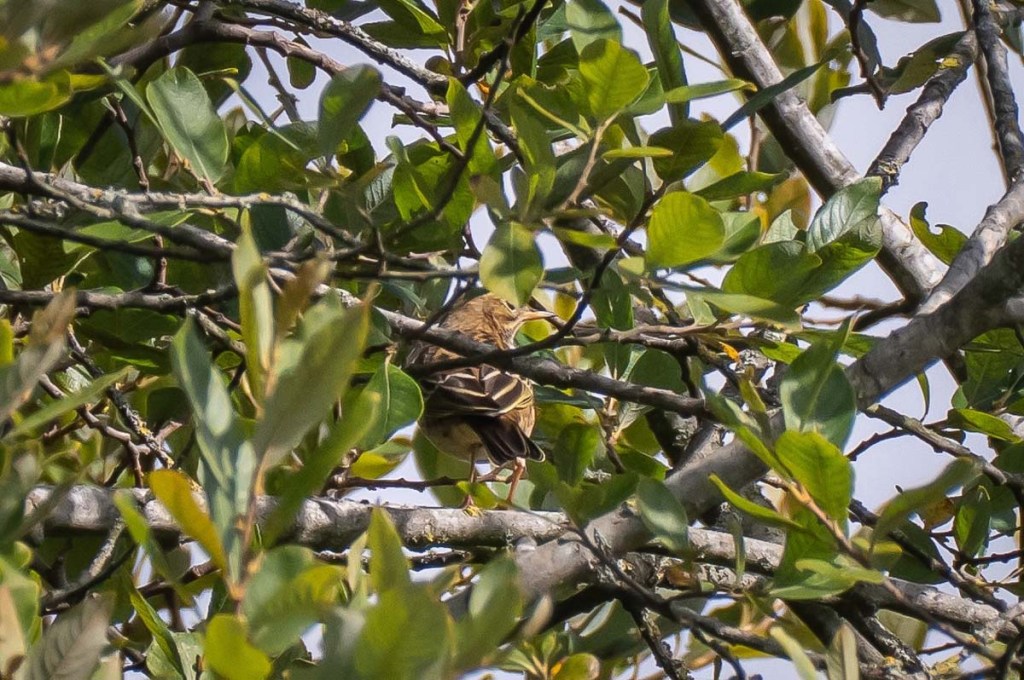
Common buzzardThe jay was still around but much further away.Grey heron again at Duchess Pond… and again on the annex pondCommon chiffchaff shows itself brieflyA meadow pipit in the same treeMeadow pipit in flightLong=tailed tit (I counted 14 in this social group)Long-tailed tit in flight
By the time I was about to go it was getting warmer and dragonflies began to appear.
It was definitely fresher this morning on my walk to the local park.
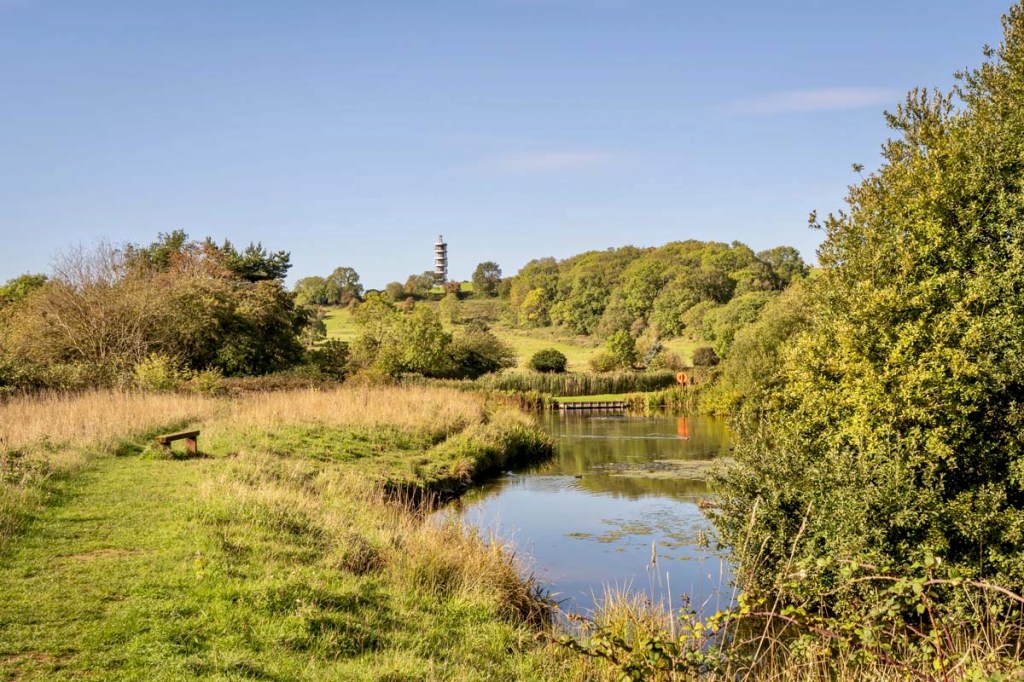
The annex to the main pond with the telecommunications tower on the hill at the backThe view away from Duchess Pond with the Dower House on the hill
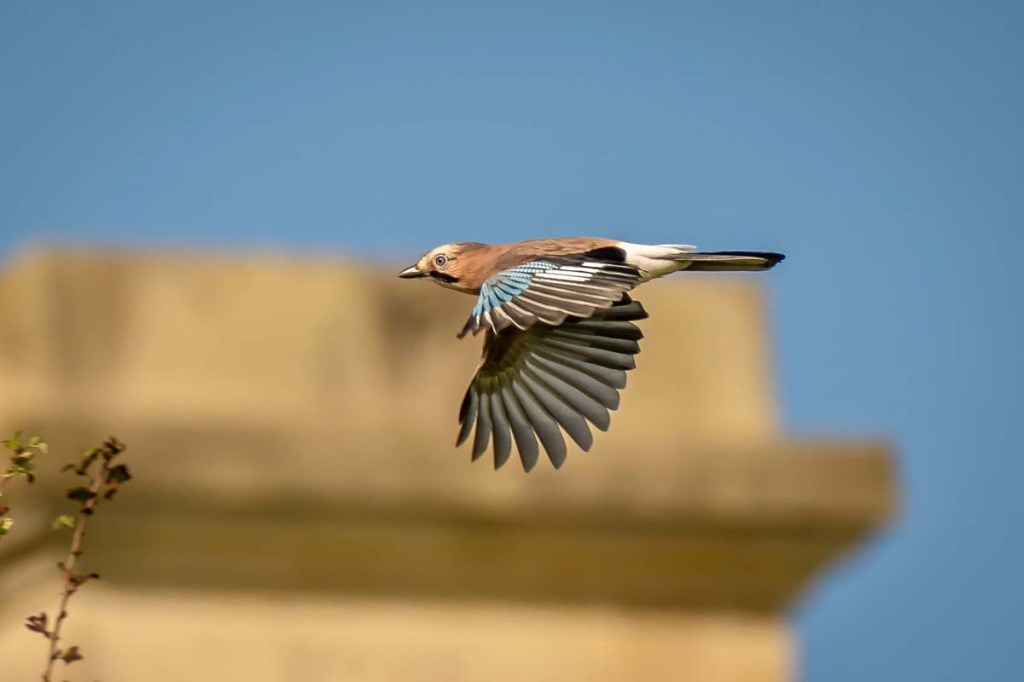
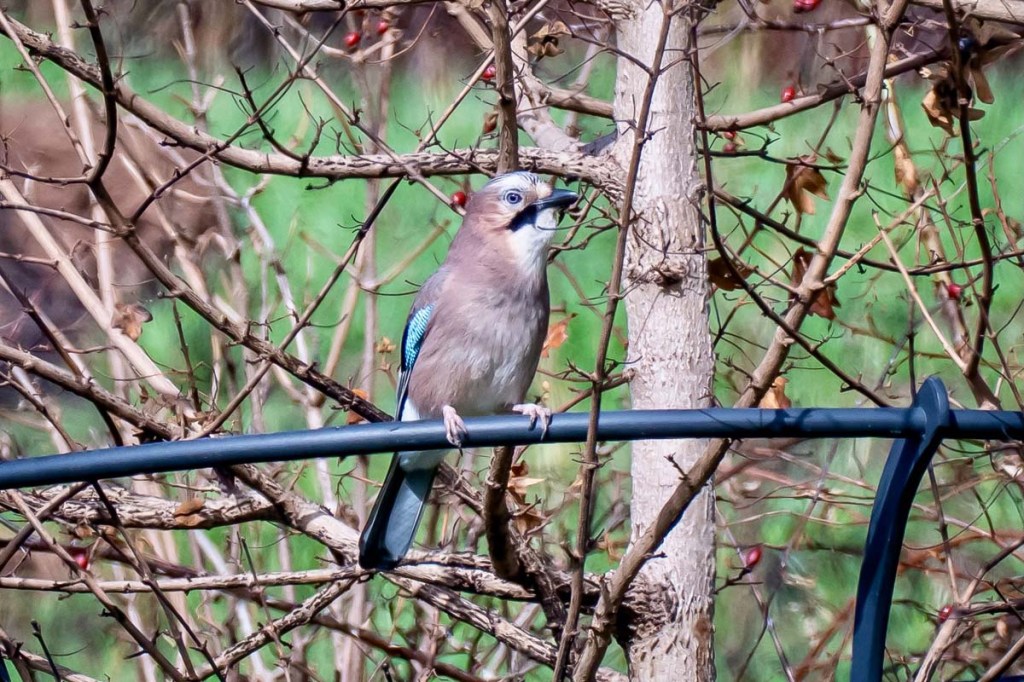
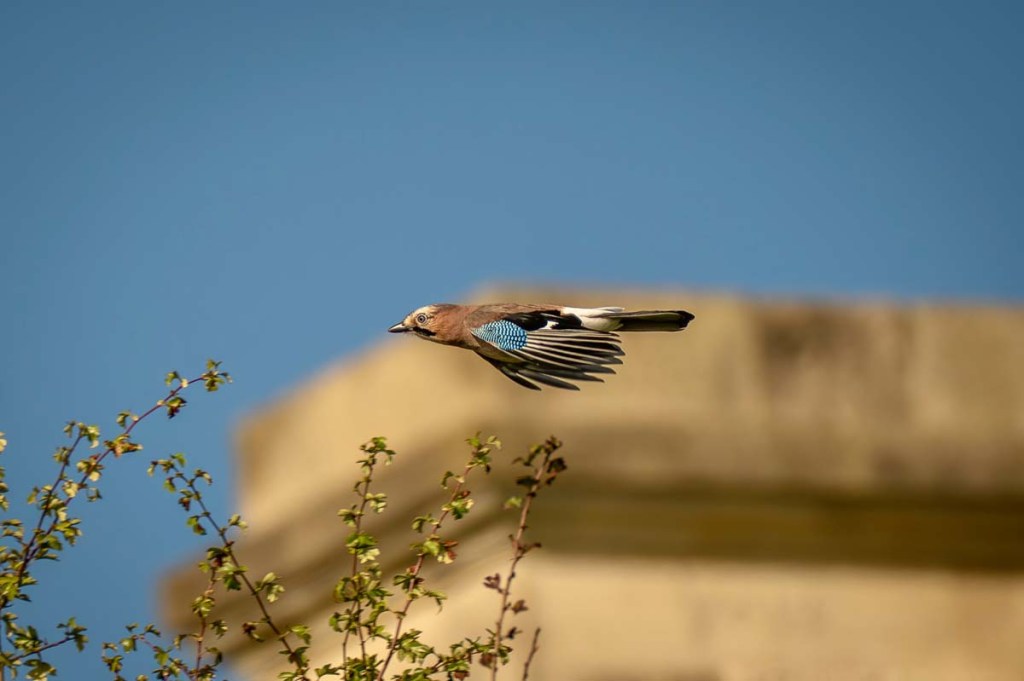
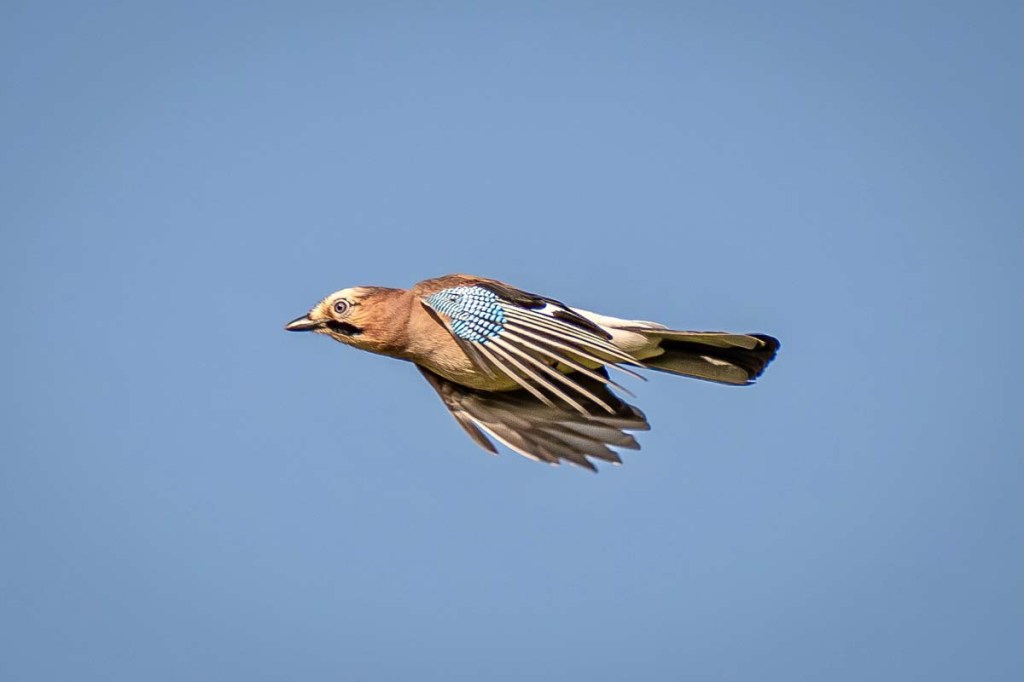
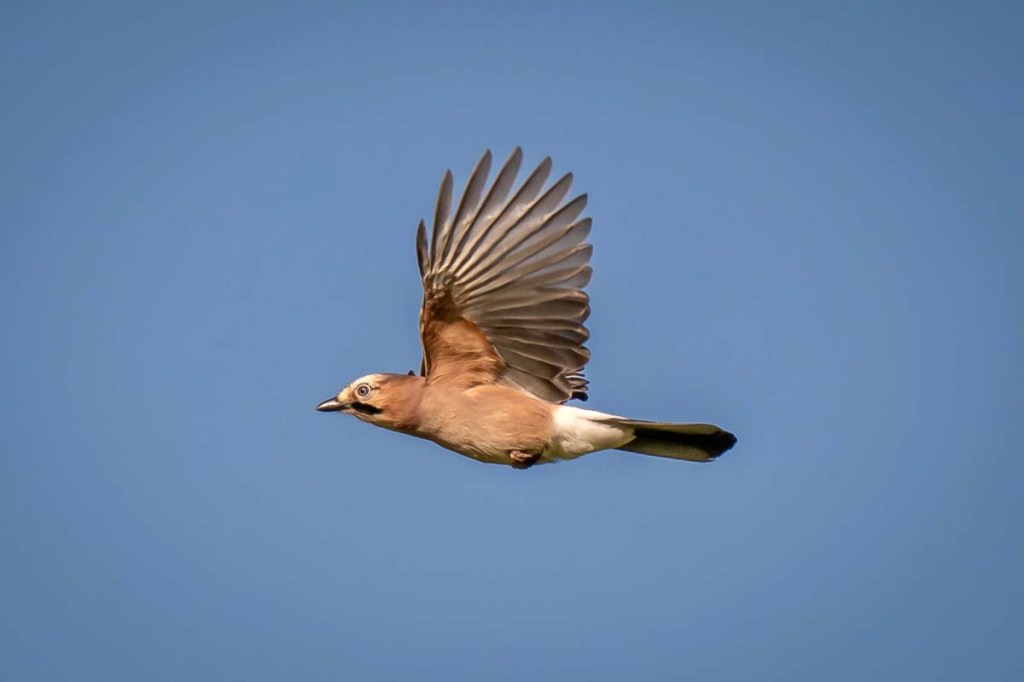
My highlight was a jay, but I loved watching a sparrow hawk and a pair of buzzards testing each other out.
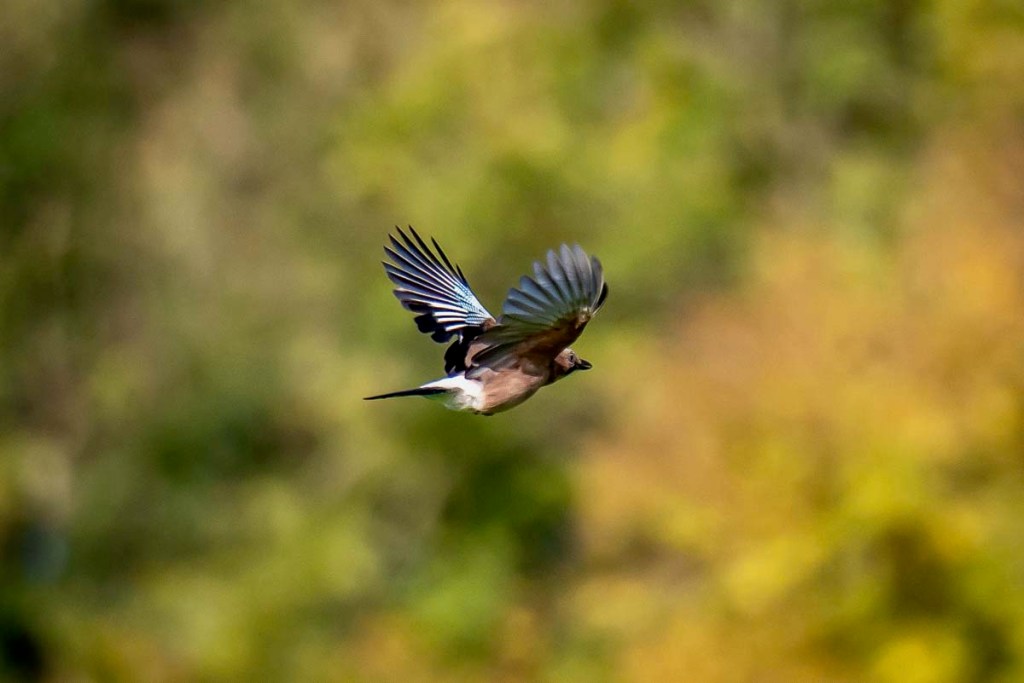
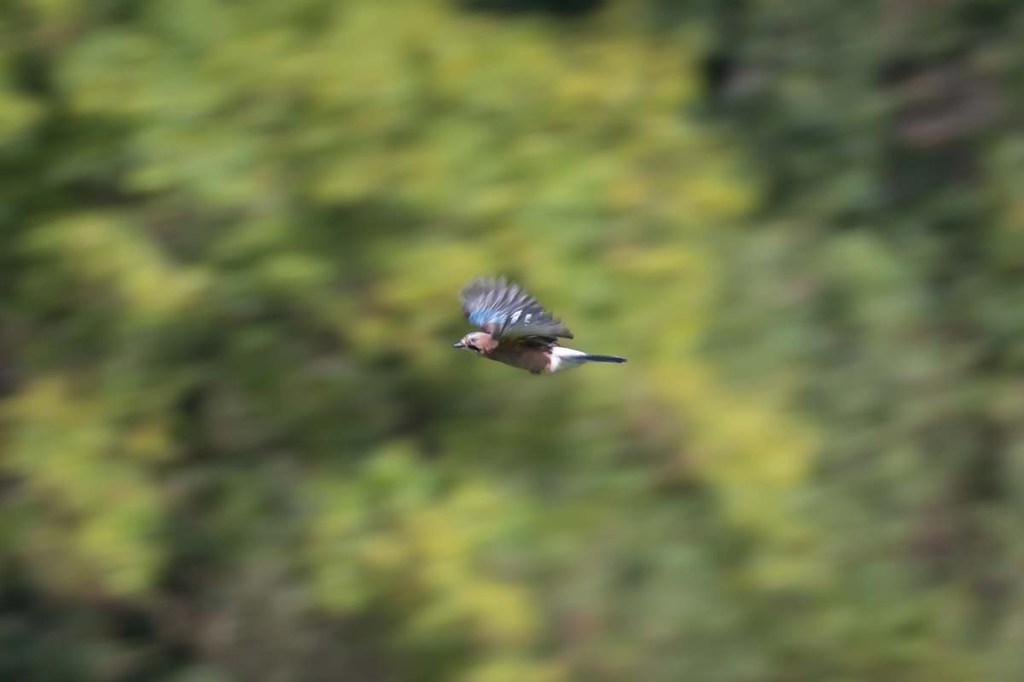
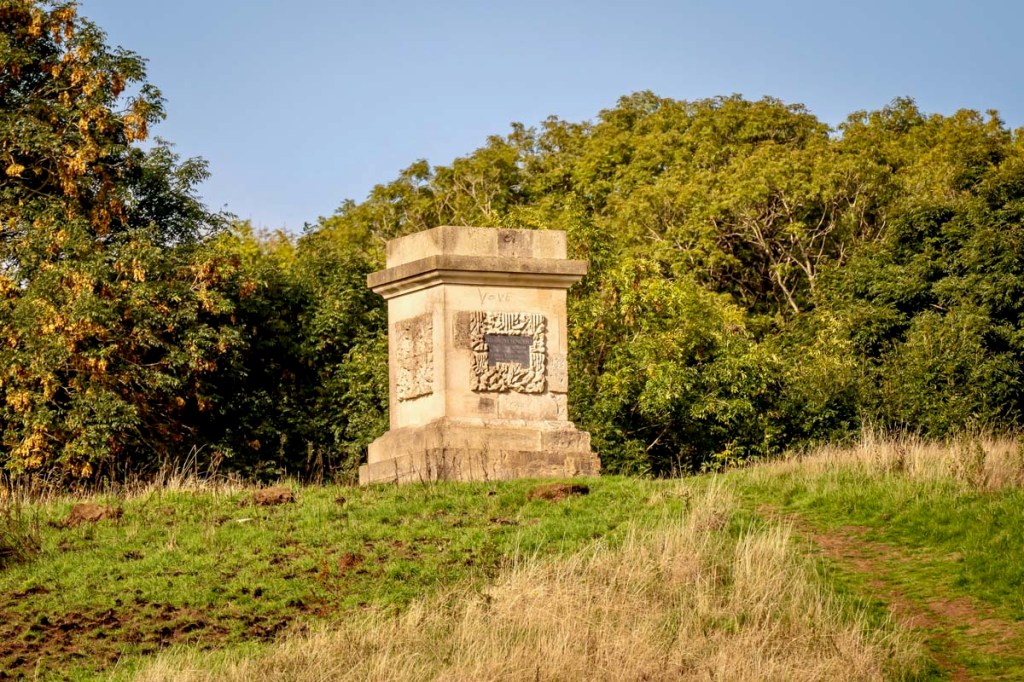
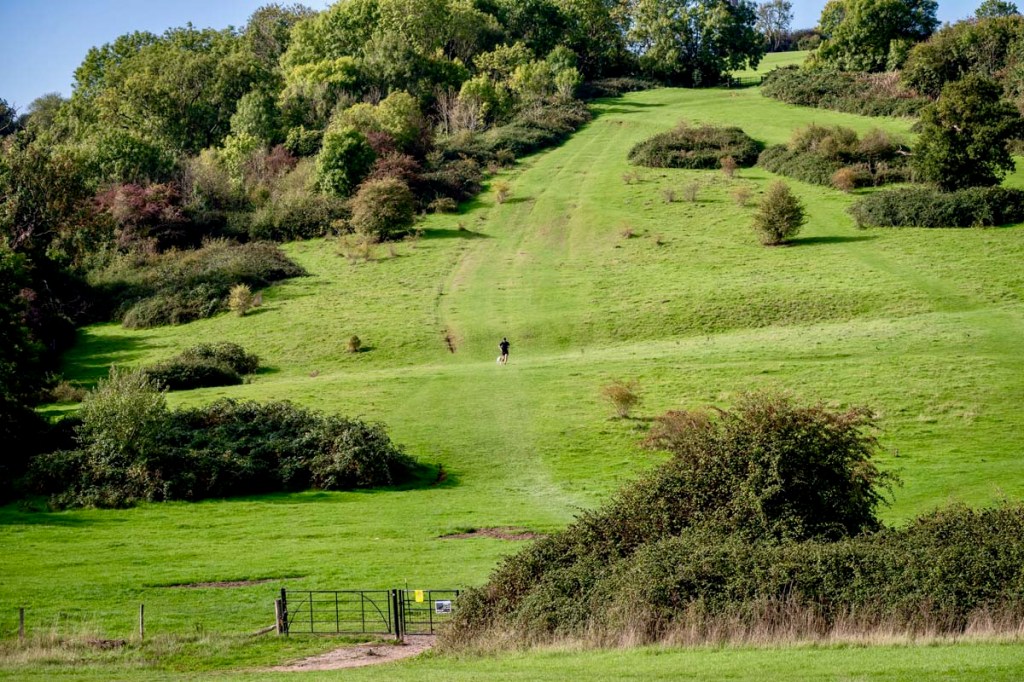
JayJay in flight in front of Lady Elizabeth Somerset’s obeliskJay in flight – down beatJay in flight – up beatLady Elizabeth Somerset’s obelisk overlooking the whole park, the obelisk was erected in 1762. It was built by Thomas Paty. It bears a Latin inscription to the Duke of Beaufort’s niece, whose death it commemorates. She died when she fell from her horse here. It is listed Grade IIView from close to the monumentA delight for walkers and runnersSparrowhawkOne of two common buzzards
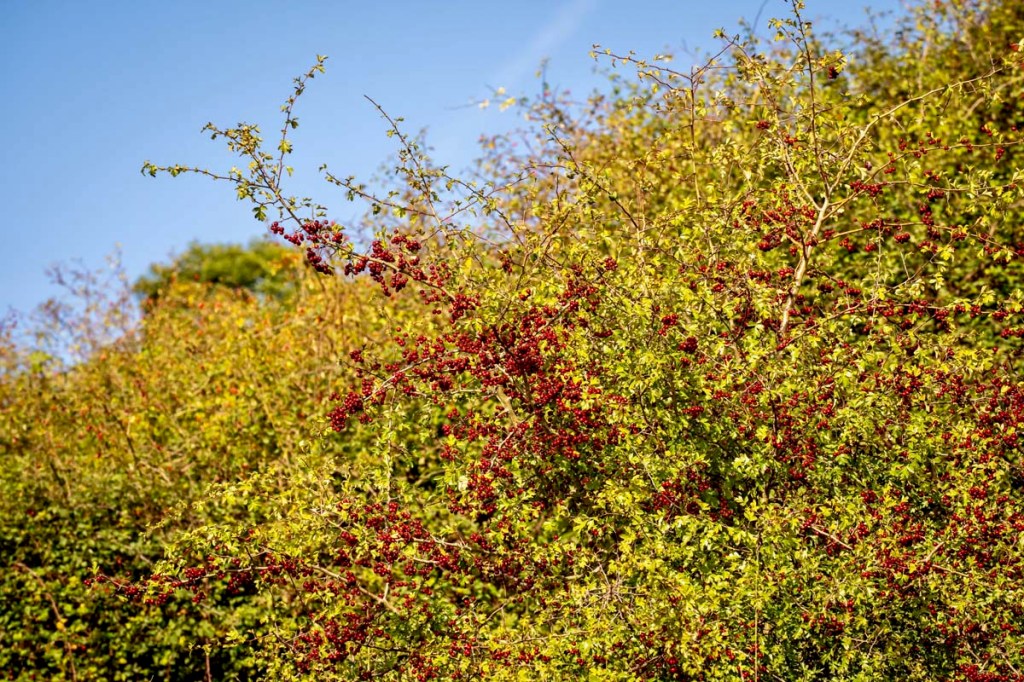
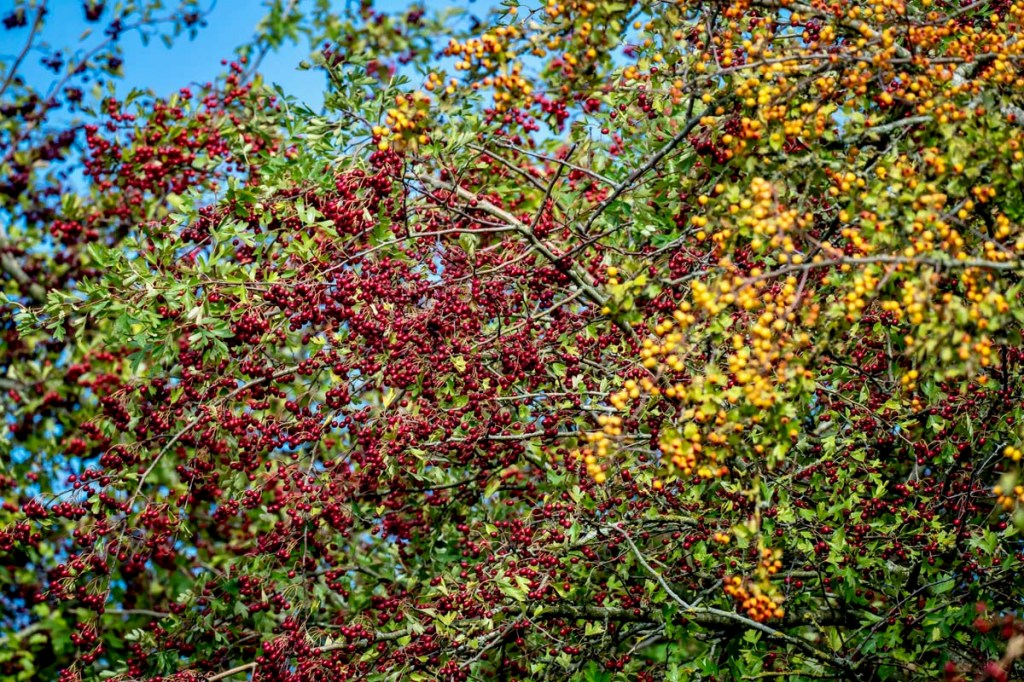
The autumn colours are beginning to show and the berries on the trees look as though there will be plenty of food for many of the birds this winter.
The trees on the island beginning to show some colours of autumn
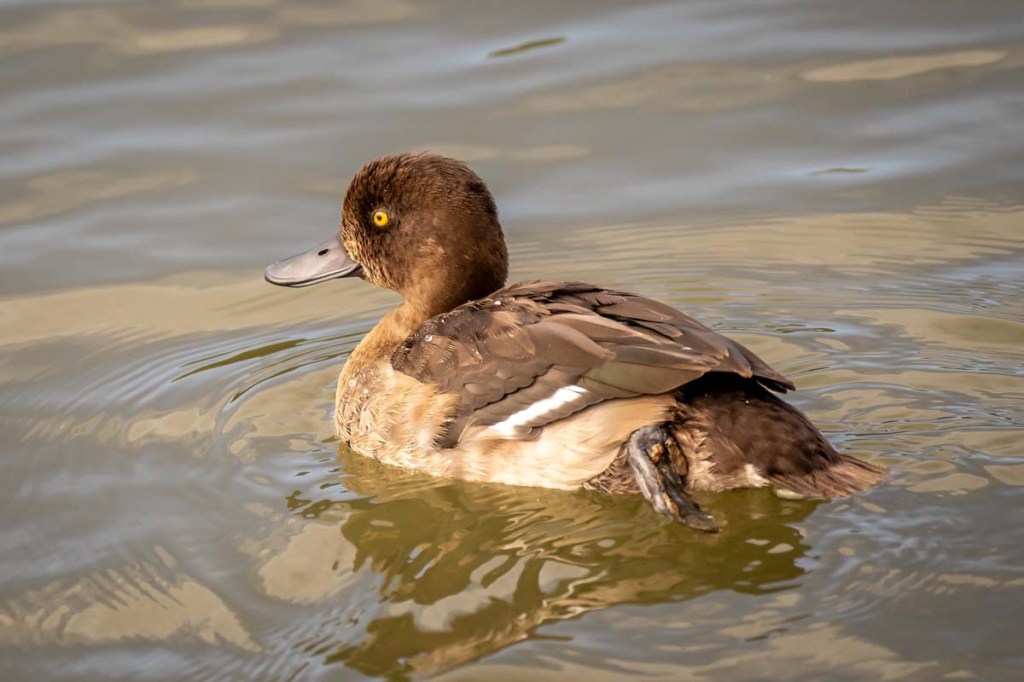
On Duchess Pond I briefly saw a little grebe (so cute but sadly no photograph) and as well as the mallards, coots and moorhens there was a grey heron and a tufted duck.
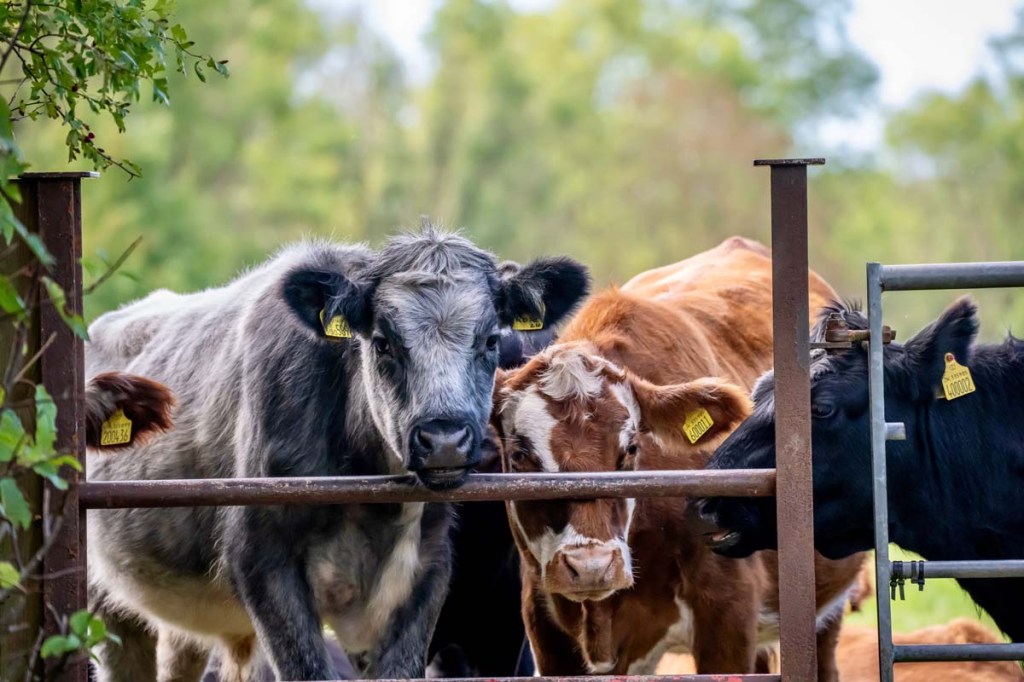
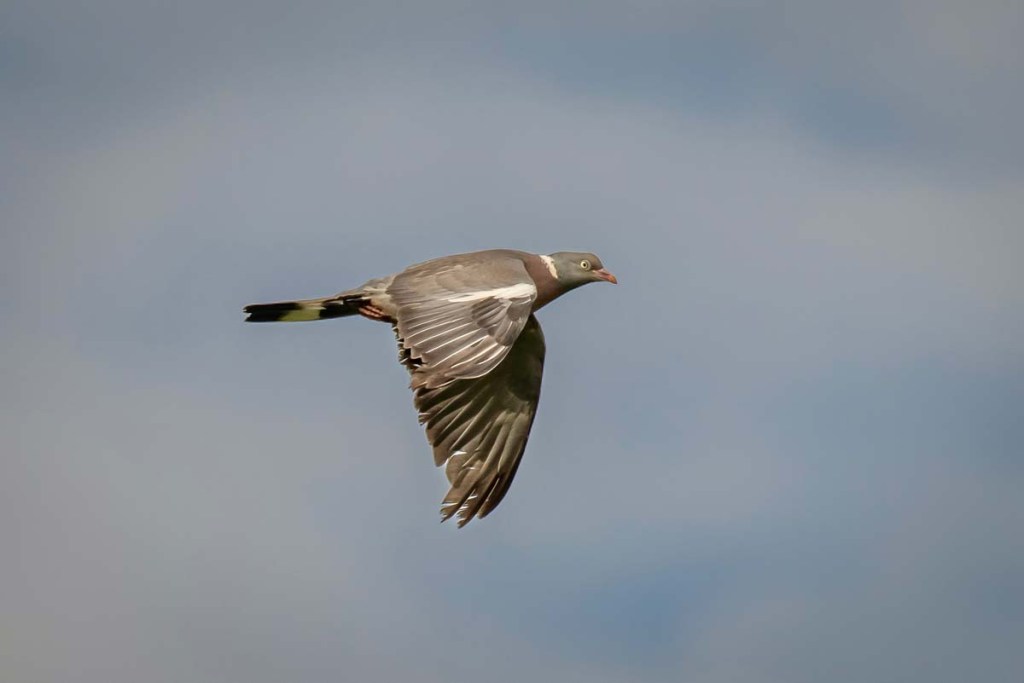
Grey heron flying over Duchess PondGrey heron landing next to the annex pondCattle looking enviously at the Duchess PondMoorhen straddling the lilies on Duchess PondTufted duck on Duchess PondMoorhen and reflectionThere are so many wood pigeons around at the momentSmall white butterfly and bindweed
Around the pond there were coal tits, greenfinch, goldfinch and chiffchaff but there is still too much cover for photographs.
What a surprise! Just as we seemed to be moving into autumn we get a late summer’s day. The French call it l’ėtė de la St Martin and we call it an Indian summer, but I’m probably getting carried away as St Martin’s Day isn’t until the 11th November. Anyway it reached 22 degrees in sunny Gloucestershire and, although I was wearing a T-shirt, I wished I was in shorts.
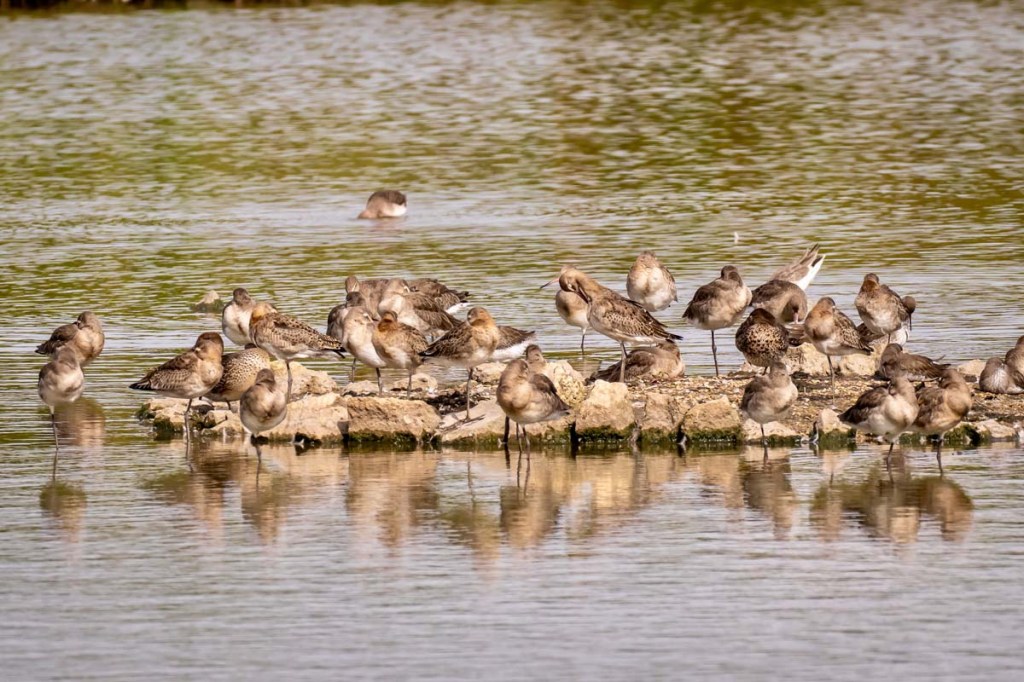
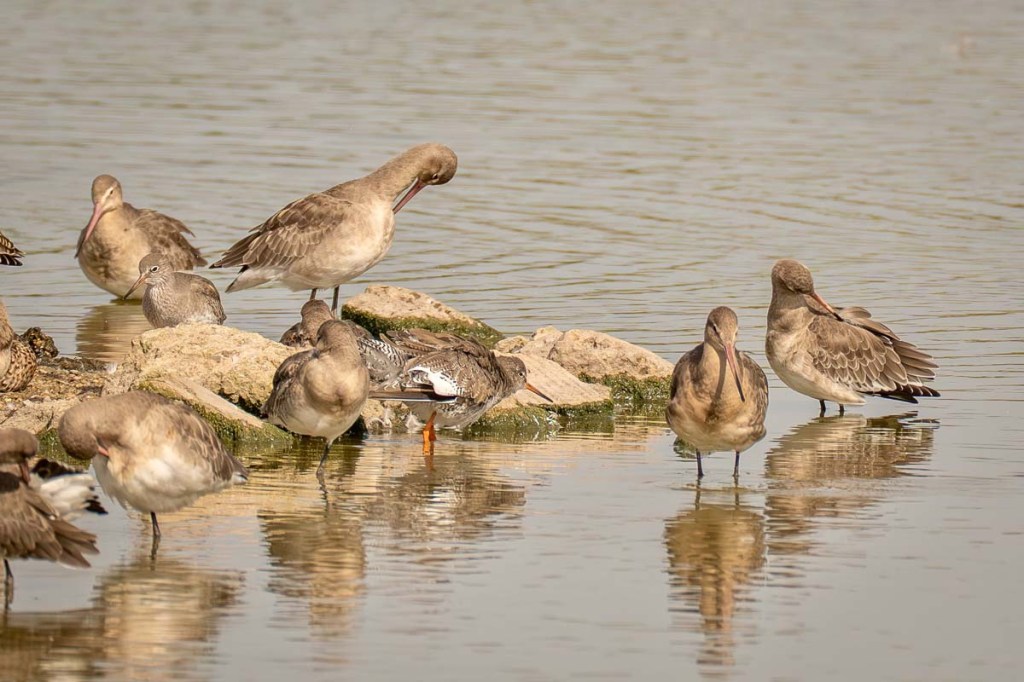
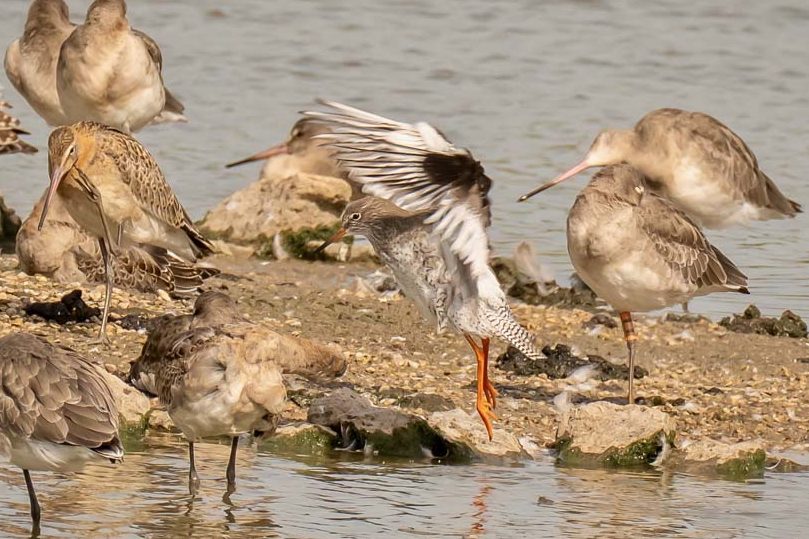
Slimbridge seemed to be moving on. There were flocks of greylag geese and quite a number of Canada geese too. From our favourite hide there were loads of bar-tailed godwits which were nice to see but difficult to photograph as there didn’t seem to be a focal point. A redshank amidst the group helped a little and then when they scattered from the threat of a peregrine it was easier to pick a focal point. There were some ruff too but very far off. Common snipe are some of our favourite birds but they were quite coy too.
The highlight of the day was a male grey phalarope (not as attractive as the female) but miles away so don’t hold your breath for any great images.
A brimstone greeted us on arrivalThere were several big groups of black-tailed godwits like this
What a beauty – a black swan, certainly no ugly ducklingSloes from a blackthorn – think lots of gin!Common snipe being very coyBlack-tailed godwitRuff at the back of the poolLapwings are always present hereRedshank amongst the godwitsRedshank jumping for joyGodwits take to the airCan you spot the grey phalarope? Bang in the middle of my photo with a 400 mm lens and heavily cropped. It looked just as tiny with a x60 telescope. Oh the joys of birding!
Just time this morning for a stroll over to one of our local parks before the rain came.
Duchess Pond in Stoke Park Estate
There are still plenty of dragonflies around but I didn’t see much in the way of bird life except for a grey heron (and coots and moorhens) although redstarts have been reported recently.
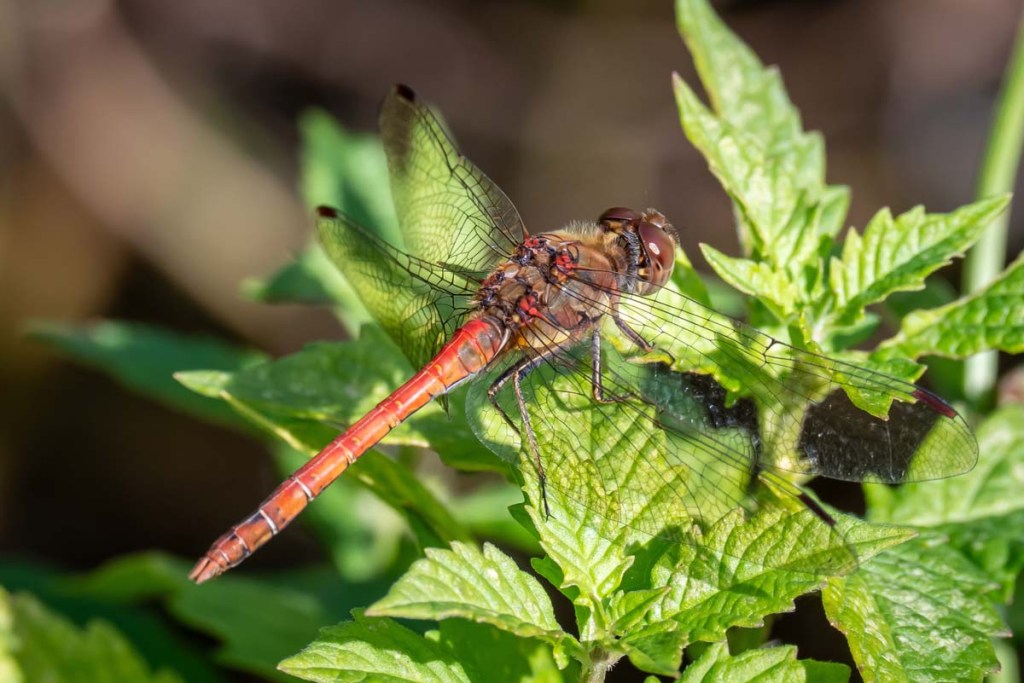
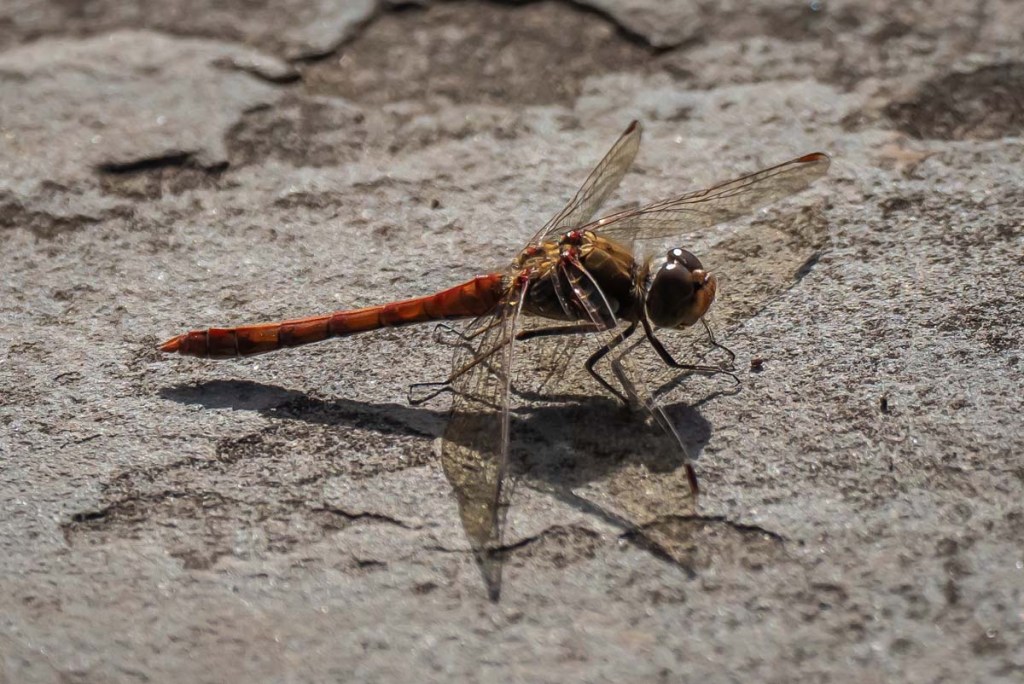
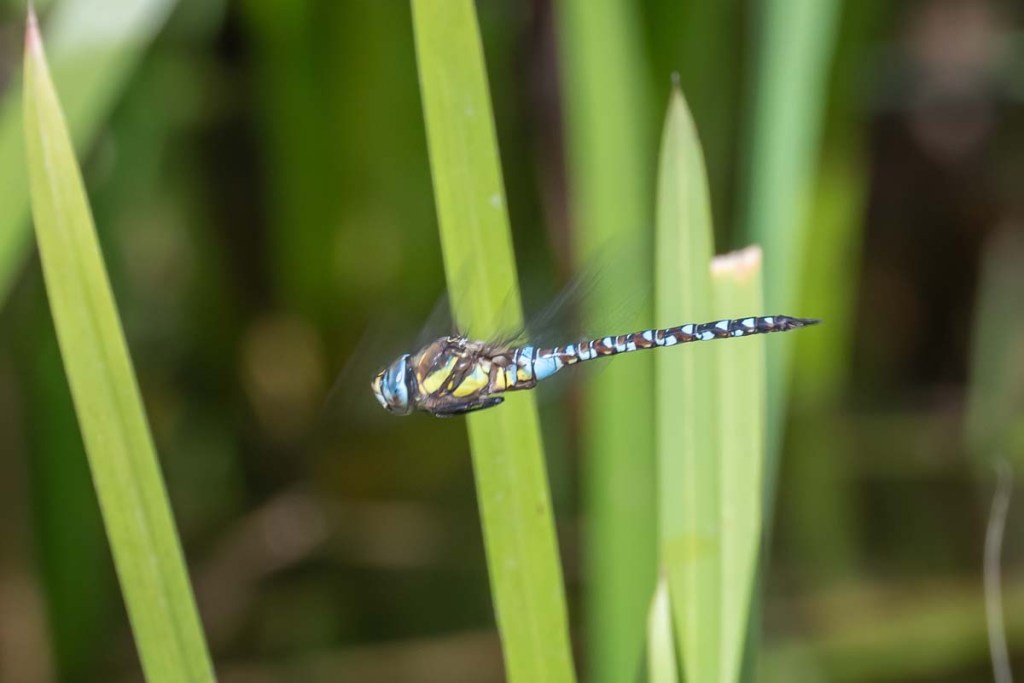
Common darterMigrant hawkerGrey heronGrey heronGrey heron
It’s a lovely spot but not as wonderful as it looks because it’s next to the motorway and very noisy.
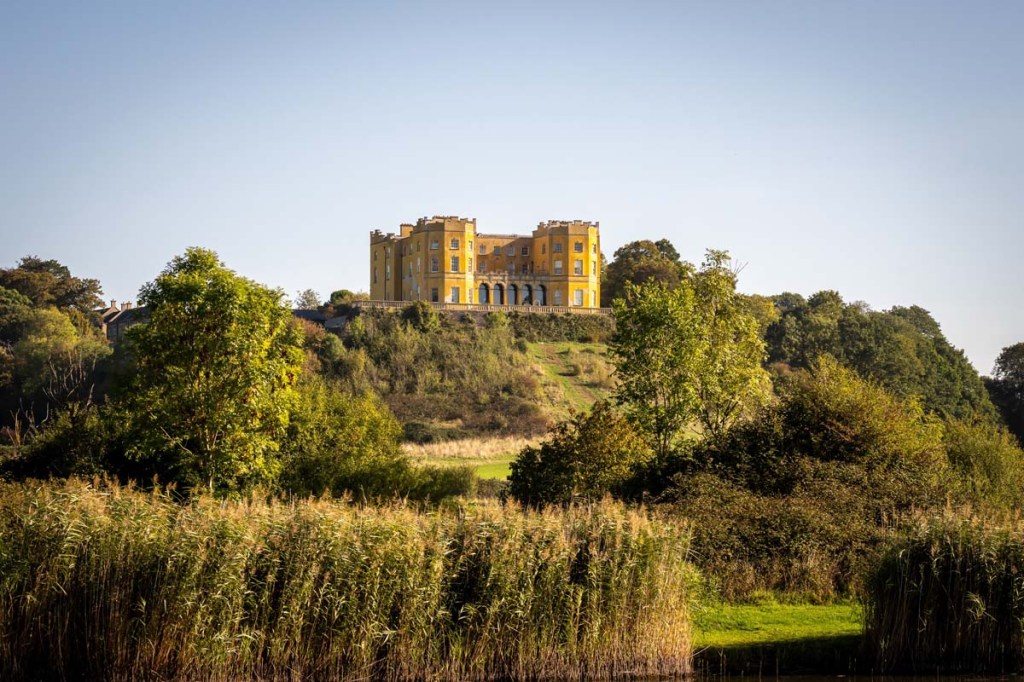
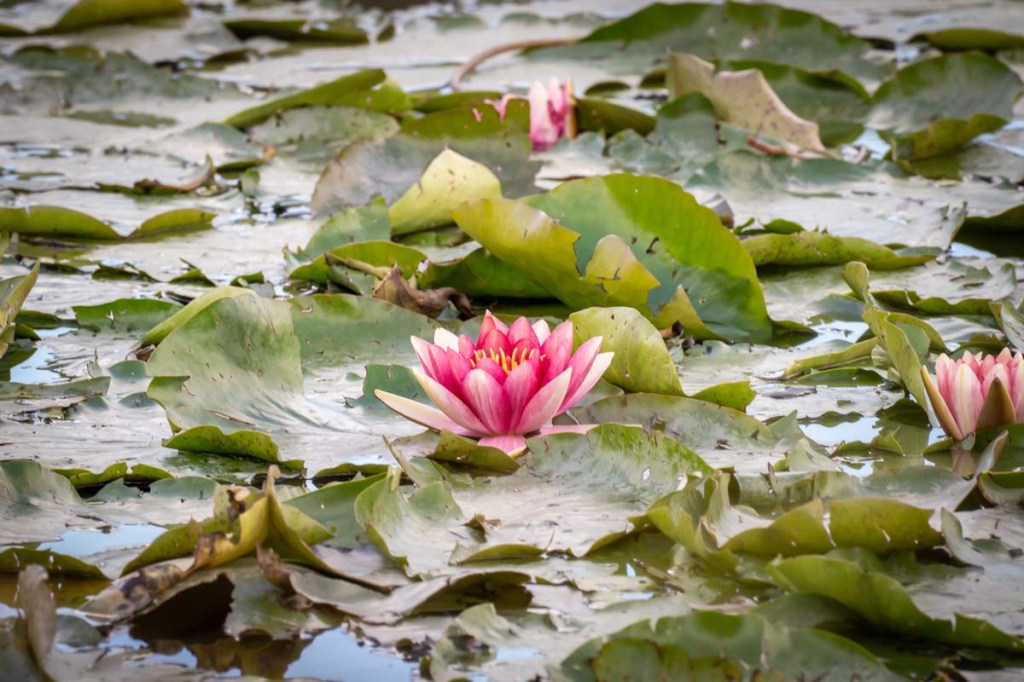
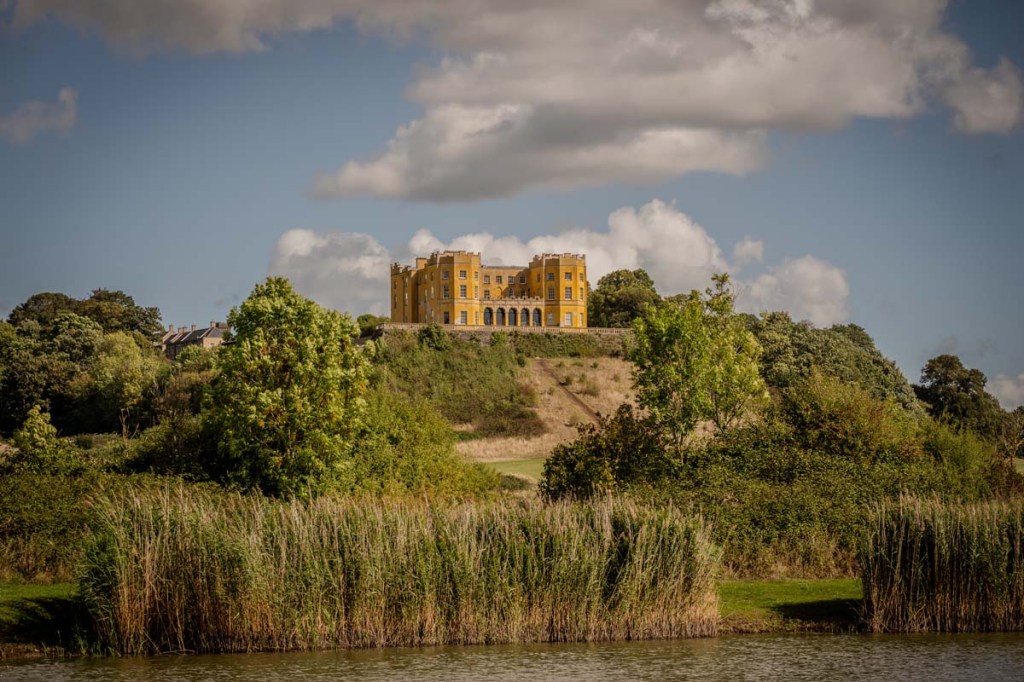
The grey heron didn’t seem to be affected by the noiseCommon dartersThe lily pads look wonderful at the momentThe Dower House (now apartments) on the edge of the park


























































































 Martin's Bird Blog & Nature Photos