Tag: birding

  • 11th February2025 – Olhão, The Algarve, Portugal

    11th February2025 – Olhão, The Algarve, Portugal


    Today’s forecast was always looking pretty dire, with torrential rain supposedly lasting all day. As it turned out we did have torrential rain all morning (which allowed me to catch up with blogs) but it abated for a good 2 hours at lunch time and we made the most of it with a walk into town to get a spot of lunch. The rain returned in the afternoon but again stopped in time for us to get a late afternoon walk around the Salinas de Olhão. We were well rewarded with a massive number of birds in decent light, the best of which were five spoonbills. And so it wasn’t too bad a day, although we had to cope with pretty muddy boots.

    Kentish plover

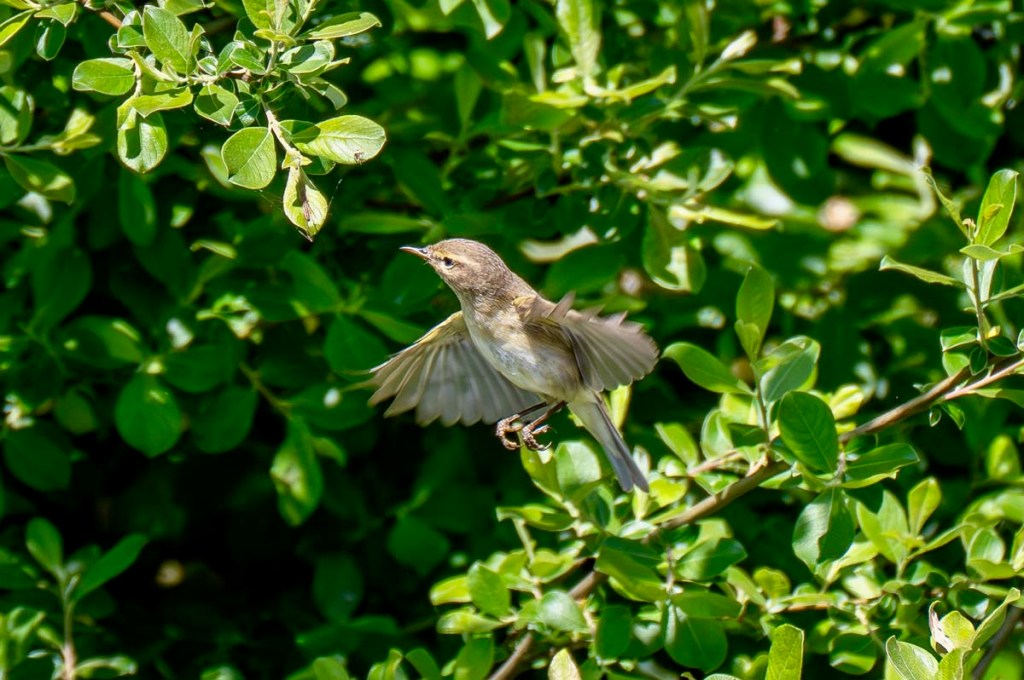
    Chiffchaff

    Chiffchaff in different light

    Eurasian spoonbill

    Eurasian spoonbill

    Dunlin

    Lots of dunlin (and probably a few other waders).

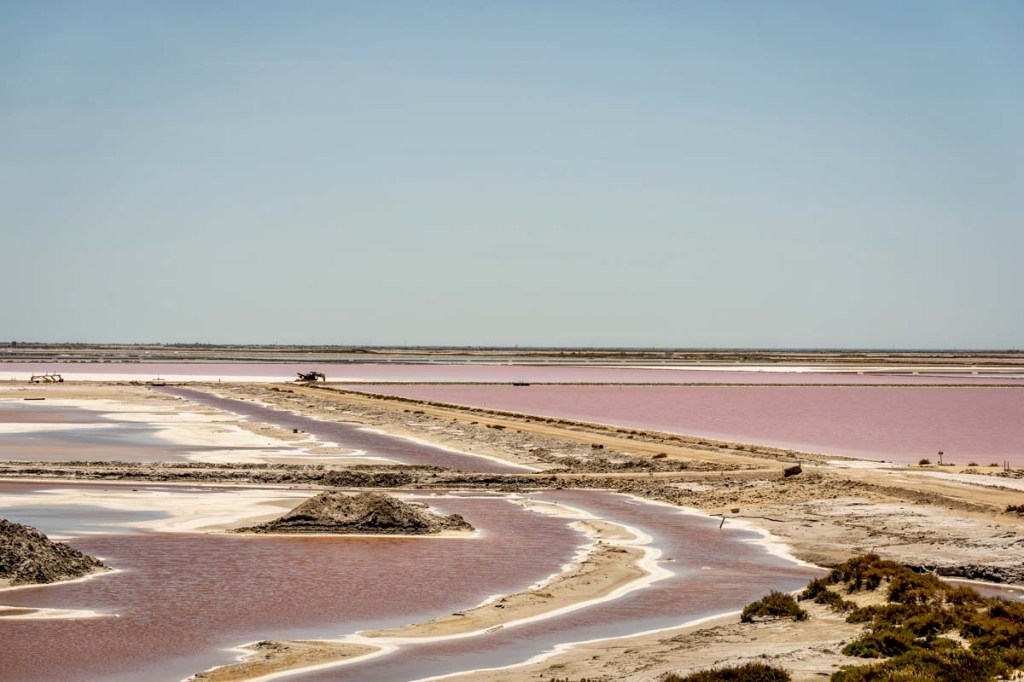
    Las Salinas de Olhão

    Common ringed plover

    Common redshank

    Black-tailed godwits

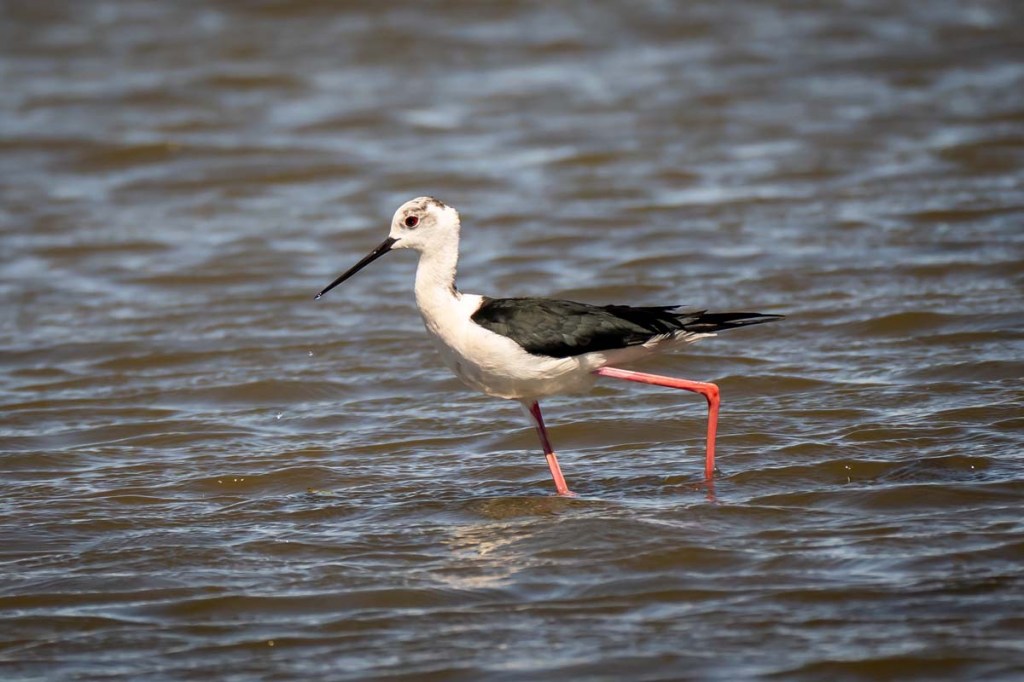
    Black-winged stilts

    Grey plover

    Lesser black-backed gull with crab supper

    Lesser black-backed gull with crab supper

    Stonechat in the fading light
  • 10th February 2025 – Quinta de Marim, The Algarve, Portugal

    10th February 2025 – Quinta de Marim, The Algarve, Portugal

    We took an Uber to Quinta de Marim, a few kilometres to the east of Olhão.

    Quinta de Marim (or Centro Educação Ambiental de Marim) is a beautiful estate with many different habitats that attract birds. A 3 km trail takes you through various ecosystems – dunes, salt marshes, pine woodlands. There is a visitors’ centre and a couple of hides at the edge of the marsh, one looking across the mudflats and another looking over a fresh water pond.

    The dull weather was rather disappointing for photographs but it was still quite warm (17C) and we didn’t need coats. The visit was not at all disappointing.

    Lavender

    Iberian magpies in the pine trees

    Rosemary in flower

    Iberian magpie

    .

    Stonechat

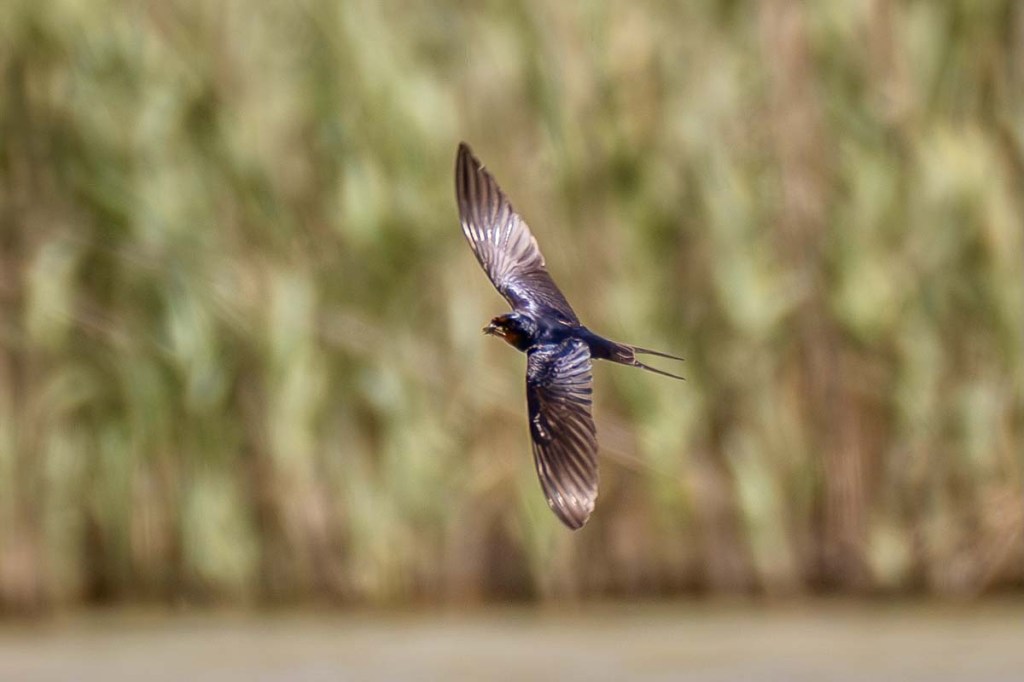
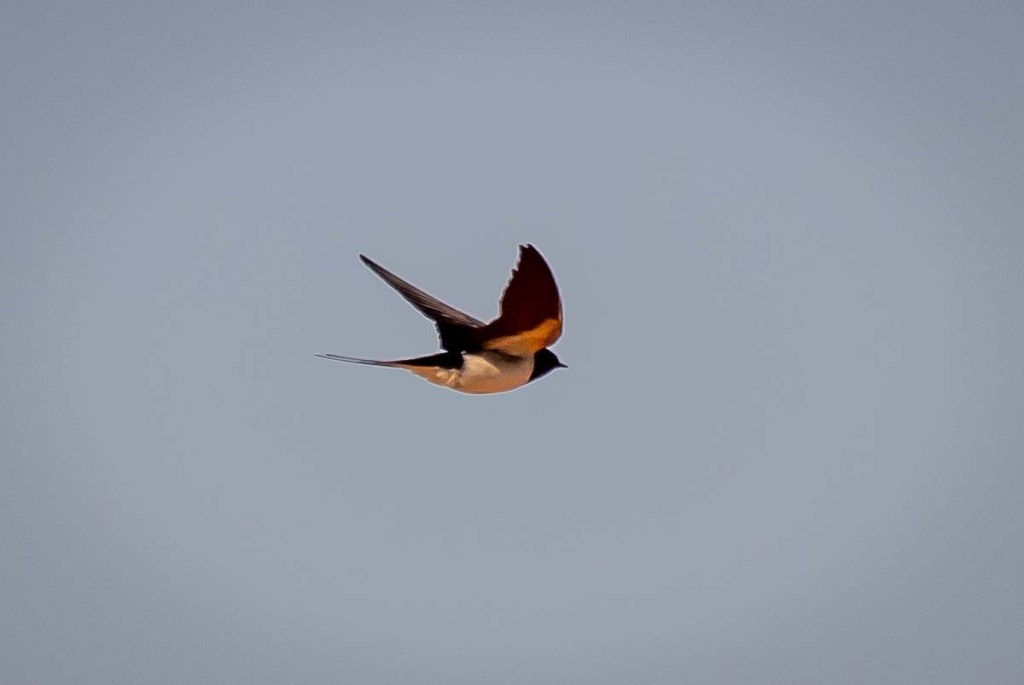
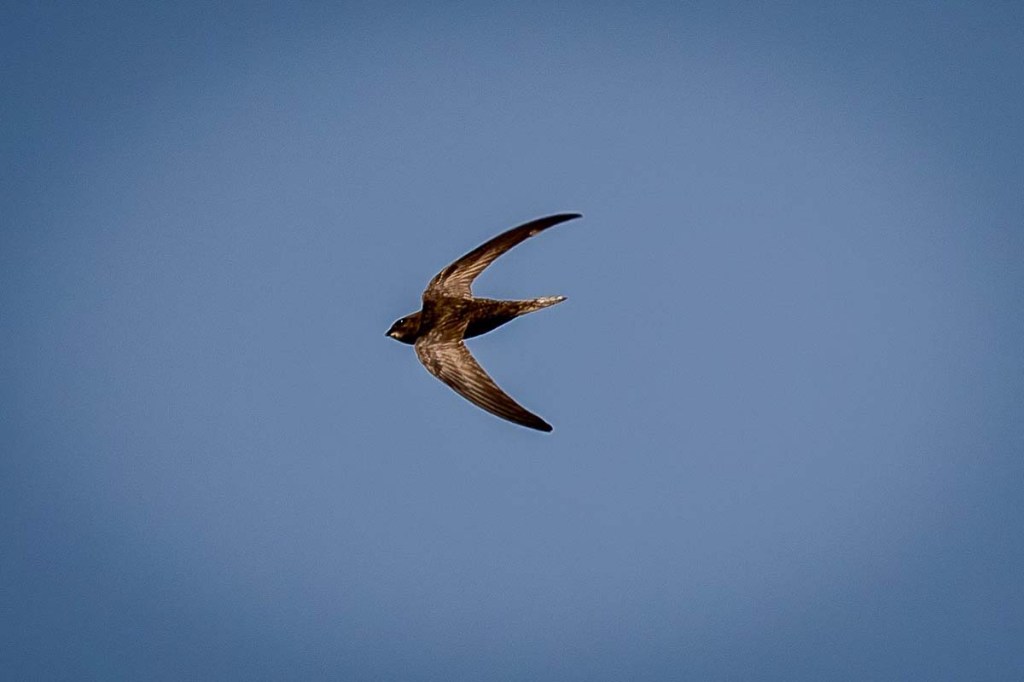
    Swallow

    From the roof of the mill there were spectacular views along the coast

    There were waders everywhere along this stretch of the coast

    Grey plover

    Bar-tailed godwits and a whimbrel

    Greenshank

    Iberian magpie

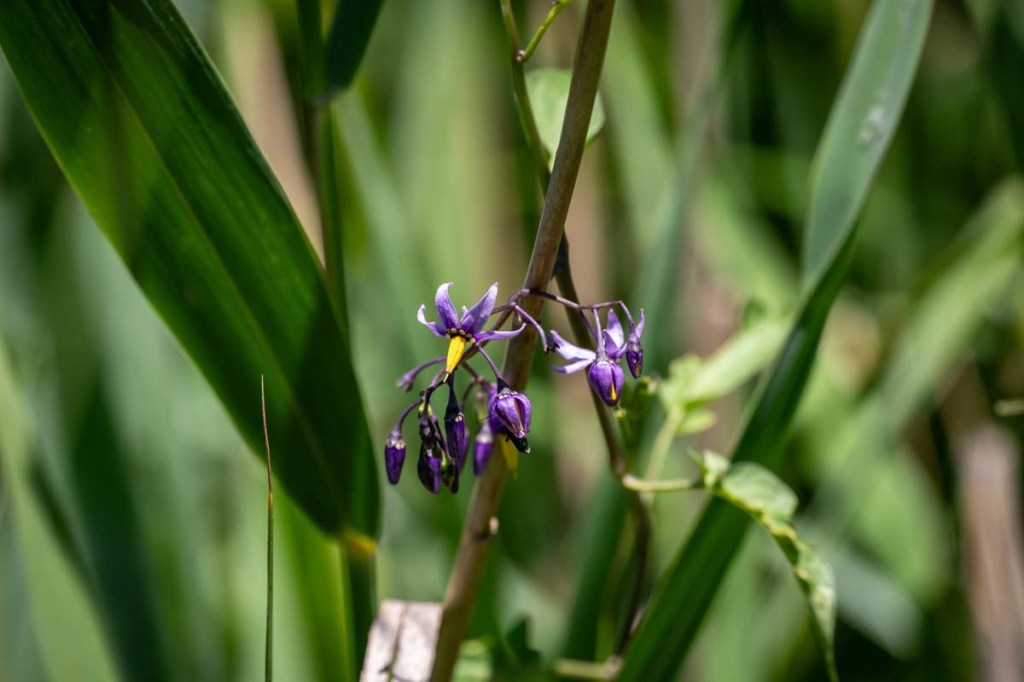
    Purple viper’s bugloss

    A flyover Eurasian spoonbill
    Tidal mill at Quinta de Marim – In other times, when energy sources were scarce and limited only to muscle power, wind and current, tidal mills had a major advantage over other forms of energy: their constancy and predictability. There are two daily tides that guarantee approximately 4 hours of grinding. They were built in estuaries on low land and in sheltered areas where the water could be dammed

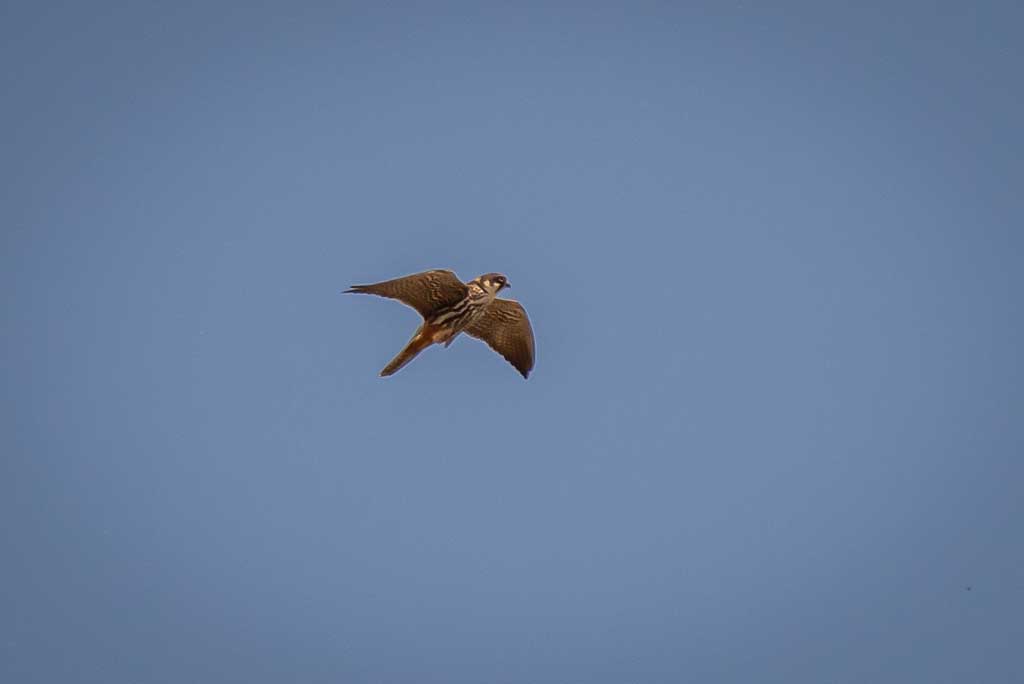
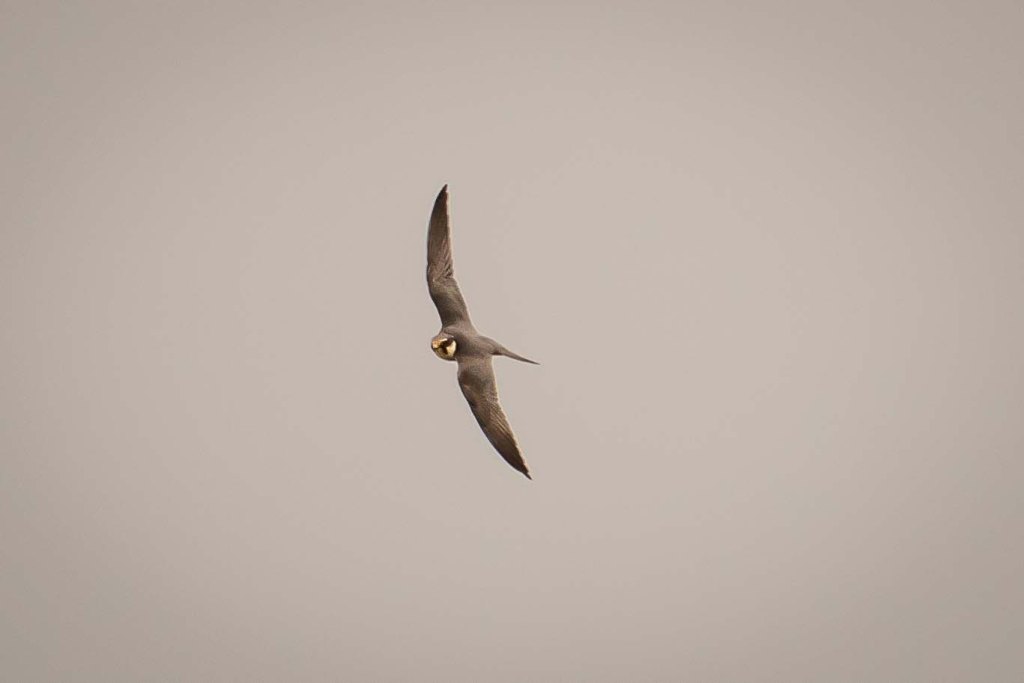
    Kestrel

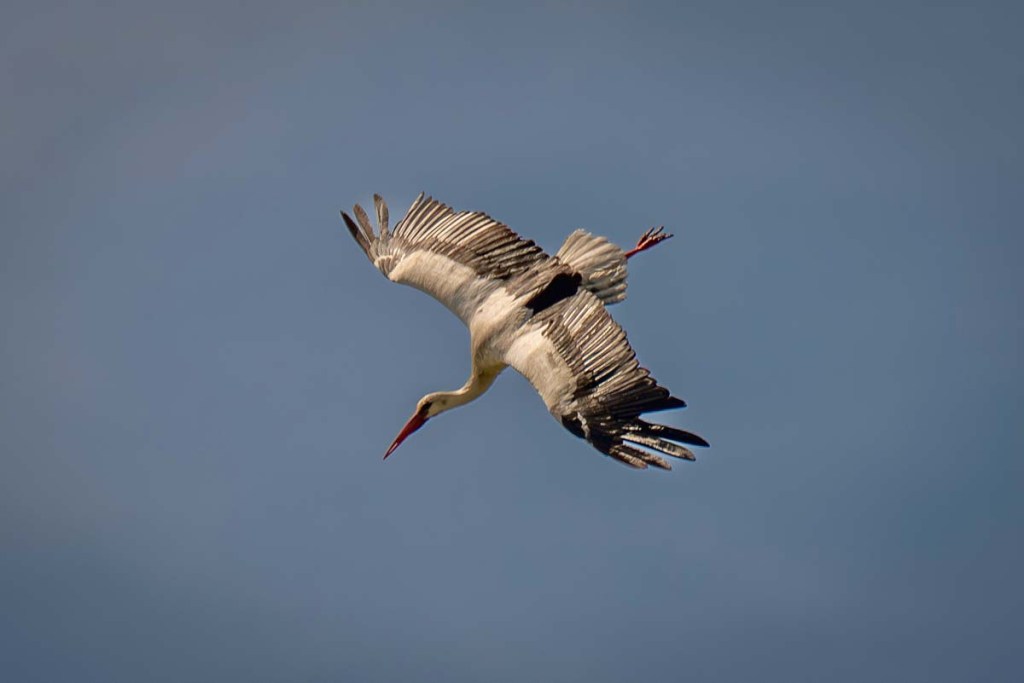
    White stork, not looking so white in this light
    Dunlin

    Little grebes on the freshwater pond

    Cattle egret

    Wigeon with barn swallow flying past

    Roman salting tanks

    Cowpea

    Barn swallow on a wire

    Blackbird on a log

    In the late afternoon on our return to Olhão we had another walk around the Salinas de Olhão.

    Whimbrel

    A different swallow ?

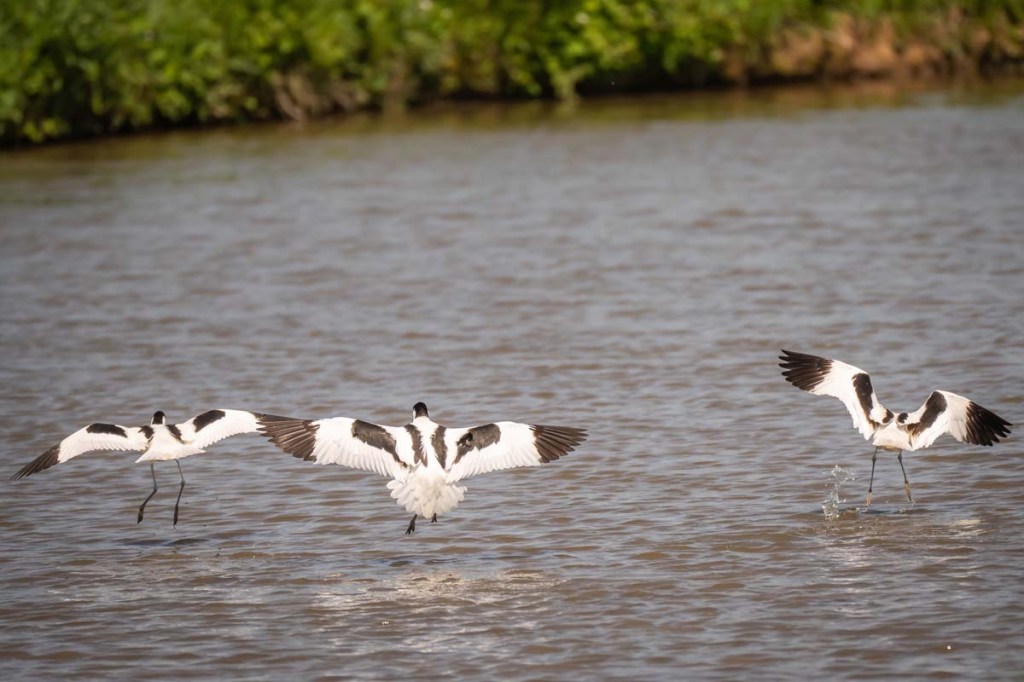
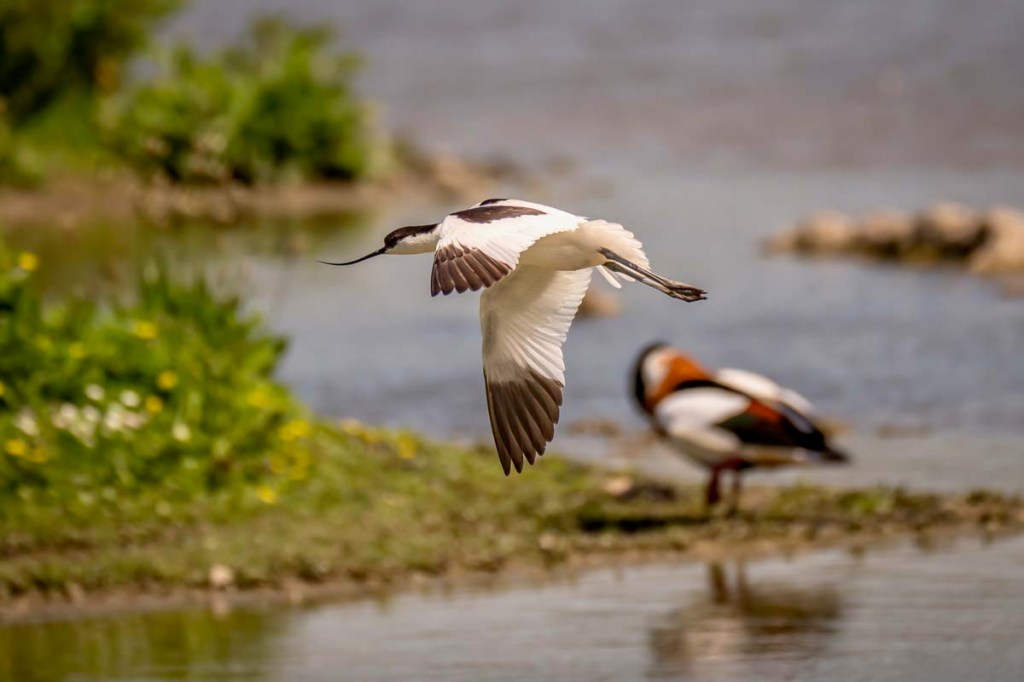
    Pied avocet

    Redshank

    Pied avocet

  • 9th February 2025 – Ria Formosa, Portugal

    9th February 2025 – Ria Formosa, Portugal

    We made the most of the sunny and calm conditions to take a three hour trip around the Ria Formosa lagoon, located in the Algarve, in southern Portugal.

    In 2010, the lagoon was recognised as one of the country’s seven natural wonders and the series of barrier islands connects to the sea through six inlets, one of which is artificial to allow easier access to the port of Faro.

    We spent half an hour on the tiny island of Armona, just enough time to visit the village with its charming minute houses which are mainly used as holiday homes and to savour the tropical feel of the island.

    The approach to the public toilets

    Large white butterfly

    A typical holiday home

    Clear water and sandy beaches of Armona

    Ruddy turnstone

    We then moved on to the larger island of Culatra which has a permanent population of about 1,000 people who are mainly involved in the fishing trade.

    The island has an extensive sandy beach on its ocean side to which we made our way across the protected sand dunes on a raised wooden walkway. It was warm enough to sit on the beach next to a bar and enjoy a beer.

    The walkway to Praia da Culatra

    The best of the bird life on the island – a crested lark

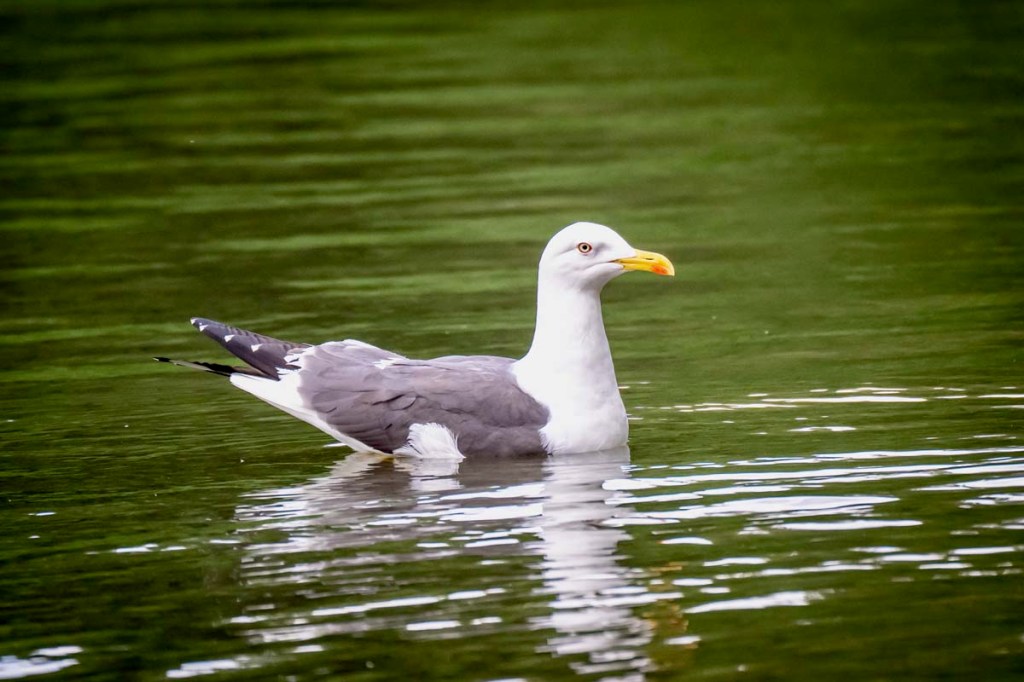
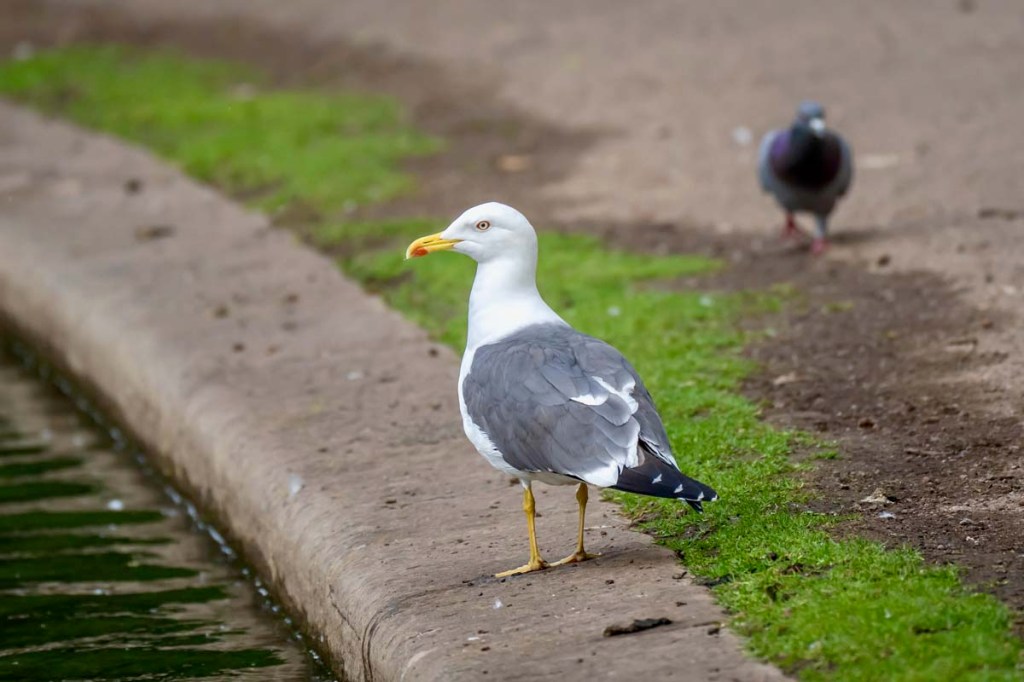
    Yellow-legged gull

    As the tide was high most of the sandbanks were submerged and so, apart from gulls and cormorants, we saw very little bird life, except on the return journey we saw a small colony of spoonbills.

    Eurasian spoonbills

    The covered markets of Olhão seen from the lagoon.

    In the evening we had another walk around the Salinas de Olhão, next to our hotel.

    Black-winged stilt in the evening sunshine

    Little egret

    Chiffchaff

    Chiffcaff

    Chiffchaff catching its last meal of the day

  • 8th February 2025 – Olhão, Portugal

    8th February 2025 – Olhão, Portugal

    A two hour flight from Bristol, a 15 minute transfer from Faro and we are transported into what seems like another world and, in particular, a different climate.

    On the first morning of our stay, within a 2 minute walk from our hotel, we are strolling amongst nature in the Salinas de Olhão with colourful wild flowers, huge numbers of waders, lots of small passerines flitting around almost at our feet and with the sun on our backs.

    Salinas de Olhão

    Black-winged stilt

    Redshank

    Redshank photo bombing a group of dunlin

    Walks through the former salt pans

    Black-tailed godwit centre stage

    Little egret

    Chiffchaff

    Sardinian warbler

    Zitting cisticola

    Chiffchaff

    Black-winged stilt

    Slender-billed gull

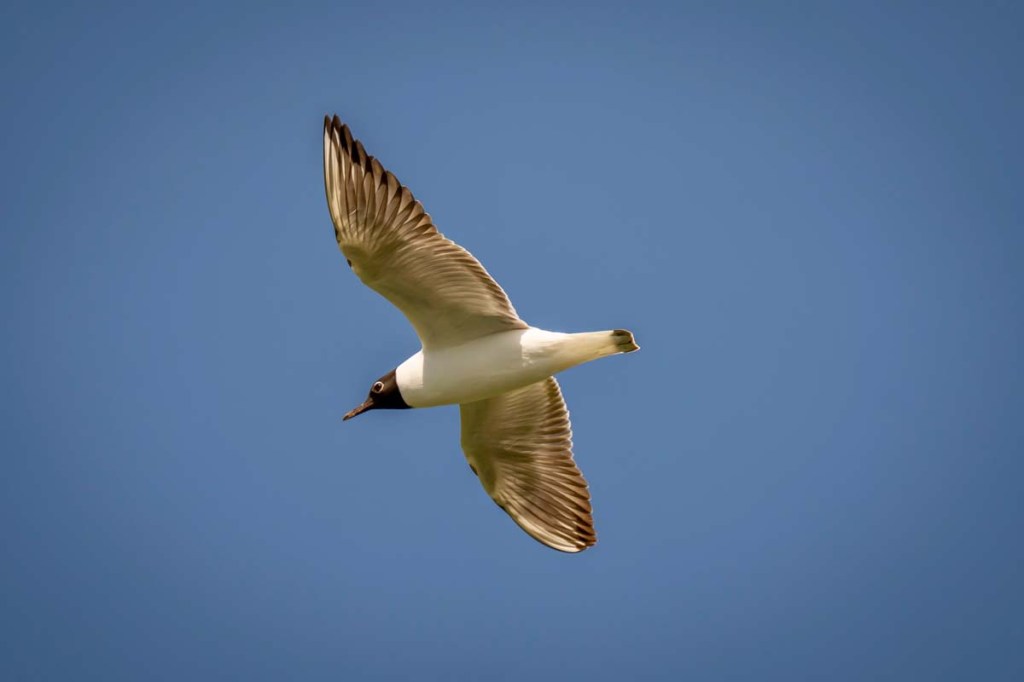
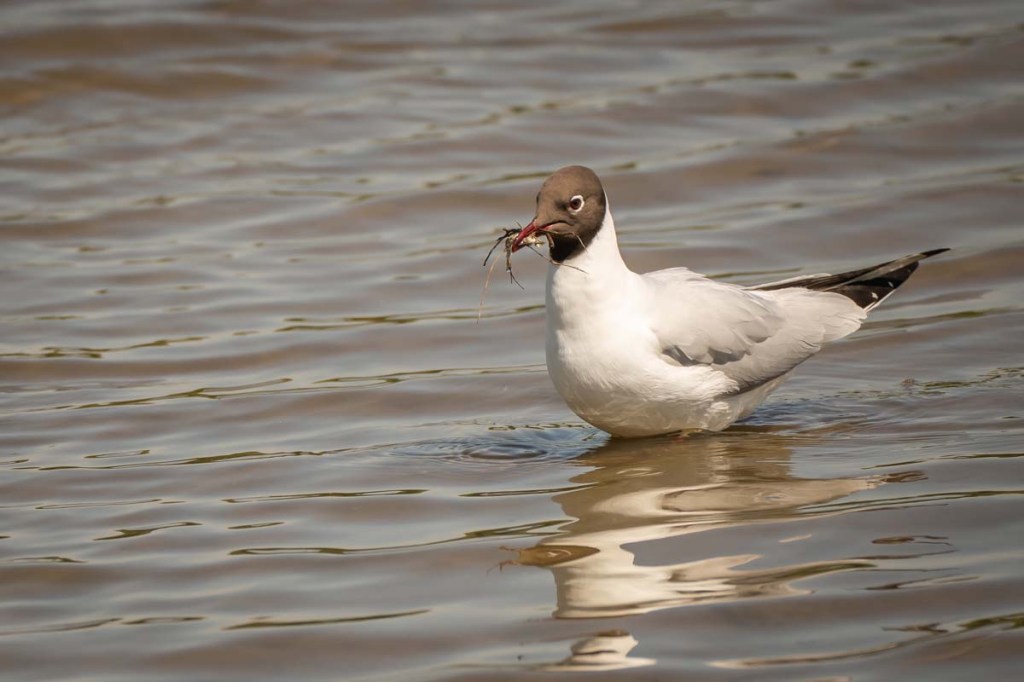
    Black-headed gull

    Slender-billed gull

    Kentish plover

    Sanderling

    Greenshank, common ringed plover, sanderling and redshank (back to front)

    Common ringed plover centre stage

    Common sandpiper

    I could go on – there was so much to see.

  • 4th February 2025 – RSPB Ham Wall, Avalon Marshes, Somerset

    4th February 2025 – RSPB Ham Wall, Avalon Marshes, Somerset

    There were very few people out and about today and I didn’t stay long as, having caught everything there was to catch in January, I was “taking it steady”.

    I didn’t even bother going out again after lunch as it was raining and I had had a very pleasant lunch break in the company of a couple I had met in Cyprus at Christmas and who live in Brentwood in Essex (on the other side of the country) and who just happened to be in the Avalon Marshes Centre at the same time as me. “Small world”, as they say.

    Just a few photos to show I did have a camera with me.

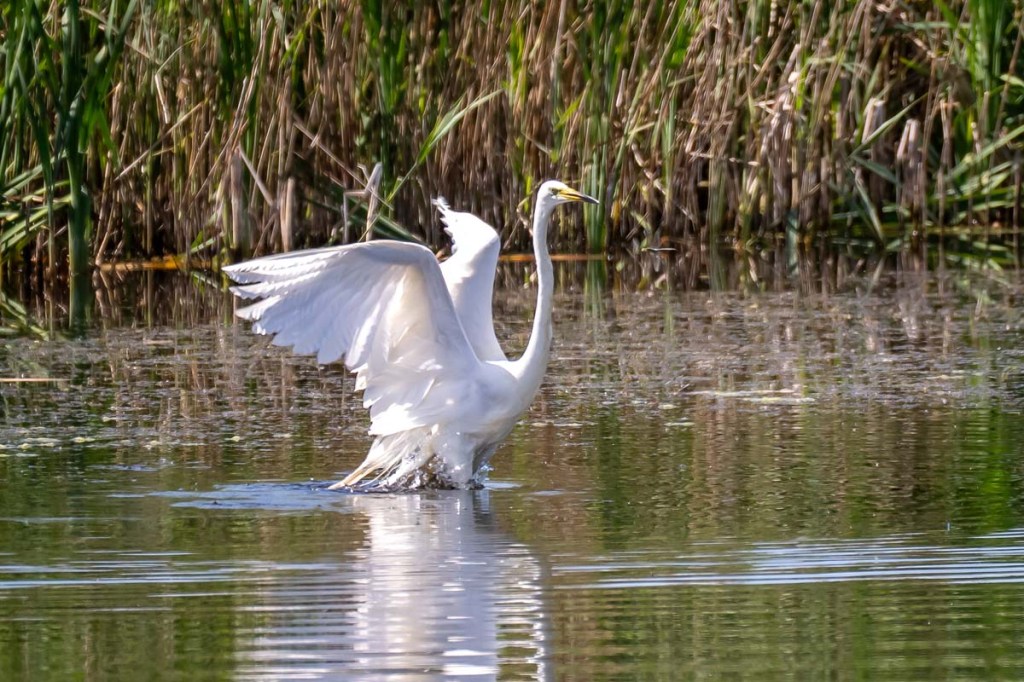
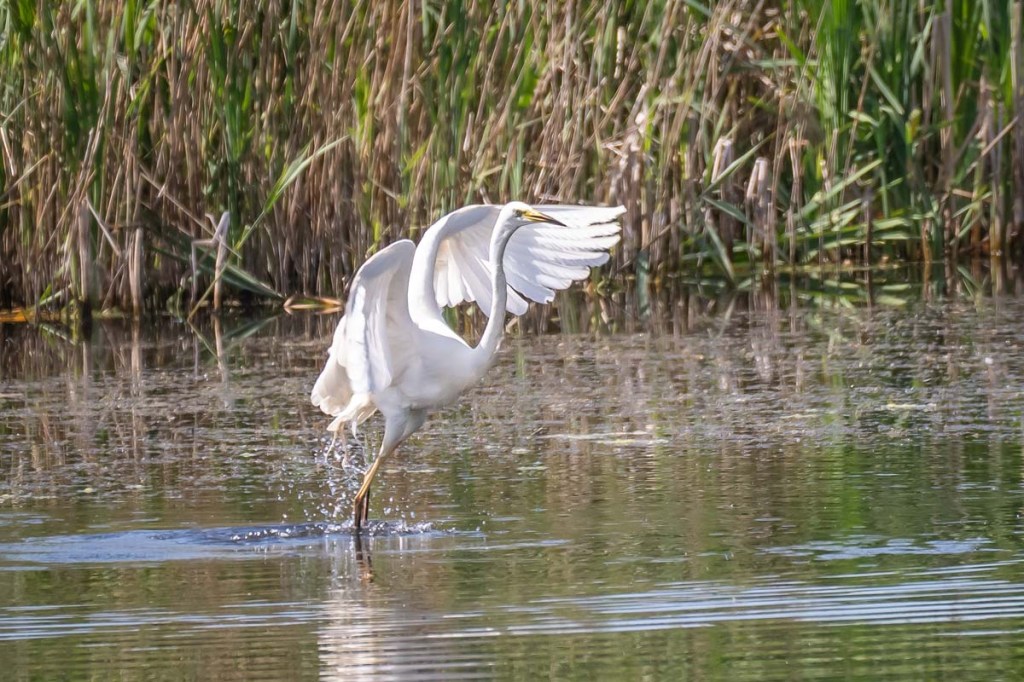
    Great white egret at RSPB Ham Wall

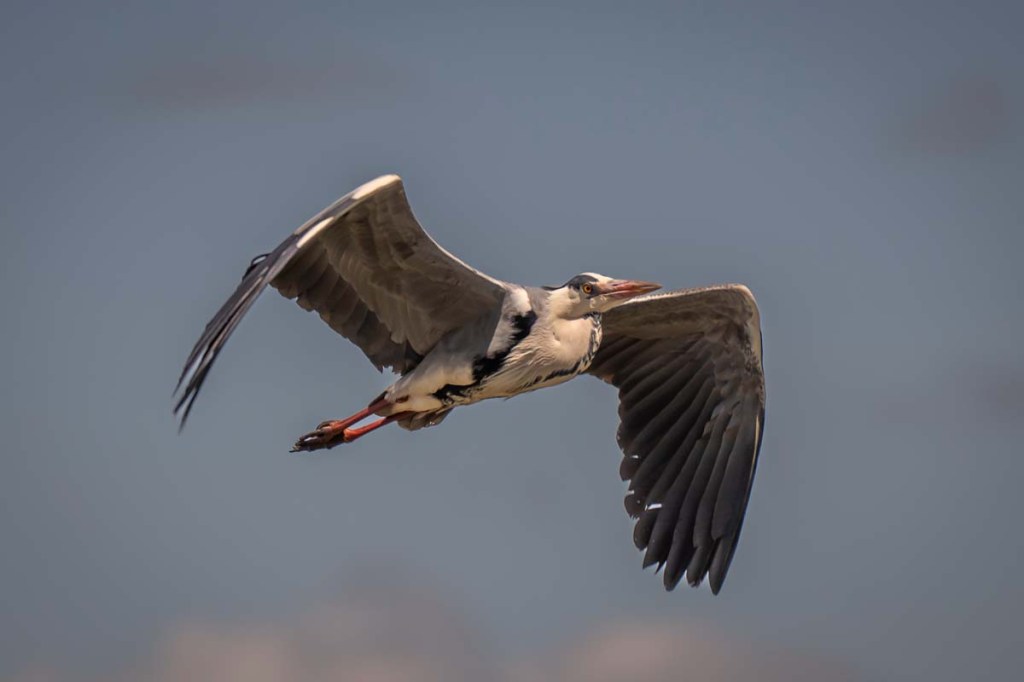
    It was pretty blowy out there but this grey heron coped quite well

    Keen to meet up with its mate (hopefully)

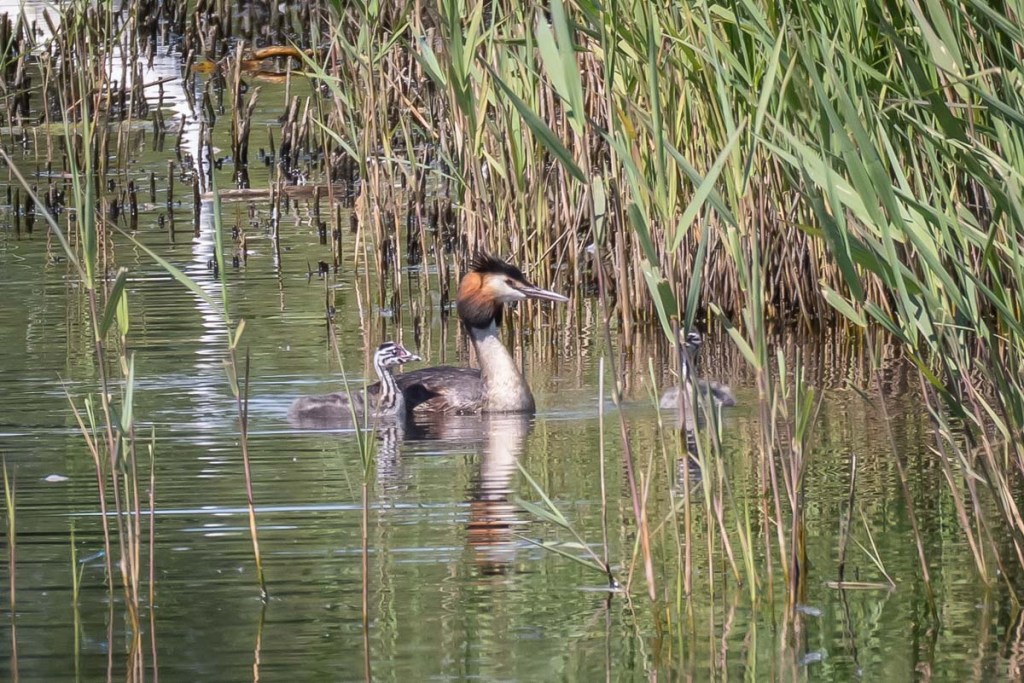
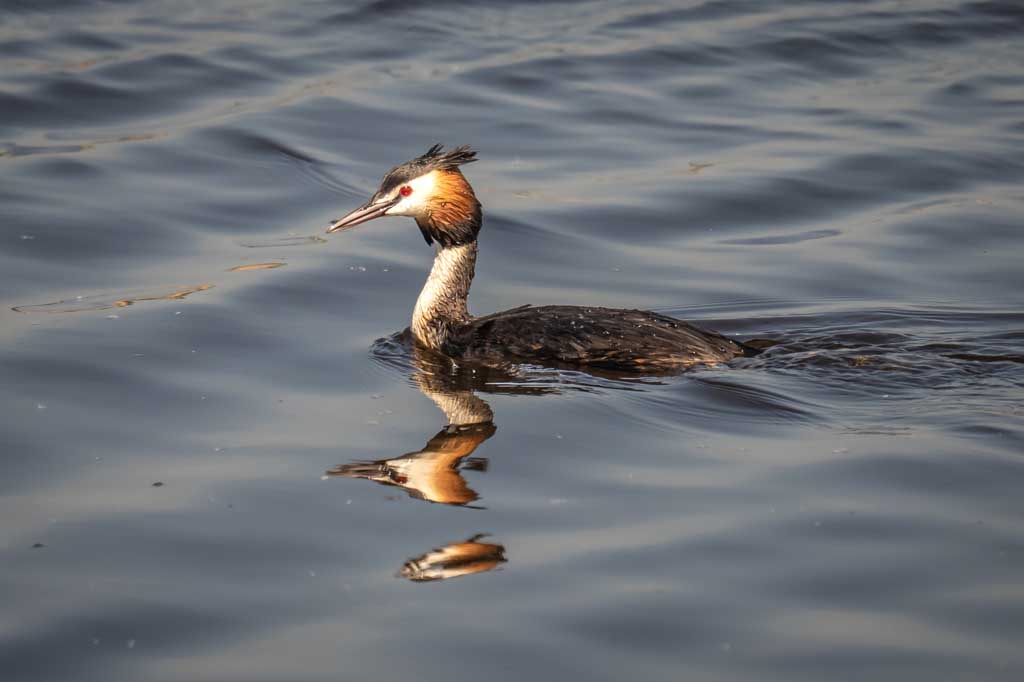
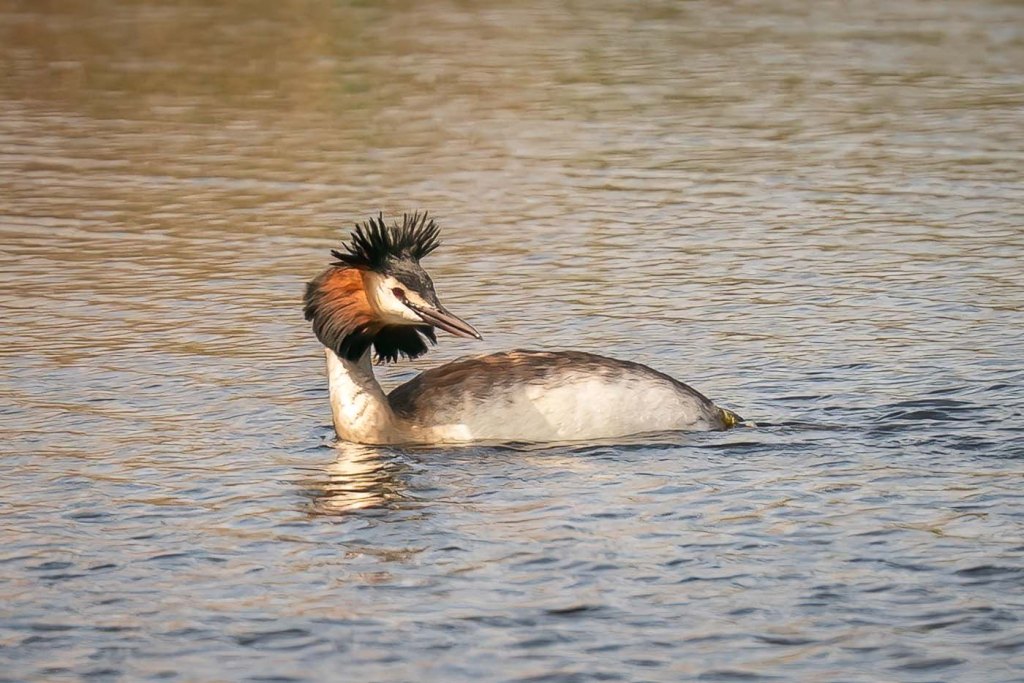
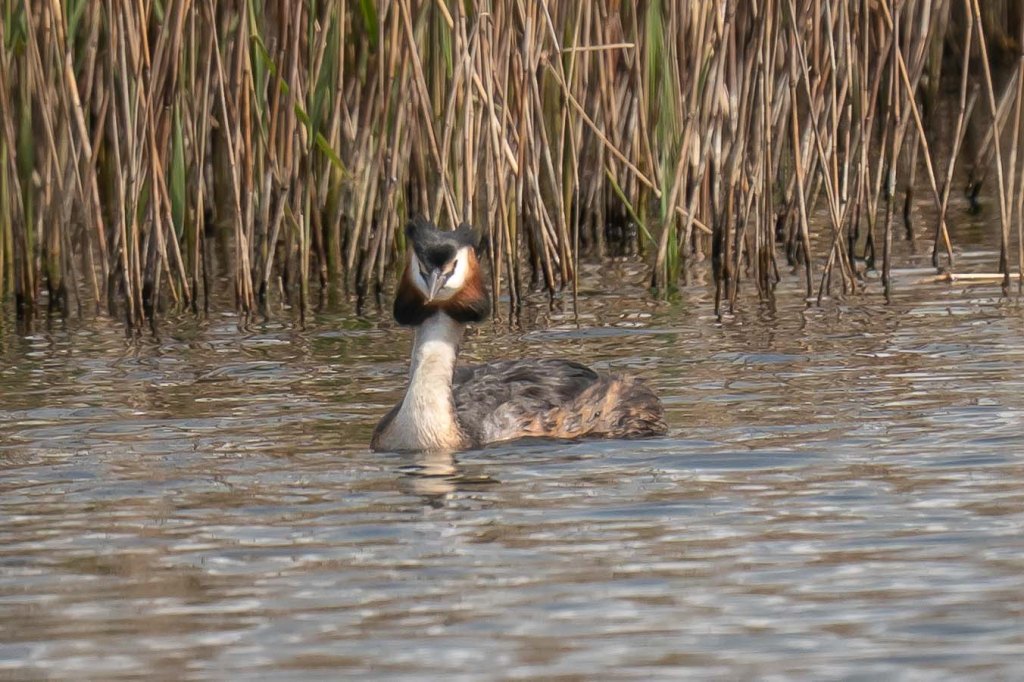
    Great crested grebe

    … trying to attract a mate?

    Or simply trying to score more points in the diving contest

    Gadwall in flight. I’m sure the sky was never that blue – I must have over-edited it

    Northern shovelers

    Grey heron with Glastonbury Tor in the background

    Well, I can see a common snipe

    Dunnock

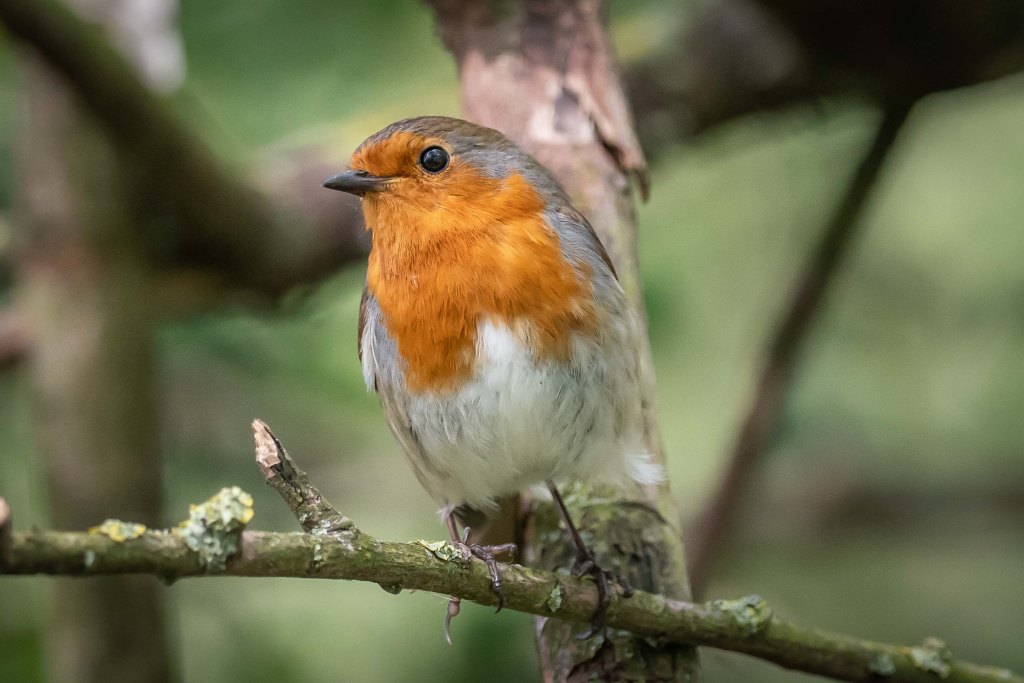
    A cheerful robin

    A field full of cattle egret (and a few little egrets) on the way home

    … and they seemed to be heading home too.

  • 14th January 2025 – WWT Slimbridge, Gloucestershire

    14th January 2025 – WWT Slimbridge, Gloucestershire

    It’s been a slow start to the year for bird photography as we have been “confined to barracks” by chest infections and very cold weather; on the few opportunities we have had to get out and about I have not felt like lugging a camera with me. And so, here we are with almost half of January gone and my first offering.

    Slimbridge is a fairly safe bet as it is teeming with birds at this time of year. The big attraction is the Bewick Swans, the smallest of the swans that regularly winter here, having come from their breeding grounds in Siberia. I bet they have not been complaining about the cold as much as I have!

    It was a fairly grey morning but with lots of large birds flying around I had enough photo opportunities to keep me happy.

    There were also a couple of the larger Whooper swans there too.

    Whooper swan to the left and Bewick swan to the right

    Bewick swan

    Bewick swan in flight

    Greylag geese

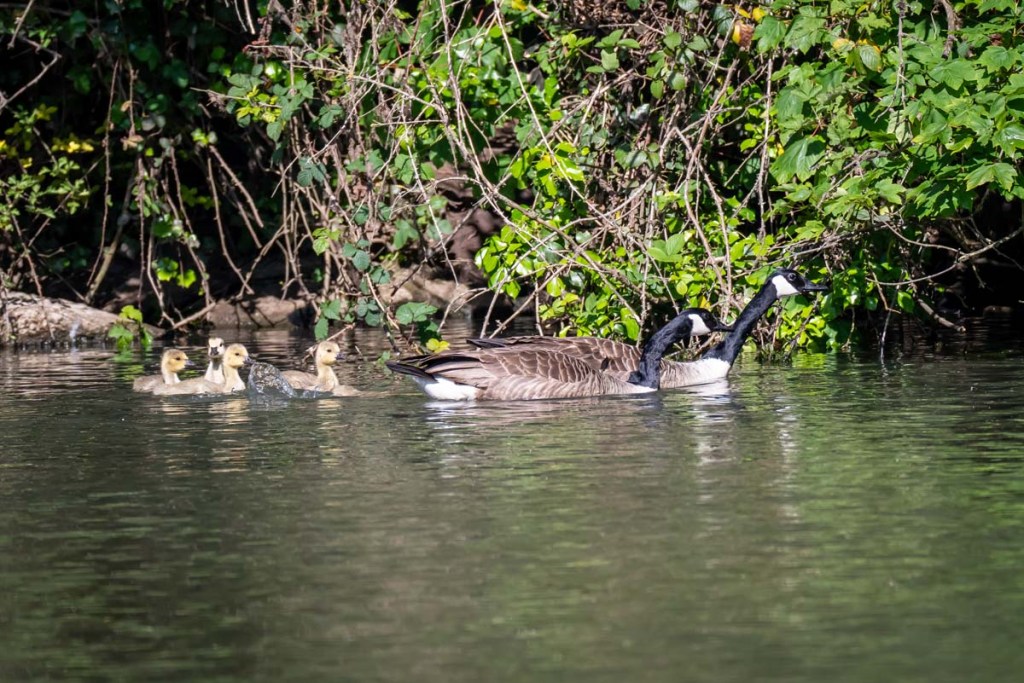
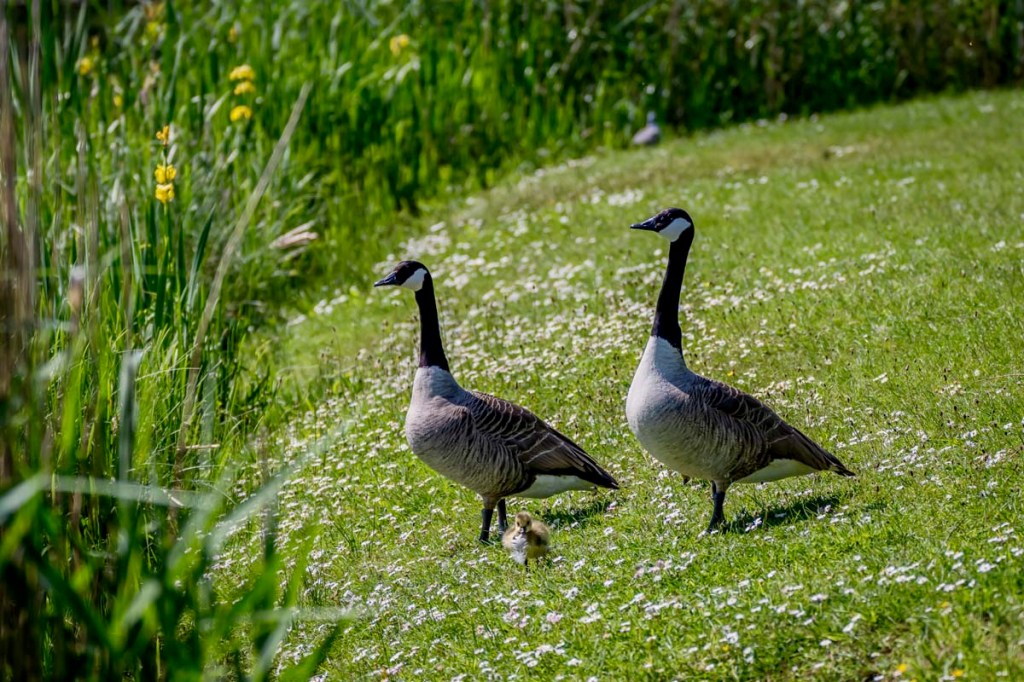
    Canada goose

    Shelduck

    Lapwings and dunlin

    Northern pintail

    Shelduck

    The lapwings are so spectacular, even in the dull light

    Lapwing

    Bewick swan

    It was quite a thrill to see common cranes too

    Common cranes in flight

    Common cranes

    There were some small birds – a female common chaffinch

    Snow drops added a bit of joy at the end of our morning’s visit

  • 22nd December 2024 – Akrotiri Peninsula, Cyprus

    22nd December 2024 – Akrotiri Peninsula, Cyprus

    Our second day proper of the natural history trip was a very good one with lots of interesting birds and plants to see in a variety of venues on the Akrotiri Peninsula, about an hour’s drive to the east of Paphos.

    We had mixed weather but managed to stay dry all day. However the light was not good and not very conducive for good photos or, indeed, any photos at all.

    We started at the Zakaki bird hide which, although it had fabulous large posters of the birds to be seen, was poorly managed and we couldn’t see much through the giant reeds.

    Not a lot to be seen from this hide

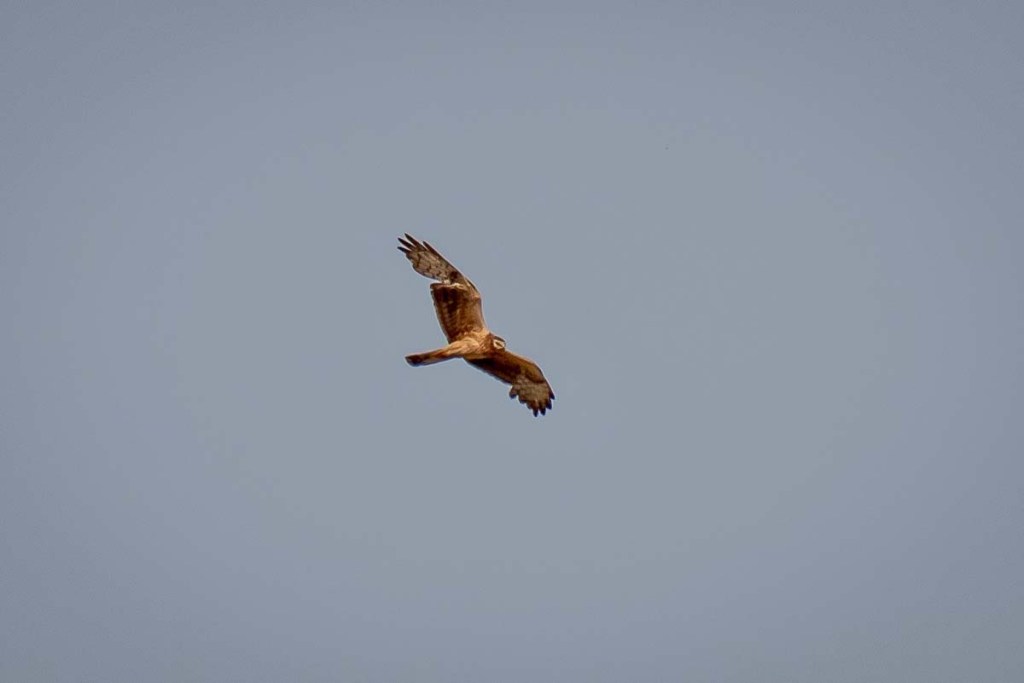
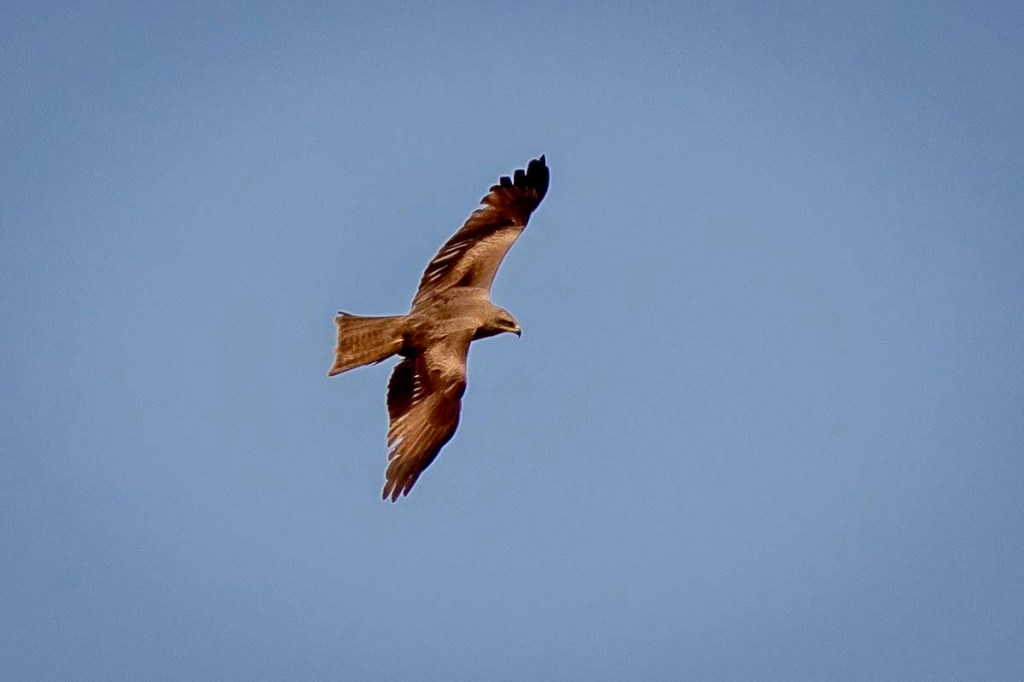
    Locally we did have lots of sightings of marsh harriers and a kestrel and some of the group saw a male hen harrier. Despite my attempt to take plenty of photos, I achieved very little. When will I ever learn that tiny specks in my view finder will never produce decent photos?

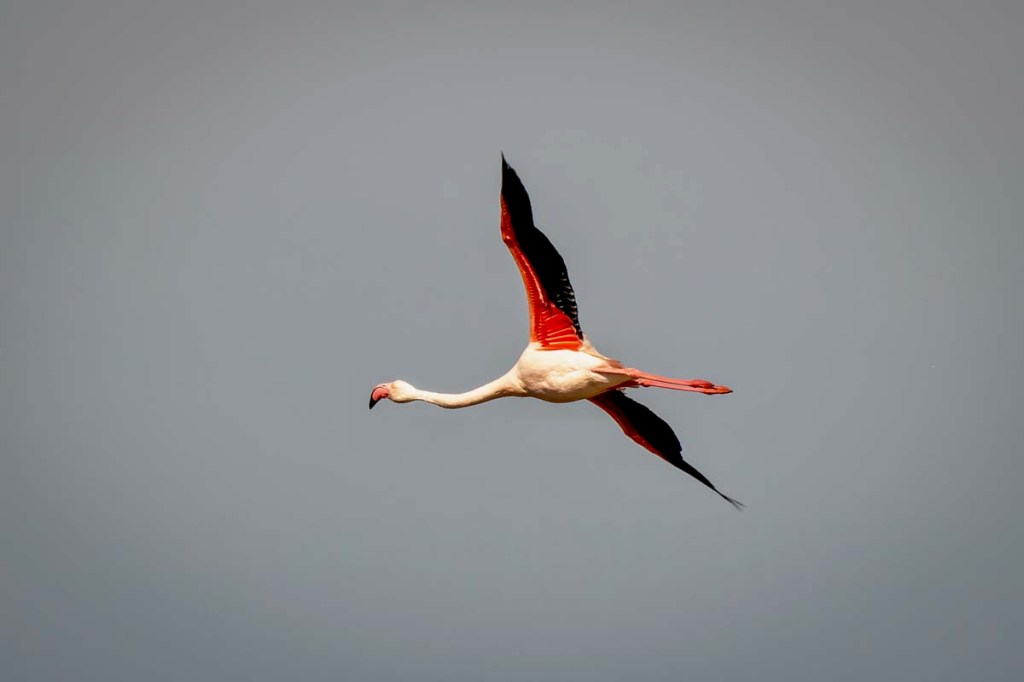
    We walked further along the road to a pool next to the sea where there were greater flamingos and lots of gulls (mainly black-headed but some slender-billed and one larger one which caused lots of discussion without a definitive id.).

    Greater flamingos

    Greater flamingos
    Lots of discussion about this gull – Michael Sammut from Malta tells me it’s a sub-adult yellow-legged gull

    We drove west along some mud flats (Lady’s Mile) but saw very little.

    We crossed the estuary on the low tide in the coach and eventually arrived at a monastery (no one around – they must have all been in chapel) where we parked and walked to Bishop’s Pool. The walk here was very interesting with people spotting lots of butterflies, a hummingbird moth, carpenter bees and many interesting plants.

    At the pool there were lots of ducks including shovelers, little grebes and, the best of the pick, a ferruginous duck.

    Ferruginous duck

    After lunch we moved on to a wetlands where there was plenty to see but impossible to photograph as it was into the poor light. The highlight here were spur winged plovers.

    Spur-winged plover

    Our last visit was to the Kensington Cliffs where we were treated to views of a long legged buzzard and a peregrine. We also looked more closely at a variety of the vegetation on the cliff tops.

    Close up of a kestrel which spoiled my view of the ferruginous duck

    Long-legged buzzard

    Peregrine falcon

    Favourite plant of the day – Friar’s cowl

    A romantic moment for a couple on the edge of the cliffs – a first sighting for me of such a cultural event.

  • 21st December 2024 – In and around Paphos, Cyprus

    21st December 2024 – In and around Paphos, Cyprus

    We joined the main group of our natural history tour to Cyprus today but, as they were visiting the Archeological Park in Cyprus (which we did yesterday), we were kind to ourselves and had a gentle stroll around the park focussing on the birds.

    Yesterday we started with a Sardinian warbler and today it was in the same spot to greet us; yet I failed again to get a decent shot. Stonechats were two-a-penny again but we were not complaining as they are lovely little birds and much more accommodating than warblers. We did manage to see a Cetti’s warbler but it soon disappeared into the depths of a bush before I could operate my camera.

    Photography with a bridge camera was not easy as the light wasn’t great today. At my time of life compromise is a constant!

    Stonechat

    At first I thought it must be a stonechat from its position but then realised it was a meadow pipit.

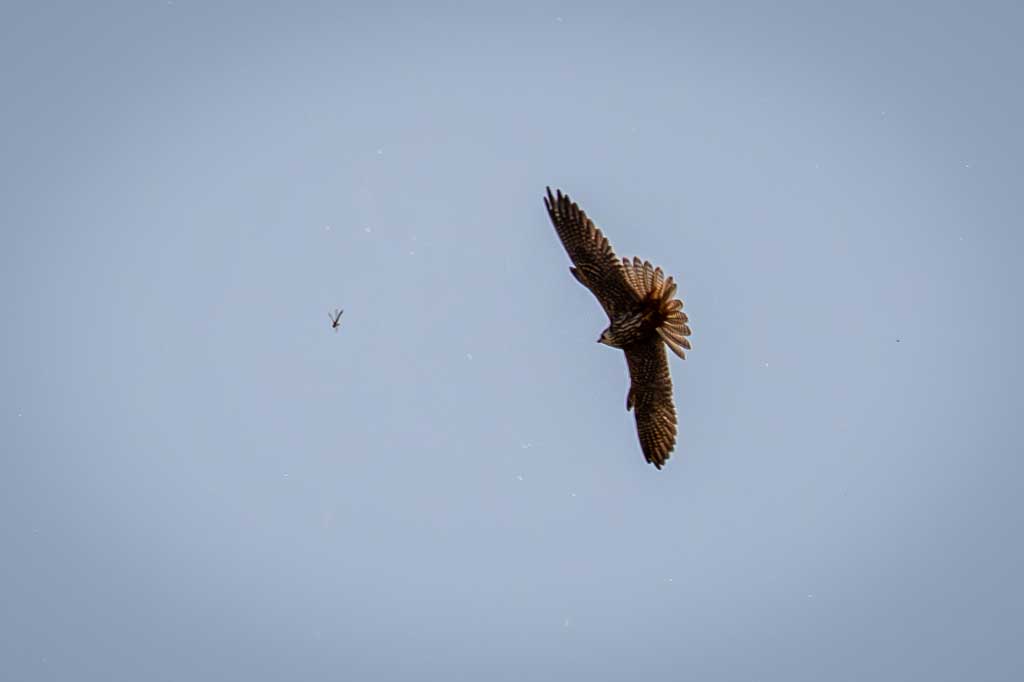
    This kestrel was clearly not a stonechat
    Kestrel obligingly flying past

    Some new plants to us in the park – Fagoniao cretica

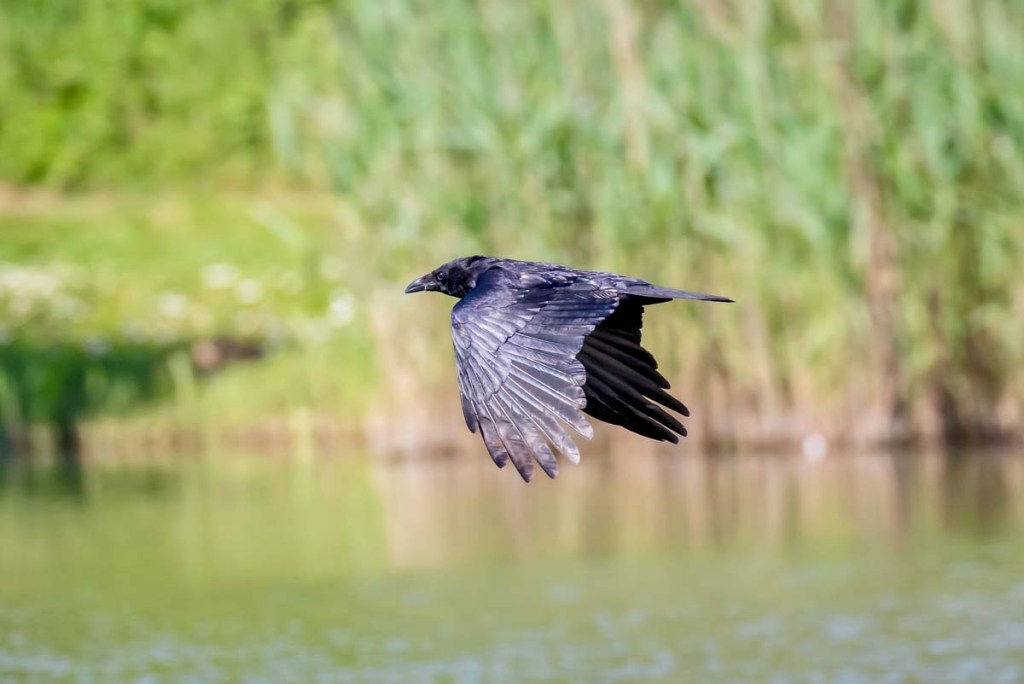
    I think these hooded crows are more handsome than our carrion crows

    … and quite attractive in flight

    Coffee on the quay and a chance to add to our list with these great cormorants in the harbour

    In the afternoon we travelled inland and in the Anarita Park our guide Andy had a great spot with a Finsch’s wheatear.

    If you look closely you can see the Finsch’s wheatear on the top of the post. You might realise what a good spot this was as this is a highly cropped photo of a shot with my bridge camera with 600 mm lens.

    The Finsch’s wheatear a little closer

    Another good spot – this time by our botanist guide Jessica – Hyacinthella millingenii 

    We ended our day at the Agia Vagara settling pools which was a little disappointing as the light had more or less failed by then: we saw a few common snipe and a jack snipe, a teal and a pair of coots before we got caught in a heavy shower which had been threatening for most of the day.

    Although the forecast for the week had looked very good before our arrival I think it must have been written by the Cyprus Tourist Board because the reality is now somewhat disappointing. It’s definitely better than the UK though.

    Christmas in Paphos

  • 20th December 2024 – Paphos, Cyprus

    20th December 2024 – Paphos, Cyprus

    Yesterday we explored the headland near to the Archeological site at Paphos and today we more or less covered the same region; but this time inside the confines of the site. It was a wonderful visit and I shall include a few photos of the site and, in particular, the mosaics but there were lots of opportunities to see birds and some interesting plants.

    The first sighting was of a laughing dove (another first for me, except I now realise that I saw one yesterday) and then a Sardinian warbler.

    Laughing dove

    Normally I wouldn’t publish such a poor photo but I was very pleased to see this bird- a male Sardinian warbler

    There were lots of of these Anemone coronarias – some were a much darker purple

    Anemone coronaria

    The other interesting plant which was prevalent was a Leontodon tuberosus.

    Leontodon tuberosus
    The only butterfly photo of the day – a large white

    Red-throated pipit close up

    Not so close up – a common chiffchaff

    Stonechats everywhere

    Crested lark on the ruins

    Just a few of the ruins and mosaics for a flavour of what we saw (I will come back to this when I have more time and band width).

    And a few more birds to conclude:

    Laughing dove
    Linnet

    The locals certainly have stamina here (or perhaps it was a Russian gymnast).

    Whilst I was admiring his skills I missed a flock of golden plovers nearby.
  • 3rd December 2024 – Catcott Lows. Avalon Marshes

    3rd December 2024 – Catcott Lows. Avalon Marshes

    In autumn, Britain & Ireland receive vast numbers of wigeon from the breeding grounds located further north and this wintering population has increased significantly since 1983/84. The Wetland Bird Survey reveals a few widespread locations holding over 30,000 birds in winter.

    The vast majority of them must have been at Catcott today; or that’s how it seemed. Most of them seemed to be asleep when I arrived and not much disturbed them. There was the occasional distinctive whistle from them but not even a marsh harrier sent them up in a flock. Perhaps their tactic for survival was to remain still

    Eurasian wigeon

    Eurasian wigeon

    Eurasian wigeon

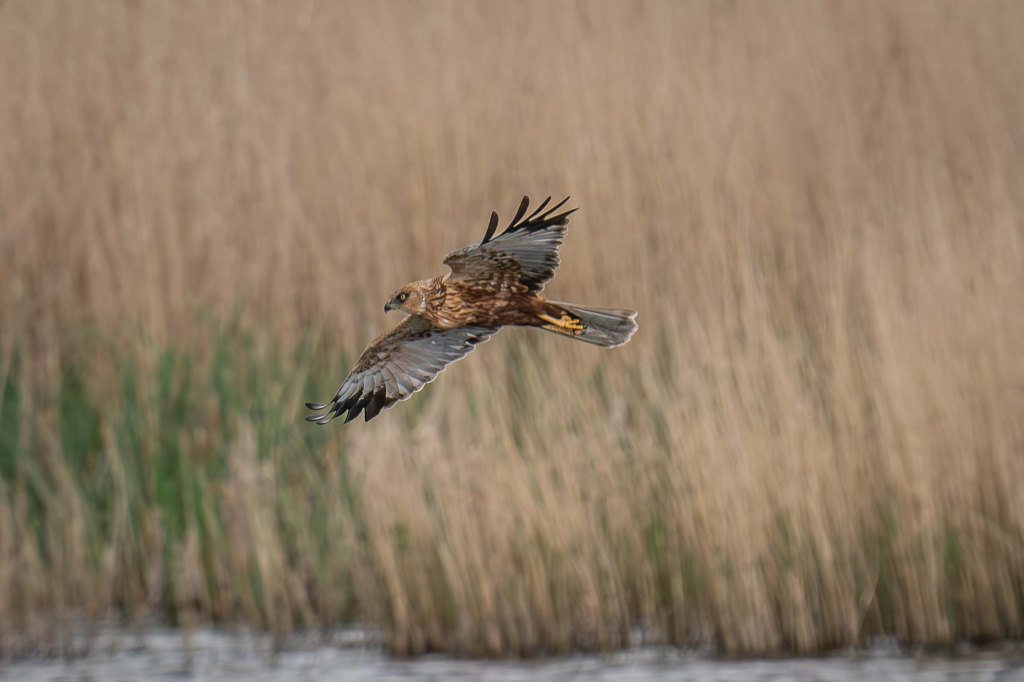
    Marsh harrier

    Marsh harrier

    Marsh harrier

    Had the marsh harrier spotted its prey or was this its resting place?

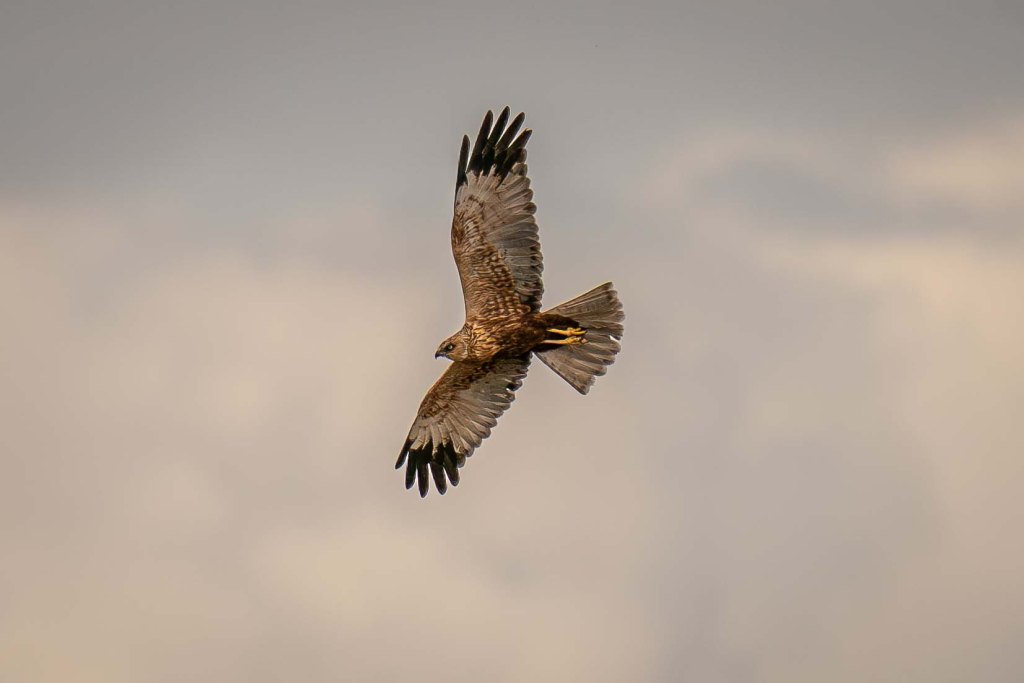
    Marsh harrier

    Marsh harrier

    Great egret and marsh harrier

    The great white egret found plenty to eat

    The only other spot from the hide was a common snipe which was visible for only a few moments before disappearing.

    Common snipe

    Common snipe

    However, the robin was not too secretive

    A deer watched on as the great white egret arrived

    Great white egret landing

    Teal in flight

    Another robin – posing again

    Another great white egret fishing in a ditch as I left

    Meadow pipit avoiding the danger of the barbed wire

  • 22nd November 2024 – Eastville Park, Bristol

    22nd November 2024 – Eastville Park, Bristol

    The sun was the star of our walk around the park this morning; although it was a very cold day it was a joy to feel its rays.

    Very few leaves but still lots of colour

    A dramatic range of light

    The tawny owl was visible in its box on the island in the middle of the lake but its features were not too easy to see. The cormorants in the trees were clearly enjoying the sun too.

    Tawny owl
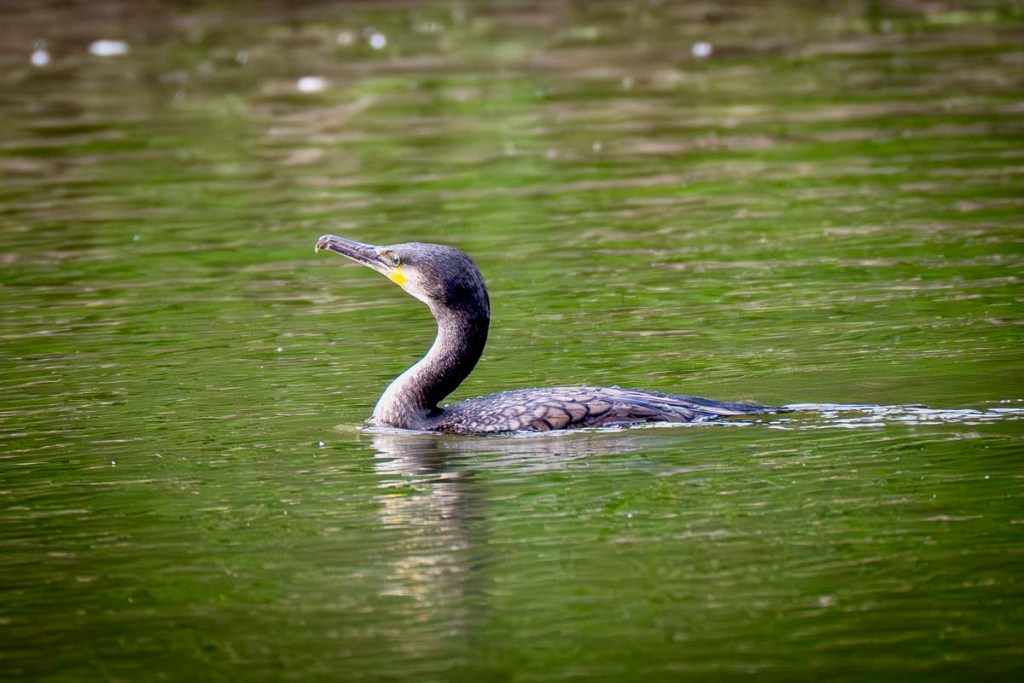
    Great cormorant

    A grey heron looked quite dramatic too in the sun; it seemed more intent on posing and showed little interest in feeding.

    Grey heron
    Perhaps it was on sentry duty?

    Even the black-headed gulls looked attractive in the sun

    They looked demure …

    … and then wanted to show off.

    However, we felt the best poser was the robin. No surprise there, then.

    Robin

    However, the squirrel didn’t want to be outstaged

  • 19th November 2024 – RSVP Greylake, Somerset

    19th November 2024 – RSVP Greylake, Somerset

    Although there was snow forecast for north of Bristol and reasonable weather forecast for mid Somerset, I was disappointed to set off in rain and sleet. It didn’t rain all day but it was pretty miserable throughout; it was quite testing seeing birds and even more challenging photographing them.

    I headed for Catcott Lows as there is a hide where you can park close by; but when I arrived I found it was closed as they were “managing” the trees on the lane leading to the hide. I continued further south to RSPB Greylake, a small reserve where, again, I wasn’t going to get drenched reaching the hides.

    There were big numbers of lapwing, wigeon and teal. Best of all there were quite a few snipe close to the hide, a water rail and an occasional marsh harrier.

    Wigeon

    Teal

    Lapwing

    Common snipe

    Snipe

    Marsh harrier

    Marsh harrier

    Marsh harrier

    Lapwing

    Common snipe

    Water rail

    Teal and snipe

    Wigeon

    On the way home I saw large numbers of little egrets and cattle egrets in the fields. Also, large numbers of starling were congregating and I thought it was a shame I couldn’t stay later to see the magnificent sight of the murmurations before they roost. But there again, I don’t think the views would have been too wonderful as the bad weather set in again and the light would have been very poor.

    Cattle egret

    I stopped very briefly at Cheddar Reservoir where I saw large numbers of pochard. I certainly didn’t stay long as it was only 2 degrees centigrade and definitely felt much colder with the wind blowing off the water.

    Pochard

    Meadow pipit

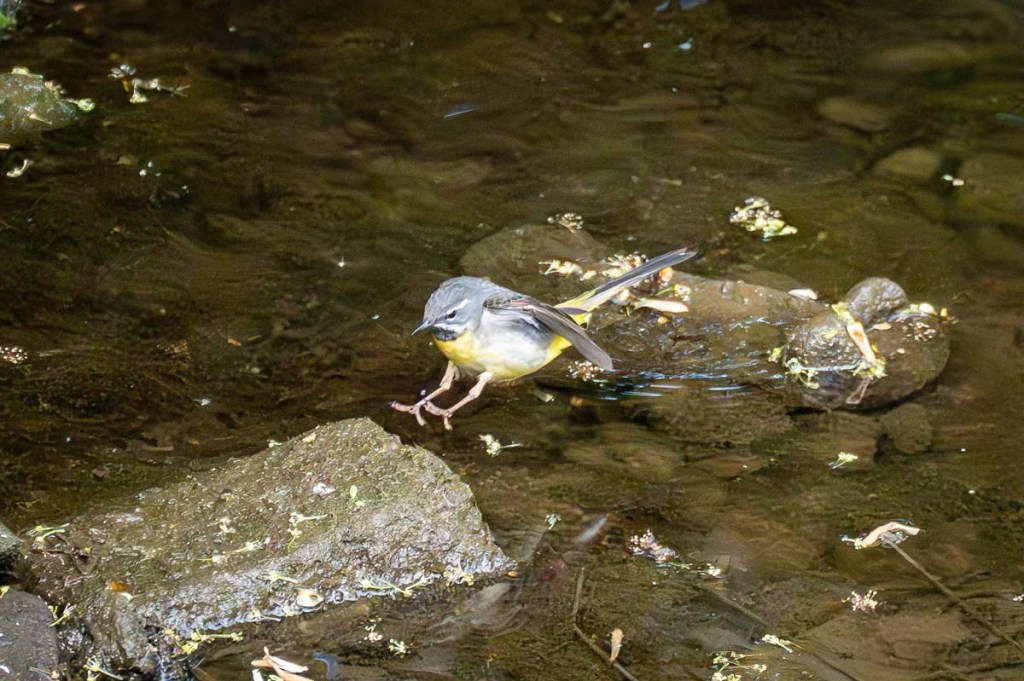
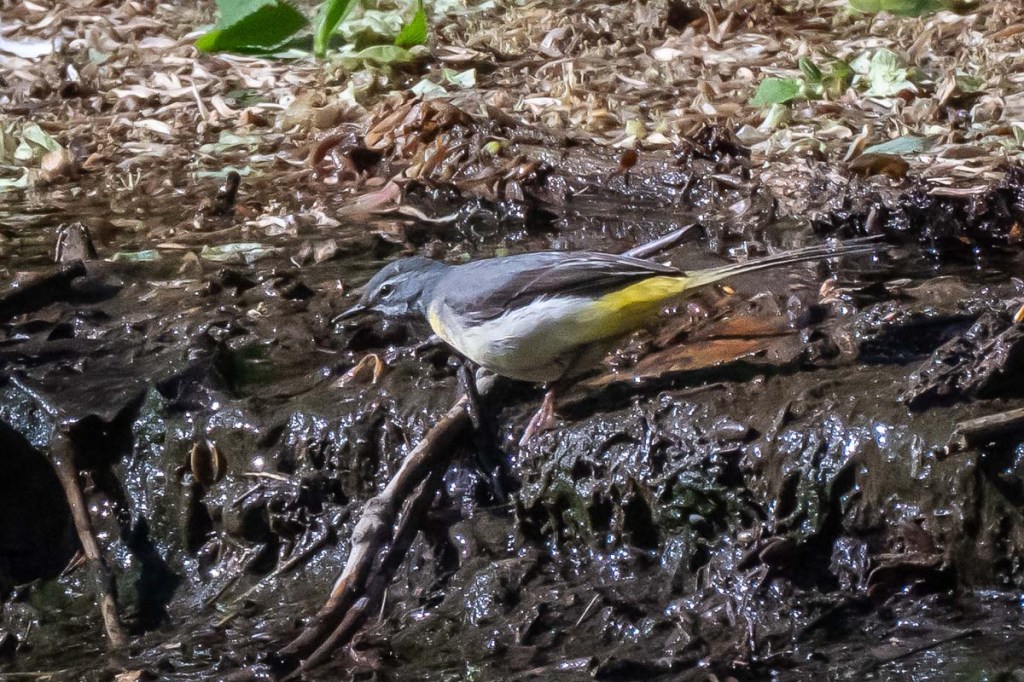
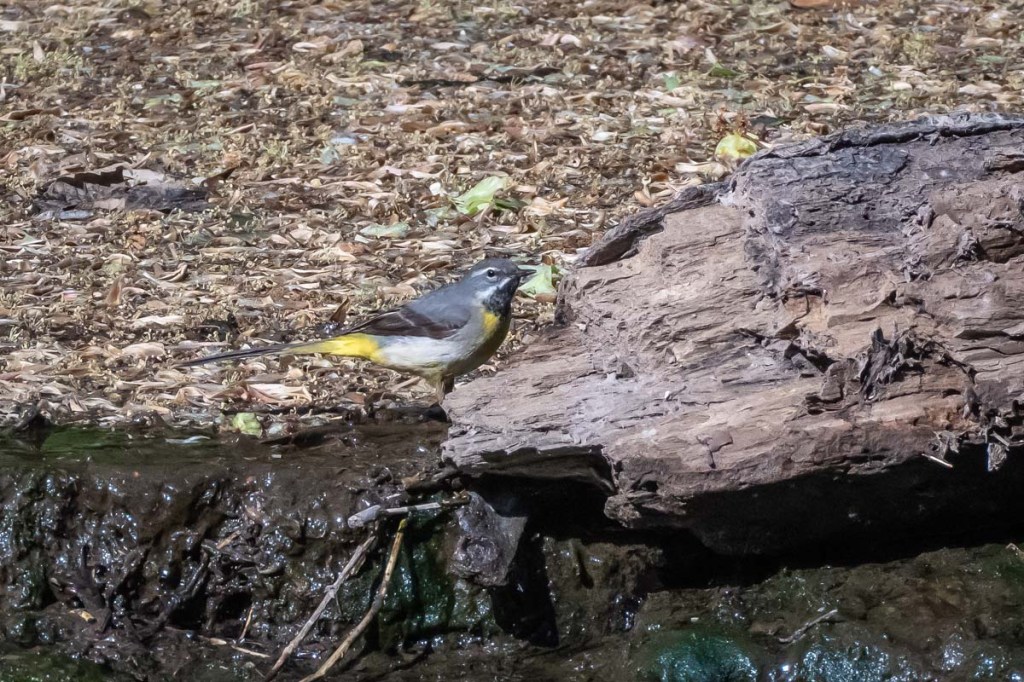
    Grey wagtail looking as cold as I felt